CROSS-REFERENCE
This application claims the benefit under 35 U.S.C. § 119(e) of U.S. Provisional Patent Application No. 62/404,096, filed Oct. 10, 2016, the application for which is incorporated herein by reference in its entirety.
SEQUENCE LISTING
This application contains a Sequence Listing which has been submitted in ASCII format via EFS-Web and is hereby incorporated by reference in its entirety. Said ASCII copy was created on Mar. 15, 2018, is named KV2-005US2_SL.txt and is 268,465 bytes in size.
FIELD
The present disclosure relates to the field of cancer therapeutics, in particular to methods of treating platinum-drug resistant cancer using targeted drug-conjugates.
BACKGROUND
Platinum-based drugs find widespread use in the treatment of cancer. Cisplatin, carboplatin and oxaliplatin, for example, are used extensively in the treatment of a range of solid tumors including bladder cancer, breast cancer, colon cancer, head and neck cancer, small cell and non-small cell lung cancer, ovarian cancer, melanoma and non-Hodgkin lymphoma. The efficacy and applicability of platinum drugs, however, are limited by systemic toxicity and drug resistance with significant relapse and progression rates being observed amongst patients.
Resistance to platinum drugs is believed to be multi-faceted (Shen, et al., 2012, Pharmacological Reviews, 64:706-721). Upregulation of CD44 and/or the presence of cancer stem cells has been observed in a number of platinum drug-resistant cancers, including for example, ovarian cancer (see, for example, Pylväs-Eerola, et al., 2016, Anticancer Res., 36:3425-3432; Gao, et al., 2015, Oncotarget, 6:9313-9326), head and neck cancer (see, for example, Kulsum, et al., 2016, Mol. Carcinog. doi: 10.1002/mc.22526) and lung cancer (see, for example, Leung, et al., 2010, PLoS One, 5: e14062-10). Alterations in glycosylation patterns have also been reported (Ferreira, et al., 2015, Drug Resistance Updates, 24:34-54).
Glycosaminoglycans (GAGs) are carbohydrate modifications attached to cellular and extra-cellular proteins. Changes in expression and composition of GAGs have been sporadically reported in bladder cancer over the past three decades (De Klerk, 1985, J Urol., 134:978-81; Hennessey, et al., 1981, Cancer Res., 41:3868-73; Ohyama, 2008, International Journal of Clinical Oncology, 13:308-13). Chondroitin sulfate (CS) is a major cancer-associated GAG, which also plays a key role in malaria pathogenesis (Rogerson, et al., 1995, J Exp. Med., 182:15-20). The malaria parasite Plasmodium falciparum has evolved a protein VAR2CSA that mediates attachment of infected erythrocytes to a distinct type of chondroitin sulfate (CS) chain in the placental syncytium (Salanti, et al., 2004, JExp. Med., 200:1197-203). CS chains are comprised of alternating glucoronic acid and N-acetylgalactosamine (GalNAc) residues that vary in chain length and sulfation pattern. Although not fully resolved, placental-type CS is likely comprised of dense patches of carbon-4 GalNAc sulfations (Alkhalil, et al., 2000, J Biol Chem., 275:40357-64; Beeson, et al., 2007, J Biol Chem., 282:22426-36). This particular CS signature is required for exclusive sequestration of VAR2CSA+ erythrocytes to placenta giving rise to pregnancy-associated malaria in endemic regions of the world (Salanti, et al., 2004, ibid.; Fried and Duffy, 1996, Science, 272:1502-4). Many tumors express placental-type CS as a secondary oncofetal CS (ofCS) modification, which can be specifically recognized by recombinant malarial VAR2CSA (rVAR2) proteins (International Patent Publication No. WO 2013/117705; Salanti, et al., 2015, Cancer Cell, 28:500-14).
Functional binding fragments of VAR2CSA and their use in the treatment of conditions associated with the expression of chondroitin sulfate A (CSA) have been described (International Patent Publication No. WO 2013/117705). VAR2CSA-drug conjugates and their use in the treatment of cancer and other diseases have also been described (International Patent Publication No. WO 2015/095952).
This background information is provided for the purpose of making known information believed by the applicant to be of possible relevance to the present disclosure. No admission is necessarily intended, nor should be construed, that any of the preceding information constitutes prior art against the claimed invention.
SUMMARY
Described herein are compositions and methods for the treatment of platinum-drug resistant cancer.
In one aspect, the present disclosure relates to a method of treating a platinum drug-resistant cancer in a subject comprising administering to the subject an effective amount of a VAR2CSA-drug conjugate (VDC), the VDC comprising: a) a VAR2CSA polypeptide that specifically binds to oncofetal chondroitin sulfate (ofCS), and b) one or more toxins having anti-cancer activity conjugated to the VAR2CSA polypeptide.
In one aspect, the present disclosure relates to a method of treating cancer in a subject who has received a prior treatment regimen comprising a platinum drug, the method comprising administering to the subject an effective amount of a VAR2CSA-drug conjugate (VDC), the VDC comprising: a) a VAR2CSA polypeptide that specifically binds to oncofetal chondroitin sulfate (ofCS), and b) one or more toxins having anti-cancer activity conjugated to the VAR2CSA polypeptide. In certain embodiments, the subject has relapsed or progressed following the prior treatment regimen.
In one aspect, the present disclosure relates to a method of inhibiting growth of a platinum drug-resistant tumor in a subject comprising administering to the subject an effective amount of a VAR2CSA-drug conjugate (VDC), the VDC comprising: a) a VAR2CSA polypeptide that specifically binds to oncofetal chondroitin sulfate (ofCS), and b) one or more toxins having anti-cancer activity conjugated to the VAR2CSA polypeptide.
In one aspect, the present disclosure relates to a method of inhibiting the proliferation of platinum drug-resistant cancer cells comprising contacting the cells with an effective amount of a VAR2CSA-drug conjugate (VDC), the VDC comprising: a) a VAR2CSA polypeptide that specifically binds to oncofetal chondroitin sulfate (ofCS), and b) one or more toxins having anti-cancer activity conjugated to the VAR2CSA polypeptide.
BRIEF DESCRIPTION OF THE DRAWINGS
The patent or application file contains at least one drawing executed in color. Copies of this patent or patent application publication with color drawing(s) will be provided by the Office upon request and payment of the necessary fee.
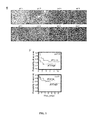
FIG. 1 shows oncofetal chondroitin sulfate (ofCS) expression in chemotherapy naïve and cisplatin-resistant bladder cancer: (A) Representative immunohistochemistry (IHC) images of ofCS expression in matched bladder cancer cases showing cellular ofCS expression in paired transurethral resection of primary tumor (TURBT) samples (upper panel) and cisplatin resistant tumor (ypT) samples (lower panel). Scale bar represents 50 μm. (B) ofCS expression was examined in chemotherapy naïve bladder cancers (TURBT) of two independent cohorts (discovery: left, validation: right). “Tumor” represents overall ofCS expression in bladder tumor including the microenvironment; “Cancer Cells” represents ofCS expression in cancer cellular compartment only. (C) Plots indicating paired analysis of chemotherapy naïve (TURBT) and cisplatin-resistant (ypT) tumors in discovery (left) and validation (right) cohorts. Each box indicates the tumor of a given patient and the lines indicates the pairs between TURBT to ypT. (D) Bar plots indicating the relation of cellular ofCS expression in ypT compared to tumor stage in discovery (left) and validation (right) cohorts. (E) Representative IHC images of ofCS expression in different ypT stages of muscle invasive bladder cancer (MIBC). Scale bar represents 50 μm. (F) Kaplan-Meier plots for overall survival (OS) stratified according to high and low cellular ofCS expression in ypT (discovery: upper, validation: lower).
FIG. 2 shows an analysis of oncofetal chondroitin sulfate (ofCS) expression in chemotherapy-resistant bladder cancer (ypT). ofCS expression was present at all stages of chemoresistant-bladder cancer (ypT1-4, but elevated in later stage disease (ypT3-4). Moreover, high expression of ofCS correlated with poor outcome of patients in two independent cohorts.
FIG. 3 shows oncofetal chondroitin sulfate (ofCS) carrying proteoglycans in bladder cancer: (A) Proteoglycan gene expression in ofCSHigh and ofCSLow chemotherapy naïve bladder cancer. Data are arranged so that each column represents an individual patient and each row represents a gene. The uppermost panel is divided into high (red) and low (blue) cellular ofCS expression (n=120 patients). In the heat map, difference in gene expression was calculated as fold change (log 2) and significantly overexpressed genes for each patient are highlighted in red. (B) Representative immunohistochemical (IHC) images showing high and low CD44 protein expression of bladder cancer. For statistical analysis, low expressing tumors (1st-3rd quartile) were compared to high expression tumors (4th quartile), respectively. Scale bar represents 100 μm. (C) Box plot indicating gene expression (y-axes) in samples with low (1st-3rd quartile) and high (4th quartile) CD44 protein expression, respectively. (D) Bar plot indicating the relation of CD44 protein expression with ofCS in ofCSHigh and ofCSLow groups. (E & F) Statistical evaluation of in situ tissue proximity ligation assay (PLA) between ofCS and CD44. The number of PLA signals between duplicate cores from a single patient (x axis; one tissue core and y axis; the other) and the average number of PLA signals per cell was compared to the status of IHC of individual biomarker (ofCS and CD44).
FIG. 4 shows rVar2 binding to human bladder cancer cells: (A) Relative mean fluorescence intensity (MFI) of a panel of bladder cancer cell lines incubated with recombinant control protein (rContr) or a VAR2CSA polypeptide (rVAR2) as indicated and detected by flow cytometry using anti-V5-FITC. (B) IC50 kill-values for the VAR2CSA drug conjugate, VDC886, in various cancer cell lines (upper panel). CD44 protein expression in the same bladder cancer cell line panel; GAPDH as a loading control (lower panel). (C) Proximity ligation assay (PLA) analysis of CD44 and ofCS in UM-UC1, UM-UC3 and UM-IC13 parental bladder cancer cell lines. rVAR2 alone is used as a negative control and soluble CSA for competitive inhibition of the interaction. Scale bar represents 10 μm.
FIG. 5 demonstrates the potential of the VAR2CSA drug conjugate, VDC886, for targeted therapy of cisplatin-resistant bladder cancer: (A) Binding of rVAR2 to UM-UC13 parental and ex vivo cells (generation 6). Relative mean fluorescence intensity (MFI) after incubation with recombinant control protein (rContr) or rVAR2 as indicated and detection by flow cytometry using anti-V5-FITC. (B) CD44 protein expression in UM-UC-13 parental (G0) and the ex vivo cell lines (G1 to G6); GAPDH as a loading control. (C) Internalization of Alexa488-labelled rVAR2 in parental (upper panel) and ex vivo (lower panel) UM-UC13 bladder cancer cells detected by confocal microscopy 30 minutes after addition of rVAR2-FITC (green) and DAPI (blue). (D) Indicated human bladder cancer cell lines were seeded in 96-well plates and treated with VDC886 in concentrations ranging from 0.01 pM to 200 nM. The column graph displays IC50 kill-values of VDC886 performance. (E) Comparing tumor growth between VDC886-treated and control groups. The noted treatment was administered intravenously twice per week (red arrow heads) as indicated. (F) Representative ultrasound images of each group at day 17, 31 and 45. (G) Kaplan-Meier curve of VDC886 and Vehicle treated mice from (E).
FIG. 6 shows representative hematoxylin and eosin stained (H&E) images of kidney, liver and spleen extracted from VDC886-treated and control mice from FIG. 5F. Histological examination of kidney, liver and spleen was performed on 3 mice per group to assess toxicity to treatment. During the experiment, no side effects were observed to any of the treatments. Except locally in the pelvis, no pathologically suspicious lesions were observed by macroscopic examination of organs from all mice at harvesting. Scale bar represents 200 um.
FIG. 7 shows a schematic representation of the full-length Plasmodiun falciparum VAR2CSA protein and the rVAR2-v5, rVAR2′ and rContr polypeptides. The minimal chondroitin sulfate binding region (ID1-DBL2X) is denoted with cross hatching.
FIG. 8 shows (A) the structure of an exemplary hemiasterlin analogue (Compound 1); (B) the structure of linker-toxin MTvc886 comprising Compound 1 with a maleimido triethylene glycolate valine-citrulline linker, and (C) a schematic representation of the VAR2CSA drug conjugate VDC886.
DETAILED DESCRIPTION
The present disclosure relates to the ability of VAR2CSA-drug conjugates to effectively target and inhibit the growth of cancer cells that have developed resistance to a platinum drug. VAR2CSA-drug conjugates (VDCs) comprise a VAR2CSA polypeptide that is capable of binding to oncofetal chondroitin sulfate (ofCS) and one or more toxins having anti-cancer activity conjugated to the VAR2CSA polypeptide.
As demonstrated herein, elevated ofCS expression levels are associated with platinum drug-resistance in bladder cancer. The increased expression of ofCS correlates with an increased expression of the proteoglycan CD44, which is a known cancer stem cell marker. Upregulation of CD44 and/or the presence of cancer stem cells has been observed in a number of different platinum drug-resistant cancers, including for example, ovarian cancer (see, for example, Pylväs-Eerola, et al., 2016, Anticancer Res., 36:3425-3432; Gao, et al., 2015, Oncotarget, 6:9313-9326), head and neck cancer (see, for example, Kulsum, et al., 2016, Mol. Carcinog. doi: 10.1002/mc.22526) and lung cancer (see, for example, Leung, et al., 2010, PLoS One, 5: e14062-10).
Certain embodiments of the present disclosure relate to the use of VDCs in the treatment of a platinum drug-resistant cancer. In certain embodiments, the platinum drug-resistant cancer shows a higher expression of ofCS compared to a corresponding cancer that is not resistant to the platinum drug. In some embodiments, the VDC is administered as a second-line therapy after a prior treatment regimen that included the platinum drug. Certain embodiments relate to the use of VDCs in the treatment of a platinum drug-resistant cancer in which expression of CD44 is upregulated.
Definitions
Unless defined otherwise, all technical and scientific terms used herein have the same meaning as commonly understood by one of ordinary skill in the art.
As used herein, the term “about” refers to an approximately +/−10% variation from a given value. It is to be understood that such a variation is always included in any given value provided herein, whether or not it is specifically referred to.
Similarly, ranges may be expressed herein as from about one particular value, and/or to about another particular value. When such a range is expressed, it is to be understood that another embodiment is from the one particular value and/or to the other particular value, along with all combinations within said range.
The use of the word “a” or “an” when used herein in conjunction with the term “comprising” may mean “one,” but it is also consistent with the meaning of “one or more,” “at least one” and “one or more than one.”
As used herein, the terms “comprising,” “having,” “including” and “containing,” and grammatical variations thereof, are inclusive or open-ended and do not exclude additional, unrecited elements and/or method steps. The term “consisting essentially of” when used herein in connection with a composition, use or method, denotes that additional elements and/or method steps may be present, but that these additions do not materially affect the manner in which the recited composition, method or use functions. The term “consisting of” when used herein in connection with a composition, use or method, excludes the presence of additional elements and/or method steps. A composition, use or method described herein as comprising certain elements and/or steps may also, in certain embodiments consist essentially of those elements and/or steps, and in other embodiments consist of those elements and/or steps, whether or not these embodiments are specifically referred to.
The term “DBL2Xb” as used herein refers to a domain of VAR2CSA characterized by having an amino acid sequence substantially identical to an amino acid sequence identified by amino acids 153-577 of SEQ ID NO:1.
The term “ID1” as used herein refers to a domain of VAR2CSA characterized by having an amino acid sequence substantially identical to an amino acid sequence identified by amino acids 1-152 of SEQ ID NO:1.
The term “ID2a” as used herein refers to a domain of VAR2CSA characterized by having an amino acid sequence substantially identical to an amino acid sequence identified by amino acids 578-640 of SEQ ID NO: 1.
The term “substantially identical” as used herein in relation to a nucleic acid or amino acid sequence indicates that, when optimally aligned, for example using the methods described below, the nucleic acid or amino acid sequence shares at least 70% sequence identity with a defined second nucleic acid or amino acid sequence (or “reference sequence”). In certain embodiments, the nucleic acid or amino acid sequence shares at least 75%, at least 80%, at least 85%, at least 90%, at least 95%, at least 96%, at least 97%, at least 98% or at least 99% sequence identity with the reference sequence. “Substantial identity” may be used to refer to various types and lengths of sequence, such as full-length sequence, functional domains, coding and/or regulatory sequences, promoters, and genomic sequences. Percent identity between two amino acid or nucleic acid sequences can be determined in various ways that are within the skill of a worker in the art, for example, using publicly available computer software such as Smith Waterman Alignment (Smith, T. F. and M. S. Waterman, 1981, J Mol Biol, 147:195-7); “BestFit” (Smith and Waterman, 1981, Advances in Applied Mathematics, 2:482-489) as incorporated into GeneMatcher Plus™, Schwarz and Dayhof (1979) Atlas of Protein Sequence and Structure, Dayhof, M. O., Ed pp 353-358; BLAST program (Basic Local Alignment Search Tool) (Altschul, S. F., W. Gish, et al., 1990, J Mol Biol, 215:403-10), and variations thereof including BLAST-2, BLAST-P, BLAST-N, BLAST-X, WU-BLAST-2, ALIGN, ALIGN-2, CLUSTAL, and Megalign (DNASTAR) software. In addition, those skilled in the art can determine appropriate parameters for measuring alignment, including algorithms needed to achieve maximal alignment over the length of the sequences being compared. One skilled in the art will understand that the actual length will depend on the overall length of the sequences being compared. In certain embodiments, for amino acid sequences, the length of comparison sequences may be at least 100 amino acids, for example, at least 150, at least 200, or at least 250 amino acids, or it may be the full-length of the amino acid sequence.
A polypeptide that is “derived from” a native protein sequence means that the polypeptide has an amino acid sequence that is substantially identical to the referenced sequence of the native protein.
The term “anti-cancer activity” as used herein with reference to a toxin means that the toxin is able to inhibit the proliferation of cancer cells and/or tumor growth.
The term “inhibit” and grammatical variations thereof, as used herein, refers to a measurable decrease in a given parameter or event. Inhibition may be complete or partial and may be of short or long term duration.
It is contemplated that any embodiment discussed herein can be implemented with respect to any method, use or composition disclosed herein, and vice versa.
VAR2CSA-Drug Conjugates (VDCs)
The VAR2CSA-drug conjugates (VDCs) of the present disclosure comprise a VAR2CSA polypeptide and one or more toxins having anti-cancer activity conjugated to the VAR2CSA polypeptide. In certain aspects, the VAR2CSA polypeptide included in the VDC is capable of specifically binding to oncofetal chondroitin sulfate (ofCS).
In certain aspects, the VDCs comprise a VAR2CSA polypeptide that is a functional fragment of a full-length VAR2CSA protein conjugated to a toxin either directly or via a linker. In certain embodiments, the VDC is a compound of general formula (I):
V-[(L)n-(T)m]p (I)
wherein
V is a VAR2CSA polypeptide;
L is a linker;
T is a toxin;
n is 0 or 1;
m is an integer from 1 to 8, and
p is an integer from 1 to 12.
In some embodiments, in compounds of general formula (I), when n is 0, then m is 1.
In some embodiments, in compounds of general formula (I): n is 1.
In some embodiments, in compounds of general formula (I): n is 1, and m is an integer from 1 to 4.
In some embodiments, in compounds of general formula (I): n is 1, and m is 1.
In some embodiments, in compounds of general formula (I): m+p is less than or equal to 12, for example, m+p may be less than or equal to 10, less than or equal to 8, less than or equal to 6, or less than or equal to 4.
In some embodiments, in compounds of general formula (I): p is an integer from 1 to 10.
In some embodiments, in compounds of general formula (I): p is an integer from 1 to 4.
In some embodiments, in compounds of general formula (I): n is 1; m is 1, and p is an integer from 1 to 4.
In certain embodiments, the VDC is a compound of general formula (II):
V-[L-T]q (II)
wherein:
V, L and T are as defined above for general formula (I), and
q is an integer from 1 to 12.
In some embodiments, in compounds of general formula (II): q is an integer from 1 to 10, for example, from 1 to 8, or from 1 to 4.
VAR2CSA Polypeptides
In certain embodiments, the VAR2CSA polypeptide for inclusion in the VDCs described herein is capable of specifically binding to oncofetal chondroitin sulfate (ofCS).
The term “oncofetal chondroitin sulfate” (ofCS) is used herein to refer to a distinct CSA subtype that is predominantly expressed in the placenta and is specifically bound by native VAR2CSA. ofCS has also been shown to be present on cancer cells and in the extracellular matrix of tumors. In the placenta, ofCS has been characterized as a long polymer larger than a DP12 (degree of polymerization) and having a high level of C4 sulfation.
VAR2CSA is a large multi-domain protein of approximately 350 kDa (see FIG. 7). In certain aspects, the VAR2CSA polypeptides for inclusion in the VDCs are functional fragments of a full-length VAR2CSA protein. The term “functional fragment” as used herein with reference to VAR2CSA refers to a fragment of a native full-length VAR2CSA protein that comprises at least the minimal binding sequences from the VAR2CSA protein and possesses the ability to specifically bind ofCS. Typically, the functional fragment will be a fragment of an extracellular portion of the VAR2CSA.
Representative sequences of the extracellular portion of native VAR2CSA from P. falciparum strains 3D7 and FCR3 are provided herein as SEQ ID NOs:55 and 56, respectively.
Minimal structural elements of the VAR2CSA protein required for retention of binding to ofCS with high affinity and specificity have been identified. The minimal binding region is the region spanning the ID1 to DBL2Xb domains (see International Patent Publication No. WO 2013/117705). The ID1-DBL2Xb minimal binding region has a molecular weight of approximately 62 kDa. A number of other VAR2CSA polypeptides smaller than full length VAR2CSA that are capable of binding ofCS with high affinity (typically nM affinity) and high specificity have been identified (see International Patent Publication No. WO 2013/117705) and are suitable for inclusion in the VDCs described herein.
In some embodiments, the VAR2CSA polypeptide for inclusion in the VDCs described herein comprises a sequential amino acid sequence of ID1 and DBL2Xb domains. A representative sequence for the ID1 and DBL2Xb domains of P. falciparum strain FCR3 VAR2CSA is provided herein as SEQ ID NO:57.
In some embodiments, the VAR2CSA polypeptide for inclusion in the VDCs described herein comprises an amino acid sequence having at least 70% sequence identity with the amino acid sequence as set forth in SEQ ID NO:57. In some embodiments, the VAR2CSA polypeptide for inclusion in the VDCs described herein comprises an amino acid sequence having at least 80% sequence identity, for example at least 85%, at least 90%, at least 95%, or at least 98% sequence identity, with the amino acid sequence as set forth in SEQ ID NO:57. In some embodiments, the VAR2CSA polypeptide for inclusion in the VDCs described herein comprises the amino acid sequence as set forth in SEQ ID NO:57.
In some embodiments, the VAR2CSA polypeptide for inclusion in the VDCs described herein comprises a sequential amino acid sequence of ID1, DBL2Xb and ID2a domains. A representative sequence for the ID1, DBL2Xb and ID2a domains of P. falciparum strain FCR3 VAR2CSA is provided herein as SEQ ID NO:1. In some embodiments, the VAR2CSA polypeptide for inclusion in the VDCs described herein comprises a sequential amino acid sequence of ID1 and DBL2Xb domains and all or a N-terminal portion of an ID2a domain. The N-terminal portion of the ID2a domain may be, for example, at least 5, at least 10, at least 15, at least 20, at least 25, at least 30, at least 35, at least 40, at least 45 or at least 50 amino acids in length, or any amount therebetween.
In some embodiments, the VAR2CSA polypeptide for inclusion in the VDCs described herein further comprises an additional amino acid sequence at the N-terminus, at the C-terminus, or within, the sequence of the VAR2CSA polypeptide of not more than 100 amino acids, such as not more than 90, not more than 80, not more than 70, not more than 60, not more than 50, not more than 40, not more than 30, not more than 20, not more than 15, not more than 10, or not more than 5 amino acids. For example, from about 2 to about 100, from about 2 to about 50, from about 2 to about 20, from about 2 to about 10, from 2 to about 10 amino acids, or from 2 to 10 amino acids. The additional amino acid sequence may be derived from another part of the VAR2CSA protein, or it may be a heterologous sequence that is not derived from any part of a VAR2CSA protein.
In some embodiments, the VAR2CSA polypeptide for inclusion in the VDCs described herein competes with the parental full-length VAR2CSA for binding to ofCS. In some embodiments, the VAR2CSA polypeptide for inclusion in the VDCs described herein competes with the parental full-length VAR2CSA for binding to cancer cells.
In some embodiments, the VAR2CSA polypeptide for inclusion in the VDCs described herein binds plCSA on proteoglycans (CSPG) with an affinity as measured by a KD lower than 100 nM, such as lower than 80 nM, lower than 70 nM, lower than 60 nM, lower than 50 nM, lower than 40 nM, lower than 30 nM, lower than 26 nM, lower than 24 nM, lower than 22 nM, lower than 20 nM, lower than 18 nM, lower than 16 nM, lower than 14 nM, lower than 12 nM, lower than 10 nM, lower than 9 nM, lower than 8 nM, lower than 7 nM, lower than 6 nM, or lower than 4 nM. For example, with an affinity as measured by KD of from about 1 nM to about 100 nM, from about 1 nM to about 50 nM, or from about 1 nM to about 25 nM.
In some embodiments, the VAR2CSA polypeptide for inclusion in the VDCs described herein comprises an amino acid sequence having at least 70% sequence identity, for example, at least 80%, at least 85%, at least 90%, at least 95%, or at least 98% sequence identity, with the amino acid sequence as set forth in any one of: amino acids 1-577 of SEQ ID NO:1, amino acids 1-592 of SEQ ID NO:3, amino acids 1-579 of SEQ ID NO:4, amino acids 1-576 of SEQ ID NO:5, amino acids 1-586 of SEQ ID NO:10, amino acids 1-579 of SEQ ID NO: 11, amino acids 1-565 of SEQ ID NO:29, amino acids 1-584 of SEQ ID NO:34, amino acids 1-569 of SEQ ID NO:36, amino acids 1-575 of SEQ ID NO:37, amino acids 1-592 of SEQ ID NO:38, amino acids 1-603 of SEQ ID NO:41, amino acids 1-588 of SEQ ID NO:43, amino acids 1-565 of SEQ ID NO:44, amino acids 1-589 of SEQ ID NO:45, amino acids 1-573 of SEQ ID NO:48, amino acids 1-583 of SEQ ID NO:53, or amino acids 1-569 of SEQ ID NO:54.
In some embodiments, the VAR2CSA polypeptide for inclusion in the VDCs described herein comprises the amino acid sequence as set forth in any one of: amino acids 1-577 of SEQ ID NO:1, amino acids 1-592 of SEQ ID NO:3, amino acids 1-579 of SEQ ID NO:4, amino acids 1-576 of SEQ ID NO:5, amino acids 1-586 of SEQ ID NO:10, amino acids 1-579 of SEQ ID NO:11, amino acids 1-565 of SEQ ID NO:29, amino acids 1-584 of SEQ ID NO:34, amino acids 1-569 of SEQ ID NO:36, amino acids 1-575 of SEQ ID NO:37, amino acids 1-592 of SEQ ID NO:38, amino acids 1-603 of SEQ ID NO:41, amino acids 1-588 of SEQ ID NO:43, amino acids 1-565 of SEQ ID NO:44, amino acids 1-589 of SEQ ID NO:45, amino acids 1-573 of SEQ ID NO:48, amino acids 1-583 of SEQ ID NO:53, or amino acids 1-569 of SEQ ID NO:54.
In some embodiments, the VAR2CSA polypeptide for inclusion in the VDCs described herein comprises an amino acid sequence having at least 70% sequence identity, for example, at least 80%, at least 85%, at least 90%, at least 95%, or at least 98% sequence identity, with the amino acid sequence as set forth in any one of SEQ ID NO: 1, SEQ ID NO:3, SEQ ID NO:4, SEQ ID NO:5, SEQ ID NO:10, SEQ ID NO:11, SEQ ID NO:29, SEQ ID NO:34, SEQ ID NO:36, SEQ ID NO:37, SEQ ID NO:38, SEQ ID NO:41, SEQ ID NO:43, SEQ ID NO:44, SEQ ID NO:45, SEQ ID NO:48, SEQ ID NO:53, or SEQ ID NO:54.
In some embodiments, the VAR2CSA polypeptide for inclusion in the VDCs described herein comprises the amino acid sequence as set forth in any one of SEQ ID NO:1, SEQ ID NO:3, SEQ ID NO:4, SEQ ID NO:5, SEQ ID NO:10, SEQ ID NO:11, SEQ ID NO:29, SEQ ID NO:34, SEQ ID NO:36, SEQ ID NO:37, SEQ ID NO:38, SEQ ID NO:41, SEQ ID NO:43, SEQ ID NO:44, SEQ ID NO:45, SEQ ID NO:48, SEQ ID NO:53, or SEQ ID NO:54.
In some embodiments, the VAR2CSA polypeptide for inclusion in the VDCs described herein comprises the amino acid sequence as set forth in amino acids 1-969 of SEQ ID NO:58.
In some embodiments, the VAR2CSA polypeptide for inclusion in the VDCs described herein comprises a sequence derived from a portion of a full-length VAR2CSA that comprises at least the ID1 and DBL2Xb domains and that is 1100 amino acids or less in length, for example, about 1000 amino acids or less, about 950 amino acids or less, about 900 amino acids or less, about 850 amino acids or less, about 800 amino acids or less, about 750 amino acids or less, about 700 amino acids or less, about 650 amino acids or less, or about 600 amino acids or less, in length.
In some embodiments, the VAR2CSA polypeptide for inclusion in the VDCs described herein comprises a sequence derived from a portion of a full-length VAR2CSA that is from about 550 amino acids to 1100 amino acids in length and comprises at least the ID1 and DBL2Xb domains. For example, the VAR2CSA polypeptide may comprise a sequence derived from a portion of a full-length VAR2CSA that is from about 570 and 1100, from about 570 to about 1000, from about 570 to about 950, from about 570 to about 900, from about 570 to about 850, from about 570 to about 800, from about 570 to about 750, from about 570 to about 700, or from about 570 to about 650 amino acids in length.
In some embodiments, the VAR2CSA polypeptide for inclusion in the VDCs described herein is a recombinant protein. In some embodiments, the VAR2CSA polypeptide is non-glycosylated. In some embodiments, the VAR2CSA polypeptide is glycosylated.
VAR2CSA Polypeptide Modifications
Certain embodiments contemplate conservative modifications to the amino acid sequence of the native VAR2CSA polypeptide (and the corresponding modifications to the encoding nucleotides) that result in variant VAR2CSA polypeptides having functional and chemical characteristics similar to those of native VAR2CSA polypeptide. A non-limiting example of a “conservative amino acid substitution” would be a substitution of a native amino acid residue with a different residue such that there is little or no effect on the polarity or charge of the amino acid residue at that position.
Naturally occurring residues may be divided into classes based on common side chain properties: 1) hydrophobic: norleucine, Met, Ala, Val, Leu, Ile; 2) neutral hydrophilic: Cys, Ser, Thr, Asn, Gln; 3) acidic: Asp, Glu; 4) basic: His, Lys, Arg; 5) residues that influence chain orientation: Gly, Pro; and 6) aromatic: Trp, Tyr, Phe. Non-conservative substitutions may involve, for example, the exchange of a member of one of these classes for a member from another class. Conservative substitutions may involve, for example, the exchange of one member within one of these classes for another member in the same class.
Conservative substitutions may also be made on the basis of the hydropathic index of amino acids. Each amino acid has been assigned a hydropathic index on the basis of its hydrophobicity and charge characteristics, these are: isoleucine (+4.5); valine (+4.2); leucine (+3.8); phenylalanine (+2.8); cysteine/cystine (+2.5); methionine (+1.9); alanine (+1.8); glycine (−0.4); threonine (−0.7); serine (−0.8); tryptophan (−0.9); tyrosine (−1.3); proline (−1.6); histidine (−3.2); glutamate (−3.5); glutamine (−3.5); aspartate (−3.5); asparagine (−3.5); lysine (−3.9); and arginine (−4.5). The importance of the hydropathic amino acid index in conferring interactive biological function on a protein is understood in the art (see, for example, Kyte et al., 1982, J Mol. Biol., 157:105-131). It is known that certain amino acids may be substituted for other amino acids having a similar hydropathic index or score and still retain a similar biological activity. In some embodiments, when making changes based upon the hydropathic index, substitution involves amino acids whose hydropathic indexes are within ±2. In some embodiments, when making changes based upon the hydropathic index, substitution involves amino acids whose hydropathic indexes are within ±1 or within ±0.5.
It is also understood in the art that conservative substitutions of amino acids can be made effectively on the basis of hydrophilicity. The following hydrophilicity values have been assigned to amino acid residues: arginine (+3.0); lysine (+3.0); aspartate (+3.0±1); glutamate (+3.0±1); serine (+0.3); asparagine (+0.2); glutamine (+0.2); glycine (0); threonine (−0.4); proline (−0.5±1); alanine (−0.5); histidine (−0.5); cysteine (−1.0); methionine (−1.3); valine (−1.5); leucine (−1.8); isoleucine (−1.8); tyrosine (−2.3); phenylalanine (−2.5); tryptophan (−3.4). In some embodiments, when making changes based upon similar hydrophilicity values, substitution involves amino acids whose hydrophilicity values are within ±2. In some embodiments, when making changes based upon similar hydrophilicity values, substitution involves amino acids whose hydrophilicity values are within ±1 or within ±0.5.
A skilled artisan will be able to determine suitable variants of native VAR2CSA polypeptides using well known techniques. For identifying suitable areas of the molecule that may be changed, for example, one skilled in the art may target areas believed not to be important for activity. For example, when similar polypeptides with similar activities from the same species or from other species are known, one skilled in the art may compare the amino acid sequence of a VAR2CSA polypeptide to such similar polypeptides. With such a comparison, the skilled person can identify residues and portions of the molecules that are conserved among similar polypeptides. It will be appreciated that changes in areas of a VAR2CSA polypeptide that are not conserved relative to such similar polypeptides would be less likely to adversely affect the biological activity and/or structure of the VAR2CSA polypeptide. One skilled in the art would also know that, even in relatively conserved regions, one may substitute chemically similar amino acids for the naturally occurring residues while retaining activity (conservative amino acid residue substitutions). Therefore, even areas that may be important for biological activity or for structure may be subject to conservative amino acid substitutions without destroying the biological activity or without adversely affecting the polypeptide structure.
Additionally, one skilled in the art can review structure-function studies identifying residues in similar polypeptides that are important for activity or structure. In view of such a comparison, one can predict the importance of amino acid residues in a VAR2CSA polypeptide that correspond to amino acid residues that are important for activity or structure in similar polypeptides. One skilled in the art may opt for chemically similar amino acid substitutions for such predicted important amino acid residues of VAR2CSA polypeptides described herein. One skilled in the art can also analyze the three-dimensional structure and amino acid sequence in relation to that structure in similar polypeptides. In view of that information, one skilled in the art may predict the alignment of amino acid residues of a VAR2CSA polypeptide with respect to its three-dimensional structure.
One skilled in the art may choose not to make radical changes to amino acid residues predicted to be on the surface of the protein, since such residues may be involved in important interactions with other molecules. Moreover, one skilled in the art may generate test variants containing a single amino acid substitution at each desired amino acid residue. The variants can then be screened using activity assays as described herein. Such variants could be used to gather information about suitable variants. For example, if one discovered that a change to a particular amino acid residue resulted in abolished, unacceptably reduced, or unsuitable activity, variants with such a change would be avoided. In other words, based on information gathered from such routine experiments, one skilled in the art can readily determine the amino acids where further substitutions should be avoided either alone or in combination with other mutations.
A number of methods for predicting secondary structure of proteins and polypeptides have been described (see, for example, Moult, 1996, Curr. Op. Biotech., 7(4):422-427; Chou et al., 1974, Biochemistry, 13(2):222-245; Chou et al., 1974, Biochemistry, 13(2):211-222; Chou et al., 1978, Adv. Enzymol. Relat. Areas Mol. Biol, 47:45-148; Chou et al., 1978, Ann. Rev. Biochem., 47:251-276, and Chou et al., 1979, Biophys. J., 26:367-384). Other methods are well known to those of skill in the art. In addition, a variety of computer programs are currently available to assist with predicting secondary structure, such as JPred (University of Dundee), PredictProtein (Technical University of Munich), SPIDER2 (Griffith University), YASPIN (Lin et al., 2005, Bioinformatics, 21:152-9), and others available through the ExPASy Bioinformatics Resource Portal. The recent growth of the RCSB Protein Data Bank (PDB) has provided enhanced predictability of secondary structure using such methods.
Identity and similarity of related polypeptides can be readily calculated by known methods. Such methods include, but are not limited to, those described in Computational Molecular Biology, Lesk, A. M., ed., Oxford University Press, New York, 1988; Biocomputing: Informatics and Genome Projects, Smith, D. W., ed., Academic Press, New York, 1993; Computer Analysis of Sequence Data, Part 1, Griffin, A. M., and Griffin, H. G., eds., Humana Press, New Jersey, 1994; Sequence Analysis in Molecular Biology, von Heinje, G., Academic Press, 1987; Sequence Analysis Primer, Gribskov, M. and Devereux, J., eds., M. Stockton Press, New York, 1991; and Carillo et al., 1988, SIAM J. Applied Math., 48:1073.
Various computer program methods are also available to determine identity and similarity between two sequences and include, but are not limited to, the GCG program package, including GAP (Devereux et al., 1984, Nucl. Acid. Res., 12:387; Genetics Computer Group, University of Wisconsin, Madison, Wis.); and BLASTP, BLASTN, BLASTX and FASTA (Altschul et al., 1990, J Mol. Biol., 215:403-410, publicly available from the National Center for Biotechnology Information (NCBI)). The well-known Smith Waterman algorithm may also be used to determine identity.
The amino acid sequence alterations may be accomplished by a variety of techniques. For example, modification of the nucleic acid sequence may be by standard site-specific mutagenesis techniques such as those described in, for example, Ausubel et al. (1994 & updates), Current Protocols in Molecular Biology, John Wiley & Sons, New York). Likewise, procedures for preparing a DNA construct encoding the VAR2CSA polypeptide are well known to persons skilled in the art. For example, a DNA construct may be prepared using the polymerase chain reaction (PCR) with specific primers (PCR Protocols, 1990, Academic Press, San Diego, Calif., USA; Ausubel et al. (1994 & updates), Current Protocols in Molecular Biology, John Wiley & Sons, New York).
In certain embodiments, the VAR2CSA polypeptides for inclusion in the VDCs described herein may comprise one or more non-naturally occurring amino acid residues. Non-naturally occurring amino acids include, but are not limited to, beta-alanine, desaminohistidine, trans-3-methylproline, 2,4-methanoproline, cis-4-hydroxyproline, trans-4-hydroxyproline, N-methylglycine, allo-threonine, methylthreonine, hydroxyethylcysteine, hydroxyethylhomocysteine, nitroglutamine, homoglutamine, pipecolic acid, thiazolidine carboxylic acid, dehydroproline, 3- and 4-methylproline, 3,3-dimethylproline, tert-leucine, nor-valine, 2-azaphenylalanine, 3-azaphenylalanine, 4-azaphenylalanine, and 4-fluorophenylalanine. Several methods are known in the art for incorporating non-naturally occurring amino acid residues into polypeptides. For example, an in vitro system can be employed in which nonsense mutations are suppressed using chemically aminoacylated suppressor tRNAs. Methods for synthesizing amino acids and aminoacylating tRNA are known in the art. For example, transcription and translation of plasmids containing nonsense mutations may be carried out in a cell-free system comprising an E. coli S30 extract and commercially available enzymes and other reagents, with the polypeptides being purified by chromatography (see, for example, Robertson et al., 1991, J. Am. Chem. Soc. 113:2722; Ellman et al., 1991, Methods Enzymol. 202:301; Chung et al., 1993, Science, 259:806-9, and Chung et al., 1993, Proc. Natl. Acad. Sci. USA, 90:10145-9). Alternatively, translation may be carried out in Xenopus oocytes by microinjection of mutated mRNA and chemically aminoacylated suppressor tRNAs (Turcatti et al., 1996, J. Biol. Chem. 271:19991-8). Another method involves culturing E. coli cells in the absence of a natural amino acid that is to be replaced (e.g., phenylalanine) and in the presence of the desired non-naturally occurring amino acid(s) (e.g., 2-azaphenylalanine, 3-azaphenylalanine, 4-azaphenylalanine, or 4-fluorophenylalanine) with the non-naturally occurring amino acid being incorporated into the polypeptide in place of its natural counterpart (Koide et al., 1994, Biochem. 33:7470-6). Naturally occurring amino acid residues may also be converted to non-naturally occurring species by in vitro chemical modification. Chemical modification may optionally be combined with site-directed mutagenesis to further expand the range of substitutions (Wynn and Richards, 1993, Protein Sci. 2:395-403).
Preparation of VAR2CSA Polypeptides
The VAR2CSA polypeptides for inclusion in the VDCs described herein may be produced recombinantly using standard molecular biology techniques. Nucleic acid sequences encoding VAR2CSA proteins are known in the art and many are available from the GenBank database maintained by the National Center for Biotechnology Information (NCBI). For example, the VAR2CSA nucleic acid sequence from Plasmodium falciparum: strain FCR3 is deposited under Accession No. GU249598, and the VAR2CSA nucleic acid sequence from Plasmodium falciparum strain 3D7 is deposited under Accession No. JQ247428.
The nucleic acid construct encoding the VAR2CSA polypeptide may be of genomic or cDNA origin, for instance obtained by preparing a genomic or cDNA library and screening for DNA sequences coding for all or part of the polypeptide by hybridization using synthetic oligonucleotide probes in accordance with standard techniques (see, for example, Sambrook et al., Molecular Cloning: A Laboratory Manual, 2nd. Ed. Cold Spring Harbor Laboratory, Cold Spring Harbor, N.Y., 1989). Alternatively, the DNA sequences encoding the VAR2CSA polypeptide may be prepared using the polymerase chain reaction (PCR) using specific primers, for instance as described in U.S. Pat. No. 4,683,202; Saiki et al., 1988, Science, 239:487-491, or Ausubel et al. (1994 & updates), Current Protocols in Molecular Biology, John Wiley & Sons, New York.
The nucleic acid construct encoding the VAR2CSA polypeptide may also be prepared synthetically by established standard methods, for example, the phosphoamidite method described by Beaucage and Caruthers (1981, Tetrahedron Letters, 22:1859-1869) or the method described by Matthes et al. (1984, EMBO J, 3:801-805).
The nucleic acid construct is typically a DNA construct. In certain embodiments, DNA sequences for use in producing VAR2CSA polypeptides encode a pre-pro polypeptide at the amino-terminus of VAR2CSA to help in obtaining proper posttranslational processing and secretion from the host cell.
The DNA sequences encoding the VAR2CSA polypeptides may be inserted into a recombinant vector which may conveniently be subjected to recombinant DNA procedures. The choice of vector will often depend on the host cell into which it is to be introduced and can be readily made by the skilled artisan. The vector may be an autonomously replicating vector that exists as an extrachromosomal entity, the replication of which is independent of chromosomal replication, such as a plasmid. Alternatively, the vector may be one which, when introduced into a host cell, is integrated into the host cell genome and replicated together with the chromosome(s) into which it has been integrated.
The nucleic acid construct encoding the desired VAR2CSA polypeptide is typically inserted into an expression vector, which is in turn transformed or transfected into host cells. The host cell selected for expression of the VAR2CSA polypeptide may be one of a variety of cells that are capable of producing posttranslationally modified polypeptides, such as yeast, fungi and eukaryotic cells (for example, mammalian or insect cells). VAR2CSA polypeptides may also be produced recombinantly in prokaryotic cells provided that the cells allow for the formation of disulfide bonds and correct folding of the polypeptide (for example, E. coli SHuffle® cells available from New England Biolabs, Ipswich, Mass., or E. coli Origami™ cells available from EMD Millipore, Billirica, Mass.).
The DNA sequence encoding the VAR2CSA polypeptide may be inserted directly into the expression vector or they may be subcloned, directly or after undergoing additional recombinant DNA procedures, from a cloning vector into the expression vector. In the expression vector, the DNA sequence encoding the VAR2CSA polypeptide is operably linked to additional segments required for transcription of the DNA. Expression vectors for use in expressing VAR2CSA polypeptides will comprise a promoter capable of directing the transcription of a cloned gene or cDNA. The promoter may be one of a variety of known promoters that show transcriptional activity in the host cell of choice and may be derived from genes encoding proteins that are either homologous or heterologous to the host cell.
Examples of suitable promoters for use in mammalian cells include, but are not limited to, the SV40 promoter (Subramani et al., 1981, Mol. Cell Biol., 1:854-864), the MT-1 (metallothionein gene) promoter (Palmiter et al., 1983, Science, 222:809-814), the CMV promoter (Boshart et al., 1985, Cell, 41:521-530) and the adenovirus 2 major late promoter (Kaufman and Sharp, 1982, Mol. Cell. Biol, 2:1304-1319).
Examples of suitable promoters for use in insect cells include, but are not limited to, the polyhedrin promoter (U.S. Pat. No. 4,745,051; Vasuvedan et al., 1992, FEBS Lett., 311:7-11), the P10 promoter (Vlak et al., 1988, J. Gen. Virol., 69:765-776), the Autographa californica polyhedrosis virus basic protein promoter (European Patent Application No. EP 397 485), the baculovirus immediate early gene 1 promoter (U.S. Pat. Nos. 5,155,037 and 5,162,222), and the baculovirus 39K delayed-early gene promoter (U.S. Pat. Nos. 5,155,037 and 5,162,222).
Examples of suitable promoters for use in yeast host cells include, but are not limited to, promoters from yeast glycolytic genes (Hitzeman et al., 1980, J. Biol. Chem., 255:12073-12080; Alber and Kawasaki, 1982, J. Mol. Appl. Gen., 1:419-434) and alcohol dehydrogenase genes (Young et al., in Genetic Engineering of Microorganisms for Chemicals (Hollaender et al, eds.), Plenum Press, New York, 1982), and the TPI1 (U.S. Pat. No. 4,599,311) and ADH2-4c (Russell et al., 1983, Nature, 304:652-654) promoters.
Examples of suitable promoters for use in filamentous fungus host cells include, but are not limited to, the ADH3 promoter (McKnight et al., 1985, EMBO J., 4:2093-2099) and the tpiA promoter. Examples of other useful promoters include those derived from the gene encoding A. oryzae TAKA amylase, alkaline protease or triose phosphate isomerase; Rhizomucor miehei aspartic proteinase or lipase; A. niger neutral alpha-amylase or acid stable alpha-amylase; A. niger or A. awamori glucoamylase (gluA), or A. nidulans acetamidase, such as the TAKA-amylase and gluA promoters.
The DNA sequences encoding the VAR2CSA polypeptides may also, if necessary, be operably connected to a suitable terminator, such as the human growth hormone terminator (Palmiter et al., 1983, Science, 222:809-814) or the TPI1 (Alber and Kawasaki, 1982, ibid.) or ADH3 (McKnight et al., 1985, ibid.) terminators. Expression vectors may also contain a set of RNA splice sites located downstream from the promoter and upstream from the insertion site for the VAR2CSA sequence itself. Examples of suitable RNA splice sites include those obtained from adenovirus and/or immunoglobulin genes. Also contained in the expression vectors may be a polyadenylation signal located downstream of the insertion site. Examples of polyadenylation signals include the early or late polyadenylation signal from SV40 (Kaufman and Sharp, ibid.), the polyadenylation signal from the adenovirus E1b region, the human growth hormone gene terminator (DeNoto et al., 1981, Nucl. Acids Res., 9:3719-3730) and the polyadenylation signal from Plasmodium falciparum, human or bovine genes. The expression vectors may also include a noncoding viral leader sequence (such as the adenovirus 2 tripartite leader) located between the promoter and the RNA splice sites, and enhancer sequences (such as the SV40 enhancer).
To direct the expressed VAR2CSA polypeptides into the secretory pathway of the host cells, a secretory signal sequence, a leader sequence, pre-pro sequence or pre sequence may be provided in the recombinant vector and joined to the DNA sequence encoding the VAR2CSA polypeptide in the correct reading frame. Secretory signal sequences are commonly positioned 5′ to the DNA sequence encoding the polypeptide. The secretory signal sequence may be that normally associated with the parent protein, or may be a heterologous sequence, for example, from a gene encoding another secreted protein.
For secretion from yeast cells, suitable signal peptides include, for example, the alpha-factor signal peptide (U.S. Pat. No. 4,870,008), the signal peptide of mouse salivary amylase (Hagenbuchle et al., 1981, Nature, 289:643-646), a modified carboxypeptidase signal peptide (Valls et al., 1987, Cell, 48:887-897), the yeast BAR1 signal peptide (International Patent Publication No. WO 87/02670), or the yeast aspartic protease 3 (YAP3) signal peptide (Egel-Mitani et al., 1990, Yeast, 6:127-137).
For efficient secretion in yeast, a sequence encoding a leader peptide may also be inserted downstream of the signal sequence and upstream of the DNA sequence encoding the VAR2CSA polypeptide. The function of the leader peptide is to allow the expressed polypeptide to be directed from the endoplasmic reticulum to the Golgi apparatus and further to a secretory vesicle for secretion into the culture medium. The leader peptide may be the yeast alpha-factor leader (the use of which is described in, for example, U.S. Pat. Nos. 4,546,082 and 4,870,008, and European Patent Application Nos. EP 123 294, EP 123 544 and EP 163 529). Alternatively, the leader peptide may be a synthetic leader peptide, for instance, constructed as described in International Patent Publication Nos. WO 89/02463 or WO 92/11378.
For use in filamentous fungi, the signal peptide may conveniently be derived from a gene encoding an Aspergillus sp. amylase or glucoamylase, a gene encoding a Rhizomucor miehei lipase or protease, or a gene encoding a Humicola lanuginosa lipase. For example, the signal peptide may be derived from a gene encoding A. oryzae TAKA amylase; or A. niger neutral alpha-amylase, acid-stable amylase, or glucoamylase. Exemplary suitable signal peptides are described in European Patent Application Nos. EP 238 023 and EP 215 594.
For use in insect cells, the signal peptide may conveniently be derived from an insect gene (International Patent Publication No. WO 90/05783), such as the lepidopteran Manduca sexta adipokinetic hormone precursor signal peptide (U.S. Pat. No. 5,023,328).
The procedures used to ligate the DNA sequence encoding the VAR2CSA polypeptide, the promoter and optionally the terminator and/or secretory signal sequence, and insert them into a suitable vector containing the information necessary for replication, are well known to persons skilled in the art (see for example, Sambrook et al., ibid.).
Methods of transforming or transfecting various types of host cells and expressing DNA sequences introduced into the cells are well-known in the art (see, for example, Ausubel et al. (1994 & updates), Current Protocols in Molecular Biology, John Wiley & Sons, New York).
For example, cloned DNA sequences may be introduced into cultured mammalian cells by calcium phosphate-mediated transfection (Wigler et al., 1978, Cell, 14:725-732; Corsaro and Pearson, 1981, Somatic Cell Genetics, 7:603-616; Graham and Van der Eb, 1973, Virology, 52d:456-467) or electroporation (Neumann et al., 1982, EMBO J., 1:841-845). To identify and select cells that express the exogenous DNA, a gene that confers a selectable phenotype (a selectable marker) is generally introduced into cells along with the DNA sequence encoding the VAR2CSA polypeptide. Typically, the selectable marker will be included on the same plasmid as the DNA sequence encoding the VAR2CSA polypeptide, although a separate plasmid may be used in some embodiments. Examples of selectable markers include genes that confer resistance to drugs such as neomycin, hygromycin, and methotrexate. The selectable marker may optionally be an amplifiable selectable marker, such as a dihydrofolate reductase (DHFR) sequence. The use of selectable markers is well-known in the art (see review by Thilly, in Mammalian Cell Technology, Butterworth Publishers, Stoneham, Mass.).
After the host cells have taken up the DNA, they are grown in an appropriate growth medium, typically for 1-2 days, to begin expressing the VAR2CSA polypeptide. In this context, “appropriate growth medium” means a medium containing nutrients and other components required for the growth of cells and the expression of the VAR2CSA polypeptide. Various media suitable for growing a given host cell are well-known in the art. Drug selection may be applied to select for the growth of cells that are expressing the selectable marker in a stable fashion. For cells that have been transfected with an amplifiable selectable marker the drug concentration may be increased to select for an increased copy number of the cloned sequences, thereby increasing expression levels. Clones of stably transfected cells are then screened for expression of the VAR2CSA polypeptide.
Examples of mammalian cell lines that may be used to express the VAR2CSA polypeptides in some embodiments include the COS-1 (ATCC CRL 1650), baby hamster kidney (BHK) and 293 (ATCC CRL 1573; Graham et al., 1977, J. Gen. Virol., 36:59-72) cell lines. An example of a BHK cell line is the tk-ts13 BHK cell line (“BHK 570 cells”) (Waechter and Baserga, 1982, Proc. Natl. Acad. Sci. USA, 79:1106-1110), which has been deposited under ATCC accession number CRL 10314. A tk-ts13 BHK cell line is also available from the ATCC under accession number CRL 1632. Other examples of mammalian cell lines include Rat Hep I (rat hepatoma; ATCC CRL 1600), Rat Hep II (rat hepatoma; ATCC CRL 1548), TCMK (ATCC CCL 139), human lung (ATCC HB 8065), NCTC 1469 (ATCC CCL 9.1), CHO (ATCC CCL 61) and DUKX cells (Urlaub and Chasin, 1980, Proc. Natl. Acad. Sci. USA, 77:4216-4220).
Examples of suitable yeasts cells include cells of Saccharomyces spp. or Schizosaccharomyces spp., in particular strains of Saccharomyces cerevisiae or Saccharomyces kluyveri. Methods for transforming yeast cells with heterologous DNA to produce heterologous polypeptides are described, for example, in U.S. Pat. Nos. 4,599,311; 4,931,373; 4,870,008; 5,037,743 and 4,845,075. Further examples of suitable yeast cells are strains of Kluyveromyces (such as K. lactis), Hansenula (such as H. polymorpha) or Pichia (such as P. pastoris) (see Gleeson et al., 1986, J. Gen. Microbiol., 132:3459-3465, and U.S. Pat. No. 4,882,279).
Examples of filamentous fungi host cells include Aspergillus spp., Neurospora spp., Fusarium spp. or Trichoderma spp., in particular strains of A. oryzae, A. nidulans and A. niger. The use of Aspergillus spp. for the expression of proteins is described in, for example, European Patent Application Nos. EP 272 277, EP 238 023 and EP 184 438. Transformation of F. oxysporum may, for instance, be carried out as described by Malardier et al., 1989, Gene, 78:147-156, and transformation of Trichoderma spp. may be performed for instance as described in European Patent Application No. EP 244 234.
Examples of suitable insect host cell lines include Lepidoptera cell lines, such as Spodoptera frugiperda cells or Trichoplusia ni cells (see U.S. Pat. No. 5,077,214). Transformation of insect cells to produce heterologous polypeptides may be performed, for example, as described in U.S. Pat. Nos. 4,745,051; 4,879,236; 5,155,037, and 5,162,222, and European Patent Application No. EP 397 485.
Once a transformed or transfected host cell that expresses the VAR2CSA polypeptide has been identified, it may be cultured in a suitable nutrient medium under conditions permitting expression of the VAR2CSA polypeptide. The medium used to culture the cells may be any conventional medium suitable for growing the host cells, such as minimal or complex media containing appropriate supplements. Suitable media are available from commercial suppliers or may be prepared according to published recipes (for example, in catalogues of the ATCC). The VAR2CSA polypeptide produced by the cells may then be recovered from the culture medium by conventional procedures such as centrifugation or filtration, and/or precipitation of the proteinaceous components of the supernatant or filtrate (for example by means of a salt, such as ammonium sulfate).
The VAR2CSA polypeptide isolated from the culture medium may be purified by a variety of procedures known in the art including, but not limited to, chromatography (for example, one or more of ion exchange, affinity, hydrophobic, chromatofocusing, or size exclusion), electrophoretic procedures (for example, preparative isoelectric focusing (IEF)), differential solubility (such as ammonium sulfate precipitation), or extraction (see, for example, Protein Purification, J.-C. Janson and Lars Ryden, editors, VCH Publishers, New York, 1989). In certain embodiments, the VAR2CSA polypeptides may be purified by affinity chromatography on an anti-VAR2CSA antibody column. Additional purification may be achieved by conventional chemical purification means, such as high-performance liquid chromatography. The skilled person will appreciate that other methods of purification known in the art may be applied to the purification of the VAR2CSA polypeptides in certain embodiments (see, for example, Scopes, R., Protein Purification, Springer-Verlag, N.Y., 1982).
Methods suitable for preparing VAR2CSA polypeptides have also been described in International Patent Application Nos. WO 2013/117705 and WO 2015/095952.
For therapeutic purposes, the VAR2CSA polypeptide is typically substantially pure. In some embodiments, the VAR2CSA polypeptides are purified to about 90 to 95% homogeneity. In some embodiments, the VAR2CSA polypeptides are purified to about 98% homogeneity. Purity may be assessed by, for example, gel electrophoresis and/or amino-terminal amino acid sequencing.
Toxins
The VDCs described herein comprise one or more toxins having anti-cancer activity conjugated to the VAR2CSA polypeptide. In certain embodiments, the toxin is a microtubule polymerization inhibitor. In some embodiments, the toxin is a depsipeptide microtubule polymerization inhibitor.
Examples of toxins capable of inhibiting microtubule polymerization include, but are not limited to, hemiasterlins, auristatins, tubulysins, dolastatins, maytansines, and analogues and derivatives thereof.
In certain embodiments, the toxin comprised by the VDCs is a hemiasterlin, auristatin, tubulysin, or an analogue or derivative thereof. In certain embodiments, the toxin comprised by the VDCs is a hemiasterlin or an auristatin, or an analogue or derivative thereof. In certain embodiments, the toxin comprised by the VDCs is a hemiasterlin, or a analogue or derivative thereof.
Hemiasterlins
Various analogues and derivatives of hemiasterlin having anti-cancer activity that may be included in the VDCs in some embodiments have been described (see, for example, International Patent Publication Nos. WO 1996/33211, WO 2004/026293 and WO 2014/144871).
U.S. Pat. No. 7,579,323 describes an analogue of hemiasterlin, referred to as HTI-286, that possesses potent anti-mitotic activity and which has been assessed in clinical trials for the treatment of cancer.
In certain embodiments, the toxin comprised by the VDCs is HTI-286 or an analogue or derivative thereof.
In certain embodiments, the toxin comprised by the VDCs is a hemiasterlin analogue selected from those described in International Patent Publication No. WO 2014/144871.
In certain embodiments, the toxin comprised by the VDCs is a compound having general formula (IV):
wherein:
-
- R26 is selected from optionally substituted alkyl, optionally substituted alkylamino, optionally substituted cycloalkyl, optionally substituted aryl, optionally substituted heterocyclyl and optionally substituted heteroaryl;
- R27 is selected from optionally substituted alkyl, optionally substituted alkylamino, optionally substituted cycloalkyl, optionally substituted aryl, optionally substituted heterocyclyl and optionally substituted heteroaryl;
- R16 and R17 are each independently H or C1-6 alkyl, and
- R18 is C1-6 alkyl or —SH.
In the context of general formula (IV), the term “alkyl” refers to a straight or branched chain substituent consisting solely of carbon and hydrogen atoms, which is saturated or unsaturated and has from one to 12 carbon atoms; the term “alkylamino” refers to a substituent of the formula —NHRa or —NRaRa, where each Ra is independently an alkyl substituent containing one to 12 carbon atoms; the term “cycloalkyl” refers to a stable non-aromatic monocyclic or polycyclic hydrocarbon substituent consisting solely of carbon and hydrogen atoms, which may include fused or bridged ring systems, having from 3 to 10 carbon atoms; the term “aryl” refers to a hydrocarbon ring substituent comprising hydrogen, 6 to 18 carbon atoms and at least one aromatic ring; the term “heterocyclyl” refers to a stable 3- to 18-membered non-aromatic ring substituent which comprises 2 to 12 carbon atoms and from one to 6 heteroatoms selected from N, O and S; the term “heteroaryl” refers to a 5- to 14-membered ring system substituent comprising hydrogen atoms, one to 13 carbon atoms, one to 6 heteroatoms selected from N, O and S, and at least one aromatic ring, and the term “aralkyl” refers to a group having the formula —Rb—Rc, where Rb is an alkylene chain and Rc is one or more aryl substituents.
In the context of general formula (IV), the term “optionally substituted” used with reference to a defined group means that the group is optionally substituted with one or more substituents selected from: R14, ═O, ═S, —OH, —OR15, —O2CR15, —SH, —SR15, —SOCR15, —NH2, —N3, —NHR15, —N(R15)2, —NHCOR15, —NR15COR15, —I, —Br, —Cl, —F, —CN, —CO2H, —CO2R15, —CHO, —COR15, —CONH2, —CONHR15, —CON(R15)2, —COSH, —COSR15, —NO2, —SO3H, —SOR15 or —SO2R15, wherein R14 is optionally substituted C1-C6 alkyl or optionally substituted aryl, and each R15 is independently alkyl optionally substituted with halogen, —OH or —SH.
In certain embodiments in compounds of general formula (IV):
-
- R26 is optionally substituted alkyl or optionally substituted aryl.
In certain embodiments in compounds of general formula (IV):
-
- R26 is optionally substituted phenyl or optionally substituted aralkyl.
In certain embodiments in compounds of general formula (IV):
-
- R27 is optionally substituted aryl.
In certain embodiments in compounds of general formula (IV):
-
- R26 is optionally substituted alkyl or optionally substituted aryl, and
- R27 is optionally substituted aryl.
In certain embodiments in compounds of general formula (IV):
-
- R16 and R17 are each independently H or methyl.
In certain embodiments in compounds of general formula (IV):
In certain embodiments in compounds of general formula (IV):
-
- R16 is H, and R17 and R18 are each methyl.
Combinations of any of the foregoing embodiments for compounds of general formula (IV) are also contemplated and each combination forms a separate embodiment for the purposes of the present disclosure.
In certain embodiments, the toxin comprised by the VDCs is a compound of general formula (IV) and is conjugated to the VAR2CSA polypeptide, directly or through a linker, via the R26 substituent. In some embodiments, the toxin comprised by the VDCs is a compound of general formula (IV) and is conjugated to the VAR2CSA polypeptide, directly or through a linker, via the R27 substituent. In certain embodiments, the toxin comprised by the VDCs is a compound of general formula (IV) that has been modified by standard protocols to allow for conjugation to the VAR2CSA polypeptide, directly or through a linker.
In certain embodiments, the compound of general formula (IV) is selected from the following compounds:
Various auristatin analogues and derivatives having anti-cancer activity are known in the art and are suitable for inclusion in the VDCs in certain embodiments. Examples include, but are not limited to, auristatin E, auristatin F, auristatin EB (AEB), auristatin EVB (AEVB), auristatin F phenylenediamine (AFP), monomethylauristatin F (MMAF), and monomethylauristatin E (MMAE). The synthesis and structure of exemplary auristatins are described in U.S. Pat. Nos. 6,884,869; 7,098,308; 7,256,257; 7,423,116; 7,498,298 and 7,745,394.
The auristatin or auristatin analogue or derivative may be conjugated to the VAR2CSA polypeptide in the VDCs via the amino (N)-terminus or the carboxy (C)-terminus of the auristatin molecule.
Examples of auristatin analogues suitable for conjugation via the N-terminus of the toxin molecule include those described in U.S. Pat. Nos. 7,498,298 and 7,659,241. For example, MMAE or MMAF may be conjugated to the VAR2CSA polypeptide via the N-terminus of the toxin molecule as shown below, where the wavy line indicates the point of conjugation to the VAR2CSA polypeptide, which may be direct conjugation or via a linker:
Examples of auristatin analogues suitable for conjugation via the C-terminus of the toxin molecule include those described in International Patent Publication Nos. WO 2002/088172 and WO 2016/041082.
In certain embodiments, the toxin comprised by the VDCs is an auristatin analogue selected from those described in International Patent Publication No. WO 2016/041082.
In some embodiments, the toxin comprised by the VDCs is a compound of general formula (III):
wherein:
-
- R6 is selected from C2-C6 alkyl, aryl, aryl-C1-C6 alkyl, C4-C7 cycloalkyl, C3-C7 cycloalkyl-C1-C6 alkyl, heteroaryl, heteroaryl-C1-C6 alkyl and heterocyclyl, each optionally substituted with one or more substituents selected from C1-C6 alkoxy, C1-C6 alkoxycarbonyl, C1-C6 alkyl, C1-C6 alkylamino, amino, amino-C1-C6 alkyl, amino-aryl, amino-C3-C7 cycloalkyl, aryl, carboxamide, carboxyl, cyano, C1-C6 haloalkyl, C1-C6 haloalkoxy, halo, hydroxyl, nitro, thio and thio-C1-C6 alkyl;
- X is —C(O)NHCH(CH2R7)—, or X is absent;
- R7 is selected from aryl, heteroaryl and C3-C7 cycloalkyl, each optionally substituted with one substituent selected from amino and hydroxyl, and
- R4 and R5 are each independently H or C1-C6 alkyl.
In the context of general formula (III), the term “aryl” refers to a radical derived from a 6- to 12-membered mono- or bicyclic hydrocarbon ring system in which at least one ring is aromatic; the term “aryl-alkyl” refers to an alkyl group substituted with one aryl substituent; the term “cycloalkyl-alkyl” refers to an alkyl group substituted with one cycloalkyl substituent; the term “heteroaryl” refers to a radical derived from a 6- to 12-membered mono- or bicyclic ring system wherein at least one ring atom is a heteroatom, such as O, N or S, and at least one ring is aromatic; the term “heteroaryl-alkyl” refers to an alkyl group substituted with one heteroaryl substituent; the term “heterocyclyl” refers to a radical derived from a 3- to 12-membered mono- or bicyclic non-aromatic ring system wherein at least one ring atom is a heteroatom such as O, N or S; the term “alkoxycarbonyl” refers to —C(O)O-alkyl; the term “alkylamino” refers to —NH-alkyl; the term “amino-alkyl” refers to an alkyl group substituted with one amino substituent; the term “amino-aryl” refers to an aryl group substituted with one amino substituent; the term “amino-cycloalkyl” refers to a cycloalkyl group substituted with one amino substituent; the term “carboxamide” refers to —C(O)NH2; the term “haloalkyl” refers to an alkyl group substituted with one or more halo substituents; the term “haloalkoxy” refers to —O— haloalkyl, and the term “thio-alkyl” refers to —S-alkyl.
In certain embodiments, in compounds of general formula (III):
-
- R6 is aryl or aryl-C1-C6 alkyl, each optionally substituted with one or more substituents as defined above for general formula (III).
In certain embodiments, in compounds of general formula (III):
In certain embodiments, in compounds of general formula (III):
-
- X is —C(O)NHCH(CH2R7)—, wherein R7 is aryl optionally substituted with one substituent selected from amino and hydroxyl.
In certain embodiments, in compounds of general formula (III):
-
- R4 and R5 are each C1-C6 alkyl.
In certain embodiments, in compounds of general formula (III):
-
- R4 and R5 are each methyl.
In certain embodiments, in compounds of general formula (III):
-
- R6 is aryl or aryl-C1-C6 alkyl, each optionally substituted with one or more substituents as defined above for general formula (III);
- X is absent, and
- R4 and R5 are each C1-C6 alkyl.
In certain embodiments, in compounds of general formula (III):
-
- R6 is aryl or aryl-C1-C6 alkyl, each optionally substituted with one or more substituents selected from C1-C6 alkylamino, amino, amino-C1-C6 alkyl, amino-aryl and amino-C3-C7 cycloalkyl;
- X is absent, and
- R4 and R5 are each methyl.
Combinations of any of the foregoing embodiments for compounds of general formula (III) are also contemplated and each combination forms a separate embodiment for the purposes of the present disclosure.
In certain embodiments, the toxin comprised by the VDCs is a compound of general formula (III) and is conjugated to the VAR2CSA polypeptide via the R6 group.
Tubulysins
In certain embodiments, the toxin comprised by the VDC is a tubulysin or analogue or derivative thereof. Naturally occurring tubulysins include, for example, tubulysins A, B, C, D, E, F, G, H, I, U, V, W and Z:
-
- Tubulysin A: R1═Ac; R2═CH2C(O)CH2CH(CH3)2; R3═OH
- Tubulysin B: R1═Ac; R2═CH2OC(O)CH2CH2CH2; R3═OH
- Tubulysin C: R1═Ac; R2═CH2OC(O)CH2CH3; R3═OH
- Tubulysin D: R1═Ac; R2═CH2OC(O)CH2CH(CH3)2; R3═H
- Tubulysin E: R1═Ac; R2═CH2OC(O)CH2CH2CH2; R3═H
- Tubulysin F: R1═Ac; R2═CH2OC(O)CH2CH3; R3═H
- Tubulysin G: R1═Ac; R2═CH2OC(O)CH═C(CH3)2; R3═OH
- Tubulysin H: R1═Ac; R2═CH2OC(O)CH3; R3═H
- Tubulysin I: R1═Ac; R2═CH2OC(O) CH3; R3═OH
- Tubulysin U: R1═Ac; R2═R3═H
- Tubulysin V: R1═R2═R3═H
- Tubulysin W: R1═H; R2═CH2OC(O)CH2CH2CH2; R3═OH
- Tubulysin X: R1═Ac; R2═H; R3═OH
- Tubulysin Z: R1═R2═H; R3═OH
Therapeutically useful analogues and derivatives of tubulysins have also been described (see, for example, International Patent Publication No. WO 2014/126836 and U.S. Patent Publication No. US 2016/0130299).
The tubulysin or tubulysin analogue or derivative may be conjugated to the antigen binding construct through a free hydroxyl group, or it may be modified to include an amine group that can be used for conjugation as described in U.S. Patent Publication No. US 2016/0130299.
In certain embodiments, the toxin comprised by the VDCs is a tubulysin analogue selected from those described in International Patent Application No. PCT/CA2016/051135, filed Sep. 29, 2016, and published as WO 2017/054080.
One skilled in the art will appreciate that certain compounds of general formula (III) or (IV) may exhibit tautomerism. It is to be understood that the structural formulae herein are intended to represent any tautomeric form of the depicted compound that has the requisite anti-cancer activity and are thus not limited to the specific compound form depicted by the structural formulae except in certain specific embodiments.
In addition, the skilled person will appreciate that certain compounds of general formula (III) or (IV) have one or more asymmetric (chiral) centres and/or one or more unsaturated bonds. As a consequence, these compounds can be present as racemates, individual enantiomers, mixtures of enantiomers, individual diastereomers, mixtures of diastereomers, individual isomers (for example, E and Z isomers) and mixtures of isomers. Certain embodiments of the invention thus relate to compounds of general formula (III) or (IV) in a substantially pure enantiomeric, diastereomeric or isomeric form. By “substantially pure” it is meant that the compound is in a form that is at least 80% optically pure, that is, a form that comprises at least 80% of a single isomer. In certain embodiments, chiral compounds may be in a form that is at least 85% optically pure, for example, at least 90%, at least 95%, at least 96%, at least 97%, at least 98%, or at least 99% optically pure. In some embodiments, however, it is contemplated that compounds of general formula (III) and (IV) may be provided as a mixture, including as a racemic mixture, of enantiomers, diastereomers or isomers.
In certain embodiments, the toxins described herein may possess a sufficiently acidic group, a sufficiently basic group, or both functional groups, and accordingly react with a number of organic and inorganic bases, or organic and inorganic acids, to form pharmaceutically acceptable salts. The term “pharmaceutically acceptable salt” as used herein, refers to a salt of a toxin compound described herein, which is substantially non-toxic to living organisms. Typical pharmaceutically acceptable salts include those salts prepared by reaction of a toxin with a pharmaceutically acceptable mineral or organic acid or an organic or inorganic base. Such salts are known as acid addition and base addition salts.
Acids commonly employed to form acid addition salts are inorganic acids such as hydrochloric acid, hydrobromic acid, hydroiodic acid, sulphuric acid, phosphoric acid, and the like, and organic acids such as p-toluenesulphonic acid, methanesulphonic acid, oxalic acid, p-bromophenylsulphonic acid, carbonic acid, succinic acid, citric acid, benzoic acid, acetic acid, and the like. Examples of such pharmaceutically acceptable salts are the sulphate, pyrosulphate, bisulphate, sulphite, phosphate, monohydrogenphosphate, dihydrogenphosphate, metaphosphate, pyrophosphate, bromide, iodide, acetate, propionate, decanoate, caprylate, acrylate, formate, hydrochloride, dihydrochloride, isobutyrate, caproate, heptanoate, propiolate, oxalate, malonate, succinate, suberate, sebacate, fumarate, maleate, butyne-1,4-dioate, hexyne-1,6-dioate, benzoate, chlorobenzoate, methylbenzoate, hydroxybenzoate, methoxybenzoate, phthalate, xylenesulphonate, phenylacetate, phenylpropionate, phenylbutyrate, citrate, lactate, gamma-hydroxybutyrate, glycolate, tartrate, methanesulphonate, propanesulphonate, naphthalene-1-sulfonate, napththalene-2-sulfonate, mandelate and the like. Pharmaceutically acceptable acid addition salts of particular interest are those formed with mineral acids such as hydrochloric acid and hydrobromic acid, and those formed with organic acids such as maleic acid and methanesulphonic acid.
Salts of amine groups may also comprise quarternary ammonium salts in which the amino nitrogen carries a suitable organic group such as an alkyl, lower alkenyl, substituted lower alkenyl, lower alkynyl, substituted lower alkynyl, or aralkyl moiety.
Base addition salts include those derived from inorganic bases, such as ammonium or alkali or alkaline earth metal hydroxides, carbonates, bicarbonates, and the like. Bases useful in preparing pharmaceutically acceptable salts thus include sodium hydroxide, potassium hydroxide, ammonium hydroxide, potassium carbonate, sodium carbonate, sodium bicarbonate, potassium bicarbonate, calcium hydroxide, calcium carbonate, and the like.
One skilled in the art will understand that the particular counterion forming a part of a pharmaceutically acceptable salt is usually not of a critical nature, so long as the salt as a whole is pharmacologically acceptable and as long as the counterion does not contribute undesired qualities to the salt as a whole.
Certain embodiments relate to pharmaceutically acceptable solvates of a toxin described above. One skilled in the art will appreciate that certain toxins may combine with solvents such as water, methanol, ethanol and acetonitrile to form pharmaceutically acceptable solvates such as the corresponding hydrate, methanolate, ethanolate and acetonitrilate. Other examples of solvents that may be used to prepare solvates include isopropanol, dimethyl sulfoxide, ethyl acetate, acetic acid, ethanolamine, or acetone, as well as miscible formulations of solvate mixtures as would be known by the skilled artisan.
Linkers
In certain embodiments, the toxin is conjugated to the VAR2CSA polypeptide in the VDC via a linker. Linkers are bifunctional or multifunctional moieties capable of linking one or more toxins to a targeting moiety, such as a VAR2CSA polypeptide. In some embodiments, the linker may be bifunctional (or monovalent) such that it links a single toxin molecule to a single site on the VAR2CSA polypeptide. In some embodiments, the linker may be multifunctional (or polyvalent) such that it links more than one toxin molecule to a single site on the VAR2CSA polypeptide.
Attachment of a linker to the VAR2CSA polypeptide can be accomplished for example through conjugation to a surface lysine or cysteine residue. Alternatively, attachment of a linker to the VAR2CSA polypeptide may be achieved by modification of the VAR2CSA polypeptide to include additional cysteine residues or non-natural amino acids that provide reactive handles, such as selenomethionine, p-acetylphenylalanine, formylglycine or p-azidomethyl-L-phenylalanine, as has been described for antibodies (see, for example, Hofer et al., 2009, Biochemistry 48:12047-12057; Axup et al., 2012, PNAS 109:16101-16106; Wu et al., 2009, PNAS 106:3000-3005; Zimmerman et al., 2014, Bioconj. Chem. 25:351-361).
In certain embodiments, the VDC comprises a linker that conjugates the toxin to a cysteine residue on the VAR2CSA polypeptide.
Linkers include a functional group capable of reacting with the target group or groups on the VAR2CSA polypeptide and one or more functional groups capable of reacting with a target group on the toxin. Suitable functional groups are known in the art and include those described, for example, in Bioconjugate Techniques (G. T. Hermanson, 2013, Academic Press). Non-limiting examples of functional groups for reacting with free cysteines or thiols include maleimide, haloacetamide, haloacetyl, activated esters such as succinimide esters, 4-nitrophenyl esters, pentafluorophenyl esters, tetrafluorophenyl esters, anhydrides, acid chlorides, sulfonyl chlorides, isocyanates, and isothiocyanates. Also useful in this context are “self-stabilizing” maleimides as described in Lyon et al., (2014) Nat. Biotechnol. 32:1059-1062. Non-limiting examples of functional groups for reacting with surface lysines and amines include activated esters such as N-hydroxysuccinamide (NHS) esters or sulfo-NHS esters, imido esters such as Traut's reagent, isothiocyanates, aldehydes and acid anhydrides such as diethylenetriaminepentaacetic anhydride (DTPA). Other examples include succinimido-1,1,3,3-tetra-methyluronium tetrafluoroborate (TSTU) and benzotriazol-1-yl-oxytripyrrolidinophosphonium hexafluorophosphate (PyBOP). Non-limiting examples of functional groups capable of reacting with an electrophilic group on the VAR2CSA polypeptide or toxin (such as an aldehyde or ketone carbonyl group) include hydrazide, oxime, amino, hydrazine, thiosemicarbazone, hydrazine carboxylate and arylhydrazide.
A variety of linkers for linking drugs or toxins to targeting moieties such as peptides, polypeptides, antibodies and other antigen binding constructs are known in the art, including hydrazone-, disulfide- and peptide-based linkers.
Suitable linkers typically are more chemically stable to conditions outside the cell than to conditions inside the cell, although less stable linkers may be contemplated in certain situations, such as when the toxin is selective or targeted and has a low toxicity to normal cells. Suitable linkers include, for example, cleavable and non-cleavable linkers. A cleavable linker is typically susceptible to cleavage under intracellular conditions, for example, through lysosomal processes. Examples include linkers that are protease-sensitive, acid-sensitive or reduction-sensitive. Non-cleavable linkers by contrast, rely on the degradation of the targeting moiety in the cell, which typically results in the release of an amino acid-linker-toxin moiety.
In certain embodiments, the VDCs comprise a cleavable linker. Suitable cleavable linkers include, for example, peptide-containing linkers cleavable by an intracellular protease, such as lysosomal protease or an endosomal protease. In exemplary embodiments, the linker may be a dipeptide-containing linker, such as a valine-citrulline (Val-Cit) or a phenylalanine-lysine (Phe-Lys) linker. Other examples of suitable dipeptides for inclusion in linkers include Val-Lys, Ala-Lys, Phe-Lys, Val-Cit, Phe-Cit, Leu-Cit, Ile-Cit, Trp-Cit, Phe-Arg, Ala-Phe, Val-Ala, Met-Lys, Asn-Lys, Ile-Pro, Ile-Val, Asp-Val, His-Val, Met-(D)Lys, Asn-(D)Lys, Val-(D)Asp, NorVal-(D)Asp, Ala-(D)Asp, Me3Lys-Pro, PhenylGly-(D)Lys, Met-(D)Lys, Asn-(D)Lys, Pro-(D)Lys and Met-(D)Lys. Linkers may also include longer peptide sequences in some embodiments, such as the tripeptides Met-Cit-Val, Gly-Cit-Val, (D)Phe-Phe-Lys or (D)Ala-Phe-Lys, or the tetrapeptides Gly-Phe-Leu-Gly or Ala-Leu-Ala-Leu.
Additional suitable cleavable linkers include disulfide-containing linkers. Examples of disulfide-containing linkers include, but are not limited to, N-succinimydyl-4-(2-pyridyldithio) butanoate (SPDB) and N-succinimydyl-4-(2-pyridyldithio)-2-sulfo butanoate (sulfo-SPDB). Disulfide-containing linkers may optionally include additional groups to provide steric hindrance adjacent to the disulfide bond in order to improve the extracellular stability of the linker, for example, inclusion of a geminal dimethyl group. Other suitable linkers include linkers hydrolyzable at a specific pH or within a pH range, such as hydrazone linkers. Linkers comprising combinations of these functionalities may also be useful, for example, linkers comprising both a hydrazone and a disulfide are known in the art.
A further example of a cleavable linker is a linker comprising a β-glucuronide, which is cleavable by β-glucuronidase, an enzyme present in lysosomes and the tumor interstitium (see, for example, De Graaf et al., 2002, Curr. Pharm. Des. 8:1391-1403).
Cleavable linkers may optionally further comprise one or more additional functionalities such as self-immolative groups, self-elimination groups, stretchers or hydrophilic moieties.
Self-immolative and/or self-elimination groups that find use in linkers include, for example, p-aminobenzyloxycarbonyl (PABC) and p-aminobenzyl ether (PABE) groups, and methylated ethylene diamine (MED). Other examples of self-immolative groups include, but are not limited to, aromatic compounds that are electronically similar to the PABC or PABE group such as heterocyclic derivatives, for example 2-aminoimidazol-5-methanol derivatives as described in U.S. Pat. No. 7,375,078. Other examples include groups that undergo cyclization upon amide bond hydrolysis, such as substituted and unsubstituted 4-aminobutyric acid amides (Rodrigues et al. (1995) Chemistry Biology 2:223-227) and 2-aminophenylpropionic acid amides (Amsberry, et al. (1990) J. Org. Chem. 55:5867-5877). Self-immolative/self-elimination groups, alone or in combination are often included in peptide-based linkers, but may also be included in other types of linkers.
In some embodiments, the linker may include one or more self-immolative and self-elimination groups, for example, a PABC group, a PABE group, or a combination of a PABC group and an MED group, or PABE group and an MED group. In some embodiments, the linker may not include any self-immolative or self-elimination groups.
Stretchers that find use in linkers include, for example, alkylene groups and stretchers based on aliphatic acids, diacids, amines or diamines, such as diglycolate, malonate, caproate and caproamide. Other stretchers include, for example, glycine based stretchers and polyethylene glycol (PEG) or monomethoxy polyethylene glycol (mPEG) stretchers. PEG and mPEG stretchers also function as hydrophilic moieties and may be particularly useful with hydrophobic drugs, although their use in linkers with other drugs is also contemplated in some embodiments.
In some embodiments, the linker included in the VDCs is a cleavable linker. Examples of commonly used cleavable linkers that may find use in the VDCs of the present disclosure in some embodiments include, for example, linkers comprising SPDB, sulfo-SPDB, hydrazone, Val-Cit, maleidocaproyl (MC or mc), mc-Val-Cit, mc-Val-Cit-PABC, Phe-Lys, mc-Phe-Lys or mc-Phe-Lys-PABC.
In some embodiments, the linker comprised by the VDCs may be a peptide-containing cleavable linker. In some embodiments, the linker may be a peptide-containing cleavable linker that further comprises a stretcher. In some embodiments, the linker may be a peptide-containing cleavable linker that further comprises one or more self-immolative and self-elimination groups. In some embodiments, the linker may be a peptide-containing cleavable linker that does not include any self-immolative or self-elimination groups.
In certain embodiments, the linker-toxin included in the VDCs comprises a peptide-based linker and has general formula (VI):
wherein:
-
- Z is a functional group capable of reacting with the target group on the VAR2CSA polypeptide;
- Str is a stretcher;
- AA1 and AA2 are each independently an amino acid, wherein AA1-[AA2]m forms a protease cleavage site;
- X is a self-immolative group;
- T is a toxin;
- n is 0 or 1;
- m is 1, 2 or 3, and
- o is 0, 1 or 2.
In some embodiments, in general formula (VI):
In some embodiments, in general formula (VI):
wherein
-
- R is H or C1-C6 alkyl;
- p is an integer from 2 to 10, and
- q is an integer from 1 to 10.
In some embodiments, in general formula (VI):
-
- wherein:
- p is an integer from 2 to 10, and
- q is an integer from 1 to 10.
In some embodiments, in general formula (VI):
wherein p and q are each independently an integer from 2 to 4.
In some embodiments, in general formula (VI):
-
- AA1-[AA2]m is selected from Val-Lys, Ala-Lys, Phe-Lys, Val-Cit, Phe-Cit, Leu-Cit, Ile-Cit, Trp-Cit, Phe-Arg, Ala-Phe, Val-Ala, Met-Lys, Asn-Lys, Ile-Pro, Ile-Val, Asp-Val, His-Val, Met-(D)Lys, Asn-(D)Lys, Val-(D)Asp, NorVal-(D)Asp, Ala-(D)Asp, Me3Lys-Pro, PhenylGly-(D)Lys, Met-(D)Lys, Asn-(D)Lys, Pro-(D)Lys, Met-(D)Lys, Met-Cit-Val, Gly-Cit-Val, (D)Phe-Phe-Lys, (D)Ala-Phe-Lys, Gly-Phe-Leu-Gly and Ala-Leu-Ala-Leu.
In some embodiments, in general formula (VI):
-
- m is 1 (i.e. AA1-[AA2]m is a dipeptide).
In some embodiments, in general formula (VI):
-
- AA1-[AA2]m is a dipeptide selected from Val-Lys, Ala-Lys, Phe-Lys, Val-Cit, Phe-Cit, Leu-Cit, Ile-Cit and Trp-Cit.
In some embodiments, in general formula (VI):
-
- each X is independently selected from p-aminobenzyloxycarbonyl (PABC), p-aminobenzyl ether (PABE) and methylated ethylene diamine (MED).
In some embodiments, in general formula (VI):
In some embodiments, in general formula (VI):
In some embodiments, in general formula (VI):
-
- o is 0 (i.e. X is absent).
In some embodiments, in general formula (VI):
wherein p and q are each independently an integer from 2 to 4;
-
- m is 1 and AA1-[AA2]m is a dipeptide selected from Val-Lys, Ala-Lys, Phe-Lys, Val-Cit, Phe-Cit, Leu-Cit, Ile-Cit and Trp-Cit;
- each X is independently selected from p-aminobenzyloxycarbonyl (PABC), p-aminobenzyl ether (PABE) and methylated ethylene diamine (MED);
- n is 1, and
- o is 1 or 2.
In some embodiments, in general formula (VI):
wherein p and q are each independently an integer from 2 to 4;
-
- m is 1 and AA1-[AA2]m is a dipeptide selected from Val-Lys, Ala-Lys, Phe-Lys, Val-Cit, Phe-Cit, Leu-Cit, Ile-Cit and Trp-Cit;
- n is 1, and
- o is 0.
Combinations of any of the foregoing embodiments for compounds of general formula (VI) are also contemplated and each combination forms a separate embodiment for the purposes of the present disclosure.
Various non-cleavable linkers are known in the art for linking drugs to targeting moieties and may be useful in the VDCs of the present disclosure in certain embodiments. Examples of non-cleavable linkers include linkers having an N-succinimidyl ester or N-sulfosuccinimidyl ester moiety for reaction with the VAR2CSA polypeptide, as well as a maleimido- or haloacetyl-based moiety for reaction with the toxin, or vice versa. An example of such a non-cleavable linker is based on sulfosuccinimidyl-4-[N-maleimidomethyl]cyclohexane-1-carboxylate (sulfo-SMCC). Sulfo-SMCC conjugation typically occurs via a maleimide group which reacts with sulfhydryls (thiols, —SH) on the toxin moiety, while the sulfo-NHS ester is reactive toward primary amines (as found in lysine and the polypeptide N-terminus). Other non-limiting examples of such linkers include those based on N-succinimidyl 4-(maleimidomethyl)cyclohexanecarboxylate (SMCC), N-succinimidyl-4-(N-maleimidomethyl)-cyclohexane-1-carboxy-(6-amidocaproate) (“long chain” SMCC or LC-SMCC), 11-maleimidoundecanoic acid N-succinimidyl ester (KMUA), 4-maleimidobutyric acid N-succinimidyl ester (GMBS), 6-maleimidocaproic acid N-hydroxysuccinimide ester (EMCS), m-maleimidobenzoyl-N-hydroxysuccinimide ester (MB S), N-(maleimidoacetoxy)-succinimide ester (AMAS), succinimidyl-6-(maleimidopropionamido)hexanoate (SMPH), N-succinimidyl 4-(p-maleimidophenyl)-butyrate (SMPB), and N-(p-maleimidophenyl)isocyanate (PMPI). Other examples include linkers comprising a haloacetyl-based functional group such as N-succinimidyl-4-(iodoacetyl)-aminobenzoate (SIAB), N-succinimidyl iodoacetate (SIA), N-succinimidyl bromoacetate (SBA) and N-succinimidyl 3-(bromoacetamido)propionate (SBAP).
Other examples of non-cleavable linkers include maleimidocarboxylic acids, such as maleimidocaproyl (MC).
In certain embodiments, the VDCs comprise a VAR2CSA polypeptide conjugated to the toxin via a sulphonamide-containing linker as described in International Patent Publication No. WO 2015/095953.
In some embodiments, the VDCs comprise a VAR2CSA polypeptide conjugated to the toxin via a linker and have general formula (VIII):
wherein:
-
- R10 is selected from optionally substituted alkyl, optionally substituted alkylamino, optionally substituted cycloalkyl, optionally substituted aryl, optionally substituted heterocyclyl, optionally substituted heteroaryl, —COR11—, —CSR11—, —OR11— and —NHRH11—, wherein each R11 is independently selected from optionally substituted alkyl, optionally substituted alkylamino, optionally substituted cycloalkyl, optionally substituted aryl, optionally substituted heterocyclyl and optionally substituted heteroaryl;
- P3 is the toxin or a portion of the toxin;
- L3 is the remaining portion of the linker, and
- V is the VAR2CSA polypeptide.
In some embodiments, the VDCs comprise a VAR2CSA polypeptide conjugated to the toxin via a peptide-containing linker and have general formula (IX):
wherein -L3-V has the structure:
wherein:
-
- P3 is a the toxin or a portion of the toxin;
- the —NH— group bonded to R12 forms a peptide bond (the junction peptide bond or JPB) with (AA)1;
- R12 is selected from optionally substituted alkyl, optionally substituted alkylamino, optionally substituted cycloalkyl, optionally substituted aryl, optionally substituted heterocyclyl, optionally substituted heteroaryl, —COR11—, —CSR11—, —OR11— and —NHR11—, wherein each R11 is independently selected from optionally substituted alkyl, optionally substituted alkylamino, optionally substituted cycloalkyl, optionally substituted aryl, optionally substituted heterocyclyl and optionally substituted heteroaryl;
- each AA is independently an amino acid, wherein (AA)1-(AA)x taken together comprise an amino acid sequence capable of facilitating cleavage of the JPB;
- x is an integer from 0 to 25;
- L′ is the remaining portion of the linker or is absent;
- V is the VAR2CSA polypeptide.
Selection of an appropriate linker for the VDC may be readily made by the skilled person having knowledge of the art and taking into account relevant factors, such as the site of attachment to the VAR2CSA polypeptide, any structural constraints of the toxin and the hydrophobicity of the toxin (see, for example, review in Nolting, Chapter 5, Antibody—Drug Conjugates: Methods in Molecular Biology, 2013, Ducry (Ed.), Springer).
In certain embodiments, the toxin comprised by the VDC is a hemiasterlin or analogue or derivative thereof, and the linker is a peptide-containing cleavable linker.
In certain embodiments, the toxin comprised by the VDC is a hemiasterlin or analogue or derivative thereof, and the linker-toxin has general formula (VI), as described in any one of the embodiments above.
In certain embodiments, the toxin comprised by the VDC is a compound of general formula (IV), as described in any one of the embodiments above, and the linker-toxin has general formula (VI), as described in any one of the embodiments above.
In certain embodiments, the toxin comprised by the VDC is an auristatin or analogue or derivative thereof, and the linker is a peptide-containing cleavable linker.
In certain embodiments, the toxin comprised by the VDC is an auristatin or analogue or derivative thereof, and the linker-toxin has general formula (VI), as described in any one of the embodiments above.
In certain embodiments, the toxin comprised by the VDC is a compound of general formula (III), as described in any one of the embodiments above, and the linker-toxin has general formula (VI), as described in any one of the embodiments above.
Preparation of VDCs
The VDCs may be prepared by one of several routes known in the art, employing organic chemistry reactions, conditions, and reagents known to those skilled in the art (see, for example, Bioconjugate Techniques (G. T. Hermanson, 2013, Academic Press)). For example, conjugation may be achieved by reaction of the VAR2CSA polypeptide (V) with a bivalent linker reagent (L) to form polypeptide-linker intermediate V-L via a covalent bond, followed by reaction with an activated toxin moiety (T); or reaction of the toxin moiety (T) with a linker reagent (L) to form toxin-linker intermediate T-L via a covalent bond, followed by reaction with the VAR2CSA polypeptide (V). Such conjugation methods may be employed with a variety of toxins and linkers to prepare the VDCs described herein. Various linkers, linker components and toxins are commercially available or may be prepared using standard synthetic organic chemistry techniques (see, for example, March's Advanced Organic Chemistry (Smith & March, 2006, Sixth Ed., Wiley); Toki et al., (2002) J. Org. Chem. 67:1866-1872; Frisch et al., (1997) Bioconj. Chem. 7:180-186; Bioconjugate Techniques (G. T. Hermanson, 2013, Academic Press)). In addition, a number of pre-formed drug-linkers suitable for reaction with a selected targeting moiety are also available commercially, for example, linker-toxins comprising MMAE or MMAF SA are available from Creative BioLabs (Shirley, N.Y.).
Methods of preparing certain hemiasterlin and auristatin analogues described herein, as well as linker-toxins comprising these analogues, may be found in International Patent Publication Nos. WO 2014/144871, WO 2015/095953 and WO 2016/041082.
The average number of toxins conjugated to the VAR2CSA polypeptide may be determined by standard techniques such as UV/VIS spectroscopic analysis, ELISA-based techniques, chromatography techniques such as hydrophobic interaction chromatography (HIC), UV-MALDI mass spectrometry (MS) and MALDI-TOF MS. In addition, distribution of toxin-linked forms (for example, the fraction of VAR2CSA polypeptides containing zero, one, two, three, etc. toxins) may also optionally be analyzed. Various techniques are known in the art to measure such distribution, including MS (with or without an accompanying chromatographic separation step), hydrophobic interaction chromatography, reverse-phase HPLC or iso-electric focusing gel electrophoresis (IEF) (see, for example, Wakankar et al., 2011, mAbs 3:161-172). Purity of the VDC may also be assessed by a variety of methods known in the art.
Testing
The VDCs may be tested for their ability to bind to oncofetal chondroitin sulfate (ofCS) by techniques known in the art. For example, placental tissue and most cancer cells are known to express ofCS (see Salanti et al., 2015, Cancer Cell, 28:500-514). The ability of the VDCs to bind ofCS may therefore be indirectly assessed by determining the ability of the VDC to bind to placental tissue but not to control tissue using standard immunohistochemistry techniques (see Salanti et al., 2015, ibid.). Inhibition of this binding by addition of chondroitin sulfate A (CSA) or removal of CS chains may also be tested.
Alternatively, the ability of the VDCs to bind ofCS may be indirectly assessed by determining the ability of the VDC to bind to cancer cells but not to normal cells using standard techniques, such as ELISA or flow cytometry (see Salanti et al., 2015, ibid.). The ability of CSA to inhibit this binding may also be tested. Representative cancer cell lines suitable for testing the VDCs include, but are not limited to, C32 melanoma cells, H1792 lung adenocarcinoma cells, PC-3 prostate cancer cells and UM-UC-6 bladder transitional cell carcinoma cells.
Kinetics of binding and calculation of KD for the VDCs for binding to ofCS on placental or cancer cells may also be assessed by standard techniques (see, for example, Current Protocols in Protein Science, ed. Coligan, J. E., et al., 1995 & updates, Wiley & Sons, New York, N.Y.). For example, such parameters may be assessed through the use of surface plasmon resonance (SPR) or quartz crystal microbalance (QCM) based techniques cytometry (see Salanti et al., 2015, ibid.).
Additionally, the VDCs may be tested to determine their effect on cancer cells. Initial determinations of the efficacy of the VDCs may made using one or more standard in vitro assays. For example, standard assays may be conducted to assess one or more of cytotoxicity, anti-proliferative activity or anchorage-independent growth inhibition. Such assays are well-known in the art (see, for example, Current Protocols in Pharmacology, ed. Enna, S. J., et al., 2005 & updates, John Wiley & Sons, New York, N.Y.) and include those described in the Examples herein.
The ability of the VDCs to inhibit tumor growth and/or proliferation in vivo may also be assessed in an appropriate animal model using standard techniques known in the art (see, for example, Current Protocols in Pharmacology, ibid.). In general, current animal models for screening anti-tumor compounds are xenograft models, in which a human tumor has been implanted into an animal. Examples of xenograft models of human cancer include, but are not limited to, human solid tumor xenografts, implanted by sub-cutaneous injection or implantation and used in tumor growth assays; human solid tumor isografts. implanted by fat pad injection and used in tumor growth assays; human solid tumor orthotopic xenografts, implanted directly into the relevant tissue and used in tumor growth assays; experimental models of lymphoma and leukaemia in mice, used in survival assays, and experimental models of lung metastasis in mice.
Pharmaceutical Compositions
The VDCs described herein are typically formulated for administration. Accordingly, certain embodiments relate to pharmaceutical compositions comprising a VDC and a pharmaceutically acceptable carrier, diluent, or excipient. The pharmaceutical compositions may be prepared by known procedures using well-known and readily available ingredients.
Pharmaceutical compositions comprising VDCs may be formulated for administration to a subject by one of a variety of standard routes, for example, orally, topically, parenterally, by inhalation or spray, rectally or vaginally, in dosage unit formulations containing conventional non-toxic pharmaceutically acceptable carriers, adjuvants and/or vehicles. The term parenteral as used herein includes in various embodiments subcutaneous injections, intradermal, intra-articular, intravenous, intramuscular, intravascular, intrasternal, intrathecal injection and infusion techniques. The pharmaceutical composition will typically be formulated in a format suitable for administration to the subject by the selected route, for example, as a syrup, elixir, tablet, troche, lozenge, hard or soft capsule, pill, suppository, oily or aqueous suspension, dispersible powder or granule, emulsion, injectable or solution.
In certain embodiments, the VDCs are formulated for administration via a systemic route, for example, intravenously, intramuscularly, intradermally, intraperitoneally, subcutaneously, or orally.
Compositions intended for oral use may be prepared in either solid or fluid unit dosage forms. Fluid unit dosage form can be prepared according to procedures known in the art for the manufacture of pharmaceutical compositions and such compositions may contain one or more agents selected from the group consisting of sweetening agents, flavouring agents, colouring agents and preserving agents in order to provide pharmaceutically elegant and palatable preparations. An elixir is prepared by using a hydroalcoholic (for example, ethanol) vehicle with suitable sweeteners such as sugar or saccharin, together with an aromatic flavoring agent. Suspensions can be prepared with an aqueous vehicle with the aid of a suspending agent such as acacia, tragacanth, methylcellulose and the like.
Solid formulations such as tablets contain the active ingredient in admixture with non-toxic pharmaceutically acceptable excipients that are suitable for the manufacture of tablets. These excipients may be for example, inert diluents, such as calcium carbonate, sodium carbonate, lactose, calcium phosphate or sodium phosphate: granulating and disintegrating agents for example, corn starch, or alginic acid: binding agents, for example starch, gelatin or acacia, and lubricating agents, for example magnesium stearate, stearic acid or talc and other conventional ingredients such as dicalcium phosphate, magnesium aluminum silicate, calcium sulfate, starch, lactose, methylcellulose, and functionally similar materials. The tablets may be uncoated or they may be coated by known techniques to delay disintegration and absorption in the gastrointestinal tract and thereby provide a sustained action over a longer period. For example, a time delay material such as glyceryl monostearate or glyceryl distearate may be employed.
Formulations for oral use may also be presented as hard gelatin capsules wherein the active ingredient is mixed with an inert solid diluent, for example, calcium carbonate, calcium phosphate or kaolin, or as soft gelatin capsules wherein the active ingredient is mixed with water or an oil medium, for example peanut oil, liquid paraffin or olive oil. Soft gelatin capsules are prepared by machine encapsulation of a slurry of the compound with an acceptable vegetable oil, light liquid petrolatum or other inert oil.
Aqueous suspensions contain the active ingredient in admixture with one or more excipients suitable for the manufacture of aqueous suspensions. Such excipients include suspending agents, for example sodium carboxylmethylcellulose, methyl cellulose, hydropropylmethylcellulose, sodium alginate, polyvinylpyrrolidone, gum tragacanth and gum acacia; and dispersing or wetting agents such as naturally-occurring phosphatides (for example, lecithin), condensation products of an alkylene oxide with fatty acids (for example polyoxyethylene stearate), condensation products of ethylene oxide with long chain aliphatic alcohols (for example hepta-decaethyleneoxycetanol), condensation products of ethylene oxide with partial esters derived from fatty acids and a hexitol (for example, polyoxyethylene sorbitol monooleate), or condensation products of ethylene oxide with partial esters derived from fatty acids and hexitol anhydrides (for example polyethylene sorbitan monooleate). The aqueous suspensions may also contain one or more preservatives, for example ethyl, or n-propyl-p-hydroxy benzoate, one or more colouring agents, one or more flavouring agents or one or more sweetening agents, such as sucrose or saccharin.
Oily suspensions may be formulated by suspending the active ingredient in a vegetable oil, for example peanut oil, olive oil, sesame oil or coconut oil, or in a mineral oil such as liquid paraffin. The oily suspensions may contain a thickening agent, for example beeswax, hard paraffin or cetyl alcohol. Sweetening agents such as those set forth above, and flavouring agents may be added to provide palatable oral preparations. These compositions may be preserved by the addition of an anti-oxidant such as ascorbic acid.
Dispersible powders and granules suitable for preparation of an aqueous suspension by the addition of water provide the active ingredient in admixture with a dispersing or wetting agent, suspending agent and one or more preservatives. Suitable dispersing or wetting agents and suspending agents are exemplified by those already mentioned above. Additional excipients, for example sweetening, flavouring and colouring agents, may also be present.
Pharmaceutical compositions may also be in the form of oil-in-water emulsions. The oil phase may be a vegetable oil, for example olive oil or peanut oil, or a mineral oil, for example liquid paraffin, or mixtures of these. Suitable emulsifying agents may be naturally-occurring gums, for example gum acacia or gum tragacanth, naturally-occurring phosphatides, for example soy bean, lecithin, and esters or partial esters derived from fatty acids and hexitol, anhydrides, for example sorbitan monooleate, and condensation products of such partial esters with ethylene oxide, for example polyoxyethylene sorbitan monooleate. The emulsions may also optionally contain sweetening and flavoring agents.
The pharmaceutical compositions may be in the form of a sterile injectable aqueous or oleaginous suspension. Such suspensions may be formulated as known in the art using suitable dispersing or wetting agents and suspending agents such as those mentioned above. The sterile injectable preparation may also be a sterile injectable solution or a suspension in a non-toxic parentally acceptable diluent or solvent, for example as a solution in 1,3-butanediol. Other acceptable vehicles and solvents that may be employed include, for example, water, Ringer's solution and isotonic sodium chloride solution. In addition, sterile, fixed oils may be employed as a solvent or suspending medium. Various bland fixed oils known to be suitable for this purpose may be employed including synthetic mono- or diglycerides. In addition, fatty acids such as oleic acid find use in the preparation of injectables. Adjuvants such as local anaesthetics, preservatives and buffering agents may also optionally be included in the injectable solution or suspension.
Other pharmaceutical compositions and methods of preparing pharmaceutical compositions are known in the art and are described, for example, in “Remington: The Science and Practice of Pharmacy” (formerly “Remingtons Pharmaceutical Sciences”); Gennaro, A., Lippincott, Williams & Wilkins, Philadelphia, Pa. (2000).
Methods of Use
Certain embodiments relate to the use of the VDCs to inhibit the growth and/or proliferation of platinum-drug resistant cancer cells. In certain embodiments, the platinum drug-resistant cancer shows elevated ofCS expression compared to a corresponding cancer which is not platinum drug resistant. In some embodiments, the platinum-drug resistant cancer cells have increased expression of CD44 compared to corresponding cancer cells that are not resistant to the platinum drug.
Certain embodiments relate to the use of the VDCs in the treatment of a platinum drug-resistant cancer. In this context, the VDCs may exert either a cytotoxic or cytostatic effect and such treatment may result in one or more of a reduction in the size of a tumor, the slowing or prevention of an increase in the size of a tumor, an increase in the disease-free survival time between the disappearance or removal of a tumor and its reappearance, prevention of an initial or subsequent occurrence of a tumor (e.g. metastasis), an increase in the time to progression, reduction of one or more adverse symptom associated with a tumor, or an increase in the overall survival time of the subject having the platinum drug-resistant cancer.
Platinum drugs (“platins”) used in the treatment of cancer include, for example, cisplatin, carboplatin, oxaliplatin and nedaplatin. Other platins currently in clinical trials include, for example, satraplatin and picoplatin.
Certain embodiments relate to the use of the VDCs in the treatment of a cancer resistant to cisplatin, carboplatin, oxaliplatin or nedaplatin. Some embodiments relate to the use of the VDCs in the treatment of a cancer resistant to picoplatin or satraplatin. Some embodiments relate to the use of the VDCs in the treatment of a cancer resistant to cisplatin, carboplatin or oxaliplatin. Certain embodiments relate to the use of the VDCs in the treatment of a cancer resistant to cisplatin or carboplatin.
Cancers commonly treated with platins that are prone to developing resistance to these drugs include, but are not limited to, bladder cancer, colon cancer, small cell lung cancer (SCLC), non-small cell lung cancer (NSCLC), breast cancer, testicular cancer, melanoma, head and neck cancer, anal cancer, endometrial cancer, ovarian cancer, adrenocortical cancer and non-Hodgkin lymphoma.
Certain embodiments relate to the use of the VDCs in the treatment of a platinum drug-resistant bladder cancer, colon cancer, small cell lung cancer, NSCLC, breast cancer, testicular cancer, melanoma, head and neck cancer, anal cancer, endometrial cancer, ovarian cancer, adrenocortical cancer and non-Hodgkin lymphoma. Some embodiments relate to the use of the VDCs in the treatment of a platinum drug-resistant bladder cancer, SCLC, NSCLC, testicular cancer, melanoma, head and neck cancer or ovarian cancer.
In some embodiments, the cancer may be an advanced and/or metastatic cancer.
In some embodiments, the cancer may be a platinum drug-resistant cancer that shows an increased expression of CD44 as compared to a corresponding cancer that is not resistant to the platinum drug.
In some embodiments, the VDCs may be used as a second line therapy after a subject has received a prior treatment regimen comprising a platinum drug. In some embodiments, the prior treatment regimen comprising a platinum drug may have been a combination therapy that comprised the platinum drug in combination with one or more other therapeutics.
Examples of combination therapies currently in use that comprise platins include, but are not limited to, cisplatin and fluorouracil, cisplatin and etoposide, cisplatin and topotecan, cisplatin and docetaxel, cisplatin and gemcitabine, cisplatin and pemetrexed, cisplatin and vinorelbine, carboplatin and etoposide, carboplatin and paclitaxel, carboplatin and docetaxel, carboplatin and pemetrexed, carboplatin with vinorelbine, oxaliplatin and capecitabine, oxaliplatin with leucovorin and fluorouracil, cisplatin with dexamethasone and cytarabine (“DHAP”), cisplatin with etoposide, methylprednisolone and cytarabine (“ESHAP”), carboplatin with ifosfamide and etoposide (“ICE”), cisplatin with bleomycin and etoposide (“BEP”), cisplatin with methotrexate, vinblastine and doxorubicin (“MVAC”) and cisplatin with methotrexate and vinblastine (“CMV”).
In some embodiments, the subject has received a prior treatment regimen comprising a platinum drug and has progressed or relapsed after the prior treatment. In some embodiments, the subject received a prior treatment regimen comprising a platinum drug as a first line therapy.
Certain embodiments relate to the use of the VDCs in the treatment of platinum drug-resistant bladder cancer. In some embodiments, the platinum drug-resistant bladder cancer is advanced and/or invasive bladder cancer. In some embodiments, the platinum drug-resistant cancer is muscle-invasive bladder cancer (MIBC). In some embodiments, the platinum drug-resistant cancer is cisplatin- or carboplatin-resistant bladder cancer.
Certain embodiments relate to the use of the VDCs to treat a subject with platinum drug-resistant bladder cancer. In some embodiments, the VDCs are administered to the subject as a second-line therapy. In some embodiments, the subject has received a prior treatment regimen comprising cisplatin or carboplatin. In some embodiments, the prior treatment regimen was a combination therapy including cisplatin or carboplatin. In some embodiments, the prior treatment regimen was a first-line therapy. In some embodiments, the subject has platinum drug-resistant MIBC.
Pharmaceutical Kits
In certain embodiments, the VDCs may be provided as part of a pharmaceutical kit or pack. Individual components of the kit would typically be packaged in separate containers. Suitable containers include, for example, bottles, blister packs and the like. In certain embodiments, the container may be in a form allowing for administration to a subject, for example, an inhaler, syringe, pipette, eye dropper, pre-soaked gauze or pad, or other such like apparatus, from which the contents may be administered to the subject.
The kit may further comprise a label or package insert on or associated with the container(s). The term “package insert” is used to refer to instructions customarily included in commercial packages of therapeutic products, that contain information about the indications, usage, dosage, administration, contraindications and/or warnings concerning the use of such therapeutic products. The label or package insert may further include a notice in the form prescribed by a governmental agency regulating the manufacture, use or sale of pharmaceuticals or biological products, which notice reflects approval by the agency of manufacture, for use or sale for human or animal administration. The label or package insert indicates that the VDC is for use to treat the condition of choice, such as platinum drug resistant cancer.
If appropriate, one or more components of the kit may be lyophilized or provided in a dry form, such as a powder or granules, and the kit can additionally contain a suitable solvent for reconstitution of the lyophilized or dried component(s).
In some embodiments, a kit may provide a number of unit dosages. Such kits may include a card having the dosages oriented in the order of their intended use. An example of such a kit is a “blister pack.” Blister packs are well known in the packaging industry and are widely used for packaging pharmaceutical unit dosage forms. When the VDC is intended for administration by infusion or injection, such multi-unit kits may comprise a plurality of vials, each containing one unit dosage. If desired, a memory aid can be provided, for example in the form of numbers, letters, or other markings, or as a calendar insert, designating the days in the treatment schedule in which the dosages can be administered.
To gain a better understanding of the invention described herein, the following examples are set forth. It will be understood that these examples are intended to describe illustrative embodiments of the invention and are not intended to limit the scope of the invention in any way.
EXAMPLES
General Procedures for Example 1
General Procedure 1: Trifluoroacetamide Installation
To a stirred suspension of the amine in 1,4-dioxane was added trifluoroacetic anhydride (1.1 equivalents). The reaction mixture transitioned from a suspension to a solution and back to a suspension again. The progress of the reaction was monitored by TLC and/or HPLC-MS for completion. Once the starting material was fully consumed, the reaction was diluted with hexanes or diethyl ether, filtered on a Buchner funnel and the resulting solids were dried under reduced pressure to give the pure trifluoroacetamide.
General Procedure 2: Trifluoroacetamide Saponification
To a solution of the trifluoroacetamide-containing construct in 1,4-dioxane or methanol was added lithium hydroxide (10 equivalents) and water (10% v/v). The reaction was allowed to stir at room temperature or optionally heated to 50° C. Reaction course was monitored by HPLC-MS. Upon completion, volatiles were removed under reduced pressure and the aqueous layer was quenched with an aqueous solution of 5% w/v citric acid or 1 M hydrochloric acid. The resulting aqueous solution was washed successively with dichloromethane or ethyl acetate and the organic phases were pooled, dried over MgSO4, filtered and concentrated. The reaction product was either used “as is” or purified by silica gel chromatography as necessary.
General Procedure 3: HA TU Mediated Peptide Bond Formation
To a stirred solution of the carboxylic acid in a minimal amount of dichloromethane or N,N-dimethylformamide or mixture thereof, at 0° C. was added HATU (1.05-1.2 equivalents) and either N,N-diisopropylamine (2-4 equivalents) or 2,4,6-collidine (2-4 equivalents). Stirring was continued for a brief induction period (5-20 minutes) at which time the reaction was charged with a solution of the amine in dichloromethane. The reaction was allowed to warm to room temperature and monitored for progress by HPLC-MS. Upon completion, volatiles were removed under reduced pressure and the residual material was purified by silica gel chromatography or reverse phase HPLC to furnish amide in adequate purity.
General Procedure 4: Fmoc Group Removal
The Fmoc-protected compound was dissolved in 20% piperidine in N,N-dimethylformamide. The reaction course was monitored by HPLC-MS. When complete, all volatiles were removed under reduced pressure to yield a residue that was either purified by silica gel chromatography or used directly in the next step.
General Procedure 5: N-acylation of Amines Using NHS-Activated Esters
To a solution of the amine in a minimal amount of N,N-dimethylformamide was added the corresponding N-hydroxy succinimide containing ester (1.5 equivalents). The progress of the reaction was monitored by HPLC-MS (typically ˜16 h) at which point all volatiles were removed under reduced pressure. The residue was then purified by either silica gel chromatography or reverse phase HPLC to give the desired amide product.
General Procedure 6: Boc Group Removal
To a solution of the Boc-protected compound in dichloromethane was added 10% v/v trifluoroacetic acid. Reaction course was monitored by HPLC-MS. Upon reaction completion, all volatiles were removed under reduced pressure. The residual material was purified either by reverse phase HPLC, silica gel chromatography or precipitation from a mixture of cold methanol/dichloromethane/diethyl ether.
Example 1: Preparation of MTvc886
MTvc886 ((S,E)-N-((4-((14S,17S)-1-(2,5-dioxo-2,5-dihydro-1H-pyrrol-1-yl)-14-isopropyl-12,15-dioxo-17-(3-ureidopropyl)-3,6,9-trioxa-13,16-diazaoctadecanamido)phenyl)sulfonyl)-2,5-dimethyl-4-((S)—N,3,3-trimethyl-2-((S)-3-methyl-2-(methyl amino)-3-phenylbutanamido)butanamido)hex-2-enamide; see FIG. 8B) can be prepared according to the protocol described in International Patent Publication No. WO 2015/095953. The general procedure is provided below.
Boc-HTI-286-OH: (6S,9S,12S,E)-9-tert-butyl-12-isopropyl-2,2,5,11,14-pentamethyl-4,7,10-trioxo-6-(2-phenylpropan-2-yl)-3-oxa-5,8,11-triazapentadec-13-en-15-oic acid
The title compound was prepared according to Nieman et al., 2003, J. Nat. Prod., 66:183-199.
Compound A: 2,2,2-trifluoro-N-(4-sulfamoylphenyl)acetamide
The title compound was synthesized from commercially available sulfanilamide and TFAA using General Procedure 1 in near quantitative yield.
Compound B: Tert-butyl (S)-1-((S)-1-(((S,E)-2,5-dimethyl-6-oxo-6-(4-(2,2,2-trifluoroacetamido)phenylsulfonamido)hex-4-en-3-yl)(methyl)amino)-3,3-dimethyl-1-oxobutan-2-ylamino)-3-methyl-1-oxo-3-phenylbutan-2-yl(methyl)carbamate
To a stirred solution of Boc-HTI-286-OH (0.400 g, 0.7 mmol) and Compound A (0.244, 1.3 equiv) in ethyl acetate (10 mL) was added N,N′-dicyclohexylcarbodiimide (0.202 g, 1.4 equiv) and N,N-dimethyl-4-aminopyridine (0.119 g, 1.4 equiv). Stirring was continued overnight at which point the reaction was diluted with diethyl ether (60 mL), the solids were filtered off, washed with diethyl ether (30 mL) and the filtrate concentrated to give a colourless oil. The oil was purified by silica gel chromatography using 5-50% EtOAc (containing 5% AcOH) in hexanes on a 25 g Isolera™ column over 25 column volumes. Fractions containing the desired material were pooled and concentrated to give the title compound (0.504 g, 86%) as a colourless foam.
Compound C: Tert-butyl (S)-1-((S)-1-(((S,E)-6-(4-aminophenylsulfonamido)-2,5-dimethyl-6-oxohex-4-en-3-yl)(methyl)amino)-3,3-dimethyl-1-oxobutan-2-ylamino)-3-methyl-1-oxo-3-phenylbutan-2-yl(methyl)carbamate
The title compound was prepared from Compound B according to General Procedure 2.
Compound D
Compound D was synthesized from Compound C and Fmoc-Val-Cit-OH according to General Procedure 3.
Compound E: Tert-butyl (S)-1-((S)-1-(((S,E)-6-(4-((S)-2-(S)-2-amino-3-methylbutanamido)-5-ureidopentanamide)phenylsulfonamido)-2,5-dimethyl-6-oxohex-4-en-3-yl)(methyl)amino)-3,3-dimethyl-1-oxobutan-2 ylamino)-3-methyl-1-oxo-3-phenylbutan-2-yl(methyl)carbonate
The title compound was prepared from Compound D according to General Procedure 4.
Compound F. Tert-butyl (S)-1-(((S)-1-(((S,E)-6-(4-((14S,17S)-1-(2,5-dioxo-2,5-dihydro-1H-pyrrol-1-yl)-14-isopropyl-12,15-dioxo-17-(3-ureidopropyl)-3,6,9-trioxa-13,16-diazaoctadecanamido)phenylsulfonamido)-2,5-dimethyl-6-oxohex-4-en-3-yl)(methyl)amino)-3,3-dimethyl-1-oxobutan-2-yl)amino)-3-methyl-1-oxo-3 phenylbutan-2-yl)(methyl)carbonate
The title compound was prepared from Compound E and MT-NHS (2,5-dioxopyrrolidin-1-yl 3-(2-(2-(2-(2,5-dioxo-2,5-dihydro-1H-pyrrol-1-yl)ethoxy) ethoxy)ethoxy)propanoate) according to General Procedure 5.
MTvc886:
The title compound was prepared from Compound F according to General Procedure 6.
Material and Methods for Examples 2-5
Bladder Cancer Cohorts
Two independent cohorts in the same clinical setting were used (Table 1): A consecutive series of bladder cancer patients, diagnosed with muscle invasive bladder cancer (MIBC), received platin-based neoadjuvant chemotherapy (NAC) (at least 3 cycles) after transurethral resection of the primary tumor (TURBT) and underwent cystectomy with pelvic lymph node dissection at the Department of Urology, University of Bern, Switzerland; at the Vancouver General Hospital, Vancouver, BC, Canada, and the Department of Urology, University Hospital of Southampton, UK, respectively.
| TABLE 1 |
| |
| Clinicopathological data of the three NAC cohorts used for tissue |
| microarray (TMA) construction and gene expression analysis. |
| |
Bern |
Vancouver |
Southampton |
|
| |
(n = 65) |
(n = 58) |
(n = 24) |
p-value |
| |
|
| Age (median, range) at |
64 (35-78) |
62 (39-78) |
69 (35-81) |
0.13 |
| surgery (years) |
| Gender (female/male) |
20/45 |
16/42 |
7/17 |
0.9 |
| Median overall |
4.5 |
3.0 |
4.1 |
0.8 |
| survival (years) |
| Cystectomy and lymphadenectomy data |
| Tumor stage (n) |
|
|
|
|
| ypT0/1 (%) |
14 (37) |
24 (38) |
9 (41) |
0.2 |
| ypT2 (%) |
12 (18) |
13 (25) |
6 (22) |
| ypT3/4 (%) |
29 (45) |
21 (37) |
9 (37) |
| Lymph node stage (n) |
| ypN0 (%) |
37 (57) |
51 (88) |
19 (79) |
<0.001 |
| ypN+ (%) |
28 (43) |
7 (12) |
5 (21) |
| Major response (<ypT2, |
21 (32) |
24 (41) |
9 (38) |
0.6 |
| ypNneg) (%) |
| No response (≥ypT2, |
44 (68) |
34 (59) |
15 (62) |
| any ypNpos) (%) |
| |
Table 1 shows that all parameters were virtually the same between cohorts. Bern had a significantly higher rate of lymph node involvement, however, the rate of response to NAC was not significantly different between cohorts. Due to this slightly lower risk in Vancouver and Southampton, these two cohorts were used for validation of ofCSA expression (Example 1; FIGS. 1 & 2). Analyses of gene and protein expression of CD44 (Example 2; FIG. 3) were performed in the entire dataset.
Tissue Microarrays (TMA)
The TMA were constructed as follows: Per patient, two samples were taken from the TURBT specimen (n=56 (Bern); n=82 (Vancouver/Southampton)) and, if still present, two from the cisplatin-resistant bladder cancer after NAC (ypT+, n=38 (Bern); n=40 (Vancouver/Southampton)).
Microarrays
With RNeasy kit (Qiagen, Valencia, Calif.), total RNA was extracted from FFPE TURBT tissue, amplified and labeled using the Ovation WTA FFPE system (NuGen, San Carlos, Calif.). Samples were profiled using GeneChip Human Exon 1.0 ST oligonucleotide microarrays (Affymetrix, Santa Clara, Calif.) according to the manufacturer's recommendations. The microarray data quality control was assessed by Affymetrix Power Tools packages. Array files for these cases are available from the National Center for Biotechnology Information's Gene Expression Omnibus (NCBI-GEO) database (www.ncbi.nlm.nih.gov/geo/).
Cell Lines
A panel of human bladder cancer cell lines was provided by the Pathology Core of the Bladder Cancer Specialized Program of Research Excellence (SPORE) at MD Anderson Cancer Center (RT112, UM-UC1, UM-UC5, UM-UC6, UM-UC14, UM-UC3 and UM-UC13). The cell lines were cultured as instructed by the supplier.
Immunohistochemistry
Freshly cut tissue microarray (TMA) sections were analyzed for ofCS and CD44 expression and all immunohistochemistry was performed using the Ventana Discovery platform. For ofCS staining, sections were incubated in citrate buffer (cell conditioning 2; CC2) at 95° C. for 32 minutes to retrieve antigenicity and stained with 500 picomolar V5-tagged rVAR2 (FIG. 7) at room temperature for 12 minutes, followed by 1:700 mouse monoclonal anti-V5 step, and Ventana UltraMap anti-mouse HRP, then visualization with Ventana Ultra ChromoMAP DAB kit.
CD44 immunohistochemistry was optimized and performed with a monoclonal mouse antibody against CD44 (R&D systems, BBA10, 1:500 dilution). In brief, tissue sections were incubated in CC2 for CD44 at 95° C. for 32 minutes to retrieve antigenicity, followed by incubation with a respective primary antibody at 37° C. for 1 hour. Bound primary antibodies were incubated with Ventana universal secondary antibody at 37° C. for 32 min and visualized using Ventana DAB Map detection kit.
Interpretation of all immunostainings was blinded for clinicopathological parameters and outcome data. ofCS expression was homogeneous and intensity was scored from 0 to 3. A score 2/3 was considered as ofCS high. An overall score, including tumor environment and cancer cells, as well as cellular score was determined for each spot (FIG. 1A-1C). CD44 expression was determined as the product of staining intensity and % of stained cancer cells. The tumors were grouped into quartiles of expression of the entire cohort and for statistical analysis, the 4th quartile was compared with 1st-3rd quartile.
Western Blotting
Bladder cancer cell line lysates were separated electrophoretically on SDS polyacrylamide or Tris-Acetate Protein (NuPAGE® Novex®) gels and then transferred to Nitrocellulose membranes at 75 mA overnight at 4° C. on ice. Blots were blocked for 1 hour at room temperature and then incubated with the CD44 primary antibody (1:1000 dilution). After washing in TBS with 0.1% Tween 20, membranes were incubated with horseradish peroxidase (HRP)-conjugated secondary antibody (Santa Cruz Biotechnologies) at 1:5000 dilution for 1 hour at room temperature. Blots were developed using an enhanced chemiluminescence (ECL) substrate system for detection of HRP, SuperSignal West Femto Maximum Sensitivity Substrate (Thermo Scientific).
Flow Cytometry
Cells were grown to 70-80% confluency in appropriate growth media and harvested in an EDTA detachment solution (Cellstripper®). Cells were incubated with rVAR2 (200 nM-25 nM) in PBS containing 2% FBS for 30 min at 4° C. and binding was analyzed in a FACSCalibur (BD Biosciences) after a secondary incubation with anti-V5-FITC antibody. For inhibition studies, protein was co-incubated with the indicated concentration of chondroitin sulfate A (CSA).
Proximity Ligation Assay (PLA)
PLA uses a pair of primary target-specific antibodies, selected from two different host species to fixed cells or tissue sections. With Duolink technology (Olink Bioscience, Sweden), these antibodies can be conjugated with Duolink species-specific probes which contain unique DNA strands that template the hybridization of added oligonucleotides. When these two antibody-bound oligonucleotides are in close proximity (<40 nm), the oligonucleotides are ligated by a ligase to form a circular template. This template is subsequently amplified and detected using fluorescent or chromogenic-labeled complementary oligonucleotide probes (Soderberg, et al., 2006, Nat. Methods, 3:995-1000). The signal detection was performed either with a fluorescent label, for inverted confocal LSM-780 microscope (Zeiss), or horseradish peroxidase (HRP), for fixed-stage upright BX51W1 microscope (Olympus), for bright-field detection. The PLA signals were determined by Duolink Image Tool (Olink Bioscience, Sweden). For quantification, the median number of signals per cell was used for both tissue and cell lines.
rVAR2 Polypeptides
Two truncated versions of the VAR2CSA protein were prepared (FIG. 7). rVAR2 comprises the ID1, DBL2X and ID2a domains of the full-length malarial VAR2CSA protein linked to a C-terminal V5 tag. rVAR2′ comprises the DBL1X, ID1, DBL2X and ID2a domains.
Briefly, rVAR2 protein was expressed in E. coli Shuffle cells harboring an IPTG inducible plasmid that expresses DBL1-ID2a with C terminal V5 and His tags. The cells were grown in rich media at 37° C. until mid-exponential growth phase where the temperature was decreased to 20° C. and 0.1 mM IPTG was added to the media, initiating overnight expression of the protein. The following morning the cells were harvested by centrifugation and stored at −20° C.
Protein purification was performed by dissolving the cells in Buffer A (10 mM NaP, 500 mM NaCl and 60 mM Imidazole pH7.2) supplemented with cOMPLETE™ protease inhibitor. The cells were lysed by sonication and insoluble material was removed by centrifugation and filtration. The cleared cell lysate was loaded onto a HIS-Trap column equilibrated with Buffer A and step eluted with Buffer B (10 mM NaP, 500 mM NaCl and 500 mM Imidazole pH7.2). The eluted protein was pooled and separated on size exclusion chromatography (Superdex S200 pg) equilibrated with the running buffer, PBS pH6.0. The monomeric peak was pooled and flash frozen in liquid nitrogen. The pooled protein was stored at −80° C. until further use.
All protein batches were analyzed by SDS-PAGE under reducing and non-reducing conditions. The binding affinity towards the proteoglycans decorin and heparin sulfate proteoglycan (HSPG) were determined using ELISA in which the plate was coated with the respective proteoglycan and a two-fold dilution series from 100 nM down to 1.5 nM of rVAR2 was analyzed. All proteins used showed specific binding towards decorin and only low binding towards HSPG. Binding of MyLa cancer cells by the proteins was determined by flow cytometry, with rVAR2 binding being detected using an anti-V5-FITC antibody. All proteins used showed saturated binding in the two-fold dilution series from 6.25 nM to 400 nM.
rVAR2-Hemiasterlin Drug Conjugate (VDC886)
The rVAR2′ polypeptide was chemically conjugated with a hemiasterlin analogue (KT886; Compound 1 in FIG. 8A) as previously described (Salanti et al., 2015, ibid.). Briefly, to a solution of DBL1-1D2a in ice-cold PBS, pH7.4, was added MTvc886 (12 molar equivalents from a 10 mM stock solution in DMSO). The protein solution was mixed gently and allowed to stand on ice for a period of 90 min prior to concentration using a Pall Macrosep Advance Centrifugal Filter (30 KDa MWCO). The concentrated protein solution was purified over a Zeba Spin Desalting Column (40 kDa MWCO) preconditioned with sterile PBS, pH 6.0. Conjugates were sterile-filtered using a 0.22 um filter membrane. Composition and purity of the VDC were assessed by SDS-PAGE and SEC-UPLC-Esi-MS.
By capping of free cysteine residues on rVAR2′ with a toxin-linker, an average of 4 KT886 toxins per rVAR2′ molecule were conjugated to the recombinant protein. The protease-sensitive dipeptide linker (see FIG. 8B) used for conjugation is stable in circulation but cleaved upon internalization and trafficking to the lysosome.
In Vitro Cytotoxicity Assay of VDC886 in Human Bladder Cancer Cell Lines
Cells were removed from their culture vessel using Gibco® Trypsin-EDTA (Invitrogen #25300-054). Detached cells were diluted in respective growth medium (Invitrogen #: 11095-080)+10% Fetal bovine serum (Corning #: 35-015-CV) to 25000 cells/mL such that 100 uL/well dispensed 2500 cells/well. Cells were seeded into black walled, clear, flat bottomed 96-well plates (Costar #3595). Cells were incubated for one night at 37° C. in a 5% CO2 atmosphere to allow the cells to attach to the microtitre plate surface. VDC886 was diluted directly in the appropriate cell growth medium and then titrated 1:3 over nine steps. A control with no VDC886 present (growth medium alone) was included in each microtiter plate in triplicates. 400 ug/ml CSA was used as a specificity control as well as a toxicity rescue assay. 25 ul/well of the prepared titrations was added in triplicate to each cell line assayed. The cells and titrations were incubated at 37° C. with 5% CO2 for 48 hours. After the incubation, cell viability was measured using by a crystal violet proliferation assay. The collected relative light absorbance [LA] were converted to % cytotoxicity using the absorbance values measured from the growth medium alone control as follows: % Cytotoxicity=1−[Well LA/average medium alone control LA]. Data (% Cytotoxicity vs. Concentration of VDC (log 10 [nM])) were plotted and were analyzed by non-linear regression methods using GraphPad Prism software v. 5.02 to obtain IC50 estimates.
Internalization Assay
UM-UC13 parental and ex vivo cells were seeded to cover slips and grown to 80% confluency. 100 nM rVAR2-V5 was incubated with the cells for 1 hour at 37° C. and 5% CO2. Cells were subsequently washed with PBS prior to fixation with 4% paraformaldehylde for 15 min at room temperature followed by permeabilization with 0.5% trition for 3 mins and blocked with 3% BSA for 30 mins. Cells were then incubated with primary Anti-V5 antibody from ThermoFischer (R960-25) according to manufacturer's instructions followed by 1 hour incubation with anti-mouse AlexaFluor488 secondary antibody from Invitrogen (A-21202). Cover slips were washed with PBS and mounted in mounting media containing DAPI and analyzed by laser-scanning confocal microscopy.
Orthotopic Cisplatin-Resistant Bladder Cancer Xenografts
All animal work was approved by the Institutional Review Board of the University of British Columbia. Initially, 8-week-old nude mice (Harlan Laboratories, Indianapolis, Ind.) were anesthetized with 3% isoflurane. 30 μL of a cell suspension in Matrigel™ (BD Biosciences) containing 3.0×10⁴ cells of UM-UC13 were inoculated into each of 12 mice using a 30 G needle by percutaneous injection with ultrasound guidance as previously described (Jager et al., 2013, PlosOne, 8(3):e59536). For in vivo imaging, cells previously underwent transduction with a lentiviral construct containing a firefly luciferase gene under blasticidin selection (Life Technologies). Bioluminescence was used to quantify tumor burden and was measured after intraperitoneal injection of 150 ug/kg luciferin (Caliper Lifesciences, Hopkinton, Mass.) starting on day 5 after tumor inoculation and then twice a week. Images were taken at 10 and 15 min after luciferin injection and the average counts were used for statistical analysis. In addition, starting on day 10, tumor volume was measured by transabdominal ultrasound. Once weekly, mice were treated with cisplatin 3 mg/kg by intraperitoneal injection. Before reaching the humane endpoint, the mouse with the fastest growing tumor was sacrificed, the tumor was minced in PBS, mixed with Matrigel™ (BD Biosciences) and reinjected in 4-6 nude mice (Harlan Laboratories, Indianapolis, Ind.). This passaging was performed for 6 successive cycles to generate cisplatin-resistant tumors. From each generation of tumor, an ex vivo cell line was created to use for in vitro experiments (binding-, toxicity- and internalisation assays). From the 6th in vivo cycle, the tumors of two mice were passed into 40, eight-week-old nude mice (Harlan Laboratories, Indianapolis, Ind.). Five mice did not develop cancers, the tumors of 2 mice did not show an increase in bioluminescence, 3 mice developed early peritoneal carcinomatosis and one mouse developed cancer of the urethra. At day 17, mice with growing tumors under cisplatin treatment were used for the subsequent experiment and assigned to the following treatment groups: Vehicle (n=7), rVar2′ alone (n=7), KT886 (n=7) and VDC886 (n=8). The given treatment was administered twice per week by intravenous injection in the tail vein. Imaging by bioluminescence and ultrasound was continued twice and once per week, respectively. Fifty-two days after tumor injection, the time to reach the humane endpoint for the mice (hematuria, weight loss>15%, tumor burden greater than 10{circumflex over ( )} photons/sec, tumor seen as a visible bulge in the lower abdomen, irregular/labored respirations, severe diarrhea, ulcerated skin>1 cm patch, no response when stimulated, immobile, constantly shaking, vocalizations, severe self-mutilation/trauma) was noted for each of the VDC886 and Vehicle treated groups and used to generate a Kaplan Meier plot.
Statistical Analyses
Statistical analyses were conducted using R software package, version 3.1.0. All tests were two-sided with type I error probability of 5%. To compare continuous data, the non-parametric Wilcoxon rank-sum test and Kruskal-Wallis test were used to compare between two or more groups, respectively. Fisher's exact test was used for the analysis of contingency tables. Kaplan-Meier plots and log-rank tests were used to estimate overall survival (OS). For the patient cohort, OS was calculated from surgery to the date of death. Patients still alive were censored at the date of last follow-up. For the animal experiment, OS was calculated from tumor cell injection to time of reaching of the humane endpoint.
Example 2: Expression of Oncofetal Chondroitin Sulphate in Cisplatin-Resistant Bladder Cancer
To analyze the oncofetal chondroitin sulphate (ofCS) expression landscape in bladder cancer pre- and post-treatment with cisplatin, immunohistochemical (IHC) analysis was performed on two independent cohorts of primary chemotherapy naïve transurethral resected bladder tumors (TURBT) and patient-matched cisplatin-resistant bladder cancer (ypT) samples using rVAR2 as the ofCS detection reagent (FIG. 1A). The discovery cohort was comprised of more advanced tumors as compared to the validation cohort (see Table 1).
In chemotherapy naïve TURBT bladder tumors, 25% (n=31/120) of the cancer cells showed high membranous expression of ofCS (ofCSHigh) while 75% (n=89/120) showed low (ofCSLow) positivity (FIG. 1B). When progressing into cisplatin-resistant disease (ypT), 40% (n=11/28; p=0.001) of those tumors became ofCSHigh in the discovery cohort (FIG. 1C, left) and 45% (n=15/33; p=0.01) in the validation cohort (FIG. 1C, right). Thus, the shift from ofCSLow to ofCSHigh in cisplatin-resistant disease was independent of tumor stage. In cisplatin-resistant bladder cancer, ofCSHigh was associated with extravesical extension of primary tumors in the discovery cohort (p=0.005) (FIG. 1D, left) and the similar trend was seen in the validation cohort (p=0.08) (FIG. 1D right and FIG. 1E). This shift in ofCS expression was associated with poor overall survival in the discovery cohort (p=0.04) (FIG. 1F, upper) but not in the validation cohort (p=0.5), which only had 6 years clinical follow-up (FIG. 1F, lower). Accordingly, these data indicate that ofCS is upregulated in cisplatin-resistant bladder cancer and this event is associated with poor outcome particularly in more advanced disease.
Example 3: Analysis of Proteoglycans Presenting Oncofetal Chondroitin Sulfate
At least 18 proteoglycans have the ability to carry ofCS GAG modifications (Salanti, et al., 2015, Cancer Cell, 28:500-14). To search for ofCS-modified proteoglycans in bladder cancer, gene expression data from ofCSHigh and ofCSLow expressing chemotherapy naïve bladder cancer was compared. CD44, previously reported to be ofCS modified (Salanti, et al., 2015, ibid.), was amongst the highest overexpressed genes in ofCSHigh tumors (FIG. 3A). CD44 protein expression (FIG. 3B) showed a strong correlation with gene expression (FIG. 3C) and was strongly correlated with ofCSHigh cases (FIG. 3D; p=0.008). Indeed, in situ proximity ligation assay (PLA) using anti-CD44 antibodies (probe 1) with ofCS-binding rVAR2 (probe 2) confirmed contiguity of CD44 and ofCS chains in primary bladder tumors, and duplicate cores from a single patient showed similar PLA signal count (FIG. 3E). Moreover, the PLA signal was highest in tumors with dual positivity for ofCS and CD44 (FIG. 3F). Together, these data suggest that CD44 is a major ofCS-presenting proteoglycan in human bladder cancer.
Importantly, however, CD44 protein was expressed in MIBC independent of cisplatin-sensitivity. In UM-UC3 cells, PLA positivity was low compared to ofCS positivity, relative to the UM-UC1 and UM-UC13 cells. This suggests that other proteoglycans in addition to CD44 likely contribute to ofCS presentation in MIBC.
Example 4: Oncofetal Chondroitin Sulfate Expression in Bladder Cancer Cell Lines
A panel of 7 bladder cancer cell lines derived from MIBC patients was analyzed for ofCS expression by flow cytometry using rVAR2 as ofCS detection reagent. Remarkably, all bladder cancer cell lines analyzed expressed ofCS, although to various degrees (FIG. 4A). This expression was associated with sensitivity to the ofCS targeting rVAR2 drug conjugate (VDC) VDC886 in the low-nanomolar IC50 concentration range and with expression of CD44 (FIG. 4B). VDC886 comprises the DBL1X-ID2a domains of the full-length malarial VAR2CSA protein loaded with an average of 3 KT886 hemiasterlin toxin analogs (see Materials and Methods above, and Salanti, et al., 2015, ibid.).
As in primary human MIBC specimens (FIGS. 3E and 3F), CD44 produced a robust PLA signal with ofCS in bladder cancer cells, which could be efficiently blocked by soluble CSA competition (FIG. 4C). Thus, human bladder cancer cells present ofCS modifications on membrane-associated proteoglycans, including CD44, which can be targeted by VDCs.
Example 5: Efficacy of rVar2 Drug Conjugate Against Cisplatin-Resistant Muscle Invasive Bladder Cancer In Vivo
In view of the results described in Examples 2 and 4 indicating that human cisplatin-resistant MIBC upregulates presentation of ofCS and that MIBC cells are sensitive to VDCs in vitro, VDC886 efficacy against cisplatin-resistant MIBC was tested in vivo.
UM-UC13 cells were inoculated directly into the bladder wall of Nude mice guided by ultrasound and tumor sizes were subsequently monitored using ultrasound. As the UM-UC13 tumors developed, the mice were subjected repeating cycles of cisplatin treatment while passaged directly from one mouse to the next over 6 tumor generations (G0-G6). Ex vivo and in situ G0-G6 tumor cells expressed similar levels of ofCS and CD44 (FIGS. 5A and 5B) and retained internalization capacity of the rVAR2 protein (FIG. 5C). Importantly, the completely cisplatin-resistant G6 and cisplatin-sensitive G0 cells showed equal sensitivity to VDC886 ex vivo (FIG. 5D).
Next, mice with established G6-initiated cisplatin-resistant tumors were randomized into 4 groups and treated bi-daily (4 treatments in total) with vehicle, rVAR2, KT886, or VDC886. Remarkably, VDC886 treatment strongly retarded tumor growth (FIGS. 5E & F) and significantly prolonged survival of the mice (FIG. 5G). Importantly, clinic-pathological examination of VDC886-treated mice demonstrated no organ toxicity in the mice (FIG. 6). In the VDC886 treated group, one mouse had complete response, one mouse presented with significant tumor regression and 4 mice had cytostatic tumors during the experiment, but viable tumor cells in histology.
In summary, Examples 2-5 demonstrate a new approach for treating cisplatin-resistant MIBC using the protein, VAR2CSA, which specifically binds a secondary ofCS modification on a subset of cancer-associated proteoglycans. The results show that presentation of ofCS is related to cisplatin-resistance and poor survival of human MIBC patients. Two different cohorts of patients with slightly different clinical compositions were analyzed—the discovery cohort comprised more advanced disease with >10 years of clinical follow-up, while the validation cohort had less advanced disease and only 6 years of follow-up. In both cohorts, ofCS was significantly correlated with cisplatin-resistance. The advanced disease discovery cohort produced a robust and significant relationship between high ofCS levels, tumor stage and survival. This relationship did not reach statistical significance in the validation cohort, which exhibited less advanced disease cases and shorter follow-up. This indicates that high ofCS is broadly associated with cisplatin-resistance independent of disease progression, and also that high ofCS expression is related to survival in more advanced MIBC.
Overall, 90% of all MIBC showed high ofCS expression. Interestingly, the cellular ofCS expression significantly increased in cisplatin-resistant MIBC when compared to paired chemotherapy naïve MIBC. Therapeutic approaches that target ofCS with Var2CSA drug conjugates, therefore, could be particularly useful in cisplatin-resistant MIBC. VDC886 eliminated all bladder cancer cell lines in the picoM to low nM IC50 concentration range. In an animal model of cisplatin-resistant MIBC, VDC886 was able to efficiently target established cisplatin-resistant tumors and rescue the mice from tumor-associated morbidity and death.
Example 6: Other Platinum Drug-Resistant Cancers
Platinum is front line treatment in several malignancies other than bladder cancer, including non-small cell lung cancer (NSCLC). Cisplatin-resistant NSCLC that over-expresses ofCS is expected to be susceptible to treatment with VDCs as described herein. To test the efficacy of VDCs in cisplatin-resistant NSCLC, cisplatin-resistant human A549 NSCLC cells are inoculated subcutaneously on the back of immune compromised Foxn1nu mice and allowed to establish tumors of ˜100 mm3. Tumor-bearing mice are segregated into 4 groups and subjected 3 treatments of vehicle (group 1), un-modified rVAR2 (group 2), KT886 alone (group 3), and VDC886 (group 4). Tumor sizes are monitored with a caliper for 50 days or until reaching a humane endpoint.
The disclosures of all patents, patent applications, publications and database entries referenced in this specification are hereby specifically incorporated by reference in their entirety to the same extent as if each such individual patent, patent application, publication and database entry were specifically and individually indicated to be incorporated by reference.
Modifications of the specific embodiments described herein that would be apparent to those skilled in the art are intended to be included within the scope of the following claims.
| >fcr3 745 amino acids|640 aa; underlined sequence corresponds to the ID1 domain of |
| FCR3. Sequence in bold corresponds to DBL2Xb domain of FCR3. Remaining sequence is |
| ID2a (SEQ ID NO: 1) |
|
NYIKGDPYFAEYATKLSFILNPSDANNPSGETANHNDEACNCNESGISSVGQAQTSGPSSNKTCIT
|
|
HSSIKTNKKKECKDVKLGVRENDKDLKICVIEDTSLSGVDNCCCQDLLGILQENCSDNKRGSSSN
|
|
DSCDNKNQDECQKKLEKVFASLTNGYK
CDKCKSGTSRSKKKWIWKKSSGNEEGLQEEYAN
|
|
TIGLPPRTQSLYLGNLPKLENVCEDVKDINFDTKEKFLAGCLIVSFHEGKNLKKRYPQNKNS
|
|
GNKENLCKALEYSFADYGDLIKGTSIWDNEYTKDLELNLQNNFGKLFGKYIKKNNTAEQD
|
|
TSYSSLDELRESWWNTNKKYIWTAMKHGAEMNITTCNADGSVTGSGSSCDDIPTIDLIPQY
|
|
LRFLQEWVENFCEQRQAKVKDVITNCKSCKESGNKCKTECKTKCKDECEKYKKFIEACGT
|
|
AGGGIGTAGSPWSKRWDQIYKRYSKHIEDAKRNRKAGTKNCGTSSTTNAAASTDENKCVQ
|
|
SDIDSFFKHLIDIGLTTPSSYLSNVLDDNICGADKAPWTTYTTYTTTEKCNKERDKSKSQSSD
|
| TLVVVNVPSPLGNTPYRYKYACQCKIPTNEETCDDRKEYMNQWSCGSARTMKRGYKNDNYE |
| LCKYNGVDVKPTTVRSNSSKLD |
| |
| >gi|254952610|gb|ACT97135.1|VAR2CSA [Plasmodium falciparum] |341 aa (SEQ ID NO: 2) |
| KCDKCKSGTSRSRKIWTWRKSSGNKEGLQEEYANTIGLSPRTQLLYLGNLRKLENVCEDVTDIN |
| FDTKEKFLAGCLIAAFHEGKNLKKRYLEKKKGDNNSKLCKDLKYSFADYGDLIKGTSIWDNDFT |
| KDLELNLQQIFGKLFRKYIKKKNISTEQDTSYSSLDELRESWWNTNKKYIWLAMKHGAGMNSTT |
| CSCSGDSSSGENQTNSCDDIPTIDLIPQYLRFLQEWVEHFCEQRQAKVKDVITNCNSCKESGGTCN |
| SDCEKKCKNKCDAYKTFIEDCKGVGGTGTAGSSWVKRWYQIYMRYSKYIEDAKRNRKAGTKS |
| CGTSSTTNVSVSTDENKCVQS- |
| |
| >M24 745 amino acids |656 aa (SEQ ID NO: 3) |
|
DYIKGDPYFAEYATKLSFILNSSDANNPSGETANHNDEVCNPNESEISSVGQAQTSDPSSNKT
|
|
CNTHSSIKANKKKVCKHVKLGINNNDKVLRVCVIEDTSLSGVENCCFKDLLGILQENCSDN
|
|
KSGSSSNGSCNNKNQEACEKNLEKVLASLTNCYKCDKCKSGTSTVNKNWIWKKSSGNKEG
|
|
LQKEYANTIGLPPRTHSLYLGNLPKLENVCEDVKDINFDTKEKFLAGCLIAAFHEGKNLKK
|
|
RYPQNKNDDNNSKLCKALEYSFADYGDLIKGTSIWDNEYTKDLELNLQQIFGKLFRKYIKK
|
|
NISTEQDTLYSSLDELRESWWNTNKKYIWLAMKHGAGMNITTCCGDGSVTGSGSSCDDIPT
|
|
IDLIPQYLRFLQEWVEHFCKQRQEKVKDVINSCNSCKNTSSKTKLGDTCNSDCEKKCKIEC
|
|
EKYKKFIEECRTAVGGTAGSSWSKRWDQIYKMYSKHIEDAKRNRKAGTKNCGITTGTISG
|
|
ESSGANSGVTTTENKCVQSDIDSFFKHLIDIGLTTPSSYLSIVLDDNICGDDKAPWTTYTTYT
|
| TYTTTEKCNKERDKSKSQQSNTSVVVNVPSPLGNTPHGYKYACQCKIPTNEETCDDRKEYMN |
| QWISDTSKNPKGSGSTNNDYELYTYNGVKETKLPKKLNSPKLD |
| |
| >KMWII 745 amino acids|643 aa (SEQ ID NO: 4) |
|
DYIKDDPYSKEYTTKLSFILNSSDANTSSGETANHNDEACNCNESEISSVGQAQTSGPSSNKT
|
|
CITHSFIKANKKKVCKDVKLGVRENDKVLRVCVIEDTSLSGVDNCCCQDLLGILQENCSDN
|
|
KRGSSSNGSCNNKNQDECQKKLEKVFVSLTNGYKCDKCKSGTSTVNKKWIWKKSSGNEK
|
|
GLQKEYANTIGLPPRTQSLYLGNLPKLGNVCEDVTDINFDTKEKFLAGCLIAAFHEGKNLKI
|
|
SHEKKKGDNGKKLCKALEYSFADYGDLIKGTSIWDNEYTKDLELNLQKAFGKLFGKYIKK
|
|
NIASDENTSYSSLDELRESWWNTNKKYIWTAMKHGAEMNSTMCNADGSVTGSGSSCDDIP
|
|
TTDFIPQYLRFLQEWVEHFCKQRQEKVNAVIENCNSCKNTSGERKIGGTCNGDCKTECKN
|
|
KCEAYKNFIEDCKGGDGTAGSSWVKRWDQIYKRYSKHIEDAKRNRKAGTKSCGPSSITNAS
|
|
VSTDENKCVQSDIDSFFKHLIDIGLTTPSSYLSIVLDENNCGEDNAPWTTYTTYTTTEKCNKD
|
| KKKSKSQSCNTAVVVNVPSPLGNTPHEYKYACQCKIPTTEETCDDRKEYMNQWISDTSKKQK |
| GSGSTNNDYELYTYTGVKETKLPKKLNSPKLD |
| |
| 1248 745 amino acids|640 aa (SEQ ID NO: 5) |
|
SYVKNDPYSKEYVTKLSFILNPSDANNPSGETANHNDEACNPNESEIASVGQAQTSDRLSQK
|
|
ACITHSFIGANKKIVCKDVKLGVREKDKDLKICVIEDDSLRGVENCCFKDLLGILQENCSDN
|
|
KSGSSSNGSCNNKNQDECQKKLDEALASLHNGYKCDKCKSGTSRSKKIWTWRKFPGNGEG
|
|
LQKEYANTIGLPPRTQSLYLGNLRKLENVCKGVTDINFDTKEKFLAGCLIAAFHEGKNLKIS
|
|
NKKKNDDNGKKLCKDLKYSFADYGDLIKGTSIWDNEYTKDLELNLQKIFGKLFRKYIKKNI
|
|
ASDENTLYSSLDELRESWWNTNKKYIWLAMKHGTTCSSGSGDNGDGSVTGSGSSCDDMST
|
|
IDLIPQYLRFLQEWVEHFCKQRQEKVKDVIENCKSCKNTSGERIIGGTCGSDCKTKCKGEC
|
|
DAYKNFIEECKRGDGTAGSPWSKRWDQIYMRYSKYIEDAKRNRKAGTKNCGTSSTTNAAE
|
|
NKCVQSDIDSFFKHLIDIGLTTPSSYLSIVLDENICGDDKAPWTTYTTYTTTEKCNKETDKSK
|
| SQSCNTAVVVNVPSPLGNTPHGYKYACECKIPTTEETCDDRKEYMNQWISDTSKKPKGGRSTN |
| NDYELYTYNGVKETKLPKKSSSSKLD |
| |
| >gi|254952618|gb|ACT97139.1|VAR2CSA [Plasmodium falciparum] |358 aa (SEQ ID NO: 6) |
| KCEKCKSEQSKKNNNIWIWRKFPGNGEGLQKEYANTIGLPPRTHSLYLGNLPKLENVCKDVKDI |
| NFDTKEKFLAGCLIAAFHEGKNLKTTYPQNKNADNNSKLCKDLKYSFADYGDLIKGTSIWDNDF |
| TKDLELNLQKIFGKLFRKYIKKNIASDENTLYSSLDELRESWWNTNKKYIWLAMKHGAEMNST |
| MCNGDGSVTGSSDSGSTTCSGDNGSISCDDIPTIDLIPQYLRFLQEWVEHFCKQRQEKVKPVIENC |
| KSCKNTSGERIIGGTCGSDCEKKCKGECDAYKKFIEECKGGGGGTGTAGSPWSKRWDQIYKRYS |
| KYIEDAKRNRKAGTKSCGPSSTTNAAASTTESKCVQS |
| |
| >gi|254952592|gb|ACT97126.1|VAR2CSA [Plasmodium falciparum] |333 aa (SEQ ID NO: 7) |
| KCDKCKSEQSKKNNKNWIWKQFPGNGEGLQKEYANTIGLPPRTHSLYLGNLPKLENVCKGVTDI |
| NFDTKEKFLAGCLIAAFHEGKNLKTSHEKKKGDNGKKLCKDLKYSFADYGDLIKGTSIWDNDFT |
| KDLELNLQQIFGKLFRKYIKKNISAEQDTSYSSLDELRESWWNTNKKYIWLAMKHGTTCSSGSG |
| DNGDGSVTGSGSSCDDMPTTDFIPQYLRFLQEWVEHFCKQRQEKVNAVITNCKSCKESGGTCNS |
| DCEKKCKDECEKYKKFIEECRTAADGTAGSSWSKRWDQIYKMYSKHIEDAKRNRKAGTKNCGT |
| SSTTNAAENKCVQS |
| |
| >gi|90193467|gb|ABD92329.1|erythrocyte membrane protein| [Plasmodium falciparum] | |
| 269 aa (SEQ ID NO: 8) |
| DYIKDDPYSKEYTTKLSFILNSSDANTSSGETANHNDEACNCNESEIASVEQASISDRSSQKAYITH |
| SSIKTNKKKVCKYVKLGINNNDKVLRVCVIEDTSLSGVENCCFKDLLGILQENCSDNKRGSSFND |
| SCNNNNEEACQKKLEKVLASLTNGYKCEKCKSGTSRSKKKWIWKKSSGKEGGLQKEYANTIGL |
| PPRTQSLYLGNLPKLENVCKGVTDINFDTKEKFLAGCLIAAFHEGKNLKPSHQNKNDDNNSKLC |
| KDLKYSFADY |
| |
| >gi|254952616|gb|ACT97138.1|VAR2CSA [Plasmodium falciparum] |333 aa (SEQ ID NO: 9) |
| KCDKCKSGTSRSKKKWTWRKSSGNKEGLQKEYANTIGLPPRTHSLYLGNLRKLENVCEDVTDIN |
| FDTKEKFLAGCLIAAFHEGKNLKTTYPQNKNDDNNSKLCKALKYSFADYGDLIKGTSIWDNDFT |
| KDLELNLQKIFGKLFRKYIKKNISTEQHTSYSSLDELRESWWNTNKKYIWLAMKHGAEMNGTTC |
| SCSGDSSDDIPTIDLIPQYLRFLQEWVEHFCKQRQAKVNAVINSCNSCKNTSGERKLGGTCGSEC |
| KTECKNKCDAYKEFIDGTGSGGGTGTAGSSWVKRWDQIYKRYSKYIEDAKRNRKAGSKNCGTS |
| STTNAAESKCVQS |
| |
| >hb31 745 amino acids |650 aa (SEQ ID NO: 10) |
|
SYVKNNPYSAEYVTKLSFILNSSDANTSSETPSKYYDEVCNCNESEISSVGQAQTSGPSSNKT
|
|
CITHSSIKTNKKKVCKDVKLGINNNDKVLRVCVIEDTSLSGVDNCCCQDLLGILQENCSDKN
|
|
QSGSSSNGSCNNKNQDECQKKLEKVFASLTNGYKCDKCKSGTSRSKKKWIWRKSSGNEEG
|
|
LQKEYANTIGLPPRTQSLYLGNLRKLENVCKGVTDINFDTKEKFLAGCLIAAFHEGKNLKT
|
|
TYPQNKKKLCKDLKYSFADYGDLIKGTSIWDNEYTKDLELNLQKAFGKLFRKYIKKNISTE
|
|
QHTLYSSLDELRESWWNTNKKYIWLAMKHGAGMNSTTCCGDGSVTGSGSSCDDIPTIDLIP
|
|
QYLRFLQEWVEHFCKQRQEKVNAVIENCNSCKECGDTCNGECKTECEKKCKIECEKYKTF
|
|
IEECVTAVGGTSGSPWSKRWDQIYKRYSKYIEDAKRNRKAGTKNCGITTGTISGESSGANS
|
|
GVTTTENKCVQSDIDSFFKHLIDIGLTTPSSYLSIVLDDNICGADNAPWTTYTTYTTYTTTKN
|
| CDIKKKTPKSQPINTSVVVNVPSPLGNTPHGYKYACQCKIPTTEESCDDRKEYMNQWIIDTSK |
| KQKGSGSTNNDYELYTYNGVKETKLPKKSSSSKLD |
| |
| >hb32 745 amino acids |643 aa (SEQ ID NO: 11) |
|
SYVKDDPYSAEYVTKLSFILNSSDANTSSETPSKYYDEVCNCNESEISSVGQAQTSGPSSNKT
|
|
CITHSSIKTNKKKVCKDVKLGINNNDKVLRVCVIEDTSLSGVDNCCCQDLLGILQENCSDKN
|
|
QSGSSSNGSCNNKNQDECQKKLEKVFASLTNGYKCDKCKSGTSRSKKKWIWRKSSGNEEG
|
|
LQKEYANTIGLPPRTQSLYLGNLPKLENVCKGVTDIIYDTKEKFLSGCLIAAFHEGKNLKTS
|
|
HEKKNDDNGKKLCKALEYSFADYGDLIKGTSIWDNDFTKDLELNLQKIFGKLFRKYIKKN
|
|
NTAEQDTSYSSLDELRESWWNTNKKYIWTAMKHGAGMNSTTCSGDGSVTGSGSSCDDMP
|
|
TIDLIPQYLRFLQEWVEHFCKQRQEKVKDVITNCNSCKECGDTCNGECKTECKTKCKGEC
|
|
EKYKNFIEECNGTADGGTSGSSWSKRWDQIYKRYSKYIEDAKRNRKAGTKNCGTSSTTNA
|
|
AASTTENKCVQSDIDSFFKHLIDIGLTTPSSYLSNVLDDNICGEDKAPWTTYTTYTTKNCDIQ
|
| KKTPKPQSCDTLVVVNVPSPLGNTPHGYKYVCECKIPTTEETCDDRKEYMNQWIIDTSKKQK |
| GSGSTNNDYELYTYNGVQIKQAAGTLKNSKLD |
| |
| >gi|90193475|gb|ABD92333.1|erythrocyte membrane protein 1 [Plasmodium falciparum] | |
| 269 aa (SEQ ID NO: 12) |
| NYIKGDPYSAEYATKLSFILNSSDTENASEKIQKNNDEVCNCNESEIASVEQAPISDRSSQKACITH |
| SSIKANKKKVCKHVKLGVRENDKDLKICVIEDTSLSGVDNCCCQDLLGILQENCSDNKSGSSSNG |
| SCNNNNEEICQKKLEKVLASLTNGYKCDKCKSGTSTVNKNWIWKKYSGKEGGLQEEYANTIGL |
| PPRTQSLYLGNLPKLENVCEDVKDINFDTKEKFLAGCLIAAFHEGKNLKTSNKKKNDDNNSKLC |
| KALKYSFADY |
| |
| >gi|254952600|gb|ACT97130.1|VAR2CSA [Plasmodium falciparum+] |344 aa (SEQ ID NO: 13) |
| KCDKCKSGTSTVNKKWIWKKYSGTEGGLQEEYANTIALPPRTQSLYLGNLPKLENVCKDVTDIN |
| FDTKEKFLAGCLIAAFHEGKNLKTTYLEKKKGDNGKKNDDNNSKLCKALKYSFADYGDLIKGT |
| SIWDNDFTKDLELNLQQIFGKLFRKYIKKNIASDENTLYSSLDELRESWWNTNKKYIWLAMKHG |
| AGMNSTMCNADGSVTGSGSSCDDIPTIDLIPQYLRFLQEWVEHFCKQRQAKVKDVITNCNSCKE |
| CGGTCNGECKTECEKKCKGECDAYKKFIEECKGKADEGTSGSSWSKRWDQIYKRYSKYIEDAK |
| RNRKAGTKNCGPSSTTSTAESKCVQS |
| |
| >gi|254952598|gb|ACT97129.1|VAR2CSA [Plasmodium falciparum] |334 aa (SEQ ID NO: 14) |
| KCDKCKSEQSKKNNNIWIWKKSSGTEGGLQKEYANTIALPPRTQSLYLGNLRKLENVCEDVKDI |
| NFDTKEKFLAGCLIAAFHEGKNLKKRYLEKKNGDNNSKLCKALKYSFADYGDLIKGTSIWDNEY |
| TKDLELNLQKIFGKLFRKYIKKNNTAEQHTSYSSLDELRESWWNTNKKYIWLAMKHGTTCSSGS |
| GDNGSISCDDIPTIDLIPQYLRFLQEWVEHFCEQRQGKVNAVIENCNSCKNTSSKTKLGGTCNGE |
| CKTECKGECDAYKEFIEKCKGTAAEGTSGSSWVKRWYQIYMRYSKYIEDAKRNRKAGTKNCGT |
| SSTTSTAESKCVQS |
| |
| >gi|254952596|gb|ACT97128.1|VAR2CSA [Plasmodium falciparum+] |332 aa (SEQ ID NO: 15) |
| KCDKCKSEQSKKNNNIWIWKKSSGTEGGLQKEYANTIALPPRTQSLYLGNLRKLENVCEDVKDI |
| NFDTKEKFLAGCLIAAFHEGKNLKKRYLEKKNGDNNSKLCKALKYSFADYGDLIKGTSIWDNEY |
| TKDLELNLQKIFGKLFRKYIKKNNTAEQDTSYSSLDELRESWWNTNKKYIWTAMKHGTTCSSGS |
| GDNGSISCDDIPTIDLIPQYLRFLQEWVEHFCEQRQEKVKDVIKNCNSCKECGGTCNGECKTECK |
| NKCKDECDAYKKFIEECEGKAAEGTSGSSWSKRWDQIYKRYSKYIEDAKRNRKAGTKNCGTSS |
| TTSTAENKCVQS |
| |
| >gi|90193465|gb|ABD92328.1|erythrocyte membrane protein 1 [Plasmodium falciparum] |
| | 267 aa (SEQ ID NO: 16) |
| NYIKDDPYSAEYTTKLSFILNSSDTENASEKIQKNNDEVCNPNESGIACVELAQTSGSSSNKTCNT |
| HSFIKANKKKVCKDVKLGINKKDKDLKICVIEDDSLRGVDNCCCQDLLGILQENCSDKNQSGSSS |
| NGSCNNKNQEACQKKLENVFASLTNGYKCEKCKSEQSKKNNKNWIWKKYSVKEEGLQKEYAN |
| TIALPPRTQSLYLGNLPKLGNVCKGVTDINFDTKEKFLAGCLIAAFHEGKNLKTTYLQNKKKLCK |
| ALKYSFADY |
| |
| >gi|90193477|gb|ABD92334.1|erythrocyte membrane protein 1 [Plasmodium falciparum] |
| | 263 aa (SEQ ID NO: 17) |
| DYIKGDPYFAEYATKLSFILNSSDANTSSGETANHNDEACNPNESEIASVEQASISDRSSQKACNT |
| HSSIKANKKKECKHVKLGVRENDKDLKICVIEDTSLSGVDNCCCQDLLGILQENCSDNKRGSSSN |
| GSCDKNSEEICQKKLDEALASLHNGYKNQKCKSEQSKKNKNKWIWKKSSGNEKGLQKEYANTI |
| GLPPRTQSLYLGNLPKLENVCEDVTDINFDTKEKFLAGCLIAAFHEGKNLKTTYPQNKNDDNGK |
| KLCKD |
| |
| >gi|254952594|gb|ACT97127.1|VAR2CSA [Plasmodium falciparum] |338 aa (SEQ ID NO: 18) |
| KCDKCKSEQSKKNNNIWIWKKSSGNKKGLQKEYANTIGLPPRTQSLYLGNLPKLENVCKDVTDI |
| NFDTKEKFLAGCLIAAFHEGKNLKISNEKKNDDNGKKLCKDLKYSFADYGDLIKGTSIWDNEYT |
| KDLELNLQNNFGKLFRKYIKKNNTAEQHTLYSSLDELRESWWNTNKKYIWLAMKHGTTCSSGS |
| GDNGDGSVTGSGSSCDDMSTIDLIPQYLRFLQEWVEHFCKQRQEKVNAVIENCNSCKNTSSKTK |
| LGGTCNGECKTECEKKCKDECEKYKEFIEECKRGDGTAGSPWVKRWDQIYMRYSKYIEDAKRN |
| RKAGTKSCGTSAAENKCVQS |
| |
| >gi|254952602|gb|ACT97131.1|VAR2CSA [Plasmodium falciparum] |341 aa (SEQ ID NO: 19) |
| KCDKCKSEQSKKNNNIWIWKKSSGDEKGLQKEYANTIALPPRTQSLYLGNLPKLENVCKDVTDI |
| NFDTKEKFLAGCLIAAFHEGKNLKTSHQNKNADNGKKNDDNGKKLCKALKYSFADYGDLIKGT |
| SIWDNEYTKDLELNLQQIFGKLFRKYIKRNNTAEQHTLYSSLDELRESWWNTNKKYIWLAMKH |
| GTTCSSGSGDNGDGSVTGSGSSCDDMSTIDLIPQYLRFLQEWVEHFCKQRQEKVKDVITNCNSC |
| KECGGTCGSDCKTKCEAYKKFIEECNGTADGGTSGSSWSKRWDQIYKRYSKYIEDAKRNRKAG |
| TKNCGPSSGANSGVTTTENKCVQS |
| |
| >gi|254952660|gb|ACT97160.1|VAR2CSA [Plasmodium falciparum] |352 aa (SEQ ID NO: 20) |
| KCEKCESEQSKKNNKYWIWKKSSGNGEGLQEEYANTIALPPRTHSLCLVCLHEKEGKKTQELKN |
| IRTNSELLKERIIAAFHEGKNLKTSPQNKNDNGKKLCKDLKYSFADYGDLIKGTSIWDNEYTKDL |
| ELNLQKIFGKLFRKYIKKNNTAEQHTLYSSLDELRESWWNTNKKYIWLAMKHGAGMNSTMCN |
| ADGSVTGSSDSGSTTCCGDNGSISCDDMPTIDLIPQYLRFLQEWVEHFCEQRQEKVNAVITNCKS |
| CKECGGTCNSDCEKKCKAYKEFIEKCKGGGTEGTSGSSWSKRWDQIYKRHSKHIEDAKRNRKA |
| GTKNCGITTGTISGESSGANSGVTTTENKCVQS |
| |
| >gi|254952652|gb|ACT97156.1|VAR2CSA [Plasmodium falciparum] |344 aa (SEQ ID NO: 21) |
| KCDKCKSGTSRSRKIWTWRKFRGNGEGLQKEYANTIGLSPRTQLLYLVCLHEKGKKTQELKNIS |
| TNSELLKEWIIAAFHEGKNLKTTYPQKKNDDNGKKLCKALKYSFADYGDLIKGTSIWDNDFTKD |
| LELNLQKIFGKLFRKYIKKNIASDENTSYSSLDELRESWWNTNKKYIWTAMKHGAGMNGTTCC |
| GDGSVTGSSDSGSTTCCGDGSVTGSGSSCDDIPTIDLIPQYLRFLQEWVEHFCEQRQEKVKDVITN |
| CKSCKESEKKCKNKCDAYKEFIDGTGSGGGTGTAGSSWSKRWDQIYMRYSKYIEDAKRNRKAG |
| TKNCGTSSGANSGVTTTENKCVQS |
| |
| >gi|254952622|gb|ACT97141.1|VAR2CSA [Plasmodium falciparum] |350 aa (SEQ ID NO: 22) |
| KCEKCKSEQSKKNNKIWTWRKFPGNGEGLQKEYANTIGLSPRTQLLYLVCLHEKGKKTQHKTIS |
| TNSELLKEWIIAAFHEGKNLKKRYLEKKKGDNNSKLCKDLKYSFADYGDLIKGTSIWDNDFTKD |
| LELNLQQIFGKLFRKYIKKNIASDENTSYSSLDELRESWWNTNKKYIWTAMKHGAGMNSTMCN |
| GDGSVTGSSDSGSTTCSGDNGSISCDDIPTIDLIPQYLRFLQEWVEHFCEQRQEKVKDVIKNCNSC |
| KECGGTCNGECKTECKNKCKDECEKYKNFIEVCTGGDGTAGSPWSKRWYQIYMRYSKYIEDAK |
| RNRKAGTKSCGTSSGANSGVTTTESKCVQS |
| |
| >gi|254952626|gb|ACT97143.1|VAR2CSA [Plasmodium falciparum] |359 aa (SEQ ID NO: 23) |
| KCEKCKSEQSKKNNKNWIWRKFPGNGEGLQKEYANTIGLPPRTHSLYLVCLHEKGKKTQELKNI |
| RTNSELLKEWIIAAFHEGKNLKKRYHQNNNSGNKKKLCKALEYSFADYGDLIKGTSIWDNEYTK |
| DLELNLQQIFGKLFRKYIKKNISTEQDTLYSSLDELRESWWNTNKKYIWLAMKHGAGMNSTTCC |
| GDGSVTGSSDSGSTTCSGDNGSISCDDMPTIDLIPQYLRFLQEWVEHFCEQRQEKVKDVIENCKS |
| CKNTSGERIIGGTCNGECKTECEKKCKAACEAYKTFIEECEGKAAEGTSGSSWSKRWYQIYMRY |
| SKYIEDAKRNRKAGTKNCGKSSGANSGVTTTENKCVQS |
| |
| >gi|90193469|gb|ABD92330.1|erythrocyte membrane protein 1 [Plasmodium falciparum] |
| 1 270 aa (SEQ ID NO: 24) |
| NYIKDDPYSKEYVTKLSFIPNSSDANNPSGETANHNDEVCNPNESEISSVEHAQTSVLLSQKAYIT |
| HSSIKANKKKVCKYVKLGVRENDKDLKICVIEDDSLRGVENCCFKDFLRILQENCSDNKRESSSN |
| GSCNNNNEEACEKNLDEALASLTNCYKNQKCKSGTSTVNNNKWIWKKSSGKEGGLQKEYANTI |
| GLPPRTQSLCLVVCLDEKEGKTQELKNIRTNSELLKEWIIAAFHEGKNLKKRYHQNKNDDNNSK |
| LCKALKYSFADY |
| |
| >gi|254952644|gb|ACT97152.1|VAR2CSA [Plasmodium falciparum] |334 aa (SEQ ID NO: 25) |
| KCDKCKSEQSKKNNKYWIWKKYSVKEGGLQKEYANTIALPPRTQSLCLVVCLDEKEGKTQELK |
| NIRTNSELLKERIIAAFHEGKNLKTYHEKKKGDDGKKLCKDLKYSFADYGDLIKGTSIWDNDFTK |
| DLELNLQKIFGKLFRKYIKKNNTAEQHTSYSSLDELRESWWNTNKKYIWTAMKHGAEMNGTTC |
| SCSGDSSNDIPTIDLIPQYLRFLQEWVEHFCEQRQAKVNAVIKNCKSCKECGGTCNGECKTECKT |
| KCKGECEKYKEFIEKCEGQAAEGTSGSSWSKRWYQIYMRYSKYIEDAKRNRKAGTKNCGTSSG |
| ANSGVTTTENKCVQS |
| |
| >gi|254952642|gb|ACT97151.1|VAR2CSA [Plasmodium falciparum] |351 aa (SEQ ID NO: 26) |
| KCDKCKSEQSKKNNKNWIWKKYSGTEGGLQKEYANTIALPPRTQSLYLVCLHEKEEKTQELKNI |
| STNSELLKEWIIAAFHEGKNLKISPQNKNDNGKNLCKDLKYSFADYGDLIKGTSIWDNDFTKDLE |
| LNLQQIFGKLFRKYIKKNNTAEQDTLYSSLDELRESWWNTNKKYIWTAMKHGAGMNGTTCCG |
| DGSVTGSSDSGSTTCCGDGSVTGSGSSCDDIPTIDLIPQYLRFLQEWVEHFCEQRQAKVKDVIKN |
| CNSCKECGGTCNGECKTECEKKCKGECEAYKKFIEKCNGGGGEGTSGSSWSKRWDQIYMRYSK |
| YIEDAKRNRKAGTKNCGTSSTTNAAENKCVQS |
| |
| >giV254952658|gb|ACT97159.1|VAR2CSA [Plasmodium falciparum] |353 aa (SEQ ID NO: 27) |
| KCDKCKSGTSTVNKKWIWKKFPGKEGGLQEEYANTIALPPRTQSLCLVVCLDEKEGKTQHKTIS |
| TNSELLKEWIIAAFHEGKNLKISNKKKNDENNSKLCKDLKYSFADYGDLIKGTSIWDNDFTKDLE |
| LNLQKIFGKLFRKYIKKNNTAEQDTSYSSLDELRESWWNTNKKYIWLAMKHGTTCSSGSGDNG |
| DGSVTGSSDSGSTTCCGDGSVTGSGSSCDDIPTIDLIPQYLRFLQEWVEHFCKQRQAKVKDVIEN |
| CKSCKNTSSKTKLGDTCNSDCKTKCKVACEKYKEFIEKCVSAAGGTSGSSWVKRWDQIYMRYS |
| KYIEDAKRNRKAGTKNCGPSSTTSTAESKCVQS |
| |
| >gi|254952640|gb|ACT97150.1|VAR2CSA [Plasmodium falciparum] |327 aa (SEQ ID NO: 28) |
| KCDKCKSGTSTVNKKWIWKKYSGKEGGLQKEYANTIGLPPRTQSLCLVCLHEKEGKTQELKNIS |
| TNSELLKEWIIAAFHEGKNLKISNKKKNDDNGKKLCKDLKYSFADYGDLIKGTSIWDNDFTKDL |
| ELNLQKIFGKLFRKYIKKNNTAEQDTLYSSLDELRESWWNTNKKYIWTAMKHGAGMNSTTCSC |
| SGDSSNDIPTIDLIPQYLRFLQEWVEHFCKQRQEKVNAVITNCKSCKESGGTCNSDCEKKCKIECE |
| KYKNFIEKCVTAAGGTSGSSWSKRWDQIYKMYSKYIEDAKRNRKAGTKNCGPSSTTNAAASTD |
| ENKCVQS |
| |
| >dd2full 745 amino acids |628 an (SEQ ID NO: 29) |
|
NYIKGDPYFAEYATKLSFILNSSDTENASETPSKYYDEACNCNESEIASVGQAQTSGPSSNKT
|
|
CITHSSIKTNKKKECKDVKLGINNNDKVLRVCVIEDTSLSGVDNCCCQDLLGILQENCSDNK
|
|
RGSSSNGSCDKNSEEICQKKLEKVFASLTNGYKCDKCKSGTSRSKKKWIWKKSSGNEEGL
|
| QKEYANTIGLPPRTQSLCLVCLHEKEGKTQHKTISTNSELLKEWIIAAFHEGKNLKTSHEK |
|
KNDDNGKKLCKALEYSFADYGDLIKGTSIWDNEYTKDLELNLQKIFGKLFRKYIKKNNTAE
|
|
QHTSYSSLDELRESWWNTNKKYIWTAMKHGAGMNGTTCSCSGDSSNDMPTIDLIPQYLRF
|
|
LQEWVEHFCKQRQEKVNAVIENCNSCKESGGTCNSDCKTECKNKCEAYKEFIEDCKGGGT
|
|
GTAGSPWSKRWDQIYKRYSKHIEDAKRNRKAGTKNCGTSSTTNAAASTDENKCVQSDVDS
|
|
FFKHLIDIGLTTPSSYLSNVLDDNICGADKAPWTTYTTYTTTKNCDIQKKTPKSQSCDTLVV
|
| VNVPSPLGNTPHEYKYACECKIPTTEETCDDRKEYMNQWSCGSAQTVRGRSGKDDYELYTYN |
| GVKETKPLGTLKNSKLD |
| |
| >gi|254952636|gb|ACT97148.1|VAR2CSA [Plasmodium falciparum] |350 aa (SEQ ID NO: 30) |
| KCEKCKSEQSKKNNKNWIWRKFRGTEGGLQEEYANTIGLPPRTQSLCLVVCLDEKGKKTQELK |
| NIRTNSELLKEWIIAAFHEGKNLKPSHQNKNSGNKENLCKALKYSFADYGDLIKGTSIWDNDFTK |
| DLELNLQKIFGKLFRKYIKKNNTAEQHTSYSSLDELRESWWNTNKKYIWTAMKHGAEMNGTTC |
| NADGSVTGSSDSGSTTCSGDNGSISCDDIPTIDLIPQYLRFLQEWVEHFCKQRQEKVNAVINSCNS |
| CKNTSSKTKLGDTCNSDCKTKCKIECEKYKTFIEKCVTAAGGTSGSPWSKRWDQIYKRYSKYIE |
| DAKRNRKAGTKNCGPSSTTSTAESKCVQS |
| |
| >gi|254952638|gb|ACT97149.1|VAR2CSA [Plasmodium falciparum] |330 aa (SEQ ID NO: 31) |
| KCDKCKSEQSKKNNKNWIWRKYSGNGEGLQKEYANTIGLPPRTHSLYLVCLHEKEGKTQELKN |
| IRTNSELLKEWIIAAFHEGKNLKTTYLENKNDENKKKLCKALKYSFADYGDLIKGTSIWDNDFTK |
| DLELNLQKIFGKLFRKYIKKNIASDENTLYSSLDELRESWWNTNKKYIWTAMKHGAEMNGTTCS |
| SGSGDNGSISCDDIPTIDLIPQYLRFLQEWVGHFCKQRQEKVNAVITNCNSCKESGGTCNSDCEK |
| KCKIECEKYKKFIEECRTAAGGTSGSPWSKRWDQIYKMYSKYIEDAKRNRKAGTKNCGPSSTTS |
| TAESKCVQS |
| |
| >gi|254952628|gb|ACT97144.1|VAR2CSA [Plasmodium falciparum] |334 aa (SEQ ID NO: 32) |
| KCDKCKSEQSKKNNKNWIWRKYSGNGEGLQKEYANTIGLPPRTHSLYLVCLHEKEGKTQHKTIS |
| TNSELLKEWIIAAFHEGKNLKKRYPQNNNSGNKKKLCKDLKYSFADYGDLIKGTSIWDNEYTKD |
| LELNLQKAFGKLFRKYIKKNIASDENTLYSSLDELRESWWNTNKKYIWLAMKHGAEMNGTMC |
| NADGSVTGSGSSCDDMSTIDLIPQYLRFLQEWVEHFCEQRQAKVKDVINSCKSCKESGDTCNSD |
| CEKKCKNKCDAYKTFIEEFCTADGGTAGSPWSKRWDQIYKRYSKYIEDAKRNRKAGTKNCGTS |
| SGANSGVTTTENKCVQS |
| |
| >gi|254952630|gb|ACT97145.1|VAR2CSA [Plasmodium falciparum] |350 aa (SEQ ID NO: 33) |
| KCDKCKSGTSTVNKNWIWKKYSGKEEGLQKEYANTIALPPRTHSLYLVCLHEKGKKTQELKNIR |
| TNSELLKEWIIAAFHEGKNLKTSPQNNNSGNKKKLCKALKYSFADYGDLIKGTSIWDNDFTKDL |
| ELNLQKIFGKLFRKYIKKNNTAEQHTSYSSLDELRESWWNTNKKYIWLAMKHGAEMNGTTCCG |
| DGSVTGSSDSGSTTCSGDNGSISCDDMPTTDFIPQYLRFLQEWVEHFCKQRQEKVKHVMESCKS |
| CKECGDTCNGECKTECEKKCKNKCEAYKTFIEKCVSADGGTSGSSWSKRWDQIYMRYSKYIED |
| AKRNRKAGTKNCGTSSTTNAAASTAENKCVQS |
| |
| >P13 745 amino acids |647 an (SEQ ID NO: 34) |
|
DYIKDDPYSAEYATKLSFILNPSDANTSSGETANHNDEVCNCNESEIASVELAPISDSSSNKTC
|
|
ITHSFIGANKKKECKDVKLGVREKDKDLKICVIEDDSLRGVENCCCQDLLGILQENCSDNK
|
|
SGSSSNGSCDKNSEDECQKKLENVFASLKNGYKCDKCKSGTSTVNKKWIWRKYSGNGEGL
|
|
QKEYANTIGLPPRTHSLYLVCLHEKEGKTQHKTISTNSELLKEWIIAAFHEGKNLKTSHQN
|
|
NNSGNKKKLCKALKYSFADYGDLIKGTSIWDNDFTKDLELNLQKIFGKLFRKYIKKNIASD
|
|
ENTSYSSLDELRESWWNTNKKYIWLAMKHGAEMNSTMCNGDGSVTGSSDSGSTTCSGDN
|
|
GSISCDDIPTIDLIPQYLRFLQEWVEHFCKQRQEKVKDVITNCKSCKESGDTCNSDCEKKCK
|
|
NKCEAYKKFIEERRTAAQGTAESSWVKRWDQIYMRYSKYIEDAKRNRKAGTKSCGPSSTT
|
|
NAAASTAENKCVQSDIDSFFKHLIDIGLTTPSSYLSIVLDDNICGADNAPWTTYTTYTTTKNC
|
| DIKKKTPKPQSCDTLVVVNVPSPLGNTPHEYKYACQCRTPNKQESCDDRKEYMNQWSSGSA |
| QTVRGRSTNNDYELYTYNGVKETKPLGTLKNSKLD |
| |
| >gi|254952608|gb|ACT97134.1|VAR2CSA [Plasmodium falciparum] |341 aa (SEQ ID NO: 35) |
| KCDKCKSGTSTVNKKWIWRKSSGNKEGLQKEYANTIGLPPRTQSLYLGNLPKLENVCEDVKDIN |
| FDTKEKFLAGCLIVSFHEGKNLKTSHEKKNDDNGKKLCKALEYSFADYGDLIKGTSIWDNEYTK |
| DLELNLQKIFGKLFRKYIKKNNTAEQDTSYSSLDELRESWWNTNKKYIWTAMKHGAGMNITTC |
| CGDGSSGENQTNSCDDIPTIDLIPQYLRFLQEWVEHFCKQRQEKVNAVVTNCKSCKESGGTCNG |
| ECKTKCKNKCEVYKTFIDNVGDGTAGSPWVKRWDQIYKRYSKHIEDAKRNRKAGTKNCGITTG |
| TISGESSGATSGVTTTENKCVQS |
| |
| >7g8 745 amino acids |632 aa (SEQ ID NO: 36) |
|
NYIKDDPYSKEYVTKLSFIPNSSDANTSSEKIQKNNDEVCNPNESGISSVEQAQTSGPSSNKTC
|
|
ITHSSIKANKKKECKDVKLGVRENDKDLKICVIEDTSLSGVDNCCCQDLLGILQENCSDNKR
|
|
GSSSNDSCDNKNQDECQKKLDEALESLHNGYKNQKCKSGTSTVNKKWIWKKSSGNKEGL
|
|
QKEYANTIGLPPRTQSLYLGNLPKLENVSKGVTDIIYDTKEKFLAGCLIVSFHEGKNLKTSH
|
|
EKKNDDNGKKLCKALEYSFADYGDLIKGTSIWDNEYTKDLELNLQKAFGKLFRKYIKKNIS
|
|
AEQDTSYSSLDELRESWWNTNKKYIWIAMKHGAGMNGTTCCGDGSSGENQTNSCDDIPTI
|
|
DLIPQYLRFLQEWVEHFCEQRQAKVKDVITNCKSCKNTSGERKIGGTCNGECKTKCKNKC
|
|
EAYKTFIEHCKGGDGTAGSSWVKRWDQIYKRYSKHIEDAKRNRKAGTKSCGTSTAENKCV
|
|
QSDIDSFFKHLIDIGLTTPSSYLSIVLDENNCGEDKAPWTTYTTTKNCDIQKDKSKSQSSDTL
|
| VVVNVPSPLGNTPHGYKYACQCKIPTTEETCDDRKEYMNQWSCGSARTMKRGYKNDNYELC |
| KYNGVDVKPTTVRSSSTKLD |
| |
| Ando 745 amino acids |639 aa (SEQ ID NO: 37) |
|
DYIKGDPYSAEYVTKLSFIPNSSDANNPSEKIQKNNDEVCNCNESEISSVGQASISDPSSNKTC
|
|
NTHSSIKANKKKVCKDVKLGVRENDKVLKICVIEHTSLRGVDNCCFKDLLGILQEPRIDKN
|
|
QSGSSSNGSCDKNSEEACEKNLEKVLASLTNGYKCDKCKSGTSRSKKKWIWKKYSGKEGG
|
|
LQEEYANTIGLPPRTQSLCLVVCLDEKEGKTQELKNISTNSELLKEWIIAAFPEGKNLKPSP
|
|
EKKKGDNGKKLCKDLKYSFADYGDLIKGTSIWDNEYTKDLELNLQKIFGKLFRKYIKKNIA
|
|
SDENTLYSSLDELRESWWNTNKKYIWLAMKHGAGMNSTMCNADGSVTGSGSSCDDMPTI
|
|
DLIPQYLRFLQEWVEHFCKQRQEKVKPVIENCNSCKNTSSERKIGGTCNSDCKTECKNKCE
|
|
VYKKFIEDCKGGDGTAGSSWSKRWDQIYKRYSKYIEDAKRNRKAGTKNCGPSSTTNAAEN
|
|
KCVQSDIDSFFKHLIDIGLTTPSSYLSTVLDDNICGEDNAPWTTYTTYTTTKNCDKDKKKSK
|
| SQSCDTLVVVNVPSPLGNTPHEYKYACECRTPNKQESCDDRKEYMNQWISDNTKNPKGSGSG |
| KDYYELYTYNGVDVKPTTVRSSSTKLD |
| |
| >MC 745 amino acids |655 aa (SEQ ID NO: 38) |
|
DYIKGDPYFAEYATKLSFILNSSDANTSSGETANHNDEACNCNESEISSVEHASISDPSSNKTC
|
|
NTHSSIKANKKKVCKHVKLGVRENDKDLRVCVIEHTSLSGVENCCFKDFLRILQENCSDNK
|
|
SGSSSNGSCDKNNEEACEKNLEKVFASLTNCYKCEKCKSEQSKKNNKKWTWRKSSGNKG
|
|
GLQEEYANTIGLPPRTQSLCLVVCLDEKEGKKTQELKNIRTNSELLKEWIIAAFHEGKNLK
|
|
PSHEKKNDDNGKKNDDNNSKLCKDLKYSFADYGDLIKGTSIWDNEYTKDLELNLQKIFGK
|
|
LFRKYIKKNIASDENTLYSSLDELRESWWNTNKKYIWLAMKHGAEMNGTTCNADGSVTGS
|
|
GSSCDDIPTIDLIPQYLRFLQEWVEHFCKQRQAKVKDVIENCKSCKESGNKCKTECKNKCE
|
|
AYKKFIENCKGGDGTAGSSWVKRWDQIYMRYSKYIEDAKRNRKAGTKNCGPSSITNVSAS
|
|
TDENKCVQSDIDSFFKHLIDIGLTTPSSYLSIVLDDNICGDDKAPWTTYTTYTTYTTYTTYTT
|
| YTTYTTTKNCDKERDKSKSQSCNTAVVVNVPSPLGNTPHEYKYACECRTPSNKELCDDRKEY |
| MNQWSSGSAQTVRDRSGKDYYELYTYNGVKETKLPKKLNSSKLD |
| |
| >gi|254952650|gb|ACT97155.1|VAR2CSA [Plasmodium falciparum] |347 aa (SEQ ID NO: 39) |
| KCDKCKSEQSKKNNKYWIWKKSSVKEEGLQKEYANTIALPPRTHSLCLVVCLDEKGKKTQELK |
| NISTNSELLKERIIAAFHEGKNLKTTYLEKKNADNNSKLCKALKYSFADYGDLIKGTSIWDNEYT |
| KDLELNLQQIFGKLFRKYIKKNNTAEQHTLYSSLDELRESWWNTNKKYIWLAMKHGAGMNGTT |
| CCGDGSVTGSSDSGSTTCSGDNGSISCDDMPTTDFIPQYLRFLQEWVEHFCKQRQEKVKDVIENC |
| NSCKNNLGKTEINEKCKTECKNKCEAYKNFIEKFCTADGGTSGSPWSKRWDQIYKRYSKYIEDA |
| KRNRKAGTKNCGTSSTTSTAENKCVQS |
| |
| >gi|254952648|gb|ACT97154.1|VAR2CSA [Plasmodium falciparum] |335 aa (SEQ ID NO: 40) |
| KCEKCKSGTSTVNKYWIWRKSSGNKEGLQKEYANTIALPPRTHSLCLVVCLDEKEGKTQELKNI |
| STNSELLKERIIAAFHEGENLKTSHEKKKGDDGKKNADNNSKLCKALKYSFADYGDLIKGTSIW |
| DNEYTKDLELNLQKIFGKLFRKYIKKNIASDENTSYSSLDELRESWWNTNKKYIWLAMKHGAG |
| MNGTTCSCSGDSSDDMPTTDFIPQYLRFLQEWVEHFCKQRQENVNAVIENCNSCKECGGTCNSD |
| CEKKCKTECKNKCEAYKNFIEKFCTADGGTSGYSWSKRWDQIYKRYSKYIEDAKRNRKAGTKS |
| CGTSSTTSTAESKCVQS |
| |
| >ghana2 745 amino acids |667 aa (SEQ ID NO:41) |
|
SYVKNNPYSKEYVTKLSFILNPSDANNPSETPSKYYDEVCNCNESGIACVGQAQTSGPSSNKT
|
|
CITHSFIGANKKKVCKDVKLGVREKDKDLKICVIEDTYLSGVDNCCFKDFLGMLQENCSDN
|
|
KSGSSSNGSCNNKNQDECEKNLDEALASLTNGYKCEKCKSGTSTVNKYWIWRKSSGNKEG
|
|
LQKEYANTIALPPRTHSLCLVVCLDEKEGKTQHKTISTNSELLKEWIIAAFHEGKNLKTSHE
|
|
KKKGDDGKKNADNNSKLCKALKYSFADYGDLIKGTSIWDNDFTKDLELNLQKIFGKLFRK
|
|
YIKKNIASDENTSYSSLDELRESWWNTNKKYIWLAMKHGAGMNSTTCCGDGSVTGSSDSG
|
|
STTCCGDGSVTGSGSSCDDMPTTDFIPQYLRFLQEWVEHFCKQRQENVNAVIENCNSCKEC
|
|
GGTCNSDCEKKCKTECKGECDAYKEFIEKCNGGAAEGTSGSSWSKRWDQIYKRYSKYIED
|
|
AKRNRKAGTKNCGTSSTTSTAESKCVQSDIDSFFKHLIDIGLTTPSSYLSIVLDENICGADNAP
|
| WTTYTTYTTYTTYTTTEKCNKETDKSKLQQCNTSVVVNVPSPLGNTPHGYKYVCECRTPNK |
| QETCDDRKEYMNQWISDNTKNPKGSRSTNNDYELYTYNGVQIKPTTVRSNSTKLD |
| |
| >gi|254952634|gb|ACT97147.1|VAR2CSA [Plasmodium falciparum] |348 aa (SEQ ID NO: 42) |
| KCDKCKSEQSKKNNKNWIWKKSSGNEKGLQKEYANTIGLPPRTQSLCLVVCLDEKEGKTQELK |
| NIRTNSELLKEWIIAAFHEGKNLKTSHEKKKGDNNSKLCKDLKYSFADYGDLIKGTSIWDNEYTK |
| DLELNLQNNFGKLFRKYIKKNIASDENTSYSSLDELRESWWNTNKKYIWLAMKHGAGMNSTTC |
| SSGSGSTTCSSGSGSTTCSSGSGDSCDDMPTIDLIPQYLRFLQEWVEHFCKQRQEKVNAVIKNCNS |
| CKESGGTCNGECKTECKNKCEAYKTFIEEFCTADGGTSGSPWSKRWDQIYKMYSKHIEDAKRNR |
| KAGTKNCGPSSTTNVSVSTDENKCVQS |
| |
| >ghana1 745 amino acids |652 aa (SEQ ID NO:43) |
|
DYIKDDPYFAEYVTKLSFILNSSDANNPSGETANHNDEVCNPNESGIASVEQAQTSDPSSNKT
|
|
CNTHSSIKANKKKVCKHVKLGVRENDKDLKICVIEHTSLSGVENCCCQDFLRILQENCSDN
|
|
KSGSSSNGSCNNKNQEACEKNLEKVLASLTNCYKCDKCKSEQSKKNNKNWIWKKSSGNEK
|
|
GLQKEYANTIGLPPRTQSLCLVVCLDEKEGKTQELKNIRTNSELLKEWIIAAFHEGKNLKK
|
|
RYPQNKNDDNNSKLCKDLKYSFADYGDLIKGTSIWDNEYTKDLELNLQNNFGKLFRKYIK
|
|
KNISTEQDTLYSSLDELRESWWNTNKKYIWLAMKHGAGMNSTTCSSGSGSTTCSSGSGSTT
|
|
CSSGSGDSCDDMPTTDFIPQYLRFLQEWVEHFCKQRQEKVNAVIKNCNSCKESGGTCNGE
|
|
CKTECKNKCEAYKTFIEEFCTADGGTSGSPWSKRWDQIYKMYSKHIEDAKRNRKAGTKNC
|
|
GPSSTTNVSVSTDENKCVQSDIDSFFKHLIDIGLTTPSSYLSIVLDDNICGEDKAPWTTYTTYT
|
| TTKKCNKETDKSKSQSCNTAVVVNVPSPLGNTPHGYKYACECKIPTTEETCDDRKEYMNQWI |
| IDTSKKQKGSGSGKDDYELYTYNGVDVKPTTVRSNSTKLD |
| |
| >V1S1 745 amino acids |628 aa (SEQ ID NO: 44) |
|
DYIKDDPYSAQYTTKLSFILNPSDANTSSEKIQKNNDEACNCNESGISSVGQAQTSGPSSNKT
|
|
CITHSSIKANKKKVCKDVKLGINNNDKVLRVCVIEDTSLSGVDNCCCQDLLGILQENCSDNK
|
|
RGSSSNGSCNNNNEEACEKNLDEAPASLHNGYKNQKCKSGTSRSKKKWIWKKSSGNEKGL
|
|
QEEYANTIGLPPRTQSLCLVCLHEKEGKTQHKTISTNSELLKEWIIAAFHEGKNLKTSHEK
|
|
KNDDNGKKLCKALEYSFADYGDLIKGTSIWDNEYTKDLELNLQKAFGKLFRKYIKKNNTA
|
|
EQDTSYSSLDELRESWWNTNKKYIWIAMKHGAGMNGTTCSCSGDSSNDMPTIDLIPQYLRF
|
|
LQEWVEHFCEQRQAKVKDVITNCKSCKESGNKCKTECKTKCKDECEKYKTFIEDCNGGG
|
|
TGTAGSSWVKRWDQIYKRYSKHIEDAKRNRKAGTKNCGPSSITNAAASTDENKCVQSDIDS
|
|
FFKHLIDIGLTTPSSYLSNVLDENSCGDDKAPWTTYTTYTTTKNCDIQKDKSKSQPINTSVVV
|
| NVPSPLGNTPYRYKYACECKIPTTEESCDDRKEYMNQWSCGSARTMKRGYKNDNYELCKYNG |
| VDVKPTTVRSNSSKLD |
| |
| >raj116_var25 745 amino acids |653 aa (SEQ ID NO: 45) |
|
DYIKGDPYFAEYATKLSFILNPSDTENASETPSKYYDEACNPNESEIASVEQAQTSGPSSNKT
|
|
CITHSSIKTNKKKECKDVKLGVRENDKDLKICVIEDTSLSGVDNCCFKDLLGILQENCSDNK
|
|
RGSSSNDSCNNNNEEACEKNLDEALASLTNGYKCDKCKSGTSTVNKKWTWRKSSGNEEGL
|
|
QKEYANTIGLPPRTQSLCLVCLHEKEGKTKHKTISTNSELLKEWIIAAFHEGKNLKTSHEK
|
|
KNDDNGKKLCKALEYSFADYGDLIKGTSIWDNEYTKDLELNLQKAFGKLFRKYIKKNNTA
|
|
EQDTSYSSLDELRESWWNTNKKYIWTAMKHGAEMNGTTCSSGSGDNGDSSITGSSDSGSTT
|
|
CSGDNGSISCDDIPTTDFIPQYLRFLQEWVEHFCEQRQAKVKDVINSCNSCNESGGTCNGEC
|
|
KTKCKDECEKYKKFIEDCNGGDGTAGSSWVKRWDQIYKRYSKHIEDAKRNRKAGTKNCG
|
|
PSSITNAAASTDENKCVQSDVDSFFKHLIDIGLTTPSSYLSIVLDENSCGDDKAPWTTYTTYT
|
| TTEKCNKERDKSKSQSSDTLVVVNVPSPLGNTPHEYKYACECKIPTNEETCDDRKDYMNQWI |
| SDTSKKQKGSGSGKDYYELYTYNGVQIKQAAGRSSSTKLD |
| |
| >gi|31323048|gb|AAP37940.1|var2csa [Plasmodium falciparum] |490 aa (SEQ ID NO: 46) |
| KCDKCKSEQSKKNNNKWIWKKYSGNGEGLQKEYANTIGLPPRTQSLCLVCLHEKEGKTQHKTIS |
| TNSELLKEWIIAAFHEGKNLKKRYPQNKNDDNNSKLCKALEYSFADYGDLIKGTSIWDNEYTKD |
| LELNLQKAFGKLFRKYIKKNNTAEQDTSYSSLDELRESWWNTNKKYIWTAMKHGAEMNGTTCS |
| SGSGDNGDSSCDDIPTIDLIPQYLRFLQEWVEHFCKQRQAKVKDVINSCNSCKNTSGERKIGGTC |
| NSDCEKKCKVACDAYKTFIEECRTAVGGTAGSSWVKRWDQIYKRYSKHIEDAKRNRKAGTKNC |
| GPSSTTNAAENKCVQSDIDSFFKHLIDIGLTTPSSYLSNVLDENSCGADKAPWTTYTTYTTYTTYT |
| TYTTTEKCNKERDKSKSQQSNTSVVVNVPSPLGNTPHEYKYACECKIPTTEETCDDRKEYMNQW |
| IIDNTKNPKGSGSTDNDYELYTYNGVQIKQAAGRSSSTKLD |
| |
| >gi|254952620|gb|ACT97140.1|VAR2CSA [Plasmodium falciparum] |335aa (SEQ ID NO: 47) |
| KCEKCKSGTSTVNNKWIWRKSSGKEGGLQKEYANTIGLPPRTQSLYLGNLPKLENVCKGVTDII |
| YDTKEKFLSGCLIAAFHEGKNLKTTYLEKKNDDNGKKLCKALEYSFADYGDLIKGTSIWDNEYT |
| KDLELNLQKIFGKLFRKYIKKNNTAEQDTSYSSLDELRESWWNTNKKYIWIAMKHGAGMNGTT |
| CSSGSGDSSNDIPTTDFIPQYLRFLQEWVENFCEQRQAKVKPVIENCNSCKESGGTCNGECKTKC |
| KVACDAYKKFIDGTGSGGGSRPTGIAGSSWSKRWDQIYKRYSKHIEDAKRNRKAGTKNCGPSSI |
| TNVSVSTDENKCVQS |
| |
| >T2C6 745 amino acids |637 an (SEQ ID NO: 48) |
|
NYIKDDPYSKEYVTKLSFIPNSSDANTSSEKIQKNNDEVCNPNESGISSVEQAQTSDPSSNKTC
|
|
ITHSSIKANKKKECKDVKLGVRENDKDLKICVIEHTSLSGVDNCCFKDFLRMLQEPRIDKN
|
|
QRGSSSNGSCDKNSEEACEKNLDEALASLTNGYKCDKCKSEQSKKNNNKWIWKKFPGKEG
|
|
GLQEEYANTIGLPPRTQYLCLVVCLDEKEGKTQELKNIRTNSELLKEWIIAAFHEGKNLKT
|
|
TYPQKKNDDNGKKLCKDLKYSFADYGDLIKGTSIWDNEYTKNVELNLQNNFGKLFRKYIK
|
|
KNNTAEQDTSYSSLDELRESWWNTNKKYIWLAMKHGAEMNSTTCCGDGSVTGSGSSCDDI
|
|
PTIDLIPQYLRFLQEWVEHFCKQRQAKVKDVITNCNSCKESGNKCKTECKNKCKDECEKY
|
|
KKFIEACGTAVGGTGTAGSPWSKRWDQIYKRYSKHIEDAKRNRKAGTKNCGPSSTTNAAE
|
|
NKCVQSDIDSFFKHLIDIGLTTPSSYLSIVLDDNICGADKAPWTTYTTYTTENCDIQKKTPKS
|
| QSCDTLVVVNVPSPLGNTPHGYKYACQCRTPNKQESCDDRKEYMNQWIIDNTKNPKGSGSGK |
| DYYELCKYNGVKETKPLGTLKNSKLD |
| |
| >gi|254952632|gb|ACT97146.1|VAR2CSA [Plasmodium falciparum] |330 aa (SEQ ID NO: 49) |
| KCDKCKSEQSKKNNNKWIWRKFPGKEGGLQKEYANTIGLPPRTQSLCLVCLHEKEGKTQHKTIS |
| TNSELLKEWIIAAFHEGKNLKTTYLEKKNAENKKKLCKALKYSFADYGDLIKGTSIWDNEYTKD |
| LELNLQKIFGKLFRKYIKKNNTAEQDTSYSSLDELRESWWNTNKKYIWTAMKHGAGMNGTMC |
| NADGSVTGSGSSCDDMPTTDFIPQYLRFLQEWVEHFCKQRQAKVKDVIENCKSCKESGNKCKTE |
| CKNKCDAYKTFIEECGTAVGGTAGSSWVKRWDQIYKRYSKHIEDAKRNRKAGTKNCGTSSTTN |
| AAASTAENKCVQS |
| |
| >gi|90193487|gb|ABD92339.1|erythrocyte membrane protein 1 [Plasmodium falciparum] |
| | 269 aa (SEQ ID NO: 50) |
| NYIKDDPYSKEYVTKLSFILNSSDAENASETPSKYYDEACNCNESGISSVEQASISDRSSQKACNT |
| HSFIGANKKKVCKHVKLGVRENDKDLKICVIEDDSLRGVENCCFKDFLRMLQEPRIDKNQRGSS |
| SNDSCNNNNEEACEKNLDEALASLHNGYKNQKCKSEQSKKNNNKWIWKKSSGKEGGLQKEYA |
| NTIGLPPRTQSLCLVCLHEKEGKTQHKTISTNSELLKEWIIDAFHEGKNLKTTYLEKKKGDNGKK |
| LCKALKYSFADY |
| |
| >gi|254952646|gb|ACT97153.1|VAR2CSA [Plasmodium falciparum] |347 aa (SEQ ID NO: 51) |
| KCDKCKSEQSKKNNKNWIWKKSSGKEGGLQKEYANTIALPPRTQSLCLVVCLHEKEGKTQHKTI |
| STNSELLKEWIIDAFHEGKNLKTTYLEKQNADNGKKNADNNSKLCKDLKYSFADYGDLIKGTSI |
| WDNEYTKDLELNLQQIFGKLFRKYIKKNIASDENTLYSSLDELRESWWNTNKKYIWTAMKHGA |
| EMNGTTCSSGSGDSSSGENQTNSCDDIPTIDLIPQYLRFLQEWVEHFCEQRQAKVKDVITNCKSC |
| KESGGTCNSDCKTKCKGECEKYKKFIEKCKGGGTEGTSGSSWVKRWYQIYMRYSKYIEDAKRN |
| RKAGTKSCGTSSGANSGVTTTESKCVQS |
| |
| >gi|90193485|gb|ABD92338.1|erythrocyte membrane protein 1 [Plasmodium falciparum] |
| | 269 aa (SEQ ID NO: 52) |
| DYIKDDPYSKEYTTKLSFILNSSDANTSSEKIQKNNDEVCNPNESEISSVEQAQTSRPSSNKTCITH |
| SSIKANKKKVCKDVKLGVRENDKVLRVCVIEHTSLSGVENCCCQDLLGILQENCSDNKRGSSSN |
| GSCDKNSEEACEKNLDEALASLTNCYKNQKCKSEQSKKNNNKWIWKKSSGNEKGLQKEYANTI |
| GLPPRTQSLCLVCLHEKEGKTQELKNISTNSELLKEWIIAAFHEGKNLKTTYPQNKNDDNGKKLF |
| KDLKYSFADY |
| |
| >MTS| 745 amino acids 1646 aa (SEQ ID NO: 53) |
|
DYIKDDPYSKEYTTKLSFILNSSDANTSSEKIQKNNDEVCNPNESEISSVEQAQTSRPSSNKTC
|
|
ITHSSIKANKKKVCKDVKLGVRENDKVLRVCVIEHTSLSGVENCCCQDLLGILQENCSDNK
|
|
RGSSSNGSCDKNSEEACEKNLDEALASLTNCYKNQKCKSEQSKKNNNKWIWKKSSGKEGG
|
|
LQKEYANTIGLPPRTQSLYLGNLPKLENVCKGVTDINFDTKEKFLAGCLIAAFHEGKNLKT
|
|
TYLEKKNDDNGKKLCKALEYSFADYGDLIKGTSIWDNEYTKDLELNLQKAFGKLFRKYIK
|
|
KNNTAEQDTSYSSLDELRESWWNTNKKYIWTAMKHGAGMNGTTCSSGSGDSSNDIPTTDFI
|
|
PQYLRFLQEWVENFCEQRQAKVKDVIENCNSCKNTSGERKIGDTCNSDCEKKCKDECEKY
|
|
KKFIEDCKGGDGTAGSSWVKRWDQIYKRYSKHIEDAKRNRKAGTKNCGITTGTISGESSGA
|
|
TSGVTTTENKCVQSDIDSFFKHLIDIGLTTPSSYLSNVLDDNICGEDNAPWTTYTTYTTEKCN
|
| KETDKSKSQQSNTAVVVNVPSPLGNTPHGYKYACECKIPTTEETCDDRKEYMNQWSCGSAQT |
| VRDRSGKDDYELCKYNGVQIKQAAGTLKNSKLD |
| |
| >Q8I639 (Q8I639_PLAF7) Plasmodium falciparum (isolate 3D7), 632 aa extracellular part |
| (SEQ ID NO: 54) |
|
NYIKGDPYFAEYATKLSFILNSSDANNPSEKIQKNNDEVCNCNESGIASVEQEQISDPSSNKTC
|
|
ITHSSIKANKKKVCKHVKLGVRENDKDLRVCVIEHTSLSGVENCCCQDFLRILQENCSDNK
|
|
SGSSSNGSCNNKNQEACEKNLEKVLASLTNCYKCDKCKSEQSKKNNKNWIWKKSSGKEGG
|
|
LQKEYANTIGLPPRTQSLCLVVCLDEKGKKTQELKNIRTNSELLKEWIIAAFHEGKNLKPS
|
|
HEKKNDDNGKKLCKALEYSFADYGDLIKGTSIWDNEYTKDLELNLQKIFGKLFRKYIKKN
|
|
NTAEQDTSYSSLDELRESWWNTNKKYIWLAMKHGAGMNSTTCCGDGSVTGSGSSCDDIPT
|
|
IDLIPQYLRFLQEWVEHFCKQRQEKVKPVIENCKSCKESGGTCNGECKTECKNKCEVYKK
|
| FIEDCKGGDGTAGSSWVKRWDQIYKRYSKYIEDAKRNRKAGTKNCGPSSTTNAAENKCVQ |
|
SDIDSFFKHLIDIGLTTPSSYLSIVLDDNICGADKAPWTTYTTYTTTEKCNKETDKSKLQQCN
|
| TAVVVNVPSPLGNTPHGYKYACQCKIPTNEETCDDRKEYMNQWSCGSARTMKRGYKNDNYE |
| LCKYNGVDVKPTTVRSNSSKLD |
| |
| >Q8I639 (Q8I639_PLAF7) Plasmodium falciparum (isolate 3D7), complete 2730 aa |
| extracellular part (SEQ ID NO: 55) |
| MDKSSIANKIEAYLGAKSDDSKIDQSLKADPSEVQYYGSGGDGYYLRKNICKITVNHSDSGTNDP |
| CDRIPPPYGDNDQWKCAIILSKVSEKPENVFVPPRRQRMCINNLEKLNVDKIRDKHAFLADVLLT |
| ARNEGERIVQNHPDTNSSNVCNALERSFADIADIIRGTDLWKGTNSNLEQNLKQMFAKIRENDK |
| VLQDKYPKDQNYRKLREDWWNANRQKVWEVITCGARSNDLLIKRGWRTSGKSNGDNKLELCR |
| KCGHYEEKVPTKLDYVPQFLRWLTEWIEDFYREKQNLIDDMERHREECTSEDHKSKEGTSYCST |
| CKDKCKKYCECVKKWKSEWENQKNKYTELYQQNKNETSQKNTSRYDDYVKDFFKKLEANYS |
| SLENYIKGDPYFAEYATKLSFILNSSDANNPSEKIQKNNDEVCNCNESGIASVEQEQISDPSSNKTC |
| ITHSSIKANKKKVCKHVKLGVRENDKDLRVCVIEHTSLSGVENCCCQDFLRILQENCSDNKSGSS |
| SNGSCNNKNQEACEKNLEKVLASLTNCYKCDKCKSEQSKKNNKNWIWKKSSGKEGGLQKEYA |
| NTIGLPPRTQSLCLVVCLDEKGKKTQELKNIRTNSELLKEWIIAAFHEGKNLKPSHEKKNDDNGK |
| KLCKALEYSFADYGDLIKGTSIWDNEYTKDLELNLQKIFGKLFRKYIKKNNTAEQDTSYSSLDEL |
| RESWWNTNKKYIWLAMKHGAGMNSTTCCGDGSVTGSGSSCDDIPTIDLIPQYLRFLQEWVEHF |
| CKQRQEKVKPVIENCKSCKESGGTCNGECKTECKNKCEVYKKFIEDCKGGDGTAGSSWVKRWD |
| QIYKRYSKYIEDAKRNRKAGTKNCGPSSTTNAAENKCVQSDIDSFFKHLIDIGLTTPSSYLSIVLD |
| DNICGADKAPWTTYTTYTTTEKCNKETDKSKLQQCNTAVVVNVPSPLGNTPHGYKYACQCKIP |
| TNEETCDDRKEYMNQWSCGSARTMKRGYKNDNYELCKYNGVDVKPTTVRSNSSKLDDKDVTF |
| FNLFEQWNKEIQYQIEQYMTNTKISCNNEKNVLSRVSDEAAQPKFSDNERDRNSITHEDKNCKE |
| KCKCYSLWIEKINDQWDKQKDNYNKFQRKQIYDANKGSQNKKVVSLSNFLFFSCWEEYIQKYF |
| NGDWSKIKNIGSDTFEFLIKKCGNDSGDGETIFSEKLNNAEKKCKENESTNNKMKSSETSCDCSE |
| PIYIRGCQPKIYDGKIFPGKGGEKQWICKDTIIHGDTNGACIPPRTQNLCVGELWDKRYGGRSNIK |
| NDTKESLKQKIKNAIQKETELLYEYHDKGTAIISRNPMKGQKEKEEKNNDSNGLPKGFCHAVQR |
| SFIDYKNMILGTSVNIYEYIGKLQEDIKKIIEKGTTKQNGKTVGSGAENVNAWWKGIEGEMWDA |
| VRCAITKINKKQKKNGTFSIDECGIFPPTGNDEDQSVSWFKEWSEQFCIERLQYEKNIRDACTNNG |
| QGDKIQGDCKRKCEEYKKYISEKKQEWDKQKTKYENKYVGKSASDLLKENYPECISANFDFIFN |
| DNIEYKTYYPYGDYSSICSCEQVKYYEYNNAEKKNNKSLCHEKGNDRTWSKKYIKKLENGRTL |
| EGVYVPPRRQQLCLYELFPIIIKNKNDITNAKKELLETLQIVAEREAYYLWKQYHAHNDTTYLAH |
| KKACCAIRGSFYDLEDIIKGNDLVHDEYTKYIDSKLNEIFDSSNKNDIETKRARTDWWENEAIAV |
| PNITGANKSDPKTIRQLVWDAMQSGVRKAIDEEKEKKKPNENFPPCMGVQHIGIAKPQFIRWLEE |
| WTNEFCEKYTKYFEDMKSNCNLRKGADDCDDNSNIECKKACANYTNWLNPKRIEWNGMSNYY |
| NKIYRKSNKESEDGKDYSMIMEPTVIDYLNKRCNGEINGNYICCSCKNIGENSTSGTVNKKLQKK |
| ETQCEDNKGPLDLMNKVLNKMDPKYSEHKMKCTEVYLEHVEEQLKEIDNAIKDYKLYPLDRCF |
| DDKSKMKVCDLIGDAIGCKHKTKLDELDEWNDVDMRDPYNKYKGVLIPPRRRQLCFSRIVRGP |
| ANLRNLKEFKEEILKGAQSEGKFLGNYYNEDKDKEKALEAMKNSFYDYEYIIKGSDMLTNIQFK |
| DIKRKLDRLLEKETNNTEKVDDWWETNKKSIWNAMLCGYKKSGNKIIDPSWCTIPTTETPPQFL |
| RWIKEWGTNVCIQKEEHKEYVKSKCSNVTNLGAQESESKNCTSEIKKYQEWSRKRSIQWEAISE |
| GYKKYKGMDEFKNTFKNIKEPDANEPNANEYLKKHCSKCPCGFNDMQEITKYTNIGNEAFKQIK |
| EQVDIPAELEDVIYRLKHHEYDKGNDYICNKYKNINVNMKKNNDDTWTDLVKNSSDINKGVLL |
| PPRRKNLFLKIDESDICKYKRDPKLFKDFIYSSAISEVERLKKVYGEAKTKVVHAMKYSFADIGSII |
| KGDDMMENNSSDKIGKILGDGVGQNEKRKKWWDMNKYHIWESMLCGYKHAYGNISENDRKM |
| LDIPNNDDEHQFLRWFQEWTENFCTKRNELYENMVTACNSAKCNTSNGSVDKKECTEACKNYS |
| NFILIKKKEYQSLNSQYDMNYKETKAEKKESPEYFKDKCNGECSCLSEYFKDETRWKNPYETLD |
| DTEVKNNCMCKPPPPASNNTSDILQKTIPFGIALALGSIAFLFMKKKPKTPVDLLRVLDIPKGDYG |
| IPTPKSSNRYIPYASDRYKGKTYIYMEGDTSGDDDKYIWDL |
| |
| >FCR3 (SEQ ID NO: 56) complete 2734 aa extracellular part (577 aa highlighted con. |
| ID1-DBL2b) |
| MDSTSTIANKIEEYLGAKSDDSKIDELLKADPSEVEYYRSGGDGDYLKNNICKITVNHSDSGKYD |
| PCEKKLPPYDDNDQWKCQQNSSDGSGKPENICVPPRRERLCTYNLENLKFDKIRDNNAFLADVL |
| LTARNEGEKIVQNHPDTNSSNVCNALERSFADLADIIRGTDQWKGTNSNLEKNLKQMFAKIREN |
| DKVLQDKYPKDQKYTKLREAWWNANRQKVWEVITCGARSNDLLIKRGWRTSGKSDRKKNFEL |
| CRKCGHYEKEVPTKLDYVPQFLRWLTEWIEDFYREKQNLIDDMERHREECTREDHKSKEGTSYC |
| STCKDKCKKYCECVKKWKTEWENQENKYKDLYEQNKNKTSQKNTSRYDDYVKDFFEKLEAN |
| YSSLENYIKGDPYFAEYATKLSFILNPSDANNPSGETANHNDEACNCNESGISSVGQAQTSGP |
|
SSNKTCITHSSIKTNKKKECKDVKLGVRENDKDLKICVIEDTSLSGVDNCCCQDLLGILQEN
|
|
CSDNKRGSSSNDSCDNKNQDECQKKLEKVFASLTNGYKCDKCKSGTSRSKKKWIWKKSSG
|
|
NEEGLQEEYANTIGLPPRTQSLYLGNLPKLENVCEDVKDINFDTKEKFLAGCLIVSFHEGKN
|
|
LKKRYPQNKNSGNKENLCKALEYSFADYGDLIKGTSIWDNEYTKDLELNLQNNFGKLFGK
|
|
YIKKNNTAEQDTSYSSLDELRESWWNTNKKYIWTAMKHGAEMNITTCNADGSVTGSGSSC
|
|
DDIPTIDLIPQYLRFLQEWVENFCEQRQAKVKDVITNCKSCKESGNKCKTECKTKCKDECE
|
|
KYKKFIEACGTAGGGIGTAGSPWSKRWDQIYKRYSKHIEDAKRNRKAGTKNCGTSSTTNA
|
|
AASTDENKCVQSDIDSFFKHLIDIGLTTPSSYLSNVLDDNICGADKAPWTTYTTYTTTEKCN
|
| KERDKSKSQSSDTLVVVNVPSPLGNTPYRYKYACQCKIPTNEETCDDRKEYMNQWSCGSART |
| MKRGYKNDNYELCKYNGVDVKPTTVRSNSSKLDGNDVTFFNLFEQWNKEIQYQIEQYMTNANI |
| SCIDEKEVLDSVSDEGTPKVRGGYEDGRNNNTDQGTNCKEKCKCYKLWIEKINDQWGKQKDN |
| YNKFRSKQIYDANKGSQNKKVVSLSNFLFFSCWEEYIQKYFNGDWSKIKNIGSDTFEFLIKKCGN |
| NSAHGEEIFNEKLKNAEKKCKENESTDTNINKSETSCDLNATNYIRGCQSKTYDGKIFPGKGGEK |
| QWICKDTIIHGDTNGACIPPRTQNLCVGELWDKSYGGRSNIKNDTKELLKEKIKNAIHKETELLY |
| EYHDTGTAIISKNDKKGQKGKNDPNGLPKGFCHAVQRSFIDYKNMILGTSVNIYEHIGKLQEDIK |
| KIIEKGTPQQKDKIGGVGSSTENVNAWWKGIEREMWDAVRCAITKINKKNNNSIFNGDECGVSP |
| PTGNDEDQSVSWFKEWGEQFCIERLRYEQNIREACTINGKNEKKCINSKSGQGDKIQGACKRKC |
| EKYKKYISEKKQEWDKQKTKYENKYVGKSASDLLKENYPECISANFDFIFNDNIEYKTYYPYGD |
| YSSICSCEQVKYYKYNNAEKKNNKSLCYEKDNDMTWSKKYIKKLENGRSLEGVYVPPRRQQLC |
| LYELFPIIIKNEEGMEKAKEELLETLQIVAEREAYYLWKQYNPTGKGIDDANKKACCAIRGSFYD |
| LEDIIKGNDLVHDEYTKYIDSKLNEIFGSSDTNDIDTKRARTDWWENETITNGTDRKTIRQLVWD |
| AMQSGVRYAVEEKNENFPLCMGVEHIGIAKPQFIRWLEEWTNEFCEKYTKYFEDMKSKCDPPK |
| RADTCGDNSNIECKKACANYTNWLNPKRIEWNGMSNYYNKIYRKSNKESEGGKDYSMIMAPTV |
| IDYLNKRCHGEINGNYICCSCKNIGAYNTTSGTVNKKLQKKETECEEEKGPLDLMNEVLNKMDK |
| KYSAHKMKCTEVYLEHVEEQLNEIDNAIKDYKLYPLDRCFDDQTKMKVCDLIADAIGCKDKTK |
| LDELDEWNDMDLRGTYNKHKGVLIPPRRRQLCFSRIVRGPANLRSLNEFKEEILKGAQSEGKFLG |
| NYYKEHKDKEKALEAMKNSFYDYEDIIKGTDMLTNIEFKDIKIKLDRLLEKETNNTKKAEDWW |
| KTNKKSIWNAMLCGYKKSGNKIIDPSWCTIPTTETPPQFLRWIKEWGTNVCIQKQEHKEYVKSK |
| CSNVTNLGAQASESNNCTSEIKKYQEWSRKRSIRWETISKRYKKYKRMDILKDVKEPDANTYLR |
| EHCSKCPCGFNDMEEMNNNEDNEKEAFKQIKEQVKIPAELEDVIYRIKHHEYDKGNDYICNKYK |
| NIHDRMKKNNGNFVTDNFVKKSWEISNGVLIPPRRKNLFLYIDPSKICEYKKDPKLFKDFIYWSA |
| FTEVERLKKAYGGARAKVVHAMKYSFTDIGSIIKGDDMMEKNSSDKIGKILGDTDGQNEKRKK |
| WWDMNKYHIWESMLCGYREAEGDTETNENCRFPDIESVPQFLRWFQEWSENFCDRRQKLYDK |
| LNSECISAECTNGSVDNSKCTHACVNYKNYILTKKTEYEIQTNKYDNEFKNKNSNDKDAPDYLK |
| EKCNDNKCECLNKHIDDKNKTWKNPYETLEDTFKSKCDCPKPLPSPIKPDDLPPQADEPFDPTIL |
| QTTIPFGIALALGSIAFLFMKVIYIYIYVCCICMYVCMYVCMYVCMYVCMYVCMHVCMLCVYVI |
| YVFKICIYIEKEKRKK |
| |
| >ID1 and DBL2Xb domains of FCR3 (SEQ ID NO: 57) |
| NYIKGDPYFAEYATKLSFILNPSDANNPSGETANHNDEACNCNESGISSVGQAQTSGPSSNKTCIT |
| HSSIKTNKKKECKDVKLGVRENDKDLKICVIEDTSLSGVDNCCCQDLLGILQENCSDNKRGSSSN |
| DSCDNKNQDECQKKLEKVFASLTNGYKCDKCKSGTSRSKKKWIWKKSSGNEEGLQEEYANTIG |
| LPPRTQSLYLGNLPKLENVCEDVKDINFDTKEKFLAGCLIVSFHEGKNLKKRYPQNKNSGNKENL |
| CKALEYSFADYGDLIKGTSIWDNEYTKDLELNLQNNFGKLFGKYIKKNNTAEQDTSYSSLDELR |
| ESWWNTNKKYIWTAMKHGAEMNITTCNADGSVTGSGSSCDDIPTIDLIPQYLRFLQEWVENFCE |
| QRQAKVKDVITNCKSCKESGNKCKTECKTKCKDECEKYKKFIEACGTAGGGIGTAGSPWSKRW |
| DQIYKRYSKHIEDAKRNRKAGTKNCGTSSTTNAAASTDENKCVQSDIDSFFKHLIDIGLTTPSSYL |
| SNVLDDNICGADKAPWTTYTTYTTTEKCNKERDKSKSQSSDTLVVVNVPSPLGNTPYRYKY |
| |
| >DBL1X-ID2a region of VAR2CSA including V5 tag (bold) and histidine tag (underlined) |
| (SEQ ID NO: 58) |
| GHSDSGKYDPCEKKLPPYDDNDQWKCQQNSSDGSGKPENICVPPRRERLCTYNLENLKFDKIRD |
| NNAFLADVLLTARNEGEKIVQNHPDTNSSNVCNALERSFADLADIIRGTDQWKGTNSNLEKNLK |
| QMFAKIRENDKVLQDKYPKDQKYTKLREAWWNANRQKVWEVITCGARSNDLLIKRGWRTSGK |
| SDRKKNFELCRKCGHYEKEVPTKLDYVPQFLRWLTEWIEDFYREKQNLIDDMERHREECTREDH |
| KSKEGTSYCSTCKDKCKKYCECVKKWKTEWENQENKYKDLYEQNKNKTSQKNTSRYDDYVK |
| DFFEKLEANYSSLENYIKGDPYFAEYATKLSFILNPSDANNPSGETANHNDEACNCNESGISSVGQ |
| AQTSGPSSNKTCITHSSIKTNKKKECKDVKLGVRENDKDLKICVIEDTSLSGVDNCCCQDLLGILQ |
| ENCSDNKRGSSSNDSCDNKNQDECQKKLEKVFASLTNGYKCDKCKSGTSRSKKKWIWKKSSGN |
| EEGLQEEYANTIGLPPRTQSLYLGNLPKLENVCEDVKDINFDTKEKFLAGCLIVSFHEGKNLKKR |
| YPQNKNSGNKENLCKALEYSFADYGDLIKGTSIWDNEYTKDLELNLQNNFGKLFGKYIKKNNTA |
| EQDTSYSSLDELRESWWNTNKKYIWTAMKHGAEMNITTCNADGSVTGSGSSCDDIPTIDLIPQYL |
| RFLQEWVENFCEQRQAKVKDVITNCKSCKESGNKCKTECKTKCKDECEKYKKFIEACGTAGGGI |
| GTAGSPWSKRWDQIYKRYSKHIEDAKRNRKAGTKNCGTSSTTNAAASTDENKCVQSDIDSFFKH |
| LIDIGLTTPSSYLSNVLDDNICGADKAPWTTYTTYTTTEKCNKERDKSKSQSSDTLVVVNVPSPL |
| GNTPYRYKYACQCKIPTNEETCDDRKEYMNQWSCGSARTMKRGYKNDNYELCKYNGVDVKPT |
| TVRSNSSKLDSGRGELEGKPIPNPLLGLDSTRTG HHHHHH |
| |