TWI821001B - System and method for generating global optimal exercise strategy - Google Patents
System and method for generating global optimal exercise strategy Download PDFInfo
- Publication number
- TWI821001B TWI821001B TW111142218A TW111142218A TWI821001B TW I821001 B TWI821001 B TW I821001B TW 111142218 A TW111142218 A TW 111142218A TW 111142218 A TW111142218 A TW 111142218A TW I821001 B TWI821001 B TW I821001B
- Authority
- TW
- Taiwan
- Prior art keywords
- strategy
- sports
- exercise
- nodes
- equipment
- Prior art date
Links
- 238000000034 method Methods 0.000 title claims abstract description 50
- 230000007613 environmental effect Effects 0.000 claims abstract description 26
- 230000035790 physiological processes and functions Effects 0.000 claims abstract description 23
- 230000033001 locomotion Effects 0.000 claims description 113
- 230000037078 sports performance Effects 0.000 claims description 40
- 238000011156 evaluation Methods 0.000 claims description 20
- 230000001351 cycling effect Effects 0.000 claims description 7
- 230000008569 process Effects 0.000 claims description 7
- 238000013528 artificial neural network Methods 0.000 claims description 3
- 230000000875 corresponding effect Effects 0.000 claims 6
- 230000037147 athletic performance Effects 0.000 claims 2
- 230000002596 correlated effect Effects 0.000 claims 2
- 238000009825 accumulation Methods 0.000 claims 1
- 235000019787 caloric expenditure Nutrition 0.000 claims 1
- 235000019577 caloric intake Nutrition 0.000 claims 1
- 238000010586 diagram Methods 0.000 description 6
- 238000012549 training Methods 0.000 description 5
- 238000005259 measurement Methods 0.000 description 3
- 238000004364 calculation method Methods 0.000 description 2
- 238000004891 communication Methods 0.000 description 2
- 238000013135 deep learning Methods 0.000 description 2
- 238000010845 search algorithm Methods 0.000 description 2
- 230000005540 biological transmission Effects 0.000 description 1
- 238000005265 energy consumption Methods 0.000 description 1
- 230000036541 health Effects 0.000 description 1
- 230000007246 mechanism Effects 0.000 description 1
- 239000000203 mixture Substances 0.000 description 1
- 238000012986 modification Methods 0.000 description 1
- 230000004048 modification Effects 0.000 description 1
- 210000003205 muscle Anatomy 0.000 description 1
Images


Landscapes
- Mobile Radio Communication Systems (AREA)
- Control Of Multiple Motors (AREA)
- Arrangements For Transmission Of Measured Signals (AREA)
- Medical Treatment And Welfare Office Work (AREA)
Abstract
Description
本發明關於運動及策略分析,特別是一種產生全局最佳運動策略的系統及其方法。 The present invention relates to motion and strategy analysis, particularly a system and method for generating a global optimal motion strategy.
隨著健康意識的抬頭,培養運動習慣保持健康,變成現代人追求的生活目標。以常見的運動「騎乘自行車」為例:近年來,自行車的市場蓬勃發展並且逐年擴大。目前從初學者邁向專業車手的訓練方式,除了加強車手本身的腿力與迴轉速度,還包括:量測車手的輸出功率以及熟悉各種檔位的功率輸出。前者包括測量臨界功率(Critical Power,CP)、功能性閾值功率(Functional Threshold Power,FTP)及迴轉速上限等。後者則是要求車手能夠熟悉各齒輪比下的功率輸出,與如何在各坡度下挑選適合的齒輪比。 With the rise of health awareness, cultivating exercise habits to stay healthy has become a life goal pursued by modern people. Take the common sport "cycling" as an example: in recent years, the bicycle market has developed vigorously and expanded year by year. The current training method for moving from beginner to professional driver not only strengthens the driver's leg strength and turning speed, but also includes: measuring the driver's power output and becoming familiar with the power output of various gears. The former includes measuring critical power (CP), functional threshold power (FTP) and upper limit of rotational speed. The latter requires the driver to be familiar with the power output under each gear ratio and how to choose the appropriate gear ratio at each gradient.
然而,不論是CP或是FTP都需要一至數小時的量測,還需要有專業的設備與分析人員才能進行。另一方面,變速策略需要大量的實際騎乘才能夠建立。即便是專業的車手,也大多是依據個人經驗選擇變速策略,目前並沒有一個判斷機制能確認車手當下選擇的變速策略對於整段路線來說是最佳的。 However, both CP and FTP require one to several hours of measurement and require professional equipment and analysts. Shifting strategies, on the other hand, require a lot of actual riding to establish. Even professional drivers mostly choose shifting strategies based on personal experience. Currently, there is no judgment mechanism that can confirm that the shifting strategy selected by the driver is the best for the entire route.
簡言之,對於自行車初學者,在挑戰中長途騎乘的困難點是:不知道如何選擇適合自己當下騎乘狀態的齒輪比(檔位)及踏頻。至今對於最佳化的換檔策略仍無定論,專業自行車手也只能根據經驗配合自身心率與功率表現, 調整齒輪比及踏頻。從熟悉齒輪比到變速策略,都需要長時間經驗的累積,並非一蹴可幾。 In short, for beginners, the difficulty in challenging long-distance riding is: not knowing how to choose the gear ratio (gear) and cadence that suits their current riding conditions. So far, there is still no conclusion on the optimal gear shifting strategy. Professional cyclists can only match their own heart rate and power performance based on experience. Adjust gear ratio and cadence. From being familiar with gear ratios to shifting strategies, it takes a long time to accumulate experience and is not something that can be accomplished overnight.
有鑑於此,本發明提出一種產生全局最佳運動策略的系統及其方法。 In view of this, the present invention proposes a system and method for generating a global optimal motion strategy.
依據本發明一實施例的一種產生全局最佳運動策略的方法,適用於以運動器材執行運動的使用者。所述運動具有在時間上連續的多個分段,這些分段包括第一分段及至少一第二分段。所述方法包括主機執行的下列步驟:從環境伺服器取得對應於多個分段的多個環境資訊。在使用者以運動器材執行運動的第一分段時,從設置於使用者的生理感測器取得生理狀態,並從設置於運動器材的器材感測器取得器材狀態。決定多個運動策略,這些運動策略至少對應於運動器材的一設定的多種設定值。建立包括多個節點的一運動策略拓樸,其中每個節點代表一種運動策略,每個節點的分支度關聯於運動策略的數量,運動策略拓樸的高度關聯於分段的數量。依據多個運動表現預測值從運動策略拓樸的第一層的多個子節點中選擇一者,並輸出此子節點代表的運動策略作為至少一第二分段的最佳運動策略,其中每個運動表現預測值是輸入一節點代表的運動策略、環境資訊、生理狀態及器材狀態至一運動表現模型而得到。 A method for generating a global optimal exercise strategy according to an embodiment of the present invention is suitable for users who perform exercise with exercise equipment. The motion has a plurality of segments that are continuous in time, and these segments include a first segment and at least a second segment. The method includes the following steps performed by the host: obtaining a plurality of environment information corresponding to a plurality of segments from an environment server. When the user performs the first segment of exercise with the exercise equipment, the physiological state is obtained from the physiological sensor provided on the user, and the equipment status is obtained from the equipment sensor provided on the exercise equipment. A plurality of exercise strategies are determined, which at least correspond to a plurality of setting values of a setting of the exercise equipment. A motion strategy topology including multiple nodes is established, where each node represents a motion strategy, the branching degree of each node is associated with the number of motion strategies, and the height of the motion strategy topology is associated with the number of segments. Select one from a plurality of sub-nodes in the first layer of the sports strategy topology according to the plurality of sports performance prediction values, and output the sports strategy represented by the sub-node as the best sports strategy of at least one second segment, wherein each The sports performance prediction value is obtained by inputting the sports strategy, environmental information, physiological state and equipment status represented by a node into a sports performance model.
依據本發明一實施例的一種產生全局最佳運動策略的系統,適用於以運動器材執行運動的使用者。所述運動具有在時間上連續的多個分段,這些分段包括第一分段及至少一第二分段。所述系統包括:環境伺服器、生理感測器、器材感測器及主機。環境伺服器儲存對應於多個分段 的多個環境資訊。生理感測器設置於使用者,且在使用者以運動器材執行運動的第一分段時取得使用者的生理狀態。器材感測器設置於運動器材,且在使用者以運動器材執行運動的第一分段時取得運動器材的器材狀態。主機通訊連接於環境伺服器、生理感測器及器材感測器。主機用於執行多個指令以輸出至少一第二分段的最佳運動策略,這些指令包括:決定多個運動策略,這些運動策略至少對應於運動器材的一設定的多種設定值。建立包括多個節點的一運動策略拓樸,其中每個節點代表一種運動策略,每個節點的分支度關聯於運動策略的數量,運動策略拓樸的高度關聯於分段的數量。依據多個運動表現預測值從運動策略拓樸的第一層的多個子節點中選擇一者,並輸出此子節點代表的運動策略作為至少一第二分段的最佳運動策略,其中每個運動表現預測值是輸入一節點代表的運動策略、環境資訊、生理狀態及器材狀態至一運動表現模型而得到。 A system for generating a global optimal exercise strategy according to an embodiment of the present invention is suitable for users who perform exercise with exercise equipment. The motion has a plurality of segments that are continuous in time, and these segments include a first segment and at least a second segment. The system includes: an environment server, a physiological sensor, an equipment sensor and a host. Environment server storage corresponds to multiple segments multiple environmental information. The physiological sensor is disposed on the user and obtains the user's physiological state when the user performs the first segment of exercise with the exercise equipment. The equipment sensor is disposed on the sports equipment and obtains the equipment status of the sports equipment when the user performs the first segment of exercise with the sports equipment. The host communication is connected to the environment server, physiological sensors and equipment sensors. The host is configured to execute a plurality of instructions to output at least a second segmented optimal exercise strategy. The instructions include: determining a plurality of exercise strategies, which at least correspond to multiple setting values of a setting of the exercise equipment. A motion strategy topology including multiple nodes is established, where each node represents a motion strategy, the branching degree of each node is associated with the number of motion strategies, and the height of the motion strategy topology is associated with the number of segments. Select one from a plurality of sub-nodes in the first layer of the sports strategy topology according to the plurality of sports performance prediction values, and output the sports strategy represented by the sub-node as the best sports strategy of at least one second segment, wherein each The sports performance prediction value is obtained by inputting the sports strategy, environmental information, physiological state and equipment status represented by a node into a sports performance model.
綜上所述,本發明提出的產生全局最佳運動策略的系統及其方法,可以節省對於運動還不熟練的使用者進行專業量測的時間,而且使用者不需要累積大量運動經驗也能夠採取全局運動的最佳運動策略。 To sum up, the system and method for generating a global optimal motion strategy proposed by the present invention can save users who are not yet proficient in sports the time of professional measurements, and users can take measures without accumulating a large amount of sports experience. Optimal motion strategies for global motion.
以上之關於本揭露內容之說明及以下之實施方式之說明係用以示範與解釋本發明之精神與原理,並且提供本發明之專利申請範圍更進一步之解釋。 The above description of the present disclosure and the following description of the embodiments are used to demonstrate and explain the spirit and principles of the present invention, and to provide further explanation of the patent application scope of the present invention.
100,200:產生全局最佳運動策略的系統 100,200: A system that generates a globally optimal motion strategy
10:主機 10:Host
12:通知介面 12:Notification interface
14:設定調整裝置 14: Setting adjustment device
20:器材感測器 20:Equipment sensor
30:生理感測器 30:Physiological sensor
40:環境伺服器 40:Environment server
S1~S5,S51~S56,S511~S513:步驟 S1~S5, S51~S56, S511~S513: steps
R:根節點 R: root node
N1~N3:子節點 N1~N3: child nodes
L1~L3:葉節點 L1~L3: leaf nodes
P:走訪路徑 P: Visit path
G1,G2,G3:運動策略 G1, G2, G3: movement strategy
圖1A是依據本發明一實施例的產生全局最佳運動策略的系統的方塊圖; 圖1B是依據本發明另一實施例的產生全局最佳運動策略的系統的方塊圖;圖2是依據本發明一實施例的產生全局最佳運動策略的方法的流程圖;圖3是運動策略拓樸的示意圖;圖4是圖2中步驟的細部流程圖;圖5是更新程序的細部流程圖;以及圖6A至圖6D是在運動策略拓樸中尋找最佳運動策略的範例。 FIG. 1A is a block diagram of a system for generating a globally optimal motion strategy according to an embodiment of the present invention; Figure 1B is a block diagram of a system for generating a globally optimal motion strategy according to another embodiment of the present invention; Figure 2 is a flow chart of a method for generating a globally optimal motion strategy according to an embodiment of the present invention; Figure 3 is a motion strategy A schematic diagram of the topology; Figure 4 is a detailed flow chart of the steps in Figure 2; Figure 5 is a detailed flow chart of the update procedure; and Figures 6A to 6D are examples of finding the best movement strategy in the movement strategy topology.
以下在實施方式中詳細敘述本發明之詳細特徵以及特點,其內容足以使任何熟習相關技藝者了解本發明之技術內容並據以實施,且根據本說明書所揭露之內容、申請專利範圍及圖式,任何熟習相關技藝者可輕易地理解本發明相關之構想及特點。以下之實施例係進一步詳細說明本發明之觀點,但非以任何觀點限制本發明之範疇。 The detailed features and characteristics of the present invention are described in detail below in the implementation mode. The content is sufficient to enable anyone familiar with the relevant art to understand the technical content of the present invention and implement it accordingly. Based on the content disclosed in this specification, the patent scope and the drawings, , anyone familiar with the relevant arts can easily understand the relevant concepts and features of the present invention. The following examples further illustrate the aspects of the present invention in detail, but do not limit the scope of the present invention in any way.
本發明提出的產生全局最佳運動策略的系統及其方法適用於以運動器材執行運動的使用者。所述運動具有在時間上連續的多個分段。例如:於一路線騎乘自行車,此路線被區分為多個路段(例如依據坡度或海拔高度),每一個路段對應於一個分段。例如:使用健身器材進行多組訓練,每一組訓練對應於一個分段。請注意,後文中所述的「最佳」皆是指全局(多個運動分段)中的最佳。 The system and method for generating a global optimal exercise strategy proposed by the present invention are suitable for users who perform exercise with exercise equipment. The movement has a plurality of segments that are continuous in time. For example: riding a bicycle on a route, the route is divided into multiple road segments (for example, based on slope or altitude), and each road segment corresponds to a segment. For example: use fitness equipment to perform multiple sets of training, each set of training corresponds to a segment. Please note that the "best" mentioned in the following refers to the best in the whole world (multiple motion segments).
圖1A是依據本發明一實施例的產生全局最佳運動策略的系統的方塊圖。產生全局最佳運動策略的系統100包括主機10、器材感測器20、生理感測器30以及環境伺服器40。
FIG. 1A is a block diagram of a system for generating a globally optimal motion strategy according to an embodiment of the present invention. The
主機10用於執行多個指令,這些指令可依據使用者的生理狀態、運動器材的器材狀態以及運動環境的環境資訊三者進行綜合評估,提供使用者一個最佳運動策略來達成一運動目標。例如:當運動是騎乘自行車時,所述運動目標是最短騎乘時間。所述多個指令於後文詳細說明。
The
在一實施例中,主機10可採用下列範例中的一或數者進行實作:中央處理器單元(central processor unit,CPU)、微控制器(microcontroller,MCU)、應用處理器(application processor,AP)、現場可程式化閘陣列(field programmable gate array,FPGA)、特殊應用積體電路(Application Specific Integrated Circuit,ASIC)、數位訊號處理器(Digital Signal Processor,DSP)、系統晶片(system-on-a-chip,SOC)、深度學習加速器(deep learning accelerator),或是任何用於執行所述多個指令的電子裝置。
In one embodiment, the
器材感測器20設置於運動器材,且通訊連接至主機10。在使用者以運動器材執行運動的第一分段時,器材感測器20取得運動器材的器材狀態以傳送至主機10。
The
生理感測器30設置於使用者,且通訊連接至主機10。在使用者以運動器材執行運動的第一分段時,生理感測器取得使用者的生理狀態。
The
環境伺服器40儲存對應於多個分段的多個環境資訊,且通訊連接至主機10。
The
在一實施例中,運動器材為自行車,運動為騎乘自行車,運動包含的多個分段對應於多個騎乘路段。所述多個環境資訊包括:對應於 每個騎乘路段的距離、坡度、氣溫、平均海拔、海拔差異中的至少一者。所述生理狀態包括:使用者的騎乘前心率及使用者的騎乘後心率中的至少一者。所述器材狀態包括:車速、迴轉速及踏板功率中的至少一者。 In one embodiment, the sports equipment is a bicycle, the sport is cycling, and the multiple segments included in the sport correspond to multiple riding sections. The multiple environmental information includes: corresponding to At least one of distance, slope, temperature, average elevation, and elevation difference for each ride segment. The physiological state includes: at least one of the user's pre-riding heart rate and the user's post-riding heart rate. The equipment status includes: at least one of vehicle speed, rotational speed and pedal power.
圖1B是依據本發明一實施例的產生全局最佳運動策略的系統的方塊圖。相較於圖1A的實施例,圖1B所示的系統200更包括通知介面12及設定調整裝置14。
FIG. 1B is a block diagram of a system for generating a globally optimal motion strategy according to an embodiment of the present invention. Compared with the embodiment of FIG. 1A , the
主機10、通知介面12、設定調整裝置14以及器材感測器20皆設置於運動器材上。
The
通知介面12通訊連接至主機10。通知介面12用於將主機10輸出的最佳運動策略通知使用者。在一實施例中,通知介面12是螢幕、喇叭或任何可用於通知使用者的人機介面。
The
設定調整裝置14通訊連接至主機10。設定調整裝置14用於調整運動器材的設定。在一實施例中,設定調整裝置14是電子變速器的變速撥桿,可調整自行車的設定,例如檔位或齒輪比。在一實施例中,使用者依據最佳運動策略,透過設定調整裝置14手動地調整運動器材的設定。在另一實施例中,依據主機10輸出的最佳運動策略,設定調整裝置14自動地調整運動器材的設定。
The setting
圖2是依據本發明一實施例的產生全局最佳運動策略的方法的流程圖。在一實施例中,前述的系統100或200可用於執行圖2所示的方法。
FIG. 2 is a flowchart of a method for generating a globally optimal motion strategy according to an embodiment of the present invention. In one embodiment, the
在步驟S1中,主機從環境伺服器取得對應於多個分段的多個環境資訊。以自行車騎乘為例,主機可以取得的環境資訊包括一路線包 含的路段數量,每個路段的長度、坡度、氣溫、平均海拔及海拔差異。 In step S1, the host obtains a plurality of environment information corresponding to a plurality of segments from the environment server. Taking cycling as an example, the environmental information that the host can obtain includes a route package The number of road sections included, the length, slope, temperature, average altitude and altitude difference of each road section.
在步驟S2中,在使用者以運動器材執行運動的第一分段時,從生理感測器取得使用者的生理狀態,並從器材感測器取得運動器材的器材狀態。在一實施例中,使用者以隨機的固定檔位騎乘完第一路段之後,系統會得到:騎乘前心率、騎乘後心率等生理狀態;以及車速、迴轉速、踏板功率等器材狀態。第一路段的這些騎乘數據將在後面的步驟被用來評估使用者的個人能力。 In step S2, when the user performs the first segment of the exercise with the exercise equipment, the user's physiological state is obtained from the physiological sensor, and the equipment state of the exercise equipment is obtained from the equipment sensor. In one embodiment, after the user rides the first road section in a random fixed gear, the system will obtain: physiological status such as heart rate before riding, heart rate after riding; and equipment status such as vehicle speed, rotational speed, and pedal power. . These riding data from the first segment will be used in subsequent steps to assess the user's individual abilities.
在本發明一實施例中,系統可自動偵測出使用者執行到運動的哪一個分段」。在一實施例中:主機透過設置在自行車上的GPS定位器和海拔高度偵測器獲知目前的位置資訊和高度資訊,再將上述資訊與環境資訊進行比對,從而判斷出使用者目前位於哪一個路段。在其他實施例中,使用者可以自行指定當前運動所屬分段。本發明不限制系統獲知運動分段的方式。 In one embodiment of the present invention, the system can automatically detect which segment of the exercise the user performs." In one embodiment, the host obtains the current location information and altitude information through the GPS locator and altitude detector installed on the bicycle, and then compares the above information with the environmental information to determine where the user is currently located. A road section. In other embodiments, the user can specify the segment to which the current motion belongs. The present invention does not limit the way the system learns motion segments.
在步驟S3中,主機決定多個運動策略,這些運動策略至少對應於運動器材的一設定的多種設定值。在一實施例中,運動策略是迴轉速與檔位的組合。例如:使用者可以達到的兩種迴轉速包括R1及R2,自行車可以調整的三種檔位包括G1、G2及G3。因此,主機可以決定6種運動策略,包括(R1,G1),(R1,G2),(R1,G3),(R2,G1),(R2,G2)及(R2,G3)。在另一實施例中,運動策略是心率區間與檔位的組合。心率區間包括:有氧耐力區間下端(62.5% MHR)、有氧耐力區間上端(72.5% MHR)、有氧動力區間(80% MHR)、最大效能區間(90% MHR)以及速度爆發區間(97.5% MHR)等五個區間,其中MHR代表最大心率。 In step S3, the host determines a plurality of exercise strategies, which at least correspond to a plurality of setting values of the exercise equipment. In one embodiment, the motion strategy is a combination of rotational speed and gear position. For example: the two rotational speeds that the user can achieve include R1 and R2, and the three gears that the bicycle can adjust include G1, G2 and G3. Therefore, the host can decide 6 movement strategies, including (R1,G1), (R1,G2), (R1,G3), (R2,G1), (R2,G2) and (R2,G3). In another embodiment, the exercise strategy is a combination of heart rate zones and gears. The heart rate zones include: the lower end of the aerobic endurance zone (62.5% MHR), the upper end of the aerobic endurance zone (72.5% MHR), the aerobic power zone (80% MHR), the maximum efficiency zone (90% MHR), and the speed burst zone (97.5 % MHR) and other five intervals, where MHR represents the maximum heart rate.
在步驟S4中,主機建立包括多個節點的運動策略拓樸。在一實施例中,所述運動策略拓樸可採用樹狀結構。後文所述的運動策略樹皆是對應於運動策略拓樸採用樹狀結構的實施例。在運動策略樹中的一實施例中,每個節點代表一個運動策略,每個節點的分支度關聯於運動策略的數量,且運動策略樹的高度關聯於分段的數量。 In step S4, the host establishes a motion strategy topology including multiple nodes. In one embodiment, the motion strategy topology may adopt a tree structure. The motion strategy trees described below are all embodiments that adopt a tree structure corresponding to the motion strategy topology. In one embodiment of the motion strategy tree, each node represents a motion strategy, the branching degree of each node is associated with the number of motion strategies, and the height of the motion strategy tree is associated with the number of segments.
以自行車騎乘為例,圖3是運動策略樹的示意圖。假設騎乘路線包括四個路段,使用者已騎完第一路段,剩餘三個路段需要決定各自的運動策略。因此,在步驟S4中建立的運動策略樹的高度為3。假設在步驟S3中已決定三個運動策略,分別對應於三個檔位G1、G2及G3。因此,在圖3中,每個節點代表G1、G2、G3等三種運動策略中的一者。除了葉節點,每個節點都有三個分支,代表下個路段可以選擇的運動策略有三種。從運動策略樹的根節點R開始,沿著節點之間連接的邊,可走訪至運動策略樹的葉節點。以圖3中的走訪路徑P為例,其代表第二路段選擇運動策略G2,第三路段選擇運動策略G1,且第四路段選擇運動策略G3。 Taking bicycle riding as an example, Figure 3 is a schematic diagram of the motion strategy tree. Assume that the riding route includes four sections, the user has completed the first section, and the remaining three sections need to decide their respective movement strategies. Therefore, the height of the motion policy tree established in step S4 is 3. It is assumed that three movement strategies have been determined in step S3, corresponding to the three gears G1, G2 and G3 respectively. Therefore, in Figure 3, each node represents one of the three movement strategies G1, G2, and G3. Except for leaf nodes, each node has three branches, representing three movement strategies that can be selected for the next road section. Starting from the root node R of the motion policy tree, along the edges connecting the nodes, you can visit the leaf nodes of the motion policy tree. Taking the visiting path P in Figure 3 as an example, it represents that the movement strategy G2 is selected for the second section, the movement strategy G1 is selected for the third section, and the movement strategy G3 is selected for the fourth section.
在步驟S5中,主機依據多個運動表現預測值從運動策略樹的第一層的多個子節點中選擇一者,並輸出這個子節點代表的運動策略作為下個分段的最佳運動策略。每個運動表現預測值是輸入一節點代表的運動策略、多個環境資訊、生理狀態及器材狀態至運動表現模型而得到。以下先說明運動表現模型的細節,再說明選擇最佳運動策略的細節。另外,在步驟S5的一實施例中,主機選擇子節點時採用的演算法為蒙地卡羅樹搜尋演算法。 In step S5, the host selects one of multiple sub-nodes in the first level of the sports strategy tree based on multiple sports performance prediction values, and outputs the sports strategy represented by this sub-node as the best sports strategy for the next segment. Each sports performance prediction value is obtained by inputting the sports strategy represented by a node, multiple environmental information, physiological status and equipment status into the sports performance model. The details of the sports performance model are first explained below, and then the details of selecting the optimal sports strategy are explained. In addition, in an embodiment of step S5, the algorithm used by the host when selecting child nodes is a Monte Carlo tree search algorithm.
在一實施例中,運動表現模型運行於主機端。在另一實施例中,運動表現模型運行於一外部伺服器,且主機通訊連接此外部伺服器以傳送多個運動表現評估參數至運動表現模型,並從外部伺服器接收運動表現模型輸出的運動表現預測值。 In one embodiment, the sports performance model runs on the host. In another embodiment, the sports performance model runs on an external server, and the host communicates with the external server to transmit a plurality of sports performance evaluation parameters to the sports performance model, and receives the sports output of the sports performance model from the external server. Performance predictions.
以騎乘自行車為例,所述多個運動表現評估參數包括:第一路段的騎乘記錄(第一路段的環境資訊、生理狀態及器材狀態)、至少一第二路段的環境資訊(可以包含第二路段之後的更多路段)、預計採取的運動策略(對應至運動策略樹中的一節點)以及從起點開始騎乘至今所累積的體能消耗(可由前述資訊計算得到)。所述運動表現預測值為預估騎乘時間。 Taking riding a bicycle as an example, the plurality of sports performance evaluation parameters include: the riding record of the first road section (environmental information, physiological state and equipment status of the first road section), environmental information of at least a second road section (which may include More sections after the second section), the expected movement strategy (corresponding to a node in the movement strategy tree), and the accumulated physical energy consumption from the starting point to the present (can be calculated from the aforementioned information). The sports performance prediction value is the estimated riding time.
在一實施例中,所述運動表現模型係前饋(feed forward)神經網路,依據一運動歷程訓練而成。所述運動歷程包括多筆資料,每一筆資料包括時間戳、參考環境資訊、參考生理狀態及參考器材狀態。所以依據兩筆資料的時間戳,可計算出這兩筆資料的間隔時間。在訓練運動表現模型之前,可將運動歷程中相似度高的一或多筆資料合併成單一筆資料再進行訓練。運動表現模型輸出的運動表現預測值係完成運動的一個分段的預估時間。 In one embodiment, the sports performance model is a feed forward neural network trained based on a sports history. The exercise history includes multiple pieces of data, and each piece of data includes a timestamp, reference environmental information, reference physiological status, and reference equipment status. Therefore, based on the timestamps of the two pieces of data, the interval between the two pieces of data can be calculated. Before training the sports performance model, one or more pieces of data with high similarity in the exercise process can be combined into a single piece of data for training. The sports performance prediction value output by the sports performance model is the estimated time to complete a segment of the movement.
從前述可知,使用運動表現模型可以預估指定運動策略在指定路段的預估騎乘時間。另一方面,依據運動策略樹的定義,若分支度為B、分段數量為K,則葉節點的數量為BK。葉節點的數量代表在運動策略樹中搜索最佳策略的困難度。以自行車騎乘為例,為了反映每個路段的環境變化,可能需要將一條路線區分成數十個路段。如此一來,將所有路段的 所有運動策略展開將得到一個巨大的運動策略樹,而計算所有節點的預估騎乘時間變得不切實際。因此,本發明一實施例在步驟S5中提出一種最佳解搜尋方法,藉此在運動策略樹中選擇最佳運動策略。 As can be seen from the above, using the sports performance model can estimate the estimated riding time of the specified sports strategy on the specified road section. On the other hand, according to the definition of motion policy tree, if the branch degree is B and the number of segments is K, then the number of leaf nodes is B K . The number of leaf nodes represents the difficulty of searching for the best strategy in the motion strategy tree. Taking cycling as an example, a route may need to be divided into dozens of segments in order to reflect the environmental changes of each segment. As a result, expanding all movement strategies for all road segments will result in a huge movement strategy tree, and it becomes impractical to calculate the estimated riding time of all nodes. Therefore, one embodiment of the present invention proposes an optimal solution search method in step S5, whereby the optimal motion strategy is selected in the motion strategy tree.
圖4是圖2中步驟S5的細部流程圖,包括步驟S51至步驟S56。圖5是步驟S51及步驟S52中提到的更新程序的細部流程圖。圖6A至圖6D是在運動策略樹中尋找最佳運動策略的一範例。以下配合圖6A至圖6D的範例來說明圖4及圖5中的各個步驟。 Fig. 4 is a detailed flow chart of step S5 in Fig. 2, including steps S51 to S56. FIG. 5 is a detailed flow chart of the update procedure mentioned in step S51 and step S52. Figures 6A to 6D are an example of finding the best movement strategy in the movement strategy tree. Each step in FIG. 4 and FIG. 5 is explained below with reference to the examples of FIG. 6A to FIG. 6D .
在步驟S51中,主機對每個子節點進行單次隨機走訪操作並進行更新程序。子節點是運動策略樹第一層的節點,如圖6A中的子節點N1、N2及N3。節點中的數字代表運動表現預估值。隨機走訪操作是從子節點開始,沿著節點之間的邊,隨機選擇下一層的某個節點走訪,直到抵達葉節點。如圖6A所示,從每個子節點開始,分別進行單次隨機走訪操作,直到葉節點L1/L2/L3。 In step S51, the host performs a single random visit operation on each child node and performs an update procedure. The child nodes are nodes on the first level of the motion strategy tree, such as child nodes N1, N2 and N3 in Figure 6A. Numbers in nodes represent performance estimates. The random visit operation starts from the child node, along the edge between nodes, randomly selects a node in the next layer to visit until reaching the leaf node. As shown in Figure 6A, starting from each child node, a single random visit operation is performed until the leaf node L1/L2/L3.
所述更新程序包括圖5所示的流程。詳言之,在步驟S511中,主機累計每個子節點的走訪次數。如圖6A所示,子節點N1至子節點N3的走訪次數都是1次,記錄為N=1。 The update program includes the process shown in Figure 5. Specifically, in step S511, the host accumulates the number of visits to each child node. As shown in Figure 6A, the number of visits to sub-node N1 to sub-node N3 is all once, and is recorded as N=1.
在步驟S512中,主機累計運動策略樹的總走訪次數。總走訪次數是所有子節點的走訪次數的總和。如圖6A所示,在根節點R標示了總走訪次數t=3。 In step S512, the host accumulates the total number of visits to the motion policy tree. The total number of visits is the sum of the number of visits to all child nodes. As shown in Figure 6A, the total number of visits t=3 is marked on the root node R.
在步驟S513中,主機依據單次隨機走訪操作經過的多個走訪節點的多個運動表現預測值、走訪次數及總走訪次數計算每個子節點的
評估參數。本發明的一實施例提出專用的信賴上界(Upper Confidence Bound,UCB1)公式作為評估參數,如下所示:
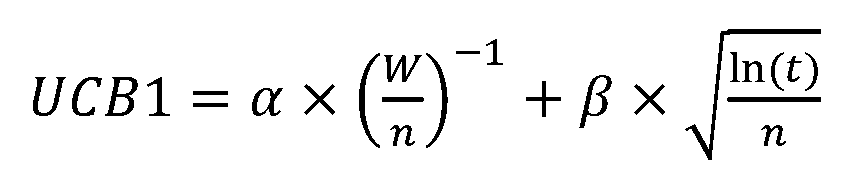
其中,UCB1為評估參數,W為所有已知子樹路徑耗時加權總和,n為子節點的走訪次數,t為總走訪次數,ln()為自然對數,α及β是權重常數。在一實施例中,α=20,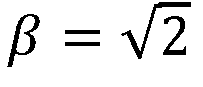
在圖6A中,由於步驟S513是第一次被執行,每個子節點只有一條走訪路徑。因此,子節點N1的W=58+29+53=140;子節點N2的W=50+25+38=113;子節點N3的W=37+11+16=64。每個子節點的評估參數按照上述UCB1公式計算如圖6A所示。 In Figure 6A, since step S513 is executed for the first time, each child node has only one visit path. Therefore, W of child node N1 =58+29+53=140; W of child node N2 =50+25+38=113; W of child node N3 =37+11+16=64. The evaluation parameters of each child node are calculated according to the above UCB1 formula, as shown in Figure 6A.
請注意,雖然本發明一實施例在步驟S5提出的最佳解搜尋方法,應用了傳統用於棋局對弈之蒙地卡羅樹搜尋(MCTS,Monte Carlo Tree Search)的步驟,但是在執行細節上具有如下差異。差異一:不具有換手因素。棋局對弈是雙方交替落子,而本發明一實施例提出的最佳解搜尋方法在整個過程中只有一個使用者。因此,本發明一實施例提出的最佳解搜尋方法不需要像傳統方法一樣考慮對手落子位置的問題,在playout的過程中不需要考慮因為交替落子產生的局勢價值反向,而是直接將隨機選擇執行到底,如步驟S51及步驟S52所示。差異二:信賴上界(Upper Confidence Bound,UCB1)公式不同。在傳統用於棋局對弈之MCTS中,通常會基於路線中的勝負次數計算落子的價值。而本發明一實施例提出的 最佳解搜尋方法並沒有勝負概念,因此無法沿用任何具有勝負概念的UCB1公式,而是使用步驟S513所提出本發明一實施例專用的UCB1公式。 Please note that although the optimal solution search method proposed in step S5 by one embodiment of the present invention applies the steps of Monte Carlo Tree Search (MCTS) traditionally used in chess games, there are still some implementation details. The differences are as follows. Difference 1: There is no factor of changing hands. In a chess game, both parties alternate moves, and the best solution search method proposed in one embodiment of the present invention has only one user in the entire process. Therefore, the optimal solution search method proposed by an embodiment of the present invention does not need to consider the position of the opponent's moves like the traditional method. During the playout process, there is no need to consider the reverse situation value caused by alternating moves. Instead, it directly uses random The selection is executed to the end, as shown in step S51 and step S52. Difference 2: The Upper Confidence Bound (UCB1) formula is different. In MCTS, which is traditionally used for chess games, the value of a move is usually calculated based on the number of wins and losses in the route. An embodiment of the present invention proposes The optimal solution search method does not have the concept of victory or defeat, so it cannot use any UCB1 formula with the concept of victory or defeat. Instead, it uses the UCB1 formula dedicated to an embodiment of the present invention proposed in step S513.
在步驟S52中,在多個子節點中,主機選擇評估參數為最大值的子節點進行單次隨機走訪操作並進行更新程序。如圖6B所示,子節點N3的評估參數1.5135大於子節點N2的評估參數1.5以及子節點N1的評估參數1.4965。因此,主機選擇子節點N3進行單次隨機走訪操作,產生另一條走訪路徑(37-44-59),並且更新了總走訪次數(t=4)以及子節點N3的走訪次數(n=2)。請注意,在更新程序執行完後,本次被選擇的子節點N3的評估參數下降至1.2264,低於另外兩個子節點N1及N2的評估參數。因此,下一次執行步驟S52時,主機將選擇子節點N3以外的子節點也就是探索其他可能的最佳解。 In step S52, among multiple child nodes, the host selects the child node with the largest evaluation parameter to perform a single random visit operation and perform an update procedure. As shown in Figure 6B, the evaluation parameter 1.5135 of the child node N3 is greater than the evaluation parameter 1.5 of the child node N2 and the evaluation parameter 1.4965 of the child node N1. Therefore, the host selects sub-node N3 for a single random visit operation, generates another visit path (37-44-59), and updates the total number of visits ( t =4) and the number of visits of sub-node N3 ( n =2) . Please note that after the update program is executed, the evaluation parameter of the selected child node N3 drops to 1.2264, which is lower than the evaluation parameters of the other two child nodes N1 and N2. Therefore, the next time step S52 is executed, the host will select a child node other than child node N3, that is, explore other possible best solutions.
在步驟S53中,主機判斷所有子節點中是否存在一候選子節點的走訪次數不小於第一閾值。若判斷為「是」,則繼續執行步驟S54。若判斷為「否」,則返回步驟S52。在一實施例中,第一閾值為100,而圖6B中子節點的走訪次數最大值僅為2。因此,步驟S52將被反覆執行,直到步驟S53的判斷為「是」。 In step S53, the host determines whether there is a candidate child node among all child nodes whose visit count is not less than the first threshold. If it is determined to be "yes", continue to step S54. If the determination is "No", then return to step S52. In one embodiment, the first threshold is 100, and the maximum number of visits to a child node in Figure 6B is only 2. Therefore, step S52 will be executed repeatedly until the determination of step S53 is "yes".
在圖6C中,子節點N3的各子樹路徑節點皆已探索,以子節點N3的37-18-43路徑進行計算,該路徑的耗時總和為98(=37+18+43),其餘路徑耗時總和分別為:115、91、136、96、140、64、79、96,且假設各路徑走訪次數分別為:9、12、13、11、11、11、11、11、11,則子節點N3的W=98×9+115×12+91×13+136×11+96×11+140×11+64×11+79×11+96×11=10166、n=9+12+13+11+11+11+
11+11+11=100,且已知t=124,故子節點N3的
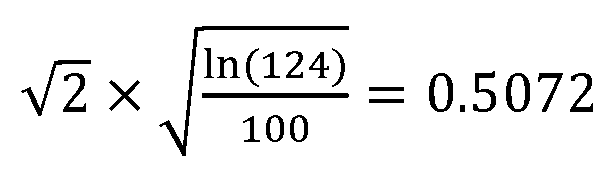
在步驟S54中,主機判斷原始根節點的走訪次數是否不小於第二閾值(第二閾值必大於第一閾值)。若判斷為「否」,則繼續執行步驟S55。若判斷為「是」,則繼續執行步驟S56。在一實施例中,第二閾值為1000,而圖6C原始根節點的走訪次數僅為124。因此,繼續執行步驟S55。 In step S54, the host determines whether the number of visits to the original root node is not less than a second threshold (the second threshold must be greater than the first threshold). If the determination is "No", continue to step S55. If it is determined to be "yes", continue to step S56. In one embodiment, the second threshold is 1000, and the number of visits to the original root node in Figure 6C is only 124. Therefore, step S55 is continued.
在步驟S55中,主機以候選子節點作為新的根結點,並返回步驟S51。以圖6C為例,主機將候選子節點(子節點N3)視為新的根節點,然後重複步驟S51至步驟S54的流程,直到步驟S54的判斷為「否」。 In step S55, the host uses the candidate child node as the new root node and returns to step S51. Taking FIG. 6C as an example, the host regards the candidate child node (child node N3) as the new root node, and then repeats the process from step S51 to step S54 until the determination in step S54 is "no".
在圖6D中,子節點N3的各子樹路徑節點皆已探索,以子節點N3的37-18-43路徑進行計算,該路徑的耗時總和為98(=37+18+43),其餘路徑耗時總和分別為:115、91、136、96、140、64、79、96,且假設各路徑走訪次數分別為:13、32、26、29、29、51、120、35、22,則子節點N3的W=98×13+115×32+91×26+136×29+96×29+140×51+64×120+79×35+96×22=33745、n=13+32+26+29+29+51+120+35+22=357,且已知t=1000,故子節點N3的UCB1=
在上述實施例中,步驟S56被執行的條件是步驟S54的判斷為「是」,也就是運動策略樹的原始根節點的走訪次數大於或等於第二閾值。在另一實施例中,為了加速步驟S5的執行速度,可在步驟S5中加入提前終止條件。例如:超過總時間限制、長時間超過安全心率、超時使用固定肌群或出現代償等。一旦判斷出上述條件成立,則提前輸出子節點代表的運動策略。 In the above embodiment, the condition for step S56 to be executed is that the determination of step S54 is "yes", that is, the number of visits to the original root node of the motion strategy tree is greater than or equal to the second threshold. In another embodiment, in order to speed up the execution of step S5, an early termination condition may be added to step S5. For example: exceeding the total time limit, exceeding the safe heart rate for a long time, using fixed muscle groups overtime or compensating, etc. Once it is determined that the above conditions are true, the motion strategy represented by the child node is output in advance.
傳統的蒙地卡羅樹搜尋演算法適用於棋局對弈,因此它的提前終止條件只能是棋局結束。另一方面,具有在時間上連續的多個分段的運動如自行車騎乘、慢跑、健身等,其目的是完成整個運動過程,因此不具有棋局的勝負條件。換言之,本發明一實施例在步驟S5提出的最佳解搜尋方法並不存在固定的提前終止條件。如果運動目標是追求最短騎乘時間,則不存在提前終止條件,因為使用者一定會騎完整條路線。因此,本發明提出的最佳解搜尋方法具有下列優點:提前終止條件可以更換、提前終止條件可以不存在、提前終止條件可以是多個條件混合,如心率及總耗時。 The traditional Monte Carlo tree search algorithm is suitable for chess games, so its early termination condition can only be the end of the chess game. On the other hand, sports with multiple segments that are continuous in time, such as cycling, jogging, fitness, etc., are intended to complete the entire movement process, and therefore do not have the winning or losing conditions of a chess game. In other words, the optimal solution search method proposed in step S5 according to an embodiment of the present invention does not have a fixed early termination condition. If the exercise goal is to pursue the shortest riding time, there is no early termination condition because the user will definitely ride the entire route. Therefore, the optimal solution search method proposed by the present invention has the following advantages: the early termination condition can be replaced, the early termination condition does not need to exist, and the early termination condition can be a mixture of multiple conditions, such as heart rate and total time consumption.
綜上所述,將本發明應用在自行車騎乘時,可以節省CP與FTP的量測時間,並且不需要累積大量經驗也能採用全局(整條騎乘路線中)最佳的換檔策略。詳言之,本發明透過事前蒐集多種騎乘時的數據,建立各種因子下的騎乘表現預估模型,並使用此模型輸出運動表現預測值,例如騎乘某一路段所需要的時間,從而迴避計算CP和FTP的必要性。在建立模型之後,使用者可自行將系統目標設定為最短騎乘時間。本發明提出的產生全局最佳運動策略的方法將根據路線資訊,連續呼叫模型將所有運動策略展開,從中自動尋找全局近似最佳 解,讓使用者不需要具備豐富的騎乘經驗就可以達到該使用者以目前體能可達到的最佳表現。 To sum up, when the present invention is applied to bicycle riding, it can save the measurement time of CP and FTP, and can adopt the best shifting strategy globally (in the entire riding route) without accumulating a lot of experience. Specifically, the present invention establishes a riding performance prediction model under various factors by collecting various riding data in advance, and uses this model to output sports performance prediction values, such as the time required to ride a certain road section, thereby Avoid the need to calculate CP and FTP. After building the model, users can set the system target to the shortest riding time. The method proposed by the present invention to generate the global optimal motion strategy will use the route information to continuously call the model to expand all motion strategies and automatically find the global approximate optimal motion strategy. The solution allows users to achieve the best performance possible with their current physical abilities without having extensive riding experience.
雖然本發明以前述之實施例揭露如上,然其並非用以限定本發明。在不脫離本發明之精神和範圍內,所為之更動與潤飾,均屬本發明之專利保護範圍。關於本發明所界定之保護範圍請參考所附之申請專利範圍。 Although the present invention is disclosed in the foregoing embodiments, they are not intended to limit the present invention. All changes and modifications made without departing from the spirit and scope of the present invention shall fall within the scope of patent protection of the present invention. Regarding the protection scope defined by the present invention, please refer to the attached patent application scope.
S1~S5:步驟 S1~S5: steps
Claims (8)
Priority Applications (1)
| Application Number | Priority Date | Filing Date | Title |
|---|---|---|---|
| TW111142218A TWI821001B (en) | 2022-11-04 | 2022-11-04 | System and method for generating global optimal exercise strategy |
Applications Claiming Priority (1)
| Application Number | Priority Date | Filing Date | Title |
|---|---|---|---|
| TW111142218A TWI821001B (en) | 2022-11-04 | 2022-11-04 | System and method for generating global optimal exercise strategy |
Publications (2)
| Publication Number | Publication Date |
|---|---|
| TWI821001B true TWI821001B (en) | 2023-11-01 |
| TW202419133A TW202419133A (en) | 2024-05-16 |
Family
ID=89722336
Family Applications (1)
| Application Number | Title | Priority Date | Filing Date |
|---|---|---|---|
| TW111142218A TWI821001B (en) | 2022-11-04 | 2022-11-04 | System and method for generating global optimal exercise strategy |
Country Status (1)
| Country | Link |
|---|---|
| TW (1) | TWI821001B (en) |
Citations (3)
| Publication number | Priority date | Publication date | Assignee | Title |
|---|---|---|---|---|
| TW201736187A (en) * | 2016-01-26 | 2017-10-16 | 瑞士移動股份有限公司 | Pedal drive system |
| CN113168900A (en) * | 2018-08-01 | 2021-07-23 | 克鲁创新股份有限公司 | Apparatus and method for improving the realism of training on an exercise machine |
| JP2021531928A (en) * | 2018-05-14 | 2021-11-25 | リフトラブ インコーポレイテッド | Physical training and exercise platform |
-
2022
- 2022-11-04 TW TW111142218A patent/TWI821001B/en active
Patent Citations (3)
| Publication number | Priority date | Publication date | Assignee | Title |
|---|---|---|---|---|
| TW201736187A (en) * | 2016-01-26 | 2017-10-16 | 瑞士移動股份有限公司 | Pedal drive system |
| JP2021531928A (en) * | 2018-05-14 | 2021-11-25 | リフトラブ インコーポレイテッド | Physical training and exercise platform |
| CN113168900A (en) * | 2018-08-01 | 2021-07-23 | 克鲁创新股份有限公司 | Apparatus and method for improving the realism of training on an exercise machine |
Also Published As
| Publication number | Publication date |
|---|---|
| TW202419133A (en) | 2024-05-16 |
Similar Documents
| Publication | Publication Date | Title |
|---|---|---|
| US20230197046A1 (en) | System and method for pacing repetitive motion activities | |
| US20230298748A1 (en) | Adaptive athletic activity prescription systems | |
| JP5149017B2 (en) | Electronic device and method for selecting content items | |
| US8101843B2 (en) | System and method for pacing repetitive motion activities | |
| US8533620B2 (en) | Monitoring and tracking athletic activity | |
| US20130228063A1 (en) | System and method for pacing repetitive motion activities | |
| US20160081620A1 (en) | Method and apparatus for health care | |
| JP2008535532A (en) | Electronic device and method for reproducing human sensing signals | |
| KR101768729B1 (en) | Sensory testing data analysis by categories | |
| Allen-Collinson et al. | Intercorporeal enaction and synchrony | |
| TWI821001B (en) | System and method for generating global optimal exercise strategy | |
| CN109670644B (en) | Prediction system and method based on neural network | |
| CN111544853A (en) | Physical index evaluation method and equipment in running exercise | |
| CN107731303A (en) | Cardiorespiratory Endurance appraisal procedure and system based on a variety of somatic sensation television games | |
| Jose et al. | Machine learning technique to analyze the health condition of athletes and predict their performance | |
| WO2011028386A1 (en) | Monitoring and tracking athletic activity | |
| Mckellar et al. | Time management strategies of rock climbers in world cup bouldering finals | |
| Friel | The power meter handbook: a user's guide for cyclists and triathletes | |
| CN107569853A (en) | Cardiorespiratory Endurance appraisal procedure and system based on single somatic sensation television game | |
| WO2022073132A1 (en) | System and method for improving an athletic body position | |
| WO2025076420A1 (en) | Calibration-adjusted, effort-based system and method for scoring in competitive fitness systems | |
| CN111530036A (en) | Running exercise score prediction method and electronic equipment | |
| AU2019100168A4 (en) | Measuring and comparing physical performance along routes | |
| Oliveira | Spatiotemporal variability on triple jump: a case study of Patrícia Mamona with detrended fluctuation analysis and random forest analysis | |
| Corbett | Temporal analysis of physical and skilled performance in professional Australian Rules football |