TW202308596A - Lipid nanoparticle compositions - Google Patents
Lipid nanoparticle compositions Download PDFInfo
- Publication number
- TW202308596A TW202308596A TW111114479A TW111114479A TW202308596A TW 202308596 A TW202308596 A TW 202308596A TW 111114479 A TW111114479 A TW 111114479A TW 111114479 A TW111114479 A TW 111114479A TW 202308596 A TW202308596 A TW 202308596A
- Authority
- TW
- Taiwan
- Prior art keywords
- lipid
- mol
- cells
- lipid composition
- grna
- Prior art date
Links
Images


Classifications
-
- A—HUMAN NECESSITIES
- A61—MEDICAL OR VETERINARY SCIENCE; HYGIENE
- A61K—PREPARATIONS FOR MEDICAL, DENTAL OR TOILETRY PURPOSES
- A61K9/00—Medicinal preparations characterised by special physical form
- A61K9/10—Dispersions; Emulsions
- A61K9/127—Synthetic bilayered vehicles, e.g. liposomes or liposomes with cholesterol as the only non-phosphatidyl surfactant
- A61K9/1271—Non-conventional liposomes, e.g. PEGylated liposomes or liposomes coated or grafted with polymers
- A61K9/1272—Non-conventional liposomes, e.g. PEGylated liposomes or liposomes coated or grafted with polymers comprising non-phosphatidyl surfactants as bilayer-forming substances, e.g. cationic lipids or non-phosphatidyl liposomes coated or grafted with polymers
-
- A—HUMAN NECESSITIES
- A61—MEDICAL OR VETERINARY SCIENCE; HYGIENE
- A61K—PREPARATIONS FOR MEDICAL, DENTAL OR TOILETRY PURPOSES
- A61K31/00—Medicinal preparations containing organic active ingredients
- A61K31/70—Carbohydrates; Sugars; Derivatives thereof
- A61K31/7088—Compounds having three or more nucleosides or nucleotides
- A61K31/7105—Natural ribonucleic acids, i.e. containing only riboses attached to adenine, guanine, cytosine or uracil and having 3'-5' phosphodiester links
-
- A—HUMAN NECESSITIES
- A61—MEDICAL OR VETERINARY SCIENCE; HYGIENE
- A61K—PREPARATIONS FOR MEDICAL, DENTAL OR TOILETRY PURPOSES
- A61K47/00—Medicinal preparations characterised by the non-active ingredients used, e.g. carriers or inert additives; Targeting or modifying agents chemically bound to the active ingredient
- A61K47/06—Organic compounds, e.g. natural or synthetic hydrocarbons, polyolefins, mineral oil, petrolatum or ozokerite
- A61K47/08—Organic compounds, e.g. natural or synthetic hydrocarbons, polyolefins, mineral oil, petrolatum or ozokerite containing oxygen, e.g. ethers, acetals, ketones, quinones, aldehydes, peroxides
- A61K47/14—Esters of carboxylic acids, e.g. fatty acid monoglycerides, medium-chain triglycerides, parabens or PEG fatty acid esters
-
- A—HUMAN NECESSITIES
- A61—MEDICAL OR VETERINARY SCIENCE; HYGIENE
- A61K—PREPARATIONS FOR MEDICAL, DENTAL OR TOILETRY PURPOSES
- A61K47/00—Medicinal preparations characterised by the non-active ingredients used, e.g. carriers or inert additives; Targeting or modifying agents chemically bound to the active ingredient
- A61K47/06—Organic compounds, e.g. natural or synthetic hydrocarbons, polyolefins, mineral oil, petrolatum or ozokerite
- A61K47/16—Organic compounds, e.g. natural or synthetic hydrocarbons, polyolefins, mineral oil, petrolatum or ozokerite containing nitrogen, e.g. nitro-, nitroso-, azo-compounds, nitriles, cyanates
- A61K47/18—Amines; Amides; Ureas; Quaternary ammonium compounds; Amino acids; Oligopeptides having up to five amino acids
-
- A—HUMAN NECESSITIES
- A61—MEDICAL OR VETERINARY SCIENCE; HYGIENE
- A61K—PREPARATIONS FOR MEDICAL, DENTAL OR TOILETRY PURPOSES
- A61K47/00—Medicinal preparations characterised by the non-active ingredients used, e.g. carriers or inert additives; Targeting or modifying agents chemically bound to the active ingredient
- A61K47/06—Organic compounds, e.g. natural or synthetic hydrocarbons, polyolefins, mineral oil, petrolatum or ozokerite
- A61K47/22—Heterocyclic compounds, e.g. ascorbic acid, tocopherol or pyrrolidones
-
- A—HUMAN NECESSITIES
- A61—MEDICAL OR VETERINARY SCIENCE; HYGIENE
- A61K—PREPARATIONS FOR MEDICAL, DENTAL OR TOILETRY PURPOSES
- A61K48/00—Medicinal preparations containing genetic material which is inserted into cells of the living body to treat genetic diseases; Gene therapy
- A61K48/0008—Medicinal preparations containing genetic material which is inserted into cells of the living body to treat genetic diseases; Gene therapy characterised by an aspect of the 'non-active' part of the composition delivered, e.g. wherein such 'non-active' part is not delivered simultaneously with the 'active' part of the composition
- A61K48/0025—Medicinal preparations containing genetic material which is inserted into cells of the living body to treat genetic diseases; Gene therapy characterised by an aspect of the 'non-active' part of the composition delivered, e.g. wherein such 'non-active' part is not delivered simultaneously with the 'active' part of the composition wherein the non-active part clearly interacts with the delivered nucleic acid
- A61K48/0033—Medicinal preparations containing genetic material which is inserted into cells of the living body to treat genetic diseases; Gene therapy characterised by an aspect of the 'non-active' part of the composition delivered, e.g. wherein such 'non-active' part is not delivered simultaneously with the 'active' part of the composition wherein the non-active part clearly interacts with the delivered nucleic acid the non-active part being non-polymeric
-
- A—HUMAN NECESSITIES
- A61—MEDICAL OR VETERINARY SCIENCE; HYGIENE
- A61K—PREPARATIONS FOR MEDICAL, DENTAL OR TOILETRY PURPOSES
- A61K9/00—Medicinal preparations characterised by special physical form
- A61K9/48—Preparations in capsules, e.g. of gelatin, of chocolate
- A61K9/50—Microcapsules having a gas, liquid or semi-solid filling; Solid microparticles or pellets surrounded by a distinct coating layer, e.g. coated microspheres, coated drug crystals
- A61K9/51—Nanocapsules; Nanoparticles
- A61K9/5107—Excipients; Inactive ingredients
- A61K9/5123—Organic compounds, e.g. fats, sugars
-
- C—CHEMISTRY; METALLURGY
- C12—BIOCHEMISTRY; BEER; SPIRITS; WINE; VINEGAR; MICROBIOLOGY; ENZYMOLOGY; MUTATION OR GENETIC ENGINEERING
- C12N—MICROORGANISMS OR ENZYMES; COMPOSITIONS THEREOF; PROPAGATING, PRESERVING, OR MAINTAINING MICROORGANISMS; MUTATION OR GENETIC ENGINEERING; CULTURE MEDIA
- C12N15/00—Mutation or genetic engineering; DNA or RNA concerning genetic engineering, vectors, e.g. plasmids, or their isolation, preparation or purification; Use of hosts therefor
- C12N15/09—Recombinant DNA-technology
- C12N15/11—DNA or RNA fragments; Modified forms thereof; Non-coding nucleic acids having a biological activity
-
- C—CHEMISTRY; METALLURGY
- C12—BIOCHEMISTRY; BEER; SPIRITS; WINE; VINEGAR; MICROBIOLOGY; ENZYMOLOGY; MUTATION OR GENETIC ENGINEERING
- C12N—MICROORGANISMS OR ENZYMES; COMPOSITIONS THEREOF; PROPAGATING, PRESERVING, OR MAINTAINING MICROORGANISMS; MUTATION OR GENETIC ENGINEERING; CULTURE MEDIA
- C12N15/00—Mutation or genetic engineering; DNA or RNA concerning genetic engineering, vectors, e.g. plasmids, or their isolation, preparation or purification; Use of hosts therefor
- C12N15/09—Recombinant DNA-technology
- C12N15/87—Introduction of foreign genetic material using processes not otherwise provided for, e.g. co-transformation
- C12N15/88—Introduction of foreign genetic material using processes not otherwise provided for, e.g. co-transformation using microencapsulation, e.g. using amphiphile liposome vesicle
-
- C—CHEMISTRY; METALLURGY
- C12—BIOCHEMISTRY; BEER; SPIRITS; WINE; VINEGAR; MICROBIOLOGY; ENZYMOLOGY; MUTATION OR GENETIC ENGINEERING
- C12N—MICROORGANISMS OR ENZYMES; COMPOSITIONS THEREOF; PROPAGATING, PRESERVING, OR MAINTAINING MICROORGANISMS; MUTATION OR GENETIC ENGINEERING; CULTURE MEDIA
- C12N15/00—Mutation or genetic engineering; DNA or RNA concerning genetic engineering, vectors, e.g. plasmids, or their isolation, preparation or purification; Use of hosts therefor
- C12N15/09—Recombinant DNA-technology
- C12N15/87—Introduction of foreign genetic material using processes not otherwise provided for, e.g. co-transformation
- C12N15/90—Stable introduction of foreign DNA into chromosome
- C12N15/902—Stable introduction of foreign DNA into chromosome using homologous recombination
- C12N15/907—Stable introduction of foreign DNA into chromosome using homologous recombination in mammalian cells
-
- C—CHEMISTRY; METALLURGY
- C12—BIOCHEMISTRY; BEER; SPIRITS; WINE; VINEGAR; MICROBIOLOGY; ENZYMOLOGY; MUTATION OR GENETIC ENGINEERING
- C12N—MICROORGANISMS OR ENZYMES; COMPOSITIONS THEREOF; PROPAGATING, PRESERVING, OR MAINTAINING MICROORGANISMS; MUTATION OR GENETIC ENGINEERING; CULTURE MEDIA
- C12N9/00—Enzymes; Proenzymes; Compositions thereof; Processes for preparing, activating, inhibiting, separating or purifying enzymes
- C12N9/14—Hydrolases (3)
- C12N9/16—Hydrolases (3) acting on ester bonds (3.1)
- C12N9/22—Ribonucleases [RNase]; Deoxyribonucleases [DNase]
-
- B—PERFORMING OPERATIONS; TRANSPORTING
- B82—NANOTECHNOLOGY
- B82Y—SPECIFIC USES OR APPLICATIONS OF NANOSTRUCTURES; MEASUREMENT OR ANALYSIS OF NANOSTRUCTURES; MANUFACTURE OR TREATMENT OF NANOSTRUCTURES
- B82Y5/00—Nanobiotechnology or nanomedicine, e.g. protein engineering or drug delivery
-
- C—CHEMISTRY; METALLURGY
- C12—BIOCHEMISTRY; BEER; SPIRITS; WINE; VINEGAR; MICROBIOLOGY; ENZYMOLOGY; MUTATION OR GENETIC ENGINEERING
- C12N—MICROORGANISMS OR ENZYMES; COMPOSITIONS THEREOF; PROPAGATING, PRESERVING, OR MAINTAINING MICROORGANISMS; MUTATION OR GENETIC ENGINEERING; CULTURE MEDIA
- C12N2310/00—Structure or type of the nucleic acid
- C12N2310/10—Type of nucleic acid
- C12N2310/20—Type of nucleic acid involving clustered regularly interspaced short palindromic repeats [CRISPR]
Landscapes
- Health & Medical Sciences (AREA)
- Life Sciences & Earth Sciences (AREA)
- Chemical & Material Sciences (AREA)
- Genetics & Genomics (AREA)
- Engineering & Computer Science (AREA)
- Bioinformatics & Cheminformatics (AREA)
- Biomedical Technology (AREA)
- Molecular Biology (AREA)
- General Health & Medical Sciences (AREA)
- Organic Chemistry (AREA)
- Wood Science & Technology (AREA)
- Zoology (AREA)
- Biotechnology (AREA)
- General Engineering & Computer Science (AREA)
- Biochemistry (AREA)
- Medicinal Chemistry (AREA)
- Biophysics (AREA)
- Physics & Mathematics (AREA)
- Microbiology (AREA)
- Animal Behavior & Ethology (AREA)
- Veterinary Medicine (AREA)
- Public Health (AREA)
- Pharmacology & Pharmacy (AREA)
- Epidemiology (AREA)
- Plant Pathology (AREA)
- Cell Biology (AREA)
- Mycology (AREA)
- Chemical Kinetics & Catalysis (AREA)
- Oil, Petroleum & Natural Gas (AREA)
- General Chemical & Material Sciences (AREA)
- Optics & Photonics (AREA)
- Dispersion Chemistry (AREA)
- Nanotechnology (AREA)
- Proteomics, Peptides & Aminoacids (AREA)
- Medicines That Contain Protein Lipid Enzymes And Other Medicines (AREA)
- Medicinal Preparation (AREA)
- Pharmaceuticals Containing Other Organic And Inorganic Compounds (AREA)
- Medicines Containing Material From Animals Or Micro-Organisms (AREA)
- Organic Low-Molecular-Weight Compounds And Preparation Thereof (AREA)
- Micro-Organisms Or Cultivation Processes Thereof (AREA)
Abstract
Description
用可離子化脂質調配之脂質奈米顆粒可充當用於將生物活性劑,特定言之聚核苷酸,諸如RNA,包括mRNA及引導RNA,遞送至細胞中之載荷運載體。含有可離子化脂質之LNP組合物可有助於將寡核苷酸藥劑遞送跨過細胞膜,且可用於將用於基因編輯之組分及組合物引入至活細胞中。尤其難以遞送至細胞之生物活性劑包括蛋白質、基於核酸之藥物及其衍生物,尤其包括諸如mRNA之相對較大的寡核苷酸之藥物。用於將有前景的基因編輯技術遞送至細胞中,諸如用於遞送CRISPR/Cas9系統組分(例如編碼核酸酶之mRNA及相關引導RNA (gRNA))之組合物尤其引人關注。Lipid nanoparticles formulated with ionizable lipids can serve as payload vehicles for the delivery of bioactive agents, in particular polynucleotides, such as RNA, including mRNA and guide RNA, into cells. LNP compositions containing ionizable lipids can facilitate delivery of oligonucleotide agents across cell membranes and can be used to introduce components and compositions for gene editing into living cells. Bioactive agents that are particularly difficult to deliver to cells include proteins, nucleic acid-based drugs and derivatives thereof, especially drugs including relatively large oligonucleotides such as mRNA. Compositions for delivering promising gene editing technologies into cells, such as for delivering components of the CRISPR/Cas9 system, such as mRNA encoding nucleases and associated guide RNA (gRNA), are of particular interest.
需要用於改良諸如RNA之核酸之活體內及活體外遞送的組合物。舉例而言,需要用於將CRISPR/Cas組分遞送至諸如人類細胞之真核細胞的組合物。特定言之,用於遞送編碼CRISPR蛋白質組分之mRNA及用於遞送CRISPR gRNA之組合物尤其引人關注。具有可穩定及遞送RNA組分的適用於活體外及活體內遞送之特性的組合物亦尤其引人關注。There is a need for compositions for improved in vivo and in vitro delivery of nucleic acids such as RNA. For example, there is a need for compositions for delivering CRISPR/Cas components to eukaryotic cells, such as human cells. In particular, compositions for the delivery of mRNA encoding the protein components of CRISPR and for the delivery of CRISPR gRNA are of particular interest. Compositions with properties suitable for in vitro and in vivo delivery that can stabilize and deliver RNA components are also of particular interest.
本發明提供脂質組合物(例如奈米顆粒(LNP)組合物)。此類脂質組合物可具有有利於將生物藥劑,包括例如核酸載荷,諸如CRISPR/Cas基因編輯組分遞送至細胞之特性。The invention provides lipid compositions (eg, nanoparticle (LNP) compositions). Such lipid compositions may have properties that facilitate the delivery of biological agents, including, for example, nucleic acid payloads, such as CRISPR/Cas gene editing components, to cells.
在一些實施例中,LNP組合物包含:
生物活性劑;及
脂質組分,其中該脂質組分包含:
a) 可離子化脂質,其量為該脂質組分之約25-50 mol%;
b) 中性脂質,其量為該脂質組分之約7-25 mol%;
c) 輔助脂質,其量為該脂質組分之約39-65 mol%;及
d) PEG脂質,其量為該脂質組分之約0.5-1.8 mol%;
其中該可離子化脂質為式(I)化合物

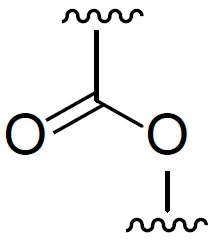

在一些實施例中,LNP組合物包含:
生物活性劑;及
脂質組分,其中該脂質組分包含:
a) 可離子化脂質,其量為該脂質組分之約25-50 mol%;
b) 中性脂質,其量為該脂質組分之約7-25 mol%;
c) 輔助脂質,其量為該脂質組分之約39-65 mol%;及
d) PEG脂質,其量為該脂質組分之約0.8-1.8 mol%;
其中該可離子化脂質為式(I)化合物


在某些實施例中,該可離子化脂質之該量為該脂質組分之約30-45 mol%;該中性脂質之量為該脂質組分之約10-15 mol%;該輔助脂質之量為該脂質組分之約39-59 mol%;且該PEG脂質之量為該脂質組分之約1-1.5 mol%。In certain embodiments, the amount of the ionizable lipid is about 30-45 mol% of the lipid component; the amount of the neutral lipid is about 10-15 mol% of the lipid component; the helper lipid The amount is about 39-59 mol% of the lipid component; and the amount of the PEG lipid is about 1-1.5 mol% of the lipid component.
在一些實施例中,該可離子化脂質之量為該脂質組分之約30 mol%;該中性脂質之量為該脂質組分之約10 mol%;該輔助脂質之量為該脂質組分之約59 mol%;且該PEG脂質之量為該脂質組分之約1-1.5 mol%。In some embodiments, the amount of the ionizable lipid is about 30 mol% of the lipid component; the amount of the neutral lipid is about 10 mol% of the lipid component; the amount of the helper lipid is the lipid component about 59 mol%; and the amount of the PEG lipid is about 1-1.5 mol% of the lipid component.
在一些實施例中,該可離子化脂質之量為該脂質組分之約40 mol%;該中性脂質之量為該脂質組分之約15 mol%;該輔助脂質之量為該脂質組分之約43.5 mol%;且該PEG脂質之量為該脂質組分之約1.5 mol%。In some embodiments, the amount of the ionizable lipid is about 40 mol% of the lipid component; the amount of the neutral lipid is about 15 mol% of the lipid component; the amount of the helper lipid is the lipid component about 43.5 mol%; and the amount of the PEG lipid is about 1.5 mol% of the lipid component.
在一些實施例中,該可離子化脂質之量為該脂質組分之約50 mol%;該中性脂質之量為該脂質組分之約10 mol%;該輔助脂質之量為該脂質組分之約39 mol%;且該PEG脂質之量為該脂質組分之約1 mol%。In some embodiments, the amount of the ionizable lipid is about 50 mol% of the lipid component; the amount of the neutral lipid is about 10 mol% of the lipid component; the amount of the helper lipid is the lipid component about 39 mol%; and the amount of the PEG lipid is about 1 mol% of the lipid component.
在某些實施例中,該可離子化脂質為

在某些實施例中,該等LNP之Z平均直徑小於約145 nm,例如小於約100 nm、小於約95 nm或小於約90 nm。在某些實施例中,該等LNP之數量平均直徑大於約45 nm,例如大於約50 nm。In certain embodiments, the LNPs have a Z-average diameter of less than about 145 nm, such as less than about 100 nm, less than about 95 nm, or less than about 90 nm. In certain embodiments, the number average diameter of the LNPs is greater than about 45 nm, such as greater than about 50 nm.
在某些實施例中,該等LNP之多分散性指數為約0.005至約0.75,例如約0.005至約0.1。In certain embodiments, the LNPs have a polydispersity index of about 0.005 to about 0.75, such as about 0.005 to about 0.1.
在一些實施例中,該LNP組合物之N/P比為約5至約7,較佳約6。In some embodiments, the N/P ratio of the LNP composition is about 5 to about 7, preferably about 6.
在某些實施例中,本發明係關於本文所描述之任何LNP組合物,其中該核酸組分為RNA組分。在一些實施例中,該RNA組分包含mRNA。在較佳實施例中,本發明係關於本文所描述之任何LNP組合物,其中該RNA組分包含經RNA引導之DNA結合劑,例如Cas核酸酶mRNA,諸如第2類Cas核酸酶mRNA,或Cas9核酸酶mRNA。In certain embodiments, the present invention relates to any LNP composition described herein, wherein the nucleic acid component is an RNA component. In some embodiments, the RNA component comprises mRNA. In a preferred embodiment, the invention relates to any LNP composition described herein, wherein the RNA component comprises an RNA-guided DNA-binding agent, such as Cas nuclease mRNA, such as
在某些實施例中,本發明係關於本文所描述之任何LNP組合物,其中該mRNA為經修飾之mRNA。在一些實施例中,本發明係關於本文所描述之任何LNP組合物,其中該RNA組分包含gRNA核酸。在某些實施例中,本發明係關於本文所描述之任何LNP組合物,其中該gRNA核酸為gRNA。In certain embodiments, the present invention relates to any of the LNP compositions described herein, wherein the mRNA is a modified mRNA. In some embodiments, the present invention relates to any LNP composition described herein, wherein the RNA component comprises gRNA nucleic acid. In certain embodiments, the present invention relates to any LNP composition described herein, wherein the gRNA nucleic acid is a gRNA.
在某些較佳實施例中,本發明係關於本文所描述之LNP組合物,其中該RNA組分包含第2類Cas核酸酶mRNA及gRNA。在某些實施例中,本發明係關於本文所描述之任何LNP組合物,其中該gRNA核酸為或編碼雙引導RNA (dgRNA)。在某些實施例中,本發明係關於本文所描述之任何LNP組合物,其中該gRNA核酸為或編碼單引導RNA (sgRNA)。In certain preferred embodiments, the present invention relates to the LNP composition described herein, wherein the RNA component comprises
在某些實施例中,本發明係關於一種本文所描述之LNP組合物,其包含引導RNA核酸及第2類Cas核酸酶mRNA,其中該mRNA與該引導RNA核酸之比率為按重量計約2:1至1:4,較佳按重量計約1:1。In certain embodiments, the present invention relates to a LNP composition described herein comprising a guide RNA nucleic acid and a
在某些實施例中,本發明係關於本文所描述之任何LNP組合物,其中該gRNA為經修飾之gRNA,例如該經修飾之gRNA在5'端處包含前五個核苷酸中之一或多者處的修飾,或該經修飾之gRNA在3'端處包含最後五個核苷酸中之一或多者處的修飾,或兩者。In certain embodiments, the invention relates to any of the LNP compositions described herein, wherein the gRNA is a modified gRNA, e.g., the modified gRNA comprises one of the first five nucleotides at the 5' end or more, or the modified gRNA comprises a modification at one or more of the last five nucleotides at the 3' end, or both.
在某些實施例中,本發明係關於一種將生物活性劑遞送至細胞之方法,其包含使細胞與本文所描述之LNP組合物接觸。In certain embodiments, the invention relates to a method of delivering a bioactive agent to a cell comprising contacting the cell with an LNP composition described herein.
在某些實施例中,本發明係關於一種裂解DNA之方法,其包含使細胞與本文所描述之LNP組合物接觸。在某些實施例中,裂解步驟包含引入單股DNA切口。在其他實施例中,該裂解步驟包含引入雙股DNA斷裂。在某些實施例中,該LNP組合物包含第2類Cas mRNA及gRNA核酸。在某些實施例中,該等方法進一步包含將至少一種模板核酸引入至該細胞中。In certain embodiments, the invention relates to a method of lysing DNA comprising contacting a cell with an LNP composition described herein. In certain embodiments, the cleaving step comprises introducing single-stranded DNA nicks. In other embodiments, the cleaving step comprises introducing double-stranded DNA breaks. In certain embodiments, the LNP composition comprises
在某些實施例中,本發明係關於本文所描述之任何基因編輯方法,其包含向動物,例如人類投與該LNP組合物。在某些實施例中,該方法包含向細胞,諸如真核細胞,且尤其人類細胞投與該LNP組合物。在一些實施例中,該細胞為適用於療法(例如過繼性細胞療法(ACT))之細胞類型。ACT之實例包括自體及同種異體細胞療法。在一些實施例中,該細胞為幹細胞,諸如造血幹細胞、誘導性富潛能幹細胞或另一多潛能或富潛能細胞。在一些實施例中,該細胞為幹細胞,例如可發育成骨骼、軟骨、肌肉或脂肪細胞之間葉幹細胞。在一些實施例中,該等幹細胞包含眼部幹細胞。在某些實施例中,該細胞係選自間葉幹細胞、造血幹細胞(HSC)、單核細胞、內皮先驅細胞(EPC)、神經幹細胞(NSC)、角膜緣幹細胞(LSC)、組織特異性初級細胞或自其衍生之細胞(TSC)、誘導性富潛能幹細胞(iPSC)、眼部幹細胞、富潛能幹細胞(PSC)、胚胎幹細胞(ESC)及用於器官或組織移植之細胞。In certain embodiments, the present invention relates to any of the gene editing methods described herein comprising administering the LNP composition to an animal, eg, a human. In certain embodiments, the method comprises administering the LNP composition to a cell, such as a eukaryotic cell, and particularly a human cell. In some embodiments, the cell is a cell type suitable for therapy, such as adoptive cell therapy (ACT). Examples of ACTs include autologous and allogeneic cell therapy. In some embodiments, the cell is a stem cell, such as a hematopoietic stem cell, an induced pluripotent stem cell, or another pluripotent or pluripotent cell. In some embodiments, the cell is a stem cell, such as a mesenchymal stem cell that develops into bone, cartilage, muscle, or adipocytes. In some embodiments, the stem cells comprise ocular stem cells. In certain embodiments, the cell line is selected from the group consisting of mesenchymal stem cells, hematopoietic stem cells (HSC), monocytes, endothelial precursor cells (EPC), neural stem cells (NSC), limbal stem cells (LSC), tissue-specific primary Cells or cells derived therefrom (TSC), induced potent stem cells (iPSC), ocular stem cells, pluripotent stem cells (PSC), embryonic stem cells (ESC) and cells for organ or tissue transplantation.
在某些實施例中,該細胞為肝細胞。在其他實施例中,該細胞為免疫細胞,例如白血球或淋巴球,較佳為淋巴球,甚至更佳為T細胞、B細胞或NK細胞,最佳為活化T細胞或非活化T細胞。In certain embodiments, the cells are hepatocytes. In other embodiments, the cells are immune cells, such as white blood cells or lymphocytes, preferably lymphocytes, even more preferably T cells, B cells or NK cells, most preferably activated T cells or inactive T cells.
在某些實施例中,本發明係關於本文所描述之任何基因編輯方法,其包含投與以包含mRNA、gRNA及gRNA核酸中之一或多者的第一LNP組合物及第二LNP組合物形式調配之該mRNA。在一些實施例中,第一LNP組合物及第二LNP組合物係同時投與。在其他實施例中,第一LNP組合物及第二LNP組合物係依序投與。在某些實施例中,該mRNA及該gRNA核酸以單一LNP組合物形式調配。在一些實施例中,該第一LNP組合物包含第一gRNA且該第二LNP組合物包含第二gRNA,其中該第一gRNA及第二gRNA包含與不同目標互補之不同引導序列。In certain embodiments, the invention relates to any of the gene editing methods described herein comprising administering a first LNP composition and a second LNP composition comprising one or more of mRNA, gRNA, and gRNA nucleic acid The mRNA prepared in the form. In some embodiments, the first LNP composition and the second LNP composition are administered simultaneously. In other embodiments, the first LNP composition and the second LNP composition are administered sequentially. In certain embodiments, the mRNA and the gRNA nucleic acid are formulated in a single LNP composition. In some embodiments, the first LNP composition comprises a first gRNA and the second LNP composition comprises a second gRNA, wherein the first gRNA and the second gRNA comprise different guide sequences complementary to different targets.
在某些實施例中,本發明係關於本文所描述之任何基因編輯方法,其中該細胞與該LNP組合物活體外接觸。在某些實施例中,本發明係關於本文所描述之任何基因編輯方法,其中該細胞與該LNP組合物離體接觸。在某些實施例中,本發明係關於本文所描述之任何基因編輯方法,其包含使動物之組織與該LNP接觸。In certain embodiments, the invention relates to any of the gene editing methods described herein, wherein the cell is contacted with the LNP composition in vitro. In certain embodiments, the invention relates to any of the gene editing methods described herein, wherein the cell is contacted with the LNP composition ex vivo. In certain embodiments, the invention relates to any of the gene editing methods described herein, comprising contacting tissue of an animal with the LNP.
在某些實施例中,本發明係關於本文所描述之任何基因編輯方法,其中基因編輯引起基因剔除。In certain embodiments, the invention relates to any of the gene editing methods described herein, wherein the gene editing results in gene knockout.
在一些實施例中,本發明係關於本文所描述之任何基因編輯方法,其中基因編輯引起基因校正。In some embodiments, the invention relates to any of the gene editing methods described herein, wherein the gene editing results in gene correction.
在某些實施例中,本發明係關於本文所描述之任何基因編輯方法,其中基因編輯引起插入。在一些實施例中,該插入為基因插入。In certain embodiments, the invention relates to any of the gene editing methods described herein, wherein the gene editing results in an insertion. In some embodiments, the insertion is a gene insertion.
本文提供用於活體外基因工程改造T細胞之方法,其克服先前方法之障礙。在一些實施例中,未處理T細胞與至少一種脂質組合物活體外接觸且經基因修飾。在一些實施例中,非活化T細胞與兩種或更多種脂質組合物活體外接觸且經基因修飾。在一些實施例中,活化T細胞與兩種或更多種脂質組合物活體外接觸且經基因修飾。在一些實施例中,T細胞在活化前步驟中經修飾,包含使(非活化) T細胞與一或多種脂質組合物接觸,之後活化該T細胞,之後在活化後步驟中進一步修飾該T細胞,包含使該活化T細胞與一或多種脂質組合物接觸。在一些實施例中,使該非活化T細胞與一種、兩種或三種脂質組合物接觸。在一些實施例中,使該活化T細胞與一種至十二種脂質組合物接觸。在一些實施例中,使該活化T細胞與一種至八種脂質組合物、視情況一種至四種脂質組合物接觸。在一些實施例中,使該活化T細胞與一種至六種脂質組合物接觸。在一些實施例中,使該T細胞與兩種脂質組合物接觸。在一些實施例中,使該T細胞與三種脂質組合物接觸。在一些實施例中,使該T細胞與四種脂質組合物接觸。在一些實施例中,使該T細胞與五種脂質組合物接觸。在一些實施例中,使該T細胞與六種脂質組合物接觸。在一些實施例中,使該T細胞與七種脂質組合物接觸。在一些實施例中,使該T細胞與八種脂質組合物接觸。在一些實施例中,使該T細胞與九種脂質組合物接觸。在一些實施例中,使該T細胞與十種脂質組合物接觸。在一些實施例中,使該T細胞與十一種脂質組合物接觸。在一些實施例中,使該T細胞與十二種脂質組合物接觸。脂質組合物之此類例示性依序投與(視情況在活化前步驟及活化後步驟中進一步依序或同時投與)利用T細胞之活化狀態且在編輯後提供獨特優點及更健康的細胞。在一些實施例中,該等經基因工程改造之T細胞具有以下有利特性:各目標位點處之高編輯效率、增加之編輯後存活率、低毒性(不管轉染倍率)、低易位(例如無可量測目標-目標易位)、增加之細胞介素(例如IL-2、IFNγ、TNFα)產量、在重複刺激下(例如在重複抗原刺激下)之持續增殖、增加之擴增及/或記憶細胞表型標記之表現,包括例如早期幹細胞。Provided herein are methods for genetically engineering T cells in vitro that overcome obstacles of previous methods. In some embodiments, untreated T cells are contacted with at least one lipid composition ex vivo and are genetically modified. In some embodiments, non-activated T cells are contacted with two or more lipid compositions in vitro and are genetically modified. In some embodiments, activated T cells are contacted with two or more lipid compositions in vitro and are genetically modified. In some embodiments, T cells are modified in a pre-activation step comprising contacting (non-activated) T cells with one or more lipid compositions, thereafter activating the T cells, and then further modifying the T cells in a post-activation step , comprising contacting the activated T cells with one or more lipid compositions. In some embodiments, the non-activated T cells are contacted with one, two or three lipid compositions. In some embodiments, the activated T cells are contacted with one to twelve lipid compositions. In some embodiments, the activated T cells are contacted with one to eight lipid compositions, optionally one to four lipid compositions. In some embodiments, the activated T cells are contacted with one to six lipid compositions. In some embodiments, the T cells are contacted with two lipid compositions. In some embodiments, the T cells are contacted with three lipid compositions. In some embodiments, the T cells are contacted with four lipid compositions. In some embodiments, the T cells are contacted with five lipid compositions. In some embodiments, the T cells are contacted with six lipid compositions. In some embodiments, the T cells are contacted with seven lipid compositions. In some embodiments, the T cells are contacted with eight lipid compositions. In some embodiments, the T cells are contacted with nine lipid compositions. In some embodiments, the T cells are contacted with ten lipid compositions. In some embodiments, the T cells are contacted with eleven lipid compositions. In some embodiments, the T cells are contacted with twelve lipid compositions. Such exemplary sequential administration of lipid compositions (further sequentially or simultaneously in pre-activation steps and post-activation steps as appropriate) exploits the activation state of T cells and provides unique advantages and healthier cells after editing . In some embodiments, the genetically engineered T cells have the following favorable properties: high editing efficiency at each target site, increased post-editing survival, low toxicity (regardless of transfection ratio), low translocation ( For example, no measurable target-target translocation), increased production of cytokines (such as IL-2, IFNγ, TNFα), sustained proliferation under repeated stimulation (such as under repeated antigen stimulation), increased expansion and and/or expression of phenotypic markers of memory cells, including eg early stem cells.
相關申請案之交互參照Cross-reference to related applications
本申請案主張2021年4月17日申請之美國臨時專利申請案第63/176228號、2021年11月1日申請之美國臨時專利申請案第63/274171號及2022年3月4日申請之美國臨時專利申請案第63/316575號之優先權,該等申請案中之每一者之全部內容以引用之方式併入本文中。This application asserts U.S. Provisional Patent Application No. 63/176228 filed April 17, 2021, U.S. Provisional Patent Application No. 63/274171 filed November 1, 2021, and U.S. Provisional Patent Application No. 63/274171 filed on March 4, 2022. Priority to US Provisional Patent Application No. 63/316575, each of which is incorporated herein by reference in its entirety.
本發明提供適用於將生物活性劑,包括核酸,諸如CRISPR/Cas組分RNA (mRNA及/或gRNA) (「載荷」)遞送至細胞之脂質組合物以及製備及使用此類組合物之方法。此類脂質組合物包括可離子化脂質、中性脂質、PEG脂質及輔助脂質。在一些實施例中,可離子化脂質為如本文所定義之式(I)或(II)化合物。在某些實施例中,脂質組合物可包含生物活性劑,例如RNA組分。在某些實施例中,RNA組分包括mRNA。在一些實施例中,mRNA為編碼第2類Cas核酸酶之mRNA。在某些實施例中,RNA組分包括gRNA及視情況編碼第2類Cas核酸酶之mRNA。在一些實施例中,脂質組合物為脂質奈米顆粒(LNP)組合物。「脂質奈米顆粒」或「LNP」係指(不限於以下含義)包含複數種(亦即超過一種)藉由分子間力彼此以物理方式締合之脂質組分的顆粒。The present invention provides lipid compositions suitable for delivering biologically active agents, including nucleic acids, such as CRISPR/Cas component RNA (mRNA and/or gRNA) (“payloads”) to cells, and methods of making and using such compositions. Such lipid compositions include ionizable lipids, neutral lipids, PEG lipids, and helper lipids. In some embodiments, the ionizable lipid is a compound of formula (I) or (II) as defined herein. In certain embodiments, lipid compositions may comprise biologically active agents, such as RNA components. In certain embodiments, the RNA component includes mRNA. In some embodiments, the mRNA is an mRNA encoding a
亦提供使用此等脂質組合物進行基因編輯之方法及製備經工程改造之細胞的方法。在一些實施例中,LNP組合物可用於將生物活性劑遞送至細胞、組織或動物。在一些實施例中,該細胞為真核細胞,且尤其人類細胞。在一些實施例中,該細胞為肝細胞。在一些實施例中,該細胞為適用於療法(例如過繼性細胞療法(ACT),諸如自體及同種異體細胞療法)之細胞類型。在一些實施例中,該細胞為幹細胞,諸如造血幹細胞、誘導性富潛能幹細胞或另一多潛能或富潛能細胞。在一些實施例中,該細胞為幹細胞,例如可發育成骨骼、軟骨、肌肉或脂肪細胞之間葉幹細胞。在一些實施例中,該等幹細胞包含眼部幹細胞。在某些實施例中,該細胞係選自間葉幹細胞、造血幹細胞(HSC)、單核細胞、內皮先驅細胞(EPC)、神經幹細胞(NSC)、角膜緣幹細胞(LSC)、組織特異性初級細胞或自其衍生之細胞(TSC)、誘導性富潛能幹細胞(iPSC)、眼部幹細胞、富潛能幹細胞(PSC)、胚胎幹細胞(ESC)及用於器官或組織移植之細胞。Also provided are methods of gene editing using such lipid compositions and methods of making engineered cells. In some embodiments, LNP compositions can be used to deliver bioactive agents to cells, tissues, or animals. In some embodiments, the cell is a eukaryotic cell, and particularly a human cell. In some embodiments, the cells are hepatocytes. In some embodiments, the cell is a cell type suitable for therapy, eg, adoptive cell therapy (ACT), such as autologous and allogeneic cell therapy. In some embodiments, the cell is a stem cell, such as a hematopoietic stem cell, an induced pluripotent stem cell, or another pluripotent or pluripotent cell. In some embodiments, the cell is a stem cell, such as a mesenchymal stem cell that develops into bone, cartilage, muscle, or adipocytes. In some embodiments, the stem cells comprise ocular stem cells. In certain embodiments, the cell line is selected from the group consisting of mesenchymal stem cells, hematopoietic stem cells (HSC), monocytes, endothelial precursor cells (EPC), neural stem cells (NSC), limbal stem cells (LSC), tissue-specific primary Cells or cells derived therefrom (TSC), induced potent stem cells (iPSC), ocular stem cells, pluripotent stem cells (PSC), embryonic stem cells (ESC) and cells for organ or tissue transplantation.
在一些實施例中,該細胞為免疫細胞,諸如白血球或淋巴球。在較佳實施例中,免疫細胞為淋巴球。在某些實施例中,淋巴球為T細胞、B細胞或NK細胞。在較佳實施例中,淋巴球為T細胞。在某些實施例中,淋巴球為活化T細胞。在某些實施例中,淋巴球為非活化T細胞。In some embodiments, the cells are immune cells, such as white blood cells or lymphocytes. In a preferred embodiment, the immune cells are lymphocytes. In certain embodiments, the lymphocytes are T cells, B cells or NK cells. In preferred embodiments, the lymphocytes are T cells. In certain embodiments, the lymphocytes are activated T cells. In certain embodiments, the lymphocytes are non-activated T cells.
在一些實施例中,本文提供之LNP組合物及方法使得編輯效率大於約80%、大於約90%或大於約95%。在一些實施例中,LNP組合物及方法使得編輯效率為約80%-95%、約90%-95%、約80%-99%、約90%-99%或約95%-99%。In some embodiments, the LNP compositions and methods provided herein result in an editing efficiency of greater than about 80%, greater than about 90%, or greater than about 95%. In some embodiments, the LNP compositions and methods result in an editing efficiency of about 80%-95%, about 90%-95%, about 80%-99%, about 90%-99%, or about 95%-99%.
可離子化脂質本發明提供可用於LNP組合物中之可離子化脂質。 Ionizable Lipids The present invention provides ionizable lipids useful in LNP compositions.
在一些實施例中,可離子化脂質為式(I)化合物


在一些實施例中,可離子化脂質為具有式I結構之化合物

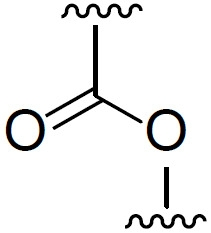

在一些實施例中,可離子化脂質為式(II)化合物

在某些實施例中,X 1為C 6伸烷基。在其他實施例中,X 1為C 7伸烷基。 In certain embodiments, X 1 is C 6 alkylene. In other embodiments, X 1 is C 7 alkylene.
在某些實施例中,Z 1為直接鍵且R 5及R 6各自為C 8烷氧基。在其他實施例中,Z 1為C 3伸烷基且R 5及R 6各自為C 6烷基。 In certain embodiments, Z is a direct bond and R and R are each C alkoxy . In other embodiments, Z 1 is C 3 alkylene and R 5 and R 6 are each C 6 alkyl.
在某些實施例中,X
2為

在某些實施例中,Z 1為C 2伸烷基;在其他實施例中,Z 1為C 3伸烷基。 In certain embodiments, Z 1 is C 2 alkylene; in other embodiments, Z 1 is C 3 alkylene.
在某些實施例中,Z 2為-OH。在其他實施例中,Z 2為-NHC(=O)OCH 3。在其他實施例中,Z 2為-NHS(=O) 2CH 3。 In certain embodiments, Z2 is -OH. In other embodiments, Z 2 is -NHC(=O)OCH 3 . In other embodiments, Z 2 is -NHS(=O) 2 CH 3 .
在某些實施例中,R 1為C 7非分支鏈伸烷基。在其他實施例中,R 1為C 8分支鏈或非分支鏈伸烷基。在其他實施例中,R 1為C 9分支鏈或非分支鏈伸烷基。 In certain embodiments, R 1 is C 7 unbranched chain alkylene. In other embodiments, R 1 is C 8 branched or unbranched alkylene. In other embodiments, R 1 is C 9 branched or unbranched alkylene.
在某些實施例中,可離子化脂質為鹽。In certain embodiments, the ionizable lipid is a salt.
代表性式(I)化合物包括:


本發明之式(I)或(II)化合物可視其所處的介質之pH而定來形成鹽。舉例而言,在弱酸性介質中,式(I)或(II)化合物可經質子化且因此帶有正電荷。相反地,在弱鹼性介質中,諸如(例如)其中pH為大約7.35之血液中,式(I)或(II)化合物可不經質子化且因此不帶電荷。在一些實施例中,本發明之式(I)或(II)化合物可在至少約9之pH下經主要質子化。在一些實施例中,本發明之式(I)或(II)化合物可在至少約10之pH下經主要質子化。The compounds of formula (I) or (II) according to the invention may form salts depending on the pH of the medium in which they are placed. For example, in mildly acidic media, compounds of formula (I) or (II) may be protonated and thus positively charged. Conversely, in weakly basic media, such as, for example, blood where the pH is about 7.35, compounds of formula (I) or (II) may not be protonated and thus uncharged. In some embodiments, compounds of formula (I) or (II) of the present invention can be predominately protonated at a pH of at least about 9. In some embodiments, compounds of formula (I) or (II) of the present invention can be predominately protonated at a pH of at least about 10.
式(I)或(II)化合物經主要質子化之pH與其內在pKa相關。在一些實施例中,本發明之式(I)或(II)化合物之鹽的pKa在約5.1至約8.0、甚至更佳在約5.5至約7.6的範圍內。在一些實施例中,本發明之式(I)或(II)化合物之鹽的pKa在約5.7至約8、約5.7至約7.6、約6至約8、約6至約7.5、約6至約7、約6至約6.5或約6至約6.3的範圍內。在一些實施例中,本發明之式(I)或(II)化合物之鹽的pKa為約6.0、約6.1、約6.2、約6.3、約6.4或約6.6。或者,本發明之式(I)或(II)化合物之鹽的pKa在約6至約8的範圍內。式(I)或(II)化合物之鹽的pKa可為調配LNP之重要考慮因素,因為已發現pKa在約5.5至約7.0範圍內之某些脂質所調配的LNP對活體內遞送載荷至例如肝臟為有效的。此外,已發現,pKa在約5.3至約6.4範圍內之某些脂質所調配的LNP對活體內遞送至例如腫瘤為有效的。參見例如WO 2014/136086。在一些實施例中,可離子化脂質在酸性pH下帶正電但在血液中為中性的。The pH at which a compound of formula (I) or (II) is predominantly protonated is related to its intrinsic pKa. In some embodiments, the pKa of the salts of the compounds of formula (I) or (II) of the present invention ranges from about 5.1 to about 8.0, even more preferably from about 5.5 to about 7.6. In some embodiments, the pKa of the salt of the compound of formula (I) or (II) of the present invention is from about 5.7 to about 8, from about 5.7 to about 7.6, from about 6 to about 8, from about 6 to about 7.5, from about 6 to In the range of about 7, about 6 to about 6.5, or about 6 to about 6.3. In some embodiments, the pKa of the salt of the compound of Formula (I) or (II) of the present invention is about 6.0, about 6.1, about 6.2, about 6.3, about 6.4, or about 6.6. Alternatively, the salts of the compounds of formula (I) or (II) of the present invention have a pKa in the range of about 6 to about 8. The pKa of a salt of a compound of formula (I) or (II) can be an important consideration in formulating LNPs, as certain lipid-formulated LNPs with a pKa in the range of about 5.5 to about 7.0 have been found to be effective in in vivo delivery of a load, for example, to the liver. for valid. In addition, certain lipid-formulated LNPs with a pKa in the range of about 5.3 to about 6.4 have been found to be effective for in vivo delivery to, for example, tumors. See eg WO 2014/136086. In some embodiments, ionizable lipids are positively charged at acidic pH but neutral in blood.
額外脂質適用於本發明之脂質組合物中的「中性脂質」包括例如多種中性、不帶電荷或兩性離子型脂質。適用於本發明中的中性磷脂之實例包括(但不限於)二軟脂醯基磷脂醯膽鹼(DPPC)、二硬脂醯基磷脂醯膽鹼(DSPC)、磷酸膽鹼(DOPC)、二肉豆蔻醯基磷脂醯膽鹼(DMPC)、磷脂醯膽鹼(PLPC)、1,2-二硬脂醯基-sn-甘油基-3-磷酸膽鹼(DAPC)、磷脂醯乙醇胺(PE)、卵磷脂醯膽鹼(EPC)、二月桂醯基磷脂醯膽鹼(DLPC)、二肉豆蔻醯基磷脂醯膽鹼(DMPC)、1-肉豆蔻醯基-2-軟脂醯基磷脂醯膽鹼(MPPC)、1-軟脂醯基-2-肉豆蔻醯基磷脂醯膽鹼(PMPC)、1-軟脂醯基-2-硬脂醯基磷脂醯膽鹼(PSPC)、1,2-二花生醯基-sn-甘油基-3-磷酸膽鹼(DBPC)、1-硬脂醯基-2-軟脂醯基磷脂醯膽鹼(SPPC)、1,2-二十碳烯醯基(dieicosenoyl)-sn-甘油基-3-磷酸膽鹼(DEPC)、軟脂醯油醯基磷脂醯膽鹼(POPC)、溶血磷脂醯基膽鹼、二油醯基磷脂醯乙醇胺(DOPE)、二亞油醯基磷脂醯膽鹼二硬脂醯基磷脂醯乙醇胺(DSPE)、二肉豆蔻醯基磷脂醯乙醇胺(DMPE)、二軟脂醯基磷脂醯乙醇胺(DPPE)、軟脂醯油醯基磷脂醯乙醇胺(POPE)、溶血磷脂醯乙醇胺及其組合。在某些實施例中,中性磷脂係選自二硬脂醯基磷脂醯膽鹼(DSPC)及二肉豆蔻醯基磷脂醯乙醇胺(DMPE),較佳二硬脂醯基磷脂醯膽鹼(DSPC)。 Additional Lipids "Neutral lipids" suitable for use in the lipid compositions of the invention include, for example, various neutral, uncharged or zwitterionic lipids. Examples of neutral phospholipids suitable for use in the present invention include, but are not limited to, distearoylphosphatidylcholine (DPPC), distearoylphosphatidylcholine (DSPC), phosphorylcholine (DOPC), Dimyrisylphosphatidylcholine (DMPC), phosphatidylcholine (PLPC), 1,2-distearoyl-sn-glyceryl-3-phosphocholine (DAPC), phosphatidylethanolamine (PE ), lecithyl phosphatidyl choline (EPC), dilauroyl phosphatidyl choline (DLPC), dimyristyl phosphatidyl choline (DMPC), 1-myristyl-2-palmitoyl phospholipid acetylcholine (MPPC), 1-palmitoyl-2-myristylphosphatidylcholine (PMPC), 1-palmitoyl-2-stearylphosphatidylcholine (PSPC), 1 ,2-Diarachidyl-sn-glyceroyl-3-phosphocholine (DBPC), 1-stearyl-2-palmitoylphosphatidylcholine (SPPC), 1,2-eicosyl Enyl (dieicosenoyl)-sn-glyceroyl-3-phosphocholine (DEPC), palmitoyl phosphatidyl choline (POPC), lysophosphatidyl choline, dioleyl phosphatidyl ethanolamine ( DOPE), Dilinoleoylphosphatidylcholine Distearoylphosphatidylethanolamine (DSPE), Dimyristylphosphatidylethanolamine (DMPE), Dipalmitylphosphatidylethanolamine (DPPE), Palmitin Acyloleoylphosphatidylethanolamine (POPE), lysophosphatidylethanolamine, and combinations thereof. In certain embodiments, the neutral phospholipid is selected from distearoylphosphatidylcholine (DSPC) and dimyristylphosphatidylethanolamine (DMPE), preferably distearoylphosphatidylcholine ( DSPC).
「輔助脂質」包括類固醇、固醇及烷基間苯二酚。適用於本發明中之輔助脂質包括但不限於膽固醇、5-十七基間苯二酚及膽固醇半丁二酸酯。在某些實施例中,輔助脂質可為膽固醇或其衍生物,諸如膽固醇半丁二酸酯。"Auxiliary lipids" include steroids, sterols, and alkylresorcinols. Helper lipids suitable for use in the present invention include, but are not limited to, cholesterol, 5-heptadecylresorcinol, and cholesterol hemisuccinate. In certain embodiments, the helper lipid may be cholesterol or a derivative thereof, such as cholesterol hemisuccinate.
在一些實施例中,LNP組合物包括聚合脂質,諸如PEG脂質,其可影響奈米顆粒可活體內或離體(例如在血液或培養基中)存在之時長。PEG脂質可藉由例如減少顆粒聚集且控制粒度來輔助調配方法。本文中所用之PEG脂質可調節LNP之藥物動力學特性。通常,PEG脂質包含脂質部分及基於PEG(有時被稱作聚(環氧乙烷))之聚合物部分(PEG部分)。適用於具有本發明之式(I)或(II)化合物的脂質組合物之PEG脂質及關於此類脂質之生物化學的資訊可見於Romberg等人, Pharmaceutical Research 25(1), 2008, 第55頁-第71頁及Hoekstra等人, Biochimica et Biophysica Acta 1660 (2004) 41-52。額外適合的PEG脂質揭示於例如WO 2015/095340(第31頁第14行至第37頁第6行)、WO 2006/007712及WO 2011/076807(「隱形脂質」)中,該等文獻中之每一者以全文引用之方式併入。In some embodiments, LNP compositions include polymeric lipids, such as PEG lipids, which can affect how long nanoparticles can exist in vivo or ex vivo (eg, in blood or culture medium). PEG lipids can aid the formulation process by, for example, reducing particle aggregation and controlling particle size. The PEG lipids used herein can modulate the pharmacokinetic properties of LNP. Typically, PEG lipids comprise a lipid portion and a PEG (sometimes referred to as poly(ethylene oxide))-based polymer portion (PEG portion). PEG lipids suitable for use in lipid compositions having compounds of formula (I) or (II) of the invention and information on the biochemistry of such lipids can be found in Romberg et al., Pharmaceutical Research 25(1), 2008, p. 55 - p. 71 and Hoekstra et al., Biochimica et Biophysica Acta 1660 (2004) 41-52. Additional suitable PEG lipids are disclosed, for example, in WO 2015/095340 (
在一些實施例中,脂質部分可源自二醯基甘油或二醯基甘油醯胺、包括包含具有獨立地包含約C4至約C40飽和或不飽和碳原子之烷基鏈長度的二烷基甘油或二烷基甘油醯胺基之彼等者,其中該鏈可包含一或多個官能基,諸如(例如)醯胺或酯。在一些實施例中,烷基鏈長度包含約C10至C20。二烷基甘油或二烷基甘油醯胺基可進一步包含一或多個經取代之烷基。鏈長可為對稱或不對稱的。In some embodiments, the lipid moiety may be derived from diacylglycerol or diacylglyceramide, including dialkylglycerols having alkyl chain lengths independently comprising about C4 to about C40 saturated or unsaturated carbon atoms. or dialkylglyceramide groups, wherein the chain may contain one or more functional groups such as, for example, amides or esters. In some embodiments, the alkyl chain length comprises about C10 to C20. The dialkylglycerol or dialkylglyceramide group may further comprise one or more substituted alkyl groups. Chain lengths can be symmetrical or asymmetrical.
除非另外指明,否則如本文所用之術語「PEG」意謂任何聚乙二醇或其他聚伸烷基醚聚合物,諸如乙二醇或環氧乙烷之視情況經取代之直鏈或分支鏈聚合物。在某些實施例中,PEG部分未經取代。或者,PEG部分可經例如一或多個烷基、烷氧基、醯基、羥基或芳基取代。舉例而言,PEG部分可包含PEG共聚物,諸如PEG-聚胺基甲酸酯或PEG-聚丙烯(參見例如J. Milton Harris, Poly(ethylene glycol) chemistry: biotechnical and biomedical applications (1992));或者,PEG部分可為PEG均聚物。在某些實施例中,PEG部分之分子量為約130至約50,000,諸如約150至約30,000,或甚至約150至約20,000。類似地,PEG部分之分子量可為約150至約15,000、約150至約10,000、約150至約6,000或甚至約150至約5,000。在某些較佳實施例中,PEG部分之分子量為約150至約4,000、約150至約3,000、約300至約3,000、約1,000至約3,000或約1,500至約2,500。Unless otherwise specified, the term "PEG" as used herein means any polyethylene glycol or other polyalkylene ether polymer, such as an optionally substituted linear or branched chain of ethylene glycol or ethylene oxide. polymer. In certain embodiments, the PEG moiety is unsubstituted. Alternatively, the PEG moiety can be substituted with, for example, one or more alkyl, alkoxy, acyl, hydroxyl, or aryl groups. For example, the PEG moiety may comprise a PEG copolymer, such as PEG-polyurethane or PEG-polypropylene (see, e.g., J. Milton Harris, Poly(ethylene glycol) chemistry: biotechnical and biomedical applications (1992)); Alternatively, the PEG moiety can be a PEG homopolymer. In certain embodiments, the molecular weight of the PEG moiety is from about 130 to about 50,000, such as from about 150 to about 30,000, or even from about 150 to about 20,000. Similarly, the molecular weight of the PEG moiety can be from about 150 to about 15,000, from about 150 to about 10,000, from about 150 to about 6,000, or even from about 150 to about 5,000. In certain preferred embodiments, the molecular weight of the PEG moiety is from about 150 to about 4,000, from about 150 to about 3,000, from about 300 to about 3,000, from about 1,000 to about 3,000, or from about 1,500 to about 2,500.
在某些較佳實施例中,PEG部分為「PEG-2K」,亦稱為「PEG 2000」,其平均分子量為約2,000道爾頓。PEG-2K在本文中由以下式(III)表示:

在本文所描述之任一實施例中,PEG脂質可選自PEG-二月桂醯基甘油、PEG-二肉豆蔻醯基甘油(PEG-DMG) (目錄號GM-020,來自日本東京(Tokyo, Japan)的NOF)、PEG-二棕櫚醯基甘油、PEG-二硬脂醯基甘油(PEG-DSPE) (目錄號DSPE-020CN,來自日本東京的NOF)、PEG-二月桂基甘油醯胺、PEG-二肉豆蔻基甘油醯胺、PEG-二棕櫚醯基甘油醯胺及PEG-二硬脂醯基甘油醯胺、PEG-膽固醇(1-[8'-(膽甾-5-烯-3[β]-氧基)甲醯胺基-3',6'-二氧雜辛基]胺甲醯基-[ω]-甲基-聚(乙二醇)、PEG-DMB (3,4-二-十四氧基苯甲基-[ω]-甲基-聚(乙二醇)醚)、1,2-二肉豆蔻醯基-sn-甘油基-3-磷酸乙醇胺-N-[甲氧基(聚乙二醇)-2000] (PEG2k-DMPE)、或1,2-二肉豆蔻醯基-外消旋-甘油基-3-甲氧基聚乙二醇-2000 (PEG2k-DMG)、1,2-二硬脂醯基-sn-甘油基-3-磷酸乙醇胺-N-[甲氧基(聚乙二醇)-2000] (PEG2k-DSPE) (目錄號880120C,來自美國亞拉巴馬州阿拉巴斯特(Alabaster, Alabama, USA)的Avanti Polar Lipids)、1,2-二硬脂醯基-sn-丙三醇、甲氧基聚乙二醇(PEG2k-DSG;GS-020,日本東京的NOF)、聚(乙二醇)-2000-二甲基丙烯酸酯(PEG2k-DMA)及1,2-二硬脂醯氧基丙基-3-胺-N-[甲氧基(聚乙二醇)-2000] (PEG2k-DSA)。在某些此類實施例中,PEG脂質可為PEG2k-DMG。在一些實施例中,PEG脂質可為PEG2k-DSG。在其他實施例中,PEG脂質可為PEG2k-DSPE。在一些實施例中,PEG脂質可為PEG2k-DMA。在另外其他實施例中,PEG脂質可為PEG2k-C-DMA。在某些實施例中,PEG脂質可為化合物S027,其揭示於WO2016/010840 (第[00240]段至第[00244]段)中。在一些實施例中,PEG脂質可為PEG2k-DSA。在其他實施例中,PEG脂質可為PEG2k-C11。在一些實施例中,PEG脂質可為PEG2k-C14。在一些實施例中,PEG脂質可為PEG2k-C16。在一些實施例中,PEG脂質可為PEG2k-C18。In any of the embodiments described herein, the PEG lipids can be selected from PEG-dilauroylglycerol, PEG-dimyristylglycerol (PEG-DMG) (catalogue number GM-020 from Tokyo, Japan) NOF from Japan), PEG-dipalmitylglycerol, PEG-distearylglycerol (PEG-DSPE) (catalogue number DSPE-020CN from NOF, Tokyo, Japan), PEG-dilaurylglycerylamide, PEG-dimyristyl glyceramide, PEG-dipalmityl glyceramide and PEG-distearyl glyceramide, PEG-cholesterol (1-[8'-(cholest-5-ene-3 [β]-oxy)formamido-3',6'-dioxoctyl]aminoformyl-[ω]-methyl-poly(ethylene glycol), PEG-DMB (3,4 -di-tetradecylbenzyl-[ω]-methyl-poly(ethylene glycol) ether), 1,2-dimyristyl-sn-glyceryl-3-phosphoethanolamine-N-[ Methoxy(polyethylene glycol)-2000] (PEG2k-DMPE), or 1,2-dimyristyl-rac-glyceryl-3-methoxypolyethylene glycol-2000 (PEG2k- DMG), 1,2-distearoyl-sn-glyceroyl-3-phosphoethanolamine-N-[methoxy(polyethylene glycol)-2000] (PEG2k-DSPE) (Cat. No. 880120C from USA Avanti Polar Lipids of Alabaster, Alabama, USA), 1,2-distearyl-sn-glycerol, methoxypolyethylene glycol (PEG2k-DSG; GS -020, NOF in Tokyo, Japan), poly(ethylene glycol)-2000-dimethacrylate (PEG2k-DMA) and 1,2-distearoyloxypropyl-3-amine-N-[methacrylate Oxy(polyethylene glycol)-2000] (PEG2k-DSA). In certain such embodiments, the PEG lipid can be PEG2k-DMG. In some embodiments, the PEG lipid can be PEG2k-DSG. In other In an embodiment, the PEG lipid can be PEG2k-DSPE. In some embodiments, the PEG lipid can be PEG2k-DMA. In still other embodiments, the PEG lipid can be PEG2k-C-DMA. In certain embodiments, The PEG lipid can be compound S027, which is disclosed in WO2016/010840 (paragraph [00240] to [00244]). In some embodiments, the PEG lipid can be PEG2k-DSA. In other embodiments, the PEG lipid Can be PEG2k-C11. In some embodiments, the PEG lipid can be PEG2k-C14. In some embodiments, the PEG lipid can be PEG2k-C16. In some embodiments, the PEG lipid can be PEG2k-C18.
在較佳實施例中,PEG脂質包括甘油基。在較佳實施例中,PEG脂質包括二肉豆蔻醯基甘油(DMG)基。在較佳實施例中,PEG脂質包含PEG-2k。在較佳實施例中,PEG脂質為PEG-DMG。在較佳實施例中,PEG脂質為PEG-2k-DMG。在較佳實施例中,PEG脂質為1,2-二肉豆蔻醯基-外消旋-甘油基-3-甲氧基聚乙二醇-2000。在較佳實施例中,PEG-2k-DMG為1,2-二肉豆蔻醯基-外消旋-甘油基-3-甲氧基聚乙二醇-2000。In preferred embodiments, the PEG lipids include glyceryl groups. In preferred embodiments, the PEG lipids comprise dimyristylglycerol (DMG) groups. In preferred embodiments, the PEG lipids comprise PEG-2k. In a preferred embodiment, the PEG lipid is PEG-DMG. In a preferred embodiment, the PEG lipid is PEG-2k-DMG. In a preferred embodiment, the PEG lipid is 1,2-dimyristyl-rac-glyceryl-3-methoxypolyethylene glycol-2000. In a preferred embodiment, PEG-2k-DMG is 1,2-dimyristyl-racemic-glyceryl-3-methoxypolyethylene glycol-2000.
脂質組合物 本文描述脂質組合物,其包含至少一種式(I)或(II)化合物或其鹽(例如其醫藥學上可接受之鹽)、至少一種輔助脂質、至少一種中性脂質及至少一種聚合脂質。在一些實施例中,脂質組合物包含至少一種式(I)或(II)化合物或其鹽、至少一種中性脂質、至少一種輔助脂質及至少一種PEG脂質。在一些實施例中,中性脂質為DSPC或DPME。在一些實施例中,輔助脂質為膽固醇、5-十七基間苯二酚或膽固醇半丁二酸酯。 lipid composition Described herein are lipid compositions comprising at least one compound of formula (I) or (II) or a salt thereof (eg, a pharmaceutically acceptable salt thereof), at least one helper lipid, at least one neutral lipid, and at least one polymeric lipid. In some embodiments, the lipid composition comprises at least one compound of formula (I) or (II) or salt thereof, at least one neutral lipid, at least one helper lipid, and at least one PEG lipid. In some embodiments, the neutral lipid is DSPC or DPME. In some embodiments, the helper lipid is cholesterol, 5-heptadecylresorcinol, or cholesterol hemisuccinate.
在較佳實施例中,可離子化脂質為


在一些實施例中,脂質組合物進一步包含一或多種額外脂質組分。In some embodiments, the lipid composition further comprises one or more additional lipid components.
在一些實施例中,脂質組合物呈脂質體形式。在較佳實施例中,脂質組合物呈脂質奈米顆粒(LNP)形式。在某些實施例中,脂質組合物適用於活體內遞送。在某些實施例中,脂質組合物適用於遞送至器官,諸如肝臟。在某些實施例中,脂質組合物適用於離體遞送至組織。在某些實施例中,脂質組合物適用於活體外遞送至細胞。In some embodiments, the lipid composition is in the form of liposomes. In preferred embodiments, the lipid composition is in the form of lipid nanoparticles (LNP). In certain embodiments, lipid compositions are suitable for in vivo delivery. In certain embodiments, lipid compositions are suitable for delivery to an organ, such as the liver. In certain embodiments, lipid compositions are suitable for ex vivo delivery to tissues. In certain embodiments, lipid compositions are suitable for delivery to cells in vitro.
包含式(I)或(II)之脂質或其醫藥學上可接受之鹽的脂質組合物可呈各種形式,包括(但不限於)顆粒形成遞送劑,包括微粒、奈米顆粒,及適用於遞送各種分子至細胞之轉染劑。特定組合物在轉染或遞送生物活性劑方面有效。較佳生物活性劑為核酸,諸如RNA。在其他實施例中,生物活性劑係選自mRNA及gRNA。gRNA可為dgRNA或sgRNA。在某些實施例中,載荷包括編碼經RNA引導之DNA結合劑(例如Cas核酸酶、第2類Cas核酸酶或Cas9)之mRNA、gRNA或編碼gRNA之核酸、或mRNA及gRNA之組合。Lipid compositions comprising lipids of formula (I) or (II), or pharmaceutically acceptable salts thereof, can be in a variety of forms including, but not limited to, particle-forming delivery agents, including microparticles, nanoparticles, and suitable for use in Transfection agents that deliver various molecules to cells. Certain compositions are effective in transfecting or delivering biologically active agents. Preferred bioactive agents are nucleic acids, such as RNA. In other embodiments, the bioactive agent is selected from mRNA and gRNA. gRNA can be dgRNA or sgRNA. In certain embodiments, the payload comprises mRNA, gRNA, or nucleic acid encoding a gRNA, or a combination of mRNA and gRNA encoding an RNA-guided DNA-binding agent, such as a Cas nuclease, a
用於上述脂質組合物中之式(I)或(II)之例示性化合物提供於WO2020/072605中,其以全文引用之方式併入本文中。在某些實施例中,式(I)化合物為化合物1。在某些實施例中,式(I)化合物為化合物2。在某些實施例中,式(I)化合物為化合物3。在某些實施例中,式(I)化合物為化合物4。在某些實施例中,式(I)化合物為化合物5。在某些實施例中,式(I)化合物為化合物6。在某些實施例中,式(I)化合物為化合物7。Exemplary compounds of formula (I) or (II) for use in the above lipid compositions are provided in WO2020/072605, which is incorporated herein by reference in its entirety. In certain embodiments, the compound of Formula (I) is
組合物將一般(但未必)包括一或多種醫藥學上可接受之賦形劑。術語「賦形劑」包括除本發明之化合物、其他脂質組分及生物活性劑以外的任何成分。賦形劑可賦予組合物功能(例如藥物釋放速率控制)及/或非功能(例如加工助劑或稀釋劑)特徵。賦形劑之選擇在很大程度上將視諸如特定投與模式、賦形劑對溶解性及穩定性之影響及劑型性質的因素而定。Compositions will generally, but not necessarily, include one or more pharmaceutically acceptable excipients. The term "excipient" includes any ingredient other than the compounds of the invention, other lipid components, and biologically active agents. Excipients can impart functional (eg, drug release rate controlling) and/or non-functional (eg, processing aids or diluents) characteristics to the composition. The choice of excipient will depend largely on factors such as the particular mode of administration, the effect of the excipient on solubility and stability, and the nature of the dosage form.
非經腸調配物通常為水性或油性溶液或懸浮液。當調配物為水性時,賦形劑諸如糖(包括但不限於葡萄糖、甘露醇、山梨醇等)、鹽、碳水化合物及緩衝劑(較佳為3至9之pH),但對於一些應用,其可更適當地調配為無菌非水性溶液或乾燥形式以與適合之媒劑,諸如無菌、無熱原質水(WFI)結合使用。Parenteral formulations are usually aqueous or oily solutions or suspensions. When the formulation is aqueous, excipients such as sugars (including but not limited to dextrose, mannitol, sorbitol, etc.), salts, carbohydrates, and buffers (preferably at a pH of 3 to 9), but for some applications, It may more suitably be formulated as sterile non-aqueous solution or in dry form for use in conjunction with a suitable vehicle, such as sterile, pyrogen-free water (WFI).
LNP 組合物脂質組合物可以LNP組合物之形式提供,且本文所述之LNP組合物可以脂質組合物之形式提供。脂質奈米顆粒可例如為微球體(包括單層及多層囊泡,例如「脂質體」—在一些實施例中為大體上球形之層狀相脂質雙層-且在更特定實施例中可包含水性核心,例如包含大部分RNA分子)、乳液中之分散相、膠束或懸浮液中之內相。 LNP Compositions Lipid compositions can be provided in the form of LNP compositions, and the LNP compositions described herein can be provided in the form of lipid compositions. Lipid nanoparticles can, for example, be microspheres (including unilamellar and multilamellar vesicles, such as "liposomes"—in some embodiments, substantially spherical lamellar phase lipid bilayers—and in more particular embodiments can comprise Aqueous core, eg containing most of the RNA molecules), dispersed phase in emulsion, micelles or internal phase in suspension.
本文描述包含至少一種式(I)或(II)化合物或其鹽(例如其醫藥學上可接受之鹽)、至少一種輔助脂質、至少一種中性脂質及至少一種聚合脂質之LNP組合物。在一些實施例中,LNP組合物包含至少一種式(I)或(II)化合物或其醫藥學上可接受之鹽、至少一種中性脂質、至少一種輔助脂質及至少一種PEG脂質。在一些實施例中,中性脂質為DSPC或DPME。在一些實施例中,輔助脂質為膽固醇、5-十七基間苯二酚或膽固醇半丁二酸酯。Described herein are LNP compositions comprising at least one compound of formula (I) or (II) or a salt thereof (eg, a pharmaceutically acceptable salt thereof), at least one helper lipid, at least one neutral lipid, and at least one polymeric lipid. In some embodiments, the LNP composition comprises at least one compound of formula (I) or (II) or a pharmaceutically acceptable salt thereof, at least one neutral lipid, at least one helper lipid, and at least one PEG lipid. In some embodiments, the neutral lipid is DSPC or DPME. In some embodiments, the helper lipid is cholesterol, 5-heptadecylresorcinol, or cholesterol hemisuccinate.
在較佳實施例中,可離子化脂質為


本發明之實施例提供根據組合物中脂質組分之相應莫耳比描述的脂質組合物。所有mol%數目均以脂質組合物或更特定言之LNP組合物之脂質組分的分數形式給出。在一些實施例中,脂質相對於脂質組分之脂質mol%將為脂質之指定、標稱或實際mol%之±30%、±25%、±20%、±15%、±10%、±5%或±2.5%。在一些實施例中,脂質相對於脂質組分之脂質mol%將為脂質組分之指定、標稱或實際mol%之±4 mol%、±3 mol%、±2 mol%、±1.5 mol%、±1 mol%、±0.5 mol%、±0.25 mol%或±0.05 mol%。在某些實施例中,脂質mol%將相對於脂質之指定、標稱或實際mol%變化小於15%、小於10%、小於5%、小於1%或小於0.5%。在一些實施例中,mol%數字係以標稱濃度計。如本文所用,「標稱濃度」係指按經組合以形成所得組合物之物質之輸入量計的濃度。舉例而言,若添加100 mg溶質至1 L水中,則標稱濃度為100 mg/L。在一些實施例中,mol%數字係基於實際濃度,例如藉由分析方法測定之濃度。在一些實施例中,脂質組分中之脂質的實際濃度可例如自層析(諸如液相層析),繼之以偵測方法(諸如帶電氣溶膠偵測)測定。在一些實施例中,脂質組分中之脂質之實際濃度可藉由脂質分析、AF4-MALS、NTA及/或冷凍電鏡技術(cryo-EM)表徵。所有mol%數字以脂質組分中之脂質的百分比形式給出。Embodiments of the present invention provide lipid compositions described in terms of the respective molar ratios of the lipid components in the composition. All mol% numbers are given as fractions of the lipid composition or more specifically the lipid component of the LNP composition. In some embodiments, the lipid mol% of lipid relative to the lipid component will be ±30%, ±25%, ±20%, ±15%, ±10%, ±30% of the specified, nominal or actual mol% of
本發明之實施例提供根據脂質組分中之脂質之相應莫耳比描述的LNP組合物。在某些實施例中,可離子化脂質之量為約25 mol%至約50 mol%;中性脂質之量為約7 mol%至約25 mol%;輔助脂質之量為約39 mol%至約65 mol%;且PEG脂質之量為約0.8 mol%至約1.8 mol%。在某些實施例中,可離子化脂質之量為脂質組分之約27-40 mol%;中性脂質之量為脂質組分之約10-20 mol%;輔助脂質之量為脂質組分之約50-60 mol%;且PEG脂質之量為脂質組分之約0.9-1.6 mol%。在某些實施例中,可離子化脂質之量為脂質組分之約30-45 mol%;中性脂質之量為脂質組分之約10-15 mol%;輔助脂質之量為脂質組分之約39-59 mol%;且PEG脂質之量為脂質組分之約1-1.5 mol%。在某些實施例中,可離子化脂質之量為脂質組分之約30-45 mol%;中性脂質之量為脂質組分之約10-15 mol%;輔助脂質之量為脂質組分之約39-59 mol%;且PEG脂質之量為脂質組分之約1-1.5 mol%。在某些實施例中,可離子化脂質為脂質組分之約30 mol%;中性脂質之量為脂質組分之約10 mol%;輔助脂質之量為脂質組分之約59 mol%;且PEG脂質之量為脂質組分之約1-1.5 mol%。在某些實施例中,可離子化脂質之量為脂質組分之約40 mol%;中性脂質之量為脂質組分之約15 mol%;輔助脂質之量為脂質組分之約43.5 mol%;且PEG脂質之量為脂質組分之約1.5 mol%。在某些實施例中,可離子化脂質之量為脂質組分之約50 mol%;中性脂質之量為脂質組分之約10 mol%;輔助脂質之量為脂質組分之約39 mol%;且PEG脂質之量為脂質組分之約1 mol%。Embodiments of the present invention provide LNP compositions described in terms of the respective molar ratios of lipids in the lipid component. In certain embodiments, the amount of ionizable lipid is about 25 mol% to about 50 mol%; the amount of neutral lipid is about 7 mol% to about 25 mol%; the amount of helper lipid is about 39 mol% to about 65 mol%; and the amount of PEG lipid is about 0.8 mol% to about 1.8 mol%. In certain embodiments, the amount of ionizable lipid is about 27-40 mol% of the lipid component; the amount of neutral lipid is about 10-20 mol% of the lipid component; the amount of helper lipid is the lipid component and the amount of PEG lipid is about 0.9-1.6 mol% of the lipid component. In certain embodiments, the amount of ionizable lipid is about 30-45 mol% of the lipid component; the amount of neutral lipid is about 10-15 mol% of the lipid component; the amount of helper lipid is and the amount of PEG lipid is about 1-1.5 mol% of the lipid component. In certain embodiments, the amount of ionizable lipid is about 30-45 mol% of the lipid component; the amount of neutral lipid is about 10-15 mol% of the lipid component; the amount of helper lipid is and the amount of PEG lipid is about 1-1.5 mol% of the lipid component. In certain embodiments, the ionizable lipid is about 30 mol% of the lipid component; the amount of neutral lipid is about 10 mol% of the lipid component; the amount of helper lipid is about 59 mol% of the lipid component; And the amount of PEG lipid is about 1-1.5 mol% of the lipid component. In certain embodiments, the amount of ionizable lipid is about 40 mol% of the lipid component; the amount of neutral lipid is about 15 mol% of the lipid component; the amount of helper lipid is about 43.5 mol% of the lipid component %; and the amount of PEG lipid is about 1.5 mol% of the lipid component. In certain embodiments, the amount of ionizable lipid is about 50 mol% of the lipid component; the amount of neutral lipid is about 10 mol% of the lipid component; the amount of helper lipid is about 39 mol% of the lipid component %; and the amount of PEG lipid is about 1 mol% of the lipid component.
在某些實施例中,可離子化脂質之量為約20-55 mol%、約20-45 mol%、約20-40 mol%、約27-40 mol%、約27-45 mol%、約27-55 mol%、約30-40 mol%、約30-45 mol%、約30-55 mol%、約30 mol%、約40 mol%或約50 mol%。在其他實施例中,可離子化脂質之量為約20-55 mol%、約20-50 mol%、約20-45 mol%、約20-43 mol%、約20-40 mol%、約20-38 mol%、約20-35 mol%、約20-33 mol%、約20-30 mol%、約25-55 mol%、約25-50 mol%、約25-45 mol%、約25-43 mol%、約25-40 mol%、約25-38 mol%、約25-35 mol%、約25-33 mol%、約25-30 mol%、約27-55 mol%、約27-50 mol%、約27-45 mol%、約27-43 mol%、約27-40 mol%、約27-38 mol%、約27-35 mol%、約27-33 mol%、約27-30 mol%、約30-55 mol%、約30-50 mol%、約30-45 mol%、約30-43 mol%、約30-40 mol%、約30-38 mol%、約30-35 mol%、約30-33 mol%、約32-55 mol%、約32-50 mol%、約32-45 mol%、約32-43 mol%、約32-40 mol%、約32-38 mol%、約32-35 mol%、約35-55 mol%、約35-50 mol%、約35-45 mol%、約35-43 mol%、約35-40 mol%、約35-38 mol%、約37-55 mol%、約37-50 mol%、約37-45 mol%、約37-43 mol%、約37-40 mol%、約40-55 mol%、約40-50 mol%、約40-45 mol%、約40-43 mol%、約43-55 mol%、約43-50 mol%、約43-45 mol%、約45-55 mol%、約45-50 mol%或約50-55 mol%。在一些實施例中,可離子化脂質之mol%可為約30 mol%、約31 mol%、約32 mol%、約33 mol%、約34 mol%、約35 mol%、約36 mol%、約37 mol%、約38 mol%、約39 mol%、約40 mol%、約41 mol%、約42 mol%、約43 mol%、約44 mol%、約45 mol%、約46 mol%、約47 mol%、約48 mol%、約49 mol%或約50 mol%。在一些實施例中,相對於脂質組分之可離子化脂質mol%將為指定、標稱或實際mol%之±30%、±25%、±20%、±15%、±10%、±5%或±2.5%。在一些實施例中,相對於脂質組分之可離子化脂質mol%將為指定、標稱或實際mol%之±4 mol%、±3 mol%、±2 mol%、±1.5 mol%、±1 mol%、±0.5 mol%或±0.25 mol%。在某些實施例中,可離子化脂質mol%之LNP批次間變化率將小於15%、小於10%或小於5%。在一些實施例中,mol%數字係以標稱濃度計。在一些實施例中,mol%數字係以實際濃度計。In certain embodiments, the amount of ionizable lipid is about 20-55 mol%, about 20-45 mol%, about 20-40 mol%, about 27-40 mol%, about 27-45 mol%, about 27-55 mol%, about 30-40 mol%, about 30-45 mol%, about 30-55 mol%, about 30 mol%, about 40 mol%, or about 50 mol%. In other embodiments, the amount of ionizable lipid is about 20-55 mol%, about 20-50 mol%, about 20-45 mol%, about 20-43 mol%, about 20-40 mol%, about 20 -38 mol%, about 20-35 mol%, about 20-33 mol%, about 20-30 mol%, about 25-55 mol%, about 25-50 mol%, about 25-45 mol%, about 25- 43 mol%, about 25-40 mol%, about 25-38 mol%, about 25-35 mol%, about 25-33 mol%, about 25-30 mol%, about 27-55 mol%, about 27-50 mol%, about 27-45 mol%, about 27-43 mol%, about 27-40 mol%, about 27-38 mol%, about 27-35 mol%, about 27-33 mol%, about 27-30 mol %, about 30-55 mol%, about 30-50 mol%, about 30-45 mol%, about 30-43 mol%, about 30-40 mol%, about 30-38 mol%, about 30-35 mol% , about 30-33 mol%, about 32-55 mol%, about 32-50 mol%, about 32-45 mol%, about 32-43 mol%, about 32-40 mol%, about 32-38 mol%, About 32-35 mol%, About 35-55 mol%, About 35-50 mol%, About 35-45 mol%, About 35-43 mol%, About 35-40 mol%, About 35-38 mol%, About 37-55 mol%, about 37-50 mol%, about 37-45 mol%, about 37-43 mol%, about 37-40 mol%, about 40-55 mol%, about 40-50 mol%, about 40 -45 mol%, about 40-43 mol%, about 43-55 mol%, about 43-50 mol%, about 43-45 mol%, about 45-55 mol%, about 45-50 mol% or about 50- 55 mol%. In some embodiments, the mol% of ionizable lipids can be about 30 mol%, about 31 mol%, about 32 mol%, about 33 mol%, about 34 mol%, about 35 mol%, about 36 mol%, about 37 mol%, about 38 mol%, about 39 mol%, about 40 mol%, about 41 mol%, about 42 mol%, about 43 mol%, about 44 mol%, about 45 mol%, about 46 mol%, About 47 mol%, about 48 mol%, about 49 mol%, or about 50 mol%. In some embodiments, the mol% of ionizable lipid relative to the lipid component will be ±30%, ±25%, ±20%, ±15%, ±10%, ±30% of the specified, nominal or actual mol%. 5% or ±2.5%. In some embodiments, the mol% of ionizable lipid relative to the lipid component will be ± 4 mol%, ± 3 mol%, ± 2 mol%, ± 1.5 mol%, ± mol% of the specified, nominal or actual mol%. 1 mol%, ±0.5 mol%, or ±0.25 mol%. In certain embodiments, the LNP batch-to-batch variation in ionizable lipid mol% will be less than 15%, less than 10%, or less than 5%. In some embodiments, mol % figures are in nominal concentrations. In some embodiments, mol % figures are based on actual concentrations.
在某些實施例中,中性脂質之量為約7-25 mol%、約10-25 mol%、約10-20 mol%、約15-20 mol%、約8-15 mol%、約10-15 mol%、約10 mol%或約15 mol%。在其他實施例中,中性脂質之量可為約5-30 mol%、約5-28 mol%、約5-25 mol%、約5-23 mol%、約5-20 mol%、約5-18 mol%、約5-23 mol%、約5-20 mol%、約5-18 mol%、約5-15 mol%、約5-13 mol%、約5-10 mol%、約10-30 mol%、約10-28 mol%、約10-25 mol%、約10-23 mol%、約10-20 mol%、約10-18 mol%、約10-23 mol%、約10-20 mol%、約10-18 mol%、約10-15 mol%、約10-13 mol%、約12-30 mol%、約12-28 mol%、約12-25 mol%、約12-23 mol%、約12-20 mol%、約12-18 mol%、約12-23 mol%、約12-20 mol%、約12-18 mol%、約12-15 mol%、約15-30 mol%、約15-28 mol%、約15-25 mol%、約15-23 mol%、約15-20 mol%、約15-18 mol%、約15-23 mol%、約15-20 mol%、約15-18 mol%、約17-30 mol%、約17-28 mol%、約17-25 mol%、約17-23 mol%、約17-20 mol%、約17-18 mol%、約17-23 mol%、約17-20 mol%、約20-30 mol%、約20-28 mol%、約20-25 mol%、約20-23 mol%、約22-30 mol%、約22-28 mol%、約22-25 mol%、約22-23 mol%、約22-20 mol%或約22-18 mol%。在一些實施例中,中性脂質之mol%可為約5 mol%、約6 mol%、約7 mol%、約8 mol%或約9 mol%、約10 mol%、約11 mol%、約12 mol%、約13 mol%、約14 mol%、約15 mol%、約16 mol%、約17 mol%、約18 mol%、約19 mol%或約20 mol%。在一些實施例中,相對於脂質組分之中性脂質mol%將為指定、標稱或實際中性脂質mol%之±30%、±25%、±20%、±15%、±10%、±5%或±2.5%。在一些實施例中,相對於脂質組分之中性脂質mol%將為指定、標稱或實際mol%之±4 mol%、±3 mol%、±2 mol%、±1.5 mol%、±1 mol%、±0.5 mol%或±0.25 mol%。在某些實施例中,LNP批次間變化率將小於15%、小於10%或小於5%。在一些實施例中,mol%數字係以標稱濃度計。在一些實施例中,mol%數字係以實際濃度計。In certain embodiments, the amount of neutral lipid is about 7-25 mol%, about 10-25 mol%, about 10-20 mol%, about 15-20 mol%, about 8-15 mol%, about 10 -15 mol%, about 10 mol%, or about 15 mol%. In other embodiments, the amount of neutral lipid can be about 5-30 mol%, about 5-28 mol%, about 5-25 mol%, about 5-23 mol%, about 5-20 mol%, about 5 -18 mol%, about 5-23 mol%, about 5-20 mol%, about 5-18 mol%, about 5-15 mol%, about 5-13 mol%, about 5-10 mol%, about 10- 30 mol%, about 10-28 mol%, about 10-25 mol%, about 10-23 mol%, about 10-20 mol%, about 10-18 mol%, about 10-23 mol%, about 10-20 mol%, about 10-18 mol%, about 10-15 mol%, about 10-13 mol%, about 12-30 mol%, about 12-28 mol%, about 12-25 mol%, about 12-23 mol %, about 12-20 mol%, about 12-18 mol%, about 12-23 mol%, about 12-20 mol%, about 12-18 mol%, about 12-15 mol%, about 15-30 mol% , about 15-28 mol%, about 15-25 mol%, about 15-23 mol%, about 15-20 mol%, about 15-18 mol%, about 15-23 mol%, about 15-20 mol%, about 15-18 mol%, about 17-30 mol%, about 17-28 mol%, about 17-25 mol%, about 17-23 mol%, about 17-20 mol%, about 17-18 mol%, about 17-23 mol%, about 17-20 mol%, about 20-30 mol%, about 20-28 mol%, about 20-25 mol%, about 20-23 mol%, about 22-30 mol%, about 22 -28 mol%, about 22-25 mol%, about 22-23 mol%, about 22-20 mol%, or about 22-18 mol%. In some embodiments, the mol% of neutral lipids can be about 5 mol%, about 6 mol%, about 7 mol%, about 8 mol%, or about 9 mol%, about 10 mol%, about 11 mol%, about 12 mol%, about 13 mol%, about 14 mol%, about 15 mol%, about 16 mol%, about 17 mol%, about 18 mol%, about 19 mol%, or about 20 mol%. In some embodiments, the neutral lipid mol% relative to the lipid component will be ±30%, ±25%, ±20%, ±15%, ±10% of the specified, nominal or actual neutral lipid mol% , ±5% or ±2.5%. In some embodiments, the mol% neutral lipid relative to the lipid component will be ±4 mol%, ±3 mol%, ±2 mol%, ±1.5 mol%, ±1 of the specified, nominal or actual mol%. mol%, ±0.5 mol%, or ±0.25 mol%. In certain embodiments, the LNP batch-to-batch variation will be less than 15%, less than 10%, or less than 5%. In some embodiments, mol % figures are in nominal concentrations. In some embodiments, mol % figures are based on actual concentrations.
在某些實施例中,輔助脂質之量為約39-65 mol%、約39-59 mol%、約40-60 mol%、約40-65 mol%、約40-59 mol%、約43-65 mol%、約43-60 mol%、約43-59 mol%或約50-65 mol%、約50-59 mol%、約59 mol%或約43.5 mol%。在其他實施例中,輔助脂質之量可為約30-70 mol%、約32-70 mol%、約35-70 mol%、約38-70 mol%、約40-70 mol%、約42-70 mol%、約45-70 mol%、約48-70 mol%、約50-70 mol%、約52-70 mol%、約55-70 mol%、約58-70 mol%、約60-70 mol%、約30-65 mol%、約32-65 mol%、約35-65 mol%、約38-65 mol%、約40-65 mol%、約42-65 mol%、約45-65 mol%、約48-65 mol%、約50-65 mol%、約52-65 mol%、約55-65 mol%、約58-65 mol%、約60-65 mol%、約30-60 mol%、約32-60 mol%、約35-60 mol%、約38-60 mol%、約40-60 mol%、約42-60 mol%、約45-60 mol%、約48-60 mol%、約50-60 mol%、約52-60 mol%、約55-60 mol%、約58-60 mol%、約30-58 mol%、約32-58 mol%、約35-58 mol%、約38-58 mol%、約40-58 mol%、約42-58 mol%、約45-58 mol%、約48-58 mol%、約50-58 mol%、約52-58 mol%、約55-58 mol%、約30-55 mol%、約32-55 mol%、約35-55 mol%、約38-55 mol%、約40-55 mol%、約42-55 mol%、約45-55 mol%、約48-55 mol%、約50-55 mol%、約52-55 mol%、約30-53 mol%、約32-53 mol%、約35-53 mol%、約38-53 mol%、約40-53 mol%、約42-53 mol%、約45-53 mol%、約48-53 mol%、約50-53 mol%、約30-50 mol%、約32-50 mol%、約35-50 mol%、約38-50 mol%、約40-50 mol%、約42-50 mol%、約45-50 mol%、約48-50 mol%、約30-48 mol%、約32-48 mol%、約35-48 mol%、約38-48 mol%、約40-48 mol%、約42-48 mol%、約45-48 mol%、約30-45 mol%、約32-45 mol%、約35-45 mol%、約38-45 mol%、約40-45 mol%、約42-45 mol%、約30-43 mol%、約32-43 mol%、約35-43 mol%、約38-43 mol%、約40-43 mol%、約30-40 mol%、約32-40 mol%、約35-40 mol%、約38-40 mol%、約30-38 mol%、約32-38 mol%、約35-38 mol%或約30-35 mol%。應理解,約39 mol%輔助脂質不包括38.5%輔助脂質。在某些實施例中,基於可離子化脂質、中性脂質及/或PEG脂質之量調節輔助脂質之量以使LNP組合物達到約100 mol%。在一些實施例中,相對於脂質組分之輔助脂質mol%將為指定、標稱或實際輔助脂質mol%之±30%、±25%、±20%、±15%、±10%、±5%或±2.5%。在一些實施例中,相對於脂質組分之輔助脂質mol%將為指定、標稱或實際mol%之±4 mol%、±3 mol%、±2 mol%、±1.5 mol%、±1 mol%、±0.5 mol%或±0.25 mol%。在某些實施例中,LNP批次間變化率將小於15%、小於10%或小於5%。在一些實施例中,mol%數字係以標稱濃度計。在一些實施例中,mol%數字係以實際濃度計。In certain embodiments, the amount of helper lipid is about 39-65 mol%, about 39-59 mol%, about 40-60 mol%, about 40-65 mol%, about 40-59 mol%, about 43- 65 mol%, about 43-60 mol%, about 43-59 mol%, or about 50-65 mol%, about 50-59 mol%, about 59 mol%, or about 43.5 mol%. In other embodiments, the amount of helper lipid can be about 30-70 mol%, about 32-70 mol%, about 35-70 mol%, about 38-70 mol%, about 40-70 mol%, about 42- 70 mol%, about 45-70 mol%, about 48-70 mol%, about 50-70 mol%, about 52-70 mol%, about 55-70 mol%, about 58-70 mol%, about 60-70 mol%, about 30-65 mol%, about 32-65 mol%, about 35-65 mol%, about 38-65 mol%, about 40-65 mol%, about 42-65 mol%, about 45-65 mol %, about 48-65 mol%, about 50-65 mol%, about 52-65 mol%, about 55-65 mol%, about 58-65 mol%, about 60-65 mol%, about 30-60 mol% , about 32-60 mol%, about 35-60 mol%, about 38-60 mol%, about 40-60 mol%, about 42-60 mol%, about 45-60 mol%, about 48-60 mol%, about 50-60 mol%, about 52-60 mol%, about 55-60 mol%, about 58-60 mol%, about 30-58 mol%, about 32-58 mol%, about 35-58 mol%, about 38-58 mol%, about 40-58 mol%, about 42-58 mol%, about 45-58 mol%, about 48-58 mol%, about 50-58 mol%, about 52-58 mol%, about 55 -58 mol%, about 30-55 mol%, about 32-55 mol%, about 35-55 mol%, about 38-55 mol%, about 40-55 mol%, about 42-55 mol%, about 45- 55 mol%, about 48-55 mol%, about 50-55 mol%, about 52-55 mol%, about 30-53 mol%, about 32-53 mol%, about 35-53 mol%, about 38-53 mol%, about 40-53 mol%, about 42-53 mol%, about 45-53 mol%, about 48-53 mol%, about 50-53 mol%, about 30-50 mol%, about 32-50 mol %, about 35-50 mol%, about 38-50 mol%, about 40-50 mol%, about 42-50 mol%, about 45-50 mol%, about 48-50 mol%, about 30-48 mol% , about 32-48 mol%, about 35-48 mol%, about 38-48 mol%, about 40-48 mol%, about 42-48 mol%, about 45-48 mol%, about 30-45 mol%, About 32-45 mol%, About 35-45 mol%, About 38-45 mol%, About 40-45 mol%, About 42-45 mol%, About 30-43 mol%, About 32-43 mol%, About 35-43 mol%, about 38-43 mol%, about 40-43 mol%, about 30-40 mol%, about 32-40 mol%, about 35-40 mol%, about 38-40 mol%, about 30 -38 mol%, about 32-38 mol%, about 35-38 mol%, or about 30-35 mol%. It should be understood that about 39 mol% helper lipid does not include 38.5% helper lipid. In certain embodiments, the amount of helper lipids is adjusted to achieve about 100 mol% of the LNP composition based on the amount of ionizable lipids, neutral lipids, and/or PEG lipids. In some embodiments, the mol% helper lipid relative to the lipid component will be ±30%, ±25%, ±20%, ±15%, ±10%, ±30% of the specified, nominal or actual helper lipid mol% 5% or ±2.5%. In some embodiments, the mol% of helper lipid relative to the lipid component will be ±4 mol%, ±3 mol%, ±2 mol%, ±1.5 mol%, ±1 mol of the specified, nominal or actual mol% %, ±0.5 mol%, or ±0.25 mol%. In certain embodiments, the LNP batch-to-batch variation will be less than 15%, less than 10%, or less than 5%. In some embodiments, mol % figures are in nominal concentrations. In some embodiments, mol % figures are based on actual concentrations.
在某些實施例中,PEG脂質之量為約0.8-1.8 mol%、約0.8-1.6 mol%、約0.8-1.5 mol%, 0.9-1.8 mol%、約0.9-1.6 mol%、約0.9-1.5 mol%、1-1.8 mol%、約1-1.6 mol%、約1-1.5 mol%、約1 mol%或約1.5 mol%。在其他實施例中,PEG脂質之量可為約0.5-2.5 mol%、約0.7-2.5 mol%、約0.8-2.5 mol%、約0.9-2.5 mol%、約1-2.5 mol%、約1.1-2.5 mol%、約1.2-2.5 mol%、約1.3-2.5 mol%、約1.4-2.5 mol%、約1.5-2.5 mol%、約1.6-2.5 mol%、約1.7-2.5 mol%、約1.8-2.5 mol%、約1.9-2.5 mol%、約2-2.5 mol%、約2.2-2.5 mol%、約0.5-2.2 mol%、約0.7-2.2 mol%、約0.8-2.2 mol%、約0.9-2.2 mol%、約1-2.2 mol%、約1.1-2.2 mol%、約1.2-2.2 mol%、約1.3-2.2 mol%、約1.4-2.2 mol%、約1.5-2.2 mol%、約1.6-2.2 mol%、約1.7-2.2 mol%、約1.8-2.2 mol%、約1.9-2.2 mol%、約2-2.2 mol%、約0.5-2 mol%、約0.7-2 mol%、約0.8-2 mol%、約0.9-2 mol%、約1-2 mol%、約1.1-2 mol%、約1.2-2 mol%、約1.3-2 mol%、約1.4-2 mol%、約1.5-2 mol%、約1.6-2 mol%、約1.7-2 mol%、約1.8-2 mol%、約1.9-2 mol%、約0.5-1.9 mol%、約0.7-1.9 mol%、約0.8-1.9 mol%、約0.9-1.9 mol%、約1-1.9 mol%、約1.1-1.9 mol%、約1.2-1.9 mol%、約1.3-1.9 mol%、約1.4-1.9 mol%、約1.5-1.9 mol%、約1.6-1.9 mol%、約1.7-1.9 mol%、約1.8-1.9 mol%、約0.5-1.8 mol%、約0.7-1.8 mol%、約0.8-1.8 mol%、約0.9-1.8 mol%、約1-1.8 mol%、約1.1-1.8 mol%、約1.2-1.8 mol%、約1.3-1.8 mol%、約1.4-1.8 mol%、約1.5-1.8 mol%、約1.6-1.8 mol%、約1.7-1.8 mol%、約0.5-1.7 mol%、約0.7-1.7 mol%、約0.8-1.7 mol%、約0.9-1.7 mol%、約1-1.7 mol%、約1.1-1.7 mol%、約1.2-1.7 mol%、約1.3-1.7 mol%、約1.4-1.7 mol%、約1.5-1.7 mol%、約1.6-1.7 mol%、約0.5-1.6 mol%、約0.7-1.6 mol%、約0.8-1.6 mol%、約0.9-1.6 mol%、約1-1.6 mol%、約1.1-1.6 mol%、約1.2-1.6 mol%、約1.3-1.6 mol%、約1.4-1.6 mol%、約1.5-1.6 mol%、約0.5-1.5 mol%、約0.7-1.5 mol%、約0.8-1.5 mol%、約0.9-1.5 mol%、約1-1.5 mol%、約1.1-1.5 mol%、約1.2-1.5 mol%、約1.3-1.5 mol%、約1.4-1.5 mol%、約0.5-1.4 mol%、約0.7-1.4 mol%、約0.8-1.4 mol%、約0.9-1.4 mol%、約1-1.4 mol%、約1.1-1.4 mol%、約1.2-1.4 mol%、約1.3-1.4 mol%、約0.5-1.3 mol%、約0.7-1.3 mol%、約0.8-1.3 mol%、約0.9-1.3 mol%、約1-1.3 mol%、約1.1-1.3 mol%、約1.2-1.3 mol%、約0.5-1.2 mol%、約0.7-1.2 mol%、約0.8-1.2 mol%、約0.9-1.2 mol%、約1-1.2 mol%、約1.1-1.2 mol%、約0.5-1.1 mol%、約0.7-1.1 mol%、約0.8-1.1 mol%、約0.9-1.1 mol%、約1-1.1 mol%、約0.5-1 mol%、約0.7-1 mol%、約0.8-1 mol%、約0.9-1 mol%、約0.5-0.9 mol%、約0.7-0.9 mol%、約0.8-0.9 mol%、約0.5-0.8 mol%、約0.7-0.8 mol%或約0.5-0.7 mol%。在一些實施例中,PEG脂質之mol%可為約0.7 mol%、約0.8 mol%、約0.9 mol%、約1.0 mol%、約1.1 mol%、約1.2 mol%、約1.3 mol%、約1.4 mol%、約1.5 mol%、約1.6 mol%、約1.7 mol%、約1.8 mol%、約1.9 mol%、約2.0 mol%、約2.1 mol%、約2.2 mol%、約2.3 mol%、約2.4 mol%或約2.5 mol%。在一些實施例中,相對於脂質組分之PEG脂質mol%將為指定、標稱或實際PEG脂質mol%之±30%、±25%、±20%、±15%、±10%、±5%或±2.5%。在一些實施例中,相對於脂質組分之PEG脂質mol%將為指定、標稱或實際mol%之±4 mol%、±3 mol%、±2 mol%、±1.5 mol%、±1 mol%、±0.5 mol%或±0.25 mol%。在某些實施例中,LNP批次間變化率將小於15%、小於10%或小於5%。在一些實施例中,mol%數字係以標稱濃度計。在一些實施例中,mol%數字係以實際濃度計。In certain embodiments, the amount of PEG lipid is about 0.8-1.8 mol%, about 0.8-1.6 mol%, about 0.8-1.5 mol%, 0.9-1.8 mol%, about 0.9-1.6 mol%, about 0.9-1.5 mol%, 1-1.8 mol%, about 1-1.6 mol%, about 1-1.5 mol%, about 1 mol%, or about 1.5 mol%. In other embodiments, the amount of PEG lipid can be about 0.5-2.5 mol%, about 0.7-2.5 mol%, about 0.8-2.5 mol%, about 0.9-2.5 mol%, about 1-2.5 mol%, about 1.1- 2.5 mol%, about 1.2-2.5 mol%, about 1.3-2.5 mol%, about 1.4-2.5 mol%, about 1.5-2.5 mol%, about 1.6-2.5 mol%, about 1.7-2.5 mol%, about 1.8-2.5 mol%, about 1.9-2.5 mol%, about 2-2.5 mol%, about 2.2-2.5 mol%, about 0.5-2.2 mol%, about 0.7-2.2 mol%, about 0.8-2.2 mol%, about 0.9-2.2 mol %, about 1-2.2 mol%, about 1.1-2.2 mol%, about 1.2-2.2 mol%, about 1.3-2.2 mol%, about 1.4-2.2 mol%, about 1.5-2.2 mol%, about 1.6-2.2 mol% , about 1.7-2.2 mol%, about 1.8-2.2 mol%, about 1.9-2.2 mol%, about 2-2.2 mol%, about 0.5-2 mol%, about 0.7-2 mol%, about 0.8-2 mol%, About 0.9-2 mol%, about 1-2 mol%, about 1.1-2 mol%, about 1.2-2 mol%, about 1.3-2 mol%, about 1.4-2 mol%, about 1.5-2 mol%, about 1.6-2 mol%, about 1.7-2 mol%, about 1.8-2 mol%, about 1.9-2 mol%, about 0.5-1.9 mol%, about 0.7-1.9 mol%, about 0.8-1.9 mol%, about 0.9 -1.9 mol%, about 1-1.9 mol%, about 1.1-1.9 mol%, about 1.2-1.9 mol%, about 1.3-1.9 mol%, about 1.4-1.9 mol%, about 1.5-1.9 mol%, about 1.6- 1.9 mol%, about 1.7-1.9 mol%, about 1.8-1.9 mol%, about 0.5-1.8 mol%, about 0.7-1.8 mol%, about 0.8-1.8 mol%, about 0.9-1.8 mol%, about 1-1.8 mol%, about 1.1-1.8 mol%, about 1.2-1.8 mol%, about 1.3-1.8 mol%, about 1.4-1.8 mol%, about 1.5-1.8 mol%, about 1.6-1.8 mol%, about 1.7-1.8 mol %, about 0.5-1.7 mol%, about 0.7-1.7 mol%, about 0.8-1.7 mol%, about 0.9-1.7 mol%, about 1-1.7 mol%, about 1.1-1.7 mol%, about 1.2-1.7 mol% , about 1.3-1.7 mol%, about 1.4-1.7 mol%, about 1.5-1.7 mol%, about 1.6-1.7 mol%, about 0.5-1.6 mol%, about 0.7-1.6 mol%, about 0.8-1.6 mol%, about 0.9-1.6 mol%, about 1-1.6 mol%, about 1.1-1.6 mol%, about 1.2-1.6 mol%, about 1.3-1.6 mol%, about 1.4-1.6 mol%, about 1.5-1.6 mol%, about 0.5-1.5 mol%, about 0.7-1.5 mol%, about 0.8-1.5 mol%, about 0.9-1.5 mol%, about 1-1.5 mol%, about 1.1-1.5 mol%, about 1.2-1.5 mol%, about 1.3 -1.5 mol%, about 1.4-1.5 mol%, about 0.5-1.4 mol%, about 0.7-1.4 mol%, about 0.8-1.4 mol%, about 0.9-1.4 mol%, about 1-1.4 mol%, about 1.1- 1.4 mol%, about 1.2-1.4 mol%, about 1.3-1.4 mol%, about 0.5-1.3 mol%, about 0.7-1.3 mol%, about 0.8-1.3 mol%, about 0.9-1.3 mol%, about 1-1.3 mol%, about 1.1-1.3 mol%, about 1.2-1.3 mol%, about 0.5-1.2 mol%, about 0.7-1.2 mol%, about 0.8-1.2 mol%, about 0.9-1.2 mol%, about 1-1.2 mol %, about 1.1-1.2 mol%, about 0.5-1.1 mol%, about 0.7-1.1 mol%, about 0.8-1.1 mol%, about 0.9-1.1 mol%, about 1-1.1 mol%, about 0.5-1 mol% , about 0.7-1 mol%, about 0.8-1 mol%, about 0.9-1 mol%, about 0.5-0.9 mol%, about 0.7-0.9 mol%, about 0.8-0.9 mol%, about 0.5-0.8 mol%, About 0.7-0.8 mol% or about 0.5-0.7 mol%. In some embodiments, the mol% of PEG lipids can be about 0.7 mol%, about 0.8 mol%, about 0.9 mol%, about 1.0 mol%, about 1.1 mol%, about 1.2 mol%, about 1.3 mol%, about 1.4 mol%, about 1.5 mol%, about 1.6 mol%, about 1.7 mol%, about 1.8 mol%, about 1.9 mol%, about 2.0 mol%, about 2.1 mol%, about 2.2 mol%, about 2.3 mol%, about 2.4 mol% or about 2.5 mol%. In some embodiments, the mol% PEG lipid relative to the lipid component will be ±30%, ±25%, ±20%, ±15%, ±10%, ±30% of the specified, nominal or actual PEG
在某些實施例中,脂質組合物,諸如LNP組合物,包含脂質組分及核酸組分(亦稱為水性組分),例如RNA組分,且可量測式(I)或(II)化合物與核酸之莫耳比。本發明之實施例亦提供待囊封之在式(I)或(II)化合物之醫藥學上可接受之鹽的帶正電胺基(N)與核酸之帶負電磷酸酯基(P)之間具有界定莫耳比的脂質組合物。此可在數學上由方程式N/P表示。在一些實施例中,脂質組合物,諸如LNP組合物可包含脂質組分,其包含式(I)或(II)化合物或其醫藥學上可接受之鹽;及核酸組分,其中N/P比為約3至10。在一些實施例中,LNP組合物可包含脂質組分,其包含式(I)或(II)化合物或其醫藥學上可接受之鹽;及RNA組分,其中N/P比為約3至10。舉例而言,N/P比可為約4-7、約5-7或約6至7。在一些實施例中,N/P比可為約6,例如6±1或6±0.5。在一些實施例中,N/P比可為約7,例如7±1或7±0.5。In certain embodiments, a lipid composition, such as a LNP composition, comprises a lipid component and a nucleic acid component (also known as an aqueous component), such as an RNA component, and can measure formula (I) or (II) The molar ratio of compound to nucleic acid. Embodiments of the present invention also provide the combination of the positively charged amine group (N) of the pharmaceutically acceptable salt of the compound of formula (I) or (II) and the negatively charged phosphate group (P) of the nucleic acid to be encapsulated. between lipid compositions with defined molar ratios. This can be represented mathematically by the equation N/P. In some embodiments, a lipid composition, such as a LNP composition, may comprise a lipid component comprising a compound of formula (I) or (II) or a pharmaceutically acceptable salt thereof; and a nucleic acid component, wherein N/P The ratio is about 3 to 10. In some embodiments, the LNP composition may comprise a lipid component comprising a compound of formula (I) or (II) or a pharmaceutically acceptable salt thereof; and an RNA component wherein the N/P ratio is from about 3 to 10. For example, the N/P ratio can be about 4-7, about 5-7, or about 6-7. In some embodiments, the N/P ratio may be about 6, such as 6±1 or 6±0.5. In some embodiments, the N/P ratio may be about 7, such as 7±1 or 7±0.5.
在一些實施例中,水性組分包含生物活性劑。在一些實施例中,水性組分包含視情況與核酸組合之多肽。在一些實施例中,水性組分包含核酸,諸如RNA。在一些實施例中,水性組分為核酸組分。在一些實施例中,核酸組分包含DNA且其可稱為DNA組分。在一些實施例中,核酸組分包含RNA。在一些實施例中,諸如RNA組分之水性組分可包含mRNA,諸如編碼經RNA引導之DNA結合劑的mRNA。在一些實施例中,經RNA引導之DNA結合劑為Cas核酸酶。在某些實施例中,水性組分可包含編碼Cas核酸酶,諸如Cas9之mRNA。在某些實施例中,生物活性劑為Cas核酸酶mRNA。在某些實施例中,生物活性劑為第2類Cas核酸酶mRNA。在某些實施例中,生物活性劑為Cas9核酸酶mRNA。在某些實施例中,水性組分可包含經修飾之RNA。在一些實施例中,水性組分可包含引導RNA核酸。在某些實施例中,水性組分可包含gRNA。在某些實施例中,水性組分可包含dgRNA。在某些實施例中,水性組分可包含經修飾之gRNA。在包含編碼經RNA引導之DNA結合劑之mRNA的一些組合物中,該組合物進一步包含gRNA核酸,諸如gRNA。在一些實施例中,水性組分包含經RNA引導之DNA結合劑及gRNA。在一些實施例中,水性組分包含Cas核酸酶mRNA及gRNA。在一些實施例中,水性組分包含第2類Cas核酸酶mRNA及gRNA。In some embodiments, the aqueous component includes a bioactive agent. In some embodiments, the aqueous component comprises a polypeptide, optionally in combination with a nucleic acid. In some embodiments, the aqueous component comprises nucleic acid, such as RNA. In some embodiments, the aqueous component is a nucleic acid component. In some embodiments, a nucleic acid component comprises DNA and can be referred to as a DNA component. In some embodiments, the nucleic acid component comprises RNA. In some embodiments, an aqueous component such as an RNA component may comprise mRNA, such as mRNA encoding an RNA-guided DNA-binding agent. In some embodiments, the RNA-guided DNA-binding agent is a Cas nuclease. In certain embodiments, the aqueous component may comprise mRNA encoding a Cas nuclease, such as Cas9. In certain embodiments, the bioactive agent is Cas nuclease mRNA. In certain embodiments, the bioactive agent is
在某些實施例中,脂質組合物,諸如LNP組合物可包含編碼Cas核酸酶(諸如第2類Cas核酸酶)之mRNA、式(I)或(II)化合物或其醫藥學上可接受之鹽、輔助脂質、視情況中性脂質及PEG脂質。在某些包含編碼Cas核酸酶(諸如第2類Cas核酸酶)之mRNA的組合物中,輔助脂質為膽固醇。在包含編碼Cas核酸酶(諸如第2類Cas核酸酶)之mRNA的其他組合物中,中性脂質為DSPC。在包含編碼Cas核酸酶(諸如第2類Cas核酸酶,例如Cas9)之mRNA的額外實施例中,PEG脂質為PEG2k-DMG。在特定組合物中,其包含編碼Cas核酸酶(諸如第2類Cas核酸酶)之mRNA,及式(I)或(II)化合物或其醫藥學上可接受之鹽。在某些組合物中,組合物進一步包含gRNA,諸如dgRNA或sgRNA。In certain embodiments, a lipid composition, such as an LNP composition, may comprise mRNA encoding a Cas nuclease (such as a
在一些實施例中,脂質組合物,諸如LNP組合物可包含gRNA。在某些實施例中,組合物可包含式(I)或(II)化合物或其醫藥學上可接受之鹽、gRNA、輔助脂質、視情況中性脂質及PEG脂質。在某些包含gRNA之LNP組合物中,輔助脂質為膽固醇。在一些包含gRNA之組合物中,中性脂質為DSPC。在包含gRNA之額外實施例中,PEG脂質為PEG2k-DMG。在某些組合物中,gRNA係選自dgRNA及sgRNA。In some embodiments, lipid compositions, such as LNP compositions, can comprise gRNA. In certain embodiments, the composition may comprise a compound of formula (I) or (II) or a pharmaceutically acceptable salt thereof, gRNA, helper lipids, optionally neutral lipids, and PEG lipids. In certain LNP compositions comprising gRNA, the helper lipid is cholesterol. In some gRNA-containing compositions, the neutral lipid is DSPC. In additional embodiments comprising gRNA, the PEG lipid is PEG2k-DMG. In certain compositions, the gRNA is selected from dgRNA and sgRNA.
在某些實施例中,脂質組合物,諸如LNP組合物,包含呈水性組分形式之編碼經RNA引導之DNA結合劑的mRNA及可為sgRNA之gRNA,以及呈脂質組分形式之式(I)或(II)化合物。舉例而言,LNP組合物可包含式(I)或(II)化合物或其醫藥學上可接受之鹽、編碼Cas核酸酶之mRNA、gRNA、輔助脂質、中性脂質及PEG脂質。在某些包含編碼Cas核酸酶之mRNA及gRNA的組合物中,輔助脂質為膽固醇。在一些包含編碼Cas核酸酶之mRNA及gRNA之組合物中,中性脂質為DSPC。在包含編碼Cas核酸酶之mRNA及gRNA之額外實施例中,PEG脂質為PEG2k-DMG。In certain embodiments, a lipid composition, such as a LNP composition, comprises mRNA encoding an RNA-guided DNA-binding agent and gRNA, which may be a sgRNA, as an aqueous component, and the formula (I ) or (II) compound. For example, the LNP composition may comprise a compound of formula (I) or (II) or a pharmaceutically acceptable salt thereof, mRNA encoding Cas nuclease, gRNA, helper lipid, neutral lipid and PEG lipid. In certain compositions comprising mRNA and gRNA encoding a Cas nuclease, the helper lipid is cholesterol. In some compositions comprising mRNA and gRNA encoding a Cas nuclease, the neutral lipid is DSPC. In additional embodiments comprising mRNA and gRNA encoding a Cas nuclease, the PEG lipid is PEG2k-DMG.
在某些實施例中,脂質組合物,諸如LNP組合物包括經RNA引導之DNA結合劑,諸如第2類Cas mRNA及至少一個gRNA。在一些實施例中,gRNA為sgRNA。在一些實施例中,經RNA引導之DNA結合劑為Cas9 mRNA。在某些實施例中,LNP組合物包括約1:1或約1:2比率之gRNA與經RNA引導之DNA結合劑mRNA (諸如第2類Cas核酸酶mRNA)。在一些實施例中,重量比為約25:1至約1:25、約10:1至約1:10、約8:1至約1:8、約4:1至約1:4、約2:1至約1:2、約2:1至1:4 (按重量計)或約1:1至約1:2。In certain embodiments, a lipid composition, such as a LNP composition, includes an RNA-guided DNA-binding agent, such as a
本文所揭示之脂質組合物,諸如LNP組合物可用於本文所揭示之方法中以遞送CRISPR/Cas9組分,以插入模板核酸,例如DNA模板。模板核酸可與包含式(I)或(II)化合物或其醫藥學上可接受之鹽的脂質組合物分開遞送。在一些實施例中,模板核酸可為單股或雙股的,其視所需修復機制而定。模板可具有與目標DNA(例如在目標DNA序列內)及/或與目標DNA相鄰的序列同源的區域。Lipid compositions disclosed herein, such as LNP compositions, can be used in the methods disclosed herein to deliver a CRISPR/Cas9 component for insertion into a template nucleic acid, eg, a DNA template. The template nucleic acid can be delivered separately from the lipid composition comprising the compound of formula (I) or (II) or a pharmaceutically acceptable salt thereof. In some embodiments, the template nucleic acid can be single-stranded or double-stranded, depending on the desired repair mechanism. A template may have regions of homology to the target DNA (eg, within the target DNA sequence) and/or to sequences adjacent to the target DNA.
在一些實施例中,LNP組合物係藉由混合RNA水溶液與有機溶劑基脂質溶液而形成。適合溶液或溶劑包括或可含有:水、PBS、Tris緩衝液、NaCl、檸檬酸鹽緩衝液、乙酸鹽緩衝液、乙醇、氯仿、二乙醚、環己烷、四氫呋喃、甲醇、異丙醇。舉例而言,有機溶劑可為100%乙醇。可將醫藥學上可接受之緩衝液用於例如LNP組合物之活體內投與。在某些實施例中,緩衝液用於將包含LNP之組合物的pH維持處於或高於pH 6.5。在某些實施例中,緩衝液用於將包含LNP之組合物的pH維持處於或高於pH 7.0。在某些實施例中,組合物之pH在約7.2至約7.7範圍內。在額外實施例中,組合物之pH在約7.3至約7.7範圍內或約7.4至約7.6範圍內。在其他實施例中,組合物之pH為約7.2、7.3、7.4、7.5、7.6或7.7。組合物之pH可用微型pH探針進行量測。在某些實施例中,組合物中包括低溫保護劑。低溫保護劑之非限制性實例包括蔗糖、海藻糖、甘油、DMSO及乙二醇。例示性組合物可包括至多10%低溫保護劑,諸如(例如)蔗糖。在某些實施例中,組合物可包含tris鹽水蔗糖(TSS)。在某些實施例中,LNP組合物可包括約1%、2%、3%、4%、5%、6%、7%、8%、9%或10%低溫保護劑。在某些實施例中,LNP組合物可包括約1%、2%、3%、4%、5%、6%、7%、8%、9%或10%蔗糖。在一些實施例中,LNP組合物可包括緩衝液。在一些實施例中,緩衝液可包含磷酸酯緩衝液(PBS)、Tris緩衝液、檸檬酸鹽緩衝液及其混合物。在某些例示性實施例中,緩衝液包含NaCl。在某些實施例中,緩衝液缺乏NaCl。NaCl之例示性量可在約20 mM至約45 mM範圍內。NaCl之例示性量可在約40 mM至約50 mM範圍內。在一些實施例中,NaCl之量為約45 mM。在一些實施例中,緩衝液為Tris緩衝液。Tris之例示性量可在約20 mM至約60 mM範圍內。Tris之例示性量可在約40 mM至約60 mM範圍內。在一些實施例中,Tris之量為約50 mM。在一些實施例中,緩衝液包含NaCl及Tris。LNP組合物之某些例示性實施例含有5%蔗糖及含45 mM NaCl之Tris緩衝液。在其他例示性實施例中,組合物含有呈約5% w/v之量的蔗糖、約45 mM NaCl及pH 7.5下之約50 mM Tris。鹽、緩衝液及低溫保護劑量可有所變化以使總組合物之滲透重量莫耳濃度得以維持。舉例而言,最終滲透重量莫耳濃度可維持低於450 mOsm/L。在其他實施例中,滲透重量莫耳濃度在350與250 mOsm/L之間。某些實施例具有300 +/- 20 mOsm/L或310 +/- 40 mOsm/L之最終滲透重量莫耳濃度。In some embodiments, the LNP composition is formed by mixing an aqueous RNA solution with an organic solvent-based lipid solution. Suitable solutions or solvents include or may contain: water, PBS, Tris buffer, NaCl, citrate buffer, acetate buffer, ethanol, chloroform, diethyl ether, cyclohexane, tetrahydrofuran, methanol, isopropanol. For example, the organic solvent can be 100% ethanol. Pharmaceutically acceptable buffers can be used, for example, for in vivo administration of LNP compositions. In certain embodiments, a buffer is used to maintain the pH of a composition comprising LNP at or above pH 6.5. In certain embodiments, a buffer is used to maintain the pH of a composition comprising LNP at or above pH 7.0. In certain embodiments, the pH of the composition is in the range of about 7.2 to about 7.7. In additional embodiments, the pH of the composition is in the range of about 7.3 to about 7.7 or in the range of about 7.4 to about 7.6. In other embodiments, the pH of the composition is about 7.2, 7.3, 7.4, 7.5, 7.6 or 7.7. The pH of the composition can be measured with a micro pH probe. In certain embodiments, a cryoprotectant is included in the composition. Non-limiting examples of cryoprotectants include sucrose, trehalose, glycerol, DMSO, and ethylene glycol. Exemplary compositions may include up to 10% cryoprotectants such as, for example, sucrose. In certain embodiments, the composition may comprise tris saline sucrose (TSS). In certain embodiments, the LNP composition can include about 1%, 2%, 3%, 4%, 5%, 6%, 7%, 8%, 9%, or 10% cryoprotectant. In certain embodiments, the LNP composition can include about 1%, 2%, 3%, 4%, 5%, 6%, 7%, 8%, 9%, or 10% sucrose. In some embodiments, the LNP composition can include a buffer. In some embodiments, the buffer may comprise phosphate buffer (PBS), Tris buffer, citrate buffer, and mixtures thereof. In certain exemplary embodiments, the buffer comprises NaCl. In certain embodiments, the buffer lacks NaCl. Exemplary amounts of NaCl may range from about 20 mM to about 45 mM. Exemplary amounts of NaCl can range from about 40 mM to about 50 mM. In some embodiments, the amount of NaCl is about 45 mM. In some embodiments, the buffer is Tris buffer. Exemplary amounts of Tris may range from about 20 mM to about 60 mM. Exemplary amounts of Tris can range from about 40 mM to about 60 mM. In some embodiments, the amount of Tris is about 50 mM. In some embodiments, the buffer comprises NaCl and Tris. Certain exemplary embodiments of LNP compositions contain 5% sucrose and Tris buffer containing 45 mM NaCl. In other exemplary embodiments, the composition contains sucrose in an amount of about 5% w/v, about 45 mM NaCl, and about 50 mM Tris at pH 7.5. Salt, buffer and cryoprotectant dosages may be varied such that the osmolarity of the total composition is maintained. For example, the final osmolality can be maintained below 450 mOsm/L. In other embodiments, the osmolarity is between 350 and 250 mOsm/L. Certain embodiments have a final osmolarity of 300 +/- 20 mOsm/L or 310 +/- 40 mOsm/L.
在一些實施例中,使用微流體混合、T混合或交叉混合RNA水溶液及脂質水溶液於有機溶劑中。在某些態樣中,流動速率、接頭大小、接頭幾何結構、接頭形狀、管徑、溶液及/或RNA及脂質濃度可有所變化。LNP或LNP組合物可例如經由滲析、離心過濾器、切向流過濾或層析得到濃縮或純化。LNP組合物可以例如懸浮液、乳液或凍乾粉形式儲存。在一些實施例中,LNP組合物儲存於2-8℃下,在某些態樣中,LNP組合物儲存於室溫下。在其他實施例中,將LNP組合物冷凍儲存,例如在-20℃或-80℃下儲存。在其他實施例中,將LNP組合物儲存於約0℃至約-80℃範圍內之溫度下。冷凍LNP組合物可在使用之前,例如在冰上、在室溫下或在25℃下解凍。In some embodiments, microfluidic mixing, T-mixing or cross-mixing of aqueous RNA and aqueous lipids in organic solvents is used. In certain aspects, flow rate, adapter size, adapter geometry, adapter shape, tubing diameter, solution and/or RNA and lipid concentrations can vary. The LNP or LNP composition can be concentrated or purified, for example, via dialysis, centrifugal filter, tangential flow filtration or chromatography. LNP compositions can be stored, for example, as suspensions, emulsions, or lyophilized powders. In some embodiments, the LNP composition is stored at 2-8°C, and in some aspects, the LNP composition is stored at room temperature. In other embodiments, the LNP composition is stored frozen, eg, at -20°C or -80°C. In other embodiments, the LNP composition is stored at a temperature in the range of about 0°C to about -80°C. Frozen LNP compositions can be thawed, eg, on ice, at room temperature, or at 25°C, prior to use.
較佳脂質組合物,諸如LNP組合物例如可生物降解,因為其不在治療有效劑量下活體內積聚至細胞毒性水準。在一些實施例中,組合物不在治療劑量水準下引起導致重大副作用之先天性免疫反應。在一些實施例中,本文提供之組合物不在治療劑量水準下引起毒性。Preferred lipid compositions, such as LNP compositions, for example, are biodegradable because they do not accumulate to cytotoxic levels in vivo at therapeutically effective doses. In some embodiments, the compositions do not elicit an innate immune response leading to significant side effects at therapeutic dosage levels. In some embodiments, the compositions provided herein do not cause toxicity at therapeutic dosage levels.
在一些實施例中,LNP組合物中LNP之濃度為約1-10 µg/mL、約2-10 µg/mL、約2.5-10 µg/mL、約1-5 µg/mL、約2-5 µg/mL、約2.5-5 µg/mL、約0.04 µg/mL、約0.08 µg/mL、約0.16 µg/mL、約0.25 µg/mL、約0.63 µg/mL、約1.25 µg/mL、約2.5 µg/mL或約5 µg/mL。In some embodiments, the concentration of LNP in the LNP composition is about 1-10 μg/mL, about 2-10 μg/mL, about 2.5-10 μg/mL, about 1-5 μg/mL, about 2-5 µg/mL, approx. 2.5-5 µg/mL, approx. 0.04 µg/mL, approx. 0.08 µg/mL, approx. 0.16 µg/mL, approx. 0.25 µg/mL, approx. 0.63 µg/mL, approx. µg/mL or about 5 µg/mL.
在一些實施例中,可使用動態光散射(「DLS」)來表徵本發明之LNP的多分散性指數(PDI)及大小。DLS量測由將樣品置於光源下而產生的光之散射。如根據DLS量測所測定,PDI表示群體中粒度(大約平均粒度)之分佈,其中完全均一群體之PDI為零。In some embodiments, dynamic light scattering ("DLS") can be used to characterize the polydispersity index (PDI) and size of LNPs of the present invention. DLS measures the scattering of light produced by placing a sample under a light source. PDI represents the distribution of particle sizes (approximately mean particle size) in a population, as determined from DLS measurements, where the PDI for a perfectly homogeneous population is zero.
在一些實施例中,本文揭示之LNP的PDI為約0.005至約0.75。在一些實施例中,本文揭示之LNP的PDI為約0.005至約0.1。在一些實施例中,本文揭示之LNP的PDI為約0.005至約0.09、約0.005至約0.08、約0.005至約0.07或約0.006至約0.05。在一些實施例中,LNP之PDI為約0.01至約0.5。在一些實施例中,LNP之PDI為約零至約0.4。在一些實施例中,LNP之PDI為約零至約0.35。在一些實施例中,LNP PDI可在約零至約0.3範圍內。在一些實施例中,LNP之PDI可在約零至約0.25範圍內。在一些實施例中,LNP PDI可在約零至約0.2範圍內。在一些實施例中,LNP之PDI為約零至約0.05。在一些實施例中,LNP之PDI為約零至約0.01。在一些實施例中,LNP之PDI小於約0.01、約0.02、約0.05、約0.08、約0.1、約0.15、約0.2或約0.4。In some embodiments, the LNPs disclosed herein have a PDI of about 0.005 to about 0.75. In some embodiments, the LNPs disclosed herein have a PDI of about 0.005 to about 0.1. In some embodiments, the LNPs disclosed herein have a PDI of about 0.005 to about 0.09, about 0.005 to about 0.08, about 0.005 to about 0.07, or about 0.006 to about 0.05. In some embodiments, the LNP has a PDI of about 0.01 to about 0.5. In some embodiments, the PDI of the LNP is from about zero to about 0.4. In some embodiments, the PDI of the LNP is from about zero to about 0.35. In some embodiments, the LNP PDI may range from about zero to about 0.3. In some embodiments, the PDI of the LNP can range from about zero to about 0.25. In some embodiments, the LNP PDI may range from about zero to about 0.2. In some embodiments, the LNP has a PDI of about zero to about 0.05. In some embodiments, the LNP has a PDI of about zero to about 0.01. In some embodiments, the LNP has a PDI of less than about 0.01, about 0.02, about 0.05, about 0.08, about 0.1, about 0.15, about 0.2, or about 0.4.
LNP大小可藉由此項技術中已知之各種分析方法量測。在一些實施例中,LNP大小可使用不對稱流場流動分級分離-多角度光散射(AF4-MALS)量測。在某些實施例中,LNP大小可藉由以下方式量測:藉由流體動力學半徑分離組合物中之顆粒,隨後量測經分級分離之顆粒的分子量、流體動力學半徑及均方根半徑。在一些實施例中,LNP大小及顆粒濃度可藉由奈米顆粒追蹤分析(NTA,Malvern Nanosight)量測。在某些實施例中,LNP樣品經適當稀釋且注射至顯微鏡載片上。相機在顆粒緩慢輸注通過視場時記錄散射光。在捕獲影片之後,奈米顆粒追蹤分析藉由追蹤像素及計算擴散係數來處理影片。此擴散係數可轉化成顆粒之流體動力學半徑。此類方法亦可對個別顆粒之數目進行計數以得到顆粒濃度。在一些實施例中,LNP大小、形態及結構特徵可藉由低溫-電子顯微術(「冷凍電鏡技術」)測定。LNP size can be measured by various analytical methods known in the art. In some embodiments, LNP size can be measured using Asymmetric Flow Field Flow Fractionation-Multi-Angle Light Scattering (AF4-MALS). In certain embodiments, the LNP size can be measured by separating the particles in the composition by hydrodynamic radius, followed by measuring the molecular weight, hydrodynamic radius, and root mean square radius of the fractionated particles . In some embodiments, LNP size and particle concentration can be measured by Nanoparticle Tracking Analysis (NTA, Malvern Nanosight). In certain embodiments, LNP samples are diluted appropriately and injected onto microscope slides. A camera records scattered light as the particles are slowly infused through the field of view. After the video is captured, Nanoparticle Tracking Analysis processes the video by tracking pixels and calculating diffusion coefficients. This diffusion coefficient can be translated into the hydrodynamic radius of the particle. Such methods can also count the number of individual particles to obtain the particle concentration. In some embodiments, LNP size, morphology and structural features can be determined by cryo-electron microscopy ("cryo-EM").
本文所揭示之LNP組合物之LNP的大小(例如Z平均直徑或數量平均直徑)為約1至約250 nm。在一些實施例中,LNP之大小為約10至約200 nm。在其他實施例中,LNP之大小為約20至約150 nm。在一些實施例中,LNP之大小為約50至約150 nm或約70至130 nm。在一些實施例中,LNP之大小為約50至約100 nm。在一些實施例中,LNP之大小為約50至約120 nm。在一些實施例中,LNP之大小為約60至約100 nm。在一些實施例中,LNP之大小為約75至約150 nm。在一些實施例中,LNP之大小為約75至約120 nm。在一些實施例中,LNP之大小為約75至約100 nm。在一些實施例中,LNP之大小為約40至約125 nm、約40至約110 nm、約40至約100 nm、約40至約90 nm、約40至約85 nm、約40至約80 nm、約40至約75 nm、約40至約70 nm、約40至約65 nm、約50至約125 nm、約50至約110 nm、約50至約100 nm、約50至約90 nm、約50至約85 nm、約50至約80 nm、約50至約75 nm、約50至約70 nm、約50至約65 nm、約55至約125 nm、約55至約110 nm、約55至約100 nm、約55至約90 nm、約55至約85 nm、約55至約80 nm、約55至約75 nm、約55至約70 nm、約55至約65 nm、約60至約125 nm、約60至約110 nm、約60至約100 nm、約60至約90 nm、約60至約85 nm、約60至約80 nm、約60至約75 nm、約60至約70 nm、約60至約65 nm、約65至約125 nm、約65至約110 nm、約65至約100 nm、約65至約90 nm、約65至約85 nm、約65至約80 nm、約65至約75 nm、約65至約70 nm、約70至約125 nm、約70至約110 nm、約70至約100 nm、約70至約90 nm、約70至約85 nm、約70至約80 nm或約70至約75 nm。在一些實施例中,LNP之大小小於約95 nm或小於約90 nm。在一些實施例中,LNP之大小大於約45 nm或大於約50 nm。在一些實施例中,粒度為Z平均粒度。在一些實施例中,粒度為數目平均粒度。在一些實施例中,粒度為個別LNP之大小。除非另外指明,否則本文所提及之所有大小為完全成形奈米顆粒之平均大小(直徑),如藉由Malvern Zetasizer或Wyatt NanoStar上之動態光散射所量測。奈米顆粒樣品稀釋於磷酸鹽緩衝鹽水(PBS)中,以使得計數率為大致200-400 kcps。The LNPs of the LNP compositions disclosed herein have a size (eg, Z-average diameter or number-average diameter) of about 1 to about 250 nm. In some embodiments, the LNPs are about 10 to about 200 nm in size. In other embodiments, the size of the LNP is from about 20 to about 150 nm. In some embodiments, the size of the LNP is about 50 to about 150 nm or about 70 to 130 nm. In some embodiments, the LNPs are about 50 to about 100 nm in size. In some embodiments, the size of the LNP is from about 50 to about 120 nm. In some embodiments, the size of the LNP is from about 60 to about 100 nm. In some embodiments, the size of the LNP is from about 75 to about 150 nm. In some embodiments, the size of the LNP is from about 75 to about 120 nm. In some embodiments, the LNPs are about 75 to about 100 nm in size. In some embodiments, the size of the LNP is about 40 to about 125 nm, about 40 to about 110 nm, about 40 to about 100 nm, about 40 to about 90 nm, about 40 to about 85 nm, about 40 to about 80 nm nm, about 40 to about 75 nm, about 40 to about 70 nm, about 40 to about 65 nm, about 50 to about 125 nm, about 50 to about 110 nm, about 50 to about 100 nm, about 50 to about 90 nm , about 50 to about 85 nm, about 50 to about 80 nm, about 50 to about 75 nm, about 50 to about 70 nm, about 50 to about 65 nm, about 55 to about 125 nm, about 55 to about 110 nm, About 55 to about 100 nm, about 55 to about 90 nm, about 55 to about 85 nm, about 55 to about 80 nm, about 55 to about 75 nm, about 55 to about 70 nm, about 55 to about 65 nm, about 60 to about 125 nm, about 60 to about 110 nm, about 60 to about 100 nm, about 60 to about 90 nm, about 60 to about 85 nm, about 60 to about 80 nm, about 60 to about 75 nm, about 60 to about 70 nm, about 60 to about 65 nm, about 65 to about 125 nm, about 65 to about 110 nm, about 65 to about 100 nm, about 65 to about 90 nm, about 65 to about 85 nm, about 65 to About 80 nm, about 65 to about 75 nm, about 65 to about 70 nm, about 70 to about 125 nm, about 70 to about 110 nm, about 70 to about 100 nm, about 70 to about 90 nm, about 70 to about 85 nm, about 70 to about 80 nm, or about 70 to about 75 nm. In some embodiments, the size of the LNP is less than about 95 nm or less than about 90 nm. In some embodiments, the size of the LNP is greater than about 45 nm or greater than about 50 nm. In some embodiments, the particle size is a Z-average particle size. In some embodiments, the particle size is a number average particle size. In some embodiments, the granularity is the size of an individual LNP. Unless otherwise indicated, all sizes mentioned herein are the average size (diameter) of fully formed nanoparticles as measured by dynamic light scattering on a Malvern Zetasizer or Wyatt NanoStar. Nanoparticle samples were diluted in phosphate buffered saline (PBS) such that the count rate was approximately 200-400 kcps.
在一些實施例中,LNP組合物經形成而具有介於約50%至約100%範圍內的平均囊封效率。在一些實施例中,LNP組合物經形成而具有介於約50%至約95%範圍內的平均囊封效率。在一些實施例中,LNP組合物經形成而具有介於約70%至約90%範圍內的平均囊封效率。在一些實施例中,LNP組合物經形成而具有介於約90%至約100%範圍內的平均囊封效率。在一些實施例中,LNP組合物經形成而具有介於約75%至約95%範圍內的平均囊封效率。在一些實施例中,LNP組合物經形成而具有介於約90%至約100%範圍內的平均囊封效率。在一些實施例中,LNP組合物經形成而具有介於約92%至約100%範圍內的平均囊封效率。在一些實施例中,LNP組合物經形成而具有介於約95%至約100%範圍內的平均囊封效率。在一些實施例中,LNP組合物經形成而具有介於約98%至約100%範圍內的平均囊封效率。在一些實施例中,LNP組合物經形成而具有介於約99%至約100%範圍內的平均囊封效率。In some embodiments, the LNP composition is formed to have an average encapsulation efficiency ranging from about 50% to about 100%. In some embodiments, the LNP composition is formed to have an average encapsulation efficiency ranging from about 50% to about 95%. In some embodiments, the LNP composition is formed to have an average encapsulation efficiency ranging from about 70% to about 90%. In some embodiments, the LNP composition is formed to have an average encapsulation efficiency ranging from about 90% to about 100%. In some embodiments, the LNP composition is formed to have an average encapsulation efficiency ranging from about 75% to about 95%. In some embodiments, the LNP composition is formed to have an average encapsulation efficiency ranging from about 90% to about 100%. In some embodiments, the LNP composition is formed to have an average encapsulation efficiency ranging from about 92% to about 100%. In some embodiments, the LNP composition is formed to have an average encapsulation efficiency ranging from about 95% to about 100%. In some embodiments, the LNP composition is formed to have an average encapsulation efficiency ranging from about 98% to about 100%. In some embodiments, the LNP composition is formed to have an average encapsulation efficiency ranging from about 99% to about 100%.
載荷經由本文所述之LNP組合物遞送的載荷包括生物活性劑。生物活性劑可為核酸,諸如mRNA或gRNA。在某些實施例中,載荷為或包含一或多種生物活性劑,諸如mRNA、gRNA、表現載體、經RNA引導之DNA結合劑、抗體(例如單株、嵌合、人類化、奈米抗體及其片段等)、膽固醇、激素、肽、蛋白質、化學治療劑及其他類型之抗贅生劑、低分子量藥物、維生素、輔因子、核苷、核苷酸、寡核苷酸、酶促核酸、反義核酸、三螺旋體成形寡核苷酸、反義DNA或RNA組合物、嵌合DNA:RNA組合物、異位酶、適體、核糖核酸酶、誘餌(decoy)及其類似物,質體及其他類型的載體,及小核酸分子、RNAi劑、短干擾核酸(siNA)、短干擾RNA(siRNA)、雙股RNA (dsRNA)、微RNA (miRNA)、短髮夾RNA (shRNA)及「自複製RNA」(編碼複製酶活性及能夠引導其活體內自身複製或擴增)分子、肽核酸(PNA)、鎖核酸核糖核苷酸(LNA)、N-𠰌啉基核苷酸、蘇糖核酸(TNA)、乙二醇核酸(GNA)、sisiRNA (內部小段干擾RNA)及iRNA (不對稱干擾RNA)。以上生物活性劑清單僅為例示性的,且並不意欲為限制性的。此類化合物可經純化或部分純化,且可為天然存在或合成的,且可經化學修飾。 Payloads The payloads delivered via the LNP compositions described herein include biologically active agents. A bioactive agent can be a nucleic acid, such as mRNA or gRNA. In certain embodiments, the payload is or comprises one or more biologically active agents, such as mRNA, gRNA, expression vectors, RNA-guided DNA-binding agents, antibodies (e.g., monoclonal, chimeric, humanized, nanobodies, and fragments thereof), cholesterol, hormones, peptides, proteins, chemotherapeutics and other types of anti-neoplastic agents, low molecular weight drugs, vitamins, cofactors, nucleosides, nucleotides, oligonucleotides, enzymatic nucleic acids, Antisense nucleic acids, triplex forming oligonucleotides, antisense DNA or RNA compositions, chimeric DNA:RNA compositions, heterozymes, aptamers, ribonucleases, decoys and the like, plastids and other types of vectors, as well as small nucleic acid molecules, RNAi agents, short interfering nucleic acid (siNA), short interfering RNA (siRNA), double-stranded RNA (dsRNA), microRNA (miRNA), short hairpin RNA (shRNA) and " Self-replicating RNA" (encoding replicase activity and capable of directing its own replication or amplification in vivo) molecules, peptide nucleic acid (PNA), locked nucleic acid ribonucleotide (LNA), N-𠰌line nucleotide, threose nucleic acid (TNA), glycol nucleic acid (GNA), sisiRNA (internal short interfering RNA) and iRNA (asymmetric interfering RNA). The above list of bioactive agents is exemplary only, and is not intended to be limiting. Such compounds may be purified or partially purified, and may be naturally occurring or synthetic, and may be chemically modified.
經由LNP組合物遞送之載荷可為RNA,諸如編碼所關注之蛋白質之mRNA分子。舉例而言,包括用於表現諸如綠色螢光蛋白(GFP)、經RNA引導之DNA結合劑或Cas核酸酶之蛋白質的mRNA。提供LNP組合物,其包括Cas核酸酶mRNA,例如允許在第2類Cas核酸酶(諸如Cas9或Cpf1 (亦稱為Cas12a)蛋白質)之細胞中表現的第2類Cas核酸酶mRNA。另外,載荷可含有一或多種gRNA或編碼gRNA之核酸。例如用於修復或重組之模板核酸亦可與組合物一起包括在內或模板核酸可用於本文所描述之方法中。在子實施例中,載荷包含編碼視情況化膿性鏈球菌(
Streptococcus pyogenes) Cas9之mRNA及化膿性鏈球菌gRNA。在另一子實施例中,載荷包含編碼視情況腦膜炎雙球菌Cas9之mRNA及Nme (腦膜炎雙球菌(
Neisseria meningitidis)) gRNA。
The payload delivered via the LNP composition can be RNA, such as an mRNA molecule encoding a protein of interest. For example, mRNA for expression of proteins such as green fluorescent protein (GFP), RNA-guided DNA binders, or Cas nucleases is included. LNP compositions are provided that include a Cas nuclease mRNA, e.g., a
「mRNA」係指聚核苷酸且包含可轉譯成多肽(亦即可充當藉由核糖體及胺基醯化tRNA進行轉譯之基質)之開放閱讀框架。mRNA可包含磷酸酯-糖主鏈,其包括核糖殘基或其類似物,例如2'-甲氧基核糖殘基。在一些實施例中,mRNA磷酸酯-糖主鏈之糖基本上由核糖殘基、2'-甲氧基核糖殘基或其組合組成。一般而言,mRNA不含大量胸苷殘基(例如0個殘基或小於30、20、10、5、4、3或2個胸苷殘基;或小於10%、9%、8%、7%、6%、5%、4%、3%、2%、1%、0.5%、0.2%或0.1%的胸苷含量)。mRNA可在其一些或全部尿苷位置處含有經修飾之尿苷。"mRNA" refers to a polynucleotide and comprises an open reading frame that can be translated into a polypeptide (ie can serve as a substrate for translation by ribosomes and aminated tRNA). The mRNA may comprise a phosphate-sugar backbone that includes ribose residues or analogs thereof, such as 2'-methoxyribose residues. In some embodiments, the sugar of the mRNA phosphate-sugar backbone consists essentially of ribose residues, 2'-methoxyribose residues, or combinations thereof. Generally, the mRNA does not contain a large number of thymidine residues (e.g., 0 residues or less than 30, 20, 10, 5, 4, 3, or 2 thymidine residues; or less than 10%, 9%, 8%, 7%, 6%, 5%, 4%, 3%, 2%, 1%, 0.5%, 0.2% or 0.1% thymidine content). An mRNA may contain modified uridines at some or all of its uridine positions.
基因體編輯工具在一些實施例中,LNP組合物為脂質核酸組裝體,亦稱為脂質核酸組合物。在一些實施例中,脂質核酸組合物或LNP組合物包含基因體編輯工具或編碼其之核酸。如本文所用,術語「基因體編輯工具」(或「基因編輯工具」)為在細胞之基因體中產生編輯所需或對其有幫助的「基因體編輯系統」(或「基因編輯系統」)之任何組分。在一些實施例中,本發明提供將基因體編輯系統(例如鋅指核酸酶系統、TALEN系統、大範圍核酸酶系統或CRISPR/Cas系統)之基因體編輯工具遞送至細胞(或細胞群體)的方法。基因體編輯工具包括例如能夠在細胞之DNA或RNA中,例如在細胞之基因體中產生單股或雙股斷裂的核酸酶。基因體編輯工具,例如核酸酶可視情況在不裂解核酸或切口酶的情況下修飾細胞之基因體。基因體編輯核酸酶或切口酶可由mRNA編碼。此類核酸酶包括例如經RNA引導之DNA結合劑及CRISPR/Cas組分。基因體編輯工具包括融合蛋白,包括例如融合至效應子域,諸如編輯域之切口酶。基因體編輯工具包括實現基因體編輯目標所需或對其有幫助的任何項目,諸如(例如)引導RNA、sgRNA、dgRNA、供體核酸及其類似者。 Genome Editing Tools In some embodiments, the LNP composition is a lipid nucleic acid assembly, also known as a lipid nucleic acid composition. In some embodiments, the lipid nucleic acid composition or LNP composition comprises a genome editing tool or nucleic acid encoding the same. As used herein, the term "genome editing tool" (or "gene editing tool") is a "genome editing system" (or "gene editing system") that is required or helpful for producing edits in the genome of a cell any component of it. In some embodiments, the present invention provides a method for delivering a genome editing tool of a genome editing system (such as a zinc finger nuclease system, a TALEN system, a meganuclease system, or a CRISPR/Cas system) to a cell (or cell population). method. Genome editing tools include, for example, nucleases capable of creating single- or double-stranded breaks in the DNA or RNA of a cell, eg, in the genome of the cell. Genome editing tools, such as nucleases, optionally modify the genome of a cell without cleaving nucleic acids or nickases. Genome editing nucleases or nickases can be encoded by mRNA. Such nucleases include, for example, RNA-guided DNA-binding agents and CRISPR/Cas components. Genome editing tools include fusion proteins, including, for example, nickases fused to effector domains, such as editing domains. Genome editing tools include any item needed or helpful to achieve the goal of genome editing, such as, for example, guide RNAs, sgRNAs, dgRNAs, donor nucleic acids, and the like.
本文描述包含用脂質核酸組裝組合物遞送之基因體編輯工具的各種適合之基因編輯系統,包括但不限於CRISPR/Cas系統;鋅指核酸酶(ZFN)系統;及轉錄活化子樣效應物核酸酶(TALEN)系統。一般而言,基因編輯系統涉及使用經工程改造之裂解系統以誘導目標DNA序列中之雙股斷裂(DSB)或切口(例如單股斷裂或SSB)。裂解或切口可經由使用諸如經工程改造之ZFN、TALEN之特異性核酸酶,或使用具有經工程改造之引導RNA的CRISPR/Cas系統以引導目標DNA序列之特異性裂解或切口而發生。此外,基於阿爾古系統(Argonaute system) (例如來自嗜熱棲熱菌(T. thermophilus),稱為『TtAgo』,參見Swarts等人(2014) Nature 507(7491): 258-261)研發靶向核酸酶,該阿爾古系統亦可具有用於基因體編輯及基因療法之潛力。Described herein are various suitable gene editing systems comprising genome editing tools delivered with lipid nucleic acid assembly compositions, including but not limited to CRISPR/Cas systems; zinc finger nuclease (ZFN) systems; and transcription activator-like effector nucleases (TALEN) system. In general, gene editing systems involve the use of engineered cleavage systems to induce double-strand breaks (DSBs) or nicks (eg, single-strand breaks or SSBs) in a target DNA sequence. Cleavage or nicking can occur through the use of specific nucleases such as engineered ZFNs, TALENs, or using the CRISPR/Cas system with engineered guide RNAs to direct specific cleavage or nicking of the DNA sequence of interest. In addition, based on the Argonaute system (eg from T. thermophilus, called "TtAgo", see Swarts et al. (2014) Nature 507(7491): 258-261) to develop targeted Nucleases, the Argu system may also have potential for genome editing and gene therapy.
在某些實施例中,所揭示之組合物包含一或多種DNA修飾劑,諸如DNA切割劑。多種DNA修飾劑可包括於本文所述之LNP組合物中。舉例而言,DNA修飾劑包括核酸酶(序列特異性及非特異性兩者)、拓樸異構酶、甲基化酶、乙醯基酶、化學物質、藥物及其他藥劑。在一些實施例中,與給定DNA序列或序列組結合之蛋白質可用於誘導DNA修飾,諸如股斷裂。蛋白質可藉由許多方式修飾,諸如併入 125I,其放射性衰變將引起股斷裂;或修飾交聯試劑,諸如4-疊氮苯甲醯甲基溴,其在暴露於UV光時與DNA形成交聯。此類蛋白質DNA交聯可隨後藉由用哌啶處理轉化為雙股DNA斷裂。DNA修飾之又另一方法涉及針對在一或多個DNA位點處結合之特異性蛋白(諸如轉錄因子或建築染色質蛋白)產生的抗體,且用於分離DNA與核蛋白複合物。 In certain embodiments, the disclosed compositions comprise one or more DNA modifying agents, such as DNA cutting agents. A variety of DNA modifying agents can be included in the LNP compositions described herein. For example, DNA modifying agents include nucleases (both sequence-specific and non-specific), topoisomerases, methylases, acetylases, chemicals, drugs, and other agents. In some embodiments, proteins that bind to a given DNA sequence or set of sequences can be used to induce DNA modifications, such as strand breaks. Proteins can be modified in a number of ways, such as by incorporating 125 I, whose radioactive decay will cause strand scission, or by modifying cross-linking reagents, such as 4-azidobenzyl bromide, which forms with DNA upon exposure to UV light. crosslinking. Such protein-DNA crosslinks can then be converted to double-stranded DNA breaks by treatment with piperidine. Yet another method of DNA modification involves antibodies raised against specific proteins that bind at one or more DNA sites, such as transcription factors or architectural chromatin proteins, and used to isolate DNA and nucleoprotein complexes.
在某些實施例中,所揭示之組合物包含一或多種DNA切割劑。DNA切割劑包括以下技術,諸如鋅指核酸酶(ZFN)、轉錄活化子樣效應物核酸酶(TALEN)、粒線體(mito)-TALEN及大範圍核酸酶系統。TALEN及ZFN技術使用將核酸內切酶催化域繫栓至模組化DNA結合蛋白以在特異性基因體基因座處誘導靶向DNA雙股斷裂(DSB)的策略。額外DNA切割劑包括小干擾RNA、微RNA、抗微RNA、拮抗劑、小髮夾RNA及適體(RNA、DNA或肽類(包括親和體))。In certain embodiments, the disclosed compositions comprise one or more DNA cutting agents. DNA nicking agents include technologies such as zinc finger nucleases (ZFNs), transcription activator-like effector nucleases (TALENs), mitochondrial (mito)-TALENs, and meganuclease systems. TALEN and ZFN technologies use a strategy of tethering endonuclease catalytic domains to modular DNA-binding proteins to induce targeted DNA double-strand breaks (DSBs) at specific gene body loci. Additional DNA cleavage agents include small interfering RNAs, microRNAs, anti-microRNAs, antagonists, small hairpin RNAs, and aptamers (RNA, DNA, or peptides (including Affibodies)).
在一些實施例中,基因編輯系統為TALEN系統。轉錄活化子樣效應物核酸酶(TALEN)為可經工程改造以切割DNA之特定序列的限制酶。其藉由使TAL效應子DNA結合域與DNA裂解域(切割DNA股之核酸酶)融合而製得。轉錄活化子樣效應子(TALE)可經工程改造以結合至所需DNA序列,以促進特定位置處之DNA裂解(參見例如Boch, 2011, Nature Biotech)。限制酶可引入至細胞中,用於基因編輯或用於原位基因體編輯,一種稱為經工程改造之核酸酶進行基因體編輯的技術。其中使用之此類方法及組合物為此項技術中已知的。參見例如WO2019147805、WO2014040370、WO2018073393,其內容特此全文併入。In some embodiments, the gene editing system is a TALEN system. Transcription activator-like effector nucleases (TALENs) are restriction enzymes that can be engineered to cleave specific sequences of DNA. It is made by fusing a TAL effector DNA binding domain to a DNA cleavage domain (a nuclease that cleaves DNA strands). Transcription activator-like effectors (TALEs) can be engineered to bind to desired DNA sequences to promote DNA cleavage at specific locations (see eg Boch, 2011, Nature Biotech). Restriction enzymes can be introduced into cells for gene editing or for in situ genome editing, a technique known as genome editing with engineered nucleases. Such methods and compositions for use therein are known in the art. See eg WO2019147805, WO2014040370, WO2018073393, the contents of which are hereby incorporated in their entirety.
在一些實施例中,基因編輯系統為鋅指系統。鋅指核酸酶(ZFN)為藉由將鋅指DNA結合域融合至DNA裂解域產生之人工限制酶。鋅指域可經工程改造以靶向特定的所需DNA序列,從而使得鋅指核酸酶能夠靶向複雜基因體內的獨特序列。來自II型限制性核酸內切酶FokI之非特異性裂解域通常用作ZFN中之裂解域。裂解藉由內源性DNA修復機制修復,允許ZFN精確改變高等生物之基因體。其中使用之此類方法及組合物為此項技術中已知的。參見例如WO2011091324,其內容特此全文併入。In some embodiments, the gene editing system is a zinc finger system. Zinc finger nucleases (ZFNs) are artificial restriction enzymes generated by fusing a zinc finger DNA binding domain to a DNA cleavage domain. Zinc finger domains can be engineered to target specific desired DNA sequences, thereby enabling zinc finger nucleases to target unique sequences within complex genes. The non-specific cleavage domain from the type II restriction endonuclease FokI is commonly used as the cleavage domain in ZFNs. Cleavage is repaired by endogenous DNA repair mechanisms, allowing ZFNs to precisely alter the genome of higher organisms. Such methods and compositions for use therein are known in the art. See eg WO2011091324, the content of which is hereby incorporated in its entirety.
在較佳實施例中,所揭示之組合物包含編碼經RNA引導之DNA結合劑,諸如Cas核酸酶之mRNA。在特定實施例中,所揭示之組合物包含編碼第2類Cas核酸酶,諸如化膿性鏈球菌Cas9之mRNA。In preferred embodiments, the disclosed compositions comprise mRNA encoding an RNA-guided DNA-binding agent, such as a Cas nuclease. In particular embodiments, the disclosed compositions comprise mRNA encoding a
如本文所用,「經RNA引導之DNA結合劑」意謂具有RNA及DNA結合活性之多肽或多肽複合物,或此類複合物之DNA結合次單元,其中DNA結合活性為序列特異性的且視RNA序列而定。例示性經RNA引導之DNA結合劑包括Cas裂解酶/切口酶及其不活化形式(「dCas DNA結合劑」)。如本文所用,「Cas核酸酶」涵蓋Cas裂解酶、Cas切口酶及dCas DNA結合劑。Cas裂解酶/切口酶及dCas DNA結合劑包括III型CRISPR系統之Csm或Cmr複合物、其Cas10、Csm1或Cmr2次單元、I型CRISPR系統之級聯複合物、其Cas3次單元及第2類Cas核酸酶。如本文所用,「第2類Cas核酸酶」為具有經RNA引導之DNA結合活性的單鏈多肽。第2類Cas核酸酶包括第2類Cas裂解酶/切口酶(例如H840A、D10A或N863A變異體),其進一步具有經RNA引導之DNA裂解酶或切口酶活性,及第2類dCas DNA結合劑,其中裂解酶/切口酶活性已失活。可用於本文所描述之LNP組合物的第2類Cas核酸酶包括例如Cas9、Cpf1、C2c1、C2c2、C2c3、HF Cas9 (例如N497A、R661A、Q695A、Q926A變異體)、HypaCas9 (例如N692A、M694A、Q695A、H698A變異體)、eSPCas9(1.0) (例如K810A、K1003A、R1060A變異體)及eSPCas9(1.1) (例如K848A、K1003A、R1060A變異體)蛋白及其修飾。Cpf1蛋白(Zetsche等人,
Cell, 163: 1-13 (2015))與Cas9同源且含有RuvC樣核酸酶域。Zetsche之Cpf1序列以全文引用之方式併入。參見例如Zetsche, 表2及4。參見例如Makarova等人,
Nat Rev Microbiol, 13(11): 722-36 (2015);Shmakov等人,
Molecular Cell,60:385-397 (2015)。
As used herein, "RNA-guided DNA-binding agent" means a polypeptide or polypeptide complex having RNA and DNA binding activity, or a DNA-binding subunit of such a complex, wherein the DNA-binding activity is sequence-specific and depends on Depends on the RNA sequence. Exemplary RNA-guided DNA-binding agents include Cas lyases/nicking enzymes and their inactivated forms ("dCas DNA-binding agents"). As used herein, "Cas nuclease" encompasses Cas lyases, Cas nickases, and dCas DNA binders. Cas lyases/nicking enzymes and dCas DNA-binding agents include Csm or Cmr complexes of type III CRISPR systems, their Cas10, Csm1 or Cmr2 subunits, cascade complexes of type I CRISPR systems, their Cas3 subunits, and
可衍生Cas核酸酶之非限制性例示性物種包括化膿性鏈球菌(Streptococcus pyogenes)、嗜熱鏈球菌(Streptococcus thermophilus)、鏈球菌屬、金黃色葡萄球菌(Staphylococcus aureus)、無害李氏菌(Listeria innocua)、加氏乳桿菌(Lactobacillus gasseri)、新兇手弗朗西斯氏菌(Francisella novicida)、產琥珀酸沃廉菌(Wolinella succinogenes)、華德薩特菌(Sutterella wadsworthensis)、伽馬變形菌(Gammaproteobacterium)、奈瑟氏腦膜炎菌(Neisseria meningitidis)、空腸彎曲桿菌(Campylobacter jejuni)、多殺巴斯德菌(Pasteurella multocida)、產琥珀酸纖維桿菌(Fibrobacter succinogene)、深紅紅螺菌(Rhodospirillum rubrum)、達松維爾擬諾卡氏菌(Nocardiopsis dassonvillei)、始旋鏈黴菌(Streptomyces pristinaespiralis)、產綠色鏈黴菌(Streptomyces viridochromogenes)、粉紅鏈孢囊菌(Streptosporangium roseum)、嗜酸熱脂環桿菌(Alicyclobacillus acidocaldarius)、假蕈狀芽孢桿菌(Bacillus pseudomycoides)、砷還原芽孢桿菌(Bacillus selenitireducens)、西伯利亞微小桿菌(Exiguobacterium sibiricum)、戴白氏乳桿菌(Lactobacillus delbrueckii)、唾液乳桿菌(Lactobacillus salivarius)、布氏乳桿菌(Lactobacillus buchneri)、齒垢密螺旋體(Treponema denticola)、海洋微顫菌(Microscilla marina)、伯克霍爾德氏細菌(Burkholderiales bacterium)、食萘單胞菌(Polaromonas naphthalenivorans)、單胞菌屬(Polaromonas sp.)、瓦氏鱷球藻(Crocosphaera watsonii)、藍桿藻屬( Cyanothece sp.)、銅綠微囊藻(Microcystis aeruginosa)、聚球藻屬(Synechococcus sp.)、阿拉伯糖醋桿菌(Acetohalobium arabaticum)、根制氨菌(Ammonifex degensii)、熱解纖維素菌(Caldicelulosiruptor becscii)、金礦菌(Candidatus Desulforudis)、肉毒梭菌(Clostridium botulinum)、艱難梭菌(Clostridium difficile)、大芬戈爾德菌(Finegoldia magna)、嗜熱鹽鹼厭氧菌(Natranaerobius thermophilus)、熱丙酸消化腸狀菌(Pelotomaculum thermopropionicum)、嗜酸性喜溫硫桿菌(Acidithiobacillus caldus)、嗜酸氧化亞鐵硫桿菌(Acidithiobacillus ferrooxidans)、酒色異著色菌(Allochromatium vinosum)、海桿菌屬、嗜鹽亞硝化球菌(Nitrosococcus halophilus)、瓦氏亞硝化球菌(Nitrosococcus watsoni)、遊海假交替單胞菌(Pseudoalteromonas haloplanktis)、消旋纖線桿菌(Ktedonobacter racemifer)、甲烷鹽菌(Methanohalobium evestigatum)、變異念珠藻(Anabaena variabilis)、泡沫節球藻(Nodularia spumigena)、念珠藻屬(Nostoc sp.)、極大節旋藻(Arthrospira maxima)、鈍頂節旋藻(Arthrospira platensis)、節旋藻屬、螺旋藻屬(Lyngbya sp.)、原型微鞘藻(Microcoleus chthonoplastes)、顫藻屬(Oscillatoria sp.)、運動石袍菌(Petrotoga mobilis)、非洲高熱桿菌(Thermosipho africanus)、巴氏鏈球菌(Streptococcus pasteurianus)、灰色奈瑟球菌(Neisseria cinerea)、紅嘴鷗彎曲桿菌(Campylobacter lari)、食清潔劑細小棒菌(Parvibaculum lavamentivorans)、白喉棒狀桿菌(Corynebacterium diphtheria)、胺基酸球菌屬(Acidaminococcus sp.)、毛螺科菌(Lachnospiraceae bacterium)ND2006及海洋無核氯菌(Acaryochloris marina)。 Non-limiting exemplary species from which Cas nucleases can be derived include Streptococcus pyogenes, Streptococcus thermophilus, Streptococcus, Staphylococcus aureus, Listeria innocua innocua), Lactobacillus gasseri, Francisella novicida, Wolinella succinogenes, Sutterella wadsworthensis, Gammaproteobacterium , Neisseria meningitidis, Campylobacter jejuni, Pasteurella multocida, Fibrobacter succinogene, Rhodospirillum rubrum, Nocardiopsis dassonvillei, Streptomyces pristinaespiralis, Streptomyces viridochromogenes, Streptosporangium roseum, Alicyclobacillus acidocaldarius ), Bacillus pseudomycoides, Bacillus selenitireducens, Exiguobacterium sibiricum, Lactobacillus delbrueckii, Lactobacillus salivarius, Lactobacillus brueckii Lactobacillus buchneri, Treponema denticola, Microscilla marina, Burkholderiales bacterium, Polaromonas naphthalenivorans, Monas (Polaromonas sp.), Crocosphaera watsonii, Cyanothece sp. , Microcystis aeruginosa, Synechococcus sp., Saccharoacetobacter arabica ( Acetohalobium arabaticum), Ammonifex degensii, Caldicelulosiruptor becscii, Candidatus Desulforudis, Clostridium botulinum, Clostridium difficile, Dafen Finegoldia magna, Natranaerobius thermophilus, Pelotomaculum thermopropionicum, Acidithiobacillus caldus, Acidophilus ferrous oxide Acidithiobacillus ferrooxidans, Allochromatium vinosum, Seabacteria, Nitrosococcus halophilus, Nitrosococcus watsoni, Pseudoalteromonas haloplanktis, Ktedonobacter racemifer, Methanohalobium evestigatum, Anabaena variabilis, Nodularia spumigena, Nostoc sp., Arthrospira maxima), Arthrospira platensis, Arthrospira sp., Lyngbya sp., Microcoleus chthonoplastes, Oscillatoria sp., Lithotoga mobilis ( Petrotoga mobilis), Thermosipho africanus, Streptococcus pasteurianus, Neisseria cinerea, Campylobacter lari, Parvibaculum lavamentivorans , Corynebacterium diphtheria, Acidaminococcus sp., Lachnospiraceae bacterium ND2006 and Acaryochloris marina.
在一些實施例中,Cas核酸酶為來自化膿性鏈球菌之Cas9核酸酶。在其他實施例中,Cas核酸酶為來自嗜熱鏈球菌之Cas9核酸酶。在再其他實施例中,Cas核酸酶為來自奈瑟氏腦膜炎菌之Cas9核酸酶。在一些實施例中,Cas核酸酶為來自金黃色葡萄球菌之Cas9核酸酶。在一些實施例中,Cas核酸酶為來自新兇手弗朗西斯氏菌之Cpf1核酸酶。在其他實施例中,Cas核酸酶為來自胺基酸球菌屬之Cpf1核酸酶。在再其他實施例中,Cas核酸酶為來自毛螺科菌ND2006之Cpf1核酸酶。在其他實施例中,Cas核酸酶為來自以下之Cpf1核酸酶:土拉熱弗朗西斯氏菌( Francisella tularensis)、毛螺科菌、瘤胃溶纖維丁酸弧菌( Butyrivibrio proteoclasticus)、佩氏細菌( Peregrinibacteria bacterium)、帕庫氏菌( Parcubacteria bacterium)、史密斯氏菌( Smithella)、胺基酸球菌屬、白蟻甲烷支原體菌候選種( Candidatus Methanoplasma termitum)、挑剔真桿菌( Eubacterium eligens)、牛眼莫拉菌( Moraxella bovoculi)、稻田鉤端螺旋體( Leptospira inadai)、狗口腔卟啉單胞菌( Porphyromonas crevioricanis)、解糖腖普雷沃菌( Prevotella disiens)或獼猴卟啉單胞菌( Porphyromonas macacae)。在一些實施例中,Cas核酸酶為來自胺基酸球菌屬或毛螺菌科之Cpf1核酸酶。 In some embodiments, the Cas nuclease is Cas9 nuclease from Streptococcus pyogenes. In other embodiments, the Cas nuclease is Cas9 nuclease from Streptococcus thermophilus. In still other embodiments, the Cas nuclease is Cas9 nuclease from Neisseria meningitidis. In some embodiments, the Cas nuclease is Cas9 nuclease from Staphylococcus aureus. In some embodiments, the Cas nuclease is Cpf1 nuclease from Francisella novicida. In other embodiments, the Cas nuclease is a Cpf1 nuclease from Aminococcus. In still other embodiments, the Cas nuclease is Cpf1 nuclease from Lachnospiraceae ND2006. In other embodiments, the Cas nuclease is a Cpf1 nuclease from the following: Francisella tularensis , Lachnospiraceae, Butyrivibrio proteoclasticus , Peregrinibacteria bacterium ), Parcubacteria bacterium , Smithella , Aminococcus, Candidatus Methanoplasma termitum , Eubacterium eligens , Moraxella bovis ( Moraxella bovoculi ), Leptospira inadai , Porphyromonas creviorikanis , Prevotella disiens , or Porphyromonas macacae . In some embodiments, the Cas nuclease is a Cpf1 nuclease from Aminococcus or Lachnospiraceae.
野生型Cas9具有兩個核酸酶域:RuvC及HNH。RuvC域裂解非目標DNA股,且HNH域裂解目標DNA股。在一些實施例中,Cas9核酸酶包含多於一個RuvC域及/或多於一個HNH域。在一些實施例中,Cas9核酸酶為野生型Cas9。在一些實施例中,Cas9能夠誘導目標DNA中之雙股斷裂。在其他實施例中,Cas核酸酶可裂解dsDNA,其可裂解dsDNA之一個股,或其可不具有DNA裂解酶或切口酶活性。Wild-type Cas9 has two nuclease domains: RuvC and HNH. The RuvC domain cleaves non-target DNA strands, and the HNH domain cleaves target DNA strands. In some embodiments, the Cas9 nuclease comprises more than one RuvC domain and/or more than one HNH domain. In some embodiments, the Cas9 nuclease is wild-type Cas9. In some embodiments, Cas9 is capable of inducing double-strand breaks in target DNA. In other embodiments, the Cas nuclease can cleave dsDNA, it can cleave a strand of dsDNA, or it can have no DNA lyase or nickase activity.
在一些實施例中,使用嵌合Cas核酸酶,其中該蛋白質之一個域或區經不同蛋白質之一部分置換。在一些實施例中,Cas核酸酶域可經來自不同核酸酶(諸如Fok1)之域置換。在一些實施例中,Cas核酸酶可為經修飾之核酸酶。In some embodiments, chimeric Cas nucleases are used, wherein a domain or region of the protein is replaced with a portion of a different protein. In some embodiments, the Cas nuclease domain can be replaced with a domain from a different nuclease, such as Fok1. In some embodiments, the Cas nuclease can be a modified nuclease.
在其他實施例中,Cas核酸酶或Cas切口酶可來自第I型CRISPR/Cas系統。在一些實施例中,Cas核酸酶可為第I型CRISPR/Cas系統之級聯複合物之組分。在一些實施例中,Cas核酸酶可為Cas3蛋白。在一些實施例中,Cas核酸酶來自第III型CRISPR/Cas系統。在一些實施例中,Cas核酸酶可具有RNA裂解活性。In other embodiments, the Cas nuclease or Cas nickase can be from a Type I CRISPR/Cas system. In some embodiments, the Cas nuclease can be a component of the cascade complex of a Type I CRISPR/Cas system. In some embodiments, the Cas nuclease can be a Cas3 protein. In some embodiments, the Cas nuclease is from a Type III CRISPR/Cas system. In some embodiments, the Cas nuclease can have RNA cleavage activity.
在一些實施例中,經RNA引導之DNA結合劑具有單股切口酶活性,亦即,可切割一個DNA股以產生單股斷裂,亦稱為「切口(nick)」。在一些實施例中,經RNA引導之DNA結合劑包含Cas切口酶。切口酶為在dsDNA中產生切口,亦即切割DNA雙螺旋體之一個股但不切割另一股之酶。在一些實施例中,Cas切口酶為其中例如藉由催化域中之一或多種變化(例如點突變)使核酸內切酶活性位點不活化之Cas核酸酶(例如上文所論述之Cas核酸酶)之型式。關於Cas切口酶及例示性催化域改變之論述,參見例如美國專利第8,889,356號。在一些實施例中,Cas切口酶,諸如Cas9切口酶具有不活化的RuvC或HNH域。在一些實施例中,經RNA引導之DNA結合劑經修飾而僅含有一個功能核酸酶域。舉例而言,藥劑蛋白質可經修飾以使得核酸酶域中之一者經突變或完全或部分缺失以降低其核酸裂解活性。在一些實施例中,使用具有活性降低之RuvC域之切口酶。在一些實施例中,使用具有非活性RuvC域之切口酶。在一些實施例中,使用具有活性降低之HNH域之切口酶。在一些實施例中,使用具有非活性HNH域之切口酶。In some embodiments, the RNA-guided DNA-binding agent has single-strand nickase activity, ie, can cleave one strand of DNA to create a single-strand break, also referred to as a "nick." In some embodiments, the RNA-guided DNA-binding agent comprises a Cas nickase. A nickase is an enzyme that makes a nick in dsDNA, ie cuts one strand of a DNA double helix but not the other. In some embodiments, a Cas nickase is a Cas nuclease (such as the Cas nucleic acid discussed above) in which the endonuclease active site is inactivated, for example, by one or more changes in the catalytic domain (such as a point mutation). Enzyme) type. For a discussion of Cas nickases and exemplary catalytic domain alterations, see, eg, US Patent No. 8,889,356. In some embodiments, a Cas nickase, such as a Cas9 nickase, has an inactive RuvC or HNH domain. In some embodiments, the RNA-guided DNA-binding agent is modified to contain only one functional nuclease domain. For example, an agent protein can be modified such that one of the nuclease domains is mutated or deleted in whole or in part to reduce its nucleolytic activity. In some embodiments, a nicking enzyme with a RuvC domain with reduced activity is used. In some embodiments, a nicking enzyme with an inactive RuvC domain is used. In some embodiments, a nicking enzyme with a HNH domain with reduced activity is used. In some embodiments, a nicking enzyme with an inactive HNH domain is used.
在一些實施例中,Cas蛋白質核酸酶域內之保守胺基酸經取代以降低或改變核酸酶活性。在一些實施例中,Cas核酸酶可包含RuvC或RuvC樣核酸酶域中之胺基酸取代。RuvC或RuvC樣核酸酶域中之例示性胺基酸取代包括D10A (基於化膿性鏈球菌Cas9蛋白質)。參見例如Zetsche等人. (2015) Cell10月22日:163(3): 759-771。在一些實施例中,Cas核酸酶可包含HNH或HNH樣核酸酶域中之胺基酸取代。HNH或HNH樣核酸酶域中之例示性胺基酸取代包括E762A、H840A、N863A、H983A及D986A (基於化膿性鏈球菌Cas9蛋白質)。參見例如Zetsche等人. (2015)。其他例示性胺基酸取代包括D917A、E1006A及D1255A (基於新兇手弗朗西斯氏菌U112 Cpf1 (FnCpf1)序列(UniProtKB - A0Q7Q2 (CPF1_FRATN))。 In some embodiments, conserved amino acids within the nuclease domain of the Cas protein are substituted to reduce or alter nuclease activity. In some embodiments, the Cas nuclease may comprise amino acid substitutions in the RuvC or RuvC-like nuclease domain. Exemplary amino acid substitutions in the RuvC or RuvC-like nuclease domain include D10A (based on the S. pyogenes Cas9 protein). See eg Zetsche et al. (2015) Cell Oct 22:163(3):759-771. In some embodiments, the Cas nuclease may comprise amino acid substitutions in the HNH or HNH-like nuclease domain. Exemplary amino acid substitutions in the HNH or HNH-like nuclease domain include E762A, H840A, N863A, H983A, and D986A (based on the S. pyogenes Cas9 protein). See eg Zetsche et al. (2015). Other exemplary amino acid substitutions include D917A, E1006A, and D1255A (based on the Francisella neomuriticum U112 Cpf1 (FnCpf1) sequence (UniProtKB - A0Q7Q2(CPF1_FRATN)).
在一些實施例中,編碼切口酶之mRNA以與一對分別與目標序列之有義股及反義股互補之引導RNA組合形式提供。在此實施例中,引導RNA將切口酶引導至目標序列且藉由在目標序列之相對股上產生切口而引入DSB(亦即雙切口)。在一些實施例中,使用雙重切口可改良特異性且減少脫靶效應。在一些實施例中,連同靶向DNA之相對股之兩個個別引導RNA使用切口酶以在目標DNA中產生雙切口。在一些實施例中,連同經選擇以非常接近之兩個個別引導RNA使用切口酶以在目標DNA中產生雙切口。In some embodiments, the mRNA encoding the nicking enzyme is provided in combination with a pair of guide RNAs complementary to the sense and antisense strands of the target sequence, respectively. In this example, the guide RNA guides the nicking enzyme to the target sequence and introduces a DSB by nicking opposite strands of the target sequence (ie, double nicks). In some embodiments, the use of double nicks improves specificity and reduces off-target effects. In some embodiments, a nicking enzyme is used along with two individual guide RNAs targeting opposing strands of the DNA to create a double nick in the target DNA. In some embodiments, a nickase is used in conjunction with two individual guide RNAs selected to be in close proximity to create a double nick in the target DNA.
在一些實施例中,經RNA引導之DNA結合劑缺乏裂解酶及切口酶活性。在一些實施例中,經RNA引導之DNA結合劑包含dCas DNA結合多肽。dCas多肽具有DNA結合活性,而基本上缺乏催化(裂解酶/切口酶)活性。在一些實施例中,dCas多肽為dCas9多肽。在一些實施例中,缺乏裂解酶及切口酶活性的經RNA引導之DNA結合劑或dCas DNA結合多肽為其中例如藉由催化域之一或多種變化(例如點突變),使核酸內切酶活性位點不活化的Cas核酸酶之形式(例如上文所論述之Cas核酸酶)。參見例如US 2014/0186958 A1;US 2015/0166980 A1。In some embodiments, the RNA-guided DNA-binding agent lacks lyase and nickase activity. In some embodiments, the RNA-guided DNA-binding agent comprises a dCas DNA-binding polypeptide. The dCas polypeptide has DNA binding activity and substantially lacks catalytic (lyase/nickase) activity. In some embodiments, the dCas polypeptide is a dCas9 polypeptide. In some embodiments, an RNA-guided DNA-binding agent or dCas DNA-binding polypeptide lacking lyase and nickase activity is one in which endonuclease activity is rendered, e.g., by one or more changes (e.g., point mutations) in the catalytic domain. A form of a site-inactivated Cas nuclease (such as the Cas nuclease discussed above). See eg US 2014/0186958 Al; US 2015/0166980 Al.
在一些實施例中,經RNA引導之DNA結合劑包含APOBEC3脫胺酶。在一些實施例中,APOBEC3脫胺酶為APOBEC3A (A3A)。在一些實施例中,A3A為人類A3A。在一些實施例中,A3A為野生型A3A。In some embodiments, the RNA-guided DNA-binding agent comprises APOBEC3 deaminase. In some embodiments, the APOBEC3 deaminase is APOBEC3A (A3A). In some embodiments, the A3A is human A3A. In some embodiments, the A3A is wild-type A3A.
在一些實施例中,經RNA引導之DNA結合劑包含編輯器。例示性編輯器為BC22n,其包含藉由XTEN連接子與化膿性鏈球菌-D10A Cas9切口酶融合之智人APOBEC3A。在一些實施例中,編輯器與尿嘧啶醣苷酶抑制劑(「UGI」)一起提供。在一些實施例中,編輯器融合至UGI。在一些實施例中,編碼編輯器之mRNA及編碼UGI之mRNA一起調配於LNP中。在其他實施例中,編輯器及UGI提供於單獨LNP中。In some embodiments, the RNA-guided DNA-binding agent comprises an editor. An exemplary editor is BC22n, which comprises Homo sapiens APOBEC3A fused to the S. pyogenes-D10A Cas9 nickase via an XTEN linker. In some embodiments, the editor is provided with a uracil glycosidase inhibitor ("UGI"). In some embodiments, the editor is integrated into UGI. In some embodiments, the mRNA encoding the editor and the mRNA encoding the UGI are formulated together in the LNP. In other embodiments, the editor and UGI are provided in a single LNP.
在一些實施例中,經RNA引導之DNA結合劑包含一或多個異源功能域(例如為或包含融合多肽)。In some embodiments, the RNA-guided DNA-binding agent comprises one or more heterologous functional domains (eg, is or comprises a fusion polypeptide).
在一些實施例中,異源功能域可促進將經RNA引導之DNA結合劑輸送至細胞核中。舉例而言,異源功能域可為核定位訊號(NLS)。In some embodiments, the heterologous domain facilitates the delivery of the RNA-guided DNA-binding agent into the nucleus. For example, a heterologous domain can be a nuclear localization signal (NLS).
在一些實施例中,異源功能域可能能夠修改經RNA引導之DNA結合劑的胞內半衰期。在一些實施例中,經RNA引導之DNA結合劑之半衰期可得到增加。在一些實施例中,經RNA引導之DNA結合劑之半衰期可減少。在一些實施例中,異源功能域可能夠增加經RNA引導之DNA結合劑的穩定性。在一些實施例中,異源功能域可能夠降低經RNA引導之DNA結合劑的穩定性。在一些實施例中,異源功能域可充當蛋白質降解之信號肽。在一些實施例中,蛋白質降解可由蛋白水解酶介導,諸如蛋白酶體、溶酶體蛋白酶或鈣蛋白酶(calpain proteases)。在一些實施例中,異源功能域可包含PEST序列。在一些實施例中,經RNA引導之DNA結合劑可藉由添加泛素或多泛素鏈來修飾。在一些實施例中,泛素可為泛素樣蛋白(UBL)。泛素樣蛋白質之非限制性實例包括小泛素樣修飾因子(SUMO)、泛素交叉反應蛋白(UCRP,亦被稱作干擾素刺激基因-15 (ISG15))、泛素相關修飾因子-1 (URM1)、神經元-前驅細胞-細胞表現之發育下調蛋白-8 (NEDD8,在釀酒酵母( S. cerevisiae)中被稱作Rub1)、人類白血球抗原F相關(FAT10)、自噬-8 (ATG8)及自噬-12 (ATG12)、Fau泛素樣蛋白(FUB1)、膜錨定UBL (MUB)、泛素摺疊修飾因子-1 (UFM1)及泛素樣蛋白-5 (UBL5)。 In some embodiments, the heterologous domain may be capable of modifying the intracellular half-life of the RNA-guided DNA-binding agent. In some embodiments, the half-life of an RNA-guided DNA-binding agent can be increased. In some embodiments, the half-life of the RNA-guided DNA-binding agent can be reduced. In some embodiments, the heterologous domain may be capable of increasing the stability of the RNA-guided DNA-binding agent. In some embodiments, the heterologous domain may be capable of reducing the stability of the RNA-guided DNA-binding agent. In some embodiments, the heterologous domain can serve as a signal peptide for protein degradation. In some embodiments, protein degradation can be mediated by proteolytic enzymes, such as proteasomes, lysosomal proteases, or calpain proteases. In some embodiments, a heterologous functional domain may comprise a PEST sequence. In some embodiments, RNA-guided DNA-binding agents can be modified by adding ubiquitin or polyubiquitin strands. In some embodiments, ubiquitin can be a ubiquitin-like protein (UBL). Non-limiting examples of ubiquitin-like proteins include small ubiquitin-like modifier (SUMO), ubiquitin cross-reactive protein (UCRP, also known as interferon-stimulated gene-15 (ISG15)), ubiquitin-related modifier-1 (URM1), neuron-precursor-cell-expressed developmental down-regulated protein-8 (NEDD8, known as Rub1 in S. cerevisiae ), human leukocyte antigen F-related (FAT10), autophagy-8 ( ATG8) and autophagy-12 (ATG12), Fau ubiquitin-like protein (FUB1), membrane-anchored UBL (MUB), ubiquitin fold modifier-1 (UFM1) and ubiquitin-like protein-5 (UBL5).
在一些實施例中,異源功能域可為標記域。標記域之非限制性實例包括螢光蛋白、純化標籤、抗原決定基標籤及報導基因序列。在一些實施例中,標記域可為螢光蛋白。適合的螢光蛋白之非限制實例包括綠色螢光蛋白(例如GFP、GFP-2、tagGFP、turboGFP、sfGFP、EGFP、Emerald、Azami綠、單體Azami綠、CopGFP、AceGFP、ZsGreen1)、黃色螢光蛋白(例如YFP、EYFP、Citrine、Venus、YPet、PhiYFP、ZsYellow1)、藍色螢光蛋白(例如EBFP、EBFP2、Azurite、mKalamal、GFPuv、Sapphire、T-sapphire)、氰基螢光蛋白(例如ECFP、Cerulean、CyPet、AmCyan1、Midoriishi-Cyan)、紅色螢光蛋白(例如mKate、mKate2、mPlum、DsRed單體、mCherry、mRFP1、DsRed-Express、DsRed2、DsRed單體、HcRed-Tandem、HcRed1、AsRed2、eqFP611、mRasberry、mStrawberry、Jred),及橙色螢光蛋白(mOrange、mKO、Kusabira橙、單體Kusabira橙、mTangerine、tdTomato)或任何其他適合螢光蛋白。在其他實施例中,標記域可為純化標籤及/或抗原決定基標籤。非限制性例示性標籤包括麩胱甘肽-S-轉移酶(GST)、殼質結合蛋白(CBP)、麥芽糖結合蛋白(MBP)、硫氧還蛋白(TRX)、聚(NANP)、串聯親和純化(TAP)標籤、myc、AcV5、AU1、AU5、E、ECS、E2、FLAG、HA、nus、Softag 1、Softag 3、Strep、SBP、Glu-Glu、HSV、KT3、S、S1、T7、V5、VSV-G、6×His、8×His、生物素羧基載體蛋白質(BCCP)、聚His及調鈣蛋白。非限制性例示性報導基因包括麩胱甘肽-S-轉移酶(GST)、辣根過氧化酶(HRP)、氯黴素乙醯基轉移酶(CAT)、β-半乳糖苷酶、β-葡糖醛酸酶、螢光素酶或螢光蛋白。In some embodiments, the heterologous functional domain may be a marker domain. Non-limiting examples of marker domains include fluorescent proteins, purification tags, epitope tags, and reporter gene sequences. In some embodiments, the marker domain can be a fluorescent protein. Non-limiting examples of suitable fluorescent proteins include green fluorescent proteins (e.g., GFP, GFP-2, tagGFP, turboGFP, sfGFP, EGFP, Emerald, Azami green, monomeric Azami green, CopGFP, AceGFP, ZsGreen1), yellow fluorescent proteins, Proteins (such as YFP, EYFP, Citrine, Venus, YPet, PhiYFP, ZsYellow1), blue fluorescent proteins (such as EBFP, EBFP2, Azurite, mKalamal, GFPuv, Sapphire, T-sapphire), cyanofluorescent proteins (such as ECFP , Cerulean, CyPet, AmCyan1, Midoriishi-Cyan), red fluorescent proteins (such as mKate, mKate2, mPlum, DsRed monomer, mCherry, mRFP1, DsRed-Express, DsRed2, DsRed monomer, HcRed-Tandem, HcRed1, AsRed2, eqFP611, mRasberry, mStrawberry, Jred), and orange fluorescent protein (mOrange, mKO, Kusabira orange, monomeric Kusabira orange, mTangerine, tdTomato) or any other suitable fluorescent protein. In other embodiments, the marker domain can be a purification tag and/or an epitope tag. Non-limiting exemplary tags include glutathione-S-transferase (GST), chitin binding protein (CBP), maltose binding protein (MBP), thioredoxin (TRX), poly(NANP), tandem affinity Purification (TAP) Tag, myc, AcV5, AU1, AU5, E, ECS, E2, FLAG, HA, nus,
在其他實施例中,異源功能域可將經RNA引導之DNA結合劑靶向至特定細胞器、細胞型、組織或器官。在一些實施例中,異源功能域可將經RNA引導之DNA結合劑靶向至粒線體。In other embodiments, the heterologous domain can target the RNA-guided DNA-binding agent to a specific organelle, cell type, tissue or organ. In some embodiments, a heterologous domain can target an RNA-guided DNA-binding agent to mitochondria.
在其他實施例中,異源功能域可為效應子域,諸如編輯域。當經RNA引導之DNA結合劑引導至其目標序列時,例如當Cas核酸酶藉由gRNA引導至目標序列時,效應子域(諸如編輯域)可修飾或影響目標序列。在一些實施例中,效應子域(諸如編輯域)可選自核酸結合域、核酸酶域(例如非Cas核酸酶域)、表觀遺傳修飾域、轉錄活化域或轉錄抑制子域。在一些實施例中,異源功能域為核酸酶,諸如FokI核酸酶。參見例如美國專利第9,023,649號。在一些實施例中,異源功能域為轉錄活化子或抑制子。參見例如Qi等人, 「Repurposing CRISPR as an RNA-guided platform for sequence-specific control of gene expression」, Cell152:1173-83 (2013);Perez-Pinera等人, 「RNA-guided gene activation by CRISPR-Cas9- based transcription factors」, Nat. Methods10:973-6 (2013);Mali等人, 「CAS9 transcriptional activators for target specificity screening and paired nickases for cooperative genome engineering」, Nat. Biotechnol.31:833-8 (2013);Gilbert等人, 「CRISPR-mediated modular RNA-guided regulation of transcription in eukaryotes」, Cell154:442-51 (2013)。因此,經RNA引導之DNA結合劑基本上變成可使用引導RNA引導以結合所需目標序列之轉錄因子。在一些實施例中,DNA修飾域為甲基化域,諸如去甲基化或甲基轉移酶域。在一些實施例中,效應子域為DNA修飾域,諸如鹼基編輯域。在特定實施例中,DNA修飾域為將特異性修飾引入DNA中之核酸編輯域,諸如脫胺酶域。參見例如WO 2015/089406;US 2016/0304846。核酸編輯域、脫胺酶域及Cas9變異體描述於WO 2015/089406及U.S. 2016/0304846中,其中之每一者係以全文引用之方式併入本文中。 In other embodiments, the heterologous functional domain may be an effector domain, such as an editing domain. When an RNA-guided DNA-binding agent is guided to its target sequence, for example, when a Cas nuclease is guided to a target sequence by a gRNA, an effector domain (such as an editing domain) can modify or affect the target sequence. In some embodiments, an effector domain (such as an editing domain) may be selected from a nucleic acid binding domain, a nuclease domain (eg, a non-Cas nuclease domain), an epigenetic modification domain, a transcriptional activation domain, or a transcriptional repressor domain. In some embodiments, the heterologous functional domain is a nuclease, such as FokI nuclease. See, eg, US Patent No. 9,023,649. In some embodiments, the heterologous functional domain is a transcriptional activator or repressor. See, eg, Qi et al., "Repurposed CRISPR as an RNA-guided platform for sequence-specific control of gene expression", Cell 152:1173-83 (2013); Perez-Pinera et al., "RNA-guided gene activation by CRISPR- Cas9-based transcription factors”, Nat. Methods 10:973-6 (2013); Mali et al., “CAS9 transcriptional activators for target specificity screening and paired nickases for cooperative genome engineering”, Nat. Biotechnol. 31:833-8 ( 2013); Gilbert et al., "CRISPR-mediated modular RNA-guided regulation of transcription in eukaryotes", Cell 154:442-51 (2013). Thus, an RNA-guided DNA-binding agent essentially becomes a transcription factor that can be guided using a guide RNA to bind a desired target sequence. In some embodiments, the DNA modifying domain is a methylation domain, such as a demethylation or methyltransferase domain. In some embodiments, the effector domain is a DNA modification domain, such as a base editing domain. In particular embodiments, the DNA modifying domain is a nucleic acid editing domain, such as a deaminase domain, that introduces specific modifications into DNA. See eg WO 2015/089406; US 2016/0304846. Nucleic acid editing domains, deaminase domains and Cas9 variants are described in WO 2015/089406 and US 2016/0304846, each of which is incorporated herein by reference in its entirety.
核酸酶可包含至少一個與引導RNA (「gRNA」)相互作用之域。另外,核酸酶可藉由gRNA引導至目標序列。在第2類Cas核酸酶系統中,gRNA與核酸酶以及目標序列相互作用,使其導引與目標序列之結合。在一些實施例中,gRNA為靶向裂解提供特異性,且核酸酶可通用且與不同gRNA配對以裂解不同目標序列。第2類Cas核酸酶可與以上列出之類型、直系同源物及例示性物種之gRNA骨架結構配對。A nuclease can comprise at least one domain that interacts with a guide RNA ("gRNA"). Alternatively, nucleases can be guided to target sequences by gRNA. In the second type of Cas nuclease system, the gRNA interacts with the nuclease and the target sequence to guide its binding to the target sequence. In some embodiments, gRNAs provide specificity for targeted cleavage, and nucleases can be used universally and paired with different gRNAs to cleave different target sequences.
如本文所用,「核糖核蛋白」(RNP)或「RNP複合物」係指gRNA連同經RNA引導之DNA結合劑,諸如Cas核酸酶,例如Cas裂解酶、Cas切口酶或dCas DNA結合劑,諸如dCas9融合蛋白(例如Cas9)。在一些實施例中,gRNA將經RNA引導之DNA結合劑,諸如Cas9引導至目標序列,且gRNA與目標序列雜合且該結合劑結合於目標序列;在結合劑為裂解酶或切口酶之情況下,結合之後可進行裂解或切口。As used herein, "ribonucleoprotein" (RNP) or "RNP complex" refers to a gRNA together with an RNA-guided DNA-binding agent, such as a Cas nuclease, e.g., a Cas lyase, a Cas nickase, or a dCas DNA-binding agent such as dCas9 fusion protein (eg Cas9). In some embodiments, the gRNA guides an RNA-guided DNA binding agent, such as Cas9, to the target sequence, and the gRNA hybridizes to the target sequence and the binding agent binds to the target sequence; where the binding agent is a lyase or a nickase Here, binding can be followed by lysis or nicking.
在本發明之一些實施例中,LNP組合物之載荷包括至少一個gRNA,其包含引導序列,該等引導序列將可為核酸酶(例如Cas核酸酶,諸如Cas9)之經RNA引導之DNA結合劑導引至目標DNA。gRNA可將Cas核酸酶或第2類Cas核酸酶引導至目標核酸分子上之目標序列。在一些實施例中,gRNA與第2類Cas核酸酶結合且藉由其提供裂解特異性。在一些實施例中,gRNA及Cas核酸酶可形成核糖核蛋白(RNP),例如CRISPR/Cas複合物,諸如CRISPR/Cas9複合物。在一些實施例中,CRISPR/Cas複合物可為第II型CRISPR/Cas9複合物。在一些實施例中,CRISPR/Cas複合物可為第V型CRISPR/Cas複合物,諸如Cpf1/gRNA複合物。Cas核酸酶及同源gRNA可配對。與各第2類Cas核酸酶配對之gRNA骨架結構隨特定CRISPR/Cas系統變化。In some embodiments of the invention, the payload of the LNP composition includes at least one gRNA comprising a guide sequence that will be an RNA-guided DNA-binding agent for a nuclease (e.g., a Cas nuclease, such as Cas9) guide to target DNA. gRNA can guide the Cas nuclease or
「引導RNA」、「gRNA」及僅「引導」在本文中可互換使用,係指用於經RNA引導之DNA結合劑之同源引導核酸。引導RNA可包括如本文所述之經修飾RNA。gRNA可為例如單引導RNA,或crRNA與trRNA之組合(亦稱為tracrRNA)。crRNA及trRNA可呈單一RNA分子(作為單引導RNA,sgRNA)或例如呈兩個獨立RNA股(雙引導RNA,dgRNA)形式締合。在一些系統中,gRNA可為crRNA (亦稱為CRISPR RNA)。「引導RNA」或「gRNA」係指各類型。trRNA可為天然存在之序列或與天然存在之序列相比具有修飾或變異之trRNA序列。"Guide RNA," "gRNA," and simply "guide" are used interchangeably herein to refer to a cognate guide nucleic acid for an RNA-guided DNA-binding agent. Guide RNAs can include modified RNAs as described herein. The gRNA can be, for example, a single guide RNA, or a combination of crRNA and trRNA (also known as tracrRNA). crRNA and trRNA can be associated as a single RNA molecule (as single guide RNA, sgRNA) or, for example, as two independent RNA strands (dual guide RNA, dgRNA). In some systems, the gRNA can be crRNA (also known as CRISPR RNA). "Guide RNA" or "gRNA" refers to each type. A trRNA may be a naturally occurring sequence or a trRNA sequence that has been modified or varied compared to a naturally occurring sequence.
在一些實施例中,編碼經RNA引導之DNA結合劑的mRNA調配於第一LNP組合物中且gRNA核酸調配於第二LNP組合物中。在一些實施例中,第一LNP組合物及第二LNP組合物係同時投與。在其他實施例中,第一LNP組合物及第二LNP組合物係依序投與。在一些實施例中,第一LNP組合物及第二LNP組合物在預培育步驟之前合併。在其他實施例中,第一LNP組合物及第二LNP組合物分開預培育。In some embodiments, mRNA encoding an RNA-guided DNA-binding agent is formulated in a first LNP composition and a gRNA nucleic acid is formulated in a second LNP composition. In some embodiments, the first LNP composition and the second LNP composition are administered simultaneously. In other embodiments, the first LNP composition and the second LNP composition are administered sequentially. In some embodiments, the first LNP composition and the second LNP composition are combined prior to the pre-incubation step. In other embodiments, the first LNP composition and the second LNP composition are preincubated separately.
在一些實施例中,載荷可包含DNA分子。在一些實施例中,核酸可包含編碼crRNA之核苷酸序列。在一些實施例中,編碼crRNA之核苷酸序列包含由來自天然存在之CRISPR/Cas系統之重複序列之全部或一部分側接的靶向序列。在一些實施例中,核酸可包含編碼tracr RNA之核苷酸序列。在某些實施例中,crRNA及tracr RNA可由兩個分離核酸編碼。在其他實施例中,crRNA及tracr RNA可由單一核酸編碼。在一些實施例中,crRNA及tracr RNA可由單一核酸之相對股編碼。在其他實施例中,crRNA及tracr RNA可由單一核酸之相同股編碼。在一些實施例中,gRNA核酸編碼sgRNA。在一些實施例中,gRNA核酸編碼Cas9核酸酶sgRNA。在一些實施例中,gRNA核酸編碼Cpf1核酸酶sgRNA。In some embodiments, the payload may comprise DNA molecules. In some embodiments, a nucleic acid may comprise a nucleotide sequence encoding a crRNA. In some embodiments, the crRNA-encoding nucleotide sequence comprises a targeting sequence flanked by all or a portion of a repeat sequence from a naturally occurring CRISPR/Cas system. In some embodiments, a nucleic acid may comprise a nucleotide sequence encoding tracrRNA. In certain embodiments, crRNA and tracrRNA can be encoded by two separate nucleic acids. In other embodiments, crRNA and tracrRNA can be encoded by a single nucleic acid. In some embodiments, crRNA and tracrRNA can be encoded by opposing strands of a single nucleic acid. In other embodiments, crRNA and tracrRNA can be encoded by the same strand of a single nucleic acid. In some embodiments, the gRNA nucleic acid encodes a sgRNA. In some embodiments, the gRNA nucleic acid encodes a Cas9 nuclease sgRNA. In some embodiments, the gRNA nucleic acid encodes a Cpf1 nuclease sgRNA.
編碼引導RNA之核苷酸序列能夠可操作地連接於至少一個轉錄或調控控制序列,諸如啟動子、3' UTR或5' UTR。在一個實例中,啟動子可為tRNA啟動子,例如tRNALys3,或tRNA嵌合體。參見Mefferd等人, RNA. 2015 21:1683-9;Scherer等人, Nucleic Acids Res. 2007 35: 2620-2628。在一些實施例中,啟動子可藉由RNA聚合酶III (Pol III)識別。Pol III啟動子之非限制性實例亦包括U6及H1啟動子。在一些實施例中,編碼引導RNA之核苷酸序列可與小鼠或人類U6啟動子可操作地連接。在一些實施例中,gRNA核酸為經修飾核酸。在一些實施例中,gRNA核酸包括經修飾核苷或核苷酸。在一些實施例中,gRNA核酸包括5'端修飾,例如經修飾核苷或核苷酸以穩定及阻止核酸整合。在其他實施例中,gRNA核酸包含雙股DNA,其在各股上具有5'端修飾。在一些實施例中,gRNA核酸包括反向雙脫氧-T或反向無鹼基核苷或核苷酸作為5'端修飾。在一些實施例中,gRNA核酸包括標籤,諸如生物素、去硫生物素-TEG、地高辛及螢光標記,包括例如FAM、ROX、TAMRA及AlexaFluor。 The nucleotide sequence encoding the guide RNA can be operably linked to at least one transcriptional or regulatory control sequence, such as a promoter, 3'UTR or 5'UTR. In one example, the promoter can be a tRNA promoter, such as tRNALys3, or a tRNA chimera. See Mefferd et al., RNA . 2015 21:1683-9; Scherer et al., Nucleic Acids Res . 2007 35: 2620-2628. In some embodiments, the promoter is recognized by RNA polymerase III (Pol III). Non-limiting examples of Pol III promoters also include U6 and H1 promoters. In some embodiments, the nucleotide sequence encoding the guide RNA can be operably linked to a mouse or human U6 promoter. In some embodiments, the gRNA nucleic acid is a modified nucleic acid. In some embodiments, gRNA nucleic acids include modified nucleosides or nucleotides. In some embodiments, the gRNA nucleic acid includes 5' end modifications, such as modified nucleosides or nucleotides to stabilize and prevent nucleic acid integration. In other embodiments, the gRNA nucleic acid comprises double-stranded DNA with a 5' end modification on each strand. In some embodiments, the gRNA nucleic acid includes an inverted dideoxy-T or an inverted abasic nucleoside or nucleotide as a 5' end modification. In some embodiments, gRNA nucleic acids include tags such as biotin, desthiobiotin-TEG, digoxin, and fluorescent labels including, for example, FAM, ROX, TAMRA, and AlexaFluor.
如本文所用之「引導序列」係指與目標序列互補且用以藉由經RNA引導之DNA結合劑將gRNA導引至目標序列以用於結合及/或修飾(例如裂解)之gRNA內的序列。「引導序列」亦可稱為「靶向序列」或「間隔序列」。引導序列之長度例如在化膿性鏈球菌(亦即Spy Cas9)及相關Cas9同源物/直系同源物之情況下可為20個鹼基對。較短或較長序列亦可用作例如長度為15、16、17、18、19、21、22、23、24或25個核苷酸之引導序列。在一些實施例中,目標序列處於例如基因中或染色體上,且與引導序列互補。在一些實施例中,引導序列與其對應目標序列之間的互補性或一致性之程度可為約或至少75%、80%、85%、90%、95%、96%、97%、98%、99%或100%。在一些實施例中,引導序列及目標區域可相對於至少15、16、17、18、19或20個連續核苷酸之區域100%互補或一致。在其他實施例中,引導序列及目標區域可含有至少一個錯配。舉例而言,引導序列及目標序列可含有1、2、3或4個錯配,其中目標序列之總長度為至少17、18、19、20個或更多個鹼基對。在一些實施例中,引導序列及目標區域可含有1至4個錯配,其中引導序列包含至少17、18、19、20個或更多個核苷酸。在一些實施例中,引導序列及目標區域可含有1、2、3或4個錯配,其中引導序列包含20個核苷酸。"Guide sequence" as used herein refers to a sequence within a gRNA that is complementary to a target sequence and used to guide a gRNA to a target sequence for binding and/or modification (e.g., cleavage) by an RNA-guided DNA-binding agent . A "guide sequence" may also be referred to as a "targeting sequence" or a "spacer sequence". The length of the leader sequence can be, for example, 20 base pairs in the case of Streptococcus pyogenes (ie Spy Cas9) and related Cas9 homologs/orthologs. Shorter or longer sequences can also be used as leader sequences, eg, 15, 16, 17, 18, 19, 21, 22, 23, 24 or 25 nucleotides in length. In some embodiments, the target sequence is in, for example, a gene or on a chromosome, and is complementary to the guide sequence. In some embodiments, the degree of complementarity or identity between a guide sequence and its corresponding target sequence may be about or at least 75%, 80%, 85%, 90%, 95%, 96%, 97%, 98% , 99% or 100%. In some embodiments, the guide sequence and target region can be 100% complementary or identical to a region of at least 15, 16, 17, 18, 19 or 20 contiguous nucleotides. In other embodiments, the guide sequence and target region may contain at least one mismatch. For example, the guide sequence and target sequence can contain 1, 2, 3 or 4 mismatches, wherein the total length of the target sequence is at least 17, 18, 19, 20 or more base pairs. In some embodiments, the guide sequence and target region may contain 1 to 4 mismatches, wherein the guide sequence comprises at least 17, 18, 19, 20 or more nucleotides. In some embodiments, the guide sequence and target region may contain 1, 2, 3 or 4 mismatches, wherein the guide sequence comprises 20 nucleotides.
在某些實施例中,可協同地及/或出於各別目的使用多種LNP組合物。在一些實施例中,細胞可與本文所述之第一LNP組合物及第二LNP組合物接觸。在一些實施例中,第一LNP組合物及第二LNP組合物各自獨立地包含mRNA、gRNA及gRNA核酸中之一或多者。在一些實施例中,第一LNP組合物及第二LNP組合物係同時投與。在一些實施例中,第一LNP組合物及第二LNP組合物係依序投與。In certain embodiments, multiple LNP compositions may be used synergistically and/or for separate purposes. In some embodiments, cells can be contacted with a first LNP composition and a second LNP composition described herein. In some embodiments, the first LNP composition and the second LNP composition each independently comprise one or more of mRNA, gRNA, and gRNA nucleic acid. In some embodiments, the first LNP composition and the second LNP composition are administered simultaneously. In some embodiments, the first LNP composition and the second LNP composition are administered sequentially.
在一些實施例中,提供一種在細胞中產生多個基因體編輯之方法(有時在本文中及他處稱為「多重」或「多重基因編輯」或「多重基因體編輯」)。將多個屬性工程改造引入至單個細胞中之能力取決於在多個靶向基因中有效進行編輯,包括基因剔除及基因座插入,同時保持活力及所需細胞表型的能力。在一些實施例中,該方法包含活體外培養細胞,使細胞與兩種或更多種脂質核酸組裝組合物接觸,其中各脂質核酸組裝組合物包含能夠編輯目標位點之核酸基因體編輯工具,及活體外擴增細胞。該方法產生具有超過一個基因體編輯之細胞,其中基因體編輯不同。在某些實施例中,第一LNP組合物包含第一gRNA且第二LNP組合物包含第二gRNA,其中第一及第二gRNA包含與不同目標互補之不同引導序列。在此類實施例中,LNP組合物可允許多重基因編輯。在一些實施例中,使細胞與1、2、3、4、5、6、7、8、9、10或11種脂質核酸組裝組合物接觸。在一些實施例中,使細胞與至少6種脂質核酸組裝組合物接觸。In some embodiments, a method of producing multiple genome edits (sometimes referred to herein and elsewhere as "multiplex" or "multiple gene editing" or "multiple genome editing") in a cell is provided. The ability to engineer multiple attributes into a single cell depends on the ability to efficiently edit across multiple targeted genes, including gene knockouts and locus insertions, while maintaining viability and the desired cellular phenotype. In some embodiments, the method comprises culturing cells in vitro, contacting the cells with two or more lipid nucleic acid assembly compositions, wherein each lipid nucleic acid assembly composition comprises a nucleic acid genome editing tool capable of editing a target site, and expanded cells in vitro. This method produces cells with more than one genome edit, where the genome edits are different. In certain embodiments, the first LNP composition comprises a first gRNA and the second LNP composition comprises a second gRNA, wherein the first and second gRNA comprise different guide sequences complementary to different targets. In such embodiments, the LNP composition can allow for multiplex gene editing. In some embodiments, the cell is contacted with 1, 2, 3, 4, 5, 6, 7, 8, 9, 10, or 11 lipid nucleic acid assembly compositions. In some embodiments, the cells are contacted with at least 6 lipid nucleic acid assembly compositions.
針對經RNA引導之DNA結合蛋白質(諸如Cas蛋白質)之目標序列包括基因體DNA之正股及負股兩者(亦即給定序列及該序列之反向互補序列),因為Cas蛋白質之核酸受質為雙股核酸。因此,在稱引導序列「與目標序列互補」之情況下,應瞭解,引導序列可引導gRNA結合至目標序列之反向互補序列。因此,在一些實施例中,在引導序列結合目標序列之反向互補序列之情況下,引導序列與目標序列(例如不包括PAM之目標序列)之某些核苷酸具有一致性,不同之處在於在引導序列中U取代T。Target sequences for RNA-guided DNA-binding proteins, such as Cas proteins, include both the positive and negative strands of genomic DNA (i.e., a given sequence and the reverse complement of that sequence), since the nucleic acid of the Cas protein is subject to The substance is double-stranded nucleic acid. Thus, where a guide sequence is said to be "complementary to a target sequence," it is understood that the guide sequence can direct binding of the gRNA to the reverse complement of the target sequence. Thus, in some embodiments, where the guide sequence binds the reverse complement of the target sequence, the guide sequence is identical to certain nucleotides of the target sequence (e.g., a target sequence that does not include a PAM), except that In that U replaces T in the boot sequence.
在一些實施例中,本文所述之gRNA靶向降低或消除T細胞受體、MHC I類或MHC II類之表面表現的基因。在某些實施例中,本文所述之gRNA靶向TRAC。在一些實施例中,本文所述之gRNA靶向TRBC。在其他實施例中,本文所述之gRNA靶向CIITA。在其他實施例中,本文所述之gRNA靶向HLA-A。在一些實施例中,本文所述之gRNA靶向HLA-B。在其他實施例中,本文所述之gRNA靶向HLA-C。在其他實施例中,本文所述之gRNA靶向B2M。在一些實施例中,提供在活體外培養細胞中產生多個基因體編輯之方法,其包含以下步驟:a)使細胞與包含第一核酸之至少第一脂質組合物活體外接觸,藉此產生經接觸之細胞;b)使細胞與包含第二核酸之至少第二脂質組合物活體外接觸,其中第二核酸不同於第一核酸;及c)活體外擴增細胞。在某些實施例中,提供在活體外培養細胞中產生多個基因體編輯之方法,其包含以下步驟:a)使細胞與包含第一核酸之至少第一脂質組合物活體外接觸,藉此產生經接觸之細胞;b)活體外培養經接觸之細胞,藉此產生所培養之接觸細胞;c)使所培養之接觸細胞與包含第二核酸之至少第二脂質組合物活體外接觸,其中第二核酸不同於第一核酸;及d)活體外擴增細胞。在其他實施例中,該等方法進一步包含使細胞與包含第三核酸之至少第三脂質組合物活體外接觸,其中第三核酸不同於第一核酸及第二核酸。在另外其他實施例中,該等方法進一步包含使細胞與包含第四核酸之至少第四脂質組合物活體外接觸,其中第四核酸不同於第一核酸、第二核酸及第三核酸。在又另外其他實施例中,該等方法進一步包含使細胞與包含第五核酸之至少第五脂質組合物活體外接觸,其中第五核酸不同於第一核酸、第二核酸、第三核酸及第四核酸。在額外實施例中,該等方法進一步包含使細胞與包含第六核酸之至少第六脂質組合物活體外接觸,其中第六核酸不同於第一核酸、第二核酸、第三核酸、第四核酸及第五核酸。在某些實施例中,脂質組合物中之至少兩者係依序投與。在一些實施例中,脂質組合物中之至少兩者係同時投與。在一些實施例中,經擴增之細胞展現增加之存活率。In some embodiments, a gRNA described herein targets a gene that reduces or eliminates the surface expression of a T cell receptor, MHC class I, or MHC class II. In certain embodiments, a gRNA described herein targets TRAC. In some embodiments, gRNAs described herein target TRBC. In other embodiments, the gRNA described herein targets CIITA. In other embodiments, the gRNA described herein targets HLA-A. In some embodiments, the gRNAs described herein target HLA-B. In other embodiments, the gRNA described herein targets HLA-C. In other embodiments, the gRNAs described herein target B2M. In some embodiments, there is provided a method of producing multiple genome edits in a cell cultured in vitro comprising the steps of: a) contacting the cell in vitro with at least a first lipid composition comprising a first nucleic acid, thereby producing The contacted cells; b) contacting the cells in vitro with at least a second lipid composition comprising a second nucleic acid, wherein the second nucleic acid is different from the first nucleic acid; and c) expanding the cells in vitro. In certain embodiments, there is provided a method of producing multiple genome edits in a cell cultured in vitro comprising the steps of: a) contacting the cell in vitro with at least a first lipid composition comprising a first nucleic acid, whereby producing contacted cells; b) culturing the contacted cells in vitro, thereby producing cultured contacted cells; c) contacting the cultured contacted cells in vitro with at least a second lipid composition comprising a second nucleic acid, wherein the second nucleic acid is different from the first nucleic acid; and d) expanding the cell in vitro. In other embodiments, the methods further comprise contacting the cell in vitro with at least a third lipid composition comprising a third nucleic acid, wherein the third nucleic acid is different from the first nucleic acid and the second nucleic acid. In yet other embodiments, the methods further comprise contacting the cell in vitro with at least a fourth lipid composition comprising a fourth nucleic acid, wherein the fourth nucleic acid is different from the first nucleic acid, the second nucleic acid, and the third nucleic acid. In yet other embodiments, the methods further comprise contacting the cell in vitro with at least a fifth lipid composition comprising a fifth nucleic acid, wherein the fifth nucleic acid is different from the first nucleic acid, the second nucleic acid, the third nucleic acid, and the fifth nucleic acid. Four nucleic acids. In additional embodiments, the methods further comprise contacting the cell in vitro with at least a sixth lipid composition comprising a sixth nucleic acid, wherein the sixth nucleic acid is different from the first nucleic acid, the second nucleic acid, the third nucleic acid, the fourth nucleic acid and the fifth nucleic acid. In certain embodiments, at least two of the lipid compositions are administered sequentially. In some embodiments, at least two of the lipid compositions are administered simultaneously. In some embodiments, the expanded cells exhibit increased survival.
在一些實施例中,在活體外培養細胞中產生多個基因體編輯之任一前述方法中的核酸為RNA,諸如gRNA。在某些實施例中,脂質組合物中之至少一者包含靶向TRAC之gRNA。在一些實施例中,脂質組合物中之至少一者包含靶向TRBC之gRNA。在其他實施例中,脂質組合物中之至少一者包含靶向降低或消除MHC I類表面表現之基因的gRNA。在另外其他實施例中,脂質組合物中之至少一者包含靶向降低或消除MHC II類表面表現之基因的gRNA。在某些實施例中,脂質組合物中之至少一者包含靶向TRAC之gRNA,且脂質組合物中之至少一者包含靶向TRBC之gRNA。在一些實施例中,脂質組合物中之至少一者包含靶向HLA-A之gRNA,視情況其中該細胞對於HLA-B為同型接合且對於HLA-C為同型接合的。在一些實施例中,脂質組合物中之至少一者包含靶向CIITA之gRNA。在某些實施例中,脂質組合物中之至少一者包含靶向TRAC之gRNA,脂質組合物中之至少一者包含靶向TRBC之gRNA,脂質組合物中之至少一者包含靶向HLA-A之gRNA,且脂質組合物中之至少一者包含靶向CIITA之gRNA。在某些實施例中,脂質組合物中之至少一者包含靶向TRAC之gRNA,脂質組合物中之至少一者包含靶向TRBC之gRNA、靶向HLA-A之gRNA,且脂質組合物中之至少一者包含降低或消除MHC II類表面表現之gRNA。在某些實施例中,脂質組合物中之至少一者包含靶向TRAC之gRNA,脂質組合物中之至少一者包含靶向TRBC之gRNA,脂質組合物中之至少一者包含靶向降低或消除MHC I類表面表現之基因的gRNA,且脂質組合物中之至少一者包含靶向CIITA之gRNA。在某些實施例中,脂質組合物中之至少一者包含靶向降低或消除T細胞受體之表面表現之基因的gRNA,脂質組合物中之至少一者包含靶向HLA-A之gRNA,且脂質組合物中之至少一者包含靶向CIITA之gRNA。在某些實施例中,脂質組合物中之至少一者包含靶向TRAC之gRNA,脂質組合物中之至少一者包含靶向HLA-A之gRNA,且脂質組合物中之至少一者包含靶向CIITA之gRNA。在某些實施例中,脂質組合物中之至少一者包含靶向降低或消除MHC I類表面表現之基因的gRNA,且脂質組合物中之至少一者包含靶向CIITA之gRNA。In some embodiments, the nucleic acid in any of the foregoing methods of producing multiple genome edits in cultured cells in vitro is RNA, such as gRNA. In certain embodiments, at least one of the lipid compositions comprises a gRNA targeting TRAC. In some embodiments, at least one of the lipid compositions comprises a gRNA targeting TRBC. In other embodiments, at least one of the lipid compositions comprises a gRNA targeting a gene that reduces or eliminates MHC class I surface expression. In yet other embodiments, at least one of the lipid compositions comprises a gRNA targeting a gene that reduces or eliminates MHC class II surface expression. In certain embodiments, at least one of the lipid compositions comprises a gRNA targeting TRAC, and at least one of the lipid compositions comprises a gRNA targeting TRBC. In some embodiments, at least one of the lipid compositions comprises a gRNA targeting HLA-A, optionally wherein the cell is homozygous for HLA-B and homozygous for HLA-C. In some embodiments, at least one of the lipid compositions comprises a gRNA targeting CIITA. In certain embodiments, at least one of the lipid compositions comprises a gRNA targeting TRAC, at least one of the lipid compositions comprises a gRNA targeting TRBC, and at least one of the lipid compositions comprises a gRNA targeting HLA- The gRNA of A, and at least one of the lipid compositions comprises a gRNA targeting CIITA. In certain embodiments, at least one of the lipid compositions comprises a gRNA targeting TRAC, at least one of the lipid compositions comprises a gRNA targeting TRBC, a gRNA targeting HLA-A, and in the lipid composition At least one of them comprises a gRNA that reduces or eliminates MHC class II surface expression. In certain embodiments, at least one of the lipid compositions comprises gRNA targeting TRAC, at least one of the lipid compositions comprises gRNA targeting TRBC, at least one of the lipid compositions comprises targeting reducing or gRNAs that abolish MHC class I surface expressed genes, and at least one of the lipid compositions comprises gRNAs targeting CIITA. In certain embodiments, at least one of the lipid compositions comprises a gRNA targeting a gene that reduces or eliminates the surface expression of a T cell receptor, at least one of the lipid compositions comprises a gRNA targeting HLA-A, And at least one of the lipid compositions comprises a gRNA targeting CIITA. In certain embodiments, at least one of the lipid compositions comprises a gRNA targeting TRAC, at least one of the lipid compositions comprises a gRNA targeting HLA-A, and at least one of the lipid compositions comprises a gRNA targeting gRNA to CIITA. In certain embodiments, at least one of the lipid compositions comprises a gRNA targeting a gene that reduces or eliminates MHC class I surface expression, and at least one of the lipid compositions comprises a gRNA targeting CIITA.
在某些實施例中,前述脂質組合物中之至少一者包含如本文所描述之核酸基因體編輯工具。在一些實施例中,另一種脂質組合物包含經RNA引導之DNA結合劑。在一些實施例中,經RNA引導之DNA結合劑為Cas9。In certain embodiments, at least one of the aforementioned lipid compositions comprises a nucleic acid genome editing tool as described herein. In some embodiments, another lipid composition comprises an RNA-guided DNA-binding agent. In some embodiments, the RNA-guided DNA-binding agent is Cas9.
在一些實施例中,本發明之方法進一步包含使細胞與供體核酸接觸。在一些實施例中,另一種脂質組合物包含供體核酸。供體核酸可插入目標序列中。在一些實施例中,供體核酸序列以載體形式提供。在一些實施例中,供體核酸編碼靶向受體。在某些實施例中,供體核酸包含與T細胞受體序列之對應區具有同源性的區。「靶向受體」為存在於細胞(例如T細胞)表面上之多肽,以允許細胞結合至目標位點,例如生物體中之特定細胞或組織。在一些實施例中,靶向受體為CAR。在一些實施例中,靶向受體為通用CAR (UniCAR)。在一些實施例中,靶向受體為TCR。在一些實施例中,靶向受體為T細胞受體融合構築體(TRuC)。在一些實施例中,靶向受體為B細胞受體(BCR) (例如,表現於B細胞上)。在一些實施例中,靶向受體為趨化因子受體。在一些實施例中,靶向受體為細胞介素受體。In some embodiments, the methods of the invention further comprise contacting the cell with a donor nucleic acid. In some embodiments, another lipid composition comprises a donor nucleic acid. A donor nucleic acid can be inserted into a target sequence. In some embodiments, the donor nucleic acid sequence is provided as a vector. In some embodiments, the donor nucleic acid encodes a targeting receptor. In certain embodiments, the donor nucleic acid comprises a region of homology to the corresponding region of the T cell receptor sequence. A "targeting receptor" is a polypeptide present on the surface of a cell, such as a T cell, to allow the cell to bind to a target site, such as a specific cell or tissue in an organism. In some embodiments, the targeting receptor is a CAR. In some embodiments, the targeting receptor is a universal CAR (UniCAR). In some embodiments, the targeted receptor is a TCR. In some embodiments, the targeting receptor is a T cell receptor fusion construct (TRuC). In some embodiments, the targeted receptor is the B cell receptor (BCR) (eg, expressed on B cells). In some embodiments, the targeting receptor is a chemokine receptor. In some embodiments, the targeted receptor is an interleukin receptor.
在一些實施例中,活體外基因體編輯方法已在T細胞中之多個目標位點處產生高編輯效率。在一些實施例中,產生經工程改造之T細胞,其中內源性TCR經剔除。在一些實施例中,產生經工程改造之T細胞,其中內源性TCR之表現經剔除。在一些實施例中,產生經工程改造之T細胞,其中兩個基因具有降低之表現及/或經剔除。在一些實施例中,產生經工程改造之T細胞,其中三個基因經敲落及/或剔除。在一些實施例中,產生經工程改造之T細胞,其中四個基因經敲落及/或剔除。在一些實施例中,產生經工程改造之T細胞,其中五個基因經敲落及/或剔除。在一些實施例中,產生經工程改造之T細胞,其中六個基因經敲落及/或剔除。在一些實施例中,產生經工程改造之T細胞,其中七個基因經敲落及/或剔除。在一些實施例中,產生經工程改造之T細胞,其中八個基因經敲落及/或剔除。在一些實施例中,產生經工程改造之T細胞,其中九個基因經敲落及/或剔除。在一些實施例中,產生經工程改造之T細胞,其中十個基因經敲落及/或剔除。在一些實施例中,產生經工程改造之T細胞,其中十一個基因經敲落及/或剔除。In some embodiments, in vitro genome editing methods have produced high editing efficiencies at multiple target sites in T cells. In some embodiments, engineered T cells are generated in which the endogenous TCR is knocked out. In some embodiments, engineered T cells are generated in which expression of the endogenous TCR is knocked out. In some embodiments, engineered T cells are generated in which two genes have reduced expression and/or are knocked out. In some embodiments, engineered T cells are generated in which three genes are knocked down and/or deleted. In some embodiments, engineered T cells are generated in which four genes are knocked down and/or deleted. In some embodiments, engineered T cells are generated in which five genes are knocked down and/or deleted. In some embodiments, engineered T cells are generated in which six genes are knocked down and/or deleted. In some embodiments, engineered T cells are generated in which seven genes are knocked down and/or deleted. In some embodiments, engineered T cells are generated in which eight genes are knocked down and/or deleted. In some embodiments, engineered T cells were generated in which nine genes were knocked down and/or deleted. In some embodiments, engineered T cells are generated in which ten genes are knocked down and/or deleted. In some embodiments, engineered T cells are generated in which eleven genes are knocked down and/or deleted.
在一些實施例中,產生經工程改造之T細胞,其中剔除內源性TCR且插入及表現轉殖基因TCR。在一些實施例中,經工程改造之T細胞為初級人類T細胞。在一些實施例中,tgTCR靶向威爾姆斯氏(Wilms)腫瘤1 (WT1)。在一些實施例中,WT1 tgTCR使用所揭示之脂質組合物插入至高比例之T細胞(例如大於55%、60%、65%、70%、75%、80%、85%、90%或95%)中。In some embodiments, engineered T cells are generated in which the endogenous TCR is deleted and a transgenic TCR is inserted and expressed. In some embodiments, the engineered T cells are primary human T cells. In some embodiments, the tgTCR targets Wilms tumor 1 (WT1). In some embodiments, the WT1 tgTCR inserts into a high proportion of T cells (e.g., greater than 55%, 60%, 65%, 70%, 75%, 80%, 85%, 90%, or 95%) using the disclosed lipid compositions )middle.
β2M或B2M在本文中可互換使用且係指β-2微球蛋白之核酸序列或蛋白質序列;該人類基因具有寄存編號NC_000015 (範圍44711492..44718877),參考GRCh38.p13。B2M蛋白與MHC I類分子締合為成核細胞表面上的雜二聚體且為MHC I類蛋白表現所需。β2M or B2M are used interchangeably herein and refer to the nucleic acid or protein sequence of β-2 microglobulin; the human gene has accession number NC_000015 (range 44711492..44718877), reference GRCh38.p13. B2M proteins associate with MHC class I molecules as heterodimers on the surface of nucleated cells and are required for MHC class I protein expression.
CIITA或 CIITA或C2TA在本文中可互換使用且係指II類主要組織相容性複合物反式活化子之核酸序列或蛋白質序列;該人類基因具有寄存編號NC_000016.10 (範圍10866208..10941562),參考GRCh38.p13,其以引用之方式併入本文中。細胞核中之CIITA蛋白充當MHC II類基因轉錄之正調節因子且為MHC II類蛋白表現所需。 CIITA or CIITA or C2TA are used interchangeably herein and refer to the nucleic acid or protein sequence of the class II major histocompatibility complex transactivator; the human gene has accession number NC_000016.10 (range 10866208..10941562) , with reference to GRCh38.pl3, which is incorporated herein by reference. The CIITA protein in the nucleus acts as a positive regulator of MHC class II gene transcription and is required for MHC class II protein expression.
MHC或MHC分子或MHC蛋白或MHC複合物係指一個(或複數個)主要組織相容性複合體分子,且包括例如MHC I類及MHC II類分子。在人體中,MHC分子被稱為人類白血球抗原複合物或HLA分子或HLA蛋白。術語MHC及HLA之使用不意欲為限制性的;如本文所用,術語MHC可用於指人類MHC分子,亦即HLA分子。因此,術語MHC及HLA在本文中可互換使用。MHC or MHC molecule or MHC protein or MHC complex refers to one (or a plurality) of major histocompatibility complex molecules and includes, for example, MHC class I and MHC class II molecules. In the human body, MHC molecules are known as human leukocyte antigen complexes or HLA molecules or HLA proteins. The use of the terms MHC and HLA is not intended to be limiting; as used herein, the term MHC can be used to refer to human MHC molecules, ie HLA molecules. Accordingly, the terms MHC and HLA are used interchangeably herein.
如本文所用,HLA-A蛋白之上下文中的HLA-A係指MHC I類蛋白分子,其為由重鏈(由HLA-A基因編碼)及輕鏈(亦即β-2微球蛋白)組成之雜二聚體。如本文所用,在核酸之上下文中的術語HLA-A或HLA-A基因係指編碼HLA-A蛋白分子之重鏈的基因。HLA-A基因亦稱為HLA I類組織相容性A α鏈;該人類基因具有寄存編號NC_000006.12 (29942532..29945870),其以引用之方式併入本文中。已知HLA-A基因在整個群體具有數百種不同型式(亦稱為對偶基因) (且個體可接受HLA-A基因之兩種不同對偶基因)。HLA-A之所有對偶基因均由術語HLA-A及HLA-A基因涵蓋。As used herein, HLA-A in the context of HLA-A protein refers to an MHC class I protein molecule consisting of a heavy chain (encoded by the HLA-A gene) and a light chain (ie, beta-2 microglobulin). heterodimer. As used herein, the terms HLA-A or HLA-A gene in the context of nucleic acids refer to the gene encoding the heavy chain of the HLA-A protein molecule. The HLA-A gene is also known as HLA class I histocompatibility A alpha chain; this human gene has accession number NC_000006.12 (29942532..29945870), which is incorporated herein by reference. The HLA-A gene is known to have hundreds of different forms (also called alleles) throughout the population (and an individual can accept two different alleles of the HLA-A gene). All alleles of HLA-A are encompassed by the terms HLA-A and HLA-A gene.
如本文所用,在核酸之上下文中的HLA-B係指編碼HLA-B蛋白分子之重鏈的基因。HLA-B亦稱為HLA I類組織相容性B α鏈;該人類基因具有寄存編號NC_000006.12 (31353875..31357179),其以引用之方式併入本文中。As used herein, HLA-B in the context of a nucleic acid refers to the gene encoding the heavy chain of the HLA-B protein molecule. HLA-B is also known as HLA class I histocompatibility B alpha chain; this human gene has accession number NC_000006.12 (31353875..31357179), which is incorporated herein by reference.
如本文所用,在核酸之上下文中的HLA-C係指編碼HLA-C蛋白分子之重鏈的基因。HLA-C亦稱為HLA I類組織相容性C α鏈;該人類基因具有寄存編號NC_000006.12 (31268749..31272092),其以引用之方式併入本文中。As used herein, HLA-C in the context of a nucleic acid refers to the gene encoding the heavy chain of the HLA-C protein molecule. HLA-C is also known as HLA class I histocompatibility C alpha chain; this human gene has accession number NC_000006.12 (31268749..31272092), which is incorporated herein by reference.
靶向序列之長度可取決於使用之CRISPR/Cas系統及組分。舉例而言,來自不同細菌物種之不同第2類Cas核酸酶具有改變之最佳靶向序列長度。因此,靶向序列的長度可包含5、6、7、8、9、10、11、12、13、14、15、16、17、18、19、20、21、22、23、24、25、26、27、28、29、30、35、40、45、50或大於50個核苷酸。在一些實施例中,靶向序列長度比天然存在之CRISPR/Cas系統之引導序列長或短0、1、2、3、4或5個核苷酸。在某些實施例中,Cas核酸酶及gRNA骨架將衍生自相同CRISPR/Cas系統。在一些實施例中,靶向序列可包含18-24個核苷酸或由其組成。在一些實施例中,靶向序列可包含19-21個核苷酸或由其組成。在一些實施例中,靶向序列可包含20個核苷酸或由其組成。The length of the targeting sequence can depend on the CRISPR/Cas system and components used. For example,
在一些實施例中,sgRNA為能夠藉由Cas9蛋白介導經RNA引導之DNA裂解的「Cas9 sgRNA」。在一些實施例中,sgRNA為能夠藉由Cpf1蛋白質介導經RNA引導之DNA裂解的「Cpf1 sgRNA」。在某些實施例中,gRNA包含足以與Cas9蛋白形成活性複合物且介導經RNA引導之DNA裂解的crRNA及tracr RNA。在某些實施例中,gRNA包含足以與Cpf1蛋白質形成活性複合物且介導經RNA引導之DNA裂解的crRNA。參見Zetsche 2015。In some embodiments, the sgRNA is a "Cas9 sgRNA" capable of mediating RNA-guided DNA cleavage by the Cas9 protein. In some embodiments, the sgRNA is a "Cpf1 sgRNA" capable of mediating RNA-guided DNA cleavage by the Cpf1 protein. In certain embodiments, the gRNA comprises crRNA and tracrRNA sufficient to form an active complex with the Cas9 protein and mediate RNA-guided DNA cleavage. In certain embodiments, the gRNA comprises crRNA sufficient to form an active complex with the Cpf1 protein and mediate RNA-guided DNA cleavage. See Zetsche 2015.
某些實施例亦提供編碼本文所述之gRNA的核酸,例如表現卡匣。「引導RNA核酸」在本文中用於指gRNA (例如sgRNA或dgRNA)及gRNA表現卡匣,其為編碼一或多個gRNA之核酸。Certain embodiments also provide nucleic acids encoding the gRNAs described herein, eg, expression cassettes. "Guide RNA nucleic acid" is used herein to refer to gRNAs (such as sgRNAs or dgRNAs) and gRNA expression cassettes, which are nucleic acids encoding one or more gRNAs.
經修飾之RNA 在某些實施例中,脂質組合物,諸如LNP組合物包含經修飾之核酸,包括經修飾之RNA。 modified RNA In certain embodiments, lipid compositions, such as LNP compositions, comprise modified nucleic acids, including modified RNA.
經修飾之核苷或核苷酸可存在於RNA,例如gRNA或mRNA中。包含一或多個經修飾核苷或核苷酸之gRNA或mRNA例如稱作「經修飾」之RNA,用於描述替代或外加典型A、G、C及U殘基使用之一或多種非天然及/或天然存在之組分或組態之存在。在一些實施例中,經修飾之RNA係藉由非典型核苷或核苷酸合成,此處稱作「經修飾」。Modified nucleosides or nucleotides can be present in RNA, such as gRNA or mRNA. A gRNA or mRNA comprising one or more modified nucleosides or nucleotides, such as a "modified" RNA, is used to describe the substitution or addition of typical A, G, C, and U residues using one or more non-natural and/or the presence of naturally occurring components or configurations. In some embodiments, modified RNA is synthesized by atypical nucleosides or nucleotides, referred to herein as "modified."
經修飾之核苷及核苷酸可包括以下中之一或多者:(i)磷酸二酯主鏈鍵聯中之一或兩個非鍵聯磷酸酯氧及/或一或多個鍵聯磷酸酯氧的變化,例如置換(例示性主鏈修飾);(ii)核糖成分(例如核糖上之2'羥基)的變化,例如置換(例示性糖修飾);(iii)用「去磷酸化」連接子成批置換磷酸酯部分(例示性主鏈修飾);(iv)天然存在之核鹼基的修飾或置換,包括用非典型核鹼基修飾或置換(例示性鹼基修飾);(v)核糖-磷酸酯主鏈之置換或修飾(例示性主鏈修飾);(vi)聚核苷酸之3'端或5'端之修飾,例如末端磷酸酯基團之移除、修飾或置換,或部分、帽或連接子之結合(此類3'或5'帽修飾可包含糖及/或主鏈修飾);及(vii)糖之修飾或置換(例示性糖修飾)。某些實施例包含對mRNA、gRNA或核酸之5'端修飾。某些實施例包含對mRNA、gRNA或核酸之修飾。某些實施例包含對mRNA、gRNA或核酸之3'端修飾。經修飾之RNA可含有5'端及3'端修飾。經修飾之RNA可在非末端位置含有一或多個經修飾之殘基。在某些實施例中,gRNA包括至少一個經修飾之殘基。在某些實施例中,mRNA包括至少一個經修飾之殘基。在某些實施例中,經修飾之gRNA在5'端處包含前五個核苷酸中之一或多者處之修飾。在某些實施例中,經修飾之gRNA在5'端處包含前五個核苷酸中之一或多者處之修飾。如請求項52或53之LNP組合物,其中經修飾之gRNA在3'端處包含最後五個核苷酸中之一或多者處之修飾。Modified nucleosides and nucleotides may include one or more of: (i) one or two non-linked phosphate oxygens in a phosphodiester backbone linkage and/or one or more linkages Changes in phosphate oxygen, such as substitutions (an exemplary backbone modification); (ii) changes in the ribose component (e.g., the 2' hydroxyl on ribose), such as substitutions (an exemplary sugar modification); (iii) dephosphorylation with " "The bulk replacement of a phosphate moiety by a linker (exemplary backbone modification); (iv) modification or replacement of a naturally occurring nucleobase, including modification or replacement with an atypical nucleobase (exemplary base modification); ( v) substitution or modification of the ribose-phosphate backbone (exemplary backbone modification); (vi) modification of the 3' or 5' end of the polynucleotide, such as removal, modification or modification of a terminal phosphate group Substitution, or combination of moieties, caps or linkers (such 3' or 5' cap modifications may comprise sugar and/or backbone modifications); and (vii) sugar modification or replacement (exemplary sugar modification). Certain embodiments comprise modifications to the 5' end of an mRNA, gRNA or nucleic acid. Certain embodiments comprise modifications to mRNA, gRNA or nucleic acid. Certain embodiments comprise modifications to the 3' end of an mRNA, gRNA or nucleic acid. Modified RNAs may contain 5' and 3' modifications. A modified RNA may contain one or more modified residues at non-terminal positions. In certain embodiments, the gRNA includes at least one modified residue. In certain embodiments, the mRNA includes at least one modified residue. In certain embodiments, the modified gRNA comprises a modification at one or more of the first five nucleotides at the 5' end. In certain embodiments, the modified gRNA comprises a modification at one or more of the first five nucleotides at the 5' end. The LNP composition of claim 52 or 53, wherein the modified gRNA comprises modifications at one or more of the last five nucleotides at the 3' end.
未經修飾之核酸可容易藉由例如細胞內核酸酶或血清中所發現之彼等核酸酶降解。舉例而言,核酸酶可使核酸磷酸二酯鍵水解。因此,在一個態樣中,本文所述之RNA(例如mRNA,gRNA)可含有一或多個經修飾之核苷或核苷酸,例如以引入針對細胞內核酸酶或基於血清之核酸酶的穩定性。在一些實施例中,本文所述之經修飾的RNA分子當引入細胞群中時,在活體內與離體均可展現降低之先天免疫反應。術語「先天性免疫反應」包括針對外源性核酸(包括單股核酸)之細胞反應,其涉及誘導細胞介素(尤其干擾素)表現及釋放,及細胞死亡。Unmodified nucleic acids can be readily degraded by, for example, intracellular nucleases or those found in serum. For example, nucleases can hydrolyze nucleic acid phosphodiester bonds. Thus, in one aspect, the RNA (e.g., mRNA, gRNA) described herein may contain one or more modified nucleosides or nucleotides, e.g., to introduce inhibitors against intracellular or serum-based nucleases. stability. In some embodiments, the modified RNA molecules described herein exhibit reduced innate immune responses both in vivo and ex vivo when introduced into a population of cells. The term "innate immune response" includes cellular responses to exogenous nucleic acids, including single-stranded nucleic acids, which involve the induction of expression and release of cytokines, especially interferons, and cell death.
因此,在一些實施例中,RNA或核酸包含至少一種賦予核酸增加或增強之穩定性的修飾,包括例如改良之對活體內核酸酶消化之抗性。如本文所用,如術語「修飾」及「經修飾」的此類術語係關於本文所提供之核酸,包括至少一種改變,其較佳增強穩定性且使RNA或核酸比野生型或天然存在之RNA或核酸形式更穩定(例如對核酸酶消化具有抗性)。如本文所用,術語「穩定」及「穩定性」及此類術語係關於本文所述之核酸,且尤其關於RNA,係指對藉由例如通常能夠降解此類RNA之核酸酶(亦即核酸內切酶或核酸外切酶)之降解具有增加或增強的抗性。增加之穩定性可包括例如對藉由內源酶(例如核酸內切酶或核酸外切酶)之水解或其他破壞或目標細胞或組織內之狀況的敏感性降低,藉此增加或增強此類RNA或核酸在目標細胞、組織、個體及/或細胞質中之滯留。本文提供之經穩定RNA或核酸分子展現相對於其天然存在之未經修飾之對應物(例如分子之野生型形式)的較長半衰期。如與本文所揭示之LNP組合物之mRNA相關的術語,術語「修飾」及「經修飾」亦涵蓋改良或增強mRNA核酸轉譯的改變,包括例如包括在蛋白質轉譯起始中起作用之序列(例如科紮克(Kozak)共有序列)。(Kozak, M., Nucleic Acids Res 15 (20): 8125-48 (1987))。Thus, in some embodiments, the RNA or nucleic acid comprises at least one modification that confers increased or enhanced stability to the nucleic acid, including, for example, improved resistance to nuclease digestion in vivo. As used herein, such terms as the terms "modify" and "modified" refer to the nucleic acids provided herein, including at least one change, which preferably enhances stability and renders the RNA or nucleic acid more stable than wild-type or naturally occurring RNA. Or the nucleic acid form is more stable (eg, resistant to nuclease digestion). As used herein, the terms "stable" and "stability" and such terms with respect to the nucleic acids described herein, and especially with respect to RNA, refer to resistance to degradation by, for example, nucleases that are generally capable of degrading such RNAs (i.e. Dicer or exonuclease) have increased or enhanced resistance to degradation. Increased stability may include, for example, reduced susceptibility to hydrolysis or other disruption by endogenous enzymes (e.g., endonucleases or exonucleases) or conditions within the target cell or tissue, thereby increasing or enhancing such The retention of RNA or nucleic acid in target cells, tissues, individuals and/or cytoplasm. The stabilized RNA or nucleic acid molecules provided herein exhibit longer half-lives relative to their naturally occurring, unmodified counterparts (eg, wild-type forms of the molecules). As with terms relating to the mRNA of the LNP compositions disclosed herein, the terms "modified" and "modified" also encompass changes that improve or enhance translation of the mRNA nucleic acid, including, for example, including sequences that play a role in the initiation of protein translation (e.g. Kozak consensus sequence). (Kozak, M., Nucleic Acids Res 15 (20): 8125-48 (1987)).
在一些實施例中,RNA或核酸已經受化學或生物修飾以使其更穩定。RNA或核酸之例示性修飾包括鹼基耗盡(例如藉由一個核苷酸缺失或藉由另一個核苷酸取代一個核苷酸)或鹼基修飾,例如鹼基之化學修飾。如本文所用之片語「化學修飾」包括引入不同於天然存在之RNA或核酸中所發現之化學物質的修飾,例如共價修飾,諸如引入經修飾之核苷酸(例如核苷酸類似物,或包括在此類RNA中未天然發現之側基,諸如去氧核苷或核酸分子)。In some embodiments, the RNA or nucleic acid has been chemically or biologically modified to make it more stable. Exemplary modifications of RNA or nucleic acid include base depletion (eg, by deletion of one nucleotide or substitution of one nucleotide by another nucleotide) or base modification, eg, chemical modification of a base. The phrase "chemically modified" as used herein includes the introduction of modifications other than those found in naturally occurring RNA or nucleic acids, for example covalent modifications, such as the introduction of modified nucleotides (e.g. nucleotide analogs, or include side groups not naturally found in such RNAs, such as deoxynucleosides or nucleic acid molecules).
在主鏈修飾之一些實施例中,經修飾之殘基之磷酸酯基可藉由用不同取代基置換一或多個氧而經修飾。此外,經修飾之殘基,例如存在於經修飾之核酸中之經修飾之殘基可包括用如本文所描述之經修飾之磷酸酯基批量置換未經修飾之磷酸酯部分。在一些實施例中,磷酸酯主鏈之主鏈修飾可包括產生不帶電連接子或具有不對稱電荷分佈之帶電連接子的變化。In some embodiments of backbone modification, the phosphate group of the modified residue can be modified by replacing one or more oxygens with different substituents. In addition, modified residues, such as those present in a modified nucleic acid, can comprise bulk replacement of an unmodified phosphate moiety with a modified phosphate group as described herein. In some embodiments, backbone modifications of the phosphate backbone can include changes that create uncharged linkers or charged linkers with an asymmetric charge distribution.
經修飾之磷酸酯基團之實例包括硫代磷酸酯、硒代磷酸酯、硼烷磷酸酯(borano phosphate)、硼烷磷酸酯(borano phosphate ester)、氫膦酸酯、胺基磷酸酯、膦酸烷酯及烷基磷酸三酯或膦酸芳酯及芳基磷酸三酯。未經修飾之磷酸酯基團中之磷原子為非對掌性的。然而,用上述原子或原子基團之一置換非橋連氧之一可使得磷原子呈對掌性。立體對稱磷原子可具有「R」組態(本文中為Rp)或「S」組態(本文中為Sp)。主鏈亦可藉由用氮(橋聯胺基磷酸酯)、硫(橋聯硫代磷酸酯)及碳(橋聯亞甲基膦酸酯)置換橋聯氧(亦即連接磷酸酯與核苷之氧)而加以修飾。置換可發生在任一連接氧或兩個連接氧處。磷酸酯基可在某些主鏈修飾中經不含磷之連接基團置換。在一些實施例中,帶電磷酸酯基可經中性部分置換。可置換磷酸酯基之部分之實例可包括(但不限於)例如膦酸甲酯、羥胺基、矽氧烷、碳酸酯、羧甲基、胺基甲酸酯、醯胺、硫醚、環氧乙烷連接子、磺酸酯、磺醯胺、硫代甲縮醛、甲縮醛、肟、亞甲基亞胺基、亞甲基甲基亞胺基、亞甲基肼、亞甲基二甲基肼及亞甲氧基甲基亞胺基。Examples of modified phosphate groups include phosphorothioate, phosphoroselenoate, boranophosphate, boranophosphate ester, hydrophosphonate, phosphoramidate, phosphine Alkyl esters and alkyl phosphate triesters or aryl phosphonate and aryl phosphate triesters. The phosphorus atom in the unmodified phosphate group is achiral. However, substitution of one of the above-mentioned atoms or groups of atoms for one of the non-bridging oxygens renders the phosphorus atom anti-chiral. A stereosymmetric phosphorus atom can have an "R" configuration (herein Rp) or an "S" configuration (herein Sp). The backbone can also be modified by replacing the bridging oxygen (i.e., linking the phosphate to the core) with nitrogen (bridged phosphoroamidate), sulfur (bridged phosphorothioate), and carbon (bridged methylene phosphonate). Oxygen of glycosides) to be modified. Substitution can occur at either or both of the attached oxygens. Phosphate groups can be replaced by non-phosphorous linking groups in certain backbone modifications. In some embodiments, charged phosphate groups can be replaced with neutral moieties. Examples of moieties that may replace the phosphate groups may include, but are not limited to, methyl phosphonate, hydroxylamine, siloxane, carbonate, carboxymethyl, carbamate, amide, thioether, epoxy, for example, Ethane Linker, Sulfonate, Sulfonamide, Thioformal, Methylal, Oxime, Methyleneimino, Methylenemethylimino, Methylenehydrazine, Methylenebis Methylhydrazine and methyleneoxymethylimine.
mRNA
在一些實施例中,本文揭示之組合物或調配物包含mRNA,其包含編碼經RNA引導之DNA結合劑,諸如Cas核酸酶,或如本文所述之第2類Cas核酸酶之開放閱讀框架(ORF)。在一些實施例中,提供、使用或投與mRNA,其包含編碼經RNA引導之DNA結合劑,諸如Cas核酸酶或第2類Cas核酸酶之ORF。mRNA可包含5'帽、5'非轉譯區(UTR)、3'UTR及聚腺嘌呤尾中之一或多者。mRNA可包含經修飾之開放閱讀框架,例如以編碼核定位序列或使用替代密碼子來編碼蛋白質。
mRNA
In some embodiments, a composition or formulation disclosed herein comprises mRNA comprising an open reading frame encoding an RNA-guided DNA-binding agent, such as a Cas nuclease, or a
所揭示LNP組合物中之mRNA可編碼細胞表面或胞內多肽。所揭示LNP組合物中之mRNA可編碼例如分泌性激素、酶、受體、多肽、肽或通常分泌之其他相關蛋白質。在一些實施例中,mRNA可視情況具有化學或生物修飾,其例如改良此類mRNA之穩定性及/或半衰期或改良或以其他方式促進蛋白質生產。The mRNA in the disclosed LNP compositions can encode cell surface or intracellular polypeptides. The mRNA in the disclosed LNP compositions can encode, for example, secreted sex hormones, enzymes, receptors, polypeptides, peptides, or other related proteins that are normally secreted. In some embodiments, mRNAs can optionally have chemical or biological modifications that, for example, improve the stability and/or half-life of such mRNAs or improve or otherwise facilitate protein production.
另外,適合修飾包括改變密碼子之一或多個核苷酸以使得密碼子編碼相同胺基酸,但比在野生型形式之mRNA中發現之密碼子更穩定。舉例而言,已證明RNA之穩定性與較高數目之胞苷(C)及/或尿苷(U)殘基之間呈反向關係,且已發現不含C及U殘基之RNA對於大部分RNase而言為穩定的(Heidenreich等人. J Biol Chem 269, 2131-8 (1994))。在一些實施例中,mRNA序列中C及/或U殘基之數目減少。在另一實施例中,C及/或U殘基之數目藉由將編碼特定胺基酸之一種密碼子取代為編碼相同或相關胺基酸之另一密碼子來減少。預期的對mRNA核酸之修飾亦包括併入假尿苷。將假尿苷併入至mRNA核酸中可增強穩定性及轉譯能力,以及降低活體內免疫原性。參見例如Karikó, K.等人, Molecular Therapy 16 (11): 1833-1840 (2008)。對mRNA之取代及修飾可藉由一般熟習此項技術者容易已知之方法進行。Additionally, suitable modifications include changing one or more nucleotides of a codon such that the codon encodes the same amino acid, but is more stable than the codon found in the wild-type form of the mRNA. For example, an inverse relationship has been demonstrated between the stability of RNA and a higher number of cytidine (C) and/or uridine (U) residues, and RNAs without C and U residues have been found to be Most RNases are stable (Heidenreich et al. J Biol Chem 269, 2131-8 (1994)). In some embodiments, the number of C and/or U residues in the mRNA sequence is reduced. In another embodiment, the number of C and/or U residues is reduced by substituting one codon encoding a particular amino acid with another codon encoding the same or a related amino acid. Contemplated modifications to mRNA nucleic acids also include the incorporation of pseudouridine. Incorporation of pseudouridine into mRNA nucleic acids can enhance stability and translational ability, as well as reduce immunogenicity in vivo. See eg Karikó, K. et al., Molecular Therapy 16(11): 1833-1840 (2008). Substitution and modification of mRNA can be performed by methods readily known to those skilled in the art.
與未轉譯區相比,減少序列中之C及U殘基之數目的約束條件將可能在mRNA之編碼區內更大(亦即,消除訊息中存在之全部C及U殘基同時仍保留訊息編碼所需胺基酸序列之能力可能將為不可能的)。然而,遺傳密碼之簡併提供允許存在於序列中之C及/或U殘基之數目得以減少,同時維持相同編碼能力(亦即,視由密碼子編碼何種胺基酸而定,數種不同RNA序列修飾可能性可為可能的)的機會。The constraint to reduce the number of C and U residues in the sequence will likely be greater in the coding region of the mRNA compared to the untranslated region (i.e., eliminate all C and U residues present in the message while still retaining the message The ability to encode the desired amino acid sequence will probably not be possible). However, the degeneracy of the genetic code allows the number of C and/or U residues present in the sequence to be reduced while maintaining the same coding capacity (i.e., depending on which amino acid is encoded by the codon, several Different RNA sequence modification possibilities may be possible).
術語修飾亦包括例如將非核苷酸鍵聯或經修飾之核苷酸併入至mRNA序列中(例如對編碼功能性分泌蛋白或酶之mRNA分子之3'及5'端中之一或兩者的修飾)。此類修飾包括將鹼基添加至mRNA序列(例如,包括poly A尾或較長poly A尾)、改變3' UTR或5' UTR、使mRNA與藥劑(例如,蛋白質或互補核酸分子)複合及包括改變mRNA分子之結構的元件(例如,其形成二級結構)。The term modification also includes, for example, the incorporation of non-nucleotide linkages or modified nucleotides into the mRNA sequence (eg, to one or both of the 3' and 5' ends of an mRNA molecule encoding a functional secreted protein or enzyme). modifications). Such modifications include adding bases to the mRNA sequence (e.g., including a poly A tail or a longer poly A tail), altering the 3'UTR or 5'UTR, complexing the mRNA with an agent (e.g., a protein or a complementary nucleic acid molecule), and Elements that alter the structure of the mRNA molecule (eg, that form secondary structure) are included.
poly A尾被認為使天然信使穩定。因此,長poly A尾可添加至mRNA分子中,因此使得mRNA更穩定。可使用多種此項技術中公認之技術添加Poly A尾。舉例而言,長poly A尾可使用聚A聚合酶添加至合成或活體外轉錄mRNA (Yokoe等人. Nature Biotechnology. 1996; 14: 1252-1256)。轉錄載體亦可編碼長poly A尾。另外,poly A尾可藉由自PCR產物直接轉錄添加。在一些實施例中,poly A尾之長度為至少約90、200、300、400個、至少500個核苷酸。在某些實施例中,調節poly A尾之長度以控制經修飾之mRNA分子之穩定性,且因此控制蛋白質之轉錄。舉例而言,由於poly A尾之長度可影響mRNA分子之半衰期,因此poly A尾之長度可經調節以改變mRNA對核酸酶之抗性水準且由此控制細胞中蛋白質表現之時程。在一些實施例中,穩定之mRNA分子對活體內降解(例如,藉由核酸酶)具有足夠抵抗性,使得其可在無轉移媒劑之情況下遞送至目標細胞。The poly A tail is thought to stabilize the natural messenger. Thus, a long poly A tail can be added to the mRNA molecule, thus making the mRNA more stable. The Poly A tail can be added using a variety of techniques recognized in the art. For example, long poly A tails can be added to synthetic or in vitro transcribed mRNA using poly A polymerase (Yokoe et al. Nature Biotechnology. 1996; 14: 1252-1256). Transcription vectors can also encode long poly A tails. Alternatively, poly A tails can be added by direct transcription from PCR products. In some embodiments, the poly A tail is at least about 90, 200, 300, 400, at least 500 nucleotides in length. In certain embodiments, the length of the poly A tail is adjusted to control the stability of the modified mRNA molecule, and thus control the transcription of the protein. For example, since the length of the poly A tail can affect the half-life of the mRNA molecule, the length of the poly A tail can be adjusted to alter the level of resistance of the mRNA to nucleases and thereby control the time course of protein expression in the cell. In some embodiments, a stabilized mRNA molecule is sufficiently resistant to in vivo degradation (eg, by nucleases) that it can be delivered to a target cell without a transfer vehicle.
在某些實施例中,mRNA可藉由併入未在野生型mRNA中天然發現之3'及/或5'未轉譯(UTR)序列而經修飾。在一些實施例中,自然側接mRNA且編碼第二不相關蛋白質之3'及/或5'側接序列,可併入至編碼治療或功能蛋白之mRNA分子的核苷酸序列中,以便將其修飾。舉例而言,來自穩定的mRNA分子(例如血球蛋白、肌動蛋白、GAPDH、微管蛋白、組蛋白或檸檬酸循環酶)之3'或5'序列可併入至有義mRNA核酸分子之3'及/或5'區中以增加有義mRNA分子之穩定性。參見例如US2003/0083272。In certain embodiments, mRNA can be modified by incorporating 3' and/or 5' untranslated (UTR) sequences not found naturally in wild-type mRNA. In some embodiments, 3' and/or 5' flanking sequences that naturally flank the mRNA and encode a second unrelated protein may be incorporated into the nucleotide sequence of an mRNA molecule encoding a therapeutic or functional protein such that its modification. For example, 3' or 5' sequences from stable mRNA molecules such as hemoglobin, actin, GAPDH, tubulin, histones, or citrate cycle enzymes can be incorporated into the sense mRNA nucleic acid molecule 3' and/or 5' region to increase the stability of the sense mRNA molecule. See eg US2003/0083272.
mRNA修飾之更詳細描述可見於US2017/0210698A1之第57頁-第68頁,其內容併入本文中。A more detailed description of mRNA modification can be found on pages 57-68 of US2017/0210698A1, the contents of which are incorporated herein.
模板核酸本文揭示之方法可包括使用模板核酸。模板可用於在經RNA引導之DNA結合蛋白,諸如Cas核酸酶,例如第2類Cas核酸酶之目標位點處或其附近改變或插入核酸序列。在一些實施例中,方法包含將模板引入至細胞。在一些實施例中,可提供單一模板。在其他實施例中,可提供兩種或更多種模板以使得編輯可發生於兩個或更多個目標位點處。舉例而言,可提供不同模板以編輯細胞中之單一基因,或細胞中之兩種不同基因。
Template Nucleic Acids The methods disclosed herein may involve the use of template nucleic acids. A template can be used to alter or insert a nucleic acid sequence at or near a target site of an RNA-guided DNA-binding protein, such as a Cas nuclease, eg, a
在一些實施例中,模板可用於同源重組。在一些實施例中,同源重組可導致模板序列或模板序列之一部分整合至目標核酸分子中。在其他實施例中,模板可用於同源引導修復,其涉及核酸中裂解位點處之DNA股入侵。在一些實施例中,同源引導修復可導致經編輯之目標核酸分子中包括模板序列。在其他實施例中,模板可用於由非同源末端連接介導之基因編輯。在一些實施例中,模板序列與裂解位點附近之核酸序列不具有類似性。在一些實施例中,併入模板或模板序列之一部分。在一些實施例中,模板包括側接反向末端重複(ITR)序列。In some embodiments, templates can be used for homologous recombination. In some embodiments, homologous recombination can result in the integration of a template sequence or a portion of a template sequence into a target nucleic acid molecule. In other embodiments, the template can be used for homology-guided repair, which involves DNA strand invasion at the site of a cleavage in a nucleic acid. In some embodiments, homology-guided repair can result in the inclusion of a template sequence in the edited target nucleic acid molecule. In other embodiments, templates can be used for gene editing mediated by non-homologous end joining. In some embodiments, the template sequence has no similarity to nucleic acid sequences near the cleavage site. In some embodiments, a template or a portion of a template sequence is incorporated. In some embodiments, the template includes flanking inverted terminal repeat (ITR) sequences.
在一些實施例中,模板序列可對應於、包含或由目標細胞之內源序列組成。其亦可或替代地對應於、包含或由目標細胞之外源序列組成。如本文所用,術語「內源序列」係指原生於細胞之序列。術語「外源序列」係指非原生於細胞之序列,或在細胞之基因體中之原生位置處於不同位置之序列。在一些實施例中,內源序列可為細胞之基因體序列。在一些實施例中,內源序列可為染色體或染色體外序列。在一些實施例中,內源序列可為細胞之質體序列。In some embodiments, a template sequence may correspond to, comprise, or consist of a sequence endogenous to a target cell. It may also or alternatively correspond to, comprise or consist of sequences exogenous to the target cell. As used herein, the term "endogenous sequence" refers to a sequence native to a cell. The term "foreign sequence" refers to a sequence that is not native to the cell, or that is at a different location from its native location in the genome of the cell. In some embodiments, the endogenous sequence may be the gene body sequence of the cell. In some embodiments, endogenous sequences may be chromosomal or extrachromosomal sequences. In some embodiments, the endogenous sequence may be a plastid sequence of the cell.
在一些實施例中,模板含有ssDNA或dsDNA,其含有側接反向末端重複(ITR)序列。在一些實施例中,模板提供為載體、質體、微環、奈米環或PCR產物。In some embodiments, the template contains ssDNA or dsDNA containing flanking inverted terminal repeat (ITR) sequences. In some embodiments, the template is provided as a vector, plastid, minicircle, nanocircle, or PCR product.
在一些實施例中,核酸經純化。在一些實施例中,核酸係使用沈澱法(例如LiCl沈澱、酒精沈澱或等效方法,例如如本文所述)純化。在一些實施例中,核酸係使用基於層析之方法,諸如基於HPLC之方法或等效方法(例如如本文所述)純化。在一些實施例中,核酸係使用沈澱法(例如LiCl沈澱)及基於HPLC之方法兩者純化。在一些實施例中,核酸係藉由切向流過濾(TFF)純化。In some embodiments, nucleic acids are purified. In some embodiments, nucleic acids are purified using precipitation methods (eg, LiCl precipitation, alcohol precipitation, or equivalent methods, eg, as described herein). In some embodiments, nucleic acids are purified using chromatography-based methods, such as HPLC-based methods or equivalent methods (eg, as described herein). In some embodiments, nucleic acids are purified using both precipitation (eg, LiCl precipitation) and HPLC-based methods. In some embodiments, nucleic acids are purified by tangential flow filtration (TFF).
細胞類型在一些實施例中,細胞為免疫細胞。如本文所用,「免疫細胞」係指免疫系統之細胞,包括例如淋巴球(例如,T細胞、B細胞、自然殺手細胞(「NK細胞」及NKT細胞或iNKT細胞))、單核球、巨噬細胞、肥大細胞、樹突狀細胞或顆粒球(例如,嗜中性球、嗜酸性球及嗜鹼性球)。在一些實施例中,細胞為原代免疫細胞。在一些實施例中,免疫系統細胞可選自CD3+、CD4+及CD8+ T細胞、調控T細胞(Treg)、B細胞、NK細胞及樹突狀細胞(DC)。在一些實施例中,免疫細胞為同種異體的。在一些實施例中,該細胞為淋巴球。在一些實施例中,該細胞為適應性免疫細胞。在一些實施例中,該細胞為T細胞。在一些實施例中,該細胞為B細胞。在一些實施例中,該細胞為NK細胞。 Cell Types In some embodiments, the cells are immune cells. As used herein, "immune cell" refers to a cell of the immune system, including, for example, lymphocytes (e.g., T cells, B cells, natural killer cells ("NK cells" and NKT cells or iNKT cells)), monocytes, macrophages, Phage cells, mast cells, dendritic cells, or granulocytes (eg, neutrophils, eosinophils, and basophils). In some embodiments, the cells are primary immune cells. In some embodiments, the immune system cells may be selected from CD3+, CD4+ and CD8+ T cells, regulatory T cells (Treg), B cells, NK cells and dendritic cells (DC). In some embodiments, the immune cells are allogeneic. In some embodiments, the cells are lymphocytes. In some embodiments, the cells are adaptive immune cells. In some embodiments, the cells are T cells. In some embodiments, the cells are B cells. In some embodiments, the cells are NK cells.
如本文所用,T細胞可定義為表現T細胞受體(「TCR」或「αβ TCR」或「γδ TCR」)之細胞,然而,在一些實施例中,T細胞之TCR可經基因修飾以降低其表現(例如藉由對TRAC或TRBC基因之基因修飾),因此蛋白質CD3之表現可用作藉由標準流動式細胞測量術方法鑑別T細胞之標記。CD3為與TCR相關之多次單元信號傳導複合物。因此,T細胞可稱為CD3+。在一些實施例中,T細胞為表現CD3+標記及CD4+或CD8+標記之細胞。As used herein, a T cell can be defined as a cell expressing the T cell receptor ("TCR" or "αβ TCR" or "γδ TCR"), however, in some embodiments, the TCR of a T cell can be genetically modified to reduce Their expression (for example by genetic modification of the TRAC or TRBC genes), and thus expression of the protein CD3, can be used as a marker to identify T cells by standard flow cytometry methods. CD3 is a multiunit signaling complex associated with the TCR. Therefore, T cells may be referred to as CD3+. In some embodiments, T cells are cells expressing CD3+ markers and CD4+ or CD8+ markers.
在一些實施例中,T細胞表現醣蛋白CD8且因此根據標準流動式細胞測量術方法為CD8+,且可稱為「細胞毒性」 T細胞。在一些實施例中,T細胞表現醣蛋白CD4且因此根據標準流動式細胞測量術方法為CD4+,且可稱為「輔助」T細胞。CD4+ T細胞可分化成亞群且可稱為Th1細胞、Th2細胞、Th9細胞、Th17細胞、Th22細胞、T調控(「Treg」)細胞或T濾泡性輔助細胞(「Tfh」)。各CD4+亞群釋放可具有促炎或消炎功能、存活或保護功能之特定細胞介素。T細胞可藉由CD4+或CD8+選擇方法自個體分離。In some embodiments, T cells express the glycoprotein CD8 and are therefore CD8+ according to standard flow cytometry methods, and may be referred to as "cytotoxic" T cells. In some embodiments, T cells express the glycoprotein CD4 and are thus CD4+ according to standard flow cytometry methods, and may be referred to as "helper" T cells. CD4+ T cells can be differentiated into subpopulations and can be referred to as Th1 cells, Th2 cells, Th9 cells, Th17 cells, Th22 cells, T regulatory ("Treg") cells or T follicular helper cells ("Tfh"). Each CD4+ subpopulation releases specific cytokines that may have pro-inflammatory or anti-inflammatory, survival or protective functions. T cells can be isolated from individuals by CD4+ or CD8+ selection methods.
在一些實施例中,T細胞為記憶T細胞。在體內,記憶T細胞遇到抗原。記憶T細胞可位於次級淋巴器官(中樞記憶T細胞)或最近感染之組織(效應記憶T細胞)中。記憶T細胞可為CD8+ T細胞。記憶T細胞可為CD4+ T細胞。如本文所用,「中樞記憶T細胞」可定義為經歷抗原之T細胞,且例如可表現CD62L及CD45RO。中樞記憶T細胞可藉由亦表現CCR7之中樞記憶T細胞偵測為CD62L+及CD45RO+,因此可藉由標準流動式細胞測量術方法偵測為CCR7+。In some embodiments, the T cells are memory T cells. In the body, memory T cells encounter antigens. Memory T cells can be located in secondary lymphoid organs (central memory T cells) or in recently infected tissues (effector memory T cells). Memory T cells can be CD8+ T cells. Memory T cells can be CD4+ T cells. As used herein, a "central memory T cell" can be defined as an antigen experienced T cell and, for example, can express CD62L and CD45RO. Central memory T cells can be detected as CD62L+ and CD45RO+ by central memory T cells that also express CCR7, and thus can be detected as CCR7+ by standard flow cytometry methods.
如本文所用,「早期幹細胞記憶T細胞」(或「Tscm」)可定義為表現CD27及CD45RA之T細胞,且因此根據標準流動式細胞測量術方法為CD27+及CD45RA+。Tscm不表現CD45同功異型物CD45RO,因此若此同功異型物藉由標準流動式細胞測量術方法進行染色,則Tscm將進一步為CD45RO-。因此,CD45RO- CD27+細胞亦為早期幹細胞記憶T細胞。Tscm細胞進一步表現CD62L及CCR7,因此可藉由標準流動式細胞測量術方法偵測為CD62L+及CCR7+。已展示早期幹細胞記憶T細胞與細胞療法產品之持久性及治療功效增加相關。As used herein, "early stem cell memory T cells" (or "Tscm") can be defined as T cells expressing CD27 and CD45RA, and are thus CD27+ and CD45RA+ according to standard flow cytometry methods. Tscm does not express the CD45 isoform CD45RO, so if this isoform was stained by standard flow cytometry methods, Tscm would further be CD45RO-. Therefore, CD45RO-CD27+ cells are also early stem cell memory T cells. Tscm cells further express CD62L and CCR7 and thus can be detected as CD62L+ and CCR7+ by standard flow cytometry methods. Early stem cell memory T cells have been shown to correlate with increased persistence and therapeutic efficacy of cell therapy products.
在一些實施例中,該細胞為B細胞。如本文所用,「B細胞」可定義為表現CD19及/或CD20,及/或B細胞成熟抗原(「BCMA」)之細胞,且因此B細胞根據標準流動式細胞測量術方法為CD19+,及/或CD20+,及/或BCMA+。根據標準流動式細胞測量術方法,B細胞對於CD3及CD56進一步為陰性的。B細胞可為漿細胞。B細胞可為記憶B細胞。B細胞可為未處理B細胞。B細胞可為IgM+或具有類別轉換之B細胞受體(例如IgG+或IgA+)。In some embodiments, the cells are B cells. As used herein, a "B cell" can be defined as a cell expressing CD19 and/or CD20, and/or B cell maturation antigen ("BCMA"), and thus a B cell is CD19+ according to standard flow cytometry methods, and/or or CD20+, and/or BCMA+. B cells were further negative for CD3 and CD56 according to standard flow cytometry methods. B cells may be plasma cells. The B cells may be memory B cells. The B cells can be untreated B cells. B cells can be IgM+ or have a class-switched B cell receptor such as IgG+ or IgA+.
包括用於ACT療法之細胞,諸如間葉幹細胞(例如,自骨髓(BM)、周邊血液(PB)、胎盤、臍帶(UC)或脂肪分離);造血幹細胞(HSC;例如,自BM分離);單核細胞(例如,自BM或PB分離);內皮前驅細胞(EPC;自BM、PB及UC分離);神經幹細胞(NSC);角膜緣幹細胞(LSC);或組織特異性原代細胞或自其衍生之細胞(TSC)。ACT療法中所用之細胞進一步包括經誘導以分化成其他細胞類型之誘導性富潛能幹細胞(iPSC),包括例如胰島細胞、神經元及血細胞;眼部幹細胞;富潛能幹細胞(PSC);胚胎幹細胞(ESC);器官或組織移植細胞,諸如胰島細胞、心肌細胞、甲狀腺細胞、胸腺細胞、神經元細胞、皮膚細胞、視網膜細胞、軟骨細胞、肌細胞及角質細胞。Including cells for ACT therapy, such as mesenchymal stem cells (eg, isolated from bone marrow (BM), peripheral blood (PB), placenta, umbilical cord (UC) or adipose); hematopoietic stem cells (HSC; eg, isolated from BM); Monocytes (e.g., isolated from BM or PB); endothelial precursor cells (EPC; isolated from BM, PB, and UC); neural stem cells (NSC); limbal stem cells (LSC); Its derived cells (TSC). Cells used in ACT therapy further include induced potential-rich stem cells (iPSCs) induced to differentiate into other cell types, including, for example, pancreatic islet cells, neurons, and blood cells; ocular stem cells; potential-rich stem cells (PSCs); embryonic stem cells ( ESC); organ or tissue transplanted cells such as islet cells, cardiomyocytes, thyroid cells, thymocytes, neuronal cells, skin cells, retinal cells, chondrocytes, muscle cells, and keratinocytes.
在一些實施例中,細胞為人類細胞,諸如來自個體之細胞。在一些實施例中,細胞自人類個體,諸如人類供體分離。在一些實施例中,細胞自人類供體PBMC或白血球採集物分離。在一些實施例中,細胞來自患有病狀、病症或疾病之個體。在一些實施例中,細胞來自具有埃-巴二氏病毒(「EBV」)之人類供體。In some embodiments, the cells are human cells, such as cells from an individual. In some embodiments, the cells are isolated from a human individual, such as a human donor. In some embodiments, cells are isolated from human donor PBMC or leukocyte collections. In some embodiments, the cells are from an individual suffering from a condition, disorder or disease. In some embodiments, the cells are from human donors with Epstein-Barr virus ("EBV").
在一些實施例中,細胞為單核細胞,諸如來自骨髓或周邊血液。在一些實施例中,細胞為周邊血液單核細胞(「PBMC」)。在一些實施例中,細胞為PBMC,例如淋巴球或單核球。在一些實施例中,細胞為周邊血液淋巴球(「PBL」)。In some embodiments, the cells are monocytes, such as from bone marrow or peripheral blood. In some embodiments, the cells are peripheral blood mononuclear cells ("PBMCs"). In some embodiments, the cells are PBMCs, such as lymphocytes or monocytes. In some embodiments, the cells are peripheral blood lymphocytes ("PBL").
在一些實施例中,離體進行該等方法。如本文所用,「離體」係指其中細胞能夠轉移至個體中之活體外方法,例如作為ACT療法。在一些實施例中,離體方法為涉及ACT療法細胞或細胞群體之活體外方法。In some embodiments, the methods are performed ex vivo. As used herein, "ex vivo" refers to an in vitro method in which cells can be transferred into an individual, eg, as ACT therapy. In some embodiments, the ex vivo method is an in vitro method involving ACT therapy cells or cell populations.
在一些實施例中,細胞維持於培養物中。在一些實施例中,細胞移植至患者體內。在一些實施例中,細胞自個體移出,離體進行基因修飾,且接著重新向同一患者投與。在一些實施例中,細胞自個體移出,離體進行基因修飾,且接著向移出其之個體以外的個體投與。In some embodiments, cells are maintained in culture. In some embodiments, cells are transplanted into a patient. In some embodiments, cells are removed from an individual, genetically modified ex vivo, and then re-administered to the same patient. In some embodiments, cells are removed from an individual, genetically modified ex vivo, and then administered to an individual other than the individual from whom they were removed.
在一些實施例中,細胞來自細胞株。在一些實施例中,細胞株衍生自人類個體。在一些實施例中,細胞株為類淋巴母細胞細胞株(「LCL」)。細胞可經冷凍保存及解凍。細胞可先前尚未經冷凍保存。In some embodiments, the cells are from a cell line. In some embodiments, cell lines are derived from human individuals. In some embodiments, the cell line is a lymphoblastoid cell line ("LCL"). Cells can be cryopreserved and thawed. Cells may not have been previously cryopreserved.
在一些實施例中,細胞來自細胞庫。在一些實施例中,細胞經基因修飾且隨後轉移至細胞庫中。在一些實施例中,細胞自個體移出,離體進行基因修飾,且轉移至細胞庫中。在一些實施例中,將經基因修飾之細胞群體轉移至細胞庫中。在一些實施例中,將經基因修飾之免疫細胞群體轉移至細胞庫中。在一些實施例中,包含第一及第二亞群的經基因修飾之免疫細胞群體轉移至細胞庫中,其中第一及第二亞群具有至少一個共同基因修飾及至少一個不同基因修飾。In some embodiments, the cells are from a cell bank. In some embodiments, cells are genetically modified and subsequently transferred to a cell bank. In some embodiments, cells are removed from an individual, genetically modified ex vivo, and transferred to a cell bank. In some embodiments, the population of genetically modified cells is transferred to a cell bank. In some embodiments, the population of genetically modified immune cells is transferred to a cell bank. In some embodiments, a population of genetically modified immune cells comprising first and second subpopulations, wherein the first and second subpopulations have at least one common genetic modification and at least one different genetic modification, are transferred to a cell bank.
在一些實施例中,T細胞藉由多株活化(或「多株刺激」) (非抗原特異性刺激)來活化。在一些實施例中,T細胞藉由CD3刺激(例如提供抗CD3抗體)活化。在一些實施例中,T細胞藉由CD3及CD28刺激(例如提供抗CD3抗體及抗CD28抗體)活化。在一些實施例中,T細胞使用即用型試劑活化以活化T細胞(例如經由CD3/CD28刺激)。在一些實施例中,T細胞經由珠粒所提供之CD3/CD28刺激活化。在一些實施例中,T細胞藉由CD3/CD28刺激活化,其中一或多種組分可溶及/或一或多種組分結合至固體表面(例如盤或珠粒)。在一些實施例中,T細胞藉由抗原非依賴性有絲分裂原(例如凝集素,包括例如刀豆球蛋白A (「ConA」)或PHA)活化。In some embodiments, T cells are activated by polyclonal activation (or "polyclonal stimulation") (non-antigen-specific stimulation). In some embodiments, T cells are activated by CD3 stimulation (eg, by providing anti-CD3 antibodies). In some embodiments, T cells are activated by CD3 and CD28 stimulation (eg, by providing anti-CD3 antibodies and anti-CD28 antibodies). In some embodiments, T cells are activated using ready-to-use reagents to activate T cells (eg, via CD3/CD28 stimulation). In some embodiments, T cells are activated by CD3/CD28 stimulation provided by the beads. In some embodiments, T cells are activated by CD3/CD28 stimulation, wherein one or more components are soluble and/or one or more components are bound to a solid surface (eg, disc or bead). In some embodiments, T cells are activated by antigen-independent mitogens such as lectins including, for example, concanavalin A ("ConA") or PHA.
在一些實施例中,一或多種細胞介素用於活化T細胞。提供IL-2用於T細胞活化。在一些實施例中,用於活化T細胞之細胞介素為結合至共同γ鏈(γc)受體之細胞介素。在一些實施例中,提供IL-2用於T細胞活化及/或促進T細胞存活。在一些實施例中,提供IL-7用於T細胞活化。在一些實施例中,提供IL-15用於T細胞活化。在一些實施例中,提供IL-21用於T細胞活化。在一些實施例中,提供細胞介素之組合用於T細胞活化,包括例如IL-2、IL-7、IL-15及/或IL-21。In some embodiments, one or more cytokines are used to activate T cells. Provides IL-2 for T cell activation. In some embodiments, the cytokine used to activate T cells is one that binds to the common gamma chain (γc) receptor. In some embodiments, IL-2 is provided for T cell activation and/or promotion of T cell survival. In some embodiments, IL-7 is provided for T cell activation. In some embodiments, IL-15 is provided for T cell activation. In some embodiments, IL-21 is provided for T cell activation. In some embodiments, a combination of cytokines is provided for T cell activation including, for example, IL-2, IL-7, IL-15 and/or IL-21.
在一些實施例中,T細胞藉由使細胞暴露於抗原(抗原刺激)而活化。當抗原呈現為主要組織相容性複合物(「MHC」)分子中之肽(肽-MHC複合物)時,T細胞藉由抗原活化。同源抗原可藉由將T細胞與抗原呈現細胞(餵養細胞)及抗原共培養而呈現給T細胞。在一些實施例中,T細胞藉由與已經抗原脈衝之抗原呈現細胞共培養而活化。在一些實施例中,抗原呈現細胞已經抗原之肽脈衝。In some embodiments, T cells are activated by exposing the cells to an antigen (antigen stimulation). T cells are activated by an antigen when the antigen is presented as a peptide in a major histocompatibility complex ("MHC") molecule (peptide-MHC complex). Cognate antigens can be presented to T cells by co-cultivating the T cells with antigen presenting cells (feeder cells) and the antigen. In some embodiments, T cells are activated by co-culture with antigen presenting cells that have been pulsed with antigen. In some embodiments, the antigen presenting cells have been pulsed with a peptide of the antigen.
在一些實施例中,T細胞可活化12至72小時。在一些實施例中,T細胞可活化12至48小時。在一些實施例中,T細胞可活化12至24小時。在一些實施例中,T細胞可活化24至48小時。在一些實施例中,T細胞可活化24至72小時。在一些實施例中,T細胞可活化12小時。在一些實施例中,T細胞可活化48小時。在一些實施例中,T細胞可活化72小時。In some embodiments, T cells are activated for 12 to 72 hours. In some embodiments, T cells are activated for 12 to 48 hours. In some embodiments, T cells are activated for 12 to 24 hours. In some embodiments, T cells are activated for 24 to 48 hours. In some embodiments, T cells are activated for 24 to 72 hours. In some embodiments, T cells are activated for 12 hours. In some embodiments, T cells are activated for 48 hours. In some embodiments, T cells are activated for 72 hours.
雖然本發明結合所說明之實施例描述,但應理解其不欲將本發明限於彼等實施例。相反,本發明意欲涵蓋所有替代方案、修改及等效物,包括特定特徵之等效物,其可包括於如藉由所附申請專利範圍所定義之本發明內。While the invention is described in conjunction with the illustrated embodiments, it will be understood that they are not intended to limit the invention to those embodiments. On the contrary, the invention is intended to cover all alternatives, modifications and equivalents, including equivalents of the specified features, which may be included in the invention as defined by the scope of the appended claims.
前述一般描述及詳細描述,以及下述實例均僅為例示性及解釋性的且不限制教示內容。本文所用之章節標題僅出於組織目的,且不應解釋為以任何方式限制所需標的物。在以引用的方式併入之任何文獻與本說明書中定義之任何術語矛盾的情況下,以本說明書為準。除非另外陳述,否則本申請案中給出之所有範圍涵蓋端點。The foregoing general description and detailed description, as well as the following examples, are exemplary and explanatory only and do not limit the teachings. The section headings used herein are for organizational purposes only and should not be construed as limiting the desired subject matter in any way. In the event that any term defined in this specification is contradicted by any document incorporated by reference, this specification controls. All ranges given in this application encompass endpoints unless otherwise stated.
定義應注意,除非上下文另外明確指示,否則如本申請案中所使用,單數形式「一(a/an)」及「該」包括複數個參考物。因此,舉例而言,提及之「組合物」包括複數個組合物且提及之「細胞」包括複數個細胞及其類似者。除非另外說明,否則使用之「或」為包括性的且意謂「及/或」。 Definitions It should be noted that, as used in this application, the singular forms "a/an" and "the" include plural references unless the context clearly dictates otherwise. Thus, for example, reference to a "composition" includes plural compositions and reference to a "cell" includes plural cells and the like. The use of "or" is inclusive and means "and/or" unless stated otherwise.
除非在上述說明書中明確指出,否則本說明書中陳述「包含」各種組分之實施例亦考慮為「由」所述組分「組成」或「基本上由」所述組分「組成」;本說明書中陳述「由」各種組分「組成」之實施例亦考慮為「包含」所述組分或「基本上由」所述組分「組成」;本說明書中陳述「約」各種組分之實施例亦考慮為「處於」所述組分;且本說明書中陳述「基本上由」各種組分「組成」之實施例亦考慮為「由」所述組分「組成」或「包含」所述組分(此互換性不適用於在申請專利範圍中使用此等術語)。Embodiments in this specification that state "comprising" various components are also considered to be "consisting of" or "consisting essentially of" said components unless expressly stated in the above specification; Embodiments that state "consisting of" various components in the specification are also considered to "comprise" said components or "consist essentially of" said components; Embodiments are also contemplated as being "in" said components; and embodiments in this specification that state "consisting essentially of" various components are also contemplated as "consisting of" or "comprising" said components. components described above (this interchangeability does not apply to the use of these terms in the claims).
數值範圍包括限定該範圍之數字。考慮到有效數位及與量測相關之誤差,實測值及可量測值應理解為近似值。如本申請案中所使用,術語「約」及「大致」具有此項技術中所理解之含義;使用一個相較於使用另一個未必暗示不同範疇。除非另外指示,否則本申請案中所使用之具有或不具有修飾術語(諸如「約」或「大致」)的數字應理解為涵蓋如相關技術中之一般熟習此項技術者將瞭解之正常偏差及/或波動。在某些實施例中,除非另有說明或以其他方式自上下文顯而易見,否則術語「大致」或「約」可指在所陳述參考值之任一方向上(大於或小於)處於25%、20%、19%、18%、17%、16%、15%、14%、13%、12%、11%、10%、9%、8%、7%、6%、5%、4%、3%、2%、1%、0.5%、0.1%或更小之值範圍內(除數字將超出可能值之100%的情況外)。Numerical ranges include the numbers defining the range. Measured and measurable values should be understood as approximations, taking into account significant digits and errors associated with measurements. As used in this application, the terms "about" and "approximately" have meanings as understood in the art; use of one over the other does not necessarily imply a different category. Unless otherwise indicated, numbers used in this application with or without modifying terms such as "about" or "approximately" are to be understood as encompassing normal deviations as would be understood by a person of ordinary skill in the art in the relevant art and/or volatility. In certain embodiments, the term "approximately" or "approximately" may mean within 25%, 20% in either direction (greater than or less than) of a stated reference value, unless otherwise stated or otherwise apparent from the context. , 19%, 18%, 17%, 16%, 15%, 14%, 13%, 12%, 11%, 10%, 9%, 8%, 7%, 6%, 5%, 4%, 3 %, 2%, 1%, 0.5%, 0.1% or less (except where the figure would exceed 100% of the possible value).
如本文所用,術語「接觸(contacting)」意謂在兩個或更多個實體之間建立物理連接。舉例而言,使哺乳動物細胞與奈米顆粒組合物接觸意謂使哺乳動物細胞及奈米顆粒共用物理連接。使細胞與外部實體活體內及離體接觸之方法為生物學技術領域中眾所周知的。舉例而言,奈米顆粒組合物與置於哺乳動物內之哺乳動物細胞的接觸可藉由不同投與途徑(例如靜脈內、肌肉內、皮內及皮下)進行且可涉及不同量之奈米顆粒組合物。此外,奈米顆粒組合物可接觸多於一個哺乳動物細胞。As used herein, the term "contacting" means establishing a physical connection between two or more entities. For example, contacting a mammalian cell with a nanoparticle composition means sharing a physical association between the mammalian cell and the nanoparticle. Methods of contacting cells with external entities in vivo and ex vivo are well known in the art of biological technology. For example, contacting of nanoparticle compositions with mammalian cells placed in a mammal can be by different routes of administration (e.g., intravenous, intramuscular, intradermal, and subcutaneous) and can involve different amounts of nanoparticle granular composition. In addition, nanoparticle compositions can contact more than one mammalian cell.
如本文所用,術語「遞送」意謂將實體提供至目的地。舉例而言,將治療藥物及/或預防藥物遞送至個體可涉及向個體投與包括治療藥物及/或預防藥物之奈米顆粒組合物(例如藉由靜脈內、肌肉內、皮內或皮下途徑)。向哺乳動物或哺乳動物細胞投與奈米顆粒組合物可涉及使一或多個細胞與奈米顆粒組合物接觸。As used herein, the term "delivery" means providing an entity to a destination. For example, delivering a therapeutic and/or prophylactic drug to an individual may involve administering to the individual a nanoparticle composition comprising the therapeutic and/or prophylactic drug (e.g., by intravenous, intramuscular, intradermal, or subcutaneous route). ). Administration of a nanoparticle composition to a mammal or mammalian cells can involve contacting one or more cells with the nanoparticle composition.
如本文所用,「囊封效率(encapsulation efficiency)」係指相對於用於製備奈米顆粒組合物之治療藥物及/或預防藥物之初始總量,成為奈米顆粒組合物之一部分的治療藥物及/或預防藥物之量。舉例而言,若最初提供給組合物之總共100 mg治療藥物及/或預防藥物中,97 mg治療藥物及/或預防藥物囊封於奈米顆粒組合物中,則囊封效率可給定為97%。如本文所用,「囊封(encapsulation)」可指完全、實質或部分封閉、限制、圍繞或包覆。As used herein, "encapsulation efficiency" refers to the amount of therapeutic drug and/or prophylactic drug that becomes part of the nanoparticle composition relative to the initial total amount of therapeutic drug and/or prophylactic drug used to prepare the nanoparticle composition. /or amount of prophylaxis. For example, if 97 mg of the therapeutic and/or prophylactic drug are encapsulated in the nanoparticle composition out of a total of 100 mg of the therapeutic and/or prophylactic drug initially provided to the composition, the encapsulation efficiency can be given as 97%. As used herein, "encapsulation" may refer to completely, substantially or partially enclosing, confining, surrounding or covering.
如本文所用,術語「編輯效率」、「編輯百分比」、「插入/缺失效率」及「插入/缺失百分比」係指相對於序列讀段總數,具有插入或缺失之序列讀段的總數。舉例而言,基因體中之目標位置處的編輯效率可藉由分離及定序基因體DNA以鑑別藉由基因編輯引入之插入及缺失的存在來量測。在一些實施例中,編輯效率係以相對於最初含有基因(例如CD3)之細胞(例如CD3+細胞)的數目而言,在治療後不再含有彼基因之細胞的百分比形式量測。As used herein, the terms "editing efficiency", "editing percentage", "indel efficiency" and "indel percentage" refer to the total number of sequence reads with insertions or deletions relative to the total number of sequence reads. For example, editing efficiency at a target location in a genome can be measured by isolating and sequencing genome DNA to identify the presence of insertions and deletions introduced by gene editing. In some embodiments, editing efficiency is measured as the percentage of cells that no longer contain a gene (eg, CD3) after treatment, relative to the number of cells (eg, CD3+ cells) that originally contained that gene.
如本文所用,「基因敲減(knockdown)」係指特定基因產物(例如蛋白質、mRNA或兩者)之表現降低。蛋白質之基因敲減可藉由偵測來自樣品,諸如所關注之組織、體液或細胞群體之蛋白質的總細胞量來量測。其亦可藉由量測蛋白質之替代物、標記或活性來量測。用於量測mRNA之基因敲減之方法為已知的,且包括對自所關注樣品分離之mRNA進行定序。在一些實施例中,「基因敲減」可指一些特定基因產物之表現缺失,例如經轉錄之mRNA的量下降或由細胞群體(包括活體內群體,諸如組織中所發現之彼等者)表現之蛋白質的量下降。As used herein, "knockdown" refers to a reduction in the expression of a specific gene product (eg, protein, mRNA, or both). Gene knockdown of a protein can be measured by detecting the total cellular amount of the protein from a sample, such as a tissue, body fluid or cell population of interest. It can also be measured by measuring the surrogate, label or activity of the protein. Methods for measuring gene knockdown of mRNA are known and include sequencing mRNA isolated from a sample of interest. In some embodiments, "gene knockdown" may refer to the loss of expression of some specific gene product, such as a decrease in the amount of transcribed mRNA or expression by a population of cells, including in vivo populations such as those found in tissues. The amount of protein decreased.
如本文所用,「基因剔除(knockout)」係指細胞中之特定基因或特定蛋白質之表現缺失。基因剔除可藉由偵測例如細胞、組織或細胞群體中蛋白質之總細胞量來量測。舉例而言,亦可以基因體或mRNA含量偵測基因剔除。As used herein, "knockout" refers to the loss of expression of a specific gene or a specific protein in a cell. Gene knockout can be measured by detecting, for example, the total cellular amount of a protein in a cell, tissue, or population of cells. For example, gene knockouts can also be detected by gene body or mRNA levels.
如本文所用,術語「可生物降解」用於指在引入細胞中時藉由細胞機構(例如酶促降解)或藉由水解而分解為使細胞可再次使用或處置而對細胞無顯著毒性作用之組分的材料。在某些實施例中,由可生物降解材料分解產生之組分在活體內不誘導發炎及/或其他不良作用。在一些實施例中,可生物降解材料以酶促方式分解。或者或另外,在一些實施例中,可生物降解材料藉由水解分解。As used herein, the term "biodegradable" is used to refer to a substance that, when introduced into a cell, is broken down by cellular machinery (e.g., enzymatic degradation) or by hydrolysis so that the cell can be reused or disposed of without significant toxic effects on the cell. The material of the components. In certain embodiments, the components resulting from the breakdown of the biodegradable material do not induce inflammation and/or other adverse effects in vivo. In some embodiments, biodegradable materials are broken down enzymatically. Alternatively or additionally, in some embodiments, the biodegradable material is broken down by hydrolysis.
如本文所用,「N/P比率」為例如包括脂質組分及RNA之奈米顆粒組合物中的含可離子化氮原子之脂質(例如式I化合物)與RNA中磷酸酯基之莫耳比。As used herein, "N/P ratio" is the molar ratio of ionizable nitrogen atom-containing lipid (e.g., compound of formula I) to phosphate groups in RNA, e.g., in a nanoparticle composition comprising a lipid component and RNA .
組合物亦可包括一或多種化合物之鹽。鹽可為醫藥學上可接受之鹽。如本文所用,「醫藥學上可接受之鹽」係指所揭示之化合物的衍生物,其中藉由將現有酸或鹼部分轉化為其鹽形式(例如藉由使游離鹼基與適合有機酸反應)來改變母體化合物。醫藥學上可接受之鹽的實例包括但不限於鹼性殘基(諸如胺)之無機酸鹽或有機酸鹽;酸性殘基(諸如羧酸)之鹼金屬鹽或有機鹽;及類似物。代表性酸加成鹽包括乙酸鹽、己二酸鹽、海藻酸鹽、抗壞血酸鹽、天冬胺酸鹽、苯磺酸鹽、苯甲酸鹽、硫酸氫鹽、硼酸鹽、丁酸鹽、樟腦酸鹽、樟腦磺酸鹽、檸檬酸鹽、環戊烷丙酸鹽、二葡糖酸鹽、十二烷基硫酸鹽、乙烷磺酸鹽、反丁烯二酸鹽、葡庚糖酸鹽、甘油磷酸鹽、半硫酸鹽、庚酸鹽、己酸鹽、氫溴酸鹽、鹽酸鹽、氫碘酸鹽、2-羥基-乙烷磺酸鹽、乳糖酸鹽、乳酸鹽、月桂酸鹽、月桂基硫酸鹽、蘋果酸鹽、順丁烯二酸鹽、丙二酸鹽、甲烷磺酸鹽、2-萘磺酸鹽、菸鹼酸鹽、硝酸鹽、油酸鹽、草酸鹽、棕櫚酸鹽、雙羥萘酸鹽、果膠酸鹽、過硫酸鹽、3-苯基丙酸鹽、磷酸鹽、苦味酸鹽、特戊酸鹽、丙酸鹽、硬脂酸鹽、丁二酸鹽、硫酸鹽、酒石酸鹽、硫氰酸鹽、甲苯磺酸鹽、十一烷酸鹽、戊酸鹽及其類似物。代表性鹼金屬鹽或鹼土金屬鹽包括鈉鹽、鋰鹽、鉀鹽、鈣鹽、鎂鹽及其類似物,以及無毒性銨、四級銨及胺陽離子,包括但不限於銨、四甲銨、四乙銨、甲胺、二甲胺、三甲胺、三乙胺、乙胺及其類似物。本發明的醫藥學上可接受之鹽包括例如由無毒無機酸或有機酸形成的母體化合物之習知無毒鹽。本發明之醫藥學上可接受之鹽可藉由習知化學方法由含有鹼性或酸性部分之母體化合物合成。一般而言,此類鹽可藉由使游離酸或鹼形式之此等化合物與化學計算量之適當鹼或酸於水中或於有機溶劑中或於兩者之混合物中反應來製備。一般而言,非水性介質為較佳,如乙醚、乙酸乙酯、乙醇、異丙醇或乙腈。適合之鹽的清單見於Remington's Pharmaceutical Sciences, 第17版, Mack Publishing Company, Easton, Pa., 1985, 第1418頁;Pharmaceutical Salts: Properties, Selection, and Use, P. H. Stahl及C. G. Wermuth (編), Wiley-VCH, 2008;及Berge等人, Journal of Pharmaceutical Science, 66, 1-19 (1977),該等文獻中之每一者均以全文引用之方式併入本文中。The compositions may also include salts of one or more compounds. The salt may be a pharmaceutically acceptable salt. As used herein, "pharmaceutically acceptable salt" refers to derivatives of the disclosed compounds in which the salt form is obtained by converting an existing acid or base moiety (e.g., by reacting the free base with a suitable organic acid). ) to change the parent compound. Examples of pharmaceutically acceptable salts include, but are not limited to, inorganic or organic acid salts of basic residues such as amines; alkali metal or organic salts of acidic residues such as carboxylic acids; and the like. Representative acid addition salts include acetate, adipate, alginate, ascorbate, aspartate, benzenesulfonate, benzoate, bisulfate, borate, butyrate, camphor salt, camphorsulfonate, citrate, cyclopentanepropionate, digluconate, lauryl sulfate, ethanesulfonate, fumarate, glucoheptonate , glycerophosphate, hemisulfate, heptanoate, hexanoate, hydrobromide, hydrochloride, hydroiodide, 2-hydroxy-ethanesulfonate, lactobionate, lactate, lauric acid Salt, lauryl sulfate, malate, maleate, malonate, methanesulfonate, 2-naphthalenesulfonate, nicotinate, nitrate, oleate, oxalate , palmitate, pamoate, pectate, persulfate, 3-phenylpropionate, phosphate, picrate, pivalate, propionate, stearate, butyl Di-acid salts, sulfates, tartrates, thiocyanates, tosylate, undecanoates, valerates and their analogues. Representative alkali or alkaline earth metal salts include sodium, lithium, potassium, calcium, magnesium, and the like, as well as non-toxic ammonium, quaternary ammonium, and amine cations, including but not limited to ammonium, tetramethylammonium , tetraethylammonium, methylamine, dimethylamine, trimethylamine, triethylamine, ethylamine and the like. The pharmaceutically acceptable salts of the present invention include, for example, conventional non-toxic salts of the parent compound formed from non-toxic inorganic or organic acids. The pharmaceutically acceptable salts of the present invention can be synthesized from the parent compound containing a basic or acidic moiety by conventional chemical methods. In general, such salts can be prepared by reacting the free acid or base forms of these compounds with a stoichiometric amount of the appropriate base or acid in water or in an organic solvent or in a mixture of both. In general, non-aqueous media are preferred, such as diethyl ether, ethyl acetate, ethanol, isopropanol or acetonitrile. A list of suitable salts is found in Remington's Pharmaceutical Sciences, 17th ed., Mack Publishing Company, Easton, Pa., 1985, p. 1418; Pharmaceutical Salts: Properties, Selection, and Use, P. H. Stahl and C. G. Wermuth (eds.), Wiley- VCH, 2008; and Berge et al., Journal of Pharmaceutical Science, 66, 1-19 (1977), each of which is incorporated herein by reference in its entirety.
如本文所用,「多分散性指數」為描述系統之粒度分佈之均勻性的比率。例如小於0.3的較小值指示窄粒度分佈。在一些實施例中,多分散性指數可小於0.1。As used herein, "polydispersity index" is a ratio that describes the uniformity of the particle size distribution of a system. Smaller values such as less than 0.3 indicate a narrow particle size distribution. In some embodiments, the polydispersity index can be less than 0.1.
如本文所用,「轉染」係指將物種(例如RNA)引入細胞中。轉染可例如在活體外、離體或活體內發生。As used herein, "transfection" refers to the introduction of a species (eg, RNA) into a cell. Transfection can, for example, take place in vitro, ex vivo or in vivo.
如本文所使用之術語「烷基」係具有1至24個碳原子之分支鏈或非分支鏈飽和烴基,諸如甲基、乙基、正丙基、異丙基、正丁基、異丁基、二級丁基、三級丁基、正戊基、異戊基、二級戊基、新戊基、己基、庚基、辛基、壬基、癸基、十二烷基、十四烷基、十六烷基、二十烷基、二十四烷基及其類似基團。烷基可為環狀或非環狀的。烷基可為分支鏈或非分支鏈(亦即直鏈)。烷基亦可經取代或未經取代。舉例而言,烷基可經一或多個包括(但不限於)以下之基團取代:烷基、芳基、雜芳基、環烷基、烷氧基、胺基、醚、鹵基、羥基、硝基、矽烷基、硫氧代基(sulfoxo)、磺酸酯、羧酸酯或硫醇,如本文所描述。「低碳烷基」基團係含有一至六個(例如一至四個)碳原子之烷基。The term "alkyl" as used herein refers to a branched or unbranched saturated hydrocarbon group having 1 to 24 carbon atoms, such as methyl, ethyl, n-propyl, isopropyl, n-butyl, isobutyl , secondary butyl, tertiary butyl, n-pentyl, isopentyl, secondary pentyl, neopentyl, hexyl, heptyl, octyl, nonyl, decyl, dodecyl, tetradecane Cetyl, hexadecyl, eicosyl, tetracosyl and the like. Alkyl groups can be cyclic or acyclic. Alkyl groups can be branched or unbranched (ie, straight chain). Alkyl groups can also be substituted or unsubstituted. For example, an alkyl group may be substituted with one or more groups including, but not limited to, alkyl, aryl, heteroaryl, cycloalkyl, alkoxy, amine, ether, halo, Hydroxy, nitro, silyl, sulfoxo, sulfonate, carboxylate, or thiol, as described herein. A "lower alkyl" group is an alkyl group containing one to six (eg, one to four) carbon atoms.
如本文所用,術語「烯基」係指含有至少一個碳-碳雙鍵之脂族基且意欲包括「未經取代之烯基」與「經取代之烯基」兩者,後者係指烯基之一或多個碳上的氫經取代基置換的烯基部分。此類取代基可存在於一或多個包括或不包括於一或多個雙鍵中之碳上。此外,此類取代基包括如下文所論述之所有對於烷基所涵蓋之取代基,除非穩定性不允許。舉例而言,涵蓋烯基可經一或多個烷基、碳環基、芳基、雜環基或雜芳基取代。例示性烯基包括(但不限於)乙烯基(-CH=CH 2)、烯丙基(-CH 2CH=CH 2)、環戊烯基(-C 5H 7)及5-己烯基(-CH 2CH 2CH 2CH 2CH=CH 2)。 As used herein, the term "alkenyl" refers to an aliphatic group containing at least one carbon-carbon double bond and is intended to include both "unsubstituted alkenyl" and "substituted alkenyl", the latter referring to alkenyl An alkenyl moiety in which a hydrogen on one or more carbons has been replaced by a substituent. Such substituents may be present on one or more carbons that may or may not be included in one or more double bonds. Furthermore, such substituents include all substituents contemplated for alkyl groups as discussed below, unless stability prohibits. For example, it is contemplated that an alkenyl group may be substituted with one or more alkyl, carbocyclyl, aryl, heterocyclyl, or heteroaryl groups. Exemplary alkenyl groups include, but are not limited to, vinyl (-CH=CH 2 ), allyl (-CH 2 CH=CH 2 ), cyclopentenyl (-C 5 H 7 ), and 5-hexenyl ( -CH2CH2CH2CH2CH = CH2 ) .
「伸烷基」基團係指二價烷基,其可為分支鏈或非分支鏈(亦即直鏈)。以上提及之單價烷基中之任一者可藉由自烷基提取第二氫原子而轉化為伸烷基。代表性伸烷基包括C 2-4伸烷基及C 2-3伸烷基。典型的伸烷基包括(但不限於)-CH(CH 3)-、-C(CH 3) 2-、-CH 2CH 2-、-CH 2CH(CH 3)-、-CH 2C(CH 3) 2-、-CH 2CH 2CH 2-、-CH 2CH 2CH 2CH 2-及其類似基團。伸烷基亦可經取代或未經取代。舉例而言,伸烷基可經一或多個包括(但不限於)以下之基團取代:烷基、芳基、雜芳基、環烷基、烷氧基、胺基、醚、鹵基、羥基、硝基、矽烷基、硫氧代基、磺酸酯、羧酸酯或硫醇,如本文所描述。 An "alkylene" group refers to a divalent alkyl group, which may be branched or unbranched (ie, straight chain). Any of the above-mentioned monovalent alkyl groups can be converted to an alkylene group by abstracting a second hydrogen atom from the alkyl group. Representative alkylene groups include C 2-4 alkylene groups and C 2-3 alkylene groups. Typical alkylene groups include, but are not limited to, -CH( CH3 )-, -C( CH3 ) 2- , -CH2CH2- , -CH2CH ( CH3 )-, -CH2C ( CH 3 ) 2 -, -CH 2 CH 2 CH 2 -, -CH 2 CH 2 CH 2 CH 2 -, and the like. Alkylene groups can also be substituted or unsubstituted. For example, an alkylene group may be substituted with one or more groups including, but not limited to: alkyl, aryl, heteroaryl, cycloalkyl, alkoxy, amine, ether, halo , hydroxy, nitro, silyl, thioxo, sulfonate, carboxylate, or thiol, as described herein.
術語「伸烯基」包括具有至少一個碳-碳雙鍵的二價、直鏈或分支鏈、不飽和、非環狀烴基,且在一個實施例中,無碳-碳參鍵。以上提及之單價烯基中之任一者可藉由自烯基提取第二氫原子而轉化為伸烯基。代表性伸烯基包括C 2-6伸烯基。 The term "alkenylene" includes divalent, straight or branched, unsaturated, acyclic hydrocarbon groups having at least one carbon-carbon double bond, and in one embodiment, no carbon-carbon double bond. Any of the above-mentioned monovalent alkenyl groups can be converted into an alkenyl group by abstracting a second hydrogen atom from the alkenyl group. Representative alkenylene groups include C 2-6 alkenylene groups.
術語「C x-y」當與諸如烷基或伸烷基之化學部分結合使用時意欲包括鏈中含有x至y個碳的基團。舉例而言,術語「C x-y烷基」係指經取代或未經取代之飽和烴基,包括在鏈中含有x至y個碳之直鏈及分支鏈烷基及伸烷基。 The term " Cxy " when used in conjunction with a chemical moiety such as alkyl or alkylene is intended to include groups having x to y carbons in the chain. For example, the term "C xy alkyl" refers to a substituted or unsubstituted saturated hydrocarbon group, including straight and branched chain alkyl and alkylene groups containing x to y carbons in the chain.
術語「烷氧基」係指與氧連接之烷基、較佳低碳烷基。代表性烷氧基包括甲氧基、乙氧基、丙氧基、三級丁氧基及其類似基團。The term "alkoxy" refers to an alkyl group, preferably a lower alkyl group, attached to oxygen. Representative alkoxy groups include methoxy, ethoxy, propoxy, tert-butoxy, and the like.
以引用之方式併入文章、專利及專利申請案之內容及本文中提及或引用之所有其他文件及電子可用資訊以全文引用的方式併入本文中,其引用的程度如同各個別公開案具體且個別地指示為以引用的方式併入一般。申請人保留將來自任何此類文章、專利、專利申請案或其他實體及電子文獻之任何及所有材料及資訊實際上併入本申請案中之權利。 INCORPORATION BY REFERENCE The contents of articles, patents, and patent applications, and all other documents and electronically available information referred to or cited herein, are hereby incorporated by reference in their entirety to the same extent as if each individual publication was specifically cited. and are individually indicated to be incorporated generally by reference. Applicants reserve the right to physically incorporate into this application any and all materials and information from any such articles, patents, patent applications, or other physical and electronic documents.
實例實例1 -材料及方法 實例1.1脂質奈米顆粒(「LNP」)調配物 以各種莫耳比將LNP組分溶解於100%乙醇中。將RNA載荷(例如合併之Cas9 mRNA及gRNA)溶解於25 mM檸檬酸鹽、100 mM NaCl (pH 5.0)中,產生大致0.45 mg/mL之RNA載荷濃度。除非另外規定,否則以約6之脂質胺與RNA磷酸酯(N:P)莫耳比及以1:2重量比的sgRNA與Cas9 mRNA的比率調配LNP。 EXAMPLES Example 1 - Materials and Methods Example 1.1 Lipid Nanoparticle ("LNP") Formulations The LNP components were dissolved in 100% ethanol at various molar ratios. The RNA payload (eg, pooled Cas9 mRNA and gRNA) was dissolved in 25 mM citrate, 100 mM NaCl, pH 5.0, resulting in an RNA payload concentration of approximately 0.45 mg/mL. Unless otherwise specified, LNPs were formulated at a molar ratio of lipid amine to RNA phosphate (N:P) of about 6 and a ratio of sgRNA to Cas9 mRNA of 1:2 by weight.
在4組分脂質系統中使用各種胺脂質製備LNP。除非另外規定,否則LNP含有可離子化脂質亦即化合物3 (8-((7,7-雙(辛氧基)庚基)(2-羥乙基)胺基)辛酸壬酯)、DSPC、膽固醇及PEG2k-DMG。LNPs were prepared using various amine lipids in a 4-component lipid system. Unless otherwise specified, LNPs contain ionizable lipids, namely compounds 3 (8-((7,7-bis(octyloxy)heptyl)(2-hydroxyethyl)amino)nonyl octanoate), DSPC, Cholesterol and PEG2k-DMG.
使用交叉流技術,利用含脂質之乙醇與兩個體積之RNA溶液及一個體積之水的衝擊射流混合來製備LNP。經由混合交叉使含脂質之乙醇與兩個體積之RNA溶液混合。經由線內T形件將第四水流與十字管之輸出流混合(參見WO2016010840,圖2)。將LNP在室溫下保持1小時且進一步用水稀釋(大約1:1 v/v)。使用切向流過濾在例如平板濾筒(Sartorius,100kD MWCO)上濃縮LNP,且視情況使用PD-10去鹽管柱(GE)將其緩衝液交換至50 mM Tris、45 mM NaCl、5% (w/v)蔗糖,pH 7.5 (TSS)中。替代地,視情況使用100 kDa Amicon旋轉過濾器濃縮LNP,且使用PD-10去鹽管柱(GE)將其緩衝液交換至TSS中。接著使用0.2 μm無菌過濾器過濾所得混合物。將最終LNP儲存於4℃或-80℃下直至進一步使用。LNPs were prepared using the cross-flow technique using impingement jet mixing of lipid-containing ethanol with two volumes of RNA solution and one volume of water. Lipid-containing ethanol was mixed with two volumes of RNA solution via a mixing cross. The fourth water flow is mixed with the output flow of the cross pipe via the in-line T-piece (see WO2016010840, FIG. 2 ). LNP was kept at room temperature for 1 hour and further diluted with water (approximately 1:1 v/v). Concentrate LNP using tangential flow filtration on, for example, flat plate cartridges (Sartorius, 100 kD MWCO) and optionally buffer exchange it to 50 mM Tris, 45 mM NaCl, 5% (w/v) sucrose, pH 7.5 (TSS). Alternatively, LNPs were optionally concentrated using a 100 kDa Amicon spin filter and buffer exchanged into TSS using a PD-10 desalting column (GE). The resulting mixture was then filtered using a 0.2 μm sterile filter. Store the final LNP at 4°C or -80°C until further use.
實例1.2核酸酶mRNA之活體外轉錄(「IVT」) 含有N1-甲基假-U之經封端及聚腺苷酸化mRNA係藉由使用經線性化質體DNA模板及T7 RNA聚合酶之活體外轉錄產生。藉由在以下條件下與XbaI一起在37℃下培育2小時來線性化含有T7啟動子、轉錄序列及聚腺苷酸化區域之質體DNA:200 ng/µL質體、2 U/µL XbaI (NEB)及1×反應緩衝液。藉由在65℃下加熱反應物20分鐘來使XbaI不活化。由酶及緩衝液鹽純化經線性化質體。用於產生經修飾mRNA之IVT反應係藉由在37℃下在以下條件下培育1.5-4小時來進行:50 ng/µL線性化質體;各2-5 mM之GTP、ATP、CTP及N1-甲基假-UTP (Trilink);10-25 mM ARCA (Trilink);5 U/µL T7 RNA聚合酶(NEB);1 U/µL鼠類核糖核酸酶抑制劑(NEB);0.004 U/µL無機大腸桿菌焦磷酸酶(NEB);及1×反應緩衝液。添加TURBO DNA酶(ThermoFisher),至0.01 U/µL之最終濃度,且將反應物再培育30分鐘以移除DNA模板。根據製造商之方案使用MegaClear Transcription Clean-up套組(ThermoFisher)或RNeasy Maxi套組(Qiagen)純化mRNA。 Example 1.2 In vitro transcription ("IVT") of nuclease mRNA Blocked and polyadenylated mRNA containing N1-methylpseudo-U was generated by in vitro transcription using a linearized plastid DNA template and T7 RNA polymerase. Plastid DNA containing the T7 promoter, transcribed sequence, and polyadenylation region was linearized by incubating with XbaI for 2 hours at 37°C under the following conditions: 200 ng/µL plasmid, 2 U/µL XbaI ( NEB) and 1× reaction buffer. Xbal was inactivated by heating the reaction at 65°C for 20 minutes. Linearized plastids were purified from enzymes and buffer salts. IVT reactions for production of modified mRNA were performed by incubating for 1.5-4 hours at 37°C under the following conditions: 50 ng/µL linearized plastids; 2-5 mM each of GTP, ATP, CTP, and N1 -Methylpseudo-UTP (Trilink); 10-25 mM ARCA (Trilink); 5 U/µL T7 RNA Polymerase (NEB); 1 U/µL Murine RNase Inhibitor (NEB); 0.004 U/µL Inorganic E. coli pyrophosphatase (NEB); and 1X reaction buffer. TURBO DNase (ThermoFisher) was added to a final concentration of 0.01 U/µL, and the reaction was incubated for an additional 30 minutes to remove the DNA template. mRNA was purified using the MegaClear Transcription Clean-up kit (ThermoFisher) or the RNeasy Maxi kit (Qiagen) according to the manufacturer's protocol.
或者,經由沈澱方案(在一些情況下,其之後為基於HPLC之純化)來純化mRNA。簡言之,在DNA酶消化之後,使用LiCl沈澱、乙酸銨沈澱及乙酸鈉沈澱來純化mRNA。對於經HPLC純化之mRNA而言,在LiCl沈澱及復原之後,藉由RP-IP HPLC純化mRNA (參見例如Kariko等人, Nucleic Acids Research, 2011, 第39卷, 第21期e142)。合併選擇用於彙集之溶離份且藉由如上文所描述之乙酸鈉/乙醇沈澱來去鹽。在另一替代方法中,mRNA用LiCl沈澱法純化,隨後藉由切向流過濾進一步純化。藉由量測260 nm處之吸光度(Nanodrop)測定RNA濃度,且藉由毛細電泳法用Bioanlayzer (Agilent)來分析轉錄物。Alternatively, mRNA is purified via a precipitation protocol followed in some cases by HPLC-based purification. Briefly, after DNase digestion, mRNA was purified using LiCl precipitation, ammonium acetate precipitation, and sodium acetate precipitation. For HPLC purified mRNA, after LiCl precipitation and reconstitution, mRNA was purified by RP-IP HPLC (see eg Kariko et al., Nucleic Acids Research, 2011, Vol. 39, Issue 21 e142). Fractions selected for pooling were combined and desalted by sodium acetate/ethanol precipitation as described above. In another alternative, mRNA is purified by LiCl precipitation followed by further purification by tangential flow filtration. RNA concentration was determined by measuring absorbance at 260 nm (Nanodrop), and transcripts were analyzed by capillary electrophoresis with a Bioanlayzer (Agilent).
自編碼根據SEQ ID NO: 1-3之開讀框(參見表17中之序列)之質體DNA生成化膿性鏈球菌(「Spy」)Cas9 mRNA。當本段中引用的序列在下文中針對RNA提及時,應理解,T應替換為U (其可為如上文所述之經修飾之核苷)。實例中所用之信使RNA包括5'帽及3'聚腺苷酸化序列,例如至多100 nt,且在表17中鑑別。Streptococcus pyogenes (“Spy”) Cas9 mRNA was generated from plastid DNA encoding the open reading frames according to SEQ ID NO: 1-3 (see sequence in Table 17). When the sequences cited in this paragraph are referred to below for RNA, it is understood that T should be replaced by U (which may be a modified nucleoside as described above). Messenger RNAs used in the examples include 5' cap and 3' polyadenylation sequences, for example up to 100 nt, and are identified in Table 17.
引導RNA藉由此項技術中已知之方法以化學方式合成。Guide RNAs are chemically synthesized by methods known in the art.
實例1.3調配物分析結果 動態光散射(「DLS」)用於表徵本發明之LNP的多分散性指數(「pdi」)及大小。DLS量測由將樣品置於光源下而產生的光之散射。如根據DLS量測所測定,PDI表示群體中粒度(大約平均粒度)之分佈,其中完全均一群體之PDI為零。 Example 1.3 Formulation Analysis Results Dynamic light scattering ("DLS") was used to characterize the polydispersity index ("pdi") and size of the LNPs of the present invention. DLS measures the scattering of light produced by placing a sample under a light source. PDI represents the distribution of particle sizes (approximately mean particle size) in a population, as determined from DLS measurements, where the PDI for a perfectly homogeneous population is zero.
不對稱流場流動分級分離-多角度光散射(AF4-MALS)用於根據流體動力學半徑分離組合物中之顆粒且接著量測經分級分離顆粒之分子量、流體動力學半徑及均方根半徑。此允許評估分子量及尺寸分佈以及二級特徵,諸如Burchard-Stockmeyer圖(表明顆粒之內部核心密度的隨時間推移之均方根(「rms」)半徑與流體動力學半徑之比)及rms構造圖(rms半徑之對數相對於分子量之對數,其中所得線性擬合之斜率給出相對於伸長率之緊密度)之能力。Asymmetric Flow Field Flow Fractionation - Multi-Angle Light Scattering (AF4-MALS) is used to separate particles in a composition according to their hydrodynamic radius and then measure the molecular weight, hydrodynamic radius and root mean square radius of the fractionated particles . This allows evaluation of molecular weight and size distributions as well as secondary characteristics such as Burchard-Stockmeyer plots (ratio of root mean square ("rms") radius to hydrodynamic radius over time indicating the internal core density of a particle) and rms configuration plots (log of rms radius versus log of molecular weight, where the slope of the resulting linear fit gives the compactness versus elongation).
低溫電子顯微法(「cryo-EM」)可用於測定LNP之粒度、形態及結構特徵。Cryo-electron microscopy ("cryo-EM") can be used to determine the particle size, morphology and structural characteristics of LNPs.
LNP之脂質組成分析可自液體層析繼之以電霧式偵測(LC-CAD)測定。此分析可提供實際脂質含量相對於標稱脂質含量之比較。Lipid composition analysis of LNP can be determined from liquid chromatography followed by charged aerosol detection (LC-CAD). This analysis can provide a comparison of the actual lipid content relative to the nominal lipid content.
分析LNP組合物之平均粒度、多分散性指數(pdi)、總RNA含量、RNA囊封效率及ζ電位。LNP組合物可進一步藉由脂質分析、AF4-MALS、NTA及/或cryo-EM表徵。平均粒度及多分散性係藉由動態光散射(DLS)使用Malvern Zetasizer DLS儀器來量測。在藉由DLS量測之前,用PBS緩衝液稀釋LNP樣品。連同數量平均直徑及pdi一起報告Z平均直徑。Z平均值為顆粒總集合之強度加權平均流體動力尺寸且藉由動態光散射來量測。數目平均值為藉由動態光散射量測之顆粒總集合之顆粒數目加權平均流體動力尺寸。Malvern Zetasizer儀器亦用於量測LNP之ζ電位。在量測之前,將樣品在0.1×PBS (pH 7.4)中以1:17 (50 μL於800 μL中)稀釋。The LNP compositions were analyzed for average particle size, polydispersity index (pdi), total RNA content, RNA encapsulation efficiency and zeta potential. LNP compositions can be further characterized by lipid analysis, AF4-MALS, NTA and/or cryo-EM. Average particle size and polydispersity were measured by dynamic light scattering (DLS) using a Malvern Zetasizer DLS instrument. LNP samples were diluted with PBS buffer before measurement by DLS. The Z mean diameter is reported along with the number mean diameter and pdi. The Z-mean is the intensity-weighted average hydrodynamic size of the total collection of particles and is measured by dynamic light scattering. The number mean is the particle number weighted mean hydrodynamic size of the total collection of particles measured by dynamic light scattering. The Malvern Zetasizer instrument is also used to measure the zeta potential of LNP. Samples were diluted 1:17 (50 μL in 800 μL) in 0.1×PBS (pH 7.4) prior to measurement.
囊封效率計算為(總RNA-游離RNA)/總RNA。Encapsulation efficiency was calculated as (total RNA-free RNA)/total RNA.
使用基於螢光之分析(Ribogreen®,ThermoFisher Scientific)來測定總RNA濃度及游離RNA。用含有0.2% Triton-X 100之1×TE緩衝液適當稀釋LNP樣品以測定總RNA,或用1×TE緩衝液稀釋以測定游離RNA。藉由利用用於製得組合物且在1×TE緩衝液+/- 0.2% Triton-X 100中稀釋之起始RNA溶液製備標準曲線。接著將經稀釋之RiboGreen®染料(根據製造商之說明書)添加至標準品及樣品中之每一者中,且在沒有光照下,在室溫下培育大致10分鐘。使用SpectraMax M5微定量盤式讀取器(Molecular Devices),以分別設定成488 nm、515 nm及525 nm之激發、自動截止及發射波長來讀取樣品。根據適當標準曲線測定總RNA及游離RNA。Total RNA concentration and free RNA were determined using a fluorescence-based assay (Ribogreen®, ThermoFisher Scientific). LNP samples were appropriately diluted with 1×TE buffer containing 0.2% Triton-
採用AF4-MALS,從彼等計算結果查看分子量及尺寸分佈以及二次統計數據。LNP按需要稀釋且使用HPLC自動進樣器注射至AF4分離通道中,LNP在該自動進樣器中集中且接著跨越通道在交叉流中以指數梯度溶離。所有流體藉由HPLC泵及Wyatt Eclipse儀器驅動。自AF4通道溶離之顆粒流經UV偵測器、多角度光散射偵測器、準彈性光散射偵測器及差示折射率偵測器。原始數據係藉由使用Debeye模型處理,以自偵測器信號測定分子量及rms半徑。Using AF4-MALS, the molecular weight and size distribution and secondary statistics were viewed from their calculation results. LNP was diluted as needed and injected into the AF4 separation channel using an HPLC autosampler where the LNP was pooled and then eluted with an exponential gradient across the channel in cross flow. All fluids were driven by HPLC pumps and Wyatt Eclipse instruments. Particles eluting from the AF4 channel flow through a UV detector, a multi-angle light scattering detector, a quasi-elastic light scattering detector and a differential refractive index detector. Raw data were processed by using a Debeye model to determine molecular weight and rms radius from the detector signal.
CAD為破壞性的基於質量之偵測器,其偵測所有非揮發性化合物且不管分析物結構,信號均為一致的。CAD is a destructive mass-based detector that detects all non-volatile compounds and the signal is consistent regardless of analyte structure.
LNP中之脂質組分係藉由耦接至電霧式偵測器(CAD)之HPLC定量分析。4種脂質組分之層析分離係藉由逆相HPLC來達成。Lipid components in LNP were quantified by HPLC coupled to a charged aerosol detector (CAD). Chromatographic separation of the 4 lipid components was achieved by reverse phase HPLC.
實例1.4 T細胞製備 健康人類供體血球分離術為商業獲得的(Hemacare)。藉由負向篩選使用EasySep人類T細胞分離套組(Stem Cell Technology,目錄號17951)或藉由CD4/CD8正向篩選使用StraightFrom® Leukopak® CD4/CD8微珠(Miltenyi,目錄號130-122-352),在MultiMACSTM Cell24 Separator Plus儀器上,遵循製造商之說明分離T細胞。將T細胞冷凍保存於Cryostor CS10冷凍培養基(目錄號07930)中供將來使用。 Example 1.4 T cell preparation Healthy human donor apheresis was obtained commercially (Hemacare). By negative selection using EasySep Human T Cell Isolation Kit (Stem Cell Technology, Cat. No. 17951) or by CD4/CD8 positive selection using StraightFrom® Leukopak® CD4/CD8 Microbeads (Miltenyi, Cat. No. 130-122- 352), T cells were isolated on a MultiMACS™ Cell24 Separator Plus instrument following the manufacturer's instructions. T cells were cryopreserved in Cryostor CS10 Freezing Medium (Catalog #07930) for future use.
解凍後,將T細胞培養於由以下構成之完全T細胞生長培養基中:CTS OpTmizer基礎培養基(補充有1×GlutaMAX、10mM HEPES緩衝液(10 mM)及1%青黴素-鏈黴素(Gibco,15140-122),進一步補充有200 IU/mL IL2 (Peprotech,200-02)、5 ng/ml IL7 (Peprotech,200-07)、5 ng/mL IL15 (Peprotech,200-15)及2.5%人類血清(Gemini,100-512)之CTS OpTmizer培養基(Gibco,A3705001))。在隔夜靜置之後,將密度為10 6/mL之T細胞用T細胞TransAct試劑(1:100稀釋,Miltenyi)活化且在37℃下培育24或48小時。培育後,將密度為0.5×10 6/mL之細胞用於編輯應用。 After thawing, T cells were cultured in complete T cell growth medium consisting of: CTS OpTmizer basal medium (supplemented with 1× GlutaMAX, 10 mM HEPES buffer (10 mM) and 1% penicillin-streptomycin (Gibco, 15140 -122), further supplemented with 200 IU/mL IL2 (Peprotech, 200-02), 5 ng/ml IL7 (Peprotech, 200-07), 5 ng/mL IL15 (Peprotech, 200-15) and 2.5% human serum (Gemini, 100-512) CTS OpTmizer medium (Gibco, A3705001)). After overnight rest, T cells at a density of 106 /mL were activated with T cell TransAct reagent (1:100 dilution, Miltenyi) and incubated at 37°C for 24 or 48 hours. After incubation, cells at a density of 0.5 x 10⁶ /mL were used for editing applications.
除非另有指示,否則相同過程用於非活化T細胞,但有以下例外。解凍後,將非活化T細胞培養於由以下構成之CTS完全生長培養基中:CTS OpTmizer基礎培養基(Thermofisher,A10485-01) (1%青黴素-鏈黴素(Corning,30-002-CI)、1×GlutaMAX (Thermofisher,35050061)、10 mM HEPES (Thermofisher,15630080)),其進一步補充有200 U/mL IL2 (Peprotech,200-02)、5 ng/mL IL7 (Peprotech,200-07)、5 ng/mL IL15 (Peprotech,200-15)及在未活化情況下培育24小時的5%人類AB血清(Gemini,100-512)。將T細胞以10 6/mL之細胞密度接種於100 uL之上文所述之含有2.5%人類血清及細胞介素之CTS OpTmizer基礎培養基中以用於編輯應用。 Unless otherwise indicated, the same procedure was used for non-activated T cells with the following exceptions. After thawing, non-activated T cells were cultured in CTS complete growth medium consisting of: CTS OpTmizer basal medium (Thermofisher, A10485-01) (1% penicillin-streptomycin (Corning, 30-002-CI), 1 × GlutaMAX (Thermofisher, 35050061), 10 mM HEPES (Thermofisher, 15630080)), which was further supplemented with 200 U/mL IL2 (Peprotech, 200-02), 5 ng/mL IL7 (Peprotech, 200-07), 5 ng /mL IL15 (Peprotech, 200-15) and 5% human AB serum (Gemini, 100-512) incubated for 24 hours without activation. T cells were seeded at a cell density of 106 /mL in 100 uL of CTS OpTmizer basal medium as described above containing 2.5% human serum and cytokines for editing applications.
實例1.5 T細胞之LNP轉染 將T細胞用如實例1.1中所述調配之LNP轉染。用於LNP轉染之材料於表1中指出。在Hamilton Microlab STAR液體處置系統上進行LNP劑量反應曲線(DRC)轉染。液體處置器配備有以下:(a)在深孔96深孔盤之頂列中的4倍所需最高LNP劑量,(b)以20 µg/mL稀釋於培養基中之ApoE3,(c)由如先前實例1中所述之CTS OpTmizer基礎培養基構成的完全T細胞生長培養基及(d)在96孔平底組織培養盤中以10 6/ml密度以100 uL接種之T細胞。液體處置器首先在深孔盤中自4倍LNP劑量開始進行LNP之8點兩倍連續稀釋。接著將等體積之ApoE3培養基添加至各孔中,引起LNP及ApoE3兩者之1:1稀釋。隨後將100 μL LNP-ApoE混合物添加至各T細胞盤中。將最高劑量下之LNP之最終濃度設定為5 µg/mL。ApoE3之最終濃度為5 μg/mL,且T細胞之最終密度為0.5×10 6個細胞/毫升。將盤在37℃下以5% CO 2培育24或48小時,分別用於活化或非活化之T細胞。培育後,收集經LNP處理之T細胞且加以分析用於中靶編輯或Cas9蛋白質表現偵測。在LNP處理之後培養剩餘細胞7-10天且藉由流動式細胞測量術評估蛋白質表面表現。 Example 1.5 LNP Transfection of T Cells T cells were transfected with LNP formulated as described in Example 1.1. Materials used for LNP transfection are indicated in Table 1. LNP dose response curve (DRC) transfections were performed on a Hamilton Microlab STAR Liquid Handling System. The liquid handler was equipped with the following: (a) 4 times the highest desired LNP dose in the top row of a deep-well 96-deep well dish, (b) ApoE3 diluted in media at 20 µg/mL, (c) prepared by e.g. Complete T cell growth medium consisting of CTS OpTmizer basal medium as described in previous Example 1 and (d) T cells seeded at 100 uL at a density of 106 /ml in a 96-well flat bottom tissue culture dish. The liquid handler first makes 8-point two-fold serial dilutions of LNP starting at 4 times the LNP dose in deep well plates. An equal volume of ApoE3 medium was then added to each well, resulting in a 1:1 dilution of both LNP and ApoE3. 100 μL of the LNP-ApoE mixture was then added to each T cell dish. The final concentration of LNP at the highest dose was set at 5 μg/mL. The final concentration of ApoE3 was 5 μg/mL, and the final density of T cells was 0.5×10 6 cells/ml. Plates were incubated at 37°C with 5% CO2 for 24 or 48 hours for activated or non-activated T cells, respectively. After incubation, LNP-treated T cells were collected and analyzed for on-target editing or Cas9 protein expression detection. The remaining cells were cultured for 7-10 days after LNP treatment and protein surface expression was assessed by flow cytometry.
實例1.7流動式細胞測量術分析 由TRAC編碼之T細胞受體α鏈為T細胞受體/CD3複合物組裝及易位至細胞表面所需。編輯係藉由編輯之後CD3陰性細胞之百分比的增加來分析。為了藉由流動式細胞測量術分析細胞表面蛋白,將T細胞再懸浮於100 µL抗體混合液(1:100 PE-抗人類CD3[Biolegend,目錄號300441]、1:200 FITC抗人類CD4 [Biolegend,目錄號300538]、1:200 APC抗人類CD8a[Biolegend,目錄號301049]、FACS緩衝液[PBS + 2% FBS + 2 mM EDTA])中且在4℃下培育30分鐘。洗滌T細胞,接著再懸浮於FACS緩衝液(PBS + 2% FBS + 2 mM EDTA)中。隨後在Cytoflex儀器(Beckman Coulter)上處理T細胞。使用FlowJo套裝軟體(v.10.6.1或v.10.7.1)進行數據分析。簡言之,T細胞根據淋巴球繼之以單細胞進行閘控。此等單細胞根據CD4+/CD8+狀態閘控,CD8+/CD3-細胞係根據該狀態選擇。定量CD8+/CD3-細胞百分比以確定其中經編輯目標基因座引起TCR基因剔除之細胞群體的百分比。使用Prism GraphPad (v.9.0)使用線性回歸模型產生TCR KO之劑量反應曲線。計算各LNP之曲線之半最大有效濃度(EC 50)及最大CD3-百分比值。 Example 1.7 Flow Cytometry Analysis The T cell receptor alpha chain encoded by TRAC is required for assembly and translocation of the T cell receptor/CD3 complex to the cell surface. Editing was analyzed by the increase in the percentage of CD3-negative cells after editing. For analysis of cell surface proteins by flow cytometry, T cells were resuspended in 100 µL of antibody cocktail (1:100 PE-anti-human CD3 [Biolegend, Cat# 300441], 1:200 FITC anti-human CD4 [Biolegend , cat. no. 300538], 1:200 APC anti-human CD8a [Biolegend, cat. no. 301049], FACS buffer [PBS + 2% FBS + 2 mM EDTA]) and incubated at 4°C for 30 minutes. T cells were washed and then resuspended in FACS buffer (PBS + 2% FBS + 2 mM EDTA). T cells were then processed on a Cytoflex instrument (Beckman Coulter). Data analysis was performed using FlowJo software package (v.10.6.1 or v.10.7.1). Briefly, T cells are gated on lymphocytes followed by single cells. These single cells were gated according to CD4+/CD8+ status and CD8+/CD3- cell lines were selected based on this status. The percentage of CD8+/CD3- cells is quantified to determine the percentage of the cell population in which the edited target locus results in TCR gene knockout. Dose response curves for TCR KO were generated using linear regression models using Prism GraphPad (v.9.0). The half-maximal effective concentration (EC 50 ) and maximum CD3-percentage values of the curves for each LNP were calculated.
實例1.6.次世代定序(「NGS」)及編輯效率分析 為了定量地測定基因體中之目標位置處之編輯效率,使用定序來鑑別藉由基因編輯引入之插入及缺失的存在。PCR引子設計於所關注基因(例如AAVS1)內之目標位點周圍,且將所關注基因體區擴增。按本領域中之標準進行引子序列設計。 Example 1.6. Next Generation Sequencing (“NGS”) and Editing Efficiency Analysis To quantitatively determine editing efficiency at targeted locations in the genome, sequencing is used to identify the presence of insertions and deletions introduced by gene editing. PCR primers are designed around the target site within the gene of interest (eg, AAVS1) and amplify the gene body region of interest. Primer sequence design was performed according to standards in the art.
根據製造商之方案(Illumina)執行額外PCR以添加化學物質以進行定序。在Illumina MiSeq儀器上對擴增子定序。在消除具有低品質評分之讀段之後,將讀段與參考基因體(例如,hg38)比對。將含有該等讀段之所得檔案映射至參考基因體(BAM檔案),其中選擇重疊所關注之目標區域之讀段,且計算野生型讀段之數目相對於含有插入或缺失(「插入/缺失」)之讀段之數目。Additional PCR was performed according to the manufacturer's protocol (Illumina) to add chemicals for sequencing. Amplicons were sequenced on an Illumina MiSeq instrument. After eliminating reads with low quality scores, the reads were aligned to a reference gene body (eg, hg38). The resulting files containing these reads were mapped to a reference genome (BAM file), where reads overlapping a region of interest of interest were selected, and the number of wild-type reads was calculated relative to the number of reads containing an insertion or deletion ("indel/deletion"). ") the number of reads.
實例2 -T細胞中之化合物3組合物篩選 2.1 CD3+ T細胞中之LNP可離子化脂質之表徵
為評估編輯功效,將T細胞用LNP組合物處理,該等LNP組合物具有不同莫耳百分比的囊封Cas9 mRNA及靶向TRAC基因之sgRNA的脂質組分,且藉由流動式細胞測量術評估T細胞受體表面蛋白之損失。
Example 2 -
LNP一般如實例1中所述製備,脂質組成如表1中所指示,分別表示為化合物3/DSPC/膽固醇/PEG之莫耳比。LNP遞送編碼Cas9之mRNA (SEQ ID No. 4)及靶向人類TRAC之sgRNA (SEQ ID NO. 10)。sgRNA與Cas9 mRNA之載荷比按重量計為1:2。LNPs were generally prepared as described in Example 1, and the lipid compositions were indicated in Table 1, expressed as molar ratios of
分析LNP調配物之Z平均粒度及數目平均粒度、多分散性(pdi)、總RNA含量及RNA囊封效率,如實例1中所描述及表1中所示之結果。
表1. LNP調配物分析結果
評定表1中之LNP以測定LNP組成比率對CD3陽性T細胞中之編輯效率的效應。製備來自兩個供體(批次號W106及W0186)之T細胞且如實例1中所描述經轉染分別用於活化T細胞及非活化T細胞。轉染後七天,收集經編輯T細胞且如實例1中所述藉由流動式細胞測量術進行表型分型。在用0.04 µg/mL、0.08 µg/mL、0.16 µg/mL、0.25 µg/mL、0.63 µg/mL、1.25 µg/mL、2.5 µg/mL及5 µg/mL之LNP濃度處理之後量測CD3陰性T細胞之百分比。活化T細胞在各LNP劑量下之平均CD3陰性T細胞百分比、最大CD3陰性百分比值及EC50示於表2及圖1A中,而非活化T細胞示於表3及圖1B中。大致最大CD3-%或EC50值以波浪符標註且無法測定的值標註為「ND」。
表2.用指定LNP調配物處理活化T細胞之後的平均CD3陰性細胞百分比。
實例3 -T細胞中之所選化合物3 LNP組合物篩選 3.1評估經編輯之CD3陽性T細胞中所選的LNP組合物
為評估LNP編輯功效,將T細胞用LNP組合物處理,該等LNP組合物具有不同莫耳百分比的囊封Cas9 mRNA及靶向TRAC基因之sgRNA的脂質組分,且藉由流動式細胞測量術評估T細胞受體表面蛋白之損失。
Example 3 - Selected Compounds in
LNP一般如實例1中所述來製備,脂質組成如表4中所指示,分別表示為可離子化脂質A/DSPC/膽固醇/PEG之莫耳比。LNP遞送編碼Cas9之mRNA (SEQ ID No. 4)及靶向人類TRAC之sgRNA (SEQ ID NO. 10)。sgRNA與Cas9 mRNA之載荷比按重量計為1:2。LNPs were generally prepared as described in Example 1 and the lipid compositions are indicated in Table 4, expressed as molar ratios of ionizable lipid A/DSPC/cholesterol/PEG, respectively. LNP delivered mRNA encoding Cas9 (SEQ ID No. 4) and sgRNA targeting human TRAC (SEQ ID NO. 10). The loading ratio of sgRNA to Cas9 mRNA was 1:2 by weight.
分析LNP調配物之平均粒度、多分散性(pdi)、總RNA含量及RNA囊封效率,如實例1中所描述及表4中所示之結果。
表4. LNP調配物分析結果
製備來自兩個供體(批次號W106及W790)之T細胞且如實例1中所描述經轉染分別用於活化T細胞及非活化T細胞。轉染後七天,收集經編輯T細胞且如實例1中所述藉由流動式細胞測量術進行表型分型。T cells from two donors (lots W106 and W790) were prepared and transfected as described in Example 1 for activated and non-activated T cells, respectively. Seven days after transfection, edited T cells were harvested and phenotyped by flow cytometry as described in Example 1.
在用0.04 µg/mL、0.08 µg/mL、0.16 µg/mL、0.25 µg/mL、0.63 µg/mL、1.25 µg/mL、2.5 µg/mL及5 µg/mL之LNP濃度處理之後量測CD3陰性T細胞之百分比。活化T細胞在各LNP劑量下計算之平均CD3陰性T細胞百分比及對應EC50及最大值示於表5及圖2A中,而非活化T細胞示於表6及圖2B中。
表5.藉由LNP及指定LNP調配物處理活化T細胞之後的CD3陰性細胞百分比
實例4 - T細胞中之可離子化脂質篩選 4.1具有各種可離子化脂質之LNP組合物之表徵
為評估其他可離子化脂質在LNP中對編輯之效應,用在兩種不同組分比率下用3種可離子化脂質化合物中之一者調配的LNP組合物處理T細胞。化合物1、化合物3及化合物4中之每一者以具有以下標稱mol%比率之脂質組分的LNP形式調配:30%可離子化脂質、10% DSPC、59%膽固醇及1.0% PEG-2k-DMG,且以具有以下標稱mol%比率之脂質組分的比較LNP形式調配:50%可離子化脂質、10% DSPC、38.5%膽固醇及1.5% PEG-2k-DMG。LNP囊封Cas9 mRNA及靶向TRAC基因之sgRNA且編輯係藉由流動式細胞測量術評估T細胞受體表面蛋白之損失。
Example 4 - Ionizable Lipid Screening in T Cells 4.1 Characterization of LNP Compositions with Various Ionizable Lipids
To assess the effect of other ionizable lipids on editing in LNPs, T cells were treated with LNP compositions formulated with one of the three ionizable lipid compounds at two different component ratios. Each of
LNP一般如實例1來製備,脂質組成比分別表示為可離子化脂質/DSPC/膽固醇/PEG之莫耳比。LNP遞送編碼Cas9之mRNA (SEQ ID No. 5)及靶向人類TRAC之sgRNA (SEQ ID NO. 10)。針對所測試之LNP,sgRNA與Cas9 mRNA之載荷比按重量計為1:1。LNPs were generally prepared as in Example 1, and the lipid composition ratios were expressed as molar ratios of ionizable lipid/DSPC/cholesterol/PEG, respectively. LNP delivered mRNA encoding Cas9 (SEQ ID No. 5) and sgRNA targeting human TRAC (SEQ ID NO. 10). The loading ratio of sgRNA to Cas9 mRNA was 1:1 by weight for the LNPs tested.
分析LNP調配物之平均粒度、多分散性(pdi)、總RNA含量及RNA囊封效率,如實例1中所描述及表7中所示之結果。
表7. LNP調配物分析結果
來自單一供體(W0106)之T細胞一般如實例1中所描述製備、活化及轉染,除了非活化T細胞須在轉染之前靜置48小時。轉染後七天,收集經編輯之活化T細胞且如實例1中所描述藉由流動式細胞量測術進行表型分型。在用0.04 µg/mL、0.08 µg/mL、0.16 µg/mL、0.25 µg/mL、0.63 µg/mL、1.25 µg/mL、2.5 µg/mL及5 µg/mL之LNP濃度處理之後量測CD3陰性T細胞之百分比。活化T細胞在各LNP劑量下之平均CD3陰性T細胞百分比、最大CD3百分比值及EC50示於表8及圖3A中,而非活化T細胞示於表9及圖3B中。
表8.用不同可離子化脂質所調配之LNP處理活化T細胞之後的CD3陰性細胞百分比
實例 5. NK 細胞中之編輯5.1. LNP調配物
除了不進行低溫-電子顯微術用於LNP表徵之外,如實例1中所述調配LNP。如表10中所示,LNP用以下調配:以約6之脂質胺與RNA磷酸(N:P)莫耳比;針對組合物26及27,按重量計以1:2的sgRNA與Cas9 mRNA之比率(載荷比),或針對組合物25,按重量計以1:1載荷比;及化合物3或化合物8 (十七烷-9-基8-((2-羥乙基)(8-(壬氧基)-8-氧代辛基)胺基)辛酸酯)。LNP遞送編碼Cas9之mRNA (SEQ ID No. 4)及靶向人類AAVS1基因之sgRNA (SEQ ID NO. 11)。
Example 5. Editing in NK cells 5.1. LNP formulations LNPs were formulated as described in Example 1, except that cryo-electron microscopy was not performed for LNP characterization. As shown in Table 10, LNPs were formulated with a lipid amine to RNA phosphate (N:P) molar ratio of about 6; for compositions 26 and 27, a 1:2 ratio of sgRNA to Cas9 mRNA by weight. ratio (loading ratio), or 1:1 loading ratio by weight for composition 25; and
LNP中之脂質組分係藉由耦接至電霧式偵測器(CAD)之HPLC定量分析。4種脂質組分之層析分離係藉由逆相HPLC來達成。HPLC脂質分析提供以下實例中所述之LNP調配物之各組分的實際莫耳百分比(mol-%)脂質含量,如表10中所示。
表10. LNP組合物之脂質分析結果
根據實例1中所描述之方法分析LNP調配物之Z平均粒度及數目平均粒度、多分散性(pdi)、總RNA含量及RNA囊封效率,且結果示於表11中。
表 11. LNP 調配物分析
使用EasySep人類NK細胞分離套組(STEMCELL,目錄號17955)根據製造商方案自商業獲得之來自健康供體的白血球採集物中分離NK細胞。分離之後,冷凍儲存NK細胞直至需要。在細胞解凍之後,NK細胞在具有5%人類AB血清(GemCell目錄號100-512)、500 U/mL IL-2 (Peprotech,目錄號200-02)、5 ng/ml IL-15 (Peprotech,目錄號200-15)、10 ml Glutamax (Gibco目錄號35050-61)、10 ml HEPES (Gibco,目錄號15630-080)及1%青黴素-鏈黴素(ThermoFisher,目錄號15140-122)的CTS™ OpTmizer™ T細胞擴增培養基(Gibco,目錄號A10221-01)中靜置隔夜。將靜置的NK細胞接著與表現41BBL之照射K562細胞(SEQ ID NO: 12)以1:1比率培養且膜結合IL21 (SEQ ID NO: 13)用作飼養細胞以用於在以上CTS™ OpTmizer™ T細胞擴增培養基中進行NK活化3天。NK cells were isolated from commercially obtained leukocyte collections from healthy donors using the EasySep Human NK Cell Isolation Kit (STEMCELL, Cat# 17955) according to the manufacturer's protocol. After isolation, NK cells are stored frozen until needed. After cell thawing, NK cells were cultured in the presence of 5% human AB serum (GemCell Cat. No. 100-512), 500 U/mL IL-2 (Peprotech, Cat. No. CTS of 1% Penicillin-Streptomycin (ThermoFisher, Cat. No. 15140-122) ™ OpTmizer™ T Cell Expansion Medium (Gibco, Cat# A10221-01) overnight. Rested NK cells were then cultured at a 1:1 ratio with irradiated K562 cells expressing 41BBL (SEQ ID NO: 12) and membrane-bound IL21 (SEQ ID NO: 13) were used as feeder cells for use in the above CTS™ OpTmizer ™ NK activation in T cell expansion medium for 3 days.
活化三天後,將NK細胞用遞送Cas9 mRNA (SEQ ID NO: 4)及靶向AAVS1基因座的sgRNA (SEQ ID NO: 11)的LNP處理。在以上具有2.5%人類AB血清及0.25 uM DNA依賴性蛋白質激酶小分子抑制劑之CTS™ OpTmizer™ T細胞擴增培養基中,以10 ug/mL LNP與2.5 ug/ml之ApoE3 (Peprotech 350-02)混合開始,進行1:2倍連續稀釋系列來產生12-pt劑量反應曲線。Three days after activation, NK cells were treated with LNPs delivering Cas9 mRNA (SEQ ID NO: 4) and sgRNA targeting the AAVS1 locus (SEQ ID NO: 11). In the above CTS™ OpTmizer™ T cell expansion medium with 2.5% human AB serum and 0.25 uM DNA-dependent protein kinase small molecule inhibitor, 10 ug/mL LNP and 2.5 ug/ml ApoE3 (Peprotech 350-02 ) mixing begins, a 1:2-fold serial dilution series is performed to generate a 12-pt dose-response curve.
下文稱作「DNAPKI化合物4」之DNA依賴性蛋白質激酶抑制劑為9-(4,4-二氟環己基)-7-甲基-2-((7-甲基-[1,2,4]三唑并[1,5-a]吡啶-6-基)胺基)-7,9-二氫-8H-嘌呤-8-酮,亦描繪為:

DNAPKI化合物4製備如下:
通用資訊 所有試劑及溶劑係自商業供應商購買且按原樣使用或根據所引用之程序合成。所有中間物及最終化合物均使用矽膠急驟管柱層析來純化。在Bruker或Varian 400 MHz光譜儀上記錄NMR光譜,且在環境溫度下CDCl3中收集NMR數據。化學位移係相對於CDCl3 (7.26),以百萬分率(ppm)報告。1H NMR的數據報告如下:化學位移、多重性(br=寬峰,s=單重峰,d=二重峰,t=三重峰,q=四重峰,dd=雙重二重峰,dt=雙重三重峰,m=多重峰)、偶合常數及積分。MS數據記錄在具有電噴霧電離(ESI)源之Waters SQD2質譜儀上。最終化合物之純度係由UPLC-MS-ELS,使用配備有SQD2質譜儀之Waters Acquity H-Class液相層析儀器測定,該SQD2質譜儀具有光電二極體陣列(PDA)及蒸發光散射(ELS)偵測器。 general information All reagents and solvents were purchased from commercial suppliers and used as received or synthesized according to cited procedures. All intermediates and final compounds were purified using silica gel flash column chromatography. NMR spectra were recorded on a Bruker or Varian 400 MHz spectrometer, and NMR data were collected in CDCl3 at ambient temperature. Chemical shifts are reported in parts per million (ppm) relative to CDCl3 (7.26). 1H NMR data are reported as follows: chemical shift, multiplicity (br = broad, s = singlet, d = doublet, t = triplet, q = quartet, dd = doublet of doublets, dt = Double triplet, m = multiplet), coupling constant and integration. MS data were recorded on a Waters SQD2 mass spectrometer with an electrospray ionization (ESI) source. The purity of the final compound was determined by UPLC-MS-ELS using a Waters Acquity H-Class liquid chromatography instrument equipped with a SQD2 mass spectrometer with a photodiode array (PDA) and evaporative light scattering (ELS ) detector.
中間物1a:(E)-N,N-二甲基-N'-(4-甲基-5-硝基吡啶-2-基)甲脒

中間物1b:(E)-N-羥基-N'-(4-甲基-5-硝基吡啶-2-基)甲脒

中間物1c:7-甲基-6-硝基-[1,2,4]三唑并[1,5-a]吡啶
中間物1d:7-甲基-[1,2,4]三唑并[1,5-a]吡啶-6-胺

中間物1e:8-亞甲基-1,4-二氧雜螺[4.5]癸烷
中間物1f:7,10-二氧雜二螺[2.2.4
6.2
3]十二烷

中間物1g:螺[2.5]辛-6-酮

中間物1h:N-(4-甲氧基苯甲基)螺[2.5]辛-6-胺

中間物1i:螺[2.5]辛-6-胺

中間物1j:2-氯-4-(螺[2.5]辛-6-基胺基)嘧啶-5-羧酸乙酯

中間物1k:2-氯-4-(螺[2.5]辛-6-基胺基)嘧啶-5-羧酸

中間物1l:2-氯-9-(螺[2.5]辛-6-基)-7,9-二氫-8H-嘌呤-8-酮

中間物1m:2-氯-7-甲基-9-(螺[2.5]辛-6-基)-7,9-二氫-8H-嘌呤-8-酮

DNAPKI化合物4:7-甲基-2-((7-甲基-[1,2,4]三唑并[1,5-a]吡啶-6-基)胺基)-9-(螺[2.5]辛-6-基)-7,9-二氫-8H-嘌呤-8-酮

LNP中總RNA載荷之最終濃度如表12中所指示為10、5、2.5、1.25、0.63、0.31、0.16、0.08、0.04、0.02、0.01、0.005及0 µg/ml(未處理對照)。將混合的LNP以1:1比率一式三份地添加至1×10 6個細胞/毫升之NK細胞中。 Final concentrations of total RNA loading in LNPs were 10, 5, 2.5, 1.25, 0.63, 0.31, 0.16, 0.08, 0.04, 0.02, 0.01, 0.005 and 0 μg/ml (untreated controls) as indicated in Table 12. Mixed LNPs were added to NK cells at 1 x 10⁶ cells/ml in triplicate at a 1:1 ratio.
在LNP處理之後七天,自細胞中分離基因體DNA且如實例1中所述進行NGS分析。Seven days after LNP treatment, gene body DNA was isolated from the cells and subjected to NGS analysis as described in Example 1.
指定濃度下之LNP調配物之平均編輯百分比、標準差及EC50示於表12中且劑量反應曲線示於圖4中。
表12. NK細胞中之平均編輯百分比
實例 6. 單核球及巨噬細胞編輯使用StraightFrom® Leukopak® CD14微珠套組(人類) (Miltenyi Biotec,目錄130-117-020),遵循製造商方案在MultiMACS TMCell24 Separator Plus儀器(Miltenyi Biotec)上自商業獲得之白血球採集物(Hemacare)分離CD14+細胞。CD14+細胞經解凍且在96孔非組織培養盤(Falcon,351172)上在具有細胞密度為1百萬/毫升的10 ng/mL GM-CSF (Stemcell,78140.1)之如實例1中所述之OpTmizer基礎培養基中以50,000個細胞/孔一式三份地培養。每2-3天,每孔50%之OpTmizer培養基用20 ng/mL之新製細胞介素培養基(GM-CSF (Stemcell,78140.1)、2.5% HS OpTmizer(Gibco,A3705001))替換。 Example 6. Monocytes and macrophages were edited using StraightFrom® Leukopak® CD14 Microbead Set (Human) (Miltenyi Biotec, Cat. 130-117-020), following the manufacturer's protocol on a MultiMACS ™ Cell24 Separator Plus instrument (Miltenyi Biotec ) CD14+ cells were isolated from commercially obtained leukocyte harvests (Hemacare). CD14+ cells were thawed and plated on a 96-well non-tissue culture dish (Falcon, 351172) in an OpTmizer as described in Example 1 with a cell density of 1 million/ml of 10 ng/mL GM-CSF (Stemcell, 78140.1). Cultures were grown in triplicate at 50,000 cells/well in basal medium. Every 2-3 days, 50% of the OpTmizer medium in each well was replaced with 20 ng/mL of fresh interleukin medium (GM-CSF (Stemcell, 78140.1), 2.5% HS OpTmizer (Gibco, A3705001)).
用如實例10中所述製備之LNP處理細胞。將LNP在37℃下與10 µg/ml之ApoE3 (Peprotech 350-02)一起預培育15分鐘。將預培育之LNP以1:1 v/v比率添加至細胞,產生0-1.25 µg/mL之最終總RNA載荷劑量。Cells were treated with LNP prepared as described in Example 10. LNPs were pre-incubated with 10 µg/ml ApoE3 (Peprotech 350-02) for 15 minutes at 37°C. Pre-incubated LNP was added to the cells at a 1:1 v/v ratio to yield a final total RNA loading dose of 0-1.25 µg/mL.
在將CD14+細胞接種在非組織培養盤(Falcon,351172)上的同一天,在培育後,將50 µL LNP濃縮物添加至單核球,且在非組織培養盤(Falcon,351172)上培育5天之後添加至巨噬細胞。在37℃下培育單核球及巨噬細胞盤直至使用。On the same day that CD14+ cells were plated on non-tissue culture dishes (Falcon, 351172), after incubation, 50 µL of LNP concentrate was added to the monocytes and incubated on non-tissue culture dishes (Falcon, 351172) for 5 Added to macrophages days later. Incubate the monocyte and macrophage discs at 37°C until use.
在LNP處理後六天,如實例1中所述自單核球分離出基因體DNA,且如實例1中所述收集經巨噬細胞工程改造之細胞用於NGS。Six days after LNP treatment, gene body DNA was isolated from monocytes as described in Example 1, and macrophage-engineered cells were harvested for NGS as described in Example 1.
針對單核球在指定濃度下之各LNP調配物之平均編輯百分比、標準差及EC50示於表13中,及針對巨噬細胞則示於表14中。單核球及巨噬細胞之劑量反應曲線分別示於圖5A及圖5B中。
表13.用具有不同可離子化脂質之LNP處理單核球之後六天的平均編輯百分比
實例 7. B 細胞編輯 7.1. B 細胞 分離及培養物及培養基製備將B細胞(Hemacare)培養於補充有1%青黴素-鏈黴素(ThermoFisher,目錄號15140122)、1 µg/ml CpG ODN 2006 (Invivogen,目錄號tlrl-2006-1)、50 ng/ml IL-2 (Peprotech,目錄號200-02)、50 ng/ml IL-10 (Peprotech,目錄號200-10)及10 ng/ml IL-15 (Peprotech,目錄號200-15)之Stemspan SFEM培養基(StemCell Technologies,目錄號09650)中。具有可變濃度之以下兩個培養基組分亦用於補充培養基:1.人類血清AB (Gemini Bioproducts,目錄號100-512,批次號H94X00K,2.5%及5%)及2. MEGACD40L (Enzo Life Sciences,目錄號ALX-522-110-0000,1 ng/ml及100 ng/ml)。用於製備B細胞之B細胞培養基組成描述於表15中。
表15. B細胞培養基組成
使用StraightFrom Leukopak CD19微珠套組(Miltenyi,130-117-021)在MultiMACS Cell24 Separator Plus儀器上根據製造商之說明,自來自健康人類供體之白血球採集物(Hemacare)藉由CD19正向篩選分離B細胞。將經分離之CD19+ B細胞冷凍儲存於液氮中直至需要。Using the StraightFrom Leukopak CD19 microbead set (Miltenyi, 130-117-021) on the MultiMACS Cell24 Separator Plus instrument according to the manufacturer's instructions, from a leukocyte collection (Hemacare) from a healthy human donor by CD19 forward selection B cells. Isolated CD19+ B cells were stored frozen in liquid nitrogen until needed.
當準備使用時,將B細胞在B細胞培養基1中解凍且在同一天活化。When ready to use, B cells were thawed in
B細胞解凍及活化後兩天,將B細胞在培養基2中培養且用遞送Cas9 mRNA (SEQ ID NO: 4)及靶向AAVS1之gRNA (SEQ ID NO: 11)的LNP處理。藉由設定1:2連續稀釋,以20 µg/ml總RNA載荷(4×最終劑量)開始,針對各LNP測試若干濃度以產生8點劑量反應曲線。隨後,在B細胞培養基2中添加4 µg/ml ApoE3 (4×最終劑量),之後以1:1 v/v比率將B細胞添加至LNP-APOE3混合物,產生5、2.5、1.25、0.625、0.313、0.156、0.078 µg/ml之最終劑量的總RNA載荷,如表16中所指示。用如實例5中所述製備且分析之LNP處理細胞或不用LNP處理細胞以充當對照。Two days after B cell thawing and activation, B cells were cultured in
在LNP處理後三天,洗滌細胞且再懸浮於B細胞培養基3中。在LNP處理之後七天,收集細胞且如實例1中所述進行NGS分析。Three days after LNP treatment, cells were washed and resuspended in
在指定濃度下之LNP調配物之平均編輯百分比及標準差示於表16中且劑量反應曲線示於圖6中。「未處理之B細胞」未用LNP調配物處理。
表16.用所描述的脂質組合物編輯之後B細胞中之平均編輯百分比
在下表及通篇中,術語「mA」、「mC」、「mU」或「mG」用於指示已經2'-O-Me修飾之核苷酸。In the tables below and throughout, the terms "mA", "mC", "mU" or "mG" are used to indicate a nucleotide that has been 2'-O-Me modified.
在下表中,「*」用於描繪PS修飾。在本申請案中,術語A*、C*、U*或G*可用於指示經PS鍵連接至下一個(例如3')核苷酸之核苷酸。In the table below, "*" is used to delineate PS modifications. In this application, the terms A*, C*, U* or G* may be used to indicate a nucleotide linked via a PS bond to the next (eg 3') nucleotide.
應理解,若相對於RNA提及DNA序列(包含Ts),則Ts應經Us (取決於上下文,其可經修飾或未經修飾)置換,且反之亦然。It will be understood that if a DNA sequence (comprising Ts) is referred to relative to RNA, then the Ts shall be replaced by Us (which may or may not be modified depending on the context), and vice versa.
在下表中,使用單胺基酸字母編碼來提供肽序列。
表17.序列表
圖1A為展示在藉由使用具有各種脂質組分比率之化合物3的LNP組合物將Cas9 mRNA及sgRNA遞送至經活化CD3+ T細胞之後的CD3-細胞百分比的圖式。
圖1B為展示在藉由使用具有各種脂質組分比率之化合物3的LNP組合物將Cas9 mRNA及sgRNA遞送至非活化CD3+ T細胞之後的CD3-細胞百分比的圖式。
圖2A為展示在藉由使用具有各種脂質組分比率之化合物3的LNP組合物將Cas9 mRNA及sgRNA遞送至經活化CD3+ T細胞之後的CD3-細胞百分比的圖式。
圖2B為展示在藉由使用具有各種脂質組分比率之化合物3的LNP組合物將Cas9 mRNA及sgRNA遞送至非活化CD3+ T細胞之後的CD3-細胞百分比的圖式。
圖3A為展示在藉由使用具有化合物1、化合物3及化合物4之LNP組合物(其具有標稱mol%比率之脂質組分:30%可離子化脂質、10% DSPC、59%膽固醇及1.5% PEG-2k-DMG)及具有化合物1、化合物3及化合物4之比較LNP組合物(其具有標稱mol%比率之脂質組分:50%可離子化脂質、10% DSPC、38.5%膽固醇及1.5% PEG-2k-DMG)將Cas9 mRNA及sgRNA遞送至活化CD3+ T細胞之後的CD3-細胞百分比的圖式。
圖3B為展示在藉由使用具有化合物1、化合物3及化合物4之LNP組合物(其具有標稱mol%比率之脂質組分:30%可離子化脂質、10% DSPC、59%膽固醇及1.5% PEG-2k-DMG)及具有化合物1、化合物3及化合物4之比較LNP組合物(其具有標稱mol%比率之脂質組分:50%可離子化脂質、10% DSPC、38.5%膽固醇及1.5% PEG-2k-DMG)將Cas9 mRNA及sgRNA遞送至非活化CD3+ T細胞之後的CD3-細胞百分比的圖式。
圖4為展示在藉由使用LNP組合物(其具有標稱mol%比率之脂質組分:30%可離子化脂質(化合物3)、10% DSPC、59%膽固醇及1.5% PEG-2k-DMG;50%可離子化脂質(化合物3)、10% DSPC、38.5%膽固醇及1.5% PEG-2k-DMG;及50%可離子化脂質(化合物8)、10% DSPC、38.5%膽固醇及1.5% PEG-2k-DMG)將Cas9 mRNA及靶向AAVS1之sgRNA遞送至NK細胞之後,各種LNP組合物濃度對編輯百分比的效應的圖式。
圖5A為展示在藉由使用LNP組合物(其具有標稱mol%比率之脂質組分:30%可離子化脂質(化合物3)、10% DSPC、59%膽固醇及1.5% PEG-2k-DMG;50%可離子化脂質(化合物3)、10% DSPC、38.5%膽固醇及1.5% PEG-2k-DMG;及50%可離子化脂質(化合物8)、10% DSPC、38.5%膽固醇及1.5% PEG-2k-DMG)將Cas9 mRNA及靶向AAVS1之sgRNA遞送至單核球之後,各種LNP組合物濃度對編輯百分比的效應的圖式。
圖5B為展示在藉由使用LNP組合物(其具有標稱mol%比率之脂質組分:30%可離子化脂質(化合物3)、10% DSPC、59%膽固醇及1.5% PEG-2k-DMG;50%可離子化脂質(化合物3)、10% DSPC、38.5%膽固醇及1.5% PEG-2k-DMG;及50%可離子化脂質(化合物8)、10% DSPC、38.5%膽固醇及1.5% PEG-2k-DMG)將Cas9 mRNA及靶向AAVS1之sgRNA遞送至巨噬細胞之後,各種LNP組合物濃度對編輯百分比的效應的圖式。
圖6為展示在藉由使用LNP組合物(其具有標稱mol%比率之脂質組分:30%可離子化脂質(化合物3)、10% DSPC、59%膽固醇及1.5% PEG-2k-DMG;50%可離子化脂質(化合物3)、10% DSPC、38.5%膽固醇及1.5% PEG-2k-DMG;及50%可離子化脂質(化合物8)、10% DSPC、38.5%膽固醇及1.5% PEG-2k-DMG)將Cas9 mRNA及靶向AAVS1之sgRNA遞送至B細胞之後,各種LNP組合物濃度對編輯百分比的效應的圖式。
1A is a graph showing the percentage of CD3- cells after delivery of Cas9 mRNA and sgRNA to activated CD3+ T cells by using LNP compositions of
<![CDATA[<110> 美商英特利亞醫療公司(INTELLIA THERAPEUTICS, IN]]>C.)
<![CDATA[<120> 脂質奈米顆粒組合物]]>
<![CDATA[<130> ILH-01025]]>
<![CDATA[<140> TW 111114479]]>
<![CDATA[<141> 2022-04-15]]>
<![CDATA[<150> US 63/316,575]]>
<![CDATA[<151> 2022-03-04]]>
<![CDATA[<150> US 63/274,171]]>
<![CDATA[<151> 2021-11-01]]>
<![CDATA[<150> US 63/176,228]]>
<![CDATA[<151> 2021-04-17]]>
<![CDATA[<160> 15 ]]>
<![CDATA[<170> PatentIn version 3.5]]>
<![CDATA[<210> 1]]>
<![CDATA[<211> 4140]]>
<![CDATA[<212> DNA]]>
<![CDATA[<213> 人工序列]]>
<![CDATA[<220>]]>
<![CDATA[<223> 人工序列描述:合成聚核苷酸]]>
<![CDATA[<400> 1]]>
atggacaaga agtacagcat cggactggac atcggaacaa acagcgtcgg atgggcagtc 60
atcacagacg aatacaaggt cccgagcaag aagttcaagg tcctgggaaa cacagacaga 120
cacagcatca agaagaacct gatcggagca ctgctgttcg acagcggaga aacagcagaa 180
gcaacaagac tgaagagaac agcaagaaga agatacacaa gaagaaagaa cagaatctgc 240
tacctgcagg aaatcttcag caacgaaatg gcaaaggtcg acgacagctt cttccacaga 300
ctggaagaaa gcttcctggt cgaagaagac aagaagcacg aaagacaccc gatcttcgga 360
aacatcgtcg acgaagtcgc ataccacgaa aagtacccga caatctacca cctgagaaag 420
aagctggtcg acagcacaga caaggcagac ctgagactga tctacctggc actggcacac 480
atgatcaagt tcagaggaca cttcctgatc gaaggagacc tgaacccgga caacagcgac 540
gtcgacaagc tgttcatcca gctggtccag acatacaacc agctgttcga agaaaacccg 600
atcaacgcaa gcggagtcga cgcaaaggca atcctgagcg caagactgag caagagcaga 660
agactggaaa acctgatcgc acagctgccg ggagaaaaga agaacggact gttcggaaac 720
ctgatcgcac tgagcctggg actgacaccg aacttcaaga gcaacttcga cctggcagaa 780
gacgcaaagc tgcagctgag caaggacaca tacgacgacg acctggacaa cctgctggca 840
cagatcggag accagtacgc agacctgttc ctggcagcaa agaacctgag cgacgcaatc 900
ctgctgagcg acatcctgag agtcaacaca gaaatcacaa aggcaccgct gagcgcaagc 960
atgatcaaga gatacgacga acaccaccag gacctgacac tgctgaaggc actggtcaga 1020
cagcagctgc cggaaaagta caaggaaatc ttcttcgacc agagcaagaa cggatacgca 1080
ggatacatcg acggaggagc aagccaggaa gaattctaca agttcatcaa gccgatcctg 1140
gaaaagatgg acggaacaga agaactgctg gtcaagctga acagagaaga cctgctgaga 1200
aagcagagaa cattcgacaa cggaagcatc ccgcaccaga tccacctggg agaactgcac 1260
gcaatcctga gaagacagga agacttctac ccgttcctga aggacaacag agaaaagatc 1320
gaaaagatcc tgacattcag aatcccgtac tacgtcggac cgctggcaag aggaaacagc 1380
agattcgcat ggatgacaag aaagagcgaa gaaacaatca caccgtggaa cttcgaagaa 1440
gtcgtcgaca agggagcaag cgcacagagc ttcatcgaaa gaatgacaaa cttcgacaag 1500
aacctgccga acgaaaaggt cctgccgaag cacagcctgc tgtacgaata cttcacagtc 1560
tacaacgaac tgacaaaggt caagtacgtc acagaaggaa tgagaaagcc ggcattcctg 1620
agcggagaac agaagaaggc aatcgtcgac ctgctgttca agacaaacag aaaggtcaca 1680
gtcaagcagc tgaaggaaga ctacttcaag aagatcgaat gcttcgacag cgtcgaaatc 1740
agcggagtcg aagacagatt caacgcaagc ctgggaacat accacgacct gctgaagatc 1800
atcaaggaca aggacttcct ggacaacgaa gaaaacgaag acatcctgga agacatcgtc 1860
ctgacactga cactgttcga agacagagaa atgatcgaag aaagactgaa gacatacgca 1920
cacctgttcg acgacaaggt catgaagcag ctgaagagaa gaagatacac aggatgggga 1980
agactgagca gaaagctgat caacggaatc agagacaagc agagcggaaa gacaatcctg 2040
gacttcctga agagcgacgg attcgcaaac agaaacttca tgcagctgat ccacgacgac 2100
agcctgacat tcaaggaaga catccagaag gcacaggtca gcggacaggg agacagcctg 2160
cacgaacaca tcgcaaacct ggcaggaagc ccggcaatca agaagggaat cctgcagaca 2220
gtcaaggtcg tcgacgaact ggtcaaggtc atgggaagac acaagccgga aaacatcgtc 2280
atcgaaatgg caagagaaaa ccagacaaca cagaagggac agaagaacag cagagaaaga 2340
atgaagagaa tcgaagaagg aatcaaggaa ctgggaagcc agatcctgaa ggaacacccg 2400
gtcgaaaaca cacagctgca gaacgaaaag ctgtacctgt actacctgca gaacggaaga 2460
gacatgtacg tcgaccagga actggacatc aacagactga gcgactacga cgtcgaccac 2520
atcgtcccgc agagcttcct gaaggacgac agcatcgaca acaaggtcct gacaagaagc 2580
gacaagaaca gaggaaagag cgacaacgtc ccgagcgaag aagtcgtcaa gaagatgaag 2640
aactactgga gacagctgct gaacgcaaag ctgatcacac agagaaagtt cgacaacctg 2700
acaaaggcag agagaggagg actgagcgaa ctggacaagg caggattcat caagagacag 2760
ctggtcgaaa caagacagat cacaaagcac gtcgcacaga tcctggacag cagaatgaac 2820
acaaagtacg acgaaaacga caagctgatc agagaagtca aggtcatcac actgaagagc 2880
aagctggtca gcgacttcag aaaggacttc cagttctaca aggtcagaga aatcaacaac 2940
taccaccacg cacacgacgc atacctgaac gcagtcgtcg gaacagcact gatcaagaag 3000
tacccgaagc tggaaagcga attcgtctac ggagactaca aggtctacga cgtcagaaag 3060
atgatcgcaa agagcgaaca ggaaatcgga aaggcaacag caaagtactt cttctacagc 3120
aacatcatga acttcttcaa gacagaaatc acactggcaa acggagaaat cagaaagaga 3180
ccgctgatcg aaacaaacgg agaaacagga gaaatcgtct gggacaaggg aagagacttc 3240
gcaacagtca gaaaggtcct gagcatgccg caggtcaaca tcgtcaagaa gacagaagtc 3300
cagacaggag gattcagcaa ggaaagcatc ctgccgaaga gaaacagcga caagctgatc 3360
gcaagaaaga aggactggga cccgaagaag tacggaggat tcgacagccc gacagtcgca 3420
tacagcgtcc tggtcgtcgc aaaggtcgaa aagggaaaga gcaagaagct gaagagcgtc 3480
aaggaactgc tgggaatcac aatcatggaa agaagcagct tcgaaaagaa cccgatcgac 3540
ttcctggaag caaagggata caaggaagtc aagaaggacc tgatcatcaa gctgccgaag 3600
tacagcctgt tcgaactgga aaacggaaga aagagaatgc tggcaagcgc aggagaactg 3660
cagaagggaa acgaactggc actgccgagc aagtacgtca acttcctgta cctggcaagc 3720
cactacgaaa agctgaaggg aagcccggaa gacaacgaac agaagcagct gttcgtcgaa 3780
cagcacaagc actacctgga cgaaatcatc gaacagatca gcgaattcag caagagagtc 3840
atcctggcag acgcaaacct ggacaaggtc ctgagcgcat acaacaagca cagagacaag 3900
ccgatcagag aacaggcaga aaacatcatc cacctgttca cactgacaaa cctgggagca 3960
ccggcagcat tcaagtactt cgacacaaca atcgacagaa agagatacac aagcacaaag 4020
gaagtcctgg acgcaacact gatccaccag agcatcacag gactgtacga aacaagaatc 4080
gacctgagcc agctgggagg agacggagga ggaagcccga agaagaagag aaaggtctag 4140
<![CDATA[<210> 2]]>
<![CDATA[<211> 4140]]>
<![CDATA[<212> DNA]]>
<![CDATA[<213> 人工序列]]>
<![CDATA[<220>]]>
<![CDATA[<223> 人工序列描述:合成聚核苷酸]]>
<![CDATA[<400> 2]]>
atggacaaga agtactccat cggcctggac atcggcacca actccgtggg ctgggccgtg 60
atcaccgacg agtacaaggt gccctccaag aagttcaagg tgctgggcaa caccgaccgg 120
cactccatca agaagaacct gatcggcgcc ctgctgttcg actccggcga gaccgccgag 180
gccacccggc tgaagcggac cgcccggcgg cggtacaccc ggcggaagaa ccggatctgc 240
tacctgcagg agatcttctc caacgagatg gccaaggtgg acgactcctt cttccaccgg 300
ctggaggagt ccttcctggt ggaggaggac aagaagcacg agcggcaccc catcttcggc 360
aacatcgtgg acgaggtggc ctaccacgag aagtacccca ccatctacca cctgcggaag 420
aagctggtgg actccaccga caaggccgac ctgcggctga tctacctggc cctggcccac 480
atgatcaagt tccggggcca cttcctgatc gagggcgacc tgaaccccga caactccgac 540
gtggacaagc tgttcatcca gctggtgcag acctacaacc agctgttcga ggagaacccc 600
atcaacgcct ccggcgtgga cgccaaggcc atcctgtccg cccggctgtc caagtcccgg 660
cggctggaga acctgatcgc ccagctgccc ggcgagaaga agaacggcct gttcggcaac 720
ctgatcgccc tgtccctggg cctgaccccc aacttcaagt ccaacttcga cctggccgag 780
gacgccaagc tgcagctgtc caaggacacc tacgacgacg acctggacaa cctgctggcc 840
cagatcggcg accagtacgc cgacctgttc ctggccgcca agaacctgtc cgacgccatc 900
ctgctgtccg acatcctgcg ggtgaacacc gagatcacca aggcccccct gtccgcctcc 960
atgatcaagc ggtacgacga gcaccaccag gacctgaccc tgctgaaggc cctggtgcgg 1020
cagcagctgc ccgagaagta caaggagatc ttcttcgacc agtccaagaa cggctacgcc 1080
ggctacatcg acggcggcgc ctcccaggag gagttctaca agttcatcaa gcccatcctg 1140
gagaagatgg acggcaccga ggagctgctg gtgaagctga accgggagga cctgctgcgg 1200
aagcagcgga ccttcgacaa cggctccatc ccccaccaga tccacctggg cgagctgcac 1260
gccatcctgc ggcggcagga ggacttctac cccttcctga aggacaaccg ggagaagatc 1320
gagaagatcc tgaccttccg gatcccctac tacgtgggcc ccctggcccg gggcaactcc 1380
cggttcgcct ggatgacccg gaagtccgag gagaccatca ccccctggaa cttcgaggag 1440
gtggtggaca agggcgcctc cgcccagtcc ttcatcgagc ggatgaccaa cttcgacaag 1500
aacctgccca acgagaaggt gctgcccaag cactccctgc tgtacgagta cttcaccgtg 1560
tacaacgagc tgaccaaggt gaagtacgtg accgagggca tgcggaagcc cgccttcctg 1620
tccggcgagc agaagaaggc catcgtggac ctgctgttca agaccaaccg gaaggtgacc 1680
gtgaagcagc tgaaggagga ctacttcaag aagatcgagt gcttcgactc cgtggagatc 1740
tccggcgtgg aggaccggtt caacgcctcc ctgggcacct accacgacct gctgaagatc 1800
atcaaggaca aggacttcct ggacaacgag gagaacgagg acatcctgga ggacatcgtg 1860
ctgaccctga ccctgttcga ggaccgggag atgatcgagg agcggctgaa gacctacgcc 1920
cacctgttcg acgacaaggt gatgaagcag ctgaagcggc ggcggtacac cggctggggc 1980
cggctgtccc ggaagctgat caacggcatc cgggacaagc agtccggcaa gaccatcctg 2040
gacttcctga agtccgacgg cttcgccaac cggaacttca tgcagctgat ccacgacgac 2100
tccctgacct tcaaggagga catccagaag gcccaggtgt ccggccaggg cgactccctg 2160
cacgagcaca tcgccaacct ggccggctcc cccgccatca agaagggcat cctgcagacc 2220
gtgaaggtgg tggacgagct ggtgaaggtg atgggccggc acaagcccga gaacatcgtg 2280
atcgagatgg cccgggagaa ccagaccacc cagaagggcc agaagaactc ccgggagcgg 2340
atgaagcgga tcgaggaggg catcaaggag ctgggctccc agatcctgaa ggagcacccc 2400
gtggagaaca cccagctgca gaacgagaag ctgtacctgt actacctgca gaacggccgg 2460
gacatgtacg tggaccagga gctggacatc aaccggctgt ccgactacga cgtggaccac 2520
atcgtgcccc agtccttcct gaaggacgac tccatcgaca acaaggtgct gacccggtcc 2580
gacaagaacc ggggcaagtc cgacaacgtg ccctccgagg aggtggtgaa gaagatgaag 2640
aactactggc ggcagctgct gaacgccaag ctgatcaccc agcggaagtt cgacaacctg 2700
accaaggccg agcggggcgg cctgtccgag ctggacaagg ccggcttcat caagcggcag 2760
ctggtggaga cccggcagat caccaagcac gtggcccaga tcctggactc ccggatgaac 2820
accaagtacg acgagaacga caagctgatc cgggaggtga aggtgatcac cctgaagtcc 2880
aagctggtgt ccgacttccg gaaggacttc cagttctaca aggtgcggga gatcaacaac 2940
taccaccacg cccacgacgc ctacctgaac gccgtggtgg gcaccgccct gatcaagaag 3000
taccccaagc tggagtccga gttcgtgtac ggcgactaca aggtgtacga cgtgcggaag 3060
atgatcgcca agtccgagca ggagatcggc aaggccaccg ccaagtactt cttctactcc 3120
aacatcatga acttcttcaa gaccgagatc accctggcca acggcgagat ccggaagcgg 3180
cccctgatcg agaccaacgg cgagaccggc gagatcgtgt gggacaaggg ccgggacttc 3240
gccaccgtgc ggaaggtgct gtccatgccc caggtgaaca tcgtgaagaa gaccgaggtg 3300
cagaccggcg gcttctccaa ggagtccatc ctgcccaagc ggaactccga caagctgatc 3360
gcccggaaga aggactggga ccccaagaag tacggcggct tcgactcccc caccgtggcc 3420
tactccgtgc tggtggtggc caaggtggag aagggcaagt ccaagaagct gaagtccgtg 3480
aaggagctgc tgggcatcac catcatggag cggtcctcct tcgagaagaa ccccatcgac 3540
ttcctggagg ccaagggcta caaggaggtg aagaaggacc tgatcatcaa gctgcccaag 3600
tactccctgt tcgagctgga gaacggccgg aagcggatgc tggcctccgc cggcgagctg 3660
cagaagggca acgagctggc cctgccctcc aagtacgtga acttcctgta cctggcctcc 3720
cactacgaga agctgaaggg ctcccccgag gacaacgagc agaagcagct gttcgtggag 3780
cagcacaagc actacctgga cgagatcatc gagcagatct ccgagttctc caagcgggtg 3840
atcctggccg acgccaacct ggacaaggtg ctgtccgcct acaacaagca ccgggacaag 3900
cccatccggg agcaggccga gaacatcatc cacctgttca ccctgaccaa cctgggcgcc 3960
cccgccgcct tcaagtactt cgacaccacc atcgaccgga agcggtacac ctccaccaag 4020
gaggtgctgg acgccaccct gatccaccag tccatcaccg gcctgtacga gacccggatc 4080
gacctgtccc agctgggcgg cgacggcggc ggctccccca agaagaagcg gaaggtgtga 4140
<![CDATA[<210> 3]]>
<![CDATA[<211> 4197]]>
<![CDATA[<212> RNA]]>
<![CDATA[<213> 人工序列]]>
<![CDATA[<220>]]>
<![CDATA[<223> 人工序列描述:合成聚核苷酸]]>
<![CDATA[<400> 3]]>
auggacaaga aguacuccau cggccuggac aucggcacca acuccguggg cugggccgug 60
aucaccgacg aguacaaggu gcccuccaag aaguucaagg ugcugggcaa caccgaccgg 120
cacuccauca agaagaaccu gaucggcgcc cugcuguucg acuccggcga gaccgccgag 180
gccacccggc ugaagcggac cgcccggcgg cgguacaccc ggcggaagaa ccggaucugc 240
uaccugcagg agaucuucuc caacgagaug gccaaggugg acgacuccuu cuuccaccgg 300
cuggaggagu ccuuccuggu ggaggaggac aagaagcacg agcggcaccc caucuucggc 360
aacaucgugg acgagguggc cuaccacgag aaguacccca ccaucuacca ccugcggaag 420
aagcuggugg acuccaccga caaggccgac cugcggcuga ucuaccuggc ccuggcccac 480
augaucaagu uccggggcca cuuccugauc gagggcgacc ugaaccccga caacuccgac 540
guggacaagc uguucaucca gcuggugcag accuacaacc agcuguucga ggagaacccc 600
aucaacgccu ccggcgugga cgccaaggcc auccuguccg cccggcuguc caagucccgg 660
cggcuggaga accugaucgc ccagcugccc ggcgagaaga agaacggccu guucggcaac 720
cugaucgccc ugucccuggg ccugaccccc aacuucaagu ccaacuucga ccuggccgag 780
gacgccaagc ugcagcuguc caaggacacc uacgacgacg accuggacaa ccugcuggcc 840
cagaucggcg accaguacgc cgaccuguuc cuggccgcca agaaccuguc cgacgccauc 900
cugcuguccg acauccugcg ggugaacacc gagaucacca aggccccccu guccgccucc 960
augaucaagc gguacgacga gcaccaccag gaccugaccc ugcugaaggc ccuggugcgg 1020
cagcagcugc ccgagaagua caaggagauc uucuucgacc aguccaagaa cggcuacgcc 1080
ggcuacaucg acggcggcgc cucccaggag gaguucuaca aguucaucaa gcccauccug 1140
gagaagaugg acggcaccga ggagcugcug gugaagcuga accgggagga ccugcugcgg 1200
aagcagcgga ccuucgacaa cggcuccauc ccccaccaga uccaccuggg cgagcugcac 1260
gccauccugc ggcggcagga ggacuucuac cccuuccuga aggacaaccg ggagaagauc 1320
gagaagaucc ugaccuuccg gauccccuac uacgugggcc cccuggcccg gggcaacucc 1380
cgguucgccu ggaugacccg gaaguccgag gagaccauca cccccuggaa cuucgaggag 1440
gugguggaca agggcgccuc cgcccagucc uucaucgagc ggaugaccaa cuucgacaag 1500
aaccugccca acgagaaggu gcugcccaag cacucccugc uguacgagua cuucaccgug 1560
uacaacgagc ugaccaaggu gaaguacgug accgagggca ugcggaagcc cgccuuccug 1620
uccggcgagc agaagaaggc caucguggac cugcuguuca agaccaaccg gaaggugacc 1680
gugaagcagc ugaaggagga cuacuucaag aagaucgagu gcuucgacuc cguggagauc 1740
uccggcgugg aggaccgguu caacgccucc cugggcaccu accacgaccu gcugaagauc 1800
aucaaggaca aggacuuccu ggacaacgag gagaacgagg acauccugga ggacaucgug 1860
cugacccuga cccuguucga ggaccgggag augaucgagg agcggcugaa gaccuacgcc 1920
caccuguucg acgacaaggu gaugaagcag cugaagcggc ggcgguacac cggcuggggc 1980
cggcuguccc ggaagcugau caacggcauc cgggacaagc aguccggcaa gaccauccug 2040
gacuuccuga aguccgacgg cuucgccaac cggaacuuca ugcagcugau ccacgacgac 2100
ucccugaccu ucaaggagga cauccagaag gcccaggugu ccggccaggg cgacucccug 2160
cacgagcaca ucgccaaccu ggccggcucc cccgccauca agaagggcau ccugcagacc 2220
gugaaggugg uggacgagcu ggugaaggug augggccggc acaagcccga gaacaucgug 2280
aucgagaugg cccgggagaa ccagaccacc cagaagggcc agaagaacuc ccgggagcgg 2340
augaagcgga ucgaggaggg caucaaggag cugggcuccc agauccugaa ggagcacccc 2400
guggagaaca cccagcugca gaacgagaag cuguaccugu acuaccugca gaacggccgg 2460
gacauguacg uggaccagga gcuggacauc aaccggcugu ccgacuacga cguggaccac 2520
aucgugcccc aguccuuccu gaaggacgac uccaucgaca acaaggugcu gacccggucc 2580
gacaagaacc ggggcaaguc cgacaacgug cccuccgagg agguggugaa gaagaugaag 2640
aacuacuggc ggcagcugcu gaacgccaag cugaucaccc agcggaaguu cgacaaccug 2700
accaaggccg agcggggcgg ccuguccgag cuggacaagg ccggcuucau caagcggcag 2760
cugguggaga cccggcagau caccaagcac guggcccaga uccuggacuc ccggaugaac 2820
accaaguacg acgagaacga caagcugauc cgggagguga aggugaucac ccugaagucc 2880
aagcuggugu ccgacuuccg gaaggacuuc caguucuaca aggugcggga gaucaacaac 2940
uaccaccacg cccacgacgc cuaccugaac gccguggugg gcaccgcccu gaucaagaag 3000
uaccccaagc uggaguccga guucguguac ggcgacuaca agguguacga cgugcggaag 3060
augaucgcca aguccgagca ggagaucggc aaggccaccg ccaaguacuu cuucuacucc 3120
aacaucauga acuucuucaa gaccgagauc acccuggcca acggcgagau ccggaagcgg 3180
ccccugaucg agaccaacgg cgagaccggc gagaucgugu gggacaaggg ccgggacuuc 3240
gccaccgugc ggaaggugcu guccaugccc caggugaaca ucgugaagaa gaccgaggug 3300
cagaccggcg gcuucuccaa ggaguccauc cugcccaagc ggaacuccga caagcugauc 3360
gcccggaaga aggacuggga ccccaagaag uacggcggcu ucgacucccc caccguggcc 3420
uacuccgugc uggugguggc caagguggag aagggcaagu ccaagaagcu gaaguccgug 3480
aaggagcugc ugggcaucac caucauggag cgguccuccu ucgagaagaa ccccaucgac 3540
uuccuggagg ccaagggcua caaggaggug aagaaggacc ugaucaucaa gcugcccaag 3600
uacucccugu ucgagcugga gaacggccgg aagcggaugc uggccuccgc cggcgagcug 3660
cagaagggca acgagcuggc ccugcccucc aaguacguga acuuccugua ccuggccucc 3720
cacuacgaga agcugaaggg cucccccgag gacaacgagc agaagcagcu guucguggag 3780
cagcacaagc acuaccugga cgagaucauc gagcagaucu ccgaguucuc caagcgggug 3840
auccuggccg acgccaaccu ggacaaggug cuguccgccu acaacaagca ccgggacaag 3900
cccauccggg agcaggccga gaacaucauc caccuguuca cccugaccaa ccugggcgcc 3960
cccgccgccu ucaaguacuu cgacaccacc aucgaccgga agcgguacac cuccaccaag 4020
gaggugcugg acgccacccu gauccaccag uccaucaccg gccuguacga gacccggauc 4080
gaccuguccc agcugggcgg cgacggcggc ggcuccccca agaagaagcg gaaggugucc 4140
gaguccgcca cccccgaguc cguguccggc uggcggcugu ucaagaagau cuccuga 4197
<![CDATA[<210> 4]]>
<![CDATA[<211> 1379]]>
<![CDATA[<212> PRT]]>
<![CDATA[<213> 人工序列]]>
<![CDATA[<220>]]>
<![CDATA[<223> ]]>人工序列描述:合成多肽
<![CDATA[<400> 4]]>
Met Asp Lys Lys Tyr Ser Ile Gly Leu Asp Ile Gly Thr Asn Ser Val
1 5 10 15
Gly Trp Ala Val Ile Thr Asp Glu Tyr Lys Val Pro Ser Lys Lys Phe
20 25 30
Lys Val Leu Gly Asn Thr Asp Arg His Ser Ile Lys Lys Asn Leu Ile
35 40 45
Gly Ala Leu Leu Phe Asp Ser Gly Glu Thr Ala Glu Ala Thr Arg Leu
50 55 60
Lys Arg Thr Ala Arg Arg Arg Tyr Thr Arg Arg Lys Asn Arg Ile Cys
65 70 75 80
Tyr Leu Gln Glu Ile Phe Ser Asn Glu Met Ala Lys Val Asp Asp Ser
85 90 95
Phe Phe His Arg Leu Glu Glu Ser Phe Leu Val Glu Glu Asp Lys Lys
100 105 110
His Glu Arg His Pro Ile Phe Gly Asn Ile Val Asp Glu Val Ala Tyr
115 120 125
His Glu Lys Tyr Pro Thr Ile Tyr His Leu Arg Lys Lys Leu Val Asp
130 135 140
Ser Thr Asp Lys Ala Asp Leu Arg Leu Ile Tyr Leu Ala Leu Ala His
145 150 155 160
Met Ile Lys Phe Arg Gly His Phe Leu Ile Glu Gly Asp Leu Asn Pro
165 170 175
Asp Asn Ser Asp Val Asp Lys Leu Phe Ile Gln Leu Val Gln Thr Tyr
180 185 190
Asn Gln Leu Phe Glu Glu Asn Pro Ile Asn Ala Ser Gly Val Asp Ala
195 200 205
Lys Ala Ile Leu Ser Ala Arg Leu Ser Lys Ser Arg Arg Leu Glu Asn
210 215 220
Leu Ile Ala Gln Leu Pro Gly Glu Lys Lys Asn Gly Leu Phe Gly Asn
225 230 235 240
Leu Ile Ala Leu Ser Leu Gly Leu Thr Pro Asn Phe Lys Ser Asn Phe
245 250 255
Asp Leu Ala Glu Asp Ala Lys Leu Gln Leu Ser Lys Asp Thr Tyr Asp
260 265 270
Asp Asp Leu Asp Asn Leu Leu Ala Gln Ile Gly Asp Gln Tyr Ala Asp
275 280 285
Leu Phe Leu Ala Ala Lys Asn Leu Ser Asp Ala Ile Leu Leu Ser Asp
290 295 300
Ile Leu Arg Val Asn Thr Glu Ile Thr Lys Ala Pro Leu Ser Ala Ser
305 310 315 320
Met Ile Lys Arg Tyr Asp Glu His His Gln Asp Leu Thr Leu Leu Lys
325 330 335
Ala Leu Val Arg Gln Gln Leu Pro Glu Lys Tyr Lys Glu Ile Phe Phe
340 345 350
Asp Gln Ser Lys Asn Gly Tyr Ala Gly Tyr Ile Asp Gly Gly Ala Ser
355 360 365
Gln Glu Glu Phe Tyr Lys Phe Ile Lys Pro Ile Leu Glu Lys Met Asp
370 375 380
Gly Thr Glu Glu Leu Leu Val Lys Leu Asn Arg Glu Asp Leu Leu Arg
385 390 395 400
Lys Gln Arg Thr Phe Asp Asn Gly Ser Ile Pro His Gln Ile His Leu
405 410 415
Gly Glu Leu His Ala Ile Leu Arg Arg Gln Glu Asp Phe Tyr Pro Phe
420 425 430
Leu Lys Asp Asn Arg Glu Lys Ile Glu Lys Ile Leu Thr Phe Arg Ile
435 440 445
Pro Tyr Tyr Val Gly Pro Leu Ala Arg Gly Asn Ser Arg Phe Ala Trp
450 455 460
Met Thr Arg Lys Ser Glu Glu Thr Ile Thr Pro Trp Asn Phe Glu Glu
465 470 475 480
Val Val Asp Lys Gly Ala Ser Ala Gln Ser Phe Ile Glu Arg Met Thr
485 490 495
Asn Phe Asp Lys Asn Leu Pro Asn Glu Lys Val Leu Pro Lys His Ser
500 505 510
Leu Leu Tyr Glu Tyr Phe Thr Val Tyr Asn Glu Leu Thr Lys Val Lys
515 520 525
Tyr Val Thr Glu Gly Met Arg Lys Pro Ala Phe Leu Ser Gly Glu Gln
530 535 540
Lys Lys Ala Ile Val Asp Leu Leu Phe Lys Thr Asn Arg Lys Val Thr
545 550 555 560
Val Lys Gln Leu Lys Glu Asp Tyr Phe Lys Lys Ile Glu Cys Phe Asp
565 570 575
Ser Val Glu Ile Ser Gly Val Glu Asp Arg Phe Asn Ala Ser Leu Gly
580 585 590
Thr Tyr His Asp Leu Leu Lys Ile Ile Lys Asp Lys Asp Phe Leu Asp
595 600 605
Asn Glu Glu Asn Glu Asp Ile Leu Glu Asp Ile Val Leu Thr Leu Thr
610 615 620
Leu Phe Glu Asp Arg Glu Met Ile Glu Glu Arg Leu Lys Thr Tyr Ala
625 630 635 640
His Leu Phe Asp Asp Lys Val Met Lys Gln Leu Lys Arg Arg Arg Tyr
645 650 655
Thr Gly Trp Gly Arg Leu Ser Arg Lys Leu Ile Asn Gly Ile Arg Asp
660 665 670
Lys Gln Ser Gly Lys Thr Ile Leu Asp Phe Leu Lys Ser Asp Gly Phe
675 680 685
Ala Asn Arg Asn Phe Met Gln Leu Ile His Asp Asp Ser Leu Thr Phe
690 695 700
Lys Glu Asp Ile Gln Lys Ala Gln Val Ser Gly Gln Gly Asp Ser Leu
705 710 715 720
His Glu His Ile Ala Asn Leu Ala Gly Ser Pro Ala Ile Lys Lys Gly
725 730 735
Ile Leu Gln Thr Val Lys Val Val Asp Glu Leu Val Lys Val Met Gly
740 745 750
Arg His Lys Pro Glu Asn Ile Val Ile Glu Met Ala Arg Glu Asn Gln
755 760 765
Thr Thr Gln Lys Gly Gln Lys Asn Ser Arg Glu Arg Met Lys Arg Ile
770 775 780
Glu Glu Gly Ile Lys Glu Leu Gly Ser Gln Ile Leu Lys Glu His Pro
785 790 795 800
Val Glu Asn Thr Gln Leu Gln Asn Glu Lys Leu Tyr Leu Tyr Tyr Leu
805 810 815
Gln Asn Gly Arg Asp Met Tyr Val Asp Gln Glu Leu Asp Ile Asn Arg
820 825 830
Leu Ser Asp Tyr Asp Val Asp His Ile Val Pro Gln Ser Phe Leu Lys
835 840 845
Asp Asp Ser Ile Asp Asn Lys Val Leu Thr Arg Ser Asp Lys Asn Arg
850 855 860
Gly Lys Ser Asp Asn Val Pro Ser Glu Glu Val Val Lys Lys Met Lys
865 870 875 880
Asn Tyr Trp Arg Gln Leu Leu Asn Ala Lys Leu Ile Thr Gln Arg Lys
885 890 895
Phe Asp Asn Leu Thr Lys Ala Glu Arg Gly Gly Leu Ser Glu Leu Asp
900 905 910
Lys Ala Gly Phe Ile Lys Arg Gln Leu Val Glu Thr Arg Gln Ile Thr
915 920 925
Lys His Val Ala Gln Ile Leu Asp Ser Arg Met Asn Thr Lys Tyr Asp
930 935 940
Glu Asn Asp Lys Leu Ile Arg Glu Val Lys Val Ile Thr Leu Lys Ser
945 950 955 960
Lys Leu Val Ser Asp Phe Arg Lys Asp Phe Gln Phe Tyr Lys Val Arg
965 970 975
Glu Ile Asn Asn Tyr His His Ala His Asp Ala Tyr Leu Asn Ala Val
980 985 990
Val Gly Thr Ala Leu Ile Lys Lys Tyr Pro Lys Leu Glu Ser Glu Phe
995 1000 1005
Val Tyr Gly Asp Tyr Lys Val Tyr Asp Val Arg Lys Met Ile Ala
1010 1015 1020
Lys Ser Glu Gln Glu Ile Gly Lys Ala Thr Ala Lys Tyr Phe Phe
1025 1030 1035
Tyr Ser Asn Ile Met Asn Phe Phe Lys Thr Glu Ile Thr Leu Ala
1040 1045 1050
Asn Gly Glu Ile Arg Lys Arg Pro Leu Ile Glu Thr Asn Gly Glu
1055 1060 1065
Thr Gly Glu Ile Val Trp Asp Lys Gly Arg Asp Phe Ala Thr Val
1070 1075 1080
Arg Lys Val Leu Ser Met Pro Gln Val Asn Ile Val Lys Lys Thr
1085 1090 1095
Glu Val Gln Thr Gly Gly Phe Ser Lys Glu Ser Ile Leu Pro Lys
1100 1105 1110
Arg Asn Ser Asp Lys Leu Ile Ala Arg Lys Lys Asp Trp Asp Pro
1115 1120 1125
Lys Lys Tyr Gly Gly Phe Asp Ser Pro Thr Val Ala Tyr Ser Val
1130 1135 1140
Leu Val Val Ala Lys Val Glu Lys Gly Lys Ser Lys Lys Leu Lys
1145 1150 1155
Ser Val Lys Glu Leu Leu Gly Ile Thr Ile Met Glu Arg Ser Ser
1160 1165 1170
Phe Glu Lys Asn Pro Ile Asp Phe Leu Glu Ala Lys Gly Tyr Lys
1175 1180 1185
Glu Val Lys Lys Asp Leu Ile Ile Lys Leu Pro Lys Tyr Ser Leu
1190 1195 1200
Phe Glu Leu Glu Asn Gly Arg Lys Arg Met Leu Ala Ser Ala Gly
1205 1210 1215
Glu Leu Gln Lys Gly Asn Glu Leu Ala Leu Pro Ser Lys Tyr Val
1220 1225 1230
Asn Phe Leu Tyr Leu Ala Ser His Tyr Glu Lys Leu Lys Gly Ser
1235 1240 1245
Pro Glu Asp Asn Glu Gln Lys Gln Leu Phe Val Glu Gln His Lys
1250 1255 1260
His Tyr Leu Asp Glu Ile Ile Glu Gln Ile Ser Glu Phe Ser Lys
1265 1270 1275
Arg Val Ile Leu Ala Asp Ala Asn Leu Asp Lys Val Leu Ser Ala
1280 1285 1290
Tyr Asn Lys His Arg Asp Lys Pro Ile Arg Glu Gln Ala Glu Asn
1295 1300 1305
Ile Ile His Leu Phe Thr Leu Thr Asn Leu Gly Ala Pro Ala Ala
1310 1315 1320
Phe Lys Tyr Phe Asp Thr Thr Ile Asp Arg Lys Arg Tyr Thr Ser
1325 1330 1335
Thr Lys Glu Val Leu Asp Ala Thr Leu Ile His Gln Ser Ile Thr
1340 1345 1350
Gly Leu Tyr Glu Thr Arg Ile Asp Leu Ser Gln Leu Gly Gly Asp
1355 1360 1365
Gly Gly Gly Ser Pro Lys Lys Lys Arg Lys Val
1370 1375
<![CDATA[<210> 5]]>
<![CDATA[<211> 1398]]>
<![CDATA[<212> PRT]]>
<![CDATA[<213> 人工序列]]>
<![CDATA[<220>]]>
<![CDATA[<223> 人工序列描述:合成多肽]]>
<![CDATA[<400> 5]]>
Met Asp Lys Lys Tyr Ser Ile Gly Leu Asp Ile Gly Thr Asn Ser Val
1 5 10 15
Gly Trp Ala Val Ile Thr Asp Glu Tyr Lys Val Pro Ser Lys Lys Phe
20 25 30
Lys Val Leu Gly Asn Thr Asp Arg His Ser Ile Lys Lys Asn Leu Ile
35 40 45
Gly Ala Leu Leu Phe Asp Ser Gly Glu Thr Ala Glu Ala Thr Arg Leu
50 55 60
Lys Arg Thr Ala Arg Arg Arg Tyr Thr Arg Arg Lys Asn Arg Ile Cys
65 70 75 80
Tyr Leu Gln Glu Ile Phe Ser Asn Glu Met Ala Lys Val Asp Asp Ser
85 90 95
Phe Phe His Arg Leu Glu Glu Ser Phe Leu Val Glu Glu Asp Lys Lys
100 105 110
His Glu Arg His Pro Ile Phe Gly Asn Ile Val Asp Glu Val Ala Tyr
115 120 125
His Glu Lys Tyr Pro Thr Ile Tyr His Leu Arg Lys Lys Leu Val Asp
130 135 140
Ser Thr Asp Lys Ala Asp Leu Arg Leu Ile Tyr Leu Ala Leu Ala His
145 150 155 160
Met Ile Lys Phe Arg Gly His Phe Leu Ile Glu Gly Asp Leu Asn Pro
165 170 175
Asp Asn Ser Asp Val Asp Lys Leu Phe Ile Gln Leu Val Gln Thr Tyr
180 185 190
Asn Gln Leu Phe Glu Glu Asn Pro Ile Asn Ala Ser Gly Val Asp Ala
195 200 205
Lys Ala Ile Leu Ser Ala Arg Leu Ser Lys Ser Arg Arg Leu Glu Asn
210 215 220
Leu Ile Ala Gln Leu Pro Gly Glu Lys Lys Asn Gly Leu Phe Gly Asn
225 230 235 240
Leu Ile Ala Leu Ser Leu Gly Leu Thr Pro Asn Phe Lys Ser Asn Phe
245 250 255
Asp Leu Ala Glu Asp Ala Lys Leu Gln Leu Ser Lys Asp Thr Tyr Asp
260 265 270
Asp Asp Leu Asp Asn Leu Leu Ala Gln Ile Gly Asp Gln Tyr Ala Asp
275 280 285
Leu Phe Leu Ala Ala Lys Asn Leu Ser Asp Ala Ile Leu Leu Ser Asp
290 295 300
Ile Leu Arg Val Asn Thr Glu Ile Thr Lys Ala Pro Leu Ser Ala Ser
305 310 315 320
Met Ile Lys Arg Tyr Asp Glu His His Gln Asp Leu Thr Leu Leu Lys
325 330 335
Ala Leu Val Arg Gln Gln Leu Pro Glu Lys Tyr Lys Glu Ile Phe Phe
340 345 350
Asp Gln Ser Lys Asn Gly Tyr Ala Gly Tyr Ile Asp Gly Gly Ala Ser
355 360 365
Gln Glu Glu Phe Tyr Lys Phe Ile Lys Pro Ile Leu Glu Lys Met Asp
370 375 380
Gly Thr Glu Glu Leu Leu Val Lys Leu Asn Arg Glu Asp Leu Leu Arg
385 390 395 400
Lys Gln Arg Thr Phe Asp Asn Gly Ser Ile Pro His Gln Ile His Leu
405 410 415
Gly Glu Leu His Ala Ile Leu Arg Arg Gln Glu Asp Phe Tyr Pro Phe
420 425 430
Leu Lys Asp Asn Arg Glu Lys Ile Glu Lys Ile Leu Thr Phe Arg Ile
435 440 445
Pro Tyr Tyr Val Gly Pro Leu Ala Arg Gly Asn Ser Arg Phe Ala Trp
450 455 460
Met Thr Arg Lys Ser Glu Glu Thr Ile Thr Pro Trp Asn Phe Glu Glu
465 470 475 480
Val Val Asp Lys Gly Ala Ser Ala Gln Ser Phe Ile Glu Arg Met Thr
485 490 495
Asn Phe Asp Lys Asn Leu Pro Asn Glu Lys Val Leu Pro Lys His Ser
500 505 510
Leu Leu Tyr Glu Tyr Phe Thr Val Tyr Asn Glu Leu Thr Lys Val Lys
515 520 525
Tyr Val Thr Glu Gly Met Arg Lys Pro Ala Phe Leu Ser Gly Glu Gln
530 535 540
Lys Lys Ala Ile Val Asp Leu Leu Phe Lys Thr Asn Arg Lys Val Thr
545 550 555 560
Val Lys Gln Leu Lys Glu Asp Tyr Phe Lys Lys Ile Glu Cys Phe Asp
565 570 575
Ser Val Glu Ile Ser Gly Val Glu Asp Arg Phe Asn Ala Ser Leu Gly
580 585 590
Thr Tyr His Asp Leu Leu Lys Ile Ile Lys Asp Lys Asp Phe Leu Asp
595 600 605
Asn Glu Glu Asn Glu Asp Ile Leu Glu Asp Ile Val Leu Thr Leu Thr
610 615 620
Leu Phe Glu Asp Arg Glu Met Ile Glu Glu Arg Leu Lys Thr Tyr Ala
625 630 635 640
His Leu Phe Asp Asp Lys Val Met Lys Gln Leu Lys Arg Arg Arg Tyr
645 650 655
Thr Gly Trp Gly Arg Leu Ser Arg Lys Leu Ile Asn Gly Ile Arg Asp
660 665 670
Lys Gln Ser Gly Lys Thr Ile Leu Asp Phe Leu Lys Ser Asp Gly Phe
675 680 685
Ala Asn Arg Asn Phe Met Gln Leu Ile His Asp Asp Ser Leu Thr Phe
690 695 700
Lys Glu Asp Ile Gln Lys Ala Gln Val Ser Gly Gln Gly Asp Ser Leu
705 710 715 720
His Glu His Ile Ala Asn Leu Ala Gly Ser Pro Ala Ile Lys Lys Gly
725 730 735
Ile Leu Gln Thr Val Lys Val Val Asp Glu Leu Val Lys Val Met Gly
740 745 750
Arg His Lys Pro Glu Asn Ile Val Ile Glu Met Ala Arg Glu Asn Gln
755 760 765
Thr Thr Gln Lys Gly Gln Lys Asn Ser Arg Glu Arg Met Lys Arg Ile
770 775 780
Glu Glu Gly Ile Lys Glu Leu Gly Ser Gln Ile Leu Lys Glu His Pro
785 790 795 800
Val Glu Asn Thr Gln Leu Gln Asn Glu Lys Leu Tyr Leu Tyr Tyr Leu
805 810 815
Gln Asn Gly Arg Asp Met Tyr Val Asp Gln Glu Leu Asp Ile Asn Arg
820 825 830
Leu Ser Asp Tyr Asp Val Asp His Ile Val Pro Gln Ser Phe Leu Lys
835 840 845
Asp Asp Ser Ile Asp Asn Lys Val Leu Thr Arg Ser Asp Lys Asn Arg
850 855 860
Gly Lys Ser Asp Asn Val Pro Ser Glu Glu Val Val Lys Lys Met Lys
865 870 875 880
Asn Tyr Trp Arg Gln Leu Leu Asn Ala Lys Leu Ile Thr Gln Arg Lys
885 890 895
Phe Asp Asn Leu Thr Lys Ala Glu Arg Gly Gly Leu Ser Glu Leu Asp
900 905 910
Lys Ala Gly Phe Ile Lys Arg Gln Leu Val Glu Thr Arg Gln Ile Thr
915 920 925
Lys His Val Ala Gln Ile Leu Asp Ser Arg Met Asn Thr Lys Tyr Asp
930 935 940
Glu Asn Asp Lys Leu Ile Arg Glu Val Lys Val Ile Thr Leu Lys Ser
945 950 955 960
Lys Leu Val Ser Asp Phe Arg Lys Asp Phe Gln Phe Tyr Lys Val Arg
965 970 975
Glu Ile Asn Asn Tyr His His Ala His Asp Ala Tyr Leu Asn Ala Val
980 985 990
Val Gly Thr Ala Leu Ile Lys Lys Tyr Pro Lys Leu Glu Ser Glu Phe
995 1000 1005
Val Tyr Gly Asp Tyr Lys Val Tyr Asp Val Arg Lys Met Ile Ala
1010 1015 1020
Lys Ser Glu Gln Glu Ile Gly Lys Ala Thr Ala Lys Tyr Phe Phe
1025 1030 1035
Tyr Ser Asn Ile Met Asn Phe Phe Lys Thr Glu Ile Thr Leu Ala
1040 1045 1050
Asn Gly Glu Ile Arg Lys Arg Pro Leu Ile Glu Thr Asn Gly Glu
1055 1060 1065
Thr Gly Glu Ile Val Trp Asp Lys Gly Arg Asp Phe Ala Thr Val
1070 1075 1080
Arg Lys Val Leu Ser Met Pro Gln Val Asn Ile Val Lys Lys Thr
1085 1090 1095
Glu Val Gln Thr Gly Gly Phe Ser Lys Glu Ser Ile Leu Pro Lys
1100 1105 1110
Arg Asn Ser Asp Lys Leu Ile Ala Arg Lys Lys Asp Trp Asp Pro
1115 1120 1125
Lys Lys Tyr Gly Gly Phe Asp Ser Pro Thr Val Ala Tyr Ser Val
1130 1135 1140
Leu Val Val Ala Lys Val Glu Lys Gly Lys Ser Lys Lys Leu Lys
1145 1150 1155
Ser Val Lys Glu Leu Leu Gly Ile Thr Ile Met Glu Arg Ser Ser
1160 1165 1170
Phe Glu Lys Asn Pro Ile Asp Phe Leu Glu Ala Lys Gly Tyr Lys
1175 1180 1185
Glu Val Lys Lys Asp Leu Ile Ile Lys Leu Pro Lys Tyr Ser Leu
1190 1195 1200
Phe Glu Leu Glu Asn Gly Arg Lys Arg Met Leu Ala Ser Ala Gly
1205 1210 1215
Glu Leu Gln Lys Gly Asn Glu Leu Ala Leu Pro Ser Lys Tyr Val
1220 1225 1230
Asn Phe Leu Tyr Leu Ala Ser His Tyr Glu Lys Leu Lys Gly Ser
1235 1240 1245
Pro Glu Asp Asn Glu Gln Lys Gln Leu Phe Val Glu Gln His Lys
1250 1255 1260
His Tyr Leu Asp Glu Ile Ile Glu Gln Ile Ser Glu Phe Ser Lys
1265 1270 1275
Arg Val Ile Leu Ala Asp Ala Asn Leu Asp Lys Val Leu Ser Ala
1280 1285 1290
Tyr Asn Lys His Arg Asp Lys Pro Ile Arg Glu Gln Ala Glu Asn
1295 1300 1305
Ile Ile His Leu Phe Thr Leu Thr Asn Leu Gly Ala Pro Ala Ala
1310 1315 1320
Phe Lys Tyr Phe Asp Thr Thr Ile Asp Arg Lys Arg Tyr Thr Ser
1325 1330 1335
Thr Lys Glu Val Leu Asp Ala Thr Leu Ile His Gln Ser Ile Thr
1340 1345 1350
Gly Leu Tyr Glu Thr Arg Ile Asp Leu Ser Gln Leu Gly Gly Asp
1355 1360 1365
Gly Gly Gly Ser Pro Lys Lys Lys Arg Lys Val Ser Glu Ser Ala
1370 1375 1380
Thr Pro Glu Ser Val Ser Gly Trp Arg Leu Phe Lys Lys Ile Ser
1385 1390 1395
<![CDATA[<210> 6]]>
<![CDATA[<211> 1556]]>
<![CDATA[<212> DNA]]>
<![CDATA[<213> 人工序列]]>
<![CDATA[<220>]]>
<![CDATA[<223> 人工序列描述:合成聚核苷酸]]>
<![CDATA[<400> 6]]>
gagggccgcg gcagcctgct gacctgcggc gacgtggagg agaatcccgg ccccatggtg 60
agcaagggcg aggagctgtt caccggggtg gtgcccatcc tggtcgagct ggacggcgac 120
gtaaacggcc acaagttcag cgtgtccggc gagggcgagg gcgatgccac ctacggcaag 180
ctgaccctga agttcatctg caccaccggc aagctgcccg tgccctggcc caccctcgtg 240
accaccctga cctacggcgt gcagtgcttc agccgctacc ccgaccacat gaagcagcac 300
gacttcttca agtccgccat gcccgaaggc tacgtccagg agcgcaccat cttcttcaag 360
gacgacggca actacaagac ccgcgccgag gtgaagttcg agggcgacac cctggtgaac 420
cgcatcgagc tgaagggcat cgacttcaag gaggacggca acatcctggg gcacaagctg 480
gagtacaact acaacagcca caacgtctat atcatggccg acaagcagaa gaacggcatc 540
aaggtgaact tcaagatccg ccacaacatc gaggacggca gcgtgcagct cgccgaccac 600
taccagcaga acacccccat cggcgacggc cccgtgctgc tgcccgacaa ccactacctg 660
agcacccagt ccgccctgag caaagacccc aacgagaagc gcgatcacat ggtcctgctg 720
gagttcgtga ccgccgccgg gatcactctc ggcatggacg agctgtacaa gtaacctcga 780
ctgtgccttc tagttgccag ccatctgttg tttgcccctc ccccgtgcct tccttgaccc 840
tggaaggtgc cactcccact gtcctttcct aataaaatga ggaaattgca tcgcattgtc 900
tgagtaggtg tcattctatt ctggggggtg gggtggggca ggacagcaag ggggaggatt 960
gggaagacaa tagcaggcat gctggggatg cggtgggctc tatggcttct gaggcggaaa 1020
gaaccagctg gggctctagg gggtatcccc actagtcgtg taccagctga gagactctaa 1080
atccagtgac aagtctgtct gcctattcac cgattttgat tctcaaacaa atgtgtcaca 1140
aagtaaggat tctgatgtgt atatcacaga caaaactgtg ctagacatga ggtctatgga 1200
cttcaagagc aacagtgctg tggcctggag caacaaatct gactttgcat gtgcaaacgc 1260
cttcaacaac agcattattc cagaagacac cttcttcccc agcccaggta agggcagctt 1320
tggtgccttc gcaggctgtt tccttgcttc aggaatggcc aggttctgcc cagagctctg 1380
gtcaatgatg tctaaaactc ctctgattgg tggtctcggc cttatccatt gccaccaaaa 1440
ccctcttttt actaagaaac agtgagcctt gttctggcag tccagagaat gacacgggaa 1500
aaaagcagat gaagagaagg tggcaggaga gggcacgtgg cccagcctca gtctct 1556
<![CDATA[<210> 7]]>
<![CDATA[<211> 720]]>
<![CDATA[<212> DNA]]>
<![CDATA[<213> 人工序列]]>
<![CDATA[<220>]]>
<![CDATA[<223> 人工序列描述:合成聚核苷酸]]>
<![CDATA[<400> 7]]>
atggtgagca agggcgagga gctgttcacc ggggtggtgc ccatcctggt cgagctggac 60
ggcgacgtaa acggccacaa gttcagcgtg tccggcgagg gcgagggcga tgccacctac 120
ggcaagctga ccctgaagtt catctgcacc accggcaagc tgcccgtgcc ctggcccacc 180
ctcgtgacca ccctgaccta cggcgtgcag tgcttcagcc gctaccccga ccacatgaag 240
cagcacgact tcttcaagtc cgccatgccc gaaggctacg tccaggagcg caccatcttc 300
ttcaaggacg acggcaacta caagacccgc gccgaggtga agttcgaggg cgacaccctg 360
gtgaaccgca tcgagctgaa gggcatcgac ttcaaggagg acggcaacat cctggggcac 420
aagctggagt acaactacaa cagccacaac gtctatatca tggccgacaa gcagaagaac 480
ggcatcaagg tgaacttcaa gatccgccac aacatcgagg acggcagcgt gcagctcgcc 540
gaccactacc agcagaacac ccccatcggc gacggccccg tgctgctgcc cgacaaccac 600
tacctgagca cccagtccgc cctgagcaaa gaccccaacg agaagcgcga tcacatggtc 660
ctgctggagt tcgtgaccgc cgccgggatc actctcggca tggacgagct gtacaagtaa 720
<![CDATA[<210> 8]]>
<![CDATA[<211> 272]]>
<![CDATA[<212> PRT]]>
<![CDATA[<213> 人工序列]]>
<![CDATA[<220>]]>
<![CDATA[<223> 人工序列描述:合成多肽]]>
<![CDATA[<400> 8]]>
Met Glu Thr Leu Leu Lys Val Leu Ser Gly Thr Leu Leu Trp Gln Leu
1 5 10 15
Thr Trp Val Arg Ser Gln Gln Pro Val Gln Ser Pro Gln Ala Val Ile
20 25 30
Leu Arg Glu Gly Glu Asp Ala Val Ile Asn Cys Ser Ser Ser Lys Ala
35 40 45
Leu Tyr Ser Val His Trp Tyr Arg Gln Lys His Gly Glu Ala Pro Val
50 55 60
Phe Leu Met Ile Leu Leu Lys Gly Gly Glu Gln Lys Gly His Glu Lys
65 70 75 80
Ile Ser Ala Ser Phe Asn Glu Lys Lys Gln Gln Ser Ser Leu Tyr Leu
85 90 95
Thr Ala Ser Gln Leu Ser Tyr Ser Gly Thr Tyr Phe Cys Gly Thr Ala
100 105 110
Trp Ile Asn Asp Tyr Lys Leu Ser Phe Gly Ala Gly Thr Thr Val Thr
115 120 125
Val Arg Ala Asn Ile Gln Asn Pro Asp Pro Ala Val Tyr Gln Leu Arg
130 135 140
Asp Ser Lys Ser Ser Asp Lys Ser Val Cys Leu Phe Thr Asp Phe Asp
145 150 155 160
Ser Gln Thr Asn Val Ser Gln Ser Lys Asp Ser Asp Val Tyr Ile Thr
165 170 175
Asp Lys Thr Val Leu Asp Met Arg Ser Met Asp Phe Lys Ser Asn Ser
180 185 190
Ala Val Ala Trp Ser Asn Lys Ser Asp Phe Ala Cys Ala Asn Ala Phe
195 200 205
Asn Asn Ser Ile Ile Pro Glu Asp Thr Phe Phe Pro Ser Pro Glu Ser
210 215 220
Ser Cys Asp Val Lys Leu Val Glu Lys Ser Phe Glu Thr Asp Thr Asn
225 230 235 240
Leu Asn Phe Gln Asn Leu Ser Val Ile Gly Phe Arg Ile Leu Leu Leu
245 250 255
Lys Val Ala Gly Phe Asn Leu Leu Met Thr Leu Arg Leu Trp Ser Ser
260 265 270
<![CDATA[<210> 9]]>
<![CDATA[<211> 720]]>
<![CDATA[<212> DNA]]>
<![CDATA[<213> 人工序列]]>
<![CDATA[<220>]]>
<![CDATA[<223> 人工序列描述:合成聚核苷酸]]>
<![CDATA[<400> 9]]>
atggtgagca agggcgagga gctgttcacc ggggtggtgc ccatcctggt cgagctggac 60
ggcgacgtaa acggccacaa gttcagcgtg tccggcgagg gcgagggcga tgccacctac 120
ggcaagctga ccctgaagtt catctgcacc accggcaagc tgcccgtgcc ctggcccacc 180
ctcgtgacca ccctgaccta cggcgtgcag tgcttcagcc gctaccccga ccacatgaag 240
cagcacgact tcttcaagtc cgccatgccc gaaggctacg tccaggagcg caccatcttc 300
ttcaaggacg acggcaacta caagacccgc gccgaggtga agttcgaggg cgacaccctg 360
gtgaaccgca tcgagctgaa gggcatcgac ttcaaggagg acggcaacat cctggggcac 420
aagctggagt acaactacaa cagccacaac gtctatatca tggccgacaa gcagaagaac 480
ggcatcaagg tgaacttcaa gatccgccac aacatcgagg acggcagcgt gcagctcgcc 540
gaccactacc agcagaacac ccccatcggc gacggccccg tgctgctgcc cgacaaccac 600
tacctgagca cccagtccgc cctgagcaaa gaccccaacg agaagcgcga tcacatggtc 660
ctgctggagt tcgtgaccgc cgccgggatc actctcggca tggacgagct gtacaagtaa 720
<![CDATA[<210> 10]]>
<![CDATA[<211> 100]]>
<![CDATA[<212> RNA]]>
<![CDATA[<213> 人工序列]]>
<![CDATA[<220>]]>
<![CDATA[<223> 人工序列描述:合成聚核苷酸]]>
<![CDATA[<400> 10]]>
cucucagcug guacacggca guuuuagagc uagaaauagc aaguuaaaau aaggcuaguc 60
cguuaucaac uugaaaaagu ggcaccgagu cggugcuuuu 100
<![CDATA[<210> 11]]>
<![CDATA[<211> 100]]>
<![CDATA[<212> RNA]]>
<![CDATA[<213> 人工序列]]>
<![CDATA[<220>]]>
<![CDATA[<223> 人工序列描述:合成聚核苷酸]]>
<![CDATA[<400> 11]]>
ccaauaucag gagacuagga guuuuagagc uagaaauagc aaguuaaaau aaggcuaguc 60
cguuaucaac uugaaaaagu ggcaccgagu cggugcuuuu 100
<![CDATA[<210> 12]]>
<![CDATA[<211> 254]]>
<![CDATA[<212> PRT]]>
<![CDATA[<213> 人工序列]]>
<![CDATA[<220>]]>
<![CDATA[<223> 人工序列描述:合成多肽]]>
<![CDATA[<400> 12]]>
Met Glu Tyr Ala Ser Asp Ala Ser Leu Asp Pro Glu Ala Pro Trp Pro
1 5 10 15
Pro Ala Pro Arg Ala Arg Ala Cys Arg Val Leu Pro Trp Ala Leu Val
20 25 30
Ala Gly Leu Leu Leu Leu Leu Leu Leu Ala Ala Ala Cys Ala Val Phe
35 40 45
Leu Ala Cys Pro Trp Ala Val Ser Gly Ala Arg Ala Ser Pro Gly Ser
50 55 60
Ala Ala Ser Pro Arg Leu Arg Glu Gly Pro Glu Leu Ser Pro Asp Asp
65 70 75 80
Pro Ala Gly Leu Leu Asp Leu Arg Gln Gly Met Phe Ala Gln Leu Val
85 90 95
Ala Gln Asn Val Leu Leu Ile Asp Gly Pro Leu Ser Trp Tyr Ser Asp
100 105 110
Pro Gly Leu Ala Gly Val Ser Leu Thr Gly Gly Leu Ser Tyr Lys Glu
115 120 125
Asp Thr Lys Glu Leu Val Val Ala Lys Ala Gly Val Tyr Tyr Val Phe
130 135 140
Phe Gln Leu Glu Leu Arg Arg Val Val Ala Gly Glu Gly Ser Gly Ser
145 150 155 160
Val Ser Leu Ala Leu His Leu Gln Pro Leu Arg Ser Ala Ala Gly Ala
165 170 175
Ala Ala Leu Ala Leu Thr Val Asp Leu Pro Pro Ala Ser Ser Glu Ala
180 185 190
Arg Asn Ser Ala Phe Gly Phe Gln Gly Arg Leu Leu His Leu Ser Ala
195 200 205
Gly Gln Arg Leu Gly Val His Leu His Thr Glu Ala Arg Ala Arg His
210 215 220
Ala Trp Gln Leu Thr Gln Gly Ala Thr Val Leu Gly Leu Phe Arg Val
225 230 235 240
Thr Pro Glu Ile Pro Ala Gly Leu Pro Ser Pro Arg Ser Glu
245 250
<![CDATA[<210> 13]]>
<![CDATA[<211> 238]]>
<![CDATA[<212> PRT]]>
213> 人工序列]]>
<br/>
<br/><![CDATA[<220>]]>
<br/><![CDATA[<223> 人工序列描述:合成多肽]]>
<br/>
<br/><![CDATA[<400> 13]]>
<br/><![CDATA[Met Asp Trp Thr Trp Ile Leu Phe Leu Val Ala Ala Ala Thr Arg Val
1 5 10 15
His Ser His Lys Ser Ser Ser Gln Gly Gln Asp Arg His Met Ile Arg
20 25 30
Met Arg Gln Leu Ile Asp Ile Val Asp Gln Leu Lys Asn Tyr Val Asn
35 40 45
Asp Leu Val Pro Glu Phe Leu Pro Ala Pro Glu Asp Val Glu Thr Asn
50 55 60
Cys Glu Trp Ser Ala Phe Ser Cys Phe Gln Lys Ala Gln Leu Lys Ser
65 70 75 80
Ala Asn Thr Gly Asn Asn Glu Arg Ile Ile Asn Val Ser Ile Lys Lys
85 90 95
Leu Lys Arg Lys Pro Pro Ser Thr Asn Ala Gly Arg Arg Gln Lys His
100 105 110
Arg Leu Thr Cys Pro Ser Cys Asp Ser Tyr Glu Lys Lys Pro Pro Lys
115 120 125
Glu Phe Leu Glu Arg Phe Lys Ser Leu Leu Gln Lys Met Ile His Gln
130 135 140
His Leu Ser Ser Arg Thr His Gly Ser Glu Asp Ser Glu Gln Lys Leu
145 150 155 160
Ile Ser Glu Glu Asp Leu Thr Thr Thr Pro Ala Pro Arg Pro Pro Thr
165 170 175
Pro Ala Pro Thr Ile Ala Ser Gln Pro Leu Ser Leu Arg Pro Glu Ala
180 185 190
Cys Arg Pro Ala Ala Gly Gly Ala Val His Thr Arg Gly Leu Asp Phe
195 200 205
Ala Cys Asp Phe Trp Val Leu Val Val Val Gly Gly Val Leu Ala Cys
210 215 220
Tyr Ser Leu Leu Val Thr Val Ala Phe Ile Ile Phe Trp Val
225 230 235
<![CDATA[<210> 14]]>
<![CDATA[<211> 6]]>
<![CDATA[<212> PRT]]>
<![CDATA[<213> 人工序列]]>
<![CDATA[<220>]]>
<![CDATA[<223> 人工序列描述:合成6xHis標籤]]>
<![CDATA[<400> 14]]>
His His His His His His
1 5
<![CDATA[<210> 15]]>
<![CDATA[<211> 8]]>
<![CDATA[<212> PRT]]>
<![CDATA[<213> 人工序列]]>
<![CDATA[<220>]]>
<![CDATA[<223> 人工序列描述:合成8xHis標籤]]>
<![CDATA[<400> 15]]>
His His His His His His His His
1 5
<![CDATA[<110> INTELLIA THERAPEUTICS, IN]]>C.)<![CDATA[<120> lipid nanoparticle composition]]> <![CDATA[ <130> ILH-01025]]> <![CDATA[<140> TW 111114479]]> <![CDATA[<141> 2022-04-15]]> <![CDATA[<150> US 63/316,575 ]]> <![CDATA[<151> 2022-03-04]]> <![CDATA[<150> US 63/274,171]]> <![CDATA[<151> 2021-11-01]]> <![CDATA[<150> US 63/176,228]]> <![CDATA[<151> 2021-04-17]]> <![CDATA[<160> 15 ]]> <![CDATA[<170 > PatentIn version 3.5]]> <![CDATA[<210> 1]]> <![CDATA[<211> 4140]]> <![CDATA[<212> DNA]]> <![CDATA[<213 > Artificial Sequence]]> <![CDATA[<220>]]> <![CDATA[<223> Artificial Sequence Description: Synthetic Polynucleotides]]> <![CDATA[<400> 1]]> atggacaaga agtacagcat cggactggac atcggaacaa acagcgtcgg atgggcagtc 60 atcacagacg aatacaaggt cccgagcaag aagttcaagg tcctgggaaa cacagacaga 120 cacagcatca agaagaacct gatcggagca ctgctgttcg acagcggaga aacagcagaa 180 gcaacaagac tgaagagaac agcaagaaga agatacacaa gaagaaagaa cagaatctgc 240 tacctgcagg aaatcttcag caacgaaatg gcaaaggtcg acgacagctt cttccacaga 300 ctggaagaaa gcttcctggt cgaagaagac aagaagcacg aaagacaccc gatcttcgga 360 aacatcgtcg acgaagtcgc ataccacgaa aagtacccga caatctacca cctgagaaag 420 aagctggtcg acagcacaga caaggcagac ctgagactga tctacctggc actggcacac 480 atgatcaagt tcagaggaca cttcctgatc gaaggagacc tgaacccgga caacagcgac 540 gtcgacaagc tgttcatcca gctggtccag acatacaacc agctgttcga agaaaacccg 600 atcaacgcaa gcggagtcga cgcaaaggca atcctgagcg caagactgag caagagcaga 660 agactggaaa acctgatcgc acagctgccg ggagaaaaga agaacggact gttcggaaac 720 ctgatcgcac tgagcctggg actgacaccg aacttcaaga gcaacttcga cctggcagaa 780 gacgcaaagc tgcagctgag caaggacaca tacgacgacg acctggacaa cctgctggca 840 cagatcggag accagtacgc agacctgttc ctggcagcaa agaacctgag cgacgcaatc 900 ctgctgagcg acatcctgag agtcaacaca gaaatcacaa aggcaccgct gagcgcaagc 960 atgatcaaga gatacgacga acaccaccag gacctgacac tgctgaaggc actggtcaga 1020 cagcagctgc cggaaaagta caaggaaatc ttcttcgacc agagcaagaa cggatacgca 1080 ggatacatcg acggaggagc aagccaggaa gaattctaca agttcatcaa gccgatcctg 1140 gaaaagatgg acggaacaga agaactgctg gtcaagctga acagagaaga cctgctgaga 1200 aagcagagaa cattcgacaa cggaagcatc ccgcaccaga tccacctggg agaactgcac 1260 gcaatcctga gaagacagga agacttctac ccgttcctga aggacaacag agaaaagatc 1320 gaaaagatcc tgacattcag aatcccgtac tacgtcggac cgctggcaag aggaaacagc 1380 agattcgcat ggatgacaag aaagagcgaa gaaacaatca caccgtggaa cttcgaagaa 1440 gtcgtcgaca agggagcaag cgcacagagc ttcatcgaaa gaatgacaaa cttcgacaag 1500 aacctgccga acgaaaaggt cctgccgaag cacagcctgc tgtacgaata cttcacagtc 1560 tacaacgaac tgacaaaggt caagtacgtc acagaaggaa tgagaaagcc ggcattcctg 1620 agcggagaac agaagaaggc aatcgtcgac ctgctgttca agacaaacag aaaggtcaca 1680 gtcaagcagc tgaaggaaga ctacttcaag aagatcgaat gcttcgacag cgtcgaaatc 1740 agcggagtcg aagacagatt caacgcaagc ctgggaacat accacgacct gctgaagatc 1800 atcaaggaca aggacttcct ggacaacgaa gaaaacgaag acatcctgga agacatcgtc 1860 ctgacactga cactgttcga agacagagaa atgatcgaag aaagactgaa gacatacgca 1920 cacctgttcg acgacaaggt catgaagcag ctgaagagaa gaagatacac aggatgggga 1980 agactgagca gaaagctgat caacggaatc agagacaagc agagcggaaa gacaatcctg 2040 gacttcctga agagcgacgg attcgcaaac agaaacttca tgcagctgat ccacgacgac 2100 agcctgacat tcaaggaaga catccagaag gcacaggtca gcggacaggg agacagcctg 2160 cacgaacaca tcgcaaacct ggcaggaagc ccggcaatca agaagggaat cctgcagaca 2220 gtcaaggtcg tcgacgaact ggtcaaggtc atgggaagac acaagccgga aaacatcgtc 2280 atcgaaatgg caagagaaaa ccagacaaca cagaagggac agaagaacag cagagaaaga 2340 atgaagagaa tcgaagaagg aatcaaggaa ctgggaagcc agatcctgaa ggaacacccg 2400 gtcgaaaaca cacagctgca gaacgaaaag ctgtacctgt actacctgca gaacggaaga 2460 gacatgtacg tcgaccagga actggacatc aacagactga gcgactacga cgtcgaccac 2520 atcgtcccgc agagcttcct gaaggacgac agcatcgaca acaaggtcct gacaagaagc 2580 gacaagaaca gaggaaagag cgacaacgtc ccgagcgaag aagtcgtcaa gaagatgaag 2640 aactactgga gacagctgct gaacgcaaag ctgatcacac agagaaagtt cgacaacctg 2700 acaaaggcag agagaggagg actgagcgaa ctggacaagg caggattcat caagagacag 2760 ctggtcgaaa caagacagat cacaaagcac gtcgcacaga tcctggacag cagaatgaac 2820 acaaagtacg acgaaaacga caagctgatc agagaagtca aggtcatcac actgaagagc 2880 aagctggtca gcgacttcag aaaggacttc cagttctaca aggtcagaga aatcaacaac 2940 taccaccacg cacacgacgc atacctgaac gcagtcgtcg gaacagcact gatcaagaag 3000 tacccgaagc tggaaagcga attcgtctac ggagactaca aggtctacga cgtcagaaag 3060 atgatcgcaa agagcgaaca ggaaatcgga aaggcaacag caaagtactt cttctacagc 3120 aacatcatga acttcttcaa gacagaaatc acactggcaa acggagaaat cagaaagaga 3180 ccgctgatcg aaacaaacgg agaaacagga gaaatcgtct gggacaaggg aagagacttc 3240 gcaacagtca gaaaggtcct gagcatgccg caggtcaaca tcgtcaagaa gacagaagtc 3300 cagacaggag gattcagcaa ggaaagcatc ctgccgaaga gaaacagcga caagctgatc 3360 gcaagaaaga aggactggga cccgaagaag tacggaggat tcgacagccc gacagtcgca 3420 tacagcgtcc tggtcgtcgc aaaggtcgaa aagggaaaga gcaagaagct gaagagcgtc 3480 aaggaactgc tgggaatcac aatcatggaa agaagcagct tcgaaaagaa cccgatcgac 3540 ttcctggaag caaagggata caaggaagtc aagaaggacc tgatcatcaa gctgccgaag 3600 tacagcctgt tcgaactgga aaacggaaga aagagaatgc tggcaagcgc aggagaactg 3660 cagaagggaa acgaactggc actgccgagc aagtacgtca acttcctgta cctggcaagc 3720 cactacgaaa agctgaaggg aagcccggaa gacaacgaac agaagcagct gttcgtcgaa 3780 cagcacaagc actacctgga cgaaatcatc gaacagatca gcgaattcag caagagagtc 3840 atcctggcag acgcaaacct ggacaaggtc ctgagcgcat acaacaagca cagagacaag 3900 ccgatcagag aacaggcaga aaacatcatc cacctgttca cactgacaaa cctgggagca 3960 ccggcagcat tcaagtactt cgacacaaca atcgacagaa agagatacac aagcacaaag 4020 gaagtcctgg acgcaacact gatccaccag agcatcacag gactgtacga aacaagaatc 4080 gacctgagcc agctgggagg agacggagga ggaagcccga agaagaagag aaaggtctag 4140 <![CDATA[<210> 2]]> <![CDATA[< 211> 4140]]> <![CDATA[<212> DNA]]> <![CDATA[<213> artificial sequence]]> <![CDATA[<220>]]> <![CDATA[<223>人工序列描述:合成聚核苷酸]]> <![CDATA[<400> 2]]> atggacaaga agtactccat cggcctggac atcggcacca actccgtggg ctgggccgtg 60 atcaccgacg agtacaaggt gccctccaag aagttcaagg tgctgggcaa caccgaccgg 120 cactccatca agaagaacct gatcggcgcc ctgctgttcg actccggcga gaccgccgag 180 gccacccggc tgaagcggac cgcccggcgg cggtacaccc ggcggaagaa ccggatctgc 240 tacctgcagg agatcttctc caacgagatg gccaaggtgg acgactcctt cttccaccgg 300 ctggaggagt ccttcctggt ggaggaggac aagaagcacg agcggcaccc catcttcggc 360 aacatcgtgg acgaggtggc ctaccacgag aagtacccca ccatctacca cctgcggaag 420 aagctggtgg actccaccga caaggccgac ctgcggctga tctacctggc cctggcccac 480 atgatcaagt tccggggcca cttcctgatc gagggcgacc tgaaccccga caactccgac 540 gtggacaagc tgttcatcca gctggtgcag acctacaacc agctgttcga ggagaacccc 600 atcaacgcct ccggcgtgga cgccaaggcc atcctgtccg cccggctgtc caagtcccgg 660 cggctggaga acctgatcgc ccagctgccc ggcgagaaga agaacggcct gttcggcaac 720 ctgatcgccc tgtccctggg cctgaccccc aacttcaagt ccaacttcga cctggccgag 780 gacgccaagc tgcagctgtc caaggacacc tacgacgacg acctggacaa cctgctggcc 840 cagatcggcg accagtacgc cgacctgttc ctggccgcca agaacctgtc cgacgccatc 900 ctgctgtccg acatcctgcg ggtgaacacc gagatcacca aggcccccct gtccgcctcc 960 atgatcaagc ggtacgacga gcaccaccag gacctgaccc tgctgaaggc cctggtgcgg 1020 cagcagctgc ccgagaagta caaggagatc ttcttcgacc agtccaagaa cggctacgcc 1080 ggctacatcg acggcggcgc ctcccaggag gagttctaca agttcatcaa gcccatcctg 1140 gagaagatgg acggcaccga ggagctgctg gtgaagctga accgggagga cctgctgcgg 1200 aagcagcgga ccttcgacaa cggctccatc ccccaccaga tccacctggg cgagctgcac 1260 gccatcctgc ggcggcagga ggacttctac cccttcctga aggacaaccg ggagaagatc 1320 gagaagatcc tgaccttccg gatcccctac tacgtgggcc ccctggcccg gggcaactcc 1380 cggttcgcct ggatgacccg gaagtccgag gagaccatca ccccctggaa cttcgaggag 1440 gtggtggaca agggcgcctc cgcccagtcc ttcatcgagc ggatgaccaa cttcgacaag 1500 aacctgccca acgagaaggt gctgcccaag cactccctgc tgtacgagta cttcaccgtg 1560 tacaacgagc tgaccaaggt gaagtacgtg accgagggca tgcggaagcc cgccttcctg 1620 tccggcgagc agaagaaggc catcgtggac ctgctgttca agaccaaccg gaaggtgacc 1680 gtgaagcagc tgaaggagga ctacttcaag aagatcgagt gcttcgactc cgtggagatc 1740 tccggcgtgg aggaccggtt caacgcctcc ctgggcacct accacgacct gctgaagatc 1800 atcaaggaca aggacttcct ggacaacgag gagaacgagg acatcctgga ggacatcgtg 1860 ctgaccctga ccctgttcga ggaccgggag atgatcgagg agcggctgaa gacctacgcc 1920 cacctgttcg acgacaaggt gatgaagcag ctgaagcggc ggcggtacac cggctggggc 1980 cggctgtccc ggaagctgat caacggcatc cgggacaagc agtccggcaa gaccatcctg 2040 gacttcctga agtccgacgg cttcgccaac cggaacttca tgcagctgat ccacgacgac 2100 tccctgacct tcaaggagga catccagaag gcccaggtgt ccggccaggg cgactccctg 2160 cacgagcaca tcgccaacct ggccggctcc cccgccatca agaagggcat cctgcagacc 2220 gtgaaggtgg tggacgagct ggtgaaggtg atgggccggc acaagcccga gaacatcgtg 2280 atcgagatgg cccgggagaa ccagaccacc cagaagggcc agaagaactc ccgggagcgg 2340 atgaagcgga tcgaggaggg catcaaggag ctgggctccc agatcctgaa ggagcacccc 2400 gtggagaaca cccagctgca gaacgagaag ctgtacctgt actacctgca gaacggccgg 2460 gacatgtacg tggaccagga gctggacatc aaccggctgt ccgactacga cgtggaccac 2520 atcgtgcccc agtccttcct gaaggacgac tccatcgaca acaaggtgct gacccggtcc 2580 gacaagaacc ggggcaagtc cgacaacgtg ccctccgagg aggtggtgaa gaagatgaag 2640 aactactggc ggcagctgct gaacgccaag ctgatcaccc agcggaagtt cgacaacctg 2700 accaaggccg agcggggcgg cctgtccgag ctggacaagg ccggcttcat caagcggcag 2760 ctggtggaga cccggcagat caccaagcac gtggcccaga tcctggactc ccggatgaac 2820 accaagtacg acgagaacga caagctgatc cgggaggtga aggtgatcac cctgaagtcc 2880 aagctggtgt ccgacttccg gaaggacttc cagttctaca aggtgcggga gatcaacaac 2940 taccaccacg cccacgacgc ctacctgaac gccgtggtgg gcaccgccct gatcaagaag 3000 taccccaagc tggagtccga gttcgtgtac ggcgactaca aggtgtacga cgtgcggaag 3060 atgatcgcca agtccgagca ggagatcggc aaggccaccg ccaagtactt cttctactcc 3120 aacatcatga acttcttcaa gaccgagatc accctggcca acggcgagat ccggaagcgg 3180 cccctgatcg agaccaacgg cgagaccggc gagatcgtgt gggacaaggg ccgggacttc 3240 gccaccgtgc ggaaggtgct gtccatgccc caggtgaaca tcgtgaagaa gaccgaggtg 3300 cagaccggcg gcttctccaa ggagtccatc ctgcccaagc ggaactccga caagctgatc 3360 gcccggaaga aggactggga ccccaagaag tacggcggct tcgactcccc caccgtggcc 3420 tactccgtgc tggtggtggc caaggtggag aagggcaagt ccaagaagct gaagtccgtg 3480 aaggagctgc tgggcatcac catcatggag cggtcctcct tcgagaagaa ccccatcgac 3540 ttcctggagg ccaagggcta caaggaggtg aagaaggacc tgatcatcaa gctgcccaag 3600 tactccctgt tcgagctgga gaacggccgg aagcggatgc tggcctccgc cggcgagctg 3660 cagaagggca acgagctggc cctgccctcc aagtacgtga acttcctgta cctggcctcc 3720 cactacgaga agctgaaggg ctcccccgag gacaacgagc agaagcagct gttcgtggag 3780 cagcacaagc actacctgga cgagatcatc gagcagatct ccgagttctc caagcgggtg 3840 atcctggccg acgccaacct ggacaaggtg ctgtccgcct acaacaagca ccgggacaag 3900 cccatccggg agcaggccga gaacatcatc cacctgttca ccctgaccaa cctgggcgcc 3960 cccgccgcct tcaagtactt cgacaccacc atcgaccgga agcggtacac ctccaccaag 4020 gaggtgctgg acgccaccct gatccaccag tccatcaccg gcctgtacga gacccggatc 4080 gacctgtccc agctgggcgg cgacggcggc ggctccccca agaagaagcg gaaggtgtga 4140 <![CDATA[<210> 3]]> <![CDATA[<211> 4197]]> <![CDATA[<212> RNA]]> <![CDATA[<213 > Artificial Sequence]]> <![CDATA[<220>]]> <![CDATA[<223> Artificial Sequence Description: Synthetic Polynucleotides]]> <![CDATA[<400> 3]]> auggacaaga aguacuccau cggccuggac aucggcacca acuccguggg cugggccgug 60 aucaccgacg aguacaaggu gcccuccaag aaguucaagg ugcugggcaa caccgaccgg 120 cacuccauca agaagaaccu gaucggcgcc cugcuguucg acuccggcga gaccgccgag 180 gccacccggc ugaagcggac cgcccggcgg cgguacaccc ggcggaagaa ccggaucugc 240 uaccugcagg agaucuucuc caacgagaug gccaaggugg acgacuccuu cuuccaccgg 300 cuggaggagu ccuuccuggu ggaggaggac aagaagcacg agcggcaccc caucuucggc 360 aacaucgugg acgagguggc cuaccacgag aaguacccca ccaucuacca ccugcggaag 420 aagcuggugg acuccaccga caaggccgac cugcggcuga ucuaccuggc ccuggcccac 480 augaucaagu uccggggcca cuuccugauc gagggcgacc ugaaccccga caacuccgac 540 guggacaagc uguucaucca gcuggugcag accuacaacc agcuguucga ggagaacccc 600 aucaacgccu ccggcgugga cgccaaggcc auccuguccg cccggcuguc caagucccgg 660 cggcuggaga accugaucgc ccagcugccc ggcgagaaga agaacggccu guucggcaac 720 cugaucgccc ugucccuggg ccugaccccc aacuucaagu ccaacuucga ccuggccgag 780 gacgccaagc ugcagcuguc caaggacacc uacgacgacg accuggacaa ccugcuggcc 840 cagaucggcg accaguacgc cgaccuguuc cuggccgcca agaaccuguc cgacgccauc 900 cugcuguccg acauccugcg ggugaacacc gagaucacca aggccccccu guccgccucc 960 augaucaagc gguacgacga gcaccaccag gaccugaccc ugcugaaggc ccuggugcgg 1020 cagcagcugc ccgagaagua caaggagauc uucuucgacc aguccaagaa cggcuacgcc 1080 ggcuacaucg acggcggcgc cucccaggag gaguucuaca aguucaucaa gcccauccug 1140 gagaagaugg acggcaccga ggagcugcug gugaagcuga accgggagga ccugcugcgg 1200 aagcagcgga ccuucgacaa cggcuccauc ccccaccaga uccaccuggg cgagcugcac 1260 gccauccugc ggcggcagga ggacuucuac cccuuccuga aggacaaccg ggagaagauc 1320 gagaagaucc ugaccuuccg gauccccuac uacgugggcc cccuggcccg gggcaacucc 1380 cgguucgccu ggaugacccg gaaguccgag gagaccauca cccccuggaa cuucgaggag 1440 gugguggaca agggcgccuc cgcccagucc uucaucgagc ggaugaccaa cuucgacaag 1500 aaccugccca acgagaaggu gcugcccaag cacucccugc uguacgagua cuucaccgug 1560 uacaacgagc ugaccaaggu gaaguacgug accgagggca ugcggaagcc cgccuuccug 1620 uccggcgagc agaagaaggc caucguggac cugcuguuca agaccaaccg gaaggugacc 1680 gugaagcagc ugaaggagga cuacuucaag aagaucgagu gcuucgacuc cguggagauc 1740 uccggcgugg aggaccgguu caacgccucc cugggcaccu accacgaccu gcugaagauc 1800 aucaaggaca aggacuuccu ggacaacgag gagaacgagg acauccugga ggacaucgug 1860 cugacccuga cccuguucga ggaccgggag augaucgagg agcggcugaa gaccuacgcc 1920 caccuguucg acgacaaggu gaugaagcag cugaagcggc ggcgguacac cggcuggggc 1980 cggcuguccc ggaagcugau caacggcauc cgggacaagc aguccggcaa gaccauccug 2040 gacuuccuga aguccgacgg cuucgccaac cggaacuuca ugcagcugau ccacgacgac 2100 ucccugaccu ucaaggagga cauccagaag gcccaggugu ccggccaggg cgacucccug 2160 cacgagcaca ucgccaaccu ggccggcucc cccgccauca agaagggcau ccugcagacc 2220 gugaaggugg uggacgagcu ggugaaggug augggccggc acaagcccga gaacaucgug 2280 aucgagaugg cccgggagaa ccagaccacc cagaagggcc agaagaacuc ccgggagcgg 2340 augaagcgga ucgaggaggg caucaaggag cugggcuccc agauccugaa ggagcacccc 2400 guggagaaca cccagcugca gaacgagaag cuguaccugu acuaccugca gaacggccgg 2460 gacauguacg uggaccagga gcuggacauc aaccggcugu ccgacuacga cguggaccac 2520 aucgugcccc aguccuuccu gaaggacgac uccaucgaca acaaggugcu gacccggucc 2580 gacaagaacc ggggcaaguc cgacaacgug cccuccgagg agguggugaa gaagaugaag 2640 aacuacuggc ggcagcugcu gaacgccaag cugaucaccc agcggaaguu cgacaaccug 2700 accaaggccg agcggggcgg ccuguccgag cuggacaagg ccggcuucau caagcggcag 2760 cugguggaga cccggcagau caccaagcac guggcccaga uccuggacuc ccggaugaac 2820 accaaguacg acgagaacga caagcugauc cgggagguga aggugaucac ccugaagucc 2880 aagcuggugu ccgacuuccg gaaggacuuc caguucuaca aggugcggga gaucaacaac 2940 uaccaccacg cccacgacgc cuaccugaac gccguggugg gcaccgcccu gaucaagaag 3000 uaccccaagc uggaguccga guucguguac ggcgacuaca agguguacga cgugcggaag 3060 augaucgcca aguccgagca ggagaucggc aaggccaccg ccaaguacuu cuucuacucc 3120 aacaucauga acuucuucaa gaccgagauc acccuggcca acggcgagau ccggaagcgg 3180 ccccugaucg agaccaacgg cgagaccggc gagaucgugu gggacaaggg ccgggacuuc 3240 gccaccgugc ggaaggugcu guccaugccc caggugaaca ucgugaagaa gaccgaggug 3300 cagaccggcg gcuucuccaa ggaguccauc cugcccaagc ggaacuccga caagcugauc 3360 gcccggaaga aggacuggga ccccaagaag uacggcggcu ucgacucccc caccguggcc 3420 uacuccgugc uggugguggc caagguggag aagggcaagu ccaagaagcu gaaguccgug 3480 aaggagcugc ugggcaucac caucauggag cgguccuccu ucgagaagaa ccccaucgac 3540 uuccuggagg ccaagggcua caaggaggug aagaaggacc ugaucaucaa gcugcccaag 3600 uacucccugu ucgagcugga gaacggccgg aagcggaugc uggccuccgc cggcgagcug 3660 cagaagggca acgagcuggc ccugcccucc aaguacguga acuuccugua ccuggccucc 3720 cacuacgaga agcugaaggg cucccccgag gacaacgagc agaagcagcu guucguggag 3780 cagcacaagc acuaccugga cgagaucauc gagcagaucu ccgaguucuc caagcgggug 3840 auccuggccg acgccaaccu ggacaaggug cuguccgccu acaacaagca ccgggacaag 3900 cccauccggg agcaggccga gaacaucauc caccuguuca cccugaccaa ccugggcgcc 3960 cccgccgccu ucaaguacuu cgacaccacc aucgaccgga agcgguacac cuccaccaag 4020 gaggugcugg acgccacccu gauccaccag uccaucaccg gccuguacga gacccggauc 4080 gaccuguccc agcugggcgg cgacggcggc ggcuccccca agaagaagcg gaaggugucc 4140 gaguccgcca cccccgaguc cguguccggc uggcggcugu ucaagaagau cuccuga 4197 <![CDATA[<210> 4]] > <![CDATA[<211> 1379]]> <![CDATA[<212> PRT]]> <![CDATA[<213> Artificial Sequence]]> <![CDATA[<220>]]> < ![CDATA[<223> ]]>Artificial sequence description: synthetic peptide<![ CDATA[<400> 4]]> Met Asp Lys Lys Tyr Ser Ile Gly Leu Asp Ile Gly Thr Asn Ser Val 1 5 10 15 Gly Trp Ala Val Ile Thr Asp Glu Tyr Lys Val Pro Ser Lys Lys Phe 20 25 30 Lys Val Leu Gly Asn Thr Asp Arg His Ser Ile Lys Lys Asn Leu Ile 35 40 45 Gly Ala Leu Leu Phe Asp Ser Gly Glu Thr Ala Glu Ala Thr Arg Leu 50 55 60 Lys Arg Thr Ala Arg Arg Arg Tyr Thr Arg Arg Lys Asn Arg Ile Cys 65 70 75 80 Tyr Leu Gln Glu Ile Phe Ser Asn Glu Met Ala Lys Val Asp Asp Ser 85 90 95 Phe Phe His Arg Leu Glu Glu Ser Phe Leu Val Glu Glu Asp Lys Lys 100 105 110 His Glu Arg His Pro Ile Phe Gly Asn Ile Val Asp Glu Val Ala Tyr 115 120 125 His Glu Lys Tyr Pro Thr Ile Tyr His Leu Arg Lys Lys Leu Val Asp 130 135 140 Ser Thr Asp Lys Ala Asp Leu Arg Leu Ile Tyr Leu Ala Leu Ala His 145 150 155 160 Met Ile Lys Phe Arg Gly His Phe Leu Ile Glu Gly Asp Leu Asn Pro 165 170 175 Asp Asn Ser Asp Val Asp Lys Leu Phe Ile Gln Leu Val Gln Thr Tyr 180 185 190 Asn Gln Leu Phe Glu Glu Asn Pro Ile Asn Ala Ser Gly Val Asp Ala 195 200 205 Lys Ala Ile Leu Ser Ala Arg Leu Ser Lys Ser Arg Arg Leu Glu Asn 210 215 220 Leu Ile Ala Gln Leu Pro Gly Glu Lys Lys Asn Gly Leu Phe Gly Asn 225 230 235 240 Leu Ile Ala Leu Ser Leu Gly Leu Thr Pro Asn Phe Lys Ser Asn Phe 245 250 255 Asp Leu Ala Glu Asp Ala Lys Leu Gln Leu Ser Lys Asp Thr Tyr Asp 260 265 270 Asp Asp Leu Asp Asn Leu Leu Ala Gln Ile Gly Asp Gln Tyr Ala Asp 275 280 285 Leu Phe Leu Ala Ala Lys Asn Leu Ser Asp Ala Ile Leu Leu Ser Asp 290 295 300 Ile Leu Arg Val Asn Thr Glu Ile Thr Lys Ala Pro Leu Ser Ala Ser 305 310 315 320 Met Ile Lys Arg Tyr Asp Glu His His Gln Asp Leu Thr Leu Leu Lys 325 330 335 Ala Leu Val Arg Gln Gln Leu Pro Glu Lys Tyr Lys Glu Ile Phe 340 345 350 Asp Gln Ser Lys Asn Gly Tyr Ala Gly Tyr Ile Asp Gly Gly Ala Ser 355 360 365 Gln Glu Glu Phe Tyr Lys Phe Ile Lys Pro Ile Leu Glu Lys Met Asp 370 375 380 Gly Thr Glu Glu Leu Val Lys Leu Asn Arg Glu Asp Leu Leu Arg 385 390 395 400 Lys Gln Arg Thr Phe Asp Asn Gly Ser Ile Pro His Gln Ile His Leu 405 410 415 Gly Glu Leu His Ala Ile Leu Arg Arg Gln Glu Asp Phe Tyr Pro Phe 420 425 430 Leu Lys Asp Asn Arg Glu Lys Ile Glu Lys Ile Leu Thr Phe Arg Ile 435 440 445 Pro Tyr Tyr Val Gly Pro Leu Ala Arg Gly Asn Ser Arg Phe Ala Trp 450 455 460 Met Thr Arg Lys Ser Glu Thr Ile Thr Pro Trp Asn Phe Glu Glu 465 470 475 480 Val Val Asp Lys Gly Ala Ser Ala Gln Ser Phe Ile Glu Arg Met Thr 485 490 495 Asn Phe Asp Lys Asn Leu Pro Asn Glu Lys Val Leu Pro Lys His Ser 500 505 510 Leu Leu Tyr Glu Tyr Phe Thr Val Tyr Asn Glu Leu Thr Lys Val Lys 515 520 525 Tyr Val Thr Glu Gly Met Arg Lys Pro Ala Phe Leu Ser Gly Glu Gln 530 535 540 Lys Lys Lys Ala Ile Val Asp Leu Leu Phe Lys Thr Asn Arg Lys Val Thr 545 550 555 560 Val Lys Gln Leu Lys Glu Asp Tyr Phe Lys Lys Ile Glu Cys Phe Asp 565 570 575 Ser Val Glu Ile Ser Gly Val Glu Asp Arg Phe Asn Ala Ser Leu Gly 580 585 590 Thr Tyr His Asp Leu Leu Lys Ile Ile Lys Asp Lys Asp Phe Leu Asp 595 600 605 Asn Glu Glu Asn Glu Asp Ile Leu Glu Asp Ile Val Leu Thr Leu Thr 610 615 620 Leu Phe Glu Asp Arg Glu Met Ile Glu Arg Leu Lys Thr Tyr Ala 625 630 635 640 His Leu Phe Asp Asp Lys Val Met Lys Gln Leu Lys Arg Arg Arg Tyr 645 650 655 Thr Gly Trp Gly Arg Leu Ser Arg Lys Leu Ile Asn Gly Ile Arg Asp 660 665 670 Lys Gln Ser Gly Lys Thr Ile Leu Asp Phe Leu Lys Ser Asp Gly Phe 675 680 685 Ala Asn Arg Asn Phe Met Gln Leu Ile His Asp Asp Ser Leu Thr Phe 690 695 700 Lys Glu Asp Ile Gln Lys Ala Gln Val Ser Gly Gln Gly Asp Ser Leu 705 710 715 720 His Glu His Ile Ala Asn Leu Ala Gly Ser Pro Ala Ile Lys Lys Gly 725 730 735 Ile Leu Gln Thr Val Lys Val Val Asp Glu Leu Val Lys Val Met Gly 740 745 750 Arg His Lys Pro Glu Asn Ile Val Ile Glu Met Ala Arg Glu Asn Gln 755 760 765 Thr Thr Gln Lys Gly Gln Lys Asn Ser Arg Glu Arg Met Lys Arg Ile 770 775 780 Glu Glu Gly Ile Lys Glu Leu Gly Ser Gln Ile Leu Lys Glu His Pro 785 790 795 800 Val Glu Asn Thr Gln Leu Gln Asn Glu Lys Leu Tyr Leu Tyr Tyr Leu 805 810 815 Gln Asn Gly Arg Asp Met Tyr Val Asp Gln Glu Leu Asp Ile Asn Arg 820 825 830 Leu Ser Asp Tyr Asp Val Asp His Ile Val Pro Gln Ser Phe Leu Lys 835 840 845 Asp Asp Ser Ile Asp Asn Lys Val Leu Thr Arg Ser Asp Lys Asn Arg 850 855 860 Gly Lys Ser Asp Asn Val Pro Ser Glu Glu Val Val Lys Lys Met Lys 865 870 875 880 Asn Tyr Trp Arg Gln Leu Leu Asn Ala Lys Leu Ile Thr Gln Arg Lys 885 890 895 Phe Asp Asn Leu Thr Lys Ala Glu Arg Gly Gly Leu Ser Glu Leu Asp 900 905 910 Lys Ala Gly Phe Ile Lys Arg Gln Leu Val Glu Thr Arg Gln Ile Thr 915 920 925 Lys His Val Ala Gln Ile Leu Asp Ser Arg Met Asn Thr Lys Tyr Asp 930 935 940 Glu Asn Asp Lys Leu Ile Arg Glu Val Lys Val Ile Thr Leu Lys Ser 945 950 955 960 Lys Leu Val Ser Asp Phe Arg Lys Asp Phe Gln Phe Tyr Lys Val Arg 965 970 975 Glu Ile Asn Asn Tyr His His Ala His Asp Ala Tyr Leu Asn Ala Val 980 985 99 Val Gly Thr Ala Leu Ile Lys Lys Tyr Pro Lys Leu Glu Ser Glu Phe 995 1000 1005 Val Tyr Gly Asp Tyr Lys Val Tyr Asp Val Arg Lys Met Ile Ala 1010 1015 1020 Lys Ser Glu Gln Glu Ile Gly Lys Ala Thr Ala Lys Tyr Phe Phe 1025 1030 1035 Tyr Ser Asn Ile Met Asn Phe Phe Lys Thr Glu Ile Thr Leu Ala 1040 1045 1050 Asn Gly Glu Ile Arg Lys Arg Pro Leu Ile Glu Thr Asn Gly Glu 1055 1060 1065 Thr Gly Glu Ile Lys Val Gly Trp Arg Asp Phe Ala Thr Val 1070 1075 1080 Arg Lys Val Leu Ser Met Pro Gln Val Asn Ile Val Lys Lys Thr 1085 1090 1095 Glu Val Gln Thr Gly Gly Phe Ser Lys Glu Ser Ile Leu Pro Lys 1100 1105 1110 Arg Lysn Ser Asp Leu Ile Ala Arg Lys Lys Asp Trp Asp Pro 1115 1120 1125 Lys Lys Tyr Gly Gly Phe Asp Ser Pro Thr Val Ala Tyr Ser Val 1130 1135 1140 Leu Val Val Ala Lys Val Glu Lys Gly Lys Ser Lys Lys Leu Lys 1145 1150 Ser Val Lys Glu Leu Leu Gly Ile Thr Ile Met Glu Arg Ser Ser 1160 1165 1170 Phe Glu Lys Asn Pro Ile Asp Phe Leu Glu Ala Lys Gly Tyr Lys 1175 1180 1185 Glu Val Lys Lys Asp Leu Ile Ile Lys Leu Pro Lys Tyr Ser Leu 1190 1195 1200 Phe Glu Leu Glu Asn Gly Arg Lys Arg Met Leu Ala Ser Ala Gly 1205 1210 1215 Glu Leu Gln Lys Gly Asn Glu Leu Ala Leu Pro Ser Lys Tyr Val 1220 1225 1230 Asn Phe Leu Tyr Leuyar Gly Ser Lis Ty Leu Lys Gly Ser 1235 1240 1245 Pro Glu Asp Asn Glu Gln Lys Gln Leu Phe Val Glu Gln His Lys 1250 1255 1260 His Tyr Leu Asp Glu Ile Ile Glu Gln Ile Ser Glu Phe Ser Lys 1265 1270 1275 Arg Valla Asp Ile A Leu A Asn Leu Asp Lys Val Leu Ser Ala 1280 1285 1290 Tyr Asn Lys His Arg Asp Lys Pro Ile Arg Glu Gln Ala Glu Asn 1295 1300 1305 Ile Ile His Leu Phe Thr Leu Thr Asn Leu Gly Ala Pro Ala Ala 1310 1315 Lys Tyr Phe Asp Thr Thr Ile Asp Arg Lys Arg Tyr Thr Ser 1325 1330 1335 Thr Lys Glu Val Leu Asp Ala Thr Leu Ile His Gln Ser Ile Thr 1340 1345 1350 Gly Leu Tyr Glu Thr Arg Ile Asp Leu Ser Gln Leu Gly Gly Asp 13055 13 1365 Gly Gly Gly Ser Pro Lys Lys Lys Arg Lys Val 1370 1375 <![CDATA[<210> 5]]> <![CDATA[<211> 1398]]> <![CDATA[<212> PRT]]> <![CDATA[<213> Artificial Sequence]]> <![CDATA[<220>]]> <![CDATA[<223> Artificial Sequence Description: Synthetic Peptide]]> <![ CDATA[<400> 5]]> Met Asp Lys Lys Tyr Ser Ile Gly Leu Asp Ile Gly Thr Asn Ser Val 1 5 10 15 Gly Trp Ala Val Ile Thr Asp Glu Tyr Lys Val Pro Ser Lys Lys Phe 20 25 30 Lys Val Leu Gly Asn Thr Asp Arg His Ser Ile Lys Lys Asn Leu Ile 35 40 45 Gly Ala Leu Leu Phe Asp Ser Gly Glu Thr Ala Glu Ala Thr Arg Leu 50 55 60 Lys Arg Thr Ala Arg Arg Arg Tyr Thr Arg Arg Lys Asn Arg Ile Cys 65 70 75 80 Tyr Leu Gln Glu Ile Phe Ser Asn Glu Met Ala Lys Val Asp Asp Ser 85 90 95 Phe Phe His Arg Leu Glu Glu Ser Phe Leu Val Glu Glu Asp Lys Lys 100 105 110 His Glu Arg His Pro Ile Phe Gly Asn Ile Val Asp Glu Val Ala Tyr 115 120 125 His Glu Lys Tyr Pro Thr Ile Tyr His Leu Arg Lys Lys Leu Val Asp 130 135 140 Ser Thr Asp Lys Ala Asp Leu Arg Leu Ile Tyr Leu Ala Leu Ala His 145 150 155 160 Met Ile Lys Phe Arg Gly His Phe Leu Ile Glu Gly Asp Leu Asn Pro 165 170 175 Asp Asn Ser Asp Val Asp Lys Leu Phe Ile Gln Leu Val Gln Thr Tyr 180 185 190 Asn Gln Leu Phe Glu Glu Asn Pro Ile Asn Ala Ser Gly Val Asp Ala 195 200 205 Lys Ala Ile Leu Ser Ala Arg Leu Ser Lys Ser Arg Arg Leu Glu Asn 210 215 220 Leu Ile Ala Gln Leu Pro Gly Glu Lys Lys Asn Gly Leu Phe Gly Asn 225 230 235 240 Leu Ile Ala Leu Ser Leu Gly Leu Thr Pro Asn Phe Lys Ser Asn Phe 245 250 255 Asp Leu Ala Glu Asp Ala Lys Leu Gln Leu Ser Lys Asp Thr Tyr Asp 260 265 270 Asp Asp Leu Asp Asn Leu Leu Ala Gln Ile Gly Asp Gln Tyr Ala Asp 275 280 285 Leu Phe Leu Ala Ala Lys Asn Leu Ser Asp Ala Ile Leu Leu Ser Asp 290 295 300 Ile Leu Arg Val Asn Thr Glu Ile Thr Lys Ala Pro Leu Ser Ala Ser 305 310 315 320 Met Ile Lys Arg Tyr Asp Glu His His Gln Asp Leu Thr Leu Leu Lys 325 330 335 Ala Leu Val Arg Gln Gln Leu Pro Glu Lys Tyr Lys Glu Ile Phe 340 345 350 Asp Gln Ser Lys Asn Gly Tyr Ala Gly Tyr Ile Asp Gly Gly Ala Ser 355 360 365 Gln Glu Glu Phe Tyr Lys Phe Ile Lys Pro Ile Leu Glu Lys Met Asp 370 375 380 Gly Thr Glu Glu Leu Val Lys Leu Asn Arg Glu Asp Leu Leu Arg 385 390 395 400 Lys Gln Arg Thr Phe Asp Asn Gly Ser Ile Pro His Gln Ile His Leu 405 410 415 Gly Glu Leu His Ala Ile Leu Arg Arg Gln Glu Asp Phe Tyr Pro Phe 420 425 430 Leu Lys Asp Asn Arg Glu Lys Ile Glu Lys Ile Leu Thr Phe Arg Ile 435 440 445 Pro Tyr Tyr Val Gly Pro Leu Ala Arg Gly Asn Ser Arg Phe Ala Trp 450 455 460 Met Thr Arg Lys Ser Glu Thr Ile Thr Pro Trp Asn Phe Glu Glu 465 470 475 480 Val Val Asp Lys Gly Ala Ser Ala Gln Ser Phe Ile Glu Arg Met Thr 485 490 495 Asn Phe Asp Lys Asn Leu Pro Asn Glu Lys Val Leu Pro Lys His Ser 500 505 510 Leu Leu Tyr Glu Tyr Phe Thr Val Tyr Asn Glu Leu Thr Lys Val Lys 515 520 525 Tyr Val Thr Glu Gly Met Arg Lys Pro Ala Phe Leu Ser Gly Glu Gln 530 535 540 Lys Lys Lys Ala Ile Val Asp Leu Leu Phe Lys Thr Asn Arg Lys Val Thr 545 550 555 560 Val Lys Gln Leu Lys Glu Asp Tyr Phe Lys Lys Ile Glu Cys Phe Asp 565 570 575 Ser Val Glu Ile Ser Gly Val Glu Asp Arg Phe Asn Ala Ser Leu Gly 580 585 590 Thr Tyr His Asp Leu Leu Lys Ile Ile Lys Asp Lys Asp Phe Leu Asp 595 600 605 Asn Glu Glu Asn Glu Asp Ile Leu Glu Asp Ile Val Leu Thr Leu Thr 610 615 620 Leu Phe Glu Asp Arg Glu Met Ile Glu Arg Leu Lys Thr Tyr Ala 625 630 635 640 His Leu Phe Asp Asp Lys Val Met Lys Gln Leu Lys Arg Arg Arg Tyr 645 650 655 Thr Gly Trp Gly Arg Leu Ser Arg Lys Leu Ile Asn Gly Ile Arg Asp 660 665 670 Lys Gln Ser Gly Lys Thr Ile Leu Asp Phe Leu Lys Ser Asp Gly Phe 675 680 685 Ala Asn Arg Asn Phe Met Gln Leu Ile His Asp Asp Ser Leu Thr Phe 690 695 700 Lys Glu Asp Ile Gln Lys Ala Gln Val Ser Gly Gln Gly Asp Ser Leu 705 710 715 720 His Glu His Ile Ala Asn Leu Ala Gly Ser Pro Ala Ile Lys Lys Gly 725 730 735 Ile Leu Gln Thr Val Lys Val Val Asp Glu Leu Val Lys Val Met Gly 740 745 750 Arg His Lys Pro Glu Asn Ile Val Ile Glu Met Ala Arg Glu Asn Gln 755 760 765 Thr Thr Gln Lys Gly Gln Lys Asn Ser Arg Glu Arg Met Lys Arg Ile 770 775 780 Glu Glu Gly Ile Lys Glu Leu Gly Ser Gln Ile Leu Lys Glu His Pro 785 790 795 800 Val Glu Asn Thr Gln Leu Gln Asn Glu Lys Leu Tyr Leu Tyr Tyr Leu 805 810 815 Gln Asn Gly Arg Asp Met Tyr Val Asp Gln Glu Leu Asp Ile Asn Arg 820 825 830 Leu Ser Asp Tyr Asp Val Asp His Ile Val Pro Gln Ser Phe Leu Lys 835 840 845 Asp Asp Ser Ile Asp Asn Lys Val Leu Thr Arg Ser Asp Lys Asn Arg 850 855 860 Gly Lys Ser Asp Asn Val Pro Ser Glu Glu Val Val Lys Lys Met Lys 865 870 875 880 Asn Tyr Trp Arg Gln Leu Leu Asn Ala Lys Leu Ile Thr Gln Arg Lys 885 890 895 Phe Asp Asn Leu Thr Lys Ala Glu Arg Gly Gly Leu Ser Glu Leu Asp 900 905 910 Lys Ala Gly Phe Ile Lys Arg Gln Leu Val Glu Thr Arg Gln Ile Thr 915 920 925 Lys His Val Ala Gln Ile Leu Asp Ser Arg Met Asn Thr Lys Tyr Asp 930 935 940 Glu Asn Asp Lys Leu Ile Arg Glu Val Lys Val Ile Thr Leu Lys Ser 945 950 955 960 Lys Leu Val Ser Asp Phe Arg Lys Asp Phe Gln Phe Tyr Lys Val Arg 965 970 975 Glu Ile Asn Asn Tyr His His Ala His Asp Ala Tyr Leu Asn Ala Val 980 985 99 Val Gly Thr Ala Leu Ile Lys Lys Tyr Pro Lys Leu Glu Ser Glu Phe 995 1000 1005 Val Tyr Gly Asp Tyr Lys Val Tyr Asp Val Arg Lys Met Ile Ala 1010 1015 1020 Lys Ser Glu Gln Glu Ile Gly Lys Ala Thr Ala Lys Tyr Phe Phe 1025 1030 1035 Tyr Ser Asn Ile Met Asn Phe Phe Lys Thr Glu Ile Thr Leu Ala 1040 1045 1050 Asn Gly Glu Ile Arg Lys Arg Pro Leu Ile Glu Thr Asn Gly Glu 1055 1060 1065 Thr Gly Glu Ile Lys Val Gly Trp Arg Asp Phe Ala Thr Val 1070 1075 1080 Arg Lys Val Leu Ser Met Pro Gln Val Asn Ile Val Lys Lys Thr 1085 1090 1095 Glu Val Gln Thr Gly Gly Phe Ser Lys Glu Ser Ile Leu Pro Lys 1100 1105 1110 Arg Lysn Ser Asp Leu Ile Ala Arg Lys Lys Asp Trp Asp Pro 1115 1120 1125 Lys Lys Tyr Gly Gly Phe Asp Ser Pro Thr Val Ala Tyr Ser Val 1130 1135 1140 Leu Val Val Ala Lys Val Glu Lys Gly Lys Ser Lys Lys Leu Lys 1145 1150 Ser Val Lys Glu Leu Leu Gly Ile Thr Ile Met Glu Arg Ser Ser 1160 1165 1170 Phe Glu Lys Asn Pro Ile Asp Phe Leu Glu Ala Lys Gly Tyr Lys 1175 1180 1185 Glu Val Lys Lys Asp Leu Ile Ile Lys Leu Pro Lys Tyr Ser Leu 1190 1195 1200 Phe Glu Leu Glu Asn Gly Arg Lys Arg Met Leu Ala Ser Ala Gly 1205 1210 1215 Glu Leu Gln Lys Gly Asn Glu Leu Ala Leu Pro Ser Lys Tyr Val 1220 1225 1230 Asn Phe Leu Tyr Leuyar Gly Ser Lis Ty Leu Lys Gly Ser 1235 1240 1245 Pro Glu Asp Asn Glu Gln Lys Gln Leu Phe Val Glu Gln His Lys 1250 1255 1260 His Tyr Leu Asp Glu Ile Ile Glu Gln Ile Ser Glu Phe Ser Lys 1265 1270 1275 Arg Valla Asp Ile A Leu A Asn Leu Asp Lys Val Leu Ser Ala 1280 1285 1290 Tyr Asn Lys His Arg Asp Lys Pro Ile Arg Glu Gln Ala Glu Asn 1295 1300 1305 Ile Ile His Leu Phe Thr Leu Thr Asn Leu Gly Ala Pro Ala Ala 1310 1315 Lys Tyr Phe Asp Thr Thr Ile Asp Arg Lys Arg Tyr Thr Ser 1325 1330 1335 Thr Lys Glu Val Leu Asp Ala Thr Leu Ile His Gln Ser Ile Thr 1340 1345 1350 Gly Leu Tyr Glu Thr Arg Ile Asp Leu Ser Gln Leu Gly Gly Asp 13055 13 1365 Gly Gly Gly Ser Pro Lys Lys Lys Arg Lys Val Ser Glu Ser Ala 1370 1375 1380 Thr Pro Glu Ser Val Ser Gly Trp Arg Leu Phe Lys Lys Ile Ser 1385 1390 1395 <![CDATA[<210> 6]]> < ![CDATA[<211> 1556]]> <![CDATA[<212> DNA]]> <![CDATA[<213> artificial sequence]]> <![CDATA[<220>]]> <![ CDATA[<223> 人工序列描述:合成聚核苷酸]]> <![CDATA[<400> 6]]> gagggccgcg gcagcctgct gacctgcggc gacgtggagg agaatcccgg ccccatggtg 60 agcaagggcg aggagctgtt caccggggtg gtgcccatcc tggtcgagct ggacggcgac 120 gtaaacggcc acaagttcag cgtgtccggc gagggcgagg gcgatgccac ctacggcaag 180 ctgaccctga agttcatctg caccaccggc aagctgcccg tgccctggcc caccctcgtg 240 accaccctga cctacggcgt gcagtgcttc agccgctacc ccgaccacat gaagcagcac 300 gacttcttca agtccgccat gcccgaaggc tacgtccagg agcgcaccat cttcttcaag 360 gacgacggca actacaagac ccgcgccgag gtgaagttcg agggcgacac cctggtgaac 420 cgcatcgagc tgaagggcat cgacttcaag gaggacggca acatcctggg gcacaagctg 480 gagtacaact acaacagcca caacgtctat atcatggccg acaagcagaa gaacggcatc 540 aaggtgaact tcaagatccg ccacaacatc gaggacggca gcgtgcagct cgccgaccac 600 taccagcaga acacccccat cggcgacggc cccgtgctgc tgcccgacaa ccactacctg 660 agcacccagt ccgccctgag caaagacccc aacgagaagc gcgatcacat ggtcctgctg 720 gagttcgtga ccgccgccgg gatcactctc ggcatggacg agctgtacaa gtaacctcga 780 ctgtgccttc tagttgccag ccatctgttg tttgcccctc ccccgtgcct tccttgaccc 840 tggaaggtgc cactcccact gtcctttcct aataaaatga ggaaattgca tcgcattgtc 900 tgagtaggtg tcattctatt ctggggggtg gggtggggca ggacagcaag ggggaggatt 960 gggaagacaa tagcaggcat gctggggatg cggtgggctc tatggcttct gaggcggaaa 1020 gaaccagctg gggctctagg gggtatcccc actagtcgtg taccagctga gagactctaa 1080 atccagtgac aagtctgtct gcctattcac cgattttgat tctcaaacaa atgtgtcaca 1140 aagtaaggat tctgatgtgt atatcacaga caaaactgtg ctagacatga ggtctatgga 1200 cttcaagagc aacagtgctg tggcctggag caacaaatct gactttgcat gtgcaaacgc 1260 cttcaacaac agcattattc cagaagacac cttcttcccc agcccaggta agggcagctt 1320 tggtgccttc gcaggctgtt tccttgcttc aggaatggcc aggttctgcc cagagctctg 1380 gtcaatgatg tctaaaactc ctctgattgg tggtctcggc cttatccatt gccaccaaaa 1440 ccctcttttt actaagaaac agtgagcctt gttctggcag tccagagaat gacacgggaa 1500 aaaagcagat gaagagaagg tggcaggaga gggcacgtgg cccagcctca gtctct 1556 <![CDATA[<210> 7]]> <![CDATA[<211> 720]]> <![CDATA[<212> DNA]]> <![ CDATA[<213> artificial sequence]]> <![CDATA[<220>]]> <![CDATA[<223> artificial sequence description: synthetic polynucleotide]]> <![CDATA[<400> 7 ]]> atggtgagca agggcgagga gctgttcacc ggggtggtgc ccatcctggt cgagctggac 60 ggcgacgtaa acggccacaa gttcagcgtg tccggcgagg gcgagggcga tgccacctac 120 ggcaagctga ccctgaagtt catctgcacc accggcaagc tgcccgtgcc ctggcccacc 180 ctcgtgacca ccctgaccta cggcgtgcag tgcttcagcc gctaccccga ccacatgaag 240 cagcacgact tcttcaagtc cgccatgccc gaaggctacg tccaggagcg caccatcttc 300 ttcaaggacg acggcaacta caagacccgc gccgaggtga agttcgaggg cgacaccctg 360 gtgaaccgca tcgagctgaa gggcatcgac ttcaaggagg acggcaacat cctggggcac 420 aagctggagt acaactacaa cagccacaac gtctatatca tggccgacaa gcagaagaac 480 ggcatcaagg tgaacttcaa gatccgccac aacatcgagg acggcagcgt gcagctcgcc 540 gaccactacc agcagaacac ccccatcggc gacggccccg tgctgctgcc cgacaaccac 600 tacctgagca cccagtccgc cctgagcaaa gaccccaacg agaagcgcga tcacatggtc 660 ctgctggagt tcgtgaccgc cgccgggatc actctcggca tggacgagct gtacaagtaa 720 <![CDATA[<210> 8]]> < ![CDATA[<211> 272]]> <![CDATA[<212> PRT]]> <![CDATA[<213> Artificial Sequence]]> <![CDATA[<220>]]> <![ CDATA[<223> Artificial Sequence Description: Synthetic Peptide]]> <![CDATA[<400> 8]]> Met Glu Thr Leu Leu Lys Val Leu Ser Gly Thr Leu Leu Trp Gln Leu 1 5 10 15 Thr Trp Val Arg Ser Gln Gln Pro Val Gln Ser Pro Gln Ala Val Ile 20 25 30 Leu Arg Glu Gly Glu Asp Ala Val Ile Asn Cys Ser Ser Ser Lys Ala 35 40 45 Leu Tyr Ser Val His Trp Tyr Arg Gln Lys His Gly Glu Ala Pro Val 50 55 60 Phe Leu Met Ile Leu Leu Lys Gly Gly Glu Gln Lys Gly His Glu Lys 65 70 75 80 Ile Ser Ala Ser Phe Asn Glu Lys Lys Gln Gln Ser Ser Leu Tyr Leu 85 90 95 Thr Ala Ser Gln Leu Ser Tyr Ser Gly Thr Tyr Phe Cys Gly Thr Ala 100 105 110 Trp Ile Asn Asp Tyr Lys Leu Ser Phe Gly Ala Gly Thr Thr Val Thr 115 120 125 Val Arg Ala Asn Ile Gln Asn Pro Asp Pro Ala Val Tyr Gln Leu Arg 130 135 140 Asp Ser Lys Ser Ser Asp Lys Ser Val Cys Leu Phe Thr Asp Phe Asp 145 150 155 160 Ser Gln Thr Asn Val Ser Gln Ser Lys Asp Ser Asp Val Tyr Ile Thr 165 170 175 Asp Lys Thr Val Leu Asp Met Arg Ser Met Asp Phe Lys Ser Asn Ser 180 185 190 Ala Val Ala Trp Ser Asn Lys Ser Asp Phe Ala Cys Ala Asn Ala Phe 195 200 205 Asn Asn Ser Ile Ile Pro Glu Asp Thr Phe Phe Pro Ser Pro Glu Ser 210 215 220 Ser Cys Asp Val Lys Leu Val Glu Lys Ser Phe Glu Thr Asp Thr Asn 225 230 235 240 Leu Asn Phe Gln Asn Leu Ser Val Ile Gly Phe Arg Ile Leu Leu Leu 245 250 255 Lys Val Ala Gly Phe Asn Leu Leu Met Thr Leu Arg Leu Trp Ser Ser 260 265 270 <![CDATA[<210> 9]]> <![CDATA[<211> 720]]> <![CDATA[<212> DNA]]> <![CDATA[<213> artificial sequence] ]> <![CDATA[<220>]]> <![CDATA[<223> Artificial Sequence Description: Synthetic Polynucleotides]]> <![CDATA[<400> 9]]> atggtgagca agggcgagga gctgttcacc ggggtggtgc ccatcctggt cgagctggac 60 ggcgacgtaa acggccacaa gttcagcgtg tccggcgagg gcgagggcga tgccacctac 120 ggcaagctga ccctgaagtt catctgcacc accggcaagc tgcccgtgcc ctggcccacc 180 ctcgtgacca ccctgaccta cggcgtgcag tgcttcagcc gctaccccga ccacatgaag 240 cagcacgact tcttcaagtc cgccatgccc gaaggctacg tccaggagcg caccatcttc 300 ttcaaggacg acggcaacta caagacccgc gccgaggtga agttcgaggg cgacaccctg 360 gtgaaccgca tcgagctgaa gggcatcgac ttcaaggagg acggcaacat cctggggcac 420 aagctggagt acaactacaa cagccacaac gtctatatca tggccgacaa gcagaagaac 480 ggcatcaagg tgaacttcaa gatccgccac aacatcgagg acggcagcgt gcagctcgcc 540 gaccactacc agcagaacac ccccatcggc gacggccccg tgctgctgcc cgacaaccac 600 tacctgagca cccagtccgc cctgagcaaa gaccccaacg agaagcgcga tcacatggtc 660 ctgctggagt tcgtgaccgc cgccgggatc actctcggca tggacgagct gtacaagtaa 720 <![CDATA[<210> 10]]> <![CDATA[<211> 100 ]]> <![CDATA[<212> RNA]]> <![CDATA[<213> artificial sequence]]> <![CDATA[<220>]]> <![CDATA[<223> artificial sequence description : synthetic polynucleotide]]> <![CDATA[<400> 10]]> cucucagcug guacacggca guuuuagagc uagaaauagc aaguuaaaau aaggcuaguc 60 cguuaucaac uugaaaaagu ggcaccgagu cggugcuuuu 100 <![CDATA[<210> 11]]>[ <![CDATA <211> 100]]> <![CDATA[<212> RNA]]> <![CDATA[<213> artificial sequence]]> <![CDATA[<220>]]> <![CDATA[<223 > Artificial sequence description: synthetic polynucleotides]]> <![CDATA[<400> 11]]> ccaauaucag gagacuagga guuuuagagc uagaaauagc aaguuaaaau aaggcuaguc 60 cguuaucaac uugaaaaagu ggcaccgagu cggugcuuuu 100 <![CDATA[<210> 12]]> < ![CDATA[<211> 254]]> <![CDATA[<212> PRT]]> <![CDATA[<213> Artificial Sequence]]> <![CDATA[<220>]]> <![ CDATA[<223> Artificial Sequence Description: Synthetic Peptides]]> <![ CDATA[<400> 12]]> Met Glu Tyr Ala Ser Asp Ala Ser Leu Asp Pro Glu Ala Pro Trp Pro 1 5 10 15 Pro Ala Pro Arg Ala Arg Ala Cys Arg Val Leu Pro Trp Ala Leu Val 20 25 30 Ala Gly Leu Leu Leu Leu Leu Leu Leu Ala Ala Ala Cys Ala Val Phe 35 40 45 Leu Ala Cys Pro Trp Ala Val Ser Gly Ala Arg Ala Ser Pro Gly Ser 50 55 60 Ala Ala Ser Pro Arg Leu Arg Glu Gly Pro Glu Leu Ser Pro Asp Asp 65 70 75 80 Pro Ala Gly Leu Leu Asp Leu Arg Gln Gly Met Phe Ala Gln Leu Val 85 90 95 Ala Gln Asn Val Leu Leu Ile Asp Gly Pro Leu Ser Trp Tyr Ser Asp 100 105 110 Pro Gly Leu Ala Gly Val Ser Leu Thr Gly Gly Leu Ser Tyr Lys Glu 115 120 125 Asp Thr Lys Glu Leu Val Val Ala Lys Ala Gly Val Tyr Tyr Val Phe 130 135 140 Phe Gln Leu Glu Leu Arg Arg Val Val Ala Gly Glu Gly Ser Gly Ser 145 150 155 160 Val Ser Leu Ala Leu His Leu Gln Pro Leu Arg Ser Ala Ala Gly Ala 165 170 175 Ala Ala Leu Ala Leu Thr Val Asp Leu Pro Pro Ala Ser Ser Glu Ala 180 185 190 Arg Asn Ser Ala Phe Gly Phe Gln Gly Arg Leu Leu His Leu Ser Ala 195 200 205 Gly Gln Arg Leu Gly Val His Leu His Thr Glu Ala Arg Ala Arg His 210 215 220 Ala Trp Gln Leu Thr Gln Gly Ala Thr Val Leu Gly Leu Phe Arg Val 225 230 235 240 Thr Pro Glu Ile Pro Ala Gly Leu Pro Ser Pro Arg Ser Glu 245 250 <![CDATA[<210> 13]]> <![CDATA[<211> 238]]> <![CDATA[<212> PRT]]> 213> Artificial Sequence]]> <br/> <br/><![CDATA[<220>]]><br/><![CDATA[<223> Artificial Sequence Description: Synthetic Peptide ]]> <br/> <br/><![CDATA[<400>13]]> <br/><![CDATA[Met Asp Trp Thr Trp Ile Leu Phe Leu Val Ala Ala Ala Thr Arg Val 1 5 10 15 His Ser His Lys Ser Ser Ser Gln Gly Gln Asp Arg His Met Ile Arg 20 25 30 Met Arg Gln Leu Ile Asp Ile Val Asp Gln Leu Lys Asn Tyr Val Asn 35 40 45 Asp Leu Val Pro Glu Phe Leu Pro Ala Pro Glu Asp Val Glu Thr Asn 50 55 60 Cys Glu Trp Ser Ala Phe Ser Cys Phe Gln Lys Ala Gln Leu Lys Ser 65 70 75 80 Ala Asn Thr Gly Asn Asn Glu Arg Ile Ile Asn Val Ser Ile Lys Lys 85 90 95 Leu Lys Arg Lys Pro Ser Thr Asn Ala Gly Arg Arg Gln Lys His 100 105 110 Arg Leu Thr Cys Pro Ser Cys Asp Ser Tyr Glu Lys Lys Pro Pro Lys 115 120 125 Glu Phe Leu Glu Arg Phe Lys Ser Leu Leu Gln Lys Met Ile His Gln 130 135 140 His Leu Ser Ser Arg Thr His Gly Ser Glu Asp Ser Glu Gln Lys Leu 145 150 155 160 Ile Ser Glu Glu Asp Leu Thr Thr Thr Pro Ala Pro Arg Pro Pro Thr 165 170 175 Pro Ala Pro Thr Ile Ala Ser Gln Pro Leu Ser Leu Arg Pro Glu Ala 180 185 190 Cys Arg Pro Ala Ala Gly Gly Ala Val His Thr Arg Gly Leu Asp Phe 195 200 205 Ala Cys Asp Phe Trp Val Leu Val Val Val Gly Gly Val Leu Ala Cys 210 215 220 Tyr Ser Leu Leu Val Thr Val Ala Phe Ile Ile Phe Trp Val 225 230 235 <![CDATA[<210> 14]]> <![CDATA[<211> 6]]> <![CDATA [<212> PRT]]> <![CDATA[<213> artificial sequence]]> <![CDATA[<220>]]> <![CDATA[<223> artificial sequence description: synthetic 6xHis tag]]> <![CDATA[<400> 14]]> His His His His His His His 1 5 <![CDATA[<210> 15]]> <![CDATA[<211> 8]]> <![CDATA[< 212> PRT]]> <![CDATA[<213> Artificial sequence]]> <![CDATA[<220>]]> <![CDATA[<223> Artificial sequence description: synthetic 8xHis tag]]> <! [CDATA[<400> 15]]> His His His His His His His His His His His 1 5




Claims (191)


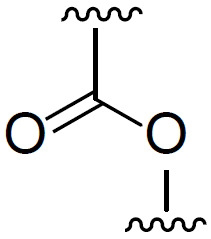


Applications Claiming Priority (6)
| Application Number | Priority Date | Filing Date | Title |
|---|---|---|---|
| US202163176228P | 2021-04-17 | 2021-04-17 | |
| US63/176,228 | 2021-04-17 | ||
| US202163274171P | 2021-11-01 | 2021-11-01 | |
| US63/274,171 | 2021-11-01 | ||
| US202263316575P | 2022-03-04 | 2022-03-04 | |
| US63/316,575 | 2022-03-04 |
Publications (1)
| Publication Number | Publication Date |
|---|---|
| TW202308596A true TW202308596A (en) | 2023-03-01 |
Family
ID=81585496
Family Applications (1)
| Application Number | Title | Priority Date | Filing Date |
|---|---|---|---|
| TW111114479A TW202308596A (en) | 2021-04-17 | 2022-04-15 | Lipid nanoparticle compositions |
Country Status (14)
| Country | Link |
|---|---|
| US (1) | US20240200106A1 (en) |
| EP (1) | EP4322921A1 (en) |
| JP (1) | JP2024515647A (en) |
| KR (1) | KR20240017793A (en) |
| AU (1) | AU2022258732A1 (en) |
| BR (1) | BR112023021445A2 (en) |
| CA (1) | CA3216873A1 (en) |
| CL (1) | CL2023003078A1 (en) |
| CO (1) | CO2023015477A2 (en) |
| CR (1) | CR20230534A (en) |
| IL (1) | IL307741A (en) |
| MX (1) | MX2023012237A (en) |
| TW (1) | TW202308596A (en) |
| WO (1) | WO2022221695A1 (en) |
Families Citing this family (8)
| Publication number | Priority date | Publication date | Assignee | Title |
|---|---|---|---|---|
| EP4638783A2 (en) | 2022-12-22 | 2025-10-29 | Intellia Therapeutics, Inc. | Methods for analyzing nucleic acid cargos of lipid nucleic acid assemblies |
| WO2025059607A1 (en) * | 2023-09-13 | 2025-03-20 | Tessera Therapeutics, Inc. | Lipid nanoparticles for delivery of therapeutic payloads to cells |
| WO2025064401A1 (en) | 2023-09-18 | 2025-03-27 | Intellia Therapeutics, Inc. | Nuclease resistant single stranded dna product for non-viral delivery to a cell and methods of production thereof |
| WO2025064396A1 (en) | 2023-09-18 | 2025-03-27 | Intellia Therapeutics, Inc. | Nuclease resistant double stranded dna product for non-viral delivery to a cell and methods of production thereof |
| WO2025128871A2 (en) | 2023-12-13 | 2025-06-19 | Renagade Therapeutics Management Inc. | Lipid nanoparticles comprising coding rna molecules for use in gene editing and as vaccines and therapeutic agents |
| WO2025226082A1 (en) * | 2024-04-26 | 2025-10-30 | 카스큐어테라퓨틱스 주식회사 | Method for killing target cells |
| WO2025240946A1 (en) | 2024-05-17 | 2025-11-20 | Intellia Therapeutics, Inc. | Lipid nanoparticles and lipid nanoparticle compositions |
| WO2026003582A2 (en) | 2024-06-27 | 2026-01-02 | Axelyf ehf. | Lipids and lipid nanoparticles |
Family Cites Families (18)
| Publication number | Priority date | Publication date | Assignee | Title |
|---|---|---|---|---|
| AU9319398A (en) | 1997-09-19 | 1999-04-05 | Sequitur, Inc. | Sense mrna therapy |
| WO2006007712A1 (en) | 2004-07-19 | 2006-01-26 | Protiva Biotherapeutics, Inc. | Methods comprising polyethylene glycol-lipid conjugates for delivery of therapeutic agents |
| KR101762466B1 (en) | 2009-12-23 | 2017-07-27 | 노파르티스 아게 | Lipids, lipid compositions, and methods of using them |
| EP2526199A4 (en) | 2010-01-22 | 2013-08-07 | Scripps Research Inst | METHODS FOR PRODUCING ZINC FINGER NUCLEASES HAVING MODIFIED ACTIVITY |
| CN103668470B (en) | 2012-09-12 | 2015-07-29 | 上海斯丹赛生物技术有限公司 | A kind of method of DNA library and structure transcriptional activation increment effector nuclease plasmid |
| WO2014093655A2 (en) | 2012-12-12 | 2014-06-19 | The Broad Institute, Inc. | Engineering and optimization of systems, methods and compositions for sequence manipulation with functional domains |
| WO2014093694A1 (en) | 2012-12-12 | 2014-06-19 | The Broad Institute, Inc. | Crispr-cas nickase systems, methods and compositions for sequence manipulation in eukaryotes |
| DK3553174T3 (en) | 2012-12-17 | 2025-08-04 | Harvard College | RNA-GUIDED MODIFICATION OF THE HUMAN GENOME |
| WO2014136086A1 (en) | 2013-03-08 | 2014-09-12 | Novartis Ag | Lipids and lipid compositions for the delivery of active agents |
| US20150165054A1 (en) | 2013-12-12 | 2015-06-18 | President And Fellows Of Harvard College | Methods for correcting caspase-9 point mutations |
| PL3083556T3 (en) | 2013-12-19 | 2020-06-29 | Novartis Ag | Lipids and lipid compositions for the delivery of active agents |
| US10342761B2 (en) | 2014-07-16 | 2019-07-09 | Novartis Ag | Method of encapsulating a nucleic acid in a lipid nanoparticle host |
| ES2969082T3 (en) | 2015-09-17 | 2024-05-16 | Modernatx Inc | Compounds and compositions for intracellular administration of therapeutic agents |
| WO2018073393A2 (en) | 2016-10-19 | 2018-04-26 | Cellectis | Tal-effector nuclease (talen) -modified allogenic cells suitable for therapy |
| WO2019147805A2 (en) | 2018-01-26 | 2019-08-01 | The Board Of Trustees Of The Leland Stanford Junior University | Regulatory t cells targeted with chimeric antigen receptors |
| US20230081530A1 (en) * | 2018-09-14 | 2023-03-16 | Modernatx, Inc. | Methods and compositions for treating cancer using mrna therapeutics |
| TW202028170A (en) | 2018-10-02 | 2020-08-01 | 美商英特利亞醫療公司 | Ionizable amine lipids |
| KR20250152113A (en) * | 2019-04-25 | 2025-10-22 | 인텔리아 테라퓨틱스, 인크. | Ionizable amine lipids and lipid nanoparticles |
-
2022
- 2022-04-15 TW TW111114479A patent/TW202308596A/en unknown
- 2022-04-15 JP JP2023563188A patent/JP2024515647A/en active Pending
- 2022-04-15 BR BR112023021445A patent/BR112023021445A2/en not_active Application Discontinuation
- 2022-04-15 IL IL307741A patent/IL307741A/en unknown
- 2022-04-15 WO PCT/US2022/025074 patent/WO2022221695A1/en not_active Ceased
- 2022-04-15 KR KR1020237039430A patent/KR20240017793A/en active Pending
- 2022-04-15 CR CR20230534A patent/CR20230534A/en unknown
- 2022-04-15 AU AU2022258732A patent/AU2022258732A1/en active Pending
- 2022-04-15 EP EP22721974.8A patent/EP4322921A1/en active Pending
- 2022-04-15 US US18/287,229 patent/US20240200106A1/en active Pending
- 2022-04-15 CA CA3216873A patent/CA3216873A1/en active Pending
- 2022-04-15 MX MX2023012237A patent/MX2023012237A/en unknown
-
2023
- 2023-10-16 CL CL2023003078A patent/CL2023003078A1/en unknown
- 2023-11-16 CO CONC2023/0015477A patent/CO2023015477A2/en unknown
Also Published As
| Publication number | Publication date |
|---|---|
| CA3216873A1 (en) | 2022-10-22 |
| AU2022258732A1 (en) | 2023-11-30 |
| MX2023012237A (en) | 2024-01-23 |
| US20240200106A1 (en) | 2024-06-20 |
| BR112023021445A2 (en) | 2024-01-23 |
| JP2024515647A (en) | 2024-04-10 |
| CO2023015477A2 (en) | 2025-07-17 |
| CR20230534A (en) | 2024-02-12 |
| CL2023003078A1 (en) | 2024-04-12 |
| KR20240017793A (en) | 2024-02-08 |
| IL307741A (en) | 2023-12-01 |
| WO2022221695A1 (en) | 2022-10-20 |
| EP4322921A1 (en) | 2024-02-21 |
Similar Documents
| Publication | Publication Date | Title |
|---|---|---|
| US20250090471A1 (en) | Lipid nanoparticle compositions | |
| TW202308596A (en) | Lipid nanoparticle compositions | |
| US20230183753A1 (en) | Methods of in Vitro Cell Delivery | |
| US20240300977A1 (en) | Inhibitors of dna-dependent protein kinase and compositions and uses thereof | |
| AU2021410751A1 (en) | Compositions and methods for genetically modifying ciita in a cell | |
| US20250262302A1 (en) | Compositions and Methods for Reducing MHC Class I in a Cell | |
| CN117835968A (en) | Lipid nanoparticle compositions | |
| US20250276090A1 (en) | Methods and Compositions for Genetically Modifying a Cell | |
| CN117479926A (en) | Lipid Nanoparticle Compositions | |
| HK40122572A (en) | Methods and compositions for genetically modifying a cell | |
| WO2025137301A1 (en) | Methods for rapid engineering of cells | |
| WO2025049481A1 (en) | Methods of editing an hla-a gene in vitro | |
| WO2025240946A1 (en) | Lipid nanoparticles and lipid nanoparticle compositions | |
| HK40033100A (en) | In vitro method of mrna delivery using lipid nanoparticles |