TW202249276A - Semiconductor device including superlattice with 18o enriched monolayers and associated methods - Google Patents
Semiconductor device including superlattice with 18o enriched monolayers and associated methods Download PDFInfo
- Publication number
- TW202249276A TW202249276A TW111115599A TW111115599A TW202249276A TW 202249276 A TW202249276 A TW 202249276A TW 111115599 A TW111115599 A TW 111115599A TW 111115599 A TW111115599 A TW 111115599A TW 202249276 A TW202249276 A TW 202249276A
- Authority
- TW
- Taiwan
- Prior art keywords
- oxygen
- region
- superlattice
- semiconductor
- layer
- Prior art date
Links
- 239000004065 semiconductor Substances 0.000 title claims abstract description 182
- 238000000034 method Methods 0.000 title claims description 28
- 239000010410 layer Substances 0.000 claims abstract description 165
- QVGXLLKOCUKJST-UHFFFAOYSA-N atomic oxygen Chemical compound [O] QVGXLLKOCUKJST-UHFFFAOYSA-N 0.000 claims abstract description 73
- 239000001301 oxygen Substances 0.000 claims abstract description 73
- 229910052760 oxygen Inorganic materials 0.000 claims abstract description 73
- 239000002356 single layer Substances 0.000 claims abstract description 73
- 239000013078 crystal Substances 0.000 claims abstract description 8
- XUIMIQQOPSSXEZ-UHFFFAOYSA-N Silicon Chemical compound [Si] XUIMIQQOPSSXEZ-UHFFFAOYSA-N 0.000 claims description 79
- 229910052710 silicon Inorganic materials 0.000 claims description 73
- 239000010703 silicon Substances 0.000 claims description 73
- QVGXLLKOCUKJST-NJFSPNSNSA-N oxygen-18 atom Chemical compound [18O] QVGXLLKOCUKJST-NJFSPNSNSA-N 0.000 claims description 55
- 239000002019 doping agent Substances 0.000 claims description 24
- 229910052751 metal Inorganic materials 0.000 claims description 13
- 239000002184 metal Substances 0.000 claims description 13
- 239000000758 substrate Substances 0.000 claims description 12
- QVGXLLKOCUKJST-IGMARMGPSA-N oxygen-16 atom Chemical compound [16O] QVGXLLKOCUKJST-IGMARMGPSA-N 0.000 claims 3
- 239000000463 material Substances 0.000 description 35
- MYMOFIZGZYHOMD-UHFFFAOYSA-N Dioxygen Chemical compound O=O MYMOFIZGZYHOMD-UHFFFAOYSA-N 0.000 description 21
- 230000004888 barrier function Effects 0.000 description 17
- 238000009792 diffusion process Methods 0.000 description 15
- 239000002800 charge carrier Substances 0.000 description 8
- 238000000151 deposition Methods 0.000 description 8
- 238000010586 diagram Methods 0.000 description 8
- 230000008021 deposition Effects 0.000 description 7
- 230000008901 benefit Effects 0.000 description 6
- 125000004430 oxygen atom Chemical group O* 0.000 description 6
- 238000012360 testing method Methods 0.000 description 6
- 238000004519 manufacturing process Methods 0.000 description 5
- IJGRMHOSHXDMSA-UHFFFAOYSA-N Atomic nitrogen Chemical compound N#N IJGRMHOSHXDMSA-UHFFFAOYSA-N 0.000 description 4
- 125000004429 atom Chemical group 0.000 description 4
- 230000000903 blocking effect Effects 0.000 description 4
- 238000005516 engineering process Methods 0.000 description 4
- 239000010408 film Substances 0.000 description 4
- OKTJSMMVPCPJKN-UHFFFAOYSA-N Carbon Chemical compound [C] OKTJSMMVPCPJKN-UHFFFAOYSA-N 0.000 description 3
- 238000003775 Density Functional Theory Methods 0.000 description 3
- 229910003811 SiGeC Inorganic materials 0.000 description 3
- 229910000577 Silicon-germanium Inorganic materials 0.000 description 3
- 238000001994 activation Methods 0.000 description 3
- 238000000137 annealing Methods 0.000 description 3
- 229910052799 carbon Inorganic materials 0.000 description 3
- 239000007789 gas Substances 0.000 description 3
- 230000001965 increasing effect Effects 0.000 description 3
- 238000012986 modification Methods 0.000 description 3
- 230000004048 modification Effects 0.000 description 3
- 238000012545 processing Methods 0.000 description 3
- 239000003362 semiconductor superlattice Substances 0.000 description 3
- 229910021332 silicide Inorganic materials 0.000 description 3
- FVBUAEGBCNSCDD-UHFFFAOYSA-N silicide(4-) Chemical compound [Si-4] FVBUAEGBCNSCDD-UHFFFAOYSA-N 0.000 description 3
- 125000006850 spacer group Chemical group 0.000 description 3
- VYPSYNLAJGMNEJ-UHFFFAOYSA-N Silicium dioxide Chemical compound O=[Si]=O VYPSYNLAJGMNEJ-UHFFFAOYSA-N 0.000 description 2
- LEVVHYCKPQWKOP-UHFFFAOYSA-N [Si].[Ge] Chemical compound [Si].[Ge] LEVVHYCKPQWKOP-UHFFFAOYSA-N 0.000 description 2
- 230000004913 activation Effects 0.000 description 2
- 230000015572 biosynthetic process Effects 0.000 description 2
- 238000004364 calculation method Methods 0.000 description 2
- 150000001875 compounds Chemical class 0.000 description 2
- 230000007547 defect Effects 0.000 description 2
- 238000013461 design Methods 0.000 description 2
- 229910052732 germanium Inorganic materials 0.000 description 2
- GNPVGFCGXDBREM-UHFFFAOYSA-N germanium atom Chemical compound [Ge] GNPVGFCGXDBREM-UHFFFAOYSA-N 0.000 description 2
- 238000010348 incorporation Methods 0.000 description 2
- 230000010354 integration Effects 0.000 description 2
- 238000005468 ion implantation Methods 0.000 description 2
- 230000005445 isotope effect Effects 0.000 description 2
- 238000012423 maintenance Methods 0.000 description 2
- 239000002052 molecular layer Substances 0.000 description 2
- 229910052757 nitrogen Inorganic materials 0.000 description 2
- 230000008569 process Effects 0.000 description 2
- 239000000126 substance Substances 0.000 description 2
- 239000010409 thin film Substances 0.000 description 2
- 241001496863 Candelaria Species 0.000 description 1
- PXGOKWXKJXAPGV-UHFFFAOYSA-N Fluorine Chemical compound FF PXGOKWXKJXAPGV-UHFFFAOYSA-N 0.000 description 1
- UFHFLCQGNIYNRP-UHFFFAOYSA-N Hydrogen Chemical compound [H][H] UFHFLCQGNIYNRP-UHFFFAOYSA-N 0.000 description 1
- OAICVXFJPJFONN-UHFFFAOYSA-N Phosphorus Chemical compound [P] OAICVXFJPJFONN-UHFFFAOYSA-N 0.000 description 1
- 229910000676 Si alloy Inorganic materials 0.000 description 1
- 229910045601 alloy Inorganic materials 0.000 description 1
- 239000000956 alloy Substances 0.000 description 1
- 229910052787 antimony Inorganic materials 0.000 description 1
- WATWJIUSRGPENY-UHFFFAOYSA-N antimony atom Chemical compound [Sb] WATWJIUSRGPENY-UHFFFAOYSA-N 0.000 description 1
- 229910052785 arsenic Inorganic materials 0.000 description 1
- RQNWIZPPADIBDY-UHFFFAOYSA-N arsenic atom Chemical compound [As] RQNWIZPPADIBDY-UHFFFAOYSA-N 0.000 description 1
- 230000009286 beneficial effect Effects 0.000 description 1
- 229910052681 coesite Inorganic materials 0.000 description 1
- 238000012937 correction Methods 0.000 description 1
- 229910052906 cristobalite Inorganic materials 0.000 description 1
- 238000009826 distribution Methods 0.000 description 1
- 230000000694 effects Effects 0.000 description 1
- 230000005684 electric field Effects 0.000 description 1
- 238000005401 electroluminescence Methods 0.000 description 1
- 230000002708 enhancing effect Effects 0.000 description 1
- 238000000407 epitaxy Methods 0.000 description 1
- 238000005530 etching Methods 0.000 description 1
- 229910052731 fluorine Inorganic materials 0.000 description 1
- 239000011737 fluorine Substances 0.000 description 1
- 238000010438 heat treatment Methods 0.000 description 1
- 238000001534 heteroepitaxy Methods 0.000 description 1
- 239000001257 hydrogen Substances 0.000 description 1
- 229910052739 hydrogen Inorganic materials 0.000 description 1
- 230000006872 improvement Effects 0.000 description 1
- 238000011065 in-situ storage Methods 0.000 description 1
- 239000012212 insulator Substances 0.000 description 1
- 239000011159 matrix material Substances 0.000 description 1
- 238000005259 measurement Methods 0.000 description 1
- 230000007246 mechanism Effects 0.000 description 1
- CSJDCSCTVDEHRN-UHFFFAOYSA-N methane;molecular oxygen Chemical compound C.O=O CSJDCSCTVDEHRN-UHFFFAOYSA-N 0.000 description 1
- 238000013508 migration Methods 0.000 description 1
- 230000005012 migration Effects 0.000 description 1
- 239000002086 nanomaterial Substances 0.000 description 1
- 230000003287 optical effect Effects 0.000 description 1
- 230000005693 optoelectronics Effects 0.000 description 1
- 230000035699 permeability Effects 0.000 description 1
- 229910052698 phosphorus Inorganic materials 0.000 description 1
- 239000011574 phosphorus Substances 0.000 description 1
- 238000012552 review Methods 0.000 description 1
- 150000003376 silicon Chemical class 0.000 description 1
- 239000000377 silicon dioxide Substances 0.000 description 1
- 235000012239 silicon dioxide Nutrition 0.000 description 1
- 241000894007 species Species 0.000 description 1
- 229910052682 stishovite Inorganic materials 0.000 description 1
- 238000012546 transfer Methods 0.000 description 1
- 230000007704 transition Effects 0.000 description 1
- 229910052905 tridymite Inorganic materials 0.000 description 1
Images


Classifications
-
- H—ELECTRICITY
- H10—SEMICONDUCTOR DEVICES; ELECTRIC SOLID-STATE DEVICES NOT OTHERWISE PROVIDED FOR
- H10D—INORGANIC ELECTRIC SEMICONDUCTOR DEVICES
- H10D62/00—Semiconductor bodies, or regions thereof, of devices having potential barriers
- H10D62/80—Semiconductor bodies, or regions thereof, of devices having potential barriers characterised by the materials
- H10D62/81—Semiconductor bodies, or regions thereof, of devices having potential barriers characterised by the materials of structures exhibiting quantum-confinement effects, e.g. single quantum wells; of structures having periodic or quasi-periodic potential variation
- H10D62/815—Semiconductor bodies, or regions thereof, of devices having potential barriers characterised by the materials of structures exhibiting quantum-confinement effects, e.g. single quantum wells; of structures having periodic or quasi-periodic potential variation of structures having periodic or quasi-periodic potential variation, e.g. superlattices or multiple quantum wells [MQW]
- H10D62/8161—Semiconductor bodies, or regions thereof, of devices having potential barriers characterised by the materials of structures exhibiting quantum-confinement effects, e.g. single quantum wells; of structures having periodic or quasi-periodic potential variation of structures having periodic or quasi-periodic potential variation, e.g. superlattices or multiple quantum wells [MQW] potential variation due to variations in composition or crystallinity, e.g. heterojunction superlattices
- H10D62/8162—Semiconductor bodies, or regions thereof, of devices having potential barriers characterised by the materials of structures exhibiting quantum-confinement effects, e.g. single quantum wells; of structures having periodic or quasi-periodic potential variation of structures having periodic or quasi-periodic potential variation, e.g. superlattices or multiple quantum wells [MQW] potential variation due to variations in composition or crystallinity, e.g. heterojunction superlattices having quantum effects only in the vertical direction, i.e. layered structures having quantum effects solely resulting from vertical potential variation
-
- H—ELECTRICITY
- H10—SEMICONDUCTOR DEVICES; ELECTRIC SOLID-STATE DEVICES NOT OTHERWISE PROVIDED FOR
- H10D—INORGANIC ELECTRIC SEMICONDUCTOR DEVICES
- H10D30/00—Field-effect transistors [FET]
- H10D30/60—Insulated-gate field-effect transistors [IGFET]
- H10D30/601—Insulated-gate field-effect transistors [IGFET] having lightly-doped drain or source extensions, e.g. LDD IGFETs or DDD IGFETs
-
- H—ELECTRICITY
- H10—SEMICONDUCTOR DEVICES; ELECTRIC SOLID-STATE DEVICES NOT OTHERWISE PROVIDED FOR
- H10D—INORGANIC ELECTRIC SEMICONDUCTOR DEVICES
- H10D30/00—Field-effect transistors [FET]
- H10D30/60—Insulated-gate field-effect transistors [IGFET]
- H10D30/751—Insulated-gate field-effect transistors [IGFET] having composition variations in the channel regions
-
- H—ELECTRICITY
- H10—SEMICONDUCTOR DEVICES; ELECTRIC SOLID-STATE DEVICES NOT OTHERWISE PROVIDED FOR
- H10D—INORGANIC ELECTRIC SEMICONDUCTOR DEVICES
- H10D62/00—Semiconductor bodies, or regions thereof, of devices having potential barriers
- H10D62/10—Shapes, relative sizes or dispositions of the regions of the semiconductor bodies; Shapes of the semiconductor bodies
- H10D62/13—Semiconductor regions connected to electrodes carrying current to be rectified, amplified or switched, e.g. source or drain regions
- H10D62/149—Source or drain regions of field-effect devices
- H10D62/151—Source or drain regions of field-effect devices of IGFETs
-
- H—ELECTRICITY
- H10—SEMICONDUCTOR DEVICES; ELECTRIC SOLID-STATE DEVICES NOT OTHERWISE PROVIDED FOR
- H10D—INORGANIC ELECTRIC SEMICONDUCTOR DEVICES
- H10D30/00—Field-effect transistors [FET]
- H10D30/01—Manufacture or treatment
- H10D30/021—Manufacture or treatment of FETs having insulated gates [IGFET]
- H10D30/0212—Manufacture or treatment of FETs having insulated gates [IGFET] using self-aligned silicidation
-
- H—ELECTRICITY
- H10—SEMICONDUCTOR DEVICES; ELECTRIC SOLID-STATE DEVICES NOT OTHERWISE PROVIDED FOR
- H10D—INORGANIC ELECTRIC SEMICONDUCTOR DEVICES
- H10D30/00—Field-effect transistors [FET]
- H10D30/01—Manufacture or treatment
- H10D30/021—Manufacture or treatment of FETs having insulated gates [IGFET]
- H10D30/027—Manufacture or treatment of FETs having insulated gates [IGFET] of lateral single-gate IGFETs
- H10D30/0275—Manufacture or treatment of FETs having insulated gates [IGFET] of lateral single-gate IGFETs forming single crystalline semiconductor source or drain regions resulting in recessed gates, e.g. forming raised source or drain regions
-
- H—ELECTRICITY
- H10—SEMICONDUCTOR DEVICES; ELECTRIC SOLID-STATE DEVICES NOT OTHERWISE PROVIDED FOR
- H10D—INORGANIC ELECTRIC SEMICONDUCTOR DEVICES
- H10D62/00—Semiconductor bodies, or regions thereof, of devices having potential barriers
- H10D62/80—Semiconductor bodies, or regions thereof, of devices having potential barriers characterised by the materials
- H10D62/82—Heterojunctions
- H10D62/822—Heterojunctions comprising only Group IV materials heterojunctions, e.g. Si/Ge heterojunctions
-
- H—ELECTRICITY
- H10—SEMICONDUCTOR DEVICES; ELECTRIC SOLID-STATE DEVICES NOT OTHERWISE PROVIDED FOR
- H10D—INORGANIC ELECTRIC SEMICONDUCTOR DEVICES
- H10D64/00—Electrodes of devices having potential barriers
- H10D64/20—Electrodes characterised by their shapes, relative sizes or dispositions
- H10D64/23—Electrodes carrying the current to be rectified, amplified, oscillated or switched, e.g. sources, drains, anodes or cathodes
- H10D64/251—Source or drain electrodes for field-effect devices
- H10D64/258—Source or drain electrodes for field-effect devices characterised by the relative positions of the source or drain electrodes with respect to the gate electrode
- H10D64/259—Source or drain electrodes being self-aligned with the gate electrode and having bottom surfaces higher than the interface between the channel and the gate dielectric
Landscapes
- Insulated Gate Type Field-Effect Transistor (AREA)
- Pharmaceuticals Containing Other Organic And Inorganic Compounds (AREA)
- Recrystallisation Techniques (AREA)
Abstract
Description
本發明一般而言與半導體元件有關,詳細而言,本發明涉及含先進半導體材料之半導體元件及相關方法。The present invention relates generally to semiconductor devices, and in particular, the present invention relates to semiconductor devices containing advanced semiconductor materials and related methods.
利用諸如增強電荷載子之遷移率(mobility)增進半導體元件效能之相關結構及技術,已多有人提出。例如,Currie等人之美國專利申請案第2003/0057416號揭示了矽、矽-鍺及鬆弛矽之應變材料層,其亦包含原本會在其他方面導致效能劣退的無雜質區(impurity-free zones)。此等應變材料層在上部矽層中所造成的雙軸向應變(biaxial strain)會改變載子的遷移率,從而得以製作較高速與/或較低功率的元件。Fitzgerald等人的美國專利申請公告案第2003/0034529號則揭示了同樣以類似的應變矽技術為基礎的CMOS反向器。Many related structures and technologies have been proposed to improve the performance of semiconductor devices by utilizing, for example, enhancing the mobility of charge carriers. For example, U.S. Patent Application No. 2003/0057416 to Currie et al. discloses strained material layers of silicon, silicon-germanium, and relaxed silicon that also include impurity-free regions that would otherwise degrade performance. zones). The biaxial strain induced by these strained material layers in the upper silicon layer changes the carrier mobility, thereby enabling the fabrication of higher speed and/or lower power devices. US Patent Application Publication No. 2003/0034529 of Fitzgerald et al. discloses a CMOS inverter based on similar strained silicon technology.
授予Takagi的美國專利第6,472,685 B2號揭示了一半導體元件,其包含夾在矽層間的一層矽與碳層,以使其第二矽層的導帶及價帶承受伸張應變(tensile strain)。這樣,具有較小有效質量(effective mass)且已由施加於閘極上的電場所誘發的電子,便會被侷限在其第二矽層內,因此,即可認定其N型通道MOSFET具有較高的遷移率。US Patent No. 6,472,685 B2 to Takagi discloses a semiconductor device comprising a layer of silicon and carbon sandwiched between silicon layers such that the conduction and valence bands of the second silicon layer are subjected to tensile strain. In this way, electrons that have a small effective mass (effective mass) and have been induced by the electric field applied to the gate will be confined in its second silicon layer. Therefore, it can be considered that its N-channel MOSFET has a higher the migration rate.
授予Ishibashi等人的美國專利第4,937,204號揭示了一超晶格,其中包含一複數層,該複數層少於八個單層(monolayer)且含有一部份(fractional)或雙元(binary)半導體層或一雙元化合物半導體層,該複數層係交替地以磊晶成長方式生長而成。其中的主電流方向係垂直於該超晶格之各層。U.S. Patent No. 4,937,204 to Ishibashi et al. discloses a superlattice comprising a plurality of layers of less than eight monolayers containing a fractional or binary semiconductor layer or a binary compound semiconductor layer, the plurality of layers are alternately grown by epitaxial growth. The main current direction is perpendicular to the layers of the superlattice.
授予Wang等人的美國專利第5,357,119號揭示了一矽-鍺短週期超晶格,其經由減少超晶格中的合金散射(alloy scattering)而達成較高遷移率。依據類似的原理,授予Candelaria的美國專利第5,683,934號揭示了具較佳遷移率之MOSFET,其包含一通道層,該通道層包括矽與一第二材料之一合金,該第二材料以使該通道層處於伸張應力下的百分比替代性地存在於矽晶格中。US Patent No. 5,357,119 to Wang et al. discloses a silicon-germanium short-period superlattice that achieves higher mobility by reducing alloy scattering in the superlattice. On a similar basis, U.S. Patent No. 5,683,934 to Candelaria discloses a MOSFET with preferred mobility comprising a channel layer comprising an alloy of silicon and a second material that enables the The percentage of the channel layer under tensile stress is instead present in the silicon lattice.
授予Tsu的美國專利第5,216,262號揭示了一量子井結構,其包括兩個阻障區(barrier region)及夾於其間的一磊晶生長半導體薄層。每一阻障區各係由厚度範圍大致在二至六個交替之SiO2/Si單層所構成。阻障區間則另夾有厚得多之一矽區段。US Patent No. 5,216,262 to Tsu discloses a quantum well structure comprising two barrier regions sandwiched by a thin epitaxially grown semiconductor layer. Each barrier region is composed of alternating SiO2/Si monolayers with a thickness ranging approximately from two to six. The barrier region is sandwiched by a much thicker silicon region.
在2000年9月6日線上出版的應用物理及材料科學及製程(Applied Physics and Materials Science & Processing) pp. 391 – 402中,Tsu於一篇題為「矽質奈米結構元件中之現象」(Phenomena in silicon nanostructure devices)的文章中揭示了矽及氧之半導體-原子超晶格(semiconductor-atomic superlattice, SAS)。此矽/氧超晶格結構被揭露為對矽量子及發光元件有用。其中特別揭示如何製作並測試一綠色電輝光二極體(electroluminescence diode)結構。該二極體結構中的電流流動方向是垂直的,亦即,垂直於SAS之層。該文所揭示的SAS可包含由諸如氧原子等被吸附物種(adsorbed species)及CO分子所分開的半導體層。在被吸附之氧單層以外所生長的矽,被描述為具有相當低缺陷密度之磊晶層。其中的一種SAS結構包含1.1 nm厚之一矽質部份,其約為八個原子層的矽,而另一結構的矽質部份厚度則有此厚度的兩倍。在物理評論通訊(Physics Review Letters),Vol. 89, No. 7 (2002年8月12日)中,Luo等人所發表的一篇題為「直接間隙發光矽之化學設計」(Chemical Design of Direct-Gap Light-Emitting Silicon)的文章,更進一步地討論了Tsu的發光SAS結構。In Applied Physics and Materials Science & Processing pp. 391 – 402, published online on September 6, 2000, Tsu in an article entitled "Phenomena in Silicon Nanostructured Devices" (Phenomena in silicon nanostructure devices) article revealed a semiconductor-atomic superlattice (semiconductor-atomic superlattice, SAS) of silicon and oxygen. This silicon/oxygen superlattice structure was revealed to be useful for silicon quantum and light-emitting devices. In particular, it discloses how to fabricate and test a green electroluminescence diode structure. The direction of current flow in the diode structure is vertical, ie, perpendicular to the layers of the SAS. The SAS disclosed therein may comprise semiconductor layers separated by adsorbed species such as oxygen atoms and CO molecules. Silicon grown beyond the adsorbed oxygen monolayer is described as an epitaxial layer with a relatively low defect density. One of the SAS structures included a 1.1 nm thick silicon portion, which is about eight atomic layers of silicon, while the other structure had a silicon portion twice as thick. In Physics Review Letters, Vol. 89, No. 7 (August 12, 2002), Luo et al. published an article entitled "Chemical Design of Direct Gap Emitting Silicon" (Chemical Design of Direct-Gap Light-Emitting Silicon) further discusses Tsu's light-emitting SAS structure.
授予Wang等人之美國專利第7,105,895號揭示了薄的矽與氧、碳、氮、磷、銻、砷或氫的一阻障建構區塊,其可以將垂直流經晶格的電流減小超過四個十之次方冪次尺度(four orders of magnitude)。其絕緣層/阻障層容許低缺陷磊晶矽挨著絕緣層而沉積。U.S. Patent No. 7,105,895 to Wang et al. discloses thin silicon and a barrier building block of oxygen, carbon, nitrogen, phosphorus, antimony, arsenic, or hydrogen that can reduce the vertical current flow through the lattice by more than Four orders of magnitude. Its insulating/barrier layer allows low-defect epitaxial silicon to be deposited next to the insulating layer.
已公開之Mears等人的英國專利申請案第2,347,520號揭示,非週期性光子能帶間隙 (aperiodic photonic band-gap, APBG)結構可應用於電子能帶間隙工程(electronic bandgap engineering)中。詳細而言,該申請案揭示,材料參數(material parameters),例如能帶最小值的位置、有效質量等等,皆可加以調節,以獲致具有所要能帶結構特性之新非週期性材料。其他參數,諸如導電性、熱傳導性及介電係數(dielectric permittivity)或導磁係數(magnetic permeability),則被揭露亦有可能被設計於材料之中。Published UK Patent Application No. 2,347,520 by Mears et al. discloses that aperiodic photonic band-gap (APBG) structures can be applied in electronic bandgap engineering. In detail, the application discloses that material parameters, such as the position of the energy band minimum, effective mass, etc., can be tuned to obtain new aperiodic materials with desired band structure properties. Other parameters, such as electrical conductivity, thermal conductivity, and dielectric permittivity or magnetic permeability, are disclosed and possibly engineered into the material.
除此之外,授予Wang等人的美國專利第6,376,337號揭示一種用於製作半導體元件絕緣或阻障層之方法,其包括在矽底材上沉積一層矽及至少一另外元素,使該沉積層實質上沒有缺陷,如此實質上無缺陷的磊晶矽便能沉積於該沉積層上。作為替代方案,一或多個元素構成之一單層,較佳者為包括氧元素,在矽底材上被吸收。夾在磊晶矽之間的複數絕緣層,形成阻障複合體。In addition, U.S. Patent No. 6,376,337 to Wang et al. discloses a method for making an insulating or barrier layer of a semiconductor device, which includes depositing a layer of silicon and at least one other element on a silicon substrate such that the deposited layer Substantially defect-free, such that substantially defect-free epitaxial silicon can be deposited on the deposited layer. Alternatively, a monolayer of one or more elements, preferably including oxygen, is absorbed on the silicon substrate. A plurality of insulating layers sandwiched between epitaxial silicon forms a barrier complex.
儘管已有上述方法存在,但為了實現半導體元件效能的改進,進一步強化先進半導體材料及處理技術的使用,是吾人所期望的。Although the above methods exist, it is desirable to further intensify the use of advanced semiconductor materials and processing techniques in order to achieve improved semiconductor device performance.
半導體元件可包括半導體層,及鄰接半導體層且包括複數個堆疊之層群組的超晶格。各層群組可包括複數個堆疊之基底半導體單層,其界定出基底半導體部份,以及被拘束在相鄰的基底半導體部份之晶格內之至少一氧單層。一給定層群組之至少一氧單層可包含的 18O原子百分比大於百分之10的氧18( 18O)。 The semiconductor device may include a semiconductor layer, and a superlattice adjacent to the semiconductor layer and including a plurality of stacked layer groups. Each group of layers may include a plurality of stacked base semiconductor monolayers that define a base semiconductor portion, and at least one oxygen monolayer confined within the crystal lattice of adjacent base semiconductor portions. At least one oxygen monolayer of a given group of layers may contain greater than 10 atomic percent of 18 O as oxygen 18 ( 18 O).
舉例來說,一給定層群組之至少一氧單層可包含原子百分比大於百分之50的氧18,且更具體地大於百分之90。在一些實施例中,給定層群組之至少一氧單層更可包含氧16 (
16O)。在一例示實施例中,各層群組之至少一氧單層可包括原子百分比大於百分之10的氧18。
For example, at least one oxygen monolayer of a given group of layers may comprise greater than 50
在一例示組構中,半導體元件更可包括位於半導體層上且在超晶格中界定出通道之源極區及汲極區,以及超晶格上方之閘極。根據另一例示實施例,半導體元件更可包括超晶格上方之金屬層。此外,在一些實施例中,超晶格可將半導體層劃分為第一區及第二區,第一區及第二區具有相同導電類型,但第一區及第二區具有不同摻雜物濃度。根據另一例示實施方式,超晶格可將半導體層劃分為第一區及第二區,第一區及第二區具有不同導電類型。例如,基底半導體層可包括矽。In an exemplary configuration, the semiconductor device may further include source and drain regions on the semiconductor layer defining a channel in the superlattice, and a gate above the superlattice. According to another exemplary embodiment, the semiconductor device may further include a metal layer over the superlattice. Furthermore, in some embodiments, the superlattice can divide the semiconductor layer into a first region and a second region, the first region and the second region have the same conductivity type, but the first region and the second region have different dopants concentration. According to another exemplary embodiment, the superlattice may divide the semiconductor layer into a first region and a second region, the first region and the second region having different conductivity types. For example, the base semiconductor layer may include silicon.
一種用於製作半導體元件之方法,可包括形成半導體層,以及形成超晶格,使其鄰接半導體層且包括複數個堆疊之層群組。各層群組可包括複數個堆疊之基底半導體單層,其界定出基底半導體部份,以及被拘束在相鄰的基底半導體部份之晶格內之至少一氧單層。給定層群組之至少一氧單層可包含原子百分比大於百分之10的氧18。A method for fabricating a semiconductor device may include forming a semiconductor layer, and forming a superlattice adjacent to the semiconductor layer and including a plurality of stacked layer groups. Each group of layers may include a plurality of stacked base semiconductor monolayers that define a base semiconductor portion, and at least one oxygen monolayer confined within the crystal lattice of adjacent base semiconductor portions. At least one oxygen monolayer of a given group of layers may contain greater than 10
舉例來說,給定層群組之至少一氧單層可包含原子百分比大於百分之50的氧18,更特別地大於百分之90。在一些實施例中,給定層群組之至少一氧單層更可包含氧16 (
16O)。在一例示實施例中,各層群組之至少一氧單層可包括原子百分比大於百分之10的氧18。
For example, at least one oxygen monolayer of a given group of layers may comprise greater than 50
在一例示組構中,該方法更可包括形成位於半導體層上且在超晶格中界定出通道之源極區及汲極區,以及形成超晶格上方之閘極。根據另一例示實施例,該方法更可包括在超晶格上方形成金屬層。此外,在一些實施例中,超晶格可將半導體層劃分為第一區及第二區,第一區及第二區具有相同導電類型,但第一區及第二區具有不同摻雜物濃度。根據另一例示實施方式,超晶格可將半導體層劃分為第一區及第二區,第一區及第二區具有不同導電類型。例如,基底半導體層可包括矽。In one exemplary configuration, the method may further include forming source and drain regions on the semiconductor layer defining channels in the superlattice, and forming a gate over the superlattice. According to another exemplary embodiment, the method may further include forming a metal layer over the superlattice. Furthermore, in some embodiments, the superlattice can divide the semiconductor layer into a first region and a second region, the first region and the second region have the same conductivity type, but the first region and the second region have different dopants concentration. According to another exemplary embodiment, the superlattice may divide the semiconductor layer into a first region and a second region, the first region and the second region having different conductivity types. For example, the base semiconductor layer may include silicon.
茲參考說明書所附圖式詳細說明例示性實施例,圖式中所示者為例示性實施例。不過,實施例可以許多不同形式實施,且不應解釋為僅限於本說明書所提供之特定例示。相反的,這些實施例之提供,僅是為了使本發明所揭示之發明內容更為完整詳盡。在本說明書及圖式各處,相同圖式符號係指相同元件,而撇號(‘)則用以標示不同實施方式中之類似元件。Exemplary embodiments will now be described in detail with reference to the drawings accompanying the specification, and what is shown in the drawings is an exemplary embodiment. Embodiments may, however, be embodied in many different forms and should not be construed as limited to the specific illustrations provided in this specification. On the contrary, these embodiments are provided only to make the content of the invention disclosed in the present invention more complete and detailed. Throughout this specification and drawings, like drawing symbols refer to like elements, and a prime (') is used to designate similar elements in different embodiments.
整體而言,本發明涉及應用強化半導體超晶格形成半導體元件。在本發明中,該強化之半導體超晶格亦可稱為「MST層/薄膜」或「MST技術」。In general, the present invention relates to the use of strengthened semiconductor superlattices to form semiconductor components. In the present invention, the strengthened semiconductor superlattice may also be referred to as "MST layer/thin film" or "MST technology".
詳言之,MST技術涉及進階的半導體材料,例如下文將進一步說明之超晶格25。申請人之理論認為(但申請人並不欲受此理論所束縛),本說明書所述之超晶格結構可減少電荷載子之有效質量,並由此而帶來較高之電荷載子遷移率。有效質量之各種定義在所屬技術領域之文獻中已有說明。為衡量有效質量之改善程度,申請人分別為電子及電洞使用了「導電性反有效質量張量」(conductivity reciprocal effective mass tensor)
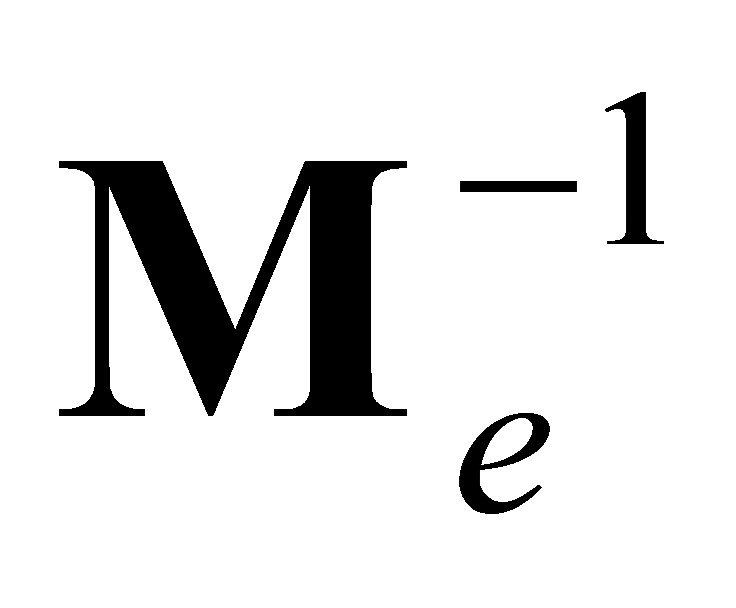



申請人對導電性反有效質量張量之定義為,一材料之導電性反有效質量張量之對應分量之值較大者,其導電性之張量分量 (tensorial component)亦較大。申請人再度提出理論(但並不欲受此理論所束縛)認為,本說明書所述之超晶格可設定導電性反有效質量張量之值,以增進材料之導電性,例如電荷載子傳輸之典型較佳方向。適當張量項數之倒數,在此稱為導電性有效質量(conductivity effective mass)。換句話說,若要描述半導體材料結構的特性,如上文所述,在載子預定傳輸方向上計算出電子/電洞之導電性有效質量,便可用於分辨出較佳之材料。The applicant's definition of the conductivity inverse effective mass tensor is that if the value of the corresponding component of the conductivity inverse effective mass tensor of a material is larger, the tensorial component of its conductivity is also larger. The applicant again theorizes (but does not wish to be bound by this theory) that the superlattice described in this specification can set the value of the conductivity anti-effective mass tensor to enhance the conductivity of the material, such as charge carrier transport The typical better direction. The reciprocal of the number of appropriate tensor terms is referred to herein as the conductivity effective mass. In other words, to describe the characteristics of the structure of semiconductor materials, as mentioned above, the effective mass of electron/hole conductivity can be calculated in the direction of carrier predetermined transport, which can be used to identify better materials.
申請人已辨識出可用於半導體元件之改進材料或結構。更具體而言,申請人所辨識出之材料或結構所具有之能帶結構,其電子及/或電洞之適當導電性有效質量之值,實質上小於對應於矽之值。這些結構除了有較佳遷移率之特點外,其形成或使用之方式,亦使其得以提供有利於各種不同元件類型應用之壓電、焦電及/或鐵電特性,下文將進一步討論。Applicants have identified improved materials or structures that can be used in semiconductor devices. More specifically, applicants have identified materials or structures with band structures having values of adequate conductive effective mass for electrons and/or holes that are substantially smaller than those corresponding to silicon. In addition to being characterized by better mobility, these structures are formed or used in such a way that they can provide piezoelectric, pyroelectric and/or ferroelectric properties that are beneficial for various device type applications, as discussed further below.
參考圖1及圖2,所述材料或結構是超晶格25的形式,其結構在原子或分子等級上受到控制,且可應用原子或分子層沉積之已知技術加以形成。超晶格25包含複數個堆疊排列之層群組45a~45n,如圖1之概要剖視圖所示。Referring to Figures 1 and 2, the material or structure is in the form of a
如圖所示,超晶格25之每一層群組45a~45n包含複數個堆疊之基底半導體單層46,其界定出各別之基底半導體部份46a~46n與其上之一能帶修改層50。為清楚呈現起見,該能帶修改層50於圖1中以雜點表示。As shown, each
如圖所示,該能帶修改層50包含一非半導體單層,其係被拘束在相鄰之基底半導體部份之一晶格內。「被拘束在相鄰之基底半導體部份之一晶格內」一語,係指來自相對之基底半導體部份46a~46n之至少一些半導體原子,透過該些相對基底半導體部份間之非半導體單層50,以化學方式鍵結在一起,如圖2所示。一般而言,此一組構可經由控制以原子層沉積技術沉積在半導體部份46a~46n上面之非半導體材料之量而成為可能,這樣,可用之半導體鍵結位置便不會全部(亦即非完全或低於100%之涵蓋範圍)被連結至非半導體原子之鍵結佔滿,下文將進一步討論。因此,當更多半導體材料單層46被沉積在一非半導體單層50上面或上方時,新沉積之半導體原子便可填入該非半導體單層下方其餘未被佔用之半導體原子鍵結位置。As shown, the band-modifying
在其他實施方式中,使用超過一個此種非半導體單層是可能的。應注意的是,本說明書提及非半導體單層或半導體單層時,係指該單層所用材料若形成爲塊狀,會是非半導體或半導體。亦即,一種材料(例如矽)之單一單層所顯現之特性,並不必然與形成爲塊狀或相對較厚層時所顯現之特性相同,熟習所屬技術領域者當可理解。In other embodiments, it is possible to use more than one such non-semiconducting monolayer. It should be noted that when this specification refers to a non-semiconductor single layer or a semiconductor single layer, it means that if the material used in the single layer is formed in a bulk shape, it will be a non-semiconductor or a semiconductor. That is, the characteristics exhibited by a single monolayer of a material (such as silicon) are not necessarily the same as those exhibited when formed into a bulk or relatively thick layer, as those skilled in the art will understand.
申請人之理論認為(但申請人並不欲受此理論所束縛),能帶修改層50與相鄰之基底半導體部份46a~46n,可使超晶格25在平行層之方向上,具有較原本為低之電荷載子適當導電性有效質量。換一種方向思考,此平行方向即正交於堆疊方向。該能帶修改層50亦可使超晶格25具有一般之能帶結構,同時有利地發揮作為該超晶格垂直上下方之多個層或區域間之絕緣體之作用。The applicant's theory thinks (but the applicant does not intend to be bound by this theory), the energy
再者,此超晶格結構亦可有利地作為超晶格25垂直上下方多個層之間之摻雜物及/或材料擴散之阻擋。因此,這些特性可有利地允許超晶格25為高K值介電質提供一界面,其不僅可減少高K值材料擴散進入通道區,還可有利地減少不需要之散射效應,並改進裝置行動性,熟習所屬技術領域者當可理解。Furthermore, the superlattice structure may also advantageously act as a barrier to dopant and/or material diffusion between layers vertically above and below the
本發明之理論亦認為,包含超晶格25之半導體元件可因為較原本為低之導電性有效質量,而享有較高之電荷載子遷移率。在某些實施方式中,因為本發明而實現之能帶工程,超晶格25可進一步具有對諸如光電元件等尤其有利之實質上之直接能帶間隙。It is also theorized by the present invention that a semiconductor device comprising a
如圖所示,超晶格25亦可在一上部層群組45n上方包含一頂蓋層52。該頂蓋層52可包含複數個基底半導體單層46。作爲例示,該頂蓋層52可包含基底半導體的1及100個之間的單層46,較佳者為10至50個之間的單層。但在某些應用中,頂蓋層52可省略,或者可以使用大於100個單層的厚度。As shown,
每一基底半導體部份46a~46n可包含由 IV 族半導體、 III-V 族半導體及 II-VI 族半導體所組成之群組中選定之一基底半導體。當然, IV 族半導體亦包含 IV-IV 族半導體,熟習所屬技術領域者當可理解。更詳細而言,該基底半導體可包含,舉例而言,矽及鍺當中至少一者。Each
每一能帶修改層50可包含由,舉例而言,氧、氮、氟、碳及碳-氧所組成之群組中選定之一非半導體。該非半導體亦最好具有在沈積下一層期間保持熱穩定之特性,以從而有利於製作。在其他實施方式中,該非半導體可為相容於給定半導體製程之另一種無機或有機元素或化合物,熟習所屬技術領域者當能理解。更詳細而言,該基底半導體可包含,舉例而言,矽及鍺當中至少一者。Each band-modifying
應注意的是,「單層(monolayer)」一詞在此係指包含一單一原子層,亦指包含一單一分子層。亦應注意的是,經由單一單層所提供之能帶修改層50,亦應包含層中所有可能位置未完全被佔據之單層(亦即非完全或低於100%之涵蓋範圍)。舉例來說,參照圖2之原子圖,其呈現以矽作為基底半導體材料並以氧作為能帶修改材料之一4/1重複結構。氧原子之可能位置僅有一半被佔據。It should be noted that the term "monolayer" herein refers to including a single atomic layer, and also refers to including a single molecular layer. It should also be noted that the band-modifying
在其他實施方式及/或使用不同材料的情況中,則不必然是二分之一的佔據情形,熟習所屬技術領域者當能理解。事實上,熟習原子沈積技術領域者當能理解,即便在此示意圖中亦可看出,在一給定單層中,個別的氧原子並非精確地沿著一平坦平面排列。舉例來說,較佳之佔據範圍是氧的可能位置有八分之一至二分之一被填滿,但在特定實施方式中其他佔據範圍亦可使用。In other embodiments and/or in the case of using different materials, it is not necessarily the case of 1/2 occupancy, which should be understood by those skilled in the art. In fact, as will be appreciated by those skilled in the art of atomic deposition, even this schematic diagram shows that in a given monolayer, the individual oxygen atoms are not aligned exactly along a flat plane. For example, a preferred occupancy range is one-eighth to one-half of the possible oxygen positions filled, but other occupancy ranges may be used in certain embodiments.
由於矽及氧目前廣泛應用於一般半導體製程中,故製造商將能夠立即應用本說明書所述之材質。原子沉積或單層沉積亦是目前廣泛使用之技術。因此,依照本發明之結合超晶格25之半導體元件,可立即加以採用並實施,熟習所屬技術領域者當能理解。Since silicon and oxygen are currently widely used in general semiconductor manufacturing processes, manufacturers will be able to immediately apply the materials described in this specification. Atomic deposition or monolayer deposition is also a widely used technique. Therefore, semiconductor
申請人之理論認為(但申請人並不欲受此理論所束縛),對一超晶格而言,例如所述矽/氧超晶格,矽單層之數目理想應為七層或更少,以使該超晶格之能帶在各處皆為共同或相對均勻,以實現所欲之優點。圖1及圖2所示之矽/氧 4/1重複結構,已經過模型化以表示電子及電洞在X方向上之較佳遷移率。舉例而言,電子(就塊狀矽而言具等向性)之計算後導電性有效質量為0.26,而X方向上的4/1 矽/氧超晶格之計算後導電性有效質量則為0.12,兩者之比為0.46。同樣的,在電洞之計算結果方面,塊狀矽之值為0.36,該4/1 矽/氧超晶格之值則為0.16,兩者之比為0.44。It is the applicant's theory (but the applicant does not wish to be bound by this theory) that for a superlattice, such as the silicon/oxygen superlattice described, the number of silicon monolayers should ideally be seven layers or less so that the energy bands of the superlattice are common or relatively uniform everywhere, so as to realize the desired advantages. The silicon/
雖然此種方向上優先(directionally preferential)之特點可有利於某些半導體元件,其他半導體元件亦可得益於遷移率在平行於層群組之任何方向上更均勻之增加。電子及電洞兩者之遷移率同時增加,或僅其中一種電荷載子遷移率之增加,亦皆可有其好處,熟習所屬技術領域者當可理解。While this directionally preferential feature may benefit certain semiconductor devices, other semiconductor devices may also benefit from a more uniform increase in mobility in any direction parallel to the layer group. An increase in the mobility of both electrons and holes, or only one of the charge carrier mobility, may also have its benefits, as will be understood by those skilled in the art.
超晶格25之4/1 矽/氧實施方式之較低導電性有效質量,可不到非超晶格25者之導電性有效質量之三分之二,且此情形就電子及電洞而言皆然。當然,超晶格25可更包括至少一種類型之導電性摻雜物在其中,熟習所屬技術領域者當能理解。The lower conductive effective mass of the 4/1 silicon/oxygen implementation of
茲另參考圖3說明依照本發明之具有不同特性之超晶格25’之另一實施方式。在此實施方式中,其重複模式為3/1/5/1。更詳細而言,最底下的基底半導體部份46a’有三個單層,第二底下的基底半導體部份46b’則有五個單層。此模式在整個超晶格25’重複。每一能帶修改層50’可包含一單一單層。就包含矽/氧之此種超晶格25’ 而言,其電荷載子遷移率之增進,係獨立於該些層之平面之定向。圖3中其他元件在此未提及者,係與前文參考圖1所討論者類似,故不再重複討論。Another embodiment of a superlattice 25' having different properties according to the present invention will now be described with reference to FIG. 3 . In this embodiment, its repeating pattern is 3/1/5/1. In more detail, the bottommost
在某些元件實施方式中,其超晶格之每一基底半導體部份可為相同數目之單層之厚度。在其他實施方式中,其超晶格之至少某些基底半導體部份可為相異數目之單層之厚度。在另外的實施方式中,其超晶格之每一基底半導體部份可為相異數目之單層之厚度。In certain device embodiments, each base semiconductor portion of the superlattice may be the same number of monolayers thick. In other embodiments, at least some of the base semiconductor portion of its superlattice may be a different number of monolayers thick. In other embodiments, each base semiconductor portion of its superlattice may be a different number of monolayers thick.
圖4A-4C呈現使用密度功能理論(Density Functional Theory, DFT)計算出之能帶結構。在所屬技術領域中廣為習知的是,DFT通常會低估能帶間隙之絕對值。因此,間隙以上的所有能帶可利用適當之「剪刀形更正」(scissors correction)加以偏移。不過,能帶的形狀則是公認遠較為可靠。縱軸之能量應從此一角度解釋之。4A-4C present band structures calculated using Density Functional Theory (DFT). It is well known in the art that DFT generally underestimates the absolute value of the bandgap. Therefore, all energy bands above the gap can be shifted with an appropriate "scissors correction". However, the shape of the energy band is recognized as far more reliable. The energy on the vertical axis should be interpreted from this perspective.
圖4A呈現塊狀矽 (以實線表示)及圖1之4/1 矽/氧超晶格25 (以虛線表示)兩者由迦碼點(G)計算出之能帶結構。圖中該些方向係指該4/1 矽/氧結構之單位晶格(unit cell)而非指矽之一般單位晶格,雖然圖中之方向(001)確實對應於一般矽單位晶格之方向(001),並因此而顯示出矽導帶最小值之預期位置。圖中方向(100)及方向(010)係對應於一般矽單位晶格之方向(110)及方向(-110)。熟習所屬技術領域者當可理解,圖中之矽能帶係被摺疊收攏,以便在該4/1 矽/氧結構之適當反晶格方向(reciprocal lattice directions)上表示。Figure 4A presents the band structures calculated from the gamma point (G) for both bulk silicon (indicated by solid lines) and the 4/1 silicon/
由圖中可見,與塊狀矽相較,該4/1 矽/氧結構之導帶最小值係位於G點,而其價帶最小值則出現在方向(001)上布里羅因區之邊緣,吾人稱為Z點之處。吾人亦可注意到,與矽之導帶最小值曲率比較下,該4/1 矽/氧結構之導帶最小值之曲率較大,此係因額外氧層引入之微擾(perturbation)造成能帶分裂(band splitting)之故。It can be seen from the figure that compared with bulk silicon, the conduction band minimum of the 4/1 silicon/oxygen structure is located at point G, while the valence band minimum appears in the direction (001) between the Brilliant zone. The edge, what we call point Z. We can also notice that the curvature of the conduction band minimum of the 4/1 silicon/oxygen structure is larger compared to the curvature of the conduction band minimum of silicon, which is due to the perturbation introduced by the additional oxygen layer causing energy Because of band splitting.
圖4B呈現塊狀矽(實線)及該4/1 矽/氧超晶格25 (虛線)兩者由Z點計算出之能帶結構。此圖描繪出價帶在方向(100)上之增加曲率。Figure 4B presents the band structures calculated from the Z point for both bulk silicon (solid line) and the 4/1 silicon/oxygen superlattice 25 (dashed line). This figure depicts the increasing curvature of the valence band in the direction (100).
圖4C呈現塊狀矽(實線)及圖3之5/1/3/1 矽/氧超晶格25’ (虛線)兩者由迦碼點及Z點計算出之能帶結構之曲線圖。由於該5/1/3/1 矽/氧結構之對稱性,在 方向(100)及方向(010)上計算出之能帶結構是相當的。因此,在平行於各層之平面中,亦即垂直於堆疊方向(001)上,導電性有效質量及遷移率可預期為等向性。請注意,在該5/1/3/1 矽/氧之實施例中,導帶最小值及價帶最大值兩者皆位於或接近Z點。Figure 4C presents the graphs of the energy band structures of bulk silicon (solid line) and the 5/1/3/1 silicon/oxygen superlattice 25' (dashed line) of Figure 3 calculated from the Gamma point and the Z point . Due to the symmetry of the 5/1/3/1 silicon/oxygen structure, the calculated band structures in the (100) and (010) directions are comparable. Therefore, in a plane parallel to the layers, ie perpendicular to the stacking direction (001), the conductive effective mass and mobility can be expected to be isotropic. Note that in the 5/1/3/1 silicon/oxygen embodiment, both the conduction band minimum and the valence band maximum are at or near point Z.
雖然曲率增加是有效質量減少的一個指標,但適當的比較及判別可經由導電性反有效質量張量之計算而進行。此使得本案申請人進一步推論,該5/1/3/1超晶格25’實質上應為直接能帶間隙。熟習所屬技術領域者當可理解,光躍遷(optical transition)之適當矩陣元素(matrix element)是區別直接及間接能帶間隙行為之另一指標。Although an increase in curvature is an indicator of a decrease in effective mass, a proper comparison and discrimination can be made through the calculation of the conductivity inverse effective mass tensor. This makes the applicant in this case further deduce that the 5/1/3/1 superlattice 25' should be a direct energy band gap in essence. As will be appreciated by those skilled in the art, the appropriate matrix element for an optical transition is another criterion for distinguishing direct and indirect bandgap behavior.
現在轉向圖5,在一些實施例中,上述超晶格薄膜25可製造成具有一個或多個氧單層50,該氧單層50具有增加或增強量的氧18。在常規的製造方法中,使用於氧沉積的氣體流中存在的穩定氧同位素的大略濃度可為如下:

另外參考圖6的半導體元件120',在一些實施方式中,可使用多於一個氧18濃化單層150a'。此處,兩個層群組145a'、145b'中的每一個都具有各自的氧18濃化單層150a'。在不同的實施例中,也可使用其他超晶格層組構。With additional reference to the semiconductor device 120' of FIG. 6, in some embodiments, more than one
鑑於基底半導體部份146a、146b的半導體(例如,矽)晶格內的間隙氧的動力學同位素效應,在MST層中使用一個或多個氧18濃化單層150a可能是有利的。更特別地,矽中的游離氧原子係相對高度地可移動,這可能經由間隙機制導致不樂見的擴散。氧的擴散是被熱激活的,因此在超晶格125形成之後的後續熱處理步驟(例如,閘極形成等)中容易發生。因為氧18在其核自旋(nuclear spin)方面在化學上等同於氧16(兩者均為0),所以它非常適合用於上述超晶格結構,不然本來會使用具有常規氧16濃度的氧單層。然而,由於動力學同位素效應,較輕同位素的活化能小於較重同位素的活化能。在本例示中,氧16是比氧18輕的同位素,這意味著氧18將具有比氧16更高的活化能。因此,氧18的活化過程相應地較慢,這意味著氧18將比氧16擴散慢。結果,並且如申請人所推論但不欲被其束縛,例如,氧18濃化單層150a將在上述熱處理期間會經歷較少的擴散/氧損失。In view of kinetic isotope effects of interstitial oxygen within the semiconductor (eg, silicon) lattice of the
前述內容將參照圖7的曲線圖170、圖8的表格180而可進一步理解,且圖9與圖10的關係圖190、195,係表示來自包括四個氧16單層及四個氧18濃化單層的已製元件的測試結果。測試元件是在製造過程中使用回蝕程序(在圖中稱為「MEGA」)製造的,這在授予Weeks等人的美國專利第10566191號及第10811498號中對其進行了進一步描述,這些專利已轉讓給本案申請人,其全部揭示內容經此引用而併入本說明書。氧18濃度係由曲線171所表示,而氧16濃度係由曲線172所表示。可以看出,氧單層150a的位置出現在距離表面20到30nm之間,並且具有1×10
21原子/cm
3範圍內的氧18濃度。測試薄膜的相應測量顯示於圖8的表格180中,對應的劑量損失對比退火溫度顯示於關係圖190中,而對應的劑量損失百分比對比退火溫度係顯示於圖10的關係圖195中。
The aforementioned content can be further understood with reference to the
多種類型的半導體結構可利用上述氧18增強的超晶格120或120'來製造,並從中受益。一個這樣的元件是參考圖11所描述的平面MOSFET 220。圖示的MOSFET 220包括底材221、源極區/汲極區222、223、源極/汲極延伸區226、227,以及二者之間的通道區,其由富含氧18之超晶格225所提供。該通道可部份地或完全地形成在超晶格225內。如所屬技術領域者將可理解的,源極/汲極矽化物層230、231及源極/汲極接點232、233係覆蓋源極/汲極區。由虛線234a、234b所指示的區域是最初由超晶格225所形成但其後予以重摻雜的選擇性殘留部份。在其他實施例中,這些殘留超晶格區234a、234b可能不存在,熟習所屬技術領域者當能理解。閘極235概要地包括與超晶格225所提供的通道相鄰的閘極絕緣層237,以及在閘極絕緣層上的閘電極層236。側壁間隔件240、241也設置在所示的MOSFET 220中。Various types of semiconductor structures can be fabricated using and benefit from the
另外參考圖12,可結合氧18濃化超晶格325的元件的另一例示是半導體元件300,其中超晶格係作為摻雜物擴散阻擋超晶格,以有利地增加表面摻雜物濃度,而在原位摻雜磊晶處理期間,藉由防止擴散到元件的通道區330中,來允許較高的N
D(金屬/半導體界面處的活性摻雜物濃度)。更特別地,元件300例示性地包括半導體層或底材301,以及形成在半導體層中隔開的源極區及汲極區302、303,而通道區330則在二者之間延伸。圖示之摻雜物擴散阻擋超晶格325延伸穿過源極區302,以將源極區劃分成下源極區304及上源極區305,並延伸穿過汲極區303,以將汲極區劃分為下汲極區306及上汲極區307。
With additional reference to FIG. 12 , another example of a device that can incorporate
摻雜物擴散阻擋超晶格325在概念上也可被認為是源極區302內的源極摻雜物阻擋超晶格、汲極區303內的汲極摻雜物阻擋超晶格、以及通道330下方的本體摻雜物阻擋超晶格,儘管在此組構中,所有這三者都是藉由MST材料作為連續薄膜在底材301上的單一地毯式沉積(single blanket deposition)所提供。例如,摻雜物阻擋超晶格325上方的半導體材料(當中定義出上源極區/汲極區305、307及通道區330)可磊晶生長在摻雜物阻擋超晶格325上面,作為厚的超晶格頂蓋層或是作為本體半導體層。在所繪示例中,上源極區/汲極區305、307可各自與此半導體層的上表面齊平(亦即,它們被植入此層內)。Dopant
因此,上源極/汲極區305、307可有利地具有與下源極區/汲極區304、306相同的導電性,但具有更高的摻雜物濃度。在所繪示例中,上源極區/汲極區305、307及下源極區/汲極區304、306對於N通道元件來說是N型的,但對於P通道元件來說這些區域也可以是P型的。例如,表面摻雜物可藉由離子植入而引入。然而,摻雜物擴散被擴散阻擋超晶格325的MST薄膜材料降低,因為它能捕獲離子植入所引入的點缺陷/間隙子,這些點缺陷/間隙子會促成摻雜物擴散。Thus, the upper source/
圖示之半導體元件300更包括在通道區330上的閘極308。該閘極概要地包括閘極絕緣層309和閘電極310。側壁間隔件311亦提供在所繪示例中。關於元件300的進一步細節,以及其中可使用氧18濃化超晶格的其他類似結構,係闡述於Takeuchi等人的美國專利第10818755號中,其已轉讓給本案申請人,其整體揭示內容經此引用而併入本說明書。The
轉到圖13,現在描述其中可使用氧18濃化超晶格的另一例示實施例半導體元件400。更特別地,在所示的例示中,源極及汲極摻雜物擴散阻擋超晶格425s、425d均經由異質磊晶薄膜集成(hetero-epitaxial film integration)而有利地提供肖特基能障高度調節(Schottky barrier height modulation)。更特別地,下源極區及汲極區404、406包括與上源極區及汲極區405、407不同的材料。在此例示中,下源極區及汲極區404、406是矽,而上源極區及汲極區405、407是SiGeC,但在不同的實施例中可使用不同的材料。下金屬層(Ti)442、443係形成在上源極區及汲極區(SiGeC層)405、407上。上金屬層(Co)444、445係分別形成在下金屬層442、443上。由於MST材料在集成異質磊晶半導體材料方面是有效的,將C(1-2%)結合到Si或Si上的SiGe可能會引起正向導帶偏移(positive conduction band offset)。更特別地,這是一種SiGeC/MST/n+ Si結構,其可有效降低肖特基能障高度。關於元件400的進一步細節闡述於上述10818755專利中。Turning to FIG. 13, another exemplary
然而,本領域的技藝人士將可理解,本說明書中所述材料及技術可用於許多不同類型的半導體元件,例如離散元件及/或積體電路。再次參考圖6,在摻雜物阻擋應用的脈絡中,氧18濃化超晶格125'將底材121'與頂蓋層52'分開,但底材具有與頂蓋層(N)不同的導電類型(P),從而定義了一個PN界面。在其他例示實施例中,PN界面可以是橫向的,而不是如圖6所示的垂直定向。其中可使用氧18濃化超晶格的進一步PN界面應用係闡述於Mears等人的美國專利第7227174號,該專利已轉讓給本案申請人,其全部揭示內容經此引用而併入本說明書。亦應注意的是,在一些實施例中,氧18濃化單層也可結合到超晶格及相關應用中,例如在2021年4月21日所提交的美國申請案第17/236289號及第17/236329號所描述者,其全部揭示內容經此引用而併入本說明書。However, those skilled in the art will appreciate that the materials and techniques described in this specification can be used with many different types of semiconductor devices, such as discrete devices and/or integrated circuits. Referring again to FIG. 6, in the context of dopant blocking applications, the
申請人之理論認為(但申請人並不欲受此理論所束縛),氧18源可與傳統氧16源互換地使用,以製造上述半導體超晶格。此外,申請人已發現到,類似的氧18流速會產生類似於氧16的氧劑量。此外,氧16與氧18源之間的半導體單層生長及蝕刻速率也相似。現象學研究/觀察已揭明,在氧18超晶格層中的氧16摻入,係受上述MEGA蝕刻影響。更特別地,關於圖7所示的測試元件,在元件沒有受到MEGA蝕刻的情況下,第一個氧16峰值低於相同堆疊中的其他三個氧16峰值,但在第一個氧劑量循環之前加入MEGA蝕刻,則會產生所有四個氧16峰值具有相同濃度的超晶格堆疊。舉例來說,氧18的劑量維持可比氧16的劑量維持好30%(或更多)。It is the applicant's theory (but the applicant does not wish to be bound by this theory) that an
用於製作半導體元件120的相關方法,可包括形成半導體層121,以及形成超晶格125,使其鄰接該半導體層且包括堆疊之層群組145a、145b。各層群組145a、145b可包括堆疊之基底半導體單層146,其界定出基底半導體部份146a、146b,以及被拘束在相鄰的基底半導體部份之晶格內之至少一氧單層150a。如上文所討論,該至少一氧單層150a可包括原子百分比大於百分之10的氧18。A related method for fabricating the
根據圖11的例示,進一步的方法態樣可包括在半導體層221上形成源極區及汲極區222、223且在超晶格225中界定出通道,以及在超晶格上方形成閘極235。根據圖13的例示,進一步的方法態樣可包括在超晶格425s、425d上方形成金屬層442/444及/或443/445,如上文所討論。As illustrated in FIG. 11 , further method aspects may include forming source and drain
熟習所屬技術領域者將受益於本說明書揭示之內容及所附圖式而構思出各種修改及其他實施方式。因此,應了解的是,本發明不限於本說明書所述之特定實施方式,且相關修改及實施方式均落入以下申請專利範圍所界定之範疇。Those skilled in the art will benefit from the contents disclosed in this specification and the attached drawings to conceive various modifications and other implementation modes. Therefore, it should be understood that the present invention is not limited to the specific implementations described in this specification, and that relevant modifications and implementations all fall within the scope defined by the scope of the following claims.
21,21’:底材
25,25’:超晶格
45a~45n,45a’~45n’:層群組
46,46’:基底半導體單層
46a~46n,46a’~46n’:基底半導體部份
50,50’:能帶修改層
52,52’:頂蓋層
120,120',300,400:半導體元件
121:半導體層
121':底材
125,225,325:超晶格
145a,145a',145b,145b':單層群組
146:半導體單層
146a,146b:基底半導體部份
150a,150a',150b:氧濃化單層
170:曲線圖
171,172:曲線
180:表格
190,195:關係圖
220:MOSFET
221,301:底材
222,302:源極區
223,303:汲極區
226:源極延伸區
227:汲極延伸區
230:源極矽化物層
231:汲極矽化物層
232:源極接點
233:汲極接點
234a,234b:殘留超晶格區
235,308:閘極
236,310:閘電極
237,309:閘極絕緣層
240,241,311:側壁間隔件
304,404:下源極區
305,405:上源極區
306,406:下汲極區
307,407:上汲極區
330:通道區
425s:源極摻雜物擴散阻擋超晶格
425d:汲極摻雜物擴散阻擋超晶格
442,443:下金屬層
444,445:上金屬層
21,21':
圖1為依照一例示實施例之半導體元件用超晶格之放大概要剖視圖。FIG. 1 is an enlarged schematic cross-sectional view of a superlattice for a semiconductor device according to an exemplary embodiment.
圖2為圖1所示超晶格之一部份之透視示意原子圖。FIG. 2 is a perspective schematic atomic diagram of a portion of the superlattice shown in FIG. 1. FIG.
圖3為依照另一例示實施例之超晶格放大概要剖視圖。3 is an enlarged schematic cross-sectional view of a superlattice according to another exemplary embodiment.
圖4A為習知技術之塊狀矽及圖1-2所示之4/1 矽/氧超晶格兩者從迦碼點(G)計算所得能帶結構之圖。Fig. 4A is a diagram of the energy band structure calculated from the gamma point (G) of the conventional bulk silicon and the 4/1 silicon/oxygen superlattice shown in Fig. 1-2.
圖4B為習知技術之塊狀矽及圖1-2所示之4/1 矽/氧超晶格兩者從Z點計算所得能帶結構之圖。Fig. 4B is a diagram of the energy band structure calculated from the Z point for the conventional bulk silicon and the 4/1 silicon/oxygen superlattice shown in Fig. 1-2.
圖4C為習知技術之塊狀矽及圖3所示之5/1/3/1 矽/氧超晶格兩者從G點與Z點計算所得能帶結構之圖。FIG. 4C is a diagram of the energy band structures calculated from the G point and the Z point of the conventional bulk silicon and the 5/1/3/1 silicon/oxygen superlattice shown in FIG. 3 .
圖5為根據例示實施例之包括具有富含氧18單層的超晶格的半導體元件的示意性剖視圖。5 is a schematic cross-sectional view of a semiconductor device including a superlattice with an oxygen-18-rich monolayer, according to an illustrative embodiment.
圖6為包括具有複數個富含氧18的單層且將半導體層劃分為不同導電類型的區域之超晶格之另一半導體元件的示意性剖視圖。6 is a schematic cross-sectional view of another semiconductor element comprising a superlattice having a plurality of oxygen-rich monolayers and dividing the semiconductor layer into regions of different conductivity types.
圖7為針對包括常規氧16單層及氧18增強單層的測試半導體元件之測量氧濃度與深度的曲線圖。7 is a graph of measured oxygen concentration versus depth for a test semiconductor device including a
圖8為顯示用於圖7的實施方式之氧18及氧16劑量損失的表格。FIG. 8 is a
圖9為用於圖7的實施方式之氧18及氧16劑量損失與退火溫度之關係圖。9 is a graph of
圖10為用於圖7的實施方式之氧18及氧16劑量損失百分比與退火溫度之關係圖。10 is a graph of
圖11為包括具有一個或多個富含氧18的單層的超晶格通道的半導體元件之示意性剖視圖。11 is a schematic cross-sectional view of a semiconductor device comprising a superlattice channel with one or more oxygen-18-rich monolayers.
圖12為包括具有一個或多個富含氧18的單層且將半導體層劃分為具有相同導電類型及不同摻雜物濃度的區域的超晶格之半導體元件之示意性剖視圖。12 is a schematic cross-sectional view of a semiconductor element comprising a superlattice having one or more oxygen-
圖13為包括具有一個或多個富含氧18的單層的超晶格且包括在超晶格上方之金屬接觸層的半導體元件之示意性剖視圖。13 is a schematic cross-sectional view of a semiconductor device comprising a superlattice having one or more oxygen-
52:頂蓋層 52: top cover layer
120:半導體元件 120: Semiconductor components
121:半導體層 121: semiconductor layer
125:超晶格 125:Superlattice
145a,145b:單層群組 145a, 145b: single layer group
146a,146b:基底半導體部份 146a, 146b: base semiconductor part
150a,150b:氧濃化單層 150a, 150b: oxygen enriched monolayer
Claims (28)
Applications Claiming Priority (4)
| Application Number | Priority Date | Filing Date | Title |
|---|---|---|---|
| US17/330,831 | 2021-05-26 | ||
| US17/330,860 | 2021-05-26 | ||
| US17/330,831 US11728385B2 (en) | 2021-05-26 | 2021-05-26 | Semiconductor device including superlattice with O18 enriched monolayers |
| US17/330,860 US11682712B2 (en) | 2021-05-26 | 2021-05-26 | Method for making semiconductor device including superlattice with O18 enriched monolayers |
Publications (2)
| Publication Number | Publication Date |
|---|---|
| TW202249276A true TW202249276A (en) | 2022-12-16 |
| TWI812186B TWI812186B (en) | 2023-08-11 |
Family
ID=82321540
Family Applications (1)
| Application Number | Title | Priority Date | Filing Date |
|---|---|---|---|
| TW111115599A TWI812186B (en) | 2021-05-26 | 2022-04-25 | O enriched monolayers and associated methods |
Country Status (3)
| Country | Link |
|---|---|
| EP (1) | EP4331017A1 (en) |
| TW (1) | TWI812186B (en) |
| WO (1) | WO2022251173A1 (en) |
Family Cites Families (17)
| Publication number | Priority date | Publication date | Assignee | Title |
|---|---|---|---|---|
| JPS61210679A (en) | 1985-03-15 | 1986-09-18 | Sony Corp | Semiconductor device |
| US5216262A (en) | 1992-03-02 | 1993-06-01 | Raphael Tsu | Quantum well structures useful for semiconductor devices |
| US5357119A (en) | 1993-02-19 | 1994-10-18 | Board Of Regents Of The University Of California | Field effect devices having short period superlattice structures using Si and Ge |
| US5561302A (en) | 1994-09-26 | 1996-10-01 | Motorola, Inc. | Enhanced mobility MOSFET device and method |
| US6376337B1 (en) | 1997-11-10 | 2002-04-23 | Nanodynamics, Inc. | Epitaxial SiOx barrier/insulation layer |
| JP3443343B2 (en) * | 1997-12-03 | 2003-09-02 | 松下電器産業株式会社 | Semiconductor device |
| GB9905196D0 (en) | 1999-03-05 | 1999-04-28 | Fujitsu Telecommunications Eur | Aperiodic gratings |
| US20020100942A1 (en) | 2000-12-04 | 2002-08-01 | Fitzgerald Eugene A. | CMOS inverter and integrated circuits utilizing strained silicon surface channel MOSFETs |
| EP1428262A2 (en) | 2001-09-21 | 2004-06-16 | Amberwave Systems Corporation | Semiconductor structures employing strained material layers with defined impurity gradients and methods for fabricating same |
| US7227174B2 (en) | 2003-06-26 | 2007-06-05 | Rj Mears, Llc | Semiconductor device including a superlattice and adjacent semiconductor layer with doped regions defining a semiconductor junction |
| US9343293B2 (en) * | 2013-04-04 | 2016-05-17 | Applied Materials, Inc. | Flowable silicon—carbon—oxygen layers for semiconductor processing |
| US9666669B1 (en) * | 2015-12-22 | 2017-05-30 | International Business Machines Corporation | Superlattice lateral bipolar junction transistor |
| US10529768B2 (en) * | 2017-12-15 | 2020-01-07 | Atomera Incorporated | Method for making CMOS image sensor including pixels with read circuitry having a superlattice |
| US10811498B2 (en) | 2018-08-30 | 2020-10-20 | Atomera Incorporated | Method for making superlattice structures with reduced defect densities |
| US10566191B1 (en) | 2018-08-30 | 2020-02-18 | Atomera Incorporated | Semiconductor device including superlattice structures with reduced defect densities |
| US20200135489A1 (en) * | 2018-10-31 | 2020-04-30 | Atomera Incorporated | Method for making a semiconductor device including a superlattice having nitrogen diffused therein |
| US10818755B2 (en) * | 2018-11-16 | 2020-10-27 | Atomera Incorporated | Method for making semiconductor device including source/drain dopant diffusion blocking superlattices to reduce contact resistance |
-
2022
- 2022-04-25 TW TW111115599A patent/TWI812186B/en active
- 2022-05-24 WO PCT/US2022/030669 patent/WO2022251173A1/en not_active Ceased
- 2022-05-24 EP EP22735687.0A patent/EP4331017A1/en active Pending
Also Published As
| Publication number | Publication date |
|---|---|
| EP4331017A1 (en) | 2024-03-06 |
| TWI812186B (en) | 2023-08-11 |
| WO2022251173A1 (en) | 2022-12-01 |
Similar Documents
| Publication | Publication Date | Title |
|---|---|---|
| US11664427B2 (en) | Vertical semiconductor device with enhanced contact structure and associated methods | |
| TWI709238B (en) | Method for making a semiconductor device having reduced contact resistance | |
| TWI761725B (en) | Semiconductor device with metal-semiconductor contacts including oxygen insertion layer to constrain dopants and related methods | |
| US10468245B2 (en) | Semiconductor device including compound semiconductor materials and an impurity and point defect blocking superlattice | |
| US10727049B2 (en) | Method for making a semiconductor device including compound semiconductor materials and an impurity and point defect blocking superlattice | |
| TWI624004B (en) | Semiconductor component including superlattice vacant layer stack and related method | |
| CN113228296A (en) | Method of fabricating a FINFET with reduced contact resistance | |
| TW201642473A (en) | Semiconductor component having superlattice and through-stop (PTS) layers at different depths and method of fabricating the same | |
| CN117413364A (en) | Semiconductor devices including superlattices having O18-enriched monolayers and related methods | |
| CN113228300B (en) | FINFETs including source and drain regions with dopant diffusion blocking superlattice layers to reduce contact resistance and related methods | |
| TWI812186B (en) | O enriched monolayers and associated methods | |
| CN113228293A (en) | Semiconductor device and method including body contact dopant diffusion barrier superlattice with reduced contact resistance and related methods | |
| TWI693714B (en) | Semiconductor device and method including compound semiconductor materials and an impurity and point defect blocking superlattice | |
| CN113228295A (en) | Semiconductor device including source/drain dopant diffusion barrier superlattice to reduce contact resistance and related methods |