KR20210148167A - Proximity-based user identification and authentication system and method - Google Patents
Proximity-based user identification and authentication system and method Download PDFInfo
- Publication number
- KR20210148167A KR20210148167A KR1020217032150A KR20217032150A KR20210148167A KR 20210148167 A KR20210148167 A KR 20210148167A KR 1020217032150 A KR1020217032150 A KR 1020217032150A KR 20217032150 A KR20217032150 A KR 20217032150A KR 20210148167 A KR20210148167 A KR 20210148167A
- Authority
- KR
- South Korea
- Prior art keywords
- mobile device
- user
- service provider
- computing device
- identifier
- Prior art date
- Legal status (The legal status is an assumption and is not a legal conclusion. Google has not performed a legal analysis and makes no representation as to the accuracy of the status listed.)
- Ceased
Links
Images




Classifications
-
- H—ELECTRICITY
- H04—ELECTRIC COMMUNICATION TECHNIQUE
- H04W—WIRELESS COMMUNICATION NETWORKS
- H04W12/00—Security arrangements; Authentication; Protecting privacy or anonymity
- H04W12/06—Authentication
- H04W12/069—Authentication using certificates or pre-shared keys
-
- H—ELECTRICITY
- H04—ELECTRIC COMMUNICATION TECHNIQUE
- H04W—WIRELESS COMMUNICATION NETWORKS
- H04W12/00—Security arrangements; Authentication; Protecting privacy or anonymity
- H04W12/06—Authentication
- H04W12/068—Authentication using credential vaults, e.g. password manager applications or one time password [OTP] applications
-
- H—ELECTRICITY
- H04—ELECTRIC COMMUNICATION TECHNIQUE
- H04L—TRANSMISSION OF DIGITAL INFORMATION, e.g. TELEGRAPHIC COMMUNICATION
- H04L63/00—Network architectures or network communication protocols for network security
- H04L63/08—Network architectures or network communication protocols for network security for authentication of entities
- H04L63/0853—Network architectures or network communication protocols for network security for authentication of entities using an additional device, e.g. smartcard, SIM or a different communication terminal
-
- H—ELECTRICITY
- H04—ELECTRIC COMMUNICATION TECHNIQUE
- H04L—TRANSMISSION OF DIGITAL INFORMATION, e.g. TELEGRAPHIC COMMUNICATION
- H04L63/00—Network architectures or network communication protocols for network security
- H04L63/08—Network architectures or network communication protocols for network security for authentication of entities
- H04L63/0876—Network architectures or network communication protocols for network security for authentication of entities based on the identity of the terminal or configuration, e.g. MAC address, hardware or software configuration or device fingerprint
-
- H—ELECTRICITY
- H04—ELECTRIC COMMUNICATION TECHNIQUE
- H04W—WIRELESS COMMUNICATION NETWORKS
- H04W12/00—Security arrangements; Authentication; Protecting privacy or anonymity
- H04W12/03—Protecting confidentiality, e.g. by encryption
- H04W12/033—Protecting confidentiality, e.g. by encryption of the user plane, e.g. user's traffic
-
- H—ELECTRICITY
- H04—ELECTRIC COMMUNICATION TECHNIQUE
- H04W—WIRELESS COMMUNICATION NETWORKS
- H04W12/00—Security arrangements; Authentication; Protecting privacy or anonymity
- H04W12/60—Context-dependent security
- H04W12/63—Location-dependent; Proximity-dependent
-
- H—ELECTRICITY
- H04—ELECTRIC COMMUNICATION TECHNIQUE
- H04W—WIRELESS COMMUNICATION NETWORKS
- H04W12/00—Security arrangements; Authentication; Protecting privacy or anonymity
- H04W12/60—Context-dependent security
- H04W12/63—Location-dependent; Proximity-dependent
- H04W12/64—Location-dependent; Proximity-dependent using geofenced areas
-
- H—ELECTRICITY
- H04—ELECTRIC COMMUNICATION TECHNIQUE
- H04W—WIRELESS COMMUNICATION NETWORKS
- H04W12/00—Security arrangements; Authentication; Protecting privacy or anonymity
- H04W12/60—Context-dependent security
- H04W12/69—Identity-dependent
- H04W12/71—Hardware identity
-
- H—ELECTRICITY
- H04—ELECTRIC COMMUNICATION TECHNIQUE
- H04W—WIRELESS COMMUNICATION NETWORKS
- H04W12/00—Security arrangements; Authentication; Protecting privacy or anonymity
- H04W12/60—Context-dependent security
- H04W12/69—Identity-dependent
- H04W12/73—Access point logical identity
-
- H—ELECTRICITY
- H04—ELECTRIC COMMUNICATION TECHNIQUE
- H04W—WIRELESS COMMUNICATION NETWORKS
- H04W12/00—Security arrangements; Authentication; Protecting privacy or anonymity
- H04W12/60—Context-dependent security
- H04W12/69—Identity-dependent
- H04W12/75—Temporary identity
-
- H—ELECTRICITY
- H04—ELECTRIC COMMUNICATION TECHNIQUE
- H04W—WIRELESS COMMUNICATION NETWORKS
- H04W12/00—Security arrangements; Authentication; Protecting privacy or anonymity
- H04W12/60—Context-dependent security
- H04W12/69—Identity-dependent
- H04W12/76—Group identity
-
- H—ELECTRICITY
- H04—ELECTRIC COMMUNICATION TECHNIQUE
- H04W—WIRELESS COMMUNICATION NETWORKS
- H04W4/00—Services specially adapted for wireless communication networks; Facilities therefor
- H04W4/02—Services making use of location information
- H04W4/023—Services making use of location information using mutual or relative location information between multiple location based services [LBS] targets or of distance thresholds
Landscapes
- Engineering & Computer Science (AREA)
- Computer Security & Cryptography (AREA)
- Computer Networks & Wireless Communication (AREA)
- Signal Processing (AREA)
- Computer Hardware Design (AREA)
- Computing Systems (AREA)
- General Engineering & Computer Science (AREA)
- Power Engineering (AREA)
- Telephonic Communication Services (AREA)
- Mobile Radio Communication Systems (AREA)
- Management, Administration, Business Operations System, And Electronic Commerce (AREA)
Abstract
본 개시는 전반적으로 모바일 디바이스를 포함하는 시스템에 관한 것으로, 모바일 디바이스는 애플리케이션 프로그램을 통해 서비스 제공자에 등록하고, 다양한 위치에서 서비스 제공자에 의해 운영되는 통신 네트워크의 네트워크 자격 증명을 획득하고, 서비스 제공자의 선택된 위치에 접근할 때 네트워크 자격 증명을 통해 통신 네트워크에 연결하고, 통신 네트워크를 통해 제1 컴퓨팅 디바이스로, 모바일 디바이스를 고유하게 식별하는 제1 식별자를 송신하도록 구성된다. 시스템은 또한 서비스 제공자의 위치에 위치되고 제1 식별자를 수신하여 제2 컴퓨팅 디바이스로 송신하도록 구성된 제1 컴퓨팅 디바이스를 포함한다. 시스템은 또한 제1 식별자를 수신하고, 고유 식별자를 복수의 고유 식별자와 비교하고, 적어도 비교 결과에 기초하여 모바일 디바이스의 사용자에게 맞춤화된 서비스를 제공하도록 구성된 제2 컴퓨팅 디바이스를 포함한다.The present disclosure relates generally to a system including a mobile device, wherein the mobile device registers with a service provider through an application program, obtains network credentials of a communication network operated by the service provider at various locations, and connect to the communication network via the network credential when accessing the selected location, and transmit to the first computing device via the communication network a first identifier uniquely identifying the mobile device. The system also includes a first computing device located at the service provider's location and configured to receive and transmit the first identifier to a second computing device. The system also includes a second computing device configured to receive the first identifier, compare the unique identifier to the plurality of unique identifiers, and provide a customized service to a user of the mobile device based at least on a result of the comparison.

Description
관련 출원에 대한 상호 참조CROSS-REFERENCE TO RELATED APPLICATIONS
본 출원은 2019년 3월 6일에 출원된 미국 가특허 출원 번호 62/814,323 및 2019년 10월 16일에 출원된 미국 가특허 출원 번호 62/915,975에 대한 우선권을 주장하며, 이의 내용은 본 출원에 참조로 통합된다.This application claims priority to U.S. Provisional Patent Application No. 62/814,323, filed March 6, 2019, and U.S. Provisional Patent Application No. 62/915,975, filed October 16, 2019, the contents of which are incorporated herein by reference. incorporated by reference in
기술분야technical field
본 개시는 전반적으로 사람 또는 사람 그룹의 근접 기반 식별 및 인증에 관한 것이며, 보다 구체적으로 모바일 컴퓨팅 디바이스(예를 들어, 스마트 디바이스)를 휴대하고 모니터링 영역 또는 위치를 통과하는 사람 또는 사람 그룹의 식별 및 인증에 관한 것이다.The present disclosure relates generally to proximity-based identification and authentication of a person or group of people, and more particularly, the identification and It's about authentication.
상점, 은행 지점, 병원 또는 클리닉, 회사 또는 일반적으로 건물에 들어가는 사람을 빠르고 고유하게 식별하거나 특정 위치를 통고하는 사람을 식별하는 능력은 특별히 "오프라인(brick & mortar)" 매장의 판매가 엄청난 속도로 온라인 매장으로 대체되고 있는 시기에 경쟁사와 차별화하려는 기업의 중요한 목표이다.The ability to quickly and uniquely identify a person entering a store, bank branch, hospital or clinic, company or building in general, or who is announcing a particular location, is particularly important as the sales of "brick & mortar" stores are increasing at a staggering pace. It is an important goal of a company to differentiate itself from its competitors at a time when it is being replaced by stores.
일반적으로 은행, 소매점 및 기관은 상점이나 위치에 들어가거나 지나가는 고객, 잠재 고객 또는 VIP(very important person) 고객을 식별할 수 있다면 경쟁 우위를 가질 수 있는데, 이는 고객에게 우선적이고 개인화되고 차별화된 고객 서비스를 제공할 수 있기 때문이다 (예를 들어, 특별 개인화 커뮤니케이션, "할인 쿠폰", 더 빠른 서비스, 특별하고 안전한 의료 치료, 물리적 접근 또는 더 큰 수익 및 개선된 충성도를 가져올 다른 서비스).In general, banks, retailers, and institutions have a competitive advantage if they can identify customers, prospects, or very important person (VIP) customers entering or passing through a store or location, which gives them preferential, personalized and differentiated customer service. (e.g., special personalized communications, “discount coupons”, faster services, special and secure medical treatment, physical access or other services that will result in greater revenue and improved loyalty).
사람의 전통적인 "자동화된(automated)" 식별 기술은 매장(또는 일반적으로 회사 건물)에 들어가거나 지나가는 사람의 사진을 찍고 해당 사진을 해당 상점 또는 회사에 이전에 등록된 매우 큰 사용자 데이터베이스와 비교 (1:N 매칭이라고 함) 비교함으로써 사람의 얼굴 또는 얼굴 특성을 식별하는 것으로 제한되었다. 이 프로세스는 일반적으로 느리고 부정확하며 비용이 많이 드는데, 왜냐하면, 데이터베이스에는 수십만 또는 수백만 명의 등록된 사용자가 포함되어 있고, 매장에 들어가는 사람이나 위치에서 찍은 사진은 보통 품질이 낮아 위양성(false positive) 또는 위음성(false negative)의 비율이 높고, 그리고 이러한 방법은 일반적으로 고가의 카메라와 복잡한 소프트웨어를 사용하여 등록된 사용자의 데이터베이스와 사람을 매칭시키기 때문이다.Traditional “automated” identification of people involves taking a picture of someone entering or passing a store (or company building in general) and comparing that picture to a very large database of users previously registered with that store or company (1). :N matching) was limited to identifying a person's face or facial features by comparing them. This process is usually slow, inaccurate, and expensive, because databases contain hundreds of thousands or millions of registered users, and photos taken of people or locations entering the store are usually of poor quality, resulting in false positives or false negatives. The percentage of false negatives is high, and this is because these methods typically use expensive cameras and complex software to match people with a database of registered users.
따라서, 그러한 서비스를 받기로 선택한 경우 해당 개인 또는 개인 그룹에 차별화되고 표적화된 서비스가 제공될 수 있도록 상점, 은행 지점, 건물 또는 다른 장소에 출입하거나 지나가는 사람 또는 사람의 그룹을 빠르고 정확하게 식별할 수 있는 시스템 및 방법이 필요하다.Therefore, if you choose to receive such services, you may be able to quickly and accurately identify a person or group of persons entering or passing a store, bank branch, building or other location so that differentiated and targeted services can be provided to that individual or group of individuals. Systems and methods are needed.
본 개시의 양태에 따르면, 모바일 디바이스, 제1 컴퓨팅 디바이스, 및 제2 컴퓨팅 디바이스를 포함하는 시스템이 제공된다. 모바일 디바이스는 적어도 하나의 애플리케이션 프로그램을 저장하도록 구성된 비일시적 컴퓨터 판독가능 저장 매체; 및 비일시적 컴퓨터 판독 가능 저장 매체에 결합되고, 복수의 모듈을 제어하도록 구성된 프로세서로서, 적어도 하나의 애플리케이션 프로그램을 통해 적어도 하나의 서비스 제공자에 등록하는 단계, 다양한 위치에서 적어도 하나의 서비스 제공자에 의해 운영되는 통신 네트워크의 적어도 네트워크 자격 증명(credential)을 획득하는 단계, 적어도 하나의 서비스 제공자의 선택된 위치에 접근할 때 네트워크 자격 증명을 통해 통신 네트워크를 검출 및 연결하는 단계, 통신 네트워크를 통해 제1 컴퓨팅 디바이스로, 모바일 디바이스를 고유하게 식별하는 제1 식별자를 송신하는 단계를 위한 적어도 하나의 애플리케이션 프로그램의 명령을 실행하는, 상기 프로세서를 포함한다. 적어도 하나의 서비스 제공자의 선택된 위치에 위치되고 모바일 디바이스가 선택된 위치에 접근할 때 제1 식별자를 검출 및 수신하고 제1 식별자를 제2 컴퓨팅 디바이스로 송신하도록 구성된 제1 컴퓨팅 디바이스. 제1 컴퓨팅 디바이스로부터 모바일 디바이스의 제1 식별자를 수신하고, 고유 식별자를 복수의 고유 식별자와 비교하고, 제1 식별자와 복수의 고유 식별자의 비교 결과에 적어도 기초하여 모바일 디바이스의 사용자에게 맞춤화된 서비스를 결정 및 제공하기 위한 이벤트를 개시하도록 구성된 제2 컴퓨팅 디바이스.According to an aspect of the present disclosure, a system is provided that includes a mobile device, a first computing device, and a second computing device. The mobile device may include a non-transitory computer-readable storage medium configured to store at least one application program; and a processor coupled to the non-transitory computer readable storage medium and configured to control the plurality of modules, the processor comprising: registering with at least one service provider through at least one application program; operated by the at least one service provider at various locations obtaining at least network credentials of a communication network being and the processor executing instructions of at least one application program for transmitting a first identifier uniquely identifying the mobile device. A first computing device located at a selected location of at least one service provider and configured to detect and receive a first identifier and transmit the first identifier to a second computing device when the mobile device approaches the selected location. Receive a first identifier of the mobile device from the first computing device, compare the unique identifier to the plurality of unique identifiers, and provide a service customized to the user of the mobile device based at least on a result of the comparison of the first identifier and the plurality of unique identifiers. A second computing device configured to initiate an event for determining and providing.
일 실시예에서, 모바일 디바이스는 스마트 디바이스일 수 있고, 모바일 디바이스의 제1 식별자는 모바일 디바이스의 공장 MAC(media access control) 어드레스를 포함할 수 있다. 제2 컴퓨팅 디바이스는 복수의 모바일 디바이스와 연관된 복수의 고유 식별자를 저장하도록 구성될 수 있다. 모바일 디바이스의 사용자에게 맞춤화된 서비스는 선택된 위치의 범위 내에서 모바일 디바이스의 사용자에 인사하기, 인식하기 및 인증하는 것 중 적어도 하나를 포함할 수 있다.In one embodiment, the mobile device may be a smart device, and the first identifier of the mobile device may include a factory media access control (MAC) address of the mobile device. The second computing device may be configured to store a plurality of unique identifiers associated with the plurality of mobile devices. The service customized to the user of the mobile device may include at least one of greeting, recognizing, and authenticating the user of the mobile device within the range of the selected location.
또한, 모바일 디바이스의 프로세서는 : 적어도 하나의 서비스 제공자의 선택된 위치 내에서 적어도 하나의 애플리케이션 프로그램을 통해 적어도 하나의 서비스 제공자에 등록하고; 비일시적 컴퓨터 판독 가능 저장 매체의 다양한 위치에서 적어도 하나의 서비스 제공자에 의해 운영되는 통신 네트워크의 적어도 네트워크 자격 증명을 저장하고; 적어도 하나의 서비스 제공자의 다른 위치에 접근할 때 네트워크 자격 증명을 통해 다른 통신 네트워크를 검출 및 연결하고; 적어도 하나의 서비스 제공자의 상이한 위치에서 모바일 디바이스의 사용자에게 맞춤화된 서비스를 수신하도록 구성될 수 있다.Further, the processor of the mobile device is configured to: register with the at least one service provider through the at least one application program within the selected location of the at least one service provider; store at least network credentials of a communication network operated by at least one service provider at various locations on a non-transitory computer-readable storage medium; detecting and connecting to another communication network through network credentials when accessing another location of the at least one service provider; The at least one service provider may be configured to receive a service customized to a user of the mobile device at a different location.
다른 실시예에서, 모바일 디바이스의 프로세서는 : 적어도 하나의 서비스 제공자의 다양한 위치로부터 떨어진 적어도 하나의 애플리케이션 프로그램을 통해 적어도 하나의 서비스 제공자에 등록하고; 비일시적 컴퓨터 판독 가능 저장 매체의 다양한 위치에서 적어도 하나의 서비스 제공자에 의해 운영되는 통신 네트워크의 적어도 네트워크 자격 증명을 저장하고; 네트워크 자격 증명을 사용하여 실패한 연결을 검출한 것에 응답하여, 제2 컴퓨팅 디바이스로부터 제2 식별자를 획득하도록 추가로 구성될 수 있다. 제1 컴퓨팅 디바이스는 적어도 하나의 서비스 제공자의 선택된 위치에서 적어도 비컨 신호를 연속적으로 브로드캐스트하도록 구성되고, 모바일 디바이스의 프로세서는 선택된 위치에 접근할 때 비컨 신호 검출하는 것에 응답하여 제2 식별자를 제1 컴퓨팅 디바이스로 송신하도록 구성된다. 모바일 디바이스의 프로세서는: 비컨 신호를 검출하는 것에 응답하여, 네트워크 자격 증명을 통해 적어도 하나의 서비스 제공자의 선택된 위치에서 이용가능한 네트워크에 연결하고; 및 네트워크를 통해 제 1 컴퓨팅 디바이스로, 모바일 디바이스를 고유하게 식별하는 제 1 식별자를 송신하도록 구성된다.In another embodiment, the processor of the mobile device is configured to: register with the at least one service provider via at least one application program remote from various locations of the at least one service provider; storing at least network credentials of a communication network operated by at least one service provider at various locations on a non-transitory computer-readable storage medium; in response to detecting the failed connection using the network credentials, obtain a second identifier from the second computing device. The first computing device is configured to continuously broadcast at least a beacon signal at the selected location of the at least one service provider, and the processor of the mobile device generates the second identifier in response to detecting the beacon signal when approaching the selected location. and transmit to the computing device. The processor of the mobile device is configured to: in response to detecting the beacon signal, connect via the network credential to a network available at the selected location of the at least one service provider; and transmit to the first computing device via the network a first identifier that uniquely identifies the mobile device.
또 다른 실시예에서, 모바일 디바이스의 프로세서는 모바일 디바이스 상의 신뢰할 수 있는 통신 네트워크의 리스트에 네트워크 자격 증명을 저장하도록 구성될 수 있다.In another embodiment, the processor of the mobile device may be configured to store the network credentials in a list of trusted communication networks on the mobile device.
추가적인 실시예에서, 모바일 디바이스의 프로세서는 : 사용자가 인증될 필요가 있다는 결정에 응답하여 모바일 디바이스를 휴대하는 사용자에 관한 정보를 획득하고; 적어도 사용자와 관련된 정보에 기초하여 사용자를 고유하게 식별하기 위한 데이터를 생성하고; 사용자를 고유하게 식별하는 데이터를 암호화하고; 모바일 디바이스의 비일시적 컴퓨터 판독 가능 저장 매체에 사용자를 고유하게 식별하는 암호화된 데이터를 저장하고; 암호화된 제2 데이터를 제1 컴퓨팅 디바이스로 송신하도록 구성될 수 있다.In a further embodiment, the processor of the mobile device is configured to: obtain information regarding a user carrying the mobile device in response to determining that the user needs to be authenticated; generate data for uniquely identifying the user based at least on information related to the user; encrypt data that uniquely identifies the user; store encrypted data uniquely identifying the user in a non-transitory computer-readable storage medium of the mobile device; and transmit the encrypted second data to the first computing device.
모바일 디바이스를 휴대하는 사용자와 관련된 정보는 지문, 손바닥/손가락 정맥 패턴, 음성 패턴, 얼굴 이미지, 장문, 손 기하학적 구조, 망막 및 홍채 인식, 디지털 서명, 사용자 이름 및 암호, 토큰 중 적어도 하나를 포함하는 사용자의 생체 인식 또는 비생체 인식 특성을 포함할 수 있다.Information relating to a user carrying a mobile device may include at least one of a fingerprint, palm/finger vein pattern, voice pattern, facial image, palm print, hand geometry, retina and iris recognition, digital signature, username and password, and token. It may include biometric or non-biometric characteristics of the user.
본 발명의 일 양태에 따르면, 방법이 제공되고, 상기 방법은 : 모바일 디바이스에 의해, 모바일 디바이스에 설치된 적어도 하나의 애플리케이션을 통해 적어도 하나의 서비스 제공자를 등록하는 단계; 모바일 디바이스에 의해, 다양한 위치에서 적어도 하나의 서비스 제공자에 의해 운영되는 통신 네트워크의 적어도 네트워크 자격 증명을 획득하는 단계; 모바일 디바이스에 의해, 적어도 하나의 서비스 제공자의 선택된 위치에 접근할 때 네트워크 자격 증명을 통해 통신 네트워크에 검출 및 연결하는 단계; 상기 모바일 디바이스로부터 상기 통신 네트워크를 통해, 제1 컴퓨팅 디바이스로 상기 모바일 디바이스를 고유하게 식별하는 제1 식별자를 송신하는 단계로서, 상기 제1 컴퓨팅 디바이스는 상기 적어도 하나의 서비스 제공자의 선택된 위치에 위치된, 상기 송신하는 단계; 제1 컴퓨팅 디바이스에 의해, 모바일 디바이스가 선택된 위치에 접근한다는 것을 검출한 것에 응답하여 제1 식별자를 검출하고 수신하는 단계; 제1 컴퓨팅 디바이스에 의해, 제1 식별자를 제2 컴퓨팅 디바이스로 송신하는 단계; 제2 컴퓨팅 디바이스에 의해 제1 컴퓨팅 디바이스로부터 모바일 디바이스의 제1 식별자를 수신하는 단계; 제 2 컴퓨팅 디바이스에 의해, 고유 식별자를 복수의 고유 식별자와 비교하는 단계, 제 2 컴퓨팅 디바이스에 의해, 적어도 복수의 고유 식별자에 대한 제1 식별자의 비교 결과에 기초하여 모바일 디바이스의 사용자에게 맞춤화된 서비스를 결정하고 제공하기 위한 이벤트를 개시하는 단계를 포함한다.According to one aspect of the present invention, there is provided a method comprising: registering, by a mobile device, at least one service provider through at least one application installed on the mobile device; obtaining, by the mobile device, at least network credentials of a communication network operated by at least one service provider at various locations; detecting and connecting, by the mobile device, to the communication network via the network credentials when accessing the selected location of the at least one service provider; transmitting, from the mobile device via the communication network, to a first computing device a first identifier that uniquely identifies the mobile device, wherein the first computing device is located at a selected location of the at least one service provider. , the transmitting step; detecting and receiving, by the first computing device, a first identifier in response to detecting that the mobile device is accessing the selected location; transmitting, by the first computing device, the first identifier to the second computing device; receiving, by a second computing device, a first identifier of the mobile device from the first computing device; comparing, by the second computing device, the unique identifier to the plurality of unique identifiers; a service customized by the second computing device to the user of the mobile device based on a result of the comparison of the first identifier to at least the plurality of unique identifiers determining and initiating an event to provide.
일 실시예에서, 모바일 디바이스는 스마트 디바이스를 포함할 수 있고, 모바일 디바이스의 제1 식별자는 모바일 디바이스의 적어도 공장 MAC(media access control) 어드레스를 포함할 수 있다. 모바일 디바이스의 사용자에게 맞춤화된 서비스는 인사, 선택된 위치의 범위 내에서 모바일 디바이스의 사용자를 인식 및 인증 중 적어도 하나를 포함한다.In one embodiment, the mobile device may comprise a smart device, and the first identifier of the mobile device may comprise at least a factory media access control (MAC) address of the mobile device. The service customized to the user of the mobile device includes at least one of greeting, recognizing and authenticating the user of the mobile device within the range of the selected location.
또한, 방법은 제2 컴퓨팅 디바이스에 의해 복수의 모바일 디바이스와 연관된 복수의 고유 식별자를 저장하는 단계를 포함할 수 있다.Further, the method may include storing, by the second computing device, a plurality of unique identifiers associated with the plurality of mobile devices.
일 실시예에서, 방법은 모바일 디바이스에 의해, 적어도 하나의 서비스 제공자의 선택된 위치 내의 적어도 하나의 애플리케이션 프로그램을 통해 적어도 하나의 서비스 제공자에 등록하는 단계; 모바일 디바이스에 의해, 모바일 디바이스의 비일시적 컴퓨터 판독 가능 저장 매체 상의 다양한 위치에서 적어도 하나의 서비스 제공자에 의해 운영되는 통신 네트워크의 적어도 네트워크 자격 증명을 저장하는 단계, 적어도 하나의 서비스 제공자의 다른 위치에 접근할 때 모바일 디바이스에 의해 네트워크 자격 증명을 통해 다른 통신 네트워크를 검출 및 연결하는 단계; 및 상기 모바일 디바이스에 의해, 상기 적어도 하나의 서비스 제공자의 상이한 위치에서 상기 모바일 디바이스의 사용자에게 맞춤화된 서비스를 수신하는 단계를 포함할 수 있다.In one embodiment, the method includes registering, by a mobile device, with at least one service provider via at least one application program in a selected location of the at least one service provider; storing, by the mobile device, at least network credentials of a communication network operated by the at least one service provider at various locations on a non-transitory computer-readable storage medium of the mobile device, accessing another location of the at least one service provider detecting and connecting to other communication networks through network credentials by the mobile device when doing; and receiving, by the mobile device, a service customized to a user of the mobile device at a different location of the at least one service provider.
다른 실시예에서, 방법은 모바일 디바이스에 의해, 적어도 하나의 서비스 제공자의 다양한 위치로부터 떨어져 있는 적어도 하나의 애플리케이션 프로그램을 통해 적어도 하나의 서비스 제공자에 등록하는 단계; 모바일 디바이스에 의해, 비일시적 컴퓨터 판독 가능 저장 매체 상의 다양한 위치에서 적어도 하나의 서비스 제공자에 의해 운영되는 통신 네트워크의 적어도 네트워크 자격 증명을 저장하는 단계; 및 네트워크 자격 증명을 사용하여 실패한 연결을 검출한 것에 응답하여, 모바일 디바이스에 의해, 제2 컴퓨팅 디바이스로부터 제2 식별자를 획득하는 단계를 포함할 수 있다.In another embodiment, a method includes registering, by a mobile device, with at least one service provider via at least one application program remote from various locations of the at least one service provider; storing, by the mobile device, at least network credentials of a communication network operated by at least one service provider at various locations on a non-transitory computer-readable storage medium; and in response to detecting the failed connection using the network credentials, obtaining, by the mobile device, a second identifier from the second computing device.
일 실시예에서, 방법은 적어도 하나의 서비스 제공자의 선택된 위치에서 적어도 비컨 신호를 제1 컴퓨팅 디바이스에 의해 연속적으로 브로드캐스팅하는 단계; 및 모바일 디바이스에 의해, 선택된 위치에 접근할 때 비컨 신호를 검출하는 것에 응답하여 제2 식별자를 제1 컴퓨팅 디바이스로 송신하는 단계; 비컨 신호를 검출한 것에 응답하여, 모바일 디바이스에 의해, 네트워크 자격 증명을 통해 적어도 하나의 서비스 제공자의 선택된 위치에서 이용 가능한 네트워크에 연결하는 단계; 및 네트워크를 통해 모바일 디바이스로부터 제1 컴퓨팅 디바이스로, 모바일 디바이스를 고유하게 식별하는 제1 식별자를 송신하는 단계를 포함할 수 있다.In one embodiment, a method includes continuously broadcasting, by a first computing device, at least a beacon signal at a selected location of at least one service provider; and transmitting, by the mobile device, a second identifier to the first computing device in response to detecting the beacon signal when approaching the selected location; in response to detecting the beacon signal, connecting, by the mobile device, via network credentials to a network available at the selected location of the at least one service provider; and transmitting, from the mobile device to the first computing device over the network, a first identifier that uniquely identifies the mobile device.
또한, 방법은 모바일 디바이스에 의해 네트워크 자격 증명을 모바일 디바이스 상의 신뢰할 수 있는 통신 네트워크의 리스트에 저장하는 단계를 포함할 수 있다.Further, the method may include storing, by the mobile device, the network credentials in a list of trusted communication networks on the mobile device.
일 실시예에서, 방법은 사용자가 인증될 필요가 있다는 결정에 응답하여 모바일 디바이스를 휴대하는 사용자와 관련된 정보를 모바일 디바이스에 의해 획득하는 단계; 모바일 디바이스에 의해, 적어도 사용자와 관련된 정보에 기초하여 사용자를 고유하게 식별하기 위한 데이터를 생성하는 단계; 모바일 디바이스에 의해, 사용자를 고유하게 식별하는 데이터를 암호화하는 단계; 모바일 디바이스에 의해, 사용자를 고유하게 식별하는 암호화된 데이터를 모바일 디바이스의 비일시적 컴퓨터 판독 가능 저장 매체에 저장하는 단계; 및 모바일 디바이스에 의해, 암호화된 제2 데이터를 제1 컴퓨팅 디바이스로 송신하는 단계를 포함할 수 있다. 모바일 디바이스를 휴대하는 사용자와 관련된 정보는 지문, 손바닥/손가락 정맥 패턴, 음성 패턴, 얼굴 이미지, 장문(palm print), 손 기하학적 구조, 망막 및 홍채 인식, 디지털 서명, 사용자 이름 및 암호, 토큰 중 적어도 하나를 포함하는 사용자의 생체 인식 또는 비생체 인식 특성을 포함할 수 있다.In one embodiment, a method includes: obtaining, by the mobile device, information related to a user carrying the mobile device in response to determining that the user needs to be authenticated; generating, by the mobile device, data for uniquely identifying the user based at least on information related to the user; encrypting, by the mobile device, data uniquely identifying the user; storing, by the mobile device, encrypted data uniquely identifying the user in a non-transitory computer-readable storage medium of the mobile device; and transmitting, by the mobile device, the encrypted second data to the first computing device. Information relating to a user carrying a mobile device may include at least one of a fingerprint, palm/finger vein pattern, speech pattern, facial image, palm print, hand geometry, retina and iris recognition, digital signature, username and password, token It may include the user's biometric or non-biometric characteristics, including one.
예시적인 양태들의 상기 간략화된 요약은 본 개시의 기본적인 이해를 제공하는 역할을 한다. 이 요약은 모든 고려된 양태의 광범위한 개요가 아니며, 모든 양태의 핵심 또는 중요한 엘리먼트를 식별하거나 본 개시의 임의의 또는 모든 측면의 범위를 기술하지 않는다. 그것의 유일한 목적은 뒤따르는 개시의 보다 상세한 설명에 대한 서문으로서 간략화된 형태로 하나 이상의 양태를 제시하는 것이다. 전술한 것을 달성하기 위해, 본 개시의 하나 이상의 양태는 청구범위에서 설명되고 예시적으로 지적된 특징을 포함한다.The above simplified summary of exemplary aspects serves to provide a basic understanding of the present disclosure. This summary is not an extensive overview of all contemplated aspects, and does not identify key or critical elements of all aspects or delineate the scope of any or all aspects of the disclosure. Its sole purpose is to present one or more aspects in a simplified form as a prelude to the more detailed description of the disclosure that follows. To achieve the foregoing, one or more aspects of the present disclosure include the features set forth and exemplarily pointed out in the claims.
본 출원에 통합되고 본 명세서의 일부를 구성하는 첨부 도면은 본 개시의 하나 이상의 예시적인 양태를 예시하고, 상세한 설명과 함께 그 원리 및 구현을 설명하는 역할을 한다.
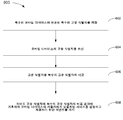
도 1은 본 개시의 예시적인 양태에 따른 사용자가 영역 또는 위치에 진입하거나 통과할 때 사용자가 휴대하는 모바일 컴퓨팅 디바이스의 식별에 기초하여 적어도 한 명의 사용자를 식별 및 인증하기 위한 시스템을 예시한다.
도 2는 본 개시의 예시적인 양태에 따른 도 1에 도시된 시스템의 다이어그램을 예시한다.
도 3은 본 개시의 예시적인 양태에 따른 클라우드 기반 컴퓨팅 서버 시스템을 예시한다.
도 4는 본 개시의 예시적인 양태에 따른 모바일 컴퓨팅 디바이스에 의해 구현되는 방법의 흐름도를 예시한다.
도 5는 본 개시의 예시적인 양태에 따른 도 1의 시스템에 의해 구현되는 방법의 흐름도를 예시한다.
도 6은 본 개시의 예시적인 양태에 따른 컴퓨터 서버 시스템에 의해 구현되는 방법의 흐름도를 예시한다.
도 7은 본 개시의 예시적인 양태에 따른 모바일 컴퓨팅 디바이스에 의해 구현되는 방법의 흐름도를 예시한다.
도 8은 본 개시의 예시적인 양태에 따른 서비스 제공자에 구성된 위치를 진입하거나 통과하는 사용자를 식별 및 인증하기 위한 방법의 흐름도를 예시한다.
도 9는 본 개시의 예시적인 양태에 따른 서비스 제공자의 위치에서 사용자 식별 및 인증을 위한 방법의 흐름도를 예시한다.
도 10은 본 개시의 예시적인 양태에 따른 사용자 생체 인증 방법의 흐름도를 예시한다.
도 11은 본 개시의 예시적인 양태에 따른 도 1의 시스템에 의해 구현되는 방법의 흐름도를 예시한다.BRIEF DESCRIPTION OF THE DRAWINGS The accompanying drawings, which are incorporated in and constitute a part of this application, illustrate one or more exemplary aspects of the disclosure and, together with the description, serve to explain the principles and implementations thereof.
1 illustrates a system for identifying and authenticating at least one user based on identification of a mobile computing device carried by the user as the user enters or passes through an area or location in accordance with example aspects of the present disclosure.
2 illustrates a diagram of the system shown in FIG. 1 in accordance with an exemplary aspect of the present disclosure;
3 illustrates a cloud-based computing server system in accordance with an exemplary aspect of the present disclosure.
4 illustrates a flow diagram of a method implemented by a mobile computing device in accordance with an exemplary aspect of the present disclosure.
5 illustrates a flow diagram of a method implemented by the system of FIG. 1 in accordance with an exemplary aspect of the present disclosure.
6 illustrates a flow diagram of a method implemented by a computer server system in accordance with an exemplary aspect of the present disclosure.
7 illustrates a flow diagram of a method implemented by a mobile computing device in accordance with an exemplary aspect of the present disclosure.
8 illustrates a flow diagram of a method for identifying and authenticating a user entering or passing a location configured at a service provider in accordance with an exemplary aspect of the present disclosure.
9 illustrates a flow diagram of a method for user identification and authentication at a service provider's location in accordance with an exemplary aspect of the present disclosure.
10 illustrates a flow diagram of a user biometric authentication method in accordance with an exemplary aspect of the present disclosure.
11 illustrates a flow diagram of a method implemented by the system of FIG. 1 in accordance with an exemplary aspect of the present disclosure.
본 발명의 다양한 양태가 도면을 참조하여 설명될 것이며, 여기서 유사한 도면 번호는 전체에 걸쳐 유사한 엘리먼트를 지칭하는데 사용된다. 이하의 설명에서, 설명의 목적을 위해, 본 발명의 하나 이상의 양태의 완전한 이해를 촉진하기 위해 다수의 특정 세부사항이 제시된다. 그러나, 일부 또는 모든 경우에 아래에 설명된 모든 측면이 아래에 설명된 특정 디자인 세부 사항을 채택하지 않고도 실행될 수 있음이 분명할 수 있다.DETAILED DESCRIPTION OF THE PREFERRED EMBODIMENTS Various aspects of the invention will be described with reference to the drawings, wherein like reference numerals are used throughout to refer to like elements. In the following description, for purposes of explanation, numerous specific details are set forth in order to facilitate a thorough understanding of one or more aspects of the invention. However, it may be evident that in some or all cases all aspects described below may be practiced without adopting the specific design details set forth below.
본 개시의 양태들에 따르면, 도 1은 일반적으로 사용자가 영역 또는 위치에 진입하거나 지나갈 때 적어도 하나의 사용자(102) 및 모바일 컴퓨팅 디바이스(104)를 식별 및 인증하도록 구성된 시스템(100)을 예시한다. 예시 영역은 은행 지점, ATM, 소매점, 건물, 병원, 공항, 버스 또는 기차역, 학교 또는 대학 캠퍼스, 정부 기관 또는 빠르고 정확한 식별(identification) 및 사용자(102)의 인증이 필요할 수 있는 임의의 선택된 영역을 포함할 수 있다. 도시된 바와 같이, 시스템(100)은 모바일 컴퓨팅 디바이스(104)에 의해 브로드캐스트되는 통신 신호(예를 들어, WiFi, 블루투스, BLE(Bluetooth Low Energy), 또는 임의의 다른 단거리 또는 중거리 통신 신호)를 적어도 검출하기 위해 영역 내의 또는 그 부근의 지정된 위치에 위치된 적어도 하나의 스캐너 디바이스(106)를 포함한다. 대안적인 실시예에서, 스캐너 디바이스(106)는 더 크거나 원격 영역을 검출하기 위해 자동차 또는 임의의 다른 모바일 운송 시스템에 장착될 수 있다. 본 개시의 모바일 컴퓨팅 디바이스(104)는 적절한 통신 프로토콜을 통해 항상 다른 디바이스, 네트워크, 기기 또는 컴퓨터 시스템에 연결된 무선(충전 중이 아닌 경우), 모바일(쉽게 운반할 수 있고 종종 작은 폼 팩터(form factor)를 가짐)일 수 있는 임의의 전자 디바이스(예를 들어, 스마트폰, 스마트 시계, eReader, iPad, 스마트 안경, 가상 또는 증강 현실 디바이스, 태블릿, 랩탑, 다른 휴대용 컴퓨팅 디바이스)를 포함할 수 있다. 모바일 컴퓨팅 디바이스(104)는 음성 및/또는 비디오 통신, 데이터 처리, 인터넷 브라우징, 지리 위치 확인을 수행하고 사용자(102)와 어느 정도 자율적으로 상호작용하여 작동하기 위해 임베디드 메모리에 결합된 적어도 하나의 내장 프로세서, 마이크로프로세서, 멀티코어 프로세서 또는 중앙 프로세서 유닛(CPU)(총칭하여 "프로세서")을 포함할 수 있다. 본 개시의 양태에 따라, 모바일 컴퓨팅 디바이스(104)는 WiFi, 블루투스, BLE, 또는 임의의 다른 단거리 또는 중거리 통신 프로토콜을 통해 고유 식별자를 브로드캐스트하도록 구성될 수 있다. In accordance with aspects of the present disclosure, FIG. 1 generally illustrates a
도 1에 도시된 바와 같이, 모바일 컴퓨팅 디바이스(104) 및 스캐너 디바이스(106)는 적절한 네트워크 연결 및 프로토콜(112a, 112b, 112c)을 사용하여 통신 네트워크(110)를 통해 하나 이상의 로컬 또는 원격 컴퓨팅 서버 시스템(108)과 통신하도록 구성될 수 있다. 통신 네트워크(예를 들어, 통신 네트워크(110))는 그 사이에서 신호 및 데이터를 전송하기 위한 통신 링크 및 세그먼트에 의해 상호 연결된 컴퓨팅 디바이스 또는 데이터 포인트의 지리적으로 분산된 집합을 지칭할 수 있다. 프로토콜(예를 들어, 프로토콜(112a, 112b, 112c))은 컴퓨팅 장치와 네트워크가 서로 상호 작용할 수 있는 방법을 정의하는 일련의 규칙 예컨대, 프레임 릴레이, 인터넷 프로토콜(IP), 전송 제어 프로토콜(TCP), 사용자 데이터그램 프로토콜(UDP), 하이퍼텍스트 전송 프로토콜(HTTP)을 나타낼 수 있다. LAN(Local Area Network), WAN(Wide Area Network), 셀룰러 네트워크에서 오버레이 네트워크 및 SDN(Software-Defined Network), 패킷 데이터 네트워크(예를 들어, 인터넷), 이동 전화 네트워크(예를 들어, 4G 또는 5G와 같은 셀룰러 네트워크), POTS(Plain Old Telephone) 네트워크 및 무선 데이터 네트워크(예를 들어, WiFi로 알려진 IEEE(Institute of Electrical and Electronics Engineers) 802.11 표준 패밀리, WiGig, WiMax로 알려진 IEEE 802.16 표준 패밀리), IEEE 802.15.4 표준 패밀리, LTE(Long Term Evolution) 표준 패밀리, UMTS(Universal Mobile Telecommunications System) 표준 패밀리, P2P(peer-to-peer) 네트워크 , 가상 사설망(VPN), 블루투스, BLE, 근거리 무선 통신(NFC) 또는 다른 적절한 네트워크의 범위에 이르는 다양한 종류의 통신 네트워크가 사용 가능하다.As shown in FIG. 1 ,
예를 들어, 통신 네트워크(110)는 회사, 기관, 상점, 건물, 은행 지점, 대리점, 병원, 클리닉, 캠퍼스 등과 같은 선택된 영역 내에 배치된 모바일 컴퓨팅 디바이스(104) 및 스캐너 디바이스(106)를 포함하는 각각의, 임의의, 모든 컴퓨팅 디바이스를 연결하도록 구성된 LAN일 수 있다. 통신 네트워크(110)는 선택된 영역 내에 배치된 컴퓨팅 장치와 장거리 통신 링크 예컨대, 공통 캐리어 전화선, 광 경로, SONET(synchronous optical networks) 또는 SDH(synchronous digital hierarchy) 링크를 통해 지리적으로 분산된 다른 컴퓨팅 장치 및 네트워크를 연결하도록 구성된 WAN일 수 있다. 인터넷은 다양한 네트워크 상의 노드(인터넷의 노드는 IP 어드레스를 가짐) 간에 글로벌 통신을 제공함으로써 전 세계의 이종 디바이스 및 네트워크를 연결하는데 사용될 수 있다. 이들 노드는 TCP/IP와 같은 프로토콜(112a-112c)에 따라 개별 프레임 또는 데이터 패킷을 교환함으로써 통신 네트워크(110)를 통해 통신할 수 있다. 통신 네트워크(110)는 라우터 및/또는 게이트웨이 디바이스와 같은 중간 네트워크 노드에 의해 추가로 상호 연결되어 각각의 네트워크의 유효 크기를 확장할 수 있다.For example, the
일 실시예에서, 시스템(100)은 공유 자원을 사용하여 컴퓨팅 서비스를 제공하기 위해 클라우드 기반 통신 네트워크(110)를 사용할 수 있다. 클라우드 컴퓨팅은 일반적으로 컴퓨팅 자원이 네트워크 또는 클라우드를 통해 사용 가능한 자원 집합에서 온디맨드(on-demand)로 연결된 각각 컴퓨팅 디바이스 또는 다른 디바이스에 동적으로 프로비저닝되고 할당되는 인터넷 기반 컴퓨팅을 포함할 수 있다. 클라우드 컴퓨팅 자원은 컴퓨팅, 스토리지 및 네트워킹과 같은 임의의 유형의 자원을 포함할 수 있다. 예를 들어, 자원은 서비스 디바이스(방화벽, 딥(deep) 패킷 검사기, 트래픽 모니터, 로드 밸런서(load balancer) 등), 컴퓨팅/처리 디바이스(서버, CPU, GPU, 랜덤 액세스 메모리, 캐시 등) 및 저장 디바이스(예를 들어, 네트워크 연결 스토리지, 스토리지 영역 네트워크 디바이스, 하드 디스크 드라이브, 솔리드 스테이트 디바이스 등)을 포함할 수 있다. 또한, 이러한 자원은 가상 네트워크, 가상 기계, 데이터베이스, 애플리케이션 등을 지원하는데 사용될 수 있다.In one embodiment,
통신망(110)을 통해 액세스 가능한 클라우드 컴퓨팅 자원은 사설 클라우드(private cloud), 공공 클라우드(public cloud), 및/또는 하이브리드 클라우드를 포함할 수 있다. 예를 들어, 사설 클라우드는 기업에서 사용하기 위해 기업이 운영하는 클라우드 인프라일 수 있고, 반면 공공 클라우드는 공공 사용을 위해 네트워크를 통해 서비스와 자원을 제공하는 클라우드 인프라스트럭처를 의미할 수 있다. 구내(on-premise), 사설 클라우드 및 제3 자 공공 클라우드 서비스와 두 플랫폼 간의 오케스트레이션(orchestration)을 사용하는 하이브리드 클라우드 컴퓨팅 환경에서, 데이터와 애플리케이션은 더 큰 가요성과 더 많은 배치 옵션을 위해 사설 클라우드와 공공 클라우드 간에 이동할 수 있다.Cloud computing resources accessible through the
일 양태에 따르면, 본 개시의 하나 이상의 로컬 또는 원격 컴퓨팅 서버 시스템(108)은 클라우드 기반일 수 있고 개인용 컴퓨터, 서버, 서버 팜, 랩톱, 태블릿, 모바일 디바이스, 스마트 폰, 스마트 시계, 피트니스 트래커 디바이스, 셀룰러 디바이스, 게임 디바이스, 미디어 플레이어, 네트워크 지원 프린터, 라우터, 무선 액세스 포인트, 네트워크 기기, 스토리지 시스템, 게이트웨이 디바이스, 스마트 홈 디바이스, 가상 또는 증강 현실 디바이스, 또는 모바일 컴퓨팅 디바이스(104) 및 스캐너 디바이스(106)의 동일하거나 상이한 통신 네트워크에 배치된 임의의 다른 적절한 디바이스 중 적어도 하나를 포함할 수 있다. 컴퓨팅 서버 시스템(108)은 데이터 공유 또는 다수의 클라이언트 디바이스 간의 자원 프로비저닝 또는 연결된 각각의 클라이언트 디바이스에 대한 계산 수행과 같은 임의의 연결된 디바이스에 대한 기능을 제공하도록 구성될 수 있다. According to one aspect, one or more local or remote
이하에서 완전히 설명되는, 본 개시의 시스템(100)은 사용자(102)에 의해 휴대된 모바일 컴퓨팅 디바이스(104)가 모바일 컴퓨팅 디바이스(104)에 의해 브로드캐스트된 고유 식별자에 적어도 기초하여 스캐너 디바이스(106)에 의해 검출될 때 식별 및 인증 목적을 위해 다양한 컨텍스트에서 구현될 수 있다. 스캐너 디바이스(106)는 적어도 모바일 컴퓨팅 디바이스(104)의 브로드 캐스트를 검출하기 위한 시설의 입구와 같은 영역의 지정된 위치에 위치될 수 있다. 금전 이체와 같은 기밀의, 민감한, 사적 또는 비밀 정보를 포함할 수 있는 특정 유형의 거래를 가능하게 하기 위해, 시스템(100)은 모바일 컴퓨팅 디바이스(104)를 통한 사용자(102)의 생체 인증과 같은 추가적인 인증 레벨을 제공하도록 구성될 수 있다.The
예를 들어, 사용자(102)는 은행의 지점, 소매 회사, 병원, 공항, 버스 또는 기차역, 학교, 대학, 정부 기관, 또는 임의의 기관과 같은 서비스 제공자에 사전 등록될 수 있다. 사용자(102)는 스캐너 디바이스(106)가 구현된 서비스 제공자의 위치 중 하나에 들어가거나 지나갈 때 검출, 인식, 인사 및 가능한 인증을 선택했을 수 있다. 사용자(102)가 그러한 위치 근처에 있을 때, 사용자(102)에 의해 휴대된 모바일 컴퓨팅 디바이스(104)는 WiFi, 블루투스 또는 BLE 프로토콜을 통해 고유 식별자(예를 들어, 모바일 컴퓨팅 디바이스(104)의 MAC(media access control) 어드레스)를 브로드캐스트하도록 구성될 수 있다. For example,
서비스 제공자의 존재를 알지 못할 수 있는 등록되지 않은 사용자(102)와 관련하여, 사용자(102)의 모바일 컴퓨팅 디바이스(104)는 그러한 위치 근처에 있을 때 스캐너 디바이스(106)에 의해 검출될 수 있다. 시스템(100)은 서비스 제공자로부터 차별화된 또는 추가 서비스를 수신하거나 서비스 제공자의 새로운 고객이 되는 것에 대한 사용자 동의를 요청하기 위해 모바일 컴퓨팅 디바이스(104)에 대한 통신 신호를 생성하도록 구성될 수 있다.With respect to an
또한, 시스템(100)은 등록되지 않은 사용자(102)가 휴대한 모바일 컴퓨팅 디바이스(104)를 검출할 때 하나 이상의 인센티브로 다수의 서비스 제공자에 의해 서비스를 제공하도록 구성될 수 있다. 예를 들어, 사용자(102)가 다른 서비스 제공자에 의해 제공되는 하나 이상의 서비스에 동의하는 사용자(102)를 포함할 수 있는 특정 서비스의 조건을 수락하는 대가로 서비스 제공자의 위치에 들어갈 때 무료 와이파이가 제공될 수 있다. 이와 같이, 사용자(102)는 다른 서비스 제공자의 위치를 입력할 때 메시지, 인식 또는 인사를 수신할 수 있다.Further,
다른 예에서, 시스템(100)은 예를 들어, 경기장에서의 스포츠 이벤트, 주요 종교 또는 문화 이벤트, 공항, 버스 또는 기차역과 같은 대중 교통 위치 등과 같은 대규모 참석 이벤트에서 여행자의 흐름 및 보안을 개선하기 위해 "양호 행위자(good actor)"를 인식하고 인증하도록 구성될 수 있다. "양호 행위자"는 시스템(100)에 사전 등록되고 적어도 하나의 정부 발급 신분증에 대한 검증 절차를 완료한 자를 의미할 수 있다. 이러한 사용자는 경기장 또는 대중 교통 위치의 미리 결정된 위치에 설치된 하나 이상의 스캐너 디바이스(106)를 지나갈 때 시스템(100)에 의해 인식되고 인증되도록 선택했다.In another example, the
또 다른 예에서, 스캐너 디바이스(106)가 서비스 제공자의 위치에 설치된 전술한 상황과 달리, GPS(Global Positioning System) 가능 스캐너 디바이스(106)는 자동차, 기차, 선박, 비행기 등과 같은 모바일 플랫폼에 장착될 수 있다. 이와 같이, 사용자(102)는 모바일 컴퓨팅 디바이스(104)를 통해 인식되기 위해 서비스 제공자의 물리적 시설에 반드시 들어갈 필요가 없으며, 이에 따라 각각의 서비스 제공자가 그러한 모바일 스캐너 디바이스(106)가 설치된 어디에서나 사용자에게 범위를 확장할 수 있다.In another example, unlike the situation described above where the
도 2를 참조하면, 시스템(100)의 모바일 컴퓨팅 디바이스(104)는 트랜시버 모듈(204), 식별 정보 취득 모듈(206), 식별 데이터 생성 모듈(208), 암호화 모듈(210), 인터페이스(212), 및 브로드캐스트 신호 생성 모듈(214)을 포함하는 복수의 모듈을 제어 및 실행하도록 구성된 적어도 하나의 프로세서(202)를 포함할 수 있다. 본 출원에서 사용되는 용어 "모듈"은 예를 들어, ASIC(application specific integrated circuit) 또는 FPGA(field-programmable gate array)와 같은 하드웨어를 사용하여 구현된 실제 디바이스, 컴포넌트 또는 컴포넌트 및 회로부의 배열 또는 (실행되는 동안) 마이크로프로세서 시스템을 특수 목적 장치로 변환하는 모듈의 기능을 구현하기 위한 마이크로프로세서 시스템과 일련의 명령과 같은 하드웨어와 소프트웨어의 조합을 의미한다. 모듈은 하드웨어만으로 가능하게 되는 특정 기능과 하드웨어와 소프트웨어의 조합으로 가능하게 되는 다른 기능과 함께 둘의 조합으로 구현될 수도 있다. 각각의 모듈은 다양한 적절한 구성으로 구현될 수 있으며, 본 출원에 예시된 임의의 예시적인 구현으로 제한되어서는 안 된다.Referring to FIG. 2 , the
프로세서(202)에 결합된 메모리(216)는 모바일 컴퓨팅 디바이스(104)에 의해 획득된 정보의 적어도 일부를 저장하도록 구성될 수 있다. 일 양태에서, 메모리(216)는 본 출원에서 설명된 기술 또는 기능 중 적어도 하나를 구현하거나 사용하는 데이터 구조 또는 명령(예를 들어, 소프트웨어)의 적어도 하나의 세트를 저장하도록 구성된 비일시적 기계 판독가능 매체일 수 있다. "비일시적 기계 판독 가능 매체"라는 용어는 적어도 하나의 명령을 저장하도록 구성된 단일 매체 또는 다수의 매체(예를 들어, 하나 이상의 캐시)를 포함할 수 있음을 이해해야 한다. "기계 판독 가능 매체"라는 용어는 모바일 컴퓨팅 디바이스(104)의 모든 모듈에 의한 실행 명령을 저장, 인코딩 또는 전달할 수 있고 이러한 모듈로 하여금 본 개시의 기술 중 적어도 하나를 수행하게 하거나 또는 그러한 명령에 의해 사용되거나 이와 관련된 데이터 구조를 저장, 인코딩 또는 운반할 수 있는 임의의 매체를 포함할 수 있다. 비제한적인 기계 판독 가능 매체의 예는 솔리드 스테이트 메모리, 광학 및 자기 매체를 포함할 수 있다. 기계 판독 가능 매체의 특정 예는 : 비휘발성 메모리 예컨대, 반도체 메모리 디바이스(예를 들어, EPROM(Electrically Programmable Read-Only Memory), EEPROM(Electrically Erasable Programmable Read-Only Memory) 및 플래시 메모리 디바이; 내부 하드 디스크 및 이동식 디스크와 같은 자기 디스크; 광자기 디스크; 랜덤 액세스 메모리(RAM); 솔리드 스테이트 드라이브(SSD); 및 CD-ROM 및 DVD-ROM 디스크를 포함할 수 있다.Memory 216 coupled to processor 202 may be configured to store at least some of the information obtained by
본 출원의 양태들에 따르면, 트랜시버 모듈(204)은 스캐너 디바이스(106) 및 로컬 또는 원격 컴퓨팅 서버 시스템(108)과 다양한 정보 및 데이터를 교환하도록 모바일 컴퓨팅 디바이스(104)의 프로세서(202)에 의해 구성될 수 있다. 예를 들어, 사용자(102)는 모바일 컴퓨팅 디바이스(104) 상에서 애플리케이션을 다운로드하거나 향후 식별 및/또는 인증을 위해 사용자(102) 및 디바이스(104)와 관련된 정보를 검출할 수 있도록 하는 서비스 제공자에 의해 제공된 기존 애플리케이션을 업데이트할 수 있다. 서비스 제공자가 사용자(102)와 통신하고 마케팅 또는 판촉 목적으로 위험하지 않은 서비스를 제공하려고 할 수 있는 상황에서, 사용자 인증은 필요하지 않을 수 있다. 다시 말해서, 서비스 제공자 또는 사용자(102)가 예를 들어, 금전 거래, 사용자(102)에게 제한된 영역에 대한 액세스 제공 또는 사용자(102)에 대한 의료 절차를 포함하지만 이에 국한되지 않는 프로세스를 따르려고 할 때 사용자 인증이 권장되고 장려될 수 있다. In accordance with aspects of the present application, transceiver module 204 is configured by processor 202 of
최초 등록을 위해, 사용자(102)는 모바일 컴퓨팅 디바이스(104) 상의 (예를 들어, 그래픽 사용자 인터페이스(GUI))의 인터페이스(212)를 열 수 있다. 식별 정보 취득 모듈(206)은 개인을 고유하게 식별하거나 인증할 목적으로 측정 가능한 생물학적 또는 행동 특성을 획득하거나 추출하도록 프로세서(202)에 의해 구성될 수 있다. 일 양태에서, 사용자(102)의 고유한 생체 인식 또는 비생체 인식 특성은 : 지문, 손바닥/손가락 정맥 패턴, 음성 패턴, 얼굴 이미지, 장문, 손 기하학적 구조, 망막 및 홍채 인식, 디지털 서명, 사용자 이름 및 암호, 토큰 중 적어도 하나의 형태일 수 있다. 예를 들어, 식별 정보 취득 모듈(206)은 사용자(102)의 지문(예를 들어, 단일 손가락, 또는 다수의 손가락, 및/또는 손바닥)의 일련의 이미지를 레코딩하도록 구성된 터치 센서 및 대응하는 회로부를 포함할 수 있다. 대안적으로, 모듈(206)은 사용자(102)의 음성 패턴을 결정하기 위해 사용자(102)가 특정 명령, 문장 또는 문장을 여러 번 반복하게 함으로써 훈련된 음성 인식 소프트웨어를 포함할 수 있다. 일 실시예에서, 모듈(206)은 생체 인식 광학 서명을 유도하기 위해 홍채 여러 각도에서 사용자(102)의 망막 및 홍채 또는 적절한 얼굴 특징을 레코딩하기 위한 이미지 감지 회로부를 포함할 수 있다. 프로세서(202)는 프로그래밍 가능한 품질 임계값을 사용하여 사용자(102)의 캡처된 생체 또는 비생체 데이터의 실시간 품질 분석을 수행하도록 구성될 수 있다. 예를 들어, 프로세서(202)는 식별 정보 취득 모듈(206)에 의해 캡처된 미가공 데이터(raw data)를 인코딩 또는 압축하고 필터링, 에지 보정, 에지 향상 또는 유사한 데이터 처리를 수행하여 데이터 품질을 향상시킬 수 있다.For initial registration,
이어서, 식별 데이터 생성 모듈(208)은 사용자(102)의 향상된 생체 또는 비생체 데이터에 적어도 기초하여 고유한 패턴 데이터를 생성하도록 구성될 수 있다. 모듈(208)의 출력은 사용자(102)를 고유하게 식별하기 위해 모듈(206)로부터 획득된 입력 데이터의 디지털, 수학적 및/또는 기하학적 표현을 포함할 수 있다. 예를 들어, 모듈(208)은 특정 손가락의 가장 리지 라인의 최상단 지점, 또는 곡률이 가장 높은 점과 같은 사용자(102) 지문의 캡처된 이미지에서 적어도 하나의 특징 지점을 검출하도록 구성될 수 있다. 이후, 특징점(feature point)을 기준으로 각 지문의 세목점(minutia point)(예를 들어, 40-100)을 추출하고, 각 픽셀이 단일 비트(0 또는 1)로 표현되도록 이진 이미지를 생성할 수 있다. 다음으로, 모듈(208)은 모든 중복 픽셀을 제거함으로써 이진 이미지의 픽셀 양을 줄이고 가능한 최소 픽셀 수로 새로운 간략화된 이미지를 생성하도록 구성될 수 있다. 매트릭스로 표시될 수 있는 고유한 세목 사항 및 관심 영역을 결정하기 위해 추가 처리가 수행될 수 있다. 사용자(102)의 고유 식별(빠른 응답 코드 또는 바코드)은 적어도 매트릭스에 기초하여 모듈(208)에 의해 생성될 수 있다.The identification data generation module 208 may then be configured to generate the unique pattern data based at least on the enhanced biometric or non-biometric data of the
더욱이, 식별 정보 취득 모듈(206)은 모바일 컴퓨팅 디바이스(104)의 고유 코드 또는 식별자를 획득하도록 구성될 수 있다. 예를 들어, 블루투스 개인 영역 네트워크(PAN)는 임의의 연결된 블루투스 디바이스와 연관된 고유 식별자를 가질 수 있다. 마찬가지로, IEEE 802.11 또는 IEEE 802.16 디바이스를 작동하는 각 LAN 디바이스에는 MAC 식별자가 있을 수 있다. 셀룰러 전화 네트워크에서, 네트워크와 호환되는 각 디바이스는 해당 디바이스에 고유한 ESN(Electronic Serial Number)을 가질 수 있다. 다른 무선 시스템은 다른 디바이스 식별 체계를 가질 수 있다.Moreover, the identifying information obtaining module 206 may be configured to obtain a unique code or identifier of the
본 개시의 양태들에 따르면, 모바일 컴퓨팅 디바이스(104)는 브로드캐스트 신호 생성 모듈(214)을 사용하여 켜져 있는 동안 자신의 고유 식별자를 연속적으로 또는 주기적으로 브로드캐스트할 수 있으며, 여기서 브로드캐스트의 임의의 주기성은 서빙 통신 네트워크에 의해 구성되거나 정의될 수 있다. 이 식별자는 스캐너 디바이스(106) 및 로컬 또는 원격 컴퓨팅 서버 시스템(108)과 같은 다른 컴퓨팅 디바이스와의 단방향 또는 양방향 통신을 수립하기 위한 메커니즘의 일부로 특정 통신 표준 내에서 사용될 수 있다. 예를 들어, 모듈(214)의 통신 회로부는 802.11 프로토콜 중 하나에 따라 구현될 수 있다. 일 실시예에서, 모듈(214)은 802.15.4 프로토콜, BLE, 또는 이들의 임의의 조합에 따라 통신할 수 있는 저전력 무선 개인 영역 네트워크(6LoWPAN) 모듈 또는 ZigBee 모듈일 수 있다.According to aspects of the present disclosure, the
일 양태에서, 모바일 컴퓨팅 디바이스(104) 및 스캐너 디바이스(106)는 양방향 무선 통신 세션을 구성하기 위한 메커니즘을 가질 수 있고, 초기 연결을 수립하고 나중에 사용자 상호작용 없이 서로 재연결하기 위해 정의된 프로토콜을 가질 수 있다. 즉, 스캐너 디바이스(106)는 검출 범위 내의 브로드캐스팅 모바일 컴퓨팅 디바이스(104)의 존재를 검출하고 자동으로 통신 세션을 수립하도록 구성될 수 있다. 사용자(102)는 하나 이상의 모바일 디바이스를 등록할 수 있으며, 서비스 제공자의 등록 루틴은 각 디바이스에서 고유 식별자를 추출한다.In an aspect, the
추가적인 보안을 위해, 사용자(102)의 생체 또는 비생체 데이터 및 모바일 컴퓨팅 디바이스(104)의 고유 식별자에 관한 정보는 암호화 모듈(210)에 의해 암호화될 수 있다. 예시적인 암호화 방법은 난수 생성기, 보안 해싱 알고리즘(SHA- 1, SHA-2 또는 SHA-3), 메시지 다이제스트(MD2, MD5), DES(예를 들어, 디지털 암호화 표준), 3DES(예를 들어, 트리플 DES), 리베스트 사이퍼(rivest cipher)(예를 들어, RC4), ARC4(예를 들어, RC4에 관련), TKIP(예를 들어, 임시 키 무결성 프로토콜, RC4 사용), 고급 암호화 표준(AES), RSA, DSA, DH, NTRU 및 타원 곡선 암호화(ECC), PKA(private key authentication), 디바이스 고유 비밀 키 및 다른 암호화 키 데이터, SSL, 서펜트(serpent), 투피쉬(twofish), 볼피시(blowfish), IDEA(international data encryption algorithm)를 이용할 수 있다. 암호화된 데이터는 메모리(216)에 저장되거나 트랜시버 모듈(204)에 의해 통신 네트워크(110)를 통해 서비스 제공자에게 송신되고 서비스 제공자의 스토리지 데이터베이스(예를 들어, 로컬 또는 원격 컴퓨팅 서버 시스템(108)), 서비스 제공자에 의해 선택된 클라우드 또는 임의의 다른 스토리지 데이터베이스 상에 저장될 수 있다. 그 결과, 사용자(102) 및 모바일 컴퓨팅 디바이스(104)는 서비스 제공자에 등록된다.For additional security, biometric or non-biometric data of
사용자(102) 및 모바일 컴퓨팅 디바이스(104)의 암호화된 식별 데이터를 전송한 후, 모바일 컴퓨팅 디바이스(104)에 의해 캡처된 원본 이미지 및 데이터는 다른 사람에 의해 악의적으로 검색되는 것을 방지하기 위해 메모리(216)에서 삭제되거나 감사 또는 일부 다른 목적을 위해 로컬 또는 원격 컴퓨팅 서버 시스템(108)에서 서비스 제공자에 의해 유지될 수 있다.After transmitting the encrypted identification data of the
도 2에 추가로 도시된 바와 같이, 시스템(100)의 스캐너 디바이스(106)는 신호 검출 모듈(220), 및 트랜시버 모듈(224)을 포함하는 복수의 모듈을 제어 및 실행하도록 구성된 적어도 하나의 프로세서(218)를 포함할 수 있다. 스캐너 디바이스(106)의 프로세서(218)에 결합된 비일시적 기계 판독 가능 매체인 메모리(226)는 스캐너 디바이스(106)에 의해 획득된 정보의 적어도 일부 및 또는 본 출원에서 설명된 기술 또는 기능 중 적어도 하나를 구현하거나 사용하는 데이터 구조 또는 명령(예를 들어, 소프트웨어)의 적어도 하나의 세트를 저장하도록 구성될 수 있다.As further shown in FIG. 2 , the
일 실시예에서, 스캐너 디바이스(106)의 신호 검출 모듈(220)은 등록된 사용자(102)를 식별하기 위해 검출 범위 내에서 다양한 모바일 컴퓨팅 디바이스(104)에 의해 브로드캐스트되는 WiFi, 블루투스, BLE, 또는 다른 단거리 또는 중간 범위 통신 신호를 연속적으로 스캔하도록 구성될 수 있다.In one embodiment, the signal detection module 220 of the
식별 정보 결정 모듈(222)은 스캐너 디바이스(106)에 의해 수신된 다른 신호 및 잡음으로부터 유효한 신호를 분리하고, 신호로부터 모바일 컴퓨팅 디바이스(104)의 고유 코드 또는 식별자를 추출하도록 구성될 수 있다.The identification
다음으로, 스캐너 디바이스(106)의 트랜시버 모듈(224)은 암호화된 디바이스 식별 정보의 적어도 일부를 디바이스(104)가 식별된 서비스 제공자의 로컬 데이터 저장소 시스템으로, 또는 통신 네트워크(110)를 통해 원격 위치로 신송하도록 구성될 수 있고, 여기서 디바이스(104)의 식별자가 매칭 애플리케이션 및 프로세스를 통해 사용자 데이터베이스에 이전에 등록된 디바이스와 비교할 수 있다. 일 실시예에서, 스캐너 디바이스(106)는 모바일 컴퓨팅 디바이스(104)로부터 수신된 신호를 복호화하여 로컬 프로세싱을 위한 특정 정보를 검색하고 기밀 또는 독점 데이터와 같은 민감한 정보를 이러한 정보를 통신 네트워크(110)를 통해 다른 디바이스 또는 시스템로 송신하기 전에 인코딩된 형태로 암호화하는 암호화/복호화 모듈(미도시)을 포함할 수 있다.The transceiver module 224 of the
일 양태에서, 시스템(100)의 컴퓨팅 서버 시스템(108)은 트랜시버 모듈(230), 복호화 모듈(232), 매처 모듈(matcher module)(234), 서비스 결정 모듈 (236), 및 통지 생성 모듈(238)을 포함하는 복수의 모듈을 제어 및 실행하도록 구성된 적어도 하나의 프로세서(228)를 포함할 수 있다. 프로세서(228)에 연결된 비일시적 기계 판독 가능 매체인 메모리(240)는 특정 서비스 제공자의 등록된 사용자 및 디바이스에 관련된 적어도 하나의 정보 및 본 출원에서 설명된 기술 또는 기능 중 적어도 하나에 의해 구현되거나 활용되는 데이터 구조 또는 명령(예를 들어, 소프트웨어)의 적어도 하나의 세트를 저장하도록 구성될 수 있다.In one aspect, the
구체적으로, 복호화 모듈(232)은 검출된 모바일 디바이스, 디바이스 유형, 디바이스와 스캐너 디바이스(106) 사이의 대략적인 거리, 그리고 가능한 경우 기기의 브랜드와 연관된 MAC 어드레스 또는 다른 이용 가능한 디바이스 식별자를 결정하기 위해 트랜시버 모듈(230)에 의해 수신된 신호를 복호화하도록 구성될 수 있다.Specifically, the decryption module 232 is configured to determine the detected mobile device, device type, approximate distance between the device and
본 개시의 양태들에 따르면, 사용자(102)는 통신 네트워크(예를 들어, WiFi 네트워크)가 이용가능한 상점 또는 위치(예를 들어, 안전한 현장 WiFi 네트워크가 고객에게 제공되는 은행 지점)에서 서비스 제공자에 의해 제공되는 서비스를 수신하기 위해 등록할 수 있다. 등록 프로세스 동안, 사용자(102)는 모바일 컴퓨팅 디바이스(104)를 사용하여 모바일 컴퓨팅 디바이스(104)에 안전하고 신뢰할 수 있는 네트워크로 저장될 수 있는 검출된 WiFi 네트워크에 연결할 수 있다. 서비스 제공자는 동일한 네트워크 자격 증명을 공유하는 WiFi 네트워크를 통해 지리적으로 분산된 여러 사무실, 위치 또는 지점을 제공할 수 있다. 이와 같이, 사용자(102)가 모바일 컴퓨팅 디바이스(104)를 휴대하고 미래에 동일한 서비스 제공자의 동일한 위치 또는 다른 위치를 방문할 때, 모바일 컴퓨팅 디바이스(104)는 검출된 신뢰할 수 있는 WiFi 네트워크에 자동으로 연결하도록 구성될 수 있다. 예를 들어, 모바일 컴퓨팅 디바이스(104)는 브로드캐스트 신호 생성 모듈(214)을 사용하여 켜져 있는 동안 고유 식별자를 지속적으로 또는 주기적으로 브로드캐스트할 수 있다. 모바일 컴퓨팅 디바이스(104)의 제조업체 또는 공장 MAC 어드레스는 모듈(214)에 의해 브로드캐스트될 수 있고 서비스 제공자에 등록된 사용자(102)를 식별하기 위해 서비스 제공자 위치에서 스캐너 디바이스(106)에 의해 검출될 수 있다. 제조업체 또는 공장 MAC 어드레스는 각각의 디바이스 제조업체에 의해 할당된 각각의 모바일 컴퓨팅 디바이스(104)의 고유 식별자를 나타낸다. 이러한 식별자는 네트워크 인터페이스 제어기에서 하드 코딩(hard-coded)될 수 있으며 변경될 수 없다. 다른 실시예에서, 모바일 컴퓨팅 디바이스(104)는 그것의 제조자 또는 공장 MAC 어드레스 및 랜덤 MAC 어드레스 둘 모두를 브로드캐스트할 수 있고, 스캐너 디바이스(106)의 신호 검출 모듈(220)은 수신된 브로드캐스트 신호로부터 모바일 컴퓨팅 디바이스(104)의 제조자 또는 공장 MAC 어드레스를 추출하도록 구성될 수 있다.In accordance with aspects of the present disclosure,
사용자 등록은 사용자(102)가 서비스 제공자 위치에서 떨어져 있는 동안 일어날 수 있다(구외 등록(off-premise registration)). 그 결과, 사용자(102)의 모바일 컴퓨팅 디바이스(104)는 등록 동안 서비스 제공자의 통신 네트워크 중 임의의 것에 연결하지 않을 수 있다. 본 개시의 양태들에 따르면, 이러한 구외 등록 프로세스 동안, 사용자(102)는 (예를 들어, 다운로드된 애플리케이션을 통해) 블루투스 신호 예컨대, 블루투스 비컨 신호, 푸시 알림, 서비스 제공자의 WiFi 네트워크를 미래에 신뢰할 수 있는 네트워크로 지정, 애플리케이션이 사용자(102)의 모바일 장치(104)에 설치될 때 백그라운드 작업 등의 사용 및 인식에 대한 동의를 제공하도록 요청 받을 수 있다. 또한, 일부 예시적인 구현에서, 서비스 제공자에 의해 운영되는 WiFi 네트워크는 지리적으로 분산된 다양한 사무실, 위치 또는 지점 간에 공유되는 다수의 네트워크 자격 증명이 이 등록 프로세스 동안 안전하고 신뢰할 수 있는 모바일 컴퓨팅 디바이스(104)로 송신되고 저장될 수 있다. 따라서, 모바일 컴퓨팅 디바이스(104)는 저장된 네트워크 자격 증명을 사용하여 미래에 서비스 제공자의 임의의 사무실, 위치 또는 지점에 자동으로 연결할 수 있다.User registration may occur while
본 개시의 중요한 양태에 따르면, UUID(unique device identification)가 이 구외 등록 프로세스 동안에 할당될 수 있고(예를 들어, 등록 프로세스에 사용되는 로컬 또는 원격 컴퓨팅 서버 시스템(108) 또는 임의의 서버 시스템) 모바일 컴퓨팅 디바이스(104)에 설치될 수 있다. 또한, 각각의 서비스 제공자의 위치에 위치된 각 스캐너 디바이스(106)는 비컨 신호(예를 들어, 블루투스 비컨)를 지속적으로 브로드캐스트하도록 구성될 수 있다. 사용자(102)가 등록 후 처음으로 WiFi 네트워크에 의해 커버되는 서비스 제공자 위치에 들어갈 때, 사용자의 모바일 컴퓨팅 디바이스(104)는 등록 동안 신뢰할 수 있고 안전한 것으로 식별된 이 WiFi 네트워크에 자동으로 연결하도록 구성될 수 있다. 예를 들어, 모바일 컴퓨팅 디바이스(104)의 트랜시버 모듈(204)은 스캐너 디바이스(106)에 의해 브로드캐스트된 비컨 신호를 검출하고, 구외 등록 프로세스 동안 이전에 할당된 UUID를 스캐너 디바이스(106)에 발송함으로써 응답하도록 구성될 수 있다. UUID를 검출하고 인식하면, 스캐너 디바이스(106)의 트랜시버 모듈(224)인 UUID를 컴퓨팅 서버 시스템(108)에 전송할 수 있으며, 여기서 이 고유 식별자는 사용자에 의해 이전에 등록된 식별자와 상관될 수 있다. 그 결과, 모바일 컴퓨팅 디바이스(104)의 공장 MAC 어드레스가 식별될 수 있다.According to an important aspect of the present disclosure, a unique device identification (UUID) may be assigned during this off-premises registration process (eg, local or remote
동일하거나 다른 서비스 제공자의 위치에 대한 후속 사용자 방문의 경우, 서비스 제공자의 WiFi 네트워크가 이미 사용자의 모바일 컴퓨팅 디바이스(104)에 신뢰할 수 있고 안전한 것으로 저장되어 있기 때문에 사용자의 모바일 컴퓨팅 디바이스(104)가 스캐너 디바이스(106)에 의해 브로드캐스트된 블루투스 비컨을 검출할 필요가 없을 수 있다. 따라서, 자동 WiFi 연결이 수행될 수 있고 모바일 컴퓨팅 디바이스(104)의 공장 MAC 어드레스가 식별될 수 있다.For subsequent user visits to the same or a different service provider's location, the user's
일 실시예에서, 각각의 서비스 제공자의 위치에 위치된 각각의 스캐너 디바이스(106) 및 동일한 서비스 제공자에 등록된 검출된 모바일 컴퓨팅 디바이스(104)는 두 디바이스 모두 동기화 정보 교환을 위한 시간 프레임을 협상할 수 있도록 공통 시간 소스(예를 들어, 공통 시스템 클록)에 동기화하도록 구성될 수 있다. 예를 들어, 스캐너 디바이스(106)는 (예를 들어, 디바이스의 전력 예산에 기초하여) 각각의 구현에 의해 결정된 주파수에서 특정 비컨 프레임을 브로드캐스트할 수 있다. 이러한 비컨 프레임은 IEEE 802.11 비컨 관리 프레임 형식에 기초할 수 있고 다른 정보(예를 들어, 로컬 네트워크 식별자 또는 다른 고유 네트워크 속성)를 포함하도록 수정될 수 있다. 스캐너 디바이스(106) 및 모바일 컴퓨팅 디바이스(104)는 정보 교환을 시작하기 전에 저전력 소모로 서로 검출 및 통신하고 그들의 클록을 공통 클록과 동기화하도록 구성될 수 있다. 예를 들어, 스캐너 디바이스(106)에 의해 브로드캐스트되고 모바일 컴퓨팅 디바이스(104)에 의해 수신된 적어도 하나의 동기화 비컨 프레임의 신호 강도가 선택된 임계값을 초과할 때, 디바이스들은 추가 통신을 위해 서로를 검출하는 것으로 간주될 수 있다. 프라이버시 및 보안을 개선하기 위해, 모바일 컴퓨팅 디바이스(104)는, 어드레스 추적을 피하기 위해, 예를 들어, 무선 통신 시스템의 액세스 포인트에서 관리되는 MAC 랜덤화 기술, 디바이스에서 관리되는 MAC 랜덤화 기술, 또는 양자의 조합을 통해 로컬 MAC 어드레스를 무작위로 선택할 수 있다. 이 소위 MAC 어드레스 랜덤화는 다른 컴퓨팅 디바이스에 대한 기술적 세부 사항이 변화할 수 있다. MAC 어드레스 랜덤화 이벤트는 더 이상 지속되지 않는 어드레스에 따라 모바일 디바이스를 추적하는 WiFi 로컬화 기술의 기능에 영향을 미칠 수 있다. 본 개시의 양태들에 따라 그리고 본 출원에 개시된 바와 같이, MAC 어드레스 랜덤화로 인해 모바일 컴퓨팅 디바이스(104)에 의해 변경되는 그러한 MAC 어드레스의 수단 및 주파수는 모바일 컴퓨팅 디바이스(104)의 검출 및 식별에 문제를 나타내지 않는다.In one embodiment, each
도 2에 추가로 도시된 바와 같이, 컴퓨팅 서버 시스템(108)의 매처 모듈(234)은 검출된 모바일 컴퓨팅 디바이스(104)가 메모리(240)에 저장된 기존 디바이스에 등록되었는지 여부를 결정하기 위해 복호화된 정보를 사용하도록 구성될 수 있다. 컴퓨팅 디바이스(104)가 메모리(240)에 등록된 디바이스 중 어느 것과도 일치하지 않는 경우, 수신된 디바이스 식별 정보는 컴퓨팅 서버 시스템(108)으로부터 삭제될 수 있고 스캐너 디바이스(106)는 다른 디바이스에 대한 스캐닝을 계속한다. 일 양태에서, 식별된 모바일 컴퓨팅 디바이스(104)에 대해, 컴퓨팅 서버 시스템(108)은 디바이스(104)에 비컨을 생성 및 전송하고, 사용자(102)가 이용 가능한 통신 네트워크에 등록하도록 초대하고, 사용자(102)의 동의를 요청하여 향후 인식 및 인사를 받을 수 있도록 구성될 수 있다.As further shown in FIG. 2 , the matcher module 234 of the
검출된 모바일 컴퓨팅 디바이스(104)가 메모리(240)에 등록된 디바이스와 일치한다고 결정할 때, 서비스 결정 모듈(236)은 사용자(102)가 우선적인, 표적화된 또는 차별화된 서비스를 필요로 하는지를 결정하기 위해 디바이스(104)에 링크된 사용자 정보를 수집하도록 구성될 수 있다. 사용자(102)가 우선적, 표적화된 또는 차별화된 서비스를 필요로 하는 사람으로 식별되지 않는 경우, 수신된 디바이스 식별 정보는 컴퓨팅 서버 시스템(108)에서 삭제되거나 사용자(102)의 동의에 따라 향후 사용을 위해 다른 컴퓨터 시스템에 의해 암호화되고 중앙에서 보유될 수 있고, 스캐너 디바이스(106)는 다른 디바이스에 대한 스캐닝을 계속한다.Upon determining that the detected
사용자(102)가 우선적, 표적화된 또는 차별화된 서비스를 필요로 하는 누군가로 실제로 식별되는 경우, 서비스 결정 모듈(236)은 개인 통신, 쿠폰 또는 리베이트를 사용자의 모바일 컴퓨팅 디바이스(104)로 송신하도록 구성될 수 있다. 대안으로, 통지 생성 모듈(238) 서비스 제공자의 위치에 있는 직원에게 사용자(102)에게 인사하도록 알리도록 구성될 수 있다. 또한, 서비스 제공자의 위치에 대한 사용자(102)의 방문의 특성에 따라, 사용자(102)의 인증은 서비스 제공자가 금전 거래와 같은 추가 서비스를 제공하기 위해 수행될 수 있다. 예를 들어, 사용자(102)는 생체 인식 또는 서비스 제공자가 선호하는 일부 다른 인증 방법을 통해 인증될 수 있다.When the
생체 인증이 사용되는 경우, 인증은 사용자의 모바일 컴퓨팅 디바이스(104)에서 수행된 매칭으로 또는 서비스 제공자의 구내에서 수행된 매칭으로 로컬에서, 원격에서 (예를 들어, 클라우드 상에서) 또는 서비스 제공자에 의해 선호되는 임의의 다른 시스템 및 위치에서 수행될 수 있다.When biometric authentication is used, authentication is performed locally, remotely (eg, on the cloud) or by the service provider with a match performed on the user's
사용자(102)가 긍정적으로 인증된 경우, 서비스 제공자는 서비스 제공자의 위치에 대한 사용자의 방문 특성에 따라 우선적인 서비스를 제공할 수 있다. 사용자(102)가 긍정적으로 인증되지 않은 경우, 시스템(100)의 서비스 결정 모듈(236)은 인증 프로세스를 종료하거나 등록된 모바일 컴퓨팅 디바이스(104)가 인증될 수 없는 사용자에 의해 휴대되는 이유를 결정하도록 구성될 수 있다. If the
본 개시의 양태들에 따르면, 시스템(100)은 사용자(102)의 생체 특성들 중 일부를 사용하여 인증 방법을 구현하도록 구성될 수 있다. 예를 들어, 사용자(102)는 식별 정보 취득 모듈(206)을 통해 모바일 컴퓨팅 디바이스(104)를 사용하여 사용자(102)의 등록된 패턴에 대해 인증될 생체 이미지 또는 패턴을 생성하는데 사용될 수 있는 그의/그녀의 얼굴 이미지(예를 들어, "셀카") 또는 그의/그녀의 지문 이미지, 그의/그녀의 음성의 디지털 레코딩을 캡처할 수 있다. According to aspects of the present disclosure,
이전에 설명된 바와 같이, 모바일 컴퓨팅 디바이스(104)의 식별 데이터 생성 모듈(208)은 캡처된 이미지로부터 특정 생체 특징을 추출하고, 사용자(102)의 얼굴 또는 음성 특성의 생체 인식 샘플에서 추출된 고유한 특성의 디지털 기준인 기하학적 또는 수학적 표현, 또는 생체 인식 템플릿(template)을 생성하도록 구성될 수 있다.As previously described, the identification data generation module 208 of the
생체 인식 템플릿은 타임 스탬프가 찍힐 수 있으므로 제한된 기간(예를 들어, 30초) 동안만 유용하고 추가 보안을 위해 암호화 모듈(210)에 의해 암호화된다. 이 암호화된 템플릿을 사용하여 등록된 생체 인식 패턴에 대해 일치시킬 수 있다. 이 매칭은 메모리(216)에 등록되고 안전하게 저장된 템플릿에 대해 모바일 컴퓨팅 디바이스(104) 상에서 로컬에서 수행될 수 있다. 대안으로, 생체 인식 템플릿은 비교 목적으로 등록된 사용자의 생체 인식 패턴이 유지된 서비스 제공자의 데이터 저장소 시스템(들)로 송신될 수 있다. The biometric template can be timestamped and therefore only useful for a limited period of time (eg, 30 seconds) and is encrypted by the encryption module 210 for additional security. This encrypted template can be used to match against registered biometric patterns. This matching may be performed locally on the
생체 인식 템플릿과 등록된 템플릿을 비교한 결과 유사도가 미리 결정된 일치하는 수용 가능한 레벨 또는 임계값 이상인 것으로 나타나면, 사용자(102)는 긍정적으로 인증되고 원래 생체 인식 이미지가 삭제될 수 있다. 대안적으로, 생체 인식 이미지는 감사 목적과 같은 다른 용도 또는 미래의 생체 인식 탐지 정확도를 개선하기 위해 서비스 제공자에 의해 보관될 수 있다. 사용자(102)가 긍정적으로 인증되지 않은 경우, 시스템(100)은 인증 프로세스를 종료하거나 등록된 모바일 컴퓨팅 디바이스(102)가 인증될 수 없는 사용자에 의해 휴대되는 이유를 결정하기 위한 프로세스를 시작하도록 구성될 수 있다.If the comparison of the biometric template with the registered template shows that the degree of similarity is above a predetermined matching acceptable level or threshold, the
시스템(100)은 서비스 제공자의 데이터 센터에 있는 서버 기반 컴퓨터 시스템일 수 있어서 서비스 제공자의 고객에 관한 데이터가 서비스 제공자의 네트워크의 방화벽 뒤에 또는 전용 서버에 로컬에 저장된다.
일 실시예에서, 시스템(100)은 클라우드 기반 네트워크에 배치될 수 있다. 도 3을 참조하면, 도 1 및 도 2의 컴퓨팅 서버 시스템(108)에 대응할 수 있는 클라우드 관리 서버 시스템(304)은 여러 클라이언트 디바이스 간에 데이터 공유 또는 자원 프로비저닝, 연결된 각 클라이언트 디바이스에 대한 계산 수행, 및 서비스 제공자에 대한 등록된 사용자 및 기기에 관련된 정보 관리와 같은 임의의 연결된 클라이언트 디바이스(예를 들어, 모바일 컴퓨팅 디바이스(104) 및 스캐너 디바이스(106))에 대한 기능을 제공하도록 구성될 수 있다. 시스템(304)은 모듈(310-318)에 의해 액세스 가능한 다수의 데이터 저장소(306)를 포함할 수 있다. 예를 들어, 데이터 저장소(306) 중 하나는 서버 시스템(304)과 관련된 모든 메타데이터(예를 들어, 런타임 및 디자인 타임 데이터, 가용성 및 성능에 대한 고유한 요구사항을 각각 가짐)를 저장할 수 있다. 서버 시스템(304)의 테넌트(tenant) 또는 가입자(예를 들어, 서비스 제공자)는 그 위에 설치된 다수의 애플리케이션을 가질 수 있다. 각각의 애플리케이션은 버전이 지정될 수 있으며 적어도 하나의 버전이 지정된 자원 API(application programming interface) 및 해당 버전이 지정된 서비스를 가질 수 있다. 데이터 저장소(306) 중 하나는 특정 서비스 제공자의 모바일 컴퓨팅 디바이스(104) 및 스캐너 디바이스(106)에 의해 호출될 수 있는 하나 이상의 호출 가능한 인터페이스를 저장할 수 있다. 호출 가능한 인터페이스는 통신을 위한 서로 다른 데이터 포맷 또는 프로토콜 간에 변환하도록 구현될 수 있다. 또한, 데이터 저장소(306) 중 하나는 서버 시스템(304) 및 로그 정보를 통해 통신되는 메시지와 같은 클라우드 관리 서버 시스템(304)에서 발생하는 처리에 대한 정보를 저장하는데 사용될 수 있다. 데이터 저장소(306)는 클라우드 관리 서버 시스템(304)에서 처리하는 동안 캡처된 로깅 및 분석 데이터를 저장하도록 구성될 수 있다. 백엔드 클라우드 자원(320)과 통신하려는 모바일 컴퓨팅 디바이스의 요구에 따라, 클라우드 관리 서버 시스템(304)은 각 모바일 컴퓨팅 디바이스와 다른 클라우드 컴퓨팅 디바이스 간의 정상 트래픽보다 높은 급증 및 일시적인 기간을 처리하도록 구성될 수 있다. 예를 들어, 클라우드 관리 서버 시스템(304)은 통신 요구를 만족시키기 위해 컴포넌트가 추가되거나 교체될 수 있도록 확장성을 지원하는 엘리먼트를 포함할 수 있다.In one embodiment,
입력(302)(예를 들어, 모바일 컴퓨팅 디바이스(104)로부터의 등록 요청)은 API와 같은 하나 이상의 호출 가능한 인터페이스를 통해 스캐너 디바이스(106) 및 클라우드 관리 서버 시스템(304)으로 전달될 수 있다. 클라우드 관리 서버 시스템(304)은 다양한 컴퓨팅 디바이스로부터의 요청을 처리하기 위한 보안 환경을 제공하기 위해 하나 이상의 방화벽(308)에 의해 보호될 수 있다. 예를 들어, 방화벽(308)은 클라우드 관리 서버 시스템(304)과 모바일 컴퓨팅 디바이스(104) 사이의 메시지 통신을 허용할 수 있다. 이러한 메시지(예를 들어, SPDY 메시지, HTTP(hypertext transfer protocol) 메시지 또는 REST(representational state transfer) 메시지)는 통신 프로토콜(예를 들어, SPDY, HTTP 또는 REST)을 따를 수 있다. 방화벽(308)을 통해 수신된 입력(302)은 예를 들어, 사용자(102) 생체 인식 데이터에 대한 요구된 자격 증명을 가진 사람들에게만 액세스를 적어도 제한하도록 구성된 보안 서비스 모듈(310)에 의해 먼저 처리될 수 있다. 일 양태에서, 보안 인증은 요청, 세션, 사용자, 디바이스, 사용자와 관련된 다른 기준, 또는 이들의 조합에 대해 결정될 수 있다. 보안 인증은 수신된 각 요청에 대해 수행되거나 요청의 이전 검증을 기반으로 수행될 수 있다. 보안 인증은 단일 보안 검증을 기반으로 다른 클라우드 서비스에 대한 요청을 인증할 수 있도록 사용자 또는 디바이스에 대해 결정될 수 있다.Input 302 (eg, a registration request from mobile computing device 104 ) may be communicated to
보안 인증을 결정할 때, 클라우드 관리 서버 시스템(304)은 로드 밸런싱 모듈(312)을 사용하여 수신된 요청이 어떤 클라우드 서비스(320)로 향하는지를 검출하고, 요청 처리 모듈(314)을 사용하여 각 서비스 요청을 적절한 클라우드 서비스(320)로 송신할 수 있다. 요청은 디스패치(dispatch) 시 적절한 서비스(320)로 라우팅되거나 클라우드 관리 서버 시스템(304)의 다른 모듈로 라우팅될 수 있다. 요청 처리 모듈(314)은 위치(예를 들어, URI(uniform resource identifier) 및/또는 요청의 URL)에 기초하여 그 목적지를 결정하기 위한 요청을 해결할 수 있다. 요청 처리 모듈(314)은 : 테넌트 식별자, 서비스 식별자, 애플리케이션 이름, 애플리케이션 버전, 요청 자원, 작업 및 파라미터 등 정보 중 하나 이상을 추출하기 위해 요청의 헤더를 파싱할 수 있다. 요청 처리 모듈(314)은 파싱된 정보를 사용하여 데이터 저장소(306)에서 조회를 수행하고 대응하는 애플리케이션 메타데이터를 검색할 수 있다. 요청 처리 모듈(314)은 요청된 자원 및 저장된 메타데이터의 매핑에 기초하여 타겟 서비스를 결정할 수 있다. 요청 및 임의의 다른 필요한 정보를 포맷팅함으로써, 요청 처리 모듈(314)은 추가 처리를 위해 데이터 라우팅 모듈(316)에 입력 메시지를 배치하거나 큐에 배치하고 대응하는 응답을 기다릴 수 있다. 요청 처리 모듈(314)은 데이터 라우팅 모듈(316)로부터 수신된 응답을 처리하고, 예를 들어, 모바일 컴퓨팅 디바이스(104) 및 스캐너 디바이스(106)에 응답을 리턴할 수 있다.When determining the security authentication, the cloud management server system 304 uses the
데이터 라우팅 모듈(316)은 자신에 등록된 목적지로의 메시지 전달을 관리할 수 있다. 데이터 라우팅 모듈(316)은 클라우드 서비스(320)에서 통신을 관리하기 위한 중앙 시스템으로서 작동할 수 있어서, 추가 중앙 집중식 서비스(추가 인증, 디버깅 등)가 필요에 따라 플러그 인(plug in)될 수 있다. 데이터 라우팅 모듈(316)에 의해 캡처된 데이터는 데이터 저장소(306)에 저장될 수 있다.The
데이터 라우팅 모듈(316)은 메시지를 수신 클라우드 디바이스(320)에 의해 지원되는 프로토콜로 변형하거나 변환함으로써 어댑터 인터페이스 모듈(318)의 도움으로 직접 하나 이상의 목적지(320)로 메시지를 라우팅할 수 있다. 어댑터 인터페이스 모듈(318)은 클라우드 자원(320) 각각과 별도의 통신 연결을 수립할 수 있다.The
본 개시의 양태에 따르면, 클라우드 관리 서버 시스템(304)은 모바일 컴퓨팅 디바이스(104) 및 스캐너 디바이스(106), 및/또는 다른 데이터 소스로부터 다양한 정보 및 데이터를 획득하고, 독점 알고리즘을 사용하여 획득된 데이터의 데이터 캡처, 저장, 분석, 검색, 공유, 전송, 쿼리 및 업데이트하고 사용자/디바이스 식별 및 인증 목적을 위해 모바일 컴퓨팅 디바이스(104) 및 스캐너 디바이스(106)에 피드백을 제공하도록 구성될 수 있다.According to aspects of the present disclosure, cloud management server system 304 obtains various information and data from
위에 개시된 바와 같이, 시스템(100)은 다양한 상황에서 구현될 수 있다. 예를 들어, 시스템(100)으로부터 서비스를 수신하기로 선택한 사전 등록된 사용자(102)의 경우, 사용자(102)가 모바일 컴퓨팅 디바이스(104)에 애플리케이션을 설치하거나 리프레시하고 하나 이상의 서버 제공자가 제공하는 서비스에 대한 옵트인(opt-in)할 수 있도록 하나 이상의 메시지 또는 이메일이 사용자(102)에게 송신될 수 있다. 등록 프로세스의 일부로서, 사용자(102)는 시스템(100)을 사용하여 다른 위치에서 인식되고 인사할 수 있는 옵션이 주어질 수 있으며, 필요한 경우 스캐너 디바이스(106)가 설치된 시설에 들어가거나 가까이 갈 때 적어도 하나의 서비스 제공자에 의해 인증될 수 있다. 일 실시예에서, 사용자(102)는 서비스 제공자의 위치에 접근하거나 들어갈 수 있고 (예를 들어, ATM 앞에 서 있음), 사용자(102)의 모바일 컴퓨팅 디바이스(104)가 Wi-Fi 또는 블루투스를 통해 고유한 식별자(예를 들어, MAC 어드레스)를 브로드캐스팅하는 경우, 스캐너 디바이스(106)는 브로드캐스트를 검출하고 대응하는 MAC 어드레스를 통신 네트워크(110)를 통해 컴퓨팅 서버 시스템(108 또는 304)로 송신할 수 있다.As disclosed above,
컴퓨팅 서버 시스템(108 또는 304)은 데이터베이스(예를 들어, 메모리(240))에 저장된 기존 MAC 어드레스와 비교하기 위해 검출된 MAC 어드레스를 사용할 수 있다. 일치하는 경우, 컴퓨팅 서버 시스템(108 또는 304)은 "사용자 인식" 이벤트를 트리거하고, 서비스 제공자의 고객 서비스 담당자(또는 이와 유사한 것)와 통신하고, 담당자가 사용자(102)에게 특별하거나 차별화된 서비스를 제공하기 위해 사용자(102)에 대한 모든 관련 정보에 대한 액세스 권한을 해당 담당자에게 부여할 수 있다. 환자가 응급실(ER)에 들어가는 경우, 컴퓨팅 서버 시스템(108 또는 304)은 사용자의 상태의 치료와 관련된 정보를 수집하는 것을 포함하는 특별 이벤트를 트리거할 수 있다. 동일한 병원에서, 다른 영역에 대한 액세스는 각 직원이 영역 액세스에 대해 갖는 권한(예를 들어, 약국, 응급실, 산부인과 병동 또는 물품이 보관되는 영역)에 연결될 수 있다.The
사용자(102)가 ATM에서 거래를 시도하는 경우, 컴퓨팅 서버 시스템(108 또는 304)이 모바일 컴퓨팅 디바이스(104)를 검출하고 식별하면, 사용자의 모바일 컴퓨팅 디바이스(104)에 메시지를 발송하거나 추가 명령과 함께 ATM 화면에 보여줄 수 있다. When the
기밀, 민감한, 사적 또는 비밀 정보, 예를 들어, 사용자(102)에 의한 금전 이체 또는 환자에게 특수 약품을 투여하는 거래 또는 의료 치료가 필요한 경우, 시스템(100)은 생체 인증(얼굴, 지문, 음성 등) 또는 서비스 제공자에 의해 선택된 비 생체 인증 방법을 포함한 임의의 방법에 의해 사용자(102)를 인증하도록 구성될 수 있다.When confidential, sensitive, private or confidential information, for example, a transfer of money by the
고유 디바이스 식별자 및 사용자의 생체 인증 데이터를 포함하여 이 프로세스 동안 캡처된 모든 정보는 서비스 제공자가 저장을 요청하지 않는 한 사용 후 암호화되어 파기될 수 있다. 예를 들어, 데이터는 서비스 제공자의 저장소 시스템에 저장될 수 있지만 시스템(100)은 임의의 사용자의 정보를 유지하지 않는다. 다른 실시예에서, 사용자의 정보는 암호화되어 사용자의 동의에 따라 향후 사용을 위해 다른 컴퓨터 시스템에 의해 중앙에서 보유될 수 있다.All information captured during this process, including unique device identifiers and the user's biometric data, may be encrypted after use and destroyed unless the service provider requests storage. For example, data may be stored in a service provider's storage system but
서비스 제공자의 위치에 접근하거나 입력하고 시스템(100)에 의해 검출된 등록되지 않은 사용자의 경우, 컴퓨팅 서버 시스템(108 또는 304)은 iMessage, 일반 브라우저 등과 같이 이러한 디바이스에서 일반적으로 실행되는 임의의 흔한 애플리케이션을 사용하여 모든 검출된 모바일 디바이스에 메시지 또는 이메일을 발송하도록 구성될 수 있다. 이 메시지 또는 이메일은 상점 또는 시설에 대한 일반 정보, 각 사용자가 추가 메시지를 수신하도록 등록하는 초대, 서비스 제공업체의 고객이 되기 위해 초대, 또는 특정 품목에 대한 할인 티켓 또는 신규 고객으로 가입하는 대가로 무료 Wi-Fi 연결을 얻는 초대와 같은 임의 유형이 될 수 있다.For unregistered users accessing or entering the location of a service provider and detected by
사용자가 시스템(100)에 등록하기로 결정하면, 디지털 온보딩 및 문서 스캐닝을 포함할 수 있는 컴퓨팅 서버 시스템(108 또는 304)에 의해 별도의 특별한 이벤트가 개시될 수 있다. 이 프로세스에서, 고유 기기 식별자 및 사용자의 생체 인증 데이터를 포함하여 모든 캡처된 정보는 서비스 제공자의 저장 요청이 없는 한 사용된 후 암호화되어 파기될 수 있다. 예를 들어, 데이터는 서비스 제공자의 저장소 시스템에 저장될 수 있지만 시스템(100)은 사용자의 정보를 유지하지 않다. 다른 실시예에서, 사용자의 정보는 암호화되어 사용자의 동의에 따라 향후 사용을 위해 다른 컴퓨터 시스템에 의해 중앙에서 보유될 수 있다.If a user decides to register with
이전에 개시된 바와 같이, 시스템(100)은 "양호 행위자"를 인식하고 인증하기 위해, 예를 들어, 공항의 보안, 또는 스포츠 또는 문화 행사를 위한 경기장의 보안을 담당하는 에이전시에 의해 사용될 수 있다. 이전에 등록 및 온보딩된 사용자는 에이전시가 하나 이상의 스캐너 디바이스(106)를 설치한 시설에 들어갈 때 인식 및 인증에 대한 동의를 제공함으로써 이러한 에이전시에 의해 제공되는 서비스에 옵트인(opt-in)할 수 있다.As previously disclosed,
사용자의 디바이스가 인식되지 않으면, 시스템(100)의 컴퓨팅 서버 시스템(108) 또는 시스템(300)의 (304)이 사용자의 물리적 위치 파악(localization)을 포함하는 특수 프로세스를 트리거하고 사용자가 블랙리스트에 있는지를 결정하기 위해 더 엄격한 인증 프로세스를 실행하도록 구성될 수 있다. 이 프로세스동안에, 수집된 고유 기기 식별자 및 사용자의 생체 인증 데이터를 포함하여 모든 캡처된 정보는 서비스 제공자의 저장 요청이 없는 한 사용된 후 암호화되어 파기될 수 있다. 예를 들어, 데이터는 서비스 제공자의 저장소 시스템에 저장될 수 있지만 시스템(100)은 임의의 사용자 정보를 보관하지 않는다. 다른 실시예에서, 사용자의 정보는 사용자의 동의에 따라 향후 사용을 위해 다른 컴퓨터 시스템에 의해 암호화되고 중앙에서 보유될 수 있다.If the user's device is not recognized, either the
또 다른 실시예에서, 시스템(100)은 무료 제품 또는 서비스 제안, 예를 들어, 다수의 서비스 제공자의 중앙 집중식 등록과 관련된 WiFi 서비스 제안을 제공할 수 있다. 예를 들어, 위치 근처에 있는 스캐너 디바이스(106)에 의해 하나 이상의 모바일 컴퓨팅 디바이스(104)를 검출하면, 컴퓨팅 서버 시스템(108 또는 304)은 디바이스가 검출되었지만 예를 들어, 서비스 약관에 등록하고 동의하는 대가로 시스템(100)이 있는 모든 위치에서 그들이 있는 위치에서 무료 WiFi를 제공을 등록되지 않은 모든 사용자에게 메시지 또는 이메일을 발송할 수 있다. 그러한 사용자는 시스템(100)의 추가 서비스를 받기 위해 옵트인하고 무료 WiFi를 사용하기로 옵트인 하는것은 시스템(100)의 서비스 제공자 위치에서 검출, 인식 및 인사하기로 옵트하는 것을 의미할 것을 설명하는 서비스 계약에 동의하도록 요청받을 수 있다. 사용자가 이러한 추가 서비스에 등록하기로 결정하면, 컴퓨팅 서버 시스템(108 또는 304)에 의해 별도의 특별한 이벤트가 시작될 수 있으며, 이는 식별을 위한 디지털 온보딩 및 문서 스캐닝이 포함될 수 있다. 이 프로세스동안, 고유한 디바이스 식별자 및 사용자의 데이터(서비스 제공자의 데이터가 아님)를 포함하는 캡처된 정보는 사용자의 동의하에 컴퓨팅 서버 시스템(108 또는 304)에 의해 중앙에서 암호화되어 보유될 수 있다. 사용자와의 모든 상호작용에 대한 지속적인 로그는 컴퓨팅 서버 시스템(108 또는 304)에 의해 보유될 수 있으며 운영 목적, 청구 목적 및 사용자 특성에 맞춤화된 상품 및 서비스를 제공하기 위해 사전에 사용자에게 연락하기 위해 시스템(100)에 의해 사용될 수 있다. In another embodiment,
더욱이, 시스템(100)은 참여 서비스 제공자 또는 서비스 제공자의 대시보드(dashboard)가 모바일 컴퓨팅 디바이스(104)의 인터페이스(212)를 통해 보여질 수 있도록 사용자(102)를 위한 화이트 리스트 제품을 구현할 수 있으며, 여기서 사용자(102)는 서비스 제공자의 위치를 입력할 때 그/그녀가 인식되기를 원하는 위치의 상자를 체크할 수 있다. 이와 같이, 시스템(100)은 참여 서비스 제공자 또는 서비스 제공자를 참여 개인과 연결하는 허브로서 구현될 수 있다. 예를 들어, 시스템(100)은 다수의 참여 서비스 제공자 또는 서비스 제공자 (예를 들어, 10개의 은행, 20개의 레스토랑 체인, 30개의 소매점, 40개 병원 및 100개 다른 조직)를 포함할 수 있다. 옵트인한 기존 고객과 메시징 및 연결하는 것 외에도, 이러한 서비스 제공자는 시스템(100)을 사용하여 이러한 서비스 제공자의 구내에 들어갈 때 검출되고, 인식되고, 인사 받기를 원한다고 표시한 다른 사람들에게 연결할 수 있지만, 이러한 서비스 제공자가 그렇게 할 수 있는 권한을 가지고 있는 경우에만 가능하다. 애플리케이션 및 가입 경험이 제공될 때, 사용자는 그/그녀가 참여 서비스 제공자의 위치에 들어갈 때 검출, 인식 및 인사할 참여 서비스 제공자 중 일부 또는 전체 중에서 선택할 수 있는 옵션을 가질 수 있다. 대안적으로, 사용자가 특정 비즈니스(예를 들어, 은행 1개, 레스토랑 3개, 소매점 5개)를 선택할 수 있다.Moreover, the
또한, 시스템(100)은 서비스 제공자 각각이 검출된 사용자에 대한 맞춤형 경험을 생성할 수 있게 하도록 구성될 수 있다. 즉, 시스템(100)은 각각의 개별 서비스 제공자 또는 서비스 제공자가 기존 고객에게 스마트 디바이스를 등록할 기회를 제공하여 서비스 제공자 또는 서비스 제공자의 위치에 접근할 때, 그들이 즉시 이름으로 검출, 인식 및 인사 받고 차별화된 서비스가 제공될 수 있도록 사용될 수 있다 (예를 들어, 짧은 VIP 라인 또는 은행 담당자의 즉각적인 관심). 예를 들어, 스타벅스 또는 버거킹과 같은 레스토랑에서, 시스템(100)은 사용자가 상점에 들어갈 때 사용자가 자동으로 정기적인 주문을 할 수 있도록 구성될 수 있다. 다른 예를 들어, 시스템(100)의 등록된 사용자는 커피숍으로 걸어 들어갈 수 있고 메시지는 사용자의 검출된 모바일 컴퓨팅 디바이스에 표시될 수 있다: "환영합니다! 일반 디카페인 카푸치노를 주문하고 결제하려면 여기를 클릭하세요.” 사용자는 라인을 우회하고 모바일 주문을 위해 픽업 구역으로 바로 갈 수 있다.In addition,
사용자 인증은 서비스 제공자 또는 서비스 제공자 또는 사용자가 기밀, 독점 또는 민감한 정보(예를 들어, 금전 거래, 사용자에게 제한된 영역에 대한 액세스 제공, 또는 사용자에 대한 의료 절차)와 관련된 프로세스를 따르려는 경우 수행될 수 있다. 사용자 또는 고객과 관련된 데이터는 각 서비스 제공자의 전용 서버 또는 각 서비스 제공자의 방화벽 뒤에 로컬에 저장되거나 보유될 수 있다. 예를 들어, 은행은 고객의 정보와 생체 정보를 회사 방화벽 뒤에 안전하게 저장할 수 있다.User authentication may be performed when a service provider or a service provider or user intends to follow a process related to confidential, proprietary or sensitive information (e.g., monetary transactions, providing users with access to restricted areas, or medical procedures for users). can Data relating to users or customers may be stored or held locally on each service provider's dedicated servers or behind each service provider's firewall. For example, a bank could safely store customer information and biometric information behind a corporate firewall.
본 개시의 다른 양태에 따르면, 시스템(100)은 특정 위치에서 인식되기를 원하는 사람들을 위한 허브로서 구현될 수 있다. 예를 들어, 사용자는 체이스 은행 또는 버거 킹과 같은 기업 후원자를 통해 옵트인하거나 시스템(100)과 관련된 웹사이트 또는 앱을 통해 직접 가입하여 다양한 참여 위치에서 인사를 받을 수 있다. 구체적으로, 각 개별 사용자는 모든 참여 서비스 제공자 및 서비스 제공자(예를 들어, 체이스 은행 및 버거 킹과 같은 회사)가 제시될 수 있고 사용자가 이러한 서비스 제공업체의 매장에 입장할 때 인식을 옵트인 하거나 옵트 아웃을 선택할 수 있는 그의/그녀의 모바일 컴퓨팅 디바이스(104) 상의 홈페이지 또는 대시보드를 제공 받을 수 있다. 그 결과, 사용자는 체이스 은행 및 스타벅스에서 인식되는 선호도를 표시하지만 월마트와 같은 다른 위치에서는 인식되기를 원하지 않을 수 있다. 사용자의 각 정보(예를 들어, 디바이스 정보, 생체 인식 또는 비생체 인식 정보, 다른 기밀 또는 민감한 사용자 정보)는 각 사용자의 동의에 따라 향후 사용을 위해 다른 컴퓨터 시스템에 의해 암호화되고 중앙에 보관될 수 있다. 일 양태에서, 이 실시예의 시스템(100)은 모든 참여 서비스 제공자들 및 서비스 제공자들을 위한 허브 역할을 할 수 있고, 이들 서비스 제공자들과 서비스 제공자들 사이에서 공유될 정보는 각 사용자의 이름 및 각 사용자의 디바이스 식별 정보를 포함할 수 있다. 각 서비스 제공자 및 서비스 제공자에 보유된 임의의 특정 사용자 정보(예를 들어, 은행에서 얻은 사용자 금융 정보)는 공유되지 않을 수 있다.According to another aspect of the present disclosure,
본 개시의 다른 양태들에 따르면, 사용자가 최근에 다운로드되거나 새로고침될 수 있고 식별되는 것에 대한 동의를 제공하는 시스템(100)과 연관된 앱에 등록할 때, 고유 식별자(예를 들어, 모바일 컴퓨팅 디바이스(104)의 MAC 어드레스)는 시스템(100)에 의해 캡처되어 서비스 제공자의 사이트 또는 시스템(100)의 독점 데이터 센터에 보관된 사용자 데이터베이스의 사용자 프로필에 추가될 수 있다.According to other aspects of the present disclosure, when a user registers for an app associated with
이 등록 프로세스 동안, 모바일 컴퓨팅 디바이스(104)의 프로세서(202)는 디바이스(104)를 특정 서비스 제공자의 WiFi에 연결하거나 서비스 제공자의 WiFi 네트워크 자격 증명을 디바이스(104)의 "신뢰할 수 있는" WiFi 네트워크 리스트에 추가하도록 구성될 수 있다. 일 실시예에서, 그러한 WiFi는 모든 서비스 제공자의 위치에 걸쳐 공통될 수 있다 (예를 들어, 사용자 등록 및 인식 목적만을 위한 전용 WiFi). 예를 들어, 이러한 WiFi 연결은 WiFi 연결을 위한 "핫 스팟(hot spot)"의 역할을 할 수 있는 스캐너 디바이스(106)에 의해 제공될 수 있다. 이 등록 프로세스는 전용 WiFi를 디바이스(104)에서 ”신뢰할 수 있는" 네트워크로 태깅할 수 있으며, 다음에 사용자가 서비스 제공자의 위치 근처에서 디바이스(104)를 휴대할 때 자동 연결이 수립될 것이다.During this registration process, the processor 202 of the
예를 들어, 사용자가 등록 프로세스가 발생한 동일한 위치일 필요는 없지만 특정 서비스 제공자의 임의의 위치에 들어갈 때, 사용자가 휴대하는 모바일 컴퓨팅 디바이스(104)는 전용 WiFi에 연결되고 즉시 인식될 것이다.For example, when a user enters any location of a particular service provider, although not necessarily in the same location where the registration process took place, the
도 4를 참조하면, 본 개시의 양태들에 따라 도 1 및 도 2의 모바일 컴퓨팅 디바이스(104)에 의해 구현되는 방법(400)의 흐름도가 예시된다. 방법(400)은 모바일 컴퓨팅 디바이스(104)의 프로세서에 의해 모바일 디바이스를 고유하게 식별하는 데이터를 획득하는 단계(402); 및 데이터를 암호화하는 단계(404)를 포함한다. 방법(400)은 또한 프로세서에 의해 모바일 디바이스의 비일시적 컴퓨터 판독가능 저장 매체에 암호화된 데이터를 저장하는 단계(406); 및 암호화된 데이터를 컴퓨팅 디바이스(예를 들어, 스캐너 디바이스(106))로 송신하는 단계(408)를 포함한다.4 , illustrated is a flow diagram of a
도 5를 참조하면, 본 개시의 양태들에 따라 도 1 및 도 2의 모바일 컴퓨팅 디바이스(104), 스캐너 디바이스(106) 및 컴퓨터 서버 시스템(108)에 의해 구현되는 방법(500)의 흐름도가 예시된다. 방법(500)은 모바일 디바이스(예를 들어, 모바일 컴퓨팅 디바이스(104))에 의해, 모바일 디바이스와 연관된 고유 식별자를 브로드캐스팅(502)하는 단계; 선택된 위치에서 제1 컴퓨팅 디바이스(예를 들어, 스캐너 디바이스(106))를 제공하는 단계(504); 제1 컴퓨팅 디바이스에 의해 모바일 디바이스가 선택된 위치에 접근할 때 고유 식별자를 검출하는 단계(506); 제1 컴퓨팅 디바이스에 의해, 고유 식별자를 제2 컴퓨팅 디바이스(예를 들어, 컴퓨터 서버 시스템(108))로 송신하는 단계(508); 제2 컴퓨팅 디바이스에 의해, 복수의 모바일 디바이스와 연관된 복수의 고유 식별자를 저장하는 단계(510); 제1 컴퓨팅 디바이스로부터 제2 컴퓨팅 디바이스에 의해, 모바일 디바이스의 고유 식별자를 수신하는 단계(512); 제2 컴퓨팅 디바이스에 의해, 고유 식별자를 복수의 고유 식별자와 비교하는 단계(514); 및 상기 제2 컴퓨팅 디바이스에 의해, 상기 고유 식별자와 상기 복수의 고유 식별자의 비교 결과에 적어도 기초하여 상기 모바일 디바이스의 사용자에게 맞춤화된 서비스를 결정하고 제공하기 위한 이벤트를 개시하는 단계(516)를 포함한다.Referring to FIG. 5 , a flowchart of a
도 6을 참조하면, 본 개시의 양태들에 따라 도 1 및 도 2의 컴퓨터 서버 시스템(108)에 의해 구현되는 방법(600)의 흐름도가 예시된다. 방법(600)은 컴퓨터 서버 시스템(108)의 프로세서에 의해, 복수의 모바일 디바이스와 연관된 복수의 고유 식별자를 저장하는 단계(602); 모바일 디바이스의 고유 식별자를 수신하는 단계(604); 고유 식별자를 복수의 고유 식별자와 비교하는 단계(606); 및 적어도 상기 고유 식별자와 상기 복수의 고유 식별자의 비교 결과에 기초하여 상기 모바일 디바이스의 사용자에게 맞춤화된 서비스를 결정하고 제공하기 위한 이벤트를 개시(608)하는 단계를 포함한다.Referring to FIG. 6 , a flowchart of a
위에서 설명한 바와 같이, 서비스 제공자가 사용자와 통신하고 이 사용자에게 위험하지 않은 추가 서비스를 제공하거나 마케팅 또는 판촉 목적을 위해 사용자 인증이 필요하지 않을 수 있다. 사용자 인증은 서비스 제공자 또는 사용자가 예를 들어, 금전 거래, 사용자에게 제한 구역에 대한 액세스 제공, 사용자에 대한 의료 절차를 포함하지만, 이에 한정되지 않는 프로세스를 따르려는 경우 권장 및 장려될 수 있다. 일 실시예에서, 사용자 및/또는 그의/그녀의 디바이스가 이전에 등록되지 않은 경우, 사용자 및/또는 그의/그녀의 모바일 디바이스(예를 들어, 스마트 디바이스)를 등록하기 위한 등록 프로세스는 사용자 및/또는 그의/그녀의 디바이스가 향후 프로세스에서 고유하게 식별되고 인증될 수 있도록 등록 프로세스 동안 획득된 식별 데이터를 스토리지 데이터베이스에 저장하는 단계.As discussed above, a service provider may communicate with a user and provide additional services that are not at risk to this user, or user authentication may not be required for marketing or promotional purposes. User authentication may be encouraged and encouraged when a service provider or user intends to follow a process including, but not limited to, for example, a monetary transaction, providing a user with access to a restricted area, or medical procedure for a user. In one embodiment, if the user and/or his/her device has not previously been enrolled, the registration process for registering the user and/or his/her mobile device (eg, a smart device) is or storing the identification data obtained during the registration process in a storage database so that his/her device can be uniquely identified and authenticated in a future process.
이제 도 7을 참조하면, 본 개시의 양태들에 따라 도 1 및 도 2의 모바일 컴퓨팅 디바이스(104)에 의해 구현되는 방법(700)의 흐름도가 예시된다. 방법(700)은 향후 사용자 식별 및 인증을 위해 사용자 및 그의/그녀의 모바일 디바이스 등록을 수행하기 위해 구현될 수 있다. 또한 방법(700)은 사용자가 이전에 등록되지 않았거나 사용자가 이전에 그의/그녀의 모바일 디바이스(예를 들어, 스마트 디바이스)를 등록하지 않은 경우 수행될 수 있다. Referring now to FIG. 7 , illustrated is a flow diagram of a
사용자의 생체 인식 특성 및/또는 이 사용자의 스마트 디바이스가 이전에 등록된 경우 또는 서비스 제공자가 이전에 인증 시스템을 구현한 경우, 방법(700)은 관련 부분에서 구현될 수 있다. 예를 들어, 사용자가 그의/그녀의 생체 인식 특성이 이미 등록되었지만 그의/그녀의 스마트 디바이스가 등록되지 않은 경우, 방법(700)은 그것이 그의/그녀의 스마트 디바이스의 등록과 관련된 경우에만 따를 수 있다.If the user's biometric characteristics and/or this user's smart device has been previously registered, or if the service provider has previously implemented an authentication system, the
도 7에 도시된 바와 같이, 사용자는 향후 식별 및 인증을 위한 사용자의 생체 특성 및 스마트 디바이스 식별 데이터를 캡처할 수 있는 서비스 제공자에 의해 제공되는 애플리케이션을 그의/그녀의 모바일 컴퓨팅 디바이스(104)(예를 들어, 스마트 디바이스) 상에 다운로드(702)하거나 기존 애플리케이션을 업데이트할 수 있다. 서비스 제공자가 기존의 생체 또는 비생체 인증 방법(미도시)을 사용하고자 하는 경우, 단계 (702)는 사용자의 스마트 디바이스를 등록하기 위해서만 따를 수 있다.As shown in FIG. 7 , a user can access his/her mobile computing device 104 (eg, an application provided by a service provider) that can capture the user's biometric characteristics and smart device identification data for future identification and authentication. For example, it may download 702 on a smart device or update an existing application. If the service provider intends to use an existing biometric or non-biometric authentication method (not shown),
단계 (704)에서, 사용자는 서비스 제공자의 등록 애플리케이션의 일부로서 제공된 그의/그녀의 스마트 디바이스(104)에서 GUI(graphical user interface)를 열고 등록 프로세스를 시작할 수 있다. 단계 (706)에서, 서비스 제공자의 등록 애플리케이션은 사진 또는 "셀카", 디지털 지문, 음성 레코딩, 손바닥 이미지, 디지털 서명, 사용자 이름 및 암호, 토큰 등이 될 수 있는, 이미지 또는 기타 데이터의 형태로 사용자의 고유한 생체 인식 또는 비생체 인식 특성을 캡처하도록 구성될 수 있다.At
단계 (708)에서, 고유 패턴이 단계 (706)에서 캡처된 이미지 또는 데이터로부터 생성될 수 있으며, 이는 사용자의 생체 특성의 수학적 및/또는 기하학적 표현을 포함할 수 있다. 단계 (710)에서 고유 코드 또는 식별자 사용자에 의해 등록되는 모바일 컴퓨팅 디바이스(104)로부터 추출될 수 있다. 이 고유 식별자는 예를 들어, 스마트 디바이스 공장 MAC 어드레스를 포함할 수 있지만 이에 국한되지 않는다. 사용자는 하나 이상의 스마트 디바이스를 등록할 수 있으며, 서비스 제공자의 등록 애플리케이션은 각각의 디바이스에서 고유 식별자를 추출할 수 있다.At
단계 (712)에서 그리고 추가 보안을 위해, 단계 (708) 및 (710)에서 캡처된 생체 인식 패턴 및 고유 식별자가 암호화될 수 있고, 단계 (714)에서 이 암호화된 패턴 및 식별자가 사용자의 모바일 컴퓨팅 디바이스(104)에 저장되거나 인터넷 또는 다른 수단(예를 들어, 도 1 및 2의 통신 네트워크(110))을 통해 서비스 제공자에게 송신되고 및 서비스 제공자의 스토리지 데이터베이스, 클라우드 또는 서비스 제공자에 의해 선택된 임의의 다른 스토리지 데이터베이스에 저장될 수 있다.In
단계 (716)에서, 단계 (706)에서 캡처된 원본 이미지 및 데이터가 파괴되어 다른 제3 자에 의해 악의적으로 검색하는 것이 불가능하거나, 필요한 경우 서비스 제공자가 예를 들어, 감사 목적(auditing purpose)으로 보관할 수 있다. 단계 (718)에서 생체 인식 또는 비생체 인식 패턴 및 스마트 디바이스 식별자가 저장되면 사용자 등록 패턴이 도 8에 도시된 인증 프로세스를 위해 준비된다.In
본 개시의 양태들에 따르면, 도 8은 서비스 제공자에 의해 구성된 위치에 진입하거나 통과하는 사용자를 식별하고 인증하기 위한 방법(800)을 도시한다(단계 802). 사용자가 휴대하는 모바일 컴퓨팅 디바이스(예를 들어, 도 1 및 2의 모바일 컴퓨팅 디바이스(104))는 고유 식별 번호 또는 코드를 브로드캐스트하도록 구성될 수 있다. 단계(806)에서, 스캐너 또는 임의의 적절한 신호 검출 디바이스(예를 들어, 도 1 및 도 2의 스캐너 디바이스(106))는 사용자를 식별하기 위해 모바일 컴퓨팅 디바이스로부터의 브로드캐스트를 연속적으로 스캔하도록 구성될 수 있다. 일 실시예에서, 모바일 컴퓨팅 디바이스의 MAC 어드레스(공장 MAC 어드레스) 또는 다른 고유 식별자가 스캐너에 의해 캡처되고 서비스 제공자의 컴퓨터 서버 시스템으로 송신되면(단계 808), 해당 모바일 컴퓨팅 디바이스에 등록된 사용자가 식별될 수 있다. 그 결과, 도 9에 도시된 프로세스(900)는 서비스 제공자에 의해 식별된 사용자에게 우선적이거나 차별화된 서비스를 제공하기 위해 서비스 제공자의 컴퓨터 서버 시스템에 의해 트리거될 수 있다. 프로세스(900)는 사용자에게 추가 서비스를 제공하기 위해 서비스 제공자에 의한 생체 인식 또는 다른 선호하는 인증 방법을 통한 사용자 인증을 포함할 수 있으며, 이는 금전 거래, 제한 구역에 대한 액세스 제공, 사용자에 대한 의료 절차 등이 포함될 수 있지만 이에 국한되지 않는다.In accordance with aspects of the present disclosure, FIG. 8 illustrates a
이제 도 9를 참조하면, 단계 (902)에서, 서비스 제공자의 위치에서 구현된 스캐너는 등록된 사용자에 의해 휴대된 디바이스를 식별하기 위해 사용자가 휴대한 모바일 컴퓨팅 디바이스 (예를 들어, 도 1 및 도 2의 모바일 컴퓨팅 디바이스(104))에 의해 브로드캐스트되는 WiFi, 블루투스 또는 다른 근거리 또는 중거리 통신 신호를 지속적으로 스캔하도록 구성될 수 있다.Referring now to FIG. 9 , in
단계 (904)에서, 스캐너가 신호를 감지하면, 스캐너는 사용자의 모바일 디바이스의 식별 정보 (예를 들어, 공장 MAC 어드레스 또는 다른 고유 디바이스 식별자)를 획득하고, 모바일 디바이스의 유형, 대략적인 스캐너에서 모바일 디바이스의 거리 및 가능한 경우 모바일 디바이스 브랜드를 결정한다.In
단계 (906)에서, 스캐너는 사용자의 모바일 디바이스의 식별 정보를 사용자의 모바일 디바이스가 식별되는 서비스 제공자의 위치에서 서비스 제공자의 컴퓨터 시스템(예를 들어, 도 1 및 도 2의 컴퓨팅 서버 시스템(108))에 또는 인터넷 또는 기타 수단 (예를 들어, 도 1 및 도 2의 통신 네트워크(110))을 통해 원격 위치로 송신할 수 있고, 여기서 식별 정보는 매칭 애플리케이션 및 프로세스를 통해 사용자 데이터베이스의 이전에 등록된 디바이스와 비교될 수 있다.At
단계 (908)에서, 매칭 애플리케이션 및 프로세스는 식별된 사용자의 모바일 디바이스가 사용자 데이터베이스의 기존 디바이스에 등록되어 있는지 여부를 결정할 수 있다. 디바이스가 데이터베이스에 등록된 디바이스와 일치하지 않는 경우, 식별 정보가 파기될 수 있고, 스캐너는 단계(902)로 돌아가 서비스 제공자의 위치 근처에 있는 다른 모바일 디바이스를 계속 검색한다.At
한편, 사용자의 모바일 디바이스가 사용자의 데이터베이스에 등록된 디바이스와 일치하는 것을 검출하면, 단계 (910)에서, 매칭 애플리케이션 및 프로세스는 등록된 디바이스에 링크된 사용자 정보를 수집하도록 구성될 수 있다.Meanwhile, if it is detected that the user's mobile device matches the device registered in the user's database, in
단계 (910)에서, 매칭 애플리케이션 및 프로세스는 식별된 디바이스에 링크된 사용자가 우선적, 표적화 또는 차별화된 서비스를 필요로 하는 사람인지 여부도 결정한다. 사용자가 우선적, 표적화 또는 차별화된 서비스가 필요한 사람으로 식별되지 않으면 식별 정보가 파기될 수 있으며 스캐너는 단계(902)로 돌아가 서비스 제공자의 위치 근처에 있는 다른 모바일 디바이스를 계속 스캔한다.At
사용자가 우선적, 표적화 또는 차별화된 서비스를 필요로 하는 사람으로 실제로 식별되는 경우, 단계 (912)에서 서비스 제공자의 컴퓨터 시스템은 개인 통신, 쿠폰 또는 사용자의 모바일 디바이스에 대한 리베이트(rebate)를 발송하거나 또는 사용자를 맞이하기 위해 직원을 보내고 서비스 제공자의 위치에 대한 사용자의 방문 특성에 따라, 서비스 제공자가 추가 서비스 예를 들어, 금전 거래 허용을 제공하기 위해 사용자를 인증하는 것을 포함하지만 이에 국한되지 않는 우선적이거나 차별화된 서비스를 개시할 수 있다.If the user is actually identified as a person in need of preferential, targeted, or differentiated services, in
단계 (914)에서, 서비스 제공자의 위치에 대한 사용자 방문의 특성이 그것을 정당화한다면(예를 들어, 기밀, 민감한, 비밀 또는 독점 정보를 포함하는 거래), 사용자의 신원은 서비스 제공자에 의해 선호되는 생체 인식 또는 일부 다른 인증 방법을 통해 인증될 수 있다. At
사용자의 생체 정보를 사용하여 인증이 수행되는 경우, 인증은 사용자의 모바일 디바이스에서 수행된 매칭으로 로컬에서 수행되거나, 서비스 제공자의 구내에서 수행된 매칭으로, 원격에서(예를 들어, 클라우드에서), 서비스 제공자에 의해 선호되는 다른 시스템 및 위치에서 수행될 수 있다.When authentication is performed using the user's biometric information, the authentication is performed locally with matching performed on the user's mobile device, or remotely (eg, in the cloud) with matching performed on the premises of the service provider; It may be performed on other systems and locations preferred by the service provider.
단계(916)에서, 사용자가 긍정적으로 인증되면(918), 서비스 제공자는 서비스 제공자의 위치에 대한 사용자의 방문의 특성에 따라 추가적인 우선 서비스를 제공할 수 있다.At
사용자가 긍정적으로 인증되지 않은 경우(920), 서비스 제공자는 프로세스(900)를 완료하고 단계(902)로 돌아가거나 사용자가 다른 사용자에게 등록된 모바일 디바이스를 휴대하고 있는 이유를 결정하는 것을 포함할 수 있는 특수 프로세스를 시작할 수 있다.If the user is not positively authenticated ( 920 ), the service provider completes the process ( 900 ) and returns to step ( 902 ), which may include determining why the user is carrying a mobile device that is registered with another user. A special process can be started.
도 10은 본 개시의 양태들에 따른, 사용자의 생체 특성의 적어도 일부를 사용하는 예시적인 인증 방법(1000)을 도시한다. 단계 (1002)에서, 사용자는 그의/그녀의 스마트 디바이스를 사용하여 그의/그녀의 얼굴 이미지("셀카"), 그/그녀의 지문 이미지, 그/그녀의 음성 디지털 레코딩 등을 캡처할 수 있고, 이는 동일한 사용자로부터 등록된 패턴에 대해 인증될 생체 이미지 또는 패턴을 생성하기 위해 단계 (1004)에서 사용될 수 있다.10 illustrates an
단계 (1006)에서, 선택된 생체 특징이 단계 (1002)에서 캡처된 이미지로부터 추출될 수 있으며, 예를 들어, 제한되는 것은 아니지만, 사용자의 얼굴 또는 음성 특성의 기하학적 또는 수학적 표현 및 생체 인식 템플릿이 그에 따라 생성될 수 있다.At
단계 (1008)에서, 생체 인식 템플릿은 추가적인 보안을 위해 암호화될 수 있다. 단계 (1010)에서, 이 암호화된 생체 인식 템플릿은 상술한 등록된 생체 패턴과 매칭하는데 사용될 수 있다. 이 매칭 프로세스는 사용자의 모바일 디바이스에서 로컬로 수행될 수 있다. 대안적으로, 생체 인식 템플릿은 서비스 제공자가 등록된 사용자로부터 수집된 패턴을 유지하는 서비스 제공자의 컴퓨터 시스템으로 송신될 수 있다.At
단계 (1012)에서, 사용자가 긍정적으로 식별되는 경우(1014), 즉 단계 (1006)에서 생성된 생체 템플릿과 등록된 생체 템플릿의 비교가 미리 결정된 매칭 허용 레벨을 초과하는 유사도를 확인하는 경우, 원래의 생체 이미지가 파괴될 수 있고 프로세스(1000)는 도 9의 단계(918)로 계속된다. 다른 실시예에서, 생체 인식 이미지는 다른 용도, 예를 들어, 감사 목적을 위해 서비스 제공자에 의해 유지될 수 있다. 사용자가 긍정적으로 인증되지 않은 경우, 프로세스(1000)는 도 9의 단계 (920)으로 계속된다. In
도 11은 본 개시의 양태들에 따른 도 1의 시스템에 의해 구현되는 예시적인 방법(1100)을 도시한다. 방법(1100)은 모바일 디바이스(예를 들어, 도 1 및 도 2의 모바일 컴퓨팅 디바이스(104))에 의해, 모바일 디바이스 상에 설치된 적어도 하나의 애플리케이션 프로그램을 통해 적어도 하나의 서비스 제공자에 등록하는 단계(1102); 모바일 디바이스에 의해, 다양한 위치에서 적어도 하나의 서비스 제공자에 의해 운영되는 통신 네트워크의 적어도 네트워크 자격 증명을 획득하는 단계(1104); 모바일 디바이스에 의해, 적어도 하나의 서비스 제공자의 선택된 위치에 접근할 때 네트워크 자격 증명을 통해 통신 네트워크를 검출 및 연결하는 단계(1106); 통신 네트워크를 통해 모바일 디바이스로부터 제1 컴퓨팅 디바이스(예를 들어, 스캐너 디바이스(106))로, 모바일 디바이스를 고유하게 식별하는 제1 식별자(예를 들어, 공장 MAC 어드레스)를 송신하는 단계(1108)를 포함할 수 있고, 여기서 제1 컴퓨팅 디바이스는 적어도 하나의 서비스 제공자의 선택된 위치에 위치된다.11 illustrates an
방법(1100)은 또한 제1 컴퓨팅 디바이스에 의해, 모바일 디바이스가 선택된 위치에 접근하는 것을 검출한 것에 응답하여 제1 식별자를 검출하고 수신하는 단계(1110); 제1 컴퓨팅 디바이스에 의해, 제1 식별자를 제2 컴퓨팅 디바이스(예를 들어, 컴퓨터 서버 시스템(108))로 송신하는 단계(1112); 제2 컴퓨팅 디바이스에 의해 제1 컴퓨팅 디바이스로부터 모바일 디바이스의 제1 식별자를 수신하는 단계(1114); 제2 컴퓨팅 디바이스에 의해 고유한 식별자를 복수의 고유한 식별자와 비교하는 단계(1116), 제2 컴퓨팅 디바이스에 의해, 제1 식별자와 복수의 고유 식별자의 비교 결과에 적어도 기초하여 모바일 디바이스의 사용자에 맞춤화된 서비스를 결정하고 제공하기 위한 이벤트를 개시하는 단계(1118)를 포함할 수 있다.The
다양한 양태에서, 본 출원에서 설명된 시스템 및 방법은 하드웨어, 소프트웨어, 펌웨어, 또는 이들의 임의의 조합으로 구현될 수 있다. 명확성을 기하기 위해, 양태의 일상적인 특징 모두가 본 출원에 개시되어 있지는 않다. 본 개시의 임의의 실제 구현의 개발에서, 개발자의 특정 목표를 달성하기 위해 수많은 구현 특정 결정이 내려질 수 있고, 이러한 특정 목표는 상이한 구현 및 상이한 개발자에 대해 달라질 것이라는 것을 이해할 것이다.In various aspects, the systems and methods described herein may be implemented in hardware, software, firmware, or any combination thereof. In the interest of clarity, not all of the routine features of aspects have been disclosed in this application. It will be understood that in the development of any actual implementation of the present disclosure, numerous implementation-specific decisions may be made to achieve particular goals of a developer, and that such particular goals will vary for different implementations and different developers.
또한, 본 출원에 사용된 어구 또는 용어는 제한이 아니라 설명의 목적을 위한 것으로 이해되어야 하며, 따라서, 본 명세서의 용어 또는 어구는 관련 기술 분야(들)의 지식과 조합하여 본 출원에 제시된 교시에 비추어 당업계의 숙련자에 의해 해석되어야 한다. 더욱이, 명세서 또는 청구범위의 어떤 용어도 명시적으로 명시되지 않는 한 일반적이지 않거나 특별한 의미로 간주되지 않는다.Furthermore, it is to be understood that the phrase or phrase used in this application is for the purpose of description and not limitation, and thus, the term or phrase herein, in combination with knowledge of the relevant art(s), is to be understood as teaching in this application. It should be interpreted by those skilled in the art in light of this. Moreover, no terminology in the specification or claims is to be regarded in an unusual or special meaning unless explicitly stated otherwise.
본 출원에 개시된 다양한 양태는 예시로서 본 출원에 지칭된 알려진 모듈에 대한 현재 및 미래의 알려진 등가물을 포함한다. 더욱이, 양태 및 애플리케이션이 도시되고 설명되었지만, 본 출원에 개시된 발명의 개념으로부터 벗어남이 없이 위에서 언급된 것보다 더 많은 수정이 가능하다는 것은 본 개시의 이점을 갖는 기술 분야의 숙련자에게 명백할 것이다.The various aspects disclosed in this application include, by way of illustration, present and future known equivalents to the known modules referred to in this application. Moreover, although aspects and applications have been shown and described, it will be apparent to those skilled in the art having the benefit of this disclosure that many more modifications than those mentioned above are possible without departing from the inventive concept herein disclosed.
Claims (20)
모바일 디바이스로서,
적어도 하나의 애플리케이션 프로그램을 저장하도록 구성된 비일시적 컴퓨터 판독 가능 저장 매체; 및
상기 비일시적 컴퓨터 판독 가능 저장 매체에 결합되고, 복수의 모듈을 제어하도록 구성된, 프로세서로서,
상기 적어도 하나의 애플리케이션 프로그램을 통해 적어도 하나의 서비스 제공자에 등록하는 단계,
다양한 위치에서 상기 적어도 하나의 서비스 제공자에 의해 운영되는 통신 네트워크의 적어도 네트워크 자격 증명(credential)을 획득하는 단계,
상기 적어도 하나의 서비스 제공자의 선택된 위치에 접근할 때 상기 네트워크 자격 증명을 통해 통신 네트워크를 검출 및 연결하는 단계, 및
상기 통신 네트워크를 통해 제1 컴퓨팅 디바이스로, 상기 모바일 디바이스를 고유하게 식별하는 제1 식별자를 송신하는 단계;를 위한 적어도 하나의 애플리케이션 프로그램의 명령을 실행하는, 상기 프로세서;를 포함하되,
상기 제1 컴퓨팅 디바이스는 상기 적어도 하나의 서비스 제공자의 선택된 위치에 위치되고, 상기 모바일 디바이스가 상기 선택된 위치에 접근할 때 상기 제1 식별자를 검출 및 수신하고, 상기 제1 식별자를 제2 컴퓨팅 디바이스로 송신하도록 구성되고; 및
상기 제2 컴퓨팅 디바이스는 상기 제1 컴퓨팅 디바이스로부터 상기 모바일 디바이스의 제1 식별자를 수신하고, 고유 식별자를 복수의 고유 식별자와 비교하고, 상기 제1 식별자와 상기 복수의 고유 식별자의 비교 결과에 적어도 기초하여 상기 모바일 디바이스의 사용자에게 맞춤화된 서비스를 결정 및 제공하기 위한 이벤트를 개시하도록 구성된, 시스템. In the system,
A mobile device comprising:
a non-transitory computer-readable storage medium configured to store at least one application program; and
A processor coupled to the non-transitory computer readable storage medium and configured to control a plurality of modules, the processor comprising:
registering with at least one service provider through the at least one application program;
obtaining at least network credentials of a communication network operated by the at least one service provider at various locations;
detecting and connecting to a communication network via the network credentials when accessing the selected location of the at least one service provider; and
transmitting to a first computing device via the communication network a first identifier uniquely identifying the mobile device; the processor executing instructions of at least one application program for;
The first computing device is located at the selected location of the at least one service provider, detects and receives the first identifier when the mobile device approaches the selected location, and sends the first identifier to a second computing device configured to transmit; and
The second computing device receives the first identifier of the mobile device from the first computing device, compares the unique identifier to a plurality of unique identifiers, and based at least on a result of the comparison of the first identifier and the plurality of unique identifiers. to initiate an event for determining and providing a service customized to a user of the mobile device.
상기 적어도 하나의 서비스 제공자의 선택된 위치 내에서 상기 적어도 하나의 애플리케이션 프로그램을 통해 상기 적어도 하나의 서비스 제공자에 등록하고;
상기 비일시적 컴퓨터 판독 가능 저장 매체의 다양한 위치에서 상기 적어도 하나의 서비스 제공자에 의해 운영되는 통신 네트워크의 적어도 네트워크 자격 증명을 저장하고;
상기 적어도 하나의 서비스 제공자의 다른 위치에 접근할 때 상기 네트워크 자격 증명을 통해 다른 통신 네트워크를 검출 및 연결하고; 및
상기 적어도 하나의 서비스 제공자의 상기 다른 위치에서 상기 모바일 디바이스의 사용자에게 맞춤화된 서비스를 수신하도록 추가로 구성된, 시스템.The method according to claim 1, The processor of the mobile device,
register with the at least one service provider via the at least one application program within the selected location of the at least one service provider;
store at least network credentials of a communication network operated by the at least one service provider at various locations on the non-transitory computer-readable storage medium;
detecting and connecting to another communication network through the network credential when accessing another location of the at least one service provider; and
and receive a service customized to the user of the mobile device at the other location of the at least one service provider.
상기 적어도 하나의 서비스 제공자의 상기 다양한 위치로부터 떨어져 있는 상기 적어도 하나의 애플리케이션 프로그램을 통해 상기 적어도 하나의 서비스 제공자에 등록하고;
상기 비일시적 컴퓨터 판독 가능 저장 매체의 다양한 위치에서 상기 적어도 하나의 서비스 제공자에 의해 운영되는 통신 네트워크의 적어도 네트워크 자격 증명을 저장하고; 및
상기 네트워크 자격 증명을 사용하여 실패한 연결을 검출한 것에 응답하여, 상기 제2 컴퓨팅 디바이스로부터 제2 식별자를 획득하도록 추가로 구성된, 시스템.The method according to claim 1, The processor of the mobile device,
register with the at least one service provider via the at least one application program remote from the various locations of the at least one service provider;
store at least network credentials of a communication network operated by the at least one service provider at various locations on the non-transitory computer-readable storage medium; and
and in response to detecting the failed connection using the network credentials, obtain a second identifier from the second computing device.
상기 비컨 신호를 검출한 것에 응답하여, 상기 네트워크 자격 증명을 통해 상기 적어도 하나의 서비스 제공자의 선택된 위치에서 이용 가능한 네트워크에 연결하고; 및
상기 네트워크를 통해 상기 제1 컴퓨팅 디바이스로, 상기 모바일 디바이스를 고유하게 식별하는 상기 제1 식별자를 송신하도록 추가로 구성된, 시스템.The method according to claim 7, The processor of the mobile device,
in response to detecting the beacon signal, connect via the network credentials to a network available at the selected location of the at least one service provider; and
and transmit the first identifier uniquely identifying the mobile device to the first computing device via the network.
상기 사용자가 인증될 필요가 있다는 결정에 응답하여, 상기 모바일 디바이스를 휴대하는 사용자와 관련된 정보를 획득하고;
적어도 상기 사용자와 관련된 정보에 기초하여 상기 사용자를 고유하게 식별하기 위한 데이터를 생성하고;
상기 사용자를 고유하게 식별하는 데이터를 암호화하고;
상기 모바일 디바이스의 상기 비일시적 컴퓨터 판독 가능 저장 매체에 상기 사용자를 고유하게 식별하는 암호화된 데이터를 저장하고; 및
상기 암호화된 제2 데이터를 상기 제1 컴퓨팅 디바이스로 송신하도록 추가로 구성되고,
상기 모바일 디바이스를 휴대하는 사용자와 관련된 정보는 지문, 손바닥/손가락 정맥 패턴, 음성 패턴, 얼굴 이미지, 장문(palm print), 손 기하학적 구조, 망막 및 홍채 인식, 디지털 서명, 사용자 이름 및 암호, 토큰 중 적어도 하나를 포함하는 상기 사용자의 생체 인식 또는 비생체 인식 특성을 포함하는, 시스템.The method according to claim 1, The processor of the mobile device,
in response to determining that the user needs to be authenticated, obtain information related to a user carrying the mobile device;
generate data for uniquely identifying the user based at least on information related to the user;
encrypt data uniquely identifying the user;
store encrypted data uniquely identifying the user in the non-transitory computer-readable storage medium of the mobile device; and
further configured to transmit the encrypted second data to the first computing device;
Information related to a user carrying the mobile device includes a fingerprint, palm/finger vein pattern, voice pattern, facial image, palm print, hand geometry, retina and iris recognition, digital signature, username and password, and tokens. and a biometric or non-biometric characteristic of the user comprising at least one.
모바일 디바이스에 의해, 상기 모바일 디바이스에 설치된 적어도 하나의 애플리케이션 프로그램을 통해 적어도 하나의 서비스 제공자를 등록하는 단계;
상기 모바일 디바이스에 의해, 다양한 위치에서 상기 적어도 하나의 서비스 제공자에 의해 운영되는 통신 네트워크의 적어도 네트워크 자격 증명을 획득하는 단계;
상기 적어도 하나의 서비스 제공자의 선택된 위치에 접근할 때, 상기 모바일 디바이스에 의해 상기 네트워크 자격 증명을 통해 통신 네트워크를 검출 및 연결하는 단계;
상기 모바일 디바이스로부터 상기 통신 네트워크를 통해 제1 컴퓨팅 디바이스로 상기 모바일 디바이스를 고유하게 식별하는 제1 식별자를 송신하는 단계로서, 상기 제1 컴퓨팅 디바이스는 상기 적어도 하나의 서비스 제공자의 선택된 위치에 위치된, 상기 제1 식별자를 송신하는 단계;
상기 모바일 디바이스가 상기 선택된 위치에 접근한다는 것을 검출한 것에 응답하여, 상기 제1 컴퓨팅 디바이스에 의해 상기 제1 식별자를 검출 및 수신하는 단계;
상기 제1 컴퓨팅 디바이스에 의해, 상기 제1 식별자를 제2 컴퓨팅 디바이스로 송신하는 단계;
상기 제2 컴퓨팅 디바이스에 의해, 상기 제1 컴퓨팅 디바이스로부터 상기 모바일 디바이스의 상기 제1 식별자를 수신하는 단계;
상기 제2 컴퓨팅 디바이스에 의해, 상기 고유 식별자를 복수의 고유 식별자와 비교하는 단계; 및
상기 제2 컴퓨팅 디바이스에 의해, 상기 제1 식별자와 상기 복수의 고유 식별자의 비교 결과에 적어도 기초하여, 상기 모바일 디바이스의 사용자에게 맞춤화된 서비스를 결정하고 제공하기 위한 이벤트를 개시하는 단계를 포함하는, 방법.In the method,
registering, by a mobile device, at least one service provider through at least one application program installed in the mobile device;
obtaining, by the mobile device, at least network credentials of a communication network operated by the at least one service provider at various locations;
detecting and connecting to a communication network via the network credentials by the mobile device when accessing the selected location of the at least one service provider;
transmitting from the mobile device a first identifier that uniquely identifies the mobile device to a first computing device via the communication network, the first computing device located at a selected location of the at least one service provider; transmitting the first identifier;
detecting and receiving, by the first computing device, the first identifier in response to detecting that the mobile device is accessing the selected location;
transmitting, by the first computing device, the first identifier to a second computing device;
receiving, by the second computing device, the first identifier of the mobile device from the first computing device;
comparing, by the second computing device, the unique identifier to a plurality of unique identifiers; and
initiating, by the second computing device, an event for determining and providing a service customized to a user of the mobile device based at least on a result of the comparison of the first identifier and the plurality of unique identifiers; Way.
상기 모바일 디바이스에 의해, 상기 적어도 하나의 서비스 제공자의 선택된 위치 내에서 상기 적어도 하나의 애플리케이션 프로그램을 통해 상기 적어도 하나의 서비스 제공자에 등록하는 단계;
상기 모바일 디바이스에 의해, 상기 모바일 디바이스의 비일시적 컴퓨터 판독 가능 저장 매체의 다양한 위치에서 상기 적어도 하나의 서비스 제공자에 의해 운영되는 통신 네트워크의 적어도 네트워크 자격 증명을 저장하는 단계;
상기 모바일 디바이스에 의해, 상기 적어도 하나의 서비스 제공자의 다른 위치에 접근할 때 상기 네트워크 자격 증명을 통해 다른 통신 네트워크를 검출 및 연결하는 단계; 및
상기 모바일 디바이스에 의해, 상기 적어도 하나의 서비스 제공자의 상기 다른 위치에서 상기 모바일 디바이스의 사용자에게 맞춤화된 서비스를 수신하는 단계를 더 포함하는, 방법.12. The method of claim 11,
registering, by the mobile device, with the at least one service provider through the at least one application program within the selected location of the at least one service provider;
storing, by the mobile device, at least network credentials of a communication network operated by the at least one service provider in various locations on a non-transitory computer-readable storage medium of the mobile device;
detecting and connecting, by the mobile device, to another communication network via the network credential when accessing another location of the at least one service provider; and
receiving, by the mobile device, a service customized to a user of the mobile device at the other location of the at least one service provider.
상기 모바일 디바이스에 의해, 상기 적어도 하나의 서비스 제공자의 상기 다양한 위치로부터 떨어져 있는 상기 적어도 하나의 애플리케이션 프로그램을 통해 상기 적어도 하나의 서비스 제공자에 등록하는 단계;
상기 모바일 디바이스에 의해, 상기 비일시적 컴퓨터 판독 가능 저장 매체의 다양한 위치에서 상기 적어도 하나의 서비스 제공자에 의해 운영되는 통신 네트워크의 적어도 네트워크 자격 증명을 저장하는 단계; 및
상기 네트워크 자격 증명을 사용하여 실패한 연결을 검출한 것에 응답하여, 상기 모바일 디바이스에 의해, 상기 제2 컴퓨팅 디바이스로부터 제2 식별자를 획득하는 단계를 더 포함하는, 방법.12. The method of claim 11,
registering, by the mobile device, with the at least one service provider via the at least one application program remote from the various locations of the at least one service provider;
storing, by the mobile device, at least network credentials of a communication network operated by the at least one service provider at various locations on the non-transitory computer-readable storage medium; and
in response to detecting the failed connection using the network credential, obtaining, by the mobile device, a second identifier from the second computing device.
상기 제1 컴퓨팅 디바이스에 의해, 상기 적어도 하나의 서비스 제공자의 선택된 위치에서 적어도 비컨 신호를 연속적으로 브로드캐스트하는 단계; 및
상기 모바일 디바이스에 의해, 상기 선택된 위치에 접근할 때 상기 비컨 신호를 검출한 것에 응답하여 상기 제2 식별자를 상기 제1 컴퓨팅 디바이스로 송신하는 단계를 더 포함하는, 방법.17. The method of claim 16,
continuously broadcasting, by the first computing device, at least a beacon signal at the selected location of the at least one service provider; and
transmitting, by the mobile device, the second identifier to the first computing device in response to detecting the beacon signal when approaching the selected location.
상기 비컨 신호를 검출한 것에 응답하여, 상기 모바일 디바이스에 의해, 상기 네트워크 자격 증명을 통해 상기 적어도 하나의 서비스 제공자의 선택된 위치에서 이용 가능한 네트워크에 연결하는 단계; 및
상기 모바일 디바이스로부터 상기 네트워크를 통해 상기 제1 컴퓨팅 디바이스로, 상기 모바일 디바이스를 고유하게 식별하는 상기 제1 식별자를 송신하는 단계를 더 포함하는, 방법.18. The method of claim 17,
in response to detecting the beacon signal, connecting, by the mobile device, to an available network at the selected location of the at least one service provider via the network credentials; and
and transmitting the first identifier uniquely identifying the mobile device from the mobile device to the first computing device over the network.
상기 모바일 디바이스에 의해, 상기 사용자가 인증될 필요가 있다는 결정에 응답하여, 상기 모바일 디바이스를 휴대하는 사용자와 관련된 정보를 획득하는 단계;
상기 모바일 디바이스에 의해, 적어도 상기 사용자와 관련된 정보에 기초하여 상기 사용자를 고유하게 식별하기 위한 데이터를 생성하는 단계;
상기 모바일 디바이스에 의해, 상기 사용자를 고유하게 식별하는 데이터를 암호화하는 단계;
상기 모바일 디바이스에 의해, 상기 모바일 디바이스의 상기 비일시적 컴퓨터 판독 가능 저장 매체에 상기 사용자를 고유하게 식별하는 암호화된 데이터를 저장하는 단계; 및
상기 모바일 디바이스에 의해, 상기 암호화된 제2 데이터를 상기 제1 컴퓨팅 디바이스로 송신하는 단계를 더 포함하고,
상기 모바일 디바이스를 휴대하는 사용자와 관련된 정보는 지문, 손바닥/손가락 정맥 패턴, 음성 패턴, 얼굴 이미지, 장문(palm print), 손 기하학적 구조, 망막 및 홍채 인식, 디지털 서명, 사용자 이름 및 암호, 토큰 중 적어도 하나를 포함하는 상기 사용자의 생체 인식 또는 비생체 인식 특성을 포함하는, 방법.12. The method of claim 11,
in response, by the mobile device, determining that the user needs to be authenticated, obtaining information related to a user carrying the mobile device;
generating, by the mobile device, data for uniquely identifying the user based at least on information related to the user;
encrypting, by the mobile device, data uniquely identifying the user;
storing, by the mobile device, encrypted data uniquely identifying the user in the non-transitory computer-readable storage medium of the mobile device; and
sending, by the mobile device, the encrypted second data to the first computing device;
Information related to a user carrying the mobile device includes a fingerprint, palm/finger vein pattern, voice pattern, facial image, palm print, hand geometry, retina and iris recognition, digital signature, username and password, and tokens. a biometric or non-biometric characteristic of the user comprising at least one.
Applications Claiming Priority (5)
| Application Number | Priority Date | Filing Date | Title |
|---|---|---|---|
| US201962814323P | 2019-03-06 | 2019-03-06 | |
| US62/814,323 | 2019-03-06 | ||
| US201962915975P | 2019-10-16 | 2019-10-16 | |
| US62/915,975 | 2019-10-16 | ||
| PCT/US2020/021406 WO2020181196A1 (en) | 2019-03-06 | 2020-03-06 | Proximity based user identification and authentication system and method |
Publications (1)
| Publication Number | Publication Date |
|---|---|
| KR20210148167A true KR20210148167A (en) | 2021-12-07 |
Family
ID=72335602
Family Applications (1)
| Application Number | Title | Priority Date | Filing Date |
|---|---|---|---|
| KR1020217032150A Ceased KR20210148167A (en) | 2019-03-06 | 2020-03-06 | Proximity-based user identification and authentication system and method |
Country Status (8)
| Country | Link |
|---|---|
| US (4) | US10904748B2 (en) |
| EP (1) | EP3785458A4 (en) |
| JP (1) | JP2022524095A (en) |
| KR (1) | KR20210148167A (en) |
| BR (1) | BR112021016477A2 (en) |
| IL (1) | IL285802B2 (en) |
| MX (1) | MX2021010516A (en) |
| WO (1) | WO2020181196A1 (en) |
Cited By (3)
| Publication number | Priority date | Publication date | Assignee | Title |
|---|---|---|---|---|
| KR102498017B1 (en) * | 2022-03-04 | 2023-02-10 | (주)씨유박스 | Authentication method and system |
| KR102503891B1 (en) * | 2022-03-04 | 2023-02-27 | (주)씨유박스 | Authentication method and system for payment |
| WO2025023462A1 (en) * | 2023-07-26 | 2025-01-30 | 삼성전자주식회사 | System for authenticating user in plurality of electronic devices by using biometric information and control method therefor |
Families Citing this family (11)
| Publication number | Priority date | Publication date | Assignee | Title |
|---|---|---|---|---|
| US11089015B2 (en) * | 2019-04-15 | 2021-08-10 | Microsoft Technology Licensing, Llc | Secure verification of an individual using wireless broadcasts |
| CN111835689B (en) * | 2019-04-22 | 2021-06-15 | 华为技术有限公司 | Identity authentication method, terminal device and medium of digital key |
| US11509642B2 (en) * | 2019-08-21 | 2022-11-22 | Truist Bank | Location-based mobile device authentication |
| US12149516B2 (en) * | 2020-06-02 | 2024-11-19 | Flex Integration, LLC | System and methods for tokenized hierarchical secured asset distribution |
| US11611877B2 (en) * | 2020-07-08 | 2023-03-21 | T-Mobile Usa, Inc. | User authentication |
| US12260677B2 (en) * | 2020-11-09 | 2025-03-25 | Altum View Systems Inc. | Privacy-preserving human action recognition, storage, and retrieval via joint edge and cloud computing |
| US20230026262A1 (en) * | 2021-07-21 | 2023-01-26 | TruU, Inc. | Wireless Channel Selection for Multipath Authentication of a User |
| KR102445149B1 (en) * | 2021-08-30 | 2022-09-20 | 삼보모터스주식회사 | Apparatus and method for registration and authentication of user equipment for vehicle control |
| US12067568B2 (en) | 2022-08-16 | 2024-08-20 | Capital One Services, Llc | Authentication of contactless transactions |
| EP4612928A1 (en) * | 2022-11-01 | 2025-09-10 | Nokia Technologies Oy | Method, device and computer-readable medium for communication |
| US20240323180A1 (en) * | 2023-03-20 | 2024-09-26 | Dell Products L.P. | Automatically determining authenticated online statuses of edge devices |
Family Cites Families (43)
| Publication number | Priority date | Publication date | Assignee | Title |
|---|---|---|---|---|
| US6686838B1 (en) * | 2000-09-06 | 2004-02-03 | Xanboo Inc. | Systems and methods for the automatic registration of devices |
| US7228438B2 (en) * | 2001-04-30 | 2007-06-05 | Matsushita Electric Industrial Co., Ltd. | Computer network security system employing portable storage device |
| US7174456B1 (en) * | 2001-05-14 | 2007-02-06 | At&T Corp. | Fast authentication and access control method for mobile networking |
| US6678516B2 (en) * | 2001-05-21 | 2004-01-13 | Nokia Corporation | Method, system, and apparatus for providing services in a privacy enabled mobile and Ubicom environment |
| CA2456446C (en) * | 2001-08-07 | 2010-03-30 | Tatara Systems, Inc. | Method and apparatus for integrating billing and authentication functions in local area and wide area wireless data networks |
| GB0128220D0 (en) * | 2001-11-24 | 2002-01-16 | Koninkl Philips Electronics Nv | Location based delivery of service data |
| JP2003271635A (en) * | 2002-03-12 | 2003-09-26 | Nippon Telegr & Teleph Corp <Ntt> | Content selection providing method and apparatus, content selection providing program, and computer-readable recording medium storing the program |
| JP4263069B2 (en) * | 2003-10-09 | 2009-05-13 | 株式会社東芝 | Wireless LAN service system and program of the system |
| JP2005174106A (en) * | 2003-12-12 | 2005-06-30 | Toppan Printing Co Ltd | Content distribution system and content distribution method |
| US20070229350A1 (en) * | 2005-02-01 | 2007-10-04 | Scalisi Joseph F | Apparatus and Method for Providing Location Information on Individuals and Objects using Tracking Devices |
| US8087068B1 (en) * | 2005-03-08 | 2011-12-27 | Google Inc. | Verifying access to a network account over multiple user communication portals based on security criteria |
| EP1910957A4 (en) | 2005-05-11 | 2010-06-02 | Sennari Inc | System and method for mobile loyalty program |
| US7882557B2 (en) * | 2005-11-23 | 2011-02-01 | Research In Motion Limited | System and method to provide built-in and mobile VPN connectivity |
| US20080040278A1 (en) * | 2006-08-11 | 2008-02-14 | Dewitt Timothy R | Image recognition authentication and advertising system |
| US8194589B2 (en) * | 2006-09-06 | 2012-06-05 | Devicescape Software, Inc. | Systems and methods for wireless network selection based on attributes stored in a network database |
| US10057085B2 (en) * | 2007-01-09 | 2018-08-21 | Visa U.S.A. Inc. | Contactless transaction |
| DE102007012749A1 (en) | 2007-03-16 | 2008-09-18 | Siemens Ag | Method and system for providing services to terminals |
| JP2007200367A (en) * | 2007-05-14 | 2007-08-09 | Nec Corp | System for providing biometrics individual confirmation service |
| US20100274634A1 (en) * | 2007-12-20 | 2010-10-28 | Meyer Ifrah | Method and system of conducting a communication |
| US8412931B2 (en) * | 2007-12-27 | 2013-04-02 | Apple Inc. | Techniques for credential strength analysis via failed intruder access attempts |
| US7805512B2 (en) * | 2007-12-29 | 2010-09-28 | Intel Corporation | Remote configuration, provisioning and/or updating in a layer two authentication network |
| US9363745B2 (en) * | 2008-03-26 | 2016-06-07 | Srinivasan Balasubramanian | Device managed access point lists in wireless communications |
| US9736149B2 (en) * | 2009-02-03 | 2017-08-15 | Inbay Technologies Inc. | Method and system for establishing trusted communication using a security device |
| US9609513B2 (en) | 2009-03-03 | 2017-03-28 | Mobilitie, Llc | System and method for device authentication in a dynamic network using wireless communication devices |
| US8416767B2 (en) * | 2009-07-06 | 2013-04-09 | T-Mobile Usa, Inc. | Communication mode swapping for telecommunications devices |
| KR20120129888A (en) * | 2009-12-17 | 2012-11-28 | 포코스 커뮤니케이션스 코포레이션 | Method and system for transmitting and receiving messages |
| US8570993B2 (en) * | 2010-05-20 | 2013-10-29 | At&T Mobility Ii Llc | Wi-Fi intelligent selection engine |
| US8538461B2 (en) * | 2011-08-31 | 2013-09-17 | Microsoft Corporation | Sentient environment |
| WO2013040250A1 (en) * | 2011-09-13 | 2013-03-21 | Aicent, Inc. | Method of and system for data access over dual data channels with dynamic sim credential |
| US9462466B2 (en) * | 2011-09-29 | 2016-10-04 | Israel L'Heureux | Gateway router supporting session hand-off and content sharing among clients of a local area network |
| US8761050B2 (en) * | 2011-10-04 | 2014-06-24 | Advanergy, Inc. | Network integration system and method |
| US10419907B2 (en) * | 2012-02-22 | 2019-09-17 | Qualcomm Incorporated | Proximity application discovery and provisioning |
| JP5966784B2 (en) * | 2012-09-07 | 2016-08-10 | ソニー株式会社 | Lighting device and program |
| US20140223178A1 (en) * | 2013-02-01 | 2014-08-07 | Junaid Islam | Securing Communication over a Network Using User Identity Verification |
| US9499128B2 (en) * | 2013-03-14 | 2016-11-22 | The Crawford Group, Inc. | Mobile device-enhanced user selection of specific rental vehicles for a rental vehicle reservation |
| WO2015103637A1 (en) * | 2014-01-06 | 2015-07-09 | Allure Energy, Inc. | System, device, and apparatus for coordinating environments using network devices and remote sensory information |
| US9930048B2 (en) * | 2014-02-05 | 2018-03-27 | Apple Inc. | Customer identification for seamless wireless-network access |
| RU2586878C2 (en) * | 2014-04-09 | 2016-06-10 | Общество С Ограниченной Ответственностью "Яндекс" | System and method for remote control of web browser |
| GB2527276B (en) * | 2014-04-25 | 2020-08-05 | Huawei Tech Co Ltd | Providing network credentials |
| US20160065552A1 (en) * | 2014-08-28 | 2016-03-03 | Drfirst.Com, Inc. | Method and system for interoperable identity and interoperable credentials |
| US9503444B2 (en) * | 2015-02-20 | 2016-11-22 | International Business Machines Corporation | System and method for sharing access to a service within a home network |
| US10063571B2 (en) * | 2016-01-04 | 2018-08-28 | Microsoft Technology Licensing, Llc | Systems and methods for the detection of advanced attackers using client side honeytokens |
| US11184767B2 (en) | 2016-10-21 | 2021-11-23 | Comcast Cable Communications, Llc | Methods and systems for automatically connecting to a network |
-
2020
- 2020-03-06 KR KR1020217032150A patent/KR20210148167A/en not_active Ceased
- 2020-03-06 MX MX2021010516A patent/MX2021010516A/en unknown
- 2020-03-06 WO PCT/US2020/021406 patent/WO2020181196A1/en not_active Ceased
- 2020-03-06 US US16/811,396 patent/US10904748B2/en active Active
- 2020-03-06 JP JP2021553076A patent/JP2022524095A/en active Pending
- 2020-03-06 EP EP20767210.6A patent/EP3785458A4/en not_active Withdrawn
- 2020-03-06 IL IL285802A patent/IL285802B2/en unknown
- 2020-03-06 BR BR112021016477A patent/BR112021016477A2/en unknown
-
2021
- 2021-01-25 US US17/156,881 patent/US11895492B2/en active Active
- 2021-05-21 US US17/326,855 patent/US11228913B2/en active Active
-
2024
- 2024-02-01 US US18/430,013 patent/US12495297B2/en active Active
Cited By (5)
| Publication number | Priority date | Publication date | Assignee | Title |
|---|---|---|---|---|
| KR102498017B1 (en) * | 2022-03-04 | 2023-02-10 | (주)씨유박스 | Authentication method and system |
| KR102503891B1 (en) * | 2022-03-04 | 2023-02-27 | (주)씨유박스 | Authentication method and system for payment |
| WO2023167482A1 (en) * | 2022-03-04 | 2023-09-07 | ㈜씨유박스 | Authentication method and system for payments |
| WO2023167481A1 (en) * | 2022-03-04 | 2023-09-07 | (주)씨유박스 | Authentication method and system |
| WO2025023462A1 (en) * | 2023-07-26 | 2025-01-30 | 삼성전자주식회사 | System for authenticating user in plurality of electronic devices by using biometric information and control method therefor |
Also Published As
| Publication number | Publication date |
|---|---|
| EP3785458A4 (en) | 2022-01-19 |
| US20240171974A1 (en) | 2024-05-23 |
| US11895492B2 (en) | 2024-02-06 |
| MX2021010516A (en) | 2022-01-31 |
| IL285802B2 (en) | 2024-07-01 |
| US20200288308A1 (en) | 2020-09-10 |
| US20210176642A1 (en) | 2021-06-10 |
| WO2020181196A1 (en) | 2020-09-10 |
| US12495297B2 (en) | 2025-12-09 |
| US10904748B2 (en) | 2021-01-26 |
| JP2022524095A (en) | 2022-04-27 |
| US20210282019A1 (en) | 2021-09-09 |
| IL285802B1 (en) | 2024-03-01 |
| IL285802A (en) | 2021-10-31 |
| US11228913B2 (en) | 2022-01-18 |
| BR112021016477A2 (en) | 2022-03-03 |
| EP3785458A1 (en) | 2021-03-03 |
Similar Documents
| Publication | Publication Date | Title |
|---|---|---|
| US12495297B2 (en) | Proximity based user identification and authentication system and method | |
| US11842803B2 (en) | Strong authentication via distributed stations | |
| US20250219808A1 (en) | Systems and methods for securing access rights to resources using cryptography and the blockchain | |
| US9413758B2 (en) | Communication session transfer between devices | |
| US10171474B2 (en) | Network access based on social-networking information | |
| AU2013334718B2 (en) | Network access based on social-networking information | |
| US11805118B2 (en) | User authentication using tokens | |
| JP6514721B2 (en) | Dual channel identification and authentication | |
| US20130318581A1 (en) | Multi-factor authentication using a unique identification header (uidh) | |
| US9992198B2 (en) | Network-based frictionless two-factor authentication service | |
| US10341114B2 (en) | Providing device, terminal device, providing method, non-transitory computer readable storage medium, and authentication processing system | |
| JP2017055154A (en) | Generation device, terminal device, generation method, generation program, and authentication processing system | |
| US20250310439A1 (en) | Systems and methods for integrated third-party callbacks | |
| JP2020102741A (en) | Authentication system, authentication method, and authentication program | |
| WO2025024164A2 (en) | Computerized system and method for wearable identity management |
Legal Events
| Date | Code | Title | Description |
|---|---|---|---|
| PA0105 | International application |
Patent event date: 20211006 Patent event code: PA01051R01D Comment text: International Patent Application |
|
| A201 | Request for examination | ||
| PA0201 | Request for examination |
Patent event code: PA02012R01D Patent event date: 20211109 Comment text: Request for Examination of Application |
|
| PG1501 | Laying open of application | ||
| E902 | Notification of reason for refusal | ||
| PE0902 | Notice of grounds for rejection |
Comment text: Notification of reason for refusal Patent event date: 20230417 Patent event code: PE09021S01D |
|
| E601 | Decision to refuse application | ||
| PE0601 | Decision on rejection of patent |
Patent event date: 20230831 Comment text: Decision to Refuse Application Patent event code: PE06012S01D Patent event date: 20230417 Comment text: Notification of reason for refusal Patent event code: PE06011S01I |