KR20210113388A - Vehicle audio capture and diagnostics - Google Patents
Vehicle audio capture and diagnostics Download PDFInfo
- Publication number
- KR20210113388A KR20210113388A KR1020217026529A KR20217026529A KR20210113388A KR 20210113388 A KR20210113388 A KR 20210113388A KR 1020217026529 A KR1020217026529 A KR 1020217026529A KR 20217026529 A KR20217026529 A KR 20217026529A KR 20210113388 A KR20210113388 A KR 20210113388A
- Authority
- KR
- South Korea
- Prior art keywords
- vehicle
- audio
- engine
- audio file
- computing device
- Prior art date
- Legal status (The legal status is an assumption and is not a legal conclusion. Google has not performed a legal analysis and makes no representation as to the accuracy of the status listed.)
- Withdrawn
Links
Images




Classifications
-
- G—PHYSICS
- G07—CHECKING-DEVICES
- G07C—TIME OR ATTENDANCE REGISTERS; REGISTERING OR INDICATING THE WORKING OF MACHINES; GENERATING RANDOM NUMBERS; VOTING OR LOTTERY APPARATUS; ARRANGEMENTS, SYSTEMS OR APPARATUS FOR CHECKING NOT PROVIDED FOR ELSEWHERE
- G07C5/00—Registering or indicating the working of vehicles
- G07C5/08—Registering or indicating performance data other than driving, working, idle, or waiting time, with or without registering driving, working, idle or waiting time
- G07C5/0816—Indicating performance data, e.g. occurrence of a malfunction
- G07C5/0833—Indicating performance data, e.g. occurrence of a malfunction using audio means
-
- G—PHYSICS
- G07—CHECKING-DEVICES
- G07C—TIME OR ATTENDANCE REGISTERS; REGISTERING OR INDICATING THE WORKING OF MACHINES; GENERATING RANDOM NUMBERS; VOTING OR LOTTERY APPARATUS; ARRANGEMENTS, SYSTEMS OR APPARATUS FOR CHECKING NOT PROVIDED FOR ELSEWHERE
- G07C5/00—Registering or indicating the working of vehicles
- G07C5/08—Registering or indicating performance data other than driving, working, idle, or waiting time, with or without registering driving, working, idle or waiting time
- G07C5/0808—Diagnosing performance data
-
- G06Q50/30—
-
- G—PHYSICS
- G06—COMPUTING OR CALCULATING; COUNTING
- G06Q—INFORMATION AND COMMUNICATION TECHNOLOGY [ICT] SPECIALLY ADAPTED FOR ADMINISTRATIVE, COMMERCIAL, FINANCIAL, MANAGERIAL OR SUPERVISORY PURPOSES; SYSTEMS OR METHODS SPECIALLY ADAPTED FOR ADMINISTRATIVE, COMMERCIAL, FINANCIAL, MANAGERIAL OR SUPERVISORY PURPOSES, NOT OTHERWISE PROVIDED FOR
- G06Q50/00—Information and communication technology [ICT] specially adapted for implementation of business processes of specific business sectors, e.g. utilities or tourism
- G06Q50/40—Business processes related to the transportation industry
-
- G—PHYSICS
- G06—COMPUTING OR CALCULATING; COUNTING
- G06F—ELECTRIC DIGITAL DATA PROCESSING
- G06F16/00—Information retrieval; Database structures therefor; File system structures therefor
- G06F16/60—Information retrieval; Database structures therefor; File system structures therefor of audio data
- G06F16/63—Querying
- G06F16/635—Filtering based on additional data, e.g. user or group profiles
-
- G—PHYSICS
- G06—COMPUTING OR CALCULATING; COUNTING
- G06F—ELECTRIC DIGITAL DATA PROCESSING
- G06F16/00—Information retrieval; Database structures therefor; File system structures therefor
- G06F16/60—Information retrieval; Database structures therefor; File system structures therefor of audio data
- G06F16/65—Clustering; Classification
-
- G—PHYSICS
- G06—COMPUTING OR CALCULATING; COUNTING
- G06F—ELECTRIC DIGITAL DATA PROCESSING
- G06F16/00—Information retrieval; Database structures therefor; File system structures therefor
- G06F16/90—Details of database functions independent of the retrieved data types
- G06F16/901—Indexing; Data structures therefor; Storage structures
-
- G—PHYSICS
- G06—COMPUTING OR CALCULATING; COUNTING
- G06F—ELECTRIC DIGITAL DATA PROCESSING
- G06F9/00—Arrangements for program control, e.g. control units
- G06F9/06—Arrangements for program control, e.g. control units using stored programs, i.e. using an internal store of processing equipment to receive or retain programs
- G06F9/46—Multiprogramming arrangements
- G06F9/54—Interprogram communication
- G06F9/541—Interprogram communication via adapters, e.g. between incompatible applications
-
- G—PHYSICS
- G06—COMPUTING OR CALCULATING; COUNTING
- G06N—COMPUTING ARRANGEMENTS BASED ON SPECIFIC COMPUTATIONAL MODELS
- G06N20/00—Machine learning
-
- G—PHYSICS
- G06—COMPUTING OR CALCULATING; COUNTING
- G06N—COMPUTING ARRANGEMENTS BASED ON SPECIFIC COMPUTATIONAL MODELS
- G06N3/00—Computing arrangements based on biological models
- G06N3/02—Neural networks
- G06N3/04—Architecture, e.g. interconnection topology
- G06N3/0464—Convolutional networks [CNN, ConvNet]
-
- G—PHYSICS
- G06—COMPUTING OR CALCULATING; COUNTING
- G06N—COMPUTING ARRANGEMENTS BASED ON SPECIFIC COMPUTATIONAL MODELS
- G06N3/00—Computing arrangements based on biological models
- G06N3/02—Neural networks
- G06N3/08—Learning methods
-
- G—PHYSICS
- G06—COMPUTING OR CALCULATING; COUNTING
- G06N—COMPUTING ARRANGEMENTS BASED ON SPECIFIC COMPUTATIONAL MODELS
- G06N3/00—Computing arrangements based on biological models
- G06N3/02—Neural networks
- G06N3/08—Learning methods
- G06N3/09—Supervised learning
-
- G—PHYSICS
- G06—COMPUTING OR CALCULATING; COUNTING
- G06Q—INFORMATION AND COMMUNICATION TECHNOLOGY [ICT] SPECIALLY ADAPTED FOR ADMINISTRATIVE, COMMERCIAL, FINANCIAL, MANAGERIAL OR SUPERVISORY PURPOSES; SYSTEMS OR METHODS SPECIALLY ADAPTED FOR ADMINISTRATIVE, COMMERCIAL, FINANCIAL, MANAGERIAL OR SUPERVISORY PURPOSES, NOT OTHERWISE PROVIDED FOR
- G06Q10/00—Administration; Management
-
- G—PHYSICS
- G07—CHECKING-DEVICES
- G07C—TIME OR ATTENDANCE REGISTERS; REGISTERING OR INDICATING THE WORKING OF MACHINES; GENERATING RANDOM NUMBERS; VOTING OR LOTTERY APPARATUS; ARRANGEMENTS, SYSTEMS OR APPARATUS FOR CHECKING NOT PROVIDED FOR ELSEWHERE
- G07C5/00—Registering or indicating the working of vehicles
- G07C5/006—Indicating maintenance
-
- G—PHYSICS
- G10—MUSICAL INSTRUMENTS; ACOUSTICS
- G10L—SPEECH ANALYSIS TECHNIQUES OR SPEECH SYNTHESIS; SPEECH RECOGNITION; SPEECH OR VOICE PROCESSING TECHNIQUES; SPEECH OR AUDIO CODING OR DECODING
- G10L19/00—Speech or audio signals analysis-synthesis techniques for redundancy reduction, e.g. in vocoders; Coding or decoding of speech or audio signals, using source filter models or psychoacoustic analysis
- G10L19/04—Speech or audio signals analysis-synthesis techniques for redundancy reduction, e.g. in vocoders; Coding or decoding of speech or audio signals, using source filter models or psychoacoustic analysis using predictive techniques
- G10L19/26—Pre-filtering or post-filtering
-
- G—PHYSICS
- G06—COMPUTING OR CALCULATING; COUNTING
- G06N—COMPUTING ARRANGEMENTS BASED ON SPECIFIC COMPUTATIONAL MODELS
- G06N20/00—Machine learning
- G06N20/10—Machine learning using kernel methods, e.g. support vector machines [SVM]
-
- G—PHYSICS
- G06—COMPUTING OR CALCULATING; COUNTING
- G06N—COMPUTING ARRANGEMENTS BASED ON SPECIFIC COMPUTATIONAL MODELS
- G06N3/00—Computing arrangements based on biological models
- G06N3/02—Neural networks
- G06N3/04—Architecture, e.g. interconnection topology
- G06N3/045—Combinations of networks
-
- G—PHYSICS
- G06—COMPUTING OR CALCULATING; COUNTING
- G06N—COMPUTING ARRANGEMENTS BASED ON SPECIFIC COMPUTATIONAL MODELS
- G06N5/00—Computing arrangements using knowledge-based models
- G06N5/01—Dynamic search techniques; Heuristics; Dynamic trees; Branch-and-bound
-
- G—PHYSICS
- G06—COMPUTING OR CALCULATING; COUNTING
- G06N—COMPUTING ARRANGEMENTS BASED ON SPECIFIC COMPUTATIONAL MODELS
- G06N7/00—Computing arrangements based on specific mathematical models
- G06N7/01—Probabilistic graphical models, e.g. probabilistic networks
Landscapes
- Engineering & Computer Science (AREA)
- Theoretical Computer Science (AREA)
- Physics & Mathematics (AREA)
- General Physics & Mathematics (AREA)
- Software Systems (AREA)
- General Engineering & Computer Science (AREA)
- Data Mining & Analysis (AREA)
- Databases & Information Systems (AREA)
- Multimedia (AREA)
- Health & Medical Sciences (AREA)
- Artificial Intelligence (AREA)
- Computing Systems (AREA)
- Evolutionary Computation (AREA)
- Mathematical Physics (AREA)
- Business, Economics & Management (AREA)
- Computational Linguistics (AREA)
- General Health & Medical Sciences (AREA)
- Molecular Biology (AREA)
- Biophysics (AREA)
- Biomedical Technology (AREA)
- Life Sciences & Earth Sciences (AREA)
- Tourism & Hospitality (AREA)
- Human Resources & Organizations (AREA)
- Strategic Management (AREA)
- General Business, Economics & Management (AREA)
- Marketing (AREA)
- Economics (AREA)
- Medical Informatics (AREA)
- Computer Vision & Pattern Recognition (AREA)
- Operations Research (AREA)
- Signal Processing (AREA)
- Audiology, Speech & Language Pathology (AREA)
- Human Computer Interaction (AREA)
- Acoustics & Sound (AREA)
- Entrepreneurship & Innovation (AREA)
- Primary Health Care (AREA)
- Quality & Reliability (AREA)
- Fittings On The Vehicle Exterior For Carrying Loads, And Devices For Holding Or Mounting Articles (AREA)
- Testing And Monitoring For Control Systems (AREA)
- Signal Processing For Digital Recording And Reproducing (AREA)
Abstract
차량 엔진의 오디오 데이터를 캡처하고 처리하기 위한 방법 및 시스템. 하나의 양태에서, 차량 오디오 캡처 시스템은, 오디오 파일에서 차량 엔진 소리를 캡처하고, 오디오 캡처 동안 관찰되고 오디오 파일에 반영된 하나 이상의 차량 상태를 식별하는 태그를 연관시키도록 구성된 모바일 디바이스, 및 오디오 파일을 처리하고, 애플리케이션 프로그래밍 인터페이스(API)를 노출하여 오디오 파일에 대한 액세스를 하나 이상의 데이터 소비자 디바이스에 제공하도록 구성된 서버를 포함한다. 일부의 사례에서, 상태 보고 서버는 애플리케이션 프로그래밍 인터페이스에 액세스하여, 오디오 파일의 버전을 검색하고, 오디오 파일을 기술하는 데이터를 차량 상태 보고 내에 포함하도록 구성된다. 추가적으로, 검출된 엔진 상태에 따라 오디오 파일에 태그가 추가될 수 있다. 엔진 상태의 검출은 학습된 모델의 사용에 기반할 수 있다.Methods and systems for capturing and processing audio data from a vehicle engine. In one aspect, a vehicle audio capture system includes: a mobile device configured to capture vehicle engine sounds in an audio file, and associate a tag identifying one or more vehicle conditions observed during audio capture and reflected in the audio file, and the audio file; and a server configured to process and expose an application programming interface (API) to provide access to the audio file to one or more data consumer devices. In some instances, the condition reporting server is configured to access the application programming interface, retrieve a version of the audio file, and include data describing the audio file in the vehicle condition report. Additionally, a tag may be added to the audio file according to the detected engine state. Detection of engine state may be based on the use of a trained model.
Description
본 출원은 2020년 1월 22일 PCT 국제 특허 출원으로서 출원되었으며, 2019년 1월 22일 출원된 미국 임시 특허 출원 제62/795,444에 대한 우선권을 주장하며, 그 개시내용은 그 전체가 참고로 포함된다.This application was filed as a PCT International Patent Application on January 22, 2020, and claims priority to U.S. Provisional Patent Application No. 62/795,444, filed January 22, 2019, the disclosure of which is incorporated by reference in its entirety. do.
본 발명은 차량 진단 분야에 관한 것이다. 보다 구체적으로, 본 발명은 차량 엔진 오디오의 캡처 및 처리에 관한 것이다.The present invention relates to the field of vehicle diagnostics. More particularly, the present invention relates to the capture and processing of vehicle engine audio.
차량은 종종 도매 시장에서 자동차 딜러에 의해 매매된다. 차량 구매 및 판매 거래는 직접 또는 가상 판매 환경에서 온라인으로 발생할 수 있으며 직접 또는 인터넷을 통해 온라인 경매에서 발생할 수도 있다. 경매에서 판매되는 차량의 양 때문에, 종종 도매 구매자 또는 도매 판매자 역할을 하는 딜러가 차량을 직접 검사하는 것은 불가능하고, 하물며 자격을 갖춘 정비사에게 차량을 검사받게 하는 것은 더욱 불가능하다. 딜러는 종종 경매장이나 제3자 검사 서비스에 의존하여 구매 결정을 내릴 수 있는 차량 상태 데이터를 제공한다. 이 차량 상태 데이터는 종종 전자 형태의 서면 보고로서 딜러에게 제공된다.Vehicles are often sold by car dealers in wholesale markets. Vehicle purchase and sale transactions can occur either in person or online in a virtual sales environment, or in an online auction either directly or via the Internet. Due to the volume of vehicles sold at auctions, it is impossible for dealers, often acting as wholesale buyers or wholesale sellers, to directly inspect the vehicle, and even more impossible to have the vehicle inspected by a qualified mechanic. Dealers often rely on auction houses or third-party inspection services to provide vehicle condition data to make purchasing decisions. This vehicle condition data is often provided to dealers as a written report in electronic form.
차량 상태 보고의 가치는 대부분 그 보고에 포함된 데이터의 정확성과 완전성에 기반하고 있다. 그러나, 완벽한 차량 상태 보고라도 차량 상태에 대한 정확한 평가를 제공하는 데 필요한 데이터가 부족할 수 있다. 예를 들어, 시동, 공회전, 및 회전 속도 상승 동안에 들리는 엔진 소리와 같은 차량 특징은, 비록 그러한 특징이 예컨대 직접 경매에서 관찰되더라도 현재 서면 보고 또는 기타 방식으로 캡처되지 않는다. 이는 차량 데이터가 종종 온라인으로 웹사이트에 차량에 대한 서면 설명과 외부 및 내부 이미지 세트로서 제공되지만, 엔진 소리와 같은 차량 특징은 부족한 소매 환경에서도 마찬가지이다. 따라서, 도매 자동차 딜러에게 제공되는 차량 상태 데이터의 캡처 및 처리에 대한 개선이 필요하다. 차량 상태 데이터의 캡처 및 처리에 대한 개선의 필요성은 자동차 소매 시장에도 확대된다.The value of a vehicle condition report is largely based on the accuracy and completeness of the data it contains. However, even a complete vehicle condition report may lack the data needed to provide an accurate assessment of vehicle condition. For example, vehicle characteristics, such as engine sounds heard during start-up, idling, and revs, are not currently captured in written reports or otherwise, even if such characteristics are observed, for example, at direct auctions. This is also true in retail environments where vehicle data is often provided online on websites as a written description of the vehicle and a set of exterior and interior images, but where vehicle features such as engine sounds are scarce. Accordingly, there is a need for improvements to the capture and processing of vehicle condition data provided to wholesale car dealers. The need for improved capture and processing of vehicle condition data also extends to the automotive retail market.
일반적으로, 본 개시내용은 차량 상태의 평가와 관련된다. 본 개시내용은 일반적으로 유용한 엔진 진단을 제공하기 위한 시스템 및 방법, 특히 차량 엔진 오디오를 캡처 및 평가하는 것에 관한 것이다.In general, the present disclosure relates to the evaluation of vehicle conditions. The present disclosure relates generally to systems and methods for providing useful engine diagnostics, and in particular to capturing and evaluating vehicle engine audio.
제1 양태에서, 차량 오디오 캡처 시스템은, 오디오 파일에서 차량 엔진 소리를 캡처하고, 오디오 캡처 동안 관찰되고 오디오 파일에 반영된 하나 이상의 차량 상태를 식별하는 태그를 연관시키도록 구성된 모바일 디바이스, 및 오디오 파일을 처리하고, 애플리케이션 프로그래밍 인터페이스(API: application programming interface)를 노출하여 오디오 파일에 대한 액세스를 하나 이상의 데이터 소비자 디바이스에 제공하도록 구성된 서버를 포함한다. 일부의 사례에서, 상태 보고 서버는 애플리케이션 프로그래밍 인터페이스에 액세스하여, 오디오 파일의 버전을 검색하고, 오디오 파일을 기술하는 데이터를 차량 상태 보고 내에 포함하도록 구성된다.In a first aspect, a vehicle audio capture system includes: a mobile device configured to capture vehicle engine sounds in an audio file, and associate a tag identifying one or more vehicle conditions observed during audio capture and reflected in the audio file, and the audio file; and a server configured to process and expose an application programming interface (API) to provide access to the audio file to one or more data consumer devices. In some instances, the condition reporting server is configured to access the application programming interface, retrieve a version of the audio file, and include data describing the audio file in the vehicle condition report.
다른 실시형태에서, 오디오를 캡처하고 처리하는 방법이 기술된다. 이 방법은, 차량 식별 정보를 수신하는 단계, 및 오디오를 디지털 형식으로 캡처하도록 구성되고 적어도 하나의 마이크로폰을 포함하는 모바일 디바이스를 차량에 근접하게 배치하는 단계를 포함한다. 이 방법은, 모바일 디바이스 및 마이크로폰을 사용하여 오디오 캡처를 개시하는 단계, 모바일 디바이스가 오디오를 캡처하는 동안 차량 엔진을 시동하는 단계, 모바일 디바이스가 오디오를 캡처하는 동안 엔진을 공회전시키는 단계, 및 엔진을 중지시키는 단계를 더 포함한다. 이 방법은, 오디오 캡처를 종료하고 디지털 캡처된 오디오를 오디오 파일에 저장하는 단계, 오디오 캡처 동안의 상태와 관련된 정보로 오디오 파일에 태그를 지정하는 단계, 오디오 파일에 차량 식별 정보를 추가하는 단계, 및 오디오 파일을 오디오 파일을 처리하는 원격 컴퓨팅 디바이스에 업로드하는 단계를 더 포함한다.In another embodiment, a method of capturing and processing audio is described. The method includes receiving vehicle identification information and placing a mobile device configured to capture audio in digital form and comprising at least one microphone proximate to the vehicle. The method includes initiating audio capture using a mobile device and a microphone, starting a vehicle engine while the mobile device captures audio, idling the engine while the mobile device captures audio, and starting the engine. It further comprises the step of stopping. The method comprises the steps of terminating audio capture and saving the digitally captured audio to an audio file, tagging the audio file with information related to the state during audio capture, adding vehicle identification information to the audio file; and uploading the audio file to a remote computing device that processes the audio file.
또 다른 양태에서, 차량 엔진의 상태를 예측하는 방법이 개시된다. 이 방법은, 차량 엔진의 오디오 파일 녹음물을 수신하는 단계, 및 차량 엔진과 연관된 차량의 차량 식별 정보를 수신하는 단계를 포함한다. 이 방법은 다른 차량과 연관된 오디오 파일에 대해 학습된 하나 이상의 모델을 사용하여 오디오 파일에서 관찰된 차량 상태를 식별하는 하나 이상의 태그를 유도하는 단계, 및 오디오 파일과 연관된 하나 이상의 예측된 상태 태그를 생성하는 단계를 더 포함한다.In another aspect, a method of predicting a condition of a vehicle engine is disclosed. The method includes receiving an audio file recording of a vehicle engine, and receiving vehicle identification information of a vehicle associated with the vehicle engine. The method includes deriving in the audio file one or more tags identifying observed vehicle states using one or more models trained on an audio file associated with another vehicle, and generating one or more predicted state tags associated with the audio file. further comprising the step of
추가적인 양태에서, 차량 상태 보고를 제공하기 위한 서버 컴퓨팅 디바이스가 개시된다. 서버 컴퓨팅 디바이스는 프로세서 및 프로세서에 동작 가능하게 연결된 메모리를 포함한다. 메모리는 서버 컴퓨팅 디바이스로 하여금: 적어도 하나의 알려진 엔진 상태의 오디오 녹음물을 포함하는, 차량 엔진의 녹음물에 대한 학습 오디오 파일을 수신하게 하고; 수신된 오디오 파일 및 적어도 하나의 알려진 엔진 상태를 사용하여 알려진 엔진 상태를 예측하도록 하나 이상의 모델을 학습시켜, 이에 의해 하나 이상의 학습된 모델을 생성하게 하고; 차량 엔진의 녹음물에 대한 오디오 파일 및 차량 엔진과 연관된 차량의 차량 식별 정보를 수신하게 하고; 그리고 오디오 파일에 포함된 오디오 신호의 길이, 볼륨 또는 진폭을 정규화하는 것 및 오디오 파일에서 노이즈를 필터링하는 것 중 하나 이상을 포함하는, 오디오 파일에 대한 사전 처리를 수행하게 하는 명령어를 저장한다. 이들 명령어는 추가로 서버 컴퓨팅 디바이스로 하여금, 적어도 부분적으로는 차량 식별 정보에 기반하여 하나 이상의 학습된 모델 중에서 학습된 모델을 선택하게 하고; 모델의 출력에 기반하여 하나 이상의 예측된 상태 태그 및 연관된 신뢰도 값을 획득하게 하고; 그리고 오디오 파일의 표현물과 하나 이상의 예측된 상태 태그 중 적어도 하나를 포함하는 차량 상태 보고를 생성하게 한다.In a further aspect, a server computing device for providing vehicle status reporting is disclosed. A server computing device includes a processor and memory operatively coupled to the processor. The memory causes the server computing device to: receive a training audio file for a recording of a vehicle engine comprising an audio recording of at least one known engine state; train the one or more models to predict the known engine state using the received audio file and the at least one known engine state, thereby generating the one or more trained models; receive an audio file of a recording of the vehicle engine and vehicle identification information of a vehicle associated with the vehicle engine; and performing pre-processing on the audio file, including at least one of normalizing a length, volume or amplitude of an audio signal included in the audio file and filtering noise in the audio file. These instructions further cause the server computing device to select a trained model from among the one or more trained models based at least in part on the vehicle identification information; obtain one or more predicted status tags and associated confidence values based on the output of the model; and generate a vehicle condition report comprising at least one of a representation of the audio file and one or more predicted condition tags.
해당 참조 문자는 여러 도면 전체에 걸쳐 해당 부분을 나타낸다. 본원에 기재된 예시물은 본 발명의 일 실시형태를 예시하고, 그러한 예시물은 어떠한 방식으로든 본 발명의 범위를 제한하는 것으로 해석되어서는 안 된다.Corresponding reference characters refer to corresponding parts throughout the various drawings. The examples described herein illustrate one embodiment of the invention, and such examples should not be construed as limiting the scope of the invention in any way.
본 개시내용은 비제한적인 예로서만 제공된 첨부된 도면을 참조하여 이하에서 설명될 것이며, 여기서:
도 1은 본 개시내용의 일부 실시형태에 따른 엔진 오디오 캡처 및 진단 시스템을 도시한 것이다.
도 2는 본 개시내용의 양태가 구현될 수 있는 예시적인 개별 컴퓨팅 디바이스의 개략도를 도시한 것이다.
도 3은 본 개시내용의 예시적인 실시형태에 따른 캡처된 오디오를 처리하는 데 사용할 수 있는 예시적인 컴퓨팅 시스템의 개략도이다.
도 4는 본 개시내용의 예시적인 실시형태에 따른 오디오 캡처 및 진단을 위한 방법의 플로우차트이다.
도 5는 본 개시내용의 예시적인 실시형태에 따른 오디오 데이터를 캡처하기 위한 방법의 플로우차트이다.
도 6a는 본 개시내용의 예시적인 실시형태에 따른 내진동 미끄럼 방지 케이스(vibration resistant anti-slip case)의 사시도이다.
도 6b는 본 개시내용의 예시적인 실시형태에 따른 내진동 미끄럼 방지 케이스의 상부 사시도이다.
도 6c는 본 개시내용의 예시적인 실시형태에 따른 내진동 미끄럼 방지 케이스의 측면 사시도이다.
도 6d는 본 개시내용의 예시적인 실시형태에 따른 내진동 미끄럼 방지 케이스의 범프아웃 측의 사시도이다.
도 7a는 본 개시내용의 예시적인 실시형태에 따른 예시적인 클립의 사시도이다.
도 7b는 본 개시내용의 예시적인 실시형태에 따른 예시적인 클립의 후면 또는 부착 측의 사시도이다.
도 7c는 본 개시내용의 예시적인 실시형태에 따른 예시적인 클립의 전면 또는 마이크로폰 삽입 측의 사시도이다.
도 7d는 본 개시내용의 예시적인 실시형태에 따른 예시적인 클립의 측면 사시도이다.
도 8a는 본 개시내용의 예시적인 실시형태에 따른 예시적인 베이스의 사시도이다.
도 8b는 본 개시내용의 예시적인 실시형태에 따른 예시적인 베이스의 상부 사시도이다.
도 8c는 본 개시내용의 예시적인 실시형태에 따른 예시적인 베이스의 측면 사시도이다.
도 9는 본 개시내용의 예시적인 실시형태에 따른 캡처된 오디오 신호의 예시적인 플롯이다.
도 10a 및 도 10b는 본 개시내용의 예시적인 실시형태에 따른 캡처된 오디오 신호의 예시적인 2D 플롯이다.
도 11은 본 개시내용의 예시적인 실시형태에 따른 차량 오디오 데이터를 분석하는 데 사용할 수 있는 서버의 개략도이다.
도 12는 예시적인 실시형태에 따른 차량 오디오 데이터 분석 방법의 플로우차트이다.
도 13은 본 개시내용의 예시적인 실시형태에 따른 오디오 파일 처리 방법의 플로우차트이다.
도 14a 및 도 14b는 본 개시내용의 예시적인 실시형태에 따른 하나 이상의 학습된 모델을 선택하는 플로우차트 표현이다.
도 15는 본 개시내용의 예시적인 실시형태에 따른 차량 상태 보고를 도시한 것이다.
도 16은 본 개시내용의 예시적인 실시형태에 따른 오디오 분석 보고를 도시한 것이다.BRIEF DESCRIPTION OF THE DRAWINGS The present disclosure will be described hereinafter with reference to the accompanying drawings, provided by way of non-limiting example only, wherein:
1 illustrates an engine audio capture and diagnostic system in accordance with some embodiments of the present disclosure.
2 depicts a schematic diagram of an exemplary discrete computing device in which aspects of the present disclosure may be implemented.
3 is a schematic diagram of an example computing system that may be used to process captured audio in accordance with an exemplary embodiment of the present disclosure.
4 is a flowchart of a method for audio capture and diagnosis in accordance with an exemplary embodiment of the present disclosure.
5 is a flowchart of a method for capturing audio data according to an exemplary embodiment of the present disclosure;
6A is a perspective view of a vibration resistant anti-slip case according to an exemplary embodiment of the present disclosure;
6B is a top perspective view of a vibration-resistant anti-skid case according to an exemplary embodiment of the present disclosure;
6C is a side perspective view of a vibration-resistant anti-skid case according to an exemplary embodiment of the present disclosure;
6D is a perspective view of a bump-out side of a vibration-resistant anti-skid case according to an exemplary embodiment of the present disclosure;
7A is a perspective view of an exemplary clip in accordance with an exemplary embodiment of the present disclosure;
7B is a perspective view of the back or attachment side of an exemplary clip in accordance with exemplary embodiments of the present disclosure;
7C is a perspective view of a front or microphone insertion side of an exemplary clip in accordance with exemplary embodiments of the present disclosure;
7D is a side perspective view of an exemplary clip in accordance with an exemplary embodiment of the present disclosure;
8A is a perspective view of an exemplary base in accordance with an exemplary embodiment of the present disclosure;
8B is a top perspective view of an exemplary base in accordance with an exemplary embodiment of the present disclosure;
8C is a side perspective view of an exemplary base in accordance with an exemplary embodiment of the present disclosure;
9 is an exemplary plot of a captured audio signal in accordance with an exemplary embodiment of the present disclosure.
10A and 10B are example 2D plots of a captured audio signal in accordance with an exemplary embodiment of the present disclosure.
11 is a schematic diagram of a server that may be used to analyze vehicle audio data according to an exemplary embodiment of the present disclosure;
12 is a flowchart of a vehicle audio data analysis method according to an exemplary embodiment.
13 is a flowchart of an audio file processing method according to an exemplary embodiment of the present disclosure;
14A and 14B are flowchart representations of selecting one or more learned models in accordance with an exemplary embodiment of the present disclosure.
15 illustrates a vehicle status report according to an exemplary embodiment of the present disclosure.
16 illustrates an audio analysis report in accordance with an exemplary embodiment of the present disclosure.
본원에 제공된 도면 및 설명은 본원에 기술되는 디바이스, 시스템, 및 방법의 명확한 이해와 관련된 양태를 설명하기 위해 단순화되었을 수 있으며, 반면 명료성을 위해 일반적인 디바이스, 시스템, 및 방법에서 발견될 수 있는 다른 양태는 제거되었을 수 있다. 통상의 기술자는 본원에 기술되는 디바이스, 시스템 및 방법을 구현하는 데 다른 요소 및/또는 동작이 바람직하고/하거나 필요할 수 있음을 인식할 수 있다. 그러한 요소 및 동작은 본 기술 분야에 잘 알려져 있고, 그리고 본 개시내용의 더 나은 이해를 용이하게 하지 않기 때문에, 그러한 요소 및 동작에 대한 논의는 본원에 제공되지 않을 수 있다. 그러나, 본 개시내용은 본 기술 분야의 통상의 기술자에게 알려질, 기술되는 양태에 대한 모든 그러한 요소, 변형, 및 수정을 본질적으로 포함하는 것으로 간주된다.The drawings and description provided herein may have been simplified in order to explain aspects related to a clear understanding of the devices, systems, and methods described herein, while for the sake of clarity other aspects that may be found in the general devices, systems, and methods. may have been removed. Those of ordinary skill in the art may recognize that other elements and/or acts may be desirable and/or necessary to implement the devices, systems, and methods described herein. Because such elements and acts are well known in the art, and do not facilitate a better understanding of the present disclosure, a discussion of such elements and acts may not be provided herein. However, this disclosure is intended to include essentially all such elements, variations, and modifications to the described aspects that will be known to those skilled in the art.
명세서에서 "일 실시형태", "실시형태", "예시적인 실시형태" 등에 대한 참조는 기술되는 실시형태가 특정 특징, 구조, 또는 특성을 포함할 수 있지만 모든 실시형태가 반드시 해당 특정 기능, 구조, 또는 특성을 포함하거나 포함하지 않을 수 있다는 것을 나타낸다. 더욱이, 이러한 문구는 반드시 동일한 실시형태를 지칭하는 것은 아니다. 또한, 특정 특징, 구조, 또는 특성이 일 실시형태와 관련하여 기술될 경우, 다른 실시형태와 관련한 그러한 특징, 구조, 또는 특성에 영향을 미친다는 것은 명시적으로 기술되는지 여부에 관계없이 본 기술 분야의 기술자의 지식 범위 내에 속한다. 또한, "적어도 하나의 A, B, 및 C"의 형태의 리스트에 포함된 항목은 (A); (B); (C); (A 및 B); (A 및 C); (B 및 C); 또는 (A, B, 및 C)를 의미할 수 있음을 이해해야 한다. 마찬가지로 "A, B, 또는 C 중 적어도 하나"의 형태로 나열된 항목은 (A); (B); (C); (A 및 B); (A 및 C); (B 및 C); 또는 (A, B, 및 C)를 의미할 수 있음을 이해해야 한다.References in the specification to “one embodiment,” “an embodiment,” “exemplary embodiment,” etc. indicate that the described embodiment may include a particular feature, structure, or characteristic, but all embodiments must necessarily include that particular function, structure, or feature. , or may or may not include the property. Moreover, such phrases are not necessarily referring to the same embodiment. Also, when a particular feature, structure, or characteristic is described in connection with one embodiment, it is in the art or not, whether or not explicitly described, that such feature, structure, or characteristic is described in relation to another embodiment. falls within the knowledge of the technician. Also, an item included in a list of the form “at least one of A, B, and C” includes (A); (B); (C); (A and B); (A and C); (B and C); or (A, B, and C). Likewise, items listed in the form "at least one of A, B, or C" include (A); (B); (C); (A and B); (A and C); (B and C); or (A, B, and C).
도면에서, 일부 구조적 특징 또는 방법적 특징은 특정 배열 및/또는 순서로 도시될 수 있다. 그러나, 그러한 특정 배열 및/또는 순서가 요구되지 않을 수 있음을 이해해야 한다. 오히려, 일부 실시형태에서, 그러한 특징은 예시적인 도면에 도시된 것과 상이한 방식 및/또는 순서로 배열될 수 있다. 또한, 특정 도면에 구조적 특징 또는 방법적 특징을 포함하는 것은 그러한 특징이 모든 실시형태에서 요구된다는 것을 의미하지는 않으며, 일부 실시형태에서 포함되지 않을 수 있거나 다른 특징과 결합될 수 있다.In the drawings, some structural or methodological features may be shown in specific arrangements and/or orders. However, it should be understood that such a specific arrangement and/or order may not be required. Rather, in some embodiments, such features may be arranged in a different manner and/or order than shown in the illustrative figures. Furthermore, the inclusion of structural or methodological features in a particular figure does not mean that such features are required in all embodiments, and may not be included in some embodiments or may be combined with other features.
본 개시내용은 일반적으로 차량의 상태의 평가와 관련된다. 차량의 상태의 중요한 측면은 차량의 엔진의 상태이다. 엔진의 많은 양태는, 엔진이 시동될 때, 엔진이 공회전 중일 때, 그리고 엔진이 스로틀과 부하를 적용하여 "회전 속도 상승"되는 동안의 엔진 소리로부터 결정될 수 있다. 엔진 시동, 공회전, 및 회전 속도 상승 동안에 캡처된 오디오 데이터는, 특히 기계적 마모 및 고장으로 인한 성능 저하에 대해 시간 경과에 따라 프로파일링된 데이터로서, 그리고 또한 동일한 제조사, 모델, 연식, 및 엔진 구성, 예컨대, 실린더의 수, 실린더 볼륨 등의 다른 차량의 엔진과 비교되는 데이터로서, 특정 차량 엔진의 상대적 건전 상태에 대한 고유한 시그니처로서 역할을 할 수 있다. 캡처된 오디오 데이터는, 스로틀 위치, 연소, 실린더 시퀀스, RPM-타코미터 판독치, 엔진 실화, 스터터(stutter), 공기 대 가솔린 비율(air to gas ratio)과 같은 차량 상태뿐만 아니라 엔진 성능 손실을 나타낼 수 있는 다른 상태를 나타내는 오디오 특징을 포함한다. 고유한 엔진 프로파일, 또는 "엔진 지문"은 오디오 데이터와 관련 상태 및 파라미터, 오디오 데이터 캡처 동안의 오디오 데이터 캡처 동안 환경 상태 및 사용자 관찰에 기반하여 사용자가 캡처된 오디오 파일에 할당하는 예비 태그, 및 다른 진단 정보, 예컨대, 차량의 컴퓨터로부터의 OBD II 데이터, 유지 관리 레코드, 및 제3자 보고 시스템에 기반하여 생성될 수 있다. 고유한 엔진 프로파일은 "짤막한 시간"에 취해진 데이터 세트, 예컨대, 오디오 데이터, 예비 태그, 및 다른 진단 정보에 기반할 수 있거나, 일정 시간 기간 동안 각각의 상이한 시간에 취해진 다수의 데이터 세트에 기반할 수 있다.The present disclosure relates generally to the evaluation of the condition of a vehicle. An important aspect of the condition of the vehicle is the condition of the vehicle's engine. Many aspects of the engine can be determined from the engine sound when the engine is started, when the engine is idling, and while the engine is "revving up" by applying a throttle and load. Audio data captured during engine start, idling, and rotational speed increases, particularly as data profiled over time for degradation due to mechanical wear and failure, and also the same make, model, year, and engine configuration; For example, data compared to engines of other vehicles, such as number of cylinders, cylinder volume, etc., may serve as a unique signature of the relative health of a particular vehicle's engine. The captured audio data can indicate engine performance loss as well as vehicle conditions such as throttle position, combustion, cylinder sequence, RPM-tachometer readings, engine misfire, stutter, and air to gas ratio. Includes audio features that indicate different states that can be A unique engine profile, or "engine fingerprint", includes audio data and associated states and parameters, preliminary tags that the user assigns to captured audio files based on user observations and environmental conditions during audio data capture during audio data capture; It may be generated based on diagnostic information, such as OBD II data from the vehicle's computer, maintenance records, and a third party reporting system. A unique engine profile can be based on a set of data taken "in a short time", such as audio data, preliminary tags, and other diagnostic information, or it can be based on multiple sets of data, each taken at different times over a period of time. have.
차량 상태 데이터, 예를 들어, 자동차 도매 또는 소매 시장에서의 차량 상태 보고에 포함된 데이터는 엔진 오디오 데이터를 포함함으로써 개선될 수 있다. 본 개시내용의 일부 실시형태에서, 엔진 오디오 데이터는 전자 소리 파일의 형태일 수 있고, 이 전자 소리 파일은, 보고의 소비자, 예를 들어 도매상 딜러가 전자 소리 파일을 재생하도록 구성된 전자 디바이스 상에서 재생하여 청취할 수 있는 것이다. 다른 실시형태에서, 엔진 오디오 데이터가 처리될 수 있고, 엔진 오디오의 시각적 표현물이 생성될 수 있다. 또 다른 실시형태에서, 차량 엔진 상태와 상관된 특정 오디오 특징은 엔진 오디오로부터 자동으로 결정될 수 있다. 또 다른 실시형태에서, 엔진 오디오 데이터로부터 자동으로 결정된 차량 엔진 상태는 관련된 수리 비용 및 중재 비용과 결합되어, 차량의 수리 또는 중재 비용을 결정하거나, 차량의 가치를 조정하거나, 유사한 타입, 예컨대, 제조사, 모델, 연식, 엔진 구성, 옵션 등의 차량과 관련한 시장 가치를 차량에 할당할 수 있다.Vehicle condition data, for example data included in vehicle condition reports in the automotive wholesale or retail market, may be improved by including engine audio data. In some embodiments of the present disclosure, the engine audio data may be in the form of an electronic sound file, which the consumer of the report, eg, a wholesale dealer, can reproduce on an electronic device configured to play the electronic sound file. it can be heard In other embodiments, engine audio data may be processed and a visual representation of the engine audio may be generated. In yet another embodiment, certain audio characteristics correlated with vehicle engine conditions may be automatically determined from engine audio. In another embodiment, the vehicle engine condition automatically determined from the engine audio data is combined with the associated repair cost and intervention cost to determine the repair or intervention cost of the vehicle, adjust the value of the vehicle, or similar types, such as the manufacturer , model, year, engine configuration, options, etc. can be assigned to the vehicle with a market value related to the vehicle.
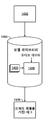
도 1은 본 개시내용의 일부 실시형태에 따른 엔진 오디오 캡처 및 진단 시스템(100)을 도시한 것이다. 시스템(100)은 위치(102a, 102b, 및 102c), 서버(110), 데이터 소비자 디바이스(122, 124, 및 126), 및 네트워크(130)를 포함한다.1 illustrates an engine audio capture and diagnostic system 100 in accordance with some embodiments of the present disclosure. The system 100 includes
도시된 실시예에서, 위치(102a-c)는 서로 멀리 떨어져 있을 수 있거나, 서로 근접할 수 있으며, 예를 들어, 특정 주차장 내에 모두 수용되어 있을 수 있다. 위치(102a-c)의 각각은 차량(104), 사용자(108), 및 모바일 디바이스(106)를 포함할 수 있다. 일부 실시형태에서, 모바일 디바이스(106) 및 사용자(108)는 모든 위치(102a-c)에서 동일할 수 있고, 예를 들어, 동일한 모바일 디바이스(106)를 가진 동일한 사용자(108)가 동일한 주차장 내의 위치(102a-c)로 이동할 수 있다. 다른 실시형태에서, 사용자(108) 및 모바일 디바이스(106)는 위치(102a-c) 각각에서 상이할 수 있고, 예를 들어, 위치(102a-c)는 상이한 주 또는 심지어는 상이한 국가에 있을 수 있다. 유사하게, 일부 실시형태에서 차량(104)은 모든 세 곳의 위치(102a-c)에서 동일할 수 있고, 예를 들어 동일한 차량 또는 동일한 타입의 차량(예컨대, 동일한 제조사, 모델, 엔진 타입/사이즈, 트림 등)에 대한 다수의 오디오 캡처물에 대한 것일 수 있다. 일부 실시형태에서, 차량(104)은 위치(102a-c) 각각에서 상이할 수 있다(예컨대, 상이한 제조사, 모델, 엔진 타입/사이즈, 트림 등). 실시예는 3개의 위치를 나타내지만, 다른 수의 위치, 예를 들어, 하나, 둘, 넷, 또는 그 이상의 위치가 본 개시내용의 범위 내에 속한다는 것이 주목된다.In the illustrated embodiment,
도시된 실시예에서, 모바일 디바이스(106)는 아래의 도 3과 관련하여 기술되는 컴퓨팅 디바이스(300)와 같은 컴퓨팅 디바이스일 수 있다. 도시된 실시예에서, 모바일 디바이스(106)는 사용자(108)에 의해 입력된 데이터와 함께 전자 오디오 파일을 캡처 및 저장하도록 구성된 애플리케이션 소프트웨어를 갖는다. 모바일 디바이스(106)는 오디오를 캡처하는 마이크로폰, 및 마이크로폰에 의해 캡처된 오디오를 전자 소리 파일로 변환하는 전자 장치를 포함한다. 일부 실시형태에서, 모바일 디바이스(106)는 오디오를 캡처하는 외부 마이크로폰에 연결된다. 모바일 디바이스(106)는 차량 엔진의 오디오를 캡처하기 위해 차량(104)에 충분히 가깝게 배치된다. 예를 들어, 모바일 디바이스(106)는 차량 엔진으로부터의 청각 주파수가 도출될 수 있는 곳이면 어디든지 배치된다. 일부 실시형태에서, 모바일 디바이스(106)(또는 모바일 디바이스(106)와 관련된 적어도 하나의 마이크로폰 부분)는 차량(104)에 배치되고, 예를 들어, 차량(104)의 후드가 올라가고 모바일 디바이스(106)가 엔진 상에 직접 배치된다. 다른 배치도 가능하다.In the illustrated embodiment,
도시된 실시예에서, 차량(104)은 엔진을 갖는 임의의 차량일 수 있다. 일부 실시형태에서, 차량(104)은 내연 기관을 구비한 자동차이다. 다른 실시형태에서, 차량(104)은 하이브리드(가솔린/전기) 엔진 배열체, 전기 엔진, 또는 캡처 및 분석될 수 있는 음향 응답을 생성하는 임의의 다른 타입의 엔진을 갖는다. 따라서, 자동차의 맥락에서 논의되었지만, 다른 타입의 운송 수단(예컨대, 보트, 오토바이, 또는 오프로드 차량)도 분석될 수 있다.In the illustrated embodiment,
도시된 실시예에서, 위치(102a-c)는 네트워크(130)에 의해 서버(110) 및 데이터 소비자 디바이스(122, 124, 및 126)로부터 분리되어 있다. 네트워크(130)는 일부 경우에, 적어도 부분적으로는 인터넷과 같은 공용 네트워크를 나타낼 수 있다. 데이터 소비자 디바이스(122, 124, 및 126)는 서버(110)에 의해 제공되는 처리된 오디오 데이터를 다운로드하거나 액세스하도록 구성된 컴퓨팅 디바이스를 포함한다. 일부 실시형태에서, 데이터 소비자 디바이스(122, 124, 126)는 처리된 오디오 데이터를 포함하는 차량 상태 보고를 다운로드하거나 액세스할 수 있다. 일부 실시형태에서, 데이터 소비자 디바이스(122, 124, 및 126)에 의해 다운로드되거나 액세스된 차량 상태 보고 내의 처리된 오디오 데이터는 캡처된 오디오 데이터의 시각적 표현물일 수 있다. 일부 다른 실시형태에서, 데이터 소비자 디바이스(122, 124, 및 126)에 의해 다운로드되거나 액세스된 차량 상태 보고 내의 처리된 오디오 데이터는 데이터 소비자 디바이스(122, 124, 및 126)에서 재생하기 위한 소리 파일 또는 소리 파일에 대한 링크일 수 있다.In the illustrated embodiment,
도시된 실시예에서, 서버(110)는 오디오 데이터 처리 서버뿐만 아니라 하나 이상의 추가 서버를 나타낼 수 있다. 예를 들어, 서버(110)는 또한 오디오 데이터 처리 서버에 의해 노출되는 API를 통해 오디오 데이터 처리 서버로부터 오디오 데이터를 요청 및 수신하는 상태 보고 서버를 나타낼 수 있다. 일부 실시형태에서, 오디오 데이터 처리 및 상태 보고는 동일한 서버 디바이스에 의해 제공될 수 있다.In the illustrated embodiment,
이제 도 2를 참조하면, 본 개시내용의 양태가 구현될 수 있는 예시적인 개별 컴퓨팅 시스템의 개략도가 도시되어 있다. 컴퓨팅 디바이스(200)는, 예를 들어, 서버(110)가 구현될 수 있는 네이티브 컴퓨팅 시스템을 나타낼 수 있거나, 또는 모바일 디바이스(106) 또는 데이터 소비자 디바이스(122, 124, 126)의 구현예를 나타낼 수 있다. 특히, 컴퓨팅 디바이스(200)는 모바일 디바이스 또는 서버가 구축될 수 있는 예시적인 컴퓨팅 시스템의 물리적 구성을 나타낸다. 일부 실시형태에서, 컴퓨팅 디바이스(200)는 가상화되거나 호스팅된 시스템을 구현하고, 비 네이티브 소프트웨어를 실행하고/하거나 비 네이티브 코드 스트림을 적응성 방식으로 변환하는 동안, 본원에 기술되는 방법 및 시스템에 따른 실행을 위해 하나의 특정 명령어 세트 아키텍처를 실행한다.Referring now to FIG. 2 , shown is a schematic diagram of an exemplary discrete computing system in which aspects of the present disclosure may be implemented.
도 2의 실시예에서, 컴퓨팅 디바이스(200)는 메모리(202), 처리 시스템(204), 2차 저장 디바이스(206), 네트워크 인터페이스 카드(208), 비디오 인터페이스(210), 디스플레이 유닛(212), 외부 컴포넌트 인터페이스(214), 및 통신 매체(216)를 포함한다. 메모리(202)는 데이터 및/또는 명령어를 저장할 수 있는 하나 이상의 컴퓨터 저장 매체를 포함한다. 상이한 실시형태에서, 메모리(202)는 상이한 방식으로 구현된다. 예를 들어, 메모리(202)는 다양한 타입의 컴퓨터 저장 매체를 사용하여 구현될 수 있다.In the embodiment of FIG. 2 ,
처리 시스템(204)은 하나 이상의 처리 유닛을 포함한다. 처리 유닛은 소프트웨어 명령어를 선택적으로 실행하는 하나 이상의 집적 회로를 포함하는 물리적 디바이스 또는 제조 물품이다. 다양한 실시형태에서, 처리 시스템(204)은 다양한 방식으로 구현된다. 예를 들어, 처리 시스템(204)은 하나 이상의 물리적 또는 논리적 처리 코어로서 구현될 수 있다. 다른 실시예에서, 처리 시스템(204)은 하나 이상의 개별 마이크로프로세서를 포함할 수 있다. 또 다른 예시적인 실시형태에서, 처리 시스템(204)은 특정 기능을 제공하는 주문형 집적 회로(ASIC)를 포함할 수 있다. 또 다른 실시예에서, 처리 시스템(204)은 ASIC을 사용하고 컴퓨터 실행 가능 명령어를 실행함으로써 특정 기능을 제공한다.The
2차 저장 디바이스(206)는 하나 이상의 컴퓨터 저장 매체를 포함한다. 2차 저장 디바이스(206)는 처리 시스템(204)에 의해 직접 액세스될 수 없는 데이터 및 소프트웨어 명령어를 저장한다. 다시 말해서, 처리 시스템(204)은 I/O 동작을 수행하여, 2차 저장 디바이스(206)로부터 데이터 및/또는 소프트웨어 명령어를 검색한다. 다양한 실시형태에서, 2차 저장 디바이스(206)는 다양한 타입의 컴퓨터 저장 매체를 포함한다. 예를 들어, 2차 저장 디바이스(206)는 하나 이상의 자기 디스크, 자기 테이프 드라이브, 광 디스크, 고체 상태 메모리 디바이스, 및/또는 다른 타입의 컴퓨터 저장 매체를 포함할 수 있다.Secondary storage device 206 includes one or more computer storage media. Secondary storage device 206 stores data and software instructions that cannot be directly accessed by processing
네트워크 인터페이스 카드(208)를 통해 컴퓨팅 디바이스(200)는 통신 네트워크로 데이터를 전송하고 통신 네트워크로부터 데이터를 수신할 수 있다. 상이한 실시형태에서, 네트워크 인터페이스 카드(208)는 상이한 방식으로 구현된다. 예를 들어, 네트워크 인터페이스 카드(208)는 이더넷 인터페이스, 토큰 링 네트워크 인터페이스, 광 섬유 네트워크 인터페이스, 무선 네트워크 인터페이스(예컨대, WiFi, WiMax 등), 또는 다른 타입의 네트워크 인터페이스로서 구현될 수 있다.The network interface card 208 enables the
비디오 인터페이스(210)를 통해 컴퓨팅 디바이스(200)는 비디오 정보를 디스플레이 유닛(212)에 출력할 수 있다. 디스플레이 유닛(212)은 비디오 정보를 디스플레이하기 위한 다양한 타입의 디바이스, 예를 들어 LCD 디스플레이 패널, 플라즈마 스크린 디스플레이 패널, 터치 감응 디스플레이 패널, LED 스크린, 음극선관 디스플레이, 또는 프로젝터일 수 있다. 비디오 인터페이스(210)는 디스플레이 유닛(212)과 다양한 방식으로, 예를 들어, USB(Universal Serial Bus) 커넥터, VGA 커넥터, DVI(Digital Visual Interface) 커넥터, S-Video 커넥터, 고화질 멀티미디어 인터페이스(High-Definition Multimedia Interface)(HDMI) 인터페이스, 또는 DisplayPort 커넥터를 통해 통신할 수 있다.The
외부 컴포넌트 인터페이스(214)를 통해 컴퓨팅 디바이스(200)는 외부 디바이스와 통신할 수 있다. 예를 들어, 외부 컴포넌트 인터페이스(214)는 USB 인터페이스, FireWire 인터페이스, 직렬 포트 인터페이스, 병렬 포트 인터페이스, PS/2 인터페이스, 및/또는 컴퓨팅 디바이스(200)가 외부 디바이스와 통신할 수 있게 하는 다른 타입의 인터페이스일 수 있다. 다양한 실시형태에서, 외부 컴포넌트 인터페이스(214)를 통해 컴퓨팅 디바이스(200)는 외부 컴포넌트, 예를 들어, 외부 저장 디바이스, 입력 디바이스, 스피커, 모뎀, 미디어 플레이어 도크, 다른 컴퓨팅 디바이스, 스캐너, 디지털 카메라, 및 지문 판독기와 통신할 수 있다.The
통신 매체(216)는 컴퓨팅 디바이스(200)의 하드웨어 컴포넌트 간의 통신을 가능하게 한다. 도 2의 실시예에서, 통신 매체(216)는 메모리(202), 처리 시스템(204), 2차 저장 디바이스(206), 네트워크 인터페이스 카드(208), 비디오 인터페이스(210), 및 외부 컴포넌트 인터페이스(214) 간의 통신을 가능하게 한다. 통신 매체(216)는 다양한 방식으로 구현될 수 있다. 예를 들어, 통신 매체(216)는 PCI 버스, PCI Express 버스, AGP(Accelerated Graphics Port) 버스, 직렬 ATA(Advanced Technology Attachment) 인터커넥트, 병렬 ATA 인터커넥트, 파이버 채널 인터커넥트, USB 버스, SCSI(Small Computing System Interface) 인터페이스, 또는 다른 타입의 통신 매체를 포함할 수 있다.
메모리(202)는 다양한 타입의 데이터 및/또는 소프트웨어 명령어를 저장한다. 예를 들어, 도 2의 실시예에서, 메모리(202)는 BIOS(Basic Input/Output System)(218) 및 운영 체제(220)를 저장한다. BIOS(218)는 처리 시스템(204)에 의해 실행될 때, 컴퓨팅 디바이스(200)가 부팅되게 하는 컴퓨터 실행 가능 명령어 세트를 포함한다. 운영 체제(220)는 처리 시스템(204)에 의해 실행될 때, 컴퓨팅 디바이스(200)가 컴퓨팅 디바이스(200)의 리소스의 활동 및 공유를 조정하는 운영 체제를 제공하게 하는 컴퓨터 실행 가능 명령어 세트를 포함한다. 또한, 메모리(202)는 애플리케이션 소프트웨어(222)를 저장한다. 애플리케이션 소프트웨어(222)는 처리 시스템(204)에 의해 실행될 때, 컴퓨팅 디바이스(200)가 하나 이상의 애플리케이션을 제공하게 하는 컴퓨터 실행 가능 명령어를 포함한다. 메모리(202)는 또한 프로그램 데이터(224)를 저장한다. 프로그램 데이터(224)는 컴퓨팅 디바이스(200) 상에서 실행되는 프로그램에 의해 사용되는 데이터이다.
특정 특징이 컴퓨팅 디바이스(200) 내에 포함된 것으로 본원에서 논의되지만, 특정 실시형태에서 이러한 모든 컴포넌트 또는 특징이 본 개시내용의 방법 및 시스템에 따라 실행되는 컴퓨팅 디바이스 내에 포함될 수 있는 것은 아니라는 것이 인식된다. 또한, 상이한 타입의 하드웨어 및/또는 소프트웨어 시스템이 이러한 전자 컴퓨팅 디바이스에 통합될 수 있다.Although certain features are discussed herein as included in
본 개시내용에 따르면, 본원에서 사용되는 컴퓨터 판독 가능 매체라는 용어는 컴퓨터 저장 매체 및 통신 매체를 포함할 수 있다. 본 문서에서 사용된 컴퓨터 저장 매체는 데이터 및/또는 컴퓨터 실행 가능 명령어를 저장하는 디바이스 또는 제조 물품이다. 컴퓨터 저장 매체는 컴퓨터 판독 가능 명령어, 데이터 구조, 프로그램 모듈, 또는 다른 데이터와 같은 정보의 저장을 위한 임의의 방법 또는 기술로 구현된 휘발성 및 비휘발성, 착탈식 및 비 착탈식 디바이스 또는 제조 물품을 포함할 수 있다. 예를 들어, 컴퓨터 저장 매체는 동적 랜덤 액세스 메모리(DRAM), 이중 데이터 레이트 동기식 동적 랜덤 액세스 메모리(DDR SDRAM), 감소된 레이턴시 DRAM, DDR2 SDRAM, DDR3 SDRAM, 고체 상태 메모리, 판독 전용 메모리(ROM), 전기적으로 소거 가능한 프로그래머블 ROM, 광 디스크(예컨대, CD-ROM, DVD 등), 자기 디스크(예컨대, 하드 디스크, 플로피 디스크 등), 자기 테이프, 및 데이터를 저장하는 다른 타입의 디바이스 및/또는 제조 물품을 포함할 수 있지만 이에 제한되지는 않는다. 통신 매체는 컴퓨터 판독 가능 명령어, 데이터 구조, 프로그램 모듈, 또는 반송파 또는 다른 전송 메커니즘과 같은 변조된 데이터 신호에서의 다른 데이터에 의해 구현될 수 있으며, 임의의 정보 전달 매체를 포함한다. "변조된 데이터 신호"라는 용어는 신호 내의 정보를 인코딩하는 것과 같은 방식으로 설정되거나 변경된 하나 이상의 특성을 갖는 신호를 나타낼 수 있다. 예를 들어, 통신 매체는 유선 네트워크 또는 직접 유선 연결과 같은 유선 매체, 및 음향, 무선 주파수(RF), 적외선, 및 다른 무선 매체 매체와 같은 무선 매체를 포함할 수 있지만, 이에 제한되지는 않는다. 컴퓨터 저장 매체라는 용어는 반송파 또는 다른 전파되거나 변조된 데이터 신호만을 포함하지는 않는다. 일부 실시형태에서, 컴퓨터 저장 매체는 적어도 일부의 유형적인 특징을 포함하고; 많은 실시형태에서, 컴퓨터 저장 매체는 전적으로 비 일시적 컴포넌트를 포함한다.In accordance with this disclosure, the term computer-readable media as used herein may include computer storage media and communication media. As used herein, a computer storage medium is a device or article of manufacture that stores data and/or computer-executable instructions. Computer storage media may include volatile and nonvolatile, removable and non-removable devices or articles of manufacture implemented in any method or technology for storage of information such as computer readable instructions, data structures, program modules, or other data. have. For example, computer storage media may include dynamic random access memory (DRAM), dual data rate synchronous dynamic random access memory (DDR SDRAM), reduced latency DRAM, DDR2 SDRAM, DDR3 SDRAM, solid state memory, read only memory (ROM) , electrically erasable programmable ROMs, optical disks (eg, CD-ROMs, DVDs, etc.), magnetic disks (eg, hard disks, floppy disks, etc.), magnetic tapes, and other types of devices and/or manufactures that store data articles may include, but are not limited to. Communication media may be embodied by computer readable instructions, data structures, program modules, or other data in a modulated data signal, such as a carrier wave or other transport mechanism, and includes any information delivery media. The term "modulated data signal" may refer to a signal having one or more characteristics set or changed in such a way as to encode information in the signal. For example, communication media can include, but is not limited to, wired media such as a wired network or direct-wired connection, and wireless media such as acoustic, radio frequency (RF), infrared, and other wireless media media. The term computer storage media does not include only carrier waves or other propagated or modulated data signals. In some embodiments, a computer storage medium includes at least some tangible features; In many embodiments, computer storage media includes entirely non-transitory components.
도 3은 본 개시내용의 예시적인 실시형태에 따른 캡처된 오디오를 처리하는 데 사용할 수 있는 예시적인 컴퓨팅 시스템(300)의 개략도이다. 일반적으로, 컴퓨팅 시스템(300)은 데이터 버스(306)를 통해 메모리(304)에 통신 가능하게 연결된 프로세서(302)를 포함한다. 프로세서(302)는 수학적 및 통신 작업과 같은 다양한 작업을 수행하기 위해 컴퓨터 판독 가능 명령어를 실행할 수 있는 다양한 타입의 프로그래머블 회로 중 임의의 것일 수 있다. 메모리(304)는 또한 위에서 논의된 바와 같이, 다양한 타입의 컴퓨터 판독 가능 또는 컴퓨터 저장 매체를 사용하는 것과 같은 다양한 메모리 디바이스 중 임의의 것을 포함할 수 있다. 도시된 실시형태에서, 메모리(304)는 오디오 진단 도구(312)를 저장하며, 이는 아래에서 더 상세히 논의된다. 컴퓨팅 시스템(300)은 또한, 예를 들어, 외부 데이터베이스의 데이터에 액세스하거나, 오디오 데이터를 처리하는 데 사용 가능한 웹 인터페이스를 제공하기 위해, 데이터를 수신 및 전송하도록 구성된 통신 인터페이스(308)를 포함할 수 있다. 추가적으로, 디스플레이(310)는 오디오 진단 도구(312)를 통해, 본원에 기술된 바와 같이 사용자 인터페이스의 로컬 버전을 보기 위해 사용될 수 있다.3 is a schematic diagram of an
다양한 실시형태에서, 오디오 진단 도구(312)는 일반적으로, 오디오 데이터를 자동으로 처리하고 처리된 오디오 데이터 결과를 제공하기 위한 인터페이스를 생성하도록 구성된다. 도시된 예시적인 실시형태에서, 오디오 진단 도구(312)는 인터페이스 생성 컴포넌트(314), 오디오 처리 엔진(316), 머신 러닝 컴포넌트(318), 및 시각적 표현 컴포넌트(320)를 포함한다. 메모리(304)는 오디오 데이터(326)를 포함할 수 있으며, 이는 임의의 수의 차량에 대한 다른 정보뿐만 아니라 메타데이터와 같은 다른 관련 데이터를 포함하는 캡처된 엔진 오디오 데이터를 포함할 수 있다. 메모리(304)는 또한 태그 데이터(328)를 포함할 수 있으며, 이는 오디오 데이터(326)와 연관된 사용자 입력 태그를 포함할 수 있다. 태그의 예는 아래에서 도 5와 관련하여 기술된다. 메모리(304)는 또한 메타데이터(330)를 포함할 수 있으며, 이는 오디오 캡처 설정, 예컨대, 오디오 채널의 수, 프레임의 수, 샘플링 레이트, 오디오 캡처의 날짜 및 시간, 디지털 형식의 타입과 같은 오디오 파일과 연관된 데이터, 및 차량 정보, 예를 들어, 차량 ID, 차량 컴퓨터로부터의 정보, 제3자 보고 시스템으로부터의 차량 정보뿐만 아니라 임의의 수의 차량에 대한 다른 정보를 포함할 수 있다.In various embodiments, the audio
예시적인 실시형태에서, 인터페이스 생성 컴포넌트(314)는 오디오 진단 사용자 인터페이스를 생성하고 제공하도록 구성될 수 있다. 오디오 진단 사용자 인터페이스는, 오디오 데이터를 다운로드하고, 오디오 데이터 처리 설정을 조작하고, 오디오 데이터 처리를 개시하고, 오디오 데이터 처리에서의 결과를 획득하기 위한 소프트웨어 컨트롤을 사용자에게 제시한다.In an exemplary embodiment, the interface creation component 314 may be configured to generate and provide an audio diagnostic user interface. The audio diagnostic user interface presents the user with software controls for downloading audio data, manipulating audio data processing settings, initiating audio data processing, and obtaining results in audio data processing.
도시된 실시예에서, 오디오 처리 엔진(316)은 WAV 오디오 파일 형식으로 캡처된 오디오 파일과 같은 주어진 오디오 데이터 파일에 대한 디지털 요약(digital summary), 예컨대, 디지털 "지문"을 생성하도록 구성된다. 다른 파일 형식, 예를 들어, AIFF, AU, PCM, FLAC, WavPack, TTA, ATRAC, ALAC, MPEF-4 WMA, Opus, MP3, Opus, Vorbis, 및 임의의 다른 디지털 파일 형식이 사용될 수 있다. 디지털 요약은 오디오 캡처 정보, 예를 들어, 채널의 수, 프레임의 수, 샘플링 레이트, 및 원본 오디오 디지털 파일의 고유한 오디오 객체 식별자 및 저장 위치를 포함한다.In the illustrated embodiment, the audio processing engine 316 is configured to generate a digital summary, eg, a digital “fingerprint,” for a given audio data file, such as an audio file captured in WAV audio file format. Other file formats may be used, for example, AIFF, AU, PCM, FLAC, WavPack, TTA, ATRAC, ALAC, MPEF-4 WMA, Opus, MP3, Opus, Vorbis, and any other digital file format. The digital digest contains audio capture information, such as number of channels, number of frames, sampling rate, and a unique audio object identifier and storage location of the original audio digital file.
도시된 실시예에서, 머신 러닝 컴포넌트(318)는 캡처된 디지털 오디오로부터 특징을 추출하도록 구성된다. 일부 실시형태에서, 머신 러닝 컴포넌트(318)는 오디오로부터 특징을 추출하고 일부 분류 작업을 수행하도록 학습된 심층 컨볼루션 신경망(deep convolutional neural network)(DCNN)을 사용한다. 이러한 특징은 다양한 타입의 오디오 데이터 표현물에 포함될 수 있다. 예시적인 실시형태에서, 오디오 파일 또는 이러한 오디오 파일의 다양한 그래픽 표현물, 예를 들어, 시간 도메인 파형, 스펙트로그램(spectrogram), 멜 스펙트로그램(Mel spectrogram), 멜 주파수 셉스트럴 계수(Mel-frequency cepstral coefficient)(MFCC) 스펙트로그램, 크로마그램(chromagram) 등이 사용될 수 있다. 특징의 예는 엔진 시동 전에 녹음된 주변 노이즈, 엔진 시동, 엔진 공회전, 부하 상태의 엔진(예컨대, 엔진 "회전 속도 상승" 또는 유사한 동작), 및 엔진 셧오프(engine shut off)를 포함한다. 다른 특징은 엔진 시동, 엔진 공회전, 엔진 회전 속도 상승 또는 부하, 및 엔진 셧오프 이벤트 중 임의의 것에 포함되는 시간 기간 동안의 비정상을 포함할 수 있다. 특히, 엔진 동작 세그먼트(예컨대, 시동, 공회전, 부하, 셧오프) 동안 올바르게 동작하는 엔진의 오디오 샘플은 머신 러닝 컴포넌트(318)에 의해 관리되는 하나 이상의 모델을 학습시키는 데 사용될 수 있다. 추가적으로, 이러한 오디오 세그먼트 동안 특정 비정상의 오디오 샘플은 머신 러닝 컴포넌트(318)에 의해 관리되는 하나 이상의 모델을 학습시티는 데 사용되어, 분석될 후속적으로 제공되는 오디오 데이터의 비정상의 존재를 검출할 수 있다.In the illustrated embodiment, the machine learning component 318 is configured to extract features from the captured digital audio. In some embodiments, the machine learning component 318 uses a deep convolutional neural network (DCNN) trained to extract features from the audio and perform some classification task. These features may be included in various types of audio data representations. In an exemplary embodiment, an audio file or various graphical representations of such an audio file, for example, a time domain waveform, a spectrogram, a Mel spectrogram, a Mel-frequency cepstral coefficient coefficient) (MFCC) spectrogram, chromagram, etc. may be used. Examples of features include recorded ambient noise prior to engine start, engine start, engine idling, engine under load (eg, engine "rev up" or similar action), and engine shut off. Other characteristics may include anomalies during a period of time included in any of engine start, engine idle, engine rotation speed increase or load, and engine shutoff event. In particular, audio samples of an engine operating correctly during engine operating segments (eg, start, idle, load, shutoff) may be used to train one or more models managed by machine learning component 318 . Additionally, audio samples of specific anomalies during these audio segments can be used to train one or more models managed by machine learning component 318 to detect the presence of anomalies in subsequently provided audio data to be analyzed. have.
예시적인 실시형태에서, 엔진 오디오 샘플 및 관련된 태그, 예를 들어, 메모리(304)의 오디오 데이터(326)에 저장될 수 있는 관련된 태그와 함께 캡처된 디지털 엔진 오디오 데이터는 데이터베이스를 형성할 수 있고, 이 데이터베이스로부터 머신 러닝 알고리즘을 학습할 뿐만 아니라 머신 러닝 결과를 검증할 수 있다. 다른 머신 러닝 알고리즘, 예를 들어 딥 러닝(deep learning), 선형 모델(linear models), 확률 모델(probability models), 비지도 클러스터링(unsupervised clustering), 비선형 회귀 모델(non-linear regression models), 커널 회귀 모델(kernel regression models), 베이지안 회귀(Bayesian regression), 나이브 베이즈 회귀(naive Bayes regression) 등, 예를 들어, 통상의 최소 제곱법(ordinary least squares), 리지 회귀(ridge regression), 또는 지원 벡터 머신(support vector machines)이 또한 사용될 수 있다. 다른 학습 모델은 로지스틱 회귀 선형 판별 분석(logistic regression linear discriminant analysis), 의사 결정 트리(decision trees), k-최근접 이웃 알고리즘(k-nearest neighbor algorithm), 유사성 학습(similarity learning), kNN 클러스터링(kNN clustering), 부스트 트리(Boosted trees), 컨볼루션 신경망(convolutional neural networks) 등을 포함한다. 차량 엔진에 대한 오디오 진단의 맥락 내에서 머신 러닝을 적용할 수 있는 추가 방법은 도 11 및 도 12와 관련하여 아래에서 추가로 기술된다.In an exemplary embodiment, engine audio samples and associated tags, eg, digital engine audio data captured with associated tags that may be stored in audio data 326 of memory 304 may form a database, From this database, you can not only train machine learning algorithms, but also validate machine learning results. Other machine learning algorithms, e.g. deep learning, linear models, probability models, unsupervised clustering, non-linear regression models, kernel regression kernel regression models, Bayesian regression, naive Bayes regression, etc., for example, ordinary least squares, ridge regression, or support vectors Support vector machines may also be used. Other learning models include logistic regression linear discriminant analysis, decision trees, k-nearest neighbor algorithm, similarity learning, kNN clustering (kNN). clustering), boosted trees, and convolutional neural networks. Additional methods that may apply machine learning within the context of audio diagnostics for vehicle engines are further described below with respect to FIGS. 11 and 12 .
대안적인 실시형태에서, 머신 러닝 컴포넌트(318)는 오디오 진단 도구(312) 내에 포함되지 않을 수 있고, 대신에 서버(112)와 같은 서버에 포함된다. 이러한 실시형태에서, 태그와 같은 관련된 데이터를 포함하는 오디오 데이터는 위에서 언급된 것과 같은 특징을 식별하기 위한 자동화된 분석의 목적을 위해 서버(112)로 전송될 수 있다. 서버(112)에서 구현될 수 있는 머신 러닝은 아래에서 추가로 기술된다.In alternative embodiments, the machine learning component 318 may not be included in the audio
도시된 실시예에서, 시각적 표현물 생성 컴포넌트(320)는 캡처된 오디오 데이터의 시각적 표현물을 생성하도록 구성된다. 일부 실시형태에서, 오디오 처리 엔진(316), 머신 러닝 컴포넌트(318), 또는 시각적 표현물 생성 컴포넌트(320) 중 임의의 것은 디지털 오디오 데이터를 오디오 주파수 및 시간 모두의 함수로서 데시벨 단위의 오디오 볼륨에 대한 2차원 그래픽 표현물인 멜 전력 스펙트로그램(Mel power spectrogram)으로 변환한다. 멜 전력 스펙트로그램 내에서 식별된 특징은 위에서 논의한 머신 러닝 모델 및 알고리즘과 같은, 머신 러닝 모델에 대한 입력으로 사용될 수 있다.In the illustrated embodiment, the visual representation creation component 320 is configured to generate a visual representation of the captured audio data. In some embodiments, any of audio processing engine 316 , machine learning component 318 , or visual representation generation component 320 converts digital audio data to audio volume in decibels as a function of both audio frequency and time. It is converted into a two-dimensional graphic representation, a Mel power spectrogram. Features identified within the Mel power spectrogram can be used as input to machine learning models, such as the machine learning models and algorithms discussed above.
일부 실시예에서, 캡처된 오디오 데이터의 시각적 표현물의 이점은 시각적 검사 시 식별하기 쉽고, 검증하기 쉽고, 라벨링하기 쉬운 패턴을 포함한다.In some embodiments, advantages of visual representations of captured audio data include patterns that are easy to identify, easy to verify, and easy to label upon visual inspection.
도 4는 본 개시내용의 예시적인 실시형태에 따른 오디오 캡처 및 진단을 위한 방법(400)의 플로우차트이다. 이 방법(400)은, 예를 들어, 도 1의 컴퓨팅 디바이스(106, 122, 124, 또는 126) 및 서버(110)와 같은 컴퓨팅 디바이스 또는 서버에서 수행될 수 있다.4 is a flowchart of a method 400 for audio capture and diagnosis in accordance with an exemplary embodiment of the present disclosure. The method 400 may be performed at a computing device or server, such as, for example,
도시된 실시예에서, 이 방법(400)은 단계 402에서 오디오 캡처 애플리케이션을 갖는 모바일 디바이스, 예를 들어 모바일 디바이스(106)를 사용하여 차량 식별 및 오디오를 캡처하는 단계를 포함한다. 오디오는 디지털 오디오 파일로 저장되며, 오디오 캡처 동안 상태를 식별하는 태그가 오디오 파일과 연관된다. 차량과 관련하여 캡처된 추가 정보(예컨대, 다른 차량 식별 또는 상태 정보)도 오디오 파일과 연관될 수 있다. 차량 오디오를 캡처하고 태그를 지정하는 방법에 대한 추가 세부 사항은 도 5와 관련하여 아래에 포함되어 있다. 단계 404에서, 캡처된 오디오, 및 태그를 포함하는 임의의 관련된 정보가 전술한 서버(110)와 같은 서버에 업로드된다. 단계 406에서, 서버는 오디오 파일을 처리하고, 오디오 신호의 시각적 표현물을 생성할 수 있을 뿐만 아니라 차량 상태와 상관된 오디오 파일 내의 특징을 결정하고 오디오 파일 또는 그 시각적 표현물에서 이들 특징의 위치를 식별할 수 있다. 또한 단계 406에서, 서버는 수리 또는 중재 비용을 추가로 결정하거나, 차량에 대한 가치 조정을 결정하거나, 차량의 상태와 상관된 결정된 특징에 기반하여 유사한 타입의 차량에 대한 시장 가치를 차량에 할당할 수 있다.In the illustrated embodiment, the method 400 includes at step 402 capturing the vehicle identification and audio using a mobile device having an audio capture application, eg,
단계 408에서, 서버는 차량 상태와 상관된 특징 및 캡처된 오디오 데이터의 시각적 표현물을 포함할 수 있는 처리된 오디오 데이터에 대한 링크를 제공하거나 그렇지 않으면 이를 이용할 수 있게 한다. 단계 410에서, 서버는 오디오 데이터가 캡처된 차량의 차량 상태 보고에 처리된 오디오 데이터를 선택적으로 추가한다.At step 408 , the server provides or otherwise makes available a link to the processed audio data, which may include a visual representation of the captured audio data and features correlated with the vehicle condition. In
도 5는 본 개시내용의 예시적인 실시형태에 따른 오디오 데이터를 캡처하기 위한 방법(500)의 플로우차트이다. 이 방법(500)은 사용자, 예컨대, 오디오 데이터 및 관련된 사용자 입력 태그 및/또는 다른 환경 정보를 캡처하고 그 데이터를 서버(110)와 같은 서버에 업로드하도록 구성된 애플리케이션 소프트웨어 및 모바일 디바이스(106)와 같은 모바일 디바이스를 가진 사람에 의해 수행될 수 있다. 단계 502에서, 차량의 차량 식별 번호(VIN)가 스캔되거나 그렇지 않으면 모바일 디바이스의 애플리케이션 소프트웨어에 입력된다. 또한, 다른 목적의 사용 가능한 데이터도 모바일 디바이스로 가져올 수 있으며; 예를 들어, 사용자는 검사 중인 차량과 연관된 데이터(예컨대, 제조사, 모델, 트림 레벨, 색상 등)를 수동으로 입력할 수 있다. 단계 504에서, 모바일 디바이스는 내진동 미끄럼 방지 모바일 디바이스 케이스에 삽입된다. 이러한 모바일 디바이스 케이스는 오디오 캡처에 사용되는 특정 모바일 디바이스, 예컨대, 스마트폰을 수용하고, 오디오 픽업과 연관된 진동 노이즈 간섭을 분리하도록 설계된다. 일부 실시형태에서, 예를 들어, 마이크로 USB 또는 다른 전기 커넥터를 사용하여 모바일 디바이스에 연결 가능한 마이크로폰이 케이스에 부착된다. 일부 실시형태에서, 마이크로폰은 바람 또는 다른 주변 노이즈를 완화하기 위한 속크(sock)를 포함하는 고품질 마이크로폰이다. 또 다른 실시형태에서, 모바일 디바이스 케이스는 마이크로폰만을 수용하도록 설계되고, 마이크로폰은 케이스에 삽입된다. 그 후, 마이크로폰은 마이크로폰으로부터 원격으로 위치될 수 있는 모바일 디바이스에 무선으로 연결될 수 있다.5 is a flowchart of a method 500 for capturing audio data in accordance with an exemplary embodiment of the present disclosure. The method 500 may include application software such as
단계 506에서, 내진동 미끄럼 방지 케이스 내의 모바일 디바이스는 차량 엔진 근처에 배치되고, 모바일 디바이스의 애플리케이션 소프트웨어를 사용하여 오디오 녹음이 개시된다. 일부 실시형태에서, 차량의 후드가 올라가고, 케이스 내의 모바일 디바이스의 마이크로폰이 엔진 근처의 차량의 프레임에 배치된다. 선택적으로, 이 때, 오디오 샘플을 캡처하여 차량의 주변에 존재할 수 있는 환경 노이즈의 기준선을 얻는다. 이 오디오 샘플은, 예컨대, 이후에 캡처된 녹음물에서 비 엔진 오디오를 삭제하기 위한 필터를 선택하고 조정하는 데 사용될 수 있다. 이는 추가로 전체 엔진 시동 시퀀스에 해당하는 오디오 응답이 캡처되도록 보장한다.In step 506, the mobile device in the vibration-resistant anti-skid case is placed near the vehicle engine, and audio recording is started using application software of the mobile device. In some embodiments, the hood of the vehicle is raised and the microphone of the mobile device in the case is placed on the frame of the vehicle near the engine. Optionally, at this time, audio samples are captured to obtain a baseline of environmental noise that may be present in the surroundings of the vehicle. This audio sample can then be used, for example, to select and adjust filters to remove non-engine audio from captured recordings. This additionally ensures that the audio response corresponding to the entire engine start sequence is captured.
단계 508에서, 차량 엔진이 시동되고, 엔진이 시동된 상태에서 일정 기간 동안 공회전 상태로 유지되고, 그 후 일정 기간 동안 엔진에 부하가 가해지며(예컨대, 더 높은 RPM으로 회전 속도 상승됨), 그 후 엔진이 정지된다. 단계 510에서, 오디오 캡처 녹음이 중지되고, 엔진 오디오에 기반하여 애플리케이션 소프트웨어에서 태그가 선택된다.In step 508 , the vehicle engine is started, the engine is kept idle for a period of time in the started state, after which a load is applied to the engine (eg, rotational speed is increased to a higher RPM) for a period of time, after which The engine is stopped. At step 510 , the audio capture recording is stopped and a tag is selected in the application software based on the engine audio.
예시적인 실시형태에서, 태그는 사용자에 의해 선택되고, 오디오 캡처 동안의 상태, 예를 들어, 날씨, 그리고 오디오가 캡처된 시점 및 엔진 소리의 주관적인 사용자 판단에 대응한다. 이러한 태그는 엔진 작동 시 엔진이 들을 수 있는 틱틱 소리를 만드는 경우와 같은 엔진 틱(engine tick), 엔진 작동 시 부실한 연소, 불완전한 연소, 또는 조기 연소로 인해 엔진이 들을 수 있는 노킹 소리를 만드는 경우와 같은 엔진 노킹(engine knock), 또는 차량 주행 시 엔진 벨트가 들을 수 있는 삐걱거리는 소리를 만드는 경우와 같은 엔진 벨트에서의 삐걱거리는 소리를 포함할 수 있다. 태그는 또한 터보의 라디에이터 압축기, 펌프, 체인, 풀리, 또는 볼 베어링과 같은 보조 컴포넌트의 소리를 포함할 수도 있다. 태그는 또한 오디오 캡처를 위한 시작 전 차량이 특정 시간 기간 내에, 예컨대, 30분 내에, 또는 30분보다 짧거나 긴 시간 기간 이전에 이미 시동된 경우와 같은, 웜 스타트(warm start)을 포함할 수도 있다. 태그는 또한 오디오를 캡처하는 동안 엔진 시동 중 비가 오거나 습한 상태와 같은 습한 날씨, 또는 비정상적인 배기 색상, 예컨대, 청-회색, 백-회색, 검정 등과 같은 배기 연기를 포함할 수도 있다. 태그는 또한 엔진 시동이 평소보다 오래 걸리거나 여러 번의 시도가 행해진 경우와 같이 어려운 시동(difficult start)을 포함할 수도 있다. 태그는 또한 하이브리드 가솔린 구동 및 전기 엔진과 같은 엔진 타입도 포함할 수 있다.In an exemplary embodiment, tags are selected by the user and correspond to subjective user judgments of conditions during audio capture, such as weather, and when the audio was captured and engine sounds. These tags include engine ticks, such as when the engine makes an audible tick when the engine is running, when the engine makes an audible knock due to poor combustion, incomplete combustion, or premature combustion. This may include engine belt creaking, such as engine knock, or when the engine belt makes an audible squeak when the vehicle is running. The tag may also include the sound of an auxiliary component such as a turbo's radiator compressor, pump, chain, pulley, or ball bearing. The tag may also include a warm start, such as when the pre-start vehicle for audio capture has already started within a certain period of time, eg, within 30 minutes, or before a period of time shorter or longer than 30 minutes. have. The tag may also include wet weather such as rain or wet conditions during engine startup while capturing audio, or an unusual exhaust color, eg, exhaust smoke such as blue-grey, white-grey, black, and the like. The tag may also include a difficult start, such as when the engine start takes longer than usual or multiple attempts have been made. The tag may also include engine types such as hybrid gasoline powered and electric engines.
수동으로 입력된 태그 외에도, 일부 실시형태에서, 모바일 디바이스는 또한, 예를 들어, 온보드 진단(OBD-II) 스캐너 인터페이스로부터 차량에 대한 객관적인 상태 데이터를 캡처할 수 있다. 예를 들어, 엔진 이벤트의 스트림은 엔진 온도, 실화 코드, 또는 다른 OBD-II 이벤트와 같은 오디오 데이터와 연관되도록 모바일 디바이스에 캡처 및 업로드될 수 있다. 이러한 데이터는 아래에 논의되는 바와 같이, 오디오 데이터에서 검출된 특정 이벤트와 상관 관계를 지정하고, 오디오 및 이벤트 데이터를 동기화하고, 및/또는, 아래에서 언급되는 바와 같이, 오디오 데이터와 함께 제공될 때 하나 이상의 머신 러닝 모델을 학습시키는 데 사용될 수 있다. 아래에서 추가로 언급되는 바와 같이, 태그 및 다른 식별 정보는 오디오 파일(또는 그 일부)과 함께 사용될 때, 머신 러닝 모델을 사용한 분석에 기반하여 하나 이상의 다른 검출되지 않은 차량 엔진 상태를 검출하는 데 도움이 될 수 있다. 따라서, 아래에서 더 논의되는 바와 같이, 추가적인 태그가 추가될 수 있다.In addition to manually entered tags, in some embodiments, the mobile device may also capture objective status data for the vehicle, for example, from an onboard diagnostic (OBD-II) scanner interface. For example, a stream of engine events may be captured and uploaded to a mobile device to be associated with audio data such as engine temperatures, misfire codes, or other OBD-II events. Such data, as discussed below, correlates with specific events detected in the audio data, synchronizes the audio and event data, and/or, as discussed below, when provided with the audio data. It can be used to train one or more machine learning models. As further noted below, tags and other identifying information, when used with audio files (or portions thereof), help detect one or more other undetected vehicle engine conditions based on analysis using machine learning models. this can be Accordingly, additional tags may be added, as discussed further below.
도 6a 내지 도 6d는 본 개시내용의 예시적인 실시형태에 따른 내진동 미끄럼 방지 케이스(600)의 도면을 도시한 것이다. 케이스(600)는 네오프렌, 고무, 또는 다른 폴리머 또는 플라스틱과 같은 내진동성 및 미끄럼 방지 재료로 제조될 수 있다.6A-6D show views of a vibration-resistant
도시된 실시형태에서, 케이스(600)는 셀룰러 전화기와 같은 모바일 디바이스를 수용할 수 있는 사이즈를 갖는다. 케이스(600)는 하나 이상의 하우징 피스로 구성될 수 있고, 모바일 디바이스에 의해 경험되는 진동을 감쇠시키면서 모바일 디바이스를 유연하게 유지한다.In the illustrated embodiment,
도시된 실시예에서, 케이스(600)는 케이스 구조체(602), 상부 측 측벽(604), 상부 측 측벽 립(606), 하부 측 측벽(608), 링(610), 범프아웃(612), 및 부착 홀(614)을 포함한다. 일부 실시형태에서, 케이스(600)는 단일 통합 부품으로서 3D 프린팅되지만, 케이스(600)를 형성하는 다른 방법이 본 개시내용의 범위 내에 있음을 이해해야 한다. 셀룰러 전화기와 같은 모바일 디바이스는, 전화기의 후면이 구조체(602)와 접촉하고 상부 측 측벽(604) 및 상부 측 측벽 립(606)이 전화기를 수용하기 위해 바깥쪽으로 구부러진 상태로 케이스(600)에 삽입될 수 있다. 전화기가 완전히 삽입되면, 상부 측 측벽(604)은 전화기의 측면과 접촉하고, 상부 측 측벽 립(606)이 전화기 가장자리 근처의 전화기 전면과 겹치며, 케이스(600)에 전화기를 고정한다. 링(610)에는 별도의 클립, 카라비너, 또는 다른 부착 부품이 부착되어 케이스를 운반할 수 있으며, 예를 들어, 케이스를 사용자의 벨트에 끼울 수 있다. 하부 측 측벽(608)은 도 8a 내지 도 8c를 참조하여 아래에서 추가로 기술되는 바와 같이, 케이스에 내진동 미끄럼 방지 베이스를 부착하기 위해 베이스(800)의 외부 측벽 위에 슬립-핏(slip-fit)될 수 있다. 범프아웃(612)은 도 7a 내지 도 7d를 참조하여 아래에서 기술되는 바와 같이, 클립을 사용하여 외부 마이크로폰을 부착하기 위한 스탠드오프(standoff)로서 작용한다. 도시된 실시예에서, 부착 홀(614)은 도 7a 내지 도 7d를 참조하여 아래에서 기술되는 바와 같이, 외부 마이크로폰 클립을 부착하기 위한 나사를 수용하도록 나사산이 형성될 수 있다.In the illustrated embodiment, the
도시된 실시예에서, 특히 도 6c에 도시된 바와 같이, 하부 측 측벽(608)은 높이 방향으로, 예컨대, 하부에서 상부 방향으로 테이퍼링(taper)되며, 링(610) 근처에서의 최대치 높이에서 범프아웃(612)을 향해 높이가 감소한다. 하부 측 측벽(608)의 높이 방향의 테이퍼링으로 인해, 케이스(600)는 아래에 기술되는 베이스(800)와 같은 베이스에 부착될 때 기울어지게 되며, 그에 따라 범프아웃(612)이 있는 케이스(600)의 단부는 일정한 높이를 갖는 베이스의 하부와 관련하여, 링(610) 단부보다 높아지게 된다. 도시된 실시예에서, 테이퍼링은 케이스(600)가 부착되는 베이스가 배치되는 표면 위의 케이스(600)의 범프아웃 단부에 부착될 수 있는 외부 마이크로폰을 위한 추가 간극을 허용한다. 내진동 미끄럼 방지 케이스(600)의 범프아웃 측은 도 6d에 더 자세히 도시되어 있다.In the illustrated embodiment, as particularly shown in FIG. 6C , the
도 7a 내지 도 7d는 전술한 케이스(600) 내에 유지되는 모바일 디바이스에 마이크로폰을 부착하는 데 사용될 수 있는 예시적인 클립을 도시한 것이다. 일부 실시형태에서, 클립(700)은 케이스(600)와 마이크로폰 모두에 부착될 수 있고, 마이크로폰을 케이스(600)에 탈착가능하게 고정하는 데 사용될 수 있다. 도시된 실시예에서, 클립(700)은 클립 구조체(702), 하부 벽(704) 및 상부 벽(706), 하부 립(708) 및 상부 립(710), 컷아웃(712), 데이터 포트 컷아웃(714), 및 관통 홀(716)을 포함한다. 클립(700)은 네오프렌, 고무, 또는 다른 폴리머 또는 플라스틱과 같은 내진동성 및 미끄럼 방지 재료로 만들어질 수 있다.7A-7D illustrate exemplary clips that may be used to attach a microphone to a mobile device held within the
도시된 실시형태에서, 클립(700)은 마이크로폰과 같은 오디오 캡처 센서를 수용할 수 있는 사이즈를 갖는다. 클립(700)은 하나 이상의 하우징 피스로 구성될 수 있고, 마이크로폰에 의해 경험되는 진동을 감쇠시키면서 마이크로폰을 유연하게 유지한다.In the embodiment shown,
일부 실시형태에서, 클립(700)은 단일 통합 부품으로서 3D 프린팅되지만, 클립(700)을 형성하는 다른 방법이 본 개시내용의 범위 내에 있음을 이해해야 한다. 마이크로폰과 같은 오디오 캡처 센서는, 마이크로폰의 후면이 클립 구조체(702)와 접촉하고 하부 벽(704)과 상부 벽(706)이 마이크로폰을 수용하기 위해 바깥쪽으로 구부러진 상태로 클립(700)에 삽입될 수 있다. 마이크로폰이 완전히 삽입되면, 하부 벽(704)과 상부 벽(706)은 마이크로폰의 측면과 접촉하고, 하부 립(708)과 상부 립(710)이 모두 마이크로폰 가장자리 근처의 마이크로폰의 전면과 겹치고, 마이크로폰을 클립(700)에 고정한다. 관통 홀(716)은 나사 홀(614)을 사용하여 클립(700)을 케이스(600)에 부착하는 데 사용되는 나사의 머리를 수용하도록 카운터 싱크(counter-sink)를 포함할 수 있으므로, 나사의 머리는 마이크로폰의 후면이 클립 구조체(702)와 접촉하도록 마이크로폰을 완전히 삽입하는 것을 방해하지 않게 된다.In some embodiments, the
일부 실시형태에서, 마이크로폰은 셀룰러 전화기와 같은 모바일 디바이스에 삽입될 수 있는 데이터 커넥터, 예를 들어, 미니 USB 커넥터를 포함할 수 있다. 데이터 포트 컷아웃(714)은 마이크로폰 커넥터가 모바일 디바이스에 부착되는 것을 가능하게 하며, 예를 들어, 개선된 오디오 캡처를 위해 모바일 디바이스를 외부 마이크로폰 디바이스에 연결할 수 있게 한다.In some embodiments, the microphone may include a data connector, eg, a mini USB connector, that may be inserted into a mobile device such as a cellular telephone.
도 8a 내지 도 8d는 본 개시내용의 예시적인 실시형태에 따른 예시적인 베이스(800)를 도시한 것이다. 베이스(800)는 상부 표면(802), 하부 표면(도시되지 않음), 및 측면(804, 806, 808, 810)을 포함한다. 베이스(800)는 내진동성 및 미끄럼 방지 재료, 예를 들어 네오프렌, 고무, 또는 다른 폴리머 또는 플라스틱으로 만들어질 수 있다.8A-8D illustrate an
일부 실시형태에서, 도 6a 내지 도 6d의 케이스(600)는 베이스(800)에 압입 및 접착될 수 있으며, 여기서 케이스(600)의 하부 측 측벽(608)은 측면(804, 806, 808, 및 810)과 매칭 및 접촉하고 이와 접착되도록 성형된다. 베이스(800)는 차량의 프레임, 차량 라디에이터, 또는 엔진 근처, 바람직하게는 차량의 후드 아래의 상대적으로 고정된 다른 차량 컴포넌트에 배치될 수 있다.In some embodiments, the
도 6 내지 도 8에서 보여지는 바와 같은 케이스의 사용에 따라, 전체 모바일 디바이스는 오디오를 녹음하기 위해 차량 엔진 상에 배치될 것이다. 그러나, 대안적인 실시형태에서, 모바일 디바이스는 모바일 디바이스와 분리된 마이크로폰에 통신 가능하게 연결될 수 있다. 예를 들어, 마이크로폰이 블루투스에 의해 모바일 디바이스에 연결되어, 사용자가 차량의 점화 장치를 작동시키고 마이크로폰이 엔진 상에 또는 그 근처에 위치하는 동안 해당 사용자는 모바일 디바이스를 보고 작동시킬 수 있다.Following the use of the case as shown in FIGS. 6 to 8 , the entire mobile device will be placed on the vehicle engine to record audio. However, in alternative embodiments, the mobile device may be communicatively coupled to a microphone separate from the mobile device. For example, a microphone can be connected to the mobile device by Bluetooth so that the user can activate the vehicle's ignition and the user can view and operate the mobile device while the microphone is located on or near the engine.
도 9는 본 개시내용의 예시적인 실시형태에 따른 캡처된 오디오 신호의 예시적인 플롯(900)이다. 플롯(900)은 수직 축에 따른 임의의 단위(예컨대, 정규화된)의 캡처된 오디오의 진폭과, 수평 축에 따른 디지털 소리 샘플의 수를 도시하고 있다. 오디오 캡처의 주어진 샘플링 레이트에 대해, 수평 축은 시간을 나타낼 수도 있다. 도시된 실시예에서, 시간 기간(902)은 차량이 시동되기 전의 주변 소리에 해당한다. 시간 기간(904)은 엔진 시동 동안 캡처된 오디오에 해당하고, 시간 기간(906)은 엔진이 공회전 중이거나 엔진에 부하가 인가되는 동안(예컨대, 엔진의 회전 속도가 상승하는 동안) 캡처된 오디오에 해당한다.9 is an
도 10a 및 도 10b는 본 개시내용의 예시적인 실시형태에 따른 캡처된 오디오 신호의 예시적인 플롯(950)이다. 도 10a의 실시예는 알려진 엔진 상태가 없는 차량의 멜 전력 스펙트로그램을 도시한 것이다. 실시예는 히트 맵으로서의 데시벨의 소리 진폭을 수직 축에 따른 주파수와 수평 축에 따른 시간의 함수로서 도시한 것이다. 도 10b는 알려진 엔진 노킹을 가진 차량의 멜 전력 스펙트로그램을 도시한 것이다. 도 10b는 엔진 노킹과 상관된 특징(1012), 예컨대, 플롯에서 볼 수 있는 반복 패턴을 도시한 것이다. 도 10a 및 도 10b는 차량 상태와 상관된 특징이 뷰어에 의해 또는 서버(110)에 의해서와 같이 자동으로 보여지고 식별될 수 있는 캡처된 오디오의 시각적 표현물의 실시예이다. 그러나, 캡처된 오디오의 임의의 다른 시각적 표현물, 예를 들어, 처리 전 또는 후의 오디오 신호의 임의의 2D 또는 3D 플롯도 본 개시내용의 범위 내에 있다.10A and 10B are
본 개시내용의 맥락에서, 캡처된 오디오 신호는 다양한 방식으로 차량 상태 보고에 포함될 수 있다는 것이 인식된다. 예를 들어, 선택 시 오디오의 재생을 유발하는 링크 또는 버튼이 차량 상태 보고에 포함될 수 있다. 대안적으로, 오디오의 그래픽 묘사는 이러한 선택 가능한 재생 옵션과 함께 제공될 수 있으며, 그래픽 묘사는 도 9 및 도 10의 플롯 중 임의의 플롯을 사용하여 표현된다. 임의의 그러한 실시형태에서, 오디오 녹음물과 연관된 특정 태그는 오디오 녹음물과 연관되어 디스플레이될 수 있다. 예를 들어, 이러한 태그는 일반적으로 녹음물과 함께 디스플레이되거나 녹음된 오디오 내의 특정 시간 또는 위치와 연관될 수 있다. 차량 상태 보고는 도 15 및 도 16과 관련하여 아래에서 추가로 기술된다.In the context of the present disclosure, it is recognized that a captured audio signal may be included in a vehicle condition report in a variety of ways. For example, a link or button that triggers the playback of audio upon selection may be included in the vehicle status report. Alternatively, a graphical representation of the audio may be provided with such selectable playback options, wherein the graphical representation is represented using any of the plots of FIGS. 9 and 10 . In any such embodiment, a specific tag associated with the audio recording may be displayed in association with the audio recording. For example, such tags may generally be displayed with the recording or associated with a particular time or location within the recorded audio. Vehicle condition reporting is further described below with respect to FIGS. 15 and 16 .
이제 도 11 내지 도 12를 참조하면, 본원에 기술된 차량 오디오 캡처 시스템의 예시적인 적용이 제공된다. 예시적인 양태에서, 캡처된 차량 오디오 데이터는 오디오 데이터에서 식별된 특징뿐만 아니라 차량 제조사 및 모델 또는 엔진의 타입과 연관된 식별 정보로 태그가 지정될 수 있다. 식별된 특징은, 예를 들어, 엔진 틱, 엔진 노킹, 벨트 삐걱거리는 소리, 보조 컴포넌트, 예를 들어, 터보 라디에이터 압축기, 펌프, 체인, 풀리, 또는 볼 베어링에 기반할 수 있다. 캡처된 차량 오디오 데이터는 엔진 시동 녹음물의 상태, 예컨대, 웜 스타트, 비가 오는 날씨, 배기 연기, 또는 어려운 시동 상태와 같은 오디오 캡처와 연관된 다른 정보로 태그가 지정될 수 있다.Referring now to FIGS. 11-12 , exemplary applications of the vehicle audio capture system described herein are provided. In an exemplary aspect, the captured vehicle audio data may be tagged with features identified in the audio data as well as identifying information associated with the vehicle make and model or type of engine. The identified characteristics may be based on, for example, engine ticks, engine knocking, belt squeaks, auxiliary components such as turbo radiator compressors, pumps, chains, pulleys, or ball bearings. The captured vehicle audio data may be tagged with the status of the engine start recording, eg, with other information associated with the audio capture, such as a warm start, rainy weather, exhaust smoke, or a difficult start condition.
도 11에는 서버(112)에 관한 추가 세부사항이 도시되어 있다. 도시된 실시예에서, 서버(112)는 전술한 방식으로 모바일 디바이스로부터의 차량 오디오 데이터를 저장하는 데이터베이스(1000)를 호스팅한다. 서버(112)는, 위에서 언급한 바와 같이, 보고를 생성하고, 차량 오디오 데이터로부터 정보를 통합하는 분석을 수행할 수 있다. 예시적인 실시형태에서, 데이터베이스(1000)는 차량 상태 보고를 생성하기 위해, 태그가 캡처된 오디오 파일과 연관되어 있는 에지 테이블 구조를 갖는다. 차량 상태 또는 차량 속성을 나타내는 이러한 태그는 아래에서 자세히 기술되는 바와 같이, 수동으로 추가되거나 자동으로 검출될 수 있다.Further
도시된 실시예에서, 데이터베이스(1000)는 차량 상태 보고 관리 도구(1100)와 함께 메모리(1002)에 저장된다. 프로세서(1004)는 버스(1006)를 통해 메모리에 통신 가능하게 연결되고, 차량 상태 보고 관리 도구(1100)를 정의하는 명령어를 포함하여 메모리에 저장된 명령어를 실행한다. 통신 인터페이스(1008)를 통해 서버(112)는 다른 디바이스와 통신하여, 예컨대, 차량 오디오 데이터를 수신하고, 차량 상태 보고를 다른 디바이스에 제공한다.In the illustrated embodiment, database 1000 is stored in memory 1002 along with vehicle condition report management tool 1100 . The
도시된 실시형태에서, 데이터베이스(1000)는 오디오 데이터(1020), 태그 데이터(1022), 및 메타데이터(1024)를 다른 차량 데이터(1026)와 함께 저장한다. 오디오 데이터(1020)는 일반적으로 오디오 데이터가 캡처되고 생성되는 하나 이상의 모바일 디바이스 또는 다른 컴퓨팅 시스템으로부터 데이터베이스(1000)에 업로드된 차량 오디오 데이터를 포함한다. 따라서, 오디오 데이터(1020)는 일반적으로 복수의 상이한 차량 제조사 및 모델 각각으로부터의 차량 오디오 데이터에 대응한다. 오디오 데이터(1020)는 캡처된 형태로 저장될 수 있으며, 예컨대, 특정 형식의 오디오 데이터 파일로서 저장될 수 있다. 오디오 데이터(1020)는 또한, 예컨대, 캡처된 오디오 데이터를 처리하거나 멜 전력 스펙트로그램과 같은 캡처된 오디오의 형태 또는 표현물로 변환한 후에 다른 형태로 저장될 수 있다.In the illustrated embodiment, database 1000 stores audio data 1020 , tag data 1022 , and
태그 데이터(1022)는 오디오 데이터의 적어도 일부와 연관된 하나 이상의 태그를 포함한다. 태그 데이터(1022)에 포함된 태그는 오디오 데이터 전체와 연관될 수 있거나, 연관된 차량 오디오 데이터 내의 특정 위치 또는 영역과 연관될 수 있다. 예를 들어, 오디오 데이터 또는 오디오 데이터 파일과 연관된 태그는 일반적으로 엔진 노킹의 존재를 나타낼 수 있거나, 이러한 엔진 노킹이 명백한 오디오 데이터 신호의 위치와 관련될 수 있거나, 상이한 형태, 예컨대, 멜 전력 스펙트로그램으로 표현되는 오디오 데이터의 위치와 연관될 수 있다. 예시적인 실시형태에서, 그리고 위에서 논의된 바와 같이, 태그 데이터(1022)에 포함된 태그는 오디오 데이터 및 태그의 업로드 전에 사용자에 의한 차량 오디오 데이터와 연관될 수 있다. 추가적으로, 일부 실시형태에서 태그는 특정 오디오 데이터 또는 오디오 데이터 파일과 자동으로 연관될 수 있다. 그러한 실시형태에서, 오디오 데이터 분석은 차량 오디오 데이터의 특징을 식별하는 데 수행될 수 있다. 이러한 오디오 데이터 분석은, 예를 들어, 차량 오디오 데이터의 학습된 모델에 오디오 데이터를 제공하는 것에 기반할 수 있고, 이러한 차량 오디오 데이터의 학습된 모델은 그 후 특정 차량 오디오 데이터와 연관되기에 적절할 수 있는 하나 이상의 태그를 제안할 수 있다.The tag data 1022 includes one or more tags associated with at least a portion of the audio data. A tag included in the tag data 1022 may be associated with the entire audio data, or may be associated with a specific location or region within the associated vehicle audio data. For example, tags associated with audio data or audio data files may generally indicate the presence of engine knocking, or such engine knocking may be associated with the location of an apparent audio data signal, or may take a different form, such as a Mel Power Spectrogram. It may be associated with the position of the audio data represented by . In an exemplary embodiment, and as discussed above, tags included in tag data 1022 may be associated with audio data and vehicle audio data by a user prior to upload of the tags. Additionally, in some embodiments tags may be automatically associated with specific audio data or audio data files. In such embodiments, audio data analysis may be performed to identify characteristics of vehicle audio data. Such audio data analysis may, for example, be based on providing the audio data to a learned model of vehicle audio data, which trained model of such vehicle audio data may then be suitable for association with specific vehicle audio data. One or more tags can be suggested.
메타데이터(1024)는 특정 차량 오디오 데이터와 연관될 수 있는 다른 정보를 나타낸다. 예를 들어, 메타데이터(1024)는, 예를 들어, 오디오 데이터 캡처의 시간 및 날짜, 및 오디오 데이터에 고유한 다른 정보, 예를 들어, 오디오 데이터를 캡처하는 데 사용되는 디바이스, 위치(위도/경도) 등을 포함할 수 있다. 추가적으로, 메타데이터(1024)는 오디오 데이터를 캡처하는 사용자가 오디오 데이터와 연관시키기를 원하는 추가 정보, 예를 들어, 차량을 고유하게 식별하는 차량 식별 번호(VIN), 또는 차량에 대해 알려진 다른 정보, 예를 들어, 특징(예컨대, 엔진 노킹, 엔진 틱, 어려운 시동 등) 또는 차량의 작동 상태와 관련된 문제와 같은 차량의 알려진 문제에 관한 정보를 포함할 수 있다.
차량 데이터(1026)는, 획득될 수 있고 오디오 데이터(1020), 태그 데이터(1022), 및 메타데이터(1024)에 링크될 수 있는 차량과 연관된 다른 정보를 포함할 수 있다. 차량 데이터는, 예를 들어, 도 4와 관련하여 위에 기술된 오디오 캡처 애플리케이션과 같은 차량 검사 애플리케이션에 입력된 다른 상태 정보를 포함할 수 있다. 예를 들어, 차량 상태 보고는 소유권 기록, 차량 내부 및 외부 이미지, 유지 관리 기록, 또는 OBD-II 데이터와 같은 차량에서 캡처된 정보, 또는 다른 차량 정보를 포함할 수 있다. 이러한 정보는 차량에 대해 제안된 가격의 기초가 될 수 있거나, 잠재적 구매자가 차량에 대해 정보에 입각한 입찰을 하는 데 사용될 수 있다. 차량 상태 보고는 도 15 및 도 16과 관련하여 아래에서 추가로 기술된다.Vehicle data 1026 may include other information associated with the vehicle that may be obtained and linked to audio data 1020 , tag data 1022 , and
일부 실시형태에 따르면, 그리고 차량 오디오 데이터의 머신 러닝 기반 오디오 데이터 분석을 지원하기 위해, 데이터베이스(1000)는, 도시된 실시예에서, 모델 라이브러리(1030) 및 하나 이상의 학습된 모델(1040)을 저장하고 있다. 일반적으로, 모델 라이브러리(1030)는 오디오 데이터의 특징을 자동으로 식별하기 위한 목적으로 차량 오디오 데이터를 분석하는 데 사용하기 위해 선택될 수 있는 하나 이상의 가능한 머신 러닝 모델을 저장하고 있다. 선택될 수 있는 예시적인 모델은, 예를 들어, 딥 러닝 모델 및 회귀 모델을 포함하지만, 다른 모델도 마찬가지로 활용될 수 있다.According to some embodiments, and to support machine learning-based audio data analysis of vehicle audio data, database 1000 stores, in the illustrated embodiment, a model library 1030 and one or more trained models 1040 . are doing In general, model library 1030 stores one or more possible machine learning models that may be selected for use in analyzing vehicle audio data for the purpose of automatically identifying characteristics of the audio data. Exemplary models that may be selected include, for example, deep learning models and regression models, although other models may likewise be utilized.
학습된 모델(1040)은 차량 오디오 데이터의 특징을 식별하는 데 사용할 수 있는 하나 이상의 모델을 포함할 수 있다. 예를 들어, 모델 라이브러리로부터 선택된 모델은 차량 오디오 데이터의 특징을 식별하기 위해 오디오 데이터(1020), 태그 데이터(1022), 및 메타데이터(1024)로부터 도출된 학습 데이터의 세트로 학습될 수 있다. 예시적인 실시형태에서, 이러한 학습 데이터는 각 차량 제조사 및 모델에 대해 학습된 모델을 제공하도록 선택될 수 있고, 차량의 새로운 모델뿐만 아니라 태그 데이터 내에 알려진 상태 및 태그가 있는 차량으로부터 캡처된 오디오에 대해 학습될 수 있다. 일부 실시형태에서, 이러한 학습 데이터는 특정 상태를 가진 차량과 가지지 않은 차량 간의 비교 데이터를 제공하기 위해 다른 차량 제조사 및 모델로부터의 오디오 데이터 및/또는 태그를 포함할 수 있다. 이를 통해 학습된 모델은 평가되는 특정 차량 제조사/모델에 대한 데이터가 불충분하게 존재한다는 상태를 인식할 수 있다. 일부 사례에서, 학습 데이터 세트에 사용된 차량 제조사/모델은 유사한 특성(예컨대, 동일한 수의 실린더 또는 전체 실린더 배기량, 동일한 엔진 제조업체 또는 동일한 엔진 등)을 갖는 것을 포함할 수 있다.The trained model 1040 may include one or more models that may be used to identify characteristics of vehicle audio data. For example, a model selected from a model library may be trained with a set of training data derived from audio data 1020 , tag data 1022 , and
일부 실시예에서, 선택된 모델은, 새로운 차량의 오디오 데이터 및 태그가 지정된 특징(예컨대, 성능 저하 또는 향상된 특징)을 갖는 차량의 오디오 데이터(즉, 데이터베이스(1000)에서 연관된 태그 데이터를 갖는 오디오 데이터)를 포함하는 차량의 특정 제조사 및 모델에 대한 차량 오디오 데이터에 대해 학습된다. 다른 실시예에서, 2개 이상의 모델이 이러한 제조사/모델에 대한 차량 오디오 데이터에 대해 학습되고, 복합 모델이 형성될 수 있거나, 학습된 모델(1040)로부터 최상의 후보가 선택될 수 있다.In some embodiments, the selected model includes audio data of a new vehicle and audio data of a vehicle with tagged characteristics (eg, degraded or enhanced characteristics) (ie, audio data with associated tagged data in database 1000 ). It is learned about vehicle audio data for a specific make and model of a vehicle, including In other embodiments, two or more models may be trained on the vehicle audio data for this make/model, and a composite model may be formed, or a best candidate may be selected from the trained model 1040 .
또 다른 실시예에서, 하나 이상의 선택된 모델은 특정 클래스의 차량(예컨대, 승용차), 특정 제조업체와 같은 복수의 차량 제조사/모델에 걸친 데이터의 서브세트, 또는 일부 다른 기준에 대해 학습될 수 있다. 다양한 타입의 차량에 대해 모델을 학습시키면 모델은 (학습된 차량 제조사/모델 중으로부터의) 차량 오디오 데이터로부터 차량 제조사/모델을 자동으로 검출할 수 있을 뿐만 아니라 해당 오디오 데이터의 특징을 식별할 수 있다.In another embodiment, one or more selected models may be trained for a particular class of vehicle (eg, passenger car), a subset of data across multiple vehicle make/models, such as a particular manufacturer, or some other criterion. By training the model for different types of vehicles, the model can automatically detect the vehicle make/model from the vehicle audio data (from among the learned vehicle make/models) as well as identify the characteristics of that audio data. .
본 개시내용에 따르면, 다양한 타입의 데이터(1020-1026)의 각각은 모델을 학습시키기 위해 다양한 조합으로 사용될 수 있으며, 이러한 모델은 다시 차량 오디오 데이터의 특징을 자동으로 식별하는 데 사용될 수 있다. 이는 사용자의 선택적인 확인을 위해 차량 오디오 데이터에서 검출된 특징과 연관된 잠재적인 태그를 자동으로 제안하는 것을 포함할 수 있다. 이러한 자동 식별된 특징은, 차량의 추정 가치를 조정하거나, 유사한 제조사/모델 정보 및 유사한 태그 조합이 적용된 차량의 판매 가격에 기반하여 차량의 예상 판매 가격을 결정하기 위한 기초가 될 수 있다.In accordance with the present disclosure, each of the various types of data 1020 - 1026 can be used in various combinations to train a model, which in turn can be used to automatically identify characteristics of vehicle audio data. This may include automatically suggesting potential tags associated with features detected in the vehicle audio data for optional confirmation by the user. These automatically identified features can serve as a basis for adjusting the estimated value of the vehicle or determining the estimated selling price of the vehicle based on the vehicle's selling price to which similar make/model information and similar tag combinations are applied.
여전히 도 11을 참조하면, 차량 상태 보고 관리 도구(1100)는 학습 관리자(1102), 분석 모듈(1104), 보고 생성기(1106), 및 사용자 관리 도구(1108)를 포함한다.Still referring to FIG. 11 , the vehicle condition report management tool 1100 includes a
학습 관리자(1102)는 학습된 모델(1040)을 생성할 목적으로 데이터베이스(1000)로부터 학습 데이터의 선택 및 학습될 모델의 선택을 관리한다. 예시적인 실시형태에서, 학습 관리자(1102)는 미리 결정된 기준(예컨대, 모델의 연식 또는 정확도, 또는 사용된 학습 데이터의 양/타입)에 따라, 학습된 모델(1040) 중에 포함된 모델을 주기적으로 평가 및 재학습시킬 수 있거나, 학습된 모델을 개선된 학습된 모델로 교체할 수 있다.The
분석 모듈(1104)은 하나 이상의 학습된 모델 및 분석될 하나 이상의 차량 오디오 데이터에 액세스하고, 위에서 언급된 바와 같이 해당 오디오 데이터에 대한 하나 이상의 제안된 특징 태그를 생성할 목적으로, 해당 오디오 데이터를 해당 학습된 모델에 제공한다. 분석 모듈(1104)은, 예를 들어 차량 오디오 데이터 특징의 분석을 수행할 수 있고, 예를 들어 차량의 타입, 제조사/모델, 특징 등을 검출함으로써 차량과 연관된 추가 설명 데이터를 조정할 수 있다. 추가적으로, 차량에 대한 추정 값은 또한 차량 오디오 데이터에 기반한 차량의 검출된 특징 또는 검출된 식별에 응답하여, 분석 모듈(1104)에 의해 조정될 수 있다.The analysis module 1104 accesses the one or more learned models and the one or more vehicle audio data to be analyzed, and analyzes the audio data for the purpose of generating one or more suggested feature tags for the audio data as mentioned above. provided to the trained model. The analysis module 1104 may, for example, perform analysis of vehicle audio data characteristics and adjust additional descriptive data associated with the vehicle, for example, by detecting the type, make/model, characteristics, etc. of the vehicle. Additionally, the estimated value for the vehicle may also be adjusted by the analysis module 1104 in response to a detected characteristic or detected identification of the vehicle based on the vehicle audio data.
보고 생성기(1106)는 사용자에 의해 액세스될 수 있는 차량 상태 보고를 생성한다. 차량 상태 보고는 일반적으로 특정 차량에 고유하며, 데이터베이스(1000)에 저장되는 것으로 위에서 기술된 정보의 타입을 포함하지만 이에 제한되지 않는 차량에 대한 자세한 정보를 포함할 수 있다. 이러한 보고는 사용자 관리 도구(1108)를 사용하여 정의된 미리 결정된 액세스 권한의 세트를 갖는 차량 검사 애플리케이션의 사용자에게 이용 가능하게 만들어질 수 있다.Report generator 1106 generates vehicle condition reports that can be accessed by a user. The vehicle status report is generally specific to a particular vehicle and may include detailed information about the vehicle, including but not limited to the types of information described above as being stored in the database 1000 . Such reports may be made available to a user of the vehicle inspection application having a predefined set of access rights using the user management tool 1108 .
사용자 관리 도구(1108)를 통해 일반적으로 사용자는 데이터베이스(1000)에 데이터를 업로드하거나 데이터베이스(1000)의 데이터에 액세스할 수 있다. 예를 들어, 사용자 관리 도구(1108)는 차량 검사자가 데이터베이스에 정보를 업로드하거나 검사자가 연관될 수 있는(예컨대, 그가 검사한) 차량에 관한 데이터베이스의 정보를 수정할 수 있는 액세스 권한을 제어하거나, 잠재적인 입찰자가 차량 상태 보고에 액세스할 수 있는 액세스 권한을 제어한다. 또한 사용자 계정 기반 인증을 통해 다양한 다른 사용자 역할이 정의되고 시행될 수도 있다.User management tool 1108 generally allows a user to upload data to or access data in database 1000 . For example, the user management tool 1108 may control access rights for a vehicle inspector to upload information to a database or to modify information in a database about a vehicle to which the inspector may be associated (eg, inspected by him), or Controls which bidders have access to vehicle condition reports. A variety of other user roles can also be defined and enforced through user account-based authentication.
일반적으로 도 11을 참조하면, 특정 기능이 본원에 기술되어 있지만 다른 타입의 기능도 서버(112)에서 수행될 수 있다는 것이 주목된다. 예를 들어, 위에서 기술된 오디오 데이터 처리 기술의 일부 또는 전부는, 검사 디바이스(예컨대, 본원에 기술된 차량 오디오 데이터 캡처 시스템과 관련하여 사용 가능한 모바일 디바이스)에서 이러한 동작을 수행하는 대안으로서 서버에서 수행될 수 있다.Referring generally to FIG. 11 , it is noted that although certain functions are described herein, other types of functions may also be performed at
도 12를 참조하면, 예시적인 실시형태에 따라 차량 오디오 데이터를 분석하는 일반화된 방법(1200)이 기술된다. 이 방법(1200)은 이용 가능한 차량 오디오 데이터의 서브세트 및 관련된 데이터(예컨대, 데이터베이스(1000)와 관련하여 위에서 기술된 데이터)를 분석하여, 후속적으로 분석되는 차량 오디오 데이터에서 특징이 검출되도록 한다.12 , a
도시된 실시예에서, 이 방법(1200)은 데이터베이스의 데이터로부터 학습 데이터의 선택을 수신하는 단계(단계 1202)를 포함한다. 학습 데이터의 선택은 기존의 태그가 지정된 차량 오디오 데이터로부터 이용 가능한 데이터의 전부 또는 일부를 선택하는 것을 포함할 수 있다. 그 후, 머신 러닝 모델은 모델 라이브러리(1030)로부터 선택될 수 있고, 선택된 학습 데이터를 사용하여 학습되어(단계 1204), 학습된 모델을 제공할 수 있다.In the illustrated embodiment, the
모델 학습이 완료되면, 서버는 차량 오디오 데이터, 및 선택적으로 차량 식별 정보 및/또는 차량으로부터의 다른 객관적 데이터(예를 들어, OBD-II 데이터)를 수신할 수 있다(단계 1206). 수신된 정보에 기반하여, 선택된 학습된 모델을 사용하여 하나 이상의 잠재적인 특징이 식별된다(단계 1208). 위에서 언급한 바와 같이, 일반적으로 오디오 데이터 또는 오디오 데이터 내의 특정 영역과 관련한 다양한 특징이 식별될 수 있다. 일부 실시예에서, 학습된 모델은 또한 수신된 차량 식별과 정확하게 연관되는 차량의 제조사/모델을 검증할 뿐만 아니라, 선택적으로 상이한 엔진 구성을 활용할 수 있는 상이한 트림 레벨을 검증하는 데 사용될 수 있다.When model training is complete, the server may receive vehicle audio data, and optionally vehicle identification information and/or other objective data from the vehicle (eg, OBD-II data) (step 1206 ). Based on the received information, one or more potential features are identified using the selected trained model (step 1208). As mentioned above, various characteristics can be identified that are generally associated with audio data or specific regions within the audio data. In some embodiments, the learned model may also be used to verify the make/model of the vehicle correctly associated with the received vehicle identification, as well as optionally verify different trim levels that may utilize different engine configurations.
도시된 실시형태에서, 식별된 특징을 사용하여 오디오 데이터와 연관될 태그를 자동으로 생성할 수 있다(단계 1210). 선택적으로, 자동으로 생성되는 그러한 태그는 (해당 태그 및 선택적으로 차량 오디오 데이터의 사본을 해당 사용자의 모바일 디바이스로 다시 전송함으로써) 차량 오디오 데이터를 업로드한 사용자에게 제시되어, 제안된 태그가 정확하거나 적절한 것임을 확인할 수 있다. 다른 실시예에서, 자동으로 생성되는 태그는 확인이 필요 없이 오디오 데이터와 직접 연관된다. 또한, 오디오 데이터로부터 차량의 속성 검출에 기반하여 차량에 관한 다른 정보가 데이터베이스(1000)에 저장될 수 있다.In the illustrated embodiment, the identified features may be used to automatically generate tags to be associated with the audio data (step 1210). Optionally, such automatically generated tags are presented to the user who uploaded the vehicle audio data (by sending back a copy of the tag and optionally the vehicle audio data to the user's mobile device) so that the suggested tags are correct or appropriate. It can be confirmed that In another embodiment, the automatically generated tag is directly associated with the audio data without the need for confirmation. In addition, other information about the vehicle may be stored in the database 1000 based on the detection of the vehicle attribute from the audio data.
태그가 적용되고 선택적으로 확인되면, 이 방법(1200)은 태그가 지정된 차량 오디오 데이터를 포함하는 차량 상태 보고를 생성하는 단계(단계 1212)로 진행할 수 있다. 이것은 또한 (예컨대, 오디오 데이터와 연관된 메타데이터(1024)에 기반한) 이미지가 수신되는 영역에 대한 영역 가격 조정에 기반하여, 그리고 유사하게 태그가 지정된 특징 및 다른 설명 메타데이터를 갖는 다른 차량의 가격에 대한 비교에 기반하여, 예를 들어 차량 오디오 데이터에서 식별되고 태그가 지정되어 있는 특징의 타입에 기반하여 차량의 추정 값을 상향 또는 하향 조정함으로써, 차량 상태 보고 내에 포함될 수 있는 다른 데이터를 조정하는 것을 포함할 수 있다.Once the tag has been applied and optionally verified, the
일반적으로 도 11 및 도 12를 참조하면, 본원에 기술된 서버 기반 처리 방법은 특히 위에서 기술된 시스템 및 장치와 함께 사용될 때 기존의 차량 상태 분석 도구에 비해 많은 이점을 갖는다는 것이 주목된다. 예를 들어, 차량 상태 검사자는 차량의 오디오 데이터 및 차량 식별 번호를 신속하게 캡처하고, 해당 정보를 서버에 제공할 수 있으며, 서버는 해당 데이터에 대해 여러 가지 분석을 수행하여 검사 중인 차량의 식별 특성의 특징을 결정할 수 있다. 따라서, 향상된 차량 오디오 데이터를 획득할 뿐만 아니라 제안된 특징이 검사 사용자에게 제공되어 차량 상태의 분석을 단순화할 수 있다. 또한, 모델이 특징을 정확하게 검출하는 것이 향상됨에 따라(더 많은 학습 데이터가 이용 가능해짐에 따라), 검사자가 차량 오디오의 모든 특징을 정확하게 식별하는 중요성은 줄어들게 되는데, 그 이유는 본원에 제공된 오디오 데이터 분석 도구가 그러한 특징을 식별된 특징 및 학습된 모델의 라이브러리에 기반하여 식별하기 때문이다. 차량의 잠재적 입찰자(차량 상태 보고의 소비자)인 애플리케이션 사용자와 관련하여, 특징은, 예를 들어 유사한 특징 세트를 가진 동일한 제조사/모델의 다른 차량 판매에 기반하며 일반적으로 그러한 사용자에게 노출되지 않는 정보인 객관적인 조정치를 차량 가치에 제공하는 데 사용될 수 있다. 본 출원 전반에 걸쳐 다른 이점도 분명하다.Referring generally to FIGS. 11 and 12 , it is noted that the server-based processing method described herein has many advantages over existing vehicle condition analysis tools, particularly when used in conjunction with the systems and apparatus described above. For example, a vehicle condition inspector can quickly capture the vehicle's audio data and vehicle identification number, and provide that information to a server, which performs various analyzes on the data to identify the vehicle's identification characteristics under inspection. characteristics can be determined. Therefore, not only can the improved vehicle audio data be obtained, but also the suggested features can be provided to the inspection user to simplify the analysis of the vehicle condition. Also, as models improve in accurately detecting features (as more training data becomes available), the importance of accurately identifying all features of vehicle audio by an inspector decreases, since the audio data provided herein This is because the analysis tool identifies those features based on the identified features and the library of learned models. With respect to application users who are potential bidders (consumers of vehicle condition reports) of vehicles, the characteristics are, for example, information that is based on sales of other vehicles of the same make/model with a similar set of characteristics and is not normally exposed to such users. It can be used to provide an objective adjustment to vehicle value. Other advantages are evident throughout the present application as well.
도 13을 참조하면, 예시적인 실시형태에 따라 차량 오디오 데이터를 처리하는 일반화된 방법(1300)이 기술된다. 이 방법(1300)은 차량 오디오 데이터를 처리한 후 이 오디오 데이터를 사용하여 모델을 학습하거나 오디오 데이터를 학습된 모델의 입력으로서 사용하여 차량 엔진 상태를 예측한다.Referring to FIG. 13 , a
도시된 실시예에서, 이 방법(1300)은 오디오 파일을 수신하는 단계(단계 1302)를 포함한다. 일부 실시형태에서 오디오 파일은 모바일 녹음 디바이스로부터 업로드될 수 있다. 이 방법(1300)은 선택적으로 오디오 파일의 길이를 정규화할 수 있다(단계 1304). 오디오 파일을 정규화하는 방법은 샘플 길이 균등화 또는 표현물 사이즈 균등화에 의한 것을 포함한다. 예를 들어, 오디오 파일은 원하는 캡처된 소리를 포함하지 않는 오디오 샘플의 시간 기간을 제거할 수 있다. 이 방법(1300)은 선택적으로 오디오 파일의 볼륨 또는 신호 진폭을 정규화할 수 있다(단계 1306). 일부 실시형태에서 오디오 파일은 다른 처리된 오디오 파일과 일치하는 볼륨 또는 진폭으로 정규화될 수 있다. 이 방법(1300)은 선택적으로 오디오 파일을 스펙트럼 도메인으로 변환할 수 있다(단계 1308). 이 방법(1300)은 선택적으로 오디오 파일을 필터링할 수 있다(단계 1310). 오디오 데이터를 필터링하는 방법은 고속 푸리에 변환(FFT: Fast Fourier Transform), 웨이블릿, 또는 직접 주파수 필터링을 사용하는 것을 포함한다. 직접 주파수 필터링은 저역 통과, 고역 통과, 단일 대역만 주시(only looking at single band) 등을 포함할 수 있다. 예를 들어, 대역 통과 필터를 적용하여 바람 및 다른 외부 노이즈의 영향을 완화할 수 있다. 추가적으로, 스펙트럼 게이팅(spectral gating)은, 예를 들어 차량 엔진이 작동하지 않는 시간(예컨대, 엔진 시동 전)에 해당하는 캡처된 오디오 데이터로부터 획득된 노이즈 샘플에 기반하여 수행될 수 있다. 기계적 필터링(mechanical filtering)이 또한 수행될 수 있다. 일부 실시형태에서 오디오 파일은 스펙트럼 도메인으로 변환되고, 필터는 차량 엔진 상태를 검출하기 위해 관심 주파수를 분리하는 데 사용된다. 오디오 파일을 필터링하는 것은 또한 오디오 데이터로부터 임계치 크기보다 높거나 낮은 주파수를 제거하는 것을 포함할 수도 있다. 일반적으로, 매우 높은 주파수 신호는 전형적으로 엔진에서 발생하지 않는 것으로 필터링될 수 있는 반면 낮은 주파수 신호(예컨대, 0-24kHz 범위)는 관심 대상일 수 있으므로 분석을 위해 보존된다.In the illustrated embodiment, the
오디오 파일을 처리하는 실시형태는 오디오 파일을 필터링하기 위한 머신 러닝 알고리즘을 포함할 수 있다. 예를 들어, 오디오 파일은 녹음물에서 음성을 검출하고 제거하는 알고리즘으로 필터링될 수 있다. 일부 실시형태에서 사용자는 오디오의 특정 녹음 상태를 선택할 수 있으며, 오디오 처리 방법은 적용된 필터를 조정할 것이다. 예를 들어, 사용자는 오디오 샘플에서 말하는 소리가 들리거나, 오디오 샘플에 머플링된 소리(muffled sound)가 있거나, 오디오 샘플이 클리핑되거나, 오디오 샘플에 노이즈가 있는 것을 선택할 수 있으며, 오디오 처리는 오디오 샘플 문제를 해결하기 위한 필터를 포함할 것이다. 다른 실시형태에서 이러한 상태는 오디오 샘플에서 자동으로 검출될 수 있다.Embodiments that process audio files may include machine learning algorithms for filtering the audio files. For example, an audio file may be filtered with an algorithm that detects and removes speech in the recording. In some embodiments the user may select a particular recording state of the audio, and the audio processing method will adjust the applied filter. For example, the user can choose to hear speaking in an audio sample, have a muffled sound in the audio sample, clip the audio sample, or have noise in the audio sample, and the audio processing will We will include a filter to solve the sample problem. In other embodiments this condition may be automatically detected in the audio sample.
오디오 파일을 처리하는 것은 또한 선택적으로 오디오 파일의 시각적 표현물을 생성하는 단계(단계 1312)를 포함할 수 있다. 이 단계는 오디오 데이터를 시간 도메인 파형, 스펙트로그램, 멜 스펙트로그램, 멜 주파수 셉스트럴 계수(MFCC) 스펙트로그램, 크로마그램 등으로 변환하는 단계를 포함할 수 있다. 오디오 데이터의 시각적 표현물의 예는 도 9, 도 10a, 및 도 10b에도 도시되어 있다.Processing the audio file may also optionally include generating a visual representation of the audio file (step 1312). This step may include converting the audio data into a time domain waveform, a spectrogram, a Mel spectrogram, a Mel frequency cepstral coefficient (MFCC) spectrogram, a chromatogram, and the like. Examples of visual representations of audio data are also shown in FIGS. 9 , 10A, and 10B.
일부 실시형태에서, 세그먼트는 오디오 처리 방법(1300)의 일부로서 검출될 것이다. 예를 들어, 시동 세그먼트는 오디오 파일을 평균 제곱근 세그먼트로 분할하고 각 세그먼트의 피크와 밸리를 단일 차수 어레이로 선택함으로써 검출될 수 있다. 그 후 시동 세그먼트는 피크와 밸리 사이의 첫 번째 양의 기울기에 대해 어레이를 검색함으로써 결정된다.In some embodiments, segments will be detected as part of the
이 방법(1300)은, 예를 들어, 도 1의 컴퓨팅 디바이스(106, 122, 124, 또는 126) 및 서버(110)와 같은 컴퓨팅 디바이스 또는 서버에서 수행될 수 있다. 이 방법(1300)은 오디오 처리 엔진(316)의 일부로서 수행될 수 있다. 오디오 파일의 시각적 표현물을 생성하는 단계(단계 1212)는 또한 도 3에 기술된 시각적 표현물 생성 컴포넌트(320)의 일부로서 수행될 수 있다.The
이제 도 14a 및 도 14b를 참조하면, 도 11의 가능한 모델 라이브러리(1030)의 실시예, 및 선택된 모델의 출력이 주어지면 주어진 오디오 파일과 연관될 태그를 선택하는 방법이 도시된다. 이러한 구조는 도 11과 관련하여 기술된 데이터베이스(1000)에서 학습된 모델을 구성, 선택, 및 사용하기 위한 구조의 실시예이다.Referring now to FIGS. 14A and 14B , an embodiment of the possible model library 1030 of FIG. 11 is shown, and a method of selecting a tag to be associated with a given audio file given the output of the selected model. This structure is an embodiment of a structure for constructing, selecting, and using a model trained in the database 1000 described in connection with FIG. 11 .
도 14a의 실시예에서, 모델 라이브러리(1404)로부터 학습된 모델(1406)을 선택하는 플로우차트 표현물이 도시된다. 이 실시예에서, 모델 라이브러리(1404)에는 학습된 모델(1402)에 대한 요청이 제공되고, 모델 라이브러리의 학습된 모델(1406)에 액세스한다. 학습된 모델(1406)은 차량 엔진의 오디오 녹음물에 기반하여 하나 이상의 차량 상태 태그(1408)를 검출한다.In the embodiment of FIG. 14A , a flowchart representation of selecting a trained
학습된 모델에 대한 요청(1402)은 오디오 파일 녹음물, 차량 엔진 식별 정보, 및 차량 및 오디오 파일의 다른 특징을 포함할 수 있다. 일부 실시예에서, 요청(1402)은 차량 식별 정보를 포함하지 않으며, 모델 라이브러리는 다양한 차량 모델, 제조사 및 연식에 대해 학습된 범용 모델(1402)에 액세스할 수 있다. 다른 실시형태에서 차량 식별 정보는 오디오 데이터 파일로부터 자동으로 결정되고, 모델 라이브러리는 결정된 차량 분류 정보에 기반하여 학습된 모델을 리턴한다. 일부 실시형태에서 차량 분류 정보는 사용자에 의해 수동으로 입력되고, 모델 라이브러리는 차량 분류 정보에 기반하여 학습된 모델을 제공한다.The
모델 라이브러리(1404)는 도시된 바와 같은 하나 이상의 학습된 모델(1406)을 포함할 수 있고, 학습된 모델은 관련된 차량 정보를 가질 수 있다. 모델 라이브러리(1404)는 다양한 차량 제조사, 모델 및 연식, 차량 엔진 상태에 대해 학습된 하나 이상의 모델을 포함할 수 있다. 학습된 모델 라이브러리(1404)는 오디오 파일 데이터의 다양한 서브세트 또는 완전한 세트에 대해 학습된 모델을 포함할 수 있다. 예를 들어, 일부 모델은 2007년 이후의 토요타 캠리만을 기반으로 할 수 있고 다른 모델은 모든 4도어 세단 또는 모든 2007년식 토요타 차량을 기반으로 할 수 있다. 추가적으로, 모델은 차량의 다양한 제조사, 모델 및 연식을 포함하는 이용 가능한 오디오 파일 데이터의 전부 또는 거의 전부를 기반으로 할 수 있다. 학습된 모델(1402)에 대한 요청이 학습된 모델 라이브러리로 전송되는 경우, 학습된 모델(1406)은 제공되거나 검출된 차량 식별 정보에 기반하여 액세스될 수 있다. 이를 통해 모델 라이브러리는, 제조사, 모델, 엔진 타입 등의 특정 조합에 대해 정확한 모델이 생성되는 것을 방해할 수 있는 데이터의 잠재적 희소성을 감안할 때, 최적의 특이성 레벨에서 차량 상태의 검출 및 차량 상태 태그의 반환을 위한 적절한 모델을 선택할 수 있다.The
특정 실시예에서, 학습된 모델에 대한 요청이 이루어지는 경우, 모델 라이브러리는 가장 관련성이 높은 학습된 모델을 선택할 것이다. 예를 들어, V6 엔진과 XLE 트림이 장착된 2007년식 토요타 캠리의 오디오 데이터에 대해 학습된 모델이 존재하고, 동일한 차량 식별 정보와 함께 요청이 행해지면, 학습된 모델 데이터베이스는 특정 학습된 모델을 선택할 것이다. 그러나, 2007년식 토요타 캠리에 대한 특정 학습된 모델이 없는 경우, 학습된 모델은 보다 일반적인 모델, 예를 들어, 모든 2007년식 4도어 세단에 대해 학습된 모델을 선택할 수 있다. 일부 실시예에서 입력 차량 식별 정보와 연관된 학습된 모델이 없을 수 있고, 모델 라이브러리는 많은 다른 모델, 제조사, 및 연식으로부터 오디오 파일의 세트에 대해 학습된 모델을 선택할 수 있다. 일부 실시형태에서 사용자는 입력 오디오 파일 데이터에 사용되는 학습된 모델의 선택을 돕기 위해 입력을 제공할 수 있다.In certain embodiments, when a request is made for a trained model, the model library will select the most relevant trained model. For example, if a trained model exists on audio data of a 2007 Toyota Camry with a V6 engine and XLE trim, and a request is made with the same vehicle identification information, the trained model database will select a specific trained model. will be. However, if there is no specific trained model for a 2007 Toyota Camry, the trained model can choose a more general model, for example a model trained for all 2007 four-door sedans. In some embodiments there may not be a trained model associated with the input vehicle identification information, and the model library may select a trained model for a set of audio files from many different models, make, and year. In some embodiments the user may provide input to aid in the selection of a trained model to be used for the input audio file data.
학습된 모델 데이터베이스로부터 하나 이상의 특정 학습된 모델을 선택하면, 모델은 하나 이상의 의심되는 차량 상태를 나타내는 데이터를 리턴할 수 있다. 리턴되는 데이터는 또한 의심되는 차량 상태의 각각과 관련하여 리턴되는 신뢰도 점수를 포함할 수 있다. 따라서, 일부 실시형태에서, 오디오 파일은 다수의 모델에 제공될 수 있고, 가장 높은 신뢰도 레벨을 가진 엔진 상태를 식별할 수 있는 모델(또는 모델들)은 해당 오디오 파일과 연관된 태그를 생성하는 데 사용하기 위해 선택될 수 있다.Upon selection of one or more specific trained models from the trained model database, the models may return data representative of one or more suspect vehicle conditions. The returned data may also include a returned confidence score associated with each of the suspected vehicle conditions. Thus, in some embodiments, an audio file may be provided to multiple models, and the model (or models) capable of identifying the engine state with the highest confidence level is used to generate a tag associated with that audio file. may be chosen to
추가적으로, 일부 선택적인 실시형태에서, 주어진 차량 상태에 대한 신뢰도 점수는 하나 이상의 외부 데이터 소스를 사용하여 검증될 수 있다. 예를 들어, 일부 경우에 모델의 출력은 특정 상태가 관찰/검출되었다는 신뢰도를 향상시킬 수 있는 방식으로, 예를 들어 OBD-II 센서에서 얻은 정보와 결합될 수 있다.Additionally, in some optional embodiments, the confidence score for a given vehicle condition may be verified using one or more external data sources. For example, in some cases the output of a model may be combined with information obtained, for example, from an OBD-II sensor, in a way that may improve the confidence that a particular state has been observed/detected.
도 14b를 참조하면, 학습된 모델 라이브러리로부터 학습된 모델을 선택하는 것을 나타내는 추가 플로우차트가 도시되어 있다. 일부 실시예에서 모델 라이브러리는 요청 내의 차량 식별 정보에 기반하여 여러 학습된 모델(1406a-c)을 선택할 수 있다. 일부 실시형태에서 모델 라이브러리는 특정 차량 상태에 대해 학습된 모델을 식별하고 선택할 수 있다. 예를 들어, 하나의 학습된 모델은 엔진 실화를 검출하고 다른 학습된 모델은 틱틱하는 노이즈를 검출한다. 모델 라이브러리는 또한 특정 세그먼트에 대해 학습된 모델을 리턴할 수도 있다. 예를 들어, 모델 라이브러리는 시동 세그먼트에 대해 학습된 모델, 엔진이 부하 상태 하에 있는 제1 세그먼트에 대해 학습된 다른 모델, 엔진이 부하 상태 하에 있는 제2 세그먼트에 대해 학습된 다른 모델, 및 정지 세그먼트에 대해 학습된 다른 모델 등을 리턴할 수 있다. 학습된 모델 라이브러리는 또한 차량의 상이한 서브 세트로 학습된 모델을 선택할 수 있으며, 예를 들어, 한 모델은 제출된 특정 차량에 대해 학습될 수 있고, 다른 모델은 특정 연식의 특정 브랜드의 차량에 대해 학습될 수 있고, 다른 모델은 많은 차량 제조사, 모델, 및 연식을 포함하는 차량 오디오 데이터의 세트에 기반할 수 있다. 식별된 차량 상태는 요청에 포함된 오디오 파일이 각 모델에 제공될 때 선택된 모델의 출력에서 집계될 수 있다. 대안적으로, 모든 집계된 출력보다 적은 수의 출력이 (예컨대, 특정 타입의 상태를 식별하라는 요청, 또는 높은 신뢰도 레벨로 식별될 수 있는 타입의 상태만을 식별하라는 요청, 또는 선택된 모델(1406a-c)을 사용하여 식별될 수도 있는 상태를 서브 선택하는 다른 방법에 기반하여) 선택될 수 있다.Referring to FIG. 14B , there is shown a further flowchart illustrating the selection of a trained model from a library of learned models. In some embodiments, the model library may select several learned
일부 실시형태에서, 모델이 학습 및/또는 선택될 수 있는 특정 레벨의 입도는 적어도 부분적으로는, 학습 데이터가 사용을 위해 이용 가능한 정도에 기반할 수 있다. 예를 들어, 학습 데이터가 세분화된 제조사/모델/연식 레벨에서 이용 가능한 경우, 비교적 보다 전문화된(따라서 더 정확한) 모델이 사용될 수 있다. 그러나, 다른 경우에, 완전한 녹음(세분화되지 않음)을 기반으로 하거나, 보다 일반적인 타입의 차량(예컨대, 연식과 관련이 없거나, 또는 보다 일반적이지만 특정 엔진 사이즈/타입에만 특정되는 차량)에 대한 모델이 선택될 수 있다. 그러한 상황에서, 특정 검출 상태에 대한 신뢰도 점수는 비교적 낮을 수 있고, 그에 따라 위양성 상태의 과잉 검출을 피하면서 상태가 검출되도록 적절하게 보장하는 임계치가 설정될 수 있을 것으로 예상된다.In some embodiments, a particular level of granularity at which a model may be trained and/or selected may be based, at least in part, on the extent to which training data is available for use. For example, if training data is available at a granular make/model/year level, a relatively more specialized (and thus more accurate) model may be used. In other cases, however, models are based on complete recordings (not subdivided), or models for more general types of vehicles (e.g., not age related, or more general but specific to a particular engine size/type). can be chosen. In such a situation, it is expected that the confidence score for a particular detection condition may be relatively low, so that a threshold may be set to adequately ensure that the condition is detected while avoiding over-detection of false-positive conditions.
도 15는 차량 상태 보고(1500)의 예시적인 표현물을 도시한 것이다. 차량 상태 보고(1500)는, 예를 들어, 차량 검사가 완료되면 차량 검사자에게 제공될 수 있고, 모바일 디바이스에서 볼 수 있다. 예를 들어, 도 15에 도시된 차량 상태 보고(1500)는 도 1의 컴퓨팅 디바이스(106, 122, 124, 또는 126) 및 서버(110)와 같은 컴퓨팅 디바이스 또는 서버에 의해 생성될 수 있다. 예를 들어, 차량 상태 보고(1500)는 도 11에 기술된 보고 생성기(1106)에 의해 생성될 수 있다.15 shows an example representation of a
도시된 실시형태에서, 차량 상태 보고(1500)는 차량 정보(1502)를 제공하는 여러 필드를 포함할 수 있다. 차량 정보(1502)는 차량 모델, 차량 제조사, 차량 연식, 차량 타입, 트림, 엔진, VIN을 포함할 수 있다. 마일리지, 비용, 좌석 타입, 차량 색상, 비용, 소유 기록물, 유지 관리 기록물 등. 차량 정보(1502)는 차량의 내부 및 외부의 이미지를 포함할 수 있다. 이것은, 예를 들어, 검사 시 차량 검사자에 의해 제공되는(예컨대, 도 1에 도시된 모바일 디바이스(106)를 사용하여 입력되는) 정보에 기반할 수 있다.In the illustrated embodiment, the
차량 보고(1500)는 오디오 모터 프로파일(AMP: Audio Motor Profile)(1504)을 포함할 수 있다. 도시된 실시예에서, AMP(1504)는 차량 엔진의 시각적 표현물을 디스플레이하고/하거나 오디오 녹음물을 재생하기 위한 사용자 인터페이스(1506)에 해당한다. AMP(1504)는 또한, 일부 실시형태에서, 하나 이상의 검출된 엔진 상태의 그래픽 묘사(1508)를 포함할 수 있다. 검출된 엔진 상태는 오디오 녹음물의 그래픽 묘사와 관련하여 디스플레이될 수 있으며, 오디오 녹음물에서 검출된 다양한 엔진 상태를 반영한다. AMP는 또한 오디오 데이터의 세부 분석을 제공하는 사용자 인터페이스 선택(1510)을 포함할 수 있다.The
도 16의 실시예에서, 차량 엔진 오디오 분석 보고(1600)가 표현되어 있다. 차량 엔진 오디오 분석 보고(1600)는 검사 시에 검사 사용자에게 제시될 수 있거나, 위에서 논의된 차량 상태 보고(1500)의 부분에 대한 오디오 분석의 대안적인 표현물로서 사용될 수 있다. 다른 실시형태에서, 오디오 분석 보고는 별도의 보고일 수 있다. 특정 실시형태로, 차량 엔진 오디오 분석 보고(1600)는 또한 차량 보고(1500)에서 "세부 분석 보기" 옵션(1510)이 선택될 때 디스플레이될 수 있다.In the embodiment of FIG. 16 , a vehicle engine
도시된 실시형태에서, 차량 엔진 오디오 분석 보고는 엔진 오디오 데이터(1602)의 시각적 표현물을 포함할 수 있다. 엔진 오디오 데이터의 시각적 표현물의 예는 시간 도메인 파형, 스펙트로그램, 멜 스펙트로그램, 멜 주파수 셉스트럴 계수(MFCC) 스펙트로그램, 크로마그램 등을 포함한다. 차량 엔진 오디오 분석 보고는 하나 이상의 엔진 경고 표시기(1604)를 포함할 수 있다. 엔진 경고 표시기는 엔진 오디오 데이터의 시각적 표현물 상에 특정 엔진 상태가 검출된 장소를 표시할 수 있다. 예시적인 오디오 분석 보고(1600)에서, 엔진 경고 표시기(1604)는 사용자 입력 표시기(1606)가 경고 표시기를 선택하면 검출된 상태(1308)를 디스플레이한다. 예시적인 오디오 분석 보고(1600)는 검출된 엔진 상태(1610) 및 대응하는 신뢰 구간(1612)의 리스트를 포함한다. 검출된 엔진 상태(1610)는 오디오 데이터에서 검출된 상태를 포함한다. 검출된 엔진 상태는 스로틀 위치, 연소, 실린더 시퀀스, RPM-타코미터 판독치, 엔진 실화, 스터터, 공기 대 가솔린 비율, 및 엔진 성능 손실을 나타낼 수 있는 다른 상태를 포함할 수 있다. 관련된 신뢰 구간(1612)은 관련된 차량 엔진 상태의 확률에 대한 추정치를 제공한다. 신뢰 구간은 오디오 샘플이 알려진 문제에 더 가까이 관련되는지 또는 알려진 문제와 관련이 없는지를 결정할 수 있다.In the illustrated embodiment, the vehicle engine audio analysis report may include a visual representation of the
오디오 분석 보고는 사용자가 검출된 엔진 상태를 확인하거나 거부할 수 있도록 사용자 입력을 허용할 수 있다. 오디오 분석 보고는 두 개의 개별 인터페이스를 가질 수 있으며, 하나의 인터페이스는 검출된 상태를 확인하기 위한 옵션을 포함하는 인증된 검사자를 위한 것이고, 다른 인터페이스는 사용자가 검출된 엔진 상태를 확인하는 것을 허용하지 않는 차량 엔진 오디오 분석 보고(1600)의 소비자를 위한 것이다.The audio analysis report may accept user input to allow the user to confirm or reject the detected engine status. The audio analysis report may have two separate interfaces, one interface is for an authorized inspector with an option to confirm the detected status, the other interface does not allow the user to check the detected engine status Not intended for consumers of vehicle engine
일부 실시형태에서, 일단 검출된 엔진 상태가 확인되거나 거부되면, 오디오 파일 및 확인된 상태 태그는 또한 검사된 특정 타입의 차량과 연관된 모델의 추가 학습을 위해 사용될 수 있다.In some embodiments, once the detected engine condition is verified or rejected, the audio file and verified status tag may also be used for further training of the model associated with the particular type of vehicle examined.
예시적인 양태Exemplary aspect
제1 실시예 양태에서, 차량 상태 보고를 제공하기 위한 서버 컴퓨팅 디바이스는 프로세서, 및 상기 프로세서에 동작 가능하게 연결되고, 상기 프로세서에 의해 실행될 때 명령어를 저장하는 메모리를 포함한다. 상기 명령어는 상기 서버 컴퓨팅 디바이스로 하여금: 적어도 하나의 알려진 엔진 상태의 오디오 녹음물을 포함하는, 차량 엔진의 녹음물에 대한 학습 오디오 파일을 수신하게 하고; 상기 수신된 오디오 파일 및 상기 적어도 하나의 알려진 엔진 상태를 사용하여 알려진 엔진 상태를 예측하도록 하나 이상의 모델을 학습시켜, 이에 의해 하나 이상의 학습된 모델을 생성하게 하고; 차량 엔진의 녹음물에 대한 오디오 파일 및 상기 차량 엔진과 연관된 차량의 차량 식별 정보를 수신하게 하고; (1) 상기 오디오 파일에 포함된 오디오 신호의 길이, 볼륨 또는 진폭을 정규화하는 것, 및 (2) 상기 오디오 파일로부터 노이즈를 필터링하는 것 중 하나 이상을 포함하는, 오디오 파일에 대한 사전 처리를 수행하게 하고; 상기 차량 식별 정보에 적어도 부분적으로 기반하여 상기 하나 이상의 학습된 모델 중에서 학습된 모델을 선택하게 하고; 상기 모델의 출력에 기반하여 하나 이상의 예측된 상태 태그 및 관련된 신뢰도 값을 획득하게 하고; 그리고 상기 오디오 파일의 표현물과 상기 하나 이상의 예측된 상태 태그 중 적어도 하나를 포함하는 차량 상태 보고를 생성하게 한다.In a first embodiment aspect, a server computing device for providing vehicle status reporting includes a processor and a memory operatively coupled to the processor and storing instructions when executed by the processor. The instructions cause the server computing device to: receive a training audio file for a recording of a vehicle engine comprising an audio recording of at least one known engine state; train one or more models to predict a known engine state using the received audio file and the at least one known engine state, thereby generating one or more learned models; receive an audio file of a recording of a vehicle engine and vehicle identification information of a vehicle associated with the vehicle engine; performing pre-processing on an audio file, comprising one or more of (1) normalizing the length, volume or amplitude of an audio signal included in the audio file, and (2) filtering noise from the audio file to do; select a learned model from among the one or more learned models based at least in part on the vehicle identification information; obtain one or more predicted status tags and associated confidence values based on the output of the model; and generate a vehicle condition report comprising at least one of a representation of the audio file and the one or more predicted status tags.
추가 실시예에서, 제1 실시예의 서버 컴퓨팅 디바이스는, 상기 서버 컴퓨팅 디바이스가 모델 라이브러리에 유지되는 복수의 학습된 모델을 포함하는 데이터베이스를 포함하고, 상기 서버 컴퓨팅 디바이스가 상기 차량 식별 정보에 기반하여 상기 데이터베이스로부터 학습된 모델을 선택하도록 구성된다는 점에서, 추가로 수정된다.In a further embodiment, the server computing device of the first embodiment includes a database including a plurality of learned models maintained in a model library, wherein the server computing device is configured to select the vehicle based on the vehicle identification information. It is further modified in that it is configured to select a model trained from a database.
추가 실시예에서, 제1 실시예의 서버 컴퓨팅 디바이스는, 상기 프로세서가 원격 컴퓨팅 디바이스로부터 상기 차량 상태 보고에 대한 요청을 수신하는 것에 응답하여, 상기 오디오 파일에 대한 표현물 및 상기 적어도 하나의 예측된 상태 태그를 포함하는 상기 차량 상태 보고를 상기 원격 컴퓨팅 디바이스에 제공하도록 추가로 구성된다는 점에서 추가로 수정된다.In a further embodiment, the server computing device of the first embodiment is configured to: in response to the processor receiving the request for the vehicle status report from a remote computing device, a representation for the audio file and the at least one predicted status tag It is further modified in that it is further configured to provide the vehicle status report comprising a to the remote computing device.
추가 실시예에서, 임의의 선행하는 실시예의 서버 컴퓨팅 디바이스는, 상기 오디오 파일이 모바일 검사 디바이스로부터 수신되고, 상기 원격 컴퓨팅 디바이스는 상기 모바일 검사 디바이스와 비교하여 상이한 컴퓨팅 디바이스라는 점에서, 추가로 수정된다.In a further embodiment, the server computing device of any preceding embodiment is further modified in that the audio file is received from a mobile examination device, and wherein the remote computing device is a different computing device as compared to the mobile examination device. .
추가 실시예에서, 임의의 선행하는 실시예의 서버 컴퓨팅 디바이스는, 상기 프로세서가 오디오 파일의 시각적 표현물에서 상기 적어도 하나의 예측된 상태 태그에 대응하는 위치를 식별하고, 상기 위치에 위치한 태그의 시각적 표현물을 포함하여, 상기 시각적 표현물을 상기 원격 컴퓨팅 디바이스에 전송하도록 추가로 구성된다는 점에서, 추가로 수정된다.In a further embodiment, the server computing device of any preceding embodiment is further configured such that the processor identifies a location in the visual representation of the audio file that corresponds to the at least one predicted status tag, and generates the visual representation of the tag located at the location. , further modified in that it is further configured to transmit the visual representation to the remote computing device.
추가 실시예에서, 임의의 선행하는 실시예의 서버 컴퓨팅 디바이스는, 상기 서버 컴퓨팅 디바이스가 복수의 학습된 모델을 저장하는 데이터베이스를 포함하고, 상기 프로세서가 하나 이상의 세그먼트에 기반하여 상기 데이터베이스로부터 학습된 모델을 선택하도록 추가로 구성된다는 점에서, 추가로 수정된다.In further embodiments, the server computing device of any preceding embodiment includes a database in which the server computing device stores a plurality of trained models, wherein the processor executes the trained model from the database based on one or more segments. It is further modified in that it is further configured to select.
추가의 실시예에서, 임의의 선행하는 실시예의 서버 컴퓨팅 디바이스는, 상기 프로세서가 상기 차량 식별 정보에 기반하여 상기 데이터베이스로부터 상기 학습된 모델을 추가로 선택한다는 점에서, 추가로 수정된다.In a further embodiment, the server computing device of any preceding embodiment is further modified in that the processor further selects the learned model from the database based on the vehicle identification information.
또 다른 실시예에서, 오디오를 캡처하고 처리하는 방법은: 차량 식별 정보를 수신하는 단계; 오디오를 디지털 형식으로 캡처하도록 구성되고 적어도 하나의 마이크로폰을 포함하는 모바일 디바이스를 차량에 근접하게 배치하는 단계; 상기 모바일 디바이스 및 마이크로폰을 사용하여 오디오 캡처를 개시하는 단계; 상기 모바일 디바이스가 오디오를 캡처하는 동안 차량 엔진을 시동하는 단계; 상기 모바일 디바이스가 오디오를 캡처하는 동안 상기 엔진을 공회전시키는 단계; 상기 모바일 디바이스가 오디오를 캡처하는 동안 상기 엔진을 가변 파워 잠재력 하에 두는 단계; 상기 엔진을 정지시키는 단계; 상기 오디오 캡처를 종료하고 디지털로 캡처된 오디오를 오디오 파일에 저장하는 단계; 오디오 캡처 동안의 상태와 관련된 정보로 상기 오디오 파일에 태그를 지정하는 단계; 상기 차량 식별 정보를 상기 오디오 파일과 연관시키는 단계; 상기 오디오 파일을 처리하기 위해 원격 컴퓨팅 디바이스에 상기 오디오 파일을 업로드하는 단계를 포함한다.In another embodiment, a method of capturing and processing audio includes: receiving vehicle identification information; placing a mobile device configured to capture audio in digital format and comprising at least one microphone proximate to the vehicle; initiating audio capture using the mobile device and a microphone; starting a vehicle engine while the mobile device captures audio; idling the engine while the mobile device captures audio; placing the engine under variable power potential while the mobile device captures audio; stopping the engine; terminating the audio capture and saving the digitally captured audio to an audio file; tagging the audio file with information related to a state during audio capture; associating the vehicle identification information with the audio file; and uploading the audio file to a remote computing device for processing.
추가 실시예에서, 선행하는 실시예의 방법은, 상기 캡처된 오디오의 시각적 표현물 내의 검출된 상태를 확인하는 단계를 포함할 수 있다는 점에서, 추가로 수정된다.In a further embodiment, the method of the preceding embodiment is further modified in that it may comprise ascertaining a detected state within the visual representation of said captured audio.
추가 실시예에서, 임의의 선행하는 방법 실시예는, 상기 캡처된 오디오의 시각적 표현물이 멜 전력 스펙트로그램을 포함한다는 점에서, 추가로 수정된다.In a further embodiment, any preceding method embodiment is further modified in that the visual representation of the captured audio comprises a Mel power spectrogram.
추가 실시예에서, 임의의 선행하는 방법 실시예는, 상기 방법이 상기 원격 컴퓨팅 디바이스에서, 상기 캡처된 오디오의 시각적 표현물에서 하나 이상의 특징을 자동으로 검출하는 단계; 상기 원격 컴퓨팅 디바이스에서, 상기 캡처된 오디오의 시각적 표현물에서 상기 하나 이상의 특징의 위치를 자동으로 식별하는 단계; 및 상기 모바일 디바이스를 통해, 상기 캡처된 오디오의 시각적 표현물에서 상기 하나 이상의 식별된 위치를 디스플레이하는 단계를 포함할 수 있다는 점에서, 추가로 수정된다.In further embodiments, any preceding method embodiment further comprises: the method automatically detecting, at the remote computing device, one or more features in the visual representation of the captured audio; automatically identifying, at the remote computing device, a location of the one or more features in the visual representation of the captured audio; and displaying, via the mobile device, the one or more identified locations in the visual representation of the captured audio.
추가 실시예에서, 차량 엔진의 상태를 예측하는 방법은 상기 차량 엔진의 오디오 파일 녹음물을 수신하는 단계; 상기 차량 엔진과 연관된 차량의 차량 식별 정보를 수신하는 단계; 다른 차량과 관련된 오디오 파일에 대해 학습된 하나 이상의 모델을 사용하여 오디오 파일에서 관찰된 차량 상태를 식별하는 하나 이상의 태그를 유도하는 단계; 및 상기 오디오 파일과 연관된 하나 이상의 예측된 상태 태그를 생성하는 단계를 포함할 수 있다.In a further embodiment, a method of predicting the condition of a vehicle engine comprises: receiving an audio file recording of the vehicle engine; receiving vehicle identification information of a vehicle associated with the vehicle engine; deriving one or more tags identifying observed vehicle states in the audio file using the one or more models learned on the audio file associated with the other vehicle; and generating one or more predicted state tags associated with the audio file.
차량 엔진의 상태를 예측하는 방법은 상기 차량 식별 정보에 기반하여 상기 하나 이상의 모델을 선택하는 단계를 추가로 포함할 수 있다. 추가적으로, 상기 다른 차량은 상기 차량 엔진과 유사한 차량일 수 있다.The method of predicting a state of a vehicle engine may further include selecting the one or more models based on the vehicle identification information. Additionally, the other vehicle may be a vehicle similar to the vehicle engine.
추가 실시예에서, 상태를 예측하는 실시예 방법은, 상기 모델 중 적어도 하나가 차량 상태를 식별하는 태그와 연관된다는 점에서, 추가로 수정될 수 있다.In a further embodiment, the embodiment method of predicting a condition may be further modified in that at least one of the models is associated with a tag identifying the vehicle condition.
추가 실시예에서, 상태를 예측하는 선행하는 실시예 방법은, 신뢰도 점수와 연관하여 하나 이상의 예측된 상태 태그의 각각을 포함하는 디스플레이를 생성하는 단계를 포함할 수 있다는 점에서, 추가로 수정될 수 있다.In further embodiments, the preceding embodiment method of predicting a state may be further modified in that it may include generating a display comprising each of one or more predicted state tags in association with a confidence score. have.
추가 실시예에서, 상태를 예측하는 선행하는 실시예 방법은, 상기 하나 이상의 특징이 엔진 시동 전에 녹음된 주변 노이즈 특징, 엔진 시동 특징, 엔진 공회전 특징, 부하 상태의 엔진 특징, 엔진 셧오프 특징, 엔진 시동 이벤트, 엔진 공회전 이벤트, 부하 상태의 엔진 이벤트 및 엔진 셧오프 이벤트 중 임의의 이벤트에 포함된 시간 기간 동안의 비정상 특징으로 구성된 피처 그룹으로부터 선택된다는 점에서, 추가로 수정될 수 있다.In a further embodiment, the preceding embodiment method of predicting a condition may include, wherein said one or more characteristics are recorded prior to engine start-up: ambient noise characteristics, engine starting characteristics, engine idling characteristics, engine characteristics under load, engine shutoff characteristics, engine It may be further modified in that it is selected from the feature group consisting of an anomalous characteristic for a time period included in any of a start event, an engine idling event, an engine under load event, and an engine shutoff event.
추가 실시예에서, 상태를 예측하는 선행하는 실시예 방법은, 상기 오디오 파일의 길이와 볼륨 중 적어도 하나를 정규화하는 단계; 상기 오디오 파일에서 노이즈를 필터링하는 단계; 및 분석을 위해 상기 오디오 파일을 복수의 오디오 세그먼트로 분할하는 단계를 추가로 포함할 수 있다는 점에서, 추가로 수정될 수 있다.In a further embodiment, the preceding embodiment method of predicting a state comprises: normalizing at least one of a length and a volume of the audio file; filtering noise in the audio file; and segmenting the audio file into a plurality of audio segments for analysis.
추가 실시예에서, 상태를 예측하는 선행하는 실시예 방법은, 상기 오디오 파일의 복수의 세그먼트의 각 세그먼트와 연관된 하나 이상의 모델을 선택하는 단계, 및 상기 오디오 파일의 시각적 표현물을 생성하는 단계를 포함할 수 있다는 점에서, 추가로 수정될 수 있다.In a further embodiment, the preceding embodiment method of predicting a state comprises the steps of selecting one or more models associated with each segment of a plurality of segments of the audio file, and generating a visual representation of the audio file. In that it can be further modified.
추가 실시예에서, 상태를 예측하는 선행하는 실시예 방법은, 상기 오디오 파일의 시각적 표현물에서 상기 태그에 대응하는 하나 이상의 특징의 위치를 식별하는 단계; 및 상기 캡처된 오디오의 시각적 표현물 내에 상기 하나 이상의 식별된 위치를 디스플레이하는 단계를 포함할 수 있다는 점에서, 추가로 수정될 수 있다.In a further embodiment, the preceding embodiment method of predicting a state comprises: identifying the location of one or more features corresponding to the tag in a visual representation of the audio file; and displaying the one or more identified locations within the visual representation of the captured audio.
추가 실시예에서, 차량 오디오 캡처 시스템은 오디오 파일에서 차량 엔진 소리를 캡처하고 오디오 캡처 동안 관찰되고 상기 오디오 파일에 반영된 하나 이상의 차량 상태를 식별하는 태그를 연관시키도록 구성된 모바일 디바이스, 및 상기 모바일 디바이스에 의해 통신 가능하게 액세스될 수 있는 서버를 포함한다. 상기 서버는, 상기 오디오 파일을 처리하고 애플리케이션 프로그래밍 인터페이스(API)를 노출하여, 상기 오디오 파일에 대한 액세스를 하나 이상의 데이터 소비자 디바이스에 제공하도록 구성된다.In a further embodiment, a vehicle audio capture system includes a mobile device configured to capture vehicle engine sounds in an audio file and associate a tag identifying one or more vehicle conditions observed during audio capture and reflected in the audio file, and to the mobile device. a server that can be communicatively accessed by The server is configured to process the audio file and expose an application programming interface (API) to provide access to the audio file to one or more data consumer devices.
추가 실시예에서, 차량 오디오 캡처 시스템은, 상기 차량 엔진 소리를 캡처하는 동안 상기 모바일 디바이스에 통신 가능하게 연결 가능한 마이크로폰을 포함하는 내진동 및 미끄럼 방지 모바일 디바이스 케이스를 포함할 수 있다는 점에서, 추가로 수정될 수 있다.In a further embodiment, the vehicle audio capture system may further include a vibration-resistant and anti-skid mobile device case comprising a microphone communicatively connectable to the mobile device while capturing the vehicle engine sound. can be modified.
추가 실시예에서, 차량 오디오 캡처 시스템은, 상기 애플리케이션 프로그래밍 인터페이스에 액세스하여, 상기 오디오 파일의 버전을 검색하고 상기 오디오 파일을 기술하는 데이터를 차량 상태 보고 내에 포함하도록 구성된 상태 보고 서버를 포함할 수 있다는 점에서, 추가로 수정될 수 있다. 상기 서버는 차량 상태 보고 내에 상기 오디오 데이터를 포함하도록 추가로 구성될 수 있다. 상기 상태 보고 서버는 상기 캡처된 오디오의 시각적 표현물을 생성하도록 추가로 구성될 수 있다. 추가적으로, 상기 오디오 파일을 기술하는 데이터는 상기 오디오 파일과 연관된 하나 이상의 태그를 포함한다.In a further embodiment, the vehicle audio capture system may comprise a status reporting server configured to access the application programming interface, retrieve a version of the audio file, and include data describing the audio file in a vehicle condition report. In this respect, it can be further modified. The server may be further configured to include the audio data in the vehicle status report. The status reporting server may be further configured to generate a visual representation of the captured audio. Additionally, the data describing the audio file includes one or more tags associated with the audio file.
추가 실시예에서, 상기 차량 오디오 캡처 시스템은, 차량 엔진 소리를 캡처하도록 구성된 복수의 모바일 디바이스를 포함할 수 있다는 점에서, 추가로 수정될 수 있다.In a further embodiment, the vehicle audio capture system may be further modified in that it may comprise a plurality of mobile devices configured to capture vehicle engine sounds.
추가 실시예에서, 상기 차량 오디오 캡처 시스템은, 상기 서버가 유사한 차량의 오디오 파일을 참조하여 오디오 파일을 분석함으로써 오디오 파일을 처리하여, 차량의 하나 이상의 상태에 대응하는 오디오 파일 내의 위치를 식별하도록 구성된다는 점에서, 추가로 수정될 수 있다.In a further embodiment, the vehicle audio capture system is configured such that the server processes the audio file by parsing the audio file with reference to the audio file of a similar vehicle to identify a location in the audio file corresponding to one or more states of the vehicle. In that sense, it can be further modified.
추가 실시예에서, 상기 차량 오디오 캡처 시스템은, 상기 오디오 파일을 분석하는 것이 학습된 모델을 사용하여 상기 오디오 파일로부터 하나 이상의 특징을 추출하는 것을 포함한다는 점에서, 추가로 수정될 수 있다. 상기 학습된 모델은 신경망을 포함할 수 있다. 상기 하나 이상의 특징은 엔진 시동 전에 녹음된 주변 노이즈 특징, 엔진 시동 특징, 엔진 공회전 특징, 부하 상태의 엔진 특징, 엔진 셧오프 특징, 엔진 시동 이벤트, 엔진 공회전 이벤트, 부하 상태의 엔진 이벤트 및 엔진 셧오프 이벤트 중 임의의 이벤트에 포함된 시간 기간 동안의 비정상 특징으로 구성된 피처 그룹으로부터 선택된다. 추가적으로, 상기 학습된 모델은 모델 라이브러리에서 선택되며, 상기 학습된 모델은 차량의 특정 제조사, 모델, 및 연식과 연관된 오디오 파일을 사용하여 학습된다.In a further embodiment, the vehicle audio capture system may be further modified in that analyzing the audio file comprises extracting one or more features from the audio file using a trained model. The learned model may include a neural network. The one or more characteristics may include ambient noise characteristics recorded prior to engine starting, engine starting characteristics, engine idling characteristics, engine characteristics under load, engine shutoff characteristics, engine start events, engine idle events, engine events under load and engine shutoffs. selected from a group of features consisting of anomalous features for a time period included in any of the events. Additionally, the trained model is selected from a model library, and the trained model is trained using an audio file associated with a specific make, model, and year of the vehicle.
본 개시내용 및 그 이점이 상세히 기술되었지만, 첨부된 청구항에 의해 정의된 바와 같은 본 개시내용의 사상 및 범주를 벗어나지 않으면서 본원에서 다양한 변경, 대체 및 변형이 행해질 수 있음을 이해해야 한다. 더욱이, 본 출원의 범위는 명세서에 기술된 프로세스, 머신, 제조물, 물질의 구성, 수단, 방법 및 단계의 특정 실시형태로 제한되는 것으로 의도되지는 않는다. 본 기술 분야의 통상의 기술자가 본 발명으로부터 용이하게 이해할 수 있듯이, 본원에서 기술된 해당 실시형태와 실질적으로 동일한 기능을 수행하거나 실질적으로 동일한 결과를 달성하는 현재 존재하거나 향후 개발될 개시내용, 머신, 제조물, 물질의 구성, 수단, 방법, 또는 단계는 본 개시내용에 따라 활용될 수 있다. 따라서, 첨부된 청구항은 이러한 프로세스, 머신, 제조물, 물질의 구성, 수단, 방법, 또는 단계를 제각기의 청구항의 범위 내에 포함하도록 의도된다.Although the present disclosure and its advantages have been described in detail, it should be understood that various changes, substitutions and modifications may be made herein without departing from the spirit and scope of the disclosure as defined by the appended claims. Moreover, the scope of the present application is not intended to be limited to the specific embodiments of the processes, machines, articles of manufacture, construction of materials, means, methods, and steps described in the specification. As those of ordinary skill in the art will readily appreciate from the present invention, the presently existing or future-developed disclosure, machine, which performs substantially the same function or achieves substantially the same result as the corresponding embodiment described herein; An article of manufacture, composition of matter, means, method, or step may be utilized in accordance with the present disclosure. Accordingly, the appended claims are intended to include within the scope of each such process, machine, article of manufacture, composition of matter, means, method, or step.
위의 명세서, 실시예 및 데이터는 본 발명의 조성물의 제조 및 사용에 대한 완전한 설명을 제공한다. 본 발명의 많은 실시형태가 본 발명의 사상 및 범위를 벗어나지 않고 만들어질 수 있기 때문에, 본 발명은 이하 첨부된 청구항에 속하게 된다.The above specification, examples and data provide a complete description of the preparation and use of the compositions of the present invention. Since many embodiments of the invention can be made without departing from the spirit and scope of the invention, the invention resides in the claims hereinafter appended.
Claims (33)
프로세서; 및
상기 프로세서에 동작 가능하게 연결되고, 상기 프로세서에 의해 실행될 때, 상기 서버 컴퓨팅 디바이스로 하여금, 아래의 동작을 수행하게 하는 명령어를 저장하는 메모리를 포함하고, 상기 동작은:
적어도 하나의 알려진 엔진 상태의 오디오 녹음물을 포함하는, 차량 엔진의 녹음물에 대한 학습 오디오 파일을 수신하고;
상기 수신된 오디오 파일 및 상기 적어도 하나의 알려진 엔진 상태를 사용하여 알려진 엔진 상태를 예측하도록 하나 이상의 모델을 학습시켜, 이에 의해 하나 이상의 학습된 모델을 생성하고;
차량 엔진의 녹음물에 대한 오디오 파일 및 상기 차량 엔진과 연관된 차량의 차량 식별 정보를 수신하고;
상기 오디오 파일의 사전 처리를 수행하고 - 상기 사전 처리는
상기 오디오 파일에 포함된 오디오 신호의 길이, 볼륨 또는 진폭을 정규화하는 것; 및
상기 오디오 파일에서 노이즈를 필터링하는 것 중 하나 이상을 포함함 -;
적어도 부분적으로 상기 차량 식별 정보에 기반하여, 상기 하나 이상의 학습된 모델 중에서 학습된 모델을 선택하고;
상기 모델의 출력에 기반하여 하나 이상의 예측된 상태 태그 및 관련된 신뢰 값을 획득하고; 및
상기 오디오 파일의 표현물과 상기 하나 이상의 예측된 상태 태그 중 적어도 하나를 포함하는 차량 상태 보고를 생성하는 서버 컴퓨팅 디바이스.A server computing device for providing vehicle status reporting, comprising:
processor; and
a memory operatively coupled to the processor, the memory storing instructions that, when executed by the processor, cause the server computing device to:
receive a training audio file for a recording of a vehicle engine comprising an audio recording of at least one known engine state;
train one or more models to predict a known engine state using the received audio file and the at least one known engine state, thereby generating one or more trained models;
receive an audio file of a recording of a vehicle engine and vehicle identification information of a vehicle associated with the vehicle engine;
perform pre-processing of the audio file - the pre-processing is
normalizing the length, volume or amplitude of an audio signal included in the audio file; and
comprising one or more of filtering noise in the audio file;
select a learned model from among the one or more learned models based at least in part on the vehicle identification information;
obtain one or more predicted status tags and associated confidence values based on the output of the model; and
A server computing device for generating a vehicle condition report comprising at least one of a representation of the audio file and the one or more predicted condition tags.
상기 오디오 파일의 시각적 표현물에서 상기 적어도 하나의 예측된 상태 태그에 대응하는 위치를 식별하고; 및
상기 위치에 위치한 태그의 시각적 표현물을 포함하여, 상기 시각적 표현물을 상기 원격 컴퓨팅 디바이스에 전송하도록 추가로 구성되는 서버 컴퓨팅 디바이스.4. The method of claim 3, wherein the processor comprises:
identify a location in the visual representation of the audio file that corresponds to the at least one predicted status tag; and
A server computing device further configured to transmit the visual representation to the remote computing device, including a visual representation of a tag located at the location.
복수의 학습된 모델을 저장하는 데이터베이스를 더 포함하고;
상기 프로세서는:
하나 이상의 세그먼트에 기반하여 상기 데이터베이스에서 학습된 모델을 선택하도록 추가로 구성되는 서버 컴퓨팅 디바이스.According to claim 1,
a database for storing the plurality of trained models;
The processor is:
A server computing device further configured to select a trained model from the database based on one or more segments.
차량 식별 정보를 수신하는 단계;
오디오를 디지털 형식으로 캡처하도록 구성되고 적어도 하나의 마이크로폰을 포함하는 모바일 디바이스를 차량에 근접하게 배치하는 단계;
상기 모바일 디바이스 및 마이크로폰을 사용하여 오디오 캡처를 개시하는 단계;
상기 모바일 디바이스가 오디오를 캡처하는 동안 차량 엔진을 시동하는 단계;
상기 모바일 디바이스가 오디오를 캡처하는 동안 상기 엔진을 공회전시키는 단계;
상기 모바일 디바이스가 오디오를 캡처하는 동안 상기 엔진을 가변 파워 잠재력 하에 두는 단계;
상기 엔진을 정지시키는 단계;
오디오 캡처를 종료하고 디지털 캡처된 오디오를 오디오 파일에 저장하는 단계;
오디오 캡처 동안 상태와 관련된 정보로 상기 오디오 파일에 태그를 지정하는 단계;
상기 차량 식별 정보를 상기 오디오 파일과 연관시키는 단계;
상기 오디오 파일을 처리하기 위해 원격 컴퓨팅 디바이스에 상기 오디오 파일을 업로드하는 단계를 포함하는 방법.A method of capturing and processing audio, comprising:
receiving vehicle identification information;
disposing in proximity to the vehicle a mobile device configured to capture audio in digital format and comprising at least one microphone;
initiating audio capture using the mobile device and a microphone;
starting a vehicle engine while the mobile device captures audio;
idling the engine while the mobile device captures audio;
placing the engine under variable power potential while the mobile device captures audio;
stopping the engine;
terminating audio capture and saving the digitally captured audio to an audio file;
tagging the audio file with information related to status during audio capture;
associating the vehicle identification information with the audio file;
and uploading the audio file to a remote computing device for processing.
상기 원격 컴퓨팅 디바이스에서, 상기 캡처된 오디오의 시각적 표현물 내의 하나 이상의 특징을 자동으로 검출하는 단계;
상기 원격 컴퓨팅 디바이스에서, 상기 캡처된 오디오의 시각적 표현물 내의 상기 하나 이상의 특징의 위치를 자동으로 식별하는 단계; 및
상기 모바일 디바이스를 통해, 상기 캡처된 오디오의 시각적 표현물 내의 상기 하나 이상의 식별된 위치를 디스플레이하는 단계를 더 포함하는 방법.10. The method of claim 9,
automatically detecting, at the remote computing device, one or more features in the visual representation of the captured audio;
automatically identifying, at the remote computing device, a location of the one or more features within the visual representation of the captured audio; and
and displaying, via the mobile device, the one or more identified locations within the visual representation of the captured audio.
상기 차량 엔진의 오디오 파일 녹음물을 수신하는 단계;
상기 차량 엔진과 연관된 차량의 차량 식별 정보를 수신하는 단계;
다른 차량과 연관된 오디오 파일에 대해 학습된 하나 이상의 모델을 사용하여 오디오 파일에서 관찰된 차량 상태를 식별하는 하나 이상의 태그를 유도하는 단계; 및
상기 오디오 파일과 연관된 하나 이상의 예측된 상태 태그를 생성하는 단계를 포함하는 방법.A method for predicting the state of a vehicle engine, the method comprising:
receiving an audio file recording of the vehicle engine;
receiving vehicle identification information of a vehicle associated with the vehicle engine;
deriving one or more tags identifying observed vehicle states in the audio file using the one or more models learned on the audio file associated with the other vehicle; and
and generating one or more predicted status tags associated with the audio file.
상기 차량 식별 정보에 기반하여 상기 하나 이상의 모델을 선택하는 단계를 더 포함하는 방법.13. The method of claim 12,
and selecting the one or more models based on the vehicle identification information.
상기 오디오 파일의 길이와 볼륨 중 적어도 하나를 정규화하는 단계;
상기 오디오 파일에서 노이즈를 필터링하는 단계; 및
분석을 위해 상기 오디오 파일을 복수의 오디오 세그먼트로 분할하는 단계를 더 포함하는 방법.13. The method of claim 12,
normalizing at least one of a length and a volume of the audio file;
filtering noise in the audio file; and
and segmenting the audio file into a plurality of audio segments for analysis.
상기 오디오 파일의 복수의 세그먼트의 각 세그먼트와 연관된 하나 이상의 모델을 선택하는 단계를 더 포함하는 방법.19. The method of claim 18,
and selecting one or more models associated with each segment of the plurality of segments of the audio file.
상기 오디오 파일의 시각적 표현물에서 상기 태그에 대응하는 하나 이상의 특징의 위치를 식별하는 단계; 및
상기 캡처된 오디오의 시각적 표현물 내의 상기 하나 이상의 식별된 위치를 디스플레이하는 단계를 더 포함하는 방법.21. The method of claim 20,
identifying the location of one or more features corresponding to the tag in the visual representation of the audio file; and
and displaying the one or more identified locations within the visual representation of the captured audio.
오디오 파일에서 차량 엔진 소리를 캡처하고 오디오 캡처 동안 관찰되고 상기 오디오 파일에 반영된 하나 이상의 차량 상태를 식별하는 태그를 연관시키도록 구성된 모바일 디바이스; 및
상기 모바일 디바이스에 의해 통신 가능하게 액세스될 수 있는 서버를 포함하고, 상기 서버는:
상기 오디오 파일을 처리하고; 및
애플리케이션 프로그래밍 인터페이스(API)를 노출하여, 상기 오디오 파일에 대한 액세스를 하나 이상의 데이터 소비자 디바이스에 제공하도록 구성되는 차량 오디오 캡처 시스템.A vehicle audio capture system comprising:
a mobile device configured to capture vehicle engine sounds in an audio file and associate a tag identifying one or more vehicle conditions observed during audio capture and reflected in the audio file; and
a server communicatively accessible by the mobile device, the server comprising:
process the audio file; and
A vehicle audio capture system configured to expose an application programming interface (API) to provide access to the audio file to one or more data consumer devices.
Applications Claiming Priority (3)
| Application Number | Priority Date | Filing Date | Title |
|---|---|---|---|
| US201962795444P | 2019-01-22 | 2019-01-22 | |
| US62/795,444 | 2019-01-22 | ||
| PCT/US2020/014645 WO2020154426A1 (en) | 2019-01-22 | 2020-01-22 | Vehicle audio capture and diagnostics |
Publications (1)
| Publication Number | Publication Date |
|---|---|
| KR20210113388A true KR20210113388A (en) | 2021-09-15 |
Family
ID=71610064
Family Applications (1)
| Application Number | Title | Priority Date | Filing Date |
|---|---|---|---|
| KR1020217026529A Withdrawn KR20210113388A (en) | 2019-01-22 | 2020-01-22 | Vehicle audio capture and diagnostics |
Country Status (8)
| Country | Link |
|---|---|
| US (4) | US11631289B2 (en) |
| EP (1) | EP3915084A4 (en) |
| JP (1) | JP2022523687A (en) |
| KR (1) | KR20210113388A (en) |
| AU (1) | AU2020212995A1 (en) |
| CA (1) | CA3127447A1 (en) |
| MX (1) | MX2021008847A (en) |
| WO (1) | WO2020154426A1 (en) |
Families Citing this family (18)
| Publication number | Priority date | Publication date | Assignee | Title |
|---|---|---|---|---|
| KR20210113388A (en) | 2019-01-22 | 2021-09-15 | 에이씨브이 옥션즈 인코포레이티드 | Vehicle audio capture and diagnostics |
| US10964330B2 (en) * | 2019-05-13 | 2021-03-30 | Cisco Technology, Inc. | Matching speakers to meeting audio |
| US11295734B2 (en) * | 2020-03-26 | 2022-04-05 | Vonage Business Inc. | System and method for detecting electronically based responses to unanswered communication session requests |
| JP7151743B2 (en) * | 2020-06-18 | 2022-10-12 | トヨタ自動車株式会社 | Vehicle machine learning system |
| EP3885722A1 (en) * | 2020-08-21 | 2021-09-29 | Daimler AG | Detection device for detecting a noise and a vibration in a motor vehicle, as well as a method |
| CN112133941B (en) * | 2020-10-10 | 2021-07-30 | 西南交通大学 | A fast fault diagnosis method for locomotive proton exchange membrane fuel cell system |
| CN112509599A (en) * | 2020-10-21 | 2021-03-16 | 中国人民解放军陆军炮兵防空兵学院 | Acoustic spectrum fault analysis and diagnosis method based on BP neural network and Mel cepstrum |
| US12327571B2 (en) * | 2020-12-07 | 2025-06-10 | Transportation Ip Holdings, Llc | Systems and methods for diagnosing equipment |
| US20220178324A1 (en) * | 2020-12-09 | 2022-06-09 | Transportation Ip Holdings, Llc | Systems and methods for diagnosing equipment |
| US11783851B2 (en) | 2021-12-23 | 2023-10-10 | ACV Auctions Inc. | Multi-sensor devices and systems for evaluating vehicle conditions |
| GB2617080A (en) * | 2022-03-28 | 2023-10-04 | Jaguar Land Rover Ltd | Diagnostic system and method |
| CN114964833A (en) * | 2022-04-14 | 2022-08-30 | 通号城市轨道交通技术有限公司 | Method and device for detecting idling and slipping of trains |
| US20230335106A1 (en) * | 2022-04-19 | 2023-10-19 | Blackberry Limited | Individualized automatic audio system adjustment using integrated microphones |
| CN115031994B (en) * | 2022-06-08 | 2023-05-02 | 昆山市易泰汽车科技有限公司 | Vehicle endurance test method and system |
| JP7655287B2 (en) * | 2022-08-05 | 2025-04-02 | トヨタ自動車株式会社 | Vehicle Evaluation System |
| US20240249567A1 (en) * | 2023-01-19 | 2024-07-25 | Honeywell International Inc. | Systems and methods for vehicle fault detection and identification using audio analysis |
| US20240253655A1 (en) * | 2023-02-01 | 2024-08-01 | Global Sense Inc. | Acoustic Artificial Intelligence Model for Detecting Events Associated with a Vehicle |
| WO2025244751A1 (en) * | 2024-05-20 | 2025-11-27 | Cummins Inc. | Systems and methods for using machine learning in fault detection of powertrains and vehicles |
Family Cites Families (57)
| Publication number | Priority date | Publication date | Assignee | Title |
|---|---|---|---|---|
| US4215412A (en) * | 1978-07-13 | 1980-07-29 | The Boeing Company | Real time performance monitoring of gas turbine engines |
| JPS55147331A (en) * | 1979-05-07 | 1980-11-17 | Toyota Central Res & Dev Lab Inc | Engine analyzer |
| US6175787B1 (en) | 1995-06-07 | 2001-01-16 | Automotive Technologies International Inc. | On board vehicle diagnostic module using pattern recognition |
| US5854993A (en) | 1996-12-10 | 1998-12-29 | Caterpillar Inc. | Component machine testing using neural network processed vibration data analysis |
| US6275765B1 (en) * | 1999-10-28 | 2001-08-14 | Brunswick Corporation | System for providing a prognosis of future engine faults |
| US6959094B1 (en) * | 2000-04-20 | 2005-10-25 | Analog Devices, Inc. | Apparatus and methods for synthesis of internal combustion engine vehicle sounds |
| US7054596B2 (en) | 2001-12-21 | 2006-05-30 | Daimlerchrysler Corporation | Wireless vibration diagnostic instrument |
| US7027953B2 (en) * | 2002-12-30 | 2006-04-11 | Rsl Electronics Ltd. | Method and system for diagnostics and prognostics of a mechanical system |
| US6868325B2 (en) * | 2003-03-07 | 2005-03-15 | Honeywell International Inc. | Transient fault detection system and method using Hidden Markov Models |
| WO2005041087A2 (en) * | 2003-10-28 | 2005-05-06 | Ids Scheer Aktiengesellschaft | Systems and methods for acquiring time-dependent data for business process analysis |
| US7321809B2 (en) * | 2003-12-30 | 2008-01-22 | The Boeing Company | Methods and systems for analyzing engine unbalance conditions |
| JP4509602B2 (en) * | 2004-02-27 | 2010-07-21 | 富士重工業株式会社 | Operator side system and mode file identification method |
| WO2006095876A1 (en) * | 2005-03-11 | 2006-09-14 | Yamaha Corporation | Engine sound processing device |
| CA2660493A1 (en) * | 2006-08-17 | 2008-02-21 | Experian Information Solutions, Inc. | System and method for providing a score for a used vehicle |
| US8437904B2 (en) * | 2007-06-12 | 2013-05-07 | The Boeing Company | Systems and methods for health monitoring of complex systems |
| AU2011320022A1 (en) * | 2010-10-26 | 2013-05-02 | David Peter Bolliger | A computing device accessory |
| US8843348B2 (en) * | 2011-06-14 | 2014-09-23 | Hamilton Sundstrand Corporation | Engine noise monitoring as engine health management tool |
| US9916538B2 (en) * | 2012-09-15 | 2018-03-13 | Z Advanced Computing, Inc. | Method and system for feature detection |
| US8311973B1 (en) * | 2011-09-24 | 2012-11-13 | Zadeh Lotfi A | Methods and systems for applications for Z-numbers |
| US9182300B2 (en) | 2012-10-10 | 2015-11-10 | Bosch Automotive Service Solutions Inc. | Method and system for measuring belt tension |
| US9569984B2 (en) * | 2012-12-11 | 2017-02-14 | Abalta Technologies, Inc. | Recording, monitoring, and analyzing driver behavior |
| US9780967B2 (en) * | 2013-03-14 | 2017-10-03 | Telogis, Inc. | System for performing vehicle diagnostic and prognostic analysis |
| US10253716B2 (en) * | 2013-03-15 | 2019-04-09 | Predictive Fleet Technologies, Inc. | Engine analysis and diagnostic system |
| US9959738B2 (en) | 2013-04-08 | 2018-05-01 | Centega Services, Llc | Reciprocating machinery monitoring system and method |
| US20150019533A1 (en) * | 2013-07-15 | 2015-01-15 | Strawberry Media, Inc. | System, methods, & apparatuses for implementing an accident scene rescue, extraction and incident safety solution |
| US20160036899A1 (en) * | 2013-07-15 | 2016-02-04 | Strawberry Media, Inc. | Systems, methods, and apparatuses for implementing an incident response information management solution for first responders |
| EP3049952A4 (en) * | 2013-09-26 | 2017-03-15 | Mark W. Publicover | Providing targeted content based on a user's moral values |
| US10554802B2 (en) | 2013-10-04 | 2020-02-04 | Js Products, Inc. | Systems and methods for identifying noises with wireless transducer |
| US10032216B2 (en) | 2013-10-07 | 2018-07-24 | State Farm Mutual Automobile Insurance Company | Method and system for a vehicle auction tool with vehicle condition assessments |
| KR101601112B1 (en) * | 2014-05-14 | 2016-03-08 | 현대자동차 주식회사 | Smart phone holder for vehicle |
| US10089396B2 (en) * | 2014-07-30 | 2018-10-02 | NthGen Software Inc. | System and method of a dynamic interface for capturing vehicle data |
| GB2533090A (en) | 2014-12-08 | 2016-06-15 | Skf Ab | Sensor device with mounting means |
| US20160342945A1 (en) * | 2015-05-18 | 2016-11-24 | Klaus Doranth | Method for generating verifiable condition reports indicating a condition of a title vehicle |
| US9784635B2 (en) | 2015-06-29 | 2017-10-10 | General Electric Company | Systems and methods for detection of engine component conditions via external sensors |
| US20170169399A1 (en) * | 2015-12-14 | 2017-06-15 | Shift Technologies, LLC | System and method for vehicle pricing |
| US9773495B2 (en) * | 2016-01-25 | 2017-09-26 | Ford Global Technologies, Llc | System and method for personalized sound isolation in vehicle audio zones |
| US11022633B2 (en) * | 2016-05-11 | 2021-06-01 | Mcmaster University | Enhanced system and method for conducting PCA analysis on data signals |
| CN107458383B (en) * | 2016-06-03 | 2020-07-10 | 法拉第未来公司 | Automatic detection of vehicle faults using audio signals |
| US10055675B2 (en) * | 2016-06-15 | 2018-08-21 | Ford Global Technologies, Llc | Training algorithm for collision avoidance using auditory data |
| WO2018005996A1 (en) * | 2016-06-30 | 2018-01-04 | Massachusetts Institute Of Technology | System, device, and method for feature generation, selection, and classification for audio detection of anomalous engine operation |
| CA2936854A1 (en) * | 2016-07-22 | 2018-01-22 | Edmond Helstab | Methods and systems for assessing and managing asset condition |
| US11249544B2 (en) * | 2016-11-21 | 2022-02-15 | TeleLingo | Methods and systems for using artificial intelligence to evaluate, correct, and monitor user attentiveness |
| US20180150805A1 (en) * | 2016-11-30 | 2018-05-31 | Thomas Edward Shaver | Method and system for determining condition report of assets |
| US10127591B1 (en) * | 2017-05-15 | 2018-11-13 | Wippy, LLC | Systems, methods, and devices for dynamic used vehicle marketing, dealer matching, and extended sale period transactions platform |
| US10760543B2 (en) * | 2017-07-12 | 2020-09-01 | Innio Jenbacher Gmbh & Co Og | System and method for valve event detection and control |
| US11120650B2 (en) * | 2017-09-14 | 2021-09-14 | Ford Global Technologies, Llc | Method and system for sending vehicle health report |
| US11176760B2 (en) * | 2018-01-25 | 2021-11-16 | Micron Technology, Inc. | In-vehicle monitoring and reporting apparatus for vehicles |
| US10740404B1 (en) * | 2018-03-07 | 2020-08-11 | Experian Information Solutions, Inc. | Database system for dynamically generating customized models |
| US11954651B2 (en) * | 2018-03-19 | 2024-04-09 | Toyota Jidosha Kabushiki Kaisha | Sensor-based digital twin system for vehicular analysis |
| US10997413B2 (en) * | 2018-03-23 | 2021-05-04 | NthGen Software Inc. | Method and system for obtaining vehicle target views from a video stream |
| US11506570B2 (en) | 2018-08-27 | 2022-11-22 | Hyundai Motor Company | Method for sensing damage of bearing of engine using vibration signal |
| US10997805B2 (en) * | 2018-10-10 | 2021-05-04 | Ford Global Technologies, Llc | Methods and systems for diagnosing an active engine mount condition |
| US11157835B1 (en) * | 2019-01-11 | 2021-10-26 | Experian Information Solutions, Inc. | Systems and methods for generating dynamic models based on trigger events |
| KR20210113388A (en) | 2019-01-22 | 2021-09-15 | 에이씨브이 옥션즈 인코포레이티드 | Vehicle audio capture and diagnostics |
| US10768908B1 (en) * | 2019-02-25 | 2020-09-08 | Microsoft Technology Licensing, Llc | Workflow engine tool |
| US11513031B2 (en) | 2019-10-28 | 2022-11-29 | Aktiebolaget Skf | Conformance test apparatus, sensor system, and processes |
| US20230091331A1 (en) | 2021-09-22 | 2023-03-23 | Mueller International, Llc | Acoustic sensor system |
-
2020
- 2020-01-22 KR KR1020217026529A patent/KR20210113388A/en not_active Withdrawn
- 2020-01-22 WO PCT/US2020/014645 patent/WO2020154426A1/en not_active Ceased
- 2020-01-22 EP EP20745586.6A patent/EP3915084A4/en active Pending
- 2020-01-22 AU AU2020212995A patent/AU2020212995A1/en not_active Abandoned
- 2020-01-22 CA CA3127447A patent/CA3127447A1/en active Pending
- 2020-01-22 MX MX2021008847A patent/MX2021008847A/en unknown
- 2020-01-22 US US16/749,585 patent/US11631289B2/en active Active
- 2020-01-22 JP JP2021543321A patent/JP2022523687A/en active Pending
-
2023
- 2023-03-14 US US18/183,562 patent/US12062257B2/en active Active
-
2024
- 2024-07-03 US US18/763,693 patent/US20240355156A1/en active Pending
-
2025
- 2025-08-07 US US19/293,768 patent/US20250363840A1/en active Pending
Also Published As
| Publication number | Publication date |
|---|---|
| JP2022523687A (en) | 2022-04-26 |
| EP3915084A1 (en) | 2021-12-01 |
| US20200234517A1 (en) | 2020-07-23 |
| US20240355156A1 (en) | 2024-10-24 |
| US20250363840A1 (en) | 2025-11-27 |
| US20230267780A1 (en) | 2023-08-24 |
| AU2020212995A1 (en) | 2021-08-12 |
| US11631289B2 (en) | 2023-04-18 |
| EP3915084A4 (en) | 2023-01-11 |
| CA3127447A1 (en) | 2020-07-30 |
| MX2021008847A (en) | 2021-11-12 |
| US12062257B2 (en) | 2024-08-13 |
| WO2020154426A1 (en) | 2020-07-30 |
Similar Documents
| Publication | Publication Date | Title |
|---|---|---|
| US12062257B2 (en) | Vehicle audio capture and diagnostics | |
| US11106926B2 (en) | Methods and systems for automatically predicting the repair costs of a damaged vehicle from images | |
| US11770493B2 (en) | Vehicle undercarriage imaging system | |
| CN109313104B (en) | machine monitoring | |
| US10893213B2 (en) | Vehicle undercarriage imaging system | |
| US12248505B2 (en) | Automatic annotation for vehicle damage | |
| US12046254B2 (en) | Multi-sensor devices and systems for evaluating vehicle conditions | |
| US12039578B2 (en) | Methods and systems for automatic processing of images of a damaged vehicle and estimating a repair cost | |
| US12073442B2 (en) | Systems and methods for automated trade-in with limited human interaction | |
| US20250140035A1 (en) | Used car AI performance inspection system based on acoustic data analysis, and processing method therefor | |
| CN113254693B (en) | Image recognition and retrieval for component failure analysis | |
| CN111985788A (en) | Test and evaluation method of sound quality of automotive electrical devices | |
| Dekraker et al. | Constructing engine maps for full vehicle simulation modeling | |
| WO2016083687A1 (en) | Diagnostics device for a motor vehicle | |
| Fedorishin et al. | Large-scale acoustic automobile fault detection: Diagnosing engines through sound | |
| CN115169385A (en) | Method and system for fitting target sensor for vehicle, and storage medium | |
| KR102907411B1 (en) | Artificial intelligence performance inspection system improved in function of acoustic analysis for used cars and processing method thereof and audio-video visualization device for the same | |
| CN114973092B (en) | Car inspection method, device, equipment and storage medium | |
| CN107878365A (en) | A kind of vehicle-state record system for monitoring vehicle different sound | |
| Mitrović et al. | On feature selection in environmental sound recognition | |
| CN114037941A (en) | Method and device for algorithmic multi-data cross-validation completion for video target attributes | |
| Dedene et al. | Engineering metrics for disturbing sound elements of automotive exhaust noise | |
| CN115900929A (en) | Abnormal sound diagnosis device, abnormal sound diagnosis method, and abnormal sound diagnosis program | |
| FR2923043A1 (en) | Sound content acknowledge model i.e. extractor, creating method for detecting sound event from e.g. vehicle impact noise, involves decomposing problem into two problems when descriptor does not attains threshold | |
| US20100217498A1 (en) | Engine control method based on graphic signatures |
Legal Events
| Date | Code | Title | Description |
|---|---|---|---|
| PA0105 | International application |
St.27 status event code: A-0-1-A10-A15-nap-PA0105 |
|
| P11-X000 | Amendment of application requested |
St.27 status event code: A-2-2-P10-P11-nap-X000 |
|
| P13-X000 | Application amended |
St.27 status event code: A-2-2-P10-P13-nap-X000 |
|
| PG1501 | Laying open of application |
St.27 status event code: A-1-1-Q10-Q12-nap-PG1501 |
|
| PC1203 | Withdrawal of no request for examination |
St.27 status event code: N-1-6-B10-B12-nap-PC1203 |
|
| P22-X000 | Classification modified |
St.27 status event code: A-2-2-P10-P22-nap-X000 |