KR20170020236A - Operation method of communication node in network supporting licensed and unlicensed bands - Google Patents
Operation method of communication node in network supporting licensed and unlicensed bands Download PDFInfo
- Publication number
- KR20170020236A KR20170020236A KR1020160099963A KR20160099963A KR20170020236A KR 20170020236 A KR20170020236 A KR 20170020236A KR 1020160099963 A KR1020160099963 A KR 1020160099963A KR 20160099963 A KR20160099963 A KR 20160099963A KR 20170020236 A KR20170020236 A KR 20170020236A
- Authority
- KR
- South Korea
- Prior art keywords
- base station
- license
- channel
- message
- signal strength
- Prior art date
- Legal status (The legal status is an assumption and is not a legal conclusion. Google has not performed a legal analysis and makes no representation as to the accuracy of the status listed.)
- Granted
Links
Images


Classifications
-
- H—ELECTRICITY
- H04—ELECTRIC COMMUNICATION TECHNIQUE
- H04W—WIRELESS COMMUNICATION NETWORKS
- H04W28/00—Network traffic management; Network resource management
- H04W28/02—Traffic management, e.g. flow control or congestion control
- H04W28/0284—Traffic management, e.g. flow control or congestion control detecting congestion or overload during communication
-
- H—ELECTRICITY
- H04—ELECTRIC COMMUNICATION TECHNIQUE
- H04W—WIRELESS COMMUNICATION NETWORKS
- H04W28/00—Network traffic management; Network resource management
- H04W28/02—Traffic management, e.g. flow control or congestion control
- H04W28/0289—Congestion control
-
- H—ELECTRICITY
- H04—ELECTRIC COMMUNICATION TECHNIQUE
- H04W—WIRELESS COMMUNICATION NETWORKS
- H04W72/00—Local resource management
- H04W72/02—Selection of wireless resources by user or terminal
-
- H—ELECTRICITY
- H04—ELECTRIC COMMUNICATION TECHNIQUE
- H04W—WIRELESS COMMUNICATION NETWORKS
- H04W92/00—Interfaces specially adapted for wireless communication networks
- H04W92/16—Interfaces between hierarchically similar devices
- H04W92/20—Interfaces between hierarchically similar devices between access points
-
- Y—GENERAL TAGGING OF NEW TECHNOLOGICAL DEVELOPMENTS; GENERAL TAGGING OF CROSS-SECTIONAL TECHNOLOGIES SPANNING OVER SEVERAL SECTIONS OF THE IPC; TECHNICAL SUBJECTS COVERED BY FORMER USPC CROSS-REFERENCE ART COLLECTIONS [XRACs] AND DIGESTS
- Y02—TECHNOLOGIES OR APPLICATIONS FOR MITIGATION OR ADAPTATION AGAINST CLIMATE CHANGE
- Y02D—CLIMATE CHANGE MITIGATION TECHNOLOGIES IN INFORMATION AND COMMUNICATION TECHNOLOGIES [ICT], I.E. INFORMATION AND COMMUNICATION TECHNOLOGIES AIMING AT THE REDUCTION OF THEIR OWN ENERGY USE
- Y02D30/00—Reducing energy consumption in communication networks
- Y02D30/70—Reducing energy consumption in communication networks in wireless communication networks
Landscapes
- Engineering & Computer Science (AREA)
- Computer Networks & Wireless Communication (AREA)
- Signal Processing (AREA)
- Mobile Radio Communication Systems (AREA)
Abstract
면허 및 비면허 대역들을 지원하는 네트워크에서 통신 노드의 동작 방법 이 개시된다. 본 발명의 일 실시예는 비면허 대역 내의 측정 구간에서 수신 신호 세기를 측정하는 단계, 측정된 수신 신호 세기와 미리 설정된 임계값을 비교함으로써 채널 점유 상태를 결정하는 단계, 및 상기 채널 점유 상태를 지시하는 정보를 기지국에 보고하는 단계를 포함한다. 따라서, 무선 통신 시스템의 성능이 향상될 수 있다.A method of operating a communication node in a network supporting licensed and license-exempt bands is disclosed. One embodiment of the present invention is a method for measuring a channel occupancy state, comprising the steps of measuring a received signal strength in a measurement interval within a license-exempt band, determining a channel occupancy state by comparing a measured received signal strength with a preset threshold value, And reporting the information to the base station. Thus, the performance of the wireless communication system can be improved.
Description
본 발명은 면허 및 비면허 대역을 지원하는 통신 기술에 관한 것으로, 더욱 상세하게는 비면허 대역에서 채널 점유 상태에 기초한 채널 접속 기술에 관한 것이다.BACKGROUND OF THE
정보통신 기술의 발전과 더불어 다양한 무선 통신 기술이 개발되고 있다. 무선 통신 기술은 사용 대역에 따라 크게 면허 대역(licensed band)을 사용하는 무선 통신 기술, 비면허 대역(unlicensed band)(예를 들어, ISM(industrial scientific medical) 대역)을 사용하는 무선 통신 기술 등으로 분류될 수 있다. 면허 대역의 사용권은 한 사업자(operator)에게 독점적으로 주어지므로, 면허 대역을 사용하는 무선 통신 기술은 비면허 대역을 사용하는 무선 통신 기술에 비해 더 나은 신뢰성과 통신 품질 등을 제공할 수 있다.With the development of information and communication technology, various wireless communication technologies are being developed. Wireless communication technologies are broadly classified into wireless communication technologies using a licensed band and wireless communication technologies using an unlicensed band (for example, an industrial scientific medical (ISM) band) . Since licenses are licensed exclusively to one operator, wireless communication technologies that use licensed bands can provide better reliability and better communication quality than wireless licensed technologies that use license-exempt bands.
면허 대역을 사용하는 대표적인 무선 통신 기술로 3GPP(3rd generation partnership project) 표준에서 규정된 LTE(long term evolution) 등이 있으며, LTE를 지원하는 기지국(base station, NodeB, NB) 및 UE(user equipment) 각각은 면허 대역을 통해 신호를 송수신할 수 있다. 비면허 대역을 사용하는 대표적인 무선 통신 기술로 IEEE 802.11 표준에서 규정된 WLAN(wireless local area network) 등이 있으며, WLAN을 지원하는 액세스 포인트(access point, AP) 및 스테이션(station, STA) 각각은 비면허 대역을 통해 신호를 송수신할 수 있다. (LTE), long term evolution (LTE) defined in 3GPP (Third Generation Partnership Project) standard, and the like, and a base station (NodeB, NB) and a user equipment Each can transmit and receive signals through the licensed band. A wireless local area network (WLAN) defined by the IEEE 802.11 standard, and an access point (AP) and a station (STA) supporting the WLAN are each a license-exempt band Lt; RTI ID = 0.0 > and / or < / RTI >
한편, 최근 모바일 트래픽(mobile traffic)은 폭발적으로 증가하고 있으며, 이러한 모바일 트래픽을 면허 대역을 통해 처리하기 위해서 추가적인 면허 대역의 확보가 필요하다. 그러나 면허 대역은 유한하고, 보통 면허 대역은 사업자들 간의 주파수 대역 경매 등을 통해 확보될 수 있으므로, 추가적인 면허 대역을 확보하기 위해 천문학적 비용이 소모될 수 있다. 이러한 문제를 해소하기 위해, 비면허 대역을 통해 LTE 서비스를 제공하는 방안이 고려될 수 있다.Recently, mobile traffic has been explosively increasing, and it is necessary to secure an additional license band to process the mobile traffic through the license band. However, astronomical costs may be incurred in order to secure additional license bands, as licensed bands are finite, and usually licensed bands can be secured through auctions in the frequency bands between operators. In order to solve this problem, it is possible to consider providing LTE services through the license-exempt band.
비면허 대역을 통해 LTE(또는, LTE-A 등) 서비스가 제공되는 경우, WLAN을 지원하는 통신 노드(예를 들어, 액세스 포인트, 스테이션 등)와의 공존이 필요하다. 비면허 대역에서 공존을 위해, LTE(또는, LTE-A 등)를 지원하는 통신 노드(예를 들어, 기지국, UE 등)는 LBT(listen before talk)에 기초하여 비면허 대역을 점유할 수 있다. 예를 들어, LTE(또는, LTE-A 등)를 지원하는 통신 노드(예를 들어, 기지국, UE 등)는 랜덤 백오프(random backoff) 동작을 수행함으로써 경쟁 윈도우(contention window)를 결정할 수 있고, 결정된 경쟁 윈도우 내에서 랜덤(random)하게 백오프 값을 선택할 수 있고, 선택된 백오프 값에 대응하는 시간 동안 비면허 대역의 상태가 아이들(idle) 상태인 경우에 해당 비면허 대역을 점유할 수 있다.When LTE (or LTE-A, etc.) services are provided through the license-exempt band, coexistence with the communication nodes supporting the WLAN (e.g., access points, stations, etc.) is required. For coexistence in a license-exempt band, a communication node (e.g., base station, UE, etc.) supporting LTE (or LTE-A, etc.) may occupy the license-exempt band based on a LBT (listen before talk). For example, a communication node (e.g., a base station, a UE, etc.) supporting LTE (or LTE-A, etc.) may determine a contention window by performing a random backoff operation , It is possible to randomly select the backoff value within the determined contention window and occupy the license-exempted bandwidth when the status of the license-exclusion zone is idle for a time corresponding to the selected backoff value.
여기서, 경쟁 윈도우의 크기는 정적 또는 동적으로 변경될 수 있다. 그러나 LTE(또는, LTE-A 등) 서비스가 제공되는 비면허 대역에서 경쟁 윈도우의 크기를 변경하는 절차는 명확히 정의되어 있지 않다. 또한, 비면허 대역 상태의 고려 없이 경쟁 윈도우의 크기가 변경되는 문제가 있다.Here, the size of the contention window can be changed statically or dynamically. However, the procedure for changing the size of the contention window in the license-exempt band where LTE (or LTE-A, etc.) services are provided is not clearly defined. In addition, there is a problem that the size of the contention window is changed without considering the license-exempt band state.
한편, 발명의 배경이 되는 기술은 발명의 배경에 대한 이해를 증진하기 위하여 작성된 것으로서, 이 기술이 속하는 분야에서 통상의 지식을 가진 자에게 이미 알려진 종래 기술이 아닌 내용을 포함할 수 있다.Meanwhile, the technology as the background of the invention is intended to enhance understanding of the background of the invention, and may include contents that are not known to the person of ordinary skill in the art.
상기와 같은 문제점을 해결하기 위한 본 발명의 목적은 비면허 대역에서 채널 점유 상태를 측정하는 방법을 제공하는 데 있다.SUMMARY OF THE INVENTION It is an object of the present invention to provide a method for measuring channel occupancy in a license-exempted band.
상기 목적을 달성하기 위한 본 발명의 일 실시예에 따른 통신 네트워크에서 UE의 동작 방법은, 비면허 대역 내의 측정 구간에서 수신 신호 세기를 측정하는 단계, 측정된 수신 신호 세기와 미리 설정된 임계값을 비교함으로써 채널 점유 상태를 결정하는 단계, 및 상기 채널 점유 상태를 지시하는 정보를 기지국에 보고하는 단계를 포함한다.According to another aspect of the present invention, there is provided a method of operating a UE in a communication network, the method comprising: measuring a received signal strength in a measurement interval in a license-exempt band; comparing a measured received signal strength with a predetermined threshold Determining a channel occupancy state, and reporting to the base station information indicating the channel occupancy state.
여기서, 상기 채널 점유 상태는 측정된 수신 신호 세기가 상기 미리 설정된 임계값 이상인 구간과 상기 측정 구간의 비율일 수 있다.Here, the channel occupancy state may be a ratio of an interval in which the measured received signal strength is greater than or equal to the predetermined threshold value, and a ratio of the measurement interval.
여기서, 상기 채널 점유 상태는 측정된 수신 신호 세기가 상기 미리 설정된 임계값 이상인 샘플 개수와 상기 측정 구간 내의 전체 샘플 개수의 비율일 수 있다.Here, the channel occupancy may be a ratio of the number of samples whose measured received signal strength is greater than or equal to the preset threshold value to the total number of samples within the measurement interval.
여기서, 상기 채널 점유 상태를 지시하는 정보는 PUCCH 또는 PUSCH을 통해 상기 기지국에 전송될 수 있다.Herein, the information indicating the channel occupation state may be transmitted to the base station via the PUCCH or PUSCH.
여기서, 상기 UE의 동작 방법은 상기 기지국으로부터 채널 점유 상태의 측정을 요청하는 메시지를 수신하는 단계를 더 포함할 수 있다.Here, the method of operating the UE may further include receiving a message requesting measurement of a channel occupation state from the base station.
여기서, 상기 메시지는 수신 신호 세기의 측정 주기의 주기성 및 측정 시작 시점에 관련된 정보를 포함할 수 있다.Here, the message may include information related to the periodicity of the measurement period of the received signal strength and the measurement start time.
여기서, 상기 메시지는 측정된 채널 주파수, 상기 미리 설정된 임계값 및 측정 기간의 길이에 관련된 정보를 더 포함할 수 있다.Here, the message may further include information related to the measured channel frequency, the preset threshold value, and the length of the measurement period.
여기서, 상기 메시지는 RRC 메시지일 수 있다.Here, the message may be an RRC message.
상기 목적을 달성하기 위한 본 발명의 다른 실시예에 따른 통신 네트워크에서 기지국의 동작 방법은, 채널 점유 상태의 측정을 요청하는 제1 메시지를 생성하는 단계, 상기 제1 메시지를 UE에 전송하는 단계, 및 상기 제1 메시지에 대한 응답으로, 비면허 대역 내의 측정 구간에서 측정된 수신 신호 세기와 미리 설정된 임계값의 비교 결과에 기초하여 판단된 채널 점유 상태를 지시하는 정보를 포함하는 제2 메시지를 상기 UE로부터 수신하는 단계를 포함한다.According to another aspect of the present invention, there is provided a method of operating a base station in a communication network, the method including generating a first message requesting measurement of a channel occupancy state, transmitting the first message to a UE, And a second message including information indicating a channel occupation state determined based on a result of comparison between a received signal strength measured in a measurement interval in the license-exempt band and a predetermined threshold in response to the first message, Lt; / RTI >
여기서, 상기 채널 점유 상태는 측정된 수신 신호 세기가 상기 미리 설정된 임계값 이상인 구간과 상기 측정 구간의 비율일 수 있다.Here, the channel occupancy state may be a ratio of an interval in which the measured received signal strength is greater than or equal to the predetermined threshold value, and a ratio of the measurement interval.
여기서, 상기 채널 점유 상태는 측정된 수신 신호 세기가 상기 미리 설정된 임계값 이상인 샘플 개수와 상기 측정 구간 내의 전체 샘플 개수의 비율일 수 있다.Here, the channel occupancy may be a ratio of the number of samples whose measured received signal strength is greater than or equal to the preset threshold value to the total number of samples within the measurement interval.
여기서, 상기 제1 메시지는 수신 신호 세기의 측정 주기의 주기성 및 측정 시작 시점에 관련된 정보를 포함할 수 있다.Here, the first message may include information related to the periodicity of the measurement period of the received signal strength and the measurement start time.
여기서, 상기 제1 메시지는 측정된 채널 주파수, 상기 미리 설정된 임계값 및 측정 기간의 길이에 관련된 정보를 더 포함할 수 있다.Here, the first message may further include information related to the measured channel frequency, the preset threshold, and the length of the measurement period.
여기서, 상기 제1 메시지는 RRC 메시지일 수 있다.Here, the first message may be an RRC message.
여기서, 상기 제2 메시지는 PUCCH 또는 PUSCH을 통해 상기 UE로부터 수신될 수 있다.Here, the second message may be received from the UE via a PUCCH or a PUSCH.
상기 목적을 달성하기 위한 본 발명의 일 실시예에 따른 비면허 대역을 지원하는 UE은 프로세서 및 상기 프로세서에 의해 실행되는 적어도 하나의 명령이 저장된 메모리를 포함하며, 상기 비면허 대역 내의 측정 구간에서 수신 신호 세기를 측정하고, 측정된 수신 신호 세기와 미리 설정된 임계값을 비교함으로써 채널 점유 상태를 판단하고, 그리고 상기 채널 점유 상태를 지시하는 정보를 기지국에 보고하도록 실행된다.In order to achieve the above object, a UE supporting a license-exempt band according to an embodiment of the present invention includes a processor and a memory storing at least one command executed by the processor, Determines a channel occupied state by comparing the measured received signal strength with a preset threshold value, and reports information indicating the occupied channel state to the base station.
여기서, 상기 채널 점유 상태는 측정된 수신 신호 세기가 상기 미리 설정된 임계값 이상인 구간과 상기 측정 구간의 비율일 수 있다.Here, the channel occupancy state may be a ratio of an interval in which the measured received signal strength is greater than or equal to the predetermined threshold value, and a ratio of the measurement interval.
여기서, 상기 채널 점유 상태는 측정된 수신 신호 세기가 상기 미리 설정된 임계값 이상인 샘플 개수와 상기 측정 구간 내의 전체 샘플 개수의 비율일 수 있다.Here, the channel occupancy may be a ratio of the number of samples whose measured received signal strength is greater than or equal to the preset threshold value to the total number of samples within the measurement interval.
여기서, 상기 적어도 하나의 명령은 상기 기지국으로부터 채널 점유 상태의 측정을 요청하는 메시지를 수신하도록 더 실행될 수 있다.Here, the at least one command may be further executed to receive a message requesting measurement of a channel occupancy state from the base station.
여기서, 상기 메시지는 측정된 채널 주파수, 상기 미리 설정된 임계값, 측정 기간의 길이, 수신 신호 세기의 측정 주기의 주기성 및 측정 시작 시점에 관련된 정보를 정보를 포함할 수 있다.Here, the message may include information related to the measured channel frequency, the predetermined threshold, the length of the measurement period, the periodicity of the measurement period of the received signal strength, and the measurement start time.
본 발명에 의하면, LBT를 지원하는 통신 노드는 비면허 대역에서 채널 점유 상태(예를 들어, 채널 혼잡도)를 측정할 수 있다. 채널 점유 상태는 채널에서 동작하는 통신 노드의 개수, 수신 신호 세기 등을 기초로 측정될 수 있다. 채널 점유 상태는 단순한 형태로 표현될 수 있고, 채널 점유 상태를 지시하는 정보는 통신 노드들(예를 들어, 기지국-UE 또는 기지국-기지국) 간에 공유될 수 있다. 예를 들어, 채널 점유 상태는 상대적으로 적은 비트(예를 들어, 3비트, 4비트 등)로 표현될 수 있으며, 이에 따라 채널 점유 상태를 지시하는 정보의 송수신 절차에서 오버헤드가 감소될 수 있다.According to the present invention, a communication node supporting LBT can measure a channel occupation state (e.g., channel congestion) in a license-exempt band. The channel occupancy state can be measured based on the number of communication nodes operating on the channel, received signal strength, and the like. The channel occupancy state may be expressed in a simple form, and information indicating the channel occupancy state may be shared among communication nodes (e.g., base station-UE or base station-base station). For example, the channel occupancy state may be represented by a relatively small number of bits (e.g., 3 bits, 4 bits, etc.), thereby reducing the overhead in the transmission and reception procedures of information indicating the channel occupancy state .
또한, LBT를 지원하는 통신 노드는 채널 점유 상태를 기초로 경쟁 윈도우의 크기를 결정할 수 있고, 결정된 경쟁 윈도우의 크기를 기초로 통신을 수행할 수 있다. 또한, LBT를 지원하는 통신 노드는 채널 점유 상태를 기초로 채널을 선택할 수 있고, 선택된 채널에서 통신을 수행할 수 있다.Also, the communication node supporting the LBT can determine the size of the contention window based on the channel occupation state, and can perform communication based on the size of the contention window determined. In addition, the communication node supporting the LBT can select a channel based on the channel occupation state, and can perform communication in the selected channel.
또한, 채널 점유 상태를 기초로 히든 노드 문제(hidden node problem)가 해소될 수 있다.Also, the hidden node problem can be solved based on the channel occupation state.
도 1은 무선 통신 네트워크의 제1 실시예를 도시한 개념도이다.
도 2는 무선 통신 네트워크의 제2 실시예를 도시한 개념도이다.
도 3은 무선 통신 네트워크의 제3 실시예를 도시한 개념도이다.
도 4는 무선 통신 네트워크의 제4 실시예를 도시한 개념도이다.
도 5는 무선 통신 네트워크를 구성하는 통신 노드의 일 실시예를 도시한 블록도이다.
도 6은 채널 점유 상태에 기초한 채널 접속 방법을 도시한 순서도이다.
도 7은 본 발명에 따른 비면허 대역의 채널 점유 상태를 결정하기 위한 제1 실시예를 도시한 타이밍도이다.
도 8은 본 발명에 따른 비면허 대역의 채널 점유 상태를 결정하기 위한 제2 실시예를 도시한 타이밍도이다.
도 9는 측정 구간 동안 샘플링의 예를 도시한 타이밍도이다.
도 10은 본 발명에 따른 비면허 대역의 채널 점유 상태를 결정하기 위한 제3 실시예를 도시한 타이밍도이다.
도 11은 채널 점유 상태의 변화량에 기초한 경쟁 윈도우 크기의 변경 방법을 도시한 흐름도이다.
도 12는 채널 점유 상태에 기초한 경쟁 윈도우의 크기 변경 방법을 도시한 순서도이다.
도 13은 채널 점유 상태에 기초한 비면허 대역 채널의 활성화 방법을 도시한 순서도이다.1 is a conceptual diagram showing a first embodiment of a wireless communication network.
2 is a conceptual diagram showing a second embodiment of a wireless communication network.
3 is a conceptual diagram showing a third embodiment of a wireless communication network.
4 is a conceptual diagram showing a fourth embodiment of a wireless communication network.
5 is a block diagram showing an embodiment of a communication node constituting a wireless communication network.
6 is a flowchart showing a channel access method based on the channel occupation state.
7 is a timing diagram illustrating a first embodiment for determining a channel occupancy state of a license-exempt band according to the present invention.
8 is a timing diagram illustrating a second embodiment for determining the channel occupancy state of the license-exempt band according to the present invention.
9 is a timing chart showing an example of sampling during a measurement interval.
10 is a timing diagram illustrating a third embodiment for determining the channel occupancy state of the license-exempt band according to the present invention.
11 is a flowchart showing a method of changing a contention window size based on a change amount of a channel occupation state.
12 is a flowchart showing a method of changing the size of the contention window based on the channel occupation state.
13 is a flowchart showing a method of activating a license-exempted band channel based on a channel occupation state.
본 발명은 다양한 변경을 가할 수 있고 여러 가지 실시예를 가질 수 있는 바, 특정 실시예들을 도면에 예시하고 상세하게 설명하고자 한다. 그러나, 이는 본 발명을 특정한 실시 형태에 대해 한정하려는 것이 아니며, 본 발명의 사상 및 기술 범위에 포함되는 모든 변경, 균등물 내지 대체물을 포함하는 것으로 이해되어야 한다.While the invention is susceptible to various modifications and alternative forms, specific embodiments thereof are shown by way of example in the drawings and will herein be described in detail. It is to be understood, however, that the invention is not to be limited to the specific embodiments, but includes all modifications, equivalents, and alternatives falling within the spirit and scope of the invention.
제1, 제2 등의 용어는 다양한 구성요소들을 설명하는데 사용될 수 있지만, 상기 구성요소들은 상기 용어들에 의해 한정되어서는 안 된다. 상기 용어들은 하나의 구성요소를 다른 구성요소로부터 구별하는 목적으로만 사용된다. 예를 들어, 본 발명의 권리 범위를 벗어나지 않으면서 제1 구성요소는 제2 구성요소로 명명될 수 있고, 유사하게 제2 구성요소도 제1 구성요소로 명명될 수 있다. 및/또는 이라는 용어는 복수의 관련된 기재된 항목들의 조합 또는 복수의 관련된 기재된 항목들 중의 어느 항목을 포함한다.The terms first, second, etc. may be used to describe various components, but the components should not be limited by the terms. The terms are used only for the purpose of distinguishing one component from another. For example, without departing from the scope of the present invention, the first component may be referred to as a second component, and similarly, the second component may also be referred to as a first component. And / or < / RTI > includes any combination of a plurality of related listed items or any of a plurality of related listed items.
어떤 구성요소가 다른 구성요소에 "연결되어" 있다거나 "접속되어" 있다고 언급된 때에는, 그 다른 구성요소에 직접적으로 연결되어 있거나 또는 접속되어 있을 수도 있지만, 중간에 다른 구성요소가 존재할 수도 있다고 이해되어야 할 것이다. 반면에, 어떤 구성요소가 다른 구성요소에 "직접 연결되어" 있다거나 "직접 접속되어" 있다고 언급된 때에는, 중간에 다른 구성요소가 존재하지 않는 것으로 이해되어야 할 것이다.It is to be understood that when an element is referred to as being "connected" or "connected" to another element, it may be directly connected or connected to the other element, . On the other hand, when an element is referred to as being "directly connected" or "directly connected" to another element, it should be understood that there are no other elements in between.
본 출원에서 사용한 용어는 단지 특정한 실시예를 설명하기 위해 사용된 것으로, 본 발명을 한정하려는 의도가 아니다. 단수의 표현은 문맥상 명백하게 다르게 뜻하지 않는 한, 복수의 표현을 포함한다. 본 출원에서, "포함하다" 또는 "가지다" 등의 용어는 명세서상에 기재된 특징, 숫자, 단계, 동작, 구성요소, 부품 또는 이들을 조합한 것이 존재함을 지정하려는 것이지, 하나 또는 그 이상의 다른 특징들이나 숫자, 단계, 동작, 구성요소, 부품 또는 이들을 조합한 것들의 존재 또는 부가 가능성을 미리 배제하지 않는 것으로 이해되어야 한다.The terminology used in this application is used only to describe a specific embodiment and is not intended to limit the invention. The singular expressions include plural expressions unless the context clearly dictates otherwise. In the present application, the terms "comprises" or "having" and the like are used to specify that there is a feature, a number, a step, an operation, an element, a component or a combination thereof described in the specification, But do not preclude the presence or addition of one or more other features, integers, steps, operations, elements, components, or combinations thereof.
다르게 정의되지 않는 한, 기술적이거나 과학적인 용어를 포함해서 여기서 사용되는 모든 용어들은 본 발명이 속하는 기술 분야에서 통상의 지식을 가진 자에 의해 일반적으로 이해되는 것과 동일한 의미를 가지고 있다. 일반적으로 사용되는 사전에 정의되어 있는 것과 같은 용어들은 관련 기술의 문맥 상 가지는 의미와 일치하는 의미를 가진 것으로 해석되어야 하며, 본 출원에서 명백하게 정의하지 않는 한, 이상적이거나 과도하게 형식적인 의미로 해석되지 않는다.Unless defined otherwise, all terms used herein, including technical or scientific terms, have the same meaning as commonly understood by one of ordinary skill in the art to which this invention belongs. Terms such as those defined in commonly used dictionaries should be interpreted as having a meaning consistent with the meaning in the context of the relevant art and are to be interpreted in an ideal or overly formal sense unless explicitly defined in the present application Do not.
이하, 첨부한 도면들을 참조하여, 본 발명의 바람직한 실시예를 보다 상세하게 설명하고자 한다. 본 발명을 설명함에 있어 전체적인 이해를 용이하게 하기 위하여 도면상의 동일한 구성요소에 대해서는 동일한 참조부호를 사용하고 동일한 구성요소에 대해서 중복된 설명은 생략한다.Hereinafter, preferred embodiments of the present invention will be described in detail with reference to the accompanying drawings. In order to facilitate the understanding of the present invention, the same reference numerals are used for the same constituent elements in the drawings and redundant explanations for the same constituent elements are omitted.
아래에서, 본 발명에 따른 실시예들이 적용되는 무선 통신 네트워크(wireless communication network)가 설명될 것이다. 본 발명에 따른 실시예들이 적용되는 무선 통신 네트워크는 아래 설명된 내용에 한정되지 않으며, 본 발명에 따른 실시예들은 다양한 무선 통신 네트워크들에 적용될 수 있다.In the following, a wireless communication network to which embodiments according to the present invention are applied will be described. The wireless communication network to which the embodiments according to the present invention are applied is not limited to the following description, and the embodiments according to the present invention can be applied to various wireless communication networks.
도 1은 무선 통신 네트워크의 제1 실시예를 도시한 개념도이다.1 is a conceptual diagram showing a first embodiment of a wireless communication network.
도 1을 참조하면, 제1 기지국(110)은 셀룰러(cellular) 통신(예를 들어, 3GPP(3rd generation partnership project) 표준에서 규정된 LTE(long term evolution), LTE-A(advanced), LTE-U(unlicensed) 등)를 지원할 수 있다. 제1 기지국(110)은 MIMO(multiple input multiple output)(예를 들어, SU(single user)-MIMO, MU(multi user)-MIMO, 대규모(massive) MIMO 등), CoMP(coordinated multipoint), 캐리어 애그리게이션(carrier aggregation, CA) 등을 지원할 수 있다. 제1 기지국은 면허 대역(licensed band)(F1)에서 동작할 수 있으며, 매크로 셀(macro cell)을 형성할 수 있다. 제1 기지국(110)은 아이디얼 백홀(ideal backhaul) 또는 논(non)-아이디얼 백홀을 통해 다른 기지국(예를 들어, 제2 기지국(120), 제3 기지국(130) 등)과 연결될 수 있다.Referring to FIG. 1, a
제2 기지국(120)은 제1 기지국(110)의 커버리지(coverage) 내에 위치할 수 있다. 제2 기지국(120)은 비면허 대역(unlicensed band)(F3)에서 동작할 수 있으며, 스몰 셀(small cell)을 형성할 수 있다. 제3 기지국(130)은 제1 기지국(110)의 커버리지 내에 위치할 수 있다. 제3 기지국(130)은 비면허 대역(F3)에서 동작할 수 있으며, 스몰 셀을 형성할 수 있다. 제2 기지국(120) 및 제3 기지국(130) 각각은 IEEE(institute of electrical and electronics engineers) 802.11 표준에서 규정된 WLAN(wireless local area network)을 지원할 수 있다. 제1 기지국(110) 및 제1 기지국(110)에 접속된 UE(user equipment)(미도시) 각각은 면허 대역(F1)과 비면허 대역(F3) 간의 캐리어 애그리게이션(CA)을 통해 신호를 송수신할 수 있다.The
도 2는 무선 통신 네트워크의 제2 실시예를 도시한 개념도이다.2 is a conceptual diagram showing a second embodiment of a wireless communication network.
도 2를 참조하면, 제1 기지국(210) 및 제2 기지국(220) 각각은 셀룰러 통신(예를 들어, 3GPP 표준에서 규정된 LTE, LTE-A, LTE-U 등)을 지원할 수 있다. 제1 기지국(210) 및 제2 기지국(220) 각각은 MIMO(예를 들어, SU-MIMO, MU-MIMO, 대규모 MIMO 등), CoMP, 캐리어 애그리게이션(CA) 등을 지원할 수 있다. 제1 기지국(210) 및 제2 기지국(220) 각각은 면허 대역(F1)에서 동작할 수 있으며, 스몰 셀을 형성할 수 있다. 제1 기지국(210) 및 제2 기지국(220) 각각은 매크로 셀을 형성하는 기지국의 커버리지 내에 위치할 수 있다. 제1 기지국(210)은 아이디얼 백홀 또는 논-아이디얼 백홀을 통해 제3 기지국(230)과 연결될 수 있다. 제2 기지국(220)은 아이디얼 백홀 또는 논-아이디얼 백홀을 통해 제4 기지국(240)과 연결될 수 있다.Referring to FIG. 2, each of the
제3 기지국(230)은 제1 기지국(210)의 커버리지 내에 위치할 수 있다. 제3 기지국(230)은 비면허 대역(F3)에서 동작할 수 있으며, 스몰 셀을 형성할 수 있다. 제4 기지국(240)은 제2 기지국(220)의 커버리지 내에 위치할 수 있다. 제4 기지국(240)은 비면허 대역(F3)에서 동작할 수 있으며, 스몰 셀을 형성할 수 있다. 제3 기지국(230) 및 제4 기지국(240) 각각은 IEEE 802.11 표준에서 규정된 WLAN을 지원할 수 있다. 제1 기지국(210), 제1 기지국(210)에 접속된 UE, 제2 기지국(220) 및 제2 기지국(220)에 접속된 UE 각각은 면허 대역(F1)과 비면허 대역(F3) 간의 캐리어 애그리게이션(CA)을 통해 신호를 송수신할 수 있다.The
도 3은 무선 통신 네트워크의 제3 실시예를 도시한 개념도이다.3 is a conceptual diagram showing a third embodiment of a wireless communication network.
도 3을 참조하면, 제1 기지국(310), 제2 기지국(320) 및 제3 기지국(330) 각각은 셀룰러 통신(예를 들어, 3GPP 표준에서 규정된 LTE, LTE-A, LTE-U 등)을 지원할 수 있다. 제1 기지국(310), 제2 기지국(320) 및 제3 기지국(330) 각각은 MIMO(예를 들어, SU-MIMO, MU-MIMO, 대규모 MIMO 등), CoMP, 캐리어 애그리게이션(CA) 등을 지원할 수 있다. 제1 기지국(310)은 면허 대역(F1)에서 동작할 수 있으며, 매크로 셀을 형성할 수 있다. 제1 기지국(310)은 아이디얼 백홀 또는 논-아이디얼 백홀을 통해 다른 기지국(예를 들어, 제2 기지국(320), 제3 기지국(330) 등)과 연결될 수 있다. 제2 기지국(320)은 제1 기지국(310)의 커버리지 내에 위치할 수 있다. 제2 기지국(320)은 면허 대역(F1)에서 동작할 수 있으며, 스몰 셀을 형성할 수 있다. 제3 기지국(330)은 제1 기지국(310)의 커버리지 내에 위치할 수 있다. 제3 기지국(330)은 면허 대역(F1)에서 동작할 수 있으며, 스몰 셀을 형성할 수 있다.3, each of the
제2 기지국(320)은 아이디얼 백홀 또는 논-아이디얼 백홀을 통해 제4 기지국(340)과 연결될 수 있다. 제4 기지국(340)은 제2 기지국(320)의 커버리지 내에 위치할 수 있다. 제4 기지국(340)은 비면허 대역(F3)에서 동작할 수 있으며, 스몰 셀을 형성할 수 있다. 제3 기지국(330)은 아이디얼 백홀 또는 논-아이디얼 백홀을 통해 제5 기지국(350)과 연결될 수 있다. 제5 기지국(350)은 제3 기지국(330)의 커버리지 내에 위치할 수 있다. 제5 기지국(350)은 비면허 대역(F3)에서 동작할 수 있으며, 스몰 셀을 형성할 수 있다. 제4 기지국(340) 및 제5 기지국(350) 각각은 IEEE 802.11 표준에서 규정된 WLAN을 지원할 수 있다.The
제1 기지국(310), 제1 기지국(310)에 접속된 UE(미도시), 제2 기지국(320), 제2 기지국(320)에 접속된 UE(미도시), 제3 기지국(330) 및 제3 기지국(330)에 접속된 UE(미도시) 각각은 면허 대역(F1)과 비면허 대역(F3) 간의 캐리어 애그리게이션(CA)을 통해 신호를 송수신할 수 있다.(Not shown) connected to the
도 4는 무선 통신 네트워크의 제4 실시예를 도시한 개념도이다.4 is a conceptual diagram showing a fourth embodiment of a wireless communication network.
도 4를 참조하면, 제1 기지국(410), 제2 기지국(420) 및 제3 기지국(430) 각각은 셀룰러 통신(예를 들어, 3GPP 표준에서 규정된 LTE, LTE-A, LTE-U 등)을 지원할 수 있다. 제1 기지국(410), 제2 기지국(420) 및 제3 기지국(430) 각각은 MIMO(예를 들어, SU-MIMO, MU-MIMO, 대규모 MIMO 등), CoMP, 캐리어 애그리게이션(CA) 등을 지원할 수 있다. 제1 기지국(410)은 면허 대역(F1)에서 동작할 수 있으며, 매크로 셀을 형성할 수 있다. 제1 기지국(410)은 아이디얼 백홀 또는 논-아이디얼 백홀을 통해 다른 기지국(예를 들어, 제2 기지국(420), 제3 기지국(430) 등)과 연결될 수 있다. 제2 기지국(420)은 제1 기지국(410)의 커버리지 내에 위치할 수 있다. 제2 기지국(420)은 면허 대역(F2)에서 동작할 수 있으며, 스몰 셀을 형성할 수 있다. 제3 기지국(430)은 제1 기지국(410)의 커버리지 내에 위치할 수 있다. 제3 기지국(430)은 면허 대역(F2)에서 동작할 수 있으며, 스몰 셀을 형성할 수 있다. 제2 기지국(420) 및 제3 기지국(430) 각각은 제1 기지국(410)이 동작하는 면허 대역(F1)과 다른 면허 대역(F2)에서 동작할 수 있다.4, each of the
제2 기지국(420)은 아이디얼 백홀 또는 논-아이디얼 백홀을 통해 제4 기지국(440)과 연결될 수 있다. 제4 기지국(440)은 제2 기지국(420)의 커버리지 내에 위치할 수 있다. 제4 기지국(440)은 비면허 대역(F3)에서 동작할 수 있으며, 스몰 셀을 형성할 수 있다. 제3 기지국(430)은 아이디얼 백홀 또는 논-아이디얼 백홀을 통해 제5 기지국(450)과 연결될 수 있다. 제5 기지국(450)은 제3 기지국(430)의 커버리지 내에 위치할 수 있다. 제5 기지국(450)은 비면허 대역(F3)에서 동작할 수 있으며, 스몰 셀을 형성할 수 있다. 제4 기지국(440) 및 제5 기지국(450) 각각은 IEEE 802.11 표준에서 규정된 WLAN을 지원할 수 있다.The
제1 기지국(410) 및 제1 기지국(410)에 접속된 UE(미도시) 각각은 면허 대역(F1)과 비면허 대역(F3) 간의 캐리어 애그리게이션(CA)을 통해 신호를 송수신할 수 있다. 제2 기지국(420), 제2 기지국(420)에 접속된 UE(미도시), 제3 기지국(430) 및 제3 기지국(430)에 접속된 UE(미도시) 각각은 면허 대역(F2)과 비면허 대역(F3) 간의 캐리어 애그리게이션(CA)을 통해 신호를 송수신할 수 있다.Each of the UEs (not shown) connected to the
앞서 설명된 무선 통신 네트워크를 구성하는 통신 노드(즉, 기지국, UE 등)는 비면허 대역에서 LBT(listen before talk) 절차에 기초하여 신호를 전송할 수 있다. 즉, 통신 노드는 에너지 검출(energy detection) 동작을 수행함으로써 비면허 대역의 점유 상태를 판단할 수 있다. 통신 노드는 비면허 대역이 아이들(idle) 상태로 판단된 경우 신호를 전송할 수 있다. 이때, 통신 노드는 랜덤 백오프(random backoff) 동작에 따른 경쟁 윈도우(contention window) 동안 비면허 대역이 아이들 상태인 경우 신호를 전송할 수 있다. 반면, 통신 노드는 비면허 대역이 비지(busy) 상태로 판단된 경우 신호를 전송하지 않을 수 있다.A communication node (i.e., a base station, a UE, etc.) constituting the wireless communication network described above can transmit signals based on a listen before talk (LBT) procedure in an unlicensed band. That is, the communication node can determine the occupancy state of the license-exempt band by performing an energy detection operation. The communication node may transmit a signal when the license-exempt band is determined to be in an idle state. At this time, the communication node can transmit a signal when the license-exempt band is idle during a contention window according to a random backoff operation. On the other hand, the communication node may not transmit a signal when the license-exempt band is judged to be in a busy state.
또는, 통신 노드는 CSAT(carrier sensing adaptive transmission) 절차에 기초하여 신호를 전송할 수 있다. 즉, 통신 노드는 미리 설정된 듀티 사이클(duty cycle)에 기초하여 신호를 전송할 수 있다. 통신 노드는 현재 듀티 사이클이 셀룰러 통신을 지원하는 통신 노드를 위해 할당된 듀티 사이클인 경우 신호를 전송할 수 있다. 반면, 통신 노드는 현재 듀티 사이클이 셀룰러 통신 외의 통신(예를 들어, WLAN 등)을 지원하는 통신 노드를 위해 할당된 듀티 사이클인 경우 신호를 전송하지 않을 수 있다. 듀티 사이클은 비면허 대역에 존재하는 WLAN을 지원하는 통신 노드의 수, 비면허 대역의 사용 상태 등에 기초하여 적응적으로 결정될 수 있다.Alternatively, the communication node may send a signal based on a carrier sensing adaptive transmission (CSAT) procedure. That is, the communication node can transmit a signal based on a preset duty cycle. The communication node may transmit a signal if the current duty cycle is a duty cycle assigned for a communication node that supports cellular communication. On the other hand, the communication node may not transmit a signal if the current duty cycle is the duty cycle allocated for the communication node supporting communications other than cellular communication (e.g., WLAN, etc.). The duty cycle can be adaptively determined based on the number of communication nodes supporting the WLAN existing in the license-exempt band, the usage state of the license-exempt band, and the like.
통신 노드는 비면허 대역에서 비연속 전송(discontinuous transmission)을 수행할 수 있다. 예를 들어, 비면허 대역에서 최대 전송 기간(maximum transmission duration) 또는 최대 채널 점유시간(maximum channel occupancy time, maximum COT) 이 설정되어 있는 경우, 통신 노드는 최대 전송 기간 내에서 신호를 전송할 수 있고, 현재 최대 전송 기간 내에 신호를 모두 전송하지 못한 경우 다음 최대 전송 기간에서 나머지 신호를 전송할 수 있다. 또한, 통신 노드는 비면허 대역에서 상대적으로 작은 간섭을 가지는 캐리어를 선택할 수 있고, 선택된 캐리어에서 동작할 수 있다. 또한, 통신 노드는 비면허 대역에서 신호를 전송하는 경우 다른 통신 노드로의 간섭을 줄이기 위해 전송 파워를 조절할 수 있다.The communication node may perform discontinuous transmission in the license-exempt band. For example, if the maximum transmission duration or the maximum channel occupancy time (maximum COT) is set in the license-exempt band, the communication node can transmit signals within the maximum transmission period, If all the signals can not be transmitted within the maximum transmission period, the remaining signals can be transmitted in the next maximum transmission period. In addition, the communication node may select a carrier with relatively small interference in the license-exempt band and may operate on the selected carrier. In addition, the communication node may adjust the transmission power to reduce interference to other communication nodes when transmitting signals in the license-exempt band.
한편, 통신 노드는 CDMA(code division multiple access) 기반의 통신 프로토콜, WCDMA(wideband CDMA) 기반의 통신 프로토콜, TDMA(time division multiple access) 기반의 통신 프로토콜, FDMA(frequency division multiple access) 기반의 통신 프로토콜, SC(single carrier)-FDMA 기반의 통신 프로토콜, OFDM(orthogonal frequency division multiplexing) 기반의 통신 프로토콜, OFDMA(orthogonal frequency division multiple access) 기반의 통신 프로토콜 등을 지원할 수 있다.Meanwhile, the communication node may be a communication protocol based on a code division multiple access (CDMA) communication protocol, a communication protocol based on a wideband CDMA (WCDMA), a communication protocol based on a time division multiple access (TDMA), a communication protocol based on a frequency division multiple access , An SC (single carrier) -FDMA communication protocol, an orthogonal frequency division multiplexing (OFDM) based communication protocol, and an orthogonal frequency division multiple access (OFDMA) based communication protocol.
통신 노드 중에서 기지국은 노드B(NodeB, NB), 고도화 노드B(evolved NodeB, eNB), BTS(base transceiver station), 무선 기지국(radio base station), 무선 트랜시버(radio transceiver), 액세스 포인트(access point, AP), 액세스 노드 등으로 지칭될 수 있다. 통신 노드 중에서 UE는 터미널(terminal), 액세스 터미널(access terminal), 모바일 터미널(mobile terminal), 스테이션(station), 가입자 스테이션(subscriber station), 휴대 가입자 스테이션(portable subscriber station), 모바일 스테이션(mobile station), 노드(node), 다바이스(device) 등으로 지칭될 수 있다. 통신 노드는 다음과 같은 구조를 가질 수 있다.Among the communication nodes, a base station includes a Node B (NB), an evolved Node B (eNB), a base transceiver station (BTS), a radio base station, a radio transceiver, , AP), an access node, and the like. Among the communication nodes, a UE may be a terminal, an access terminal, a mobile terminal, a station, a subscriber station, a portable subscriber station, a mobile station ), A node, a device, and the like. The communication node may have the following structure.
도 5는 무선 통신 네트워크를 구성하는 통신 노드의 일 실시예를 도시한 블록도이다.5 is a block diagram showing an embodiment of a communication node constituting a wireless communication network.
도 5를 참조하면, 통신 노드(500)는 적어도 하나의 프로세서(510), 메모리(520) 및 네트워크와 연결되어 통신을 수행하는 송수신 장치(530)를 포함할 수 있다. 또한, 통신 노드(500)는 입력 인터페이스 장치(540), 출력 인터페이스 장치(550), 저장 장치(560) 등을 더 포함할 수 있다. 통신 노드(500)에 포함된 각각의 구성 요소들은 버스(bus)(570)에 의해 연결되어 서로 통신을 수행할 수 있다.Referring to FIG. 5, the
프로세서(510)는 메모리(520) 및 저장 장치(560) 중에서 적어도 하나에 저장된 프로그램 명령(program command)을 실행할 수 있다. 프로세서(510)는 중앙 처리 장치(central processing unit, CPU), 그래픽 처리 장치(graphics processing unit, GPU), 또는 본 발명의 실시예들에 따른 방법들이 수행되는 전용의 프로세서를 의미할 수 있다. 메모리(520) 및 저장 장치(560) 각각은 휘발성 저장 매체 및 비휘발성 저장 매체 중에서 적어도 하나로 구성될 수 있다. 예를 들어, 메모리(520)는 읽기 전용 메모리(read only memory, ROM) 및 랜덤 액세스 메모리(random access memory, RAM) 중에서 적어도 하나로 구성될 수 있다.The
다음으로, 무선 통신 네트워크에서 통신 노드의 동작 방법들이 설명될 것이다. 통신 노드들 중에서 제1 통신 노드에서 수행되는 방법(예를 들어, 신호의 전송 또는 수신)이 설명되는 경우에도 이에 대응하는 제2 통신 노드는 제1 통신 노드에서 수행되는 방법과 상응하는 방법(예를 들어, 신호의 수신 또는 전송)을 수행할 수 있다. 즉, UE의 동작이 설명된 경우에 이에 대응하는 기지국은 UE의 동작과 상응하는 동작을 수행할 수 있다. 반대로, 기지국의 동작이 설명된 경우에 이에 대응하는 UE는 기지국의 동작과 상응하는 동작을 수행할 수 있다.Next, methods of operating the communication node in the wireless communication network will be described. Even if a method (e.g., transmission or reception of a signal) to be performed at the first communication node among the communication nodes is described, the corresponding second communication node is controlled by a method corresponding to the method performed at the first communication node For example, receiving or transmitting a signal). That is, when the operation of the UE is described, the corresponding base station can perform an operation corresponding to the operation of the UE. Conversely, when the operation of the base station is described, the corresponding UE can perform an operation corresponding to the operation of the base station.
한편, 비면허 대역의 셀과 면허 대역의 셀 간에 캐리어 애그리게이션이 적용될 수 있다. 비면허 대역의 셀의 구성(configuration), 추가(add), 수정(modify) 또는 해제(release)는 RRC(radio resource control) 시그널링(signaling)(예를 들어, RRCConnectionReconfiguration 메시지(이하, "RRC 메시지"라 함)의 송수신 절차)을 통해 수행될 수 있다. RRC 메시지는 면허 대역의 셀로부터 UE에 전송될 수 있다. RRC 메시지는 비면허 대역의 셀의 운용 및 동작에 필요한 정보를 포함할 수 있다.On the other hand, carrier aggregation can be applied between cells in the license-exempt band and cells in the license band. The configuration, add, modify, or release of a cell in the license-exempt zone may be accomplished by radio resource control (RRC) signaling (e.g., an RRConnectionReconfiguration message Reception procedure of the base station). The RRC message may be transmitted from the cell in the license band to the UE. The RRC message may include information necessary for operation and operation of the cell in the license-exempt band.
구성 또는 추가된 비면허 대역 세컨더리(secondary) 셀의 초기 상태는 비활성화(deactivation) 상태일 수 있다. 비면허 대역 세컨더리 셀의 상태가 비활성화 상태에서 활성(activation) 상태로 전환된 경우, 비면허 대역 세컨더리 셀에서 통신이 수행될 수 있다.The initial state of the unlicensed secondary cell constructed or added may be in a deactivation state. When the state of the license-exempted secondary cell is switched from the inactive state to the activation state, communication can be performed in the license-exempted secondary cell.
면허 대역의 셀과 다르게, 비면허 대역의 셀에서 신호를 연속적으로 전송할 수 있는 구간은 최대 전송 구간 내로 제한될 수 있다. 또한, LBT에 기초하여 신호가 전송되는 경우, 다른 통신 노드의 전송이 완료된 경우에 신호가 전송될 수 있다. 비면허 대역을 통해 LTE(또는, LTE-A 등) 서비스가 제공되는 경우, LTE(또는, LTE-A 등)를 지원하는 통신 노드의 전송은 비주기적, 비연속적, 기회주의적 특징을 가질 수 있다. 이러한 특징에 기초하면, 비면허 대역에서 일정 시간 동안 LTE(또는, LTE-A 등)를 지원하는 통신 노드에 의해 연속적으로 전송되는 신호는 "비면허 대역 버스트(burst)"로 지칭될 수 있다.Unlike the cell in the license band, the period in which the signal can be continuously transmitted in the cell of the license-exempt band can be limited within the maximum transmission period. Further, when a signal is transmitted based on the LBT, a signal can be transmitted when transmission of another communication node is completed. Transmission of communication nodes supporting LTE (or LTE-A, etc.) may have aperiodic, discontinuous, opportunistic characteristics when LTE (or LTE-A, etc.) services are provided through the license-exempt band. Based on this feature, a signal transmitted continuously by a communication node supporting LTE (or LTE-A, etc.) for a certain time in the license-exempt band may be referred to as a " license-exempt band burst ".
또한, 면허 대역에서 정의된 채널(예를 들어, PCFICH(physical control format indicator channel), PHICH(physical hybrid-ARQ(automatic repeat request) indicator channel), PDCCH(physical downlink control channel), PDSCH(physical downlink shared channel), PMCH(physical multicast channel), PUCCH(physical uplink control channel), PUSCH(physical uplink shared channel) 등) 및 신호(예를 들어, 동기 신호(synchronization signal), 참조 신호(reference signal) 등) 중에서 하나 이상의 조합으로 구성되는 서브프레임들의 연속된 집합은 비면허 대역을 통해 전송될 수 있다. 이 경우, 서브프레임들의 전송은 "비면허 대역 전송"으로 지칭될 수 있다.In addition, a channel defined in the license band (for example, a physical control format indicator channel (PCFICH), a physical hybrid-ARQ indicator channel (PHICH), a physical downlink control channel (PDCCH) channel, a physical multicast channel (PMCH), a physical uplink control channel (PUCCH), a physical uplink shared channel (PUSCH), etc.) and a signal (for example, a synchronization signal, a reference signal, A contiguous set of subframes consisting of one or more combinations may be transmitted over the license-exempt band. In this case, the transmission of subframes may be referred to as "license-exempt band transmission ".
비면허 대역에서 전송을 위해 사용되는 프레임은 하향링크 비면허 대역 버스트 프레임, 상향링크 비면허 대역 버스트 프레임, 하향/상향 비면허 대역 버스트 프레임 등으로 분류될 수 있다. 하향링크 비면허 대역 버스트 프레임은 "비면허 대역 전송"이 적용되는 서브프레임을 포함할 수 있고, "비면허 대역 신호"를 더 포함할 수 있다. 하향링크 비면허 대역 버스트 프레임 내에서, "비면허 대역 신호"는 "비면허 대역 전송"이 적용되는 서브프레임 전에 위치할 수 있다. "비면허 대역 신호"는 "비면허 대역 전송"이 적용되는 서브프레임의 타이밍(timing)(또는, OFDM 심볼(symbol) 타이밍)과 면허 대역에서 서브프레임의 타이밍(또는, OFDM 심볼 타이밍)을 일치시키기 위해 구성될 수 있다. 또한, "비면허 대역 신호"는 "비면허 대역 전송"에 기초한 데이터의 수신을 위해 요구되는 AGC(automatic gain control), 동기 획득, 채널 추정 등을 위해 사용될 수 있다.The frames used for transmission in the license-exempt band can be classified into a downlink license-exempt band burst frame, an uplink license-exempt band burst frame, and a downward / upward license-exclusion band burst frame. The DL-license-exempt band burst frame may include a sub-frame to which "license-exempt band transmission" is applied, and may further include a "license-exempt band signal ". Within the DL-license-exempt band burst frame, the "license-exempt band signal" may be located before the sub-frame to which the "license-exempt band transmission" applies. The "license-exempt band signal" is used to match the timing (or OFDM symbol timing) of the subframe to which the "license-exempt band transmission" is applied and the timing (or OFDM symbol timing) of the subframe in the license band Lt; / RTI > In addition, a "license-exempt band signal" may be used for automatic gain control (AGC), synchronization acquisition, channel estimation, etc. required for reception of data based on "license-exempt band transmission".
"비면허 대역 전송"이 적용되는 서브프레임은 최대 전송 구간(또는, 최대 점유 구간) 내에서 설정될 수 있다. 즉, "비면허 대역 전송"이 적용되는 서브프레임 개수는 최대 전송 구간(또는, 최대 점유 구간)에 기초하여 설정될 수 있다. 이때, "비면허 대역 신호"를 고려하여 "비면허 대역 전송"이 적용되는 서브프레임의 개수가 설정될 수 있다. 비면허 대역에서 최대 전송 구간(또는, 최대 점유 구간)은 RRC 시그널링을 통해 알려질 수 있다. UE는 PDCCH(또는, EPDCCH) 또는 "비면허 대역 신호"를 검출함으로써 "비면허 대역 버스트"의 시작 시점을 확인할 수 있다. "비면허 대역 버스트" 또는 "비면허 대역 전송"이 적용되는 서브프레임에 의한 실제 점유 시간은 "비면허 대역 신호" 또는 PHICH를 통해 알려질 수 있다.The subframe to which the "license-exempt band transmission" is applied can be set within the maximum transmission interval (or the maximum occupation interval). That is, the number of subframes to which the "license-exempt band transmission" is applied can be set based on the maximum transmission interval (or the maximum occupation interval). At this time, the number of subframes to which the " license-exempt band transmission "is applied can be set in consideration of the" license-exempt band signal ". In the license-exempt band, the maximum transmission interval (or maximum occupancy interval) may be known via RRC signaling. The UE can confirm the start time of the "license-exempt band burst" by detecting the PDCCH (or EPDCCH) or "license-exempt band signal ". The actual occupancy time by the subframe to which the "license-exempt band burst" or "license-exempt band transmission" is applied may be known via the "license-exempted band signal"
"비면허 대역 신호"는 "비면허 대역 버스트" 또는 "비면허 대역 전송"을 위해 사용되는 서브프레임의 개수(또는, 시간)를 지시하는 정보(또는, 시퀀스(sequence))를 포함할 수 있다. 또는, "비면허 대역 버스트" 또는 "비면허 대역 전송"을 위해 사용되는 서브프레임의 개수(또는, 시간)를 지시하는 정보(또는, 시퀀스)는 PHICH를 통해 전송될 수 있다.A "license-exempt band signal" may include information (or sequence) indicating the number (or time) of subframes used for "license-exempt band burst" or "license-exempt band transmission". Alternatively, information (or sequence) indicating the number (or time) of subframes used for "license-exempt band burst" or "license-exempt band transmission" may be transmitted via the PHICH.
비면허 대역에서 상향링크에 대한 HARQ 관련 정보의 전송은 면허 대역과 다르게 비동기적으로 수행될 수 있다. 따라서, RV 및 HARQ 프로세스 번호는 PHICH 대신에 PDCCH(또는, EPDCCH)를 통해 전송될 수 있다. 이 경우, PHICH는 다른 정보의 전송을 위해 사용될 수 있다. 예를 들어, "비면허 대역 버스트" 또는 "비면허 대역 전송"을 위해 사용되는 서브프레임의 개수(또는, 시간)를 지시하는 정보(또는, 시퀀스)는 PHICH를 통해 전송될 수 있다.In the license-exempt band, transmission of HARQ-related information on the uplink can be performed asynchronously differently from the license band. Accordingly, the RV and the HARQ process number can be transmitted on the PDCCH (or EPDCCH) instead of the PHICH. In this case, the PHICH may be used for the transmission of other information. For example, information (or sequence) indicating the number (or time) of subframes used for "license-exempt band burst" or "license-exempt band transmission" may be transmitted via the PHICH.
한편, 비면허 대역의 채널이 하나의 무선 통신 네트워크에 의해 독점적으로 사용되는 경우, 채널 점유 상태(예를 들어, 채널 혼잡도)는 상대적으로 용이하게 측정될 수 있다. 반면에 비면허 대역의 채널이 복수의 무선 통신 네트워크들에 의해 공유되는 경우, 채널 점유 상태의 측정은 상대적으로 어려울 수 있다. 예를들어, IEEE 802.11 표준에 규정된 WLAN에서, 통신 노드는 전송된 데이터 프레임에 대한 ACK(acknowledge) 프레임을 수신하지 못한 경우에 채널 점유 상태가 비지 상태인 것으로 결정할 수 있다. 이 경우, 통신 노드는 경쟁 윈도우의 크키를 증가시킬 수 있다. 하지만 이러한 방식에 의하면, 채널 점유 상태가 정확히 측정되지 않을 수 있다.On the other hand, when the license-exempted band is exclusively used by one wireless communication network, the channel occupancy state (e.g., channel congestion) can be measured relatively easily. On the other hand, if the channel of the license-exempt band is shared by a plurality of wireless communication networks, the measurement of the channel occupancy state may be relatively difficult. For example, in a WLAN defined in the IEEE 802.11 standard, a communication node may determine that the channel occupancy state is busy if it fails to receive an ACK (acknowledge) frame for the transmitted data frame. In this case, the communication node may increase the size of the contention window. However, according to this method, the channel occupation state may not be accurately measured.
다음으로, 수신 신호 세기(예를 들어, RSSI(received signal strength indication)에 기초한 채널 점유 상태의 측정 방법, 측정된 채널 점유 상태에 기초한 채널 접속 방법 등이 설명될 것이다.Next, a method of measuring the channel occupancy state based on the received signal strength (for example, RSSI (received signal strength indication), a channel access method based on the measured channel occupancy state, etc. will be described.
도 6은 채널 점유 상태에 기초한 채널 접속 방법을 도시한 순서도이다.6 is a flowchart showing a channel access method based on the channel occupation state.
도 6을 참조하면, 기지국 및 UE는 도 1 내지 도 4를 참조하여 설명된 무선 통신 네트워크를 형성할 수 있고, 면허 대역 및 비면허 대역을 지원할 수 있다. 기지국은 캐리어 애그리게이션을 지원할 수 있다. 기지국 및 UE는 도 5를 참조하여 설명된 통신 노드(500)와 동일 또는 유사하게 구성될 수 있다. 면허 대역의 서브프레임(또는, 슬롯, OFDM 심볼 등) 타이밍은 비면허 대역의 서브프레임(또는, 슬롯, OFDM 심볼 등) 타이밍과 동일할 수 있다.Referring to FIG. 6, the base station and the UE may form the wireless communication network described with reference to FIGS. 1 to 4, and may support the license band and the license-exempt band. The base station may support carrier aggregation. The base station and the UE may be configured the same or similar to the
기지국은 UE에 채널 점유 상태의 측정을 요청하는 제1 메시지를 전송할 수 있다(S600). 제1 메시지는 상위 계층 프로토콜(예를 들어, RRC(radio resource control) 시그널링)을 통해 UE에 전송될 수 있다. 또는, 제1 메시지는 면허 대역 또는 비면허 대역의 PDCCH, EPDCCH 또는 PDSCH를 통해 UE에 전송될 수 있다. 제1 메시지는 활성화 상태인 또는 비활성화 상태인 비면허 대역 셀에 대한 채널 점유 상태의 측정을 요청할 수 있다.The base station may transmit a first message requesting measurement of the channel occupancy state to the UE (S600). The first message may be sent to the UE via an upper layer protocol (e.g., radio resource control (RRC) signaling). Alternatively, the first message may be transmitted to the UE via the PDCCH, EPDCCH or PDSCH in the license band or the license-exempt band. The first message may request a measurement of the channel occupancy state for an unlicensed band cell that is active or deactivated.
제1 메시지는 측정 구간 정보, 측정된 채널 주파수 정보(즉, 측정을 위한 주파수 정보), 미리 설정된 임계값(즉, 수신 신호 세기에 대한 임계값), 측정 주기(period)의 주기성 정보, 측정 시작 시점 정보, 측정 기간(duration)의 길이 정보, 샘플(sample) 관련 정보(예를 들어, 샘플링 간격, 샘플 개수(예를 들어, 측정 구간 내의 샘플 개수) 등) 등에서 적어도 하나의 정보를 포함할 수 있다. 여기서, 측정 시작 시점 정보는 채널 점유 상태의 측정이 시작되는 시점을 지시하는 오프셋(offset)일 수 있다.The first message may include measurement interval information, measured channel frequency information (i.e., frequency information for measurement), a predetermined threshold value (i.e., a threshold value for received signal strength), periodicity information of a measurement period, (E.g., sampling interval, number of samples (for example, the number of samples in a measurement interval), etc.), and the like, and the like. have. Here, the measurement start time information may be an offset indicating a start time of measurement of the channel occupancy state.
UE는 기지국으로부터 채널 점유 상태의 측정을 요청하는 제1 메시지를 수신할 수 있다. 제1 메시지가 수신된 경우, UE는 제1 메시지에 포함된 정보에 기초하여 채널 점유 상태를 측정할 수 있다(S610). UE는 연속적인(continuous) 방식 또는 비연속적인(non-continuous) 방식(즉, 이산 방식(discrete))을 사용하여 채널 점유 상태를 측정할 수 있다. 연속적인 방식에 기초한 채널 점유 상태의 측정 방법은 다음과 같을 수 있다.The UE may receive a first message requesting measurement of the channel occupancy state from the base station. If the first message is received, the UE may measure the channel occupation state based on the information included in the first message (S610). The UE may measure the channel occupancy state using a continuous or non-continuous scheme (i.e., discrete). The method of measuring the channel occupancy state based on the continuous scheme may be as follows.
연속적 방식에 기초한 채널 점유 상태의 측정 방법Method of measuring channel occupancy based on continuous method
UE는 제1 메시지에 포함된 정보를 기초로 측정 구간을 확인할 수 있다. 즉, 제1 메시지에 측정 구간 정보가 포함된 경우, UE는 제1 메시지를 기초로 채널 점유 상태의 측정 구간을 확인할 수 있다. 제1 메시지에 측정 주기의 주기성 정보 및 측정 시작 시점 정보가 포함된 경우(즉, 제1 메시지에 측정 구간 정보가 포함되지 않은 경우), UE는 측정 주기의 주기성 정보 및 측정 시작 시점 정보를 기초로 채널 점유 상태의 측정 구간을 확인할 수 있다. 또한, UE는 제1 메시지에 포함된 주파수 정보에 의해 지시되는 채널에서 채널 점유 상태의 측정이 수행되는 것으로 판단할 수 있다.The UE can check the measurement interval based on the information included in the first message. That is, when the measurement interval information is included in the first message, the UE can check the measurement period of the channel occupation state based on the first message. If the first message includes the periodicity information of the measurement period and the measurement start time information (i.e., the measurement period information is not included in the first message), the UE determines the measurement period based on the periodicity information of the measurement period and the measurement start time information The measurement period of the channel occupation state can be confirmed. In addition, the UE may determine that the measurement of the channel occupancy state is performed in the channel indicated by the frequency information included in the first message.
UE는 비면허 대역의 측정 구간에서 수신 신호 세기(예를 들어, RSSI)를 측정할 수 있다. 비면허 대역 셀이 활성화 상태인 경우, 기지국으로부터 전송된 신호는 측정 대상에서 제외될 수 있다. UE는 측정된 수신 신호 세기와 미리 설정된 임계값을 비교할 수 있다. UE는 측정된 수신 신호 세기가 미리 설정된 임계값 이상인 구간에서 비면허 대역이 비지 상태인 것으로 판단할 수 있다. 반면, UE는 측정된 수신 신호 세기가 미리 설정된 임계값 미만인 구간에서 비면허 대역이 아이들 상태인 것으로 판단할 수 있다. UE는 비면허 대역의 상태를 기초로 다음과 같이 채널 점유 상태를 결정할 수 있다.The UE may measure the received signal strength (e.g., RSSI) in the measurement period of the license-exempt band. If the license-exempted band cell is active, the signal transmitted from the base station may be excluded from the measurement target. The UE may compare the measured received signal strength with a predetermined threshold value. The UE may determine that the license-exempted band is in the busy state in a period in which the measured received signal strength is equal to or greater than a preset threshold value. On the other hand, the UE can determine that the license-exempt band is idle in a period in which the measured received signal strength is less than a predetermined threshold value. The UE can determine the channel occupancy state based on the state of the license-exempt band as follows.
도 7은 본 발명에 따른 비면허 대역의 채널 점유 상태를 결정하기 위한 제1 실시예를 도시한 타이밍도이다.7 is a timing diagram illustrating a first embodiment for determining a channel occupancy state of a license-exempt band according to the present invention.
도 7을 참조하면, UE는 측정 구간(


한편, UE는 다음과 같이 복수의 미리 설정된 임계값들을 사용하여 채널 점유 상태를 결정할 수 있다.On the other hand, the UE can determine the channel occupation state using a plurality of preset threshold values as follows.
도 8은 본 발명에 따른 비면허 대역의 채널 점유 상태를 결정하기 위한 제2 실시예를 도시한 타이밍도이다.8 is a timing diagram illustrating a second embodiment for determining the channel occupancy state of the license-exempt band according to the present invention.
도 8을 참조하면, 미리 설정된 제1 임계값이 사용되는 경우, UE는 측정 구간(


미리 설정된 제2 임계값이 사용되는 경우, UE는 측정 구간(


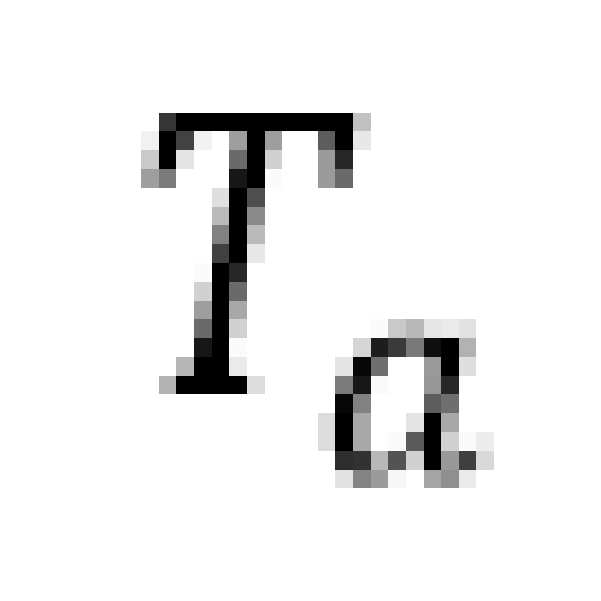


다시 도 6을 참조하면, 비연속적인 방식에 기초한 채널 점유 상태의 측정 방법은 다음과 같을 수 있다.Referring again to FIG. 6, the method of measuring the channel occupancy state based on the non-continuous scheme may be as follows.
비연속적 방식에 기초한 채널 점유 상태의 측정 방법Method of measuring channel occupancy based on non-continuous method
UE는 제1 메시지에 포함된 정보를 기초로 측정 구간을 확인할 수 있다. 즉, 제1 메시지에 측정 구간 정보가 포함된 경우, UE는 제1 메시지를 기초로 채널 점유 상태의 측정 구간을 확인할 수 있다. 제1 메시지에 측정 주기의 주기성 정보 및 측정 시작 시점 정보가 포함된 경우(즉, 제1 메시지에 측정 구간 정보가 포함되지 않은 경우), UE는 측정 주기의 주기성 정보 및 측정 시작 시점 정보를 기초로 채널 점유 상태의 측정 구간을 추정할 수 있다. 또한, UE는 제1 메시지에 포함된 주파수 정보에 의해 지시되는 채널에서 채널 점유 상태의 측정이 수행되는 것으로 판단할 수 있다. 또한, UE는 제1 메시지에 포함된 샘플 관련 정보를 기초로 측정 구간 내의 샘플 개수(또는, 샘플링 간격)를 확인할 수 있다. 측정 신호 세기의 샘플링은 다음과 같이 수행될 수 있다.The UE can check the measurement interval based on the information included in the first message. That is, when the measurement interval information is included in the first message, the UE can check the measurement period of the channel occupation state based on the first message. If the first message includes the periodicity information of the measurement period and the measurement start time information (i.e., the measurement period information is not included in the first message), the UE determines the measurement period based on the periodicity information of the measurement period and the measurement start time information The measurement period of the channel occupation state can be estimated. In addition, the UE may determine that the measurement of the channel occupancy state is performed in the channel indicated by the frequency information included in the first message. In addition, the UE can check the number of samples (or the sampling interval) in the measurement interval based on the sample-related information included in the first message. Sampling of the measured signal strength can be performed as follows.
도 9는 측정 구간 동안 샘플링의 예를 도시한 타이밍도이다.9 is a timing chart showing an example of sampling during a measurement interval.
도 9를 참조하면, 측정 구간 내에 9개의 샘플링 시점들이 존재할 수 있다. 따라서, UE는 측정 구간 내의 9개의 샘플링 시점들에서 수신 신호 세기를 측정할 수 있다. 한편, 제1 메시지에 포함된 샘플 관련 정보는 샘플 개수 또는 샘플링 간격을 지시할 수 있다. 샘플 관련 정보가 샘플 개수를 지시하는 경우, UE는 아래 수학식 4를 기초로 샘플링 간격을 확인할 수 있다. 또는, 샘플 관련 정보가 샘플링 간격을 지시하는 경우, UE는 아래 수학식 4를 기초로 샘플 개수를 확인할 수 있다. 수학식 4에서 


다시 도 6을 참조하면, UE는 비면허 대역의 측정 구간 중 샘플링 시점에서 수신 신호 세기(예를 들어, RSSI)를 측정할 수 있다. 비면허 대역 셀이 활성화 상태인 경우, 기지국으로부터 전송된 신호는 측정 대상에서 제외될 수 있다. UE는 측정된 수신 신호 세기와 미리 설정된 임계값을 비교할 수 있다. UE는 측정된 수신 신호 세기가 미리 설정된 임계값 이상인 샘플링 시점에서 비면허 대역이 비지 상태인 것으로 판단할 수 있다. 반면, UE는 측정된 수신 신호 세기가 미리 설정된 임계값 미만인 샘플링 시점에서 비면허 대역이 아이들 상태인 것으로 판단할 수 있다. UE는 비면허 대역의 상태를 기초로 다음과 같이 채널 점유 상태를 결정할 수 있다.Referring again to FIG. 6, the UE may measure a received signal strength (for example, RSSI) at a sampling time in a measurement period of the license-exempt band. If the license-exempted band cell is active, the signal transmitted from the base station may be excluded from the measurement target. The UE may compare the measured received signal strength with a predetermined threshold value. The UE may determine that the license-exempt band is in the busy state at the sampling time when the measured received signal strength is equal to or greater than a preset threshold value. On the other hand, the UE may determine that the license-exempt band is idle at the sampling time when the measured received signal strength is less than a preset threshold value. The UE can determine the channel occupancy state based on the state of the license-exempt band as follows.
도 10은 본 발명에 따른 비면허 대역의 채널 점유 상태를 결정하기 위한 제3 실시예를 도시한 타이밍도이다.10 is a timing diagram illustrating a third embodiment for determining the channel occupancy state of the license-exempt band according to the present invention.
도 10을 참조하면, UE는 측정 구간(


여기서, 


다시 도 6을 참조하면, UE는 제1 메시지에 대한 응답으로 채널 점유 상태를 지시하는 정보를 포함하는 제2 메시지를 기지국에 전송할 수 있다(S620). 제2 메시지는 면허 대역 또는 비면허 대역을 통해 전송될 수 있다. 제2 메시지는 RRC 메시지에 대한 응답으로 전송될 수 있다. 또는, 제2 메시지는 PUCCH 또는 PUSCH를 통해 기지국에 전송될 수 있다.Referring back to FIG. 6, in step S620, the UE may transmit a second message including information indicating a channel occupation state to the base station in response to the first message. The second message may be transmitted over the license band or the license-exempt band. The second message may be sent in response to the RRC message. Alternatively, the second message may be transmitted to the base station via the PUCCH or PUSCH.
채널 점유 상태를 지시하는 정보는 인덱스로 표현될 수 있다. 예를 들어, 채널 점유 상태(예를 들어, 채널 점유 상태에 대한 퍼센트(percent) 값)는 균등하게(예를 들어, 선형적으로) 또는 불균등하게(예를 들어, 비선형적으로) 양자화될(quantized) 수 있으며, 인덱스는 양자화된 채널 점유 상태를 지시할 수 있다. 예를 들어, 인덱스는 아래 표 1과 같이 3비트로 표현될 수 있다. 아래 표 1에서 채널 점유 상태는 수학식 1, 2, 3 또는 5를 기초로 결정된 채널 점유 상태에 대한 퍼센트 값을 지시할 수 있다.The information indicating the channel occupancy state can be represented by an index. For example, a channel occupancy state (e.g., a percent value for a channel occupancy state) may be quantized (e.g., linearly) or unequally (e.g., non-linearly) quantized, and the index can indicate the quantized channel occupancy state. For example, an index may be represented by three bits as shown in Table 1 below. The channel occupancy state in Table 1 below may indicate a percentage value for the channel occupancy state determined based on

또는, 인덱스는 아래 표 2와 같이 4비트로 표현될 수 있다. 아래 표 2에서 채널 점유 상태는 수학식 1, 2, 3 또는 5를 기초로 결정된 채널 점유 상태에 대한 퍼센트 값을 지시할 수 있다.Alternatively, the index can be represented by 4 bits as shown in Table 2 below. The channel occupancy state in Table 2 below may indicate a percentage value for the channel occupancy state determined based on

다시 도 6을 참조하면, 기지국은 UE로부터 제2 메시지를 수신할 수 있고, 제2 메시지에 포함된 채널 점유 상태를 지시하는 정보를 기초로 경쟁 윈도우의 크기를 변경할 수 있다(S630). 예를 들어, 채널 점유 상태가 미리 설정된 임계값 이상인 경우, 기지국은 경쟁 윈도우의 크기를 증가시킬 수 있다. 반면, 채널 점유 상태가 미리 설정된 임계값 미만인 경우, 기지국은 경쟁 윈도우의 크기를 유지, 초기화 또는 감소시킬 수 있다.Referring back to FIG. 6, the BS can receive the second message from the UE and change the size of the contention window based on the information indicating the channel occupation state included in the second message (S630). For example, if the channel occupation state is equal to or greater than a preset threshold value, the base station can increase the size of the contention window. On the other hand, if the channel occupancy state is less than a predetermined threshold, the base station can maintain, initialize, or reduce the size of the contention window.
또는, 기지국은 이전 채널 점유 상태와 현재 채널 점유 상태 간의 변화량에 기초하여 경쟁 윈도우의 크기를 변경할 수 있다. 이전 채널 점유 상태와 현재 채널 점유 상태 간의 변화량에 기초한 경쟁 윈도우 크기의 변경 방법은 다음과 같을 수 있다.Alternatively, the base station may change the size of the contention window based on the amount of change between the previous channel occupied state and the current channel occupied state. The method of changing the contention window size based on the change amount between the previous channel occupied state and the current channel occupied state may be as follows.
도 11은 채널 점유 상태의 변화량에 기초한 경쟁 윈도우 크기의 변경 방법을 도시한 흐름도이다.11 is a flowchart showing a method of changing a contention window size based on a change amount of a channel occupation state.
도 11을 참조하면, 기지국은 이전 채널 점유 상태 대비 현재 채널 점유 상태의 증가량을 계산할 수 있고, 계산된 증가량과 미리 설정된 제1 임계값을 비교할 수 있다(S631). 계산된 증가량이 미리 설정된 제1 임계값보다 큰 경우, 기지국은 경쟁 윈도우의 크기를 증가시킬 수 있다(S632).Referring to FIG. 11, the base station can calculate the increase amount of the current channel occupation state with respect to the previous channel occupation state, and compare the calculated increase amount with the preset first threshold value (S631). If the calculated amount of increase is larger than the preset first threshold value, the base station may increase the size of the contention window (S632).
계산된 증가량이 미리 설정된 제1 임계값 이하인 경우, 기지국은 이전 채널 점유 상태 대비 현재 채널 점유 상태의 감소량을 계산할 수 있고, 계산된 감소량과 미리 설정된 제2 임계값을 비교할 수 있다(S633). 계산된 감소량이 미리 설정된 제2 임계값보다 큰 경우, 기지국은 경쟁 윈도우의 크기를 감소 또는 초기화할 수 있다(S634). 계산된 감소량이 미리 설정된 제2 임계값 이하인 경우, 기지국은 경쟁 윈도우의 크기를 유지할 수 있다(S635).If the calculated increase amount is less than or equal to the preset first threshold value, the base station can calculate the decrease amount of the current channel occupation state with respect to the previous channel occupation state, and compare the calculated decrease amount with the preset second threshold value (S633). If the calculated amount of decrease is larger than the preset second threshold value, the base station may decrease or initialize the size of the contention window (S634). If the calculated amount of decrease is less than or equal to the predetermined second threshold value, the base station can maintain the size of the contention window (S635).
다시 도 6을 참조하면, 기지국은 변경된 경쟁 윈도우의 크기에 기초하여 비면허 대역에서 통신을 수행할 수 있다(S640). 예를 들어, 기지국은 변경된 경쟁 윈도우 내에서 백오프 값을 선택할 수 있고, 백오프 값에 대응하는 시간 동안 비면허 대역이 아이들 상태인 경우에 비면허 대역을 통해 신호를 전송할 수 있다. 한편, 기지국은 변경된 경쟁 윈도우의 크기를 UE에 알려줄 수 있다. 예를 들어, 변경된 경쟁 윈도우의 크기는 RRC 메시지 또는 DCI(downlink control information)를 통해 전송될 수 있다.Referring back to FIG. 6, the base station can perform communication in the license-exempt band based on the size of the changed contention window (S640). For example, the base station may select a backoff value within the changed contention window and may transmit the signal over the license-only bandwidth if the license-exclusion zone is idle for a time corresponding to the backoff value. Meanwhile, the BS can inform the UE of the size of the changed contention window. For example, the size of the changed contention window may be transmitted via an RRC message or downlink control information (DCI).
도 12는 채널 점유 상태에 기초한 경쟁 윈도우의 크기 변경 방법을 도시한 순서도이다.12 is a flowchart showing a method of changing the size of the contention window based on the channel occupation state.
도 12를 참조하면, 제1 기지국 및 제2 기지국은 도 1 내지 도 4를 참조하여 설명된 무선 통신 네트워크를 형성할 수 있고, 면허 대역 및 비면허 대역을 지원할 수 있다. 제1 기지국 및 제2 기지국은 캐리어 애그리게이션을 지원할 수 있다. 제1 기지국 및 제2 기지국은 도 5를 참조하여 설명된 통신 노드(500)와 동일 또는 유사하게 구성될 수 있다. 면허 대역의 서브프레임(또는, 슬롯, OFDM 심볼 등) 타이밍은 비면허 대역의 서브프레임(또는, 슬롯, OFDM 심볼 등) 타이밍과 동일할 수 있다.Referring to FIG. 12, the first base station and the second base station can form the wireless communication network described with reference to FIGS. 1 to 4, and can support the license band and the license-exempt band. The first base station and the second base station may support carrier aggregation. The first base station and the second base station may be configured the same or similar to the
제1 기지국은 제2 기지국에 채널 점유 상태의 측정을 요청하는 제1 메시지를 전송할 수 있다(S1200). 제1 메시지는 상위 계층 프로토콜 또는 X2 인터페이스를 기초로 제2 기지국에 전송될 수 있다. 제1 메시지는 도 6을 참조하여 설명된 제1 메시지와 동일할 수 있다.The first base station may transmit a first message requesting measurement of the channel occupation state to the second base station (S1200). The first message may be sent to the second base station based on an upper layer protocol or an X2 interface. The first message may be the same as the first message described with reference to FIG.
제2 기지국은 제1 기지국으로부터 채널 점유 상태의 측정을 요청하는 제1 메시지를 수신할 수 있다. 제2 기지국은 제1 메시지에 포함된 정보에 기초하여 채널 점유 상태를 측정할 수 있다(S1210). 제2 기지국은 도 6을 참조하여 설명된 단계 S610과 동일 또는 유사한 방식으로 채널 점유 상태를 측정할 수 있다.The second base station may receive a first message requesting measurement of the channel occupancy state from the first base station. The second base station may measure the channel occupation state based on the information included in the first message (S1210). The second base station can measure the channel occupation state in the same or similar manner as that of step S610 described with reference to Fig.
제2 기지국은 제1 메시지에 대한 응답으로 채널 점유 상태를 지시하는 정보를 포함하는 제2 메시지를 제1 기지국에 전송할 수 있다(S1220). 제2 메시지는 상위 계층 프로토콜 또는 X2 인터페이스를 기초로 제1 기지국에 전송될 수 있다. 제2 메시지는 도 6을 참조하여 설명된 제2 메시지와 동일할 수 있다.The second base station may transmit a second message including information indicating a channel occupation state to the first base station in response to the first message (S1220). The second message may be transmitted to the first base station based on an upper layer protocol or an X2 interface. The second message may be the same as the second message described with reference to FIG.
제1 기지국은 제2 기지국으로부터 제2 메시지를 수신할 수 있다. 제1 기지국은 제2 메시지에 포함된 채널 점유 상태를 기초로 경쟁 윈도우 크기를 변경할 수 있다(S1230). 제1 기지국은 도 6을 참조하여 설명된 단계 S630과 동일 또는 유사한 방식으로 경쟁 윈도우의 크기를 변경할 수 있다.The first base station may receive the second message from the second base station. The first base station may change the contention window size based on the channel occupancy state included in the second message (S1230). The first base station may change the size of the contention window in the same or similar manner as that of step S630 described with reference to FIG.
또한, 제1 기지국은 변경된 경쟁 윈도우의 크기에 기초하여 비면허 대역에서 통신을 수행할 수 있다. 여기서, 제1 기지국은 도 6을 참조하여 설명된 단계 S640과 동일 또는 유사한 방식으로 통신을 수행할 수 있다. 또한, 제1 기지국은 변경된 경쟁 윈도우의 크기를 UE에 알려줄 수 있다. 예를 들어, 변경된 경쟁 윈도우의 크기는 RRC 메시지 또는 DCI를 통해 전송될 수 있다.In addition, the first base station can perform communication in the license-exempt band based on the size of the changed contention window. Here, the first base station can perform communication in the same or similar manner as step S640 described with reference to Fig. Also, the first base station may inform the UE of the size of the changed contention window. For example, the size of the modified contention window may be transmitted via the RRC message or DCI.
다음으로, 채널 점유 상태에 기초한 비면허 대역 채널의 활성화 방법이 설명될 것이다. 여기서, 비면허 대역 채널은 비면허 대역 셀일 수 있다.Next, a method of activating the license-exempted bandwidth channel based on the channel occupation state will be described. Here, the license-exempt band channel may be a license-exempt band cell.
도 13은 채널 점유 상태에 기초한 비면허 대역 채널의 활성화 방법을 도시한 순서도이다.13 is a flowchart showing a method of activating a license-exempted band channel based on a channel occupation state.
도 13을 참조하면, 통신 노드(예를 들어, 기지국, UE)는 도 1 내지 도 4를 참조하여 설명된 무선 통신 네트워크를 형성할 수 있고, 면허 대역 및 비면허 대역을 지원할 수 있다. 통신 노드는 캐리어 애그리게이션을 지원할 수 있다. 통신 노드는 도 5를 참조하여 설명된 통신 노드(500)와 동일 또는 유사하게 구성될 수 있다. 면허 대역의 서브프레임(또는, 슬롯, OFDM 심볼 등) 타이밍은 비면허 대역의 서브프레임(또는, 슬롯, OFDM 심볼 등) 타이밍과 동일할 수 있다.Referring to FIG. 13, a communication node (e.g., base station, UE) may form the wireless communication network described with reference to FIGS. 1-4 and may support license and license-exempt bands. The communication node may support carrier aggregation. The communication node may be configured the same or similar to the
통신 노드는 비면허 대역의 복수의 채널들에서 채널 점유 상태를 측정할 수 있다(S1300). 예를 들어, 통신 노드는 도 6 또는 도 12를 참조하여 설명된 채널 점유 상태의 측정 방법에 기초하여 비면허 대역의 복수의 채널들에서 채널 점유 상태를 측정할 수 있다.The communication node can measure the channel occupation state in a plurality of channels of the license-exempt band (S1300). For example, the communication node can measure the channel occupancy state in a plurality of channels of the license-exempt band based on the measurement method of the channel occupancy state described with reference to Fig. 6 or Fig.
통신 노드는 복수의 채널들 각각의 채널 점유 상태와 미리 설정된 임계값을 비교할 수 있다. 통신 노드는 미리 설정된 임계값 이하의 채널 점유 상태를 가지는 적어도 하나의 채널을 선택할 수 있다(S1310). 통신 노드는 선택된 비면허 대역 채널을 활성화할 수 있다(S1320). 예를 들어, 통신 노드가 기지국인 경우, 기지국은 선택된 비면허 대역 채널의 활성화를 UE에 요청할 수 있다. 비면허 대역 채널의 활성화 요청이 수신된 경우, UE는 비면허 대역 채널을 활성화할 수 있다. 또는, 통신 노드가 UE인 경우, UE는 선택된 비면허 대역 채널을 직접 활성화할 수 있다. 기지국 및 UE는 활성화 상태인 비면허 대역 채널에서 통신을 수행할 수 있다.The communication node may compare the channel occupation state of each of the plurality of channels with a preset threshold value. The communication node can select at least one channel having a channel occupation state equal to or less than a preset threshold value (S1310). The communication node may activate the selected license-exempt bandwidth channel (S1320). For example, if the communication node is a base station, the base station may request activation of the selected license-exempt bandwidth channel from the UE. When an activation request for a license-exempted bandwidth channel is received, the UE may activate the license-exempted bandwidth channel. Alternatively, if the communication node is a UE, the UE may directly activate the selected license-exempt band channel. The base station and the UE can perform communication in an unlicensed band channel that is active.
본 발명에 따른 방법들은 다양한 컴퓨터 수단을 통해 수행될 수 있는 프로그램 명령 형태로 구현되어 컴퓨터 판독 가능 매체에 기록될 수 있다. 컴퓨터 판독 가능 매체는 프로그램 명령, 데이터 파일, 데이터 구조 등을 단독으로 또는 조합하여 포함할 수 있다. 컴퓨터 판독 가능 매체에 기록되는 프로그램 명령은 본 발명을 위해 특별히 설계되고 구성된 것들이거나 컴퓨터 소프트웨어 당업자에게 공지되어 사용 가능한 것일 수도 있다.The methods according to the present invention can be implemented in the form of program instructions that can be executed through various computer means and recorded on a computer readable medium. The computer readable medium may include program instructions, data files, data structures, and the like, alone or in combination. The program instructions recorded on the computer readable medium may be those specially designed and constructed for the present invention or may be available to those skilled in the computer software.
컴퓨터 판독 가능 매체의 예에는 롬, 램, 플래시 메모리(flash memory) 등과 같이 프로그램 명령을 저장하고 수행하도록 특별히 구성된 하드웨어 장치가 포함된다. 프로그램 명령의 예에는 컴파일러(compiler)에 1의해 만들어지는 것과 같은 기계어 코드뿐만 아니라 인터프리터(interpreter) 등을 사용해서 컴퓨터에 의해 실행될 수 있는 고급 언어 코드를 포함한다. 상술한 하드웨어 장치는 본 발명의 동작을 수행하기 위해 적어도 하나의 소프트웨어 모듈로 작동하도록 구성될 수 있으며, 그 역도 마찬가지이다.Examples of computer readable media include hardware devices that are specially configured to store and execute program instructions, such as ROM, RAM, flash memory, and the like. Examples of program instructions include machine language code such as those produced by the
이상 실시예를 참조하여 설명하였지만, 해당 기술 분야의 숙련된 당업자는 하기의 특허 청구의 범위에 기재된 본 발명의 사상 및 영역으로부터 벗어나지 않는 범위 내에서 본 발명을 다양하게 수정 및 변경시킬 수 있음을 이해할 수 있을 것이다.It will be understood by those skilled in the art that various changes in form and details may be made therein without departing from the spirit and scope of the invention as defined in the appended claims. It will be possible.
Claims (20)
비면허 대역 내의 측정 구간에서 수신 신호 세기를 측정하는 단계;
측정된 수신 신호 세기와 미리 설정된 임계값을 비교함으로써 채널 점유 상태를 결정하는 단계; 및
상기 채널 점유 상태를 지시하는 정보를 기지국에 보고하는 단계를 포함하는, UE의 동작 방법.A method of operating a user equipment (UE) in a communication network,
Measuring a received signal strength in a measurement interval within a license-exempted band;
Determining a channel occupied state by comparing the measured received signal strength with a preset threshold value; And
And reporting to the base station information indicating the channel occupancy state.
상기 채널 점유 상태는 측정된 수신 신호 세기가 상기 미리 설정된 임계값 이상인 구간과 상기 측정 구간의 비율인, UE의 동작 방법.The method according to claim 1,
Wherein the channel occupancy state is a ratio of an interval in which the measured received signal strength is greater than or equal to the preset threshold value to the measurement interval.
상기 채널 점유 상태는 측정된 수신 신호 세기가 상기 미리 설정된 임계값 이상인 샘플 개수와 상기 측정 구간 내의 전체 샘플 개수의 비율인, UE의 동작 방법.The method according to claim 1,
Wherein the channel occupancy state is a ratio of the number of samples for which the measured received signal strength is greater than or equal to the predetermined threshold value to the total number of samples in the measurement interval.
상기 채널 점유 상태를 지시하는 정보는 PUCCH(physical uplink control channel) 또는 PUSCH(physical uplink shared channel)을 통해 상기 기지국에 전송되는, UE의 동작 방법.The method according to claim 1,
Wherein the information indicating the channel occupancy state is transmitted to the base station via a physical uplink control channel (PUCCH) or a physical uplink shared channel (PUSCH).
상기 UE의 동작 방법은,
상기 기지국으로부터 채널 점유 상태의 측정을 요청하는 메시지를 수신하는 단계를 더 포함하는, UE의 동작 방법.The method according to claim 1,
The method comprising:
Further comprising receiving a message requesting measurement of a channel occupancy state from the base station.
상기 메시지는 수신 신호 세기의 측정 주기(period)의 주기성 및 측정 시작 시점에 관련된 정보를 포함하는, UE의 동작 방법.The method of claim 5,
Wherein the message comprises information relating to the periodicity of the measurement period of the received signal strength and the start of the measurement.
상기 메시지는 측정된 채널 주파수, 상기 미리 설정된 임계값 및 측정 기간(duration)의 길이에 관련된 정보를 더 포함하는, UE의 동작 방법.The method of claim 6,
Wherein the message further comprises information related to a measured channel frequency, the predetermined threshold, and a duration of a duration.
상기 메시지는 RRC(radio resource control) 메시지인, UE의 동작 방법.The method of claim 5,
Wherein the message is a radio resource control (RRC) message.
채널 점유 상태의 측정을 요청하는 제1 메시지를 생성하는 단계;
상기 제1 메시지를 UE에 전송하는 단계; 및
상기 제1 메시지에 대한 응답으로, 비면허 대역 내의 측정 구간에서 측정된 수신 신호 세기와 미리 설정된 임계값의 비교 결과에 기초하여 판단된 채널 점유 상태를 지시하는 정보를 포함하는 제2 메시지를 상기 UE로부터 수신하는 단계를 포함하는, 기지국의 동작 방법.A method of operating a base station in a communication network,
Generating a first message requesting measurement of a channel occupancy state;
Transmitting the first message to a UE; And
In response to the first message, a second message including information indicating a channel occupation state determined based on a result of comparison between a received signal strength measured in a measurement interval in the license-exempt band and a predetermined threshold, The method comprising the steps of:
상기 채널 점유 상태는 측정된 수신 신호 세기가 상기 미리 설정된 임계값 이상인 구간과 상기 측정 구간의 비율인, 기지국의 동작 방법.The method of claim 9,
Wherein the channel occupancy state is a ratio of an interval in which the measured received signal strength is greater than or equal to the preset threshold value to the measurement interval.
상기 채널 점유 상태는 측정된 수신 신호 세기가 상기 미리 설정된 임계값 이상인 샘플 개수와 상기 측정 구간 내의 전체 샘플 개수의 비율인, 기지국의 동작 방법.The method of claim 9,
Wherein the channel occupancy state is a ratio of the number of samples in which the measured received signal strength is equal to or greater than the preset threshold value to the total number of samples in the measurement interval.
상기 제1 메시지는 수신 신호 세기의 측정 주기(period)의 주기성 및 측정 시작 시점에 관련된 정보를 포함하는, 기지국의 동작 방법.The method of claim 9,
Wherein the first message comprises information related to a periodicity of a measurement period of a received signal strength and a measurement start time.
상기 제1 메시지는 측정된 채널 주파수, 상기 미리 설정된 임계값 및 측정 기간(duration)의 길이에 관련된 정보를 더 포함하는, 기지국의 동작 방법.The method of claim 12,
Wherein the first message further comprises information related to a measured channel frequency, the predetermined threshold, and a duration of a duration.
상기 제1 메시지는 RRC(radio resource control) 메시지인, 기지국의 동작 방법.The method of claim 9,
Wherein the first message is a radio resource control (RRC) message.
상기 제2 메시지는 PUCCH(physical uplink control channel) 또는 PUSCH(physical uplink shared channel)을 통해 상기 UE로부터 수신되는, 기지국의 동작 방법.The method of claim 9,
Wherein the second message is received from the UE via a physical uplink control channel (PUCCH) or a physical uplink shared channel (PUSCH).
프로세서(processor); 및
상기 프로세서에 의해 실행되는 적어도 하나의 명령이 저장된 메모리(memory)를 포함하며,
상기 비면허 대역 내의 측정 구간에서 수신 신호 세기를 측정하고;
측정된 수신 신호 세기와 미리 설정된 임계값을 비교함으로써 채널 점유 상태를 판단하고; 그리고
상기 채널 점유 상태를 지시하는 정보를 기지국에 보고하도록 실행되는, UE.As a UE supporting a license-exempt band,
A processor; And
Wherein at least one instruction executed by the processor comprises a stored memory,
Measuring a received signal strength in a measurement interval within the license-exempt band;
Determining a channel occupied state by comparing the measured received signal strength with a predetermined threshold value; And
And to report to the base station information indicating the channel occupancy state.
상기 채널 점유 상태는 측정된 수신 신호 세기가 상기 미리 설정된 임계값 이상인 구간과 상기 측정 구간의 비율인, UE.18. The method of claim 16,
Wherein the channel occupancy state is a ratio of an interval in which the measured received signal strength is greater than or equal to the preset threshold value to the measurement interval.
상기 채널 점유 상태는 측정된 수신 신호 세기가 상기 미리 설정된 임계값 이상인 샘플 개수와 상기 측정 구간 내의 전체 샘플 개수의 비율인, UE.18. The method of claim 16,
Wherein the channel occupancy state is a ratio of the number of samples in which the measured received signal strength is equal to or greater than the preset threshold value to the total number of samples in the measurement interval.
상기 적어도 하나의 명령은,
상기 기지국으로부터 채널 점유 상태의 측정을 요청하는 메시지를 수신하도록 더 실행되는, UE.18. The method of claim 16,
Wherein the at least one instruction comprises:
Further comprising receiving a message requesting measurement of a channel occupancy state from the base station.
상기 메시지는 측정된 채널 주파수, 상기 미리 설정된 임계값, 측정 기간(duration)의 길이, 수신 신호 세기의 측정 주기(period)의 주기성 및 측정 시작 시점에 관련된 정보를 포함하는, UE.The method of claim 19,
Wherein the message comprises information related to a measured channel frequency, the predetermined threshold, a duration of a duration, a periodicity of a measurement period of a received signal strength, and a measurement start time.
Priority Applications (1)
| Application Number | Priority Date | Filing Date | Title |
|---|---|---|---|
| US15/234,047 US20170048916A1 (en) | 2015-08-13 | 2016-08-11 | Operation method of a communication node in a network supporting licensed band and unlicensed band |
Applications Claiming Priority (2)
| Application Number | Priority Date | Filing Date | Title |
|---|---|---|---|
| KR1020150114669 | 2015-08-13 | ||
| KR20150114669 | 2015-08-13 |
Publications (2)
| Publication Number | Publication Date |
|---|---|
| KR20170020236A true KR20170020236A (en) | 2017-02-22 |
| KR102437207B1 KR102437207B1 (en) | 2022-08-29 |
Family
ID=58315221
Family Applications (1)
| Application Number | Title | Priority Date | Filing Date |
|---|---|---|---|
| KR1020160099963A Active KR102437207B1 (en) | 2015-08-13 | 2016-08-05 | Operation method of communication node in network supporting licensed and unlicensed bands |
Country Status (1)
| Country | Link |
|---|---|
| KR (1) | KR102437207B1 (en) |
Cited By (2)
| Publication number | Priority date | Publication date | Assignee | Title |
|---|---|---|---|---|
| KR20190055541A (en) * | 2017-11-15 | 2019-05-23 | 콘텔라 주식회사 | Method for Controlling LBT on LTE-LAA and Nobe-B thereof |
| CN114902579A (en) * | 2020-01-10 | 2022-08-12 | 高通股份有限公司 | Millimeter wave multi-beam |
Citations (3)
| Publication number | Priority date | Publication date | Assignee | Title |
|---|---|---|---|---|
| US20130336156A1 (en) * | 2011-03-01 | 2013-12-19 | Renesas Mobile Corporation | Operating A Wireless System in an Unlicensed Band |
| KR20150085455A (en) * | 2014-01-15 | 2015-07-23 | 한국전자통신연구원 | Data Frame Structure and Operation Method for Sharing Unlicensed Spectrum in Wireless Communication System and Apparatus thereof |
| WO2015109516A1 (en) * | 2014-01-24 | 2015-07-30 | 华为技术有限公司 | Measurement method, configuration method, related device and system |
-
2016
- 2016-08-05 KR KR1020160099963A patent/KR102437207B1/en active Active
Patent Citations (3)
| Publication number | Priority date | Publication date | Assignee | Title |
|---|---|---|---|---|
| US20130336156A1 (en) * | 2011-03-01 | 2013-12-19 | Renesas Mobile Corporation | Operating A Wireless System in an Unlicensed Band |
| KR20150085455A (en) * | 2014-01-15 | 2015-07-23 | 한국전자통신연구원 | Data Frame Structure and Operation Method for Sharing Unlicensed Spectrum in Wireless Communication System and Apparatus thereof |
| WO2015109516A1 (en) * | 2014-01-24 | 2015-07-30 | 华为技术有限公司 | Measurement method, configuration method, related device and system |
Cited By (2)
| Publication number | Priority date | Publication date | Assignee | Title |
|---|---|---|---|---|
| KR20190055541A (en) * | 2017-11-15 | 2019-05-23 | 콘텔라 주식회사 | Method for Controlling LBT on LTE-LAA and Nobe-B thereof |
| CN114902579A (en) * | 2020-01-10 | 2022-08-12 | 高通股份有限公司 | Millimeter wave multi-beam |
Also Published As
| Publication number | Publication date |
|---|---|
| KR102437207B1 (en) | 2022-08-29 |
Similar Documents
| Publication | Publication Date | Title |
|---|---|---|
| KR102257152B1 (en) | Csi and ack reporting enhancements in lte/lte-a with unlicensed spectrum | |
| CN110291746B (en) | Method and apparatus for controlling radio channel deployment in unlicensed spectrum | |
| CN114223272B (en) | Side link power control | |
| EP3346794B1 (en) | Listen before talk for cellular in unlicensed band | |
| CN109565844B (en) | User equipment, base station and wireless communication method | |
| KR20230025679A (en) | Operation method of communication node in network supporting licensed and unlicensed bands | |
| EP4014402B1 (en) | Transmission of csi-reports for sidelink communications | |
| US11102134B2 (en) | Method and apparatus for determining contention window size in clear channel assessment | |
| KR20210095692A (en) | Method and apparatus for determining transmission resource | |
| JP7729675B2 (en) | Method, user equipment and base station for communication | |
| KR20200116975A (en) | Prioritization of scheduling requests and ACK/NACK | |
| KR20170020238A (en) | Operation method of communication node in network supporting licensed and unlicensed bands | |
| US20150049624A1 (en) | Method and Apparatus for Reducing Radio Interferences | |
| US20180279211A1 (en) | Transmission of Discovery Reference Signals on Unlicensed Carrier in a Wireless Network | |
| KR20170052473A (en) | Scheduling method for communication network supporting unlicensed band | |
| EP3440794A2 (en) | Dynamic sounding reference signal scheduling | |
| TW201225725A (en) | Method and arrangement for reporting channel state information in a telecommunication system | |
| TW201640931A (en) | CSI measurement under coverage enhancements in LTE | |
| CN114270957B (en) | User equipment behavior regarding obtaining early measurement configurations for new radios | |
| US20170048916A1 (en) | Operation method of a communication node in a network supporting licensed band and unlicensed band | |
| US20200092070A1 (en) | Signaling design for multiple aperiodic csi feedback | |
| US12375147B2 (en) | Beam updates during a secondary cell group (SCG) dormancy period | |
| KR102437207B1 (en) | Operation method of communication node in network supporting licensed and unlicensed bands | |
| KR102498332B1 (en) | Operation method of communication node in network supporting licensed and unlicensed bands | |
| KR102703794B1 (en) | Scheduling method for communication network supporting unlicensed band |
Legal Events
| Date | Code | Title | Description |
|---|---|---|---|
| PA0109 | Patent application |
St.27 status event code: A-0-1-A10-A12-nap-PA0109 |
|
| PG1501 | Laying open of application |
St.27 status event code: A-1-1-Q10-Q12-nap-PG1501 |
|
| A201 | Request for examination | ||
| PA0201 | Request for examination |
St.27 status event code: A-1-2-D10-D11-exm-PA0201 |
|
| D13-X000 | Search requested |
St.27 status event code: A-1-2-D10-D13-srh-X000 |
|
| D14-X000 | Search report completed |
St.27 status event code: A-1-2-D10-D14-srh-X000 |
|
| E902 | Notification of reason for refusal | ||
| PE0902 | Notice of grounds for rejection |
St.27 status event code: A-1-2-D10-D21-exm-PE0902 |
|
| P11-X000 | Amendment of application requested |
St.27 status event code: A-2-2-P10-P11-nap-X000 |
|
| P13-X000 | Application amended |
St.27 status event code: A-2-2-P10-P13-nap-X000 |
|
| E701 | Decision to grant or registration of patent right | ||
| PE0701 | Decision of registration |
St.27 status event code: A-1-2-D10-D22-exm-PE0701 |
|
| GRNT | Written decision to grant | ||
| PR0701 | Registration of establishment |
St.27 status event code: A-2-4-F10-F11-exm-PR0701 |
|
| PR1002 | Payment of registration fee |
St.27 status event code: A-2-2-U10-U11-oth-PR1002 Fee payment year number: 1 |
|
| PG1601 | Publication of registration |
St.27 status event code: A-4-4-Q10-Q13-nap-PG1601 |
|
| P22-X000 | Classification modified |
St.27 status event code: A-4-4-P10-P22-nap-X000 |
|
| PR1001 | Payment of annual fee |
St.27 status event code: A-4-4-U10-U11-oth-PR1001 Fee payment year number: 4 |
|
| U11 | Full renewal or maintenance fee paid |
Free format text: ST27 STATUS EVENT CODE: A-4-4-U10-U11-OTH-PR1001 (AS PROVIDED BY THE NATIONAL OFFICE) Year of fee payment: 4 |