KR20150136314A - display apparatus, user terminal apparatus, server and control method thereof - Google Patents
display apparatus, user terminal apparatus, server and control method thereof Download PDFInfo
- Publication number
- KR20150136314A KR20150136314A KR1020140063643A KR20140063643A KR20150136314A KR 20150136314 A KR20150136314 A KR 20150136314A KR 1020140063643 A KR1020140063643 A KR 1020140063643A KR 20140063643 A KR20140063643 A KR 20140063643A KR 20150136314 A KR20150136314 A KR 20150136314A
- Authority
- KR
- South Korea
- Prior art keywords
- information
- user
- content
- user activity
- display device
- Prior art date
- Legal status (The legal status is an assumption and is not a legal conclusion. Google has not performed a legal analysis and makes no representation as to the accuracy of the status listed.)
- Ceased
Links
Images



Classifications
-
- H—ELECTRICITY
- H04—ELECTRIC COMMUNICATION TECHNIQUE
- H04N—PICTORIAL COMMUNICATION, e.g. TELEVISION
- H04N21/00—Selective content distribution, e.g. interactive television or video on demand [VOD]
- H04N21/40—Client devices specifically adapted for the reception of or interaction with content, e.g. set-top-box [STB]; Operations thereof
- H04N21/45—Management operations performed by the client for facilitating the reception of or the interaction with the content or administrating data related to the end-user or to the client device itself, e.g. learning user preferences for recommending movies, resolving scheduling conflicts
- H04N21/466—Learning process for intelligent management, e.g. learning user preferences for recommending movies
-
- G06Q10/40—
-
- H—ELECTRICITY
- H04—ELECTRIC COMMUNICATION TECHNIQUE
- H04L—TRANSMISSION OF DIGITAL INFORMATION, e.g. TELEGRAPHIC COMMUNICATION
- H04L65/00—Network arrangements, protocols or services for supporting real-time applications in data packet communication
- H04L65/60—Network streaming of media packets
- H04L65/61—Network streaming of media packets for supporting one-way streaming services, e.g. Internet radio
- H04L65/612—Network streaming of media packets for supporting one-way streaming services, e.g. Internet radio for unicast
-
- H—ELECTRICITY
- H04—ELECTRIC COMMUNICATION TECHNIQUE
- H04L—TRANSMISSION OF DIGITAL INFORMATION, e.g. TELEGRAPHIC COMMUNICATION
- H04L67/00—Network arrangements or protocols for supporting network services or applications
- H04L67/2866—Architectures; Arrangements
- H04L67/30—Profiles
- H04L67/303—Terminal profiles
-
- H—ELECTRICITY
- H04—ELECTRIC COMMUNICATION TECHNIQUE
- H04L—TRANSMISSION OF DIGITAL INFORMATION, e.g. TELEGRAPHIC COMMUNICATION
- H04L67/00—Network arrangements or protocols for supporting network services or applications
- H04L67/2866—Architectures; Arrangements
- H04L67/30—Profiles
- H04L67/306—User profiles
-
- H—ELECTRICITY
- H04—ELECTRIC COMMUNICATION TECHNIQUE
- H04L—TRANSMISSION OF DIGITAL INFORMATION, e.g. TELEGRAPHIC COMMUNICATION
- H04L67/00—Network arrangements or protocols for supporting network services or applications
- H04L67/50—Network services
- H04L67/535—Tracking the activity of the user
-
- H—ELECTRICITY
- H04—ELECTRIC COMMUNICATION TECHNIQUE
- H04N—PICTORIAL COMMUNICATION, e.g. TELEVISION
- H04N21/00—Selective content distribution, e.g. interactive television or video on demand [VOD]
- H04N21/20—Servers specifically adapted for the distribution of content, e.g. VOD servers; Operations thereof
- H04N21/25—Management operations performed by the server for facilitating the content distribution or administrating data related to end-users or client devices, e.g. end-user or client device authentication, learning user preferences for recommending movies
- H04N21/251—Learning process for intelligent management, e.g. learning user preferences for recommending movies
-
- H—ELECTRICITY
- H04—ELECTRIC COMMUNICATION TECHNIQUE
- H04N—PICTORIAL COMMUNICATION, e.g. TELEVISION
- H04N21/00—Selective content distribution, e.g. interactive television or video on demand [VOD]
- H04N21/20—Servers specifically adapted for the distribution of content, e.g. VOD servers; Operations thereof
- H04N21/25—Management operations performed by the server for facilitating the content distribution or administrating data related to end-users or client devices, e.g. end-user or client device authentication, learning user preferences for recommending movies
- H04N21/258—Client or end-user data management, e.g. managing client capabilities, user preferences or demographics, processing of multiple end-users preferences to derive collaborative data
- H04N21/25866—Management of end-user data
- H04N21/25883—Management of end-user data being end-user demographical data, e.g. age, family status or address
-
- H—ELECTRICITY
- H04—ELECTRIC COMMUNICATION TECHNIQUE
- H04N—PICTORIAL COMMUNICATION, e.g. TELEVISION
- H04N21/00—Selective content distribution, e.g. interactive television or video on demand [VOD]
- H04N21/20—Servers specifically adapted for the distribution of content, e.g. VOD servers; Operations thereof
- H04N21/25—Management operations performed by the server for facilitating the content distribution or administrating data related to end-users or client devices, e.g. end-user or client device authentication, learning user preferences for recommending movies
- H04N21/258—Client or end-user data management, e.g. managing client capabilities, user preferences or demographics, processing of multiple end-users preferences to derive collaborative data
- H04N21/25866—Management of end-user data
- H04N21/25891—Management of end-user data being end-user preferences
-
- H—ELECTRICITY
- H04—ELECTRIC COMMUNICATION TECHNIQUE
- H04N—PICTORIAL COMMUNICATION, e.g. TELEVISION
- H04N21/00—Selective content distribution, e.g. interactive television or video on demand [VOD]
- H04N21/40—Client devices specifically adapted for the reception of or interaction with content, e.g. set-top-box [STB]; Operations thereof
- H04N21/43—Processing of content or additional data, e.g. demultiplexing additional data from a digital video stream; Elementary client operations, e.g. monitoring of home network or synchronising decoder's clock; Client middleware
- H04N21/4302—Content synchronisation processes, e.g. decoder synchronisation
- H04N21/4307—Synchronising the rendering of multiple content streams or additional data on devices, e.g. synchronisation of audio on a mobile phone with the video output on the TV screen
- H04N21/43079—Synchronising the rendering of multiple content streams or additional data on devices, e.g. synchronisation of audio on a mobile phone with the video output on the TV screen of additional data with content streams on multiple devices
-
- H—ELECTRICITY
- H04—ELECTRIC COMMUNICATION TECHNIQUE
- H04N—PICTORIAL COMMUNICATION, e.g. TELEVISION
- H04N21/00—Selective content distribution, e.g. interactive television or video on demand [VOD]
- H04N21/40—Client devices specifically adapted for the reception of or interaction with content, e.g. set-top-box [STB]; Operations thereof
- H04N21/43—Processing of content or additional data, e.g. demultiplexing additional data from a digital video stream; Elementary client operations, e.g. monitoring of home network or synchronising decoder's clock; Client middleware
- H04N21/431—Generation of visual interfaces for content selection or interaction; Content or additional data rendering
-
- H—ELECTRICITY
- H04—ELECTRIC COMMUNICATION TECHNIQUE
- H04N—PICTORIAL COMMUNICATION, e.g. TELEVISION
- H04N21/00—Selective content distribution, e.g. interactive television or video on demand [VOD]
- H04N21/40—Client devices specifically adapted for the reception of or interaction with content, e.g. set-top-box [STB]; Operations thereof
- H04N21/43—Processing of content or additional data, e.g. demultiplexing additional data from a digital video stream; Elementary client operations, e.g. monitoring of home network or synchronising decoder's clock; Client middleware
- H04N21/442—Monitoring of processes or resources, e.g. detecting the failure of a recording device, monitoring the downstream bandwidth, the number of times a movie has been viewed, the storage space available from the internal hard disk
- H04N21/44213—Monitoring of end-user related data
- H04N21/44222—Analytics of user selections, e.g. selection of programs or purchase activity
- H04N21/44224—Monitoring of user activity on external systems, e.g. Internet browsing
- H04N21/44226—Monitoring of user activity on external systems, e.g. Internet browsing on social networks
-
- H—ELECTRICITY
- H04—ELECTRIC COMMUNICATION TECHNIQUE
- H04N—PICTORIAL COMMUNICATION, e.g. TELEVISION
- H04N21/00—Selective content distribution, e.g. interactive television or video on demand [VOD]
- H04N21/40—Client devices specifically adapted for the reception of or interaction with content, e.g. set-top-box [STB]; Operations thereof
- H04N21/45—Management operations performed by the client for facilitating the reception of or the interaction with the content or administrating data related to the end-user or to the client device itself, e.g. learning user preferences for recommending movies, resolving scheduling conflicts
-
- H—ELECTRICITY
- H04—ELECTRIC COMMUNICATION TECHNIQUE
- H04N—PICTORIAL COMMUNICATION, e.g. TELEVISION
- H04N21/00—Selective content distribution, e.g. interactive television or video on demand [VOD]
- H04N21/40—Client devices specifically adapted for the reception of or interaction with content, e.g. set-top-box [STB]; Operations thereof
- H04N21/45—Management operations performed by the client for facilitating the reception of or the interaction with the content or administrating data related to the end-user or to the client device itself, e.g. learning user preferences for recommending movies, resolving scheduling conflicts
- H04N21/4508—Management of client data or end-user data
- H04N21/4532—Management of client data or end-user data involving end-user characteristics, e.g. viewer profile, preferences
-
- H—ELECTRICITY
- H04—ELECTRIC COMMUNICATION TECHNIQUE
- H04N—PICTORIAL COMMUNICATION, e.g. TELEVISION
- H04N21/00—Selective content distribution, e.g. interactive television or video on demand [VOD]
- H04N21/40—Client devices specifically adapted for the reception of or interaction with content, e.g. set-top-box [STB]; Operations thereof
- H04N21/45—Management operations performed by the client for facilitating the reception of or the interaction with the content or administrating data related to the end-user or to the client device itself, e.g. learning user preferences for recommending movies, resolving scheduling conflicts
- H04N21/466—Learning process for intelligent management, e.g. learning user preferences for recommending movies
- H04N21/4661—Deriving a combined profile for a plurality of end-users of the same client, e.g. for family members within a home
-
- H—ELECTRICITY
- H04—ELECTRIC COMMUNICATION TECHNIQUE
- H04N—PICTORIAL COMMUNICATION, e.g. TELEVISION
- H04N21/00—Selective content distribution, e.g. interactive television or video on demand [VOD]
- H04N21/40—Client devices specifically adapted for the reception of or interaction with content, e.g. set-top-box [STB]; Operations thereof
- H04N21/45—Management operations performed by the client for facilitating the reception of or the interaction with the content or administrating data related to the end-user or to the client device itself, e.g. learning user preferences for recommending movies, resolving scheduling conflicts
- H04N21/466—Learning process for intelligent management, e.g. learning user preferences for recommending movies
- H04N21/4667—Processing of monitored end-user data, e.g. trend analysis based on the log file of viewer selections
-
- H—ELECTRICITY
- H04—ELECTRIC COMMUNICATION TECHNIQUE
- H04N—PICTORIAL COMMUNICATION, e.g. TELEVISION
- H04N21/00—Selective content distribution, e.g. interactive television or video on demand [VOD]
- H04N21/40—Client devices specifically adapted for the reception of or interaction with content, e.g. set-top-box [STB]; Operations thereof
- H04N21/45—Management operations performed by the client for facilitating the reception of or the interaction with the content or administrating data related to the end-user or to the client device itself, e.g. learning user preferences for recommending movies, resolving scheduling conflicts
- H04N21/466—Learning process for intelligent management, e.g. learning user preferences for recommending movies
- H04N21/4668—Learning process for intelligent management, e.g. learning user preferences for recommending movies for recommending content, e.g. movies
-
- H—ELECTRICITY
- H04—ELECTRIC COMMUNICATION TECHNIQUE
- H04N—PICTORIAL COMMUNICATION, e.g. TELEVISION
- H04N21/00—Selective content distribution, e.g. interactive television or video on demand [VOD]
- H04N21/40—Client devices specifically adapted for the reception of or interaction with content, e.g. set-top-box [STB]; Operations thereof
- H04N21/47—End-user applications
- H04N21/475—End-user interface for inputting end-user data, e.g. personal identification number [PIN], preference data
- H04N21/4755—End-user interface for inputting end-user data, e.g. personal identification number [PIN], preference data for defining user preferences, e.g. favourite actors or genre
-
- H—ELECTRICITY
- H04—ELECTRIC COMMUNICATION TECHNIQUE
- H04N—PICTORIAL COMMUNICATION, e.g. TELEVISION
- H04N21/00—Selective content distribution, e.g. interactive television or video on demand [VOD]
- H04N21/40—Client devices specifically adapted for the reception of or interaction with content, e.g. set-top-box [STB]; Operations thereof
- H04N21/47—End-user applications
- H04N21/475—End-user interface for inputting end-user data, e.g. personal identification number [PIN], preference data
- H04N21/4756—End-user interface for inputting end-user data, e.g. personal identification number [PIN], preference data for rating content, e.g. scoring a recommended movie
-
- H—ELECTRICITY
- H04—ELECTRIC COMMUNICATION TECHNIQUE
- H04W—WIRELESS COMMUNICATION NETWORKS
- H04W4/00—Services specially adapted for wireless communication networks; Facilities therefor
- H04W4/80—Services using short range communication, e.g. near-field communication [NFC], radio-frequency identification [RFID] or low energy communication
Landscapes
- Engineering & Computer Science (AREA)
- Databases & Information Systems (AREA)
- Signal Processing (AREA)
- Multimedia (AREA)
- Computer Networks & Wireless Communication (AREA)
- Human Computer Interaction (AREA)
- Computer Graphics (AREA)
- Computing Systems (AREA)
- Computer Hardware Design (AREA)
- General Engineering & Computer Science (AREA)
- Health & Medical Sciences (AREA)
- General Health & Medical Sciences (AREA)
- Social Psychology (AREA)
- User Interface Of Digital Computer (AREA)
- Information Transfer Between Computers (AREA)
Abstract
디스플레이 장치가 개시된다. 디스플레이 장치는, 컨텐츠를 디스플레이하는 디스플레이부, 사용자 단말 장치와 통신을 수행하여 사용자 단말 장치에서 수행되는 사용자 액티비티(activity)에 관한 정보를 수신하는 통신부 및, 수신된 사용자 액티비티에 관한 정보 및 디스플레이되는 컨텐츠의 컨텐츠 속성에 기초하여 사용자 선호도 정보를 생성하고, 생성된 사용자 선호도 정보에 기초하여 추천 컨텐츠를 제공하는 제어부를 포함한다. A display device is disclosed. The display device includes a display unit for displaying contents, a communication unit for communicating with the user terminal device and receiving information on user activity performed on the user terminal device, and a communication unit for receiving information about the received user activity and the displayed content And provides the recommendation contents based on the generated user preference information.
Description
본 발명은 디스플레이 장치, 사용자 단말 장치, 서버 및 그 제어 방법에 대한 것으로, 보다 상세하게는, 추천 컨텐츠를 제공하는 디스플레이 장치, 사용자 단말 장치, 서버 및 그 제어 방법에 대한 것이다. The present invention relates to a display device, a user terminal, a server, and a control method thereof, and more particularly, to a display device, a user terminal, a server, and a control method thereof for providing recommended contents.
전자 기술의 발달에 힘입어 다양한 유형의 디스플레이 장치가 개발되고 있다. 특히, TV, PC, 랩탑 컴퓨터, 태블릿 PC, 휴대폰, MP3 플레이어 등과 같은 디스플레이 장치들은 대부분의 가정에서 사용될 정도로 보급율이 높다.Various types of display devices are being developed due to the development of electronic technology. In particular, display devices such as TVs, PCs, laptop computers, tablet PCs, mobile phones, MP3 players and the like are widely used in most households.
최근에는 더 새롭고 다양한 기능을 원하는 사용자의 니즈(needs)에 부합하기 위하여, 디스플레이 장치를 좀 더 새로운 형태로 개발하기 위한 노력이 이루어지고 있다. 일 예로, 사용자의 선호도를 분석하고, 사용자가 선호할 것이라 예상되는 컨텐츠를 사용자에게 추천하는 기능이 제공되고 있다. In recent years, efforts have been made to develop display devices in a more new form in order to meet the needs of users who want more new and various functions. For example, there is provided a function of analyzing a user's preference and recommending a content to the user, which is expected to be preferred by the user.
하지만, 종래 기술에 따르면, 사용자에 의해 직접 입력된 정보에 기초하여 추천 컨텐츠를 제공한다는 점에서 사용자 만족도가 크지 않다는 문제점이 있었다. However, according to the related art, there is a problem in that the user satisfaction is not great because the recommendation content is provided based on the information directly input by the user.
본 발명은 상술한 필요성에 따른 것으로, 본 발명의 목적은, 사용자의 시청 행태를 자동으로 분석하여 사용자 선호도를 판단하고, 그에 기초하여 추천 컨텐츠를 제공하는 디스플레이 장치, 사용자 단말 장치, 서버 및 그 제어 방법을 제공함에 있다.It is an object of the present invention to provide a display device, a user terminal device, a server, and a control method thereof, which automatically analyzes a user's viewing behavior to determine user preference and provides recommended contents based on the user's preference. Method.
상술한 목적을 달성하기 위한 본 발명의 일 실시 예에 따른 디스플레이 장치는, 컨텐츠를 디스플레이하는 디스플레이부, 사용자 단말 장치와 통신을 수행하여 상기 사용자 단말 장치에서 수행되는 사용자 액티비티(activity)에 관한 정보를 수신하는 통신부 및, 상기 수신된 사용자 액티비티에 관한 정보 및 상기 디스플레이되는 컨텐츠의 컨텐츠 속성에 기초하여 사용자 선호도 정보를 생성하고, 생성된 사용자 선호도 정보에 기초하여 추천 컨텐츠를 제공하는 제어부를 포함한다. According to another aspect of the present invention, there is provided a display apparatus including a display unit for displaying content, a display unit for communicating with the user terminal, and information about a user activity performed in the user terminal, And a control unit for generating user preference information based on the information about the received user activity and the content attribute of the displayed content, and for providing the recommended content based on the generated user preference information.
또한, 상기 제어부는, 상기 수신된 사용자 액티비티에 관한 정보와 상기 디스플레이되는 컨텐츠와의 상관 관계에 기초하여 상기 사용자 선호도 정보를 생성할 수 있다.The control unit may generate the user preference information based on the correlation between the information on the received user activity and the displayed content.
또한, 상기 제어부는, 상기 수신된 사용자 액티비티에 관한 정보가 상기 디스플레이되는 컨텐츠와 포지티브(positive) 관계 또는 네거티브(negative) 관계인지 판단하고, 판단된 상관 관계에 기초하여 상기 사용자 선호도 정보를 생성할 수 있다. The controller may determine whether the information on the received user activity is positive or negative relation with the displayed content and generate the user preference information based on the determined correlation have.
또한, 상기 제어부는, 상기 디스플레이되는 컨텐츠의 메타 데이터 정보에 기초하여 상기 디스플레이되는 컨텐츠의 컨텐츠 속성을 추출할 수 있다. In addition, the controller may extract the content attribute of the displayed content based on the metadata information of the displayed content.
이 경우, 상기 사용자 액티비티에 관한 정보는, 사용자 액티비티 시간 및 사용자 액티비티 횟수 중 적어도 하나를 포함할 수 있다. In this case, the information on the user activity may include at least one of a user activity time and a user activity number.
또한, 상기 사용자 액티비티에 관한 정보는, SNS(Social Networking Service)와 관련된 사용자 액티비티에 관한 정보를 포함할 수 있다. In addition, the information on the user activity may include information on a user activity related to a social networking service (SNS).
또한, 상기 사용자 액티비티에 관한 정보는, 상기 컨텐츠 자체, 상기 컨텐츠의 속성 및 상기 컨텐츠에 포함된 적어도 하나의 오브젝트 중 적어도 하나에 대한 사용자 액티비티에 관한 정보를 포함할 수 있다. The information about the user activity may include information about the content itself, at least one of the attributes of the content, and at least one object included in the content.
또한, 상기 제어부는, 상기 수신된 사용자 액티비티에 관한 정보 및 상기 디스플레이되는 상기 컨텐츠의 적어도 하나의 장면에 기초하여 상기 사용자 선호도 정보를 생성할 수 있다.Also, the control unit may generate the user preference information based on the information on the received user activity and the at least one scene of the displayed content.
또한, 사용자의 시청 행태를 감지하는 감지부를 더 포함하며, 상기 제어부는, 사용자 시청 행태에 기초하여 상기 사용자 선호도 정보를 생성할 수 있다. The apparatus may further include a sensing unit that senses a viewing behavior of a user, and the control unit may generate the user preference information based on a user viewing behavior.
또한, 상기 제어부는, 상기 사용자 선호도 정보에 따른 추천 컨텐츠 제공시 추천의 기반이 되는 컨텐츠 속성을 나타내는 기설정된 아이템을 함께 제공할 수 있다. In addition, the control unit may provide a predetermined item indicating a content attribute, which is a basis for recommendation based on the user preference information.
또한, 본 발명의 일 실시 예에 따른 사용자 단말 장치는, 디스플레이 장치와 통신을 수행하는 통신부, 사용자 인터렉션을 입력받는 사용자 인터페이스부 및, 상기 사용자 인터페이스부를 통해 입력되는 사용자 액티비티(activity)에 관한 정보를 상기 디스플레이 장치로 전송하고, 상기 사용자 액티비티에 관한 정보에 기초하여 생성된 사용자 선호도 정보에 따른 추천 컨텐츠 정보를 수신하여 디스플레이하는 제어부를 포함한다. Also, the user terminal according to an embodiment of the present invention may include a communication unit for communicating with a display device, a user interface unit for receiving a user interaction, and a user interface unit for receiving information on user activity input through the user interface unit And a controller for transmitting the recommendation content information to the display device and receiving and displaying recommendation content information according to the user preference information generated based on the information on the user activity.
여기서, 상기 사용자 선호도 정보는, 상기 수신된 사용자 액티비티에 관한 정보와 상기 디스플레이되는 컨텐츠와의 상관 관계에 기초하여 생성될 수 있다. Here, the user preference information may be generated based on a correlation between the information on the received user activity and the displayed content.
또한, 본 발명의 일 실시 예에 따른 서버는, 디스플레이 장치로부터 디스플레이되는 컨텐츠의 컨텐츠 속성에 대한 정보를 수신하고, 사용자 단말 장치로부터 상기 사용자 단말 장치에서 수행되는 사용자 액티비티(activity)에 관한 정보를 수신하는 통신부 및, 상기 수신된 컨텐츠 속성에 대한 정보 및 상기 사용자 액티비티에 관한 정보에 기초하여 사용자 선호도 정보를 생성하고, 사용자 선호도 정보에 따른 컨텐츠 추천 정보를 상기 디스플레이 장치 또는 상기 사용자 단말 장치로 전송하는 제어부를 포함한다. According to another aspect of the present invention, there is provided a server for receiving information on a content attribute of content to be displayed from a display device and receiving information about a user activity performed in the user terminal from a user terminal device And a controller for generating user preference information based on the information on the received content attribute and the user activity and transmitting content recommendation information according to the user preference information to the display device or the user terminal device, .
또한, 상기 제어부는, 상기 수신된 사용자 액티비티에 관한 정보와 상기 디스플레이되는 컨텐츠와의 상관 관계에 기초하여 상기 사용자 선호도 정보를 생성할 수 있다.The control unit may generate the user preference information based on the correlation between the information on the received user activity and the displayed content.
또한, 상기 제어부는, 상기 수신된 사용자 액티비티에 관한 정보가 상기 디스플레이되는 컨텐츠와 포지티브(positive) 관계 또는 네거티브(negative) 관계인지 판단하고, 판단된 상관 관계에 기초하여 상기 사용자 선호도 정보를 생성할 수 있다. The controller may determine whether the information on the received user activity is positive or negative relation with the displayed content and generate the user preference information based on the determined correlation have.
또한, 본 발명의 일 실시 예에 따른 디스플레이 장치의 제어 방법은, 컨텐츠를 디스플레이하는 단계, 사용자 단말 장치와 통신을 수행하여 상기 사용자 단말 장치에서 수행되는 사용자 액티비티(activity)에 관한 정보를 수신하는 단계 및, 상기 수신된 사용자 액티비티에 관한 정보 및 상기 디스플레이되는 컨텐츠의 컨텐츠 속성에 기초하여 사용자 선호도 정보를 생성하고, 생성된 사용자 선호도 정보에 기초하여 추천 컨텐츠를 제공하는 단계를 포함한다. According to another aspect of the present invention, there is provided a method of controlling a display device, the method comprising: displaying content; communicating with the user terminal device to receive information about user activity performed in the user terminal device; And generating user preference information based on the information on the received user activity and the content attribute of the displayed content, and providing the recommended content based on the generated user preference information.
또한, 상기 추천 컨텐츠를 제공하는 단계는, 상기 수신된 사용자 액티비티에 관한 정보와 상기 디스플레이되는 컨텐츠와의 상관 관계에 기초하여 상기 사용자 선호도 정보를 생성할 수 있다. In addition, the step of providing the recommended content may generate the user preference information based on a correlation between the information on the received user activity and the displayed content.
또한, 상기 추천 컨텐츠를 제공하는 단계는, 상기 수신된 사용자 액티비티에 관한 정보가 상기 디스플레이되는 컨텐츠와 포지티브(positive) 관계 또는 네거티브(negative) 관계인지 판단하고, 판단된 상관 관계에 기초하여 상기 사용자 선호도 정보를 생성할 수 있다. The providing of the recommended content may further include determining whether the information about the received user activity is positive or negative relation with the displayed content, Information can be generated.
또한, 상기 추천 컨텐츠를 제공하는 단계는, 상기 디스플레이되는 컨텐츠의 메타 데이터 정보에 기초하여 상기 디스플레이되는 컨텐츠의 컨텐츠 속성을 추출할 수 있다. Also, the providing of the recommended content may extract the content attribute of the displayed content based on the metadata information of the displayed content.
여기서, 상기 사용자 액티비티에 관한 정보는, 사용자 액티비티 시간 및 사용자 액티비티 횟수 중 적어도 하나를 포함할 수 있다. Here, the information on the user activity may include at least one of a user activity time and a user activity number.
또한, 상기 사용자 액티비티에 관한 정보는, SNS(Social Networking Service)와 관련된 사용자 액티비티에 관한 정보를 포함할 수 있다.In addition, the information on the user activity may include information on a user activity related to a social networking service (SNS).
또한, 상기 사용자 액티비티에 관한 정보는, 상기 컨텐츠 자체, 상기 컨텐츠의 속성 및 상기 컨텐츠에 포함된 적어도 하나의 오브젝트 중 적어도 하나에 대한 사용자 액티비티에 관한 정보를 포함할 수 있다. The information about the user activity may include information about the content itself, at least one of the attributes of the content, and at least one object included in the content.
또한, 상기 추천 컨텐츠를 제공하는 단계는, 상기 수신된 사용자 액티비티에 관한 정보 및 상기 디스플레이되는 상기 컨텐츠의 적어도 하나의 장면에 기초하여 상기 사용자 선호도 정보를 생성할 수 있다. In addition, the providing of the recommended content may generate the user preference information based on the information about the received user activity and the at least one scene of the displayed content.
또한, 사용자의 시청 행태를 감지하는 단계를 더 포함하며, 상기 추천 컨텐츠를 제공하는 단계는, 사용자 시청 행태에 기초하여 상기 사용자 선호도 정보를 생성할 수 있다. The method may further include sensing a viewing behavior of a user, wherein the providing of the recommended content may generate the user preference information based on a user watching behavior.
또한, 상기 사용자 선호도 정보에 따른 추천 컨텐츠 제공시 추천의 기반이 되는 컨텐츠 속성을 나타내는 기설정된 아이템을 함께 제공하는 단계를 더 포함할 수 있다. The method may further include providing a predetermined item indicating a content attribute as a basis for recommendation in providing recommended content according to the user preference information.
또한, 본 발명의 일 실시 예에 따른 사용자 단말 장치의 제어 방법은, 디스플레이 장치와 통신을 수행하는 단계, 사용자 인터페이스부를 통해 입력되는 사용자 액티비티(activity)에 관한 정보를 상기 디스플레이 장치로 전송하는 단계 및, 상기 디스플레이 장치로부터 상기 사용자 액티비티에 관한 정보에 기초하여 생성된 사용자 선호도 정보에 따른 추천 컨텐츠 정보를 수신하여 디스플레이하는 단계를 포함한다. According to another aspect of the present invention, there is provided a method of controlling a user terminal, including: communicating with a display device; transmitting information about a user activity input through the user interface to the display device; And receiving and displaying recommended content information according to user preference information generated based on the information on the user activity from the display device.
여기서, 상기 사용자 선호도 정보는, 상기 수신된 사용자 액티비티에 관한 정보와 상기 디스플레이되는 컨텐츠와의 상관 관계에 기초하여 생성될 수 있다. Here, the user preference information may be generated based on a correlation between the information on the received user activity and the displayed content.
또한, 본 발명의 일 실시 예에 따른 서버의 제어 방법은, 디스플레이 장치로부터 디스플레이되는 컨텐츠의 컨텐츠 속성에 대한 정보를 수신하고 사용자 단말 장치로부터 상기 사용자 단말 장치에서 수행되는 사용자 액티비티(activity)에 관한 정보를 수신하는 단계, 상기 수신된 컨텐츠 속성에 대한 정보 및 상기 사용자 액티비티에 관한 정보에 기초하여 사용자 선호도 정보를 생성하는 단계 및, 상기 사용자 선호도 정보에 따른 컨텐츠 추천 정보를 상기 디스플레이 장치 또는 상기 사용자 단말 장치로 전송하는 단계를 포함한다. According to another aspect of the present invention, there is provided a method of controlling a server, the method comprising: receiving information on a content attribute of content displayed from a display device; receiving information about a user activity performed on the user terminal from the user terminal; Generating user preference information based on information on the received content attribute and information on the user activity, and transmitting content recommendation information according to the user preference information to the display device or the user terminal device Lt; / RTI >
여기서, 상기 사용자 선호도 정보를 생성하는 단계는, 상기 수신된 사용자 액티비티에 관한 정보와 상기 디스플레이되는 컨텐츠와의 상관 관계에 기초하여 상기 사용자 선호도 정보를 생성할 수 있다. Here, the generating of the user preference information may generate the user preference information based on a correlation between the information on the received user activity and the displayed content.
또한, 상기 사용자 선호도 정보를 생성하는 단계는, 상기 수신된 사용자 액티비티에 관한 정보가 상기 디스플레이되는 컨텐츠와 포지티브(positive) 관계 또는 네거티브(negative) 관계인지 판단하고, 판단된 상관 관계에 기초하여 상기 사용자 선호도 정보를 생성할 수 있다. The generating of the user preference information may further include determining whether the information on the received user activity is positive or negative with the displayed content, It is possible to generate preference information.
상술한 본 발명의 다양한 실시 예에 따르면, 의도되지 않은 사용자의 시청 행태에 기초하여 사용자 선호도를 판단하고, 그에 따라 추천 컨텐츠를 제공할 수 있다. 이에 따라 사용자에게 더욱 풍부한 시청 경험을 제공할 수 있게 된다. According to various embodiments of the present invention described above, it is possible to determine the user's preference based on an unintended audience's viewing behavior, and to provide the recommended content accordingly. Accordingly, a richer viewing experience can be provided to the user.
도 1은 본 발명의 일 실시 예에 따른 디스플레이 시스템을 설명하기 위한 도면이다.
도 2a 및 도 2b는 본 발명의 일 실시 예에 따른 디스플레이 장치의 구성을 나타내는 블럭도이다.
도 3은 본 발명의 일 실시 예에 따른 저장부의 구성을 나타내는 블럭도이다.
도 4는 본 발명의 일 실시 예에 따른 사용자 단말 장치의 구성을 나타내는 블럭도이다.
도 5는 본 발명의 일 실시 예에 따른 서버의 구성을 나타내는 블럭도이다.
도 6a 및 도 6b, 도 7a 내지 도 7c는 본 발명의 일 실시 예에 따른 디스플레이 장치 및 사용자 단말 장치의 페어링 방법을 설명하기 위한 도면이다.
도 8a 내지 도 8c는 본 발명의 일 실시 예에 따른 네트워크 토폴로지 구현 방법을 설명하기 위한 도면들이다.
도 9a 및 도 9b는 본 발명의 다른 실시 예에 따른 네트워크 토폴로지 구현 방법을 설명하기 위한 도면들이다.
도 10a 내지 도 10c, 도 11a 및 도 11b는 본 발명의 다양한 실시 예에 따른 사용자 액티비티 형태를 설명하기 위한 도면들이다.
도 12a 내지 도 12f는 본 발명의 다양한 실시 예에 따른 추천 컨텐츠 제공 UI를 설명하기 위한 도면들이다.
도 13a 및 도 13b, 도 14는 본 발명의 일 실시 예에 따른 추천 컨텐츠 검색 방법을 설명하기 위한 도면들이다.
도 15a 내지 도 15d는 본 발명의 다양한 실시 예에 따른 사용자 단말 장치의 UI 제공 방법을 설명하기 위한 도면들이다.
도 16은 본 발명의 일 실시 예에 따른 디스플레이 장치의 제어 방법을 설명하기 위한 흐름도이다.
도 17은 본 발명의 일 실시 예에 따른 사용자 단말 장치의 제어 방법을 설명하기 위한 흐름도이다.
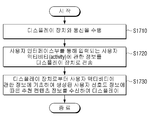
도 18은 본 발명의 일 실시 예에 따른 서버의 제어 방법을 설명하기 위한 흐름도이다. 1 is a view for explaining a display system according to an embodiment of the present invention.
2A and 2B are block diagrams showing a configuration of a display device according to an embodiment of the present invention.
3 is a block diagram illustrating the configuration of a storage unit according to an embodiment of the present invention.
4 is a block diagram illustrating a configuration of a user terminal according to an exemplary embodiment of the present invention.
5 is a block diagram illustrating the configuration of a server according to an embodiment of the present invention.
FIGS. 6A and 6B and FIGS. 7A to 7C are views for explaining a pairing method of a display device and a user terminal according to an embodiment of the present invention.
8A to 8C are views for explaining a method of implementing a network topology according to an embodiment of the present invention.
9A and 9B are views for explaining a method of implementing a network topology according to another embodiment of the present invention.
FIGS. 10A to 10C, FIGS. 11A and 11B are diagrams for explaining user activity forms according to various embodiments of the present invention.
12A to 12F are views for explaining a recommended content providing UI according to various embodiments of the present invention.
13A, 13B, and 14 are diagrams for explaining a recommended content search method according to an embodiment of the present invention.
15A to 15D are diagrams for explaining a UI providing method of a user terminal according to various embodiments of the present invention.
16 is a flowchart illustrating a method of controlling a display device according to an embodiment of the present invention.
17 is a flowchart illustrating a method of controlling a user terminal according to an embodiment of the present invention.
18 is a flowchart illustrating a method of controlling a server according to an embodiment of the present invention.
이하에서, 첨부된 도면을 이용하여 본 발명에 대하여 구체적으로 설명한다.Hereinafter, the present invention will be described in detail with reference to the accompanying drawings.
도 1a는 본 발명의 일 실시 예에 따른 디스플레이 시스템을 설명하기 위한 도면이다. 1A is a view for explaining a display system according to an embodiment of the present invention.
도 1a에 따르면 본 발명의 일 실시 예에 따른 디스플레이 시스템은, 디스플레이 장치(100) 및 사용자 단말 장치(200)를 포함한다. Referring to FIG. 1A, a display system according to an embodiment of the present invention includes a
디스플레이 장치(100)는 도 1에 도시된 바와 같이 디지털 TV로 구현될 수 있으나, 이에 한정되는 아니며 PC(Personal Computer), 네비게이션(Navigation), 키오스크(Kiosk), DID(Digital Information Display) 등과 같이 디스플레이 기능을 갖춘 다양한 유형의 장치로 구현될 수 있다. The
디스플레이 장치(100)가 디지털 TV로 구현되는 경우 디스플레이 장치(100)는 사용자 단말 장치(200)에 의해 제어될 수 있다. 이 경우, 사용자 단말 장치(200)는 원격 제어 모드 또는 원격 제어 기능을 제공하는 어플리케이션 구동시 디스플레이 장치(100)에 대한 원격 제어 기능을 수행할 수 있다. 즉, 사용자 단말 장치(200)는 디스플레이 장치(100)를 제어하기 위한 사용자 명령을 입력받고 입력된 사용자 명령에 대응되는 제어 신호를 디스플레이 장치(100)로 전송할 수 있다. 다만, 이에 한정되는 것은 아니며, 사용자 단말 장치(200)는 사용자 단말 장치(200)의 움직임을 감지하고 움직임에 대응되는 신호를 전송하거나, 음성을 인식하고 인식된 음성에 대응되는 신호를 전송하거나, 입력된 키에 대응되는 신호를 전송하는 등의 다양한 형태로 구현될 수 있다. 이 경우, 사용자 단말 장치(200)는 다양한 형태의 사용자 명령을 입력받기 위해 모션 센서, 터치 센서 또는 광학 기술을 응용한 OJ(optical Joystick) 센서, 물리적 버튼(예를 들어, Tact Switch), 디스플레이 화면, 마이크 등을 포함하도록 구현될 수 있다. 또한, 사용자 단말 장치(200)는 원격 제어 기능 외에 통화 기능, 인터넷 기능, 촬영 기능 등 다양한 기능을 제공하도록 구현될 수 있다. When the
한편, 디스플레이 장치(100)는 사용자 단말 장치(200)와 연결되어, 사용자 단말 장치(100)로부터 컨텐츠를 수신하여 재생할 수 있다. 특히, 디스플레이 장치(200)는 컨텐츠를 스트리밍 형태로 수신하여 실시간 재생할 수 있다. Meanwhile, the
또한, 디스플레이 장치(100)는 사용자 단말 장치(200)를 통해 입력된 사용자 명령에 따라 다양한 정보를 포함하는 UI(User Interface) 화면을 제공할 수 있다. In addition, the
특히, 디스플레이 장치(100)는 사용자 단말 장치(200)로부터 수신된 사용자 액티비티 정보에 기초하여 사용자 선호도를 판단하고, 판단된 사용자 선호도에 기초하여 추천 컨텐츠 정보를 제공할 수 있는데, 이에 대해서는 디스플레이 장치(100) 및 사용자 단말 장치(200)의 구체적 구성을 나타내는 블럭도를 참고하여 자세히 설명하도록 한다. In particular, the
도 1b는 본 발명의 다른 실시 예에 따른 디스플레이 시스템을 설명하기 위한 도면이다. 1B is a view for explaining a display system according to another embodiment of the present invention.
도 1b에 따르면 본 발명의 다른 실시 예에 따른 디스플레이 시스템은, 디스플레이 장치(100), 사용자 단말 장치(200) 및 서버(300)를 포함한다.Referring to FIG. 1B, a display system according to another embodiment of the present invention includes a
서버(300)는 디스플레이 장치(100) 및/또는 사용자 단말 장치(200)와 통신을 수행하여 사용자 단말 장치(200)에서 수행된 사용자 액티비티 정보에 기초하여 사용자 선호도를 판단하고, 판단된 사용자 선호도에 기초하여 추천 컨텐츠 정보를 제공할 수 있다. 즉, 서버(300)는 도 1a의 디스플레이 장치(100)에서 수행되는 사용자 선호도 정보 생성 및 생성된 선호도 정보에 기초하여 컨텐츠를 추천하는 기능을 수행하도록 구현될 수 있다. 여기서, 서버(300)는 모든 네트워크 시스템에서 각종 운영 체계와 애플리케이션 간의 상호 작용을 담당하는 중앙 서버(또는 통합 서버) 또는 클라우드 컴퓨팅 기술을 이용하는 클라우드 서버 등으로 구현될 수 있다. 여기서, 클라우드 컴퓨팅(cloud computing)은 인터넷 기반(cloud)의 컴퓨팅(computing) 기술을 의미하는 것으로, 인터넷 상의 유틸리티 데이터 서버에 프로그램을 두고 그때 그때 컴퓨터나 휴대폰 등에 불러와서 사용하는 웹에 기반한 소프트웨어 서비스이다. 클라우드 컴퓨팅에 대한 자세한 설명은 생략하도록 한다. The
이하에서는, 도면을 참조하여 본 발명의 일 실시 예에 따른 추천 컨텐츠 정보를 제공 방법에 대해 자세히 설명하도록 한다. Hereinafter, a method of providing recommended content information according to an embodiment of the present invention will be described in detail with reference to the drawings.
도 2a는 본 발명의 일 실시 예에 따른 디스플레이 장치의 구성을 나타내는 블럭도이다.2A is a block diagram illustrating a configuration of a display device according to an embodiment of the present invention.
도 2a에 따르면, 디스플레이 장치(100)는 디스플레이부(110), 통신부(120), 및 제어부(130)를 포함한다. 2A, the
디스플레이부(110)는 다양한 화면을 디스플레이한다. 여기에서, 화면은 이미지, 동영상, 텍스트, 음악 등과 같은 다양한 컨텐츠 재생 화면, 다양한 컨텐츠를 포함하는 어플리케이션 실행 화면, 웹 브라우저 화면, GUI(Graphic User Interface) 화면 등을 포함할 수 있다. The
이 경우, 디스플레이부(110)는 LCD(Liquid Crystal Display Panel), OLED(Organic Light Emitting Diodes) 등으로 구현될 수 있으나, 이에 한정되는 것은 아니다. 또한, 디스플레이부(110)는 경우에 따라 플렉서블 디스플레이, 투명 디스플레이 등으로 구현되는 것도 가능하다. In this case, the
특히, 디스플레이부(110)는 기설정된 이벤트 발생시 제어부(130)의 제어에 따라 추천 컨텐츠를 제공할 수 있는데 이에 대한 자세한 설명은 후술하도록 한다.
In particular, the
< 전자 장치 및 사용자 단말 장치의 연동 >≪ Interlocking of electronic device and user terminal device >
통신부(120)는 다양한 유형의 통신방식에 따라 외부기기와 통신을 수행한다. The
특히, 통신부(120)는 사용자 단말 장치(도 1, 200)와 통신을 수행할 수 있다. 여기서, 통신부(120)는 BT(BlueTooth), WI-FI(Wireless Fidelity), Zigbee, IR(Infrared), Serial Interface, USB(Universal Serial Bus), NFC(Near Field Communication) 등과 같은 다양한 통신 방식을 통해 사용자 단말 장치(200) 또는 외부 서버(미도시)와 통신을 수행할 수 있다.In particular, the
구체적으로, 통신부(130)는 기설정된 이벤트가 발생하면, 사용자 단말 장치(200)와의 기정의된 통신 방식에 따라 통신을 수행하여 연동 상태가 될 수 있다. 여기서, 연동은 디스플레이 장치(100)와 사용자 단말 장치(200) 간에 통신이 초기화되는 동작, 네트워크가 형성되는 동작, 기기 페어링이 수행되는 동작 등 통신이 가능한 상태가 되는 모든 상태를 의미할 수 있다. 예를 들어, 사용자 단말 장치(200)의 기기 식별 정보가 디스플레이 장치(100)로 제공되고, 그에 따라 양 기기 간의 페어링 절차가 수행될 수 있다. 예를 들어, 사용자 단말 장치(200)에서 기설정된 이벤트가 발생하면, DLNA(Digital Living Network Alliance) 기술을 통해 주변 기기를 탐색하고 탐색된 기기와 페어링을 수행하여 연동 상태가 될 수 있다. Specifically, when the preset event occurs, the
여기서, 기설정된 이벤트는 디스플레이 장치(100) 및 사용자 단말 장치(200) 중 적어도 하나에서 발생될 수 있다. 예를 들어, 사용자 단말 장치(200)에서 디스플레이 장치(200)를 피 제어 기기로 선택하는 사용자 명령이 입력되거나, 디스플레이 장치(200)이 전원이 ON되는 경우가 이에 해당될 수 있다. 한편, 본 발명의 일 실시 예에 따른 디스플레이 장치(100)와 사용자 단말 장치(200)의 페어링 방법에 대해서는 도 6a 및 도 6b를 참조하여 보다 자세히 설명하도록 한다. Here, the preset event may be generated in at least one of the
통신부(120)는 사용자 단말 장치(200)와 페어링되어 통신을 수행하면 사용자 단말 장치(200)에서 수행되는 사용자 액티비티(activity)에 관한 정보를 수신한다. 여기서, 사용자 액티비티에 관한 정보는, 사용자 단말 장치(200) 상에서 SNS 이용과 관련된 액티비티, 디스플레이 장치(200)의 제어와 관련된 액티비티, 디스플레이 장치(200)에 디스플레이된 컨텐츠에 대한 사용자 인터렉션, 사용자 단말 장치(200)에 저장된 컨텐츠에 대한 사용자 인터렉션 등 사용자 단말 장치(200) 내에서 수행될 수 있는 모든 액티비티에 관한 정보가 될 수 있으며, 이에 대한 자세한 설명은 후술하도록 한다. The
제어부(130)는 디스플레이 장치(100)의 전반적인 동작을 제어한다. The
특히, 제어부(130)는 사용자 단말 장치(200)로부터 수신된 사용자 액티비티에 관한 정보 및 디스플레이부(110)에 디스플레이되는 컨텐츠의 컨텐츠 속성(또는 정보)에 기초하여 사용자 선호도 정보를 생성할 수 있다. 또한, 제어부(130)는 생성된 사용자 선호도 정보에 기초하여 추천 컨텐츠를 제공할 수 있다. In particular, the
구체적으로, 제어부(130)는 사용자 단말 장치(200)로부터 수신된 사용자 액티비티에 관한 정보와 디스플레이되는 컨텐츠의 컨텐츠 속성과의 상관 관계에 기초하여 사용자 선호도 정보를 생성할 수 있다. 이 경우, 제어부(130)는 디스플레이되는 컨텐츠의 메타 데이터 정보에 기초하여 디스플레이되는 컨텐츠의 컨텐츠 속성을 추출할 수 있다.
Specifically, the
< 사용자 <User 액티비티에In activity 관한 정보 > Information about>
한편, 사용자 단말 장치(200)에서 수행되는 사용자 액티비티에 관한 정보는, 다양한 형태가 될 수 있다. Meanwhile, the information on the user activity performed in the
구체적으로, 사용자 액티비티에 관한 정보는, SNS(Social Networking Service)에 대한 사용자 액티비티, 디스플레이부(110)에 디스플레이되는 컨텐츠 자체, 컨텐츠 속성 및 컨텐츠에 포함된 적어도 하나의 오브젝트 중 적어도 하나에 대한 사용자 인터렉션, 사용자 단말 장치(200)에 저장 또는 디스플레이된 컨텐츠에 대한 사용자 인터렉션 등 다양한 사용자 액티비티에 관한 정보를 포함할 수 있다.More specifically, the information on the user activity includes at least one of a user activity for a social networking service (SNS), a content itself displayed on the
여기서, SNS에 대한 사용자 액티비티는, 디스플레이부(110)에 디스플레이되는 컨텐츠 장면을 캡쳐하여 SNS 서버에 업로드하는 행위, 업로드된 컨텐츠 장면에 댓글을 다는 행위, 투표 등에 의해 선호도를 표시하는 행위, 트위터와 같은 실시간 댓글을 다는 행위 등 SNS를 통해 이루어질 수 있는 다양한 형태의 정보가 될 수 있다. Here, the user activity for the SNS may include an action of capturing a content scene displayed on the
또한, 디스플레이부(110)에 디스플레이되는 컨텐츠 자체, 컨텐츠 속성 및 컨텐츠에 포함된 적어도 하나의 오브젝트 중 적어도 하나에 대한 사용자 인터렉션은, 컨텐츠에 대해 직접적으로 선호 표시를 하는 사용자 인터렉션이 될 수 있는데, 사용자 단말 장치(200)에 구비된 기설정된 버튼, 터치 패드 등을 통해 입력되는 형태 뿐 아니라, 기설정된 사용자 음성 또는 기설정된 사용자 모션의 형태가 될 수 있다. 일 예로, "좋아"라는 사용자 음성 또는 "♡"를 그리는 사용자 모션 또는 터치 패드 상에 "♡"를 그리는 사용자 터치 입력 등의 형태가 될 수 있다. In addition, the user interaction for at least one of the content itself, the content attribute, and at least one object included in the content displayed on the
또한, 사용자 단말 장치(200)에 저장 또는 디스플레이된 컨텐츠에 대한 사용자 인터렉션은 해당 컨텐츠에 대한 다양한 애착 인터렉션으로 구현될 수 있다. 예를 들어, 컨텐츠에 대한 다양한 설정 조작, 컨텐츠에 대한 편집 조작, 컨텐츠에 대한 공유 조작, 컨텐츠 생성과 관련된 조작 등에 기초하여 선호 컨텐츠가 선택되고, 그에 대한 정보에 기초하여 사용자 선호도 정보가 생성될 수 있다. 예를 들어, 특정 배우의 사진을 Lock-screen 화면, 바탕화면, 프로필 사진 등으로 설정하는 조작에 따라 해당 배우에 대한 사용자 선호도 정보가 생성될 수 있다. In addition, the user interaction with the content stored or displayed in the
그 밖에 디스플레이되는 컨텐츠와 관계되거나, 디스플레이되는 컨텐츠와 관계없이 사용자 단말 장치(100)에서 수행되는 모든 사용자 액티비티도 이에 해당할 수 있다. 예를 들어, 통화를 하는 행위, 문자 메시지를 보내는 행위, 디스플레이되는 컨텐츠와 관련하거나, 관련하지 않은 검색어를 기초로 인터넷 검색을 하는 행위, 게임을 하는 행위 등 사용자 단말 장치(200)에서 수행가능한 모든 액티비티가 이에 해당할 수 있다.
Any user activity performed in the
< 디스플레이되는 <Displayed 컨텐츠 contents >>
한편, 디스플레이부(110)에 디스플레이되는 컨텐츠는 다양한 형태로 구현될 수 있다. Meanwhile, the content displayed on the
구체적으로, 디스플레이되는 컨텐츠는 방송 시청 모드에서 제공되는 방송 컨텐츠, 컨텐츠 재생 모드에서 제공되는 VOD 컨텐츠, 웹 모드에서 제공되는 웹 페이지 컨텐츠, 게임 컨텐츠와 같은 다양한 어플리케이션 컨텐츠 등이 될 수 있다. 예를 들어, 사용자가 웹 페이지를 통해 특정 웹 동영상 컨텐츠를 재생하는 경우도 이에 해당될 수 있다. Specifically, the displayed content may be broadcast contents provided in a broadcast viewing mode, VOD contents provided in a content playback mode, web page contents provided in a web mode, and various application contents such as game contents. For example, this may be the case where a user plays a specific web video content through a web page.
또한, 디스플레이되는 컨텐츠는 실제 방송 또는 재생되는 컨텐츠 뿐 아니라, EPG 정보, 텍스트 정보, 썸 네일 정보 등도 포함할 수 있다. 예를 들어, VOD 컨텐츠를 선택하기 위한 UI 화면 상에서 제공되는 썸 네일 정보도 디스플레이되는 컨텐츠에 포함될 수 있다.
In addition, the displayed contents may include EPG information, text information, thumbnail information, and the like, as well as actual broadcasted or reproduced contents. For example, the thumbnail information provided on the UI screen for selecting the VOD content may be included in the displayed content.
< 선호도 정보 생성 ><Create preference information>
제어부(130)는 사용자 단말 장치(200)로부터 수신된 사용자 액티비티에 관한 정보가, 디스플레이되는 컨텐츠와 포지티브(positive) 관계 또는 네거티브(negative) 관계인지 판단하고, 판단된 상관 관계에 기초하여 사용자 선호도 정보를 생성할 수 있다. The
일 예로, 사용자 단말 장치(200)로부터 수신된 사용자 액티비티에 관한 정보가 디스플레이된 컨텐츠 정보를 SNS에 업로드하거나, 댓글을 다는 경우, 디스플레이된 컨텐츠를 인터넷으로 검색하는 등의 디스플레이된 컨텐츠에 대한 관심을 나타내는 경우, 해당 디스플레이된 컨텐츠에 대한 사용자 선호도 정도를 증가시킬 수 있다. 또는, 화면 상에 VOD 컨텐츠를 선택하기 위한 UI 화면이 디스플레이된 상태에서, 사용자 단말 장치(200)를 통해 특정 VOD 컨텐츠의 세부 정보를 탐색하는 경우 해당 컨텐츠에 대한 사용자 선호도 정도를 증가시킬 수 있다. 이 경우, 컨텐츠에 대한 포지티브(positive) 관심 또는 네거티브(negative) 관심을 나타내는 텍스트, 이미지 등에 대한 데이터베이스가 기 마련되어 있을 수 있으며, 이러한 데이터 베이스에 기초하여 디스플레이되는 컨텐츠와 수신된 사용자 액티비티가 포지티브(positive) 관계 또는 네거티브(negative) 관계인지 판단할 수 있다. 예를 들어, 특정 컨텐츠에 "이 드라마 싫어"라는 댓글을 다는 경우 기 마련된 데이터베이스에 기초하여 "싫어"라는 텍스트가 네거티브(negative) 관심을 나타낸다고 판단할 수 있다. For example, when content information displaying information on user activities received from the
다른 예로, 사용자 단말 장치(200)로부터 수신된 사용자 액티비티에 관한 정보가 디스플레이된 컨텐츠 정보와 관계없는 내용을 인터넷으로 검색하거나, 게임을 하는 등의 디스플레이된 컨텐츠에 대한 무관심을 나타내는 경우, 해당 컨텐츠에 대한 사용자 선호도 정도를 감소시킬 수 있다. As another example, if the information about the user activity received from the
이 경우, 제어부(130)는 컨텐츠에 대한 정보, 구체적으로, 컨텐츠 자체, 컨텐츠의 속성 및 컨텐츠에 포함된 적어도 하나의 오브젝트 중 적어도 하나에 대한 사용자 선호도 정보를 생성할 수 있다. 일 예로, 컨텐츠가 방송 컨텐츠인 경우, 방송 프로그램 자체, 방송 프로그램의 장르, 출연 배우, 촬영 배경, 촬영 장소, 컨텐츠 장면 등 다양한 컨텐츠 정보에 대한 사용자 선호도 정보를 생성할 수 있다. In this case, the
또한, 제어부(130)는 사용자 액티비티 시간, 액티비티 횟수 등에 기초하여 서로 다른 가중치를 적용하여 사용자 선호도 정보를 생성할 수 있다. 예를 들어, 디스플레이되는 컨텐츠를 인터넷 검색하는 행위의 경우에도 인터넷 검색 시간에 기초하여 사용자 선호도 정보를 산출하는데 서로 다른 가중치를 제공할 수 있다. In addition, the
또한, 제어부(130)는 사용자 시청 행태에 기초하여 사용자 선호도 정보를 생성할 수 있다. 구체적으로, 제어부(130)는 감지부(미도시)를 통해 감지된 사용자의 시선 위치, 시선이 머무는 시간, 웃음 시점, 감탄사 발화, 입 모양 등의 시각적 정보에 기초하여 사용자 선호도 정보를 생성할 수 있다.
Also, the
< < 컨텐츠contents 추천> Recommended>
한편, 제어부(130)는 상술한 방법으로 생성된 사용자 선호도 정보에 기초하여 추천 컨텐츠를 제공할 수 있다. Meanwhile, the
예를 들어, 제어부(130)는 사용자 단말 장치(200)로부터 수신된 사용자 액티비티 정보에 기초하여 로맨스 코미디 장르에 사용자 선호도가 높은 것으로 판단되면, 로맨스 코미디 장르의 컨텐츠를 추천할 수 있다. 또는 제어부(130)는 특정 프로그램에 대한 사용자 선호도가 높은 것으로 판단되면, 시청자가 시청하지 못한 프로그램 회차를 추천해 줄 수도 있다. 또는 제어부(130)는 특정 출연 배우에 대한 사용자 선호도가 높은 것으로 판단되면, 해당 배우가 출연하는 컨텐츠를 추천해 줄 수도 있다. For example, if it is determined that the user preference is high in the romance comedy genre based on the user activity information received from the
이 경우 제어부(130)는 별도의 UI 화면을 통해 추천 컨텐츠를 제공할 수도 있으나, 채널 재핑 명령에 따라 제공되는 실시간 방송 컨텐츠에 추천 정보를 함께 제공할 수 있다. 즉, 추천 방송 컨텐츠에 대해서만 해당 방송 컨텐츠를 추천한다는 것을 나타내는 GUI를 제공할 수 있다. 예를 들어, 사용자 단말 장치(200)로부터 수신된 사용자 액티비티 정보에 기초하여 사용자가 로맨스 코미디 장르에 선호도가 높은 것으로 판단되면, 해당 장르의 방송 컨텐츠가 재핑되면 해당 컨텐츠에 추천 GUI를 표시할 수 있다. 또한, EPG 형태로 제공되는 방송 정보가 제공되는 경우에는 EPG 내의 로맨스 코미디 장르 컨텐츠 정보에 추천 GUI를 표시할 수 있다. 다만, 경우에 따라서는 추천 컨텐츠의 타 사용자의 선호도 정보를 함께 표시하여 제공할 수 있다. 예를 들어, 추천 컨텐츠에 선호도를 표시한 공감 사용자의 수(예를 들어, 해당 컨텐츠를 SNS로 공유한 사용자 수)를 표시할 수 있으며, 공감 사용자 수는 말 풍선 형태의 GUI로 표시될 수 있으나 이에 한정되는 것은 아니다. In this case, the
또한, 제어부(130)는 추천 컨텐츠 제공시, 컨텐츠 속성을 나타내는 아이템을 부가하여 디스플레이하도록 제어할 수 있다. 여기서, 아이템은 사용자 액티비티에 기초하여 생성된 사용자 선호도 정보에 따라 추천의 기반이 되는 컨텐츠 속성을 나타낼 수 있다. 예를 들어, 로맨스 장르의 드라마를 즐겨 보는 사용자 선호도에 기초하여 로맨스 드라마 컨텐츠가 추천되는 경우, 로맨스를 상징하는 ♡ 형태를 포함하는 아이템이 추천 컨텐츠와 함께 제공될 수 있다. 다만, 추천의 기반이 되는 컨텐츠 속성은 장르 뿐 아니라, 다양한 형태가 될 수 있다. 예를 들어, 세부 장르(예를 들어, 야구), 리얼버라이어티, 방송 시간, 등장인물, 캐릭터, 아이템, 감성, 영상, 배경화면, 음향, 장면 등 다양한 속성이 될 수 있다. 여기서, 세부 장르는 EPG 정보에 의해 제공되는 대분류 장르(예를 들어, 스포츠, 예능, 드라마 등)과 구별될 수 있다. 예를 들어, 특정 배우가 출연하는 드라마를 즐겨보는 사용자 선호도에 기초하여 해당 배우가 출연하는 드라마 컨텐츠가 추천되는 경우, 해당 배우를 나타내는 이미지를 포함하는 아이템이 추천 컨텐츠와 함께 제공될 수 있다. 이 경우, 아이템은 디스플레이 장치(100)에 기제작되어 저장되어 있거나, 컨텐츠 속성에 따라 자동으로 생성되는 것도 가능하다. 또한, 사용자에 의해 제작 또는 수정될 수도 있다. In addition, when providing the recommended content, the
또한, 제어부(130)는 사용자 단말 장치(100)로부터 수신된 사용자 액티비티에 관한 정보 뿐 아니라, 사용자 정보를 참고하여 추천 컨텐츠를 제공할 수 있다. 예를 들어, 로맨스 장르의 드라마를 즐겨 보는 사용자 선호도에 기초하여 로맨스 드라마 컨텐츠가 추천되는 경우, 사용자 세대(또는 연령) 및 성별을 고려하여 로맨스 드라마 컨텐츠를 추천할 수 있다. 즉, 사용자가 20~30 대 여자인 경우 로맨스 드라마 컨텐츠 중에서도 20~30 대 여자의 선호도가 높은 컨텐츠를 추천할 수 있다. In addition, the
도 2b는 본 발명의 다른 실시 예에 따른 디스플레이 장치(100)의 세부 구성을 나타내는 블럭도이다. 도 2b에 따르면, 디스플레이 장치(100)는 디스플레이부(110), 통신부(120), 제어부(130), 저장부(140), 감지부(150), 오디오 처리부(160), 비디오 처리부(170), 스피커(180), 버튼(181), 카메라(182), 마이크(183)를 포함한다. 도 2b에 도시된 구성요소들 중 도 2a에 도시된 구성요소와 중복되는 부분에 대해서는 자세한 설명을 생략하도록 한다. 2B is a block diagram showing a detailed configuration of a
제어부(130)는 저장부(140)에 저장된 각종 프로그램을 이용하여 디스플레이 장치(100)의 동작을 전반적으로 제어한다. The
구체적으로, 제어부(130)는 RAM(131), ROM(132), 메인 CPU(133), 그래픽 처리부(134), 제1 내지 n 인터페이스(135-1 ~ 135-n), 버스(136)를 포함한다.Specifically, the
RAM(131), ROM(132), 메인 CPU(133), 그래픽 처리부(134), 제1 내지 n 인터페이스(135-1 ~ 135-n) 등은 버스(136)를 통해 서로 연결될 수 있다. The
제1 내지 n 인터페이스(135-1 내지 135-n)는 상술한 각종 구성요소들과 연결된다. 인터페이스들 중 하나는 네트워크를 통해 외부 장치와 연결되는 네트워크 인터페이스가 될 수도 있다.The first to n-th interfaces 135-1 to 135-n are connected to the various components described above. One of the interfaces may be a network interface connected to an external device via a network.
메인 CPU(133)는 저장부(140)에 액세스하여, 저장부(140)에 저장된 O/S를 이용하여 부팅을 수행한다. 그리고, 저장부(140)에 저장된 각종 프로그램, 컨텐츠, 데이터 등을 이용하여 다양한 동작을 수행한다. The
ROM(132)에는 시스템 부팅을 위한 명령어 세트 등이 저장된다. 턴온 명령이 입력되어 전원이 공급되면, 메인 CPU(133)는 ROM(132)에 저장된 명령어에 따라 저장부(140)에 저장된 O/S를 RAM(131)에 복사하고, O/S를 실행시켜 시스템을 부팅시킨다. 부팅이 완료되면, 메인 CPU(133)는 저장부(140)에 저장된 각종 어플리케이션 프로그램을 RAM(131)에 복사하고, RAM(131)에 복사된 어플리케이션 프로그램을 실행시켜 각종 동작을 수행한다. The
그래픽 처리부(134)는 연산부(미도시) 및 렌더링부(미도시)를 이용하여 아이콘, 이미지, 텍스트 등과 같은 다양한 객체를 포함하는 화면을 생성한다. 연산부(미도시)는 수신된 제어 명령에 기초하여 화면의 레이아웃에 따라 각 객체들이 표시될 좌표값, 형태, 크기, 컬러 등과 같은 속성값을 연산한다. 렌더링부(미도시)는 연산부(미도시)에서 연산한 속성값에 기초하여 객체를 포함하는 다양한 레이아웃의 화면을 생성한다. 렌더링부(미도시)에서 생성된 화면은 디스플레이부(110)의 디스플레이 영역 내에 표시된다.The
저장부(140)는 디스플레이 장치(100)를 구동시키기 위한 O/S(Operating System) 소프트웨어 모듈, 각종 멀티미디어 컨텐츠, 각종 어플리케이션, 어플리케이션 실행 중에 입력되거나 설정되는 각종 컨텐츠 등과 같이 다양한 데이터를 저장한다. The
또한, 저장부(140)는 사용자 단말 장치(100)로부터 수신된 사용자 액티비티에 대한 정보, 수신된 정보에 기초하여 생성된 사용자 선호도 정보, 추천 컨텐츠 정보 등의 다양한 정보를 저장할 수 있다. In addition, the
또한, 저장부(140)는 사용자 인증에 따라 해당 서비스가 제공되는 경우 사용자 인증 정보(예를 들어 ID 및 PASSWORD), 사용자의 성별, 연령, 취미 등의 다양한 사용자 정보를 저장할 수 있다. In addition, the
그 밖에, 저장부(140)에 저장되는 다양한 소프트웨어 모듈에 대해서는 도 3을 참고하여 설명하도록 한다. In addition, various software modules stored in the
도 3에 따르면, 저장부(140)에는 베이스 모듈(141), 센싱 모듈(142), 통신 모듈(143), 프리젠테이션 모듈(144), 웹 브라우저 모듈(145), 서비스 모듈(146)을 포함하는 소프트웨어가 저장될 수 있다. 3, the
베이스 모듈(141)이란 디스플레이 장치(100')에 포함된 각 하드웨어들로부터 전달되는 신호를 처리하여 상위 레이어 모듈로 전달하는 기초 모듈을 의미한다. 베이스 모듈(141)은 스토리지 모듈(141-1), 보안 모듈(141-2) 및 네트워크 모듈(141-3) 등을 포함한다. 스토리지 모듈(141-1)이란 데이터베이스(DB)나 레지스트리를 관리하는 프로그램 모듈이다. 메인 CPU(133)는 스토리지 모듈(141-1)을 이용하여 저장부(140) 내의 데이터베이스에 액세스하여, 각종 데이터를 독출할 수 있다. 보안 모듈(141-2)이란 하드웨어에 대한 인증(Certification), 요청 허용(Permission), 보안 저장(Secure Storage) 등을 지원하는 프로그램 모듈이고, 네트워크 모듈(141-3)이란 네트워크 연결을 지원하기 위한 모듈로 DNET 모듈, UPnP 모듈 등을 포함한다. The
센싱 모듈(142)은 각종 센서들로부터 정보를 수집하고, 수집된 정보를 분석 및 관리하는 모듈이다. 센싱 모듈(142)은 터치 인식 모듈, 헤드 방향 인식 모듈, 얼굴 인식 모듈, 음성 인식 모듈, 모션 인식 모듈, NFC 인식 모듈 등을 포함할 수도 있다. The
통신 모듈(143)은 외부와 통신을 수행하기 위한 모듈이다. 통신 모듈(143)은 외부 장치와 통신에 이용되는 디바이스 모듈, 메신저 프로그램, SMS(Short Message Service) & MMS(Multimedia Message Service) 프로그램, 이메일 프로그램 등과 같은 메시징 모듈, 전화 정보 수집기(Call Info Aggregator) 프로그램 모듈, VoIP 모듈 등을 포함하는 전화 모듈을 포함할 수 있다. The
프리젠테이션 모듈(144)은 디스플레이 화면을 구성하기 위한 모듈이다. 프리젠테이션 모듈(144)은 멀티미디어 컨텐츠를 재생하여 출력하기 위한 멀티미디어 모듈, UI 및 그래픽 처리를 수행하는 UI 렌더링 모듈을 포함한다. 멀티미디어 모듈은 플레이어 모듈, 캠코더 모듈, 사운드 처리 모듈 등을 포함할 수 있다. 이에 따라, 각종 멀티미디어 컨텐츠를 재생하여 화면 및 음향을 생성하여 재생하는 동작을 수행한다. UI 렌더링 모듈은 이미지를 조합하는 이미지 합성기(Image Compositor module), 이미지를 디스플레이할 화면상의 좌표를 조합하여 생성하는 좌표 조합 모듈, 하드웨어로부터 각종 이벤트를 수신하는 X11 모듈, 2D 또는 3D 형태의 UI를 구성하기 위한 툴(tool)을 제공하는 2D/3D UI 툴킷 등을 포함할 수 있다. The
웹 브라우저 모듈(145)은 웹 브라우징을 수행하여 웹 서버에 액세스하는 모듈을 의미한다. 웹 브라우저 모듈(145)은 웹 페이지를 구성하는 웹 뷰(web view) 모듈, 다운로드를 수행하는 다운로드 에이전트 모듈, 북마크 모듈, 웹킷(Webkit) 모듈 등과 같은 다양한 모듈을 포함할 수 있다.The
서비스 모듈(146)은 다양한 서비스를 제공하기 위한 각종 어플리케이션을 포함하는 모듈이다. 구체적으로는, 서비스 모듈(146)은 SNS 프로그램, 컨텐츠 재생 프로그램, 게임 프로그램, 전자 책 프로그램, 달력 프로그램, 알람 관리 프로그램, 기타 위젯 등과 같은 다양한 프로그램 모듈을 포함할 수 있다. The
감지부(150)는 사용자의 시청 행태를 감지하는 기능을 한다. The
구체적으로, 감지부(150)는 사용자를 촬상하는 촬상부(미도시) 및 촬상부(미도시)에 의해 촬상된 영상에 기초하여 사용자의 시청 행태를 검출하는 검출부(미도시)를 포함하도록 구현될 수 있다. Specifically, the
촬상부(미도시)는 화면의 외곽 영역에 배치된다. 예를 들어, 촬상부(미도시)는 화면의 상단 중앙, 좌단 중앙 또는 우단 중앙 베젤 영역에 배치될 수 있으나, 이에 한정되는 것은 아니다. 촬상부(미도시)는 사용자 특히, 사용자 얼굴을 촬상한다. 촬상부(미도시)는 렌즈를 포함한 렌즈 모듈과 이미지 센서를 포함한다. 렌즈를 통해 입력된 형상은 필름의 역할을 하는 이미지 센서에 광학 신호로서 입력되고, 이미지 센서는 입력된 광학 신호를 전기적 신호로 변환하여 시선 검출부(미도시)로 전송한다. 예를 들어, 촬상부(미도시)는 일반 카메라, 스테레오 카메라, 뎁스 카메라 등으로 구현될 수 있다. An image pickup unit (not shown) is disposed in an outer area of the screen. For example, the imaging unit (not shown) may be disposed in the upper center, left center center, or rightmost center bezel region of the screen, but is not limited thereto. An image pickup unit (not shown) picks up a user, especially a user's face. The imaging unit (not shown) includes a lens module including a lens and an image sensor. The shape input through the lens is input as an optical signal to an image sensor serving as a film, and the image sensor converts the input optical signal into an electrical signal and transmits it to a visual line detection unit (not shown). For example, the image pickup unit (not shown) may be implemented by a general camera, a stereo camera, a depth camera, or the like.
한편, 검출부(미도시)는 사용자의 시청 행태를 검출한다. 구체적으로, 검출부(미도시)는 사용자의 얼굴 방향 또는 사용자의 안구 움직임 등을 추적하여 사용자가 응시하는 영역, 사용자의 시선이 머무는 시간 등을 검출할 수 있다. 또한, 검출부(미도시)는 사용자의 웃음 시점, 감탄사 발화, 입모양 등 디스플레이된 컨텐츠에 대한 선호도를 나타낼 수 있는 다양한 시각적 정보를 검출할 수 있다. On the other hand, the detecting unit (not shown) detects the viewing behavior of the user. Specifically, the detection unit (not shown) may track the face direction of the user or the eye movement of the user, and may detect an area to be examined by the user, a time during which the user's eyes stay, and the like. In addition, the detection unit (not shown) can detect various visual information indicating the preference of the displayed contents such as the user's laughing time,
구체적으로, 검출부(미도시)는 얼굴 모델링(face modeling) 기술을 통해 촬영부(미도시)에 의해 촬영된 사용자 촬영 영상으로부터 안구 영상을 식별한다. 이때, 얼굴 모델링 기술은 촬영부에 의해 획득된 얼굴 영상의 가공 처리 및 전송을 위한 디지털 정보로 변환하는 분석 과정으로, ASM(Active Shape Modeling) 기법 및 AAM(Active Appearance Modeling) 기법 중 하나가 이용될 수 있다. 그리고, 검출부(미도시)는 식별된 안구 영상을 이용하여 안구의 움직임을 판단할 수 있다. 그리고, 검출부(미도시)는 안구 움직임을 이용하여 사용자가 응시하는 방향을 검출하고, 기 저장된 디스플레이 화면의 좌표 정보와 사용자가 응시하는 방향을 비교함으로써, 사용자가 응시하는 영역을 판단할 수 있다.Specifically, the detection unit (not shown) identifies an eye image from a user image captured by a photographing unit (not shown) through a face modeling technique. At this time, the facial modeling technique is an analysis process of converting the facial image acquired by the photographing unit into digital information for processing and transmission, and one of the ASM (Active Shape Modeling) technique and the AAM (Active Appearance Modeling) technique is used . The detection unit (not shown) can determine the movement of the eyeball using the identified eyeball image. The detection unit (not shown) detects the direction in which the user gazes by using the eye movement, and compares the coordinate information of the pre-stored display screen with the direction in which the user looks.
이 경우 제어부(130)는 감지부(150)를 통해 검출된 사용자의 시청 행태 및 디스플레이된 컨텐츠의 속성에 기초하여 사용자 선호도 정보를 생성할 수 있다. 예를 들어, 코믹 장르의 드라마가 방영시 사용자가 기설정된 횟수, 기설정된 시간 이상 웃는 모습이 검출되면 사용자가 코믹 장르 컨텐츠에 선호도가 높을 것으로 판단하고 해당 사용자 선호도 정보를 생성할 수 있다. In this case, the
도 4는 본 발명의 일 실시 예에 따른 사용자 단말 장치의 구성을 나타내는 블럭도이다.4 is a block diagram illustrating a configuration of a user terminal according to an exemplary embodiment of the present invention.
도 4에 따르면, 사용자 단말 장치(200)는 사용자 인터페이스부(210), 통신부(220), 저장부(230) 및 제어부(240)를 포함한다. 여기서, 사용자 단말 장치(200)는 휴대 가능한 단말이 될 수 있으며, 테블릿, 휴대폰, PMP, PDA 등 다양한 형태로 구현 가능하다.4, the
또한, 사용자 단말 장치(200)는 전면에 터치 패드 또는 터치 스크린을 구비하는 터치 기반의 휴대 단말로 구현될 수 있다. 이에 따라 사용자 단말 장치(200)는 터치 센서를 내장하고 있어 손가락 또는 펜(예를 들어, 스타일러스 펜)을 이용하여 프로그램을 실행시킬 수 있도록 구현될 수 있다. 이를 위해 사용자 단말 장치(200)는 다양한 형태의 사용자 명령을 입력받기 위해 터치 센서 또는 광학 기술을 응용한 OJ(optical Joystick) 센서 등을 포함하도록 구현될 수 있다. Also, the
사용자 인터페이스부(210)는 다양한 사용자 인터렉션을 입력받는다. 특히, 사용자 인터페이스부(210)에 구비된 디스플레이를 통해 제공되는 다양한 UI 화면에 대한 사용자 인터렉션을 입력받을 수 있다. 여기에서, UI 화면은 이미지, 동영상, 텍스트, 음악 등과 같은 다양한 컨텐츠 재생 화면, 다양한 컨텐츠를 포함하는 어플리케이션 실행 화면, 웹 브라우저 화면, GUI(Graphic User Interface) 화면 등을 포함할 수 있다. The
특히, 사용자 단말 장치(200)가 디스플레이 장치(100)를 제어하기 위한 원격 제어 장치로 구현되는 경우, 사용자 인터페이스부(210)는 디스플레이 장치(100)의 기능을 제어하기 위한 다양한 UI 화면을 제공할 수 있다. 예를 들어, 디스플레이 장치(100)에서 제공가능한 다양한 기능을 선택하기 위한 메뉴 화면, 다양한 모드를 선택하기 위한 UI 화면을 제공할 수 있다. 여기서 UI 화면은 이미지, 동영상, 텍스트, 음악 등과 같은 다양한 컨텐츠 재생 화면, 다양한 컨텐츠를 포함하는 어플리케이션 실행 화면, 웹 브라우저 화면, GUI(Graphic User Interface) 화면 등을 포함할 수 있다. 일 예로, 디스플레이 장치(100)가 디지털 TV로 구현되는 경우 채널 재핑(zapping)을 위한 UI 화면, 볼륨 조정을 위한 UI 화면, 컨텐츠 선택을 위한 UI 화면, 어플리케이션 선택을 위한 UI 화면 등을 제공할 수 있다.In particular, when the
또한, 사용자 인터페이스부(210)는 기설정된 이벤트 발생시 제어부(240)의 제어에 따라 추천 컨텐츠를 제공할 수 있다. In addition, the
통신부(220)는 다양한 유형의 통신방식에 따라 외부기기와 통신을 수행한다. The
특히, 통신부(220)는 디스플레이 장치(도 1, 100)와 통신을 수행할 수 있다. 여기서, 통신부(220)는 BT(BlueTooth), WI-FI(Wireless Fidelity), Zigbee, IR(Infrared), Serial Interface, USB(Universal Serial Bus), NFC(Near Field Communication) 등과 같은 다양한 통신 방식을 통해 사용자 단말 장치(200) 또는 외부 서버(미도시)와 통신을 수행할 수 있다.In particular, the
구체적으로, 통신부(230)는 기설정된 이벤트가 발생하면, 디스플레이 장치(100)와의 기정의된 통신 방식에 따라 통신을 수행하여 연동 상태가 될 수 있다. 여기서, 여기서, 연동 상태 및 기설정된 이벤트에 대해서는 도 2a에서 상술한 바 있으므로 자세한 설명은 생략하도록 한다.
Specifically, when the preset event occurs, the
< 디스플레이 장치와 송수신하는 정보 >≪ Information to be transmitted / received with the display device &
통신부(220)는 디스플레이 장치(100)와 통신을 수행하여 연동 상태가 되면 사용자 단말 장치(200)에서 수행되는 사용자 액티비티(activity)에 관한 정보를 디스플레이 장치(100)로 전송한다. The
또한, 통신부(220)는 입력된 사용자 명령에 대응되는 신호를 전자 장치(200)로 전송하거나, 디스플레이 장치(100)로부터 다양한 상태 정보를 수신할 수 있다. The
구체적으로, 통신부(220)는 디스플레이 장치(200)가 실시간 방송 채널을 시청하는 방송 시청 모드, VOD 컨텐츠를 재생하는 컨텐츠 재생 모드, 기설정된 메뉴를 제공하는 메뉴 제공 모드, 게임을 재생하는 게임 모드, 웹 브라우저를 제공하는 웹 모드 중 적어도 하나에 진입하거나, 해당 모드에 있는 경우, 해당 모드를 벗어난 경우 등에 대한 다양한 상태 정보를 디스플레이 장치(200)로부터 수신할 수 있다.
Specifically, the
< 외부 서버와 송수신하는 정보 ><Information to send / receive with external server>
통신부(220)는 경우에 따라 외부 서버(미도시)와 통신을 수행할 수 있다. The
통신부(220)는 사용자 단말 장치(200)에서 수행되는 사용자 액티비티에 관한 정보를 외부 서버(200)로 전송한다. 이 경우, 외부 서버(미도시)는 디스플레이 장치(100)로부터 수신된 컨텐츠에 대한 정보 및 사용자 단말 장치(200)로부터 수신된 사용자 액티비티에 관한 정보에 기초하여 사용자 선호도 정보를 생성할 수 있다. The
또한, 통신부(220)는 디스플레이 장치(200)의 상태에 대응되는 UI 화면에 대한 정보, UI 정보에 대응되는 제어 정보, 사용자 인터페이스부(210)를 통해 제공되는 다양한 정보 등을 외부 서버(미도시)로부터 수신할 수 있다. 일 예로, 사용자 명령에 따라 SNS 화면을 사용자 단말 장치(100)에서 제공하는 경우 해당 정보를 외부 서버(미도시)로부터 수신할 수 있다.The
한편, 외부 서버(미도시)는 네트워크를 통해 인터넷 등과 연결되어 사용자 단말 장치(100) 및 디스플레이 장치(200)에 관한 정보를 업데이트할 수 있다. 예를 들어, 기기 드라이버 정보, 제어 정보, UI 정보 등을 업데이트 할 수 있다.
Meanwhile, an external server (not shown) may be connected to the Internet or the like via a network to update information on the
< 사용자 단말 장치에 저장되는 정보 ><Information stored in the user terminal device>
저장부(230)는 사용자 단말 장치(200)를 구동시키기 위한 O/S(Operating System) 소프트웨어 모듈, 각종 멀티미디어 컨텐츠와 같은 다양한 데이터를 저장한다. The
특히, 저장부(230)는 본 발명의 일 실시 예에 따라 사용자 단말 장치(200)에서 발생되는 다양한 사용자 액티비티에 관한 정보를 저장할 수 있다. 예를 들어, 저장부(230)는 SNS 이용 내역, 인터넷 검색 내역 등 정보를 저장할 수 있다. In particular, the
또한, 저장부(230)는 본 발명의 다양한 실시 예에 따라 사용자 인터페이부(210)에서 제공되는 다양한 UI 화면을 구성하기 위한 데이터를 저장할 수 있다. In addition, the
또한, 저장부(230)는 다양한 UI 화면을 통해 입력되는 사용자 명령에 대응되는 제어 신호를 생성하기 위한 데이터를 저장할 수 있다. In addition, the
그 밖에, 저장부(230)에 저장되는 다양한 소프트웨어 모듈은 도 3에 개시된 구성과 유사하므로 자세한 설명은 생략하도록 한다. In addition, since various software modules stored in the
제어부(240)는 사용자 단말 장치(200)의 전반적인 동작을 제어한다. The
특히, 제어부(240)는 사용자 단말 장치(200)를 통해 수행되는 다양한 사용자 액티비티에 관한 정보를 디스플레이 장치(100) 또는 외부 서버(미도시)로 전송하고, 해당 정보에 기초하여 생성된 선호도 정보에 기초한 추천 컨텐츠 정보를 수신하여 제공할 수 있다. 즉, 추천 컨텐츠 정보는 디스플레이 장치(100)를 통해 제공될 수도 있으나, 사용자 단말 장치(200)를 통해 제공되는 것도 가능하다. In particular, the
또한, 제어부(240)는 디스플레이 장치(100)를 제어하기 위한 사용자 명령을 입력받고 입력된 사용자 명령에 대응되는 제어 신호를 디스플레이 장치(100)로 전송할 수 있다. 다만, 이에 한정되는 것은 아니며, 제어부(240)는 사용자 단말 장치(200)의 움직임을 감지하고 움직임에 대응되는 신호를 전송하거나, 음성을 인식하고 인식된 음성에 대응되는 신호를 전송하거나, 입력된 키에 대응되는 신호를 전송하는 등의 다양한 형태로 구현될 수 있다. The
또한, 제어부(240)는 디스플레이 장치(100) 또는 외부 서버(미도시)로부터 수신된 정보에 기초하여 다양한 UI 화면을 제공할 수 있다. 예를 들어, 제어부(240)는 EPG 정보를 수신하여 EPG 화면을 제공할 수 있다. In addition, the
또한, 제어부(240)는 통신부(220)를 통해 수신된 디스플레이 장치(200)의 컨텍스트에 대한 상태 정보에 기초하여 대응되는 UI를 사용자 인터페이스부(210) 상에 제공하거나, 입력된 사용자 명령에 따라 대응되는 UI를 디스플레이부(110) 상에 제공할 수 있다. 여기서, 디스플레이 장치(100)의 컨텍스트는 제어가 요구되는 상황을 의미하는 것으로, 전자 장치에서 제공되는 기능, 제공되는 컨텐츠 타입, 제공되는 영상 패널, 디스플레이 상태 등 다양한 상태 및 상황을 포함하는 의미가 될 수 있다. 예를 들어, 디스플레이 장치(100)로부터 컨텐츠 타입에 기초하여 대응되는 UI가 제공될 수도 있으나, 입력된 터치 인터렉션에 따라 대응되는 UI가 제공될 수도 있다. The
또한, 제어부(240)는 디스플레이 장치(100)로부터 컨텐츠를 수신하여 재생할 수 있다. 예를 들어, 제어부(240)는 디스플레이 장치(100)에서 디스플레이되는 컨텐츠를 스트리밍 형태로 수신하여 실시간 재생하는 미러링 기능을 수행할 수 있다. In addition, the
그 밖에 제어부(240)는 뮤직 플레이어 기능, 통화 기능, 어플리케이션 실행 기능, 인터넷 기능 등 스마트 폰에서 제공되는 다양한 단말 기능을 제공할 수 있다. In addition, the
또한, 도면에는 도시되지 않았지만, 사용자 단말 장치(200)는 감지부(미도시)를 더 포함할 수 있다. 감지부(미도시)는 터치 센서, 지자기 센서, 자이로 센서, 가속도 센서, 근접 센서, 그립 센서 등을 포함한다. 이에 따라 감지부(미도시)는 터치 이외에, 회전, 기울기, 압력, 접근, 그립 등과 같은 다양한 조작을 감지할 수 있다. 이 경우, 제어부(240)는 필요에 따라 감지부(미도시)에 의해 감지된 다양한 감지 정보를 디스플레이 장치(100)로 전송할 수 있다.Also, although not shown in the figure, the
한편, 도면에는 도시되지 않았지만, 사용자 단말 장치(200)는 사용자에 의해 들려지는 순간 자동으로 OFF 상태에서 ON 상태로 전환되거나, 대기 모드에서 영상(예를 들어, 초기 메뉴)을 신속히 디스플레이하는 형태로 구현될 수 있다.
Meanwhile, although not shown in the figure, the
도 5는 본 발명의 일 실시 예에 따른 서버의 구성을 나타내는 블럭도이다. 5 is a block diagram illustrating the configuration of a server according to an embodiment of the present invention.
도 5에 따르면 서버(300)는 통신부(310), 저장부(320) 및 제어부(330)를 포함한다. Referring to FIG. 5, the
서버(300)는 도 1b에 도시된 실시 예에 따라 디스플레이 장치(100) 및/또는 사용자 단말 장치(200)와 통신을 수행하여 사용자 단말 장치(200)에서 수행된 사용자 액티비티 정보에 기초하여 사용자 선호도를 판단하고, 판단된 사용자 선호도에 기초하여 추천 컨텐츠 정보를 제공할 수 있다. 즉, 서버(300)는 도 1a의 디스플레이 장치(100)에서 수행되는 기능을 수행하도록 구현될 수 있다. The
통신부(310)는 디스플레이 장치(100) 및/또는 사용자 단말 장치(200)와 통신을 수행한다. The
구체적으로, 통신부(310)는 디스플레이 장치(100)에 디스플레이되는 컨텐츠에 대한 정보 및, 사용자 단말 장치(200)에서 발생된 사용자 액티비티에 관한 정보를, 디스플레이 장치(100)로부터 수신하고, 추천 컨텐츠 정보를 디스플레이 장치(100) 및/또는 사용자 단말 장치(200)로 제공할 수 있다. Specifically, the
또는, 통신부(310)는 디스플레이 장치(100)에 디스플레이되는 컨텐츠에 대한 정보를 디스플레이 장치(100)로부터 수신하고, 사용자 단말 장치(200)에서 발생된 사용자 액티비티에 관한 정보를 사용자 단말 장치(200)로부터 수신하고, 추천 컨텐츠 정보를 디스플레이 장치(100) 및/또는 사용자 단말 장치(200)로 제공할 수 있다. Alternatively, the
저장부(320)는 디스플레이 장치(100) 및/또는 사용자 단말 장치(200)로부터 수신된 정보, 해당 정보에 기초하여 판단된 사용자 선호도 정보, 또한, 사용자 선호도 정보에 기초하여 생성된 추천 컨텐츠 정보 등을 저장한다. 또한, 저장부(320)는 새로우 정보 수신시 저장된 정보들을 업데이트하여 저장할 수 있다. The
또한, 저장부(320)는 사용자 인증에 따라 해당 서비스가 제공되는 경우 사용자의 성별, 연령, 취미 등의 다양한 사용자 정보를 저장할 수 있다. Also, the
또한, 저장부(320)는 사용자와 버디 관계에 있는 타 사용자의 프로필 정보 및 타 사용자의 사용자 단말 장치(미도시)로부터 수신된 타 사용자의 액티비티 정보, 해당 액티비티 정보에 기초하여 생성된 타 사용자의 선호도 정보 등을 저장할 수 있다. In addition, the
제어부(330)는 서버(200)의 전반적인 동작을 제어하는 기능을 한다. 제어부(230)는 도 2(b)에 도시된 제어부(130)의 세부 구성과 유사한 형태로 구현될 수 있으나, 이에 대한 자세한 설명은 생략하도록 한다. The
제어부(330)는 디스플레이 장치(100)로부터 수신된 컨텐츠 정보 및 사용자 단말 장치(200)로부터 수신된 사용자 액티비티 정보에 기초하여 사용자 선호도 정보를 생성하고, 생성된 사용자 선호도 정보에 기초하여 컨텐츠를 추천할 수 있다. 구체적으로, 제어부(330)는 컨텐츠 추천 정보를 디스플레이 장치(100) 및/또는 사용자 단말 장치(200)로 전송할 수 있다. The
또한, 제어부(330)는 사용자 단말 장치(100)의 사용자와 기설정된 버디 관계에 있는 타 사용자의 선호도 정보에 기초하여 컨텐츠를 추천하는 것도 가능하다. 예를 들어, 제어부(330)는 타 사용자의 타 사용자 단말 장치(미도시)로부터 수신된 액티비티 정보에 기초하여 타 사용자의 선호도 정보를 생성하고, 타 사용자의 선호도 정보에 따른 컨텐츠 추천 정보를 디스플레이 장치(100) 및/또는 사용자 단말 장치(200)로 전송할 수 있다. In addition, the
도 6a 및 도 6b, 도 7a 내지 도 7c는 본 발명의 일 실시 예에 따른 디스플레이 장치 및 사용자 단말 장치의 페어링 방법을 설명하기 위한 도면이다. FIGS. 6A and 6B and FIGS. 7A to 7C are views for explaining a pairing method of a display device and a user terminal according to an embodiment of the present invention.
도 6a에 도시된 바와 같이 디스플레이 장치(100) 및 사용자 단말 장치(200)는 AP(Access Point) 장치(10)를 통해 무선 통신을 수행하도록 연결될 수 있다. 예를 들어, AP 장치(10)는 Wi-Fi(Wireless Fidelity) 신호를 전달하는 무선 공유기로 구현될 수 있다. 다만 경우에 따라서는 무선 공유기 없이도 Wi-Fi 단말을 직접 연결할 수 있는 P2P 개념의 새로운 Wi-Fi 기술인 Wi-Fi Direct로 연결되는 것도 가능하다. 6A, the
한편, 도시된 바와 같이 VOD 컨텐츠, 영상판 홈 쇼핑, 네트워크 게임 등 차세대 쌍방향 멀티미디어 통신 서비스(이른바 대화형 텔레비전)를 이용하는 데 필요한 가정용 통신 단말기 기능을 갖춘 셋톱 박스(510)가 디스플레이 장치(100)와 연결될 수 있다. 여기서, 셋톱 박스는 TV를 인터넷 사용자 인터페이스로 만들어주는 장치로서 실제로 인터넷을 통해 데이터를 주고받을 수 있는 특별한 컴퓨터로서 웹브라우저와 TCP/IP 등의 프로토콜도 가지고 있다. 최근 셋톱박스는 웹 TV 서비스를 위해 전화회선이나 케이블 TV용 회선 등을 통해 서비스를 할 수 있으며, 기본 기능으로서 영상 신호의 수신·변환 기능을 구비한다. Meanwhile, as shown in the drawing, a set-
도 6b에 도시된 바와 같이 사용자 단말 장치(200)는 Wi-Fi Data(①)를 디스플레이 장치(100)로 전송한다. 이 경우, 동일한 제조사의 디스플레이 장치(100)는 인식하지만, 일반 상용 AP는 인식하지 못하고 버리도록 구현될 수 있다. 이 경우, Wi-Fi 표준 Format을 이용하여 신규 Data Type을 정의하여 H/W Chipset 변경의 필요성을 감소시킬 수 있다. 이에 따라 Chipset 업체는 신규 Data Format을 위한 API만 제공하고, 신규 Data Format은 제조업체에서 독자적으로 정의하여 Confidential 정보로 유지할 수 있다. 한편, Wi-Fi Data는 Wi-Fi 신호임으로 벽을 지나 옆집에 비 연결대상인 TV에도 전달될 수 있지만, 이를 구분하여 페어링을 수행할 수 있다As shown in FIG. 6B, the
이 후, 디스플레이 장치(100)는 사용자 단말 장치(200)로 Wi-Fi Data에 대한 응답 Data(②)를 전송한다. 구체적으로, Wi-Fi Data를 인식한 디스플레이 장치(100)는 자신의 현 AP 연결정보를 응답한다. 이 경우, 초음파, IR 또는 NFC 와 같이 제한된 공간/거리에서만 통신이 이뤄지는 부가기술을 통해 비 연결대상의 응답을 제한할 수 있다. Thereafter, the
또는, ②번의 대안으로 연결정보를 요청하는 Data(③)를 전송할 수 있다. 이 경우, ①번 Wi-Fi Data 직후 초음파, IR 또는 NFC와 같은 부가기술을 이용하여, 주변의 당사 TV의 현 AP 연결정보를 요청할 수 있다. 여기서, ①번 Data를 인식한 디스플레이 장치(100)는 ③번의 요청 Data를 기다리게 되며, 제한된 공간/거리에서만 통신이 이뤄지는 부가기술로 전달되는 연결정보 요청 Data는 비 연결대상 TV에는 전달되지 않게 된다. Alternatively, data (3) requesting connection information can be transmitted as an alternative of (2). In this case, it is possible to request the current AP connection information of the surrounding TV by using additional technology such as ultrasonic wave, IR, or NFC immediately after the (1) Wi-Fi Data. Here, the
또는, ②번의 대안으로 연결정보 요청에 대한 응답 Data(④)를 전송할 수 있다. Wi-Fi를 이용해 AP 연결정보를 전달하며, ③번 연결정보 요청 Data는 연결대상 TV에만 전달되었기 때문에, ③번 Data를 인식한 디스플레이 장치(100)는 일반 Wi-Fi를 통해 응답하게 된다. 다만, 초음파 사용 시 ②번의 경우 TV SPK 이용해야 하기 때문에 SPK의 출력 범위 등이 주요하며, ③+④번의 경우 TV가 필히 Mic를 가져야 한다는 제약 사항이 있을 수 있다. Alternatively, response data (④) for connection information request can be transmitted as an alternative of ②. Since the connection information request data of (3) is transmitted only to the connection target TV, the
이 후, AP 연결요청 Data(⑤)가 전송된다. 이 경우, 연결 대상 디스플레이 장치(100)로부터 현 AP 연결정보를 취득했기 때문에, 그 정보를 이용하여 해당 AP에 연결을 요청할 수 있게 된다. Thereafter, the AP connection request Data (5) is transmitted. In this case, since the current AP connection information is acquired from the connection
상술한 바와 같은 페어링 방법에 따라 도 7a에 도시된 바와 같이 사용자 개입이 최소화하여 페어링을 수행할 수 있게 된다. 예를 들어, Power on 만으로 페어링이 수행될 수 있다. 즉, 디스플레이 장치(100)가 먼저 On 되어 있는 경우 사용자 단말 장치(200)를 On 시켰을 때, 아무런 부가적인 동작 없이 기존의 디스플레이 장치(100) 내 N/W 정보를 얻어와 N/W에 연결되고 디스플레이 장치(100)와 Pairing 되게 할 수 있으며, 반대의 경우도 가능하다. 또한, 한번 Pairing 된 기기들은 다시 Pairing을 할 필요가 없다. According to the above-described pairing method, user intervention is minimized as shown in FIG. 7A, and pairing can be performed. For example, pairing can be performed only with Power on. That is, when the
또한, 도 7b에 도시된 바와 같이 연결 대상 및 비 대상을 구분하여 페어링을 수행할 수 있다. 예를 들어, pairing 비 대상 기기(예를 들어, 옆집 TV)는 식별하여 Block 되도록 할 수 있다. In addition, as shown in FIG. 7B, pairing can be performed by dividing a connection object and a non-object. For example, pairing non-target devices (eg, TV next door) can be identified and blocked.
또한, 도 7c에 도시된 바와 같이 N/W 환경에 대한 제약을 최소화할 수 있게 된다. 예를 들어, 다른 N/W가 중간에 개입되더라도 페어링을 수행할 수 있다. Also, as shown in FIG. 7C, it is possible to minimize the restriction on the N / W environment. For example, pairing can be performed even if another N / W intervenes.
또한, 도면에는 도시되지 않았지만, 경우에 따라서는 Pairing 대상 기기 내 기 연결된 N/W 정보 등을 한정된 공간 내에서 전달하고 또 전달받기 위해, IR/초음파/NFC 등의 부가 근거리 통신기술 사용을 고려할 수도 있다.Although not shown in the figure, in some cases, it is possible to consider using an additional short range communication technology such as IR / ultrasonic / NFC in order to transmit and receive N / W information connected to the paired device in a limited space have.
도 8a 내지 도 8c는 본 발명의 일 실시 예에 따른 네트워크 토폴로지 구현 방법을 설명하기 위한 도면들이다. 8A to 8C are views for explaining a method of implementing a network topology according to an embodiment of the present invention.
도 8a에 따르면, AP 장치(10) 또는 디스플레이 장치(100)를 통해 항상 인터넷에 접속 가능하도록 구현될 수 있다. 이 경우, 디스플레이 장치(100) 및 AP 장치(10)의 유무 또는, 인터넷 연결 상태에 따라 접속 환경이 결정될 수 있다. 즉, 어떤 경우라도 인터넷 연결이 가능한 형태로 구현될 수 있다. According to Fig. 8A, it is possible to always be connected to the Internet through the
도 8b에 따르면, 서비스 시나리오에 따라 네트워크 토폴로지가 다양한 형태로 변경될 수 있다. 예를 들어, 디스플레이 장치(100)에서 사용자 단말 장치(200)로 실시간 영상 전송시 디스플레이 장치(100)와 사용자 단말 장치(200)가 P2P 형태로 직접 연결될 수 있다. 이 경우, 네트워크 토폴로지 변경이 신속히 일어나 서비스 변경에 따른 Latency가 발생하지 않도록 할 수 있다. According to FIG. 8B, the network topology can be changed to various forms according to service scenarios. For example, the
도 8c에 따르면, Wi-Fi를 이용하여 Power On/Off 컨트롤이 가능하도록 구현할 수 있다. 예를 들어, Power Off 상태의 TV(100)를 사용자 단말 장치(200)가 Wi-Fi를 통해 Power On 시킬 수 있어야 하며, 반대로 Power Off 시킬 수 있어야 한다. According to FIG. 8C, it is possible to implement power on / off control using Wi-Fi. For example, the
도 9a 및 도 9b는 본 발명의 다른 실시 예에 따른 네트워크 토폴로지 구현 방법을 설명하기 위한 도면들이다. 9A and 9B are views for explaining a method of implementing a network topology according to another embodiment of the present invention.
도 9a에 도시된 바와 같이 사용자 단말 장치(200)는 디스플레이 장치(100) 내 Gateway Server를 통해 STB 와 같은 외부 기기를 원격으로 제어할 수 있도록 구현될 수 있다. 또한, 통합 리모콘을 셋업(setup)없이 설정하여 STB 와 같은 외부 기기를 제어할 수 있도록 구현될 수 있다. As shown in FIG. 9A, the
도 9b에 도시된 바와 같이 디스플레이 장치(100)와 사용자 단말 장치(200)는 밀어보기, 끌어보기, Multi-Angle 보기 등 다양한 컨텐츠 스트리밍을 제공할 수 있다. As shown in FIG. 9B, the
도 10a 내지 도 10c, 도 11a 및 도 11b는 본 발명의 다양한 실시 예에 따른 사용자 액티비티 형태를 설명하기 위한 도면이다. FIGS. 10A through 10C, FIGS. 11A and 11B illustrate user activity forms according to various embodiments of the present invention.
도 10a에 도시된 바와 같이 사용자 단말 장치(200)에서의 사용자 액티비티는 SNS에 대한 액티비티가 될 수 있다. 예를 들어, 도시된 바와 같이 디스플레이된 컨텐츠에 대해 트위터와 같은 실시간 댓글을 다는 행위 외에, 해당 컨텐츠 장면을 캡쳐하여 SNS 서버에 업로드하는 행위, 업로드된 컨텐츠 장면에 댓글을 다는 행위, 투표 등에 의해 선호도를 표시하는 행위 등 SNS 상에서 이루어질 수 있는 다양한 형태의 액티비티가 될 수 있다. 이와 같이 SNS에 대한 액티비티가 디스플레이된 컨텐츠와 관련된 행위인 경우 해당 액티비티는 디스플레이된 컨텐츠의 다양한 속성 중 하나에 대한 포지티브 선호도 정보를 생성하고, SNS에 대한 액티비티가 디스플레이된 컨텐츠와 관련 없는 행위인 경우 해당 액티비티는 디스플레이된 컨텐츠의 다양한 속성 중 하나에 대한 네거티브 선호도 정보를 생성하는데 기여하거나, 선호도 정보를 생성하는데 영향을 미치지 않을 수도 있다. As shown in FIG. 10A, the user activity in the
또한, 도 10b에 도시된 바와 같이 사용자 단말 장치(200)에서의 사용자 액티비티는 인터넷 사용과 관련된 액티비티가 될 수 있다. 예를 들어, 도시된 바와 같이 디스플레이된 컨텐츠와 관련된 검색어를 기초로 인터넷 검색하는 행위, 또는 디스플레이된 컨텐츠와 관련되지 않은 검색어를 기초로 인터넷 검색을 하는 행위 등이 인터넷을 통해 이루어질 수 있는 다양한 형태의 액티비티가 될 수 있다. 이러한 인터넷 검색 행위도 디스플레이된 컨텐츠와의 관련성 여부에 따라 포지티브 또는 네거티브 선호도 정보를 생성하는데 기여할 수 있다. Also, as shown in FIG. 10B, the user activity in the
또한, 도 10c에 도시된 바와 같이 경우에 따라 사용자 액티비티는 사용자 단말 장치(200) 상에서 수행된 행위가 아닌, 사용자의 시선시간, 웃음 시점, 감탄사 발화, 입모양 등의 시각적 정보가 될 수도 있다. In addition, as shown in FIG. 10C, the user activity may be visual information such as a user's gaze time, a laughing point, an exclamation mark, a mouth shape, etc., rather than an action performed on the
또한, 도 11a 및 도 11b에 도시된 바와 같이 사용자 액티비티는 디스플레이된 컨텐츠 자체, 컨텐츠 속성 및 컨텐츠에 포함된 적어도 하나의 오브젝트 중 적어도 하나에 대해 직접적으로 선호 표시를 하는 사용자 인터렉션이 될 수도 있다. 예를 들어, 도 11a에 도시된 바와 같이 컨텐츠 자체에 대해 선호 표시를 하는 사용자 인터렉션 또는, 컨텐츠를 구성하는 장면에 대해 선호 표시를 하는 사용자 인터렉션 등이 이에 포함될 수 있다. 여기서, 사용자 인터렉션은 사용자 단말 장치(200)의 터치 패드 상에 "♡"를 그리는 사용자 터치 입력과 같은 형태, 사용자 단말 장치(200)에 구비된 기설정된 버튼을 누름 조작하는 형태 등이 될 수 있다. Also, as shown in FIGS. 11A and 11B, the user activity may be a user interaction that directly displays the displayed content itself, the content attribute, and at least one of the at least one object included in the content. For example, as shown in FIG. 11A, the user interaction may include a user interaction that displays a preference to the content itself, a user interaction that displays a preference to a scene that composes the content, and the like. Here, the user interaction may be in the form of a user touch input for drawing "♡ " on the touch pad of the
다만, 도면에는 도시되지 않았지만, 통화를 하는 행위, 문자 메시지를 보내는 행위, 게임을 하는 행위 등 사용자 단말 장치(200)에서 수행가능한 모든 액티비티가 사용자 선호도 정보를 생성하기 위한 액티비티에 해당할 수 있다.Although not shown in the figure, all activities that can be performed in the
도 12a 내지 도 12f는 본 발명의 다양한 실시 예에 따른 추천 컨텐츠 제공 UI를 설명하기 위한 도면들이다. 12A to 12F are views for explaining a recommended content providing UI according to various embodiments of the present invention.
도 12a에 도시된 바와 같이 추천 컨텐츠를 제공하는 UI는 디스플레이 장치(100) 화면 전체 영역 상에서 별도의 UI 화면으로 제공되거나, 도 12b에 도시된 바와 같이 컨텐츠가 디스플레이되는 화면 일부 영역 상에서 별도의 UI 화면으로 제공될 수 있다. 12A, the UI for providing the recommended content may be provided as a separate UI screen on the entire screen of the
이 경우, 도 12a 및 도 12b에 도시된 바와 같이 추천의 이유가 되는 아이템이 함께 제공될 수도 있다. 예를 들어, 도 12a에 도시된 바와 같이 SF 장르의 컨텐츠를 선호하는 사용자 선호도에 따라 컨텐츠(1210)가 추천되는 경우 SF를 상징하는 아이템(1211)을, 로맨스 장르의 컨텐츠를 선호하는 사용자 선호도에 따라 컨텐츠(1220)가 추천되는 경우 로맨스를 상징하는 아이템(1221)을 함께 제공하여 사용자에게 해당 컨텐츠가 추천된 이유를 제공할 수 있다. 또는 도 12b에 도시된 바와 같이 디스플레이된 컨텐츠(1250)가 사용자가 선호하는 장르의 컨텐츠인 경우, 디스플레이된 컨텐츠가 동일한 장르의 컨텐츠(1241, 1242, 1243)를 추천하는 UI를 제공하는 것도 가능하다. In this case, an item that is a reason for recommendation as shown in Figs. 12A and 12B may be provided together. For example, if the
도 12a 및 도 12b에 도시된 바와 같은 UI 화면은 디스플레이 장치(100)가 아닌 사용자 단말 장치(100) 상에서 제공될 수도 있으며, 도 12c에 도시된 바와 같이 추천 컨텐츠 정보(1251 내지 1256)에는 추천의 이유가 되는 아이템이 포함되지 않는 것도 가능하다. 12A and 12B may be provided on the
또한, 도 12d에 도시된 바와 같이 채널 재핑 명령에 따라 제공되는 실시간 방송 컨텐츠에 추천 정보를 함께 제공할 수 있다. 즉, 추천 방송 컨텐츠에 대해서만 해당 방송 컨텐츠를 추천한다는 것을 나타내는 GUI(1261)를 제공할 수 있다. 예를 들어, 사용자 단말 장치(200)로부터 수신된 사용자 액티비티 정보에 기초하여 사용자가 로맨스 코미디 장르에 선호도가 높은 것으로 판단되면, 해당 장르의 방송 컨텐츠가 재핑되면 해당 컨텐츠에 추천 GUI(1261)를 표시할 수 있다.In addition, as shown in FIG. 12D, the recommendation information may be provided together with the real-time broadcast contents provided according to the channel jumping command. That is, the
또한, 도 12e에 도시된 바와 같이 채널 재핑 명령에 따라 제공되는 실시간 방송 컨텐츠에 추천 GUI 뿐 아니라, 추천의 이유가 되는 아이템을 함께 제공할 수 있다. 예를 들어, 사용자 단말 장치(200)로부터 수신된 사용자 액티비티 정보에 기초하여 사용자가 로맨스 장르, SF 장르에 선호도가 높은 것으로 판단되면, 해당 장르의 방송 컨텐츠가 재핑되면 해당 컨텐츠에 추천 GUI(1261)와 함께 추천의 이유가 되는 아이템(1271, 1272)을 표시할 수 있다.Also, as shown in FIG. 12E, not only a recommended GUI but also an item for recommendation can be provided to the real-time broadcasting contents provided according to the channel jumping command. For example, if it is determined that the user has high preference for the romance genre and the SF genre based on the user activity information received from the
또한, 도 12f에 도시된 바와 같이 VOD 컨텐츠의 경우 사용자 선호도가 높은 장면을 추천해 주는 것도 가능하다. 예를 들어, 특정 배우에 대한 사용자 선호도가 높은 경우 프로그레스 바(1280) 상에서 해당 배우의 출연 빈도가 높은 재생 시점(1281, 1283, 1285)에 추천 GUI(1261)를 함께 제공할 수 있다. Also, as shown in FIG. 12F, it is possible to recommend scenes with high user preference in the case of VOD contents. For example, if the user preference for a particular actor is high, the
도 13a 및 도 13b, 도 14는 본 발명의 일 실시 예에 따른 추천 컨텐츠 검색 방법을 설명하기 위한 도면들이다.13A, 13B, and 14 are diagrams for explaining a recommended content search method according to an embodiment of the present invention.
본 발명의 일 실시 예에 따르면 선호도 정보에 따라 추천 컨텐츠 검색시 기존의 컨텐츠 검색 방법이 아닌, 필터를 이용한 컨텐츠 검색 방법을 이용할 수 있다. According to an embodiment of the present invention, a content search method using a filter may be used instead of an existing content search method when searching for recommended content according to preference information.
구체적으로, 도 13a에 도시된 바와 같이 Relation filter(1310), Content filter(1330), Sub-tailed filter(1320)를 이용하여 추천 컨텐츠를 검색할 수 있다. Specifically, as shown in FIG. 13A, it is possible to retrieve the recommended content using the
도 13b는 Relation filter(1310)로서 "Recommended"가, Content filter(1330)로서 "Movies"가, Sub-tailed filter(130)로서 "Genre"가 선택되어 추천 컨텐츠를 검색하는 경우는 도시한다. 13B shows a case in which "Recommended" is set as a
또한, 도 14에 도시된 바와 같이 필터를 이용한 검색 조건이 완성된 이후, 사용자 음성에 의한 검색어를 결합하여 검색을 수행할 수도 있다. 구체적으로, 사용자 선호도 정보에 기초하여 컨텐츠가 추천된 상태에서, 사용자가 세부 내용을 추가하여 컨텐츠를 추천받기 원하는 경우 해당 내용을 음성으로 발화하여 검색 조건에 추가할 수 있다. In addition, as shown in FIG. 14, after the search condition using the filter is completed, the search term may be combined by combining the search term by the user's voice. Specifically, when the user recommends content based on user preference information, the user can add the content to the search condition by voice.
도 15a 내지 도 15d는 본 발명의 다양한 실시 예에 따른 사용자 단말 장치의 UI 제공 방법을 설명하기 위한 도면들이다. 15A to 15D are diagrams for explaining a UI providing method of a user terminal according to various embodiments of the present invention.
도 15a에 도시된 바와 같이 사용자 단말 장치(200) 상에 EPG 화면(1500)이 제공될 수 있다. 이 경우, 디스플레이 장치(100)의 전원의 ON/OFF 여부는 사용자 단말 장치(200)의 동작과 관계가 없을 수 있다. An
이 경우, 도시된 바와 같이 EPG 화면에서 컨텐츠 목록은 채널 순번으로 정렬되어 있을 수 있으며, EPG 화면은 사용자의 터치 조작에 의해 조작될 수 있다. 예를 들어, 사용자가 미래의 프로그래밍 정보를 알고 싶다면 타임 라인을 터치 앤 드래그(포인트 앤 드래그) 방식으로 조작하여 원하는 시간으로 이동 또는 점프할 수 있다.In this case, as shown in the figure, the contents list in the EPG screen may be arranged in the order of the channel, and the EPG screen can be operated by the touch operation of the user. For example, if the user wants to know future programming information, he can move or jump to a desired time by manipulating the timeline by touch and drag (point and drag) method.
한편, 도 15a에 도시된 바와 같이 재생 가능한 방송 컨텐츠 중 SNS 공유 정도가 가장 높은 방송 컨텐츠를 확인하고자 하는 경우 "Buzz" 필터(1510)를 실행할 수 있다. 이 경우, EPG 화면의 컨텐츠 정렬 순서가 해당 채널 번호에서 SNS 공유 정보가 가장 높은 순서로 변경될 수 있다. 이 경우, SNS 공유 정도(이하 입소문(Buzz))는 간단한 인포그래픽 아이콘으로 표시되고, 복잡한 통계 숫자가 아닌 심플한 그래픽으로 사용자가 바로 Buzz 정도를 확인할 수 있다. On the other hand, when it is desired to check the broadcasting contents having the highest degree of SNS sharing among the broadcasting contents that can be reproduced as shown in FIG. 15A, a "Buzz"
또한, 도 15b에 도시된 바와 같이 사용자가 Buzz 아이콘(1531)을 선택하면, SNS에서 언급되고 있는 자세한 내용이 디스플레이될 수 있다. 이에 따라 사용자는 해당 컨텐츠에 대한 타 사용자들의 코멘트를 참고할 수 있게 된다.Further, when the user selects the
또한, 도 15c에 도시된 바와 같이 재생 가능한 방송 컨텐츠 중 가장 시청률이 높은 방송을 확인하고자 하는 경우 "AUD(Audience)" 필터(1520)를 실행할 수 있다. 이 경우, EPG 화면의 컨텐츠 정렬 순서가 해당 채널 번호에서 시청률이 가장 높은 순서로 변경될 수 있다. 이 경우, 시청률 또한 간단한 인포그래픽 아이콘으로 표시되고, 복잡한 통계 숫자가 아닌 심플한 그래픽으로 사용자가 바로 시청률 정도를 확인할 수 있다. In addition, as shown in FIG. 15C, when it is desired to check a broadcast having the highest audience rating among the reproducible broadcast contents, an "AUD (Audience)"
또한, 도 15d에 도시된 바와 같이 사용자가 Audience 아이콘(1541)을 선택하면, 시청률 분포를 상세하게 확인할 수 있다. 구체적으로, 지역(예를 들어, Seattle), Time Zone(예를 들어, Eastern Standard), 프로필(예를 들어, 성별, 나이) 등에 따른 시청률 분포를 상세하게 확인할 수 있다. In addition, if the user selects the
또한, 도면에는 도시되지 않았지만, 경우에 따라 EPG 화면에 "Buzz" 필터나 "AUD(Audience)" 필터 외에 "Genre" 필터를 추가 반영할 수도 있다. 이 경우, "Buzz" 필터나 "AUD(Audience)" 필터와 "Genre" 필터를 조합하여 컨텐츠를 필터링할 수 있다. 일 예로, "Buzz" 필터와 "Genre" 필터가 조합되는 경우 현재 방송 컨텐츠 중 SNS에서 가장 언급이 많이 되는 "뉴스" 프로그램 순으로 컨텐츠를 정렬할 수 있다. 다른 예로, "AUD(Audience)" 필터와 "Genre" 필터다 조합되는 경우 현재 방송 컨텐츠 중 시청률이 가장 높은 "리얼리티" 프로그램 순으로 컨텐츠를 정렬할 수 있다. Although not shown in the drawing, in some cases, a "Genre" filter may be added to the EPG screen in addition to the "Buzz" filter or the "AUD (Audience)" filter. In this case, the content can be filtered by combining the "Buzz" filter or the "AUD (Audience)" filter with the "Genre" filter. For example, when the " Buzz "filter and the" Genre "filter are combined, the contents can be sorted in the order of the" news " As another example, when the "AUD (Audience)" filter and the "Genre" filter are combined, the contents can be sorted in the order of the "reality" program having the highest audience rating among the current broadcast contents.
다만, 도 15a 내지 도 15d에서 설명한 예는 방송 컨텐츠에만 한정되는 것은 아니며, VOD 컨텐에도 동일하게 적용될 수 있다. 예를 들어, VOD 컨텐츠에 대해 "Buzz" 필터가 실행되면 SNS 공유 정도에 따라 컨텐츠가 정렬되고, "AUD(Audience)" 필터가 실행되면 컨텐츠 구매율에 따라 컨텐츠가 정렬될 수 있다.However, the examples described in FIGS. 15A to 15D are not limited to broadcast contents, and can be applied to VOD contents as well. For example, when the "Buzz" filter is executed for the VOD content, the content is sorted according to the degree of SNS sharing, and when the "AUD (Audience)" filter is executed, the content can be sorted according to the content purchase rate.
한편, EPG 화면에서 특정 컨텐츠가 선택되면, 디스플레이 장치(100)에서 선택된 컨텐츠가 실행될 수 있다. On the other hand, if a specific content is selected in the EPG screen, the content selected in the
이에 따라 주변 지인 등 관련된 사람들이나, 대중의 선호도를 기준으로 EPG 화면을 제공하여 사용자의 시청 목적에 적합한 추천을 할 수 있으므로 더욱 쉽고 빠른 시청을 제공할 수 있게 된다. Accordingly, it is possible to provide an EPG screen on the basis of the people concerned and people's preferences, and to make recommendations that are appropriate for the viewing purpose of the user, thereby providing easier and quick viewing.
도 16은 본 발명의 일 실시 예에 따른 디스플레이 장치의 제어 방법을 설명하기 위한 흐름도이다. 16 is a flowchart illustrating a method of controlling a display device according to an embodiment of the present invention.
도 16에 도시된 디스플레이 장치의 제어 방법에 따르면, 우선 컨텐츠를 디스플레이한다(S1610).According to the control method of the display apparatus shown in Fig. 16, contents are displayed first (S1610).
이어서, 사용자 단말 장치와 통신을 수행하여 사용자 단말 장치에서 수행되는 사용자 액티비티(activity)에 관한 정보를 수신한다(S1620).Next, communication with the user terminal device is performed to receive information on user activity performed in the user terminal device (S1620).
이 후, 수신된 사용자 액티비티에 관한 정보 및 디스플레이되는 컨텐츠의 컨텐츠 속성에 기초하여 사용자 선호도 정보를 생성하고, 생성된 사용자 선호도 정보에 기초하여 추천 컨텐츠를 제공한다(S1630).Thereafter, the user preference information is generated based on the information about the received user activity and the content attribute of the displayed content, and the recommended content is provided based on the generated user preference information (S1630).
이 경우, 추천 컨텐츠를 제공하는 S1630 단계에서는, 수신된 사용자 액티비티에 관한 정보와 디스플레이되는 컨텐츠와의 상관 관계에 기초하여 사용자 선호도 정보를 생성할 수 있다. In this case, in step S1630 of providing the recommended content, the user preference information may be generated based on the correlation between the information on the received user activity and the displayed content.
또한, 추천 컨텐츠를 제공하는 S1630 단계에서는, 수신된 사용자 액티비티에 관한 정보가 디스플레이되는 컨텐츠와 포지티브(positive) 관계 또는 네거티브(negative) 관계인지 판단하고, 판단된 상관 관계에 기초하여 사용자 선호도 정보를 생성할 수 있다. In addition, in step S1630 of providing the recommended content, it is determined whether the information about the received user activity is positive or negative relation with the displayed content, and the user preference information is generated based on the determined correlation can do.
또한, 추천 컨텐츠를 제공하는 S1630 단계에서는, 디스플레이되는 컨텐츠의 메타 데이터 정보에 기초하여 디스플레이되는 컨텐츠의 컨텐츠 속성을 추출할 수 있다. In addition, in step S1630 of providing the recommended content, the content attribute of the content to be displayed may be extracted based on the metadata information of the displayed content.
여기서, 사용자 액티비티에 관한 정보는, 사용자 액티비티 시간 및 사용자 액티비티 횟수 중 적어도 하나를 포함할 수 있다. Here, the information on the user activity may include at least one of a user activity time and a user activity count.
또한, 사용자 액티비티에 관한 정보는, SNS(Social Networking Service)와 관련된 사용자 액티비티에 관한 정보를 포함할 수 있다.In addition, the information on the user activity may include information on a user activity related to the SNS (Social Networking Service).
또한, 사용자 액티비티에 관한 정보는, 컨텐츠 자체, 컨텐츠의 속성 및 컨텐츠에 포함된 적어도 하나의 오브젝트 중 적어도 하나에 대한 사용자 액티비티에 관한 정보를 포함할 수 있다. In addition, the information on the user activity may include information on the content itself, attributes of the content, and information on the user activity of at least one of the objects included in the content.
또한, 추천 컨텐츠를 제공하는 S1630 단계에서는, 수신된 사용자 액티비티에 관한 정보 및 디스플레이되는 컨텐츠의 적어도 하나의 장면에 기초하여 사용자 선호도 정보를 생성할 수 있다. In addition, in step S1630 of providing the recommended content, the user preference information may be generated based on information about the received user activity and at least one scene of the displayed content.
또한, 디스플레이 장치의 제어 방법은, 사용자의 시청 행태를 감지하는 단계를 더 포함하며, 추천 컨텐츠를 제공하는 S1630 단계에서는, 사용자 시청 행태에 기초하여 사용자 선호도 정보를 생성할 수 있다. In addition, the control method of the display device may further include a step of detecting a user's viewing behavior, and in step S1630 of providing the recommended content, the user preference information may be generated based on the user watching behavior.
또한, 디스플레이 장치의 제어 방법은, 사용자 선호도 정보에 따른 추천 컨텐츠 제공시 추천의 기반이 되는 컨텐츠 속성을 나타내는 기설정된 아이템을 함께 제공하는 단계를 더 포함할 수 있다. The method of controlling a display device may further include providing a preset item representing a content attribute as a basis for recommendation in providing recommended content according to user preference information.
도 17은 본 발명의 일 실시 예에 따른 사용자 단말 장치의 제어 방법을 설명하기 위한 흐름도이다. 17 is a flowchart illustrating a method of controlling a user terminal according to an embodiment of the present invention.
도 17에 도시된 사용자 단말 장치의 제어 방법에 따르면, 디스플레이 장치와 통신을 수행한다(S1710). According to the control method of the user terminal device shown in Fig. 17, communication with the display device is performed (S1710).
이어서, 사용자 인터페이스부를 통해 입력되는 사용자 액티비티(activity)에 관한 정보를 디스플레이 장치로 전송한다(S1720).Then, the information about the user activity inputted through the user interface unit is transmitted to the display device (S1720).
이 후 디스플레이 장치로부터 사용자 액티비티에 관한 정보에 기초하여 생성된 사용자 선호도 정보에 따른 추천 컨텐츠 정보를 수신하여 디스플레이한다(S1730).Then, the recommendation content information according to the user preference information generated based on the information on the user activity is received from the display device and displayed (S1730).
여기서, 사용자 선호도 정보는, 디스플레이 장치에서 수신된 사용자 액티비티에 관한 정보와 디스플레이되는 컨텐츠와의 상관 관계에 기초하여 생성될 수 있다. Here, the user preference information may be generated based on a correlation between information about the user activity received at the display device and the displayed content.
도 18은 본 발명의 일 실시 예에 따른 서버의 제어 방법을 설명하기 위한 흐름도이다. 18 is a flowchart illustrating a method of controlling a server according to an embodiment of the present invention.
도 18에 도시된 서버의 제어 방법에 따르면, 디스플레이 장치로부터 디스플레이되는 컨텐츠의 컨텐츠 속성에 대한 정보를 수신하고 사용자 단말 장치로부터 사용자 단말 장치에서 수행되는 사용자 액티비티(activity)에 관한 정보를 수신한다(S1810).According to the control method of the server shown in FIG. 18, information on the content attribute of the content displayed from the display device is received and information about the user activity performed in the user terminal device is received from the user terminal device (S1810 ).
이어서, 수신된 컨텐츠 속성에 대한 정보 및 사용자 액티비티에 관한 정보에 기초하여 사용자 선호도 정보를 생성한다(S1820).Then, the user preference information is generated based on the information on the received content attribute and information on the user activity (S1820).
이 후, 사용자 선호도 정보에 따른 컨텐츠 추천 정보를 디스플레이 장치 또는 사용자 단말 장치로 전송한다(S1830).Thereafter, the content recommendation information according to the user preference information is transmitted to the display device or the user terminal device (S1830).
여기서, 사용자 선호도 정보를 생성하는 S1830 단계에서는, 사용자 단말 장치로부터 수신된 사용자 액티비티에 관한 정보와 디스플레이 장치에 디스플레이되는 컨텐츠와의 상관 관계에 기초하여 사용자 선호도 정보를 생성할 수 있다. Here, in step S1830 of generating the user preference information, the user preference information may be generated based on the correlation between the information about the user activity received from the user terminal device and the content displayed on the display device.
또한, 사용자 선호도 정보를 생성하는 S1830 단계에서는, 사용자 단말 장치로부터 수신된 사용자 액티비티에 관한 정보가 디스플레이 장치에 디스플레이되는 컨텐츠와 포지티브(positive) 관계 또는 네거티브(negative) 관계인지 판단하고, 판단된 상관 관계에 기초하여 사용자 선호도 정보를 생성할 수 있다. In addition, in step S1830 of generating user preference information, it is determined whether the information on the user activity received from the user terminal device is positive or negative relation with the content displayed on the display device, To generate user preference information.
또는, 본 발명의 일 실시 예에 따른 추천 컨텐츠 제공 방법은 OS 상에서 사용자가 직접 사용하게 되는 소프트웨어인 어플리케이션(Application)에 의해 수행되도록 구현될 수 있다. 또한, 어플리케이션은 디스플레이 장치(100) 화면 상에서 아이콘 인터페이스 형태로 제공될 수 있으나, 이에 한정되는 것은 아니다.Alternatively, the recommended content providing method according to an embodiment of the present invention can be implemented by an application, which is software that is directly used by a user on an OS. In addition, the application may be provided in the form of an icon interface on the screen of the
이상 설명한 바와 같이 본 발명에 따르면, 사용자에게 풍부한 TV 시청 검험을 제공할 있게 된다. As described above, according to the present invention, a rich TV viewing test is provided to the user.
한편, 상술한 실시 예에서는 디스플레이 장치에서 다양한 동작이 수행되는 것으로 설명하였지만, 앞서 언급한 바와 같이 디스플레이 장치에서의 다양한 동작은 디스플레이 장치와 통신을 수행하는 서버 또는 사용자 단말 장치에서 수행될 수 있음은 물론이다. Meanwhile, in the above-described embodiment, various operations are performed in the display device. However, as mentioned above, various operations in the display device can be performed in a server or a user terminal device that performs communication with the display device to be.
한편, 상술한 본 발명의 다양한 실시 예들에 따른 디스플레이 장치, 사용자 단말 장치, 서버의 제어 방법은 컴퓨터로 실행가능한 프로그램 코드로 구현되어 다양한 비일시적 판독 가능 매체(non-transitory computer readable medium)에 저장된 상태로 프로세서에 의해 실행되도록 각 장치들에 제공될 수 있다. Meanwhile, the display method, the user terminal device, and the server control method according to various embodiments of the present invention may be implemented in computer-executable program code and stored in various non-transitory computer readable media May be provided to each device to be executed by the processor.
일 예로, 사용자 단말 장치와 통신을 수행하여 사용자 단말 장치에서 수행되는 사용자 액티비티(activity)에 관한 정보를 수신하는 단계 및, 수신된 사용자 액티비티에 관한 정보 및 디스플레이되는 컨텐츠의 컨텐츠 속성에 기초하여 사용자 선호도 정보를 생성하고, 생성된 사용자 선호도 정보에 기초하여 추천 컨텐츠를 제공하는 단계를 포함하는 제어 방법.을 수행하는 프로그램이 저장된 비일시적 판독 가능 매체(non-transitory computer readable medium)가 제공될 수 있다.For example, the method includes: communicating with a user terminal device to receive information about a user activity performed on the user terminal device; and receiving information about the received user activity and user preference And providing the recommendation content based on the generated user preference information. A non-transitory computer readable medium having stored thereon a program for performing the control method may be provided.
비일시적 판독 가능 매체란 레지스터, 캐쉬, 메모리 등과 같이 짧은 순간 동안 데이터를 저장하는 매체가 아니라 반영구적으로 데이터를 저장하며, 기기에 의해 판독(reading)이 가능한 매체를 의미한다. 구체적으로는, 상술한 다양한 어플리케이션 또는 프로그램들은 CD, DVD, 하드 디스크, 블루레이 디스크, USB, 메모리카드, ROM 등과 같은 비일시적 판독 가능 매체에 저장되어 제공될 수 있다.A non-transitory readable medium is a medium that stores data for a short period of time, such as a register, cache, memory, etc., but semi-permanently stores data and is readable by the apparatus. In particular, the various applications or programs described above may be stored on non-volatile readable media such as CD, DVD, hard disk, Blu-ray disk, USB, memory card, ROM,
또한, 이상에서는 본 발명의 바람직한 실시예에 대하여 도시하고 설명하였지만, 본 발명은 상술한 특정의 실시 예에 한정되지 아니하며, 청구범위에서 청구하는 본 발명의 요지를 벗어남이 없이 당해 발명이 속하는 기술분야에서 통상의 지식을 가진자에 의해 다양한 변형실시가 가능한 것은 물론이고, 이러한 변형실시들은 본 발명의 기술적 사상이나 전망으로부터 개별적으로 이해되어져서는 안될 것이다.While the present invention has been particularly shown and described with reference to exemplary embodiments thereof, it is to be understood that the invention is not limited to the disclosed exemplary embodiments, but, on the contrary, It will be understood by those skilled in the art that various changes in form and detail may be made therein without departing from the spirit and scope of the present invention.
100: 디스플레이 장치 110: 디스플레이부
120 : 통신부
130 : 제어부
200 : 사용자 단말 장치
300: 서버100: display device 110: display part
120: communication unit 130:
200: user terminal device 300: server
Claims (30)
사용자 단말 장치와 통신을 수행하여 상기 사용자 단말 장치에서 수행되는 사용자 액티비티(activity)에 관한 정보를 수신하는 통신부; 및
상기 수신된 사용자 액티비티에 관한 정보 및 상기 디스플레이되는 컨텐츠의 컨텐츠 속성에 기초하여 사용자 선호도 정보를 생성하고, 생성된 사용자 선호도 정보에 기초하여 추천 컨텐츠를 제공하는 제어부;를 포함하는 디스플레이 장치. A display unit for displaying contents;
A communication unit for communicating with a user terminal and receiving information about a user activity performed in the user terminal; And
And a controller for generating user preference information based on the information about the received user activity and the content attribute of the displayed content, and for providing the recommended content based on the generated user preference information.
상기 제어부는,
상기 수신된 사용자 액티비티에 관한 정보와 상기 디스플레이되는 컨텐츠와의 상관 관계에 기초하여 상기 사용자 선호도 정보를 생성하는 것을 특징으로 하는 디스플레이 장치. The method according to claim 1,
Wherein,
And generates the user preference information based on a correlation between the information on the received user activity and the displayed content.
상기 제어부는,
상기 수신된 사용자 액티비티에 관한 정보가 상기 디스플레이되는 컨텐츠와 포지티브(positive) 관계 또는 네거티브(negative) 관계인지 판단하고, 판단된 상관 관계에 기초하여 상기 사용자 선호도 정보를 생성하는 것을 특징으로 하는 디스플레이 장치. 3. The method of claim 2,
Wherein,
Determines whether the information on the received user activity is a positive or negative relation with the displayed content, and generates the user preference information based on the determined correlation.
상기 제어부는,
상기 디스플레이되는 컨텐츠의 메타 데이터 정보에 기초하여 상기 디스플레이되는 컨텐츠의 컨텐츠 속성을 추출하는 것을 특징으로 하는 디스플레이 장치. The method according to claim 1,
Wherein,
And extracts a content attribute of the displayed content based on the metadata information of the displayed content.
상기 사용자 액티비티에 관한 정보는,
사용자 액티비티 시간 및 사용자 액티비티 횟수 중 적어도 하나를 포함하는 것을 특징으로 하는 디스플레이 장치. The method according to claim 1,
The information about the user activity may include:
A user activity time, and a user activity number.
상기 사용자 액티비티에 관한 정보는,
SNS(Social Networking Service)와 관련된 사용자 액티비티에 관한 정보를 포함하는 것을 특징으로 하는 디스플레이 장치. The method according to claim 1,
The information about the user activity may include:
And information about user activities related to a Social Networking Service (SNS).
상기 SNS와 관련된 사용자 액티비티에 관한 정보는
컨텐츠 장면을 캡쳐하여 SNS 서버에 업로드하는 행위, 업로드된 컨텐츠 장면에 댓글을 다는 행위 및 투표 등에 의해 선호도를 표시하는 행위 중 적어도 하나에 기초하여 생성되는 것을 특징으로 하는 디스플레이 장치. The method according to claim 6,
The information on the user activity related to the SNS
Capturing a content scene and uploading the content scene to the SNS server, commenting on the uploaded content scene, and displaying the preference by voting or the like.
상기 사용자 액티비티에 관한 정보는,
상기 컨텐츠 자체, 상기 컨텐츠의 속성 및 상기 컨텐츠에 포함된 적어도 하나의 오브젝트 중 적어도 하나에 대한 사용자 액티비티에 관한 정보를 포함하는 것을 특징으로 하는 디스플레이 장치. The method according to claim 1,
The information about the user activity may include:
And information about a user activity of at least one of the content itself, an attribute of the content, and at least one object included in the content.
사용자의 시청 행태를 감지하는 감지부;를 더 포함하며,
상기 제어부는,
사용자 시청 행태에 기초하여 상기 사용자 선호도 정보를 생성하는 것을 특징으로 하는 디스플레이 장치. The method according to claim 1,
And a sensing unit for sensing a viewing behavior of the user,
Wherein,
And generates the user preference information based on a user viewing behavior.
상기 제어부는,
상기 사용자 선호도 정보에 따른 추천 컨텐츠 제공시 추천의 기반이 되는 컨텐츠 속성을 나타내는 기설정된 아이템을 함께 제공하는 것을 특징으로 하는 디스플레이 장치.The method according to claim 1,
Wherein,
And provides a predetermined item indicating a content attribute as a basis for recommendation in providing recommended contents according to the user preference information.
사용자 인터렉션을 입력받는 사용자 인터페이스부; 및
상기 사용자 인터페이스부를 통해 입력되는 사용자 액티비티(activity)에 관한 정보를 상기 디스플레이 장치로 전송하고, 상기 사용자 액티비티에 관한 정보에 기초하여 생성된 사용자 선호도 정보에 따른 추천 컨텐츠 정보를 수신하여 디스플레이하는 제어부;를 포함하는 사용자 단말 장치.A communication unit for performing communication with the display device;
A user interface unit for receiving a user interaction; And
A control unit for transmitting information on a user activity input through the user interface unit to the display device and receiving and displaying recommended content information according to user preference information generated based on information about the user activity; The user terminal device comprising:
상기 사용자 선호도 정보는,
상기 수신된 사용자 액티비티에 관한 정보와 상기 디스플레이되는 컨텐츠와의 상관 관계에 기초하여 생성되는 것을 특징으로 하는 사용자 단말 장치. 12. The method of claim 11,
Wherein the user preference information comprises:
Wherein the information is generated based on a correlation between the information on the received user activity and the displayed content.
상기 수신된 컨텐츠 속성에 대한 정보 및 상기 사용자 액티비티에 관한 정보에 기초하여 사용자 선호도 정보를 생성하고, 사용자 선호도 정보에 따른 컨텐츠 추천 정보를 상기 디스플레이 장치 또는 상기 사용자 단말 장치로 전송하는 제어부;를 포함하는 서버.A communication unit for receiving information on a content attribute of content displayed from a display device and receiving information on a user activity performed in the user terminal from the user terminal; And
And a control unit for generating user preference information based on the information on the received content attribute and information on the user activity and transmitting content recommendation information according to the user preference information to the display device or the user terminal device server.
상기 제어부는,
상기 수신된 사용자 액티비티에 관한 정보와 상기 디스플레이되는 컨텐츠와의 상관 관계에 기초하여 상기 사용자 선호도 정보를 생성하는 것을 특징으로 하는 서버.14. The method of claim 13,
Wherein,
Wherein the server generates the user preference information based on a correlation between the information on the received user activity and the displayed content.
상기 제어부는,
상기 수신된 사용자 액티비티에 관한 정보가 상기 디스플레이되는 컨텐츠와 포지티브(positive) 관계 또는 네거티브(negative) 관계인지 판단하고, 판단된 상관 관계에 기초하여 상기 사용자 선호도 정보를 생성하는 것을 특징으로 하는 서버. 15. The method of claim 14,
Wherein,
Wherein the server determines whether the information on the received user activity is a positive or negative relationship with the displayed content and generates the user preference information based on the determined correlation.
컨텐츠를 디스플레이하는 단계;
사용자 단말 장치와 통신을 수행하여 상기 사용자 단말 장치에서 수행되는 사용자 액티비티(activity)에 관한 정보를 수신하는 단계; 및
상기 수신된 사용자 액티비티에 관한 정보 및 상기 디스플레이되는 컨텐츠의 컨텐츠 속성에 기초하여 사용자 선호도 정보를 생성하고, 생성된 사용자 선호도 정보에 기초하여 추천 컨텐츠를 제공하는 단계;를 포함하는 제어 방법.A method of controlling a display device,
Displaying the content;
Receiving information on a user activity performed in the user terminal by communicating with the user terminal; And
Generating user preference information based on the information on the received user activity and the content attribute of the displayed content, and providing the recommended content based on the generated user preference information.
상기 추천 컨텐츠를 제공하는 단계는,
상기 수신된 사용자 액티비티에 관한 정보와 상기 디스플레이되는 컨텐츠와의 상관 관계에 기초하여 상기 사용자 선호도 정보를 생성하는 것을 특징으로 하는 제어 방법.17. The method of claim 16,
The step of providing the recommended content may include:
Wherein the user preference information is generated based on a correlation between the information on the received user activity and the displayed content.
상기 추천 컨텐츠를 제공하는 단계는,
상기 수신된 사용자 액티비티에 관한 정보가 상기 디스플레이되는 컨텐츠와 포지티브(positive) 관계 또는 네거티브(negative) 관계인지 판단하고, 판단된 상관 관계에 기초하여 상기 사용자 선호도 정보를 생성하는 것을 특징으로 하는 제어 방법.18. The method of claim 17,
The step of providing the recommended content may include:
Determining whether the information on the received user activity is a positive or negative relationship with the displayed content, and generating the user preference information based on the determined correlation.
상기 추천 컨텐츠를 제공하는 단계는,
상기 디스플레이되는 컨텐츠의 메타 데이터 정보에 기초하여 상기 디스플레이되는 컨텐츠의 컨텐츠 속성을 추출하는 것을 특징으로 하는 제어 방법.17. The method of claim 16,
The step of providing the recommended content may include:
And extracting a content attribute of the displayed content based on the metadata information of the displayed content.
상기 사용자 액티비티에 관한 정보는,
사용자 액티비티 시간 및 사용자 액티비티 횟수 중 적어도 하나를 포함하는 것을 특징으로 하는 제어 방법.17. The method of claim 16,
The information about the user activity may include:
A user activity time, and a user activity number.
상기 사용자 액티비티에 관한 정보는,
SNS(Social Networking Service)와 관련된 사용자 액티비티에 관한 정보를 포함하는 것을 특징으로 하는 제어 방법. 17. The method of claim 16,
The information about the user activity may include:
And information about a user activity related to an SNS (Social Networking Service).
상기 SNS와 관련된 사용자 액티비티에 관한 정보는
컨텐츠 장면을 캡쳐하여 SNS 서버에 업로드하는 행위, 업로드된 컨텐츠 장면에 댓글을 다는 행위 및 투표 등에 의해 선호도를 표시하는 행위 중 적어도 하나에 기초하여 생성되는 것을 특징으로 하는 제어 방법. 22. The method of claim 21,
The information on the user activity related to the SNS
Capturing a content scene and uploading the content scene to the SNS server; commenting on the uploaded content scene; and displaying the preference by voting or the like.
상기 사용자 액티비티에 관한 정보는,
상기 컨텐츠 자체, 상기 컨텐츠의 속성 및 상기 컨텐츠에 포함된 적어도 하나의 오브젝트 중 적어도 하나에 대한 사용자 액티비티에 관한 정보를 포함하는 것을 특징으로 하는 제어 방법. 17. The method of claim 16,
The information about the user activity may include:
And information about a user activity of at least one of the content itself, an attribute of the content, and at least one object included in the content.
사용자의 시청 행태를 감지하는 단계;를 더 포함하며,
상기 추천 컨텐츠를 제공하는 단계는,
사용자 시청 행태에 기초하여 상기 사용자 선호도 정보를 생성하는 것을 특징으로 하는 제어 방법.17. The method of claim 16,
Detecting a viewing behavior of the user,
The step of providing the recommended content may include:
And the user preference information is generated based on a user viewing behavior.
상기 사용자 선호도 정보에 따른 추천 컨텐츠 제공시 추천의 기반이 되는 컨텐츠 속성을 나타내는 기설정된 아이템을 함께 제공하는 단계;를 더 포함하는 것을 특징으로 하는 제어 방법.17. The method of claim 16,
And providing a predetermined item indicating a content attribute as a basis for recommendation in providing recommendation contents according to the user preference information.
디스플레이 장치와 통신을 수행하는 단계;
사용자 인터페이스부를 통해 입력되는 사용자 액티비티(activity)에 관한 정보를 상기 디스플레이 장치로 전송하는 단계; 및
상기 디스플레이 장치로부터 상기 사용자 액티비티에 관한 정보에 기초하여 생성된 사용자 선호도 정보에 따른 추천 컨텐츠 정보를 수신하여 디스플레이하는 단계;를 포함하는 제어 방법.A method of controlling a user terminal device,
Performing communication with a display device;
Transmitting information on a user activity input through the user interface unit to the display device; And
And receiving and displaying recommended content information according to user preference information generated based on information on the user activity from the display device.
상기 사용자 선호도 정보는,
상기 수신된 사용자 액티비티에 관한 정보와 상기 디스플레이되는 컨텐츠와의 상관 관계에 기초하여 생성되는 것을 특징으로 하는 제어 방법.27. The method of claim 26,
Wherein the user preference information comprises:
Wherein the information is generated based on a correlation between the information on the received user activity and the displayed content.
디스플레이 장치로부터 디스플레이되는 컨텐츠의 컨텐츠 속성에 대한 정보를 수신하고 사용자 단말 장치로부터 상기 사용자 단말 장치에서 수행되는 사용자 액티비티(activity)에 관한 정보를 수신하는 단계;
상기 수신된 컨텐츠 속성에 대한 정보 및 상기 사용자 액티비티에 관한 정보에 기초하여 사용자 선호도 정보를 생성하는 단계; 및
상기 사용자 선호도 정보에 따른 컨텐츠 추천 정보를 상기 디스플레이 장치 또는 상기 사용자 단말 장치로 전송하는 단계;를 포함하는 제어 방법.In a server control method,
Receiving information on a content attribute of content displayed from a display device and receiving information on a user activity performed on the user terminal from the user terminal;
Generating user preference information based on the information on the received content attribute and information on the user activity; And
And transmitting content recommendation information according to the user preference information to the display device or the user terminal device.
상기 사용자 선호도 정보를 생성하는 단계는,
상기 수신된 사용자 액티비티에 관한 정보와 상기 디스플레이되는 컨텐츠와의 상관 관계에 기초하여 상기 사용자 선호도 정보를 생성하는 것을 특징으로 하는 제어 방법.29. The method of claim 28,
Wherein the generating the user preference information comprises:
Wherein the user preference information is generated based on a correlation between the information on the received user activity and the displayed content.
상기 사용자 선호도 정보를 생성하는 단계는,
상기 수신된 사용자 액티비티에 관한 정보가 상기 디스플레이되는 컨텐츠와 포지티브(positive) 관계 또는 네거티브(negative) 관계인지 판단하고, 판단된 상관 관계에 기초하여 상기 사용자 선호도 정보를 생성하는 것을 특징으로 하는 제어 방법.30. The method of claim 29,
Wherein the generating the user preference information comprises:
Determining whether the information on the received user activity is a positive or negative relationship with the displayed content, and generating the user preference information based on the determined correlation.
Priority Applications (5)
| Application Number | Priority Date | Filing Date | Title |
|---|---|---|---|
| KR1020140063643A KR20150136314A (en) | 2014-05-27 | 2014-05-27 | display apparatus, user terminal apparatus, server and control method thereof |
| US15/313,447 US20170142484A1 (en) | 2014-05-27 | 2014-12-23 | Display device, user terminal device, server, and method for controlling same |
| PCT/KR2014/012703 WO2015182844A1 (en) | 2014-05-27 | 2014-12-23 | Display device, user terminal device, server, and method for controlling same |
| EP14893066.2A EP3151578A4 (en) | 2014-05-27 | 2014-12-23 | Display device, user terminal device, server, and method for controlling same |
| CN201480079466.3A CN106464976B (en) | 2014-05-27 | 2014-12-23 | Display device, user terminal device, server and control method thereof |
Applications Claiming Priority (1)
| Application Number | Priority Date | Filing Date | Title |
|---|---|---|---|
| KR1020140063643A KR20150136314A (en) | 2014-05-27 | 2014-05-27 | display apparatus, user terminal apparatus, server and control method thereof |
Publications (1)
| Publication Number | Publication Date |
|---|---|
| KR20150136314A true KR20150136314A (en) | 2015-12-07 |
Family
ID=54699145
Family Applications (1)
| Application Number | Title | Priority Date | Filing Date |
|---|---|---|---|
| KR1020140063643A Ceased KR20150136314A (en) | 2014-05-27 | 2014-05-27 | display apparatus, user terminal apparatus, server and control method thereof |
Country Status (5)
| Country | Link |
|---|---|
| US (1) | US20170142484A1 (en) |
| EP (1) | EP3151578A4 (en) |
| KR (1) | KR20150136314A (en) |
| CN (1) | CN106464976B (en) |
| WO (1) | WO2015182844A1 (en) |
Cited By (5)
| Publication number | Priority date | Publication date | Assignee | Title |
|---|---|---|---|---|
| WO2017188568A1 (en) * | 2016-04-28 | 2017-11-02 | Lg Electronics Inc. | Display device for providing scrap function and method of operating the same |
| KR20190051428A (en) * | 2017-11-07 | 2019-05-15 | 삼성전자주식회사 | Display apparatus, control system for the same and method for controlling the same |
| KR20190101585A (en) * | 2018-02-23 | 2019-09-02 | 삼성전자주식회사 | Display Device and the Method for identifying Preference based on Internet of Things |
| WO2022149659A1 (en) * | 2021-01-08 | 2022-07-14 | 삼성전자주식회사 | Display device and control method for same |
| WO2024101644A1 (en) * | 2022-11-11 | 2024-05-16 | 삼성전자주식회사 | Electronic device and control method therefor |
Families Citing this family (9)
| Publication number | Priority date | Publication date | Assignee | Title |
|---|---|---|---|---|
| US10445708B2 (en) | 2014-10-03 | 2019-10-15 | Ecoatm, Llc | System for electrically testing mobile devices at a consumer-operated kiosk, and associated devices and methods |
| US20170169401A1 (en) | 2015-12-11 | 2017-06-15 | ecoATM, Inc. | Systems and methods for recycling consumer electronic devices |
| US10269110B2 (en) | 2016-06-28 | 2019-04-23 | Ecoatm, Llc | Methods and systems for detecting cracks in illuminated electronic device screens |
| US10721536B2 (en) * | 2017-03-30 | 2020-07-21 | Rovi Guides, Inc. | Systems and methods for navigating media assets |
| US12322259B2 (en) * | 2018-12-19 | 2025-06-03 | Ecoatm, Llc | Systems and methods for vending and/or purchasing mobile phones and other electronic devices |
| KR20220129557A (en) | 2019-12-18 | 2022-09-23 | 에코에이티엠, 엘엘씨 | Systems and methods for the sale and/or purchase of mobile phones and other electronic devices |
| EP4367617A1 (en) | 2021-07-09 | 2024-05-15 | ecoATM, LLC | Identifying electronic devices using temporally changing information |
| JP2024008550A (en) * | 2022-07-08 | 2024-01-19 | キヤノン株式会社 | Information processing device and its control method and program |
| US12477285B2 (en) | 2023-05-01 | 2025-11-18 | Sony Group Corporation | Transmitting audio streams to auditory devices based on user preferences |
Family Cites Families (20)
| Publication number | Priority date | Publication date | Assignee | Title |
|---|---|---|---|---|
| US6177931B1 (en) * | 1996-12-19 | 2001-01-23 | Index Systems, Inc. | Systems and methods for displaying and recording control interface with television programs, video, advertising information and program scheduling information |
| JP2009302884A (en) * | 2008-06-13 | 2009-12-24 | Sony Corp | Information processing device, information processing method and program |
| KR101625208B1 (en) * | 2009-03-05 | 2016-05-31 | 삼성전자주식회사 | Apparatus for comprising information, consumer electronics and method for comprising information |
| KR101043623B1 (en) * | 2009-03-18 | 2011-06-24 | 주식회사 케이티 | Content push device and method |
| KR20110041342A (en) * | 2009-10-15 | 2011-04-21 | 삼성전자주식회사 | Content recommendation device and method |
| JP2012004657A (en) * | 2010-06-14 | 2012-01-05 | Panasonic Corp | Content recommendation device and content recommendation method |
| BRPI1003568A2 (en) * | 2010-10-29 | 2012-06-12 | Log On Multimidia Ltda | Dynamic audiovisual browser and method |
| US8640021B2 (en) * | 2010-11-12 | 2014-01-28 | Microsoft Corporation | Audience-based presentation and customization of content |
| US9277292B2 (en) * | 2010-12-09 | 2016-03-01 | Cox Communications, Inc. | System, method and device for providing a mobile application across smartphone platforms to enable consumer connectivity and control of media |
| US8949901B2 (en) * | 2011-06-29 | 2015-02-03 | Rovi Guides, Inc. | Methods and systems for customizing viewing environment preferences in a viewing environment control application |
| CN102523511A (en) * | 2011-11-09 | 2012-06-27 | 中国传媒大学 | Network program aggregation and recommendation system and network program aggregation and recommendation method |
| EP2595405B1 (en) * | 2011-11-15 | 2020-02-26 | LG Electronics Inc. | Electronic device and method for providing contents recommendation service |
| US20140078039A1 (en) * | 2012-09-19 | 2014-03-20 | United Video Properties, Inc. | Systems and methods for recapturing attention of the user when content meeting a criterion is being presented |
| US9477993B2 (en) * | 2012-10-14 | 2016-10-25 | Ari M Frank | Training a predictor of emotional response based on explicit voting on content and eye tracking to verify attention |
| US8869211B2 (en) * | 2012-10-30 | 2014-10-21 | TCL Research America Inc. | Zoomable content recommendation system |
| KR101472009B1 (en) * | 2012-10-30 | 2014-12-15 | 주식회사 케이티 | Server and method for recommanding contents and, device |
| US9465435B1 (en) * | 2013-08-26 | 2016-10-11 | Google Inc. | Segmentation of a video based on user engagement in respective segments of the video |
| US9516259B2 (en) * | 2013-10-22 | 2016-12-06 | Google Inc. | Capturing media content in accordance with a viewer expression |
| US9380342B2 (en) * | 2014-02-28 | 2016-06-28 | Rovi Guides, Inc. | Systems and methods for control of media access based on crowd-sourced access control data and user-attributes |
| US20150319509A1 (en) * | 2014-05-02 | 2015-11-05 | Verizon Patent And Licensing Inc. | Modified search and advertisements for second screen devices |
-
2014
- 2014-05-27 KR KR1020140063643A patent/KR20150136314A/en not_active Ceased
- 2014-12-23 WO PCT/KR2014/012703 patent/WO2015182844A1/en not_active Ceased
- 2014-12-23 US US15/313,447 patent/US20170142484A1/en not_active Abandoned
- 2014-12-23 EP EP14893066.2A patent/EP3151578A4/en not_active Withdrawn
- 2014-12-23 CN CN201480079466.3A patent/CN106464976B/en active Active
Cited By (9)
| Publication number | Priority date | Publication date | Assignee | Title |
|---|---|---|---|---|
| WO2017188568A1 (en) * | 2016-04-28 | 2017-11-02 | Lg Electronics Inc. | Display device for providing scrap function and method of operating the same |
| KR20170123184A (en) * | 2016-04-28 | 2017-11-07 | 엘지전자 주식회사 | Display device for providing a scrap function and operating method thereof |
| US10587910B2 (en) | 2016-04-28 | 2020-03-10 | Lg Electronics Inc. | Display device for providing scrape function and method of operating the same |
| KR20190051428A (en) * | 2017-11-07 | 2019-05-15 | 삼성전자주식회사 | Display apparatus, control system for the same and method for controlling the same |
| KR20190101585A (en) * | 2018-02-23 | 2019-09-02 | 삼성전자주식회사 | Display Device and the Method for identifying Preference based on Internet of Things |
| WO2022149659A1 (en) * | 2021-01-08 | 2022-07-14 | 삼성전자주식회사 | Display device and control method for same |
| KR20220100437A (en) * | 2021-01-08 | 2022-07-15 | 삼성전자주식회사 | Display apparatus and the control method thereof |
| US12504939B2 (en) | 2021-01-08 | 2025-12-23 | Samsung Electronics Co., Ltd. | Display device and control method for same |
| WO2024101644A1 (en) * | 2022-11-11 | 2024-05-16 | 삼성전자주식회사 | Electronic device and control method therefor |
Also Published As
| Publication number | Publication date |
|---|---|
| CN106464976A (en) | 2017-02-22 |
| EP3151578A1 (en) | 2017-04-05 |
| EP3151578A4 (en) | 2017-11-29 |
| US20170142484A1 (en) | 2017-05-18 |
| WO2015182844A1 (en) | 2015-12-03 |
| CN106464976B (en) | 2020-04-14 |
Similar Documents
| Publication | Publication Date | Title |
|---|---|---|
| CN106464976B (en) | Display device, user terminal device, server and control method thereof | |
| US9628744B2 (en) | Display apparatus and control method thereof | |
| KR101977317B1 (en) | User terminal device, social network service and contents providng method using the same | |
| US10674219B2 (en) | Method and system for reproducing contents, and computer-readable recording medium thereof | |
| KR101276846B1 (en) | Method and apparatus for streaming control of media data | |
| KR20160087649A (en) | User terminal apparatus, system and controlling method thereof | |
| US20140337749A1 (en) | Display apparatus and graphic user interface screen providing method thereof | |
| US20140337792A1 (en) | Display apparatus and user interface screen providing method thereof | |
| US20130326583A1 (en) | Mobile computing device | |
| US20150244747A1 (en) | Methods and systems for sharing holographic content | |
| US20150100463A1 (en) | Collaborative home retailing system | |
| US20170147129A1 (en) | User terminal device and method for controlling same | |
| JP2014510320A (en) | Context user interface | |
| CN105940678A (en) | Proximity dependent media playback | |
| US11445269B2 (en) | Context sensitive ads | |
| JP2019161642A (en) | Live interactive event indication based on notification profile for display device | |
| US20150135218A1 (en) | Display apparatus and method of controlling the same | |
| CN116257159A (en) | Multimedia content sharing method, device, equipment, medium and program product | |
| CN104903844B (en) | Method, mobile device and network device for presenting data in a network | |
| WO2016150273A1 (en) | Video playing method, mobile terminal and system | |
| US20160048314A1 (en) | Display apparatus and method of controlling the same | |
| KR20170009087A (en) | Image display apparatus and operating method for the same | |
| CN105230031A (en) | Remote control equipment, display unit and the method for controlling remote control equipment and display unit | |
| US20170127120A1 (en) | User terminal and control method therefor | |
| CN104780460B (en) | Navigation button display method and mobile terminal |
Legal Events
| Date | Code | Title | Description |
|---|---|---|---|
| PA0109 | Patent application |
Patent event code: PA01091R01D Comment text: Patent Application Patent event date: 20140527 |
|
| PG1501 | Laying open of application | ||
| A201 | Request for examination | ||
| PA0201 | Request for examination |
Patent event code: PA02012R01D Patent event date: 20190417 Comment text: Request for Examination of Application Patent event code: PA02011R01I Patent event date: 20140527 Comment text: Patent Application |
|
| E902 | Notification of reason for refusal | ||
| PE0902 | Notice of grounds for rejection |
Comment text: Notification of reason for refusal Patent event date: 20200301 Patent event code: PE09021S01D |
|
| E601 | Decision to refuse application | ||
| PE0601 | Decision on rejection of patent |
Patent event date: 20201016 Comment text: Decision to Refuse Application Patent event code: PE06012S01D Patent event date: 20200301 Comment text: Notification of reason for refusal Patent event code: PE06011S01I |