KR20140043052A - Pharmaceutical composition containing l-dna - Google Patents
Pharmaceutical composition containing l-dna Download PDFInfo
- Publication number
- KR20140043052A KR20140043052A KR1020137020401A KR20137020401A KR20140043052A KR 20140043052 A KR20140043052 A KR 20140043052A KR 1020137020401 A KR1020137020401 A KR 1020137020401A KR 20137020401 A KR20137020401 A KR 20137020401A KR 20140043052 A KR20140043052 A KR 20140043052A
- Authority
- KR
- South Korea
- Prior art keywords
- dna
- rna
- target
- sequence
- pharmaceutical composition
- Prior art date
- Legal status (The legal status is an assumption and is not a legal conclusion. Google has not performed a legal analysis and makes no representation as to the accuracy of the status listed.)
- Withdrawn
Links
- 239000008194 pharmaceutical composition Substances 0.000 title claims abstract description 30
- 230000027455 binding Effects 0.000 claims abstract description 22
- 230000000692 anti-sense effect Effects 0.000 claims abstract description 18
- 230000001225 therapeutic effect Effects 0.000 claims abstract description 15
- 238000006243 chemical reaction Methods 0.000 claims abstract description 13
- 238000007086 side reaction Methods 0.000 claims abstract description 13
- 150000007523 nucleic acids Chemical class 0.000 claims description 37
- 102000039446 nucleic acids Human genes 0.000 claims description 33
- 108020004707 nucleic acids Proteins 0.000 claims description 33
- 108090000623 proteins and genes Proteins 0.000 claims description 25
- 238000000034 method Methods 0.000 claims description 24
- 108091023037 Aptamer Proteins 0.000 claims description 23
- 201000010099 disease Diseases 0.000 claims description 13
- 208000037265 diseases, disorders, signs and symptoms Diseases 0.000 claims description 13
- 238000011282 treatment Methods 0.000 claims description 7
- 230000002018 overexpression Effects 0.000 claims description 6
- 239000000546 pharmaceutical excipient Substances 0.000 claims description 6
- 230000004044 response Effects 0.000 claims description 6
- 239000005547 deoxyribonucleotide Substances 0.000 claims description 5
- 230000002265 prevention Effects 0.000 claims description 5
- 239000002336 ribonucleotide Substances 0.000 claims description 4
- 235000020650 eye health related herbal supplements Nutrition 0.000 claims description 2
- 230000004927 fusion Effects 0.000 claims description 2
- 230000002194 synthesizing effect Effects 0.000 claims description 2
- 108090000790 Enzymes Proteins 0.000 description 35
- 102000004190 Enzymes Human genes 0.000 description 35
- 108091032973 (ribonucleotides)n+m Proteins 0.000 description 29
- 230000000694 effects Effects 0.000 description 21
- 108020004414 DNA Proteins 0.000 description 19
- 210000004027 cell Anatomy 0.000 description 18
- 238000003776 cleavage reaction Methods 0.000 description 17
- 230000007017 scission Effects 0.000 description 17
- 239000000203 mixture Substances 0.000 description 15
- 238000002372 labelling Methods 0.000 description 13
- 239000007790 solid phase Substances 0.000 description 12
- 238000009472 formulation Methods 0.000 description 10
- 239000000047 product Substances 0.000 description 10
- 230000000295 complement effect Effects 0.000 description 9
- 238000012163 sequencing technique Methods 0.000 description 9
- YBJHBAHKTGYVGT-ZKWXMUAHSA-N (+)-Biotin Chemical compound N1C(=O)N[C@@H]2[C@H](CCCCC(=O)O)SC[C@@H]21 YBJHBAHKTGYVGT-ZKWXMUAHSA-N 0.000 description 8
- 108020004459 Small interfering RNA Proteins 0.000 description 8
- 108091027076 Spiegelmer Proteins 0.000 description 8
- 230000005526 G1 to G0 transition Effects 0.000 description 7
- 239000004480 active ingredient Substances 0.000 description 7
- 239000002585 base Substances 0.000 description 7
- 230000005764 inhibitory process Effects 0.000 description 7
- 239000000243 solution Substances 0.000 description 7
- -1 ARC184 Chemical compound 0.000 description 6
- 101710163270 Nuclease Proteins 0.000 description 6
- 239000005090 green fluorescent protein Substances 0.000 description 6
- 230000002401 inhibitory effect Effects 0.000 description 6
- 108020004999 messenger RNA Proteins 0.000 description 6
- 239000002773 nucleotide Substances 0.000 description 6
- 239000012071 phase Substances 0.000 description 6
- 150000003839 salts Chemical class 0.000 description 6
- 238000005507 spraying Methods 0.000 description 6
- 239000000872 buffer Substances 0.000 description 5
- 238000010586 diagram Methods 0.000 description 5
- 238000011534 incubation Methods 0.000 description 5
- 244000005700 microbiome Species 0.000 description 5
- 241000894006 Bacteria Species 0.000 description 4
- 206010028980 Neoplasm Diseases 0.000 description 4
- CDBYLPFSWZWCQE-UHFFFAOYSA-L Sodium Carbonate Chemical compound [Na+].[Na+].[O-]C([O-])=O CDBYLPFSWZWCQE-UHFFFAOYSA-L 0.000 description 4
- UIIMBOGNXHQVGW-UHFFFAOYSA-M Sodium bicarbonate Chemical compound [Na+].OC([O-])=O UIIMBOGNXHQVGW-UHFFFAOYSA-M 0.000 description 4
- 241000700605 Viruses Species 0.000 description 4
- 230000008901 benefit Effects 0.000 description 4
- 239000011230 binding agent Substances 0.000 description 4
- 229960002685 biotin Drugs 0.000 description 4
- 235000020958 biotin Nutrition 0.000 description 4
- 239000011616 biotin Substances 0.000 description 4
- 230000014509 gene expression Effects 0.000 description 4
- 239000011777 magnesium Substances 0.000 description 4
- 238000004519 manufacturing process Methods 0.000 description 4
- 239000002679 microRNA Substances 0.000 description 4
- 108010059929 phospholamban Proteins 0.000 description 4
- 102000005681 phospholamban Human genes 0.000 description 4
- 238000002360 preparation method Methods 0.000 description 4
- 230000001105 regulatory effect Effects 0.000 description 4
- 239000002904 solvent Substances 0.000 description 4
- 238000005406 washing Methods 0.000 description 4
- QTBSBXVTEAMEQO-UHFFFAOYSA-N Acetic acid Chemical compound CC(O)=O QTBSBXVTEAMEQO-UHFFFAOYSA-N 0.000 description 3
- 108090000994 Catalytic RNA Proteins 0.000 description 3
- 102000053642 Catalytic RNA Human genes 0.000 description 3
- 108700011259 MicroRNAs Proteins 0.000 description 3
- HEMHJVSKTPXQMS-UHFFFAOYSA-M Sodium hydroxide Chemical compound [OH-].[Na+] HEMHJVSKTPXQMS-UHFFFAOYSA-M 0.000 description 3
- 239000000853 adhesive Substances 0.000 description 3
- 230000001070 adhesive effect Effects 0.000 description 3
- 239000000729 antidote Substances 0.000 description 3
- 239000003795 chemical substances by application Substances 0.000 description 3
- KRKNYBCHXYNGOX-UHFFFAOYSA-N citric acid Chemical compound OC(=O)CC(O)(C(O)=O)CC(O)=O KRKNYBCHXYNGOX-UHFFFAOYSA-N 0.000 description 3
- 239000003814 drug Substances 0.000 description 3
- 230000007062 hydrolysis Effects 0.000 description 3
- 238000006460 hydrolysis reaction Methods 0.000 description 3
- 230000028993 immune response Effects 0.000 description 3
- 208000015181 infectious disease Diseases 0.000 description 3
- 239000007924 injection Substances 0.000 description 3
- 238000002347 injection Methods 0.000 description 3
- 150000002500 ions Chemical class 0.000 description 3
- 239000000463 material Substances 0.000 description 3
- 230000004060 metabolic process Effects 0.000 description 3
- 125000003729 nucleotide group Chemical group 0.000 description 3
- 235000018102 proteins Nutrition 0.000 description 3
- 102000004169 proteins and genes Human genes 0.000 description 3
- 108091092562 ribozyme Proteins 0.000 description 3
- 210000002966 serum Anatomy 0.000 description 3
- 241000894007 species Species 0.000 description 3
- 239000007921 spray Substances 0.000 description 3
- 238000012360 testing method Methods 0.000 description 3
- 238000009281 ultraviolet germicidal irradiation Methods 0.000 description 3
- XLYOFNOQVPJJNP-UHFFFAOYSA-N water Chemical compound O XLYOFNOQVPJJNP-UHFFFAOYSA-N 0.000 description 3
- 108090001008 Avidin Proteins 0.000 description 2
- IAZDPXIOMUYVGZ-UHFFFAOYSA-N Dimethylsulphoxide Chemical compound CS(C)=O IAZDPXIOMUYVGZ-UHFFFAOYSA-N 0.000 description 2
- PIICEJLVQHRZGT-UHFFFAOYSA-N Ethylenediamine Chemical compound NCCN PIICEJLVQHRZGT-UHFFFAOYSA-N 0.000 description 2
- 241000233866 Fungi Species 0.000 description 2
- PEDCQBHIVMGVHV-UHFFFAOYSA-N Glycerine Chemical compound OCC(O)CO PEDCQBHIVMGVHV-UHFFFAOYSA-N 0.000 description 2
- 108090001102 Hammerhead ribozyme Proteins 0.000 description 2
- 206010019280 Heart failures Diseases 0.000 description 2
- 241000282412 Homo Species 0.000 description 2
- VEXZGXHMUGYJMC-UHFFFAOYSA-N Hydrochloric acid Chemical compound Cl VEXZGXHMUGYJMC-UHFFFAOYSA-N 0.000 description 2
- FAPWRFPIFSIZLT-UHFFFAOYSA-M Sodium chloride Chemical compound [Na+].[Cl-] FAPWRFPIFSIZLT-UHFFFAOYSA-M 0.000 description 2
- 108010090804 Streptavidin Proteins 0.000 description 2
- QAOWNCQODCNURD-UHFFFAOYSA-N Sulfuric acid Chemical compound OS(O)(=O)=O QAOWNCQODCNURD-UHFFFAOYSA-N 0.000 description 2
- GWEVSGVZZGPLCZ-UHFFFAOYSA-N Titan oxide Chemical compound O=[Ti]=O GWEVSGVZZGPLCZ-UHFFFAOYSA-N 0.000 description 2
- XSQUKJJJFZCRTK-UHFFFAOYSA-N Urea Chemical compound NC(N)=O XSQUKJJJFZCRTK-UHFFFAOYSA-N 0.000 description 2
- 235000010724 Wisteria floribunda Nutrition 0.000 description 2
- 239000002671 adjuvant Substances 0.000 description 2
- 238000004458 analytical method Methods 0.000 description 2
- 239000007864 aqueous solution Substances 0.000 description 2
- 239000011324 bead Substances 0.000 description 2
- 230000015556 catabolic process Effects 0.000 description 2
- 238000007796 conventional method Methods 0.000 description 2
- 238000006731 degradation reaction Methods 0.000 description 2
- 238000001514 detection method Methods 0.000 description 2
- ZBCBWPMODOFKDW-UHFFFAOYSA-N diethanolamine Chemical compound OCCNCCO ZBCBWPMODOFKDW-UHFFFAOYSA-N 0.000 description 2
- 239000003085 diluting agent Substances 0.000 description 2
- 239000002552 dosage form Substances 0.000 description 2
- 229940079593 drug Drugs 0.000 description 2
- 238000010828 elution Methods 0.000 description 2
- 108010048367 enhanced green fluorescent protein Proteins 0.000 description 2
- 230000007515 enzymatic degradation Effects 0.000 description 2
- 238000006911 enzymatic reaction Methods 0.000 description 2
- 239000007850 fluorescent dye Substances 0.000 description 2
- 239000012634 fragment Substances 0.000 description 2
- 238000003384 imaging method Methods 0.000 description 2
- 238000007918 intramuscular administration Methods 0.000 description 2
- 238000001990 intravenous administration Methods 0.000 description 2
- 239000004922 lacquer Substances 0.000 description 2
- JVTAAEKCZFNVCJ-UHFFFAOYSA-N lactic acid Chemical compound CC(O)C(O)=O JVTAAEKCZFNVCJ-UHFFFAOYSA-N 0.000 description 2
- 230000001795 light effect Effects 0.000 description 2
- 239000007788 liquid Substances 0.000 description 2
- 238000005259 measurement Methods 0.000 description 2
- 239000002105 nanoparticle Substances 0.000 description 2
- 239000013612 plasmid Substances 0.000 description 2
- 108091033319 polynucleotide Proteins 0.000 description 2
- 102000040430 polynucleotide Human genes 0.000 description 2
- 239000002157 polynucleotide Substances 0.000 description 2
- KWYUFKZDYYNOTN-UHFFFAOYSA-M potassium hydroxide Substances [OH-].[K+] KWYUFKZDYYNOTN-UHFFFAOYSA-M 0.000 description 2
- KIDHWZJUCRJVML-UHFFFAOYSA-N putrescine Chemical compound NCCCCN KIDHWZJUCRJVML-UHFFFAOYSA-N 0.000 description 2
- 238000011160 research Methods 0.000 description 2
- 238000007423 screening assay Methods 0.000 description 2
- 239000011734 sodium Substances 0.000 description 2
- 229910000030 sodium bicarbonate Inorganic materials 0.000 description 2
- 235000017557 sodium bicarbonate Nutrition 0.000 description 2
- 229910000029 sodium carbonate Inorganic materials 0.000 description 2
- ATHGHQPFGPMSJY-UHFFFAOYSA-N spermidine Chemical compound NCCCCNCCCN ATHGHQPFGPMSJY-UHFFFAOYSA-N 0.000 description 2
- PFNFFQXMRSDOHW-UHFFFAOYSA-N spermine Chemical compound NCCCNCCCCNCCCN PFNFFQXMRSDOHW-UHFFFAOYSA-N 0.000 description 2
- 238000002560 therapeutic procedure Methods 0.000 description 2
- JOXIMZWYDAKGHI-UHFFFAOYSA-N toluene-4-sulfonic acid Chemical compound CC1=CC=C(S(O)(=O)=O)C=C1 JOXIMZWYDAKGHI-UHFFFAOYSA-N 0.000 description 2
- 102000040650 (ribonucleotides)n+m Human genes 0.000 description 1
- QKNYBSVHEMOAJP-UHFFFAOYSA-N 2-amino-2-(hydroxymethyl)propane-1,3-diol;hydron;chloride Chemical compound Cl.OCC(N)(CO)CO QKNYBSVHEMOAJP-UHFFFAOYSA-N 0.000 description 1
- WCKQPPQRFNHPRJ-UHFFFAOYSA-N 4-[[4-(dimethylamino)phenyl]diazenyl]benzoic acid Chemical compound C1=CC(N(C)C)=CC=C1N=NC1=CC=C(C(O)=O)C=C1 WCKQPPQRFNHPRJ-UHFFFAOYSA-N 0.000 description 1
- LADFAOKPINUFBB-TWPNXFTKSA-N 5'-GGTTGGTGTGGTTGG-3' Chemical compound Cc1cn([C@H]2C[C@H](OP(O)(=O)OC[C@H]3O[C@H](C[C@@H]3OP(O)(=O)OC[C@H]3O[C@H](C[C@@H]3OP(O)(=O)OC[C@H]3O[C@H](C[C@@H]3OP(O)(=O)OC[C@H]3O[C@H](C[C@@H]3OP(O)(=O)OC[C@H]3O[C@H](C[C@@H]3OP(O)(=O)OC[C@H]3O[C@H](C[C@@H]3OP(O)(O)=O)n3cnc4c3nc(N)[nH]c4=O)n3cnc4c3nc(N)[nH]c4=O)n3cc(C)c(=O)[nH]c3=O)n3cc(C)c(=O)[nH]c3=O)n3cnc4c3nc(N)[nH]c4=O)n3cnc4c3nc(N)[nH]c4=O)[C@@H](COP(O)(=O)O[C@H]3C[C@@H](O[C@@H]3COP(O)(=O)O[C@H]3C[C@@H](O[C@@H]3COP(O)(=O)O[C@H]3C[C@@H](O[C@@H]3COP(O)(=O)O[C@H]3C[C@@H](O[C@@H]3COP(O)(=O)O[C@H]3C[C@@H](O[C@@H]3COP(O)(=O)O[C@H]3C[C@@H](O[C@@H]3COP(O)(=O)O[C@H]3C[C@@H](O[C@@H]3COP(O)(=O)O[C@H]3C[C@@H](O[C@@H]3CO)n3cnc4c3nc(N)[nH]c4=O)n3cnc4c3nc(N)[nH]c4=O)n3cc(C)c(=O)[nH]c3=O)n3cc(C)c(=O)[nH]c3=O)n3cnc4c3nc(N)[nH]c4=O)n3cnc4c3nc(N)[nH]c4=O)n3cc(C)c(=O)[nH]c3=O)n3cnc4c3nc(N)[nH]c4=O)O2)c(=O)[nH]c1=O LADFAOKPINUFBB-TWPNXFTKSA-N 0.000 description 1
- WLCZTRVUXYALDD-IBGZPJMESA-N 7-[[(2s)-2,6-bis(2-methoxyethoxycarbonylamino)hexanoyl]amino]heptoxy-methylphosphinic acid Chemical compound COCCOC(=O)NCCCC[C@H](NC(=O)OCCOC)C(=O)NCCCCCCCOP(C)(O)=O WLCZTRVUXYALDD-IBGZPJMESA-N 0.000 description 1
- QTBSBXVTEAMEQO-UHFFFAOYSA-M Acetate Chemical compound CC([O-])=O QTBSBXVTEAMEQO-UHFFFAOYSA-M 0.000 description 1
- GUBGYTABKSRVRQ-XLOQQCSPSA-N Alpha-Lactose Chemical compound O[C@@H]1[C@@H](O)[C@@H](O)[C@@H](CO)O[C@H]1O[C@@H]1[C@@H](CO)O[C@H](O)[C@H](O)[C@H]1O GUBGYTABKSRVRQ-XLOQQCSPSA-N 0.000 description 1
- 241000180579 Arca Species 0.000 description 1
- 239000004475 Arginine Substances 0.000 description 1
- 208000006029 Cardiomegaly Diseases 0.000 description 1
- KRKNYBCHXYNGOX-UHFFFAOYSA-K Citrate Chemical compound [O-]C(=O)CC(O)(CC([O-])=O)C([O-])=O KRKNYBCHXYNGOX-UHFFFAOYSA-K 0.000 description 1
- 229920000858 Cyclodextrin Polymers 0.000 description 1
- FBPFZTCFMRRESA-KVTDHHQDSA-N D-Mannitol Chemical compound OC[C@@H](O)[C@@H](O)[C@H](O)[C@H](O)CO FBPFZTCFMRRESA-KVTDHHQDSA-N 0.000 description 1
- 102000053602 DNA Human genes 0.000 description 1
- 238000005698 Diels-Alder reaction Methods 0.000 description 1
- 102100023882 Endoribonuclease ZC3H12A Human genes 0.000 description 1
- 101710112715 Endoribonuclease ZC3H12A Proteins 0.000 description 1
- 238000001327 Förster resonance energy transfer Methods 0.000 description 1
- 108010010803 Gelatin Proteins 0.000 description 1
- WHUUTDBJXJRKMK-UHFFFAOYSA-N Glutamic acid Natural products OC(=O)C(N)CCC(O)=O WHUUTDBJXJRKMK-UHFFFAOYSA-N 0.000 description 1
- 108010043121 Green Fluorescent Proteins Proteins 0.000 description 1
- 102000004144 Green Fluorescent Proteins Human genes 0.000 description 1
- ODKSFYDXXFIFQN-BYPYZUCNSA-P L-argininium(2+) Chemical compound NC(=[NH2+])NCCC[C@H]([NH3+])C(O)=O ODKSFYDXXFIFQN-BYPYZUCNSA-P 0.000 description 1
- WHUUTDBJXJRKMK-VKHMYHEASA-N L-glutamic acid Chemical compound OC(=O)[C@@H](N)CCC(O)=O WHUUTDBJXJRKMK-VKHMYHEASA-N 0.000 description 1
- KDXKERNSBIXSRK-YFKPBYRVSA-N L-lysine Chemical compound NCCCC[C@H](N)C(O)=O KDXKERNSBIXSRK-YFKPBYRVSA-N 0.000 description 1
- JVTAAEKCZFNVCJ-UHFFFAOYSA-M Lactate Chemical compound CC(O)C([O-])=O JVTAAEKCZFNVCJ-UHFFFAOYSA-M 0.000 description 1
- GUBGYTABKSRVRQ-QKKXKWKRSA-N Lactose Natural products OC[C@H]1O[C@@H](O[C@H]2[C@H](O)[C@@H](O)C(O)O[C@@H]2CO)[C@H](O)[C@@H](O)[C@H]1O GUBGYTABKSRVRQ-QKKXKWKRSA-N 0.000 description 1
- KDXKERNSBIXSRK-UHFFFAOYSA-N Lysine Natural products NCCCCC(N)C(O)=O KDXKERNSBIXSRK-UHFFFAOYSA-N 0.000 description 1
- 239000004472 Lysine Substances 0.000 description 1
- OFOBLEOULBTSOW-UHFFFAOYSA-L Malonate Chemical compound [O-]C(=O)CC([O-])=O OFOBLEOULBTSOW-UHFFFAOYSA-L 0.000 description 1
- 241000124008 Mammalia Species 0.000 description 1
- 229930195725 Mannitol Natural products 0.000 description 1
- 241001465754 Metazoa Species 0.000 description 1
- 102000014171 Milk Proteins Human genes 0.000 description 1
- 108010011756 Milk Proteins Proteins 0.000 description 1
- MBBZMMPHUWSWHV-BDVNFPICSA-N N-methylglucamine Chemical compound CNC[C@H](O)[C@@H](O)[C@H](O)[C@H](O)CO MBBZMMPHUWSWHV-BDVNFPICSA-N 0.000 description 1
- 206010061309 Neoplasm progression Diseases 0.000 description 1
- MUBZPKHOEPUJKR-UHFFFAOYSA-N Oxalic acid Chemical compound OC(=O)C(O)=O MUBZPKHOEPUJKR-UHFFFAOYSA-N 0.000 description 1
- 229910019142 PO4 Inorganic materials 0.000 description 1
- 235000019483 Peanut oil Nutrition 0.000 description 1
- OAICVXFJPJFONN-UHFFFAOYSA-N Phosphorus Chemical compound [P] OAICVXFJPJFONN-UHFFFAOYSA-N 0.000 description 1
- 108091007412 Piwi-interacting RNA Proteins 0.000 description 1
- 239000002202 Polyethylene glycol Substances 0.000 description 1
- XBDQKXXYIPTUBI-UHFFFAOYSA-M Propionate Chemical compound CCC([O-])=O XBDQKXXYIPTUBI-UHFFFAOYSA-M 0.000 description 1
- 239000005700 Putrescine Substances 0.000 description 1
- 108700012361 REG2 Proteins 0.000 description 1
- 101150108637 REG2 gene Proteins 0.000 description 1
- 108091008103 RNA aptamers Proteins 0.000 description 1
- 108091030071 RNAI Proteins 0.000 description 1
- 101100120298 Rattus norvegicus Flot1 gene Proteins 0.000 description 1
- 101100412403 Rattus norvegicus Reg3b gene Proteins 0.000 description 1
- 108091027967 Small hairpin RNA Proteins 0.000 description 1
- 241000251131 Sphyrna Species 0.000 description 1
- 229920002472 Starch Polymers 0.000 description 1
- 235000019486 Sunflower oil Nutrition 0.000 description 1
- 108020004566 Transfer RNA Proteins 0.000 description 1
- DTQVDTLACAAQTR-UHFFFAOYSA-M Trifluoroacetate Chemical compound [O-]C(=O)C(F)(F)F DTQVDTLACAAQTR-UHFFFAOYSA-M 0.000 description 1
- 108020004417 Untranslated RNA Proteins 0.000 description 1
- 102000039634 Untranslated RNA Human genes 0.000 description 1
- 239000002253 acid Substances 0.000 description 1
- 239000000654 additive Substances 0.000 description 1
- 230000002411 adverse Effects 0.000 description 1
- 239000000443 aerosol Substances 0.000 description 1
- 239000003513 alkali Substances 0.000 description 1
- 235000001014 amino acid Nutrition 0.000 description 1
- 150000001413 amino acids Chemical class 0.000 description 1
- 230000003321 amplification Effects 0.000 description 1
- 239000010775 animal oil Substances 0.000 description 1
- 239000000427 antigen Substances 0.000 description 1
- 108091007433 antigens Proteins 0.000 description 1
- 102000036639 antigens Human genes 0.000 description 1
- ODKSFYDXXFIFQN-UHFFFAOYSA-N arginine Natural products OC(=O)C(N)CCCNC(N)=N ODKSFYDXXFIFQN-UHFFFAOYSA-N 0.000 description 1
- 238000003556 assay Methods 0.000 description 1
- 230000001580 bacterial effect Effects 0.000 description 1
- UPABQMWFWCMOFV-UHFFFAOYSA-N benethamine Chemical compound C=1C=CC=CC=1CNCCC1=CC=CC=C1 UPABQMWFWCMOFV-UHFFFAOYSA-N 0.000 description 1
- JUHORIMYRDESRB-UHFFFAOYSA-N benzathine Chemical compound C=1C=CC=CC=1CNCCNCC1=CC=CC=C1 JUHORIMYRDESRB-UHFFFAOYSA-N 0.000 description 1
- WPYMKLBDIGXBTP-UHFFFAOYSA-N benzoic acid Chemical compound OC(=O)C1=CC=CC=C1 WPYMKLBDIGXBTP-UHFFFAOYSA-N 0.000 description 1
- 244000309464 bull Species 0.000 description 1
- 201000011510 cancer Diseases 0.000 description 1
- 230000000711 cancerogenic effect Effects 0.000 description 1
- 239000002775 capsule Substances 0.000 description 1
- 239000004202 carbamide Substances 0.000 description 1
- 231100000315 carcinogenic Toxicity 0.000 description 1
- 230000001364 causal effect Effects 0.000 description 1
- 230000001413 cellular effect Effects 0.000 description 1
- 230000004700 cellular uptake Effects 0.000 description 1
- 239000001913 cellulose Substances 0.000 description 1
- 235000010980 cellulose Nutrition 0.000 description 1
- 229920002678 cellulose Polymers 0.000 description 1
- 238000000576 coating method Methods 0.000 description 1
- 235000012716 cod liver oil Nutrition 0.000 description 1
- 239000003026 cod liver oil Substances 0.000 description 1
- 238000004590 computer program Methods 0.000 description 1
- 229940097362 cyclodextrins Drugs 0.000 description 1
- PAFZNILMFXTMIY-UHFFFAOYSA-O cyclohexylammonium Chemical compound [NH3+]C1CCCCC1 PAFZNILMFXTMIY-UHFFFAOYSA-O 0.000 description 1
- 230000001419 dependent effect Effects 0.000 description 1
- HPNMFZURTQLUMO-UHFFFAOYSA-N diethylamine Chemical compound CCNCC HPNMFZURTQLUMO-UHFFFAOYSA-N 0.000 description 1
- 230000029087 digestion Effects 0.000 description 1
- 239000007884 disintegrant Substances 0.000 description 1
- 238000010494 dissociation reaction Methods 0.000 description 1
- 230000005593 dissociations Effects 0.000 description 1
- 238000009826 distribution Methods 0.000 description 1
- 239000008298 dragée Substances 0.000 description 1
- 239000006196 drop Substances 0.000 description 1
- 238000001962 electrophoresis Methods 0.000 description 1
- 239000000839 emulsion Substances 0.000 description 1
- 230000012202 endocytosis Effects 0.000 description 1
- 238000005516 engineering process Methods 0.000 description 1
- 230000007613 environmental effect Effects 0.000 description 1
- 210000003527 eukaryotic cell Anatomy 0.000 description 1
- 230000005284 excitation Effects 0.000 description 1
- 230000002349 favourable effect Effects 0.000 description 1
- 239000000796 flavoring agent Substances 0.000 description 1
- 235000019634 flavors Nutrition 0.000 description 1
- 238000012921 fluorescence analysis Methods 0.000 description 1
- 235000003599 food sweetener Nutrition 0.000 description 1
- 235000011389 fruit/vegetable juice Nutrition 0.000 description 1
- 239000008273 gelatin Substances 0.000 description 1
- 229920000159 gelatin Polymers 0.000 description 1
- 235000019322 gelatine Nutrition 0.000 description 1
- 235000011852 gelatine desserts Nutrition 0.000 description 1
- 230000009368 gene silencing by RNA Effects 0.000 description 1
- 210000004195 gingiva Anatomy 0.000 description 1
- 235000013922 glutamic acid Nutrition 0.000 description 1
- 239000004220 glutamic acid Substances 0.000 description 1
- 235000011187 glycerol Nutrition 0.000 description 1
- 239000008187 granular material Substances 0.000 description 1
- 238000010438 heat treatment Methods 0.000 description 1
- 239000012674 herbal formulation Substances 0.000 description 1
- 230000001939 inductive effect Effects 0.000 description 1
- 239000003112 inhibitor Substances 0.000 description 1
- 150000007529 inorganic bases Chemical class 0.000 description 1
- 230000003993 interaction Effects 0.000 description 1
- 230000003834 intracellular effect Effects 0.000 description 1
- 238000007912 intraperitoneal administration Methods 0.000 description 1
- 150000008040 ionic compounds Chemical class 0.000 description 1
- 210000003734 kidney Anatomy 0.000 description 1
- 239000004310 lactic acid Substances 0.000 description 1
- 235000014655 lactic acid Nutrition 0.000 description 1
- 239000008101 lactose Substances 0.000 description 1
- 239000000314 lubricant Substances 0.000 description 1
- 210000004705 lumbosacral region Anatomy 0.000 description 1
- 238000004020 luminiscence type Methods 0.000 description 1
- 229940092110 macugen Drugs 0.000 description 1
- QWDJLDTYWNBUKE-UHFFFAOYSA-L magnesium bicarbonate Chemical compound [Mg+2].OC([O-])=O.OC([O-])=O QWDJLDTYWNBUKE-UHFFFAOYSA-L 0.000 description 1
- 239000002370 magnesium bicarbonate Substances 0.000 description 1
- 229910000022 magnesium bicarbonate Inorganic materials 0.000 description 1
- 235000014824 magnesium bicarbonate Nutrition 0.000 description 1
- ZLNQQNXFFQJAID-UHFFFAOYSA-L magnesium carbonate Chemical compound [Mg+2].[O-]C([O-])=O ZLNQQNXFFQJAID-UHFFFAOYSA-L 0.000 description 1
- 239000001095 magnesium carbonate Substances 0.000 description 1
- 229910000021 magnesium carbonate Inorganic materials 0.000 description 1
- 230000014759 maintenance of location Effects 0.000 description 1
- VZCYOOQTPOCHFL-UPHRSURJSA-N maleic acid Chemical compound OC(=O)\C=C/C(O)=O VZCYOOQTPOCHFL-UPHRSURJSA-N 0.000 description 1
- 239000000594 mannitol Substances 0.000 description 1
- 235000010355 mannitol Nutrition 0.000 description 1
- 239000003550 marker Substances 0.000 description 1
- 238000004949 mass spectrometry Methods 0.000 description 1
- 239000002207 metabolite Substances 0.000 description 1
- 108091070501 miRNA Proteins 0.000 description 1
- 238000000386 microscopy Methods 0.000 description 1
- 235000021239 milk protein Nutrition 0.000 description 1
- 150000007522 mineralic acids Chemical class 0.000 description 1
- 239000002088 nanocapsule Substances 0.000 description 1
- 108091027963 non-coding RNA Proteins 0.000 description 1
- 102000042567 non-coding RNA Human genes 0.000 description 1
- 238000009206 nuclear medicine Methods 0.000 description 1
- 238000003199 nucleic acid amplification method Methods 0.000 description 1
- 210000000056 organ Anatomy 0.000 description 1
- 150000007524 organic acids Chemical class 0.000 description 1
- 235000005985 organic acids Nutrition 0.000 description 1
- 150000007530 organic bases Chemical class 0.000 description 1
- 238000004806 packaging method and process Methods 0.000 description 1
- 239000000312 peanut oil Substances 0.000 description 1
- QGVYYLZOAMMKAH-UHFFFAOYSA-N pegnivacogin Chemical compound COCCOC(=O)NCCCCC(NC(=O)OCCOC)C(=O)NCCCCCCOP(=O)(O)O QGVYYLZOAMMKAH-UHFFFAOYSA-N 0.000 description 1
- 230000008447 perception Effects 0.000 description 1
- 239000000825 pharmaceutical preparation Substances 0.000 description 1
- 229940127557 pharmaceutical product Drugs 0.000 description 1
- 239000010452 phosphate Substances 0.000 description 1
- NBIIXXVUZAFLBC-UHFFFAOYSA-K phosphate Chemical compound [O-]P([O-])([O-])=O NBIIXXVUZAFLBC-UHFFFAOYSA-K 0.000 description 1
- 229910052698 phosphorus Inorganic materials 0.000 description 1
- 239000011574 phosphorus Substances 0.000 description 1
- 230000001766 physiological effect Effects 0.000 description 1
- 229920002401 polyacrylamide Polymers 0.000 description 1
- 229920001223 polyethylene glycol Polymers 0.000 description 1
- 239000010695 polyglycol Substances 0.000 description 1
- 229920000151 polyglycol Polymers 0.000 description 1
- 239000011148 porous material Substances 0.000 description 1
- 239000000843 powder Substances 0.000 description 1
- 230000008569 process Effects 0.000 description 1
- 108090000765 processed proteins & peptides Proteins 0.000 description 1
- 102000004196 processed proteins & peptides Human genes 0.000 description 1
- 210000001236 prokaryotic cell Anatomy 0.000 description 1
- 125000006239 protecting group Chemical group 0.000 description 1
- 239000011541 reaction mixture Substances 0.000 description 1
- 230000010076 replication Effects 0.000 description 1
- YGSDEFSMJLZEOE-UHFFFAOYSA-M salicylate Chemical compound OC1=CC=CC=C1C([O-])=O YGSDEFSMJLZEOE-UHFFFAOYSA-M 0.000 description 1
- 229960001860 salicylate Drugs 0.000 description 1
- 238000000926 separation method Methods 0.000 description 1
- 239000008159 sesame oil Substances 0.000 description 1
- 235000011803 sesame oil Nutrition 0.000 description 1
- 239000002924 silencing RNA Substances 0.000 description 1
- 208000017520 skin disease Diseases 0.000 description 1
- 239000004055 small Interfering RNA Substances 0.000 description 1
- 150000003384 small molecules Chemical class 0.000 description 1
- 239000011780 sodium chloride Substances 0.000 description 1
- 239000007787 solid Substances 0.000 description 1
- 230000009870 specific binding Effects 0.000 description 1
- 229940063673 spermidine Drugs 0.000 description 1
- 229940063675 spermine Drugs 0.000 description 1
- 238000010561 standard procedure Methods 0.000 description 1
- 239000008107 starch Substances 0.000 description 1
- 235000019698 starch Nutrition 0.000 description 1
- 230000000707 stereoselective effect Effects 0.000 description 1
- 239000008223 sterile water Substances 0.000 description 1
- 238000010254 subcutaneous injection Methods 0.000 description 1
- 239000007929 subcutaneous injection Substances 0.000 description 1
- 239000000126 substance Substances 0.000 description 1
- 239000000758 substrate Substances 0.000 description 1
- 235000000346 sugar Nutrition 0.000 description 1
- 150000005846 sugar alcohols Polymers 0.000 description 1
- 150000008163 sugars Chemical class 0.000 description 1
- 239000002600 sunflower oil Substances 0.000 description 1
- 239000000829 suppository Substances 0.000 description 1
- 239000000725 suspension Substances 0.000 description 1
- 238000013268 sustained release Methods 0.000 description 1
- 239000012730 sustained-release form Substances 0.000 description 1
- 239000003765 sweetening agent Substances 0.000 description 1
- 230000008961 swelling Effects 0.000 description 1
- 210000000225 synapse Anatomy 0.000 description 1
- 238000003786 synthesis reaction Methods 0.000 description 1
- 238000010189 synthetic method Methods 0.000 description 1
- 239000006188 syrup Substances 0.000 description 1
- 235000020357 syrup Nutrition 0.000 description 1
- 239000000454 talc Substances 0.000 description 1
- 229910052623 talc Inorganic materials 0.000 description 1
- 235000012222 talc Nutrition 0.000 description 1
- 230000008685 targeting Effects 0.000 description 1
- 238000010998 test method Methods 0.000 description 1
- 239000004408 titanium dioxide Substances 0.000 description 1
- VZCYOOQTPOCHFL-UHFFFAOYSA-N trans-butenedioic acid Natural products OC(=O)C=CC(O)=O VZCYOOQTPOCHFL-UHFFFAOYSA-N 0.000 description 1
- 238000013518 transcription Methods 0.000 description 1
- 230000035897 transcription Effects 0.000 description 1
- 230000014616 translation Effects 0.000 description 1
- 230000005751 tumor progression Effects 0.000 description 1
- 235000015112 vegetable and seed oil Nutrition 0.000 description 1
- 239000008158 vegetable oil Substances 0.000 description 1
- 230000003612 virological effect Effects 0.000 description 1
Images




Classifications
-
- A—HUMAN NECESSITIES
- A61—MEDICAL OR VETERINARY SCIENCE; HYGIENE
- A61K—PREPARATIONS FOR MEDICAL, DENTAL OR TOILETRY PURPOSES
- A61K48/00—Medicinal preparations containing genetic material which is inserted into cells of the living body to treat genetic diseases; Gene therapy
-
- C—CHEMISTRY; METALLURGY
- C12—BIOCHEMISTRY; BEER; SPIRITS; WINE; VINEGAR; MICROBIOLOGY; ENZYMOLOGY; MUTATION OR GENETIC ENGINEERING
- C12N—MICROORGANISMS OR ENZYMES; COMPOSITIONS THEREOF; PROPAGATING, PRESERVING, OR MAINTAINING MICROORGANISMS; MUTATION OR GENETIC ENGINEERING; CULTURE MEDIA
- C12N15/00—Mutation or genetic engineering; DNA or RNA concerning genetic engineering, vectors, e.g. plasmids, or their isolation, preparation or purification; Use of hosts therefor
- C12N15/09—Recombinant DNA-technology
- C12N15/11—DNA or RNA fragments; Modified forms thereof; Non-coding nucleic acids having a biological activity
- C12N15/113—Non-coding nucleic acids modulating the expression of genes, e.g. antisense oligonucleotides; Antisense DNA or RNA; Triplex- forming oligonucleotides; Catalytic nucleic acids, e.g. ribozymes; Nucleic acids used in co-suppression or gene silencing
-
- A—HUMAN NECESSITIES
- A61—MEDICAL OR VETERINARY SCIENCE; HYGIENE
- A61P—SPECIFIC THERAPEUTIC ACTIVITY OF CHEMICAL COMPOUNDS OR MEDICINAL PREPARATIONS
- A61P39/00—General protective or antinoxious agents
- A61P39/02—Antidotes
-
- C—CHEMISTRY; METALLURGY
- C12—BIOCHEMISTRY; BEER; SPIRITS; WINE; VINEGAR; MICROBIOLOGY; ENZYMOLOGY; MUTATION OR GENETIC ENGINEERING
- C12N—MICROORGANISMS OR ENZYMES; COMPOSITIONS THEREOF; PROPAGATING, PRESERVING, OR MAINTAINING MICROORGANISMS; MUTATION OR GENETIC ENGINEERING; CULTURE MEDIA
- C12N15/00—Mutation or genetic engineering; DNA or RNA concerning genetic engineering, vectors, e.g. plasmids, or their isolation, preparation or purification; Use of hosts therefor
- C12N15/09—Recombinant DNA-technology
- C12N15/11—DNA or RNA fragments; Modified forms thereof; Non-coding nucleic acids having a biological activity
-
- C—CHEMISTRY; METALLURGY
- C12—BIOCHEMISTRY; BEER; SPIRITS; WINE; VINEGAR; MICROBIOLOGY; ENZYMOLOGY; MUTATION OR GENETIC ENGINEERING
- C12N—MICROORGANISMS OR ENZYMES; COMPOSITIONS THEREOF; PROPAGATING, PRESERVING, OR MAINTAINING MICROORGANISMS; MUTATION OR GENETIC ENGINEERING; CULTURE MEDIA
- C12N15/00—Mutation or genetic engineering; DNA or RNA concerning genetic engineering, vectors, e.g. plasmids, or their isolation, preparation or purification; Use of hosts therefor
- C12N15/09—Recombinant DNA-technology
- C12N15/11—DNA or RNA fragments; Modified forms thereof; Non-coding nucleic acids having a biological activity
- C12N15/111—General methods applicable to biologically active non-coding nucleic acids
-
- C—CHEMISTRY; METALLURGY
- C12—BIOCHEMISTRY; BEER; SPIRITS; WINE; VINEGAR; MICROBIOLOGY; ENZYMOLOGY; MUTATION OR GENETIC ENGINEERING
- C12N—MICROORGANISMS OR ENZYMES; COMPOSITIONS THEREOF; PROPAGATING, PRESERVING, OR MAINTAINING MICROORGANISMS; MUTATION OR GENETIC ENGINEERING; CULTURE MEDIA
- C12N2310/00—Structure or type of the nucleic acid
- C12N2310/10—Type of nucleic acid
- C12N2310/11—Antisense
- C12N2310/113—Antisense targeting other non-coding nucleic acids, e.g. antagomirs
-
- C—CHEMISTRY; METALLURGY
- C12—BIOCHEMISTRY; BEER; SPIRITS; WINE; VINEGAR; MICROBIOLOGY; ENZYMOLOGY; MUTATION OR GENETIC ENGINEERING
- C12N—MICROORGANISMS OR ENZYMES; COMPOSITIONS THEREOF; PROPAGATING, PRESERVING, OR MAINTAINING MICROORGANISMS; MUTATION OR GENETIC ENGINEERING; CULTURE MEDIA
- C12N2310/00—Structure or type of the nucleic acid
- C12N2310/10—Type of nucleic acid
- C12N2310/12—Type of nucleic acid catalytic nucleic acids, e.g. ribozymes
- C12N2310/127—DNAzymes
-
- C—CHEMISTRY; METALLURGY
- C12—BIOCHEMISTRY; BEER; SPIRITS; WINE; VINEGAR; MICROBIOLOGY; ENZYMOLOGY; MUTATION OR GENETIC ENGINEERING
- C12N—MICROORGANISMS OR ENZYMES; COMPOSITIONS THEREOF; PROPAGATING, PRESERVING, OR MAINTAINING MICROORGANISMS; MUTATION OR GENETIC ENGINEERING; CULTURE MEDIA
- C12N2310/00—Structure or type of the nucleic acid
- C12N2310/30—Chemical structure
- C12N2310/32—Chemical structure of the sugar
-
- C—CHEMISTRY; METALLURGY
- C12—BIOCHEMISTRY; BEER; SPIRITS; WINE; VINEGAR; MICROBIOLOGY; ENZYMOLOGY; MUTATION OR GENETIC ENGINEERING
- C12N—MICROORGANISMS OR ENZYMES; COMPOSITIONS THEREOF; PROPAGATING, PRESERVING, OR MAINTAINING MICROORGANISMS; MUTATION OR GENETIC ENGINEERING; CULTURE MEDIA
- C12N2320/00—Applications; Uses
- C12N2320/30—Special therapeutic applications
-
- C—CHEMISTRY; METALLURGY
- C12—BIOCHEMISTRY; BEER; SPIRITS; WINE; VINEGAR; MICROBIOLOGY; ENZYMOLOGY; MUTATION OR GENETIC ENGINEERING
- C12N—MICROORGANISMS OR ENZYMES; COMPOSITIONS THEREOF; PROPAGATING, PRESERVING, OR MAINTAINING MICROORGANISMS; MUTATION OR GENETIC ENGINEERING; CULTURE MEDIA
- C12N2330/00—Production
- C12N2330/30—Production chemically synthesised
Landscapes
- Health & Medical Sciences (AREA)
- Life Sciences & Earth Sciences (AREA)
- Engineering & Computer Science (AREA)
- Genetics & Genomics (AREA)
- Biomedical Technology (AREA)
- Chemical & Material Sciences (AREA)
- Organic Chemistry (AREA)
- Biotechnology (AREA)
- Molecular Biology (AREA)
- Zoology (AREA)
- General Engineering & Computer Science (AREA)
- Bioinformatics & Cheminformatics (AREA)
- Wood Science & Technology (AREA)
- General Health & Medical Sciences (AREA)
- Biophysics (AREA)
- Biochemistry (AREA)
- Plant Pathology (AREA)
- Physics & Mathematics (AREA)
- Microbiology (AREA)
- Pharmacology & Pharmacy (AREA)
- Veterinary Medicine (AREA)
- Public Health (AREA)
- Medicinal Chemistry (AREA)
- Animal Behavior & Ethology (AREA)
- Toxicology (AREA)
- Nuclear Medicine, Radiotherapy & Molecular Imaging (AREA)
- General Chemical & Material Sciences (AREA)
- Chemical Kinetics & Catalysis (AREA)
- Epidemiology (AREA)
- Pharmaceuticals Containing Other Organic And Inorganic Compounds (AREA)
- Medicines That Contain Protein Lipid Enzymes And Other Medicines (AREA)
Abstract
본 발명은 특히 안티센스 반응에서 L-RNA에 결합할 수 있고 상기 L-RNA의 표적 서열의 영역에서는 L-RNA를 선택적으로 절단할 수 있는 L-DNA로서, 상기 L-RNA를 함유하는 치료 분자의 투여에 의해 야기되는 원치 않는 생리학적 부반응을 치료하기 위한 약제학적 조성물을 제조하기 위한 L-DNA의 용도에 관한 것이다. 상기 L-DNA에 의해 내인성 표적 RNA 또는 DNA를 선택적으로 절단할 수 있다.The present invention particularly relates to L-DNA capable of binding to L-RNA in an antisense reaction and selectively cleaving the L-RNA in the region of the target sequence of the L-RNA, the therapeutic molecule containing the L-RNA. It relates to the use of L-DNA to prepare a pharmaceutical composition for treating unwanted physiological side reactions caused by administration. The L-DNA can selectively cleave endogenous target RNA or DNA.

Description
본 발명은 L-DNA를 함유하는 약제학적 조성물, 약제학적 조성물을 제조하기 위한 L-DNA의 용도 및 이러한 약제학적 조성물을 제조하기 위한 방법에 관한 것이다.The present invention relates to pharmaceutical compositions containing L-DNA, the use of L-DNAs for the manufacture of pharmaceutical compositions and methods for preparing such pharmaceutical compositions.
압타머(Aptamer)는 대부분 항체/항원-반응과 유사하게 임의의 표적 분자에 대해 특이적으로 결합하는 2중 가닥의 D-핵산이다(Ellington, A.D. et al., Nature 346:818-822 (1990)). 소정의 표적 분자에 특이적인 압타머는 예를 들면 SELEX-법에 의해 핵산 라이브러리로부터 단리된다(Tuerk, C. et al., Science 249:505-510 (1990)). Aptamers are mostly double stranded D-nucleic acids that bind specifically to any target molecule, similar to antibody / antigen-response (Ellington, AD et al., Nature 346: 818-822 (1990). )). Aptamers specific for a given target molecule are isolated from the nucleic acid library, for example by the SELEX-method (Tuerk, C. et al., Science 249: 505-510 (1990)).
압타머는 치료 분야에서 특히 원치 않는 대사산물에 결합하여 억제하는 목적을 갖고 있다. 이에 대한 예로는 발암성 유전자 산물이 알려져 있을 뿐이다. 압타머를 치료용으로 사용시 예를 들면 내인성 뉴클레아제에 의한 바람직하지 않은 약동학, 즉 매우 빠르게 분해되는 약동학을 갖는다는 단점이 있다. 이와 관계없이 상대적으로 작은 분자인 압타머는 신장을 통해 빠르게 배출된다.Aptamers have the purpose of binding to and inhibiting unwanted metabolites, particularly in the therapeutic field. As an example, only carcinogenic gene products are known. The disadvantage of using aptamers for therapeutic purposes is that they have undesirable pharmacokinetics, for example, pharmacokinetics that degrade very rapidly, for example by endogenous nucleases. Regardless, relatively small molecules, aptamers, are released quickly through the kidneys.
스피겔머(spiegelmer)는 기본적으로 압타머이지만, L-뉴클레오티드로부터 형성된다는 점에서 구별된다. 스피겔머는 단일 또는 이중 가닥일 수 있다. L-뉴클레오티드를 사용함으로써 내인성 뉴클레아제에 의한 분해가 방지되고 이에 따라 약동학은 현저하게 개선, 즉 혈청 내 체류 시간이 길어진다. 이와 같이 비-기능성 스피겔머가 2시간에 걸쳐 대사적으로 완전히 안정하다는 것이 문헌 Boisgard, R et al., Eur Journal of Nuclear Medicine and Molecular Imaging 32:470-477 (2005)에 기재되어 있다. 또한 이 문헌에는 예를 들면 방사성 리포터 물질과 결합된 스피겔머의 진단 용도가 기재되어 있다.Spiegelmers are basically aptamers, but are distinguished in that they are formed from L-nucleotides. Spiegelmers can be single or double stranded. The use of L-nucleotides prevents degradation by endogenous nucleases and thus significantly improves pharmacokinetics, i.e. longer residence time in serum. This non-functional spigelmer is metabolically fully stable over two hours, as described in Boisgard, R et al., Eur Journal of Nuclear Medicine and Molecular Imaging 32: 470-477 (2005). This document also describes, for example, the diagnostic use of Spiegelmer in combination with a radioreporter material.
예를 들면 문헌 Klussmann, S. et al., Nat Biotechnol 14:1112-1115 (1996)에 기재된 바에 따라 소정의 표적 분자에 대해 특이적인 스피겔머를 동정할 수 있다. 스피겔머와 그의 치료 가능성에 대해서는 문헌 Vater, A. et al., Curr Opin Drug Discov Devel 6:253-261 (2003)을 참조할 수 있다. Spigelmers specific for a given target molecule can be identified as described, for example, in Klussmann, S. et al., Nat Biotechnol 14: 1112-1115 (1996). For Spiegelmer and its therapeutic potential, reference may be made to Vater, A. et al., Curr Opin Drug Discov Devel 6: 253-261 (2003).
스피겔머의 치료 용도에 있어서 지금까지는 스피겔머가 면역원이 아니라는 점으로부터 출발하였다(Wlotzka et al., Proc Natl Acad Sei USA 99:8898-8902 (2002)). 실제로 본 발명의 기재내용에서 제시하고 있는 시험을 통해 유기체에 있는 L-핵산은 부작용이 완전히 없지 않다는 것을 알 수 있다. 이로부터, 스피겔머 사용시 원치 않는 생리학적 부반응, 예를 들면 내인성 RNA(조절 RNA 포함)에 의한 면역반응 및/또는 원치 않는 효소 반응, 또는 환자에게 투여시 내인성 핵산의 안티센스 억제반응(왓슨-크릭-반응)의 간과할 수 없는 위험이 있다. 특히 임상 1기에서는 단클론성 항체 TGN1412에 의해 음성인 점을 감안하고 위에서 언급한 관계에서 스피겔머의 체류 시간이 기대한대로 비교적 매우 높다는 배경기술로부터 스피겔머의 투여시 사용할 스피겔머에 대한 해독제를 미리 준비하고 원치 않는 생리학적 부반응이 일어날때 신속하게 해독제를 투여하여 혈청 내 (생물학적으로 활성인) 스피겔머의 농도를 즉시 낮추는 것이 바람직하다.For therapeutic use of spigelmers it has thus far started from that spigelmers are not immunogens (Wlotzka et al., Proc Natl Acad Sei USA 99: 8898-8902 (2002)). Indeed, the tests presented in the present disclosure show that L-nucleic acid in an organism is not completely free of side effects. From this, unwanted physiological side reactions when using Spiegelmer, for example immune responses by endogenous RNA (including regulatory RNA) and / or unwanted enzyme reactions, or antisense inhibition of endogenous nucleic acids upon administration to a patient (Watson-Crick-) Risk of reaction). In particular, in the first phase of clinical trials, antidetoxification agents for spigelmers to be used in the administration of spigelmers are prepared in advance from the background art that the retention time of spigelmers is relatively high as expected in view of the negative effect of the monoclonal antibody TGN1412. It is desirable to immediately lower the concentration of (biologically active) Spigelmer in serum by administering an antidote promptly when an unwanted physiological side reaction occurs.
또 다른 관계, 즉 리보자임-촉매 입체 선택적인 딜스-알더 반응으로부터 L-리보자임이 알려져 있는데, 이에 대해서는 문헌 Seelig, B. et al., Angew.Chem. Int., 39:4576-4579(2000)과 Seelig, B. et al., Angew. Chem. 112:4764-4768(2000)을 참조한다. Another relationship, namely L-ribozyme, is known from ribozyme-catalyzed stereoselective Diels-Alder reactions, see Seelig, B. et al., Angew. Chem. Int., 39: 4576-4579 (2000) and Seelig, B. et al., Angew. Chem. 112: 4764-4768 (2000).
나아가, 내인성 핵산의 억제를 위한 다양한 산물, 예를 들면 mRNA 또는 다른 비-코딩 핵산이 알려져 있다. 이들의 예에는 안티센스 핵산, siRNA, miRNA, piRNA, 압타머 등을 포함하지만 이들에 한정되는 것은 아니다. 이러한 내인성 핵산의 억제에 의해 대사과정이 제어, 억제 또는 전환될 수 있는데, 이는 예를 들면 종양-관련 RNA 분자와도 관련이 있지만 다른 의약 분야에서도 관련성이 있다. 종양-관련 유전자의 예로는 H19 유전자가 알려져 있다. 비-종양 관련 유전자의 예로서, 심부전과 관련하여 중요한 역할을 하는 포스포람반(Phospholamban) 코딩 유전자가 공지되어 있다. Furthermore, various products for the inhibition of endogenous nucleic acids are known, for example mRNA or other non-coding nucleic acids. Examples thereof include, but are not limited to, antisense nucleic acids, siRNAs, miRNAs, piRNAs, aptamers, and the like. Inhibition of these endogenous nucleic acids allows metabolic processes to be controlled, inhibited or converted, which is, for example, associated with tumor-associated RNA molecules but also in other pharmaceutical fields. An example of a tumor-associated gene is the H19 gene. As an example of non-tumor related genes, Phospholamban coding genes are known which play an important role in connection with heart failure.
문헌 WO 2010/088899 A2에는 스피겔자임 및/또는 내인성 RNA 분자를 절단하기 위해 L-리보자임을 사용하는 것이 알려져 있다.In document WO 2010/088899 A2 it is known to use L-ribozyme to cleave spigelzyme and / or endogenous RNA molecules.
L-DNA 자체는 문헌 G. Hayashi et al., Nucleic Acid Symp Ser 49 (1); 261-262 (2005)에 공지되어 있는데, 상기 문헌에는 분자 표지와 같은 핵산이 기재되어 있다. L-DNA itself is described in G. Hayashi et al., Nucleic Acid Symp Ser 49 (1); 261-262 (2005), which describes nucleic acids such as molecular labels.
본 발명의 기술적 과제는 스피겔머와 내인성 핵산을 절단하기 위한 개선된 수단을 제공하는데 있다. It is an object of the present invention to provide an improved means for cleaving spigelmers and endogenous nucleic acids.
상기 기술적 과제를 해결하기 위해서 본 발명은 약제학적 조성물을 제조하기 위한 L-DNA의 용도로서, 상기 L-DNA는 특히 안티센스-반응(억제성 왓슨-크릭-반응)에서 L-RNA에 결합할 수 있고 L-RNA의 표적 서열의 영역에서는 L-RNA를 선택적으로 절단할 수 있으며 구체적으로 특히 상기 L-RNA를 함유하는 치료 분자의 투여에 의해 야기되는 원치 않는 생리학적 부반응, 특히 내인성 RNA(조절 RNA 포함)와 상기 L-RNA의 면역반응 및/또는 원치 않는 효소 또는 안티센스 반응을 치료하기 위한 약제학적 조성물을 제조하기 위한 L-DNA의 용도를 개시한다. 또한 적어도 하나의 내인성 유전자의 과발현을 수반하는 질환의 치료 또는 예방을 위한 약제학적 조성물을 제조하기 위한 L-DNA의 용도로서, 상기 L-DNA는 예를 들면 안티센스 반응에서 상기 유전자를 코딩하는 내인성 표적-D-DNA 또는 표적-D-RNA의 표적 서열에 결합할 수 있고 상기 표적 서열을 선택적으로 절단할 수 있는 L-DNA의 용도를 개시한다.In order to solve the above technical problem, the present invention is the use of L-DNA for preparing a pharmaceutical composition, the L-DNA can bind to L-RNA in particular in the antisense-response (inhibitory Watson-Creek-reaction) And selectively cleave the L-RNA in the region of the target sequence of the L-RNA and specifically induce unwanted physiological side reactions, in particular endogenous RNA (regulatory RNA) caused by administration of a therapeutic molecule containing the L-RNA. And L-DNA for the manufacture of a pharmaceutical composition for treating an immune response and / or unwanted enzyme or antisense reaction of the L-RNA. Also use of L-DNA for the manufacture of a pharmaceutical composition for the treatment or prevention of a disease involving overexpression of at least one endogenous gene, said L-DNA is an endogenous target encoding the gene, for example in an antisense response. Disclosed is the use of L-DNA capable of binding to a target sequence of -D-DNA or target-D-RNA and capable of selectively cleaving said target sequence.
먼저 본 발명은 지금까지의 가설과는 달리 부반응이 전혀 없는 것이 아니라 유기체 내 천연 핵산을 절단하고 그 결과 예측할 수 없는 부작용이 일어날 수 있다는 인식을 바탕으로 한다. 또한 원치 않는 안티센스 반응, 즉 스피겔머와 내인성 핵산 사이의 왓슨-크릭 염기 결합에 의한 내인성 핵산의 억제가 결합된 스피겔머의 효소반응과는 관계없이 가능하다.First, the present invention is based on the recognition that unlike the hypothesis, there is no side reaction at all, but the cleavage of the natural nucleic acid in the organism and as a result unpredictable side effects may occur. In addition, unwanted antisense reactions, ie inhibition of endogenous nucleic acids by Watson-Crick base binding between the Spiegelmer and the endogenous nucleic acid, are possible irrespective of the enzymatic reaction of the combined Spiegelmer.
본 발명은 놀랍게도 L-DNA가 내인성 D-핵산, DNA와 같이 RNA을 절단하거나 여기에 결합한다는 또 다른 인식을 바탕으로 한다. 이는 당연히 기대되는 것은 아니다. 또한 L-DNA는 특히 효소 분해로부터 안정하여 작은(대개는 부피가 큼) 보호기가 분자에 부착됨으로써 한편으로는 유리한 약동학적 특성을 얻고 다른 한편으로는 세포 내 흡수에 유리하게 된다. The present invention is surprisingly based on another recognition that L-DNA cleaves or binds to RNA, such as endogenous D-nucleic acid, DNA. Of course this is not expected. In addition, L-DNA is particularly stable from enzymatic degradation, with small (usually bulky) protecting groups attached to the molecule, which on the one hand gain favorable pharmacokinetic properties and, on the other hand, favor cellular uptake.
L-RNA에 비해 L-DNA의 놀라운 장점은 세포 내에서 L-RNA에 비해 L-DNA의 활성이 더 높다는 데 있으며, 이에 대해서는 실시예를 참조하기로 한다.The surprising advantage of L-DNA over L-RNA is the higher activity of L-DNA in the cell compared to L-RNA, see examples for this.
본 발명은 투여된 스피겔머를 특이적으로 절단하거나 여기에 억제적으로 결합하여 특히 원치 않는 부반응과 관련한 생리학적 활성을 방해하는 L-DNA, 즉 L-DNA 기반효소를 이용할 수 있다는 기술적 개시내용을 토대로 하는 인식을 바탕으로 한다. 스피겔머에 대한 예로는: Spiegelmer, NOXC89, NOXA42, NOXA50, NOXB11, NOXA12, NOXE36, NOXF37(모두 NOXXON AG제), Eli Lilly & Co.제의 스피겔머, Firma ARCA biopharm Inc.제의 NU172, ARCHEMIX, ARC1905, ARC1779, ARC183, ARC184, E10030, NU172, REG2, REG1(모두 Archemix Corp.제), AS1411, AS1405(모두 Antisoma Research Ltd.제), Dicerna Pharmaceuticals Inc.제의 DsiRNA, BexCore Inc.제의 RNA Aptamer BEXCORE, Firma Elan Corp Plc.,제의 ELAN 또는 Macugen가 있다. 스피겔머 투여시 원치 않는 부반응을 관찰한 결과, 이러한 L-DNA의 투여 결과 대사로부터 원치 않는 부반응의 원인을 빠르면서 효과적이고 높은 선택성으로 제거할 수 있고 더 정확하게는 L-DNA 투여의 부작용 위험이 극히 낮아진다. 마지막으로 본 발명은 L-데옥시리보뉴클레오티드의 L-DNA의 구성 뿐 아니라 L-DNA, 즉 스피겔머의 표적 서열에 대한 높은 선택성을 바탕으로 한다. 결과적으로, 치료용으로 사용되고 있는 스피겔머에 대해 높은 효율과 선택성이 있는 해독제를 얻고 스피겔머의 원치 않는 부반응을 효과적이면서 빠르게 부작용 없이 억제할 수 있다. The present invention discloses the technical disclosure that L-DNA, ie, L-DNA based enzymes, which specifically cleave or inhibit inhibitory binding to administered Spiegelmers, interfere with the physiological activity associated with particularly unwanted side reactions. Based on perception Examples of spigelmers include: Spiegelmer, NOXC89, NOXA42, NOXA50, NOXB11, NOXA12, NOXE36, NOXF37 (all from NOXXON AG), Spigelmer from Eli Lilly & Co., NU172, ARCHEMIX, from Firma ARCA biopharm Inc. ARC1905, ARC1779, ARC183, ARC184, E10030, NU172, REG2, REG1 (all from Archemix Corp.), AS1411, AS1405 (all from Antisoma Research Ltd.), DsiRNA from Dicerna Pharmaceuticals Inc., RNA Aptamer from BexCore Inc. BEXCORE, Firma Elan Corp Plc., ELAN or Macugen. As a result of observing unwanted side reactions during Spigelmer administration, the result of such administration of L-DNA can quickly and effectively eliminate the cause of unwanted side reactions from metabolism, and more precisely, the risk of adverse effects of L-DNA administration is extremely high. Lowers. Finally, the present invention is based on the high selectivity of L-DNA, ie Spiegelmer's target sequence, as well as the composition of L-DNA of L-deoxyribonucleotides. As a result, it is possible to obtain an antidote with high efficiency and selectivity for Spigelmer being used for treatment and to suppress unwanted side reactions of Spigelmer effectively and quickly without side effects.
기본적으로 압타머를 포함하는 모든 RNA 분자에 대해 D- 또는 L-뉴클레오티드로부터 구성될 수 있고 RNA 분자의 표적 서열을 절단하여 분리하거나(리보자임으로서 효과) 여기에 억제적으로 결합하는(안티센스 반응) 특이적 L-DNA가 구성될 수 있다. 이러한 L-DNA의 실질적인 특성은 또한 표적 서열에 대한 서열 특이적 결합이다. 이는 임의의 표적 서열에 대한 L-DNA의 부분 서열을 제공할 수 있고 예를 들면 절단 부위를 포함하는 L-DNA의 부분 서열을 표적 서열과 혼성화할 수 있다는 것을 의미한다. 따라서 본 발명의 범위에서 소정의 표적 서열에 대한 소정의 L-DNA-부분 서열만을 구조적으로 제공하는 것은 적절하지 않다. 따라서 예를 들어 설명한 표적 서열과 L-DNA-부분 서열은 예시적인 것일 뿐, 당업자라면 스피겔머의 소정의 표적 서열에 대해 적절히 구성된, 즉 혼성화하는 L-DNA-부분 서열을 결정하고 L-DNA-부분 서열에 대한 정보를 토대로 L-DNA를 통상적인 수단으로 용이하게 합성할 수 있다.Basically, all RNA molecules, including aptamers, can be constructed from D- or L-nucleotides and cleaved to separate (effect as ribozymes) or inhibitively bind (antisense reactions) the target sequence of the RNA molecule. Specific L-DNA can be constructed. A substantial property of this L-DNA is also sequence specific binding to the target sequence. This means that a partial sequence of L-DNA for any target sequence can be provided and that, for example, the partial sequence of L-DNA comprising a cleavage site can be hybridized with the target sequence. It is therefore not appropriate to provide structurally only a given L-DNA-part sequence for a given target sequence within the scope of the present invention. Thus, for example, the described target sequence and the L-DNA-part sequence are exemplary only, and one of ordinary skill in the art will determine the L-DNA-part sequence appropriately configured for the given target sequence of Spiegelmer, i.e., hybridize and L-DNA- Based on the information on the partial sequence, L-DNA can be easily synthesized by conventional means.
기본적으로 상기 치료 분자는 스피겔머일 수 있거나 상기 L-RNA는 압타머와 공유 결합될 수 있다. 또한 상기 치료 분자는 L-DNA를 함유할 수 있거나(예를 들면 압타머 제외) L-DNA로 구성될 수 있다. 예를 들면 뉴클레아제로부터 안정화된 압타머의 경우에는 스피겔머/압타머 조합이 존재할 수 있다. 이 경우에 본 발명의 치료 용도는 L-RNA 또는 L-DNA의 절단에 의해 압타머를 뉴클레아제에 접근할 수 있도록 함으로써 결국에는 경우에 따라 부작용을 야기하는 압타머를 혈청으로부터 비교적 빠르게 제거할 수 있다는 데 있다. Basically the therapeutic molecule may be a spigelmer or the L-RNA may be covalently linked with an aptamer. The therapeutic molecule can also contain L-DNA (except aptamers) or consist of L-DNA. For example, a spigelmer / aptamer combination may be present for aptamers stabilized from nucleases. In this case, the therapeutic use of the present invention allows aptamers to access nucleases by cleavage of L-RNAs or L-DNAs, thereby resulting in relatively rapid removal of aptamers from serum, which in some cases causes side effects. It can be.
또한 L-DNA는 압타머, 항체 또는 펩티드 또는 단백질과 공유 결합할 수 있다. 이와 관련하여, 예를 들면 압타머 또는 항체와 세포 표면과의 상호작용으로 인해 L-DNA와 압타머 또는 항체의 전체 구조가 세포에 삽입되도록 압타머 또는 항체를 선택할 수 있다.L-DNA may also covalently bind with aptamers, antibodies or peptides or proteins. In this regard, aptamers or antibodies can be selected such that, for example, the interaction of aptamers or antibodies with the cell surface inserts the entire structure of L-DNA and aptamers or antibodies into the cell.
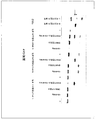
도 1, 특히 도 1a에 명백히 나타낸 바와 같이 적절한 L-DNA는 기질 서열에 보존된 절단 부위에 작용할 수 있고 자체에 보존된 뉴클레오티드를 포함할 수 있다. 이에 대한 구체적인 실시예를 도 1c에 나타내었다.As clearly shown in FIG. 1, in particular FIG. 1A, suitable L-DNAs can act on cleavage sites conserved in the substrate sequence and can include nucleotides conserved in themselves. A specific embodiment thereof is shown in FIG. 1C.
상기 약제학적 조성물은 먼저 L-RNA의 투여량에 상응하는 양의 L-DNA를 함유하고, 바람직하게는 L-RNA의 투여량의 분자수 또는 몰수 기준으로 2 내지 10배에 해당하는 양을 함유한다. 제거할 모든 L-RNA를 확실하게 소산되도록 L-RNA의 양에 비해 과다하게 투여하는 것이 권장된다. 따라서 본 발명에 따른 소정의 절대량은 L-RNA의 소정량에 대한 소정의 상대적 비율을 정밀하게 조절함으로써 L-RNA에 대한 소정량에 관한 지식을 가진 당업자는 용이하게 결정 및 조정할 수 있다. The pharmaceutical composition first contains an amount of L-DNA corresponding to the dose of L-RNA, and preferably contains an amount corresponding to 2 to 10 times the molecular or mole number of the dose of the L-RNA. . It is recommended to overdose the amount of L-RNA so that all L-RNAs to be removed are reliably dissipated. Therefore, the predetermined absolute amount according to the present invention can be easily determined and adjusted by those skilled in the art having a knowledge of the predetermined amount for the L-RNA by precisely adjusting the predetermined relative ratio with respect to the predetermined amount of the L-RNA.
본 발명의 바람직한 일 실시형태에 있어서, 상기 약제학적 조성물은 표적 서열의 영역에서 이중 가닥의 L-RNA에 융합할 수 있는 핵산, 특히 5- 내지 100-mer, 바람직하게는 5- 내지 25-mer의 핵산을 더 함유한다. 이와 관련하여, 표적 서열에 인접한 부분 서열과 혼성화하는 서열이 제공된다. 그 결과, 통상적으로 입체적인 이유로 접근할 수 없는 L-RNA의 절단할 영역에 L-RNA의 3차 구조로 인해 L-DNA가 접근 가능하게 된다. 또한 원하는 절단 부위가 매우 특이적으로 절단되지만 다른 인접 서열과의 해당 이중쌍 또는 삼중쌍은 절단되지 않는다. In a preferred embodiment of the invention, the pharmaceutical composition is a nucleic acid capable of fusion to a double stranded L-RNA in the region of the target sequence, in particular 5- to 100-mer, preferably 5- to 25-mer. It further contains a nucleic acid of. In this regard, sequences are provided that hybridize with partial sequences adjacent to a target sequence. As a result, the tertiary structure of the L-RNA makes the L-DNA accessible to regions to be cleaved, which are typically inaccessible for steric reasons. In addition, the desired cleavage site is cleaved very specifically but the corresponding double or triple pairs with other adjacent sequences are not cleaved.
본 발명은 또한 L-RNA를 함유하는 치료 분자의 투여로 인해 야기되는 원치 않는 생리학적 부반응, 특히 면역반응을 치료하기 위한 L-DNA를 함유하는 약제학적 조성물에 관한 것이다.The present invention also relates to pharmaceutical compositions containing L-DNA for treating unwanted physiological side reactions, in particular immune responses, which are caused by administration of therapeutic molecules containing L-RNA.
본 발명에 따르면 본 발명에 따른 L-DNA는 (감염 진행 중에 예를 들면 바이러스 또는 박테리아 소스의 내인성 또는 외인성) 핵산, 실질적으로 RNA 절단 뿐 아니라 DNA를 절단하거나 내인성 핵산에 대한 안티센스 반응에 의해 이들을 억제하기 위해 사용될 수 있다. DNA의 절단에 대해서는 문헌 Lu, Y., et al., Current Opinions in Biotechnology 17:580-588 (2006) 또는 Jiang, D., et al., FEBS 277 (11) :2543-2549 (2010)을 참조하기로 한다. 특히 소정의 RNA 또는 DNA 또는 그 결과 코딩되는 발현 산물의 과발현을 수반하는 질환을 치료할 수 있다. 그 결과, 상기 L-DNA는 이들 발현 산물에 대한 저해제로서 작용하는바, 즉 이를 코딩하는 RNA 또는 DNA의 분해 또는 여기에 안티센스 결합에 의해 발현을 방해하거나 감소시키기 때문이다. 이때, 상기 특이적 표적 서열(즉, 절단하거나 결합할 RNA 또는 DNA의 특이적 표적 서열)은 본 발명의 범위에서 어느 정도 관련이 없는바, 이에 따라 임의의 표적이 억제될 수 있다. 상기 L-DNA 또는 그의 서열은 선택된 절단 부위의 영역에 있는 표적 서열의 서열에 맞게 상술한 방법으로 구성할 필요가 있다. 따라서 치료할 질환이 원인적으로 관련 표적 서열과 연관이 있는 한 기본적인 암시로 이해될 수 있다. 이하의 내용은 단지 예로서 언급될 뿐 이와 관련하여 본 발명의 이용 가능성은 결코 한정되지 않는다. According to the invention the L-DNA according to the invention inhibits nucleic acids (for example, endogenous or exogenous of viral or bacterial sources during infection), as well as substantially cleaving RNA and cleaving DNA or inhibiting them by antisense reactions against endogenous nucleic acids. Can be used to For cleavage of DNA, see Lu, Y., et al., Current Opinions in Biotechnology 17: 580-588 (2006) or Jiang, D., et al., FEBS 277 (11): 2543-2549 (2010). Reference is made. In particular, diseases associated with overexpression of a given RNA or DNA or the resulting encoded product can be treated. As a result, the L-DNA acts as an inhibitor to these expression products, i.e., it inhibits or reduces expression by degradation of RNA or DNA encoding it or antisense binding thereto. In this case, the specific target sequence (ie, the specific target sequence of RNA or DNA to be cleaved or bound) is not related to some extent in the scope of the present invention, and thus any target may be suppressed. The L-DNA or its sequence needs to be constructed in the manner described above to match the sequence of the target sequence in the region of the selected cleavage site. Thus, as long as the disease to be treated is causally related to the relevant target sequence, it can be understood as a basic indication. The following is only mentioned by way of example only, and the applicability of the present invention is in no way limited in this regard.
상기 약제학적 조성물과 관련하여 상술한 실시예와 후술하는 실시예 모두가 유사하게 적용된다.Both the examples described above and the examples described below in connection with the pharmaceutical composition apply similarly.
마지막으로 본 발명은 이러한 약제학적 조성물을 제조하기 위한 방법으로서, 특히 안티센스 반응을 위해 L-리보뉴클레오티드의 소정의 서열 또는 D-리보뉴클레오티드 또는 D-데옥시리보뉴클레오티드의 소정의 서열에 결합할 수 있고 상기 서열을 선택적으로 절단할 수 있는 L-데옥시리보뉴클레오티드의 서열을 제공 및 합성하고, 이렇게 얻어진 L-DNA를 약리학적으로 유효한 투여량으로 제제화하는 방법에 관한 것이다. 이와 관련하여 상기 L-DNA를 전형적으로 생약적 보조제 및/또는 부형제와 혼합한다. 제제화 범위에서 (L-DNA의) 엔도시토시스를 필요로 하는 종래의 물질들은 L-DNA에 공유 결합시키거나 조성물을 별도로 혼합할 수 있다.Finally, the present invention provides a method for preparing such a pharmaceutical composition, in particular, can bind to a predetermined sequence of L-ribonucleotide or a predetermined sequence of D-ribonucleotide or D-deoxyribonucleotide for antisense reaction. A method of providing and synthesizing a sequence of L-deoxyribonucleotides capable of selectively cleaving such sequences, and formulating the L-DNA so obtained at pharmacologically effective dosages. In this regard the L-DNA is typically mixed with herbal supplements and / or excipients. Conventional materials requiring endocytosis (of L-DNA) in the formulation range can be covalently bound to the L-DNA or separately mixed in the composition.
기본적으로 하나 이상의 생리학적으로 친화성이 있는 보조제 및/또는 부형제를 L-DNA와 혼합할 수 있고 상기 혼합물을 국소 또는 전신 투여, 특히 경구, 비경구용, 목표로 하는 기관에 주입용, 주사용(예를 들면 정맥내, 근육내, 관절내 또는 요추내), 치은구(치근과 잇몸 사이 공간)에 대한 도포용 및/또는 흡입용으로 생약적으로 제제화할 수 있다. 첨가제 및/또는 보조제의 선택은 투여형태의 선택에 따라 다르다. 이와 관련하여 본 발명에 따른 약제학적 조성물의 생약적 제제화는 종래의 방법에 따라 수행할 수 있다. 이온성 화합물에 대한 대이온으로서 Mg++, Pb++, Mn++, Ca++, CaCl+, Na+, Li+ 또는 시클로헥실암모늄 또는 Cl-, Br-, 아세테이트, 트리플루오로아세테이트, 프로피오네이트, 락테이트, 옥살레이트, 말로네이트, 말레에네이트, 시트레이트, 벤조에이트, 살리실레이트, 푸트레신, 카다베린, 스페르미딘, 스페르민 등을 예로 들 수 있다. 적합한 고상 또는 액상의 약제학적 제형의 예로서 과립제, 미분제, 당의정, 정제, (미소)캡슐제, 좌제, 시럽제, 주스제, 현탁제, 유제, 점적제 또는 주사액제(정맥내, 복강내, 근육내, 피하 주사) 또는 분무제(에어로졸), 건조 분말 흡입용 제형, 경피계 및 유효성분의 서방형 제제를 들 수 있고, 이들을 제조할 때 부형제, 붕해제, 결합제, 코팅제, 팽윤제, 활택제 또는 윤활제, 향미제, 감미제, 용해제와 같은 통상적인 보조제를 사용할 수 있다. 또한 예를 들면 흡입제형을 제조하기 위해 바람직한 생물학적 분해성 나노캡슐 내에 유효성분을 캡슐화하거나 다공성 나노입자의 기공 내에 캡슐화하여 생물학적으로 분해하거나 안정화할 수도 있다. 또한 예를 들면 스피겔자임(spiegelzyme)과 스피겔머 또는 압타머의 세포 표적화를 위해 D- 및 L-핵산의 나노입자를 사용할 수도 있다(N.C., Nano Lett. 10(6): 1971-1978 (2010); Sigh, W., Nature 478(7368): 225-228 (2011); Sigh, W. Synapse 65(12): 1289-97 (2011) Zhao, W. et al, Nanotechnology 22(49): 490201 (2011); Hilt, J.Z., Adv Drug Deliv. Rev. 56(11): 1533-1536 (2004); Lin, C, et al., Biochemistry 48(8): 1663-1674 (2007) 참조). 보조제로서 예를 들면 탄산나트륨, 탄산마그네슘, 중탄산마그네슘, 이산화티탄, 락토오스, 만니톨과 기타 당류 또는 시클로덱스트린, 활석, 유단백질, 젤라틴, 전분, 셀룰로오스와 이들의 유도체, 간유, 해바라기유, 땅콩유 또는 참기름과 같은 동물성 및 식물성 오일, 폴리에틸렌글리콜, 멸균수와 같은 용매 및 예를 들면 글리세린과 같은 1가 이상의 다가 알코올이 알려져 있다. 이를 통해 본 발명에 따른 약제학적 조성물을 제조할 수 있고, 본 발명에 따라 사용되는 적어도 하나의 물질 조합의 소정량을 약제학적으로 적합하고 생리학적으로 허용되는 기재와 경우에 따라 소정량의 적절한 다른 유효성분, 첨가제 또는 보조제와 혼합하고 원하는 투여형태로 제제화한다. 희석제로서 폴리글리콜, 물, 디메틸설폭사이드(예를 들면 피부질환 또는 류마티스 치료를 위한 제제의 경우)와 완충액을 예로 들 수 있다. 적합한 완충제로서 예를 들면 N,N'-디벤질에틸렌디아민, 디에탄올아민, 에틸렌디아민, N-메틸글루카민, N-벤질펜에틸아민, 디에틸아민, 포스페이트, 중탄산나트륨 또는 탄산나트륨을 들 수 있다. 희석제 없이도 가공할 수 있음은 물론이다. 생리학적으로 허용되는 염은 예를 들면 젖산, 염산, 황산, 아세트산, 시트르산, p-톨루엔설폰산과 같은 무기 또는 유기산과의 염, 또는 예를 들면 NaOH, KOH, Mg(OH)2, 디에탄올아민, 에틸렌디아민과 같은 무기 또는 유기 염기과의 염, 또는 예를 들면 아르기닌, 라이신, 글루타민산 등과 같은 아미노산과의 염, 또는 예를 들면 CaCl2, NaCl과 같은 무기염 또는 이의 유리 이온, 예를 들면 Ca++, Na+, Pb++, Cl-, S04 2- 또는 이에 상응하는 염과 Mg++ 또는 Mn++의 유리 이온과의 염, 또는 이들의 조합이 있다. 이들은 표준 방법에 따라 제조된다. pH-값은 5 내지 9, 특히 6 내지 8의 범위로 조절하는 것이 바람직하다. Basically one or more physiologically compatible auxiliaries and / or excipients may be mixed with L-DNA and the mixtures may be administered topically or systemically, in particular oral, parenteral, for injection into a target organ, for injection ( For example, it may be formulated for the application and / or inhalation for intravenous, intramuscular, intraarticular or lumbar spine, gingiva (space between the root and gums). The choice of excipients and / or adjuvants depends on the choice of dosage form. In this regard, the herbal formulation of the pharmaceutical composition according to the present invention can be carried out according to a conventional method. As a counter ion for the ionic compound Mg ++, Pb ++, Mn ++ , Ca ++, CaCl +, Na +, Li + or cyclohexyl ammonium or Cl -, Br -, acetate, trifluoroacetate, Propionate, lactate, oxalate, malonate, maleate, citrate, benzoate, salicylate, putrescine, cardaberine, spermidine, spermine and the like can be exemplified. Examples of suitable solid or liquid pharmaceutical formulations include granules, fines, dragees, tablets, (micro) capsules, suppositories, syrups, juices, suspensions, emulsions, drops or injections (intravenous, intraperitoneal, Intramuscular, subcutaneous injection) or sprays (aerosols), dry powder inhalation formulations, sustained release formulations of transdermal and active ingredients, and when preparing them, excipients, disintegrants, binders, coatings, swelling agents, glidants Or conventional auxiliaries such as lubricants, flavors, sweeteners, and solubilizers. In addition, for example, the active ingredient may be encapsulated in a preferred biodegradable nanocapsule or encapsulated in the pores of the porous nanoparticles so as to be biodegradable or stabilized to prepare an inhalation formulation. It is also possible to use nanoparticles of D- and L-nucleic acids, for example for cell targeting of spiegelzyme and spigelmer or aptamer (NC, Nano Lett. 10 (6): 1971-1978 (2010) Sigh, W., Nature 478 (7368): 225-228 (2011); Sigh, W. Synapse 65 (12): 1289-97 (2011) Zhao, W. et al, Nanotechnology 22 (49): 490201 ( Hilt, JZ, Adv Drug Deliv. Rev. 56 (11): 1533-1536 (2004); see Lin, C, et al., Biochemistry 48 (8): 1663-1674 (2007). As auxiliaries, for example, sodium carbonate, magnesium carbonate, magnesium bicarbonate, titanium dioxide, lactose, mannitol and other sugars or cyclodextrins, talc, milk proteins, gelatin, starch, cellulose and derivatives thereof, cod liver oil, sunflower oil, peanut oil or sesame oil Solvents such as animal and vegetable oils, polyethyleneglycol, sterile water and monohydric or polyhydric alcohols such as, for example, glycerin are known. This allows the preparation of a pharmaceutical composition according to the invention, wherein a predetermined amount of at least one combination of substances used in accordance with the invention is pharmaceutically suitable and physiologically acceptable It is mixed with the active ingredient, excipient or adjuvant and formulated in the desired dosage form. Diluents include, for example, polyglycol, water, dimethylsulfoxide (for example for the treatment of skin diseases or rheumatism) and buffers. Suitable buffers include, for example, N, N'-dibenzylethylenediamine, diethanolamine, ethylenediamine, N-methylglucamine, N-benzylphenethylamine, diethylamine, phosphate, sodium bicarbonate or sodium carbonate. . Of course, it can be processed without a diluent. Physiologically acceptable salts are, for example, salts with inorganic or organic acids such as lactic acid, hydrochloric acid, sulfuric acid, acetic acid, citric acid, p-toluenesulfonic acid, or for example NaOH, KOH, Mg (OH) 2 , diethanolamine Salts with inorganic or organic bases such as ethylenediamine, or salts with amino acids such as, for example, arginine, lysine, glutamic acid or the like, or inorganic salts such as CaCl 2 , NaCl or free ions thereof, for example Ca + + , Na + , Pb ++ , Cl − , SO 4 2- or equivalent salts with salts of free ions of Mg ++ or Mn ++ , or combinations thereof. They are prepared according to standard methods. The pH-value is preferably adjusted in the range of 5-9, in particular 6-8.
위에서 이미 설명한 본 발명의 변형예는 적어도 하나의 내인성 유전자의 과발현을 수반하는 질환을 치료 또는 예방하기 위한 약제학적 조성물의 제조를 위한 L-DNA의 용도에 관한 것으로, 상기 L-DNA는 특히 안티센스 반응을 위해 유전자를 코딩하는 표적-D-RNA 또는 표적-D-DNA의 표적 서열에 결합할 수 있고 상기 표적 서열을 선택적으로 절단할 수 있다는 점에서 독립적인 의미를 갖는다. 상기 L-DNA를 관련 바이러스 또는 박테리아의 표적 서열에 결합시키기 위해 제공할 때 바이러스 또는 박테리아의 감염을 치료 또는 예방할 수 있다. 그 외에는 상술한 바와 유사하게 적용한다. 이와 관련하여 중요한 것은 본 발명의 상기 요지의 또 다른 변형예는 미생물에 의한 포유류의 감염을 수반하는 질환을 치료 또는 예방하기 위한 약제학적 조성물의 제조를 위한 L-DNA의 용도에 관한 것으로, 상기 L-DNA는 미생물의 유전자를 코딩하는 표적-D-RNA 또는 표적-D-DNA의 표적 서열을 절단(또는 특히 안티센스 반응을 위해 상기 표적 서열에 결합)할 수 있다는 점에서 의미가 있다. 미생물의 예로서 특히 바이러스, 박테리아와 진균을 언급할 수 있다. 기본적으로 상기 L-DNA를 적어도 부분적으로 알려져 있는 유전자 서열을 가진 임의의 미생물의 핵산에 결합하거나 상기 핵산을 절단하기 위해 사용할 수 있고, 절단할 유전자 서열의 영역은 예를 들면 미생물의 활성 및/또는 그의 복제 가능성이 약화 또는 억제되고/또는 세포 표면에 대한 결합이 약화 또는 억제되도록 선택한다. Variations of the invention already described above relate to the use of L-DNA for the preparation of a pharmaceutical composition for the treatment or prevention of a disease involving overexpression of at least one endogenous gene, wherein the L-DNA is particularly an antisense response. Have independent meaning in that they can bind to the target sequence of the target-D-RNA or target-D-DNA encoding the gene and selectively cleave the target sequence. When provided to bind the L-DNA to the target sequence of the virus or bacterium involved, the infection of the virus or bacterium can be treated or prevented. Otherwise apply similarly to the above. Importantly in this connection, another variant of the present subject matter relates to the use of L-DNA for the manufacture of a pharmaceutical composition for treating or preventing a disease involving infection of a mammal by a microorganism, said L -DNA is meaningful in that it can cleave (or specifically bind to the target sequence for an antisense reaction) the target-D-RNA or target-D-DNA encoding the gene of the microorganism. As examples of microorganisms, mention may be made in particular of viruses, bacteria and fungi. Basically the L-DNA can be used to bind to or cleave the nucleic acid of any microorganism having at least partially known gene sequence, wherein the region of the gene sequence to be cleaved is for example the activity of the microorganism and / or Its selection is such that its replication potential is weakened or inhibited and / or binding to the cell surface is weakened or inhibited.
본 변형예에서는 상기 L-DNA를 안티센스 반응을 통한 억제 또는 특히 mRNA 또는 조절 RNA, 예를 들면 siRNA, microRNA, shRNA, ncRNA, tRNA, rRNA 등을 포함하는 D-RNA의 절단을 위해 사용할 수 있고 D-DNA의 절단 또는 D-DNA에 결합하기 위해 사용할 수도 있다. 그 결과, 유전자 또는 유전자에 의해 코딩된 단백질 또는 코딩 또는 비코딩 RNA가 억제될 수 있다. 이는 질환이 없는 유기체의 발현에 비해 소정의 유전자의 과발현을 수반하는 모든 질환의 치료용도에 적용된다.In this variant, the L-DNA can be used for inhibition through an antisense reaction or specifically for cleavage of D-RNA including mRNA or regulatory RNA, such as siRNA, microRNA, shRNA, ncRNA, tRNA, rRNA and the like. It can also be used to cleave or bind to -DNA. As a result, the gene or protein encoded by the gene or coding or non-coding RNA can be suppressed. This applies to the therapeutic use of all diseases involving overexpression of certain genes as compared to the expression of disease free organisms.
본 변형예는 한편으로는 표적 서열의 절단 또는 표적 서열에 대한 결합이 매우 높은 특이성으로 수행되고 따라서 조절계와 여타의 간섭없이 수행되는 장점이 있다. 또한 예를 들면 siRNA와 같은 억제성 D-핵산의 사용을 수반하는 부작용이 확실하게 방지될 수 있다. L-RNA 리보자임과 L-DNA 기반효소는 siRNA(Risc 인자 등) 외에는 보조 분자를 필요로 하지 않음으로써 원치 않는 부반응을 크게 감소시킬 수 있다. This variant, on the one hand, has the advantage that the cleavage of the target sequence or the binding to the target sequence is performed with very high specificity and thus is performed without any interference with the regulatory system. In addition, side effects involving the use of inhibitory D-nucleic acids such as, for example, siRNA can be reliably prevented. L-RNA ribozymes and L-DNA based enzymes can greatly reduce unwanted side reactions by not requiring an auxiliary molecule other than siRNA (Risc factor, etc.).
최종적으로 2개의 L-DNA 또는 L-DNA 기반효소를 조합하여 사용할 수 있되, 상기 서열은 2중 가닥의 DNA 또는 RNA가 절단될 수 있도록 선택된다.Finally, two L-DNA or L-DNA based enzymes can be used in combination, wherein the sequence is selected such that double stranded DNA or RNA can be cleaved.
약제학적 조성물 제조를 위한 본 발명에 따른 L-DNA의 용도의 범위에서 다른 변형예도 가능하다.Other variations are also possible within the scope of the use of L-DNAs according to the invention for the preparation of pharmaceutical compositions.
먼저, L-DNA는 또 다른 핵산에 결합하기 위해 사용할 수 있을 뿐 아니라 기본적으로 D-핵산의 압타머의 공지된 용도와 유사할 수 있다. 이는 본 발명에 따른 L-DNA에 의해 원칙적으로는 유기체에 있는 모든 표적 분자를 결합하여 억제할 수 있다는 것을 의미한다. 당업자에게 알려져 있는 압타머의 모든 기술은 L-DNA 압타머에 대해서 적용될 수 있다.Firstly, L-DNA can be used to bind another nucleic acid as well as essentially similar to the known use of the aptamer of D-nucleic acid. This means that the L-DNA according to the invention can in principle bind and inhibit all target molecules in the organism. All techniques of aptamers known to those skilled in the art can be applied to L-DNA aptamers.
소정의 표적에 결합하는 L-DNA는 하기 방법으로 얻을 수 있다. 선택된 표적 분자를 스크리닝 분석의 고정상(또는 고상, 예를 들면 자기 비드)에 결합한다. 상기 스크리닝 분석은 고정상 외에 고정상과 접촉 상태에 있거나 고정상에 접촉하게 되는 이동상(대부분의 경우에 핵산과 표적 분자가 안정화되고 결합될 수 있는 수용액임)을 포함한다. 상기 이동상은 L-DNA 라이브러리, 즉 폴리뉴클레오티드, 전형적으로 10 내지 500개의 뉴클레오티드의 길이를 갖고 서열은 가변적이며 일반적으로 무작위적인 폴리뉴클레오티드를 함유한다. 이러한 L-DNA 라이브러리는 D-DNA 라이브러리의 발생으로부터 알려진 통상적인 합성 방법으로 제조할 수 있다. 상기 접촉에 의해 이러한 L-DNA 분자는 표적 분자에 결합할 수 있는데, L-DNA 분자의 서열에 의해 표적 분자에 대해 안정한 반데르발스 결합이 가능한다. 이와 관련하여 결합 강도는 전형적으로 해리 상수가 100 nmol 미만, 바람직하게는 100 pmol 미만, 더욱 바람직하게는 1 pmol 미만의 값에 해당하는 상태에 있을 수 있다. 이어서, 상기 이동상(결합되지 않거나 약하게 결합되어 있는 핵산을 가진)을 예를 들면 하나 이상의 세척 공정단계에 의해 고정상으로부터 분리한다. 그후, 상기 고정상을 D-DNA 라이브러리를 구비한 표적 분자와 결합된 L-DNA 분자와 접촉시킨다. 상기 표적 분자에 결합된 L-DNA와 혼성화된 D-DNA를 L-DNA에 결합함으로써 표적 분자/L-DNA/D-DNA의 복합체를 생성한다. 결합되지 않은 D-DNA는 이동상과 함께 재차 제거한다. 다음, 이렇게 얻어진 복합체로부터 D-DNA를 종래의 방법으로 용출, 즉 이동상으로 이동시킨다. 이렇게 얻어진 D-DNA 분자를 경우에 따라서 증폭시키고(예를 들면 PCR에 의해) 적어도 서열을 결정할 수 있다. 이렇게 얻어진 D-DNA의 서열로부터 상보적인 L-DNA를 결정 및 합성할 수 있다. 이와 다르게, 상기 L-DNA를 표적 분자로부터 용출할 수 있고 본 명세서의 다른 단락에 기재되어 있는 서열 결정 방법에 의해 서열을 결정할 수 있다. 기본적으로 본 단락에 기재되어 있는 공정으로 고정상 없이도 실시할 수 있고, 그 대신에 상기 표적 분자를 고정상에 결합하고 표지 분자에 결합할 수 있다. 다음, 상기 복합체 표적/결합된 L-DNA로부터 결합되지 않은 L-DNA를 통상적인 방법으로 표지 분자의 결합과 표지 분자를 동반하지 않는 분자의 분리에 의해 실시할 수 있다. 이 외에는 본 실시예에서는 상술한 바와 매우 유사하게 실시한다.L-DNA binding to a given target can be obtained by the following method. The selected target molecule binds to the stationary phase (or solid phase, eg magnetic beads) of the screening assay. The screening assay includes, in addition to the stationary phase, a mobile phase which is in contact with or in contact with the stationary phase (in most cases, an aqueous solution in which the nucleic acid and the target molecule can be stabilized and bound). The mobile phase is an L-DNA library, ie polynucleotides, typically 10 to 500 nucleotides in length and whose sequences are variable and contain generally random polynucleotides. Such L-DNA libraries can be prepared by conventional synthetic methods known from the generation of D-DNA libraries. This contact allows the L-DNA molecule to bind to the target molecule, which enables stable van der Waals binding to the target molecule by the sequence of the L-DNA molecule. In this regard the bond strength may typically be in a state where the dissociation constant corresponds to a value of less than 100 nmol, preferably less than 100 pmol, more preferably less than 1 pmol. The mobile phase (with unbound or weakly bound nucleic acid) is then separated from the stationary phase, for example by one or more washing process steps. The stationary phase is then contacted with L-DNA molecules bound with a target molecule with a D-DNA library. The D-DNA hybridized with the L-DNA bound to the target molecule is bound to the L-DNA to generate a complex of the target molecule / L-DNA / D-DNA. Unbound D-DNA is removed again with the mobile phase. The D-DNA is then eluted from the complex thus obtained, ie, transferred to the mobile phase. The D-DNA molecules thus obtained can be optionally amplified (eg by PCR) and at least determined in sequence. Complementary L-DNA can be determined and synthesized from the sequence of D-DNA thus obtained. Alternatively, the L-DNA can be eluted from the target molecule and the sequence can be determined by the sequencing method described in other paragraphs herein. Basically, the process described in this paragraph can be carried out without a stationary phase, and instead, the target molecule can be bound to the stationary phase and to the labeling molecule. Next, unbound L-DNA from the complex target / bound L-DNA can be carried out by binding of the labeling molecule and separation of a molecule not accompanied by the labeling molecule in a conventional manner. Except for this, the present embodiment is implemented very similarly to the above.
결과적으로 상기 표적 분자에 대해 높은 친화성으로 결합하는 L-DNA 분자종 또는 이러한 분자종의 혼합물을 얻을 수 있다. 다음, 상기 분자종 또는 그의 혼합물은 본 발명에 따른 약제학적 조성물의 범위에서 임의의 의미로 사용할 수 있다. 다음, 상기 의미는 표적 분자가 통상적으로 질환과 관련하여 인과관계로서 알 수 있고 상기 질환의 치료 또는 예방을 위해 억제되는 바에 따라 다르다. As a result, L-DNA molecular species or mixtures of such molecular species can be obtained which bind with high affinity to the target molecule. The molecular species or mixtures thereof may then be used in any sense within the scope of the pharmaceutical composition according to the invention. The meaning then depends on that the target molecule is commonly known as a causal relationship with the disease and is inhibited for the treatment or prevention of the disease.
표적에 결합한 L-RNA는 적절한 방법으로 단리 또는 결정할 수 있다. 이와 관련하여, L-DNA 라이브러리 대신에 L-RNA 라이브러리를 사용할 수 있다. L-RNA bound to the target can be isolated or determined by appropriate methods. In this regard, L-RNA libraries can be used in place of L-DNA libraries.
또 다른 방법으로, (임의의) 표적, 예를 들면 표적 분자에 바이러스, 박테리아, 진균 또는 그 밖의 세포(또는 이들의 단편)에 결합하는 L-DNA 또는 L-RNA을 단리 또는 결정 및 제조할 수 있다. 이를 위해, L-핵산 라이브러리를 제공할 수 있고, 핵산에 선택적으로 연결 분자 또는 표지 분자를 결합하고, 예를 들면 비오틴을 5'-말단에 결합한다. 상기 표적 분자를 고상, 예를 들면 자기 비드에 결합한다. 다음, 상기 고상을 핵산 라이브러리와 접촉시킨다. 이때, 이들 L-핵산을 높은 결합 친화도를 가진 표적 분자에 결합시킨다. 상기 고상은 하나 이상의 세척 공정 단계로 처리하여 결합되지 않은 L-핵산을 제거한다. 다음, 상기 L-핵산을 재차 용출하여 종래의 방법으로 표적 분자로부터 분리한다. 다음, 마지막으로 이렇게 얻어진 L-핵산의 서열 결정은 본 명세서의 다른 단락에 기재되어 있는 바대로 실시한다.Alternatively, it is possible to isolate or determine and prepare an L-DNA or L-RNA that binds a (optional) target, such as a virus, bacterium, fungus or other cell (or fragment thereof) to a target molecule. have. To this end, an L-nucleic acid library can be provided, optionally binding a linking molecule or a labeling molecule to a nucleic acid, for example biotin at the 5'-terminus. The target molecule binds to a solid phase, for example magnetic beads. The solid phase is then contacted with a nucleic acid library. At this time, these L-nucleic acids are bound to a target molecule having a high binding affinity. The solid phase is subjected to one or more washing process steps to remove unbound L-nucleic acid. The L-nucleic acid is then eluted again and separated from the target molecule by conventional methods. Next, finally, the sequencing of the L-nucleic acid thus obtained is carried out as described in the other paragraphs of the present specification.
본 발명에 따른 용도의 범위에서 L-DNA의 잠재적 부작용에 대해 시험하기 위해 L-DNA를 사용할 수 있다. 이러한 시험 방법의 범위에서는 유망한 유효성분으로서 선택된 상기 L-DNA(또는 더 많은 수의 동일한 L-DNA 분자들)를 세포 추출물, 예를 들면 치료할 유기체의 세포 추출물과 접촉시키고 통상적인 수단으로 상기 세포 추출물 내에서 표적 분자가 L-DNA에 결합하는지 또는 다른 분자도 결합하는지를 측정한다. 첫 번째 경우에, 유망한 유효성분이 가장 발생 확률이 높은 부작용이 없다는 것은 다른 세포 구성성분이 표적 분자로서 결합되거나 억제되지 않았다는 것을 의미한다. 후자의 경우에는 부작용이 예상될 수 있다.L-DNA can be used to test for potential side effects of L-DNA within the scope of use according to the invention. In the scope of this test method, the L-DNA (or a larger number of identical L-DNA molecules) selected as a probable active ingredient is contacted with a cell extract, for example a cell extract of the organism to be treated, and the cell extract by conventional means. Determine whether the target molecule binds to L-DNA or other molecules within. In the first case, the absence of the most likely side effects of promising active ingredients means that other cellular components are not bound or inhibited as target molecules. In the latter case, side effects can be expected.
L-핵산의 서열 결정은 본 발명의 다른 요지와는 독립적인 것으로 다양한 방법으로 실시할 수 있다. L-RNA 또는 L-DNA의 서열 결정을 위한 첫 번째 방법에서는 상기 L-핵산을 고상에 결합시킨다. 이는 예를 들면 상기 핵산이 연결 분자 또는 비오틴과 같은 표지 분자를 함유할 수 있도록 (상술한 바와 같이) 실시할 수 있다. 다음, 상기 고상은 연결 분자에 상보적이면서 연결 분자에 결합한 분자, 예를 들면 아비딘 또는 스트렙트아비딘을 동반할 수 있다. 다음, 상기 고상에 결합된 L-핵산을 D-DNA 라이브러리와 접촉시킨다. 이와 관련하여, 상기 라이브러리의 이러한 D-DNA 분자를 상보 서열을 함유하거나 상보 서열로 이루어진 L-핵산과 혼성화한다. 다음, 상기 고상을 하나 이상의 세척 공정단계로 세척하여 결합되지 않은 D-DNA를 제거한다. 이후, 결합된 D-DNA를 L-핵산으로부터 분리한다. 이어서, PCR에 의한 증폭을 실시한다. 이후, D-DNA의 서열을 결정한다. 다음, 이렇게 얻어진 D-DNA 서열로부터 L-핵산의 상보 서열을 결정한다.L-nucleic acid sequencing is independent of other aspects of the present invention and can be carried out in a variety of ways. In the first method for sequencing L-RNA or L-DNA, the L-nucleic acid is bound to a solid phase. This can be done, for example, as described above such that the nucleic acid may contain a labeling molecule such as a linking molecule or biotin. The solid phase may then be accompanied by a molecule, such as avidin or streptavidin, that is complementary to the linking molecule and that binds to the linking molecule. Next, the L-nucleic acid bound to the solid phase is contacted with a D-DNA library. In this regard, such D-DNA molecules of the library hybridize with L-nucleic acids containing or consisting of complementary sequences. The solid phase is then washed with one or more washing process steps to remove unbound D-DNA. The bound D-DNA is then separated from the L-nucleic acid. Subsequently, amplification by PCR is performed. Thereafter, the sequence of the D-DNA is determined. Next, the complementary sequence of L-nucleic acid is determined from the D-DNA sequence thus obtained.
이와 달리, L-핵산, 특히 L-RNA의 서열을 후술하는 바와 같이 서열 결정 방법으로 결정할 수 있다. 이와 관련하여 상기 핵산은 말단, 예를 들면 5'-말단에 연결 분자 또는 표지 분자, 예를 들면 비오틴을 동반한다(상술한 바와 같이). 다음, 상기 핵산을 "조절자"로 분해, 즉 가수분해 방법으로 다양한 길이의 핵산 단편을 얻는데, 이상적인 경우에는 1 염기 내지 전체 핵산의 염기 수에 이르는 핵산 단편이 얻어진다. 상기 분해는 L-RNA의 경우에 전형적으로 pH가 >8이고, 대개 8.5-10인 알칼리에서 실시할 수 있다. 이를 위해 KOH 또는 탄산수소나트륨을 포함하는 시판 중의 가수분해 완충액을 이용할 수 있다. 다음, 여전히 연결 분자를 동반하는 이렇게 얻어진 단편을 고상에 결합시킨다. 이때, 상기 고상은 연결 분자에 상보적이고 상기 연결 분자에 결합하는 분자, 예를 들면 아비딘 또는 스트렙트아비딘을 동반한다. 다음, 상기 고상은 하나 이상의 세척 공정단계에 의해 처리하여 연결 분자를 동반하지 않은 핵산 단편을 제거한다. 결국, 표지된 핵산 단편의 조절자가 남게 된다. 다음, 상기 조절자를 고상으로부터 용출하고 질량분광법으로 검사한 다음, 측정한 질량과 그의 분포를 참조하여 N-핵산의 고유한 서열을 결정할 수 있다. L-DNA의 경우에 적절한 방법, 이 경우에는 pH < 6, 바람직하게는 < 5의 산에서 가수분해에 의해 "조절자"를 얻는다. Alternatively, the sequences of L-nucleic acids, particularly L-RNAs, can be determined by sequencing methods as described below. In this connection the nucleic acid is accompanied by a linking molecule or a labeling molecule such as biotin at the end, for example the 5'-end (as described above). The nucleic acid fragments of various lengths are then obtained by digesting the nucleic acid into "regulators", ie hydrolysis methods, in which case nucleic acid fragments ranging from 1 base to the base number of the entire nucleic acid are obtained. This digestion can be carried out in an alkali with L-RNA typically having a pH of> 8, usually 8.5-10. For this purpose, commercially available hydrolysis buffers containing KOH or sodium bicarbonate can be used. Next, the thus obtained fragments still attached with the linking molecule are bound to the solid phase. The solid phase is then accompanied by a molecule that is complementary to the linking molecule and binds to the linking molecule, for example avidin or streptavidin. The solid phase is then processed by one or more washing process steps to remove nucleic acid fragments that are not accompanied by linking molecules. Eventually, the modulators of the labeled nucleic acid fragments remain. The modulator can then be eluted from the solid phase and examined by mass spectrometry, and then the unique sequence of the N-nucleic acid can be determined by reference to the measured mass and its distribution. A suitable method in the case of L-DNA, in this case a "controller" is obtained by hydrolysis in an acid of pH <6, preferably <5.
적용할 수 있는 mRNA 서열을 결정하기 위해 L-DNA 또는 스피겔자임을 사용할 수도 있다. 이 경우, siRNA, microRNA와 스피겔자임에 대해 적용 가능한 이러한 mRNA 서열을 결정하는 것은 컴퓨터 기술에 의한 2차 구조 예측이 매우 불확실하기 때문에 매우 어렵다. RNA 분자의 3차원 접힘 배치에 대해 너무 적은 것이 알려져 있어 컴퓨터 프로그램은 충분하지 않기 때문이다. 다른 한편으로, 세포 내에서 mRNA는 용액 중에 유리 상태로 접힘되어 있다는 것을 예상할 수 있다. 이 때문에 siRNA, microRNA와 스피겔자임의 사용을 최적화할 필요성이 매우 크다. 이는 예를 들면 진핵 또는 원핵세포의 생체외 계(예를 들면 독일 RiNA GmbH에서 구입 가능)에서 결정된 (소정의) mRNA를 번역하고 다양한 스피겔자임(유망한 유효성분)에 따라 단백질의 수율을 시험하는 생체외 단백질 생합성에 의해 결정할 수 있다. 예를 들면 L-리보자임, siRNA 등과 같은 종래기술의 분자 가위(scissor)는 보조 분자를 필요로 하기 때문에 안정성과 환경적인 면에서 적합하지 않다. L-DNA or Spiegelzyme can also be used to determine applicable mRNA sequences. In this case, determining such mRNA sequences applicable for siRNA, microRNA and spigelzyme is very difficult because the secondary structure prediction by computer technology is very uncertain. Because too little is known about the three-dimensional folding arrangement of RNA molecules, and computer programs are not enough. On the other hand, it can be expected that the mRNA in the cell is folded free in solution. Because of this, there is a great need to optimize the use of siRNA, microRNA and spigelzyme. It is for example a living body that translates (predetermined) mRNA determined in an ex vivo system of eukaryotic or prokaryotic cells (for example, available from RiNA GmbH, Germany) and tests the yield of proteins according to various spigelzymes (promising active ingredients). Extra protein biosynthesis can be determined. Prior art molecular scissors such as L-ribozymes, siRNAs, etc., are not suitable for safety and environmental reasons because they require auxiliary molecules.
본 명세서에 기재되어 있는 관련성과 무관하게 또한 별도의 독립적인 발명에 따르면, L-DNA는 비-약제학적인 목적을 위해 사용할 수도 있다. 하나의 사용 분야는 보안 및/또는 인증용으로 물품 또는 사람을 L-DNA로 표지화 및/또는 사람의 신분을 확인하는 것이다. 이와 관련하여, 상기 L-DNA는 물품 또는 사람에 적용하고 이들의 존재 및/또는 이들의 서열을 적절한 방법으로 검사한다.Regardless of the relevance described herein and according to a separate independent invention, L-DNA may also be used for non-pharmaceutical purposes. One field of use is to label an article or person with L-DNA and / or to verify the identity of a person for security and / or authentication. In this regard, the L-DNA is applied to an article or human and examines their presence and / or their sequence in a suitable manner.
물품으로서는 원칙적으로 모든 물품을 예로 들 수 있고, 도난 방지를 위해 표지화되어 있는 진본을 검사하거나 소유자에게 귀속시킬 수 있어 바람직하다. 제1군에는 소위 보안 및/또는 증명서류, 예를 들면, 여권, 신분증, 운전면허증, 자동차 증명서, 비자 등의 증명서류 및/또는 예를 들면 출입카드, 회원카드, 은행권, 티켓, 세관직인, 우체국직인, 신용카드 또는 접착 라벨(예를 들면 제품 보안)과 같은 신분확인서류 등이 포함된다. 물건의 가치를 나타내고 도난 방지를 위한 제2군에 속하는 물품으로는 예를 들면 보석, 시계, 기타 귀중품, 기술장비, 자동차 등이 있다. L-DNA를 사용하여 물품을 개별화할 수 있는데, 즉 물품을 그 물품에 대해 특징적인 서열과 그 물품에 대해서만 특징적인 서열을 포함하는 L-DNA로 표지할 수 있다. 이러한 서열이 사람 또는 소유자에게 귀속되면, 물품에 적용된 L-DNA의 서열을 결정함으로써 그 사람 또는 소유자에 물품을 귀속시킬 수 있다. 바람직한 사용 분야로는 약제학적 제품 또는 그의 포장 또는 박물관 전시물 등이 있다.In principle, all articles may be exemplified, and the present invention is preferable because it is possible to inspect the label or belong to the owner to prevent theft. The first group includes so-called security and / or certificates, such as passports, ID cards, driver's licenses, car certificates, visas, etc. and / or access cards, membership cards, bank notes, tickets, customs officials, Identification documents such as post office workers, credit cards or adhesive labels (eg product security). Articles belonging to the second group for the value of goods and for theft prevention are, for example, jewelry, watches, other valuables, technical equipment, automobiles, and the like. L-DNA can be used to individualize an article, i.e., the article can be labeled with an L-DNA comprising a sequence characteristic for that article and a sequence characteristic only for that article. Once such sequence is attributed to a person or owner, the article can be attributed to that person or owner by determining the sequence of L-DNA applied to the article. Preferred areas of use include pharmaceutical products or their packaging or museum exhibits.
사람에 대한 표지는 예를 들면 침해의 경우에 바람직할 수 있다. 다음, 피해자는 가해자에 대해 예를 들면 L-DNA를 함유하는 스프레이를 뿌림으로써 가해자 본인 또는 가해자의 옷에 있는 L-DNA를 검출함으로써 가해자를 식별할 수 있다. 또한 예를 들면 무자격 구내 출입자를 표지하기 위한 자동 분무 장치를 제공할 수도 있다. 이와 관련하여, 경보 장치와 연결되어 있는 분무 장치를 작동시키면 경보 장치의 센서는 경보 장치의 경보 상태에서 분무 장치의 작동범위 내에 사람이 있다는 것을 검출하게 된다. 다음, 분무 장치에 포함되어 L-DNA를 함유하는 용액을 그 사람에게 분무한 후, 상술한 바와 같이 신분을 확인할 수 있다. A label on a person may be desirable, for example, in case of infringement. The victim may then identify the perpetrator by detecting, for example, the perpetrator himself or the L-DNA in the perpetrator's clothing, by spraying the perpetrator with a spray containing L-DNA. It is also possible to provide an automatic spraying device for, for example, marking unauthorized pedestrians. In this regard, actuation of the spraying device in connection with the alarming device causes the sensor of the alarming device to detect that a person is within the operating range of the spraying device in the alarming state of the alarming device. Next, after spraying the solution containing the L-DNA contained in the spray device to the person, the identity can be confirmed as described above.
이러한 목적을 위한 D-핵산의 사용은 실제로 알려져 있지만, 예를 들면 뉴클레아제에 의해 승인되지 않은 사람으로부터 D-핵산이 분해될 수 있다는 단점이 있다. 이는 특히 도난으로부터 물품을 보호하는 경우나 사람을 표지하는 경우에 방해되는데 이는 뉴클레아제의 사용에 의해 표지가 분해되어 제거되기 때문이다. 이 밖에도 N-핵산의 사용은 (D-핵산과는 달리) 사람의 게놈에 삽입되지 않아 질환, 특히 종양 진행을 유도할 위험성이 없다는 장점이 있다. The use of D-nucleic acids for this purpose is known in practice, but has the disadvantage that D-nucleic acids can be degraded, for example, from humans not approved by nucleases. This is particularly disturbed in the case of protecting articles from theft or in labeling humans, since the label is decomposed and removed by the use of nucleases. In addition, the use of N-nucleic acid (unlike D-nucleic acid) has the advantage that there is no risk of inducing disease, especially tumor progression, because it is not inserted into the human genome.
이와 관련하여, 본 명세서에 기재되어 있는 발명은 물품 또는 사람을 표지화하기 위한 방법으로서, 상기 물품 또는 사람 또는 그의 옷에 L-DNA를 제공하고 상기 L-DNA를 물품, 사람 또는 그의 옷에 고정시키는 방법에 관한 것이다. 본 발명은 또한 외부 또는 내부에 고정된 L-DNA를 포함하는 물품에 관한 것이다. 본 발명은 또한 물품 또는 사람을 식별하기 위한 방법으로서, 상기 물품 또는 사람 또는 그의 옷에 L-DNA의 존재 여부에 대한 분석, 경우에 따라 추가로 서열 분석 처리하는 방법에 관한 것이다.In this regard, the invention described herein is a method for labeling an article or person, the method comprising providing L-DNA to the article or person or his clothing and securing the L-DNA to the article, person or his clothing It is about a method. The present invention also relates to articles comprising L-DNA immobilized externally or internally. The present invention also relates to a method for identifying an article or a person, wherein the analysis of the presence or absence of L-DNA on the article or person or its garments, optionally further sequencing.
여기서, 상기 용어 표지화는 물품 또는 사람의 외부 또는 내부에 없었던 특징을 물품 또는 사람에 부착함으로써 상기 물품 또는 사람을 식별하는 것을 의미한다. 모든 경우에, 특징이라 함은 소정의 구조를 갖고 (의도한) 표지화 이외에는 다른 상황에 의해서 물품 또는 사람에 미치지 않는 것을 의미한다. The term labeling herein means identifying the article or person by attaching to the article or person a feature that was not on or inside the article or person. In all cases, a feature means having a predetermined structure and not reaching the article or person by any situation other than (intentional) labeling.
상기 고정화는 D-핵산에 의한 표지화와 관련하여 알려진 모든 기술에 의해 실시할 수 있다. 가장 단순한 경우는 상기 L-DNA를 함유하는 용액, 특히 수용액을 물품 또는 사람 또는 그의 옷에 도포하고 건조하는 것이다. 그러나 용해 또는 분산된 결합제를 추가로 함유하는 제형에 상기 L-DNA를 포함시키는 것이 바람직하다. 기본 제형으로는 pH가 9 미만, 바람직하게는 8 미만인 한 기본적으로 경화되지 않은 모든 액체 또는 페이스트 형태의 래커 결합제 제형, 접착제 제형 등이 적합하다. 용매로서 물 이외에 래커 기술분야 또는 접착제 기술분야에서 통상적인 모든 용매를 예로 들 수 있다. 이는 사용 가능한 결합제와 종래기술의 첨가제에 대해서도 동일하다. 표지할 물품 또는 표지할 사람에 상기 제형을 도포한다. 도포할 용액 또는 제형은 ml 당 바람직하게는 1 또는 10^1 내지 10^16, 바람직하게는 10^3 내지 10^12, 특히 10^3 내지 10^9개의 L-DNA 분자를 함유한다. 상기 L-DNA 분자의 적어도 10%, 바람직하게는 50%는 동일한 뉴클레오티드 서열을 갖는 것이 바람직하다.The immobilization can be carried out by any known technique with respect to labeling by D-nucleic acid. In the simplest case, a solution containing the L-DNA, in particular an aqueous solution, is applied to an article or a person or to his clothes and dried. However, preference is given to including the L-DNA in formulations which further contain dissolved or dispersed binder. Basic formulations are lacquer binder formulations, adhesive formulations and the like in the form of all liquids or pastes that are not essentially cured, as long as the pH is less than 9, preferably less than 8. As solvents there may be mentioned all solvents customary in the lacquer or adhesive arts besides water. The same is true for the binders available and the additives of the prior art. The formulation is applied to the article to be labeled or to the person to be labeled. The solution or formulation to be applied contains preferably 1 or 10 ^ 1 to 10 ^ 16, preferably 10 ^ 3 to 10 ^ 12, in particular 10 ^ 3 to 10 ^ 9 L-DNA molecules per ml. It is preferred that at least 10%, preferably 50%, of the L-DNA molecules have the same nucleotide sequence.
본 발명의 바람직한 일 변형예에서, 상기 L-DNA는 5'- 또는 3'-말단에서 공유 결합된 광발광 리포터 분자기를 동반하되, 상기 분자기는 또한 UV 조사에 의해 여기시 발광, 특히 형광을 수행하도록 선택된다. 리포터 분자기로서 생화학 분야에서 종래의 모든 발광 분자기가 사용 가능하다. 본 발명에 따라 표지된 물품 또는 표지된 사람을 UV 광으로 조사하면 그 결과 여기된 발광을 참조하여 표지화 여부를 육안으로 식별하거나 장치를 이용하여 검출할 수 있다. 상기 L-DNA는 대향 말단에 표지자 기, 예를 들면 비오틴이 공유 결합하여 동반될 수 있다. 다음, L-DNA에 의한 표지화가 양성으로 검출될 때까지 절단과 서열 결정을 상술한 방법 중 하나에 따라 실시할 수 있다. 다음, 상기 서열과 함께 경우에 따라 결정된 서열 중 하나에 등록된 사람 또는 회사에 대한 할당을 실시할 수 있다. In a preferred variant of the invention, the L-DNA is accompanied by a photoluminescent reporter molecular group covalently bonded at the 5'- or 3'-end, wherein the molecular group is also luminescent upon excitation by UV irradiation, in particular fluorescence Is selected to perform. As the reporter molecule group, all conventional light emitting molecular groups can be used in the biochemical field. When the labeled article or the labeled person is irradiated with UV light according to the present invention, it is possible to visually identify whether the label is labeled or detect it using a device with reference to the excited light emission. The L-DNA may be accompanied by covalent bonds of marker groups, for example, biotin, to opposite ends. The cleavage and sequencing can then be carried out according to one of the methods described above until labeling by L-DNA is positively detected. Next, in addition to the above sequence, assignment to a person or company registered in one of the sequences determined in some cases may be performed.
본 발명의 또 다른 실시형태에 있어서, 상기 L-DNA는 먼저 불변 서열 블록 및/또는 가변 서열 블록을 함유할 수 있다. 상기 불변 서열 블록은 L-DNA에 의한 모든 또는 적어도 일군의 표지화에 대해 동일한 것으로, 즉 모든 표지화는 상기 서열 블록의 서열을 가진 부분 서열을 함유한다. 다음, 상기 가변 서열 블록은 개별화될 수 있다. 개별화는 예를 들면 UV에 의한 조사에 의한 검출이 상기 서열 블록을 가진 L-DNA의 존재에 추가로 의존할 때 유리하다. 그 결과, 본 발명에 따른 L-DNA의 존재와는 관계없이 임의의 발광 재료로부터 나타날 수 있는 광효과에 대해 서로 차이가 있다.In another embodiment of the invention, the L-DNA may first contain constant sequence blocks and / or variable sequence blocks. The constant sequence block is the same for all or at least a group of labels by L-DNA, ie all labeling contains partial sequences with the sequence of the sequence block. The variable sequence block can then be individualized. Individualization is advantageous when, for example, detection by irradiation with UV is further dependent on the presence of L-DNA with the sequence block. As a result, there is a difference in light effects that can occur from any light emitting material regardless of the presence of L-DNA according to the present invention.
또 다른 실시형태에 있어서, 본 발명에 따라 사용한 L-DNA가 분자 비콘의 구조를 가질 때 더 유리하다. 이와 관련하여 헤어핀 또는 스템-루프 구조를 가진 단일 가닥의 핵산이 제공될 수 있는데, 상기 스템을 형성하는 말단은 한편으로는 발광 분자를 동반하고 대향 위치에서는 소광제, 예를 들면 Dabcyl을 동반한다. 상기 말단 중 적어도 하나는 (전형적으로 5 내지 20개의 염기쌍 길이의) 불변 서열(서열 블록)이다. 상기 L-DNA의 비-혼성화된 상태에서는 형광이 소광제에 대한 Forster-공명 에너지 전이에 의해 억제되고 UV 조사시 광효과가 전혀 나타나지 않는다. 그 결과, 상기 L-RNA의 검출은 먼저 표지된 영역에 상기 L-DNA에 상보적인 핵산, 특히 L-DNA의 불변 서열 블록의 용액을 분무하여 실시한다. 상기 L-DNA는 불변 서열과 혼성화함으로써 발광 분자와 소광제는 서로 분리된다. 이에 따라 상기 표지를 UV광으로 조사하면 형광을 관찰하거나 장치를 이용하여 검출할 수 있다. 다음, 경우에 따라 가변 서열 블록의 용출과 서열 결정을 상술한 바와 같이 실시한다. In another embodiment, it is more advantageous when the L-DNA used according to the invention has the structure of molecular beacons. In this connection a single strand of nucleic acid with a hairpin or stem-loop structure can be provided, the terminal forming the stem being on one hand accompanied by a luminescent molecule and in the opposite position a quencher, for example Dabcyl. At least one of said ends is a constant sequence (sequence block) (typically 5 to 20 base pairs in length). In the non-hybridized state of the L-DNA fluorescence is suppressed by Forster-resonance energy transfer to the quencher and no light effect upon UV irradiation. As a result, detection of the L-RNA is carried out by first spraying a labeled region with a solution of a constant sequence block of nucleic acid, in particular L-DNA, complementary to the L-DNA. The L-DNA hybridizes with the constant sequence, thereby separating the light emitting molecule and the quencher from each other. Accordingly, when the label is irradiated with UV light, fluorescence can be observed or detected using a device. Then, optionally, elution and sequencing of the variable sequence block are performed as described above.
상술한 바람직한 실시형태의 일 변형예에 있어서, 상기 표지의 L-DNA는 단일 가닥으로서 존재할 뿐 아니라 (더 긴) 단일 가닥의 하나의 말단(항상 3' 또는 5' 중 어느 하나의 말단을 의미함)은 발광 분자를 동반한다. 상기 말단은 소정 개수의 염기의 불변 서열 블록을 형성한다. 여기에 하나의 말단에서 소광제를 동반하는 상보적인 L-DNA가 혼성화하되, 실제로 상기 소광제는 발광 분자에 충분히 가까이 배치되어 발광을 억제한다. 상기 상보적인 L-DNA의 길이는 불변 서열 블록의 길이에 비해 적어도 2개, 바람직하게는 적어도 5개의 염기만큼 짧다. 불변 서열 블록에 상보적이고 그 길이가 각각의 L-DNA 보다 적어도 2개, 바람직하게는 적어도 5개의 염기만큼 길며 소광제를 동반하는 L-DNA를 가진 용액인 경우에, 소광제에 의해 치환되고 불변 서열 블록과 혼성화한다. UV 조사를 실시하면 발광 분자와 표지자를 쉽게 관찰할 수 있고 기계를 이용하여 검출할 수 있다. 이어서, 상술한 바와 같이 용출 및 서열 결정하여 경우에 따라 가변 서열을 결정할 수 있다.In one variation of the preferred embodiment described above, the L-DNA of the label not only exists as a single strand, but also means one end of the (longer) single strand (always 3 'or 5'). ) Is accompanied by luminescent molecules. The termini form a constant sequence block of a predetermined number of bases. Complementary L-DNA with a quencher at one end here hybridizes, but in practice the quencher is sufficiently close to the luminescent molecule to inhibit luminescence. The length of said complementary L-DNA is as short as at least two, preferably at least five bases, relative to the length of the constant sequence block. When a solution having an L-DNA complementary to a constant sequence block and having a length of at least 2, preferably at least 5 bases longer than each L-DNA and accompanied by a quencher, is substituted by the quencher and is invariant Hybridize with the sequence block. UV irradiation makes it easy to observe luminescent molecules and markers and detect them using a machine. Elution and sequencing as described above may then be followed to determine the variable sequence, as the case may be.
따라서 본 발명은 목록 시스템을 포함하는 데이터 뱅크를 포함하고, 가변 서열 블록의 데이터 뱅크에서 다양한 L-DNA 표지자를 검출하고 사람, 회사 또는 기관에 할당한다. 목록 시스템에 의해 표지자로부터 결정되는 가변 서열 블록은 할당하고자 하는 기관, 박물관, 회사 또는 개인에 쉽게 할당될 수 있다.The present invention thus comprises a data bank comprising a listing system, which detects and assigns various L-DNA markers in a data bank of variable sequence blocks to a person, company or institution. The variable sequence blocks determined from the markers by the inventory system can be easily assigned to the institution, museum, company or individual to be assigned.
기본적으로 상술한 L-DNA의 용도는 L-RNA와 유사하게 용이하게 실시할 수 있음에 주목해야 한다.Basically, it should be noted that the use of the above-described L-DNA can be easily carried out similarly to L-RNA.
이하, 도면과 실시예를 참조하여 본 발명을 더욱 상세하게 설명한다. 도면에서:
도 1은 각각 나열된 표적 서열 특이성과 보존된 구조 요소를 가진 본 발명에 따른 L-DNA(a)와 해머헤드 리보자임(b)의 일반적인 구조, 및 녹색 형광 단백질 GFP(b)의 동일한 표적 서열에 대한 결합 후 구체적인 L-DNA의 결합(c) 및 구체적인 해머헤드 리보자임의 결합(d)을 비교한 2차 구조를 나타내는 도면이고(Zaborowska, Z., et al., The Journal of Biological Chemistry 277 (43): 40617-40622 (2002), Kim, K., et al., Bull. Korean Chem. Sco. 27(5: 657ff (2006), und Hertel, K.J., et al., Nucleic Acids Research 20 (12): 3252ff (1992) 참조),
도 2: L- 및 D-DNA 기반효소와 해머헤드에 리보자임에 의한 L- 및 D-GFP 표적 서열의 절단에 대한 분석을 보여주는 도면이고,
도 3: L-DNA 기반효소(L-Dz)에 의한 D-GFP 표적 서열과 D-DNA 기반효소에 의한 L-GFP 표적 서열의 절단의 MgCl2-농도 의존성을 비교하고 있는 도면이고,
도 4: 절단 부위의 결정과 함께 L-DNA 기반효소(L-Dz)에 의한 D-GFP 표적 서열의 절단의 MgCl2-농도 의존성을 비교하고 있는 도면이고,
도 5: 다양한 효소 농도와 24시간 배양시 GFP-감염된 세포에서 다양한 DNA 기반효소와 RNA 기반효소의 활성을 비교하고 있는 도면이고,
도 6: 도 5의 결과를 형광 세기의 표시에 따라 정량화한 도면이고,
도 7: 다양한 효소 농도와 24시간 배양시 L-DNA 기반효소와 L-리보자임의 활성을 직접 비교하고 있는 도면이고,
도 8: 도 7의 결과를 형광 세기의 표시에 따라 정량화한 도면이고,
도 9: 48시간 배양 후 도 5의 물품을 보여주고 있는 도면이고,
도 10: 도 9의 결과를 형광 세기의 표시에 따라 정량화한 도면이다. Hereinafter, the present invention will be described in more detail with reference to the drawings and examples. In the drawing:
1 shows the general structure of L-DNA (a) and hammerhead ribozyme (b) according to the present invention, each with the listed target sequence specificity and conserved structural elements, and the same target sequence of green fluorescent protein GFP (b). Figure 2 shows the secondary structure comparing the binding of specific L-DNA after binding (c) and specific hammerhead ribozyme (d) (Zaborowska, Z., et al., The Journal of Biological Chemistry 277). 43): 40617-40622 (2002), Kim, K., et al., Bull.Korean Chem.Sco. 27 (5: 657ff (2006), und Hertel, KJ, et al., Nucleic Acids Research 20 (12) ): 3252ff (1992)),
2 shows an analysis of cleavage of L- and D-GFP target sequences by ribozymes in L- and D-DNA based enzymes and hammerheads,
3 is a diagram comparing MgCl 2 -concentration dependence of cleavage of D-GFP target sequence by L-DNA based enzyme (L-Dz) and L-GFP target sequence by D-DNA based enzyme,
4 is a diagram comparing MgCl 2 -concentration dependence of cleavage of D-GFP target sequence by L-DNA based enzyme (L-Dz) with determination of cleavage site,
5 is a diagram comparing the activity of various DNA-based enzymes and RNA-based enzymes in GFP-infected cells at various enzyme concentrations and incubation for 24 hours,
6 is a view quantified according to the display of the fluorescence intensity,
7 is a diagram comparing directly the activity of L-DNA-based enzyme and L-ribozyme at various enzyme concentrations and incubation for 24 hours,
8 is a view quantified according to the display of the fluorescence intensity,
9 is a view showing the article of FIG. 5 after 48 hours of incubation,
10 is a diagram quantified according to the display of the fluorescence intensity.
실시예 1: 절단 분석 Example 1: Cleavage Assay
L-리보자임과 D-리보자임의 활성을 다양한 조건에서 측정하였다. 기본 조건은 다음과 같았다. 0.2 μM 표적 RNA 또는 DNA를 10 ㎕ 반응 혼합물과 함께 pH 7.5의 50 mM 트리스-HCl 완충액 중 2 μM DNA 기반효소 또는 RNA 기반효소가 존재하는 상태에서 20℃에서 2시간 동안 배양하였다(그 결과 DNA 기반효소 또는 RNA 기반효소/표적 비율은 10:1이었다). 반응 전에 표적 RNA 또는 DNA와 DNA 기반효소 또는 RNA 기반효소를 2분간 72℃에서 변성시키고 가열 블록에서 25℃까지 서서히(1℃/분) 냉각하였다. Mg2+-이온의 영향을 0.1 내지 10 mM의 농도에서 시험하였다. 절단 산물을 pH 8.3의 0.09 M 트리스-붕산염 완충액 중 7 M 요소가 존재하는 상태에서 20% 폴리아크릴아미드 전기영동법으로 분리하였다. 형광 분석은 인 영상장치인 Fuji Film FLA 5100 상에서 실시하였다. 프로그램 Fuji 분석 프로그램으로 데이터를 얻었다. 그래프는 엑셀로 제공하였다.
The activity of L-ribozyme and D-ribozyme was measured under various conditions. The basic conditions were as follows. 0.2 μM target RNA or DNA was incubated with 10 μl reaction mixture at 20 ° C. for 2 hours in the presence of 2 μM DNA or RNA based enzyme in 50 mM Tris-HCl buffer at pH 7.5 (resulting in DNA based Enzyme or RNA based enzyme / target ratio was 10: 1). The target RNA or DNA and DNA based or RNA based enzyme were denatured at 72 ° C. for 2 minutes and slowly cooled to 25 ° C. (1 ° C./min) in a heating block before the reaction. The effect of Mg 2+ -ions was tested at concentrations of 0.1-10 mM. Cleavage products were separated by 20% polyacrylamide electrophoresis in the presence of 7 M urea in 0.09 M tris-borate buffer at pH 8.3. Fluorescence analysis was performed on a Fuji Film FLA 5100 phosphorus imaging device. Program The data was obtained by Fuji analysis program. Graphs were provided in Excel.
실시예 2: 표적 서열과 L-리보자임의 제조Example 2: Preparation of Target Sequence and L-Ribozyme
모든 표적 서열은 화학적 합성법으로 제조하였다. 합성 산물의 순도는 90%가 넘었다. All target sequences were prepared by chemical synthesis. The purity of the synthetic product was over 90%.
A1 DNA 기반효소- 또는 RNA 기반효소-서열은 표적 서열에 따라 가변 영역 절단 부위 3중쌍 주위에서 DNA 기반효소 또는 RNA 기반효소를 선택하였고 RNA 기반효소- 또는 DNA 기반효소-서열은 합성하여 제조하였다. 합성 산물의 순도는 85%가 넘었다.A1 DNA-based enzyme- or RNA-based enzyme-sequence was selected by DNA-based or RNA-based enzyme around the variable region cleavage site triple pairs according to the target sequence and RNA-based enzyme- or DNA-based enzyme-sequence was synthesized. The purity of the synthetic product was over 85%.
모든 합성 산물은 5--말단에서 형광색소로 표지하였다.
All synthetic products were labeled with fluorescent dyes at the 5-terminus.
실시예 3: 세포 내 활성 측정Example 3: Intracellular Activity Measurement
HeLa 세포를 방법 후 1 ㎍ EGFP 플라스미드로 감염시켰다. 이후, 사용할 DNA 기반효소 또는 RNA 기반효소의 25, 50 또는 100 nM 용액으로 배양하였다. 24시간 또는 48시간 후에 상기 세포를 Leica 현미경으로 분석하거나 형광 세기(RFU)를 지침에 따라 Multi-Mode Microplate Reader Synergy-2에 의해 측정하였다.
HeLa cells were infected with 1 μg EGFP plasmid after the method. Thereafter, the cells were incubated with 25, 50 or 100 nM solution of the DNA-based or RNA-based enzyme to be used. After 24 hours or 48 hours the cells were analyzed by Leica microscopy or fluorescence intensity (RFU) was measured by Multi-Mode Microplate Reader Synergy-2 according to the instructions.
실시예 4: DNA 기반효소의 대사작용과 표적 서열의 비교Example 4 Metabolism of DNA Based Enzymes and Comparison of Target Sequences
도 2에서(10 mM MgCl2), L-DNA 기반효소가 L-표적 서열과 D-표적 서열을 모두 절단하는 것을 관찰할 수 있다. 이와 관련하여 도 3은 MgCl2 농도 의존성을 보여주고 있다. 상기 도면으로부터 L-DNA 기반효소는 D-표적을 절단하지만 D-DNA 기반효소는 L-표적을 절단하지 않는 것을 알 수 있다. 도 4는 도 3에 따른 측정을 다시 보여주는 것으로, 도 1a에 따른 표적에 절단 부위를 추가로 볼 수 있다.
In FIG. 2 (10 mM MgCl 2 ), it can be seen that L-DNA based enzyme cleaves both L- and D-target sequences. 3 shows MgCl 2 concentration dependence in this regard. It can be seen from the figure that L-DNA based enzyme cleaves D-target but D-DNA based enzyme does not cleave L-target. FIG. 4 shows the measurement according to FIG. 3 again, where a cut site can be further seen on the target according to FIG. 1A.
실시예 5: 세포 내 다양한 DNA 기반효소와 RNA 기반효소의 활성Example 5 Activity of Various DNA-Based and RNA-Based Enzymes in Cells
도 5에서는 D-표적을 함유하는 EGFP 플라스미드로 HeLa 세포를 감염시켰다. 특히 L-DNA 기반효소는 L-RNA 기반효소 또는 D-RNA 기반 효소 또는 D-DNA 기반효소보다 형광색소를 강하게 억제한다는 것을 알 수 있다. 이러한 발견은 도 6에서 현저하게 확인된다. 그 결과, 특히 세포 내에서 L-RNA 기반효소에 비해 L-DNA 기반효소의 우수한 효과가 확인된다. 도 7과 8에서는 24시간 배양에 대한 결과가 더욱 확인한다. 마지막으로, 도 9와 10으로부터는 다른 효소에 비해 48시간 배양시 L-DNA 기반효소가 상당히 개선된 억제를 보인다는 것을 알 수 있다.
In FIG. 5, HeLa cells were infected with EGFP plasmid containing D-target. In particular, it can be seen that L-DNA-based enzymes strongly inhibit fluorescent dyes than L-RNA-based enzymes or D-RNA-based enzymes or D-DNA-based enzymes. This finding is markedly confirmed in FIG. 6. As a result, in particular, the excellent effect of L-DNA based enzymes compared to L-RNA based enzymes in cells is confirmed. In Figures 7 and 8 the results for 24 hours incubation is further confirmed. Finally, it can be seen from FIGS. 9 and 10 that L-DNA based enzymes show significantly improved inhibition in 48 hours of incubation compared to other enzymes.
실시예 6: 가능성 있는 약제학적 용도Example 6 Potential Pharmaceutical Uses
해독제로서의 용도 외에, 스피겔머에 의한 치료시 다른 일반적인 것과 관련하여 본 발명을 이용할 수 있다. 여기에는 기본적으로 유전자 산물의 원치 않는 발현을 가진 질환이 상관하는 모든 징후가 포함된다. In addition to its use as an antidote, the present invention may be used in connection with other general treatments in Spigelmer. This basically includes all the signs that the disease correlates with unwanted expression of the gene product.
예로서 심부전 또는 비대증이 있다. 이에 대해 포스포람반을 억제하는 치료법이 적합하다는 것은 문헌 L. Suckau et al., Circulation 119: 1241-1252 (2009)에 알려져 있다. 이와 관련하여, 상기 문헌에서는 RNAi를 사용하고 있다. 유사한 L-DNA 기반효소는 인간 포스포람반에 대해 공지된 서열 정보를 참고하여 쉽게 제작할 수 있고 이와 관련하여 공지된 치료법에 비해 효소 분해로부터 L-DNA 기반효소 유효성분의 개선된 안정성과 포스포람반을 코딩하는 표적 RNA의 억제에 관련한 양호한 활성이 장점으로 제공된다. Examples include heart failure or hypertrophy. A suitable therapy for inhibiting phospholamban is known in this respect in L. Suckau et al., Circulation 119: 1241-1252 (2009). In this regard, the literature uses RNAi. Similar L-DNA based enzymes can be readily prepared by reference to known sequence information for human phospholamban and related to improved stability and phospholamban of L-DNA based enzyme active ingredients from enzymatic degradation compared to known therapies. Advantageously, good activity with respect to the inhibition of the target RNA encoding DNA is provided.
인체 내 또 다른 표적은 예를 들면 비코딩 H19 RNA이다. 상기 유전자는 예를 들면 암 세포에서 차별적으로 발현한다. 특히, 문헌 US 2010/0086526 A에는 H19 RNA가 siRNA에 의해 억제되는 것이 알려져 있다. 유사한 방법으로, 본 발명에 따른 L-DNA 기반효소 분자는 H19 핵산으로부터 공지된 적절한 부위를 절단하여 상기 핵산의 전사를 감소 또는 억제하도록 선택될 수 있다. 이는 이미 위에서 설명한 바와 같은 장점을 제공한다.Another target in the human body is, for example, uncoding H19 RNA. The gene is differentially expressed, for example, in cancer cells. In particular, US 2010/0086526 A discloses that H19 RNA is inhibited by siRNA. In a similar manner, L-DNA based enzyme molecules according to the present invention can be selected to cleave a suitable site known from H19 nucleic acids to reduce or inhibit transcription of such nucleic acids. This provides the advantages as already described above.
Claims (13)
Applications Claiming Priority (3)
| Application Number | Priority Date | Filing Date | Title |
|---|---|---|---|
| DE102010056610A DE102010056610A1 (en) | 2010-12-31 | 2010-12-31 | Pharmaceutical composition containing L-DNA |
| DE102010056610.1 | 2010-12-31 | ||
| PCT/DE2012/000008 WO2012089207A2 (en) | 2010-12-31 | 2012-01-02 | Pharmaceutical composition containing l-dna |
Publications (1)
| Publication Number | Publication Date |
|---|---|
| KR20140043052A true KR20140043052A (en) | 2014-04-08 |
Family
ID=45999500
Family Applications (1)
| Application Number | Title | Priority Date | Filing Date |
|---|---|---|---|
| KR1020137020401A Withdrawn KR20140043052A (en) | 2010-12-31 | 2012-01-02 | Pharmaceutical composition containing l-dna |
Country Status (12)
| Country | Link |
|---|---|
| US (1) | US20130345290A1 (en) |
| EP (1) | EP2668275A2 (en) |
| JP (1) | JP2014504589A (en) |
| KR (1) | KR20140043052A (en) |
| CN (1) | CN103492571A (en) |
| AU (1) | AU2012203994A1 (en) |
| BR (1) | BR112013017001A2 (en) |
| CA (1) | CA2850863A1 (en) |
| DE (1) | DE102010056610A1 (en) |
| MX (1) | MX2013007543A (en) |
| RU (1) | RU2013135647A (en) |
| WO (1) | WO2012089207A2 (en) |
Families Citing this family (3)
| Publication number | Priority date | Publication date | Assignee | Title |
|---|---|---|---|---|
| DE102009058769A1 (en) | 2009-12-16 | 2011-06-22 | MagForce Nanotechnologies AG, 10589 | Temperature-dependent activation of catalytic nucleic acids for controlled drug release |
| US9983565B2 (en) * | 2015-03-27 | 2018-05-29 | Intel Corporation | Technologies for bio-chemically controlling operation of a machine |
| CN105274196A (en) * | 2015-04-01 | 2016-01-27 | 湖南大学 | Detection kit based on metal ions in L-type deoxyribozyme biosystem, detection method and applications |
Family Cites Families (10)
| Publication number | Priority date | Publication date | Assignee | Title |
|---|---|---|---|---|
| JP2001504448A (en) * | 1996-08-30 | 2001-04-03 | フュルステ,イェンス,ペーター | Mirror selection and evolution of nucleic acids |
| DE19800899A1 (en) * | 1998-01-13 | 1999-07-15 | Biotecon Ges Fuer Biotechnologische Entwicklung & Consulting Mbh | Preparation of oligo-ligands for macromolecules with optionally unknown composition of building blocks |
| DE10020275A1 (en) * | 2000-04-25 | 2001-10-31 | Manfred Schneider | New 2-deoxy-L-ribose and 2-deoxy-D-ribose precursors useful as intermediates for therapeutic nucleic acids and oligonucleotides |
| EP1264603B8 (en) * | 2001-06-10 | 2010-03-03 | Noxxon Pharma AG | Use of L-polynucleotides for in vivo imaging |
| US20030219422A1 (en) * | 2001-11-15 | 2003-11-27 | Noxxon Pharma Ag | Allosteric ribozymes and uses thereof |
| ES2345330T3 (en) * | 2002-10-02 | 2010-09-21 | The University Of British Columbia | OLIGONUCLEOTIDOS FOR THE TREATMENT OF PROSTATE CANCER AND OTHER CANCERES. |
| DE10346487A1 (en) * | 2003-10-02 | 2005-05-12 | Transmit Technologietransfer | Process for the preparation of a cell and / or tissue and / or disease phase specific drug |
| EP1877069A2 (en) * | 2005-05-04 | 2008-01-16 | Noxxon Pharma AG | Novel use of spiegelmers |
| EP2111449B1 (en) | 2007-01-16 | 2012-03-07 | Yissum Research Development Company of the Hebrew University of Jerusalem | H19 silencing nucleic acid agents for treating rheumatoid arthritis |
| ES2427244T3 (en) | 2009-02-06 | 2013-10-29 | Freie Universität Berlin | Pharmaceutical composition containing an L-ribozyme for the treatment of side effects by the administration of spiegelmeres |
-
2010
- 2010-12-31 DE DE102010056610A patent/DE102010056610A1/en not_active Withdrawn
-
2012
- 2012-01-02 JP JP2013546589A patent/JP2014504589A/en active Pending
- 2012-01-02 RU RU2013135647/10A patent/RU2013135647A/en not_active Application Discontinuation
- 2012-01-02 EP EP12716194.1A patent/EP2668275A2/en not_active Withdrawn
- 2012-01-02 MX MX2013007543A patent/MX2013007543A/en not_active Application Discontinuation
- 2012-01-02 US US13/977,088 patent/US20130345290A1/en not_active Abandoned
- 2012-01-02 CA CA2850863A patent/CA2850863A1/en not_active Abandoned
- 2012-01-02 CN CN201280011039.2A patent/CN103492571A/en active Pending
- 2012-01-02 AU AU2012203994A patent/AU2012203994A1/en not_active Abandoned
- 2012-01-02 BR BR112013017001A patent/BR112013017001A2/en not_active IP Right Cessation
- 2012-01-02 KR KR1020137020401A patent/KR20140043052A/en not_active Withdrawn
- 2012-01-02 WO PCT/DE2012/000008 patent/WO2012089207A2/en not_active Ceased
Also Published As
| Publication number | Publication date |
|---|---|
| WO2012089207A2 (en) | 2012-07-05 |
| CN103492571A (en) | 2014-01-01 |
| EP2668275A2 (en) | 2013-12-04 |
| MX2013007543A (en) | 2014-04-30 |
| WO2012089207A3 (en) | 2012-10-04 |
| DE102010056610A1 (en) | 2012-07-05 |
| JP2014504589A (en) | 2014-02-24 |
| AU2012203994A1 (en) | 2013-08-22 |
| BR112013017001A2 (en) | 2016-09-20 |
| US20130345290A1 (en) | 2013-12-26 |
| RU2013135647A (en) | 2015-02-10 |
| CA2850863A1 (en) | 2012-05-07 |
Similar Documents
| Publication | Publication Date | Title |
|---|---|---|
| Afonin et al. | Activation of different split functionalities on re-association of RNA–DNA hybrids | |
| Ebrahimi et al. | DNA-based nanostructures for live-cell analysis | |
| US9518263B2 (en) | Signal activated RNA interference | |
| US9206419B2 (en) | Targeting domain and related signal activated molecular delivery | |
| JPH06506834A (en) | Closed antisense and sense oligonucleotides and their applications | |
| JP2008527993A (en) | Complex comprising siRNA molecule, shRNA molecule or antisense molecule and functional entity for improved specificity and delivery | |
| JP2016027800A (en) | Telomerase inhibitors and methods of use thereof | |
| JP2013517226A (en) | Biologically effective molecules affecting cells and / or tumor cells infected with viruses, bacteria, parasites and methods for applying the molecules | |
| KR20240099322A (en) | Conditionally-activatable nucleic acid constructs and their use for treating neurological diseases | |
| Wang et al. | An aptamer-tethered, DNAzyme-embedded molecular beacon for simultaneous detection and regulation of tumor-related genes in living cells | |
| US20140329880A1 (en) | Exonuclease resistant polynucleotide and related duplex polynucleotides, constructs, compositions, methods and systems | |
| KR20140043052A (en) | Pharmaceutical composition containing l-dna | |
| Kubo et al. | In vivo RNAi efficacy of palmitic acid‐conjugated dicer‐substrate siRNA in a subcutaneous tumor mouse model | |
| US20150140020A1 (en) | Pharmaceutical composition for treating adverse reactions due to administration of spiegelmers | |
| AU770615B2 (en) | Pseudo-cyclic oligonucleobases | |
| Sabale et al. | Clickable PNA probes for imaging human telomeres and poly (a) RNAs | |
| Wang et al. | Imaging mRNA expression in live cells via PNA· DNA Strand displacement‐activated probes | |
| CN105473717B (en) | Antisense oligonucleotide composition | |
| Krpetic et al. | Targeting mRNA G-quadruplexes with peptide nucleic acid conjugates to regulate gene expression in vivo | |
| Hollenstein | The Chemical Repertoire of DNA Enzymes | |
| Yang | Development Of Conditionally Activated (“caged”) Oligonucleotides For Gene Expression Regulation And Transcriptome In Vivo Analysis (tiva) | |
| Mazzotti | Developing light-activated nucleic acids for gene knockdown in cell-free and living systems | |
| Wang | Studies of fluorescent imaging for mRNA detection in living cells | |
| CN106103716A (en) | RNA disturbs archaeal dna polymerase the method suppressing DNA to synthesize and complex components thereof | |
| Gebrezgiabher | Peptidyl-oligonucleotide chemical ribonucleases: synthesis, characterisation and spectroscopic studies |
Legal Events
| Date | Code | Title | Description |
|---|---|---|---|
| PA0105 | International application |
Patent event date: 20130731 Patent event code: PA01051R01D Comment text: International Patent Application |
|
| PG1501 | Laying open of application | ||
| PC1203 | Withdrawal of no request for examination | ||
| WITN | Application deemed withdrawn, e.g. because no request for examination was filed or no examination fee was paid |