KR20060000342A - Premise (PRRMISES) IP communication device without intra-routing and communication method using the same - Google Patents
Premise (PRRMISES) IP communication device without intra-routing and communication method using the same Download PDFInfo
- Publication number
- KR20060000342A KR20060000342A KR20040049152A KR20040049152A KR20060000342A KR 20060000342 A KR20060000342 A KR 20060000342A KR 20040049152 A KR20040049152 A KR 20040049152A KR 20040049152 A KR20040049152 A KR 20040049152A KR 20060000342 A KR20060000342 A KR 20060000342A
- Authority
- KR
- South Korea
- Prior art keywords
- dhcp
- host
- subnet
- address
- proxy server
- Prior art date
- Legal status (The legal status is an assumption and is not a legal conclusion. Google has not performed a legal analysis and makes no representation as to the accuracy of the status listed.)
- Abandoned
Links
Images




Classifications
-
- H—ELECTRICITY
- H04—ELECTRIC COMMUNICATION TECHNIQUE
- H04L—TRANSMISSION OF DIGITAL INFORMATION, e.g. TELEGRAPHIC COMMUNICATION
- H04L45/00—Routing or path finding of packets in data switching networks
-
- H—ELECTRICITY
- H04—ELECTRIC COMMUNICATION TECHNIQUE
- H04L—TRANSMISSION OF DIGITAL INFORMATION, e.g. TELEGRAPHIC COMMUNICATION
- H04L61/00—Network arrangements, protocols or services for addressing or naming
- H04L61/35—Network arrangements, protocols or services for addressing or naming involving non-standard use of addresses for implementing network functionalities, e.g. coding subscription information within the address or functional addressing, i.e. assigning an address to a function
-
- H—ELECTRICITY
- H04—ELECTRIC COMMUNICATION TECHNIQUE
- H04L—TRANSMISSION OF DIGITAL INFORMATION, e.g. TELEGRAPHIC COMMUNICATION
- H04L61/00—Network arrangements, protocols or services for addressing or naming
- H04L61/50—Address allocation
- H04L61/5007—Internet protocol [IP] addresses
- H04L61/5014—Internet protocol [IP] addresses using dynamic host configuration protocol [DHCP] or bootstrap protocol [BOOTP]
-
- H—ELECTRICITY
- H04—ELECTRIC COMMUNICATION TECHNIQUE
- H04L—TRANSMISSION OF DIGITAL INFORMATION, e.g. TELEGRAPHIC COMMUNICATION
- H04L61/00—Network arrangements, protocols or services for addressing or naming
- H04L61/59—Network arrangements, protocols or services for addressing or naming using proxies for addressing
-
- H—ELECTRICITY
- H04—ELECTRIC COMMUNICATION TECHNIQUE
- H04L—TRANSMISSION OF DIGITAL INFORMATION, e.g. TELEGRAPHIC COMMUNICATION
- H04L12/00—Data switching networks
- H04L12/54—Store-and-forward switching systems
- H04L12/56—Packet switching systems
- H04L12/5601—Transfer mode dependent, e.g. ATM
- H04L2012/5603—Access techniques
-
- H—ELECTRICITY
- H04—ELECTRIC COMMUNICATION TECHNIQUE
- H04L—TRANSMISSION OF DIGITAL INFORMATION, e.g. TELEGRAPHIC COMMUNICATION
- H04L2101/00—Indexing scheme associated with group H04L61/00
- H04L2101/60—Types of network addresses
- H04L2101/604—Address structures or formats
Landscapes
- Engineering & Computer Science (AREA)
- Computer Networks & Wireless Communication (AREA)
- Signal Processing (AREA)
- Small-Scale Networks (AREA)
- Data Exchanges In Wide-Area Networks (AREA)
Abstract
에지 라우터, 및 복수의 LIP 호스트와 복수의 GIP 호스트로 구성되는 복수의 클라이언트 호스트로 이루어져 있는 단일 에지 랜 세그먼트를 포함하는 복수 서브넷 에지망에 있어서, 에지 내 라우팅이 없이 LIP 호스트와 GIP 호스트 간의 통신이 가능하면서, 이들 클라이언트 호스트가 원격의 목적지와도 원활하게 통신할 수 있도록 하는 에지 내 라우팅 없는 프레미시스 IP 통신 장치 및 통신 방법이 개시된다. 통신 장치는 i) IP 통신을 위해 상기 클라이언트 호스트가 요구한 DHCP 메시지에 응답하여 원본 DHCP 서버로부터 제공받은 승인 메시지 내의, 서브넷 마스크를 포함하는 IP 컨피거레이션 정보를 변조하여 GIP 호스트와 LIP 호스트가 상호 동일한 서브넷을 가진 것으로 착각하도록 유도하는 DHCP 프록시 서버 및 ii) 원본 DHCP 서버로부터 제공된 IP 컨피거레이션 정보 내의 서브넷 마스크를 인지하여서, 슈퍼-서브넷 마스크에 의해 동일 서브넷에 속한 것으로 인식되는 원격 호스트에 대한, 클라이언트 호스트의 ARP 리퀘스트 브로드케스팅 시, 클라이언트 호스트의 본래의 서브넷을 회복시키는 서브넷-인지 형 ARP 프록시 서버를 포함한다. In a multi-subnet edge network comprising an edge router and a single edge LAN segment consisting of a plurality of LIP hosts and a plurality of client hosts consisting of a plurality of GIP hosts, communication between the LIP host and the GIP host may be performed without intra-edge routing. While possible, intra-edge routing premise IP communication devices and communication methods are disclosed that allow these client hosts to communicate smoothly with remote destinations. The communication device i) modulates the IP configuration information, including the subnet mask, in the acknowledgment message provided from the original DHCP server in response to the DHCP message requested by the client host for IP communication, thereby allowing the GIP host and the LIP host to interact with each other. For a remote proxy that is recognized as belonging to the same subnet by a super-subnet mask, by recognizing the DHCP mask on the DHCP proxy server and ii) the IP configuration information provided from the source DHCP server. Includes a subnet-aware ARP proxy server that recovers the client's original subnet when broadcasting the client's ARP request.
서브넷, 서브넷 마스크, ARP, IP, DHCP, IP 컨피거레이션Subnet, Subnet Mask, ARP, IP, DHCP, IP Configuration
Description
도 1은 단일 랜 세그먼트에 존재하는 복수 서브넷으로 이루어진 에지 망을 보여주는 블록 다이어그램이다.1 is a block diagram illustrating an edge network composed of multiple subnets existing in a single LAN segment.
도 2는 IP 패킷과 서브넷 마스크의 구성 원리를 보여 주는 블록 다이어그램이다.2 is a block diagram illustrating a configuration principle of an IP packet and a subnet mask.
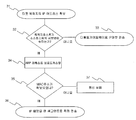
도 3은 IP 호스트가 서브넷 마스크를 이용한 테스트를 실행하여 목적지에 대한 접근 방식을 달리하며, 동일 서브넷에 위치한 호스트에 대해서는 ARP(Address Resolution Protocol) 리퀘스트를 사용함을 보여 주는 플로우 챠트이다.FIG. 3 is a flow chart showing that an IP host performs a test using a subnet mask to change its approach to a destination, and uses an ARP (Address Resolution Protocol) request for a host located on the same subnet.
도 4는 본 발명에 의한 DHCP(Dynamic Host Configuration Protocol) 프록시 서버의 IP 컨피거레이션 정보의 변조 과정을 보여주는 플로우 챠트이다. 4 is a flowchart illustrating a modulation process of IP configuration information of a Dynamic Host Configuration Protocol (DHCP) proxy server according to the present invention.
도 5는 본 발명에 의한 서브넷-인지 형 ARP 프록시 서버의 플로우 챠트이다.5 is a flowchart of a subnet-aware ARP proxy server according to the present invention.
도 6은 본 발명에 의한 서브넷-인지 형 ARP 프록시 서버의 시퀀스 챠트이다.6 is a sequence chart of a subnet-aware ARP proxy server according to the present invention.
도 7은 본 발명의 제1 실시예로서, 단일 랜 세그먼트에 존재하는, 단일 고객의 복수 서브넷 에지 망의 블록 다이어그램이다.7 is a block diagram of a multi-subnet edge network of a single customer, present in a single LAN segment, as a first embodiment of the present invention.
도 8은 본 발명의 제2 실시 예로서, 단일 랜 세그먼트에 존재하는, 복수 고 객의 복수 서브넷 에지 망의 블록 다이어그램이다.8 is a block diagram of a multi-subnet edge network of a multi-customer, which exists in a single LAN segment as a second embodiment of the present invention.
도 9는 도 8의 BRG(Bridge Residential Gateway)에 내재한 DHCP 프록시 서버의 GIP(Global IP) 호스트로부터 발생한 DHCP 메시지 처리 작업을 요약한 테이블이다.FIG. 9 is a table summarizing a DHCP message processing operation generated from a global IP (GIP) host of a DHCP proxy server in a BRG (Bridge Residential Gateway) of FIG. 8.
도 10은 도 8의 BRG에 내재한 DHCP 프록시 서버의, LIP(Local IP) 호스트로부터 발생한 DHCP 메시지 처리 작업을 요약한 테이블이다.FIG. 10 is a table summarizing a DHCP message processing operation generated from a local IP (LIP) host of a DHCP proxy server inherent in the BRG of FIG. 8.
도 11a 내지 도 11d는 도 8의 BRG에 내재한 DHCP 프록시 서버의 DHCP 메시지 처리 플로우챠트이다.11A to 11D are flowcharts of the DHCP message processing of the DHCP proxy server inherent in the BRG of FIG. 8.
도 12a 내지 도 12d는 도 8의 BRG에 내재한 DHCP 프록시 서버의 DHCP 메시지 처리 시퀀스 챠트이다.12A to 12D are charts of a DHCP message processing sequence of a DHCP proxy server inherent in the BRG of FIG. 8.
도 13은 도 8의 BRG에 부여된 데이터 링크 레이어 패킷 필터링 기능을 설명하기 위한 블록 다이어그램이다.FIG. 13 is a block diagram for explaining a data link layer packet filtering function assigned to a BRG of FIG. 8.
도 14는 본 발명의 제3 실시 예로서, 본 발명의 제 2 실시예를 케이블 통신 망 환경에 적용한 예를 보여주는 블록 다이어그램이다.FIG. 14 is a block diagram illustrating an example in which a second embodiment of the present invention is applied to a cable communication network environment.
도 15는 본 발명의 제4 실시 예로서, 본 발명의 제 2 실시예를 xDSL 통신 망 환경에 적용한 예를 보여주는 블록 다이어그램이다.FIG. 15 is a block diagram showing an example of applying a second embodiment of the present invention to an xDSL communication network environment as a fourth embodiment of the present invention.
본 발명은, IP(Internet Protocol) 통신 장치 및 이를 이용한 통신 방법에 관한 것으로서, 특히 단일 랜 세그먼크 상의 서로 다른 서브넷에 속하는 호스트들이 라우팅 없이 상호 연동할 수 있도록 함과 동시에 인터넷에 원활하게 접속할 수 있도록 하는 IP 통신 장치 및 이를 이용한 통신 방법에 관한 것이다. The present invention relates to an IP (Internet Protocol) communication apparatus and a communication method using the same, and in particular, to allow hosts belonging to different subnets on a single LAN segment to interwork without routing and to smoothly access the Internet. It relates to an IP communication device and a communication method using the same.
IP 통신은 PC(Personal Computer) 및 서버를 넘어서서 매우 광범위하게 보급되어 가고 있다. 매우 다양한 단말 및 장비가 지능을 가진 통신 장비로 되어가고 있어서 이들 단말 및 장비는 IP 접속을 요구하게 되었다. 이러한 경향은 " 전체 인터넷 방식(All-IP)"이라고 불리며, 유비퀴터스 라이프 혹은 디지털 홈 네트워킹은 모두 사실 상 전체 인터넷 방식 환경을 의미한다.IP communication is becoming very widespread beyond personal computers and servers. A wide variety of terminals and equipment are becoming intelligent communication equipment, and these terminals and equipment require an IP connection. This trend is called "All-IP", and Ubiquitous Life or Digital Home Networking all mean virtually all Internet.
그런데 IP 통신을 위해 필수적으로 요구되는 IP 주소는 고갈되어 가고 있으며 부족현상이 심화되어 가고 있다. 현재 IPv4 체제에서는 2^32 개의 주소만 존재할 뿐이며 그나마 그 중에서 2^29 개의 주소는 멀티 캐스팅이나 테스팅 용도로 사용되기 때문에 일반 호스트에는 배정되지 않는다. However, IP addresses that are required for IP communication are being exhausted and the shortage is intensifying. Currently, there are only 2 ^ 32 addresses in the IPv4 system, of which 2 ^ 29 addresses are used for multicasting or testing purposes, so they are not assigned to a general host.
일부 전문가들은 IPv6 주소 체계의 도입이 IP 주소 부족 문제를 완벽하게 해결할 것이라고 예측한다. 그러나, 현재의 IPv4 주소 체계에서 IPv6 체계로 넘어가는 이행과정은 실제로는 모든 인터넷 호스트들의 통신 소프트웨어 변경을 수반하기 때문에 매우 장기적인 과정이 될 수 밖에 없다. 이행이 완전히 끝날 때까지는, IPv6 호스트는 IPv4 주소를 동시에 가지며 이미 존재하고 있는 IPv4 호스트들과 통 신할 수 있어야 한다. Some experts predict that the introduction of IPv6 addressing schemes will completely solve the problem of IP address shortages. However, the transition from the current IPv4 addressing system to the IPv6 system is in fact a very long-term process, since it actually involves changing the communication software of all Internet hosts. Until the end of the transition, IPv6 hosts must have IPv4 addresses simultaneously and be able to communicate with existing IPv4 hosts.
한편, IPv4 주소에는 공인 IP(GIP: Global IP) 주소와 사설 IP(LIP:Local IP Address) 주소가 존재한다. GIP 주소는 인터넷 위에서 라우팅 될 수 있지만 LIP 주소는 라우팅 되지 않는다. GIP 주소는 흠집 없는 완벽한 인터넷 접속을 제공하지만 LIP 주소를 이용할 경우에는 여러 가지 제약이 따른다. 반면 사용 가능한 IP 주소 수에 있어서는 LIP 주소는 거의 제한 없이 사용할 수 있다. 왜냐하면 LIP 주소는 댁내, 사무실 내 혹은 에지 망 내에서만 유니크하게 사용되면 되기 때문이다. 인터넷 표준에 의하여 3 개의 LIP 주소 블록이 존재한다. 하나는 10.0.0.0 에서 10.255.255.255 까지 2^24 개 주소로 이루어진 블록이다 (앞으로 "10.x.x.x 블록"이라고 지칭됨.). 두번째는 172.16.0.0 ~172.31.255.255 까지 2^20 개 주소로 이루어진 블록이다 (앞으로는 "172.16~31 블록"이라고 지칭됨.). 세번째는 192.168.0.0 ~192.168.255.255까지 2^16 개 주소로 이루어진 블록이다 (앞으로 "192.168 블록"이라고 지칭됨.).Meanwhile, a public IP (GIP: Global IP) address and a private IP (LIP: Local IP Address) address exist in the IPv4 address. GIP addresses can be routed over the Internet, but LIP addresses are not. GIP addresses provide flawless Internet access, but there are a number of restrictions when using LIP addresses. On the other hand, as for the number of available IP addresses, LIP addresses can be used almost without limitation. This is because LIP addresses only need to be unique in the home, office, or edge network. There are three LIP address blocks by Internet standard. One is a block of 2 ^ 24 addresses from 10.0.0.0 to 10.255.255.255 (hereinafter referred to as "10.x.x.x blocks"). The second is a block of 2 ^ 20 addresses from 172.16.0.0 to 172.31.255.255 (hereafter referred to as "172.16 to 31 blocks"). The third is a block of 2 ^ 16 addresses from 192.168.0.0 to 192.168.255.255 (hereinafter referred to as "192.168 block").
IP 주소 부족을 극복할 수 있는 효과적 방법 중 하나는 NAT(Network Address Translation)이다. NAT를 통한 IP 통신 방법을 도 1 내지 도 3을 참고로 설명한다.One effective way to overcome the lack of IP addresses is network address translation (NAT). An IP communication method through NAT will be described with reference to FIGS. 1 to 3.
도 1은 단일 LAN 세그먼트에 존재하는 "복수 서브넷 에지 망"을 보여주는 블록 다이어그램이다. 여기서 "복수 서브넷 에지망"이란 서로 다른 서브넷을 가지는 GIP 호스트와 LIP 호스트가 하나의 랜 세그먼트 위에 병존하고 있는 "에지 망"을 말하는 것이며, "에지 망"은 에지 라우터가 거느리는 가장 작은 네트워크 세그먼트라고 할 수 있다. 하나의 에지 망은 전용선을 사용하는 거대 사무실이 될 수도 있고 혹은 수 백 가구 혹은 수 백 개의 소형 사무실로 이루어질 수도 있다.1 is a block diagram illustrating a "multiple subnet edge network" present in a single LAN segment. Here, "multiple subnet edge network" refers to an "edge network" in which GIP hosts and LIP hosts having different subnets coexist on one LAN segment, and "edge network" is the smallest network segment that an edge router has. Can be. An edge network can be a large office with dedicated lines, or it can consist of hundreds of furniture or hundreds of small offices.
에지라우터(120)는 WAN 인터페이스(121)와 LAN 인터페이스(122)를 가지고 있다. LAN 세그먼트(13)에는 GIP 호스트들(14,15)과 LIP 호스트들(16,17)이 연결되어 있다. 또한 에지 라우터(120)는 LIP 호스트(16,17)에 대해 디폴트 게이트웨이의 역할을 제공하여 LIP 호스트들을 인터넷에 연결시켜주는 NAT 기능을 갖추고 있으며, 에지 라우터(120)의 LAN 인터페이스(122)에는 LIP 주소가 알리아스되어 있다. GIP 호스트(14, 15) 및 LIP 호스트(16, 17)가 인터넷에 접속하기 위해서는 각 IP 호스트에 대한 IP 컨피거레이션 과정을 통해 IP 주소를 부여받아야 한다. 그런데, IP 컨피거레이션 정보에는 다음과 같은 정보들이 포함된다. 자신(호스트)이 사용할 IP 주소, 서브넷을 계산하기 위한 서브넷 마스크, 호스트를 인터넷으로 연결시켜주는 디폴트 게이트웨이, 목적지 도메인의 IP 주소를 물어서 알아낼 수 있는 도메인 네임 서비스(DNS) 서버, 그리고 이러한 컨피거레이션 정보를 자동으로 내려 받는 DHCP 서버 정보 등이다. 위 정보들 중 서브넷 마스크는 해당 IP 주소 중 앞서부터 몇 째 비트까지가 서브넷을 의미하는가를 나타낸다. 서브넷은 인터넷의 논리적 부분으로서, "우리 동네"라는 개념과 매우 유사하다. 예를 들어서, 32 비트 IP 주소에서, 소정 호스트가 "/24" 서브넷 마스크를 받았다고 한다면, "소정 호스트의 IP 주소의 처음 24 개 비트와 동일한 비트들로 시작하는 IP 주소를 가진 호스트는 우 리 동네의 호스트이다. 아니면, 원격 호스트이다"라는 것을 의미한다. The
도 2를 참고로 보다 상세히 살펴보면, 도 2는 서브넷 마스크 /24 인 IP 주소 201.1.1.188을 보여 주고 있다. 전술한 바와 같이, "/24"란 IP 주소의 32 개 비트 중 처음 24 개 비트로 이루어진 부분이 그 주소의 네트워크 프리픽스란 의미이다. 서브넷을 계산할 때에는 앞의 24개 비트는 1로 두고, 나머지는 0으로 값을 둔다. 그러므로 /24 서브넷 마스크는 실제로는 11111111 11111111 11111111 00000000 (23)이다. 이 이진수를 각 옥텟 (Octet) 에 대하여 십진수로 표기하면, 255.255.255.0 이 된다. 옥텟을 십진수로 표기한 것은 일반인들도, PC의 네트워크 설정 등에서 자주 본다. 그런데 GIP 호스트와 LIP 호스트는 서로 다른 서브넷에 속한다. Referring to FIG. 2 in more detail, FIG. 2 shows an IP address 201.1.1.188 having a subnet mask / 24. As mentioned above, " / 24 " means that the portion consisting of the first 24 bits of the 32 bits of the IP address is the network prefix of the address. When calculating the subnet, leave the first 24 bits as 1 and the rest as 0. Therefore, the / 24 subnet mask is actually 11111111 11111111 11111111 00000000 (23). If you write this binary number in octal for each octet, it becomes 255.255.255.0. Decimal representation of octets is often seen by the general public in PC network settings. However, GIP hosts and LIP hosts belong to different subnets.
한편 소정 소스 호스트가 타겟 목적지를 가지게 되면, 소스 호스트는 먼저 목적지가 동일한 서브넷에 존재하는지 아닌지를 검사한다. 첫째, 소스 호스트는 " 서브넷 마스크" (23)를 자신의 IP 주소(21)위에 올려놓고 각 비트에 대하여 AND 연산을 한다. 그 결과는 11001001.00000001.00000001.00000000 이다. 두번째로, 이 소스 호스트는 서브넷 마스크를 목적지의 IP 주소에 올려 놓고 같은 연산을 하여 그 결과를 취한다. 셋째, 위 두 개의 결과를 비교하여 동일하면 목적지는 소스 호스트와 같은 서브넷 안에 존재하는 것이며, 동일하지 않으면 목적지는 원격에 존재하는 것이다. 이를 좀 더 일반적 언어로 표현하면 다음과 같다. "나의 IP 주소의 처음 n 비트가 나의 서브넷을 의미하는 경우, 그 처음 n 비트가 나의 IP 주소의 처음 n 비트와 동일한 값으로 시작되는 IP 주소를 사용하는 호스트는 모두 나와 동일한 서브넷에 존재한다. 또한 처음 n 비트와 관련하여, 나의 처음 n 비트와 다른 값을 가진 주소를 사용하는 호스트들은 원격 호스트들이다".On the other hand, when a given source host has a target destination, the source host first checks whether the destination exists on the same subnet. First, the source host puts " Subnet Mask " (23) on its
그런데, 소정의 소스 호스트가 동일한 서브넷에 존재하는 목적지를 접근하는 방식과, 원격에 존재하는 목적지를 접근하는 방식은 완전히 다르다. 도 3을 참고로 살펴보면, 타겟 목적지의 IP 주소가 확보되면(31), 소스 호스트는 목적지가 동일한 서브넷에 존재하는지 또는 원격에 존재하는지 판단한 후(32)에 어떠한 조치를 취하는지를 보여 준다. 원격에 존재하는 목적지에 대해서는, 소스 호스트는 디폴트 게이트웨이를 통하여 패킷을 보낸다(33). 동일 서브넷에 존재하는 목적지에 대해서는, 소스는 이더넷 위에서 ARP 리퀘스트(Request) 메시지를 브로드캐스트한다(34). ARP 리퀘스트 메시지의 의미는 "w.x.y.z 라는 IP주소를 사용하는 호스트의 MAC(Media Access Control) 주소는 무엇인가?"이다. MAC 주소가 확보되면(35) 소스는 목적지 호스트에 대하여 직접 패킷을 보낸다(26). MAC 주소가 확보되지 않으면 통신은 실패한다(37). 즉, 목적지가 소스 호스트와 동일한 서브넷 안에 존재할 경우, 소스 호스트는 ARP 리퀘스트를 브로드캐스트하여 목적지의 MAC 주소를 알아내려고 시도한다. MAC 주소를 확보한 후에는, 소스 호스트는 라우팅 없이 직접 목적지로 패킷을 보낸다. 반면 목적지가 원격에 존재하는 경우에는, 소스 호스트는 패킷을 디폴트 게이트웨이로 보내어 라우팅되도록 한다.However, a method of accessing a destination existing in the same subnet and a method of accessing a destination existing remotely is completely different. Referring to FIG. 3, when the IP address of the target destination is obtained (31), the source host determines what action is taken after determining whether the destination exists in the same subnet or remotely (32). For a remote destination, the source host sends a packet through the default gateway (33). For destinations on the same subnet, the source broadcasts an ARP Request message over Ethernet (34). The meaning of the ARP request message is "What is the Media Access Control (MAC) address of the host using the IP address w.x.y.z?" Once the MAC address is obtained (35), the source sends a packet directly to the destination host (26). If the MAC address is not secured, communication fails (37). That is, if the destination exists in the same subnet as the source host, the source host attempts to find out the destination's MAC address by broadcasting an ARP request. After acquiring the MAC address, the source host sends the packet directly to the destination without routing. On the other hand, if the destination is remote, the source host sends the packet to the default gateway for routing.
그런데, NAT 기능을 하는 에지 라우터(120)는 여러 대의 LIP 호스트가 하나 또는 소수의 GIP주소를 이용하여 인터넷에 연결되도록 해 주지만, 여러 가지 한계를 수반하고 있다. 상당수의 인터넷 통신 애플리케이션이 NAT를 통과하지 못 하기도 하고, 통신 세션이 내부에서 시작되지 않는 통신에 대해서는 제대로 처리하지 못 하며, 데이터 알맹이 속에 IP 주소 혹은 포트 번호 변경 정보가 포함되어 있을 때에도 제대로 처리하지 못 한다. 그리고 LIP 호스트들은 NAT를 통해 인터넷에 접속될 수 있지만, 그 접속의 질은 제한될 수 밖에 없다. By the way, the
또한, 전술한 바와 같이 GIP 호스트와 LIP 호스트는 서브넷을 달리하기 때문에, 동일한 랜 세그먼트에 연결되어 있어도 GIP 호스트와 LIP 호스트간의 통신을 하기 위해서는 에지-내 라우팅을 반드시 필요로 한다. 그리고, IP 호스트가 증대 될수록, 에지 망에 있어서 일부 호스트들에 대해서는 GIP 주소를 컨피거레이션을 하고 다른 일부 호스트들에 대해서는 LIP 주소를 배정할 필요가 보다 더 절실해 지고 있다. 그러나 에지 망에 복수 서브넷 구조를 적용하는 데에는 중요한 애로 사항들이 존재한다. 우선 라우터의 설정을 위해서는 고정 GIP 주소들을 이용한 인터넷 접속을 해야 하는데, 이는 사실상 매우 비싸기 때문에 일반인이 사용하기 불가능하다. 두 번째로는, 복수 서브넷 에지 망은 능숙한 네트워크 관리를 필요로 한다. 누군가는 각 호스트들과 라우터를 설정해 주고 관리해 주어야 한다. 따라서, GIP 호스트와 LIP 호스트 사이에 에지-내 라우팅 없이 연동하게끔 할 필요성이 점점 더 커지고 있다. In addition, as described above, since the GIP host and the LIP host have different subnets, intra-edge routing is essential for communication between the GIP host and the LIP host even when connected to the same LAN segment. As the number of IP hosts grows, there is an increasing need to configure GIP addresses for some hosts and LIP addresses for some hosts in the edge network. However, there are significant difficulties in applying a multi-subnet structure to the edge network. First of all, setting up a router requires access to the Internet using fixed GIP addresses, which are actually very expensive and not available to the public. Second, multi-subnet edge networks require good network management. Someone needs to configure and manage each host and router. Thus, there is an increasing need for interworking between GIP hosts and LIP hosts without intra-edge routing.
따라서, 본 발명의 목적은, 단일 랜 세그먼트 상의 서로 다른 서브넷에 속하는 복수의 호스트가 동일한 서브넷을 가진 것으로 착각하도록 유도하는 에지 내 라우팅 없는 프레미시스 IP 통신 장치를 제공하는 것이다. Accordingly, an object of the present invention is to provide an intra-edge routing premise IP communication device that causes multiple hosts belonging to different subnets on a single LAN segment to be mistaken for having the same subnet.
본 발명의 다른 목적은, 단일 랜 세그먼트 상의 서로 다른 서브넷에 속하는 호스틀 간의 통신 시에는 동일한 서브넷을 가진 것으로 착각하도록 유도하고 인터넷으로의 접속 시에는 호스트 본래의 서브넷에 따라 통신하도록 하는 에지 내 라우팅 없는 프레미시스 IP 통신 장치를 제공하는 것이다. Another object of the present invention is to provide a misinterpretation of having the same subnet when communicating between hosts belonging to different subnets on a single LAN segment and to perform communication according to the host's original subnet when connecting to the Internet. It is to provide a premise IP communication device.
본 발명의 또 다른 목적은, 단일 랜 세그먼크 상의 서로 다른 서브넷에 속하는 복수의 호스트들이 라우팅 없이 상호 연동할 수 있도록 하는 통신 방법을 제공하는 것이다.Another object of the present invention is to provide a communication method for allowing a plurality of hosts belonging to different subnets on a single LAN segment to interwork without routing.
본 발명의 또 다른 목적은, 단일 랜 세그먼크 상의 서로 다른 서브넷에 속하는 복수의 호스트들이 라우팅 없이 상호 연동할 수 있도록 함과 동시에 인터넷에 원활하게 접속하도록 하는 통신 방법을 제공하는 것이다.
Another object of the present invention is to provide a communication method for allowing a plurality of hosts belonging to different subnets on a single LAN segment to interwork without routing and at the same time smoothly accessing the Internet.
본 발명의 목적을 달성하기 위한 IP 통신 장치는, LIP 호스트와 GIP 호스트로 이루어진 클라이언트 호스트들이 연결되어 있는 단일 랜 세그먼트 상의 복수 서브넷 에지 망에 있어서, IP 통신을 위해 원본 DHCP 서버로부터 제공받은 서브넷 마스크를 포함하는 IP 컨피거레이션 정보를 변조하여 상기 GIP 호스트와 LIP 호스 트가 상호 동일한 서브넷을 가진 것으로 착각하도록 유도하는 DHCP 프록시 서버를 포함한다. In order to achieve the object of the present invention, an IP communication apparatus includes a subnet mask provided from a source DHCP server for IP communication in a multi-subnet edge network on a single LAN segment to which client hosts including a LIP host and a GIP host are connected. And a DHCP proxy server that modulates the IP configuration information to induce misinterpretation of the GIP host and the LIP host as having the same subnet.
상세히, 상기 DHCP 프록시 서버는, 상기 클라이언트 호스트의 MAC 주소를 기준으로, 네트워크 관리자의 IP 주소 할당 정책에 따라 설정된, 각 클라이언트 호스트에 할당될 IP 접속 서비스 종류, IP 주소 타입 및 IP 주소값이 기록된 테이블(PHIMT:Premises Host IP and MAC Table); 상기 클라이언트 호스트에서 발생된 상기 DHCP 메시지를 수신한 뒤, 상기 PHIMT를 참고하여 상기 DHCP 메시지를 발생한 클라이언트 호스트(소스 호스트)의 IP 주소 타입을 판단하는 수단; 상기 소스 호스트가 LIP 호스트일 경우에는 상기 네트워크 관리자의 IP 주소 할당 정책에 따라 자체적으로 관리하는 LIP 자원에서 소정의 IP를 선택하여 상기 소스 호스트에게 할당하는 수단; 상기 소스 호스트가 GIP 호스트일 경우에는 DHCP 메시지를 상기 원본 DHCP 서버로 전송하는 수단; 상기 DHCP 메시지에 응답하여 상기 원본 DHCP 서버로부터 수신한 IP 컨피거레이션 정보 중의 서브넷 마스크를 상기 서브넷 마스크 보다 작은 슈퍼-서브넷 마스크로 변조하는 수단; 및 상기 슈퍼-서브넷 마스크를 포함하는 변조된 IP 컨피거레이션 정보를 이용하여 소스 호스트의 IP 컨피거레이션을 수행하는 수단을 포함한다. 또한, 상기 DHCP 프록시 서버는, 상기 승인 메시지 중의 상기 원본 DHCP 서버의 MAC 주소 및 IP 주소를 상기 DHCP 프록시 서버의 MAC 주소 및 IP 주소로 바꾸는 수단, 상기 원본 DHCP 서버에서 설정한 리스 타임(OLT:Original Lease Time)을 단축하여 상기 DHCP 프록시 서버에서 적용되는 댁내 리스 타임(PLT:Premises Lease Time)을 설정하는 수단, 일정기간 동안 상기 호스트의 갱신 리퀘스트가 상기 DHCP 서버로 전달되는 것을 차단하고 상기 갱신 리퀘스트에 대해서 상기 DHCP 프록시 서버가 자체적으로 대답하도록 하는 시간인 캐싱 만료 시간을 설정하고 동작시키는 수단을 더 포함할 수 있다. 일 예로서, 이러한 DHCP 프록시 서버는 GIP 호스트와 LIP 호스트가 연결되는 관문 장치, 예를 들면 홈 게이트웨이에 내장될 수 도 있다. In detail, the DHCP proxy server records an IP access service type, an IP address type, and an IP address value to be allocated to each client host, which are set according to an IP address allocation policy of a network manager, based on the MAC address of the client host. Tables (PHIMT: Premises Host IP and MAC Table); Means for determining an IP address type of a client host (source host) generating the DHCP message by referring to the PHIMT after receiving the DHCP message generated at the client host; Means for selecting a predetermined IP from the LIP resource managed by itself according to an IP address allocation policy of the network manager and assigning the predetermined IP to the source host when the source host is a LIP host; Means for sending a DHCP message to the original DHCP server if the source host is a GIP host; Means for modulating a subnet mask in the IP configuration information received from the original DHCP server in response to the DHCP message to a super-subnet mask smaller than the subnet mask; And means for performing IP configuration of a source host using modulated IP configuration information that includes the super-subnet mask. In addition, the DHCP proxy server, means for changing the MAC address and IP address of the original DHCP server in the authorization message to the MAC address and IP address of the DHCP proxy server, a lease time (OLT: Original) set in the original DHCP server Means for setting a premise lease time (PLT) applied by the DHCP proxy server by shortening a lease time, and preventing the renewal request of the host from being transmitted to the DHCP server for a predetermined period of time. Means for setting and operating a caching expiration time, which is a time for the DHCP proxy server to answer itself. As an example, such a DHCP proxy server may be embedded in a gateway device to which a GIP host and a LIP host are connected, for example, a home gateway.
그리고 DHCP 프록시 서버에 의해서 서로 다른 종류의 IP 호스트 간에도 라우팅 없이 랜 세그먼트 구성이 가능하게 되므로, DHCP 프록시 서버가 내장된 통신 장치에는 LIP 주소가 부여될 수 있다. 홈게이트웨이와 같은 관문 장치에 LIP 주소가 부여된 상태에서, 관문 장치와 원본 DHCP 서버와의 원활한 통신을 위해서, DHCP 보조 릴레이 기능이 구현된 NAT와 같은 통신 장치가 관문 장치에 연결될 수 있다. 구체적으로, DHCP 보조 릴레이 기능이 구현된 NAT는 상기 관문 장치와 연결되는 LIP 인터페이스와 상기 원본 DHCP 서버와 연결되는 GIP 인터페이스를 가진다. 그리고, 에지 랜 세그먼트의 호스트가 증가함에 따른 에지 랜 세그먼트의 성능 저하를 방지하기 위해 소스 패킷의 MAC 주소를 관문 장치의 MAC 주소로 변환하여 사용할 경우에는, 본 발명의 DHCP 보조 릴레이 기능이 구현된 NAT는, 관문 장치와 통신할 때 패킷의 데이터 링크 레이어 목적지 주소를 브로드 캐스트 주소 또는 상기 관문 장치의 MAC 주소를 사용하도록 되어 있다. In addition, since a LAN segment can be configured without routing between different types of IP hosts by a DHCP proxy server, a LIP address can be given to a communication device in which a DHCP proxy server is embedded. With a LIP address assigned to a gateway device, such as a home gateway, a communication device, such as NAT, with a DHCP secondary relay function, may be connected to the gateway device for smooth communication between the gateway device and the original DHCP server. Specifically, NAT implemented with a DHCP secondary relay function has a LIP interface connected to the gateway device and a GIP interface connected to the original DHCP server. In addition, when the MAC address of the source packet is converted into the MAC address of the gateway device in order to prevent performance degradation of the edge LAN segment as the host of the edge LAN segment increases, the NAT of the DHCP secondary relay function of the present invention is implemented. When communicating with the gateway device, the data link layer destination address of the packet is to use the broadcast address or the MAC address of the gateway device.
또한 본 발명에 따른 IP 통신 장치는, 원본 DHCP 서버로부터 제공된 (변조되기 이전의) IP 컨피거레이션 정보 내의 서브넷 마스크를 인지하여서, 상기 슈퍼-서 브넷 마스크에 의해 동일 서브넷에 속한 것으로 착각되는 원격 호스트에 대한, 상기 클라이언트 호스트의 ARP 리퀘스트 브로드케스팅 시, 상기 클라이언트 호스트의 본래의 서브넷을 회복시키는 서브넷-인지 형 ARP 프록시 서버를 더 포함한다. 구체적으로, 서브넷-인지 형 ARP 프록시 서버는 상기 원본 DHCP 서버로부터 제공된 소스 호스트의 진정한 서브넷 마스크를 인지하는 수단; 상기 진정한 서브넷 마스크 인지 수단의 출력을 받아서, 상기 슈퍼-서브넷 마스크에 의해 동일 서브넷에 속한 것으로 착각되는 원격 호스트에 대한, 상기 소스 호스트의 잘못된 ARP 리퀘스트 브로드케스팅이 발생함을 인지하는 수단; 및 상기 잘못된 ARP 리퀘스트 브로드캐스팅 발생 시 상기 잘못된 ARP 리퀘스트 브로드캐스팅에 응답하여 상기 소스 호스트의 디폴트 게이트 웨이의 MAC 주소를 상기 소스 호스트에게 부여하는 수단을 포함한다. In addition, the IP communication apparatus according to the present invention recognizes the subnet mask in the IP configuration information (before modulation) provided from the original DHCP server, and is a remote host mistaken as belonging to the same subnet by the super-subnet mask. And a subnet-aware ARP proxy server that, when broadcasting the client host's ARP request, restores the original subnet of the client host. Specifically, a subnet-aware ARP proxy server includes means for recognizing a true subnet mask of a source host provided from said source DHCP server; Means for receiving an output of the true subnet mask recognizing means and recognizing that an incorrect ARP request broadcasting of the source host occurs for a remote host that is mistaken for belonging to the same subnet by the super-subnet mask; And means for giving the source host a MAC address of a default gateway of the source host in response to the incorrect ARP request broadcasting when the wrong ARP request broadcasting occurs.
본 발명의 목적을 달성하기 위한 통신 방법은, 에지 라우터, 및 복수의 LIP 호스트와 복수의 GIP 호스트로 이루어진 복수의 클라이언트 호스트로 이루어지고, 상기 에지 라우터에 연결된 단일 에지 랜 세그먼트를 포함하는 복수 서브넷 에지망을 이용한 통신 방법에 있어서, a) 상기 복수의 클라이언트 호스트 중의 소정의 호스트(소스 호스트)로부터 발생한 DHCP 메시지가 상기 단일 에지 랜 세그먼트 상에 위치한 DHCP 프록시 서버에 전송되는 단계; b) 상기 DHCP 프록시 서버가, 네트워크 관리자의 설정에 따라, 원본 DHCP 서버로부터 상기 DHCP 메시지에 대응하는 승인 메시지를 받아 소정의 테이블에 기록하며, 여기서 승인 메시지에는 서브넷 마스 크를 포함하는 IP 컨피거레이션 정보가 포함되며, 상기 서브넷 마스크를 상기 서브넷 마스크 보다 작은 값을 가지는 슈퍼-서브넷 마스크로 변조하고, 슈퍼-서브넷 마스크를 포함하는 변조된 IP 컨피거레이션 정보를 이용하여 상기 소스 호스트를 IP 컨피거레이션하는 단계; 및 c) IP 컨피거레이션된 소스 호스트와 타겟 목적지간의 통신을 수행하는 단계를 포함한다. 여기서 c)단계는, i) IP 주소가 부여된 소스 호스트가 타겟 목적지로의 통신을 위한 ARP 리퀘스트를 브로드캐스팅하는 단계, ii) ARP 프록시 서버가 서브넷 마스크 및 슈퍼-서브넷 마스크를 이용하여 소스 호스트의 ARP 리퀘스트에서 언급된 목적지 IP 주소가 상기 소스 호스트의 서브넷에 속하는지를 판단하는 단계, iii) 목적지 IP 주소가 슈퍼-서브넷 마스크에 따른 소스 호스트의 서브넷에 속하지만, 서브넷-마스크에 따른 소스 호스트의 서브넷에는 속하지 않을 경우에는, 상기 ARP 프록시 서버가 상기 ARP리퀘스트에 대응하여 상기 소스 호스트의 디폴트게이트웨이의 MAC 주소를 상기 소스 호스트에게 알려주는 단계, 및 iv) 상기 소스 호스트는 디폴트게이트웨이의 MAC 주소 및 목적지 IP 주소를 포함하는 패킷을 작성하여 상기 디폴트게이트웨이를 통해 상기 목적지와 통신하는 단계를 포함한다. A communication method for achieving the object of the present invention, a plurality of subnet edges comprising an edge router and a plurality of client hosts consisting of a plurality of LIP hosts and a plurality of GIP hosts, and comprising a single edge LAN segment connected to the edge router. A communication method using a network, the method comprising: a) transmitting a DHCP message generated from a predetermined host (source host) among the plurality of client hosts to a DHCP proxy server located on the single edge LAN segment; b) The DHCP proxy server receives an acknowledgment message corresponding to the DHCP message from the original DHCP server according to the setting of the network administrator, and records the acknowledgment message in a predetermined table, where the acknowledgment message includes an IP configuration including a subnet mask. Information and modulates the subnet mask into a super-subnet mask having a value less than the subnet mask, and modulates the source host using the modulated IP configuration information including the super-subnet mask. Doing; And c) performing communication between the IP configured source host and the target destination. Where step c) includes: i) the IP addressed source host broadcasting an ARP request for communication to the target destination; and ii) the ARP proxy server using a subnet mask and a super-subnet mask to Determining whether the destination IP address mentioned in the ARP request belongs to the source host's subnet, iii) the destination IP address belongs to the source host's subnet according to the super-subnet mask, but the subnet of the source host according to the subnet-mask If not, the ARP proxy server informs the source host of the MAC address of the default gateway of the source host in response to the ARP request, and iv) the source host is the MAC address and destination IP of the default gateway; Create a packet containing an address and pass the list through the default gateway. And a step of communicating with the support.
이하 첨부된 도면을 참고로 하여 본 발명에 따른 통신 장치 및 통신 방법을 상세히 설명한다. Hereinafter, a communication apparatus and a communication method according to the present invention will be described in detail with reference to the accompanying drawings.
본 발명은 에지 라우터와 복수의 클라이언트 호스트로 이루어진 단일 에지 랜 세그먼트로 구성되는 복수 서브넷 에지망에 적용된다. 여기서 복수의 클라이언 트 호스트는 복수의 LIP 호스트와 복수의 GIP 호스트로 구성되며, LIP 호스트와 GIP 호스트는 서로 상이한 서브넷을 가지고 있다. 이러한 복수 서브넷 에지망에 있어서, 본 발명에 따른 통신 장치는, IP 통신을 위해 클라이언트 호스트가 요구한 DHCP 메시지에 응답하여 원본 DHCP 서버로부터 제공받은 승인 메시지 내의 서브넷 마스크를 포함하는 IP 컨피거레이션 정보를 변조하여, 상기 GIP 호스트와 LIP 호스트가 상호 동일한 서브넷을 가진 것으로 착각하도록 유도하는 DHCP 프록시 서버를 포함한다. IP 컨피거레이션 정보의 변조는 "슈퍼-마스킹(Super-Masking)"을 포함한다. "슈퍼-마스킹"이란 복수 서브넷 에지 망 내의 GIP 호스트와 LIP호스트를 그릇된, 매우 커다란 서브넷으로 컨피거레이션 해 주어, 서로 간에 동일한 서브넷에 속한다고 착각하게 만듦으로써, 복수 서브넷 에지망 내의 GIP 호스트와 LIP 호스트 사이의 에지 내 라우팅(Intra-edge Routing)의 필요성을 제거한 것이다. 예를 들어, "슈퍼-마스킹"에 의해서 /1 서브넷 마스크를 사용할 경우, 0.0.0.0 에서 127.255.255.255 사이의 GIP 주소를 사용하는 호스트는 10.x.x.x. 블록에 해당하는 LIP 호스트와 동일한 서브넷에 존재한다고 믿게된다. 또한 그 역도 마찬가지이다. 그리고 GIP 호스트가 GIP 대역이 128.0.0.0 ~ 224.255.255.255 사이에 존재하는 경우에는 LIP 호스트는 172.16~31 LIP 블록 또는 192.168 LIP 블록을 사용하면 된다. The present invention is applied to a multi-subnet edge network composed of a single edge LAN segment composed of an edge router and a plurality of client hosts. Here, the plurality of client hosts are composed of a plurality of LIP hosts and a plurality of GIP hosts, and the LIP host and the GIP host have different subnets. In such a multi-subnet edge network, the communication device according to the present invention may provide IP configuration information including a subnet mask in an acknowledgment message provided from an original DHCP server in response to a DHCP message requested by a client host for IP communication. And a DHCP proxy server that modulates and causes the GIP host and the LIP host to be mistaken for having the same subnet. Modulation of IP configuration information includes "Super-Masking". "Super-masking" means that GIP hosts and LIP hosts in a multi-subnet edge network are configured as wrong, very large subnets, making them mistaken for belonging to the same subnet, so that GIP hosts and LIPs in a multi-subnet edge network This eliminates the need for intra-edge routing between hosts. For example, if you use the / 1 subnet mask by "super-masking," a host using a GIP address between 0.0.0.0 and 127.255.255.255 would be 10.x.x.x. It is believed that the block exists on the same subnet as the LIP host. The reverse is also true. If the GIP host has a GIP band between 128.0.0.0 and 224.255.255.255, the LIP host may use a 172.16 ~ 31 LIP block or a 192.168 LIP block.
여기서 "DHCP 서버"는 IP 통신을 위한 IP 컨피거레이션 정보를 소정의 소스 호스트에게 제공해 주는 역할을 하는 서버로서, 인터넷 상에 원격에 존재할 수도 있고, 복수 서브넷 에지 망 내의 별도의 장비 속에 존재할 수도 있다. 반면 본원 발명에 따른 DHCP 프록시 서버는 실제는 DHCP 서버가 아니나 GIP 호스트와 LIP호스 트 관점에서는 DHCP 서버로 취급되는 것으로서, GIP 호스트와 LIP호스트가 연결되는 관문 장치, 예를 들면 홈 게이트웨이에 내장되어 있을 수 있다.Here, the "DHCP server" is a server that provides IP configuration information for IP communication to a predetermined source host, and may exist remotely on the Internet or in separate devices in a multi-subnet edge network. . On the other hand, the DHCP proxy server according to the present invention is not actually a DHCP server but is treated as a DHCP server from the viewpoint of a GIP host and a LIP host, and may be embedded in a gateway device that connects the GIP host and the LIP host, for example, a home gateway. Can be.
또한 IP 컨피거레이션 정보의 변조는, "DHCP 서버 주소 필드 변경"과 "리스 타임 조절"을 포함한다. "DHCP 서버 주소 변경"이란, 관문 장치에 연결된 IP 호스트가 부팅되어, 원본 DHCP 서버로부터 제공받은 메시지 내의 원본 DHCP 서버의 주소(MAC 및 IP)를 원본 DHCP 서버가 아닌 관문 장치 자신의 주소로 바꾸는 것을 말하는 것으로, 이에 의해서 IP 호스트들은 관문 장치를 DHCP 서버로 인식하게 됨으로써, 댁내 호스트들의 완벽한 랜 네트워크를 형성하게 된다.Modulation of the IP configuration information also includes " change DHCP server address field " and " lease time adjustment ". "DHCP server address change" means that the IP host connected to the gateway device boots and replaces the address (MAC and IP) of the source DHCP server in the message provided by the source DHCP server with the address of the gateway device itself, not the source DHCP server. In other words, this allows IP hosts to recognize the gateway device as a DHCP server, thus forming a complete LAN network of premises hosts.
"리스 타임 조절"은 본 발명에 따른 DHCP 프록시 서버가, 관문 장치를 통해 IP 호스트에 전달되는 정보 중 리스 타임(Lease Time)에 있어서, 원본 DHCP 서버가 적용한 리스 타임(OLT"Original Lease Time) 대신 보다 짧은 리스 타임(이하에서 이를 PLT(Premises Lease Time)라 칭함.)을 적용하도록 조절하는 것을 말한다. "리스 타임"을 OLT에서 PLT로 대체함으로써 IP 호스트의 접속 서비스 종류를 변경하는 것이 신속하고 용이하게 이루어질 수 있으며 그리고 반납(release)하지 않고 셧다운된 유동 GIP(DGIP: Dynamic GIP) 호스트의 IP의 반납이 신속하게 이루어질 수 있다. 이에 대해서는 제 2 실시예에서 상세히 설명한다. 한편, "리스 타임 조절"에 따른 원본 DHCP 서버의 전산처리 하중을 해결하기 위해서, DHCP 프록시 서버에는 "CET(Caching Expiration Time) 기능"이 부여되어 있다. "CET"는 OLT를 기준으로 결정하는 것이 바람직하며, OLT의 일정 시점까지는 관문 장치가 댁내의 호스트가 원본 DHCP 서버로 보내는 갱신 리퀘스트를 스스로 알아서 처리하고 일정 시점 이후에는 직접 갱신을 시도하도록 하는 기능이다. 바람직하게는 CET를 OLT의 1/2 정도로 설정하는 것이 좋다. "Lease time adjustment" is a DHCP proxy server according to the present invention, instead of the lease time (OLT "Original Lease Time applied by the original DHCP server in the lease time (Lease Time) of the information transmitted to the IP host through the gateway device Adjusting to apply a shorter lease time (hereafter referred to as PLT (Premises Lease Time)) It is quick and easy to change the type of connection service of an IP host by replacing the "lease time" from OLT to PLT. Can be made quickly and the IP of the dynamic GIP (DGIP) host shut down without being released can be made quickly. This will be described in detail in the second embodiment. In order to solve the computational load of the original DHCP server, the DHCP proxy server is given a "Caching Expiration Time" function. "CET" refers to the OLT. In this case, the gateway device handles the update request sent by the host in the home to the original DHCP server by itself, and attempts to renew directly after a certain point. It is recommended to set it to about 1/2.
도 4를 참조로 하여, 본 발명에 따른 "DHCP 프록시 서버"의 IP 컨피거레이션 정보의 변조 과정을 상세히 살펴본다.Referring to FIG. 4, a detailed description will be given of a modulation process of IP configuration information of a "DHCP proxy server" according to the present invention.
도 4를 참조하면, 먼저 DHCP 프록시 서버에 DHCP 메시지가 도착하면(41), DHCP 프록시 서버는 상기 DHCP 메시지가 댁내 LAN 세그먼트로부터 발생한 것인지 또는 에지 LAN 세그먼트로부터 발생한 것인지를 판단하게 된다(42). 판단 결과, 댁내 LAN 세그먼트로부터 발생한 것일 경우에는 다시 댁내 LAN 세그먼트의 LIP 호스트로부터 발생한 것인지 또는 GIP 호스트로부터 발생한 것인지를 판단하게 된다(43). 댁내 LAN 세그먼트의 LIP 호스트로부터 발생 된 경우에는, DHCP 프록시 서버가, 네트워크 관리자의 설정 정책에 따라 DHCP 프록시 서버가 관리하는 LIP 어드레스 자원에서 소정 LIP를 선택하여 LIP 호스트에 할당한다. 즉, DHCP 프록시 서버가 LIP 호스트의 DHCP 리퀘스트에 응답한다. 단계 43의 판단 결과, DHCP 메시지가 댁내 LAN 세그먼트의 DGIP 호스트로부터 발생된 것일 때는, DHCP 프록시 서버는 상기 DHCP 메시지가 BOOTP(BOOsTrap Protocol)리퀘스트(DHCP 디스커버(discover), DHCP 리퀘스트, DHCP 릴리즈(release)포함)인지 판단한다(45). 판단 결과, BOOTP 리퀘스트가 DHCP 리퀘스트인 경우에는 현재의 시각이 CET 이전인지를 판단한다(46). CET 이전일 경우에는 DHCP 프록시 서버가 자체적으로 댁내 DGIP 호스트의 DHCP 리퀘스트에 응답한다(47). 단계 45의 판단 결과 BOOTP 리퀘스트가 DHCP 디스커버 및 DHCP 릴리즈인 경우 그리고 단계 48의 판단 결과 CET 이전이 아닐 경우에는, 해당 DHCP 메시지를 포함하는 패킷을 작성하여 에지 라우터를 통해 원격의 원본 DHCP 서버로 내보낸다(48). 그리고 원본 DHCP 서버는 GIP 호스트의 DHCP 메시지에 응답하게 된다. 이런 응답 메시지가 본 발명에 따른 DHCP 프록시 서버에 수신되면, 즉 단계 42에서 DHCP 메시지가 에지 LAN 세그먼트로부터 발생한 것인지를 판단되고, BOOTP 응답 인지를 판단한다(421). BOOTP 응답은, 승인(Ack), 승인 불가(Nak) 및 오퍼(offer) 메시지를 포함한다. BOOTP 응답이 아닐 경우에는 아무 반응도 하지 않는다(422). 한편, BOOTP 응답이 승인 메시지 일 경우에는, DHCP 프록시 서버는 승인 메시지 내의 테이터를 소정의 테이블에 기록하고 또한 OLT를 PLT로 대체하고, CET를 설정하여 상기 테이블에 저장하고, 승인 메시지 내의 서브넷 마스크를 변조하여 서브넷 마스크보다 작은 값을 가지는 슈퍼-서브넷 마스크를 설정하고 댁내 랜 세그먼트로 전송될 패킷의 필드 주소 중에서 DHCP 서버의 주소를 DHCP 프록시 서버의 주소로 변경한다(423). 이 때 필요에 따라서 승인 메시지 내의 다른 정보도 변경할 수 있다. 다음, DHCP 프록시 서버에서 변조된 승인 메시지는 댁내 호스트에게 제공되어서, 호스트들은 변조된 정보를 통해 IP 컨피거레이션된다(424). Referring to FIG. 4, first, when a DHCP message arrives at the DHCP proxy server (41), the DHCP proxy server determines whether the DHCP message is generated from an indoor LAN segment or an edge LAN segment (42). As a result of the determination, when it is generated from the indoor LAN segment, it is again determined whether it is from the LIP host or the GIP host of the indoor LAN segment (43). When generated from the LIP host of the indoor LAN segment, the DHCP proxy server selects a predetermined LIP from the LIP address resource managed by the DHCP proxy server and assigns the LIP host to the LIP host according to the network administrator's setting policy. In other words, the DHCP proxy server responds to the DHCP request from the LIP host. As a result of the determination in
한편, "수퍼-마스킹"은 본래의 IP 컨피거레이션 정보를 매우 심각하게 변조 한 것이다. 예를 들어 "슈퍼 마스킹"에 의해서 서브넷 마스크가 "/1"로 변조될 경우에는 IP 호스트들은, 전체 인터넷 호스트들의 절반이 자신과 동일한 서브넷에 속해 있다고 착각하게 된다. 말하자면 에지 서브넷에 존재한다고 착각하는 원격 호스트들이 21억개 이상 존재할 수 있다. 따라서 목적지가 이 "착각되고 있는" 호스트들 중 하나가 되는 경우, 에지-내 소스 호스트는 목적지의 MAC 주소를 알아내기 위하여 헛되이 ARP 리퀘스트를 브로드캐스트하게 되고, 결국 통신에 실패한다. On the other hand, "super-masking" is a very serious alteration of the original IP configuration information. For example, if the subnet mask is modulated to "/ 1" by "super masking," IP hosts will assume that half of all Internet hosts belong to the same subnet as themselves. In other words, there could be more than 2.1 billion remote hosts that are mistaken for edge subnets. Thus, if the destination becomes one of these "misunderstood" hosts, the in-edge source host will broadcast ARP requests in vain to find out the destination's MAC address, and eventually fail to communicate.
이러한 문제를 해결하기 위해서, 본 발명에 따른 통신 장치는, 서브넷-인지 형 ARP 프록시 서버를 더욱 포함한다. 상기 서브넷-인지 형 ARP 프록시 서버는 원본 DHCP 서버로부터 제공된 IP 컨피거레이션 정보 중의 본래의 서브넷 마스크를 인지하고 있다가, "슈퍼-마스킹"된 IP 호스트의 인터넷으로의 접속 시, 예를 들면 실제로는 원격에 존재하는 목적지에 대해 ARP 리퀘스트를 사용하여 LAN 상에서 접근하려는 그릇된 시도를 할 때, 본래의 서브넷을 회복시켜서 본래의 서브넷에 따라 통신하도록 한다. 또한, 서브넷-인지 형 ARP 프록시 서버는 GIP 서브넷에 대해서도 인지하고 있어야 하며, LIP 서브넷에 대해서도 인지하고 있으며, 각 서브넷의 디폴트 게이트웨이의 MAC 주소도 인지하고 있다. 상기 서브넷-인지 형 ARP 프록시 서버는 에지 망 내의 별도의 장치 속에 존재할 수도 있고, 에지 라우터 내에 존재할 수도 있고 또는 홈 게이트웨이에 존재할 수도 있다. In order to solve this problem, the communication apparatus according to the present invention further includes a subnet-aware ARP proxy server. The subnet-aware ARP proxy server recognizes the original subnet mask in the IP configuration information provided from the original DHCP server and then, for example, actually connects the "super-masked" IP host to the Internet, for example, When a wrong attempt is made to access a LAN using an ARP request to a remotely existing destination, the original subnet can be restored and communicated according to the original subnet. In addition, the subnet-aware ARP proxy server must be aware of the GIP subnet, the LIP subnet, and the MAC address of the default gateway for each subnet. The subnet-aware ARP proxy server may exist in a separate device in the edge network, may exist in an edge router, or may exist in a home gateway.
도 5 및 도 6를 참조하여, "서브넷 인지 형 ARP 프록시 서버"의 동작을 상세히 살펴본다. 도 5는 본 발명에 의한 서브넷-인지 형 ARP 프록시 서버의 플로우챠트이며, 도 6은 실제로는 원격에 존재하지만, 수퍼-마스킹된 서브넷에 포함되어 있 기 때문에 서브넷 안에 존재한다고 착각되어지는 호스트들에 대한 ARP 처리 및 통신 과정을 나타낸 시퀀스 챠트이다. 5 and 6, the operation of the "subnet-aware ARP proxy server" will be described in detail. FIG. 5 is a flowchart of a subnet-aware ARP proxy server according to the present invention, and FIG. 6 is actually located remotely, but is included in a super-masked subnet so that the host may be mistaken for being in a subnet. A sequence chart showing the ARP processing and communication process.
도 5를 참조하면, IP 호스트로부터 발생된 ARP 리퀘스트가 도착한다(51). 서브넷-인지 형 ARP 프록시 서버는 리퀘스트를 보낸 호스트(소스 호스트)가 GIP 호스트인지 LIP 호스트인지 판단한다(52). GIP 호스트로부터 온 리퀘스트인 경우, 서브넷-인지 형 ARP 프록시 서버는 타겟 목적지가 소스 호스트의 서브넷 안에 있는지 혹은 원격에 있는지를 판단한다(56). 이를 위해 서브넷-인지 형 ARP 프록시 서버는 해당 에지 망의 참된 서브넷을 인지하고 있어야 한다. 타겟 목적지가 참된 서브넷 안에 있는 경우에는, 서브넷-인지 형 ARP 프록시 서버는 침묵을 유지하고, 타겟 목적지 자신이 리퀘스트에 대해 직접 대답하도록 한다(58). 타겟 목적지가 원격에 존재하는 경우에는 서브넷-인지 형 ARP 프록시 서버는 GIP 호스트들의 디폴트 게이트웨이, 즉 에지 라우터의 MAC 주소를 리퀘스트를 보낸 호스트에게 알려 준다(57). 리퀘스트가 LIP 호스트로부터 온 경우, 타겟 목적지가 서브넷 안에 있으면 서브넷-인지 형 ARP 프록시 서버는 침묵하며(55), 반면에, 타겟 목적지가 원격 호스트이면 리퀘스트를 보낸 호스트에게 에지 라우터에 내장된 NAT의 MAC 주소를 알려 준다(54). 일 예로서 에지 라우터는 NAT를 위하여 LAN 인터페이스에 LIP 주소를 알리아스해서 보유하고 있을 수 있으며, 이 경우에는 에지 라우터에 NAT가 내장되어 있기 때문에, 서브넷-인지 형 ARP 프록시 서버는 에지 라우터의 MAC 주소를 준다.Referring to FIG. 5, an ARP request originating from an IP host arrives (51). The subnet-aware ARP proxy server determines whether the host (source host) that sent the request is a GIP host or a LIP host (52). In the case of a request from a GIP host, the subnet-aware ARP proxy server determines if the target destination is in the subnet or remote of the source host (56). To do this, the subnet-aware ARP proxy server must be aware of the true subnet of the edge network. If the target destination is within a true subnet, the subnet-aware ARP proxy server remains silent and allows the target destination itself to reply directly to the request (58). If the target destination is remote, the subnet-aware ARP proxy server informs the host sending the request the MAC address of the GIP hosts' default gateway, i.e., the edge router (57). If the request is from a LIP host, the subnet-aware ARP proxy server is silent if the target destination is in the subnet (55), whereas if the target destination is a remote host, the MAC of the NAT embedded in the edge router is sent to the host that sent the request. Provide the address (54). As an example, the edge router may have a LIP address aliased to the LAN interface for NAT. In this case, because the NAT is embedded in the edge router, the subnet-aware ARP proxy server uses the MAC address of the edge router. give.
소스 호스트의 관점에서 보면, 타겟 목적지의 IP 주소는 다음 세 가지 중 하나에 해당한다. 목적지 주소가 수퍼-마스킹된 서브넷 외부에 존재하는 경우, 실제 로는 원격 호스트이나 "수퍼-마스킹"처리 때문에 서브넷 안의 호스트로 착각된 경우, 마지막으로, 서브넷 안에 존재하는 경우이다. 첫번 째 경우에서는, 소스 호스트는 "수퍼-마스킹"되어 있어도 목적지가 원격에 존재한다는 것을 정확히 판단할 수 있으며 통신에 아무 문제가 없다. 두번 째 경우, 즉 실제로는 원격에 존재하지만 "수퍼-마스킹"처리 때문에, 동일 서브넷 내부에 포함되어 있는 호스트인 것처럼 착각되는 경우, 본 발명에 의한 서브넷-인지 형 ARP 프록시 서버가, 소스가 보내는 브로드캐스트에 대답한다. 이에 의해서 소스는 디폴트 게이트웨이를 통해 패킷을 보내게 되고, 그 결과 통신에 성공하게 된다. 세번 째 경우, 즉 서브넷 내부에 목적지가 존재하는 경우, 목적지 호스트 자신이 ARP 리퀘스트에 대답함으로써 통신이 성공적으로 이루어진다. 즉, 에지 내 호스트들은, 그들의 서브넷 마스크가 비정상적으로 변조되어 있음에도 불구하고, 본 발명에 의한 서브넷-인지 형 ARP 프록시 서버 덕분에 정상적인 인터넷 통신을 할 수 있게 되었다.From the source host's point of view, the IP address of the target destination is one of three things: If the destination address is outside of the super-masked subnet, it is actually a remote host or if it is mistaken as a host in the subnet because of the "super-masking" process. Finally, it is in the subnet. In the first case, the source host can correctly determine that the destination exists remotely even if it is "super-masked" and there is no problem with communication. In the second case, i.e., if it is actually remote but is mistaken for being a host contained within the same subnet because of the "super-masking" process, the subnet-aware ARP proxy server according to the present invention is broadcasted by the source. Answer the cast This causes the source to send a packet through the default gateway, which results in a successful communication. In the third case, i.e., if there is a destination within the subnet, the communication is successful by the destination host itself answering the ARP request. That is, the hosts in the edge are able to perform normal internet communication thanks to the subnet-aware ARP proxy server according to the present invention, even though their subnet mask is abnormally modified.
전술한 두번째의 경우에 처한 호스트들에 대한 ARP 처리 및 통신 과정을 도 6을 참조로 보다 상세히 설명한다. 도 6을 참조하면, 클라이언트 호스트(61)는 타겟 목적지 원격 호스트의 IP 주소를 자신의 서브넷 마스크를 사용하여 동일 서브넷에 존재하는지 검사한다(65). 그 결과 타겟 목적지 호스트가 클라이언트 호스트의 서브넷 안에 있다고 착각한다 (66). 그 후 소스는 목적지의 MAC 주소를 알아내기 위하여 ARP 리퀘스트 브로드캐스트한다(67). 본 발명에 의한 서브넷-인지 형 ARP 프록시 서버는 브로드캐스트를 듣고 상기 리퀘스트가 실제로는 원격에 존재함에도 불구하고 소스가 동일 서브넷에 존재하는 것으로 착각한 목적지에 관한 것임을 발견한다 (68). 서브넷-인지 형 ARP 프록시 서버는 소스 호스트의 디폴트 게이트웨이의 MAC 주소를 소스 호스트에게 알려준다(69). 소스는 목적지가 동일 서브넷, 즉 에지 망 내에 있다고 믿으며, 그 목적지의 MAC 주소가 확보되었다고 믿는다 (610). 소스는 데이터 링크 레이어의 목적지(DLD: Data Link Layer Destination)가 디폴트 게이트웨이의 MAC 주소가 되고, 네트워크 레이어의 목적지(Network Layer Destination)가 원격 목적지의 IP 주소로 하여서, 패킷을 만든다(611). 그리고 작성된 패킷을 디폴트 게이트웨이로 보낸다(612). 디폴트 게이트웨이는 이 패킷을 라우팅하여 인터넷으로 내보냄으로써 통신이 성공하게 된다 (613,614).ARP processing and communication process for the hosts in the second case described above will be described in more detail with reference to FIG. 6. Referring to FIG. 6, the
다시 요약하면, 본 발명에 따른 IP 통신 시스템은, 에지 망 내의 호스트들은 에지-내 라우팅의 필요성을 없애기 위하여 서브넷을 "슈퍼-마스킹"하는 DHCP 프록시 서버를 포함하고, DHCP 프록시 서버에 의해 발생될 수 있는 통신 실패를 해결하기 위해서 수퍼 마스킹 된 복수 서브넷 에지 망의 참된 서브넷을 인지하고 있다가 호스트가 인터넷 상의 호스트와 접속하고자 할 경우에 본래의 서브넷에 따라 통신하도록 하는 서브넷-인지 형 ARP 프록시 서버를 포함함으로써, 복수 서브넷 에지 망 내의 호스트들간의 라우팅 없는 IP 통신이 가능하면서 인터넷 상의 호스트와의 원활한 접속이 가능하게 되었다. In summary, the IP communication system according to the present invention includes a DHCP proxy server that "super-masks" a subnet to eliminate the need for intra-edge routing of hosts in the edge network, and can be generated by a DHCP proxy server. Includes a subnet-aware ARP proxy server that recognizes the true subnet of a supermasked, multi-subnet edge network to resolve communication failures, and then allows the host to communicate according to the original subnet when attempting to contact a host on the Internet. As a result, IP communication without routing between hosts in a multi-subnet edge network is possible, and a smooth connection with a host on the Internet is enabled.
본 발명에 의한 DHCP 프록시 서버와 서브넷-인지 형 ARP 프록시 서버의 구현 사례를 구체적으로 논의하기 전에, GIP 호스트와 LIP 호스트가 혼재된 복수 서브넷 에지 망의 유형과, 이런 에지 망에서 에지-내 라우팅 없이 GIP 호스트와 LIP 호스트 간에 원활할 연동이 이루어진다는 점이 가지는 함의를 잠시 살펴보기로 하자.Before discussing in detail the implementation example of the DHCP proxy server and the subnet-aware ARP proxy server according to the present invention, a type of a multi-subnet edge network in which a GIP host and a LIP host are mixed and without intra-edge routing in such an edge network. Let's take a moment to look at the implications of smooth interworking between GIP hosts and LIP hosts.
단일 LAN 세그먼트 위의 복수 서브넷 에지 망에는 두 개의 유형이 있다. 단일 고객 에지 망과 복수 고객 에지망이 그 유형들이다. There are two types of multi-subnet edge networks on a single LAN segment. Single customer edge networks and multiple customer edge networks are types.
예를 들어 단일 고객 에지 망은, 전용선이 인입되고 수백개의 고정 GIP 가 사용되며 양질의 네트워크 관리가 이루어지는 에지 망이다. 이러한 유형의 에지 망에 관해서는, 본 발명의 주된 효과는 네트워크 관리 작업의 하중을 줄여 준다는 점이다. 예를 들어, 네트워크 프린터 등 일부 단말들은 보통 LIP를 사용하여 설정되는데, 에지-내 라우팅을 설정하여도, GIP 호스트와 잘 연동하지 못 하는 경우가 종종 있다. 본 발명은 에지-내 라우팅 없이 GIP 호스트와 LIP 호스트가 직접 연동하도록 만들어 주며, 네트워크 관리를 보다 쉽게 해 준다. 본 문서의 첫번째 실시 사례는 이 단일 고객 에지 망에 관한 것이다. A single customer edge network, for example, is an edge network with leased lines, hundreds of fixed GIPs, and good network management. As for this type of edge network, the main effect of the present invention is to reduce the load of network management tasks. For example, some terminals, such as network printers, are usually configured using LIP. Even though intra-edge routing is set, it is often difficult to work well with a GIP host. The present invention allows the GIP host and the LIP host to directly interwork without intra-edge routing, making network management easier. The first embodiment of this document relates to this single customer edge network.
복수 고객 에지 망은 사이버 아파트 LAN 세그먼트, DSL 세그먼트, 케이블 방식의 CMTS 세그먼트 등이다. 복수 고객 에지 망에는, 수백 수천개의 가정 혹은 소형 사무실이 존재한다. 각각의 가정과 소형 사무실에 있어서는 고가의 고정 GIP 주소 연결을 요구하는 라우터를 설치하기도 곤란하며, 능숙한 네트워크 관리자가 존재하는 것도 아니다. 나아가 각각의 가정 혹은 사무실은 각각 그 자체로서 하나의 에지 망과 비슷한 네트워크의 독립성을 요구한다. 본 문서의 제 2 내지 제 5 실시 예는 복수 고객 복수 서브넷 에지 망에 관한 상세한 논의이다. Multi-client edge networks include cyber apartment LAN segments, DSL segments, and cabled CMTS segments. In a multi-client edge network, there are hundreds or thousands of homes or small offices. In each home and small office, it is difficult to set up a router that requires expensive fixed GIP addressing, and there is no good network administrator. Furthermore, each home or office requires its own network independence, similar to one edge network.
제 1 실시예First embodiment
가장 간단한 구현 방식은 단일 고객 에지 망에, 본 발명에 따른 DHCP 프록시 서버와 서브넷-인지 형 ARP 프록시 서버를 설치하는 것이다. "단일 고객 에지 망"이라 함은, 에지 내 모든 호스트들이 쉽게 식별될 수 있고 에지 내 고객들을 식별해야 할 필요가 없는 경우를 의미한다. 반면 복수 고객 에지란 복수의 고객이 존재하여, 고객들 각각이 보유하고 있는 호스트들을 식별하고 인증하기 어려울 뿐 아니라, 이 에지 내의 모든 가정과 사무실들이 실은 하나의 에지라우터에 의해 관리되고 있음에도 불구하고 고객 각각이 자신의 댁 혹은 사무실 하나하나가 하나의 네트워크 세그먼트 처럼 관리되기 원하는 경우를 의미한다. The simplest implementation is to install a DHCP proxy server and a subnet-aware ARP proxy server according to the present invention in a single customer edge network. By "single customer edge network" is meant a case where all hosts in an edge can be easily identified and there is no need to identify customers in the edge. On the other hand, a multi-customer edge means that multiple customers exist, making it difficult to identify and authenticate the hosts that each of them owns, and even though all homes and offices within this edge are managed by a single edge router, This means you want your home or office to be managed like a network segment.
단일 고객 복수 서브넷 에지 망에 적합한 제 1 실시예에서는, DHCP 프록시 서버, 서브넷-인지 형 ARP 프록시 서버, 에지 라우터 및 NAT 등을 어떤 방식으로 통합해도 상관없지만, 논의 및 이해의 명확성을 위하여, NAT는 에지 라우터 내에 내장되어 있고, DHCP 프록시 서버와 서브넷-인지 형 ARP 프록시 서버는 각각 별도의 장치로 구현되어 있는 경우를 상정하기로 한다.In a first embodiment suitable for a single customer multi-subnet edge network, a DHCP proxy server, a subnet-aware ARP proxy server, an edge router, and NAT may be integrated in any way, but for clarity of discussion and understanding, NAT is It is assumed that a DHCP proxy server and a subnet-aware ARP proxy server are implemented as separate devices.
본 발명에 따른 제 1 실시예와 관련하여, DHCP 프록시 서버는 두 개의 기능을 가져야 한다. 첫째, 네트워크 관리자에 따라서 설정된 각각의 호스트에 대하여 정의된 IP 주소의 종류(공인인가, 사설인가) 및 사용할 IP 주소 값을 알고 있어야 한다. 둘째, DHCP 프록시 서버는 클라이언트 호스트의 IP를 컨피거레이션 해 줄 때, 변조된, 즉 수퍼-마스킹 된 정보를 주어야 한다. In connection with the first embodiment according to the present invention, the DHCP proxy server should have two functions. First, the network administrator must know the type of IP address defined for each host (authorized or private) and the IP address to use. Second, the DHCP proxy server must give it falsified, or super-masked, information when configuring the client host's IP.
제 1 실시예의 서브넷-인지 형 ARP 프록시 서버는, 클라이언트 호스트가 브로드캐스트하는 ARP 리퀘스트를 듣고 있으면서, 리퀘스트에서 언급되는 목적지 IP 주소가 에지 서브넷에 속하는지 안 속하는지를 판단한다. 에지 서브넷에 속하지 않는 원격 호스트에 대한 리퀘스트인 경우, 서브넷-인지 형 ARP 프록시 서버는 클라이언트 호스트에게 해당 소스 호스트의 디폴트 게이트웨이의 MAC 주소를 가르쳐 준다. 즉 서브넷-인지 형 ARP 프록시 서버는 에지의 진정한 서브넷, GIP 서브넷, LIP 서브넷 및 각 서브넷에 대한 디폴트 게이트웨이의 MAC 주소도 알고 있어야 한다. 이러한 이유 때문에 이 프록시를 "서브넷-인지 형 ARP 프록시 서버"라고 명명하였다. The subnet-aware ARP proxy server of the first embodiment listens to ARP requests broadcast by the client host and determines whether the destination IP address mentioned in the request belongs to the edge subnet or not. If the request is for a remote host that does not belong to an edge subnet, the subnet-aware ARP proxy server tells the client host the MAC address of the source gateway's default gateway. The subnet-aware ARP proxy server must also know the MAC address of the true subnet, GIP subnet, LIP subnet, and default gateway for each subnet at the edge. For this reason, we have named this proxy a "subnet-aware ARP proxy server."
도 7은 제 1 실시예에 따른 통신 장치가 포함된 복수 서브넷 에지 망의 블록 다이어그램이다. 실제로는 이러한 에지망은 고정 GIP 주소 블록을 사용하는 전용선을 갖춘 대형 사무실일 수 있다. 예를 들어, 이 에지의 GIP 서브넷은 210.1.1.0 /25 이며 LIP 구간은 192.168.1.0 /24.라고 하자. 7 is a block diagram of a multi-subnet edge network including a communication device according to the first embodiment. In practice, this edge network may be a large office with a dedicated line using fixed GIP address blocks. For example, the GIP subnet of this edge is 210.1.1.0 / 25 and the LIP interval is 192.168.1.0 / 24.
도 7를 참조하면, 인터넷(74)에 연결된 전용선(71)이 있으며, 전용선(71)에 에지라우터(720)가 연결되어 있다. 에지 라우터(720)는 두 개의 네트워크 인터페이스, 즉 WAN 인터페이스(721)와 LAN 인터페이스(722)를 가지고 있다. WAN 인터페이스(721)는 210.1.0.10 /21로 컨피거레이션 되어 있다. LAN 인터페이스(722)는 210.1.1.1 /25로 컨피거레이션 되어 있다. 또한 에지 라우터(720)에는 NAT가 내장 되어 있기 때문에 LAN 인터페이스에는 192.168.1.1 /24 가 알리아스 되어 있다. Referring to FIG. 7, there is a
에지 라우터(720)에 연결된 에지 LAN 세그먼트(73) 에는, GIP 호스트(781~78n)과 LIP 호스트(791~79n)가 존재하며, 그리고 본 발명에 따른 DHCP 프록시 서버(770)과 서브넷-인지 형 ARP 프록시 서버(760)가 존재한다. In the
GIP 호스트(781~78n)와 LIP 호스트(791~79n)는 DHCP 프록시 서버(770)에 의해 동적으로 컨피거레이션된다. DHCP 프록시 서버(770)의 네트워크 인터페이스(771)는 두 개의 IP 컨피거레이션을 가지고 있는데, 주목할 점은 이 둘 다 정확하고 정직하게 그 서브넷 마스크가 설정되어 있다는 점이다. 하나는 210.1.1.3 /25와 같은 GIP 주소이고 다른 하나는 192.168.1.2 /24와 같은 LIP 주소이다. 또한 네트워크 관리자는 각각의 호스트(781~78n, 791~79n)에 대하여 어떤 종류의 IP 주소를 사용할지 나아가 어떤 값의 IP 주소를 사용할 지 설정할 수 있으며, 이에 대한 정보를 DHCP 프록시 서버(770)가 인지하고 있어야 한다. 이 설정을, 네트워크 관리자에 의한 "할당정책 설정"이라고 정의할 수 있다.The GIP hosts 781 to 78n and the LIP hosts 791 to 79n are dynamically configured by the
IP 호스트에게 IP 컨피거레이션을 제공할 때에, DHCP 프록시 서버(770)는 서브넷 마스크를 예를 들어 "/1"으로 수퍼-마스킹 해 준다. 이 때 한가지 주목할 점은 일부 운영체제는 "/1"과 같은 커다란 서브넷을 키인하여 입력하면 입력을 받지 않는다는 점이다. 그러나 DHCP 서버를 사용하면 그 값을 받아들인다.When providing an IP configuration to an IP host, the
그리고 또한 디폴트 게이트웨이에 대해서는, DHCP 프록시 서버(770)는 GIP 호스트에게는 에지 라우터의 IP 주소를 제공하고 LIP 호스트에게는 NAT의 IP 주소를 제공한다. 도 7과 같은 경우에는 에지 라우터에 NAT 가 내장되어 있으므로, 이 두 개의 IP 주소는 동일하게 된다. And also for the default gateway,
서브넷-인지 형 ARP 프록시 서버(760)의 네트워크 인터페이스는 두 개의 IP 주소를 가지고 있다. 하나는 210.1.1.4 /25와 같은 GIP 이고 다른 하나는 192.168.1.3 /24와 같은 LIP 이다.The network interface of the subnet-aware
IP 호스트가 부팅되면, 네트워크 관리자의 설정(수퍼 서브넷 마스크값이 설정되어 있음)에 따라 DHCP 프록시 서버(770)는 GIP 혹은 LIP로 컨피거레이션을 제공한다. 어느 경우이든 서브넷은 "/1"으로 슈퍼-마스킹된다. 이렇게 서브넷 마스크가 확대됨으로써, GIP 호스트(781~78n)와 LIP 호스트 (791~79n)는 에지 라우터(720)에 의한 에지-내 라우팅 없이 서로 에지 랜 세그먼트(73)위에서 자유롭게 연동한다. When the IP host is booted, the
IP 호스트가 수퍼-마스크에 의한 서브넷 범위 안에 포함된 원격 타겟 목적지를 접근하고자 할 때, 예를 들어 148.210.34.9를 접근하고자 할 때, 호스트는 ARP 리퀘스트를 브로드캐스트하게 된다. 이것은 소스 호스트가 원격 목적지 호스트를 서브넷 안에 있는 것으로 착각하기 때문이다. 본 발명에 의한 서브넷-인지 형 프록시 서버(760)는 이 브로드캐스트를 듣고, 소스 호스트의 디폴트 게이트웨이의 MAC 주소를 가르쳐 준다. 이 때 디폴트 게이트웨이는, 소스 호스트가 GIP 호스트의 경우에는 에지 라우터가 되며 소스 호스트가 LIP 호스트인 경우에는 NAT 가 되는데, 도 7과 같은 예에서는 에지 라우터 내에 NAT가 내장되어 있으므로, 이들의 디폴트게이트웨이의 MAC 주소는 결국 같게 된다.When an IP host wants to access a remote target destination that is within the subnet range by the super-mask, for example, when trying to access 148.210.34.9, the host broadcasts an ARP request. This is because the source host thinks the remote destination host is in the subnet. The subnet-
MAC 주소를 알아낸 소스 호스트는 여전히 이 MAC 주소가 목적지의 MAC이라고 생각하고 패킷을 만든다. 패킷의 DLD(Data Link Layer Destination)는 확보된 MAC 주소(디폴트 게이트웨이의 MAC 주소)를 사용하고 NLD(Network Layer Destination)는 원격 목적지의 IP 주소를 사용하여 패킷을 만든 후 이를 디폴트 게이트웨이로 보낸다. 소스가 GIP 인 경우에는 그대로 라우팅되어 인터넷으로 패킷이 나가게 되고, 소스가 LIP인 경우에는 NAT 되어 인터넷으로 나가게 된다. The source host that found the MAC address still thinks that this MAC address is the MAC of the destination and makes a packet. The Data Link Layer Destination (DLD) of the packet uses the obtained MAC address (the MAC address of the default gateway), and the Network Layer Destination (NLD) creates the packet using the IP address of the remote destination and sends it to the default gateway. If the source is a GIP, the packet is routed as it is and the packet is sent out to the Internet. If the source is a LIP, the packet is NATed to the Internet.
따라서 "수퍼-마스킹"을 수행하는 DHCP 프록시 서버(770)와 그와 함께 사용될 목적으로 발명된 서브넷-인지 형 ARP 프록시 서버(760)는 복수 서브넷 에지 망 내에 존재하는 호스트들로 하여금 에지-내 라우팅 없이 완벽하게 상호 연동할 수 있도록 만들어 준다. Thus, a
제 2 실시 예Second embodiment
일반적으로 다수의 가정과 소형 사무실은 하나의 에지 망에 속한다. 예를 들어 ISP의 에지 라우터는 하나의 아파트 LAN, 혹은 하나의 DSL 세그먼트 혹은 하나의 CMTS 세그먼트 내의 수백 가입자의 가정들과 사무실들을 서비스 한다. 이렇듯 하나의 라우터가 수백개의 가정과 사무실들을 서비스함에도 불구하고, 이들 고객 각각은 자신의 댁 혹은 사무실 (앞으로는 이를 편의상 "댁내"라고 부른다)에 있어서, ISP의 인증 없이 자유스럽게 호스트를 변경한다든지, 외부 인터넷으로는 연결되지 않는 네트워크 프린터 등을 별도의 비용없이 연결한다든지, 프라이버시가 보호되는 댁내 망의 독립성을 갖는다든지 등의 에지 망과 같은 특성을 가지기를 원한 다. In general, many homes and small offices belong to one edge network. For example, an ISP's edge router services hundreds of subscribers' homes and offices in one apartment LAN, one DSL segment, or one CMTS segment. Although a single router can serve hundreds of homes and offices, each of these customers is free to change hosts in their home or office (hereafter referred to as "home" for convenience), without the need for an ISP's authorization, It wants to have the same characteristics as edge network, such as connecting a network printer that is not connected to the Internet at no extra cost or having independence of home network where privacy is protected.
본 발명의 제 2 실시예는, 본 발명에 따른 DHCP 프록시 서버와 서브넷-인지 형 ARP 프록시 서버를 내장한 브리지 구조의 홈 게이트웨이(BRG: Bridge Residential Gateway)를 이용한 에지망 구조에 관한 것이다. 여기서 홈 게이트웨이라 함은 댁내 LAN을 에지 망과 연결하는 장치를 의미한다.A second embodiment of the present invention relates to an edge network structure using a bridge residential gateway (BRG) incorporating a DHCP proxy server and a subnet-aware ARP proxy server according to the present invention. In this case, the home gateway refers to a device that connects a local area network to an edge network.
도 8은 본 발명을 아파트 LAN에 적용한 상태를 나타내는 에지 망의 블록 다이어그램이다. 도 8을 참조하면, 전용선(81)이 에지라우터(820)로 연결되고, 아파트 공용의 NAT 박스(860)가 에지 라우터(820)에 연결되어 있다. 이 아파트에는 n 개의 고객 가정이 있다. 이 가정의 관문에는 본 발명에 따른 BRG(8510~85n0)가 설치되어 있으며 BRG가 댁내 LAN(831~83n)를 에지 LAN 세그먼트(830)에 연결시킨다. BRG1(8510)에 연결된 댁내에는, 해당 고객과 ISP 사이의 해당 이용약관에 따라, 예를 들어, 2 대의 DGIP 호스트(87111, 87112)가 존재하며 n 대의 LIP 호스트(87121-8712n)이 존재한다. 이 에지 망의 GIP 서브넷은 예를 들어 210.1.0.0 /23 이며 LIP 서브넷은 172.30.0.0 /20 이다. 에지 라우터(820)의 로컬 인터페이스(822)는 210.1.0.1 /23으로 설정되어 있으며, 이 주소는 단지 내 GIP 호스트들에 대한 디폴트 게이트웨이의 주소이기도 하다. 바람직하게는, 에지 라우터(820)는 에지 망 내의 LIP 호스트의 존재를 인지할 필요가 없다. 왜냐하면 본 발명의 근본 취지는 이미 존재하는 망 장비 및 이미 존재하는 망 장비의 설정을 최대한 그대로 보존할 수 있도록 하는 것이기도 하기 때문이다.8 is a block diagram of an edge network showing a state in which the present invention is applied to an apartment LAN. Referring to FIG. 8, a
일반적으로 에지 라우터에는 에지 내의 DHCP 브로드케스트 메시지들을 외부 의 DHCP 서버로 연결시켜주는 DHCP 릴레이가 내장되어 있다. 최근에는 DHCP 서버를 에지 내에 설치하여 운영하는 대신에 원격에 설치하여 여러 개의 에지 망을 서비스하도록 하는 방식을 점 점 더 많이 사용한다. DHCP 일반 및 본 발명에 의한 BRG의 의사 DHCP 서버에 대하여 보다 나중에 보다 상세한 논의를 하도록 하자.Typically, edge routers have built-in DHCP relays that connect DHCP broadcast messages within the edge to external DHCP servers. In recent years, instead of installing and operating a DHCP server in the edge, it is increasingly used to remotely install and service multiple edge networks. The DHCP general and the BRG pseudo DHCP server according to the present invention will be discussed later in more detail.
NAT 박스(860)는 두 개의 네트워크 인터페이스를 가지고 있다. LIP 주소를 가진 인터페이스(862)는 예를 들어 172.30.0.1 /20로 설정되어 있으며 GIP 주소를 가진 인터페이스(861)는 예를 들어 210.1.0.2 /23로 설정되어 있다. GIP 인터페이스(861)는 LAN (84)를 통해 에지라우터(820)에 연결되어 있다.
본 발명에 의한 BRG(8510~85n0)는 댁내 DGIP 호스트 및 LIP 호스트(87111,87112,87121~8712n) 에 대하여 DHCP 프록시 서버로 작동한다. LIP에 대해서는 ISP가 에지 내에서 유니크하도록, 예를 들어 가입자마다 미리 50개씩 할당하여 운영할 수 있다. LIP를 사용하도록 설정된 댁내 호스트가 부팅되면, BRG(8510~85n0)는 자신이 운영하도록 되어 있는 사설 IP 주소 자원에서 해당 LIP를 선택하여 LIP 호스트에 배정한다. The
반면 DGIP를 사용하도록 설정된 호스트에 대해서는 BRG(8510~85n0)의 역할은 DHCP 서버 기능만으로는 충분하지 않다. DGIP 호스트에 대해서는 부팅 시에 외부의 원본 DHCP 서버로부터 IP를 받아서 전달해야 하기 때문이다. 본 발명에 따른 BRG(8510~85n0) 안에 내장된 DHCP 프록시 서버는 댁내에 대해서는 DHCP 서버로 작동하며, DGIP와 관련하여, 댁밖 DHCP 서버에 대해서는 DHCP 클라이언트 도우미(DHCP Client Help)로 작동한다. 본 발명에 따른 DHCP 프록시 서버는 후술하 는 데이터 링크 레이어 주소변환(DLAT: Data Link Layer Address Translation) 환경 아래에서, 수퍼 마스킹 되어 있는 댁내 클라이언트가 외부 원본 DHCP 서버와 직접 통신하도록 도와주는 역할을 하며, 동시에 외부 원본 DHCP 서버가 내려주는 컨피거레이션 정보를 조작하여 클라이언트로 하여금 BRG(8510~85n0) 자신을 DHCP 서버로 인식하도록 함으로써 보다 완벽한 홈 네트워킹이 이루어질 수 있게 한다. On the other hand, for hosts configured to use DGIP, the role of BRG (8510 to 85n0) is not enough for DHCP server function alone. This is because the DGIP host needs to get an IP from an external source DHCP server at boot time. The DHCP proxy server embedded in the
DGIP를 사용하도록 설정되어 있는 호스트가 부팅되면, BRG(8510~85n0)의 DHCP 프록시 서버는 댁내 호스트의 디스커버(Discover) 및 리퀘스트(Request) 브로드캐스트 메시지를 에지 LAN 세그먼트(830)로 전달하여 주고, 그에 대응하여 원본 DHCP 서버 측으로부터 받은 메시지(응답)를 변조하여 댁내 클라이언트 호스트를 컨피거레이션 해 준다. 이 과정에 대해서는 도 9-12에서 상세히 설명한다. When the host configured to use DGIP is booted, the DHCP proxy server of BRG (8510 ~ 85n0) forwards the discovery and request broadcast messages of the home host to the
여기에서 한가지 주목할 점은 NAT 박스(860)에 DHCP 보조 릴레이 기능을 하는 프로그램 모듈을 설치한 점이다. 일반적으로 DHCP 릴레이는 에지 라우터 내에 구현되어 있다. 보통의 경우 릴레이는 DHCP 메시지의 페이로드 안에 언급되는 있는 클라이언트 호스트의 MAC(DHCP.chaddr)으로 바로 응답한다. 그런데 본 발명에 의한 BRG(8510~85n0)에는 데이터 링크 레이어 주소 변환 모듈(후술함)이 설치되어 있어서, 일반적 릴레이의 경우처럼 페이로드 안의 MAC으로 통신을 시도하면 통신이 이루어지지 않는다. 본 발명의 BRG(8510~85n0)의 데이터 링크 레이어 주소 변환 기능(DLAT: Data Link Layer Address Translation) 은 본 발명의 핵심 요소인 DHCP 프록시 서버나 서브넷-인지 형 ARP 프록시 서버와는 달리, 부가적 추가적 요소이며 선택적으로 가동시킬수도 있고 가동시키지 않을 수도 있지만, 아파트 LAN과 같이 노드의 수가 많은 LAN에서는 매우 유용한 기능이다. One thing to note here is the installation of a program module that functions as a DHCP secondary relay in the NAT box (860). Typically, DHCP relays are implemented in edge routers. Normally, the relay responds directly with the client host's MAC (DHCP.chaddr), which is mentioned in the payload of the DHCP message. However, since the data link layer address translation module (described later) is installed in the
본 발명에 따른 NAT 박스(862) 안에 내장되는 DHCP 보조 릴레이(DHCP Auxiliary Relay) 기능을 하는 프로그램 모듈은 일반 릴레이용 프로그램 모듈에 비하여 다음 두 가지 점에서 차이가 있다. 첫번째 차이점은 NAT 박스(862)의 사설 인터페이스(861)에서 클라이언트 호스트로부터 수신 한 것을 공인 인터페이스(862)를 통하여 원본 DHCP 서버로 보내며, 역으로 공인 인터페이스(862)를 통하여 원본 DHCP 서버로부터 수신한 것을 사설 인터페이스(861)를 통하여 클라이언트로 보낸다는 점이다. 일반 릴레이는 공인 인터페이스로 수신하여 공인 인터페이스로 송신한다. 두번째 차이점은, 호스트에게 송신함에 있어서, 에지 LAN 세그먼트(830) 위에서 브로드캐스트 하거나 혹은 BRG의 MAC을 DLD로 사용한다는 점이다. 본 발명에 의한 DHCP 보조 릴레이에 의하여 BRG의 DLAT 기능에도 불구하고 원격의 DHCP 서버와 BRG의 DHCP 프록시 서버는 원활하게 통신할 수 있게 되었다.Program module having a DHCP auxiliary relay function (DHCP Auxiliary Relay) built in the
본 발명에 의한 BRG의 DHCP 프록시 서버가 원격 DHCP 서버로부터 DGIP 컨피거레이션 정보를 수신받으면, DHCP 프록시 서버는 서브넷 마스크를 "/1"과 같은 수퍼-서브넷 마스크로 고치고 원본 DHCP 서버의 주소를 자기 자신의 것으로 고치고, 선택적으로는, 리스 타임 등을 고쳐서 댁내 호스트를 컨피거레이션 해 준다. When the DHCP proxy server of the BRG according to the present invention receives the DGIP configuration information from the remote DHCP server, the DHCP proxy server changes the subnet mask to a super-subnet mask such as "/ 1" and changes the address of the original DHCP server to itself. It can be fixed as, and optionally, the lease time, etc., to configure the home host.
짧게 말하자면, BRG(8510~85n0)의 DHCP 프록시 서버는, BRG(8510~85n0)가 DLAT를 실행하고 있는 상황에서, 수퍼-마스킹 되어 있는 댁내 호스트가 외부 원본 DHCP 서버와 원활하게 통신하여 IP 컨피거레이션을 받아올 수 있도록 도와 주며, 일단 IP 컨피거레이션 정보가 BRG(8510~85n0)에 수신되면 이를 변조하여 댁내 호스 트에게 전달함으로써, 댁내 호스트에 대해 원본 DHCP 서버인 것처럼 작용한다. In short, the DHCP proxy server of the BRG (8510 to 85n0) is an IP configurator because the home host that is super-masked communicates with the external source DHCP server smoothly while the BRG (8510 to 85n0) is executing DLAT. Once the IP configuration information is received by the BRG (8510 ~ 85n0), it modulates it and forwards it to the home host, acting as if it is the original DHCP server for the home host.
DHCP의 일반적 작동 원리에 대해 보다 자세히 살펴보면서 동시에 본 발명에 따른 DHCP 프록시 서버의 동작을 상세히 논의하기로 하자.Let us discuss in more detail the general working principle of DHCP and at the same time discuss the operation of the DHCP proxy server according to the present invention in detail.
도 9는 댁내 DGIP 호스트에 관해, 각종 DHCP 메시지들이 어떻게 프로세싱 되는가를 보여 주며 도 10은 댁내 LIP 호스트에 관해, 각종 DHCP 메시지들이 어떻게 프로세싱 되는가를 보여 준다. 주목할 점은 BRG는 브리지이며 하나의 관리용 LIP를 가지고 있으며 두 개의 네트워크 인터페이스를 가지고 있다는 점이다. 라우터나 NAT 박스와 달리, 네트워크 인터페이스 자체에 IP 주소를 가지지 않는다. 네트워크 인터페이스 중 하나는 에지 LAN 세그먼트(830)에 연결되어 있고 다른 하나는 댁내 LAN 세그먼트(831~83n)에 연결되어 있다. 그리고 도 9-12에서 "외부 전송(send out)"은 브리지가 에지 LAN 세그먼트로 전송한다는 의미이며 "내부 전송 (send in)"은 브리지가 댁내 LAN 세그먼트로 전송한다는 의미이다. 9 shows how various DHCP messages are processed for the home DGIP host, and FIG. 10 shows how various DHCP messages are processed for the home LIP host. Note that the BRG is a bridge, has one management LIP, and two network interfaces. Unlike routers or NAT boxes, network interfaces themselves do not have IP addresses. One of the network interfaces is connected to edge
DHCP 프로토콜에는 클라이언트 호스트(발신지 또는 소스)가 보내는 5 가지의 메시지와 원본 DHCP 서버가 보내는 3 가지의 메시지가 존재한다. 디스커버(Discover)는 클라이언트 호스트가 브로드캐스트 하는 메시지로서, "나의 DHCP 서버는 누구인가? 나에게 IP 컨피거레이션을 제공해 주시오!" 라는 뜻이다. 브로드캐스트 된 디스커버 메시지를 접수한 후 DHCP 서버는 오퍼(Offer)를 보낸다. 오퍼는 " 너는 IP 주소 A를 사용할 수 있을 것이다"란 뜻이다. 오퍼를 받은 클라이언트 호스트는 리퀘스트를 브로드캐스트 한다. "나는 IP 주소 A를 사용하고 싶다" 란 뜻이다. 브로드캐스트된 리퀘스트를 받은 DHCP 서버는 최종적인 승인(Ack) 메시지를 보낸다. "너는 IP 주소 A를 사용하는 것으로 확정되었다"란 뜻이다. 이제부터 클라이언트 호스트는 주소를 가진 상태 즉 바운드(Bound) 상태가 된다. 클라이언트 호스트는 도메인 네임 서비스(DNS:Domain Name Service) 서버 주소 등 추가적 정보가 승인 메시지에 포함되지 않고 또다른 서버로부터 받아야 하는 상황이면 정보(Inform) 메시지를 보낸다. 또한 클라이언트 호스트는 오퍼를 받은 주소가 다른 호스트의 주소와 충돌하거나 하는 경우에는 거부(Decline) 메시지를 보낼 수 있다. 클라이언트 호스트는 끄기 상태에 들어가면서 반납(Release)메시지를 보낸다. 또한 클라이언트는 리스 타임을 연장하기 위한 갱신 신청을 하기 위해 리퀘스트를 보낸다. 이 때 보내는 리퀘스트는 브로드캐스트가 아니라 유니캐스트로 보낸다. 서버는 갱신 리퀘스트를 거절하는 경우에는 승인불가(Nak) 메시지를 보내고 수락하는 경우에는 승인(Ack) 메시지를 보낸다. 클라이언트 호스트는 갱신에 실패하는 경우에는 다시 디스커버 단계를 시작한다.In the DHCP protocol, there are five messages sent by the client host (source or source) and three messages sent by the original DHCP server. Discover is a message broadcast by a client host, "Who is my DHCP server? Give me an IP configuration!" It means. After receiving the broadcast discovery message, the DHCP server sends an Offer. The offer means "you can use IP address A." The client host receiving the offer broadcasts the request. It means "I want to use IP address A." The DHCP server receiving the broadcasted request sends a final acknowledge message. "You have been confirmed to use IP address A." From now on, the client host is in an addressed state, or bound state. The client host sends an information message if additional information, such as a Domain Name Service (DNS) server address, is not included in the authorization message and must be received from another server. In addition, the client host may send a Decline message if the address of the offer conflicts with another host's address. The client host enters the off state and sends a Release message. The client also sends a request to renew the lease to extend the lease time. Requests sent at this time are sent in unicast, not broadcast. If the server rejects the update request, the server sends a Nak message. If the server accepts the update request, the server sends an acknowledgment message. If the client host fails to update, it begins the discovery phase again.
도 11a 내지 도 11d는 본 발명에 따른 BRG에 내장된 DHCP 프록시 서버의 동작 흐름도이다. DHCP 메시지가 BRG에 도착한다(1101). DHCP 메시지인지 여부는 BOOTP(BOOtsTrap Ptotocol) 메시지(UDP 67, 68번 포트)의 옵션 필드에 DHCP 메시지임을 알리는 매직 넘버의 존재 유무를 가지고 판단한다. BRG는 이 메시지가 에지 LAN 세그먼트로부터 도착한 것인지 혹은 댁내 LAN 세그먼트로부터 도착한 것인지 판단한다 (1102). 댁내 LAN 세그먼트로부터 도착한 경우, BRG는 DHCP 메시지 페이로드 안의 MAC 주소(이를 DHCP 표준에서는 "DHCP.chaddr"이라 함)가 BRG의 댁내 호 스트 리스트(PHIMT : Premises Host IP and MAC Table) 안에 포함되어 있는지를 확인한다 (1103). 11A to 11D are flowcharts illustrating operations of a DHCP proxy server embedded in a BRG according to the present invention. A DHCP message arrives at the BRG (1101). Whether the message is a DHCP message is determined based on the presence or absence of a magic number indicating that the message is a DHCP message in an option field of a BOOTP (BOOtsTrap Ptotocol) message (
PHIMT를 구현하고 관리하는 방법에는 여러가지 방식이 있을 수 있다. PHIMT는 댁내 호스트의 MAC 주소를 기준으로, 해당 호스트가 사용해야 할 IP 접속 서비스의 종류 및 IP 주소 종류를 기록한 테이블이다. 이 때 IP 접속 서비스의 종류는 ISP에 의해 정의된다. BRG는 지능적 브리지 장치로서, 데이터 링크 레이어에서의 필터링 등 지능적 작업을 수행할 수 있기 때문에, ISP는 이러한 특성을 이용하여 복수의 접속 서비스 종류를 관리할 수 있다. There are many ways to implement and manage PHIMTs. PHIMT is a table that records the types of IP access services and IP addresses that should be used by the host, based on the MAC address of the home host. At this time, the type of IP access service is defined by the ISP. Since BRG is an intelligent bridge device and can perform intelligent tasks such as filtering at the data link layer, the ISP can use these characteristics to manage a plurality of types of access services.
예를 들어 ISP는 "댁내만" 이라는, 무료이면서 댁내에서만 IP 통신이 되는 접속 서비스 종류를 정의하고 이제껏 댁내에서는 접속한 적이 없다가 처음으로 접속하는 장치에 대해서는 이를 디폴트로 제공할 수 있다. 이 경우 BRG는 해당 호스트에 대해 다른 접속 서비스 종류가 다시 설정되지 않는 한, LIP를 부여하고 댁밖과의 인터넷 통신을 차단한다. 이러한 방식으로 PHIMT를 운영할 때의 장점은, 사용자가 홈 네트워킹을 위하여 자유롭게 IP 단말을 댁내 LAN에 연결시킬 수 있다는 점이며, 동시에, 댁밖으로의 인터넷 통신에 관해서는 ISP에게 적정 대가를 지불한 호스트에 대해서만 가능하는 점이다. PHIMT를 어떻한 정책에 따라 구현하고 운영하든, 본 발명에 의한 DHCP 프록시 서버는 DHCP 페이로드 속의 DHCP.chaddr이 PHIMT에 포함되어 있는지를 확인한다. For example, an ISP may define a type of access service called "home only" that allows IP communication only in the home, and provides it as a default for devices that have never been accessed in the home before connecting for the first time. In this case, the BRG grants a LIP and blocks Internet communication with the outside of the home unless another access service type is set again for the host. The advantage of running PHIMT in this way is that the user can freely connect an IP terminal to the local area network for home networking, and at the same time, the host pays the ISP appropriately for out-of-home Internet communication. Is only possible for. Whichever policy is implemented and operated according to the policy of the PHIMT, the DHCP proxy server according to the present invention checks whether the DHCP.chaddr in the DHCP payload is included in the PHIMT.
DHCP 페이로드 안의 MAC(DHCP.chaddr)이 PHIMT에 포함되어 있지 않은 경우 BRG는 메시지를 무시하고 아무 응답을 하지 않는다(1104). 포함되어 있으면 LIP 주 소를 사용하도록 되어 있는 호스트인지 여부를 확인한다 (1105). LIP 주소를 사용하도록 되어 있는 호스트인 경우 도 10에 나타난 논리에 따라 응답한다 (1106). DGIP를 사용하도록 되어 있는 경우에는 메시지가 BOOTP 리퀘스트인지 판단한다 (1107). BOOTP 리퀘스트는 DHCP 디스커버, 리퀘스트, 릴리이즈 등을 포함하고 있다. BOOTP 리퀘스트가 아니면 BRG는 아무 조치를 취하지 않는다 (1108).If the MAC in the DHCP payload (DHCP.chaddr) is not included in the PHIMT, the BRG ignores the message and does not respond (1104). If so, it checks to see if the host is supposed to use a LIP address (1105). If the host is to use a LIP address, it responds according to the logic shown in FIG. 10 (1106). If the DGIP is to be used, it is determined whether the message is a BOOTP request (1107). BOOTP requests include DHCP Discover, Request, and Release. The BRG does nothing unless it is a BOOTP request (1108).
BOOTP 리퀘스트인인 경우, BRG는 DHCP 디스커버 메시지인지 확인한다 (1109). DHCP 디스커버인 경우 새로운 디스커버 메시지인지, 컨피거레이션을 기다리다가 다시 반복해서 보내는 연속적(consecutive) 메시지인지를 확인한다(1132) 연속적 디스커버 메시지이면 프로세스 A'로 연결된다. 연속적이지 않은 새로운 디스커버 메시지이면 유동 공인 할당 테이블(1112) 및 DHCP 세션 기록을 청소(clearing)한다(1111). 다음 프로세스는 A'로 이어진다. DHCP 세션에 관한 정의는 후술된다. 유동 공인 할당 테이블(DGIP Assignment Table)은 댁내 유동 공인 호스트에 대한 DGIP 주소의 할당에서 릴리스까지의 일체의 정보가 기록된 테이블이다. If it is a BOOTP request, the BRG checks for a DHCP Discover message (1109). In the case of DHCP discovery, it is checked whether the message is a new discovery message or a continuous message which waits for the configuration and is repeatedly sent again (1132). If it is a continuous discovery message, it is connected to the process A '. If it is a new non-contiguous Discover message then it clears the floating authorization assignment table 1112 and the DHCP session record (1111). The next process leads to A '. The definition of the DHCP session is described below. The DGIP Assignment Table is a table that records all the information from the assignment of the DGIP address to the release for the home floating authorization host.
디스커버 메시지가 아닌 경우에는 BRG는 메시지가 DHCP 릴리이즈인지 판단한다(1110). 릴리이즈인 경우에는 유동 공인 할당 테이블(1112) 및 DHCP 세션 기록을 청소(clearing)한다(1111). 다음 프로세스는 A'로 이어진다. DHCP 릴리이즈가 아닌 경우에는 DHCP 리퀘스트인지 확인한다(1113). DHCP 리퀘스트 가 아닌 경우에는 A'로 이어진다. DHCP 리퀘스트인 경우에는 현재 시각이 캐싱 만료 시각(CET: Caching Expiration Time) 전인지를 판단한다 (1114). 캐싱 만료 시각 전이 아니라면, 다음 프로세스는 A'로 이어진다. 현재 시각이 CET 전이라면 BRG는 직접 승인 메시지를 DHCP 메시지를 발생한 소스 호스트에게 준다(1115). If not the discovery message, the BRG determines whether the message is a DHCP release (1110). In the case of release, the floating authorized assignment table 1112 and the DHCP session record are cleared (1111). The next process leads to A '. If it is not a DHCP release, it is checked whether it is a DHCP request (1113). If it is not a DHCP request, it continues to A '. In the case of a DHCP request, it is determined whether the current time is before the Caching Expiration Time (CET) (1114). If not before the caching expiration time, the next process continues to A '. If the current time is before CET, the BRG sends a direct acknowledgment message to the originating host that generated the DHCP message (1115).
CET는 본 발명에 따른 용어이며 역시 본 발명에 따른 용어인 PLT(Premises Lease Time) 및 OLT(Original Lease Time)와 밀접한 연관이 있다. ISP의 원본 DHCP 서버의 리스 타임이 예를 들어 60 분(3,600 초)이라고 할 때, 본 발명에 의한 BRG의 DHCP 프록시 서버는 상기 원본 DHCP 서버의 리스 타임모다 매우 짧게 예를 들어 60초로 줄여서 내려보낼 수 있다. 원본 DHCP 서버가 적용한 리스 타임을 OLT라고 하고 BRG의 DHCP 프록시 서버가 적용한 리스 타임을 PLT라고 하자. OLT 보다 훨씬 짧은 PLT를 적용하는 경우 다음과 같은 두 가지 장점이 있다. CET is a term according to the present invention and is closely related to PLT (Premises Lease Time) and OLT (Original Lease Time). When the lease time of the ISP's original DHCP server is, for example, 60 minutes (3,600 seconds), the DHCP proxy server of the BRG according to the present invention can reduce the lease time of the source DHCP server to very short, for example, to 60 seconds. Can be. The lease time applied by the original DHCP server is called OLT, and the lease time applied by BRG's DHCP proxy server is called PLT. There are two advantages to applying PLT that is much shorter than OLT.
첫째, 사용자가 해당 호스트에 대한 IP 접속 서비스의 종류를 바꾸고자 할 때, 해당 호스트 자체의 설정을 바꿀 필요 없이, BRG의 PHIMT 설정을 바꾸기만 하면 된다. 몇 초 지나지 않아 IP 컨피거레이션이 다시 이루어지기 때문에 PHIMT 설정 변경 내용이 그 때 반영될 수 있다. 둘째, DGIP 주소를 사용하는 호스트가 제대로 IP 주소를 반납하지 않고 셧다운 되었을 때 이를 수 초 안에 반환할 수 있다. First, when a user wants to change the type of IP access service for a host, he or she only needs to change the PHIMT setting of the BRG without changing the configuration of the host itself. In a few seconds, the IP configuration is reconfigured, so changes to the PHIMT settings can then be reflected. Second, when a host using a DGIP address is shut down without returning the IP address properly, it can return it in seconds.
한편, OLT 보다 훨씬 짧은, 예를 들어 60초 간격의 PLT를 적용하면 유동 GIP를 사용하는 호스트는 T1을 30초, T2를 52.5초로 알게 된다. T1, T2는 DHCP 표준에서 정의된 개념으로 T1은 리스타임의 0.5, T2는 리스타임의 0.875를 사용할 것이 권고된다. T1 까지는 호스트는 해당 IP 주소를 그냥 사용할 수 있고, T1 이후 T2 이전 사이에 갱신을 시도해야 하며, T2가 지나면 해당 주소를 사용하지 않을 것을 권고하고 있다. OLT보다 훨씬 짧은, 예를 들어 60초짜리 PLT를 사용할 경우, 댁내 DGIP호스트는 30초가 지나면 계속 갱신 리퀘스트를 보내게 된다. 60분짜리 OLT에서 60초짜리 PLT를 사용하면, 거의 거의 100번 가까운 리퀘스트가 원본 DHCP 서버로 전송된다. 서버의 입장에서 보면 이는 상당한 전산처리 하중이 될 수 있다. On the other hand, if you apply a PLT that is much shorter than the OLT, for example a 60 second interval, the host using the floating GIP will know T1 as 30 seconds and T2 as 52.5 seconds. T1 and T2 are concepts defined in the DHCP standard. It is recommended that T1 use 0.5 of the lease time and T2 use 0.875. Until T1, the host can just use the IP address, try to update between T1 and before T2, and recommend not to use the address after T2. If you use a PLT that is much shorter than the OLT, for example a 60-second PLT, the home DGIP host will continue to send update requests after 30 seconds. Using a 60-second PLT on a 60-minute OLT, nearly 100 requests are sent to the original DHCP server. From the server's point of view, this can be a significant computational load.
따라서, 본 발명에 의한 DHCP 프록시 서버는 이 문제를 해결하기 위해 CET 기능을 구비하고 있다. CET는 OLT의 일정 시점까지는 댁내 호스트가 DHCP 서버로 보내는 갱신 리퀘스트를 스스로 알아서 대신 처리하고, 그 일정 시점 이후에는 직접 갱신을 시도하도록 하는 기능이다. 바람직하게는 CET를 OLT의 1/2로 설정하는 것이 좋다. 이 경우 댁내 호스트는 매우 짧은 PLT로 설정되어 있어도, 원본 T1(Original T1)이 지나서 바로 리스 갱신을 하기 때문에 결국 원본 DHCP 서버에 대한 하중은 댁내 호스트에 컨피거레이션 되어 있는 리스 타임이 OLT이었던 경우와 같은 양의 하중이 된다. 즉 매우 짧은 PLT를 줌으로써 생기는 이점은 이점대로 모두 취하면서, 원본 DHCP 서버에 대한 하중은 리스타임이 원래 OLT대로 설정되었을 경우에 발생시키는 하중의 양으로 한정시킬 수 있게 되었다.Therefore, the DHCP proxy server according to the present invention has a CET function to solve this problem. CET is a function that handles an update request sent by the host in the DHCP server to the DHCP server by itself until a certain point of the OLT, and attempts to renew directly after that point. Preferably, CET is set to 1/2 of the OLT. In this case, even though the home host is set to a very short PLT, the lease renews immediately after the original T1 (Original T1), so the load on the original DHCP server is the same as the case where the lease time configured on the home host was OLT. The same amount of load. In other words, while taking advantage of the very short PLT, the load on the original DHCP server can be limited to the amount of load generated when the lease time was originally set to OLT.
다시 본 발명에 의한 DHCP 프록시 서버의 플로우에 대한 논의로 돌아가서, 댁내 DGIP 호스트의 리퀘스트에 대해서 CET 전이면 DHCP 프록시 서버는 자기 자신이 응답한다(1115). CET 전이 아니면 프로세싱은 A'로 연결된다. 이 때 후자의 경우는, 애초 CET가 존재하지 않은 상황, 즉 갱신을 위한 DHCP 리퀘스트가 아니라, 주소를 처음 받기 위한 리퀘스트인 경우도 포함된다. Returning to the discussion of the flow of the DHCP proxy server according to the present invention, the DHCP proxy server responds to the request of the home DGIP host before the CET (1115). Otherwise, processing is connected to A '. In this case, the latter case includes a situation in which a CET does not exist in the first place, that is, a request for first receiving an address, not a DHCP request for renewal.
A'는 DHCP 프록시 서버의 설정이 브로드캐스트 모드인지 유니캐스트 모드인지에 따라 그 흐름이 달라진다(1116). 브로드캐스트 모드란, 댁내 DGIP 호스트의 브로드캐스트 메시지를 BRG의 DHCP 프록시 서버가 에지 LAN 인터페이스로 내보낼 때에 브로드캐스트로 내보내는 것을 의미한다. 유니캐스트 모드는 댁내 DGIP 클라이언트의 브로드캐스트 메시지를 BRG의 DHCP 프록시 서버가 에지 LAN 인터페이스로 내보낼 때에 유니캐스트로 내보내는 것을 의미하는데 이는 BRG의 DHCP 프록시 서버가 원본 DHCP 서버의 IP를 알고 있음을 의미한다. BRG의 설정이 번거롭지 않다는 점에서, 바람직하게는 브로드캐스트 모드가 사용되는 것이 효과적이다. 그러나 하나의 아파트 LAN에 여러 ISP가 서비스를 제공하고 있어서 각 가정에 따라 서비스를 받는 ISP가 다른 경우에는 유니캐스트가 적합할 수 있다. The flow of A 'varies depending on whether the DHCP proxy server is set to broadcast mode or unicast mode (1116). The broadcast mode means that the broadcast message of the home DGIP host is broadcasted when the BRG's DHCP proxy server exports the edge LAN interface. Unicast mode means that broadcast messages from the home DGIP client are unicast when the BRG's DHCP proxy server exports to the edge LAN interface, which means that the BRG's DHCP proxy server knows the IP of the original DHCP server. In that the setting of the BRG is not cumbersome, it is advantageous that the broadcast mode is preferably used. However, if several ISPs provide services in a single apartment LAN, unicast may be appropriate if the ISPs are serviced differently in different homes.
브로드케스트 모드일 때에는 DHCP 서버는 내보내는 패킷에 있어서, 브로드 캐스트 MAC(0xffffffffffff)을 목적지 MAC(OutPacket.desMAC)으로 사용하고 브로드캐스트 IP를 목적지 IP(OutPacket.desIP)로 사용한다(1118). 그런데 이 때 본 발명에 의한 DHCP 프록시 서버에는 어떻한 종류의 브로드캐스트 IP를 사용할 것인가를 설정해 줄 수 있게 되어 있다. 에지 LAN 세그먼트 내부에 DHCP 프록시 서버가 있을 때에는 255.255.255.255 를 사용할 수 있지만, NAT 박스의 릴레이를 사용할 때에는 해당 에지의 LIP 블록의 정직한 서브넷의 브로드캐스트 IP(예를 들어 192.168.255.255)를 사용하는 편이 보다 효과적인 통신이 이루어질 수 있는 경우가 많다. In broadcast mode, the DHCP server uses the broadcast MAC (0xffffffffffff) as the destination MAC (OutPacket.desMAC) and the broadcast IP as the destination IP (OutPacket.desIP) in the outgoing packet (1118). In this case, however, it is possible to set what kind of broadcast IP to use for the DHCP proxy server according to the present invention. You can use 255.255.255.255 when there is a DHCP proxy server inside the edge LAN segment, but when using a relay on a NAT box, you would prefer to use the broadcast IP (eg 192.168.255.255) on the honest subnet of the LIP block on that edge. More effective communication can often be achieved.
한편 유니캐스트 모드일 때에는 DHCP 프록시 서버는 원본 DHCP 서버 주소가 확보되어 있는가를 확인한다(1117). 확보되어 있지 않으면, 브로드캐스트와 동일한 경로를 밟는다(1118). 확보되어 있으면 DHCP 프록시 서버는 내보내는 패킷에 있어 서, 원본 DHCP 서버의 IP를 목적지 IP로 사용한다(1119).In the unicast mode, the DHCP proxy server checks whether the original DHCP server address is secured (1117). If not secured, it follows the same path as the broadcast (1118). If so, the DHCP proxy server uses the original DHCP server's IP as the destination IP in the outgoing packet (1119).
브로드캐스트 모드 및 유니캐스트 모드 각각에 대해 서로 다른 방식으로 패킷의 목적지 주소 부분을 만든 후, 본 발명에 따른 DHCP 프록시 서버는 패킷의 발신지 부분을 만든다. BRG의 DLAT 기능에 따라, 소스(발신지) MAC은 BRG의 MAC으로 만든다(1120). 그 이후 BRG는 에지 LAN 인터페이스를 통해 패킷을 보낸다(1121). After creating the destination address portion of the packet in different ways for each of the broadcast mode and unicast mode, the DHCP proxy server according to the present invention creates the source portion of the packet. According to the DLAT function of the BRG, the source (source) MAC is made into the MAC of the BRG (1120). The BRG then sends a packet through the edge LAN interface (1121).
한편 DHCP 메시지가 BRG의 에지 LAN 인터페이스로 수신된 경우, 본 발명에 의한 DHCP 프록시 서버는 DHCP 메시지 페이로드 안에서 언급되는 MAC 주소(DHCP.chaddr)가 PHIMT에 포함되어 있는지를 확인한다(1122). 포함되어 있지 않으면 아무 반응도 하지 않는다(1104). PHIMT 에 포함되어 있으면 DHCP 프록시 서버는 메시지가 BOOTP 응답인지 확인한다 (1123). BOOTP 응답이 아니면 아무 반응도 하지 않는다 (1124).BOOTP 응답인 경우, DHCP 프록시 서버는 메시지가 DHCP 승인메시지인지 확인한다 (1125). On the other hand, when a DHCP message is received through the edge LAN interface of the BRG, the DHCP proxy server according to the present invention checks whether the MAC address (DHCP.chaddr) mentioned in the DHCP message payload is included in the PHIMT (1122). If not included, no reaction is made (1104). If it is included in the PHIMT, the DHCP proxy server checks if the message is a BOOTP response (1123). No response unless it is a BOOTP response (1124). If it is a BOOTP response, the DHCP proxy server checks to see if the message is a DHCP acknowledgment message (1125).
승인 메시지가 아니면, 승인불가 메시지이거나 혹은 오퍼 메시지이다. 본 발명에 의한 DHCP 프록시 서버는 메시지 내의 DHCP 서버 주소 (ServerID) 필드를 원본 DHCP 서버가 아닌, BRG 자기 자신의 IP 주소로 바꾸고(1129), 패킷의 소스 MAC을 BRG의 것으로 바꾸고, 패킷의 소스 IP를 BRG의 IP로 바꾼 후(1130) 댁내 LAN 인터페이스를 통해 내보낸다(1131). If not, it is either a disapproval message or an offer message. The DHCP proxy server according to the present invention changes the DHCP server address (ServerID) field in the message to its own IP address, not the original DHCP server (1129), changes the source MAC of the packet to that of the BRG, and the source IP of the packet. Is changed to the IP of the BRG (1130) and exported through the in-house LAN interface (1131).
반면 승인 메시지이면 메시지 내의 데이터를 유동공인 할당 테이블에 기록하고, 원본 DHCP 서버 정보를 상기 테이블에 저장하고(1126), 미리 정의된 값(예를 들어 60초)에 따라 CET값을 설정하여 상기 테이블에 저장한다 (1127). 또한 승인 메시지 내의 서브넷 마스크 값을 수퍼-서버넷 마스크 값으로 바꾼다 (1128). 또한 필요에 따라 선택적으로 디폴트 게이트웨이 혹은 DNS 서버 주소 값 등을 추가로 바꿀 수 있다 (1128). 그리고 메시지 내의 DHCP 서버 주소 (ServerID) 필드를 원본 DHCP 서버가 아닌, BRG 자기 자신의 IP 주소로 바꾸고(1129), 패킷의 소스 MAC을 BRG로 바꾸고, 패킷의 소스 IP를 BRG IP로 바꾼 후(1130) 댁내 LAN 인터페이스를 통해 내보낸다(1131). On the other hand, if the acknowledgment message is recorded, the data in the message is recorded in the floating certificate assignment table, the original DHCP server information is stored in the table (1126), and the CET value is set according to a predefined value (for example, 60 seconds). Store in (1127). It also replaces the subnet mask value in the acknowledgment message with the super-servernet mask value (1128). You can also optionally change the default gateway or DNS server address values as needed (1128). After changing the DHCP Server Address (ServerID) field in the message to BRG's own IP address, not the original DHCP server (1129), changing the source MAC of the packet to BRG, and changing the source IP of the packet to BRG IP (1130). ) Through the local area network (1131).
도 12a 내지 도 12d는 유동 GIP 호스트의 IP 컨피거레이션부터 IP 주소 반납과정까지의 시퀀스 차트이다. NAT 박스는 도 8에서 예시되었듯이, 에지 공용으로 사용되며 본 발명에 의한 DHCP 보조 릴레이(DHCP Auxiliary Relay)를 가지고 있다. 원본 DHCP 서버는 원격에 존재하는 것으로 상정되어 있다.12A through 12D are sequence charts from an IP configuration of a floating GIP host to an IP address return process. As illustrated in FIG. 8, the NAT box is used for edge sharing and has a DHCP Auxiliary Relay according to the present invention. The original DHCP server is supposed to exist remotely.
DGIP를 사용하는 댁내 호스트가 부팅된다(1201). 호스트는 IP 컨피거레이션을 받기 위해 디스커버 메시지를 브로드캐스트한다 (1202). 이 브로드캐스트 메시지를 수신하는 것을 기점으로 BRG의 DHCP 처리 세션이 시작된다(1203). BRG는 수신된 디스커버 메시지를 도 11a 내지 도 11d의 단계 1117-1120에 명시된 것과 같은 방법으로 처리하여 에지 LAN 인터페이스를 통해 NAT 박스로 전송한다(1204). NAT 박스는 로컬 인터페이스(862)를 통하여 이 브로드캐스트 메시지를 수신하게 된다. NAT 박스에 내장되어 있는, 본 발명에 의한 DHCP 보조 릴레이 모듈은 메시지 내의 릴레이 주소 필드(giaddr)에 NAT의 GIP 주소를 넣는다(1205). 보조 릴레이는 GIP 인터페이스(861)를 통하여 패킷을 원격의 원본 DHCP 서버로 보낸다(1206). 원본 DHCP 서버는 IP 주소 A를 "오퍼"상태로 마킹한다(1207). 원본 DHCP 서버는 오퍼 메시지를, 본 발명에 의한 보조 릴레이를 내장한 NAT의 GIP 인터페이스(861)로 보내고, 보조 릴레이는 이를 LIP 인터페이스(862)를 통해 BRG로 보낸다(1208). 주목할 점은 이 때 일반적 릴레이와 달리 본 발명에 의한 보조 릴레이에서는 NAT가 이루어진다는 점과, 일반 릴레이는 원격 서버로부터 온 DHCP 메시지를 에지 망 내부로 릴레이함에 있어서 메시지 안에 포함되어 있는 MAC 주소(DHCP.chaddr)를 사용하여 패킷 목적지를 표시함으로써 데이터 링크 유니캐스트를 함에 반하여, 본 발명에 의한 보조 릴레이는 패킷 목적지와 관련, 데이터 링크 브로드캐스트(주소는 0xffffffffffff)를 사용하거나 혹은 해당 BRG의 MAC을 사용한다는 점이다. The home host using DGIP is booted (1201). The host broadcasts a discovery message to receive an IP configuration (1202). Beginning with receiving this broadcast message, the BRG's DHCP processing session begins (1203). The BRG processes the received discovery message in the same manner as specified in steps 1117-1120 of FIGS. 11A-11D and sends it to the NAT box over the edge LAN interface (1204). The NAT box will receive this broadcast message via the
오퍼 메시지를 접수한 BRG는, 오퍼 메시지 내용과 관련하여, 보조 릴레이가 존재하지 않는 것 처럼 giaddr 필드값을 0으로 변경하고, 원본 DHCP 서버 대신에 BRG 자기 자신을 DHCP 서버라고 주장하는 내용으로 메시지를 변경한다 (1209). BRG는 변경된 오퍼를 호스트에게 제공한다(1210). 호스트는 IP 주소 A를 사용하겠다는 의사, 즉 리퀘스트를 브로드캐스트한다(1211). BRG는 이 리퀘스트 브로드캐스트 메시지를 접수한 후 메시지 내용 중, BRG 자기 자신으로 되어 있는 서버를 원본 DHCP 서버로 환원하여(1212) 에지 LAN 세그먼트로 내보낸다(1213). BRG로부터 온 리퀘스트 메시지를 사설 인터페이스를 통해 수신한 NAT의 보조 릴레이는 Giaddr 필드에 NAT의 공인 IP 값을 넣고, 공인 인터페이스를 통해 원격 원본 DHCP 서버로 보낸다(1214). Receiving the offer message, the BRG changes the value of the giaddr field to 0 as if there were no auxiliary relays in relation to the offer message content, and instead claimed that the BRG itself was a DHCP server instead of the original DHCP server. Change (1209). The BRG provides the modified offer to the host (1210). The host broadcasts a request to use IP address A, that is, a request (1211). After receiving the request broadcast message, the BRG returns (1212) the server, which is the BRG itself, to the original DHCP server and sends it to the edge LAN segment (1213). The secondary relay of the NAT receiving the request message from the BRG through the private interface puts the public IP value of the NAT in the Giaddr field and sends it to the remote source DHCP server through the public interface (1214).
원본 DHCP 서버는 오퍼된 IP 주소 A를 클라이언트에게 할당하고(1215), 리스 타이머를 작동시킨 후(1216), 예를 들어 3,600 초(1시간) 짜리 OLT를 주어, 승인 메시지를 NAT의 릴레이로 보낸다(1217). GIP 인터페이스를 통해 승인 메시지를 수신한 보조 릴레이는 이를 LIP 인터페이스를 통해 BRG에게 보낸다. The original DHCP server assigns the offered IP address A to the client (1215), activates the lease timer (1216), and, for example, gives an OLT of 3,600 seconds (1 hour), sending an acknowledgment message to the relay of the NAT. (1217). The secondary relay receiving the acknowledgment message via the GIP interface sends it to the BRG via the LIP interface.
BRG에 내장되어 있는, 본 발명에 의한 DHCP 프록시 서버는 도 11a 내지 도 11d의 단계 1126-1130에 나타난 것과 같은 작업을 한다. 그 중 대표적인 작업은 CET 타이머 작동을 시작시키고(1218), 서브넷 마스크를 바꾸고, 리스타임을 PLT로 대체하며(1219), DHCP 서버를 BRG 자기 자신으로 나타나게 만들고 릴레이의 존재를 감추는 것(1220)이다. 이러한 작업 후에 변조된 승인 메시지를 클라이언트에게 제공한다(1221). 이 때 OLT는 3,600 초, PLT는 60 초, CET는 OLT의 절반으로 정의되어 있어서 1,800초가 된다고 하자. 댁내 호스트는 이제 IP 주소 A를 사용하게 되었으며 리스타임(PLT)이 60초이기 때문에, DHCP 표준 권고에 따라 30초를 T1으로 설정하게 되었다(1222). 댁내 호스트가 IP 주소 A를 사용하고 있는 상태를 "바운드(bound)"라고 한다.The DHCP proxy server according to the present invention, embedded in the BRG, performs the same operation as shown in steps 1126-1130 of Figs. 11A-11D. Typical tasks include starting the CET timer operation (1218), changing the subnet mask, replacing the re-stamping with the PLT (1219), making the DHCP server appear as BRG itself, and hiding the presence of the relay (1220). . After this operation, a modulated acknowledgment message is provided to the client (1221). In this case, the OLT is defined as 3,600 seconds, the PLT is 60 seconds, and the CET is defined as half of the OLT, which is 1,800 seconds. Since the premises host now uses IP address A and has 60 seconds of PLT, it sets 30 seconds to T1 according to DHCP standard recommendations (1222). The state in which the premises host is using IP address A is called "bound".
PLT를 60초로 해 놓았기 때문에, 호스트의 T1은 30초가 되고, 호스트는 T1이 지나면 즉시 갱신 리퀘스트를 하게 된다. 이 갱신 리퀘스트가 CET 마감 이전에 이루어지는 경우(1224,1225), 본 발명에 의한 DHCP 프록시 서버는 상기 갱신 리퀘스트에 대해 직접 승인 메시지로서 응답한다(1226).Since the PLT is set to 60 seconds, the host T1 is 30 seconds, and the host immediately requests an update request after T1 passes. If this update request is made before the CET deadline (1224, 1225), the DHCP proxy server according to the present invention responds directly to the update request as an authorization message (1226).
승인 응답을 받은 호스트는 그 순간부터 다시 60초의 PLT를 가지게 된다(1227). 이와 같은 과정이 반복되는 중에 CET가 마감되게 된다(1228).The host receiving the acknowledgment will have a PLT of 60 seconds again from that moment (1227). During this process, the CET is closed (1228).
CET 마감 이후에 클라이언트의 갱신 리퀘스트가 일어나면(1229, 1230), BRG는 이 갱신 리퀘스트 메시지의 DHCP 서버부분을 다시 원본 DHCP 서버 주소로 고치고(1231), 도 11a 내지 도 11d의 단계 1116-1120과 같은 과정을 거쳐서 에지 LAN 세그먼트로 보낸다(1232). NAT 에 내장된 DHCP 보조 릴레이는 이 메시지를 원격의 원본 DHCP 서버로 보낸다(1233). 원격 원본 DHCP 서버는 IP 주소 A를 갱신하여 할당하고 리스 타이머를 다시 작동시킨다(1234,1235). 그리고 원본 DHCP 서버는 승인 메시지를 보낸다(1236). 그리하여 다시 갱신된 리스가 시작되어, 본 발명에 따른 DHCP 프록시 서버는 갱신된 OLT 및 CET를 적용한다(1237).If a client's renewal request occurs after the CET deadline (1229, 1230), the BRG changes the DHCP server portion of the renewal request message back to the original DHCP server address (1231), such as steps 1116-1120 in FIGS. 11A-11D. The process then sends to the edge LAN segment (1232). The DHCP secondary relay built into the NAT sends this message to the remote source DHCP server (1233). The remote source DHCP server renews and assigns IP address A and restarts the lease timer (1234, 1235). The original DHCP server then sends an acknowledgment message (1236). Thus, the renewed lease begins, and the DHCP proxy server according to the present invention applies the updated OLT and CET (1237).
호스트가 셧다운되면서(1238) 호스트는 릴리이즈 메시지를 보낸다(1239). BRG는 메시지 내용 중 DHCP 서버를 원격 원본 DHCP 서버로 환원시키고(1240) DHCP 세션을 종료한 후(1241) 릴리이즈 메시지를 보조 릴레이에게 보낸다(1242). 보조 릴레이는 이 메시지를 외부 원본 DHCP 서버에게 보낸다(1243). 이 메시지를 받은 원격 원본 DHCP 서버는 IP 주소 A를 바운드 상태에서 해제한다(1244).As the host is shut down (1238), the host sends a release message (1239). The BRG returns the DHCP server to the remote source DHCP server in the message content (1240), terminates the DHCP session (1241), and sends a release message to the secondary relay (1242). The secondary relay sends this message to an external source DHCP server (1243). Upon receiving this message, the remote source DHCP server releases IP address A out of bounds (1244).
제 3 실시예Third embodiment
발명에 따른 BRG는 DHCP 프록시 서버와 서브넷-인지형 ARP 프록시 서버를 갖추고 있을 뿐 아니라, 다음과 같은 중요한 기능들을 또한 갖추고 있다. The BRG according to the invention not only has a DHCP proxy server and a subnet-aware ARP proxy server, but also has the following important functions.
첫째, DLAT(Data Link Layer Translation) 기능을 갖추고 있으므로서 에지 LAN의 호스트 수가 크게 증가해도 에지 LAN의 성능이 저하되지 않는다. DLAT 기능이란 BRG를 거쳐 댁내 랜 세그먼트 밖으로 나가는 패킷에 있어서 소스의 MAC 주소 를 해당 호스트의 MAC 주소 대신에 BRG의 MAC 주소로 변환하는 것을 말한다. 반대로 댁내 랜 세그먼트 외부로부터 댁내 랜 세그먼트의 호스트로 패킷이 전송되어 올 경우에는, 패킷의 목적지의 MAC 주소가 BRG의 MAC 주소로 되어 있고, BRG의 DLAT 기능에 의해서 수신된 패킷의 목적지 MAC 주소를 다시 호스트의 MAC 주소로 변경된 후, 해당 호스트로 패킷이 전달된다.First, with Data Link Layer Translation (DLAT), a significant increase in the number of hosts on the edge LAN does not degrade the performance of the edge LAN. The DLAT function refers to the translation of the MAC address of the source into the BRG's MAC address instead of the host's MAC address in the packet going out of the home LAN segment via the BRG. On the contrary, when a packet is transmitted from the outside of the LAN segment to the host of the LAN segment, the MAC address of the packet destination is the MAC address of the BRG, and the destination MAC address of the packet received by the DLAT function of the BRG is reset again. After changing to the host's MAC address, the packet is forwarded to the host.
둘째, 이더넷 프레임의 목적지 MAC과 소스 MAC을 대조하여 패킷을 필터링할 수 있다. 이 기능은 특히 LIP 접속에 관하여 여러 종류의 접속 서비스를 정의하고 관리할 수 있게 해 준다. Second, the packet may be filtered by comparing the destination MAC and the source MAC of the Ethernet frame. This feature allows you to define and manage different types of access services, especially for LIP connections.
도 13은 BRG의 데이터 링크 레이어 필터링 기능을 이용한 패킷 경로 구분 및 그에 바탕한 LIP 호스트의 접속 서비스 관리 방안을 보여준다.FIG. 13 shows a packet path classification using the data link layer filtering function of the BRG and a connection service management method of the LIP host based on the packet path classification.
논의의 편의상, 예를 들어 ISP가 LIP를 이용한 접속 서비스 종류를 4 가지 종류로 설정했다고 하자. "댁내만"은 댁내에서 기기들 사이에는 IP 통신을 자유롭게 할 수 있으나 외부로는 연결되지 않는 LIP 접속 서비스이고, "전력미터"는 원격의 전력회사 시스템(1381)과만 통신할 수 있는 LIP 접속 서비스이며 "원격 홈 제어"는 원격의 홈 제어 사이트(1382)와만 통신할 수 있는 LIP 접속 서비스이며 "NAT 방식 인터넷"은 NAT를 이용한 일반 인터넷 통신을 할 수 있는 LIP 접속 서비스라고 정의되어 있다고 상정하자. For convenience of discussion, for example, suppose an ISP has set four types of connection services using LIP. "Only home" is a LIP connection service that allows free IP communication between devices in the home, but is not connected to the outside, and "Power meter" is a LIP connection service that can communicate only with a remote power company system (1381). It is assumed that "remote home control" is defined as a LIP access service capable of communicating only with a remote
한편 NAT 박스의 로컬 인터페이스에는 3 개의 별도의 인터페이스(1362.1363,1364)가 존재하며 각 인터페이스 별로 서로 다른 MAC 주소 및 LIP 주소를 가지고 있다. 이 중 인터페이스(1362)는 원격의 전력회사 시스템(1381)과 통신을 위한 NAT 인터페이스이며, 인퍼페이스(1363)은 원격 홈 제어 사이트(1382)와 통신을 위한 NAT 인터페이스이며 인퍼페이스(1364)는 "NAT 방식 인터넷" 서비스를 위한 NAT 인터페이스라고 상정하자. 그리고 이 NAT 박스에는 네트워크 계층에 있어서 패킷 필터링 기능이 존재한다. Meanwhile, three separate interfaces (1362.1363 and 1364) exist in the local interface of the NAT box and have different MAC addresses and LIP addresses for each interface. The interface 1362 is a NAT interface for communication with the
한편 댁내 LIP 호스트 중 참조번호 "137121"은 전력미터기이고, "137122"는 원격제어를 받을 수 있는 인터넷 가전이며 "13712n"은" "NAT 방식 인터넷" 접속 서비스를 사용할 수 있는 PC라고 가정하자. In the home LIP host, reference numeral "137121" is a power meter, "137122" is an Internet home appliances that can be remotely controlled, and "13712n" is a PC that can use the "NAT-type Internet" connection service.
본 발명에 의한 BRG는 패킷의 데이터 링크 레이어에서 소스-데스티네이션(목적지)사이의 필터링을 수행한다. 즉 NAT 방식 인터넷을 하게 되어 있는 PC(13712n)가 전력미터 게이트웨이(1362)를 경유하거나, 원격 홈 제어 사이트 게이트웨이(1363)를 경유하려고 시도하면 이는 바로 차단된다. 또한 전력 미터 기의 IP 주소 및 MAC 주소를 "댁내만"으로 되어 있는 PC에 부여한 후 인터페이스(1364)를 경유하여 NAT 방식 인터넷을 시도하고자 해도 바로 차단된다. 또한 전력 미터기의 IP 주소 및 MAC 주소를 "댁내만"으로 되어 있는 PC에 부여한 후 인터페이스(1362)를 경유하여 NAT 방식 인터넷을 시도하고자 해도 이는 NAT 박스의 필터링에 의해 바로 차단된다. NAT 박스는 말하자면 "인터페이스(1362)로 드나드는 모든 패킷은 반드시 원격 호스트 1381에서 오는 것이든가 혹은 1381로 가는 것이어야 한다" 는 네트워크 계층 필터링 규칙을 가지고 있는 것이다.The BRG according to the present invention performs filtering between source-destination (destination) in the data link layer of the packet. That is, if the
즉 BRG는 데이터 링크 레이어에서 강력한 필터링 기능을 수행하기 때문에 NAT 박스의 네트워크 계층 필터링 작업을 보다 단순하면서도 효과적으로 만들어준 다. 그 결과, ISP는 LIP를 이용한 접속 서비스에 관하여 매우 다양한 접속 서비스 상품을 정의하고, 그를 관리할 수 있게 되었다. 따라서 각각의 접속 서비스 상품에 대해 최적화된 가격을 제시할 수 있게 되었다. In other words, BRG performs powerful filtering at the data link layer, making network box filtering of NAT boxes simpler and more effective. As a result, ISPs can define and manage a wide variety of access service products with respect to access services using LIPs. Therefore, it is possible to present an optimized price for each access service product.
제 4 실시예Fourth embodiment
본 발명의 제 2 실시예는, 아파트 LAN 뿐 아니라, 전화선을 이용한 Digital Subscriber Line (DSL) 세그먼트나, 케이블 방송 케이블을 이용하는 Cable Modem Termination System (CMTS) 세그먼트에도 적용될 수 있다.The second embodiment of the present invention can be applied not only to an apartment LAN but also to a Digital Subscriber Line (DSL) segment using a telephone line or a Cable Modem Termination System (CMTS) segment using a cable broadcasting cable.
도 14는 CMTS 세그먼트에 대한 본 발명에 따른 제 2 실시예의 적용 예를 나타내고 있다. 케이블 통신사의 통신 및 송출장비가 존재하는 장소를 네트워크 헤드 엔드(NHE:Network Head End)라고 한다. NHE에는 에지 라우터(1412)가 존재하고 에지 LAN 세그먼트(1413)가 있으며 CMTS(Cable Modem Terminal Syatem; 14140, 14150)가 존재한다. CMTS는 광 케이블로 가입자 인근 ONU(Optical Network Unit;1421)까지 연결되고, 다시 굵은 동축 케이블(1422)이 ONU로부터 도로를 따라 포설되어 있다. 굵은 동축 케이블에서 얇은 동축 지선(14221,14222,14223,14224)이 갈려져 나와서 가입자 댁으로 인입된다. 방송파와 데이파를 합성하는 컴바이너가, NHE 구내에 또는 CMTS와 ONU 사이의 구간에 존재하지만, 논의의 편이상 컴바이너의 표시는 생략하였다. 14 shows an application example of the second embodiment according to the present invention to a CMTS segment. The network head end (NHE: Network Head End) is the place where the cable communication company's communication and transmission equipment exists. In the NHE there is an
댁으로 인입된 동축 케이블은 케이블 모뎀(CM:1431, 1432, 1433, 1434) 으로 이어진다. 케이블 모뎀은 한편으로는 다시 BNC 케이블에 의해 텔레비전으로 연결되고(생략되어 있음) 다른 한 편으로는 LAN 선에 의해 본 발명에 의한 BRG(1441, 1442, 1443, 1444)로 연결된다. BRG는 댁내 LAN세그먼트(1451)로 다시 연결되고 댁내 LAN 세그먼트에는 DGIP 호스트(1461)와 LIP 호스트(1471, 1472)가 연결되어 있다. The coaxial cable that enters your home leads to the cable modems (CM: 1431, 1432, 1433, 1434). The cable modem is on the one hand again connected to the television by means of a BNC cable (not shown) and on the other hand to the
에지 라우터(1412)에서 BRG 까지의 구간이 케이블이라는 점이 다를 뿐 기본적으로는 아파트 LAN 세그먼트와 매우 유사한 구조를 보인다. DGIP 호스트는 아파트 랜 세그먼트와 마찬가지로 에지 라우터(1412)를 디폴트 게이트웨이로 삼아 인터넷에 연결되며, LIP 호스트 역시 아파트 LAN과 마찬가지로 NAT(14160)의 사설 인터페이스(14161)을 디폴트 게이트웨이로 삼아 인터넷에 연결된다. The difference from the
한 가지 주의할 점은 CMTS는 일반적으로 자신을 통과하여 지나다니는 패킷에 대하여 업스트림 패킷은 그 소스 주소를 검사하고, 다운스트림은 그 목적지 주소를 검사함으로써, 엉터리 IP 주소가 사용되는 것을 방지하는 지능적 기능을 가지고 있다는 점이다. 따라서 CMTS의 설정에 있어서 해당 CMTS에서 사용되는 사설 IP 블록에 해당하는 패킷을 허용하도록 설정하는 작업이 필요하다. One thing to note is that the CMTS typically checks the source address of upstream packets and the destination address of downstream packets for packets passing through it, thus preventing intelligent IP addresses from being used. Is to have. Therefore, in setting up the CMTS, it is necessary to set up to allow a packet corresponding to a private IP block used in the CMTS.
제 5 실시예Fifth Embodiment
도 15는 xDSL 세그먼트에 본 발명의 제 2 실시예를 적용한 상태를 보여주고 있다. xDSL은 전화선을 이용한 Digital Subscriber Line 통신 방식의 통칭이다. 대표적으로는 ATM(Asynchronous Transfer Mode) 방식 ADSL(Asymmetric Digital Subscriber's Line), IP 방식 ADSL, 그리고 VDSL(Very High Speed Digital Subscriber Line) 등이 있다. 도 15는 IP ADSL과 VDSL 어느 경우이든 해당한다. ATM ADSL인 경우, 에지 라우터와 DSLAM(Digital Subscriber Line Access Multiplexer) 사이에 NAS(Network Access Server)가 추가되며, NAS에서 DSLAM을 가쳐 모뎀에 이르는 구간은 ATM 방식의 통신이 이루어진다. ATM DSLAM은 최근 들어 급속하게 퇴조하고 있을 뿐 아니라, ATM에서 사용되는 PVC(Permanent Virtual Circuit)을 적절하게 설정하면 본 발명을 적용할 수 있는 환경이 될 수 있기 때문에 별도의 그림으로 나타내지 않았다.15 shows a state where a second embodiment of the present invention is applied to an xDSL segment. xDSL is a general term for Digital Subscriber Line communication method using a telephone line. Representative examples include Asynchronous Transfer Mode (ATM) type Asymmetric Digital Subscriber's Line (ADSL), IP type ADSL, and VDSL (Very High Speed Digital Subscriber Line). 15 corresponds to either of IP ADSL and VDSL. In the case of ATM ADSL, a network access server (NAS) is added between the edge router and the DSLAM (Digital Subscriber Line Access Multiplexer), and the communication between the NAS and the modem through the DSLAM is performed through ATM communication. ATM DSLAM is not only rapidly declining in recent years, but also appropriately set the PVC (Permanent Virtual Circuit) used in ATM, so it can be an environment to which the present invention can be applied.
ISP의 종단부 통신 장비 설치 장소를 POP(Point-of-Presence) 이라고 한다. POP에는 에지라우터(1512)가 있으며 에지 LAN 세그먼트(1513)가 존재한다. 또한 DSLAM(Digital Subscriber Line Access Multiplexer; 1514, 1515)이 존재하며 본 발명과 관련된 NAT 박스(15160)가 존재한다. DSLAM(1514, 1515)에서 가입자 댁 내의 모뎀까지는 전화선(1521. 1522, 1523, 1524)이 포설되어 있다. POP 내에 DSLAM 옆에는 DSLAM에서 분리된 음성신호가 처리되는 전화 교환기(주로 전전자 교환기)가 존재하고, 가입자 댁내 모뎀 옆에는 전화기가 존재하지만, 논의의 편의상 그림에는 나타내지 않았다. The ISP's end point communications equipment installation site is called Point-of-Presence (POP). POP has an
모뎀(1531, 1532, 1533, 1534)에서는 LAN 케이블이 인출되어 본 발명에 의한 BRG(1551. 1552, 1553, 1554)가 연결되며 BRG에는 댁내 LAN(1561)이 연결되어 있다. 댁내 LAN에는 DGIP 호스트(1571)와 LIP 호스트(1581)가 연결되어 있다. In the
한가지 주목할 점은 본 발명에 의한 BRG가 연결되는 모뎀은 " 접속 기능 내 장형" 모뎀이라는 점이다. ADSL 모뎀에는 여러가지 유형이 존재하는데, 크게 나누면 PPP(Point-to-Point Protocol) 접속 기능을 호스트 측에 둘 것을 요구하는 모뎀과, 그 기능이 모뎀 자체에 내장된 모뎀이 있다. One thing to note is that the modem to which the BRG according to the present invention is connected is a "embedded built-in" modem. There are several types of ADSL modems, which are broadly divided into modems that require a point-to-point protocol (PPP) connection on the host side, and modems that have built-in functionality on the modem itself.
댁내 DGIP 호스트는 에지라우터를 디폴트 게이트웨이로 삼아 인터넷에 연결되며, 댁내 LIP 호스트들은 NAT 박스의 사설 인터페이스(15162)를 디폴트 게이트웨이로 삼아 인터넷에 연결된다. The home DGIP host connects to the Internet using the edge router as the default gateway, and the home LIP hosts connect to the Internet using the
이제까지 살펴보았듯이 본 발명의 제 2 실시예의 BRG는 아파트 LAN, CMTS 세그먼트, DSL 세그먼트 어느 경우에든 광범위하게 적용될 수 있다. As described above, the BRG of the second embodiment of the present invention can be widely applied to any of an apartment LAN, a CMTS segment, and a DSL segment.
제 1 실시예에서 보여진 바와 같이, 단일 고객 에지 망에 본 발명에 따른 DHCP 프록시 서버와 서브넷-인지 형 ARP 프록시 서버를 적용하는 경우, 주요 효과는 네트워크 관리 작업의 양이 줄여드는 것이다. 종래의 기술에 의하면, 에지 라우터에서 에지-내 라우팅을 하는 경우, 네트워크 프린터 등 일부 단말 혹은 응용에 있어서는 종종 상호 연동이 순조롭지 않은 경우가 있고 네트워크 관리 업무의 하중을 높이는 경향이 있다. 그러나 본 발명에 따른 DHCP 프록시 서버와 서브넷-인지 형 ARP 프록시 서버를 가진 통신 장치를 사용하면 단일 고객 복수 서브넷 에지 망의 관리 작업 하중을 상당 수준 절감된다.As shown in the first embodiment, when the DHCP proxy server and the subnet-aware ARP proxy server according to the present invention are applied to a single customer edge network, the main effect is to reduce the amount of network management work. According to the related art, in the case of intra-edge routing in an edge router, in some terminals or applications such as a network printer, interworking is often not smooth and tends to increase the load of network management tasks. However, the use of a communication device having a DHCP proxy server and a subnet-aware ARP proxy server according to the present invention significantly reduces the administrative workload of a single customer multi-subnet edge network.
제 2 실시예 내지 제 5실시예는 복수 고객 에지 망을 다룬 것으로서, 본 발명에 따른 DHCP 프록시 서버 및 서브넷-인지 형 ARP 프록시 서버를 내장한 브리지 홈 게이트웨이(BRG)를 댁내의 관문에 설치하는 경우를 보여 주고 있다. 이 경우에는 다음과 같은 매우 중요한 효과가 존재한다.
첫째, ISP는 홈 게이트웨이에 의한 GIP 소모 없이, 고객 댁내에 DGIP 접속 서비스와 LIP 접속 서비스를 동시에 제공할 수 있게 되었다.First, ISP can provide DGIP access service and LIP access service at the same time in the customer's house without consuming GIP by home gateway.
둘째, ISP는 LIP 접속 서비스를 다시 여러 개의 접속 서비스 상품 카테고리들로 세분화하여 그 용도를 효과적이고 효율적으로 관리할 수 있게 되었다. Second, ISPs can subdivide LIP access services into several access service product categories to effectively and efficiently manage their use.
셋째, ISP는 홈 게이트웨이에 LIP 주소를 부여하고 이를 원격에서 관리할 수 있게 되었다. Third, ISPs can give their home gateways LIP addresses and manage them remotely.
넷째, 고객에 있어서는, 댁내의 GIP 호스트와 LIP 호스트가 완벽히 상호 연동하게 됨으로써 온전한 홈 네트워킹을 구성할 수 있게 되었다.Fourth, for the customer, the home GIP host and the LIP host are fully interoperable, and thus complete home networking can be configured.
다섯째, 고객은 댁내에 호스트를 추가하거나 혹은 각각의 호스트에 대한 IP 접속 서비스를 설정하거나 변경하거나 취소함에 있어서 호스트 자체에 복잡하게 IP 컨피거레이션을 할 필요없이, 단순히 홈 게이트웨이 자체의 PHIMT 설정에서 해당 호스트를 선택한 후 그에 대한 접속 서비스 종류를 지정해주면 매우 짧은 시간(수초) 내에 자동으로 해당 호스트에 대한 접속 서비스 종류가 새로 설정되게 되었다.Fifth, customers can simply add the host in their home or configure, change, or cancel the IP access service for each host, without having to complicated IP configuration on the host itself. After selecting a host and specifying the type of connection service for it, a new type of connection service is automatically set for the host within a very short time (seconds).
여섯째, 위와 같은 효과를 실현함에 있어서, 기존의 에지 라우터, 기존의 DHCP 서버, 기존의 에지 망 장비, 기존의 모뎀 등을 그대로 사용할 수 있을 뿐 아니라, CMTS에 대한 사설 IP 블록 허용 추가 설정의 경우를 제외하고는 기존의 네트워크 설정을 그대로 유지할 수 있게 되었다. Sixth, in realizing the above effects, the existing edge router, the existing DHCP server, the existing edge network equipment, the existing modem, etc. can be used as they are, and the case of the additional private IP block allowance setting for the CMTS can be used. Except for this, existing network settings can be maintained.
Claims (25)
Priority Applications (6)
| Application Number | Priority Date | Filing Date | Title |
|---|---|---|---|
| KR20040049152A KR20060000342A (en) | 2004-06-28 | 2004-06-28 | Premise (PRRMISES) IP communication device without intra-routing and communication method using the same |
| PCT/KR2004/002011 WO2006001556A1 (en) | 2004-06-28 | 2004-08-11 | Device for enabling intra-edge routing-less premises internet protocol communication and communication method using the same |
| EP20040030152 EP1613022A1 (en) | 2004-06-28 | 2004-12-20 | System and method for changing subnet masks for altering routing of messages between terminals in the same local area network |
| JP2004382162A JP2006014269A (en) | 2004-06-28 | 2004-12-28 | Home IP communication device without intra-edge routing and communication method using the same |
| US11/028,267 US20050286518A1 (en) | 2004-06-28 | 2005-01-03 | Device for enabling intra-edge routing-less premises internet protocol communication and communication method using the same |
| CNA2005100020190A CN1716967A (en) | 2004-06-28 | 2005-01-12 | Predetermined internet protocol communication device and method for achieving no routing within the edge |
Applications Claiming Priority (1)
| Application Number | Priority Date | Filing Date | Title |
|---|---|---|---|
| KR20040049152A KR20060000342A (en) | 2004-06-28 | 2004-06-28 | Premise (PRRMISES) IP communication device without intra-routing and communication method using the same |
Publications (1)
| Publication Number | Publication Date |
|---|---|
| KR20060000342A true KR20060000342A (en) | 2006-01-06 |
Family
ID=34927864
Family Applications (1)
| Application Number | Title | Priority Date | Filing Date |
|---|---|---|---|
| KR20040049152A Abandoned KR20060000342A (en) | 2004-06-28 | 2004-06-28 | Premise (PRRMISES) IP communication device without intra-routing and communication method using the same |
Country Status (6)
| Country | Link |
|---|---|
| US (1) | US20050286518A1 (en) |
| EP (1) | EP1613022A1 (en) |
| JP (1) | JP2006014269A (en) |
| KR (1) | KR20060000342A (en) |
| CN (1) | CN1716967A (en) |
| WO (1) | WO2006001556A1 (en) |
Cited By (1)
| Publication number | Priority date | Publication date | Assignee | Title |
|---|---|---|---|---|
| KR100973606B1 (en) * | 2007-11-16 | 2010-08-02 | 주식회사 포스코아이씨티 | System and method for supporting multi-host connection in wireless communication system |
Families Citing this family (110)
| Publication number | Priority date | Publication date | Assignee | Title |
|---|---|---|---|---|
| US7356009B1 (en) * | 2002-10-02 | 2008-04-08 | Cisco Technology, Inc. | Method and apparatus for configuring a mobile node to retain a “home” IP subnet address |
| US10339791B2 (en) | 2007-06-12 | 2019-07-02 | Icontrol Networks, Inc. | Security network integrated with premise security system |
| US11811845B2 (en) | 2004-03-16 | 2023-11-07 | Icontrol Networks, Inc. | Communication protocols over internet protocol (IP) networks |
| US10721087B2 (en) | 2005-03-16 | 2020-07-21 | Icontrol Networks, Inc. | Method for networked touchscreen with integrated interfaces |
| US11677577B2 (en) | 2004-03-16 | 2023-06-13 | Icontrol Networks, Inc. | Premises system management using status signal |
| US11316958B2 (en) | 2008-08-11 | 2022-04-26 | Icontrol Networks, Inc. | Virtual device systems and methods |
| US20050216302A1 (en) | 2004-03-16 | 2005-09-29 | Icontrol Networks, Inc. | Business method for premises management |
| US10142392B2 (en) | 2007-01-24 | 2018-11-27 | Icontrol Networks, Inc. | Methods and systems for improved system performance |
| US20160065414A1 (en) | 2013-06-27 | 2016-03-03 | Ken Sundermeyer | Control system user interface |
| US11489812B2 (en) | 2004-03-16 | 2022-11-01 | Icontrol Networks, Inc. | Forming a security network including integrated security system components and network devices |
| US10237237B2 (en) | 2007-06-12 | 2019-03-19 | Icontrol Networks, Inc. | Communication protocols in integrated systems |
| US11343380B2 (en) | 2004-03-16 | 2022-05-24 | Icontrol Networks, Inc. | Premises system automation |
| US8635350B2 (en) * | 2006-06-12 | 2014-01-21 | Icontrol Networks, Inc. | IP device discovery systems and methods |
| US10522026B2 (en) | 2008-08-11 | 2019-12-31 | Icontrol Networks, Inc. | Automation system user interface with three-dimensional display |
| US11244545B2 (en) | 2004-03-16 | 2022-02-08 | Icontrol Networks, Inc. | Cross-client sensor user interface in an integrated security network |
| US11916870B2 (en) | 2004-03-16 | 2024-02-27 | Icontrol Networks, Inc. | Gateway registry methods and systems |
| US11582065B2 (en) | 2007-06-12 | 2023-02-14 | Icontrol Networks, Inc. | Systems and methods for device communication |
| US11368327B2 (en) | 2008-08-11 | 2022-06-21 | Icontrol Networks, Inc. | Integrated cloud system for premises automation |
| US11368429B2 (en) | 2004-03-16 | 2022-06-21 | Icontrol Networks, Inc. | Premises management configuration and control |
| US9729342B2 (en) | 2010-12-20 | 2017-08-08 | Icontrol Networks, Inc. | Defining and implementing sensor triggered response rules |
| US11190578B2 (en) | 2008-08-11 | 2021-11-30 | Icontrol Networks, Inc. | Integrated cloud system with lightweight gateway for premises automation |
| US12063220B2 (en) | 2004-03-16 | 2024-08-13 | Icontrol Networks, Inc. | Communication protocols in integrated systems |
| US20060153207A1 (en) * | 2005-01-10 | 2006-07-13 | Next Generation Broadband | Physical address based routing for internet protocol based devices |
| US10999254B2 (en) | 2005-03-16 | 2021-05-04 | Icontrol Networks, Inc. | System for data routing in networks |
| US20110128378A1 (en) | 2005-03-16 | 2011-06-02 | Reza Raji | Modular Electronic Display Platform |
| US11615697B2 (en) | 2005-03-16 | 2023-03-28 | Icontrol Networks, Inc. | Premise management systems and methods |
| US11496568B2 (en) | 2005-03-16 | 2022-11-08 | Icontrol Networks, Inc. | Security system with networked touchscreen |
| US20170180198A1 (en) | 2008-08-11 | 2017-06-22 | Marc Baum | Forming a security network including integrated security system components |
| US11700142B2 (en) | 2005-03-16 | 2023-07-11 | Icontrol Networks, Inc. | Security network integrating security system and network devices |
| US20120324566A1 (en) | 2005-03-16 | 2012-12-20 | Marc Baum | Takeover Processes In Security Network Integrated With Premise Security System |
| WO2007043381A1 (en) * | 2005-10-04 | 2007-04-19 | Matsushita Electric Industrial Co., Ltd. | Network communication device, network communication method, and address management device |
| US7853708B2 (en) * | 2006-02-24 | 2010-12-14 | Cisco Technology, Inc. | Techniques for replacing point to point protocol with dynamic host configuration protocol |
| US7624181B2 (en) * | 2006-02-24 | 2009-11-24 | Cisco Technology, Inc. | Techniques for authenticating a subscriber for an access network using DHCP |
| KR100793281B1 (en) * | 2006-03-31 | 2008-01-10 | 포스데이타 주식회사 | Routing Device and Session Control Method in Wireless Communication System |
| US10079839B1 (en) | 2007-06-12 | 2018-09-18 | Icontrol Networks, Inc. | Activation of gateway device |
| US12063221B2 (en) | 2006-06-12 | 2024-08-13 | Icontrol Networks, Inc. | Activation of gateway device |
| US11706279B2 (en) | 2007-01-24 | 2023-07-18 | Icontrol Networks, Inc. | Methods and systems for data communication |
| US8375109B1 (en) * | 2007-01-31 | 2013-02-12 | Alcatel Lucent | Shortened DHCP lease time |
| US7633385B2 (en) | 2007-02-28 | 2009-12-15 | Ucontrol, Inc. | Method and system for communicating with and controlling an alarm system from a remote server |
| US8868783B2 (en) * | 2007-03-27 | 2014-10-21 | Cisco Technology, Inc. | Abstract representation of subnet utilization in an address block |
| US8451986B2 (en) | 2007-04-23 | 2013-05-28 | Icontrol Networks, Inc. | Method and system for automatically providing alternate network access for telecommunications |
| US11212192B2 (en) | 2007-06-12 | 2021-12-28 | Icontrol Networks, Inc. | Communication protocols in integrated systems |
| US12003387B2 (en) | 2012-06-27 | 2024-06-04 | Comcast Cable Communications, Llc | Control system user interface |
| US11601810B2 (en) | 2007-06-12 | 2023-03-07 | Icontrol Networks, Inc. | Communication protocols in integrated systems |
| US11316753B2 (en) | 2007-06-12 | 2022-04-26 | Icontrol Networks, Inc. | Communication protocols in integrated systems |
| US11423756B2 (en) | 2007-06-12 | 2022-08-23 | Icontrol Networks, Inc. | Communication protocols in integrated systems |
| US12184443B2 (en) | 2007-06-12 | 2024-12-31 | Icontrol Networks, Inc. | Controlling data routing among networks |
| US11218878B2 (en) | 2007-06-12 | 2022-01-04 | Icontrol Networks, Inc. | Communication protocols in integrated systems |
| US11646907B2 (en) | 2007-06-12 | 2023-05-09 | Icontrol Networks, Inc. | Communication protocols in integrated systems |
| US10523689B2 (en) | 2007-06-12 | 2019-12-31 | Icontrol Networks, Inc. | Communication protocols over internet protocol (IP) networks |
| US12283172B2 (en) | 2007-06-12 | 2025-04-22 | Icontrol Networks, Inc. | Communication protocols in integrated systems |
| US12541237B2 (en) | 2007-08-10 | 2026-02-03 | Icontrol Networks, Inc. | Integrated security system with parallel processing architecture |
| US10223903B2 (en) | 2010-09-28 | 2019-03-05 | Icontrol Networks, Inc. | Integrated security system with parallel processing architecture |
| US11831462B2 (en) | 2007-08-24 | 2023-11-28 | Icontrol Networks, Inc. | Controlling data routing in premises management systems |
| US8521856B2 (en) * | 2007-12-29 | 2013-08-27 | Cisco Technology, Inc. | Dynamic network configuration |
| US11916928B2 (en) | 2008-01-24 | 2024-02-27 | Icontrol Networks, Inc. | Communication protocols over internet protocol (IP) networks |
| CN101939971B (en) * | 2008-02-05 | 2014-08-27 | 爱立信电话股份有限公司 | Combining locally addressed devices and wide area network (WAN) addressed devices on a single network |
| US8224936B2 (en) * | 2008-05-21 | 2012-07-17 | Cisco Technology, Inc. | Configuration file override |
| US20170185278A1 (en) | 2008-08-11 | 2017-06-29 | Icontrol Networks, Inc. | Automation system user interface |
| US11758026B2 (en) | 2008-08-11 | 2023-09-12 | Icontrol Networks, Inc. | Virtual device systems and methods |
| US11792036B2 (en) | 2008-08-11 | 2023-10-17 | Icontrol Networks, Inc. | Mobile premises automation platform |
| US11258625B2 (en) | 2008-08-11 | 2022-02-22 | Icontrol Networks, Inc. | Mobile premises automation platform |
| US11729255B2 (en) | 2008-08-11 | 2023-08-15 | Icontrol Networks, Inc. | Integrated cloud system with lightweight gateway for premises automation |
| US8335917B2 (en) | 2008-08-12 | 2012-12-18 | Cisco Technology, Inc. | System for binding a device to a gateway to regulate service theft through cloning |
| US8285875B2 (en) * | 2009-01-28 | 2012-10-09 | Juniper Networks, Inc. | Synchronizing resource bindings within computer network |
| CN101534329B (en) * | 2009-04-16 | 2012-05-02 | 华为技术有限公司 | Method and system for allocating IP addresses |
| US8638211B2 (en) | 2009-04-30 | 2014-01-28 | Icontrol Networks, Inc. | Configurable controller and interface for home SMA, phone and multimedia |
| US8260902B1 (en) | 2010-01-26 | 2012-09-04 | Juniper Networks, Inc. | Tunneling DHCP options in authentication messages |
| US8836467B1 (en) | 2010-09-28 | 2014-09-16 | Icontrol Networks, Inc. | Method, system and apparatus for automated reporting of account and sensor zone information to a central station |
| US8976691B2 (en) | 2010-10-06 | 2015-03-10 | Blackbird Technology Holdings, Inc. | Method and apparatus for adaptive searching of distributed datasets |
| WO2012048098A1 (en) | 2010-10-06 | 2012-04-12 | Blackbird Technology Holdings, Inc. | Method and apparatus for low-power, long-range networking |
| US8718551B2 (en) | 2010-10-12 | 2014-05-06 | Blackbird Technology Holdings, Inc. | Method and apparatus for a multi-band, multi-mode smartcard |
| US8622312B2 (en) | 2010-11-16 | 2014-01-07 | Blackbird Technology Holdings, Inc. | Method and apparatus for interfacing with a smartcard |
| US11750414B2 (en) | 2010-12-16 | 2023-09-05 | Icontrol Networks, Inc. | Bidirectional security sensor communication for a premises security system |
| US9147337B2 (en) | 2010-12-17 | 2015-09-29 | Icontrol Networks, Inc. | Method and system for logging security event data |
| US8782211B1 (en) | 2010-12-21 | 2014-07-15 | Juniper Networks, Inc. | Dynamically scheduling tasks to manage system load |
| US9104548B2 (en) | 2011-01-21 | 2015-08-11 | Blackbird Technology Holdings, Inc. | Method and apparatus for memory management |
| WO2012112650A1 (en) | 2011-02-15 | 2012-08-23 | Blackbird Technology Holdings, Inc. | Method and apparatus for plug and play, networkable iso 18000-7 connectivity |
| US9497715B2 (en) | 2011-03-02 | 2016-11-15 | Blackbird Technology Holdings, Inc. | Method and apparatus for addressing in a resource-constrained network |
| CN102143187A (en) * | 2011-04-07 | 2011-08-03 | 北京星网锐捷网络技术有限公司 | Method and system for terminal equipment to access network as well as network access proxy device |
| CN102859973B (en) * | 2011-04-19 | 2015-04-15 | 华为技术有限公司 | Method, apparatus and system for address resolution |
| CN102158569A (en) * | 2011-06-02 | 2011-08-17 | 杭州华三通信技术有限公司 | Method and device for data transmission based on address conversion |
| US8929961B2 (en) | 2011-07-15 | 2015-01-06 | Blackbird Technology Holdings, Inc. | Protective case for adding wireless functionality to a handheld electronic device |
| EP2568666A4 (en) * | 2011-09-30 | 2014-01-08 | Huawei Tech Co Ltd | Ip address obtaining method and network access device |
| CN103096299B (en) * | 2011-11-01 | 2017-09-15 | 中兴通讯股份有限公司 | The method and LISP networks of a kind of mobile node dynamic access station location marker |
| US8719344B2 (en) * | 2011-12-20 | 2014-05-06 | Cisco Technology, Inc. | Flexible address provisioning across subnets and VRFs |
| US9363225B2 (en) * | 2012-01-12 | 2016-06-07 | Cisco Technology, Inc. | Connecting layer-2 domains over layer-3 networks |
| US8856296B2 (en) * | 2012-06-28 | 2014-10-07 | Alcatel Lucent | Subnet prioritization for IP address allocation from a DHCP server |
| CN104079675B (en) * | 2013-03-25 | 2017-12-29 | 联想(北京)有限公司 | Method, electronic equipment and the server of information processing |
| US9258209B2 (en) * | 2013-07-02 | 2016-02-09 | Dell Products L.P. | System and method for layer 3 proxy routing |
| CN103369065B (en) * | 2013-07-05 | 2017-08-22 | 新华三技术有限公司 | A kind of message forwarding method and equipment |
| KR102013816B1 (en) * | 2013-10-29 | 2019-08-23 | 삼성전자주식회사 | Method and apparatus for base station self-configuration in distributed network architecture |
| US11405463B2 (en) | 2014-03-03 | 2022-08-02 | Icontrol Networks, Inc. | Media content management |
| JP5865939B2 (en) * | 2014-04-09 | 2016-02-17 | 日立マクセル株式会社 | Content transmitting apparatus and content transmitting method |
| CN104410726B (en) * | 2014-11-10 | 2018-04-06 | 深信服科技股份有限公司 | Management method and Relay Server based on dhcp address pond |
| US9501647B2 (en) | 2014-12-13 | 2016-11-22 | Security Scorecard, Inc. | Calculating and benchmarking an entity's cybersecurity risk score |
| US10230740B2 (en) | 2015-04-21 | 2019-03-12 | Cujo LLC | Network security analysis for smart appliances |
| US10778754B2 (en) * | 2015-05-05 | 2020-09-15 | Telecom Italia S.P.A. | Subscriber session re-distribution in a communication network |
| US9736019B2 (en) * | 2015-05-14 | 2017-08-15 | Eero Inc. | Methods for dynamic router configuration in a mesh network |
| CN105187955B (en) * | 2015-08-17 | 2019-03-05 | Abb瑞士股份有限公司 | Digital-to-analogue switch equipment, building conversational system and the method for realizing that simulation system is connected with digital display circuit |
| US10243920B1 (en) * | 2015-12-15 | 2019-03-26 | Amazon Technologies, Inc. | Internet protocol address reassignment between virtual machine instances |
| WO2017106206A1 (en) * | 2015-12-18 | 2017-06-22 | Cujo LLC | Intercepting intra-network communication for smart appliance behavior analysis |
| JP6064026B2 (en) * | 2015-12-24 | 2017-01-18 | 日立マクセル株式会社 | Content transmitting / receiving apparatus and content transmitting method applied thereto |
| US10313259B2 (en) * | 2016-12-09 | 2019-06-04 | Vmware, Inc. | Suppressing broadcasts in cloud environments |
| CN109660378B (en) * | 2017-10-12 | 2022-04-29 | 中兴通讯股份有限公司 | A method, device, device and storage medium for maintaining normal communication of home gateway |
| US10979345B2 (en) * | 2018-11-06 | 2021-04-13 | Cox Communications, Inc. | Remote medium access control (MAC) based networks |
| CN110753109B (en) * | 2019-10-21 | 2022-04-29 | 深信服科技股份有限公司 | Gateway interconnection method, gateway device, storage medium and apparatus |
| JP7283572B2 (en) * | 2019-11-15 | 2023-05-30 | 日本電信電話株式会社 | EDGE SWITCHING SYSTEM, EDGE SWITCHING DEVICE, EDGE SWITCHING METHOD AND PROGRAM |
| CN112104764B (en) * | 2020-09-22 | 2022-09-13 | 陈军 | Method and system for classifying DHCP (dynamic host configuration protocol) client |
| US11888898B2 (en) * | 2020-12-31 | 2024-01-30 | Cisco Technology, Inc. | Network configuration security using encrypted transport |
Family Cites Families (11)
| Publication number | Priority date | Publication date | Assignee | Title |
|---|---|---|---|---|
| US5420862A (en) * | 1991-06-14 | 1995-05-30 | Digital Equipment Corporation | Router using remote address resolution to enable bridge like data forwarding |
| US5793763A (en) * | 1995-11-03 | 1998-08-11 | Cisco Technology, Inc. | Security system for network address translation systems |
| US5790548A (en) * | 1996-04-18 | 1998-08-04 | Bell Atlantic Network Services, Inc. | Universal access multimedia data network |
| US6115385A (en) * | 1998-03-11 | 2000-09-05 | Cisco Technology, Inc. | Method and system for subnetting in a switched IP network |
| US6070187A (en) * | 1998-03-26 | 2000-05-30 | Hewlett-Packard Company | Method and apparatus for configuring a network node to be its own gateway |
| JP4337232B2 (en) * | 2000-05-02 | 2009-09-30 | ヤマハ株式会社 | Network device and computer network |
| US6618757B1 (en) * | 2000-05-17 | 2003-09-09 | Nortel Networks Limited | System and method for dynamic IP address management |
| US6829250B2 (en) * | 2000-08-10 | 2004-12-07 | Verizon Communications Inc. | Automatic programming of customer premises equipment for vertical services integration |
| US6904054B1 (en) * | 2000-08-10 | 2005-06-07 | Verizon Communications Inc. | Support for quality of service and vertical services in digital subscriber line domain |
| US6771673B1 (en) * | 2000-08-31 | 2004-08-03 | Verizon Communications Inc. | Methods and apparatus and data structures for providing access to an edge router of a network |
| US7020720B1 (en) * | 2000-12-08 | 2006-03-28 | The Directv Group, Inc. | Apparatus and method for providing a globally routable bypass IP address to a host computer on a private network |
-
2004
- 2004-06-28 KR KR20040049152A patent/KR20060000342A/en not_active Abandoned
- 2004-08-11 WO PCT/KR2004/002011 patent/WO2006001556A1/en not_active Ceased
- 2004-12-20 EP EP20040030152 patent/EP1613022A1/en not_active Withdrawn
- 2004-12-28 JP JP2004382162A patent/JP2006014269A/en active Pending
-
2005
- 2005-01-03 US US11/028,267 patent/US20050286518A1/en not_active Abandoned
- 2005-01-12 CN CNA2005100020190A patent/CN1716967A/en active Pending
Cited By (1)
| Publication number | Priority date | Publication date | Assignee | Title |
|---|---|---|---|---|
| KR100973606B1 (en) * | 2007-11-16 | 2010-08-02 | 주식회사 포스코아이씨티 | System and method for supporting multi-host connection in wireless communication system |
Also Published As
| Publication number | Publication date |
|---|---|
| EP1613022A1 (en) | 2006-01-04 |
| JP2006014269A (en) | 2006-01-12 |
| WO2006001556A1 (en) | 2006-01-05 |
| US20050286518A1 (en) | 2005-12-29 |
| CN1716967A (en) | 2006-01-04 |
Similar Documents
| Publication | Publication Date | Title |
|---|---|---|
| KR20060000342A (en) | Premise (PRRMISES) IP communication device without intra-routing and communication method using the same | |
| US20030172170A1 (en) | Providing multiple ISP access to devices behind NAT | |
| CN101502049B (en) | Method and apparatus for identifying and selecting an interface for accessing a network | |
| US7796616B2 (en) | Apparatus and method for offering connections between network devices located in different home networks | |
| US7020720B1 (en) | Apparatus and method for providing a globally routable bypass IP address to a host computer on a private network | |
| US8122113B2 (en) | Dynamic host configuration protocol (DHCP) message interception and modification | |
| US7941512B2 (en) | Use of IPv6 in access networks | |
| CN101515882B (en) | Method, device and system for communication between local area network and public network | |
| JP2010103709A (en) | Device, method and program for transferring packet, and communication device | |
| KR20030020817A (en) | PPPoA SPOOFING IN POINT-TO-POINT PROTOCOL OVER ATM USING AN xDSL MODEM | |
| EP1718032B1 (en) | Detection of duplicated network addresses by a proxy | |
| US7570647B2 (en) | LAN type internet access network and subscriber line accommodation method for use in the same network | |
| RU2310993C2 (en) | Method for exchanging user data packets | |
| CN101743722A (en) | Method for connecting VLAN system to other network via router | |
| EP1526703B1 (en) | System and method for sharing an IP address | |
| KR20020004287A (en) | IP Gatway | |
| EP2071810B1 (en) | Method to obtain an Internet protocol address | |
| CN100438477C (en) | Filter for traffic separation and method for a filter for traffic separation | |
| US7085836B1 (en) | System and method for automatic private IP address selection | |
| US20030172142A1 (en) | Method for building a vapa by using wireless-LAN interface card | |
| CN1859172B (en) | Allocation method of intelligent terminal service attributes in broadband network service processing system | |
| EP2074747B1 (en) | Method for automatically providing a customer equipment with the correct service | |
| KR100552475B1 (en) | Gateway for supporting communication between network devices of different private networks | |
| KR100451167B1 (en) | Gateway system and packet processing method thereof | |
| US20070291742A1 (en) | Method for Configuring a Device Using Dhcp Via Pppoe |
Legal Events
| Date | Code | Title | Description |
|---|---|---|---|
| A201 | Request for examination | ||
| PA0109 | Patent application |
Patent event code: PA01091R01D Comment text: Patent Application Patent event date: 20040628 |
|
| PA0201 | Request for examination | ||
| PG1501 | Laying open of application | ||
| E701 | Decision to grant or registration of patent right | ||
| PE0701 | Decision of registration |
Patent event code: PE07011S01D Comment text: Decision to Grant Registration Patent event date: 20060426 |
|
| NORF | Unpaid initial registration fee | ||
| PC1904 | Unpaid initial registration fee |