KR102793641B1 - Lithium battery - Google Patents
Lithium battery Download PDFInfo
- Publication number
- KR102793641B1 KR102793641B1 KR1020190016355A KR20190016355A KR102793641B1 KR 102793641 B1 KR102793641 B1 KR 102793641B1 KR 1020190016355 A KR1020190016355 A KR 1020190016355A KR 20190016355 A KR20190016355 A KR 20190016355A KR 102793641 B1 KR102793641 B1 KR 102793641B1
- Authority
- KR
- South Korea
- Prior art keywords
- compound
- group
- chemical formula
- carbonate
- lithium battery
- Prior art date
- Legal status (The legal status is an assumption and is not a legal conclusion. Google has not performed a legal analysis and makes no representation as to the accuracy of the status listed.)
- Active
Links
Images

Classifications
-
- H—ELECTRICITY
- H01—ELECTRIC ELEMENTS
- H01M—PROCESSES OR MEANS, e.g. BATTERIES, FOR THE DIRECT CONVERSION OF CHEMICAL ENERGY INTO ELECTRICAL ENERGY
- H01M10/00—Secondary cells; Manufacture thereof
- H01M10/05—Accumulators with non-aqueous electrolyte
- H01M10/052—Li-accumulators
-
- H—ELECTRICITY
- H01—ELECTRIC ELEMENTS
- H01M—PROCESSES OR MEANS, e.g. BATTERIES, FOR THE DIRECT CONVERSION OF CHEMICAL ENERGY INTO ELECTRICAL ENERGY
- H01M10/00—Secondary cells; Manufacture thereof
- H01M10/05—Accumulators with non-aqueous electrolyte
- H01M10/052—Li-accumulators
- H01M10/0525—Rocking-chair batteries, i.e. batteries with lithium insertion or intercalation in both electrodes; Lithium-ion batteries
-
- H—ELECTRICITY
- H01—ELECTRIC ELEMENTS
- H01M—PROCESSES OR MEANS, e.g. BATTERIES, FOR THE DIRECT CONVERSION OF CHEMICAL ENERGY INTO ELECTRICAL ENERGY
- H01M10/00—Secondary cells; Manufacture thereof
- H01M10/05—Accumulators with non-aqueous electrolyte
- H01M10/056—Accumulators with non-aqueous electrolyte characterised by the materials used as electrolytes, e.g. mixed inorganic/organic electrolytes
- H01M10/0564—Accumulators with non-aqueous electrolyte characterised by the materials used as electrolytes, e.g. mixed inorganic/organic electrolytes the electrolyte being constituted of organic materials only
- H01M10/0566—Liquid materials
- H01M10/0567—Liquid materials characterised by the additives
-
- H—ELECTRICITY
- H01—ELECTRIC ELEMENTS
- H01M—PROCESSES OR MEANS, e.g. BATTERIES, FOR THE DIRECT CONVERSION OF CHEMICAL ENERGY INTO ELECTRICAL ENERGY
- H01M10/00—Secondary cells; Manufacture thereof
- H01M10/05—Accumulators with non-aqueous electrolyte
- H01M10/056—Accumulators with non-aqueous electrolyte characterised by the materials used as electrolytes, e.g. mixed inorganic/organic electrolytes
- H01M10/0564—Accumulators with non-aqueous electrolyte characterised by the materials used as electrolytes, e.g. mixed inorganic/organic electrolytes the electrolyte being constituted of organic materials only
- H01M10/0566—Liquid materials
- H01M10/0569—Liquid materials characterised by the solvents
-
- H—ELECTRICITY
- H01—ELECTRIC ELEMENTS
- H01M—PROCESSES OR MEANS, e.g. BATTERIES, FOR THE DIRECT CONVERSION OF CHEMICAL ENERGY INTO ELECTRICAL ENERGY
- H01M10/00—Secondary cells; Manufacture thereof
- H01M10/42—Methods or arrangements for servicing or maintenance of secondary cells or secondary half-cells
- H01M10/4235—Safety or regulating additives or arrangements in electrodes, separators or electrolyte
-
- H—ELECTRICITY
- H01—ELECTRIC ELEMENTS
- H01M—PROCESSES OR MEANS, e.g. BATTERIES, FOR THE DIRECT CONVERSION OF CHEMICAL ENERGY INTO ELECTRICAL ENERGY
- H01M4/00—Electrodes
- H01M4/02—Electrodes composed of, or comprising, active material
- H01M4/36—Selection of substances as active materials, active masses, active liquids
- H01M4/38—Selection of substances as active materials, active masses, active liquids of elements or alloys
- H01M4/386—Silicon or alloys based on silicon
-
- H—ELECTRICITY
- H01—ELECTRIC ELEMENTS
- H01M—PROCESSES OR MEANS, e.g. BATTERIES, FOR THE DIRECT CONVERSION OF CHEMICAL ENERGY INTO ELECTRICAL ENERGY
- H01M4/00—Electrodes
- H01M4/02—Electrodes composed of, or comprising, active material
- H01M4/36—Selection of substances as active materials, active masses, active liquids
- H01M4/48—Selection of substances as active materials, active masses, active liquids of inorganic oxides or hydroxides
- H01M4/483—Selection of substances as active materials, active masses, active liquids of inorganic oxides or hydroxides for non-aqueous cells
-
- H—ELECTRICITY
- H01—ELECTRIC ELEMENTS
- H01M—PROCESSES OR MEANS, e.g. BATTERIES, FOR THE DIRECT CONVERSION OF CHEMICAL ENERGY INTO ELECTRICAL ENERGY
- H01M4/00—Electrodes
- H01M4/02—Electrodes composed of, or comprising, active material
- H01M4/36—Selection of substances as active materials, active masses, active liquids
- H01M4/48—Selection of substances as active materials, active masses, active liquids of inorganic oxides or hydroxides
- H01M4/50—Selection of substances as active materials, active masses, active liquids of inorganic oxides or hydroxides of manganese
- H01M4/505—Selection of substances as active materials, active masses, active liquids of inorganic oxides or hydroxides of manganese of mixed oxides or hydroxides containing manganese for inserting or intercalating light metals, e.g. LiMn2O4 or LiMn2OxFy
-
- H—ELECTRICITY
- H01—ELECTRIC ELEMENTS
- H01M—PROCESSES OR MEANS, e.g. BATTERIES, FOR THE DIRECT CONVERSION OF CHEMICAL ENERGY INTO ELECTRICAL ENERGY
- H01M4/00—Electrodes
- H01M4/02—Electrodes composed of, or comprising, active material
- H01M4/36—Selection of substances as active materials, active masses, active liquids
- H01M4/48—Selection of substances as active materials, active masses, active liquids of inorganic oxides or hydroxides
- H01M4/52—Selection of substances as active materials, active masses, active liquids of inorganic oxides or hydroxides of nickel, cobalt or iron
- H01M4/525—Selection of substances as active materials, active masses, active liquids of inorganic oxides or hydroxides of nickel, cobalt or iron of mixed oxides or hydroxides containing iron, cobalt or nickel for inserting or intercalating light metals, e.g. LiNiO2, LiCoO2 or LiCoOxFy
-
- H—ELECTRICITY
- H01—ELECTRIC ELEMENTS
- H01M—PROCESSES OR MEANS, e.g. BATTERIES, FOR THE DIRECT CONVERSION OF CHEMICAL ENERGY INTO ELECTRICAL ENERGY
- H01M10/00—Secondary cells; Manufacture thereof
- H01M10/05—Accumulators with non-aqueous electrolyte
- H01M10/056—Accumulators with non-aqueous electrolyte characterised by the materials used as electrolytes, e.g. mixed inorganic/organic electrolytes
- H01M10/0564—Accumulators with non-aqueous electrolyte characterised by the materials used as electrolytes, e.g. mixed inorganic/organic electrolytes the electrolyte being constituted of organic materials only
- H01M10/0566—Liquid materials
- H01M10/0568—Liquid materials characterised by the solutes
-
- H—ELECTRICITY
- H01—ELECTRIC ELEMENTS
- H01M—PROCESSES OR MEANS, e.g. BATTERIES, FOR THE DIRECT CONVERSION OF CHEMICAL ENERGY INTO ELECTRICAL ENERGY
- H01M4/00—Electrodes
- H01M4/02—Electrodes composed of, or comprising, active material
- H01M2004/026—Electrodes composed of, or comprising, active material characterised by the polarity
- H01M2004/028—Positive electrodes
-
- H—ELECTRICITY
- H01—ELECTRIC ELEMENTS
- H01M—PROCESSES OR MEANS, e.g. BATTERIES, FOR THE DIRECT CONVERSION OF CHEMICAL ENERGY INTO ELECTRICAL ENERGY
- H01M2220/00—Batteries for particular applications
- H01M2220/30—Batteries in portable systems, e.g. mobile phone, laptop
-
- H—ELECTRICITY
- H01—ELECTRIC ELEMENTS
- H01M—PROCESSES OR MEANS, e.g. BATTERIES, FOR THE DIRECT CONVERSION OF CHEMICAL ENERGY INTO ELECTRICAL ENERGY
- H01M2300/00—Electrolytes
- H01M2300/0017—Non-aqueous electrolytes
- H01M2300/0025—Organic electrolyte
-
- H—ELECTRICITY
- H01—ELECTRIC ELEMENTS
- H01M—PROCESSES OR MEANS, e.g. BATTERIES, FOR THE DIRECT CONVERSION OF CHEMICAL ENERGY INTO ELECTRICAL ENERGY
- H01M4/00—Electrodes
- H01M4/02—Electrodes composed of, or comprising, active material
- H01M4/36—Selection of substances as active materials, active masses, active liquids
- H01M4/362—Composites
- H01M4/364—Composites as mixtures
-
- H—ELECTRICITY
- H01—ELECTRIC ELEMENTS
- H01M—PROCESSES OR MEANS, e.g. BATTERIES, FOR THE DIRECT CONVERSION OF CHEMICAL ENERGY INTO ELECTRICAL ENERGY
- H01M4/00—Electrodes
- H01M4/02—Electrodes composed of, or comprising, active material
- H01M4/36—Selection of substances as active materials, active masses, active liquids
- H01M4/58—Selection of substances as active materials, active masses, active liquids of inorganic compounds other than oxides or hydroxides, e.g. sulfides, selenides, tellurides, halogenides or LiCoFy; of polyanionic structures, e.g. phosphates, silicates or borates
- H01M4/583—Carbonaceous material, e.g. graphite-intercalation compounds or CFx
- H01M4/587—Carbonaceous material, e.g. graphite-intercalation compounds or CFx for inserting or intercalating light metals
-
- Y—GENERAL TAGGING OF NEW TECHNOLOGICAL DEVELOPMENTS; GENERAL TAGGING OF CROSS-SECTIONAL TECHNOLOGIES SPANNING OVER SEVERAL SECTIONS OF THE IPC; TECHNICAL SUBJECTS COVERED BY FORMER USPC CROSS-REFERENCE ART COLLECTIONS [XRACs] AND DIGESTS
- Y02—TECHNOLOGIES OR APPLICATIONS FOR MITIGATION OR ADAPTATION AGAINST CLIMATE CHANGE
- Y02E—REDUCTION OF GREENHOUSE GAS [GHG] EMISSIONS, RELATED TO ENERGY GENERATION, TRANSMISSION OR DISTRIBUTION
- Y02E60/00—Enabling technologies; Technologies with a potential or indirect contribution to GHG emissions mitigation
- Y02E60/10—Energy storage using batteries
Landscapes
- Chemical & Material Sciences (AREA)
- General Chemical & Material Sciences (AREA)
- Chemical Kinetics & Catalysis (AREA)
- Electrochemistry (AREA)
- Engineering & Computer Science (AREA)
- Inorganic Chemistry (AREA)
- Manufacturing & Machinery (AREA)
- General Physics & Mathematics (AREA)
- Condensed Matter Physics & Semiconductors (AREA)
- Physics & Mathematics (AREA)
- Materials Engineering (AREA)
- Secondary Cells (AREA)
- Battery Electrode And Active Subsutance (AREA)
Abstract
양극; 음극; 및 상기 양극과 음극 사이에 개재되는 전해질;을 포함하고,
상기 양극은 하기 화학식 1로 표시되는 양극 활물질을 포함하고,
상기 전해질은 리튬염; 비수계 용매; 및 하기 화학식 2로 표시되는 불포화(unsaturated) 화합물을 포함한, 리튬전지가 제시된다:
<화학식 1>
LixNiyM1-yO2-zAz
<화학식 2>

상기 화학식 1 및 2 중, x, y, z, M, A, Q1 및 Q2에 대한 정의는 발명의 상세한 설명을 참조한다.comprising: an anode; a cathode; and an electrolyte interposed between the anode and the cathode;
The above positive electrode contains a positive electrode active material represented by the following chemical formula 1,
A lithium battery is provided, wherein the electrolyte comprises a lithium salt; a non-aqueous solvent; and an unsaturated compound represented by the following chemical formula 2:
<Chemical Formula 1>
Li x Ni y M 1-y O 2-z A z
<Chemical Formula 2>
For definitions of x, y, z, M, A, Q 1 and Q 2 in the above chemical formulas 1 and 2, refer to the detailed description of the invention.
Description
리튬전지에 관한 것이다.It's about lithium batteries.
리튬전지는 비디오 카메라, 휴대폰, 노트북 컴퓨터 등 휴대용 전자기기의 구동 전원으로 사용된다. 재충전이 가능한 리튬이차전지는 기존의 납 축전지, 니켈-카드뮴 전지, 니켈수소 전지, 니켈아연 전지 등과 비교하여 단위 중량당 에너지 밀도가 3배 이상 높고 고속 충전이 가능하다.Lithium batteries are used as power sources for portable electronic devices such as video cameras, mobile phones, and laptop computers. Rechargeable lithium secondary batteries have a higher energy density per unit weight than conventional lead-acid batteries, nickel-cadmium batteries, nickel-hydrogen batteries, and nickel-zinc batteries, and can be charged at high speeds.
에너지 밀도가 높은 리튬이차전지를 제조하기 위하여 증가된 방전 용량을 제공하는 양극활물질이 사용된다. 증가된 방전 용량을 가지는 양극활물질은 상대적으로 전기화학적 안정성이 낮다. 따라서, 리튬이차전지의 충방전 과정에서 양극활물질과 전해질의 부반응이 발생하여 리튬이차전지의 안정성이 저하된다. 따라서, 증가된 방전 용량을 제공하는 양극활물질을 포함하는 리튬이차전지의 안정성을 개선시키는 방법이 요구된다.In order to manufacture a lithium secondary battery having a high energy density, a cathode active material providing an increased discharge capacity is used. A cathode active material having an increased discharge capacity has relatively low electrochemical stability. Therefore, during the charge/discharge process of a lithium secondary battery, a side reaction occurs between the cathode active material and the electrolyte, which reduces the stability of the lithium secondary battery. Therefore, a method for improving the stability of a lithium secondary battery including a cathode active material providing an increased discharge capacity is required.
한 측면은 새로운 리튬전지를 제공하는 것이다.One aspect is to provide new lithium batteries.
한 측면에 따라,On one side,
양극; 음극; 및 상기 양극과 음극 사이에 개재되는 전해질;을 포함하고,comprising: an anode; a cathode; and an electrolyte interposed between the anode and the cathode;
상기 양극은 하기 화학식 1로 표시되는 양극 활물질을 포함하고,The above positive electrode contains a positive electrode active material represented by the following
상기 전해질은 리튬염; 비수계 용매; 및 하기 화학식 2로 표시되는 불포화(unsaturated) 화합물을 포함한, 리튬전지가 제공된다:A lithium battery is provided, wherein the electrolyte comprises a lithium salt; a non-aqueous solvent; and an unsaturated compound represented by the following chemical formula 2:
<화학식 1><Chemical Formula 1>
LixNiyM1-yO2-zAz Li x Ni y M 1-y O 2-z A z
상기 화학식 1에서,In the above
0.9≤x≤1.2, 0.8≤y≤0.98, 0≤z<0.2이고,0.9≤x≤1.2, 0.8≤y≤0.98, 0≤z<0.2,
M은 Al, Mg, Mn, Co, Fe, Cr, V, Ti, Cu, B, Ca, Zn, Zr, Nb, Mo, Sr, Sb, W 및 Bi로 이루어진 군에서 선택되는 하나 이상의 원소이고;M is one or more elements selected from the group consisting of Al, Mg, Mn, Co, Fe, Cr, V, Ti, Cu, B, Ca, Zn, Zr, Nb, Mo, Sr, Sb, W, and Bi;
A는 산화수 -1 또는 -2인 원소이고;A is an element with oxidation number -1 or -2;
<화학식 2><Chemical Formula 2>

상기 화학식 2 중,In the above
Q1 및 Q2 중 어느 하나가 -(L1)-(R1)로 표시되는 그룹이고, Q1 및 Q2 중 나머지 하나가 -(L2)-(R2)로 표시되는 그룹이고, Either one of Q 1 and Q 2 is a group represented by -(L 1 )-(R 1 ), and the other one of Q 1 and Q 2 is a group represented by -(L 2 )-(R 2 ),
L1은 치환 또는 비치환된 C2-C20알케닐렌(alkenylene)기 및 치환 또는 비치환된 C2-C20알키닐렌(alkynylene)기 중에서 선택되고, L 1 is selected from a substituted or unsubstituted C 2 -C 20 alkenylene group and a substituted or unsubstituted C 2 -C 20 alkynylene group,
L2는 치환 또는 비치환된 C6-C60아릴렌기이고,L 2 is a substituted or unsubstituted C 6 -C 60 arylene group,
R1 및 R2는 각각 독립적으로, 수소, 치환 또는 비치환된 선형 또는 분지형의 C1-C30 알킬기 및 치환 또는 비치환된 C6-C60 아릴기 중에서 선택된다.R 1 and R 2 are each independently selected from hydrogen, a substituted or unsubstituted linear or branched C 1 -C 30 alkyl group, and a substituted or unsubstituted C 6 -C 60 aryl group.
한 측면에 따르면, 상기 불포화 화합물을 포함하는 유기전해액을 채용함에 의하여 리튬전지의 부반응이 억제되고, 가스 저감 특성 및 수명 특성이 향상된다. According to one aspect, by employing an organic electrolyte containing the unsaturated compound, side reactions of a lithium battery are suppressed, and gas reduction characteristics and life characteristics are improved.
도 1은 예시적인 구현예에 따른 리튬전지의 모식도이다.
<도면의 주요 부분에 대한 부호의 설명>
1: 리튬전지 2: 음극
3: 양극 4: 세퍼레이터
5: 전지케이스 6: 캡 어셈블리Figure 1 is a schematic diagram of a lithium battery according to an exemplary embodiment.
<Explanation of symbols for major parts of the drawing>
1: Lithium battery 2: Cathode
3: Anode 4: Separator
5: Battery case 6: Cap assembly
이하에서 예시적인 구현예들에 따른 리튬전지용 유기 전해액 및 상기 유기전해액을 채용한 리튬 전지에 관하여 더욱 상세히 설명한다.Hereinafter, an organic electrolyte for a lithium battery and a lithium battery employing the organic electrolyte according to exemplary embodiments are described in more detail.
일구현예에 따른 리튬전지는, 양극; 음극; 및 상기 양극과 음극 사이에 개재되는 전해질;을 포함하고,A lithium battery according to an embodiment of the present invention comprises: a cathode; an anode; and an electrolyte interposed between the cathode and the anode;
상기 양극은 하기 화학식 1로 표시되는 양극 활물질을 포함하고,The above positive electrode contains a positive electrode active material represented by the following
상기 전해질은 리튬염; 비수계 용매; 및 하기 화학식 2로 표시되는 불포화(unsaturated) 화합물을 포함한다:The electrolyte comprises a lithium salt; a non-aqueous solvent; and an unsaturated compound represented by the following chemical formula 2:
<화학식 1><Chemical Formula 1>
LixNiyM1-yO2-zAz Li x Ni y M 1-y O 2-z A z
상기 화학식 1에서,In the above
0.9≤x≤1.2, 0.8≤y≤0.98, 0≤z<0.2이고,0.9≤x≤1.2, 0.8≤y≤0.98, 0≤z<0.2,
M은 Al, Mg, Mn, Co, Fe, Cr, V, Ti, Cu, B, Ca, Zn, Zr, Nb, Mo, Sr, Sb, W 및 Bi로 이루어진 군에서 선택되는 하나 이상의 원소이고;M is one or more elements selected from the group consisting of Al, Mg, Mn, Co, Fe, Cr, V, Ti, Cu, B, Ca, Zn, Zr, Nb, Mo, Sr, Sb, W, and Bi;
A는 산화수 -1 또는 -2인 원소이고;A is an element with oxidation number -1 or -2;
<화학식 2><Chemical Formula 2>

상기 화학식 2 중,In the above
Q1 및 Q2 중 어느 하나가 -(L1)-(R1)로 표시되는 그룹이고, Q1 및 Q2 중 나머지 하나가 -(L2)-(R2)로 표시되는 그룹이고, Either one of Q 1 and Q 2 is a group represented by -(L 1 )-(R 1 ), and the other one of Q 1 and Q 2 is a group represented by -(L 2 )-(R 2 ),
L1은 치환 또는 비치환된 C2-C20알케닐렌(alkenylene)기 및 치환 또는 비치환된 C2-C20알키닐렌(alkynylene)기 중에서 선택되고, L 1 is selected from a substituted or unsubstituted C 2 -C 20 alkenylene group and a substituted or unsubstituted C 2 -C 20 alkynylene group,
L2는 치환 또는 비치환된 C6-C60아릴렌기이고,L 2 is a substituted or unsubstituted C 6 -C 60 arylene group,
R1 및 R2는 각각 독립적으로, 수소, 치환 또는 비치환된 선형 또는 분지형의 C1-C30 알킬기 및 치환 또는 비치환된 C6-C60 아릴기 중에서 선택된다.R 1 and R 2 are each independently selected from hydrogen, a substituted or unsubstituted linear or branched C 1 -C 30 alkyl group, and a substituted or unsubstituted C 6 -C 60 aryl group.
상기 화학식 1로 표시되는 양극활물질과 같이 Ni의 함량이 높은 리튬금속복합산화물의 경우에, 고출력 및 고용량의 전지를 구현할 수 있다는 장점에도 불구하고 양극으로부터 리튬금속복합산화물에 포함된 Ni 양이온이 전해질 내로 용출되면서 양극의 열화가 일어나고, 상기 양이온들이 음극의 부동태막(SEI)과 반응하여 SEI 피막을 분해시켜 음극활물질 중 일부가 전해질에 노출되어 부반응이 일어나는 등의 현상에 의해 용량 및 수명특성이 저하되고 부반응으로 인한 가스 발생량이 상승되는 문제점이 있었다.In the case of a lithium metal composite oxide having a high Ni content, such as the cathode active material represented by the above
상기 리튬전지는 이를 해결하기 위한 구성으로 상기 화학식 2로 표시되는 불포화 화합물을 포함하는 전해질을 포함하여, Ni 양이온에 의한 부반응을 최소화함으로써 가스 발생을 감소시키며, 이에 따라 전지의 수명이 향상될 수 있다.The lithium battery includes an electrolyte including an unsaturated compound represented by the
구체적으로, 상기 불포화 화합물은 Ni 양이온과 높은 친화성을 가지며, 이를 통해 Ni 양이온의 부반응을 억제하는 효과가 있으며, 특히 전지가 높은 전압 하에서 구동되는 중에도, Ni 양이온과의 높은 친화성을 유지하며, 이를 통해 SEI 피막의 분해를 억제하는 효과를 가진다. 또한, 상기 불포화 화합물은 용매보다 먼저 금속계 음극에서 환원 분해되는 물질로서 음극 표면에 보다 안정한 SEI 피막을 형성할 수 있다. 상기 음극 표면에 형성되는 SEI 피막은 부반응에 의한 가스 발생을 감소시킴으로써 전지의 전기 화학적 특성을 향상시킬 수 있다. 결과적으로, 상기 불포화 화합물은 SEI 피막의 안정성을 향상시킴으로써, 리튬이차전지의 가스 발생을 낮추고, 전지 성능을 향상시킬 수 있는 효과를 나타낼 수 있다. Specifically, the unsaturated compound has a high affinity for Ni cations, thereby having an effect of suppressing a side reaction of Ni cations, and in particular, maintains a high affinity for Ni cations even when the battery is driven under a high voltage, thereby having an effect of suppressing decomposition of the SEI film. In addition, the unsaturated compound is a substance that undergoes reduction and decomposition at a metal anode before a solvent, and can form a more stable SEI film on the surface of the anode. The SEI film formed on the surface of the anode can improve the electrochemical characteristics of the battery by reducing gas generation due to side reactions. As a result, the unsaturated compound can exhibit an effect of lowering gas generation of a lithium secondary battery and improving battery performance by improving the stability of the SEI film.
이때, 상기 전해질에 포함되는 불포화 화합물의 함량은 상기 전해질 100 중량부당 5 중량부 이하로 포함될 수 있으나, 반드시 이에 한정되는 것은 아니고, 양극활물질로부터 전해질 내로 용출된 Ni 양이온을 안정화시키고 불포화 화합물에 의해 음극 표면에 보호막 형성이 잘 이루어지는 함량 범위라면 모두 가능하다. 만약 불포화 화합물의 함량이 5 중량부를 초과하면 불포화 화합물의 자체 분해가 크게 일어나 피막 저항을 증가시키고, 생성되는 CO2가 악영향을 미쳐 전지 용량, 저장 안정성 및 사이클 특성이 저하될 우려가 있기 때문에 바람직하지 않다.At this time, the content of the unsaturated compound included in the electrolyte may be 5 parts by weight or less per 100 parts by weight of the electrolyte, but is not necessarily limited thereto, and any content range that stabilizes the Ni cation eluted from the cathode active material into the electrolyte and forms a protective film on the surface of the cathode well by the unsaturated compound is possible. If the content of the unsaturated compound exceeds 5 parts by weight, the self-decomposition of the unsaturated compound significantly occurs, increasing the film resistance, and the generated CO2 may have a negative effect, which may deteriorate the battery capacity, storage stability, and cycle characteristics, which is not preferable.
일 구현예를 따르면, 상기 불포화 화합물의 함량은 상기 전해질 100 중량부당 0.005 중량부 내지 5 중량부일 수 있다. 예를 들어, 상기 불포화 화합물의 함량은 상기 전해질 100 중량부당 0.01 중량부 내지 2 중량부, 또는 0.1 중량부 내지 1.5 중량부일 수 있다.In one embodiment, the content of the unsaturated compound may be from 0.005 parts by weight to 5 parts by weight per 100 parts by weight of the electrolyte. For example, the content of the unsaturated compound may be from 0.01 parts by weight to 2 parts by weight, or from 0.1 parts by weight to 1.5 parts by weight, per 100 parts by weight of the electrolyte.
만약 상기 불포화 화합물의 함량이 상기 전해질 100 중량부당 0.005 중량부 미만이면, 그 함량이 너무 적어서 상기 보호막이 형성되지 않을 수 있고, 충분한 저항 감소 효과를 얻기 어려울 수 있다.If the content of the unsaturated compound is less than 0.005 parts by weight per 100 parts by weight of the electrolyte, the content may be too small and the protective film may not be formed, making it difficult to obtain a sufficient resistance reduction effect.
일 구현예를 따르면, 상기 L1은 에테닐렌(ethenylene)기, 프로페닐렌(propenylene)기, 이소부테닐렌(isobutenylene)기, sec-부테닐렌(sec-butenylene)기, ter-부테닐렌(ter-butenylene)기, 펜테닐렌(pentenylene)기, 2-펜테닐렌(2-pentenylene)기, 3-펜테닐렌(3-pentenylene)기, 2,2-디메틸프로페닐렌(dimethylpropenylene)기, 2-메틸부테닐렌(2-methylbutenylene)기, 2-메틸-2-부테닐렌(2-methyl-2-butenylene)기, 3-메틸부테닐렌(3-methylbutenylene)기, 3-메틸-2-부테닐렌(3-methyl2-butenylene)기, 헥세닐렌(hexenylene)기, 2-헥세닐렌(2-hexenylene)기, 3-헥세닐렌(3-hexenylene)기, 2-메틸펜테닐렌(2-methylpentenylene)기, 2-메틸-2-펜테닐렌(2-methyl-2-pentenylene)기, 2-메틸-3-펜테닐렌(2-methyl-3-pentenylene)기, 3-메틸펜테닐렌(3-methylpentenylene)기, 3-메틸-2-펜테닐렌(3-methyl-2-pentenylene)기, 3-메틸-3-펜테닐렌(3-methyl-3-pentenylene)기, 4-메틸펜테닐렌(4-methylpentenylene)기, 4-메틸-2-펜테닐렌(4-methyl-2-pentenylene)기, 3-디메틸-2-부테닐렌(3-dimethyl-2-butenylene)기, 3,3-디메틸부테닐렌(3-dimethylbutenylene)기, 3,3-디메틸-2-부테닐렌(3,3-dimethyl-2-butenylene)기 및 2-에틸부테닐렌(2-ethylbutenylene)기와 같은, 이중결합을 포함하는 C2-C20지방족 탄화수소기; 및 에티닐렌(ethynylene)기, 프로피닐렌(propynylene)기, 이소부티닐렌(isobutynylene)기, sec-부티닐렌(sec-butynylene)기, ter-부티닐렌(ter-butynylene)기, 펜티닐렌(pentynylene)기, 2-펜티닐렌(2-pentynylene)기, 3-펜티닐렌(3-pentynylene)기, 2,2-디메틸프로피닐렌(dimethylpropynylene)기, 2-메틸부티닐렌(2-methylbutynylene)기, 2-메틸-2-부티닐렌(2-methyl-2-butynylene)기, 3-메틸부티닐렌(3-methylbutynylene)기, 3-메틸-2-부티닐렌(3-methyl2-butynylene)기, 헥시닐렌(hexenylyne)기, 2-헥시닐렌(2-hexenylyne)기, 3-헥시닐렌(3-hexenylyne)기, 2-메틸펜티닐렌(2-methylpentynylene)기, 2-메틸-2-펜티닐렌(2-methyl-2-pentynylene)기, 2-메틸-3-펜티닐렌(2-methyl-3-pentynylene)기, 3-메틸펜티닐렌(3-methylpentynylene)기, 3-메틸-2-펜티닐렌(3-methyl-2-pentynylene)기, 3-메틸-3-펜티닐렌(3-methyl-3-pentynylene)기, 4-메틸펜티닐렌(4-methylpentynylene)기, 4-메틸-2-펜티닐렌(4-methyl-2-pentynylene)기, 3-디메틸-2-부티닐렌(3-dimethyl-2-butynylene)기, 3,3-디메틸부티닐렌(3-dimethylbutynylene)기, 3,3-디메틸-2-부티닐렌(3,3-dimethyl-2-butynylene)기 및 2-에틸부티닐렌(2-ethylbutynylene)기와 같은, 삼중결합을 포함하는 C2-C20지방족 탄화수소기; 중에서 선택될 수 있다.According to one embodiment, the L 1 is an ethenylene group, a propenylene group, an isobutenylene group, a sec-butenylene group, a ter-butenylene group, a pentenylene group, a 2-pentenylene group, a 3-pentenylene group, a 2,2-dimethylpropenylene group, a 2-methylbutenylene group, a 2-methyl-2-butenylene group, a 3-methylbutenylene group, a 3-methyl2-butenylene group, A hexenylene group, a 2-hexenylene group, a 3-hexenylene group, a 2-methylpentenylene group, a 2-methyl-2-pentenylene group, a 2-methyl-3-pentenylene group, a 3-methylpentenylene group, a 3-methyl-2-pentenylene group, a 3-methyl-3-pentenylene group, a 4-methylpentenylene group, a 4-methyl-2-pentenylene group, A C 2 -C 20 aliphatic hydrocarbon group containing a double bond, such as a 3-dimethyl-2-butenylene group, a 3,3-dimethylbutenylene group, a 3,3-dimethyl- 2 -butenylene group, and a 2 -ethylbutenylene group; and an ethynylene group, a propynylene group, an isobutynylene group, a sec-butynylene group, a ter-butynylene group, a pentynylene group, a 2-pentynylene group, a 3-pentynylene group, a 2,2-dimethylpropynylene group, a 2-methylbutynylene group, a 2-methyl-2-butynylene group, a 3-methylbutynylene group, a 3-methyl2-butynylene group, a hexynylene group, 2-hexenylyne group, 3-hexenylyne group, 2-methylpentynylene group, 2-methyl-2-pentynylene group, 2-methyl-3-pentynylene group, 3-methylpentynylene group, 3-methyl-2-pentynylene group, 3-methyl-3-pentynylene group, 4-methylpentynylene group, 4-methyl-2-pentynylene group, 3-dimethyl-2-butynylene group, It can be selected from among C 2 -C 20 aliphatic hydrocarbon groups containing a triple bond, such as a 3,3-dimethylbutynylene group, a 3,3-dimethyl-2-butynylene group, and a 2-ethylbutynylene group.
일 구현예를 따르면, 상기 L2는 페닐렌기, 나프틸렌기, 플루오레닐렌기, 스파이로-비플루오레닐렌기, 벤조플루오레닐렌기, 디벤조플루오레닐렌기, 페난트레닐렌기 및 안트라세닐렌기; 및According to one embodiment, the L 2 is a phenylene group, a naphthylene group, a fluorenylene group, a spiro-bifluorenylene group, a benzofluorenylene group, a dibenzofluorenylene group, a phenanthrenylene group and an anthracenylene group; and
중수소, -F, -Cl, -Br, -I, 히드록실기, 시아노기, 니트로기, 아미디노기, 히드라지노기, 히드라조노기, C1-C30알킬기, C1-C30알콕시기, 시클로펜틸기, 시클로헥실기, 시클로헥세닐기, 페닐기, 비페닐기, 터페닐기 및 나프틸기 중에서 선택된 적어도 하나로 치환된, 페닐렌기, 나프틸렌기, 플루오레닐렌기, 스파이로-비플루오레닐렌기, 벤조플루오레닐렌기, 디벤조플루오레닐렌기, 페난트레닐렌기 및 안트라세닐렌기;A phenylene group, a naphthylene group, a fluorenylene group, a spiro-bifluorenylene group, a benzofluorenylene group, a dibenzofluorenylene group, a phenanthrenylene group and an anthracenylene group substituted with at least one selected from the group consisting of deuterium, -F , -Cl, -Br , -I , a hydroxyl group, a cyano group, a nitro group, an amidino group, a hydrazino group, a hydrazono group, a C 1 -C 30 alkyl group, a C 1 -C 30 alkoxy group, a cyclopentyl group, a cyclohexyl group, a cyclohexenyl group, a phenyl group, a biphenyl group, a terphenyl group and a naphthyl group;
중에서 선택될 수 있다. Can be selected from among.
예를 들어, 상기 L2는 페닐렌기 또는 나프틸렌기일 수 있다.For example, the above L 2 can be a phenylene group or a naphthylene group.
일 구현예를 따르면, 상기 R1 내지 R2는 각각 독립적으로, 치환 또는 비치환된 선형 또는 분지형의 C1-C30 알킬기 및 치환 또는 비치환된 C6-C60 아릴기 중에서 선택될 수 있다.In one embodiment, R 1 to R 2 can each independently be selected from a substituted or unsubstituted linear or branched C 1 -C 30 alkyl group and a substituted or unsubstituted C 6 -C 60 aryl group.
다른 구현예를 따르면, 상기 R1 내지 R2는 각각 독립적으로, 페닐기, 나프틸기, 안트라세닐기, 비페닐기 및 터페닐기; 및In another embodiment, R 1 to R 2 are each independently a phenyl group, a naphthyl group, an anthracenyl group, a biphenyl group and a terphenyl group; and
메틸기, 에틸기, 프로필기, 이소프로필기, 부틸기, sec-부틸기, tert-부틸기 및 이소부틸기 중에서 선택된 적어도 하나로 치환된, 페닐기, 나프틸기, 안트라세닐기, 비페닐기 및 터페닐기; 중에서 선택될 수 있다.A phenyl group, a naphthyl group, an anthracenyl group, a biphenyl group and a terphenyl group, each substituted with at least one selected from a methyl group, an ethyl group, a propyl group, an isopropyl group, a butyl group, a sec-butyl group, a tert-butyl group and an isobutyl group;
상기 C1-C30 알킬기는 예를 들어, 메틸기, 에틸기, 프로필기, 이소프로필기, 부틸기, sec-부틸기, tert-부틸기 및 이소부틸기 중에서 선택될 수 있으나, 이에 한정되는 것은 아니다. The above C 1 -C 30 alkyl group may be selected from, for example, a methyl group, an ethyl group, a propyl group, an isopropyl group, a butyl group, a sec-butyl group, a tert-butyl group, and an isobutyl group, but is not limited thereto.
상기 C6-C60아릴기는 예를 들어, 페닐기, 나프틸기, 비페닐기 및 터페닐기 중에서 선택될 수 있으나, 이에 한정되는 것은 아니다.The above C 6 -C 60 aryl group may be selected from, for example, a phenyl group, a naphthyl group, a biphenyl group, and a terphenyl group, but is not limited thereto.
일 구현예를 따르면, 상기 불포화 화합물은 하기 화학식 3 또는 화학식 4로 표시되는 화합물일 수 있다:According to one embodiment, the unsaturated compound may be a compound represented by the following
<화학식 3><

<화학식 4><

상기 화학식 3 및 4 중, Among the
n11, n21, n12 및 n22는 서로 독립적으로, 0 내지 5의 정수이고,n11, n21, n12 and n22 are, independently of each other, integers from 0 to 5 ,
Y1 및 Y2는 서로 독립적으로, -CH=CH- 또는 -C≡C-이고,Y 1 and Y 2 are independently -CH=CH- or -C≡C-,
R11 내지 R15 및 R21 내지 R25는 서로 독립적으로, 수소, 메틸기, 에틸기, 프로필기, 이소프로필기, 부틸기, sec-부틸기, tert-부틸기 및 이소부틸기 중에서 선택될 수 있다.R 11 to R 15 and R 21 to R 25 can be independently selected from hydrogen, a methyl group, an ethyl group, a propyl group, an isopropyl group, a butyl group, a sec-butyl group, a tert-butyl group, and an isobutyl group.
일 구현예를 따르면, 상기 화학식 3 및 4 중, n12 및 n22가 각각 0이고,According to one embodiment, in the
R11 내지 R15 및 R21 내지 R25 중 적어도 하나가 메틸기, 에틸기, 프로필기, 이소프로필기, 부틸기, sec-부틸기, tert-부틸기 및 이소부틸기 중에서 선택될 수 있다.At least one of R 11 to R 15 and R 21 to R 25 can be selected from a methyl group, an ethyl group, a propyl group, an isopropyl group, a butyl group, a sec-butyl group, a tert-butyl group, and an isobutyl group.
예를 들어, 상기 불포화 화합물은 하기 화합물 1 내지 13 중에서 선택될 수 있다:For example, the unsaturated compound may be selected from
<화합물 1><
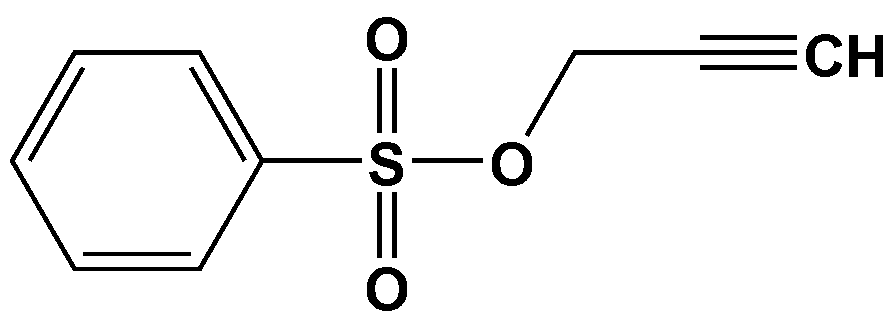
<화합물 2><

<화합물 3><

<화합물 4><

<화합물 5><

<화합물 6><

<화합물 7><Compound 7>

<화합물 8><Compound 8>

<화합물 9><Compound 9>

<화합물 10><Compound 10>

<화합물 11><Compound 11>

<화합물 12><Compound 12>
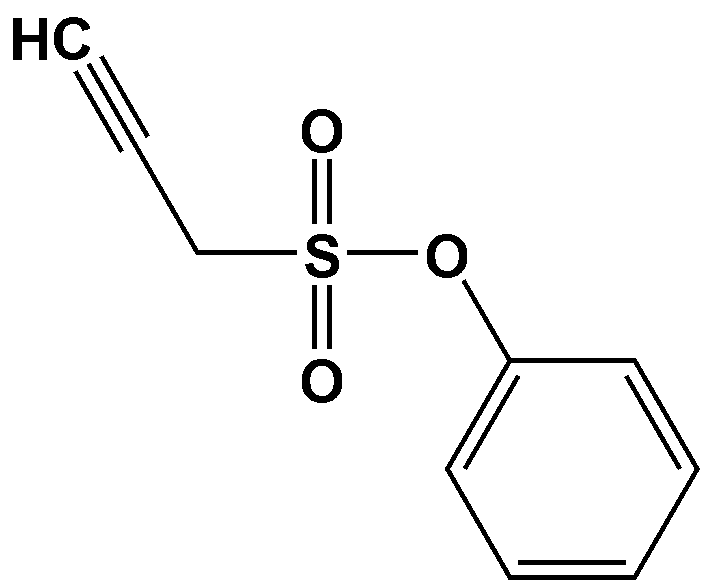
<화합물 13><Compound 13>

상기 화학식 2로 표시되는 불포화 화합물은, 이중결합 또는 삼중결합을 포함하는 설포네이트 화합물로서, 환원 전위가 높아 리튬전지의 가스 발생이 저감되고, 또한 음극 표면에 양극으로부터 용출된 Ni 양이온을 포획(capture)할 수 있는 안정한 부동태막(solid electrolyte interphase: SEI)을 형성하여 음극을 보호할 수 있으므로, 리튬전지의 수명 특성이 향상될 수 있다.The unsaturated compound represented by the
전해질은 리튬염을 포함한다. 리튬염은 유기 용매에 용해되어, 전지 내에서 리튬 이온의 공급원으로 작용할 수 있으며, 예를 들어 양극과 음극 사이의 리튬 이온의 이동을 촉진하는 역할을 할 수 있다.The electrolyte contains a lithium salt. The lithium salt is dissolved in an organic solvent and can act as a source of lithium ions within the battery, for example, it can play a role in promoting the movement of lithium ions between the positive and negative electrodes.
전해질에 포함된 상기 리튬염의 음이온은 PF6 -, BF4 -, SbF6 -, AsF6 -, C4F9SO3 -, ClO4 -, AlO2 -, AlCl4 -, CxF2x+1SO3 - (여기서, x는 자연수임), (CxF2x+1SO2)(CyF2y+1SO2)N- (여기서, x 및 y는 자연수임), 및 할라이드로 이루어진 군에서 선택된 하나 이상일 수 있다.The anion of the lithium salt included in the electrolyte may be at least one selected from the group consisting of PF 6 - , BF 4 - , SbF 6 - , AsF 6 - , C 4 F 9 SO 3 - , ClO 4 - , AlO 2 - , AlCl 4 - , C x F 2x+1 SO 3 - (wherein, x is a natural number), (C x F 2x+1 SO 2 )(C y F 2y+1 SO 2 )N - (wherein, x and y are natural numbers), and a halide.
상기 전해질 중 리튬염은 LiPF6, LiBF4, LiCF3SO3, Li(CF3SO2)2N, LiC2F5SO3, Li(FSO2)2N, LiC4F9SO3, LiN(SO2CF2CF3)2, 및 화학식 22 내지 25로 표시되는 화합물 중에서 선택된 하나 이상을 포함할 수 있다:The lithium salt in the above electrolyte may include at least one selected from LiPF 6 , LiBF 4 , LiCF 3 SO 3 , Li(CF 3 SO 2 ) 2 N, LiC 2 F 5 SO 3 , Li(FSO 2 ) 2 N, LiC 4 F 9 SO 3 , LiN(SO 2 CF 2 CF 3 ) 2 , and compounds represented by chemical formulas 22 to 25:
<화학식 22> <화학식 23><Chemical Formula 22> <Chemical Formula 23>


<화학식 24> <화학식 25><Chemical Formula 24> <Chemical Formula 25>


상기 리튬염의 농도는 0.01 M 내지 5.0 M, 0.05 M 내지 5.0 M, 0.1 M 내지 5.0 M, 또는 0.1 M 내지 2.0 M 일 수 있으나, 반드시 이러한 범위로 한정되는 것은 아니며 필요에 따라 적절한 농도가 사용될 수 있다. The concentration of the lithium salt may be 0.01 M to 5.0 M, 0.05 M to 5.0 M, 0.1 M to 5.0 M, or 0.1 M to 2.0 M, but is not necessarily limited to this range and an appropriate concentration may be used as needed.
용매 비함유 전해질에서 리튬염의 함량은 상기 용매 비함유 전해질 100 중량부당 0.001 중량부 내지 30 중량부일 수 있으나, 반드시 이러한 범위로 한정되지 않으며 전해질이 충방전 과정에서 효과적으로 리튬 이온 및/또는 전자를 전달할 수 있는 범위라면 모두 가능하다.The content of the lithium salt in the solvent-free electrolyte may be from 0.001 to 30 parts by weight per 100 parts by weight of the solvent-free electrolyte, but is not necessarily limited to this range and may be any range in which the electrolyte can effectively transfer lithium ions and/or electrons during the charge and discharge process.
용매 함유 전해질에서 리튬염의 함량은 100 mM 내지 10 M일 수 있다. 예를 들어, 상기 함량은 100 mM 내지 2 M일 수 있다. 예를 들어, 상기 함량은 500 mM 내지 2 M일 수 있다. 그러나, 상기 함량이 반드시 이러한 범위로 한정되지 않으며 전해질이 충방전 과정에서 효과적으로 리튬 이온 및/또는 전자를 전달할 수 있는 범위라면 모두 가능하다.The content of the lithium salt in the solvent-containing electrolyte may be from 100 mM to 10 M. For example, the content may be from 100 mM to 2 M. For example, the content may be from 500 mM to 2 M. However, the content is not necessarily limited to this range and any range in which the electrolyte can effectively transfer lithium ions and/or electrons during the charge and discharge process may be used.
일 구현예를 따르면, 상기 전해질 중 상기 리튬염의 농도는 1.1 M 내지 2.5 M일 수 있다. 예를 들어, 상기 리튬염의 농도는 1.15 M 내지 2.2 M, 또는 1.3 M 내지 2 M일 수 있다.In one embodiment, the concentration of the lithium salt in the electrolyte may be from 1.1 M to 2.5 M. For example, the concentration of the lithium salt may be from 1.15 M to 2.2 M, or from 1.3 M to 2 M.
상기 비수계 용매는 카보네이트계 용매, 에스테르계 용매, 에테르계 용매, 케톤계 용매, 비양성자성 용매 및 이들의 혼합물로 이루어진 군에서 선택될 수 있다.The above non-aqueous solvent may be selected from the group consisting of carbonate solvents, ester solvents, ether solvents, ketone solvents, aprotic solvents, and mixtures thereof.
카보네이트계 용매로서 디메틸 카보네이트(DMC), 디에틸 카보네이트(DEC), 에틸메틸 카보네이트(EMC), 디프로필 카보네이트(DPC), 메틸프로필 카보네이트(MPC), 에틸프로필 카보네이트(EPC), 메틸에틸 카보네이트(MEC), 에틸렌 카보네이트(EC), 프로필렌 카보네이트(PC), 부틸렌 카보네이트(BC), 테트라에틸렌글리콜디메틸에테르(TEGDME) 등이 사용될 수 있으며, 상기 에스테르계 용매로는 메틸 아세테이트, 에틸 아세테이트, n-프로필 아세테이트, 디메틸아세테이트, 메틸 프로피오네이트(Methyl Propionate: MP), 에틸 프로피오네이트(Ethyl Propionate), γ-부티로락톤, 데카놀라이드(decanolide), 발레로락톤, 메발로노락톤(mevalonolactone), 카프로락톤(caprolactone), 등이 사용될 수 있다. 상기 에테르계 용매로는 디부틸 에테르, 테트라글라임, 디글라임, 디메톡시에탄, 2-메틸테트라히드로퓨란, 테트라히드로퓨란 등이 사용될 수 있으며, 상기 케톤계 용매로는 시클로헥사논 등이 사용될 수 있으며, 니트릴계 용매로서 아세토니트릴(AN), 석시노니트릴(SN), 아디포니트릴 등이 사용될 수 있다. As carbonate solvents, dimethyl carbonate (DMC), diethyl carbonate (DEC), ethyl methyl carbonate (EMC), dipropyl carbonate (DPC), methyl propyl carbonate (MPC), ethyl propyl carbonate (EPC), methyl ethyl carbonate (MEC), ethylene carbonate (EC), propylene carbonate (PC), butylene carbonate (BC), tetraethylene glycol dimethyl ether (TEGDME), etc. can be used, and as ester solvents, methyl acetate, ethyl acetate, n-propyl acetate, dimethyl acetate, methyl propionate (MP), ethyl propionate, γ-butyrolactone, decanolide, valerolactone, mevalonolactone, caprolactone, etc. can be used. As the ether solvent, dibutyl ether, tetraglyme, diglyme, dimethoxyethane, 2-methyltetrahydrofuran, tetrahydrofuran, etc. can be used, as the ketone solvent, cyclohexanone, etc. can be used, and as the nitrile solvent, acetonitrile (AN), succinonitrile (SN), adiponitrile, etc. can be used.
비양성자성 용매는 단독으로 또는 하나 이상 혼합하여 사용할 수 있으며, 하나 이상 혼합하여 사용하는 경우의 혼합 비율은 전지 성능에 따라 적절하게 조절할 수 있고, 이는 당업자에게 자명하다.The aprotic solvents can be used alone or in combination of one or more, and when using one or more in combination, the mixing ratio can be appropriately adjusted depending on the battery performance, which is apparent to those skilled in the art.
기타 용매로서 디메틸술폭사이드, 디메틸포름아미드, 디메틸아세트아미드, 테트라하이드로퓨란 등이 사용될 수 있으나 반드시 이들로 한정되지 않으며 당해 기술 분야에서 유기용매로 사용될 수 있는 것이라면 모두 가능하다. Other solvents that may be used include dimethyl sulfoxide, dimethyl formamide, dimethyl acetamide, and tetrahydrofuran, but are not necessarily limited to these, and any organic solvent that can be used in the relevant technical field may be used.
예를 들어, 상기 비수계 용매는 사슬형 카보네이트 50 부피% 내지 95 부피% 및 고리형 카보네이트 5 부피% 내지 50 부피%, 사슬형 카보네이트 55 부피% 내지 95 부피% 및 고리형 카보네이트 5 부피% 내지 45 부피%, 사슬형 카보네이트 60 부피%내지 95 부피% 및 고리형 카보네이트 5 부피% 내지 40 부피%, 사슬형 카보네이트 65 부피% 내지 95 부피% 및 고리형 카보네이트 5 부피% 내지 35 부피%, 또는 사슬형 카보네이트 70 부피% 내지 95 부피% 및 고리형 카보네이트 5 부피% 내지 30 부피%를 포함할 수 있다. 예를 들어, 비수계 용매는 3가지 이상의 비수계 용매의 혼합용매일 수 있다.For example, the non-aqueous solvent can include 50 vol % to 95 vol % of the chain-linked carbonate and 5 vol % to 50 vol % of the cyclic carbonate, 55 vol % to 95 vol % of the chain-linked carbonate and 5 vol % to 45 vol % of the cyclic carbonate, 60 vol % to 95 vol % of the chain-linked carbonate and 5 vol % to 40 vol % of the cyclic carbonate, 65 vol % to 95 vol % of the chain-linked carbonate and 5 vol % to 35 vol % of the cyclic carbonate, or 70 vol % to 95 vol % of the chain-linked carbonate and 5 vol % to 30 vol % of the cyclic carbonate. For example, the non-aqueous solvent can be a mixed solvent of three or more non-aqueous solvents.
경우에 따라서는, 상기 비수계 용매에 불화에틸렌카보네이트(Fluoro-Ethylene Carbonate)(FEC), 비닐렌카보네이트(VC), 비닐에틸렌카보네이트(VEC), 인(P) 함유 화합물, 황(S) 함유 화합물 등을 더 포함시킬 수 있다.In some cases, the non-aqueous solvent may further contain fluoro-ethylene carbonate (FEC), vinylene carbonate (VC), vinylethylene carbonate (VEC), phosphorus (P)-containing compounds, sulfur (S)-containing compounds, etc.
예를 들어, 상기 비수계 용매는 불화에틸렌카보네이트(FEC)를 포함할 수 있다. 예를 들어, 상기 리튬이차전지는 상기 FEC를 상기 비수계 용매 총 부피를 기준으로 0.1 부피% 내지 10 부피%로 포함할 수 있다. 예를 들어, 상기 리튬이차전지는 상기 FEC를 상기 비수계 용매 총 부피를 기준으로 0.5 부피% 내지 7 부피%로 포함할 수 있다. 예를 들어, 상기 리튬이차전지는 상기 FEC를 상기 비수계 용매 총 부피를 기준으로 1 부피% 내지 7 부피%로 포함할 수 있다. 예를 들어, 상기 리튬이차전지는 상기 FEC를 상기 비수계 용매 총 부피를 기준으로 2 부피% 내지 7 부피%로 포함할 수 있다. 상기 비수계 용매 중에 상기 FEC가 상기 함량범위로 포함되는 경우에, 리튬이온의 확산 속도를 저해하지 않는 효과적인 SEI 피막을 신속히 형성할 수 있다.For example, the non-aqueous solvent may include fluoroethylene carbonate (FEC). For example, the lithium secondary battery may include the FEC in an amount of 0.1 vol% to 10 vol% based on the total volume of the non-aqueous solvent. For example, the lithium secondary battery may include the FEC in an amount of 0.5 vol% to 7 vol% based on the total volume of the non-aqueous solvent. For example, the lithium secondary battery may include the FEC in an amount of 1 vol% to 7 vol% based on the total volume of the non-aqueous solvent. For example, the lithium secondary battery may include the FEC in an amount of 2 vol% to 7 vol% based on the total volume of the non-aqueous solvent. When the FEC is included in the non-aqueous solvent in the above content range, an effective SEI film that does not inhibit the diffusion rate of lithium ions can be quickly formed.
일 구현예를 따르면, 상기 비수계 용매는 디메틸 카보네이트(DMC), 디에틸 카보네이트(DEC), 에틸메틸 카보네이트(EMC), 디프로필 카보네이트(DPC), 메틸프로필 카보네이트(MPC), 에틸프로필 카보네이트(EPC), 메틸에틸 카보네이트(MEC), 에틸렌 카보네이트(EC), 프로필렌 카보네이트(PC), 부틸렌 카보네이트(BC), 메틸 프로피오네이트(Methyl Propionate: MP), 에틸 프로피오네이트(Ethyl Propionate), 프로필 프로피오네이트(Propyl Propionate: PP) 테트라에틸렌글리콜디메틸에테르(TEGDME) 및 이들의 혼합물로 이루어진 군에서 선택될 수 있다.In one embodiment, the non-aqueous solvent may be selected from the group consisting of dimethyl carbonate (DMC), diethyl carbonate (DEC), ethylmethyl carbonate (EMC), dipropyl carbonate (DPC), methylpropyl carbonate (MPC), ethylpropyl carbonate (EPC), methylethyl carbonate (MEC), ethylene carbonate (EC), propylene carbonate (PC), butylene carbonate (BC), methyl propionate (MP), ethyl propionate (Ethyl Propionate), propyl propionate (PP), tetraethylene glycol dimethyl ether (TEGDME), and mixtures thereof.
상기 전해질은 탄소-탄소 단일 또는 다중결합을 포함하는 카보네이트, 탄소-탄소 단일 또는 다중결합을 포함하는 카르복실산 무수물 또는 이들의 혼합물을 포함할 수 있다. 상기 다중 결합은 이중 결합 또는 삼중 결합일 수 있으며, 상기 카보네이트 및 카르복실산 무수물은 선형 또는 환형일 수 있다.The electrolyte may comprise a carbonate comprising carbon-carbon single or multiple bonds, a carboxylic anhydride comprising carbon-carbon single or multiple bonds, or a mixture thereof. The multiple bonds may be double bonds or triple bonds, and the carbonate and carboxylic anhydride may be linear or cyclic.
일 구현예를 따르면, 상기 전해질은 고리형 카보네이트(cyclic anhydride) 화합물, 고리형 산 무수물(cyclic acid anhydride) 화합물, 인(P) 함유 화합물, 황(S) 함유 화합물 또는 이들의 혼합물을 포함할 수 있다.In one embodiment, the electrolyte may include a cyclic anhydride compound, a cyclic acid anhydride compound, a phosphorus (P)-containing compound, a sulfur (S)-containing compound, or a mixture thereof.
일 구현예를 따르면, 상기 전해질은 고리형 카보네이트(cyclic anhydride) 화합물, 고리형 산 무수물(cyclic acid anhydride) 화합물, 또는 이들의 혼합물을 포함하고,In one embodiment, the electrolyte comprises a cyclic anhydride compound, a cyclic acid anhydride compound, or a mixture thereof,
상기 불포화 화합물의 환원 전위가 상기 고리형 카보네이트 화합물 또는 상기 고리형 산 무수물 화합물의의 환원 전위보다 높은 것일 수 있다.The reduction potential of the above unsaturated compound may be higher than the reduction potential of the above cyclic carbonate compound or the above cyclic acid anhydride compound.
또한, 일 구현예를 따르면, 상기 전해질 100 중량부당, 상기 고리형 카보네이트(cyclic anhydride) 화합물, 고리형 산 무수물(cyclic acid anhydride) 화합물, 또는 이들의 혼합물의 함량은 0.1 중량부 내지 2 중량부일 수 있다.In addition, according to one embodiment, the content of the cyclic anhydride compound, the cyclic acid anhydride compound, or a mixture thereof per 100 parts by weight of the electrolyte may be 0.1 parts by weight to 2 parts by weight.
상기 고리형 카보네이트 화합물은 예를 들어, 불화에틸렌카보네이트(fluoro-ethylene carbonate: FEC), 비닐렌 카보네이트(vinylene carbonate: VC) 및 비닐 에틸렌 카보네이트(vinyl ethylene carbonate: VEC) 중에서 선택된 하나 이상일 수 있다.The above cyclic carbonate compound may be, for example, at least one selected from fluoroethylene carbonate (FEC), vinylene carbonate (VC), and vinyl ethylene carbonate (VEC).
상기 고리형 산 무수물 화합물은 예를 들어, 말레산 무수물(maleic anhydride) 및 석신산 무수물(succinic anhydride) 중에서 선택된 하나 이상일 수 있다.The above cyclic acid anhydride compound may be, for example, at least one selected from maleic anhydride and succinic anhydride.
상기 인 함유 화합물은 예를 들어, 포스핀 화합물, 포스페이트 화합물 및 포스파이트 화합물 중에서 선택된 하나 이상일 수 있다.The above-mentioned phosphorus-containing compound may be, for example, at least one selected from a phosphine compound, a phosphate compound, and a phosphite compound.
상기 포스핀 화합물은 구체적으로, 트리페닐포스핀(triphenylphosphine) 또는 트리스(4-플루오로페닐)포스핀(tris(4-fluorophenyl)phosphine), 트리스(2,4-디플루오로페닐)포스핀(tris(2,4-difluorophenyl)phosphine), 트리스(퍼플루오로페닐)포스핀(tris(perfluorophenyl)phosphine) 일 수 있으나, 이에 한정되는 것은 아니다. 상기 포스페이트 화합물은 구체적으로, 트리페닐 포스페이트(Triphenyl phosphate: TPPa), 트리메틸 포스페이트(Trimethyl phosphate: TMPa)일 수 있으나, 이에 한정되는 것은 아니다. 상기 포스파이트 화합물은 구체적으로, 트리에틸포스파이트(TEPi), 트리메틸포스파이트, 트리프로필포스파이트, 트리부틸포스파이트, 트리스(트리메틸실릴)포스파이트, 트리페닐포스파이트일 수 있으나, 이에 한정되는 것은 아니다.Specifically, the phosphine compound may be, but is not limited to, triphenylphosphine, tris(4-fluorophenyl)phosphine, tris(2,4-difluorophenyl)phosphine, or tris(perfluorophenyl)phosphine. Specifically, the phosphate compound may be, but is not limited to, triphenyl phosphate (TPPa) or trimethyl phosphate (TMPa). Specifically, the phosphite compound may be, but is not limited to, triethylphosphite (TEPi), trimethylphosphite, tripropylphosphite, tributylphosphite, tris(trimethylsilyl)phosphite, or triphenylphosphite.
상기 황 함유 화합물은 예를 들어, 설폰 화합물, 설포네이트 화합물, 설톤(sultone) 화합물 및 디설포네이트 화합물 중에서 선택된 하나 이상일 수 있다.The above sulfur-containing compound may be, for example, at least one selected from a sulfone compound, a sulfonate compound, a sultone compound, and a disulfonate compound.
상기 설폰 화합물은 구체적으로 에틸메틸설폰(ethylmethyl sulfone), 디비닐 설폰(divinyl sulfone) 또는 테트라메틸렌 설폰(tetramethylene sulfone)일 수 있으나, 이에 한정되는 것은 아니다. 상기 설포네이트 화합물은 구체적으로, 메틸메탄 설포네이트(methyl methane sulfonate), 에틸 메탄 설포네이트(ethyl methane sulfonate), 또는 디알릴 설포네이트(diallyl sufonate)일 수 있으나, 이에 한정되는 것은 아니다. 상기 디설포네이트 화합물은 구체적으로, 메틸렌메탄디설포네이트(methylene methane disulfonate: MMDS) 또는 부슬판(busulfan)일 수 있으나, 이에 한정되는 것은 아니다. 상기 설톤 화합물은 구체적으로, 플루오로프로판 설톤(fluoropropate sultone: FPS) 일 수 있으나, 이에 한정되는 것은 아니다.The sulfone compound may be, but is not limited to, ethylmethyl sulfone, divinyl sulfone, or tetramethylene sulfone. The sulfonate compound may be, but is not limited to, methyl methane sulfonate, ethyl methane sulfonate, or diallyl sufonate. The disulfonate compound may be, but is not limited to, methylene methane disulfonate (MMDS) or busulfan. The sultone compound may be, but is not limited to, fluoropropate sultone (FPS).
일 구현예를 따르면, 상기 리튬전지 중 전해질이 1g/Ah 내지 3g/Ah로 포함될 수 있다. According to one embodiment, the lithium battery may contain an electrolyte of 1 g/Ah to 3 g/Ah.
상기 양극은 상기 화학식 1로 표시되는 양극활물질을 포함한다.The above positive electrode includes a positive electrode active material represented by the
예를 들어, 상기 화학식 1 중 A는 할로겐, S 및 N 중 하나일 수 있으나, 이에 한정되는 것은 아니다.For example, in the
상기 화학식 1 중, y는 양극활물질 내 Ni의 함량을 나타낸 것이다. In the
일 구현예를 따르면, 상기 화학식 1 중 M은 Co, Ni 및 Mn 중 하나 이상의 원소일 수 있다.According to one embodiment, M in the
예를 들어, 상기 양극은 Li1.02Ni0.80Co0.15Mn0.05O2, Li1.02Ni0.85Co0.1Mn0.05O2, Li1.02Ni0.88Co0.08Mn0.04O2, Li1.02Ni0.88Co0.10Mn0.02O2, Li1.02Ni0.91Co0.06Mn0.03O2, LiNi0.94Co0.04Mn0.02O2, Li1.02Ni0.80Co0.15Al0.05O2, Li1.02Ni0.85Co0.1Al0.05O2, Li1.02Ni0.88Co0.08Al0.04O2, Li1.02Ni0.88Co0.10Al0.02O2, Li1.02Ni0.91Co0.06Al0.03O2 및 LiNi0.94Co0.04Al0.02O2 중에서 선택된 하나 이상을 포함할 수 있다.For example, the anode is Li 1.02 Ni 0.80 Co 0.15 Mn 0.05 O 2 , Li 1.02 Ni 0.85 Co 0.1 Mn 0.05 O 2 , Li 1.02 Ni 0.88 Co 0.08 Mn 0.04 O 2 , Li 1.02 Ni 0.88 Co 0.10 Mn 0.02 O 2 , Li 1.02 Ni 0.91 Co 0.06 Mn 0.03 O 2 , LiNi 0.94 Co 0.04 Mn 0.02 O 2 , Li 1.02 Ni 0.80 Co 0.15 Al 0.05 O 2 , Li 1.02 Ni 0.85 Co 0.1 Al 0.05 O 2 , Li It may include at least one selected from 1.02 Ni 0.88 Co 0.08 Al 0.04 O 2 , Li 1.02 Ni 0.88 Co 0.10 Al 0.02 O 2 , Li 1.02 Ni 0.91 Co 0.06 Al 0.03 O 2 and LiNi 0.94 Co 0.04 Al 0.02 O 2 .
일 구현예를 따르면, 상기 화학식 1 중 y는 0.88≤y≤0.98을 만족할 수 있다.According to one embodiment, y in the
예를 들어, 상기 양극활물질이 하기 화학식 3 또는 화학식 4로 표시될 수 있다:For example, the positive electrode active material may be represented by the following
<화학식 3><
Lix'Niy'Co1-y'-z'Alz'O2 Li x' Ni y' Co 1-y'-z' Al z' O 2
<화학식 4><
Lix'Niy'Co1-y'-z'Mnz'O2 Li x' Ni y' Co 1-y'-z' Mn z' O 2
상기 화학식 3 및 화학식 4에서, 0.9≤x'≤1.2, 0.88≤y'≤0.98, 0<z'<0.1, 0<1-y'-z'<0.2이다.In the
예를 들어, 상기 양극은 Li1.02Ni0.80Co0.15Mn0.05O2, Li1.02Ni0.85Co0.1Mn0.05O2, Li1.02Ni0.88Co0.08Mn0.04O2, Li1.02Ni0.88Co0.10Mn0.02O2, Li1.02Ni0.91Co0.06Mn0.03O2, LiNi0.94Co0.04Mn0.02O2, Li1.02Ni0.80Co0.15Al0.05O2, Li1.02Ni0.85Co0.1Al0.05O2, Li1.02Ni0.88Co0.08Al0.04O2, Li1.02Ni0.88Co0.10Al0.02O2, Li1.02Ni0.91Co0.06Al0.03O2 및 LiNi0.94Co0.04Al0.02O2 중에서 선택된 하나 이상을 포함할 수 있다.For example, the anode is Li 1.02 Ni 0.80 Co 0.15 Mn 0.05 O 2 , Li 1.02 Ni 0.85 Co 0.1 Mn 0.05 O 2 , Li 1.02 Ni 0.88 Co 0.08 Mn 0.04 O 2 , Li 1.02 Ni 0.88 Co 0.10 Mn 0.02 O 2 , Li 1.02 Ni 0.91 Co 0.06 Mn 0.03 O 2 , LiNi 0.94 Co 0.04 Mn 0.02 O 2 , Li 1.02 Ni 0.80 Co 0.15 Al 0.05 O 2 , Li 1.02 Ni 0.85 Co 0.1 Al 0.05 O 2 , Li It may include at least one selected from 1.02 Ni 0.88 Co 0.08 Al 0.04 O 2 , Li 1.02 Ni 0.88 Co 0.10 Al 0.02 O 2 , Li 1.02 Ni 0.91 Co 0.06 Al 0.03 O 2 and LiNi 0.94 Co 0.04 Al 0.02 O 2 .
전술한 바와 같이, Ni의 함량이 높은 리튬금속산화물의 경우, 고용량의 전지를 구현할 수 있다는 장점에도 불구하고, 종래의 구성에 따른 전지에서는 Ni3+ 양이온의 양이 늘어남에 따라 수명 특성이 좋지 않은 문제점이 있었다.As described above, in the case of lithium metal oxide with a high Ni content, despite the advantage of being able to implement a high-capacity battery, batteries with a conventional configuration had a problem of poor life characteristics as the amount of Ni 3+ cations increased.
또한 후술되는 바와 같이, 리튬과 합금 가능한 금속을 포함하는 음극활물질 또는 탄소계 음극활물질을 포함하는 리튬전지는 고온에서의 촉매 작용에 의한 가스 발생과 이로 인한 수명 특성 저하의 문제점이 있었다. In addition, as described later, lithium batteries including a negative electrode active material including a metal alloyable with lithium or a carbon-based negative electrode active material have had problems with gas generation due to catalytic action at high temperatures and a decrease in life characteristics due to this.
상기에서와 같이, FEC, VC, VEC, MA, SA, 인(P) 함유 화합물 또는 황(S) 함유 화합물을 상기의 범위로 포함하는 경우에는, 상기 물질들의 화학 반응 결과물을 함유하는 부동태막, 즉 SEI 피막을 음극 표면의 일부 또는 전부에 형성시킬 수 있다. 이때, 상기 불포화 화합물은 이중결합 또는 삼중결합을 포함함으로써, 환원 전위가 높아 FEC 등의 화합물보다 먼저 환원됨으로써 부동태막 중 FEC 등의 화합물을 보호하며, 양극으로부터 용출된 Ni 양이온을 포획(capture)할 수 있는 견고한 SEI 피막을 형성할 수 있고, 또한 고온 보존시 가스 발생을 방지할 수 있으므로, 전지의 안전성 및 성능 향상을 구현할 수 있다. As described above, when FEC, VC, VEC, MA, SA, a phosphorus (P)-containing compound or a sulfur (S)-containing compound is included within the above range, a passive film, i.e., an SEI film, containing a chemical reaction product of the above substances can be formed on part or all of the surface of the negative electrode. At this time, the unsaturated compound has a high reduction potential since it contains a double bond or a triple bond, thereby protecting the compound such as FEC in the passive film, forming a strong SEI film capable of capturing Ni cations eluted from the positive electrode, and also preventing gas generation during high-temperature storage, thereby implementing improved safety and performance of the battery.
또한, 상기 양극은 전술한 양극활물질 외에도, 리튬코발트산화물, 리튬니켈코발트망간산화물, 리튬니켈코발트알루미늄산화물, 리튬철인산화물, 및 리튬망간산화물로 이루어진 군에서 선택된 하나 이상을 더 포함할 수 있으나, 반드시 이들로 한정되지 않으며 당해 기술분야에서 이용 가능한 모든 양극활물질을 더 포함할 수 있다.In addition, the positive electrode may further include, in addition to the positive electrode active material described above, one or more selected from the group consisting of lithium cobalt oxide, lithium nickel cobalt manganese oxide, lithium nickel cobalt aluminum oxide, lithium iron phosphate, and lithium manganese oxide, but is not necessarily limited thereto and may further include all positive electrode active materials available in the art.
상기 음극은 음극활물질을 포함하고, 상기 음극활물질이 실리콘계 화합물, 탄소계 화합물, 실리콘계 화합물과 탄소계 화합물의 복합체, 및 실리콘 산화물(SiOx1, 0<x1<2) 중에서 선택된 하나 이상을 포함할 수 있다. 또는, 예를 들어, 상기 음극은 리튬과 합금 가능한 금속을 포함하는 음극활물질, 실리콘계 음금활물질 및/또는 탄소계 음극활물질을 포함할 수 있다.The above negative electrode includes a negative electrode active material, and the negative electrode active material may include at least one selected from a silicon-based compound, a carbon-based compound, a composite of a silicon-based compound and a carbon-based compound, and silicon oxide (SiO x1 , 0<x1<2). Alternatively, for example, the negative electrode may include a negative electrode active material including a metal alloyable with lithium, a silicon-based negative electrode active material, and/or a carbon-based negative electrode active material.
예를 들어, 상기 실리콘계 화합물은 실리콘 입자를 포함하고, 상기 실리콘 입자의 평균 직경은 200 nm 이하일 수 있다.For example, the silicon-based compound may include silicon particles, and the average diameter of the silicon particles may be 200 nm or less.
예를 들어, 상기 탄소계 화합물은 그래파이트를 포함할 수 있다.For example, the carbon-based compound may include graphite.
예를 들어, 실리콘계 화합물과 탄소계 물질의 복합체는 실리콘 나노입자가 탄소계 화합물 상부에 배치된 구조를 갖는 복합체, 실리콘 입자가 탄소계 화합물 표면과 내부에 포함된 복합체, 실리콘 입자가 탄소계 화합물로 코팅되어 탄소계 화합물 내부에 포함된 복합체일 수 있다. 실리콘계 화합물과 탄소계 물질의 복합체는 탄소계 화합물 입자 상에 평균입경이 약 200nm 이하 실리콘 나노입자를 분산한 후 카본 코팅하여 얻어지는 활물질, 실리콘 입자가 그래파이트 상부 및 내부에 존재하는 활물질 등일 수 있다. 실리콘계 화합물과 탄소계 화합물의 복합체의 2차 입자 평균 입경은 5um 내지 20um이며, 실리콘 나노입자의 평균 입경은 200nm 이하, 150nm 이하, 100nm 이하, 50nm 이하, 20nm 이하, 10nm 이하일 수 있다. 예를 들어, 실리콘 나노입자의 평균 입경은 100nm 내지 150nm일 수 있다.For example, the composite of the silicon compound and the carbon material may be a composite having a structure in which silicon nanoparticles are arranged on the top of the carbon compound, a composite in which silicon particles are included on the surface and inside of the carbon compound, a composite in which silicon particles are coated with the carbon compound and included inside the carbon compound. The composite of the silicon compound and the carbon material may be an active material obtained by dispersing silicon nanoparticles having an average particle diameter of about 200 nm or less on carbon compound particles and then coating them with carbon, an active material in which silicon particles are present on and inside graphite, etc. The average particle diameter of the secondary particles of the composite of the silicon compound and the carbon compound is 5 um to 20 um, and the average particle diameter of the silicon nanoparticles may be 200 nm or less, 150 nm or less, 100 nm or less, 50 nm or less, 20 nm or less, or 10 nm or less. For example, the average particle diameter of the silicon nanoparticles may be 100 nm to 150 nm.
예를 들어, 상기 실리콘계 화합물과 탄소계 화합물의 복합체의 용량은 300 mAh/g 내지 700 mAh/g일 수 있다. 예를 들어, 상기 실리콘계 화합물과 탄소계 화합물의 복합체의 용량은 400 mAh/g 내지 600 mAh/g일 수 있다.For example, the capacity of the composite of the silicon-based compound and the carbon-based compound may be 300 mAh/g to 700 mAh/g. For example, the capacity of the composite of the silicon-based compound and the carbon-based compound may be 400 mAh/g to 600 mAh/g.
상기 리튬전지의 25℃에서 200 사이클 충방전 후 용량 유지율은 75% 이상, 예를 들어 80% 이상, 또는 82% 이상일 수 있다. 예를 들어, 상기 리튬전지의 음극이 실리콘 화합물 또는 실리콘 산화물을 포함한 경우에, 상기 리튬전지의 25℃에서 200 사이클 충방전 후 용량 유지율은 85% 이상일 수 있다.The capacity retention rate of the lithium battery after 200 cycles of charge and discharge at 25°C may be 75% or more, for example, 80% or more, or 82% or more. For example, when the negative electrode of the lithium battery includes a silicon compound or silicon oxide, the capacity retention rate of the lithium battery after 200 cycles of charge and discharge at 25°C may be 85% or more.
상기 리튬전지의 25℃에서 200 사이클 충방전 후 DCIR 상승율은 180% 이하일 수 있다. 예를 들어, 상기 리튬전지의 음극이 실리콘 화합물 또는 실리콘 산화물을 포함한 경우에, 상기 리튬전지의 25℃에서 200 사이클 충방전 후 DCIR 상승율은 150% 이하, 예를 들어 120% 이하일 수 있다.The DCIR increase rate of the lithium battery after 200 cycles of charge and discharge at 25°C may be 180% or less. For example, when the negative electrode of the lithium battery includes a silicon compound or silicon oxide, the DCIR increase rate of the lithium battery after 200 cycles of charge and discharge at 25°C may be 150% or less, for example, 120% or less.
상기 리튬전지의 전지 단위 부피 당 셀 에너지 밀도가 500Wh/L 이상일 수 있다. 상기 리튬전지가 500Wh/L 이상의 높은 에너지 밀도를 제공함에 의하여 높은 출력을 제공할 수 있다.The cell energy density per unit volume of the lithium battery may be 500 Wh/L or more. The lithium battery may provide high output by providing a high energy density of 500 Wh/L or more.
상기 리튬전지는 그 형태가 특별히 제한되지는 않으며, 리튬이온전지, 리튬이온폴리머전지, 리튬설퍼전지 등을 포함한다. The above lithium battery is not particularly limited in its form, and includes a lithium ion battery, a lithium ion polymer battery, a lithium sulfur battery, etc.
일구현예에 따른 리튬이차전지는 다음과 같은 방법에 의하여 제조될 수 있다.A lithium secondary battery according to an embodiment of the present invention can be manufactured by the following method.
먼저 양극이 준비된다.First, the anode is prepared.
예를 들어, 양극활물질, 도전제, 바인더 및 용매가 혼합된 양극활물질 조성물이 준비된다. 상기 양극활물질 조성물이 양극 집전체 위에 직접 코팅되어 양극이 제조된다. 다르게는, 상기 양극활물질 조성물이 별도의 지지체 상에 캐스팅된 다음, 상기 지지체로부터 박리된 필름이 금속 집전체상에 라미네이션되어 양극이 제조될 수 있다. 상기 양극은 상기에서 열거한 형태에 한정되는 것은 아니고 상기 형태 이외의 형태일 수 있다.For example, a cathode active material composition is prepared by mixing a cathode active material, a conductive agent, a binder, and a solvent. The cathode active material composition is directly coated on a cathode current collector to manufacture a cathode. Alternatively, the cathode active material composition may be cast on a separate support, and then a film peeled off from the support may be laminated on a metal current collector to manufacture a cathode. The cathode is not limited to the forms listed above and may have forms other than the above forms.
상기 양극활물질은 상술한 화학식 1로 표시되는 양극활물질 이외에 일반적인 리튬 함유 금속산화물을 함께 사용할 수 있다. 리튬 함유 금속 산화물은 예를 들어, 코발트, 망간, 니켈, 및 이들의 조합에서 선택되는 금속과 리튬과의 복합 산화물 중 2종 이상의 것을 사용할 수 있다. The above cathode active material may be used together with a general lithium-containing metal oxide in addition to the cathode active material represented by the above-described
예를 들어, LiaA1-bBbD2(상기 식에서, 0.90 ≤ a ≤ 1.8, 및 0 ≤ b ≤ 0.5이다); LiaE1-bBbO2-cDc(상기 식에서, 0.90 ≤ a ≤ 1.8, 0 ≤ b ≤ 0.5, 0 ≤ c ≤ 0.05이다); LiE2-bBbO4-cDc(상기 식에서, 0 ≤ b ≤ 0.5, 0 ≤ c ≤ 0.05이다); LiaNi1-b-cCobBcDα(상기 식에서, 0.90 ≤ a ≤ 1.8, 0 ≤ b ≤ 0.5, 0 ≤ c ≤ 0.05, 0 < α ≤ 2이다); LiaNi1-b-cCobBcO2-αFα(상기 식에서, 0.90 ≤ a ≤ 1.8, 0 ≤ b ≤ 0.5, 0 ≤ c ≤ 0.05, 0 < α < 2이다); LiaNi1-b-cCobBcO2-αF2(상기 식에서, 0.90 ≤ a ≤ 1.8, 0 ≤ b ≤ 0.5, 0 ≤ c ≤ 0.05, 0 < α < 2이다); LiaNi1-b-cMnbBcDα(상기 식에서, 0.90 ≤ a ≤ 1.8, 0 ≤ b ≤ 0.5, 0 ≤ c ≤ 0.05, 0 < α ≤ 2이다); LiaNi1-b-cMnbBcO2-αFα(상기 식에서, 0.90 ≤ a ≤ 1.8, 0 ≤ b ≤ 0.5, 0 ≤ c ≤ 0.05, 0 < α < 2이다); LiaNi1-b-cMnbBcO2-αF2(상기 식에서, 0.90 ≤ a ≤ 1.8, 0 ≤ b ≤ 0.5, 0 ≤ c ≤ 0.05, 0 < α < 2이다); LiaNibEcGdO2(상기 식에서, 0.90 ≤ a ≤ 1.8, 0 ≤ b ≤ 0.9, 0 ≤ c ≤ 0.5, 0.001 ≤ d ≤ 0.1이다.); LiaNibCocMndGeO2(상기 식에서, 0.90 ≤ a ≤ 1.8, 0 ≤ b ≤ 0.9, 0 ≤ c ≤ 0.5, 0 ≤ d ≤0.5, 0.001 ≤ e ≤ 0.1이다.); LiaNiGbO2(상기 식에서, 0.90 ≤ a ≤ 1.8, 0.001 ≤ b ≤ 0.1이다.); LiaCoGbO2(상기 식에서, 0.90 ≤ a ≤ 1.8, 0.001 ≤ b ≤ 0.1이다.); LiaMnGbO2(상기 식에서, 0.90 ≤ a ≤ 1.8, 0.001 ≤ b ≤ 0.1이다.); LiaMn2GbO4(상기 식에서, 0.90 ≤ a ≤ 1.8, 0.001 ≤ b ≤ 0.1이다.); QO2; QS2; LiQS2; V2O5; LiV2O5; LiIO2; LiNiVO4; Li(3-f)J2(PO4)3(0 ≤ f ≤ 2); Li(3-f)Fe2(PO4)3(0 ≤ f ≤ 2); LiFePO4의 화학식 중 어느 하나로 표현되는 화합물을 더 포함할 수 있다.For example, Li a A 1-b B b D 2 (in the above formula, 0.90 ≤ a ≤ 1.8, and 0 ≤ b ≤ 0.5); Li a E 1-b B b O 2-c D c (in the above formula, 0.90 ≤ a ≤ 1.8, 0 ≤ b ≤ 0.5, 0 ≤ c ≤ 0.05); LiE 2-b B b O 4-c D c (in the above formula, 0 ≤ b ≤ 0.5, 0 ≤ c ≤ 0.05); Li a Ni 1-bc Co b B c D α (in the above formula, 0.90 ≤ a ≤ 1.8, 0 ≤ b ≤ 0.5, 0 ≤ c ≤ 0.05, 0 < α ≤ 2); Li a Ni 1-bc Co b B c O 2-α F α (in the above formula, 0.90 ≤ a ≤ 1.8, 0 ≤ b ≤ 0.5, 0 ≤ c ≤ 0.05, 0 < α <2); Li a Ni 1-bc Co b B c O 2-α F 2 (in the above formula, 0.90 ≤ a ≤ 1.8, 0 ≤ b ≤ 0.5, 0 ≤ c ≤ 0.05, 0 < α <2); Li a Ni 1-bc Mn b B c D α (in the above formula, 0.90 ≤ a ≤ 1.8, 0 ≤ b ≤ 0.5, 0 ≤ c ≤ 0.05, 0 < α ≤ 2); Li a Ni 1-bc Mn b B c O 2-α F α (in the above formula, 0.90 ≤ a ≤ 1.8, 0 ≤ b ≤ 0.5, 0 ≤ c ≤ 0.05, 0 < α <2); Li a Ni 1-bc Mn b B c O 2-α F 2 (in the above formula, 0.90 ≤ a ≤ 1.8, 0 ≤ b ≤ 0.5, 0 ≤ c ≤ 0.05, 0 < α <2); Li a Ni b E c G d O 2 (in the above formula, 0.90 ≤ a ≤ 1.8, 0 ≤ b ≤ 0.9, 0 ≤ c ≤ 0.5, 0.001 ≤ d ≤ 0.1); Li a Ni b Co c Mn d GeO 2 (wherein 0.90 ≤ a ≤ 1.8, 0 ≤ b ≤ 0.9, 0 ≤ c ≤ 0.5, 0 ≤ d ≤ 0.5, 0.001 ≤ e ≤ 0.1); Li a NiG b O 2 (wherein 0.90 ≤ a ≤ 1.8, 0.001 ≤ b ≤ 0.1); Li a CoG b O 2 (wherein 0.90 ≤ a ≤ 1.8, 0.001 ≤ b ≤ 0.1); Li a MnG b O 2 (wherein 0.90 ≤ a ≤ 1.8, 0.001 ≤ b ≤ 0.1); The composition may further include a compound represented by any one of the chemical formulas of Li a Mn 2 G b O 4 ( wherein 0.90 ≤ a ≤ 1.8 and 0.001 ≤ b ≤ 0.1); QO 2 ; QS 2 ; LiQS 2 ; V 2 O 5 ; LiV 2 O 5 ; LiIO 2 ; LiNiVO 4 ; Li (3-f) J 2 (PO 4 ) 3 (0 ≤ f ≤ 2); Li (3-f) Fe 2 (PO 4 ) 3 (0 ≤ f ≤ 2); LiFePO 4 .
상기 화학식에 있어서, A는 Ni, Co, Mn, 또는 이들의 조합이고; B는 Al, Ni, Co, Mn, Cr, Fe, Mg, Sr, V, 희토류 원소 또는 이들의 조합이고; D는 O, F, S, P, 또는 이들의 조합이고; E는 Co, Mn, 또는 이들의 조합이고; F는 F, S, P, 또는 이들의 조합이고; G는 Al, Cr, Mn, Fe, Mg, La, Ce, Sr, V, 또는 이들의 조합이고; Q는 Ti, Mo, Mn, 또는 이들의 조합이고; I는 Cr, V, Fe, Sc, Y, 또는 이들의 조합이며; J는 V, Cr, Mn, Co, Ni, Cu, 또는 이들의 조합이다.In the chemical formula, A is Ni, Co, Mn, or a combination thereof; B is Al, Ni, Co, Mn, Cr, Fe, Mg, Sr, V, a rare earth element, or a combination thereof; D is O, F, S, P, or a combination thereof; E is Co, Mn, or a combination thereof; F is F, S, P, or a combination thereof; G is Al, Cr, Mn, Fe, Mg, La, Ce, Sr, V, or a combination thereof; Q is Ti, Mo, Mn, or a combination thereof; I is Cr, V, Fe, Sc, Y, or a combination thereof; J is V, Cr, Mn, Co, Ni, Cu, or a combination thereof.
예를 들어, LiCoO2, LiMnxO2x(x=1 또는 2), LiNi1-xMnxO2x(0<x<1), LiNi1-x-yCoxMnyO2 (0≤x≤0.5, 0≤y≤0.5, 1-x-y>0.5), LiFePO4 등이다.For example, LiCoO 2 , LiMn x O 2x (x = 1 or 2), LiNi 1-x Mn x O 2x (0<x<1), LiNi 1-xy Co x Mn y O 2 (0≤x≤0.5, 0≤y≤0.5, 1-xy>0.5), LiFePO 4 , etc.
물론 상기 화합물 표면에 코팅층을 갖는 것도 사용할 수 있고, 또는 상기 화합물과 코팅층을 갖는 화합물을 혼합하여 사용할 수도 있다. 이 코팅층은 코팅 원소의 옥사이드, 하이드록사이드, 코팅 원소의 옥시하이드록사이드, 코팅 원소의 옥시카보네이트, 또는 코팅 원소의 하이드록시카보네이트의 코팅 원소 화합물을 포함할 수 있다. 이들 코팅층을 이루는 화합물은 비정질 또는 결정질일 수 있다. 상기 코팅층에 포함되는 코팅 원소로는 Mg, Al, Co, K, Na, Ca, Si, Ti, V, Sn, Ge, Ga, B, As, Zr 또는 이들의 혼합물을 사용할 수 있다. 코팅층 형성 공정은 상기 화합물에 이러한 원소들을 사용하여 양극활물질의 물성에 악영향을 주지 않는 방법(예를 들어 스프레이 코팅, 침지법 등)으로 코팅할 수 있으면 어떠한 코팅 방법을 사용하여도 무방하며, 이에 대하여는 당해 분야에 종사하는 사람들에게 잘 이해될 수 있는 내용이므로 자세한 설명은 생략하기로 한다.Of course, it is also possible to use a compound having a coating layer on the surface of the compound, or it is also possible to use a mixture of the compound and the compound having the coating layer. The coating layer may include a coating element compound of an oxide, a hydroxide, an oxyhydroxide of the coating element, an oxycarbonate of the coating element, or a hydroxycarbonate of the coating element of the coating element. The compounds forming these coating layers may be amorphous or crystalline. The coating elements included in the coating layer may include Mg, Al, Co, K, Na, Ca, Si, Ti, V, Sn, Ge, Ga, B, As, Zr, or mixtures thereof. The coating layer forming process may use any coating method as long as it can coat the compound with these elements by a method (for example, spray coating, dipping, etc.) that does not adversely affect the properties of the positive electrode active material, and since this is well understood by those engaged in the relevant field, a detailed description thereof will be omitted.
상기 양극활물질 조성물에는 도전재, 충진제 등이 더 부가될 수 있다.A conductive material, a filler, etc. may be further added to the above-mentioned positive electrode active material composition.
상기 도전재는 통상적으로 양극활물질을 포함한 혼합물 전체 중량을 기준으로 1 중량% 내지 30 중량%로 첨가된다. 이러한 도전재는 당해 전지에 화학적 변화를 유발하지 않으면서 도전성을 가진 것이라면 특별히 제한되는 것은 아니며, 예를 들어, 천연 흑연이나 인조 흑연 등의 흑연; 카본블랙, 아세틸렌 블랙, 케첸 블랙, 채널 블랙, 퍼네이스 블랙, 램프 블랙, 서머 블랙; 탄소 섬유나 금속 섬유 등의 도전성 섬유; 불화 카본; 알루미늄, 니켈 분말 등의 금속 분말; 산화아연, 티탄산 칼륨 등의 도전성 위스키; 산화 티탄 등의 도전성 금속 산화물; 폴리페닐렌 유도체 등의 도전성 소재 등이 사용될 수 있다.The conductive agent is typically added in an amount of 1 to 30 wt% based on the total weight of the mixture including the cathode active material. The conductive agent is not particularly limited as long as it has conductivity and does not induce a chemical change in the battery, and for example, graphite such as natural graphite or artificial graphite; carbon black, acetylene black, Ketjen black, channel black, furnace black, lamp black, summer black; conductive fibers such as carbon fiber or metal fiber; fluorinated carbon; metal powders such as aluminum or nickel powder; conductive whiskey such as zinc oxide or potassium titanate; conductive metal oxides such as titanium oxide; conductive materials such as polyphenylene derivatives, etc. can be used.
상기 바인더로는 활물질과 도전제 등의 결합과 집전체에 대한 활물질 결합에 조력하는 성분으로서, 통상적으로 양극활물질 조성물 총중량을 기준으로 하여 1 내지 30 중량%로 첨가된다. 이러한 바인더의 예로는, 폴리비닐리덴플루오라이드(PVdF), 폴리비닐리덴클로라이드, 폴리벤지미다졸, 폴리이미드, 폴리비닐아세테이트, 폴리아크릴로니트릴, 폴리비닐알코올, 카르복시메틸셀룰로우즈(CMC), 전분, 히드록시프로필셀룰로우즈, 재생 셀룰로우즈, 폴리비닐피롤리돈, 폴리에틸렌, 폴리프로필렌, 폴리스티렌, 폴리메틸메타크릴레이트, 폴리아닐린, 아크릴로니트릴부타디엔스티렌, 페놀 수지, 에폭시 수지, 폴리에틸렌테레프탈레이트, 폴리테트라플루오로에틸렌, 폴리페닐렌설파이드, 폴리아미드이미드, 폴리에테르이미드, 폴리에테르술폰, 폴리아미드, 폴리아세탈, 폴리페닐렌옥사이드, 폴리부틸렌테레프탈레이트, 에틸렌-프로필렌-디엔 테르 폴리머(EPDM), 술폰화 EPDM, 스티렌 부타디엔 고무(SBR), 불소 고무, 다양한 공중합체 등을 들 수 있다. 상기 충진제는 양극의 팽창을 억제하는 성분으로서 선택적으로 사용되며, 당해 전지에 화학적 변화를 유발하지 않으면서 섬유상 재료라면 특별히 제한되는 것은 아니며, 예를 들어, 폴리에틸렌, 폴리프로필렌 등의 올리핀계 중합체; 유리섬유, 탄소섬유 등의 섬유상 물질이 사용된다.The above binder is a component that assists in binding the active material and the conductive agent and in binding the active material to the current collector, and is typically added in an amount of 1 to 30 wt% based on the total weight of the positive electrode active material composition. Examples of such binders include polyvinylidene fluoride (PVdF), polyvinylidene chloride, polybenzimidazole, polyimide, polyvinylacetate, polyacrylonitrile, polyvinyl alcohol, carboxymethyl cellulose (CMC), starch, hydroxypropyl cellulose, regenerated cellulose, polyvinyl pyrrolidone, polyethylene, polypropylene, polystyrene, polymethyl methacrylate, polyaniline, acrylonitrile butadiene styrene, phenol resin, epoxy resin, polyethylene terephthalate, polytetrafluoroethylene, polyphenylene sulfide, polyamideimide, polyetherimide, polyethersulfone, polyamide, polyacetal, polyphenylene oxide, polybutylene terephthalate, ethylene-propylene-diene terpolymer (EPDM), sulfonated EPDM, styrene butadiene rubber (SBR), fluorine. Examples thereof include rubber, various copolymers, etc. The filler is optionally used as a component that suppresses expansion of the positive electrode, and is not particularly limited as long as it is a fibrous material that does not cause chemical changes to the battery. For example, olefin polymers such as polyethylene and polypropylene; fibrous materials such as glass fiber and carbon fiber are used.
상기 용매로는 N-메틸피롤리돈, 아세톤 또는 물 등이 사용될 수 있으나, 이들로 한정되지 않으며 당해 기술분야에서 사용될 수 있는 것이라면 모두 사용될 수 있다. 용매의 함량은 예를 들어 양극활물질 100 중량부를 기준으로 10 내지 100 중량부이다. 용매의 함량이 상기 범위일 때 활물질층을 형성하는 것이 용이하다.The solvent used above may include, but is not limited to, N-methylpyrrolidone, acetone, or water, and any solvent that can be used in the relevant technical field may be used. The content of the solvent is, for example, 10 to 100 parts by weight based on 100 parts by weight of the positive electrode active material. When the content of the solvent is within the above range, it is easy to form the active material layer.
상기 양극활물질, 도전재, 충진제, 바인더 및 용매의 함량은 리튬 전지에서 통상적으로 사용하는 수준이다. 리튬전지의 용도 및 구성에 따라 상기 도전재, 충진제, 바인더 및 용매 중 하나 이상이 생략될 수 있다.The contents of the above cathode active material, conductive material, filler, binder and solvent are at levels typically used in lithium batteries. Depending on the purpose and configuration of the lithium battery, one or more of the conductive material, filler, binder and solvent may be omitted.
예를 들어, N-메틸피롤리돈(NMP)을 용매로 사용하고, PVdF 또 PVdF 공중합체를 바인더로 사용하고, 카본블랙, 아세틸렌 블랙를 도전제로 사용할 수 있다. 예를 들어, 양극활물질 94 중량%, 바인더 3 중량%, 도전제 3 중량%를 분말 상태로 혼합한 후, 고형분이 70 중량%가 되도록 NMP를 넣어 슬러리를 만든 뒤, 이 슬러리를 코팅, 건조, 압연해서 양극을 제작할 수 있다.For example, N-methylpyrrolidone (NMP) can be used as a solvent, PVdF or a PVdF copolymer can be used as a binder, and carbon black or acetylene black can be used as a conductive agent. For example, 94 wt% of the cathode active material, 3 wt% of the binder, and 3 wt% of the conductive agent can be mixed in a powder state, and then NMP can be added so that the solid content becomes 70 wt% to make a slurry, and then the slurry can be coated, dried, and rolled to manufacture a cathode.
상기 양극 집전체는 일반적으로 3 ㎛ ~ 50 ㎛의 두께로 만든다. 이러한 양극 집전체는, 당해 전지에 화학적 변화를 유발하지 않으면서 높은 도전성을 가지는 것이라면 특별히 제한되는 것은 아니며, 예를 들어, 스테인리스 스틸, 알루미늄, 니켈, 티탄, 소성 탄소, 또는 알루미늄이나 스테인리스 스틸의 표면에 카본, 니켈, 티탄, 은 등으로 표면처리한 것 등이 사용될 수 있다. 집전체는 그것의 표면에 미세한 요철을 형성하여 양극활물질의 접착력을 높일 수도 있으며, 필름, 시트, 호일, 네트, 다공질체, 발포체, 부직포체 등 다양한 형태가 가능하다.The above positive electrode current collector is generally made with a thickness of 3 ㎛ to 50 ㎛. The positive electrode current collector is not particularly limited as long as it has high conductivity without causing a chemical change in the battery, and for example, stainless steel, aluminum, nickel, titanium, calcined carbon, or aluminum or stainless steel surface-treated with carbon, nickel, titanium, silver, etc. can be used. The current collector can also form fine unevenness on its surface to increase the adhesiveness of the positive electrode active material, and various forms such as a film, sheet, foil, net, porous body, foam, or non-woven fabric can be used.
예를 들어, 상기 양극은 양극 집전체 상에 양극활물질을 도포, 건조 및 프레싱하여 제조되며, 전술한 양극활물질 외에도, 필요에 따라 바인더 및 용매가 혼합된 양극활물질 조성물이 준비된다. 상기 양극활물질 조성물이 금속 집전체상에 직접 코팅 및 건조되어 양극판이 제조된다. 다르게는, 상기 양극활물질 조성물이 별도의 지지체상에 캐스팅된 다음, 상기 지지체로부터 박리된 필름이 금속 집전체상에 라미네이션되어 양극판이 제조될 수 있다.For example, the positive electrode is manufactured by coating, drying, and pressing a positive electrode active material on a positive electrode current collector, and in addition to the above-mentioned positive electrode active material, a positive electrode active material composition mixed with a binder and a solvent is prepared as needed. The positive electrode active material composition is directly coated and dried on a metal current collector to manufacture a positive electrode plate. Alternatively, the positive electrode active material composition may be cast on a separate support, and then a film peeled off from the support may be laminated on a metal current collector to manufacture a positive electrode plate.
예를 들어, 제조된 양극활물질 조성물의 로딩 수준(loading level)은 30 mg/cm2 이상일 수 있고, 구체적으로 35 mg/cm2 이상일 수 있고, 더욱 구체적으로 40 mg/cm2 이상일 수 있다. 또한, 전극 밀도는 3 g/cc 이상, 구체적으로 3.5g/cc 이상일 수 있다. For example, the loading level of the manufactured positive electrode active material composition may be 30 mg/cm 2 or more, specifically 35 mg/cm 2 or more, and more specifically 40 mg/cm 2 or more. In addition, the electrode density may be 3 g/cc or more, specifically 3.5 g/cc or more.
일 구현예에 있어서, 높은 셀 에너지 밀도를 위해서, 상기 제조된 양극활물질 조성물의 로딩 수준은 35 mg/cm2 이상 내지 50 mg/cm2 이하일 수 있으며, 전극 밀도는 3.5 g/cc 이상 4.2 g/cc 이하일 수 있다. In one embodiment, for high cell energy density, the loading level of the manufactured positive electrode active material composition may be 35 mg/cm 2 or more and 50 mg/cm 2 or less, and the electrode density may be 3.5 g/cc or more and 4.2 g/cc or less.
다른 구현예에 있어서, 상기 양극판의 양면 상에, 상기 양극활물질 조성물이 로딩 수준 37 mg/cm2, 전극 밀도 3.6 g/cc로, 양면 코팅될 수 있다.In another embodiment, the cathode active material composition may be double-coated on both sides of the cathode plate at a loading level of 37 mg/cm 2 and an electrode density of 3.6 g/cc.
상기와 같은 양극활물질의 로딩 수준 및 전극 밀도의 범위를 만족할 경우, 이러한 양극활물질을 포함하는 전지는 500 wh/L 이상의 높은 셀 에너지 밀도를 발휘할 수 있다. 예를 들어, 상기 전지는 500 wh/L 이상 내지 900 wh/L 이하의 셀 에너지 밀도를 발휘할 수 있다.When the loading level of the positive electrode active material and the range of electrode density as described above are satisfied, a battery including the positive electrode active material can exhibit a high cell energy density of 500 wh/L or more. For example, the battery can exhibit a cell energy density of 500 wh/L or more and 900 wh/L or less.
다음으로 음극이 준비된다.Next, the cathode is prepared.
예를 들어, 음극활물질, 도전제, 바인더 및 용매를 혼합하여 음극활물질 조성물이 준비된다. For example, a negative electrode active material composition is prepared by mixing a negative electrode active material, a conductive agent, a binder, and a solvent.
상기 음극은 음극 집전체 상에 음극활물질을 도포, 건조 및 프레싱하여 제조되며, 전술한 음극활물질 외에도, 필요에 따라 바인더 및 용매가 혼합된 음극활물질 조성물이 준비된다.The above negative electrode is manufactured by applying, drying, and pressing a negative electrode active material onto a negative electrode collector, and in addition to the above-mentioned negative electrode active material, a negative electrode active material composition mixed with a binder and a solvent is prepared as needed.
예를 들어, 상기 음극활물질 조성물이 음극 집전체 상에 직접 코팅 및 건조되어 음극이 제조된다. 다르게는, 상기 음극활물질 조성물이 별도의 지지체상에 캐스팅된 다음, 상기 지지체로부터 박리된 필름이 금속 집전체상에 라미네이션되어 음극판이 제조될 수 있다.For example, the negative electrode active material composition may be directly coated and dried on a negative electrode current collector to manufacture a negative electrode. Alternatively, the negative electrode active material composition may be cast on a separate support, and then a film peeled off from the support may be laminated on a metal current collector to manufacture a negative electrode plate.
음극활물질은 예를 들어 실리콘계 화합물, 실리콘 산화물 (SiOx(0<x<2), 실리콘계 화합물과 탄소계 물질의 복합체일 수 있다. 여기에서 실리콘 입자의 사이즈(예를 들어 평균 입경)는 200nm 미만, 예를 들어 10 내지 150 nm이다. 용어 사이즈는 실리콘 입자가 구형인 경우에는 평균입경을 나타내고 실리콘 입자가 비구형인 경우에는 평균 장축 길이를 나타낼 수 있다.The negative active material can be, for example, a silicon-based compound, silicon oxide (SiO x (0<x<2), or a composite of a silicon-based compound and a carbon-based material. Here, the size of the silicon particles (for example, the average particle diameter) is less than 200 nm, for example, 10 to 150 nm. The term size can represent the average particle diameter when the silicon particles are spherical, and the average major axis length when the silicon particles are non-spherical.
실리콘 입자의 사이즈가 상기 범위일 때 수명 특성이 우수하여 일구현예에 따른 전해질을 사용한 경우 리튬이차전지의 수명이 더욱 더 개선된다.When the size of the silicon particles is within the above range, the life characteristics are excellent, and when the electrolyte according to one embodiment is used, the life of the lithium secondary battery is further improved.
상기 탄소계 재료로는 결정질 탄소, 비정질 탄소 또는 이들의 혼합물일 수 있다. 상기 결정질 탄소는 무정형, 판상, 인편상(flake), 구형 또는 섬유형의 천연 흑연 또는 인조 흑연과 같은 흑연일 수 있으며, 상기 비정질 탄소는 소프트 카본(soft carbon: 저온 소성 탄소) 또는 하드 카본(hard carbon), 메조페이스 피치(mesophase pitch) 탄화물, 소성된 코크스 등일 수 있다.The above carbon-based material may be crystalline carbon, amorphous carbon, or a mixture thereof. The crystalline carbon may be graphite such as natural graphite or artificial graphite in an amorphous, plate-like, flake-like, spherical, or fibrous form, and the amorphous carbon may be soft carbon (low-temperature calcined carbon) or hard carbon, mesophase pitch carbide, calcined coke, or the like.
실리콘계 화합물과 탄소계 물질의 복합체는 예를 들어 실리콘 입자가 그래파이트 상부에 배치된 구조를 갖는 복합체 또는 실리콘 입자가 그래파이트 표면과 내부에 포함된 복합체를 들 수 있다. 상기 복합체는 예를 들어 그래파이트 입자 상에 평균입경이 약 200nm 이하, 예를 들어 100 내지 200nm, 구체적으로 150nm인 Si 입자를 분산한 후 카본 코팅한 활물질 또는 실리콘(Si) 입자가 그래파이트 상부 및 내부에 존재하는 활물질을 들 수 있다. 이러한 복합체는 상품명 SCN1 (Si particle on Graphite) 또는 SCN2 (Si particle inside as wwll as on Graphite) 으로 입수가능하다. SCN1 은 그래파이트 입자 상에 평균입경이 약 150nm인 Si 입자를 분산한 후 카본 코팅한 활물질이다. 그리고 SCN2는 평균입경이 약 150nm인 Si 입자가 그래파이트 상부 및 내부에 존재하는 활물질이다. A composite of a silicon-based compound and a carbon-based material may include, for example, a composite having a structure in which silicon particles are arranged on top of graphite, or a composite in which silicon particles are included on the surface and inside of graphite. The composite may include, for example, an active material in which Si particles having an average particle diameter of about 200 nm or less, for example, 100 to 200 nm, specifically 150 nm, are dispersed on graphite particles and then carbon-coated, or an active material in which silicon (Si) particles are present on and inside graphite. Such composites are available under the trade names SCN1 (Si particle on Graphite) or SCN2 (Si particle inside as wwll as on Graphite). SCN1 is an active material in which Si particles having an average particle diameter of about 150 nm are dispersed on graphite particles and then carbon-coated. And SCN2 is an active material in which Si particles having an average particle diameter of about 150 nm are present on and inside graphite.
상기 음극활물질은 상술한 음극활물질 이외에 당해 기술분야에서 리튬이차전지의 음극활물질로 사용될 수 있는 것이라면 함께 사용가능하는 것도 가능하다. 예를 들어, Si, Sn, Al, Ge, Pb, Bi, Sb, Si-Y' 합금(상기 Y'는 알칼리 금속, 알칼리 토금속, 13족 내지 16족 원소, 전이금속, 전이금속 산화물 희토류 원소 또는 이들의 조합 원소이며, Si는 아님), Sn-Y' 합금(상기 Y'는 알칼리 금속, 알칼리 토금속, 13족 내지 16족 원소, 전이금속, 희토류 원소 또는 이들의 조합 원소이며, Sn은 아님) 등일 수 있다. 상기 원소 Y'로는 Mg, Ca, Sr, Ba, Ra, Sc, Y, Ti, Zr, Hf, Rf, V, Nb, Ta, Db, Cr, Mo, W, Sg, Tc, Re, Bh, Fe, Pb, Ru, Os, Hs, Rh, Ir, Pd, Pt, Cu, Ag, Au, Zn, Cd, B, Al, Ga, Sn, In, Ge, P, As, Sb, Bi, S, Se, Te, Po, 또는 이들의 조합일 수 있다.In addition to the above-described negative electrode active material, if it can be used as an negative electrode active material of a lithium secondary battery in the relevant technical field, it may be used together. For example, it may be Si, Sn, Al, Ge, Pb, Bi, Sb, a Si-Y' alloy (wherein Y' is an alkali metal, an alkaline earth metal, a group 13 to 16 element, a transition metal, a transition metal oxide, a rare earth element, or a combination element thereof, but not Si), a Sn-Y' alloy (wherein Y' is an alkali metal, an alkaline earth metal, a group 13 to 16 element, a transition metal, a rare earth element, or a combination element thereof, but not Sn), etc. The above element Y' may be Mg, Ca, Sr, Ba, Ra, Sc, Y, Ti, Zr, Hf, Rf, V, Nb, Ta, Db, Cr, Mo, W, Sg, Tc, Re, Bh, Fe, Pb, Ru, Os, Hs, Rh, Ir, Pd, Pt, Cu, Ag, Au, Zn, Cd, B, Al, Ga, Sn, In, Ge, P, As, Sb, Bi, S, Se, Te, Po, or a combination thereof.
예를 들어, 상기 음극활물질은 리튬 티탄 산화물, 바나듐 산화물, 리튬 바나듐 산화물 등일 수 있다.For example, the negative electrode active material may be lithium titanium oxide, vanadium oxide, lithium vanadium oxide, or the like.
상기 음극활물질 조성물에는 도전재, 충진제 등이 더 부가될 수 있다.A conductive material, a filler, etc. may be further added to the above negative active material composition.
한편, 상기 음극활물질 조성물에서 바인더, 용매, 도전재 및 충진제는 상기 양극활물질 조성물의 경우와 동일한 것을 사용할 수 있다.Meanwhile, the binder, solvent, conductive agent, and filler in the negative active material composition may be the same as those in the positive active material composition.
다만, 음극활물질 조성물에서는 물을 용매로 사용할 수 있다. 예를 들어, 물을 용매로 사용하고, 카르복시메틸셀룰로오즈(CMC), 스티렌부타디엔러버(SBR), 아크릴레이트계 중합체, 메타크릴레이트계 중합체를 바인더로 사용하고, 카본블랙, 아세틸렌 블랙, 그래파이트를 도전제로 사용할 수 있다. However, water can be used as a solvent in the negative electrode active material composition. For example, water can be used as a solvent, carboxymethyl cellulose (CMC), styrene butadiene rubber (SBR), acrylate polymer, or methacrylate polymer can be used as a binder, and carbon black, acetylene black, or graphite can be used as a conductive agent.
상기 음극활물질, 도전제, 바인더 및 용매의 함량은 리튬이차전지에서 통상적으로 사용하는 수준이다. 리튬이차전지의 용도 및 구성에 따라 상기 도전제, 바인더 및 용매 중 하나 이상이 생략될 수 있다.The contents of the above negative electrode active material, conductive agent, binder and solvent are at levels typically used in lithium secondary batteries. Depending on the purpose and configuration of the lithium secondary battery, one or more of the conductive agent, binder and solvent may be omitted.
예를 들어, 음극활물질 94 중량%, 바인더 3 중량%, 도전제 3 중량%를 분말 상태로 혼합한 후, 고형분이 약 70중량%가 되도록 물을 넣어 슬러리를 만든 뒤, 이 슬러리를 코팅, 건조, 압연해서 음극 극판을 제작할 수 있다.For example, 94 wt% of the negative electrode active material, 3 wt% of the binder, and 3 wt% of the conductive agent are mixed in a powder state, and then water is added to make a slurry so that the solid content becomes about 70 wt%, and then this slurry is coated, dried, and rolled to produce a negative electrode plate.
상기 음극 집전체는 일반적으로 3㎛ ~ 50㎛의 두께로 만들어진다. 이러한 음극 집전체는, 당해 전지에 화학적 변화를 유발하지 않으면서 도전성을 가진 것이라면 특별히 제한되는 것은 아니며, 예를 들어, 구리, 스테인리스 스틸, 알루미늄, 니켈, 티탄, 소성 탄소, 구리나 스테인리스 스틸의 표면에 카본, 니켈, 티탄, 은 등으로 표면처리한 것, 알루미늄-카드뮴 합금 등이 사용될 수 있다. 또한, 양극 집전체와 마찬가지로, 표면에 미세한 요철을 형성하여 음극활물질의 결합력을 강화시킬 수도 있으며, 필름, 시트, 호일, 네트, 다공질체, 발포체, 부직포체 등 다양한 형태로 사용될 수 있다.The above negative current collector is generally made with a thickness of 3 ㎛ to 50 ㎛. The negative current collector is not particularly limited as long as it is conductive and does not cause a chemical change in the battery, and for example, copper, stainless steel, aluminum, nickel, titanium, sintered carbon, copper or stainless steel surface-treated with carbon, nickel, titanium, silver, etc., aluminum-cadmium alloy, etc. can be used. In addition, like the positive current collector, the surface may be formed with fine unevenness to strengthen the bonding strength of the negative active material, and can be used in various forms such as a film, sheet, foil, net, porous body, foam, and non-woven fabric.
상기 제조된 음극활물질 조성물의 로딩 수준은 상기 양극활물질 조성물의 로딩 수준에 따라 설정된다.The loading level of the above-mentioned manufactured negative active material composition is set according to the loading level of the above-mentioned positive active material composition.
예를 들어, 상기 음극활물질 조성물의 g 당 용량에 따라 12 mg/cm2 이상일 수 있고, 구체적으로 15 mg/cm2 이상일 수 있다. 또한, 전극 밀도는 1.5 g/cc 이상, 구체적으로 1.6 g/cc 이상일 수 있다. For example, the capacity per g of the negative active material composition may be 12 mg/cm 2 or more, specifically 15 mg/cm 2 or more. In addition, the electrode density may be 1.5 g/cc or more, specifically 1.6 g/cc or more.
일 구현예에 있어서, 높은 셀 에너지 밀도를 위해서, 상기 제조된 음극활물질 조성물의 로딩 수준은 15 mg/cm2 이상 내지 25 mg/cm2 이하일 수 있으며, 전극 밀도는 1.6 g/cc 이상 2.3 g/cc 이하일 수 있다. In one embodiment, for high cell energy density, the loading level of the manufactured negative active material composition may be 15 mg/cm 2 or more and 25 mg/cm 2 or less, and the electrode density may be 1.6 g/cc or more and 2.3 g/cc or less.
상기와 같은 음극활물질의 로딩 수준 및 전극 밀도의 범위를 만족할 경우, 이러한 음극활물질을 포함하는 전지는 500 wh/L 이상의 높은 셀 에너지 밀도를 발휘할 수 있다.When the loading level of the negative electrode active material and the range of electrode density as described above are satisfied, a battery including such negative electrode active material can exhibit a high cell energy density of 500 wh/L or more.
다음으로, 상기 양극과 음극 사이에 삽입될 분리막이 준비된다.Next, a separator to be inserted between the anode and cathode is prepared.
상기 분리막은 리튬 전지에서 통상적으로 사용되는 것이라면 모두 사용 가능하다. 전해질의 이온 이동에 대하여 저저항이면서 전해액 함습 능력이 우수한 것이 사용될 수 있다. 예를 들어, 유리 섬유, 폴리에스테르, 테프론, 폴리에틸렌, 폴리프로필렌, 폴리테트라플루오로에틸렌(PTFE) 또는 이들의 조합물 중에서 선택된 것으로서, 부직포 또는 직포 형태이어도 무방하다. 예를 들어, 리튬이온전지에는 폴리에틸렌, 폴리프로필렌 등과 같은 권취 가능한 분리막이 사용되며, 리튬이온폴리머전지에는 전해질 함침 능력이 우수한 분리막이 사용될 수 있다. 예를 들어, 상기 분리막은 하기 방법에 따라 제조될 수 있다.The above separator can be any membrane that is commonly used in lithium batteries. One that has low resistance to ion movement of the electrolyte and excellent electrolyte moisture retention ability can be used. For example, one selected from glass fiber, polyester, Teflon, polyethylene, polypropylene, polytetrafluoroethylene (PTFE), or a combination thereof, may be in the form of a nonwoven fabric or a woven fabric. For example, a rollable separator such as polyethylene or polypropylene is used for a lithium ion battery, and a separator having excellent electrolyte moisture retention ability can be used for a lithium ion polymer battery. For example, the separator can be manufactured according to the following method.
고분자 수지, 충진제 및 용매를 혼합하여 분리막 조성물이 준비된다. 상기 분리막 조성물이 전극 상부에 직접 코팅 및 건조되어 분리막이 형성될 수 있다. 또는, 상기 분리막 조성물이 지지체상에 캐스팅 및 건조된 후, 상기 지지체로부터 박리시킨 분리막 필름이 전극 상부에 라미네이션되어 분리막이 형성될 수 있다.A membrane composition is prepared by mixing a polymer resin, a filler, and a solvent. The membrane composition may be directly coated on an electrode and dried to form a membrane. Alternatively, the membrane composition may be cast on a support and dried, and then a membrane film peeled from the support may be laminated on an electrode to form a membrane.
상기 분리막 제조에 사용되는 고분자 수지는 특별히 한정되지 않으며, 전극판의 결합재에 사용되는 물질들이 모두 사용될 수 있다. 예를 들어, 비닐리덴플루오라이드/헥사플루오로프로필렌 코폴리머, 폴리비닐리덴플루오라이드(PVDF), 폴리아크릴로니트릴, 폴리메틸메타크릴레이트 또는 이들의 혼합물 등이 사용될 수 있다.The polymer resin used in the manufacture of the above-mentioned separator is not particularly limited, and all materials used as a binder for the electrode plate can be used. For example, vinylidene fluoride/hexafluoropropylene copolymer, polyvinylidene fluoride (PVDF), polyacrylonitrile, polymethyl methacrylate, or mixtures thereof can be used.
다음으로, 상술한 전해질이 준비된다.Next, the electrolyte described above is prepared.
일구현예에 따르면 전해질은 상술한 전해질 이외에 비수 전해액, 고체 전해질, 무기 고체 전해질을 추가로 포함할 수 있다.According to one embodiment, the electrolyte may additionally include a non-aqueous electrolyte, a solid electrolyte, or an inorganic solid electrolyte in addition to the above-described electrolyte.
상기 유기 고체 전해질로는, 예를 들어, 폴리에틸렌 유도체, 폴리에틸렌 옥사이드 유도체, 폴리프로필렌 옥사이드 유도체, 인산 에스테르 폴리머, 폴리에스테르 술파이드, 폴리비닐 알코올, 폴리 불화 비닐리덴, 이온성 해리기를 포함하는 중합체 등이 사용될 수 있다.As the organic solid electrolyte, for example, polyethylene derivatives, polyethylene oxide derivatives, polypropylene oxide derivatives, phosphate ester polymers, polyester sulfides, polyvinyl alcohol, polyvinylidene fluoride, polymers containing ionic dissociative groups, and the like can be used.
상기 무기 고체 전해질로는, 예를 들어, Li3N, LiI, Li5NI2, Li3N-LiI-LiOH, LiSiO4, Li2SiS3, Li4SiO4, Li4SiO4-LiI-LiOH, Li3PO4-Li2S-SiS2 등이 사용될 수 있다.As the above inorganic solid electrolyte, for example, Li 3 N, LiI, Li 5 NI 2 , Li 3 N-LiI-LiOH, LiSiO 4 , Li 2 SiS 3 , Li 4 SiO 4 , Li 4 SiO 4 -LiI-LiOH, Li 3 PO 4 -Li 2 S-SiS 2 , etc. can be used.
도 1에서 보여지는 바와 같이 상기 리튬이차전지 (1)는 양극 (3), 음극 (2) 및 분리막 (4)를 포함한다. 상술한 양극 (3), 음극 (2) 및 분리막 (4)가 와인딩되거나 접혀서 전지 케이스 (5)에 수용된다. 이어서, 상기 전지 케이스 (5)에 전해질이 주입되고 캡(cap) 어셈블리 (6)로 밀봉되어 리튬이차전지 (1)가 완성된다. 상기 전지 케이스는 원통형, 각형, 박막형 등일 수 있다. 예를 들어, 상기 리튬이차전지는 대형박막형전지일 수 있다. 상기 리튬이차전지는 리튬이온전지일 수 있다.As shown in Fig. 1, the lithium secondary battery (1) includes a positive electrode (3), a negative electrode (2), and a separator (4). The positive electrode (3), the negative electrode (2), and the separator (4) described above are wound or folded and accommodated in a battery case (5). Then, an electrolyte is injected into the battery case (5) and sealed with a cap assembly (6), thereby completing the lithium secondary battery (1). The battery case may be cylindrical, square, thin-film, or the like. For example, the lithium secondary battery may be a large-sized thin-film battery. The lithium secondary battery may be a lithium ion battery.
상기 양극 및 음극 사이에 분리막이 배치되어 전지구조체가 형성될 수 있다. 상기 전지구조체가 바이셀 구조로 적층된 다음, 전해질에 함침되고, 얻어진 결과물이 파우치에 수용되어 밀봉되면 리튬이온폴리머전지가 완성된다.A separator may be placed between the positive and negative electrodes to form a battery structure. The battery structure is laminated in a bi-cell structure, then impregnated with an electrolyte, and the resulting product is contained in a pouch and sealed, thereby completing a lithium ion polymer battery.
또한, 상기 전지 구조체는 복수개 적층되어 전지팩을 형성하고, 이러한 전지팩이 고용량 및 고출력이 요구되는 모든 기기에 사용될 수 있다. 예를 들어, 노트북, 스마트폰, 전기차량 등에 사용될 수 있다.In addition, the above battery structures are laminated in multiple pieces to form a battery pack, and such a battery pack can be used in all devices requiring high capacity and high output. For example, it can be used in laptops, smartphones, electric vehicles, etc.
일구현예에 따른 리튬이차전지는 일반적인 니켈 리치 리튬 니켈 복합 산화물을 양극활물질로 채용한 리튬이차전지와 비교하여, DCIR 상승율이 현저히 감소하여, 우수한 전지 특성을 발휘할 수 있다.A lithium secondary battery according to an embodiment of the present invention can exhibit excellent battery characteristics by having a significantly reduced DCIR increase rate compared to a lithium secondary battery that uses a general nickel-rich lithium nickel composite oxide as a cathode active material.
상기 양극, 음극, 전해질을 적용한 리튬이차전지의 작동전압은 예를 들어 하한은 2.5-2.8V 내지 상한은 4.1-4.4V 이며, 에너지밀도는 500 wh/L 이상으로 우수하다. The operating voltage of a lithium secondary battery using the above positive electrode, negative electrode, and electrolyte is, for example, a lower limit of 2.5-2.8 V and an upper limit of 4.1-4.4 V, and the energy density is excellent at 500 wh/L or more.
또한, 상기 리튬이차전지는 예를 들어, 전지적 모터에 의해 동력을 받아 움직이는 파워 툴(power tool); 전기자동차(Electric Vehicle, EV), 하이브리드 전기자동차(Hybrid Electric Vehicle, HEV), 플러그-인 하이브리드 전기자동차(Plug-in Hybrid Electric Vehicle, PHEV) 등을 포함하는 전기차; 전기 자전거(E-bike), 전기 스쿠터(Escooter)를 포함하는 전기 이륜차; 전기 골프 카트(electric golf cart); 전력저장용 시스템 등을 들 수 있으나, 이에 한정되는 것은 아니다.In addition, the lithium secondary battery may be used in, but is not limited to, power tools that are powered by an electric motor; electric vehicles including electric vehicles (EVs), hybrid electric vehicles (HEVs), and plug-in hybrid electric vehicles (PHEVs); electric two-wheeled vehicles including electric bicycles (E-bikes) and electric scooters (Escooters); electric golf carts; and power storage systems.
본 명세서에서 알킬은 완전 포화된 분지형 또는 비분지형 (또는 직쇄 또는 선형) 탄화수소를 말한다. As used herein, alkyl refers to a fully saturated branched or unbranched (or straight-chain or linear) hydrocarbon.
"알킬"의 비제한적인 예로는 메틸, 에틸, n-프로필, 이소프로필, n-부틸, 이소부틸, sec-부틸, n-펜틸, 이소펜틸, 네오펜틸, n-헥실, 3-메틸헥실, 2,2-디메틸펜틸, 2,3-디메틸펜틸, n-헵틸 등을 들 수 있다.Non-limiting examples of “alkyl” include methyl, ethyl, n-propyl, isopropyl, n-butyl, isobutyl, sec-butyl, n-pentyl, isopentyl, neopentyl, n-hexyl, 3-methylhexyl, 2,2-dimethylpentyl, 2,3-dimethylpentyl, n-heptyl, and the like.
"알킬"중 하나 이상의 수소 원자는 할로겐 원자, 할로겐 원자로 치환된 C1-C20의 알킬기(예: CCF3, CHCF2, CH2F, CCl3 등), C1-C20의 알콕시, C2-C20의 알콕시알킬, 히드록시기, 니트로기, 시아노기, 아미노기, 아미디노기, 히드라진, 히드라존, 카르복실기나 그의 염, 술포닐기, 설파모일(sulfamoyl)기, 술폰산기나 그의 염, 인산이나 그의 염, 또는 C1-C20의 알킬기, C2-C20 알케닐기, C2-C20 알키닐기, C1-C20의 헤테로알킬기, C6-C20의 아릴기, C6-C20의 아릴알킬기, C6-C20의 헤테로아릴기, C7-C20의 헤테로아릴알킬기, C6-C20의 헤테로아릴옥시기, C6-C20의 헤테로아릴옥시알킬기 또는 C6-C20의 헤테로아릴알킬기로 치환될 수 있다.One or more hydrogen atoms in "alkyl" are selected from the group consisting of a halogen atom, a C 1 -C 20 alkyl group substituted with a halogen atom (e.g., CCF 3 , CHCF 2 , CH 2 F, CCl 3 , etc.), a C 1 -C 20 alkoxy, a C 2 -C 20 alkoxyalkyl, a hydroxy group, a nitro group, a cyano group, an amino group, an amidino group, a hydrazine, a hydrazone, a carboxyl group or a salt thereof, a sulfonyl group, a sulfamoyl group, a sulfonic acid group or a salt thereof, a phosphoric acid or a salt thereof, or a C 1 -C 20 alkyl group, a C 2 -C 20 alkenyl group, a C 2 -C 20 alkynyl group, a C 1 -C 20 heteroalkyl group, a C 6 -C 20 aryl group, a C 6 -C 20 It may be substituted with an arylalkyl group, a C 6 -C 20 heteroaryl group, a C 7 -C 20 heteroarylalkyl group, a C 6 -C 20 heteroaryloxy group, a C 6 -C 20 heteroaryloxyalkyl group, or a C 6 -C 20 heteroarylalkyl group.
용어 "할로겐"는 불소, 브롬, 염소, 요오드 등을 포함한다. The term "halogen" includes fluorine, bromine, chlorine, iodine, etc.
"알콕시"는 "알킬-O-"을 나타내며, 알킬은 상술한 바와 같다. 알콕시기는 예를 들어 메톡시기, 에톡시기, 2-프로폭시기, 부톡시기, t-부톡시기, 펜틸옥시기, 헥실옥시기 등을 들 수 있다. 상기 알콕시중 하나 이상의 수소 원자는 상술한 알킬기의 경우와 동일한 치환기로 치환될 수 있다."Alkoxy" represents "alkyl-O-", where alkyl is as described above. Examples of the alkoxy group include a methoxy group, an ethoxy group, a 2-propoxy group, a butoxy group, a t-butoxy group, a pentyloxy group, a hexyloxy group, etc. At least one hydrogen atom in the alkoxy group may be substituted with the same substituent as in the case of the alkyl group described above.
"알케닐"은 적어도 하나의 탄소-탄소 이중결합을 갖는 분지형 또는 비분지형 탄화수소를 말한다. 알케닐기의 비제한적인예로는 비닐, 알릴, 부테닐, 프로페닐, 이소부테닐 등을 들 수 있고, 상기 알케닐중 하나 이상의 수소 원자는 상술한 알킬기의 경우와 동일한 치환기로 치환될 수 있다."Alkenyl" refers to a branched or unbranched hydrocarbon having at least one carbon-carbon double bond. Non-limiting examples of alkenyl groups include vinyl, allyl, butenyl, propenyl, isobutenyl, etc., and one or more hydrogen atoms in the alkenyl groups may be replaced with the same substituents as in the case of the alkyl groups described above.
"알키닐"은 적어도 하나의 탄소-탄소 삼중결합을 갖는 분지형 또는 비분지형 탄화수소를 말한다. 상기 "알키닐"의 비제한적인 예로는 에티닐, 부티닐, 이소부티닐, 이소프로피닐 등을 들 수 있다. "Alkynyl" refers to a branched or unbranched hydrocarbon having at least one carbon-carbon triple bond. Non-limiting examples of "alkynyl" include ethynyl, butynyl, isobutynyl, isopropynyl, and the like.
"알키닐"중 하나 이상의 수소 원자는 상술한 알킬기의 경우와 동일한 치환기로 치환될 수 있다. "아릴"은 방향족 고리가 하나 이상의 탄소고리에 선택적으로 융합된 그룹도 포함한다. "아릴"의 비제한적인 예로서, 페닐, 나프틸, 테트라히드로나프틸 등이 있다. 또한 "아릴"기중 하나 이상의 수소 원자는 상술한 알킬기의 경우와 마찬가지의 치환기로 치환가능하다.One or more hydrogen atoms in an "alkynyl" group may be replaced by the same substituents as in the case of the alkyl group described above. "Aryl" also includes a group in which an aromatic ring is optionally fused to one or more carbon rings. Non-limiting examples of "aryl" include phenyl, naphthyl, tetrahydronaphthyl, etc. In addition, one or more hydrogen atoms in an "aryl" group may be replaced by the same substituents as in the case of the alkyl group described above.
"헤테로아릴"은 N, O, P 또는 S 중에서 선택된 하나 이상의 헤테로원자를 포함하고, 나머지 고리원자가 탄소인 모노사이클릭(monocyclic) 또는 바이사이클릭(bicyclic) 유기 그룹을 의미한다. 상기 헤테로아릴기는 예를 들어 1-5개의 헤테로원자를 포함할 수 있고, 5-10 고리 멤버(ring member)를 포함할 수 있다. 상기 S 또는 N은 산화되어 여러가지 산화 상태를 가질 수 있다."Heteroaryl" means a monocyclic or bicyclic organic group containing one or more heteroatoms selected from N, O, P or S, and the remaining ring atoms being carbon. The heteroaryl group can contain, for example, 1-5 heteroatoms and can contain 5-10 ring members. The S or N can be oxidized to have various oxidation states.
헤테로아릴의 예로는 티에닐, 푸릴, 피롤릴, 이미다졸릴, 피라졸릴, 티아졸릴, 이소티아졸릴, 1,2,3-옥사디아졸릴, 1,2,4-옥사디아졸릴, 1,2,5-옥사디아졸릴, 1,3,4-옥사디아졸릴기, 1,2,3-티아디아졸릴, 1,2,4-티아디아졸릴, 1,2,5-티아디아졸릴, 1,3,4-티아디아졸릴, 이소티아졸-3-일, 이소티아졸-4-일, 이소티아졸-5-일, 옥사졸-2-일, 옥사졸-4-일, 옥사졸-5-일, 이소옥사졸-3-일, 이소옥사졸-4-일, 이소옥사졸-5-일, 1,2,4-트리아졸-3-일, 1,2,4-트리아졸-5-일, 1,2,3-트리아졸-4-일, 1,2,3-트리아졸-5-일, 테트라졸릴, 피리드-2-일, 피리드-3-일, 2-피라진-2일, 피라진-4-일, 피라진-5-일, 2- 피리미딘-2-일, 4- 피리미딘-2-일, 또는 5-피리미딘-2-일을 들 수 있다.Examples of heteroaryl include thienyl, furyl, pyrrolyl, imidazolyl, pyrazolyl, thiazolyl, isothiazolyl, 1,2,3-oxadiazolyl, 1,2,4-oxadiazolyl, 1,2,5-oxadiazolyl, 1,3,4-oxadiazolyl group, 1,2,3-thiadiazolyl, 1,2,4-thiadiazolyl, 1,2,5-thiadiazolyl, 1,3,4-thiadiazolyl, isothiazol-3-yl, isothiazol-4-yl, isothiazol-5-yl, oxazol-2-yl, oxazol-4-yl, oxazol-5-yl, isoxazol-3-yl, isoxazol-4-yl, isoxazol-5-yl, 1,2,4-triazol-3-yl, 1,2,4-triazol-5-yl, 1,2,3-triazol-4-yl, 1,2,3-triazol-5-yl, tetrazolyl, pyrid-2-yl, pyrid-3-yl, 2-pyrazin-2-yl, pyrazin-4-yl, pyrazin-5-yl, 2-pyrimidin-2-yl, 4-pyrimidin-2-yl, or 5-pyrimidin-2-yl.
용어 "헤테로아릴"은 헤테로방향족 고리가 하나 이상의 아릴, 지환족(cyclyaliphatic), 또는 헤테로사이클에 선택적으로 융합된 경우를 포함한다. The term "heteroaryl" includes heteroaromatic rings optionally fused to one or more aryl, cycloaliphatic, or heterocycles.
이하의 실시예 및 비교예를 통하여 본 발명이 더욱 상세하게 설명된다. 단, 실시예는 본 발명을 예시하기 위한 것으로서 이들만으로 본 발명의 범위가 한정되는 것이 아니다.The present invention is described in more detail through the following examples and comparative examples. However, the examples are intended to illustrate the present invention and the scope of the present invention is not limited to these examples.
[실시예][Example]
실시예 1 내지 10 및 비교예 1 내지 8Examples 1 to 10 and Comparative Examples 1 to 8
하기 표 2 및 표 3에 기재된 구성대로 리튬전지를 제조하였다. 각 구성은 구체적으로 하기와 같이 제조하였다.Lithium batteries were manufactured according to the configurations described in Tables 2 and 3 below. Each configuration was manufactured specifically as follows.
(양극1의 제조)(Manufacturing of positive electrode 1)
양극활물질로서 LiNi0.88Co0.10Mn0.02O2 도전재로 카본 블랙(carbon black), 바인더로 PVdF를 사용하고, 상기 양극활물질, 도전재, 바인더를 97.7 : 1 : 1.1의 중량비로 N-메틸피롤리돈(NMP)에 넣고 믹싱한 후, 15 ㎛ 두께의 알루미늄 호일에 한 면당 33 mg/cm2로 분산시켜 양면 코팅하고, 건조 후 압연하여, 전극 밀도가 3.6 g/cc가 되도록 양극 1을 제조하였다.LiNi 0.88 Co 0.10 Mn 0.02 O 2 was used as a cathode active material, carbon black as a conductive material, and PVdF as a binder. The cathode active material, conductive material, and binder were mixed in a weight ratio of 97.7: 1: 1.1 in N-methylpyrrolidone (NMP), dispersed at 33 mg/cm 2 per side on a 15 ㎛ thick aluminum foil, double-sided coated, dried, and rolled to produce a
(양극2의 제조)(Manufacturing of positive electrode 2)
양극활물질로서 LiNi0.88Co0.10Mn0.02O2 도전재로 카본 블랙(carbon black), 바인더로 PVdF를 사용하고, 상기 양극활물질, 도전재, 바인더를 97.7 : 1 : 1.1의 중량비로 N-메틸피롤리돈(NMP)에 넣고 믹싱한 후, 12 ㎛ 두께의 알루미늄 호일에 한 면당 33.6 mg/cm2로 분산시켜 양면 코팅하고, 건조 후 압연하여, 전극 밀도가 3.6 g/cc가 되도록 양극 2을 제조하였다.LiNi 0.88 Co 0.10 Mn 0.02 O 2 was used as a cathode active material, carbon black as a conductive material, and PVdF as a binder. The cathode active material, conductive material, and binder were mixed in a weight ratio of 97.7: 1: 1.1 in N-methylpyrrolidone (NMP), dispersed at 33.6 mg/cm 2 per side on a 12 ㎛ thick aluminum foil, double-sided coated, dried, and rolled to produce
(음극1의 제조)(Manufacture of cathode 1)
음극활물질로서 SSC-G(SSC(ca100nm 크기의 Si을 포함하는 2차입자를 만든 후 CVD 및 피치로 카본 코팅하여, 1300 mAh/g의 용량을 발휘하도록 설계한 활물질): 그래파이트=14.7:85:3)와 바인더(AG 바인더)를 96: 4의 중량비로 NMP에 넣고 믹싱한 후, 8 ㎛ 두께의 구리 호일에 한 면당 15.6 mg/cm2로 분산시켜 양면 코팅하고, 건조 후 압연하여, 전극 밀도가 1.65 g/cc가 되도록 음극 1을 제조하였다.As a negative electrode active material, SSC-G (SSC (an active material designed to have a capacity of 1300 mAh/g by making secondary particles containing Si with a size of ca100 nm and then carbon-coating with CVD and pitch): graphite = 14.7:85:3) and a binder (AG binder) were mixed in a weight ratio of 96:4 in NMP, and then dispersed at 15.6 mg/ cm2 per side on a copper foil having a thickness of 8 ㎛, double-sided coating, dried, and rolled to produce a
(음극2의 제조)(Manufacture of cathode 2)
음극활물질로서 SSC-G(SSC(ca100nm 크기의 Si을 포함하는 2차입자를 만든 후 CVD 및 피치로 카본 코팅하여, 1300 mAh/g의 용량을 발휘하도록 설계한 활물질): 그래파이트=14.7:85:3)와 바인더(AG 바인더)를 96: 4의 중량비로 NMP에 넣고 믹싱한 후, 15 ㎛ 두께의 구리 호일에 한 면당 15.5 mg/cm2로 분산시켜 양면 코팅하고, 건조 후 압연하여, 전극 밀도가 1.65 g/cc가 되도록 음극 2을 제조하였다.As a negative electrode active material, SSC-G (SSC (an active material designed to have a capacity of 1300 mAh/g by making secondary particles containing Si with a size of ca100 nm and then carbon-coating with CVD and pitch): graphite = 14.7:85:3) and a binder (AG binder) were mixed in a weight ratio of 96:4 in NMP, and then dispersed at 15.5 mg/ cm2 per side on a 15 ㎛ thick copper foil, double-sided coating, drying, and rolling to produce a
(전해질의 제조)(Electrolyte manufacturing)
용매 1로는 1.15M LiPF6, FEC/EC/EMC/DMC(부피비: 3/10/47/40), 용매 2로는 1.3M LiPF6, FEC/EC/EMC/DMC(부피비: 5/20/35/40)에 VC(0.5wt%)와 TMP(2wt%)를 추가했고, 용매 3으로는 1.3M LiPF6, FEC/EC/EMC/DMC(부피비: 3/15/12/70)을 사용하였다. 용매 1 내지 3에 첨가제로 하기 표 2 및 3에 기재된 첨가제를 첨가하여, 전해질을 제조하였다. 각 첨가제의 구조는 하기 표 1을 참조한다.1.15 M LiPF 6 , FEC/EC/EMC/DMC (volume ratio: 3/10/47/40) was used as solvent 1, 1.3 M LiPF 6 , FEC/EC/EMC/DMC (volume ratio: 5/20/35/40) was used to which VC (0.5 wt%) and TMP (2 wt%) were added, and 1.3 M LiPF 6 , FEC/EC/EMC/DMC (volume ratio: 3/15/12/70) was used as solvent 3. Electrolytes were prepared by adding the additives listed in Tables 2 and 3 below to
(리튬전지의 조립)(Assembly of lithium batteries)
상기 양극과 음극 사이에 폴리프로필렌으로 제조된 16 마이크론 두께의 분리막을 개재하고, 상기 전해질을 주입하여 리튬전지를 제조하였다.A lithium battery was manufactured by interposing a 16 micron thick separator made of polypropylene between the positive and negative electrodes and injecting the electrolyte.
평가예 1: 가스 발생량 및 직류 내부저항 특성 평가Evaluation Example 1: Evaluation of gas generation amount and DC internal resistance characteristics
실시예 1 내지 5 및 비교예 1 내지 7에서 각각 제조된 리튬전지들을 25℃에서 0.2C rate의 전류로 전압이 3.6V(vs. Li)에 이를 때까지 정전류 충전하고, 이어서 방전시에 전압이 2.8V(vs. Li)에 이를 때까지 0.2 rate의 정전류로 방전하였다(화성단계, 1st 사이클). 그 후, 0.2C rate의 전류로 전압이 4.25V(vs. Li)에 이를 때까지 정전류 충전하였다. 이어서, 방전시에 전압이 2.8V(vs. Li)에 이를 때까지 0.2 rate의 정전류로 방전하였다(화성단계 2nd 사이클). 세번째로, 0.5 C rate의 전류로 전압이 4.25V(vs. Li)에 이를 때까지 정전류 충전하고, 이어서 정전압 모드에서 4.25V 를 유지하면서 0.05C rate의 전류에서 컷오프(cut-off)하였다. 이어서, 방전시에 전압이 2.8V(vs. Li)에 이를 때까지 0.2 rate의 정전류로 방전하였다. 네번째 화성공정은 세번째 공정의 반복이다.(0.5C 충전/0.2C 방전) 마지막으로 0.2C rate로 4.25V 까지 정전류 충전하고, 정전압 모드에서 4.25V 유지하면서 0.05C rate의 전류에서 컷오프(cut-off)한다. The lithium batteries manufactured in Examples 1 to 5 and Comparative Examples 1 to 7 were constantly charged at a current of 0.2 C rate at 25°C until the voltage reached 3.6 V (vs. Li), and then discharged at a constant current of 0.2 rate until the voltage reached 2.8 V (vs. Li) during discharge (formation stage, 1 st cycle). Then, they were constantly charged at a current of 0.2 C rate until the voltage reached 4.25 V (vs. Li). Then, they were discharged at a constant current of 0.2 rate until the voltage reached 2.8 V (vs. Li) during discharge (formation stage, 2 nd cycle). Thirdly, they were constantly charged at a current of 0.5 C rate until the voltage reached 4.25 V (vs. Li), and then cut-off was performed at a current of 0.05 C rate while maintaining 4.25 V in constant voltage mode. Then, the discharge was performed at a constant current of 0.2 rate until the voltage reached 2.8 V (vs. Li) during discharge. The fourth combustion process is a repetition of the third process (0.5 C charge/0.2 C discharge). Finally, the cell was charged at a constant current of 0.2 C rate to 4.25 V, and the current was cut off at 0.05 C rate while maintaining 4.25 V in constant voltage mode.
위에서 1C 충전이라 함은 전지의 용량(mAh)이 1시간 동안의 충전에 의하여 도달될 수 있도록 충전하는 것을 의미한다. 마찬가지로 1C 방전이라 함은 전지의 용량(mAh)이 1시간 동안의 방전에 의하여 모두 소모될 수 있도록 방전하는 것을 의미한다.As mentioned above, 1C charging means charging so that the battery capacity (mAh) can be reached by charging for 1 hour. Similarly, 1C discharging means discharging so that the battery capacity (mAh) can be completely consumed by discharging for 1 hour.
상기 화성단계를 거친 리튬전지를 60℃에서 10일 동안 방치한 후의 가스 발생량 및 직류 내부저항 특성을 평가하여 하기 표 2에 나타내었다.The gas generation amount and DC internal resistance characteristics of the lithium battery that went through the above-mentioned Mars step were evaluated after being left at 60°C for 10 days, and are shown in Table 2 below.
(@60도10D)
[상대값(%)]Gas production
(@60 degrees 10D)
[Relative value (%)]
DCIR
(mΩ)0D
DCIR
(mΩ)
DCIR
(mΩ)10D
DCIR
(mΩ)
(%)ΔDCIR
(%)
상기 표 2를 참조하여, 실시예 1 내지 5의 리튬전지는 비교예 1 내지 7의 리튬전지에 비해 가스 발생량이 현저히 감소되고, 실질적으로 동등한 수준을 직류 내부저항 상승률을 나타내어, 안정성이 우수한 것을 확인하였다.Referring to Table 2 above, the lithium batteries of Examples 1 to 5 showed significantly reduced gas generation compared to the lithium batteries of Comparative Examples 1 to 7, and showed a substantially equivalent level of DC internal resistance increase rate, confirming excellent stability.
평가예 2: 수명 특성 평가Evaluation Example 2: Life Characteristics Evaluation
실시예 6 내지 10 및 비교예 8에서 각각 제조된 리튬전지들을 1C/1C의 충방전 전류, 2.8V 내지 4.3V의 작동 전압, CC-CV 1/10C 컷오프 조건에서, 45℃에서 200 사이클 충방전한 후 수명 및 직류 내부저항을 측정한 후, 하기 표 3에 나타내었다.The lithium batteries manufactured in Examples 6 to 10 and Comparative Example 8 were subjected to 200 charge/discharge cycles at 45°C under the conditions of a charge/discharge current of 1C/1C, an operating voltage of 2.8 V to 4.3 V, and a CC-
(mΩ)Initial resistance
(mΩ)
(mΩ)Resistance after 200 cycles
(mΩ)
(%)ΔDCIR
(%)
상기 표 3을 참조하여, 실시예 6 내지 10의 리튬전지는 비교예 8의 리튬전지에 비해 실질적으로 동등하거나 더 우수한 수준의 수명 및 직류 내부저항 상승률을 나타내어, 안정성이 우수한 것을 확인하였다.Referring to Table 3 above, the lithium batteries of Examples 6 to 10 showed lifespans and DC internal resistance increase rates substantially equivalent to or superior to those of the lithium battery of Comparative Example 8, confirming excellent stability.
Claims (20)
상기 양극은 하기 화학식 1로 표시되는 양극 활물질을 포함하고,
상기 전해질은 리튬염; 비수계 용매; 및 하기 화학식 3 또는 4로 표시되는 불포화(unsaturated) 화합물을 포함한, 리튬전지:
<화학식 1>
LixNiyM1-yO2-zAz
상기 화학식 1에서,
0.9≤x≤1.2, 0.8≤y≤0.98, 0≤z<0.2이고,
M은 Al, Mg, Mn, Co, Fe, Cr, V, Ti, Cu, B, Ca, Zn, Zr, Nb, Mo, Sr, Sb, W 및 Bi로 이루어진 군에서 선택되는 하나 이상의 원소이고;
A는 산화수 -1 또는 -2인 원소이고;
<화학식 3>
<화학식 4>
상기 화학식 3 및 4 중,
n11, n21, n12 및 n22는 서로 독립적으로, 0 내지 5의 정수이고,
Y1 및 Y2는 서로 독립적으로, -CH=CH- 또는 -C≡C-이고,
R11 내지 R15 및 R21 내지 R25는 서로 독립적으로, 수소, 메틸기, 에틸기, 프로필기, 이소프로필기, 부틸기, sec-부틸기, tert-부틸기 및 이소부틸기 중에서 선택되고,
R11 내지 R15 중 적어도 하나가 메틸기, 에틸기, 프로필기, 이소프로필기, 부틸기, sec-부틸기, tert-부틸기 및 이소부틸기 중에서 선택된다.comprising: an anode; a cathode; and an electrolyte interposed between the anode and the cathode;
The above positive electrode contains a positive electrode active material represented by the following chemical formula 1,
The above electrolyte comprises a lithium salt; a non-aqueous solvent; and an unsaturated compound represented by the following chemical formula 3 or 4:
<Chemical Formula 1>
Li x Ni y M 1-y O 2-z A z
In the above chemical formula 1,
0.9≤x≤1.2, 0.8≤y≤0.98, 0≤z<0.2,
M is one or more elements selected from the group consisting of Al, Mg, Mn, Co, Fe, Cr, V, Ti, Cu, B, Ca, Zn, Zr, Nb, Mo, Sr, Sb, W, and Bi;
A is an element with oxidation number -1 or -2;
<Chemical Formula 3>
<Chemical Formula 4>
Among the above chemical formulas 3 and 4,
n11, n21, n12 and n22 are, independently of each other, integers from 0 to 5,
Y 1 and Y 2 are independently -CH=CH- or -C≡C-,
R 11 to R 15 and R 21 to R 25 are independently selected from hydrogen, a methyl group, an ethyl group, a propyl group, an isopropyl group, a butyl group, a sec-butyl group, a tert-butyl group and an isobutyl group,
At least one of R 11 to R 15 is selected from a methyl group, an ethyl group, a propyl group, an isopropyl group, a butyl group, a sec-butyl group, a tert-butyl group, and an isobutyl group.
상기 불포화 화합물의 함량은 상기 전해질 100 중량부당 0.005 중량부 내지 5 중량부인, 리튬전지.In the first paragraph,
A lithium battery, wherein the content of the unsaturated compound is 0.005 parts by weight to 5 parts by weight per 100 parts by weight of the electrolyte.
상기 화학식 3 및 4 중, n12 및 n22가 각각 0이고,
R21 내지 R25 중 적어도 하나가 메틸기, 에틸기, 프로필기, 이소프로필기, 부틸기, sec-부틸기, tert-부틸기 및 이소부틸기 중에서 선택된, 리튬전지.In the first paragraph,
In the above chemical formulas 3 and 4, n12 and n22 are each 0,
A lithium battery, wherein at least one of R 21 to R 25 is selected from a methyl group, an ethyl group, a propyl group, an isopropyl group, a butyl group, a sec-butyl group, a tert-butyl group, and an isobutyl group.
상기 양극은 하기 화학식 1로 표시되는 양극 활물질을 포함하고,
상기 전해질은 리튬염; 비수계 용매; 및 불포화(unsaturated) 화합물을 포함하고, 상기 불포화 화합물은 하기 화합물 1 내지 5 및 7 내지 13 중에서 선택된, 리튬전지:
<화학식 1>
LixNiyM1-yO2-zAz
상기 화학식 1에서,
0.9≤x≤1.2, 0.8≤y≤0.98, 0≤z<0.2이고,
M은 Al, Mg, Mn, Co, Fe, Cr, V, Ti, Cu, B, Ca, Zn, Zr, Nb, Mo, Sr, Sb, W 및 Bi로 이루어진 군에서 선택되는 하나 이상의 원소이고;
A는 산화수 -1 또는 -2인 원소이고;
<화합물 1>

<화합물 2>
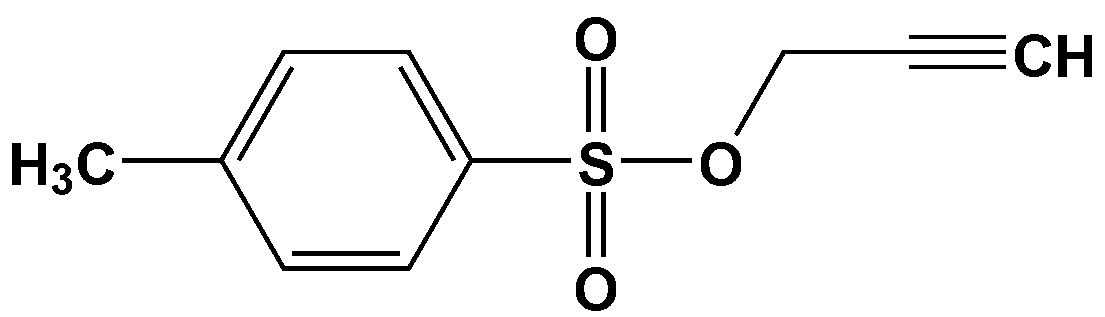
<화합물 3>

<화합물 4>

<화합물 5>
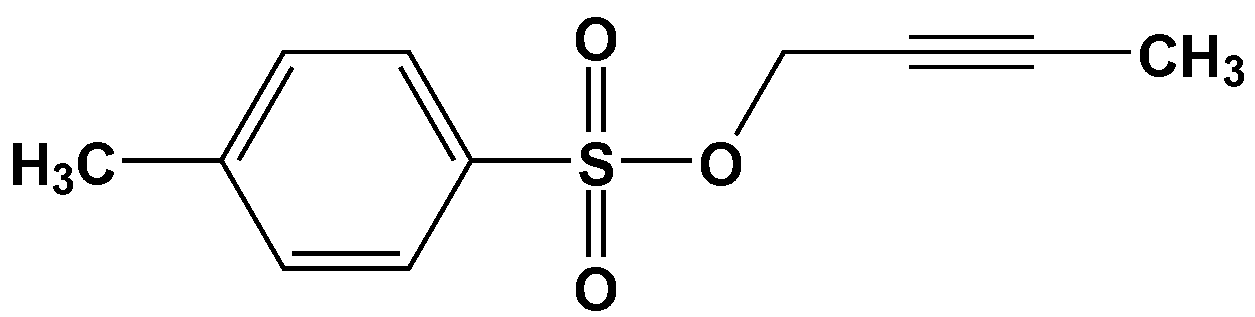
<화합물 7>
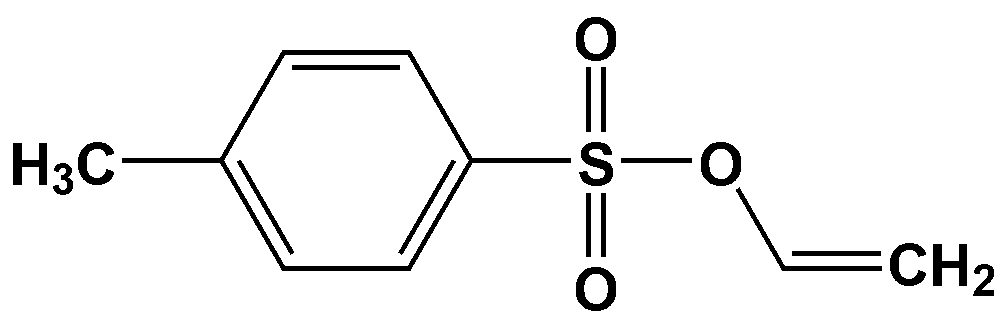
<화합물 8>

<화합물 9>

<화합물 10>

<화합물 11>

<화합물 12>

<화합물 13>

The above positive electrode contains a positive electrode active material represented by the following chemical formula 1,
The electrolyte comprises a lithium salt; a non-aqueous solvent; and an unsaturated compound, wherein the unsaturated compound is selected from the following compounds 1 to 5 and 7 to 13:
<Chemical Formula 1>
Li x Ni y M 1-y O 2-z A z
In the above chemical formula 1,
0.9≤x≤1.2, 0.8≤y≤0.98, 0≤z<0.2,
M is one or more elements selected from the group consisting of Al, Mg, Mn, Co, Fe, Cr, V, Ti, Cu, B, Ca, Zn, Zr, Nb, Mo, Sr, Sb, W, and Bi;
A is an element with oxidation number -1 or -2;
<Compound 1>
<Compound 2>
<Compound 3>
<Compound 4>
<Compound 5>
<Compound 7>
<Compound 8>
<Compound 9>
<Compound 10>
<Compound 11>
<Compound 12>
<Compound 13>
상기 리튬염이 LiPF6, LiBF4, LiCF3SO3, Li(CF3SO2)2N, LiC2F5SO3, Li(FSO2)2N, LiC4F9SO3, LiN(SO2CF2CF3)2, 및 화학식 22 내지 25로 표시되는 화합물 중에서 선택된 하나 이상을 포함하는 리튬전지:
<화학식 22> <화학식 23>


<화학식 24> <화학식 25>
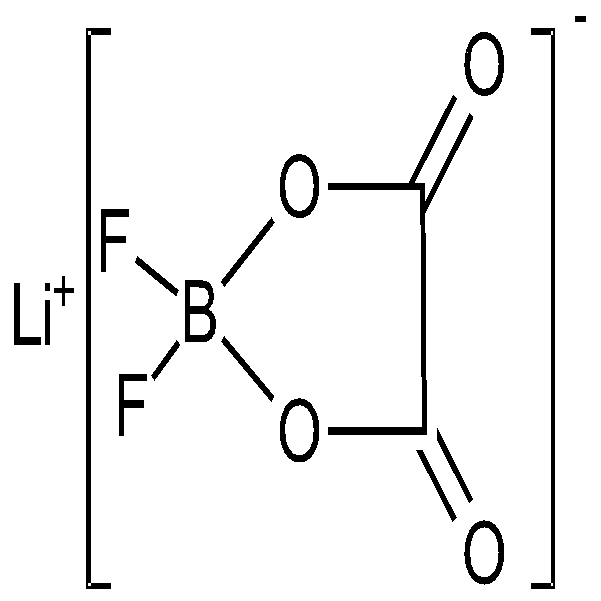

A lithium battery comprising at least one selected from the group consisting of LiPF 6 , LiBF 4 , LiCF 3 SO 3 , Li(CF 3 SO 2 ) 2 N, LiC 2 F 5 SO 3 , Li(FSO 2 ) 2 N, LiC 4 F 9 SO 3 , LiN(SO 2 CF 2 CF 3 ) 2 , and compounds represented by chemical formulae 22 to 25:
<Chemical Formula 22><Chemical Formula 23>
<Chemical Formula 24><Chemical Formula 25>
상기 전해질 중 상기 리튬염의 농도는 1.0 M 내지 1.5 M인, 리튬전지.In the first paragraph,
A lithium battery, wherein the concentration of the lithium salt in the electrolyte is 1.0 M to 1.5 M.
상기 비수계 용매는 디메틸 카보네이트(DMC), 디에틸 카보네이트(DEC), 에틸메틸 카보네이트(EMC), 디프로필 카보네이트(DPC), 메틸프로필 카보네이트(MPC), 에틸프로필 카보네이트(EPC), 메틸에틸 카보네이트(MEC), 에틸렌 카보네이트(EC), 프로필렌 카보네이트(PC), 부틸렌 카보네이트(BC), 메틸 프로피오네이트(Methyl Propionate: MP), 에틸 프로피오네이트(Ethyl Propionate), 프로필 프로피오네이트(Propyl Propionate: PP) 테트라에틸렌글리콜디메틸에테르(TEGDME) 및 이들의 혼합물로 이루어진 군에서 선택되는, 리튬전지.In the first paragraph,
A lithium battery, wherein the non-aqueous solvent is selected from the group consisting of dimethyl carbonate (DMC), diethyl carbonate (DEC), ethyl methyl carbonate (EMC), dipropyl carbonate (DPC), methyl propyl carbonate (MPC), ethyl propyl carbonate (EPC), methyl ethyl carbonate (MEC), ethylene carbonate (EC), propylene carbonate (PC), butylene carbonate (BC), methyl propionate (MP), ethyl propionate (Ethyl Propionate), propyl propionate (PP), tetraethylene glycol dimethyl ether (TEGDME), and mixtures thereof.
상기 전해질은 고리형 카보네이트(cyclic carbonate) 화합물, 고리형 산 무수물(cyclic acid anhydride) 화합물, 인(P) 함유 화합물, 황(S) 함유 화합물 또는 이들의 혼합물을 더 포함한, 리튬전지.In the first paragraph,
A lithium battery, wherein the electrolyte further comprises a cyclic carbonate compound, a cyclic acid anhydride compound, a phosphorus (P)-containing compound, a sulfur (S)-containing compound, or a mixture thereof.
상기 인 함유 화합물은 포스핀 화합물, 포스페이트 화합물 및 포스파이트 화합물 중에서 선택된 하나 이상이고,
상기 황 함유 화합물은 설폰 화합물, 설포네이트 화합물, 설톤(sultone) 화합물 및 디설포네이트 화합물 중에서 선택된 하나 이상인, 리튬전지.In Article 9,
The above-mentioned phosphorus-containing compound is at least one selected from a phosphine compound, a phosphate compound and a phosphite compound,
A lithium battery, wherein the sulfur-containing compound is at least one selected from a sulfone compound, a sulfonate compound, a sultone compound, and a disulfonate compound.
상기 전해질 100 중량부당, 상기 고리형 카보네이트(cyclic carbonate) 화합물, 고리형 산 무수물(cyclic acid anhydride) 화합물, 또는 이들의 혼합물의 함량은 0.1 중량부 내지 2 중량부인, 리튬전지.In Article 9,
A lithium battery, wherein the content of the cyclic carbonate compound, the cyclic acid anhydride compound, or a mixture thereof is 0.1 to 2 parts by weight per 100 parts by weight of the electrolyte.
상기 고리형 카보네이트 화합물은 불화에틸렌카보네이트(fluoro-ethylene carbonate: FEC), 비닐렌 카보네이트(vinylene carbonate: VC) 및 비닐 에틸렌 카보네이트(vinyl ethylene carbonate: VEC) 중에서 선택된 하나 이상이고,
상기 고리형 산 무수물 화합물은 말레산 무수물(maleic anhydride) 및 석신산 무수물(succinic anhydride) 중에서 선택된 하나 이상인, 리튬전지.In Article 9,
The above cyclic carbonate compound is at least one selected from fluoroethylene carbonate (FEC), vinylene carbonate (VC), and vinyl ethylene carbonate (VEC).
A lithium battery, wherein the above cyclic acid anhydride compound is at least one selected from maleic anhydride and succinic anhydride.
상기 화학식 1 중 M은 Co, Ni 및 Mn 중 하나 이상의 원소인, 리튬전지.In the first paragraph,
A lithium battery, wherein in the chemical formula 1 above, M is one or more elements of Co, Ni, and Mn.
상기 양극 활물질은 하기 화학식 30 또는 화학식 40으로 표시되는, 리튬전지:
<화학식 30>
Lix'Niy'Co1-y'-z'Alz'O2
<화학식 40>
Lix'Niy'Co1-y'-z'Mnz'O2
상기 화학식 30 및 화학식 40에서, 0.9≤x'≤1.2, 0.88≤y'≤0.98, 0<z'<0.1, 0<1-y'-z'<0.2이다.In the first paragraph,
The above positive electrode active material is a lithium battery represented by the following chemical formula 30 or chemical formula 40:
<Chemical Formula 30>
Li x' Ni y' Co 1-y'-z' Al z' O 2
<Chemical Formula 40>
Li x' Ni y' Co 1-y'-z' Mn z' O 2
In the above chemical formulas 30 and 40, 0.9≤x'≤1.2, 0.88≤y'≤0.98, 0<z'<0.1, 0<1-y'-z'<0.2.
상기 양극은 Li1.02Ni0.80Co0.15Mn0.05O2, Li1.02Ni0.85Co0.1Mn0.05O2, Li1.02Ni0.88Co0.08Mn0.04O2, Li1.02Ni0.88Co0.10Mn0.02O2, Li1.02Ni0.91Co0.06Mn0.03O2, LiNi0.94Co0.04Mn0.02O2, Li1.02Ni0.80Co0.15Al0.05O2, Li1.02Ni0.85Co0.1Al0.05O2, Li1.02Ni0.88Co0.08Al0.04O2, Li1.02Ni0.88Co0.10Al0.02O2, Li1.02Ni0.91Co0.06Al0.03O2 및 LiNi0.94Co0.04Al0.02O2 중에서 선택된 하나 이상을 포함하는, 리튬전지.In the first paragraph,
The anode is Li 1.02 Ni 0.80 Co 0.15 Mn 0.05 O 2 , Li 1.02 Ni 0.85 Co 0.1 Mn 0.05 O 2 , Li 1.02 Ni 0.88 Co 0.08 Mn 0.04 O 2 , Li 1.02 Ni 0.88 Co 0.10 Mn 0.02 O 2 , Li 1.02 Ni 0.91 Co 0.06 Mn 0.03 O 2 , LiNi 0.94 Co 0.04 Mn 0.02 O 2 , Li 1.02 Ni 0.80 Co 0.15 Al 0.05 O 2 , Li 1.02 Ni 0.85 Co 0.1 Al 0.05 O 2 , Li 1.02 Ni A lithium battery comprising at least one selected from 0.88 Co 0.08 Al 0.04 O 2 , Li 1.02 Ni 0.88 Co 0.10 Al 0.02 O 2 , Li 1.02 Ni 0.91 Co 0.06 Al 0.03 O 2 , and LiNi 0.94 Co 0.04 Al 0.02 O 2 .
상기 음극은 음극활물질을 포함하고,
상기 음극활물질이 실리콘계 화합물, 탄소계 화합물, 실리콘계 화합물과 탄소계 화합물의 복합체, 및 실리콘 산화물(SiOx1, 0<x1<2) 중에서 선택된 하나 이상을 포함하는, 리튬전지.In the first paragraph,
The above cathode contains a cathode active material,
A lithium battery, wherein the negative electrode active material comprises at least one selected from a silicon-based compound, a carbon-based compound, a composite of a silicon-based compound and a carbon-based compound, and silicon oxide (SiO x1 , 0<x1<2).
상기 음극활물질이 실리콘계 화합물 또는 실리콘 산화물을 포함하고,
상기 실리콘계 화합물은 실리콘 입자를 포함하고, 상기 실리콘 입자의 평균 직경은 200 nm 이하인, 리튬전지.In Article 16,
The above negative electrode active material comprises a silicon compound or silicon oxide,
A lithium battery, wherein the silicon compound comprises silicon particles, and the average diameter of the silicon particles is 200 nm or less.
상기 리튬전지의 25℃에서 200 사이클 충방전 후 용량 유지율은 75% 이상인, 리튬전지.In the first paragraph,
A lithium battery having a capacity retention rate of 75% or more after 200 charge/discharge cycles at 25°C.
상기 리튬전지의 25℃에서 200 사이클 충방전 후 직류 내부저항(Direct current internal resistance: DCIR) 상승율이 180% 이하인 리튬전지.In the first paragraph,
A lithium battery having a direct current internal resistance (DCIR) increase rate of 180% or less after 200 charge/discharge cycles at 25°C.
셀 에너지 밀도는 500 Wh/L 이상인, 리튬전지.In the first paragraph,
Lithium battery with cell energy density of 500 Wh/L or more.
Priority Applications (6)
| Application Number | Priority Date | Filing Date | Title |
|---|---|---|---|
| KR1020190016355A KR102793641B1 (en) | 2019-02-12 | 2019-02-12 | Lithium battery |
| US16/787,126 US20200259209A1 (en) | 2019-02-12 | 2020-02-11 | Electroltye and lithium battery including the electrolyte |
| EP20156563.7A EP3696901B1 (en) | 2019-02-12 | 2020-02-11 | Lithium secondary battery |
| HUE20156563A HUE071633T2 (en) | 2019-02-12 | 2020-02-11 | Lithium secondary battery |
| JP2020021609A JP6966586B2 (en) | 2019-02-12 | 2020-02-12 | Lithium battery |
| CN202010088094.8A CN111554976A (en) | 2019-02-12 | 2020-02-12 | lithium battery |
Applications Claiming Priority (1)
| Application Number | Priority Date | Filing Date | Title |
|---|---|---|---|
| KR1020190016355A KR102793641B1 (en) | 2019-02-12 | 2019-02-12 | Lithium battery |
Publications (2)
| Publication Number | Publication Date |
|---|---|
| KR20200098335A KR20200098335A (en) | 2020-08-20 |
| KR102793641B1 true KR102793641B1 (en) | 2025-04-11 |
Family
ID=69571795
Family Applications (1)
| Application Number | Title | Priority Date | Filing Date |
|---|---|---|---|
| KR1020190016355A Active KR102793641B1 (en) | 2019-02-12 | 2019-02-12 | Lithium battery |
Country Status (6)
| Country | Link |
|---|---|
| US (1) | US20200259209A1 (en) |
| EP (1) | EP3696901B1 (en) |
| JP (1) | JP6966586B2 (en) |
| KR (1) | KR102793641B1 (en) |
| CN (1) | CN111554976A (en) |
| HU (1) | HUE071633T2 (en) |
Families Citing this family (4)
| Publication number | Priority date | Publication date | Assignee | Title |
|---|---|---|---|---|
| CN113437365A (en) * | 2021-06-23 | 2021-09-24 | 惠州亿纬锂能股份有限公司 | Electrolyte and preparation method and application thereof |
| KR20230001819A (en) | 2021-06-29 | 2023-01-05 | 에스케이온 주식회사 | secondary battery electrolyte and lithium secondary battery containing the same |
| CN115020810B (en) * | 2022-07-01 | 2025-07-01 | 湖北亿纬动力有限公司 | An electrolyte and its application |
| KR20240051712A (en) * | 2022-10-13 | 2024-04-22 | 주식회사 엘지에너지솔루션 | Lithium secondary battary |
Citations (1)
| Publication number | Priority date | Publication date | Assignee | Title |
|---|---|---|---|---|
| KR100994035B1 (en) * | 2007-06-11 | 2010-11-11 | 주식회사 엘지화학 | Non-aqueous electrolyte and secondary battery comprising same |
Family Cites Families (15)
| Publication number | Priority date | Publication date | Assignee | Title |
|---|---|---|---|---|
| KR100412522B1 (en) * | 2001-05-11 | 2003-12-31 | 삼성에스디아이 주식회사 | A non-aqueous electrolyte and a lithium secondary battery comprising the same |
| CN101779325B (en) * | 2007-08-16 | 2013-11-13 | 株式会社Lg化学 | Non-aqueous electrolyte lithium secondary battery |
| JP5125379B2 (en) * | 2007-10-04 | 2013-01-23 | 宇部興産株式会社 | Electrolytic solution for lithium secondary battery containing benzenesulfonic acid ester, and lithium secondary battery using the same |
| JP5471617B2 (en) * | 2010-03-05 | 2014-04-16 | 三菱化学株式会社 | Non-aqueous electrolyte and non-aqueous electrolyte secondary battery using the same |
| JP2011238373A (en) * | 2010-05-06 | 2011-11-24 | Sony Corp | Secondary battery, electrolytic solution for secondary battery, electric tool, electric vehicle, and power storage system |
| CN105576282B (en) * | 2011-02-10 | 2018-11-06 | 三菱化学株式会社 | Nonaqueous electrolytic solution and nonaqueous electrolyte secondary battery using the nonaqueous electrolytic solution |
| WO2013187276A1 (en) * | 2012-06-11 | 2013-12-19 | 日本電気株式会社 | Secondary battery |
| US9318776B2 (en) * | 2012-08-24 | 2016-04-19 | Ube Industries, Ltd. | Nonaqueous electrolyte solution and electricity storage device using same |
| CN106030850B (en) * | 2014-03-28 | 2019-11-12 | 三洋电机株式会社 | Cylindrical sealed battery |
| KR101997812B1 (en) * | 2015-08-19 | 2019-07-08 | 주식회사 엘지화학 | Electrolyte for lithium secondary battery and lithium secondary battery comprising the same |
| CN105609877A (en) * | 2016-02-03 | 2016-05-25 | 东莞市凯欣电池材料有限公司 | A high-voltage lithium-ion battery electrolyte and a high-voltage lithium-ion battery |
| US10615450B2 (en) * | 2016-10-14 | 2020-04-07 | Lg Chem, Ltd. | Electrolyte solution for lithium secondary battery and lithium secondary battery including the same |
| KR102553591B1 (en) * | 2017-06-12 | 2023-07-11 | 삼성전자주식회사 | Lithium secondary battery comprising phosphate-based additive |
| CN110582883B (en) * | 2017-08-24 | 2022-05-03 | 株式会社Lg化学 | Non-aqueous electrolyte solution for lithium secondary battery and lithium secondary battery comprising same |
| CN107946643B (en) * | 2017-11-14 | 2019-12-10 | 石家庄圣泰化工有限公司 | High-performance lithium battery electrolyte |
-
2019
- 2019-02-12 KR KR1020190016355A patent/KR102793641B1/en active Active
-
2020
- 2020-02-11 HU HUE20156563A patent/HUE071633T2/en unknown
- 2020-02-11 US US16/787,126 patent/US20200259209A1/en not_active Abandoned
- 2020-02-11 EP EP20156563.7A patent/EP3696901B1/en active Active
- 2020-02-12 JP JP2020021609A patent/JP6966586B2/en active Active
- 2020-02-12 CN CN202010088094.8A patent/CN111554976A/en active Pending
Patent Citations (1)
| Publication number | Priority date | Publication date | Assignee | Title |
|---|---|---|---|---|
| KR100994035B1 (en) * | 2007-06-11 | 2010-11-11 | 주식회사 엘지화학 | Non-aqueous electrolyte and secondary battery comprising same |
Also Published As
| Publication number | Publication date |
|---|---|
| HUE071633T2 (en) | 2025-09-28 |
| US20200259209A1 (en) | 2020-08-13 |
| CN111554976A (en) | 2020-08-18 |
| EP3696901A1 (en) | 2020-08-19 |
| JP2020136271A (en) | 2020-08-31 |
| JP6966586B2 (en) | 2021-11-17 |
| EP3696901B1 (en) | 2025-03-26 |
| KR20200098335A (en) | 2020-08-20 |
Similar Documents
| Publication | Publication Date | Title |
|---|---|---|
| US11367902B2 (en) | Lithium secondary battery including electrolyte containing monofluorosilane compound | |
| JP7436102B2 (en) | Lithium secondary batteries containing phosphate additives | |
| KR102690813B1 (en) | Lithium battery | |
| CN111525189B (en) | Electrolyte and lithium battery including the same | |
| KR102793639B1 (en) | Electroylte comprising phosphite-based additive and sulfonate-based additive and Lithium secondary battery comprising the electrolyte | |
| KR102702589B1 (en) | Lithium battery | |
| US10665897B2 (en) | Lithium secondary battery including phosphite additive | |
| KR102793638B1 (en) | Lithium secondary battery comprising disulfonate additive | |
| KR102595175B1 (en) | Lithium secondary battery comprising the electrolyte containing trialkoxyalkylsilane compound | |
| KR102793641B1 (en) | Lithium battery | |
| KR20190113391A (en) | Lithium secondary battery comprising difluorosilane-based additive | |
| KR102459627B1 (en) | Disulfonate-based additive and Lithium secondary battery comprising the same | |
| US20180212281A1 (en) | Lithium secondary battery including an additive | |
| EP3444879B1 (en) | Lithium secondary battery including an electrolyte additive and method of preparing the lithium secondary battery | |
| KR102903849B1 (en) | Electrolyte composition for lithium secondary battery and lithium secondary battery including the same | |
| KR20220136119A (en) | Electrolyte additives for secondary battery, non-aqueous electrolyte for secondary battery comprising same and secondary battery | |
| KR102460956B1 (en) | Electrolyte for lithium secondary battery and lithium secondary battery including the electrolyte | |
| KR20230067538A (en) | Lithium secondary battery |
Legal Events
| Date | Code | Title | Description |
|---|---|---|---|
| PA0109 | Patent application |
St.27 status event code: A-0-1-A10-A12-nap-PA0109 |
|
| PN2301 | Change of applicant |
St.27 status event code: A-3-3-R10-R13-asn-PN2301 St.27 status event code: A-3-3-R10-R11-asn-PN2301 |
|
| PG1501 | Laying open of application |
St.27 status event code: A-1-1-Q10-Q12-nap-PG1501 |
|
| R18-X000 | Changes to party contact information recorded |
St.27 status event code: A-3-3-R10-R18-oth-X000 |
|
| A201 | Request for examination | ||
| PA0201 | Request for examination |
St.27 status event code: A-1-2-D10-D11-exm-PA0201 |
|
| E902 | Notification of reason for refusal | ||
| PE0902 | Notice of grounds for rejection |
St.27 status event code: A-1-2-D10-D21-exm-PE0902 |
|
| E13-X000 | Pre-grant limitation requested |
St.27 status event code: A-2-3-E10-E13-lim-X000 |
|
| P11-X000 | Amendment of application requested |
St.27 status event code: A-2-2-P10-P11-nap-X000 |
|
| P13-X000 | Application amended |
St.27 status event code: A-2-2-P10-P13-nap-X000 |
|
| E701 | Decision to grant or registration of patent right | ||
| PE0701 | Decision of registration |
St.27 status event code: A-1-2-D10-D22-exm-PE0701 |
|
| PR1002 | Payment of registration fee |
St.27 status event code: A-2-2-U10-U11-oth-PR1002 Fee payment year number: 1 |
|
| PG1601 | Publication of registration |
St.27 status event code: A-4-4-Q10-Q13-nap-PG1601 |
|
| P22-X000 | Classification modified |
St.27 status event code: A-4-4-P10-P22-nap-X000 |