KR102750895B1 - Information protection method and apparatus based on software defined perimeter for iot cloud security - Google Patents
Information protection method and apparatus based on software defined perimeter for iot cloud security Download PDFInfo
- Publication number
- KR102750895B1 KR102750895B1 KR1020230154859A KR20230154859A KR102750895B1 KR 102750895 B1 KR102750895 B1 KR 102750895B1 KR 1020230154859 A KR1020230154859 A KR 1020230154859A KR 20230154859 A KR20230154859 A KR 20230154859A KR 102750895 B1 KR102750895 B1 KR 102750895B1
- Authority
- KR
- South Korea
- Prior art keywords
- sdp
- message
- edhoc
- spa
- handshake
- Prior art date
- Legal status (The legal status is an assumption and is not a legal conclusion. Google has not performed a legal analysis and makes no representation as to the accuracy of the status listed.)
- Active
Links
Images




Classifications
-
- H—ELECTRICITY
- H04—ELECTRIC COMMUNICATION TECHNIQUE
- H04L—TRANSMISSION OF DIGITAL INFORMATION, e.g. TELEGRAPHIC COMMUNICATION
- H04L63/00—Network architectures or network communication protocols for network security
- H04L63/08—Network architectures or network communication protocols for network security for authentication of entities
- H04L63/083—Network architectures or network communication protocols for network security for authentication of entities using passwords
-
- H—ELECTRICITY
- H04—ELECTRIC COMMUNICATION TECHNIQUE
- H04L—TRANSMISSION OF DIGITAL INFORMATION, e.g. TELEGRAPHIC COMMUNICATION
- H04L63/00—Network architectures or network communication protocols for network security
- H04L63/04—Network architectures or network communication protocols for network security for providing a confidential data exchange among entities communicating through data packet networks
- H04L63/0428—Network architectures or network communication protocols for network security for providing a confidential data exchange among entities communicating through data packet networks wherein the data content is protected, e.g. by encrypting or encapsulating the payload
-
- H—ELECTRICITY
- H04—ELECTRIC COMMUNICATION TECHNIQUE
- H04L—TRANSMISSION OF DIGITAL INFORMATION, e.g. TELEGRAPHIC COMMUNICATION
- H04L63/00—Network architectures or network communication protocols for network security
- H04L63/08—Network architectures or network communication protocols for network security for authentication of entities
-
- H—ELECTRICITY
- H04—ELECTRIC COMMUNICATION TECHNIQUE
- H04L—TRANSMISSION OF DIGITAL INFORMATION, e.g. TELEGRAPHIC COMMUNICATION
- H04L63/00—Network architectures or network communication protocols for network security
- H04L63/20—Network architectures or network communication protocols for network security for managing network security; network security policies in general
-
- H—ELECTRICITY
- H04—ELECTRIC COMMUNICATION TECHNIQUE
- H04L—TRANSMISSION OF DIGITAL INFORMATION, e.g. TELEGRAPHIC COMMUNICATION
- H04L9/00—Cryptographic mechanisms or cryptographic arrangements for secret or secure communications; Network security protocols
- H04L9/08—Key distribution or management, e.g. generation, sharing or updating, of cryptographic keys or passwords
- H04L9/0816—Key establishment, i.e. cryptographic processes or cryptographic protocols whereby a shared secret becomes available to two or more parties, for subsequent use
- H04L9/0838—Key agreement, i.e. key establishment technique in which a shared key is derived by parties as a function of information contributed by, or associated with, each of these
- H04L9/0841—Key agreement, i.e. key establishment technique in which a shared key is derived by parties as a function of information contributed by, or associated with, each of these involving Diffie-Hellman or related key agreement protocols
-
- H—ELECTRICITY
- H04—ELECTRIC COMMUNICATION TECHNIQUE
- H04L—TRANSMISSION OF DIGITAL INFORMATION, e.g. TELEGRAPHIC COMMUNICATION
- H04L9/00—Cryptographic mechanisms or cryptographic arrangements for secret or secure communications; Network security protocols
- H04L9/32—Cryptographic mechanisms or cryptographic arrangements for secret or secure communications; Network security protocols including means for verifying the identity or authority of a user of the system or for message authentication, e.g. authorization, entity authentication, data integrity or data verification, non-repudiation, key authentication or verification of credentials
- H04L9/3236—Cryptographic mechanisms or cryptographic arrangements for secret or secure communications; Network security protocols including means for verifying the identity or authority of a user of the system or for message authentication, e.g. authorization, entity authentication, data integrity or data verification, non-repudiation, key authentication or verification of credentials using cryptographic hash functions
-
- H—ELECTRICITY
- H04—ELECTRIC COMMUNICATION TECHNIQUE
- H04L—TRANSMISSION OF DIGITAL INFORMATION, e.g. TELEGRAPHIC COMMUNICATION
- H04L9/00—Cryptographic mechanisms or cryptographic arrangements for secret or secure communications; Network security protocols
- H04L9/32—Cryptographic mechanisms or cryptographic arrangements for secret or secure communications; Network security protocols including means for verifying the identity or authority of a user of the system or for message authentication, e.g. authorization, entity authentication, data integrity or data verification, non-repudiation, key authentication or verification of credentials
- H04L9/3263—Cryptographic mechanisms or cryptographic arrangements for secret or secure communications; Network security protocols including means for verifying the identity or authority of a user of the system or for message authentication, e.g. authorization, entity authentication, data integrity or data verification, non-repudiation, key authentication or verification of credentials involving certificates, e.g. public key certificate [PKC] or attribute certificate [AC]; Public key infrastructure [PKI] arrangements
Landscapes
- Engineering & Computer Science (AREA)
- Computer Security & Cryptography (AREA)
- Computer Networks & Wireless Communication (AREA)
- Signal Processing (AREA)
- Computer Hardware Design (AREA)
- Computing Systems (AREA)
- General Engineering & Computer Science (AREA)
- Data Exchanges In Wide-Area Networks (AREA)
Abstract
소프트웨어 정의 경계(SDP)를 확장하여 보호 대상을 외부에 공개하지 않고 인증과 암호화를 통해 접근 제어와 데이터 통신을 분리하여 잠재적인 공격을 효과적으로 차단하는 정보 보호 방법 및 장치가 개시된다. 이 방법은 개시 호스트인 SDP 클라이언트로부터 ID 토큰을 통한 온보드 요청 메시지를 받는 단계 및 핸드쉐이크 파라미터에 맞는 SDP 클라이언트 자격증명을 발급하는 단계를 포함하며, 여기서 온보드 요청 메시지는 SDP 클라이언트의 인증을 요청하는 정보와 SDP의 접근 과정에서의 핸드쉐이크 프로토콜을 지정하기 위한 핸드쉐이크 파라미터를 포함한다.An information protection method and device are disclosed for effectively blocking potential attacks by extending a software-defined perimeter (SDP) and separating access control and data communication through authentication and encryption without externally exposing the protected object. The method includes a step of receiving an onboard request message through an ID token from an SDP client, which is an initiating host, and a step of issuing SDP client credentials that meet handshake parameters, wherein the onboard request message includes information requesting authentication of the SDP client and handshake parameters for specifying a handshake protocol in an access process of the SDP.
Description
본 개시는 사물인터넷(internet of thing, IoT) 클라우드 보안을 위한 소프트웨어 정의 경계(software-defined perimeter, SDP) 기반 정보 보호 기술에 관한 것으로, 보다 상세하게는, SDP를 확장하여 보호 대상을 외부에 공개하지 않고 인증과 암호화를 통해 접근 제어와 데이터 통신을 분리하여 잠재적인 공격을 효과적으로 차단하는 정보 보호 방법 및 장치에 관한 것이다.The present disclosure relates to a software-defined perimeter (SDP)-based information protection technology for Internet of Things (IoT) cloud security, and more specifically, to an information protection method and device that effectively blocks potential attacks by extending SDP to separate access control and data communication through authentication and encryption without disclosing the protected object to the outside.
종래의 소프트웨어 정의 경계(software-defined perimeter, SDP)는 신규 단일 패킷 인증(single packet authorization, SPA) 클라이언트를 SDP 환경에 추가하기 위한 온보딩(onboarding) 과정과 객체들 간에 메시지를 전송하는 액세스(access) 과정을 포함하며, 액세스 과정에서 전송 계층 보안(transport layer security, TLS) 핸드쉐이크를 활용하고 객체들 간에 전송되는 메시지를 비대칭키 암호화를 통해 보호하고 있다.A traditional software-defined perimeter (SDP) involves an onboarding process for adding a new single packet authorization (SPA) client to the SDP environment, and an access process for transmitting messages between objects, utilizing a transport layer security (TLS) handshake during the access process and protecting messages transmitted between objects with asymmetric key encryption.
한편, SPA 클라이언트의 경우, 상호 신뢰 세션이 성립되기 전에 닫힌 포트에 미리 설정된 단일 패킷을 전송하여 방화벽 외부에서 포트를 오픈하게 되므로, 무차별 대입 공격 및 재전송 공격을 방지할 수 있다. 이때, SPA 메시지 형식은 SDP 구변 방법마다 다를 수 있지만, 패킷 작성자와 수신자가 공유 비밀 및 신뢰할 수 있는 보안 채널을 공유해야만 한다.Meanwhile, in the case of SPA clients, a single packet preset to a closed port is sent before a mutual trust session is established, thereby opening the port outside the firewall, thereby preventing brute force attacks and replay attacks. At this time, the SPA message format may vary depending on the SDP method, but the packet creator and receiver must share a shared secret and a reliable secure channel.
또한, 자원 제약적인 환경에서 장치들 간 보안 세션을 설정하기 위해 설계된 경량의 핸드쉐이크 프로토콜의 경우, TLS 핸드쉐이크보다 작은 메시지 크기를 보장한다. 하지만, SDP에서 TLS 핸드쉐이크는 여전히 저성능 기기 또는 저사양 기기에 적용하는데 어려움이 있다.Also, for a lightweight handshake protocol designed to establish secure sessions between devices in resource-constrained environments, it guarantees a smaller message size than the TLS handshake. However, the TLS handshake in SDP still has difficulties in applying to low-performance or low-spec devices.
이와 같이, 작은 사물 간의 인터넷(internet of small things)을 나타내는 소물인터넷의 기기나 사물인터넷 등에 사용되는 저성능 컴퓨팅 파워 기반의 기기에서 보안을 효과적으로 적용하는 방안이 요구되고 있다.In this way, there is a need for a method to effectively apply security to devices in the Internet of Small Things (IoT), which represents the Internet of Small Things, and devices based on low-performance computing power used in the Internet of Things.
특히, 사물인터넷 클라우드 시장이 확대됨에 따라 보호 대상 자원의 위치와 상관없이 보안 경계를 유연하게 설정할 수 있고 네트워크 기반 공격을 방지할 수 있는 경량의 SDP 솔루션에 대한 요구가 증가하고 있다.In particular, as the IoT cloud market expands, the demand for a lightweight SDP solution that can flexibly set a security perimeter regardless of the location of the protected resource and prevent network-based attacks is increasing.
본 개시는 전술한 종래 기술의 문제를 극복하기 위해 도출된 것으로, 본 개시의 목적은 TLS(transport layer security) 핸드쉐이크보다 경량인 EDHOC(Ephemeral Diffie-Hellman Over COSE) 프로토콜 사용함으로써 SDP(software-defined perimeter) 솔루션의 효율적인 리소스 사용을 지원할 수 있는 사물인터넷(internet of thing, IoT) 클라우드 보안을 위한 SDP 기반 정보 보호 방법 및 장치를 제공하는데 있다.The present disclosure has been made to overcome the problems of the above-mentioned prior art, and the purpose of the present disclosure is to provide an SDP-based information protection method and device for Internet of Things (IoT) cloud security that can support efficient resource usage of a software-defined perimeter (SDP) solution by using the Ephemeral Diffie-Hellman Over COSE (EDHOC) protocol, which is lighter than the TLS (transport layer security) handshake.
본 개시의 다른 목적은 기존 기술과의 호환성을 유지하도록 TLS 방식의 SDP와 EDHOC 방식의 SDP를 함께 사용함으로써 SDP 환경 구성의 확장성을 통해 다양한 환경에서 유연한 인증 보안을 제공할 수 있는 SDP 기반 정보 보호 방법 및 장치를 제공하는데 있다.Another purpose of the present disclosure is to provide an SDP-based information protection method and device capable of providing flexible authentication security in various environments through the extensibility of SDP environment configuration by using both TLS-based SDP and EDHOC-based SDP to maintain compatibility with existing technologies.
상기 기술적 과제를 해결하기 위한 본 개시의 일 측면에 따른 SDP 기반 정보 보호 방법은, 사물인터넷 클라우드 보안을 위한 소프트웨어 정의 경계(software-defined perimeter, SDP) 기반 정보 보호 방법으로서, SDP 컨트롤러에 의해, 개시 호스트(initiating host)인 SDP 클라이언트로부터 ID(identity) 토큰을 통한 온보드 요청 메시지를 받는 단계-상기 온보드 요청 메시지는 상기 SDP 클라이언트의 인증을 요청하는 정보와 SDP의 접근 과정에서의 핸드쉐이크 프로토콜을 지정하기 위한 핸드쉐이크 파라미터를 포함함-; 및 상기 SDP 컨트롤러에 의해, 상기 핸드쉐이크 파라미터에 맞는 SDP 클라이언트 자격증명을 발급하는 단계;를 포함한다.According to one aspect of the present disclosure for solving the above technical problem, an SDP-based information protection method for Internet of Things cloud security is provided, which comprises the steps of: receiving, by an SDP controller, an onboard request message through an ID token from an SDP client, which is an initiating host, the onboard request message including information requesting authentication of the SDP client and handshake parameters for specifying a handshake protocol in an access process of the SDP; and issuing, by the SDP controller, an SDP client credential matching the handshake parameters.
상기 SDP 기반 정보 보안 방법은, 상기 SDP 컨트롤러에 의해, 상기 SDP 클라이언트 자격증명을 상기 SDP 클라이언드로 전달하는 단계; 및 상기 SDP 컨트롤러에 의해, 상기 SDP 클라이언트로부터 상기 SDP 클라이언트 자격증명의 수신 응답을 받는 단계;를 더 포함할 수 있다.The above SDP-based information security method may further include a step of transmitting, by the SDP controller, the SDP client credentials to the SDP client; and a step of receiving, by the SDP controller, a reception response of the SDP client credentials from the SDP client.
상기 핸드쉐이크 파라미터는 TLS 핸드쉐이크 프로토콜, EDHOC 핸드쉐이크 프로토콜 및 확장 EDHOC 핸드쉐이크 프로토콜을 지정하는 핸드쉐이크 파라미터 값들을 포함한다.The above handshake parameters include handshake parameter values specifying the TLS handshake protocol, the EDHOC handshake protocol, and the extended EDHOC handshake protocol.
상기 SDP 기반 정보 보호 방법은, 상기 핸드쉐이크 파라미터가 지정되어 있지 않은 경우, 디폴트로 TLS 핸드쉐이크를 사용하는 단계를 더 포함할 수 있다.The above SDP-based information protection method may further include a step of using a TLS handshake by default if the handshake parameter is not specified.
상기 SDP 클라이언트 자격증명은 핸드쉐이크 암호키(handshake encryption key), 핸드쉐이크 인증서(handshake certificate), SPA 암호키(SPA encryption key) 및 SPA 해시 기반 메시지 인증 코드(hash-based message authentication code, HMAC) 키를 포함할 수 있다.The above SDP client credentials may include a handshake encryption key, a handshake certificate, a SPA encryption key, and a SPA hash-based message authentication code (HMAC) key.
상기 SDP 기반 정보 보호 방법은, 상기 SDP 클라이언트 자격증명에 디피헬만(Diffie-Hellman, DH) 개인키 생성을 위한 DH 공유 비밀을 포함시키는 단계를 더 포함할 수 있다.The above SDP-based information protection method may further include a step of including a DH shared secret for generating a Diffie-Hellman (DH) private key in the SDP client credentials.
상기 SDP 기반 정보 보호 방법은, 상기 SDP 클라이언트로부터 SPA 패킷을 받는 단계; 상기 SPA 패킷을 통해 상기 SDP 컨트롤러와 상기 SDP 클라이언트와의 사이에 열린 TCP 연결을 설정하는 단계; 및 상기 SDP 클라이언트로부터 제1 EDHOC 메시지를 받는 단계;를 더 포함할 수 있다.The above SDP-based information protection method may further include: a step of receiving an SPA packet from the SDP client; a step of establishing an open TCP connection between the SDP controller and the SDP client through the SPA packet; and a step of receiving a first EDHOC message from the SDP client.
상기 SPA 패킷을 받는 단계와 상기 제1 EDHOC 메시지를 받는 단계는, 상기 제1 EDHOC 메시지가 결합된 SPA 패킷을 받은 단계를 포함할 수 있다.The step of receiving the above SPA packet and the step of receiving the first EDHOC message may include a step of receiving an SPA packet combined with the first EDHOC message.
상기 제1 EDHOC 메시지가 결합된 SPA 패킷은 IP 헤더(IP header), TCP 헤더 및 TCP 페이로드(TCP payload)를 포함할 수 있다. 여기서 상기 TCP 페이로드는 SPA 메시지와 EDHOC 메시지를 포함할 수 있다.The SPA packet combined with the above first EDHOC message may include an IP header, a TCP header, and a TCP payload. Here, the TCP payload may include an SPA message and an EDHOC message.
상기 SDP 기반 정보 보호 방법은, 상기 제1 EDHOC 메시지의 데이터 요소 중 보안이 필요한 요소를 암호화하는 단계를 더 포함할 수 있다.The above SDP-based information protection method may further include a step of encrypting elements requiring security among the data elements of the first EDHOC message.
상기 SDP 기반 정보 보호 방법은, 상기 SPA 패킷의 SPA 메시지와 상기 제1 EDHOC 메시지를 결합하는 단계; 및 상기 결합하는 단계를 통해 상기 SPA 패킷을 생성할 때, 상기 제1 EDHOC 메시지의 데이터 요소 중 상기 SPA 메시지의 데이터 요소와 중복 가능한 데이터 요소를 생략하는 단계를 더 포함할 수 있다.The above SDP-based information protection method may further include a step of combining the SPA message of the SPA packet and the first EDHOC message; and a step of omitting data elements that may overlap with data elements of the SPA message among data elements of the first EDHOC message when generating the SPA packet through the combining step.
상기 SDP 기반 정보 보호 방법은, 상기 SPA 패킷을 검증하는 단계; 상기 SPA 패킷이 검증된 경우, TCP 연결을 설정하는 단계; 상기 TCP 연결이 설정된 경우, 상기 제1 EDHOC 메시지에 따라 EDHOC 핸드쉐이크를 처리하는 단계; 및 상기 EDHOC 핸드쉐이크가 처리된 경우, 상기 SDP 클라이언트 및 상기 SDP 컨트롤러 간 보안 세션을 설정하는 단계;를 더 포함할 수 있다.The above SDP-based information protection method may further include: a step of verifying the SPA packet; a step of establishing a TCP connection if the SPA packet is verified; a step of processing an EDHOC handshake according to the first EDHOC message if the TCP connection is established; and a step of establishing a security session between the SDP client and the SDP controller if the EDHOC handshake is processed.
상기 SDP 기반 정보 보호 방법은, 상기 보안 세션의 설정이 완료된 후, 상기 SDP 클라이언트 자격증명을 포함한 로그인 요청 메시지를 상기 SDP 클라이언트로부터 받는 단계; 및 상기 로그인 요청 메시지를 통해 상기 SDP 클라이언트가 활성 상태임을 확인하는 단계;를 더 포함할 수 있다.The above SDP-based information protection method may further include, after the establishment of the security session is completed, a step of receiving a login request message including the SDP client credentials from the SDP client; and a step of confirming that the SDP client is active through the login request message.
상기 SDP 기반 정보 보호 방법은, 상기 SDP 클라이언트로 개시 호스트 서비스 메시지를 전달하는 단계; 및 접근 호스트인 다른 SDP 클라이언트로 개시 호스트 인증 메시지를 전달하는 단계;를 더 포함할 수 있다.The above SDP-based information protection method may further include a step of transmitting an initiation host service message to the SDP client; and a step of transmitting an initiation host authentication message to another SDP client which is an access host.
상기 기술적 과제를 해결하기 위한 본 개시의 다른 측면에 따른 SDP 기반 정보 보호 장치는, 사물인터넷 클라우드 보안을 위한 소프트웨어 정의 경계(software-defined perimeter, SDP) 기반 정보 보호 장치로서, 메모리 또는 저장장치에 저장되는 명령; 및 SDP 컨트롤러에 탑재되고 상기 명령을 수행하는 프로세서;를 포함한다. 상기 프로세서에 의해, 개시 호스트(initiating host)인 SDP 클라이언트로부터 ID(identity) 토큰을 통한 온보드 요청 메시지를 받는 단계-상기 온보드 요청 메시지는 상기 SDP 클라이언트의 인증을 요청하는 정보와 SDP의 접근 과정에서의 핸드쉐이크 프로토콜을 지정하기 위한 핸드쉐이크 파라미터를 포함함-; 및 상기 SDP 컨트롤러에 의해, 상기 핸드쉐이크 파라미터에 맞는 SDP 클라이언트 자격증명을 발급하는 단계;를 수행할 수 있다.According to another aspect of the present disclosure for solving the above technical problem, an SDP-based information protection device for Internet of Things cloud security is provided, which includes: a command stored in a memory or a storage device; and a processor mounted on an SDP controller and executing the command. The processor may perform a step of receiving an onboard request message through an ID (identity) token from an SDP client, which is an initiating host, wherein the onboard request message includes information requesting authentication of the SDP client and handshake parameters for specifying a handshake protocol in an access process of the SDP; and a step of issuing, by the SDP controller, an SDP client credential matching the handshake parameters.
상기 핸드쉐이크 파라미터는 TLS 핸드쉐이크 프로토콜, EDHOC 핸드쉐이크 프로토콜 및 확장 EDHOC 핸드쉐이크 프로토콜을 지정하는 핸드쉐이크 파라미터 값들을 포함할 수 있다.The above handshake parameters may include handshake parameter values specifying the TLS handshake protocol, the EDHOC handshake protocol, and the extended EDHOC handshake protocol.
상기 SDP 기반 정보 보호 장치는, 상기 프로세서에 의해, 상기 SDP 클라이언트 자격증명에 디피헬만(Diffie-Hellman, DH) 개인키 생성을 위한 DH 공유 비밀을 포함시키는 단계를 더 수행할 수 있다.The above SDP-based information protection device may further perform, by the processor, the step of including a Diffie-Hellman (DH) shared secret for generating a DH private key in the SDP client credentials.
상기 SDP 기반 정보 보호 장치는, 상기 프로세서에 의해, 상기 SDP 클라이언트로부터 SPA 패킷을 받는 단계; 상기 프로세서에 의해, 상기 SPA 패킷을 통해 상기 SDP 컨트롤러와 상기 SDP 클라이언트와의 사이에 열린 TCP 연결을 설정하는 단계; 및 상기 프로세서에 의해, 상기 SDP 클라이언트로부터 제1 EDHOC 메시지를 받는 단계;를 더 수행할 수 있다.The SDP-based information protection device may further perform the steps of: receiving, by the processor, an SPA packet from the SDP client; establishing, by the processor, an open TCP connection between the SDP controller and the SDP client through the SPA packet; and receiving, by the processor, a first EDHOC message from the SDP client.
상기 SDP 기반 정보 보호 장치는, 상기 프로세서에 의해, 상기 SPA 패킷을 받는 단계와 상기 제1 EDHOC 메시지를 받는 단계에서, 상기 제1 EDHOC 메시지가 결합된 SPA 패킷을 받은 단계를 수행할 수 있다.The above SDP-based information protection device can perform, by the processor, a step of receiving the SPA packet and a step of receiving the first EDHOC message, a step of receiving an SPA packet combined with the first EDHOC message.
상기 제1 EDHOC 메시지가 결합된 SPA 패킷은 IP 헤더(IP header), TCP 헤더 및 TCP 페이로드(TCP payload)를 포함할 수 있다. 여기서 상기 TCP 페이로드는 SPA 메시지와 EDHOC 메시지를 포함할 수 있다.The SPA packet combined with the above first EDHOC message may include an IP header, a TCP header, and a TCP payload. Here, the TCP payload may include an SPA message and an EDHOC message.
상기 SDP 기반 정보 보호 장치는, 상기 프로세서에 의해, 상기 SPA 패킷을 생성할 때, 상기 제1 EDHOC 메시지의 데이터 요소 중 상기 SPA 메시지의 데이터 요소와 중복 가능한 데이터 요소를 생략하는 단계를 더 수행할 수 있다.The above SDP-based information protection device may further perform, by the processor, a step of omitting data elements that may overlap with data elements of the SPA message among data elements of the first EDHOC message when generating the SPA packet.
본 개시에 의하면, TLS(transport layer security) 프로토콜보다 경량인 EDHOC(Ephemeral Diffie-Hellman Over COSE) 프로토콜을 사용함으로써 SDP(software-defined perimeter) 보안 구성을 경량화하고 네트워크 대역폭을 감소시키고 메모리 사용량을 절감하여 사물인터넷(internet of thing, IoT) 기기에 효율적인 보안을 제공할 수 있다.According to the present disclosure, by using the Ephemeral Diffie-Hellman Over COSE (EDHOC) protocol, which is lighter than the transport layer security (TLS) protocol, the software-defined perimeter (SDP) security configuration can be made lighter, network bandwidth can be reduced, and memory usage can be saved, thereby providing efficient security to Internet of Things (IoT) devices.
또한, 본 개시에 의하면, 사물인터넷 클라우드 보안에서 SDP 환경 구성을 위한 핸드쉐이크 프로토콜의 확장성을 제공할 수 있다. 즉, 사물인터넷 클라우드 보안에서 기존의 SDP 환경 구성 기능 즉, TLS 핸드쉐이크를 유지하면서 별도의 핸드쉐이크 프로토콜인 EDHOC 프로토콜을 선택할 수 있는 워크플로우를 제공할 수 있다. 또한, 기존의 TLS 수준 예컨대, TLS 1.3 수준의 보안을 보장하면서 별도의 핸드쉐이크 프로토콜인 경량의 EDHOC 프로토콜을 선택할 수 있는 워크플로우를 제공할 수 있다. 이 경우, 기존 기술과의 호환성을 유지하면서 SDP 환경 구성의 확장성을 제공할 수 있고 다양한 IoT 환경에서 유연하게 동작하는 인증 보안을 구현할 수 있다.In addition, according to the present disclosure, it is possible to provide the scalability of the handshake protocol for configuring the SDP environment in the Internet of Things cloud security. That is, it is possible to provide a workflow that can select the EDHOC protocol, which is a separate handshake protocol, while maintaining the existing SDP environment configuration function, that is, the TLS handshake, in the Internet of Things cloud security. In addition, it is possible to provide a workflow that can select the lightweight EDHOC protocol, which is a separate handshake protocol, while ensuring the security of the existing TLS level, for example, the TLS 1.3 level. In this case, it is possible to provide the scalability of the SDP environment configuration while maintaining compatibility with the existing technology, and to implement authentication security that operates flexibly in various IoT environments.
도 1은 본 개시의 일실시예에 따른 정보 보안 방법을 채용할 수 있는 SDP(software-defined perimeter) 아키텍처에 대한 개략도이다.
도 2는 본 개시의 일실시예에 따른 정보 보안 방법의 온보딩 과정을 설명하기 위한 흐름도이다.
도 3은 본 개시의 일실시예에 따른 정보 보안 방법의 액세스 과정을 설명하기 위한 흐름도이다.
도 4는 본 개시의 다른 실시예에 따른 정보 보안 방법의 액세스 과정을 설명하기 위한 흐름도이다.
도 5는 도 4의 정보 보안 방법에 채용할 수 있는 확장 EDHOC 핸드쉐이크를 위한 SPA 메시지 포맷에 대한 예시도이다.
도 6은 도 4의 정보 보안 방법에 채용할 수 있는 EDHOC 프로토콜을 설명하기 위한 흐름도이다.
도 7은 도 4의 정보 보안 방법에 채용할 수 있는 SPA 메시지 처리 과정을 설명하기 위한 블록도이다.
도 8은 본 개시의 또 다른 실시예에 따른 정보 보안 장치에 대한 개략적인 블록도이다.FIG. 1 is a schematic diagram of a software-defined perimeter (SDP) architecture that can employ an information security method according to an embodiment of the present disclosure.
FIG. 2 is a flowchart illustrating an onboarding process of an information security method according to an embodiment of the present disclosure.
FIG. 3 is a flowchart for explaining an access process of an information security method according to an embodiment of the present disclosure.
FIG. 4 is a flowchart for explaining an access process of an information security method according to another embodiment of the present disclosure.
FIG. 5 is an example diagram of an SPA message format for an extended EDHOC handshake that can be employed in the information security method of FIG. 4.
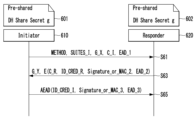
Figure 6 is a flowchart for explaining the EDHOC protocol that can be employed in the information security method of Figure 4.
Figure 7 is a block diagram for explaining an SPA message processing process that can be employed in the information security method of Figure 4.
FIG. 8 is a schematic block diagram of an information security device according to another embodiment of the present disclosure.
본 발명은 다양한 변경을 가할 수 있고 여러 가지 실시예를 가질 수 있는 바, 특정 실시예들을 도면에 예시하고 상세하게 설명하고자 한다. 그러나, 이는 본 발명을 특정한 실시 형태에 대해 한정하려는 것이 아니며, 본 발명의 사상 및 기술 범위에 포함되는 모든 변경, 균등물 내지 대체물을 포함하는 것으로 이해되어야 한다.The present invention can have various modifications and various embodiments, and specific embodiments are illustrated in the drawings and described in detail. However, this is not intended to limit the present invention to specific embodiments, but should be understood to include all modifications, equivalents, or substitutes included in the spirit and technical scope of the present invention.
제1, 제2 등의 용어는 다양한 구성요소들을 설명하는데 사용될 수 있지만, 상기 구성요소들은 상기 용어들에 의해 한정되어서는 안 된다. 상기 용어들은 하나의 구성요소를 다른 구성요소로부터 구별하는 목적으로만 사용된다. 예를 들어, 본 발명의 권리 범위를 벗어나지 않으면서 제1 구성요소는 제2 구성요소로 명명될 수 있고, 유사하게 제2 구성요소도 제1 구성요소로 명명될 수 있다. '및/또는'이라는 용어는 복수의 관련된 기재된 항목들의 조합 또는 복수의 관련된 기재된 항목들 중의 어느 항목을 포함한다.The terms first, second, etc. may be used to describe various components, but the components should not be limited by the terms. The terms are only used to distinguish one component from another. For example, without departing from the scope of the present invention, the first component could be referred to as the second component, and similarly, the second component could also be referred to as the first component. The term "and/or" includes any combination of a plurality of related listed items or any item among a plurality of related listed items.
본 출원의 실시예들에서, 'A 및 B 중에서 적어도 하나'는 'A 및 B 중에서 선택할 수 있는 적어도 하나 또는 둘 이상의 조합'을 의미할 수 있다. 또한, 본 출원의 실시예들에서, 'A 및 B 중에서 하나 이상'은 'A 및 B 중에서 선택할 수 있는 모든 조합을 포함하는 적어도 하나 이상'을 의미할 수 있다.In the embodiments of the present application, 'at least one of A and B' may mean 'at least one or two or more combinations that can be selected from A and B.' Furthermore, in the embodiments of the present application, 'at least one of A and B' may mean 'at least one or more including all combinations that can be selected from A and B.'
어떤 구성요소가 다른 구성요소에 '연결되어' 있다거나 '접속되어' 있다고 언급된 때에는, 그 다른 구성요소에 직접적으로 연결되어 있거나 또는 접속되어 있을 수도 있지만, 중간에 다른 구성요소가 존재할 수도 있다고 이해되어야 할 것이다. 반면에, 어떤 구성요소가 다른 구성요소에 '직접 연결되어' 있다거나 '직접 접속되어'있다고 언급된 때에는, 중간에 다른 구성요소가 존재하지 않는 것으로 이해되어야 할 것이다.When it is said that a component is 'connected' or 'connected' to another component, it should be understood that it may be directly connected or connected to that other component, but that there may be other components in between. On the other hand, when it is said that a component is 'directly connected' or 'directly connected' to another component, it should be understood that there are no other components in between.
본 출원에서 사용한 용어는 단지 특정한 실시예를 설명하기 위해 사용된 것으로, 본 발명을 한정하려는 의도가 아니다. 단수의 표현은 문맥상 명백하게 다르게 뜻하지 않는 한, 복수의 표현을 포함한다. 본 출원에서, '포함한다' 또는 '가진다' 등의 용어는 명세서상에 기재된 특징, 숫자, 단계, 동작, 구성요소, 부품 또는 이들을 조합한 것이 존재함을 지정하려는 것이지, 하나 또는 그 이상의 다른 특징들이나 숫자, 단계, 동작, 구성요소, 부품 또는 이들을 조합한 것들의 존재 또는 부가 가능성을 미리 배제하지 않는 것으로 이해되어야 한다.The terminology used in this application is only used to describe specific embodiments and is not intended to limit the present invention. The singular expression includes the plural expression unless the context clearly indicates otherwise. In this application, it should be understood that the terms "comprises" or "has" and the like are intended to specify the presence of a feature, number, step, operation, component, part or combination thereof described in the specification, but do not exclude in advance the possibility of the presence or addition of one or more other features, numbers, steps, operations, components, parts or combinations thereof.
다르게 정의되지 않는 한, 기술적이거나 과학적인 용어를 포함해서 여기서 사용되는 모든 용어들은 본 발명이 속하는 기술 분야에서 통상의 지식을 가진 자에 의해 일반적으로 이해되는 것과 동일한 의미를 가지고 있다. 일반적으로 사용되는 사전에 정의되어 있는 것과 같은 용어들은 관련 기술의 문맥 상 가지는 의미와 일치하는 의미를 가진 것으로 해석되어야 하며, 본 출원에서 명백하게 정의하지 않는 한, 이상적이거나 과도하게 형식적인 의미로 해석되지 않는다.Unless otherwise defined, all terms used herein, including technical or scientific terms, have the same meaning as commonly understood by one of ordinary skill in the art to which this invention belongs. Terms defined in commonly used dictionaries, such as those defined in common dictionaries, should be interpreted as having a meaning consistent with the meaning they have in the context of the relevant art, and will not be interpreted in an idealized or overly formal sense unless expressly defined in this application.
이하, 첨부한 도면들을 참조하여, 본 발명의 바람직한 실시예를 보다 상세하게 설명하고자 한다. 이하의 상세한 설명은 단지 예시적인 목적으로 제공되는 것이며, 본 발명의 개념을 임의의 특정된 물리적 구성에 한정하는 것으로 해석되어서는 안 될 것이다. 본 발명을 설명함에 있어 전체적인 이해를 용이하게 하기 위하여 도면상의 동일한 구성요소에 대해서는 동일한 참조부호를 사용하고 동일한 구성요소에 대해서 중복된 설명은 생략한다.Hereinafter, with reference to the attached drawings, a preferred embodiment of the present invention will be described in more detail. The following detailed description is provided for illustrative purposes only, and should not be construed as limiting the concept of the present invention to any specific physical configuration. In order to facilitate an overall understanding in describing the present invention, the same reference numerals are used for the same components in the drawings, and redundant descriptions of the same components are omitted.
도 1은 본 개시의 일실시예에 따른 정보 보안 방법을 채용할 수 있는 소프트웨어 정의 경계(software-defined perimeter, SDP) 아키텍처에 대한 개략도이다.FIG. 1 is a schematic diagram of a software-defined perimeter (SDP) architecture that can employ an information security method according to one embodiment of the present disclosure.
SDP는 보호 대상을 외부에 공개하지 않고 인증과 암호화를 통해 잠재적인 공격을 차단하는 정보 보호 방법이다. SDP는 공격자에 의한 취약점, 민감 정보 탈취 위험을 최소화하기 위한 목적으로 네트워크를 보호하기 위해 사용된다. SDP는 제로 트러스트(Zero Trust) 원칙에 기반하여 네트워크에 접속하는 모든 요청을 차단하며, 사용자가 네트워크에 접근할 시 신원을 확인하고 권한에 따른 자원 접근 허가를 부여한다. 이러한 SDP는 IP 포트가 모든 사용자에게 노출되는 기존 중앙 집중식 보안 방법의 한계를 극복할 수 있고, 사용자와 서비스 제공자 간의 직접적인 연결을 제공하여 네트워크 성능을 개선할 수 있다.SDP is an information protection method that blocks potential attacks through authentication and encryption without disclosing the protected object to the outside. SDP is used to protect the network in order to minimize the risk of vulnerabilities and theft of sensitive information by attackers. SDP blocks all requests to access the network based on the Zero Trust principle, and when a user accesses the network, it verifies the identity and grants access to resources according to the authority. This SDP can overcome the limitations of existing centralized security methods in which IP ports are exposed to all users, and can improve network performance by providing a direct connection between users and service providers.
좀더 구체적으로 도 1을 참조하여 설명하면, SDP 아키텍처는 제1 SDP 호스트(100), 제2 SDP 호스트(200, 210) 및 SDP 컨트롤러(300)를 포함할 수 있다. 제2 SDP 호스트(200)는 복수의 제2 SDP 호스트들 중 하나로서, 복수의 제2 SDP 호스트들과 동일한 구성이나 기능을 갖고 이들을 대표할 수 있다.More specifically, referring to FIG. 1, the SDP architecture may include a first SDP host (100), a second SDP host (200, 210), and an SDP controller (300). The second SDP host (200) is one of the plurality of second SDP hosts and may represent the plurality of second SDP hosts with the same configuration or function.
제1 SDP 호스트(100)는 접근 호스트(accepting host, AH)를 통해 보호된 자원에 접근하기 위한 프로세스를 개시하는 SDP 클라이언트인 개시 호스트(initiating host, IH)일 수 있다. 제1 SDP 호스트(100)는 접근 SDP 호스트(intiating SDP host)로 지칭될 수 있다.The first SDP host (100) may be an initiating host (IH), which is an SDP client that initiates a process for accessing a protected resource via an accepting host (AH). The first SDP host (100) may be referred to as an intiating SDP host.
제2 SDP 호스트(200)는 기본적으로 모든 네트워크 접근을 차단하며, SDP 컨트롤러(300)로부터 제어 정보를 수신하고 접근 지시를 받은 개시 호스트만 접근할 수 있는 SDP 클라이언트인 접근 호스트(accepting host, AH)일 수 있다. 제2 SDP 호스트(200)는 접근 SDP 호스트(accepting SDP host)로 지칭될 수 있다. The second SDP host (200) may be an accepting host (AH), which is an SDP client that basically blocks all network access and only allows access to the initiating host that receives control information and access instructions from the SDP controller (300). The second SDP host (200) may be referred to as an accepting SDP host.
개시 호스트와 접근 호스트는 통신 요청 및 허용을 처리하는 SDP 클라이언트이고, SDP 컨트롤러(300)은 SDP 클라이언트들 간의 인증 및 접근 권한을 관리할 수 있다.The initiating host and the accessing host are SDP clients that process communication requests and permissions, and the SDP controller (300) can manage authentication and access rights between SDP clients.
전술한 SDP 아키텍처에 포함된 SDP 솔루션의 각 객체는 전송 계층 보안(transport layer security, TLS) 핸드쉐이크(handshake)를 사용하여 상호 인증을 수행하기 위한 키 교환이나 통신 보안을 위한 키 교환을 수행할 수 있다.Each object of the SDP solution included in the aforementioned SDP architecture can perform key exchange for mutual authentication or key exchange for communication security using a transport layer security (TLS) handshake.
도 2는 본 개시의 일실시예에 따른 정보 보안 방법의 온보딩 과정을 설명하기 위한 흐름도이다.FIG. 2 is a flowchart illustrating an onboarding process of an information security method according to an embodiment of the present disclosure.
SDP의 온보딩(onboarding) 과정은 신규 단일패킷인증(single packet authorization, SPA) 클라이언트를 SDP 환경에 추가하기 위한 과정이며, 객체 간 전송되는 메시지는 비대칭키 암호화를 통해 보호될 수 있다. SPA 클라이언트는 SDP 클라이언트와 유사하게 개시 호스트와 접근 호스트를 포함할 수 있다.The SDP onboarding process is the process of adding a new single packet authorization (SPA) client to the SDP environment, and messages transmitted between entities can be protected using asymmetric key encryption. The SPA client may include an initiating host and an accessing host, similar to the SDP client.
TLS 핸드쉐이크를 활용하는 SDP의 온보딩 과정을 도 2를 참조하여 좀더 구체적으로 나타내면 다음과 같다.The onboarding process of SDP utilizing TLS handshake is described in more detail with reference to Figure 2 as follows.
먼저, ID 공급자(identity provider, IdP)(400)는 개시 호스트(IH)인 SDP 클라이언트(100)와 정보와 데이터를 주고받을 수 있다. 이때, SDP 클라이언트(100)는, ID 공급자(400)로 ID 토큰을 요청하고(S21), ID 공급자(400)로부터 사용자 인증을 통해(S22) ID 토큰을 발급받을 수 있다(S23).First, the identity provider (IdP) (400) can exchange information and data with the SDP client (100), which is an initiation host (IH). At this time, the SDP client (100) can request an ID token from the ID provider (400) (S21) and receive an ID token from the ID provider (400) through user authentication (S22) (S23).
다음, SDP 클라이언트(100)는 SDP 컨트롤러(300)로 ID 토큰을 통한 SDP 클라이언트 인증을 요청할 수 있다. 즉, SDP 클라이언트(100)는 ID 토큰을 전송하면서 온보드 요청 메시지를 SDP 컨트롤러(300)로 전송할 수 있다. ID 토큰을 전송할 때, SDP 클라이언트(100)는 접근(access) 과정의 핸드쉐이크 프로토콜 종류를 지정하는 핸드쉐이크 파라미터를 SDP 컨트롤러(300)로 전송할 수 있다(S24).Next, the SDP client (100) can request SDP client authentication via an ID token to the SDP controller (300). That is, the SDP client (100) can transmit an onboard request message to the SDP controller (300) while transmitting the ID token. When transmitting the ID token, the SDP client (100) can transmit a handshake parameter specifying the type of handshake protocol of the access process to the SDP controller (300) (S24).
핸드세이크 프로토콜 종류를 지정하는 핸드쉐이크 파라미터를 예시하면 다음의 표 1과 같다.Table 1 below shows examples of handshake parameters that specify the type of handshake protocol.
핸드쉐이크 파라미터가 지정되어 있지 않은 경우, SDP 컨트롤러(300)는 디폴트(default)로 TLS 핸드쉐이크를 사용하도록 설정될 수 있다.If no handshake parameters are specified, the SDP controller (300) may be set to use TLS handshake by default.
SDP 컨트롤러(300)는 지정한 핸드쉐이크 프로토콜에 알맞은 SDP 클라이언트 자격증명(credential)을 신규 발급하고(S25), 신규 발급한 자격증명을 SDP 클라이언트(100)로 전달할 수 있다(S26). 즉, SDP 클라이언트(100)는 SDP 컨트롤러(300)로부터 SDP 클라이언트 자격증명을 받고(S26), SDP 컨트롤러(300)로 해당 자격증명의 수신에 대해 응답할 수 있다(S27).The SDP controller (300) can issue a new SDP client credential suitable for the designated handshake protocol (S25) and transmit the newly issued credential to the SDP client (100) (S26). That is, the SDP client (100) can receive the SDP client credential from the SDP controller (300) (S26) and respond to the SDP controller (300) regarding the receipt of the credential (S27).
SDP 클라이언트 자격증명은 핸드쉐이크 암호키(handshake encryption key), 핸드쉐이크 인증서(handshake certificate), SPA 암호키(SPA encryption key) 및 SPA HMAC 키를 포함할 수 있다. 해시 기반 메시지 인증 코드(hash-based message authentication code, HMAC)는 암호학적인 메시지 인증에 사용되는 프로토콜로서, API 서버에 요청자의 신원과 요청 메시지의 무결정을 검증하는데 특화된 해쉬 문자열이다.SDP client credentials may include a handshake encryption key, a handshake certificate, an SPA encryption key, and an SPA HMAC key. A hash-based message authentication code (HMAC) is a protocol used for cryptographic message authentication, and is a hash string specialized for verifying the identity of a requester and the integrity of a request message to an API server.
또한, SDP 컨트롤러(300)는, TLS 핸드쉐이크를 활용하는 SDP의 온보딩 과정에 핸드쉐이크 파라미터에 지정된 EDHOC(ephemeral Diffie-hellman over COSE)를 사용할 수 있다. 특히, SDP 컨트롤러(300)는 자격증명에 디피헬만(Diffie-Hellman, DH) 개인키 생성을 위한 DH 공유 비밀(share secret)을 포함시키고, 이 자격증명을 SDP 클라이언트(100)로 전달할 수 있다(S26 참조).In addition, the SDP controller (300) may use EDHOC (ephemeral Diffie-hellman over COSE) specified in the handshake parameters in the onboarding process of SDP utilizing TLS handshake. In particular, the SDP controller (300) may include a DH shared secret for generating a Diffie-Hellman (DH) private key in the credential and transmit the credential to the SDP client (100) (see S26).
여기서, EDHOC는 임시 키를 사용하는 매우 작고 가벼운 인증 디피헬만(Diffie-Hellman) 키 교환이며, 제한된 시나리오에서 상호 인증, 순방향 비밀성 및 신원 보호를 제공할 수 있다. EDHOC는 암호화에 COSE(CBOR object signing and encryption), 인코딩에 CBOR(concise binary object representation), 전송에 제한된 애플리케이션 프로토콜(constrained application protocol, CoAP)을 재사용하면 추가 코드 크기를 매우 작게 유지할 수 있다.Here, EDHOC is a very small and lightweight authenticated Diffie-Hellman key exchange using ephemeral keys, which can provide mutual authentication, forward secrecy, and identity protection in limited scenarios. EDHOC can keep the additional code size very small by reusing COSE (CBOR object signing and encryption) for encryption, CBOR (concise binary object representation) for encoding, and constrained application protocol (CoAP) for transport.
그리고, CBOR은 JSON을 기반으로 하는 이진 데이터 직렬화 형식이며, JSON과 유사하게 이름-값 쌍을 포함하는 데이터 개체를 더 간결하게 전송하는데 이용될 수 있다. 또한, CBOR은 CoAP와 같은 전문화된 웹의 사물인터넷 프로토콜 제품군과 COSE 메시지의 기반이 되는 데이터 형식에 권장되는 데이터 직렬화 계층일 수 있다.And CBOR is a binary data serialization format based on JSON, and can be used to more concisely transmit data objects containing name-value pairs similar to JSON. Also, CBOR can be a recommended data serialization layer for specialized Web-based Internet of Things protocol suites such as CoAP and the data format that underlies COSE messages.
본 실시예에 의하면, SDP 솔루션에 TLS 핸드쉐이크를 대신할 경량의 인증 보안 프로토콜 및 워크플로우를 구성할 수 있다. 즉, TLS 핸드쉐이크를 대신할 경량의 인증 보안 프로토콜로 EDHOC 프로토콜을 사용하는 워크플로우를 제공할 수 있다.According to this embodiment, a lightweight authentication security protocol and workflow can be configured to replace the TLS handshake in the SDP solution. That is, a workflow using the EDHOC protocol as a lightweight authentication security protocol to replace the TLS handshake can be provided.
도 3은 본 개시의 일실시예에 따른 정보 보안 방법의 액세스 과정을 설명하기 위한 흐름도이다.FIG. 3 is a flowchart for explaining an access process of an information security method according to an embodiment of the present disclosure.
본 실시예의 액세스 과정은 선택적 핸드쉐이크(optional handshake) 사용을 위한 SDP 접근(access) 과정으로서, 도 2를 참조하여 앞서 설명한 온보딩 과정 이후에 실행될 수 있다. 특히, 본 실시예의 접근 과정은 EDHOC 핸드쉐이크를 사용한다. 즉, SDP 환경 구성 과정에서 TLS 핸드쉐이크를 대신하여 EDHOC 핸드쉐이크를 사용한다. 동일 알고리즘 사용을 가정하였을 때, EDHOC 핸드쉐이크는 TLS 핸드쉐이크 또는 DTLS(datagram transmission layer security) 핸드쉐이크보다 메시지 크기가 작아 효율적인 보안 세션 설정이 가능하다.The access process of this embodiment is an SDP access process for using an optional handshake, and can be executed after the onboarding process described above with reference to FIG. 2. In particular, the access process of this embodiment uses an EDHOC handshake. That is, the EDHOC handshake is used instead of the TLS handshake in the SDP environment configuration process. Assuming the use of the same algorithm, the EDHOC handshake has a smaller message size than the TLS handshake or the DTLS (datagram transmission layer security) handshake, and thus enables efficient security session establishment.
도 3을 참조하여 좀더 구체적으로 설명하면, 개시 호스트인 SDP 클라이언트(100)는 SPA 패킷(packet)을 SDP 컨트롤러(300)로 전달할 수 있다(S31). SDP 컨트롤러(300)는 SDP 클라이언트(100)로부터 SPA 패킷을 받고 받은 SPA 패킷을 검증할 수 있다(S31a).To explain more specifically with reference to FIG. 3, the SDP client (100), which is an initiating host, can transmit an SPA packet to the SDP controller (300) (S31). The SDP controller (300) can receive an SPA packet from the SDP client (100) and verify the received SPA packet (S31a).
SPA 패킷이 검증되면, SDP 클라이언트(100)와 SDP 컨트롤러(300)는 상호 간에 TCP 연결을 열 수 있다(S32).Once the SPA packet is verified, the SDP client (100) and the SDP controller (300) can open a TCP connection between each other (S32).
다음, EDHOC 핸드쉐이크 과정(S33)으로서, SDP 클라이언트(100)는 제1 메시지(message_1)를 SDP 컨트롤러(300)로 전달할 수 있다(S34). 제1 메시지는 EDHOC 메시지일 수 있다. 제1 메시지는 제1 EDHOC 메시지로 지칭될 수 있다.Next, as an EDHOC handshake process (S33), the SDP client (100) can transmit a first message (message_1) to the SDP controller (300) (S34). The first message may be an EDHOC message. The first message may be referred to as a first EDHOC message.
다음, SDP 컨트롤러(300)는 SPA 패킷이 검증된 경우, 제1 메시지에 따라 EDHOC 핸드쉐이크를 처리하고, SDP 클라이언트(100) 및 SDP 컨트롤러 간 보안 세션을 설정한 후, 이와 관련된 제2 메시지(message_2)를 SDP 클라이언트(100)로 전달할 수 있다(S35). 그리고, SDP 컨트롤러(300)는 SDP 클라이언트(100)로부터 제2 메시지에 대한 응답으로서 제3 메시지(message_3)를 받을 수 있다(S36).Next, the SDP controller (300) can process the EDHOC handshake according to the first message if the SPA packet is verified, establish a security session between the SDP client (100) and the SDP controller, and then transmit a second message (message_2) related thereto to the SDP client (100) (S35). Then, the SDP controller (300) can receive a third message (message_3) as a response to the second message from the SDP client (100) (S36).
보안 세션 설정이 완료된 후, 개시 호스트인 SDP 클라이언트(100)는 자격증명을 포함한 로그인 요청 메시지(login request message)를 SDP 컨트롤러(300)로 전송하여 자신이 활성 상태임을 SDP 컨트롤러(300)에 알리고, 이와 관련하여 SDP 컨트롤러(300)로부터 로그인 응답 메시지(login response message)를 받을 수 있다(S37).After the security session setup is completed, the SDP client (100), which is the initiating host, transmits a login request message including credentials to the SDP controller (300) to inform the SDP controller (300) that it is active, and in relation to this, it can receive a login response message from the SDP controller (300) (S37).
다음, SDP 컨트롤러(300)는 개시 호스트(IH)인 SDP 클라이언트(100)로 IH 서비스 메시지(IH service message)를 전달하고(S38), 접근 호스트(AH)인 SDP 클라이언트(200)로 IH 인증 메시지(IH authenticated message)를 전달할 수 있다(S39).Next, the SDP controller (300) can transmit an IH service message to the SDP client (100), which is an initiating host (IH) (S38), and transmit an IH authenticated message to the SDP client (200), which is an access host (AH) (S39).
IH 서비스 메시지(IH service message)는 개시 호스트(IH)에 접근 호스트(AH)의 IP 주소 및 사용 가능한 서비스 목록을 제공하기 위해 사용될 수 있다. 그리고 IH 인증 메시지(IH authenticated message)는 접근 호스트(AH)에 개시 호스트(IH)의 접속 허용 요청을 전달하기 위해 사용될 수 있다.The IH service message can be used to provide the initiating host (IH) with the IP address of the accessing host (AH) and a list of available services. And the IH authenticated message can be used to convey the accessing host (AH) a request to allow the initiating host (IH) to connect.
도 4는 본 개시의 다른 실시예에 따른 정보 보안 방법의 액세스 과정을 설명하기 위한 흐름도이다.FIG. 4 is a flowchart for explaining an access process of an information security method according to another embodiment of the present disclosure.
본 실시예의 액세스 과정은 선택적 핸드쉐이크(optional handshake) 사용을 위한 SDP 접근(access) 과정으로서, 도 2를 참조하여 앞서 설명한 온보딩 과정 이후에 실행될 수 있다. 본 실시예의 접근 과정은 확장 EDHOC 핸드쉐이크를 사용한다. 즉, SDP 환경 구성 과정에서 TLS 핸드쉐이크를 대신하여 EDHOC 핸드쉐이크를 사용하며, 특히 SDP 접근 과정에서 EDHOC 핸드쉐이크 사용할 때, SPA 패킷과 제1 EDHOC 메시지(Message_1)를 결합하여 지연 시간과 메시지 크기를 최소화하여 효율성을 보장한다.The access process of this embodiment is an SDP access process for using an optional handshake, and can be executed after the onboarding process described above with reference to FIG. 2. The access process of this embodiment uses an extended EDHOC handshake. That is, an EDHOC handshake is used instead of a TLS handshake in the SDP environment configuration process, and in particular, when the EDHOC handshake is used in the SDP access process, the SPA packet and the first EDHOC message (Message_1) are combined to minimize delay time and message size, thereby ensuring efficiency.
도 4를 참조하여 좀더 구체적으로 설명하면, EDHOC 핸드쉐이크 과정(S40)에서, 개시 호스트인 SDP 클라이언트(100)는 EDHOC 메시지가 결합된 SPA 패킷(packet)을 SDP 컨트롤러(300)로 전달할 수 있다. 즉, SDP 클라이언트(100)는 EDHOC 메시지인 제1 메시지(message_1)가 결합된 SPA 패킷을 SDP 컨트롤러(300)로 전달할 수 있다(S41). SDP 컨트롤러(300)는 SDP 클라이언트(100)로부터 제1 메시지(message_1)가 결합된 SPA 패킷을 받고, 받은 SPA 패킷을 검증할 수 있다(S41a).Referring to FIG. 4 to explain in more detail, in the EDHOC handshake process (S40), the SDP client (100), which is the initiating host, can transmit an SPA packet combined with an EDHOC message to the SDP controller (300). That is, the SDP client (100) can transmit an SPA packet combined with a first message (message_1), which is an EDHOC message, to the SDP controller (300) (S41). The SDP controller (300) can receive an SPA packet combined with the first message (message_1) from the SDP client (100) and verify the received SPA packet (S41a).
SPA 패킷의 검증이 정상적으로 완료되면, SDP 컨트롤러(300)는 SDP 클라이언트(100)와의 사이에 상호 간 TCP 연결을 열 수 있다(S42).When verification of the SPA packet is completed normally, the SDP controller (300) can open a mutual TCP connection with the SDP client (100) (S42).
다음, SDP 컨트롤러(300)는 제1 메시지에 따라 EDHOC 핸드쉐이크를 처리하고, SDP 컨트롤러(300)와 SDP 클라이언트(100) 간의 보안 세션을 설정한 후, 이와 관련된 제2 메시지(message_2)를 SDP 클라이언트(100)로 전달할 수 있다(S43). 그리고, SDP 컨트롤러(300)는 제2 메시지에 대한 응답으로서 SDP 클라이언트(100)로부터 제3 메시지(message_3)를 받을 수 있다(S44).Next, the SDP controller (300) can process the EDHOC handshake according to the first message, establish a security session between the SDP controller (300) and the SDP client (100), and then transmit a second message (message_2) related thereto to the SDP client (100) (S43). Then, the SDP controller (300) can receive a third message (message_3) from the SDP client (100) as a response to the second message (S44).
보안 세션 설정이 완료된 후, 개시 호스트인 SDP 클라이언트(100)는 자격증명을 포함한 로그인 요청 메시지(login request message)를 SDP 컨트롤러(300)로 전송하여 자신이 활성 상태임을 SDP 컨트롤러(300)에 알리고, 이와 관련하여 SDP 컨트롤러(300)로부터 로그인 응답 메시지(login response message)를 받을 수 있다(S47).After the security session setup is completed, the SDP client (100), which is the initiating host, transmits a login request message including credentials to the SDP controller (300) to inform the SDP controller (300) that it is active, and in relation to this, it can receive a login response message from the SDP controller (300) (S47).
다음, SDP 컨트롤러(300)는 개시 호스트(IH)인 SDP 클라이언트(100)로 IH 서비스 메시지(IH service message)를 전달하고(S48), 접근 호스트(AH)인 SDP 클라이언트(200)로 IH 인증 메시지(IH authenticated message)를 전달할 수 있다(S49).Next, the SDP controller (300) can transmit an IH service message to the SDP client (100), which is an initiating host (IH) (S48), and transmit an IH authenticated message to the SDP client (200), which is an access host (AH) (S49).
도 5는 도 4의 정보 보안 방법에 채용할 수 있는 확장 EDHOC 핸드쉐이크를 SPA 메시지 포맷에 대한 예시도이다.Figure 5 is an example diagram of an extended EDHOC handshake that can be employed in the information security method of Figure 4 in the SPA message format.
도 5를 참조하면, 확장 EDHOC 핸드쉐이크를 위하여 제1 EDHOC 메시지가 결합된 SPA 메시지의 메시지 패킷은 IP 헤더(IP header, 510), TCP 헤더(520) 및 TCP 페이로드(TCP payload)(530)를 구비할 수 있다. IP 헤더(510)의 크기는 20바이트(byte), TCP 헤더(520)의 크기는 20바이트, 그리고 TCP 페이로드(530)의 크기는 1460바이트일 수 있다.Referring to FIG. 5, a message packet of an SPA message combined with a first EDHOC message for an extended EDHOC handshake may include an IP header (IP header, 510), a TCP header (520), and a TCP payload (TCP payload) (530). The size of the IP header (510) may be 20 bytes, the size of the TCP header (520) may be 20 bytes, and the size of the TCP payload (530) may be 1460 bytes.
본 실시예의 정보 보안 방법에서, 제1 EDHOC 메시지는 단순히 일반적인 SPA 메시지 포맷과 결합할 수 있으나 이에 한정되지 않고, 제1 EDHOC 메시지의 특정 데이터 요소는 SPA 메시지의 데이터 요소 중 중복가능한 데이터 요소를 대체하고 생략될 수 있다.In the information security method of the present embodiment, the first EDHOC message may be simply combined with a general SPA message format, but is not limited thereto, and specific data elements of the first EDHOC message may replace and be omitted data elements that may be duplicated among the data elements of the SPA message.
일반적인 SPA 메시지 포맷을 나타내면 다음의 표 2와 같다.The general SPA message format is shown in Table 2 below.
SPA 패킷의 모든 파라미터를 해시 연산한 값For message integrity verification
The hash value of all parameters in the SPA packet
HOTP(HMAC-based one-time password)는 HMAC 기반의 해시된 일회용 암호 알고리즘을 지칭할 수 있다. HMAC는 해시 기반의 메시지 인증 코드(hash-based message authentication code)를 나타낸다. 메시지 유형(message type)와 메시지 열(message string)은 선택적(optional, op)으로 사용되는 필드가 될 수 있다.HOTP(HMAC-based one-time password) can refer to a hashed one-time password algorithm based on HMAC. HMAC stands for hash-based message authentication code. Message type and message string can be fields that are used as optional (op).
본 실시예의 정보 보호 방법에 채용할 수 있는 제1 EDHOC 메시지 포맷을 나타내면 다음의 표 3과 같다.The first EDHOC message format that can be employed in the information protection method of the present embodiment is as shown in Table 3 below.
스칼라 곱셈하여 생성한 임시 공개키A shared secret and a random number generated by the sender.
Temporary public key generated by
본 실시예에 의하면, SPA와 제1 EDHOC 메시지를 결합하여 객체 인증 및 키 교환에 필요한 네트워크 지연 시간을 최소화할 수 있다.According to this embodiment, the network delay time required for object authentication and key exchange can be minimized by combining the SPA and the first EDHOC message.
또한, 본 실시예에 의하면, 평문으로 전송되는 제1 EDHOC 메시지의 데이터 요소 중 보안이 필요한 요소에 암호화를 제공할 수 있다. 예를 들어, SPA는 온보딩 과정에서 교환된 SPA 암호키로 암호화할 수 있다.Additionally, according to the present embodiment, encryption can be provided for elements that require security among the data elements of the first EDHOC message transmitted in plaintext. For example, SPA can be encrypted with the SPA encryption key exchanged during the onboarding process.
또한, 본 실시예에 의하면, 애플리케이션 키를 생성하는데 사용되는 임시 공개키(G_X)의 키 재료를 SPA에 포함시켜 암호화함으로써, 보안 수준을 향상시킬 수 있다. 임시 공개키(G_X)는 SDP 클라이언트와 SDP 컨트롤러가 공유하는 공유 비밀(share secret, G)에 SDP 클라이언트가 생성한 소정 비트(bit)의 난수 예컨대, 16-비트 난수를 스칼라 곱셈(scalar multiplication)하여 도출한 임시 공개키일 수 있다. 임시 공개키(G_X)는 난수를 기반으로 생성되기 때문에 재전송 공격 방지가 가능하다.In addition, according to the present embodiment, the security level can be improved by including the key material of the temporary public key (G_X) used to generate the application key in the SPA and encrypting it. The temporary public key (G_X) can be a temporary public key derived by scalar multiplication of a shared secret (G) shared between the SDP client and the SDP controller and a random number of a predetermined bit, for example, a 16-bit random number generated by the SDP client. Since the temporary public key (G_X) is generated based on a random number, replay attack prevention is possible.
이러한 확장 EDHOC 핸드쉐이크를 위한 SPA 메시지 포맷(이하 '확장 SPA 메시지 포맷)을 나타내면 다음의 표 4와 같다.The SPA message format for this extended EDHOC handshake (hereinafter referred to as the 'extended SPA message format') is as shown in Table 4 below.
스칼라 곱셈하여 생성한 임시 공개키A shared secret and a random number generated by the sender.
Temporary public key generated by
SPA 패킷의 모든 파라미터를 해시 연산한 값For message integrity verification
The hash value of all parameters in the SPA packet
표 4의 확장 SPA 메시지 포맷은 SPA 패킷의 재사용이나 재생 공격을 방지하기 위한 데이터 필드인 넌스(Nonce) 필드를 가지지 않는다. 즉, 확장 SPA 메시지 포맷은 보안 수준 향상을 위하여 넌스(Nonce)를 생략하고 넌스 대신에 제1 EDHOC 메시지 포맷의 G_X 필드의 공개키 재료를 메시지 포맷에 포함시켜 암호화될 수 있다.The extended SPA message format in Table 4 does not have a Nonce field, which is a data field for preventing reuse or replay attacks of SPA packets. That is, the extended SPA message format can be encrypted by omitting the Nonce and including the public key material of the G_X field of the first EDHOC message format in the message format instead of the Nonce in order to improve the level of security.
이와 같이, 본 실시예에 의하면, SDP 클라이언트는 SPA와 제1 EDHOC 메시지의 데이터 요소들 중 중복 가능한 데이터 요소를 생략할 수 있고, 이러한 소정 필드의 대체 혹은 조합에 의해 보안 성능을 향상시키고 네트워크 대역폭을 감소시키면서 메모리 사용량을 절감할 수 있다.In this way, according to the present embodiment, the SDP client can omit data elements that may be duplicated among the data elements of the SPA and the first EDHOC message, and can improve security performance and reduce network bandwidth while saving memory usage by replacing or combining these predetermined fields.
본 실시예의 정보 보안 방법에 채용할 수 있는 제1 EDHOC 메시지 결합 SPA 메시지 포맷을 나타내면 다음의 표 5와 같다.The first EDHOC message combined SPA message format that can be employed in the information security method of the present embodiment is as shown in Table 5 below.
암호화된
단일 패킷With SPA encryption key
Encrypted
Single packet
스칼라 곱셈하여 생성한 임시 공개키A shared secret and a random number generated by the sender.
Temporary public key generated by scalar multiplication
해시 연산한 값All parameters of the SPA packet
Hash operation value
전술한 실시예들에 의하면, SDP 환경 구성을 위한 핸드쉐이크 프로토콜을 TLS, EDHOC, 및 확장 EDHOC의 세 가지 버전들로 지원하도록 설계할 수 있다. 또한, SDP 클라이언트가 원하는 핸드쉐이크 프로토콜을 선택적으로 사용할 수 있도록 핸드쉐이크 파라미터의 구성을 제공할 수 있다. 아울러, 전술한 SPA 및 제1 EDHOC 메시지 결합을 통하여 네트워크 지연 시간 최소화하고 메모리 사용량을 절감할 수 있다.According to the above-described embodiments, the handshake protocol for configuring the SDP environment can be designed to support three versions: TLS, EDHOC, and extended EDHOC. In addition, the configuration of handshake parameters can be provided so that the SDP client can selectively use the desired handshake protocol. In addition, the network delay time can be minimized and the memory usage can be reduced through the combination of the above-described SPA and the first EDHOC message.
도 6은 도 4의 정보 보안 방법에 채용할 수 있는 EDHOC 프로토콜을 설명하기 위한 흐름도이다.Figure 6 is a flowchart for explaining the EDHOC protocol that can be employed in the information security method of Figure 4.
도 6을 참조하면, EDHOC 프로토콜은 자원 제약적인 환경에서 장치 간 보안 세션을 설정하기 위해 설계된 경량의 핸드쉐이크 프로토콜이다. EDHOC 프로토콜은 개시자(initiator, 610)와 응답자(responder, 620) 간의 메시지 교환을 통해 수행될 수 있다. 개시자(610)는 기공유된 DH 공유 비밀(pre-shared DH share secret g, 601)을 구비하고, 이와 유사하게 응답자(620)는 기공유된 DH 공유 비밀(pre-shared DH share secret g, 602)을 구비할 수 있다.Referring to FIG. 6, the EDHOC protocol is a lightweight handshake protocol designed to establish a secure session between devices in a resource-constrained environment. The EDHOC protocol can be performed through message exchange between an initiator (610) and a responder (620). The initiator (610) can have a pre-shared DH shared secret (pre-shared DH share secret g, 601), and similarly, the responder (620) can have a pre-shared DH shared secret (pre-shared DH share secret g, 602).
먼저, 개시자(initiator, 610)는 방법(METHOD), 암호화 알고리즘 목록(SUITES_I), 임시 공개키(G_X), 연결 식별자(C_I) 및 패딩(padding, EAD_1)에 관한 필드들을 포함하는 제1 EDHOC 메시지를 응답자(620)로 전달할 수 있다(S61). 즉, 개시자(610)는 응답자(620)에게 인증 방식, 암호화 알고리즘 목록, DH 개인키를 전송할 수 있다.First, the initiator (610) can transmit a first EDHOC message including fields regarding a method (METHOD), a list of encryption algorithms (SUITES_I), a temporary public key (G_X), a connection identifier (C_I), and padding (PADDING, EAD_1) to the responder (620) (S61). That is, the initiator (610) can transmit an authentication method, a list of encryption algorithms, and a DH private key to the responder (620).
여기서, 방법(METHOD)은 정적 디피헬만(static diffie-Hellman) 및 서명 키(signature key) 인증 방법을 지정하기 위한 필드이다. 암호화 알고리즘 목록(SUITES_I)은 발신자 또는 개시자(610)가 선호하는 암호화 암고리즘 목록에 대한 필드이다. 임시 공개키(G_X)는 공유 비밀(601)과 개시자가 생성한 16 비트(bit) 난수를 스칼라 곱셈하여 생성한 임시 공개키이다. 연결 식별자(C_I)는 EDHOC 세션의 연결을 식별하는 식별자이다. 그리고, 패딩(padding, EAD_1)은 외부 인증 데이터를 나타내는 필드이다. 패딩은 선택적으로 CBOR 시퀀스를 가질 수 있다.Here, METHOD is a field for specifying static Diffie-Hellman and signature key authentication methods. The encryption algorithm list (SUITES_I) is a field for a list of encryption algorithms preferred by the sender or initiator (610). The temporary public key (G_X) is a temporary public key generated by scalar multiplication of the shared secret (601) and a 16-bit random number generated by the initiator. The connection identifier (C_I) is an identifier that identifies the connection of the EDHOC session. And, the padding (PADDING, EAD_1) is a field representing external authentication data. The padding may optionally have a CBOR sequence.
다음, 응답자(620)는 공유 비밀(602)과 응답자가 생성한 16 비트 난수를 스칼라 곱셈하여 생성한 임시 공개키(G_Y)와 연결 식별자(C_R), 식별자 자격증명(ID_CRED_R), 전자서명(signature) 또는 메시지 인증 코드(message authentication code, MAC_2) 및 패딩(EAD_2)에 관한 필드들을 포함하는 제2 EDHOC 메시지를 암호화하여 개시자(610)에게 전달할 수 있다(S63).Next, the responder (620) can encrypt and transmit to the initiator (610) a second EDHOC message including a temporary public key (G_Y) generated by scalar multiplication of the shared secret (602) and a 16-bit random number generated by the responder, and fields regarding a connection identifier (C_R), an identifier credential (ID_CRED_R), an electronic signature (signature) or message authentication code (MAC_2), and padding (EAD_2) (S63).
즉, 응답자(620)는 DH 개인키를 생성하고 DH 공유키를 도출하여 암호화 키를 생성할 수 있다. 또한, 응답자(620)는 DH 공유키를 도출하기 위한 DH 개인키를 평문으로 개시자(610)에게 전송할 수 있다. 그리고, 응답자(620)는 사용자 인증 및 무결성 보장을 위해 자격증명(credential), 전자서명 등을 암호화하여 개시자(610)에게 전달할 수 있다.That is, the responder (620) can generate a DH private key and derive a DH shared key to generate an encryption key. In addition, the responder (620) can transmit the DH private key for deriving the DH shared key to the initiator (610) in plaintext. In addition, the responder (620) can encrypt credentials, electronic signatures, etc. and transmit them to the initiator (610) for user authentication and integrity guarantee.
다음, 개시자(610)는 응답자(620)로부터 평문으로 전달받은 DH 개인키를 통해 DH 공유키를 도출하여 메시지 복호화 및 인증을 수행하고, DH 공유키를 사용하여 세션 키를 생성하고, 사용자 인증 및 무결성 보장을 위해 자격증명(credential, ID_CRED_I), 전자서명(signature) 또는 메시지 인증 코드(MAC_3) 및 패딩(EAD_3)에 관한 필드들을 포함하는 제3 EDHOC 메시지를 암호화하여 응답자(620)에게 전달할 수 있다.Next, the initiator (610) derives a DH shared key using the DH private key received in plaintext from the responder (620) to perform message decryption and authentication, generates a session key using the DH shared key, and encrypts and transmits to the responder (620) a third EDHOC message including fields regarding credentials (ID_CRED_I), electronic signature (signature) or message authentication code (MAC_3), and padding (EAD_3) for user authentication and integrity guarantee.
전술한 과정을 통해 사물인터넷 클라우드에 속한 센서나 정보 보안 장치가 EDHOC 핸드쉐이크를 수행하고 해당 프로토콜을 종료할 수 있다. 특히, 본 실시예의 변형예에 따른 정보 보안 장치는 제1 EDHOC 메시지 내 임시 공개키(G_X)를 SPA 메시지에 결합시키도록 구성될 수 있다. 이 경우, 제1 EDHOC 메시지에서 임시 공개키(G_X) 필드는 생략될 수 있다.Through the above-described process, a sensor or information security device belonging to the Internet of Things cloud can perform an EDHOC handshake and terminate the corresponding protocol. In particular, an information security device according to a modified example of the present embodiment can be configured to bind the temporary public key (G_X) in the first EDHOC message to the SPA message. In this case, the temporary public key (G_X) field in the first EDHOC message can be omitted.
도 7은 도 4의 정보 보안 방법에 채용할 수 있는 SPA 메시지 처리 과정을 설명하기 위한 블록도이다.Figure 7 is a block diagram for explaining an SPA message processing process that can be employed in the information security method of Figure 4.
단일 패킷 인증(SPA)은 상호 신뢰 세션이 성립되기 전, 닫힌 포트에 미리 설정된 단일 패킷을 전송하여 방화벽 외부에서 포트를 오픈하는 방법을 가리킨다. 이렇나 SPA를 이용하면, 사물인터넷 클라우드에 속한 센서나 저성능 기기 등의 통신 노드에 대한 무차별 대입 공격과 재전송 공격을 방지할 수 있다.Single Packet Authentication (SPA) refers to a method of opening a port from outside the firewall by sending a single packet set in advance to a closed port before a mutual trust session is established. By using SPA in this way, brute force attacks and replay attacks on communication nodes such as sensors or low-performance devices belonging to the Internet of Things cloud can be prevented.
SPA 메시지 형식은 SDP 구현 방법마다 다를 수 있지만, 패킷 작성자와 수신자가 공유 비밀 및 신뢰할 수 있는 보안 채널을 공유해야 하는 것은 필수적이다.The SPA message format may vary across SDP implementations, but it is essential that the packet author and receiver share a shared secret and a trusted secure channel.
도 7을 참조하여 SPA 연산 과정을 좀더 상세히 설명하면, 제1 SPA 연산부(700)는, SPA HOTP 연산 기능을 구비하는 유닛으로서, SPA OTP 공유 비밀(share secret)과 이벤트 카운터(event counter)의 신호를 받고, 제1 HMAC 연산을 통해 160 비트 해쉬를 생성하고, 절단(truncate) 기능을 가진 유닛(710)을 통해 31 비트 해쉬(31 bit hash)를 생성할 수 있다. 31 비트 해쉬는 SPA 메시지 포맷(720)의 해시된 일회용 암호(HOTP) 필드에 기록될 수 있다.Referring to FIG. 7, the SPA operation process will be described in more detail. The first SPA operation unit (700) is a unit having an SPA HOTP operation function, and can receive signals of an SPA OTP shared secret and an event counter, generate a 160-bit hash through a first HMAC operation, and generate a 31-bit hash through a unit (710) having a truncate function. The 31-bit hash can be recorded in a hashed one-time password (HOTP) field of an SPA message format (720).
제2 SPA 연산부(720)는, SPA HMAC 연산 기능을 구비하는 유닛으로서, SPA HMAC 키(key)와 SPA 메시지 포맷(720)의 HMAC 필드를 제외한 나머지 필드들의 데이터, 숫자 식별자, 유효기간, IP 주소, 해시된 일회용 암호, 메시지 유형을 알리는 정보, 및 IH가 요청할 서비스를 지정하는 정보의 모든 파라미터를 해시 연산하여 HMAC 값을 얻고, SPA 메시지 포맷(720)의 HMAC 필드에 기록할 수 있다.The second SPA operation unit (720) is a unit having an SPA HMAC operation function, and can hash all parameters of data of fields other than the SPA HMAC key and the HMAC field of the SPA message format (720), a numeric identifier, a validity period, an IP address, a hashed one-time password, information indicating a message type, and information specifying a service to be requested by the IH to obtain an HMAC value, and record it in the HMAC field of the SPA message format (720).
또한, 본 실시예의 SPA 메시지는 제1 EDHOC 메시지(740)과 결합된 형태를 가질 수 있다. 이때. 제1 EDHOC 메시지는 EDHOC 라이브러리(library) API(application programming interface, 760)와 연동하는 메시지 처리(message processing) API(750)에 의해 SPA 메시지(720)에 결합될 수 있다. SPA 메시지(720)의 메시지 포맷의 상세는 표 2를 참조할 수 있다.In addition, the SPA message of the present embodiment may have a form combined with the first EDHOC message (740). At this time, the first EDHOC message may be combined with the SPA message (720) by a message processing API (750) that is linked with the EDHOC library API (application programming interface, 760). Details of the message format of the SPA message (720) may be referred to Table 2.
도 8은 본 개시의 또 다른 실시예에 따른 정보 보안 장치에 대한 개략적인 블록도이다.FIG. 8 is a schematic block diagram of an information security device according to another embodiment of the present disclosure.
도 8을 참조하면, 정보 보안 장치(800)는 사물인터넷 클라우드에 속한 저성능의 컴퓨팅 기기 또는 통신 노드를 포함할 수 있다. 정보 보안 장치(800)는 프로세서(810), 메모리(820), 송수신 장치(830), 입력 인터페이스 장치(840), 출력 인터페이스 장치(850), 저장 장치(860) 또는 이들의 조합 구성을 더 구비할 수 있다. 정보 보안 장치(800)에 포함된 각각의 구성 요소들은 버스(bus, 870)에 의해 연결되어 서로 통신을 수행할 수 있다.Referring to FIG. 8, the information security device (800) may include a low-performance computing device or communication node belonging to the Internet of Things cloud. The information security device (800) may further include a processor (810), a memory (820), a transmission/reception device (830), an input interface device (840), an output interface device (850), a storage device (860), or a combination thereof. Each component included in the information security device (800) may be connected by a bus (bus, 870) to communicate with each other.
또한, 정보 보안 장치(800)에 포함된 구성요소들은 공통 버스(870)가 아니라, 프로세서(810)를 중심으로 개별 인터페이스 또는 개별 버스를 통하여 연결될 수 있다. 예를 들어, 프로세서(810)는 메모리(820), 송수신 장치(830), 입력 인터페이스 장치(840), 출력 인터페이스 장치(850), 저장 장치(860) 중의 적어도 하나와 전용 인터페이스를 통하여 연결될 수 있다.In addition, components included in the information security device (800) may be connected through individual interfaces or individual buses centered around the processor (810), rather than a common bus (870). For example, the processor (810) may be connected to at least one of the memory (820), the transceiver (830), the input interface device (840), the output interface device (850), and the storage device (860) through a dedicated interface.
프로세서(810)는 전술한 제1 SPA 연산자, 제2 SPA 연산자, 메시지 처리 API 등을 포함할 수 있다. 이러한 중앙 처리 장치(central processing unit, CPU), 그래픽 처리 장치(graphics processing unit, GPU), 또는 본 발명의 실시예들에 따른 방법들이 수행되는 전용의 프로세서를 의미할 수 있다.The processor (810) may include the first SPA operator, the second SPA operator, the message processing API, etc. as described above. This may mean a central processing unit (CPU), a graphics processing unit (GPU), or a dedicated processor on which methods according to embodiments of the present invention are performed.
메모리(820) 및 저장 장치(860) 각각은 휘발성 저장 매체 및 비휘발성 저장 매체 중에서 적어도 하나로 구성될 수 있다. 예를 들어, 메모리(820)는 읽기 전용 메모리(read only memory, ROM) 및 랜덤 액세스 메모리(random access memory, RAM) 중에서 적어도 하나로 구성될 수 있다.Each of the memory (820) and the storage device (860) may be configured with at least one of a volatile storage medium and a nonvolatile storage medium. For example, the memory (820) may be configured with at least one of a read only memory (ROM) and a random access memory (RAM).
송수신 장치(830)는 사물인터넷 클라우드에서 다른 통신 노드나 관리 서버와 네트워크를 통해 신호 및 데이터를 주고받도록 무선 통신이나 이동 통신이나 위성 통신을 지원하는 적어도 하나 이상의 서브통신시스템을 구비할 수 있다. 다른 통신 노드는 사물인터넷 센서 등을 포함할 수 있다.The transceiver (830) may be equipped with at least one sub-communication system that supports wireless communication, mobile communication, or satellite communication to transmit and receive signals and data with other communication nodes or management servers in the Internet of Things cloud through a network. The other communication nodes may include Internet of Things sensors, etc.
여기서, 네트워크는 D2D(device to device) 통신, 사이드링크(sidelink) 통신, NR(new radio) 통신 등을 지원하는 네트워크를 포함할 수 있다. 또한, 네트워크는 이동통신망이나 무선통신망을 통해 연결되는 온보드 장치(on-board unit) 또는 온보드 장치가 탑재된 기기 간에 형성가능한 모든 통신망을 포함할 수 있다.Here, the network may include a network supporting D2D (device to device) communication, sidelink communication, NR (new radio) communication, etc. In addition, the network may include all communication networks that can be formed between on-board units or devices equipped with on-board units connected via a mobile communication network or a wireless communication network.
입력 인터페이스 장치(840)는 키보드, 마이크, 터치패드, 터치스크린, 원격 제어 수단 등에서 선택되는 적어도 하나의 입력 수단과, 적어도 하나의 입력 수단을 통해 입력되는 신호를 기저장된 명령과 매핑하거나 처리하는 입력 신호 처리부를 포함할 수 있다.The input interface device (840) may include at least one input means selected from a keyboard, a microphone, a touchpad, a touchscreen, a remote control means, and the like, and an input signal processing unit that maps or processes a signal input through the at least one input means to a pre-stored command.
출력 인터페이스 장치(850)는 프로세서(810)의 제어에 따라 출력되는 신호를 기저장된 신호 형태나 레벨로 매핑하거나 처리하는 출력 신호 처리부와, 출력 신호 처리부의 신호에 따라 진동, 빛, 소리, 열 등의 형태로 신호나 정보를 출력하는 적어도 하나의 출력 수단을 포함할 수 있다. 적어도 하나의 출력 수단은 스피커, 디스플레이 장치, 프린터, 광 출력 장치, 진동 출력 장치 등의 출력 수단들에서 선택되는 적어도 하나를 포함할 수 있다.The output interface device (850) may include an output signal processing unit that maps or processes a signal output under the control of the processor (810) into a pre-stored signal form or level, and at least one output means that outputs a signal or information in the form of vibration, light, sound, heat, etc. according to a signal from the output signal processing unit. The at least one output means may include at least one selected from output means such as a speaker, a display device, a printer, an optical output device, and a vibration output device.
전술한 프로세서(810)는 메모리(820) 및 저장 장치(860) 중 적어도 하나에 저장된 프로그램 명령(program command)이나 프로그램 명령을 가진 소프트웨어 모듈을 실행할 수 있다. 즉, 프로세서(110)는, 프로그램 명령에 의해 프로세서(810)가 실행될 때, 전술한 정보 보안 방법의 실시예들 중 적어도 하나를 수행하도록 구성될 수 있다.The processor (810) described above can execute a program command or a software module having a program command stored in at least one of the memory (820) and the storage device (860). That is, the processor (110) can be configured to perform at least one of the embodiments of the information security method described above when the processor (810) is executed by the program command.
본 실시예에 의하면, 사물인터넷 클라우드 보안을 위하여 TLS 핸드쉐이크를 대신할 경량의 인증 보안 프로토콜로서 EDHOC 프로토콜을 사용하는 새로운 정보 보안 방안을 제공할 수 있다. EDHOC 프로토콜을 사용하면, 기존 TLS 1.3 핸드쉐이크의 보안 수준을 보장하면서 TLS 또는 DTLS 프로토콜보다 작은 메시지 크기를 사용함으로써 네트워크 대역폭을 절감하고 메모리 사용량을 절감할 수 있다.According to this embodiment, a new information security method using the EDHOC protocol as a lightweight authentication security protocol to replace the TLS handshake for Internet of Things cloud security can be provided. Using the EDHOC protocol can save network bandwidth and memory usage by using a smaller message size than the TLS or DTLS protocol while ensuring the security level of the existing TLS 1.3 handshake.
또한, 본 실시예에 의하면, SDP 환경 구성을 위한 핸드쉐이크 프로토콜 확장 워크플로우를 제공할 수 있다. 즉, SDP 온보딩 과정에서 SPD 클라이언트가 사용하고자 하는 핸드쉐이크 옵션을 지정할 수 있는 핸드쉐이크 파라미터를 추가함으로써, 다양한 사물인터넷(IoT) 환경에 효율적인 보안 인증을 구현할 수 있고, SDP 솔루션의 유연성을 향상시킬 수 있다. 아울러, SPA 메시지 및 제1 EDHOC 메시지의 전송 과정을 결합하기 위한 새로운 메시지 포맷을 정의함으로써, 두 메시지들 간에 중복 가능한 데이터 요소를 생략하여 메모리 사용량을 절감할 수 있고, 객체 인즈 및 애플리케이션 암호화 키 공유에 필요한 과정을 단일 왕복시간(round trip time, RTT)으로 최소화하여 네트워크 지연 시간을 단축할 수 있다.In addition, according to the present embodiment, a handshake protocol extension workflow for configuring an SDP environment can be provided. That is, by adding a handshake parameter that can specify a handshake option that an SPD client wants to use in the SDP onboarding process, efficient security authentication can be implemented in various Internet of Things (IoT) environments, and the flexibility of the SDP solution can be improved. In addition, by defining a new message format for combining the transmission process of an SPA message and a first EDHOC message, data elements that may be duplicated between the two messages can be omitted, thereby reducing memory usage, and the process required for object instance and application encryption key sharing can be minimized to a single round trip time (RTT), thereby reducing network latency.
본 발명의 실시예에 따른 방법의 동작은 컴퓨터로 읽을 수 있는 기록매체에 컴퓨터가 읽을 수 있는 프로그램 또는 코드로서 구현하는 것이 가능하다. 컴퓨터가 읽을 수 있는 기록매체는 컴퓨터 시스템에 의해 읽혀질 수 있는 정보가 저장되는 모든 종류의 기록장치를 포함한다. 또한 컴퓨터가 읽을 수 있는 기록매체는 네트워크로 연결된 컴퓨터 시스템에 분산되어 분산 방식으로 컴퓨터로 읽을 수 있는 프로그램 또는 코드가 저장되고 실행될 수 있다.The operation of the method according to an embodiment of the present invention can be implemented as a computer-readable program or code on a computer-readable recording medium. The computer-readable recording medium includes all types of recording devices that store information that can be read by a computer system. In addition, the computer-readable recording medium can be distributed over network-connected computer systems, so that the computer-readable program or code can be stored and executed in a distributed manner.
또한, 컴퓨터가 읽을 수 있는 기록매체는 롬(rom), 램(ram), 플래시 메모리(flash memory) 등과 같이 프로그램 명령을 저장하고 수행하도록 특별히 구성된 하드웨어 장치를 포함할 수 있다. 프로그램 명령은 컴파일러(compiler)에 의해 만들어지는 것과 같은 기계어 코드뿐만 아니라 인터프리터(interpreter) 등을 사용해서 컴퓨터에 의해 실행될 수 있는 고급 언어 코드를 포함할 수 있다.Additionally, the computer-readable recording medium may include hardware devices specifically configured to store and execute program instructions, such as ROM, RAM, flash memory, etc. The program instructions may include not only machine language codes produced by a compiler, but also high-level language codes that can be executed by the computer using an interpreter, etc.
본 발명의 일부 측면들은 장치의 문맥에서 설명되었으나, 그것은 상응하는 방법에 따른 설명 또한 나타낼 수 있고, 여기서 블록 또는 장치는 방법 단계 또는 방법 단계의 특징에 상응한다. 유사하게, 방법의 문맥에서 설명된 측면들은 또한 상응하는 블록 또는 아이템 또는 상응하는 장치의 특징으로 나타낼 수 있다. 방법 단계들의 몇몇 또는 전부는 예를 들어, 마이크로프로세서, 프로그램 가능한 컴퓨터 또는 전자 회로와 같은 하드웨어 장치에 의해(또는 이용하여) 수행될 수 있다. 몇몇의 실시 예에서, 가장 중요한 방법 단계들의 적어도 하나 이상은 이와 같은 장치에 의해 수행될 수 있다.While some aspects of the invention have been described in the context of an apparatus, they may also represent a description of a corresponding method, wherein a block or device corresponds to a method step or a feature of a method step. Similarly, aspects described in the context of a method may also be represented as a feature of a corresponding block or item or a corresponding device. Some or all of the method steps may be performed by (or using) a hardware device, such as, for example, a microprocessor, a programmable computer or an electronic circuit. In some embodiments, at least one or more of the most important method steps may be performed by such a device.
실시 예들에서, 프로그램 가능한 로직 장치(예를 들어, 필드 프로그래머블 게이트 어레이)가 여기서 설명된 방법들의 기능의 일부 또는 전부를 수행하기 위해 사용될 수 있다. 실시 예들에서, 필드 프로그래머블 게이트 어레이(field-programmable gate array)는 여기서 설명된 방법들 중 하나를 수행하기 위한 마이크로프로세서(microprocessor)와 함께 작동할 수 있다. 일반적으로, 방법들은 어떤 하드웨어 장치에 의해 수행되는 것이 바람직하다.In embodiments, a programmable logic device (e.g., a field-programmable gate array) may be used to perform some or all of the functions of the methods described herein. In embodiments, a field-programmable gate array may operate in conjunction with a microprocessor to perform one of the methods described herein. In general, the methods are preferably performed by some hardware device.
본 개시의 범위는 다양한 실시예의 방법에 따른 동작이 장치 또는 컴퓨터 상에서 실행되도록 하는 소프트웨어 또는 머신-실행 가능한 명령들(예를 들어, 운영체제, 애플리케이션, 펌웨어(firmware), 프로그램 등), 및 이러한 소프트웨어 또는 명령 등이 저장되어 장치 또는 컴퓨터 상에서 실행 가능한 비-일시적 컴퓨터 판독가능한 매체(non-transitory computer-readable medium)를 포함한다.The scope of the present disclosure includes software or machine-executable instructions (e.g., an operating system, an application, firmware, a program, etc.) that cause operations according to the methods of various embodiments to be executed on a device or a computer, and a non-transitory computer-readable medium having such software or instructions stored thereon and being executable on the device or computer.
이상 본 발명의 바람직한 실시 예를 참조하여 설명하였지만, 해당 기술 분야의 숙련된 당업자는 하기의 특허 청구의 범위에 기재된 본 발명의 사상 및 영역으로부터 벗어나지 않는 범위 내에서 본 발명을 다양하게 수정 및 변경시킬 수 있음을 이해할 수 있을 것이다.Although the present invention has been described above with reference to preferred embodiments thereof, it will be understood by those skilled in the art that various modifications and changes may be made to the present invention without departing from the spirit and scope of the present invention as set forth in the claims below.
Claims (20)
SDP 컨트롤러에 의해, 개시 호스트(initiating host)인 SDP 클라이언트로부터 ID(identity) 토큰을 통한 온보드 요청 메시지를 받는 단계-상기 온보드 요청 메시지는 상기 SDP 클라이언트의 인증을 요청하는 정보와 SDP의 접근 과정에서의 핸드쉐이크 프로토콜을 지정하기 위한 핸드쉐이크 파라미터를 포함함-; 및
상기 SDP 컨트롤러에 의해, 상기 핸드쉐이크 파라미터에 맞는 SDP 클라이언트 자격증명을 발급하는 단계;를 포함하고,
상기 핸드쉐이크 파라미터는 TLS 핸드쉐이크 프로토콜, EDHOC 핸드쉐이크 프로토콜 및 확장 EDHOC 핸드쉐이크 프로토콜을 각각 지정하는 핸드쉐이크 파라미터 값들을 포함하는, SDP 기반 정보 보호 방법.As a software-defined perimeter (SDP)-based information protection method for Internet of Things cloud security,
A step of receiving, by an SDP controller, an onboard request message through an ID token from an SDP client, which is an initiating host, wherein the onboard request message includes information requesting authentication of the SDP client and handshake parameters for specifying a handshake protocol in an access process of the SDP; and
A step of issuing an SDP client credential matching the handshake parameters by the SDP controller;
An SDP-based information protection method, wherein the above handshake parameters include handshake parameter values that specify the TLS handshake protocol, the EDHOC handshake protocol, and the extended EDHOC handshake protocol, respectively.
상기 SDP 클라이언트 자격증명을 상기 SDP 클라이언트로 전달하는 단계; 및
상기 SDP 클라이언트로부터 상기 SDP 클라이언트 자격증명의 수신 응답을 받는 단계;를 더 포함하는 SDP 기반 정보 보호 방법.In claim 1,
a step of transmitting the SDP client credentials to the SDP client; and
An SDP-based information protection method further comprising the step of receiving a reception response of the SDP client credentials from the SDP client.
상기 핸드쉐이크 파라미터가 지정되어 있지 않은 경우, 디폴트로 TLS 핸드쉐이크를 사용하는 단계를 더 포함하는, SDP 기반 정보 보호 방법. In claim 1,
An SDP-based information protection method further comprising a step of using TLS handshake by default if the above handshake parameters are not specified.
상기 SDP 클라이언트 자격증명은 핸드쉐이크 암호키(handshake encryption key), 핸드쉐이크 인증서(handshake certificate), SPA 암호키(SPA encryption key) 및 SPA 해시 기반 메시지 인증 코드(hash-based message authentication code, HMAC) 키를 포함하는, SDP 기반 정보 보호 방법.In claim 1,
An SDP-based information protection method, wherein the SDP client credentials include a handshake encryption key, a handshake certificate, an SPA encryption key, and an SPA hash-based message authentication code (HMAC) key.
상기 SDP 클라이언트 자격증명에 디피헬만(Diffie-Hellman, DH) 개인키 생성을 위한 DH 공유 비밀을 포함시키는 단계를 더 포함하는 SDP 기반 정보 보호 방법.In claim 1,
An SDP-based information protection method further comprising the step of including a DH shared secret for generating a Diffie-Hellman (DH) private key in the above SDP client credentials.
상기 SDP 클라이언트로부터 SPA 패킷을 받는 단계;
상기 SPA 패킷을 통해 상기 SDP 컨트롤러와 상기 SDP 클라이언트와의 사이에 열린 TCP 연결을 설정하는 단계; 및
상기 SDP 클라이언트로부터 제1 EDHOC 메시지를 받는 단계;
를 더 포함하는 SDP 기반 정보 보호 방법.In claim 1,
A step of receiving a SPA packet from the above SDP client;
A step of establishing an open TCP connection between the SDP controller and the SDP client through the SPA packet; and
A step of receiving a first EDHOC message from the above SDP client;
An SDP-based information protection method further comprising:
상기 SPA 패킷을 받는 단계와 상기 제1 EDHOC 메시지를 받는 단계에서, 상기 제1 EDHOC 메시지가 결합된 SPA 패킷을 받은, SDP 기반 정보 보호 방법.In claim 7,
An SDP-based information protection method, wherein, in the step of receiving the SPA packet and the step of receiving the first EDHOC message, an SPA packet combined with the first EDHOC message is received.
상기 제1 EDHOC 메시지가 결합된 SPA 패킷은 IP 헤더(IP header), TCP 헤더 및 TCP 페이로드(TCP payload)를 포함하고, 여기서 상기 TCP 페이로드는 SPA 메시지와 EDHOC 메시지를 포함하는 SDP 기반 정보 보호 방법.In claim 8,
An SPA packet combined with the first EDHOC message includes an IP header, a TCP header and a TCP payload, wherein the TCP payload includes an SPA message and an EDHOC message. An SDP-based information protection method.
상기 제1 EDHOC 메시지의 데이터 요소 중 보안이 필요한 요소를 암호화하는 단계를 더 포함하는 SDP 기반 정보 보호 방법.In claim 8,
An SDP-based information protection method further comprising a step of encrypting elements requiring security among the data elements of the first EDHOC message.
상기 SPA 패킷의 SPA 메시지와 상기 제1 EDHOC 메시지를 결합하는 단계; 및
상기 결합하는 단계를 통해 상기 SPA 패킷을 생성할 때, 상기 제1 EDHOC 메시지의 데이터 요소 중 상기 SPA 메시지의 데이터 요소와 중복 가능한 데이터 요소를 생략하는 단계;를 더 포함하는 SDP 기반 정보 보호 방법.In claim 8,
A step of combining the SPA message of the above SPA packet and the first EDHOC message; and
An SDP-based information protection method further comprising: a step of omitting data elements that may overlap with data elements of the SPA message among data elements of the first EDHOC message when generating the SPA packet through the above combining step.
상기 SPA 패킷을 검증하는 단계;
상기 SPA 패킷이 검증된 경우, 상기 제1 EDHOC 메시지에 따라 EDHOC 핸드쉐이크를 처리하는 단계; 및
상기 EDHOC 핸드쉐이크가 처리된 경우, 상기 SDP 클라이언트 및 상기 SDP 컨트롤러 간 보안 세션을 설정하는 단계;를 더 포함하는 SDP 기반 정보 보호 방법.In claim 8,
Step of verifying the above SPA packet;
If the above SPA packet is verified, a step of processing the EDHOC handshake according to the first EDHOC message; and
An SDP-based information protection method further comprising: a step of establishing a secure session between the SDP client and the SDP controller when the EDHOC handshake is processed.
상기 보안 세션의 설정이 완료된 후, 상기 SDP 클라이언트 자격증명을 포함한 로그인 요청 메시지를 상기 SDP 클라이언트로부터 받는 단계; 및
상기 로그인 요청 메시지를 통해 상기 SDP 클라이언트가 활성 상태임을 확인하는 단계;를 더 포함하는 SDP 기반 정보 보호 방법.In claim 12,
After the establishment of the above security session is completed, a step of receiving a login request message including the SDP client credentials from the SDP client; and
An SDP-based information protection method further comprising: a step of confirming that the SDP client is active through the login request message.
상기 SDP 클라이언트로 개시 호스트 서비스 메시지를 전달하는 단계; 및
접근 호스트인 다른 SDP 클라이언트로 개시 호스트 인증 메시지를 전달하는 단계;를 더 포함하는 SDP 기반 정보 보호 방법.In claim 13,
a step of transmitting an initiation host service message to the SDP client; and
An SDP-based information protection method further comprising the step of transmitting an initiating host authentication message to another SDP client that is an access host.
메모리 또는 저장장치에 저장되는 명령; 및
SDP 컨트롤러에 탑재되고 상기 명령을 수행하는 프로세서;를 포함하고,
상기 프로세서에 의해,
개시 호스트(initiating host)인 SDP 클라이언트로부터 ID(identity) 토큰을 통한 온보드 요청 메시지를 받는 단계-상기 온보드 요청 메시지는 상기 SDP 클라이언트의 인증을 요청하는 정보와 SDP의 접근 과정에서의 핸드쉐이크 프로토콜을 지정하기 위한 핸드쉐이크 파라미터를 포함함-; 및
상기 SDP 컨트롤러에 의해, 상기 핸드쉐이크 파라미터에 맞는 SDP 클라이언트 자격증명을 발급하는 단계;를 수행하고,
상기 핸드쉐이크 파라미터는 TLS 핸드쉐이크 프로토콜, EDHOC 핸드쉐이크 프로토콜 및 확장 EDHOC 핸드쉐이크 프로토콜을 각각 지정하는 핸드쉐이크 파라미터 값들을 포함하는, SDP 기반 정보 보호 장치.As a software-defined perimeter (SDP)-based information protection device for Internet of Things cloud security,
Commands stored in memory or storage devices; and
A processor mounted on the SDP controller and configured to perform the above commands;
By the above processor,
A step of receiving an onboard request message through an identity token from an SDP client, which is an initiating host, wherein the onboard request message includes information requesting authentication of the SDP client and handshake parameters for specifying a handshake protocol in the access process of the SDP; and
By the above SDP controller, a step of issuing an SDP client credential matching the above handshake parameters is performed;
An SDP-based information protection device, wherein the above handshake parameters include handshake parameter values that specify the TLS handshake protocol, the EDHOC handshake protocol, and the extended EDHOC handshake protocol, respectively.
상기 프로세서에 의해, 상기 SDP 클라이언트로부터 SPA 패킷을 받는 단계;
상기 프로세서에 의해, 상기 SPA 패킷을 통해 상기 SDP 컨트롤러와 상기 SDP 클라이언트와의 사이에 열린 TCP 연결을 설정하는 단계; 및
상기 프로세서에 의해, 상기 SDP 클라이언트로부터 제1 EDHOC 메시지를 받는 단계;를 더 수행하는 SDP 기반 정보 보호 장치.In claim 15,
A step of receiving a SPA packet from the SDP client by the above processor;
A step of establishing an open TCP connection between the SDP controller and the SDP client through the SPA packet by the above processor; and
An SDP-based information protection device further comprising: a step of receiving a first EDHOC message from the SDP client by the processor;
상기 프로세서에 의해, 상기 SPA 패킷을 받는 단계와 상기 제1 EDHOC 메시지를 받는 단계에서 상기 제1 EDHOC 메시지가 결합된 SPA 패킷을 받은, SDP 기반 정보 보호 장치.In claim 17,
An SDP-based information protection device, wherein the SPA packet is received by the processor in the step of receiving the SPA packet and the step of receiving the first EDHOC message, wherein the SPA packet is combined with the first EDHOC message.
상기 제1 EDHOC 메시지가 결합된 SPA 패킷은 IP 헤더(IP header), TCP 헤더 및 TCP 페이로드(TCP payload)를 포함하고, 여기서 상기 TCP 페이로드는 SPA 메시지와 EDHOC 메시지를 포함하는 SDP 기반 정보 보호 장치.In claim 18,
An SPA packet combined with the above first EDHOC message includes an IP header, a TCP header and a TCP payload, wherein the TCP payload includes an SPA message and an EDHOC message. An SDP-based information protection device.
상기 프로세서에 의해, 상기 SPA 패킷을 생성할 때, 상기 제1 EDHOC 메시지의 데이터 요소 중 상기 SPA 메시지의 데이터 요소와 중복 가능한 데이터 요소를 생략하는 단계를 더 수행하는 SDP 기반 정보 보호 장치.In claim 19,
An SDP-based information protection device further comprising: when generating the SPA packet by the processor, a step of omitting data elements that may overlap with data elements of the SPA message among data elements of the first EDHOC message.
Priority Applications (4)
| Application Number | Priority Date | Filing Date | Title |
|---|---|---|---|
| KR1020230154859A KR102750895B1 (en) | 2023-11-09 | 2023-11-09 | Information protection method and apparatus based on software defined perimeter for iot cloud security |
| US18/520,409 US12483548B2 (en) | 2023-11-09 | 2023-11-27 | SDP-based information protection method and apparatus for IoT cloud security |
| EP24193430.6A EP4554146A1 (en) | 2023-11-09 | 2024-08-07 | Sdp-based information protection method and apparatus for iot cloud security |
| JP2024148358A JP7737660B2 (en) | 2023-11-09 | 2024-08-30 | SDP-based information protection method and apparatus for IoT cloud security |
Applications Claiming Priority (1)
| Application Number | Priority Date | Filing Date | Title |
|---|---|---|---|
| KR1020230154859A KR102750895B1 (en) | 2023-11-09 | 2023-11-09 | Information protection method and apparatus based on software defined perimeter for iot cloud security |
Publications (1)
| Publication Number | Publication Date |
|---|---|
| KR102750895B1 true KR102750895B1 (en) | 2025-01-10 |
Family
ID=92264181
Family Applications (1)
| Application Number | Title | Priority Date | Filing Date |
|---|---|---|---|
| KR1020230154859A Active KR102750895B1 (en) | 2023-11-09 | 2023-11-09 | Information protection method and apparatus based on software defined perimeter for iot cloud security |
Country Status (4)
| Country | Link |
|---|---|
| US (1) | US12483548B2 (en) |
| EP (1) | EP4554146A1 (en) |
| JP (1) | JP7737660B2 (en) |
| KR (1) | KR102750895B1 (en) |
Families Citing this family (2)
| Publication number | Priority date | Publication date | Assignee | Title |
|---|---|---|---|---|
| CN120710805B (en) * | 2025-08-28 | 2025-12-09 | 广东益泰达科技发展有限公司 | Method, system, equipment and medium for secure encryption verification of power system source network interaction data |
| CN121037121A (en) * | 2025-10-30 | 2025-11-28 | 中信建投证券股份有限公司 | A shared-key-based peer authentication system and method |
Citations (3)
| Publication number | Priority date | Publication date | Assignee | Title |
|---|---|---|---|---|
| CN112235235A (en) * | 2020-08-28 | 2021-01-15 | 中国大唐集团科学技术研究院有限公司 | SDP authentication protocol implementation method based on state cryptographic algorithm |
| KR102415998B1 (en) * | 2021-01-13 | 2022-07-05 | 한국전자통신연구원 | Sdp controller and method capable of load balancing of control channels in software-defined perimeter network system |
| KR20230150658A (en) * | 2022-04-22 | 2023-10-31 | 한국전자통신연구원 | Method and Apparatus for Generating and Distributing Key for Single Packet Authorization Process |
Family Cites Families (15)
| Publication number | Priority date | Publication date | Assignee | Title |
|---|---|---|---|---|
| US7769880B2 (en) | 2005-07-07 | 2010-08-03 | Microsoft Corporation | Carrying protected content using a control protocol for streaming and a transport protocol |
| US9055107B2 (en) * | 2006-12-01 | 2015-06-09 | Microsoft Technology Licensing, Llc | Authentication delegation based on re-verification of cryptographic evidence |
| US9154485B1 (en) * | 2013-03-15 | 2015-10-06 | Kaazing Corporation | Authentication revalidation |
| EP3243317B1 (en) | 2015-01-05 | 2024-04-10 | Convida Wireless, LLC | Machine-to-machine protocol indication and negotiation |
| US10129239B2 (en) * | 2015-05-08 | 2018-11-13 | Citrix Systems, Inc. | Systems and methods for performing targeted scanning of a target range of IP addresses to verify security certificates |
| EP3649760A1 (en) * | 2017-07-03 | 2020-05-13 | Telefonaktiebolaget LM Ericsson (PUBL) | Secure communications using network access identity |
| CN109547400A (en) * | 2017-09-22 | 2019-03-29 | 三星电子株式会社 | Communication method, integrity verification method, and client's server registration method |
| GB2584527B (en) * | 2019-05-10 | 2021-12-08 | Advanced Risc Mach Ltd | Machine to machine communications |
| US11997107B2 (en) * | 2019-08-30 | 2024-05-28 | Cornell University | Decentralized techniques for verification of data in transport layer security and other contexts |
| US11233859B2 (en) * | 2019-10-31 | 2022-01-25 | Arm Ip Limited | Machine-to-machine communications |
| EP4351086A4 (en) * | 2021-07-08 | 2024-10-09 | Huawei Technologies Co., Ltd. | ACCESS CONTROL METHOD, ACCESS CONTROL SYSTEM AND ASSOCIATED DEVICE |
| US12316609B2 (en) * | 2021-12-10 | 2025-05-27 | Charter Communications Operating, Llc | Accessing cloud environment with zero trust network access |
| CN114679323B (en) * | 2022-03-30 | 2023-11-24 | 中国联合网络通信集团有限公司 | Network connection methods, devices, equipment and storage media |
| CN114978773A (en) * | 2022-07-27 | 2022-08-30 | 远江盛邦(北京)网络安全科技股份有限公司 | Single package authentication method and system |
| US11968302B1 (en) * | 2023-03-24 | 2024-04-23 | Srinivas Kumar | Method and system for pre-shared key (PSK) based secure communications with domain name system (DNS) authenticator |
-
2023
- 2023-11-09 KR KR1020230154859A patent/KR102750895B1/en active Active
- 2023-11-27 US US18/520,409 patent/US12483548B2/en active Active
-
2024
- 2024-08-07 EP EP24193430.6A patent/EP4554146A1/en active Pending
- 2024-08-30 JP JP2024148358A patent/JP7737660B2/en active Active
Patent Citations (3)
| Publication number | Priority date | Publication date | Assignee | Title |
|---|---|---|---|---|
| CN112235235A (en) * | 2020-08-28 | 2021-01-15 | 中国大唐集团科学技术研究院有限公司 | SDP authentication protocol implementation method based on state cryptographic algorithm |
| KR102415998B1 (en) * | 2021-01-13 | 2022-07-05 | 한국전자통신연구원 | Sdp controller and method capable of load balancing of control channels in software-defined perimeter network system |
| KR20230150658A (en) * | 2022-04-22 | 2023-10-31 | 한국전자통신연구원 | Method and Apparatus for Generating and Distributing Key for Single Packet Authorization Process |
Also Published As
| Publication number | Publication date |
|---|---|
| JP2025079307A (en) | 2025-05-21 |
| JP7737660B2 (en) | 2025-09-11 |
| US20250158978A1 (en) | 2025-05-15 |
| US12483548B2 (en) | 2025-11-25 |
| EP4554146A1 (en) | 2025-05-14 |
Similar Documents
| Publication | Publication Date | Title |
|---|---|---|
| US12309262B2 (en) | System and method for pre-shared key (PSK) based document security | |
| US12284270B2 (en) | Systems and methods for providing signatureless, confidential and authentication of data during handshake for classical and quantum computing environments | |
| RU2307391C2 (en) | Method for remote changing of communication password | |
| US12015721B1 (en) | System and method for dynamic retrieval of certificates with remote lifecycle management | |
| US20160119291A1 (en) | Secure communication channel with token renewal mechanism | |
| US11044082B2 (en) | Authenticating secure channel establishment messages based on shared-secret | |
| JP7737660B2 (en) | SDP-based information protection method and apparatus for IoT cloud security | |
| WO2022100356A1 (en) | Identity authentication system, method and apparatus, device, and computer readable storage medium | |
| CN110870277A (en) | Introducing middleboxes into secure communication between a client and a server | |
| US11818268B2 (en) | Hub-based token generation and endpoint selection for secure channel establishment | |
| CN108809907B (en) | A certificate request message sending method, receiving method and device | |
| JP2020526146A (en) | Symmetric mutual authentication method between first application and second application | |
| Yerlikaya et al. | Authentication and authorization mechanism on message queue telemetry transport protocol | |
| CN110868294A (en) | Key updating method, device and equipment | |
| US20140237627A1 (en) | Protecting data in a mobile environment | |
| JP2025501420A (en) | Authentication and/or key management method, first device, terminal and communication device | |
| CN116055207A (en) | A method and system for encrypting communication data of the Internet of Things | |
| CN120729634B (en) | Quantum key-based secondary authentication method, device and medium for digital terminal of power system | |
| KR102345093B1 (en) | Security session establishment system and security session establishment method for wireless internet | |
| Goel | Techniques wrt Client Applications | |
| Randhawa | Security and Trust | |
| Gehrmann | ONVIF security recommendations | |
| Zizhao et al. | WEEK 5 Lecture Note |
Legal Events
| Date | Code | Title | Description |
|---|---|---|---|
| PA0109 | Patent application |
Patent event code: PA01091R01D Comment text: Patent Application Patent event date: 20231109 |
|
| PA0201 | Request for examination |
Patent event code: PA02011R01I Patent event date: 20231109 Comment text: Patent Application |
|
| PA0302 | Request for accelerated examination |
Patent event date: 20240425 Patent event code: PA03022R01D Comment text: Request for Accelerated Examination |
|
| PE0902 | Notice of grounds for rejection |
Comment text: Notification of reason for refusal Patent event date: 20240702 Patent event code: PE09021S01D |
|
| E701 | Decision to grant or registration of patent right | ||
| PE0701 | Decision of registration |
Patent event code: PE07011S01D Comment text: Decision to Grant Registration Patent event date: 20241230 |
|
| GRNT | Written decision to grant | ||
| PR0701 | Registration of establishment |
Comment text: Registration of Establishment Patent event date: 20250102 Patent event code: PR07011E01D |
|
| PR1002 | Payment of registration fee |
Payment date: 20250102 End annual number: 3 Start annual number: 1 |
|
| PG1601 | Publication of registration |