KR102717134B1 - Electronic device providing a augmented reality funtion and method of operation thereof - Google Patents
Electronic device providing a augmented reality funtion and method of operation thereof Download PDFInfo
- Publication number
- KR102717134B1 KR102717134B1 KR1020200029812A KR20200029812A KR102717134B1 KR 102717134 B1 KR102717134 B1 KR 102717134B1 KR 1020200029812 A KR1020200029812 A KR 1020200029812A KR 20200029812 A KR20200029812 A KR 20200029812A KR 102717134 B1 KR102717134 B1 KR 102717134B1
- Authority
- KR
- South Korea
- Prior art keywords
- electronic device
- processor
- application
- augmented reality
- interaction
- Prior art date
- Legal status (The legal status is an assumption and is not a legal conclusion. Google has not performed a legal analysis and makes no representation as to the accuracy of the status listed.)
- Active
Links
Images




Classifications
-
- G—PHYSICS
- G06—COMPUTING OR CALCULATING; COUNTING
- G06T—IMAGE DATA PROCESSING OR GENERATION, IN GENERAL
- G06T11/00—2D [Two Dimensional] image generation
-
- G—PHYSICS
- G06—COMPUTING OR CALCULATING; COUNTING
- G06T—IMAGE DATA PROCESSING OR GENERATION, IN GENERAL
- G06T19/00—Manipulating 3D models or images for computer graphics
- G06T19/006—Mixed reality
-
- G—PHYSICS
- G06—COMPUTING OR CALCULATING; COUNTING
- G06F—ELECTRIC DIGITAL DATA PROCESSING
- G06F3/00—Input arrangements for transferring data to be processed into a form capable of being handled by the computer; Output arrangements for transferring data from processing unit to output unit, e.g. interface arrangements
- G06F3/01—Input arrangements or combined input and output arrangements for interaction between user and computer
-
- G—PHYSICS
- G06—COMPUTING OR CALCULATING; COUNTING
- G06F—ELECTRIC DIGITAL DATA PROCESSING
- G06F3/00—Input arrangements for transferring data to be processed into a form capable of being handled by the computer; Output arrangements for transferring data from processing unit to output unit, e.g. interface arrangements
- G06F3/01—Input arrangements or combined input and output arrangements for interaction between user and computer
- G06F3/011—Arrangements for interaction with the human body, e.g. for user immersion in virtual reality
-
- G—PHYSICS
- G06—COMPUTING OR CALCULATING; COUNTING
- G06F—ELECTRIC DIGITAL DATA PROCESSING
- G06F3/00—Input arrangements for transferring data to be processed into a form capable of being handled by the computer; Output arrangements for transferring data from processing unit to output unit, e.g. interface arrangements
- G06F3/01—Input arrangements or combined input and output arrangements for interaction between user and computer
- G06F3/048—Interaction techniques based on graphical user interfaces [GUI]
- G06F3/0484—Interaction techniques based on graphical user interfaces [GUI] for the control of specific functions or operations, e.g. selecting or manipulating an object, an image or a displayed text element, setting a parameter value or selecting a range
-
- G—PHYSICS
- G06—COMPUTING OR CALCULATING; COUNTING
- G06F—ELECTRIC DIGITAL DATA PROCESSING
- G06F3/00—Input arrangements for transferring data to be processed into a form capable of being handled by the computer; Output arrangements for transferring data from processing unit to output unit, e.g. interface arrangements
- G06F3/01—Input arrangements or combined input and output arrangements for interaction between user and computer
- G06F3/048—Interaction techniques based on graphical user interfaces [GUI]
- G06F3/0484—Interaction techniques based on graphical user interfaces [GUI] for the control of specific functions or operations, e.g. selecting or manipulating an object, an image or a displayed text element, setting a parameter value or selecting a range
- G06F3/04845—Interaction techniques based on graphical user interfaces [GUI] for the control of specific functions or operations, e.g. selecting or manipulating an object, an image or a displayed text element, setting a parameter value or selecting a range for image manipulation, e.g. dragging, rotation, expansion or change of colour
-
- G—PHYSICS
- G06—COMPUTING OR CALCULATING; COUNTING
- G06F—ELECTRIC DIGITAL DATA PROCESSING
- G06F3/00—Input arrangements for transferring data to be processed into a form capable of being handled by the computer; Output arrangements for transferring data from processing unit to output unit, e.g. interface arrangements
- G06F3/01—Input arrangements or combined input and output arrangements for interaction between user and computer
- G06F3/048—Interaction techniques based on graphical user interfaces [GUI]
- G06F3/0484—Interaction techniques based on graphical user interfaces [GUI] for the control of specific functions or operations, e.g. selecting or manipulating an object, an image or a displayed text element, setting a parameter value or selecting a range
- G06F3/0486—Drag-and-drop
-
- G—PHYSICS
- G06—COMPUTING OR CALCULATING; COUNTING
- G06F—ELECTRIC DIGITAL DATA PROCESSING
- G06F3/00—Input arrangements for transferring data to be processed into a form capable of being handled by the computer; Output arrangements for transferring data from processing unit to output unit, e.g. interface arrangements
- G06F3/01—Input arrangements or combined input and output arrangements for interaction between user and computer
- G06F3/048—Interaction techniques based on graphical user interfaces [GUI]
- G06F3/0487—Interaction techniques based on graphical user interfaces [GUI] using specific features provided by the input device, e.g. functions controlled by the rotation of a mouse with dual sensing arrangements, or of the nature of the input device, e.g. tap gestures based on pressure sensed by a digitiser
- G06F3/0488—Interaction techniques based on graphical user interfaces [GUI] using specific features provided by the input device, e.g. functions controlled by the rotation of a mouse with dual sensing arrangements, or of the nature of the input device, e.g. tap gestures based on pressure sensed by a digitiser using a touch-screen or digitiser, e.g. input of commands through traced gestures
- G06F3/04883—Interaction techniques based on graphical user interfaces [GUI] using specific features provided by the input device, e.g. functions controlled by the rotation of a mouse with dual sensing arrangements, or of the nature of the input device, e.g. tap gestures based on pressure sensed by a digitiser using a touch-screen or digitiser, e.g. input of commands through traced gestures for inputting data by handwriting, e.g. gesture or text
-
- G—PHYSICS
- G06—COMPUTING OR CALCULATING; COUNTING
- G06F—ELECTRIC DIGITAL DATA PROCESSING
- G06F3/00—Input arrangements for transferring data to be processed into a form capable of being handled by the computer; Output arrangements for transferring data from processing unit to output unit, e.g. interface arrangements
- G06F3/14—Digital output to display device ; Cooperation and interconnection of the display device with other functional units
-
- G—PHYSICS
- G06—COMPUTING OR CALCULATING; COUNTING
- G06F—ELECTRIC DIGITAL DATA PROCESSING
- G06F9/00—Arrangements for program control, e.g. control units
- G06F9/06—Arrangements for program control, e.g. control units using stored programs, i.e. using an internal store of processing equipment to receive or retain programs
- G06F9/44—Arrangements for executing specific programs
- G06F9/451—Execution arrangements for user interfaces
-
- G—PHYSICS
- G06—COMPUTING OR CALCULATING; COUNTING
- G06T—IMAGE DATA PROCESSING OR GENERATION, IN GENERAL
- G06T11/00—2D [Two Dimensional] image generation
- G06T11/60—Editing figures and text; Combining figures or text
-
- G—PHYSICS
- G06—COMPUTING OR CALCULATING; COUNTING
- G06T—IMAGE DATA PROCESSING OR GENERATION, IN GENERAL
- G06T19/00—Manipulating 3D models or images for computer graphics
-
- G—PHYSICS
- G06—COMPUTING OR CALCULATING; COUNTING
- G06T—IMAGE DATA PROCESSING OR GENERATION, IN GENERAL
- G06T19/00—Manipulating 3D models or images for computer graphics
- G06T19/20—Editing of 3D images, e.g. changing shapes or colours, aligning objects or positioning parts
-
- G—PHYSICS
- G06—COMPUTING OR CALCULATING; COUNTING
- G06V—IMAGE OR VIDEO RECOGNITION OR UNDERSTANDING
- G06V20/00—Scenes; Scene-specific elements
- G06V20/20—Scenes; Scene-specific elements in augmented reality scenes
-
- G—PHYSICS
- G06—COMPUTING OR CALCULATING; COUNTING
- G06V—IMAGE OR VIDEO RECOGNITION OR UNDERSTANDING
- G06V40/00—Recognition of biometric, human-related or animal-related patterns in image or video data
- G06V40/20—Movements or behaviour, e.g. gesture recognition
-
- G—PHYSICS
- G06—COMPUTING OR CALCULATING; COUNTING
- G06T—IMAGE DATA PROCESSING OR GENERATION, IN GENERAL
- G06T2200/00—Indexing scheme for image data processing or generation, in general
- G06T2200/24—Indexing scheme for image data processing or generation, in general involving graphical user interfaces [GUIs]
-
- G—PHYSICS
- G06—COMPUTING OR CALCULATING; COUNTING
- G06T—IMAGE DATA PROCESSING OR GENERATION, IN GENERAL
- G06T2219/00—Indexing scheme for manipulating 3D models or images for computer graphics
- G06T2219/20—Indexing scheme for editing of 3D models
- G06T2219/2016—Rotation, translation, scaling
Landscapes
- Engineering & Computer Science (AREA)
- Theoretical Computer Science (AREA)
- General Engineering & Computer Science (AREA)
- Physics & Mathematics (AREA)
- General Physics & Mathematics (AREA)
- Human Computer Interaction (AREA)
- Software Systems (AREA)
- Computer Graphics (AREA)
- Computer Hardware Design (AREA)
- Multimedia (AREA)
- Architecture (AREA)
- Health & Medical Sciences (AREA)
- Computer Vision & Pattern Recognition (AREA)
- General Health & Medical Sciences (AREA)
- Psychiatry (AREA)
- Social Psychology (AREA)
- User Interface Of Digital Computer (AREA)
Abstract
본 문서에 개시된 일 실시예에 따른 전자 장치는, 카메라 모듈, 상기 카메라 모듈과 작동적으로 연결된 프로세서, 및 상기 프로세서와 작동적으로 연결된 메모리를 포함하고, 상기 메모리는, 실행 시에, 상기 프로세서가, 실행 중인 제1 어플리케이션에 대한 제1 인터랙션(interaction)을 식별하고, 상기 제1 인터랙션을 식별함에 따라 상기 제1 어플리케이션의 실행 화면을 출력하는 제1 앱 오브젝트를 형성하고, 상기 카메라 모듈을 통하여 인식한 현실 공간을 기반으로 증강 현실 공간을 출력하며, 상기 증강 현실 공간에 상기 제1 앱 오브젝트를 출력하도록 하는 하나 이상의 인스트럭션들(instructions)을 저장할 수 있다.An electronic device according to one embodiment of the present invention includes a camera module, a processor operatively connected to the camera module, and a memory operatively connected to the processor, wherein the memory may store one or more instructions that, when executed, cause the processor to identify a first interaction for a first application that is being executed, form a first app object that outputs an execution screen of the first application in response to the identification of the first interaction, output an augmented reality space based on a real space recognized through the camera module, and output the first app object to the augmented reality space.
Description
본 문서에서 개시되는 다양한 실시 예들은, 증강 현실 모드를 제공하는 전자 장치 및 그의 동작 방법과 관련된다.Various embodiments disclosed in this document relate to an electronic device providing an augmented reality mode and a method of operating the same.
증강 현실(augmented reality, AR)은 가상현실(VR)의 한 분야로 실제로 존재하는 환경에 가상의 사물이나 정보를 합성하여 마치 원래의 환경에 존재하는 사물처럼 보이도록 하는 컴퓨터 그래픽 기법이다. Augmented reality (AR) is a branch of virtual reality (VR) that uses computer graphics techniques to synthesize virtual objects or information into an existing environment, making them appear as if they were in the original environment.
전자 장치는 사용 중인 어플리케이션을 다른 어플리케이션으로 전환하는 등, 작업(task) 간의 전환을 간편하게 해주는 멀티태스킹 화면을 제공할 수 있다. 멀티태스팅 화면은 실행 중인 적어도 하나의 어플리케이션 및/또는 작업을 표시함으로써 사용자가 선택 입력을 수신 할 수 있다.An electronic device may provide a multitasking screen that facilitates switching between tasks, such as switching from one application to another. The multitasking screen may display at least one running application and/or task, thereby allowing the user to receive selection input.
본 발명은, 증강 현실 모드를 이용하여 멀티태스킹 화면을 제공함으로써 직관적인 어플리케이션 탐색 및 전환을 가능하게 하고, 어플리케이션 간의 컨텐츠 공유 과정을 간소화하는 전자 장치 및 그 동작 방법을 제공하고자 한다.The present invention seeks to provide an electronic device and its operating method that enable intuitive application navigation and switching by providing a multitasking screen using an augmented reality mode and simplify the process of sharing content between applications.
본 문서에 개시된 일 실시예에 따른 전자 장치는, 카메라 모듈, 상기 카메라 모듈과 작동적으로 연결된 프로세서, 및 상기 프로세서와 작동적으로 연결된 메모리를 포함하고, 상기 메모리는, 실행 시에, 상기 프로세서가, 실행 중인 제1 어플리케이션에 대한 제1 인터랙션(interaction)을 식별하고, 상기 제1 인터랙션을 식별함에 따라 상기 제1 어플리케이션의 실행 화면을 출력하는 제1 앱 오브젝트를 형성하고, 상기 카메라 모듈을 통하여 인식한 현실 공간을 기반으로 증강 현실 공간을 출력하며, 상기 증강 현실 공간에 상기 제1 앱 오브젝트를 출력하도록 하는 하나 이상의 인스트럭션들(instructions)을 저장할 수 있다.An electronic device according to one embodiment of the present invention includes a camera module, a processor operatively connected to the camera module, and a memory operatively connected to the processor, wherein the memory may store one or more instructions that, when executed, cause the processor to identify a first interaction for a first application that is being executed, form a first app object that outputs an execution screen of the first application in response to the identification of the first interaction, output an augmented reality space based on a real space recognized through the camera module, and output the first app object to the augmented reality space.
본 문서에 개시된 일 실시예에 따른 증강 현실 모드를 제공하는 전자 장치의 동작 방법은, 실행 중인 제1 어플리케이션에 대한 제1 인터랙션(interaction)을 식별하고, 상기 제1 인터랙션을 식별함에 따라 상기 제1 어플리케이션의 실행 화면을 출력하는 제1 앱 오브젝트를 형성하고, 카메라 모듈을 통하여 인식한 현실 공간을 기반으로 증강 현실 공간을 출력하며, 상기 증강 현실 공간에 상기 제1 앱 오브젝트를 출력할 수 있다.An operating method of an electronic device providing an augmented reality mode according to one embodiment disclosed in the present document may include: identifying a first interaction for a first application that is being executed; forming a first app object that outputs an execution screen of the first application based on the identification of the first interaction; outputting an augmented reality space based on a real space recognized through a camera module; and outputting the first app object to the augmented reality space.
본 문서에 개시되는 다양한 실시 예들에 따르면, 증강 현실 모드를 이용하여 멀티태스킹 화면을 제공함으로써 직관적인 어플리케이션 탐색 및 전환을 가능하게 하고, 어플리케이션 간의 컨텐츠 공유 과정을 간소화하는 전자 장치 및 그 동작 방법을 제공할 수 있다.According to various embodiments disclosed in this document, an electronic device and a method of operating the same can be provided that enable intuitive application navigation and switching and simplify the process of sharing content between applications by providing a multitasking screen using an augmented reality mode.
이 외에, 본 문서를 통해 직접적 또는 간접적으로 파악되는 다양한 효과들이 제공될 수 있다.In addition, various effects may be provided that are directly or indirectly identified through this document.
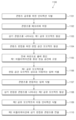
도 1은 다양한 실시 예들에 따른 네트워크 환경 내의 전자 장치의 블록도이다.
도 2는 일 실시예에 따른 전자 장치의 동작을 나타낸 순서도이다.
도 3은 일 실시예에 따른 전자 장치의 동작들을 순서대로 나타낸 도면이다.
도 4는 일 실시예에 따른 전자 장치의 동작들을 순서대로 나타낸 도면이다.
도 5는 일 실시예에 따른 전자 장치의 동작을 나타낸 순서도이다.
도 6은 일 실시예에 따른 전자 장치의 동작들을 순서대로 나타낸 도면이다.
도 7은 일 실시예에 따른 전자 장치의 동작들을 순서대로 나타낸 도면이다.
도 8은 일 실시예에 따른 전자 장치의 동작을 나타낸 순서도이다.
도 9는 일 실시예에 따른 전자 장치의 동작들을 순서대로 나타낸 도면이다.
도 10은 일 실시예에 따른 전자 장치의 동작들을 순서대로 나타낸 도면이다.
도 11은 일 실시예에 따른 전자 장치의 동작을 나타낸 순서도이다.
도 12는 일 실시예에 따른 전자 장치의 동작들을 순서대로 나타낸 도면이다.
도 13은 일 실시예에 따른 전자 장치의 도 12의 동작들과 이어지는 전자 장치의 동작들을 순서대로 나타낸 도면이다.
도 14는 일 실시예에 따른 전자 장치의 동작들을 순서대로 나타낸 도면이다.
도면의 설명과 관련하여, 동일 또는 유사한 구성요소에 대해서는 동일 또는 유사한 참조 부호가 사용될 수 있다.FIG. 1 is a block diagram of an electronic device within a network environment according to various embodiments.
Figure 2 is a flowchart illustrating the operation of an electronic device according to one embodiment.
FIG. 3 is a diagram showing sequential operations of an electronic device according to one embodiment.
FIG. 4 is a diagram showing sequential operations of an electronic device according to one embodiment.
FIG. 5 is a flowchart illustrating the operation of an electronic device according to one embodiment.
FIG. 6 is a diagram showing sequential operations of an electronic device according to one embodiment.
FIG. 7 is a diagram showing sequential operations of an electronic device according to one embodiment.
Figure 8 is a flowchart illustrating the operation of an electronic device according to one embodiment.
FIG. 9 is a diagram showing sequential operations of an electronic device according to one embodiment.
FIG. 10 is a diagram showing sequential operations of an electronic device according to one embodiment.
Figure 11 is a flowchart illustrating the operation of an electronic device according to one embodiment.
FIG. 12 is a diagram showing sequential operations of an electronic device according to one embodiment.
FIG. 13 is a drawing showing sequential operations of an electronic device according to one embodiment of the present invention and subsequent operations of the electronic device.
FIG. 14 is a diagram showing sequential operations of an electronic device according to one embodiment.
In connection with the description of the drawings, the same or similar reference numerals may be used for identical or similar components.
이하, 본 발명의 다양한 실시 예가 첨부된 도면을 참조하여 기재된다. 그러나, 이는 본 발명을 특정한 실시 형태에 대해 한정하려는 것이 아니며, 본 발명의 실시 예의 다양한 변경(modification), 균등물(equivalent), 및/또는 대체물(alternative)을 포함하는 것으로 이해되어야 한다. Hereinafter, various embodiments of the present invention will be described with reference to the attached drawings. However, this is not intended to limit the present invention to specific embodiments, but should be understood to include various modifications, equivalents, and/or alternatives of the embodiments of the present invention.
이하, 도 1을 참고하여, 일 실시예에 따른 전자 장치의 구성에 대하여 설명한다.Hereinafter, with reference to FIG. 1, a configuration of an electronic device according to one embodiment will be described.
도 1은 다양한 실시 예들에 따른 네트워크 환경(100) 내의 전자 장치(101)의 블록도이다. FIG. 1 is a block diagram of an electronic device (101) within a network environment (100) according to various embodiments.
도 1은, 다양한 실시예들에 따른, 네트워크 환경(100) 내의 전자 장치(101)의 블럭도이다. 도 1을 참조하면, 네트워크 환경(100)에서 전자 장치(101)는 제 1 네트워크(198)(예: 근거리 무선 통신 네트워크)를 통하여 전자 장치(102)와 통신하거나, 또는 제 2 네트워크(199)(예: 원거리 무선 통신 네트워크)를 통하여 전자 장치(104) 또는 서버(108)와 통신할 수 있다. 일실시예에 따르면, 전자 장치(101)는 서버(108)를 통하여 전자 장치(104)와 통신할 수 있다. 일실시예에 따르면, 전자 장치(101)는 프로세서(120), 메모리(130), 입력 장치(150), 음향 출력 장치(155), 표시 장치(160), 오디오 모듈(170), 센서 모듈(176), 인터페이스(177), 햅틱 모듈(179), 카메라 모듈(180), 전력 관리 모듈(188), 배터리(189), 통신 모듈(190), 가입자 식별 모듈(196), 또는 안테나 모듈(197)을 포함할 수 있다. 어떤 실시예에서는, 전자 장치(101)에는, 이 구성요소들 중 적어도 하나(예: 표시 장치(160) 또는 카메라 모듈(180))가 생략되거나, 하나 이상의 다른 구성요소가 추가될 수 있다. 어떤 실시예에서는, 이 구성요소들 중 일부들은 하나의 통합된 회로로 구현될 수 있다. 예를 들면, 센서 모듈(176)(예: 지문 센서, 홍채 센서, 또는 조도 센서)은 표시 장치(160)(예: 디스플레이)에 임베디드된 채 구현될 수 있다FIG. 1 is a block diagram of an electronic device (101) in a network environment (100) according to various embodiments. Referring to FIG. 1, in the network environment (100), the electronic device (101) may communicate with the electronic device (102) through a first network (198) (e.g., a short-range wireless communication network), or may communicate with the electronic device (104) or a server (108) through a second network (199) (e.g., a long-range wireless communication network). According to one embodiment, the electronic device (101) may communicate with the electronic device (104) through the server (108). According to one embodiment, the electronic device (101) may include a processor (120), a memory (130), an input device (150), an audio output device (155), a display device (160), an audio module (170), a sensor module (176), an interface (177), a haptic module (179), a camera module (180), a power management module (188), a battery (189), a communication module (190), a subscriber identification module (196), or an antenna module (197). In some embodiments, the electronic device (101) may omit at least one of these components (e.g., the display device (160) or the camera module (180)), or may have one or more other components added. In some embodiments, some of these components may be implemented as a single integrated circuit. For example, a sensor module (176) (e.g., a fingerprint sensor, an iris sensor, or a light sensor) may be implemented embedded in a display device (160) (e.g., a display).
프로세서(120)는, 예를 들면, 소프트웨어(예: 프로그램(140))를 실행하여 프로세서(120)에 연결된 전자 장치(101)의 적어도 하나의 다른 구성요소(예: 하드웨어 또는 소프트웨어 구성요소)를 제어할 수 있고, 다양한 데이터 처리 또는 연산을 수행할 수 있다. 일실시예에 따르면, 데이터 처리 또는 연산의 적어도 일부로서, 프로세서(120)는 다른 구성요소(예: 센서 모듈(176) 또는 통신 모듈(190))로부터 수신된 명령 또는 데이터를 휘발성 메모리(132)에 로드하고, 휘발성 메모리(132)에 저장된 명령 또는 데이터를 처리하고, 결과 데이터를 비휘발성 메모리(134)에 저장할 수 있다. 일실시예에 따르면, 프로세서(120)는 메인 프로세서(121)(예: 중앙 처리 장치 또는 어플리케이션 프로세서), 및 이와는 독립적으로 또는 함께 운영 가능한 보조 프로세서(123)(예: 그래픽 처리 장치, 이미지 시그널 프로세서, 센서 허브 프로세서, 또는 커뮤니케이션 프로세서)를 포함할 수 있다. 추가적으로 또는 대체적으로, 보조 프로세서(123)는 메인 프로세서(121)보다 저전력을 사용하거나, 또는 지정된 기능에 특화되도록 설정될 수 있다. 보조 프로세서(123)는 메인 프로세서(121)와 별개로, 또는 그 일부로서 구현될 수 있다.The processor (120) may control at least one other component (e.g., a hardware or software component) of the electronic device (101) connected to the processor (120) by executing, for example, software (e.g., a program (140)), and may perform various data processing or calculations. According to one embodiment, as at least a part of the data processing or calculations, the processor (120) may load a command or data received from another component (e.g., a sensor module (176) or a communication module (190)) into the volatile memory (132), process the command or data stored in the volatile memory (132), and store the resulting data in the nonvolatile memory (134). According to one embodiment, the processor (120) may include a main processor (121) (e.g., a central processing unit or an application processor), and a secondary processor (123) (e.g., a graphics processing unit, an image signal processor, a sensor hub processor, or a communication processor) that may operate independently or together therewith. Additionally or alternatively, the auxiliary processor (123) may be configured to use less power than the main processor (121), or to be specialized for a given function. The auxiliary processor (123) may be implemented separately from the main processor (121), or as a part thereof.
보조 프로세서(123)는, 예를 들면, 메인 프로세서(121)가 인액티브(예: 슬립) 상태에 있는 동안 메인 프로세서(121)를 대신하여, 또는 메인 프로세서(121)가 액티브(예: 어플리케이션 실행) 상태에 있는 동안 메인 프로세서(121)와 함께, 전자 장치(101)의 구성요소들 중 적어도 하나의 구성요소(예: 표시 장치(160), 센서 모듈(176), 또는 통신 모듈(190))와 관련된 기능 또는 상태들의 적어도 일부를 제어할 수 있다. 일실시예에 따르면, 보조 프로세서(123)(예: 이미지 시그널 프로세서 또는 커뮤니케이션 프로세서)는 기능적으로 관련 있는 다른 구성 요소(예: 카메라 모듈(180) 또는 통신 모듈(190))의 일부로서 구현될 수 있다. The auxiliary processor (123) may control at least a portion of functions or states associated with at least one of the components of the electronic device (101) (e.g., the display device (160), the sensor module (176), or the communication module (190)), for example, on behalf of the main processor (121) while the main processor (121) is in an inactive (e.g., sleep) state, or together with the main processor (121) while the main processor (121) is in an active (e.g., application execution) state. In one embodiment, the auxiliary processor (123) (e.g., an image signal processor or a communication processor) may be implemented as a part of another functionally related component (e.g., a camera module (180) or a communication module (190)).
메모리(130)는, 전자 장치(101)의 적어도 하나의 구성요소(예: 프로세서(120) 또는 센서모듈(176))에 의해 사용되는 다양한 데이터를 저장할 수 있다. 데이터는, 예를 들어, 소프트웨어(예: 프로그램(140)) 및, 이와 관련된 명령에 대한 입력 데이터 또는 출력 데이터를 포함할 수 있다. 메모리(130)는, 휘발성 메모리(132) 또는 비휘발성 메모리(134)를 포함할 수 있다. The memory (130) can store various data used by at least one component (e.g., processor (120) or sensor module (176)) of the electronic device (101). The data can include, for example, software (e.g., program (140)) and input data or output data for commands related thereto. The memory (130) can include volatile memory (132) or nonvolatile memory (134).
프로그램(140)은 메모리(130)에 소프트웨어로서 저장될 수 있으며, 예를 들면, 운영 체제(142), 미들 웨어(144) 또는 어플리케이션(146)을 포함할 수 있다. The program (140) may be stored as software in memory (130) and may include, for example, an operating system (142), middleware (144), or an application (146).
입력 장치(150)는, 전자 장치(101)의 구성요소(예: 프로세서(120))에 사용될 명령 또는 데이터를 전자 장치(101)의 외부(예: 사용자)로부터 수신할 수 있다. 입력 장치(150)는, 예를 들면, 마이크, 마우스, 키보드, 또는 디지털 펜(예: 스타일러스 펜)을 포함할 수 있다. The input device (150) can receive commands or data to be used in a component of the electronic device (101) (e.g., a processor (120)) from an external source (e.g., a user) of the electronic device (101). The input device (150) can include, for example, a microphone, a mouse, a keyboard, or a digital pen (e.g., a stylus pen).
음향 출력 장치(155)는 음향 신호를 전자 장치(101)의 외부로 출력할 수 있다. 음향 출력 장치(155)는, 예를 들면, 스피커 또는 리시버를 포함할 수 있다. 스피커는 멀티미디어 재생 또는 녹음 재생과 같이 일반적인 용도로 사용될 수 있고, 리시버는 착신 전화를 수신하기 위해 사용될 수 있다. 일실시예에 따르면, 리시버는 스피커와 별개로, 또는 그 일부로서 구현될 수 있다.The audio output device (155) can output an audio signal to the outside of the electronic device (101). The audio output device (155) can include, for example, a speaker or a receiver. The speaker can be used for general purposes such as multimedia playback or recording playback, and the receiver can be used to receive an incoming call. According to one embodiment, the receiver can be implemented separately from the speaker or as a part thereof.
표시 장치(160)는 전자 장치(101)의 외부(예: 사용자)로 정보를 시각적으로 제공할 수 있다. 표시 장치(160)는, 예를 들면, 디스플레이, 홀로그램 장치, 또는 프로젝터 및 해당 장치를 제어하기 위한 제어 회로를 포함할 수 있다. 일실시예에 따르면, 표시 장치(160)는 터치를 감지하도록 설정된 터치 회로(touch circuitry), 또는 상기 터치에 의해 발생되는 힘의 세기를 측정하도록 설정된 센서 회로(예: 압력 센서)를 포함할 수 있다. The display device (160) can visually provide information to an external party (e.g., a user) of the electronic device (101). The display device (160) can include, for example, a display, a holographic device, or a projector and a control circuit for controlling the device. According to one embodiment, the display device (160) can include touch circuitry configured to detect a touch, or a sensor circuitry configured to measure a strength of a force generated by the touch (e.g., a pressure sensor).
오디오 모듈(170)은 소리를 전기 신호로 변환시키거나, 반대로 전기 신호를 소리로 변환시킬 수 있다. 일실시예에 따르면, 오디오 모듈(170)은, 입력 장치(150)를 통해 소리를 획득하거나, 음향 출력 장치(155), 또는 전자 장치(101)와 직접 또는 무선으로 연결된 외부 전자 장치(예: 전자 장치(102))(예: 스피커 또는 헤드폰)를 통해 소리를 출력할 수 있다.The audio module (170) can convert sound into an electrical signal, or vice versa, convert an electrical signal into sound. According to one embodiment, the audio module (170) can obtain sound through an input device (150), or output sound through an audio output device (155), or an external electronic device (e.g., an electronic device (102)) (e.g., a speaker or a headphone) directly or wirelessly connected to the electronic device (101).
센서 모듈(176)은 전자 장치(101)의 작동 상태(예: 전력 또는 온도), 또는 외부의 환경 상태(예: 사용자 상태)를 감지하고, 감지된 상태에 대응하는 전기 신호 또는 데이터 값을 생성할 수 있다. 일실시예에 따르면, 센서 모듈(176)은, 예를 들면, 제스처 센서, 자이로 센서, 기압 센서, 마그네틱 센서, 가속도 센서, 그립 센서, 근접 센서, 컬러 센서, IR(infrared) 센서, 생체 센서, 온도 센서, 습도 센서, 또는 조도 센서를 포함할 수 있다. The sensor module (176) can detect an operating state (e.g., power or temperature) of the electronic device (101) or an external environmental state (e.g., user state) and generate an electric signal or data value corresponding to the detected state. According to one embodiment, the sensor module (176) can include, for example, a gesture sensor, a gyro sensor, a barometric pressure sensor, a magnetic sensor, an acceleration sensor, a grip sensor, a proximity sensor, a color sensor, an IR (infrared) sensor, a biometric sensor, a temperature sensor, a humidity sensor, or an illuminance sensor.
인터페이스(177)는 전자 장치(101)가 외부 전자 장치(예: 전자 장치(102))와 직접 또는 무선으로 연결되기 위해 사용될 수 있는 하나 이상의 지정된 프로토콜들을 지원할 수 있다. 일실시예에 따르면, 인터페이스(177)는, 예를 들면, HDMI(high definition multimedia interface), USB(universal serial bus) 인터페이스, SD카드 인터페이스, 또는 오디오 인터페이스를 포함할 수 있다.The interface (177) may support one or more designated protocols that may be used to directly or wirelessly connect the electronic device (101) with an external electronic device (e.g., the electronic device (102)). In one embodiment, the interface (177) may include, for example, a high definition multimedia interface (HDMI), a universal serial bus (USB) interface, an SD card interface, or an audio interface.
연결 단자(178)는, 그를 통해서 전자 장치(101)가 외부 전자 장치(예: 전자 장치(102))와 물리적으로 연결될 수 있는 커넥터를 포함할 수 있다. 일실시예에 따르면, 연결 단자(178)는, 예를 들면, HDMI 커넥터, USB 커넥터, SD 카드 커넥터, 또는 오디오 커넥터(예: 헤드폰 커넥터)를 포함할 수 있다.The connection terminal (178) may include a connector through which the electronic device (101) may be physically connected to an external electronic device (e.g., the electronic device (102)). According to one embodiment, the connection terminal (178) may include, for example, an HDMI connector, a USB connector, an SD card connector, or an audio connector (e.g., a headphone connector).
햅틱 모듈(179)은 전기적 신호를 사용자가 촉각 또는 운동 감각을 통해서 인지할 수 있는 기계적인 자극(예: 진동 또는 움직임) 또는 전기적인 자극으로 변환할 수 있다. 일실시예에 따르면, 햅틱 모듈(179)은, 예를 들면, 모터, 압전 소자, 또는 전기 자극 장치를 포함할 수 있다.The haptic module (179) can convert an electrical signal into a mechanical stimulus (e.g., vibration or movement) or an electrical stimulus that a user can perceive through a tactile or kinesthetic sense. According to one embodiment, the haptic module (179) can include, for example, a motor, a piezoelectric element, or an electrical stimulation device.
카메라 모듈(180)은 정지 영상 및 동영상을 촬영할 수 있다. 일실시예에 따르면, 카메라 모듈(180)은 하나 이상의 렌즈들, 이미지 센서들, 이미지 시그널 프로세서들, 또는 플래시들을 포함할 수 있다.The camera module (180) can capture still images and moving images. According to one embodiment, the camera module (180) can include one or more lenses, image sensors, image signal processors, or flashes.
전력 관리 모듈(188)은 전자 장치(101)에 공급되는 전력을 관리할 수 있다. 일실시예에 따르면, 전력 관리 모듈(188)은, 예를 들면, PMIC(power management integrated circuit)의 적어도 일부로서 구현될 수 있다.The power management module (188) can manage power supplied to the electronic device (101). According to one embodiment, the power management module (188) can be implemented as, for example, at least a part of a power management integrated circuit (PMIC).
배터리(189)는 전자 장치(101)의 적어도 하나의 구성요소에 전력을 공급할 수 있다. 일실시예에 따르면, 배터리(189)는, 예를 들면, 재충전 불가능한 1차 전지, 재충전 가능한 2차 전지 또는 연료 전지를 포함할 수 있다.The battery (189) can power at least one component of the electronic device (101). In one embodiment, the battery (189) can include, for example, a non-rechargeable primary battery, a rechargeable secondary battery, or a fuel cell.
통신 모듈(190)은 전자 장치(101)와 외부 전자 장치(예: 전자 장치(102), 전자 장치(104), 또는 서버(108))간의 직접(예: 유선) 통신 채널 또는 무선 통신 채널의 수립, 및 수립된 통신 채널을 통한 통신 수행을 지원할 수 있다. 통신 모듈(190)은 프로세서(120)(예: 어플리케이션 프로세서)와 독립적으로 운영되고, 직접(예: 유선) 통신 또는 무선 통신을 지원하는 하나 이상의 커뮤니케이션 프로세서를 포함할 수 있다. 일실시예에 따르면, 통신 모듈(190)은 무선 통신 모듈(192)(예: 셀룰러 통신 모듈, 근거리 무선 통신 모듈, 또는 GNSS(global navigation satellite system) 통신 모듈) 또는 유선 통신 모듈(194)(예: LAN(local area network) 통신 모듈, 또는 전력선 통신 모듈)을 포함할 수 있다. 이들 통신 모듈 중 해당하는 통신 모듈은 제 1 네트워크(198)(예: 블루투스, WiFi direct 또는 IrDA(infrared data association)와 같은 근거리 통신 네트워크) 또는 제 2 네트워크(199)(예: 셀룰러 네트워크, 인터넷, 또는 컴퓨터 네트워크(예: LAN 또는 WAN)와 같은 원거리 통신 네트워크)를 통하여 외부 전자 장치(104)와 통신할 수 있다. 이런 여러 종류의 통신 모듈들은 하나의 구성요소(예: 단일 칩)로 통합되거나, 또는 서로 별도의 복수의 구성요소들(예: 복수 칩들)로 구현될 수 있다. 무선 통신 모듈(192)은 가입자 식별 모듈(196)에 저장된 가입자 정보(예: 국제 모바일 가입자 식별자(IMSI))를 이용하여 제 1 네트워크(198) 또는 제 2 네트워크(199)와 같은 통신 네트워크 내에서 전자 장치(101)를 확인 및 인증할 수 있다. The communication module (190) may support establishment of a direct (e.g., wired) communication channel or a wireless communication channel between the electronic device (101) and an external electronic device (e.g., the electronic device (102), the electronic device (104), or the server (108)), and performance of communication through the established communication channel. The communication module (190) may operate independently from the processor (120) (e.g., the application processor) and may include one or more communication processors that support direct (e.g., wired) communication or wireless communication. According to one embodiment, the communication module (190) may include a wireless communication module (192) (e.g., a cellular communication module, a short-range wireless communication module, or a GNSS (global navigation satellite system) communication module) or a wired communication module (194) (e.g., a local area network (LAN) communication module, or a power line communication module). A corresponding communication module among these communication modules can communicate with an external electronic device (104) via a first network (198) (e.g., a short-range communication network such as Bluetooth, WiFi direct, or infrared data association (IrDA)) or a second network (199) (e.g., a long-range communication network such as a cellular network, the Internet, or a computer network (e.g., a LAN or WAN)). These various types of communication modules can be integrated into a single component (e.g., a single chip) or implemented as multiple separate components (e.g., multiple chips). The wireless communication module (192) can identify and authenticate the electronic device (101) within a communication network such as the first network (198) or the second network (199) by using subscriber information (e.g., an international mobile subscriber identity (IMSI)) stored in the subscriber identification module (196).
안테나 모듈(197)은 신호 또는 전력을 외부(예: 외부 전자 장치)로 송신하거나 외부로부터 수신할 수 있다. 일실시예에 따르면, 안테나 모듈(197)은 서브스트레이트(예: PCB) 위에 형성된 도전체 또는 도전성 패턴으로 이루어진 방사체를 포함하는 하나의 안테나를 포함할 수 있다. 일실시예에 따르면, 안테나 모듈(197)은 복수의 안테나들을 포함할 수 있다. 이런 경우, 제 1 네트워크(198) 또는 제 2 네트워크(199)와 같은 통신 네트워크에서 사용되는 통신 방식에 적합한 적어도 하나의 안테나가, 예를 들면, 통신 모듈(190)에 의하여 상기 복수의 안테나들로부터 선택될 수 있다. 신호 또는 전력은 상기 선택된 적어도 하나의 안테나를 통하여 통신 모듈(190)과 외부 전자 장치 간에 송신되거나 수신될 수 있다. 어떤 실시예에 따르면, 방사체 이외에 다른 부품(예: RFIC)이 추가로 안테나 모듈(197)의 일부로 형성될 수 있다.The antenna module (197) can transmit or receive signals or power to or from an external device (e.g., an external electronic device). According to one embodiment, the antenna module (197) can include one antenna including a radiator formed of a conductor or a conductive pattern formed on a substrate (e.g., a PCB). According to one embodiment, the antenna module (197) can include a plurality of antennas. In this case, at least one antenna suitable for a communication method used in a communication network, such as the first network (198) or the second network (199), can be selected from the plurality of antennas by, for example, the communication module (190). A signal or power can be transmitted or received between the communication module (190) and the external electronic device through the selected at least one antenna. According to some embodiments, in addition to the radiator, another component (e.g., an RFIC) can be additionally formed as a part of the antenna module (197).
상기 구성요소들 중 적어도 일부는 주변 기기들간 통신 방식(예: 버스, GPIO(general purpose input and output), SPI(serial peripheral interface), 또는 MIPI(mobile industry processor interface))을 통해 서로 연결되고 신호(예: 명령 또는 데이터)를 상호간에 교환할 수 있다.At least some of the above components may be interconnected and exchange signals (e.g., commands or data) with each other via a communication method between peripheral devices (e.g., a bus, a general purpose input and output (GPIO), a serial peripheral interface (SPI), or a mobile industry processor interface (MIPI)).
일실시예에 따르면, 명령 또는 데이터는 제 2 네트워크(199)에 연결된 서버(108)를 통해서 전자 장치(101)와 외부의 전자 장치(104)간에 송신 또는 수신될 수 있다. 외부 전자 장치(102, 104) 각각은 전자 장치(101)와 동일한 또는 다른 종류의 장치일 수 있다. 일실시예에 따르면, 전자 장치(101)에서 실행되는 동작들의 전부 또는 일부는 외부 전자 장치들(102, 104, 또는 108) 중 하나 이상의 외부 전자 장치들에서 실행될 수 있다. 예를 들면, 전자 장치(101)가 어떤 기능이나 서비스를 자동으로, 또는 사용자 또는 다른 장치로부터의 요청에 반응하여 수행해야 할 경우에, 전자 장치(101)는 기능 또는 서비스를 자체적으로 실행시키는 대신에 또는 추가적으로, 하나 이상의 외부 전자 장치들에게 그 기능 또는 그 서비스의 적어도 일부를 수행하라고 요청할 수 있다. 상기 요청을 수신한 하나 이상의 외부 전자 장치들은 요청된 기능 또는 서비스의 적어도 일부, 또는 상기 요청과 관련된 추가 기능 또는 서비스를 실행하고, 그 실행의 결과를 전자 장치(101)로 전달할 수 있다. 전자 장치(101)는 상기 결과를, 그대로 또는 추가적으로 처리하여, 상기 요청에 대한 응답의 적어도 일부로서 제공할 수 있다. 이를 위하여, 예를 들면, 클라우드 컴퓨팅, 분산 컴퓨팅, 또는 클라이언트-서버 컴퓨팅 기술이 이용될 수 있다.In one embodiment, a command or data may be transmitted or received between the electronic device (101) and an external electronic device (104) via a server (108) connected to a second network (199). Each of the external electronic devices (102, 104) may be the same or a different type of device as the electronic device (101). In one embodiment, all or part of the operations executed in the electronic device (101) may be executed in one or more of the external electronic devices (102, 104, or 108). For example, when the electronic device (101) is to perform a certain function or service automatically or in response to a request from a user or another device, the electronic device (101) may, instead of executing the function or service itself or in addition, request one or more external electronic devices to perform at least a part of the function or service. One or more external electronic devices that have received the request may execute at least a part of the requested function or service, or an additional function or service related to the request, and transmit the result of the execution to the electronic device (101). The electronic device (101) may process the result as is or additionally and provide it as at least a part of a response to the request. For this purpose, for example, cloud computing, distributed computing, or client-server computing technology may be used.
이하, 도 2를 참고하여, 일 실시예에 따른 전자 장치의 동작에 대하여 설명한다.Hereinafter, with reference to FIG. 2, the operation of an electronic device according to one embodiment will be described.
도 2는 일 실시예에 따른 전자 장치의 동작을 나타낸 순서도(200)이다. 이하 설명하는 전자 장치의 동작은 전자 장치(예: 도 1의 전자 장치(101))의 프로세서(예: 도 1의 프로세서(120))에 의해서 수행될 수 있다.FIG. 2 is a flowchart (200) showing the operation of an electronic device according to one embodiment. The operation of the electronic device described below may be performed by a processor (e.g., processor (120) of FIG. 1) of an electronic device (e.g., electronic device (101) of FIG. 1).
도 2를 참조하면, 동작 201에서, 전자 장치(예: 도 1의 전자 장치(101))의 프로세서는 전자 장치의 메모리(예: 도 1의 메모리(130))에 저장된 어플리케이션(예: 도 1의 어플리케이션(146))이 전자 장치의 전체 화면으로 실행되고 있는 중에, 어플리케이션의 고정을 위한 인터랙션(interaction)을 식별할 수 있다.Referring to FIG. 2, in
일 실시예에 따라 어플리케이션의 고정이란, 실행 중인 어플리케이션의 전체 화면을 종료하고 실행 중인 어플리케이션의 축소 화면을 증강 현실 공간에 위치시키는 것을 의미할 수 있다. 일 실시예에 따라 어플리케이션의 고정이란, 멀티태스킹(multitasking) 또는 다른 어플리케이션으로 전환을 위해, 실행 중인 어플리케이션의 전체 화면을 종료하고 멀티태스킹 화면 또는 어플리케이션 전환 화면을 출력하는 것을 의미할 수 있다. In one embodiment, pinning an application may mean terminating the full screen of a running application and positioning a reduced screen of the running application in the augmented reality space. In one embodiment, pinning an application may mean terminating the full screen of a running application and outputting a multitasking screen or an application switching screen for multitasking or switching to another application.
일 실시예에 따라 멀티태스킹 화면 또는 어플리케이션 전환 화면은 증강 현실 공간 화면으로 구현될 수 있다. 일 실시예에 따라, 증강 현실 공간 화면은 하나 이상의 멀티태스킹을 위한 아이콘 및/또는 하나 이상의 어플리케이션의 축소 화면을 포함할 수 있으며, 전자 장치의 프로세서는 상기 아이콘 또는 상기 축소 화면을 선택하는 입력이 수신되는 경우 해당 기능을 실행할 수 있다.According to one embodiment, the multitasking screen or the application switching screen may be implemented as an augmented reality space screen. According to one embodiment, the augmented reality space screen may include one or more icons for multitasking and/or miniature screens of one or more applications, and the processor of the electronic device may execute a corresponding function when an input for selecting the icons or the miniature screens is received.
일 실시예에 따라 어플리케이션의 고정을 위한 인터랙션은 사용자가 현실 공간에서 전자 장치를 특정 위치로 이동시키는 동작을 포함할 수 있다. 일 실시예에 따라 특정 위치란 사용자가 증강 현실 공간에서 어플리케이션을 고정하고자하는 위치에 대응되는 현실 공간 상의 위치를 의미할 수 있다. 일 실시예에 따라 어플리케이션의 고정을 위한 인터랙션은 어플리케이션의 전체 화면을 터치, 탭(tap), 더블 탭, 트리플 탭, 스와이프(swipe), 더블 스와이프, 핀치(pinch), 스프레드(spread), 회전(rotate), 스크롤(scroll), 및 드래그(drag) 하는 동작 중 어느 하나를 포함할 수 있다. 일 실시예에 따라 어플리케이션의 고정을 위한 인터랙션은, 사용자가 현실 공간에서 전자 장치를 특정 위치로 이동시킨 후, 어플리케이션의 전체 화면을 터치, 탭(tap), 더블 탭, 트리플 탭, 스와이프(swipe), 더블 스와이프, 핀치(pinch), 스프레드(spread), 회전(rotate), 스크롤(scroll), 롱 프레스, 숏 프레스, 및 드래그(drag) 하는 동작 중 어느 하나를 포함할 수 있다.According to one embodiment, the interaction for fixing an application may include an action of a user moving an electronic device to a specific location in real space. According to one embodiment, the specific location may mean a location in real space corresponding to a location where the user wishes to fix the application in augmented reality space. According to one embodiment, the interaction for fixing an application may include any one of actions of touching, tapping, double tapping, triple tapping, swiping, double swiping, pinching, spreading, rotating, scrolling, and dragging the entire screen of the application. According to one embodiment, the interaction for fixing an application may include any one of actions of touching, tapping, double tapping, triple tapping, swiping, double swiping, pinching, spreading, rotating, scrolling, long pressing, short pressing, and dragging the entire screen of the application after the user moves the electronic device to a specific location in real space.
동작 202에서, 전자 장치의 프로세서는 어플리케이션의 고정을 위한 인터랙션이 식별됨에 따라 현재 전자 장치의 전체 화면으로 실행 중인 어플리케이션을 판단할 수 있다. 일 실시예에 따라 전자 장치는 어플리케이션의 고정을 위한 인터랙션이 식별됨에 따라 멀티태스킹 또는 어플리케이션의 전환을 위해, 현재 전자 장치의 전체 화면으로 실행 중이라고 판단된 어플리케이션을 가상 메모리로 출력하기 시작할 수 있다. In
동작 203에서, 전자 장치의 프로세서는 어플리케이션의 고정을 위한 인터랙션이 식별됨에 따라 현재 전자 장치의 전체 화면으로 실행 중인 어플리케이션의 실행 화면을 출력하는 제1 앱 오브젝트를 형성할 수 있다. 일 실시예에 따라 제1 앱 오브젝트는 증강 현실 공간에 배치될 수 있는 오브젝트를 의미할 수 있다. 일 실시예에 따라 제1 앱 오브젝트는 어플리케이션의 실행 화면을 축소한 축소 화면을 출력할 수 있는 증강 현실의 오브젝트를 의미할 수 있다. 일 실시예에 따라 전자 장치의 프로세서는 현재 실행 중인 어플리케이션의 실행 화면을 축소한 축소 화면을 제1 앱 오브젝트에 매핑할 수 있다. 일 실시예에 따라 현재 전자 장치의 전체 화면으로 실행 중인 어플리케이션의 실행 화면이 제1 앱 오브젝트에 맵핑됨에 따라 제1 오브젝트는 어플리케이션의 실행 중인 화면이 그대로 출력될 수 있다.In
동작 204에서, 전자 장치의 프로세서는 어플리케이션의 실행 화면을 출력하는 제1 앱 오브젝트를 증강 현실 공간에 출력할 수 있다. 일 실시예에 따라 전자 장치의 프로세서는 카메라 모듈(예: 도 1의 카메라 모듈(180))을 통하여 인식한 외부 영상을 기반으로 증강 현실 공간을 형성할 수 있으며, 형성한 증강 현실 공간을 재생하는 증강 현실 모드를 실행할 수 있다. 일 실시예에 따라 전자 장치의 프로세서는 어플리케이션의 전체 화면을 종료하면서 증강 현실 모드를 실행할 수 있고, 증강 현실 공간에 제1 앱 오브젝트를 출력할 수 있다. In
일 실시예에 따라 전자 장치는 사용자의 어플리케이션 고정을 위한 인터랙션이 발생한 시점에 전자 장치의 위치를 전자 장치의 GPS 및/또는 나침반 등으로 식별하고, 전자 장치의 식별된 좌표에 대응되는 증강 현실 공간의 위치에 제1 앱 오브젝트를 출력할 수 있다. 또는 일 실시예에 따라 전자 장치는 증강 현실 공간의 전자 장치의 위치를 기준으로 제1 앱 오브젝트의 상대적인 위치를 기록하여, 전자 장치가(전자 장치를 소지한 사용자가) 현실 공간에서 다른 지역으로 이동하더라도 해당 지역을 반영한 증강 현실 공간에 상기 상대적인 위치에 대응되도록 제1 앱 오브젝트를 출력할 수 있다.According to one embodiment, the electronic device may identify the location of the electronic device at a time when an interaction for fixing a user's application occurs, such as by using the electronic device's GPS and/or compass, and output a first app object to a location in an augmented reality space corresponding to the identified coordinates of the electronic device. Alternatively, according to one embodiment, the electronic device may record a relative location of the first app object based on the location of the electronic device in the augmented reality space, so that even if the electronic device (a user carrying the electronic device) moves to a different area in the real space, the electronic device may output the first app object to correspond to the relative location in an augmented reality space reflecting the area.
이하, 도 3을 참고하여, 일 실시예에 따른 전자 장치의 동작에 대하여 설명한다.Hereinafter, with reference to FIG. 3, the operation of an electronic device according to one embodiment will be described.
도 3은 일 실시예에 따른 전자 장치의 동작들을 순서대로 나타낸 도면(300)이다. 이하 설명하는 전자 장치의 동작은 전자 장치(예: 도 1의 전자 장치(101))의 프로세서(예: 도 1의 프로세서(120))에 의해서 수행될 수 있다. 상술한 실시예와 동일한 구성은 동일한 참조 번호로 참조될 수도 있으며, 동일한 내용에 대한 설명은 생략될 수 있다.FIG. 3 is a drawing (300) showing the operations of an electronic device in sequence according to one embodiment. The operations of the electronic device described below may be performed by a processor (e.g., processor (120) of FIG. 1) of an electronic device (e.g., electronic device (101) of FIG. 1). The same components as those of the above-described embodiment may be referred to by the same reference numerals, and descriptions of the same contents may be omitted.
도 3의 제1 도면(310)을 참조하면, 전자 장치(101)는 실행 중인 어플리케이션(311)을 전자 장치(101)의 전체 화면으로 출력할 수 있다. 전자 장치(101)는 현실 공간(312)의 임의의 위치에 위치할 수 있다.Referring to the first drawing (310) of FIG. 3, the electronic device (101) can output a running application (311) to the entire screen of the electronic device (101). The electronic device (101) can be located at any location in real space (312).
도 3의 제2 도면(320)을 참조하면, 전자 장치(101)를 소지한 사용자가 전자 장치(101)와 함께 현실 공간(312)의 특정 위치로 이동할 수 있다.Referring to the second drawing (320) of FIG. 3, a user carrying an electronic device (101) can move to a specific location in real space (312) with the electronic device (101).
도 3의 제3 도면(330)을 참조하면, 전자 장치(101)가 현실 공간(312)의 특정 위치로 이동됨에 따라, 또는 이동 후 어플리케이션(311)의 고정을 위한 입력을 추가적으로 수신함에 따라, 전자 장치(101)의 프로세서는 어플리케이션(311)의 고정을 위한 인터랙션(interaction)이 발생되었다고 식별할 수 있다. Referring to the third drawing (330) of FIG. 3, as the electronic device (101) is moved to a specific location in the real space (312), or as an input for fixing the application (311) is additionally received after the movement, the processor of the electronic device (101) can identify that an interaction for fixing the application (311) has occurred.
일 실시예에 따라 전자 장치(101)의 프로세서는 어플리케이션(311)의 고정을 위한 인터랙션이 식별됨에 따라 현재 전자 장치(101)의 전체 화면으로 실행 중인 어플리케이션(311)을 판단할 수 있다. 또한 일 실시예에 따라 전자 장치(101)는 어플리케이션(311)의 고정을 위한 인터랙션이 식별됨에 따라 멀티태스킹 또는 어플리케이션의 전환을 위해, 현재 전자 장치(101)의 전체 화면으로 실행 중이라고 판단된 어플리케이션(311)을 가상 메모리로 출력하기 시작할 수 있다. According to one embodiment, the processor of the electronic device (101) may determine the application (311) currently running on the full screen of the electronic device (101) as an interaction for fixing the application (311) is identified. Also, according to one embodiment, the electronic device (101) may start outputting the application (311) currently running on the full screen of the electronic device (101) to a virtual memory for multitasking or switching applications as an interaction for fixing the application (311) is identified.
일 실시예에 따라 전자 장치(101)의 프로세서는 어플리케이션(311)의 고정을 위한 인터랙션이 식별됨에 따라 제1 앱 오브젝트(331)를 형성할 수 있다. 일 실시예에 따라 전자 장치(101)의 프로세서는 형성된 제1 앱 오브젝트(331)에 현재 전자 장치(101)의 전체 화면으로 실행 중인 어플리케이션(311)의 실행 화면을 맵핑할 수 있다.According to one embodiment, the processor of the electronic device (101) may form a first app object (331) as an interaction for fixing the application (311) is identified. According to one embodiment, the processor of the electronic device (101) may map an execution screen of an application (311) currently running on the full screen of the electronic device (101) to the formed first app object (331).
도 3의 제4 도면(340)을 참조하면, 전자 장치(101)의 프로세서는 어플리케이션의 실행 화면을 맵핑한 제1 앱 오브젝트(331)를 증강 현실 공간(341)에 출력할 수 있다. 전자 장치(101)의 프로세서는 카메라 모듈(예: 도 1의 카메라 모듈(180))을 통하여 인식한 현실 공간(312)를 기반으로 증강 현실 공간(341)을 형성할 수 있으며, 전자 장치(101)의 현실 공간(312)의 좌표에 대응되는 증강 현실 공간(341)의 위치에 제1 앱 오브젝트(331)를 출력할 수 있다. 전자 장치(101)는 형성한 증강 현실 공간(341)을 재생하는 증강 현실 모드를 실행하면서 어플리케이션의 전체 화면을 종료하고 증강 현실 공간(341) 콘텐츠를 표시 장치에 출력할 수 있다. Referring to the fourth drawing (340) of FIG. 3, the processor of the electronic device (101) can output a first app object (331) that maps an execution screen of an application to an augmented reality space (341). The processor of the electronic device (101) can form an augmented reality space (341) based on a real space (312) recognized through a camera module (e.g., the camera module (180) of FIG. 1), and can output the first app object (331) to a location of the augmented reality space (341) corresponding to the coordinates of the real space (312) of the electronic device (101). The electronic device (101) can terminate the entire screen of the application and output the augmented reality space (341) content to the display device while executing an augmented reality mode that reproduces the formed augmented reality space (341).
일 실시예에 따라 증강 현실 공간(341)은 제1 앱 오브젝트(331)뿐만 아니라 제2 어플리케이션의 실행 화면을 맵핑한 제2 앱 오브젝트(342), 제3 어플리케이션의 실행 화면을 맵핑한 제3 앱 오브젝트(343)을 출력할 수 있다.According to one embodiment, the augmented reality space (341) may output not only the first app object (331), but also the second app object (342) to which the execution screen of the second application is mapped, and the third app object (343) to which the execution screen of the third application is mapped.
도 3의 제5 도면(350)을 참조하면, 전자 장치(101)가 현실 공간에서 이동함에 따라 전자 장치(101)의 위치에 대응되는 증강 현실 공간(341) 콘텐츠가 표시 장치에 출력되며, 사용자는 전자 장치(101)에 출력되는 증강 현실 공간(341) 콘텐츠 상의 제1 앱 오브젝트(331), 제2 앱 오브젝트(342) 및 제3 앱 오브젝트(343) 중 어느 하나를 선택하여 어플리케이션을 전환할 수 있다. 예를 들어 사용자로부터 제2 앱 오브젝트(342)를 선택하는 입력이 수신되는 경우, 전자 장치(101)는 증강 현실 모드를 종료하고 제2 어플리케이션을 전체 화면으로 실행할 수 있다.Referring to the fifth drawing (350) of FIG. 3, as the electronic device (101) moves in the real space, augmented reality space (341) content corresponding to the position of the electronic device (101) is output to the display device, and the user can switch applications by selecting any one of the first app object (331), the second app object (342), and the third app object (343) on the augmented reality space (341) content output to the electronic device (101). For example, when an input for selecting the second app object (342) is received from the user, the electronic device (101) can terminate the augmented reality mode and execute the second application in full screen.
이하, 도 4를 참고하여, 일 실시예에 따른 전자 장치의 동작에 대하여 설명한다.Hereinafter, with reference to FIG. 4, the operation of an electronic device according to one embodiment will be described.
도 4는 일 실시예에 따른 전자 장치의 동작들을 순서대로 나타낸 도면(400)이다. 이하 설명하는 전자 장치의 동작은 전자 장치(예: 도 1의 전자 장치(101))의 프로세서(예: 도 1의 프로세서(120))에 의해서 수행될 수 있다. 상술한 실시예와 동일한 구성은 동일한 참조 번호로 참조될 수도 있으며, 동일한 내용에 대한 설명은 생략될 수 있다.FIG. 4 is a drawing (400) showing the operations of an electronic device in sequence according to one embodiment. The operations of the electronic device described below may be performed by a processor (e.g., processor (120) of FIG. 1) of an electronic device (e.g., electronic device (101) of FIG. 1). The same components as those of the above-described embodiment may be referred to by the same reference numerals, and descriptions of the same contents may be omitted.
도 4의 제1 도면(410)을 참조하면, 전자 장치(101)는 실행 중인 어플리케이션(411)을 전자 장치(101)의 전체 화면으로 출력할 수 있다. 전자 장치(101)는 현실 공간(431)의 임의의 위치에 위치할 수 있다. 일 실시예에 따라 탁자가 위치하는 현실 공간(431)을 가정하였다.Referring to the first drawing (410) of FIG. 4, the electronic device (101) can output the running application (411) to the entire screen of the electronic device (101). The electronic device (101) can be located at any location in the real space (431). According to one embodiment, the real space (431) where a table is located is assumed.
도 4의 제2 도면(420)을 참조하면, 전자 장치(101)를 소지한 사용자가 전자 장치(101)와 함께 현실 공간(431)의 특정 위치로 이동할 수 있다. 일 실시예에 따라 전자 장치(101)가 탁자(431)와 거리가 가까워 지도록 탁자 근처로 이동하는 상황을 가정하였다.Referring to the second drawing (420) of FIG. 4, a user carrying an electronic device (101) can move to a specific location in real space (431) together with the electronic device (101). According to one embodiment, it is assumed that the electronic device (101) moves near the table so that the distance from the table (431) becomes closer.
일 실시예에 따라 사용자가 현실 공간에서 특정 위치로 이동하면, 전자 장치(101)의 프로세서는 어플리케이션(411)의 고정을 위한 인터랙션이 발생되었다고 식별할 수 있다.In one embodiment, when a user moves to a specific location in real space, the processor of the electronic device (101) can identify that an interaction for fixing the application (411) has occurred.
또는 일 실시예에 따라 사용자가 가상 현실 공간에서 어플리케이션(411)을 고정하고자 하는 위치와 대응되는 현실 공간의 위치로 이동하고, 어플리케이션(411)의 고정을 위한 입력(예: 터치, 탭, 스와이프 등)을 추가적으로 입력 함에 따라, 전자 장치(101)의 프로세서는 어플리케이션(411)의 고정을 위한 인터랙션이 발생되었다고 식별할 수 있다.Or, according to one embodiment, when a user moves to a location in real space that corresponds to a location in virtual reality space where the user wants to fix the application (411) and additionally inputs an input (e.g., touch, tap, swipe, etc.) for fixing the application (411), the processor of the electronic device (101) can identify that an interaction for fixing the application (411) has occurred.
도 4의 제3 도면(430)을 참조하면, 어플리케이션(411)의 고정을 위한 인터랙션이 발생되었다고 식별함에 따라 제1 앱 오브젝트(433)를 형성하고, 전자 장치(101)의 전체 화면으로 실행 중인 어플리케이션(411)의 실행 화면을 형성된 제1 앱 오브젝트(433)에 맵핑할 수 있다. 또한 증강 현실 공간(431)을 형성하고 형성된 증강 현실 공간(431)에 제1 앱 오브젝트(433)를 출력할 수 있다. 일 실시예에 따라 전자 장치(101)는 카메라 모듈(예: 도 1의 카메라 모듈(180))을 통하여 인식한 현실 공간(431)을 기반으로 증강 현실 공간(431)을 형성할 수 있으며, 예를 들어, 형성된 증강 현실 공간(432)은 현실 공간(431)의 탁자에 대응하는 탁자 오브젝트를 포함할 수 있다. 또한, 예를 들어, 어플리케이션(411)의 고정을 위한 인터랙션이 발생되었을 시점에 전자 장치(101)의 위치가 현실 공간(431)의 탁자 위였다면, 전자 장치(101)의 프로세서는 증강 현실 공간(432)의 탁자 오브젝트 위에 제1 앱 오브젝트(433)를 출력할 수 있다. 전자 장치(101)의 프로세서는 어플리케이션(411)의 전체 화면을 종료하고 증강 현실 모드를 실행하여 증강 현실 공간(431)을 표시 장치(예: 도 1의 표시 장치(160))에 출력할 수 있다.Referring to the third drawing (430) of FIG. 4, when it is identified that an interaction for fixing an application (411) has occurred, a first app object (433) may be formed, and an execution screen of an application (411) running on a full screen of an electronic device (101) may be mapped to the formed first app object (433). In addition, an augmented reality space (431) may be formed, and the first app object (433) may be output to the formed augmented reality space (431). According to one embodiment, the electronic device (101) may form the augmented reality space (431) based on a real space (431) recognized through a camera module (e.g., the camera module (180) of FIG. 1), and for example, the formed augmented reality space (432) may include a table object corresponding to a table of the real space (431). In addition, for example, if the location of the electronic device (101) was on a table in the real space (431) at the time when the interaction for fixing the application (411) occurred, the processor of the electronic device (101) can output the first app object (433) on the table object in the augmented reality space (432). The processor of the electronic device (101) can terminate the entire screen of the application (411) and execute the augmented reality mode to output the augmented reality space (431) to a display device (e.g., the display device (160) of FIG. 1).
일 실시예에 따라 증강 현실 공간(432)은 제1 앱 오브젝트(433)를 형성하기 위한 과정과 유사한 과정을 거쳐 형성된, 제2 어플리케이션의 실행 화면을 맵핑한 제2 앱 오브젝트(434), 제3 어플리케이션의 실행 화면을 맵핑한 제3 앱 오브젝트(435), 및 제4 어플리케이션의 실행 화면을 맵핑한 제4 앱 오브젝트(436)를 포함할 수 있다. 일 실시예에 따라 증강 현실 모드는 사용중인 어플리케이션을 다른 어플리케이션으로 전환하기 위한 어플리케이션 전환 화면을 제공할 수 있다.According to one embodiment, the augmented reality space (432) may include a second app object (434) that maps the execution screen of the second application, a third app object (435) that maps the execution screen of the third application, and a fourth app object (436) that maps the execution screen of the fourth application, formed through a process similar to the process for forming the first app object (433). According to one embodiment, the augmented reality mode may provide an application switching screen for switching the application in use to another application.
이하, 도 5를 참고하여, 일 실시예에 따른 전자 장치의 동작에 대하여 설명한다.Hereinafter, with reference to FIG. 5, the operation of an electronic device according to one embodiment will be described.
도 5는 일 실시예에 따른 전자 장치의 동작을 나타낸 순서도(500)이다. 이하 설명하는 전자 장치의 동작은 전자 장치(예: 도 1의 전자 장치(101))의 프로세서(예: 도 1의 프로세서(120))에 의해서 수행될 수 있다. 상술한 실시예와 동일한 구성은 동일한 참조 번호로 참조될 수도 있으며, 동일한 내용에 대한 설명은 생략될 수 있다.FIG. 5 is a flowchart (500) showing the operation of an electronic device according to one embodiment. The operation of the electronic device described below may be performed by a processor (e.g., processor (120) of FIG. 1) of an electronic device (e.g., electronic device (101) of FIG. 1). The same components as those of the above-described embodiment may be referred to by the same reference numerals, and descriptions of the same contents may be omitted.
도 5를 참조하면, 동작 501에서, 전자 장치(예: 도 1의 전자 장치(101))의 프로세서는 증강 현실 모드를 실행 하는 중에 어플리케이션(예: 도 1의 어플리케이션(146))의 전체 화면 출력을 위한 인터랙션(interaction)을 식별할 수 있다. Referring to FIG. 5, at
일 실시예에 따라 어플리케이션의 전체 화면 출력을 위한 인터랙션은 증강 현실 공간의 앱 오브젝트를 선택하는 입력을 의미할 수 있다. 일 실시예에 따라 앱 오브젝트를 선택하는 입력은 앱 오브젝트에 대한 터치, 탭(tap), 더블 탭, 트리플 탭, 스와이프(swipe), 더블 스와이프, 핀치(pinch), 스프레드(spread), 회전(rotate), 스크롤(scroll), 롱 프레스, 숏 프레스, 및 드래그(drag) 하는 동작 중 어느 하나일 수 있다. In one embodiment, an interaction for full screen output of an application may mean an input for selecting an app object in an augmented reality space. In one embodiment, the input for selecting an app object may be any one of a touching, tapping, double tapping, triple tapping, swiping, double swiping, pinching, spreading, rotating, scrolling, long pressing, short pressing, and dragging action on the app object.
일 실시예에 따라 어플리케이션의 전체 화면 출력을 위한 인터랙션은 전자 장치를 현실 공간의 특정 위치로 이동하는 것일 수 있다. 또는 일 실시예에 따라 어플리케이션의 전체 화면 출력을 위한 인터랙션은 증강 현실 공간의 앱 오브젝트의 위치에 대응하는 현실 공간의 위치로 전자 장치를 이동하는 것일 수 있다. 일 실시예에 따라 어플리케이션의 전체 화면 출력을 위한 인터랙션은 전자 장치의 이동과 증강 현실 공간의 앱 오브젝트를 선택하는 입력을 모두 포함할 수도 있다.According to one embodiment, the interaction for full-screen output of an application may be moving the electronic device to a specific location in real space. Or, according to one embodiment, the interaction for full-screen output of an application may be moving the electronic device to a location in real space corresponding to a location of an app object in augmented reality space. According to one embodiment, the interaction for full-screen output of an application may include both movement of the electronic device and input for selecting an app object in augmented reality space.
동작 502에서, 전자 장치의 프로세서는 선택된 앱 오브젝트에 대응하는 어플리케이션을 전자 장치의 표시 장치(예: 도 1의 표시 장치(160))의 전체 화면으로 출력할 수 있다. In
동작 503에서, 전자 장치의 프로세서는 선택된 앱 오브젝트를 삭제하고 증강 현실 모드를 종료할 수 있다.At
일 실시예에 따라 동작 502 및 동작 503은 동시에 수행될 수도 있다. In one embodiment,
이하, 도 6을 참고하여, 일 실시예에 따른 전자 장치의 동작에 대하여 설명한다.Hereinafter, with reference to FIG. 6, the operation of an electronic device according to one embodiment will be described.
도 6은 일 실시예에 따른 전자 장치의 동작들을 순서대로 나타낸 도면(600)이다. 이하 설명하는 전자 장치의 동작은 전자 장치(예: 도 1의 전자 장치(101))의 프로세서(예: 도 1의 프로세서(120))에 의해서 수행될 수 있다. 상술한 실시예와 동일한 구성은 동일한 참조 번호로 참조될 수도 있으며, 동일한 내용에 대한 설명은 생략될 수 있다.FIG. 6 is a drawing (600) showing the operations of an electronic device in sequence according to one embodiment. The operations of the electronic device described below may be performed by a processor (e.g., processor (120) of FIG. 1) of an electronic device (e.g., electronic device (101) of FIG. 1). The same components as those of the above-described embodiment may be referred to by the same reference numerals, and descriptions of the same contents may be omitted.
도 6의 제1 도면(610)을 참조하면, 전자 장치(101)의 프로세서(예: 도 1의 프로세서(120))는 전자 장치의 표시 장치(예: 도 1의 표시 장치(160))에 표시되는 증강 현실 공간(341)의 앱 오브젝트(331)을 선택하는 입력을 수신할 수 할 수 있다. 전자 장치(101)는 증강 현실 모드를 실행 중일 수 있다. Referring to the first drawing (610) of FIG. 6, a processor of an electronic device (101) (e.g., processor (120) of FIG. 1) may receive an input for selecting an app object (331) of an augmented reality space (341) displayed on a display device of the electronic device (e.g., display device (160) of FIG. 1). The electronic device (101) may be executing an augmented reality mode.
일 실시예에 따라 앱 오브젝트를 선택하는 입력은 앱 오브젝트에 대한 터치, 탭(tap), 더블 탭, 트리플 탭, 스와이프(swipe), 더블 스와이프, 핀치(pinch), 스프레드(spread), 회전(rotate), 스크롤(scroll), 롱 프레스, 숏 프레스, 및 드래그(drag) 하는 동작 중 어느 하나일 수 있다. In one embodiment, the input for selecting an app object may be any one of a touching, tapping, double-tapping, triple-tapping, swiping, double-swiping, pinching, spreading, rotating, scrolling, long-pressing, short-pressing, and dragging action on the app object.
도 6의 제2 도면(620)을 참조하면, 전자 장치(101)의 프로세서는 앱 오브젝트(331)을 선택하는 입력을 수신함에 따라 증강 현실 공간(341)의 앱 오브젝트(331)를 증강 현실 공간(341)의 표시 장치(101)의 위치로 이동시킬 수 있다. Referring to the second drawing (620) of FIG. 6, the processor of the electronic device (101) may move the app object (331) of the augmented reality space (341) to the location of the display device (101) of the augmented reality space (341) upon receiving an input for selecting the app object (331).
도 6의 제3 도면(630)을 참조하면, 전자 장치(101)의 프로세서는 선택된 앱 오브젝트(331)에 대응하는 어플리케이션(311)을 전자 장치의 표시 장치(예: 도 1의 표시 장치(160))의 전체 화면으로 출력할 수 있다. 또한 전자 장치(101)의 프로세서는 선택된 앱 오브젝트(331)를 삭제하고 증강 현실 모드를 종료할 수 있다.Referring to the third drawing (630) of FIG. 6, the processor of the electronic device (101) can output an application (311) corresponding to the selected app object (331) to the entire screen of the display device of the electronic device (e.g., the display device (160) of FIG. 1). In addition, the processor of the electronic device (101) can delete the selected app object (331) and terminate the augmented reality mode.
이하, 도 7을 참고하여, 일 실시예에 따른 전자 장치의 동작에 대하여 설명한다.Hereinafter, with reference to FIG. 7, the operation of an electronic device according to one embodiment will be described.
도 7은 일 실시예에 따른 전자 장치의 동작들을 순서대로 나타낸 도면(700)이다. 이하 설명하는 전자 장치의 동작은 전자 장치(예: 도 1의 전자 장치(101))의 프로세서(예: 도 1의 프로세서(120))에 의해서 수행될 수 있다. 상술한 실시예와 동일한 구성은 동일한 참조 번호로 참조될 수도 있으며, 동일한 내용에 대한 설명은 생략될 수 있다.FIG. 7 is a drawing (700) showing the operations of an electronic device in sequence according to one embodiment. The operations of the electronic device described below may be performed by a processor (e.g., processor (120) of FIG. 1) of an electronic device (e.g., electronic device (101) of FIG. 1). The same components as those of the above-described embodiment may be referred to by the same reference numerals, and descriptions of the same contents may be omitted.
도 7의 제1 도면(710)을 참조하면, 전자 장치(101)는 증강 현실 공간(712)를 표시하는 증강 현실 모드를 실행 중일 수 있다. 증강 현실 공간(712)은 현실 공간(711)에 위치한 탁자에 대응하는 탁자 오브젝트를 포함할 수 있다. Referring to the first drawing (710) of FIG. 7, the electronic device (101) may be executing an augmented reality mode that displays an augmented reality space (712). The augmented reality space (712) may include a table object corresponding to a table located in the real space (711).
일 실시예에 따라 전자 장치(101)의 프로세서(예: 도 1의 프로세서(120))는 전자 장치의 표시 장치(예: 도 1의 표시 장치(160))에 출력되는 증강 현실 공간(712)의 앱 오브젝트(713)을 선택하는 입력을 수신할 수 할 수 있다. 일 실시예에 따라 앱 오브젝트(713)를 선택하는 입력은 앱 오브젝트(713)에 대한 터치, 탭(tap), 더블 탭, 트리플 탭, 스와이프(swipe), 더블 스와이프, 핀치(pinch), 스프레드(spread), 회전(rotate), 스크롤(scroll), 롱 프레스, 숏 프레스, 및 드래그(drag) 하는 동작 중 어느 하나일 수 있다. According to one embodiment, a processor (e.g., processor (120) of FIG. 1) of an electronic device (101) may receive an input for selecting an app object (713) of an augmented reality space (712) output to a display device (e.g., display device (160) of FIG. 1) of the electronic device. According to one embodiment, the input for selecting the app object (713) may be any one of a touch, a tap, a double tap, a triple tap, a swipe, a double swipe, a pinch, a spread, a rotate, a scroll, a long press, a short press, and a drag operation on the app object (713).
도 7의 제2 도면(720)을 참조하면, 전자 장치(101)의 프로세서는 앱 오브젝트(713)을 선택하는 입력을 수신함에 따라 선택된 앱 오브젝트(713)에 대응하는 어플리케이션(720)을 전자 장치의 표시 장치의 전체 화면으로 출력할 수 있다. 또한 전자 장치(101)의 프로세서는 선택된 앱 오브젝트(713)를 삭제하고 증강 현실 모드를 종료할 수 있다.Referring to the second drawing (720) of FIG. 7, when the processor of the electronic device (101) receives an input for selecting an app object (713), the processor can output an application (720) corresponding to the selected app object (713) to the full screen of the display device of the electronic device. In addition, the processor of the electronic device (101) can delete the selected app object (713) and terminate the augmented reality mode.
이하, 도 8을 참고하여, 일 실시예에 따른 전자 장치의 동작에 대하여 설명한다.Hereinafter, with reference to FIG. 8, the operation of an electronic device according to one embodiment will be described.
도 8은 일 실시예에 따른 전자 장치의 동작을 나타낸 순서도(800)이다. 이하 설명하는 전자 장치의 동작은 전자 장치(예: 도 1의 전자 장치(101))의 프로세서(예: 도 1의 프로세서(120))에 의해서 수행될 수 있다. 상술한 실시예와 동일한 구성은 동일한 참조 번호로 참조될 수도 있으며, 동일한 내용에 대한 설명은 생략될 수 있다.FIG. 8 is a flowchart (800) showing the operation of an electronic device according to one embodiment. The operation of the electronic device described below may be performed by a processor (e.g., processor (120) of FIG. 1) of an electronic device (e.g., electronic device (101) of FIG. 1). The same components as those of the above-described embodiment may be referred to by the same reference numerals, and descriptions of the same contents may be omitted.
도 8을 참조하면, 동작 801에서, 전자 장치(예: 도 1의 전자 장치(101))의 프로세서는 콘텐츠 공유를 위한 인터랙션을 식별할 수 있다. 일 실시예에 따라 콘텐츠 공유를 위한 인터랙션이란, 제1 어플리케이션에서 공유하고자 하는 콘텐츠를 선택하는 입력일 수 있다. 일 실시예에 따라 콘텐츠란 문서, 텍스트, 이미지, 영상 중 적어도 하나를 포함할 수 있다. 일 실시예에 따라 공유하고자 하는 콘텐츠를 선택하는 입력은 해당 콘텐츠에 대한 터치, 탭(tap), 더블 탭, 트리플 탭, 스와이프(swipe), 더블 스와이프, 핀치(pinch), 스프레드(spread), 회전(rotate), 스크롤(scroll), 롱 프레스, 숏 프레스, 및 드래그(drag) 하는 동작 중 어느 하나일 수 있다. Referring to FIG. 8, in
일 실시예에 따라 콘텐츠 공유를 위한 인터랙션은 제1 어플리케이션의 전체 화면 출력 중에 식별할 수도 있고, 증강 현실 모드 실행 중에 증강 현실 공간에 출력된 제1 어플리케이션에 대한 제1 앱 오브젝트에서 식별할 수도 있다. 도 8에서는 어플리케이션의 전체 화면 출력 중에 콘텐츠 공유를 위한 인터랙션을 식별한 경우를 가정하여 설명할 수 있다. According to one embodiment, an interaction for sharing content may be identified during full-screen output of a first application, or may be identified in a first app object for the first application output in an augmented reality space while the augmented reality mode is running. In Fig. 8, it can be explained assuming that an interaction for sharing content is identified during full-screen output of an application.
동작 802에서, 전자 장치의 프로세서는 선택된 콘텐츠를 메모리에 저장할 수 있다.At
동작 803에서, 전자 장치의 프로세서는 선택된 콘텐츠를 나타내는 공유 오브젝트를 형성할 수 있다. 일 실시예에 따라 공유 오브젝트는 증강 현실 공간에 배치될 수 있는 오브젝트를 의미할 수 있다. 일 실시예에 따라 공유 오브젝트는 선택된 콘텐츠의 내용을 출력할 수 있는 증강 현실의 오브젝트를 의미할 수 있다.In
동작 804에서, 전자 장치의 프로세서는 전체 화면으로 출력 중이 제1 어플리케이션을 증강 현실 공간에 고정하고 증강 현실 모드를 실행할 수 있다. 일 실시예에 따라 제1 어플리케이션을 증강 현실 공간에 고정한다는 것은 제1 어플리케이션에 대응하는 제1 앱 오브젝트를 증강 현실 공간의 특정 위치에 출력하고 제1 어플리케이션의 전체 화면 출력을 종료하는 것을 의미할 수 있다. 일 실시예에 따라 제1 어플리케이션을 증강 현실 공간에 고정하는 동작은 도 2의 순서도(200)의 과정에 의해 수행될 수 있다.In
동작 805에서, 전자 장치의 프로세서는 증강 현실 모드 실행 중에 공유 오브젝트의 이동 인터랙션을 식별할 수 있다. 일 실시예에 따라 공유 오브젝트의 이동 인터랙션이란, 공유 오브젝트를 터치, 드래그, 스와이프, 프레스 등의 동작을 통해 이동시키는 입력을 의미할 수 있다. 일 실시예에 따라 공유 오브젝트의 이동 인터랙션은, 공유 오브젝트를 터치하고 드래그하여 다른 앱 오브젝트 상에 드랍하는 동작일 수 있다.At
동작 806에서, 전자 장치의 프로세서는 공유 오브젝트를 제2 어플리케이션에 대응하는 제2 앱 오브젝트 상으로 이동하는 인터랙션을 수신함에 따라 공유 오브젝트에 대응하는 콘텐츠를 제2 어플리케이션에 전달할 수 있다.At
이하, 도 9를 참고하여, 일 실시예에 따른 전자 장치의 동작에 대하여 설명한다.Hereinafter, with reference to FIG. 9, the operation of an electronic device according to one embodiment will be described.
도 9는 일 실시예에 따른 전자 장치의 동작들을 순서대로 나타낸 도면(900)이다. 이하 설명하는 전자 장치의 동작은 전자 장치(예: 도 1의 전자 장치(101))의 프로세서(예: 도 1의 프로세서(120))에 의해서 수행될 수 있다. 상술한 실시예와 동일한 구성은 동일한 참조 번호로 참조될 수도 있으며, 동일한 내용에 대한 설명은 생략될 수 있다.FIG. 9 is a drawing (900) showing the operations of an electronic device in sequence according to one embodiment. The operations of the electronic device described below may be performed by a processor (e.g., processor (120) of FIG. 1) of an electronic device (e.g., electronic device (101) of FIG. 1). The same components as those of the above-described embodiment may be referred to by the same reference numerals, and descriptions of the same contents may be omitted.
도 9의 제1 도면(910)을 참조하면, 전자 장치(101)의 프로세서(예: 도 1의 프로세서(120))는 전자 장치(101)의 메모리(예: 도 1의 메모리(130))에 저장된 제1 어플리케이션(911)을 전자 장치(101)의 표시 장치(예: 도 1의 표시 장치(160))의 전체 화면으로 출력할 수 있다. 전자 장치(101)의 프로세서는 제1 어플리케이션(911)의 실행 화면 상에서 공유하고자 하는 콘텐츠(912)를 선택하는 인터랙션을 식별할 수 있다. Referring to the first drawing (910) of FIG. 9, a processor (e.g., processor (120) of FIG. 1) of an electronic device (101) can output a first application (911) stored in a memory (e.g., memory (130) of FIG. 1) of the electronic device (101) to the entire screen of a display device (e.g., display device (160) of FIG. 1) of the electronic device (101). The processor of the electronic device (101) can identify an interaction for selecting content (912) to be shared on the execution screen of the first application (911).
일 실시예에 따라 콘텐츠란 제1 어플리케이션(911)의 실행 화면 상에 표시된 문서, 텍스트, 이미지, 영상 중 적어도 하나를 포함할 수 있다. According to one embodiment, the content may include at least one of a document, text, image, or video displayed on the execution screen of the first application (911).
일 실시예에 따라 공유하고자 하는 콘텐츠를 선택하는 입력은 해당 콘텐츠에 대한 터치, 탭(tap), 더블 탭, 트리플 탭, 스와이프(swipe), 더블 스와이프, 핀치(pinch), 스프레드(spread), 회전(rotate), 스크롤(scroll), 롱 프레스, 숏 프레스, 및 드래그(drag) 하는 동작 중 어느 하나일 수 있다. In one embodiment, the input for selecting content to be shared may be any one of a touching, tapping, double-tapping, triple-tapping, swiping, double-swiping, pinching, spreading, rotating, scrolling, long-pressing, short-pressing, and dragging action on the content.
일 실시예에 따라, 전자 장치의 프로세서는 선택된 콘텐츠를 메모리에 저장할 수 있다.In one embodiment, the processor of the electronic device can store the selected content in memory.
도 9의 제2 도면(920)을 참조하면, 전자 장치(101)의 프로세서는 선택된 콘텐츠(912)를 나타내는 공유 오브젝트(921)를 형성할 수 있다. 일 실시예에 따라 공유 오브젝트(921)는 증강 현실 공간(922)에 배치될 수 있는 오브젝트를 의미할 수 있다. 일 실시예에 따라 공유 오브젝트(921)는 선택된 콘텐츠(912)의 내용을 출력할 수 있다.Referring to the second drawing (920) of FIG. 9, the processor of the electronic device (101) may form a shared object (921) representing the selected content (912). According to one embodiment, the shared object (921) may mean an object that can be placed in an augmented reality space (922). According to one embodiment, the shared object (921) may output the contents of the selected content (912).
일 실시예에 따라 전자 장치(101)의 프로세서는 도 2의 순서도(200)에 따라 전체 화면으로 출력 중인 제1 어플리케이션(911)을 증강 현실 공간(922)에 고정하고 증강 현실 모드를 실행할 수 있다. 일 실시예에 따라 제1 어플리케이션(911)을 증강 현실 공간(922)에 고정한다는 것은 제1 어플리케이션(911)에 대응하는 제1 앱 오브젝트(924)를 증강 현실 공간(922)의 특정 위치에 출력하고 제1 어플리케이션(911)의 전체 화면 출력을 종료하는 것을 의미할 수 있다. 일 실시예에 따라 증강 현실 공간(922)는 전자 장치(101)의 메모리에 저장된 제2 어플리케이션에 대한 제2 앱 오브젝트(923)을 포함할 수 있다.According to one embodiment, the processor of the electronic device (101) may fix a first application (911) being output in full screen according to the flowchart (200) of FIG. 2 to an augmented reality space (922) and execute an augmented reality mode. According to one embodiment, fixing the first application (911) to the augmented reality space (922) may mean outputting a first app object (924) corresponding to the first application (911) to a specific location in the augmented reality space (922) and terminating full screen output of the first application (911). According to one embodiment, the augmented reality space (922) may include a second app object (923) for a second application stored in a memory of the electronic device (101).
도 9의 제3 도면(930)을 참조하면, 전자 장치(101)의 프로세서는 증강 현실 모드 실행 중에 공유 오브젝트(921)의 이동 인터랙션을 식별할 수 있다. 일 실시예에 따라 공유 오브젝트(921)의 이동 인터랙션이란, 공유 오브젝트(921)를 터치, 드래그, 스와이프, 프레스 등의 동작을 통해 이동시키는 입력을 의미할 수 있다. 일 실시예에 따라 공유 오브젝트(921)의 이동 인터랙션은, 공유 오브젝트(921)를 터치하고 드래그하여 다른 앱 오브젝트 상에 드랍하는 동작일 수 있다. 일 실시예에 따라 공유 오브젝트(921)의 이동 인터랙션은 전자 장치(101) 자체의 이동을 포함할 수 있다.Referring to the third drawing (930) of FIG. 9, the processor of the electronic device (101) may identify a movement interaction of the shared object (921) while the augmented reality mode is being executed. According to one embodiment, the movement interaction of the shared object (921) may mean an input for moving the shared object (921) through an action such as touching, dragging, swiping, or pressing. According to one embodiment, the movement interaction of the shared object (921) may be an action of touching and dragging the shared object (921) and dropping it on another app object. According to one embodiment, the movement interaction of the shared object (921) may include movement of the electronic device (101) itself.
도 9의 제4 도면(940)을 참조하면, 전자 장치(101)의 프로세서는 공유 오브젝트(921)를 제2 어플리케이션에 대응하는 제2 앱 오브젝트(923) 상으로 이동하여 드랍하는 인터랙션을 수신함에 따라 공유 오브젝트(921)에 대응하는 콘텐츠(912)에 대응되는 정보(예: 콘텐츠의 사본, 콘텐츠의 참조e 정보(콘텐츠의 URL, 콘텐츠의 ID 등))를 제2 어플리케이션에 전달할 수 있다.Referring to the fourth drawing (940) of FIG. 9, when the processor of the electronic device (101) receives an interaction to move and drop a shared object (921) onto a second app object (923) corresponding to the second application, the processor may transmit information corresponding to the content (912) corresponding to the shared object (921) (e.g., a copy of the content, reference information of the content (URL of the content, ID of the content, etc.)) to the second application.
이하, 도 10을 참고하여, 일 실시예에 따른 전자 장치의 동작에 대하여 설명한다.Hereinafter, with reference to FIG. 10, the operation of an electronic device according to one embodiment will be described.
도 10은 일 실시예에 따른 전자 장치의 동작들을 순서대로 나타낸 도면(1000)이다. 이하 설명하는 전자 장치의 동작은 전자 장치(예: 도 1의 전자 장치(101))의 프로세서(예: 도 1의 프로세서(120))에 의해서 수행될 수 있다. 상술한 실시예와 동일한 구성은 동일한 참조 번호로 참조될 수도 있으며, 동일한 내용에 대한 설명은 생략될 수 있다.FIG. 10 is a drawing (1000) showing the operations of an electronic device in sequence according to one embodiment. The operations of the electronic device described below may be performed by a processor (e.g., processor (120) of FIG. 1) of an electronic device (e.g., electronic device (101) of FIG. 1). The same components as those of the above-described embodiment may be referred to by the same reference numerals, and descriptions of the same contents may be omitted.
도 10의 제1 도면(1010)을 참조하면, 전자 장치(101)의 프로세서(예: 도 1의 프로세서(120))는 증강 현실 모드를 실행하여 증강 현실 공간(1011)을 출력할 수 있다. 일 실시예에 따라 증강 현실 공간(1011)은 제1 앱 오브젝트(1012) 및 제2 앱 오브젝트(1014)를 포함할 수 있다. Referring to the first drawing (1010) of FIG. 10, a processor of an electronic device (101) (e.g., processor (120) of FIG. 1) may execute an augmented reality mode to output an augmented reality space (1011). According to one embodiment, the augmented reality space (1011) may include a first app object (1012) and a second app object (1014).
일 실시예에 따라 전자 장치(101)의 프로세서는 제1 앱 오브젝트 (1012) 상에서 공유하고자 하는 콘텐츠를 선택하는 인터랙션을 식별할 수 있다. 일 실시예에 따라 콘텐츠란 제1 앱 오브젝트(1012)의 실행 화면 상에 표시된 문서, 텍스트, 이미지, 영상 중 적어도 하나를 포함할 수 있다. 일 실시예에 따라 전자 장치(101)의 프로세서는 선택된 콘텐츠의 내용을 출력하는 공유 오브젝트(1013)를 형성할 수 있다.According to one embodiment, the processor of the electronic device (101) may identify an interaction for selecting content to be shared on the first app object (1012). According to one embodiment, the content may include at least one of a document, text, image, or video displayed on the execution screen of the first app object (1012). According to one embodiment, the processor of the electronic device (101) may form a shared object (1013) that outputs the contents of the selected content.
도 10의 제2 도면(1020)을 참조하면, 전자 장치(101)의 프로세서는 증강 현실 모드 실행 중에 공유 오브젝트(1013)의 이동 인터랙션을 식별할 수 있다. 일 실시예에 따라 공유 오브젝트(1013)의 이동 인터랙션이란, 공유 오브젝트(1013)를 터치하고 드래그하여 제2 앱 오브젝트(1014) 상에 드랍하는 동작일 수 있다. 일 실시예에 따라 전자 장치(101)의 프로세서는 공유 오브젝트(1013)를 제2 어플리케이션에 대응하는 제2 앱 오브젝트(1014) 상으로 이동하여 드랍하는 인터랙션을 수신함에 따라 공유 오브젝트(1013)에 대응하는 콘텐츠에 대응되는 정보(예: 콘텐츠의 사본, 콘텐츠의 참조e 정보(콘텐츠의 URL, 콘텐츠의 ID 등))을 제2 어플리케이션에 전달할 수 있다.Referring to the second drawing (1020) of FIG. 10, the processor of the electronic device (101) may identify a movement interaction of the shared object (1013) while the augmented reality mode is being executed. According to one embodiment, the movement interaction of the shared object (1013) may be an operation of touching and dragging the shared object (1013) and dropping it on a second app object (1014). According to one embodiment, when the processor of the electronic device (101) receives an interaction of moving and dropping the shared object (1013) on a second app object (1014) corresponding to the second application, the processor may transmit information corresponding to content corresponding to the shared object (1013) (e.g., a copy of the content, reference information of the content (URL of the content, ID of the content, etc.)) to the second application.
이하, 도 11을 참고하여, 일 실시예에 따른 전자 장치의 동작에 대하여 설명한다.Hereinafter, with reference to FIG. 11, the operation of an electronic device according to one embodiment will be described.
도 11은 일 실시예에 따른 전자 장치의 동작을 나타낸 순서도(1100)이다. 이하 설명하는 전자 장치의 동작은 전자 장치(예: 도 1의 전자 장치(101))의 프로세서(예: 도 1의 프로세서(120))에 의해서 수행될 수 있다. 상술한 실시예와 동일한 구성은 동일한 참조 번호로 참조될 수도 있으며, 동일한 내용에 대한 설명은 생략될 수 있다.Fig. 11 is a flowchart (1100) showing the operation of an electronic device according to one embodiment. The operation of the electronic device described below may be performed by a processor (e.g., processor (120) of Fig. 1) of an electronic device (e.g., electronic device (101) of Fig. 1). The same components as those of the above-described embodiment may be referred to by the same reference numerals, and descriptions of the same contents may be omitted.
도 11을 참조하면, 동작 1101에서, 전자 장치의 프로세서는 콘텐츠 공유를 위한 인터랙션을 식별할 수 있다. 일 실시예에 따라 콘텐츠 공유를 위한 인터랙션이란, 제1 어플리케이션에서 공유하고자 하는 콘텐츠를 선택하는 입력일 수 있다. 일 실시예에 따라 콘텐츠란 문서, 텍스트, 이미지, 영상 중 적어도 하나를 포함할 수 있다. 일 실시예에 따라 공유하고자 하는 콘텐츠를 선택하는 입력은 해당 콘텐츠에 대한 터치, 탭(tap), 더블 탭, 트리플 탭, 스와이프(swipe), 더블 스와이프, 핀치(pinch), 스프레드(spread), 회전(rotate), 스크롤(scroll), 롱 프레스, 숏 프레스, 및 드래그(drag) 하는 동작 중 어느 하나일 수 있다. Referring to FIG. 11, in
일 실시예에 따라 콘텐츠 공유를 위한 인터랙션은 제1 어플리케이션의 전체 화면 출력 중에 식별할 수도 있고, 증강 현실 모드 실행 중에 증강 현실 공간에 출력된 제1 어플리케이션에 대한 제1 앱 오브젝트 상에서 식별할 수도 있다. 도 11에서는 어플리케이션의 전체 화면 출력 중에 콘텐츠 공유를 위한 인터랙션을 식별한 경우를 가정하여 설명할 수 있다. According to one embodiment, an interaction for sharing content may be identified during full-screen output of a first application, or may be identified on a first app object for the first application output in an augmented reality space while the augmented reality mode is running. In Fig. 11, it can be explained assuming that an interaction for sharing content is identified during full-screen output of an application.
동작 1102에서, 전자 장치의 프로세서는 선택된 콘텐츠를 메모리에 저장할 수 있다.At
동작 1103에서, 전자 장치의 프로세서는 선택된 콘텐츠의 내용을 나타내는 제1 공유 오브젝트를 형성할 수 있다. 일 실시예에 따라 공유 오브젝트는 증강 현실 공간에 배치될 수 있는 오브젝트를 의미할 수 있다. In
동작 1104에서, 전자 장치의 프로세서는 공유하고자하는 콘텐츠를 편집할 수 있는 공간을 제공하기 위한 편집 공간 오브젝트를 형성할 수 있다. 일 실시예에 따라 편집 공간 오브젝트는 증강 현실 공간에 배치될 수 있는 오브젝트를 의미할 수 있다. 일 실시예에 따라 사용자는 편집 공간 오브젝트 상에 콘텐츠를 이동시키고 편집 공간 오브젝트 상에서 상기 콘텐츠를 편집할 수 있다.In
동작 1105에서, 전자 장치의 프로세서는 전체 화면으로 출력 중이 제1 어플리케이션을 증강 현실 공간에 고정하고 증강 현실 모드를 실행할 수 있다. 일 실시예에 따라 제1 어플리케이션을 증강 현실 공간에 고정한다는 것은 제1 어플리케이션에 대응하는 제1 앱 오브젝트를 증강 현실 공간의 특정 위치에 출력하고 제1 어플리케이션의 전체 화면 출력을 종료하는 것을 의미할 수 있다. 일 실시예에 따라 제1 어플리케이션을 증강 현실 공간에 고정하는 동작은 도 2의 순서도(200)의 과정에 의해 수행될 수 있다.In
동작 1106에서, 전자 장치의 프로세서는 증강 현실 모드 실행 중에 제1 공유 오브젝트를 편집 공간 오브젝트 상으로 이동하는 입력을 식별할 수 있다. 일 실시예에 따라 전자 장치의 프로세서는 제1 공유 오브젝트를 터치하고 드래그하여 편집 공간 오브젝트 상에 드랍하는 동작을 식별할 수 있다. 일 실시예에 따라 전자 장치의 프로세서는 증강 현실 모드 실행 중에 제1 공유 오브젝트를 편집 공간 오브젝트 상으로 이동하는 입력을 식별함에 따라 제1 공유 오브젝트에 대응되는 콘텐츠의 사본을 편집 공간 오브젝트에 임시로 저장할 수 있다. 또한 전자 장치의 프로세서는 편집 공간 오브젝트에 저장된 콘텐츠의 사본을 사용자가 편집할 수 있도록 편집 공간 오브젝트 상에 출력할 수 있다.In
동작 1107에서, 전자 장치의 프로세서는 편집 공간 오브젝트 상에 표시된 콘텐츠의 사본을 편집하는 사용자의 입력을 식별할 수 있다. 일 실시예에 따라 편집이란 콘텐츠의 복사, 잘라내기, 붙여 넣기, 다른 콘텐츠와 이어 붙이기 등을 의미할 수 있다.In
동작 1108에서, 전자 장치의 프로세서는 편집된 콘텐츠의 내용을 나타내는 제2 공유 오브젝트를 형성할 수 있다. 일 실시예에 따라 전자 장치의 프로세서는, 편집된 콘텐츠를 터치, 롱 프레스, 탭, 더블 탭 등으로 사용자가 선택하는 입력을 수신함에 따라 제2 공유 오브젝트를 형성할 수 있다.In
동작 1109에서, 전자 장치의 프로세서는 제2 공유 오브젝트의 이동 인터랙션을 식별할 수 있다. 일 실시예에 따라 공유 오브젝트의 이동 인터랙션이란, 공유 오브젝트를 터치, 드래그, 스와이프, 프레스 등의 동작을 통해 이동시키는 입력을 의미할 수 있다. 일 실시예에 따라 공유 오브젝트의 이동 인터랙션은, 공유 오브젝트를 터치하고 드래그하여 다른 앱 오브젝트 상에 드랍하는 동작일 수 있다. 일 실시예에 따라 전자 장치의 프로세서는 제2 공유 오브젝트를 터치하고 드래그하여 제2 어플리케이션에 대응하는 제2 앱 오브젝트 상에 드랍하는 동작을 식별할 수 있다.In
동작 1110에서, 전자 장치의 프로세서는 제2 공유 오브젝트를 제2 어플리케이션에 대응하는 제2 앱 오브젝트 상으로 이동하는 인터랙션을 수신함에 따라 제2 공유 오브젝트에 대응하는 편집된 콘텐츠를 제2 어플리케이션에 전달할 수 있다.At
이하, 도 12 및 도 13을 참고하여, 일 실시예에 따른 전자 장치의 동작에 대하여 설명한다.Hereinafter, with reference to FIGS. 12 and 13, the operation of an electronic device according to one embodiment will be described.
도 12는 일 실시예에 따른 전자 장치의 동작들을 순서대로 나타낸 도면(1200)이다. 도 13은 일 실시예에 따른 전자 장치의 도 12의 동작들과 이어지는 전자 장치의 동작들을 순서대로 나타낸 도면(1300)이다. 이하 설명하는 전자 장치의 동작은 전자 장치(예: 도 1의 전자 장치(101))의 프로세서(예: 도 1의 프로세서(120))에 의해서 수행될 수 있다. 상술한 실시예와 동일한 구성은 동일한 참조 번호로 참조될 수도 있으며, 동일한 내용에 대한 설명은 생략될 수 있다.FIG. 12 is a drawing (1200) showing the operations of an electronic device in sequence according to one embodiment. FIG. 13 is a drawing (1300) showing the operations of an electronic device in sequence according to one embodiment and subsequent operations of an electronic device in sequence. The operations of the electronic device described below may be performed by a processor (e.g., the processor (120) of FIG. 1) of an electronic device (e.g., the electronic device (101) of FIG. 1). The same components as those of the above-described embodiment may be referred to by the same reference numerals, and the description of the same contents may be omitted.
도 12의 제1 도면(1210)을 참조하면, 전자 장치(101)의 프로세서는 전자 장치(101)의 메모리(예: 도 1의 메모리(130))에 저장된 제1 어플리케이션(1211)을 전자 장치(101)의 표시 장치(예: 도 1의 표시 장치(160))의 전체 화면으로 출력할 수 있다. Referring to the first drawing (1210) of FIG. 12, the processor of the electronic device (101) can output a first application (1211) stored in the memory of the electronic device (101) (e.g., the memory (130) of FIG. 1) to the full screen of the display device (e.g., the display device (160) of FIG. 1) of the electronic device (101).
일 실시예에 따라 전자 장치(101)의 프로세서는 제1 어플리케이션(1211)의 실행 화면 상에서 공유하고자 하는 제1 콘텐츠(1212)를 선택하는 인터랙션을 식별할 수 있다. 일 실시예에 따라 제1 콘텐츠(1212)란 제1 어플리케이션(1211)의 실행 화면 상에 표시된 문서, 텍스트, 이미지, 영상 중 적어도 하나를 포함할 수 있다. 일 실시예에 따라 공유하고자 하는 제1 콘텐츠(1212)를 선택하는 입력은 해당 콘텐츠에 대한 터치, 탭(tap), 더블 탭, 트리플 탭, 스와이프(swipe), 더블 스와이프, 핀치(pinch), 스프레드(spread), 회전(rotate), 스크롤(scroll), 롱 프레스, 숏 프레스, 및 드래그(drag) 하는 동작 중 어느 하나일 수 있다. 일 실시예에 따라, 전자 장치의 프로세서는 선택된 콘텐츠를 메모리에 저장할 수 있다.According to one embodiment, the processor of the electronic device (101) may identify an interaction for selecting first content (1212) to be shared on the execution screen of the first application (1211). According to one embodiment, the first content (1212) may include at least one of a document, a text, an image, and a video displayed on the execution screen of the first application (1211). According to one embodiment, the input for selecting the first content (1212) to be shared may be any one of a touch, a tap, a double tap, a triple tap, a swipe, a double swipe, a pinch, a spread, a rotate, a scroll, a long press, a short press, and a drag operation for the corresponding content. According to one embodiment, the processor of the electronic device may store the selected content in a memory.
도 12의 제2 도면(220)을 참조하면, 전자 장치(101)의 프로세서는 선택된 제1 콘텐츠(1212)를 나타내는 제1 공유 오브젝트(1222)를 형성할 수 있다. 일 실시예에 따라 제1 공유 오브젝트(1222)는 증강 현실 공간(1230)에 배치될 수 있는 오브젝트를 의미할 수 있다. 일 실시예에 따라 제1 공유 오브젝트(1222)는 선택된 콘텐츠(1221)의 내용을 출력할 수 있다.Referring to the second drawing (220) of FIG. 12, the processor of the electronic device (101) may form a first shared object (1222) representing the selected first content (1212). According to one embodiment, the first shared object (1222) may mean an object that may be placed in an augmented reality space (1230). According to one embodiment, the first shared object (1222) may output the contents of the selected content (1221).
일 실시예에 따라 전자 장치(101)의 프로세서는 도 2의 순서도(200)에 따라 전체 화면으로 출력 중인 제1 어플리케이션(1211)을 증강 현실 공간(1230)에 고정하고 증강 현실 모드를 실행할 수 있다. 일 실시예에 따라 제1 어플리케이션(1211)을 증강 현실 공간(1230)에 고정한다는 것은 제1 어플리케이션(1211)에 대응하는 제1 앱 오브젝트(1221)를 증강 현실 공간(1230)의 특정 위치에 출력하고 제1 어플리케이션(1211)의 전체 화면 출력을 종료하는 것을 의미할 수 있다. 일 실시예에 따라 증강 현실 공간(1230)는 전자 장치(101)의 메모리에 저장된 제2 어플리케이션에 대한 제2 앱 오브젝트(1224) 및 제3 어플리케이션에 대한 제3 앱 오브젝트(1227)을 포함할 수 있다.According to one embodiment, the processor of the electronic device (101) may fix a first application (1211) being output in full screen according to the flowchart (200) of FIG. 2 to an augmented reality space (1230) and execute an augmented reality mode. According to one embodiment, fixing the first application (1211) to the augmented reality space (1230) may mean outputting a first app object (1221) corresponding to the first application (1211) to a specific location in the augmented reality space (1230) and terminating full screen output of the first application (1211). According to one embodiment, the augmented reality space (1230) may include a second app object (1224) for a second application stored in a memory of the electronic device (101) and a third app object (1227) for a third application.
일 실시예에 따라, 전자 장치(101)의 프로세서는 공유하고자하는 콘텐츠를 편집할 수 있는 공간을 제공하기 위한 편집 공간 오브젝트(1223)를 형성할 수 있다. 일 실시예에 따라 편집 공간 오브젝트(1223)는 증강 현실 공간(1230)에 배치될 수 있는 오브젝트를 의미할 수 있다. According to one embodiment, the processor of the electronic device (101) may form an editing space object (1223) to provide a space in which content to be shared can be edited. According to one embodiment, the editing space object (1223) may mean an object that can be placed in an augmented reality space (1230).
일 실시예에 따라 사용자는 편집 공간 오브젝트(1223) 상에 콘텐츠를 이동시키고 편집 공간 오브젝트 상에서 상기 콘텐츠를 편집할 수 있다. 일 실시예에 따라 전자 장치의 프로세서는 증강 현실 모드 실행 중에 공유 오브젝트를 편집 공간 오브젝트 상으로 이동하는 입력을 식별함에 따라 공유 오브젝트에 대응되는 콘텐츠의 사본을 편집 공간 오브젝트에 임시로 저장할 수 있다. 또한 전자 장치의 프로세서는 편집 공간 오브젝트에 저장된 콘텐츠의 사본을 사용자가 편집할 수 있도록 편집 공간 오브젝트 상에 출력할 수 있다. 일 실시예에 따라 전자 장치(101)의 프로세서는 편집 공간 오브젝트(1223)에 저장된 제2 앱 오브젝트(1224)의 제2 콘텐츠(1225)의 제2 사본(1226)을 편집 공간 오브젝트(1223) 상에 출력할 수 있다.In one embodiment, a user can move content onto an edit space object (1223) and edit the content on the edit space object. In one embodiment, the processor of the electronic device can temporarily store a copy of the content corresponding to the shared object in the edit space object upon identifying an input of moving a shared object onto the edit space object while the augmented reality mode is running. In addition, the processor of the electronic device can output a copy of the content stored in the edit space object on the edit space object so that the user can edit it. In one embodiment, the processor of the electronic device (101) can output a second copy (1226) of the second content (1225) of the second app object (1224) stored in the edit space object (1223) on the edit space object (1223).
도 12의 제3 도면(1230)을 참조하면, 전자 장치(101)의 프로세서는 증강 현실 모드 실행 중에 제1 공유 오브젝트(1222)의 이동 인터랙션을 식별할 수 있다. 일 실시예에 따라 제1 공유 오브젝트(1222)의 이동 인터랙션이란, 제1 공유 오브젝트(1222)를 터치, 드래그, 스와이프, 프레스 등의 동작을 통해 이동시키는 입력을 의미할 수 있다. 일 실시예에 따라 제1 공유 오브젝트(1222)의 이동 인터랙션은, 제1 공유 오브젝트(1222)를 터치하고 드래그하여 오브젝트(1224) 상에 드랍하는 동작일 수 있다. 일 실시예에 따라 제1 공유 오브젝트(1222)의 이동 인터랙션은 전자 장치(101) 자체의 이동을 포함할 수 있다.Referring to the third drawing (1230) of FIG. 12, the processor of the electronic device (101) may identify a movement interaction of the first shared object (1222) while the augmented reality mode is running. According to one embodiment, the movement interaction of the first shared object (1222) may mean an input for moving the first shared object (1222) through an action such as touching, dragging, swiping, or pressing. According to one embodiment, the movement interaction of the first shared object (1222) may be an action of touching and dragging the first shared object (1222) and dropping it on the object (1224). According to one embodiment, the movement interaction of the first shared object (1222) may include movement of the electronic device (101) itself.
도 12의 제4 도면(1240)을 참조하면, 전자 장치(101)의 프로세서는 제1 공유 오브젝트(1222)를 편집 공간 오브젝트(1223) 상으로 이동하여 드랍하는 인터랙션을 수신함에 따라 제1 공유 오브젝트(1222)에 대응하는 제1 콘텐츠(1212)의 제1 사본(1228)을 편집 공간 오브젝트(1223)에 전달할 수 있다. 일 실시예에 따라 전자 장치(101)의 프로세서는 증강 현실 모드 실행 중에 제1 공유 오브젝트(1222)를 편집 공간 오브젝트(1223) 상으로 이동하는 입력을 식별함에 따라 제1 공유 오브젝트(1222)에 대응되는 제1 콘텐츠(1212)의 제1 사본(1228)을 편집 공간 오브젝트(1223)에 임시로 저장할 수 있다. 또한 전자 장치(101)의 프로세서는 편집 공간 오브젝트(1223)에 저장된 제1 콘텐츠(1212)의 제1 사본(1228)을 사용자가 편집할 수 있도록 편집 공간 오브젝트(1223) 상에 출력할 수 있다.Referring to the fourth drawing (1240) of FIG. 12, the processor of the electronic device (101) may transfer the first copy (1228) of the first content (1212) corresponding to the first shared object (1222) to the edit space object (1223) upon receiving an interaction to move and drop the first shared object (1222) onto the edit space object (1223). According to one embodiment, the processor of the electronic device (101) may temporarily store the first copy (1228) of the first content (1212) corresponding to the first shared object (1222) in the edit space object (1223) upon identifying an input to move the first shared object (1222) onto the edit space object (1223) while executing the augmented reality mode. Additionally, the processor of the electronic device (101) can output a first copy (1228) of the first content (1212) stored in the editing space object (1223) onto the editing space object (1223) so that the user can edit it.
도 13의 제5 도면(1310)을 참조하면, 전자 장치(101)의 프로세서는 편집된 콘텐츠(1226)의 내용을 나타내는 제2 공유 오브젝트(1311)를 형성할 수 있다. Referring to the fifth drawing (1310) of FIG. 13, the processor of the electronic device (101) can form a second shared object (1311) representing the contents of the edited content (1226).
일 실시예에 따라 전자 장치(101)의 프로세서는 편집 공간 오브젝트(1223) 상에 표시된 제1 콘텐츠(1212)의 제1 사본(1228) 및 제2 콘텐츠(1225)의 제2 사본(1226)을 편집하는 사용자의 입력을 식별할 수 있다. 일 실시예에 따라 편집이란 콘텐츠의 복사, 잘라내기, 붙여 넣기, 다른 콘텐츠와 이어 붙이기 등을 의미할 수 있다. 일 실시예에 따라 전자 장치(101)의 프로세서는 편집 공간 오브젝트(1223) 상에 표시된 제1 콘텐츠(1212)의 제1 사본(1228) 및 제2 콘텐츠(1225)의 제2 사본(1226)을 이어 붙여 편집된 콘텐츠(1311)를 형성할 수 있다. In one embodiment, the processor of the electronic device (101) can identify a user input for editing a first copy (1228) of the first content (1212) and a second copy (1226) of the second content (1225) displayed on an editing space object (1223). In one embodiment, editing can mean copying, cutting, pasting, pasting with other content, etc. of the content. In one embodiment, the processor of the electronic device (101) can pasting the first copy (1228) of the first content (1212) and the second copy (1226) of the second content (1225) displayed on the editing space object (1223) to form edited content (1311).
일 실시예에 따라 전자 장치(101)의 프로세서는, 편집된 콘텐츠(1311)를 터치, 롱 프레스, 탭, 더블 탭 등으로 사용자가 선택하는 입력을 수신함에 따라 편집된 콘텐츠(1311)의 내용을 나타내는 제2 공유 오브젝트(1311)를 형성할 수 있다.According to one embodiment, the processor of the electronic device (101) may form a second shared object (1311) representing the contents of the edited content (1311) upon receiving an input selected by the user, such as a touch, long press, tap, or double tap on the edited content (1311).
도 13의 제6 도면(1320)을 참조하면, 전자 장치(101)의 프로세서는 제2 공유 오브젝트(1311)의 이동 인터랙션을 식별할 수 있다. 일 실시예에 따라 제2 공유 오브젝트(1311)의 이동 인터랙션이란, 제2 공유 오브젝트(1311)를 터치하고 드래그하여 제3 어플리케이션에 대응하는 제3 앱 오브젝트(1227) 상에 드랍하는 동작일 수 있다. 일 실시예에 따라 제3 공유 오브젝트(1311)의 이동 인터랙션은 전자 장치(101) 자체의 이동을 포함할 수 있다.Referring to the sixth drawing (1320) of FIG. 13, the processor of the electronic device (101) can identify a movement interaction of the second shared object (1311). According to one embodiment, the movement interaction of the second shared object (1311) may be an operation of touching and dragging the second shared object (1311) and dropping it on a third app object (1227) corresponding to a third application. According to one embodiment, the movement interaction of the third shared object (1311) may include movement of the electronic device (101) itself.
도 13의 제7 도면(1330)을 참조하면, 전자 장치(101)의 프로세서는 제2 공유 오브젝트(1311)를 제2 어플리케이션에 대응하는 제2 앱 오브젝트(1227) 상으로 이동하는 인터랙션을 수신함에 따라 제2 공유 오브젝트(1311)에 대응하는 편집된 콘텐츠(1226)의 사본(1332)를 제2 어플리케이션에 전달할 수 있다.Referring to the seventh drawing (1330) of FIG. 13, the processor of the electronic device (101) may transmit a copy (1332) of the edited content (1226) corresponding to the second shared object (1311) to the second application upon receiving an interaction to move the second shared object (1311) onto the second app object (1227) corresponding to the second application.
이하, 도 14를 참고하여, 일 실시예에 따른 전자 장치의 동작에 대하여 설명한다.Hereinafter, with reference to FIG. 14, the operation of an electronic device according to one embodiment will be described.
도 14는 일 실시예에 따른 전자 장치의 동작들을 순서대로 나타낸 도면(1400)이다. 이하 설명하는 전자 장치의 동작은 전자 장치(예: 도 1의 전자 장치(101))의 프로세서(예: 도 1의 프로세서(120))에 의해서 수행될 수 있다. 상술한 실시예와 동일한 구성은 동일한 참조 번호로 참조될 수도 있으며, 동일한 내용에 대한 설명은 생략될 수 있다.FIG. 14 is a drawing (1400) showing the operations of an electronic device in sequence according to one embodiment. The operations of the electronic device described below may be performed by a processor (e.g., processor (120) of FIG. 1) of an electronic device (e.g., electronic device (101) of FIG. 1). The same components as those of the above-described embodiment may be referred to by the same reference numerals, and descriptions of the same contents may be omitted.
도 14의 제1 도면(1410)을 참조하면, 전자 장치(101)의 프로세서는 증강 현실 모드를 실행하여 증강 현실 공간(1420)를 전자 장치(101)의 표시 장치(예: 도 1의 표시 장치(160))에 출력할 수 있다. 일 실시예에 따라 증강 현실 공간(1420)은 전자 장치(101)의 메모리(예: 도 1의 메모리(130))에 저장된 제1 어플리케이션에 대응하는 제1 앱 오브젝트(1411), 제2 어플리케이션에 대응하는 제2 앱 오브젝트(1415), 제3 어플리케이션에 대응하는 제3 앱 오브젝트(1432) 및 제4 어플리케이션에 대응하는 제4 앱 오브젝트(1435)를 포함할 수 있다. 또한 일 실시예에 따라 증강 현실 공간(1420)은 콘텐츠를 편집할 수 있는 공간을 제공하기 위한 편집 공간 오브젝트(1413)를 포함할 수 있다.Referring to the first drawing (1410) of FIG. 14, the processor of the electronic device (101) may execute an augmented reality mode to output an augmented reality space (1420) to a display device (e.g., the display device (160) of FIG. 1) of the electronic device (101). According to one embodiment, the augmented reality space (1420) may include a first app object (1411) corresponding to a first application stored in a memory (e.g., the memory (130) of FIG. 1) of the electronic device (101), a second app object (1415) corresponding to a second application, a third app object (1432) corresponding to a third application, and a fourth app object (1435) corresponding to a fourth application. In addition, according to one embodiment, the augmented reality space (1420) may include an editing space object (1413) for providing a space in which content can be edited.
일 실시예에 따라 전자 장치(101)의 프로세서는 제1 앱 오브젝트(1411)의 상에서 공유하고자 하는 제1 콘텐츠(1412)를 선택하는 인터랙션을 식별할 수 있다. 일 실시예에 따라 콘텐츠란 어플리케이션에 포함된 문서, 텍스트, 이미지, 영상 중 적어도 하나를 포함할 수 있다. 일 실시예에 따라 공유하고자 하는 콘텐츠를 선택하는 입력은 해당 콘텐츠에 대한 터치, 탭(tap), 더블 탭, 트리플 탭, 스와이프(swipe), 더블 스와이프, 핀치(pinch), 스프레드(spread), 회전(rotate), 스크롤(scroll), 롱 프레스, 숏 프레스, 및 드래그(drag) 하는 동작 중 어느 하나일 수 있다. According to one embodiment, the processor of the electronic device (101) may identify an interaction for selecting a first content (1412) to be shared on a first app object (1411). According to one embodiment, the content may include at least one of a document, text, image, and video included in an application. According to one embodiment, the input for selecting the content to be shared may be any one of a touch, a tap, a double tap, a triple tap, a swipe, a double swipe, a pinch, a spread, a rotate, a scroll, a long press, a short press, and a drag operation on the corresponding content.
일 실시예에 따라 전자 장치(101)의 프로세서는 선택된 제1 콘텐츠(1412)를 나타내는 제1 공유 오브젝트를 형성하고, 제1 공유 오브젝트를 편집 공간 오브젝트(1413) 상에 이동하는 입력을 수신할 수 있다. 일 실시예에 따라 전자 장치(101)의 프로세서는 제1 공유 오브젝트를 편집 공간 오브젝트(1413) 상에 이동하는 입력을 수신함에 따라, 제1 콘텐츠(1412)의 제1 사본(1414)를 편집 공간 오브젝트(1413)에 저장하고, 제1 사본(1414)를 편집 공간 오브젝트(1413) 상에 출력할 수 있다. In one embodiment, the processor of the electronic device (101) may form a first shared object representing the selected first content (1412) and receive an input to move the first shared object onto an edit space object (1413). In one embodiment, upon receiving the input to move the first shared object onto the edit space object (1413), the processor of the electronic device (101) may store a first copy (1414) of the first content (1412) into the edit space object (1413) and output the first copy (1414) onto the edit space object (1413).
도 14의 제2 도면(1420)을 참조하면, 전자 장치(101)의 프로세서는 제2 앱 오브젝트(1415)의 상에서 공유하고자 하는 제2 콘텐츠(1416)를 선택하는 인터랙션을 식별할 수 있다. 일 실시예에 따라 전자 장치(101)의 프로세서는 선택된 제2 콘텐츠(1416)를 나타내는 제2 공유 오브젝트를 형성하고, 제2 공유 오브젝트를 편집 공간 오브젝트(1413) 상에 이동하는 입력을 수신할 수 있다. 일 실시예에 따라 전자 장치(101)의 프로세서는 제2 공유 오브젝트를 편집 공간 오브젝트(1413) 상에 이동하는 입력을 수신함에 따라, 제2 콘텐츠(1416)의 제2 사본(1417)를 편집 공간 오브젝트(1413)에 저장하고, 제2 사본(1417)를 편집 공간 오브젝트(1413) 상에 출력할 수 있다. Referring to the second drawing (1420) of FIG. 14, the processor of the electronic device (101) may identify an interaction for selecting second content (1416) to be shared on a second app object (1415). According to one embodiment, the processor of the electronic device (101) may form a second shared object representing the selected second content (1416) and receive an input for moving the second shared object on an edit space object (1413). According to one embodiment, upon receiving the input for moving the second shared object on the edit space object (1413), the processor of the electronic device (101) may store a second copy (1417) of the second content (1416) on the edit space object (1413) and output the second copy (1417) on the edit space object (1413).
도 14의 제3 도면(1430)을 참조하면, 전자 장치(101)의 프로세서는 편집 공간 오브젝트(1413) 상에 출력된 제1 사본(1414) 및 제2 사본(1417)을 편집하는 사용자의 입력을 식별할 수 있다. 일 실시예에 따라 편집이란 콘텐츠의 복사, 잘라내기, 붙여 넣기, 다른 콘텐츠와 이어 붙이기 등을 의미할 수 있다. 일 실시예에 따라 전자 장치(101)의 프로세서는, 편집된 콘텐츠를 터치, 롱 프레스, 탭, 더블 탭 등으로 사용자가 선택하는 입력을 수신함에 따라 편집된 콘텐츠의 내용을 나타내는 제3 공유 오브젝트(1433)을 형성할 수 있다.Referring to the third drawing (1430) of FIG. 14, the processor of the electronic device (101) can identify a user's input for editing the first copy (1414) and the second copy (1417) output on the editing space object (1413). According to one embodiment, editing may mean copying, cutting, pasting, pasting with other content, etc. of content. According to one embodiment, the processor of the electronic device (101) can form a third shared object (1433) representing the contents of the edited content by receiving an input of the user selecting the edited content by touching, long pressing, tapping, double tapping, etc.
일 실시예에 따라 전자 장치(101)의 프로세서는 제3 공유 오브젝트(1433)을 제3 앱 오브젝트(1432) 상으로 이동하는 입력을 식별할 수 있다. 일 실시예에 따라 전자 장치(101)의 프로세서는 제3 공유 오브젝트(1433)을 제3 앱 오브젝트(1432) 상으로 이동하는 입력을 식별함에 따라 제3 공유 오브젝트(1433)에 대응하는 편집된 콘텐츠를 제3 어플리케이션에 전달할 수 있다.In one embodiment, the processor of the electronic device (101) may identify an input to move the third shared object (1433) onto the third app object (1432). In one embodiment, the processor of the electronic device (101) may transmit edited content corresponding to the third shared object (1433) to the third application by identifying an input to move the third shared object (1433) onto the third app object (1432).
도 14에서는 편집 공간 오브젝트(1413)을 임의의 형태로 도시하였으나, 일 실시예에 따라 편집 공간 오브젝트는 현실 공간에 존재하는 물체를 재현한 형태일 수도 있다. 또한, 일 실시예에 따라 전자 장치(101) 외의 다른 전자 장치의 사용자가 증강 현실 모드 실행 중에, 현실 공간에 존재하는 상기 물체를 카메라 모듈로 인식하는 경우, 편집 공간 오브젝트에 저장된 제1 사본(1414) 및 제2 사본(1417)에 액세스하여 다운로드가 가능할 수 있다.In Fig. 14, the editing space object (1413) is illustrated in an arbitrary form, but according to one embodiment, the editing space object may be a form that reproduces an object existing in a real space. In addition, according to one embodiment, when a user of an electronic device other than the electronic device (101) recognizes the object existing in a real space with a camera module while executing the augmented reality mode, the first copy (1414) and the second copy (1417) stored in the editing space object may be accessed and downloaded.
본 문서에 개시된 일 실시예에 따른 전자 장치는, 카메라 모듈, 상기 카메라 모듈과 작동적으로 연결된 프로세서, 및 상기 프로세서와 작동적으로 연결된 메모리를 포함하고, 상기 메모리는, 실행 시에, 상기 프로세서가, 실행 중인 제1 어플리케이션에 대한 제1 인터랙션(interaction)을 식별하고, 상기 제1 인터랙션을 식별함에 따라 상기 제1 어플리케이션의 실행 화면을 출력하는 제1 앱 오브젝트를 형성하고, 상기 카메라 모듈을 통하여 인식한 현실 공간을 기반으로 증강 현실 공간을 출력하며, 상기 증강 현실 공간에 상기 제1 앱 오브젝트를 출력하도록 하는 하나 이상의 인스트럭션들(instructions)을 저장할 수 있다.An electronic device according to one embodiment of the present invention includes a camera module, a processor operatively connected to the camera module, and a memory operatively connected to the processor, wherein the memory may store one or more instructions that, when executed, cause the processor to identify a first interaction for a first application that is being executed, form a first app object that outputs an execution screen of the first application in response to the identification of the first interaction, output an augmented reality space based on a real space recognized through the camera module, and output the first app object to the augmented reality space.
본 문서에 개시된 일 실시예에 따르면, 상기 인스트럭션들은 상기 프로세서가, 상기 제1 인터랙션 발생 시점에 상기 현실 공간에서의 상기 전자 장치의 위치에 대응되는 상기 증강 현실 공간의 위치에 상기 제1 앱 오브젝트를 출력하도록 할 수 있다. According to one embodiment disclosed in the present document, the instructions may cause the processor to output the first app object at a location in the augmented reality space corresponding to a location of the electronic device in the real space at the time when the first interaction occurs.
본 문서에 개시된 일 실시예에 따르면, 상기 인스트럭션들은 상기 프로세서가, 상기 제1 인터랙션은 상기 현실 공간의 특정 위치로 상기 전자 장치를 이동하는 동작을 포함할 수 있다.According to one embodiment disclosed in this document, the instructions may cause the processor to: cause the first interaction to include moving the electronic device to a specific location in the real space.
본 문서에 개시된 일 실시예에 따르면, 상기 증강 현실 공간을 출력하기 전에 또는 상기 증강 현실 공간을 출력함과 동시에 상기 제1 어플리케이션의 전체 화면을 종료하며, 상기 가상 현실 공간의 상기 제1 앱 오브젝트의 위치로 상기 전자 장치를 이동하는 제2 인터랙션의 식별에 따라, 상기 제1 어플리케이션의 전체 화면을 출력하도록 할 수 있다.According to one embodiment disclosed in the present document, before or simultaneously with outputting the augmented reality space, the full screen of the first application is terminated, and upon identification of a second interaction of moving the electronic device to a position of the first app object in the virtual reality space, the full screen of the first application can be output.
본 문서에 개시된 일 실시예에 따르면, 상기 인스트럭션들은 상기 프로세서가, 상기 제1 어플리케이션에 포함된 콘텐츠를 선택하는 입력을 수신함에 따라, 상기 선택된 콘텐츠를 나타내는 제1 공유 오브젝트를 형성하도록 할 수 있다.According to one embodiment disclosed in this document, the instructions may cause the processor to form a first shared object representing the selected content upon receiving an input selecting content included in the first application.
본 문서에 개시된 일 실시예에 따르면, 상기 인스트럭션들은 상기 프로세서가, 상기 제1 공유 오브젝트를 제2 어플리케이션에 대응하는 제2 앱 오브젝트로 이동하는 제3 인터랙션을 수신함에 따라, 상기 선택된 콘텐츠에 대응되는 정보를 상기 제2 어플리케이션에 전달하도록 할 수 있다.According to one embodiment disclosed in the present document, the instructions may cause the processor to transmit information corresponding to the selected content to the second application upon receiving a third interaction moving the first shared object to a second app object corresponding to the second application.
본 문서에 개시된 일 실시예에 따르면, 상기 인스트럭션들은 상기 프로세서가, 상기 증강 현실 공간에 콘텐츠 편집을 위한 편집 공간 오브젝트를 형성하도록 할 수 있다.According to one embodiment disclosed in this document, the instructions may cause the processor to form an editing space object for editing content in the augmented reality space.
본 문서에 개시된 일 실시예에 따르면, 상기 인스트럭션들은 상기 프로세서가, 상기 제1 어플리케이션에 포함된 콘텐츠를 선택하는 입력을 수신함에 따라, 상기 선택된 콘텐츠를 나타내는 제1 공유 오브젝트를 형성하며, 상기 제1 공유 오브젝트를 상기 편집 공간 오브젝트로 이동하는 제3 인터랙션을 수신함에 따라, 상기 선택된 콘텐츠의 사본을 상기 편집 공간 오브젝트에 저장하도록 할 수 있다.According to one embodiment disclosed in the present document, the instructions may cause the processor, upon receiving an input for selecting content included in the first application, to form a first shared object representing the selected content, and upon receiving a third interaction for moving the first shared object to the edit space object, to store a copy of the selected content in the edit space object.
본 문서에 개시된 일 실시예에 따르면, 상기 인스트럭션들은 상기 프로세서가, 상기 편집 공간 오브젝트에서 상기 사본을 편집하여 편집된 콘텐츠를 형성하는 입력을 식별하도록 할 수 있다.According to one embodiment disclosed in this document, the instructions may cause the processor to identify an input that edits the copy in the edit space object to form edited content.
본 문서에 개시된 일 실시예에 따르면, 상기 인스트럭션들은 상기 프로세서가, 상기 편집된 콘텐츠를 선택하는 입력을 수신함에 따라, 상기 편집된 콘텐츠를 나타내는 제2 공유 오브젝트를 형성하며, 상기 제2 공유 오브젝트를 제2 어플리케이션에 대응하는 제2 앱 오브젝트로 이동하는 제4 인터랙션을 수신함에 따라, 상기 편집된 콘텐츠를 상기 제2 어플리케이션에 전달하도록 할 수 있다.According to one embodiment disclosed in the present document, the instructions may cause the processor to form a second shared object representing the edited content upon receiving an input selecting the edited content, and to transfer the edited content to the second application upon receiving a fourth interaction moving the second shared object to a second app object corresponding to the second application.
본 문서에 개시된 일 실시예에 따른 증강 현실 모드를 제공하는 전자 장치의 동작 방법은, 실행 중인 제1 어플리케이션에 대한 제1 인터랙션(interaction)을 식별하고, 상기 제1 인터랙션을 식별함에 따라 상기 제1 어플리케이션의 실행 화면을 출력하는 제1 앱 오브젝트를 형성하고, 카메라 모듈을 통하여 인식한 현실 공간을 기반으로 증강 현실 공간을 출력하며, 상기 증강 현실 공간에 상기 제1 앱 오브젝트를 출력할 수 있다.An operating method of an electronic device providing an augmented reality mode according to one embodiment disclosed in the present document may include: identifying a first interaction for a first application that is being executed; forming a first app object that outputs an execution screen of the first application based on the identification of the first interaction; outputting an augmented reality space based on a real space recognized through a camera module; and outputting the first app object to the augmented reality space.
본 문서에 개시된 일 실시예에 따르면, 상기 제1 인터랙션 발생 시점에 상기 현실 공간에서의 상기 전자 장치의 위치에 대응되는 상기 증강 현실 공간의 위치에 상기 제1 앱 오브젝트를 출력할 수 있다.According to one embodiment disclosed in this document, the first app object can be output at a location in the augmented reality space corresponding to a location of the electronic device in the real space at the time when the first interaction occurs.
본 문서에 개시된 일 실시예에 따르면, 상기 제1 인터랙션은 상기 현실 공간의 특정 위치로 상기 전자 장치를 이동하는 동작을 포함할 수 있다.According to one embodiment disclosed in this document, the first interaction may include an action of moving the electronic device to a specific location in the real space.
본 문서에 개시된 일 실시예에 따르면, 상기 증강 현실 공간을 출력하기 전에 또는 상기 증강 현실 공간을 출력함과 동시에 상기 제1 어플리케이션의 전체 화면을 종료하며, 상기 가상 현실 공간의 상기 제1 앱 오브젝트의 위치로 상기 전자 장치를 이동하는 제2 인터랙션의 식별에 따라, 상기 제1 어플리케이션의 전체 화면을 출력할 수 있다.According to one embodiment disclosed in the present document, before or simultaneously with outputting the augmented reality space, the full screen of the first application may be terminated, and the full screen of the first application may be output based on identification of a second interaction that moves the electronic device to a position of the first app object in the virtual reality space.
본 문서에 개시된 일 실시예에 따르면, 상기 제1 어플리케이션에 포함된 콘텐츠를 선택하는 입력을 수신함에 따라, 상기 선택된 콘텐츠를 나타내는 제1 공유 오브젝트를 형성할 수 있다.According to one embodiment disclosed in this document, upon receiving an input for selecting content included in the first application, a first shared object representing the selected content can be formed.
본 문서에 개시된 일 실시예에 따르면, 상기 제1 공유 오브젝트를 제2 어플리케이션에 대응하는 제2 앱 오브젝트로 이동하는 제3 인터랙션을 수신함에 따라, 상기 선택된 콘텐츠에 대응되는 정보를 상기 제2 어플리케이션에 전달할 수 있다.According to one embodiment disclosed in this document, upon receiving a third interaction that moves the first shared object to a second app object corresponding to the second application, information corresponding to the selected content can be transmitted to the second application.
본 문서에 개시된 일 실시예에 따르면, 상기 증강 현실 공간에 콘텐츠 편집을 위한 편집 공간 오브젝트를 형성할 수 있다.According to one embodiment disclosed in this document, an editing space object for editing content can be formed in the augmented reality space.
본 문서에 개시된 일 실시예에 따르면, 상기 제1 어플리케이션에 포함된 콘텐츠를 선택하는 입력을 수신함에 따라, 상기 선택된 콘텐츠를 나타내는 제1 공유 오브젝트를 형성하며, 상기 제1 공유 오브젝트를 상기 편집 공간 오브젝트로 이동하는 제3 인터랙션을 수신함에 따라, 상기 선택된 콘텐츠의 사본을 상기 편집 공간 오브젝트에 저장할 수 있다.According to one embodiment disclosed in the present document, upon receiving an input for selecting content included in the first application, a first shared object representing the selected content is formed, and upon receiving a third interaction for moving the first shared object to the editing space object, a copy of the selected content can be stored in the editing space object.
본 문서에 개시된 일 실시예에 따르면, 상기 편집 공간 오브젝트에서 상기 사본을 편집하여 편집된 콘텐츠를 형성하는 입력을 식별할 수 있다.According to one embodiment disclosed in this document, an input can be identified that edits the copy in the editing space object to form edited content.
본 문서에 개시된 일 실시예에 따르면, 상기 편집된 콘텐츠를 선택하는 입력을 수신함에 따라, 상기 편집된 콘텐츠를 나타내는 제2 공유 오브젝트를 형성하며, 상기 제2 공유 오브젝트를 제2 어플리케이션에 대응하는 제2 앱 오브젝트로 이동하는 제4 인터랙션을 수신함에 따라, 상기 편집된 콘텐츠를 상기 제2 어플리케이션에 전달할 수 있다.According to one embodiment disclosed in the present document, upon receiving an input for selecting the edited content, a second shared object representing the edited content is formed, and upon receiving a fourth interaction for moving the second shared object to a second app object corresponding to the second application, the edited content can be delivered to the second application.
본 문서에 개시된 다양한 실시예들에 따른 전자 장치는 다양한 형태의 장치가 될 수 있다. 전자 장치는, 예를 들면, 휴대용 통신 장치 (예: 스마트폰), 컴퓨터 장치, 휴대용 멀티미디어 장치, 휴대용 의료 기기, 카메라, 웨어러블 장치, 또는 가전 장치를 포함할 수 있다. 본 문서의 실시예에 따른 전자 장치는 전술한 기기들에 한정되지 않는다.Electronic devices according to various embodiments disclosed in this document may be devices of various forms. The electronic devices may include, for example, portable communication devices (e.g., smartphones), computer devices, portable multimedia devices, portable medical devices, cameras, wearable devices, or home appliance devices. Electronic devices according to embodiments of this document are not limited to the above-described devices.
본 문서의 다양한 실시예들 및 이에 사용된 용어들은 본 문서에 기재된 기술적 특징들을 특정한 실시예들로 한정하려는 것이 아니며, 해당 실시예의 다양한 변경, 균등물, 또는 대체물을 포함하는 것으로 이해되어야 한다. 도면의 설명과 관련하여, 유사한 또는 관련된 구성요소에 대해서는 유사한 참조 부호가 사용될 수 있다. 아이템에 대응하는 명사의 단수 형은 관련된 문맥상 명백하게 다르게 지시하지 않는 한, 상기 아이템 한 개 또는 복수 개를 포함할 수 있다. 본 문서에서, "A 또는 B", "A 및 B 중 적어도 하나",“A 또는 B 중 적어도 하나”, "A, B 또는 C", "A, B 및 C 중 적어도 하나” 및 “A, B, 또는 C 중 적어도 하나"와 같은 문구들 각각은 그 문구들 중 해당하는 문구에 함께 나열된 항목들 중 어느 하나, 또는 그들의 모든 가능한 조합을 포함할 수 있다. "제 1", "제 2", 또는 "첫째" 또는 "둘째"와 같은 용어들은 단순히 해당 구성요소를 다른 해당 구성요소와 구분하기 위해 사용될 수 있으며, 해당 구성요소들을 다른 측면(예: 중요성 또는 순서)에서 한정하지 않는다. 어떤(예: 제 1) 구성요소가 다른(예: 제 2) 구성요소에, “기능적으로” 또는 “통신적으로”라는 용어와 함께 또는 이런 용어 없이, “커플드” 또는 “커넥티드”라고 언급된 경우, 그것은 상기 어떤 구성요소가 상기 다른 구성요소에 직접적으로(예: 유선으로), 무선으로, 또는 제 3 구성요소를 통하여 연결될 수 있다는 것을 의미한다.It should be understood that the various embodiments of this document and the terminology used herein are not intended to limit the technical features described in this document to specific embodiments, but rather to encompass various modifications, equivalents, or substitutes of the embodiments. In connection with the description of the drawings, similar reference numerals may be used for similar or related components. The singular form of a noun corresponding to an item may include one or more of the items, unless the context clearly dictates otherwise. In this document, each of the phrases "A or B", "at least one of A and B", "at least one of A or B", "A, B, or C", "at least one of A, B, and C" and "at least one of A, B, or C" can include any one of the items listed together in the corresponding phrase, or all possible combinations thereof. Terms such as "first", "second", or "first" or "second" may be used merely to distinguish one component from another, and do not limit the components in any other respect (e.g., importance or order). When a component (e.g., a first) is referred to as "coupled" or "connected" to another (e.g., a second) component, with or without the terms "functionally" or "communicatively," it means that the component can be connected to the other component directly (e.g., wired), wirelessly, or through a third component.
본 문서에서 사용된 용어 "모듈"은 하드웨어, 소프트웨어 또는 펌웨어로 구현된 유닛을 포함할 수 있으며, 예를 들면, 로직, 논리 블록, 부품, 또는 회로와 같은 용어와 상호 호환적으로 사용될 수 있다. 모듈은, 일체로 구성된 부품 또는 하나 또는 그 이상의 기능을 수행하는, 상기 부품의 최소 단위 또는 그 일부가 될 수 있다. 예를 들면, 일실시예에 따르면, 모듈은 ASIC(application-specific integrated circuit)의 형태로 구현될 수 있다. The term "module" as used in this document may include a unit implemented in hardware, software or firmware, and may be used interchangeably with terms such as logic, logic block, component, or circuit, for example. A module may be an integrally configured component or a minimum unit of the component or a portion thereof that performs one or more functions. For example, according to one embodiment, a module may be implemented in the form of an application-specific integrated circuit (ASIC).
본 문서의 다양한 실시예들은 기기(machine)(예: 전자 장치(101)) 의해 읽을 수 있는 저장 매체(storage medium)(예: 내장 메모리(136) 또는 외장 메모리(138))에 저장된 하나 이상의 명령어들을 포함하는 소프트웨어(예: 프로그램(140))로서 구현될 수 있다. 예를 들면, 기기(예: 전자 장치(101))의 프로세서(예: 프로세서(120))는, 저장 매체로부터 저장된 하나 이상의 명령어들 중 적어도 하나의 명령을 호출하고, 그것을 실행할 수 있다. 이것은 기기가 상기 호출된 적어도 하나의 명령어에 따라 적어도 하나의 기능을 수행하도록 운영되는 것을 가능하게 한다. 상기 하나 이상의 명령어들은 컴파일러에 의해 생성된 코드 또는 인터프리터에 의해 실행될 수 있는 코드를 포함할 수 있다. 기기로 읽을 수 있는 저장 매체는, 비일시적(non-transitory) 저장 매체의 형태로 제공될 수 있다. 여기서, ‘비일시적 저장매체’는 실재(tangible)하는 장치이고, 신호(signal)(예: 전자기파)를 포함하지 않는다는 것을 의미할 뿐이며, 이 용어는 데이터가 저장 매체에 반영구적으로 저장되는 경우와 임시적으로 저장되는 경우를 구분하지 않는다. 예로, ‘비일시적 저장매체’는 데이터가 임시적으로 저장되는 버퍼를 포함할 수 있다. Various embodiments of the present document may be implemented as software (e.g., a program (140)) including one or more instructions stored in a storage medium (e.g., an internal memory (136) or an external memory (138)) readable by a machine (e.g., an electronic device (101)). For example, a processor (e.g., a processor (120)) of the machine (e.g., an electronic device (101)) may call at least one instruction among the one or more instructions stored from the storage medium and execute it. This enables the machine to operate to perform at least one function according to the called at least one instruction. The one or more instructions may include code generated by a compiler or code executable by an interpreter. The machine-readable storage medium may be provided in the form of a non-transitory storage medium. Here, the term ‘non-transitory storage medium’ means a tangible device that does not contain signals (e.g., electromagnetic waves), and the term does not distinguish between cases where data is stored semi-permanently in the storage medium and cases where data is stored temporarily. For example, a ‘non-transitory storage medium’ may include a buffer in which data is temporarily stored.
일 실시예에 따르면, 본 문서에 개시된 다양한 실시예들에 따른 방법은 컴퓨터 프로그램 제품(computer program product)에 포함되어 제공될 수 있다. 컴퓨터 프로그램 제품은 상품으로서 판매자 및 구매자 간에 거래될 수 있다. 컴퓨터 프로그램 제품은 기기로 읽을 수 있는 저장 매체(예: compact disc read only memory(CD-ROM))의 형태로 배포되거나, 또는 어플리케이션 스토어(예: 플레이 스토어™)를 통해 또는 두 개의 사용자 장치들(예: 스마트폰들) 간에 직접, 온라인으로 배포(예: 다운로드 또는 업로드)될 수 있다. 온라인 배포의 경우에, 컴퓨터 프로그램 제품(예: 다운로더블 앱(downloadable app))의 적어도 일부는 제조사의 서버, 어플리케이션 스토어의 서버, 또는 중계 서버의 메모리와 같은 기기로 읽을 수 있는 저장 매체에 적어도 일시 저장되거나, 임시적으로 생성될 수 있다.According to one embodiment, the method according to various embodiments disclosed in the present document may be provided as included in a computer program product. The computer program product may be traded between a seller and a buyer as a commodity. The computer program product may be distributed in the form of a machine-readable storage medium (e.g., a compact disc read only memory (CD-ROM)), or may be distributed online (e.g., downloaded or uploaded) via an application store (e.g., Play Store™) or directly between two user devices (e.g., smartphones). In the case of online distribution, at least a part of the computer program product (e.g., a downloadable app) may be at least temporarily stored or temporarily generated in a machine-readable storage medium, such as a memory of a manufacturer's server, a server of an application store, or an intermediary server.
다양한 실시예들에 따르면, 상기 기술한 구성요소들의 각각의 구성요소(예: 모듈 또는 프로그램)는 단수 또는 복수의 개체를 포함할 수 있다. 다양한 실시예들에 따르면, 전술한 해당 구성요소들 중 하나 이상의 구성요소들 또는 동작들이 생략되거나, 또는 하나 이상의 다른 구성요소들 또는 동작들이 추가될 수 있다. 대체적으로 또는 추가적으로, 복수의 구성요소들(예: 모듈 또는 프로그램)은 하나의 구성요소로 통합될 수 있다. 이런 경우, 통합된 구성요소는 상기 복수의 구성요소들 각각의 구성요소의 하나 이상의 기능들을 상기 통합 이전에 상기 복수의 구성요소들 중 해당 구성요소에 의해 수행되는 것과 동일 또는 유사하게 수행할 수 있다. 다양한 실시예들에 따르면, 모듈, 프로그램 또는 다른 구성요소에 의해 수행되는 동작들은 순차적으로, 병렬적으로, 반복적으로, 또는 휴리스틱하게 실행되거나, 상기 동작들 중 하나 이상이 다른 순서로 실행되거나, 생략되거나, 또는 하나 이상의 다른 동작들이 추가될 수 있다.According to various embodiments, each component (e.g., a module or a program) of the above-described components may include a single or multiple entities. According to various embodiments, one or more of the components or operations of the above-described components may be omitted, or one or more other components or operations may be added. Alternatively or additionally, a plurality of components (e.g., a module or a program) may be integrated into a single component. In such a case, the integrated component may perform one or more functions of each of the components of the plurality of components identically or similarly to those performed by the corresponding component of the plurality of components prior to the integration. According to various embodiments, the operations performed by the module, program or other component may be executed sequentially, in parallel, repeatedly, or heuristically, or one or more of the operations may be executed in a different order, omitted, or one or more other operations may be added.
Claims (20)
카메라 모듈;
디스플레이;
상기 카메라 모듈 및 상기 디스플레이와 작동적으로 연결된 프로세서; 및
상기 프로세서와 작동적으로 연결되며, 적어도 제1 어플리케이션과 제2 어플리케이션이 저장된 메모리를 포함하고,
상기 메모리는 적어도 하나의 명령어를 저장하고, 상기 적어도 하나의 명령어는, 실행 시에, 상기 프로세서가:
상기 디스플레이를 통해 상기 제1 어플리케이션의 제1 실행 화면을 출력하고,
상기 제1 실행 화면이 출력되는 상태에서 식별되는 제1 인터랙션(interaction)에 기반하여, 상기 제1 실행 화면 대신에 상기 카메라 모듈을 통하여 인식한 현실 공간을 기반으로 증강 현실 공간을 상기 디스플레이를 통해 출력하고,
상기 제2 어플리케이션을 나타내는 제2 앱 오브젝트를 상기 증강 현실 공간에 출력하고,
상기 제2 앱 오브젝트가 상기 증강 현실 공간에 출력되는 상태에서 식별되는 제2 인터랙션에 기반하여, 상기 제1 실행 화면의 적어도 일부를 상기 제2 어플리케이션으로 제공하도록 설정된 전자 장치.
In electronic devices,
camera module;
display;
a processor operatively connected to said camera module and said display; and
operatively connected to said processor, said processor comprising a memory having at least a first application and a second application stored therein;
The memory stores at least one instruction, the at least one instruction causing the processor, when executed:
Outputting the first execution screen of the first application through the above display,
Based on the first interaction identified in the state where the first execution screen is output, an augmented reality space is output through the display based on the real space recognized through the camera module instead of the first execution screen,
Outputting a second app object representing the second application to the augmented reality space,
An electronic device set to provide at least a portion of the first execution screen to the second application based on a second interaction identified in a state in which the second app object is output in the augmented reality space.
상기 제1 실행 화면의 포함된 적어도 하나의 콘텐츠를 선택하는 입력을 상기 제1 인터랙션으로 식별하도록 설정된, 전자 장치.
In claim 1, the at least one instruction causes the processor to:
An electronic device, wherein an input for selecting at least one content included in the first execution screen is identified as the first interaction.
상기 제2 앱 오브젝트를 선택하는 입력을 상기 제2 인터랙션으로 식별하도록 설정된, 전자 장치.
In claim 1, the at least one instruction causes the processor to:
An electronic device configured to identify an input for selecting the second app object as the second interaction.
상기 적어도 하나의 명령어는, 상기 프로세서가,
상기 선택된 적어도 하나의 콘텐츠를 상기 제2 앱 오브젝트로 이동시키는 입력을 상기 제2 인터랙션으로 식별하도록 설정된, 전자 장치.
In claim 2,
At least one instruction of the above causes the processor to:
An electronic device configured to identify an input that moves at least one of the selected contents to the second app object as the second interaction.
상기 제1 어플리케이션을 나타내는 제1 앱 오브젝트를 상기 증강 현실 공간에 출력하도록 설정된, 전자 장치.
In claim 1, the at least one instruction causes the processor to:
An electronic device set to output a first app object representing the first application to the augmented reality space.
상기 제1 인터랙션 발생 시점에 상기 현실 공간에서의 상기 전자 장치의 위치에 대응되는 상기 증강 현실 공간의 위치에 기반하여 상기 제1 앱 오브젝트 및 상기 제2 앱 오브젝트를 출력하도록 설정된, 전자 장치.
In claim 5, the at least one instruction causes the processor to:
An electronic device set to output the first app object and the second app object based on a position in the augmented reality space corresponding to a position of the electronic device in the real space at the time of occurrence of the first interaction.
상기 제1 실행 화면의 적어도 일부를 상기 제1 앱 오브젝트를 통해 출력하도록 설정된, 전자 장치.
In claim 5, the at least one instruction causes the processor to:
An electronic device, wherein at least a portion of the first execution screen is set to be output through the first app object.
상기 제2 어플리케이션의 제2 실행 화면에 대한 적어도 일부를 상기 제2 앱 오브젝트를 통해 출력하도록 설정된, 전자 장치.
In claim 1, the at least one instruction causes the processor to:
An electronic device configured to output at least a portion of a second execution screen of the second application through the second app object.
상기 선택된 적어도 하나의 콘텐츠를 편집하고,
상기 제2 앱 오브젝트가 상기 증강 현실 공간에 출력되는 상태에서 식별되는 제2 인터랙션에 기반하여, 상기 편집된 적어도 하나의 콘텐츠를 상기 제2 어플리케이션으로 제공하도록 설정된, 전자 장치.
In claim 2, the at least one instruction causes the processor to:
Edit at least one of the selected contents above,
An electronic device configured to provide at least one edited content to the second application based on a second interaction identified in a state in which the second app object is output in the augmented reality space.
An electronic device according to claim 1, wherein the at least one instruction is configured to cause the processor to output a second execution screen of the second application corresponding to the second app object through the display instead of the augmented reality space, based on a third interaction identified in a state in which the second app object is output to the augmented reality space.
상기 전자 장치에 저장된 제1 어플리케이션에 대한 제1 실행 화면을 출력하는 동작;
상기 제1 실행 화면이 출력되는 상태에서 식별되는 제1 인터랙션에 기반하여, 상기 제1 실행 화면 대신에 상기 전자 장치의 카메라 모듈을 통하여 인식한 현실 공간을 기반으로 증강 현실 공간을 출력하는 동작;
상기 전자 장치에 저장된 제2 어플리케이션을 나타내는 제2 앱 오브젝트를 상기 증강 현실 공간에 출력하는 동작; 및
상기 제2 앱 오브젝트가 상기 증강 현실 공간에 출력되는 상태에서 식별되는 제2 인터랙션에 기반하여, 상기 제1 실행 화면의 적어도 일부를 상기 제2 어플리케이션으로 제공하는 동작을 포함하는 방법.
In a method of operating an electronic device,
An action of outputting a first execution screen for a first application stored in the electronic device;
An operation of outputting an augmented reality space based on a real space recognized through a camera module of the electronic device instead of the first execution screen, based on a first interaction identified in a state where the first execution screen is output;
An operation of outputting a second app object representing a second application stored in the electronic device to the augmented reality space; and
A method comprising an action of providing at least a portion of the first execution screen to the second application based on a second interaction identified in a state in which the second app object is output in the augmented reality space.
상기 제1 실행 화면의 포함된 적어도 하나의 콘텐츠를 선택하는 입력을 상기 제1 인터랙션으로 식별하는 방법.
In claim 11,
A method for identifying an input for selecting at least one content included in the first execution screen as the first interaction.
상기 제2 앱 오브젝트를 선택하는 입력을 상기 제2 인터랙션으로 식별하는 방법.
In claim 11,
A method of identifying an input for selecting the second app object as the second interaction.
상기 선택된 적어도 하나의 콘텐츠를 상기 제2 앱 오브젝트로 이동시키는 입력을 상기 제2 인터랙션으로 식별하는 방법.
In claim 12,
A method of identifying an input that moves at least one selected content to the second app object as the second interaction.
상기 제1 어플리케이션을 나타내는 제1 앱 오브젝트를 상기 증강 현실 공간에 출력하는 방법.
In claim 11,
A method of outputting a first app object representing the first application to the augmented reality space.
상기 제1 인터랙션 발생 시점에 상기 현실 공간에서의 상기 전자 장치의 위치에 대응되는 상기 증강 현실 공간의 위치에 기반하여 상기 제1 앱 오브젝트 및 상기 제2 앱 오브젝트를 출력하는 방법.
In claim 15,
A method for outputting the first app object and the second app object based on a position in the augmented reality space corresponding to a position of the electronic device in the real space at the time when the first interaction occurs.
상기 제1 실행 화면의 적어도 일부를 상기 제1 앱 오브젝트를 통해 출력하는 방법.
In claim 15,
A method of outputting at least a part of the first execution screen through the first app object.
상기 제2 어플리케이션의 제2 실행 화면에 대한 적어도 일부를 상기 제2 앱 오브젝트를 통해 출력하는 방법.
In claim 11,
A method of outputting at least a part of a second execution screen of the second application through the second app object.
상기 선택된 적어도 하나의 콘텐츠를 편집하고,
상기 제2 앱 오브젝트가 상기 증강 현실 공간에 출력되는 상태에서 식별되는 제2 인터랙션에 기반하여, 상기 편집된 적어도 하나의 콘텐츠를 상기 제2 어플리케이션으로 제공하는 방법.
In claim 12,
Edit at least one of the selected contents above,
A method for providing at least one edited content to the second application based on a second interaction identified in a state in which the second app object is output in the augmented reality space.
상기 제2 앱 오브젝트가 상기 증강 현실 공간에 출력되는 상태에서 식별되는 제3 인터랙션에 기반하여, 상기 증강 현실 공간 대신에 상기 제2 앱 오브젝트에 대응하는 상기 제2 어플리케이션의 제2 실행 화면을 출력하는 방법.In claim 11,
A method of outputting a second execution screen of the second application corresponding to the second app object instead of the augmented reality space, based on a third interaction identified in a state where the second app object is output in the augmented reality space.
Priority Applications (3)
| Application Number | Priority Date | Filing Date | Title |
|---|---|---|---|
| KR1020200029812A KR102717134B1 (en) | 2020-03-10 | 2020-03-10 | Electronic device providing a augmented reality funtion and method of operation thereof |
| PCT/KR2021/002979 WO2021182872A1 (en) | 2020-03-10 | 2021-03-10 | Electronic device for providing augmented reality mode, and operating method therefor |
| US17/940,833 US12406406B2 (en) | 2020-03-10 | 2022-09-08 | Electronic device for providing augmented reality mode, and operating method therefor |
Applications Claiming Priority (1)
| Application Number | Priority Date | Filing Date | Title |
|---|---|---|---|
| KR1020200029812A KR102717134B1 (en) | 2020-03-10 | 2020-03-10 | Electronic device providing a augmented reality funtion and method of operation thereof |
Publications (2)
| Publication Number | Publication Date |
|---|---|
| KR20210114287A KR20210114287A (en) | 2021-09-23 |
| KR102717134B1 true KR102717134B1 (en) | 2024-10-15 |
Family
ID=77671833
Family Applications (1)
| Application Number | Title | Priority Date | Filing Date |
|---|---|---|---|
| KR1020200029812A Active KR102717134B1 (en) | 2020-03-10 | 2020-03-10 | Electronic device providing a augmented reality funtion and method of operation thereof |
Country Status (3)
| Country | Link |
|---|---|
| US (1) | US12406406B2 (en) |
| KR (1) | KR102717134B1 (en) |
| WO (1) | WO2021182872A1 (en) |
Citations (1)
| Publication number | Priority date | Publication date | Assignee | Title |
|---|---|---|---|---|
| KR102085136B1 (en) * | 2018-05-28 | 2020-03-05 | 네이버랩스 주식회사 | Method for reconstructing damaged object and server for the same |
Family Cites Families (17)
| Publication number | Priority date | Publication date | Assignee | Title |
|---|---|---|---|---|
| US20090027334A1 (en) * | 2007-06-01 | 2009-01-29 | Cybernet Systems Corporation | Method for controlling a graphical user interface for touchscreen-enabled computer systems |
| KR101548958B1 (en) | 2008-09-18 | 2015-09-01 | 삼성전자주식회사 | Method and apparatus for controlling touch screen operation of a portable terminal |
| KR101722784B1 (en) * | 2010-09-10 | 2017-04-04 | 주식회사 엘지유플러스 | Method for providing user interface of using augmeted reality and mobile terminal using therof |
| KR101330808B1 (en) | 2011-01-27 | 2013-11-18 | 주식회사 팬택 | Apparatus for editing of augmented reality data |
| WO2013097896A1 (en) * | 2011-12-28 | 2013-07-04 | Nokia Corporation | Application switcher |
| KR101984915B1 (en) | 2012-12-03 | 2019-09-03 | 삼성전자주식회사 | Supporting Portable Device for operating an Augmented reality contents and system, and Operating Method thereof |
| US20170154188A1 (en) * | 2015-03-31 | 2017-06-01 | Philipp MEIER | Context-sensitive copy and paste block |
| KR20170060485A (en) * | 2015-11-24 | 2017-06-01 | 삼성전자주식회사 | Electronic device and method for displaying content according to display mode |
| KR20170125618A (en) | 2016-05-04 | 2017-11-15 | 시크릿타운 주식회사 | Method for generating content to be displayed at virtual area via augmented reality platform and electronic device supporting the same |
| KR101894573B1 (en) | 2017-03-14 | 2018-09-04 | 박홍식 | Smart phone interface management system by 3D digital actor |
| KR101873793B1 (en) * | 2017-07-26 | 2018-07-04 | 삼성전자주식회사 | Contents synchronization apparatus and method for providing synchronized interaction |
| CN109471603A (en) * | 2017-09-07 | 2019-03-15 | 华为终端(东莞)有限公司 | A kind of interface display method and device |
| KR102560689B1 (en) | 2017-09-26 | 2023-07-28 | 삼성전자주식회사 | Method and apparatus for displaying an ar object |
| KR102418992B1 (en) | 2017-11-23 | 2022-07-11 | 삼성전자주식회사 | Electronic device and the Method for providing Augmented Reality Service thereof |
| KR102078270B1 (en) * | 2018-03-09 | 2020-02-19 | (주)벨류데이터 | Selfie support Camera System using augmented reality |
| US20190384460A1 (en) * | 2018-06-14 | 2019-12-19 | Microsoft Technology Licensing, Llc | Surfacing application functionality for an object |
| US10885715B2 (en) * | 2019-01-14 | 2021-01-05 | Microsoft Technology Licensing, Llc | Interactive carry |
-
2020
- 2020-03-10 KR KR1020200029812A patent/KR102717134B1/en active Active
-
2021
- 2021-03-10 WO PCT/KR2021/002979 patent/WO2021182872A1/en not_active Ceased
-
2022
- 2022-09-08 US US17/940,833 patent/US12406406B2/en active Active
Patent Citations (1)
| Publication number | Priority date | Publication date | Assignee | Title |
|---|---|---|---|---|
| KR102085136B1 (en) * | 2018-05-28 | 2020-03-05 | 네이버랩스 주식회사 | Method for reconstructing damaged object and server for the same |
Also Published As
| Publication number | Publication date |
|---|---|
| US12406406B2 (en) | 2025-09-02 |
| WO2021182872A1 (en) | 2021-09-16 |
| KR20210114287A (en) | 2021-09-23 |
| US20230005193A1 (en) | 2023-01-05 |
Similar Documents
| Publication | Publication Date | Title |
|---|---|---|
| KR102848756B1 (en) | Electronic device for performing operation based on status information of the electronic device and a method for the same | |
| US10929002B2 (en) | Electronic device for controlling a plurality of applications | |
| KR102543695B1 (en) | Image processing method and electronic device supporting the same | |
| KR102716974B1 (en) | Method and electronic device for controlling augmented reality device | |
| KR20200100918A (en) | Electronic device for providing various functions through application using a camera and operating method thereof | |
| KR102734793B1 (en) | Electronic device for displaying message and operating method thereof | |
| US11334152B2 (en) | Electronic device and content executing method using sight-line information thereof | |
| US10929085B2 (en) | Electronic apparatus for controlling display of virtual input interface in environment of a plurality of output screens and operating method thereof | |
| KR102603254B1 (en) | An electornic devid and a method for displaying web contents in augmented reality mode | |
| US12056286B2 (en) | Electronic device for providing augmented reality service and operating method thereof | |
| KR102604937B1 (en) | Electronic device for generating video comprising character and method thereof | |
| KR20190112406A (en) | A mobile electronic device and a method for forwarding user input to an application according to input means | |
| KR102436435B1 (en) | Electronic device for executing various functions based on a signal recevied from an electric pen | |
| KR102697163B1 (en) | An electronic device transmitting audio data to a plurality of external devices and method thereof | |
| KR102774711B1 (en) | Methods for provide guide maps and the electronic device supporting the same | |
| US11550456B2 (en) | Method for mapping function of application and electronic device therefor | |
| KR102717134B1 (en) | Electronic device providing a augmented reality funtion and method of operation thereof | |
| KR20200133945A (en) | Electronic device for fast scrolling of pages and method for the same | |
| KR20200079081A (en) | Method for sharing content and electronic device thereof | |
| KR102666045B1 (en) | Electronic device for providing cloud service and method for operating thefeof | |
| EP3486763B1 (en) | Apparatus and method for visually providing information regarding contents indicating time interval | |
| US20220180582A1 (en) | Electronic device and method for controlling application thereof | |
| US12014102B2 (en) | Foldable electronic device for displaying user interface and method therefor | |
| KR102477523B1 (en) | Apparatus and method for providing information regarding point of interest in 360 video | |
| EP3608911B1 (en) | Method for processing dynamic image and electronic device thereof |
Legal Events
| Date | Code | Title | Description |
|---|---|---|---|
| PA0109 | Patent application |
Patent event code: PA01091R01D Comment text: Patent Application Patent event date: 20200310 |
|
| PG1501 | Laying open of application | ||
| A201 | Request for examination | ||
| PA0201 | Request for examination |
Patent event code: PA02012R01D Patent event date: 20230109 Comment text: Request for Examination of Application Patent event code: PA02011R01I Patent event date: 20200310 Comment text: Patent Application |
|
| E902 | Notification of reason for refusal | ||
| PE0902 | Notice of grounds for rejection |
Comment text: Notification of reason for refusal Patent event date: 20240131 Patent event code: PE09021S01D |
|
| E701 | Decision to grant or registration of patent right | ||
| PE0701 | Decision of registration |
Patent event code: PE07011S01D Comment text: Decision to Grant Registration Patent event date: 20240814 |
|
| GRNT | Written decision to grant | ||
| PR0701 | Registration of establishment |
Comment text: Registration of Establishment Patent event date: 20241008 Patent event code: PR07011E01D |
|
| PR1002 | Payment of registration fee |
Payment date: 20241010 End annual number: 3 Start annual number: 1 |
|
| PG1601 | Publication of registration |