KR102657522B1 - Electronic device and method for identifying occurrence of hypotension - Google Patents
Electronic device and method for identifying occurrence of hypotension Download PDFInfo
- Publication number
- KR102657522B1 KR102657522B1 KR1020180135160A KR20180135160A KR102657522B1 KR 102657522 B1 KR102657522 B1 KR 102657522B1 KR 1020180135160 A KR1020180135160 A KR 1020180135160A KR 20180135160 A KR20180135160 A KR 20180135160A KR 102657522 B1 KR102657522 B1 KR 102657522B1
- Authority
- KR
- South Korea
- Prior art keywords
- user
- electronic device
- blood pressure
- sensor
- data
- Prior art date
- Legal status (The legal status is an assumption and is not a legal conclusion. Google has not performed a legal analysis and makes no representation as to the accuracy of the status listed.)
- Active
Links
- 208000001953 Hypotension Diseases 0.000 title claims description 105
- 238000000034 method Methods 0.000 title claims description 34
- 230000036543 hypotension Effects 0.000 title claims description 24
- 230000033001 locomotion Effects 0.000 claims abstract description 57
- 230000036772 blood pressure Effects 0.000 claims abstract description 45
- 230000008859 change Effects 0.000 claims abstract description 35
- 208000012866 low blood pressure Diseases 0.000 claims description 81
- 238000012544 monitoring process Methods 0.000 claims description 15
- 230000004044 response Effects 0.000 claims description 10
- 230000003213 activating effect Effects 0.000 claims 2
- 230000036544 posture Effects 0.000 claims 2
- 238000004891 communication Methods 0.000 description 54
- 208000001089 Multiple system atrophy Diseases 0.000 description 18
- 206010031127 Orthostatic hypotension Diseases 0.000 description 18
- 239000008280 blood Substances 0.000 description 14
- 210000004369 blood Anatomy 0.000 description 14
- 238000005259 measurement Methods 0.000 description 12
- 230000006870 function Effects 0.000 description 11
- 238000012545 processing Methods 0.000 description 7
- 208000005951 Post-Exercise Hypotension Diseases 0.000 description 6
- 230000001133 acceleration Effects 0.000 description 6
- 230000036760 body temperature Effects 0.000 description 6
- 230000005236 sound signal Effects 0.000 description 6
- 230000007704 transition Effects 0.000 description 6
- 210000004204 blood vessel Anatomy 0.000 description 5
- 239000000463 material Substances 0.000 description 5
- 238000004590 computer program Methods 0.000 description 4
- 229940079593 drug Drugs 0.000 description 4
- 239000003814 drug Substances 0.000 description 4
- 238000005516 engineering process Methods 0.000 description 4
- 210000003205 muscle Anatomy 0.000 description 4
- 229920000642 polymer Polymers 0.000 description 4
- 206010020772 Hypertension Diseases 0.000 description 3
- 229910052751 metal Inorganic materials 0.000 description 3
- 239000002184 metal Substances 0.000 description 3
- 238000011017 operating method Methods 0.000 description 3
- 238000007789 sealing Methods 0.000 description 3
- 230000000638 stimulation Effects 0.000 description 3
- 210000004243 sweat Anatomy 0.000 description 3
- 210000000707 wrist Anatomy 0.000 description 3
- 229910052782 aluminium Inorganic materials 0.000 description 2
- XAGFODPZIPBFFR-UHFFFAOYSA-N aluminium Chemical compound [Al] XAGFODPZIPBFFR-UHFFFAOYSA-N 0.000 description 2
- 210000003423 ankle Anatomy 0.000 description 2
- 230000005540 biological transmission Effects 0.000 description 2
- 239000000919 ceramic Substances 0.000 description 2
- 230000007423 decrease Effects 0.000 description 2
- 238000001514 detection method Methods 0.000 description 2
- 238000010586 diagram Methods 0.000 description 2
- 230000000694 effects Effects 0.000 description 2
- 230000007613 environmental effect Effects 0.000 description 2
- 239000000446 fuel Substances 0.000 description 2
- 239000011521 glass Substances 0.000 description 2
- 238000002483 medication Methods 0.000 description 2
- 239000007769 metal material Substances 0.000 description 2
- 230000002093 peripheral effect Effects 0.000 description 2
- 230000000276 sedentary effect Effects 0.000 description 2
- 229910001220 stainless steel Inorganic materials 0.000 description 2
- 239000010935 stainless steel Substances 0.000 description 2
- 239000000126 substance Substances 0.000 description 2
- JOYRKODLDBILNP-UHFFFAOYSA-N Ethyl urethane Chemical compound CCOC(N)=O JOYRKODLDBILNP-UHFFFAOYSA-N 0.000 description 1
- FYYHWMGAXLPEAU-UHFFFAOYSA-N Magnesium Chemical compound [Mg] FYYHWMGAXLPEAU-UHFFFAOYSA-N 0.000 description 1
- 238000004364 calculation method Methods 0.000 description 1
- 230000010267 cellular communication Effects 0.000 description 1
- 230000001413 cellular effect Effects 0.000 description 1
- 239000011247 coating layer Substances 0.000 description 1
- 239000004020 conductor Substances 0.000 description 1
- 230000018044 dehydration Effects 0.000 description 1
- 238000006297 dehydration reaction Methods 0.000 description 1
- 230000003205 diastolic effect Effects 0.000 description 1
- 239000004744 fabric Substances 0.000 description 1
- 230000005484 gravity Effects 0.000 description 1
- 238000005286 illumination Methods 0.000 description 1
- 230000010354 integration Effects 0.000 description 1
- 230000003155 kinesthetic effect Effects 0.000 description 1
- 239000010985 leather Substances 0.000 description 1
- 229910052749 magnesium Inorganic materials 0.000 description 1
- 239000011777 magnesium Substances 0.000 description 1
- 230000004048 modification Effects 0.000 description 1
- 238000012986 modification Methods 0.000 description 1
- 230000003287 optical effect Effects 0.000 description 1
- 230000001151 other effect Effects 0.000 description 1
- 230000008569 process Effects 0.000 description 1
- 239000005060 rubber Substances 0.000 description 1
- 230000011664 signaling Effects 0.000 description 1
- 239000000758 substrate Substances 0.000 description 1
- 210000003462 vein Anatomy 0.000 description 1
Images




Classifications
-
- A—HUMAN NECESSITIES
- A61—MEDICAL OR VETERINARY SCIENCE; HYGIENE
- A61B—DIAGNOSIS; SURGERY; IDENTIFICATION
- A61B5/00—Measuring for diagnostic purposes; Identification of persons
- A61B5/02—Detecting, measuring or recording for evaluating the cardiovascular system, e.g. pulse, heart rate, blood pressure or blood flow
- A61B5/024—Measuring pulse rate or heart rate
- A61B5/02416—Measuring pulse rate or heart rate using photoplethysmograph signals, e.g. generated by infrared radiation
- A61B5/02427—Details of sensor
-
- A—HUMAN NECESSITIES
- A61—MEDICAL OR VETERINARY SCIENCE; HYGIENE
- A61B—DIAGNOSIS; SURGERY; IDENTIFICATION
- A61B5/00—Measuring for diagnostic purposes; Identification of persons
- A61B5/02—Detecting, measuring or recording for evaluating the cardiovascular system, e.g. pulse, heart rate, blood pressure or blood flow
- A61B5/021—Measuring pressure in heart or blood vessels
-
- A—HUMAN NECESSITIES
- A61—MEDICAL OR VETERINARY SCIENCE; HYGIENE
- A61B—DIAGNOSIS; SURGERY; IDENTIFICATION
- A61B5/00—Measuring for diagnostic purposes; Identification of persons
- A61B5/02—Detecting, measuring or recording for evaluating the cardiovascular system, e.g. pulse, heart rate, blood pressure or blood flow
- A61B5/021—Measuring pressure in heart or blood vessels
- A61B5/02108—Measuring pressure in heart or blood vessels from analysis of pulse wave characteristics
-
- A—HUMAN NECESSITIES
- A61—MEDICAL OR VETERINARY SCIENCE; HYGIENE
- A61B—DIAGNOSIS; SURGERY; IDENTIFICATION
- A61B5/00—Measuring for diagnostic purposes; Identification of persons
- A61B5/02—Detecting, measuring or recording for evaluating the cardiovascular system, e.g. pulse, heart rate, blood pressure or blood flow
- A61B5/024—Measuring pulse rate or heart rate
- A61B5/02416—Measuring pulse rate or heart rate using photoplethysmograph signals, e.g. generated by infrared radiation
-
- A—HUMAN NECESSITIES
- A61—MEDICAL OR VETERINARY SCIENCE; HYGIENE
- A61B—DIAGNOSIS; SURGERY; IDENTIFICATION
- A61B5/00—Measuring for diagnostic purposes; Identification of persons
- A61B5/02—Detecting, measuring or recording for evaluating the cardiovascular system, e.g. pulse, heart rate, blood pressure or blood flow
- A61B5/026—Measuring blood flow
- A61B5/0261—Measuring blood flow using optical means, e.g. infrared light
-
- A—HUMAN NECESSITIES
- A61—MEDICAL OR VETERINARY SCIENCE; HYGIENE
- A61B—DIAGNOSIS; SURGERY; IDENTIFICATION
- A61B5/00—Measuring for diagnostic purposes; Identification of persons
- A61B5/103—Measuring devices for testing the shape, pattern, colour, size or movement of the body or parts thereof, for diagnostic purposes
- A61B5/11—Measuring movement of the entire body or parts thereof, e.g. head or hand tremor or mobility of a limb
-
- A—HUMAN NECESSITIES
- A61—MEDICAL OR VETERINARY SCIENCE; HYGIENE
- A61B—DIAGNOSIS; SURGERY; IDENTIFICATION
- A61B5/00—Measuring for diagnostic purposes; Identification of persons
- A61B5/103—Measuring devices for testing the shape, pattern, colour, size or movement of the body or parts thereof, for diagnostic purposes
- A61B5/11—Measuring movement of the entire body or parts thereof, e.g. head or hand tremor or mobility of a limb
- A61B5/1116—Determining posture transitions
-
- A—HUMAN NECESSITIES
- A61—MEDICAL OR VETERINARY SCIENCE; HYGIENE
- A61B—DIAGNOSIS; SURGERY; IDENTIFICATION
- A61B5/00—Measuring for diagnostic purposes; Identification of persons
- A61B5/145—Measuring characteristics of blood in vivo, e.g. gas concentration or pH-value ; Measuring characteristics of body fluids or tissues, e.g. interstitial fluid or cerebral tissue
- A61B5/1455—Measuring characteristics of blood in vivo, e.g. gas concentration or pH-value ; Measuring characteristics of body fluids or tissues, e.g. interstitial fluid or cerebral tissue using optical sensors, e.g. spectral photometrical oximeters
- A61B5/14551—Measuring characteristics of blood in vivo, e.g. gas concentration or pH-value ; Measuring characteristics of body fluids or tissues, e.g. interstitial fluid or cerebral tissue using optical sensors, e.g. spectral photometrical oximeters for measuring blood gases
- A61B5/14552—Details of sensors specially adapted therefor
-
- A—HUMAN NECESSITIES
- A61—MEDICAL OR VETERINARY SCIENCE; HYGIENE
- A61B—DIAGNOSIS; SURGERY; IDENTIFICATION
- A61B5/00—Measuring for diagnostic purposes; Identification of persons
- A61B5/68—Arrangements of detecting, measuring or recording means, e.g. sensors, in relation to patient
- A61B5/6801—Arrangements of detecting, measuring or recording means, e.g. sensors, in relation to patient specially adapted to be attached to or worn on the body surface
- A61B5/6802—Sensor mounted on worn items
- A61B5/681—Wristwatch-type devices
-
- A—HUMAN NECESSITIES
- A61—MEDICAL OR VETERINARY SCIENCE; HYGIENE
- A61B—DIAGNOSIS; SURGERY; IDENTIFICATION
- A61B5/00—Measuring for diagnostic purposes; Identification of persons
- A61B5/72—Signal processing specially adapted for physiological signals or for diagnostic purposes
- A61B5/7235—Details of waveform analysis
-
- A—HUMAN NECESSITIES
- A61—MEDICAL OR VETERINARY SCIENCE; HYGIENE
- A61B—DIAGNOSIS; SURGERY; IDENTIFICATION
- A61B5/00—Measuring for diagnostic purposes; Identification of persons
- A61B5/72—Signal processing specially adapted for physiological signals or for diagnostic purposes
- A61B5/7271—Specific aspects of physiological measurement analysis
- A61B5/7275—Determining trends in physiological measurement data; Predicting development of a medical condition based on physiological measurements, e.g. determining a risk factor
-
- A—HUMAN NECESSITIES
- A61—MEDICAL OR VETERINARY SCIENCE; HYGIENE
- A61B—DIAGNOSIS; SURGERY; IDENTIFICATION
- A61B5/00—Measuring for diagnostic purposes; Identification of persons
- A61B5/74—Details of notification to user or communication with user or patient; User input means
- A61B5/746—Alarms related to a physiological condition, e.g. details of setting alarm thresholds or avoiding false alarms
-
- A—HUMAN NECESSITIES
- A61—MEDICAL OR VETERINARY SCIENCE; HYGIENE
- A61B—DIAGNOSIS; SURGERY; IDENTIFICATION
- A61B5/00—Measuring for diagnostic purposes; Identification of persons
- A61B5/48—Other medical applications
- A61B5/486—Biofeedback
Landscapes
- Health & Medical Sciences (AREA)
- Life Sciences & Earth Sciences (AREA)
- Engineering & Computer Science (AREA)
- Physics & Mathematics (AREA)
- General Health & Medical Sciences (AREA)
- Public Health (AREA)
- Pathology (AREA)
- Veterinary Medicine (AREA)
- Biomedical Technology (AREA)
- Heart & Thoracic Surgery (AREA)
- Medical Informatics (AREA)
- Molecular Biology (AREA)
- Surgery (AREA)
- Animal Behavior & Ethology (AREA)
- Biophysics (AREA)
- Physiology (AREA)
- Cardiology (AREA)
- Artificial Intelligence (AREA)
- Computer Vision & Pattern Recognition (AREA)
- Psychiatry (AREA)
- Signal Processing (AREA)
- Dentistry (AREA)
- Oral & Maxillofacial Surgery (AREA)
- Vascular Medicine (AREA)
- Spectroscopy & Molecular Physics (AREA)
- Optics & Photonics (AREA)
- Hematology (AREA)
- Telephone Function (AREA)
Abstract
다양한 실시 예들에 따른 전자 장치는, 하우징, 유저 인터페이스, 상기 하우징의 적어도 일부를 통해 노출되는 PPG(photoplethysmogram) 센서, 상기 하우징 내에 위치하는 모션 센서, 상기 유저 인터페이스, 상기 PPG센서, 및 상기 모션 센서와 작동적으로 연결되는 프로세서, 및 상기 프로세서와 작동적으로 연결된 메모리를 포함하고, 상기 메모리는, 실행 시에, 상기 프로세서가, 상기 모션 센서로부터의 제1 데이터가 선택된 패턴의 변화를 나타내면, 상기 PPG 센서로부터의 제2 데이터에 적어도 일부 기초하여 혈압 값을 확인하고, 상기 확인된 혈압 값이 제1 임계값보다 낮으면, 상기 유저 인터페이스 통하여 알림(notification)을 제공하도록 하는 인스트럭션들을 저장하도록 구성될 수 있다.An electronic device according to various embodiments includes a housing, a user interface, a photoplethysmogram (PPG) sensor exposed through at least a portion of the housing, a motion sensor located within the housing, the user interface, the PPG sensor, and the motion sensor. a processor operably coupled to the processor, and a memory operably coupled to the processor, the memory configured to cause the processor, when executed, to determine if the first data from the motion sensor indicates a change in the selected pattern, the PPG may be configured to store instructions for verifying a blood pressure value based at least in part on second data from a sensor, and providing a notification through the user interface if the verified blood pressure value is lower than a first threshold. there is.
Description
다양한 실시 예들은 저혈압의 발생을 식별하는 방법 및 전자 장치에 관한 것이다. Various embodiments relate to methods and electronic devices for identifying the occurrence of low blood pressure.
최근, 스마트폰 및 웨어러블 장치와 같은 전자 장치를 이용하여 사용자의 생체 신호를 모니터링하는 기술이 발달하고 있다. 특히 혈당과 고혈압처럼 지속적인 모니터링이 필요한 분야에서 다양한 센싱 기술 및 서비스들이 증가하고 있다. 본 발명은 사용자의 생체 신호의 센싱 및 예측과 관련된다.
본 개시의 배경이 되는 기술은 다음의 문헌에 개시되어 있다.
1) US 2017/0172431 A1
2) US 2017/0042485 A1 Recently, technology for monitoring a user's biological signals using electronic devices such as smartphones and wearable devices has been developed. In particular, various sensing technologies and services are increasing in areas that require continuous monitoring, such as blood sugar and high blood pressure. The present invention relates to sensing and prediction of a user's biological signals.
The technology behind the present disclosure is disclosed in the following documents.
1) US 2017/0172431 A1
2) US 2017/0042485 A1
고혈압 환자를 대상으로 하는 서비스에 비하여, 저혈압에 관한 서비스는 부족한 실정이다. 따라서, 사용자의 저혈압을 모니터하기 위한 서비스가 요구된다. 다양한 실시 예들은, 전자 장치의 사용자의 저혈압 발생을 예측하거나 판단하기 위한 전자 장치 및 방법을 제공할 수 있다. Compared to services for patients with high blood pressure, services for low blood pressure are insufficient. Accordingly, a service for monitoring the user's low blood pressure is required. Various embodiments may provide an electronic device and method for predicting or determining the occurrence of low blood pressure in a user of the electronic device.
본 문서에서 이루고자 하는 기술적 과제는 이상에서 언급한 기술적 과제로 제한되지 않으며, 언급되지 않은 또 다른 기술적 과제들은 아래의 기재로부터 본 발명이 속하는 기술분야에서 통상의 지식을 가진 자에게 명확하게 이해될 수 있을 것이다. The technical problem to be achieved in this document is not limited to the technical problem mentioned above, and other technical problems not mentioned can be clearly understood by those skilled in the art from the description below. There will be.
다양한 실시 예들에 따른 전자 장치는, 하우징, 유저 인터페이스, 상기 하우징의 적어도 일부를 통해 노출되는 PPG(photoplethysmogram) 센서, 상기 하우징 내에 위치하는 모션 센서, 상기 유저 인터페이스, 상기 PPG센서, 및 상기 모션 센서와 작동적으로 연결되는 프로세서, 및 상기 프로세서와 작동적으로 연결된 메모리를 포함하고, 상기 메모리는, 실행 시에, 상기 프로세서가, 상기 모션 센서로부터의 제1 데이터가 선택된 패턴의 변화를 나타내면, 상기 PPG 센서로부터의 제2 데이터에 적어도 일부 기초하여 혈압 값을 확인하고, 상기 확인된 혈압 값이 제1 임계값보다 낮으면, 상기 유저 인터페이스 통하여 알림(notification)을 제공하도록 하는 인스트럭션들을 저장하도록 구성될 수 있다.An electronic device according to various embodiments includes a housing, a user interface, a photoplethysmogram (PPG) sensor exposed through at least a portion of the housing, a motion sensor located within the housing, the user interface, the PPG sensor, and the motion sensor. a processor operably coupled to the processor, and a memory operably coupled to the processor, the memory configured to cause the processor, when executed, to determine if the first data from the motion sensor indicates a change in the selected pattern, the PPG may be configured to store instructions for verifying a blood pressure value based at least in part on second data from a sensor, and providing a notification through the user interface if the verified blood pressure value is lower than a first threshold. there is.
다양한 실시 예들에 따른 전자 장치의 동작 방법은, 상기 전자 장치의 모션 센서로부터의 제1 데이터가 선택된 패턴의 변화를 나타내면, 상기 전자 장치의 PPG 센서로부터의 제2 데이터에 적어도 일부 기초하여 혈압 값을 확인하는 동작과, 상기 확인된 혈압 값이 제1 임계값보다 낮으면, 상기 전자 장치의 유저 인터페이스 통하여 알림(notification)을 제공하는 동작을 포함할 수 있다. A method of operating an electronic device according to various embodiments includes, when first data from a motion sensor of the electronic device indicates a change in a selected pattern, a blood pressure value based at least in part on second data from a PPG sensor of the electronic device. It may include an operation of checking and, if the confirmed blood pressure value is lower than a first threshold, an operation of providing a notification through a user interface of the electronic device.
다양한 실시 예들에 따른 장치 및 방법은, 전자 장치의 사용자의 저혈압 발생을 예측하거나 판단함으로써, 저혈압에 대한 서비스를 제공할 수 있다. Devices and methods according to various embodiments may provide services for low blood pressure by predicting or determining the occurrence of low blood pressure in a user of an electronic device.
본 개시에서 얻을 수 있는 효과는 이상에서 언급한 효과들로 제한되지 않으며, 언급하지 않은 또 다른 효과들은 아래의 기재로부터 본 개시가 속하는 기술 분야에서 통상의 지식을 가진 자에게 명확하게 이해될 수 있을 것이다.The effects that can be obtained from the present disclosure are not limited to the effects mentioned above, and other effects not mentioned can be clearly understood by those skilled in the art from the description below. will be.
도 1은 다양한 실시 예들에 따른, 네트워크 환경 내의 전자 장치의 블럭도이다.
도 2a는 일 실시예에 따른 모바일 전자 장치의 전면의 사시도이다.
도 2b는 도 2a의 전자 장치의 후면의 사시도이다.
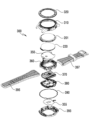
도 3은 도 2a의 전자 장치의 전개 사시도이다.
도 4는 다양한 실시예들에 따른 전자 장치의 기능적 구성의 예를 도시한다.
도 5는 다양한 실시 예들에 따른 전자 장치에서 식별되는 동작 상태의 변화의 예를 도시한다.
도 6은 다양한 실시 예들에 따른 전자 장치에서 제공되는 알림의 예를 표시한다.
도 7은 다양한 실시 예들에 따른 전자 장치에서 제공되는 알림의 다른 예를 도시한다.
도 8은 다양한 실시예들에 따른 전자 장치의 동작의 예를 도시한다.
도 9는 다양한 실시예들에 따른 전자 장치의 동작의 다른 예를 도시한다. 1 is a block diagram of an electronic device in a network environment, according to various embodiments.
Figure 2A is a perspective view of the front of a mobile electronic device according to one embodiment.
FIG. 2B is a perspective view of the rear of the electronic device of FIG. 2A.
FIG. 3 is an exploded perspective view of the electronic device of FIG. 2A.
4 shows an example of a functional configuration of an electronic device according to various embodiments.
FIG. 5 illustrates an example of a change in an operating state identified in an electronic device according to various embodiments of the present disclosure.
Figure 6 displays an example of a notification provided by an electronic device according to various embodiments.
FIG. 7 illustrates another example of a notification provided by an electronic device according to various embodiments of the present disclosure.
Figure 8 shows an example of an operation of an electronic device according to various embodiments.
FIG. 9 illustrates another example of an operation of an electronic device according to various embodiments.
도 1은, 다양한 실시예들에 따른, 네트워크 환경(100) 내의 전자 장치(101)의 블럭도이다. 도 1을 참조하면, 네트워크 환경(100)에서 전자 장치(101)는 제 1 네트워크(198)(예: 근거리 무선 통신 네트워크)를 통하여 전자 장치(102)와 통신하거나, 또는 제 2 네트워크(199)(예: 원거리 무선 통신 네트워크)를 통하여 전자 장치(104) 또는 서버(108)와 통신할 수 있다. 일실시예에 따르면, 전자 장치(101)는 서버(108)를 통하여 전자 장치(104)와 통신할 수 있다. 일실시예에 따르면, 전자 장치(101)는 프로세서(120), 메모리(130), 입력 장치(150), 음향 출력 장치(155), 표시 장치(160), 오디오 모듈(170), 센서 모듈(176), 인터페이스(177), 햅틱 모듈(179), 카메라 모듈(180), 전력 관리 모듈(188), 배터리(189), 통신 모듈(190), 가입자 식별 모듈(196), 또는 안테나 모듈(197)을 포함할 수 있다. 어떤 실시예에서는, 전자 장치(101)에는, 이 구성요소들 중 적어도 하나(예: 표시 장치(160) 또는 카메라 모듈(180))가 생략되거나, 하나 이상의 다른 구성 요소가 추가될 수 있다. 어떤 실시예에서는, 이 구성요소들 중 일부들은 하나의 통합된 회로로 구현될 수 있다. 예를 들면, 센서 모듈(176)(예: 지문 센서, 홍채 센서, 또는 조도 센서)은 표시 장치(160)(예: 디스플레이)에 임베디드된 채 구현될 수 있다1 is a block diagram of an
프로세서(120)는, 예를 들면, 소프트웨어(예: 프로그램(140))를 실행하여 프로세서(120)에 연결된 전자 장치(101)의 적어도 하나의 다른 구성요소(예: 하드웨어 또는 소프트웨어 구성요소)을 제어할 수 있고, 다양한 데이터 처리 또는 연산을 수행할 수 있다. 일실시예에 따르면, 데이터 처리 또는 연산의 적어도 일부로서, 프로세서(120)는 다른 구성요소(예: 센서 모듈(176) 또는 통신 모듈(190))로부터 수신된 명령 또는 데이터를 휘발성 메모리(132)에 로드하고, 휘발성 메모리(132)에 저장된 명령 또는 데이터를 처리하고, 결과 데이터를 비휘발성 메모리(134)에 저장할 수 있다. 일실시예에 따르면, 프로세서(120)는 메인 프로세서(121)(예: 중앙 처리 장치 또는 어플리케이션 프로세서), 및 이와는 독립적으로 또는 함께 운영 가능한 보조 프로세서(123)(예: 그래픽 처리 장치, 이미지 시그널 프로세서, 센서 허브 프로세서, 또는 커뮤니케이션 프로세서)를 포함할 수 있다. 추가적으로 또는 대체적으로, 보조 프로세서(123)은 메인 프로세서(121)보다 저전력을 사용하거나, 또는 지정된 기능에 특화되도록 설정될 수 있다. 보조 프로세서(123)는 메인 프로세서(121)와 별개로, 또는 그 일부로서 구현될 수 있다.The
보조 프로세서(123)는, 예를 들면, 메인 프로세서(121)가 인액티브(예: 슬립) 상태에 있는 동안 메인 프로세서(121)를 대신하여, 또는 메인 프로세서(121)가 액티브(예: 어플리케이션 실행) 상태에 있는 동안 메인 프로세서(121)와 함께, 전자 장치(101)의 구성요소들 중 적어도 하나의 구성요소(예: 표시 장치(160), 센서 모듈(176), 또는 통신 모듈(190))와 관련된 기능 또는 상태들의 적어도 일부를 제어할 수 있다. 일실시예에 따르면, 보조 프로세서(123)(예: 이미지 시그널 프로세서 또는 커뮤니케이션 프로세서)는 기능적으로 관련 있는 다른 구성 요소(예: 카메라 모듈(180) 또는 통신 모듈(190))의 일부로서 구현될 수 있다. The
메모리(130)는, 전자 장치(101)의 적어도 하나의 구성요소(예: 프로세서(120) 또는 센서모듈(176))에 의해 사용되는 다양한 데이터를 저장할 수 있다. 데이터는, 예를 들어, 소프트웨어(예: 프로그램(140)) 및, 이와 관련된 명령에 대한 입력 데이터 또는 출력 데이터를 포함할 수 있다. 메모리(130)는, 휘발성 메모리(132) 또는 비휘발성 메모리(134)를 포함할 수 있다. The memory 130 may store various data used by at least one component (eg, the
프로그램(140)은 메모리(130)에 소프트웨어로서 저장될 수 있으며, 예를 들면, 운영 체제(142), 미들 웨어(144) 또는 어플리케이션(146)을 포함할 수 있다. The program 140 may be stored as software in the memory 130 and may include, for example, an operating system 142, middleware 144, or
입력 장치(150)는, 전자 장치(101)의 구성요소(예: 프로세서(120))에 사용될 명령 또는 데이터를 전자 장치(101)의 외부(예: 사용자)로부터 수신할 수 있다. 입력 장치(150)은, 예를 들면, 마이크, 마우스, 키보드, 또는 디지털 펜(예:스타일러스 펜)을 포함할 수 있다. The
음향 출력 장치(155)는 음향 신호를 전자 장치(101)의 외부로 출력할 수 있다. 음향 출력 장치(155)는, 예를 들면, 스피커 또는 리시버를 포함할 수 있다. 스피커는 멀티미디어 재생 또는 녹음 재생과 같이 일반적인 용도로 사용될 수 있고, 리시버는 착신 전화를 수신하기 위해 사용될 수 있다. 일실시예에 따르면, 리시버는 스피커와 별개로, 또는 그 일부로서 구현될 수 있다.The
표시 장치(160)는 전자 장치(101)의 외부(예: 사용자)로 정보를 시각적으로 제공할 수 있다. 표시 장치(160)은, 예를 들면, 디스플레이, 홀로그램 장치, 또는 프로젝터 및 해당 장치를 제어하기 위한 제어 회로를 포함할 수 있다. 일실시예에 따르면, 표시 장치(160)는 터치를 감지하도록 설정된 터치 회로(touch circuitry), 또는 상기 터치에 의해 발생되는 힘의 세기를 측정하도록 설정된 센서 회로(예: 압력 센서)를 포함할 수 있다. The display device 160 can visually provide information to the outside of the electronic device 101 (eg, a user). The display device 160 may include, for example, a display, a hologram device, or a projector, and a control circuit for controlling the device. According to one embodiment, the display device 160 may include touch circuitry configured to detect a touch, or a sensor circuit configured to measure the intensity of force generated by the touch (e.g., a pressure sensor). there is.
오디오 모듈(170)은 소리를 전기 신호로 변환시키거나, 반대로 전기 신호를 소리로 변환시킬 수 있다. 일실시예에 따르면, 오디오 모듈(170)은, 입력 장치(150) 를 통해 소리를 획득하거나, 음향 출력 장치(155), 또는 전자 장치(101)와 직접 또는 무선으로 연결된 외부 전자 장치(예: 전자 장치(102)) (예: 스피커 또는 헤드폰))를 통해 소리를 출력할 수 있다.The
센서 모듈(176)은 전자 장치(101)의 작동 상태(예: 전력 또는 온도), 또는 외부의 환경 상태(예: 사용자 상태)를 감지하고, 감지된 상태에 대응하는 전기 신호 또는 데이터 값을 생성할 수 있다. 일실시예에 따르면, 센서 모듈(176)은, 예를 들면, 제스처 센서, 자이로 센서, 기압 센서, 마그네틱 센서, 가속도 센서, 그립 센서, 근접 센서, 컬러 센서, IR(infrared) 센서, 생체 센서, 온도 센서, 습도 센서, 또는 조도 센서를 포함할 수 있다. The
인터페이스(177)는 전자 장치(101)이 외부 전자 장치(예: 전자 장치(102))와 직접 또는 무선으로 연결되기 위해 사용될 수 있는 하나 이상의 지정된 프로토콜들을 지원할 수 있다. 일실시예에 따르면, 인터페이스(177)는, 예를 들면, HDMI(high definition multimedia interface), USB(universal serial bus) 인터페이스, SD카드 인터페이스, 또는 오디오 인터페이스를 포함할 수 있다.The
연결 단자(178)는, 그를 통해서 전자 장치(101)가 외부 전자 장치(예: 전자 장치(102))와 물리적으로 연결될 수 있는 커넥터를 포함할 수 있다. 일실시예에 따르면, 연결 단자(178)은, 예를 들면, HDMI 커넥터, USB 커넥터, SD 카드 커넥터, 또는 오디오 커넥터(예: 헤드폰 커넥터)를 포함할 수 있다.The
햅틱 모듈(179)은 전기적 신호를 사용자가 촉각 또는 운동 감각을 통해서 인지할 수 있는 기계적인 자극(예: 진동 또는 움직임) 또는 전기적인 자극으로 변환할 수 있다. 일실시예에 따르면, 햅틱 모듈(179)은, 예를 들면, 모터, 압전 소자, 또는 전기 자극 장치를 포함할 수 있다.The
카메라 모듈(180)은 정지 영상 및 동영상을 촬영할 수 있다. 일실시예에 따르면, 카메라 모듈(180)은 하나 이상의 렌즈들, 이미지 센서들, 이미지 시그널 프로세서들, 또는 플래시들을 포함할 수 있다.The
전력 관리 모듈(188)은 전자 장치(101)에 공급되는 전력을 관리할 수 있다. 일실시예에 따르면, 전력 관리 모듈(388)은, 예를 들면, PMIC(power management integrated circuit)의 적어도 일부로서 구현될 수 있다.The
배터리(189)는 전자 장치(101)의 적어도 하나의 구성 요소에 전력을 공급할 수 있다. 일실시예에 따르면, 배터리(189)는, 예를 들면, 재충전 불가능한 1차 전지, 재충전 가능한 2차 전지 또는 연료 전지를 포함할 수 있다.The battery 189 may supply power to at least one component of the
통신 모듈(190)은 전자 장치(101)와 외부 전자 장치(예: 전자 장치(102), 전자 장치(104), 또는 서버(108))간의 직접(예: 유선) 통신 채널 또는 무선 통신 채널의 수립, 및 수립된 통신 채널을 통한 통신 수행을 지원할 수 있다. 통신 모듈(190)은 프로세서(120)(예: 어플리케이션 프로세서)와 독립적으로 운영되고, 직접(예: 유선) 통신 또는 무선 통신을 지원하는 하나 이상의 커뮤니케이션 프로세서를 포함할 수 있다. 일실시예에 따르면, 통신 모듈(190)은 무선 통신 모듈(192)(예: 셀룰러 통신 모듈, 근거리 무선 통신 모듈, 또는 GNSS(global navigation satellite system) 통신 모듈) 또는 유선 통신 모듈(194)(예: LAN(local area network) 통신 모듈, 또는 전력선 통신 모듈)을 포함할 수 있다. 이들 통신 모듈 중 해당하는 통신 모듈은 제 1 네트워크(198)(예: 블루투스, WiFi direct 또는 IrDA(infrared data association) 같은 근거리 통신 네트워크) 또는 제 2 네트워크(199)(예: 셀룰러 네트워크, 인터넷, 또는 컴퓨터 네트워크(예: LAN 또는 WAN)와 같은 원거리 통신 네트워크)를 통하여 외부 전자 장치와 통신할 수 있다. 이런 여러 종류의 통신 모듈들은 하나의 구성 요소(예: 단일 칩)으로 통합되거나, 또는 서로 별도의 복수의 구성 요소들(예: 복수 칩들)로 구현될 수 있다. 무선 통신 모듈(192)은 가입자 식별 모듈(196)에 저장된 가입자 정보(예: 국제 모바일 가입자 식별자(IMSI))를 이용하여 제 1 네트워크(198) 또는 제 2 네트워크(199)와 같은 통신 네트워크 내에서 전자 장치(101)를 확인 및 인증할 수 있다. The communication module 190 provides a direct (e.g., wired) communication channel or a wireless communication channel between the
안테나 모듈(197)은 신호 또는 전력을 외부(예: 외부 전자 장치)로 송신하거나 외부로부터 수신할 수 있다. 일실시예에 따르면, 안테나 모듈은 서브스트레이트(예: PCB) 위에 형성된 도전체 또는 도전성 패턴으로 이루어진 방사체를 포함하는 하나의 안테나를 포함할 수 있다. 일실시예에 따르면, 안테나 모듈(197)은 복수의 안테나들을 포함할 수 있다. 이런 경우, 제 1 네트워크(198) 또는 제 2 네트워크(199)와 같은 통신 네트워크에서 사용되는 통신 방식에 적합한 적어도 하나의 안테나가, 예를 들면, 통신 모듈(190)에 의하여 상기 복수의 안테나들로부터 선택될 수 있다. 신호 또는 전력은 상기 선택된 적어도 하나의 안테나를 통하여 통신 모듈(190)과 외부 전자 장치 간에 송신되거나 수신될 수 있다. 어떤 실시예에 따르면, 방사체 이외에 다른 부품(예: RFIC)이 추가로 안테나 모듈(197)의 일부로 형성될 수 있다.The
상기 구성요소들 중 적어도 일부는 주변 기기들간 통신 방식(예: 버스, GPIO(general purpose input and output), SPI(serial peripheral interface), 또는 MIPI(mobile industry processor interface))를 통해 서로 연결되고 신호(예: 명령 또는 데이터)를 상호간에 교환할 수 있다.At least some of the components are connected to each other through a communication method between peripheral devices (e.g., bus, general purpose input and output (GPIO), serial peripheral interface (SPI), or mobile industry processor interface (MIPI)) and signal ( (e.g. commands or data) can be exchanged with each other.
일실시예에 따르면, 명령 또는 데이터는 제 2 네트워크(199)에 연결된 서버(108)를 통해서 전자 장치(101)와 외부의 전자 장치(104)간에 송신 또는 수신될 수 있다. 전자 장치(102, 104) 각각은 전자 장치(101)와 동일한 또는 다른 종류의 장치일 수 있다. 일실시예에 따르면, 전자 장치(101)에서 실행되는 동작들의 전부 또는 일부는 외부 전자 장치들(102, 104, or 108) 중 하나 이상의 외부 장치들에서 실행될 수 있다. 예를 들면, 전자 장치(101)가 어떤 기능이나 서비스를 자동으로, 또는 사용자 또는 다른 장치로부터의 요청에 반응하여 수행해야 할 경우에, 전자 장치(101)는 기능 또는 서비스를 자체적으로 실행시키는 대신에 또는 추가적으로, 하나 이상의 외부 전자 장치들에게 그 기능 또는 그 서비스의 적어도 일부를 수행하라고 요청할 수 있다. 상기 요청을 수신한 하나 이상의 외부 전자 장치들은 요청된 기능 또는 서비스의 적어도 일부, 또는 상기 요청과 관련된 추가 기능 또는 서비스를 실행하고, 그 실행의 결과를 전자 장치(101)로 전달할 수 있다. 전자 장치(101)는 상기 결과를, 그대로 또는 추가적으로 처리하여, 상기 요청에 대한 응답의 적어도 일부로서 제공할 수 있다.. 이를 위하여, 예를 들면, 클라우드 컴퓨팅, 분산 컴퓨팅, 또는 클라이언트-서버 컴퓨팅 기술이 이용될 수 있다. According to one embodiment, commands or data may be transmitted or received between the
본 문서에 개시된 다양한 실시예들에 따른 전자 장치는 다양한 형태의 장치가 될 수 있다. 전자 장치는, 예를 들면, 휴대용 통신 장치 (예: 스마트폰), 컴퓨터 장치, 휴대용 멀티미디어 장치, 휴대용 의료 기기, 카메라, 웨어러블 장치, 또는 가전 장치를 포함할 수 있다. 본 문서의 실시예에 따른 전자 장치는 전술한 기기들에 한정되지 않는다.Electronic devices according to various embodiments disclosed in this document may be of various types. Electronic devices may include, for example, portable communication devices (e.g., smartphones), computer devices, portable multimedia devices, portable medical devices, cameras, wearable devices, or home appliances. Electronic devices according to embodiments of this document are not limited to the above-described devices.
본 문서의 다양한 실시예들 및 이에 사용된 용어들은 본 문서에 기재된 기술적 특징들을 특정한 실시예들로 한정하려는 것이 아니며, 해당 실시예의 다양한 변경, 균등물, 또는 대체물을 포함하는 것으로 이해되어야 한다. 도면의 설명과 관련하여, 유사한 또는 관련된 구성요소에 대해서는 유사한 참조 부호가 사용될 수 있다. 아이템에 대응하는 명사의 단수 형은 관련된 문맥상 명백하게 다르게 지시하지 않는 한, 상기 아이템 한 개 또는 복수 개를 포함할 수 있다. 본 문서에서, "A 또는 B", "A 및 B 중 적어도 하나","A 또는 B 중 적어도 하나,""A, B 또는 C," "A, B 및 C 중 적어도 하나,"및 "A, B, 또는 C 중 적어도 하나"와 같은 문구들 각각은 그 문구들 중 해당하는 문구에 함께 나열된 항목들 중 어느 하나, 또는 그들의 모든 가능한 조합을 포함할 수 있다. "제 1", "제 2", 또는 "첫째" 또는 "둘째"와 같은 용어들은 단순히 해당 구성요소를 다른 해당 구성요소와 구분하기 위해 사용될 수 있으며, 해당 구성요소들을 다른 측면(예: 중요성 또는 순서)에서 한정하지 않는다. 어떤(예: 제 1) 구성요소가 다른(예: 제 2) 구성요소에, "기능적으로" 또는 "통신적으로"라는 용어와 함께 또는 이런 용어 없이, "커플드" 또는 "커넥티드"라고 언급된 경우, 그것은 상기 어떤 구성요소가 상기 다른 구성요소에 직접적으로(예: 유선으로), 무선으로, 또는 제 3 구성요소를 통하여 연결될 수 있다는 것을 의미한다.The various embodiments of this document and the terms used herein are not intended to limit the technical features described in this document to specific embodiments, but should be understood to include various changes, equivalents, or replacements of the embodiments. In connection with the description of the drawings, similar reference numbers may be used for similar or related components. The singular form of a noun corresponding to an item may include one or more of the items, unless the relevant context clearly indicates otherwise. In this document, “A or B,” “at least one of A and B,” “at least one of A or B,” “A, B, or C,” “at least one of A, B, and C,” and “A Each of phrases such as “at least one of , B, or C” may include any one of the items listed together in the corresponding phrase, or any possible combination thereof. Terms such as "first", "second", or "first" or "second" may be used simply to distinguish one component from another, and to refer to those components in other respects (e.g., importance or order) is not limited. One (e.g., first) component is said to be “coupled” or “connected” to another (e.g., second) component, with or without the terms “functionally” or “communicatively.” Where mentioned, it means that any of the components can be connected to the other components directly (e.g. wired), wirelessly, or through a third component.
본 문서에서 사용된 용어 "모듈"은 하드웨어, 소프트웨어 또는 펌웨어로 구현된 유닛을 포함할 수 있으며, 예를 들면, 로직, 논리 블록, 부품, 또는 회로 등의 용어와 상호 호환적으로 사용될 수 있다. 모듈은, 일체로 구성된 부품 또는 하나 또는 그 이상의 기능을 수행하는, 상기 부품의 최소 단위 또는 그 일부가 될 수 있다. 예를 들면, 일실시예에 따르면, 모듈은 ASIC(application-specific integrated circuit)의 형태로 구현될 수 있다. The term “module” used in this document may include a unit implemented in hardware, software, or firmware, and may be used interchangeably with terms such as logic, logic block, component, or circuit, for example. A module may be an integrated part or a minimum unit of the parts or a part thereof that performs one or more functions. For example, according to one embodiment, the module may be implemented in the form of an application-specific integrated circuit (ASIC).
본 문서의 다양한 실시예들은 기기(machine)(예: 전자 장치(101)) 의해 읽을 수 있는 저장 매체(storage medium)(예: 내장 메모리(136) 또는 외장 메모리(138))에 저장된 하나 이상의 명령어들을 포함하는 소프트웨어(예: 프로그램(140))로서 구현될 수 있다. 예를 들면, 기기(예: 전자 장치(101))의 프로세서(예: 프로세서(120))는, 저장 매체로부터 저장된 하나 이상의 명령어들 중 적어도 하나의 명령을 호출하고, 그것을 실행할 수 있다. 이것은 기기가 상기 호출된 적어도 하나의 명령어에 따라 적어도 하나의 기능을 수행하도록 운영되는 것을 가능하게 한다. 상기 하나 이상의 명령어들은 컴파일러에 의해 생성된 코드 또는 인터프리터에 의해 실행될 수 있는 코드를 포함할 수 있다. 기기로 읽을 수 있는 저장매체 는, 비일시적(non-transitory) 저장매체의 형태로 제공될 수 있다. 여기서, ‘비일시적’은 저장매체가 실재(tangible)하는 장치이고, 신호(signal)(예: 전자기파)를 포함하지 않는다는 것을 의미할 뿐이며, 이 용어는 데이터가 저장매체에 반영구적으로 저장되는 경우와 임시적으로 저장되는 경우를 구분하지 않는다.Various embodiments of the present document are one or more instructions stored in a storage medium (e.g., built-in memory 136 or external memory 138) that can be read by a machine (e.g., electronic device 101). It may be implemented as software (e.g., program 140) including these. For example, a processor (e.g., processor 120) of a device (e.g., electronic device 101) may call at least one command among one or more commands stored from a storage medium and execute it. This allows the device to be operated to perform at least one function according to the at least one instruction called. The one or more instructions may include code generated by a compiler or code that can be executed by an interpreter. Device-readable storage media may be provided in the form of non-transitory storage media. Here, 'non-transitory' only means that the storage medium is a tangible device and does not contain signals (e.g. electromagnetic waves). This term refers to cases where data is stored semi-permanently in the storage medium. There is no distinction between temporary storage cases.
일실시예에 따르면, 본 문서에 개시된 다양한 실시예들에 따른 방법은 컴퓨터 프로그램 제품(computer program product)에 포함되어 제공될 수 있다. 컴퓨터 프로그램 제품은 상품으로서 판매자 및 구매자 간에 거래될 수 있다. 컴퓨터 프로그램 제품은 기기로 읽을 수 있는 저장 매체(예: compact disc read only memory (CD-ROM))의 형태로 배포되거나, 또는 어플리케이션 스토어(예: 플레이 스토어TM)를 통해 또는 두개의 사용자 장치들(예: 스마트폰들) 간에 직접, 온라인으로 배포(예: 다운로드 또는 업로드)될 수 있다. 온라인 배포의 경우에, 컴퓨터 프로그램 제품의 적어도 일부는 제조사의 서버, 어플리케이션 스토어의 서버, 또는 중계 서버의 메모리와 같은 기기로 읽을 수 있는 저장 매체에 적어도 일시 저장되거나, 임시적으로 생성될 수 있다.According to one embodiment, methods according to various embodiments disclosed in this document may be included and provided in a computer program product. Computer program products are commodities and can be traded between sellers and buyers. The computer program product may be distributed in the form of a machine-readable storage medium (e.g. compact disc read only memory (CD-ROM)) or through an application store (e.g. Play StoreTM) or on two user devices (e.g. It can be distributed (e.g. downloaded or uploaded) directly between smartphones) or online. In the case of online distribution, at least a portion of the computer program product may be at least temporarily stored or temporarily created in a machine-readable storage medium, such as the memory of a manufacturer's server, an application store's server, or a relay server.
다양한 실시예들에 따르면, 상기 기술한 구성요소들의 각각의 구성요소(예: 모듈 또는 프로그램)는 단수 또는 복수의 개체를 포함할 수 있다. 다양한 실시예들에 따르면, 전술한 해당 구성요소들 중 하나 이상의 구성요소들 또는 동작들이 생략되거나, 또는 하나 이상의 다른 구성요소들 또는 동작들이 추가될 수 있다. 대체적으로 또는 추가적으로, 복수의 구성요소들(예: 모듈 또는 프로그램)은 하나의 구성요소로 통합될 수 있다. 이런 경우, 통합된 구성요소는 상기 복수의 구성요소들 각각의 구성요소의 하나 이상의 기능들을 상기 통합 이전에 상기 복수의 구성요소들 중 해당 구성요소에 의해 수행되는 것과 동일 또는 유사하게 수행할 수 있다. 다양한 실시예들에 따르면, 모듈, 프로그램 또는 다른 구성요소에 의해 수행되는 동작들은 순차적으로, 병렬적으로, 반복적으로, 또는 휴리스틱하게 실행되거나, 상기 동작들 중 하나 이상이 다른 순서로 실행되거나, 생략되거나, 또는 하나 이상의 다른 동작들이 추가될 수 있다.According to various embodiments, each component (eg, module or program) of the above-described components may include a single entity or a plurality of entities. According to various embodiments, one or more of the components or operations described above may be omitted, or one or more other components or operations may be added. Alternatively or additionally, multiple components (eg, modules or programs) may be integrated into a single component. In this case, the integrated component may perform one or more functions of each of the plurality of components identically or similarly to those performed by the corresponding component of the plurality of components prior to the integration. . According to various embodiments, operations performed by a module, program, or other component may be executed sequentially, in parallel, iteratively, or heuristically, or one or more of the operations may be executed in a different order, or omitted. Alternatively, one or more other operations may be added.
도 2a는 일 실시예에 따른 모바일 전자 장치(200)의 전면의 사시도이다. 도 2b는 도 2a의 전자 장치(200)의 후면의 사시도이다. 도 2a 및 도 2b의 전자 장치(200)은, 도 1의 전자 장치(101)에 상응할 수 있다. FIG. 2A is a perspective view of the front of a mobile
도 2a 및 2b를 참조하면, 일 실시예에 따른 전자 장치(200)는, 제1 면(또는 전면)(210A), 제2 면(또는 후면)(210B), 및 제1 면(210A) 및 제2 면(210B) 사이의 공간을 둘러싸는 측면(210C)을 포함하는 하우징(210)과, 상기 하우징(210)의 적어도 일부에 연결되고 상기 전자 장치(200)를 사용자의 신체 일부(예: 손목, 발목 등)에 탈착 가능하게 결착하도록 구성된 결착 부재(250, 260)를 포함할 수 있다. 다른 실시예(미도시)에서는, 하우징은, 도 2a의 제1 면(210A), 제2 면(210B) 및 측면(210C)들 중 일부를 형성하는 구조를 지칭할 수도 있다. 일 실시예에 따르면, 제1 면(210A)은 적어도 일부분이 실질적으로 투명한 전면 플레이트(201)(예: 다양한 코팅 레이어들을 포함하는 글라스 플레이트, 또는 폴리머 플레이트)에 의하여 형성될 수 있다. 제2 면(210B)은 실질적으로 불투명한 후면 플레이트(207)에 의하여 형성될 수 있다. 상기 후면 플레이트(207)는, 예를 들어, 코팅 또는 착색된 유리, 세라믹, 폴리머, 금속(예: 알루미늄, 스테인레스 스틸(STS), 또는 마그네슘), 또는 상기 물질들 중 적어도 둘의 조합에 의하여 형성될 수 있다. 상기 측면(210C)은, 전면 플레이트(201) 및 후면 플레이트(207)와 결합하며, 금속 및/또는 폴리머를 포함하는 측면 베젤 구조 (또는 "측면 부재")(206)에 의하여 형성될 수 있다. 어떤 실시예에서는, 후면 플레이트(207) 및 측면 베젤 구조(206)는 일체로 형성되고 동일한 물질(예: 알루미늄과 같은 금속 물질)을 포함할 수 있다. 상기 결착 부재(250, 260)는 다양한 재질 및 형태로 형성될 수 있다. 직조물, 가죽, 러버, 우레탄, 금속, 세라믹, 또는 상기 물질들 중 적어도 둘의 조합에 의하여 일체형 및 복수의 단위 링크가 서로 유동 가능하도록 형성될 수 있다.Referring to FIGS. 2A and 2B, the
일 실시예에 따르면, 전자 장치(200)는, 디스플레이(220, 도 3 참조), 오디오 모듈(205, 208), 센서 모듈(211), 키 입력 장치(202, 203, 204) 및 커넥터 홀(209) 중 적어도 하나 이상을 포함할 수 있다. 어떤 실시예에서는, 전자 장치(200)는, 구성요소들 중 적어도 하나(예: 키 입력 장치(202, 203, 204), 커넥터 홀(209), 또는 센서 모듈(211))를 생략하거나 다른 구성요소를 추가적으로 포함할 수 있다.According to one embodiment, the
디스플레이(220)는, 예를 들어, 전면 플레이트(201)의 상당 부분을 통하여 노출될 수 있다. 디스플레이(220)의 형태는, 상기 전면 플레이트(201)의 형태에 대응하는 형태일 수 있으며, 원형, 타원형, 또는 다각형 등 다양한 형태일 수 있다. 디스플레이(220)는, 터치 감지 회로, 터치의 세기(압력)를 측정할 수 있는 압력 센서, 및/또는 지문 센서와 결합되거나 인접하여 배치될 수 있다.
오디오 모듈(205, 208)은, 마이크 홀(205) 및 스피커 홀(208)을 포함할 수 있다. 마이크 홀(205)은 외부의 소리를 획득하기 위한 마이크가 내부에 배치될 수 있고, 어떤 실시예에서는 소리의 방향을 감지할 수 있도록 복수개의 마이크가 배치될 수 있다. 스피커 홀(208)은, 외부 스피커 및 통화용 리시버로 사용할 수 있다. 어떤 실시예에서는 스피커 홀(208)과 마이크 홀(205)이 하나의 홀로 구현되거나, 스피커 홀(208) 없이 스피커가 포함될 수 있다(예: 피에조 스피커).The
센서 모듈(211)은, 전자 장치(200)의 내부의 작동 상태, 또는 외부의 환경 상태에 대응하는 전기 신호 또는 데이터 값을 생성할 수 있다. 센서 모듈(211)은, 예를 들어, 상기 하우징(210)의 제2 면(210B)에 배치된 생체 센서 모듈(211)(예: HRM 센서, 전극 센서)을 포함할 수 있다. 전자 장치(200)는, 도시되지 않은 센서 모듈, 예를 들어, 제스처 센서, 자이로 센서, 기압 센서, 마그네틱 센서, 가속도 센서, 그립 센서, 컬러 센서, IR(infrared) 센서, 생체 센서, 온도 센서, 습도 센서, 또는 조도 센서 중 적어도 하나를 더 포함할 수 있다.The
키 입력 장치(202, 203, 204)는, 하우징(210)의 제1 면(210A)에 배치되고 적어도 하나의 방향으로 회전 가능한 휠 키(202), 및/또는 하우징(210)의 측면(210C)에 배치된 사이드 키 버튼(202, 203)을 포함할 수 있다. 휠 키는 전면 플레이트(201)의 형태에 대응하는 형태일 수 있다. 다른 실시예에서는, 전자 장치(200)는 상기 언급된 키 입력 장치(202, 203, 204)들 중 일부 또는 전부를 포함하지 않을 수 있고 포함되지 않은 키 입력 장치(202, 203, 204)는 디스플레이(220) 상에 소프트 키 등 다른 형태로 구현될 수 있다.The
커넥터 홀(209)은, 외부 전자 장치와 전력 및/또는 데이터를 송수신하기 위한 커넥터(예를 들어, USB 커넥터)를 수용할 수 있고 외부 전자 장치와 오디오 신호를 송수신하기 위한 커넥터를 수용할 수 있는 다른 커넥터 홀(미도시)을 포함할 수 있다. 전자 장치(200)는, 예를 들면, 커넥터 홀(209)의 적어도 일부를 덮고, 커넥터 홀에 대한 외부 이물질의 유입을 차단하는 커넥터 커버(미도시)를 더 포함할 수 있다.The
결착 부재(250, 260)는 락킹 부재(251, 261)를 이용하여 하우징(210)의 적어도 일부 영역에 탈착 가능하도록 결착될 수 있다. 결착 부재(250, 260)는 고정 부재(252), 고정 부재 체결 홀(253), 밴드 가이드 부재(254), 밴드 고정 고리(255) 중 하나 또는 그 이상을 포함할 수 있다. The
고정 부재(252)는 하우징(210)과 결착 부재(250, 260)를 사용자의 신체 일부(예: 손목, 발목 등)에 고정시키도록 구성될 수 있다. 고정 부재 체결 홀(253)은 고정 부재(252)에 대응하여 하우징(210)과 결착 부재(250, 260)를 사용자의 신체 일부에 고정시킬 수 있다. 밴드 가이드 부재(254)는 고정 부재(252)가 고정 부재 체결 홀(253)과 체결 시 고정 부재(252)의 움직임 범위를 제한하도록 구성됨으로써, 결착 부재(250, 260)가 사용자의 신체 일부에 밀착하여 결착되도록 할 수 있다. 밴드 고정 고리(255)는 고정 부재(252)와 고정 부재 체결 홀(253)이 체결된 상태에서, 결착 부재(250, 260)의 움직임 범위를 제한할 수 있다.The fixing
도 3은 도 2a의 전자 장치(200)의 전개 사시도이다. FIG. 3 is an exploded perspective view of the
도 3을 참조하면, 전자 장치(300)는, 측면 베젤 구조(310), 휠 키(320), 전면 플레이트(201), 디스플레이(220), 제1 안테나(350), 제2 안테나(355), 지지 부재(360)(예: 브라켓), 배터리(370), 인쇄 회로 기판(380), 실링 부재(390), 후면 플레이트(393), 및 결착 부재(395, 397)를 포함할 수 있다. 전자 장치(300)의 구성요소들 중 적어도 하나는, 도 2a, 또는 도 2b의 전자 장치(200)의 구성요소들 중 적어도 하나와 동일, 또는 유사할 수 있으며, 중복되는 설명은 이하 생략한다. 지지 부재(360)는, 전자 장치(300) 내부에 배치되어 측면 베젤 구조(310)와 연결될 수 있거나, 상기 측면 베젤 구조(310)와 일체로 형성될 수 있다. 지지 부재(360)는, 예를 들어, 금속 재질 및/또는 비금속 (예: 폴리머) 재질로 형성될 수 있다. 지지 부재(360)는, 일면에 디스플레이(220)가 결합되고 타면에 인쇄 회로 기판(380)이 결합될 수 있다. 인쇄 회로 기판(380)에는, 프로세서, 메모리, 및/또는 인터페이스가 장착될 수 있다. 프로세서는, 예를 들어, 중앙처리장치, 어플리케이션 프로세서, GPU(graphic processing unit), 어플리케이션 프로세서 센서 프로세서, 또는 커뮤니케이션 프로세서 중 하나 또는 그 이상을 포함할 수 있다.Referring to FIG. 3, the
메모리는, 예를 들어, 휘발성 메모리 또는 비휘발성 메모리를 포함할 수 있다. 인터페이스는, 예를 들어, HDMI(high definition multimedia interface), USB(universal serial bus) 인터페이스), SD카드 인터페이스, 및/또는 오디오 인터페이스를 포함할 수 있다. 인터페이스는, 예를 들어, 전자 장치(300)를 외부 전자 장치와 전기적 또는 물리적으로 연결시킬 수 있으며, USB 커넥터, SD 카드/MMC 커넥터, 또는 오디오 커넥터를 포함할 수 있다.Memory may include, for example, volatile memory or non-volatile memory. The interface may include, for example, a high definition multimedia interface (HDMI), a universal serial bus (USB) interface, an SD card interface, and/or an audio interface. For example, the interface may electrically or physically connect the
배터리(370)는, 전자 장치(300)의 적어도 하나의 구성 요소에 전력을 공급하기 위한 장치로서, 예를 들면, 재충전 불가능한 1차 전지, 또는 재충전 가능한 2차 전지, 또는 연료 전지를 포함할 수 있다. 배터리(370)의 적어도 일부는, 예를 들어, 인쇄 회로 기판(380)과 실질적으로 동일 평면 상에 배치될 수 있다. 배터리(370)는 전자 장치(200) 내부에 일체로 배치될 수 있고, 전자 장치(200)와 탈부착 가능하게 배치될 수도 있다.The
제1 안테나(350)는 디스플레이(220)와 지지부재(360) 사이에 배치될 수 있다. 제1 안테나(350)는, 예를 들어, NFC(near field communication) 안테나, 무선 충전 안테나, 및/또는 MST(magnetic secure transmission) 안테나를 포함할 수 있다. 제1 안테나(350)는, 예를 들어, 외부 장치와 근거리 통신을 하거나, 충전에 필요한 전력을 무선으로 송수신 할 수 있고, 근거리 통신 신호 또는 결제 데이터를 포함하는 자기-기반 신호를 송출할 수 있다. 다른 실시예에서는, 측면 베젤 구조(310) 및/또는 상기 지지부재(360)의 일부 또는 그 조합에 의하여 안테나 구조가 형성될 수 있다. The
제2 안테나(355)는 인쇄 회로 기판(380)과 후면 플레이트(393) 사이에 배치될 수 있다. 제2 안테나(355)는, 예를 들어, NFC(near field communication) 안테나, 무선 충전 안테나, 및/또는 MST(magnetic secure transmission) 안테나를 포함할 수 있다. 제2 안테나(355)는, 예를 들어, 외부 장치와 근거리 통신을 하거나, 충전에 필요한 전력을 무선으로 송수신 할 수 있고, 근거리 통신 신호 또는 결제 데이터를 포함하는 자기-기반 신호를 송출할 수 있다. 다른 실시예에서는, 측면 베젤 구조(310) 및/또는 상기 후면 플레이트(393)의 일부 또는 그 조합에 의하여 안테나 구조가 형성될 수 있다. The
실링 부재(390)는 측면 베젤 구조(310)와 후면 플레이트(393) 사이에 위치할 수 있다. 실링 부재(390)는, 외부로부터 측면 베젤 구조(310)와 후면 플레이트(393)에 의해 둘러싸인 공간으로 유입되는 습기와 이물을 차단하도록 구성될 수 있다.The sealing
다양한 실시예들에서, 도 2a, 도 2b, 및 도 3에 도시된 구성요소들의 일부는, 도 1에 도시된 구성요소들의 일부에 상응할 수 있다. 예를 들면, 디스플레이(220)은 표시 장치(160)에 상응할 수 있고, 오디오 모듈(205, 208)은 오디오 모듈(170)에 상응할 수 있고, 센서 모듈(211)은 센서 모듈(176)에 상응할 수 있고, 키 입력 장치(202, 203, 204)는 입력 장치(150)에 상응할 수 있고, 배터리(370)은 배터리(189)에 상응할 수 있다. In various embodiments, some of the components shown in FIGS. 2A, 2B, and 3 may correspond to some of the components shown in FIG. 1. For example,
도 4는 다양한 실시예들에 따른 전자 장치(101)의 기능적 구성의 예를 도시한다. 전자 장치(101)는 다양한 웨어러블 장치들(예: 스마트 시계)을 포함할 수 있다. 전자 장치(101)는 예를 들면, 도 2a의 전자 장치(200)에 상응할 수 있다. FIG. 4 shows an example of the functional configuration of the
도 4를 참조하면, 전자 장치(101)는, 센서 모듈(176), 통신 모듈(190), 디스플레이(460), 스피커(470), 프로세서(120), 메모리(130)을 포함할 수 있다. 다만 이에 한정되지 않으며, 전자 장치(101)에는 이 구성요소들 중 적어도 하나가 생략되거나, 하나 이상의 다른 구성 요소가 추가될 수 있다. Referring to FIG. 4 , the
센서 모듈(176)은, 모션 센서(410) 및 생체 센서(420)을 포함할 수 있다. 센서 모듈(176)은 도 2a의 센서 모듈(211)에 상응할 수 있다. The
모션 센서(410)는, 전자 장치(101)의 사용자의 동작 상태(operating state)를 검출하기 위해, 다양한 종류의 신호 또는 데이터를 센싱(또는 획득)할 수 있다. 모션 센서(410)는, 예를 들면, 가속도 센서(acceleration sensor)(예: 가속도계(accelerometer)), 자이로 센서(gyro sensor)(예: 자이로스코프(gyroscope)), 기압 센서(atmospheric pressure sensor)(예: 기압계(barometer)), 또는 지자기 센서 중 적어도 하나를 포함할 수 있다. 상기 가속도 센서, 자이로 센서, 기압 센서, 또는 지자기 센서 중 적어도 하나를 통해 획득된 데이터는, 전자 장치(101)를 착용하거나 장착한 사용자의 동작 상태를 검출하는 데 이용될 수 있다. 사용자의 동작 상태를 구분하는 방식은 다양할 수 있다. 예를 들면, 사용자의 동작 상태(operating state)는, 정지 상태(stationary state), 정주 상태(sedentary state)(즉, 약한 움직임이 감지되는 상태), 및 움직이는 상태(moving state)를 포함할 수 있다. 정지 상태와 정주 상태는, 예를 들면, 누워있는 상태(lying state), 앉아 있는 상태(sitting state), 및 일어선 상태(standing state)를 포함할 수 있다. 움직이는 상태는, 예를 들면, 걷는 상태(walking state) 및 달리는 상태(running state)를 포함할 수 있다. The motion sensor 410 may sense (or obtain) various types of signals or data to detect the operating state of the user of the
다양한 실시예들에서, 모션 센서(410)는 가속도 센서를 통해 전자 장치(101)에 미치는 중력의 방향을 검출할 수 있다. 모션 센서(410)는 기압 센서를 통해 전자 장치(101)의 고도의 변화를 검출할 수 있다. 모션 센서(410)는 자이로 센서를 통해 전자 장치(101)의 움직임이나 이동 궤적을 검출할 수 있다. 모션 센서(410)는, 상기 검출의 결과들을 이용하여, 전자 장치(101)의 사용자의 동작 상태를, 누워있는 상태(lying state), 앉아 있는 상태(sitting state), 일어선 상태(standing state), 걷는 상태(walking state) 및 달리는 상태(running state) 중 하나로 검출할 수 있다. In various embodiments, the motion sensor 410 may detect the direction of gravity on the
생체 센서(420)는, 전자 장치(101)를 착용 또는 장착한 사용자의 생체 신호를 센싱 또는 획득할 수 있다. 생체 센서(420)는, 예를 들면 광용적맥파(PPG, photoplethysmogram) 센서를 포함할 수 있다. PPG 센서는, 광 센서를 이용하여 사용자의 신체에 대한 빛의 투과량을 측정함으로써, 사용자의 혈관 내 혈액량의 변화를 측정할 수 있다. PPG 센서는, 하나 이상의 에미터(emitter) 및 하나 이상의 리시버를 포함할 수 있다. 예를 들면, 에미터는 LED를 포함할 수 있고, 리시버는 포토다이오드(PD, photodiode)를 포함할 수 있다. LED는 전기 에너지를 빛 에너지로 전환할 수 있고, PD는 빛 에너지를 전기 에너지로 전환할 수 있다. LED는, 하나 이상의 파장을 가진 빛을 방출할 수 있다. 예를 들면, LED는, IR(infrared) 및 가시광(red, blue, green)을 방출할 수 있다. LED로부터 방출된 빛이 전자 장치(101)의 사용자의 피부에 전달되면, 피부에 의하여 상기 빛의 일부는 흡수되고, 나머지 일부는 반사될 수 있다. PD는, 사용자의 피부로부터 반사된 빛을 검출할 수 있다. The biometric sensor 420 can sense or obtain biometric signals of a user wearing or equipped with the
전자 장치(101)가 사용자에 착용 또는 장착되면, PD 및 LED를 포함하는 상기 PPG 센서는, 사용자의 피부(예: 손목, 손가락 등)에 접촉될 수 있다. 심장의 수축기에는 혈관에 혈액량이 많아지므로 PD에서 검출되는 빛의 양이 감소할 수 있다. 심장의 이완기에는 혈관의 혈액량이 적어지므로 PD에서 검출되는 빛의 양이 증가할 수 있다. PPG 센서는, 이로 인해 AC 신호를 획득할 수 있다. 이 때, 사용자의 피부와 정맥으로 인한 신호의 변화는 없을 수 있다(DC). PPG 센서에 의해 획득된 상기 AC 신호는, 사용자의 혈압, 혈당, 심박, 혈액량, 또는 그들의 조합(combination thereof)을 추정하기 위해 이용될 수 있다. 예를 들면, PPG 센서는, 상기 AC 신호를 처리함으로써 사용자의 혈압, 혈당, 심박, 혈액량 등을 추정할 수 있다. When the
다만 이에 한정되지 않으며, 생체 센서(420)는, 레이저다이오드(LD, laser diode) 또는 이미지 센서를 포함할 수도 있다. However, it is not limited to this, and the biometric sensor 420 may include a laser diode (LD) or an image sensor.
통신 모듈(190)은, 전자 장치(101)와 외부 전자 장치 사이의 통신 링크를 수립할 수 있고, 수립된 통신 링크를 통한 통신을 수행할 수 있다. 예를 들면, 통신 모듈(190)은, GPS, Bluetooth, BLE, Wi-Fi, NFC 등을 이용하여 다른 전자 장치와 커맨드 또는 데이터를 주고받을 수 있다. 통신 모듈(190)은 예를 들면 GPS 모듈(490)을 포함할 수 있다. GPS 모듈(490)은 수신되거나 감지된 무선 신호에 기반하여, 전자 장치(101)의 현재 위치를 측정할 수 있다. GPS 모듈(490)은, 사용자의 상태에 영향을 줄 수 있는 현재 위치(예: 실내, 실외, 운동 장소 등)를 식별하기 위해 이용될 수 있다. The communication module 190 can establish a communication link between the
통신 모듈(190)은 외부 전자 장치(예: 다른 사용자의 전자 장치)에게 정보를 전송할 수 있다. 예를 들면, 통신 모듈(190)은, 전자 장치(101)의 사용자에게 저혈압이 발생한 경우, 전자 장치(101)에 저장된 데이터(예: 주소록)에 기반하여, 외부 전자 장치(예: 사용자의 가족의 전자 장치)에게, 사용자의 저혈압을 알리는 정보를 전송(예: 메시지 전송 또는 전화)할 수 있다. The communication module 190 may transmit information to an external electronic device (eg, another user's electronic device). For example, if low blood pressure occurs in the user of the
디스플레이(460)는, 정보를 표시할 수 있다. 디스플레이(460)는, 도 1의 표시 장치(160) 또는 도 3의 디스플레이(220)에 상응할 수 있다. 디스플레이(460)는, 전자 장치(101)의 사용자에게 저혈압이 예측됨을 알리는 알림(notification) 또는 전자 장치(101)의 사용자에게 저혈압이 발생함을 알리는 알림을 표시할 수 있다. The display 460 can display information. The display 460 may correspond to the display device 160 of FIG. 1 or the
스피커(470)는 소리를 출력할 수 있다. 스피커(470)는, 프로세서(120)(또는 오디오 모듈(270))로부터 수신된 지정된 오디오 신호를 출력할 수 있다. 스피커(470)는, 전자 장치(101)의 사용자에게 저혈압이 예측됨을 알리는 소리(notification) 또는 전자 장치(101)의 사용자에게 저혈압이 발생함을 알리는 소리를 출력 수 있다. 상기 소리는, 대화 또는 경고음을 포함할 수 있다. The speaker 470 can output sound. The speaker 470 may output a designated audio signal received from the processor 120 (or the audio module 270). The speaker 470 may output a sound notifying the user of the
프로세서(120)는, 전자 장치(101)의 전반적인 동작을 제어할 수 있다. 프로세서(120)는, 다른 구성 요소들(예: 센서 모듈(176), 통신 모듈(190), 메모리(130) 등)의 명령을 수신할 수 있고, 수신된 명령을 해석할 수 있으며, 해석된 명령에 따라서 계산을 수행하거나 데이터를 처리할 수 있다. 프로세서(120)는, 소프트웨어로 구현될 수도 있고, 칩(chip), 회로(circuitry) 등과 같은 하드웨어로 구현될 수도 있으며, 소프트웨어 및 하드웨어의 집합체로 구현될 수도 있다. 프로세서(120)는, 하나일 수도 있고, 복수의 프로세서들의 집합체일 수도 있다. The
메모리(130)는, 하나 이상의 메모리 집합을 의미할 수 있다. 메모리(130)는, 프로세서(120)와의 시그널링에 기반하여 메모리(130)에 저장된 명령어들을 실행할 수 있다. 메모리(130)는, 다른 구성 요소들(예: 프로세서(120), 센서 모듈(176), 통신 모듈(190), 디스플레이(460))로부터 수신되거나 다른 구성 요소들에 의해 생성된 데이터 및/또는 명령을 저장할 수 있다. Memory 130 may refer to one or more memory sets. The memory 130 may execute instructions stored in the memory 130 based on signaling with the
다양한 실시예들에서, 프로세서(120)는, 모션 센서(410)를 이용하여 전자 장치(101)의 사용자의 동작 상태(operating state)를 모니터할 수 있다. 프로세서(120)는, 모션 센서(410)로부터 획득된 데이터를 이용하여, 전자 장치(101)를 착용한 사용자의 동작 상태를, 누워있는 상태(lying state), 앉아 있는 상태(sitting state), 일어선 상태(standing state), 걷는 상태(walking state) 및 달리는 상태(running state)를 포함하는 복수의 동작 상태들 중 하나로 식별할 수 있다. 사용자의 동작 상태는 이에 한정되지 않는다. 예를 들면, 사용자의 동작 상태는, 상술한 바와 같은 상태들 중 어느 한 상태에서 다른 상태로 전이(transition)되는 상태를 포함할 수도 있다. In various embodiments, the
프로세서(120)는, 사용자의 동작 상태를 모니터하기 위해, 하나 이상의 센서들로부터 센서 값들을 주기적으로 획득할 수 있다. 예를 들면, 메인 프로세서(121)가 비활성 상태(예: 슬립 상태)인 경우에도, 보조 프로세서(123)는 저전력으로 구동될 수 있으며 센서 값들을 주기적으로 획득할 수 있다. 또는 하나의 프로세서가 상황에 따라 노멀 상태와 저전력 상태를 스위칭할 수도 있다. 프로세서(120)는, 주기적으로 획득되는 센서 값들을 모니터함으로써, 시간이 흐름에 따라 사용자의 동작 상태의 변화를 추적할 수 있다.
프로세서(120)는, 모션 센서(410)를 이용하여 사용자의 동작 상태를 모니터함과 동시에 병렬적으로, 생체 센서(420)를 이용하여 사용자의 생체 신호를 주기적으로 획득할 수 있다. 프로세서(120)는, 생체 센서(420)(예: PPG)를 이용하여 전자 장치(101)의 사용자의 혈압, 심박, 체온, 땀량, 혈액량, 혈당 등의 생체 상태를 모니터할 수 있다. The
프로세서(120)는, 모션 센서(410)로부터 획득된 제1 데이터와 생체 센서(420)로부터 획득된 제2 데이터를 이용하여, 전자 장치(101)의 사용자의 저혈압 발생 예측 모델을 획득(예: 모델링)할 수 있다. 예를 들면, 사용자가 장시간 누워있다가 일어서는 경우, 기립성 저혈압이 발생할 수 있다. 또한, 사용자가 운동 후에, 근육이 이완되고 체온이 상승되며 혈관이 확장됨에 따라, 운동 후 저혈압이 발생할 수 있다. 사용자마다 기립성 저혈압이 발생하는 시점이나 조건, 운동 후 저혈압이 발생하는 시점이나 조건이 상이할 수 있다. 예를 들면, 어떤 사람은 5분 누워있다가 일어서는 경우에도 기립성 저혈압을 경험할 수 있는 반면, 다른 사람은 30분 누워있다가 일어서는 경우에야 기립성 저혈압을 경험할 수도 있다. 다른 예를 들면, 어떤 사람은 5분 동안 누워 있다가 일어선 시점으로부터 10분이 경과된 후 기립성 저혈압을 경험할 수 있는 반면, 다른 사람은 5분 동안 누워 있다가 일어선 시점으로부터 3분이 경과된 후 기립성 저혈압을 경험할 수 있다. 다시 말해, 기립성 저혈압이 발생하는 트랜드(trend)는 사용자의 신체적 특성에 따라 다를 수 있다. The
따라서 프로세서(120)는, 모션 센서(410)를 통해 사용자의 동작 상태의 변화를 모니터하고 생체 센서(420)를 통해 사용자의 생체 상태(예: 혈압)을 모니터함으로써, 전자 장치(101)의 사용자에 대한 저혈압 발생 예측 모델을 획득(예: 모델링)할 수 있다. 예를 들면, 프로세서(120)는, 저혈압 발생 예측 모델을 모델링하기 위해, 동일한 자세(또는 동작 상태)에서의 사용자의 혈압이나 사용자의 심박의 범위에 관한 데이터를 수집할 수 있다. 프로세서(120)는, 저혈압 발생 예측 모델을 모델링하기 위해, 사용자가 얼마나 오래 누워있다가 일어서는 경우에 기립성 저혈압이 발생하는지 여부에 관한 데이터를 수집할 수 있다. 저혈압 발생 예측 모델은, 사용자가 전자 장치(101)를 사용함에 따라 변경(예: 갱신)될 수 있다.Accordingly, the
프로세서(120)는, 사용자에 대한 저혈압 발생 예측 모델을 획득하기 위해, 사용자의 프로필 정보를 획득할 수 있다. 사용자의 프로필 정보는, 사용자의 성별, 나이, 키, 몸무게, 근육량, 체온, 임신 여부, 복용약 여부 등을 포함할 수 있다. 프로세서(120)는, 사용자의 저혈압 발생 예측 모델의 정확도를 높이기 위해, 사용자의 프로필 정보를 이용할 수 있다. 예를 들면, 남성보다 여성이, 나이가 많을수록, 키가 클수록, 하체 근육량이 적을수록, 임신한 경우 또는 혈관을 확장시키는 약(예: 고혈압 약)을 복용하는 경우에, 기립성 저혈압의 확률이 높아질 수 있다. 프로세서(120)는, 사용자의 프로필 정보 중 적어도 일부를, 저혈압 발생 예측 모델을 획득하기 위한 파라미터 또는 인자(factor)로 이용할 수 있다. The
프로세서(120)는, 전자 장치(101)의 사용자에게 저혈압이 발생할 것을 예측하거나, 저혈압이 발생한 것을 판단(또는 식별)할 수 있다. 프로세서(120)는, 모션 센서(410)를 통해 획득되는 제1 데이터에 적어도 기반하여, 상기 획득된 저혈압 발생 예측 모델과의 비교를 통해, 사용자에게 저혈압이 발생할 것을 예측할 수 있다. 프로세서(120)는, 모션 센서(410)를 통해 획득되는 제1 데이터와 생체 센서(420)를 통해 획득되는 제2 데이터 모두에 기반하여, 저혈압 발생 예측 모델과의 비교를 통해, 사용자에게 저혈압이 발생할 것을 예측할 수 있다. 프로세서(120)는, 생체 센서(420)를 통해 획득되는 제2 데이터(예: 혈압 데이터)에 기반하여 사용자에게 저혈압이 발생한 것을 판단(또는 식별)할 수 있다. The
프로세서(120)는, 사용자의 동작 상태에 따라 모션 센서(410)를 이용한 제1 데이터의 측정 주기 및/또는 생체 센서(420)이용한 제2 데이터의 측정 주기를 변경할 수 있다. 다양한 실시예들에서, 프로세서(120)는, 모션 센서(410)통해 사용자의 동작 상태를 모니터하는 것에 기반하여 사용자에게 저혈압이 발생할 가능성이 높아지는 시점을 식별할 수 있다. 예를 들어, 프로세서(120)는, 사용자에게 저혈압이 발생할 가능성이 높아지는 시점부터 생체 센서(420)를 통해 제2 데이터를 획득하기 시작할 수 있다. 다른 예를 들어, 프로세서(120)는, 사용자에게 저혈압이 발생할 가능성이 높아지는 시점부터 생체 센서(420)를 통한 제2 데이터의 측정 주기를 증가시킬 수 있다. 상기 사용자에게 저혈압이 발생할 가능성이 높아지는 시점은, 예를 들면, 사용자가 누워있다가 일어서기 시작하는 시점 또는 사용자의 운동이 종료될 것으로 판단되는 시점일 수 있다. The
예를 들어, 도 5를 참조하면, 프로세서(120)는, 제1 시간 구간(time period)(510) 동안, 사용자의 동작 상태가 제1 상태로 유지되는 것을 검출할 수 있다. 예를 들어, 기립성 저혈압의 경우, 제1 상태는 누워있는 상태(lying state) 또는 앉아있는 상태(sitting state)일 수 있다. 다른 예를 들어, 운동 후 저혈압의 경우, 제1 상태는 운동 상태(예: 걷는 상태(walking state), 달리는 상태(running state) 등)일 수 있다. 일 실시예에 따르면, 제1 상태가 유지되는 제1 시간 구간(510) 동안은, 생체 센서(420)는 비활성화되고 모션 센서(410)만 활성화될 수 있다. 다른 실시예에 따르면, 제1 상태가 유지되는 제1 시간 구간(510) 동안은, 생체 센서(420)는 낮은 주기로 사용자의 생체 상태(예: 혈압, 심박, 체온, 땀량, 혈액량, 혈당)를 모니터할 수 있다. 일 실시예에서, 제1 시간 구간(510) 동안 사용자의 동작 상태가 운동 상태인 경우, 프로세서(120)는 소모 칼로리나 탈수량을 추가로 모니터할 수 있다. For example, referring to FIG. 5 , the
프로세서(120)는, 모션 센서(410) 통해 획득되는 제1 데이터를 이용하여, 제1 시점(515)에서 사용자의 동작 상태가 변화되기 시작함을 검출할 수 있다. 프로세서(120)는, 제2 시간 구간(520) 동안 사용자의 동작 상태가 변화되는 제2 상태를 검출할 수 있다. 즉, 제2 상태는, 사용자의 동작 상태가 어느 한 상태에서 다른 상태로 전이(transition)되는 상태를 나타낼 수 있다. 예를 들면, 기립성 저혈압의 경우, 제2 상태는, 누워있는 상태에서 앉아있는 상태로의 전이 또는 앉아있는 상태에서 일어선 상태로의 전이를 나타낼 수 있다. 기립성 저혈압의 경우 제2 상태는, 누워있는 상태에서 앉아있는 상태로, 및 앉아있는 상태에서 일어선 상태로 변화하는 두 단계의 전이를 나타낼 수도 있다. 다른 예를 들면, 운동 후 저혈압의 경우, 제2 상태는, 걷는 상태(walking state)에서 일어선 상태(standing state) 또는 앉아 있는 상태(sitting state)로의 전이를 나타낼 수 있다. 운동 후 저혈압의 경우 제2 상태는 달리는 상태(running state)에서 걷는 상태(walking state), 일어선 상태(standing state), 또는 앉아 있는 상태(sitting state)로의 전이를 나타낼 수 있다. The
제2 상태로 변화되는 제1 시점(515)은, 사용자에게 저혈압이 발생할 가능성이 높아지는 시점일 수 있다. 따라서 프로세서(120)는, 제2 상태로 변화되는 제1 시점(515)부터, 비활성화되어 있던 생체 센서(420)를 활성화시킬 수 있다. 또는, 프로세서(120)는, 제2 상태로 변화되는 제1 시점(515)부터, 생체 센서(420)의 측정 주기를 증가시킬 수 있다. 예를 들면, 생체 센서(420)의 측정 주기는, 제1 시간 구간(510)에서 제1 주기이고, 제1 시점(515)부터(즉, 제2 시간 구간(520)에서) 제1 주기보다 높은 제2 주기일 수 있다. 일 실시예에서, 프로세서(120)는, 제1 시점(515)부터 모션 센서(410)의 측정 주기도 증가시킬 수 있다. The first time 515 at which the state changes to the second state may be a time when the possibility of low blood pressure occurring in the user increases. Accordingly, the
프로세서(120)는, 제3 시간 구간(530) 동안 모션 센서(410)를 통해 획득되는 제1 데이터를 이용하여, 사용자의 동작 상태가 제3 상태로 확정됨을 식별(또는 판단)할 수 있다. 프로세서(120)는, 제3 시간 구간(530) 동안 사용자의 동작 상태가 제3 상태로 유지됨을 식별하는 것에 기반하여, 사용자의 동작 상태를 제3 상태로 확정할 수 있다. 즉 제3 시간 구간(530)은, 사용자의 동작 상태를 어느 한 상태로 확정하기 위한 시간일 수 있다. 예를 들어, 기립성 저혈압의 경우, 프로세서(120)는 제3 시간 구간(530) 동안, 일어선 상태 또는 앉아있는 상태가 유지됨을 식별하는 것에 기반하여, 사용자가 일어선 상태 또는 앉아있는 상태임을 확정할 수 있다. 다른 예를 들어, 운동 후 저혈압의 경우, 프로세서(120)는 제3 시간 구간(530) 동안 걷는 상태, 일어선 상태, 또는 앉아있는 상태가 유지됨을 식별하는 것에 기반하여, 사용자가 운동을 종료하였음을 확정할 수 있다. 기립성 저혈압의 경우 사용자의 동작 상태를 확정하기 위한 제3 시간 구간(530)(예: 3초)과, 운동 후 저혈압의 경우 사용자의 동작 상태를 확정하기 위한 제3 시간 구간(530)(예: 30분)은 상이할 수 있다. 따라서, 프로세서(120)는, 제1 시간 구간(510) 및 제2 시간 구간(520)에서 모션 센서(410)를 통해 획득된 제1 데이터에 기반하여, 사용자의 동작 상태를 확정하기 위한 제3 시간 구간(530)을 설정할 수 있다. 예를 들면, 제1 시간 구간(510) 및 제2 시간 구간(520)에서 사용자가 누워있거나 앉아있다가 일어서는 것을 검출한 경우, 프로세서(120)는 사용자가 완전히 일어선 것을 판단하기 위해 제3 시간 구간(530)을 3초로 설정할 수 있다. 예를 들면, 제1 시간 구간(510) 및 제2 시간 구간(520)에서 사용자가 운동하다가 멈추는 것을 검출한 경우, 프로세서(120)는 사용자가 운동을 완전히 종료한 것을 판단하기 위해 제3 시간 구간(530)을 30분으로 설정할 수 있다. 제3 시간 구간(530)에서도 사용자에게 저혈압이 발생할 가능성이 높으므로, 생체 센서(420)의 측정 주기는, 제1 주기보다 높은 제2 주기이거나, 또는 제2 주기보다도 높은 제3 주기일 수 있다. The
사용자의 동작 상태가 제3 상태로 확정되면, 이후 제4 시간 구간(540) 동안은 사용자에게 저혈압이 발생할 가능성이 높으므로, 지속적인 모니터가 필요할 수 있다. 지속적인 모니터가 필요한 제4 시간 구간(540)의 길이는, 기립성 저혈압인지 운동 후 저혈압인지에 따라 다를 수 있다. 예를 들면 기립성 저혈압의 경우 제4 시간 구간(540)의 길이는 30초 내지 1분일 수 있으며, 운동 후 저혈압의 경우 제4 시간 구간(540)의 길이는 90분 내지 120분일 수 있다. 또는, 지속적인 모니터가 필요한 제4 시간 구간(540)의 길이는, 사용자마다 다를 수 있다. 따라서, 프로세서(120)는, 사용자에 대한 저혈압 발생 예측 모델에 기반하여 제4 시간 구간(540)의 길이를 설정할 수 있다. 제4 시간 구간(540) 동안은 사용자에게 저혈압이 발생할 가능성이 높으므로, 생체 센서(420)의 측정 주기는 제1 주기보다 높은 제2 주기이거나, 또는 제2 주기보다도 높은 제3 주기일 수 있다. 다만 이에 한정되지 않는다. If the user's operating state is confirmed as the third state, there is a high possibility that low blood pressure will occur in the user during the fourth time period 540, so continuous monitoring may be necessary. The length of the fourth time period 540 requiring continuous monitoring may vary depending on whether orthostatic hypotension or post-exercise hypotension is present. For example, in the case of orthostatic hypotension, the length of the fourth time section 540 may be 30 seconds to 1 minute, and in the case of post-exercise hypotension, the length of the fourth time section 540 may be 90 minutes to 120 minutes. Alternatively, the length of the fourth time section 540 that requires continuous monitoring may vary for each user. Accordingly, the
도시되지는 않았지만, 프로세서(120)는, 제4 시간 구간(540)이 끝난 이후에도, 지정된 제5 시간 구간 동안 추가적으로, 생체 센서(420)를 이용하여 사용자의 혈압을 모니터할 수 있다. 제5 시간 구간은 사용자에게 저혈압이 발생할 가능성이 비교적 낮은 구간이므로, 제5 시간 구간에서 생체 센서(420)의 측정 주기는, 제3 주기보다 낮은 제2 주기일 수 있다. 또는 제5 구간에서 생체 센서(420)의 측정 주기는 제1 주기와 제2 주기 사이일 수도 있다. 다만 이에 한정되지 않는다. 제5 시간 구간에서의 생체 센서(420)를 이용한 모니터는, 필요에 따라 또는 선택적으로 수행될 수 있다. Although not shown, the
제4 시간 구간(540)(또는 제5 시간 구간)이 끝날 때까지 사용자에게 저혈압이 발생하지 않으면, 프로세서(120)는, 저혈압을 모니터하는 것을 해제할 수 있다. 예를 들면, 프로세서(120)는, 생체 센서(420)를 다시 비활성화하거나, 생체 센서(420)의 측정 주기를 가장 낮은 제1 주기로 변경할 수 있다. If low blood pressure does not occur in the user by the end of the fourth time section 540 (or the fifth time section), the
제1 시간 구간(510), 제2 시간 구간(520), 및 제3 시간 구간(530)에서, 프로세서(120)는 사용자에게 저혈압이 발생할 것을 예측할 수 있다. 예를 들어, 프로세서(120)는, 모션 센서(410)를 통해 획득되는 제1 데이터를 저혈압 발생 예측 모델과 비교함으로써, 사용자에게 저혈압이 발생할 것을 예측할 수 있다. 다른 예를 들어, 프로세서(120)는, 모션 센서(410)를 통해 획득되는 제1 데이터 및 생체 센서(420)를 통해 획득되는 제2 데이터를 저혈압 발생 예측 모델과 비교함으로써, 사용자에게 저혈압이 발생할 것을 예측할 수 있다. In the first time section 510, the second time section 520, and the
프로세서(120)는, 사용자에게 저혈압이 발생할 것을 예측하는 것에 응답하여, 사용자에게 저혈압이 예측됨을 알리는 알림(notification)(610)을 제공할 수 있다. 예를 들어, 도 6에 도시된 바와 같이, 프로세서(120)는 디스플레이(460)를 통해 저혈압이 예측됨을 알리는 알림(notification)(610)을 표시할 수 있다. 알림(610)은, 저혈압을 방지하기 위해 사용자에게 제공되는 가이던스(guidance)(615)를 포함할 수 있다. 다른 예를 들어, 프로세서(120)는 스피커(470)를 통해 저혈압이 예측됨을 알리는 오디오 신호(예: 발화 또는 경고음)를 출력할 수 있다. 도 6에 의해 도시되는 예는, 기립성 저혈압의 발생이 예상되는 경우 알림(610)을 제공하는 예를 도시하고 있으나, 이는 설명의 편의를 위한 것이다. 전자 장치(101)는, 가이던스(615)와 다른 가이던스를 포함하고 저혈압이 예측됨을 알리는 다른 알림을 제공할 수 있다. 예를 들면, 프로세서(120)는, 사용자가 운동을 완료한 시점으로부터 일정 시간 구간 이내에서 저혈압이 발생할 것으로 예측되는 경우, 알림(610)의 가이던스(615)와 구별되는 다른 가이던스를 포함하는 다른(another) 알림을 제공할 수도 있다. In response to predicting that low blood pressure will occur in the user, the
제2 시간 구간(520), 제3 시간 구간(530), 및 제4 시간 구간(540)에서, 프로세서(120)는 사용자에게 저혈압이 발생한 것을 판단할 수 있다. 프로세서(120)는, 제2 시간 구간(520), 제3 시간 구간(530), 및 제4 시간 구간(540)에서, 생체 센서(420)를 통해 획득되는 제2 데이터(예: 혈압 데이터)에 기반하여 사용자에게 저혈압이 발생한 것을 판단할 수 있다. In the second time section 520, the
프로세서(120)는, 사용자에게 저혈압이 발생한 것을 식별한 것에 응답하여, 사용자에게 저혈압이 발생한 것을 알리는 정보를 제공할 수 있다. 예를 들면, 도 7에 도시된 바와 같이, 디스플레이(460)를 통해, 사용자에게 저혈압이 발생한 것을 알리는 경고(710)를 표시할 수 있다. 또는 스피커(470)를 통해 오디오 신호(예: 발화 또는 경고음)를 출력함으로써, 사용자의 주변에게 사용자의 저혈압을 알릴 수 있다. 또는, 디스플레이(460)를 통해 표시된 경고(710)가 해지되지 않으면, 사용자가 치명적인 위험이 발생한 상황일 수 있으므로, 프로세서(120)는, 화면(720)과 같이, 지정된 식별 정보에 기반하여 다른 전자 장치에게, 사용자의 저혈압을 알리기 위한 메시지를 보내거나 전화를 걸 수 있다. 도 7은, 사용자에 의해 등록된 식별 정보에 기반하여 다른 전자 장치에게 전화를 거는 예를 도시하고 있으나, 이는 설명의 편의를 위한 것이다. 예를 들면, 프로세서(120)는, 사용자에 의해 등록된 식별 정보가 아닌 기본(default)으로 설정된 식별 정보(예: 911 등과 같은 응급 전화 번호)에 기반하여, 다른 전자 장치에게 전화를 걸거나 메시지를 보낼 수도 있다. 상기 식별 정보에 기반하여 다른 전자 장치에게 전화를 걸거나 메시지를 보낸 후, 상기 전화 또는 상기 메시지를 수신한 상기 다른 전자 장치는, 사용자에게 응급 서비스를 제공하기 위해, 전자 장치(101)의 위치를 추적할 수 있다. 다른 예를 들면, 프로세서(120)는, 전자 장치(101)로부터 지정된 거리 내에 존재하는 다른 전자 장치에게 알림을 제공할 수도 있다. 다양한 실시예들에서, 기본으로 설정된 식별 정보에 의해 지시되는 다른 전자 장치, 사용자에 의해 등록된 식별 정보에 의해 지시되는 다른 전자 장치, 및 지정된 거리 내에 위치되는 다른 전자 장치의 우선 순위는, 사용자 입력에 기반하여 조정될 수 있다. In response to identifying that low blood pressure has occurred in the user, the
상술한 바와 같은, 다양한 실시예들에 따른 전자 장치는, 하우징(예: 하우징(210))과, 유저 인터페이스와, 상기 하우징의 적어도 일부를 통해 노출되는 PPG(photoplethysmogram) 센서(예: 생체 센서(420))와, 상기 하우징 내에 위치하는 모션 센서(예: 모션 센서(410))와, 상기 유저 인터페이스, 상기 PPG센서, 및 상기 모션 센서와 작동적으로 연결되는 프로세서(예: 프로세서(120))와, 상기 프로세서와 작동적으로 연결된 메모리(예: 메모리(130))를 포함할 수 있고, 상기 메모리는, 실행 시에, 상기 프로세서가, 상기 모션 센서로부터의 제1 데이터가 선택된 패턴의 변화를 나타내면, 상기 PPG 센서로부터의 제2 데이터에 적어도 일부 기초하여 혈압 값을 확인하고, 상기 확인된 혈압 값이 제1 임계값보다 낮으면, 상기 유저 인터페이스 통하여 알림(notification)을 제공하도록 하는 인스트럭션들을 저장하도록 구성될 수 있다. As described above, an electronic device according to various embodiments includes a housing (e.g., housing 210), a user interface, and a photoplethysmogram (PPG) sensor (e.g., a biometric sensor (e.g., biometric sensor) exposed through at least a portion of the housing. 420)), a motion sensor (e.g., motion sensor 410) located within the housing, and a processor (e.g., processor 120) operatively connected to the user interface, the PPG sensor, and the motion sensor. and a memory (e.g., memory 130) operatively coupled to the processor, wherein, when executed, the processor causes the first data from the motion sensor to detect a change in the selected pattern. Indicated, storing instructions for confirming a blood pressure value based at least in part on second data from the PPG sensor, and providing notification through the user interface when the confirmed blood pressure value is lower than a first threshold. It can be configured to do so.
다양한 실시예들에서, 상기 선택된 패턴은, 상기 제1 데이터가 제2 임계값보다 낮은 상태에서 상기 제3 임계값보다 높은 상태로 변경되는 패턴을 포함할 수 있다. In various embodiments, the selected pattern may include a pattern in which the first data changes from a state lower than the second threshold to a state higher than the third threshold.
다양한 실시예들에서, 상기 선택된 패턴은, 상기 제1 데이터가 제3 임계값보다 높은 상태에서 제2 임계값보다 낮은 상태로 변경되는 패턴을 포함할 수 있다. In various embodiments, the selected pattern may include a pattern in which the first data changes from a state higher than a third threshold to a state lower than a second threshold.
다양한 실시예들에서, 상기 인스트럭션들은, 상기 프로세서가, 상기 선택된 패턴의 변화가 나타나기 전에, 상기 PPG 센서로부터 제1 주기로 혈압을 모니터링하고, 상기 선택된 패턴의 변화가 나타난 후에, 상기 제1 주기보다 짧은 제2 주기로 혈압을 모니터링할 수 있다. In various embodiments, the instructions are such that the processor monitors blood pressure in a first period from the PPG sensor before a change in the selected pattern appears, and after a change in the selected pattern appears, a period shorter than the first period. Blood pressure can be monitored in the second cycle.
다양한 실시예들에서, 상기 유저 인터페이스는, 디스플레이, 스피커 또는 LED(Light Emitting Diode) 중 적어도 하나를 포함할 수 있다. In various embodiments, the user interface may include at least one of a display, a speaker, or a light emitting diode (LED).
다양한 실시예들에서, 상기 인스트럭션들은, 상기 프로세서가, 상기 제1 데이터 및 상기 제2 데이터에 기반하여 사용자의 저혈압 발생 예측 모델을 모델링할 수 있다. 다양한 실시예들에서, 상기 인스트럭션들은, 상기 프로세서가, 상기 제1 데이터를 상기 저혈압 발생 예측 모델과 비교하는 것에 기반하여 상기 사용자에게 저혈압이 발생할 것을 예측할 수 있다. 다양한 실시예들에서, 상기 인스트럭션들은, 상기 프로세서가, 상기 사용자에게 저혈압이 발생할 것을 예측하는 것에 응답하여, 상기 전자 장치의 디스플레이를 통해, 상기 사용자의 저혈압을 방지하기 위한 가이던스를 제공할 수 있다. In various embodiments, the instructions may enable the processor to model a model for predicting occurrence of low blood pressure in a user based on the first data and the second data. In various embodiments, the instructions may allow the processor to predict that hypotension will occur in the user based on comparing the first data with the hypotension occurrence prediction model. In various embodiments, the instructions may provide guidance for preventing hypotension in the user through a display of the electronic device in response to the processor predicting that hypotension will occur in the user.
다양한 실시예들에서, 상기 저혈압 발생 예측 모델은, 상기 전자 장치의 사용에 따라 갱신될 수 있다. In various embodiments, the hypotension occurrence prediction model may be updated according to use of the electronic device.
다양한 실시예들에서, 상기 인스트럭션들은, 상기 프로세서가, 상기 확인된 혈압 값이 상기 제1 임계값보다 낮으면, 지정된 식별 정보를 이용하여 다른 전자 장치에게 알림을 제공할 수 있다. In various embodiments, the instructions may allow the processor to provide a notification to another electronic device using designated identification information when the confirmed blood pressure value is lower than the first threshold.
도 8은 다양한 실시예들에 따른 전자 장치(101)의 동작의 예를 도시한다. FIG. 8 shows examples of operations of the
도 8을 참조하면, 동작 801에서 프로세서(120)는, 모션 센서(410)로부터의 제1 데이터가 선택된 패턴의 변화를 나타내면, PPG센서(예: 생체 센서(420))로부터의 제2 데이터에 적어도 일부 기초하여 혈압 값을 측정할 수 있다. 예를 들어, 상기 선택된 패턴의 변화는, 사용자의 동작 상태가 누워있는 상태에서 앉아있는 상태 또는 일어선 상태로 변화되는 것, 또는 앉아있는 상태에서 일어선 상태로 변화되는 것을 나타낼 수 있다. 다른 예를 들면, 상기 선택된 패턴의 변화는, 사용자의 동작 상태가 운동 상태(예: 걷는 상태 또는 달리는 상태)에서 서있는 상태 또는 앉아있는 상태로 변화되는 것을 나타낼 수 있다. 프로세서(120)는, 모션 센서(410)를 통해 상기 선택된 패턴의 변화가 검출되면, PPG 센서를 활성화시키거나 또는 PPG 센서의 측정 주기를 증가시킬 수 있다. 프로세서(120)는, PPG 센서로부터 획득된 제2 데이터(예: 혈압 데이터)에 기반하여, 사용자의 혈압 값을 식별할 수 있다. Referring to FIG. 8, in
동작 802에서, 프로세서(120)는, 측정된 혈압 값이 제1 임계값보다 낮으면, 유저 인터페이스를 통해 알림(notification)을 제공할 수 있다. 예를 들면, 상기 유저 인터페이스는, 디스플레이(460), 스피커(470), 또는 LED 중 적어도 하나를 포함할 수 있다. 예를 들면 프로세서(120)는, 디스플레이(460)를 통해, 사용자에게 저혈압이 발생한 것을 알리는 경고를 표시할 수 있다. 또는 스피커(470)를 통해 오디오 신호(예: 발화 또는 경고음)를 출력함으로써, 사용자의 주변에게 사용자의 저혈압을 알릴 수 있다. 또는, 디스플레이(460)를 통해 표시된 경고가 해지되지 않으면, 사용자가 치명적인 위험이 발생한 상황일 수 있으므로, 프로세서(120)는, 지정된 다른 전자 장치(예: 사용자의 가족의 전자 장치)에게, 사용자의 저혈압을 알리기 위한 메시지를 보내거나 전화를 걸 수 있다. 또는, 프로세서(120)는, 전자 장치(101)로부터 지정된 거리 내에 존재하는 다른 전자 장치에게 알림을 제공할 수 있다. In operation 802, the
도 9는 다양한 실시예들에 따른 전자 장치(101)의 동작의 다른 예를 도시한다. FIG. 9 shows another example of the operation of the
도 9를 참조하면, 동작 901에서, 프로세서(120)는, 모션 센서(410)를 이용하여 제1 데이터를 획득할 수 있다. 예를 들면, 모션 센서(410)는, 가속도 센서, 자이로 센서, 기압 센서, 또는 지자기 센서 중 적어도 하나를 포함할 수 있다. 모션 센서(410)를 이용하여 획득된 제1 데이터는, 사용자의 동작 상태를 식별하기 위해 이용될 수 있다. 사용자의 동작 상태는, 예를 들면, 누워있는 상태(lying state), 앉아 있는 상태(sitting state), 일어선 상태(standing state), 걷는 상태(walking state) 및/또는 달리는 상태(running state)를 포함할 수 있다. Referring to FIG. 9 , in
동작 902에서, 프로세서(120)는, 생체 센서(420)(예: PPG 센서)를 이용하여 제2 데이터를 획득할 수 있다. 제2 데이터는, 사용자의 혈압, 심박, 체온, 땀량, 혈액량, 또는 혈당 중 적어도 하나를 포함할 수 있다. In
동작 903에서, 프로세서(120)는, 상기 제1 데이터 및 제2 데이터를 이용하여, 사용자에 대한 저혈압 발생 예측 모델을 획득(또는 모델링)할 수 있다. 예를 들면, 프로세서(120)는, 저혈압 발생 예측 모델을 모델링하기 위해, 제1 데이터(및/또는 제2 데이터)의 변화에 따른 사용자의 혈압 값을 수집할 수 있다. 프로세서(120)는, 사용자에 대한 저혈압 발생 예측 모델을 획득하기 위해, 사용자의 프로필 정보를 이용할 수 있다. 사용자의 프로필 정보는, 사용자의 성별, 나이, 키, 몸무게, 근육량, 체온, 임신 여부, 복용약 여부 등을 포함할 수 있다. 프로세서(120)는, 사용자의 프로필 정보 중 적어도 일부를, 저혈압 발생 예측 모델을 획득하기 위한 파라미터 또는 인자(factor)로 이용할 수 있다. In
동작 904에서, 프로세서(120)는, 상기 획득된 저혈압 발생 예측 모델을 이용하여, 전자 장치(101)의 사용자에게 저혈압이 발생할 지 여부를 모니터할 수 있다. 예를 들면, 프로세서(120)는, 모션 센서(410)를 통해 획득되는 제1 데이터를 저혈압 발생 예측 모델과 비교함으로써, 사용자에게 저혈압이 발생할지 여부를 예측할 수 있다. 다른 예를 들어, 프로세서(120)는, 모션 센서(410)를 통해 획득되는 제1 데이터 및 생체 센서(420)를 통해 획득되는 제2 데이터를 저혈압 발생 예측 모델과 비교함으로써, 사용자에게 저혈압이 발생할지 여부를 예측할 수 있다. In
동작 905에서, 프로세서(120)는, 사용자의 저혈압이 예측되지 않는 경우, 동작 904의 모니터링 동작을 반복할 수 있다. 프로세서(120)는, 사용자의 저혈압이 예측되는 것에 기반하여, 동작 906에서, 사용자에게 저혈압 방지를 위한 가이던스(guidance)를 제공할 수 있다. 예를 들면, 프로세서(120)는 디스플레이(460)를 통해 저혈압이 예측됨을 알리는 알림(notification)을 표시할 수 있다. In
상술한 바와 같은, 다양한 실시예들에 따른 전자 장치의 동작 방법은, 상기 전자 장치의 모션 센서로부터의 제1 데이터가 선택된 패턴의 변화를 나타내면, 상기 전자 장치의 PPG 센서로부터의 제2 데이터에 적어도 일부 기초하여 혈압 값을 확인하는 동작과, 상기 확인된 혈압 값이 제1 임계값보다 낮으면, 상기 전자 장치의 유저 인터페이스 통하여 알림(notification)을 제공하는 동작을 포함할 수 있다. As described above, the method of operating an electronic device according to various embodiments includes, when first data from a motion sensor of the electronic device indicates a change in a selected pattern, at least the second data from the PPG sensor of the electronic device. It may include an operation of checking a blood pressure value based on some basis, and an operation of providing a notification through a user interface of the electronic device if the confirmed blood pressure value is lower than a first threshold.
다양한 실시예들에서, 상기 선택된 패턴은, 상기 제1 데이터가 제2 임계값보다 낮은 상태에서 상기 제3 임계값보다 높은 상태로 변경되는 패턴을 포함할 수 있다. In various embodiments, the selected pattern may include a pattern in which the first data changes from a state lower than the second threshold to a state higher than the third threshold.
다양한 실시예들에서, 상기 선택된 패턴은, 상기 제1 데이터가 제3 임계값보다 높은 상태에서 제2 임계값보다 낮은 상태로 변경되는 패턴을 포함할 수 있다. In various embodiments, the selected pattern may include a pattern in which the first data changes from a state higher than a third threshold to a state lower than a second threshold.
다양한 실시예들에서, 상기 동작 방법은, 상기 선택된 패턴의 변화가 나타나기 전에, 상기 PPG 센서로부터 제1 주기로 혈압을 모니터링하는 동작과, 상기 선택된 패턴의 변화가 나타난 후에, 상기 제1 주기보다 짧은 제2 주기로 혈압을 모니터링하는 동작을 더 포함할 수 있다. In various embodiments, the method of operation includes monitoring blood pressure in a first period from the PPG sensor before a change in the selected pattern appears, and a second period shorter than the first period after a change in the selected pattern appears. The operation of monitoring blood pressure in two cycles may further be included.
다양한 실시예들에서, 상기 유저 인터페이스는, 디스플레이, 스피커 또는 LED(Light Emitting Diode) 중 적어도 하나를 포함할 수 있다. In various embodiments, the user interface may include at least one of a display, a speaker, or a light emitting diode (LED).
다양한 실시예들에서, 상기 동작 방법은, 상기 제1 데이터 및 상기 제2 데이터에 기반하여 사용자의 저혈압 발생 예측 모델을 모델링하는 동작을 더 포함할 수 있다. 다양한 실시예들에서, 상기 동작 방법은, 상기 제1 데이터를 상기 저혈압 발생 예측 모델과 비교하는 것에 기반하여 상기 사용자에게 저혈압이 발생할 것을 예측하는 동작을 더 포함할 수 있다. 다양한 실시예들에서, 상기 동작 방법은, 상기 사용자에게 저혈압이 발생할 것을 예측하는 것에 응답하여, 상기 전자 장치의 디스플레이를 통해, 상기 사용자의 저혈압을 방지하기 위한 가이던스를 제공하는 동작을 더 포함할 수 있다. In various embodiments, the operating method may further include modeling a prediction model for occurrence of low blood pressure in the user based on the first data and the second data. In various embodiments, the operating method may further include predicting that hypotension will occur in the user based on comparing the first data with the hypotension occurrence prediction model. In various embodiments, the method of operation may further include providing guidance for preventing hypotension of the user through a display of the electronic device in response to predicting that hypotension will occur in the user. there is.
다양한 실시예들에서, 상기 저혈압 발생 예측 모델은, 상기 전자 장치의 사용에 따라 갱신될 수 있다. In various embodiments, the hypotension occurrence prediction model may be updated according to use of the electronic device.
다양한 실시예들에서, 상기 동작 방법은, 상기 확인된 혈압 값이 상기 제1 임계값보다 낮으면, 지정된 식별 정보를 이용하여 다른 전자 장치에게 알림을 제공하는 동작을 더 포함할 수 있다. In various embodiments, the operating method may further include providing a notification to another electronic device using designated identification information when the confirmed blood pressure value is lower than the first threshold.
한편, 본 개시의 상세한 설명에서는 구체적인 실시 예에 관해 설명하였으나, 본 개시의 범위에서 벗어나지 않는 한도 내에서 여러 가지 변형이 가능함은 물론이다. 그러므로 본 개시의 범위는 설명된 실시 예에 국한되어 정해져서는 아니 되며 후술하는 특허청구의 범위뿐만 아니라 이 특허청구의 범위와 균등한 것들에 의해 정해져야 한다. Meanwhile, in the detailed description of the present disclosure, specific embodiments have been described, but of course, various modifications are possible without departing from the scope of the present disclosure. Therefore, the scope of the present disclosure should not be limited to the described embodiments, but should be determined not only by the scope of the patent claims described later, but also by the scope of this patent claim and equivalents.
Claims (20)
하우징;
유저 인터페이스;
상기 하우징의 적어도 일부를 통해 노출되는 PPG(photoplethysmogram) 센서;
상기 하우징 내에 위치하는 모션 센서;
상기 유저 인터페이스, 상기 PPG 센서, 및 상기 모션 센서와 작동적으로 연결된 프로세서; 및
상기 프로세서와 작동적으로 연결된 메모리를 포함하고,
상기 메모리는, 실행 시에, 상기 프로세서가,
상기 PPG 센서가 비활성화된 상태에서 상기 모션 센서로부터 상기 전자 장치를 착용 또는 장착한 사용자의 모션과 관련된 제1 데이터를 획득하고,
상기 제1 데이터가 지정된 제1 변화 패턴을 나타냄에 기초하여, 저혈압 발생 가능성이 높아지는 상기 사용자의 동작 상태 변화를 감지하고,
상기 사용자의 동작 상태 변화를 감지하는 것에 대한 응답으로, 상기 PPG 센서를 이용해 혈압 값을 모니터링하기 위해 지정된 시간 구간(time period) 동안 상기 PPG 센서를 활성화하고,
상기 PPG 센서가 활성화된 상태에서 상기 PPG 센서로부터 상기 사용자의 생체 신호와 관련된 제2 데이터를 획득하고,
상기 PPG 센서로부터의 상기 제2 데이터에 적어도 일부 기초하여 혈압 값을 확인하고,
상기 확인된 혈압 값이 제1 임계값보다 낮으면, 상기 유저 인터페이스를 통하여 알림(notification)을 제공하도록 하는 인스트럭션들을 저장하도록 구성되며,
상기 지정된 시간 구간은 모니터링될 저혈압의 타입에 따라 상이하게 설정되는 전자 장치.
In electronic devices,
housing;
user interface;
a photoplethysmogram (PPG) sensor exposed through at least a portion of the housing;
a motion sensor located within the housing;
a processor operatively connected to the user interface, the PPG sensor, and the motion sensor; and
comprising a memory operatively coupled to the processor,
The memory, when executed, the processor,
Obtaining first data related to the motion of a user wearing or equipped with the electronic device from the motion sensor while the PPG sensor is deactivated,
Based on the first data representing a designated first change pattern, detecting a change in the user's operating state that increases the possibility of low blood pressure occurring,
In response to detecting a change in the user's operating state, activating the PPG sensor for a specified time period to monitor blood pressure values using the PPG sensor,
Obtaining second data related to the user's biological signals from the PPG sensor while the PPG sensor is activated,
determine a blood pressure value based at least in part on the second data from the PPG sensor,
configured to store instructions for providing notification through the user interface when the confirmed blood pressure value is lower than a first threshold,
The designated time period is set differently depending on the type of low blood pressure to be monitored.
상기 제1 데이터가 제2 임계값보다 낮은 상태에서 제3 임계값보다 높은 상태로 변경되는 패턴을 포함하는 전자 장치.
The method of claim 1, wherein the designated first change pattern is,
An electronic device comprising a pattern in which the first data changes from a state lower than a second threshold to a state higher than a third threshold.
상기 제1 데이터가 제3 임계값보다 높은 상태에서 제2 임계값보다 낮은 상태로 변경되는 패턴을 포함하는 전자 장치.
The method of claim 1, wherein the designated first change pattern is,
An electronic device including a pattern in which the first data changes from a state higher than a third threshold to a state lower than a second threshold.
지정된 제2 변화 패턴이 나타나기 전에, 상기 PPG 센서로부터 제1 주기로 혈압을 모니터링하고,
상기 지정된 제2 변화 패턴이 나타난 후에, 상기 제1 주기보다 짧은 제2 주기로 혈압을 모니터링하도록 하는 전자 장치.
The method of claim 1, wherein the instructions include:
monitor blood pressure in a first period from the PPG sensor before a specified second change pattern appears;
An electronic device configured to monitor blood pressure in a second period shorter than the first period after the specified second change pattern appears.
디스플레이, 스피커 또는 LED(Light Emitting Diode) 중 적어도 하나를 포함하는 전자 장치.
The method of claim 1, wherein the user interface is:
An electronic device that includes at least one of a display, speaker, or light emitting diode (LED).
상기 모션 센서 및 상기 PPG 센서로부터 사용자의 복수의 자세들에서의 혈압의 범위 또는 심박의 범위에 대한 데이터를 수집하고,
상기 수집된 데이터에 기반하여 상기 사용자의 저혈압 발생을 예측하기 위한 기준 정보를 획득하되, 상기 기준 정보는 상기 지정된 제1 변화 패턴, 상기 제1 임계값, 또는 상기 지정된 시간 구간 중 적어도 하나에 대한 정보를 포함하고,
상기 제1 데이터 또는 상기 제2 데이터와 상기 기준 정보 간의 비교에 기반하여 상기 사용자에게 저혈압이 발생할 것을 예측하고,
상기 사용자에게 저혈압이 발생할 것을 예측하는 것에 대한 응답으로, 상기 전자 장치의 디스플레이를 통해, 상기 사용자의 저혈압을 방지하기 위한 가이던스를 제공하도록 하는 전자 장치.
The method of claim 1, wherein the instructions include:
Collect data about the range of blood pressure or heart rate in a plurality of postures of the user from the motion sensor and the PPG sensor,
Based on the collected data, obtain reference information for predicting the occurrence of low blood pressure in the user, wherein the reference information includes information about at least one of the designated first change pattern, the first threshold, or the designated time period. Including,
Predicting that low blood pressure will occur in the user based on a comparison between the first data or the second data and the reference information,
In response to predicting that low blood pressure will occur in the user, an electronic device that provides guidance for preventing low blood pressure in the user through a display of the electronic device.
상기 사용자의 프로필 정보에 더 기반하여 상기 사용자에게 저혈압이 발생할 것을 예측하도록 하는 전자 장치.
The method of claim 6, wherein the instructions are such that the processor,
An electronic device that predicts that low blood pressure will occur in the user based further on the user's profile information.
상기 전자 장치의 사용에 따라 갱신되는 전자 장치.
The method of claim 6, wherein the reference information is:
An electronic device that is updated according to use of the electronic device.
상기 확인된 혈압 값이 상기 제1 임계값보다 낮으면, 지정된 식별 정보를 이용하여 다른 전자 장치에게 알림을 제공하도록 하는 전자 장치.
The method of claim 1, wherein the instructions include:
An electronic device that provides a notification to another electronic device using designated identification information when the confirmed blood pressure value is lower than the first threshold.
상기 전자 장치의 PPG 센서가 비활성화된 상태에서 상기 전자 장치의 모션 센서로부터 상기 전자 장치를 착용 또는 장착한 사용자의 모션과 관련된 제1 데이터를 획득하는 동작;
상기 제1 데이터가 지정된 제1 변화 패턴을 나타냄에 기초하여, 저혈압 발생 가능성이 높아지는 상기 사용자의 동작 상태 변화를 감지하는 동작;
상기 사용자의 동작 상태 변화를 감지하는 것에 대한 응답으로, 상기 PPG 센서를 이용해 혈압 값을 모니터링하기 위해 지정된 시간 구간(time period) 동안 상기 PPG 센서를 활성화하는 동작;
상기 PPG 센서가 활성화된 상태에서 상기 PPG 센서로부터 상기 사용자의 생체 신호와 관련된 제2 데이터를 획득하는 동작;
상기 PPG 센서로부터의 상기 제2 데이터에 적어도 일부 기초하여 혈압 값을 확인하는 동작; 및
상기 확인된 혈압 값이 제1 임계값보다 낮으면, 상기 전자 장치의 유저 인터페이스를 통하여 알림(notification)을 제공하는 동작을 포함하며,
상기 지정된 시간 구간은 모니터링될 저혈압의 타입에 따라 상이하게 설정되는 방법.
In a method of operating an electronic device,
Obtaining first data related to the motion of a user wearing or wearing the electronic device from a motion sensor of the electronic device while the PPG sensor of the electronic device is deactivated;
detecting a change in the user's operating state that increases the possibility of low blood pressure, based on the first data indicating a designated first change pattern;
In response to detecting a change in the operating state of the user, activating the PPG sensor for a specified time period to monitor blood pressure values using the PPG sensor;
Obtaining second data related to the user's biological signals from the PPG sensor while the PPG sensor is activated;
confirming a blood pressure value based at least in part on the second data from the PPG sensor; and
If the confirmed blood pressure value is lower than a first threshold, providing notification through a user interface of the electronic device,
A method in which the designated time interval is set differently depending on the type of hypotension to be monitored.
상기 제1 데이터가 제2 임계값보다 낮은 상태에서 제3 임계값보다 높은 상태로 변경되는 패턴을 포함하는 방법.
The method of claim 11, wherein the designated first change pattern is,
A method comprising a pattern in which the first data changes from a state lower than a second threshold to a state higher than a third threshold.
상기 제1 데이터가 제3 임계값보다 높은 상태에서 제2 임계값보다 낮은 상태로 변경되는 패턴을 포함하는 방법.
The method of claim 11, wherein the designated first change pattern is,
A method comprising a pattern in which the first data changes from a state higher than a third threshold to a state lower than a second threshold.
지정된 제2 변화 패턴이 나타나기 전에, 상기 PPG 센서로부터 제1 주기로 혈압을 모니터링하는 동작과,
상기 지정된 제2 변화 패턴이 나타난 후에, 상기 제1 주기보다 짧은 제2 주기로 혈압을 모니터링하는 동작을 더 포함하는 방법.
In claim 11,
Monitoring blood pressure in a first cycle from the PPG sensor before a specified second change pattern appears;
After the specified second change pattern appears, the method further includes monitoring blood pressure in a second period shorter than the first period.
디스플레이, 스피커 또는 LED(Light Emitting Diode) 중 적어도 하나를 포함하는 방법.
The method of claim 11, wherein the user interface is:
A method that includes at least one of a display, a speaker, or a light emitting diode (LED).
상기 모션 센서 및 상기 PPG 센서로부터 사용자의 복수의 자세들에서의 혈압의 범위 또는 심박의 범위에 대한 데이터를 수집하는 동작;
상기 수집된 데이터에 기반하여 상기 사용자의 저혈압 발생을 예측하기 위한 기준 정보를 획득하되, 상기 기준 정보는 상기 지정된 제1 변화 패턴, 상기 제1 임계값, 또는 상기 지정된 시간 구간 중 적어도 하나에 대한 정보를 포함하는 동작;
상기 제1 데이터 또는 상기 제2 데이터와 상기 기준 정보 간의 비교에 기반하여 상기 사용자에게 저혈압이 발생할 것을 예측하는 동작; 및
상기 사용자에게 저혈압이 발생할 것을 예측하는 것에 대한 응답으로, 상기 전자 장치의 디스플레이를 통해, 상기 사용자의 저혈압을 방지하기 위한 가이던스를 제공하는 동작을 더 포함하는 방법.
In claim 11,
collecting data about a range of blood pressure or a range of heart rate in a plurality of postures of the user from the motion sensor and the PPG sensor;
Based on the collected data, obtain reference information for predicting the occurrence of low blood pressure in the user, wherein the reference information includes information about at least one of the designated first change pattern, the first threshold, or the designated time period. Actions involving;
Predicting that low blood pressure will occur in the user based on comparison between the first data or the second data and the reference information; and
In response to predicting that low blood pressure will occur in the user, the method further includes providing guidance for preventing low blood pressure in the user through a display of the electronic device.
상기 사용자의 프로필 정보에 더 기반하여 상기 사용자에게 저혈압이 발생할 것을 예측하는 방법.
In claim 16,
A method of predicting that low blood pressure will occur in the user based further on the user's profile information.
상기 전자 장치의 사용에 따라 갱신되는 방법.
The method of claim 16, wherein the reference information is:
A method that is updated according to use of the electronic device.
상기 확인된 혈압 값이 상기 제1 임계값보다 낮으면, 지정된 식별 정보를 이용하여 다른 전자 장치에게 알림을 제공하는 동작을 더 포함하는 방법.In claim 11,
If the confirmed blood pressure value is lower than the first threshold, the method further includes providing a notification to another electronic device using designated identification information.
Priority Applications (5)
| Application Number | Priority Date | Filing Date | Title |
|---|---|---|---|
| KR1020180135160A KR102657522B1 (en) | 2018-11-06 | 2018-11-06 | Electronic device and method for identifying occurrence of hypotension |
| EP19882100.1A EP3856018A4 (en) | 2018-11-06 | 2019-11-04 | ELECTRONIC DEVICE AND METHOD FOR IDENTIFYING THE OCCURRENCE OF A HYPOTENSION |
| CN201980082906.3A CN113164081B (en) | 2018-11-06 | 2019-11-04 | Electronic device and method for identifying occurrence of hypotension |
| PCT/KR2019/014847 WO2020096311A1 (en) | 2018-11-06 | 2019-11-04 | Electronic device and method for identifying occurrence of hypotension |
| US16/673,086 US11553850B2 (en) | 2018-11-06 | 2019-11-04 | Electronic device and method for identifying occurrence of hypotension |
Applications Claiming Priority (1)
| Application Number | Priority Date | Filing Date | Title |
|---|---|---|---|
| KR1020180135160A KR102657522B1 (en) | 2018-11-06 | 2018-11-06 | Electronic device and method for identifying occurrence of hypotension |
Publications (2)
| Publication Number | Publication Date |
|---|---|
| KR20200052056A KR20200052056A (en) | 2020-05-14 |
| KR102657522B1 true KR102657522B1 (en) | 2024-04-15 |
Family
ID=70457695
Family Applications (1)
| Application Number | Title | Priority Date | Filing Date |
|---|---|---|---|
| KR1020180135160A Active KR102657522B1 (en) | 2018-11-06 | 2018-11-06 | Electronic device and method for identifying occurrence of hypotension |
Country Status (5)
| Country | Link |
|---|---|
| US (1) | US11553850B2 (en) |
| EP (1) | EP3856018A4 (en) |
| KR (1) | KR102657522B1 (en) |
| CN (1) | CN113164081B (en) |
| WO (1) | WO2020096311A1 (en) |
Families Citing this family (6)
| Publication number | Priority date | Publication date | Assignee | Title |
|---|---|---|---|---|
| US11484453B2 (en) * | 2019-07-31 | 2022-11-01 | Hill-Rom Services, Inc. | Automated orthostatic hypotension assessment |
| CN114521874A (en) | 2020-11-23 | 2022-05-24 | 深圳迈瑞生物医疗电子股份有限公司 | Orthostatic hypotension measurement method and related equipment |
| CN119156173A (en) * | 2022-07-08 | 2024-12-17 | 三星电子株式会社 | Wearable device and method for measuring a state of a user |
| CN115670403A (en) * | 2022-11-14 | 2023-02-03 | 军事科学院系统工程研究院卫勤保障技术研究所 | Acute hypotension early warning identification system |
| WO2024111777A1 (en) * | 2022-11-27 | 2024-05-30 | 삼성전자주식회사 | Electronic device and method for identifying user's body temperature |
| CN120187340A (en) | 2022-11-27 | 2025-06-20 | 三星电子株式会社 | Electronic device and method for identifying user's body temperature |
Citations (7)
| Publication number | Priority date | Publication date | Assignee | Title |
|---|---|---|---|---|
| US20170042485A1 (en) | 2015-08-12 | 2017-02-16 | Samsung Electronics Co., Ltd. | Method for detecting biometric information and electronic device using same |
| US20170172431A1 (en) | 2015-12-18 | 2017-06-22 | Samsung Electronics Co., Ltd. | Method and apparatus of calculating blood pressure |
| US20170209055A1 (en) | 2016-01-22 | 2017-07-27 | Fitbit, Inc. | Photoplethysmography-based pulse wave analysis using a wearable device |
| WO2017179694A1 (en) | 2016-04-15 | 2017-10-19 | オムロン株式会社 | Biological information analysis device, system, program, and biological information analysis method |
| US20180008205A1 (en) | 2016-07-08 | 2018-01-11 | Edwards Lifesciences Corporation | Predictive weighting of hypotension profiling parameters |
| WO2018017425A1 (en) | 2016-07-22 | 2018-01-25 | Edwards Lifesciences Corporation | Mean arterial pressure (map) deriver prediction of future hypotension |
| US20180206735A1 (en) | 2017-01-26 | 2018-07-26 | Microsoft Technology Licensing, Llc | Head-mounted device for capturing pulse data |
Family Cites Families (15)
| Publication number | Priority date | Publication date | Assignee | Title |
|---|---|---|---|---|
| JP5789199B2 (en) * | 2009-02-25 | 2015-10-07 | ヴァレンセル,インコーポレイテッド | Headset and earbud |
| ES2646821T3 (en) * | 2009-12-28 | 2017-12-18 | Gambro Lundia Ab | Apparatus and method for predicting rapid symptomatic decrease in blood pressure |
| US9336353B2 (en) * | 2010-06-25 | 2016-05-10 | Dexcom, Inc. | Systems and methods for communicating sensor data between communication devices of a glucose monitoring system |
| KR20130123597A (en) | 2012-05-03 | 2013-11-13 | 삼성전자주식회사 | Portable device for measuring blood pressure and method thereof in mobile terminal |
| WO2015049963A1 (en) * | 2013-10-03 | 2015-04-09 | コニカミノルタ株式会社 | Bio-information measurement device and method therefor |
| US20160029904A1 (en) * | 2014-08-04 | 2016-02-04 | Welch Allyn, Inc. | Automated blood pressure measurement system |
| US20170079591A1 (en) * | 2015-09-21 | 2017-03-23 | Qualcomm Incorporated | System and method for obtaining vital measurements using a mobile device |
| US20170181649A1 (en) | 2015-12-28 | 2017-06-29 | Amiigo, Inc. | Systems and Methods for Determining Blood Pressure |
| JP6656005B2 (en) | 2016-02-04 | 2020-03-04 | 株式会社デンソー | Sphygmomanometer |
| KR101964887B1 (en) * | 2016-08-29 | 2019-04-02 | 정구종 | Wrist Type Smart Blood Pressure Monitor |
| KR20180047654A (en) * | 2016-11-01 | 2018-05-10 | 삼성전자주식회사 | Method for recognizing user activity and electronic device for the same |
| CN107862032B (en) * | 2017-11-03 | 2021-04-30 | 董云鹏 | Intelligent learning type media interaction analysis method and device |
| WO2019138382A1 (en) * | 2018-01-14 | 2019-07-18 | Gopalakrishnan Muralidharan | Non-invasive blood sugar level monitoring apparatus integrated with real-time health support system |
| CN108378835A (en) * | 2018-02-11 | 2018-08-10 | 中国联合网络通信集团有限公司 | Blood pressure prediction technique and device |
| KR20200100936A (en) | 2019-02-19 | 2020-08-27 | 삼성전자주식회사 | Wearable electronic device, method, and computer readable medium for visual objects adaptively changed according to workout level |
-
2018
- 2018-11-06 KR KR1020180135160A patent/KR102657522B1/en active Active
-
2019
- 2019-11-04 WO PCT/KR2019/014847 patent/WO2020096311A1/en not_active Ceased
- 2019-11-04 EP EP19882100.1A patent/EP3856018A4/en active Pending
- 2019-11-04 CN CN201980082906.3A patent/CN113164081B/en active Active
- 2019-11-04 US US16/673,086 patent/US11553850B2/en active Active
Patent Citations (7)
| Publication number | Priority date | Publication date | Assignee | Title |
|---|---|---|---|---|
| US20170042485A1 (en) | 2015-08-12 | 2017-02-16 | Samsung Electronics Co., Ltd. | Method for detecting biometric information and electronic device using same |
| US20170172431A1 (en) | 2015-12-18 | 2017-06-22 | Samsung Electronics Co., Ltd. | Method and apparatus of calculating blood pressure |
| US20170209055A1 (en) | 2016-01-22 | 2017-07-27 | Fitbit, Inc. | Photoplethysmography-based pulse wave analysis using a wearable device |
| WO2017179694A1 (en) | 2016-04-15 | 2017-10-19 | オムロン株式会社 | Biological information analysis device, system, program, and biological information analysis method |
| US20180008205A1 (en) | 2016-07-08 | 2018-01-11 | Edwards Lifesciences Corporation | Predictive weighting of hypotension profiling parameters |
| WO2018017425A1 (en) | 2016-07-22 | 2018-01-25 | Edwards Lifesciences Corporation | Mean arterial pressure (map) deriver prediction of future hypotension |
| US20180206735A1 (en) | 2017-01-26 | 2018-07-26 | Microsoft Technology Licensing, Llc | Head-mounted device for capturing pulse data |
Also Published As
| Publication number | Publication date |
|---|---|
| US20200138308A1 (en) | 2020-05-07 |
| WO2020096311A1 (en) | 2020-05-14 |
| EP3856018A4 (en) | 2021-11-24 |
| CN113164081B (en) | 2024-06-11 |
| US11553850B2 (en) | 2023-01-17 |
| CN113164081A (en) | 2021-07-23 |
| EP3856018A1 (en) | 2021-08-04 |
| KR20200052056A (en) | 2020-05-14 |
Similar Documents
| Publication | Publication Date | Title |
|---|---|---|
| KR102657522B1 (en) | Electronic device and method for identifying occurrence of hypotension | |
| JP6650974B2 (en) | Electronic device and method for acquiring biological information | |
| EP3860446B1 (en) | Electronic device for obtaining blood pressure value using pulse wave velocity algorithm and method for obtaining blood pressure value | |
| US20200323489A1 (en) | Wearable electronic device including biometric sensor and wireless charging module | |
| US11450230B2 (en) | Electronic device including meditation application | |
| EP3890596B1 (en) | Method for calculating recovery index based on rem sleep stage and electronic device thereof | |
| KR102799499B1 (en) | Electronic device and method for measuring vital signals | |
| EP3662832B1 (en) | Device and method for guiding measurement of biological signal in wearable device | |
| KR20200113348A (en) | Electronic device for screening risk degree of obstructive sleep apnea and operating method thereof | |
| US11883172B2 (en) | Electronic device for generating health information on basis of plurality of biosignals and operation method therefor | |
| KR102880883B1 (en) | Electronic device and method for providing information to relieve stress thereof | |
| KR20210058305A (en) | Wearable device and method for providing information of user | |
| EP4385394A1 (en) | Wearable device comprising body temperature sensor, method, and non-transitory computer-readable storage medium | |
| US11405998B2 (en) | Electronic device including light emitting structure | |
| KR102782706B1 (en) | Electronic device capable of measuring blood pressure and measuring blood pressure method with the same | |
| KR20210078961A (en) | Electronic device calibrating execise distance of user and method for thereof | |
| KR20250038559A (en) | Wearable device and method for identifying wearing state of other wearable device | |
| KR20240084415A (en) | Electronic device and method for identifying vascular health condition | |
| KR20240087483A (en) | Method and electronic device for measuring respiratory rate | |
| KR20240079119A (en) | Electronic device and method for identifying body temperature of user | |
| KR20240078260A (en) | Method for guiding oxygen saturation measurement and wearable device |
Legal Events
| Date | Code | Title | Description |
|---|---|---|---|
| PA0109 | Patent application |
Patent event code: PA01091R01D Comment text: Patent Application Patent event date: 20181106 |
|
| PG1501 | Laying open of application | ||
| PA0201 | Request for examination |
Patent event code: PA02012R01D Patent event date: 20211008 Comment text: Request for Examination of Application Patent event code: PA02011R01I Patent event date: 20181106 Comment text: Patent Application |
|
| E902 | Notification of reason for refusal | ||
| PE0902 | Notice of grounds for rejection |
Comment text: Notification of reason for refusal Patent event date: 20230918 Patent event code: PE09021S01D |
|
| E701 | Decision to grant or registration of patent right | ||
| PE0701 | Decision of registration |
Patent event code: PE07011S01D Comment text: Decision to Grant Registration Patent event date: 20240316 |
|
| GRNT | Written decision to grant | ||
| PR0701 | Registration of establishment |
Comment text: Registration of Establishment Patent event date: 20240409 Patent event code: PR07011E01D |
|
| PR1002 | Payment of registration fee |
Payment date: 20240411 End annual number: 3 Start annual number: 1 |
|
| PG1601 | Publication of registration |