KR102499917B1 - Electronic device performing positioning and method for controlling thereof - Google Patents
Electronic device performing positioning and method for controlling thereof Download PDFInfo
- Publication number
- KR102499917B1 KR102499917B1 KR1020170167234A KR20170167234A KR102499917B1 KR 102499917 B1 KR102499917 B1 KR 102499917B1 KR 1020170167234 A KR1020170167234 A KR 1020170167234A KR 20170167234 A KR20170167234 A KR 20170167234A KR 102499917 B1 KR102499917 B1 KR 102499917B1
- Authority
- KR
- South Korea
- Prior art keywords
- electronic device
- external electronic
- positioning
- processor
- external
- Prior art date
- Legal status (The legal status is an assumption and is not a legal conclusion. Google has not performed a legal analysis and makes no representation as to the accuracy of the status listed.)
- Active
Links
Images


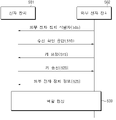


Classifications
-
- H—ELECTRICITY
- H04—ELECTRIC COMMUNICATION TECHNIQUE
- H04W—WIRELESS COMMUNICATION NETWORKS
- H04W4/00—Services specially adapted for wireless communication networks; Facilities therefor
- H04W4/02—Services making use of location information
- H04W4/023—Services making use of location information using mutual or relative location information between multiple location based services [LBS] targets or of distance thresholds
-
- G—PHYSICS
- G07—CHECKING-DEVICES
- G07C—TIME OR ATTENDANCE REGISTERS; REGISTERING OR INDICATING THE WORKING OF MACHINES; GENERATING RANDOM NUMBERS; VOTING OR LOTTERY APPARATUS; ARRANGEMENTS, SYSTEMS OR APPARATUS FOR CHECKING NOT PROVIDED FOR ELSEWHERE
- G07C9/00—Individual registration on entry or exit
- G07C9/00174—Electronically operated locks; Circuits therefor; Nonmechanical keys therefor, e.g. passive or active electrical keys or other data carriers without mechanical keys
- G07C9/00571—Electronically operated locks; Circuits therefor; Nonmechanical keys therefor, e.g. passive or active electrical keys or other data carriers without mechanical keys operated by interacting with a central unit
-
- H—ELECTRICITY
- H04—ELECTRIC COMMUNICATION TECHNIQUE
- H04L—TRANSMISSION OF DIGITAL INFORMATION, e.g. TELEGRAPHIC COMMUNICATION
- H04L12/00—Data switching networks
- H04L12/66—Arrangements for connecting between networks having differing types of switching systems, e.g. gateways
-
- G—PHYSICS
- G01—MEASURING; TESTING
- G01S—RADIO DIRECTION-FINDING; RADIO NAVIGATION; DETERMINING DISTANCE OR VELOCITY BY USE OF RADIO WAVES; LOCATING OR PRESENCE-DETECTING BY USE OF THE REFLECTION OR RERADIATION OF RADIO WAVES; ANALOGOUS ARRANGEMENTS USING OTHER WAVES
- G01S13/00—Systems using the reflection or reradiation of radio waves, e.g. radar systems; Analogous systems using reflection or reradiation of waves whose nature or wavelength is irrelevant or unspecified
- G01S13/02—Systems using reflection of radio waves, e.g. primary radar systems; Analogous systems
-
- G—PHYSICS
- G01—MEASURING; TESTING
- G01S—RADIO DIRECTION-FINDING; RADIO NAVIGATION; DETERMINING DISTANCE OR VELOCITY BY USE OF RADIO WAVES; LOCATING OR PRESENCE-DETECTING BY USE OF THE REFLECTION OR RERADIATION OF RADIO WAVES; ANALOGOUS ARRANGEMENTS USING OTHER WAVES
- G01S13/00—Systems using the reflection or reradiation of radio waves, e.g. radar systems; Analogous systems using reflection or reradiation of waves whose nature or wavelength is irrelevant or unspecified
- G01S13/02—Systems using reflection of radio waves, e.g. primary radar systems; Analogous systems
- G01S13/0209—Systems with very large relative bandwidth, i.e. larger than 10 %, e.g. baseband, pulse, carrier-free, ultrawideband
-
- G—PHYSICS
- G01—MEASURING; TESTING
- G01S—RADIO DIRECTION-FINDING; RADIO NAVIGATION; DETERMINING DISTANCE OR VELOCITY BY USE OF RADIO WAVES; LOCATING OR PRESENCE-DETECTING BY USE OF THE REFLECTION OR RERADIATION OF RADIO WAVES; ANALOGOUS ARRANGEMENTS USING OTHER WAVES
- G01S13/00—Systems using the reflection or reradiation of radio waves, e.g. radar systems; Analogous systems using reflection or reradiation of waves whose nature or wavelength is irrelevant or unspecified
- G01S13/88—Radar or analogous systems specially adapted for specific applications
-
- G—PHYSICS
- G07—CHECKING-DEVICES
- G07C—TIME OR ATTENDANCE REGISTERS; REGISTERING OR INDICATING THE WORKING OF MACHINES; GENERATING RANDOM NUMBERS; VOTING OR LOTTERY APPARATUS; ARRANGEMENTS, SYSTEMS OR APPARATUS FOR CHECKING NOT PROVIDED FOR ELSEWHERE
- G07C9/00—Individual registration on entry or exit
-
- G—PHYSICS
- G07—CHECKING-DEVICES
- G07C—TIME OR ATTENDANCE REGISTERS; REGISTERING OR INDICATING THE WORKING OF MACHINES; GENERATING RANDOM NUMBERS; VOTING OR LOTTERY APPARATUS; ARRANGEMENTS, SYSTEMS OR APPARATUS FOR CHECKING NOT PROVIDED FOR ELSEWHERE
- G07C9/00—Individual registration on entry or exit
- G07C9/00174—Electronically operated locks; Circuits therefor; Nonmechanical keys therefor, e.g. passive or active electrical keys or other data carriers without mechanical keys
- G07C9/00309—Electronically operated locks; Circuits therefor; Nonmechanical keys therefor, e.g. passive or active electrical keys or other data carriers without mechanical keys operated with bidirectional data transmission between data carrier and locks
-
- G—PHYSICS
- G07—CHECKING-DEVICES
- G07C—TIME OR ATTENDANCE REGISTERS; REGISTERING OR INDICATING THE WORKING OF MACHINES; GENERATING RANDOM NUMBERS; VOTING OR LOTTERY APPARATUS; ARRANGEMENTS, SYSTEMS OR APPARATUS FOR CHECKING NOT PROVIDED FOR ELSEWHERE
- G07C9/00—Individual registration on entry or exit
- G07C9/00174—Electronically operated locks; Circuits therefor; Nonmechanical keys therefor, e.g. passive or active electrical keys or other data carriers without mechanical keys
- G07C9/00817—Electronically operated locks; Circuits therefor; Nonmechanical keys therefor, e.g. passive or active electrical keys or other data carriers without mechanical keys where the code of the lock can be programmed
-
- G—PHYSICS
- G08—SIGNALLING
- G08B—SIGNALLING OR CALLING SYSTEMS; ORDER TELEGRAPHS; ALARM SYSTEMS
- G08B21/00—Alarms responsive to a single specified undesired or abnormal condition and not otherwise provided for
- G08B21/18—Status alarms
-
- G—PHYSICS
- G08—SIGNALLING
- G08B—SIGNALLING OR CALLING SYSTEMS; ORDER TELEGRAPHS; ALARM SYSTEMS
- G08B21/00—Alarms responsive to a single specified undesired or abnormal condition and not otherwise provided for
- G08B21/18—Status alarms
- G08B21/182—Level alarms, e.g. alarms responsive to variables exceeding a threshold
-
- H—ELECTRICITY
- H04—ELECTRIC COMMUNICATION TECHNIQUE
- H04L—TRANSMISSION OF DIGITAL INFORMATION, e.g. TELEGRAPHIC COMMUNICATION
- H04L67/00—Network arrangements or protocols for supporting network services or applications
- H04L67/01—Protocols
- H04L67/04—Protocols specially adapted for terminals or networks with limited capabilities; specially adapted for terminal portability
-
- H—ELECTRICITY
- H04—ELECTRIC COMMUNICATION TECHNIQUE
- H04L—TRANSMISSION OF DIGITAL INFORMATION, e.g. TELEGRAPHIC COMMUNICATION
- H04L67/00—Network arrangements or protocols for supporting network services or applications
- H04L67/01—Protocols
- H04L67/12—Protocols specially adapted for proprietary or special-purpose networking environments, e.g. medical networks, sensor networks, networks in vehicles or remote metering networks
-
- H—ELECTRICITY
- H04—ELECTRIC COMMUNICATION TECHNIQUE
- H04L—TRANSMISSION OF DIGITAL INFORMATION, e.g. TELEGRAPHIC COMMUNICATION
- H04L67/00—Network arrangements or protocols for supporting network services or applications
- H04L67/50—Network services
- H04L67/52—Network services specially adapted for the location of the user terminal
-
- H—ELECTRICITY
- H04—ELECTRIC COMMUNICATION TECHNIQUE
- H04L—TRANSMISSION OF DIGITAL INFORMATION, e.g. TELEGRAPHIC COMMUNICATION
- H04L69/00—Network arrangements, protocols or services independent of the application payload and not provided for in the other groups of this subclass
- H04L69/16—Implementation or adaptation of Internet protocol [IP], of transmission control protocol [TCP] or of user datagram protocol [UDP]
-
- H—ELECTRICITY
- H04—ELECTRIC COMMUNICATION TECHNIQUE
- H04W—WIRELESS COMMUNICATION NETWORKS
- H04W12/00—Security arrangements; Authentication; Protecting privacy or anonymity
- H04W12/06—Authentication
- H04W12/069—Authentication using certificates or pre-shared keys
-
- H—ELECTRICITY
- H04—ELECTRIC COMMUNICATION TECHNIQUE
- H04W—WIRELESS COMMUNICATION NETWORKS
- H04W12/00—Security arrangements; Authentication; Protecting privacy or anonymity
- H04W12/60—Context-dependent security
- H04W12/63—Location-dependent; Proximity-dependent
- H04W12/64—Location-dependent; Proximity-dependent using geofenced areas
-
- G—PHYSICS
- G07—CHECKING-DEVICES
- G07C—TIME OR ATTENDANCE REGISTERS; REGISTERING OR INDICATING THE WORKING OF MACHINES; GENERATING RANDOM NUMBERS; VOTING OR LOTTERY APPARATUS; ARRANGEMENTS, SYSTEMS OR APPARATUS FOR CHECKING NOT PROVIDED FOR ELSEWHERE
- G07C9/00—Individual registration on entry or exit
- G07C9/00174—Electronically operated locks; Circuits therefor; Nonmechanical keys therefor, e.g. passive or active electrical keys or other data carriers without mechanical keys
- G07C9/00309—Electronically operated locks; Circuits therefor; Nonmechanical keys therefor, e.g. passive or active electrical keys or other data carriers without mechanical keys operated with bidirectional data transmission between data carrier and locks
- G07C2009/00507—Electronically operated locks; Circuits therefor; Nonmechanical keys therefor, e.g. passive or active electrical keys or other data carriers without mechanical keys operated with bidirectional data transmission between data carrier and locks keyless data carrier having more than one function
- G07C2009/00523—Electronically operated locks; Circuits therefor; Nonmechanical keys therefor, e.g. passive or active electrical keys or other data carriers without mechanical keys operated with bidirectional data transmission between data carrier and locks keyless data carrier having more than one function opening of different locks separately
-
- G—PHYSICS
- G07—CHECKING-DEVICES
- G07C—TIME OR ATTENDANCE REGISTERS; REGISTERING OR INDICATING THE WORKING OF MACHINES; GENERATING RANDOM NUMBERS; VOTING OR LOTTERY APPARATUS; ARRANGEMENTS, SYSTEMS OR APPARATUS FOR CHECKING NOT PROVIDED FOR ELSEWHERE
- G07C9/00—Individual registration on entry or exit
- G07C9/00174—Electronically operated locks; Circuits therefor; Nonmechanical keys therefor, e.g. passive or active electrical keys or other data carriers without mechanical keys
- G07C9/00309—Electronically operated locks; Circuits therefor; Nonmechanical keys therefor, e.g. passive or active electrical keys or other data carriers without mechanical keys operated with bidirectional data transmission between data carrier and locks
- G07C2009/00507—Electronically operated locks; Circuits therefor; Nonmechanical keys therefor, e.g. passive or active electrical keys or other data carriers without mechanical keys operated with bidirectional data transmission between data carrier and locks keyless data carrier having more than one function
- G07C2009/00547—Electronically operated locks; Circuits therefor; Nonmechanical keys therefor, e.g. passive or active electrical keys or other data carriers without mechanical keys operated with bidirectional data transmission between data carrier and locks keyless data carrier having more than one function starting ignition
-
- G—PHYSICS
- G07—CHECKING-DEVICES
- G07C—TIME OR ATTENDANCE REGISTERS; REGISTERING OR INDICATING THE WORKING OF MACHINES; GENERATING RANDOM NUMBERS; VOTING OR LOTTERY APPARATUS; ARRANGEMENTS, SYSTEMS OR APPARATUS FOR CHECKING NOT PROVIDED FOR ELSEWHERE
- G07C2209/00—Indexing scheme relating to groups G07C9/00 - G07C9/38
- G07C2209/60—Indexing scheme relating to groups G07C9/00174 - G07C9/00944
- G07C2209/63—Comprising locating means for detecting the position of the data carrier, i.e. within the vehicle or within a certain distance from the vehicle
-
- H—ELECTRICITY
- H04—ELECTRIC COMMUNICATION TECHNIQUE
- H04W—WIRELESS COMMUNICATION NETWORKS
- H04W4/00—Services specially adapted for wireless communication networks; Facilities therefor
- H04W4/30—Services specially adapted for particular environments, situations or purposes
- H04W4/40—Services specially adapted for particular environments, situations or purposes for vehicles, e.g. vehicle-to-pedestrians [V2P]
-
- H—ELECTRICITY
- H04—ELECTRIC COMMUNICATION TECHNIQUE
- H04W—WIRELESS COMMUNICATION NETWORKS
- H04W4/00—Services specially adapted for wireless communication networks; Facilities therefor
- H04W4/80—Services using short range communication, e.g. near-field communication [NFC], radio-frequency identification [RFID] or low energy communication
Landscapes
- Engineering & Computer Science (AREA)
- Computer Networks & Wireless Communication (AREA)
- Remote Sensing (AREA)
- Physics & Mathematics (AREA)
- Radar, Positioning & Navigation (AREA)
- Signal Processing (AREA)
- General Physics & Mathematics (AREA)
- Computer Security & Cryptography (AREA)
- Business, Economics & Management (AREA)
- Electromagnetism (AREA)
- Emergency Management (AREA)
- Health & Medical Sciences (AREA)
- Computing Systems (AREA)
- General Health & Medical Sciences (AREA)
- Medical Informatics (AREA)
- Mobile Radio Communication Systems (AREA)
- Telephone Function (AREA)
- Position Fixing By Use Of Radio Waves (AREA)
Abstract
통신 회로 및 프로세서를 포함하는 전자 장치가 개시된다. 프로세서는, 통신 회로를 이용하여 지정된 프로토콜에 기반하여 외부 전자 장치와 통신을 수행하고, 통신 회로를 이용하여 지정된 프로토콜에 기반하여 상기 외부 전자 장치의 유형 정보를 적어도 포함하는 제1 정보를 수신하고, 상기 전자 장치 및 상기 외부 전자 장치 중에서, 상기 제1 정보에 적어도 기반하여 상기 전자 장치와 상기 외부 전자 장치 사이의 거리를 측정하기 위한 측위 주체를 판단하도록 설정될 수 있다. 이 외에도 명세서를 통해 파악되는 다양한 실시 예가 가능하다.An electronic device including a communication circuit and a processor is disclosed. The processor performs communication with an external electronic device based on a designated protocol using a communication circuit, and receives first information including at least type information of the external electronic device based on a designated protocol using a communication circuit; Among the electronic device and the external electronic device, a positioning subject for measuring a distance between the electronic device and the external electronic device may be determined based on at least the first information. In addition to this, various embodiments identified through the specification are possible.
Description
본 문서에서 개시되는 실시 예들은 측위(positioning)를 수행하는 전자 장치 및 그 제어 방법에 관한 것이다.Embodiments disclosed in this document relate to an electronic device that performs positioning and a control method thereof.
전자 통신 산업의 발달에 따라서, 전자 기기간 상호 작용을 통한 사용자 편의성이 증대를 위한 기술이 널리 이용되고 있다. 예를 들어, 전자 기기는 인증된 다른 전자 기기가 인접한 위치에 있으면, 다른 전자 기기(또는 그 사용자)에 대한 접근을 허용할 수도 있다. 이 경우, 두 전자 기기 사이의 거리가 인접한 경우에만 접근을 허용함으로써 사용자 경험 및 보안성을 증대시킬 수 있다. 예를 들어, 전자 기기들 사이의 측위는 GPS(global positioning system)와 같은 위성 시스템에 기반하여 수행될 수 있다. 그러나, 위성 시스템에 기반한 측위는 실내에서의 그 정확도가 매우 떨어진다.With the development of the electronic communication industry, a technology for increasing user convenience through interaction between electronic devices has been widely used. For example, an electronic device may allow access to another electronic device (or its user) if another authorized electronic device is located nearby. In this case, user experience and security can be improved by allowing access only when the distance between the two electronic devices is close. For example, positioning between electronic devices may be performed based on a satellite system such as a global positioning system (GPS). However, positioning based on a satellite system has very low accuracy indoors.
전자 장치들 간의 상호 작용을 위하여, 전자 장치들 간의 정확한 측위가 보장될 필요가 있다. 예를 들어, 스마트 도어 락(smart door lock)은 사용자 장치의 인접 여부에 따라서 개폐될 수 있다. 이 경우, 부정확한 측위로 인하여 보안 문제가 발생할 수 있다. 특히, 상호 작용 가능한 복수의 전자 장치들을 포함하는 실내 환경의 경우, 보다 정확한 측위 방법이 요구된다. 또한, 복수의 전자 장치들은 서로 상이한 측위 능력을 가질 수 있다. 따라서, 서로 상이한 측위 능력을 갖는 전자 장치들 사이의 측위를 위한 방법이 요구된다.For interaction between electronic devices, accurate positioning between electronic devices needs to be ensured. For example, a smart door lock may be opened or closed depending on whether a user device is adjacent to each other. In this case, a security problem may occur due to inaccurate positioning. In particular, in the case of an indoor environment including a plurality of interactable electronic devices, a more accurate positioning method is required. Also, a plurality of electronic devices may have different positioning capabilities. Therefore, a method for positioning between electronic devices having different positioning capabilities is required.
본 문서에 개시되는 다양한 실시 예들은, 보다 정확한 적응적 측위를 제공할 수 있는 전자 장치 및 그 제어 방법을 제공한다.Various embodiments disclosed in this document provide an electronic device capable of providing more accurate adaptive positioning and a control method thereof.
본 문서에 개시되는 일 실시 예에 따른 전자 장치는, 적어도 하나의 통신 회로 및 상기 적어도 하나의 통신 회로를 제어하도록 설정된 프로세서를 포함하고, 상기 프로세서는, 상기 적어도 하나의 통신 회로를 이용하여 지정된 프로토콜을 이용하여 외부 전자 장치와 통신을 수행하고, 상기 적어도 하나의 통신 회로를 이용하여 상기 지정된 프로토콜을 이용하여 상기 외부 전자 장치의 유형 정보를 적어도 포함하는 제1 정보를 수신하고, 상기 전자 장치 및 상기 외부 전자 장치 중에서, 상기 제1 정보에 적어도 기반하여 상기 전자 장치와 상기 외부 전자 장치 사이의 거리를 측정하기 위한 측위 주체를 판단하도록 설정될 수 있다. An electronic device according to an embodiment disclosed in this document includes at least one communication circuit and a processor configured to control the at least one communication circuit, and the processor includes a specified protocol using the at least one communication circuit. Performs communication with an external electronic device using the at least one communication circuit, receives first information including at least type information of the external electronic device using the specified protocol using the at least one communication circuit, and Among external electronic devices, a positioning subject for measuring a distance between the electronic device and the external electronic device may be determined based on at least the first information.
또한, 본 문서에 개시되는 일 실시 예에 따른 전자 장치는, 적어도 하나의 통신 회로, 및 상기 적어도 하나의 통신 회로를 제어하도록 설정된 프로세서를 포함하고, 상기 프로세서는, 상기 적어도 하나의 통신 회로를 이용하여 상기 전자 장치의 식별자를 포함하는 정보를 방송하고, 상기 적어도 하나의 통신 회로를 이용하여 상기 방송에 대한 응답 신호를 외부 전자 장치로부터 수신하고, 상기 응답 신호에 적어도 기반하여 지정된 프로토콜에 따라 외부 전자 장치와 통신하고, 상기 적어도 하나의 통신 회로를 이용하여 상기 지정된 프로토콜에 따라서 상기 외부 전자 장치의 유형 정보를 적어도 포함하는 제1 정보를 수신하고, 상기 전자 장치 및 상기 외부 전자 장치 중에서, 상기 제1 정보에 적어도 기반하여 상기 전자 장치와 상기 외부 전자 장치 사이의 거리를 측정하기 위한 측위 주체를 판단하도록 설정될 수 있다.In addition, an electronic device according to an embodiment disclosed in this document includes at least one communication circuit and a processor configured to control the at least one communication circuit, and the processor uses the at least one communication circuit. to broadcast information including an identifier of the electronic device, receive a response signal to the broadcast from an external electronic device using the at least one communication circuit, and receive an external electronic device according to a protocol designated at least based on the response signal Communicate with a device, receive first information including at least type information of the external electronic device according to the specified protocol using the at least one communication circuit, and, among the electronic device and the external electronic device, the first information It may be configured to determine a positioning subject for measuring a distance between the electronic device and the external electronic device based on at least information.
본 문서에 개시되는 실시 예들에 따르면, 측위를 위한 역할(role)을 협상함으로써 보다 유연한 인접성 기반 접속이 수행될 수 있다.According to the embodiments disclosed in this document, more flexible proximity-based access can be performed by negotiating roles for positioning.
또한, 다양한 실시 예들에 따르면, 초광대역 신호에 기반한 측위를 이용함으로써 실내에서도 정확한 측위가 수행될 수 있다.Also, according to various embodiments, accurate positioning can be performed indoors by using the positioning based on the ultra-wideband signal.
이 외에, 본 문서를 통해 직접적 또는 간접적으로 파악되는 다양한 효과들이 제공될 수 있다.In addition to this, various effects identified directly or indirectly through this document may be provided.
도 1은 다양한 실시예들에 따른 네트워크 환경 내의 전자 장치의 블럭도이다.
도 2는 일 실시예에 따른 측위 환경을 도시한다.
도 3은 다양한 실시예들에 따른 전자 장치의 상호 작용의 예시들을 도시한다.
도 4는 일 실시예에 따른 전자 장치의 인접도 기반 제어를 도시한다.
도 5는 다양한 실시예들에 따른 전자 장치의 측위 방법의 초기화 단계의 흐름도이다.
도 6은 일 실시예에 따른 측위 방법의 흐름도이다.
도 7은 다른 실시예에 따른 측위 방법 흐름도이다.
도 8은 또 다른 실시예에 따른 측위 방법의 흐름도이다.
도 9는 다양한 실시예들에 따른 전자 장치 제어 방법의 흐름도이다.
도 10은 일 실시예에 따른 안테나 구성도이다.
도 11은 다양한 실시예들에 따른 전자 장치의 측위 방법의 흐름도이다.
도면의 설명과 관련하여, 동일 또는 유사한 구성요소에 대해서는 동일 또는 유사한 참조 부호가 사용될 수 있다.1 is a block diagram of an electronic device in a network environment according to various embodiments.
2 illustrates a location environment according to one embodiment.
3 illustrates examples of interactions of electronic devices according to various embodiments.
4 illustrates proximity-based control of an electronic device according to an embodiment.
5 is a flowchart of an initialization step of a positioning method of an electronic device according to various embodiments.
6 is a flow chart of a positioning method according to an exemplary embodiment.
7 is a flow chart of a positioning method according to another embodiment.
8 is a flow chart of a positioning method according to another embodiment.
9 is a flowchart of a method for controlling an electronic device according to various embodiments.
10 is an antenna configuration diagram according to an embodiment.
11 is a flowchart of a positioning method of an electronic device according to various embodiments.
In connection with the description of the drawings, the same or similar reference numerals may be used for the same or similar elements.
이하, 본 문서의 다양한 실시예들이 첨부된 도면을 참조하여 기재된다. 실시예 및 이에 사용된 용어들은 본 문서에 기재된 기술을 특정한 실시 형태에 대해 한정하려는 것이 아니며, 해당 실시예의 다양한 변경, 균등물, 및/또는 대체물을 포함하는 것으로 이해되어야 한다. 도면의 설명과 관련하여, 유사한 구성요소에 대해서는 유사한 참조 부호가 사용될 수 있다. 단수의 표현은 문맥상 명백하게 다르게 뜻하지 않는 한, 복수의 표현을 포함할 수 있다. 본 문서에서, "A 또는 B" 또는 "A 및/또는 B 중 적어도 하나" 등의 표현은 함께 나열된 항목들의 모든 가능한 조합을 포함할 수 있다. "제 1," "제 2," "첫째," 또는 "둘째,"등의 표현들은 해당 구성요소들을, 순서 또는 중요도에 상관없이 수식할 수 있고, 한 구성요소를 다른 구성요소와 구분하기 위해 사용될 뿐 해당 구성요소들을 한정하지 않는다. 어떤(예: 제 1) 구성요소가 다른(예: 제 2) 구성요소에 "(기능적으로 또는 통신적으로) 연결되어" 있다거나 "접속되어" 있다고 언급된 때에는, 상기 어떤 구성요소가 상기 다른 구성요소에 직접적으로 연결되거나, 다른 구성요소(예: 제 3 구성요소)를 통하여 연결될 수 있다.Hereinafter, various embodiments of this document will be described with reference to the accompanying drawings. Examples and terms used therein are not intended to limit the technology described in this document to specific embodiments, and should be understood to include various modifications, equivalents, and/or substitutes of the embodiments. In connection with the description of the drawings, like reference numerals may be used for like elements. Singular expressions may include plural expressions unless the context clearly dictates otherwise. In this document, expressions such as "A or B" or "at least one of A and/or B" may include all possible combinations of the items listed together. Expressions such as "first," "second," "first," or "second," may modify the corresponding components regardless of order or importance, and are used to distinguish one component from another. It is used only and does not limit the corresponding components. When a (e.g., first) element is referred to as being "(functionally or communicatively) coupled to" or "connected to" another (e.g., second) element, that element refers to the other (e.g., second) element. It may be directly connected to the component or connected through another component (eg, a third component).
본 문서에서, "~하도록 구성된(또는 설정된)(configured to)"은 상황에 따라, 예를 들면, 하드웨어적 또는 소프트웨어적으로 "~에 적합한," "~하는 능력을 가지는," "~하도록 변경된," "~하도록 만들어진," "~를 할 수 있는," 또는 "~하도록 설계된"과 상호 호환적으로(interchangeably) 사용될 수 있다. 어떤 상황에서는, "~하도록 구성된 장치"라는 표현은, 그 장치가 다른 장치 또는 부품들과 함께 "~할 수 있는" 것을 의미할 수 있다. 예를 들면, 문구 "A, B, 및 C를 수행하도록 구성된(또는 설정된) 프로세서"는 해당 동작을 수행하기 위한 전용 프로세서(예: 임베디드 프로세서), 또는 메모리 장치에 저장된 하나 이상의 소프트웨어 프로그램들을 실행함으로써, 해당 동작들을 수행할 수 있는 범용 프로세서(예: CPU 또는 application processor)를 의미할 수 있다. In this document, "configured (or configured to)" means "suitable for," "having the ability to," "changed to," depending on the situation, for example, hardware or software. ," can be used interchangeably with "made to," "capable of," or "designed to." In some contexts, the expression "device configured to" can mean that the device is "capable of" in conjunction with other devices or components. For example, the phrase "a processor configured (or configured) to perform A, B, and C" may include a dedicated processor (eg, embedded processor) to perform the operation, or by executing one or more software programs stored in a memory device. , may mean a general-purpose processor (eg, CPU or application processor) capable of performing corresponding operations.
본 문서의 다양한 실시예들에 따른 전자 장치는, 예를 들면, 스마트폰, 태블릿 PC, 이동 전화기, 영상 전화기, 전자책 리더기, 데스크탑 PC, 랩탑 PC, 넷북 컴퓨터, 워크스테이션, 서버, PDA, PMP(portable multimedia player), MP3 플레이어, 의료기기, 카메라, 또는 웨어러블 장치 중 적어도 하나를 포함할 수 있다. 웨어러블 장치는 액세서리형(예: 시계, 반지, 팔찌, 발찌, 목걸이, 안경, 콘택트 렌즈, 또는 머리 착용형 장치(head-mounted-device(HMD)), 직물 또는 의류 일체형(예: 전자 의복), 신체 부착형(예: 스킨 패드 또는 문신), 또는 생체 이식형 회로 중 적어도 하나를 포함할 수 있다. 어떤 실시예들에서, 전자 장치는, 예를 들면, 텔레비전, DVD(digital video disk) 플레이어, 오디오, 냉장고, 에어컨, 청소기, 오븐, 전자레인지, 세탁기, 공기 청정기, 셋톱 박스, 홈 오토매이션 컨트롤 패널, 보안 컨트롤 패널, 미디어 박스(예: 삼성 HomeSyncTM, 애플TVTM, 또는 구글 TVTM), 게임 콘솔(예: XboxTM, PlayStationTM), 전자 사전, 전자 키, 캠코더, 또는 전자 액자 중 적어도 하나를 포함할 수 있다.Electronic devices according to various embodiments of the present document include, for example, a smart phone, a tablet PC, a mobile phone, a video phone, an e-book reader, a desktop PC, a laptop PC, a netbook computer, a workstation, a server, a PDA, and a PMP. It may include at least one of a portable multimedia player, an MP3 player, a medical device, a camera, or a wearable device. A wearable device may be in the form of an accessory (e.g. watch, ring, bracelet, anklet, necklace, eyeglasses, contact lens, or head-mounted-device (HMD)), integrated into textiles or clothing (e.g. electronic garment); In some embodiments, the electronic device may include, for example, a television, a digital video disk (DVD) player, Audio, refrigerator, air conditioner, vacuum cleaner, oven, microwave, washing machine, air purifier, set top box, home automation control panel, security control panel, media box (e.g. Samsung HomeSync TM , Apple TV TM , or Google TV TM ) , a game console (eg, Xbox TM , PlayStation TM ), an electronic dictionary, an electronic key, a camcorder, or an electronic picture frame.
다른 실시예에서, 전자 장치는, 각종 의료기기(예: 각종 휴대용 의료측정기기(혈당 측정기, 심박 측정기, 혈압 측정기, 또는 체온 측정기 등), MRA(magnetic resonance angiography), MRI(magnetic resonance imaging), CT(computed tomography), 촬영기, 또는 초음파기 등), 네비게이션 장치, 위성 항법 시스템(GNSS(global navigation satellite system)), EDR(event data recorder), FDR(flight data recorder), 자동차 인포테인먼트 장치, 선박용 전자 장비(예: 선박용 항법 장치, 자이로 콤파스 등), 항공 전자기기(avionics), 보안 기기, 차량용 헤드 유닛(head unit), 산업용 또는 가정용 로봇, 드론(drone), 금융 기관의 ATM(automatic teller’s machine), 상점의 POS(point of sales), 또는 사물 인터넷(internet of things, IoT) 장치 (예: 전구, 각종 센서, 스프링클러 장치, 화재 경보기, 온도조절기, 가로등, 토스터(toaster), 운동기구, 온수탱크, 히터, 보일러 등) 중 적어도 하나를 포함할 수 있다. 어떤 실시예에 따르면, 전자 장치는 가구, 건물/구조물 또는 자동차의 일부, 전자 보드(electronic board), 전자 사인 수신 장치(electronic signature receiving device), 프로젝터, 또는 각종 계측 기기(예: 수도, 전기, 가스, 또는 전파 계측 기기 등) 중 적어도 하나를 포함할 수 있다. 다양한 실시예에서, 전자 장치는 플렉서블하거나, 또는 전술한 다양한 장치들 중 둘 이상의 조합일 수 있다. 본 문서의 실시예에 따른 전자 장치는 전술한 기기들에 한정되지 않는다. 본 문서에서, 사용자라는 용어는 전자 장치를 사용하는 사람 또는 전자 장치를 사용하는 장치(예: 인공지능 전자 장치)를 지칭할 수 있다. In another embodiment, the electronic device may include various types of medical devices (e.g., various portable medical measuring devices (such as blood glucose meter, heart rate monitor, blood pressure monitor, or body temperature monitor), magnetic resonance angiography (MRA), magnetic resonance imaging (MRI), CT (computed tomography), imager, or ultrasonicator, etc.), navigation device, global navigation satellite system (GNSS), EDR (event data recorder), FDR (flight data recorder), automobile infotainment device, marine electronic equipment (e.g. navigation systems for ships, gyrocompasses, etc.), avionics, security devices, vehicle head units, industrial or home robots, drones, automatic teller's machines (ATMs) of financial institutions, Store point of sales (POS) or internet of things (IoT) devices such as light bulbs, various sensors, sprinkler devices, smoke alarms, thermostats, street lights, toasters, exercise equipment, hot water tanks, heater, boiler, etc.). According to some embodiments, the electronic device may be a piece of furniture, a building/structure or a vehicle, an electronic board, an electronic signature receiving device, a projector, or various measuring devices (eg, water, electricity, gas, radio wave measuring device, etc.). In various embodiments, the electronic device may be flexible or a combination of two or more of the various devices described above. An electronic device according to an embodiment of the present document is not limited to the aforementioned devices. In this document, the term user may refer to a person using an electronic device or a device using an electronic device (eg, an artificial intelligence electronic device).
도 1은, 다양한 실시예들에 따른, 네트워크 환경(100) 내의 전자 장치(101)의 블럭도이다. 도 1을 참조하면, 네트워크 환경(100)에서 전자 장치(101)는 제 1 네트워크(198)(예: 근거리 무선 통신)를 통하여 전자 장치(102)와 통신하거나, 또는 제 2 네트워크(199)(예: 원거리 무선 통신)를 통하여 전자 장치(104) 또는 서버(108)와 통신할 수 있다. 일 실시예에 따르면, 전자 장치(101)는 서버(108)를 통하여 전자 장치(104)와 통신할 수 있다. 일 실시예에 따르면, 전자 장치(101)는 프로세서(120), 메모리(130), 입력 장치(150), 음향 출력 장치(155), 표시 장치(160), 오디오 모듈(170), 센서 모듈(176), 인터페이스(177), 햅틱 모듈(179), 카메라 모듈(180), 전력 관리 모듈(188), 배터리(189), 통신 모듈(190), 가입자 식별 모듈(196), 및 안테나 모듈(197)을 포함할 수 있다. 어떤 실시예에서는, 전자 장치(101)에는, 이 구성요소들 중 적어도 하나(예: 표시 장치(160) 또는 카메라 모듈(180))가 생략되거나 다른 구성 요소가 추가될 수 있다. 어떤 실시예에서는, 예를 들면, 표시 장치(160)(예: 디스플레이)에 임베디드된 센서 모듈(176)(예: 지문 센서, 홍채 센서, 또는 조도 센서)의 경우와 같이, 일부의 구성요소들이 통합되어 구현될 수 있다.1 is a block diagram of an electronic device 101 within a
프로세서(120)는, 예를 들면, 소프트웨어(예: 프로그램(140))를 구동하여 프로세서(120)에 연결된 전자 장치(101)의 적어도 하나의 다른 구성요소(예: 하드웨어 또는 소프트웨어 구성요소)을 제어할 수 있고, 다양한 데이터 처리 및 연산을 수행할 수 있다. 프로세서(120)는 다른 구성요소(예: 센서 모듈(176) 또는 통신 모듈(190))로부터 수신된 명령 또는 데이터를 휘발성 메모리(132)에 로드하여 처리하고, 결과 데이터를 비휘발성 메모리(134)에 저장할 수 있다. 일 실시예에 따르면, 프로세서(120)는 메인 프로세서(121)(예: 중앙 처리 장치 또는 어플리케이션 프로세서), 및 이와는 독립적으로 운영되고, 추가적으로 또는 대체적으로, 메인 프로세서(121)보다 저전력을 사용하거나, 또는 지정된 기능에 특화된 보조 프로세서(123)(예: 그래픽 처리 장치, 이미지 시그널 프로세서, 센서 허브 프로세서, 또는 커뮤니케이션 프로세서)를 포함할 수 있다. 여기서, 보조 프로세서(123)는 메인 프로세서(121)와 별개로 또는 임베디드되어 운영될 수 있다.The processor 120, for example, drives software (eg, the program 140) to operate at least one other component (eg, hardware or software component) of the electronic device 101 connected to the processor 120. It can control and perform various data processing and calculations. The processor 120 loads and processes commands or data received from other components (eg, the sensor module 176 or the communication module 190) into the volatile memory 132, and transfers the resulting data to the non-volatile memory 134. can be stored in According to one embodiment, the processor 120 is operated independently of the main processor 121 (eg, a central processing unit or application processor), and additionally or alternatively, uses less power than the main processor 121, Alternatively, an auxiliary processor 123 (eg, a graphic processing unit, an image signal processor, a sensor hub processor, or a communication processor) specialized for a designated function may be included. Here, the auxiliary processor 123 may be operated separately from or embedded with the main processor 121 .
이런 경우, 보조 프로세서(123)는, 예를 들면, 메인 프로세서(121)가 인액티브(예: 슬립) 상태에 있는 동안 메인 프로세서(121)를 대신하여, 또는 메인 프로세서(121)가 액티브(예: 어플리케이션 수행) 상태에 있는 동안 메인 프로세서(121)와 함께, 전자 장치(101)의 구성요소들 중 적어도 하나의 구성요소(예: 표시 장치(160), 센서 모듈(176), 또는 통신 모듈(190))와 관련된 기능 또는 상태들의 적어도 일부를 제어할 수 있다. 일 실시예에 따르면, 보조 프로세서(123)(예: 이미지 시그널 프로세서 또는 커뮤니케이션 프로세서)는 기능적으로 관련 있는 다른 구성 요소(예: 카메라 모듈(180) 또는 통신 모듈(190))의 일부 구성 요소로서 구현될 수 있다. 메모리(130)는, 전자 장치(101)의 적어도 하나의 구성요소(예: 프로세서(120) 또는 센서모듈(176))에 의해 사용되는 다양한 데이터, 예를 들어, 소프트웨어(예: 프로그램(140)) 및, 이와 관련된 명령에 대한 입력 데이터 또는 출력 데이터를 저장할 수 있다. 메모리(130)는, 휘발성 메모리(132) 또는 비휘발성 메모리(134)를 포함할 수 있다. In this case, the secondary processor 123 may, for example, take the place of the main processor 121 while the main processor 121 is in an inactive (eg sleep) state, or when the main processor 121 is active (eg sleep). : Application execution) together with the main processor 121, at least one of the components of the electronic device 101 (eg, the display device 160, the sensor module 176, or a communication module ( 190)) may control at least some of the related functions or states. According to one embodiment, the auxiliary processor 123 (eg, image signal processor or communication processor) is implemented as a component of other functionally related components (eg,
프로그램(140)은 메모리(130)에 저장되는 소프트웨어로서, 예를 들면, 운영 체제(142), 미들 웨어(144) 또는 어플리케이션(146)을 포함할 수 있다. The program 140 is software stored in the memory 130 and may include, for example, an operating system 142 , middleware 144 , or an application 146 .
입력 장치(150)는, 전자 장치(101)의 구성요소(예: 프로세서(120))에 사용될 명령 또는 데이터를 전자 장치(101)의 외부(예: 사용자)로부터 수신하기 위한 장치로서, 예를 들면, 마이크, 마우스, 또는 키보드를 포함할 수 있다. The input device 150 is a device for receiving a command or data to be used by a component (eg, the processor 120) of the electronic device 101 from the outside of the electronic device 101 (eg, a user), for example, For example, it may include a microphone, mouse, or keyboard.
음향 출력 장치(155)는 음향 신호를 전자 장치(101)의 외부로 출력하기 위한 장치로서, 예를 들면, 멀티미디어 재생 또는 녹음 재생과 같이 일반적인 용도로 사용되는 스피커와 전화 수신 전용으로 사용되는 리시버를 포함할 수 있다. 일 실시예에 따르면, 리시버는 스피커와 일체 또는 별도로 형성될 수 있다.The audio output device 155 is a device for outputting a sound signal to the outside of the electronic device 101, and includes, for example, a speaker used for general purposes such as multimedia playback or recording playback, and a receiver used exclusively for receiving calls. can include According to one embodiment, the receiver may be formed integrally with or separately from the speaker.
표시 장치(160)는 전자 장치(101)의 사용자에게 정보를 시각적으로 제공하기 위한 장치로서, 예를 들면, 디스플레이, 홀로그램 장치, 또는 프로젝터 및 해당 장치를 제어하기 위한 제어 회로를 포함할 수 있다. 일 실시예에 따르면, 표시 장치(160)는 터치 회로(touch circuitry) 또는 터치에 대한 압력의 세기를 측정할 수 있는 압력 센서를 포함할 수 있다. The display device 160 is a device for visually providing information to the user of the electronic device 101, and may include, for example, a display, a hologram device, or a projector and a control circuit for controlling the device. According to an embodiment, the display device 160 may include a touch circuitry or a pressure sensor capable of measuring the intensity of a touch pressure.
오디오 모듈(170)은 소리와 전기 신호를 쌍방향으로 변환시킬 수 있다. 일 실시예에 따르면, 오디오 모듈(170)은, 입력 장치(150)를 통해 소리를 획득하거나, 음향 출력 장치(155), 또는 전자 장치(101)와 유선 또는 무선으로 연결된 외부 전자 장치(예: 전자 장치(102)(예: 스피커 또는 헤드폰))를 통해 소리를 출력할 수 있다.The audio module 170 may convert a sound and an electrical signal in both directions. According to an embodiment, the audio module 170 acquires sound through the input device 150, the audio output device 155, or an external electronic device connected to the electronic device 101 by wire or wirelessly (eg: Sound may be output through the electronic device 102 (eg, a speaker or a headphone).
센서 모듈(176)은 전자 장치(101)의 내부의 작동 상태(예: 전력 또는 온도), 또는 외부의 환경 상태에 대응하는 전기 신호 또는 데이터 값을 생성할 수 있다. 센서 모듈(176)은, 예를 들면, 제스처 센서, 자이로 센서, 기압 센서, 마그네틱 센서, 가속도 센서, 그립 센서, 근접 센서, 컬러 센서, IR(infrared) 센서, 생체 센서, 온도 센서, 습도 센서, 또는 조도 센서를 포함할 수 있다. The sensor module 176 may generate an electrical signal or data value corresponding to an internal operating state (eg, power or temperature) of the electronic device 101 or an external environmental state. The sensor module 176 may include, for example, a gesture sensor, a gyro sensor, an air pressure sensor, a magnetic sensor, an acceleration sensor, a grip sensor, a proximity sensor, a color sensor, an IR (infrared) sensor, a bio sensor, a temperature sensor, a humidity sensor, Alternatively, an illuminance sensor may be included.
인터페이스(177)는 외부 전자 장치(예: 전자 장치(102))와 유선 또는 무선으로 연결할 수 있는 지정된 프로토콜을 지원할 수 있다. 일 실시예에 따르면, 인터페이스(177)는 HDMI(high definition multimedia interface), USB(universal serial bus) 인터페이스, SD(secure digital)카드 인터페이스, 또는 오디오 인터페이스를 포함할 수 있다.The
연결 단자(178)는 전자 장치(101)와 외부 전자 장치(예: 전자 장치(102))를 물리적으로 연결시킬 수 있는 커넥터, 예를 들면, HDMI(high-definition multimedia interface) 커넥터, USB 커넥터, SD 카드 커넥터, 또는 오디오 커넥터(예: 헤드폰 커넥터)를 포함할 수 있다.The
햅틱 모듈(179)은 전기적 신호를 사용자가 촉각 또는 운동 감각을 통해서 인지할 수 있는 기계적인 자극(예: 진동 또는 움직임) 또는 전기적인 자극으로 변환할 수 있다. 햅틱 모듈(179)은, 예를 들면, 모터, 압전 소자, 또는 전기 자극 장치를 포함할 수 있다.The haptic module 179 may convert electrical signals into mechanical stimuli (eg, vibration or motion) or electrical stimuli that a user may perceive through tactile or kinesthetic senses. The haptic module 179 may include, for example, a motor, a piezoelectric element, or an electrical stimulation device.
카메라 모듈(180)은 정지 영상 및 동영상을 촬영할 수 있다. 일 실시예에 따르면, 카메라 모듈(180)은 하나 이상의 렌즈, 이미지 센서, 이미지 시그널 프로세서, 또는 플래시를 포함할 수 있다.The
전력 관리 모듈(188)은 전자 장치(101)에 공급되는 전력을 관리하기 위한 모듈로서, 예를 들면, PMIC(power management integrated circuit)의 적어도 일부로서 구성될 수 있다.The power management module 188 is a module for managing power supplied to the electronic device 101, and may be configured as at least a part of a power management integrated circuit (PMIC).
배터리(189)는 전자 장치(101)의 적어도 하나의 구성 요소에 전력을 공급하기 위한 장치로서, 예를 들면, 재충전 불가능한 1차 전지, 재충전 가능한 2차 전지 또는 연료 전지를 포함할 수 있다.The battery 189 is a device for supplying power to at least one component of the electronic device 101, and may include, for example, a non-rechargeable primary battery, a rechargeable secondary battery, or a fuel cell.
통신 모듈(190)은 전자 장치(101)와 외부 전자 장치(예: 전자 장치(102), 전자 장치(104), 또는 서버(108))간의 유선 또는 무선 통신 채널의 수립, 및 수립된 통신 채널을 통한 통신 수행을 지원할 수 있다. 통신 모듈(190)은 프로세서(120)(예: 어플리케이션 프로세서)와 독립적으로 운영되는, 유선 통신 또는 무선 통신을 지원하는 하나 이상의 커뮤니케이션 프로세서를 포함할 수 있다. 일 실시예에 따르면, 통신 모듈(190)은 무선 통신 모듈(192)(예: 셀룰러 통신 모듈, 근거리 무선 통신 모듈, 또는 GNSS(global navigation satellite system) 통신 모듈) 또는 유선 통신 모듈(194)(예: LAN(local area network) 통신 모듈, 또는 전력선 통신 모듈)을 포함하고, 그 중 해당하는 통신 모듈을 이용하여 제 1 네트워크(198)(예: 블루투스, WiFi direct 또는 IrDA(infrared data association) 같은 근거리 통신 네트워크) 또는 제 2 네트워크(199)(예: 셀룰러 네트워크, 인터넷, 또는 컴퓨터 네트워크(예: LAN 또는 WAN)와 같은 원거리 통신 네트워크)를 통하여 외부 전자 장치와 통신할 수 있다. 상술한 여러 종류의 통신 모듈(190)은 하나의 칩으로 구현되거나 또는 각각 별도의 칩으로 구현될 수 있다. The communication module 190 establishes a wired or wireless communication channel between the electronic device 101 and an external electronic device (eg, the
일 실시예에 따르면, 무선 통신 모듈(192)은 가입자 식별 모듈(196)에 저장된 사용자 정보를 이용하여 통신 네트워크 내에서 전자 장치(101)를 구별 및 인증할 수 있다. According to an embodiment, the wireless communication module 192 may distinguish and authenticate the electronic device 101 within a communication network using user information stored in the subscriber identification module 196 .
안테나 모듈(197)은 신호 또는 전력을 외부로 송신하거나 외부로부터 수신하기 위한 하나 이상의 안테나들을 포함할 수 있다. 일 실시예에 따르면, 통신 모듈(190)(예: 무선 통신 모듈(192))은 통신 방식에 적합한 안테나를 통하여 신호를 외부 전자 장치로 송신하거나, 외부 전자 장치로부터 수신할 수 있다. The
상기 구성요소들 중 일부 구성요소들은 주변 기기들간 통신 방식(예: 버스, GPIO(general purpose input/output), SPI(serial peripheral interface), 또는 MIPI(mobile industry processor interface))를 통해 서로 연결되어 신호(예: 명령 또는 데이터)를 상호간에 교환할 수 있다.Some of the above components are connected to each other through a communication method between peripheral devices (e.g., a bus, GPIO (general purpose input/output), SPI (serial peripheral interface), or MIPI (mobile industry processor interface)) and signal (e.g. commands or data) can be exchanged with each other.
일 실시예에 따르면, 명령 또는 데이터는 제 2 네트워크(199)에 연결된 서버(108)를 통해서 전자 장치(101)와 외부의 전자 장치(104)간에 송신 또는 수신될 수 있다. 전자 장치(102, 104) 각각은 전자 장치(101)와 동일한 또는 다른 종류의 장치일 수 있다. 일 실시예에 따르면, 전자 장치(101)에서 실행되는 동작들의 전부 또는 일부는 다른 하나 또는 복수의 외부 전자 장치에서 실행될 수 있다. 일 실시예에 따르면, 전자 장치(101)가 어떤 기능이나 서비스를 자동으로 또는 요청에 의하여 수행해야 할 경우에, 전자 장치(101)는 기능 또는 서비스를 자체적으로 실행시키는 대신에 또는 추가적으로, 그와 연관된 적어도 일부 기능을 외부 전자 장치에게 요청할 수 있다. 상기 요청을 수신한 외부 전자 장치는 요청된 기능 또는 추가 기능을 실행하고, 그 결과를 전자 장치(101)로 전달할 수 있다. 전자 장치(101)는 수신된 결과를 그대로 또는 추가적으로 처리하여 요청된 기능이나 서비스를 제공할 수 있다. 이를 위하여, 예를 들면, 클라우드 컴퓨팅, 분산 컴퓨팅, 또는 클라이언트-서버 컴퓨팅 기술이 이용될 수 있다. According to an embodiment, commands or data may be transmitted or received between the electronic device 101 and the external
이하에서, 전자 장치(101)의 다양한 동작들이 설명된다. 후술되는 전자 장치(101)의 동작들은 전자 장치(101)의 프로세서(120)에 의하여 수행될 수 있다. 일 실시예에 따르면, 전자 장치(101)는 적어도 하나의 통신 회로(예: 통신 모듈(190))와 적어도 하나의 통신 회로를 제어하는 적어도 하나의 프로세서(예: 프로세서(120))를 포함할 수 있다. 예를 들어, 적어도 하나의 프로세서는 적어도 하나의 통신 회로를 제어함으로써 신호 송수신을 수행할 수 있다. 다른 예를 들어, 적어도 하나의 프로세서는 전자 장치(101)의 메모리(예: 메모리(130))에 저장된 명령어들에 기반하여 제어될 수 있다. 후술되는 외부 전자 장치(예: 전자 장치(102) 또는 전자 장치(104))는 실질적으로 전자 장치(101)의 구성과 유사한 구성을 적어도 일부 포함할 수 있다. 이하에서, 용어 “측위(positioning)”는 용어 “측정(measuring)” 및/또는 용어 “위치결정(locating)”을 포함할 수 있다. 예를 들어, “측위”는 거리 및/또는 방향(예: 도달각 및/또는 발사각)의 측정을 포함할 수 있다. 이하의 실시예들에 있어서, 측위는 거리 및/또는 방향을 측정함으로써 수행될 수 있다. 예를 들어, 측위는 위치의 계산에 기반하여 수행될 수 있다. 다른 예를 들어, 위치의 계산은 거리 및/또는 방향의 계산에 기반하여 수행될 수 있다.Hereinafter, various operations of the electronic device 101 are described. Operations of the electronic device 101 described below may be performed by the processor 120 of the electronic device 101 . According to an embodiment, the electronic device 101 may include at least one communication circuit (eg, the communication module 190) and at least one processor (eg, the processor 120) controlling the at least one communication circuit. can For example, at least one processor may transmit and receive signals by controlling at least one communication circuit. For another example, at least one processor may be controlled based on instructions stored in a memory (eg, memory 130) of the electronic device 101. An external electronic device (eg, the
도 2는 일 실시예에 따른 측위 환경을 도시한다.2 illustrates a location environment according to one embodiment.
도 2를 참조하여, 전자 장치(201)(예: 도 1의 전자 장치(101))는 위성(221)으로부터 수신되는 신호를 이용하여 측위를 수행할 수 있다. 예를 들어, 전자 장치(201)는 GPS를 이용하여 측위를 수행할 수도 있다. 그러나, 도 2에 도시된 바와 같이, 전자 장치(201)가 실내에 위치된 경우, GPS에 기반한 측위가 수행되지 못할 수도 있다. Referring to FIG. 2 , the electronic device 201 (eg, the electronic device 101 of FIG. 1 ) may perform positioning using a signal received from the
일 실시예에 따르면, 전자 장치(201)는 외부 전자 장치(211)(예: 도 1의 전자 장치(102) 또는 전자 장치(104))와의 통신을 통하여 측위를 수행할 수도 있다. 예를 들어, 전자 장치(201)는 외부 전자 장치(211)의 절대적 위치(예: 위도 및 경도)를 이용하여 전자 장치(201)의 절대적 위치를 획득할 수도 있다. 다른 예를 들어, 전자 장치(201)는 외부 전자 장치(211)와의 상대적 위치(예: 거리 및/또는 방향)를 획득할 수도 있다. According to an embodiment, the
일 실시예에 따르면, 전자 장치(201)는 외부 전자 장치(211)와의 블루투스(bluetooth) 통신(예: 저전력 블루투스(bluetooth low energy, BLE))을 통하여 측위를 수행할 수 있다. 예를 들어, 전자 장치(201)는 신호의 강도(예: RSSI(received signal strength indication)) 및/또는 위상과 같은 신호 특성을 이용하여 측위를 수행할 수 있다. 전자 장치(201)는 복수의 안테나들을 통하여 수신된 신호들의 위상차에 적어도 기반하여 도달각(angle of arrival, AoA)을 측정할 수 있다. 그러나, 블루투스 통신에 기반한 측위는 상대적으로 큰(예: 약 5m) 오차를 가지기 때문에, 정확한 측위가 수행될 수 없다. 또한, 신호의 특성에 기반하여 측위가 수행되기 때문에, 블루투스 통신에 기반한 측위는 신호의 페이딩(fading) 및 잡음에 취약하다. 또한, 디바이스(예: 전자 장치(201))와 비콘(beacon)(예: 외부 전자 장치(211))의 구조가 하나의 측위 알고리즘에만 특화되어 있기 때문에, 다양한 측위 알고리즘들이 블루투스 통신에 기반하여 수행될 수 없다.According to an embodiment, the
일 실시예에 따르면, 전자 장치(201)는 외부 전자 장치(211)와의 와이파이(wifi) 통신을 통하여 측위를 수행할 수 있다. 예를 들어, 전자 장치(201)는 신호의 강도 및/또는 위상과 같은 신호 특성을 이용하여 측위(예: 거리 및/또는 도달각)를 수행할 수 있다. 다른 예를 들어, 전자 장치(201)는 반향 시간(time of flight, ToF)에 적어도 기반하여 측위를 수행할 수 있다. 전자 장치(201)는 신호의 송신 시각 및 수신응답 시각에 기반하여 반향 시간을 측정할 수 있다. 그러나, 와이파이 통신에 기반한 측위는 상대적으로 큰(예: 약 5m) 오차를 가지기 때문에, 정확한 측위가 수행될 수 없다. 또한, 협대역(narrowband) 신호의 특성에 기반하여 측위가 수행되기 때문에, 와이파이 통신에 기반한 측위는 신호의 페이딩(fading) 및 잡음에 취약하다. 또한, 디바이스(예: 전자 장치(201))와 액세스 포인트(access point)(예: 외부 전자 장치(211))의 구조가 하나의 측위 알고리즘에만 특화되어 있기 때문에, 와이파이 통신에 기반한 측위는 다양한 측위 알고리즘들을 적응적으로 이용할 수 없다. 또한, 와이파이 통신은 상대적으로 높은 소모 전력을 갖는다.According to an embodiment, the
일 실시예에 따르면, 전자 장치(201)는 초광대역(ultra-wideband) 신호에 기반한 측위를 수행할 수 있다. 예를 들어, 초광대역 신호는 500MHz 이상의 주파수 대역을 가질 수 있다. 다른 예를 들어, 초광대역 신호는 500MHz 이상의 주파수를 사용하여 생성될 수 있다. 또 다른 예를 들어, 초광대역 신호의 대역폭이 초광대역 신호의 중심주파수의 약 20% 이상인 신호일 수 있다. 초광대역 신호는 임펄스(impulse) 신호와 유사한 특성을 갖기 때문에, 펄스 폭(pulse width)이 경로 지연(path delay)보다 짧다. 따라서, 초광대역 신호를 이용한 측위에 있어서, 직접 신호(direct signal)와 반향 신호(reflected signal)가 용이하게 구분될 수 있다. 상술된 초광대역 신호의 특성에 적어도 기반하여 전자 장치(201)와 외부 전자 장치(211) 사이의 거리가 상대적으로 정확하게(예: 오차 5cm 미만) 측정될 수 있다. 또한, 초광대역 통신은 낮은 소모 전력을 가진다. 따라서, 이하의 실시예들에 있어서, 전자 장치(201)는 초광대역 신호에 기반하여 측위를 수행할 수 있다.According to an embodiment, the
일반적으로, 초광대역 신호에 기반한 측위는 산업용(industrial purpose) 통신으로 이용된다. 그러나, 도 3과 관련하여 후술되는 바와 같이, 초광대역 신호에 기반한 측위는 다양한 어플리케이션에 이용될 수 있다.In general, positioning based on ultra-wideband signals is used for industrial purpose communication. However, as will be described later with respect to FIG. 3, positioning based on ultra-wideband signals can be used in a variety of applications.
도 3은 다양한 실시예들에 따른 전자 장치의 상호 작용의 예시들을 도시한다.3 illustrates examples of interactions of electronic devices according to various embodiments.
도 3을 참조하여, 전자 장치(301)(예: 도 1의 전자 장치(101))는 다양한 외부 전자 장치들(311, 321, 331, 341)과 초광대역 신호에 기반한 측위를 수행할 수 있다. 초광대역 신호의 정의는 도 2와 관련하여 상술된 바와 같다. 도 3에서, 전자 장치(301)는 스마트폰으로 도시되나, 전자 장치(301)는 이에 제한되지 아니하며, 전자 장치(301)는 임의의(any) 휴대용 전자장치일 수 있다.Referring to FIG. 3 , an electronic device 301 (eg, the electronic device 101 of FIG. 1 ) may perform positioning based on various external
일 실시예에 따르면, 전자 장치(301)는 외부 전자 장치(311)(예: 도 1의 전자 장치(102) 또는 전자 장치(104))와의 거리에 기반하여 상호 작용할 수 있다. 예를 들어, 전자 장치(301)는 외부 전자 장치(311)를 찾기 위하여 초광대역 신호를 이용하여 측위를 수행할 수 있다. 전자 장치(301)의 사용자는 외부 전자 장치(311)의 탐색을 위하여 전자 장치(301)에서 대응 어플리케이션을 수행할 수 있다. 설명의 편의를 위하여, 외부 전자 장치(311)는 하나의 안테나를 포함하는 것으로 가정되나, 외부 전자 장치(311)는 복수의 안테나들을 포함할 수도 있다. 또한, 전자 장치(301)는 외부 전자 장치(311)로부터 송신된 초광대역 신호에 적어도 기반하여 외부 전자 장치(311)와의 거리 및/또는 외부 전자 장치(311)의 방향을 측정할 수 있다.According to an embodiment, the
일 실시예에 따르면, 전자 장치(301)는 차량(321)(예: 도 1의 전자 장치(102) 또는 전자 장치(104))과의 거리에 기반하여 상호 작용할 수 있다. 예를 들어, 전자 장치(301)는 차량(321)의 키로서 동작할 수 있다. 예를 들어, 전자 장치(301)는 전자 장치(301)의 백그라운드(background)에서 동작하는 어플리케이션을 이용하여 전자 장치(301)와 차량(321) 사이의 거리에 대한 정보를 획득할 수 있다. 백그라운드 어플리케이션을 이용하기 때문에, 사용자의 다른 동작 없이 전자 장치(301)와 차량(321) 사이의 상호 작용이 수행될 수 있다. 예를 들어, 차량(321)은 복수의 안테나들을 포함할 수 있다. 차량(321)은 전자 장치(301)로부터 송신되는 신호의 도달시간차(time difference of arrival, TDoA)에 기반하여 측위를 수행할 수 있다. 예를 들어, 전자 장치(301)로부터 송신되는 신호는 송신 시각을 지시하는 시간 스탬프(time stamp)를 포함할 수 있다. 예를 들어, 차량(321)은 전자 장치(301)의 위치가 지정된 거리 미만이고 전자 장치(301)가 인증되면 차량(321)의 문을 열 수 있다.According to an embodiment, the
일 실시예에 따르면, 전자 장치(301)는 랩톱(laptop)(331)(예: 도 1의 전자 장치(102) 또는 전자 장치(104))과의 거리에 기반하여 상호작 용할 수 있다. 예를 들어, 전자 장치(301)가 랩톱(331)에 인접하게 위치되면, 랩톱(331)은 잠금해제될 수도 있다. 설명의 편의를 위하여, 랩톱(331)은 하나의 안테나를 포함하는 것으로 가정되나, 랩톱(331)은 복수의 안테나들을 포함할 수 있다. 랩톱(331)은 양방향 거리측정(two way ranging, TWR)에 기반하여 측위를 수행할 수 있다. 예를 들어, 랩톱(331)은 타임 스탬프를 포함하는 측위 신호를 전자 장치(301)에 송신하고, 전자 장치(301)로부터 응답 신호를 수신함으로써 측위를 수행할 수 있다.According to an embodiment, the
일 실시예에 따르면, 전자 장치(301)는 스마트락(smart lock)(341)(예: 도 1의 전자 장치(102) 또는 전자 장치(104))과의 거리에 기반하여 상호 작용할 수 있다. 예를 들어, 스마트락(341)은 양방향 거리측정에 기반하여 스마트락(341)과 전자 장치(301)의 사이의 거리를 측정할 수 있다. 스마트락(341)은 전자 장치(301)로부터 유효한 키가 수신되고 전자 장치(301)가 지정된 거리 내에 위치되면, 전자 장치(301)의 접근을 허용할 수 있다. According to an embodiment, the
전자 장치(301)의 거리 기반 상호 작용은 도 3의 예시들에 한정되는 것은 아니다. 예를 들어, 전자 장치(301)는 실내에서의 특정 장소의 위치(예: 쇼핑몰 내의 특정 상점, 건물 내의 사무실)를 탐색하기 위하여 광대역 신호에 기반한 측위를 수행할 수 있다.The distance-based interaction of the
도 3과 관련하여 상술된 바와 같이, 전자 장치(301)는 다양한 외부 전자 장치들과의 상호 작용을 위하여 측위를 수행할 수 있다. 일 실시예에 따르면, 전자 장치(301)는 측위를 위한 초광대역 신호를 송신하는 태그(tag) 또는 초광대역 신호를 수신하는 앵커(anchor)로서 동작할 수 있다. 다른 실시예에 따르면, 전자 장치(301)는 측위를 수행하는 마스터(master)로서 동작하거나 측위를 수행하는 외부 전자 장치의 슬레이브(slave)로서 동작할 수 있다. 또 다른 실시예에 따르면, 전자 장치(301)는 다양한 측위 알고리즘(예: AoA, TDoA, AoD(angle of departure), ToA(time of arrival), ToF(time of flight), 및 TWR)에 기반하여 측위를 수행할 수 있다.As described above with reference to FIG. 3 , the
이하에서, 도 4를 참조하여 일 예시에 따른 차량(321)과 전자 장치(301) 사이의 상호 동작이 설명된다.Hereinafter, a mutual operation between the
도 4는 일 실시예에 따른 전자 장치의 인접도 기반 제어를 도시한다.4 illustrates proximity-based control of an electronic device according to an embodiment.
도 4를 참조하여, 일 실시예에 따르면, 전자 장치(401)(예: 도 1의 전자 장치(101))는 차량(402)(예: 도 1의 전자 장치(102) 또는 전자 장치(104))의 키(key)로서 동작할 수 있다. 도 4에서, 차량(402)을 중심으로 제1 영역(411), 제2 영역(412), 및 제3 영역(413)이 도시된다. 도 4에는 미도시되었으나, 이하에서 차량(402) 내부의 영역은 제4 영역으로 호칭될 수 있다. 도 4에는 각각의 영역이 동심원으로 도시되어 있으나, 각각의 영역의 형태가 이에 제한되는 것이다. 이하의 실시예들에 있어서, 제1 영역(411)은 가장 외곽의 영역을, 제2 영역(412)은 제1 영역(411)의 안쪽에 위치되고 제3 영역(413)의 바깥쪽에 위치된 영역을 의미할 수 있다. 또한, 제4 영역은 제3 영역(413)의 안쪽에 위치된 영역을 의미할 수 있다.Referring to FIG. 4 , according to an exemplary embodiment, an electronic device 401 (eg, the electronic device 101 of FIG. 1 ) is a vehicle 402 (eg, the
일 실시예에 따르면, 차량(402)은 제1 영역(411)의 범위에 전자 장치(401)를 탐색(discover)하기 위한 정보를 방송(broadcasting) 또는 광고(advertising)할 수 있다. 예를 들어, 차량(402)은 차량(402)의 식별자를 포함하는 정보를 지정된 주기로 방송 또는 광고할 수 있다. 다른 실시예에 따르면, 제1 영역(411)의 범위에, 전자 장치(401)의 탐색을 위하여 차량(402)은 차량(402)의 식별에 연관된 제1 정보를 지정된 프로토콜에 따라서 방송 또는 광고할 수 있다. 또 다른 실시예에 따르면, 전자 장치(401)의 탐색을 위하여 차량(402)은 전자 장치(401)의 식별에 연관된 정보(예: 전자 장치(401)의 식별자)를 제1 영역(411)의 범위에 방송 또는 광고할 수도 있다. 예를 들어, 지정된 프로토콜은 블루투스(예: 저전력 블루투스), 3GPP(3rd generation partnership project) 통신 규격, IEEE(institute of electrical and electronics engineers) 802.15 기반 통신 규격(예: Zigbee, UWB(ultra wideband) 등), 또는 Z-Wave 통신 규격 중 하나일 수도 있다. According to an embodiment, the
일 실시예에 따르면, 전자 장치(401)는 차량(402)의 식별 정보 또는 전자 장치(401)의 식별 정보를 수신하고 이에 대한 수신확인응답을 차량(402)으로 송신할 수 있다. 예를 들어, 전자 장치(401)가 제1 영역(411)에 진입함에 따라서 차량(402)의 식별 정보를 수신할 수도 있다. 다른 실시예에 따르면, 전자 장치(402)는 지정된 프로토콜에 따라 차량(402)으로 수신확인응답을 송신할 수 있다. According to an embodiment, the
일 실시예에 따르면, 전자 장치(401)는 지정된 프로토콜에 따라 차량(402)과 제1 무선 통신을 확립할 수 있다. 예를 들어, 전자 장치(401)는 제1 무선 통신의 확립을 위한 다양한 정보를 포함하는 적어도 하나의 신호를 송수신할 수 있다. According to an embodiment, the
일 실시예에 따르면, 차량(402)은 전자 장치(401)의 인증을 위한 키 요청을 전자 장치(401)에 송신할 수 있다. 예를 들어, 차량(402)은 전자 장치(402)로부터 수신확인응답이 수신되면 키 요청을 송신할 수 있다. 다른 예를 들어, 차량(402)은 제1 무선 통신의 확립 후에 키 요청을 송신할 수 있다. 차량(402)은 제1 무선 통신을 통하여 키 요청을 전자 장치(401)에 송신할 수 있다.According to an embodiment, the
일 실시예에 따르면, 전자 장치(401)는 키 요청에 대응하여 전자 장치(401)의 인증을 위한 키를 차량(402)에 송신할 수 있다. 예를 들어, 전자 장치(401)는 제1 무선 통신을 통하여 키를 차량(402)에 송신할 수 있다. 일 실시예에 따르면, 전자 장치(401)는 전자 장치(401)의 보안 영역(예: 보안 요소(security element, SE) 또는 매립형 보안 요소 (embedded SE))에 저장된 키를 차량(402)에 송신할 수 있다. 일 실시예에 따르면, 차량(402)은 전자 장치(401)로부터 수신된 키에 기반하여 전자 장치(401)가 인증되면, 차량(402)의 정보를 포함하는 장치 정보를 전자 장치(401)에 송신할 수 있다. According to an embodiment, the
일 실시예에 따르면, 전자 장치(401)의 인증이 완료되면, 전자 장치(401)와 차량(402) 사이의 측위 역할 및/또는 측위 알고리즘을 결정하기 위한 절차가 개시될 수 있다. 예를 들어, 전자 장치(401)와 차량(402)은 초광대역 통신을 위한 초기화 동작들을 수행할 수 있다. 초기화 동작들은, According to an embodiment, when authentication of the
일 실시예에 따르면, 초광대역 통신을 위한 초기화 동작들은 전자 장치(401)와 차량(402) 사이의 측위(positioning)에 대한 마스터(master) 또는 슬레이브(slave) 디바이스에 대한 결정을 위한 주체 협상을 포함할 수 있다. 예를 들어, 측위 주체 협상은 전자 장치(401)와 차량(402)의 측위 능력 정보의 교환을 포함할 수 있다. 예를 들어, 측위 능력 정보는 연관 어플리케이션 식별자, 측위 알고리즘, 측위 역할, 측위 주체, 통신 모듈 상태, 및/또는 안테나의 수에 대한 정보를 포함할 수 있다. According to an embodiment, initialization operations for ultra-wideband communication include subject negotiation for determining a master or slave device for positioning between the
일 실시예에 따르면, 측위 능력 정보는 기 지정된 프레임(예:프리 심볼 프레임(pre-symbol frame))을 통하여 교환될 수 있다. 예를 들어, 프리 심볼 프레임은 하기의 표 1과 같은 구조를 포함할 수도 있다.According to an embodiment, positioning capability information may be exchanged through a predetermined frame (eg, a pre-symbol frame). For example, the pre-symbol frame may include a structure shown in Table 1 below.
알고리즘Positioning
algorithm
앵커/태그)role (e.g.
anchor/tag)
표 1을 참조하여, 예를 들어, 어플리케이션 ID는 대응 전자 장치의 어플리케이션을 식별하기 위한 정보로서, 지정된 범위 내의 정수값일 수 있다. 예를 들어, 측위 알고리즘은 대응 전자 장치가 지원할 수 있는 측위 알고리즘을 지시하는 정보로서, TDoA, TWR, ToA, ToF, AoD, 및/또는 AoA를 지시하는 정보를 포함할 수 있다. 예를 들어, 역할은 대응 전자 장치가 지원 또는 선호하는 역할을 지시하는 정보로서, 측위 신호를 송신하는 태그 및/또는 측위 신호를 수신하는 앵커를 지시할 수 있다. 예를 들어, 측위 주체는 대응 전자 장치의 측위 수행 여부를 지시하는 정보를 포함할 수 있다. 예를 들어, 측위 주체는 대응 전자 장치가 거리를 측정하는 동작을 수행하는 마스터 장치임을 나타내는 정보 및/또는 대응 전자 장치가 거리 측정을 위한 정보를 제공하는 슬레이브 장치임을 나타내는 정보를 포함할 수 있다. 예를 들어, 무선 상태는 대응 전자 장치의 송신 및/또는 수신(예: 초광대역 신호의 송신 및/또는 수신) 지원 여부를 지시하는 정보를 포함할 수 있다. 예를 들어, 안테나의 수는 대응 전자 장치가 갖는 안테나의 수를 지시하는 정보를 포함할 수 있다. 예를 들어, 안테나의 수는 지정된 범위 내의 정수로 지시될 수 있다. 다른 예를 들어, 지정된 수 이상의 안테나들은 동일한 지시자에 의하여 지시될 수 있다.Referring to Table 1, for example, an application ID is information for identifying an application of a corresponding electronic device, and may be an integer value within a specified range. For example, the positioning algorithm is information indicating positioning algorithms that can be supported by the corresponding electronic device, and may include information indicating TDoA, TWR, ToA, ToF, AoD, and/or AoA. For example, the role is information indicating a role supported or preferred by a corresponding electronic device, and may indicate a tag transmitting a positioning signal and/or an anchor receiving a positioning signal. For example, the positioning subject may include information indicating whether or not the corresponding electronic device performs positioning. For example, the positioning subject may include information indicating that the corresponding electronic device is a master device performing an operation of measuring a distance and/or information indicating that the corresponding electronic device is a slave device providing information for measuring a distance. For example, the wireless state may include information indicating whether transmission and/or reception (eg, transmission and/or reception of an ultra-wideband signal) is supported by a corresponding electronic device. For example, the number of antennas may include information indicating the number of antennas of the corresponding electronic device. For example, the number of antennas may be indicated as an integer within a designated range. For another example, more than a specified number of antennas may be indicated by the same indicator.
일 실시예에 따르면, 측위 능력 정보의 교환 후에, 전자 장치(401) 또는 차량(402)은 측위 주체 및/또는 측위 알고리즘을 판단할 수 있다. 예를 들어, 전자 장치(401)는 차량(402)의 측위 능력 정보에 적어도 기반하여 측위 주체 및/또는 측위 알고리즘을 판단하고 연관된 정보를 차량(402)에 송신할 수 있다. 다른 예를 들어, 차량(402)은 전자 장치(401)의 측위 능력 정보에 적어도 기반하여 측위 주체 및/또는 측위 알고리즘을 판단하고 연관된 정보를 전자 장치(401)에 송신할 수 있다. 예를 들어, 전자 장치(401)가 측위 알고리즘을 판단하는 경우, 전자 장치(401)는 안테나의 수에 기반하여 측위 알고리즘을 판단할 수 있다. 전자 장치(401)는 안테나의 수가 지정된 수(예: 2 또는 3) 미만이면 TWR 방식을 이용하고, 안테나의 수가 지정된 수(예: 2 또는 3) 이상이면 AoA 또는 TDoA 방식을 이용할 수 있다. 다른 실시예에 따르면, 측위 주체 및/또는 측위 알고리즘은 지정된 조건에 따라 묵시적으로 결정될 수 있다. 예를 들어, 어플리케이션 식별자에 의하여 식별된 어플리케이션의 유형에 따라서 측위 주체가 결정될 수 있다. 예를 들어, 측위 알고리즘은 측위 주체가 지시하는 측위 알고리즘 또는 측위 주체가 지시하는 측위 알고리즘들 중 높은 우선순위의 측위 알고리즘으로 결정될 수도 있다. According to an embodiment, after exchanging positioning capability information, the
일 실시예에 따르면, 측위 주체 및/또는 측위 알고리즘의 협상 후, 전자 장치(401) 또는 차량(402)은 초광대역신호에 기반한 측위를 수행할 수 있다. 예를 들어, 차량(402)이 측위를 수행하고, 전자 장치(401)는 측위를 위한 초광대역 신호를 지정된 주기로 송신할 수 있다. 차량(402)은 초광대역 신호 기반 측위를 수행함으로써 전자 장치(401)의 제3 영역(413) 진입 여부를 모니터링할 수 있다. According to an embodiment, after negotiation of a positioning entity and/or a positioning algorithm, the
일 실시예에 따르면, 차량(402)은 전자 장치(401)의 제3 영역(413) 진입이 감지되면 전자 장치(401)의 인증을 위한 키 요청을 전자 장치(401)에 송신할 수 있다. 예를 들어, 차량(402)은 제1 무선 통신을 통하여 키 요청을 전자 장치(401)에 송신할 수 있다.According to an embodiment, the
일 실시예에 따르면, 전자 장치(401)는 키 요청에 대응하여 전자 장치(401)의 인증을 위한 키를 차량(402)에 송신할 수 있다. 예를 들어, 전자 장치(401)는 제1 무선 통신을 통하여 키를 차량(402)에 송신할 수 있다. 일 실시예에 따르면, 전자 장치(401)는 전자 장치(401)의 보안 영역(예: SE 또는 매립형 SE(eSE))에 저장된 키를 차량(402)에 송신할 수 있다. 일 실시예에 따르면, 차량(402)은 전자 장치(401)로부터 수신된 키에 기반하여 전자 장치(401)의 인증을 수행할 수 있다. 전자 장치(401)가 인증되면, 차량(402)은 차량(402)의 문을 열 수 있다. According to an embodiment, the
일 실시예에 따르면, 전자 장치(401)가 제4 영역(예: 차량(402)의 내부)에 위치되면, 차량(402)은 시동 준비 모드로 전화될 수 있다. 시동 준비 모드에서, 사용자는 전자 장치(401) 또는 차량(402)에 대한 입력을 통하여 차량(402)에 대한 시동을 걸 수 있다.According to an embodiment, when the
일 실시예에 따르면, 차량(402)의 엔진이 시작되면, 차량(402)은 운전 모드로 동작할 수 있다. 운전 모드에서, 상대적으로 많은 전력을 갖는 차량(402)이 측위를 수행할 수 있다. 예를 들어, 제 3 영역(413)에서 전자 장치(401)가 측위를 수행하였다고 하더라도, 운전 모드에서는 차량(402)이 측위를 수행할 수 있다. 또한, 운전 모드에서 차량(402)은 제3 영역(413)에서 이용된 측위 알고리즘과 상이한 측위 알고리즘을 이용하여 전자 장치(401)에 대한 측위를 수행할 수 있다. 예를 들어, 차량(402)은 전자 장치(401)가 차량(402) 내부에 위치되는 지를 감지될 수 있다.According to one embodiment, when the engine of
일 실시예에 따르면, 차량(402)의 엔진이 정지되면, 차량(402)은 전자 장치(401)의 위치에 기반하여 제어될 수 있다. 예를 들어, 제3 영역에서 수행된 측위 방식(예: 측위 주체 및/또는 측위 알고리즘)에 따라서 측위가 수행될 수 있다. 예를 들어, 전자 장치(401)가 제3 영역(413)의 밖으로 이동되면, 차량(402)은 차량(402)의 문을 잠글 수 있다.According to one embodiment, when the engine of the
도 3 및 도 4와 관련하여 상술한 바와 같이, 다양한 외부 전자 장치들은 다양한 측위 능력을 가질 수 있다. 따라서, 외부 전자 장치의 측위 능력에 기반하여 능동적으로 측위를 수행할 수 있는 방법이 요구된다. 측위를 위한 역할(role) 및/또는 알고리즘을 결정하기 위한 방법이 도 5를 참조하여 설명된다.As described above with reference to FIGS. 3 and 4 , various external electronic devices may have various positioning capabilities. Therefore, a method for actively performing positioning based on the positioning capability of an external electronic device is required. A method for determining a role and/or algorithm for positioning is described with reference to FIG. 5 .
도 5는 다양한 실시예들에 따른 전자 장치의 측위 방법의 초기화 단계(stage)의 흐름도이다.5 is a flowchart of an initialization stage of a positioning method of an electronic device according to various embodiments.
동작 505에서, 외부 전자 장치(502)(예: 도 1의 전자 장치(102) 또는 전자 장치(104))는 외부 전자 장치(502)의 식별자를 포함하는 정보를 방송 또는 광고할 수 있다. 예를 들어, 외부 전자 장치(502)는 제1 무선 통신 규격에 따라서 동작 505를 수행할 수 있다. 예를 들어, 제1 무선 통신 규격은 블루투스(예: 저전력 블루투스), 3GPP(3rd generation partnership project) 통신 규격, IEEE(institute of electrical and electronics engineers) 802.15 기반 통신 규격(예: Zigbee, UWB(ultra wideband) 등), 또는 Z-Wave 통신 규격 중 하나일 수도 있다. In operation 505, the external electronic device 502 (eg, the
일 실시예에 따르면, 외부 전자 장치(502)로부터 지정된 범위 내(예: 도 4의 제1 영역(411))에서, 청취(listen) 상태의 전자 장치(501)(예: 도 1의 전자 장치(101))는 외부전자 장치(502)의 식별자를 수신할 수 있다. 예를 들어, 전자 장치(501)는 지정된 주기에 따라서 휴지(idle) 상태로부터 청취(listen) 상태로 천이할 수 있다. 다른 예를 들어, 전자 장치(501)는 외부 신호에 기반하여 휴지 상태로부터 청취 상태로 천이할 수도 있다.According to an embodiment, within a designated range (eg, the
동작 510에서, 전자 장치(501)는 외부 전자 장치(502)의 식별자의 수신에 대응하는 수신확인응답을 외부 전자 장치(502)로 송신할 수 있다. 예를 들어, 전자 장치(501) 제1 무선 통신 규격에 따라서 동작 510을 수행할 수 있다. In operation 510, the
일 실시예에 따르면, 전자 장치(510)의 수신 확인 응답의 송신에 기반하여 제1 무선 통신 규격에 따른 제1 무선 통신이 전자 장치(501)와 외부 전자 장치(502) 사이에 확립될 수 있다. 다른 실시예에 따르면, 제1 무선 통신의 확립을 위하여, 전자 장치(501)와 외부 전자 장치(502)는 도 5에 미도시된 다른 정보들을 송수신할 수도 있다.According to an embodiment, the first wireless communication according to the first wireless communication standard may be established between the
동작 515에서, 외부 전자 장치(502)는 전자 장치(501)의 인증을 위한 키 요청을 송신할 수 있다. 예를 들어, 외부 전자 장치(502)는 확립된 제1 무선 통신을 통하여 키 요청을 송신할 수 있다. In operation 515, the external
동작 520에서, 전자 장치(501)는 키 요청에 응답하여 키를 외부 전자 장치(502)에 송신할 수 있다. 예를 들어, 전자 장치(501)는 제1 무선 통신을 통하여 키를 송신할 수 있다. 일 실시예에 따르면, 전자 장치(501)는 전자 장치(501) 내의 보안 영역(예: SE, eSE)에 저장된 키를 송신할 수 있다. In operation 520, the
일 실시예에 따르면, 외부 전자 장치(502)는 전자 장치(501)로부터 수신된 키를 이용하여 전자 장치(501)의 인증을 시도할 수 있다. 예를 들어, 키는 사전에 전자 장치(501)의 인증에 이용된 키일 수도 있다. 다른 예를 들어, 키는 전자 장치(501)와 외부 전자 장치(502) 사이에 미리 정의된 값을 이용하여 암호화될 수도 있다.According to an embodiment, the external
동작 525에서, 외부 전자 장치(502)는 외부 전자 장치 정보를 전자 장치(501)에 송신할 수 있다. 예를 들어, 외부 전자 장치 정보는 외부 전자 장치(502)의 측위 능력 정보(예: 어플리케이션 식별자, 측위 알고리즘, 측위 역할, 측위 주체, 무선 상태, 및/또는 안테나의 수)를 포함할 수 있다. 예를 들어, 외부 전자 장치(502)는 제1 무선 통신을 통하여 외부 전자 장치 정보를 송신할 수 있다. In operation 525, the external
동작 530에서, 전자 장치(501)와 외부 전자 장치(502)는 측위를 위한 역할 협상을 수행할 수 있다. 일 실시예에 따르면, 전자 장치(501)의 측위 능력 정보와 외부 전자 장치(502)의 측위 능력 정보는 동작 503에서 교환될 수 있다. 예를 들어, 전자 장치(501) 또는 외부 전자 장치(502)는 교환된 측위 능력 정보에 적어도 기반하여 측위 주체를 판단할 수 있다. 다른 실시예에 따르면, 동작 530에서, 전자 장치(501) 또는 전자 장치(502)는 측위를 위한 역할 및/또는 측위 알고리즘을 판단할 수 있다. 역할 및/또는 알고리즘에 대한 판단 방법은 도 4와 관련된 설명에 의하여 참조될 수 있다.In
일 실시예에 따르면, 동작 530은 협상의 결과에 대한 정보의 송신을 포함할 수 있다. 예를 들어, 전자 장치(501)에 의하여 역할 및/또는 알고리즘이 판단된 경우, 전자 장치(501)는 판단의 결과를 외부 전자 장치(502)에 송신할 수 있다. 다른 예를 들어, 외부 전자 장치(502)에 의하여 역할 및/또는 알고리즘이 판단된 경우, 외부 전자 장치(502)는 판단의 결과를 전자 장치(501)에 송신할 수 있다. According to one embodiment,
일 실시예에 따르면, 동작 530은 초광대역 통신을 통하여 수행될 수 있다. 예를 들어, 동작 530은 초광대역 통신의 초기화를 포함할 수 있다. 동작 530에서, 전자 장치(501)와 외부 전자 장치(502)는 초광대역 통신을 인에이블(enable)할 수 있다.According to an embodiment,
도 5에 도시된 절차들은 예시적인 것으로서, 일부 동작들은 생략될 수도 있다. 일 실시예에 따르면, 외부 전자 장치(502)는 전자 장치(501)의 주소(예: 블루투스 주소)에 기반하여 전자 장치(501)를 인증 또는 허용할 수 있다. 이 경우, 동작 515 및 동작 520은 생략될 수도 있다. 다른 실시예에 따르면, 외부 전자 장치 정보는 역할 협상 단계(동작 530)에서 송신될 수도 있다. 이 경우, 동작 525는 생략될 수도 있다. 예를 들어, 도 5의 초기화 단계는 제1 무선 통신 규격에 따른 디바이스 탐색(동작 505 및 510) 및 초광대역 신호 기반 측위를 위한 역할 협상 단계(동작 530)로 구성될 수 있다. 아울러, 도 5의 실시예에서, 블루투스 통신 규격이 제1 무선 통신 규격으로 이용될 수 있다. 다른 예를 들어, 제1 무선 통신 규격은 초광대역 통신일 수도 있다. 이 경우, 전자 장치(501)와 외부 전자 장치(502)의 초광대역 통신 초기화 동작은 동작 530 이전에 수행될 수 있다. The procedures shown in FIG. 5 are exemplary, and some operations may be omitted. According to an embodiment, the external
일 실시예에 따르면, 동작 530 이후, 전자 장치(501)와 외부 전자 장치(502)는 측위 모드로 동작할 수 있다. 예를 들어, 전자 장치(501)와 외부 전자 장치(502)는 동작 530에서 정해진 측위 주체 및/또는 알고리즘에 기반하여 측위를 수행할 수 있다. 이하에서, 도 6, 7, 및 8을 참조하여 측위 방법이 설명된다.According to an embodiment, after
도 6은 일 실시예에 따른 측위 방법의 흐름도이다. 6 is a flow chart of a positioning method according to an exemplary embodiment.
도 6의 실시예에 있어서, 외부 전자 장치(602)(예: 도 1의 전자 장치(102) 또는 전자 장치(104))는 차량으로서 가정된다. 또한, 외부 전자 장치(602)는 측위 주체(master)로서, TDoA 알고리즘을 이용하여 측위를 수행할 수 있다. 또한, 외부 전자 장치(602)는 측위 신호를 수신하는 앵커(anchor)로서 전자 장치(601)(예: 도 1의 전자 장치(101))는 측위 신호를 송신하는 태그(tag)로서 동작할 수 있다. 도 6의 동작들은 도 5의 동작 530에 후속하여 수행될 수 있다. In the embodiment of FIG. 6 , external electronic device 602 (eg,
동작 605에서, 전자 장치(601)는 제1 측위 신호를 외부 전자 장치(602)로 송신할 수 있다. 예를 들어, 제1 측위 신호는 송신 시각 정보(예: 타임 스탬프)를 포함하는 초광대역 신호일 수 있다. In operation 605, the
동작 607에서, 외부 전자 장치(602)는 제1 측위 신호에 적어도 기반하여 외부 전자 장치(602)와 전자 장치(601) 사이의 거리를 판단할 수 있다. 일 실시예에 따르면, 외부 전자 장치(602)는 제1 측위 신호의 송신 시각 정보와 제1 측위 신호의 수신 시각에 적어도 기반하여 전자 장치(601)와 외부 전자 장치(602) 사이의 거리를 측정할 수 있다. 동작 607에서, 외부 전자 장치(602)는 제1 측위 신호에 적어도 기반하여 전자 장치(601)가 지정된 영역(예: 도 4의 제3 영역(413))에 진입하지 않은 것으로 판단할 수도 있다. 동작 607에서 전자 장치(601)가 지정된 영역에 진입하지 않은 것으로 가정되었으나, 전자 장치(601)가 지정된 영역에 진입된 것으로 판단되는 경우, 외부 전자 장치(602)는 동작 615에 따라서 키 요청을 송신할 수 있다. 이 경우, 동작 610 및 612는 생략될 수 있다.In
동작 610에서, 전자 장치(601)는 제2 측위 신호를 외부 전자 장치(602)로 송신할 수 있다. 예를 들어, 제2 측위 신호는 송신 시각 정보(예: 타임 스탬프)를 포함하는 초광대역 신호일 수 있다. 일 실시예에 따르면, 전자 장치(601)는 지정된 주기에 따라서 제2 측위 신호를 송신할 수 있다. 예를 들어, 지정된 주기는 협상 단계(예: 도 5의 동작 530)에서 결정될 수 있다. 다른 예를 들어, 지정된 주기는 기설정된 값일 수도 있다. 일 실시예에 따르면, 전자 장치(601)는 외부 전자 장치(602)로부터 응답 신호(예: 키 요청)이 수신될 때까지 지정된 주기로 측위 신호를 송신할 수 있다. In operation 610, the
동작 612에서, 외부 전자 장치(602)는 제2 측위 신호에 적어도 기반하여 외부 전자 장치(602)와 전자 장치(601) 사이의 거리를 판단할 수 있다. 일 실시예에 따르면, 외부 전자 장치(602)는 제2 측위 신호의 송신 시각 정보와 제2 측위 신호의 수신 시각에 적어도 기반하여 전자 장치(601)와 외부 전자 장치(602) 사이의 거리를 측정할 수 있다. 동작 612에서, 외부 전자 장치(602)는 제2 측위 신호에 적어도 기반하여 전자 장치(601)가 지정된 영역(예: 도 4의 제3 영역(413))에 위치된 것으로 판단할 수도 있다. 동작 612에서 전자 장치(601)가 지정된 영역에 진입된 것으로 가정되었으나, 전자 장치(601)가 지정된 영역에 진입하지 않은 판단되는 경우, 외부 전자 장치(602)는 추가적인 측위 신호를 송신할 수 있다. 예를 들어, 외부 전자 장치(602)는 전자 장치(601)가 지정된 영역에 진입된 것으로 판단될 때까지 지정된 주기에 따라서 측위 신호를 송신할 수 있다.In
동작 615에서, 외부 전자 장치(602)는 전자 장치(601)의 인증을 위한 키 요청을 송신할 수 있다. 일 실시예에 따르면, 동작 612에서 전자 장치(601)가 지정된 영역(예: 도 4의 제3 영역(413))에 위치된 것으로 판단되면, 외부 전자 장치(602)는 키 요청을 전자 장치(601)로 송신할 수 있다. 예를 들어, 외부 전자 장치(602)는 확립된 제1 무선 통신(예: 저전력 블루투스 통신)을 통하여 키 요청을 송신할 수 있다. In operation 615, the external
동작 620에서, 전자 장치(601)는 키 요청에 응답하여 키를 외부 전자 장치(602)에 송신할 수 있다. 예를 들어, 전자 장치(601)는 제1 무선 통신을 통하여 키를 송신할 수 있다. 일 실시예에 따르면, 전자 장치(601)는 전자 장치(601) 내의 보안 영역(예: SE, eSE)에 저장된 키를 송신할 수 있다. In operation 620, the
일 실시예에 따르면, 외부 전자 장치(602)는 전자 장치(601)로부터 수신된 키를 이용하여 전자 장치(601)의 인증을 시도할 수 있다. 예를 들어, 키는 사전에 전자 장치(601)의 인증에 이용된 키일 수도 있다. 다른 예를 들어, 키는 전자 장치(601)와 외부 전자 장치(602) 사이에 미리 정의된 값을 이용하여 암호화될 수도 있다.According to an embodiment, the external
동작 625에서, 전자 장치(601)가 지정된 거리 내(예: 도 4의 제3 영역(413))에 위치되고 전자 장치(601)의 인증이 성공적이면, 외부 전자 장치(602)는 외부 전자 장치(602)의 문을 열수 있다. In
동작 630에서, 전자 장치(601)는 제3 측위 신호를 외부 전자 장치(602)로 송신할 수 있다. 예를 들어, 제3 측위 신호는 송신 시각 정보(예: 타임 스탬프)를 포함하는 초광대역 신호일 수 있다. 일 실시예에 따르면, 전자 장치(601)는 지정된 주기에 따라 제3 측위 신호를 송신할 수 있다. 다른 실시예에 따르면, 성공적인 키 송신을 위하여, 전자 장치(601)는 키 송신(동작 630) 후에 제3 측위 신호를 송신할 수도 있다. In operation 630, the
동작 632에서, 외부 전자 장치(602)는 제3 측위 신호에 적어도 기반하여 외부 전자 장치(602)와 전자 장치(601) 사이의 거리를 판단할 수 있다. 일 실시예에 따르면, 외부 전자 장치(602)는 제3 측위 신호의 송신 시각 정보와 제3 측위 신호의 수신 시각에 적어도 기반하여 전자 장치(601)와 외부 전자 장치(602) 사이의 거리를 측정할 수 있다. 동작 632에서, 외부 전자 장치(602)는 제3 측위 신호에 적어도 기반하여 전자 장치(601)가 지정된 영역(예: 외부 전자 장치(602) 내부)에 위치된 것으로 판단할 수도 있다. 동작 632에서 전자 장치(601)가 지정된 영역에 진입된 것으로 가정되었으나, 전자 장치(601)가 지정된 영역에 진입하지 않은 판단되는 경우, 외부 전자 장치(602)는 추가적인 측위 신호를 송신할 수 있다. In
동작 635에서, 외부 전자 장치(602)는 전자 장치(601)가 지정된 영역(예: 차량 내부)에 위치되면 준비 모드에 진입할 수 있다. 일 실시예에 따르면, 외부 전자 장치(602)는 제3 측위 신호에 기반하여 전자 장치(601)가 외부 전자 장치(602) 내부에 위치된 것으로 판단할 수 있다. In
도 6의 실시예에서, 동작 625 및 동작 635는 예시적인 것으로서, 외부 전자 장치(602)는 전자 장치(602)의 거리 및 인증 여부에 적어도 기반하여 다양한 동작들을 수행할 수 있다.In the embodiment of FIG. 6 ,
도 7은 다른 실시예에 따른 측위 방법 흐름도이다.7 is a flow chart of a positioning method according to another embodiment.
도 7의 실시예에 있어서, 외부 전자 장치(702)(예: 도 1의 전자 장치(102) 또는 전자 장치(104))는 차량으로서 가정된다. 또한, 전자 장치(701)(예: 도 1의 전자 장치(101))는 측위 주체(master)로서, AoA 알고리즘을 이용하여 측위를 수행할 수 있다. 또한, 전자 장치(701)는 측위 신호를 수신하는 앵커(anchor)로서 외부 전자 장치(702)는 측위 신호를 송신하는 태그(tag)로서 동작할 수 있다. 도 7의 동작들은 도 5의 동작 530에 후속하여 수행될 수 있다. In the embodiment of FIG. 7 , the external electronic device 702 (eg, the
동작 705에서, 외부 전자 장치(702)는 제1 측위 신호를 전자 장치(701)로 송신할 수 있다. 예를 들어, 제1 측위 신호는 초광대역 신호일 수 있다. 일 실시예에 따르면, 외부 전자 장치(702)는 지정된 송신 전력에 따라서 제1 측위 신호를 송신할 수 있다. 다른 실시예에 따르면, 외부 전자 장치(702)는 송신 전력에 대한 정보를 포함하는 제1 측위 신호를 송신할 수도 있다. In operation 705 , the external
동적 707에서, 전자 장치(701)는 제1 측위 신호에 적어도 기반하여 외부 전자 장치(702)와 전자 장치(701) 사이의 거리를 판단할 수 있다. 일 실시예에 따르면, 전자 장치(701)는 복수의 안테나들을 통하여 제1 측위 신호를 수신하고, 복수의 안테나들을 통하여 수신된 신호들의 위상차에 적어도 기반하여 제1 측위 신호의 도달각을 판단할 수 있다. 또한, 일 실시예에 따르면, 전자 장치(701)는 제1 측위 신호의 송신 전력과 제1 측위 신호의 수신 전력에 적어도 기반하여 전자 장치(701)와 외부 전자 장치(702) 사이의 거리를 측정할 수 있다. 동작 707에서, 전자 장치(701)는 제1 측위 신호에 적어도 기반하여 전자 장치(701)가 지정된 영역(예: 도 4의 제3 영역(413))에 진입하지 않은 것으로 판단할 수도 있다. 동작 707에서, 전자 장치(701)가 지정된 영역에 진입하지 않는 것으로 가정되나, 전자 장치(701)가 지정된 영역에 진입한 것으로 판단되는 경우, 전자 장치(701)는 동작 715에 따라서 키 송신을 수행할 수 있다. 이 경우, 동작 710 및 712는 생략될 수 있다. In dynamic 707 , the
동작 710에서, 외부 전자 장치(702)는 제2 측위 신호를 전자 장치(701)로 송신할 수 있다. 일 실시예에 따르면, 외부 전자 장치(702)는 지정된 주기에 따라서 제2 측위 신호를 송신할 수 있다. 예를 들어, 지정된 주기는 협상 단계(예: 도 5의 동작 530)에서 결정될 수 있다. 다른 예를 들어, 지정된 주기는 기설정된 값일 수도 있다. 일 실시예에 따르면, 외부 전자 장치(702)는 전자 장치(701)로부터 응답 신호(예: 키)가 수신될 때까지 지정된 주기로 측위 신호를 송신할 수 있다. In operation 710, the external
동작 712에서, 전자 장치(701)는 제2 측위 신호에 적어도 기반하여 외부 전자 장치(702)와 전자 장치(701) 사이의 거리를 판단할 수 있다. 거리의 판단은 동작 707과 관련하여 상술된 바에 따라서 수행될 수 있다. 동작 712에서, 전자 장치(701)는 제2 측위 신호에 적어도 기반하여 전자 장치(701)가 지정된 영역(예: 도 4의 제3 영역(413))에 위치된 것으로 판단할 수도 있다. 동작 712에서 전자 장치(701)가 지정된 영역에 진입된 것으로 가정되었으나, 전자 장치(701)가 지정된 영역에 진입하지 않은 판단되는 경우, 전자 장치(702)는 추가적인 측위 신호를 수신할 수 있다.In
동작 715에서, 전자 장치(701)는 외부 전자 장치(702)와의 거리에 기반하여 키를 외부 전자 장치(702)에 송신할 수 있다. 일 실시예에 따르면, 동작 712에서 전자 장치(701)가 지정된 영역(예: 도 4의 제3 영역(413))에 위치된 것으로 판단되면, 전자 장치(701)는 외부 전자 장치(702)로 키를 송신할 수 있다. 예를 들어, 전자 장치(701)는 제1 무선 통신(예: 저전력 블루투스)을 통하여 키를 송신할 수 있다. 일 실시예에 따르면, 전자 장치(701)는 전자 장치(701) 내의 보안 영역(예: SE, eSE)에 저장된 키를 송신할 수 있다. In operation 715, the
일 실시예에 따르면, 외부 전자 장치(702)는 전자 장치(701)로부터 수신된 키를 이용하여 전자 장치(701)의 인증을 시도할 수 있다. 예를 들어, 키는 사전에 전자 장치(701)의 인증에 이용된 키일 수도 있다. 다른 예를 들어, 키는 전자 장치(701)와 외부 전자 장치(702) 사이에 미리 정의된 값을 이용하여 암호화될 수도 있다.According to an embodiment, the external
동작 720에서, 전자 장치(701)가 지정된 거리 내(예: 도 4의 제3 영역(413))에 위치되고 전자 장치(701)의 인증이 성공적이면, 외부 전자 장치(702)는 외부 전자 장치(702)의 문을 열수 있다. In
동작 725에서, 외부 전자 장치(702)는 제3 측위 신호를 전자 장치(701)로 송신할 수 있다. 예를 들어, 제3 측위 신호는 초광대역 신호일 수 있다. 일 실시예에 따르면, 외부 전자 장치(702)는 지정된 주기에 따라 제3 측위 신호를 송신할 수 있다. 다른 실시예에 따르면, 성공적인 키 수신을 위하여, 외부 전자 장치(702)는 키 수신(동작 715) 후에 제3 측위 신호를 송신할 수도 있다.In operation 725, the external
동작 727에서, 전자 장치(701)는 제3 측위 신호에 적어도 기반하여 외부 전자 장치(702)와 전자 장치(701) 사이의 거리를 판단할 수 있다. 일 실시예에 따르면, 전자 장치(701)는 복수의 안테나들을 통하여 제3 측위 신호를 수신하고, 복수의 안테나들을 통하여 수신된 신호들의 위상차에 적어도 기반하여 제3 측위 신호의 도달각을 판단할 수 있다. 또한, 일 실시예에 따르면, 전자 장치(701)는 제1 측위 신호의 송신 전력과 제1 측위 신호의 수신 전력에 적어도 기반하여 전자 장치(701)와 외부 전자 장치(702) 사이의 거리를 측정할 수 있다. 동작 727에서, 전자 장치(701)는 제3 측위 신호에 적어도 기반하여 전자 장치(701)가 지정된 영역(예: 외부 전자 장치(702) 내부)에 위치된 것으로 판단할 수도 있다. 동작 727에서 전자 장치(701)가 지정된 영역에 진입된 것으로 가정되었으나, 전자 장치(701)가 지정된 영역에 진입하지 않은 판단되는 경우, 전자 장치(701)는 추가적인 측위 신호를 수신할 수 있다. In
동작 730에서, 동작 727의 결과에 따라서(예: 전자 장치(701)는 전자 장치(701)가 지정된 영역(예: 차량 내)에 진입한 것으로 판단되면), 전자 장치(701)가 지정된 영역에 위침됨을 지시하는 위치 정보를 외부 전자 장치(702)에 송신할 수 있다. 예를 들어, 동작 727에 따라서 전자 장치(701)는 제3 측위 신호에 적어도 기반하여 전자 장치(701)가 차량(예: 외부 전자 장치(702)) 내에 진입한 것을 감지할 수 있다. 이 경우, 전자 장치(701)는 전자 장치(701)의 위치 정보를 외부 전자 장치(702)에 송신할 수 있다. 예를 들어, 전자 장치(701)는 제1 무선 통신을 통하여 위치 정보를 송신할 수 있다.In operation 730, according to the result of operation 727 (eg, when the
동작 735에서, 외부 전자 장치(702)는 전자 장치(701)의 위치 정보가 수신되면 준비 모드에 진입할 수 있다. In
도 8은 또 다른 실시예에 따른 측위 방법의 흐름도이다.8 is a flow chart of a positioning method according to another embodiment.
도 8의 실시예에 있어서, 외부 전자 장치(802)(예: 도 1의 전자 장치(102) 또는 전자 장치(104))는 차량으로 가정된다. 또한, 전자 장치(801)(예: 도 1의 전자 장치(101))는 측위 주체(master)로서, TWR 알고리즘을 이용하여 측위를 수행할 수 있다. 또한, 전자 장치(801)는 측위 신호를 송신하는 태그로서 동작하고, 외부 전자 장치(802)는 측위 신호를 수신하는 앵커로서 동작할 수 있다. 도 8의 동작들은 도 5의 동작 530에 후속하여 수행될 수 있다. 도 8의 실시예에 있어서, 동작 815, 동작 820, 동작 835, 및 동작 840에 대한 설명은 도 7의 동작 715, 동작 720, 동작 730, 및 동작 735에 대한 설명에 의하여 참조될 수 있다. 설명의 편의를 위하여, 중복된 설명은 생략된다. 이하에서는, 도 7의 측위 방법과의 차이점을 중심으로 도 8의 실시예가 설명된다.In the embodiment of FIG. 8 , the external electronic device 802 (eg, the
동작 805에서, 전자 장치(801)는 제1 측위 신호를 외부 전자 장치(802)로 송신할 수 있다. 예를 들어, 제1 측위 신호는 초광대역 신호일 수 있다. 다른 예를 들어, 제1 측위 신호는 송신 시각 정보(예: 타임 스탬프)를 포함하는 초광대역 신호일 수 있다. 도 8에서, 제1 측위 신호의 송신(805)은 1회에 제한되지 않는다. 예를 들어, 전자 장치(801)는 제1 수신 확인 응답이 수신되거나, 제1 수신 확인 응답에 기반하여 전자 장치(801)가 지정된 영역에 진입한 것으로 판단될 때까지 제1 측위 신호를 주기적으로 송신할 수도 있다.In operation 805, the
동작 810에서, 외부 전자 장치(802)는 제1 측위 신호에 응답하여 제1 수신 확인 응답을 전자 장치(801)로 송신할 수 있다. 예를 들어, 외부 전자 장치(802)는 제1 무선 통신(예: 저전력 블루투스)을 통하여 제1 수신 확인 응답을 송신할 수 있다. 다른 예를 들어, 제1 수신 확인 응답은 외부 전자 장치(802)의 제1 수신 확인 응답의 송신 시각에 대한 정보를 포함할 수도 있다. In operation 810, the external
동작 812에서, 전자 장치(801)는 제1 수신 확인 응답에 적어도 기반하여 전자 장치(801)와 외부 전자 장치(802) 사이의 거리를 판단할 수 있다. 일 실시예에 따르면, 전자 장치(801)는 제1 측위 신호의 송신 시각과 제1 수신 확인 응답의 수신 시간에 적어도 기반하여 전자 장치(801)와 외부 전자 장치(802) 사이의 거리를 측정할 수 있다. 또한, 전자 장치(801)는 외부 전자 장치(802)가 지정된 거리 내에 있다고 판단되면 동작 815를 수행할 수 있다. 동작 812에서, 전자 장치(801)가 외부 전자 장치(802)로부터 지정된 거리 밖에 있다고 판단되면, 전자 장치(801)는 추가적인 측위 신호를 송신할 수도 있다.In
동작 825 및 830에 대한 설명은 동작 805 및 810에 대한 설명에 의하여 참조될 수 있다. 동작 832에서, 전자 장치(801)는 제2 수신 확인 응답에 적어도 기반하여 전자 장치(801)와 외부 전자 장치(802) 사이의 거리를 판단할 수 있다. 일 실시예에 있어서, 전자 장치(801)는 제2 수신 확이 응답에 적어도 기반하여 전자 장치(801)가 지정된 영역(예: 외부 전자 장치(802) 내부)에 위치된 것을 판단할 수 있다. 이 경우, 전자 장치(801)는 동작 835를 수행할 수 있다. 동작 835는 도 7의 동작 730에 대한 설명에 의하여 참조될 수 있다. 동작 835에서의 위치 정보 수신에 대응하여, 외부 전자 장치(802)는 동작 840에 따라서 준비 모드에 진입할 수 있다. 동작 840에 대한 설명은 도 7의 동작 735에 대한 설명에 의하여 참조될 수 있다. 설명의 편의를 위하여, 동작 832에서 전자 장치(801)가 지정된 영역에 진입한 것으로 가정된다. 그러나, 동작 832에서, 전자 장치(801)가 지정된 영역에 위치되지 않은 것으로 판단되면, 전자 장치(801)는 동작 825, 830, 및 832를 추가적으로 수행할 수도 있다. Descriptions of operations 825 and 830 may be referred to as descriptions of operations 805 and 810 . In
도 9는 다양한 실시예들에 따른 전자 장치 제어 방법의 흐름도이다.9 is a flowchart of a method for controlling an electronic device according to various embodiments.
도 9의 실시예에 있어서, 외부 전자 장치(902)(예: 도 1의 전자 장치(102) 또는 전자 장치(104))는 차량으로 가정된다. 또한, 전자 장치(901)(예: 도 1의 전자 장치(101))는 차량 내부에 위치된 것으로 가정된다. 예를 들어, 도 9의 동작들은 도 6, 7, 및 8의 준비 모드 이후에 수행될 수 있다.In the embodiment of FIG. 9 , the external electronic device 902 (eg, the
동작 905에서, 외부 전자 장치(902)의 엔진이 시작된다. 엔진이 시작된 후, 동작 910에서, 전자 장치(901)와 외부 전자 장치(902)는 운행 모드(driving mode)로 동작 상태가 전환될 수 있다. 일 실시예에 따르면, 외부 전자 장치(902)는 운행 모드로의 전환을 지시하는 신호를 제1 무선 통신(예: 저전력 블루투스)을 통하여 전자 장치(901)에 송신할 수 있다. At
일 실시예에 따르면, 운행 모드로의 전환을 지시하는 신호는 측위 알고리즘에 연관된 정보를 포함할 수 있다. 예를 들어, 운행 모드로의 전환을 지시하는 신호는 운행 모드에서 이용될 측위 알고리즘(예: AoA, TDoA, TWR, AoD, ToA, 또는 ToF) 및/또는 측위 주기에 대한 정보를 포함할 수 있다. According to one embodiment, the signal instructing switching to the driving mode may include information related to a positioning algorithm. For example, the signal instructing switching to the driving mode may include information about a positioning algorithm (eg, AoA, TDoA, TWR, AoD, ToA, or ToF) to be used in the driving mode and/or a positioning period. .
일 실시예에 따르면, 운행 모드로의 전환을 지시하는 신호에 대응하여, 전자 장치(901)는 수신 확인 응답을 외부 전자 장치(902)로 송신할 수 있다. 예를 들어, 전자 장치(901)는 제1 무선 통신을 통하여 외부 전자 장치(902)로 수신 확인 응답을 송신할 수 있다.According to an embodiment, the
동작 915에서, 전자 장치(901)에 대한 위치 모니터링이 외부 전자 장치(902)에 의하여 수행될 수 있다. In
일 실시예에 따르면, 운행 모드에서의 위치 모니터링은 동작 905 이전의 측위 방법과는 독립적으로 설정될 수 있다. 예를 들어, 운행 모드에서 외부 전자 장치(902)가 측위 주체로서 동작할 수 있다. 동작 905 이전에 전자 장치(901)가 측위 주체로서 동작하였다고 하더라도, 외부 전자 장치(902)가 운행 모드의 측위 주체로서 동작할 수 있다. 다른 예를 들어, 운행 모드에서의 측위 알고리즘은 동작 905와는 상이한 것일 수도 있다.According to one embodiment, position monitoring in driving mode may be set independently of the positioning method prior to
다른 실시예에 따르면, 운행 모드로의 전환 후, 위치 모니터링이 생략될 수도 있다. 예를 들어, 외부 전자 장치(902)의 엔진 정지 전 까지는 전자 장치(901)가 외부 전자 장치(902) 내에 위치된 것으로 가정될 수도 있다.According to another embodiment, after switching to driving mode, position monitoring may be omitted. For example, it may be assumed that the
동작 920에서, 외부 전자 장치(902)의 엔진이 정지된다. 이 경우, 동작 925에서, 전자 장치(901)와 외부 전자 장치(902)는 측위 모드로 전환될 수 있다. 예를 들어, 엔진이 정지되면, 외부 전자 장치(902)는 제1 무선 통신을 통하여 전자 장치(901)에 측위 모드로의 전환을 지시하는 신호를 송신할 수도 있다. At
일 실시예에 따르면, 측위 모드로의 전환 후, 전자 장치(901)와 외부 전자 장치(902)는 초기화 단계(예: 도 4의 초기화 단계)에서 합의된 방법에 따라서 측위를 수행할 수 있다. 또한, 전자 장치(901)와 외부 전자 장치(902)는 거리에 기반하여 다양한 동작들을 수행할 수 있다. 예를 들어, 외부 전자 장치(902)는 전자 장치(901)가 지정된 영역을 벗어나면, 외부 전자 장치(902)의 문을 잠글 수 있다.According to an embodiment, after switching to the positioning mode, the
도 9를 참조하여, 전자 장치(901)와 외부 전자 장치(902)의 예시적 동작들이 설명되었다. 이하에서는, 전자 장치(901)와 외부 전자 장치(902)의 예시적 안테나 구성이 도 10을 참조하여 설명된다.Referring to FIG. 9 , exemplary operations of the
도 10은 일 실시예에 따른 안테나 구성도이다.10 is an antenna configuration diagram according to an embodiment.
도 10의 실시예에 있어서, 제1 안테나(1003) 및 제2 안테나(1013)는 전자 장치(예: 도 1의 전자 장치(101))의 안테나 모듈(예: 도 1의 안테나 모듈(197)의 예시적 구조를 도시한다. 또한, 송신단(1001, 1011) 및 수신단(1002, 1012)은 전자 장치의 통신 모듈(예: 도 1의 통신 모듈(190))에 포함될 수 있다. 일 실시예에 따르면, 외부 전자 장치(예: 도 1의 전자 장치(102) 또는 전자 장치(104)) 또한 도 10의 안테나 구성과 유사한 안테나 구성을 포함할 수도 있다. In the embodiment of FIG. 10 , the
일 실시예에 따르면, 각각의 송신단(1001 및 1011)은 펄스 생성기(pulse generator), 변조기(modulator), 및 증폭기(amplifier)를 포함할 수 있다. 또한, 각각의 수신단(1002 및 1012)은 상관기(correlator), 필터, 및 저잡음 증폭기(low noise amplifier)를 포함할 수 있다.According to one embodiment, each of the
일 실시예에 따르면, 각각의 안테나(1003 및 1013)는 스위치(1004 및 1014)를 통하여 송신단(1001 및 1011) 또는 수신단(1002 및 1012)에 선택적으로 연결됨으로써 후술되는 다양한 측위 알고리즘들을 수행할 수 있다.According to an embodiment, each of the
일 실시예에 따르면, 전자 장치는 AoA 알고리즘에 기반하여 측위를 수행할 수 있다. 이 경우, 전자 장치는 수신 신호의 도달각과 세기에 기반하여 측위를 수행할 수 있다. 예를 들어, 전자 장치는 제1 안테나(1003)를 스위치(1004)를 이용하여 수신단(1002)에 연결하고 제2 안테나(1013)를 스위치(1014)를 이용하여 수신단(1012)에 연결함으로써 2개의 안테나들(1003 및 1013)을 통하여 신호를 수신할 수 있다. 2개의 안테나들(1003, 1013)을 통하여 수신된 신호들의 위상 및 크기를 비교함으로써 전자 장치는 측위를 수행할 수 있다. According to an embodiment, the electronic device may perform positioning based on an AoA algorithm. In this case, the electronic device may perform positioning based on the arrival angle and strength of the received signal. For example, the electronic device connects the
일 실시예에 따르면, 전자 장치는 발사각(angle of departure, AoD)에 기반하여 측위를 수행할 수 있다. 예를 들어, 전자 장치는 복수의 서로 고립된(isolated) 신호들을 수신 전자 장치에 송신할 수 있다. 수신 전자 장치는 고립된 신호들을 이용하여 전자 장치의 위치를 계산할 수 있다. 이 경우, 전자 장치는 제1 안테나(1003)를 스위치(1004)를 이용하여 송신단(1001)에 연결하고 제2 안테나(1013)를 스위치(1014)를 이용하여 송신단(1011)에 연결함으로써 2개의 안테나들(1003 및 1013)을 통하여 신호를 송신할 수 있다.According to an embodiment, the electronic device may perform positioning based on an angle of departure (AoD). For example, the electronic device may transmit a plurality of signals isolated from each other to the receiving electronic device. The receiving electronic device may calculate the location of the electronic device using the isolated signals. In this case, the electronic device connects the
일 실시예에 따르면, 전자 장치는 ToF에 기반하여 측위를 수행할 수 있다. 이 경우, 전자 장치는 측위 신호의 송신 시에 스위치(1004)를 이용하여 제1 안테나(1003)를 송신단(1001)에 연결하고 스위치(1014)를 이용하여 제2 안테나(1013)를 송신단(1011)에 연결할 수 있다. 또한, 전자 장치는 응답 신호의 수신을 위하여 스위치(1004)를 이용하여 제1 안테나(1003)를 수신단(1002)에 연결하고 스위치(1014)를 이용하여 제2 안테나(1013)를 수신단(1012)에 연결할 수 있다. According to an embodiment, the electronic device may perform positioning based on ToF. In this case, the electronic device connects the
일 실시예에 따르면, 전자 장치는 ToA 또는 TDoA와 같은 알고리즘에 기반하여 측위를 수행할 수 있다. 예를 들어, 전자 장치는 시간 정보(예: 시간 스탬프)를 포함하는 신호를 송신할 수 있다. 이 경우, 전자 장치는 제1 안테나(1003)를 스위치(1004)를 이용하여 송신단(1001)에 연결하고 제2 안테나(1013)를 스위치(1014)를 이용하여 송신단(1011)에 연결함으로써 2개의 안테나들(1003 및 1013)을 통하여 신호를 송신할 수 있다.According to an embodiment, the electronic device may perform positioning based on an algorithm such as ToA or TDoA. For example, the electronic device may transmit a signal including time information (eg, a time stamp). In this case, the electronic device connects the
상술된 다양한 실시예들에 있어서, 측위 알고리즘에 기반하여 각각의 안테나(1003, 1013)가 대응 송신단(1001, 1011) 또는 대응 수신단(1002, 1012)에 연결될 수 있다. 일 실시예에 따르면, 도 10의 안테나 구조는 레이더로서 이용될 수도 있다. 예를 들어, 제1 안테나(1003)는 송신단(1001)에 연결되고 초광대역 신호의 송신을 위하여 이용될 수 있다. 이 경우, 제2 안테나(1013)는 수신단(1012)에 연결되고 송신된 초광대역 신호가 사물로부터 반사된 반향파를 수신할 수 있다.In the various embodiments described above, each
도 10의 실시예에 있어서, 2 개의 안테나(1003, 1013)가 도시되어 있으나, 전자 장치와 외부 전자 장치의 안테나 구성은 이에 제한되는 것은 아니다. 예를 들어, 전자 장치 및/또는 외부 전자 장치는 2 이상의 복수의 안테나들을 포함할 수도 있다. 다른 예를 들어, 전자 장치 및/또는 외부 전자 장치는 하나의 안테나 만을 포함할 수도 있다.In the embodiment of FIG. 10 , two
도 11은 다양한 실시예들에 따른 전자 장치의 측위 방법의 흐름도이다.11 is a flowchart of a positioning method of an electronic device according to various embodiments.
도 11의 실시예에서, 각각의 동작들은 제1 전자 장치(예: 도 1의 전자 장치(101))에 의하여 수행될 수 있다. 예를 들어, 제1 전자 장치는 도 2 내지 도 10과 관련하여 상술된 전자 장치일 수 있다. 이하에서, 제1 전자 장치의 동작들은 제1 전자 장치 내에 포함된 프로세서(예: 도 1의 프로세서(120))에 의하여 수행될 수 있다. 또한, 제1 전자 장치는 적어도 하나의 통신 회로(예: 도 1의 통신 모듈(190))를 이용하여 통신(예: 신호의 송신 및/또는 수신)을 수행할 수 있다.In the embodiment of FIG. 11 , each operation may be performed by the first electronic device (eg, the electronic device 101 of FIG. 1 ). For example, the first electronic device may be the electronic device described above with reference to FIGS. 2 to 10 . Hereinafter, operations of the first electronic device may be performed by a processor included in the first electronic device (eg, the processor 120 of FIG. 1 ). Also, the first electronic device may perform communication (eg, transmission and/or reception of a signal) using at least one communication circuit (eg, the communication module 190 of FIG. 1 ).
동작 1105에서, 제1 전자 장치(예: 도 1의 프로세서(120))는 적어도 하나의 통신 회로(예: 도 1의 통신 모듈(190))를 이용하여 제2 전자 장치(예: 도 1의 전자 장치(102) 또는 전자 장치(104))와 제1 무선 통신 규격(예: 블루투스(Bluetooth) 통신 규격, 초광대역 통신 규격, 또는 와이파이(wifi) 통신 규격)에 따라서 제1 무선 연결을 확립할 수 있다.In
동작 1110에서, 제1 전자 장치(예: 도 1의 프로세서(120))는 제2 전자 장치에 연관된 제1 정보를 제1 무선 연결을 통하여 수신할 수 있다. 예를 들어, 제1 정보는 제2 전자 장치의 어플리케이션 식별자를 적어도 포함할 수 있다. 다른 예를 들어, 제1 정보는 제2 전자 장치의 어플리케이션 식별자, 측위 알고리즘에 대한 정보, 지원 역할, 측위 주체 정보, 송수신 상태, 또는 안테나의 수 중 적어도 하나를 포함할 수 있다.In
동작 1115에서, 제1 전자 장치(예: 도 1의 프로세서(120))는 제1 정보에 적어도 기반하여 제1 전자 장치와 제2 전자 장치 중에서 거리를 측정하기 위한 측위 주체를 판단할 수 있다. 다른 예를 들어, 제1 전자 장치는 측위 주체 및 측위 알고리즘을 판단할 수도 있다. 일 실시예에 따르면, 제1 전자 장치는 판단된 측위 주체 및/또는 측위 알고리즘에 대한 정보를 제2 전자 장치로 송신할 수 있다.In
도 11의 실시예는 도 5와 관련하여 상술된 동작들에 의하여 참조될 수도 있다. 예를 들어, 제1 전자 장치(예: 도 1의 프로세서(120))는 제2 전자 장치의 식별자를 수신하고, 제2 전자 장치의 식별자에 대한 수신확인응답을 송신할 수 있다. 다른 예를 들어, 제1 전자 장치는 제2 전자 장치로부터 키 요청을 수신하고, 제2 전자 장치에 키를 송신함으로써 제1 무선 연결을 확립할 수 있다. The embodiment of FIG. 11 may also be referenced by the operations described above with respect to FIG. 5 . For example, the first electronic device (eg, the processor 120 of FIG. 1 ) may receive the identifier of the second electronic device and transmit an acknowledgment response to the identifier of the second electronic device. For another example, the first electronic device may establish the first wireless connection by receiving a key request from the second electronic device and transmitting the key to the second electronic device.
일 실시예에 따르면, 제1 전자 장치는 초광대역 신호의 도달각, 발사각, 타임 스탬프(time stamp), 또는 반향 시간(time of flight) 중 적어도 하나에 기반하여 측위를 수행할 수 있다. According to an embodiment, the first electronic device may perform positioning based on at least one of an arrival angle, a launch angle, a time stamp, and a time of flight of the ultra-wideband signal.
일 실시예에 따르면, 제1 전자 장치(예: 도 1의 프로세서(120))는 제1 전자 장치가 측위 주체로 판단되면, 제2 전자 장치로부터 수신되는 주기적 초광대역 신호에 기반하여 제1 전자 장치와 제2 전자 장치 사이의 거리를 측정할 수 있다. 제1 전자 장치는 제2 전자 장치가 지정된 거리 내에 위치되면, 제2 전자 장치로 키를 송신할 수 있다. 예를 들어, 키는 제1 전자 장치의 인증을 위한 키일 수도 있다. 다른 실시예에 따르면, 제1 전자 장치는 제2 전자 장치가 측위 주체로 판단되면, 제2 전자 장치로 주기적으로 초광대역 신호를 송신할 수 있다. According to an embodiment, when the first electronic device (eg, the processor 120 of FIG. 1 ) determines that the first electronic device is a positioning subject, the first electronic device based on the periodic ultra-wideband signal received from the second electronic device A distance between the device and the second electronic device may be measured. The first electronic device may transmit a key to the second electronic device when the second electronic device is located within a designated distance. For example, the key may be a key for authentication of the first electronic device. According to another embodiment, the first electronic device may periodically transmit an ultra-wideband signal to the second electronic device when it is determined that the second electronic device is a positioning subject.
도 11의 실시예는 제1 전자 장치를 중심으로 설명되었으나, 제2 전자 장치에 의하여 도 11의 동작들이 수행될 수 있다. 예를 들어, 제2 전자 장치는 제1 전자 장치가 지정된 거리 내에 위치되면, 키 요청을 제1 전자 장치에 송신할 수도 있다. 또한, 제2 전자 장치는 제1 전자 장치로부터 수신된 키에 기반하여 지정된 동작을 수행할 수 있다. Although the embodiment of FIG. 11 has been described focusing on the first electronic device, the operations of FIG. 11 may be performed by the second electronic device. For example, the second electronic device may transmit a key request to the first electronic device when the first electronic device is located within a designated distance. Also, the second electronic device may perform a designated operation based on the key received from the first electronic device.
본 문서에 개시된 다양한 실시예들에 따른 전자 장치는 다양한 형태의 장치가 될 수 있다. 전자 장치는, 예를 들면, 휴대용 통신 장치 (예: 스마트폰), 컴퓨터 장치, 휴대용 멀티미디어 장치, 휴대용 의료 기기, 카메라, 웨어러블 장치, 또는 가전 장치 중 적어도 하나를 포함할 수 있다. 본 문서의 실시예에 따른 전자 장치는 전술한 기기들에 한정되지 않는다.Electronic devices according to various embodiments disclosed in this document may be devices of various types. The electronic device may include, for example, at least one of a portable communication device (eg, a smart phone), a computer device, a portable multimedia device, a portable medical device, a camera, a wearable device, and a home appliance. An electronic device according to an embodiment of the present document is not limited to the aforementioned devices.
본 문서의 다양한 실시예들 및 이에 사용된 용어들은 본 문서에 기재된 기술을 특정한 실시 형태에 대해 한정하려는 것이 아니며, 해당 실시예의 다양한 변경, 균등물, 및/또는 대체물을 포함하는 것으로 이해되어야 한다. 도면의 설명과 관련하여, 유사한 구성요소에 대해서는 유사한 참조 부호가 사용될 수 있다. 단수의 표현은 문맥상 명백하게 다르게 뜻하지 않는 한, 복수의 표현을 포함할 수 있다. 본 문서에서, "A 또는 B", "A 및/또는 B 중 적어도 하나", "A, B 또는 C" 또는 "A, B 및/또는 C 중 적어도 하나" 등의 표현은 함께 나열된 항목들의 모든 가능한 조합을 포함할 수 있다. "제 1", "제 2", "첫째" 또는 "둘째" 등의 표현들은 해당 구성요소들을, 순서 또는 중요도에 상관없이 수식할 수 있고, 한 구성요소를 다른 구성요소와 구분하기 위해 사용될 뿐 해당 구성요소들을 한정하지 않는다. 어떤(예: 제 1) 구성요소가 다른(예: 제 2) 구성요소에 "(기능적으로 또는 통신적으로) 연결되어" 있다거나 "접속되어" 있다고 언급된 때에는, 상기 어떤 구성요소가 상기 다른 구성요소에 직접적으로 연결되거나, 다른 구성요소(예: 제 3 구성요소)를 통하여 연결될 수 있다.Various embodiments of this document and terms used therein are not intended to limit the technology described in this document to a specific embodiment, and should be understood to include various modifications, equivalents, and/or substitutes of the embodiments. In connection with the description of the drawings, like reference numerals may be used for like elements. Singular expressions may include plural expressions unless the context clearly dictates otherwise. In this document, expressions such as "A or B", "at least one of A and/or B", "A, B or C" or "at least one of A, B and/or C" refer to all of the items listed together. Possible combinations may be included. Expressions such as "first", "second", "first" or "second" may modify the elements in any order or importance, and are used only to distinguish one element from another. The components are not limited. When a (e.g., first) element is referred to as being "(functionally or communicatively) coupled to" or "connected to" another (e.g., second) element, that element refers to the other (e.g., second) element. It may be directly connected to the component or connected through another component (eg, a third component).
본 문서에서 사용된 용어 "모듈"은 하드웨어, 소프트웨어 또는 펌웨어로 구성된 유닛을 포함하며, 예를 들면, 로직, 논리 블록, 부품, 또는 회로 등의 용어와 상호 호환적으로 사용될 수 있다. 모듈은, 일체로 구성된 부품 또는 하나 또는 그 이상의 기능을 수행하는 최소 단위 또는 그 일부가 될 수 있다. 예를 들면, 모듈은 ASIC(application-specific integrated circuit)으로 구성될 수 있다. The term "module" used in this document includes a unit composed of hardware, software, or firmware, and may be used interchangeably with terms such as logic, logic block, component, or circuit, for example. A module may be an integral part or a minimum unit or part thereof that performs one or more functions. For example, the module may be composed of an application-specific integrated circuit (ASIC).
본 문서의 다양한 실시예들은 기기(machine)(예: 컴퓨터)로 읽을 수 있는 저장 매체(machine-readable storage media)(예: 내장 메모리(136) 또는 외장 메모리(138))에 저장된 명령어를 포함하는 소프트웨어(예: 프로그램(140))로 구현될 수 있다. 기기는, 저장 매체로부터 저장된 명령어를 호출하고, 호출된 명령어에 따라 동작이 가능한 장치로서, 개시된 실시예들에 따른 전자 장치(예: 전자 장치(101))를 포함할 수 있다. 상기 명령이 프로세서(예: 프로세서(120))에 의해 실행될 경우, 프로세서가 직접, 또는 상기 프로세서의 제어하에 다른 구성요소들을 이용하여 상기 명령에 해당하는 기능을 수행할 수 있다. 명령은 컴파일러 또는 인터프리터에 의해 생성 또는 실행되는 코드를 포함할 수 있다. 기기로 읽을 수 있는 저장매체는, 비일시적(non-transitory) 저장매체의 형태로 제공될 수 있다. 여기서, ‘비일시적’은 저장매체가 신호(signal)를 포함하지 않으며 실재(tangible)한다는 것을 의미할 뿐 데이터가 저장매체에 반영구적 또는 임시적으로 저장됨을 구분하지 않는다.Various embodiments of this document include instructions stored in machine-readable storage media (eg, internal memory 136 or external memory 138) that can be read by a machine (eg, computer). It may be implemented in software (eg, program 140). A device is a device capable of calling a stored command from a storage medium and operating according to the called command, and may include an electronic device (eg, the electronic device 101) according to the disclosed embodiments. When the command is executed by a processor (eg, the processor 120), the processor may perform a function corresponding to the command directly or by using other components under the control of the processor. An instruction may include code generated or executed by a compiler or interpreter. The device-readable storage medium may be provided in the form of a non-transitory storage medium. Here, 'non-temporary' only means that the storage medium does not contain a signal and is tangible, but does not distinguish whether data is stored semi-permanently or temporarily in the storage medium.
일실시예에 따르면, 본 문서에 개시된 다양한 실시예들에 따른 방법은 컴퓨터 프로그램 제품(computer program product)에 포함되어 제공될 수 있다. 컴퓨터 프로그램 제품은 상품으로서 판매자 및 구매자 간에 거래될 수 있다. 컴퓨터 프로그램 제품은 기기로 읽을 수 있는 저장 매체(예: compact disc read only memory (CD-ROM))의 형태로, 또는 어플리케이션 스토어(예: 플레이 스토어TM)를 통해 온라인으로 배포될 수 있다. 온라인 배포의 경우에, 컴퓨터 프로그램 제품의 적어도 일부는 제조사의 서버, 어플리케이션 스토어의 서버, 또는 중계 서버의 메모리와 같은 저장 매체에 적어도 일시 저장되거나, 임시적으로 생성될 수 있다.According to one embodiment, the method according to various embodiments disclosed in this document may be included and provided in a computer program product. Computer program products may be traded between sellers and buyers as commodities. A computer program product may be distributed in the form of a device-readable storage medium (eg, compact disc read only memory (CD-ROM)) or online through an application store (eg, Play Store TM ). In the case of online distribution, at least part of the computer program product may be temporarily stored or temporarily created in a storage medium such as a manufacturer's server, an application store server, or a relay server's memory.
다양한 실시예들에 따른 구성 요소(예: 모듈 또는 프로그램) 각각은 단수 또는 복수의 개체로 구성될 수 있으며, 전술한 해당 서브 구성 요소들 중 일부 서브 구성 요소가 생략되거나, 또는 다른 서브 구성 요소가 다양한 실시예에 더 포함될 수 있다. 대체적으로 또는 추가적으로, 일부 구성 요소들(예: 모듈 또는 프로그램)은 하나의 개체로 통합되어, 통합되기 이전의 각각의 해당 구성 요소에 의해 수행되는 기능을 동일 또는 유사하게 수행할 수 있다. 다양한 실시예들에 따른, 모듈, 프로그램 또는 다른 구성 요소에 의해 수행되는 동작들은 순차적, 병렬적, 반복적 또는 휴리스틱하게 실행되거나, 적어도 일부 동작이 다른 순서로 실행되거나, 생략되거나, 또는 다른 동작이 추가될 수 있다.Each component (eg, module or program) according to various embodiments may be composed of a single object or a plurality of objects, and some sub-components among the aforementioned sub-components may be omitted, or other sub-components may be used. It may be further included in various embodiments. Alternatively or additionally, some components (eg, modules or programs) may be integrated into one entity and perform the same or similar functions performed by each corresponding component prior to integration. According to various embodiments, operations performed by modules, programs, or other components are executed sequentially, in parallel, iteratively, or heuristically, or at least some operations are executed in a different order, are omitted, or other operations are added. It can be.
Claims (20)
적어도 하나의 통신 회로; 및
상기 적어도 하나의 통신 회로를 제어하도록 설정된 프로세서를 포함하고,
상기 프로세서는,
상기 적어도 하나의 통신 회로를 이용하여 블루투스 프로토콜에 기반하여 외부 전자 장치와 통신을 수행하고,
상기 적어도 하나의 통신 회로를 이용하여, 상기 블루투스 프로토콜에 기반한 프리-심볼 프레임을 통하여 상기 외부 전자 장치에서 실행되는 어플리케이션의 어플리케이션 식별자를 적어도 포함하는 제1 정보를 수신하고,
상기 전자 장치 및 상기 외부 전자 장치 중에서, 상기 전자 장치와 상기 외부 전자 장치 사이의 거리를 측정하기 위한 측위 주체를, 상기 어플리케이션 식별자로부터 식별되는 어플리케이션 유형에 기반하여 판단하고,
상기 전자 장치가 측위 주체로 판단되면, 상기 외부 전자 장치로부터 UWB(ultra-wideband) 신호를 수신하여 상기 전자 장치와 상기 외부 전자 장치 사이의 거리를 판단하고,
상기 외부 전자 장치가 측위 주체로 판단되면, 상기 외부 전자 장치로 UWB 신호를 송신하도록 설정된, 전자 장치.In electronic devices,
at least one communication circuit; and
a processor configured to control the at least one communication circuit;
the processor,
Performing communication with an external electronic device based on a Bluetooth protocol using the at least one communication circuit;
Receiving first information including at least an application identifier of an application executed in the external electronic device through a pre-symbol frame based on the Bluetooth protocol, using the at least one communication circuit;
Among the electronic device and the external electronic device, a positioning subject for measuring a distance between the electronic device and the external electronic device is determined based on an application type identified from the application identifier;
When the electronic device is determined to be a positioning subject, determining a distance between the electronic device and the external electronic device by receiving an ultra-wideband (UWB) signal from the external electronic device;
The electronic device configured to transmit a UWB signal to the external electronic device when the external electronic device is determined to be a positioning subject.
상기 제1 정보는 상기 외부 전자 장치의 측위 알고리즘에 대한 정보, 지원 역할, 측위 주체 정보, 송수신 상태, 또는 안테나의 수 중 적어도 하나를 더 포함하는, 전자 장치.According to claim 1,
The first information further includes at least one of information about a positioning algorithm of the external electronic device, a supporting role, positioning subject information, a transmission/reception state, or the number of antennas.
상기 프로세서는, 상기 제1 정보에 적어도 기반하여 상기 전자 장치와 상기 외부 전자 장치 사이의 거리를 측정하기 위한 측위 알고리즘을 결정하도록 설정된, 전자 장치.According to claim 2,
The electronic device, wherein the processor is configured to determine a positioning algorithm for measuring a distance between the electronic device and the external electronic device based at least on the first information.
상기 프로세서는,
상기 적어도 하나의 통신 회로를 이용하여 상기 외부 전자 장치로부터 상기 외부 전자 장치의 식별자를 수신하고,
상기 적어도 하나의 통신 회로를 이용하여 상기 식별자에 대한 수신확인 응답을 송신하고,
상기 적어도 하나의 통신 회로를 이용하여 상기 외부 전자 장치로부터 키(key) 요청을 수신하고,
상기 적어도 하나의 통신 회로를 이용하여 상기 외부 전자 장치로 키를 송신함으로써 상기 지정된 프로토콜에 따른 상기 외부 전자 장치와의 통신을 확립하도록 설정된, 전자 장치.According to claim 1,
the processor,
Receiving an identifier of the external electronic device from the external electronic device using the at least one communication circuit;
transmit an acknowledgment response to the identifier using the at least one communication circuit;
Receiving a key request from the external electronic device using the at least one communication circuit;
and establish communication with the external electronic device according to the specified protocol by sending a key to the external electronic device using the at least one communication circuit.
상기 프로세서는, 상기 UWB 신호의 강도, 상기 UWB 신호에 포함된 시간 정보, 또는 상기 UWB 신호의 반향 시각(time of flight) 중 적어도 하나에 기반하여 상기 외부 전자 장치와 상기 전자 장치 사이의 거리를 측정하도록 설정된, 전자 장치.According to claim 1,
The processor measures a distance between the external electronic device and the electronic device based on at least one of strength of the UWB signal, time information included in the UWB signal, or time of flight of the UWB signal. An electronic device set to do so.
상기 프로세서는, 상기 판단된 측위 주체에 대한 정보를 UWB 신호를 이용하여 상기 외부 전자 장치로 송신하도록 설정된, 전자 장치.According to claim 1,
The electronic device, wherein the processor is configured to transmit information on the determined positioning subject to the external electronic device using a UWB signal.
상기 프로세서는, 상기 전자 장치가 상기 측위 주체로 판단되면,
상기 외부 전자 장치로부터 수신되는 적어도 하나의 초광대역 신호에 기반하여 상기 전자 장치와 상기 외부 전자 장치 사이의 거리를 판단하고,
상기 전자 장치와 상기 외부 전자 장치 사이의 거리가 지정된 거리 미만이면 상기 외부 전자 장치로 키(key)를 포함하는 정보를 상기 지정된 프로토콜을 이용하여 송신하도록 설정된, 전자 장치.According to claim 1,
The processor, when the electronic device is determined as the positioning subject,
determining a distance between the electronic device and the external electronic device based on at least one ultra-wideband signal received from the external electronic device;
The electronic device configured to transmit information including a key to the external electronic device using the specified protocol when the distance between the electronic device and the external electronic device is less than a specified distance.
상기 프로세서는, 상기 외부 전자 장치가 상기 측위 주체로 판단되면, 상기 전자 장치와 상기 외부 전자 장치 사이의 거리를 측정하기 위한 UWB 신호를 지정된 주기로 상기 외부 전자 장치로 송신하도록 설정된, 전자 장치.According to claim 1,
Wherein the processor is configured to transmit a UWB signal for measuring a distance between the electronic device and the external electronic device to the external electronic device at a specified period when the external electronic device is determined to be the positioning subject.
상기 프로세서는, 상기 지정된 주기의 UWB 신호의 송신에 기반한 키 요청이 상기 외부 전자 장치로부터 수신되면, 상기 외부 전자 장치로 키를 포함하는 정보를 상기 블루투스 프로토콜을 이용하여 송신하도록 설정된, 전자 장치.According to claim 9,
wherein the processor is configured to transmit information including a key to the external electronic device using the Bluetooth protocol when a key request based on transmission of the UWB signal in the designated period is received from the external electronic device.
적어도 하나의 통신 회로; 및
상기 적어도 하나의 통신 회로를 제어하도록 설정된 프로세서를 포함하고,
상기 프로세서는,
상기 적어도 하나의 통신 회로를 이용하여 상기 전자 장치의 식별자를 포함하는 정보를 방송하고,
상기 적어도 하나의 통신 회로를 이용하여 상기 방송에 대한 응답 신호를 외부 전자 장치로부터 수신하고,
상기 응답 신호에 적어도 기반하여 블루투스 프로토콜에 따라 외부 전자 장치와 통신하고,
상기 적어도 하나의 통신 회로를 이용하여 상기 블루투스 프로토콜에 따른 프리-심볼 프레임을 통하여 상기 외부 전자 장치에서 실행되는 어플리케이션의 어플리케이션 식별자를 적어도 포함하는 제1 정보를 수신하고,
상기 전자 장치 및 상기 외부 전자 장치 중에서, 상기 전자 장치와 상기 외부 전자 장치 사이의 거리를 측정하기 위한 측위 주체를, 상기 어플리케이션 식별자로부터 식별되는 어플리케이션 유형에 기반하여 판단하고,
상기 전자 장치가 측위 주체로 판단되면, 상기 외부 전자 장치로부터 UWB(ultra-wideband) 신호를 수신하여 상기 전자 장치와 상기 외부 전자 장치 사이의 거리를 판단하고,
상기 외부 전자 장치가 측위 주체로 판단되면, 상기 외부 전자 장치로 UWB 신호를 송신하도록 설정된, 전자 장치.In electronic devices,
at least one communication circuit; and
a processor configured to control the at least one communication circuit;
the processor,
Broadcasting information including an identifier of the electronic device using the at least one communication circuit;
Receiving a response signal to the broadcast from an external electronic device using the at least one communication circuit;
Communicate with an external electronic device according to a Bluetooth protocol based at least on the response signal;
Receiving first information including at least an application identifier of an application executed in the external electronic device through a pre-symbol frame according to the Bluetooth protocol using the at least one communication circuit;
Among the electronic device and the external electronic device, a positioning subject for measuring a distance between the electronic device and the external electronic device is determined based on an application type identified from the application identifier;
When the electronic device is determined to be a positioning subject, determining a distance between the electronic device and the external electronic device by receiving an ultra-wideband (UWB) signal from the external electronic device;
The electronic device configured to transmit a UWB signal to the external electronic device when the external electronic device is determined to be a positioning subject.
상기 제1 정보는 상기 외부 전자 장치의 측위 알고리즘에 대한 정보, 지원 역할, 측위 주체 정보, 송수신 상태, 또는 안테나의 수 중 적어도 하나를 더 포함하는, 전자 장치.According to claim 11,
The first information further includes at least one of information about a positioning algorithm of the external electronic device, a supporting role, positioning subject information, a transmission/reception state, or the number of antennas.
상기 프로세서는, 상기 제1 정보에 적어도 기반하여 상기 전자 장치와 상기 외부 전자 장치 사이의 거리를 측정하기 위한 측위 알고리즘을 결정하도록 설정된, 전자 장치.According to claim 12,
The electronic device, wherein the processor is configured to determine a positioning algorithm for measuring a distance between the electronic device and the external electronic device based at least on the first information.
상기 프로세서는, 상기 UWB 신호의 강도, 상기 UWB 신호에 포함된 시간 정보, 또는 상기 UWB 신호의 반향 시각(time of flight) 중 적어도 하나에 기반하여 상기 외부 전자 장치와 상기 전자 장치 사이의 거리를 측정하도록 설정된, 전자 장치.According to claim 11,
The processor measures a distance between the external electronic device and the electronic device based on at least one of strength of the UWB signal, time information included in the UWB signal, or time of flight of the UWB signal. An electronic device set to do so.
상기 프로세서는, 상기 판단된 측위 주체에 대한 정보를 UWB 신호를 이용하여 상기 외부 전자 장치로 송신하도록 설정된, 전자 장치.According to claim 11,
The electronic device, wherein the processor is configured to transmit information on the determined positioning subject to the external electronic device using a UWB signal.
상기 프로세서는, 상기 전자 장치가 상기 측위 주체로 판단되면,
상기 외부 전자 장치로부터 수신되는 적어도 하나의 UWB 신호에 기반하여 상기 전자 장치와 상기 외부 전자 장치 사이의 거리를 판단하고,
상기 전자 장치와 상기 외부 전자 장치 사이의 거리가 지정된 거리 미만이면 상기 외부 전자 장치로 키 요청(key request)을 상기 블루투스 프로토콜을 이용하여 송신하도록 설정된, 전자 장치.According to claim 11,
The processor, when the electronic device is determined as the positioning subject,
Determine a distance between the electronic device and the external electronic device based on at least one UWB signal received from the external electronic device;
The electronic device configured to transmit a key request to the external electronic device using the Bluetooth protocol when the distance between the electronic device and the external electronic device is less than a specified distance.
상기 프로세서는, 상기 외부 전자 장치가 상기 측위 주체로 판단되면, 상기 전자 장치와 상기 외부 전자 장치 사이의 거리를 측정하기 위한 UWB 신호를 지정된 주기로 상기 외부 전자 장치로 송신하도록 설정된, 전자 장치.According to claim 11,
Wherein the processor is configured to transmit a UWB signal for measuring a distance between the electronic device and the external electronic device to the external electronic device at a specified period when the external electronic device is determined to be the positioning subject.
상기 지정된 주기로 송신되는 UWB 신호는, UWB 신호의 송신 시각을 지시하는 기준 시간(reference time) 정보를 포함하는, 전자 장치.According to claim 18,
The electronic device, wherein the UWB signal transmitted at the designated period includes reference time information indicating a transmission time of the UWB signal.
상기 프로세서는,
상기 적어도 하나의 통신 회로를 이용하여 상기 지정된 주기의 UWB 신호의 송신에 응답하여 상기 외부 전자 장치로부터 키를 수신하고,
상기 수신된 키에 기반하여 지정된 동작을 수행하도록 설정된, 전자 장치. According to claim 18,
the processor,
receiving a key from the external electronic device in response to transmission of the UWB signal of the designated period using the at least one communication circuit;
An electronic device configured to perform a designated operation based on the received key.
Priority Applications (4)
| Application Number | Priority Date | Filing Date | Title |
|---|---|---|---|
| KR1020170167234A KR102499917B1 (en) | 2017-12-07 | 2017-12-07 | Electronic device performing positioning and method for controlling thereof |
| EP18886354.2A EP3706082B1 (en) | 2017-12-07 | 2018-12-06 | Electronic device for performing positioning and control method of electronic device |
| PCT/KR2018/015415 WO2019112335A1 (en) | 2017-12-07 | 2018-12-06 | Electronic device for performing positioning and control method of electronic device |
| US15/733,196 US11509504B2 (en) | 2017-12-07 | 2018-12-06 | Electronic device for performing positioning and control method of electronic device |
Applications Claiming Priority (1)
| Application Number | Priority Date | Filing Date | Title |
|---|---|---|---|
| KR1020170167234A KR102499917B1 (en) | 2017-12-07 | 2017-12-07 | Electronic device performing positioning and method for controlling thereof |
Publications (2)
| Publication Number | Publication Date |
|---|---|
| KR20190067362A KR20190067362A (en) | 2019-06-17 |
| KR102499917B1 true KR102499917B1 (en) | 2023-02-16 |
Family
ID=66751630
Family Applications (1)
| Application Number | Title | Priority Date | Filing Date |
|---|---|---|---|
| KR1020170167234A Active KR102499917B1 (en) | 2017-12-07 | 2017-12-07 | Electronic device performing positioning and method for controlling thereof |
Country Status (4)
| Country | Link |
|---|---|
| US (1) | US11509504B2 (en) |
| EP (1) | EP3706082B1 (en) |
| KR (1) | KR102499917B1 (en) |
| WO (1) | WO2019112335A1 (en) |
Families Citing this family (10)
| Publication number | Priority date | Publication date | Assignee | Title |
|---|---|---|---|---|
| WO2015157295A1 (en) * | 2014-04-08 | 2015-10-15 | Capital One Financial Corporation | Systems and methods for transacting at an atm using a mobile device |
| WO2021091245A1 (en) * | 2019-11-08 | 2021-05-14 | 엘지전자 주식회사 | Positioning method using sidelink, and device therefor |
| CN113553600B (en) | 2020-04-23 | 2024-06-14 | 花瓣云科技有限公司 | Resource acquisition method, system, server and storage medium |
| WO2022114408A1 (en) * | 2020-11-24 | 2022-06-02 | Samsung Electronics Co., Ltd. | Method, apparatus and smart device for sharing file |
| US20240361821A1 (en) * | 2021-04-30 | 2024-10-31 | Hewlett-Packard Development Company, L.P. | Electronic device power state controls |
| EP4095541A1 (en) * | 2021-05-28 | 2022-11-30 | Hand Held Products, Inc. | Methods and systems for tracking of assets and user navigation |
| CN115567555B (en) * | 2022-09-07 | 2024-08-23 | 支付宝(杭州)信息技术有限公司 | Data processing method, device and equipment |
| TWI816600B (en) * | 2022-11-09 | 2023-09-21 | 啟碁科技股份有限公司 | Vehicle remote control system and operation method thereof |
| US20250114001A1 (en) * | 2023-10-10 | 2025-04-10 | Dexcom, Inc. | Communication technology for analyte monitoring system |
| CN120321651B (en) * | 2025-06-19 | 2025-08-26 | 上海中铁通信信号测试有限公司 | Real-time monitoring and adjusting method for intelligent antenna feed system based on Beidou differential positioning |
Citations (1)
| Publication number | Priority date | Publication date | Assignee | Title |
|---|---|---|---|---|
| JP2017092533A (en) * | 2015-11-02 | 2017-05-25 | 株式会社デンソー | In-vehicle device and user approach / separation estimation system |
Family Cites Families (20)
| Publication number | Priority date | Publication date | Assignee | Title |
|---|---|---|---|---|
| US7706432B2 (en) * | 2005-08-18 | 2010-04-27 | Sony Corporation | Data transfer system, wireless communication device, wireless communication method, and computer program |
| US20080125040A1 (en) * | 2006-11-29 | 2008-05-29 | Apple Computer, Inc. | Location discovery using bluetooth |
| US8660540B2 (en) | 2009-04-21 | 2014-02-25 | Qualcomm Incorporated | Supporting version negotiation for positioning for terminals in a wireless network |
| US8244181B2 (en) * | 2009-05-26 | 2012-08-14 | Qualcomm Incorporated | Portable personal SIM card |
| GB2500692B (en) | 2012-03-30 | 2014-11-26 | Jaguar Land Rover Ltd | Remote control of vehicle systems allowed from detected remote control device locations inside the vehicle |
| US20140187159A1 (en) * | 2012-12-27 | 2014-07-03 | Dirk Hohndel | Pairing through device interaction |
| JP6093647B2 (en) * | 2013-05-17 | 2017-03-08 | 株式会社東海理化電機製作所 | Electronic key system |
| US9712266B2 (en) * | 2013-05-21 | 2017-07-18 | Apple Inc. | Synchronization of multi-channel audio communicated over bluetooth low energy |
| KR20150137947A (en) | 2014-05-28 | 2015-12-09 | 이케이웍스 주식회사 | Door Lock System For Vehicle |
| JP6334311B2 (en) | 2014-08-08 | 2018-05-30 | 株式会社東海理化電機製作所 | Distance measuring system |
| KR102209523B1 (en) | 2014-08-14 | 2021-02-01 | 삼성전자주식회사 | Electronic apparatus and positiong method thereof |
| US9435877B2 (en) | 2014-12-22 | 2016-09-06 | Datalogic Ip Tech S.R.L. | Ultra-wideband location engine for self-shopping devices |
| US11079481B2 (en) * | 2015-04-02 | 2021-08-03 | Samsung Electronics Co., Ltd. | Apparatus and method for measuring distance and location |
| KR20160136131A (en) | 2015-05-19 | 2016-11-29 | 중소기업은행 | A mobile apparatus for measuring a relative location based on uwb, and a method thereof |
| DE102016206539B4 (en) | 2016-04-19 | 2019-05-16 | Volkswagen Aktiengesellschaft | Method for passive access control |
| JP6796410B2 (en) * | 2016-06-28 | 2020-12-09 | ブリヂストンスポーツ株式会社 | Positioning system |
| US10328898B2 (en) * | 2016-10-12 | 2019-06-25 | Denso International America, Inc. | Passive entry / passive start systems and methods for vehicles |
| WO2018081697A1 (en) * | 2016-10-28 | 2018-05-03 | Schlage Lock Company Llc | Access control system and method using ultrasonic technology |
| US10903566B2 (en) * | 2017-09-28 | 2021-01-26 | Apple Inc. | Electronic device antennas for performing angle of arrival detection |
| US10486646B2 (en) * | 2017-09-29 | 2019-11-26 | Apple Inc. | Mobile device for communicating and ranging with access control system for automatic functionality |
-
2017
- 2017-12-07 KR KR1020170167234A patent/KR102499917B1/en active Active
-
2018
- 2018-12-06 US US15/733,196 patent/US11509504B2/en active Active
- 2018-12-06 EP EP18886354.2A patent/EP3706082B1/en active Active
- 2018-12-06 WO PCT/KR2018/015415 patent/WO2019112335A1/en not_active Ceased
Patent Citations (1)
| Publication number | Priority date | Publication date | Assignee | Title |
|---|---|---|---|---|
| JP2017092533A (en) * | 2015-11-02 | 2017-05-25 | 株式会社デンソー | In-vehicle device and user approach / separation estimation system |
Also Published As
| Publication number | Publication date |
|---|---|
| EP3706082A1 (en) | 2020-09-09 |
| EP3706082A4 (en) | 2021-01-13 |
| WO2019112335A1 (en) | 2019-06-13 |
| US11509504B2 (en) | 2022-11-22 |
| US20210105169A1 (en) | 2021-04-08 |
| EP3706082B1 (en) | 2023-05-10 |
| KR20190067362A (en) | 2019-06-17 |
Similar Documents
| Publication | Publication Date | Title |
|---|---|---|
| KR102499917B1 (en) | Electronic device performing positioning and method for controlling thereof | |
| KR102792945B1 (en) | Electronic device and method for calculating position | |
| US12003965B2 (en) | Electronic device for providing IOT device control service, and control method therefor | |
| US9462108B2 (en) | Mobile terminal and method for controlling the mobile terminal | |
| KR102239090B1 (en) | Method and apparatus for providing location information | |
| US10897687B2 (en) | Electronic device and method for identifying location by electronic device | |
| US11995934B2 (en) | Electronic device for controlling entry or exit by using wireless communication, and method therefor | |
| US20150256954A1 (en) | Networked speaker system with follow me | |
| KR101618783B1 (en) | A mobile device, a method for controlling the mobile device, and a control system having the mobile device | |
| KR20200036571A (en) | Mehthod and an electronic device for contorolling a function based on a location and a direction of an objection | |
| US20200359381A1 (en) | Apparatus and method for preventing interference with wireless communication | |
| KR102748855B1 (en) | Electronic device and method for performing service discovery in electronic device | |
| US12003958B2 (en) | Electronic device for performing authentication by using accessory, and electronic device operating method | |
| KR102236203B1 (en) | Method for providing service and an electronic device thereof | |
| US11277711B2 (en) | Electronic device for determining location information of external device | |
| US11304076B2 (en) | Electronic apparatus and method for controlling the electronic apparatus | |
| US20190069266A1 (en) | Method and apparatus for determining location by using identification information corresponding to external electronic device | |
| KR102801819B1 (en) | Antenna control method for providing uwb service and electronic device supporting the same | |
| KR102822712B1 (en) | Method and apparatus for providing a service for electronic device by forming a zone | |
| US10070092B2 (en) | Directional remote control based on ranging | |
| KR20210152850A (en) | Method and device for determining proximity of electronic device | |
| KR20190077947A (en) | Method for controlling communication based on neighbor awareness networking and electronic device supporting the same | |
| CN113471700A (en) | Antenna control method, antenna control device, storage medium and electronic equipment | |
| EP4561122A1 (en) | Method and apparatus for controlling non-uwb device by using uwb in wireless communication system | |
| US20230419022A1 (en) | Electronic device and method for inputting data into data entry field in electronic devic |
Legal Events
| Date | Code | Title | Description |
|---|---|---|---|
| PA0109 | Patent application |
St.27 status event code: A-0-1-A10-A12-nap-PA0109 |
|
| PG1501 | Laying open of application |
St.27 status event code: A-1-1-Q10-Q12-nap-PG1501 |
|
| A201 | Request for examination | ||
| PA0201 | Request for examination |
St.27 status event code: A-1-2-D10-D11-exm-PA0201 |
|
| D13-X000 | Search requested |
St.27 status event code: A-1-2-D10-D13-srh-X000 |
|
| D14-X000 | Search report completed |
St.27 status event code: A-1-2-D10-D14-srh-X000 |
|
| E902 | Notification of reason for refusal | ||
| PE0902 | Notice of grounds for rejection |
St.27 status event code: A-1-2-D10-D21-exm-PE0902 |
|
| E13-X000 | Pre-grant limitation requested |
St.27 status event code: A-2-3-E10-E13-lim-X000 |
|
| P11-X000 | Amendment of application requested |
St.27 status event code: A-2-2-P10-P11-nap-X000 |
|
| P13-X000 | Application amended |
St.27 status event code: A-2-2-P10-P13-nap-X000 |
|
| E701 | Decision to grant or registration of patent right | ||
| PE0701 | Decision of registration |
St.27 status event code: A-1-2-D10-D22-exm-PE0701 |
|
| PR0701 | Registration of establishment |
St.27 status event code: A-2-4-F10-F11-exm-PR0701 |
|
| PR1002 | Payment of registration fee |
St.27 status event code: A-2-2-U10-U11-oth-PR1002 Fee payment year number: 1 |
|
| PG1601 | Publication of registration |
St.27 status event code: A-4-4-Q10-Q13-nap-PG1601 |
|
| PR1001 | Payment of annual fee |
St.27 status event code: A-4-4-U10-U11-oth-PR1001 Fee payment year number: 4 |