KR102062310B1 - Method and apparatus for prividing control service using head tracking in an electronic device - Google Patents
Method and apparatus for prividing control service using head tracking in an electronic device Download PDFInfo
- Publication number
- KR102062310B1 KR102062310B1 KR1020130001102A KR20130001102A KR102062310B1 KR 102062310 B1 KR102062310 B1 KR 102062310B1 KR 1020130001102 A KR1020130001102 A KR 1020130001102A KR 20130001102 A KR20130001102 A KR 20130001102A KR 102062310 B1 KR102062310 B1 KR 102062310B1
- Authority
- KR
- South Korea
- Prior art keywords
- face
- electronic device
- user
- motion information
- camera
- Prior art date
- Legal status (The legal status is an assumption and is not a legal conclusion. Google has not performed a legal analysis and makes no representation as to the accuracy of the status listed.)
- Active
Links
Images


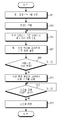


Classifications
-
- G—PHYSICS
- G06—COMPUTING OR CALCULATING; COUNTING
- G06F—ELECTRIC DIGITAL DATA PROCESSING
- G06F3/00—Input arrangements for transferring data to be processed into a form capable of being handled by the computer; Output arrangements for transferring data from processing unit to output unit, e.g. interface arrangements
- G06F3/01—Input arrangements or combined input and output arrangements for interaction between user and computer
- G06F3/011—Arrangements for interaction with the human body, e.g. for user immersion in virtual reality
- G06F3/012—Head tracking input arrangements
-
- H—ELECTRICITY
- H04—ELECTRIC COMMUNICATION TECHNIQUE
- H04B—TRANSMISSION
- H04B1/00—Details of transmission systems, not covered by a single one of groups H04B3/00 - H04B13/00; Details of transmission systems not characterised by the medium used for transmission
- H04B1/38—Transceivers, i.e. devices in which transmitter and receiver form a structural unit and in which at least one part is used for functions of transmitting and receiving
- H04B1/40—Circuits
-
- G—PHYSICS
- G06—COMPUTING OR CALCULATING; COUNTING
- G06F—ELECTRIC DIGITAL DATA PROCESSING
- G06F3/00—Input arrangements for transferring data to be processed into a form capable of being handled by the computer; Output arrangements for transferring data from processing unit to output unit, e.g. interface arrangements
- G06F3/01—Input arrangements or combined input and output arrangements for interaction between user and computer
- G06F3/011—Arrangements for interaction with the human body, e.g. for user immersion in virtual reality
- G06F3/013—Eye tracking input arrangements
-
- G—PHYSICS
- G06—COMPUTING OR CALCULATING; COUNTING
- G06F—ELECTRIC DIGITAL DATA PROCESSING
- G06F3/00—Input arrangements for transferring data to be processed into a form capable of being handled by the computer; Output arrangements for transferring data from processing unit to output unit, e.g. interface arrangements
- G06F3/01—Input arrangements or combined input and output arrangements for interaction between user and computer
- G06F3/048—Interaction techniques based on graphical user interfaces [GUI]
- G06F3/0481—Interaction techniques based on graphical user interfaces [GUI] based on specific properties of the displayed interaction object or a metaphor-based environment, e.g. interaction with desktop elements like windows or icons, or assisted by a cursor's changing behaviour or appearance
-
- G—PHYSICS
- G06—COMPUTING OR CALCULATING; COUNTING
- G06F—ELECTRIC DIGITAL DATA PROCESSING
- G06F3/00—Input arrangements for transferring data to be processed into a form capable of being handled by the computer; Output arrangements for transferring data from processing unit to output unit, e.g. interface arrangements
- G06F3/01—Input arrangements or combined input and output arrangements for interaction between user and computer
- G06F3/048—Interaction techniques based on graphical user interfaces [GUI]
- G06F3/0481—Interaction techniques based on graphical user interfaces [GUI] based on specific properties of the displayed interaction object or a metaphor-based environment, e.g. interaction with desktop elements like windows or icons, or assisted by a cursor's changing behaviour or appearance
- G06F3/0483—Interaction with page-structured environments, e.g. book metaphor
-
- G—PHYSICS
- G06—COMPUTING OR CALCULATING; COUNTING
- G06F—ELECTRIC DIGITAL DATA PROCESSING
- G06F3/00—Input arrangements for transferring data to be processed into a form capable of being handled by the computer; Output arrangements for transferring data from processing unit to output unit, e.g. interface arrangements
- G06F3/01—Input arrangements or combined input and output arrangements for interaction between user and computer
- G06F3/048—Interaction techniques based on graphical user interfaces [GUI]
- G06F3/0484—Interaction techniques based on graphical user interfaces [GUI] for the control of specific functions or operations, e.g. selecting or manipulating an object, an image or a displayed text element, setting a parameter value or selecting a range
-
- G—PHYSICS
- G06—COMPUTING OR CALCULATING; COUNTING
- G06F—ELECTRIC DIGITAL DATA PROCESSING
- G06F3/00—Input arrangements for transferring data to be processed into a form capable of being handled by the computer; Output arrangements for transferring data from processing unit to output unit, e.g. interface arrangements
- G06F3/01—Input arrangements or combined input and output arrangements for interaction between user and computer
- G06F3/048—Interaction techniques based on graphical user interfaces [GUI]
- G06F3/0484—Interaction techniques based on graphical user interfaces [GUI] for the control of specific functions or operations, e.g. selecting or manipulating an object, an image or a displayed text element, setting a parameter value or selecting a range
- G06F3/0485—Scrolling or panning
-
- G—PHYSICS
- G06—COMPUTING OR CALCULATING; COUNTING
- G06T—IMAGE DATA PROCESSING OR GENERATION, IN GENERAL
- G06T7/00—Image analysis
- G06T7/20—Analysis of motion
-
- H—ELECTRICITY
- H04—ELECTRIC COMMUNICATION TECHNIQUE
- H04M—TELEPHONIC COMMUNICATION
- H04M1/00—Substation equipment, e.g. for use by subscribers
- H04M1/02—Constructional features of telephone sets
- H04M1/0202—Portable telephone sets, e.g. cordless phones, mobile phones or bar type handsets
- H04M1/026—Details of the structure or mounting of specific components
- H04M1/0264—Details of the structure or mounting of specific components for a camera module assembly
-
- H—ELECTRICITY
- H04—ELECTRIC COMMUNICATION TECHNIQUE
- H04N—PICTORIAL COMMUNICATION, e.g. TELEVISION
- H04N21/00—Selective content distribution, e.g. interactive television or video on demand [VOD]
- H04N21/40—Client devices specifically adapted for the reception of or interaction with content, e.g. set-top-box [STB]; Operations thereof
- H04N21/41—Structure of client; Structure of client peripherals
- H04N21/414—Specialised client platforms, e.g. receiver in car or embedded in a mobile appliance
- H04N21/41407—Specialised client platforms, e.g. receiver in car or embedded in a mobile appliance embedded in a portable device, e.g. video client on a mobile phone, PDA, laptop
-
- H—ELECTRICITY
- H04—ELECTRIC COMMUNICATION TECHNIQUE
- H04N—PICTORIAL COMMUNICATION, e.g. TELEVISION
- H04N21/00—Selective content distribution, e.g. interactive television or video on demand [VOD]
- H04N21/40—Client devices specifically adapted for the reception of or interaction with content, e.g. set-top-box [STB]; Operations thereof
- H04N21/41—Structure of client; Structure of client peripherals
- H04N21/422—Input-only peripherals, i.e. input devices connected to specially adapted client devices, e.g. global positioning system [GPS]
- H04N21/42204—User interfaces specially adapted for controlling a client device through a remote control device; Remote control devices therefor
-
- H—ELECTRICITY
- H04—ELECTRIC COMMUNICATION TECHNIQUE
- H04N—PICTORIAL COMMUNICATION, e.g. TELEVISION
- H04N21/00—Selective content distribution, e.g. interactive television or video on demand [VOD]
- H04N21/40—Client devices specifically adapted for the reception of or interaction with content, e.g. set-top-box [STB]; Operations thereof
- H04N21/41—Structure of client; Structure of client peripherals
- H04N21/422—Input-only peripherals, i.e. input devices connected to specially adapted client devices, e.g. global positioning system [GPS]
- H04N21/4223—Cameras
-
- H—ELECTRICITY
- H04—ELECTRIC COMMUNICATION TECHNIQUE
- H04N—PICTORIAL COMMUNICATION, e.g. TELEVISION
- H04N21/00—Selective content distribution, e.g. interactive television or video on demand [VOD]
- H04N21/40—Client devices specifically adapted for the reception of or interaction with content, e.g. set-top-box [STB]; Operations thereof
- H04N21/43—Processing of content or additional data, e.g. demultiplexing additional data from a digital video stream; Elementary client operations, e.g. monitoring of home network or synchronising decoder's clock; Client middleware
- H04N21/431—Generation of visual interfaces for content selection or interaction; Content or additional data rendering
-
- H—ELECTRICITY
- H04—ELECTRIC COMMUNICATION TECHNIQUE
- H04N—PICTORIAL COMMUNICATION, e.g. TELEVISION
- H04N21/00—Selective content distribution, e.g. interactive television or video on demand [VOD]
- H04N21/40—Client devices specifically adapted for the reception of or interaction with content, e.g. set-top-box [STB]; Operations thereof
- H04N21/43—Processing of content or additional data, e.g. demultiplexing additional data from a digital video stream; Elementary client operations, e.g. monitoring of home network or synchronising decoder's clock; Client middleware
- H04N21/44—Processing of video elementary streams, e.g. splicing a video clip retrieved from local storage with an incoming video stream or rendering scenes according to encoded video stream scene graphs
- H04N21/44008—Processing of video elementary streams, e.g. splicing a video clip retrieved from local storage with an incoming video stream or rendering scenes according to encoded video stream scene graphs involving operations for analysing video streams, e.g. detecting features or characteristics in the video stream
-
- H—ELECTRICITY
- H04—ELECTRIC COMMUNICATION TECHNIQUE
- H04N—PICTORIAL COMMUNICATION, e.g. TELEVISION
- H04N21/00—Selective content distribution, e.g. interactive television or video on demand [VOD]
- H04N21/40—Client devices specifically adapted for the reception of or interaction with content, e.g. set-top-box [STB]; Operations thereof
- H04N21/43—Processing of content or additional data, e.g. demultiplexing additional data from a digital video stream; Elementary client operations, e.g. monitoring of home network or synchronising decoder's clock; Client middleware
- H04N21/442—Monitoring of processes or resources, e.g. detecting the failure of a recording device, monitoring the downstream bandwidth, the number of times a movie has been viewed, the storage space available from the internal hard disk
- H04N21/44213—Monitoring of end-user related data
- H04N21/44218—Detecting physical presence or behaviour of the user, e.g. using sensors to detect if the user is leaving the room or changes his face expression during a TV program
-
- H—ELECTRICITY
- H04—ELECTRIC COMMUNICATION TECHNIQUE
- H04N—PICTORIAL COMMUNICATION, e.g. TELEVISION
- H04N21/00—Selective content distribution, e.g. interactive television or video on demand [VOD]
- H04N21/40—Client devices specifically adapted for the reception of or interaction with content, e.g. set-top-box [STB]; Operations thereof
- H04N21/47—End-user applications
- H04N21/472—End-user interface for requesting content, additional data or services; End-user interface for interacting with content, e.g. for content reservation or setting reminders, for requesting event notification, for manipulating displayed content
- H04N21/47217—End-user interface for requesting content, additional data or services; End-user interface for interacting with content, e.g. for content reservation or setting reminders, for requesting event notification, for manipulating displayed content for controlling playback functions for recorded or on-demand content, e.g. using progress bars, mode or play-point indicators or bookmarks
-
- H—ELECTRICITY
- H04—ELECTRIC COMMUNICATION TECHNIQUE
- H04N—PICTORIAL COMMUNICATION, e.g. TELEVISION
- H04N21/00—Selective content distribution, e.g. interactive television or video on demand [VOD]
- H04N21/40—Client devices specifically adapted for the reception of or interaction with content, e.g. set-top-box [STB]; Operations thereof
- H04N21/47—End-user applications
- H04N21/478—Supplemental services, e.g. displaying phone caller identification, shopping application
-
- H—ELECTRICITY
- H04—ELECTRIC COMMUNICATION TECHNIQUE
- H04N—PICTORIAL COMMUNICATION, e.g. TELEVISION
- H04N21/00—Selective content distribution, e.g. interactive television or video on demand [VOD]
- H04N21/40—Client devices specifically adapted for the reception of or interaction with content, e.g. set-top-box [STB]; Operations thereof
- H04N21/43—Processing of content or additional data, e.g. demultiplexing additional data from a digital video stream; Elementary client operations, e.g. monitoring of home network or synchronising decoder's clock; Client middleware
- H04N21/441—Acquiring end-user identification, e.g. using personal code sent by the remote control or by inserting a card
- H04N21/4415—Acquiring end-user identification, e.g. using personal code sent by the remote control or by inserting a card using biometric characteristics of the user, e.g. by voice recognition or fingerprint scanning
-
- H—ELECTRICITY
- H04—ELECTRIC COMMUNICATION TECHNIQUE
- H04N—PICTORIAL COMMUNICATION, e.g. TELEVISION
- H04N21/00—Selective content distribution, e.g. interactive television or video on demand [VOD]
- H04N21/40—Client devices specifically adapted for the reception of or interaction with content, e.g. set-top-box [STB]; Operations thereof
- H04N21/45—Management operations performed by the client for facilitating the reception of or the interaction with the content or administrating data related to the end-user or to the client device itself, e.g. learning user preferences for recommending movies, resolving scheduling conflicts
- H04N21/454—Content or additional data filtering, e.g. blocking advertisements
-
- H—ELECTRICITY
- H04—ELECTRIC COMMUNICATION TECHNIQUE
- H04N—PICTORIAL COMMUNICATION, e.g. TELEVISION
- H04N21/00—Selective content distribution, e.g. interactive television or video on demand [VOD]
- H04N21/40—Client devices specifically adapted for the reception of or interaction with content, e.g. set-top-box [STB]; Operations thereof
- H04N21/47—End-user applications
- H04N21/472—End-user interface for requesting content, additional data or services; End-user interface for interacting with content, e.g. for content reservation or setting reminders, for requesting event notification, for manipulating displayed content
- H04N21/47214—End-user interface for requesting content, additional data or services; End-user interface for interacting with content, e.g. for content reservation or setting reminders, for requesting event notification, for manipulating displayed content for content reservation or setting reminders; for requesting event notification, e.g. of sport results or stock market
-
- H—ELECTRICITY
- H04—ELECTRIC COMMUNICATION TECHNIQUE
- H04N—PICTORIAL COMMUNICATION, e.g. TELEVISION
- H04N21/00—Selective content distribution, e.g. interactive television or video on demand [VOD]
- H04N21/40—Client devices specifically adapted for the reception of or interaction with content, e.g. set-top-box [STB]; Operations thereof
- H04N21/47—End-user applications
- H04N21/478—Supplemental services, e.g. displaying phone caller identification, shopping application
- H04N21/4782—Web browsing, e.g. WebTV
Landscapes
- Engineering & Computer Science (AREA)
- Theoretical Computer Science (AREA)
- General Engineering & Computer Science (AREA)
- Multimedia (AREA)
- Signal Processing (AREA)
- Human Computer Interaction (AREA)
- Physics & Mathematics (AREA)
- General Physics & Mathematics (AREA)
- Databases & Information Systems (AREA)
- Health & Medical Sciences (AREA)
- General Health & Medical Sciences (AREA)
- Social Psychology (AREA)
- Computer Networks & Wireless Communication (AREA)
- Computer Vision & Pattern Recognition (AREA)
- User Interface Of Digital Computer (AREA)
- Image Processing (AREA)
- Telephone Function (AREA)
- Two-Way Televisions, Distribution Of Moving Picture Or The Like (AREA)
Abstract
본 발명은 전자 장치에서 얼굴 움직임 정보를 고려하여 제어 서비스를 제공하기 위한 장치 및 방법에 관한 것이다. 이때, 제어 서비스를 제공하기 위한 방법은, 카메라를 통해 획득한 이미지에서 얼굴 움직임을 검출하는 과정과, 상기 검출한 얼굴 움직임 정보에 매칭된 제어 정보를 확인하는 과정과, 상기 제어 정보에 따라 상기 전자 장치에 대한 제어 서비스를 제공하는 과정을 포함한다.The present invention relates to an apparatus and a method for providing a control service in consideration of face motion information in an electronic device. In this case, a method for providing a control service may include detecting a face motion in an image acquired through a camera, checking control information matched with the detected face motion information, and controlling the electronic information according to the control information. Providing a control service for the device.
Description
본 발명은 전자 장치를 제어하기 위한 장치 및 방법에 관한 것으로서, 특히, 헤드 트래킹(head tracking) 기술을 이용하여 전자 장치를 제어하기 위한 장치 및 방법에 관한 것이다. 여기서, 헤드 트래킹 기술은 사용자의 얼굴 움직임을 추정하는 기술을 나타낸다.
TECHNICAL FIELD The present invention relates to an apparatus and a method for controlling an electronic device, and more particularly, to an apparatus and a method for controlling an electronic device using head tracking technology. Here, the head tracking technique refers to a technique for estimating a user's face movement.
정보통신 기술 및 반도체 기술의 발전으로 휴대용 전자 장치는 음성 통화 서비스뿐만 아니라 데이터 통신 서비스를 이용한 다양한 멀티미디어 서비스를 제공하는 멀티미디어 장치로 발전하고 있다. 예를 들어, 휴대용 전자 장치는 방송 서비스, 무선 인터넷 서비스, 카메라 서비스 및 음악 재생 서비스 등의 다양한 멀티미디어 서비스를 제공할 수 있다. BACKGROUND ART With the development of information communication technology and semiconductor technology, portable electronic devices have been developed as multimedia devices providing various multimedia services using data communication services as well as voice call services. For example, the portable electronic device may provide various multimedia services such as a broadcast service, a wireless internet service, a camera service, and a music playback service.
휴대용 전자 장치는 멀티미디어 서비스를 제공함에 따라 공간 활용도를 개선하여 표시부의 크기를 증가시키기 위해 정보의 입력과 표시를 수행하는 하나의 입출력 장치인 터치 스크린을 사용한다. The portable electronic device uses a touch screen as an input / output device for inputting and displaying information in order to improve space utilization and increase the size of the display unit as a multimedia service is provided.
휴대용 전자 장치의 사용자는 휴대용 전자 장치를 조작하기 위해 손 또는 터치 펜을 사용해야 한다. 예를 들어, 통화 서비스를 사용하는 경우, 휴대용 전자 장치의 사용자는 터치 스크린에 표시된 키패드의 버튼을 터치하여 전화번호를 입력하고, 통화 아이콘을 터치하여 호 연결을 시도할 수 있다. The user of the portable electronic device must use a hand or a touch pen to operate the portable electronic device. For example, when using a call service, a user of a portable electronic device may input a phone number by touching a button of a keypad displayed on a touch screen, and attempt to connect a call by touching a call icon.
상술한 바와 같이 휴대용 전자 장치는 사용자의 손 또는 터치 펜에 의해 수동적으로 조작될 수 있다. 이에 따라, 운전 등과 같이 사용자의 신체가 부자유한 경우, 사용자는 휴대용 전자 장치를 조작할 수 없는 문제점이 있다.As described above, the portable electronic device may be manually operated by a user's hand or a touch pen. Accordingly, when the user's body is inconvenient, such as driving, the user may not operate the portable electronic device.
따라서, 본 발명은 전자 장치에서 사용자의 얼굴 움직임 정보를 고려하여 제어 서비스를 제공하기 위한 장치 및 방법을 제공함에 있다.Accordingly, an aspect of the present invention is to provide an apparatus and method for providing a control service in consideration of face motion information of a user in an electronic device.
본 발명은 터치 스크린을 구비하는 전자 장치에서 터치 인터렉션(touch interaction) 없이도 사용자의 얼굴 움직임 정보를 고려하여 제어 서비스를 제공하기 위한 장치 및 방법을 제공함에 있다.The present invention provides an apparatus and a method for providing a control service in consideration of face motion information of a user without touch interaction in an electronic device having a touch screen.
본 발명은 전자 장치에서 사용자의 얼굴 움직임 정보를 고려하여 동영상 재생을 제어하기 위한 장치 및 방법을 제공함에 있다.The present invention provides an apparatus and method for controlling video playback in consideration of user's face motion information in an electronic device.
본 발명은 전자 장치에서 사용자의 얼굴 움직임 및 눈동자 움직임 정보를 고려하여 동영상 재생을 제어하기 위한 장치 및 방법을 제공함에 있다.The present invention provides an apparatus and method for controlling video playback in consideration of face movement and eye movement information of a user in an electronic device.
본 발명은 전자 장치에서 사용자의 얼굴 움직임 정보를 고려하여 화면을 스크롤하기 위한 장치 및 방법을 제공함에 있다.The present invention provides an apparatus and method for scrolling a screen in consideration of face motion information of a user in an electronic device.
본 발명은 전자 장치에서 사용자의 얼굴 움직임 정보를 고려하여 화면을 패닝(panning)하기 위한 장치 및 방법을 제공함에 있다.The present invention provides an apparatus and method for panning a screen in consideration of face motion information of a user in an electronic device.
본 발명은 전자 장치에서 사용자의 얼굴 움직임 정보를 고려하여 호 수신 서비스를 제공하기 위한 장치 및 방법을 제공함에 있다.The present invention provides an apparatus and method for providing a call reception service in consideration of face motion information of a user in an electronic device.
본 발명은 전자 장치에서 사용자의 얼굴 움직임 정보를 고려하여 전자 책 서비스를 제공하기 위한 장치 및 방법을 제공함에 있다.The present invention provides an apparatus and method for providing an e-book service in consideration of face motion information of a user in an electronic device.
본 발명은 전자 장치에서 사용자의 얼굴 움직임 정보를 고려하여 화면 비활성화 모드를 제어하기 위한 장치 및 방법을 제공함에 있다.The present invention provides an apparatus and method for controlling a screen deactivation mode in consideration of face motion information of a user in an electronic device.
본 발명은 전자 장치에서 사용자의 얼굴 움직임 및 눈동자 움직임 정보를 고려하여 화면 비활성화 모드를 제어하기 위한 장치 및 방법을 제공함에 있다.
The present invention provides an apparatus and method for controlling a screen deactivation mode in consideration of face movement and eye movement information of a user in an electronic device.
본 발명의 목적들을 달성하기 위한 본 발명의 제 1 견지에 따르면, 전자 장치에서 제어 서비스를 제공하기 위한 방법은, 카메라를 통해 획득한 이미지에서 얼굴 움직임을 검출하는 과정과, 상기 검출한 얼굴 움직임 정보에 매칭된 제어 정보를 확인하는 과정과, 상기 제어 정보에 따라 상기 전자 장치에 대한 제어 서비스를 제공하는 과정을 포함하며, 상기 얼굴 움직임 정보는, 얼굴의 움직임 거리, 얼굴의 방향, 얼굴의 움직임 속도, 얼굴의 움직임 각도 및 얼굴의 움직임 시간 중 적어도 하나를 포함한다.According to a first aspect of the present invention for achieving the objects of the present invention, a method for providing a control service in the electronic device, the process of detecting a face motion in the image obtained through the camera, and the detected face motion information And checking the control information matched with the control information, and providing a control service for the electronic device according to the control information, wherein the face motion information includes a face motion distance, a face direction, and a face motion speed. , At least one of a movement angle of the face and a movement time of the face.
본 발명의 제 2 견지에 따르면, 전자 장치는, 적어도 하나의 카메라와, 표시부와, 적어도 하나의 프로세서와, 메모리 및, 상기 메모리에 저장되며, 상기 하나 이상의 프로세서에 의해 구동되는 적어도 하나의 프로그램을 포함하며, 상기 프로그램은, 상기 카메라를 통해 획득한 이미지에서 얼굴 움직임을 검출하고, 상기 검출한 얼굴 움직임 정보에 매칭된 제어 정보를 확인하고, 상기 제어 정보에 따라 상기 전자 장치에 대한 제어 서비스를 제공하며, 상기 얼굴 움직임 정보는, 얼굴의 움직임 거리, 얼굴의 방향, 얼굴의 움직임 속도, 얼굴의 움직임 각도 및 얼굴의 움직임 시간 중 적어도 하나를 포함한다.
According to a second aspect of the present invention, an electronic device includes at least one camera, a display unit, at least one processor, a memory, and at least one program stored in the memory and driven by the one or more processors. The program may include detecting a face motion in an image acquired through the camera, confirming control information matched with the detected face motion information, and providing a control service for the electronic device according to the control information. The facial motion information may include at least one of a distance of a face, a direction of a face, a speed of a face, a angle of a face, and a time of a face.
상술한 바와 같이 전자 장치에서 사용자의 얼굴 움직임 정보에 따른 제어 서비스를 제공함에 따라, 눈동자의 움직임을 인식할 수 없거나 사용자의 손이 부자유한 상태에서도 전자 장치를 자유롭게 제어할 수 있는 이점이 있다.
As described above, as the electronic device provides a control service based on user's face movement information, there is an advantage in that the electronic device can be freely controlled even when the eye movement cannot be recognized or the user's hand is inconvenient.
도 1은 본 발명에 따른 전자 장치의 블록 구성을 도시하는 도면,
도 2는 본 발명의 실시 에에 따른 프로세서의 상세 블록 구성을 도시하는 도면,
도 3은 본 발명의 실시 예에 따른 전자 장치에서 얼굴 움직임 정보를 고려하여 서비스를 제어하기 위한 절차를 도시하는 도면,
도 4는 본 발명의 다른 실시 예에 따른 전자 장치에서 얼굴 움직임 정보를 고려하여 서비스를 제어하기 위한 절차를 도시하는 도면,
도 5는 본 발명의 실시 예에 따른 전자 장치에서 제어 서비스를 제공하는데 필요한 사용자의 얼굴 움직임을 도시하는 도면,
도 6은 본 발명의 실시 예에 따른 전자 장치에서 얼굴 움직임 정보를 고려하여 동영상 재생을 제어하기 위한 절차를 도시하는 도면,
도 7은 본 발명의 다른 실시 예에 따른 전자 장치에서 얼굴 움직임 정보를 고려하여 동영상 재생을 제어하기 위한 절차를 도시하는 도면,
도 8은 본 발명의 실시 예에 따른 전자 장치에서 얼굴 움직임 정보를 고려하여 동영상 재생을 제어하기 위한 화면 구성을 도시하는 도면,
도 9는 본 발명의 실시 예에 따른 전자 장치에서 얼굴 움직임 정보를 고려하여 화면을 스크롤하기 위한 절차를 도시하는 도면,
도 10은 본 발명의 다른 실시 예에 따른 전자 장치에서 얼굴 움직임 정보를 고려하여 화면을 스크롤하기 위한 절차를 도시하는 도면,
도 11은 본 발명의 실시 예에 따른 전자 장치에서 얼굴 움직임 정보를 고려하여 화면을 스크롤하기 위한 화면 구성을 도시하는 도면,
도 12는 본 발명의 실시 예에 따른 스크롤 변수를 결정하기 위한 사용자의 얼굴 움직임을 도시하는 도면,
도 13은 본 발명의 실시 예에 따른 전자 장치에서 얼굴 움직임 정보를 고려하여 화면을 패닝하기 위한 절차를 도시하는 도면,
도 14는 본 발명의 실시 예에 따른 전자 장치에서 얼굴 움직임 정보를 고려하여 화면을 패닝하기 위한 화면 구성을 도시하는 도면,
도 15는 본 발명의 실시 예에 따른 전자 장치에서 얼굴 움직임 정보를 고려하여 호 수신 서비스를 제어하기 위한 절차를 도시하는 도면,
도 16은 본 발명의 다른 실시 예에 따른 전자 장치에서 얼굴 움직임 정보를 고려하여 호 수신 서비스를 제어하기 위한 절차를 도시하는 도면,
도 17은 본 발명의 실시 예에 따른 전자 장치에서 얼굴 움직임 정보를 고려하여 호 수신 서비스를 제어하기 위한 화면 구성을 도시하는 도면,
도 18은 본 발명의 실시 예에 따른 전자 장치에서 얼굴 움직임 정보를 고려하여 전자 책 서비스를 제어하기 위한 절차를 도시하는 도면,
도 19는 본 발명의 실시 예에 따른 전자 장치에서 얼굴 움직임 정보를 고려하여 전자 책 서비스를 제어하기 위한 화면 구성을 도시하는 도면,
도 20은 본 발명의 실시 예에 따른 전자 장치에서 얼굴 움직임 정보를 고려하여 화면 비활성화 모드를 제어하기 위한 절차를 도시하는 도면, 및
도 21은 본 발명의 실시 예에 따른 전자 장치에서 얼굴 움직임 정보를 고려하여 화면 비활성화 모드를 제어하기 위한 화면 구성을 도시하는 도면,1 is a block diagram illustrating an electronic device according to the present invention;
2 is a block diagram illustrating a detailed block configuration of a processor according to an embodiment of the present invention;
3 is a diagram illustrating a procedure for controlling a service in consideration of face motion information in an electronic device according to an embodiment of the present disclosure;
4 is a diagram illustrating a procedure for controlling a service in consideration of face motion information in an electronic device according to another embodiment of the present disclosure;
5 is a diagram illustrating a face movement of a user required to provide a control service in an electronic device according to an embodiment of the present disclosure;
6 is a diagram illustrating a procedure for controlling video playback in consideration of face motion information in an electronic device according to an embodiment of the present disclosure;
7 is a diagram illustrating a procedure for controlling video playback in consideration of face motion information in an electronic device according to another embodiment of the present disclosure;
8 is a diagram illustrating a screen configuration for controlling video playback in consideration of face motion information in an electronic device according to an embodiment of the present disclosure;
9 is a diagram illustrating a procedure for scrolling a screen in consideration of face motion information in an electronic device according to an embodiment of the present disclosure;
10 is a diagram illustrating a procedure for scrolling a screen in consideration of face motion information in an electronic device according to another embodiment of the present disclosure;
11 is a diagram illustrating a screen configuration for scrolling a screen in consideration of face motion information in an electronic device according to an embodiment of the present disclosure;
12 is a diagram illustrating a user's face movement for determining a scroll variable according to an embodiment of the present invention;
FIG. 13 is a diagram illustrating a procedure for panning a screen in consideration of face motion information in an electronic device according to an embodiment of the present disclosure; FIG.
14 is a diagram illustrating a screen configuration for panning a screen in consideration of face motion information in an electronic device according to an embodiment of the present disclosure;
15 is a diagram illustrating a procedure for controlling a call reception service in consideration of face motion information in an electronic device according to an embodiment of the present disclosure;
16 is a diagram illustrating a procedure for controlling a call reception service in consideration of face motion information in an electronic device according to another embodiment of the present disclosure;
FIG. 17 is a diagram illustrating a screen configuration for controlling a call reception service in consideration of face motion information in an electronic device according to an embodiment of the present disclosure; FIG.
18 is a diagram illustrating a procedure for controlling an e-book service in consideration of face motion information in an electronic device according to an embodiment of the present disclosure;
19 is a diagram illustrating a screen configuration for controlling an e-book service in consideration of face motion information in an electronic device according to an embodiment of the present disclosure;
20 is a diagram illustrating a procedure for controlling a screen deactivation mode in consideration of face motion information in an electronic device according to an embodiment of the present disclosure;
FIG. 21 is a diagram illustrating a screen configuration for controlling a screen deactivation mode in consideration of face motion information in an electronic device according to an embodiment of the present disclosure; FIG.
이하 본 발명의 바람직한 실시 예를 첨부된 도면을 참조하여 상세히 설명한다. 그리고, 본 발명을 설명함에 있어서, 관련된 공지기능 혹은 구성에 대한 구체적인 설명이 본 발명의 요지를 불필요하게 흐릴 수 있다고 판단된 경우 그 상세한 설명은 생략한다. 그리고 후술되는 용어들은 본 발명에서의 기능을 고려하여 정의된 용어들로서 이는 사용자, 운용자의 의도 또는 관례 등에 따라 달라질 수 있다. 그러므로 그 정의는 본 명세서 전반에 걸친 내용을 토대로 내려져야 할 것이다.Hereinafter, exemplary embodiments of the present invention will be described in detail with reference to the accompanying drawings. In describing the present invention, when it is determined that a detailed description of a related known function or configuration may unnecessarily obscure the gist of the present invention, the detailed description thereof will be omitted. Terms to be described later are terms defined in consideration of functions in the present invention, and may be changed according to intentions or customs of users or operators. Therefore, the definition should be made based on the contents throughout the specification.
이하 본 발명은 전자 장치에서 얼굴 움직임 정보를 고려하여 제어 서비스를 제공하기 위한 기술에 대해 설명한다. Hereinafter, a description will be given of a technology for providing a control service in consideration of face motion information in an electronic device.
이하 설명에서 전자 장치는 헤드 트래킹(head tracking) 기술을 이용하여 사용자의 얼굴 움직임을 추정하는 것으로 가정한다.In the following description, it is assumed that the electronic device estimates a user's face movement using a head tracking technique.
이하 설명에서 전자 장치는 카메라를 구비하는 이동통신단말기, PDA(Personal Digital Assistant), PC(Personal Computer), 랩탑(Laptop), 스마트폰(Smart Phone), 넷북(Netbook), 텔레비전(Television), 휴대 인터넷 장치(MID: Mobile Internet Device), 울트라 모바일 PC(UMPC: Ultra Mobile PC), 태블릿 PC(Tablet PC), 네비게이션, 스마트 TV 및 MP3 등을 포함한다.In the following description, an electronic device includes a mobile communication terminal having a camera, a personal digital assistant (PDA), a personal computer (Laptop), a laptop, a smart phone, a netbook, a television, a portable Mobile Internet Device (MID), Ultra Mobile PC (UMPC), Tablet PC (Tablet PC), Navigation, Smart TV and MP3.
도 1은 본 발명에 따른 전자 장치의 블록 구성을 도시하고 있다.1 illustrates a block configuration of an electronic device according to the present invention.
도 1에 도시된 바와 같이 전자 장치(100)는 메모리(110), 프로세서 유닛(processor unit)(120), 오디오 처리부(130), 카메라부(140), 입출력 제어부(150), 표시부(160) 및 입력 장치(170)를 포함한다. 여기서, 메모리(110)는 다수 개 존재할 수도 있다. As shown in FIG. 1, the
각 구성요소에 대해 살펴보면 다음과 같다.Each component is as follows.
메모리(110)는 전자장치(100)의 동작을 제어하기 위한 프로그램을 저장하는 프로그램 저장부(111) 및 프로그램 수행 중에 발생되는 데이터를 저장하는 데이터 저장부(112)를 포함한다. The
데이터 저장부(112)는 사용자의 얼굴 움직임 정보에 매칭된 제어 기능을 저장한다. 여기서, 얼굴 움직임 정보는 얼굴의 움직임 거리, 얼굴의 방향, 얼굴의 움직임 속도, 얼굴의 움직임 각도, 얼굴의 움직임 시간, 얼굴 인식을 통한 나이 및 사용자 인증 정보 중 적어도 하나를 포함한다.The
프로그램 저장부(111)는 그래픽 사용자 인터페이스(GUI: Graphic User Interface) 프로그램(113), 얼굴 인식 프로그램(114), 제어 정보 추출 프로그램(115) 및 적어도 하나의 응용프로그램(116)을 포함한다. 여기서, 프로그램 저장부(111)에 포함되는 프로그램은 명령어들의 집합으로 명령어 세트(instruction set)로 표현할 수도 있다. The
GUI 프로그램(113)은 표시부(160) 상에 그래픽으로 사용자 인터페이스를 제공하기 위한 적어도 하나의 소프트웨어 구성요소를 포함한다. 예를 들어, GUI 프로그램(113)은 프로세서(122)에 의해 구동되는 응용프로그램 정보를 표시부(170)에 표시하는 명령어를 포함한다. The GUI
얼굴 인식 프로그램(114)은 카메라부(140)를 통해 획득한 사용자의 이미지에서 얼굴 움직임을 추출하기 위한 적어도 하나의 소프트웨어 구성요소를 포함한다. 예를 들어, 얼굴 인식 프로그램(114)은 카메라부(140)를 통해 획득한 사용자의 얼굴 이미지에서 사용자의 눈의 위치를 추정한다. 이후, 얼굴 인식 프로그램(114)은 사용자의 눈의 위치 변화를 고려하여 사용자의 얼굴 움직임을 추정할 수 있다. 다른 예를 들어, 얼굴 인식 프로그램(114)은 카메라부(140)를 통해 획득한 사용자의 얼굴 이미지에서 적어도 하나의 특징점을 추출한다. 이후, 얼굴 인식 프로그램(114)은 얼굴 이미지에 포함된 적어도 하나의 특징점의 변화를 고려하여 사용자의 얼굴 움직임을 추정할 수도 있다. 여기서, 얼굴 움직임은 도 5의 (a)와 같은 얼굴 중심을 좌/우로 이동시키는 동작, 도 5의 (b)와 같은 얼굴 중심을 앞/뒤로 이동시키는 동작, 도 5의 (c)와 같은 얼굴 방향을 좌/우로 변경시키는 동작 및 도 5의 (d)와 같은 얼굴을 앞/뒤로 이동시키는 동작 등을 포함한다.The
이때, 얼굴 인식 프로그램(114)은 카메라부(140)를 통해 사용자 얼굴의 일부분만을 획득할 수 있는 경우, 얼굴의 일부분만을 이용하여 전체 얼굴 이미지를 추정할 수 있다. 예를 들어, 얼굴 인식 프로그램(114)은 데이터 저장부(112)에 저장된 사용자의 다른 얼굴 이미지와 카메라부(140)를 통해 획득한 사용자 얼굴의 일부 이미지를 비교하여 전체 얼굴 이미지를 추정할 수 있다. 다른 예를 들어, 얼굴 인식 프로그램(114)은 카메라부(140)를 통해 획득한 사용자 얼굴의 일부 이미지에서 검출한 얼굴 형태 및 크기를 고려하여 전체 얼굴 이미지를 추정할 수도 있다.In this case, when the
추가적으로, 얼굴 인식 프로그램(114)은 카메라부(180)를 통해 획득한 이미지에 대한 얼굴 인식을 통해 사용자 인증 또는 사용자의 연령대를 추정할 수도 있다. 예를 들어, 얼굴 인식 프로그램(114)은 카메라부(140)를 통해 획득한 이미지에 대한 밝기, 움직임, 색상, 눈 위치 등의 정보를 이용하여 얼굴 영역을 추출하고, 얼굴 영역에 포함된 눈, 코, 입과 같은 얼굴의 특징점들을 검출한다. 이후, 얼굴 인식 프로그램(114)은 이미지에 포함된 특징점의 위치, 크기 및 특징점들 사이의 거리와 데이터 저장부(112)에 저장된 기준 이미지 정보와 비교하여 사용자 인증 또는 사용자의 연령대를 추정할 수 있다. In addition, the
제어 정보 추출 프로그램(115)은 얼굴 인식 프로그램(114)을 통해 인식한 얼굴 움직임 정보에 따른 제어 정보를 추출하기 위한 적어도 하나의 소프트웨어 구성요소를 포함한다. 다시 말해, 제어 정보 추출 프로그램(115)은 데이터 저장부(112)에 저장된 적어도 하나의 제어 정보 중 얼굴 인식 프로그램(114)을 통해 인식한 얼굴 움직임 정보 및 프로세서(122)에서 제공하는 서비스의 종류에 따른 제어 정보를 추출한다. 예를 들어, 프로세서(122)에서 동영상 재생 서비스를 제공하고, 얼굴 인식 프로그램(114)을 통해 인식한 얼굴 움직임이 기준 범위를 벗어난 경우, 제어 정보 추출 프로그램(115)은 데이터 저장부(112)에서 일시 정지 제어 정보를 추출할 수 있다. 만일, 얼굴 인식 프로그램(114)을 통해 다수 개의 얼굴들을 인식한 경우, 제어 정보 추출 프로그램(115)은 다수 개의 얼굴들 중 적어도 하나의 기준 얼굴에 대한 움직임 정보를 고려하여 제어 정보를 추출할 수 있다. 이때, 제어 정보 추출 프로그램(115)은 제어 정보를 추출하는데 사용자의 눈동자 움직임 정보까지도 함께 고려할 수도 있다. The control
다른 예를 들어, 프로세서(122)에서 전자 책 서비스 또는 인터넷 서비스를 제공하고, 얼굴 인식 프로그램(114)을 통해 인식한 사용자의 시선이 기준 영역을 응시하는 경우, 제어 정보 추출 프로그램(115)은 데이터 저장부(112)에서 사용자의 시선 위치에 따른 화면 스크롤 제어 정보를 추출할 수 있다. 이때, 제어 정보 추출 프로그램(115)은 사용자의 연령대, 얼굴 움직임 속도, 각도, 거리 및 시간 중 적어도 하나를 고려하여 화면 스크롤을 위한 제어 변수를 결정할 수도 있다. 여기서, 스크롤을 위한 제어 변수는, 스크롤 속도, 스크롤 시 화면의 표시 배율 중 적어도 하나를 포함한다. In another example, when the
또 다른 예를 들어, 제어 정보 추출 프로그램(115)은 얼굴 인식 프로그램(114)을 통해 인식한 얼굴 방향에 따라 표시부(160)에 표시된 화면을 패닝하기 위한 제어 정보를 데이터 저장부(112)에서 추출할 수 있다. For another example, the control
또 다른 예를 들어, 프로세서(122)에서 통화 서비스를 제공하는 경우, 제어 정보 추출 프로그램(115)은 얼굴 인식 프로그램(114)을 통해 인식한 얼굴 방향에 따른 호 수신 제어 정보를 데이터 저장부(112)에서 추출할 수 있다. 이때, 제어 정보 추출 프로그램(115)은 얼굴 움직임 속도, 각도, 거리 및 시간 중 적어도 하나를 고려하여 호 수신 방법을 결정할 수도 있다. 여기서, 호 수신 방법은 통화, 거절, 음성 사서함 연결, 미수신 등을 포함한다.For another example, when the
또 다른 예를 들어, 프로세서(122)에서 전자 책 서비스를 제공하는 경우, 제어 정보 추출 프로그램(115)은 얼굴 인식 프로그램(114)을 통해 인식한 얼굴 움직임 정보에 따라 북마크 설정 또는 페이지 전환 등의 제어 정보를 데이터 저장부(112)에서 추출할 수 있다. For another example, when the
또 다른 예를 들어, 얼굴 인식 프로그램(114)을 통해 인식한 얼굴 움직임이 기준 범위를 벗어나지 않는 경우, 제어 정보 추출 프로그램(115)은 데이터 저장부(112)에서 화면 유지 제어 정보를 추출할 수 있다. 만일, 얼굴 인식 프로그램(114)을 통해 다수 개의 얼굴들을 인식한 경우, 제어 정보 추출 프로그램(115)은 다수 개의 얼굴들 중 적어도 하나의 기준 얼굴에 대한 움직임 정보를 고려하여 제어 정보를 추출할 수 있다. 이때, 제어 정보 추출 프로그램(115)은 제어 정보를 추출하는데 사용자의 눈동자 움직임 정보까지도 함께 고려할 수도 있다. For another example, when the face movement recognized by the
응용프로그램(116)은 전자장치(100)에 설치된 적어도 하나의 응용 프로그램에 대한 소프트웨어 구성 요소를 포함한다. The
프로세서 유닛(120)은 메모리 인터페이스(121), 적어도 하나의 프로세서(processor)(122) 및 주변 장치 인터페이스(123)를 포함한다. 여기서, 프로세서 유닛(120)에 포함되는 메모리 인터페이스(121), 적어도 하나의 프로세서(122) 및 주변 인터페이스(123)는 적어도 하나의 집적화된 회로로 집적화되거나 별개의 구성 요소로 구현될 수 있다.The
메모리 인터페이스(121)는 프로세서(122) 또는 주변 장치 인터페이스(123)와 같은 구성요소의 메모리(110) 접근을 제어한다.The
주변 장치 인터페이스(123)는 전자장치(100)의 입출력 주변 장치와 프로세서(122) 및 메모리 인터페이스(121)의 연결을 제어한다. The peripheral device interface 123 controls the connection between the input / output peripheral device of the
프로세서(122)는 적어도 하나의 소프트웨어 프로그램을 사용하여 전자장치(100)가 다양한 멀티미디어 서비스를 제공하도록 제어한다. 이때, 프로세서(122)는 메모리(110)에 저장되어 있는 적어도 하나의 프로그램을 실행하여 해당 프로그램에 대응하는 서비스를 제공한다. The
오디오 처리부(130)는 스피커(131) 및 마이크로폰(132)을 통해 사용자와 전자 장치(100) 사이의 오디오 인터페이스를 제공한다. The
카메라부(140)는 전자 장치(100)의 전면에 위치하여 피사체에 대한 촬영을 통해 프로세서 유닛(120)으로 수집 영상을 제공한다. 예를 들어, 카메라부(140)는 광학적 신호를 전기적 신호로 변환하는 카메라 센서, 아날로그 영상 신호를 디지털 영상 신호로 변환하는 영상처리장치(Image Signal Processor) 및 영상처리장치에서 출력되는 영상 신호를 표시부(160)에 표시할 수 있도록 영상 처리하는 신호처리장치(Digital Signal Processor) 등을 포함할 수 있다. 여기서, 카메라 센서는 CCD(Chargecoupled Device) 센서 또는 CMOS(Complementary Metal-Oxide Semiconductor) 센서 등이 사용될 수 있고, 신호처리장치는 DSP(Digital Signal Processor)로 구현될 수 있다. The
입출력 제어부(150)는 표시부(160) 및 입력 장치(170) 등의 입출력 장치와 주변 장치 인터페이스(123) 사이에 인터페이스를 제공한다. The input /
표시부(160)는 전자장치(100)의 상태 정보, 사용자가 입력하는 문자, 동화상(moving picture) 및 정화상(still picture) 등을 표시한다. 예를 들어, 표시부(160)는 프로세서(122)에 의해 구동되는 응용프로그램 정보를 표시한다. The
입력 장치(170)는 사용자의 선택에 의해 발생하는 입력 데이터를 입출력 제어부(150)를 통해 프로세서 유닛(120)으로 제공한다. 이때, 입력 장치(170)는 적어도 하나의 하드웨어 버튼을 포함하는 키패드 및 터치 정보를 감지하는 터치 패드 등을 포함한다. 예를 들어, 입력 장치(170)는 터치 패드를 통해 감지한 터치 정보를 입출력 제어부(150)를 통해 프로세서(122)로 제공한다.The
추가적으로, 전자 장치(100)는 전자 장치(100)의 후면에 위치하는 카메라 및 음성 통신 및 데이터 통신을 위한 통신 기능을 수행하는 통신 시스템을 포함할 수도 있다. 이때, 통신 시스템은 서로 다른 통신 네트워크를 지원하는 다수 개의 통신 서브 모듈들로 구분될 수 있다. 예를 들어, 통신 네트워크는 이들에 한정하지는 않지만, GSM(Global System for Mobile Communication) 네트워크, EDGE(Enhanced Data GSM Environment) 네트워크, CDMA(Code Division Multiple Access) 네트워크, W-CDMA(W-Code Division Multiple Access) 네트워크, LTE(Long Term Evolution) 네트워크, OFDMA(Orthogonal Frequency Division Multiple Access) 네트워크, 무선랜, Bluetooth 네트워크 및 NFC(Near Field Communication) 등을 포함한다.Additionally, the
도 2는 본 발명의 실시 예에 따른 프로세서의 상세 블록 구성을 도시하고 있다.2 illustrates a detailed block configuration of a processor according to an embodiment of the present invention.
도 2에 도시된 바와 같이 프로세서(122)는 응용프로그램 구동부(200), 얼굴 인식부(210), 제어 정보 추출부(220) 및 표시 제어부(230)를 포함한다. As shown in FIG. 2, the
응용프로그램 구동부(200)는 프로그램 저장부(111)에 저장된 적어도 하나의 응용프로그램(116)을 실행하여 해당 응용프로그램에 따른 서비스를 제공한다. 예를 들어, 응용프로그램 구동부(200)는 프로그램 저장부(111)에 저장된 응용프로그램을 실행하여 동영상을 재생할 수 있다. 다른 예를 들어, 응용프로그램 구동부(200)는 프로그램 저장부(111)에 저장된 응용프로그램을 실행하여 전자 책 서비스를 제공할 수도 있다. 또 다른 예를 들어, 응용프로그램 구동부(200)는 프로그램 저장부(111)에 저장된 응용프로그램을 실행하여 호 수신 서비스를 제공할 수도 있다. 또 다른 예를 들어, 응용프로그램 구동부(200)는 프로그램 저장부(111)에 저장된 응용프로그램을 실행하여 인터넷 서비스를 제공할 수도 있다.The
얼굴 인식부(210)는 프로그램 저장부(111)에 저장된 얼굴 인식 프로그램(114)을 실행하여 카메라부(140)를 통해 획득한 사용자의 이미지에서 얼굴 움직임을 추출한다. 예를 들어, 얼굴 인식부(210)는 카메라부(140)를 통해 획득한 사용자의 얼굴 이미지에서 사용자의 눈의 위치를 추정한다. 이후, 얼굴 인식부(210)는 사용자의 눈의 위치 변화를 고려하여 사용자의 얼굴 움직임을 추정할 수 있다. 다른 예를 들어, 얼굴 인식부(210)는 카메라부(140)를 통해 획득한 사용자의 얼굴 이미지에서 적어도 하나의 특징점을 추출한다. 이후, 얼굴 인식부(210)는 얼굴 이미지에 포함된 적어도 하나의 특징점의 변화를 고려하여 사용자의 얼굴 움직임을 추정할 수도 있다. The
이때, 얼굴 인식부(210)는 카메라부(140)를 통해 사용자 얼굴의 일부분만을 획득할 수 있는 경우, 얼굴의 일부분만을 이용하여 전체 얼굴 이미지를 추정할 수 있다. 예를 들어, 얼굴 인식부(210)는 데이터 저장부(112)에 저장된 사용자의 다른 얼굴 이미지와 카메라부(140)를 통해 획득한 사용자 얼굴의 일부 이미지를 비교하여 전체 얼굴 이미지를 추정할 수 있다. 다른 예를 들어, 얼굴 인식부(210)는 카메라부(140)를 통해 획득한 사용자 얼굴의 일부 이미지에서 검출한 얼굴 형태 및 크기를 고려하여 전체 얼굴 이미지를 추정할 수도 있다.In this case, when the
추가적으로, 얼굴 인식부(210)는 카메라부(180)를 통해 획득한 이미지에 대한 얼굴 인식을 통해 사용자 인증 또는 사용자의 연령대를 추정할 수도 있다. 예를 들어, 얼굴 인식부(210)는 카메라부(140)를 통해 획득한 이미지에 대한 밝기, 움직임, 색상, 눈 위치 등의 정보를 이용하여 이미지에서 얼굴 영역을 추출하고, 얼굴 영역에 포함된 눈, 코, 입과 같은 얼굴의 특징점들을 검출한다. 이후, 얼굴 인식부(210)는 이미지에 포함된 특징점의 위치, 크기 및 특징점들 사이의 거리와 데이터 저장부(112)에 저장된 기준 이미지 정보와 비교하여 사용자 인증 또는 사용자의 연령대를 추정할 수 있다. In addition, the
제어 정보 추출부(220)는 프로그램 저장부(111)에 저장된 제어 정보 추출 프로그램(115)을 실행하여 얼굴 인식부(210)에서 인식한 얼굴 움직임 정보에 따른 제어 정보를 추출한다. 다시 말해, 제어 정보 추출부(220)는 데이터 저장부(112)에 저장된 적어도 하나의 제어 정보 중 얼굴 인식부(210)에서 인식한 얼굴 움직임 정보 및 프로세서(122)에서 제공하는 서비스의 종류에 따른 제어 정보를 추출한다. 예를 들어, 응용 프로그램 구동부(200)에서 동영상 재생 서비스를 제공하고, 얼굴 인식부(210)에서 인식한 얼굴 움직임이 기준 범위를 벗어난 경우, 제어 정보 추출부(220)는 데이터 저장부(112)에서 일시 정지 제어 정보를 추출할 수 있다. 만일, 얼굴 인식부(210)에서 다수 개의 얼굴들을 인식한 경우, 제어 정보 추출부(220)는 다수 개의 얼굴들 중 적어도 하나의 기준 얼굴에 대한 움직임 정보를 고려하여 제어 정보를 추출할 수 있다. 이때, 제어 정보 추출부(220)는 제어 정보를 추출하는데 사용자의 눈동자 움직임 정보까지도 함께 고려할 수도 있다. The control
다른 예를 들어, 응용프로그램 구동부(200)에서 전자 책 서비스 또는 인터넷 서비스를 제공하고, 얼굴 인식부(210)에서 인식한 사용자의 시선이 기준 영역을 응시하는 경우, 제어 정보 추출부(220)는 데이터 저장부(112)에서 사용자의 시선 위치에 따른 화면 스크롤 제어 정보를 추출할 수 있다. 이때, 제어 정보 추출부(220)는 사용자의 연령대, 얼굴 움직임 속도, 각도, 거리 및 시간 중 적어도 하나를 고려하여 화면 스크롤을 위한 제어 변수를 결정할 수도 있다. 여기서, 스크롤을 위한 제어 변수는, 스크롤 속도, 스크롤 시 화면의 표시 배율 중 적어도 하나를 포함한다. For another example, when the
또 다른 예를 들어, 제어 정보 추출부(220)는 얼굴 인식부(210)에서 인식한 얼굴 방향에 따라 표시부(160)에 표시된 화면을 패닝하기 위한 제어 정보를 데이터 저장부(112)에서 추출할 수 있다. As another example, the
또 다른 예를 들어, 응용 프로그램 구동부(200)에서 통화 서비스를 제공하는 경우, 제어 정보 추출부(220)는 얼굴 인식부(210)를 통해 인식한 얼굴 방향에 따른 호 수신 제어 정보를 데이터 저장부(112)에서 추출할 수 있다. 이때, 제어 정보 추출부(220)는 얼굴 움직임 속도, 각도, 거리 및 시간 중 적어도 하나를 고려하여 호 수신 방법을 결정할 수도 있다. 여기서, 호 수신 방법은 통화, 거절, 음성 사서함 연결, 미수신 등을 포함한다.For another example, when the
또 다른 예를 들어, 응용 프로그램 구동부(200)에서 전자 책 서비스를 제공하는 경우, 제어 정보 추출부(220)는 얼굴 인식부(210)에서 인식한 얼굴 움직임 정보에 따라 북마크 설정 또는 페이지 전환 등의 제어 정보를 데이터 저장부(112)에서 추출할 수 있다. For another example, when the
또 다른 예를 들어, 얼굴 인식부(210)에서 인식한 얼굴 움직임이 기준 범위를 벗어나지 않는 경우, 제어 정보 추출부(220)는 데이터 저장부(112)에서 화면 유지 제어 정보를 추출할 수 있다. 만일, 얼굴 인식부(210)에서 다수 개의 얼굴들을 인식한 경우, 제어 정보 추출 프로그램(115)은 다수 개의 얼굴들 중 적어도 하나의 기준 얼굴에 대한 움직임 정보를 고려하여 제어 정보를 추출할 수 있다. 이때, 제어 정보 추출부(220)는 제어 정보를 추출하는데 사용자의 눈동자 움직임 정보까지도 함께 고려할 수도 있다.For another example, when the face movement recognized by the
표시 제어부(230)는 프로그램 저장부(111)에 저장된 GUI 프로그램(113)을 실행하여 표시부(160) 상에 그래픽으로 사용자 인터페이스를 표시하도록 제어한다. 예를 들어, 표시 제어부(230)는 응용프로그램 구동부(200)에서 구동되는 응용프로그램 정보를 표시부(170)에 표시하도록 제어한다. The
상술한 실시 예에서 전자 장치(100)는 얼굴 인식부(210)와 제어 정보 추출부(220)를 포함하는 프로세서(122)를 이용하여 사용자의 얼굴 움직임에 따라 제어 서비스를 제공한다.In the above-described embodiment, the
다른 실시 예에서 전자 장치(100)는 사용자의 얼굴 움직임에 따라 제어 서비스를 제공하는 별도의 제어 모듈을 포함할 수도 있다.According to another embodiment, the
도 3은 본 발명의 실시 예에 따른 전자 장치에서 얼굴 움직임 정보를 고려하여 서비스를 제어하기 위한 절차를 도시하고 있다.3 illustrates a procedure for controlling a service in consideration of face motion information in an electronic device according to an embodiment of the present disclosure.
도 3을 참조하면 전자 장치는 301단계에서 적어도 하나의 카메라를 통해 획득한 사용자 이미지를 통해 사용자의 얼굴 움직임을 검출한다. 예를 들어, 전자 장치는 카메라부(140)를 통해 획득한 사용자의 얼굴 이미지에서 사용자의 눈의 위치를 추정한다. 이후, 전자 장치는 사용자의 눈의 위치 변화를 고려하여 사용자의 얼굴 움직임을 추정할 수 있다. 다른 예를 들어, 전자 장치는 카메라부(140)를 통해 획득한 사용자의 얼굴 이미지에서 적어도 하나의 특징점을 추출한다. 이후, 전자 장치는 얼굴 이미지에 포함된 적어도 하나의 특징점의 변화를 고려하여 사용자의 얼굴 움직임을 추정할 수도 있다. 이때, 전자 장치는 카메라부(140)를 통해 사용자 얼굴의 일부분만을 획득할 수 있는 경우, 얼굴의 일부분만을 이용하여 전체 얼굴 이미지를 추정하여 얼굴 움직임을 추출할 수도 있다. Referring to FIG. 3, in
이후, 전자 장치는 303단계로 진행하여 얼굴 움직임 정보에 따른 제어 정보를 확인한다. 예를 들어, 전자 장치는 데이터 저장부(112)에 저장된 적어도 하나의 제어 정보 중 얼굴 움직임 정보에 따른 제어 정보를 추출한다. 여기서, 얼굴 움직임 정보는 얼굴의 움직임 거리, 얼굴의 방향, 얼굴의 움직임 속도, 얼굴의 움직임 각도, 얼굴의 움직임 시간, 얼굴 인식을 통한 나이 및 사용자 인증 정보 중 적어도 하나를 포함한다.In operation 303, the electronic device checks control information based on face movement information. For example, the electronic device extracts control information based on face movement information from at least one control information stored in the
얼굴 움직임 정보에 따른 제어 정보를 확인한 후, 전자 장치는 305단계로 진행하여 얼굴 움직임 정보에 따른 제어 정보에 따라 전자 장치의 서비스를 제어한다. 예를 들어, 전자 장치는 얼굴 움직임 정보에 따른 제어 정보에 따라 동영상 재생을 일시 중단시킬 수 있다. 다른 예를 들어, 전자 장치는 얼굴 움직임 정보에 따른 제어 정보에 따라 화면을 자동으로 스크롤할 수도 있다. 또 다른 예를 들어, 전자 장치는 얼굴 움직임 정보에 따른 제어 정보에 따라 전자 책 컨텐츠의 표시 영역을 변경할 수도 있다. 또 다른 예를 들어, 전자 장치는 얼굴 움직임 정보에 따른 제어 정보에 따라 전자 책 컨텐츠에 북마크를 설정할 수도 있다. 또 다른 예를 들어, 전자 장치는 얼굴 움직임 정보에 따른 제어 정보에 따라 호 수신 서비스를 제공할 수도 있다. 또 다른 예를 들어, 전자 장치는 얼굴 움직임 정보에 따른 제어 정보에 따라 화면을 패닝할 수도 있다. 또 다른 예를 들어, 전자 장치는 얼굴 움직임 정보에 따른 제어 정보에 따라 화면 비활성화 모드를 제어할 수도 있다. 여기서, 화면 비활성화 모드는 일정 시간 동안 전자 장치에서 입력 정보를 감지하지 못한 경우, 전력 소모를 줄이기 위해 표시부(160)를 보이지 않도록(screen dim out) 시키는 제어 모드를 나타낸다. After checking the control information according to the face motion information, the electronic device proceeds to step 305 to control the service of the electronic device according to the control information according to the face motion information. For example, the electronic device may pause the playback of the video according to the control information according to the face motion information. For another example, the electronic device may automatically scroll the screen according to the control information according to the face movement information. For another example, the electronic device may change the display area of the e-book content according to the control information according to the face motion information. For another example, the electronic device may set a bookmark on the e-book content according to the control information according to the face movement information. For another example, the electronic device may provide a call reception service according to control information based on face motion information. As another example, the electronic device may pan the screen according to control information based on face movement information. For another example, the electronic device may control the screen deactivation mode according to the control information according to the face motion information. Here, the screen deactivation mode indicates a control mode in which the
이후, 전자 장치는 본 알고리즘을 종료한다.Thereafter, the electronic device terminates the present algorithm.
도 4는 본 발명의 다른 실시 예에 따른 전자 장치에서 얼굴 움직임 정보를 고려하여 서비스를 제어하기 위한 절차를 도시하고 있다.4 is a flowchart illustrating a procedure for controlling a service in consideration of face motion information in an electronic device according to another embodiment of the present disclosure.
도 4를 참조하면 전자 장치는 401단계에서 적어도 하나의 카메라를 통해 획득한 이미지를 통해 얼굴 인식을 수행한다. 예를 들어, 전자 장치는 카메라부(140)를 통해 획득한 이미지에 대한 밝기, 움직임, 색상, 눈 위치 등의 정보를 이용하여 이미지에서 얼굴 영역을 추출하고, 얼굴 영역에 포함된 눈, 코, 입과 같은 얼굴의 특징점들을 검출한다. Referring to FIG. 4, the electronic device performs face recognition through an image acquired through at least one camera in
이후, 전자 장치는 403단계로 진행하여 얼굴 인식 정보를 통해 전자 장치의 사용자를 인증할 수 있는지 확인한다. 예를 들어, 전자 장치는 카메라부(140)를 통해 획득한 이미지에 포함된 특징점의 위치, 크기 및 특징점들 사이의 거리와 데이터 저장부(112)에 저장된 기준 이미지 정보와 비교하여 사용자를 인증할 수 있는지 확인한다. 여기서, 기준 이미지 정보는 사용자 인증을 위해 기 설정된 적어도 하나의 사용자에 대한 얼굴 이미지를 포함한다.In
사용자를 인증할 수 없는 경우, 전자 장치는 얼굴 움직임 정보를 이용하여 제어 서비스를 제공할 수 없는 것으로 인지한다. 이에 따라, 전자 장치는 본 알고리즘을 종료한다. 이때, 전자 장치는 사용자의 인증 절차를 기준 횟수 반복 수행할 수도 있다.If the user cannot be authenticated, the electronic device recognizes that the control service cannot be provided using the face movement information. Accordingly, the electronic device terminates the present algorithm. At this time, the electronic device may repeatedly perform the authentication procedure of the user.
한편, 사용자를 인증한 경우, 전자 장치는 405단계에서 적어도 하나의 카메라를 통해 획득한 사용자 이미지를 통해 사용자의 얼굴 움직임을 검출한다. 예를 들어, 전자 장치는 카메라부(140)를 통해 획득한 사용자의 얼굴 이미지에서 사용자의 눈의 위치를 추정한다. 이후, 전자 장치는 사용자의 눈의 위치 변화를 고려하여 사용자의 얼굴 움직임을 추정할 수 있다. 다른 예를 들어, 전자 장치는 카메라부(140)를 통해 획득한 사용자의 얼굴 이미지에서 적어도 하나의 특징점을 추출한다. 이후, 전자 장치는 얼굴 이미지에 포함된 적어도 하나의 특징점의 변화를 고려하여 사용자의 얼굴 움직임을 추정할 수도 있다. 이때, 전자 장치는 카메라부(140)를 통해 사용자 얼굴의 일부분만을 획득할 수 있는 경우, 얼굴의 일부분만을 이용하여 전체 얼굴 이미지를 추정하여 얼굴 움직임을 추출할 수도 있다. If the user is authenticated, the electronic device detects a face movement of the user through the user image acquired through the at least one camera in step 405. For example, the electronic device estimates the position of the user's eyes in the face image of the user acquired through the
이후, 전자 장치는 407단계로 진행하여 얼굴 움직임 정보에 따른 제어 정보를 확인한다. 예를 들어, 전자 장치는 데이터 저장부(112)에 저장된 적어도 하나의 제어 정보 중 얼굴 움직임 정보에 따른 제어 정보를 추출한다. 여기서, 얼굴 움직임 정보는 얼굴의 움직임 거리, 얼굴의 방향, 얼굴의 움직임 속도, 얼굴의 움직임 각도, 얼굴의 움직임 시간, 얼굴 인식을 통한 나이 및 사용자 인증 정보 중 적어도 하나를 포함한다.In operation 407, the electronic device checks the control information based on the face movement information. For example, the electronic device extracts control information based on face movement information from at least one control information stored in the
얼굴 움직임 정보에 따른 제어 정보를 확인한 후, 전자 장치는 409단계로 진행하여 얼굴 움직임 정보에 따른 제어 정보에 따라 전자 장치의 서비스를 제어한다. After checking the control information according to the facial motion information, the electronic device proceeds to step 409 to control the service of the electronic device according to the control information according to the facial motion information.
이후, 전자 장치는 본 알고리즘을 종료한다.Thereafter, the electronic device terminates the present algorithm.
이하 설명은 전자 장치에서 얼굴 움직임 정보를 고려하여 제어 서비스를 제공하기 위한 실시 예에 대해 설명한다. Hereinafter, an embodiment for providing a control service in consideration of face motion information in an electronic device will be described.
도 6은 본 발명의 실시 예에 따른 전자 장치에서 얼굴 움직임 정보를 고려하여 동영상 재생을 제어하기 위한 절차를 도시하고 있다.6 is a flowchart illustrating a procedure for controlling video playback in consideration of face motion information in an electronic device according to an embodiment of the present disclosure.
도 6을 참조하면 전자 장치는 601단계에서 동영상 재생 서비스를 제공한다. 예를 들어, 전자 장치는 입력 장치(170)를 통해 제공받은 터치 정보에 따라 선택된 동영상 파일을 재생한다. 즉, 전자 장치는 동영상의 재생 정보를 표시부(160)에 표시한다.Referring to FIG. 6, the electronic device provides a video playing service in
이후, 전자 장치는 603단계로 진행하여 카메라를 구동시킨다. 예를 들어, 전자 장치는 동영상 재생 중 사용자의 얼굴 움직임을 추출하기 위해 재생 중인 동영상이 표시되는 표시부(160)와 동일한 방향에 위치한 카메라부(140)를 활성화한다. In
카메라를 구동시킨 후, 전자 장치는 605단계로 진행하여 카메라를 통해 획득한 사용자의 얼굴 이미지를 이용하여 사용자의 얼굴 움직임을 검출한다. 예를 들어, 전자 장치는 카메라부(140)를 통해 획득한 사용자의 얼굴 이미지에서 사용자의 눈의 위치를 추정한다. 이후, 전자 장치는 사용자의 눈의 위치 변화를 고려하여 사용자의 얼굴 움직임을 추정할 수 있다. 다른 예를 들어, 전자 장치는 카메라부(140)를 통해 획득한 사용자의 얼굴 이미지에서 적어도 하나의 특징점을 추출한다. 이후, 전자 장치는 얼굴 이미지에 포함된 적어도 하나의 특징점의 변화를 고려하여 사용자의 얼굴 움직임을 추정할 수도 있다. 이때, 전자 장치는 카메라부(140)를 통해 사용자 얼굴의 일부분만을 획득할 수 있는 경우, 얼굴의 일부분만을 이용하여 전체 얼굴 이미지를 추정하여 얼굴 움직임을 추출할 수도 있다. After driving the camera, the electronic device proceeds to step 605 to detect a face movement of the user using the face image of the user acquired through the camera. For example, the electronic device estimates the position of the user's eyes in the face image of the user acquired through the
이후, 전자 장치는 607단계로 진행하여 얼굴 방향이 기준 범위를 초과하는지 확인한다. 즉, 전자 장치는 얼굴의 각도를 추정하여 얼굴의 방향이 표시부(160)의 표시 영역을 벗어나는지 확인한다. In
얼굴 방향이 기준 범위를 초과하지 않는 경우, 전자 장치는 사용자의 얼굴의 방향이 표시부(160)의 표시 영역 내에 위치하는 것으로 인식한다. 즉, 전자 장치는 도 8의 (a)에 도시된 바와 같이 사용자가 동영상을 감상하는 것으로 인식한다. 이에 따라, 전자 장치는 605단계로 진행하여 카메라를 통해 획득한 사용자의 얼굴 이미지를 이용하여 사용자의 얼굴 움직임을 검출한다. 이때, 전자 장치는 동영상 재생 상태를 유지한다.If the face direction does not exceed the reference range, the electronic device recognizes that the direction of the user's face is located in the display area of the
한편, 얼굴 방향이 기준 범위를 초과한 경우, 전자 장치는 사용자의 얼굴의 방향이 표시부(160)의 표시 영역을 벗어난 것으로 인식한다. 즉, 전자 장치는 도 8의 (b)에 도시된 바와 같이 사용자가 동영상을 감상하지 않는 것으로 인식한다. 이에 따라, 전자 장치는 609단계로 진행하여 동영상 재생을 일시 정지한다.Meanwhile, when the face direction exceeds the reference range, the electronic device recognizes that the direction of the face of the user is outside the display area of the
추가적으로, 전자 장치는 611단계로 진행하여 카메라를 통해 획득한 사용자의 얼굴 이미지를 이용하여 사용자의 얼굴 움직임을 검출한다. 이때, 전자 장치는 화면 비활성화 시간을 확인하기 위한 타이머의 구동 시간이 만료되기 전까지 사용자의 얼굴 움직임을 검출할 수 있다. 여기서, 타이머는 동영상 재생을 일시 정지하는 시점에 활성화된다.In
이후, 전자 장치는 613단계로 진행하여 얼굴 방향이 기준 범위 내에 위치하는지 확인한다. 즉, 전자 장치는 얼굴의 방향이 표시부(160)의 표시 영역 내에 위치하는지 확인한다. In
얼굴 방향이 기준 범위를 초과한 경우, 전자 장치는 사용자의 얼굴의 방향이 표시부(160)의 표시 영역을 벗어난 것으로 인식한다. 이에 따라, 전자 장치는 611단계로 진행하여 카메라를 통해 획득한 사용자의 얼굴 이미지를 이용하여 사용자의 얼굴 움직임을 검출한다. 이때, 전자 장치는 동영상 재생의 일시 정지 상태를 유지한다.When the face direction exceeds the reference range, the electronic device recognizes that the direction of the face of the user is outside the display area of the
한편, 얼굴 방향이 기준 범위 내에 위치한 경우, 전자 장치는 사용자의 얼굴의 방향이 표시부(160)의 표시 영역 내에 위치하는 것으로 인식한다. 이에 따라, 전자 장치는 615단계로 진행하여 동영상을 재생시킨다. 즉, 전자 장치는 609단계에서 동영상 재생을 일시 정지시킨 재생시점부터 동영상을 재생한다. Meanwhile, when the face direction is located within the reference range, the electronic device recognizes that the direction of the user's face is located in the display area of the
이후, 전자 장치는 617단계로 진행하여 동영상 재생이 종료되는지 확인한다.In
동영상 재생이 종료되지 않은 경우, 전자 장치는 605단계로 진행하여 카메라를 통해 획득한 사용자의 얼굴 이미지를 이용하여 사용자의 얼굴 움직임을 검출한다.If playback of the video is not finished, the electronic device proceeds to step 605 to detect a face movement of the user using the face image of the user acquired through the camera.
한편, 동영상 재생이 종료된 경우, 전자 장치는 본 알고리즘을 종료한다.On the other hand, when the video playback ends, the electronic device ends the present algorithm.
상술한 실시 예에서 전자 장치는 사용자의 얼굴 방향이 기준 범위를 벗어난 경우, 동영상 재생을 일시 정지한다. 이때, 전자 장치는 사용자의 얼굴 방향이 기준 범위를 벗어난 시간이 기준 시간을 초과하는 경우, 동영상 재생을 일시 정지시킬 수도 있다.In the above-described embodiment, when the user's face direction is out of the reference range, the electronic device temporarily stops playing the video. In this case, the electronic device may pause the playback of the video when the time when the user's face direction is out of the reference range exceeds the reference time.
다른 실시 예에서 전자 장치는 사용자의 얼굴 움직임 및 눈동자 움직임을 함께 고려하여 동영상 재생을 일시 정지시킬 수도 있다. 예를 들어, 사용자의 얼굴 움직임 및 눈동자 움직임을 함께 고려하여 사용자가 표시부(160)의 표시 영역을 응시하지 않는 것으로 인식될 경우, 전자 장치는 동영상 재생을 일시 정지시킬 수 있다.According to another embodiment of the present disclosure, the electronic device may pause the video playback in consideration of the user's face movement and eye movement. For example, when it is recognized that the user does not stare at the display area of the
도 7은 본 발명의 다른 실시 예에 따른 전자 장치에서 얼굴 움직임 정보를 고려하여 동영상 재생을 제어하기 위한 절차를 도시하고 있다.7 is a flowchart illustrating a procedure for controlling video playback in consideration of face motion information in an electronic device according to another embodiment of the present disclosure.
도 7을 참조하면 전자 장치는 701단계에서 동영상 재생 서비스를 제공한다. 예를 들어, 전자 장치는 입력 장치(170)를 통해 제공받은 터치 정보에 따라 선택된 동영상 파일을 재생한다. 즉, 전자 장치는 동영상의 재생 정보를 표시부(160)에 표시한다.Referring to FIG. 7, the electronic device provides a video playing service in
이후, 전자 장치는 703단계로 진행하여 카메라를 구동시킨다. 예를 들어, 전자 장치는 동영상 재생 중 사용자의 얼굴 움직임을 추출하기 위해 재생 중인 동영상이 표시되는 표시부(160)와 동일한 방향에 위치한 카메라부(140)를 활성화한다. In
카메라를 구동시킨 후, 전자 장치는 705단계로 진행하여 카메라를 통해 획득한 이미지에서 다수 개의 얼굴들이 인식되는지 확인한다. After driving the camera, the electronic device proceeds to step 705 to determine whether a plurality of faces are recognized in the image acquired by the camera.
다수 개의 얼굴들이 인식된 경우, 전자 장치는 707단계로 진행하여 다수 개의 얼굴들 중 어느 하나의 얼굴을 기준 얼굴로 설정한다. 예를 들어, 아기의 얼굴과 엄마의 얼굴이 인식된 경우, 전자 장치는 엄마의 얼굴을 기준 얼굴로 설정할 수 있다. 다른 예를 들어, 비슷한 연령대의 다수 개의 얼굴들이 인식된 경우, 전자 장치는 전자 장치에 기 설정된 얼굴을 기준 얼굴로 설정할 수도 있다. 또 다른 예를 들어, 비슷한 연령대의 다수 개의 얼굴들이 인식된 경우, 전자 장치는 기준 얼굴 선택 팝업창을 표시하고, 팝업창에서 선택된 얼굴을 기준 얼굴로 설정할 수도 있다.If a plurality of faces are recognized, the electronic device proceeds to step 707 to set one of the plurality of faces as the reference face. For example, when the baby's face and the mother's face are recognized, the electronic device may set the mother's face as the reference face. For another example, when a plurality of faces of similar ages are recognized, the electronic device may set a face preset in the electronic device as the reference face. For another example, when a plurality of faces of similar ages are recognized, the electronic device may display a reference face selection popup window and set the face selected in the popup window as the reference face.
기준 얼굴을 설정한 후, 전자 장치는 709단계로 진행하여 카메라를 통해 획득한 이미지를 이용하여 기준 얼굴의 움직임을 검출한다. After setting the reference face, the electronic device proceeds to step 709 to detect the movement of the reference face using the image acquired through the camera.
이후, 전자 장치는 711단계로 진행하여 기준 얼굴의 방향이 기준 범위를 초과하는지 확인한다. 즉, 전자 장치는 기준 얼굴의 각도를 추정하여 기준 얼굴의 방향이 표시부(160)의 표시 영역을 벗어나는지 확인한다. In
기준 얼굴의 방향이 기준 범위를 초과하지 않는 경우, 전자 장치는 기준 얼굴의 방향이 표시부(160)의 표시 영역 내에 위치하는 것으로 인식한다. 즉, 전자 장치는 도 8의 (a)에 도시된 바와 같이 기준 얼굴의 사용자가 동영상을 감상하는 것으로 인식한다. 이에 따라, 전자 장치는 709단계로 진행하여 카메라를 통해 획득한 기준 얼굴의 움직임을 검출한다. 이때, 전자 장치는 동영상 재생 상태를 유지한다.If the direction of the reference face does not exceed the reference range, the electronic device recognizes that the direction of the reference face is located in the display area of the
한편, 기준 얼굴의 방향이 기준 범위를 초과한 경우, 전자 장치는 기준 얼굴의 방향이 표시부(160)의 표시 영역을 벗어난 것으로 인식한다. 즉, 전자 장치는 도 8의 (b)에 도시된 바와 같이 기준 얼굴의 사용자가 동영상을 감상하지 않는 것으로 인식한다. 이에 따라, 전자 장치는 713단계로 진행하여 동영상 재생을 일시 정지한다.Meanwhile, when the direction of the reference face exceeds the reference range, the electronic device recognizes that the direction of the reference face is out of the display area of the
추가적으로, 전자 장치는 715단계로 진행하여 카메라를 통해 획득한 이미지를 이용하여 기준 얼굴의 움직임을 검출한다. 이때, 전자 장치는 화면의 비활성화 시간을 확인하기 위한 타이머의 구동 시간이 만료되기 전까지 기준 얼굴의 움직임을 검출할 수 있다. 여기서, 타이머는 동영상 재생을 일시 정지하는 시점에 활성화된다.In
이후, 전자 장치는 717단계로 진행하여 기준 얼굴의 방향이 기준 범위 내에 위치하는지 확인한다. 즉, 전자 장치는 기준 얼굴의 방향이 표시부(160)의 표시 영역 내에 위치하는지 확인한다. In
기준 얼굴의 방향이 기준 범위를 초과한 경우, 전자 장치는 기준 얼굴의 방향이 표시부(160)의 표시 영역을 벗어난 것으로 인식한다. 이에 따라, 전자 장치는 715단계로 진행하여 카메라를 통해 획득한 이미지를 이용하여 기준 얼굴의 움직임을 검출한다. 이때, 전자 장치는 동영상 재생의 일시 정지 상태를 유지한다.When the direction of the reference face exceeds the reference range, the electronic device recognizes that the direction of the reference face is out of the display area of the
한편, 기준 얼굴의 방향이 기준 범위 내에 위치한 경우, 전자 장치는 기준 얼굴의 방향이 표시부(160)의 표시 영역 내에 위치하는 것으로 인식한다. 이에 따라, 전자 장치는 719단계로 진행하여 동영상을 재생시킨다. 즉, 전자 장치는 713단계에서 동영상 재생을 일시 정지시킨 재생시점부터 동영상을 재생한다. Meanwhile, when the direction of the reference face is located within the reference range, the electronic device recognizes that the direction of the reference face is located in the display area of the
이후, 전자 장치는 721단계로 진행하여 동영상 재생이 종료되는지 확인한다.In
한편, 705단계에서 하나의 얼굴만을 인식한 경우, 전자 장치는 723단계로 진행하여 카메라를 통해 획득한 이미지를 이용하여 사용자의 얼굴 움직임을 검출한다. In
이후, 전자 장치는 725단계로 진행하여 얼굴 방향이 기준 범위를 초과하는지 확인한다. 즉, 전자 장치는 얼굴의 각도를 추정하여 얼굴의 방향이 표시부(160)의 표시 영역을 벗어나는지 확인한다. In
얼굴 방향이 기준 범위를 초과하지 않는 경우, 전자 장치는 사용자의 얼굴의 방향이 표시부(160)의 표시 영역 내에 위치하는 것으로 인식한다. 즉, 전자 장치는 도 8의 (a)에 도시된 바와 같이 사용자가 동영상을 감상하는 것으로 인식한다. 이에 따라, 전자 장치는 723단계로 진행하여 카메라를 통해 획득한 사용자의 얼굴 이미지를 이용하여 사용자의 얼굴 움직임을 검출한다. 이때, 전자 장치는 동영상 재생 상태를 유지한다.If the face direction does not exceed the reference range, the electronic device recognizes that the direction of the user's face is located in the display area of the
한편, 얼굴 방향이 기준 범위를 초과한 경우, 전자 장치는 사용자의 얼굴의 방향이 표시부(160)의 표시 영역을 벗어난 것으로 인식한다. 즉, 전자 장치는 도 8의 (b)에 도시된 바와 같이 사용자가 동영상을 감상하지 않는 것으로 인식한다. 이에 따라, 전자 장치는 727단계로 진행하여 동영상 재생을 일시 정지한다.Meanwhile, when the face direction exceeds the reference range, the electronic device recognizes that the direction of the face of the user is outside the display area of the
추가적으로, 전자 장치는 729단계로 진행하여 카메라를 통해 획득한 사용자의 얼굴 이미지를 이용하여 사용자의 얼굴 움직임을 검출한다. 이때, 전자 장치는 화면의 비활성화 시간을 확인하기 위한 타이머의 구동 시간이 만료되기 전까지 사용자의 얼굴 움직임을 검출할 수 있다. 여기서, 타이머는 동영상 재생을 일시 정지하는 시점에 활성화된다.In
이후, 전자 장치는 731단계로 진행하여 얼굴 방향이 기준 범위 내에 위치하는지 확인한다. 즉, 전자 장치는 얼굴의 방향이 표시부(160)의 표시 영역 내에 위치하는지 확인한다. In
얼굴 방향이 기준 범위를 초과한 경우, 전자 장치는 사용자의 얼굴의 방향이 표시부(160)의 표시 영역을 벗어난 것으로 인식한다. 이에 따라, 전자 장치는 729단계로 진행하여 카메라를 통해 획득한 사용자의 얼굴 이미지를 이용하여 사용자의 얼굴 움직임을 검출한다. 이때, 전자 장치는 동영상 재생의 일시 정지 상태를 유지한다.When the face direction exceeds the reference range, the electronic device recognizes that the direction of the face of the user is outside the display area of the
한편, 얼굴 방향이 기준 범위보다 작거나 같은 경우, 전자 장치는 사용자의 얼굴의 방향이 표시부(160)의 표시 영역 내에 위치하는 것으로 인식한다. 이에 따라, 전자 장치는 733단계로 진행하여 동영상을 재생시킨다. 즉, 전자 장치는 727단계에서 동영상 재생을 일시 정지시킨 재생시점부터 동영상을 재생한다. Meanwhile, when the face direction is less than or equal to the reference range, the electronic device recognizes that the direction of the user's face is located in the display area of the
이후, 전자 장치는 721단계로 진행하여 동영상 재생이 종료되는지 확인한다.In
동영상 재생이 종료되지 않은 경우, 전자 장치는 707단계 또는 723단계로 ㅈ진행하여 카메라를 통해 획득한 이미지를 이용하여 얼굴 움직임을 검출한다.If playback of the video is not finished, the electronic device proceeds to step 707 or 723 to detect face movement using the image acquired by the camera.
한편, 동영상 재생이 종료된 경우, 전자 장치는 본 알고리즘을 종료한다.On the other hand, when the video playback ends, the electronic device ends the present algorithm.
상술한 실시 예에서 전자 장치는 얼굴의 방향이 기준 범위를 벗어난 경우, 동영상 재생을 일시 정지한다. 이때, 전자 장치는 얼굴 방향이 기준 범위를 벗어난 시간이 기준 시간을 초과하는 경우, 동영상 재생을 일시 정지시킬 수도 있다.In the above-described embodiment, when the direction of the face is out of the reference range, the electronic device temporarily stops playing the video. In this case, if the time when the face direction is out of the reference range exceeds the reference time, the electronic device may pause the video playback.
다른 실시 예에서 전자 장치는 사용자의 얼굴 움직임 및 눈동자 움직임을 함께 고려하여 동영상 재생을 일시 정지시킬 수도 있다. 예를 들어, 사용자의 얼굴 움직임 및 눈동자 움직임을 함께 고려하여 사용자가 표시부(160)의 표시 영역을 응시하지 않는 것으로 인식될 경우, 전자 장치는 동영상 재생을 일시 정지시킬 수 있다.According to another embodiment of the present disclosure, the electronic device may pause the video playback in consideration of the user's face movement and eye movement. For example, when it is recognized that the user does not stare at the display area of the
도 9는 본 발명의 실시 예에 따른 전자 장치에서 얼굴 움직임 정보를 고려하여 화면을 스크롤하기 위한 절차를 도시하고 있다.9 illustrates a procedure for scrolling a screen in consideration of face motion information in an electronic device according to an embodiment of the present disclosure.
도 9를 참조하면 전자 장치는 901단계에서 제 1 응용프로그램을 구동하여 제 1 응용프로그램에 따른 서비스를 제공한다. 예를 들어, 전자 장치는 스크롤 기능을 지원하는 서비스를 제공한다.Referring to FIG. 9, in operation 901, the electronic device drives a first application program to provide a service according to the first application program. For example, the electronic device provides a service that supports the scroll function.
스크롤 기능을 지원하는 서비스를 제공하는 경우, 전자 장치는 903단계로 진행하여 카메라를 구동한다. 예를 들어, 전자 장치는 제 1 응용프로그램에 따른 서비스 화면이 표시되는 표시부(160)와 동일한 방향에 위치한 카메라부(140)를 활성화한다. When providing a service that supports the scroll function, the electronic device proceeds to step 903 to drive the camera. For example, the electronic device activates the
카메라를 구동시킨 후, 전자 장치는 905단계로 진행하여 카메라를 통해 획득한 이미지를 이용하여 사용자의 얼굴 움직임을 검출하여 사용자의 제 1 시선 위치를 추정한다. 예를 들어, 전자 장치는 카메라를 통해 획득한 이미지에서 사용자의 눈 또는 눈의 위치를 검출한다. 이후, 전자 장치는 카메라의 화각이 이루는 프레임에서 사용자 눈의 상대적인 위치를 검출한다. After driving the camera, the electronic device proceeds to step 905 to detect a face movement of the user using the image acquired through the camera to estimate the first gaze position of the user. For example, the electronic device detects the eye or the position of the eye in the image acquired through the camera. Thereafter, the electronic device detects a relative position of the user's eye in a frame formed by the angle of view of the camera.
사용자의 제 1 시선 위치 추정한 후, 전자 장치는 907단계로 진행하여 사용자의 제 1 시선 위치를 고려하여 기준 좌표를 결정한다. 예를 들어, 전자 장치는 사용자 눈이 제 1 시선 위치에 기준 시간 이상 고정된 경우, 제 1 시선 위치의 좌표를 기준 좌표로 설정한다. After estimating the first gaze position of the user, the electronic device proceeds to step 907 to determine the reference coordinates in consideration of the first gaze position of the user. For example, when the user's eye is fixed to the first gaze position for more than a reference time, the electronic device sets the coordinate of the first gaze position as the reference coordinate.
이후, 전자 장치는 909단계로 진행하여 사용자의 시선이 변경되는지 확인한다. 예를 들어, 전자 장치는 사용자 눈의 위치가 기준 좌표를 벗어나는지 확인한다. 이때, 전자 장치는 사용자의 시선이 기준 좌표를 중심으로 기준 범위를 벗어나는지 확인한다.In
사용자의 시선이 기준 좌표를 벗어난 경우, 전자 장치는 사용자의 시선이 변경된 것으로 인식한다. 이에 따라, 전자 장치는 911단계로 진행하여 사용자의 시선 변경 방향에 따라 화면을 스크롤한다. 예를 들어, 도 11의 (a)에 도시된 바와 같이 사용자의 시선이 기준 좌표보다 위로 이동한 경우, 전자 장치는 사용자가 윗부분의 서비스 내용을 확인하려는 것으로 인식한다. 이에 따라, 전자 장치는 도 11의 (b)에 도시된 바와 같이 서비스 화면을 스크롤 다운할 수 있다. 다른 예를 들어, 사용자의 시선이 기준 좌표보다 아래로 이동한 경우, 전자 장치는 사용자가 아랫부분의 서비스 내용을 확인하려는 것으로 인식한다. 이에 따라, 전자 장치는 서비스 화면을 스크롤 업할 수 있다. 또 다른 예를 들어, 사용자의 시선이 기준 좌표보다 우측으로 이동한 경우, 전자 장치는 사용자가 좌측부분의 서비스 내용을 확인하려는 것으로 인식한다. 이에 따라, 전자 장치는 서비스 화면을 좌측으로 스크롤할 수 있다. 또 다른 예를 들어, 사용자의 시선이 기준 좌표보다 좌측으로 이동한 경우, 전자 장치는 사용자가 우측부분의 서비스 내용을 확인하려는 것으로 인식한다. 이에 따라, 전자 장치는 서비스 화면을 우측으로 스크롤할 수 있다.If the gaze of the user is out of the reference coordinate, the electronic device recognizes that the gaze of the user is changed. Accordingly, the electronic device proceeds to step 911 to scroll the screen according to the direction of the user's gaze change. For example, as shown in (a) of FIG. 11, when the user's gaze moves above the reference coordinate, the electronic device recognizes that the user wants to check the service content of the upper portion. Accordingly, the electronic device may scroll down the service screen as shown in (b) of FIG. 11. For another example, when the user's gaze moves below the reference coordinate, the electronic device recognizes that the user wants to check the service content of the lower part. Accordingly, the electronic device may scroll up the service screen. For another example, when the user's gaze moves to the right of the reference coordinate, the electronic device recognizes that the user wants to check the service content of the left part. Accordingly, the electronic device may scroll the service screen to the left. For another example, when the user's gaze moves to the left of the reference coordinate, the electronic device recognizes that the user wants to check the service content of the right part. Accordingly, the electronic device may scroll the service screen to the right.
이후, 전자 장치는 913단계로 진행하여 스크롤 정지 이벤트가 발생하는지 확인한다. 예를 들어, 전자 장치는 911단계에서의 사용자 시선의 변경 방향과 다른 방향으로 사용자의 시선이 변경되는지 확인한다. In
사용자의 시선이 변경되지 않거나, 911단계에서의 사용자 시선의 변경 방향과 동일한 방향으로의 변경이 감지된 경우, 전자 장치는 스크롤 정지 이벤트가 발생하지 않은 것으로 인식한다. 이에 따라, 전자 장치는 911단계로 진행하여 사용자의 시선 변경 방향에 따라 화면을 스크롤한다. 예를 들어, 사용자의 시선이 기준 좌표보다 위로 이동한 경우, 전자 장치는 도 11의 (b)에 도시된 바와 같이 서비스 화면을 스크롤 다운한다. 만일, 도 11의 (c)에 도시된 바와 같이 사용자의 시선이 고정된 경우, 전자 장치는 서비스 화면의 스크롤 다운을 유지한다. If the user's gaze does not change or if a change in the same direction as that of the user's gaze is detected in step 911, the electronic device recognizes that the scroll stop event has not occurred. Accordingly, the electronic device proceeds to step 911 to scroll the screen according to the direction of the user's gaze change. For example, when the user's gaze moves above the reference coordinate, the electronic device scrolls down the service screen as illustrated in FIG. 11B. If the user's gaze is fixed as shown in FIG. 11C, the electronic device maintains scroll down of the service screen.
911단계에서의 사용자 시선의 변경 방향과 다른 방향으로 사용자의 시선 변경된 경우, 전자 장치는 스크롤 정지 이벤트가 발생한 것으로 인식한다. 이에 따라, 전자 장치는 915단계로 진행하여 화면 스크롤를 정지한다. 예를 들어, 사용자의 시선이 기준 좌표보다 위로 이동한 경우, 전자 장치는 도 11의 (b)에 도시된 바와 같이 서비스 화면을 스크롤 다운한다. 만일, 도 11의 (d)에 도시된 바와 같이 사용자의 시선이 아래로 이동한 경우, 전자 장치는 서비스 화면의 스크롤을 종료한다. When the user's gaze is changed in a direction different from the direction of changing the user's gaze in step 911, the electronic device recognizes that a scroll stop event has occurred. Accordingly, the electronic device proceeds to step 915 to stop scrolling the screen. For example, when the user's gaze moves above the reference coordinate, the electronic device scrolls down the service screen as illustrated in FIG. 11B. If the user's gaze moves downward as illustrated in FIG. 11D, the electronic device ends the scrolling of the service screen.
이후, 전자 장치는 본 알고리즘을 종료한다. Thereafter, the electronic device terminates the present algorithm.
상술한 실시 예에서 전자 장치는 사용자의 시선 방향과 반대 방향으로 화면 스크롤을 수행한다.In the above-described embodiment, the electronic device scrolls the screen in a direction opposite to the direction of the line of sight of the user.
다른 실시 예에서 전자 장치는 사용자의 시선 방향과 동일한 방향으로 화면 스크롤을 수행할 수도 있다. 예를 들어, 사용자의 시선이 기준 좌표보다 위로 이동한 경우, 전자 장치는 사용자의 시선 방향에 따라 서비스 화면을 스크롤 업할 수 있다. 다른 예를 들어, 사용자의 시선이 기준 좌표보다 아래로 이동한 경우, 전자 장치는 서비스 화면을 스크롤 다운할 수 있다. 또 다른 예를 들어, 사용자의 시선이 기준 좌표보다 우측으로 이동한 경우, 전자 장치는 서비스 화면을 우측으로 스크롤할 수 있다. 또 다른 예를 들어, 사용자의 시선이 기준 좌표보다 좌측으로 이동한 경우, 전자 장치는 서비스 화면을 좌측으로 스크롤할 수 있다.According to another embodiment, the electronic device may scroll the screen in the same direction as the user's gaze direction. For example, when the user's gaze moves above the reference coordinate, the electronic device may scroll up the service screen according to the user's gaze direction. As another example, when the user's gaze moves below the reference coordinate, the electronic device may scroll down the service screen. For another example, when the user's line of sight moves to the right of the reference coordinate, the electronic device may scroll the service screen to the right. As another example, when the user's line of sight moves to the left of the reference coordinate, the electronic device may scroll the service screen to the left.
도 10은 본 발명의 다른 실시 예에 따른 전자 장치에서 얼굴 움직임 정보를 고려하여 화면을 스크롤하기 위한 절차를 도시하고 있다.FIG. 10 illustrates a procedure for scrolling a screen in consideration of face motion information in an electronic device according to an embodiment of the present disclosure.
도 10을 참조하면 전자 장치는 1001단계에서 제 1 응용프로그램을 구동하여 제 1 응용프로그램에 따른 서비스를 제공한다. 예를 들어, 전자 장치는 스크롤 기능을 지원하는 서비스를 제공한다.Referring to FIG. 10, in
스크롤 기능을 지원하는 서비스를 제공하는 경우, 전자 장치는 1003단계로 진행하여 카메라를 구동한다. 예를 들어, 전자 장치는 제 1 응용프로그램에 따른 서비스 화면이 표시되는 표시부(160)와 동일한 방향에 위치한 카메라부(140)를 활성화한다. When providing a service supporting the scroll function, the electronic device proceeds to step 1003 to drive the camera. For example, the electronic device activates the
카메라를 구동시킨 후, 전자 장치는 1005단계로 진행하여 카메라를 통해 획득한 이미지를 이용하여 사용자의 얼굴 움직임을 검출하여 사용자의 제 1 시선 위치를 추정한다. 예를 들어, 전자 장치는 카메라를 통해 획득한 이미지에서 사용자의 눈 또는 눈의 위치를 검출한다. 이후, 전자 장치는 카메라의 화각이 이루는 프레임에서 사용자 눈의 상대적인 위치를 검출한다. After driving the camera, the electronic device proceeds to step 1005 and detects a face movement of the user using the image acquired through the camera to estimate the first gaze position of the user. For example, the electronic device detects the eye or the position of the eye in the image acquired through the camera. Thereafter, the electronic device detects a relative position of the user's eye in a frame formed by the angle of view of the camera.
사용자의 제 1 시선 위치 추정한 후, 전자 장치는 1007단계로 진행하여 사용자의 제 1 시선 위치를 고려하여 기준 좌표를 결정한다. 예를 들어, 전자 장치는 사용자 눈이 제 1 시선 위치에 기준 시간 이상 고정된 경우, 제 1 시선 위치의 좌표를 기준 좌표로 설정한다. After estimating the first gaze position of the user, the electronic device proceeds to step 1007 to determine the reference coordinates in consideration of the first gaze position of the user. For example, when the user's eye is fixed to the first gaze position for more than a reference time, the electronic device sets the coordinate of the first gaze position as the reference coordinate.
이후, 전자 장치는 1009단계로 진행하여 사용자의 시선이 변경되는지 확인한다. 예를 들어, 전자 장치는 사용자 눈의 위치가 기준 좌표를 벗어나는지 확인한다. 이때, 전자 장치는 사용자의 시선이 기준 좌표를 중심으로 기준 범위를 벗어나는지 확인한다.In
사용자의 시선이 기준 좌표를 벗어난 경우, 전자 장치는 사용자의 시선이 변경된 것으로 인식한다. 이에 따라, 전자 장치는 1011단계로 진행하여 사용자의 얼굴 움직임 정보를 고려하여 스크롤 변수를 결정한다. 예를 들어, 도 12의 (a)에 도시된 바와 같이 사용자의 얼굴 방향이 좌 또는 우로 변경된 경우, 전자 장치는 얼굴 변경 각도(1201, 1203, 1205, 1207, 1209, 1211)를 고려하여 스크롤 속도를 결정할 수 있다. 다른 예를 들어, 도 12의 (b)에 도시된 바와 같이 사용자의 얼굴 중심이 앞 또는 뒤로 변경된 경우 전자 장치는 얼굴 변경 각도(1221, 1223, 1225, 1227, 1229, 1231)를 고려하여 스크롤 속도를 결정할 수도 있다. 또 다른 예를 들어, 전자 장치는 사용자 얼굴의 움직임 속도를 고려하여 스크롤 속도를 결정할 수도 있다. If the gaze of the user is out of the reference coordinate, the electronic device recognizes that the gaze of the user is changed. Accordingly, the electronic device proceeds to step 1011 to determine the scroll variable in consideration of the user's face movement information. For example, as shown in (a) of FIG. 12, when the direction of the face of the user is changed to left or right, the electronic device may scroll speed in consideration of the
스크롤 변수를 결정한 후, 전자 장치는 1013단계로 진행하여 사용자의 시선 변경 방향 및 스크롤 변수에 따라 화면을 스크롤한다. 추가적으로, 사용자의 시선이 고정된 경우, 전자 장치는 사용자의 시선이 고정된 시간 정보에 비례하게 스크롤 속도를 변경할 수도 있다.After determining the scroll variable, the electronic device proceeds to step 1013 to scroll the screen according to the user's gaze change direction and the scroll variable. In addition, when the user's gaze is fixed, the electronic device may change the scroll speed in proportion to time information at which the user's gaze is fixed.
이후, 전자 장치는 1015단계로 진행하여 스크롤 정지 이벤트가 발생하는지 확인한다. 예를 들어, 전자 장치는 1013단계에서의 사용자 시선의 변경 방향과 다른 방향으로 사용자의 시선이 변경되는지 확인한다. In
사용자의 시선이 변경되지 않거나, 1013단계에서의 사용자 시선의 변경 방향과 동일한 방향으로의 변경이 감지된 경우, 전자 장치는 스크롤 정지 이벤트가 발생하지 않은 것으로 인식한다. 이에 따라, 전자 장치는 1013단계로 진행하여 사용자의 시선 변경 방향에 따라 화면을 스크롤한다. 예를 들어, 사용자의 시선이 기준 좌표보다 위로 이동한 경우, 전자 장치는 도 11의 (b)에 도시된 바와 같이 서비스 화면을 스크롤 다운한다. 만일, 도 11의 (c)에 도시된 바와 같이 사용자의 시선이 고정된 경우, 전자 장치는 서비스 화면의 스크롤 다운을 유지한다. When the user's gaze does not change or when a change in the same direction as that of the user's gaze in
1013단계에서의 사용자 시선의 변경 방향과 다른 방향으로 사용자의 시선 변경된 경우, 전자 장치는 스크롤 정지 이벤트가 발생한 것으로 인식한다. 이에 따라, 전자 장치는 1017단계로 진행하여 화면 스크롤를 정지한다. 예를 들어, 사용자의 시선이 기준 좌표보다 위로 이동한 경우, 전자 장치는 도 11의 (b)에 도시된 바와 같이 서비스 화면을 스크롤 다운한다. 만일, 도 11의 (d)에 도시된 바와 같이 사용자의 시선이 아래로 이동한 경우, 전자 장치는 서비스 화면의 스크롤을 종료한다. When the user's gaze is changed in a direction different from the direction of changing the user's gaze in
이후, 전자 장치는 본 알고리즘을 종료한다. Thereafter, the electronic device terminates the present algorithm.
상술한 실시 예에 전자 장치는 응용프로그램 구동 후 사용자의 시선이 기준 시간동안 고정된 좌표를 스크롤를 위한 기준 좌표로 설정한다.According to the above-described embodiment, the electronic device sets a coordinate at which the user's gaze is fixed during the reference time as a reference coordinate for scrolling after the application program is driven.
다른 실시 예에서 전자 장치는 기 설정된 기준 좌표를 사용할 수 있다. 이 경우, 전자 장치는 사용자의 시선이 기준 좌표를 벗어난 후 기준 시간 동안 고정된 경우, 사용자의 시선 방향 및 얼굴 움직임 정보 중 적어도 하나를 고려하여 스크롤을 수행할 수도 있다.In another embodiment, the electronic device may use preset reference coordinates. In this case, when the gaze of the user is fixed for a reference time after leaving the reference coordinate, the electronic device may scroll in consideration of at least one of the gaze direction and the face movement information of the user.
추가적으로, 전자 장치는 얼굴 인식을 통해 확인된 사용자의 연령대를 고려하여 스크롤 속도 및 서비스 화면의 표시 배율을 제어할 수도 있다.Additionally, the electronic device may control the scroll speed and the display magnification of the service screen in consideration of the age range of the user identified through face recognition.
도 13은 본 발명의 실시 예에 따른 전자 장치에서 얼굴 움직임 정보를 고려하여 화면을 패닝하기 위한 절차를 도시하고 있다.FIG. 13 illustrates a procedure for panning a screen in consideration of face motion information in an electronic device according to an embodiment of the present disclosure.
도 13를 참조하면 전자 장치는 1301단계에서 서비스 화면을 표시부(160)에 표시한다. Referring to FIG. 13, the electronic device displays a service screen on the
이후, 전자 장치는 1303단계로 진행하여 카메라를 구동한다. 예를 들어, 전자 장치는 서비스 화면이 표시된 표시부(160)와 동일한 방향에 위치한 카메라부(140)를 활성화한다. In
카메라를 구동시킨 후, 전자 장치는 1305단계로 진행하여 카메라를 통해 획득한 이미지를 이용하여 사용자의 얼굴 움직임이 검출되는지 확인한다. 이때, 전자 장치는 카메라를 구동하여 처음 검출한 사용자의 얼굴 방향을 기준으로 기준 범위 이상으로 얼굴의 움직임이 검출되는지 확인할 수 있다. 예를 들어, 전자 장치는 카메라부(140)를 통해 획득한 사용자의 얼굴 이미지에서 사용자의 눈의 위치를 추정한다. 이후, 전자 장치는 사용자의 눈의 위치 변화가 감지되는지 확인한다. 다른 예를 들어, 전자 장치는 카메라부(140)를 통해 획득한 사용자의 얼굴 이미지에서 적어도 하나의 특징점을 추출한다. 이후, 전자 장치는 얼굴 이미지에 포함된 적어도 하나의 특징점의 변화가 감지되는지 확인할 수도 있다. After driving the camera, the electronic device proceeds to step 1305 to determine whether the user's face movement is detected using the image acquired through the camera. In this case, the electronic device may determine whether the movement of the face is detected beyond the reference range based on the direction of the face of the user who is detected first by driving the camera. For example, the electronic device estimates the position of the user's eyes in the face image of the user acquired through the
사용자의 얼굴 움직임이 검출된 경우, 전자 장치는 1307단계로 진행하여 사용자의 얼굴 움직임 정보를 고려하여 서비스 화면을 패닝한다. 예를 들어, 사용자의 얼굴이 윗쪽으로 이동한 경우, 전자 장치는 도 14의 (a)에 도시된 바와 같이 서비스 화면을 아래쪽으로 패닝할 수 있다. 다른 예를 들어, 사용자의 얼굴이 좌측 방향으로 이동한 경우, 전자 장치는 도 14의 (b)에 도시된 바와 같이 서비스 화면을 오른쪽으로 패닝할 수 있다. 다른 예를 들어, 사용자의 얼굴이 우측 방향으로 이동한 경우, 전자 장치는 도 14의 (c)에 도시된 바와 같이 서비스 화면을 왼쪽으로 패닝할 수 있다.If the user's face movement is detected, the electronic device proceeds to step 1307 to pan the service screen in consideration of the user's face movement information. For example, when the user's face moves upward, the electronic device may pan the service screen downward as shown in FIG. 14A. As another example, when the face of the user moves to the left direction, the electronic device may pan the service screen to the right as shown in FIG. 14B. As another example, when the user's face moves in the right direction, the electronic device may pan the service screen to the left as illustrated in FIG. 14C.
이후, 전자 장치는 본 알고리즘을 종료한다.Thereafter, the electronic device terminates the present algorithm.
추가적으로, 전자 장치는 서비스 화면의 패닝 시, 사용자와 전자장치의 거리 변화를 고려하여 서비스 화면의 표시 배율을 변경할 수도 있다.In addition, the electronic device may change the display magnification of the service screen in consideration of a change in distance between the user and the electronic device when the service screen is panned.
도 15는 본 발명의 실시 예에 따른 전자 장치에서 얼굴 움직임 정보를 고려하여 호 수신 서비스를 제어하기 위한 절차를 도시하고 있다.15 is a flowchart illustrating a procedure for controlling a call reception service in consideration of face motion information in an electronic device according to an embodiment of the present disclosure.
도 15를 참조하면 전자 장치는 1501단계에서 호가 수신되는지 확인한다. Referring to FIG. 15, the electronic device determines whether a call is received in
호가 수신된 경우, 전자 장치는 1503단계로 진행하여 카메라를 구동시킨다. 예를 들어, 호가 수신된 경우, 전자 장치는 도 17의 (a)에 도시된 바와 같은 호 수신 화면을 표시부(160)에 표시한다, 이후, 전자 장치는 호 수신 화면이 표시된 표시부(160)와 동일한 방향에 위치한 카메라부(140)를 활성화한다. When the call is received, the electronic device proceeds to step 1503 to drive the camera. For example, when a call is received, the electronic device displays a call reception screen as shown in FIG. 17A on the
카메라를 구동시킨 후, 전자 장치는 1505단계로 진행하여 카메라를 통해 획득한 사용자의 얼굴 이미지를 이용하여 사용자의 얼굴 움직임을 검출한다. 예를 들어, 전자 장치는 카메라부(140)를 통해 획득한 사용자의 얼굴 이미지에서 사용자의 눈의 위치를 추정한다. 이후, 전자 장치는 사용자의 눈의 위치 변화를 고려하여 사용자의 얼굴 움직임을 추정할 수 있다. 다른 예를 들어, 전자 장치는 카메라부(140)를 통해 획득한 사용자의 얼굴 이미지에서 적어도 하나의 특징점을 추출한다. 이후, 전자 장치는 얼굴 이미지에 포함된 적어도 하나의 특징점의 변화를 고려하여 사용자의 얼굴 움직임을 추정할 수도 있다. 이때, 전자 장치는 카메라부(140)를 통해 사용자 얼굴의 일부분만을 획득할 수 있는 경우, 얼굴의 일부분만을 이용하여 전체 얼굴 이미지를 추정하여 얼굴 움직임을 추출할 수도 있다. After driving the camera, the electronic device proceeds to step 1505 to detect a face movement of the user using the face image of the user acquired through the camera. For example, the electronic device estimates the position of the user's eyes in the face image of the user acquired through the
사용자의 얼굴 움직임을 검출한 후, 전자 장치는 1507단계로 진행하여 얼굴 움직임 정보에 따른 호 수신 제어 정보를 확인한다. 전자 장치는 사용자 얼굴의 방향, 얼굴의 움직임 속도, 얼굴의 움직임 각도 및 얼굴의 움직임 시간 중 적어도 하나를 고려하여 호 수신 제어 정보를 결정한다. 예를 들어, 도 17의 (b)에 도시된 바와 같이 사용자 얼굴의 앞/뒤로의 이동이 감지된 경우, 전자 장치는 호 수신 수락 정보인 것으로 인식할 수 있다. 다른 예를 들어, 사용자 얼굴의 좌/우로의 이동이 감지된 경우, 전자 장치는 호 수신 거절 정보인 것으로 인식할 수 있다. 이때, 전자 장치는 사용자 얼굴의 좌/우 이동 거리를 고려하여 호 수신 거절 방식을 결정할 수도 있다. 구체적으로, 사용자 얼굴의 좌/우 이동 거리가 기준 거리보다 적은 경우, 전자 장치는 음성 사서함을 이용한 호 수신 거절 방식으로 결정한다. 한편, 사용자 얼굴의 좌/우 이동 거리가 기준 거리보다 큰 경우, 전자 장치는 호 연결을 바로 차단하는 호 수신 거절 방식으로 결정할 수 있다.After detecting the user's face movement, the electronic device proceeds to step 1507 to check the call reception control information according to the face movement information. The electronic device determines the call reception control information in consideration of at least one of the direction of the user face, the speed of movement of the face, the angle of movement of the face, and the movement time of the face. For example, as illustrated in (b) of FIG. 17, when the movement of the user's face is detected, the electronic device may recognize that call reception acceptance information. For another example, when a movement of the user's face to the left / right is detected, the electronic device may recognize that the call reject information is the call reception information. In this case, the electronic device may determine the call rejection method in consideration of the left / right movement distance of the user face. In detail, when the left / right moving distance of the user's face is less than the reference distance, the electronic device determines the call reception rejection method using the voice mailbox. Meanwhile, when the left / right movement distance of the user's face is larger than the reference distance, the electronic device may determine the call reception rejection method of immediately blocking call connection.
얼굴 움직임 정보에 따른 호 수신 제어 정보를 확인한 후, 전자 장치는 1509단계로 진행하여 얼굴 움직임 정보에 따른 호 수신 제어 정보에 따라 호 수신 서비스를 제공한다. 예를 들어, 도 17의 (b)에 도시된 사용자 얼굴의 앞/뒤로의 이동에 따라 호 수신을 수락한 것으로 인식한 경우, 전자 장치는 도 17의 (c)에 도시된 바와 같이 상대 전자 장치와의 통화 서비스를 제공한다.After checking the call reception control information according to the face movement information, the electronic device proceeds to step 1509 to provide a call reception service according to the call reception control information according to the face movement information. For example, when it is recognized that the call reception is accepted according to the movement of the user's face shown in FIG. 17B, the electronic device determines the counterpart electronic device as shown in FIG. 17C. Provides call service with
이후, 전자 장치는 본 알고리즘을 종료한다.Thereafter, the electronic device terminates the present algorithm.
도 16은 본 발명의 다른 실시 예에 따른 전자 장치에서 얼굴 움직임 정보를 고려하여 호 수신 서비스를 제어하기 위한 절차를 도시하고 있다.FIG. 16 illustrates a procedure for controlling a call reception service in consideration of face motion information in an electronic device according to another embodiment of the present disclosure.
도 16을 참조하면 전자 장치는 1601단계에서 호가 수신되는지 확인한다. Referring to FIG. 16, the electronic device determines whether a call is received in
호가 수신된 경우, 전자 장치는 1603단계로 진행하여 카메라를 구동시킨다. 예를 들어, 호가 수신된 경우, 전자 장치는 도 17의 (a)에 도시된 바와 같은 호 수신 화면을 표시부(160)에 표시한다, 이후, 전자 장치는 호 수신 화면이 표시된 표시부(160)와 동일한 방향에 위치한 카메라부(140)를 활성화한다. When the call is received, the electronic device proceeds to step 1603 to drive the camera. For example, when a call is received, the electronic device displays a call reception screen as shown in FIG. 17A on the
카메라를 구동한 후, 전자 장치는 1605단계로 진행하여 카메라를 통해 획득한 이미지를 통해 얼굴 인식을 수행한다. 예를 들어, 전자 장치는 카메라부(140)를 통해 획득한 이미지에 대한 밝기, 움직임, 색상, 눈 위치 등의 정보를 이용하여 이미지에서 얼굴 영역을 추출하고, 얼굴 영역에 포함된 눈, 코, 입과 같은 얼굴의 특징점들을 검출한다. After driving the camera, the electronic device proceeds to step 1605 to perform face recognition through an image acquired through the camera. For example, the electronic device extracts a face region from the image using information such as brightness, motion, color, and eye position of the image acquired through the
이후, 전자 장치는 1607단계로 진행하여 얼굴 인식 정보를 통해 전자 장치의 사용자를 인증할 수 있는지 확인한다. 예를 들어, 전자 장치는 카메라부(140)를 통해 획득한 이미지에 포함된 특징점의 위치, 크기 및 특징점들 사이의 거리와 데이터 저장부(112)에 저장된 기준 이미지 정보와 비교하여 사용자를 인증할 수 있는지 확인한다. 여기서, 기준 이미지 정보는 사용자 인증을 위해 기 설정된 적어도 하나의 사용자에 대한 얼굴 이미지를 포함한다.In
사용자를 인증할 수 없는 경우, 전자 장치는 얼굴 움직임 정보를 이용하여 제어 서비스를 제공할 수 없는 것으로 인지한다. 이에 따라, 전자 장치는 본 알고리즘을 종료한다. 이때, 전자 장치는 사용자의 인증 절차를 기준 횟수 반복 수행할 수도 있다.If the user cannot be authenticated, the electronic device recognizes that the control service cannot be provided using the face movement information. Accordingly, the electronic device terminates the present algorithm. At this time, the electronic device may repeatedly perform the authentication procedure of the user.
한편, 사용자를 인증한 경우, 전자 장치는 1609단계로 진행하여 카메라를 통해 획득한 사용자의 얼굴 이미지를 이용하여 사용자의 얼굴 움직임을 검출한다. On the other hand, if the user is authenticated, the electronic device proceeds to step 1609 to detect the face movement of the user using the face image of the user acquired through the camera.
사용자의 얼굴 움직임을 검출한 후, 전자 장치는 1611단계로 진행하여 얼굴 움직임 정보에 따른 호 수신 제어 정보를 확인한다. 전자 장치는 사용자 얼굴의 방향, 얼굴의 움직임 속도, 얼굴의 움직임 각도 및 얼굴의 움직임 시간 중 적어도 하나를 고려하여 호 수신 제어 정보를 결정한다. 예를 들어, 도 17의 (b)에 도시된 바와 같이 사용자 얼굴의 앞/뒤로의 이동이 감지된 경우, 전자 장치는 호 수신 수락 정보인 것으로 인식할 수 있다. 다른 예를 들어, 사용자 얼굴의 좌/우로의 이동이 감지된 경우, 전자 장치는 호 수신 거절 정보인 것으로 인식할 수 있다. 이때, 전자 장치는 사용자 얼굴의 좌/우 이동 거리를 고려하여 호 수신 거절 방식을 결정할 수도 있다. 구체적으로, 사용자 얼굴의 좌/우 이동 거리가 기준 거리보다 적은 경우, 전자 장치는 음성 사서함을 이용한 호 수신 거절 방식으로 결정한다. 한편, 사용자 얼굴의 좌/우 이동 거리가 기준 거리보다 큰 경우, 전자 장치는 호 연결을 바로 차단하는 호 수신 거절 방식으로 결정할 수 있다.After detecting the user's face movement, the electronic device proceeds to step 1611 to check the call reception control information according to the face movement information. The electronic device determines the call reception control information in consideration of at least one of the direction of the user face, the speed of movement of the face, the angle of movement of the face, and the movement time of the face. For example, as illustrated in (b) of FIG. 17, when the movement of the user's face is detected, the electronic device may recognize that call reception acceptance information. For another example, when a movement of the user's face to the left / right is detected, the electronic device may recognize that the call reject information is the call reception information. In this case, the electronic device may determine the call rejection method in consideration of the left / right movement distance of the user face. In detail, when the left / right moving distance of the user's face is less than the reference distance, the electronic device determines the call reception rejection method using the voice mailbox. Meanwhile, when the left / right movement distance of the user's face is larger than the reference distance, the electronic device may determine the call reception rejection method of immediately blocking call connection.
얼굴 움직임 정보에 따른 호 수신 제어 정보를 확인한 후, 전자 장치는 1613단계로 진행하여 얼굴 움직임 정보에 따른 호 수신 제어 정보에 따라 호 수신 서비스를 제공한다. 예를 들어, 도 17의 (b)에 도시된 사용자 얼굴의 앞/뒤로의 이동에 따라 호 수신을 수락한 것으로 인식한 경우, 전자 장치는 도 17의 (c)에 도시된 바와 같이 상대 전자 장치와의 통화 서비스를 제공한다.After checking the call reception control information according to the face motion information, the electronic device proceeds to step 1613 and provides a call reception service according to the call reception control information according to the face motion information. For example, when it is recognized that the call reception is accepted according to the movement of the user's face shown in FIG. 17B, the electronic device determines the counterpart electronic device as shown in FIG. 17C. Provides call service with
이후, 전자 장치는 본 알고리즘을 종료한다.Thereafter, the electronic device terminates the present algorithm.
도 18은 본 발명의 실시 예에 따른 전자 장치에서 얼굴 움직임 정보를 고려하여 전자 책 서비스를 제어하기 위한 절차를 도시하고 있다.18 illustrates a procedure for controlling an e-book service in consideration of face motion information in an electronic device according to an embodiment of the present disclosure.
도 18을 참조하면 전자 장치는 1801단계에서 전자 책 서비스를 제공하는지 확인한다. 예를 들어, 전자 장치는 입력 장치(170)를 통해 제공받은 터치 정보에 따라 데이터 저장부(112)에 저장된 적어도 하나의 전자 책 파일 중 어느 하나의 전자 책 파일이 선택되는지 확인한다.Referring to FIG. 18, the electronic device determines whether an electronic book service is provided in
전자 책 서비스를 제공하는 경우, 전자 장치는 1803단계로 진행하여 전자 책 서비스를 위해 선택한 전자 책 컨텐츠를 표시부(160)에 표시한다.When providing an e-book service, the electronic device proceeds to step 1803 to display the e-book content selected for the e-book service on the
이후, 전자 장치는 1805단계로 진행하여 카메라를 구동시킨다. 즉, 전자 장치는 전자 책 컨텐츠가 표시된 표시부(160)와 동일한 방향에 위치한 카메라부(140)를 활성화한다. In
카메라를 구동시킨 후, 전자 장치는 1807단계로 진행하여 사용자의 얼굴 움직임을 검출하여 사용자의 시선 위치를 추정한다. 예를 들어, 전자 장치는 카메라를 통해 획득한 이미지에서 사용자의 눈 또는 눈의 위치를 검출한다. 이후, 전자 장치는 카메라의 화각이 이루는 프레임에서 사용자 눈의 상대적인 위치를 검출한다. After driving the camera, the electronic device proceeds to step 1807 and detects the user's face movement to estimate the user's gaze position. For example, the electronic device detects the eye or the position of the eye in the image acquired through the camera. Thereafter, the electronic device detects a relative position of the user's eye in a frame formed by the angle of view of the camera.
이후, 전자 장치는 1809단계로 진행하여 사용자의 시선이 제 1 기준 영역에 위치하는지 확인한다. 예를 들어, 전자 장치는 도 19의 (a)에 도시된 바와 같이 사용자의 시선이 제 1 기준 영역(1901)에 기준 시간 이상 고정되는지 확인할 수 있다.In
사용자의 시선이 제 1 기준 영역에 위치한 경우, 전자 장치는 1811단계로 진행하여 전자 책 컨텐츠에 대한 표시 영역을 변경한다. 예를 들어, 전자 장치는 도 19의 (b)에 도시된 바와 같이 전자 책 컨텐츠의 페이지를 전환한다. 만일, 사용자의 시선이 제 1 기준 영역에 고정된 경우, 전자 장치는 전자 책 컨텐츠에 대한 페이지를 지속적으로 전환한다. 이때, 전자 장치는 사용자 시선의 제 1 기준 영역에 대한 고정 시간에 비례하도록 페이지 전환 속도를 제어할 수 있다. If the user's gaze is located in the first reference area, the electronic device proceeds to step 1811 to change the display area for the e-book content. For example, the electronic device switches pages of the e-book content as illustrated in FIG. 19B. If the user's gaze is fixed in the first reference area, the electronic device continuously switches pages for the electronic book content. In this case, the electronic device may control the page switching speed to be proportional to a fixed time for the first reference region of the user's gaze.
한편, 사용자의 시선이 제 1 기준 영역에 위치하지 않는 경우, 전자 장치는 1813단계로 진행하여 사용자의 시선이 제 2 기준 영역에 위치하는지 확인한다. 예를 들어, 전자 장치는 도 19의 (a)에 도시된 바와 같이 사용자의 시선이 제 2 기준 영역(1903)에 기준 시간 이상 고정되는지 확인할 수 있다.If the gaze of the user is not located in the first reference area, the electronic device proceeds to step 1813 to determine whether the gaze of the user is located in the second reference area. For example, as illustrated in (a) of FIG. 19, the electronic device may determine whether the gaze of the user is fixed to the
사용자의 시선이 제 2 기준 영역에 위치하지 않는 경우, 전자 장치는 1807단계로 진행하여 사용자의 얼굴 움직임에 따른 사용자의 시선 방향을 추정한다.If the gaze of the user is not located in the second reference area, the electronic device proceeds to step 1807 to estimate the gaze direction of the user according to the movement of the user's face.
한편, 사용자의 시선이 제 2 기준 영역에 위치한 경우, 전자 장치는 1815단계로 진행하여 표시부(160)에 표시된 전자 책 컨텐츠의 표시 영역에 북마크를 설정한다. If the user's gaze is located in the second reference area, the electronic device proceeds to step 1815 to set a bookmark in the display area of the e-book content displayed on the
이후, 전자 장치는 본 알고리즘을 종료한다.Thereafter, the electronic device terminates the present algorithm.
상술한 실시 예에서 전자 장치는 기 설정된 기준 영역을 이용하여 전자 책 컨텐츠를 제어한다. 이때, 전자 장치는 사용자의 얼굴 움직임을 고려하여 기준 영역을 설정할 수도 있다. 예를 들어, 전자 장치는 사용자의 시선이 기준 시간 이상 고정된 좌표를 기준으로 기준 영역을 설정할 수 있다. In the above-described embodiment, the electronic device controls the e-book content by using the preset reference area. In this case, the electronic device may set a reference area in consideration of a user's face movement. For example, the electronic device may set the reference area based on the coordinates where the eyes of the user are fixed for a reference time or more.
다른 실시 예에서 전자 장치는 전자 장치는 사용자의 얼굴의 움직임 방향을 고려하여 전자 책 서비스를 제어할 수 있다. 예를 들어, 사용자의 얼굴이 도 5의 (c)에 도시된 바와 같이 좌/우로 이동한 경우, 전자 장치는 사용자 얼굴의 움직임 방향에 따라 전자 책 컨텐츠의 페이지를 전환할 수 있다. 다른 예를 들어, 사용자의 얼굴 중심이 도 5의 (b)에 도시된 바와 같이 상/하로 이동한 경우, 전자 장치는 표시부(160)에 표시된 전자 책 컨텐츠의 표시 영역에 북마크를 설정할 수 있다.In another embodiment, the electronic device may control the e-book service in consideration of the direction of movement of the user's face. For example, when the user's face moves left / right as shown in FIG. 5C, the electronic device may switch pages of the e-book content according to the movement direction of the user's face. For another example, when the center of the face of the user moves up and down as shown in FIG. 5B, the electronic device may set a bookmark in the display area of the e-book content displayed on the
추가적으로, 전자 장치는 얼굴 인식을 통해 확인된 사용자의 연령대를 고려하여 전자 책 컨텐츠에 대한 표시 배율을 제어할 수도 있다.Additionally, the electronic device may control the display magnification for the e-book content in consideration of the age range of the user identified through face recognition.
도 20은 본 발명의 실시 예에 따른 전자 장치에서 얼굴 움직임 정보를 고려하여 화면 비활성화 모드를 제어하기 위한 절차를 도시하고 있다.20 illustrates a procedure for controlling a screen deactivation mode in consideration of face motion information in an electronic device according to an embodiment of the present disclosure.
도 20을 참조하면 전자 장치는 2001단계에서 인터텟 서비스를 위한 웹 페이지 정보를 표시부(160)에 표시한다.Referring to FIG. 20, in
이후, 전자 장치는 2003단계로 진행하여 카메라를 구동시킨다. 예를 들어, 전자 장치는 웹 페이지 정보가 표시된 표시부(160)와 동일한 방향에 위치한 카메라부(140)를 활성화한다. In
카메라를 구동시킨 후, 전자 장치는 2005단계로 진행하여 카메라를 통해 획득한 사용자의 얼굴 이미지를 이용하여 사용자의 얼굴 움직임을 검출한다. 예를 들어, 전자 장치는 카메라부(140)를 통해 획득한 사용자의 얼굴 이미지에서 사용자의 눈의 위치를 추정한다. 이후, 전자 장치는 사용자의 눈의 위치 변화를 고려하여 사용자의 얼굴 움직임을 추정할 수 있다. 다른 예를 들어, 전자 장치는 카메라부(140)를 통해 획득한 사용자의 얼굴 이미지에서 적어도 하나의 특징점을 추출한다. 이후, 전자 장치는 얼굴 이미지에 포함된 적어도 하나의 특징점의 변화를 고려하여 사용자의 얼굴 움직임을 추정할 수도 있다. 이때, 전자 장치는 카메라부(140)를 통해 사용자 얼굴의 일부분만을 획득할 수 있는 경우, 얼굴의 일부분만을 이용하여 전체 얼굴 이미지를 추정하여 얼굴 움직임을 추출할 수도 있다. After driving the camera, the electronic device proceeds to step 2005 and detects a face movement of the user using the face image of the user acquired through the camera. For example, the electronic device estimates the position of the user's eyes in the face image of the user acquired through the
이후, 전자 장치는 2007단계로 진행하여 사용자의 얼굴 방향이 기준 범위 내에 위치하는지 확인한다. 즉, 전자 장치는 얼굴의 각도를 추정하여 얼굴의 방향이 표시부(160)의 표시 영역 내에 위치하는지 확인한다. In
얼굴 방향이 기준 범위 내에 위치한 경우, 전자 장치는 사용자의 얼굴의 방향이 표시부(160)의 표시 영역 내에 위치하는 것으로 인식한다. 즉, 전자 장치는 도 21의 (a)에 도시된 바와 같이 사용자가 웹 페이지를 보는 것으로 인식한다. 이에 따라, 전자 장치는 2009단계로 진행하여 화면 비활성화 모드를 비활성화한다. 즉, 전자 장치는 일정 시간 동안 입력 정보를 감지하지 못하여도 표시부(160)를 활성상태(screen back light)로 유지한다.When the face direction is located within the reference range, the electronic device recognizes that the direction of the user's face is located in the display area of the
이후, 전자 장치는 2011단계로 진행하여 인터넷 서비스가 종료되는지 확인한다.In
인터넷 서비스가 종료되지 않는 경우, 전자 장치는 2005단계로 진행하여 카메라를 통해 획득한 사용자의 얼굴 이미지를 이용하여 사용자의 얼굴 움직임을 검출한다.If the Internet service is not terminated, the electronic device proceeds to step 2005 and detects the face movement of the user using the face image of the user acquired through the camera.
한편, 인터넷 서비스가 종료된 경우, 전자 장치는 본 알고리즘을 종료한다.On the other hand, when the Internet service is terminated, the electronic device terminates this algorithm.
한편, 2007단계에서 얼굴 방향이 기준 범위를 벗어난 경우, 전자 장치는 사용자의 얼굴의 방향이 표시부(160)의 표시 영역을 벗어난 것으로 인식한다. 즉, 전자 장치는 도 21의 (b)에 도시된 바와 같이 사용자가 웹 페이지를 보지 않는 것으로 인식한다. 이에 따라 전자 장치는 2013단계로 진행하여 타이머의 구동 시간이 만료되는지 확인한다. 여기서, 타이머는 표시부(160)를 보이지 않도록(screen dim out) 제어하는 시점을 확인하기 위한 것으로 입력 정보를 감지할 때마다 리셋된다.In
타이머의 구동 시간이 만료되지 않은 경우, 전자 장치는 2005 단계로 진행하여 카메라를 통해 획득한 사용자의 얼굴 이미지를 이용하여 사용자의 얼굴 움직임을 검출한다.If the driving time of the timer has not expired, the electronic device proceeds to step 2005 and detects the face movement of the user using the face image of the user acquired through the camera.
한편, 타이머의 구동 시간이 만료된 경우, 전자 장치는 2015단계로 진행하여 표시부(160)를 보이지 않도록(screen dim out) 제어한다. Meanwhile, when the driving time of the timer has expired, the electronic device proceeds to step 2015 to control the
이후, 전자 장치는 본 알고리즘을 종료한다.Thereafter, the electronic device terminates the present algorithm.
상술한 실시 예에서 전자 장치는 사용자의 얼굴 방향이 기준 범위 내에 위치한 경우, 화면 비활성화 모드를 비활성화시킨다. In the above-described embodiment, the electronic device deactivates the screen deactivation mode when the face direction of the user is located within the reference range.
다른 실시 예에서 다수의 얼굴들을 인식한 경우, 전자 장치는 다수의 얼굴들 중 기준 얼굴의 방향을 고려하여 화면 비활성화 모드를 제어할 수 있다.In another embodiment, when the plurality of faces are recognized, the electronic device may control the screen deactivation mode in consideration of the direction of the reference face among the plurality of faces.
한편 본 발명의 상세한 설명에서는 구체적인 실시 예에 관해 설명하였으나, 본 발명의 범위에서 벗어나지 않는 한도 내에서 여러 가지 변형이 가능하다. 그러므로 본 발명의 범위는 설명된 실시 예에 국한되어 정해져서는 아니 되며 후술하는 특허청구의 범위뿐만 아니라 이 특허청구의 범위와 균등한 것들에 의해 정해져야 한다.Meanwhile, in the detailed description of the present invention, specific embodiments have been described, but various modifications may be made without departing from the scope of the present invention. Therefore, the scope of the present invention should not be limited to the described embodiments, but should be defined not only by the scope of the following claims, but also by those equivalent to the scope of the claims.
Claims (22)
비디오 콘텐트를 재생하는 동안 카메라를 통해 상기 전자 장치의 사용자의 부분 얼굴 이미지를 획득하는 과정과,
상기 획득된 부분 얼굴 이미지를 상기 전자 장치의 적어도 하나의 메모리에 저장된 상기 사용자의 다른 얼굴 이미지를 비교함으로써, 상기 사용자의 전체 얼굴 이미지를 추정하는 과정과,
상기 추정된 전체 얼굴 이미지에 기반하여 상기 사용자의 얼굴의 움직임 정보를 획득하는 과정과,
상기 움직임 정보에 기반하여 상기 얼굴이 움직인 각도가 기준 범위를 벗어남을 식별한 것에 응답하여, 상기 비디오 콘텐트의 정지 제어 명령을 상기 움직임 정보에 매칭된 제어 정보로서 결정하고, 상기 결정에 기반하여, 상기 재생 중인 비디오 콘텐트를 일시정지 하는 과정과,
상기 움직임 정보에 기반하여 상기 얼굴이 움직인 각도가 상기 기준 범위를 벗어나지 않음을 식별한 것에 응답하여, 상기 비디오 콘텐트의 재생을 유지하는 제어 명령을 상기 움직임 정보에 매칭된 제어 정보로서 결정하고, 상기 결정에 기반하여, 상기 비디오 콘텐트의 재생을 유지하는 과정을 포함하는 방법.
In the operating method of the electronic device,
Acquiring a partial face image of a user of the electronic device through a camera while playing video content;
Estimating the entire face image of the user by comparing the obtained partial face image with another face image of the user stored in at least one memory of the electronic device;
Obtaining motion information of the face of the user based on the estimated total face image;
In response to identifying that the angle of movement of the face is out of a reference range based on the motion information, determining a stop control command of the video content as control information matched to the motion information, and based on the determination, Pausing the playing video content;
In response to identifying that the angle of movement of the face does not deviate from the reference range based on the motion information, a control command for maintaining reproduction of the video content is determined as control information matched to the motion information, and Based on the determination, maintaining the playback of the video content.
상기 움직임 정보를 획득하는 과정 이전에, 상기 카메라를 통해 획득한 이미지를 이용하여 사용자 인증을 수행하는 과정을 더 포함하는 방법.
The method of claim 1,
And before the obtaining of the motion information, performing a user authentication by using the image acquired through the camera.
상기 움직임 정보를 획득하는 과정은,
상기 카메라를 통해 획득한 이미지에서 다수 개의 얼굴들이 감지된 경우, 상기 다수 개의 얼굴들 중 적어도 하나의 기준 얼굴을 결정하는 과정과,
상기 기준 얼굴의 움직임 정보를 획득하는 과정을 포함하는 방법.
The method of claim 1,
The process of obtaining the motion information,
Determining a reference face of at least one of the plurality of faces when a plurality of faces are detected in the image acquired by the camera;
And obtaining motion information of the reference face.
상기 비디오 콘텐트의 정지 제어 명령을 상기 움직임 정보에 매칭된 제어 정보로서 결정하는 과정은,
상기 얼굴이 움직인 각도가 상기 기준 범위를 기준 시간 동안 벗어난 경우, 상기 비디오 콘텐트의 정지 제어 명령을 상기 움직임 정보에 매칭된 제어 정보로서 결정하는 과정을 포함하는 방법.
The method of claim 1,
The determining of the stop control command of the video content as control information matched to the motion information may include:
And determining the stop control command of the video content as control information matched to the motion information when the angle of movement of the face deviates from the reference range for a reference time.
콘텐트를 표시하는 동안, 상기 카메라를 통해 획득한 이미지에서 얼굴의 움직임 정보를 획득하는 과정과,
상기 움직임 정보에 기반하여 사용자의 눈의 위치가 기준 지점을 벗어남을 식별한 것에 응답하여, 눈의 위치 변화 방향에 따른 화면 스크롤 제어 정보를 확인하는 과정과,
상기 화면 스크롤 제어 정보에 기반하여 상기 콘텐트를 스크롤하는 과정을 더 포함하는 방법.
The method of claim 1,
Acquiring face motion information from an image acquired through the camera while displaying content;
In response to identifying the position of the eye of the user deviating from the reference point based on the movement information, checking screen scroll control information according to the direction of the eye position change;
And scrolling the content based on the screen scroll control information.
상기 화면 스크롤 제어 정보를 확인하는 과정은,
상기 눈의 위치 변화 방향를 고려하여 스크롤 방향을 결정하는 과정과,
얼굴이 움직인 속도 및 얼굴이 움직인 각도 중 적어도 하나를 고려하여 스크롤 속도를 결정하는 과정을 포함하는 방법.
The method of claim 6,
Checking the screen scroll control information,
Determining a scroll direction in consideration of a direction change of the eye position;
And determining a scroll speed by considering at least one of a speed at which the face moves and an angle at which the face is moved.
호가 수신될 시, 상기 카메라를 통해 획득한 이미지에서 얼굴의 움직임 정보를 획득하는 과정과,
상기 움직임 정보에 기반하여, 상기 얼굴이 움직인 방향을 식별하는 과정과,
상기 얼굴이 움직인 방향에 기반하여 상기 호를 수신하는 과정을 더 포함하는 방법.
The method of claim 1,
Obtaining a motion information of a face from an image acquired by the camera when a call is received;
Identifying a direction in which the face moves based on the motion information;
Receiving the call based on the direction in which the face moved.
전자 책 콘텐트를 표시하는 동안 상기 카메라를 통해 획득한 이미지에서 얼굴의 움직임 정보를 획득하는 과정과,
상기 움직임 정보에 기반하여 눈의 위치를 확인하는 과정과,
상기 눈의 위치가 제 1 영역을 응시한 경우, 상기 전자 책의 페이지를 전환하는 과정을 더 포함하는 방법.
The method of claim 1,
Acquiring face motion information from an image acquired through the camera while displaying e-book content;
Checking the eye position based on the motion information;
And switching the pages of the e-book when the eye position stares at the first area.
카메라;
디스플레이;
상기 카메라 및 상기 디스플레이와 작동적으로 연결된 적어도 하나의 프로세서; 및
상기 적어도 하나의 프로세서와 작동적으로 연결된 메모리를 포함하고, 상기 메모리는 실행 시에, 상기 프로세서가,
비디오 콘텐트를 재생하는 동안 상기 카메라를 통해 상기 전자 장치의 사용자의 부분 얼굴 이미지를 획득하고,
상기 획득된 부분 얼굴 이미지를 상기 메모리에 저장된 상기 사용자의 다른 얼굴 이미지를 비교함으로써, 상기 사용자의 전체 얼굴 이미지를 추정하고,
상기 추정된 전체 얼굴 이미지에 기반하여 상기 사용자의 얼굴의 움직임 정보를 획득하고,
상기 움직임 정보에 기반하여 상기 얼굴이 움직인 각도가 기준 범위를 벗어남을 식별한 것에 응답하여, 상기 비디오 콘텐트의 정지 제어 명령을 상기 움직임 정보에 매칭된 제어 정보로서 결정하고, 상기 결정에 기반하여, 상기 재생 중인 비디오 콘텐트를 일시정지하고,
상기 움직임 정보에 기반하여 상기 얼굴이 움직인 각도가 상기 기준 범위를 벗어나지 않음을 식별한 것에 응답하여, 상기 비디오 콘텐트의 재생을 유지하는 제어 명령을 상기 움직임 정보에 매칭된 제어 정보로서 결정하고, 상기 결정에 기반하여, 상기 비디오 콘텐트의 재생을 유지하도록 하는 인스트럭션들을 저장하는 전자 장치.
In an electronic device,
camera;
display;
At least one processor operatively connected with the camera and the display; And
And a memory operatively coupled with the at least one processor, wherein the memory is executable by the processor to:
Acquire a partial face image of a user of the electronic device through the camera while playing video content,
Estimating the overall face image of the user by comparing the obtained partial face image with another face image of the user stored in the memory,
Obtains motion information of the face of the user based on the estimated full face image,
In response to identifying that the angle of movement of the face is out of a reference range based on the motion information, determining a stop control command of the video content as control information matched to the motion information, and based on the determination, Pause the playing video content,
In response to identifying that the angle of movement of the face does not deviate from the reference range based on the motion information, a control command for maintaining reproduction of the video content is determined as control information matched to the motion information, and Based on the determination, storing instructions for maintaining playback of the video content.
상기 인스트럭션들은, 상기 프로세서가,
상기 움직임 정보를 획득하기 전에, 상기 카메라를 통해 획득한 이미지를 이용하여 사용자 인증을 수행하도록 하는 전자 장치.
The method of claim 12,
The instructions, the processor,
The electronic device is configured to perform user authentication using the image acquired through the camera before acquiring the motion information.
상기 인스트럭션들은, 상기 프로세서가,
상기 카메라를 통해 획득한 이미지에서 다수 개의 얼굴들이 감지된 경우, 상기 다수 개의 얼굴들 중 적어도 하나의 기준 얼굴을 결정하고, 상기 기준 얼굴의 움직임 정보를 획득하도록 하는 전자 장치.
The method of claim 12,
The instructions, the processor,
The electronic device is configured to determine at least one reference face from among the plurality of faces and to obtain motion information of the reference face when a plurality of faces are detected in the image acquired by the camera.
상기 인스트럭션들은, 상기 프로세서가, 상기 비디오 콘텐트의 정지 제어 명령을 상기 움직임 정보에 매칭된 제어 정보로서 결정하는 과정의 적어도 일부로서,
상기 얼굴이 움직임 각도가 상기 기준 범위를 기준 시간 동안 벗어난 경우, 상기 비디오 콘텐트의 정지 제어 명령을 검출한 얼굴 움직임 정보에 매칭된 제어 정보로서 결정하도록 하는 전자 장치.
The method of claim 12,
The instructions may be configured as at least part of a process of the processor determining the stop control command of the video content as control information matched to the motion information.
And when the face is out of the reference range for a reference time, the face determines the stop control command of the video content as control information matched to face motion information detected.
상기 인스트럭션들은, 상기 프로세서가,
콘텐트를 표시하는 동안, 상기 카메라를 통해 획득한 이미지에서 얼굴의 움직임 정보를 획득하고,
상기 움직임 정보에 기반하여 사용자의 눈의 위치가 기준 지점을 벗어남을 식별한 것에 응답하여, 눈의 위치 변화 방향에 따른 화면 스크롤 제어 정보를 확인하고,
상기 화면 스크롤 제어 정보에 기반하여 상기 콘텐트를 스크롤하도록 하는 전자 장치.
The method of claim 12,
The instructions, the processor,
While displaying the content, motion information of the face is obtained from the image acquired through the camera,
In response to identifying the position of the eye of the user deviating from the reference point based on the movement information, confirming screen scroll control information according to the direction of the eye position change,
And scroll the content based on the screen scroll control information.
상기 인스트럭션들은, 상기 프로세서가,
눈의 위치 변화 방향를 고려하여 화면 스크롤 방향을 결정하고,
얼굴이 움직인 속도 및 얼굴이 움직인 각도 중 적어도 하나를 고려하여 스크롤 속도를 결정하도록 하는 전자 장치.
The method of claim 17,
The instructions, the processor,
The screen scroll direction is determined by considering the direction of the eye position change.
And determine the scroll speed by considering at least one of a speed at which the face moves and an angle at which the face is moved.
상기 인스트럭션들은, 상기 프로세서가,
호가 수신될 시, 상기 카메라를 통해 획득한 이미지에서 얼굴의 움직임 정보를 획득하고,
상기 움직임 정보에 기반하여, 상기 얼굴이 움직인 방향을 식별하고,
상기 얼굴이 움직인 방향에 기반하여 상기 호를 수신하도록 하는 전자 장치.
The method of claim 12,
The instructions, the processor,
When a call is received, motion information of a face is obtained from an image acquired through the camera,
Based on the movement information, identify a direction in which the face moves,
And receive the call based on the direction in which the face is moved.
상기 인스트럭션들은, 상기 프로세서가,
전자 책 콘텐트를 표시하는 동안 상기 카메라를 통해 획득한 이미지에서 얼굴의 움직임 정보를 획득하고,
상기 움직임 정보에 기반하여 눈의 위치를 확인하는 과정과,
상기 눈의 위치가 제 1 영역을 응시한 경우, 상기 전자 책의 페이지를 전환하도록 하는 전자 장치.The method of claim 12,
The instructions, the processor,
Acquire motion information of a face from an image acquired through the camera while displaying e-book content,
Checking the eye position based on the motion information;
And switch the pages of the e-book when the eye position stares at the first area.
Priority Applications (4)
| Application Number | Priority Date | Filing Date | Title |
|---|---|---|---|
| KR1020130001102A KR102062310B1 (en) | 2013-01-04 | 2013-01-04 | Method and apparatus for prividing control service using head tracking in an electronic device |
| US14/147,839 US9791920B2 (en) | 2013-01-04 | 2014-01-06 | Apparatus and method for providing control service using head tracking technology in electronic device |
| EP14150247.6A EP2752733A1 (en) | 2013-01-04 | 2014-01-06 | Apparatus and method for providing control service using head tracking technology in an electronic device |
| CN201410005163.9A CN103914142B (en) | 2013-01-04 | 2014-01-06 | The apparatus and method of control service are provided using head tracking technique in an electronic |
Applications Claiming Priority (1)
| Application Number | Priority Date | Filing Date | Title |
|---|---|---|---|
| KR1020130001102A KR102062310B1 (en) | 2013-01-04 | 2013-01-04 | Method and apparatus for prividing control service using head tracking in an electronic device |
Publications (2)
| Publication Number | Publication Date |
|---|---|
| KR20140089183A KR20140089183A (en) | 2014-07-14 |
| KR102062310B1 true KR102062310B1 (en) | 2020-02-11 |
Family
ID=49999716
Family Applications (1)
| Application Number | Title | Priority Date | Filing Date |
|---|---|---|---|
| KR1020130001102A Active KR102062310B1 (en) | 2013-01-04 | 2013-01-04 | Method and apparatus for prividing control service using head tracking in an electronic device |
Country Status (4)
| Country | Link |
|---|---|
| US (1) | US9791920B2 (en) |
| EP (1) | EP2752733A1 (en) |
| KR (1) | KR102062310B1 (en) |
| CN (1) | CN103914142B (en) |
Cited By (1)
| Publication number | Priority date | Publication date | Assignee | Title |
|---|---|---|---|---|
| US11853477B2 (en) | 2013-03-01 | 2023-12-26 | Tobii Ab | Zonal gaze driven interaction |
Families Citing this family (65)
| Publication number | Priority date | Publication date | Assignee | Title |
|---|---|---|---|---|
| US20140026157A1 (en) * | 2011-04-11 | 2014-01-23 | Tao Wang | Face recognition control and social networking |
| US9864498B2 (en) | 2013-03-13 | 2018-01-09 | Tobii Ab | Automatic scrolling based on gaze detection |
| KR102121592B1 (en) * | 2013-05-31 | 2020-06-10 | 삼성전자주식회사 | Method and apparatus for protecting eyesight |
| JP6188452B2 (en) * | 2013-06-28 | 2017-08-30 | キヤノン株式会社 | Image processing apparatus, image processing method, and program |
| US10317995B2 (en) | 2013-11-18 | 2019-06-11 | Tobii Ab | Component determination and gaze provoked interaction |
| US10558262B2 (en) | 2013-11-18 | 2020-02-11 | Tobii Ab | Component determination and gaze provoked interaction |
| US9769522B2 (en) * | 2013-12-16 | 2017-09-19 | Echostar Technologies L.L.C. | Methods and systems for location specific operations |
| US9639152B2 (en) * | 2013-12-30 | 2017-05-02 | Lenovo (Singapore) Pte. Ltd. | Display alignment based on eye tracking |
| KR102126993B1 (en) * | 2014-05-07 | 2020-06-25 | 삼성전자주식회사 | Apparatus and method for controlling synchronizing of service timing while moving from a space to another space in electronic device |
| US9952883B2 (en) | 2014-08-05 | 2018-04-24 | Tobii Ab | Dynamic determination of hardware |
| EP3188460B1 (en) | 2014-09-26 | 2023-11-08 | Huawei Technologies Co., Ltd. | Method, device and electronic device for controlling application program |
| CN105573478A (en) * | 2014-10-13 | 2016-05-11 | 北京三星通信技术研究有限公司 | Input control method and device of portable equipment |
| KR102348947B1 (en) * | 2014-10-30 | 2022-01-11 | 삼성전자 주식회사 | Method and apparatus for controlling display on electronic devices |
| KR101655818B1 (en) * | 2014-12-11 | 2016-09-08 | 현대자동차주식회사 | Wearable glass, control method thereof and vehicle control system |
| KR102365393B1 (en) * | 2014-12-11 | 2022-02-21 | 엘지전자 주식회사 | Mobile terminal and method for controlling the same |
| US9563270B2 (en) * | 2014-12-26 | 2017-02-07 | Microsoft Technology Licensing, Llc | Head-based targeting with pitch amplification |
| CN105824398A (en) * | 2015-01-04 | 2016-08-03 | 华为技术有限公司 | Incoming call processing method and mobile terminal |
| US20160259405A1 (en) * | 2015-03-03 | 2016-09-08 | Microsoft Technology Licensing, Llc | Eye Gaze for Automatic Paging |
| CN104808946A (en) * | 2015-04-29 | 2015-07-29 | 天脉聚源(北京)传媒科技有限公司 | Image playing and controlling method and device |
| US20160364121A1 (en) * | 2015-06-10 | 2016-12-15 | Mediatek Inc. | Method and associated circuit for arranging window on screen |
| CN104954574A (en) * | 2015-06-23 | 2015-09-30 | 上海卓易科技股份有限公司 | Automatic mobile terminal operation method and mobile terminal |
| US10546183B2 (en) * | 2015-08-10 | 2020-01-28 | Yoti Holding Limited | Liveness detection |
| CN105100898B (en) * | 2015-08-13 | 2018-02-23 | 海信集团有限公司 | A kind of TV set intelligent open method and system |
| US11128853B2 (en) * | 2015-12-22 | 2021-09-21 | JBF Interlude 2009 LTD | Seamless transitions in large-scale video |
| KR20170076471A (en) * | 2015-12-24 | 2017-07-04 | 삼성전자주식회사 | Deforming display apparatus and method for displaying image by using the same |
| US20170187982A1 (en) * | 2015-12-29 | 2017-06-29 | Le Holdings (Beijing) Co., Ltd. | Method and terminal for playing control based on face recognition |
| US10775882B2 (en) * | 2016-01-21 | 2020-09-15 | Microsoft Technology Licensing, Llc | Implicitly adaptive eye-tracking user interface |
| CN105657500B (en) * | 2016-01-26 | 2019-12-03 | Oppo广东移动通信有限公司 | Video playing control method and device |
| JP6672940B2 (en) * | 2016-03-25 | 2020-03-25 | 富士ゼロックス株式会社 | Information processing device |
| CN106354264A (en) * | 2016-09-09 | 2017-01-25 | 电子科技大学 | Real-time man-machine interaction system based on eye tracking and a working method of the real-time man-machine interaction system |
| CN106354263A (en) * | 2016-09-09 | 2017-01-25 | 电子科技大学 | Real-time man-machine interaction system based on facial feature tracking and working method of real-time man-machine interaction system |
| US11237709B2 (en) | 2016-10-25 | 2022-02-01 | Apple Inc. | Systems and methods for enabling low-vision users to interact with a touch-sensitive secondary display |
| DK179492B1 (en) * | 2016-10-25 | 2019-01-08 | Apple Inc. | Systems and methods for enabling low-vision users to interact with a touch-sensitive secondary display |
| CN106454456A (en) * | 2016-10-31 | 2017-02-22 | 维沃移动通信有限公司 | Video playing control method and mobile terminal |
| CN106598445A (en) * | 2016-12-14 | 2017-04-26 | 北京小米移动软件有限公司 | Method and device for outputting communication message |
| KR20180074124A (en) * | 2016-12-23 | 2018-07-03 | 주식회사 심보다 | Method of controlling electronic device with face recognition and electronic device using the same |
| EP3605298B1 (en) * | 2017-03-29 | 2025-04-23 | Honor Device Co., Ltd. | Method for adjusting scrolling speed of interface, related device, and computer program product |
| EP3410413B1 (en) * | 2017-06-02 | 2021-07-21 | Netatmo | Improved generation of alert events based on a detection of objects from camera images |
| JP6572943B2 (en) * | 2017-06-23 | 2019-09-11 | カシオ計算機株式会社 | Robot, robot control method and program |
| CN107426422A (en) * | 2017-07-13 | 2017-12-01 | 广东欧珀移动通信有限公司 | Event processing method and related products |
| KR102374404B1 (en) | 2017-07-25 | 2022-03-15 | 삼성전자주식회사 | Device and method for providing content |
| CN107479804A (en) * | 2017-08-16 | 2017-12-15 | 歌尔科技有限公司 | Virtual reality device and its content conditioning method |
| CN107608516A (en) * | 2017-09-25 | 2018-01-19 | 广东小天才科技有限公司 | Control method and device of intelligent wearable device and intelligent watch |
| JP6922686B2 (en) * | 2017-11-20 | 2021-08-18 | トヨタ自動車株式会社 | Operating device |
| US11029834B2 (en) * | 2017-12-20 | 2021-06-08 | International Business Machines Corporation | Utilizing biometric feedback to allow users to scroll content into a viewable display area |
| GB2569794A (en) | 2017-12-21 | 2019-07-03 | Yoti Holding Ltd | Biometric user authentication |
| GB2571106A (en) * | 2018-02-16 | 2019-08-21 | Sony Corp | Image processing apparatuses and methods |
| CN110753931A (en) * | 2018-04-25 | 2020-02-04 | 北京嘀嘀无限科技发展有限公司 | System and method for nodding action recognition based on facial feature points |
| US11979511B2 (en) | 2018-09-07 | 2024-05-07 | Sony Group Corporation | Terminal device, terminal device control method, and memory medium |
| JP2020052189A (en) * | 2018-09-26 | 2020-04-02 | いすゞ自動車株式会社 | Display control device and display control method |
| JP2020052191A (en) * | 2018-09-26 | 2020-04-02 | いすゞ自動車株式会社 | Display control device and display control method |
| JP2020052190A (en) * | 2018-09-26 | 2020-04-02 | いすゞ自動車株式会社 | Display control device and display control method |
| JP2020052188A (en) * | 2018-09-26 | 2020-04-02 | いすゞ自動車株式会社 | Display control device and display control method |
| CN109660662B (en) * | 2018-12-04 | 2021-07-16 | 联想(北京)有限公司 | Information processing method and terminal |
| KR102717792B1 (en) * | 2018-12-14 | 2024-10-16 | 삼성전자 주식회사 | Method for executing function and Electronic device using the same |
| CN110009662B (en) * | 2019-04-02 | 2021-09-17 | 北京迈格威科技有限公司 | Face tracking method and device, electronic equipment and computer readable storage medium |
| WO2021070980A1 (en) * | 2019-10-08 | 2021-04-15 | 엘지전자 주식회사 | Mobile terminal and method for controlling same |
| US12047637B2 (en) | 2020-07-07 | 2024-07-23 | JBF Interlude 2009 LTD | Systems and methods for seamless audio and video endpoint transitions |
| CN112492096A (en) * | 2020-11-25 | 2021-03-12 | 北京五八信息技术有限公司 | Video playing control method and device, electronic equipment and storage medium |
| CN112583980A (en) * | 2020-12-23 | 2021-03-30 | 重庆蓝岸通讯技术有限公司 | Intelligent terminal display angle adjusting method and system based on visual identification and intelligent terminal |
| US20240036711A1 (en) * | 2022-08-01 | 2024-02-01 | Apple Inc. | Controlling an Interface Using Gaze Input |
| EP4489384A4 (en) | 2022-08-30 | 2025-08-13 | Samsung Electronics Co Ltd | ELECTRONIC DEVICE FOR CONTROLLING A DISPLAY ACCORDING TO THE DIRECTION OF AN EXTERNAL ELECTRONIC DEVICE, OPERATING METHOD THEREFOR, AND STORAGE MEDIUM |
| CN117082347A (en) * | 2023-03-17 | 2023-11-17 | 广州市奥威亚电子科技有限公司 | Methods, devices, equipment and storage media for tracking photography |
| SE547371C2 (en) * | 2023-05-02 | 2025-07-15 | Tobii Ab | An eye tracking system and methods of using an eye tracking system |
| US12511011B2 (en) * | 2023-10-31 | 2025-12-30 | International Business Machines Corporation | Virtually expanded single monitor controlled via motion detection |
Citations (3)
| Publication number | Priority date | Publication date | Assignee | Title |
|---|---|---|---|---|
| US20090273687A1 (en) * | 2005-12-27 | 2009-11-05 | Matsushita Electric Industrial Co., Ltd. | Image processing apparatus |
| US20120064951A1 (en) * | 2010-09-13 | 2012-03-15 | Sony Ericsson Mobile Communications Ab | Hands-Free Control of Mobile Communication Device Based on Head Movement |
| US20120256967A1 (en) * | 2011-04-08 | 2012-10-11 | Baldwin Leo B | Gaze-based content display |
Family Cites Families (10)
| Publication number | Priority date | Publication date | Assignee | Title |
|---|---|---|---|---|
| TWI450178B (en) * | 2008-04-25 | 2014-08-21 | Wistron Corp | A method and device for operating pages displayed by an electrical device |
| RU2493613C2 (en) * | 2008-08-22 | 2013-09-20 | Сони Корпорейшн | Image display device and driving method |
| US20100054518A1 (en) | 2008-09-04 | 2010-03-04 | Alexander Goldin | Head mounted voice communication device with motion control |
| US20100079508A1 (en) * | 2008-09-30 | 2010-04-01 | Andrew Hodge | Electronic devices with gaze detection capabilities |
| US8788977B2 (en) | 2008-11-20 | 2014-07-22 | Amazon Technologies, Inc. | Movement recognition as input mechanism |
| US8477175B2 (en) | 2009-03-09 | 2013-07-02 | Cisco Technology, Inc. | System and method for providing three dimensional imaging in a network environment |
| US8762846B2 (en) * | 2009-11-16 | 2014-06-24 | Broadcom Corporation | Method and system for adaptive viewport for a mobile device based on viewing angle |
| KR101681321B1 (en) * | 2009-11-17 | 2016-11-30 | 엘지전자 주식회사 | Method for user authentication, video communication apparatus and display apparatus thereof |
| GB2490865A (en) * | 2011-05-09 | 2012-11-21 | Nds Ltd | User device with gaze tracing to effect control |
| US8510166B2 (en) | 2011-05-11 | 2013-08-13 | Google Inc. | Gaze tracking system |
-
2013
- 2013-01-04 KR KR1020130001102A patent/KR102062310B1/en active Active
-
2014
- 2014-01-06 CN CN201410005163.9A patent/CN103914142B/en active Active
- 2014-01-06 US US14/147,839 patent/US9791920B2/en active Active
- 2014-01-06 EP EP14150247.6A patent/EP2752733A1/en not_active Withdrawn
Patent Citations (3)
| Publication number | Priority date | Publication date | Assignee | Title |
|---|---|---|---|---|
| US20090273687A1 (en) * | 2005-12-27 | 2009-11-05 | Matsushita Electric Industrial Co., Ltd. | Image processing apparatus |
| US20120064951A1 (en) * | 2010-09-13 | 2012-03-15 | Sony Ericsson Mobile Communications Ab | Hands-Free Control of Mobile Communication Device Based on Head Movement |
| US20120256967A1 (en) * | 2011-04-08 | 2012-10-11 | Baldwin Leo B | Gaze-based content display |
Cited By (1)
| Publication number | Priority date | Publication date | Assignee | Title |
|---|---|---|---|---|
| US11853477B2 (en) | 2013-03-01 | 2023-12-26 | Tobii Ab | Zonal gaze driven interaction |
Also Published As
| Publication number | Publication date |
|---|---|
| CN103914142A (en) | 2014-07-09 |
| EP2752733A1 (en) | 2014-07-09 |
| KR20140089183A (en) | 2014-07-14 |
| US9791920B2 (en) | 2017-10-17 |
| US20140191948A1 (en) | 2014-07-10 |
| CN103914142B (en) | 2018-01-12 |
Similar Documents
| Publication | Publication Date | Title |
|---|---|---|
| KR102062310B1 (en) | Method and apparatus for prividing control service using head tracking in an electronic device | |
| US10013083B2 (en) | Utilizing real world objects for user input | |
| KR102165818B1 (en) | Method, apparatus and recovering medium for controlling user interface using a input image | |
| KR101971736B1 (en) | Mobile terminal and method for controlling the same | |
| US11334225B2 (en) | Application icon moving method and apparatus, terminal and storage medium | |
| KR20170006559A (en) | Mobile terminal and method for controlling the same | |
| KR20170029978A (en) | Mobile terminal and method for controlling the same | |
| KR20160024143A (en) | Method and Electronic Device for image processing | |
| KR20160131720A (en) | Mobile terminal and method for controlling the same | |
| KR20170064242A (en) | Method and Electronic Apparatus for Providing Video Call | |
| US20230421900A1 (en) | Target User Focus Tracking Photographing Method, Electronic Device, and Storage Medium | |
| KR20170071347A (en) | Mobile terminal and method for controlling the same | |
| US9921796B2 (en) | Sharing of input information superimposed on images | |
| CN105630239B (en) | Operate detection method and device | |
| US9148537B1 (en) | Facial cues as commands | |
| WO2017098525A1 (en) | A system and method for controlling miracast content with hand gestures and audio commands | |
| KR102246645B1 (en) | Apparatus and method for obtaining image | |
| US10389947B2 (en) | Omnidirectional camera display image changing system, omnidirectional camera display image changing method, and program | |
| KR101537625B1 (en) | Mobile terminal and method for controlling the same | |
| KR20190135794A (en) | Mobile terminal | |
| KR20170019248A (en) | Mobile terminal and method for controlling the same | |
| KR101750872B1 (en) | Mobile terminal and method for controlling the same | |
| KR101651011B1 (en) | Mobile terminal | |
| CN107179866A (en) | Method, device and the storage medium of application control | |
| US20140179379A1 (en) | Mode change apparatus and method in electronic device |
Legal Events
| Date | Code | Title | Description |
|---|---|---|---|
| PA0109 | Patent application |
St.27 status event code: A-0-1-A10-A12-nap-PA0109 |
|
| PG1501 | Laying open of application |
St.27 status event code: A-1-1-Q10-Q12-nap-PG1501 |
|
| A201 | Request for examination | ||
| PA0201 | Request for examination |
St.27 status event code: A-1-2-D10-D11-exm-PA0201 |
|
| E902 | Notification of reason for refusal | ||
| PE0902 | Notice of grounds for rejection |
St.27 status event code: A-1-2-D10-D21-exm-PE0902 |
|
| AMND | Amendment | ||
| E13-X000 | Pre-grant limitation requested |
St.27 status event code: A-2-3-E10-E13-lim-X000 |
|
| P11-X000 | Amendment of application requested |
St.27 status event code: A-2-2-P10-P11-nap-X000 |
|
| P13-X000 | Application amended |
St.27 status event code: A-2-2-P10-P13-nap-X000 |
|
| E601 | Decision to refuse application | ||
| PE0601 | Decision on rejection of patent |
St.27 status event code: N-2-6-B10-B15-exm-PE0601 |
|
| X091 | Application refused [patent] | ||
| AMND | Amendment | ||
| P11-X000 | Amendment of application requested |
St.27 status event code: A-2-2-P10-P11-nap-X000 |
|
| P13-X000 | Application amended |
St.27 status event code: A-2-2-P10-P13-nap-X000 |
|
| PX0901 | Re-examination |
St.27 status event code: A-2-3-E10-E12-rex-PX0901 |
|
| PX0701 | Decision of registration after re-examination |
St.27 status event code: A-3-4-F10-F13-rex-PX0701 |
|
| X701 | Decision to grant (after re-examination) | ||
| PR0701 | Registration of establishment |
St.27 status event code: A-2-4-F10-F11-exm-PR0701 |
|
| PR1002 | Payment of registration fee |
St.27 status event code: A-2-2-U10-U11-oth-PR1002 Fee payment year number: 1 |
|
| PG1601 | Publication of registration |
St.27 status event code: A-4-4-Q10-Q13-nap-PG1601 |
|
| PR1001 | Payment of annual fee |
St.27 status event code: A-4-4-U10-U11-oth-PR1001 Fee payment year number: 4 |
|
| PR1001 | Payment of annual fee |
St.27 status event code: A-4-4-U10-U11-oth-PR1001 Fee payment year number: 5 |
|
| PR1001 | Payment of annual fee |
St.27 status event code: A-4-4-U10-U11-oth-PR1001 Fee payment year number: 6 |
|
| PR1001 | Payment of annual fee |
St.27 status event code: A-4-4-U10-U11-oth-PR1001 Fee payment year number: 7 |
|
| U11 | Full renewal or maintenance fee paid |
Free format text: ST27 STATUS EVENT CODE: A-4-4-U10-U11-OTH-PR1001 (AS PROVIDED BY THE NATIONAL OFFICE) Year of fee payment: 7 |