KR101561704B1 - Multi-cell cooperative communication system and terminal device - Google Patents
Multi-cell cooperative communication system and terminal device Download PDFInfo
- Publication number
- KR101561704B1 KR101561704B1 KR1020090051457A KR20090051457A KR101561704B1 KR 101561704 B1 KR101561704 B1 KR 101561704B1 KR 1020090051457 A KR1020090051457 A KR 1020090051457A KR 20090051457 A KR20090051457 A KR 20090051457A KR 101561704 B1 KR101561704 B1 KR 101561704B1
- Authority
- KR
- South Korea
- Prior art keywords
- base station
- data
- data signal
- precoding
- information
- Prior art date
- Legal status (The legal status is an assumption and is not a legal conclusion. Google has not performed a legal analysis and makes no representation as to the accuracy of the status listed.)
- Active
Links
Images


Classifications
-
- H—ELECTRICITY
- H04—ELECTRIC COMMUNICATION TECHNIQUE
- H04B—TRANSMISSION
- H04B7/00—Radio transmission systems, i.e. using radiation field
- H04B7/02—Diversity systems; Multi-antenna system, i.e. transmission or reception using multiple antennas
- H04B7/022—Site diversity; Macro-diversity
- H04B7/024—Co-operative use of antennas of several sites, e.g. in co-ordinated multipoint or co-operative multiple-input multiple-output [MIMO] systems
-
- H—ELECTRICITY
- H04—ELECTRIC COMMUNICATION TECHNIQUE
- H04B—TRANSMISSION
- H04B7/00—Radio transmission systems, i.e. using radiation field
- H04B7/02—Diversity systems; Multi-antenna system, i.e. transmission or reception using multiple antennas
- H04B7/04—Diversity systems; Multi-antenna system, i.e. transmission or reception using multiple antennas using two or more spaced independent antennas
- H04B7/06—Diversity systems; Multi-antenna system, i.e. transmission or reception using multiple antennas using two or more spaced independent antennas at the transmitting station
- H04B7/0613—Diversity systems; Multi-antenna system, i.e. transmission or reception using multiple antennas using two or more spaced independent antennas at the transmitting station using simultaneous transmission
- H04B7/0615—Diversity systems; Multi-antenna system, i.e. transmission or reception using multiple antennas using two or more spaced independent antennas at the transmitting station using simultaneous transmission of weighted versions of same signal
- H04B7/0619—Diversity systems; Multi-antenna system, i.e. transmission or reception using multiple antennas using two or more spaced independent antennas at the transmitting station using simultaneous transmission of weighted versions of same signal using feedback from receiving side
- H04B7/0636—Feedback format
- H04B7/0639—Using selective indices, e.g. of a codebook, e.g. pre-distortion matrix index [PMI] or for beam selection
Landscapes
- Engineering & Computer Science (AREA)
- Computer Networks & Wireless Communication (AREA)
- Signal Processing (AREA)
- Mobile Radio Communication Systems (AREA)
- Physics & Mathematics (AREA)
- Mathematical Physics (AREA)
Abstract
다중 셀 협력 통신 시스템 및 단말 장치가 개시된다. 다중 셀 협력 통신 시스템은 적어도 하나의 제1 안테나를 구비하고, 상기 적어도 하나의 제1 안테나를 이용하여 적어도 하나의 제2 안테나를 구비한 단말 장치로 데이터 신호를 전송하는 복수의 기지국 장치를 포함하고, 상기 복수의 기지국 장치 각각은 동일한 코드북을 포함하고, 상기 코드북에 기초하여 적어도 하나의 데이터 심볼(data symbol)을 프리코딩하여 데이터 신호를 생성하고, 동일한 무선 자원을 이용하여 상기 데이터 신호를 상기 단말 장치로 전송한다.A multi-cell collaborative communication system and a terminal apparatus are disclosed. The multi-cell cooperative communication system includes a plurality of base station apparatuses having at least one first antenna and transmitting data signals to a terminal apparatus having at least one second antenna using the at least one first antenna, , Each of the plurality of base station apparatuses includes the same codebook, precodes at least one data symbol based on the codebook to generate a data signal, and transmits the data signal to the terminal Lt; / RTI >
다중 셀 협력 통신, 다중 입출력, MIMO, 프리코딩, precoding Multi-cell cooperative communication, multiple input / output, MIMO, precoding, precoding
Description
본 발명은 지식경제부 및 정보통신연구진흥원의 IT성장동력기술개발사업의 일환으로 수행한 연구로부터 도출된 것이다[과제관리번호: 2006-S-001-03, 과제명: 4세대 이동 통신을 위한 적응 무선접속 및 전송 기술개발].The present invention has been derived from research carried out as part of the IT Growth Driving Technology Development Project of the Ministry of Knowledge Economy and the Korea IT Industry Promotion Agency. [Assignment Number: 2006-S-001-03, Title: Adaptation for 4th generation mobile communication Development of wireless connection and transmission technology].
일반적으로, 셀의 경계에 위치하는 단말 장치는 자신이 속한 서빙(serving) 셀의 기지국 장치로부터 전송된 데이터 신호뿐만 아니라, 서빙 셀과 인접한 이웃 셀(neighbor)을 관할하는 이웃 셀 기지국 장치로부터 전송되는 신호의 영향을 받는다. In general, a terminal located at a boundary of a cell transmits not only a data signal transmitted from a base station apparatus of a serving cell to which the neighboring cell base station apparatus belongs, but also a neighboring cell base station apparatus neighboring a serving cell Signal.
일반적인 셀룰러 통신(cellular communication)에 있어, 이웃 셀 기지국 장치로부터 전송된 데이터 신호는 서빙 셀 기지국 장치로부터 전송된 데이터 신호에 대해 간섭(interference)으로 작용하므로, 이웃 셀 기지국 장치로부터 전송된 데이터 신호에 의한 간섭이 클수록 데이터 전송률을 높이는 데에는 한계가 있다. In general cellular communication, since a data signal transmitted from a neighboring cell base station device acts as an interference to a data signal transmitted from a serving cell base station device, the data signal transmitted from a neighboring cell base station device The larger the interference, the higher the data transmission rate.
이 경우, 이웃 셀 기지국 장치로부터 전송된 데이터 신호가 단말 장치를 위한 데이터 신호가 된다면, 일반적인 셀룰러 통신 방법을 이용하여 데이터 신호를 전송하는 경우에 비해 데이터 전송률을 향상시킬 수 있다. 이와 같이 복수의 기지국 장치가 서로 협력하여 단말 장치와 데이터 통신을 수행하는 방법을 다중 셀 협력 통신이라고 한다.In this case, if the data signal transmitted from the neighboring cell base station apparatus is a data signal for the terminal apparatus, a data transmission rate can be improved as compared with a case of transmitting a data signal using a general cellular communication method. A method in which a plurality of base station apparatuses perform data communication with a terminal apparatus in cooperation with each other is referred to as multi-cell cooperation communication.
본 발명은 복수의 셀이 서로 협력하여 단말 장치와 다중 안테나 통신을 수행할 수 있도록 하는 다중 셀 협력 통신 시스템을 제공하는 것을 목적으로 한다.An object of the present invention is to provide a multi-cell collaborative communication system that enables a plurality of cells to perform multi-antenna communication with a terminal device in cooperation with each other.
본 발명의 일실시예에 따른 다중 셀 협력 통신 시스템은 적어도 하나의 제1 안테나를 구비하고, 상기 적어도 하나의 제1 안테나를 이용하여 적어도 하나의 제2 안테나를 구비한 단말 장치로 데이터 신호를 전송하는 복수의 기지국 장치를 포함하고, 상기 복수의 기지국 장치 각각은 동일한 코드북을 포함하고, 상기 코드북에 기초하여 적어도 하나의 데이터 심볼(data symbol)을 프리코딩하여 데이터 신호를 생성하고, 동일한 무선 자원을 이용하여 상기 데이터 신호를 상기 단말 장치로 전송한다. A multi-cell cooperative communication system according to an embodiment of the present invention includes at least one first antenna and transmits a data signal to a terminal device having at least one second antenna using the at least one first antenna Wherein each of the plurality of base station apparatuses includes the same codebook, precodes at least one data symbol based on the codebook to generate a data signal, and transmits the same radio resource And transmits the data signal to the terminal device using the data signal.
또한, 본 발명의 일실시예에 따른 다중 셀 협력 통신 시스템은 적어도 하나의 제1 안테나를 구비하고, 상기 적어도 하나의 제1 안테나를 이용하여 적어도 하나의 제2 안테나를 구비한 단말 장치로부터 전송된 데이터 신호를 수신하는 복수의 기지국 장치를 포함하고, 상기 복수의 기지국 장치는 서빙 셀 기지국 장치 및 적어도 하나의 이웃 셀 기지국 장치를 포함하고, 상기 서빙 셀 기지국 장치는 제1 데이터 신호를 수신하고, 상기 적어도 하나의 이웃 셀 기지국 장치는 제2 데이터 신호를 수신하고, 상기 적어도 하나의 이웃 셀 기지국 장치는 상기 제2 데이터 신호로부터 복원된 제2 데이터 및 상기 제2 데이터 신호에 관한 정보 중에서 적어도 하나 를 상기 서빙 셀 기지국 장치로 전송하고, 상기 서빙 셀 기지국 장치는 상기 제2 데이터 및 상기 제2 데이터 신호에 관한 정보 중에서 적어도 하나를 이용하여 상기 제1 데이터 신호로부터 제1 데이터를 복원한다. In addition, the multi-cell cooperative communication system according to an embodiment of the present invention includes at least one first antenna, and the at least one second antenna is transmitted from a terminal apparatus having at least one second antenna using the at least one first antenna Wherein the plurality of base station apparatuses comprises a serving cell base station apparatus and at least one neighboring cell base station apparatus, the serving cell base station apparatus receives a first data signal, At least one neighboring cell base station apparatus receives a second data signal, and the at least one neighboring cell base station apparatus transmits at least one of information related to the second data and the second data signal recovered from the second data signal, To the serving cell base station apparatus, and the serving cell base station apparatus transmits the second data and the second data Using at least one of the information about the call to recover the first data from the first data signal.
또한, 본 발명의 일실시예에 따른 단말 장치는 복수의 프리코딩 벡터로 구성되는 적어도 하나의 프리코딩 매트릭스를 포함하는 코드북을 저장하는 저장부, 상기 복수의 기지국 장치로부터 무선 신호를 수신하는 수신부, 상기 무선 신호에 기초하여 상기 복수의 기지국 장치와 상기 단말 장치 사이에 형성된 복수의 채널의 상태를 추정하는 채널 추정부, 상기 추정된 복수 채널의 상태에 기초하여 상기 적어도 하나의 프리코딩 매트릭스 중에서 어느 하나의 프리코딩 매트릭스를 선택하고, 상기 어느 하나의 프리코딩 매트릭스를 구성하는 복수의 프리코딩 벡터 중에서 적어도 하나의 프리코딩 벡터를 선택하는 선택부, 및 상기 선택된 적어도 하나의 프리코딩 벡터에 대한 정보를 포함하는 제2 피드백 신호를 상기 복수의 기지국 장치 중에서 적어도 하나의 기지국 장치로 전송하는 전송부를 포함한다.According to another aspect of the present invention, there is provided a terminal apparatus including a storage unit for storing a codebook including at least one precoding matrix composed of a plurality of precoding vectors, a receiver for receiving a radio signal from the plurality of base station apparatuses, A channel estimator configured to estimate a state of a plurality of channels formed between the plurality of base station apparatuses and the terminal apparatus based on the radio signal, a channel estimation unit configured to estimate, based on the estimated state of the plurality of channels, A selecting unit for selecting at least one precoding vector among a plurality of precoding vectors constituting the one of the plurality of precoding matrices and information about the selected at least one precoding vector And at least one of the plurality of base stations It comprises transmitting unit for transmitting to the base station apparatus.
본 발명에 따르면, 복수의 셀이 서로 협력하여 단말 장치와 다중 안테나 통신을 수행할 수 있게 된다.According to the present invention, a plurality of cells cooperate with each other to perform multi-antenna communication with a terminal device.
이하에서, 본 발명에 따른 실시예들을 첨부된 도면을 참조하여 상세하게 설명한다. 그러나, 본 발명이 실시예들에 의해 제한되거나 한정되는 것은 아니다. 각 도면에 제시된 동일한 참조 부호는 동일한 부재를 나타낸다.Hereinafter, embodiments according to the present invention will be described in detail with reference to the accompanying drawings. However, the present invention is not limited to or limited by the embodiments. Like reference symbols in the drawings denote like elements.
다중 셀 협력 통신 시스템을 구성하는 복수의 기지국 장치는 매크로 셀(macro cell), 마이크로 셀(micro cell) 등과 같은 통상적인 셀을 관할하는 기지국 장치뿐만 아니라 릴레이 노드(Relay Node)를 포함할 수 있다. 따라서, 본 발명의 일실시예에 따른 다중 셀 협력 통신 시스템은 통상적인 셀들에 의한 협력 통신, 릴레이 노드들의 협력 통신, 및 통상적인 셀들과 릴레이 노드들의 협력 통신 등 다양한 형태의 협력 통신에 적용될 수 있다. A plurality of base station apparatuses constituting the multi-cell collaborative communication system may include a relay node as well as a base station apparatus managing a conventional cell such as a macro cell, a micro cell or the like. Therefore, the multi-cell collaborative communication system according to an embodiment of the present invention can be applied to various types of cooperative communication such as cooperative communication by ordinary cells, cooperative communication of relay nodes, and cooperative communication of ordinary cells and relay nodes .
일반적으로 한 개의 물리적 기지국 장치는 하나 이상의 셀을 관할할 수 있다. 본 발명에서 기지국 장치라는 용어는 하나의 셀에 대응하는 개념으로 사용하기로 한다. 따라서, 물리적으로 한 개 기지국 장치가 복수의 셀을 관할하는 경우에도 셀 개수 만큼의 논리적 기지국 장치가 존재한다고 보고 각각의 셀을 관할하는 논리적 기지국 장치가 하나씩 존재한다고 가정한다. 이하 본 발명에서 언급하는 기지국 장치라는 용어는 위의 논리적 기지국 장치를 의미하므로 한 개의 셀을 관할한다.In general, one physical base station device may control one or more cells. In the present invention, the term base station apparatus is used as a concept corresponding to one cell. Therefore, even if one base station device physically controls a plurality of cells, it is assumed that there are as many logical base station devices as the number of cells, and there is one logical base station device that manages each cell. Hereinafter, the term " base station apparatus " refers to the above-described logical base station apparatus, and therefore, a single cell is used.
도 1은 본 발명의 일실시예에 따라서, 2개의 기지국 장치가 관여하는 하향링크(downlink) 다중 셀 협력 통신의 개념을 도시한 도면이다. 1 is a diagram illustrating the concept of downlink multi-cell cooperative communication involving two base station apparatuses according to an embodiment of the present invention.
도 1에서는 하향링크 통신에 관여하는 기지국 장치가 2개인 것(즉, 다중 셀 협력 통신 시스템이 2개의 기지국 장치를 포함하는 것)으로 한정하였으나, 본 발명의 일실시예에 따른 다중 셀 협력 통신 시스템이 3개 이상의 기지국 장치를 포함할 수 있음은 당업자에게 자명하다고 할 수 있다. In FIG. 1, the number of base station apparatuses involved in downlink communication is limited to two (i.e., the multi-cell cooperative communication system includes two base station apparatuses). However, It should be apparent to those skilled in the art that the present invention may include three or more base station apparatuses.
본 발명의 일실시예에 따른 다중 셀 협력 통신 시스템은 서빙 셀 기지국 장 치(120) 및 이웃 셀 기지국 장치(130) 모두가 단말 장치(110)에서 요구하는 데이터 신호를 단말 장치(110)로 전송함으로써, 데이터 전송률을 향상시킨다. The multi-cell collaborative communication system according to an embodiment of the present invention transmits both the serving
이 경우, 서빙 셀 기지국 장치(120) 및 이웃 셀 기지국 장치(130) 각각은 적어도 하나의 제1 안테나(즉, 송신 안테나)를 구비하고, 단말 장치(110)는 적어도 하나의 제2 안테나(즉, 수신 안테나)를 구비한다(도 1에서는 서빙 셀 기지국 장치(120) 및 이웃 셀 기지국 장치(130)가 각각 4개의 제1 안테나를 구비하는 것으로 도시하였다). 따라서, 서빙 셀 기지국 장치(120) 및 이웃 셀 기지국(130) 각각은 적어도 하나의 제1 안테나를 이용하여 단말 장치(110)로 데이터 신호를 전송하고, 단말 장치(110)는 적어도 하나의 제2 안테나를 이용하여 데이터 신호를 수신한다. 즉, 단말 장치(110), 서빙 셀 기지국 장치(120), 및 이웃 셀 기지국 장치(130)는 복수의 안테나를 이용하여 다중 셀 협력을 통한 MIMO(Multi-In Multi-Out) 통신을 수행한다. In this case, each of the serving cell
이하에서는 적어도 하나의 제1 안테나를 구비한 복수의 기지국 장치가 서로 협력하여 적어도 하나의 제2 안테나를 구비한 단말 장치로 데이터 신호를 전송하는 하향링크 MIMO 통신에 대해 보다 상세히 설명하기로 한다. Hereinafter, downlink MIMO communication in which a plurality of base stations having at least one first antenna cooperate with each other and transmit data signals to a terminal having at least one second antenna will be described in more detail.
하향링크에서 다중 셀 협력 MIMO 통신을 수행하기 위해, 복수의 기지국 장치는 동일한 코드북(codebook)을 이용하여 전송하고자 하는 데이터 심볼(data symbol)을 프리코딩(precoding)하여 데이터 신호를 생성하고, 동일한 무선 자원을 이용하여 생성된 데이터 신호를 단말 장치(110)로 전송한다. 이 경우, 코드북을 이용하여 데이터 심볼을 프리코딩하는 방식은 아래에서 설명하는 바와 같이 2가지 방법으로 분류될 수 있다. In order to perform multi-cell cooperative MIMO communication in the downlink, a plurality of base station apparatuses generate a data signal by precoding a data symbol to be transmitted using the same codebook, And transmits the generated data signal to the
1. 조인트(1. Joint ( jointjoint ) 코드북 방법) Codebook method
조인트 코드북 방법은 협력 통신에 관여하는 복수의 기지국 장치가 관할하는 복수의 셀을 하나의 가상 셀로 간주하여, 복수의 기지국 장치에 구비된 적어도 하나의 제1 안테나와 단말 장치에 구비된 적어도 하나의 제2 안테나를 이용하여 MIMO 통신을 수행하는 방법을 의미한다.A joint codebook method is a method of considering a plurality of cells managed by a plurality of base station apparatuses involved in cooperative communication as one virtual cell and transmitting at least one first antenna provided in a plurality of base station apparatuses and at least one 2 antennas to perform MIMO communication.
복수의 셀이 하나의 가상 셀로 간주되므로, 적어도 하나의 제2 안테나를 구비한 단말 장치는 가상 셀을 관리하는, 복수의 제1 안테나를 구비한 하나의 가상 셀 기지국 장치와 MIMO 통신을 수행하는 것으로 간주될 수 있다. Since a plurality of cells are regarded as one virtual cell, a terminal apparatus having at least one second antenna performs MIMO communication with one virtual cell base station apparatus having a plurality of first antennas for managing virtual cells Can be considered.
따라서, 코드북에 포함되는 적어도 하나의 프리코딩 매트릭스(precoding matrix)의 크기(size)는 복수의 기지국 장치 각각에 구비된 제1 안테나의 개수의 합에 따라 결정된다. Accordingly, the size (size) of at least one precoding matrix included in the codebook is determined according to the sum of the numbers of the first antennas included in each of the plurality of base station apparatuses.
즉, 협력 통신에 관여하는 복수의 기지국 장치 각각에 구비된 제1 안테나의 개수의 합이 N개인 경우(N은 1이상의 소정의 정수), 코드북에 포함되는 프리코딩 매트릭스는 N x N의 크기를 갖는다. 또한, 프리코딩 매트릭스는 복수의 프리코딩 벡터(precoding vector)로 구성된다. 프리코딩 벡터는 프리코딩 매트릭스의 각 열 벡터를 의미한다. 이 경우, 프리코딩 매트릭스는 하기 수학식 1과 같이 표현될 수 있다.That is, when the sum of the number of first antennas included in each of the plurality of base station apparatuses involved in cooperative communication is N (N is a predetermined constant equal to or greater than 1), the precoding matrix included in the codebook has a size of N x N . Also, the precoding matrix is composed of a plurality of precoding vectors. The precoding vector means each column vector of the precoding matrix. In this case, the precoding matrix can be expressed by Equation (1) below.

여기서, 


이하에서는, 조인트 코드북 방식에 기초하여 복수의 기지국 장치가 적어도 하나의 데이터 심볼을 프리코딩하여 데이터 신호를 생성하고, 이를 단말 장치(110)로 전송하는 동작을 단계적으로 상세히 설명한다. Hereinafter, an operation of precoding at least one data symbol by a plurality of base station apparatuses based on a joint codebook scheme to generate a data signal and transmitting the data signal to the
먼저, 복수의 기지국 장치는 코드북에 포함되는 복수의 프리코딩 매트릭스 중에서 데이터 신호의 전송에 사용할 하나의 프리코딩 매트릭스를 선택한다. 이 경우, 복수의 기지국 장치 각각은 동일한 프리코딩 매트릭스를 선택한다. 이하에서는 상기 수학식 1과 같이 표현되는 프리코딩 매트릭스 
다음으로, 복수의 기지국 장치는 선택된 프리코딩 매트릭스 
하나의 프리코딩 벡터는 하나의 데이터 심볼을 프리코딩하는데 이용되므로, 선택된 프리코딩 벡터의 개수는 복수의 기지국 장치에서 단말 장치로 전송하고자 하는 데이터 심볼의 개수와 동일하다. Since one precoding vector is used for precoding one data symbol, the number of selected precoding vectors is equal to the number of data symbols to be transmitted from the plurality of base station apparatuses to the terminal apparatus.
복수의 기지국 장치에 구비된(즉, 가상 셀을 관할하는 가상 셀 기지국 장치에 구비된) N개의 제1 안테나 중에서 i번째 안테나가 송신하는 데이터 신호를 


마지막으로, 복수의 기지국 장치는 N개의 프리코딩된 데이터 신호 

또한, 단말 장치에서 채널 추정을 위해, 본 발명의 일실시예에 따르면, 복수의 기지국 장치 각각은 데이터 신호를 프리코딩하는데 사용되었던 복수의 프리코딩 벡터와 동일한 복수의 프리코딩 벡터를 이용하여 레퍼런스(reference) 신호를 프리코딩하고, 프리코딩된 레퍼런스 신호를 단말 장치로 전송할 수 있다. 이 경우, 데이터 신호와 레퍼런스 신호는 동일한 복수의 프리코딩 벡터를 이용하여 프리코딩되었으므로, 단말 장치는 자신과 복수의 기지국 장치 간에 형성된 채널의 추정이 용이하게 수행할 수 있다. 프리코딩된 레퍼런스 신호는 단말 장치(110)에 할당된 자원 블록(resource block)에만 위치하여 전송된다.In addition, according to an embodiment of the present invention, for channel estimation in a terminal apparatus, each of a plurality of base station apparatuses uses a plurality of precoding vectors, which are the same as a plurality of precoding vectors used for precoding a data signal, reference signal, and transmit the precoded reference signal to the terminal device. In this case, since the data signal and the reference signal are precoded using the same plurality of precoding vectors, the terminal apparatus can easily estimate the channel formed between itself and the plurality of base station apparatuses. The precoded reference signal is transmitted only by being located in a resource block allocated to the
2. 2. 셀별By cell 코드북 방법 Codebook method
셀별 코드북 방법은 협력 통신에 관여하는 복수의 기지국 장치 각각에서, 동일한 데이터 심볼을 동일한 프리코딩 벡터로 프리코딩하여 데이터 신호를 생성하고, 생성된 데이터 신호를 단말 장치로 전송하는 방법을 의미한다. 이 경우, 복수의 기지국 장치 각각은 적어도 하나의 제1 안테나(즉, 송신 안테나)를 이용하여 복수의 제2 안테나(즉, 수신 안테나)를 구비한 단말 장치로 데이터 신호를 전송하여 MIMO 통신을 수행한다. The cell-by-cell codebook method refers to a method of generating a data signal by precoding the same data symbols to the same precoding vector in each of a plurality of base station apparatuses involved in cooperative communication, and transmitting the generated data signal to a terminal apparatus. In this case, each of the plurality of base station apparatuses transmits a data signal to a terminal apparatus having a plurality of second antennas (i.e., receive antennas) using at least one first antenna (i.e., transmit antenna) to perform MIMO communication do.
따라서, 코드북에 포함되는 적어도 하나의 프리코딩 매트릭스의 크기는 복수의 기지국 장치 각각에 구비된 적어도 하나의 제1 안테나의 개수에 따라 결정된다. 즉 협력 통신에 관여하는 복수의 기지국 각각에 구비된 제1 안테나의 개수가 N개인 경우, 코드북에 포함되는 프리코딩 매트릭스는 N x N의 크기를 갖는다. 이 경우, 프리코딩 매트릭스는 상기 언급한 조인트 코드북 방식과 마찬가지로 상기의 수학식 1과 같이 표현될 수 있다. Accordingly, the size of the at least one precoding matrix included in the codebook is determined according to the number of at least one first antenna provided in each of the plurality of base station apparatuses. That is, when the number of first antennas included in each of the plurality of base stations involved in cooperative communication is N, the precoding matrix included in the codebook has a size of N x N. In this case, the precoding matrix can be expressed as Equation (1) as in the above-mentioned joint codebook method.
이하에서는 복수의 기지국 장치 각각에서 셀별 코드북 방식에 기초하여 적어도 하나의 데이터 심볼을 프리코딩하여 데이터 신호를 생성하고, 이를 단말 장치로 전송하는 동작을 단계적으로 상세히 설명한다. Hereinafter, an operation of generating a data signal by precoding at least one data symbol based on a cell-specific codebook scheme in each of a plurality of base station apparatuses and transmitting the generated data signal to a terminal apparatus will be described in detail.
먼저, 복수의 기지국 장치 각각에서는 코드북에 포함되는 복수의 프리코딩 매트릭스 중에서 데이터 신호의 전송에 사용할 하나의 프리코딩 매트릭스를 선택한다. 복수의 기지국 장치 각각은 서로 다른 프리코딩 매트릭스를 선택할 수 있다. 다만 기지국이 단말 장치의 피드백으로부터 프리코딩 정보를 취하는 경우에 피드백 양을 줄이기 위해 복수의 기지국 장치 각각이 동일한 프리코딩 매트릭스를 선택하도록 하는 제한을 둘 수 있다. First, in each of a plurality of base station apparatuses, one precoding matrix to be used for transmission of a data signal is selected from a plurality of precoding matrices included in a codebook. Each of the plurality of base station apparatuses can select different precoding matrices. However, a restriction may be placed such that each of the plurality of base station apparatuses selects the same precoding matrix in order to reduce the feedback amount when the base station takes precoding information from the feedback of the terminal apparatus.
이하에서는 상기 수학식 1과 같은 프리코딩 매트릭스 

또한, 복수의 기지국 장치 각각에서 전송하는 데이터 심볼은 동일한 데이터 심볼이다. 즉, 복수의 기지국 장치 각각에서는 선택한 프리코딩 벡터를 이용하여 동일한 데이터 심볼을 프리코딩하여 데이터 신호를 생성하고, 생성된 데이터 신호를 단말 장치로 전송한다. 이하에서는 선택된 프리코딩 벡터의 개수 및 전송하고자 하는 데이터 심볼의 개수를 M개라고 가정한다. Also, the data symbols transmitted from each of the plurality of base station apparatuses are the same data symbols. That is, each of the plurality of base station apparatuses precodes the same data symbol using the selected precoding vector to generate a data signal, and transmits the generated data signal to the terminal device. Hereinafter, it is assumed that the number of selected precoding vectors and the number of data symbols to be transmitted are M number.
복수의 기지국 장치 각각에 구비된 N개의 제1 안테나 중에서 i번째 안테나가 송신하는 데이터 신호를 


마지막으로, 복수의 기지국 장치 각각은 N개의 프리코딩된 데이터 신호 

또한, 셀별 코드북 방식의 경우에 있어서도, 단말 장치와 복수의 기지국 장치 간에 형성된 채널의 추정이 용이하게 수행될 수 있도록 하기 위해, 복수의 기지국 장치 각각은 데이터 신호를 프리코딩하는데 사용되었던 복수의 프리코딩 벡터와 동일한 복수의 프리코딩 벡터를 이용하여 레퍼런스(reference) 신호를 프리코딩하고, 프리코딩된 레퍼런스 신호를 단말 장치로 전송할 수 있다. 프리코딩된 레퍼런스 신호는 단말 장치에 할당된 자원 블록에 위치하여 전송된다.Also, in the case of a cell-by-cell codebook scheme, in order to facilitate estimation of a channel formed between a terminal apparatus and a plurality of base station apparatuses, each of the plurality of base station apparatuses includes a plurality of precoding A reference signal may be precoded using a plurality of precoding vectors that are the same as the vector, and the precoded reference signal may be transmitted to the terminal device. The precoded reference signal is transmitted and located in a resource block allocated to the terminal apparatus.
이상에서는 데이터 심볼을 프리코딩하여 데이터 신호를 생성하고, 생성된 데이터 신호를 단말 장치로 전송하기 위한 조인트 코드북 방법 및 셀별 코드북 방법에 대해 설명하였다. 이하에서는 조인트 코드북 방법 및 셀별 코드북 방법에 동일하게 적용되는 복수의 기지국 장치의 제어 동작에 대해 설명하기로 한다. The joint codebook method and the codebook-by-cell codebook method for generating a data signal by precoding a data symbol and transmitting the generated data signal to a terminal apparatus have been described above. Hereinafter, control operations of a plurality of base station apparatuses, which are equally applied to the joint codebook method and the cell-by-cell codebook method, will be described.
본 발명의 일실시예에 따르면, 복수의 기지국 장치는 프리코딩 매트릭스 및 프리코딩 벡터를 선택하기 위한 프리코딩 정보 및 무선 자원에 대한 정보를 상호 교환할 수 있다. 이는 복수의 기지국 장치 각각에서 동일한 프리코딩 매트릭스, 동일한 프리코딩 벡터, 및 동일한 무선 자원을 선택할 수 있도록 하기 위함이다. According to an embodiment of the present invention, a plurality of base station apparatuses may exchange precoding information for selecting a precoding matrix and a precoding vector, and information about radio resources. This is to enable the same precoding matrix, the same precoding vector, and the same radio resource to be selected in each of the plurality of base station apparatuses.
이 경우, 복수의 기지국 장치 각각은 상호 교환된 프리코딩 정보에 더 기초하여 적어도 하나의 데이터 심볼을 프리코딩하고, 상호 교환된 무선 자원에 대한 정보에 기초하여 데이터 신호의 전송에 이용되는 무선 자원을 결정할 수 있다. In this case, each of the plurality of base station apparatuses precodes at least one data symbol based on the mutually exchanged precoding information, and transmits radio resources used for transmission of the data signal based on the information about the exchanged radio resources You can decide.
복수의 기지국 장치간의 통신은 네트워크에 연결되는 백본(backbone) 망, 기지국 장치 상호간을 직접 연결하는 전용선, 및 무선 통신을 이용하여 수행될 수 있다. 복수의 기지국 장치가 무선 통신을 통해 정보를 교환하는 경우, 복수의 기지국 장치는 기지국 장치와 단말 장치간의 통신에 사용되는 주파수 밴드의 일부를 사용할 수도 있고, 기지국 장치와 단말 장치간의 통신에 사용되는 주파수 밴드와 분리된 다른 주파수 밴드를 사용할 수도 있다. Communication between the plurality of base station apparatuses can be performed using a backbone network connected to the network, a dedicated line for directly connecting the base station apparatuses, and wireless communication. When a plurality of base station apparatuses exchange information through wireless communication, a plurality of base station apparatuses may use a part of a frequency band used for communication between the base station apparatus and the terminal apparatus, or may use a frequency band used for communication between the base station apparatus and the terminal apparatus Other frequency bands separated from the band may be used.
또한, 프리코딩 정보는 단말 장치로부터 획득할 수 있다. 이 경우, 단말 장치는 서빙(serving) 셀 기지국 장치로 프리코딩 정보를 전송할 수 있다. Further, the precoding information can be acquired from the terminal apparatus. In this case, the terminal apparatus can transmit the precoding information to the serving cell base station apparatus.
단말 장치로부터 프리코딩 정보를 수신한 서빙 셀 기지국 장치는 수신된 프리코딩 정보에 기초하여 프리코딩 매트릭스 및 프리코딩 벡터를 선택할 수 있다. The serving cell base station apparatus receiving the precoding information from the terminal apparatus can select the precoding matrix and the precoding vector based on the received precoding information.
또한, 서빙 셀 기지국 장치는 수신된 프리코딩 정보, 단말 장치에 할당되는 무선 자원에 대한 정보, 및 MCS(Modulation and Coding Scheme) 정보 중에서 적어도 하나를 포함하는 스케줄링(scheduling) 정보를 이웃 셀 기지국 장치로 전송할 수 있다. In addition, the serving cell base station apparatus may transmit scheduling information including at least one of received precoding information, information on radio resources allocated to the terminal apparatus, and modulation and coding scheme (MCS) information to the neighboring cell base station apparatus Lt; / RTI >
이 경우, 이웃 셀 기지국 장치는 스케줄링 정보에 더 기초하여 데이터 신호 를 생성하고, 생성된 데이터 신호를 단말 장치로 전송할 수 있다. 즉, 이웃 셀 기지국 장치는 서빙 셀 기지국에서 전송된 스케줄링 정보에 기초하여 단말 장치로 데이터 신호를 전송할 수 있다. 이 때, 서빙 셀 기지국과 이웃 셀 기지국 장치는 동기화(synchronization)되어 있는 것이 바람직하다. In this case, the neighboring cell base station apparatus can generate the data signal based on the scheduling information, and transmit the generated data signal to the terminal apparatus. That is, the neighboring cell base station apparatus can transmit the data signal to the terminal apparatus based on the scheduling information transmitted from the serving cell base station. At this time, the serving cell base station and the neighboring cell base station apparatus are preferably synchronized.
또한, 복수의 기지국 장치가 서로 협력하여 MIMO 통신을 수행하기 위해서는 기지국 장치 간에 수행되는 협력 통신을 총괄하여 지휘하는 주체가 필요할 수 있다. 따라서, 본 발명의 일실시예에 따르면, 복수의 기지국 장치는 협력 통신을 제어하는 제1 기지국 장치 및 제1 기지국 장치에 의해 제어되는 적어도 하나의 제2 기지국 장치를 포함하여 구성될 수 있다. 이하에서는 제1 기지국 장치를 슈퍼노드(supernode)로, 적어도 하나의 제2 기지국 장치에 의해 관할되는 적어도 하나의 셀들의 집합을 슈퍼셀(supercell)이라 칭하기로 한다. In addition, in order to perform MIMO communication in cooperation with a plurality of base station apparatuses, a subject that collectively manages cooperative communication performed between base station apparatuses may be required. Thus, according to an embodiment of the present invention, a plurality of base station apparatuses may be configured including a first base station apparatus for controlling cooperative communication and at least one second base station apparatus controlled by the first base station apparatus. Hereinafter, the first base station apparatus will be referred to as a supernode, and the set of at least one cell managed by at least one second base station apparatus will be referred to as a supercell.
슈퍼노드는 협력 통신에 참여하는 적어도 하나의 단말들에 대한 스케줄링을 결정하고, 결정된 적어도 하나의 단말들에 대한 스케줄링 정보를 슈퍼셀을 관할하는 적어도 하나의 제2 기지국 장치로 전송하여 제2 기지국 장치가 스케줄링 정보에 따라 데이터 신호를 전송할 수 있도록 제2 기지국 장치를 제어할 수 있다. The super node determines the scheduling for at least one of the UEs participating in the cooperative communication and transmits the scheduling information for the determined at least one UE to the at least one second base station device managing the super cell, Can control the second base station apparatus to transmit the data signal according to the scheduling information.
이하에서는 도 2 및 도 3을 참고하여 슈퍼셀을 구성하는 방법을 상세히 설명하기로 한다. Hereinafter, a method for constructing a supercell will be described in detail with reference to FIGS. 2 and 3. FIG.
먼저, 도 2는 단말 장치(210, 220)의 위치에 기초하여 슈퍼셀을 구성하는 방법을 설명하기 위한 도면이다. 2 is a diagram for explaining a method of configuring a super cell based on the positions of the
본 발명의 일실시예에 따르면, 단말 장치(210, 220)는 자신의 주변에 위치하는 복수의 기지국 장치로부터 무선 신호를 수신하고, 수신된 복수의 무선 신호의 세기(intensity)를 측정하고, 측정된 복수의 무선 신호의 크기에 대한 정보를 슈퍼노드로 전송할 수 있다. 일례로서, 무선 신호는 레퍼런스 시그널일 수 있다. According to one embodiment of the present invention, the
이 경우, 슈퍼노드는 수신된 복수의 무선 신호의 크기에 대한 정보에 기초하여 복수의 기지국 장치 중에서 슈퍼셀을 관할하는 적어도 하나의 제2 기지국 장치를 선택할 수 있다. In this case, the super node can select at least one second base station device that supervises the super cell among the plurality of base station devices based on the information on the size of the received plurality of radio signals.
일례로서, 슈퍼노드는 복수의 무선 신호 중에서 기 설정된 세기보다 큰 세기를 갖는 무선 신호를 전송한 기지국 장치를 제2 기지국 장치로 선택할 수 있다. 이에 따라, 단말 장치(210, 220)는 자신의 위치와 무관하게 좋은 무선 채널 환경을 보장받을 수 있게 된다. As an example, the super node may select a base station device that transmitted a radio signal having a strength greater than a preset strength among a plurality of radio signals as a second base station device. Accordingly, the
일반적으로 무선 신호의 세기는 거리와 반비례하므로, 단말 장치(210, 220)와 셀간의 위치가 가까울 수록, 셀을 관할하는 기지국 장치에서 전송된 무선 신호의 세기(intensity)는 커지게 된다. 따라서, 본 발명의 일실시예에 따르면, 슈퍼노드는 단말 장치(210, 220)와 거리가 가까운 적어도 하나의 기지국 장치를 제2 기지국 장치로 선택할 수 있다. Generally, since the intensity of a wireless signal is inversely proportional to a distance, the intensity of a wireless signal transmitted from a base station apparatus controlling a cell becomes larger as the position between the
예를 들어, 도 2에 도시된 바와 같이, 단말 장치(210)는 셀 A(230), 셀 B(240), 및 셀 D(260)와 근접하여 위치하므로, 슈퍼 노드는 셀 A(230), 셀 B(240), 및 셀 D(260)를 단말 장치(210)에 대한 슈퍼셀로 선택할 수 있다. 2, since the
또한, 단말 장치(220)의 경우, 셀 A(230), 셀 C(250), 및 셀 D(260)와 근접 하여 위치하므로, 슈퍼노드는 셀 A(230), 셀 C(250), 및 셀 D(260)을 단말 장치(220)에 대한 슈퍼셀로 선택할 수 있다.In addition, in the case of the
다음으로, 도 3은 단말 장치(310, 320)의 위치와 무관하게 고정된 형태의 슈퍼셀을 구성하는 방법을 설명하기 위한 도면이다. 3 is a diagram for explaining a method of configuring a fixed type super cell regardless of the positions of the
도 3에서는 단말 장치(310, 320)의 위치와 무관하게 셀 A(330), 셀 B(340), 및 셀 C(350)가 하나의 슈퍼셀(이하 제1 슈퍼셀이라고 한다)을 구성하고, 셀 D(360), 셀 E(370), 및 셀 F(380)가 다른 하나의 슈퍼셀(이하 제2 슈퍼셀이라고 한다)을 구성한다. 따라서, 단말 장치(310)는 제1 슈퍼셀로부터 무선 신호를 수신할 수 있고, 단말 장치(320)는 제2 슈퍼셀로부터 무선 신호를 수신할 수 있다. 3, the
여기서, 단말 장치(310)와 같이 슈퍼셀 간의 경계에 위치하는 단말 장치는 이웃한 슈퍼셀로부터 전송된 무선 신호에 의해 간섭을 받을 수 있으므로, 슈퍼셀 간의 간섭을 완화하기 위하여 슈퍼셀 간 간섭 제어가 수행될 수 있다. 일례로, 부분 주파수 재사용(FFR: Fractional Frequency Reuse) 방법이 슈퍼셀 간의 간섭 제어를 위해 사용될 수 있다. Here, the terminal apparatus located at the boundary between the super cells, like the terminal apparatus 310, can receive interference by radio signals transmitted from neighboring super cells. Therefore, in order to mitigate interference between super cells, . For example, a fractional frequency reuse (FFR) method can be used for interference control between super cells.
본 발명의 일실시예에 따르면, 슈퍼노드는 자신이 제어하는 슈퍼셀에 속하는 셀들 중에서 일부 셀들만을 협력 통신에 참여하도록 제한할 수 있다. According to an embodiment of the present invention, the super node may restrict only some of the cells belonging to the super cell controlled by the super node to participate in the cooperative communication.
즉, 본 발명의 일실시예에 따르면, 슈퍼노드(즉, 제1 기지국 장치)는 슈퍼셀에 속하는 적어도 하나의 셀을 관할하는 적어도 하나의 제2 기지국 장치 중에서 적어도 하나의 제3 기지국 장치를 선택하고, 선택된 제3 기지국 장치 만이 데이터 신호를 단말 장치로 전송하도록 제어할 수 있다. 이 경우, 제3 기지국 장치들이 실제 데이터 신호를 전송하는 주체가 된다. 이하에서는 적어도 하나의 제3 기지국 장치가 관할하는 셀을 액티브(active) 셀이라고 칭하기로 한다. That is, according to an embodiment of the present invention, a super node (i.e., a first base station apparatus) selects at least one third base station apparatus among at least one second base station apparatus that controls at least one cell belonging to a super cell And only the selected third base station device can control to transmit the data signal to the terminal device. In this case, the third base station devices are the subjects of transmitting actual data signals. Hereinafter, a cell managed by at least one third base station apparatus will be referred to as an active cell.
액티브 셀만이 단말 장치로 데이터 신호를 전송하는 경우, 단말 장치는 슈퍼셀에 속하는 모든 셀에 대하여 채널 상태 측정, 및 측정된 채널 상태와 프리코딩 정보 등의 보고를 수행하지 않고, 액티브 셀에 대해서만 측정 및 보고를 수행하므로, 단말 장치의 계산량 및 피드백 오버헤드(overhead)를 줄일 수 있게 된다. When only the active cell transmits a data signal to the terminal, the terminal does not perform channel state measurement and report on the measured channel state and precoding information for all cells belonging to the super cell, And reporting, the amount of computation and feedback overhead of the terminal apparatus can be reduced.
이 경우, 단말 장치는 서빙 셀 및 서빙 셀의 이웃 셀로부터 전송된 무선 신호(일례로, 레퍼런스 신호)의 세기를 측정하고 이를 슈퍼노드로 피드백할 수 있다. 슈퍼노드는 단말 장치로부터 피드백된 정보에 기초하여 단말 장치에게 실질적으로 도움이 될 수 있는 셀을 액티브 셀로 선택하고, 선택된 액티브 셀에 대한 정보를 단말 장치로 전송할 수 있다. In this case, the terminal apparatus can measure the strength of a radio signal (for example, a reference signal) transmitted from the neighboring cell of the serving cell and the serving cell, and feed back the measured strength to the super node. The super node can select a cell that is substantially helpful to the terminal device as an active cell based on the information fed back from the terminal device and transmit the information about the selected active cell to the terminal device.
일례로, 슈퍼셀이 도 3과 같이 구성된다고 가정하면, 셀 A(330) 및 셀 C(350)이 단말 장치(310)를 위한 액티브 셀로 선택될 수 있다. 이 경우, 셀 B(340)는 실제적으로 데이터 신호의 전송에 참여하지 않는다. 또한, 단말 장치(320)는 슈퍼셀의 가운데 부분에 위치하므로, 셀 D(360), 셀 E(370), 및 셀 F(380) 모두가 단말 장치(320)를 위한 액티브 셀로 선택될 수 있다. For example, assuming that the supercell is configured as shown in FIG. 3,
단말 장치 주변의 채널 환경이 변경되는 경우, 슈퍼노드는 단말 장치에서 피드백되는 무선 신호 세기의 측정 결과에 기초하여 액티브 셀을 변경할 수 있다. 이 경우, 슈퍼노드는 변경된 액티브 셀에 대한 정보를 단말 장치에게 재전송한다. When the channel environment around the terminal apparatus is changed, the super node can change the active cell based on the measurement result of the radio signal strength fed back from the terminal apparatus. In this case, the super node retransmits information on the changed active cell to the terminal device.
도 4는 본 발명의 일실시예에 따라서, 3개의 기지국 장치가 관여하는 상향링크 다중 셀 협력 통신의 개념을 도시한 도면이다. 4 is a diagram illustrating a concept of uplink multi-cell cooperative communication in which three base station apparatuses are involved, according to an embodiment of the present invention.
도 4에서는 상향링크 통신에 관여하는 기지국 장치가 3개인 것(즉, 다중 셀 협력 통신 시스템이 3개의 기지국 장치를 포함하는 것)으로 한정하였으나, 본 발명의 일실시예에 따른 다중 셀 협력 통신 시스템이 2개 또는 4개 이상의 기지국 장치를 포함할 수 있음은 당업자에게 자명하다고 할 수 있다. 4, the number of base station apparatuses involved in uplink communication is limited to three (that is, the multi-cell cooperative communication system includes three base station apparatuses). However, in the multi-cell cooperative communication system It should be apparent to those skilled in the art that this may include two or more base station devices.
단말 장치(410)는 서빙 셀의 기지국 장치(420)뿐만 아니라, 서빙 셀과 인접한 이웃 셀을 관할하는 이웃 셀 기지국 장치(430) 및 이웃 셀 기지국 장치(440)로 데이터 신호를 전송한다. 이하에서는 서빙 셀 기지국 장치(420)에서 수신된 데이터 신호를 제1 데이터 신호로, 이웃 셀 기지국 장치(430) 및 이웃 셀 기지국 장치(440)에서 수신된 데이터 신호를 제2 데이터 신호로 칭하기로 한다. The
제2 데이터 신호를 수신한 이웃 셀 기지국 장치(430) 및 이웃 셀 기지국 장치(440)는 제2 데이터 신호를 프로세싱하고, 프로세싱된 제2 데이터 신호를 서빙 셀 기지국 장치(420)로 전송할 수 있다. 이 경우, 서빙 셀 기지국 장치(410)는 프로세싱된 제2 데이터 신호를 이용하여 제1 데이터 신호로부터 제1 데이터를 복조할 수 있다. 프로세싱된 제2 데이터 신호는 제2 데이터 신호에 포함되는 제2 데이터 및 제2 데이터 신호에 대한 정보 중에서 적어도 하나를 포함할 수 있다. The neighboring cell
이하에서는 복수의 이웃 셀 기지국 장치에서 서빙 셀 기지국 장치로 프로세 싱된 제2 데이터 신호를 전송하는 방식을 상세히 설명하기로 한다. Hereinafter, a method for transmitting a second data signal processed by a plurality of neighboring cell base station apparatuses to a serving cell base station apparatus will be described in detail.
A. 제2 데이터 신호를 A. The second data signal 서빙serving 셀 기지국으로 전송하는 방식 Transmission to cell base station
본 발명의 일실시예에 따르면, 이웃 셀 기지국 장치는 수신된 제2 데이터 신호 자체를 서빙 셀 기지국 장치로 전송할 수 있다. 또한, 본 발명의 다른 일실시예에 따르면, 이웃 셀 기지국 장치는 수신된 제2 데이터 신호를 양자화하여 서빙 셀 기지국 장치로 전송할 수도 있다. According to an embodiment of the present invention, the neighboring cell base station apparatus can transmit the received second data signal itself to the serving cell base station apparatus. According to another embodiment of the present invention, the neighboring cell base station apparatus may quantize the received second data signal and transmit the quantized data to the serving cell base station apparatus.
이 경우, 이웃 셀 기지국 장치는 제2 데이터 신호에 대한 정보를 서빙 셀 기지국 장치로 전송하고, 제2 데이터 신호에 대한 정보는 제2 데이터 신호 자체 또는 양자화된 제2 데이터 신호이다.In this case, the neighboring cell base station apparatus transmits the information on the second data signal to the serving cell base station apparatus, and the information on the second data signal is the second data signal itself or the quantized second data signal.
또한, 이웃 셀 기지국 장치는 제2 데이터 신호뿐만 아니라, 단말 장치로부터 수신된 모든 신호를 양자화하여 서빙 셀 기지국 장치로 전송할 수 있다. 일례로, 이웃 셀 기지국 장치는 레퍼런스 신호가 전송되는 반송파(subcarrier)에 실린 신호를 양자화하여 전송할 수 있다. In addition, the neighboring cell base station apparatus can quantize all signals received from the terminal device as well as the second data signal, and transmit the quantized signal to the serving cell base station apparatus. For example, the neighboring cell base station apparatus may quantize a signal transmitted on a subcarrier through which a reference signal is transmitted, and transmit the quantized signal.
B. 제2 데이터 신호에 포함된 복수의 제2 데이터 B. A plurality of second data included in the second data signal 심볼symbol 각각에 대한 연성 판정( The softness test for each softsoft decision) 값 및 유효 잡음 분산( decision value and effective noise variance effectiveeffective noisenoise variancevariance ) 값을 ) Value 서빙serving 셀 기지국으로 전송하는 방식 Transmission to cell base station
본 발명의 일실시예에 따르면, 이웃 셀 기지국 장치는 제2 데이터 신호에 포함되는 복수의 제2 데이터 심볼 각각에 대한 연성 판정 값 및 복수의 제2 데이터 심볼 각각에 대한 유효 잡음 분산 값을 도출하고, 도출된 복수의 제2 데이터 심볼 각각에 대한 연성 판정 값 및 유효 잡음 분산 값을 서빙 셀 기지국 장치로 전송할 수 있다. According to an embodiment of the present invention, the neighboring cell base station apparatus derives a soft decision value for each of the plurality of second data symbols included in the second data signal and an effective noise variance value for each of the plurality of second data symbols And transmit a soft decision value and an effective noise variance value for each of the derived plurality of second data symbols to the serving cell base station apparatus.
즉, 이웃 셀 기지국 장치는 제2 데이터 신호에 대한 정보를 서빙 셀 기지국 장치로 전송하고, 제2 데이터 신호에 대한 정보는 복수의 제2 데이터 심볼 각각에 대한 연성 판정 값 및 유효 잡음 분산 값일 수 있다. That is, the neighboring cell base station apparatus transmits information on the second data signal to the serving cell base station apparatus, and the information on the second data signal may be a soft decision value and an effective noise variance value for each of the plurality of second data symbols .
여기서, 복수의 기지국 장치 각각은 심볼 검출기(detector) 및 채널 디코더(decoder)를 포함하는데, 연성 판정 값 및 유효 분산 값은 심볼 검출기의 출력 및 채널 디코더의 입력이 되는 값이다. Here, each of the plurality of base station apparatuses includes a symbol detector and a channel decoder, wherein the soft decision value and the effective variance value are values that become the output of the symbol detector and the input of the channel decoder.
서빙 셀 기지국 장치는 복수의 제2 데이터 심볼 각각에 대한 연성 판정 값 및 유효 잡음 분산 값에 기초하여 제1 데이터 신호에 포함된 복수의 제1 데이터 심볼 각각에 대한 연성 판정 값 및 유효 잡음 분산 값을 도출할 수 있다. The serving cell base station apparatus calculates a soft decision value and an effective noise variance value for each of the plurality of first data symbols included in the first data signal based on the soft decision value and the effective noise variance value for each of the plurality of second data symbols .
복수의 기지국 장치에서는 연성 판정 값 및 유효 분산 값을 도출하는 일례에 대해 보다 상세히 설명하면 아래와 같다. 아래의 예는 OFDM 전송을 가정한다.An example of deriving the soft decision value and the effective variance value in a plurality of base station apparatuses will be described in more detail as follows. The following example assumes OFDM transmission.
단말 장치에 구비된 제2 안테나(즉, 송신 안테나)의 개수를 


여기서, 


여기서, 각 송신 안테나 별 평균 송신 파워는 하기 수학식 4와 같이 정규화되어 있다고 가정한다. Here, it is assumed that the average transmission power for each transmission antenna is normalized as shown in Equation (4).

여기서, E{}는 유효 전력(effective power)을, 위 첨자 H는 허미시안 전치(Hermitian Transpose), 

본 발명의 일실시예에 따르면, 기지국 장치는 ZF(Zero-Forcing) 검출 방식을 이용하여 각 안테나의 송신 신호를 검출할 수 있다. 이 경우, 데이터 심볼의 연성 판정 값은 하기의 수학식 5에 따라 도출될 수 있다. According to an embodiment of the present invention, the base station apparatus can detect a transmission signal of each antenna using a ZF (Zero-Forcing) detection scheme. In this case, the soft decision value of the data symbol can be derived according to the following equation (5).

여기서, 
또한, j번째 반송파의 유효 잡음 분산을 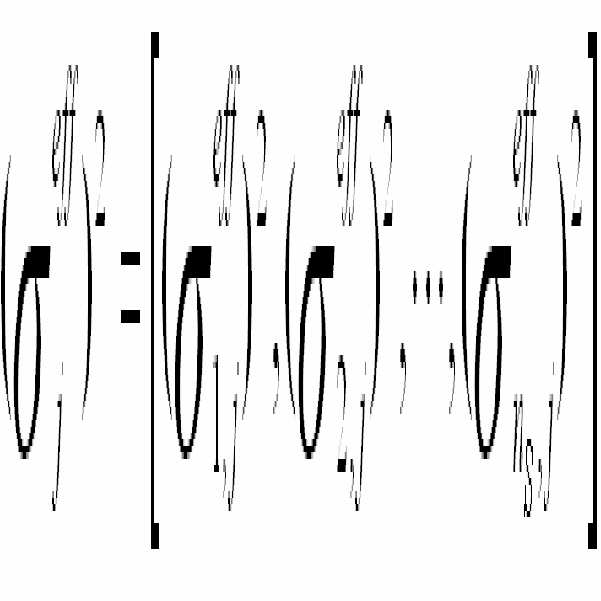


본 발명의 다른 일실시예에 따르면, 기지국 장치는 MMSE(Minimum Mean Square Error) 검출 방식을 이용하여 각 안테나의 송신 신호를 검출할 수 있다. 이 경우, 데이터 심볼의 연성 판정 값은 하기의 수학식 7에 따라 도출될 수 있다. According to another embodiment of the present invention, the base station apparatus can detect a transmission signal of each antenna using a minimum mean square error (MMSE) detection scheme. In this case, the soft decision value of the data symbol can be derived according to the following equation (7).

여기서, 
또한, j번째 반송파의 유효 잡음 분산은 상기의 수학식 6으로부터 도출될 수 있다. Also, the effective noise variance of the j-th carrier can be derived from Equation (6).
C. 제2 데이터 신호에 포함된 복수의 제2 데이터 C. A plurality of second data included in the second data signal 심볼symbol 각각에 대한 연성 Ductility for each 판정값Determination value 및 평균 유효 잡음 분산 값을 And the mean effective noise variance 서빙serving 셀 기지국으로 전송하는 방식 Transmission to cell base station
본 발명의 일실시예에 따르면, 이웃 셀 기지국 장치는 제2 데이터 신호에 포함되는 복수의 제2 데이터 심볼 각각에 대한 연성 판정 값 및 유효 잡음 분산 값을 도출하고, 도출된 유효 잡음 분산 값을 이용하여 단말 장치에 할당된 전체 자원 블록 또는 기설정된 크기의 자원 블록들에 대한 평균 유효 잡음 분산 값을 도출하고, 도출된 복수의 제2 데이터 심볼 각각에 대한 연성 판정 값 및 평균 유효 잡음 분산 값을 서빙 셀 기지국 장치로 전송할 수 있다. According to an embodiment of the present invention, the neighboring cell base station apparatus derives a soft decision value and an effective noise variance value for each of the plurality of second data symbols included in the second data signal, and uses the derived effective noise variance value And derives an average effective noise variance value for all resource blocks or resource blocks of a predetermined size allocated to the terminal apparatus and provides a soft decision value and an average effective noise variance value for each of the derived plurality of second data symbols To the cell base station apparatus.
즉, 이웃 셀 기지국 장치는 제2 데이터 신호에 대한 정보를 서빙 셀 기지국 장치로 전송하고, 제2 데이터 신호에 대한 정보는 복수의 제2 데이터 심볼 각각에 대한 연성 판정 값 및 평균 유효 잡음 분산 값일 수 있다. That is, the neighboring cell base station apparatus transmits the information on the second data signal to the serving cell base station apparatus, the information on the second data signal is a soft decision value and an average effective noise variance value for each of the plurality of second data symbols have.
이 경우, 개별 유효 잡음 분산 값이 아니라, 각 구간 별로 도출된 평균 유효 잡음 분산 값이 서빙 셀 기지국 장치로 전송되므로, 전송되는 데이터의 양을 줄일 수 있게 된다. In this case, since the average effective noise variance value derived for each interval, rather than the individual effective noise variance value, is transmitted to the serving cell base station apparatus, the amount of transmitted data can be reduced.
이웃 셀 기지국 장치에서 평균 유효 잡음 분산 값을 도출하는 일례를 상세히 설명하기로 한다. An example of deriving the average effective noise variance value in the neighboring cell base station apparatus will be described in detail.
먼저, 평균을 취할 자원 블록 내에 총 M 개의 반송파가 있다고 가정하면, 유효 잡음 분산 값 


여기서, 평균값


D. 제2 데이터 신호에 포함된 복수의 제2 데이터 비트 각각에 대한 연성 판정 값을 D. The soft decision value for each of the plurality of second data bits contained in the second data signal is 서빙serving 셀 기지국으로 전송하는 방식 Transmission to cell base station
본 발명의 일실시예에 따르면, 이웃 셀 기지국 장치는 제2 데이터 신호에 포함되는 복수의 제2 데이터 비트 각각에 대한 연성 판정 값을 도출하고, 도출된 복수의 제2 데이터 비트 각각에 대한 연성 판정 값을 서빙 셀 기지국 장치로 전송할 수 있다. According to an embodiment of the present invention, the neighboring cell base station apparatus derives a soft decision value for each of the plurality of second data bits contained in the second data signal, and performs soft decision for each of the derived plurality of second data bits Value to the serving cell base station device.
즉, 이웃 셀 기지국 장치는 제2 데이터 신호에 대한 정보를 서빙 셀 기지국 장치로 전송하고, 제2 데이터 신호에 대한 정보는 복수의 제2 데이터 비트 각각에 대한 연성 판정 값일 수 있다.That is, the neighboring cell base station apparatus transmits information on the second data signal to the serving cell base station apparatus, and the information on the second data signal may be a soft decision value for each of the plurality of second data bits.
여기서, 복수의 제2 데이터 비트 각각에 대한 연성 판정 값은 심볼 검출기를 거치고 나서 얻어지는 비트 단위의 LLR(Log Likelihood Ratio)를 의미한다. 즉, 제2 데이터 비트 b의 LLR을 LLR(b)라고 표시하면, LLR(b)는 제2 데이터 비트 b가 "1"일 확률(p(b=1))과 "0"일 확률 (p(b=0))의 비의 자연로그 값이다. 이는 수학식 9와 같이 나타낼 수 있다. Here, the soft decision value for each of the plurality of second data bits means a bit-by-bit LLR (Log Likelihood Ratio) obtained after passing through the symbol detector. That is, if LLR (b) of the second data bit b is expressed as LLR (b), LLR (b) is a probability that the second data bit b is "1" (b = 0)). This can be expressed by Equation (9).

여기서, 서빙 셀 기지국 장치로 전송되는 제2 데이터 비트별 LLR은 채널 디코더의 입력 값이거나 또는 디코딩 결과로서 발생하는 출력 값일 수 있다. Here, the LLR for each second data bit transmitted to the serving cell base station may be an input value of a channel decoder or an output value generated as a decoding result.
E. 제2 데이터 신호로부터 E. From the second data signal 복조된Demodulated 제2 데이터를 The second data 서빙serving 셀 기지국으로 전송하는 방식 Transmission to cell base station
본 발명의 일실시예에 따르면, 이웃 셀 기지국 장치는 제2 데이터 신호에 대해 심볼 검출, 디코딩 등을 수행하여 제2 데이터를 복조하고, 복조된 제2 데이터를 서빙셀 기지국 장치로 전송할 수 있다. According to an embodiment of the present invention, the neighboring cell base station apparatus can perform symbol detection, decoding, and the like on the second data signal to demodulate the second data and transmit the demodulated second data to the serving cell base station apparatus.
즉, 이웃 셀 기지국 장치는 제2 데이터 자체를 서빙 셀 기지국 장치로 전송할 수 있다. That is, the neighboring cell base station apparatus can transmit the second data itself to the serving cell base station apparatus.
이 경우, 이웃 셀 기지국 장치는 성공적으로 제2 데이터의 복조가 수행된 경우에 한해 복조된 제2 데이터를 전송할 수 있다. In this case, the neighboring cell base station apparatus can transmit the demodulated second data only when the demodulation of the second data is successfully performed.
F. 기타F. Other
본 발명의 일실시예에 따르면, 이웃 셀 기지국 장치는 서빙 셀 기지국 장치로부터 제2 데이터 신호에 대한 정보 또는 제2 데이터의 전송 요청을 수신한 경우에 한해 상기 A 내지 E의 방식에 따라 생성된 제2 데이터 신호에 대한 정보 또는 제2 데이터를 서빙 셀 기지국 장치로 전송할 수 있다. According to an embodiment of the present invention, the neighboring cell base station apparatus transmits the second data signal or the second data transmitted from the serving cell base station apparatus to the neighboring cell base station apparatus, 2 data signal or the second data to the serving cell base station apparatus.
또한, 본 발명의 일실시예에 따르면, 이웃 셀 기지국 장치는 제2 데이터의 복조가 성공적으로 수행된 경우에는 복조된 제2 데이터를 서빙 셀 기지국 장치로 전송하고, 제2 데이터의 복조가 성공적으로 수행되지 아니한 경우에는 상기의 A 내지 D의 방식에 따라 생성된 제2 데이터 신호에 대한 정보를 서빙 셀 기지국 장치로 전송할 수 있다. Also, according to an embodiment of the present invention, the neighboring cell base station apparatus transmits the demodulated second data to the serving cell base station apparatus when demodulation of the second data is successfully performed, and demodulates the second data successfully If not performed, information on the second data signal generated according to the method A to D may be transmitted to the serving cell base station apparatus.
또한, 본 발명의 일실시예에 따르면, 이웃 셀 기지국 장치는 제2 데이터의 복조가 성공적으로 수행되었는지에 대한 복조 성공/실패 여부에 대한 정보 만을 서빙 셀 기지국 장치로 전송할 수 있다. Also, according to an embodiment of the present invention, the neighboring cell base station apparatus can transmit only information on the success / failure of demodulation whether the demodulation of the second data has been successfully performed to the serving cell base station apparatus.
이 경우, 서빙 셀 기지국 장치는 복조 성공/실패 여부에 대한 정보에 기초하여 이웃 셀 기지국 장치로 제2 데이터 신호에 대한 정보 또는 제2 데이터의 전송 요청을 이웃 셀 기지국 장치로 전송할 수 있다. 전송 요청을 수신한 이웃 셀 기지국 장치는 제2 데이터의 복조가 성공적으로 수행되지 아니한 경우에는 상기의 A 내지 D의 방식에 따라 생성된 제2 데이터 신호에 대한 정보를 서빙 셀 기지국 장치로 전송하고, 제2 데이터의 복조가 성공적으로 수행되지 아니한 경우에는 상기의 E 방식에 따라 생성된 제2 데이터를 서빙 셀 기지국 장치로 전송할 수 있다. In this case, the serving cell base station apparatus may transmit a request for transmission of the second data signal or the second data to the neighboring cell base station apparatus based on the demodulation success / failure information. When the demodulation of the second data is not successfully performed, the neighboring cell base station apparatus that has received the transmission request transmits information on the second data signal generated according to the method of A to D to the serving cell base station apparatus, If demodulation of the second data is not successfully performed, the second data generated according to the E scheme can be transmitted to the serving cell base station apparatus.
이하에서는 도 5를 참고하여 복수의 기지국 장치와 협력 통신을 수행하는 단말 장치에 대해 상세히 설명하기로 한다. Hereinafter, a terminal device that performs cooperative communication with a plurality of base station devices will be described in detail with reference to FIG.
도 5는 본 발명의 일실시예에 따른 단말 장치(500)의 상세한 구성을 도시한 블록도이다. 5 is a block diagram showing a detailed configuration of a
본 발명의 일실시예에 따른 단말 장치(500)는 저장부(510), 수신부(520), 채널 추정부(530), 선택부(540), 및 전송부(550)를 포함한다. 이하, 각 구성 요소 별로 그 기능을 상술하기로 한다.The
저장부(510)는 복수의 프리코딩 벡터로 구성되는 적어도 하나의 프리코딩 매트릭스를 포함하는 코드북을 저장한다. 저장부(510)에 저장되는 코드북은 복수의 기지국 장치에 저장된 코드북과 동일한 코드북이다. The
수신부(520)는 복수의 기지국 장치로부터 무선 신호를 수신한다. 일례로, 무선 신호는 레퍼런스 신호 또는 데이터 신호 중에서 어느 하나일 수 있다. The receiving
채널 추정부(530)는 수신된 무선 신호에 기초하여 복수의 기지국 장치와 단말 장치(500) 사이에 형성된 복수의 채널의 상태를 추정한다. The
선택부(540)는 추정된 복수 채널의 상태에 기초하여 코드북에 포함되는 적어도 하나의 프리코딩 매트릭스 중에서 어느 하나의 프리코딩 매트릭스를 선택하고, 선택된 어느 하나의 프리코딩 매트릭스를 구성하는 복수의 프리코딩 벡터 중에서 적어도 하나의 프리코딩 벡터를 선택한다. The selecting
전송부(550)는 선택된 적어도 하나의 프리코딩 벡터에 대한 정보를 포함하는 제2 피드백 신호를 복수의 기지국 장치 중에서 적어도 하나의 기지국 장치로 전 송할 수 있다. The transmitting
본 발명의 일실시예에 따르면, 선택부(540)는 기 설정된 특정 자원 블록들에 대해 또는 단말 장치(500)가 선호하는 자원 블록들에 기초하여 적어도 하나의 프리코딩 매트릭스 중에서 어느 하나의 프리코딩 매트릭스를 선택하고, 선택된 어느 하나의 프리코딩 매트릭스에 포함된 복수의 프리코딩 벡터 중에서 선호하는 적어도 하나의 프리코딩 벡터를 선택할 수 있다. According to an embodiment of the present invention, the selecting
선택된 프리코딩 매트릭스 및 프리코딩 벡터가 대상으로 하는 자원 블록의 크기는 다양한 크기로 미리 지정될 수 있다. The size of the resource blocks targeted by the selected precoding matrix and precoding vector can be specified in advance in various sizes.
본 발명의 일실시예에 따르면, 전송부(550)를 통해 전송되는 제2 피드백 신호의 정보량을 줄이기 위하여, 선택부(540)는 기 설정된 특정 자원 블록들에 대해 또는 단말 장치(500)가 선호하는 자원 블록들에 대해 동일한 프리코딩 매트릭스 및 프리코딩 벡터가 적용되는 것으로 가정하여 선호되는 프리코딩 매트릭스 및 프리코딩 벡터를 선택할 수 있다. In accordance with an embodiment of the present invention, in order to reduce the amount of information of the second feedback signal transmitted through the
본 발명의 다른 일실시예에 따르면, 선택부(540)는 각 개별 자원 블록에 대해 선호되는 프리코딩 매트릭스 및 프리코딩 벡터를 선택할 수도 있다. According to another embodiment of the present invention, the
또한, 본 발명의 일실시예에 따르면, 단말 장치(500)는 복수의 무선 신호의 세기를 측정하는 세기 측정부(미도시)를 포함할 수 있다. 이 경우, 전송부(550)는 측정된 복수의 무선 신호의 세기를 포함하는 제1 피드백 신호를 전송할 수 있다. Also, according to an embodiment of the present invention, the
상기 언급한 바와 같이, 제1 피드백 신호는 슈퍼셀을 관할하는 적어도 하나의 제2 기지국 장치를 선택하는데 이용될 수 있다.As mentioned above, the first feedback signal may be used to select at least one second base station device that supervises the super cell.
슈퍼노드(즉, 제1 기지국 장치)에서 제1 피드백 신호에 기초하여 슈퍼셀을 관할하는 적어도 하나의 제2 기지국 장치를 선택하고, 적어도 하나의 제2 기지국 장치 만이 단말 장치(500)로 데이터 신호를 전송하도록 제어하는 경우, 수신부(510)는 슈퍼노드로부터 적어도 하나의 제2 기지국 장치에 대한 정보를 수신하고, 수신된 정보에 기초하여 상기 적어도 하나의 제2 기지국 장치로부터 전송된 무선 신호만을 수신할 수 있다. The at least one second base station device selects at least one second base station device that supervises the super cell based on the first feedback signal in the super node (i.e., the first base station device) The receiving
이상과 같이 본 발명에서는 구체적인 구성 요소 등과 같은 특정 사항들과 한정된 실시예 및 도면에 의해 설명되었으나 이는 본 발명의 보다 전반적인 이해를 돕기 위해서 제공된 것일 뿐, 본 발명은 상기의 실시예에 한정되는 것은 아니며, 본 발명이 속하는 분야에서 통상적인 지식을 가진 자라면 이러한 기재로부터 다양한 수정 및 변형이 가능하다. 따라서, 본 발명의 사상은 설명된 실시예에 국한되어 정해져서는 아니되며, 후술하는 특허청구범위뿐 아니라 이 특허청구범위와 균등하거나 등가적 변형이 있는 모든 것들은 본 발명 사상의 범주에 속한다고 할 것이다.As described above, the present invention has been described with reference to particular embodiments, such as specific elements, and specific embodiments and drawings. However, it should be understood that the present invention is not limited to the above- And various modifications and changes may be made thereto by those skilled in the art to which the present invention pertains. Accordingly, the spirit of the present invention should not be construed as being limited to the embodiments described, and all of the equivalents or equivalents of the claims, as well as the following claims, belong to the scope of the present invention .
도 1은 본 발명의 일실시예에 따라서, 2개의 기지국 장치가 관여하는 하향링크(downlink) 다중 셀 협력 통신의 개념을 도시한 도면이다. 1 is a diagram illustrating the concept of downlink multi-cell cooperative communication involving two base station apparatuses according to an embodiment of the present invention.
도 2는 단말 장치의 위치에 기초하여 슈퍼셀을 구성하는 방법을 설명하기 위한 도면이다. 2 is a diagram for explaining a method of constructing a super cell based on the position of a terminal device.
도 3은 단말 장치의 위치와 무관하게 고정된 형태의 슈퍼셀을 구성하는 방법을 설명하기 위한 도면이다.3 is a diagram for explaining a method of configuring a fixed type of super cell regardless of the position of a terminal device.
도 4는 본 발명의 일실시예에 따라서, 3개의 기지국 장치가 관여하는 상향링크 다중 셀 협력 통신의 개념을 도시한 도면이다. 4 is a diagram illustrating a concept of uplink multi-cell cooperative communication in which three base station apparatuses are involved, according to an embodiment of the present invention.
도 5는 본 발명의 일실시예에 따른 단말 장치의 상세한 구성을 도시한 블록도이다.5 is a block diagram showing a detailed configuration of a terminal device according to an embodiment of the present invention.
Claims (22)
Priority Applications (2)
| Application Number | Priority Date | Filing Date | Title |
|---|---|---|---|
| US13/377,422 US9124313B2 (en) | 2008-06-10 | 2009-09-11 | Multi-cell cooperative communication system and terminal device |
| PCT/KR2009/005201 WO2010143780A2 (en) | 2009-06-10 | 2009-09-11 | Multi-cell cooperative communication system and terminal device |
Applications Claiming Priority (6)
| Application Number | Priority Date | Filing Date | Title |
|---|---|---|---|
| KR1020080054354 | 2008-06-10 | ||
| KR20080054354 | 2008-06-10 | ||
| KR20080068367 | 2008-07-14 | ||
| KR1020080068367 | 2008-07-14 | ||
| KR1020080078069 | 2008-08-08 | ||
| KR20080078069 | 2008-08-08 |
Publications (2)
| Publication Number | Publication Date |
|---|---|
| KR20090128343A KR20090128343A (en) | 2009-12-15 |
| KR101561704B1 true KR101561704B1 (en) | 2015-10-20 |
Family
ID=41688755
Family Applications (1)
| Application Number | Title | Priority Date | Filing Date |
|---|---|---|---|
| KR1020090051457A Active KR101561704B1 (en) | 2008-06-10 | 2009-06-10 | Multi-cell cooperative communication system and terminal device |
Country Status (2)
| Country | Link |
|---|---|
| US (1) | US9124313B2 (en) |
| KR (1) | KR101561704B1 (en) |
Families Citing this family (15)
| Publication number | Priority date | Publication date | Assignee | Title |
|---|---|---|---|---|
| KR101580457B1 (en) * | 2009-12-18 | 2015-12-28 | 삼성전자주식회사 | A communication system for performing a multi-cell common operation and a method for the communication system |
| WO2011135693A1 (en) | 2010-04-28 | 2011-11-03 | 富士通株式会社 | Mobile communication system, base station, mobile station, and wireless communication method |
| CN104993851A (en) * | 2010-04-28 | 2015-10-21 | 富士通株式会社 | Mobile communication system, base stations, mobile radio station and wireless communication method |
| KR101081317B1 (en) * | 2010-07-12 | 2011-11-08 | 전북대학교산학협력단 | Distributed ΜΙΜΟ Channel Precoding and Decoding Method in Relay-based DFF Cooperative Wireless Network |
| KR101678610B1 (en) * | 2010-07-27 | 2016-11-23 | 삼성전자주식회사 | Method and apparatus for subband coordinated multi-point communication based on long-term channel state information |
| US9203490B2 (en) | 2011-04-29 | 2015-12-01 | Lg Electronics Inc. | Method and apparatus for transmitting channel status information in wireless communication system |
| CN102983935B (en) * | 2011-09-07 | 2017-10-27 | 株式会社Ntt都科摩 | Precoding, pre-coding/pre-decoding method and emitter and mobile terminal based on interference alignment |
| CN102905320B (en) * | 2012-09-24 | 2015-04-01 | 上海交通大学 | Monotone optimization method for maximizing multi-cell downlink weighting and rate |
| KR102050928B1 (en) * | 2012-10-16 | 2019-12-03 | 삼성전자주식회사 | Method and apparatus for user equipment selection in wireless communication system |
| CN106230480B (en) * | 2013-03-15 | 2019-04-16 | 华为技术有限公司 | Parameter adjustment method and device for DSL system |
| US9838227B2 (en) * | 2013-04-09 | 2017-12-05 | Interdigital Patent Holdings, Inc. | Joint precoding and multivariate backhaul compression for the downlink of cloud radio access networks |
| KR102091265B1 (en) | 2013-07-10 | 2020-03-19 | 삼성전자주식회사 | Apparatus and method for multiple cell communication using beamforming in wireless communication system |
| EP3276860B1 (en) * | 2015-03-26 | 2019-09-04 | NTT DoCoMo, Inc. | Radio communication control method and radio communication system |
| US10219169B1 (en) * | 2015-07-09 | 2019-02-26 | Quantenna Communications, Inc. | Hybrid MU-MIMO spatial mapping using both explicit sounding and crosstalk tracking in a wireless local area network |
| US10389424B2 (en) * | 2016-02-04 | 2019-08-20 | Telefonaktiebolaget Lm Ericsson (Publ) | Method for adapting a beam shape of a beam |
Family Cites Families (10)
| Publication number | Priority date | Publication date | Assignee | Title |
|---|---|---|---|---|
| US5539749A (en) | 1993-09-13 | 1996-07-23 | Siemens Aktiengesellschaft | Method for merging data streams |
| EP1501209A1 (en) | 2003-07-25 | 2005-01-26 | Evolium S.A.S. | Uplink macro diversity method |
| US7428268B2 (en) | 2004-12-07 | 2008-09-23 | Adaptix, Inc. | Cooperative MIMO in multicell wireless networks |
| KR20080022033A (en) | 2006-09-05 | 2008-03-10 | 엘지전자 주식회사 | Precoding Information Feedback Method and Precoding Method |
| AU2008242610A1 (en) | 2007-04-20 | 2008-10-30 | Interdigital Technology Corporation | Method and apparatus for efficient precoding information validation for MIMO communications |
| KR100991792B1 (en) | 2007-12-31 | 2010-11-04 | 엘지전자 주식회사 | Cooperative Multiple Input / Output Signal Transmitting and Receiving Method |
| US8204470B2 (en) | 2009-01-06 | 2012-06-19 | Texas Instruments Incorporated | Predecoding for joint processing coordinated multi-point transmission |
| US8369429B2 (en) * | 2009-03-18 | 2013-02-05 | Lg Electronics Inc. | Method and apparatus for transmitting precoding matrix index in a wireless communication system using CoMP scheme |
| US8208434B2 (en) * | 2009-04-28 | 2012-06-26 | Motorola Mobility, Inc. | Method of signaling particular types of resource elements in a wireless communication system |
| US8712399B2 (en) * | 2009-05-06 | 2014-04-29 | Texas Instruments Incorporated | Coordinated multi-point transmission in a cellular network |
-
2009
- 2009-06-10 KR KR1020090051457A patent/KR101561704B1/en active Active
- 2009-09-11 US US13/377,422 patent/US9124313B2/en active Active
Non-Patent Citations (2)
| Title |
|---|
| 3GPP TSG RAN WG3 Meeting #54 R3-061712* |
| CCIT Report 671(2007.11.).* |
Also Published As
| Publication number | Publication date |
|---|---|
| US9124313B2 (en) | 2015-09-01 |
| US20120087423A1 (en) | 2012-04-12 |
| KR20090128343A (en) | 2009-12-15 |
Similar Documents
| Publication | Publication Date | Title |
|---|---|---|
| KR101561704B1 (en) | Multi-cell cooperative communication system and terminal device | |
| KR101222453B1 (en) | Method and device for uplink cooperative multi-point transmission of user data | |
| CN102598525B (en) | Method and device for terminal to transmit feedback information in wireless communication system using CoMP transmission | |
| US10142053B2 (en) | Method and apparatus for transmitting control information to remove and suppress interference in wireless communication system | |
| KR101745414B1 (en) | Apparatus and method of transmitting channel information in wireless communication system | |
| KR101467960B1 (en) | Method and apparatus for removing interference between signals received by several mobile stations | |
| KR101632211B1 (en) | Method and apparatus for cell selection for PMI restriction in a coordinated multi-point transmission system | |
| KR101568291B1 (en) | Terminal and base station, and a method of operation of the terminal | |
| KR101495824B1 (en) | Method and apparatus for precoding matrix selection in a multi-antenna wireless communication system | |
| US8218422B2 (en) | Coordinated linear beamforming in downlink multi-cell wireless networks | |
| US20150382371A1 (en) | Method and system for network-assisted interference suppression/cancelation | |
| CN101860419B (en) | For reducing equipment and the method for the presence of intercell interference in multi-input multi-output system | |
| CN112165349A (en) | Channel state measuring method and device | |
| JP2012124859A (en) | Communication system, base station device, communication method and communication program | |
| US8811523B1 (en) | Feedback and user scheduling for multi-user multiple input multiple output (MU-MIMO) system | |
| CN102301821B (en) | Method and device for non-coherent multi-station multi-user joint transmission | |
| CN110011706B (en) | Method and device for optimizing cooperative transmission | |
| CN103024821B (en) | Multi-user-collaboration multi-point transmission method and device | |
| US20160261390A1 (en) | Method and apparatus for spatial modulation | |
| Han et al. | Distributed coordinated multi-point downlink transmission with over-the-air communication | |
| Wang et al. | Enabling downlink coordinated multi-point transmission in tdd heterogeneous network | |
| KR20110004237A (en) | A Transmitter Selection Method for Linear Cooperative Communication and a Method for Constructing a Cooperative Multi-antenna System Using the Same | |
| Zhang et al. | Adaptive pilot power allocation for distributed antenna systems with large-scale CSI | |
| KR101005539B1 (en) | Method of selecting a transmission antenna in a multi-cell communication system and its radio transceiver | |
| Xiujun et al. | Non-orthogonal pilot design and analysis for CoMP systems |
Legal Events
| Date | Code | Title | Description |
|---|---|---|---|
| PA0109 | Patent application |
St.27 status event code: A-0-1-A10-A12-nap-PA0109 |
|
| PN2301 | Change of applicant |
St.27 status event code: A-3-3-R10-R13-asn-PN2301 St.27 status event code: A-3-3-R10-R11-asn-PN2301 |
|
| PG1501 | Laying open of application |
St.27 status event code: A-1-1-Q10-Q12-nap-PG1501 |
|
| A201 | Request for examination | ||
| PA0201 | Request for examination |
St.27 status event code: A-1-2-D10-D11-exm-PA0201 |
|
| D13-X000 | Search requested |
St.27 status event code: A-1-2-D10-D13-srh-X000 |
|
| D14-X000 | Search report completed |
St.27 status event code: A-1-2-D10-D14-srh-X000 |
|
| E902 | Notification of reason for refusal | ||
| PE0902 | Notice of grounds for rejection |
St.27 status event code: A-1-2-D10-D21-exm-PE0902 |
|
| PN2301 | Change of applicant |
St.27 status event code: A-3-3-R10-R13-asn-PN2301 St.27 status event code: A-3-3-R10-R11-asn-PN2301 |
|
| E601 | Decision to refuse application | ||
| PE0601 | Decision on rejection of patent |
St.27 status event code: N-2-6-B10-B15-exm-PE0601 |
|
| AMND | Amendment | ||
| J201 | Request for trial against refusal decision | ||
| P11-X000 | Amendment of application requested |
St.27 status event code: A-2-2-P10-P11-nap-X000 |
|
| P13-X000 | Application amended |
St.27 status event code: A-2-2-P10-P13-nap-X000 |
|
| PJ0201 | Trial against decision of rejection |
St.27 status event code: A-3-3-V10-V11-apl-PJ0201 |
|
| PB0901 | Examination by re-examination before a trial |
St.27 status event code: A-6-3-E10-E12-rex-PB0901 |
|
| B701 | Decision to grant | ||
| PB0701 | Decision of registration after re-examination before a trial |
St.27 status event code: A-3-4-F10-F13-rex-PB0701 |
|
| PR0701 | Registration of establishment |
St.27 status event code: A-2-4-F10-F11-exm-PR0701 |
|
| PR1002 | Payment of registration fee |
St.27 status event code: A-2-2-U10-U11-oth-PR1002 Fee payment year number: 1 |
|
| PG1601 | Publication of registration |
St.27 status event code: A-4-4-Q10-Q13-nap-PG1601 |
|
| FPAY | Annual fee payment |
Payment date: 20181001 Year of fee payment: 4 |
|
| PR1001 | Payment of annual fee |
St.27 status event code: A-4-4-U10-U11-oth-PR1001 Fee payment year number: 4 |
|
| FPAY | Annual fee payment |
Payment date: 20190925 Year of fee payment: 5 |
|
| PR1001 | Payment of annual fee |
St.27 status event code: A-4-4-U10-U11-oth-PR1001 Fee payment year number: 5 |
|
| PR1001 | Payment of annual fee |
St.27 status event code: A-4-4-U10-U11-oth-PR1001 Fee payment year number: 6 |
|
| PR1001 | Payment of annual fee |
St.27 status event code: A-4-4-U10-U11-oth-PR1001 Fee payment year number: 7 |
|
| PR1001 | Payment of annual fee |
St.27 status event code: A-4-4-U10-U11-oth-PR1001 Fee payment year number: 8 |
|
| PR1001 | Payment of annual fee |
St.27 status event code: A-4-4-U10-U11-oth-PR1001 Fee payment year number: 9 |
|
| PR1001 | Payment of annual fee |
St.27 status event code: A-4-4-U10-U11-oth-PR1001 Fee payment year number: 10 |
|
| PR1001 | Payment of annual fee |
St.27 status event code: A-4-4-U10-U11-oth-PR1001 Fee payment year number: 11 |
|
| U11 | Full renewal or maintenance fee paid |
Free format text: ST27 STATUS EVENT CODE: A-4-4-U10-U11-OTH-PR1001 (AS PROVIDED BY THE NATIONAL OFFICE) Year of fee payment: 11 |