KR101318426B1 - Routing system and method using torous topology in on-chip network - Google Patents
Routing system and method using torous topology in on-chip network Download PDFInfo
- Publication number
- KR101318426B1 KR101318426B1 KR1020110142500A KR20110142500A KR101318426B1 KR 101318426 B1 KR101318426 B1 KR 101318426B1 KR 1020110142500 A KR1020110142500 A KR 1020110142500A KR 20110142500 A KR20110142500 A KR 20110142500A KR 101318426 B1 KR101318426 B1 KR 101318426B1
- Authority
- KR
- South Korea
- Prior art keywords
- token
- network
- router
- buffer
- deadlock
- Prior art date
- Legal status (The legal status is an assumption and is not a legal conclusion. Google has not performed a legal analysis and makes no representation as to the accuracy of the status listed.)
- Expired - Fee Related
Links
Images


Classifications
-
- H—ELECTRICITY
- H04—ELECTRIC COMMUNICATION TECHNIQUE
- H04L—TRANSMISSION OF DIGITAL INFORMATION, e.g. TELEGRAPHIC COMMUNICATION
- H04L12/00—Data switching networks
- H04L12/28—Data switching networks characterised by path configuration, e.g. LAN [Local Area Networks] or WAN [Wide Area Networks]
- H04L12/42—Loop networks
- H04L12/427—Loop networks with decentralised control
- H04L12/433—Loop networks with decentralised control with asynchronous transmission, e.g. token ring, register insertion
-
- H—ELECTRICITY
- H04—ELECTRIC COMMUNICATION TECHNIQUE
- H04L—TRANSMISSION OF DIGITAL INFORMATION, e.g. TELEGRAPHIC COMMUNICATION
- H04L12/00—Data switching networks
- H04L12/28—Data switching networks characterised by path configuration, e.g. LAN [Local Area Networks] or WAN [Wide Area Networks]
- H04L12/42—Loop networks
- H04L12/437—Ring fault isolation or reconfiguration
-
- H—ELECTRICITY
- H04—ELECTRIC COMMUNICATION TECHNIQUE
- H04L—TRANSMISSION OF DIGITAL INFORMATION, e.g. TELEGRAPHIC COMMUNICATION
- H04L49/00—Packet switching elements
- H04L49/10—Packet switching elements characterised by the switching fabric construction
- H04L49/109—Integrated on microchip, e.g. switch-on-chip
Landscapes
- Engineering & Computer Science (AREA)
- Computer Networks & Wireless Communication (AREA)
- Signal Processing (AREA)
- Multi Processors (AREA)
Abstract
온-칩 네트워크에서 토러스 토폴로지를 이용한 라우팅 시스템 및 라우팅 방법이 개시된다. 복수의 링 네트워크를 이용하여 2차원 구조로 각각 형성된 데이터 네트워크(data network) 및 토큰 네트워크(token network)를 병렬 형태로 포함하는 토러스(torus) 네트워크상에서, 패킷을 전송하는 라우팅 시스템은, 데이터 네트워크를 통해 이전 라우터로부터 수신되는 패킷의 플릿(flit)을 버퍼에 저장하는 저장 관리부, 토큰 네트워크를 형성하는 링 네트워크들 각각에 우선순위토큰 중 해당하는 링 네트워크상에서 전송되는 우선순위토큰들을 수신하는 우선순위토큰 수신부, 수신된 우선순위토큰을 이용하여 포착토큰을 생성하거나 또는 이전 라우터로부터 토큰 네트워크를 통해 포착토큰을 수신하는 포착토큰 관리부, 버퍼의 헤드부분에 저장된 플릿의 목적지 라우터를 확인하는 목적지 라우터 확인부, 목적지 라우터에 포함된 버퍼의 상태에 따라 생성 또는 수신된 포착토큰을 토큰 네트워크를 통해 목적지 라우터로 전송하거나 또는 제거하는 포착토큰 처리부 및 생성 또는 수신된 포착토큰이 목적지 라우터로 전송되고 전송된 포착토큰이 다시 수신되는 경우, 토러스 네트워크에 교착상태가 발생하였음을 확인하는 교착상태 발생 확인부를 포함한다.A routing system and routing method using a torus topology in an on-chip network are disclosed. In a torus network including a data network and a token network, each formed in a two-dimensional structure using a plurality of ring networks in parallel, a routing system for transmitting packets includes a data network. A storage management unit that stores a fleet of packets received from a previous router in a buffer, and a priority token that receives priority tokens transmitted on a corresponding ring network among priority tokens of each of the ring networks forming a token network. A receiving unit for generating a collecting token using the received priority token or receiving a collecting token from a previous router via a token network, a destination router identification unit for identifying a destination router of a fleet stored in the head of the buffer; Depending on the state of the buffer contained in the destination router, A deadlock occurs in the torus network when the acquisition token processing unit for transmitting or removing the received acquisition token to or from the destination router through the token network and the generated or received acquisition token are sent to the destination router and the transmitted acquisition token is received again. It includes a deadlock occurrence check unit to confirm that.
Description
본 발명의 실시예들은 온-칩 네트워크에서 토러스 토폴로지를 이용한 라우팅 시스템 및 라우팅 방법에 관한 것이다.Embodiments of the present invention relate to a routing system and a routing method using a torus topology in an on-chip network.
단일 칩에 더 많은 구성 요소가 집적됨에 따라 구성 요소를 서로 연결하는 온칩 네트워크(on-chip network)가 점점 더 중요해지고 있다. 종래기술에 따른 온칩 네트워크에 대한 대부분의 연구는, 2D 메쉬 토폴로지(mesh topology)를 가정하는데 이는 구조의 단순성, 그리고 상업적인 멀티코어 칩이 2D 메쉬 토폴로지를 사용했기 때문이다. 또한 기존 연구들에서는 2D 메쉬 토폴로지와 2D 토러스 토폴로지를 비교하였지만 2D 토러스 토폴로지에서 교착상태 회피를 위해 추가적인 버퍼(가상 채널)를 사용하는 것을 가정하였다. 즉, 2D 토러스 토폴로지는 랩-어라운드(wrap-around) 채널 때문에 라우팅 교착상태가 발생할 수 있고, 교착상태 회피를 위해 버퍼(가상 채널)을 추가로 사용해야 하는 문제가 있다.As more components are integrated on a single chip, on-chip networks that connect the components together are becoming increasingly important. Most studies of on-chip networks according to the prior art assume a 2D mesh topology because of the simplicity of the structure and the commercial multicore chip used the 2D mesh topology. In addition, previous studies compared 2D mesh topologies with 2D torus topologies, but assumed that additional buffers (virtual channels) were used to avoid deadlocks in 2D torus topologies. That is, in the 2D torus topology, a routing deadlock may occur due to a wrap-around channel, and a buffer (virtual channel) may be additionally used to avoid the deadlock.
본 명세서에서는 온-칩 네트워크에서보다 효율적으로 2D 토러스 토폴로지를 활용할 수 있는 시스템 및 방법이 제안된다.In the present specification, a system and method are proposed that can utilize a 2D torus topology more efficiently in an on-chip network.
토큰을 이용한 교착상태 복구(Deadlock Recovery with Tokens, DRT)를 이용하여 2D 토러스 토폴로지가 제공하는 풍부한 와이어(wire)를 활용하면서도 추가적인 버퍼(가상 채널)의 크기를 최소화할 수 있는 시스템 및 방법을 제공한다.Using Deadlock Recovery with Tokens (DRT), we provide a system and method that can minimize the size of additional buffers (virtual channels) while utilizing the rich wires provided by 2D torus topologies. .
교착상태를 탐지하는 데에 타이머에 의존하는 부정확한 방법 대신 정확히 교착상태를 탐지할 수 있고, 필요에 따라 교착상태로부터 복구할 수 있으며, 가상 채널을 사용하여 교착상태를 회피하는 종래기술에 비해 성능 저하를 최소화하면서도 온칩 네트워크의 복잡도를 감소시킬 수 있는 시스템 및 방법을 제공한다.Instead of an inaccurate method that relies on a timer to detect deadlocks, deadlocks can be detected accurately, recovered from deadlocks as needed, and compared to prior art techniques that avoid deadlocks using virtual channels. It provides a system and method that can reduce the complexity of an on-chip network while minimizing degradation.
복수의 링 네트워크를 이용하여 2차원 구조로 각각 형성된 데이터 네트워크(data network) 및 토큰 네트워크(token network)를 병렬 형태로 포함하는 토러스(torus) 네트워크상에서, 패킷을 전송하는 라우팅 시스템에 있어서, 데이터 네트워크를 통해 이전 라우터로부터 수신되는 패킷의 플릿(flit)을 버퍼에 저장하는 저장 관리부, 토큰 네트워크를 형성하는 링 네트워크들 각각에 우선순위토큰 중 해당하는 링 네트워크상에서 전송되는 우선순위토큰들을 수신하는 우선순위토큰 수신부, 수신된 우선순위토큰을 이용하여 포착토큰을 생성하거나 또는 이전 라우터로부터 토큰 네트워크를 통해 포착토큰을 수신하는 포착토큰 관리부, 버퍼의 헤드부분에 저장된 플릿의 목적지 라우터를 확인하는 목적지 라우터 확인부, 목적지 라우터에 포함된 버퍼의 상태에 따라 생성 또는 수신된 포착토큰을 토큰 네트워크를 통해 목적지 라우터로 전송하거나 또는 제거하는 포착토큰 처리부 및 생성 또는 수신된 포착토큰이 목적지 라우터로 전송되고 전송된 포착토큰이 다시 수신되는 경우, 토러스 네트워크에 교착상태가 발생하였음을 확인하는 교착상태 발생 확인부를 포함하는 라우팅 시스템이 제공된다.A data network in a routing system for transmitting a packet on a torus network including a data network and a token network formed in a two-dimensional structure in parallel using a plurality of ring networks, respectively. Storage management unit for storing a fleet of packets received from the previous router in the buffer through the priority, receiving the priority tokens transmitted on the corresponding ring network of the priority tokens to each of the ring networks forming the token network A token receiving unit, a capture token manager that generates a capture token using the received priority token or receives a capture token from a previous router via a token network, and a destination router check unit that identifies the destination router of the fleet stored in the head of the buffer. Depending on the state of the buffers contained in the destination router. Deadlocks in the torus network, when the acquisition token processing unit transmits or removes the generated or received acquisition tokens to or from the destination router via the token network, and the generated or received acquisition tokens are sent to the destination router and the transmitted acquisition tokens are received again. There is provided a routing system including a deadlock occurrence check unit for confirming that a has occurred.
일측에 따르면, 데이터 네트워크 및 토큰 네트워크 각각은 2k개의 링 네트워크가 각각의 축을 구성하는 k*k의 2차원 형태로 형성될 수 있고, 우선순위토큰은 토큰 네트워크의 2k개의 링 네트워크 각각에 하나씩 생성될 수 있다.According to one side, each of the data network and the token network may be formed in a two-dimensional form of k * k in which 2k ring networks constitute each axis, and a priority token is generated in each of the 2k ring networks of the token network. Can be.
다른 측면에 따르면, 토러스 네트워크는, 복수의 링 네트워크를 이용하여 2차원 구조로 형성된 데이터 복구 네트워크(data recovery network)를 병렬 형태로 더 포함할 수 있다.According to another aspect, the torus network may further include a data recovery network formed in a two-dimensional structure using a plurality of ring networks in parallel.
또 다른 측면에 따르면, 패킷은, 헤드플릿(head flit), 바디플릿(body flit) 및 꼬리플릿(tail flit)으로 구성될 수 있고, 라우팅 시스템은 교착상태가 발생한 것으로 확인된 경우, 버퍼의 헤드에 저장된 플릿이 헤드플릿인지 여부를 확인하는 헤드플릿 확인부, 버퍼의 헤드에 저장된 플릿이 헤드플릿인 경우, 저장된 헤드플릿을 데이터 복구 네트워크를 통해 다음 라우터로 전송하는 헤드플릿 전송부 및 버퍼의 헤드에 저장된 플릿이 헤드플릿이 아닌 경우, 다시 전송된 포착토큰을 제거하고, 수신된 우선순위토큰을 토큰 네트워크를 통해 다음 라우터로 전송하는 우선순위토큰 전송부를 더 포함할 수 있다.According to another aspect, a packet may consist of a head flit, a body flit and a tail flit, and the routing system determines that a deadlock has occurred, the head of the buffer Headlet check unit for checking whether the flit stored in the headlet is a headlet, if the flit stored in the head of the buffer is a headlet, the headlet transmission unit for transmitting the stored headlet to the next router through the data recovery network and the head of the buffer If the fleet stored in the is not a head flit, the priority token transmission unit may further include removing the captured token again and transmitting the received priority token to the next router through the token network.
복수의 링 네트워크를 이용하여 2차원 구조로 각각 형성된 데이터 네트워크 및 토큰 네트워크를 병렬 형태로 포함하는 토러스 네트워크상에서, 패킷을 전송하는 라우팅 시스템이 수행하는 라우팅 방법에 있어서, 데이터 네트워크를 통해 이전 라우터로부터 수신되는 패킷의 플릿(flit)을 버퍼에 저장하는 단계, 토큰 네트워크를 형성하는 링 네트워크들 각각에 우선순위토큰 중 해당하는 링 네트워크상에서 전송되는 우선순위토큰들을 수신하는 단계, 수신된 우선순위토큰을 이용하여 포착토큰을 생성하거나 또는 이전 라우터로부터 토큰 네트워크를 통해 포착토큰을 수신하는 단계, 버퍼의 헤드부분에 저장된 플릿의 목적지 라우터를 확인하는 단계, 목적지 라우터에 포함된 버퍼의 상태에 따라 생성 또는 수신된 포착토큰을 토큰 네트워크를 통해 목적지 라우터로 전송하거나 또는 제거하는 단계 및 생성 또는 수신된 포착토큰이 목적지 라우터로 전송되고 전송된 포착토큰이 다시 수신되는 경우, 토러스 네트워크에 교착상태가 발생하였음을 확인하는 단계를 포함하는 라우팅 방법이 제공된다.A routing method performed by a routing system for transmitting a packet on a torus network including a data network and a token network each formed in a two-dimensional structure in parallel using a plurality of ring networks, the routing method being received from a previous router through a data network Storing a fleet of packets to be buffered, receiving priority tokens transmitted on a corresponding ring network among priority tokens of each of the ring networks forming a token network, and using the received priority tokens Generating an acquisition token or receiving an acquisition token from a previous router via a token network, identifying a destination router for the fleet stored in the head of the buffer, or generating or receiving depending on the state of the buffer included in the destination router Capture tokens through the token network A routing method comprising the step of transmitting or removing to a local router and confirming that a deadlock has occurred in the torus network when the generated or received acquisition token is sent to the destination router and the transmitted acquisition token is received again. Is provided.
패킷을 전송하는 라우팅 시스템에 있어서, 복수의 링 네트워크를 이용하여 2차원 구조로 형성된 데이터 네트워크를 통해 수신된 패킷의 플릿을 수신하여 버퍼에 저장하고, 데이터 네트워크를 통해 다음 라우터로 전송하는 플릿 관리부, 복수의 링 네트워크를 이용하여 2차원 구조로 형성된 토큰 네트워크를 통해 우선순위토큰을 수신하여 포착토큰을 생성하고 토큰 네트워크를 통해 다음 라우터로 전송하거나 또는 토큰 네트워크를 통해 우선순위토큰 또는 포착토큰을 수신하여 토큰 네트워크를 통해 다음 라우터로 전송하는 토큰 관리부 및 생성되어 전송된 포착토큰이 다시 수신되는 경우, 교착상태가 발생한 것으로 탐지하는 교착상태 탐지부를 포함하는 라우팅 시스템이 제공된다.A routing system for transmitting a packet, the routing system comprising: a fleet management unit which receives a fleet of packets received through a data network formed in a two-dimensional structure using a plurality of ring networks, stores them in a buffer, and transmits them to a next router via a data network; Receive a priority token through a token network formed in a two-dimensional structure using a plurality of ring networks to generate a capture token and transmit it to the next router through the token network, or receive a priority token or capture token through the token network. There is provided a routing system including a token management unit for transmitting to a next router via a token network and a deadlock detection unit for detecting that a deadlock has occurred when a generated and transmitted acquisition token is received again.
토큰을 이용한 교착상태 복구(Deadlock Recovery with Tokens, DRT)를 이용하여 2D 토러스 토폴로지가 제공하는 풍부한 와이어(wire)를 활용하면서도 추가적인 버퍼(가상 채널)의 크기를 최소화할 수 있다.Deadlock Recovery with Tokens (DRT) can be used to minimize the size of additional buffers (virtual channels) while taking advantage of the rich wires provided by 2D Torus topologies.
교착상태를 탐지하는 데에 타이머에 의존하는 부정확한 방법 대신 정확히 교착상태를 탐지할 수 있고, 필요에 따라 교착상태로부터 복구할 수 있으며, 가상 채널을 사용하여 교착상태를 회피하는 종래기술에 비해 성능 저하를 최소화하면서도 온칩 네트워크의 복잡도를 감소시킬 수 있다.Instead of an inaccurate method that relies on a timer to detect deadlocks, deadlocks can be detected accurately, recovered from deadlocks as needed, and compared to prior art techniques that avoid deadlocks using virtual channels. The complexity of the on-chip network can be reduced while minimizing degradation.
도 1은 16개의 코어가 있는 칩 멀티프로세서에서 2D 메쉬 토폴로지와 2D토러스 토폴로지의 성능을 비교한 도면이다.
도 2는 라우터 지연시간을 1로 가정하고, 패킷 크기와 네트워크 크기를 변화시킬 때, 8B 채널의 토러스와 16B 채널의 메쉬의 제로-로드 지연시간을 비교한 도면이다.
도 3은 메시와 토러스의 효율성을 와트(watt)당 성능으로 나타내고 있는 도면의 일례이다.
도 4는 2개의 가상 채널과 교착상태 회피를 사용한 경우, 다양한 트래픽 패턴과 버퍼 크기에 대해 포화 처리량(주입률)을 나타낸 일례이다.
도 5는 본 발명의 일실시예에 있어서, 라우팅 교착상태 시나리오를 설명하기 위한 일례이다.
도 6은 세 개의 네트워크로 (데이터 네트워크, 토큰 네트워크, 교착상태 복구 네트워크) 구성된 교착상태-복구 토큰 네트워크를 나타낸 일례이다.
도 7은 본 발명의 일실시예에 있어서, 라우팅 시스템의 내부 구성을 설명하기 위한 블록도이다.
도 8은 본 발명의 일실시예에 있어서, 라우팅 방법을 도시한 흐름도이다.
도 9는 본 발명의 일실시예에 있어서, 교착상태 복구 방법을 도시한 흐름도이다.
도 10은 본 발명의 다른 실시예에 있어서, 라우팅 시스템의 내부 구성을 설명하기 위한 블록도이다.1 is a diagram comparing the performance of a 2D mesh topology and a 2D torus topology in a chip multiprocessor having 16 cores.
FIG. 2 is a diagram comparing a zero-load delay time of a torus of an 8B channel and a mesh of a 16B channel when a router delay time is assumed to be 1 and a packet size and a network size are changed.
3 is an example of a diagram showing the efficiency of the mesh and torus as performance per watt.
4 illustrates an example of saturation throughput (injection rate) for various traffic patterns and buffer sizes when two virtual channels and deadlock avoidance are used.
5 is an example for explaining a routing deadlock scenario in an embodiment of the present invention.
6 shows an example of a deadlock-recovery token network consisting of three networks (data network, token network, deadlock recovery network).
7 is a block diagram illustrating an internal configuration of a routing system according to an embodiment of the present invention.
8 is a flowchart illustrating a routing method according to an embodiment of the present invention.
9 is a flowchart illustrating a deadlock recovery method according to an embodiment of the present invention.
10 is a block diagram illustrating an internal configuration of a routing system according to another embodiment of the present invention.
이하, 본 발명의 실시예를 첨부된 도면을 참조하여 상세하게 설명한다.
DETAILED DESCRIPTION OF THE PREFERRED EMBODIMENTS Hereinafter, embodiments of the present invention will be described in detail with reference to the accompanying drawings.
1. 배경기술 및 모티베이션(1. Background and Motivation (
BackgroundBackground
/Of
MotivationMotivation
))
(1) 2D 토러스 토폴로지와 2D 메쉬 토폴로지의 성능 비교(Performance comparison between Torus and Mesh)(1) Performance comparison between Torus and Mesh
도 1은 16개의 코어가 있는 칩 멀티프로세서에서 2D 메쉬 토폴로지와 2D토러스 토폴로지의 성능을 비교한 도면이다. 그래프(100)의 x-축은 성능측정에 이용된 벤치마크(benchmark)들을, y-축은 정규화된(normalized) 실행 시간을 각각 나타내고 있다. 2D 메쉬 토폴로지(mesh topology, 이하 '메쉬')와 2D토러스 토폴로지(torus topology, 이하 '토러스')를 공평하게 비교하기 위해, 두 네트워크에 대해 같은 바이섹션(bisection) 대역폭이 사용되었다. 따라서, 메쉬는 16바이트 채널이 사용되었고, 토러스는 8바이트 채널이 사용되었다. 결과상에서는 메쉬와 토러스간의 큰 성능 차이는 보이지 않는다. 'Apache'를 제외하고는 토러스가 아주 작은 성능 향상을 보인다. 그러나, 토러스는 메쉬에 비해 절반의 채널 대역폭을 사용해서 도 1과 같은 성능을 낼 수 있음을 나타내고 있다. 토러스의 랩-어라운드(wrap-around) 채널은 메쉬에 비해서 평균 홉 수를 줄일 수 있고, 네트워크 로드가 거의 없을 때의 지연시간인 제로-로드 지연시간(zero-load latency)을 줄일 수 있다. 패킷의 제로-로드 지연시간은 헤더 지연시간 'Th'과 직렬화 지연시간(serialization latency) 'Ts'의 합으로 다음과 같이 표현될 수 있다.1 is a diagram comparing the performance of a 2D mesh topology and a 2D torus topology in a chip multiprocessor having 16 cores. The x-axis of
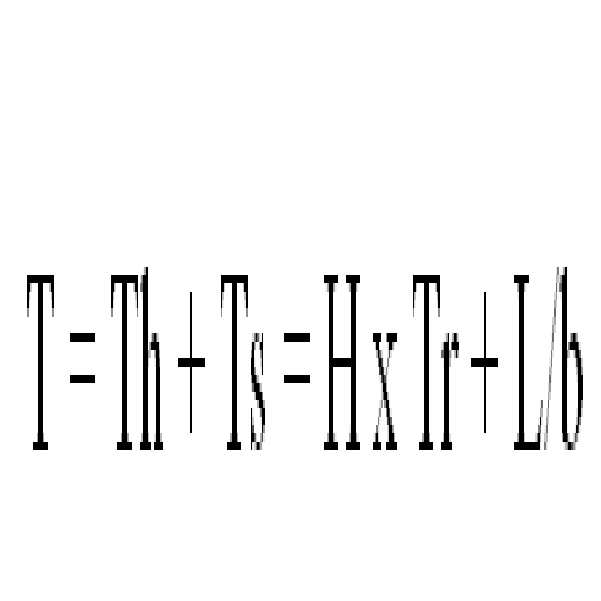
여기서, 'H'는 홉 수이고, 'b'는 채널 대역폭, 'Tr'은 라우터 지연시간, 'L'은 패킷 크기를 의미할 수 있다. 홉 수 H는 네트워크 크기 'N'에 의존한다. 메쉬에서 평균 홉수가 Nk/3이고, 토러스는 Nk/4이므로, 메쉬의 홉 수가 토러스에 비해서 빠르게 증가하게 된다.Here, 'H' may be the number of hops, 'b' may mean a channel bandwidth, 'Tr' may mean a router delay time, and 'L' may mean a packet size. The hop number H depends on the network size 'N'. Since the average number of hops in the mesh is Nk / 3 and the torus is Nk / 4, the number of hops in the mesh increases rapidly compared to the torus.
도 2는 라우터 지연시간을 1로 가정하고, 패킷 크기와 네트워크 크기를 변화시킬 때, 8B 채널의 토러스와 16B 채널의 메쉬의 제로-로드 지연시간을 비교한 도면이다. 그래프(210)의 x-축은 '8*8' 네트워크에서의 패킷 크기를, y-축은 제로-로드 지연시간을 각각 나타내고 있다. 또한, 그래프(220)의 x-축은 네트워크 차원 크기(network dimension size) 'n'을, y-축은 제로-로드 지연시간을 각각 나타내고 있다. 패킷 크기가 16B보다 작을 때에는 토러스가 절반의 대역폭으로도 낮은 제로-로드 지연시간을 보인다. 이때, 라우터 지연시간이 증가하면 그 차이는 더욱 커진다. 따라서, 좁은 채널을 사용할 때에 직렬화 지연시간이 증가하긴 하지만 홉 수가 감소하기 때문에 토러스가 전반적으로 메쉬와 거의 비슷한 지연시간을 갖게 된다.2 is a diagram comparing the zero-load delay time of the torus of the 8B channel and the mesh of the 16B channel when the packet delay and the network size are changed by assuming the router delay time is 1. The x-axis of
하지만, 좁은 채널을 사용함으로써 토러스는 메쉬보다 라우터의 비용이 훨씬 줄어든다. 라우터의 면적은 포트 개수를 'p'라고 하고, 채널 폭을 'w'라고 할 때에 O(p2w2)에 비례한다. 포트 개수 'p'는 메쉬와 토러스에 대해 같은 반면에, 채널 폭 'w'가 1/2로 줄었기 때문에 전체 라우터 면적은 대략 1/4로 감소한다. 또한 'Orion2.0'을 사용해서 측정한 라우터의 소모 전력은 토러스가 2배 정도 전력 효율이 증가했음을 보인다. 즉, 도 3은 메시와 토러스의 효율성을 와트(watt)당 성능으로 나타내고 있는 도면의 일례로, 토러스가 메쉬에 비해 효율성이 2배 높음을 나타내고 있다. 도 3에 나타난 그래프(300)의 x-축은 성능측정에 이용된 벤치마크(benchmark)들을, y-축은 정규화된(normalized) 실행 사이클/파워를 각각 나타내고 있다.
However, by using a narrow channel, the torus makes the router much less expensive than a mesh. The area of the router is proportional to O (p2w2) when the number of ports is called 'p' and the channel width is 'w'. The number of ports 'p' is the same for mesh and torus, while the overall router area is reduced to approximately 1/4 because the channel width 'w' is reduced by one half. In addition, the router's power consumption measured using Orion2.0 shows that the torus has doubled its power efficiency. That is, FIG. 3 is an example of a diagram showing the efficiency of the mesh and the torus as performance per watt, and shows that the torus is twice as efficient as the mesh. The x-axis of the
(2) 토러스의 라우팅 교착상태(Routing Deadlock in Torus network)(2) Routing Deadlock in Torus network
최소차원순차 라우팅 (minimal dimension ordered routing)을 사용하더라도 토러스에 존재하는 랩-어라운드 채널이 야기하는 원형 의존성 때문에, 토러스에서는 라우팅 교착상태가 발생할 수 있다. 토러스 네트워크에서의 라우팅 교착상태는 교착상태 회피 또는 교착상태 복구로서 해결될 수 있다. 이후에서는 교착상태를 해결하기 위해 흔히 사용되는 다양한 메커니즘을 비교하고 온칩 네트워크 상에서 교착상태 복구를 사용하기 위한 당위성에 대한 근거를 제시한다.Even when using minimal dimension ordered routing, routing deadlocks can occur in the torus because of the circular dependence caused by the wrap-around channel present in the torus. Routing deadlocks in a torus network can be resolved as deadlock avoidance or deadlock recovery. In the following, we compare various mechanisms commonly used to resolve deadlocks and provide justification for using deadlock recovery on on-chip networks.
관련 연구: 교착상태 회피는 흔히 가상 채널(virtual channel, VC)을 사용해서 원형 의존성을 제거함으로써 이뤄진다. 원형 의존성은 자원(즉, 가상 채널)을 적절히 분할함으로써 제거할 수 있기 때문에 라우팅 교착 상태가 발생하지 않는다. 이러한 가상 채널의 사용을 피하기 위해서 버블 라우터가 제안되었었다. 원형 의존성은 연루된 모든 자원이 완전히 사용되었을 때 발생한다. 버블 라우터는 항상 최소한 하나의 빈 버퍼가 있도록 유지함으로써 이 교착상태를 피하는 방법을 사용한다. 버블 라우터는 가상 컷-스로우(virtual cut-through, VCT) 흐름 제어를 사용할 것을 요구하고 패킷이 유입되거나 차원을 바꿀 때에 이용 가능한 버퍼 크기가 최대 버퍼 크기의 두 배만큼 있어야 한다는 제약사항을 존재한다. 이 제약사항은 원형 의존성 안에 항상 '버블'이 있을 것을 보장함으로써 원형 교착상태를 막는다. 버블 라우터는 원래 버퍼 크기가 제약사항이 아닌 오프칩(off-chip) 네트워크를 위해 제안되었다. RELATED WORK: Deadlock avoidance is often accomplished by using virtual channels (VCs) to eliminate circular dependencies. Circular dependencies can be eliminated by properly dividing resources (ie virtual channels) so that no routing deadlocks occur. Bubble routers have been proposed to avoid the use of these virtual channels. Circular dependencies occur when all of the resources involved are exhausted. The bubble router avoids this deadlock by keeping at least one free buffer at all times. Bubble routers require the use of virtual cut-through (VCT) flow control and have the constraint that the available buffer size must be twice the maximum buffer size when packets are introduced or resized. This constraint prevents circular deadlocks by ensuring that there is always a 'bubble' in the circular dependency. Bubble routers were originally proposed for off-chip networks where buffer size was not a constraint.
교착상태 회피는 교착상태가 발생하지 않을 것을 보장하지만 이를 위해서 추가적인 자원이 필요하게 된다. 교착상태가 자주 일어나지 않는다면 교착상태 복구가 좀더 효율적인 메커니즘이 될 수 있다. 'DISHA'는 타이머 기반 탐지 알고리즘과 중앙집중식 교착상태 버퍼를 사용하는 적응적 교착상태 복구 방법의 명칭으로, 'DISHA'에서는 각 라우터에서 오랫동안 패킷이 진행되지 않아서 타이머 값이 문턱값에 도달하면 교착상태가 발생한 것으로 가정한다. 그리고, 교착상태 복구를 위해서 단 하나의 패킷만 처리하면 되므로 중앙집중식 교착상태 버퍼가 사용된다. 하지만, 'DISHA'는 대규모 네트워크를 위해서 제안되었고, 온칩 네트워크와는 제약사항이 많이 다르다. 예를 들어, 온칩 네트워크에서는 단순한 'FIFO(First In First Out) 큐(queue)'를 버퍼로 이용하는 반면, 'DISHA'는 좀더 복잡하고 동적 접근이 가능한 큐를 필요로 한다. 따라서, 본 발명의 실시예들에서는 교착상태 토큰을 이용해서 교착상태가 발생한 것을 정확하게 탐지할 수 있는 교착상태 복구 기법을 제안한다. 또한, 교착상태 복구를 위해서 단순한 'FIFO 큐'를 사용하고 가벼운 별도의 네트워크를 추가적으로 이용한다.Deadlock avoidance ensures that no deadlocks will occur, but additional resources are required for this. If deadlocks do not occur often, deadlock recovery may be a more efficient mechanism. 'DISHA' is the name of an adaptive deadlock recovery method using a timer-based detection algorithm and a centralized deadlock buffer. In 'DISHA', a deadlock occurs when a timer value reaches a threshold because packets are not progressed for a long time in each router. Assume that has occurred. Since only one packet needs to be processed for deadlock recovery, a centralized deadlock buffer is used. However, 'DISHA' has been proposed for large networks and has many limitations from on-chip networks. For example, on-chip networks use a simple 'FIFO (First In First Out) queue' as a buffer, while 'DISHA' requires a more complex and dynamically accessible queue. Accordingly, embodiments of the present invention propose a deadlock recovery technique that can accurately detect the occurrence of a deadlock using a deadlock token. We also use a simple 'FIFO queue' and additionally use a lightweight separate network for deadlock recovery.
교착상태 발생 빈도: 교착상태 회피를 사용할지 교착상태 복구를 사용할지에 대한 결정은 교착상태의 발생 빈도에 따라 달라질 수 있다. 교착상태가 매우 드물게 일어난다면 교착상태 복구 방식이 적합한 반면, 교착상태가 더 자주 일어난다면 교착상태 회피를 사용하는 것이 적합할 수 있다.Deadlock occurrence frequency: The decision of whether to use deadlock avoidance or deadlock recovery can depend on how often deadlocks occur. Deadlock recovery may be appropriate if deadlocks occur very rarely, while deadlock avoidance may be appropriate if deadlocks occur more frequently.
도 4는 2개의 가상 채널과 교착상태 회피를 사용한 경우, 다양한 트래픽 패턴과 버퍼 크기에 대해 포화 처리량(주입률)을 나타낸 일례이다. 그래프(400)는 네트워크가 포화 상태일 때(vc = 2)의 주입률(injection rate)과 첫 번째 라우팅 교착상태가 탐지되었을 때(vc = 1)의 최소 주입률을 각각 나타내고 있다. 여기서, x-축은 다양한 트래픽 패턴(Tornado 및 Uniform Random)별 버퍼 크기를, y-축은 주입률을 각각 나타내고 있다. 즉, 동일한 네트워크에 대해 가상 채널을 제거했을 때에 교착상태가 탐지되는 가장 작은 네트워크 로드를 측정한 결과, 가상 채널과 교착상태 회피를 사용할 때의 포화 네트워크 로드보다 교착상태가 탐지되는 가장 작은 네트워크 로드 값이 더 크다는 것을 알 수 있다. 따라서, 같은 양의 자원이 사용될 때에 교착상태 복구를 사용하는 것이 더 높은 성능을 제공할 뿐만 아니라, 특히 네트워크가 포화되지 않은 경우, 교착상태가 발생할 확률도 작아진다. 게다가 교착상태는 네트워크가 포화상태를 넘어서는 경우에 발생하는 경우가 많은 반면에, 칩 멀티프로세서(Chip Multi Processor, CMP)에서는 트래픽의 양이 많지 않다. 따라서, 본 발명의 실시예들에서는 2D 토러스 토폴로지에서 교착상태 회피를 위해 가상 채널을 사용하지 않고 교착상태 복구를 위해 가벼운 네트워크를 사용한다.
4 illustrates an example of saturation throughput (injection rate) for various traffic patterns and buffer sizes when two virtual channels and deadlock avoidance are used.
2. 본 발명의 2. The present invention
실시예들에In embodiments
따른 Following
토러스에서의In Taurus
교착상태 복구( Deadlock recovery (
deadlockdeadlock
RecoveryRecovery
inin
torustorus
))
교착상태 복구는 교착상태를 '포착'하는 것과 교착상태를 '복구'하는 것으로 구성된다. 각각의 과정을 위해 별도의 네트워크가 사용되는데, 이는 교착상태 복구 메커니즘이 기존 데이터 네트워크 디자인에 주는 영향을 최소화 시키기 위함이다.
Deadlock recovery consists of 'taking' a deadlock and 'recovering' the deadlock. A separate network is used for each process to minimize the impact of deadlock recovery mechanisms on existing data network designs.
(1) 교착상태 포착(1) capture deadlock
우선, 두 개의 다른 토큰들이 사용된다. 우선순위토큰과 포착토큰이다. 우선순위토큰은 토러스에서의 각각의 축에 하나씩 존재할 수 있다. 즉, k-레이딕스(radix) 2D 토러스의 경우 2k개의 우선순위토큰이 존재할 수 있다. 즉, 하나의 링에 하나씩 우선순위토큰이 존재할 수 있다. 여기서, 토러스는 'k*k' 사각형을 구성하는 2k개의 축이 각각 하나의 링(ring)으로 구성된 구조를 가질 수 있다. 우선순위토큰은 각각의 링을 순환하며 돌게 되고, 우선순위토큰을 가지고 있는 라우터(홈라우터)가 포착토큰을 네트워크에 집어넣을 수 있다. 홈라우터는 교착상태가 발생했을 가능성이 있는 상황에 교착상태를 위한 포착토큰을 만들게 된다. 포착토큰은 별도로 존재하는 토큰 네트워크에 들어가게 된다. 만일, 토큰이 네트워크를 돌면서 버려지지 않고 홈라우터로 다시 돌아오게 된다면, 순환 라우팅 교착상태가 포착되었다는 의미이고, 교착상태 복구가 필요하게 된다.First, two different tokens are used. Priority Tokens and Capture Tokens. There may be one priority token on each axis in the torus. That is, in the case of a k-radix 2D torus, 2k priority tokens may exist. That is, priority tokens may exist one by one in a ring. Here, the torus may have a structure in which 2k axes constituting the 'k * k' rectangle are each composed of one ring. Priority tokens are rotated through each ring, and routers (home routers) with priority tokens can put acquisition tokens into the network. The home router will create a capture token for the deadlock in situations where deadlocks may have occurred. Capture tokens enter a separate token network. If the token is returned to the home router without being discarded as it travels over the network, it means that a circular routing deadlock has been captured and deadlock recovery is needed.
포착토큰을 전달하거나(routing) 버리는 것은 라우터의 상태와 큐의 제일 앞(head)에 있는 패킷에 의해 결정될 수 있다. 만일 큐의 제일 앞에 있는 플릿(flit, 하나의 패킷은 네트워크에서 여러 개의 플릿으로 나뉘어 전송됨)이 전송될 목적지가 가득 차 있는 상태라면 즉, 목적지 라우터에 남아있는 버퍼공간이 없을 경우, 라우팅 교착상태가 여전히 존재할 수 있다는 뜻이고, 따라서 포착토큰은 계속해서 전달이 되게 된다. 만일, 해당 라우터에 남아있는 버퍼공간이 존재하는 경우, 포착토큰은 버려진다.Routing or discarding acquisition tokens can be determined by the state of the router and the packet at the head of the queue. Routing deadlocks if the flit at the front of the queue is full and the destination to which the flit is sent is full, ie there is no buffer space left on the destination router. Means there may still be, so the acquisition token will continue to be delivered. If there is remaining buffer space in the router, the acquisition token is discarded.
도 5는 본 발명의 일실시예에 있어서, 라우팅 교착상태 시나리오를 설명하기 위한 일례이다. 도 5의 (a)는 'R1'의 'port2'가 가득 차 있고 따라서, 교착상태 포착토큰이 생성된 상황이다. 포착토큰은 'R1'의 'port2'의 큐에서 제일 앞의 플릿을 이용하여 해당 패킷이 어떤 방향으로 가려는지 확인한다. 만일, 패킷의 다음 목적지가 'R2'라면, 포착토큰은 'R2'로 움직인다. 포착토큰이 'R2'에 도착했을 때는, 'R2'의 'port1'에 있는 큐에서 제일 앞의 플릿을 이용하여 다음 목적지를 판단한다. 정리하자면 토큰은 큐의 헤더(header) 부분에 있는 플릿을 보고 동일하게 전송될 수 있다.5 is an example for explaining a routing deadlock scenario in an embodiment of the present invention. FIG. 5A illustrates a situation where 'port2' of 'R1' is full, and thus a deadlock capture token is generated. The acquisition token uses the first flit in the queue of 'port2' of 'R1' to check in which direction the packet is going. If the next destination of the packet is 'R2', the acquisition token moves to 'R2'. When the acquisition token arrives at 'R2', the next destination is determined using the first fleet from the queue in 'port1' of 'R2'. In summary, tokens can be sent identically by looking at the fleet in the header part of the queue.
교착상태 포착토큰이 만들어지고 전송되는 중에, 만일 다음 이동방향이 라우터에서 빠져나가는 포트(port)이거나 다음 라우터의 버퍼가 가득 차지 않은 상황이라면 포착토큰은 버려지게 된다. 그리고, DOR(X축으로 먼저 모두 이동하고 Y축으로 이동하는 방식의 라우팅, 또는 그 반대로 Y축으로 먼저 모두 이동하고 X축으로 이동하는 방식의 라우팅)을 가정하면, 꼬리에 꼬리를 무는 식의 순환 의존 문제는 서로 다른 차원에 대해서는 발생하지 않는다. 즉, 순환 의존 문제는 X, Y 차원에 걸쳐서 발생할 수 없다. 따라서, 플릿이 이동 방향을 다른 차원으로 바꿀 경우에 포착토큰은 버려지게 된다. 위의 조건들은 순환 의존 문제가 발생할 수 없다는 것을 의미하고 따라서, 포착토큰이 버려졌다는 것은 현재 교착상태가 없다는 것을 뜻하는 것이다. 포착토큰이 버려졌다면, 교착상태가 없다는 의미이기는 하지만 단지 아직 교착상태가 발생하기 전일 뿐이라는 의미이기도 하다. 따라서 각각의 홈라우터는 포착토큰이 k-사이클 동안 돌아오지 않았을 때(k가 각 차원의 레이딕스(radix)일 때를 가정), 아직 교착상태가 발생하지는 않았으나 계속해서 교착상태를 찾는 메커니즘을 동작시키기 위해 우선순위토큰을 다시 네트워크에 집어넣게 된다.While a deadlock acquisition token is being created and transmitted, the acquisition token is discarded if the next direction of travel is a port exiting the router or the next router's buffer is not full. And, suppose DOR (routing in which all move to X axis first and Y axis) or vice versa. Circular dependency does not arise for different dimensions. That is, the circular dependency problem cannot occur over the X and Y dimensions. Therefore, the capture token is discarded when the fleet changes the direction of movement to another dimension. The above conditions mean that a circular dependency problem cannot occur, so that the acquisition token is discarded, which means that there is no deadlock present. If the token is discarded, it means that there is no deadlock, but it is only before the deadlock occurs. Thus, each home router operates a mechanism to find deadlocks that have not yet been deadlocked when the acquisition token has not returned during the k-cycle (assuming k is the radix of each dimension). Priority tokens are put back into the network.
B. 교착상태 복구B. Deadlock Recovery
만일 교착상태 포착토큰이 하나의 링을 한 바퀴를 돌고 홈노드(홈라우터)에 도착하게 되었을 경우, 순환 의존 문제가 존재하고 있다는 뜻이고, 따라서 라우팅 교착상태가 포착되었음을 의미한다. 만일 교착상태가 포착되었다면, 교착상태에 관여하고 있는 패킷을 하나 빼내어서 별도의 교착상태 복구(deadlock recovery)를 위한 데이터 복구 네트워크(Data recovery network)에 집어넣음으로써 교착상태를 복구할 수 있다. 이러한 교착상태 복구를 위해 하나의 패킷이 선택되어 순환 의존 구조로부터 제거되어야 한다. 이 하나의 타겟 패킷은 교착상태에 포함되어있으며, 큐의 가장 앞부분에 존재하고 있는 패킷으로 정의가 된다. 또한, 간단한 FIFO 버퍼 구조를 유지하기 위해, 타겟 패킷(target packet)을 선택할 때 하나의 조건이 필요하다. 즉, 큐의 가장 앞부분에 존재하고 있는 플릿이 헤드플릿(head flit, 패킷을 구성하는 여러 개의 플릿 중 가장 첫 번째 플릿)이어야 한다는 조건이다.If a deadlock capture token arrives at a home node (home router) on a ring, it means that there is a circular dependency problem and thus a routing deadlock has been captured. If a deadlock is detected, the deadlock can be recovered by removing one packet that is involved in the deadlock and putting it into a separate data recovery network for deadlock recovery. For this deadlock recovery, one packet must be selected and removed from the circular dependency. This single target packet is deadlocked and is defined as the packet at the front of the queue. In addition, to maintain a simple FIFO buffer structure, one condition is required when selecting a target packet. That is, the condition that the flit that exists in the front of the queue must be a head flit (the first flit of several flits constituting the packet).
라우팅은 패킷 단위로 이루어지기 때문에 만일, 홈라우터의 큐의 제일 앞에 있는 타겟 패킷이 헤드플릿이 아니고 바디플릿(body flit) 혹은 꼬리플릿(tail flit)이라면, 포착토큰을 버리고 우선순위토큰을 전달함으로써 다른 노드가 교착상태 포착토큰을 생성하도록 한다. 만일 홈라우터의 큐의 제일 앞에 헤드플릿이 있다면, 해당 패킷은 별개의 교착상태 복구 네트워크로 전달될 수 있다. 교착상태를 구성하고 있던 하나의 패킷을 다른 네트워크로 옮겼기 때문에, 순환 의존 문제가 해결되기 마련이고 따라서, 교착상태 복구과정이 완료되게 된다.Routing is done in packets, so if the target packet at the front of the homerouter's queue is not a headfleet but a body flit or tail flit, by dropping the acquisition token and passing the priority token Allow another node to generate a deadlock capture token. If the headlet is at the front of the homerouter's queue, the packet can be delivered to a separate deadlock recovery network. Since one packet, which constitutes a deadlock, is moved to another network, the circular dependency problem is solved, and thus the deadlock recovery process is completed.
그러나, 만일 모든 노드들에 대해 큐의 제일 앞에 있는 플릿이 헤드플릿이 아닌 경우가 발생하면 어떻게 될까? 순환 라우팅 교착상태를 구성하고 있는 노드 중에 적어도 하나의 노드에 대해선 큐의 제일 앞에 헤드플릿이 존재하게 된다. 따라서, 위에서 설명한 교착상태 복구 메커니즘은 별도의 복잡한 버퍼 관리(예를 들어 동적 할당 멀티-큐(Dynamically Allocated Multi-Queue, DAMQ) 와 같은)를 필요로 하지 않고, 또 버퍼를 한번에 하나의 패킷만 사용하도록 한다는 등의 제약사항 역시 필요로 하지 않는다.However, what happens if for every node the fleet at the head of the queue is not a headlit? For at least one node in the circular routing deadlock, there is a headlet at the front of the queue. Thus, the deadlock recovery mechanism described above does not require separate, complex buffer management (such as Dynamically Allocated Multi-Queue (DAMQ)) and uses only one packet at a time. It also does not require any constraints such as that.
C, 토러스 네트워크에서의 라우팅 교착상태의 특징.C, Characteristic of routing deadlocks in torus networks.
2D 토러스 네트워크에서 순환 라우팅 교착상태가 발생했을 경우에 교착상태를 구성하는 버퍼들 중 적어도 하나의 버퍼는 헤드플릿이 존재함을 설명한다. 첫째로, 1D(dimension) 토러스 (혹은 링) 토폴로지에서 이것이 어떻게 성립하는지를 설명하고, 다음으로 2D 토러스 네트워크에서 이것이 어떻게 적용되는지를 설명한다.When a circulating routing deadlock occurs in a 2D torus network, at least one of the buffers constituting the deadlock describes that a headlet exists. First, we explain how this holds for 1D (diameter) torus (or ring) topologies, and then how it applies in 2D torus networks.
1) 1D 토러스에서의 라우팅 교착상태1) Routing Deadlock in 1D Torus
만일, 라우팅 교착상태가 1D 토러스에서 발생한다면, 큐의 제일 앞에 있는 플릿들 중에 적어도 하나의 플릿은 헤드플릿이라고 가정한다. 이러한 가정을 증명하기 위해 우선, 일반성을 잃지 않으면서, 도 5에 나타난 바와 같은 단방향 링 네트워크를 가정할 수 있다. 'port 2'가 노드에서부터 넣어지는 패킷들을 저장하는 큐(injection queue)라고 가정을 하고, 'port1'이 옆에 있는 노드와 연결되어 있다고 가정하자. 만약, 네트워크에 있는 모든 패킷이 하나의 플릿으로 구성된 패킷이라고 가정한다면, 모든 플릿들은 헤드플릿이므로 큐의 제일 앞에 있는 플릿들 중에 적어도 하나의 플릿은 헤드플릿이라는 가정은 옳다.If a routing deadlock occurs in a 1D torus, assume that at least one of the foremost flits in the queue is a headfleet. To prove this assumption, one can first assume a unidirectional ring network as shown in FIG. 5 without losing generality. Assume that 'port 2' is an injection queue that stores packets from the node, and that 'port1' is connected to the next node. If it is assumed that all packets in the network are packets composed of one fleet, it is correct to assume that at least one of the flits at the forefront of the queue is a headfle since all flits are headfleets.
다음으로, 패킷들이 여러 개의 플릿으로 구성된다고 가정하자. 만일 라우팅 교착상태가 1D 링에서 발생한다면, 아래의 두 가지 조건이 관찰될 수 있다.Next, suppose that packets consist of multiple flits. If a routing deadlock occurs in the 1D ring, the following two conditions can be observed.
- 교착상태를 이루는 순환 의존되는 모든 버퍼는 가득 차 있다.-All buffer-dependent buffers that deadlock are full.
- 서로 다른 패킷의 플릿들은 절대로 사이에 끼지 않는다. 즉, 한 패킷을 이루는 플릿들 사이에 다른 패킷의 플릿이 끼어있는 경우는 존재하지 않는다. 왜냐하면 전달(routing)하는 단위가 패킷이고, 바디플릿이나 꼬리플릿은 무조건 헤드플릿을 뒤따라야 하기 때문이다.-Fleets of different packets will never be sandwiched. That is, there is no case where flits of other packets are sandwiched between flits forming one packet. This is because the routing unit is a packet, and the body or tailfleet must follow the headlet unconditionally.
이러한 관찰된 두 가지 조건에 근거하면, 두 가지 다른 교착상태 시나리오가 도 5에서와 같이 만들어질 수 있다. Based on these two observed conditions, two different deadlock scenarios can be made as in FIG.
(a) 하나 이상의 주입 포트(injection port)가 교착상태에 포함되는 경우.(a) One or more injection ports are involved in a deadlock.
도 5의 (a)에 나온 것처럼, 버퍼 사이의 순환 의존성 문제는 하나 이상의 주입 포트를 포함하여 발생할 수도 있다. 이런 라우팅 교착상태가 발생했을 때, 주입 포트가 교착상태에 포함된 라우터는, 교착상태에 포함된 다른 큐를 하나 더 갖게 된다. 도 5의 (a)에선 'R1' 라우터의 'port1'에 해당하는 큐 'R1_q1'이다.As shown in FIG. 5A, a circular dependency problem between buffers may occur including one or more injection ports. When this routing deadlock occurs, a router with an injection port in a deadlock will have one more queue in the deadlock. In FIG. 5A, the queue 'R1_q1' corresponds to 'port1' of the 'R1' router.
위에서 언급했던 두 번째 관찰에 따르면, 패킷들은 서로간에 사이에 낄 수 없고, 'R1_q2'가 'R2_q1'으로 패킷을 넣는 중이므로, 'R1_q1'에 해당하는 큐의 제일 앞에 있는 플릿은 무조건 헤드플릿이어야만 한다. 만일 'R1_q1'의 제일 앞에 있는 플릿이 헤드플릿이 아니라면, 그것은 두 가지 케이스 중에 하나이다. 즉, 'R2_q1'에 서로 다른 패킷이 서로 섞여서 들어간 상황(불가능한 상황임.)이거나 패킷의 목적지가 'R1'이고 현재 네트워크에서 빠져나가는 중인 경우이다. 이 경우엔 교착상태가 발생하지 않는다.According to the second observation mentioned above, packets cannot be interleaved with each other, and 'R1_q2' is putting packets as 'R2_q1', so the flit at the front of the queue corresponding to 'R1_q1' must be a headless unconditionally. . If the first flit of 'R1_q1' is not a head flit, it is one of two cases. That is, it is a situation where different packets are mixed with each other in 'R2_q1' (this is impossible) or the destination of the packet is 'R1' and is currently exiting the network. In this case, no deadlock occurs.
(b) 주입 포트가 교착상태에 포함되지 않았을 경우.(b) the injection port is not involved in a deadlock.
도 5의 (b)에 나타난 바와 같이 주입 포트에 해당하는 버퍼가 교착상태에 포함되지 않았을 경우를 가정하자. 이러한 경우, 패킷이 움직이는 경우는 생기지 않는다. 네트워크에 마지막으로 들어와서 교착상태를 발생시키는 패킷을 'P'(R1에서 들어와서 'R2_q1'에 있는 패킷)라고 하자. 만일 교착상태가 이 패킷이 들어온 이후에 발생했다면 패킷들은 서로 섞일 수 없으므로 'R1_q1'의 제일 앞부분에 있는 플릿은 무조건 헤드플릿이어야 한다.Assume that the buffer corresponding to the injection port is not included in the deadlock state as shown in (b) of FIG. 5. In this case, the packet does not move. The packet that finally enters the network and causes a deadlock is called 'P' (a packet that comes in from R1 and is in R2_q1). If a deadlock occurs after this packet comes in, the packets cannot intermix, so the flit at the beginning of 'R1_q1' must be a headlet unconditionally.
따라서, 위의 설명에 근거했을 때, 순환 라우팅 교착상태가 발생했을 경우엔 무조건 적어도 하나의 큐에서 큐의 제일 앞에 있는 플릿이 헤드플릿임을 알 수 있다.Therefore, based on the above description, when a circulating routing deadlock occurs, it can be seen that the fleet at the head of the queue is at least one queue unconditionally.
2) 2D 토러스에서의 라우팅 교착상태2) Routing Deadlock in 2D Torus
위에서는, 2D 토러스 네트워크에서의 DOR(X축으로 먼저 모두 이동하고 Y축으로 이동하는 방식의 라우팅, 혹은 그 반대로 Y축으로 먼저 모두 이동하고 X축으로 이동하는 방식의 라우팅)을 가정했다. XY라우팅(X축으로 먼저 모두 이동하고 Y축으로 이동하는 방식의 라우팅)을 가정한다면, Y 축에 존재하는 패킷들이 X축에 존재하는 패킷들 때문에 기다리는 일은 발생하지 않는다. 따라서, 모든 순환 의존 문제는 X축 링이나 Y축 링과 같은, 하나의 축에서만 발생하게 된다. 즉, 따라서, 상술한 가정(만일, 라우팅 교착상태가 1D 토러스에서 발생한다면, 큐의 제일 앞에 있는 플릿들 중에 적어도 하나의 플릿은 헤드플릿이라고 가정)의 증명은 DOR 라우팅을 사용하는 2D 토러스에서도 쉽게 일반화될 수 있다.In the above, it is assumed that the DOR in the 2D torus network (routing in which all move to the X axis and then move to the Y axis, or vice versa) is routed to all the movement in the Y axis and then to the X axis. If we assume XY routing (routing in the X axis first and then all in the Y axis), the packets on the Y axis will not wait because of the packets on the X axis. Thus, all circular dependency problems occur only on one axis, such as the X-axis ring or the Y-axis ring. That is, therefore, the proof of the above assumptions (if a routing deadlock occurs in a 1D torus, the assumption that at least one of the flits in front of the queue is a headfle) can be easily achieved in a 2D torus using DOR routing. Can be generalized.
D. 교착상태 토큰 아키텍쳐D. Deadlock Token Architecture
도 6은 세 개의 네트워크로 (데이터 네트워크, 토큰 네트워크, 교착상태 복구 네트워크) 구성된 교착상태-복구 토큰 네트워크를 나타낸 일례이다. 도 6에서 2D 토러스 네트워크(600)는 복수의 링 네트워크를 이용하여 2차원 구조로 각각 형성된 데이터 네트워크(data network) 및 토큰 네트워크(token network)를 병렬 형태로 포함할 수 있다. 도 6에 도시된 토큰 네트워크 'Token network'는 간단한 2 비트(bit)짜리 네트워크이고 2D 토러스 네트워크가 아닌 링 네트워크(즉, 1D 토러스 네트워크) 형태로 연결되어 있다. 그 이유는 토큰은 한 축으로만 이동하기 때문이다. 또한, 도 6의 토큰 네트워크는 오직 하나의 토큰만 이동하고 네트워크상에서 컨텐션(contention, 두 개 이상의 플릿이 하나의 자원(resource)을 두고 경쟁하는 상황)이 없기 때문에 버퍼를 사용하지 않는 네트워크로 단순화하여 표현되어 있다. 간단한 데이터 복구 네트워크 'Data recovery network' 역시 표현되어 있다. 패킷이 데이터 네트워크 'Data network'에서 제거되었을 때, 해당 패킷은 데이터 복구 네트워크로 들어가게 되고 목적지로 이동하게 된다. 패킷의 목적지가 다른 축에 존재할 수 있기 때문에, 데이터 복구 네트워크는 2D 토러스 토폴로지로 구성되어야 한다. 데이터 복구 네트워크에서의 라우팅 교착상태 역시 발생하지 않도록 예방되어야 하지만, 하나의 링에서 데이터 복구 네트워크에 동시에 들어갈 수 있는 패킷 갯수는 하나로 제한이 되기 때문에 간단한 링 마이크로아키텍쳐를 확장한 것이 2D 토러스 데이터 복구 네트워크로 사용될 수 있다. 두 개의 네트워크(토큰 네트워크와 데이터 복구 네트워크)는 추가적인 칩 공간을 차지하게 되지만, 라우터가 차지하는 전체 칩 공간은 오히려 감소하게 된다. 왜냐하면, 라우팅 교착상태를 위해 존재했던 가상 채널(virtual channel)을 제거할 수 있기 때문이다.6 shows an example of a deadlock-recovery token network consisting of three networks (data network, token network, deadlock recovery network). In FIG. 6, the
도 7은 본 발명의 일실시예에 있어서, 라우팅 시스템의 내부 구성을 설명하기 위한 블록도이다. 본 실시예에 따른 라우팅 시스템(700)은 복수의 링 네트워크를 이용하여 2차원 구조로 각각 형성된 데이터 네트워크(data network) 및 토큰 네트워크(token network)를 병렬 형태로 포함하는 토러스(torus) 네트워크상에서, 패킷을 전송하는 시스템일 수 있다. 이러한 라우팅 시스템(700)은 도 7에 도시된 바와 같이, 저장 관리부(710), 우선순위토큰 수신부(720), 포착토큰 관리부(730), 목적지 라우터 확인부(740), 포착토큰 처리부(750) 및 교착상태 발생 확인부(760)를 포함할 수 있다.7 is a block diagram illustrating an internal configuration of a routing system according to an embodiment of the present invention. In the
저장 관리부(710)는 데이터 네트워크를 통해 이전 라우터로부터 수신되는 패킷의 플릿(flit)을 버퍼에 저장한다. 여기서, 데이터 네트워크는 2k개의 링 네트워크가 각각의 축을 구성하는 k*k의 2차원 형태로 형성될 수 있다. 데이터 네트워크뿐만 아니라, 토큰 네트워크 역시 2k개의 링 네트워크가 각각의 축을 구성하는 k*k의 2차원 형태로 형성될 수 있다. 이때, 토러스 네트워크는 데이터 네트워크와 토큰 네트워크를 병렬 형태로 포함할 수 있다. 이후 설명되는 데이터 복구 네트워크(data recovery network) 역시 2k개의 링 네트워크가 각각의 축을 구성하는 k*k의 2차원 형태로 형성될 수 있고, 데이터 네트워크 및 토큰 네트워크와 함께 병렬 형태로 토러스 네트워크에 포함될 수 있다. 이러한 토러스 네트워크의 구조는 도 6을 통해 이미 설명하였다.The
우선순위토큰 수신부(720)는 토큰 네트워크를 형성하는 링 네트워크들 각각에 우선순위토큰 중 해당하는 링 네트워크상에서 전송되는 우선순위토큰들을 수신한다. 우선순위토큰은 토큰 네트워크의 2k개의 링 네트워크 각각에 하나씩 생성될 수 있고, 토큰 네트워크를 통해 해당하는 링 네트워크를 따라 전송될 수 있다. 즉, 우선순위토큰 수신부(720)는 토큰 네트워크의 해당하는 링 네트워크를 따라 전송되는 우선순위토큰을 수신할 수 있다. 이러한 우선순위토큰은 전송되는 링 네트워크별로 구분될 수 있다.The priority
포착토큰 관리부(730)는 수신된 우선순위토큰을 이용하여 포착토큰을 생성하거나 또는 이전 라우터로부터 토큰 네트워크를 통해 포착토큰을 수신한다. 이미 설명한 바와 같이, 포착토큰은 우선순위토큰을 수신한 라우터만이 생성할 수 있다. 즉, 포착토큰 관리부(730)는 우선순위토큰을 수신하고, 교착상태가 의심스러운 경우, 포착토큰을 생성할 수 있다. 일례로, 교착상태가 의심스러운 경우는, 라우팅 시스템(700)의 버퍼가 가득 찬 상태일 수 있다. 또한, 다른 라우터에서 이미 포착토큰이 생성된 경우, 포착토큰 관리부(730)는 토큰 네트워크를 통해 전송되는 포착토큰을 수신할 수도 있다.The acquisition
목적지 라우터 확인부(740)는 버퍼의 헤드부분에 저장된 플릿의 목적지 라우터를 확인한다. 이미 설명한 바와 같이, 포착토큰은 라우팅 시스템(700)가 포함하는 버퍼의 제일 앞부분인 헤드부분에 저장된 플릿과 동일한 라우터로 이동할 수 있다. 이를 위해, 목적지 라우터 확인부(740)는 해당 플릿의 목적지 라우터를 확인할 수 있다.The destination
포착토큰 처리부(750)는 목적지 라우터에 포함된 버퍼의 상태에 따라 생성 또는 수신된 포착토큰을 토큰 네트워크를 통해 목적지 라우터로 전송하거나 또는 제거한다. 예를 들어, 버퍼의 상태는 목적지 라우터에 포함된 버퍼에 플릿을 저장하기 위한 공간이 존재하지 않는 제1 상태 및 목적지 라우터에 포함된 버퍼에 플릿을 저장하기 위한 공간이 존재하는 제2 상태를 포함할 수 있다. 이 경우, 포착토큰 처리부(750)는 제1 상태에 따라 생성 또는 수신된 포착토큰을 목적지 라우터로 전송하거나, 또는 제2 상태에 따라 생성 또는 수신된 포착토큰을 제거할 수 있다.The acquisition
교착상태 발생 확인부(760)는 생성 또는 수신된 포착토큰이 목적지 라우터로 전송되고, 전송된 포착토큰이 다시 수신되는 경우, 토러스 네트워크에 교착상태가 발생하였음을 확인한다.The deadlock
또한, 토러스 네트워크는 복수의 링 네트워크를 이용하여 2차원 구조로 형성된 데이터 복구 네트워크(data recovery network)를 병렬 형태로 더 포함할 수 있다. 이 경우, 라우팅 시스템(700)은 도 7에 도시된 바와 같이, 헤드플릿 확인부(770), 헤드플릿 전송부(780) 및 우선순위토큰 전송부(790)를 필요에 따라 더 포함할 수 있다.The torus network may further include a data recovery network formed in a two-dimensional structure using a plurality of ring networks in a parallel form. In this case, as shown in FIG. 7, the
헤드플릿 확인부(770)는 교착상태가 발생한 것으로 확인된 경우, 버퍼의 헤드에 저장된 플릿이 헤드플릿인지 여부를 확인한다.When it is determined that the deadlock occurs, the head
헤드플릿 전송부(780)는 버퍼의 헤드에 저장된 플릿이 헤드플릿인 경우, 저장된 헤드플릿을 데이터 복구 네트워크를 통해 다음 라우터로 전송한다.When the flit stored in the head of the buffer is a head flit, the
우선순위토큰 전송부(790)는 버퍼의 헤드에 저장된 플릿이 헤드플릿이 아닌 경우, 다시 전송된 포착토큰을 제거하고, 수신된 우선순위토큰을 토큰 네트워크를 통해 다음 라우터로 전송한다.If the flit stored in the head of the buffer is not a head flit, the priority
하나의 링 네트워크에서 적어도 하나의 라우터에는 버퍼의 헤드부분에 헤드플릿이 저장되어 있음을 이미 설명하였다. 따라서, 적어도 하나의 라우터에서 헤드플릿을 데이터 복구 네트워크로 전송하여 교착상태를 복구하기 위해, 라우팅 시스템(700)은 헤드플릿 확인부(770), 헤드플릿 전송부(780) 및 우선순위토큰 전송부(790)를 통해 헤드플릿을 데이터 복구 네트워크를 통해 다음 라우터로 전송하거나 또는 우선순위토큰을 토큰 네트워크를 통해 다음 라우터로 전송할 수 있다.It has already been described that at least one router in a ring network stores headlets in the head portion of the buffer. Accordingly, in order to recover the deadlock by transmitting the headlet from the at least one router to the data recovery network, the
도 8은 본 발명의 일실시예에 있어서, 라우팅 방법을 도시한 흐름도이다. 본 실시예에 따른 라우팅 방법은 도 7을 통해 설명한 라우팅 시스템(700)을 통해 수행될 수 있다. 도 7에 도시된 바와 같이 라우팅 방법은 단계(810) 내지 단계(860)을 포함할 수 있다.8 is a flowchart illustrating a routing method according to an embodiment of the present invention. The routing method according to the present embodiment may be performed through the
단계(810)에서 라우팅 시스템(700)은 데이터 네트워크를 통해 이전 라우터로부터 수신되는 패킷의 플릿(flit)을 버퍼에 저장한다. 여기서, 데이터 네트워크는 2k개의 링 네트워크가 각각의 축을 구성하는 k*k의 2차원 형태로 형성될 수 있다. 데이터 네트워크뿐만 아니라, 토큰 네트워크 역시 2k개의 링 네트워크가 각각의 축을 구성하는 k*k의 2차원 형태로 형성될 수 있다. 이때, 토러스 네트워크는 데이터 네트워크와 토큰 네트워크를 병렬 형태로 포함할 수 있다. 이후 설명되는 데이터 복구 네트워크(data recovery network) 역시 2k개의 링 네트워크가 각각의 축을 구성하는 k*k의 2차원 형태로 형성될 수 있고, 데이터 네트워크 및 토큰 네트워크와 함께 병렬 형태로 토러스 네트워크에 포함될 수 있다. 이러한 토러스 네트워크의 구조는 도 6을 통해 이미 설명하였다.In
단계(820)에서 라우팅 시스템(700)은 토큰 네트워크를 형성하는 링 네트워크들 각각에 우선순위토큰 중 해당하는 링 네트워크상에서 전송되는 우선순위토큰들을 수신한다. 우선순위토큰은 토큰 네트워크의 2k개의 링 네트워크 각각에 하나씩 생성될 수 있고, 토큰 네트워크를 통해 해당하는 링 네트워크를 따라 전송될 수 있다. 즉, 라우팅 시스템(700)은 토큰 네트워크의 해당하는 링 네트워크를 따라 전송되는 우선순위토큰을 수신할 수 있다. 이러한 우선순위토큰은 전송되는 링 네트워크별로 구분될 수 있다.In
단계(830)에서 라우팅 시스템(700)은 수신된 우선순위토큰을 이용하여 포착토큰을 생성하거나 또는 이전 라우터로부터 토큰 네트워크를 통해 포착토큰을 수신한다. 이미 설명한 바와 같이, 포착토큰은 우선순위토큰을 수신한 라우터만이 생성할 수 있다. 즉, 라우팅 시스템(700)은 우선순위토큰을 수신하고, 교착상태가 의심스러운 경우, 포착토큰을 생성할 수 있다. 일례로, 교착상태가 의심스러운 경우는, 라우팅 시스템(700)의 버퍼가 가득 찬 상태일 수 있다. 또한, 다른 라우터에서 이미 포착토큰이 생성된 경우, 라우팅 시스템(700)은 토큰 네트워크를 통해 전송되는 포착토큰을 수신할 수도 있다.In
단계(840)에서 라우팅 시스템(700)은 버퍼의 헤드부분에 저장된 플릿의 목적지 라우터를 확인한다. 이미 설명한 바와 같이, 포착토큰은 라우팅 시스템(700)가 포함하는 버퍼의 제일 앞부분인 헤드부분에 저장된 플릿과 동일한 라우터로 이동할 수 있다. 이를 위해, 라우팅 시스템(700)은 해당 플릿의 목적지 라우터를 확인할 수 있다.In
단계(850)에서 라우팅 시스템(700)은 목적지 라우터에 포함된 버퍼의 상태에 따라 생성 또는 수신된 포착토큰을 토큰 네트워크를 통해 목적지 라우터로 전송하거나 또는 제거한다. 예를 들어, 버퍼의 상태는 목적지 라우터에 포함된 버퍼에 플릿을 저장하기 위한 공간이 존재하지 않는 제1 상태 및 목적지 라우터에 포함된 버퍼에 플릿을 저장하기 위한 공간이 존재하는 제2 상태를 포함할 수 있다. 이 경우, 라우팅 시스템(700)은 단계(850)에서 제1 상태에 따라 생성 또는 수신된 포착토큰을 목적지 라우터로 전송하거나, 또는 제2 상태에 따라 생성 또는 수신된 포착토큰을 제거할 수 있다.In
단계(860)에서 라우팅 시스템(700)은 생성 또는 수신된 포착토큰이 목적지 라우터로 전송되고 전송된 포착토큰이 다시 수신되는 경우, 토러스 네트워크에 교착상태가 발생하였음을 확인한다.In
또한, 토러스 네트워크는 복수의 링 네트워크를 이용하여 2차원 구조로 형성된 데이터 복구 네트워크를 병렬 형태로 더 포함할 수 있다.In addition, the torus network may further include a data recovery network formed in a two-dimensional structure using a plurality of ring networks in a parallel form.
도 9는 본 발명의 일실시예에 있어서, 교착상태 복구 방법을 도시한 흐름도이다. 본 실시예에 따른 교착상태 복구 방법은 도 9에 도시된 바와 같이 단계(910) 내지 단계(930)을 포함할 수 있고, 단계(910) 내지 단계(930)은 도 8에서 설명한 단계(860) 이후에 라우팅 시스템(700)을 통해 수행될 수 있다.9 is a flowchart illustrating a deadlock recovery method according to an embodiment of the present invention. The deadlock recovery method according to the present embodiment may include
단계(910)에서 라우팅 시스템(700)은 교착상태가 발생한 것으로 확인된 경우, 버퍼의 헤드에 저장된 플릿이 헤드플릿인지 여부를 확인한다.In
단계(920)에서 라우팅 시스템(700)은 버퍼의 헤드에 저장된 플릿이 헤드플릿인 경우, 저장된 헤드플릿을 데이터 복구 네트워크를 통해 다음 라우터로 전송한다.In
단계(930)에서 라우팅 시스템(700)은 버퍼의 헤드에 저장된 플릿이 헤드플릿이 아닌 경우, 다시 전송된 포착토큰을 제거하고, 수신된 우선순위토큰을 토큰 네트워크를 통해 다음 라우터로 전송한다.In
하나의 링 네트워크에서 적어도 하나의 라우터에는 버퍼의 헤드부분에 헤드플릿이 저장되어 있음을 이미 설명하였다. 따라서, 적어도 하나의 라우터에서 헤드플릿을 데이터 복구 네트워크로 전송하여 교착상태를 복구하기 위해, 라우팅 시스템(700)은 단계(910) 내지 단계(930)를 통해 헤드플릿을 데이터 복구 네트워크를 통해 다음 라우터로 전송하거나 또는 우선순위토큰을 토큰 네트워크를 통해 다음 라우터로 전송할 수 있다.It has already been described that at least one router in one ring network has a headlet stored in the head portion of the buffer. Thus, in order to recover the deadlock by sending the headlets from the at least one router to the data recovery network, the
도 10은 본 발명의 다른 실시예에 있어서, 라우팅 시스템의 내부 구성을 설명하기 위한 블록도이다. 본 실시예에 따른 라우팅 시스템(1000)은 패킷을 전송하는 시스템으로, 도 10에 도시된 바와 같이 플릿 관리부(1010), 토큰 관리부(1020) 및 교착상태 탐지부(1030)를 포함할 수 있고, 필요에 따라 교착상태 복구 처리부(1040)를 더 포함할 수 있다.10 is a block diagram illustrating an internal configuration of a routing system according to another embodiment of the present invention. The
플릿 관리부(1010)는 복수의 링 네트워크를 이용하여 2차원 구조로 형성된 데이터 네트워크를 통해 수신된 패킷의 플릿을 수신하여 버퍼에 저장하고, 데이터 네트워크를 통해 다음 라우터로 전송할 수 있다. 여기서, 데이터 네트워크는 2k개의 링 네트워크가 각각의 축을 구성하는 k*k의 2차원 형태로 형성될 수 있다.The
토큰 관리부(1020)는 복수의 링 네트워크를 이용하여 2차원 구조로 형성된 토큰 네트워크를 통해 우선순위토큰을 수신하여 포착토큰을 생성하고 토큰 네트워크를 통해 다음 라우터로 전송하거나 또는 토큰 네트워크를 통해 우선순위토큰 또는 포착토큰을 수신하여 토큰 네트워크를 통해 다음 라우터로 전송한다. 여기서, 토큰 네트워크 역시 2k개의 링 네트워크가 각각의 축을 구성하는 k*k의 2차원 형태로 형성될 수 있다.The
교착상태 탐지부(1030)는 생성되어 전송된 포착토큰이 다시 수신되는 경우, 교착상태가 발생한 것으로 탐지한다. 즉, 포착토큰은 플릿이 전송될 다음 라우터의 버퍼 상태에 따라 다음 라우터로 전송되거나 또는 제거된다. 이미 설명한 바와 같이, 포착토큰이 제거되지 않고, 링 네트워크를 따라 전송되다가, 다시 원래의 라우터인 홈라우터로 전송되는 경우, 홈라우터는 교착상태가 발생한 것을 탐지할 수 있다.The
교착상태 복구 처리부(1040)는 교착상태의 발생을 탐지한 경우, 버퍼의 헤드 부분에 저장된 헤드플릿을, 복수의 링 네트워크를 이용하여 2차원 구조로 형성된 데이터 복구 네트워크를 통해 다음 라우터로 전송한다. 이때, 교착상태 복구 처리부(940)는 버퍼의 헤드 부분에 헤드플릿이 존재하지 않는 경우, 다시 전송된 포착토큰을 제거하고, 수신된 우선순위토큰을 토큰 네트워크를 통해 다음 라우터로 전송할 수 있다. 여기서, 데이터 복구 네트워크 역시 2k개의 링 네트워크가 각각의 축을 구성하는 k*k의 2차원 형태로 형성될 수 있다.When the deadlock
여기서, 2k개의 링 네트워크가 각각의 축을 구성하는 k*k의 2차원 형태로 각각 형성된 데이터 네트워크, 토큰 네트워크 및 데이터 복구 네트워크는 병렬 형태로 형성되어 하나의 2차원 토러스 네트워크를 구성할 수 있다.Here, the data network, the token network, and the data recovery network, each formed in a two-dimensional form of k * k in which 2k ring networks form each axis, may be formed in parallel to form one two-dimensional torus network.
도 7 내지 도 10에서 생략된 내용은 도 1 내지 도 8을 참조할 수 있다.A description omitted in FIGS. 7 to 10 may refer to FIGS. 1 to 8.
이와 같이, 본 발명의 실시예들에 따르면, 토큰을 이용한 교착상태 복구(Deadlock Recovery with Tokens, DRT)를 이용하여 2D 토러스 토폴로지가 제공하는 풍부한 와이어(wire)를 활용하면서도 추가적인 버퍼(가상 채널)의 크기를 최소화할 수 있다. 또한, 교착상태를 탐지하는 데에 타이머에 의존하는 부정확한 방법 대신 정확히 교착상태를 탐지할 수 있고, 필요에 따라 교착상태로부터 복구할 수 있으며, 가상 채널을 사용하여 교착상태를 회피하는 종래기술에 비해 성능 저하를 최소화하면서도 온칩 네트워크의 복잡도를 감소시킬 수 있다.As such, in accordance with embodiments of the present invention, a deadlock recovery with tokens (DRT) is used to utilize additional wires (virtual channels) while utilizing the rich wire provided by the 2D torus topology. The size can be minimized. In addition, instead of an inaccurate method of relying on a timer to detect deadlocks, deadlocks can be detected accurately, recovered from deadlocks as needed, and a virtual channel can be used to avoid deadlocks. On the other hand, the complexity of on-chip networks can be reduced while minimizing performance degradation.
이상과 같이 본 발명은 비록 한정된 실시예와 도면에 의해 설명되었으나, 본 발명은 상기의 실시예에 한정되는 것은 아니며, 본 발명이 속하는 분야에서 통상의 지식을 가진 자라면 이러한 기재로부터 다양한 수정 및 변형이 가능하다.As described above, the present invention has been described by way of limited embodiments and drawings, but the present invention is not limited to the above embodiments, and those skilled in the art to which the present invention pertains various modifications and variations from such descriptions. This is possible.
그러므로, 본 발명의 범위는 설명된 실시예에 국한되어 정해져서는 아니 되며, 후술하는 특허청구범위뿐 아니라 이 특허청구범위와 균등한 것들에 의해 정해져야 한다.Therefore, the scope of the present invention should not be limited to the described embodiments, but should be determined by the equivalents of the claims, as well as the claims.
700: 라우팅 시스템
710: 저장 관리부
720: 우선순위토큰 수신부
730: 포착토큰 관리부
740: 목적지 라우터 확인부
750: 포착토큰 처리부
760: 교착상태 발생 확인부
770: 헤드플릿 확인부
780: 헤드플릿 전송부
790: 우선순위토큰 전송부700: routing system
710: storage management unit
720: priority token receiver
730: capture token management unit
740: destination router confirmation unit
750: capture token processing unit
760: deadlock occurrence check unit
770: headlet confirmation unit
780: headlet transmission unit
790: priority token transmission unit
Claims (13)
상기 데이터 네트워크를 통해 이전 라우터로부터 수신되는 패킷의 플릿(flit)을 버퍼에 저장하는 저장 관리부;
상기 토큰 네트워크를 형성하는 링 네트워크들 각각에 우선순위토큰 중 해당하는 링 네트워크상에서 전송되는 우선순위토큰들을 수신하는 우선순위토큰 수신부;
상기 수신된 우선순위토큰을 이용하여 포착토큰을 생성하거나 또는 상기 이전 라우터로부터 상기 토큰 네트워크를 통해 포착토큰을 수신하는 포착토큰 관리부;
상기 버퍼의 헤드부분에 저장된 플릿의 목적지 라우터를 확인하는 목적지 라우터 확인부;
상기 목적지 라우터에 포함된 버퍼의 상태에 따라 상기 생성 또는 수신된 포착토큰을 상기 토큰 네트워크를 통해 상기 목적지 라우터로 전송하거나 또는 제거하는 포착토큰 처리부; 및
상기 생성 또는 수신된 포착토큰이 상기 목적지 라우터로 전송되고 상기 전송된 포착토큰이 다시 수신되는 경우, 상기 토러스 네트워크에 교착상태가 발생하였음을 확인하는 교착상태 발생 확인부
를 포함하는 라우팅 시스템.In a routing system for transmitting a packet in a torus network including a data network and a token network formed in a two-dimensional structure in parallel using a plurality of ring networks,
A storage management unit for storing a fleet of packets received from a previous router through the data network in a buffer;
A priority token receiver configured to receive priority tokens transmitted on a corresponding ring network among priority tokens in each of the ring networks forming the token network;
A capture token manager configured to generate a capture token using the received priority token or to receive a capture token from the previous router through the token network;
A destination router identification unit for identifying a destination router of the fleet stored in the head portion of the buffer;
A capture token processing unit for transmitting or removing the generated or received capture token to the destination router through the token network according to a state of a buffer included in the destination router; And
A deadlock occurrence confirming unit confirming that a deadlock has occurred in the torus network when the generated or received acquisition token is transmitted to the destination router and the transmitted acquisition token is received again.
Routing system comprising a.
상기 데이터 네트워크 및 상기 토큰 네트워크 각각은 2k개의 링 네트워크가 각각의 축을 구성하는 k*k의 2차원 형태로 형성되고,
상기 우선순위토큰은 상기 토큰 네트워크의 2k개의 링 네트워크 각각에 하나씩 생성되고,
상기 k는 양의 정수인 것을 특징으로 하는 라우팅 시스템.The method of claim 1,
Each of the data network and the token network is formed in a two-dimensional form of k * k in which 2k ring networks constitute respective axes,
The priority token is generated one in each of the 2k ring networks of the token network,
And k is a positive integer.
상기 버퍼의 상태는 상기 목적지 라우터에 포함된 버퍼에 플릿을 저장하기 위한 공간이 존재하지 않는 제1 상태 및 상기 목적지 라우터에 포함된 버퍼에 플릿을 저장하기 위한 공간이 존재하는 제2 상태를 포함하고,
상기 포착토큰 관리부는,
상기 제1 상태에 따라 상기 생성 또는 수신된 포착토큰을 상기 목적지 라우터로 전송하거나, 또는 상기 제2 상태에 따라 상기 생성 또는 수신된 포착토큰을 제거하는 것을 특징으로 하는 라우팅 시스템.The method of claim 1,
The state of the buffer includes a first state in which there is no space for storing flits in a buffer included in the destination router and a second state in which space for storing flits exists in a buffer included in the destination router. ,
The capture token management unit,
Routing the generated or received acquisition token according to the first state to the destination router or removing the generation token received or generated according to the second state.
상기 토러스 네트워크는, 복수의 링 네트워크를 이용하여 2차원 구조로 형성된 데이터 복구 네트워크(data recovery network)를 병렬 형태로 더 포함하는 것을 특징으로 하는 라우팅 시스템.The method of claim 1,
The torus network further comprises a data recovery network formed in a two-dimensional structure using a plurality of ring networks in parallel.
상기 패킷은, 헤드플릿(head flit), 바디플릿(body flit) 및 꼬리플릿(tail flit)으로 구성되고,
상기 교착상태가 발생한 것으로 확인된 경우, 상기 버퍼의 헤드에 저장된 플릿이 헤드플릿인지 여부를 확인하는 헤드플릿 확인부;
상기 버퍼의 헤드에 저장된 플릿이 헤드플릿인 경우, 상기 저장된 헤드플릿을 상기 데이터 복구 네트워크를 통해 다음 라우터로 전송하는 헤드플릿 전송부; 및
상기 버퍼의 헤드에 저장된 플릿이 헤드플릿이 아닌 경우, 상기 다시 전송된 포착토큰을 제거하고, 상기 수신된 우선순위토큰을 상기 토큰 네트워크를 통해 다음 라우터로 전송하는 우선순위토큰 전송부
를 더 포함하는 라우팅 시스템.5. The method of claim 4,
The packet is composed of a head flit, body flit and tail flit,
If it is determined that the deadlock has occurred, a headlet confirmation unit for checking whether the flit stored in the head of the buffer is a headfleet;
A headlet transmitter for transmitting the stored headlet to a next router via the data recovery network when the flit stored in the head of the buffer is a headlet; And
If the fleet stored in the head of the buffer is not the head flit, the priority token transmitter removes the retransmitted acquisition token and transmits the received priority token to the next router through the token network.
Routing system further comprising.
상기 데이터 네트워크를 통해 이전 라우터로부터 수신되는 패킷의 플릿(flit)을 버퍼에 저장하는 단계;
상기 토큰 네트워크를 형성하는 링 네트워크들 각각에 우선순위토큰 중 해당하는 링 네트워크상에서 전송되는 우선순위토큰들을 수신하는 단계;
상기 수신된 우선순위토큰을 이용하여 포착토큰을 생성하거나 또는 상기 이전 라우터로부터 상기 토큰 네트워크를 통해 포착토큰을 수신하는 단계;
상기 버퍼의 헤드부분에 저장된 플릿의 목적지 라우터를 확인하는 단계;
상기 목적지 라우터에 포함된 버퍼의 상태에 따라 상기 생성 또는 수신된 포착토큰을 상기 토큰 네트워크를 통해 상기 목적지 라우터로 전송하거나 또는 제거하는 단계; 및
상기 생성 또는 수신된 포착토큰이 상기 목적지 라우터로 전송되고 상기 전송된 포착토큰이 다시 수신되는 경우, 상기 토러스 네트워크에 교착상태가 발생하였음을 확인하는 단계
를 포함하는 라우팅 방법.A routing method performed by a routing system for transmitting a packet on a torus network including a data network and a token network each formed in a two-dimensional structure in parallel using a plurality of ring networks,
Storing a flit of a packet received from a previous router over the data network in a buffer;
Receiving priority tokens transmitted on a corresponding ring network of priority tokens to each of the ring networks forming the token network;
Generating a acquisition token using the received priority token or receiving an acquisition token from the previous router via the token network;
Identifying a destination router for the fleet stored in the head portion of the buffer;
Transmitting or removing the generated or received acquisition token to the destination router through the token network according to a state of a buffer included in the destination router; And
When the generated or received acquisition token is transmitted to the destination router and the transmitted acquisition token is received again, confirming that a deadlock has occurred in the torus network.
/ RTI >
상기 데이터 네트워크 및 상기 토큰 네트워크 각각은 2k개의 링 네트워크가 각각의 축을 구성하는 k*k의 2차원 형태로 형성되고,
상기 우선순위토큰은 상기 토큰 네트워크의 2k개의 링 네트워크 각각에 하나씩 생성되고,
상기 k는 양의 정수인 것을 특징으로 하는 라우팅 방법.The method according to claim 6,
Each of the data network and the token network is formed in a two-dimensional form of k * k in which 2k ring networks constitute respective axes,
The priority token is generated one in each of the 2k ring networks of the token network,
And k is a positive integer.
상기 버퍼의 상태는 상기 목적지 라우터에 포함된 버퍼에 플릿을 저장하기 위한 공간이 존재하지 않는 제1 상태 및 상기 목적지 라우터에 포함된 버퍼에 플릿을 저장하기 위한 공간이 존재하는 제2 상태를 포함하고,
상기 목적지 라우터로 전송하거나 또는 제거하는 단계는,
상기 제1 상태에 따라 상기 생성 또는 수신된 포착토큰을 상기 목적지 라우터로 전송하거나, 또는 상기 제2 상태에 따라 상기 생성 또는 수신된 포착토큰을 제거하는 것을 특징으로 하는 라우팅 방법.The method according to claim 6,
The state of the buffer includes a first state in which there is no space for storing flits in a buffer included in the destination router and a second state in which space for storing flits exists in a buffer included in the destination router. ,
Sending or removing to the destination router,
Transmitting the generated or received acquisition token according to the first state to the destination router, or removing the generation token received or generated according to the second state.
상기 토러스 네트워크는, 복수의 링 네트워크를 이용하여 2차원 구조로 형성된 데이터 복구 네트워크(data recovery network)를 병렬 형태로 더 포함하는 것을 특징으로 하는 라우팅 방법.The method according to claim 6,
The torus network further comprises a data recovery network formed in a two-dimensional structure using a plurality of ring networks in parallel.
상기 패킷은, 헤드플릿(head flit), 바디플릿(body flit) 및 꼬리플릿(tail flit)으로 구성되고,
상기 교착상태가 발생한 것으로 확인된 경우, 상기 버퍼의 헤드에 저장된 플릿이 헤드플릿인지 여부를 확인하는 단계;
상기 버퍼의 헤드에 저장된 플릿이 헤드플릿인 경우, 상기 저장된 헤드플릿을 상기 데이터 복구 네트워크를 통해 다음 라우터로 전송하는 단계; 및
상기 버퍼의 헤드에 저장된 플릿이 헤드플릿이 아닌 경우, 상기 다시 전송된 포착토큰을 제거하고, 상기 수신된 우선순위토큰을 상기 토큰 네트워크를 통해 다음 라우터로 전송하는 단계
를 더 포함하는 라우팅 방법.10. The method of claim 9,
The packet is composed of a head flit, body flit and tail flit,
If it is determined that the deadlock has occurred, checking whether the flit stored in the head of the buffer is a head flit;
If the flit stored in the head of the buffer is a head flit, transmitting the stored head flit to a next router via the data recovery network; And
If the fleet stored in the head of the buffer is not a headlit, removing the resent acquisition token and transmitting the received priority token to the next router through the token network.
Routing method further comprising.
복수의 링 네트워크를 이용하여 2차원 구조로 형성된 데이터 네트워크를 통해 수신된 상기 패킷의 플릿을 수신하여 버퍼에 저장하고, 상기 데이터 네트워크를 통해 다음 라우터로 전송하는 플릿 관리부;
복수의 링 네트워크를 이용하여 2차원 구조로 형성된 토큰 네트워크를 통해 우선순위토큰을 수신하여 포착토큰을 생성하고 상기 토큰 네트워크를 통해 다음 라우터로 전송하거나 또는 상기 토큰 네트워크를 통해 우선순위토큰 또는 포착토큰을 수신하여 상기 토큰 네트워크를 통해 다음 라우터로 전송하는 토큰 관리부; 및
상기 생성되어 전송된 포착토큰이 다시 수신되는 경우, 교착상태가 발생한 것으로 탐지하는 교착상태 탐지부
를 포함하는 라우팅 시스템.In a routing system for transmitting a packet,
A fleet management unit configured to receive a fleet of the packets received through a data network formed in a two-dimensional structure using a plurality of ring networks, store them in a buffer, and transmit them to a next router through the data network;
Receive a priority token through a token network formed in a two-dimensional structure using a plurality of ring networks to generate a capture token and transmit it to the next router through the token network or a priority token or capture token through the token network. Token management unit for receiving and transmitting to the next router via the token network; And
Deadlock detection unit for detecting that a deadlock has occurred when the generated and transmitted acquisition token is received again
Routing system comprising a.
상기 교착상태의 발생을 탐지한 경우, 상기 버퍼의 헤드 부분에 저장된 헤드플릿을, 복수의 링 네트워크를 이용하여 2차원 구조로 형성된 데이터 복구 네트워크를 통해 다음 라우터로 전송하는 교착상태 복구 처리부
를 더 포함하는 라우팅 시스템.12. The method of claim 11,
When detecting the occurrence of the deadlock, the deadlock recovery processing unit for transmitting the headlet stored in the head portion of the buffer to the next router through a data recovery network formed in a two-dimensional structure using a plurality of ring networks
Routing system further comprising.
상기 교착상태 복구 처리부는,
상기 버퍼의 헤드 부분에 상기 헤드플릿이 존재하지 않는 경우, 상기 다시 전송된 포착토큰을 제거하고, 상기 수신된 우선순위토큰을 상기 토큰 네트워크를 통해 다음 라우터로 전송하는 것을 특징으로 하는 라우팅 시스템.The method of claim 12,
The deadlock recovery processing unit,
If the headlet is not present in the head portion of the buffer, remove the retransmitted acquisition token, and send the received priority token to the next router via the token network.
Priority Applications (1)
| Application Number | Priority Date | Filing Date | Title |
|---|---|---|---|
| KR1020110142500A KR101318426B1 (en) | 2011-12-26 | 2011-12-26 | Routing system and method using torous topology in on-chip network |
Applications Claiming Priority (1)
| Application Number | Priority Date | Filing Date | Title |
|---|---|---|---|
| KR1020110142500A KR101318426B1 (en) | 2011-12-26 | 2011-12-26 | Routing system and method using torous topology in on-chip network |
Publications (2)
| Publication Number | Publication Date |
|---|---|
| KR20130093736A KR20130093736A (en) | 2013-08-23 |
| KR101318426B1 true KR101318426B1 (en) | 2013-10-16 |
Family
ID=49217794
Family Applications (1)
| Application Number | Title | Priority Date | Filing Date |
|---|---|---|---|
| KR1020110142500A Expired - Fee Related KR101318426B1 (en) | 2011-12-26 | 2011-12-26 | Routing system and method using torous topology in on-chip network |
Country Status (1)
| Country | Link |
|---|---|
| KR (1) | KR101318426B1 (en) |
Cited By (2)
| Publication number | Priority date | Publication date | Assignee | Title |
|---|---|---|---|---|
| US10084860B2 (en) | 2015-04-09 | 2018-09-25 | Electronics And Telecommunications Research Institute | Distributed file system using torus network and method for configuring and operating distributed file system using torus network |
| CN110365530A (en) * | 2019-07-11 | 2019-10-22 | 电子科技大学 | A network-independent test token-passing network |
Families Citing this family (2)
| Publication number | Priority date | Publication date | Assignee | Title |
|---|---|---|---|---|
| KR101995056B1 (en) * | 2015-12-30 | 2019-07-02 | 한국전자통신연구원 | Distributed file system and method for operating the same |
| CN113347029B (en) * | 2020-09-29 | 2022-05-31 | 北京航空航天大学 | Torus network fault tolerance method based on topology reconstruction and path planning |
Citations (1)
| Publication number | Priority date | Publication date | Assignee | Title |
|---|---|---|---|---|
| KR20080063127A (en) * | 2006-12-27 | 2008-07-03 | 인텔 코오퍼레이션 | Ring network with variable token activation |
-
2011
- 2011-12-26 KR KR1020110142500A patent/KR101318426B1/en not_active Expired - Fee Related
Patent Citations (1)
| Publication number | Priority date | Publication date | Assignee | Title |
|---|---|---|---|---|
| KR20080063127A (en) * | 2006-12-27 | 2008-07-03 | 인텔 코오퍼레이션 | Ring network with variable token activation |
Cited By (2)
| Publication number | Priority date | Publication date | Assignee | Title |
|---|---|---|---|---|
| US10084860B2 (en) | 2015-04-09 | 2018-09-25 | Electronics And Telecommunications Research Institute | Distributed file system using torus network and method for configuring and operating distributed file system using torus network |
| CN110365530A (en) * | 2019-07-11 | 2019-10-22 | 电子科技大学 | A network-independent test token-passing network |
Also Published As
| Publication number | Publication date |
|---|---|
| KR20130093736A (en) | 2013-08-23 |
Similar Documents
| Publication | Publication Date | Title |
|---|---|---|
| US12386759B2 (en) | Algorithms for use of load information from neighboring nodes in adaptive routing | |
| US20080181115A1 (en) | System for transmitting data within a network between nodes of the network and flow control process for transmitting the data | |
| US9698791B2 (en) | Programmable forwarding plane | |
| US20110173258A1 (en) | Collective Acceleration Unit Tree Flow Control and Retransmit | |
| Lu et al. | Connection-oriented multicasting in wormhole-switched networks on chip | |
| US9798603B2 (en) | Communication device, router having communication device, bus system, and circuit board of semiconductor circuit having bus system | |
| US9106593B2 (en) | Multicast flow reordering scheme | |
| CN103684961A (en) | Automatic construction of deadlock free interconnects | |
| KR101318426B1 (en) | Routing system and method using torous topology in on-chip network | |
| Duraisamy et al. | Enhancing performance of wireless NoCs with distributed MAC protocols | |
| CN100375466C (en) | A data packet forwarding control device and method | |
| US20190058655A1 (en) | Routing packets in dimensional order in multidimensional networks | |
| CN113141235A (en) | Method and related device for processing data | |
| US20140010077A1 (en) | Method and Apparatus for Enhanced Routing within a Shortest Path Based Routed Network Containing Local and Long Distance Links | |
| CN103577379A (en) | Method for detecting deadlock in network on chip | |
| CN118869582B (en) | Heterogeneous resource-oriented intra-network aggregation method and system | |
| Tsai et al. | Hybrid path-diversity-aware adaptive routing with latency prediction model in Network-on-Chip systems | |
| Song et al. | A new mechanism for congestion and deadlock resolution | |
| Lin et al. | Power and latency efficient mechanism: a seamless bridge between buffered and bufferless routing in on-chip network | |
| Sethi et al. | Bio-inspired fault tolerant network on chip | |
| US20250337697A1 (en) | In-link flit resizing with end-to-end credits | |
| Kumar et al. | Adaptive fault tolerant routing in interconnection networks: a review | |
| WO2004088938A1 (en) | Communication apparatus and communication method | |
| US10757038B2 (en) | Reservation-based switching devices | |
| Tang et al. | Design of a pipelined clos network with late release scheme |
Legal Events
| Date | Code | Title | Description |
|---|---|---|---|
| A201 | Request for examination | ||
| PA0109 | Patent application |
St.27 status event code: A-0-1-A10-A12-nap-PA0109 |
|
| PA0201 | Request for examination |
St.27 status event code: A-1-2-D10-D11-exm-PA0201 |
|
| E902 | Notification of reason for refusal | ||
| PE0902 | Notice of grounds for rejection |
St.27 status event code: A-1-2-D10-D21-exm-PE0902 |
|
| P11-X000 | Amendment of application requested |
St.27 status event code: A-2-2-P10-P11-nap-X000 |
|
| P13-X000 | Application amended |
St.27 status event code: A-2-2-P10-P13-nap-X000 |
|
| R18-X000 | Changes to party contact information recorded |
St.27 status event code: A-3-3-R10-R18-oth-X000 |
|
| E902 | Notification of reason for refusal | ||
| PE0902 | Notice of grounds for rejection |
St.27 status event code: A-1-2-D10-D21-exm-PE0902 |
|
| P11-X000 | Amendment of application requested |
St.27 status event code: A-2-2-P10-P11-nap-X000 |
|
| P13-X000 | Application amended |
St.27 status event code: A-2-2-P10-P13-nap-X000 |
|
| P22-X000 | Classification modified |
St.27 status event code: A-2-2-P10-P22-nap-X000 |
|
| PG1501 | Laying open of application |
St.27 status event code: A-1-1-Q10-Q12-nap-PG1501 |
|
| E701 | Decision to grant or registration of patent right | ||
| PE0701 | Decision of registration |
St.27 status event code: A-1-2-D10-D22-exm-PE0701 |
|
| GRNT | Written decision to grant | ||
| PR0701 | Registration of establishment |
St.27 status event code: A-2-4-F10-F11-exm-PR0701 |
|
| PR1002 | Payment of registration fee |
St.27 status event code: A-2-2-U10-U11-oth-PR1002 Fee payment year number: 1 |
|
| PG1601 | Publication of registration |
St.27 status event code: A-4-4-Q10-Q13-nap-PG1601 |
|
| PN2301 | Change of applicant |
St.27 status event code: A-5-5-R10-R13-asn-PN2301 St.27 status event code: A-5-5-R10-R11-asn-PN2301 |
|
| R18-X000 | Changes to party contact information recorded |
St.27 status event code: A-5-5-R10-R18-oth-X000 |
|
| FPAY | Annual fee payment |
Payment date: 20161004 Year of fee payment: 4 |
|
| PR1001 | Payment of annual fee |
St.27 status event code: A-4-4-U10-U11-oth-PR1001 Fee payment year number: 4 |
|
| P22-X000 | Classification modified |
St.27 status event code: A-4-4-P10-P22-nap-X000 |
|
| LAPS | Lapse due to unpaid annual fee | ||
| PC1903 | Unpaid annual fee |
St.27 status event code: A-4-4-U10-U13-oth-PC1903 Not in force date: 20171009 Payment event data comment text: Termination Category : DEFAULT_OF_REGISTRATION_FEE |
|
| PC1903 | Unpaid annual fee |
St.27 status event code: N-4-6-H10-H13-oth-PC1903 Ip right cessation event data comment text: Termination Category : DEFAULT_OF_REGISTRATION_FEE Not in force date: 20171009 |
|
| R18-X000 | Changes to party contact information recorded |
St.27 status event code: A-5-5-R10-R18-oth-X000 |
|
| PN2301 | Change of applicant |
St.27 status event code: A-5-5-R10-R13-asn-PN2301 St.27 status event code: A-5-5-R10-R11-asn-PN2301 |
|
| R18-X000 | Changes to party contact information recorded |
St.27 status event code: A-5-5-R10-R18-oth-X000 |
|
| P22-X000 | Classification modified |
St.27 status event code: A-4-4-P10-P22-nap-X000 |
|
| R18-X000 | Changes to party contact information recorded |
St.27 status event code: A-5-5-R10-R18-oth-X000 |
|
| R18-X000 | Changes to party contact information recorded |
St.27 status event code: A-5-5-R10-R18-oth-X000 |