KR101274790B1 - Cell line for producing coronaviruses - Google Patents
Cell line for producing coronaviruses Download PDFInfo
- Publication number
- KR101274790B1 KR101274790B1 KR1020087001187A KR20087001187A KR101274790B1 KR 101274790 B1 KR101274790 B1 KR 101274790B1 KR 1020087001187 A KR1020087001187 A KR 1020087001187A KR 20087001187 A KR20087001187 A KR 20087001187A KR 101274790 B1 KR101274790 B1 KR 101274790B1
- Authority
- KR
- South Korea
- Prior art keywords
- cells
- human
- coronavirus
- cell
- leu
- Prior art date
- Legal status (The legal status is an assumption and is not a legal conclusion. Google has not performed a legal analysis and makes no representation as to the accuracy of the status listed.)
- Expired - Fee Related
Links
Images

Classifications
-
- C—CHEMISTRY; METALLURGY
- C12—BIOCHEMISTRY; BEER; SPIRITS; WINE; VINEGAR; MICROBIOLOGY; ENZYMOLOGY; MUTATION OR GENETIC ENGINEERING
- C12N—MICROORGANISMS OR ENZYMES; COMPOSITIONS THEREOF; PROPAGATING, PRESERVING, OR MAINTAINING MICROORGANISMS; MUTATION OR GENETIC ENGINEERING; CULTURE MEDIA
- C12N5/00—Undifferentiated human, animal or plant cells, e.g. cell lines; Tissues; Cultivation or maintenance thereof; Culture media therefor
- C12N5/10—Cells modified by introduction of foreign genetic material
-
- C—CHEMISTRY; METALLURGY
- C12—BIOCHEMISTRY; BEER; SPIRITS; WINE; VINEGAR; MICROBIOLOGY; ENZYMOLOGY; MUTATION OR GENETIC ENGINEERING
- C12N—MICROORGANISMS OR ENZYMES; COMPOSITIONS THEREOF; PROPAGATING, PRESERVING, OR MAINTAINING MICROORGANISMS; MUTATION OR GENETIC ENGINEERING; CULTURE MEDIA
- C12N7/00—Viruses; Bacteriophages; Compositions thereof; Preparation or purification thereof
-
- C—CHEMISTRY; METALLURGY
- C12—BIOCHEMISTRY; BEER; SPIRITS; WINE; VINEGAR; MICROBIOLOGY; ENZYMOLOGY; MUTATION OR GENETIC ENGINEERING
- C12N—MICROORGANISMS OR ENZYMES; COMPOSITIONS THEREOF; PROPAGATING, PRESERVING, OR MAINTAINING MICROORGANISMS; MUTATION OR GENETIC ENGINEERING; CULTURE MEDIA
- C12N5/00—Undifferentiated human, animal or plant cells, e.g. cell lines; Tissues; Cultivation or maintenance thereof; Culture media therefor
- C12N5/06—Animal cells or tissues; Human cells or tissues
- C12N5/0602—Vertebrate cells
-
- C—CHEMISTRY; METALLURGY
- C12—BIOCHEMISTRY; BEER; SPIRITS; WINE; VINEGAR; MICROBIOLOGY; ENZYMOLOGY; MUTATION OR GENETIC ENGINEERING
- C12N—MICROORGANISMS OR ENZYMES; COMPOSITIONS THEREOF; PROPAGATING, PRESERVING, OR MAINTAINING MICROORGANISMS; MUTATION OR GENETIC ENGINEERING; CULTURE MEDIA
- C12N7/00—Viruses; Bacteriophages; Compositions thereof; Preparation or purification thereof
- C12N7/04—Inactivation or attenuation; Producing viral sub-units
-
- C—CHEMISTRY; METALLURGY
- C12—BIOCHEMISTRY; BEER; SPIRITS; WINE; VINEGAR; MICROBIOLOGY; ENZYMOLOGY; MUTATION OR GENETIC ENGINEERING
- C12N—MICROORGANISMS OR ENZYMES; COMPOSITIONS THEREOF; PROPAGATING, PRESERVING, OR MAINTAINING MICROORGANISMS; MUTATION OR GENETIC ENGINEERING; CULTURE MEDIA
- C12N2770/00—MICROORGANISMS OR ENZYMES; COMPOSITIONS THEREOF; PROPAGATING, PRESERVING, OR MAINTAINING MICROORGANISMS; MUTATION OR GENETIC ENGINEERING; CULTURE MEDIA ssRNA viruses positive-sense
- C12N2770/00011—Details
- C12N2770/20011—Coronaviridae
- C12N2770/20051—Methods of production or purification of viral material
-
- C—CHEMISTRY; METALLURGY
- C12—BIOCHEMISTRY; BEER; SPIRITS; WINE; VINEGAR; MICROBIOLOGY; ENZYMOLOGY; MUTATION OR GENETIC ENGINEERING
- C12N—MICROORGANISMS OR ENZYMES; COMPOSITIONS THEREOF; PROPAGATING, PRESERVING, OR MAINTAINING MICROORGANISMS; MUTATION OR GENETIC ENGINEERING; CULTURE MEDIA
- C12N2770/00—MICROORGANISMS OR ENZYMES; COMPOSITIONS THEREOF; PROPAGATING, PRESERVING, OR MAINTAINING MICROORGANISMS; MUTATION OR GENETIC ENGINEERING; CULTURE MEDIA ssRNA viruses positive-sense
- C12N2770/00011—Details
- C12N2770/20011—Coronaviridae
- C12N2770/20051—Methods of production or purification of viral material
- C12N2770/20052—Methods of production or purification of viral material relating to complementing cells and packaging systems for producing virus or viral particles
Landscapes
- Health & Medical Sciences (AREA)
- Life Sciences & Earth Sciences (AREA)
- Chemical & Material Sciences (AREA)
- Engineering & Computer Science (AREA)
- Genetics & Genomics (AREA)
- Wood Science & Technology (AREA)
- Organic Chemistry (AREA)
- Zoology (AREA)
- Bioinformatics & Cheminformatics (AREA)
- Biomedical Technology (AREA)
- Biotechnology (AREA)
- General Engineering & Computer Science (AREA)
- Microbiology (AREA)
- Biochemistry (AREA)
- General Health & Medical Sciences (AREA)
- Virology (AREA)
- Medicinal Chemistry (AREA)
- Immunology (AREA)
- Cell Biology (AREA)
- Micro-Organisms Or Cultivation Processes Thereof (AREA)
- Measuring Or Testing Involving Enzymes Or Micro-Organisms (AREA)
- Preparation Of Compounds By Using Micro-Organisms (AREA)
- Medicines Containing Antibodies Or Antigens For Use As Internal Diagnostic Agents (AREA)
Abstract
본 발명은 코로나바이러스의 생산에 관한 것이다. 특히, 본 발명은 기능성 SARS-CoV 리셉터를 발현하는 세포를 사용하여 SARS-CoV를 생산하는 방법에 관한 것이다.The present invention relates to the production of coronaviruses. In particular, the present invention relates to a method of producing SARS-CoV using cells that express a functional SARS-CoV receptor.
코로나바이러스, 리셉터, ACE2 단백질, PER.C6 Coronavirus, receptor, ACE2 protein, PER.C6
Description
본 발명은 의학에 관한 것이다. 특히, 본 발명은 인간 SARS-CoV와 같은 코로나바이러스의 생산에 관한 것이다.The present invention relates to medicine. In particular, the present invention relates to the production of coronaviruses such as human SARS-CoV.
중증 급성 호흡 곤란 증후군(severe acute respiratory distress syndrome, SARS)은 SARS 코로나바이러스(SARS-CoV)에 의해 유발되는 인간의 새로운 호흡기 질환이다. 이 질병은 처음 2003년 중국 및 그 밖의 동남 아시아의 여러 지역에서 출현한 이래, 전 세계적으로 급속하게 확산되어 왔다. 비록 이 질병이 2003년 6월에 사라지기는 했지만, 그것의 재출현을 배재할 수는 없다. 따라서, 최근 SARS-CoV에 대한 치료 및 예방 치료를 개발하는데 많은 노력이 있어왔다.Severe acute respiratory distress syndrome (SARS) is a new respiratory disease in humans caused by SARS coronavirus (SARS-CoV). The disease has spread rapidly around the world since its first appearance in China and elsewhere in Southeast Asia in 2003. Although the disease disappeared in June 2003, it cannot exclude its reappearance. Therefore, much effort has been made in recent years to develop therapeutic and prophylactic treatments for SARS-CoV.
SARS-CoV가 이전에 알려진 모든 인간 및 동물 코로나바이러스와는 계통분류학적으로 차이가 있지만, SARS-CoV의 분자 및 세포 생물학을 이해하는데 상당한 진전이 있었다. SARS-CoV 게놈의 완전한 서열이 밝혀진 후(Marra et al. (2003); Rota et al. (2003) 참조), Li et al.(2003)은 최근 SARS-CoV에 대한 기능성 리셉터로서 아연 메탈로펩티다제, 앤지오텐신-전환 효소 2(ACE2 단백질)을 확인하였다. SARS-CoV의 분자 및 세포 생물학과 관련한 이러한 지식 및 그 밖의 지식은 항-바이러스 뿐만 아니라 백신 전략을 개발하기 위한 방법을 제공한다.Although SARS-CoV is systematically distinct from all previously known human and animal coronaviruses, significant progress has been made in understanding the molecular and cellular biology of SARS-CoV. After the complete sequence of the SARS-CoV genome has been identified (see Marra et al. (2003); Rota et al. (2003)), Li et al. (2003) recently reported zinc metallopeptides as functional receptors for SARS-CoV. Tidase, angiotensin-converting enzyme 2 (ACE2 protein) was identified. This and other knowledge regarding the molecular and cellular biology of SARS-CoV provides methods for developing anti-viral as well as vaccine strategies.
SARS-CoV에 대한 보호 백신의 개발은 주로 두 가지 전략, 즉, 불활성화된 전체 SARS-CoV의 사용(Tang et al. (2004); Takasuka et al. (2004)) 및 SARS-CoV 단백질의 사용(Zhang et al. (2004); Yang et al. (2004); Kim et al. (2004))에 초점이 맞춰져 왔다. 불활성화된 전체 바이러스 백신은 통상적으로, 세포 조직 배양물에서 다량의 바이러스를 생산한 후, 상기 바이러스를 그것의 면역학적 특성은 파괴하지 않으면서 무해하게 하는 것에 의해 제조된다. 세포 배양물에서의 최적의 바이러스 생산을 위해, 각 바이러스는 세포를 감염시키고, 그 세포 내에서 복제될 수 있어야 하는 것이 핵심이다. 현재, 단지 한정된 수의 세포가 SARS-CoV 감염의 여지가 있고, 배양물 내에서의 SARS-CoV 복제를 지지하는 것으로 보고되어 있다(Mossel et al. (2005) 참조). 그러한 점에 있어 가장 빈번하게 사용되는 세포는 Vero 또는 Vero E6 세포와 같은 아프리카 녹색 원숭이 유래의 신장 세포이다. 이들 세포에 관한 단점은, 그 중에서도 특히, 그들이 성장을 위해서는 혈청의 존재 및/또는 고체 지지체에의 부착을 요구하여, 정제 및 안전 문제뿐만 아니라 대량 생산이 곤란한 체계를 야기한다는 것이다. 또한, 상기 세포는 인간의 것이 아니다.The development of protective vaccines against SARS-CoV mainly involves two strategies: the use of inactivated whole SARS-CoV (Tang et al. (2004); Takasuka et al. (2004)) and the use of SARS-CoV proteins. (Zhang et al. (2004); Yang et al. (2004); Kim et al. (2004)). Inactivated whole virus vaccines are typically prepared by producing large amounts of virus in cell tissue culture and then making the virus harmless without destroying its immunological properties. For optimal virus production in cell culture, the key is that each virus must infect the cell and be able to replicate within that cell. Currently, only a limited number of cells are subject to SARS-CoV infection and have been reported to support SARS-CoV replication in culture (see Mossel et al. (2005)). The most frequently used cells in this respect are kidney cells from African green monkeys, such as Vero or Vero E6 cells. A disadvantage with respect to these cells is, among other things, that they require the presence of serum and / or attachment to a solid support for growth, resulting in a system that is difficult to purify and produce as well as purification and safety issues. In addition, the cells are not human.
최근, SARS-CoV 감염에 대해 내성이 있는 세포가 기능성 리셉터, 즉, 인간 ACE2 리셉터를 발현시키는 것에 의해 SARS-CoV 복제를 허용할 수 있음이 알려졌다. WO 2005/032487는, ACE2 단백질로 트랜스펙트된 인간 293T 세포가 SARS-CoV 복제를 지지하고, SARS-CoV의 생산에 적합함을 보여준다. 그러나, 이들 세포로 얻어지는 수득률이 낮아, 그들을 이용한 생산 방법을 경제적으로 매력적이지 않게 한다. 이와 함께, 종래 기술에는 현존하는 세포 배양물 체계, 특히 수득률을 개선하는, 숙 주 세포 체계에서의 SARS-CoV 생산 방법에 대한 여전한 요구가 있다.Recently, it has been found that cells resistant to SARS-CoV infection can allow SARS-CoV replication by expressing functional receptors, ie, human ACE2 receptors. WO 2005/032487 shows that human 293T cells transfected with ACE2 protein support SARS-CoV replication and are suitable for the production of SARS-CoV. However, the yield obtained with these cells is low, making the production method using them uneconomically attractive. Along with this, there is still a need in the art for existing methods of producing SARS-CoV in host cell systems, in particular in improving yields.
본 발명은 ACE2 단백질을 발현하는 1차 인간 망막 세포(HER cells)를 제공함으로써 이러한 요구에 부응한다. 이들 세포는 기대하지 않았던 높은 SARS-CoV 수득률을 제공한다. 그들은 추가의 장점으로서, 널리 보고되어 있고, 본 분야의 세포들에 비해 업스케일링 공정, 현탁 성장 및 성장 인자 독립(growth factor independence)에 있어서 보다 나은 거동을 보인다. 특히, 상기 세포들을 현탁액 중에서 고도로 재생가능한 방식으로 구입할 수 있다는 사실은 그들을 대량 생산에 매우 적합하게 한다. 또한, 본 발명의 세포들은 인간 SARS-CoV의 다양한 분리균의 복제를 위해 유익하게 사용될 수 있고, SARS-CoV의 생산에 적합할 뿐만 아니라, 기능성 리셉터로서 ACE2 단백질을 사용하는 그 밖의 인간 코로나바이러스의 생산에도 적합하다.The present invention addresses this need by providing primary human retinal cells (HER cells) expressing the ACE2 protein. These cells give unexpectedly high SARS-CoV yields. They are widely reported as an additional advantage and show better behavior in the upscaling process, suspension growth and growth factor independence compared to cells in the art. In particular, the fact that the cells can be purchased in a highly reproducible manner in suspension makes them very suitable for mass production. In addition, the cells of the present invention can be advantageously used for the replication of various isolates of human SARS-CoV and are suitable for the production of SARS-CoV, as well as other human coronaviruses that use the ACE2 protein as a functional receptor. It is also suitable for production.
본 발명은 코로나바이러스의 생산에 적합한 세포를 제공한다. 바람직한 구현예에서, 상기 세포는 인간 ACE2 단백질을 발현하는 HER 세포이다. 본 발명은 추가로, 상기 세포를 이용하여 코로나바이러스, 특히 SARS-CoV를 생산하는 방법을 제공한다.The present invention provides cells suitable for the production of coronaviruses. In a preferred embodiment, the cell is a HER cell expressing human ACE2 protein. The present invention further provides a method of producing coronavirus, in particular SARS-CoV, using the cells.
첫 번째 관점에서, 본 발명은 인간 ACE2 단백질을 발현하는 세포를 포함한다. ACE2 유전자 동질이상체가 중증 급성 호흡기 증후군의 결과에 영향을 미치지 않는다는 것이 최근에 밝혀졌기 때문에(Chiu et al.(2004) 참조), ACE2 단백질의 변이형을 발현하는 세포도 또한 본 발명의 일부이다. 물론 상기 변이형도 SARS-CoV에 대한 리셉터로서 기능할 수 있어야 한다. 본 발명의 세포들은 E1-불멸화된 망막 세포이다. 그들은 아데노바이러스 E1 서열, 예를 들어, E1A 및 E1B 서열에 의한 불멸화에 의해 망막 세포로부터 유래되어 왔다. 상기 E1A 서열은 그들의 내생적인 아데노바이러스 E1A 프로모터의 영향하에 있을 수 있지만, 또한 예를 들면 PGK 프로모터와 같은 이종 기원의 프로모터에 의해 조절될 수 있다. E1A 단백질은 형질전환 활성을 가지는 반면에, E1B 단백질은 항-세포자가소멸 활성을 가진다. 또한, E1A는 세포로부터의 발현 수준의 증가를 도울 수 있다. 바람직하게, 본 발명에 따른 세포는 1차 세포로부터 유래된다. 그들은 어떤 기원의 세포일 수 있으며, 바람직하게는 인간 기원의 세포이다. 하나의 바람직한 관점에서, 상기 세포들은 1차 인간 배아 망막 세포로부터 유래되고, 다시 말하면, 본 발명의 세포들은 1차 인간 배아 망막아세포(HER 세포)로부터 유래되며, 아데노바이러스의 E1A 및 E1B를 인코딩하는 그들의 게놈 서열을 포함한다. 1차 HER 세포는 태아로부터 분리해낼 수 있다(Byrd et al. (1982); Byrd et al. (1988) 참조). 아데노바이러스 E1 서열에 의한 세포의 불멸화는 예를 들면 US 특허 5,994,128에 개시되어 있다. 또한, 아데노바이러스로부터의 E1 서열에 의해 불멸화된 배아 망막 세포는 상기 방법에 의해 얻을 수 있다. 아데노바이러스의 E1A 및 E1B를 발현하는 그 밖의 세포도 그에 따라 제조할 수 있다.In a first aspect, the invention includes cells that express human ACE2 protein. Because it has recently been found that the ACE2 gene isozyme does not affect the outcome of severe acute respiratory syndrome (see Chiu et al. (2004)), cells expressing variants of the ACE2 protein are also part of the invention. . The variant should of course also be able to function as a receptor for SARS-CoV. The cells of the invention are E1-immortalized retinal cells. They have been derived from retinal cells by immortalization by adenovirus E1 sequences such as E1A and E1B sequences. The E1A sequences may be under the influence of their endogenous adenovirus E1A promoters, but may also be regulated by promoters of heterologous origin such as, for example, the PGK promoter. E1A protein has transgenic activity, whereas E1B protein has anti-cell self-extinguishing activity. In addition, E1A can help increase the level of expression from the cell. Preferably, the cells according to the invention are derived from primary cells. They may be cells of any origin, preferably cells of human origin. In one preferred aspect, the cells are derived from primary human embryonic retinal cells, that is, the cells of the present invention are derived from primary human embryonic retinal cells (HER cells) and encode E1A and E1B of adenoviruses. Their genomic sequences. Primary HER cells can be isolated from the fetus (see Byrd et al. (1982); Byrd et al. (1988)). Immortalization of cells by the adenovirus E1 sequence is disclosed, for example, in US Pat. No. 5,994,128. In addition, embryonic retinal cells immortalized by the E1 sequence from adenovirus can be obtained by the above method. Other cells expressing E1A and E1B of adenoviruses can also be prepared accordingly.
본 발명의 방법 및 용도를 위해 가장 바람직한 HER 세포는 넘버 96022940으로 1996년 2월 29일 ECACC에 기탁된 세포 또는 그의 유도체이다. 본 발명에 유용하고, 넘버 96022940으로 ECACC에 기탁된 세포의 특성을 가지는 하나의 E1-불멸화된 세포주는 Crucell Holland B.V.에 의해 상표 PER.C6®으로 판매된다. 본 출원의 목적을 위한 PER.C6® 세포는 ECACC에 no.96022940으로 기탁된 세포의 상류 또는 하류 계대 또는 상류 또는 하류 계대의 파생으로부터의 세포를 의미한다. PER.C6®는, 예를 들면 역시 아데노바이러스의 E1 영역에 의해 불멸화된 형질전환된 인간 293 세포보다 조작에 있어서 더 나은 거동을 한다. 또한, PER.C6® 세포는 업스케일링 공정, 현탁 성장 및 성장 인자 독립에서 현저하게 나은 거동을 하는 한편, 충분히 특성화되고, 매우 널리 보고되어 있다. 특히, PER.C6® 세포들을 현탁액 중에서 고도로 재생가능한 방식으로 구입할 수 있다는 사실은 그들을 대량 생산에 매우 적합하게 한다. 게다가, 그들이 인간 또는 동물 혈청 단백질이 결여된, 정의된 무혈청 배지에서 성장할 수 있고, 그들의 성장이 약 35시간의 배가 시간(doubling times)으로 롤러 병, 쉐이커 플라스크, 스피너 플라스크 및 바이오리액터와 양립할 수 있다는 사실은, 그들을 바이러스를 성장시키기 위한 숙주로서 적합하게 한다.Most preferred HER cells for the methods and uses of the present invention are the cells or derivatives thereof deposited at ECACC on February 29, 1996 at number 96022940. One E1-immortalized cell line useful in the present invention and having the properties of cells deposited in ECACC at No. 96022940 is sold under the trademark PER.C6® by Crucell Holland B.V. PER.C6® cells for the purposes of the present application means cells from upstream or downstream passages or derivatives of upstream or downstream passages of cells deposited in ECACC as no.96022940. PER.C6®, for example, behaves better in manipulation than transformed human 293 cells, also immortalized by the El region of the adenovirus. In addition, PER.C6® cells perform significantly better in the upscaling process, suspension growth and growth factor independence, while being fully characterized and very widely reported. In particular, the fact that PER.C6® cells can be purchased in a highly reproducible manner in suspension makes them very suitable for mass production. In addition, they can grow in defined serum-free media lacking human or animal serum proteins, and their growth will be compatible with roller bottles, shaker flasks, spinner flasks and bioreactors with doubling times of about 35 hours. The fact that they can make them suitable as hosts for growing viruses.
E1A 및 E1B 서열은 아데노바이러스 항원형 2, 5, 12 및 35(그 밖의 적합한 아데노바이러스 항원형은, 예를 들면, EP 1 054 064의 표 1 참조)를 포함하는 아데노바이러스 항원형으로부터 유래될 수 있다.E1A and E1B sequences may be derived from adenovirus antigenic forms comprising adenovirus antigen types 2, 5, 12 and 35 (other suitable adenovirus antigen types, see, eg, Table 1 of
본 발명에 따른 세포는 게놈 물질에 또는 자가 복제 벡터의 부분으로서 안정적으로 융합되는 인간 ACE2 단백질을 인코딩하는 폴리뉴클레오티드를 포함할 수 있고, 즉, 인간 ACE2 단백질이 일시적으로 발현될 수 있지만, 인간 ACE2 단백질의 장-기간, 고-수득률 발현을 위해서는 안정적인 발현이 바람직하다. 다시 말하면, 본 발명에 따른 세포는 인간 ACE2 단백질을 발현하도록 조작된다. 예를 들면, 본 발명의 세포는 동일하거나 개별적인 벡터 상에 바이러스의 복제 기원 및/또는 내생적 발현 요소 및 선택 마커 유전자를 함유할 수 있는 발현 벡터를 사용하여 형질전환시킬 수 있다. 벡터의 도입에 이어, 세포들을 선택 배지로 교체시키기 이전에, 증균 배지 내에서 1~2일 동안 성장시킬 수 있다. 선택 마커의 목적은 선택에 대한 내성을 수여하기 위한 것이고, 그것의 존재는 ACE2 단백질을 성공적으로 발현하는 세포를 성장 및 회수시킨다. 안정적으로 형질전환된 세포의 내성있는 클론은 본 발명의 세포에 대해 적절한 조직 배양 기술을 사용하여 증식시킬 수 있다. 본 발명에 따른 다수의 세포를 포함하는 세포 배양물은 본 발명의 일부와 같고, 이하의 방법에 사용될 수 있다. The cells according to the invention may comprise a polynucleotide encoding a human ACE2 protein that is stably fused to genomic material or as part of a self-replicating vector, ie human ACE2 protein, although human ACE2 protein may be transiently expressed. Stable expression is desirable for long-term, high yield expression. In other words, the cells according to the invention are engineered to express human ACE2 protein. For example, cells of the invention can be transformed using expression vectors that can contain the origin of replication and / or endogenous expression elements and selection marker genes on the same or individual vectors. Following the introduction of the vector, cells can be grown for 1-2 days in enrichment medium prior to replacing the cells with selection medium. The purpose of the selection marker is to confer resistance to selection, the presence of which grows and recovers cells that successfully express the ACE2 protein. Resistant clones of stably transformed cells can be propagated using tissue culture techniques appropriate for the cells of the invention. Cell cultures comprising a plurality of cells according to the present invention are as part of the present invention and can be used in the following methods.
또 다른 관점에서, 본 발명은, 코로나바이러스로 본 발명에 따른 세포를 감염시키고, 배지 또는 상기 세포로부터 상기 코로나바이러스를 채취하는 것에 의한, 코로나바이러스, 예를 들면 인간 SARS-CoV의 생산 방법을 제공한다. 구현예에서, 생산 방법은 a) 상기에서 언급한 바와 같은 인간 세포, 예를 들면 1차 인간 배아 망막아세포 유래의 인간 세포(상기 세포는 인간 ACE2 단백질을 인코딩하는 핵산 분자와 함께, 아데노바이러스의 E1A 및 E1B를 인코딩하는 게놈 서열을 포함함)를 제공하는 단계, b) 상기 세포를 상기 인간 ACE2 단백질의 발현에 적합한 조건하에서 배양하는 단계, c) 상기 세포를 코로나바이러스로 감염시키는 단계, 및 d) 배지 또는 상기 세포로부터 상기 코로나바이러스를 채취하는 단계를 포함한다. ACE2 단백질의 최적 발현을 위해 상기 세포를 배양한다. 이것은 상기 세포의 종래의 배지 내에서 달성할 수 있다. 필요하다면, 예를 들면 적절한 선택, 증폭 또는 전사의 유도를 위해 상기 배지를 개조할 수 있다. 온도, pH, 영양소 등과 같은 세포를 위한 배양 조건은 본 분야의 숙련된 자들에게 잘 알려져 있다. 조작된 세포를 코로나바이러스의 생산에 도움이 되는 조건 하에서 배양한다. 채취는 CPE가 관찰되는 즉시 시작할 수 있다. 생산된 코로나바이러스는 무 세포 추출물(cell free extract) 뿐만 아니라 배양물 배지로부터 회수/채취할 수 있다. 무 세포 추출물 또는 배양물 배지로부터 바이러스를 회수하는 방법은 본 분야의 숙련된 자들에게 잘 알려져 있고, 원심분리 또는 크로마토그래피 단계를 포함할 수 있다. 바람직하게는, 상기 방법에 사용되는 인간 세포는 ECACC에 no.96022940로 기탁된 PER.C6® 또는 그의 유도체이다. 바람직한 구현예에서, 인간 세포는 현탁액 중에서 성장할 수 있고/또는 혈청의 부재하에서 배양될 수 있다.In another aspect, the present invention provides a method for producing a coronavirus, for example human SARS-CoV, by infecting a cell according to the invention with a coronavirus and harvesting the coronavirus from a medium or said cell. do. In an embodiment, the method of production comprises a) human cells as mentioned above, eg, human cells derived from primary human embryonic retinal cells (the cells together with nucleic acid molecules encoding human ACE2 protein, E1A of adenoviruses). And a genomic sequence encoding E1B), b) culturing the cells under conditions suitable for expression of the human ACE2 protein, c) infecting the cells with coronavirus, and d) Harvesting the coronavirus from the medium or the cells. The cells are cultured for optimal expression of ACE2 protein. This can be accomplished in conventional media of the cells. If desired, the medium can be adapted, for example for appropriate selection, amplification or induction of transcription. Culture conditions for cells such as temperature, pH, nutrients and the like are well known to those skilled in the art. The engineered cells are cultured under conditions that aid in the production of coronaviruses. Harvesting can begin as soon as CPE is observed. The produced coronavirus can be recovered / harvested from culture medium as well as cell free extract. Methods for recovering viruses from cell free extracts or culture media are well known to those skilled in the art and may include centrifugation or chromatography steps. Preferably, the human cell used in the method is PER.C6® or a derivative thereof deposited at ECACC as no.96022940. In a preferred embodiment, human cells can be grown in suspension and / or cultured in the absence of serum.
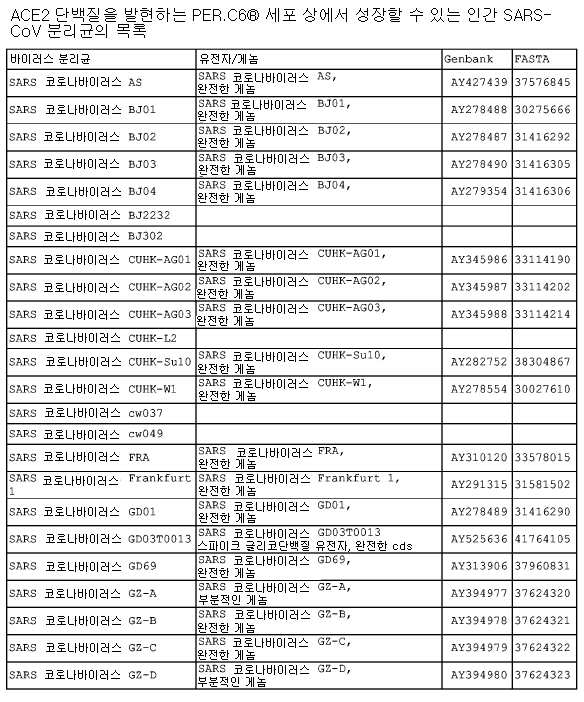
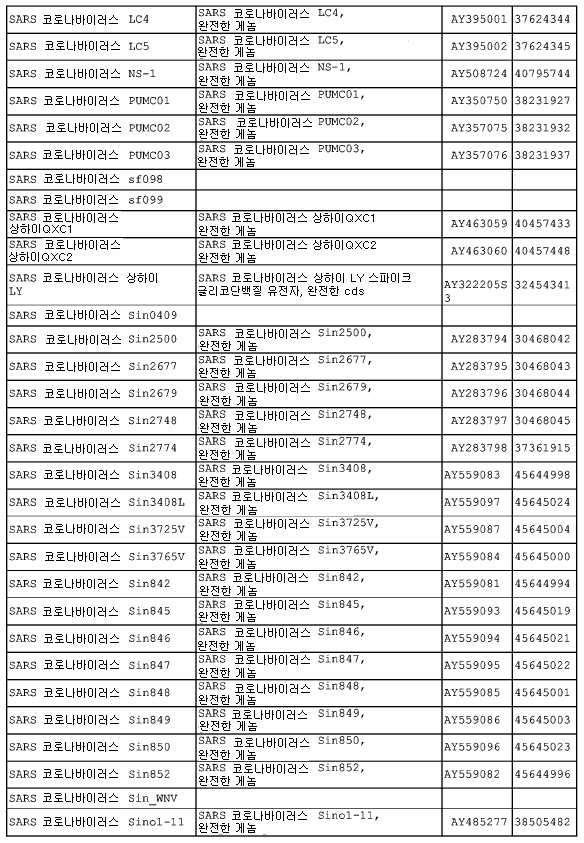
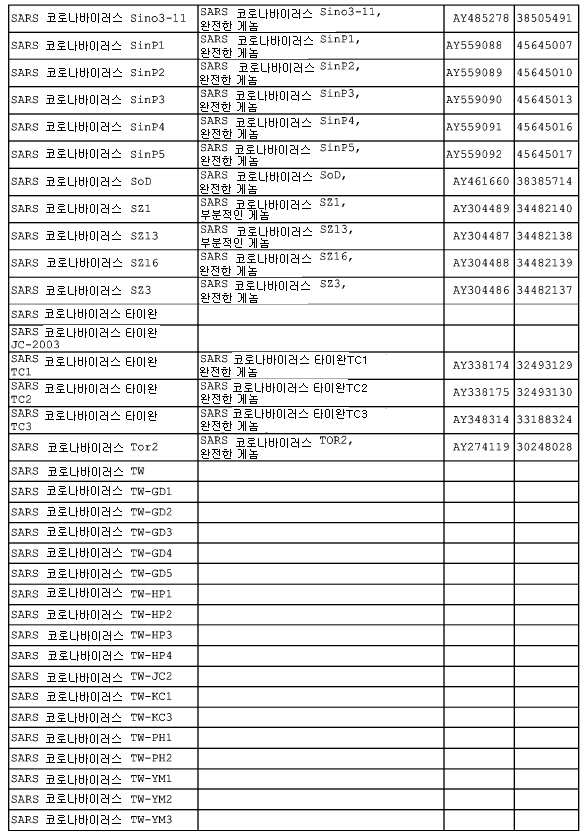
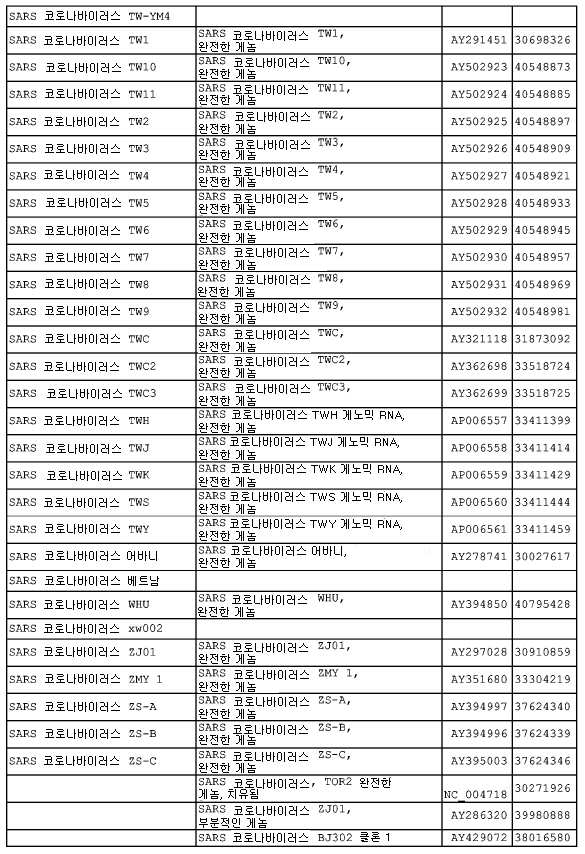
바람직한 구현예에서, 상기 코로나바이러스는 감염성 침입에 대한 리셉터로서 ACE2 단백질을 사용하는 코로나바이러스들로 이루어진 군에서 선택된다. 그러한 코로나바이러스에는 인간 SARS-CoV 분리균 및 인간 CoV-NL63을 포함하는 인간 코로나바이러스가 포함되지만, 이것으로 제한되는 것은 아니다(Hofmann et al. (2005) 참조). 구현예에서, 조작된 세포는 모든 인간 SARS-CoV 분리균을 생산하는데 적합할 수 있다(알려진 인간 SARS-CoV 분리균의 목록은 표 1 참조). In a preferred embodiment, the coronavirus is selected from the group consisting of coronaviruses using the ACE2 protein as a receptor for infectious invasion. Such coronaviruses include, but are not limited to, human SARS-CoV isolates and human coronaviruses including human CoV-NL63 (see Hofmann et al. (2005)). In embodiments, the engineered cells may be suitable for producing all human SARS-CoV isolates (see Table 1 for a list of known human SARS-CoV isolates).
인간 ACE2 단백질은 일시적으로 발현될 수 있지만, 안정적으로 발현되는 것이 바람직하다. 인간 ACE2 단백질을 인코딩하는 핵산 분자는 적합한 핵산 구축물, 예를 들면 벡터에 의해 세포에 제공될 수 있다. 벡터는, 그 중에서도 특히, F, R1, RP1, Col, pBR322, TOL, Ti 등과 같은 플라즈마; 코스미드; 람다, 람도이드, M13, Mu, P1, P22, Qβ, T-이븐, T-오드, T2, T4, T7 등과 같은 파지; 식물 바이러스; 또는 동물 바이러스로부터 유래될 수 있다. 벡터의 선택은 뒤따르는 재조합 과정 및 사용되는 세포에 의존한다. 숙주 세포에의 벡터의 도입은, 그 중에서도 특히, 칼슘 포스페이트 트랜스펙션, 바이러스 감염법, DEAE-덱스트란 매개 트랜스펙션, 리포펙타민(lipofectamin) 트랜스펙션 또는 전기천공법으로 할 수 있다. 벡터는 자가 복제될 수 있고, 또는 융합된 염색체와 함께 복제될 수 있다. 바람직하게는, 상기 벡터는 하나 이상의 선택 마커를 함유한다. 이것은 본 분야의 숙련된 자들에게 잘 알려져 있어 본 발명에서 중요한 것은 아니지만, 마커의 선택은 선택된 숙주 세포에 의존한다. 그러한 것에는 카나마이신, 네오마이신, 퓨로마이신, 히그로마이신, 제오신(zeocin), 헤르페스 심플렉스 바이러스 유래의 티미딘 키나아제 유전자(HSV-TK), 마우스 유래의 디히드로포레이트 리덕타아제 유전자(dhfr)가 포함되지만, 이것으로 제한되는 것은 아니다. 필요하다면, 벡터는 분리 목적을 위해 사용할 수 있는 단백질이나 펩티드를 인코딩하는 하나 이상의 핵산 분자와 실시가능하게 연결된 ACE2 단백질을 인코딩하는 핵산 분자를 포함할 수 있다. 이들 단백질 또는 펩티드에는 글루타티온-S-트랜스퍼라제, 말토스 결합 단백질, 금속-결합 폴리히스티딘, 녹색 형광 단백질, 루시페라제 및 베타-갈락토시다제가 포함되지만, 이것으로 제한되는 것은 아니다. 상기 핵산 구축물은 발현-조절 핵산 서열을 포함할 수 있다. 여기에서 사용되는 이 용어는 특정 숙주 기관 내에서 실시가능하게 연결된 코딩 서열의 발현에 필요하고/또는 영향을 미치는 폴리뉴클레오티드 서열을 말한다. 그 중에서도 특히, 적절한 전사 개시, 종료, 프로모터, 인핸서 서열과 같은 발현-조절 핵산 서열; 억제 또는 활성화 서열; 스플라이싱 및 폴리아데닐레이션 시그널과 같은 유효한 RNA 프로세싱 시그널; 세포질 mRNA를 안정화하는 서열; 번역 효율을 높이는 서열(예를 들면, 리보좀 결합 부위); 단백질 안정성을 높이는 서열; 및 소망에 따라, 단백질 분비를 높이는 서열은, 선택된 숙주 기관 내에서 활성을 보이는 어떤 핵산 서열일 수 있으며, 숙주 기관에 대해 상동이거나 이종인 단백질을 인코딩하는 유전자로부터 유래될 수 있다. 발현-조절 서열의 동정 및 채용은 본 분야에서 숙련된 자들에게 일상적이다. 빈번하게 사용되는 발현 및/또는 트랜스펙션 벡터에는 플라스미드 벡터 및 레트로바이러스가 포함된다. 본 발명에서는 플라스미드 벡터가 바람직한데, 레트로바이러스가 단지 분리 세포(dividing cells)만을 감염시키고 융합하는 단점을 갖기 때문이다. 그 밖의 문제점에는 성가신 제조 및 비교적 낮은 역가(titer), 삽입되는 유전자 상에의 크기 제한, 발현의 조절 또는 보증의 곤란함, 및 숙주 게놈 내에의 무작위 융합으로 인한 유전적 손상의 잠재성이 있다. 잠재적 독성을 수반하는 실험실 내에서의 레트로바이러스, 특히, 인간 세포를 감염시킬 수 있는 바이러스의 사용으로부터 발생하는 안전 문제는 레트로바이러스 사용의 추가의 단점이다. Human ACE2 protein may be transiently expressed, but is preferably expressed stably. Nucleic acid molecules encoding human ACE2 protein can be provided to cells by suitable nucleic acid constructs, eg, vectors. Vectors include, among other things, plasmas such as F, R1, RP1, Col, pBR322, TOL, Ti, and the like; Cosmid; Phage such as lambda, lambdod, M13, Mu, P1, P22, Qβ, T-even, T-odd, T2, T4, T7 and the like; Plant viruses; Or from an animal virus. The choice of vector depends on the subsequent recombination process and the cells used. The introduction of the vector into the host cell can be performed, inter alia, by calcium phosphate transfection, viral infection, DEAE-dextran mediated transfection, lipofectamin transfection or electroporation. The vector can be autonomously replicated or can be replicated with fused chromosomes. Preferably the vector contains one or more selection markers. This is well known to those skilled in the art and is not critical to the present invention, but the choice of marker depends on the host cell selected. Such include kanamycin, neomycin, puromycin, hygromycin, zeocin, thymidine kinase gene (HSV-TK) from herpes simplex virus, dehydrofolate reductase gene from mouse (dhfr). ), But is not limited to this. If desired, the vector may comprise a nucleic acid molecule encoding an ACE2 protein operably linked with one or more nucleic acid molecules encoding a protein or peptide that can be used for isolation purposes. These proteins or peptides include, but are not limited to, glutathione-S-transferases, maltose binding proteins, metal-bound polyhistidines, green fluorescent proteins, luciferases, and beta-galactosidases. The nucleic acid construct may comprise an expression-regulating nucleic acid sequence. As used herein, the term refers to a polynucleotide sequence that is necessary and / or affects the expression of a coding sequence operably linked within a particular host organ. In particular, expression-regulating nucleic acid sequences such as appropriate transcription initiation, termination, promoter, enhancer sequences; Inhibitory or activating sequence; Valid RNA processing signals such as splicing and polyadenylation signals; Sequences that stabilize cytoplasmic mRNA; Sequences that enhance translation efficiency (eg, ribosomal binding sites); Sequences that enhance protein stability; And if desired, the sequence that enhances protein secretion can be any nucleic acid sequence that is active in the selected host organ, and can be derived from a gene encoding a protein that is homologous or heterologous to the host organ. Identification and recruitment of expression-regulatory sequences are routine to those skilled in the art. Frequently used expression and / or transfection vectors include plasmid vectors and retroviruses. Plasmid vectors are preferred in the present invention, since retroviruses have the disadvantage of infecting and fusion only dividing cells. Other problems include the potential for genetic damage due to cumbersome preparation and relatively low titers, size limitations on the inserted gene, difficulty in regulating or guaranteeing expression, and random fusion into the host genome. A safety problem arising from the use of retroviruses in the laboratory, in particular viruses that can infect human cells, with potential toxicity is a further disadvantage of the use of retroviruses.
또 다른 관점에서, 본 발명은 채취한 코로나바이러스를 불활성화 또는 약화시키는(attenuating) 단계를 추가로 포함하는 방법을 제공한다. 불활성화되거나 약화된 코로나바이러스는 불활성화 또는 약화 단계 이전, 중간 또는 그 이후에 정제할 수 있다. 정제는, 예를 들면 글리세롤 쿠션(glycerol cushion)을 통한 원심 분리와 같은 바이러스에 적합한 정제 방법 및 본 분야의 숙련된 자들에게 잘 알려진 그 밖의 방법으로 수행할 수 있다. 불활성화는 감마- 또는 UV 방사, 열 처리 또는 에틸렌 옥사이드, 에틸렌이민, 아세틸에틸렌이민 및 B-프로피오락톤과 같은 알킬화제, 포름알데히드, 아세톤 및 알코올과 같은 화학물질에 의한 처리와 같은 숙련된 자들에게 잘 알려진 방법으로 수행할 수 있다. 불활성화 단계에 이어, 세포 배양물 중에서 감염력 부재에 대해 바이러스를 시험할 수 있다. 바이러스가 여전히 감염력이 있는지, 부분적으로 또는 완전히 불활성화되었는지를 시험하는 방법도 또한 본 분야의 숙련된 자들에게 잘 알려져 있다. 감염력이 상실되어 불활성화된 바이러스 제조를 얻었다면, 예를 들면 백신 제조와 같은 추가의 목적을 위해 사용할 수 있다. In another aspect, the invention provides a method further comprising the step of inactivating or attenuating the harvested coronavirus. Inactivated or attenuated coronavirus can be purified before, during or after the inactivation or attenuation step. Purification can be carried out by purification methods suitable for viruses such as, for example, centrifugation through a glycerol cushion, and other methods well known to those skilled in the art. Inactivation is to those skilled in the art such as gamma- or UV radiation, heat treatment or treatment with alkylating agents such as ethylene oxide, ethyleneimine, acetylethyleneimine and B-propiolactone, chemicals such as formaldehyde, acetone and alcohols. This can be done in a well known manner. Following the inactivation step, the virus can be tested for absence of infectivity in cell culture. Methods of testing whether a virus is still infectious, partially or fully inactivated are also well known to those skilled in the art. If infectivity is lost and inactivated virus production is obtained, it can be used for further purposes, such as, for example, vaccine preparation.
약화는 바이러스의 독성을 줄여, 그것이 여전히 살아있더라도, 더 이상 병을 유발할 수 없다. 약화의 가장 일반적인 방법은, 유기체를 통상적이지 않은 조건에서의 성장에 적응시켜, 그들의 통상적인 숙주에 대한 적응력을 잃게 하는 것을 포함한다. 바이러스 약화를 위해 가장 일반적으로 사용되는 방법은 연장된 조직 배양 성장(prolonged tissue culture growth)이다. 연장된 조직 배양 성장은 바이러스로 조직 배양 플레이트를 다수 세대 동안 감염시키는 것을 수반한다. 조직 배양에서 상기 바이러스는 독성을 가지지 않기 때문에, 독성에 대한 어떤 선택도 없고, 상기 바이러스는 병을 유발하는 능력을 잃는다. 약화된 백신을 생산하기 위해 사용되는 조직 배양물은 조직에 대한 면역 반응의 기회를 줄이기 위해 약화된 백신으로 접종될 동일 종 유래인 것이 바람직하다. 그러한 관점에서, 조직 배양 체계로서 인간 세포가 바람직하다.Weakening reduces the toxicity of the virus so that it can no longer cause disease, even if it is still alive. The most common methods of weakening include adapting organisms to growth in unusual conditions, thereby losing their adaptability to their usual hosts. The most commonly used method for virus attenuation is prolonged tissue culture growth. Prolonged tissue culture growth involves infecting tissue culture plates with viruses for many generations. Since the virus is not toxic in tissue culture, there is no choice for toxicity and the virus loses its ability to cause disease. The tissue culture used to produce the weakened vaccine is preferably from the same species to be inoculated with the weakened vaccine in order to reduce the chance of an immune response against the tissue. In that respect, human cells are preferred as tissue culture systems.
불활성화되거나 약화된 코로나바이러스는 백신에 사용될 수 있다. 백신은 본 분야에 알려진 방식에 의해 제형화될 수 있다. 통상적으로 이것은 보조제(adjuvant) 및/또는 적합한 담체의 추가를 수반할 수 있다.Inactivated or attenuated coronavirus can be used in the vaccine. Vaccines can be formulated by means known in the art. Typically this may involve the addition of an adjuvant and / or a suitable carrier.
구현예에서, 채취한 코로나바이러스의 바이러스 역가는 적어도 4.00, 4.25, 4.50, 4.75, 5.00, 5.25, 5.50, 5.75, 6.00, 6.25, 6.50, 6.75, 7.00, 7.25, 7.50, 및 바람직하게는 감염 후 24시간 이후에 적어도 7.75 log10 TCID50/ml이다. In an embodiment, the viral titer of the collected coronavirus is at least 4.00, 4.25, 4.50, 4.75, 5.00, 5.25, 5.50, 5.75, 6.00, 6.25, 6.50, 6.75, 7.00, 7.25, 7.50, and preferably 24 post infection. After time it is at least 7.75 log10 TCID 50 / ml.
또한, 본 발명은 코로나바이러스, 바람직하게는 인간 SARS-CoV 또는 HCoV-NL63과 같은 인간 코로나바이러스의 생산을 위한 본 발명에 따른 인간 세포의 용도를 제공한다. 본 발명에 따른 인간 세포는 또한, 코로나바이러스에 대한 항바이러스제의 선별을 위해 사용될 수 있다. 항바이러스제는 리셉터에의 바이러스의 결합에 영향을 미치거나, 기타 다른 방식으로 ACE2 단백질의 리셉터 기능에 영향을 미치는 분자 또는 화합물일 수 있다. 그들은 예를 들면, 세포 또는 ACE2 단백질을 보유하는 세포막에의 후보 분자의 결합을 측정하는 것에 의해 얻을 수 있고, 화학적 화합물, 펩티드, 폴리펩티드, 항체 또는 그의 단편이 포함될 수 있다.The invention also provides the use of a human cell according to the invention for the production of a coronavirus, preferably human coronavirus, such as human SARS-CoV or HCoV-NL63. Human cells according to the invention can also be used for the selection of antiviral agents against coronaviruses. The antiviral agent may be a molecule or compound that affects the binding of the virus to the receptor or otherwise affects the receptor function of the ACE2 protein. They can be obtained, for example, by measuring the binding of candidate molecules to cells or cell membranes bearing ACE2 proteins, and can include chemical compounds, peptides, polypeptides, antibodies or fragments thereof.
또 다른 관점에서, 본 발명은 코로나바이러스 감염 및/또는 복제를 억제할 수 있는 분자를 동정하는 방법으로, a) 본 발명에 따른 세포를 후보 분자의 존재 및 부재 하에서 코로나바이러스와 함께 배양하는 단계, 및 b) 후보 분자의 존재가 코로나바이러스 감염 및/또는 복제를 억제하는지 여부를 결정하는 단계를 포함하는 방법을 제공한다. 본 분야의 숙련된 자들은 세척 단계를 포함하는 본 발명의 방법의 몇몇 단계와 배양 조건이 최적화될 필요가 있음을 인식한다. 바이러스와 후보 분자는 세포와 접촉시키기 전에 함께 혼합할 수 있다. 본 발명은 또한, 코로나바이러스에 의한 세포의 감염을 줄일 수 있는 항바이러스 분자를 선택하는 방법을 제공하고, 상기 방법은 a) 본 발명에 따른 세포를 후보 항바이러스 분자의 존재 또는 부재하에서 코로나바이러스의 표면 단백질과 접촉시키는 단계(상기 표면 단백질은, 코로나바이러스 S 단백질과 같이, 세포에 의해 발현되는 인간 ACE2 단백질에의 코로나바이러스의 결합에 관여한다), b) 상기 세포와 표면 단백질 간의 결합 상호작용을 측정하는 단계, 및 c) 후보 항바이러스 분자의 부재하에서의 결합 상호작용과 비교할 경우, 후보 항바이러스 분자의 존재하에서의 결합 상호작용이 감소하거나 줄어드는 것으로 후보 항바이러스 분자를 선택하는 단계를 포함한다. ACE2 단백질을 보유하는 막도 또한, 상기 선택 방법에 사용될 수 있다. 또한 상기 세포 및 막은 ACE2 단백질에 특이하게 결합하는 화합물에 대한 선별 화합물 라이브러리에 사용되는 선별 분석에 사용될 수 있다. ACE2 단백질이 인간 SARS-CoV 및 HCoV-NL63과 같은 특정 코로나바이러스의 세포에의 침입에 역할을 하기 때문에, 상기 화합물들은 코로나바이러스 감염을 치료하거나 예방하는데 사용될 수 있다. 따라서, 본 발명은 인간 ACE2 단백질의 이러한 기능에 영향을 미치는 화합물을 선별하는 방법을 제공한다. 이들 화합물은 리셉터의 기능을 억제할 수 있다. 본 발명의 선별/동정/선택 방법에 의해 동정될 수 있는 화합물 및 분자는 화학적 화합물 라이브러리 또는 (자연적) 화합물의 혼합물을 포함하는 다양한 근원으로부터 유래될 수 있다. 상기 방법에는 본 발명의 세포 또는 ACE2 단백질을 보유하는 그의 막에의 후보 분자 또는 화합물의 결합을 측정하는 것이 포함될 수 있다. 결합은 직접적 또는 간접적으로 측정할 수 있다. 예를 들면, 후보 분자에 관한 표지 수단으로 결합을 직접적으로 측정할 수 있다. 또한, 결합은 간접적으로 측정할 수도 있다. 예를 들면, 후보 분자의 결합을 간접적으로 측정하는 것은 (표지된) 경쟁자와의 경쟁을 수반할 수 있다. 후보 분자의 결합의 측정은, 예를 들면 또한 세포-기반 분석법(cell-based assay)으로 결정할 수 있고, 여기서 후보 분자가 코로나바이러스의 세포에의 침입을 봉쇄할 수 있는지 여부를 결정할 수 있다. 그러한 케이스에서, 후보 분자 또는 화합물의 존재하에, 세포가 여전히 코로나바이러스에 감염될 수 있는지 여부를 결정할 수 있다. 선택적으로, 표지된 인간 SARS-CoV S 단백질 또는 ACE2 단백질에의 결합에 관련된 단편을 후보 화합물의 존재 또는 부재하에서 본 발명의 세포와 접촉시킬 수 있다. 이어서, 후보 화합물이 상기 세포에 결합되는 S 단백질 또는 단편의 양을 감소시키는지를 결정할 수 있다. 후보 분자 또는 화합물은 화학적 화합물일 수 있고, 또는 예를 들면 항체 또는 항체 단편 등 그 밖의 분자와 같은 것일 수 있다. 상기 후보 분자 또는 화합물은 ACE2 단백질에 결합할 수 있고, 또는 S 단백질과 같은 감염 및/또는 복제에 관여하는 코로나바이러스의 단백질에 결합할 수 있다. 선택적으로, 상기 후보 분자 또는 화합물은 다른 방식으로 바이러스의 침입 및/또는 복제를 감소시키거나 억제/파괴할 수 있다. 코로나바이러스 감염 및/또는 복제를 억제하는 후보 분자 또는 화합물은 코로나바이러스 감염을 치료 또는 예방하는 방법에 사용될 수 있다.In another aspect, the invention provides a method of identifying a molecule capable of inhibiting coronavirus infection and / or replication, comprising the steps of: a) culturing a cell according to the invention with a coronavirus in the presence and absence of a candidate molecule, And b) determining whether the presence of the candidate molecule inhibits coronavirus infection and / or replication. Those skilled in the art recognize that several steps of the method of the invention, including washing steps, and culture conditions need to be optimized. The virus and the candidate molecule can be mixed together before contacting the cell. The invention also provides a method of selecting an antiviral molecule that can reduce infection of cells by coronavirus, the method comprising the steps of: a) treating a cell according to the invention with or without the presence of a candidate antiviral molecule. Contacting the surface protein (the surface protein is involved in binding of the coronavirus to the human ACE2 protein expressed by the cell, such as coronavirus S protein), b) binding interactions between the cell and the surface protein. Measuring, and c) selecting the candidate antiviral molecule to reduce or diminish the binding interaction in the presence of the candidate antiviral molecule as compared to the binding interaction in the absence of the candidate antiviral molecule. Membranes bearing the ACE2 protein can also be used in this selection method. The cells and membranes can also be used for screening assays used in screening compound libraries for compounds that specifically bind to ACE2 protein. Since the ACE2 protein plays a role in the invasion of certain coronavirus cells such as human SARS-CoV and HCoV-NL63, these compounds can be used to treat or prevent coronavirus infection. Accordingly, the present invention provides a method for selecting compounds that affect this function of human ACE2 protein. These compounds can inhibit the function of the receptor. Compounds and molecules that can be identified by the selection / identification / selection methods of the invention can be derived from a variety of sources, including chemical compound libraries or mixtures of (natural) compounds. The method may include measuring the binding of the candidate molecule or compound to a cell of the invention or to a membrane containing the ACE2 protein. Binding can be measured directly or indirectly. For example, binding can be measured directly by labeling means for candidate molecules. In addition, binding can also be measured indirectly. For example, indirectly measuring the binding of candidate molecules can involve competition with (labeled) competitors. Measurement of the binding of candidate molecules can, for example, also be determined by cell-based assays, where it can be determined whether the candidate molecules can block the invasion of coronaviruses to cells. In such cases, in the presence of candidate molecules or compounds, one can determine whether the cells can still be infected with coronavirus. Optionally, fragments involved in binding to labeled human SARS-CoV S protein or ACE2 protein can be contacted with cells of the invention in the presence or absence of a candidate compound. Subsequently, it can be determined whether the candidate compound reduces the amount of S protein or fragment that is bound to the cell. The candidate molecule or compound may be a chemical compound or may be such as other molecules such as, for example, antibodies or antibody fragments. The candidate molecule or compound may bind to an ACE2 protein or may bind to a protein of coronavirus that is involved in infection and / or replication, such as S protein. Optionally, the candidate molecule or compound may otherwise reduce or inhibit / destroy the invasion and / or replication of the virus. Candidate molecules or compounds that inhibit coronavirus infection and / or replication can be used in methods of treating or preventing coronavirus infection.
도 1은 ACE2 단백질을 발현하는 PER.C6® 세포에의 SARS-CoV S 단백질 단편(아미노산 318 내지 510)의 결합을 보여준다. 야생형 S318-510 단편에 비해, 변이형 F(variant F)는 돌연변이 N479S를 포함하고, 변이형 H는 돌연변이 K344R, F360S, L472P, D480G, T487S를 포함한다.1 shows the binding of SARS-CoV S protein fragments (amino acids 318-510) to PER.C6® cells expressing ACE2 protein. Compared to the wild type S318-510 fragment, variant F comprises mutant N479S and variant H comprises mutants K344R, F360S, L472P, D480G, T487S.
본 발명을 설명하기 위해, 이하의 실시예를 제공한다. 실시예들은 어떠한 방식으로든 본 발명의 범위를 제한하고자 하는 것은 아니다.To illustrate the invention, the following examples are provided. The examples are not intended to limit the scope of the invention in any way.
실시예1Example 1
안정적으로 Stably 트랜스펙트된Transfected 인간 human ACE2ACE2 PERPER .. C6C6 ® 세포주의 생성® Cell line generation
그 중에서도 특히, 인간 SARS-CoV 및 HCoV-NL63에 대한 자연적 리셉터인 안지오텐신-전환 효소 2(ACE2)를 재조합적으로 발현하는 PER.C6® 세포 상에서의 SARS-CoV 및 기타 코로나바이러스의 성장 능력을 평가하기 위해, ACE2 단백질을 인코딩하는 cDNA 서열을 운반하는 플라스미드로 PER.C6® 세포를 트랜스펙트시켰다(Donoghue et al. (2000) 및 Tipnis et al. (200) 참조; 또한, GenBank numbers AAF78220 및 AAF99721 참조; 및 SEQ ID NO:1). 안정한 트랜스펙턴츠(transfectants)는 본 분야의 숙련된 자들에게 알려진 표준 기술을 이용하여 선택하였다(Coligan JE, Dunn BM, Ploegh HL, Speicher DW 및 Wingfield PT (eds.) (2001) Current protocols in protein science, volume I. John Wiley & Sons, Inc., New York 참조). ACE2 단백질을 인코딩하는 cDNA는 pcDNA2004neo(-)(SEQ ID NO:2) 내에서 HindIII-XbaI 단편으로서 클론되었다. PER.C6® 세포 내의 DNA 트랜 스펙션은 표준 기술을 이용하여 수행하였다. 0.5mg/ml G418(Gibco)의 존재하에서 안정한 클론을 선택하였다. ACE2의 발현은 유세포 분석기(flow cytometry)를 사용하여 모니터하였다. 트랜스펙트된 세포를 1시간 동안 4℃에서 염소 항-인간 ACE2 엑토도메인(ectodomain) 다클론성 항체(R&D 시스템)와 함께 배양하였다. 세포를 0.5% BSA를 함유하는 PBS로 3회 세척하고, 피코에리트린-접합 F(ab')2 당나귀 항-염소 IgG와 함께 45분 동안 배양한 후, CELLQuest Pro 소프트웨어(Becton Dickinson)를 사용하여 FACSCalibur로 분석하였다. 분석은, 분석된 클론의 약 40%가 ACE2 단백질을 발현하는 것을 밝혀냈다. ACE2 단백질을 발현하는 모든 클론은 SARS-CoV S318-510 단편과 결합하였다(하기의 실시예3 참조).In particular, the growth ability of SARS-CoV and other coronaviruses on PER.C6® cells recombinantly expressing angiotensin-converting enzyme 2 (ACE2), a natural receptor for human SARS-CoV and HCoV-NL63, was evaluated. To this end, PER.C6® cells were transfected with plasmids carrying cDNA sequences encoding the ACE2 protein (see Donoghue et al. (2000) and Tipnis et al. (200); see also GenBank numbers AAF78220 and AAF99721). And SEQ ID NO: 1). Stable transfectants were selected using standard techniques known to those skilled in the art (Coligan JE, Dunn BM, Ploegh HL, Speicher DW, and Wingfield PT (eds.) (2001) Current protocols in protein science , volume I. John Wiley & Sons, Inc., New York). The cDNA encoding the ACE2 protein was cloned as HindIII-XbaI fragment in pcDNA2004neo (-) (SEQ ID NO: 2). DNA transfection in PER.C6® cells was performed using standard techniques. Stable clones were selected in the presence of 0.5 mg / ml G418 (Gibco). Expression of ACE2 was monitored using flow cytometry. Transfected cells were incubated with goat anti-human ACE2 ectodomain polyclonal antibody (R & D system) at 4 ° C. for 1 hour. Cells were washed three times with PBS containing 0.5% BSA, incubated with phycoerythrin-conjugated F (ab ') 2 donkey anti-goat IgG for 45 minutes and then using CELLQuest Pro software (Becton Dickinson). Analyzes with FACSCalibur. The analysis revealed that about 40% of the clones analyzed express ACE2 protein. All clones expressing ACE2 protein were associated with the SARS-CoV S318-510 fragment (see Example 3 below).
실시예2Example 2
ACE2ACE2 단백질 발현 Protein expression PERPER .. C6C6 ® 세포 상에서의 인간 ® on human cells SARSSARS -- CoVCoV 의 생산Production of
안정적으로 ACE2-트랜스펙트된 PER.C6® 세포가 인간 SARS-CoV의 복제를 허용하고 인간 SARS-CoV의 성장을 지지하는지 여부를 평가하기 위하여, 세 개의 세트의 ACE2 단백질 발현 PER.C6® 세포 배양물을 인간 SARS-CoV Frankfurt 1 균주로 0.1의 감염 다중도(multiplicity of infection, MOI)로 동시에 감염시켰다. SARS-CoV의 복제를 허용하는 Vero 세포가 양성 대조군 세포주로 포함되었다. 감염된 배양물의 상청액을 채취하고, 감염 후(pi) 12, 24, 48 및 72시간 후에 -80℃에서 급속 냉동시켰다. 모든 샘플들을 수집한 후, 상기 상청액을 해동하고 원심분리로 맑게 하였다. 연속 10-배 희석하고, Vero 세포의 혼탁 배양물에 적정하여, 역가를 결정하였다. 표 2에 나타낸 산정된 역가는, 인간 ACE2 단백질을 발현하는 PER.C6® 세포가 Vero 세포에서 관찰된 것과 유사하고, ACE2 단백질을 발현하도록 조작된 293T 세포와 같은 그 밖의 세포에서 관찰된 것보다 높은 수준까지 SARS-CoV를 생산할 수 있음을 보여준다.To evaluate whether stably ACE2-transfected PER.C6® cells allow replication of human SARS-CoV and support the growth of human SARS-CoV, three sets of ACE2 protein expressing PER.C6® cell culture Water was simultaneously infected with a human SARS-
실시예3Example 3
ACE2ACE2 단백질 발현 Protein expression PERPER .. C6C6 ® 세포에의 스파이크 단백질 단편의 결합Binding of Spike Protein Fragments to Cells
ACE2 트랜스펙트된 PER.C6® 세포에의 S 단백질의 재조합 단편의 결합을 분석하기 위해 유세포 분석기 분석법을 사용하였다. ACE2를 발현하는 PER.C6® 세포를 myc가 태그된 S318-510 단편의 포화 농도와 함께 1시간 동안 4℃에서 배양하였다. van den Brink et al.(2005)에 개시된 바와 같이, 재조합 S 단편의 구축 및 발현을 본질적으로 수행하였다. 요약하면, SARS-CoV 균주 Frankfurt 1의 스파이크 글리코단백질의 S1 서브유닛의 아미노산 318-510이 293T 세포 내에서 myc/His가 태그된 단백질로서 일시적으로 발현되었고, Ni-크로마토그래피에 의해 정제되었다(야생형 Frankfurt 1 S318-510 단편의 아미노산 서열은 SEQ ID NO:3 참조; 시그널 서열, myc 태그 및 his 태그를 포함하는 S318-510 단편의 아미노산 서열은 SEQ ID NO:4 참조).Flow cytometry assays were used to analyze the binding of recombinant fragments of S protein to ACE2 transfected PER.C6® cells. PER.C6® cells expressing ACE2 were incubated at 4 ° C. for 1 hour with saturation concentrations of myc tagged S318-510 fragments. As disclosed in van den Brink et al. (2005), construction and expression of recombinant S fragments was performed essentially. In summary, amino acids 318-510 of the S1 subunit of the spike glycoprotein of the SARS-
이어서, 공개된 인간 SARS-CoV S 단백질 서열 유래의 선택된 돌연변이를 S318-510 단편에 도입하였다. 상기 돌연변이는 균주 BJ302 cl.2(변이형 F, GenBank no. AY429073; 돌연변이 N479S) 및 GD03T0013(변이형 H; GenBank no. AY525636; 돌연변이 K344R, F360S, L472P, D480G, T487S)에서 발견된 돌연변이에 대응한다. 3회 세척 후, 결합된 단편을 바이오틴이 부착된 항-myc 항체(Santa Cruz Biotechnology Inc.) 및 스프렙타비딘-접합 피코에리트린(Caltag)을 사용하여 유세포 분석기 분석법으로 검출하였다. 모든 배양 및 세척은 0.5% 소 혈청 알부민(BSA)으로 보충된 PBS 중에서 4℃에서 수행하였다. 항-ACE2 IgG 및 재조합 S 단편의 결합은 18 계대 횟수 이후에 ACE2 발현에서 어떤 손실도 관찰되지 않았음을 보여준다(데이터는 기재하지 않음). 도 1에 나타낸 바와 같이, 모든 단편들은 ACE2 단백질을 발현하는 PER.C6® 세포에 결합할 수 있었고, 가장 강력한 결합은 야생형 S318-510 단편 및 단편 변이형 F에서 검출되었다. 몇몇 인간 SARS-CoV 분리균의 S 단백질 단편이 ACE2 단백질을 발현하는 PER.C6® 세포에 결합하는 것은 상기 세포가 인간 SARS-CoV 분리균을 생산하는데 일반적으로 사용될 수 있음을 보여준다. Subsequently, selected mutations from published human SARS-CoV S protein sequences were introduced into the S318-510 fragment. The mutation corresponds to the mutations found in strains BJ302 cl.2 (variant F, GenBank no. AY429073; mutant N479S) and GD03T0013 (variant H; GenBank no. AY525636; mutant K344R, F360S, L472P, D480G, T487S) do. After three washes, the bound fragments were detected by flow cytometry analysis using biotin attached anti-myc antibody (Santa Cruz Biotechnology Inc.) and spreptavidin-conjugated phycoerythrin (Caltag). All incubations and washes were performed at 4 ° C. in PBS supplemented with 0.5% bovine serum albumin (BSA). Binding of anti-ACE2 IgG and recombinant S fragments showed no loss in ACE2 expression was observed after 18 passages (data not shown). As shown in FIG. 1, all fragments were able to bind to PER.C6® cells expressing ACE2 protein, the strongest binding being detected in wild type S318-510 fragment and fragment variant F. The binding of the S protein fragments of several human SARS-CoV isolates to PER.C6® cells expressing the ACE2 protein shows that the cells can generally be used to produce human SARS-CoV isolates.



참고문헌references


SEQUENCE LISTING <110> Crucell Holland B.V. Van den Brink, Edward N. Ter Meulen, Jan H. <120> Cell line for producing coronaviruses <130> 0122 WO 00 ORD <160> 4 <170> PatentIn version 3.1 <210> 1 <211> 805 <212> PRT <213> Homo sapiens <400> 1 Met Ser Ser Ser Ser Trp Leu Leu Leu Ser Leu Val Ala Val Thr Ala 1 5 10 15 Ala Gln Ser Thr Ile Glu Glu Gln Ala Lys Thr Phe Leu Asp Lys Phe 20 25 30 Asn His Glu Ala Glu Asp Leu Phe Tyr Gln Ser Ser Leu Ala Ser Trp 35 40 45 Asn Tyr Asn Thr Asn Ile Thr Glu Glu Asn Val Gln Asn Met Asn Asn 50 55 60 Ala Gly Asp Lys Trp Ser Ala Phe Leu Lys Glu Gln Ser Thr Leu Ala 65 70 75 80 Gln Met Tyr Pro Leu Gln Glu Ile Gln Asn Leu Thr Val Lys Leu Gln 85 90 95 Leu Gln Ala Leu Gln Gln Asn Gly Ser Ser Val Leu Ser Glu Asp Lys 100 105 110 Ser Lys Arg Leu Asn Thr Ile Leu Asn Thr Met Ser Thr Ile Tyr Ser 115 120 125 Thr Gly Lys Val Cys Asn Pro Asp Asn Pro Gln Glu Cys Leu Leu Leu 130 135 140 Glu Pro Gly Leu Asn Glu Ile Met Ala Asn Ser Leu Asp Tyr Asn Glu 145 150 155 160 Arg Leu Trp Ala Trp Glu Ser Trp Arg Ser Glu Val Gly Lys Gln Leu 165 170 175 Arg Pro Leu Tyr Glu Glu Tyr Val Val Leu Lys Asn Glu Met Ala Arg 180 185 190 Ala Asn His Tyr Glu Asp Tyr Gly Asp Tyr Trp Arg Gly Asp Tyr Glu 195 200 205 Val Asn Gly Val Asp Gly Tyr Asp Tyr Ser Arg Gly Gln Leu Ile Glu 210 215 220 Asp Val Glu His Thr Phe Glu Glu Ile Lys Pro Leu Tyr Glu His Leu 225 230 235 240 His Ala Tyr Val Arg Ala Lys Leu Met Asn Ala Tyr Pro Ser Tyr Ile 245 250 255 Ser Pro Ile Gly Cys Leu Pro Ala His Leu Leu Gly Asp Met Trp Gly 260 265 270 Arg Phe Trp Thr Asn Leu Tyr Ser Leu Thr Val Pro Phe Gly Gln Lys 275 280 285 Pro Asn Ile Asp Val Thr Asp Ala Met Val Asp Gln Ala Trp Asp Ala 290 295 300 Gln Arg Ile Phe Lys Glu Ala Glu Lys Phe Phe Val Ser Val Gly Leu 305 310 315 320 Pro Asn Met Thr Gln Gly Phe Trp Glu Asn Ser Met Leu Thr Asp Pro 325 330 335 Gly Asn Val Gln Lys Ala Val Cys His Pro Thr Ala Trp Asp Leu Gly 340 345 350 Lys Gly Asp Phe Arg Ile Leu Met Cys Thr Lys Val Thr Met Asp Asp 355 360 365 Phe Leu Thr Ala His His Glu Met Gly His Ile Gln Tyr Asp Met Ala 370 375 380 Tyr Ala Ala Gln Pro Phe Leu Leu Arg Asn Gly Ala Asn Glu Gly Phe 385 390 395 400 His Glu Ala Val Gly Glu Ile Met Ser Leu Ser Ala Ala Thr Pro Lys 405 410 415 His Leu Lys Ser Ile Gly Leu Leu Ser Pro Asp Phe Gln Glu Asp Asn 420 425 430 Glu Thr Glu Ile Asn Phe Leu Leu Lys Gln Ala Leu Thr Ile Val Gly 435 440 445 Thr Leu Pro Phe Thr Tyr Met Leu Glu Lys Trp Arg Trp Met Val Phe 450 455 460 Lys Gly Glu Ile Pro Lys Asp Gln Trp Met Lys Lys Trp Trp Glu Met 465 470 475 480 Lys Arg Glu Ile Val Gly Val Val Glu Pro Val Pro His Asp Glu Thr 485 490 495 Tyr Cys Asp Pro Ala Ser Leu Phe His Val Ser Asn Asp Tyr Ser Phe 500 505 510 Ile Arg Tyr Tyr Thr Arg Thr Leu Tyr Gln Phe Gln Phe Gln Glu Ala 515 520 525 Leu Cys Gln Ala Ala Lys His Glu Gly Pro Leu His Lys Cys Asp Ile 530 535 540 Ser Asn Ser Thr Glu Ala Gly Gln Lys Leu Phe Asn Met Leu Arg Leu 545 550 555 560 Gly Lys Ser Glu Pro Trp Thr Leu Ala Leu Glu Asn Val Val Gly Ala 565 570 575 Lys Asn Met Asn Val Arg Pro Leu Leu Asn Tyr Phe Glu Pro Leu Phe 580 585 590 Thr Trp Leu Lys Asp Gln Asn Lys Asn Ser Phe Val Gly Trp Ser Thr 595 600 605 Asp Trp Ser Pro Tyr Ala Asp Gln Ser Ile Lys Val Arg Ile Ser Leu 610 615 620 Lys Ser Ala Leu Gly Asp Lys Ala Tyr Glu Trp Asn Asp Asn Glu Met 625 630 635 640 Tyr Leu Phe Arg Ser Ser Val Ala Tyr Ala Met Arg Gln Tyr Phe Leu 645 650 655 Lys Val Lys Asn Gln Met Ile Leu Phe Gly Glu Glu Asp Val Arg Val 660 665 670 Ala Asn Leu Lys Pro Arg Ile Ser Phe Asn Phe Phe Val Thr Ala Pro 675 680 685 Lys Asn Val Ser Asp Ile Ile Pro Arg Thr Glu Val Glu Lys Ala Ile 690 695 700 Arg Met Ser Arg Ser Arg Ile Asn Asp Ala Phe Arg Leu Asn Asp Asn 705 710 715 720 Ser Leu Glu Phe Leu Gly Ile Gln Pro Thr Leu Gly Pro Pro Asn Gln 725 730 735 Pro Pro Val Ser Ile Trp Leu Ile Val Phe Gly Val Val Met Gly Val 740 745 750 Ile Val Val Gly Ile Val Ile Leu Ile Phe Thr Gly Ile Arg Asp Arg 755 760 765 Lys Lys Lys Asn Lys Ala Arg Ser Gly Glu Asn Pro Tyr Ala Ser Ile 770 775 780 Asp Ile Ser Lys Gly Glu Asn Asn Pro Gly Phe Gln Asn Thr Asp Asp 785 790 795 800 Val Gln Thr Ser Phe 805 <210> 2 <211> 5549 <212> DNA <213> Artificial sequence <220> <223> pcDNA2004neo(-) <400> 2 gacggatcgg gagatctccc gatcccctat ggtcgactct cagtacaatc tgctctgatg 60 ccgcatagtt aagccagtat ctgctccctg cttgtgtgtt ggaggtcgct gagtagtgcg 120 cgagcaaaat ttaagctaca acaaggcaag gcttgaccga caattgcatg aagaatctgc 180 ttagggttag gcgttttgcg ctgcttcgct aggtggtcaa tattggccat tagccatatt 240 attcattggt tatatagcat aaatcaatat tggctattgg ccattgcata cgttgtatcc 300 atatcataat atgtacattt atattggctc atgtccaaca ttaccgccat gttgacattg 360 attattgact agttattaat agtaatcaat tacggggtca ttagttcata gcccatatat 420 ggagttccgc gttacataac ttacggtaaa tggcccgcct ggctgaccgc ccaacgaccc 480 ccgcccattg acgtcaataa tgacgtatgt tcccatagta acgccaatag ggactttcca 540 ttgacgtcaa tgggtggagt atttacggta aactgcccac ttggcagtac atcaagtgta 600 tcatatgcca agtacgcccc ctattgacgt caatgacggt aaatggcccg cctggcatta 660 tgcccagtac atgaccttat gggactttcc tacttggcag tacatctacg tattagtcat 720 cgctattacc atggtgatgc ggttttggca gtacatcaat gggcgtggat agcggtttga 780 ctcacgggga tttccaagtc tccaccccat tgacgtcaat gggagtttgt tttggcacca 840 aaatcaacgg gactttccaa aatgtcgtaa caactccgcc ccattgacgc aaatgggcgg 900 taggcgtgta cggtgggagg tctatataag cagagctcgt ttagtgaacc gtcagatcgc 960 ctggagacgc catccacgct gttttgacct ccatagaaga caccgggacc gatccagcct 1020 ccgcggccgg gaacggtgca ttggaagctt ggtaccggtg aattcggcgc gccgtcgacg 1080 atatcgatcg gaccgacgcg ttcgcgagcg gccgcaattc gctagcgtta acggatcctc 1140 gagtctagag tttaaaccgc tgatcagcct cgactgtgcc ttctagttgc cagccatctg 1200 ttgtttgccc ctcccccgtg ccttccttga ccctggaagg tgccactccc actgtccttt 1260 cctaataaaa tgaggaaatt gcatcgcatt gtctgagtag gtgtcattct attctggggg 1320 gtggggtggg gcaggacagc aagggggagg attgggaaga caatagcagg catgctgggg 1380 atgcggtggg ctctatggct tctgaggcgg aaagaaccag ctggggctct agggggtatc 1440 cccacgcgcc ctgtagcggc gcattaagcg cggcgggtgt ggtggttacg cgcagcgtga 1500 ccgctacact tgccagcgcc ctagcgcccg ctcctttcgc tttcttccct tcctttctcg 1560 ccacgttcgc cggctttccc cgtcaagctc taaatcgggg catcccttta gggttccgat 1620 ttagtgcttt acggcacctc gaccccaaaa aacttgatta gggtgatggt tcacgtagtg 1680 ggccatcgcc ctgatagacg gtttttcgcc ctttgacgtt ggagtccacg ttctttaata 1740 gtggactctt gttccaaact ggaacaacac tcaaccctat ctcggtctat tcttttgatt 1800 tataagggat tttggggatt tcggcctatt ggttaaaaaa tgagctgatt taacaaaaat 1860 ttaacgcgaa ttaattctgt ggaatgtgtg tcagttaggg tgtggaaagt ccccaggctc 1920 cccaggcagg cagaagtatg caaagcatgc atctcaatta gtcagcaacc aggtgtggaa 1980 agtccccagg ctccccagca ggcagaagta tgcaaagcat gcatctcaat tagtcagcaa 2040 ccatagtccc gcccctaact ccgcccatcc cgcccctaac tccgcccagt tccgcccatt 2100 ctccgcccca tggctgacta atttttttta tttatgcaga ggccgaggcc gcctctgcct 2160 ctgagctatt ccagaagtag tgaggaggct tttttggagg cctaggcttt tgcaaaaagc 2220 tcccgggagc ttggatatcc attttcggat ctgatcaaga gacaggatga ggatcgtttc 2280 gcatgattga acaagatgga ttgcacgcag gttctccggc cgcttgggtg gagaggctat 2340 tcggctatga ctgggcacaa cagacaatcg gctgctctga tgccgccgtg ttccggctgt 2400 cagcgcaggg gcgcccggtt ctttttgtca agaccgacct gtccggtgcc ctgaatgaac 2460 tgcaggacga ggcagcgcgg ctatcgtggc tggccacgac gggcgttcct tgcgcagctg 2520 tgctcgacgt tgtcactgaa gcgggaaggg actggctgct attgggcgaa gtgccggggc 2580 aggatctcct gtcatctcac cttgctcctg ccgagaaagt atccatcatg gctgatgcaa 2640 tgcggcggct gcatacgctt gatccggcta cctgcccatt cgaccaccaa gcgaaacatc 2700 gcatcgagcg agcacgtact cggatggaag ccggtcttgt cgatcaggat gatctggacg 2760 aagagcatca ggggctcgcg ccagccgaac tgttcgccag gctcaaggcg cgcatgcccg 2820 acggcgagga tctcgtcgtg acccatggcg atgcctgctt gccgaatatc atggtggaaa 2880 atggccgctt ttctggattc atcgactgtg gccggctggg tgtggcggac cgctatcagg 2940 acatagcgtt ggctacccgt gatattgctg aagagcttgg cggcgaatgg gctgaccgct 3000 tcctcgtgct ttacggtatc gccgctcccg attcgcagcg catcgccttc tatcgccttc 3060 ttgacgagtt cttctgagcg ggactctggg gttcggtgct acgagatttc gattccaccg 3120 ccgccttcta tgaaaggttg ggcttcggaa tcgttttccg ggacgccggc tggatgatcc 3180 tccagcgcgg ggatctcatg ctggagttct tcgcccaccc caacttgttt attgcagctt 3240 ataatggtta caaataaagc aatagcatca caaatttcac aaataaagca tttttttcac 3300 tgcattctag ttgtggtttg tccaaactca tcaatgtatc ttatcatgtc tgtataccgt 3360 cgacctctag ctagagcttg gcgtaatcat ggtcatagct gtttcctgtg tgaaattgtt 3420 atccgctcac aattccacac aacatacgag ccggaagcat aaagtgtaaa gcctggggtg 3480 cctaatgagt gagctaactc acattaattg cgttgcgctc actgcccgct ttccagtcgg 3540 gaaacctgtc gtgccagctg cattaatgaa tcggccaacg cgcggggaga ggcggtttgc 3600 gtattgggcg ctcttccgct tcctcgctca ctgactcgct gcgctcggtc gttcggctgc 3660 ggcgagcggt atcagctcac tcaaaggcgg taatacggtt atccacagaa tcaggggata 3720 acgcaggaaa gaacatgtga gcaaaaggcc agcaaaaggc caggaaccgt aaaaaggccg 3780 cgttgctggc gtttttccat aggctccgcc cccctgacga gcatcacaaa aatcgacgct 3840 caagtcagag gtggcgaaac ccgacaggac tataaagata ccaggcgttt ccccctggaa 3900 gctccctcgt gcgctctcct gttccgaccc tgccgcttac cggatacctg tccgcctttc 3960 tcccttcggg aagcgtggcg ctttctcaat gctcacgctg taggtatctc agttcggtgt 4020 aggtcgttcg ctccaagctg ggctgtgtgc acgaaccccc cgttcagccc gaccgctgcg 4080 ccttatccgg taactatcgt cttgagtcca acccggtaag acacgactta tcgccactgg 4140 cagcagccac tggtaacagg attagcagag cgaggtatgt aggcggtgct acagagttct 4200 tgaagtggtg gcctaactac ggctacacta gaaggacagt atttggtatc tgcgctctgc 4260 tgaagccagt taccttcgga aaaagagttg gtagctcttg atccggcaaa caaaccaccg 4320 ctggtagcgg tggttttttt gtttgcaagc agcagattac gcgcagaaaa aaaggatctc 4380 aagaagatcc tttgatcttt tctacggggt ctgacgctca gtggaacgaa aactcacgtt 4440 aagggatttt ggtcatgaga ttatcaaaaa ggatcttcac ctagatcctt ttaaattaaa 4500 aatgaagttt taaatcaatc taaagtatat atgagtaaac ttggtctgac agttaccaat 4560 gcttaatcag tgaggcacct atctcagcga tctgtctatt tcgttcatcc atagttgcct 4620 gactccccgt cgtgtagata actacgatac gggagggctt accatctggc cccagtgctg 4680 caatgatacc gcgagaccca cgctcaccgg ctccagattt atcagcaata aaccagccag 4740 ccggaagggc cgagcgcaga agtggtcctg caactttatc cgcctccatc cagtctatta 4800 attgttgccg ggaagctaga gtaagtagtt cgccagttaa tagtttgcgc aacgttgttg 4860 ccattgctac aggcatcgtg gtgtcacgct cgtcgtttgg tatggcttca ttcagctccg 4920 gttcccaacg atcaaggcga gttacatgat cccccatgtt gtgcaaaaaa gcggttagct 4980 ccttcggtcc tccgatcgtt gtcagaagta agttggccgc agtgttatca ctcatggtta 5040 tggcagcact gcataattct cttactgtca tgccatccgt aagatgcttt tctgtgactg 5100 gtgagtactc aaccaagtca ttctgagaat agtgtatgcg gcgaccgagt tgctcttgcc 5160 cggcgtcaat acgggataat accgcgccac atagcagaac tttaaaagtg ctcatcattg 5220 gaaaacgttc ttcggggcga aaactctcaa ggatcttacc gctgttgaga tccagttcga 5280 tgtaacccac tcgtgcaccc aactgatctt cagcatcttt tactttcacc agcgtttctg 5340 ggtgagcaaa aacaggaagg caaaatgccg caaaaaaggg aataagggcg acacggaaat 5400 gttgaatact catactcttc ctttttcaat attattgaag catttatcag ggttattgtc 5460 tcatgagcgg atacatattt gaatgtattt agaaaaataa acaaataggg gttccgcgca 5520 catttccccg aaaagtgcca cctgacgtc 5549 <210> 3 <211> 193 <212> PRT <213> SARS-CoV <400> 3 Asn Ile Thr Asn Leu Cys Pro Phe Gly Glu Val Phe Asn Ala Thr Lys 1 5 10 15 Phe Pro Ser Val Tyr Ala Trp Glu Arg Lys Lys Ile Ser Asn Cys Val 20 25 30 Ala Asp Tyr Ser Val Leu Tyr Asn Ser Thr Phe Phe Ser Thr Phe Lys 35 40 45 Cys Tyr Gly Val Ser Ala Thr Lys Leu Asn Asp Leu Cys Phe Ser Asn 50 55 60 Val Tyr Ala Asp Ser Phe Val Val Lys Gly Asp Asp Val Arg Gln Ile 65 70 75 80 Ala Pro Gly Gln Thr Gly Val Ile Ala Asp Tyr Asn Tyr Lys Leu Pro 85 90 95 Asp Asp Phe Met Gly Cys Val Leu Ala Trp Asn Thr Arg Asn Ile Asp 100 105 110 Ala Thr Ser Thr Gly Asn Tyr Asn Tyr Lys Tyr Arg Tyr Leu Arg His 115 120 125 Gly Lys Leu Arg Pro Phe Glu Arg Asp Ile Ser Asn Val Pro Phe Ser 130 135 140 Pro Asp Gly Lys Pro Cys Thr Pro Pro Ala Leu Asn Cys Tyr Trp Pro 145 150 155 160 Leu Asn Asp Tyr Gly Phe Tyr Thr Thr Thr Gly Ile Gly Tyr Gln Pro 165 170 175 Tyr Arg Val Val Val Leu Ser Phe Glu Leu Leu Asn Ala Pro Ala Thr 180 185 190 Val <210> 4 <211> 240 <212> PRT <213> Artificial sequence <220> <223> SARS-CoV S protein fragment S318-510 incuding additional sequence s <220> <221> SIGNAL <222> (1)..(21) <223> <220> <221> BINDING <222> (220)..(230) <223> <220> <221> BINDING <222> (235)..(240) <223> <220> <221> PEPTIDE <222> (22)..(214) <223> <400> 4 Met Ala Cys Pro Gly Phe Leu Trp Ala Leu Val Ile Ser Thr Cys Leu 1 5 10 15 Glu Phe Ser Met Ala Asn Ile Thr Asn Leu Cys Pro Phe Gly Glu Val 20 25 30 Phe Asn Ala Thr Lys Phe Pro Ser Val Tyr Ala Trp Glu Arg Lys Lys 35 40 45 Ile Ser Asn Cys Val Ala Asp Tyr Ser Val Leu Tyr Asn Ser Thr Phe 50 55 60 Phe Ser Thr Phe Lys Cys Tyr Gly Val Ser Ala Thr Lys Leu Asn Asp 65 70 75 80 Leu Cys Phe Ser Asn Val Tyr Ala Asp Ser Phe Val Val Lys Gly Asp 85 90 95 Asp Val Arg Gln Ile Ala Pro Gly Gln Thr Gly Val Ile Ala Asp Tyr 100 105 110 Asn Tyr Lys Leu Pro Asp Asp Phe Met Gly Cys Val Leu Ala Trp Asn 115 120 125 Thr Arg Asn Ile Asp Ala Thr Ser Thr Gly Asn Tyr Asn Tyr Lys Tyr 130 135 140 Arg Tyr Leu Arg His Gly Lys Leu Arg Pro Phe Glu Arg Asp Ile Ser 145 150 155 160 Asn Val Pro Phe Ser Pro Asp Gly Lys Pro Cys Thr Pro Pro Ala Leu 165 170 175 Asn Cys Tyr Trp Pro Leu Asn Asp Tyr Gly Phe Tyr Thr Thr Thr Gly 180 185 190 Ile Gly Tyr Gln Pro Tyr Arg Val Val Val Leu Ser Phe Glu Leu Leu 195 200 205 Asn Ala Pro Ala Thr Val Ser Arg Gly Pro Phe Glu Gln Lys Leu Ile 210 215 220 Ser Glu Glu Asp Leu Asn Met His Thr Gly His His His His His His 225 230 235 240 SEQUENCE LISTING <110> Crucell Holland B.V. Van den Brink, Edward N. Ter Meulen, Jan H. <120> Cell line for producing coronaviruses <130> 0122 WO 00 ORD <160> 4 <170> PatentIn version 3.1 <210> 1 <211> 805 <212> PRT <213> Homo sapiens <400> 1 Met Ser Ser Ser Ser Trp Leu Leu Leu Ser Leu Val Ala Val Thr Ala 1 5 10 15 Ala Gln Ser Thr Ile Glu Glu Gln Ala Lys Thr Phe Leu Asp Lys Phe 20 25 30 Asn His Glu Ala Glu Asp Leu Phe Tyr Gln Ser Ser Leu Ala Ser Trp 35 40 45 Asn Tyr Asn Thr Asn Ile Thr Glu Glu Asn Val Gln Asn Met Asn Asn 50 55 60 Ala Gly Asp Lys Trp Ser Ala Phe Leu Lys Glu Gln Ser Thr Leu Ala 65 70 75 80 Gln Met Tyr Pro Leu Gln Glu Ile Gln Asn Leu Thr Val Lys Leu Gln 85 90 95 Leu Gln Ala Leu Gln Gln Asn Gly Ser Ser Val Leu Ser Glu Asp Lys 100 105 110 Ser Lys Arg Leu Asn Thr Ile Leu Asn Thr Met Ser Thr Ile Tyr Ser 115 120 125 Thr Gly Lys Val Cys Asn Pro Asp Asn Pro Gln Glu Cys Leu Leu Leu 130 135 140 Glu Pro Gly Leu Asn Glu Ile Met Ala Asn Ser Leu Asp Tyr Asn Glu 145 150 155 160 Arg Leu Trp Ala Trp Glu Ser Trp Arg Ser Glu Val Gly Lys Gln Leu 165 170 175 Arg Pro Leu Tyr Glu Glu Tyr Val Val Leu Lys Asn Glu Met Ala Arg 180 185 190 Ala Asn His Tyr Glu Asp Tyr Gly Asp Tyr Trp Arg Gly Asp Tyr Glu 195 200 205 Val Asn Gly Val Asp Gly Tyr Asp Tyr Ser Arg Gly Gln Leu Ile Glu 210 215 220 Asp Val Glu His Thr Phe Glu Glu Ile Lys Pro Leu Tyr Glu His Leu 225 230 235 240 His Ala Tyr Val Arg Ala Lys Leu Met Asn Ala Tyr Pro Ser Tyr Ile 245 250 255 Ser Pro Ile Gly Cys Leu Pro Ala His Leu Leu Gly Asp Met Trp Gly 260 265 270 Arg Phe Trp Thr Asn Leu Tyr Ser Leu Thr Val Pro Phe Gly Gln Lys 275 280 285 Pro Asn Ile Asp Val Thr Asp Ala Met Val Asp Gln Ala Trp Asp Ala 290 295 300 Gln Arg Ile Phe Lys Glu Ala Glu Lys Phe Phe Val Ser Val Gly Leu 305 310 315 320 Pro Asn Met Thr Gln Gly Phe Trp Glu Asn Ser Met Leu Thr Asp Pro 325 330 335 Gly Asn Val Gln Lys Ala Val Cys His Pro Thr Ala Trp Asp Leu Gly 340 345 350 Lys Gly Asp Phe Arg Ile Leu Met Cys Thr Lys Val Thr Met Asp Asp 355 360 365 Phe Leu Thr Ala His His Glu Met Gly His Ile Gln Tyr Asp Met Ala 370 375 380 Tyr Ala Ala Gln Pro Phe Leu Leu Arg Asn Gly Ala Asn Glu Gly Phe 385 390 395 400 His Glu Ala Val Gly Glu Ile Met Ser Leu Ser Ala Ala Thr Pro Lys 405 410 415 His Leu Lys Ser Ile Gly Leu Leu Ser Pro Asp Phe Gln Glu Asp Asn 420 425 430 Glu Thr Glu Ile Asn Phe Leu Leu Lys Gln Ala Leu Thr Ile Val Gly 435 440 445 Thr Leu Pro Phe Thr Tyr Met Leu Glu Lys Trp Arg Trp Met Val Phe 450 455 460 Lys Gly Glu Ile Pro Lys Asp Gln Trp Met Lys Lys Trp Trp Glu Met 465 470 475 480 Lys Arg Glu Ile Val Gly Val Val Glu Pro Val Pro His Asp Glu Thr 485 490 495 Tyr Cys Asp Pro Ala Ser Leu Phe His Val Ser Asn Asp Tyr Ser Phe 500 505 510 Ile Arg Tyr Tyr Thr Arg Thr Leu Tyr Gln Phe Gln Phe Gln Glu Ala 515 520 525 Leu Cys Gln Ala Ala Lys His Glu Gly Pro Leu His Lys Cys Asp Ile 530 535 540 Ser Asn Ser Thr Glu Ala Gly Gln Lys Leu Phe Asn Met Leu Arg Leu 545 550 555 560 Gly Lys Ser Glu Pro Trp Thr Leu Ala Leu Glu Asn Val Val Gly Ala 565 570 575 Lys Asn Met Asn Val Arg Pro Leu Leu Asn Tyr Phe Glu Pro Leu Phe 580 585 590 Thr Trp Leu Lys Asp Gln Asn Lys Asn Ser Phe Val Gly Trp Ser Thr 595 600 605 Asp Trp Ser Pro Tyr Ala Asp Gln Ser Ile Lys Val Arg Ile Ser Leu 610 615 620 Lys Ser Ala Leu Gly Asp Lys Ala Tyr Glu Trp Asn Asp Asn Glu Met 625 630 635 640 Tyr Leu Phe Arg Ser Ser Val Ala Tyr Ala Met Arg Gln Tyr Phe Leu 645 650 655 Lys Val Lys Asn Gln Met Ile Leu Phe Gly Glu Glu Asp Val Arg Val 660 665 670 Ala Asn Leu Lys Pro Arg Ile Ser Phe Asn Phe Phe Val Thr Ala Pro 675 680 685 Lys Asn Val Ser Asp Ile Ile Pro Arg Thr Glu Val Glu Lys Ala Ile 690 695 700 Arg Met Ser Arg Ser Ile Asn Asp Ala Phe Arg Leu Asn Asp Asn 705 710 715 720 Ser Leu Glu Phe Leu Gly Ile Gln Pro Thr Leu Gly Pro Pro Asn Gln 725 730 735 Pro Pro Val Ser Ile Trp Leu Ile Val Phe Gly Val Val Met Gly Val 740 745 750 Ile Val Val Gly Ile Val Ile Leu Ile Phe Thr Gly Ile Arg Asp Arg 755 760 765 Lys Lys Lys Asn Lys Ala Arg Ser Gly Glu Asn Pro Tyr Ala Ser Ile 770 775 780 Asp Ile Ser Lys Gly Glu Asn Asn Pro Gly Phe Gln Asn Thr Asp Asp 785 790 795 800 Val Gln Thr Ser Phe 805 <210> 2 <211> 5549 <212> DNA <213> Artificial sequence <220> <223> pcDNA2004 neo (-) <400> 2 gacggatcgg gagatctccc gatcccctat ggtcgactct cagtacaatc tgctctgatg 60 ccgcatagtt aagccagtat ctgctccctg cttgtgtgtt ggaggtcgct gagtagtgcg 120 cgagcaaaat ttaagctaca acaaggcaag gcttgaccga caattgcatg aagaatctgc 180 ttagggttag gcgttttgcg ctgcttcgct aggtggtcaa tattggccat tagccatatt 240 attcattggt tatatagcat aaatcaatat tggctattgg ccattgcata cgttgtatcc 300 atatcataat atgtacattt atattggctc atgtccaaca ttaccgccat gttgacattg 360 attattgact agttattaat agtaatcaat tacggggtca ttagttcata gcccatatat 420 ggagttccgc gttacataac ttacggtaaa tggcccgcct ggctgaccgc ccaacgaccc 480 ccgcccattg acgtcaataa tgacgtatgt tcccatagta acgccaatag ggactttcca 540 ttgacgtcaa tgggtggagt atttacggta aactgcccac ttggcagtac atcaagtgta 600 tcatatgcca agtacgcccc ctattgacgt caatgacggt aaatggcccg cctggcatta 660 tgcccagtac atgaccttat gggactttcc tacttggcag tacatctacg tattagtcat 720 cgctattacc atggtgatgc ggttttggca gtacatcaat gggcgtggat agcggtttga 780 ctcacgggga tttccaagtc tccaccccat tgacgtcaat gggagtttgt tttggcacca 840 aaatcaacgg gactttccaa aatgtcgtaa caactccgcc ccattgacgc aaatgggcgg 900 taggcgtgta cggtgggagg tctatataag cagagctcgt ttagtgaacc gtcagatcgc 960 ctggagacgc catccacgct gttttgacct ccatagaaga caccgggacc gatccagcct 1020 ccgcggccgg gaacggtgca ttggaagctt ggtaccggtg aattcggcgc gccgtcgacg 1080 atatcgatcg gaccgacgcg ttcgcgagcg gccgcaattc gctagcgtta acggatcctc 1140 gagtctagag tttaaaccgc tgatcagcct cgactgtgcc ttctagttgc cagccatctg 1200 ttgtttgccc ctcccccgtg ccttccttga ccctggaagg tgccactccc actgtccttt 1260 cctaataaaa tgaggaaatt gcatcgcatt gtctgagtag gtgtcattct attctggggg 1320 gtggggtggg gcaggacagc aagggggagg attgggaaga caatagcagg catgctgggg 1380 atgcggtggg ctctatggct tctgaggcgg aaagaaccag ctggggctct agggggtatc 1440 cccacgcgcc ctgtagcggc gcattaagcg cggcgggtgt ggtggttacg cgcagcgtga 1500 ccgctacact tgccagcgcc ctagcgcccg ctcctttcgc tttcttccct tcctttctcg 1560 ccacgttcgc cggctttccc cgtcaagctc taaatcgggg catcccttta gggttccgat 1620 ttagtgcttt acggcacctc gaccccaaaa aacttgatta gggtgatggt tcacgtagtg 1680 ggccatcgcc ctgatagacg gtttttcgcc ctttgacgtt ggagtccacg ttctttaata 1740 gtggactctt gttccaaact ggaacaacac tcaaccctat ctcggtctat tcttttgatt 1800 tataagggat tttggggatt tcggcctatt ggttaaaaaa tgagctgatt taacaaaaat 1860 ttaacgcgaa ttaattctgt ggaatgtgtg tcagttaggg tgtggaaagt ccccaggctc 1920 cccaggcagg cagaagtatg caaagcatgc atctcaatta gtcagcaacc aggtgtggaa 1980 agtccccagg ctccccagca ggcagaagta tgcaaagcat gcatctcaat tagtcagcaa 2040 ccatagtccc gcccctaact ccgcccatcc cgcccctaac tccgcccagt tccgcccatt 2100 ctccgcccca tggctgacta atttttttta tttatgcaga ggccgaggcc gcctctgcct 2160 ctgagctatt ccagaagtag tgaggaggct tttttggagg cctaggcttt tgcaaaaagc 2220 tcccgggagc ttggatatcc attttcggat ctgatcaaga gacaggatga ggatcgtttc 2280 gcatgattga acaagatgga ttgcacgcag gttctccggc cgcttgggtg gagaggctat 2340 tcggctatga ctgggcacaa cagacaatcg gctgctctga tgccgccgtg ttccggctgt 2400 cagcgcaggg gcgcccggtt ctttttgtca agaccgacct gtccggtgcc ctgaatgaac 2460 tgcaggacga ggcagcgcgg ctatcgtggc tggccacgac gggcgttcct tgcgcagctg 2520 tgctcgacgt tgtcactgaa gcgggaaggg actggctgct attgggcgaa gtgccggggc 2580 aggatctcct gtcatctcac cttgctcctg ccgagaaagt atccatcatg gctgatgcaa 2640 tgcggcggct gcatacgctt gatccggcta cctgcccatt cgaccaccaa gcgaaacatc 2700 gcatcgagcg agcacgtact cggatggaag ccggtcttgt cgatcaggat gatctggacg 2760 aagagcatca ggggctcgcg ccagccgaac tgttcgccag gctcaaggcg cgcatgcccg 2820 acggcgagga tctcgtcgtg acccatggcg atgcctgctt gccgaatatc atggtggaaa 2880 atggccgctt ttctggattc atcgactgtg gccggctggg tgtggcggac cgctatcagg 2940 acatagcgtt ggctacccgt gatattgctg aagagcttgg cggcgaatgg gctgaccgct 3000 tcctcgtgct ttacggtatc gccgctcccg attcgcagcg catcgccttc tatcgccttc 3060 ttgacgagtt cttctgagcg ggactctggg gttcggtgct acgagatttc gattccaccg 3120 ccgccttcta tgaaaggttg ggcttcggaa tcgttttccg ggacgccggc tggatgatcc 3180 tccagcgcgg ggatctcatg ctggagttct tcgcccaccc caacttgttt attgcagctt 3240 ataatggtta caaataaagc aatagcatca caaatttcac aaataaagca tttttttcac 3300 tgcattctag ttgtggtttg tccaaactca tcaatgtatc ttatcatgtc tgtataccgt 3360 cgacctctag ctagagcttg gcgtaatcat ggtcatagct gtttcctgtg tgaaattgtt 3420 atccgctcac aattccacac aacatacgag ccggaagcat aaagtgtaaa gcctggggtg 3480 cctaatgagt gagctaactc acattaattg cgttgcgctc actgcccgct ttccagtcgg 3540 gaaacctgtc gtgccagctg cattaatgaa tcggccaacg cgcggggaga ggcggtttgc 3600 gtattgggcg ctcttccgct tcctcgctca ctgactcgct gcgctcggtc gttcggctgc 3660 ggcgagcggt atcagctcac tcaaaggcgg taatacggtt atccacagaa tcaggggata 3720 acgcaggaaa gaacatgtga gcaaaaggcc agcaaaaggc caggaaccgt aaaaaggccg 3780 cgttgctggc gtttttccat aggctccgcc cccctgacga gcatcacaaa aatcgacgct 3840 caagtcagag gtggcgaaac ccgacaggac tataaagata ccaggcgttt ccccctggaa 3900 gctccctcgt gcgctctcct gttccgaccc tgccgcttac cggatacctg tccgcctttc 3960 tcccttcggg aagcgtggcg ctttctcaat gctcacgctg taggtatctc agttcggtgt 4020 aggtcgttcg ctccaagctg ggctgtgtgc acgaaccccc cgttcagccc gaccgctgcg 4080 ccttatccgg taactatcgt cttgagtcca acccggtaag acacgactta tcgccactgg 4140 cagcagccac tggtaacagg attagcagag cgaggtatgt aggcggtgct acagagttct 4200 tgaagtggtg gcctaactac ggctacacta gaaggacagt atttggtatc tgcgctctgc 4260 tgaagccagt taccttcgga aaaagagttg gtagctcttg atccggcaaa caaaccaccg 4320 ctggtagcgg tggttttttt gtttgcaagc agcagattac gcgcagaaaa aaaggatctc 4380 aagaagatcc tttgatcttt tctacggggt ctgacgctca gtggaacgaa aactcacgtt 4440 aagggatttt ggtcatgaga ttatcaaaaa ggatcttcac ctagatcctt ttaaattaaa 4500 aatgaagttt taaatcaatc taaagtatat atgagtaaac ttggtctgac agttaccaat 4560 gcttaatcag tgaggcacct atctcagcga tctgtctatt tcgttcatcc atagttgcct 4620 gactccccgt cgtgtagata actacgatac gggagggctt accatctggc cccagtgctg 4680 caatgatacc gcgagaccca cgctcaccgg ctccagattt atcagcaata aaccagccag 4740 ccggaagggc cgagcgcaga agtggtcctg caactttatc cgcctccatc cagtctatta 4800 attgttgccg ggaagctaga gtaagtagtt cgccagttaa tagtttgcgc aacgttgttg 4860 ccattgctac aggcatcgtg gtgtcacgct cgtcgtttgg tatggcttca ttcagctccg 4920 gttcccaacg atcaaggcga gttacatgat cccccatgtt gtgcaaaaaa gcggttagct 4980 ccttcggtcc tccgatcgtt gtcagaagta agttggccgc agtgttatca ctcatggtta 5040 tggcagcact gcataattct cttactgtca tgccatccgt aagatgcttt tctgtgactg 5100 gtgagtactc aaccaagtca ttctgagaat agtgtatgcg gcgaccgagt tgctcttgcc 5160 cggcgtcaat acgggataat accgcgccac atagcagaac tttaaaagtg ctcatcattg 5220 gaaaacgttc ttcggggcga aaactctcaa ggatcttacc gctgttgaga tccagttcga 5280 tgtaacccac tcgtgcaccc aactgatctt cagcatcttt tactttcacc agcgtttctg 5340 ggtgagcaaa aacaggaagg caaaatgccg caaaaaaggg aataagggcg acacggaaat 5400 gttgaatact catactcttc ctttttcaat attattgaag catttatcag ggttattgtc 5460 tcatgagcgg atacatattt gaatgtattt agaaaaataa acaaataggg gttccgcgca 5520 catttccccg aaaagtgcca cctgacgtc 5549 <210> 3 <211> 193 <212> PRT <213> SARS-CoV <400> 3 Asn Ile Thr Asn Leu Cys Pro Phe Gly Glu Val Phe Asn Ala Thr Lys 1 5 10 15 Phe Pro Ser Val Tyr Ala Trp Glu Arg Lys Lys Ile Ser Asn Cys Val 20 25 30 Ala Asp Tyr Ser Val Leu Tyr Asn Ser Thr Phe Phe Ser Thr Phe Lys 35 40 45 Cys Tyr Gly Val Ser Ala Thr Lys Leu Asn Asp Leu Cys Phe Ser Asn 50 55 60 Val Tyr Ala Asp Ser Phe Val Val Lys Gly Asp Asp Val Arg Gln Ile 65 70 75 80 Ala Pro Gly Gln Thr Gly Val Ile Ala Asp Tyr Asn Tyr Lys Leu Pro 85 90 95 Asp Asp Phe Met Gly Cys Val Leu Ala Trp Asn Thr Arg Asn Ile Asp 100 105 110 Ala Thr Ser Thr Gly Asn Tyr Asn Tyr Lys Tyr Arg Tyr Leu Arg His 115 120 125 Gly Lys Leu Arg Pro Phe Glu Arg Asp Ile Ser Asn Val Pro Phe Ser 130 135 140 Pro Asp Gly Lys Pro Cys Thr Pro Pro Ala Leu Asn Cys Tyr Trp Pro 145 150 155 160 Leu Asn Asp Tyr Gly Phe Tyr Thr Thr Thr Gly Ile Gly Tyr Gln Pro 165 170 175 Tyr Arg Val Val Val Leu Ser Phe Glu Leu Leu Asn Ala Pro Ala Thr 180 185 190 Val <210> 4 <211> 240 <212> PRT <213> Artificial sequence <220> <223> SARS-CoV S protein fragment S318-510 incuding additional sequence s <220> <221> SIGNAL <222> (1) <223> <220> <221> BINDING <222> (220) .. (230) <223> <220> <221> BINDING (222) (235) .. (240) <223> <220> <221> PEPTIDE <222> (22) .. (214) <223> <400> 4 Met Ala Cys Pro Gly Phe Leu Trp Ala Leu Val Ile Ser Thr Cys Leu 1 5 10 15 Glu Phe Ser Met Ala Asn Ile Thr Asn Leu Cys Pro Phe Gly Glu Val 20 25 30 Phe Asn Ala Thr Lys Phe Pro Ser Val Tyr Ala Trp Glu Arg Lys Lys 35 40 45 Ile Ser Asn Cys Val Ala Asp Tyr Ser Val Leu Tyr Asn Ser Thr Phe 50 55 60 Phe Ser Thr Phe Lys Cys Tyr Gly Val Ser Ala Thr Lys Leu Asn Asp 65 70 75 80 Leu Cys Phe Ser Asn Val Tyr Ala Asp Ser Phe Val Val Lys Gly Asp 85 90 95 Asp Val Arg Gln Ile Ala Pro Gly Gln Thr Gly Val Ile Ala Asp Tyr 100 105 110 Asn Tyr Lys Leu Pro Asp Asp Phe Met Gly Cys Val Leu Ala Trp Asn 115 120 125 Thr Arg Asn Ile Asp Ala Thr Ser Thr Gly Asn Tyr Asn Tyr Lys Tyr 130 135 140 Arg Tyr Leu Arg His Gly Lys Leu Arg Pro Phe Glu Arg Asp Ile Ser 145 150 155 160 Asn Val Pro Phe Ser Pro Asp Gly Lys Pro Cys Thr Pro Pro Ala Leu 165 170 175 Asn Cys Tyr Trp Pro Leu Asn Asp Tyr Gly Phe Tyr Thr Thr Thr Gly 180 185 190 Ile Gly Tyr Gln Pro Tyr Arg Val Val Val Leu Ser Phe Glu Leu Leu 195 200 205 Asn Ala Pro Ala Thr Val Ser Arg Gly Pro Phe Glu Gln Lys Leu Ile 210 215 220 Ser Glu Glu Asp Leu Asn Met His Thr Gly His His His His His His 225 230 235 240
Claims (15)
Applications Claiming Priority (5)
| Application Number | Priority Date | Filing Date | Title |
|---|---|---|---|
| US70202905P | 2005-07-22 | 2005-07-22 | |
| EP05106768.4 | 2005-07-22 | ||
| US60/702,029 | 2005-07-22 | ||
| EP05106768 | 2005-07-22 | ||
| PCT/EP2006/064489 WO2007010028A1 (en) | 2005-07-22 | 2006-07-21 | Cell line for producing coronaviruses |
Publications (2)
| Publication Number | Publication Date |
|---|---|
| KR20080033270A KR20080033270A (en) | 2008-04-16 |
| KR101274790B1 true KR101274790B1 (en) | 2013-06-13 |
Family
ID=35445861
Family Applications (1)
| Application Number | Title | Priority Date | Filing Date |
|---|---|---|---|
| KR1020087001187A Expired - Fee Related KR101274790B1 (en) | 2005-07-22 | 2006-07-21 | Cell line for producing coronaviruses |
Country Status (10)
| Country | Link |
|---|---|
| US (1) | US7888102B2 (en) |
| EP (1) | EP1907536B1 (en) |
| JP (1) | JP5137829B2 (en) |
| KR (1) | KR101274790B1 (en) |
| CN (1) | CN101228267B (en) |
| AT (1) | ATE463559T1 (en) |
| AU (1) | AU2006271666B2 (en) |
| CA (1) | CA2616221C (en) |
| DK (1) | DK1907536T3 (en) |
| WO (1) | WO2007010028A1 (en) |
Families Citing this family (12)
| Publication number | Priority date | Publication date | Assignee | Title |
|---|---|---|---|---|
| KR101206206B1 (en) * | 2003-07-22 | 2012-11-29 | 크루셀 홀란드 비.브이. | Binding molecules against sars-coronavirus and uses thereof |
| KR101274790B1 (en) | 2005-07-22 | 2013-06-13 | 크루셀 홀란드 비.브이. | Cell line for producing coronaviruses |
| EA017203B1 (en) | 2006-09-07 | 2012-10-30 | Круселл Холланд Б.В. | HUMAN BINDING MOLECULES, HOW TO NEUTRALIZE THE H5N1 FLU VIRUS, AND THEIR USE |
| CN111273016B (en) * | 2020-02-26 | 2021-06-15 | 浙江诺迦生物科技有限公司 | Kit for rapidly detecting coronavirus based on S protein ligand and ACE2 receptor competition chromatography |
| WO2021207303A1 (en) * | 2020-04-07 | 2021-10-14 | Alsatech, Inc. | Immune stimulation against coronavirus infections |
| US12194157B2 (en) | 2020-04-09 | 2025-01-14 | Finncure Oy | Carrier for targeted delivery to a host |
| EP4132478A1 (en) | 2020-04-09 | 2023-02-15 | Finncure Oy | Mimetic nanoparticles for preventing the spreading and lowering the infection rate of novel coronaviruses |
| WO2021214467A1 (en) * | 2020-04-23 | 2021-10-28 | Cellbio | A diagnostic tool improvement comprising a pathogen binding molecule |
| CN111575242A (en) * | 2020-06-04 | 2020-08-25 | 广东源心再生医学有限公司 | iPSC-nCoVN cell model for COVID-19 drug screening and establishing and using methods thereof |
| US12156908B2 (en) | 2020-07-01 | 2024-12-03 | Regents Of The University Of Minnesota | Virus like nanoparticle compositions and methods thereof |
| US20240035012A1 (en) * | 2020-08-21 | 2024-02-01 | Westlake University | Engineered ace2 oligomers and uses thereof |
| WO2022159433A1 (en) | 2021-01-20 | 2022-07-28 | Singh Biotechnology, Llc | Therapeutics directed against coronavirus |
Citations (3)
| Publication number | Priority date | Publication date | Assignee | Title |
|---|---|---|---|---|
| EP1108787A2 (en) * | 1999-11-26 | 2001-06-20 | Crucell Holland B.V. | Production of vaccines |
| WO2004042042A1 (en) | 2002-11-08 | 2004-05-21 | Crucell Holland B.V. | Vaccines against west nile virus |
| WO2005032487A2 (en) * | 2003-10-06 | 2005-04-14 | The Brigham And Women's Hospital, Inc. | Angiotensin-converting enzyme-2 as a receptor for the sars coronavirus |
Family Cites Families (10)
| Publication number | Priority date | Publication date | Assignee | Title |
|---|---|---|---|---|
| IL122614A0 (en) | 1995-06-15 | 1998-08-16 | Introgene Bv | Packaging systems for human recombinant adenovirus to be used in gene therapy |
| US6855544B1 (en) * | 1999-04-15 | 2005-02-15 | Crucell Holland B.V. | Recombinant protein production in a human cell |
| PT1818408E (en) | 1999-05-17 | 2011-11-15 | Crucell Holland Bv | Recombinant adenovirus of the ad11 serotype |
| FR2828405B1 (en) | 2001-08-09 | 2005-06-24 | Virbac Sa | ANTI-CORONAVIRUS VACCINE |
| WO2004111081A2 (en) | 2003-06-13 | 2004-12-23 | Crucell Holland B.V. | Antigenic peptides of sars coronavirus and uses thereof |
| WO2005012337A2 (en) | 2003-07-15 | 2005-02-10 | Crucell Holland B.V. | Antigenic peptides of sars coronavirus and uses thereof |
| EP1646645A1 (en) | 2003-07-21 | 2006-04-19 | Crucell Holland B.V. | Antigenic peptides of sars coronavirus and uses thereof |
| KR101206206B1 (en) | 2003-07-22 | 2012-11-29 | 크루셀 홀란드 비.브이. | Binding molecules against sars-coronavirus and uses thereof |
| US7396914B2 (en) | 2003-08-04 | 2008-07-08 | University Of Massachusetts | SARS nucleic acids, proteins, antibodies, and uses thereof |
| KR101274790B1 (en) | 2005-07-22 | 2013-06-13 | 크루셀 홀란드 비.브이. | Cell line for producing coronaviruses |
-
2006
- 2006-07-21 KR KR1020087001187A patent/KR101274790B1/en not_active Expired - Fee Related
- 2006-07-21 CN CN2006800265222A patent/CN101228267B/en not_active Expired - Fee Related
- 2006-07-21 DK DK06792538.8T patent/DK1907536T3/en active
- 2006-07-21 EP EP06792538A patent/EP1907536B1/en active Active
- 2006-07-21 JP JP2008521977A patent/JP5137829B2/en not_active Expired - Fee Related
- 2006-07-21 AT AT06792538T patent/ATE463559T1/en active
- 2006-07-21 US US11/988,146 patent/US7888102B2/en active Active
- 2006-07-21 CA CA2616221A patent/CA2616221C/en active Active
- 2006-07-21 WO PCT/EP2006/064489 patent/WO2007010028A1/en not_active Ceased
- 2006-07-21 AU AU2006271666A patent/AU2006271666B2/en not_active Ceased
Patent Citations (3)
| Publication number | Priority date | Publication date | Assignee | Title |
|---|---|---|---|---|
| EP1108787A2 (en) * | 1999-11-26 | 2001-06-20 | Crucell Holland B.V. | Production of vaccines |
| WO2004042042A1 (en) | 2002-11-08 | 2004-05-21 | Crucell Holland B.V. | Vaccines against west nile virus |
| WO2005032487A2 (en) * | 2003-10-06 | 2005-04-14 | The Brigham And Women's Hospital, Inc. | Angiotensin-converting enzyme-2 as a receptor for the sars coronavirus |
Non-Patent Citations (1)
| Title |
|---|
| JOURNAL OF PATHOLOGY. 2004, vol. 203, no. 3, pages 740-743. * |
Also Published As
| Publication number | Publication date |
|---|---|
| AU2006271666A1 (en) | 2007-01-25 |
| EP1907536A1 (en) | 2008-04-09 |
| US7888102B2 (en) | 2011-02-15 |
| CN101228267A (en) | 2008-07-23 |
| JP2009502128A (en) | 2009-01-29 |
| JP5137829B2 (en) | 2013-02-06 |
| US20090098530A1 (en) | 2009-04-16 |
| CA2616221C (en) | 2011-07-05 |
| WO2007010028A1 (en) | 2007-01-25 |
| AU2006271666B2 (en) | 2011-04-07 |
| CN101228267B (en) | 2013-01-23 |
| DK1907536T3 (en) | 2010-07-19 |
| CA2616221A1 (en) | 2007-01-25 |
| KR20080033270A (en) | 2008-04-16 |
| EP1907536B1 (en) | 2010-04-07 |
| ATE463559T1 (en) | 2010-04-15 |
Similar Documents
| Publication | Publication Date | Title |
|---|---|---|
| KR101274790B1 (en) | Cell line for producing coronaviruses | |
| CN114032217B (en) | COVID-19 composite vaccine based on DNA vector and replicating vaccinia virus vector | |
| JP2024083457A (en) | Bioproduction method for lentiviral vectors | |
| KR101614679B1 (en) | Chimeric strain of Porcine Reproductive and Respiratory Syndrome Virus | |
| WO2005081716A2 (en) | DNA VACCINES TARGETING ANTIGENS OF THE SEVERE ACUTE RESPIRATORY SYNDROME CORONAVIRUS (SARS-CoV) | |
| CN107604004A (en) | Tracer target practice plasmid for vaccinia virus Tiantan strain TK genes and preparation method thereof | |
| WO1992017581A1 (en) | Mammalian expression vector | |
| KR20200086902A (en) | A vector for monitoring differentiation of neural cells and method for monitoring the differentiation into neural cells using the same | |
| CN114324878A (en) | Fluorescence-labeled varicella-zoster virus immunochromatography detection test paper and application thereof | |
| CN113046369B (en) | Novel mRNA vaccine of coronavirus | |
| CN103864902B (en) | A kind of bivalent DNA vaccine connection peptides and application thereof | |
| KR20230011965A (en) | Modified Filamentous Fungi for Production of Exogenous Proteins | |
| US20020058243A1 (en) | Rapid, parallel identification of cell lines | |
| CN110115770B (en) | A new target for the prevention and treatment of viral hepatitis C and its CRISPR-Cas9 targeting system and application | |
| CN115429796A (en) | Liluzole targeted treatment of Wolfram syndrome | |
| RU2845387C1 (en) | Modified filamentous fungi for production of exogenous proteins | |
| CN101880652A (en) | Recombinant Newcastle disease attenuated vaccine strain expressing porcine interferon (α, β or γ) | |
| KR100696904B1 (en) | Resistance of plants to infection by VSDNA virus with Innoviridae virus VSDNA-binding protein, compositions and methods therefor | |
| US20040076636A1 (en) | HIV immunogenic complexes | |
| CN111560392B (en) | miRNA expression vector and its application | |
| CN101220374A (en) | Fowl pox virus double gene expression vector (PG7.5N) | |
| KR20120131577A (en) | Myelination in cell-specific transgenic expression of fluorescent proteins in Zebrafish | |
| KR20230148714A (en) | Immunogenic composition and a method for preparing thereof | |
| CN116400081A (en) | Compound for detection and its preparation method and application | |
| CN1143116A (en) | New human erythropoietin |
Legal Events
| Date | Code | Title | Description |
|---|---|---|---|
| PA0105 | International application |
St.27 status event code: A-0-1-A10-A15-nap-PA0105 |
|
| R18-X000 | Changes to party contact information recorded |
St.27 status event code: A-3-3-R10-R18-oth-X000 |
|
| P11-X000 | Amendment of application requested |
St.27 status event code: A-2-2-P10-P11-nap-X000 |
|
| P13-X000 | Application amended |
St.27 status event code: A-2-2-P10-P13-nap-X000 |
|
| PG1501 | Laying open of application |
St.27 status event code: A-1-1-Q10-Q12-nap-PG1501 |
|
| A201 | Request for examination | ||
| P11-X000 | Amendment of application requested |
St.27 status event code: A-2-2-P10-P11-nap-X000 |
|
| P13-X000 | Application amended |
St.27 status event code: A-2-2-P10-P13-nap-X000 |
|
| PA0201 | Request for examination |
St.27 status event code: A-1-2-D10-D11-exm-PA0201 |
|
| PE0902 | Notice of grounds for rejection |
St.27 status event code: A-1-2-D10-D21-exm-PE0902 |
|
| P11-X000 | Amendment of application requested |
St.27 status event code: A-2-2-P10-P11-nap-X000 |
|
| P13-X000 | Application amended |
St.27 status event code: A-2-2-P10-P13-nap-X000 |
|
| R17-X000 | Change to representative recorded |
St.27 status event code: A-3-3-R10-R17-oth-X000 |
|
| E701 | Decision to grant or registration of patent right | ||
| PE0701 | Decision of registration |
St.27 status event code: A-1-2-D10-D22-exm-PE0701 |
|
| GRNT | Written decision to grant | ||
| PR0701 | Registration of establishment |
St.27 status event code: A-2-4-F10-F11-exm-PR0701 |
|
| PR1002 | Payment of registration fee |
St.27 status event code: A-2-2-U10-U12-oth-PR1002 Fee payment year number: 1 |
|
| PG1601 | Publication of registration |
St.27 status event code: A-4-4-Q10-Q13-nap-PG1601 |
|
| FPAY | Annual fee payment |
Payment date: 20160517 Year of fee payment: 4 |
|
| PR1001 | Payment of annual fee |
St.27 status event code: A-4-4-U10-U11-oth-PR1001 Fee payment year number: 4 |
|
| FPAY | Annual fee payment |
Payment date: 20170522 Year of fee payment: 5 |
|
| PR1001 | Payment of annual fee |
St.27 status event code: A-4-4-U10-U11-oth-PR1001 Fee payment year number: 5 |
|
| PN2301 | Change of applicant |
St.27 status event code: A-5-5-R10-R13-asn-PN2301 St.27 status event code: A-5-5-R10-R11-asn-PN2301 |
|
| FPAY | Annual fee payment |
Payment date: 20180516 Year of fee payment: 6 |
|
| PR1001 | Payment of annual fee |
St.27 status event code: A-4-4-U10-U11-oth-PR1001 Fee payment year number: 6 |
|
| FPAY | Annual fee payment |
Payment date: 20190515 Year of fee payment: 7 |
|
| PR1001 | Payment of annual fee |
St.27 status event code: A-4-4-U10-U11-oth-PR1001 Fee payment year number: 7 |
|
| PR1001 | Payment of annual fee |
St.27 status event code: A-4-4-U10-U11-oth-PR1001 Fee payment year number: 8 |
|
| PR1001 | Payment of annual fee |
St.27 status event code: A-4-4-U10-U11-oth-PR1001 Fee payment year number: 9 |
|
| PR1001 | Payment of annual fee |
St.27 status event code: A-4-4-U10-U11-oth-PR1001 Fee payment year number: 10 |
|
| PC1903 | Unpaid annual fee |
St.27 status event code: A-4-4-U10-U13-oth-PC1903 Not in force date: 20230608 Payment event data comment text: Termination Category : DEFAULT_OF_REGISTRATION_FEE |
|
| PC1903 | Unpaid annual fee |
St.27 status event code: N-4-6-H10-H13-oth-PC1903 Ip right cessation event data comment text: Termination Category : DEFAULT_OF_REGISTRATION_FEE Not in force date: 20230608 |