JPWO2006013844A1 - Information receiving terminal and information distribution system - Google Patents
Information receiving terminal and information distribution system Download PDFInfo
- Publication number
- JPWO2006013844A1 JPWO2006013844A1 JP2006531477A JP2006531477A JPWO2006013844A1 JP WO2006013844 A1 JPWO2006013844 A1 JP WO2006013844A1 JP 2006531477 A JP2006531477 A JP 2006531477A JP 2006531477 A JP2006531477 A JP 2006531477A JP WO2006013844 A1 JPWO2006013844 A1 JP WO2006013844A1
- Authority
- JP
- Japan
- Prior art keywords
- content
- information
- receiving terminal
- unit
- output
- Prior art date
- Legal status (The legal status is an assumption and is not a legal conclusion. Google has not performed a legal analysis and makes no representation as to the accuracy of the status listed.)
- Pending
Links
Images




Classifications
-
- H—ELECTRICITY
- H04—ELECTRIC COMMUNICATION TECHNIQUE
- H04W—WIRELESS COMMUNICATION NETWORKS
- H04W4/00—Services specially adapted for wireless communication networks; Facilities therefor
- H04W4/02—Services making use of location information
-
- G—PHYSICS
- G06—COMPUTING OR CALCULATING; COUNTING
- G06F—ELECTRIC DIGITAL DATA PROCESSING
- G06F16/00—Information retrieval; Database structures therefor; File system structures therefor
- G06F16/90—Details of database functions independent of the retrieved data types
- G06F16/95—Retrieval from the web
- G06F16/953—Querying, e.g. by the use of web search engines
- G06F16/9537—Spatial or temporal dependent retrieval, e.g. spatiotemporal queries
Landscapes
- Engineering & Computer Science (AREA)
- Databases & Information Systems (AREA)
- Theoretical Computer Science (AREA)
- Data Mining & Analysis (AREA)
- Physics & Mathematics (AREA)
- General Engineering & Computer Science (AREA)
- General Physics & Mathematics (AREA)
- Computer Networks & Wireless Communication (AREA)
- Signal Processing (AREA)
- Information Transfer Between Computers (AREA)
- Mobile Radio Communication Systems (AREA)
- Telephonic Communication Services (AREA)
Abstract
本発明は、コンテンツに付与された位置情報と情報受信端末内で検出した現在位置との距離を計算し、計算した距離に基づいてコンテンツの出力方法の制御を行うようにした。これにより、コンテンツの出力方法をコンテンツと情報受信端末との位置関係によって変えることができるので、現在位置とコンテンツとの距離関係が明確になるように表示でき、コンテンツを利用者が選択しやすいようにできる。In the present invention, the distance between the position information given to the content and the current position detected in the information receiving terminal is calculated, and the content output method is controlled based on the calculated distance. As a result, the content output method can be changed depending on the positional relationship between the content and the information receiving terminal, so that the distance relationship between the current position and the content can be clearly displayed, and the user can easily select the content. Can be.
Description
本発明は情報を受信する情報受信端末および情報配信システムに関するものである。 The present invention relates to an information receiving terminal and an information distribution system that receive information.
従来の情報配信システムとしては、移動端末に対して地域に密着した情報を提供することを目的として、地域情報に関連付けられた位置と、移動端末の現在位置との距離に応じて異なる情報を配信するものがあった(例えば、特許文献1参照)。 Conventional information distribution systems distribute different information depending on the distance between the location associated with the regional information and the current location of the mobile terminal in order to provide the mobile terminal with information closely related to the region. (For example, refer to Patent Document 1).
この従来技術は、情報送信サーバに発信範囲が異なる地域情報を複数登録する。そして、情報送信サーバは、移動端末の位置情報を受信した場合に、移動端末の位置情報と地域情報に関連付けられた位置情報との距離を計算する。次に、情報送信サーバは、端末距離に応じた地域情報を移動端末に対して送信する。言い換えると、情報送信サーバが、移動端末の位置に対応する地域情報を送信する。 This prior art registers a plurality of pieces of regional information having different transmission ranges in the information transmission server. Then, when receiving the position information of the mobile terminal, the information transmission server calculates the distance between the position information of the mobile terminal and the position information associated with the area information. Next, the information transmission server transmits area information corresponding to the terminal distance to the mobile terminal. In other words, the information transmission server transmits regional information corresponding to the position of the mobile terminal.
しかしながら、従来の構成は、地域情報をランダムに表示するだけなので、地域情報の位置関係が分からない。すなわち、どの地域情報が最も現在位置に近いのかがわからないという課題がある。 However, since the conventional configuration only displays the regional information at random, the positional relationship of the regional information is unknown. That is, there is a problem that it is not known which area information is closest to the current position.
本発明の目的は、現在位置と地域情報との距離関係が明確になるようにすることにより、地域情報を利用者が選択しやすいようにすることを可能とした情報受信端末および情報配信システムを提供することである。 An object of the present invention is to provide an information receiving terminal and an information distribution system that make it easy for a user to select regional information by clarifying the distance relationship between the current position and the regional information. Is to provide.
本発明は、コンテンツに付与された位置情報と情報受信端末内で検出した現在位置との距離を計算し、計算した距離に基づいてコンテンツの出力方法の制御を行うようにした。 In the present invention, the distance between the position information given to the content and the current position detected in the information receiving terminal is calculated, and the content output method is controlled based on the calculated distance.
本発明によれば、コンテンツの出力方法をコンテンツと情報受信端末との位置関係によって変えることができる。これにより、現在位置とコンテンツとの距離関係が明確になるように表示できるので、コンテンツを利用者が選択しやすいようにできる。 According to the present invention, the content output method can be changed depending on the positional relationship between the content and the information receiving terminal. Thereby, since it can display so that the distance relationship between a present position and a content may become clear, it can make it easy for a user to select a content.
以下、本発明の実施の形態について、図面を参照しながら説明する。 Hereinafter, embodiments of the present invention will be described with reference to the drawings.
(実施の形態1)
本発明の実施の形態1における情報配信システムの構成について図1を用いて説明する。図1は、本発明の実施の形態1における情報配信システムの構成図である。(Embodiment 1)
The configuration of the information distribution system in
図1において、情報送信サーバ100は情報受信端末110に対してコンテンツを放送する。利用者130は、情報受信端末110が受信したコンテンツを視聴する。 In FIG. 1, the
情報送信サーバ100が使用する放送手段としては、主に地上波放送や衛星放送、無線LANや携帯電話などの電波を用いることが考えられるが、赤外線など他の放送媒体を用いてもよい。また、放送手段は、無線に限定されず、インターネットやケーブルテレビを含む有線による放送手段を用いてもよい。また、放送範囲は、地上波放送のように半径数十キロメートル以上の広範囲でもよいし、図2に示すように、半径数十メートルから数キロメートルでもよい。 As broadcasting means used by the
図2で示す放送の形態の具体例としては、ミニFM局や携帯電話の基地局などが挙げられる。図2の例では、半径数十メートルから数キロメートルの放送範囲301の中にある情報受信端末302に対して、コンテンツを放送する複数の放送局303〜305が存在する。 Specific examples of the broadcast form shown in FIG. 2 include a mini FM station and a mobile phone base station. In the example of FIG. 2, there are a plurality of
また、情報送信サーバ100と情報受信端末110とが同一の端末内に存在し、コンテンツの送受信を伴わずに同一端末内で処理する場合もあり得る。 In addition, the
次に、情報送信サーバ100の構成について説明する。情報送信サーバ100は、コンテンツを保持するコンテンツデータベース103を有する。また、情報送信サーバ100には、コンテンツデータベース103に保持されたコンテンツに対し、対応する属性を付与する属性付与部102が設けられている。属性付与部102は、属性を付与したコンテンツをコンテンツ送信部101に送り、コンテンツ送信部101が情報受信端末110に送信する。 Next, the configuration of the
属性付与部102が付与する属性としては、位置情報、カテゴリ、有効期間、優先度、放送局ID、到着予想時間等がある。 Attributes provided by the
位置情報は、地理的位置情報であり、例として緯度、経度の値がある。コンテンツが商店の広告情報や観光地の観光案内情報などである場合、位置情報は商店や観光地の位置を示す。 The position information is geographical position information, and examples include latitude and longitude values. When the content is advertising information of a store or sightseeing guide information of a sightseeing spot, the location information indicates the location of the shop or sightseeing spot.
カテゴリは、コンテンツの種類を示し、「広告」「観光案内」といったコンテンツの分類のほか、「レストラン」「食料品」など広告主の商店の種類、あるいは商店の名称、観光地の名称などがあり得る。あるいは、カテゴリは、そのコンテンツを見せたい利用者の分類である年齢や性別、職業などであってもよい。 The category indicates the type of content. In addition to the content classification such as “advertising” and “tourist information”, the type of the advertiser's store such as “restaurant” and “groceries”, the name of the store, the name of the tourist destination, etc. obtain. Alternatively, the category may be age, sex, occupation, etc., which are classifications of users who want to view the content.
有効期間は、そのコンテンツを表示すべき日時を示し、有効期間の開始日時または時刻、終了日時または時刻を記載すればよい。 The valid period indicates the date and time when the content is to be displayed, and the start date and time and the end date and time of the valid period may be described.
優先度は、コンテンツを表示する際の優先度であり、送信側である情報送信サーバ100にとってのコンテンツの重要度を表すことができる。表現としては「高」「中」「低」で表現してもよいし、あるいは例として5を高優先度、1を低優先度として数値で表現してもよい。例えば、広告を優先的に表示させ、観光案内は重要度を下げてもよいし、広告間でも商店の種類によって異なった重要度を付与することもできる。 The priority is a priority at the time of displaying the content, and can represent the importance of the content for the
放送局IDは、送信する放送局や表示する放送局を区別できる識別子で、それを確認することによりコンテンツがどの放送局から送信されているか(現在位置がどの放送局の放送エリアか)、またそのコンテンツをどの放送局の放送エリアで表示すべきかが確認できる。 The broadcast station ID is an identifier that can distinguish between the broadcast station to be transmitted and the broadcast station to be displayed. By confirming this, the broadcast station ID is transmitted from which broadcast station (the current broadcast station's broadcast area), or It can be confirmed in which broadcast station the content should be displayed.
また、到着予想時間は、情報受信端末110が位置情報の位置までに到着するまでの時間を示す。到着予想時間により、どのコンテンツを表示するか選択するようになっている。 The estimated arrival time indicates the time until the
以上の属性は、コンテンツに付帯されたデータとして送信される。また送信する放送局のIDは、送信する周波数によって区別してもよい。 The above attributes are transmitted as data attached to the content. Further, the ID of the broadcasting station to be transmitted may be distinguished according to the frequency to be transmitted.
次に、属性をXMLで記述した例について、図3を用いて説明する。XMLは、eXtensible Markup Languageの略であり、その詳細はウェブページhttp://www.w3.orgを参照されたい。また、図3における各行の左端の数字は説明のための行番号である。 Next, an example in which attributes are described in XML will be described with reference to FIG. XML is an abbreviation for eExtensible Markup Language, details of which can be found on the web page http: // www. w3. see org. Further, the leftmost number in each line in FIG. 3 is a line number for explanation.
行401はこの記述がXMLで記述されていることを示す。行402<Content>から行416</Content>で囲まれた行がコンテンツの属性を示す。行403<Title>はコンテンツのタイトルであり花屋の広告であることを示している。行404<Abstract>はコンテンツの要約を示す。行405<Location>は地理的位置を示し、広告主である花屋の位置を示す。行406<Station>はそのコンテンツが放送される放送局名を、行407<Channel>はそのコンテンツが放送されるチャンネルを示す。放送局名「Station 5」は図2の放送局Station5(305)を示すものとする。 A
行408<Start>、行409<End>は放送開始時刻および放送終了時刻を表す。
なお、既知の放送局およびチャンネルで何らかのコンテンツを受信している場合はすでに放送局やチャンネル、放送時間帯がわかっているので、行406から行409まではなくてもよい。 If some content is received by a known broadcasting station and channel, the broadcasting station, channel, and broadcasting time zone are already known, so that the
行410<Valid_Station>はそのコンテンツが有効となる放送局名を示す。放送局名「Station3」は図2の放送局Station3(303)を示すものとする。 A
行411<Valid_Start>、行412<Valid_End>はそのコンテンツを表示できる有効期間の開始時刻および終了時刻を表す。放送時間帯にすでに有効期間が始まっている場合、行411はなくてもよい。 A
行413<Category>はそのコンテンツのカテゴリを示し、行414<Priority>は重要度が高いことを示す。 A
行415<Arrival unit=”minute”>は、到着予想時間を示し、ここに記載されている時間に到着が予想される場合は、このコンテンツを選択することを示している。図3の例では、0−3分の間に到着が予想される場合は、図3に示すコンテンツが選択されることを示す。 A
次に、情報受信端末110の構成について、図1を用いて説明する。 Next, the configuration of the
情報受信端末110には、情報送信サーバ100からコンテンツおよびその属性情報を受信し、受信コンテンツ管理部112に記録するコンテンツ受信部111が設けられている。受信コンテンツ管理部112は、コンテンツおよびその属性情報を記録、管理する手段である。 The
また、情報受信端末110には、情報受信端末110の現在位置を検出する位置情報検出部117が設けられている。位置情報検出部117の現在位置の検出方法としては、GPS(Global Positioning System)が考えられる。また、位置情報検出部117は、携帯電話やPHS(Personal Handyphone System)などの基地局から位置を表すID情報を受信して位置情報としてもよい。そして、位置情報検出部117は、検出した位置情報を検出情報管理部115に送り、検出情報管理部115が管理する。 Further, the
また、情報受信端末110には、現在時刻を検出する時刻情報検出部116が設けられている。時刻情報検出部116は、検出した時刻情報を検出情報管理部115に送り、検出情報管理部115が時刻情報を管理する。 The
また、情報受信端末110には、情報受信端末110の移動速度を検出する速度情報検出部121が設けられている。速度情報検出部116は、検出した移動速度を検出情報管理部115に送り、検出情報管理部115が移動速度を管理する。速度情報検出部116は、速度メータなどの汎用の速度検出手段である。 The
また、検出情報管理部115は、検出した現在位置情報や現在時刻の履歴情報も用いることにより、情報受信端末110の移動情報を検出するようにしても良い。例えば、以前の位置情報と現在の位置情報との差を計算することによって移動距離や移動方向を検出することができる。 Further, the detection
また、速度情報検出部116は、検出情報管理部115が検出した現在位置情報と現在時刻の履歴情報を用いることにより、移動距離とそれにかかった時間(時刻情報の差)を計算することによって移動速度を検出してもよい。 Further, the speed
また、情報受信端末110には、情報受信端末110の利用者130の趣味などを登録する登録情報管理部114が設けられている。 In addition, the
また、情報受信端末110には、受信コンテンツ管理部112が管理するコンテンツから表示するコンテンツを検索するコンテンツ検索部113が設けられている。コンテンツ検索部113は、表示コンテンツの対象として、広告や観光案内など位置に関連するコンテンツのうち、情報受信端末110の現在位置に近いものを検索して表示する。また、コンテンツ検索部113は、登録情報管理部114に登録されている利用者130の趣味などの情報をコンテンツの検索条件として用いてもよい。 In addition, the
また、情報受信端末110には、コンテンツの距離やコンテンツの存在方向を含む属性情報を用いて、コンテンツ表示の仕方を制御する出力制御部118が設けられている。出力制御部118は、表示方法を制御した結果である表示画面を出力部119に出力し、出力部119がこれを出力する。 In addition, the
出力制御部118の、コンテンツの表示方法の例としては、次のものが考えられる。(1)コンテンツの全体(2)コンテンツの一部(3)コンテンツの要約(4)コンテンツのタイトル(5)表示の順番(6)一覧表示か1つずつ順次表示
このように、出力制御部118は、距離の近いコンテンツほど多くの情報を表示する。出力制御部118の、コンテンツ表示の例を図4に示す。図4は情報受信端末110の表示画面の例を示したものである。As an example of the content display method of the
図4に示す表示画面40の上部には、情報受信端末110周辺の地図400が配置されている。地図400中の黒丸401は情報受信端末の現在位置を、地点1(405)、地点2(406)、地点A(407)、地点B(408)は商店や施設の位置を示す。 A
表示画面40の下部には、各地点405〜408に対する広告402〜404が、情報受信端末401との距離が短い順に表示されている。 In the lower part of the
これにより、利用者130は、表示順からコンテンツ(広告)との位置関係を認識できる。 Thereby, the
地点1(405)および地点2(406)は、情報受信端末401に近いため、それぞれの広告402、403には、名前と要約が表示されている。一方、地点A(407)および地点B(408)は、情報受信端末401から離れているため、それぞれの広告404には名前のみが表示されている。 Since the point 1 (405) and the point 2 (406) are close to the
また、広告402〜404は、情報受信端末401から近い順に一覧表示されている。また、図5に示すよう表示画面500のように、情報受信端末401に近い地点1(405)の広告501として、対応するコンテンツ全体を表示するようにしても良い。表示画面500の場合、情報受信端末401から二番目に遠い地点2(406)に関する広告403)については、図4に示す表示画面400と同様に名前および要約を表示する。なお、情報受信端末401から二番目に遠い地点2(406)に関する広告(403)については、対応するコンテンツの一部(静止画、ダイジェスト映像など)のみを表示する用にしても良い。 The
このように、出力制御部118は、情報受信端末401との距離が近いコンテンツほどより多くの情報を表示するような、広告の表示方法の制御を行う。これにより、利用者130は、広告の表示方法に基づいてコンテンツとの位置関係を把握できる。また、利用者130は、周辺のコンテンツ、つまり必要性の高いコンテンツに対してはより多くの情報を得ることができる。 In this way, the
また、出力制御部118は、コンテンツの順番だけでなく、予め決めておいた距離に応じてコンテンツの表示方法を変えても良い。例えば、情報受信端末401との距離が500m以内のコンテンツはコンテンツ全体を表示するようにし、500mから1km以内のコンテンツに対してはコンテンツの一部、1km〜3kmの範囲のコンテンツに対しては名前と要約、3km〜5kmの範囲のコンテンツに対しては名前だけというふうに表示方法を変えても良い。 Further, the
出力部119は、モニタなどの表示装置である。なお、出力部119は、表示以外の出力、例えば音声などを出力しても良い。 The
また、情報受信端末110には、操作入力部120が設けられている。操作入力部120は、出力部119の表示を見た利用者130が、所望のコンテンツを選択したり、表示方法の変更をしたりするという操作に関する情報を入力する部分である。 The
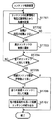
次に、情報受信端末110のコンテンツ表示処理について、図6を用いて詳細に説明する。図6は、実施の形態1にかかる情報受信端末110のコンテンツ表示処理のフローチャートである。 Next, content display processing of the
まず、情報受信端末110は、コンテンツ受信部111において、情報送信サーバ100から送られてきたコンテンツを受信する(ST601)。 First,
次に、情報受信端末110は、コンテンツ検索部113において、ST601において受信したコンテンツから、現在位置に対応するコンテンツを検索する(ST602)。なお、ST602の処理の詳細については後述する。 Next,
次に、情報受信端末110は、出力制御部118において、ST602において検索したコンテンツに対し、その距離に応じた表示方法を選択し、選択した表示方法に制御したコンテンツを出力部119に出力する(ST603)。そして、出力部119が送られてきたコンテンツを表示する(ST604)。なお、ST603の処理の詳細については後述する。 Next, in
次に、コンテンツ検索部113のコンテンツ検索処理(ST602)の処理について、図7を用いて詳細に説明する。 Next, the content search process (ST602) of
まず、コンテンツ検索部113は、受信コンテンツ管理部112で管理されているコンテンツに対して、付与されている属性情報の位置情報と検出情報管理部115が管理する現在位置情報とから距離を計算する(ST701)。 First, the
そして、ST701において計算した距離が所定の距離より値が小さければ、コンテンツ検索部113は、近い距離のコンテンツであると判定し(ST702)、表示コンテンツの候補とする(ST703)。また、コンテンツ検索部113は、ST701において計算した距離が所定の距離以上であれば、そのコンテンツを表示コンテンツの候補から外す。 If the distance calculated in ST701 is smaller than the predetermined distance,
そして、コンテンツ検索部113は、受信コンテンツ管理部112で管理されている全てのコンテンツに対して、ST701〜ST703の処理を行い(ST704)、表示コンテンツの候補を決定する。 Then,
所定の距離は、常に一定の値であってもよいし、情報受信端末110の移動速度に応じて変化してもよい。移動速度が小さいときに所定の距離を小さく、移動速度が大きいときに所定の距離を大きく設定することにより、移動速度に応じた範囲のコンテンツを選択することができる。 The predetermined distance may always be a constant value or may vary according to the moving speed of the
また、コンテンツ検索部113は、距離の代わりに到着予想時間によってコンテンツを検索してもよい。その場合、コンテンツ検索部113は、受信コンテンツ管理部112で管理されているコンテンツに対して、コンテンツに付与されている属性情報の位置情報と、検出情報管理部115が管理する現在位置情報及び速度情報から、現在位置からコンテンツに関連付けられた位置までの到着予想時間を計算する。そして、コンテンツ検索部113は、計算した時間に対応する到着予定時間(図3の415行)が付与されているコンテンツを表示コンテンツの候補とする。また、コンテンツ検索部113は、到着予想時間を以下の式で計算する。 Further, the
(到着予想時間)=(現在位置からコンテンツに関連付けられた位置までの距離)÷(速度情報)
次に、コンテンツ検索部113は、ST704において検索した表示コンテンツの候補数が所定の数より多いか判断し(ST705)、多ければ候補のコンテンツ全てに対して(ST706)、他の検索条件を用いて件数の絞り込みを行う(ST707)。(Estimated arrival time) = (distance from the current position to the position associated with the content) / (speed information)
Next,
一方、ST705において、コンテンツ検索部113は、表示コンテンツの候補数が所定の数より少ない場合はコンテンツ検索処理を終了する。 On the other hand, in ST705,
なお、コンテンツを検索する検索条件の他の例としては、コンテンツの存在方向、コンテンツの有効期間、優先度、カテゴリなどが考えられる。 Note that other examples of search conditions for searching for content include the direction in which the content exists, the validity period of the content, the priority, the category, and the like.
コンテンツの存在方向は、前の位置から現在位置へのベクトルを移動ベクトルとし、現在位置からコンテンツまでのベクトルをコンテンツベクトルとすると、
cosθ=(移動ベクトルとコンテンツベクトルとの内積)/((移動ベクトルの大きさ)×(コンテンツベクトルの大きさ))で移動方向とコンテンツの存在方向との角度θが得られる。The content direction is defined as a vector from the previous position to the current position as a movement vector and a vector from the current position to the content as a content vector.
cos θ = (inner product of the movement vector and the content vector) / ((the magnitude of the movement vector) × (the magnitude of the content vector)) gives the angle θ between the movement direction and the content existence direction.
これにより、コンテンツが移動方向に対してどちらに存在するかが計算できる。すなわち、コンテンツが、情報受信端末110の移動に対して前方にあるか後方にあるかがわかるので、前方にある(近づきつつある)コンテンツを選択することが可能となる。 Thereby, it can be calculated in which direction the content exists with respect to the moving direction. That is, since it is known whether the content is ahead or behind with respect to the movement of the
コンテンツの有効期間は、現在時刻が有効期間内にあるコンテンツを選択してもよいし、有効期間に入る以前のコンテンツをも含めて選択してもよい。これにより、これから有効になるコンテンツも予告的に表示することが可能となる。 The effective period of the content may be selected including contents whose current time is within the effective period, or may include contents before the effective period. As a result, it becomes possible to display content that will be valid from now on in advance.
優先度によりコンテンツを選択することにより、送信側が重要と考えるコンテンツを優先的に選択することができる。 By selecting content according to priority, it is possible to preferentially select content that the transmission side considers important.
カテゴリについては、例えば情報受信端末110の利用者130の趣味などを登録情報管理部114に登録しておき、検索条件として用いてもよい。これにより、花の好きな利用者にとっては花に関する情報(例えば花屋の情報)を選択することができる。また、検出情報管理部115の検索条件を、例えば時刻情報に置き換えてもよい。例えば現在時刻が午後0時半だった場合、昼食の時間帯なのでカテゴリとして「レストラン」を生成し、検索に用いることによって、レストラン情報を昼食時に選択することができる。 For the category, for example, the hobby of the
また、ST706における検索処理は、所定の検索数になるまで検索キーを順番に用いてもよいし、最初から複数の検索キーを用いて検索してもよい。前述の説明では始めに距離で検索を行ったが、始めに別の検索キーを用いてもよい。コンテンツに対して計算した距離やコンテンツ存在方向はあとの処理で使用するためコンテンツに属性として追加する。 In the search processing in ST706, search keys may be used in order until the predetermined number of searches is reached, or search may be performed using a plurality of search keys from the beginning. In the above description, the search is first performed by distance, but another search key may be used first. The distance and content direction calculated for the content are added as attributes to the content for use in later processing.
また、コンテンツ検索部113は、優先度を持つ検索キーを複数持ち、優先度の高い検索キーを順に用いて所定の検索結果数になるまでコンテンツの検索を行う用にしても良い。これによれば、優先度の高い検索キーで検索される属性を持つコンテンツを優先的に選択して表示するコンテンツの数を限定することができる。 Further, the
このように、コンテンツ検索部113は、位置情報検出部117が検出し検出情報管理部115が管理する位置情報とコンテンツに付与された属性情報に基づき登録情報管理部114が蓄積管理するコンテンツから表示するコンテンツを検索する。 In this way, the
次に、出力制御部118のコンテンツ表示制御(ST603)の処理について、図8を用いて詳細に説明する。 Next, the content display control (ST603) processing of the
まず、出力制御部118は、図6のコンテンツ検索処理(ST602)において、検索した表示するコンテンツを、表示するコンテンツに付与されている属性情報の位置情報と検出情報管理部115が管理する現在位置情報との距離の短い順にソートする(ST801)。 First, in the content search process (ST602) of FIG. 6, the
なお、ST801において、出力制御部118は、距離の長い順に、表示するコンテンツをソートしても良い。 In ST801, the
また、ST801において、出力制御部118は、単純に距離だけでなく、移動方向、移動速度、距離との関係を用いて表示するコンテンツをソートしてもよい。例えば、出力制御部118は、移動方向前方のコンテンツについては多少距離が離れていても近いと判断したり、移動方向後方のコンテンツに対しては距離が近くても遠いと判断したりする。これにより、移動方向に即した距離感の判定が可能になる。つまり、近づいている位置に対応するコンテンツは近く、遠ざかる位置に対応するコンテンツは遠くと判断できる。 In ST801, the
また、ST801において、出力制御部118は、到着予想時間順にコンテンツをソートしても良い。このように、実際の距離ではなく、到着予想時間順にコンテンツをソートすることにより、そのときの移動速度で移動することによって実際に有効になると思われる順にコンテンツを並べることができる。 Also, in ST801, the
次に、出力制御部118は、ST801においてソートした距離の一番短いコンテンツに付与されている属性情報の位置情報と検出情報管理部115が管理する現在位置情報との距離が所定の距離以下であるか判断する。そして、出力制御部118は、この距離が所定の距離以下である場合は、対応するコンテンツを周辺のコンテンツと判断する(ST802)。 Next,
次に、出力制御部118は、周辺のコンテンツに対しては、周辺のコンテンツ用の表示方法を選択し(ST803)、距離が離れている(周辺でない)コンテンツに対しては距離が離れているコンテンツ用の表示方法を選択する(ST804)。 Next, the
例えば、周辺のコンテンツに対して、コンテンツ全体を表示し、距離の離れているコンテンツはコンテンツの名前、要約などコンテンツの一部を表示するように制御する。 For example, control is performed so that the entire content is displayed with respect to surrounding content, and a part of the content such as the name and summary of the content is displayed for the distant content.
これにより、出力制御部118は、距離の近いコンテンツほどより多くの情報を表示するような、広告の表示方法の制御を行うことができる。この結果、利用者130は、広告の表示方法に基づいてコンテンツとの位置関係を把握できる。また、利用者130は、周辺のコンテンツ、つまり必要性の高いコンテンツに対してはより多くの情報を得ることができる。 As a result, the
また、図8のフローでは、コンテンツを周辺のコンテンツと距離が離れているコンテンツというように2段階に分けて表示する制御を行うが、予め決めておいた距離に応じてコンテンツの表示方法を2段階以上に変えるようにしても良い。例えば、出力制御部118は、距離が500m以内のコンテンツはコンテンツ全体を表示するようにし、500mから1km以内のコンテンツに対してはコンテンツの一部、1km〜3kmの範囲のコンテンツに対しては名前と要約、3km〜5kmの範囲のコンテンツに対しては名前だけというふうに表示方法を変えても良い。これにより、利用者130は、コンテンツとの距離をより細かく認識することができる。 In the flow of FIG. 8, control is performed to display content in two stages, such as content that is far from surrounding content. However, the content display method is set to 2 according to a predetermined distance. You may make it change in more steps. For example, the
なお、コンテンツに付与された位置情報と現在位置との距離に応じてコンテンツの表示方法を制御するのではなく、コンテンツに付与された位置への到着予想時刻に応じて表示方法を制御するようにしても良い。すなわち、近くのコンテンツほど多くの情報を表示するのではなく、到着予想時間が短いコンテンツほど多くの情報を表示するようにしてもよい。これにより、実際に有効となると思われるコンテンツほど多くの情報が表示される。この結果、利用者は、そのときの移動速度で移動することによってすぐに有効になると思われるコンテンツの情報をより多く得ることができる。 The display method is not controlled according to the distance between the position information given to the content and the current position, but is controlled according to the estimated arrival time at the position given to the content. May be. That is, instead of displaying more information as the content is closer, more information may be displayed as the content has a shorter expected arrival time. As a result, a larger amount of information is displayed for a content that is considered to be actually effective. As a result, the user can obtain more information on the content that will be effective immediately by moving at the moving speed at that time.
次に、出力制御部118は、ST803もしくはST804において選択した表示方法を用いた表示画面を生成し、出力部119に出力する(ST805)。 Next,
そして、出力制御部118は、ST801においてソートした表示コンテンツの距離の短い方から長い方へ順に全ての表示コンテンツに対してST802〜ST805の処理を行い(ST806)、処理を終了する。 Then,
このように、出力制御部118が、表示するコンテンツを情報受信端末110との距離の短い順に並べて出力することにより、利用者130に表示コンテンツとの位置関係を視覚的に認識させることができる。 As described above, the
また、出力制御部118が、表示するコンテンツを情報受信端末110との距離に応じて異なる表示をするように制御することにより、利用者130は表示方法からも表示コンテンツとの距離を把握できる。また、距離の近い表示コンテンツほど表示する情報量を多くすることにより、利用者130に必要性の高いコンテンツの情報をより多く提示することができる。 Further, the
以上説明したように、実施の形態1によれば、コンテンツの提示のしかたをコンテンツと情報受信端末との位置関係によって変えることができる。これにより、現在位置とコンテンツとの距離関係が明確になるように表示できるので、コンテンツを利用者が選択しやすいようにできる。また、情報受信端末110側において、コンテンツの出力の仕方を切り替えるので、放送コンテンツを受信する場合であっても、コンテンツの出力を切り替えられる。 As described above, according to the first embodiment, how to present content can be changed depending on the positional relationship between the content and the information receiving terminal. Thereby, since it can display so that the distance relationship between a present position and a content may become clear, it can make it easy for a user to select a content. In addition, since the method of content output is switched on the
なお、利用者130が、出力部119の出力画面でコンテンツのタイトルや要約を見てコンテンツを選択し、コンテンツ全体を視聴できるようにしても良い。 Note that the
また、実施の形態1では、コンテンツとの距離に応じて表示方法を変える形態で説明したが、コンテンツとの距離に応じて出力する音声などを変えても良い。 In the first embodiment, the display method is changed according to the distance from the content. However, the output sound may be changed according to the distance from the content.
また、実施の形態1では、情報受信端末110からの距離が所定の距離より近いか否かに応じてコンテンツの表示の切り替えをする形態で説明したが、情報受信端末110からの距離の近い順に所定数ずつコンテンツの表示方法を変える形態であっても良い。この場合は、出力部119の表示情報量に応じて所定数を変えることが好ましい。 Further, in the first embodiment, the display of content is switched according to whether the distance from the
また、送信者が優先度をコンテンツに付与し、情報受信端末110が高い優先度が付与されたコンテンツの表示順や表示量を変更するようにしても良い。これにより、優先度の高いコンテンツを優先的に表示することができる。 Further, the sender may give priority to the content, and the
また、出力制御部118は、放送局を区別するための放送局IDに基づきコンテンツの出力方法の制御を行うようにしても良い。これにより、表示対象とする放送エリアではないエリアで受信したコンテンツを、表示対象とするエリアに移動した際に直ちに表示することが可能となる。 Further, the
また、コンテンツを表示する場合に、2画面にしてもよい。例えば、車のフロント側の表示画面とリア側の表示画面の2画面に分割しても良い。この場合は、リア側の表示画面には、現在位置に非常に近いものは表示しないようにする。これにより、リア側の表示画面で近接したコンテンツを見た人が、近接したコンテンツを見たいと運転手に要望をし、運転手が急激にハンドルを操作するなどの危険な行為をすることを防止できる。 Moreover, when displaying a content, you may make it 2 screens. For example, the display screen may be divided into two screens, a front display screen and a rear display screen. In this case, a display very close to the current position is not displayed on the rear display screen. As a result, a person who has seen close content on the display screen on the rear side requests the driver to see the close content, and the driver suddenly operates the steering wheel. Can be prevented.
(実施の形態2)
次に、本発明の実施の形態2にかかる情報配信システムについて説明する。図9は、実施の形態2にかかる情報配信システムの構成図である。なお、図9において、図1と同じ構成要素については同じ符号を用い、説明を省略する。(Embodiment 2)
Next, an information distribution system according to the second exemplary embodiment of the present invention will be described. FIG. 9 is a configuration diagram of the information distribution system according to the second embodiment. In FIG. 9, the same components as those in FIG.
実施の形態2にかかる情報配信システムが実施の形態1にかかる情報配信システムと異なるのは、実施の形態1では情報送信サーバ100が属性情報を付帯するコンテンツを放送で配信するのに対し、実施の形態2では情報送信サーバ200がコンテンツの属性情報のみを放送し、属性情報に基づきコンテンツの実体を別途通信により受信する点である。 The information distribution system according to the second embodiment is different from the information distribution system according to the first embodiment in that, in the first embodiment, the
以下、具体的に実施の形態2にかかる情報配信システムについて説明する。 The information distribution system according to the second embodiment will be specifically described below.
情報送信サーバ200は、コンテンツデータベース103が管理するコンテンツに対して属性付与部102において属性を付与してコンテンツ情報を生成する。次に、コンテンツ情報管理部202は、属性付与部102が生成したコンテンツ情報を管理する。そして、コンテンツ情報送信部201は、コンテンツ情報管理部202が管理するコンテンツ情報を放送し、情報受信端末210がそれを受信する。 The
情報受信端末210は、情報送信サーバ200から送信されるコンテンツ情報をコンテンツ情報受信部211で受信し、コンテンツ情報管理部212で蓄積管理する。ここで、情報受信端末210が受信し蓄積管理するコンテンツ情報には、コンテンツの実体は含まれない。 The
次に、コンテンツ検索部113が、コンテンツ情報管理部212が管理するコンテンツ情報を実施の形態1で説明したのと同様の方法で検索する。 Next, the
次に、出力制御部118は、検索結果に応じて、実施の形態1と同様に、タイトル、要約などの出力制御を行い、出力部119に出力する。 Next, the
しかし、コンテンツ検索部113の検索結果は、コンテンツ情報のみであり、コンテンツの実体は含まない。よって、コンテンツの実体の全てまたは一部を表示するコンテンツについては、コンテンツ選択部213が表示すべきコンテンツを選択し、コンテンツ情報の記述に基づきコンテンツ受信部111で受信して出力制御部118で出力制御を行う。 However, the search result of the
また、コンテンツ受信部111は指定された放送局、チャンネル、放送時刻に基づき放送を受信してもよいし、指定されたサーバおよびファイル名に基づき通信で取得してもよい。 Further, the
放送コンテンツに関するコンテンツ情報の例としては図3が挙げられる。情報受信端末210が、距離の条件によりコンテンツの実体を表示する場合は、コンテンツ受信部111は、行406<Station>に記載される放送局、行407<Channel>に記載される放送チャンネル、行408<Start>に記載される放送開始時刻、行409<End>に記載される放送終了時刻に基づきコンテンツを受信すればよい。 FIG. 3 is an example of content information related to broadcast content. When the
また、通信コンテンツに関するコンテンツ情報の例としては図10が挙げられる。図10に示す通信コンテンツが図4に示す放送コンテンツと異なるのは行406〜409の代わりに行606が記載されている点である。 Moreover, FIG. 10 is mentioned as an example of the content information regarding communication content. The communication content shown in FIG. 10 is different from the broadcast content shown in FIG. 4 in that a
情報受信端末210が、距離の条件によりコンテンツの実体を表示する場合は、コンテンツ受信部111は、行606<URL>に記載されたアドレスに基づきコンテンツ送信要求をサーバに送信し、コンテンツを取得する。コンテンツを取得するためのプロトコルとして代表的なものにFTP、HTTPが挙げられる。 When the
以上説明したように、実施の形態2によれば、情報受信端末210がコンテンツまでの距離を含むコンテンツの属性情報に基づいて表示するコンテンツ情報を選択でき、選択したコンテンツ情報の実体であるコンテンツを別途取得して、取得したコンテンツを距離に応じた表示方法で表示することができる。 As described above, according to the second embodiment, the
また、実施の形態2によれば、情報送信サーバ200がコンテンツの属性情報のみを放送し、属性情報に基づきコンテンツの実体を別途通信により受信することができる。これにより、情報受信端末210は距離に応じて表示に必要なコンテンツのみを通信により受信でき、放送の伝送帯域を節約することができる。 In addition, according to the second embodiment, the
なお、利用者130に出力部119の出力を参照させて内容を参照するコンテンツを選択させ、選択されたコンテンツの属性情報をコンテンツ選択部213で抽出してコンテンツ受信部111でコンテンツを受信し、出力するようにしても良い。 In addition, the
また、実施の形態2では、情報送信サーバ200がコンテンツ情報送信部201とコンテンツ送信部101の双方を有した形態で説明したが、図11に示すように、コンテンツ情報送信部201とコンテンツ送信部101とを別の送信サーバが有する形態であっても良い。 In the second embodiment, the
図11の例では、コンテンツ情報送信サーバ700は、コンテンツ情報を蓄積するコンテンツ情報データベース703からコンテンツ情報を属性付与部102、コンテンツ情報管理部202、コンテンツ情報送信部201を介して情報受信端末210に送信する。 In the example of FIG. 11, the content
また、情報送信サーバ710は、コンテンツの実体のみを蓄積するコンテンツデータベース103からコンテンツを、コンテンツ送信部101を介して情報受信端末210に送信する。なお、図11の例では、複数の情報送信サーバ710、711が存在する。 Further, the
本明細書は、2004年8月5日出願の特願2004−229734に基づく。この内容はすべてここに含めておく。 This specification is based on Japanese Patent Application No. 2004-229734 of an application on August 5, 2004. All this content is included here.
本発明にかかる情報受信端末および情報配信システムは、地域情報を含むコンテンツの表示のしかたを情報受信端末からの距離によって変えることができ、携帯電話や車載端末などの移動端末等として有用である。 The information receiving terminal and the information distribution system according to the present invention can change the display method of contents including regional information depending on the distance from the information receiving terminal, and are useful as mobile terminals such as mobile phones and in-vehicle terminals.
本発明は情報を受信する情報受信端末および情報配信システムに関するものである。 The present invention relates to an information receiving terminal and an information distribution system that receive information.
従来の情報配信システムとしては、移動端末に対して地域に密着した情報を提供することを目的として、地域情報に関連付けられた位置と、移動端末の現在位置との距離に応じて異なる情報を配信するものがあった(例えば、特許文献1参照)。 Conventional information distribution systems distribute different information depending on the distance between the location associated with the regional information and the current location of the mobile terminal in order to provide the mobile terminal with information closely related to the region. (For example, refer to Patent Document 1).
この従来技術は、情報送信サーバに発信範囲が異なる地域情報を複数登録する。そして、情報送信サーバは、移動端末の位置情報を受信した場合に、移動端末の位置情報と地域情報に関連付けられた位置情報との距離を計算する。次に、情報送信サーバは、端末距離に応じた地域情報を移動端末に対して送信する。言い換えると、情報送信サーバが、移動端末の位置に対応する地域情報を送信する。
しかしながら、従来の構成は、地域情報をランダムに表示するだけなので、地域情報の位置関係が分からない。すなわち、どの地域情報が最も現在位置に近いのかがわからないという課題がある。 However, since the conventional configuration only displays the regional information at random, the positional relationship of the regional information is unknown. That is, there is a problem that it is not known which area information is closest to the current position.
本発明の目的は、現在位置と地域情報との距離関係が明確になるようにすることにより、地域情報を利用者が選択しやすいようにすることを可能とした情報受信端末および情報配信システムを提供することである。 An object of the present invention is to provide an information receiving terminal and an information distribution system that make it easy for a user to select regional information by clarifying the distance relationship between the current position and the regional information. Is to provide.
本発明は、コンテンツに付与された位置情報と情報受信端末内で検出した現在位置との距離を計算し、計算した距離に基づいてコンテンツの出力方法の制御を行うようにした。 In the present invention, the distance between the position information given to the content and the current position detected in the information receiving terminal is calculated, and the content output method is controlled based on the calculated distance.
本発明によれば、コンテンツの出力方法をコンテンツと情報受信端末との位置関係によって変えることができる。これにより、現在位置とコンテンツとの距離関係が明確になるように表示できるので、コンテンツを利用者が選択しやすいようにできる。 According to the present invention, the content output method can be changed depending on the positional relationship between the content and the information receiving terminal. Thereby, since it can display so that the distance relationship between a present position and a content may become clear, it can make it easy for a user to select a content.
以下、本発明の実施の形態について、図面を参照しながら説明する。 Hereinafter, embodiments of the present invention will be described with reference to the drawings.
(実施の形態1)
本発明の実施の形態1における情報配信システムの構成について図1を用いて説明する。図1は、本発明の実施の形態1における情報配信システムの構成図である。
(Embodiment 1)
The configuration of the information distribution system in
図1において、情報送信サーバ100は情報受信端末110に対してコンテンツを放送する。利用者130は、情報受信端末110が受信したコンテンツを視聴する。
In FIG. 1, the
情報送信サーバ100が使用する放送手段としては、主に地上波放送や衛星放送、無線LANや携帯電話などの電波を用いることが考えられるが、赤外線など他の放送媒体を用いてもよい。また、放送手段は、無線に限定されず、インターネットやケーブルテレビを含む有線による放送手段を用いてもよい。また、放送範囲は、地上波放送のように半径数十キロメートル以上の広範囲でもよいし、図2に示すように、半径数十メートルから数キロメートルでもよい。
As broadcasting means used by the
図2で示す放送の形態の具体例としては、ミニFM局や携帯電話の基地局などが挙げられる。図2の例では、半径数十メートルから数キロメートルの放送範囲301の中にある情報受信端末302に対して、コンテンツを放送する複数の放送局303〜305が存在する。
Specific examples of the broadcast form shown in FIG. 2 include a mini FM station and a mobile phone base station. In the example of FIG. 2, there are a plurality of
また、情報送信サーバ100と情報受信端末110とが同一の端末内に存在し、コンテンツの送受信を伴わずに同一端末内で処理する場合もあり得る。
In addition, the
次に、情報送信サーバ100の構成について説明する。情報送信サーバ100は、コンテンツを保持するコンテンツデータベース103を有する。また、情報送信サーバ100には、コンテンツデータベース103に保持されたコンテンツに対し、対応する属性を付与する属性付与部102が設けられている。属性付与部102は、属性を付与したコンテンツをコンテンツ送信部101に送り、コンテンツ送信部101が情報受信端末110に送信する。
Next, the configuration of the
属性付与部102が付与する属性としては、位置情報、カテゴリ、有効期間、優先度、放送局ID、到着予想時間等がある。
Attributes provided by the
位置情報は、地理的位置情報であり、例として緯度、経度の値がある。コンテンツが商店の広告情報や観光地の観光案内情報などである場合、位置情報は商店や観光地の位置を示す。 The position information is geographical position information, and examples include latitude and longitude values. When the content is advertising information of a store or sightseeing guide information of a sightseeing spot, the location information indicates the location of the shop or sightseeing spot.
カテゴリは、コンテンツの種類を示し、「広告」「観光案内」といったコンテンツの分類のほか、「レストラン」「食料品」など広告主の商店の種類、あるいは商店の名称、観光地の名称などがあり得る。あるいは、カテゴリは、そのコンテンツを見せたい利用者の分類である年齢や性別、職業などであってもよい。 The category indicates the type of content. In addition to the content classification such as “advertising” and “tourist information”, the type of the advertiser's store such as “restaurant” and “groceries”, the name of the store, the name of the tourist destination, etc. obtain. Alternatively, the category may be age, sex, occupation, etc., which are classifications of users who want to view the content.
有効期間は、そのコンテンツを表示すべき日時を示し、有効期間の開始日時または時刻、終了日時または時刻を記載すればよい。 The valid period indicates the date and time when the content is to be displayed, and the start date and time and the end date and time of the valid period may be described.
優先度は、コンテンツを表示する際の優先度であり、送信側である情報送信サーバ100にとってのコンテンツの重要度を表すことができる。表現としては「高」「中」「低」で表現してもよいし、あるいは例として5を高優先度、1を低優先度として数値で表現してもよい。例えば、広告を優先的に表示させ、観光案内は重要度を下げてもよいし、広告間でも商店の種類によって異なった重要度を付与することもできる。
The priority is a priority at the time of displaying the content, and can represent the importance of the content for the
放送局IDは、送信する放送局や表示する放送局を区別できる識別子で、それを確認することによりコンテンツがどの放送局から送信されているか(現在位置がどの放送局の放送エリアか)、またそのコンテンツをどの放送局の放送エリアで表示すべきかが確認できる。 The broadcast station ID is an identifier that can distinguish between the broadcast station to be transmitted and the broadcast station to be displayed. By confirming this, the broadcast station ID is transmitted from which broadcast station (the current broadcast station's broadcast area), or It can be confirmed in which broadcast station the content should be displayed.
また、到着予想時間は、情報受信端末110が位置情報の位置までに到着するまでの時間を示す。到着予想時間により、どのコンテンツを表示するか選択するようになっている。
The estimated arrival time indicates the time until the
以上の属性は、コンテンツに付帯されたデータとして送信される。また送信する放送局のIDは、送信する周波数によって区別してもよい。 The above attributes are transmitted as data attached to the content. Further, the ID of the broadcasting station to be transmitted may be distinguished according to the frequency to be transmitted.
次に、属性をXMLで記述した例について、図3を用いて説明する。XMLは、eXtensible Markup Languageの略であり、その詳細はウェブページhttp://www.w3.orgを参照されたい。また、図3における各行の左端の数字は説明のための行番号である。 Next, an example in which attributes are described in XML will be described with reference to FIG. XML is an abbreviation for eExtensible Markup Language, details of which can be found on the web page http: // www. w3. see org. Further, the leftmost number in each line in FIG. 3 is a line number for explanation.
行401はこの記述がXMLで記述されていることを示す。行402<Content>から行416</Content>で囲まれた行がコンテンツの属性を示す。行403<Title>はコンテンツのタイトルであり花屋の広告であることを示している。行404<Abstract>はコンテンツの要約を示す。行405<Location>は地理的位置を示し、広告主である花屋の位置を示す。行406<Station>はそのコンテンツが放送される放送局名を、行407<Channel>はそのコンテンツが放送されるチャンネルを示す。放送局名「Station 5」は図2の放送局Station5(305)を示すものとする。
A
行408<Start>、行409<End>は放送開始時刻および放送終了時刻を表す。
なお、既知の放送局およびチャンネルで何らかのコンテンツを受信している場合はすでに放送局やチャンネル、放送時間帯がわかっているので、行406から行409まではなくてもよい。
If some content is received by a known broadcasting station and channel, the broadcasting station, channel, and broadcasting time zone are already known, so that the
行410<Valid_Station>はそのコンテンツが有効となる放送局名を示す。放送局名「Station3」は図2の放送局Station3(303)を示すものとする。
A
行411<Valid_Start>、行412<Valid_End>はそのコンテンツを表示できる有効期間の開始時刻および終了時刻を表す。放送時間帯にすでに有効期間が始まっている場合、行411はなくてもよい。
A
行413<Category>はそのコンテンツのカテゴリを示し、行414<Priority>は重要度が高いことを示す。
A
行415<Arrival unit=”minute”>は、到着予想時間を示し、ここに記載されている時間に到着が予想される場合は、このコンテンツを選択することを示している。図3の例では、0−3分の間に到着が予想される場合は、図3に示すコンテンツが選択されることを示す。
A
次に、情報受信端末110の構成について、図1を用いて説明する。
Next, the configuration of the
情報受信端末110には、情報送信サーバ100からコンテンツおよびその属性情報を受信し、受信コンテンツ管理部112に記録するコンテンツ受信部111が設けられている。受信コンテンツ管理部112は、コンテンツおよびその属性情報を記録、管理する手段である。
The
また、情報受信端末110には、情報受信端末110の現在位置を検出する位置情報検出部117が設けられている。位置情報検出部117の現在位置の検出方法としては、GPS(Global Positioning System)が考えられる。また、位置情報検出部117は、携帯電話やPHS(Personal Handyphone System)などの基地局から位置を表すID情報を受信して位置情報としてもよい。そして、位置情報検出部117は、検出した位置情報を検出情報管理部115に送り、検出情報管理部115が管理する。
Further, the
また、情報受信端末110には、現在時刻を検出する時刻情報検出部116が設けられている。時刻情報検出部116は、検出した時刻情報を検出情報管理部115に送り、検出情報管理部115が時刻情報を管理する。
The
また、情報受信端末110には、情報受信端末110の移動速度を検出する速度情報検出部121が設けられている。速度情報検出部116は、検出した移動速度を検出情報管理部115に送り、検出情報管理部115が移動速度を管理する。速度情報検出部116は、速度メータなどの汎用の速度検出手段である。
The
また、検出情報管理部115は、検出した現在位置情報や現在時刻の履歴情報も用いることにより、情報受信端末110の移動情報を検出するようにしても良い。例えば、以前の位置情報と現在の位置情報との差を計算することによって移動距離や移動方向を検出することができる。
Further, the detection
また、速度情報検出部116は、検出情報管理部115が検出した現在位置情報と現在時刻の履歴情報を用いることにより、移動距離とそれにかかった時間(時刻情報の差)を計算することによって移動速度を検出してもよい。
Further, the speed
また、情報受信端末110には、情報受信端末110の利用者130の趣味などを登録する登録情報管理部114が設けられている。
In addition, the
また、情報受信端末110には、受信コンテンツ管理部112が管理するコンテンツから表示するコンテンツを検索するコンテンツ検索部113が設けられている。コンテンツ検索部113は、表示コンテンツの対象として、広告や観光案内など位置に関連するコンテンツのうち、情報受信端末110の現在位置に近いものを検索して表示する。また、コンテンツ検索部113は、登録情報管理部114に登録されている利用者130の趣味などの情報をコンテンツの検索条件として用いてもよい。
In addition, the
また、情報受信端末110には、コンテンツの距離やコンテンツの存在方向を含む属性情報を用いて、コンテンツ表示の仕方を制御する出力制御部118が設けられている。出力制御部118は、表示方法を制御した結果である表示画面を出力部119に出力し、出力部119がこれを出力する。
In addition, the
出力制御部118の、コンテンツの表示方法の例としては、次のものが考えられる。
(1)コンテンツの全体
(2)コンテンツの一部
(3)コンテンツの要約
(4)コンテンツのタイトル
(5)表示の順番
(6)一覧表示か1つずつ順次表示
このように、出力制御部118は、距離の近いコンテンツほど多くの情報を表示する。出力制御部118の、コンテンツ表示の例を図4に示す。図4は情報受信端末110の表示画面の例を示したものである。
As an example of the content display method of the
(1) Content as a whole (2) Part of content (3) Content summary (4) Content title (5) Display order (6) List display or sequentially displayed one by one In this way, the
図4に示す表示画面40の上部には、情報受信端末110周辺の地図400が配置されている。地図400中の黒丸401は情報受信端末の現在位置を、地点1(405)、地点2(406)、地点A(407)、地点B(408)は商店や施設の位置を示す。
A
表示画面40の下部には、各地点405〜408に対する広告402〜404が、情報受信端末401との距離が短い順に表示されている。
In the lower part of the
これにより、利用者130は、表示順からコンテンツ(広告)との位置関係を認識できる。
Thereby, the
地点1(405)および地点2(406)は、情報受信端末401に近いため、それぞれの広告402、403には、名前と要約が表示されている。一方、地点A(407)および地点B(408)は、情報受信端末401から離れているため、それぞれの広告404には名前のみが表示されている。
Since the point 1 (405) and the point 2 (406) are close to the
また、広告402〜404は、情報受信端末401から近い順に一覧表示されている。また、図5に示すよう表示画面500のように、情報受信端末401に近い地点1(405)の広告501として、対応するコンテンツ全体を表示するようにしても良い。表示画面500の場合、情報受信端末401から二番目に遠い地点2(406)に関する広告403)については、図4に示す表示画面400と同様に名前および要約を表示する。なお、情報受信端末401から二番目に遠い地点2(406)に関する広告(403)については、対応するコンテンツの一部(静止画、ダイジェスト映像など)のみを表示する用にしても良い。
The
このように、出力制御部118は、情報受信端末401との距離が近いコンテンツほどより多くの情報を表示するような、広告の表示方法の制御を行う。これにより、利用者130は、広告の表示方法に基づいてコンテンツとの位置関係を把握できる。また、利用者130は、周辺のコンテンツ、つまり必要性の高いコンテンツに対してはより多くの情報を得ることができる。
In this way, the
また、出力制御部118は、コンテンツの順番だけでなく、予め決めておいた距離に応じてコンテンツの表示方法を変えても良い。例えば、情報受信端末401との距離が500m以内のコンテンツはコンテンツ全体を表示するようにし、500mから1km以内のコンテンツに対してはコンテンツの一部、1km〜3kmの範囲のコンテンツに対しては名前と要約、3km〜5kmの範囲のコンテンツに対しては名前だけというふうに表示方法を変えても良い。
Further, the
出力部119は、モニタなどの表示装置である。なお、出力部119は、表示以外の出力、例えば音声などを出力しても良い。
The
また、情報受信端末110には、操作入力部120が設けられている。操作入力部120は、出力部119の表示を見た利用者130が、所望のコンテンツを選択したり、表示方法の変更をしたりするという操作に関する情報を入力する部分である。
The
次に、情報受信端末110のコンテンツ表示処理について、図6を用いて詳細に説明する。図6は、実施の形態1にかかる情報受信端末110のコンテンツ表示処理のフローチャートである。
Next, content display processing of the
まず、情報受信端末110は、コンテンツ受信部111において、情報送信サーバ100から送られてきたコンテンツを受信する(ST601)。
First,
次に、情報受信端末110は、コンテンツ検索部113において、ST601において受信したコンテンツから、現在位置に対応するコンテンツを検索する(ST602)。なお、ST602の処理の詳細については後述する。
Next,
次に、情報受信端末110は、出力制御部118において、ST602において検索したコンテンツに対し、その距離に応じた表示方法を選択し、選択した表示方法に制御したコンテンツを出力部119に出力する(ST603)。そして、出力部119が送られてきたコンテンツを表示する(ST604)。なお、ST603の処理の詳細については後述する。
Next, in
次に、コンテンツ検索部113のコンテンツ検索処理(ST602)の処理について、図7を用いて詳細に説明する。
Next, the content search process (ST602) of
まず、コンテンツ検索部113は、受信コンテンツ管理部112で管理されているコンテンツに対して、付与されている属性情報の位置情報と検出情報管理部115が管理する現在位置情報とから距離を計算する(ST701)。
First, the
そして、ST701において計算した距離が所定の距離より値が小さければ、コンテンツ検索部113は、近い距離のコンテンツであると判定し(ST702)、表示コンテンツの候補とする(ST703)。また、コンテンツ検索部113は、ST701において計算した距離が所定の距離以上であれば、そのコンテンツを表示コンテンツの候補から外す。
If the distance calculated in ST701 is smaller than the predetermined distance,
そして、コンテンツ検索部113は、受信コンテンツ管理部112で管理されている全てのコンテンツに対して、ST701〜ST703の処理を行い(ST704)、表示コンテンツの候補を決定する。
Then,
所定の距離は、常に一定の値であってもよいし、情報受信端末110の移動速度に応じて変化してもよい。移動速度が小さいときに所定の距離を小さく、移動速度が大きいときに所定の距離を大きく設定することにより、移動速度に応じた範囲のコンテンツを選択することができる。
The predetermined distance may always be a constant value or may vary according to the moving speed of the
また、コンテンツ検索部113は、距離の代わりに到着予想時間によってコンテンツを検索してもよい。その場合、コンテンツ検索部113は、受信コンテンツ管理部112で管理されているコンテンツに対して、コンテンツに付与されている属性情報の位置情報と、検出情報管理部115が管理する現在位置情報及び速度情報から、現在位置からコンテンツに関連付けられた位置までの到着予想時間を計算する。そして、コンテンツ検索部113は、計算した時間に対応する到着予定時間(図3の415行)が付与されているコンテンツを表示コンテンツの候補とする。また、コンテンツ検索部113は、到着予想時間を以下の式で計算する。
Further, the
(到着予想時間)=(現在位置からコンテンツに関連付けられた位置までの距離)÷(速度情報)
次に、コンテンツ検索部113は、ST704において検索した表示コンテンツの候補数が所定の数より多いか判断し(ST705)、多ければ候補のコンテンツ全てに対して(ST706)、他の検索条件を用いて件数の絞り込みを行う(ST707)。
(Estimated arrival time) = (distance from the current position to the position associated with the content) / (speed information)
Next,
一方、ST705において、コンテンツ検索部113は、表示コンテンツの候補数が所定の数より少ない場合はコンテンツ検索処理を終了する。
On the other hand, in ST705,
なお、コンテンツを検索する検索条件の他の例としては、コンテンツの存在方向、コンテンツの有効期間、優先度、カテゴリなどが考えられる。 Note that other examples of search conditions for searching for content include the direction in which the content exists, the validity period of the content, the priority, the category, and the like.
コンテンツの存在方向は、前の位置から現在位置へのベクトルを移動ベクトルとし、現在位置からコンテンツまでのベクトルをコンテンツベクトルとすると、
cosθ=(移動ベクトルとコンテンツベクトルとの内積)/((移動ベクトルの大きさ)×(コンテンツベクトルの大きさ))
で移動方向とコンテンツの存在方向との角度θが得られる。
The content direction is defined as a vector from the previous position to the current position as a movement vector and a vector from the current position to the content as a content vector.
cos θ = (inner product of movement vector and content vector) / ((size of movement vector) × (size of content vector))
Thus, the angle θ between the moving direction and the content existing direction is obtained.
これにより、コンテンツが移動方向に対してどちらに存在するかが計算できる。すなわち、コンテンツが、情報受信端末110の移動に対して前方にあるか後方にあるかがわかるので、前方にある(近づきつつある)コンテンツを選択することが可能となる。
Thereby, it can be calculated in which direction the content exists with respect to the moving direction. That is, since it is known whether the content is ahead or behind with respect to the movement of the
コンテンツの有効期間は、現在時刻が有効期間内にあるコンテンツを選択してもよいし、有効期間に入る以前のコンテンツをも含めて選択してもよい。これにより、これから有効になるコンテンツも予告的に表示することが可能となる。 The effective period of the content may be selected including contents whose current time is within the effective period, or may include contents before the effective period. As a result, it becomes possible to display content that will be valid from now on in advance.
優先度によりコンテンツを選択することにより、送信側が重要と考えるコンテンツを優先的に選択することができる。 By selecting content according to priority, it is possible to preferentially select content that the transmission side considers important.
カテゴリについては、例えば情報受信端末110の利用者130の趣味などを登録情報管理部114に登録しておき、検索条件として用いてもよい。これにより、花の好きな利用者にとっては花に関する情報(例えば花屋の情報)を選択することができる。また、検出情報管理部115の検索条件を、例えば時刻情報に置き換えてもよい。例えば現在時刻が午後0時半だった場合、昼食の時間帯なのでカテゴリとして「レストラン」を生成し、検索に用いることによって、レストラン情報を昼食時に選択することができる。
For the category, for example, the hobby of the
また、ST706における検索処理は、所定の検索数になるまで検索キーを順番に用いてもよいし、最初から複数の検索キーを用いて検索してもよい。前述の説明では始めに距離で検索を行ったが、始めに別の検索キーを用いてもよい。コンテンツに対して計算した距離やコンテンツ存在方向はあとの処理で使用するためコンテンツに属性として追加する。 In the search processing in ST706, search keys may be used in order until the predetermined number of searches is reached, or search may be performed using a plurality of search keys from the beginning. In the above description, the search is first performed by distance, but another search key may be used first. The distance and content direction calculated for the content are added as attributes to the content for use in later processing.
また、コンテンツ検索部113は、優先度を持つ検索キーを複数持ち、優先度の高い検索キーを順に用いて所定の検索結果数になるまでコンテンツの検索を行う用にしても良い。これによれば、優先度の高い検索キーで検索される属性を持つコンテンツを優先的に選択して表示するコンテンツの数を限定することができる。
Further, the
このように、コンテンツ検索部113は、位置情報検出部117が検出し検出情報管理部115が管理する位置情報とコンテンツに付与された属性情報に基づき登録情報管理部114が蓄積管理するコンテンツから表示するコンテンツを検索する。
In this way, the
次に、出力制御部118のコンテンツ表示制御(ST603)の処理について、図8を用いて詳細に説明する。
Next, the content display control (ST603) processing of the
まず、出力制御部118は、図6のコンテンツ検索処理(ST602)において、検索した表示するコンテンツを、表示するコンテンツに付与されている属性情報の位置情報と検出情報管理部115が管理する現在位置情報との距離の短い順にソートする(ST801)。
First, in the content search process (ST602) of FIG. 6, the
なお、ST801において、出力制御部118は、距離の長い順に、表示するコンテンツをソートしても良い。
In ST801, the
また、ST801において、出力制御部118は、単純に距離だけでなく、移動方向、移動速度、距離との関係を用いて表示するコンテンツをソートしてもよい。例えば、出力制御部118は、移動方向前方のコンテンツについては多少距離が離れていても近いと判断したり、移動方向後方のコンテンツに対しては距離が近くても遠いと判断したりする。これにより、移動方向に即した距離感の判定が可能になる。つまり、近づいている位置に対応するコンテンツは近く、遠ざかる位置に対応するコンテンツは遠くと判断できる。
In ST801, the
また、ST801において、出力制御部118は、到着予想時間順にコンテンツをソートしても良い。このように、実際の距離ではなく、到着予想時間順にコンテンツをソートすることにより、そのときの移動速度で移動することによって実際に有効になると思われる順にコンテンツを並べることができる。
Also, in ST801, the
次に、出力制御部118は、ST801においてソートした距離の一番短いコンテンツに付与されている属性情報の位置情報と検出情報管理部115が管理する現在位置情報との距離が所定の距離以下であるか判断する。そして、出力制御部118は、この距離が所定の距離以下である場合は、対応するコンテンツを周辺のコンテンツと判断する(ST802)。
Next,
次に、出力制御部118は、周辺のコンテンツに対しては、周辺のコンテンツ用の表示方法を選択し(ST803)、距離が離れている(周辺でない)コンテンツに対しては距離が離れているコンテンツ用の表示方法を選択する(ST804)。
Next, the
例えば、周辺のコンテンツに対して、コンテンツ全体を表示し、距離の離れているコンテンツはコンテンツの名前、要約などコンテンツの一部を表示するように制御する。 For example, control is performed so that the entire content is displayed with respect to surrounding content, and a part of the content such as the name and summary of the content is displayed for the distant content.
これにより、出力制御部118は、距離の近いコンテンツほどより多くの情報を表示するような、広告の表示方法の制御を行うことができる。この結果、利用者130は、広告の表示方法に基づいてコンテンツとの位置関係を把握できる。また、利用者130は、周辺のコンテンツ、つまり必要性の高いコンテンツに対してはより多くの情報を得ることができる。
As a result, the
また、図8のフローでは、コンテンツを周辺のコンテンツと距離が離れているコンテンツというように2段階に分けて表示する制御を行うが、予め決めておいた距離に応じてコンテンツの表示方法を2段階以上に変えるようにしても良い。例えば、出力制御部118は、距離が500m以内のコンテンツはコンテンツ全体を表示するようにし、500mから1km以内のコンテンツに対してはコンテンツの一部、1km〜3kmの範囲のコンテンツに対しては名前と要約、3km〜5kmの範囲のコンテンツに対しては名前だけというふうに表示方法を変えても良い。これにより、利用者130は、コンテンツとの距離をより細かく認識することができる。
In the flow of FIG. 8, control is performed to display content in two stages, such as content that is far from surrounding content. However, the content display method is set to 2 according to a predetermined distance. You may make it change in more steps. For example, the
なお、コンテンツに付与された位置情報と現在位置との距離に応じてコンテンツの表示方法を制御するのではなく、コンテンツに付与された位置への到着予想時刻に応じて表示方法を制御するようにしても良い。すなわち、近くのコンテンツほど多くの情報を表示するのではなく、到着予想時間が短いコンテンツほど多くの情報を表示するようにしてもよい。これにより、実際に有効となると思われるコンテンツほど多くの情報が表示される。この結果、利用者は、そのときの移動速度で移動することによってすぐに有効になると思われるコンテンツの情報をより多く得ることができる。 The display method is not controlled according to the distance between the position information given to the content and the current position, but is controlled according to the estimated arrival time at the position given to the content. May be. That is, instead of displaying more information as the content is closer, more information may be displayed as the content has a shorter expected arrival time. As a result, a larger amount of information is displayed for a content that is considered to be actually effective. As a result, the user can obtain more information on the content that will be effective immediately by moving at the moving speed at that time.
次に、出力制御部118は、ST803もしくはST804において選択した表示方法を用いた表示画面を生成し、出力部119に出力する(ST805)。
Next,
そして、出力制御部118は、ST801においてソートした表示コンテンツの距離の短い方から長い方へ順に全ての表示コンテンツに対してST802〜ST805の処理を行い(ST806)、処理を終了する。
Then,
このように、出力制御部118が、表示するコンテンツを情報受信端末110との距離の短い順に並べて出力することにより、利用者130に表示コンテンツとの位置関係を視覚的に認識させることができる。
As described above, the
また、出力制御部118が、表示するコンテンツを情報受信端末110との距離に応じて異なる表示をするように制御することにより、利用者130は表示方法からも表示コンテンツとの距離を把握できる。また、距離の近い表示コンテンツほど表示する情報量を多くすることにより、利用者130に必要性の高いコンテンツの情報をより多く提示することができる。
Further, the
以上説明したように、実施の形態1によれば、コンテンツの提示のしかたをコンテンツと情報受信端末との位置関係によって変えることができる。これにより、現在位置とコンテンツとの距離関係が明確になるように表示できるので、コンテンツを利用者が選択しやすいようにできる。また、情報受信端末110側において、コンテンツの出力の仕方を切り替えるので、放送コンテンツを受信する場合であっても、コンテンツの出力を切り替えられる。
As described above, according to the first embodiment, how to present content can be changed depending on the positional relationship between the content and the information receiving terminal. Thereby, since it can display so that the distance relationship between a present position and a content may become clear, it can make it easy for a user to select a content. In addition, since the method of content output is switched on the
なお、利用者130が、出力部119の出力画面でコンテンツのタイトルや要約を見てコンテンツを選択し、コンテンツ全体を視聴できるようにしても良い。
Note that the
また、実施の形態1では、コンテンツとの距離に応じて表示方法を変える形態で説明したが、コンテンツとの距離に応じて出力する音声などを変えても良い。 In the first embodiment, the display method is changed according to the distance from the content. However, the output sound may be changed according to the distance from the content.
また、実施の形態1では、情報受信端末110からの距離が所定の距離より近いか否かに応じてコンテンツの表示の切り替えをする形態で説明したが、情報受信端末110からの距離の近い順に所定数ずつコンテンツの表示方法を変える形態であっても良い。この場合は、出力部119の表示情報量に応じて所定数を変えることが好ましい。
Further, in the first embodiment, the display of content is switched according to whether the distance from the
また、送信者が優先度をコンテンツに付与し、情報受信端末110が高い優先度が付与されたコンテンツの表示順や表示量を変更するようにしても良い。これにより、優先度の高いコンテンツを優先的に表示することができる。
Further, the sender may give priority to the content, and the
また、出力制御部118は、放送局を区別するための放送局IDに基づきコンテンツの出力方法の制御を行うようにしても良い。これにより、表示対象とする放送エリアではないエリアで受信したコンテンツを、表示対象とするエリアに移動した際に直ちに表示することが可能となる。
Further, the
また、コンテンツを表示する場合に、2画面にしてもよい。例えば、車のフロント側の表示画面とリア側の表示画面の2画面に分割しても良い。この場合は、リア側の表示画面には、現在位置に非常に近いものは表示しないようにする。これにより、リア側の表示画面で近接したコンテンツを見た人が、近接したコンテンツを見たいと運転手に要望をし、運転手が急激にハンドルを操作するなどの危険な行為をすることを防止できる。 Moreover, when displaying a content, you may make it 2 screens. For example, the display screen may be divided into two screens, a front display screen and a rear display screen. In this case, a display very close to the current position is not displayed on the rear display screen. As a result, a person who has seen close content on the display screen on the rear side requests the driver to see the close content, and the driver suddenly operates the steering wheel. Can be prevented.
(実施の形態2)
次に、本発明の実施の形態2にかかる情報配信システムについて説明する。図9は、実施の形態2にかかる情報配信システムの構成図である。なお、図9において、図1と同じ構成要素については同じ符号を用い、説明を省略する。
(Embodiment 2)
Next, an information distribution system according to the second exemplary embodiment of the present invention will be described. FIG. 9 is a configuration diagram of the information distribution system according to the second embodiment. In FIG. 9, the same components as those in FIG.
実施の形態2にかかる情報配信システムが実施の形態1にかかる情報配信システムと異なるのは、実施の形態1では情報送信サーバ100が属性情報を付帯するコンテンツを放送で配信するのに対し、実施の形態2では情報送信サーバ200がコンテンツの属性情報のみを放送し、属性情報に基づきコンテンツの実体を別途通信により受信する点である。
The information distribution system according to the second embodiment is different from the information distribution system according to the first embodiment in that, in the first embodiment, the
以下、具体的に実施の形態2にかかる情報配信システムについて説明する。 The information distribution system according to the second embodiment will be specifically described below.
情報送信サーバ200は、コンテンツデータベース103が管理するコンテンツに対して属性付与部102において属性を付与してコンテンツ情報を生成する。次に、コンテンツ情報管理部202は、属性付与部102が生成したコンテンツ情報を管理する。そして、コンテンツ情報送信部201は、コンテンツ情報管理部202が管理するコンテンツ情報を放送し、情報受信端末210がそれを受信する。
The
情報受信端末210は、情報送信サーバ200から送信されるコンテンツ情報をコンテンツ情報受信部211で受信し、コンテンツ情報管理部212で蓄積管理する。ここで、情報受信端末210が受信し蓄積管理するコンテンツ情報には、コンテンツの実体は含まれない。
The
次に、コンテンツ検索部113が、コンテンツ情報管理部212が管理するコンテンツ情報を実施の形態1で説明したのと同様の方法で検索する。
Next, the
次に、出力制御部118は、検索結果に応じて、実施の形態1と同様に、タイトル、要約などの出力制御を行い、出力部119に出力する。
Next, the
しかし、コンテンツ検索部113の検索結果は、コンテンツ情報のみであり、コンテンツの実体は含まない。よって、コンテンツの実体の全てまたは一部を表示するコンテンツについては、コンテンツ選択部213が表示すべきコンテンツを選択し、コンテンツ情報の記述に基づきコンテンツ受信部111で受信して出力制御部118で出力制御を行う。
However, the search result of the
また、コンテンツ受信部111は指定された放送局、チャンネル、放送時刻に基づき放送を受信してもよいし、指定されたサーバおよびファイル名に基づき通信で取得してもよい。
Further, the
放送コンテンツに関するコンテンツ情報の例としては図3が挙げられる。情報受信端末210が、距離の条件によりコンテンツの実体を表示する場合は、コンテンツ受信部111は、行406<Station>に記載される放送局、行407<Channel>に記載される放送チャンネル、行408<Start>に記載される放送開始時刻、行409<End>に記載される放送終了時刻に基づきコンテンツを受信すればよい。
FIG. 3 is an example of content information related to broadcast content. When the
また、通信コンテンツに関するコンテンツ情報の例としては図10が挙げられる。図10に示す通信コンテンツが図4に示す放送コンテンツと異なるのは行406〜409の代わりに行606が記載されている点である。
Moreover, FIG. 10 is mentioned as an example of the content information regarding communication content. The communication content shown in FIG. 10 is different from the broadcast content shown in FIG. 4 in that a
情報受信端末210が、距離の条件によりコンテンツの実体を表示する場合は、コンテンツ受信部111は、行606<URL>に記載されたアドレスに基づきコンテンツ送信要求をサーバに送信し、コンテンツを取得する。コンテンツを取得するためのプロトコルとして代表的なものにFTP、HTTPが挙げられる。
When the
以上説明したように、実施の形態2によれば、情報受信端末210がコンテンツまでの距離を含むコンテンツの属性情報に基づいて表示するコンテンツ情報を選択でき、選択したコンテンツ情報の実体であるコンテンツを別途取得して、取得したコンテンツを距離に応じた表示方法で表示することができる。
As described above, according to the second embodiment, the
また、実施の形態2によれば、情報送信サーバ200がコンテンツの属性情報のみを放送し、属性情報に基づきコンテンツの実体を別途通信により受信することができる。これにより、情報受信端末210は距離に応じて表示に必要なコンテンツのみを通信により受信でき、放送の伝送帯域を節約することができる。
In addition, according to the second embodiment, the
なお、利用者130に出力部119の出力を参照させて内容を参照するコンテンツを選択させ、選択されたコンテンツの属性情報をコンテンツ選択部213で抽出してコンテンツ受信部111でコンテンツを受信し、出力するようにしても良い。
In addition, the
また、実施の形態2では、情報送信サーバ200がコンテンツ情報送信部201とコンテンツ送信部101の双方を有した形態で説明したが、図11に示すように、コンテンツ情報送信部201とコンテンツ送信部101とを別の送信サーバが有する形態であっても良い。
In the second embodiment, the
図11の例では、コンテンツ情報送信サーバ700は、コンテンツ情報を蓄積するコンテンツ情報データベース703からコンテンツ情報を属性付与部102、コンテンツ情報管理部202、コンテンツ情報送信部201を介して情報受信端末210に送信する。
In the example of FIG. 11, the content
また、情報送信サーバ710は、コンテンツの実体のみを蓄積するコンテンツデータベース103からコンテンツを、コンテンツ送信部101を介して情報受信端末210に送信する。なお、図11の例では、複数の情報送信サーバ710、711が存在する。
Further, the
本明細書は、2004年8月5日出願の特願2004−229734に基づく。この内容はすべてここに含めておく。 This specification is based on Japanese Patent Application No. 2004-229734 of an application on August 5, 2004. All this content is included here.
本発明にかかる情報受信端末および情報配信システムは、地域情報を含むコンテンツの表示のしかたを情報受信端末からの距離によって変えることができ、携帯電話や車載端末などの移動端末等として有用である。 The information receiving terminal and the information distribution system according to the present invention can change the display method of contents including regional information depending on the distance from the information receiving terminal, and are useful as mobile terminals such as mobile phones and in-vehicle terminals.
Claims (13)
前記コンテンツ検索部が前記出力優先度情報に基づき前記コンテンツを検索する請求項1に記載の情報受信端末。The attribute information includes output priority information,
The information receiving terminal according to claim 1, wherein the content search unit searches the content based on the output priority information.
前記出力制御部が前記出力優先度情報に基づき前記コンテンツの出力方法の制御を行う請求項1に記載の情報受信端末。The attribute information includes output priority information,
The information receiving terminal according to claim 1, wherein the output control unit controls an output method of the content based on the output priority information.
前記出力制御部が前記放送局を区別する情報に基づき前記コンテンツの出力方法の制御を行う請求項1に記載の情報受信端末。The attribute information includes a broadcast station ID for distinguishing broadcast stations,
The information receiving terminal according to claim 1, wherein the output control unit controls an output method of the content based on information for distinguishing the broadcasting stations.
前記コンテンツ検出部は、前記位置情報検出部が検出した前記現在位置情報、前記速度情報検出部が検出した前記移動速度、および前記コンテンツの前記位置情報に基づき前記現在位置情報に対応する前記コンテンツを検索し、
前記出力制御部は、検索した前記コンテンツの位置情報から前記現在位置情報までの到着予想時間に基づき前記検索したコンテンツの出力方法の制御を行う請求項1記載の情報受信端末。Provided with a speed information detection unit for detecting the moving speed,
The content detection unit detects the content corresponding to the current position information based on the current position information detected by the position information detection unit, the moving speed detected by the speed information detection unit, and the position information of the content. Search
The information receiving terminal according to claim 1, wherein the output control unit controls an output method of the searched content based on an estimated arrival time from the searched position information of the content to the current position information.
前記情報受信端末が前記情報送信サーバから送信された前記属性情報が付与された前記コンテンツを受信する情報配信システム。A content storage unit for storing content, an attribute information management unit for managing attribute information including position information to be given to the content, and a content transmission unit for giving and sending the attribute information to the content Comprising an information transmitting server and the information receiving terminal according to claim 1,
An information distribution system in which the information receiving terminal receives the content to which the attribute information transmitted from the information transmitting server is added.
Applications Claiming Priority (3)
| Application Number | Priority Date | Filing Date | Title |
|---|---|---|---|
| JP2004229734 | 2004-08-05 | ||
| JP2004229734 | 2004-08-05 | ||
| PCT/JP2005/014092 WO2006013844A1 (en) | 2004-08-05 | 2005-08-02 | Information receiving terminal and information distributing system |
Publications (1)
| Publication Number | Publication Date |
|---|---|
| JPWO2006013844A1 true JPWO2006013844A1 (en) | 2008-05-01 |
Family
ID=35787128
Family Applications (1)
| Application Number | Title | Priority Date | Filing Date |
|---|---|---|---|
| JP2006531477A Pending JPWO2006013844A1 (en) | 2004-08-05 | 2005-08-02 | Information receiving terminal and information distribution system |
Country Status (5)
| Country | Link |
|---|---|
| US (1) | US8014792B2 (en) |
| EP (1) | EP1783621A4 (en) |
| JP (1) | JPWO2006013844A1 (en) |
| CN (1) | CN100514313C (en) |
| WO (1) | WO2006013844A1 (en) |
Families Citing this family (35)
| Publication number | Priority date | Publication date | Assignee | Title |
|---|---|---|---|---|
| KR20090001403A (en) * | 2007-06-29 | 2009-01-08 | 엘지전자 주식회사 | Telematics terminal capable of receiving broadcasts and processing method of broadcast signal |
| JP4969342B2 (en) * | 2007-07-03 | 2012-07-04 | パナソニック株式会社 | Receiving terminal and receiving method |
| US20090193455A1 (en) * | 2008-01-29 | 2009-07-30 | Samsung Electronics Co., Ltd. | Information storage medium and method for providing additional contents based on trigger, and digital broadcast reception apparatus |
| US8973028B2 (en) * | 2008-01-29 | 2015-03-03 | Samsung Electronics Co., Ltd. | Information storage medium storing metadata and method of providing additional contents, and digital broadcast reception apparatus |
| KR101573333B1 (en) * | 2008-01-29 | 2015-12-02 | 삼성전자주식회사 | Method and apparatus for providing content sharing service |
| WO2009096684A2 (en) | 2008-01-29 | 2009-08-06 | Samsung Electronics Co,. Ltd. | Content recording control method for peers, and a device therefor |
| JP2009211422A (en) * | 2008-03-04 | 2009-09-17 | Fujitsu Ltd | Content distribution server, content distribution program, and content distribution method |
| JP4621758B2 (en) * | 2008-07-08 | 2011-01-26 | パナソニック株式会社 | Content information reproducing apparatus, content information reproducing system, and information processing apparatus |
| US10095375B2 (en) * | 2008-07-09 | 2018-10-09 | Apple Inc. | Adding a contact to a home screen |
| FR2934106B1 (en) * | 2008-07-21 | 2010-09-03 | Anthoine Laetitia Caroline Edmee Gazel | DEVICE FOR DISPLAYING MOBILE PHONES WITH VARIABLE INFORMATION ACCORDING TO THE TIME AND POSITION OF THE TELEPHONE IN THE URBAN ENVIRONMENT |
| TWI558199B (en) | 2008-08-08 | 2016-11-11 | 尼康股份有限公司 | Carry information machine and information acquisition system |
| US8473335B2 (en) * | 2008-09-09 | 2013-06-25 | Outside.In, Inc. | Providing geocoded targeted web content |
| US9715553B1 (en) | 2010-06-18 | 2017-07-25 | Google Inc. | Point of interest retrieval |
| US9194716B1 (en) * | 2010-06-18 | 2015-11-24 | Google Inc. | Point of interest category ranking |
| WO2012054638A2 (en) | 2010-10-22 | 2012-04-26 | T2 Biosystems, Inc. | Nmr systems and methods for the detection of analytes |
| US8409807B2 (en) | 2010-10-22 | 2013-04-02 | T2 Biosystems, Inc. | NMR systems and methods for the rapid detection of analytes |
| CN102999499B (en) * | 2011-09-09 | 2016-03-02 | 联想(北京)有限公司 | Information processing method and device |
| KR101998818B1 (en) * | 2011-11-03 | 2019-07-10 | 한민규 | Contents display method and content providing method using identification of wireless communication apparatus, user terminal and sysyem of content providing |
| EP2839038B1 (en) | 2012-04-20 | 2019-01-16 | T2 Biosystems, Inc. | Compositions and methods for detection of candida species |
| US10354004B2 (en) | 2012-06-07 | 2019-07-16 | Apple Inc. | Intelligent presentation of documents |
| JP5950717B2 (en) * | 2012-06-25 | 2016-07-13 | アルパイン株式会社 | Client device |
| EP2685329B1 (en) * | 2012-07-11 | 2015-09-23 | ABB Research Ltd. | Presenting process data of a process control object on a mobile terminal |
| CN103685687B (en) * | 2012-09-04 | 2016-03-16 | 百度在线网络技术(北京)有限公司 | Based on voice interactive method and the mobile terminal of context aware |
| JP5270037B1 (en) * | 2012-12-20 | 2013-08-21 | 雄太 安藤 | Method and system for causing mobile terminal to acquire site page of web server based on current position |
| WO2014098192A1 (en) * | 2012-12-20 | 2014-06-26 | Ando Yuta | Method and system for causing portable terminal to obtain site page of web server associated with current location |
| JP5327929B1 (en) * | 2013-05-16 | 2013-10-30 | 雄太 安藤 | Method and system for causing mobile terminal to acquire site page of web server based on current position |
| JP6012862B2 (en) * | 2013-05-24 | 2016-10-25 | 三菱電機株式会社 | Map information processing apparatus and map information processing method |
| JP6033174B2 (en) * | 2013-07-04 | 2016-11-30 | Kddi株式会社 | Distance estimation system |
| JP5830706B2 (en) * | 2014-01-29 | 2015-12-09 | パナソニックIpマネジメント株式会社 | Clerk work management device, clerk work management system, and clerk work management method |
| JP2016157422A (en) * | 2015-02-25 | 2016-09-01 | パナソニックIpマネジメント株式会社 | Information presentation device |
| CA3011901A1 (en) | 2016-01-21 | 2017-07-27 | T2 Biosystems, Inc. | Nmr methods and systems for the rapid detection of bacteria |
| US10645462B2 (en) * | 2016-12-31 | 2020-05-05 | Turner Broadcasting System, Inc. | Dynamic channel versioning in a broadcast air chain |
| US10694231B2 (en) | 2016-12-31 | 2020-06-23 | Turner Broadcasting System, Inc. | Dynamic channel versioning in a broadcast air chain based on user preferences |
| JP7221734B2 (en) * | 2019-02-28 | 2023-02-14 | 株式会社Nttドコモ | Information processing equipment |
| WO2022254562A1 (en) | 2021-05-31 | 2022-12-08 | パイオニア株式会社 | Information processing device, information processing method, and information processing program |
Citations (4)
| Publication number | Priority date | Publication date | Assignee | Title |
|---|---|---|---|---|
| JPH11316541A (en) * | 1998-05-01 | 1999-11-16 | Hitachi Ltd | Map application system and map display control method |
| JP2000184431A (en) * | 1998-12-18 | 2000-06-30 | Nec Corp | Method and system for providing terminal peripheral information |
| JP2001134618A (en) * | 1999-08-26 | 2001-05-18 | Naoyuki Kageyama | Portable information system |
| JP2003330832A (en) * | 2002-05-13 | 2003-11-21 | Casio Comput Co Ltd | Information providing system, method and apparatus, and program |
Family Cites Families (29)
| Publication number | Priority date | Publication date | Assignee | Title |
|---|---|---|---|---|
| DE69428505T2 (en) * | 1993-12-27 | 2002-06-06 | Aisin Aw Co., Ltd. | Map display system |
| US7110880B2 (en) * | 1997-10-22 | 2006-09-19 | Intelligent Technologies International, Inc. | Communication method and arrangement |
| US5911773A (en) * | 1995-07-24 | 1999-06-15 | Aisin Aw Co., Ltd. | Navigation system for vehicles |
| EP0944032A4 (en) * | 1997-07-02 | 2001-02-28 | Mitsubishi Electric Corp | VEHICLE NAVIGATOR |
| US6680694B1 (en) * | 1997-08-19 | 2004-01-20 | Siemens Vdo Automotive Corporation | Vehicle information system |
| US6243091B1 (en) * | 1997-11-21 | 2001-06-05 | International Business Machines Corporation | Global history view |
| KR100508807B1 (en) * | 1998-10-10 | 2005-12-21 | 삼성전자주식회사 | Traffic Information Service Method |
| FI106823B (en) * | 1998-10-23 | 2001-04-12 | Nokia Mobile Phones Ltd | Information Retrieval System |
| US6438561B1 (en) * | 1998-11-19 | 2002-08-20 | Navigation Technologies Corp. | Method and system for using real-time traffic broadcasts with navigation systems |
| JP2000187667A (en) * | 1998-12-22 | 2000-07-04 | Toshiba Corp | Information search / delivery method, information search / delivery device, wireless communication terminal device, and recording medium |
| DE19908869A1 (en) * | 1999-03-01 | 2000-09-07 | Nokia Mobile Phones Ltd | Method for outputting traffic information in a motor vehicle |
| US7139557B2 (en) * | 1999-11-15 | 2006-11-21 | Pango Networks, Inc. | Systems, devices and methods for providing services in a proximity-base environment |
| JP3697568B2 (en) | 2000-02-24 | 2005-09-21 | 株式会社日立製作所 | Information distribution system |
| JP3475142B2 (en) * | 2000-03-01 | 2003-12-08 | 三菱電機株式会社 | Map data transmission device, map data transmission method, and computer-readable recording medium recording a program for causing a computer to execute the map data transmission method |
| US6968179B1 (en) | 2000-07-27 | 2005-11-22 | Microsoft Corporation | Place specific buddy list services |
| US6523021B1 (en) * | 2000-07-31 | 2003-02-18 | Microsoft Corporation | Business directory search engine |
| US6671619B2 (en) * | 2000-08-16 | 2003-12-30 | Alpine Electronics, Inc. | Navigation device |
| US6553310B1 (en) * | 2000-11-14 | 2003-04-22 | Hewlett-Packard Company | Method of and apparatus for topologically based retrieval of information |
| JP2002168632A (en) * | 2000-12-05 | 2002-06-14 | Alpine Electronics Inc | Received information processor |
| JP2002297615A (en) | 2001-03-30 | 2002-10-11 | Justec:Kk | Map information providing method, map information providing system, and computer readable program |
| US7299256B2 (en) * | 2001-04-17 | 2007-11-20 | Hewlett-Packard Development Company, L.P. | Creating a virtual link between a physical location and its web representation |
| US6668177B2 (en) * | 2001-04-26 | 2003-12-23 | Nokia Corporation | Method and apparatus for displaying prioritized icons in a mobile terminal |
| JP4013777B2 (en) * | 2003-02-04 | 2007-11-28 | 株式会社デンソー | Car navigation system |
| JP4090912B2 (en) * | 2003-02-27 | 2008-05-28 | 三菱電機株式会社 | Car navigation system |
| JP4308555B2 (en) * | 2003-03-10 | 2009-08-05 | パナソニック株式会社 | Receiving device and information browsing method |
| JP4340084B2 (en) * | 2003-03-11 | 2009-10-07 | パナソニック株式会社 | Transmitting apparatus and transmitting method |
| JP4203354B2 (en) * | 2003-05-19 | 2008-12-24 | パナソニック株式会社 | Content distribution apparatus and content reception apparatus |
| US7096115B1 (en) * | 2003-09-23 | 2006-08-22 | Navteq North America, Llc | Method and system for developing traffic messages |
| US7176813B2 (en) * | 2004-09-10 | 2007-02-13 | Xanavi Informatics Corporation | System and method for processing and displaying traffic information in an automotive navigation system |
-
2005
- 2005-08-02 JP JP2006531477A patent/JPWO2006013844A1/en active Pending
- 2005-08-02 EP EP05768359A patent/EP1783621A4/en not_active Ceased
- 2005-08-02 CN CNB2005800262840A patent/CN100514313C/en not_active Expired - Lifetime
- 2005-08-02 WO PCT/JP2005/014092 patent/WO2006013844A1/en not_active Ceased
- 2005-08-02 US US11/573,140 patent/US8014792B2/en active Active
Patent Citations (4)
| Publication number | Priority date | Publication date | Assignee | Title |
|---|---|---|---|---|
| JPH11316541A (en) * | 1998-05-01 | 1999-11-16 | Hitachi Ltd | Map application system and map display control method |
| JP2000184431A (en) * | 1998-12-18 | 2000-06-30 | Nec Corp | Method and system for providing terminal peripheral information |
| JP2001134618A (en) * | 1999-08-26 | 2001-05-18 | Naoyuki Kageyama | Portable information system |
| JP2003330832A (en) * | 2002-05-13 | 2003-11-21 | Casio Comput Co Ltd | Information providing system, method and apparatus, and program |
Also Published As
| Publication number | Publication date |
|---|---|
| EP1783621A4 (en) | 2010-02-10 |
| WO2006013844A1 (en) | 2006-02-09 |
| EP1783621A1 (en) | 2007-05-09 |
| CN100514313C (en) | 2009-07-15 |
| CN1993686A (en) | 2007-07-04 |
| US20070249367A1 (en) | 2007-10-25 |
| US8014792B2 (en) | 2011-09-06 |
Similar Documents
| Publication | Publication Date | Title |
|---|---|---|
| JPWO2006013844A1 (en) | Information receiving terminal and information distribution system | |
| CN100462684C (en) | Terminal device, content delivery system, and content acquisition method | |
| US8577602B2 (en) | Method and device for presenting information associated to geographical data | |
| RU2520393C2 (en) | System and method for generating links integrated with user position finding application | |
| EP1544574B1 (en) | Information distribution system and information distribution method | |
| US8494768B2 (en) | Navigation system, method and database using mobile devices | |
| US20160231125A1 (en) | Navigation system and methods for route navigation | |
| JP4317409B2 (en) | Terminal device and information acquisition system | |
| US20060282312A1 (en) | Advertisements in an alert interface | |
| US20070149208A1 (en) | Location based services for mobile communication terminals | |
| KR101533083B1 (en) | Method and apparatus for providing location based contents, and electronic device | |
| JP2016184446A (en) | Location-based searching | |
| JP2005184271A (en) | Information distribution system and information distribution server, and mobile terminal and information distribution method | |
| JP6346885B2 (en) | Spot notification method, spot notification device, and spot notification program | |
| CN105677816A (en) | Information processing method and device | |
| US20130060908A1 (en) | Location-based streaming media channels | |
| JP4890534B2 (en) | Video processing device, communication terminal, point information search device, video processing method, point information notification method, point information search method, video processing program, point information notification program, point information search program, and computer-readable recording medium | |
| JP2002344403A (en) | Information browsing apparatus, information browsing method, and program for causing computer to execute the method | |
| JP6289134B2 (en) | Data processing device, display device, data processing method, data processing program, and data processing system | |
| JP2007336486A (en) | Mobile terminal device, control program therefor, and server | |
| KR101914591B1 (en) | Community-specific banner advertisement service system in which priorities of banner advertisement is determined by reference region | |
| KR20170125563A (en) | Apparatus of Providing the Instant Contents Sharing based on the Mobile Edge Service Platform, System having the same and Method thereof | |
| JP2011233095A (en) | Information providing system, information providing method, information display device, and information display method | |
| JP2001195424A (en) | Information providing device, information terminal transmitting and receiving to/from the same and information managing device managing the them | |
| JP2010086024A (en) | Information terminal device |
Legal Events
| Date | Code | Title | Description |
|---|---|---|---|
| A521 | Request for written amendment filed |
Free format text: JAPANESE INTERMEDIATE CODE: A523 Effective date: 20080703 |
|
| A621 | Written request for application examination |
Free format text: JAPANESE INTERMEDIATE CODE: A621 Effective date: 20080703 |
|
| A131 | Notification of reasons for refusal |
Free format text: JAPANESE INTERMEDIATE CODE: A131 Effective date: 20100928 |
|
| A521 | Request for written amendment filed |
Free format text: JAPANESE INTERMEDIATE CODE: A523 Effective date: 20101124 |
|
| A02 | Decision of refusal |
Free format text: JAPANESE INTERMEDIATE CODE: A02 Effective date: 20110315 |
|
| A521 | Request for written amendment filed |
Free format text: JAPANESE INTERMEDIATE CODE: A523 Effective date: 20110511 |
|
| A911 | Transfer to examiner for re-examination before appeal (zenchi) |
Free format text: JAPANESE INTERMEDIATE CODE: A911 Effective date: 20110518 |
|
| A912 | Re-examination (zenchi) completed and case transferred to appeal board |
Free format text: JAPANESE INTERMEDIATE CODE: A912 Effective date: 20111021 |