JP7672580B2 - DEVICE, METHOD, AND GRAPHICAL USER INTERFACE FOR GENERATING AND DISPLAYING A USER'S REPRESENTATION - Patent application - Google Patents
DEVICE, METHOD, AND GRAPHICAL USER INTERFACE FOR GENERATING AND DISPLAYING A USER'S REPRESENTATION - Patent application Download PDFInfo
- Publication number
- JP7672580B2 JP7672580B2 JP2024531175A JP2024531175A JP7672580B2 JP 7672580 B2 JP7672580 B2 JP 7672580B2 JP 2024531175 A JP2024531175 A JP 2024531175A JP 2024531175 A JP2024531175 A JP 2024531175A JP 7672580 B2 JP7672580 B2 JP 7672580B2
- Authority
- JP
- Japan
- Prior art keywords
- user
- computer system
- representation
- information
- display
- Prior art date
- Legal status (The legal status is an assumption and is not a legal conclusion. Google has not performed a legal analysis and makes no representation as to the accuracy of the status listed.)
- Active
Links
Images






Classifications
-
- G—PHYSICS
- G06—COMPUTING OR CALCULATING; COUNTING
- G06F—ELECTRIC DIGITAL DATA PROCESSING
- G06F9/00—Arrangements for program control, e.g. control units
- G06F9/06—Arrangements for program control, e.g. control units using stored programs, i.e. using an internal store of processing equipment to receive or retain programs
- G06F9/44—Arrangements for executing specific programs
- G06F9/451—Execution arrangements for user interfaces
-
- G—PHYSICS
- G06—COMPUTING OR CALCULATING; COUNTING
- G06F—ELECTRIC DIGITAL DATA PROCESSING
- G06F1/00—Details not covered by groups G06F3/00 - G06F13/00 and G06F21/00
- G06F1/16—Constructional details or arrangements
- G06F1/1613—Constructional details or arrangements for portable computers
- G06F1/163—Wearable computers, e.g. on a belt
-
- G—PHYSICS
- G06—COMPUTING OR CALCULATING; COUNTING
- G06F—ELECTRIC DIGITAL DATA PROCESSING
- G06F1/00—Details not covered by groups G06F3/00 - G06F13/00 and G06F21/00
- G06F1/16—Constructional details or arrangements
- G06F1/1613—Constructional details or arrangements for portable computers
- G06F1/1633—Constructional details or arrangements of portable computers not specific to the type of enclosures covered by groups G06F1/1615 - G06F1/1626
- G06F1/1684—Constructional details or arrangements related to integrated I/O peripherals not covered by groups G06F1/1635 - G06F1/1675
-
- G—PHYSICS
- G06—COMPUTING OR CALCULATING; COUNTING
- G06F—ELECTRIC DIGITAL DATA PROCESSING
- G06F1/00—Details not covered by groups G06F3/00 - G06F13/00 and G06F21/00
- G06F1/16—Constructional details or arrangements
- G06F1/1613—Constructional details or arrangements for portable computers
- G06F1/1633—Constructional details or arrangements of portable computers not specific to the type of enclosures covered by groups G06F1/1615 - G06F1/1626
- G06F1/1684—Constructional details or arrangements related to integrated I/O peripherals not covered by groups G06F1/1635 - G06F1/1675
- G06F1/1686—Constructional details or arrangements related to integrated I/O peripherals not covered by groups G06F1/1635 - G06F1/1675 the I/O peripheral being an integrated camera
-
- G—PHYSICS
- G06—COMPUTING OR CALCULATING; COUNTING
- G06F—ELECTRIC DIGITAL DATA PROCESSING
- G06F3/00—Input arrangements for transferring data to be processed into a form capable of being handled by the computer; Output arrangements for transferring data from processing unit to output unit, e.g. interface arrangements
- G06F3/002—Specific input/output arrangements not covered by G06F3/01 - G06F3/16
- G06F3/005—Input arrangements through a video camera
-
- G—PHYSICS
- G06—COMPUTING OR CALCULATING; COUNTING
- G06F—ELECTRIC DIGITAL DATA PROCESSING
- G06F3/00—Input arrangements for transferring data to be processed into a form capable of being handled by the computer; Output arrangements for transferring data from processing unit to output unit, e.g. interface arrangements
- G06F3/01—Input arrangements or combined input and output arrangements for interaction between user and computer
- G06F3/011—Arrangements for interaction with the human body, e.g. for user immersion in virtual reality
-
- G—PHYSICS
- G06—COMPUTING OR CALCULATING; COUNTING
- G06F—ELECTRIC DIGITAL DATA PROCESSING
- G06F3/00—Input arrangements for transferring data to be processed into a form capable of being handled by the computer; Output arrangements for transferring data from processing unit to output unit, e.g. interface arrangements
- G06F3/01—Input arrangements or combined input and output arrangements for interaction between user and computer
- G06F3/011—Arrangements for interaction with the human body, e.g. for user immersion in virtual reality
- G06F3/012—Head tracking input arrangements
-
- G—PHYSICS
- G06—COMPUTING OR CALCULATING; COUNTING
- G06F—ELECTRIC DIGITAL DATA PROCESSING
- G06F3/00—Input arrangements for transferring data to be processed into a form capable of being handled by the computer; Output arrangements for transferring data from processing unit to output unit, e.g. interface arrangements
- G06F3/01—Input arrangements or combined input and output arrangements for interaction between user and computer
- G06F3/011—Arrangements for interaction with the human body, e.g. for user immersion in virtual reality
- G06F3/013—Eye tracking input arrangements
-
- G—PHYSICS
- G06—COMPUTING OR CALCULATING; COUNTING
- G06F—ELECTRIC DIGITAL DATA PROCESSING
- G06F3/00—Input arrangements for transferring data to be processed into a form capable of being handled by the computer; Output arrangements for transferring data from processing unit to output unit, e.g. interface arrangements
- G06F3/01—Input arrangements or combined input and output arrangements for interaction between user and computer
- G06F3/011—Arrangements for interaction with the human body, e.g. for user immersion in virtual reality
- G06F3/014—Hand-worn input/output arrangements, e.g. data gloves
-
- G—PHYSICS
- G06—COMPUTING OR CALCULATING; COUNTING
- G06F—ELECTRIC DIGITAL DATA PROCESSING
- G06F3/00—Input arrangements for transferring data to be processed into a form capable of being handled by the computer; Output arrangements for transferring data from processing unit to output unit, e.g. interface arrangements
- G06F3/01—Input arrangements or combined input and output arrangements for interaction between user and computer
- G06F3/016—Input arrangements with force or tactile feedback as computer generated output to the user
-
- G—PHYSICS
- G06—COMPUTING OR CALCULATING; COUNTING
- G06F—ELECTRIC DIGITAL DATA PROCESSING
- G06F3/00—Input arrangements for transferring data to be processed into a form capable of being handled by the computer; Output arrangements for transferring data from processing unit to output unit, e.g. interface arrangements
- G06F3/01—Input arrangements or combined input and output arrangements for interaction between user and computer
- G06F3/017—Gesture based interaction, e.g. based on a set of recognized hand gestures
-
- G—PHYSICS
- G06—COMPUTING OR CALCULATING; COUNTING
- G06F—ELECTRIC DIGITAL DATA PROCESSING
- G06F3/00—Input arrangements for transferring data to be processed into a form capable of being handled by the computer; Output arrangements for transferring data from processing unit to output unit, e.g. interface arrangements
- G06F3/01—Input arrangements or combined input and output arrangements for interaction between user and computer
- G06F3/03—Arrangements for converting the position or the displacement of a member into a coded form
- G06F3/0304—Detection arrangements using opto-electronic means
-
- G—PHYSICS
- G06—COMPUTING OR CALCULATING; COUNTING
- G06F—ELECTRIC DIGITAL DATA PROCESSING
- G06F3/00—Input arrangements for transferring data to be processed into a form capable of being handled by the computer; Output arrangements for transferring data from processing unit to output unit, e.g. interface arrangements
- G06F3/14—Digital output to display device ; Cooperation and interconnection of the display device with other functional units
-
- G—PHYSICS
- G06—COMPUTING OR CALCULATING; COUNTING
- G06F—ELECTRIC DIGITAL DATA PROCESSING
- G06F3/00—Input arrangements for transferring data to be processed into a form capable of being handled by the computer; Output arrangements for transferring data from processing unit to output unit, e.g. interface arrangements
- G06F3/16—Sound input; Sound output
- G06F3/167—Audio in a user interface, e.g. using voice commands for navigating, audio feedback
-
- G—PHYSICS
- G06—COMPUTING OR CALCULATING; COUNTING
- G06T—IMAGE DATA PROCESSING OR GENERATION, IN GENERAL
- G06T19/00—Manipulating 3D models or images for computer graphics
-
- H—ELECTRICITY
- H04—ELECTRIC COMMUNICATION TECHNIQUE
- H04N—PICTORIAL COMMUNICATION, e.g. TELEVISION
- H04N13/00—Stereoscopic video systems; Multi-view video systems; Details thereof
- H04N13/20—Image signal generators
- H04N13/204—Image signal generators using stereoscopic image cameras
- H04N13/239—Image signal generators using stereoscopic image cameras using two 2D image sensors having a relative position equal to or related to the interocular distance
-
- H—ELECTRICITY
- H04—ELECTRIC COMMUNICATION TECHNIQUE
- H04N—PICTORIAL COMMUNICATION, e.g. TELEVISION
- H04N13/00—Stereoscopic video systems; Multi-view video systems; Details thereof
- H04N13/20—Image signal generators
- H04N13/204—Image signal generators using stereoscopic image cameras
- H04N13/254—Image signal generators using stereoscopic image cameras in combination with electromagnetic radiation sources for illuminating objects
-
- H—ELECTRICITY
- H04—ELECTRIC COMMUNICATION TECHNIQUE
- H04N—PICTORIAL COMMUNICATION, e.g. TELEVISION
- H04N13/00—Stereoscopic video systems; Multi-view video systems; Details thereof
- H04N13/20—Image signal generators
- H04N13/271—Image signal generators wherein the generated image signals comprise depth maps or disparity maps
-
- H—ELECTRICITY
- H04—ELECTRIC COMMUNICATION TECHNIQUE
- H04N—PICTORIAL COMMUNICATION, e.g. TELEVISION
- H04N23/00—Cameras or camera modules comprising electronic image sensors; Control thereof
- H04N23/60—Control of cameras or camera modules
- H04N23/64—Computer-aided capture of images, e.g. transfer from script file into camera, check of taken image quality, advice or proposal for image composition or decision on when to take image
-
- G—PHYSICS
- G06—COMPUTING OR CALCULATING; COUNTING
- G06F—ELECTRIC DIGITAL DATA PROCESSING
- G06F3/00—Input arrangements for transferring data to be processed into a form capable of being handled by the computer; Output arrangements for transferring data from processing unit to output unit, e.g. interface arrangements
- G06F3/01—Input arrangements or combined input and output arrangements for interaction between user and computer
- G06F3/048—Interaction techniques based on graphical user interfaces [GUI]
- G06F3/0481—Interaction techniques based on graphical user interfaces [GUI] based on specific properties of the displayed interaction object or a metaphor-based environment, e.g. interaction with desktop elements like windows or icons, or assisted by a cursor's changing behaviour or appearance
- G06F3/0482—Interaction with lists of selectable items, e.g. menus
-
- H—ELECTRICITY
- H04—ELECTRIC COMMUNICATION TECHNIQUE
- H04N—PICTORIAL COMMUNICATION, e.g. TELEVISION
- H04N13/00—Stereoscopic video systems; Multi-view video systems; Details thereof
- H04N2013/0074—Stereoscopic image analysis
- H04N2013/0092—Image segmentation from stereoscopic image signals
Landscapes
- Engineering & Computer Science (AREA)
- Theoretical Computer Science (AREA)
- General Engineering & Computer Science (AREA)
- Physics & Mathematics (AREA)
- General Physics & Mathematics (AREA)
- Human Computer Interaction (AREA)
- Multimedia (AREA)
- Computer Hardware Design (AREA)
- Signal Processing (AREA)
- Software Systems (AREA)
- Computer Graphics (AREA)
- Health & Medical Sciences (AREA)
- Audiology, Speech & Language Pathology (AREA)
- General Health & Medical Sciences (AREA)
- Electromagnetism (AREA)
- User Interface Of Digital Computer (AREA)
- Information Transfer Between Computers (AREA)
- Processing Or Creating Images (AREA)
Description
関連出願の相互参照
本出願は、2022年11月16日に出願された「DEVICEい,METHODS,AND GRAPHICAL USER INTERFACES FOR GENERATING AND DISPLAYING A REPRESENTATION OF A USER」と題する米国特許出願第17/988,532号、及び2021年11月29日に出願された「DEVICES,METHODS,AND GRAPHICAL USER INTERFACES FOR GENERATING AND DISPLAYING A REPRESENTATION OF A USER」と題する米国特許仮出願第63/283,969号の利益を主張し、これらのそれぞれの内容は、参照によりその全体が本明細書に組み込まれる。
CROSS-REFERENCE TO RELATED APPLICATIONS This application is related to U.S. patent application Ser. No. 17/988,532, filed on November 16, 2022, entitled “DEVICE, METHODS, AND GRAPHICAL USER INTERFACES FOR GENERATING AND DISPLAYING A REPRESENTATION OF A USER,” and U.S. patent application Ser. No. 17/988,532, filed on November 29, 2021, entitled “DEVICE, METHODS, AND GRAPHICAL USER INTERFACES FOR GENERATING AND DISPLAYING A REPRESENTATION OF A USER.” This application claims the benefit of U.S. Provisional Patent Application No. 63/283,969, entitled "A SYSTEM FOR INTERFACE USER," the contents of each of which are incorporated herein by reference in their entireties.
技術分野
本開示は、概して、限定はしないが、ディスプレイを介して仮想現実及び複合現実体験を提供する電子デバイスを含む、コンピュータ生成体験を提供するコンピュータシステムに関する。
TECHNICAL FIELD The present disclosure relates generally to computer systems that provide computer-generated experiences, including but not limited to electronic devices that provide virtual reality and mixed reality experiences via a display.
拡張現実のためのコンピュータシステムの開発は、近年顕著に進んでいる。例示的な拡張現実環境は、物理的世界を置換又は強化する少なくともいくつかの仮想要素を含む。コンピュータシステム及び他の電子コンピューティングデバイス用のカメラ、コントローラ、ジョイスティック、タッチ感知面、及びタッチスクリーンディスプレイなどの入力デバイスが、仮想/拡張現実環境と相互作用するために使用される。例示的な仮想要素は、デジタル画像などの仮想オブジェクト、ビデオ、テキスト、アイコン、並びにボタン及び他のグラフィックなど制御要素を含む。 The development of computer systems for augmented reality has progressed significantly in recent years. Exemplary augmented reality environments include at least some virtual elements that replace or augment the physical world. Input devices such as cameras, controllers, joysticks, touch-sensitive surfaces, and touch screen displays for computer systems and other electronic computing devices are used to interact with the virtual/augmented reality environment. Exemplary virtual elements include virtual objects such as digital images, videos, text, icons, and control elements such as buttons and other graphics.
少なくともいくつかの仮想要素を含む環境(例えば、アプリケーション、拡張現実環境、複合現実環境、及び仮想現実環境)においてユーザの表現を生成及び/又は表示するためのいくつかの方法及びインタフェースは、扱いにくく、非効率的であり、制限されている。例えば、ユーザの表現を生成するためのデータをキャプチャするシステム、ユーザの表現を表示するシステム、及び/又はユーザの表現を表示しながら不十分なフィードバックを受信するシステムは、複雑で、退屈で、エラーを起こしやすく、ユーザに著しい認知的負担をもたらし、仮想/拡張現実環境での体験を損なっている。加えて、それらの方法は必要以上に時間がかかり、それによって、コンピュータシステムのエネルギを浪費する。この後者の考慮事項は、バッテリ動作式デバイスにおいて特に重要である。 Some methods and interfaces for generating and/or displaying a representation of a user in an environment that includes at least some virtual elements (e.g., applications, augmented reality environments, mixed reality environments, and virtual reality environments) are cumbersome, inefficient, and limited. For example, systems that capture data to generate a representation of a user, systems that display the representation of a user, and/or systems that receive insufficient feedback while displaying the representation of a user are complex, tedious, and error-prone, creating significant cognitive burden for the user and detracting from the experience in the virtual/augmented reality environment. In addition, the methods are unnecessarily time-consuming, thereby wasting energy of the computer system. This latter consideration is particularly important in battery-operated devices.
したがって、ユーザにとってより効率的で直感的なユーザの表現の作成及び/又は表示を可能にする、コンピュータ生成体験をユーザに提供するための改善された方法及びインタフェースを有するコンピュータシステムが必要とされている。そのような方法及びインタフェースは、任意選択的に、少なくともいくつかの仮想要素を含む環境内にユーザの表現を生成及び/又は表示するための従来の方法を補完又は置換する。このような方法及びインタフェースは、提供された入力とその入力に対するデバイス応答との間の接続をユーザが理解することを補助することにより、ユーザからの入力の数、程度及び/又は種類を低減し、それによって、より効率的なヒューマンマシンインタフェースを生成する。 There is therefore a need for a computer system having improved methods and interfaces for providing a user with a computer-generated experience that allows for the creation and/or display of a representation of the user that is more efficient and intuitive for the user. Such methods and interfaces optionally complement or replace conventional methods for generating and/or displaying a representation of the user in an environment that includes at least some virtual elements. Such methods and interfaces reduce the number, extent and/or type of inputs from the user by helping the user understand the connection between the inputs provided and the device responses to those inputs, thereby producing a more efficient human-machine interface.
コンピュータシステムのユーザインタフェースに関連付けられた上記の欠点及び他の問題は、開示されるシステムによって低減又は解消される。いくつかの実施形態では、コンピュータシステムは、関連付けられたディスプレイを備えたデスクトップコンピュータである。いくつかの実施形態では、コンピュータシステムは、ポータブルデバイスである(例えばノートブックコンピュータ、タブレットコンピュータ、又はハンドヘルドデバイスである)。いくつかの実施形態では、コンピュータシステムは、パーソナル電子デバイス(例えば腕時計やヘッドマウントデバイスなどのウェアラブル電子デバイス)である。いくつかの実施形態では、コンピュータシステムは、タッチパッドを有する。いくつかの実施形態では、コンピュータシステムは、1つ以上のカメラを有する。いくつかの実施形態では、コンピュータシステムは、タッチ感知ディスプレイ(「タッチスクリーン」又は「タッチスクリーンディスプレイ」としても知られる)を有する。いくつかの実施形態では、コンピュータシステムは、1つ以上のアイトラッキングコンポーネントを有する。いくつかの実施形態では、コンピュータシステムは、1つ以上のハンドトラッキングコンポーネントを有する。いくつかの実施形態では、コンピュータシステムは、表示生成構成要素に加えて1つ以上の出力デバイスを有し、出力デバイスは、1つ以上の触知出力ジェネレータ及び/又は1つ以上のオーディオ出力デバイスを含む。いくつかの実施形態では、コンピュータシステムは、グラフィカルユーザインタフェース(GUI)、1つ以上のプロセッサ、メモリ、及び複数の機能を実行するためのメモリに記憶された1つ以上のモジュール、プログラム、又は命令セットを有する。いくつかの実施形態では、ユーザは、タッチ感知面上のスタイラス及び/又は指の接触及びジェスチャ、カメラ及び他の移動センサによってキャプチャされたときのGUI(及び/又はコンピュータシステム)又はユーザの身体に対する空間内のユーザの目及び手の移動、並びに1つ以上のオーディオ入力デバイスによってキャプチャされたときの音声入力を通じてGUIと相互作用する。いくつかの実施形態では、相互作用を通じて実行される機能は、任意選択的に、画像編集、描画、プレゼンティング、ワードプロセッシング、スプレッドシートの作成、ゲームプレイ、電話をかけること、ビデオ会議、電子メール送信、インスタントメッセージング、トレーニングサポート、デジタル写真撮影、デジタルビデオ撮影、ウェブブラウジング、デジタル音楽の再生、メモ取り、及び/又はデジタルビデオの再生を含む。それらの機能を実行する実行可能命令は任意選択で、一次的コンピュータ可読記憶媒体及び/又は非一時的コンピュータ可読記憶媒体、あるいは1つ以上のプロセッサによって実行されるように構成された他のコンピュータプログラム製品に含まれる。 The above disadvantages and other problems associated with user interfaces of computer systems are reduced or eliminated by the disclosed system. In some embodiments, the computer system is a desktop computer with an associated display. In some embodiments, the computer system is a portable device (e.g., a notebook computer, a tablet computer, or a handheld device). In some embodiments, the computer system is a personal electronic device (e.g., a wearable electronic device such as a watch or a head-mounted device). In some embodiments, the computer system has a touchpad. In some embodiments, the computer system has one or more cameras. In some embodiments, the computer system has a touch-sensitive display (also known as a "touch screen" or "touch screen display"). In some embodiments, the computer system has one or more eye tracking components. In some embodiments, the computer system has one or more hand tracking components. In some embodiments, the computer system has one or more output devices in addition to the display generating components, the output devices including one or more tactile output generators and/or one or more audio output devices. In some embodiments, the computer system has a graphical user interface (GUI), one or more processors, a memory, and one or more modules, programs, or sets of instructions stored in the memory for performing a plurality of functions. In some embodiments, a user interacts with the GUI through stylus and/or finger contacts and gestures on a touch-sensitive surface, the movement of the user's eyes and hands in space relative to the GUI (and/or computer system) or the user's body as captured by a camera and other motion sensors, and voice input as captured by one or more audio input devices. In some embodiments, functions performed through the interactions optionally include image editing, drawing, presenting, word processing, creating spreadsheets, game playing, making phone calls, video conferencing, emailing, instant messaging, training support, digital photography, digital videography, web browsing, digital music playback, note taking, and/or digital video playback. Executable instructions to perform those functions are optionally included on a temporary and/or non-transitory computer-readable storage medium or other computer program product configured to be executed by one or more processors.
ユーザの表現を生成及び/又は表示するための改善された方法及びインタフェースを有する電子デバイスが必要とされている。そのような方法及びインタフェースは、ユーザの表現を生成及び/又は表示するための従来の方法を補完又は置換することができる。そのような方法及びインタフェースは、ユーザからの入力の数、程度、及び/又は種類を削減し、より効率的なヒューマンマシンインタフェースを生成する。そのような方法及びインタフェースはまた、コンピュータシステムの処理能力が低減され、それによって、より効率的なヒューマンマシンインタフェースを生成するように、ユーザの表現の関連部分を表示する。バッテリ動作式コンピューティングデバイスの場合、そのような方法及びインタフェースは、電力を節約し、バッテリ充電の間隔を長くする。 There is a need for electronic devices having improved methods and interfaces for generating and/or displaying a user's representation. Such methods and interfaces can complement or replace conventional methods for generating and/or displaying a user's representation. Such methods and interfaces reduce the number, extent, and/or type of input from the user, creating a more efficient human-machine interface. Such methods and interfaces also display relevant portions of the user's representation such that the processing power of the computer system is reduced, thereby creating a more efficient human-machine interface. In the case of battery-operated computing devices, such methods and interfaces conserve power and increase the time between battery charges.
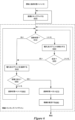
いくつかの実施形態によれば、方法が記載される。本方法は、1つ以上の表示生成構成要素と通信しているコンピュータシステムにおいて実行される。本方法は、コンピュータシステムがユーザの身体上に配置されている間に、1つ以上の表示生成構成要素を介して、ユーザの身体からコンピュータシステムを取り外し、コンピュータシステムを使用してユーザに関連する情報をキャプチャするように指示するプロンプトを表示することと、コンピュータシステムをユーザの身体から取り外すように指示するプロンプトを表示した後に、コンピュータシステムがユーザの身体から取り外されたことを検出することと、コンピュータシステムであって、コンピュータシステムは、情報を使用して、ユーザの表現を生成するように構成されている、コンピュータシステムがユーザの身体から取り外されたことを検出した後に、ユーザに関連する情報をキャプチャすることと、を含む。 According to some embodiments, a method is described. The method is performed in a computer system in communication with one or more display generating components. The method includes displaying, via the one or more display generating components, a prompt while the computer system is disposed on the user's body, instructing the user to remove the computer system from the user's body and to use the computer system to capture information related to the user; detecting that the computer system has been removed from the user's body after displaying the prompt to remove the computer system from the user's body; and a computer system, the computer system configured to use the information to generate a representation of the user, capturing information related to the user after detecting that the computer system has been removed from the user's body.
いくつかの実施形態によれば、非一時的コンピュータ可読記憶媒体が記載される。非一時的コンピュータ可読記憶媒体は、1つ以上の表示生成構成要素と通信しているコンピュータシステムの1つ以上のプロセッサによって実行されるように構成された1つ以上のプログラムを記憶し、1つ以上のプログラムは、コンピュータシステムがユーザの身体上に配置されている間に、1つ以上の表示生成構成要素を介して、ユーザの身体からコンピュータシステムを取り外し、コンピュータシステムを使用してユーザに関連する情報をキャプチャするように指示するプロンプトを表示し、コンピュータシステムをユーザの身体から取り外すように指示するプロンプトを表示した後に、コンピュータシステムがユーザの身体から取り外されたことを検出し、コンピュータシステムであって、コンピュータシステムは、情報を使用して、ユーザの表現を生成するように構成されている、コンピュータシステムがユーザの身体から取り外されたことを検出した後に、ユーザに関連する情報をキャプチャする、命令を含む。 According to some embodiments, a non-transitory computer readable storage medium is described. The non-transitory computer readable storage medium stores one or more programs configured to be executed by one or more processors of a computer system in communication with one or more display generating components, the one or more programs including instructions for displaying, via the one or more display generating components, a prompt while the computer system is disposed on the user's body, removing the computer system from the user's body and using the computer system to capture information related to the user, detecting that the computer system has been removed from the user's body after displaying the prompt to remove the computer system from the user's body, and a computer system, the computer system configured to use the information to generate a representation of the user, capturing information related to the user after detecting that the computer system has been removed from the user's body.
いくつかの実施形態によれば、一時的コンピュータ可読記憶媒体が記載される。一時的コンピュータ可読記憶媒体は、1つ以上の表示生成構成要素と通信しているコンピュータシステムの1つ以上のプロセッサによって実行されるように構成された1つ以上のプログラムを記憶し、1つ以上のプログラムは、コンピュータシステムがユーザの身体上に配置されている間に、1つ以上の表示生成構成要素を介して、ユーザの身体からコンピュータシステムを取り外し、コンピュータシステムを使用してユーザに関連する情報をキャプチャするように指示するプロンプトを表示し、コンピュータシステムをユーザの身体から取り外すように指示するプロンプトを表示した後に、コンピュータシステムがユーザの身体から取り外されたことを検出し、コンピュータシステムであって、コンピュータシステムは、情報を使用して、ユーザの表現を生成するように構成されている、コンピュータシステムがユーザの身体から取り外されたことを検出した後に、ユーザに関連する情報をキャプチャする、命令を含む。 According to some embodiments, a temporary computer readable storage medium is described. The temporary computer readable storage medium stores one or more programs configured to be executed by one or more processors of a computer system in communication with one or more display generating components, the one or more programs including instructions for displaying, via the one or more display generating components, a prompt while the computer system is disposed on the user's body, removing the computer system from the user's body and using the computer system to capture information related to the user, detecting that the computer system has been removed from the user's body after displaying the prompt to remove the computer system from the user's body, and a computer system, the computer system configured to use the information to generate a representation of the user, capturing information related to the user after detecting that the computer system has been removed from the user's body.
いくつかの実施形態によれば、コンピュータシステムが記載される。コンピュータシステムは、1つ以上の表示生成構成要素と通信する。コンピュータシステムは、1つ以上のプロセッサと、1つ以上のプロセッサによって実行されるように構成された1つ以上のプログラムを記憶するメモリと、を備え、1つ以上のプログラムは、コンピュータシステムがユーザの身体上に配置されている間に、1つ以上の表示生成構成要素を介して、ユーザの身体からコンピュータシステムを取り外し、コンピュータシステムを使用してユーザに関連する情報をキャプチャするように指示するプロンプトを表示し、コンピュータシステムをユーザの身体から取り外すように指示するプロンプトを表示した後に、コンピュータシステムがユーザの身体から取り外されたことを検出し、コンピュータシステムであって、コンピュータシステムは、情報を使用して、ユーザの表現を生成するように構成されている、コンピュータシステムがユーザの身体から取り外されたことを検出した後に、ユーザに関連する情報をキャプチャする、命令を含む。 According to some embodiments, a computer system is described. The computer system is in communication with one or more display generating components. The computer system comprises one or more processors and a memory storing one or more programs configured to be executed by the one or more processors, the one or more programs including instructions for displaying, via the one or more display generating components, a prompt while the computer system is disposed on the user's body, instructing the user to remove the computer system from the user's body and to use the computer system to capture information related to the user, detecting that the computer system has been removed from the user's body after displaying the prompt instructing the user to remove the computer system from the user's body, and capturing information related to the user after detecting that the computer system has been removed from the user's body, the computer system being configured to use the information to generate a representation of the user.
いくつかの実施形態によれば、コンピュータシステムが記載される。コンピュータシステムは、1つ以上の表示生成構成要素と通信する。コンピュータシステムは、コンピュータシステムがユーザの身体上に配置されている間に、1つ以上の表示生成構成要素を介して、ユーザの身体からコンピュータシステムを取り外し、コンピュータシステムを使用してユーザに関連する情報をキャプチャするように指示するプロンプトを表示する手段と、コンピュータシステムをユーザの身体から取り外すように指示するプロンプトを表示した後に、コンピュータシステムがユーザの身体から取り外されたことを検出する手段と、コンピュータシステムであって、コンピュータシステムは、情報を使用して、ユーザの表現を生成するように構成されている、コンピュータシステムがユーザの身体から取り外されたことを検出した後に、ユーザに関連する情報をキャプチャする手段と、を備える。 According to some embodiments, a computer system is described. The computer system is in communication with one or more display generating components. The computer system includes means for displaying, via the one or more display generating components, a prompt while the computer system is disposed on the user's body, instructing the user to remove the computer system from the user's body and to use the computer system to capture information related to the user; means for detecting that the computer system has been removed from the user's body after displaying the prompt instructing the user to remove the computer system from the user's body; and means for capturing information related to the user after detecting that the computer system has been removed from the user's body, the computer system being configured to generate a representation of the user using the information.
いくつかの実施形態によれば、方法が記載される。本方法は、1つ以上の表示生成構成要素と通信しているコンピュータシステムにおいて実行される。本方法は、ユーザの表現を生成するための登録プロセス中に、コンピュータシステムのユーザの1つ以上の身体的特徴に関する情報をキャプチャすることと、コンピュータシステムのユーザの1つ以上の身体的特徴に関する情報をキャプチャした後に、ユーザの1つ以上のキャプチャされた身体的特徴に基づいて表現の1つ以上の身体的特徴を選択することを含む、ユーザの1つ以上の身体的特徴に関する情報に基づいてユーザの表現を生成することと、ユーザの表現を生成した後に、1つ以上の表示生成構成要素を介して、エクステンデッドリアリティ環境内にユーザの表現の少なくとも一部分を表示することと、を含む。 According to some embodiments, a method is described. The method is executed in a computer system in communication with one or more display generating components. The method includes capturing information regarding one or more physical characteristics of a user of the computer system during an enrollment process for generating a representation of the user, generating a representation of the user based on information regarding the one or more physical characteristics of the user including selecting one or more physical characteristics of the representation based on the one or more captured physical characteristics of the user after capturing the information regarding the one or more physical characteristics of the user of the computer system, and displaying at least a portion of the representation of the user within the extended reality environment via the one or more display generating components after generating the representation of the user.
いくつかの実施形態によれば、非一時的コンピュータ可読記憶媒体が記載される。非一時的コンピュータ可読記憶媒体は、1つ以上の表示生成構成要素と通信しているコンピュータシステムの1つ以上のプロセッサによって実行されるように構成された1つ以上のプログラムを記憶し、1つ以上のプログラムは、ユーザの表現を生成するための登録プロセス中に、コンピュータシステムのユーザの1つ以上の身体的特徴に関する情報をキャプチャし、コンピュータシステムのユーザの1つ以上の身体的特徴に関する情報をキャプチャした後に、ユーザの1つ以上のキャプチャされた身体的特徴に基づいて表現の1つ以上の身体的特徴を選択することを含む、ユーザの1つ以上の身体的特徴に関する情報に基づいてユーザの表現を生成し、ユーザの表現を生成した後に、1つ以上の表示生成構成要素を介して、エクステンデッドリアリティ環境内にユーザの表現の少なくとも一部分を表示する、命令を含む。 According to some embodiments, a non-transitory computer-readable storage medium is described. The non-transitory computer-readable storage medium stores one or more programs configured to be executed by one or more processors of a computer system in communication with one or more display generating components, the one or more programs including instructions for capturing information regarding one or more physical characteristics of a user of the computer system during an enrollment process for generating a representation of the user, generating a representation of the user based on the information regarding the one or more physical characteristics of the user, including selecting one or more physical characteristics of the representation based on the one or more captured physical characteristics of the user after capturing the information regarding the one or more physical characteristics of the user of the computer system, and displaying at least a portion of the representation of the user within the extended reality environment via the one or more display generating components after generating the representation of the user.
いくつかの実施形態によれば、一時的コンピュータ可読記憶媒体が記載される。一時的コンピュータ可読記憶媒体は、1つ以上の表示生成構成要素と通信しているコンピュータシステムの1つ以上のプロセッサによって実行されるように構成された1つ以上のプログラムを記憶し、1つ以上のプログラムは、ユーザの表現を生成するための登録プロセス中に、コンピュータシステムのユーザの1つ以上の身体的特徴に関する情報をキャプチャし、コンピュータシステムのユーザの1つ以上の身体的特徴に関する情報をキャプチャした後に、ユーザの1つ以上のキャプチャされた身体的特徴に基づいて表現の1つ以上の身体的特徴を選択することを含む、ユーザの1つ以上の身体的特徴に関する情報に基づいてユーザの表現を生成し、ユーザの表現を生成した後に、1つ以上の表示生成構成要素を介して、エクステンデッドリアリティ環境内にユーザの表現の少なくとも一部分を表示する、命令を含む。 According to some embodiments, a temporary computer-readable storage medium is described. The temporary computer-readable storage medium stores one or more programs configured to be executed by one or more processors of a computer system in communication with one or more display generating components, the one or more programs including instructions for capturing information regarding one or more physical characteristics of a user of the computer system during an enrollment process for generating a representation of the user, generating a representation of the user based on the information regarding the one or more physical characteristics of the user, including selecting one or more physical characteristics of the representation based on the one or more captured physical characteristics of the user after capturing the information regarding the one or more physical characteristics of the user of the computer system, and displaying at least a portion of the representation of the user within the extended reality environment via the one or more display generating components after generating the representation of the user.
いくつかの実施形態によれば、コンピュータシステムが記載される。コンピュータシステムは、1つ以上の表示生成構成要素と通信する。コンピュータシステムは、1つ以上のプロセッサと、1つ以上のプロセッサによって実行されるように構成された1つ以上のプログラムを記憶するメモリと、を備え、1つ以上のプログラムは、ユーザの表現を生成するための登録プロセス中に、コンピュータシステムのユーザの1つ以上の身体的特徴に関する情報をキャプチャし、コンピュータシステムのユーザの1つ以上の身体的特徴に関する情報をキャプチャした後に、ユーザの1つ以上のキャプチャされた身体的特徴に基づいて表現の1つ以上の身体的特徴を選択することを含む、ユーザの1つ以上の身体的特徴に関する情報に基づいてユーザの表現を生成し、ユーザの表現を生成した後に、1つ以上の表示生成構成要素を介して、エクステンデッドリアリティ環境内にユーザの表現の少なくとも一部分を表示する、命令を含む。 According to some embodiments, a computer system is described. The computer system is in communication with one or more display generating components. The computer system includes one or more processors and a memory that stores one or more programs configured to be executed by the one or more processors, the one or more programs including instructions for capturing information regarding one or more physical characteristics of a user of the computer system during an enrollment process for generating a representation of the user, generating a representation of the user based on information regarding the one or more physical characteristics of the user, including selecting one or more physical characteristics of the representation based on the one or more captured physical characteristics of the user after capturing the information regarding the one or more physical characteristics of the user of the computer system, and displaying at least a portion of the representation of the user within the extended reality environment via the one or more display generating components after generating the representation of the user.
いくつかの実施形態によれば、コンピュータシステムが記載される。コンピュータシステムは、1つ以上の表示生成構成要素と通信する。コンピュータシステムは、ユーザの表現を生成するための登録プロセス中に、コンピュータシステムのユーザの1つ以上の身体的特徴に関する情報をキャプチャする手段と、コンピュータシステムのユーザの1つ以上の身体的特徴に関する情報をキャプチャした後に、ユーザの1つ以上のキャプチャされた身体的特徴に基づいて表現の1つ以上の身体的特徴を選択することを含む、ユーザの1つ以上の身体的特徴に関する情報に基づいてユーザの表現を生成する手段と、ユーザの表現を生成した後に、1つ以上の表示生成構成要素を介して、エクステンデッドリアリティ環境内にユーザの表現の少なくとも一部分を表示する手段と、を備える。 According to some embodiments, a computer system is described. The computer system is in communication with one or more display generating components. The computer system includes: means for capturing information regarding one or more physical characteristics of a user of the computer system during a registration process for generating a representation of the user; means for generating a representation of the user based on information regarding the one or more physical characteristics of the user, including selecting one or more physical characteristics of the representation based on the one or more captured physical characteristics of the user after capturing the information regarding the one or more physical characteristics of the user of the computer system; and means for displaying at least a portion of the representation of the user within the extended reality environment via the one or more display generating components after generating the representation of the user.
いくつかの実施形態によれば、方法が記載される。本方法は、1つ以上の表示生成構成要素と通信している第1のコンピュータシステムにおいて実行される。本方法は、第1のコンピュータシステムが第1のコンピュータシステムの第1のユーザによって使用されている間に、1つ以上の表示生成構成要素を介して、第2のユーザの表現であって、第2のユーザの表現は、第1のコンピュータシステムとのライブ通信セッション中に第2のコンピュータシステムによって検出された第2のユーザの検出された移動に基づいて移動する、第2のユーザの表現を、第1の忠実度でエクステンデッドリアリティ環境内に表示することと、エクステンデッドリアリティ環境内に第2のユーザの表現を表示している間に、第2のユーザの身体の状態に関する直接情報の量が変化することと、第2のユーザの身体の状態に関する直接情報の量が変化したことに応じて、第1のコンピュータシステムが、1つ以上の表示生成構成要素を介して、異なる忠実度で第2のユーザの表現を表示することを開始することと、を含む、方法であって、表示することは、第2のユーザの身体の状態に関する直接情報が、第1の時間閾値よりも長く、かつ第2の時間閾値よりも短い第1の時間量にわたって受信されないという判定に従って、1つ以上の表示生成構成要素を介して、第1の忠実度よりも低い第2の忠実度で第2のユーザの表現を表示することと、第2のユーザの身体の状態に関する直接情報が、第1の時間閾値よりも長く、かつ第2の時間閾値よりも長い第2の時間量にわたって受信されないという判定に従って、1つ以上の表示生成構成要素を介して、第2の忠実度よりも低い第3の忠実度で第2のユーザの表現を表示することと、を含む。 According to some embodiments, a method is described. The method is executed at a first computer system in communication with one or more display generation components. The method includes displaying, via the one or more display generation components, a representation of a second user within an extended reality environment at a first fidelity while the first computer system is being used by a first user of the first computer system, the representation of the second user moving based on detected movements of the second user detected by the second computer system during a live communication session with the first computer system; while displaying the representation of the second user within the extended reality environment, an amount of direct information regarding a bodily state of the second user changes; and in response to the amount of direct information regarding the bodily state of the second user changing, the first computer system generates a display of the second user's bodily state in response to the amount of direct information changing. and initiating displaying the representation of the second user at different fidelity via the display generation components described above, wherein the displaying includes displaying the representation of the second user at a second fidelity lower than the first fidelity via one or more display generation components in accordance with a determination that direct information regarding the second user's physical state is not received for a first amount of time that is longer than the first time threshold and shorter than the second time threshold, and displaying the representation of the second user at a third fidelity lower than the second fidelity via one or more display generation components in accordance with a determination that direct information regarding the second user's physical state is not received for a second amount of time that is longer than the first time threshold and longer than the second time threshold.
いくつかの実施形態によれば、非一時的コンピュータ可読記憶媒体が記載される。非一時的コンピュータ可読記憶媒体は、1つ以上の表示生成構成要素と通信している第1のコンピュータシステムの1つ以上のプロセッサによって実行されるように構成された1つ以上のプログラムを記憶し、1つ以上のプログラムは、第1のコンピュータシステムが第1のコンピュータシステムの第1のユーザによって使用されている間に、1つ以上の表示生成構成要素を介して、第2のユーザの表現であって、第2のユーザの表現は、第1のコンピュータシステムとのライブ通信セッション中に第2のコンピュータシステムによって検出された第2のユーザの検出された移動に基づいて移動する、第2のユーザの表現を、第1の忠実度でエクステンデッドリアリティ環境内に表示し、エクステンデッドリアリティ環境内に第2のユーザの表現を表示している間に、第2のユーザの身体の状態に関する直接情報の量が変化し、第2のユーザの身体の状態に関する直接情報の量が変化したことに応じて、第1のコンピュータシステムが、1つ以上の表示生成構成要素を介して、異なる忠実度で第2のユーザの表現を表示することを開始する、命令を含む、非一時的コンピュータ可読記憶媒体であって、表示することは、第2のユーザの身体の状態に関する直接情報が、第1の時間閾値よりも長く、かつ第2の時間閾値よりも短い第1の時間量にわたって受信されないという判定に従って、1つ以上の表示生成構成要素を介して、第1の忠実度よりも低い第2の忠実度で第2のユーザの表現を表示することと、第2のユーザの身体の状態に関する直接情報が、第1の時間閾値よりも長く、かつ第2の時間閾値よりも長い第2の時間量にわたって受信されないという判定に従って、1つ以上の表示生成構成要素を介して、第2の忠実度よりも低い第3の忠実度で第2のユーザの表現を表示することと、を含む。 According to some embodiments, a non-transitory computer readable storage medium is described. The non-transitory computer readable storage medium stores one or more programs configured to be executed by one or more processors of a first computer system in communication with one or more display generating components, the one or more programs displaying, via the one or more display generating components, a representation of a second user within an extended reality environment at a first fidelity while the first computer system is being used by a first user of the first computer system, the representation of the second user moving based on detected movements of the second user detected by the second computer system during a live communication session with the first computer system, and while displaying the representation of the second user within the extended reality environment, an amount of direct information regarding a bodily state of the second user changes to indicate a bodily state of the second user. A non-transitory computer-readable storage medium including instructions for initiating, in response to a change in an amount of direct information regarding the physical state of the second user, displaying, via one or more display generating components, a representation of the second user at a different fidelity, the displaying including: displaying, via one or more display generating components, a second fidelity lower than the first fidelity, in accordance with a determination that direct information regarding the physical state of the second user is not received for a first amount of time that is longer than a first time threshold and shorter than a second time threshold; and displaying, via one or more display generating components, a third fidelity lower than the second fidelity, in accordance with a determination that direct information regarding the physical state of the second user is not received for a second amount of time that is longer than the first time threshold and longer than the second time threshold.
いくつかの実施形態によれば、一時的コンピュータ可読記憶媒体が記載される。一時的コンピュータ可読記憶媒体は、1つ以上の表示生成構成要素と通信している第1のコンピュータシステムの1つ以上のプロセッサによって実行されるように構成された1つ以上のプログラムを記憶し、1つ以上のプログラムは、第1のコンピュータシステムが第1のコンピュータシステムの第1のユーザによって使用されている間に、1つ以上の表示生成構成要素を介して、第2のユーザの表現であって、第2のユーザの表現は、第1のコンピュータシステムとのライブ通信セッション中に第2のコンピュータシステムによって検出された第2のユーザの検出された移動に基づいて移動する、第2のユーザの表現を、第1の忠実度でエクステンデッドリアリティ環境内に表示し、エクステンデッドリアリティ環境内に第2のユーザの表現を表示している間に、第2のユーザの身体の状態に関する直接情報の量が変化し、第2のユーザの身体の状態に関する直接情報の量が変化したことに応じて、第1のコンピュータシステムが、1つ以上の表示生成構成要素を介して、異なる忠実度で第2のユーザの表現を表示することを開始する、命令を含む、一時的コンピュータ可読記憶媒体であって、表示することは、第2のユーザの身体の状態に関する直接情報が、第1の時間閾値よりも長く、かつ第2の時間閾値よりも短い第1の時間量にわたって受信されないという判定に従って、1つ以上の表示生成構成要素を介して、第1の忠実度よりも低い第2の忠実度で第2のユーザの表現を表示することと、第2のユーザの身体の状態に関する直接情報が、第1の時間閾値よりも長く、かつ第2の時間閾値よりも長い第2の時間量にわたって受信されないという判定に従って、1つ以上の表示生成構成要素を介して、第2の忠実度よりも低い第3の忠実度で第2のユーザの表現を表示することと、を含む。 According to some embodiments, a temporary computer readable storage medium is described. The temporary computer readable storage medium stores one or more programs configured to be executed by one or more processors of a first computer system in communication with one or more display generating components, the one or more programs displaying, via the one or more display generating components, a representation of a second user within an extended reality environment at a first fidelity while the first computer system is being used by a first user of the first computer system, the representation of the second user moving based on detected movements of the second user detected by the second computer system during a live communication session with the first computer system, and while displaying the representation of the second user within the extended reality environment, an amount of direct information regarding a bodily state of the second user changes to indicate a bodily state of the second user. A temporary computer-readable storage medium including instructions for initiating, in response to a change in an amount of direct information regarding the physical state of the second user, displaying, via one or more display generating components, a representation of the second user at a different fidelity, the displaying including: displaying, via one or more display generating components, a second fidelity lower than the first fidelity, in accordance with a determination that direct information regarding the physical state of the second user is not received for a first amount of time that is longer than a first time threshold and shorter than a second time threshold; and displaying, via one or more display generating components, a third fidelity lower than the second fidelity, in accordance with a determination that direct information regarding the physical state of the second user is not received for a second amount of time that is longer than the first time threshold and longer than the second time threshold.
いくつかの実施形態によれば、第1のコンピュータシステムが記載される。第1のコンピュータシステムは、1つ以上の表示生成構成要素と通信する。第1のコンピュータシステムは、1つ以上のプロセッサと、1つ以上のプロセッサによって実行されるように構成された1つ以上のプログラムを記憶するメモリと、を備え、1つ以上のプログラムは、第1のコンピュータシステムが第1のコンピュータシステムの第1のユーザによって使用されている間に、1つ以上の表示生成構成要素を介して、第2のユーザの表現であって、第2のユーザの表現は、第1のコンピュータシステムとのライブ通信セッション中に第2のコンピュータシステムによって検出された第2のユーザの検出された移動に基づいて移動する、第2のユーザの表現を、第1の忠実度でエクステンデッドリアリティ環境内に表示し、エクステンデッドリアリティ環境内に第2のユーザの表現を表示している間に、第2のユーザの身体の状態に関する直接情報の量が変化し、第2のユーザの身体の状態に関する直接情報の量が変化したことに応じて、第1のコンピュータシステムが、1つ以上の表示生成構成要素を介して、異なる忠実度で第2のユーザの表現を表示することを開始する、命令を含む、第1のコンピュータシステムであって、表示することは、第2のユーザの身体の状態に関する直接情報が、第1の時間閾値よりも長く、かつ第2の時間閾値よりも短い第1の時間量にわたって受信されないという判定に従って、1つ以上の表示生成構成要素を介して、第1の忠実度よりも低い第2の忠実度で第2のユーザの表現を表示することと、第2のユーザの身体の状態に関する直接情報が、第1の時間閾値よりも長く、かつ第2の時間閾値よりも長い第2の時間量にわたって受信されないという判定に従って、1つ以上の表示生成構成要素を介して、第2の忠実度よりも低い第3の忠実度で第2のユーザの表現を表示することと、を含む。 According to some embodiments, a first computer system is described. The first computer system is in communication with one or more display generating components. The first computer system comprises one or more processors and a memory storing one or more programs configured to be executed by the one or more processors, the one or more programs configured to display, via the one or more display generating components, a representation of a second user within an extended reality environment at a first fidelity while the first computer system is being used by a first user of the first computer system, the representation of the second user moving based on detected movements of the second user detected by the second computer system during a live communication session with the first computer system, and while displaying the representation of the second user within the extended reality environment, an amount of direct information regarding a bodily state of the second user changes, and the amount of direct information regarding a bodily state of the second user changes. A first computer system including instructions for initiating, in response to a change in the amount of information, displaying the representation of the second user at a different fidelity via one or more display generation components, wherein the displaying includes displaying the representation of the second user at a second fidelity lower than the first fidelity via one or more display generation components in accordance with a determination that direct information regarding the second user's physical state is not received for a first amount of time that is longer than the first time threshold and shorter than the second time threshold, and displaying the representation of the second user at a third fidelity lower than the second fidelity via one or more display generation components in accordance with a determination that direct information regarding the second user's physical state is not received for a second amount of time that is longer than the first time threshold and longer than the second time threshold.
いくつかの実施形態によれば、第1のコンピュータシステムが記載される。第1のコンピュータシステムは、1つ以上の表示生成構成要素と通信する。第1のコンピュータシステムは、第1のコンピュータシステムが第1のコンピュータシステムの第1のユーザによって使用されている間に、1つ以上の表示生成構成要素を介して、第2のユーザの表現であって、第2のユーザの表現は、第1のコンピュータシステムとのライブ通信セッション中に第2のコンピュータシステムによって検出された第2のユーザの検出された移動に基づいて移動する、第2のユーザの表現を、第1の忠実度でエクステンデッドリアリティ環境内に表示する手段と、エクステンデッドリアリティ環境内に第2のユーザの表現を表示している間に、第2のユーザの身体の状態に関する直接情報の量が変化する手段と、第2のユーザの身体の状態に関する直接情報の量が変化したことに応じて、第1のコンピュータシステムが、1つ以上の表示生成構成要素を介して、異なる忠実度で第2のユーザの表現を表示することを開始する手段と、を備える、第1のコンピュータシステムであって、表示することは、第2のユーザの身体の状態に関する直接情報が、第1の時間閾値よりも長く、かつ第2の時間閾値よりも短い第1の時間量にわたって受信されないという判定に従って、1つ以上の表示生成構成要素を介して、第1の忠実度よりも低い第2の忠実度で第2のユーザの表現を表示することと、第2のユーザの身体の状態に関する直接情報が、第1の時間閾値よりも長く、かつ第2の時間閾値よりも長い第2の時間量にわたって受信されないという判定に従って、1つ以上の表示生成構成要素を介して、第2の忠実度よりも低い第3の忠実度で第2のユーザの表現を表示することと、を含む。 According to some embodiments, a first computer system is described. The first computer system is in communication with one or more display generation components. The first computer system includes means for displaying, via the one or more display generation components, a representation of a second user within an extended reality environment at a first fidelity while the first computer system is being used by a first user of the first computer system, the representation of the second user moving based on detected movements of the second user detected by the second computer system during a live communication session with the first computer system; means for varying an amount of direct information regarding a bodily state of the second user while displaying the representation of the second user within the extended reality environment; and means for varying an amount of direct information regarding a bodily state of the second user while displaying the representation of the second user within the extended reality environment in response to the amount of direct information regarding the bodily state of the second user being changed, the first computer system being configured to display one or more and means for initiating displaying the representation of the second user at a different fidelity via the display generating components above, wherein the displaying includes displaying the representation of the second user at a second fidelity lower than the first fidelity via one or more display generating components in accordance with a determination that direct information regarding the second user's physical state is not received for a first amount of time that is longer than the first time threshold and shorter than the second time threshold, and displaying the representation of the second user at a third fidelity lower than the second fidelity via one or more display generating components in accordance with a determination that direct information regarding the second user's physical state is not received for a second amount of time that is longer than the first time threshold and longer than the second time threshold.
いくつかの実施形態によれば、方法が記載される。本方法は、1つ以上の表示生成構成要素と通信している第1のコンピュータシステムにおいて実行される。本方法は、第1のコンピュータシステムが第1のコンピュータシステムの第1のユーザによって使用されている間に、1つ以上の表示生成構成要素を介して、エクステンデッドリアリティ環境内に、第2のユーザの表現であって、第2のユーザの表現は、第1のコンピュータシステムとのライブ通信セッション中に第2のコンピュータシステムによって検出された第2のユーザの検出された移動に基づいて移動する、第2のユーザの表現を表示することと、エクステンデッドリアリティ環境内に第2のユーザの表現を表示している間に、第2のユーザの発話に対応する情報を受信することと、第2のユーザの発話に対応する情報を受信したことに応じて、第2のユーザの発話に対応する情報に基づいて第2のユーザの表現の外観を更新することと、を含む、方法であって、更新することは、第2のユーザの口の検出された物理的状態に関する情報が1つ以上の基準のセットを満たさないという判定に従って、1つ以上の表示生成構成要素を介して、第2のユーザの表現の第1の口表現であって、第1の口表現は、第2のユーザの発話に対応するオーディオ情報に基づいて生成される、第1の口表現を表示することと、第2のユーザの口の検出された物理的状態に関する情報が1つ以上の基準のセットを満たすという判定に従って、1つ以上の表示生成構成要素を介して、第2のユーザの表現の第2の口表現であって、第2の口表現は、第2の口表現を生成するために第2のユーザの発話に対応するオーディオ情報を使用することなく、第2のユーザの口の検出された物理的状態に関する情報に基づいて生成される、第2の口表現を表示することと、を含む。 According to some embodiments, a method is described. The method is executed at a first computer system in communication with one or more display generation components. The method includes: displaying, via the one or more display generation components, a representation of a second user within an extended reality environment while the first computer system is being used by a first user of the first computer system, the representation of the second user moving based on detected movements of the second user detected by the second computer system during a live communication session with the first computer system; receiving, while displaying the representation of the second user within the extended reality environment, information corresponding to speech of the second user; and, in response to receiving the information corresponding to the speech of the second user, updating an appearance of the representation of the second user based on the information corresponding to the speech of the second user, the updating comprising: The method includes displaying, in accordance with a determination that the information regarding the detected physical state of the second user's mouth does not satisfy a set of one or more criteria, a first mouth expression of the representation of the second user via one or more display generation components, the first mouth expression being generated based on audio information corresponding to an utterance of the second user; and in accordance with a determination that the information regarding the detected physical state of the second user's mouth satisfies a set of one or more criteria, displaying, in accordance with a determination that the information regarding the detected physical state of the second user's mouth satisfies a set of one or more criteria, a second mouth expression of the representation of the second user via one or more display generation components, the second mouth expression being generated based on information regarding the detected physical state of the second user's mouth without using audio information corresponding to an utterance of the second user to generate the second mouth expression.
いくつかの実施形態によれば、非一時的コンピュータ可読記憶媒体が記載される。非一時的コンピュータ可読記憶媒体は、1つ以上の表示生成構成要素と通信している第1のコンピュータシステムの1つ以上のプロセッサによって実行されるように構成された1つ以上のプログラムを記憶し、1つ以上のプログラムは、第1のコンピュータシステムが第1のコンピュータシステムの第1のユーザによって使用されている間に、1つ以上の表示生成構成要素を介して、エクステンデッドリアリティ環境内に、第2のユーザの表現であって、第2のユーザの表現は、第1のコンピュータシステムとのライブ通信セッション中に第2のコンピュータシステムによって検出された第2のユーザの検出された移動に基づいて移動する、第2のユーザの表現を表示し、エクステンデッドリアリティ環境内に第2のユーザの表現を表示している間に、第2のユーザの発話に対応する情報を受信し、第2のユーザの発話に対応する情報を受信したことに応じて、第2のユーザの発話に対応する情報に基づいて第2のユーザの表現の外観を更新する、命令を含む、非一時的コンピュータ可読記憶媒体であって、更新することは、第2のユーザの口の検出された物理的状態に関する情報が1つ以上の基準のセットを満たさないという判定に従って、1つ以上の表示生成構成要素を介して、第2のユーザの表現の第1の口表現であって、第1の口表現は、第2のユーザの発話に対応するオーディオ情報に基づいて生成される、第1の口表現を表示することと、第2のユーザの口の検出された物理的状態に関する情報が1つ以上の基準のセットを満たすという判定に従って、1つ以上の表示生成構成要素を介して、第2のユーザの表現の第2の口表現であって、第2の口表現は、第2の口表現を生成するために第2のユーザの発話に対応するオーディオ情報を使用することなく、第2のユーザの口の検出された物理的状態に関する情報に基づいて生成される、第2の口表現を表示することと、を含む。 According to some embodiments, a non-transitory computer readable storage medium is described. The non-transitory computer readable storage medium stores one or more programs configured to be executed by one or more processors of a first computer system in communication with one or more display generating components, the one or more programs displaying, via the one or more display generating components, within an extended reality environment while the first computer system is being used by a first user of the first computer system, a representation of a second user, the representation of the second user moving based on detected movements of the second user detected by the second computer system during a live communication session with the first computer system, receiving information corresponding to speech of the second user while displaying the representation of the second user within the extended reality environment, and in response to receiving the information corresponding to the speech of the second user, receiving information corresponding to speech of the second user. A non-transitory computer-readable storage medium including instructions for updating an appearance of a second user's representation based on a determination that information related to the detected physical state of the second user's mouth does not satisfy a set of one or more criteria, the updating including: displaying, via one or more display generation components, a first mouth expression of the second user's representation, the first mouth expression being generated based on audio information corresponding to an utterance of the second user; and displaying, via one or more display generation components, a second mouth expression of the second user's representation, the second mouth expression being generated based on information related to the detected physical state of the second user's mouth without using audio information corresponding to an utterance of the second user to generate the second mouth expression, in accordance with a determination that information related to the detected physical state of the second user's mouth satisfies a set of one or more criteria.
いくつかの実施形態によれば、一時的コンピュータ可読記憶媒体が記載される。一時的コンピュータ可読記憶媒体は、1つ以上の表示生成構成要素と通信している第1のコンピュータシステムの1つ以上のプロセッサによって実行されるように構成された1つ以上のプログラムを記憶し、1つ以上のプログラムは、第1のコンピュータシステムが第1のコンピュータシステムの第1のユーザによって使用されている間に、1つ以上の表示生成構成要素を介して、エクステンデッドリアリティ環境内に、第2のユーザの表現であって、第2のユーザの表現は、第1のコンピュータシステムとのライブ通信セッション中に第2のコンピュータシステムによって検出された第2のユーザの検出された移動に基づいて移動する、第2のユーザの表現を表示し、エクステンデッドリアリティ環境内に第2のユーザの表現を表示している間に、第2のユーザの発話に対応する情報を受信し、第2のユーザの発話に対応する情報を受信したことに応じて、第2のユーザの発話に対応する情報に基づいて第2のユーザの表現の外観を更新する、命令を含む、一時的コンピュータ可読記憶媒体であって、更新することは、第2のユーザの口の検出された物理的状態に関する情報が1つ以上の基準のセットを満たさないという判定に従って、1つ以上の表示生成構成要素を介して、第2のユーザの表現の第1の口表現であって、第1の口表現は、第2のユーザの発話に対応するオーディオ情報に基づいて生成される、第1の口表現を表示することと、第2のユーザの口の検出された物理的状態に関する情報が1つ以上の基準のセットを満たすという判定に従って、1つ以上の表示生成構成要素を介して、第2のユーザの表現の第2の口表現であって、第2の口表現は、第2の口表現を生成するために第2のユーザの発話に対応するオーディオ情報を使用することなく、第2のユーザの口の検出された物理的状態に関する情報に基づいて生成される、第2の口表現を表示することと、を含む。 According to some embodiments, a temporary computer readable storage medium is described. The temporary computer readable storage medium stores one or more programs configured to be executed by one or more processors of a first computer system in communication with one or more display generating components, the one or more programs displaying, via the one or more display generating components, within an extended reality environment while the first computer system is being used by a first user of the first computer system, a representation of a second user, the representation of the second user moving based on detected movements of the second user detected by the second computer system during a live communication session with the first computer system, receiving information corresponding to speech of the second user while displaying the representation of the second user within the extended reality environment, and in response to receiving the information corresponding to the speech of the second user, receiving information corresponding to speech of the second user. A temporary computer-readable storage medium including instructions for updating an appearance of a second user's representation based on a determination that information related to the detected physical state of the second user's mouth does not satisfy a set of one or more criteria, the updating including: displaying, via one or more display generation components, a first mouth expression of the second user's representation, the first mouth expression being generated based on audio information corresponding to an utterance of the second user; and displaying, via one or more display generation components, a second mouth expression of the second user's representation, the second mouth expression being generated based on information related to the detected physical state of the second user's mouth without using audio information corresponding to an utterance of the second user to generate the second mouth expression, in accordance with a determination that information related to the detected physical state of the second user's mouth satisfies a set of one or more criteria.
いくつかの実施形態によれば、第1のコンピュータシステムが記載される。第1のコンピュータシステムは、1つ以上の表示生成構成要素と通信する。第1のコンピュータシステムは、1つ以上のプロセッサと、1つ以上のプロセッサによって実行されるように構成された1つ以上のプログラムを記憶するメモリと、を備え、1つ以上のプログラムは、第1のコンピュータシステムが第1のコンピュータシステムの第1のユーザによって使用されている間に、1つ以上の表示生成構成要素を介して、エクステンデッドリアリティ環境内に、第2のユーザの表現であって、第2のユーザの表現は、第1のコンピュータシステムとのライブ通信セッション中に第2のコンピュータシステムによって検出された第2のユーザの検出された移動に基づいて移動する、第2のユーザの表現を表示し、エクステンデッドリアリティ環境内に第2のユーザの表現を表示している間に、第2のユーザの発話に対応する情報を受信し、第2のユーザの発話に対応する情報を受信したことに応じて、第2のユーザの発話に対応する情報に基づいて第2のユーザの表現の外観を更新する、命令を含む、第1のコンピュータシステムであって、更新することは、第2のユーザの口の検出された物理的状態に関する情報が1つ以上の基準のセットを満たさないという判定に従って、1つ以上の表示生成構成要素を介して、第2のユーザの表現の第1の口表現であって、第1の口表現は、第2のユーザの発話に対応するオーディオ情報に基づいて生成される、第1の口表現を表示することと、第2のユーザの口の検出された物理的状態に関する情報が1つ以上の基準のセットを満たすという判定に従って、1つ以上の表示生成構成要素を介して、第2のユーザの表現の第2の口表現であって、第2の口表現は、第2の口表現を生成するために第2のユーザの発話に対応するオーディオ情報を使用することなく、第2のユーザの口の検出された物理的状態に関する情報に基づいて生成される、第2の口表現を表示することと、を含む。 According to some embodiments, a first computer system is described. The first computer system is in communication with one or more display generating components. The first computer system comprises one or more processors and a memory storing one or more programs configured to be executed by the one or more processors, the one or more programs being configured to: display, via the one or more display generating components, a representation of a second user within an extended reality environment while the first computer system is being used by a first user of the first computer system, the representation of the second user moving based on detected movements of the second user detected by the second computer system during a live communication session with the first computer system; receive information corresponding to speech of the second user while displaying the representation of the second user within the extended reality environment; and in response to receiving the information corresponding to the speech of the second user, generate a second display of the second user based on the information corresponding to the speech of the second user. A first computer system including instructions for updating an appearance of a representation of a second user, the updating including: displaying, via one or more display generating components, a first mouth expression of the representation of the second user in accordance with a determination that information regarding the detected physical state of the second user's mouth does not satisfy a set of one or more criteria, the first mouth expression being generated based on audio information corresponding to speech of the second user; and displaying, via one or more display generating components, a second mouth expression of the representation of the second user in accordance with a determination that information regarding the detected physical state of the second user's mouth satisfies a set of one or more criteria, the second mouth expression being generated based on information regarding the detected physical state of the second user's mouth without using audio information corresponding to speech of the second user to generate the second mouth expression.
いくつかの実施形態によれば、第1のコンピュータシステムが記載される。第1のコンピュータシステムは、1つ以上の表示生成構成要素と通信する。第1のコンピュータシステムは、第1のコンピュータシステムが第1のコンピュータシステムの第1のユーザによって使用されている間に、1つ以上の表示生成構成要素を介して、エクステンデッドリアリティ環境内に、第2のユーザの表現であって、第2のユーザの表現は、第1のコンピュータシステムとのライブ通信セッション中に第2のコンピュータシステムによって検出された第2のユーザの検出された移動に基づいて移動する、第2のユーザの表現を表示する手段と、エクステンデッドリアリティ環境内に第2のユーザの表現を表示している間に、第2のユーザの発話に対応する情報を受信する手段と、第2のユーザの発話に対応する情報を受信したことに応じて、第2のユーザの発話に対応する情報に基づいて第2のユーザの表現の外観を更新する手段と、を備える、第1のコンピュータシステムであって、更新することは、第2のユーザの口の検出された物理的状態に関する情報が1つ以上の基準のセットを満たさないという判定に従って、1つ以上の表示生成構成要素を介して、第2のユーザの表現の第1の口表現であって、第1の口表現は、第2のユーザの発話に対応するオーディオ情報に基づいて生成される、第1の口表現を表示することと、第2のユーザの口の検出された物理的状態に関する情報が1つ以上の基準のセットを満たすという判定に従って、1つ以上の表示生成構成要素を介して、第2のユーザの表現の第2の口表現であって、第2の口表現は、第2の口表現を生成するために第2のユーザの発話に対応するオーディオ情報を使用することなく、第2のユーザの口の検出された物理的状態に関する情報に基づいて生成される、第2の口表現を表示することと、を含む。 According to some embodiments, a first computer system is described. The first computer system is in communication with one or more display generating components. The first computer system includes: means for displaying, via the one or more display generating components, a representation of a second user within an extended reality environment while the first computer system is being used by a first user of the first computer system, the representation of the second user moving based on detected movements of the second user detected by the second computer system during a live communication session with the first computer system; means for receiving, while displaying the representation of the second user within the extended reality environment, information corresponding to speech of the second user; and means for updating an appearance of the representation of the second user based on the information corresponding to speech of the second user in response to receiving the information corresponding to speech of the second user. In the system, the updating includes: displaying, via one or more display generation components, a first mouth representation of the representation of the second user in accordance with a determination that the information regarding the detected physical state of the second user's mouth does not satisfy a set of one or more criteria, the first mouth representation, the first mouth representation, generated based on audio information corresponding to an utterance of the second user; and displaying, via one or more display generation components, a second mouth representation of the representation of the second user in accordance with a determination that the information regarding the detected physical state of the second user's mouth satisfies a set of one or more criteria, the second mouth representation, generated based on information regarding the detected physical state of the second user's mouth without using audio information corresponding to an utterance of the second user to generate the second mouth representation.
いくつかの実施形態によれば、方法が記載される。本方法は、1つ以上の表示生成構成要素と通信している第1のコンピュータシステムにおいて実行される。本方法は、第1のコンピュータシステムが第1のコンピュータシステムの第1のユーザによって使用されている間に、1つ以上の表示生成構成要素を介して、エクステンデッドリアリティ環境内に、第2のユーザの表現であって、第2のユーザの表現は、第1のコンピュータシステムとのライブ通信セッション中に第2のコンピュータシステムによって検出された第2のユーザの検出された移動に基づいて移動する、第2のユーザの表現を表示することを含む方法であって、第2のユーザの表現は、第2のユーザの毛の視覚的表現を含み、第2のユーザの毛の視覚的表現は、第2のユーザの個別の身体部分に対応する第2のユーザの表現の一部分から第1の距離に位置決めされた毛の表現の第1の部分であって、毛の表現の第1の部分は、第1の視覚的忠実度を含む、毛の表現の第1の部分と、第2のユーザの個別の身体部分に対応する第2のユーザの表現の一部分から、第1の距離よりも大きい第2の距離に位置決めされた毛の表現の第2の部分であって、毛の表現の第2の部分は、第1の視覚的忠実度よりも小さい第2の視覚的忠実度を含む、毛の表現の第2の部分と、を含む。 According to some embodiments, a method is described. The method is executed at a first computer system in communication with one or more display generating components. The method includes displaying, via the one or more display generating components, a representation of a second user within an extended reality environment while the first computer system is being used by a first user of the first computer system, the representation of the second user moving based on detected movements of the second user detected by the second computer system during a live communication session with the first computer system, the representation of the second user including a visual representation of hair of the second user, and The visual representation of the second user's hair includes a first portion of the hair representation positioned at a first distance from a portion of the second user's representation corresponding to the second user's individual body part, the first portion of the hair representation having a first visual fidelity, and a second portion of the hair representation positioned at a second distance greater than the first distance from the portion of the second user's representation corresponding to the second user's individual body part, the second portion of the hair representation having a second visual fidelity less than the first visual fidelity.
いくつかの実施形態によれば、非一時的コンピュータ可読記憶媒体が記載される。非一時的コンピュータ可読記憶媒体は、1つ以上の表示生成構成要素と通信している第1のコンピュータシステムの1つ以上のプロセッサによって実行されるように構成された1つ以上のプログラムを記憶し、1つ以上のプログラムは、第1のコンピュータシステムが第1のコンピュータシステムの第1のユーザによって使用されている間に、1つ以上の表示生成構成要素を介して、エクステンデッドリアリティ環境内に、第2のユーザの表現であって、第2のユーザの表現は、第1のコンピュータシステムとのライブ通信セッション中に第2のコンピュータシステムによって検出された第2のユーザの検出された移動に基づいて移動する、第2のユーザの表現を表示する命令を含む、非一時的コンピュータ可読記憶媒体であって、第2のユーザの表現は、第2のユーザの毛の視覚的表現を含み、第2のユーザの毛の視覚的表現は、第2のユーザの個別の身体部分に対応する第2のユーザの表現の一部分から第1の距離に位置決めされた毛の表現の第1の部分であって、毛の表現の第1の部分は、第1の視覚的忠実度を含む、毛の表現の第1の部分と、第2のユーザの個別の身体部分に対応する第2のユーザの表現の一部分から、第1の距離よりも大きい第2の距離に位置決めされた毛の表現の第2の部分であって、毛の表現の第2の部分は、第1の視覚的忠実度よりも小さい第2の視覚的忠実度を含む、毛の表現の第2の部分と、を含む。 According to some embodiments, a non-transitory computer readable storage medium is described. The non-transitory computer readable storage medium stores one or more programs configured to be executed by one or more processors of a first computer system in communication with one or more display generating components, the one or more programs configured to display, via the one or more display generating components, within an extended reality environment while the first computer system is being used by a first user of the first computer system, a representation of a second user, the representation of the second user moving based on detected movements of the second user detected by the second computer system during a live communication session with the first computer system. A non-transitory computer-readable storage medium including instructions for: displaying a visual representation of hair of the second user, the visual representation of the hair of the second user including: a first portion of the hair representation positioned at a first distance from a portion of the representation of the second user corresponding to a respective body part of the second user, the first portion of the hair representation including a first visual fidelity; and a second portion of the hair representation positioned at a second distance from the portion of the representation of the second user corresponding to a respective body part of the second user that is greater than the first distance, the second portion of the hair representation including a second visual fidelity that is less than the first visual fidelity.
いくつかの実施形態によれば、一時的コンピュータ可読記憶媒体が記載される。一時的コンピュータ可読記憶媒体は、1つ以上の表示生成構成要素と通信している第1のコンピュータシステムの1つ以上のプロセッサによって実行されるように構成された1つ以上のプログラムを記憶し、1つ以上のプログラムは、第1のコンピュータシステムが第1のコンピュータシステムの第1のユーザによって使用されている間に、1つ以上の表示生成構成要素を介して、エクステンデッドリアリティ環境内に、第2のユーザの表現であって、第2のユーザの表現は、第1のコンピュータシステムとのライブ通信セッション中に第2のコンピュータシステムによって検出された第2のユーザの検出された移動に基づいて移動する、第2のユーザの表現を表示する命令を含む、一時的コンピュータ可読記憶媒体であって、第2のユーザの表現は、第2のユーザの毛の視覚的表現を含み、第2のユーザの毛の視覚的表現は、第2のユーザの個別の身体部分に対応する第2のユーザの表現の一部分から第1の距離に位置決めされた毛の表現の第1の部分であって、毛の表現の第1の部分は、第1の視覚的忠実度を含む、毛の表現の第1の部分と、第2のユーザの個別の身体部分に対応する第2のユーザの表現の一部分から、第1の距離よりも大きい第2の距離に位置決めされた毛の表現の第2の部分であって、毛の表現の第2の部分は、第1の視覚的忠実度よりも小さい第2の視覚的忠実度を含む、毛の表現の第2の部分と、を含む。 According to some embodiments, a temporary computer readable storage medium is described. The temporary computer readable storage medium stores one or more programs configured to be executed by one or more processors of a first computer system in communication with one or more display generating components, the one or more programs configured to display, via the one or more display generating components, within an extended reality environment while the first computer system is being used by a first user of the first computer system, a representation of a second user, the representation of the second user moving based on detected movements of the second user detected by the second computer system during a live communication session with the first computer system. A temporary computer-readable storage medium including instructions for: displaying a visual representation of hair of the second user, the visual representation of the hair of the second user including: a first portion of the hair representation positioned at a first distance from a portion of the representation of the second user corresponding to a respective body part of the second user, the first portion of the hair representation including a first visual fidelity; and a second portion of the hair representation positioned at a second distance from the portion of the representation of the second user corresponding to a respective body part of the second user that is greater than the first distance, the second portion of the hair representation including a second visual fidelity that is less than the first visual fidelity.
いくつかの実施形態によれば、第1のコンピュータシステムが記載される。第1のコンピュータシステムは、1つ以上の表示生成構成要素と通信する。第1のコンピュータシステムは、1つ以上のプロセッサと、1つ以上のプロセッサによって実行されるように構成された1つ以上のプログラムを記憶するメモリと、を備え、1つ以上のプログラムは、第1のコンピュータシステムが第1のコンピュータシステムの第1のユーザによって使用されている間に、1つ以上の表示生成構成要素を介して、エクステンデッドリアリティ環境内に、第2のユーザの表現であって、第2のユーザの表現は、第1のコンピュータシステムとのライブ通信セッション中に第2のコンピュータシステムによって検出された第2のユーザの検出された移動に基づいて移動する、第2のユーザの表現を表示する命令を含む、第1のコンピュータシステムであって、第2のユーザの表現は、第2のユーザの毛の視覚的表現を含み、第2のユーザの毛の視覚的表現は、第2のユーザの個別の身体部分に対応する第2のユーザの表現の一部分から第1の距離に位置決めされた毛の表現の第1の部分であって、毛の表現の第1の部分は、第1の視覚的忠実度を含む、毛の表現の第1の部分と、第2のユーザの個別の身体部分に対応する第2のユーザの表現の一部分から、第1の距離よりも大きい第2の距離に位置決めされた毛の表現の第2の部分であって、毛の表現の第2の部分は、第1の視覚的忠実度よりも小さい第2の視覚的忠実度を含む、毛の表現の第2の部分と、を含む。 According to some embodiments, a first computer system is described. The first computer system is in communication with one or more display generating components. The first computer system comprises one or more processors and a memory storing one or more programs configured to be executed by the one or more processors, the one or more programs including instructions for displaying, via the one or more display generating components, within the extended reality environment while the first computer system is being used by a first user of the first computer system, a representation of a second user, the representation of the second user moving based on detected movements of the second user detected by the second computer system during a live communication session with the first computer system. A first computer system, the representation of a second user including a visual representation of hair of the second user, the visual representation of the second user's hair including: a first portion of the hair representation positioned at a first distance from a portion of the representation of the second user corresponding to a distinct body part of the second user, the first portion of the hair representation including a first visual fidelity; and a second portion of the hair representation positioned at a second distance greater than the first distance from the portion of the representation of the second user corresponding to the distinct body part of the second user, the second portion of the hair representation including a second visual fidelity less than the first visual fidelity.
いくつかの実施形態によれば、第1のコンピュータシステムが記載される。第1のコンピュータシステムは、1つ以上の表示生成構成要素と通信する。第1のコンピュータシステムは、第1のコンピュータシステムが第1のコンピュータシステムの第1のユーザによって使用されている間に、1つ以上の表示生成構成要素を介して、エクステンデッドリアリティ環境内に、第2のユーザの表現であって、第2のユーザの表現は、第1のコンピュータシステムとのライブ通信セッション中に第2のコンピュータシステムによって検出された第2のユーザの検出された移動に基づいて移動する、第2のユーザの表現を表示する手段を備える、第1のコンピュータシステムであって、第2のユーザの表現は、第2のユーザの毛の視覚的表現を含み、第2のユーザの毛の視覚的表現は、第2のユーザの個別の身体部分に対応する第2のユーザの表現の一部分から第1の距離に位置決めされた毛の表現の第1の部分であって、毛の表現の第1の部分は、第1の視覚的忠実度を含む、毛の表現の第1の部分と、第2のユーザの個別の身体部分に対応する第2のユーザの表現の一部分から、第1の距離よりも大きい第2の距離に位置決めされた毛の表現の第2の部分であって、毛の表現の第2の部分は、第1の視覚的忠実度よりも小さい第2の視覚的忠実度を含む、毛の表現の第2の部分と、を含む。 According to some embodiments, a first computer system is described. The first computer system is in communication with one or more display generating components. The first computer system comprises means for displaying, via the one or more display generating components, a representation of a second user within an extended reality environment while the first computer system is being used by a first user of the first computer system, the representation of the second user moving based on detected movements of the second user detected by the second computer system during a live communication session with the first computer system, the representation of the second user including hair of the second user. The visual representation of the second user's hair includes a first portion of the hair representation positioned at a first distance from a portion of the representation of the second user corresponding to the individual body part of the second user, the first portion of the hair representation having a first visual fidelity, and a second portion of the hair representation positioned at a second distance greater than the first distance from the portion of the representation of the second user corresponding to the individual body part of the second user, the second portion of the hair representation having a second visual fidelity less than the first visual fidelity.
いくつかの実施形態によれば、方法が記載される。本方法は、1つ以上の表示生成構成要素と通信している第1のコンピュータシステムにおいて実行される。本方法は、第1のコンピュータシステムが第1のコンピュータシステムの第1のユーザによって使用されている間に、1つ以上の表示生成構成要素を介して、エクステンデッドリアリティ環境内に、第2のユーザの表現であって、第2のユーザの表現は、第1のコンピュータシステムとのライブ通信セッション中に第2のコンピュータシステムによって検出された第2のユーザの検出された移動に基づいて移動する、第2のユーザの表現を表示することを含む方法であって、第2のユーザの表現は、第2のユーザの表現とエクステンデッドリアリティ環境の他の部分との間の境界に対応する第2のユーザの表現の第1の部分であって、第2のユーザの表現の第1の部分は、第1の視覚的外観を用いて表示される、第1の部分と、第2のユーザの表現とエクステンデッドリアリティ環境の他の部分との間の境界に対応しない第2のユーザの表現の第2の部分であって、第2のユーザの表現の第2の部分は、第2の視覚的外観を用いて表示され、第1の視覚的外観は、第2の視覚的外観と比較して強調される、第2の部分と、を含む。 According to some embodiments, a method is described. The method is performed on a first computer system in communication with one or more display generation components. The method includes displaying, via one or more display generating components, within an extended reality environment while the first computer system is being used by a first user of the first computer system, a representation of a second user, the representation of the second user moving based on detected movements of the second user detected by the second computer system during a live communication session with the first computer system, the representation of the second user including: a first portion of the representation of the second user corresponding to a boundary between the representation of the second user and another portion of the extended reality environment, the first portion of the representation of the second user being displayed using a first visual appearance; and a second portion of the representation of the second user not corresponding to a boundary between the representation of the second user and another portion of the extended reality environment, the second portion of the representation of the second user being displayed using a second visual appearance, the first visual appearance being enhanced compared to the second visual appearance.
いくつかの実施形態によれば、非一時的コンピュータ可読記憶媒体が記載される。非一時的コンピュータ可読記憶媒体は、1つ以上の表示生成構成要素と通信している第1のコンピュータシステムの1つ以上のプロセッサによって実行されるように構成された1つ以上のプログラムを記憶し、1つ以上のプログラムは、第1のコンピュータシステムが第1のコンピュータシステムの第1のユーザによって使用されている間に、1つ以上の表示生成構成要素を介して、エクステンデッドリアリティ環境内に、第2のユーザの表現であって、第2のユーザの表現は、第1のコンピュータシステムとのライブ通信セッション中に第2のコンピュータシステムによって検出された第2のユーザの検出された移動に基づいて移動する、第2のユーザの表現を表示する命令を含む、非一時的コンピュータ可読記憶媒体であって、第2のユーザの表現は、第2のユーザの表現とエクステンデッドリアリティ環境の他の部分との間の境界に対応する第2のユーザの表現の第1の部分であって、第2のユーザの表現の第1の部分は、第1の視覚的外観を用いて表示される、第1の部分と、第2のユーザの表現とエクステンデッドリアリティ環境の他の部分との間の境界に対応しない第2のユーザの表現の第2の部分であって、第2のユーザの表現の第2の部分は、第2の視覚的外観を用いて表示され、第1の視覚的外観は、第2の視覚的外観と比較して強調される、第2の部分と、を含む。 According to some embodiments, a non-transitory computer readable storage medium is described. The non-transitory computer readable storage medium stores one or more programs configured to be executed by one or more processors of a first computer system in communication with one or more display generating components, the one or more programs configured to display, via the one or more display generating components, within an extended reality environment while the first computer system is being used by a first user of the first computer system, a representation of a second user, the representation of the second user moving based on detected movements of the second user detected by the second computer system during a live communication session with the first computer system. A non-transitory computer-readable storage medium including instructions for displaying a representation of a second user, the second user's representation including: a first portion of the second user's representation that corresponds to a boundary between the second user's representation and another portion of the extended reality environment, the first portion of the second user's representation being displayed using a first visual appearance; and a second portion of the second user's representation that does not correspond to a boundary between the second user's representation and another portion of the extended reality environment, the second portion of the second user's representation being displayed using a second visual appearance, the first visual appearance being enhanced compared to the second visual appearance.
いくつかの実施形態によれば、一時的コンピュータ可読記憶媒体が記載される。一時的コンピュータ可読記憶媒体は、1つ以上の表示生成構成要素と通信している第1のコンピュータシステムの1つ以上のプロセッサによって実行されるように構成された1つ以上のプログラムを記憶し、1つ以上のプログラムは、第1のコンピュータシステムが第1のコンピュータシステムの第1のユーザによって使用されている間に、1つ以上の表示生成構成要素を介して、エクステンデッドリアリティ環境内に、第2のユーザの表現であって、第2のユーザの表現は、第1のコンピュータシステムとのライブ通信セッション中に第2のコンピュータシステムによって検出された第2のユーザの検出された移動に基づいて移動する、第2のユーザの表現を表示する命令を含む、一時的コンピュータ可読記憶媒体であって、第2のユーザの表現は、第2のユーザの表現とエクステンデッドリアリティ環境の他の部分との間の境界に対応する第2のユーザの表現の第1の部分であって、第2のユーザの表現の第1の部分は、第1の視覚的外観を用いて表示される、第1の部分と、第2のユーザの表現とエクステンデッドリアリティ環境の他の部分との間の境界に対応しない第2のユーザの表現の第2の部分であって、第2のユーザの表現の第2の部分は、第2の視覚的外観を用いて表示され、第1の視覚的外観は、第2の視覚的外観と比較して強調される、第2の部分と、を含む。 According to some embodiments, a temporary computer readable storage medium is described. The temporary computer readable storage medium stores one or more programs configured to be executed by one or more processors of a first computer system in communication with one or more display generating components, the one or more programs configured to display, via the one or more display generating components, within an extended reality environment while the first computer system is being used by a first user of the first computer system, a representation of a second user, the representation of the second user moving based on detected movements of the second user detected by the second computer system during a live communication session with the first computer system. A temporary computer-readable storage medium including instructions for displaying a representation of a second user, the second user's representation including: a first portion of the second user's representation that corresponds to a boundary between the second user's representation and another portion of the extended reality environment, the first portion of the second user's representation being displayed using a first visual appearance; and a second portion of the second user's representation that does not correspond to a boundary between the second user's representation and another portion of the extended reality environment, the second portion of the second user's representation being displayed using a second visual appearance, the first visual appearance being emphasized compared to the second visual appearance.
いくつかの実施形態によれば、第1のコンピュータシステムが記載される。第1のコンピュータシステムは、1つ以上の表示生成構成要素と通信する。第1のコンピュータシステムは、1つ以上のプロセッサと、1つ以上のプロセッサによって実行されるように構成された1つ以上のプログラムを記憶するメモリと、を備え、1つ以上のプログラムは、第1のコンピュータシステムが第1のコンピュータシステムの第1のユーザによって使用されている間に、1つ以上の表示生成構成要素を介して、エクステンデッドリアリティ環境内に、第2のユーザの表現であって、第2のユーザの表現は、第1のコンピュータシステムとのライブ通信セッション中に第2のコンピュータシステムによって検出された第2のユーザの検出された移動に基づいて移動する、第2のユーザの表現を表示する命令を含む、第1のコンピュータシステムであって、第2のユーザの表現は、第2のユーザの表現とエクステンデッドリアリティ環境の他の部分との間の境界に対応する第2のユーザの表現の第1の部分であって、第2のユーザの表現の第1の部分は、第1の視覚的外観を用いて表示される、第1の部分と、第2のユーザの表現とエクステンデッドリアリティ環境の他の部分との間の境界に対応しない第2のユーザの表現の第2の部分であって、第2のユーザの表現の第2の部分は、第2の視覚的外観を用いて表示され、第1の視覚的外観は、第2の視覚的外観と比較して強調される、第2の部分と、を含む。 According to some embodiments, a first computer system is described. The first computer system is in communication with one or more display generating components. The first computer system comprises one or more processors and a memory storing one or more programs configured to be executed by the one or more processors, the one or more programs being configured to generate, via the one or more display generating components, a representation of a second user within an extended reality environment while the first computer system is being used by a first user of the first computer system, the representation of the second user moving based on detected movements of the second user detected by the second computer system during a live communication session with the first computer system. A first computer system including instructions for displaying a representation of a second user, the representation of the second user including: a first portion of the second user's representation that corresponds to a boundary between the second user's representation and another portion of the extended reality environment, the first portion of the second user's representation being displayed using a first visual appearance; and a second portion of the second user's representation that does not correspond to a boundary between the second user's representation and another portion of the extended reality environment, the second portion of the second user's representation being displayed using a second visual appearance, the first visual appearance being emphasized compared to the second visual appearance.
いくつかの実施形態によれば、第1のコンピュータシステムが記載される。第1のコンピュータシステムは、1つ以上の表示生成構成要素と通信する。第1のコンピュータシステムは、第1のコンピュータシステムが第1のコンピュータシステムの第1のユーザによって使用されている間に、1つ以上の表示生成構成要素を介して、エクステンデッドリアリティ環境内に、第2のユーザの表現であって、第2のユーザの表現は、第1のコンピュータシステムとのライブ通信セッション中に第2のコンピュータシステムによって検出された第2のユーザの検出された移動に基づいて移動する、第2のユーザの表現を表示する手段を備える、第1のコンピュータシステムであって、第2のユーザの表現は、第2のユーザの表現とエクステンデッドリアリティ環境の他の部分との間の境界に対応する第2のユーザの表現の第1の部分であって、第2のユーザの表現の第1の部分は、第1の視覚的外観を用いて表示される、第1の部分と、第2のユーザの表現とエクステンデッドリアリティ環境の他の部分との間の境界に対応しない第2のユーザの表現の第2の部分であって、第2のユーザの表現の第2の部分は、第2の視覚的外観を用いて表示され、第1の視覚的外観は、第2の視覚的外観と比較して強調される、第2の部分と、を含む。 According to some embodiments, a first computer system is described. The first computer system is in communication with one or more display generation components. The first computer system includes means for displaying, via one or more display generating components, a representation of a second user within the extended reality environment while the first computer system is being used by a first user of the first computer system, the representation of the second user moving based on detected movements of the second user detected by the second computer system during a live communication session with the first computer system, the first portion of the representation of the second user corresponding to a boundary between the representation of the second user and other portions of the extended reality environment, the first portion of the representation of the second user being displayed using a first visual appearance, and a second portion of the representation of the second user not corresponding to a boundary between the representation of the second user and other portions of the extended reality environment, the second portion of the representation of the second user being displayed using a second visual appearance, the first visual appearance being emphasized compared to the second visual appearance.
前述の様々な実施形態は、本明細書に記載の任意の他の実施形態と組み合わせることができることに留意されたい。本明細書で説明する特徴及び利点は、包括的なものではなく、特に、図面、明細書及び特許請求の範囲を鑑みると、多くの追加の特徴及び利点が当業者には明らかになるであろう。更に、本明細書において使用される文言は、専ら読みやすさ及び説明の目的で選択されたものであり、本発明の主題を画定又は制限するために選択されたものではないことに留意されたい。 It should be noted that the various embodiments described above can be combined with any other embodiment described herein. The features and advantages described herein are not exhaustive, and many additional features and advantages will be apparent to those skilled in the art, especially in view of the drawings, specification, and claims. Furthermore, it should be noted that the language used in this specification has been selected solely for ease of reading and explanation, and not to define or limit the subject matter of the present invention.
説明される様々な実施形態をより良く理解するため、以下の図面と併せて、以下の「発明を実施するための形態」が参照されるべきであり、類似の参照番号は、以下の図の全てを通じて、対応する部分を指す。 For a better understanding of the various embodiments described, reference should be made to the following Detailed Description in conjunction with the following drawings, in which like reference numerals refer to corresponding parts throughout:
本開示は、いくつかの実施形態による、拡張現実(XR)体験をユーザに提供するユーザインタフェースに関する。 The present disclosure relates to a user interface that provides an extended reality (XR) experience to a user in some embodiments.
本明細書に記載するシステム、方法、及びGUIは、複数の方法で仮想/拡張現実環境とのユーザインタフェース相互作用を改善する。 The systems, methods, and GUIs described herein improve user interface interaction with virtual/augmented reality environments in multiple ways.
いくつかの実施形態では、コンピュータシステムは、ユーザに関連する情報をキャプチャし、キャプチャされた情報を使用して、ユーザの表現を生成する。コンピュータシステムがユーザの身体上に配置されている間に、コンピュータシステムは、ユーザの身体からコンピュータシステムを取り外し、コンピュータシステムを使用してユーザに関連する情報をキャプチャするようにユーザに促す。コンピュータシステムは、コンピュータシステムがユーザの身体から取り外されたことを検出し、コンピュータシステムがユーザの身体から取り外されたことを検出した後に、ユーザに関する情報をキャプチャする。いくつかの実施形態では、コンピュータシステムは、ユーザの身体に対して個別の配向及び/又はポジションで装着されることができる、ヘッドマウント表示生成構成要素及び/又は時計などのウェアラブルコンピュータシステムである。いくつかの実施形態では、コンピュータシステムは、コンピュータシステムがユーザの身体から取り外されている間に、ユーザの頭部及び/又は顔に関連する情報をキャプチャしコンピュータシステムがユーザの身体上に配置されている間に、ユーザの手に関連する情報をキャプチャする。いくつかの実施形態では、コンピュータシステムは、ユーザの身体からコンピュータシステムを取り外すようにユーザに促す第1のプロンプトを第1の表示生成構成要素上に表示し、コンピュータシステムがユーザの身体から取り外されている間にユーザに関する情報をキャプチャする命令を提供する第2のプロンプトを第2の表示生成構成要素上に表示する。 In some embodiments, the computer system captures information related to the user and uses the captured information to generate a representation of the user. While the computer system is disposed on the user's body, the computer system prompts the user to remove the computer system from the user's body and capture information related to the user using the computer system. The computer system detects that the computer system has been removed from the user's body and captures information about the user after detecting that the computer system has been removed from the user's body. In some embodiments, the computer system is a head-mounted display generating component and/or a wearable computer system, such as a watch, that can be worn in a distinct orientation and/or position relative to the user's body. In some embodiments, the computer system captures information related to the user's head and/or face while the computer system is removed from the user's body and captures information related to the user's hands while the computer system is disposed on the user's body. In some embodiments, the computer system displays a first prompt on the first display generating component prompting the user to remove the computer system from the user's body and displays a second prompt on the second display generating component providing instructions to capture information about the user while the computer system is removed from the user's body.
いくつかの実施形態では、コンピュータシステムは、ユーザの1つ以上の身体的特徴についての情報をキャプチャし、ユーザの1つ以上の身体的特徴についての情報に基づいて、ユーザの表現を生成し、拡張現実環境及び/又は仮想現実環境などのエクステンデッドリアリティ環境内にユーザの表現を表示する。いくつかの実施形態では、コンピュータシステムは、物理的環境内のユーザの物理的状態の鏡像である代表的状態を含むように、ユーザの表現を表示する。いくつかの実施形態では、コンピュータシステムは、物理的環境内のユーザの物理的移動に基づく表現の移動をアニメーション化及び/又は表示する。いくつかの実施形態では、コンピュータシステムは、エクステンデッドリアリティ環境内にユーザの表現を表示している間に、ユーザの表現を編集するための、及び/又はユーザの1つ以上の身体的特徴に関する情報を再キャプチャするための選択可能オプションを提供する。 In some embodiments, the computer system captures information about one or more physical characteristics of the user, generates a representation of the user based on the information about the one or more physical characteristics of the user, and displays the representation of the user within an extended reality environment, such as an augmented reality environment and/or a virtual reality environment. In some embodiments, the computer system displays the representation of the user to include a representative state that is a mirror image of the user's physical state within the physical environment. In some embodiments, the computer system animates and/or displays movement of the representation based on the user's physical movement within the physical environment. In some embodiments, the computer system provides selectable options for editing the representation of the user and/or for recapturing information about one or more physical characteristics of the user while displaying the representation within the extended reality environment.
いくつかの実施形態では、第1のユーザによって使用されている第1のコンピュータシステムは、エクステンデッドリアリティ環境内に第2のユーザの表現を表示し、第2のユーザの身体の状態に関する直接情報の量に基づいて、第2のユーザの表現の外観を調整する。例えば、コンピュータシステムは、第1の視覚的忠実度及び/又は精度で第2のユーザの表現を表示する。第2のユーザの身体の状態に関する直接情報が、第1の時間閾値よりも長く、第2の時間閾値よりも短い第1の時間量にわたって受信されないとき、コンピュータシステムは、第1の視覚的忠実度及び/又は精度よりも低い第2の視覚的忠実度及び/又は精度で第2のユーザの表現を表示する。第2のユーザの身体の状態に関する直接情報が、第1の時間閾値よりも長く、第2の時間閾値よりも長い第2の時間量にわたって受信されない場合、コンピュータシステムは、第1の視覚的忠実度及び/又は精度よりも低く、第2の視覚的忠実度及び/又は精度よりも低い第3の視覚的忠実度及び/又は精度で第2のユーザの表現を表示する。いくつかの実施形態では、第2のユーザの身体の状態に関する直接情報が第2の時間量にわたって受信されないとき、コンピュータシステムは、第2のユーザの表現が擬人化特徴を有しない、かつ/又はエクステンデッドリアリティ環境内の無生物物質であるように、第2のユーザの表現をプレゼンテーションモードで表示する。 In some embodiments, a first computer system used by a first user displays a representation of a second user within an extended reality environment and adjusts the appearance of the representation of the second user based on an amount of direct information regarding the second user's bodily state. For example, the computer system displays the representation of the second user with a first visual fidelity and/or accuracy. When the direct information regarding the second user's bodily state is not received for a first amount of time that is longer than a first time threshold and shorter than a second time threshold, the computer system displays the representation of the second user with a second visual fidelity and/or accuracy that is lower than the first visual fidelity and/or accuracy. When the direct information regarding the second user's bodily state is not received for a second amount of time that is longer than the first time threshold and longer than a second time threshold, the computer system displays the representation of the second user with a third visual fidelity and/or accuracy that is lower than the first visual fidelity and/or accuracy and lower than the second visual fidelity and/or accuracy. In some embodiments, when direct information regarding the second user's physical state is not received for a second amount of time, the computer system displays the representation of the second user in a presentation mode such that the representation of the second user does not have anthropomorphic features and/or is an inanimate object within the extended reality environment.
いくつかの実施形態では、第1のユーザによって使用されている第1のコンピュータシステムは、エクステンデッドリアリティ環境内に第2のユーザの表現を表示し、第2のユーザの発話に対応するオーディオ情報及び/又は第2のユーザの口の検出された物理的状態に関する情報のうちの1つ以上に基づいて、第2のユーザの表現の口表現を表示する。コンピュータシステムは、第2のユーザの発話に対応するオーディオ情報を受信し、ユーザの発話に対応するオーディオ情報に基づいて、第2のユーザの表現の外観を更新する。第2のユーザの口の検出された物理的状態に関する情報が信頼水準閾値よりも小さいなど、第2のユーザの口の検出された物理的状態に関する情報が1つ以上の基準のセットを満たさないとき、コンピュータシステムは、第2のユーザの発話に対応するオーディオ情報に基づいて生成される第1の口表現を有する、第2のユーザの表現を表示する。第2のユーザの口の検出された物理的状態に関する情報が信頼水準閾値よりも大きいなど、第2のユーザの口の検出された物理的状態に関する情報が1つ以上の基準のセットを満たすとき、コンピュータシステムは、第2のユーザの発話に対応するオーディオ情報を使用せずに、第2のユーザの口の検出された物理的状態に関する情報に基づいて生成される第2の口表現を有する、第2のユーザの表現を表示する。いくつかの実施形態では、第1の口表現は、第2のユーザの発話に対応するオーディオ情報に基づいて生成される第3の口表現と、第2のユーザの口の検出された物理的状態に関する情報に基づいて生成される第4の口表現との組み合わせ及び/又はオーバーレイである。いくつかの実施形態では、第1の口表現は、第2のユーザの口の検出された物理的状態に関する情報の信頼水準に基づいて、異なる量の第3の口表現及び第4の口表現を使用して生成される。 In some embodiments, a first computer system used by a first user displays a representation of a second user within an extended reality environment and displays a mouth expression of the second user's representation based on one or more of audio information corresponding to the second user's speech and/or information related to a detected physical state of the second user's mouth. The computer system receives audio information corresponding to the second user's speech and updates an appearance of the second user's representation based on the audio information corresponding to the user's speech. When the information related to the detected physical state of the second user's mouth does not meet one or more sets of criteria, such as the information related to the detected physical state of the second user's mouth being less than a confidence level threshold, the computer system displays a representation of the second user having a first mouth expression generated based on the audio information corresponding to the second user's speech. When the information regarding the detected physical state of the second user's mouth meets a set of one or more criteria, such as the information regarding the detected physical state of the second user's mouth being greater than a confidence level threshold, the computer system displays a representation of the second user having a second mouth representation generated based on the information regarding the detected physical state of the second user's mouth without using audio information corresponding to the second user's speech. In some embodiments, the first mouth representation is a combination and/or overlay of a third mouth representation generated based on audio information corresponding to the second user's speech and a fourth mouth representation generated based on the information regarding the detected physical state of the second user's mouth. In some embodiments, the first mouth representation is generated using different amounts of the third mouth representation and the fourth mouth representation based on a confidence level of the information regarding the detected physical state of the second user's mouth.
いくつかの実施形態では、第1のユーザによって使用されている第1のコンピュータシステムは、エクステンデッドリアリティ環境内に第2のユーザの表現を表示し、第2のユーザの毛の視覚的表現を含む第2のユーザの表現を表示する。第2のユーザの毛の視覚的表現は、顔及び/又は首などの第2のユーザの個別の身体部分に対応する第2のユーザの表現の一部分から第1の距離に位置決めされ、第1の視覚的忠実度及び/又は精度を含む、第1の部分を含む。毛の視覚的表現は、第2のユーザの個別の身体部分に対応する第2のユーザの表現の一部分から、第1の距離よりも大きい第2の距離に位置決めされた第2の部分を含み、第1の視覚的忠実度及び/又は精度よりも低い第2の視覚的忠実度及び/又は精度を含む。したがって、第2のユーザの毛の視覚的表現は、毛の視覚的表現が第2のユーザの個別の身体部分に対応する第2のユーザの表現の一部分から離れて位置決めされるほど、より不明瞭になる。いくつかの実施形態では、毛の視覚的表現は、第2のユーザの顔の毛及び/又は髭のみに対応する。 In some embodiments, a first computer system used by a first user displays a representation of a second user within an extended reality environment, the second user's representation including a visual representation of the second user's hair. The visual representation of the second user's hair includes a first portion positioned a first distance from a portion of the second user's representation corresponding to a discrete body part of the second user, such as the face and/or neck, and includes a first visual fidelity and/or accuracy. The visual representation of the hair includes a second portion positioned a second distance from the portion of the second user's representation corresponding to the discrete body part of the second user that is greater than the first distance, and includes a second visual fidelity and/or accuracy that is less than the first visual fidelity and/or accuracy. Thus, the visual representation of the second user's hair becomes more obscured the further the visual representation of the hair is positioned from the portion of the second user's representation corresponding to the discrete body part of the second user. In some embodiments, the visual representation of the hair corresponds only to the second user's facial hair and/or beard.
いくつかの実施形態では、第1のユーザによって使用されている第1のコンピュータシステムは、エクステンデッドリアリティ環境内に第2のユーザの表現を表示し、異なるレベル及び/又は程度の視覚的強調を伴って、第2のユーザの表現の異なる部分を表示する。例えば、第2のユーザの表現とエクステンデッドリアリティ環境の他の部分との間の境界に対応する第2のユーザの表現の第1の部分は、第1の視覚的外観を用いて表示される。第2のユーザの表現とエクステンデッドリアリティ環境の他の部分との間の境界に対応しない第2のユーザの表現の第2の部分は、第2の視覚的外観を用いて表示され、第1の視覚的外観は、第2の視覚的外観と比較して視覚的に強調される。いくつかの実施形態では、コンピュータシステムは、第2のユーザの表現の第1の部分及び第2の部分が、表示された透視図及び/又は視点の変化に基づいて変化するように、第2のユーザの表現の表示された視点及び/又は透視図の変化に基づいて、第2のユーザの表現の外観を調整する。いくつかの実施形態では、コンピュータシステムは、第2のユーザの表現が後方配向で表示されるときに、第2のユーザの表現をプレゼンテーションモードで表示し、プレゼンテーションモードは、擬人化特徴を伴わずに、かつ/又は無生物物質として、第2のユーザの表現を表示することを含む。 In some embodiments, a first computer system used by a first user displays a representation of a second user within the extended reality environment and displays different portions of the second user's representation with different levels and/or degrees of visual emphasis. For example, a first portion of the second user's representation that corresponds to a boundary between the second user's representation and other portions of the extended reality environment is displayed using a first visual appearance. A second portion of the second user's representation that does not correspond to a boundary between the second user's representation and other portions of the extended reality environment is displayed using a second visual appearance, the first visual appearance being visually emphasized relative to the second visual appearance. In some embodiments, the computer system adjusts the appearance of the second user's representation based on a change in the displayed viewpoint and/or perspective of the second user's representation such that the first and second portions of the second user's representation change based on the change in the displayed perspective and/or viewpoint. In some embodiments, the computer system displays the representation of the second user in a presentation mode when the representation of the second user is displayed in a rear orientation, the presentation mode including displaying the representation of the second user without anthropomorphic features and/or as an inanimate object.
図1~図6は、XR体験をユーザに提供するための例示的なコンピュータシステムを説明する。図7A~図7Jは、いくつかの実施形態による、ユーザの表現を生成し、ユーザの表現を表示するための例示的な技術を示す。図8は、様々な実施形態による、ユーザの表現を生成する方法のフロー図である。図9は、様々な実施形態による、ユーザの表現を表示する方法のフロー図である。図7A~図7Jのユーザインタフェースは、図8及び図9のプロセスを示すために使用される。図10A~図10Iは、いくつかの実施形態による、ユーザの表現の外観を調整するための例示的な技術を示す。図11は、様々な実施形態による、ユーザの表現の外観を調整する方法のフロー図である。図12は、様々な実施形態による、ユーザの表現の口表現を表示する方法のフロー図である。図13は、様々な実施形態による、ユーザの表現の毛表現を表示する方法のフロー図である。図14は、様々な実施形態による、ユーザの表現の一部分を視覚的強調とともに表示する方法のフロー図である。図10A~図10Iのユーザインタフェースは、図11~図14のプロセスを示すために使用される。 1-6 illustrate an exemplary computer system for providing an XR experience to a user. 7A-7J illustrate an exemplary technique for generating a user's representation and displaying a user's representation, according to some embodiments. 8 is a flow diagram of a method for generating a user's representation, according to various embodiments. 9 is a flow diagram of a method for displaying a user's representation, according to various embodiments. The user interfaces of 7A-7J are used to illustrate the processes of 8 and 9. 10A-10I illustrate an exemplary technique for adjusting the appearance of a user's representation, according to some embodiments. 11 is a flow diagram of a method for adjusting the appearance of a user's representation, according to various embodiments. 12 is a flow diagram of a method for displaying a mouth representation of a user's representation, according to various embodiments. 13 is a flow diagram of a method for displaying a hair representation of a user's representation, according to various embodiments. 14 is a flow diagram of a method for displaying a portion of a user's representation with visual highlighting, according to various embodiments. The user interfaces of 10A-10I are used to illustrate the processes of 11-14.
以下で説明されるプロセスは、(例えば、ユーザが適切な入力を提供するのを助け、デバイスを操作する/デバイスと相互作用するときのユーザの誤りを低減することによって)デバイスの操作性を向上させ、改善された視覚的フィードバックをユーザに提供すること、動作を実行するために必要とされる入力の数を低減すること、追加の表示されたコントロールでユーザインタフェースを混乱させることなく追加のコントロールオプションを提供すること、更なるユーザ入力を必要とすることなく条件のセットが満たされたときに動作を実行すること、プライバシー及び/又はセキュリティを改善すること、記憶空間を節約しながらより多様な、詳細な、及び/若しくは現実的なユーザエクスペリエンスを提供すること、並びに/又は追加の技術によることを含む、種々の技術を通じてユーザデバイスインタフェースをより効率的にする。これらの技術はまた、ユーザがデバイスをより迅速かつ効率的に使用することを可能にすることによって、電力使用量を低減し、デバイスのバッテリ寿命を改善する。バッテリ電力、従って重量を節約することは、デバイスの人間工学を改善する。これらの技術はまた、リアルタイム通信を可能にし、より少ない及び/又はより精度の低いセンサの使用を可能にし、よりコンパクトで、より軽く、より安価なデバイスをもたらし、デバイスが様々な照明条件で使用されることを可能にする。これらの技術は、エネルギ使用を低減し、それによってデバイスによって放出される熱を低減し、これは、デバイス構成要素のための動作パラメータ内に十分にあるデバイスが、過度に多くの熱を生成している場合、ユーザが装着するには不快になり得るウェアラブルデバイスにとって特に重要である。 The processes described below improve usability of the device (e.g., by helping the user provide appropriate inputs and reducing user errors when operating/interacting with the device), provide improved visual feedback to the user, reduce the number of inputs required to perform an action, provide additional control options without cluttering the user interface with additional displayed controls, perform an action when a set of conditions is met without requiring further user input, improve privacy and/or security, provide a more diverse, detailed, and/or realistic user experience while saving storage space, and/or through additional techniques, making the user device interface more efficient. These techniques also reduce power usage and improve the battery life of the device by allowing the user to use the device more quickly and efficiently. Saving battery power, and therefore weight, improves the ergonomics of the device. These techniques also enable real-time communication and allow the use of fewer and/or less accurate sensors, resulting in more compact, lighter, and less expensive devices, and allowing the device to be used in a variety of lighting conditions. These techniques reduce energy use and thereby the heat given off by the device, which is especially important for wearable devices where a device that is well within the operating parameters for the device components may become uncomfortable for a user to wear if it is generating too much heat.
更に、1つ以上のステップが満たされている1つ以上の条件を条件とする本明細書に記載の方法では、記載の方法は、繰り返しの過程にわたって、本方法のステップが条件とする条件の全てが本方法の異なる繰り返しで満たされるように、複数の繰り返しで繰り返されることができることを理解されたい。例えば、ある方法が、条件が満たされた場合に第1のステップを実行し、条件が満たされなかった場合に第2のステップを実行することを必要とする場合、当業者であれば、条件が満たされ、満たされなくなるまで、2に記載のステップが、特定の順序で繰り返されることを理解するであろう。したがって、満たされた1つ以上の条件に依存する1つ以上のステップで説明される方法は、方法に記載された各条件が満たされるまで繰り返される方法として書き換えられることができる。しかしながら、これは、システム又はコンピュータ可読媒体が、対応する1つ以上の条件の充足に基づいて条件付き動作を実行する命令を含み、したがって、方法のステップが条件付きである全ての条件が満たされるまで、方法のステップを明示的に繰り返すことなく偶発性が満たされたか否かを判定することができる、システム又はコンピュータ可読媒体の請求項には必要とされない。当業者はまた、条件付きステップを有する方法と同様に、システム又はコンピュータ可読記憶媒体が、条件付きステップの全てが実行されたことを確実にするために必要な回数だけ方法のステップを繰り返すことができることを理解するであろう。 Furthermore, in methods described herein in which one or more steps are conditioned on one or more conditions being met, it should be understood that the described method can be repeated in multiple iterations such that over the course of the iterations, all of the conditions on which the steps of the method are conditioned are met in different iterations of the method. For example, if a method requires performing a first step if a condition is met and a second step if the condition is not met, one skilled in the art will understand that the steps described in 2 are repeated in a particular order until the condition is met and is no longer met. Thus, a method described with one or more steps that depend on one or more conditions being met can be rewritten as a method that is repeated until each condition described in the method is met. However, this is not required for system or computer readable medium claims in which the system or computer readable medium includes instructions to perform a conditional action based on the satisfaction of the corresponding one or more conditions, and thus can determine whether a contingency is met without explicitly repeating the steps of the method until all conditions on which the steps of the method are conditioned are met. Those skilled in the art will also appreciate that, as with methods having conditional steps, the system or computer-readable storage medium may repeat the steps of the method as many times as necessary to ensure that all of the conditional steps have been performed.
いくつかの実施形態では、図1に示されるように、XR体験は、コンピュータシステム101を含む動作環境100を介してユーザに提供される。コンピュータシステム101は、コントローラ110(例えば、ポータブル電子デバイス又はリモートサーバのプロセッサ)と、表示生成構成要素120(例えば、ヘッドマウントデバイス(HMD)、ディスプレイ、プロジェクタ、タッチスクリーンなど)と、1つ以上の入力デバイス125(例えば、アイトラッキングデバイス130、ハンドトラッキングデバイス140、他の入力デバイス150)と、1つ以上の出力デバイス155(例えば、スピーカ160、触知出力ジェネレータ170、及び他の出力デバイス180)と、1つ以上のセンサ190(例えば、画像センサ、光センサ、深度センサ、触覚センサ、配向センサ、近接センサ、温度センサ、ロケーションセンサ、運動センサ、速度センサなど)と、任意選択的に1つ以上の周辺デバイス195(例えば、家電製品、ウェアラブルデバイスなど)と、を含む。いくつかの実施形態では、入力デバイス125、出力デバイス155、センサ190、及び周辺デバイス195のうちの1つ以上は、(例えば、ヘッドマウントデバイス又はハンドヘルドデバイス内で)表示生成構成要素120と統合される。
In some embodiments, as shown in FIG. 1, the XR experience is provided to a user through an operating
XR体験を説明するとき、ユーザが感知する、及び/又は(例えば、XR体験を生成するコンピュータシステムに、XR体験を生成するコンピュータシステム101に提供される様々な入力に対応するオーディオ、視覚、及び/又は触覚フィードバックを生成させる、コンピュータシステム101によって検出された入力を用いて)ユーザが相互作用することができる、いくつかの関連するが、別個の環境に個別的に言及するために様々な用語が使用される。以下は、これらの用語のサブセットである。
When describing an XR experience, various terms are used to individually refer to several related, but distinct, environments that a user senses and/or can interact with (e.g., using inputs detected by
物理的環境:物理的環境とは、人々が電子システムの助けなしに、感知及び/又は相互作用することができる物理的世界を指す。物理的な公園などの物理的環境には、物理的な木々、物理的な建物、及び物理的な人々などの物理的物品が挙げられる。人々は、視覚、触覚、聴覚、味覚、及び嗅覚などを介して、物理的環境を直接感知し、及び/又はそれと相互作用することができる。 Physical environment: The physical environment refers to the physical world that people can sense and/or interact with without the aid of electronic systems. A physical environment, such as a physical park, includes physical objects such as physical trees, physical buildings, and physical people. People can directly sense and/or interact with the physical environment through their senses, such as through sight, touch, hearing, taste, and smell.
拡張現実:これと対照的に、拡張現実(extended reality、XR)環境は、人々が電子システムを介して感知及び/又は対話する、全体的又は部分的に模倣された環境を指す。XRでは、人物の身体運動のサブセット又はその表現が追跡され、それに応じて、XR環境内でシミュレートされた1つ以上の仮想オブジェクトの1つ以上の特性が、少なくとも1つの物理学の法則でふるまうように調節される。例えば、XRシステムは、人物の頭部の回転を検出し、それに応じて、そのようなビュー及び音が物理的環境においてどのように変化するかと同様の方法で、人物に提示されるグラフィックコンテンツ及び音場を調節することができる。状況によっては(例えば、アクセス性の理由から)、XR環境における仮想オブジェクト(単数又は複数)の特性(単数又は複数)に対する調節は、身体運動の表現(例えば、音声コマンド)に応じて行われてもよい。人物は、視覚、聴覚、触覚、味覚及び嗅覚を含むこれらの感覚のうちのいずれか1つを使用して、XRオブジェクトを感知し、かつ/又はXRオブジェクトと相互作用してもよい。例えば、人は、3D空間内のポイントオーディオソースの知覚を提供する、3D又は空間オーディオ環境を作り出すオーディオオブジェクトを感知し、及び/又はそれと対話することができる。別の例では、オーディオオブジェクトによって、コンピュータ生成オーディオを含めて、又は含めずに、物理的環境から周囲音を選択的に組み込むオーディオ透過性が可能になり得る。いくつかのXR環境では、人物は、オーディオオブジェクトのみを感知し、かつ/又はそれと相互作用してもよい。 Augmented reality: In contrast, an extended reality (XR) environment refers to a fully or partially mimicked environment that people sense and/or interact with via an electronic system. In XR, a subset of a person's body movements or a representation thereof is tracked, and one or more properties of one or more virtual objects simulated in the XR environment are adjusted accordingly to behave with at least one law of physics. For example, an XR system may detect a rotation of a person's head and adjust the graphical content and sound field presented to the person accordingly, in a manner similar to how such views and sounds change in a physical environment. In some circumstances (e.g., for accessibility reasons), adjustments to the property(s) of the virtual object(s) in the XR environment may be made in response to a representation of a body movement (e.g., a voice command). A person may sense and/or interact with the XR object using any one of these senses, including vision, hearing, touch, taste, and smell. For example, a person may sense and/or interact with audio objects that create a 3D or spatial audio environment that provides the perception of a point audio source in 3D space. In another example, audio objects may enable audio transparency that selectively incorporates ambient sounds from the physical environment, with or without computer-generated audio. In some XR environments, a person may sense and/or interact with only audio objects.
XRの例としては、仮想現実及び複合現実が挙げられる。 Examples of XR include virtual reality and mixed reality.
仮想現実:仮想現実(VR)環境とは、1つ以上の感覚について、コンピュータ生成感覚入力に全面的に基づくように設計された模倣環境を指す。VR環境は、人物が感知かつ/又は相互作用することができる複数の仮想オブジェクトを含む。例えば、木、建物、及び人々を表すアバターのコンピュータ生成画像は、仮想オブジェクトの例である。人物は、コンピュータ生成環境内に人物が存在することのシミュレーションを通じて、かつ/又はコンピュータ生成環境内での人物の物理的移動のサブセットのシミュレーションを通じて、VR環境における仮想オブジェクトを感知し、かつ/又はそれと相互作用することができる。 Virtual reality: A virtual reality (VR) environment refers to an emulated environment designed to be based entirely on computer-generated sensory input for one or more senses. A VR environment includes a number of virtual objects that a person can sense and/or interact with. For example, computer-generated images of trees, buildings, and avatars representing people are examples of virtual objects. A person can sense and/or interact with the virtual objects in the VR environment through a simulation of the person's presence in the computer-generated environment and/or through a simulation of a subset of the person's physical movements within the computer-generated environment.
複合現実:複合現実(MR)環境とは、コンピュータ生成感覚入力に全面的に基づくように設計されたVR環境とは対照的に、コンピュータ生成感覚入力(例えば、仮想オブジェクト)を含むことに加えて、物理的環境からの感覚入力又はその表現を組み込むように設計された模倣環境を指す。仮想の連続体上では、複合現実環境は、一方の端部における完全な物理的環境と、他方の端部における仮想現実環境との間であるがこれらを含まない、任意の場所である。いくつかのMR環境では、コンピュータ生成感覚入力は、物理的環境からの感覚入力の変化に応じ得る。また、MR環境を提示するためのいくつかの電子システムは、仮想オブジェクトが現実のオブジェクト(すなわち、物理的環境からの物理的物品又はその表現)と相互作用することを可能にするために、物理的環境に対するロケーション及び/又は配向を追跡してもよい。例えば、システムは、仮想の木が物理的な地面に対して静止して見えるように、移動を考慮に入れてもよい。 Mixed reality: A mixed reality (MR) environment refers to a mimetic environment designed to incorporate sensory input from the physical environment or representations thereof in addition to including computer-generated sensory input (e.g., virtual objects) as opposed to a VR environment, which is designed to be based entirely on computer-generated sensory input. On the virtual continuum, a mixed reality environment is anywhere between but not including a fully physical environment at one end and a virtual reality environment at the other end. In some MR environments, the computer-generated sensory input may respond to changes in sensory input from the physical environment. Also, some electronic systems for presenting MR environments may track location and/or orientation relative to the physical environment to allow virtual objects to interact with real objects (i.e., physical items or representations thereof from the physical environment). For example, the system may take into account movement so that a virtual tree appears stationary relative to the physical ground.
複合現実の例としては、拡張現実及び拡張仮想が挙げられる。 Examples of mixed reality include augmented reality and augmented virtuality.
拡張現実:拡張現実(AR)環境とは、1つ以上の仮想オブジェクトが物理的環境上又はその表現上に重ね合わされた模倣環境を指す。例えば、AR環境を提示するための電子システムは、人物が物理的環境を直接見ることができる透明又は半透明のディスプレイを有してもよい。システムは、透明又は半透明のディスプレイに仮想オブジェクトを提示するように構成されていてもよく、それによって、人物はシステムを使用して、物理的環境の上に重ね合わされた仮想オブジェクトを知覚する。あるいは、システムは、不透明ディスプレイと、物理的環境の表現である、物理的環境の画像又はビデオをキャプチャする1つ以上の撮像センサとを有してもよい。システムは、画像又はビデオを仮想オブジェクトと合成し、その合成物を不透明ディスプレイ上に提示する。人物はこのシステムを使用して、物理的環境を、物理的環境の画像又はビデオによって間接的に見て、物理的環境に重ね合わされた仮想オブジェクトを知覚する。本明細書で使用するとき、不透明ディスプレイ上に示される物理的環境のビデオは、「パススルービデオ」と呼ばれ、システムが、1つ以上の画像センサ(単数又は複数)を使用して、物理的環境の画像をキャプチャし、不透明ディスプレイ上にAR環境を提示する際にそれらの画像を使用することを意味する。更に代替的に、システムが仮想オブジェクトを、例えば、ホログラムとして物理的環境の中に、又は物理的表面に投影するプロジェクションシステムを有してもよく、それによって、人物はシステムを使用して、物理的環境に重ね合わされた仮想オブジェクトを知覚する。拡張現実環境はまた、物理的環境の表現がコンピュータ生成感覚情報によって変換される模倣環境を指す。例えば、パススルービデオを提供する際に、システムは、1つ以上のセンサ画像を、撮像センサがキャプチャした透視図とは別の選択された透視図(例えば、視点)を面付けするように変形してもよい。別の例として、物理的環境の表現を、その一部をグラフィカルに修正(例えば、拡大)することによって変形してもよく、それにより、修正された部分を、元のキャプチャ画像を表すが非写実的な、改変版にすることもできる。更なる例として、物理的環境の表現は、その一部をグラフィカルに除去又は不明瞭化することによって変形されてもよい。 Augmented reality: An augmented reality (AR) environment refers to a mimicked environment in which one or more virtual objects are superimposed on a physical environment or a representation thereof. For example, an electronic system for presenting an AR environment may have a transparent or semi-transparent display through which a person can directly view the physical environment. The system may be configured to present virtual objects on the transparent or semi-transparent display, whereby the person uses the system to perceive the virtual objects superimposed on the physical environment. Alternatively, the system may have an opaque display and one or more imaging sensors that capture images or videos of the physical environment, which are representations of the physical environment. The system composites the images or videos with the virtual objects and presents the composite on the opaque display. The person uses the system to indirectly view the physical environment through the images or videos of the physical environment and perceive the virtual objects superimposed on the physical environment. As used herein, a video of a physical environment shown on an opaque display is referred to as a "pass-through video," meaning that the system uses one or more image sensors to capture images of the physical environment and uses those images in presenting the AR environment on the opaque display. Alternatively, the system may have a projection system that projects virtual objects, e.g., as holograms, into the physical environment or onto a physical surface, such that a person using the system perceives the virtual objects superimposed on the physical environment. An augmented reality environment also refers to a mimicked environment in which a representation of the physical environment is transformed by computer-generated sensory information. For example, in providing pass-through video, the system may distort one or more sensor images to impose a selected perspective (e.g., viewpoint) other than the perspective captured by the imaging sensor. As another example, the representation of the physical environment may be distorted by graphically modifying (e.g., enlarging) a portion thereof, such that the modified portion is a modified version that represents the original captured image, but is non-photorealistic. As a further example, the representation of the physical environment may be distorted by graphically removing or obscuring a portion thereof.
拡張仮想:拡張仮想(augmented virtuality、AV)環境とは、仮想環境又はコンピュータ生成環境が物理的環境から1つ以上の感覚入力を組み込んだ模倣環境を指す。感覚入力は、物理的環境の1つ以上の特性の表現であり得る。例えば、AVの公園には仮想の木及び仮想の建物があり得るが、顔がある人々は、物理的な人々が撮られた画像から写実的に再現される。別の例として、仮想オブジェクトは、1つ以上の撮像センサによって撮像された物理的物品の形状又は色を採用してもよい。更なる例として、仮想オブジェクトは、物理的環境における太陽のポジションと一致する影を採用することができる。 Augmented Virtuality: An augmented virtuality (AV) environment refers to a mimicked environment in which a virtual or computer-generated environment incorporates one or more sensory inputs from a physical environment. The sensory inputs may be representations of one or more characteristics of the physical environment. For example, an AV park may have virtual trees and virtual buildings, while people with faces are realistically recreated from images taken of physical people. As another example, virtual objects may adopt the shape or color of physical items imaged by one or more imaging sensors. As a further example, virtual objects may adopt shadows that match the position of the sun in the physical environment.
視点ロック仮想オブジェクト:ユーザの視点がシフト(例えば、変化)しても、コンピュータシステムが仮想オブジェクトをユーザの視点内の同じロケーション及び/又はポジションに表示するとき、仮想オブジェクトは視点ロックされる。コンピュータシステムがヘッドマウントデバイスである実施形態では、ユーザの視点は、ユーザの頭部の前向き方向にロックされる(例えば、ユーザの視点は、ユーザが真っ直ぐ前を見ているときのユーザの視野の少なくとも一部分である)。したがって、ユーザの視点は、ユーザの頭部を動かさずに、ユーザの視線が動いても固定されたままである。コンピュータシステムが、ユーザの頭部に対して再配置され得る表示生成構成要素(例えば、表示画面)を有する実施形態では、ユーザの視点は、コンピュータシステムの表示生成構成要素上でユーザに提示されている拡張現実ビューである。例えば、ユーザの視点が第1の配向にある(例えば、ユーザの頭部が北を向いている)ときにユーザの視点の左上隅に表示される視点ロック仮想オブジェクトは、ユーザの視点が第2の配向に変化しても(例えば、ユーザの頭部が西を向いている)、ユーザの視点の左上隅に表示され続ける。言い換えれば、視点ロック仮想オブジェクトがユーザの視点において表示されるロケーション及び/又はポジションは、物理的環境におけるユーザのポジション及び/又は配向とは無関係である。コンピュータシステムがヘッドマウントデバイスである実施形態では、ユーザの視点は、仮想オブジェクトが「頭部ロック仮想オブジェクト」とも称されるように、ユーザの頭部の配向にロックされる。 Perspective-locked virtual object: A virtual object is perspective-locked when the computer system displays the virtual object in the same location and/or position within the user's perspective, even as the user's perspective shifts (e.g., changes). In embodiments in which the computer system is a head-mounted device, the user's perspective is locked to the forward-facing orientation of the user's head (e.g., the user's perspective is at least a portion of the user's field of view when the user is looking straight ahead). Thus, the user's perspective remains fixed even as the user's line of sight moves without moving the user's head. In embodiments in which the computer system has a display generating component (e.g., a display screen) that can be repositioned relative to the user's head, the user's perspective is the augmented reality view that is being presented to the user on the display generating component of the computer system. For example, a perspective-locked virtual object that is displayed in the upper left corner of the user's perspective when the user's perspective is in a first orientation (e.g., the user's head is facing north) will continue to be displayed in the upper left corner of the user's perspective when the user's perspective changes to a second orientation (e.g., the user's head is facing west). In other words, the location and/or position at which a viewpoint-locked virtual object is displayed in the user's viewpoint is independent of the user's position and/or orientation in the physical environment. In embodiments in which the computer system is a head-mounted device, the user's viewpoint is locked to the orientation of the user's head such that the virtual object is also referred to as a "head-locked virtual object."
環境ロック仮想オブジェクト:仮想オブジェクトは、コンピュータシステムが、三次元環境(例えば、物理的環境又は仮想環境)内のロケーション及び/又はオブジェクトに基づく(例えば、それを参照して選択される、及び/又はそれに固定される)ユーザの視点内のロケーション及び/又はポジションに仮想オブジェクトを表示するとき、環境ロック(又は、「世界ロック」)される。ユーザの視点がシフトすると、ユーザの視点に対する環境内のロケーション及び/又はオブジェクトが変化し、その結果、環境ロック仮想オブジェクトがユーザの視点内の異なるロケーション及び/又はポジションに表示される。例えば、ユーザの直前にある木にロックされた環境ロック仮想オブジェクトは、ユーザの視点の中心に表示される。ユーザの視点が右にシフトして(例えば、ユーザの頭部が右に向けられて)木がユーザの視点において左寄りになる(例えば、ユーザの視点における木のポジションがシフトする)場合、木にロックされた環境ロック仮想オブジェクトは、ユーザの視点において左寄りに表示される。言い換えれば、環境ロック仮想オブジェクトがユーザの視点において表示されるロケーション及び/又はポジションは、仮想オブジェクトがロックされる環境におけるロケーション及び/又はオブジェクトのポジション及び/又は配向に依存する。いくつかの実施形態では、コンピュータシステムは、ユーザの視点において環境ロック仮想オブジェクトを表示するポジションを決定するために、静止基準フレーム(例えば、物理的環境における固定ロケーション及び/又はオブジェクトに固定される座標系)を使用する。環境ロック仮想オブジェクトは、環境の静止部分(例えば、床、壁、テーブル、又は他の静止オブジェクト)にロックされることができ、又は環境の可動部分(例えば、車両、動物、人、又はユーザの手、手首、腕、足など、ユーザの視点とは無関係に移動するユーザの身体の部分の表現)にロックされることができ、それにより、仮想オブジェクトは、仮想オブジェクトと環境の部分との間の固定された関係を維持するために、視点又は環境の部分が移動するにつれて移動する。 Environment-locked virtual object: A virtual object is environment-locked (or "world-locked") when the computer system displays the virtual object at a location and/or position in the user's viewpoint that is based on (e.g., selected with reference to and/or anchored to) a location and/or object in a three-dimensional environment (e.g., a physical environment or a virtual environment). As the user's viewpoint shifts, the location and/or object in the environment relative to the user's viewpoint changes, resulting in the environment-locked virtual object being displayed at a different location and/or position in the user's viewpoint. For example, an environment-locked virtual object locked to a tree directly in front of the user will be displayed at the center of the user's viewpoint. If the user's viewpoint shifts to the right (e.g., the user's head is turned to the right) and the tree becomes more left in the user's viewpoint (e.g., the position of the tree in the user's viewpoint shifts), the environment-locked virtual object locked to the tree will be displayed more left in the user's viewpoint. In other words, the location and/or position at which the environment-locked virtual object is displayed in the user's viewpoint depends on the position and/or orientation of the location and/or object in the environment to which the virtual object is locked. In some embodiments, the computer system uses a stationary reference frame (e.g., a coordinate system that is fixed to a fixed location and/or object in the physical environment) to determine a position at which to display an environment-locked virtual object in the user's viewpoint. The environment-locked virtual object can be locked to a stationary portion of the environment (e.g., a floor, wall, table, or other stationary object) or can be locked to a moving portion of the environment (e.g., a vehicle, an animal, a person, or a representation of a part of the user's body that moves independent of the user's viewpoint, such as the user's hand, wrist, arm, leg, etc.), such that the virtual object moves as the viewpoint or the part of the environment moves in order to maintain a fixed relationship between the virtual object and the part of the environment.
いくつかの実施形態では、環境ロック又は視点ロックされた仮想オブジェクトは、仮想オブジェクトが追従している基準点の移動に対して、環境ロック又は視点ロックされた仮想オブジェクトの動きを低減又は遅延させる遅延追従挙動を示す。いくつかの実施形態では、遅延追従挙動を示すとき、コンピュータシステムは、仮想オブジェクトが追従している基準点(例えば、環境の一部、視点、又は視点から5~300cmの間にある点等の視点に対して固定された点)の移動を検出すると、仮想オブジェクトの移動を意図的に遅延させる。例えば、基準点(例えば、環境の一部又は視点)が第1の速度で移動するとき、仮想オブジェクトは、基準点にロックされたままであるようにデバイスによって移動されるが、第1の速度よりも遅い第2の速度で移動する(例えば、基準点が移動を停止又は減速するまで、その時点で仮想オブジェクトが基準点に追いつき始める)。いくつかの実施形態では、仮想オブジェクトが遅延追従挙動を示すとき、デバイスは、基準点の少量の移動を無視する(例えば、0~5度の移動又は0~50cmの移動など、閾値移動量未満である基準点の移動を無視する)。例えば、基準点(例えば、仮想オブジェクトがロックされる環境の部分又は視点)が第1の量だけ移動するとき、基準点と仮想オブジェクトとの間の距離は増加し(例えば、仮想オブジェクトがロックされる基準点とは異なる視点又は環境の部分に対して固定又は実質的に固定されたポジションを維持するように仮想オブジェクトが表示されているので)、基準点(例えば、仮想オブジェクトがロックされる環境の部分又は視点)が第1の量よりも大きい第2の量だけ移動するとき、基準点と仮想オブジェクトとの間の距離は最初に増加し(例えば、仮想オブジェクトがロックされる基準点とは異なる視点又は環境の部分に対して固定又は実質的に固定されたポジションを維持するように仮想オブジェクトが表示されているので)、次いで、仮想オブジェクトが基準点に対して固定又は実質的に固定されたポジションを維持するようにコンピュータシステムによって移動されるので、基準点の移動量が閾値(例えば、「遅延追従」閾値)を超えて増加するにつれて減少する。いくつかの実施形態では、基準点に対して実質的に固定されたポジションを維持する仮想オブジェクトは、仮想オブジェクトが、1つ以上の寸法(例えば、基準点のポジションに対して上/下、左/右、及び/又は前方/後方)において基準点の閾値距離(例えば、1、2、3、5、15、20、50cm)内に表示されることを含む。 In some embodiments, an environment-locked or viewpoint-locked virtual object exhibits a delayed following behavior that reduces or delays the movement of the environment-locked or viewpoint-locked virtual object relative to the movement of a reference point that the virtual object is following. In some embodiments, when exhibiting a delayed following behavior, the computer system intentionally delays the movement of the virtual object when it detects movement of a reference point that the virtual object is following (e.g., a part of the environment, the viewpoint, or a point fixed relative to the viewpoint, such as a point between 5 and 300 cm from the viewpoint). For example, when the reference point (e.g., a part of the environment or the viewpoint) moves at a first speed, the virtual object is moved by the device to remain locked to the reference point, but at a second speed that is slower than the first speed (e.g., until the reference point stops or slows down its movement, at which point the virtual object begins to catch up with the reference point). In some embodiments, when the virtual object exhibits a delayed following behavior, the device ignores small amounts of movement of the reference point (e.g., ignores movement of the reference point that is less than a threshold amount of movement, such as 0-5 degrees movement or 0-50 cm movement). For example, when the reference point (e.g., a viewpoint or portion of the environment to which the virtual object is locked) moves a first amount, the distance between the reference point and the virtual object increases (e.g., because the virtual object is displayed to maintain a fixed or substantially fixed position with respect to a viewpoint or portion of the environment that is different from the reference point to which the virtual object is locked), and when the reference point (e.g., a viewpoint or portion of the environment to which the virtual object is locked) moves a second amount that is greater than the first amount, the distance between the reference point and the virtual object first increases (e.g., because the virtual object is displayed to maintain a fixed or substantially fixed position with respect to a viewpoint or portion of the environment that is different from the reference point to which the virtual object is locked), and then decreases as the amount of movement of the reference point increases beyond a threshold (e.g., a “lag following” threshold) as the virtual object is moved by the computer system to maintain a fixed or substantially fixed position with respect to the reference point. In some embodiments, a virtual object that maintains a substantially fixed position relative to a reference point includes the virtual object being displayed within a threshold distance (e.g., 1, 2, 3, 5, 15, 20, 50 cm) of the reference point in one or more dimensions (e.g., above/below, left/right, and/or forward/backward relative to the position of the reference point).
ハードウェア:人物が様々なXR環境を感知し、及び/又はそれと相互作用することを可能にする、多くの異なるタイプの電子システムが存在する。例としては、ヘッドマウントシステム、プロジェクションベースシステム、ヘッドアップディスプレイ(HUD)、統合表示機能を有する車両フロントガラス、統合表示機能を有する窓、人の目の上に配置されるように設計されたレンズとして形成されたディスプレイ(例えば、コンタクトレンズ類)、ヘッドホン/イヤフォン、スピーカアレイ、入力システム(例えば、触覚フィードバックを有する又は有さない、ウェアラブルコントローラ又はハンドヘルドコントローラ)、スマートフォン、タブレット、及びデスクトップ/ラップトップコンピュータ、が挙げられる。ヘッドマウントシステムは、オーディオ出力を提供するためにヘッドマウントシステムに統合されたスピーカ及び/又は他のオーディオ出力デバイスを含み得る。ヘッドマウントシステムは、1つ以上のスピーカ(単数又は複数)及び一体型不透明ディスプレイを有してもよい。代替的に、ヘッドマウントシステムは、外部の不透明ディスプレイ(例えば、スマートフォン)を受け入れるように構成されていてもよい。ヘッドマウントシステムは、物理的環境の画像若しくはビデオをキャプチャするための1つ以上の撮像センサ、及び/又は物理的環境のオーディオをキャプチャするための1つ以上のマイクロフォンを組み込んでいてもよい。ヘッドマウントシステムは、不透明ディスプレイではなく、透明又は半透明のディスプレイを有してもよい。透明又は半透明のディスプレイは、画像を表す光が人物の目に向けられる媒体を有してもよい。ディスプレイは、デジタル光投影、OLED、LED、uLED、液晶オンシリコン、レーザスキャン光源、又はこれらの技術の任意の組み合わせを利用することができる。媒体は、光導波路、ホログラム媒体、光結合器、光反射器、又はこれらの任意の組み合わせであってもよい。一実施形態では、透明又は半透明のディスプレイは、選択的に不透明になるように構成されていてもよい。プロジェクションベースシステムは、グラフィカル画像を人物の網膜上に投影する網膜投影技術を採用することができる。プロジェクションシステムはまた、例えば、ホログラムとして、又は物理的表面上に、仮想オブジェクトを物理的環境内に投影するように構成されていてもよい。いくつかの実施形態では、コントローラ110は、ユーザに対するXR体験を管理及び調整するように構成されている。いくつかの実施形態では、コントローラ110は、ソフトウェア、ファームウェア、及び/又はハードウェアの好適な組み合わせを含む。コントローラ110については、図2を参照して以下により詳細に記載する。いくつかの実施形態では、コントローラ110は、シーン105(例えば、物理的環境)に対してローカル又はリモートであるコンピューティングデバイスである。例えば、コントローラ110は、シーン105内に位置するローカルサーバである。別の例では、コントローラ110は、シーン105の外側に位置するリモートサーバ(例えば、クラウドサーバ、中央サーバなど)である。いくつかの実施形態では、コントローラ110は、1つ以上の有線又は無線通信チャネル144(例えば、BLUETOOTH、IEEE802.11x、IEEE802.16x、IEEE802.3xなど)を介して、表示生成構成要素120(例えば、HMD、ディスプレイ、プロジェクタ、タッチスクリーンなど)と通信可能に結合される。別の例では、コントローラ110は、表示生成構成要素120(例えば、HMD、又はディスプレイ及び1つ以上のプロセッサなどを含むポータブル電子デバイス)、入力デバイス125のうちの1つ以上、出力デバイス155のうちの1つ以上、センサ190のうちの1つ以上、及び/又は周辺デバイス195のうちの1つ以上の筐体(例えば、物理的ハウジング)内に含まれる、又は上記のうちの1つ以上と同じ物理的筐体又は支持構造を共有する。
Hardware: There are many different types of electronic systems that allow a person to sense and/or interact with various XR environments. Examples include head-mounted systems, projection-based systems, head-up displays (HUDs), vehicle windshields with integrated display capabilities, windows with integrated display capabilities, displays formed as lenses designed to be placed over a person's eyes (e.g., contact lenses), headphones/earphones, speaker arrays, input systems (e.g., wearable or handheld controllers with or without haptic feedback), smartphones, tablets, and desktop/laptop computers. The head-mounted system may include speakers and/or other audio output devices integrated into the head-mounted system to provide audio output. The head-mounted system may have one or more speaker(s) and an integrated opaque display. Alternatively, the head-mounted system may be configured to accept an external opaque display (e.g., a smartphone). The head-mounted system may incorporate one or more imaging sensors for capturing images or video of the physical environment and/or one or more microphones for capturing audio of the physical environment. The head-mounted system may have a transparent or translucent display rather than an opaque display. The transparent or translucent display may have a medium through which light representing an image is directed to the person's eyes. The display may utilize digital light projection, OLED, LED, uLED, liquid crystal on silicon, laser scanning light source, or any combination of these technologies. The medium may be a light guide, a holographic medium, an optical coupler, an optical reflector, or any combination of these. In an embodiment, the transparent or translucent display may be configured to be selectively opaque. The projection-based system may employ retinal projection technology that projects a graphical image onto the person's retina. The projection system may also be configured to project virtual objects into the physical environment, for example as a hologram or onto a physical surface. In some embodiments, the
いくつかの実施形態では、表示生成構成要素120は、XR体験(例えば、XR体験の少なくとも視覚的コンポーネント)をユーザに提供するように構成される。いくつかの実施形態では、表示生成構成要素120は、ソフトウェア、ファームウェア、及び/又はハードウェアの好適な組み合わせを含む。表示生成構成要素120について、図3を参照して以下により詳細に説明する。いくつかの実施形態では、コントローラ110の機能は、表示生成構成要素120によって提供される、及び/又は表示生成構成要素120と組み合わされる。
In some embodiments, the
いくつかの実施形態によれば、表示生成構成要素120は、ユーザがシーン105内に仮想的及び/又は物理的に存在している間に、XR体験をユーザに提供する。
According to some embodiments, the
いくつかの実施形態では、表示生成構成要素は、ユーザの身体の一部(例えば、自身の頭部や自身の手など)に装着される。したがって、表示生成構成要素120は、XRコンテンツを表示するために提供された1つ以上のXRディスプレイを含む。例えば、様々な実施形態では、表示生成構成要素120は、ユーザの視野を包囲する。いくつかの実施形態では、表示生成構成要素120は、XRコンテンツを提示するように構成されたハンドヘルドデバイス(スマートフォン又はタブレットなど)であり、ユーザは、ユーザの視野に向けられるディスプレイ及びシーン105に向けられるカメラを備えたデバイスを保持する。いくつかの実施形態では、ハンドヘルドデバイスは、任意選択的に、ユーザの頭部に装着された筐体内に配置される。いくつかの実施形態では、ハンドヘルドデバイスは、任意選択的に、ユーザの前の支持体(例えば、三脚)上に配置される。いくつかの実施形態では、表示生成構成要素120は、ユーザが表示生成構成要素120を着用又は保持しない状態でXRコンテンツを提示するように構成されたXRチャンバ、筐体、又は部屋である。XRコンテンツ(例えば、ハンドヘルドデバイス又は三脚上のデバイス)を表示するための1つのタイプのハードウェアを参照して説明される多くのユーザインタフェースは、XRコンテンツ(例えば、HMD又は他のウェアラブルコンピューティングデバイス)を表示するための別のタイプのハードウェア上に実施され得る。例えば、ハンドヘルド又は三脚搭載デバイスの前の空間内で起こる相互作用に基づいてトリガされるXRコンテンツとの相互作用を示すユーザインタフェースは、相互作用がHMDの前の空間で発生し、XRコンテンツの応答がHMDを介して表示されるHMDと同様に実施され得る。同様に、物理的環境(例えば、シーン105又はユーザの身体の一部(例えば、ユーザの目(単数又は複数)、頭部、又は手))に対するハンドヘルド又は三脚搭載デバイスの移動に基づいてトリガされたXRコンテンツとの相互作用を示すユーザインタフェースは、物理的環境(例えば、シーン105又はユーザの身体の一部(例えば、ユーザの目(単数又は複数)、頭部、又は手))に対するHMDの移動によって移動が引き起こされるHMDと同様に実施され得る。
In some embodiments, the display generating component is worn on a part of the user's body (e.g., on one's head, on one's hand, etc.). Thus, the
動作環境100の関連する特徴が図1に示されているが、当業者は、本明細書に開示される例示的な実施形態のより適切な態様を曖昧にしないように、簡潔にするために様々な他の特徴が示されていないことを、本開示から理解されよう。
While relevant features of operating
図2は、いくつかの実施形態によるコントローラ110の一例のブロック図である。特定の特徴が示されているが、当業者は、本明細書に開示される実施形態のより適切な態様を曖昧にしないよう、簡潔にするために様々な他の特徴が示されていないことを、本開示から理解されよう。そのため、非限定的な例として、いくつかの実施形態では、コントローラ110は、1つ以上の処理ユニット202(例えば、マイクロプロセッサ、特定用途向け集積回路(ASIC)、フィールドプログラマブルゲートアレイ(FPGA)、グラフィック処理ユニット(GPU)、中央処理ユニット(CPU)、処理コアなど)、1つ以上の入出力(I/O)デバイス206、1つ以上の通信インタフェース208(例えば、ユニバーサルシリアルバス(USB)、FIREWIRE、THUNDERBOLT、IEEE 802.3x、IEEE 802.11x、IEEE 802.16x、グローバル移動通信システム(GSM)、符号分割多元接続(CDMA)、時分割多元接続(TDMA)、グローバル測位システム(GPS)、赤外線(IR)、BLUETOOTH、ZIGBEE、又は同様のタイプのインタフェース)、1つ以上のプログラミング(例えば、I/O)インタフェース210、メモリ220、並びにこれら及び様々な他のコンポーネントを相互接続するための1つ以上の通信バス204を含む。
FIG. 2 is a block diagram of an example of a
いくつかの実施形態では、1つ以上の通信バス204は、システム構成要素間の通信を相互接続及び制御する回路を含む。いくつかの実施形態では、1つ以上のI/Oデバイス206は、キーボード、マウス、タッチパッド、ジョイスティック、1つ以上のマイクロフォン、1つ以上のスピーカ、1つ以上の画像センサ、1つ以上のディスプレイなどのうちの少なくとも1つを含む。
In some embodiments, one or
メモリ220は、ダイナミックランダムアクセスメモリ(dynamic random-access memory、DRAM)、スタティックランダムアクセスメモリ(static random-access memory、SRAM)、ダブルデータレートランダムアクセスメモリ(double-data-rate random-access memory、DDRRAM)、又は他のランダムアクセスソリッドステートメモリデバイスなどの高速ランダムアクセスメモリを含む。いくつかの実施形態では、メモリ220は、1つ以上の磁気記憶デバイス、光学記憶デバイス、フラッシュメモリデバイス、又は他の不揮発性固体記憶デバイスなどの非揮発性メモリを含む。メモリ220は、任意選択的に、1つ以上の処理ユニット202から遠隔に位置する1つ以上の記憶デバイスを含む。メモリ220は、非一時的コンピュータ可読記憶媒体を含む。いくつかの実施形態では、メモリ220、又はメモリ220の非一時的コンピュータ可読記憶媒体は、任意選択的なオペレーティングシステム230及びXR体験モジュール240を含む、以下のプログラム、モジュール及びデータ構造、又はそれらのサブセットを記憶する。
The memory 220 includes high-speed random-access memory, such as dynamic random-access memory (DRAM), static random-access memory (SRAM), double-data-rate random-access memory (DDRRAM), or other random-access solid-state memory devices. In some embodiments, the memory 220 includes non-volatile memory, such as one or more magnetic storage devices, optical storage devices, flash memory devices, or other non-volatile solid-state storage devices. The memory 220 optionally includes one or more storage devices located remotely from the one or
オペレーティングシステム230は、様々な基本システムサービスを処理し、ハードウェア依存タスクを実行する命令を含む。いくつかの実施形態では、XR体験モジュール240は、1人以上のユーザに対する1つ以上のXR体験(例えば、1人以上のユーザに対する単一のXR体験、又は1人以上のユーザのそれぞれのグループに対する複数のXR体験)を管理及び調整するように構成されている。そのために、様々な実施形態では、XR体験モジュール240は、データ取得ユニット241と、トラッキングユニット242と、調整ユニット246と、データ送信ユニット248と、を含む。 The operating system 230 includes instructions for handling various basic system services and performing hardware-dependent tasks. In some embodiments, the XR experience module 240 is configured to manage and coordinate one or more XR experiences for one or more users (e.g., a single XR experience for one or more users, or multiple XR experiences for respective groups of one or more users). To that end, in various embodiments, the XR experience module 240 includes a data acquisition unit 241, a tracking unit 242, a coordination unit 246, and a data transmission unit 248.
いくつかの実施形態では、データ取得ユニット241は、少なくとも図1の表示生成構成要素120、並びに任意選択的に入力デバイス125、出力デバイス155、センサ190、及び/又は周辺デバイス195のうちの1つ以上からデータ(例えば、提示データ、相互作用データ、センサデータ、ロケーションデータなど)を取得するように構成される。その目的で、様々な実施形態では、データ取得ユニット241は、その命令及び/又は論理、並びにそのためのヒューリスティックス及びメタデータを含む。
In some embodiments, the data acquisition unit 241 is configured to acquire data (e.g., presentation data, interaction data, sensor data, location data, etc.) from at least the
いくつかの実施形態では、トラッキングユニット242は、シーン105をマッピングし、図1のシーン105に対して、かつ任意選択的に、入力デバイス125、出力デバイス155、センサ190、及び/又は周辺デバイス195のうちの1つ以上に対して、少なくとも表示生成構成要素120のポジション/ロケーションを追跡するように構成される。そのために、様々な実施形態では、トラッキングユニット242は、その命令及び/又は論理、並びにそのためのヒューリスティックス及びメタデータを含む。いくつかの実施形態では、トラッキングユニット242は、ハンドトラッキングユニット244及び/又はアイトラッキングユニット243を含む。いくつかの実施形態では、ハンドトラッキングユニット244は、図1のシーン105に対する、表示生成構成要素120に対する、かつ/又はユーザの手に対して定義された座標系に対する、ユーザの手の1つ以上の部分のポジション/ロケーション、及び/又はユーザの手の1つ以上の部分の運動を追跡するように構成される。ハンドトラッキングユニット244は、図4に関して以下でより詳細に説明される。いくつかの実施形態では、アイトラッキングユニット243は、シーン105に対する(例えば、物理的環境及び/又はユーザ(例えば、ユーザの手)に対する)、又は表示生成構成要素120を介して表示されたXRコンテンツに対する、ユーザの視線(又は、より広範にはユーザの目、顔、又は頭部)のポジション及び移動を追跡するように構成される。アイトラッキングユニット243は、図5に関して以下でより詳細に説明される。
In some embodiments, the tracking unit 242 is configured to map the scene 105 and track the position/location of at least the
いくつかの実施形態では、調整ユニット246は、表示生成構成要素120によって、並びに任意選択的に、出力デバイス155及び/又は周辺デバイス195のうちの1つ以上によって、ユーザに提示されるXR体験を管理及び調整するように構成される。その目的で、様々な実施形態において、調整ユニット246は、その命令及び/又は論理、並びにそのためのヒューリスティックス及びメタデータを含む。
In some embodiments, the coordination unit 246 is configured to manage and coordinate the XR experience presented to the user by the
いくつかの実施形態では、データ送信ユニット248は、データ(例えば、提示データ、ロケーションデータなど)を少なくとも表示生成構成要素120、並びに任意選択的に、入力デバイス125、出力デバイス155、センサ190、及び/又は周辺デバイス195のうちの1つ以上に送信するように構成される。そのために、様々な実施形態では、データ送信ユニット248は、その命令及び/又は論理、並びにそのためのヒューリスティックス及びメタデータを含む。
In some embodiments, the data transmission unit 248 is configured to transmit data (e.g., presentation data, location data, etc.) to at least the
データ取得ユニット241、(例えば、アイトラッキングユニット243及びハンドトラッキングユニット244を含む)トラッキングユニット242、調整ユニット246、及びデータ送信ユニット248は、単一のデバイス(例えば、コントローラ110)上に存在するものとして示されているが、他の実施形態では、データ取得ユニット241、(例えば、アイトラッキングユニット243及びハンドトラッキングユニット244を含む)トラッキングユニット242、調整ユニット246、及びデータ送信ユニット248の任意の組み合わせが別個のコンピューティングデバイス中に位置することができることを理解されたい。 Although the data acquisition unit 241, the tracking unit 242 (e.g., including the eye tracking unit 243 and the hand tracking unit 244), the adjustment unit 246, and the data transmission unit 248 are shown as being present on a single device (e.g., the controller 110), it should be understood that in other embodiments, any combination of the data acquisition unit 241, the tracking unit 242 (e.g., including the eye tracking unit 243 and the hand tracking unit 244), the adjustment unit 246, and the data transmission unit 248 can be located in separate computing devices.
更に、図2は、本明細書に記載される実施形態の構造概略とは対照的に、特定の実施形態に存在し得る様々な特徴の機能を説明することをより意図している。当業者によって認識されるように、別々に示された事項を組み合わせることができ、また、一部の事項は分離することができる。例えば、図2に別々に示されるいくつかの機能モジュールは、単一のモジュールにおいて実現することができ、単一の機能ブロックの様々な機能は、様々な実施形態において1つ以上の機能ブロックによって実現することができる。モジュールの実際の数、並びに特定の機能の分割及びそれらの間にどのように機能が割り当てられるかは、実装形態によって異なり、いくつかの実施形態では、特定の実装形態のために選択されたハードウェア、ソフトウェア、及び/又はファームウェアの特定の組み合わせに部分的に依存する。 Furthermore, FIG. 2 is intended more to illustrate the functionality of various features that may be present in a particular embodiment, as opposed to a structural overview of the embodiments described herein. As will be recognized by one of ordinary skill in the art, items shown separately may be combined and some items may be separated. For example, some functional modules shown separately in FIG. 2 may be implemented in a single module, and various functions of a single functional block may be implemented by one or more functional blocks in various embodiments. The actual number of modules, as well as the division of specific functions and how functions are allocated among them, will vary by implementation and, in some embodiments, will depend in part on the particular combination of hardware, software, and/or firmware selected for a particular implementation.
図3は、いくつかの実施形態による表示生成構成要素120の一例のブロック図である。特定の特徴が示されているが、当業者は、本明細書に開示される実施形態のより適切な態様を曖昧にしないよう、簡潔にするために様々な他の特徴が示されていないことを、本開示から理解されよう。その目的で、非限定的な例として、いくつかの実施形態では、表示生成構成要素120(例えば、HMD)には、1つ以上の処理ユニット302(例えば、マイクロプロセッサ、ASIC、FPGA、GPU、CPU、処理コアなど)、1つ以上の入出力(I/O)デバイス及びセンサ306、1つ以上の通信インタフェース308(例えば、USB、FIREWIRE、THUNDERBOLT、IEEE 802.3x、IEEE 802.11x、IEEE 802.16x、GSM、CDMA、TDMA、GPS、赤外線、BLUETOOTH、ZIGBEE、及び/又は同様のタイプのインタフェース)、1つ以上のプログラミング(例えば、I/O)インタフェース310、1つ以上のXRディスプレイ312、1つ以上の任意選択の内向き及び/又は外向き画像センサ314、メモリ320、並びにこれら及び様々な他のコンポーネントを相互接続するための1つ以上の通信バス304、が含まれる。
FIG. 3 is a block diagram of an example of a
いくつかの実施形態では、1つ以上の通信バス304は、システムコンポーネント間の通信を相互接続及び制御する回路を含む。いくつかの実施形態では、1つ以上のI/Oデバイス及びセンサ306は、慣性測定装置(IMU)、加速度計、ジャイロスコープ、温度計、1つ以上の生理的センサ(例えば、血圧モニタ、心拍数モニタ、血液酸素センサ、血糖センサなど)、1つ以上のマイクロフォン、1つ以上のスピーカ、触覚エンジン、1つ以上の深度センサ(例えば、構造化光、飛行時間など)などのうちの少なくとも1つを含む。
In some embodiments, the one or
いくつかの実施形態では、1つ以上のXRディスプレイ312は、ユーザにXR体験を提供するように構成される。いくつかの実施形態では、1つ以上のXRディスプレイ312は、ホログラフィック、デジタル光処理(DLP)、液晶ディスプレイ(LCD)、液晶オンシリコン(LCoS)、有機発光電界効果トランジスタ(OLET)、有機発光ダイオード(OLED)、表面伝導型電子放射素子ディスプレイ(SED)、電界放射ディスプレイ(FED)、量子ドット発光ダイオード(QD-LED)、MEMS、及び/又は同様のディスプレイタイプに相当する。いくつかの実施形態では、1つ以上のXRディスプレイ312は、回折、反射、偏光、ホログラフィックなどの、導波管ディスプレイに相当する。例えば、表示生成構成要素120(例えば、HMD)は、単一のXRディスプレイを含む。別の実施例では、表示生成構成要素120は、ユーザの各目用のXRディスプレイを含む。いくつかの実施形態では、1つ以上のXRディスプレイ312は、MR又はVRコンテンツを提示することができる。いくつかの実施形態では、1つ以上のXRディスプレイ312は、MR又はVRコンテンツを提示することができる。
In some embodiments, the one or more XR displays 312 are configured to provide an XR experience to the user. In some embodiments, the one or more XR displays 312 correspond to holographic, digital light processing (DLP), liquid crystal display (LCD), liquid crystal on silicon (LCoS), organic light emitting field effect transistor (OLET), organic light emitting diode (OLED), surface conduction electron emitter display (SED), field emission display (FED), quantum dot light emitting diode (QD-LED), MEMS, and/or similar display types. In some embodiments, the one or more XR displays 312 correspond to a waveguide display, such as diffractive, reflective, polarized, holographic, etc. For example, the display generating component 120 (e.g., HMD) includes a single XR display. In another example, the
いくつかの実施形態では、1つ以上の画像センサ314は、ユーザの目を含むユーザの顔の少なくとも一部分に対応する画像データを取得するように構成される(及び、アイトラッキングカメラと称する場合がある)。いくつかの実施形態では、1つ以上の画像センサ314は、ユーザの手(単数又は複数)及び任意選択的にユーザの腕(単数又は複数)の少なくとも一部分に対応する画像データを取得するように構成される(及び、ハンドトラッキングカメラと称される場合がある)。いくつかの実施形態では、1つ以上の画像センサ314は、表示生成構成要素120(例えばHMD)、が存在しない場合に、ユーザが閲覧するようなシーンに対応する画像データを取得するように前方を向くように構成されている(かつ、シーンカメラと称されることがある)。1つ以上の任意選択的な画像センサ314は、(例えば、相補型金属酸化膜半導体(CMOS)画像センサ若しくは電荷結合デバイス(CCD)画像センサを備えた)1つ以上のRGBカメラ、1つ以上の赤外線(IR)カメラ、1つ以上のイベントベースのカメラ、及び/又は同様のもの、を含むことができる。 In some embodiments, the one or more image sensors 314 are configured to capture image data corresponding to at least a portion of the user's face, including the user's eyes (and may be referred to as eye tracking cameras). In some embodiments, the one or more image sensors 314 are configured to capture image data corresponding to at least a portion of the user's hand(s) and optionally the user's arm(s) (and may be referred to as hand tracking cameras). In some embodiments, the one or more image sensors 314 are configured to face forward (and may be referred to as scene cameras) to capture image data corresponding to a scene as the user would view if the display generating component 120 (e.g., an HMD) were not present. The one or more optional image sensors 314 may include one or more RGB cameras (e.g., with a complementary metal oxide semiconductor (CMOS) image sensor or a charge-coupled device (CCD) image sensor), one or more infrared (IR) cameras, one or more event-based cameras, and/or the like.
メモリ320は、DRAM、SRAM、DDR RAM、又は他のランダムアクセスソリッドステートメモリデバイスなどの、高速ランダムアクセスメモリを含む。いくつかの実施形態では、メモリ320は、1つ以上の磁気ディスク記憶デバイス、光ディスク記憶デバイス、フラッシュメモリデバイス、又はその他の不揮発性ソリッドステート記憶デバイスなどの不揮発性メモリを含む。メモリ320は、1つ以上の処理ユニット302から遠隔に位置する1つ以上の記憶デバイスを任意選択的に含む。メモリ320は、非一時的コンピュータ可読記憶媒体を含む。いくつかの実施形態では、メモリ320、又はメモリ320の非一時的コンピュータ可読記憶媒体は、任意選択のオペレーティングシステム330及びXR提示モジュール340を含む、以下のプログラム、モジュール及びデータ構造、又はそれらのサブセットを記憶する。
Memory 320 includes high-speed random access memory, such as DRAM, SRAM, DDR RAM, or other random access solid-state memory devices. In some embodiments, memory 320 includes non-volatile memory, such as one or more magnetic disk storage devices, optical disk storage devices, flash memory devices, or other non-volatile solid-state storage devices. Memory 320 optionally includes one or more storage devices located remotely from one or
オペレーティングシステム330は、様々な基本システムサービスを処理する命令、及びハードウェア依存タスクを実行する命令を含む。いくつかの実施形態では、XR提示モジュール340は、1つ以上のXRディスプレイ312を介してXRコンテンツをユーザに提示するように構成される。その目的で、様々な実施形態では、XR提示モジュール340は、データ取得ユニット342、XR提示ユニット344、XRマップ生成ユニット346、及びデータ送信ユニット348を含む。 The operating system 330 includes instructions for handling various basic system services and for performing hardware-dependent tasks. In some embodiments, the XR presentation module 340 is configured to present XR content to a user via one or more XR displays 312. To that end, in various embodiments, the XR presentation module 340 includes a data acquisition unit 342, an XR presentation unit 344, an XR map generation unit 346, and a data transmission unit 348.
いくつかの実施形態では、データ取得ユニット342は、少なくとも図1のコントローラ110からデータ(例えば、提示データ、相互作用データ、センサデータ、ロケーションデータなど)を取得するように構成される。その目的で、様々な実施形態では、データ取得ユニット342は、その命令及び/又は論理、並びにそのためのヒューリスティックス及びメタデータを含む。
In some embodiments, the data acquisition unit 342 is configured to acquire data (e.g., presentation data, interaction data, sensor data, location data, etc.) from at least the
いくつかの実施形態では、XR提示ユニット344は、1つ以上のXRディスプレイ312を介してXRコンテンツを提示するように構成される。その目的で、様々な実施形態では、XR提示ユニット344は、その命令及び/又は論理、並びにそのためのヒューリスティックス及びメタデータを含む。 In some embodiments, the XR presentation unit 344 is configured to present XR content via one or more XR displays 312. To that end, in various embodiments, the XR presentation unit 344 includes instructions and/or logic therefor, as well as heuristics and metadata therefor.
いくつかの実施形態では、XRマップ生成ユニット346は、メディアコンテンツデータに基づいて、XRマップ(例えば、複合現実シーンの3Dマップ又はコンピュータ生成オブジェクトを配置して拡張現実を生成することができる物理的環境のマップ)を生成するように構成されている。その目的で、様々な実施形態では、XRマップ生成ユニット346は、その命令及び/又は論理、並びにそのためのヒューリスティックス及びメタデータを含む。 In some embodiments, the XR map generation unit 346 is configured to generate an XR map (e.g., a 3D map of a mixed reality scene or a map of a physical environment in which computer-generated objects can be placed to generate an augmented reality) based on the media content data. To that end, in various embodiments, the XR map generation unit 346 includes instructions and/or logic therefor, as well as heuristics and metadata therefor.
いくつかの実施形態では、データ送信ユニット348は、少なくともコントローラ110、及び任意選択的に入力デバイス125、出力デバイス155、センサ190、及び/又は周辺デバイス195のうちの1つ以上にデータ(例えば、提示データ、ロケーションデータなど)を伝送するように構成される。その目的で、様々な実施形態では、データ送信ユニット348は、その命令及び/又は論理、並びにそのためのヒューリスティックス及びメタデータを含む。
In some embodiments, the data transmission unit 348 is configured to transmit data (e.g., presentation data, location data, etc.) to at least the
データ取得ユニット342は、XR提示ユニット344、XRマップ生成ユニット346、及びデータ送信ユニット348は、単一のデバイス(例えば、図1の表示生成構成要素120)上に存在するものとして示されているが、他の実施形態では、データ取得ユニット342、XR提示ユニット344、XRマップ生成ユニット346、及びデータ送信ユニット348の任意の組み合わせが、別個のコンピューティングデバイス内に配置されてもよいことを理解されたい。
Although the data acquisition unit 342, the XR presentation unit 344, the XR map generation unit 346, and the data transmission unit 348 are shown as being present on a single device (e.g., the
更に、図3は、本明細書に記載される実施形態の構造概略とは対照的に、特定の実装形態に存在し得る様々な特徴の機能を説明することをより意図している。当業者によって認識されるように、別々に示された事項を組み合わせることができ、また、一部の事項は分離することができる。例えば、図3に別々に示すいくつかの機能モジュールは、単一のモジュール内に実現することができ、単一の機能ブロックの様々な機能は、様々な実施形態では1つ以上の機能ブロックによって実行することができる。モジュールの実際の数、並びに特定の機能の分割及びそれらの間にどのように機能が割り当てられるかは、実装形態によって異なり、いくつかの実施形態では、特定の実装形態のために選択されたハードウェア、ソフトウェア、及び/又はファームウェアの特定の組み合わせに部分的に依存する。 Furthermore, FIG. 3 is intended more to illustrate the functionality of various features that may be present in a particular implementation, as opposed to a structural overview of the embodiments described herein. As will be recognized by one of ordinary skill in the art, items shown separately may be combined and some items may be separated. For example, some functional modules shown separately in FIG. 3 may be implemented within a single module, and various functions of a single functional block may be performed by one or more functional blocks in various embodiments. The actual number of modules, as well as the division of specific functions and how functions are allocated among them, will vary by implementation, and in some embodiments will depend in part on the particular combination of hardware, software, and/or firmware selected for a particular implementation.
図4は、ハンドトラッキングデバイス140の例示的な実施形態の概略図である。いくつかの実施形態では、ハンドトラッキングデバイス140(図1)は、図1のシーン105に対する(例えば、ユーザを取り囲む物理的環境の一部に対する、表示生成構成要素120に対する、又はユーザの一部(例えば、ユーザの顔、目、又は頭部)に対する、及び/又はユーザの手に対して定義された座標系に対する)ユーザの手の1つ以上の部分のロケーション/ポジション、及び/又は、ユーザの手の1つ以上の部分の動きを追跡するように、ハンドトラッキングユニット244(図2)によって制御される。いくつかの実施形態では、ハンドトラッキングデバイス140は、表示生成構成要素120の一部である(例えば、ヘッドマウントデバイスに埋め込まれる、又はヘッドマウントデバイスに取り付けられる)。いくつかの実施形態では、ハンドトラッキングデバイス140は、表示生成構成要素120とは別個である(例えば、別個のハウジング内に位置する、又は別個の物理的支持構造に取り付けられる)。
4 is a schematic diagram of an exemplary embodiment of a
いくつかの実施形態では、ハンドトラッキングデバイス140は、人間のユーザの少なくとも手406を含む三次元シーン情報をキャプチャする画像センサ404(例えば、1つ以上のIRカメラ、3Dカメラ、深度カメラ、及び/又はカラーカメラなど)を含む。画像センサ404は、指及びそれらのそれぞれのポジションを区別するのを可能にするのに十分な解像度で手画像をキャプチャする。画像センサ404は、典型的には、ユーザの身体の他の部分の画像、又は身体の全ての画像をキャプチャし、ズーム機能又は高倍率を有する専用センサのいずれかを有して、所望の解像度で手の画像をキャプチャすることができる。いくつかの実施形態では、画像センサ404はまた、手406の2Dカラービデオ画像及びシーンの他の要素をキャプチャする。いくつかの実施形態では、画像センサ404は、シーン105の物理的環境をキャプチャする他の画像センサと併せて使用される、又はシーン105の物理的環境をキャプチャする画像センサとして機能する。いくつかの実施形態では、画像センサ404は、画像センサ又はその一部の視野が使用されて、画像センサによってキャプチャされた手の移動がコントローラ110への入力として処理される相互作用空間を定義するように、ユーザ又はユーザの環境に対して位置決めされる。
In some embodiments, the
いくつかの実施形態では、画像センサ404は、3Dマップデータ(及び場合によってはカラー画像データも)を含むフレームのシーケンスをコントローラ110に出力し、これにより、マップデータから高レベル情報を抽出する。この高レベル情報は、典型的には、アプリケーションプログラムインタフェース(API)を介して、コントローラ上で実行されるアプリケーションに提供され、それに応じて表示生成構成要素120を駆動する。例えば、ユーザは、自分の手406を移動させて自分の手の姿勢を変えることによって、コントローラ110上で実行されるソフトウェアと相互作用することができる。
In some embodiments, the
いくつかの実施形態では、画像センサ404は、手406を含むシーン上にスポットパターンを投影し、投影されたパターンの画像をキャプチャする。いくつかの実施形態では、コントローラ110は、パターンのスポットの横方向シフトに基づいて、三角測量によって(ユーザの手の表面上の点を含む)シーン内の点の3D座標を計算する。このアプローチは、ユーザが任意の種類のビーコン、センサ、又は他のマーカを保持又は着用する必要がないという点で有利である。これは、画像センサ404からの特定の距離で、所定の基準面に対するシーン内の点の深度座標を与える。本開示では、画像センサ404は、シーン内の点の深度座標が画像センサによって測定されたzコンポーネントに対応するように、直交する一連のx、y、z軸を定義すると想定される。代替的に、画像センサ404(例えば、ハンドトラッキングデバイス)は、単一又は複数のカメラ又は他のタイプのセンサに基づいて、立体撮像又は飛行時間測定などの他の3Dマッピング方法を使用することができる。
In some embodiments, the
いくつかの実施形態では、ハンドトラッキングデバイス140は、ユーザが手(例えば、手全体又は1本以上の指)を移動させている間、ユーザの手を含む深度マップの時間シーケンスをキャプチャし処理する。画像センサ404及び/又はコントローラ110内のプロセッサ上で動作するソフトウェアは、3Dマップデータを処理して、これらの深度マップ内の手のパッチ記述子を抽出する。ソフトウェアは、各フレームにおける手の姿勢を推定するために、以前の学習プロセスに基づいて、これらの記述子をデータベース408に記憶されたパッチ記述子と照合する。姿勢は、典型的には、ユーザの手関節及び指先の3Dロケーションを含む。
In some embodiments, the
ソフトウェアはまた、ジェスチャを識別するために、シーケンス内の複数のフレームにわたって手及び/又は指の軌道を解析することができる。本明細書に記載される姿勢推定機能は、運動追跡機能とインターリーブされてもよく、それにより、パッチベースの姿勢推定が2つ(又はそれより多く)のフレームごとに1回のみ実行される一方、追跡は残りのフレームにわたって発生する姿勢の変化を発見するために使用される。姿勢、運動、及びジェスチャ情報は、上述のAPIを介して、コントローラ110上で実行されるアプリケーションプログラムに提供される。このプログラムは、例えば、姿勢及び/又はジェスチャ情報に応じて、表示生成構成要素120上に提示された画像を移動させ修正する、又は他の機能を実行することができる。
The software can also analyze hand and/or finger trajectories across multiple frames in a sequence to identify gestures. The pose estimation functionality described herein may be interleaved with the motion tracking functionality, whereby patch-based pose estimation is performed only once every two (or more) frames, while tracking is used to discover pose changes that occur across the remaining frames. The pose, motion, and gesture information is provided to an application program running on the
いくつかの実施形態では、ジェスチャは、エアジェスチャを含む。エアジェスチャは、ユーザがデバイス(例えば、コンピュータシステム101、1つ以上の入力デバイス125、及び/又は、ハンドトラッキングデバイス140)の一部である入力要素に触れることなく(又はそれとは無関係に)検出されるジェスチャであり、絶対的な基準(例えば、地面に対するユーザの腕の角度、又は地面に対するユーザの手の距離)に対するユーザの身体の動き、ユーザの身体の別の部分(例えば、ユーザの肩に対するユーザの手の移動、ユーザの一方の手のユーザの別の手に対する移動、及び/又はユーザの指の、別の指若しくはユーザの手の一部に対する移動)に対するユーザの身体の動き、及び/又はユーザの身体の一部(例えば、所定の量及び/又は速さによる所定の姿勢での手の移動を含むタップジェスチャ、又は所定の速度又はユーザの身体の一部の回転量を含むシェイクジェスチャ)の絶対的な動きを含む、空中にあるユーザの身体の一部(例えば、頭部、1つ以上の腕、1つ以上の手、1つ以上の指、及び/又は1つ以上の脚)の検出された動きに基づく。 In some embodiments, the gesture includes an air gesture. An air gesture is a gesture that is detected without (or independent of) the user touching an input element that is part of a device (e.g., computer system 101, one or more input devices 125, and/or hand tracking device 140) and is based on detected movement of a part of the user's body (e.g., head, one or more arms, one or more hands, one or more fingers, and/or one or more legs) that is in the air, including movement of the user's body relative to an absolute reference (e.g., the angle of the user's arm relative to the ground or the distance of the user's hand relative to the ground), movement of the user's body relative to another part of the user's body (e.g., movement of the user's hand relative to the user's shoulder, movement of one of the user's hands relative to the other user's hand, and/or movement of a user's finger relative to another finger or part of the user's hand), and/or absolute movement of the user's body part (e.g., a tap gesture that includes movement of a hand in a predetermined pose by a predetermined amount and/or speed, or a shake gesture that includes a predetermined speed or amount of rotation of the user's body part).
いくつかの実施形態では、本明細書に記載の様々な例及び実施形態で使用される入力ジェスチャは、いくつかの実施形態に係る、XR環境(例えば、仮想又は複合現実環境)と相互作用するための他の指(単数又は複数)又はユーザの手の部分(単数又は複数)に対するユーザの指(単数又は複数)の移動によって実行されるエアジェスチャを含む。いくつかの実施形態では、エアジェスチャは、ユーザがデバイスの一部である入力要素に触れることなく(又はデバイスの一部である入力要素から独立して)検出されるジェスチャであり、絶対的な基準に対するユーザの身体の動き(例えば、地面に対するユーザの腕の角度、又は地面に対するユーザの手の距離)、ユーザの身体の別の部分に対するユーザの身体の動き(例えば、ユーザの肩に対するユーザの手の動き、ユーザの一方の手に対するユーザの他方の手の移動、及び/又はユーザの手の別の指若しくは部分に対するユーザの指の移動)、及び/又は、ユーザの身体の一部の絶対的な動き(例えば、所定の量及び/又は速さによる所定のポーズでの手の移動を含むタップジェスチャ、又はユーザの身体の一部の所定の速さ又は量の回転を含むシェイクジェスチャ)を含む、ユーザの身体の一部の検出された動きに基づく。 In some embodiments, input gestures used in various examples and embodiments described herein include air gestures performed by movement of a user's finger(s) relative to other finger(s) or part(s) of the user's hand to interact with an XR environment (e.g., a virtual or mixed reality environment), in some embodiments. In some embodiments, an air gesture is a gesture that is detected without the user touching an input element that is part of the device (or independent of an input element that is part of the device) and is based on detected movements of a part of the user's body, including movements of the user's body relative to an absolute reference (e.g., the angle of the user's arm relative to the ground, or the distance of the user's hand relative to the ground), movements of the user's body relative to another part of the user's body (e.g., movements of the user's hand relative to the user's shoulder, movements of the user's other hand relative to one of the user's hands, and/or movements of the user's fingers relative to another finger or part of the user's hand), and/or absolute movements of the user's body part (e.g., a tap gesture that includes movements of the hand in a predetermined pose by a predetermined amount and/or speed, or a shake gesture that includes rotation of the user's body part at a predetermined speed or amount).
入力ジェスチャがエアジェスチャ(例えば、タッチスクリーン上に表示されたユーザインタフェース要素との接触、又はユーザインタフェース要素にカーソルを移動させるためのマウス又はトラックパッドとの接触など、どのユーザインタフェース要素がユーザ入力のターゲットであるかに関する情報をコンピュータシステムに提供する入力デバイスとの物理的接触がない場合)であるいくつかの実施形態では、ジェスチャは、ユーザ入力のターゲット(例えば、以下で説明するように、直接入力の場合)を決定するためにユーザの注意(例えば、視線)を考慮に入れる。したがって、エアジェスチャを含む実装形態では、入力ジェスチャは、例えば、以下でより詳細に説明するように、ピンチ及び/又はタップ入力を実行するためのユーザの指(単数又は複数)及び/又は手の移動と組み合わせて(例えば、同時)ユーザインタフェース要素に対する検出された注意(例えば、視線)である。 In some embodiments where the input gesture is an air gesture (e.g., in the absence of physical contact with an input device that provides a computer system with information about which user interface element is the target of the user input, such as contact with a user interface element displayed on a touch screen, or contact with a mouse or trackpad to move a cursor to a user interface element), the gesture takes into account the user's attention (e.g., gaze) to determine the target of the user input (e.g., in the case of direct input, as described below). Thus, in implementations that include air gestures, the input gesture is the detected attention (e.g., gaze) to a user interface element in combination (e.g., simultaneously) with the movement of the user's finger(s) and/or hand to perform pinch and/or tap input, as described in more detail below.
いくつかの実施形態では、ユーザインタフェースオブジェクトに向けられた入力ジェスチャは、ユーザインタフェースオブジェクトを参照して直接的又は間接的に実行される。例えば、ユーザ入力は、三次元環境(例えば、ユーザの現在の視点に基づいて決定されるように、)におけるユーザインタフェースオブジェクトのポジションに対応するポジションでユーザの手で入力ジェスチャを実行する際に、ユーザインタフェースオブジェクトに対して直接実行される。いくつかの実施形態では、入力ジェスチャは、ユーザインタフェースオブジェクトに対するユーザの注意(例えば、視線)を検出しながら、ユーザの手のポジションが三次元環境におけるユーザインタフェースオブジェクトのポジションに対応するポジションにない間に入力ジェスチャを実行するユーザに従って、ユーザインタフェースオブジェクトに対して間接的に実行される。例えば、直接入力ジェスチャの場合、ユーザは、ユーザインタフェースオブジェクトの表示ポジション(例えば、オプションの外縁又はオプションの中央部分から測定して、0.5cm、1cm、5cm、又は0~5cmの距離内)に対応するポジション又はその付近でジェスチャを開始することによって、ユーザの入力をユーザインタフェースオブジェクトに向けることができる。間接的な入力ジェスチャの場合、ユーザは、ユーザインタフェースオブジェクトに注意を払うことによって(例えば、ユーザインタフェースオブジェクトを注視することによって)ユーザの入力をユーザインタフェースオブジェクトに向けることができ、オプションに注意を払いながら、ユーザは、入力ジェスチャを開始する(例えば、コンピュータシステムによって検出可能な任意のポジションで)(例えば、ユーザインタフェースオブジェクトの表示ポジションに対応しないポジションで)。 In some embodiments, an input gesture directed at a user interface object is performed directly or indirectly with reference to the user interface object. For example, a user input is performed directly at a user interface object when the user performs an input gesture with the user's hand at a position corresponding to the position of the user interface object in the three-dimensional environment (e.g., as determined based on the user's current viewpoint). In some embodiments, an input gesture is performed indirectly at a user interface object according to a user performing an input gesture while the position of the user's hand is not at a position corresponding to the position of the user interface object in the three-dimensional environment while detecting the user's attention (e.g., gaze) to the user interface object. For example, for a direct input gesture, a user can direct the user's input to a user interface object by initiating the gesture at or near a position corresponding to the displayed position of the user interface object (e.g., within a distance of 0.5 cm, 1 cm, 5 cm, or 0-5 cm, measured from an outer edge of an option or a central portion of an option). For indirect input gestures, the user can direct the user's input to a user interface object by paying attention to the user interface object (e.g., by gazing at the user interface object), and while paying attention to the option, the user initiates an input gesture (e.g., in any position detectable by the computer system) (e.g., in a position that does not correspond to the displayed position of the user interface object).
いくつかの実施形態では、本明細書に記載の様々な例及び実施形態で使用される入力ジェスチャ(例えば、エアジェスチャ)は、いくつかの実施形態では、仮想又は複合現実環境と相互作用するためのピンチ入力及びタップ入力を含む。例えば、後述するピンチ入力やタップ入力は、エアジェスチャとして行われる。 In some embodiments, the input gestures (e.g., air gestures) used in various examples and embodiments described herein include pinch inputs and tap inputs for interacting with a virtual or mixed reality environment in some embodiments. For example, the pinch inputs and tap inputs described below are performed as air gestures.
いくつかの実施形態では、ピンチ入力は、ピンチジェスチャ、ロングピンチジェスチャ、ピンチアンドドラッグジェスチャ、又はダブルピンチジェスチャのうちの1つ以上を含むエアジェスチャの一部である。例えば、エアジェスチャであるピンチジェスチャは、互いに接触するように手の2本以上の指を動かすこと、すなわち、任意選択的に、互いに接触した直後の(例えば、0~1秒以内)中断を含む。エアジェスチャであるロングピンチジェスチャは、互いに接触している中断を検出する前に、少なくとも閾値時間量(例えば、少なくとも1秒)にわたって互いに接触するように手の2本以上の指を動かすことを含む。例えば、ロングピンチジェスチャは、ユーザがピンチジェスチャ(例えば、2つ以上の指が接触している場合、)を保持することを含み、ロングピンチジェスチャは、2本以上の指の間の接触の中断が検出されるまで継続する。いくつかの実施形態では、エアジェスチャであるダブルピンチジェスチャは、互いに直接(例えば、既定の期間内に)連続して検出される2つ(例えば、又はそれより多く)のピンチ入力(例えば、同じ手で実行される)を含む。例えば、ユーザは、第1のピンチ入力を実行し(例えば、ピンチ入力又はロングピンチ入力)、第1のピンチ入力を解放し(例えば、2つ以上の指の間の接触を破壊する)、第1のピンチ入力を解放した後、既定の期間(例えば、1秒以内又は2秒以内)内に第2のピンチ入力を実行する。 In some embodiments, the pinch input is part of an air gesture, including one or more of a pinch gesture, a long pinch gesture, a pinch-and-drag gesture, or a double pinch gesture. For example, a pinch gesture, which is an air gesture, includes moving two or more fingers of a hand to touch each other, optionally with a short break (e.g., within 0-1 second) after the fingers touch each other. A long pinch gesture, which is an air gesture, includes moving two or more fingers of a hand to touch each other for at least a threshold amount of time (e.g., at least 1 second) before detecting a break in the contact with each other. For example, a long pinch gesture includes a user holding a pinch gesture (e.g., when two or more fingers are touching), and the long pinch gesture continues until a break in the contact between the two or more fingers is detected. In some embodiments, a double pinch gesture that is an air gesture includes two (e.g., or more) pinch inputs (e.g., performed with the same hand) that are detected immediately (e.g., within a predefined time period) after one another. For example, a user performs a first pinch input (e.g., a pinch input or a long pinch input), releases the first pinch input (e.g., breaking contact between two or more fingers), and performs a second pinch input within a predefined time period (e.g., within 1 second or 2 seconds) after releasing the first pinch input.
いくつかの実施形態では、エアジェスチャであるピンチアンドドラッグジェスチャは、ユーザの手のポジションを第1のポジション(例えば、ドラッグの開始ポジション)から第2のポジション(例えば、抗力の終了ポジション)に変化させるドラッグ入力に関連して(例えば、その後に)実行されるピンチジェスチャ(例えば、ピンチジェスチャ又はロングピンチジェスチャ)を含む。いくつかの実施形態では、ユーザは、ドラッグ入力を実行しながらピンチジェスチャを維持し、(例えば、第2のポジションにおいて)ドラッグジェスチャを終了するためにピンチジェスチャ(例えば、2本以上の指を開く)を解放する。いくつかの実施形態では、ピンチ入力及びドラッグ入力は、同じ手(例えば、ユーザは、2本以上の指をつまんで互いに接触し、ドラッグジェスチャで空中の第2のポジションに同じ手を移動させる)によって実行される。いくつかの実施形態では、ピンチ入力はユーザの第1の手によって実行され、ドラッグ入力はユーザの第2の手によって実行される(例えば、ユーザの第2の手は、ユーザがユーザの第1の手でピンチ入力を継続する間に空中で第1のポジションから第2のポジションに移動する)。いくつかの実施形態では、エアジェスチャである入力ジェスチャは、ユーザの両手の双方を使用して実行される入力(例えば、ピンチ入力及び/又はタップ入力)を含む。例えば、入力ジェスチャは、互いに関連して(例えば、既定の期間と同時に、又は既定の期間内に)行われる2つ(例えば、又はそれより多く)のピンチ入力を含む。例えば、ユーザの第1の手を使用して実行される第1のピンチジェスチャ(例えば、ピンチ入力、ロングピンチ入力、又はピンチ及びドラッグ入力)と、第1の手を使用してピンチ入力を実行することに関連して、他方の手(例えば、ユーザの両手の第2の手)を使用して第2のピンチ入力を実行する。いくつかの実施形態では、ユーザの両手の間の移動(例えば、ユーザの両手の間の距離又は相対的な配向を増加及び/又は減少させるために)。 In some embodiments, the pinch-and-drag gesture, which is an air gesture, includes a pinch gesture (e.g., a pinch gesture or a long pinch gesture) performed in conjunction with (e.g., followed by) a drag input that changes the position of the user's hand from a first position (e.g., a start position of the drag) to a second position (e.g., an end position of the drag). In some embodiments, the user maintains the pinch gesture while performing the drag input and releases the pinch gesture (e.g., spreading two or more fingers apart) to end the drag gesture (e.g., at the second position). In some embodiments, the pinch input and the drag input are performed by the same hand (e.g., the user pinches two or more fingers together to touch each other and moves the same hand to a second position in the air in a drag gesture). In some embodiments, the pinch input is performed by the user's first hand and the drag input is performed by the user's second hand (e.g., the user's second hand moves from a first position to a second position in the air while the user continues the pinch input with the user's first hand). In some embodiments, an input gesture that is an air gesture includes an input (e.g., a pinch input and/or a tap input) performed using both of a user's hands. For example, an input gesture includes two (e.g., or more) pinch inputs performed in conjunction with one another (e.g., simultaneously or within a predefined time period). For example, a first pinch gesture (e.g., a pinch input, a long pinch input, or a pinch and drag input) performed using a first hand of a user and a second pinch input performed using the other hand (e.g., a second of the user's hands) in conjunction with performing the pinch input using the first hand. In some embodiments, a movement between the user's hands (e.g., to increase and/or decrease the distance or relative orientation between the user's hands).
いくつかの実施形態では、エアジェスチャとして実行されるタップ入力(例えば、ユーザインタフェース要素に向けられる)は、ユーザインタフェース要素に向かうユーザの指の移動(単数又は複数)、任意選択的にユーザの指(単数又は複数)をユーザインタフェース要素に向かって伸ばした状態でのユーザの手のユーザインタフェース要素に向かう移動、ユーザの指の下方への動き(例えば、マウスクリック動作又はタッチスクリーン上のタップを模倣する)、又はユーザの手の他の既定の移動を含む。いくつかの実施形態では、エアジェスチャとして実行されるタップ入力は、ユーザの視点から離れて、及び/又は移動の終了が続くタップ入力のターゲットであるオブジェクトに向かって指又は手のタップジェスチャの移動を実行する指又は手の移動特性に基づいて検出される。いくつかの実施形態では、タップジェスチャ(例えば、ユーザの視点から離れる、及び/又はタップ入力の対象であるオブジェクトに向かう移動の終了、指又は手の移動方向の反転、及び/又は指又は手の移動の加速方向の反転)を実行する指又は手の移動特性の変化に基づいて、移動の終了が検出される。 In some embodiments, a tap input performed as an air gesture (e.g., directed toward a user interface element) includes a movement of a user's finger(s) toward the user interface element, a movement of a user's hand toward the user interface element, optionally with the user's finger(s) extended toward the user interface element, a downward movement of the user's finger (e.g., mimicking a mouse click action or a tap on a touch screen), or other predefined movement of the user's hand. In some embodiments, a tap input performed as an air gesture is detected based on a movement characteristic of the finger or hand performing the tap gesture, the movement of the finger or hand away from the user's viewpoint and/or toward the object that is the target of the tap input followed by an end of the movement. In some embodiments, an end of the movement is detected based on a change in the movement characteristic of the finger or hand performing the tap gesture (e.g., an end of the movement away from the user's viewpoint and/or toward the object that is the target of the tap input, a reversal of the direction of the finger or hand movement, and/or a reversal of the direction of acceleration of the finger or hand movement).
いくつかの実施形態では、ユーザの注意は、(任意選択で、他の条件を必要とせずに)三次元環境の一部に向けられた視線の検出に基づいて、三次元環境の一部に向けられていると判定される。いくつかの実施形態では、ユーザの注意が三次元環境の一部に向けられていることをデバイスが判定するために、ユーザの視点が三次元環境の一部から距離閾値内にある間に、少なくとも閾値持続時間(例えば、滞留時間)、視線が三次元環境の一部に向けられていることを必要とすること、及び/又は視線が三次元環境の一部に向けられていることを必要とすることなどの1つ以上の追加の条件を伴う三次元環境の一部に向けられた視線の検出に基づいて、ユーザの注意が三次元環境の一部に向けられていると判定され、追加の条件のうちの1つが満たされていない場合、デバイスは、三次元環境のうちの視線が向けられている部分に注意が向けられていないと判定する(例えば、1つ以上の追加の条件が満たされるまで)。 In some embodiments, the user's attention is determined to be directed to a portion of the three-dimensional environment based on detection of a gaze directed to the portion of the three-dimensional environment (optionally without requiring other conditions). In some embodiments, the user's attention is determined to be directed to a portion of the three-dimensional environment based on detection of a gaze directed to the portion of the three-dimensional environment with one or more additional conditions, such as requiring the gaze to be directed to the portion of the three-dimensional environment for at least a threshold duration (e.g., dwell time) while the user's viewpoint is within a distance threshold from the portion of the three-dimensional environment, and/or requiring the gaze to be directed to the portion of the three-dimensional environment, and if one of the additional conditions is not met, the device determines that the attention is not directed to the portion of the three-dimensional environment to which the gaze is directed (e.g., until one or more additional conditions are met).
いくつかの実施形態では、ユーザ又はユーザの一部の準備完了状態構成の検出は、コンピュータシステムによって検出される。手の準備完了状態構成の検出は、ユーザが、手によって実行される1つ以上のエアジェスチャ入力(例えば、ピンチ、タップ、ピンチ及びドラッグ、ダブルピンチ、ロングピンチ、又は本明細書に説明される他のエアジェスチャ)を使用して、コンピュータシステムと対話する準備をしている可能性が高いというインジケーションとして、コンピュータシステムによって使用される。例えば、手の準備完了状態は、手が所定の手形状(例えば、親指と1本以上の指が伸ばされて間隔を空けてピンチ若しくはグラブジェスチャを行う準備ができているプレピンチ形状、又は1本以上の指が伸ばされて手のひらがユーザから離れる方向を向いているプレタップ)を有するか否か、手がユーザの視点に対して所定のポジションにあるか否か(例えば、ユーザの頭部の下、ユーザの腰の上、身体から少なくとも15cm、20cm、25cm、30cm、又は50cmだけ伸ばされている)、及び/又は手が特定の方法で移動したか否か(例えば、ユーザの腰の上、ユーザの頭部の下のユーザの正面の領域に向かって移動したか、又はユーザの身体若しくは脚から離れたか)に基づいて決定される。いくつかの実施形態では、準備完了状態は、ユーザインタフェースの対話要素が注意(例えば、視線)入力に応じるかどうかを判定するために使用される。 In some embodiments, detection of a ready state configuration of a user or a portion of a user is detected by a computer system. Detection of the ready state configuration of the hand is used by the computer system as an indication that the user is likely preparing to interact with the computer system using one or more air gesture inputs performed by the hand (e.g., a pinch, tap, pinch and drag, double pinch, long pinch, or other air gestures described herein). For example, the ready state of a hand is determined based on whether the hand has a predefined hand geometry (e.g., a pre-pinch geometry with the thumb and one or more fingers extended and spaced apart, ready to perform a pinch or grab gesture, or a pre-tap with one or more fingers extended and the palm facing away from the user), whether the hand is in a predefined position relative to the user's viewpoint (e.g., under the user's head, on the user's hip, extended at least 15 cm, 20 cm, 25 cm, 30 cm, or 50 cm away from the body), and/or whether the hand has moved in a particular manner (e.g., on the user's hip, moved toward an area in front of the user under the user's head, or away from the user's body or legs). In some embodiments, the ready state is used to determine whether an interactive element of a user interface is responsive to attentional (e.g., gaze) input.
いくつかの実施形態では、ソフトウェアは、例えばネットワーク上で、コントローラ110に電子形態でダウンロードされてもよい、又はその代わりに、光学、磁気、若しくは電子メモリ媒体などの、実体的非一時的媒体に提供されてもよい。いくつかの実施形態では、データベース408は、同様に、コントローラ110に関連付けられたメモリに記憶される。代替的又は追加的に、コンピュータの記載された機能の一部又は全ては、カスタム又は半カスタム集積回路又はプログラム可能なデジタル信号プロセッサ(DSP)などの専用のハードウェアに実装されてもよい。コントローラ110は、例として、画像センサ404とは別個のユニットとして図4に示されているが、コントローラの処理機能の一部又は全部は、好適なマイクロプロセッサ及びソフトウェアによって、又は画像センサ404(例えば、ハンドトラッキングデバイス)のハウジング内の専用回路によって、又は他の方法で画像センサ404に関連付けることができる。いくつかの実施形態では、これらの処理機能のうちの少なくともいくつかは、(例えば、テレビセット、ハンドヘルドデバイス、又はヘッドマウントデバイスにおいて)表示生成構成要素120と統合された好適なプロセッサによって、又はゲームコンソール又はメディアプレーヤーなどの任意の他の適切なコンピュータ化されたデバイスを用いて実行されてもよい。画像センサ404の感知機能は、同様に、センサ出力によって制御されるコンピュータ又は他のコンピュータ化された装置に統合することができる。
In some embodiments, the software may be downloaded in electronic form to the
図4は、いくつかの実施形態における、画像センサ404によってキャプチャされた深度マップ410の概略図を更に含む。深度マップは、上述したように、それぞれの深度値を有するピクセルのマトリックスを含む。手406に対応するピクセル412は、このマップで背景及び手首からセグメント化されている。深度マップ410内の各ピクセルの輝度は、深度値、すなわち、画像センサ404からの測定されたz距離に反比例し、深度が上昇するにつれて階調が濃くなる。コントローラ110は、人間の手の特性を有する画像のコンポーネント(すなわち、隣接ピクセル群)を識別及びセグメント化するために、これらの深度値を処理する。これらの特性は、例えば、深度マップのシーケンスの全体サイズ、形状、フレームからフレームへの動きを含むことができる。
FIG. 4 further includes a schematic diagram of a
図4はまた、いくつかの実施形態における、コントローラ110が手406の深度マップ410から最終的に抽出する手骨格414を概略的に示す。図4では、手の骨格414は、元の深度マップからセグメント化された手の背景416に重ね合わされる。いくつかの実施形態では、手(例えば、指関節、指先、手のひらの中心、手首に接続する手の終端など)、及び任意選択的に手に接続された手首又は腕上の主要な特徴点が、手骨格414上で識別され配置される。いくつかの実施形態では、複数の画像フレーム上にわたるこれらの主要な特徴点のロケーション及び移動がコントローラ110によって使用されて、いくつかの実施形態では、手によって実行される手ジェスチャ又は手の現在の状態を判定する。
4 also shows, in some embodiments, a schematic of the
図5は、アイトラッキングデバイス130(図1)の例示的な実施形態を示す。いくつかの実施形態では、アイトラッキングデバイス130は、シーン105に対する、又は表示生成構成要素120を介して表示されたXRコンテンツに対する、ユーザの視線のポジション及び移動を追跡するように、アイトラッキングユニット243(図2)によって制御される。いくつかの実施形態では、アイトラッキングデバイス130は、表示生成構成要素120と統合される。例えば、いくつかの実施形態では、表示生成構成要素120がヘッドセット、ヘルメット、ゴーグル、又は眼鏡などのヘッドマウントデバイス、又はウェアラブルフレームに配置されたハンドヘルドデバイスである場合、ヘッドマウントデバイスは、ユーザによる視聴のためのXRコンテンツを生成するコンポーネント及びXRコンテンツに対するユーザの視線を追跡するためのコンポーネントの両方を含む。いくつかの実施形態では、アイトラッキングデバイス130は、表示生成構成要素120とは別個である。例えば、表示生成構成要素がハンドヘルドデバイス又はXRチャンバである場合、アイトラッキングデバイス130は、任意選択的に、ハンドヘルドデバイス又はXRチャンバとは別個のデバイスである。いくつかの実施形態では、アイトラッキングデバイス130は、ヘッドマウントデバイス又はヘッドマウントデバイスの一部である。いくつかの実施形態では、ヘッドマウントアイトラッキングデバイス130は、任意選択的に、頭部に装着されている表示生成構成要素又は頭部に装着されていない表示生成構成要素とともに使用される。いくつかの実施形態では、アイトラッキングデバイス130は、ヘッドマウントデバイスではなく、任意選択的に、ヘッドマウント表示生成構成要素と組み合わせて使用される。いくつかの実施形態では、アイトラッキングデバイス130は、ヘッドマウントデバイスではなく、任意選択的に、非ヘッドマウント表示生成構成要素の一部である。
5 shows an exemplary embodiment of the eye tracking device 130 (FIG. 1). In some embodiments, the
いくつかの実施形態では、表示生成構成要素120は、ユーザの目の前に左及び右の画像を含むフレームを表示して、3D仮想ビューをユーザに提供するディスプレイ機構(例えば、左右の目近傍ディスプレイパネル)を使用する。例えば、ヘッドマウント表示生成構成要素は、ディスプレイとユーザの目との間に位置する左右の光学レンズ(本明細書では接眼レンズと称される)を含んでもよい。いくつかの実施形態では、表示生成構成要素は、表示のためにユーザの環境のビデオをキャプチャする1つ以上の外部ビデオカメラを含んでもよい、又はそれに結合されてもよい。いくつかの実施形態では、ヘッドマウント表示生成構成要素は、ユーザが物理的環境を直接視認し、透明又は半透明ディスプレイ上に仮想オブジェクトを表示することができる透明又は半透明のディスプレイを有してもよい。いくつかの実施形態では、表示生成構成要素は、仮想オブジェクトを物理的環境に投影する。仮想オブジェクトは、例えば、物理的表面上に、又はホログラフとして投影され、それによって、個人は、システムを使用して、物理的環境の上に重ね合わされた仮想オブジェクトを観察することができる。そのような場合、左右の目のための別個のディスプレイパネル及び画像フレームが必要とされない場合がある。
In some embodiments, the
図5に示すように、いくつかの実施形態では、アイトラッキングデバイス130(例えば、視線トラッキングデバイス)は、少なくとも1つのアイトラッキングカメラ(例えば、赤外線(IR)カメラ又は近IR(NIR)カメラ)、並びに光(例えば、IR光又はNIR光)をユーザの目に向けて発する照明源(例えば、LEDのアレイ若しくはリングなどのIR光源又はNIR光源)を含む。アイトラッキングカメラは、ユーザの目に向けられて、光源からの反射IR又はNIR光を目から直接受信してもよく、又は代替的に、ユーザの目と、視覚的光が通過することを可能にしながら目からアイトラッキングカメラにIR又はNIR光を反射させるディスプレイパネルとの間に配置される「ホット」ミラーに向けられてもよい。アイトラッキングデバイス130は、任意選択的に、ユーザの目の画像を(例えば、60~120フレーム/秒(fps)でキャプチャされるビデオストリームとして)キャプチャし、画像を解析して、視線追跡情報を生成し、視線追跡情報をコントローラ110に通信する。いくつかの実施形態では、ユーザの両目は、それぞれのアイトラッキングカメラ及び照明源によって別々に追跡される。いくつかの実施形態では、ユーザの片目のみが、個別のアイトラッキングカメラ及び照明源によって追跡される。
As shown in FIG. 5, in some embodiments, the eye tracking device 130 (e.g., gaze tracking device) includes at least one eye tracking camera (e.g., an infrared (IR) camera or a near-IR (NIR) camera) and an illumination source (e.g., an IR or NIR light source such as an array or ring of LEDs) that emits light (e.g., IR or NIR light) toward the user's eye. The eye tracking camera may be aimed at the user's eye to receive reflected IR or NIR light from the light source directly from the eye, or alternatively, may be aimed at a "hot" mirror positioned between the user's eye and a display panel that reflects the IR or NIR light from the eye to the eye tracking camera while allowing visual light to pass through. The
いくつかの実施形態では、アイトラッキングデバイス130は、デバイス固有の較正プロセスを使用して較正されて、特定の動作環境100用のアイトラッキングデバイスのパラメータ、例えば、LED、カメラ、ホットミラー(存在する場合)、接眼レンズ、及びディスプレイスクリーンの3D幾何学的関係及びパラメータを判定する。デバイス固有の較正プロセスは、AR/VR機器のエンドユーザへの配送前に、工場又は別の施設で実行されてもよい。デバイス固有の較正プロセスは、自動較正プロセスであってもよく、又は手動較正プロセスであってもよい。ユーザ固有の較正プロセスは、特定のユーザの目パラメータ、例えば、瞳孔ロケーション、中心視覚ロケーション、光軸、視軸、目間隔などの推定を含んでもよい。いくつかの実施形態では、いったんアイトラッキングデバイス130についてデバイス固有及びユーザ固有のパラメータが判定されると、アイトラッキングカメラによってキャプチャされた画像は、グリント支援方法を使用して処理され、ディスプレイに対するユーザの現在の視覚軸及び視点を判定することができる。
In some embodiments, the
図5に示されるように、アイトラッキングデバイス130(例えば、130A又は130B)は、接眼レンズ(単数又は複数)520と、アイトラッキングが行われるユーザの顔の側に配置された少なくとも1つのアイトラッキングカメラ540(例えば、赤外線(IR)又は近IR(NIR)カメラ)と光(例えば、IR又はNIR光)をユーザの目(単数又は複数)592に向かって発する照明源530(例えば、NIR発光ダイオード(LED)のアレイ若しくはリングなどのIR又はNIR光源)とを含む視線トラッキングシステムと、を含む。アイトラッキングカメラ540は、ユーザの目(単数又は複数)592とディスプレイ510(例えば、ヘッドマウントディスプレイの左若しくは右側のディスプレイパネル、又はハンドヘルドデバイスのディスプレイ、プロジェクタなど)との間に位置し、(例えば、図5の上部に示されるように)可視光を透過させながら、目(単数又は複数)592からのIR又はNIR光を反射するミラー550に向けられてもよく、あるいは、(例えば、図5の下部に示されるように)反射された目(単数又は複数)592からのIR又はNIR光を受光するようにユーザの目(単数又は複数)592に向けられてもよい。
As shown in FIG. 5, eye tracking device 130 (e.g., 130A or 130B) includes an eyepiece(s) 520 and an eye tracking system including at least one eye tracking camera 540 (e.g., an infrared (IR) or near-IR (NIR) camera) positioned on the side of the user's face where eye tracking occurs and an illumination source 530 (e.g., an IR or NIR light source such as an array or ring of NIR light emitting diodes (LEDs)) that emits light (e.g., IR or NIR light) toward the user's eye(s) 592. The
いくつかの実施形態では、コントローラ110は、AR又はVRフレーム562(例えば、左及び右のディスプレイパネルの左及び右のフレーム)をレンダリングし、フレーム562をディスプレイ510に提供する。コントローラ110は、様々な目的のために、例えば、表示のためにフレーム562を処理する際に、アイトラッキングカメラ540からの視線トラッキング入力542を使用する。コントローラ110は、任意選択的に、グリント支援方法又は他の適切な方法を使用して、アイトラッキングカメラ540から得られた視線トラッキング入力542に基づいて、ディスプレイ510上のユーザの視点を推定する。視線トラッキング入力542から推定された視点は、任意選択的に、ユーザが現在見ている方向を判定するために使用される。
In some embodiments, the
以下、ユーザの現在の視線方向のいくつかの可能な使用事例について説明するが、これは限定することを意図するものではない。例示的な使用例として、コントローラ110は、判定されたユーザの視線方向に基づいて、仮想コンテンツを異なってレンダリングすることができる。例えば、コントローラ110は、周辺領域においてよりもユーザの現在の視線方向から判定された中心視覚領域において、より高い解像度で仮想コンテンツを生成してもよい。別の例として、コントローラは、ユーザの現在の視線方向に少なくとも部分的に基づいて、ビュー内の仮想コンテンツを位置決め又は移動させてもよい。別の例として、コントローラは、ユーザの現在の視線方向に少なくとも部分的に基づいて、ビュー内に特定の仮想コンテンツを表示してもよい。ARアプリケーションにおける別の例示的な使用事例として、コントローラ110は、XR体験の物理的環境をキャプチャして、判定された方向に焦点を合わせるように外部カメラを方向付けることができる。次いで、外部カメラの自動焦点機構は、ユーザが現在ディスプレイ510上で見ている環境内のオブジェクト又は表面に焦点を合わせることができる。別の例示的な使用事例として、接眼レンズ520は集束可能なレンズであってもよく、視線トラッキング情報がコントローラによって使用されて、ユーザが現在見ている仮想オブジェクトが、ユーザの目592の収束に一致するために適切な両目連動を有するように接眼レンズ520の焦点を調整する。コントローラ110は、視線トラッキング情報を活用して、ユーザが見ている近接オブジェクトが正しい距離で現れるように接眼レンズ520を方向付けて焦点を調整することができる。
Below, several possible use cases of the user's current gaze direction are described, which are not intended to be limiting. As an exemplary use case, the
いくつかの実施形態では、アイトラッキングデバイスは、ウェアラブルハウジングに取り付けられた、ディスプレイ(例えば、ディスプレイ510)、2つの接眼レンズ(例えば、接眼レンズ(単数又は複数)520)、アイトラッキングカメラ(例えば、アイトラッキングカメラ(単数又は複数)540)、及び光源(例えば、光源530(例えば、IR LED又はNIR LED))を含むヘッドマウントデバイスの一部である。光源は、ユーザの目(単数又は複数)592に向かって光(例えば、IR光又はNIR光)を発する。いくつかの実施形態では、光源は、図5に示されるように、各レンズの周りにリング又は円状に配置されてもよい。いくつかの実施形態では、8つの光源530(例えば、LED)が、一例として各レンズ520の周りに配置される。しかしながら、より多くの又はより少ない光源530が使用されてもよく、光源530の他の配置及びロケーションが用いられてもよい。
In some embodiments, the eye tracking device is part of a head-mounted device that includes a display (e.g., display 510), two eyepieces (e.g., eyepiece(s) 520), an eye tracking camera (e.g., eye tracking camera(s) 540), and a light source (e.g., light source 530 (e.g., IR LED or NIR LED)) attached to the wearable housing. The light source emits light (e.g., IR light or NIR light) toward the user's eye(s) 592. In some embodiments, the light sources may be arranged in a ring or circle around each lens, as shown in FIG. 5. In some embodiments, eight light sources 530 (e.g., LEDs) are arranged around each
いくつかの実施形態では、ディスプレイ510は、可視光範囲内の光を発し、IR又はNIR範囲内の光を発さないため、視線トラッキングシステムにノイズを導入しない。アイトラッキングカメラ(単数又は複数)540のロケーション及び角度は、例として与えられ、限定することを意図するものではないことに留意されたい。いくつかの実施形態では、単一のアイトラッキングカメラ540がユーザの顔の各側に位置する。いくつかの実施形態では、2つ以上のNIRカメラ540をユーザの顔の各側に使用することができる。いくつかの実施形態では、より広い視野(FOV)を有するカメラ540と狭いFOVを有するカメラ540が、ユーザの顔の各側に使用されてもよい。いくつかの実施形態では、1つの波長(例えば、850nm)で動作するカメラ540と異なる波長(例えば、940nm)で動作するカメラ540とが、ユーザの顔の各側に使用されてもよい。
In some embodiments, the
図5に示すような視線トラッキングシステムの実施形態は、例えば、コンピュータ生成現実、仮想現実、及び/又は複合現実アプリケーションに使用されて、コンピュータ生成現実、仮想現実、拡張現実、及び/又は拡張仮想の体験をユーザに提供することができる。 Embodiments of an eye tracking system such as that shown in FIG. 5 may be used, for example, in computer-generated reality, virtual reality, and/or mixed reality applications to provide a user with a computer-generated reality, virtual reality, augmented reality, and/or augmented virtual experience.
図6は、いくつかの実施形態による、グリント支援視線トラッキングパイプラインを示す。いくつかの実施形態では、視線トラッキングパイプラインは、グリント支援視線トラッキングシステム(例えば、図1及び図5に示されるようなアイトラッキングデバイス130)によって実現される。グリント支援視線トラッキングシステムは、追跡状態を維持することができる。当初、追跡状態はオフ又は「いいえ」である。追跡状態にあるとき、グリント支援視線トラッキングシステムは、現フレームを解析する際に前のフレームからの先行情報を使用して、現フレーム内の瞳孔輪郭及びグリントを追跡する。追跡状態にない場合、グリント支援視線トラッキングシステムは、現フレーム内の瞳孔及びグリントを検出しようとし、それに成功した場合、追跡状態を「はい」に初期化し、追跡状態で次のフレームに続く。
Figure 6 illustrates a glint-assisted gaze tracking pipeline, according to some embodiments. In some embodiments, the gaze tracking pipeline is implemented by a glint-assisted gaze tracking system (e.g.,
図6に示されるように、視線追跡カメラは、ユーザの左目及び右目の左右の画像をキャプチャすることができる。次いで、キャプチャされた画像は、610で開始される処理のために視線トラッキングパイプラインに入力される。要素600に戻る矢印によって示されるように、視線トラッキングシステムは、例えば、毎秒60~120フレームの速度で、ユーザの目の画像をキャプチャし続けることができる。いくつかの実施形態では、キャプチャされた画像の各セットが、処理のためにパイプラインに入力されてもよい。しかしながら、いくつかの実施形態、又はいくつかの条件下では、全てのキャプチャされたフレームがパイプラインによって処理されるわけではない。
As shown in FIG. 6, an eye-tracking camera can capture left and right images of a user's left and right eyes. The captured images are then input into an eye-tracking pipeline for processing beginning at 610. As indicated by the arrow returning to
610で、現在のキャプチャされた画像について、追跡状態がはいである場合、この方法は要素640に進む。610で、追跡状態がいいえである場合、620に示されるように、画像が解析されて、画像内のユーザの瞳孔及びグリントを検出する。630で、瞳孔とグリントが正常に検出される場合、方法は要素640に進む。正常に検出されない場合、方法は要素610に戻り、ユーザの目の次の画像を処理する。
At 610, if the tracking status is yes for the current captured image, the method proceeds to
640において、要素610から進む場合、以前のフレームからの前の情報に部分的に基づいて瞳孔及びグリントを追跡するために、現在のフレームが分析される。640で、要素630から進む場合、現フレーム内の検出された瞳孔及びグリントに基づいて、追跡状態が初期化される。要素640での処理の結果は、追跡又は検出の結果が信頼できることを確認するためにチェックされる。例えば、結果は、瞳孔及び視線推定を実行するための十分な数のグリントが現フレームで正常に追跡又は検出されるかどうかを判定するためにチェックすることができる。650で、結果が信頼できない場合、追跡状態は要素660でいいえに設定され、方法は要素610に戻り、ユーザの目の次の画像を処理する。650で、結果が信頼できる場合、方法は要素670に進む。670で、追跡状態は、はいに設定され(まだはいではない場合)、瞳孔及びグリント情報が要素680に渡されて、ユーザの視点を推定する。
At 640, proceeding from element 610, the current frame is analyzed to track pupils and glints based in part on previous information from the previous frame. At 640, proceeding from
図6は、特定の実施で使用され得るアイトラッキング技術の一例として機能することを意図している。当業者によって認識されるように、現在存在するか、又は将来開発される他のアイトラッキング技術は、いくつかの実施形態におけるXR体験をユーザに提供するためにコンピュータシステム101において、本明細書に記載されるグリント支援アイトラッキング技術の代わりに、又はそれと組み合わせて使用することができる。
FIG. 6 is intended to serve as an example of eye tracking technology that may be used in certain implementations. As will be recognized by those skilled in the art, other eye tracking technologies, either currently existing or developed in the future, may be used in place of or in combination with the glint-assisted eye tracking technology described herein in
本開示では、コンピュータシステムとの相互作用に関して、様々な入力方法が説明される。一例が1つの入力デバイス又は入力方法を使用して提供され、別の例が別の入力デバイス又は入力方法を使用して提供される場合、各例は、別の例に関して記載された入力デバイス又は入力方法と互換性があり得、任意選択的にそれらを利用することを理解されたい。同様に、様々な出力方法が、コンピュータシステムとの相互作用に関して説明される。一例が1つの出力デバイス又は出力方法を使用して提供され、別の例が別の出力デバイス又は出力方法を使用して提供される場合、各例は、別の例に関して記載された出力デバイス又は出力方法と互換性があり得、任意選択的にそれらを利用することを理解されたい。同様に、様々な方法が、コンピュータシステムを介した仮想環境又は複合現実環境との相互作用に関して説明される。一例が仮想環境との相互作用を使用して提供され、別の例が複合現実環境を使用して提供される場合、各例は、別の例に関して説明された方法と互換性があり得、任意選択的にそれらを利用することを理解されたい。したがって、本開示は、各例示的な実施形態の説明における実施形態の全ての特徴を網羅的に列挙することなく、複数の例の特徴の組み合わせである実施形態を開示する。
ユーザインタフェース及び関連するプロセス
In the present disclosure, various input methods are described with respect to interaction with a computer system. If one example is provided using one input device or input method and another example is provided using another input device or input method, it should be understood that each example may be compatible with and optionally utilize the input device or input method described with respect to the other example. Similarly, various output methods are described with respect to interaction with a computer system. If one example is provided using one output device or output method and another example is provided using another output device or output method, it should be understood that each example may be compatible with and optionally utilize the output device or output method described with respect to the other example. Similarly, various methods are described with respect to interaction with a virtual environment or a mixed reality environment via a computer system. If one example is provided using interaction with a virtual environment and another example is provided using a mixed reality environment, it should be understood that each example may be compatible with and optionally utilize the method described with respect to the other example. Thus, the present disclosure discloses embodiments that are combinations of features of multiple examples without exhaustively listing all features of the embodiments in the description of each exemplary embodiment.
User Interface and Related Processes
次に、1つ以上の表示生成構成要素と通信する、ポータブル多機能デバイス又はヘッドマウントデバイスなどのコンピュータシステム上に実現され得るユーザインタフェース(「UI」)及び関連するプロセスの実施形態に注目する。 Attention is now directed to embodiments of user interfaces ("UI") and associated processes that may be implemented on a computer system, such as a portable multifunction device or a head-mounted device, that communicates with one or more display generating components.
図7A~図7Jは、ユーザの表現を生成すること、及びユーザの表現を表示することの例を示す。図8は、ユーザの表現を生成するための例示的な方法800のフロー図である。図9は、ユーザの表現を表示するための例示的な方法900のフロー図である。図7A~図7Jのユーザインタフェースは、図8及び図9のプロセスを含む、以下で説明するプロセスを示すために使用される。
FIGS. 7A-7J show examples of generating a user representation and displaying a user representation. FIG. 8 is a flow diagram of an
図7A~図7Jは、ユーザの表現を生成するために使用される情報をキャプチャするための例を示す。いくつかの実施形態では、ユーザの表現は、リアルタイム通信セッション中に通信するために表示され、及び/又は別様に使用される。いくつかの実施形態では、リアルタイム通信セッションは、電子デバイスのユーザと、第1の電子デバイスとは異なる第2の電子デバイスに関連付けられた第2のユーザとの間のリアルタイム通信を含み、リアルタイム通信セッションは、電子デバイス及び/又は第2の電子デバイスを介して、ユーザの顔及び/又は身体の表情の表現を、ユーザの表現を介して第2のユーザに表示すること、及び/又は別様に通信することを含む。いくつかの実施形態では、リアルタイム通信セッションは、ユーザの表現を表示すること、及び/又はユーザの発話に対応するオーディオをリアルタイムで出力することを含む。いくつかの実施形態では、第1の電子デバイス及び第2の電子デバイスは、ユーザの表現を示す情報及び/又はユーザの発話に対応するオーディオが互いの間で送信されることを可能にするために、互いに通信(例えば、無線通信)している。いくつかの実施形態では、リアルタイム通信セッションは、第1の電子デバイス及び第2の電子デバイスのディスプレイデバイスを介して、エクステンデッドリアリティ環境内にユーザの表現(及び、任意選択的に、第2のユーザの表現)を表示することを含む。 7A-7J show examples for capturing information used to generate a user's representation. In some embodiments, the user's representation is displayed and/or otherwise used to communicate during a real-time communication session. In some embodiments, the real-time communication session includes real-time communication between a user of an electronic device and a second user associated with a second electronic device different from the first electronic device, and the real-time communication session includes displaying and/or otherwise communicating, via the electronic device and/or the second electronic device, a representation of the user's facial and/or body expressions to the second user via the user's representation. In some embodiments, the real-time communication session includes displaying the user's representation and/or outputting audio corresponding to the user's speech in real time. In some embodiments, the first electronic device and the second electronic device are in communication (e.g., wireless communication) with each other to enable information indicative of the user's representation and/or audio corresponding to the user's speech to be transmitted between each other. In some embodiments, the real-time communication session includes displaying a representation of the user (and, optionally, a representation of the second user) within the extended reality environment via display devices of the first electronic device and the second electronic device.
図7Aは、ディスプレイ704上にプロンプト702を表示する電子デバイス700(例えば、時計及び/又はスマートウォッチ)を示す。加えて、図7Aは、電子デバイス700を使用している及び/又はそれに関連付けられているユーザ708の物理的環境706を示す。図7Aにおいて、電子デバイス700は、物理的環境706内のユーザ708の手首708aに装着されている。電子デバイス700は、ユーザ708の身体(例えば、ユーザ708の手首708a)に装着されるように構成されたウェアラブルデバイスである。図7Aにおいて、電子デバイス700は、ウォッチ(例えば、スマートウォッチ)である。いくつかの実施形態では、電子デバイス700は、ヘッドセット、ヘルメット、ゴーグル、眼鏡、又はウェアラブルフレーム内に配置されたハンドヘルドデバイスである。いくつかの実施形態では、電子デバイス700は、ユーザ708の身体に装着されたときに主に使用されるように構成されるが、電子デバイス700はまた、電子デバイス700がユーザ708の身体から取り外されたときに使用され得る(例えば、ユーザ708を介して相互作用され、及び/又は情報をキャプチャするために使用される)。
FIG. 7A illustrates an electronic device 700 (e.g., a watch and/or smartwatch) displaying a prompt 702 on a
図7Aは、ディスプレイ704及びセンサ712(例えば、カメラなどの画像センサ)を含む、電子デバイス700の第1の部分710(例えば、第1の面及び/若しくは第1の側、前側、並びに/又はヘッドマウントデバイス(HMD)の内側部分)を示す。電子デバイス700がユーザ708の手首708a(又は頭部708d及び/又は顔708cなどのユーザ708の身体の別の部分)に装着されているとき、デバイス700の第1の部分710は、ユーザ708の手首708a及び/又は腕708bから可視であり、かつ/又は遮られていない。換言すれば、デバイスの第1の部分710は、電子デバイス700がユーザ708の手首708a(又はユーザ708の頭部708d及び/若しくは顔708cなどのユーザ708の身体の別の部分)に位置決めされたときに、ディスプレイ704がユーザ708に可視であるように位置決めされる(例えば、ディスプレイ704が手首708aの反対の方向を向く、並びに/又はディスプレイ704がユーザ708の目の上及び/若しくは目の前に位置決めされる)ように構成される。以下に記載されるように、電子デバイス700はまた、図7Dに示される第2の部分714(例えば、第2の面及び/若しくは第2の側、後側、並びに/又はHMDの外側部分)を含む。電子デバイス700がユーザ708の手首708a(又はユーザ708の頭部708d及び/若しくは顔708cなどのユーザ708の身体の別の部分)に装着されているとき、電子デバイス700の第2の部分714は、ユーザ708の手首708a及び/又は腕708bによって遮られる(例えば、その上に載る、それに接触する、及び/又は別様でその近くに位置決めされる)(例えば、HMDの第2の部分714は、HMDがユーザ708の頭部708d上に配置されているとき、第1の部分710がユーザ708の目を覆っており、かつ/又は目の前にあるため、ユーザには見えない)。換言すれば、電子デバイス700の第2の部分714は、電子デバイス700がユーザ708の手首708aに装着されている間に、第2の部分714の表面がユーザ708の手首708aに向かう(例えば、ユーザの顔から離れる)方向を向くように位置決めされる。
7A shows a first portion 710 (e.g., a first face and/or first side, a front side, and/or an inner portion of a head mounted device (HMD)) of an
図7A~図7Jは電子デバイス700を腕時計として示しているが、いくつかの実施形態では、電子デバイス700はヘッドマウントデバイス(HMD)である。HMDは、ユーザ708の頭部708d上に装着されるように構成されており、HMDの内側部分上及び/又はその中に第1のディスプレイを含む。第1のディスプレイは、ユーザ708がユーザ708の頭部708d上にHMDを装着しているとき、ユーザ708に可視である。例えば、HMDは、第1のディスプレイがユーザ708の目の上及び/又は正面に位置決めされるように、ユーザ708の頭部708d上に配置されると、ユーザ708の目を少なくとも部分的に覆う。いくつかの実施形態では、HMDはまた、HMDの外側部分上及び/又はその中に位置決めされた第2のディスプレイを含む。いくつかの実施形態では、第2のディスプレイは、HMDがユーザ708の頭部708d上に配置されたとき、ユーザ708に可視ではない。したがって、HMDの第1のディスプレイは、ユーザ708の頭部708dからHMDを取り外すようにユーザ708に指示するプロンプト702を表示し、HMDの第2のディスプレイは、以下に記載されるように、ユーザ708の1つ以上の身体的特徴をキャプチャするためにHMDを使用する命令及び/又はガイダンスをユーザ708に提供する、1つ以上の追加のプロンプト(例えば、コンテンツ722a)を表示する。
7A-7J depict the
図7Aにおいて、電子デバイス700は、ユーザ708の身体(例えば、手首708a、並びに/又は頭部708d及び/若しくは顔708cなどの身体の別の部分)に装着され、ディスプレイ704上にプロンプト702を表示している。プロンプト702は、電子デバイス700の登録プロセス(例えば、セットアッププロセス)を継続するために、ユーザ708の身体から電子デバイス700を取り外す(例えば、ユーザ708の手首708aから電子デバイス700を取り外す、及び/又はユーザ708の頭部708d及び/又は顔708cなどのユーザ708の身体の別の部分から電子デバイス700を取り外す)ようにユーザ708に指示するインジケーション(例えば、テキスト及び/又は画像)を含む。図7Aにおいて、電子デバイス700は、ユーザ708の表現726(例えば、ユーザ708のキャプチャされた1つ以上の身体的特徴に基づく外観を含むアバターなどの仮想表現)を生成するためにユーザ708の1つ以上の身体的特徴をキャプチャすることを含むプロセスである登録プロセスを受けている。以下に記載されるように、電子デバイス700は、電子デバイス700がユーザ708の身体に装着されているときに、アクセス不可能であるか、遮られているか、かつ/又は別様でユーザ708の1つ以上の身体的特徴をキャプチャするのに適していないユーザ708に対するポジションにあるセンサ720a~720jを用いて、ユーザ708の1つ以上の身体的特徴の少なくとも一部分をキャプチャする(例えば、HMDがユーザ708の頭部708dに装着されているとき、HMDのセンサ720a~720jは、ユーザ708の個別の身体部分に向けられていない)。したがって、電子デバイス700は、センサ720a~720jのうちの1つ以上がユーザ708の1つ以上の身体的特徴の少なくとも一部分をキャプチャするために効果的に使用され得るように、ユーザ708の身体から電子デバイス700を取り外すようにユーザ708に指示するプロンプト702を出力する。図7Aは、プロンプト702を電子デバイス700のディスプレイ704上に表示されているものとして示しているが、いくつかの実施形態では、プロンプト702は、ユーザ708の身体(例えば、手首708a及び/又は頭部708d及び/又は顔708cなどの身体の別の部分)から電子デバイス700を取り外すようにユーザ708に指示する(例えば、電子デバイス700のスピーカを介した)オーディオ出力及び/又は(例えば、電子デバイス700の1つ以上の触覚出力デバイスを介した)触覚出力を含む。
7A, the
いくつかの実施形態では、電子デバイス700は、電子デバイス700が電源投入されたとき及び/又はそれに応じて(例えば、ユーザ708が電子デバイス700に関連付けられたアカウントにサインインする前に最初に電源投入されたとき、及び/又は電子デバイス700がセットアップ動作モードにある間に電源投入されたとき)、登録プロセスを開始する。いくつかの実施形態では、登録プロセスは、電子デバイス700の初期セットアッププロセス内に含まれる。いくつかの実施形態では、電子デバイス700の初期セットアッププロセスは、(例えば、センサ712及び/又はセンサ720a~720jを介して)ユーザ708の1つ以上の身体的特徴をキャプチャすること、ユーザ708の生体情報(例えば、顔の特徴、目の特徴、及び/又は指紋)をキャプチャすること、入力較正プロセス(例えば、電子デバイス700が、視線ユーザ入力、エアジェスチャ、音声コマンド、及び/又はタップジェスチャなどのユーザ入力を検出し、認識し、かつ/又はそれに応答することを可能にする情報を電子デバイス700がキャプチャする)、及び/又は空間オーディオ較正プロセス(例えば、電子デバイス700のスピーカのロケーションではない物理的環境706内のロケーションから生成されるオーディオをシミュレートするように電子デバイス700がオーディオを出力することと、任意選択的に、出力オーディオの知覚ロケーションに対応する1つ以上のユーザ入力を検出することと、を含むプロセス)を含む。いくつかの実施形態では、電子デバイス700は、登録プロセスが開始されることを要求する1つ以上のユーザ入力に基づいて、登録プロセスを開始する。
In some embodiments, the
図7Bにおいて、電子デバイス700は、ユーザ708の身体(例えば、手首708a及び/又は頭部708d及び/又は顔708cなどの身体の別の部分)上に位置決めされたままであり、ディスプレイ704を介して、命令716(方向など)を表示する。いくつかの実施形態では、電子デバイス700は、プロンプト702を表示してから所定の時間量(例えば、10秒、15秒、30秒、及び/又は60秒)が経過した後に、電子デバイス700がユーザ708の身体(例えば、手首708a、並びに/又は頭部708d及び/若しくは顔708cなどの身体の別の部分)から取り外されていないときに、命令716を表示する。命令716は、登録プロセスを完了するためのガイダンスをユーザ708に提供する追加の情報、提案、及び/又はヒントを含む。図7Bにおいて、命令716は、登録プロセスについてのコンテキストをユーザ708に提供し、登録プロセスの少なくとも一部分を完了するために電子デバイス700をどのように使用するかについてユーザ708に通知するテキストを含む。図7Bにおいて、命令716は、電子デバイス700の第2の部分714(例えば、HMDの外側部分)などの背面部分上のセンサ(例えば、センサ720a~720j)をユーザ708の顔708c及び/又は頭部708dに向けるようにユーザ708に促す。図7Bは、電子デバイス700のディスプレイ704上に表示されるテキストを含む命令716を示すが、いくつかの実施形態では、命令716は、登録プロセスの少なくとも一部分を完了するために電子デバイス700をどのように配向及び/又は使用するかに関するガイダンスをユーザ708に提供する画像、記号、ビデオ、アニメーション、オーディオ、及び/又はテキストを含む。例えば、いくつかの実施形態では、命令716は、電子デバイス700を使用して登録プロセスの少なくとも一部分を完了するための視覚的な例をユーザ708に提供するビデオ及び/又はアニメーション化された一連の画像を含む。いくつかのそのような実施形態では、ビデオ及び/又はアニメーション化された一連の画像は、ユーザ708が登録プロセスの少なくとも一部分を完了する方法をより良く理解することができるように、人物が電子デバイス700を人物の身体から取り外すこと、電子デバイス700(例えば、第2の部分714)を人物の身体の部分に向かって配向すること、及び/又は人物がその身体の一部分を移動及び/又は配向することの視覚的インジケーションを含む。
In FIG. 7B, the
いくつかの実施形態では、命令716は、登録プロセスの少なくとも一部分の間にキャプチャされたユーザ708の1つ以上の身体的特徴が表現726を生成するために使用されることを示す情報を含む。いくつかの実施形態では、命令716は、外部電子デバイスに関連付けられた別のユーザとのリアルタイム通信セッションにおいて表現726を使用することに関する情報を含み、これは、ユーザ708の1つ以上の身体的特徴をキャプチャする目的に関するコンテキストをユーザ708に提供する。
In some embodiments, the
図7Cにおいて、電子デバイス700は、ユーザ708の身体(例えば、手首708a及び/又は頭部708d及び/又は顔708cなどの身体の別の部分)上に位置決めされたままであり、ディスプレイ704を介してプロンプト718を表示する。図7Cにおいて、プロンプト718は、ユーザ708が位置する物理的環境706の条件に関連するインジケーション(例えば、テキスト)を含む。いくつかの実施形態では、電子デバイス700のセンサ712(及び/又は他のセンサ)は、物理的環境706に関する情報をキャプチャし、電子デバイス700は、キャプチャされた情報が、ユーザ708の1つ以上の身体的特徴をキャプチャすることに影響を及ぼし得る1つ以上の条件を示すかどうかを判定する。図7Cにおいて、電子デバイス700は、物理的環境706が弱照明を含む(例えば、電球、ランプ、及び/又は太陽などの1つ以上の光源から放出された光が、電子デバイスがユーザ708の1つ以上の身体的特徴を効果的にキャプチャすることを可能にするのに十分な量でユーザに到達していない)ことを物理的環境706に関する情報が示すと判定する。したがって、電子デバイス700は、物理的環境706内の照明条件がユーザ708の1つ以上の身体的特徴をキャプチャすることに影響を及ぼし得ることをユーザ708に警告及び/又は助言するためのプロンプト718を出力する。図7Cは、物理的環境706の弱照明条件に関連するプロンプト718を提供する電子デバイス700を示すが、いくつかの実施形態では、電子デバイス700は、過酷な照明条件、電子デバイス700とユーザ708との間に位置決めされたオブジェクト(例えば、電子デバイス700の1つ以上のセンサが情報をキャプチャするように構成されるエリアを遮るオブジェクト)、及び/又はユーザ708の身体の個別の部分に位置決めされたオブジェクト及び/又はアクセサリ(例えば、眼鏡、顔カバー、頭部カバー、及び/又は帽子)などの、物理的環境706の1つ以上の他の条件に関連するプロンプトを出力するように構成される。いくつかの実施形態では、電子デバイス700は、電子デバイス700が閾値量よりも小さい電力量及び/又はバッテリ寿命を含むときなど、1つ以上の基準のセットが満たされていると電子デバイス700が判定したときに、プロンプトを出力するように構成される。
In FIG. 7C, the
図7Cにおいて、プロンプト718は、ユーザ708の1つ以上の身体的特徴をキャプチャすることに影響を及ぼし得る物理的環境706内の条件を示す第1の部分718a(例えば、テキストの第1の部分)を含む。加えて、プロンプト718は、ユーザ708の1つ以上の身体的特徴をキャプチャすることに影響を及ぼし得る条件を修正することについての提案及び/又はガイダンスをユーザ708に提供する第2の部分718b(例えば、テキストの第2の部分)を含む。図7Cにおいて、第2の部分718bは、増加した照明の量を含む物理的環境706のエリア(例えば、より明るいエリア)に移動するようにユーザ708に提案することを含む。いくつかの実施形態では、第2の部分718bは、追加の光源をオンにする、及び/又は光源に供給される電力量を増加させる提案を含む。いくつかの実施形態では、第2の部分718bは、それほど過酷でない照明(例えば、より涼しい及び/又はより暗い照明)を含む物理的環境706内のエリアに移動すること、電子デバイス700とユーザ708との間でオブジェクトを取り外し、かつ/又は移動させること、ユーザ708の身体の個別の部分上のオブジェクト及び/又はアクセサリを取り外し、かつ/又は移動させること、及び/又は電子デバイス700を充電することなどの別の条件を補正及び/又は調整するための提案を含む。
In FIG. 7C, the prompt 718 includes a first portion 718a (e.g., a first portion of text) that indicates a condition in the
いくつかの実施形態では、プロンプト718は、テキストの代わりに及び/又はテキストに加えて、ユーザ708の1つ以上の身体的特徴のキャプチャに影響を及ぼす条件についてユーザ708に通知及び/又は警告する、ビデオ、画像、記号、絵文字、アニメーション、オーディオプロンプト、及び/又は触覚プロンプトなどの視覚的プロンプトを含む。
In some embodiments, the
図7Dにおいて、ユーザ708は、物理的環境706内のユーザ708の身体(例えば、手首708a及び/又は頭部708d及び/又は顔708cなどの身体の別の部分)から電子デバイス700を取り外している。加えて、図7Dは、ユーザ708が身体(例えば、手首708a及び/又は頭部708d及び/又は顔708cなどの身体の別の部分)から電子デバイス700を取り外した後にアクセス可能及び/又は可視である、電子デバイス700の第2の部分714(例えば、HMDの背面及び/又は外側部分)を示す。電子デバイス700の第2の部分714は、ユーザ708に関する様々な情報をキャプチャするように構成されたセンサ720a~720jを含む。いくつかの実施形態では、センサ720a~720jは、1つ以上の画像センサ(例えば、IRカメラ、3Dカメラ、深度カメラ、カラーカメラ、RGBカメラ(例えば、相補型金属酸化膜半導体(CMOS)画像センサ又は電荷結合素子(CCD)画像センサを有する)、1つ以上の赤外線(IR)カメラ、及び/又は1つ以上のイベントベースのカメラ)、慣性測定ユニット(IMU)、加速度計、ジャイロスコープ、温度計、1つ以上の生理学的センサ(例えば、血圧モニタ、心拍数モニタ、血中酸素センサ、血中グルコースセンサなど)、1つ以上のマイクロフォン、1つ以上のスピーカ、触覚エンジン、1つ以上の深度センサ(例えば、構造化光、飛行時間、及び/又は2つ以上のカメラの透視図の差に基づいて深度を判定する2つ以上のカメラ)、1つ以上の光センサ、1つ以上の触覚センサ、1つ以上の配向センサ、1つ以上の近接センサ、1つ以上のロケーションセンサ、1つ以上の運動センサ、及び/又は1つ以上の速度センサを含む。
In FIG. 7D, the
図7Dにおいて、第2の部分714は、エリア722(例えば、センサ720a~720jを含まない第2の部分714の一部分及び/又はディスプレイ704とは異なるディスプレイを含むHMDの外側部分)を含む。エリア722は、ユーザ708によって閲覧及び/又は知覚されることが可能なコンテンツ722a(例えば、図7Dに示されるようなテキスト)を含む。いくつかの実施形態では、エリア722は、コンテンツ722aを表示する1つ以上の表示生成構成要素722bを含む。例えば、エリア722はディスプレイである。いくつかの実施形態では、電子デバイス700は、1つ以上の表示生成構成要素722bに、電子デバイス700を使用して(例えば、センサ720a~720jを介して)ユーザ708の1つ以上の身体的特徴をキャプチャするようにユーザ708に命令を提供する及び/又は別様でガイドする視覚的インジケーションを表示させる。
7D, the
いくつかの実施形態では、電子デバイス700は、電子デバイス700がユーザ708の身体(例えば、手首708a、並びに/又は頭部708d及び/若しくは顔708cなどの身体の別の部分)から取り外されたことを検出する。電子デバイス700がユーザ708の身体(例えば、手首708a及び/又は頭部708d及び/又は顔708cなどの身体の別の部分)から取り外されたことを検出したことに応じて、電子デバイス700は、1つ以上の表示生成構成要素722bに、ユーザ708の1つ以上の身体的特徴をキャプチャするために電子デバイス700を使用するようにユーザ708に指示及び/又はガイドする1つ以上のプロンプトを表示させる。いくつかの実施形態では、1つ以上のプロンプトは、電子デバイス700を移動させ、かつ/又はユーザ708の身体の一部分を特定の配向に移動させる(例えば、電子デバイス700をユーザ708の身体に対して特定の配向に移動させ、かつ/又はユーザ708の身体の一部分を電子デバイス700に対して特定の配向に移動させる)ようにユーザ708に促すテキスト、画像、記号、ビデオ、アニメーション、及び/又は他の視覚的キューを含む。例えば、いくつかの実施形態では、1つ以上のプロンプトは、センサ720a~720jのうちの1つ以上がユーザ708の顔708c及び/又は頭部708dなどのユーザの特定の身体部分に向けられるように、物理的環境706内の電子デバイス700及び/又はユーザ708の身体のポジションを調整するようにユーザ708に指示する。いくつかの実施形態では、1つ以上のプロンプトは、センサ720a~720jがユーザ708の特定の身体部分の特徴をキャプチャするように、電子デバイス700に対してユーザ708の特定の身体部分(例えば、顔708c及び/又は頭部708d)を移動させるようにユーザ708に指示する。いくつかの実施形態では、1つ以上のプロンプトは、センサ720a~720jがユーザ708の顔708cに関する身体的特徴をキャプチャするように、電子デバイス700に対してユーザ708の頭部708dを(任意選択的に、特定の速度で)回転させるようにユーザ708に指示する。いくつかの実施形態では、1つ以上のプロンプトは、センサ720a~720jがユーザ708の胴体708e(例えば、肩及び/又は胸)に向けられるように電子デバイス700を移動及び/又は配向させるようにユーザ708に指示し、それにより、電子デバイス700は、胴体708e及び/又はユーザ708が装着している衣類(例えば、胴体708eを覆う及び/又は胴体708e上に配置された衣類)に関する身体的特徴をキャプチャする。
In some embodiments, the
いくつかの実施形態では、電子デバイス700は、1つ以上のプロンプトを(例えば、1つ以上の表示生成構成要素722bを介して)提供して、ユーザ708の顔708cの1つ以上の身体的特徴をキャプチャするために、1つ以上の特定の顔の表情(例えば、笑顔、しかめ面、口を開ける、及び/又は眉毛を上げる及び/又は下げる)をするようにユーザ708に指示する。いくつかの実施形態では、1つ以上のプロンプトは、プロンプト718と同様に、1つ以上の身体的特徴に関する情報のキャプチャに影響を及ぼす物理的環境706の条件に関する情報、並びに/又は条件を調整及び/若しくは補正することに関する情報を含む。いくつかの実施形態では、1つ以上のプロンプトは、ユーザ708の身体の個別の部分がフレーム(例えば、1つ以上の表示生成構成要素722bを介して表示されるボックス及び/又は輪郭などのフレーム)内にあるように、ユーザ708の身体の一部分を移動させ、かつ/又は電子デバイス700を移動させるようにユーザ708に指示する。いくつかの実施形態では、1つ以上のプロンプトは、ユーザ708に、電子デバイス700に近づくように及び/又は電子デバイス700から離れるように移動するように、かつ/又はユーザ708に近づくように及び/又はユーザ708から離れるように電子デバイス700を移動させるように指示する。いくつかの実施形態では、電子デバイス700によって提供される1つ以上のプロンプトは、エリア722の1つ以上の表示生成構成要素722bを介して表示される。いくつかの実施形態では、1つ以上のプロンプトは、ユーザ708の1つ以上の身体的特徴をキャプチャすることについてユーザ708に命令及び/又はガイダンスを提供するオーディオプロンプト(例えば、電子デバイス700のスピーカを介して出力される)及び/又は触覚プロンプト(例えば、電子デバイス700の1つ以上の触覚出力デバイスを介して出力される)である。
In some embodiments, the
図7Dにおいて、ユーザ708は、それぞれ矢印724a及び/又は724bによって示されるように、頭部708dを移動させ、かつ/又は電子デバイス700を移動させる。ユーザ708が頭部708d(及び、任意選択的に、ユーザ708の身体の他の部分)及び/又は電子デバイス700を移動させる間、センサ720a~720jは、ユーザ708の1つ以上の身体的特徴に関する情報をキャプチャする。電子デバイス700のセンサ720a~720jは、1つ以上の顔の特徴、ユーザ708の毛(例えば、ユーザ708の頭部708d上の毛及び/又はユーザ708の顔の毛)の1つ以上の特徴、ユーザ708の胴体708e(例えば、肩、胸、及び/又は衣類)の1つ以上の特徴、及び/又は電子デバイス700がユーザ708の身体(例えば、手首708a及び/又は頭部708d及び/又は顔708cなどの身体の別の部分)上に配置されている間に他の方法ではアクセスできない及び/又はセンサ720a~720jのキャプチャエリアの外側にあるユーザ708の他の身体的特徴などの、ユーザ708の1つ以上の身体的特徴に関する情報をキャプチャする。例えば、ユーザ708が電子デバイス700を身体(例えば、手首708a及び/又は頭部708d及び/又は顔708cなどの身体の別の部分)に装着している間、センサ720a~720jのキャプチャエリア及び/又はフィールドは、ユーザ708の身体の特定の部分(例えば、顔708c、頭部708d、及び/又は胴体708e)に向けられず、かつ/又はユーザ708の1つ以上の身体的特徴をキャプチャすることを妨げられる。以下に記載されるように、電子デバイス700は、ユーザ708の表現726を生成するために、ユーザ708の1つ以上の身体的特徴に関するキャプチャされた情報を使用する。
7D,
図7Eにおいて、ユーザ708は、電子デバイス700をユーザ708の身体(例えば、手首708及び/又は頭部708d及び/又は顔708cなどの身体の別の部分)の上に戻して配置している。いくつかの実施形態では、ユーザ708の1つ以上の身体的特徴をキャプチャした後に、電子デバイス700は、登録プロセスを継続するために、電子デバイス700をユーザ708の身体(例えば、手首708a、並びに/又は頭部708d及び/若しくは顔708cなどの身体の別の部分)上に戻すようにユーザ708に指示するプロンプトを出力する(例えば、1つ以上の表示生成構成要素722bを介して表示する、並びに/又はオーディオ及び/若しくは触覚を出力する)。図7Eにおいて、電子デバイス700は、電子デバイス700がユーザ708の身体(例えば、手首708a、並びに/又は頭部708d及び/若しくは顔708cなどの身体の別の部分)上に位置決めされていることを判定及び/又は検出する。電子デバイス700がユーザ708の身体(例えば、手首708a及び/又は頭部708d及び/又は顔708cなどの身体の別の部分)上に位置決めされていると判定したことに応じて(及び、任意選択的に、ユーザ708の1つ以上の身体的特徴がキャプチャされたことを検出したことに応じて)、電子デバイス700は、ディスプレイ704を介してプロンプト728を表示する。
In FIG. 7E, the
図7Eにおいて、プロンプト728は、センサ712がユーザ708の左手708fに向かう方向を向くように、電子デバイス700(及び/又はユーザ708の身体の一部分)を移動及び/又は配向させるようにユーザ708に指示するインジケーション(例えば、テキスト)を含む(例えば、HMDのセンサ712はカメラであり、HMDがユーザ708の頭部708dに装着されている間に、ユーザ708は、左手708fがカメラの視野内にあるように、頭部708d、左手708f、及び/又はユーザの目を向けることができる)。いくつかの実施形態では、電子デバイス700は、電子デバイス700がユーザ708の身体(例えば、手首708a及び/又は頭部708d及び/又は顔708cなどの身体の別の部分)から取り外されている間に、センサ720a~720jを介してユーザ708の1つ以上の第1の身体的特徴に関する第1の情報をキャプチャし、電子デバイス700がユーザ708の身体(例えば、手首708a及び/又は頭部708d及び/又は顔708cなどの身体の別の部分)上に配置されている間に、センサ712を介してユーザ708の1つ以上の第2の身体的特徴に関する第2の情報をキャプチャする。いくつかの実施形態では、電子デバイス700は、表現726を生成するために、ユーザ708の1つ以上の第1の身体的特徴及びユーザ708の1つ以上の第2の身体的特徴の両方の少なくとも一部分を使用する。いくつかの実施形態では、電子デバイス700は、表現726を生成するために、ユーザ708の1つ以上の第1の身体的特徴及びユーザ708の1つ以上の第2の身体的特徴のうちの1つのみを使用する。いくつかの実施形態では、ユーザ708の1つ以上の第1の身体的特徴は、電子デバイス700がユーザ708の身体(例えば、手首708a、及び/又は頭部708d及び/又は顔708cなどの身体の別の部分)上にある間にアクセス不可能である、及び/又はセンサ720a~720jのキャプチャエリア及び/又はフィールドの外側にあるユーザ708の身体の部分の身体的特徴、例えば、顔708c、頭部708d、及び/又は胴体708eの身体的特徴に対応する。いくつかの実施形態では、ユーザ708の1つ以上の第1の身体的特徴は、電子デバイス700がユーザ708の身体(例えば、手首708a及び/又は頭部708d及び/又は顔708cなどの身体の別の部分)上にある間にセンサ712を介してキャプチャするのにアクセス不可能である及び/又は別様で適していないユーザ708の身体の部分(例えば、電子デバイス700がユーザ708の身体上にあるときに電子デバイスによって覆われるユーザ708の身体の部分(例えば、HMDがユーザ708の頭部708dに装着されるときにユーザ708の顔708c及び/又は頭部708dがHMDによって覆われる))の身体的特徴に対応する。いくつかの実施形態では、ユーザ708の1つ以上の第2の身体的特徴は、電子デバイス700がユーザ708の身体(例えば、手首708a及び/又は頭部708d及び/又は顔708cなどの身体の別の部分)上にある間にセンサ712を介してキャプチャするのにアクセス可能及び/又は好適であるユーザ708の身体の部分、例えば左手708f及び/又は右手708gの身体的特徴に対応する(例えば、左手708f及び/又は右手708gは、HMDがユーザ708の頭部708d上に装着されている間にHMDのカメラ(例えば、センサ712)を介してキャプチャされ得る)。したがって、電子デバイス700は、ユーザ708の1つ以上の第1の身体的特徴及び/又はユーザ708の1つ以上の第2の身体的特徴をキャプチャするために、ユーザ708の身体(例えば、手首708a及び/又は頭部708d及び/又は顔708cなどの身体の別の部分)から電子デバイス700を取り外すこと、及び/又はユーザ708の身体(例えば、手首708a及び/又は頭部708d及び/又は顔708cなどの身体の別の部分)上に電子デバイス700を配置することをユーザに指示する1つ以上のプロンプトを出力する。
In FIG. 7E, the prompt 728 includes an indication (e.g., text) instructing the
図7Fにおいて、ユーザ708は、電子デバイス700、左手708f、及び/又は右手708gを、センサ712のキャプチャエリア及び/又はフィールドが左手708fに向けられるポジションにセンサ712があるように位置決めしている(例えば、HMDのセンサ712はカメラであり、ユーザ708は、左手708fがカメラの視野内にあるように、頭部708dのポジション、左手708fのポジション、及び/又はユーザの目の視線のポジションを調整している)。加えて、電子デバイス700は、ディスプレイ704を介して、電子デバイス700(例えば、電子デバイス700のセンサ712)に対する左手708fのターゲットポジションを示すフレーム730を表示する。図7Fにおいて、センサ712は、カメラなどの画像センサを含み、電子デバイス700は、センサ712を介してキャプチャされた情報をディスプレイ704上に表示する。したがって、電子デバイス700は、センサ712がユーザ708の左手708fをキャプチャ及び/又は他の方法で検出したことを示す手表現732をディスプレイ704上に表示する。いくつかの実施形態では、ユーザ708は、手表現732がディスプレイ704上のフレーム730内にあるように、左手708f及び/又は電子デバイス700のポジションを調整することができる。いくつかの実施形態では、手表現732がフレーム730内にあるとき、ユーザ708の左手708fは、センサ712が左手708fの1つ以上の身体的特徴に関する情報をキャプチャすることを可能にする電子デバイス700に対してターゲットエリア内に位置決めされる。いくつかの実施形態では、電子デバイス700は、手表現732がフレーム730内にあることに応じて、及び/又は手表現732が所定の時間量にわたってフレーム730内にあることに応じて、センサ712に、ユーザ708の左手708fの1つ以上の身体的特徴に関する情報をキャプチャさせる。
In FIG. 7F, the
電子デバイス700が左手708fの1つ以上の身体的特徴に関する情報をキャプチャした後及び/又はキャプチャしている間に、電子デバイス700は、ディスプレイ704を介してプロンプト734を表示する。図7Fにおいて、プロンプト734は、左手708fのポジションを調整して左手708fを裏返す(例えば、電子デバイス700及び/又はセンサ712に対して左手708fを約180°回転させる)ようにユーザ708に指示するインジケーション(例えば、テキスト)を含む。いくつかの実施形態では、ユーザの左手708fが回転及び/又はひっくり返されたことを検出したことに応じて、電子デバイス700は、センサ712を介して、ユーザ708の左手708fに関する追加の1つ以上の身体的特徴をキャプチャする。いくつかの実施形態では、電子デバイス700は、表現726の一部分を生成するために、ユーザ708の左手708fに関する1つ以上の身体的特徴及び/又はユーザ708の左手708fに関する追加の1つ以上の身体的特徴を使用する。いくつかの実施形態では、電子デバイス700は、入力較正プロセスの一部として、ユーザ708の左手708fに関する1つ以上の身体的特徴及び/又はユーザ708の左手708fに関する追加の1つ以上の身体的特徴を使用する。
After and/or while the
いくつかの実施形態では、電子デバイス700は、電子デバイス700がユーザ708の身体(例えば、手首708a、手首708h、並びに/又は頭部708d及び/若しくは顔708cなどの身体の別の部分)上に配置されている間に、ユーザ708の右手708gに関する1つ以上の身体的特徴に関する情報をキャプチャする。いくつかの実施形態では、電子デバイス700は、電子デバイス700がユーザ708の身体(例えば、手首708a、手首708h、並びに/又は頭部708d及び/若しくは顔708cなどの身体の別の部分)から取り外されている間に、ユーザ708の右手708gに関する情報をキャプチャする(例えば、センサ720a~720jを介してユーザ708の右手708gに関する情報をキャプチャする)。
In some embodiments, the
ユーザ708の左手708fに関する情報をキャプチャした後(及び、任意選択的に、ユーザ708の1つ以上の身体的特徴に関する情報のキャプチャの完了後、及び/又は電子デバイス700がユーザ708の身体(例えば、手首708a及び/又は頭部708d及び/又は顔708cなどの身体の別の部分)上に配置されたことを検出した後)、電子デバイス700は、ディスプレイ704を介して、図7Gに示すように、表現726を含むユーザインタフェース736を表示する。図7Gにおいて、表現726は、ユーザ708のキャプチャされた1つ以上の身体的特徴に基づく外観を含み、その結果、表現726は、ユーザ708に似ている、及び/又は別様で類似しているように見える。例えば、表現726の衣類表現726iは、ユーザ708によって装着される衣類708iの1つ以上の物理的属性に基づく1つ以上の属性を含む外観を含む。いくつかの実施形態では、電子デバイス700は、ユーザ708のキャプチャされた1つ以上の身体的特徴を使用して、表現726を立体的に生成する(例えば、ユーザ708の2つ以上の二次元画像を組み合わせ、及び/又はオーバーレイして、表現726が三次元である外観を作成する)。
After capturing information about the left hand 708f of the user 708 (and, optionally, after completing the capture of information about one or more physical characteristics of the
図7Gにおいて、電子デバイス700は、ユーザインタフェース736の第1の領域736aに表現726を表示し、ユーザインタフェース736の第2の領域736bに選択可能オプション738a~738dを表示する。以下で説明するように、電子デバイス700は、選択可能オプション738a~738dのうちの1つ以上を選択するユーザ入力を検出したことに応じて、表現726の外観を編集し、かつ/又はユーザ708の1つ以上の身体的特徴を再キャプチャするプロセスを開始するように構成される。
7G, the
図7Gにおいて、表現726は、第1のエリア726aの環境740内に表示される。いくつかの実施形態では、環境740は仮想現実環境である。いくつかの実施形態では、環境740は拡張現実環境740である。いくつかの実施形態では、環境740は静的な背景である。いくつかの実施形態では、環境740は、フレーム及び/又は鏡などの1つ以上のオブジェクト(例えば、仮想オブジェクト)を含む。
In FIG. 7G, the
いくつかの実施形態では、表現726を表示している間、電子デバイス700は、物理的環境706内のユーザ708の移動を示す情報を受信する。物理的環境740内のユーザ708の移動を示す情報を受信したことに応じて、電子デバイス700は、環境706内の表現726の移動を表示する。いくつかの実施形態では、電子デバイス700は、物理的環境706内のユーザ708の物理的な移動を反映するように、環境740内の表現726の移動を表示する。換言すれば、電子デバイス700は、あたかもユーザ708が鏡で表現726を見ているかのように表現726の移動を表示する(例えば、ユーザ708が物理的環境706内で右手708gを移動させると、電子デバイスは表現726の左手の移動を表示する)。いくつかの実施形態では、電子デバイス700は、環境740内にフレーム及び/又はミラー(例えば、仮想フレーム及び/又は仮想ミラー)を表示して、表現726がユーザ708の身体の鏡像表現として表示されることをユーザ708に示す。
In some embodiments, while displaying the
いくつかの実施形態では、電子デバイス700は、ユーザ708が他のユーザとのリアルタイム通信セッションに参加している間に、外部電子デバイスを介して、別のユーザに表示されるコンテンツのプレビューとして表現726を表示する。いくつかの実施形態では、電子デバイス700は、電子デバイス700がユーザ708の身体(例えば、手首708a及び/又は頭部708d及び/又は顔708cなどの身体の別の部分)から取り外されている間に、1つ以上の表示生成構成要素722bを介して表現726及び/又は表現726の少なくとも一部分を表示する。いくつかの実施形態では、電子デバイス700は、電子デバイス700がユーザ708の身体(例えば、手首708a及び/又は頭部708d及び/又は顔708cなどの身体の別の部分)上に配置されたことを電子デバイス700が検出したときに表現726を表示し、電子デバイス700がユーザ708の身体(例えば、手首708a及び/又は頭部708d及び/又は顔708cなどの身体の別の部分)から取り外されたことを電子デバイス700が検出したときに表現726を表示しない。
In some embodiments, the
上述したように、電子デバイス700は、ユーザインタフェース736の第2の領域736bにおいて選択可能オプション738a~738dを表示し、これは、ユーザ708が表現726の外観を編集すること、及び/又はユーザ708の1つ以上の身体的特徴を再キャプチャするプロセスを開始することを可能にする。図7Gにおいて、第1の選択可能オプション738aは、表現726のアイウェア(例えば、眼鏡、サングラス、二焦点眼鏡、単眼鏡、ゴーグル、及び/又はヘッドセット)を編集するためのオプションに対応する。第1の選択可能オプション738aを選択するユーザ入力を検出したことに応じて、電子デバイス700は、表現726が選択されたタイプのアイウェアを装着している(例えば、含む)又は装着していない(例えば、含まない)ように、表現726の外観が調整及び/又は変更されることを可能にする。いくつかの実施形態では、電子デバイス700は、ユーザ708がアイウェアを装着している間にユーザ708の1つ以上の身体的特徴をキャプチャし、したがって、第1の選択可能オプション738aは、表現726がユーザ708のキャプチャされた1つ以上の身体的特徴に基づく外観を含むアイウェアを装着しているか否かをユーザ708が選択することを可能にする(例えば、表現726は、電子デバイス700がユーザ708の1つ以上の身体的特徴をキャプチャした間にユーザ708が装着していた物理的アイウェアに対応する1つ以上の属性を有する外観を含むアイウェアを装着している)。
As described above, the
第2の選択可能オプション738bは、表現726のアクセス性アクセサリ(例えば、アイパッチ、補装具、及び/又は補聴器)を編集するためのオプションに対応する。第2の選択可能オプション738bを選択するユーザ入力を検出したことに応じて、電子デバイス700は、表現726が選択されたアクセス性アクセサリを装着している(例えば、含む)又は装着していない(例えば、含まない)ように、表現726の外観が調整及び/又は変更されることを可能にする。いくつかの実施形態では、電子デバイス700は、ユーザ708がアクセス性アクセサリを装着している間にユーザ708の1つ以上の身体的特徴をキャプチャし、したがって、第2の選択可能オプション738bは、ユーザ708が、表現726がユーザ708のキャプチャされた1つ以上の身体的特徴に基づく外観を含むアクセス性アクセサリを装着しているか否かを選択することを可能にする(例えば、表現726は、電子デバイス700がユーザ708の1つ以上の身体的特徴をキャプチャした間にユーザ708が装着していた物理的アクセス性アクセサリに対応する1つ以上の属性を有する外観を含むアクセス性アクセサリを装着している)。
The second
第3の選択可能オプション738cは、表現726のスキントーン(例えば、スキン表現の色、色相、色合い、輝度、及び/又は暗さ)を編集するためのオプションに対応する。第3の選択可能オプション738cを選択するユーザ入力を検出したことに応じて、電子デバイス700は、表現726の1つ以上の部分のスキントーンが調整されるように、表現726の外観が調整及び/又は変更されることを可能にする。いくつかの実施形態では、ユーザ708のキャプチャされた1つ以上の身体的特徴は、ユーザ708の1つ以上の物理的スキントーンに関する情報を含まず、かつ/又は表現726の表示されたスキントーンは、そうでなければ、ユーザ708の1つ以上の物理的スキントーンを正確に反映しない。従って、第3の選択可能オプション738cは、表現726がユーザ708の物理的なスキントーンに正確に似ているスキントーン表現を含むように、ユーザ708が表現726のスキントーン表現を変更及び/又は調整することを可能にする。
The third
第4の選択可能オプション738dは、電子デバイス700がユーザ708の再キャプチャされた1つ以上の身体的特徴に基づいて表現726を再生成及び/又は更新することができるように、ユーザ708の1つ以上の身体的特徴を再キャプチャするためのオプションに対応する。いくつかの実施形態では、第4の選択可能オプション738dを選択するユーザ入力を検出したことに応じて、電子デバイス700は、図7Aに示すように、プロンプト702を表示し、かつ/又は別様にユーザ708の1つ以上の身体的特徴を再キャプチャするプロセスを開始する。
The fourth selectable option 738d corresponds to an option to recapture one or more physical characteristics of the
図7Gにおいて、電子デバイス700は、第3の選択可能オプション738cの選択に対応するユーザ入力750aを検出する。ユーザ入力750aを検出したことに応じて、電子デバイス700は、図7Hに示すように、ディスプレイを介して、表現726並びに選択可能なスキントーンオプション742a及び742bを含むユーザインタフェース742を表示する。
In FIG. 7G, the
図7Hにおいて、電子デバイス700は、表現726の異なる部分のスキントーンを編集するための第1のスキントーンオプション742a及び第2のスキントーンオプション742bを表示し、その結果、表現726は、異なるスキントーン(例えば、表現726の身体部分の異なる表現上のスキン表現の色、色相、輝度、及び/又は暗さ)を有する異なる部分を含むことができる。第1のスキントーンオプション742aは、表現726の手表現のスキントーンを編集することに対応する。第1のスキントーンオプション742aを選択するユーザ入力を検出したことに応じて、電子デバイス700は、表現726の手表現のスキントーンが調整されるように、表現726の外観が調整及び/又は変更されることを可能にする。第2のスキントーンオプション742bは、表現726の顔表現726cのスキントーンを編集することに対応する。第2のスキントーンオプション742bを選択するユーザ入力を検出したことに応じて、電子デバイス700は、表現726の顔表現726cのスキントーンが調整されるように、表現726の外観が調整及び/又は変更されることを可能にする。図7Hは、2つの選択可能なスキントーンオプション742a及び742bを含むユーザインタフェース742を示すが、いくつかの実施形態では、ユーザインタフェース742は、表現726の異なる部分のスキントーンを編集することに対応する3つ以上の選択可能なスキントーンオプションを含む。
In FIG. 7H, the
図7Hにおいて、電子デバイス700は、完了ユーザインタフェースオブジェクト744の選択に対応するユーザ入力750bを検出する。ユーザ入力750bを検出した後に、電子デバイス700は、図7Iに示されるように、メニューユーザインタフェース746を表示する。図7Iにおいて、メニューユーザインタフェース746は、電子デバイス700によって実行及び/又は表示されるように構成された様々な機能、ユーザインタフェース、及び/又はアプリケーションに対応するメニューユーザインタフェースオブジェクト746a~746fを含む。いくつかの実施形態では、メニューユーザインタフェース746は、電子デバイス700のオペレーティングシステムのホームユーザインタフェース及び/又はデフォルトユーザインタフェースである。
In FIG. 7H, the
図7Iにおいて、電子デバイス700は、第1のメニューユーザインタフェースオブジェクト746a(例えば、「人々」)の選択に対応するユーザ入力750cを検出する。ユーザ入力750cを検出したことに応じて、電子デバイス700は、図7Jに示すように、ディスプレイ704を介して、人々ユーザインタフェース748(例えば、表現ユーザインタフェース)を表示する。人々ユーザインタフェース748は、電子デバイス700によって生成されるユーザ708(及び、任意選択的に、電子デバイス700の他のユーザ)の異なる表現に対応する。図7Jにおいて、人々ユーザインタフェース748は、電子デバイス700によって生成された第1の表現(例えば、表現726)に対応する第1の人物ユーザインタフェースオブジェクト748aと、電子デバイス700によって生成された第2の表現(例えば、表現726とは異なる表現)に対応する第2の人物ユーザインタフェースオブジェクト748bとを含む。いくつかの実施形態では、第1の表現及び/又は第2の表現は、それぞれのユーザの1つ以上のキャプチャされた身体特徴に基づいて電子デバイス700によって生成されるユーザの表現に対応する。
In FIG. 7I, the
いくつかの実施形態では、第1の人物ユーザインタフェースオブジェクト748aの選択に対応するユーザ入力を検出したことに応じて、電子デバイス700は、第1の人物ユーザインタフェースオブジェクト748aに対応する第1の表現(例えば、表現726)を含むユーザインタフェース736を表示する。同様に、第2の人物ユーザインタフェースオブジェクト748bの選択に対応するユーザ入力を検出したことに応じて、電子デバイス700は、第2の人物ユーザインタフェースオブジェクト748bに対応する第2の表現(例えば、表現726とは異なる表現)を含むユーザインタフェース736を表示する。
In some embodiments, in response to detecting user input corresponding to a selection of the first person
図7A~図7Jに関する追加の説明は、図7A~図7Jに関して説明される方法800及び900を参照して以下に提供される。
Additional description of Figures 7A-7J is provided below with reference to
図8は、いくつかの実施形態による、ユーザの表現を生成するための例示的な方法800のフロー図である。いくつかの実施形態では、方法800は、1つ以上の表示生成構成要素(例えば、120、704、722、722b、及び/又は1000a)(例えば、視覚出力デバイス、3Dディスプレイ、及び/又は画像が投影され得る透明若しくは半透明である少なくとも一部分を有するディスプレイ(例えば、シースルーディスプレイ)、プロジェクタ、ヘッドアップディスプレイ、及び/又はディスプレイコントローラ)を含む(かつ、任意選択的に、1つ以上のカメラ(例えば、赤外線カメラ、深度カメラ、及び/又は可視光カメラ)と通信する)コンピュータシステム(例えば、101、700、及び/又は1000)(例えば、スマートフォン、タブレット、ヘッドマウント表示生成構成要素)において行われる。いくつかの実施形態では、方法800は、非一時的(又は一時的)コンピュータ可読記憶媒体に記憶され、コンピュータシステム101の1つ以上のプロセッサ202(例えば、図1の制御110)などのコンピュータシステムの1つ以上のプロセッサによって実行される命令によって管理される。方法800のいくつかの動作は、任意選択的に、組み合わされ、かつ/又はいくつかの動作の順序は、任意選択的に、変更される。
8 is a flow diagram of an
コンピュータシステム(例えば、101、700、及び/又は1000)は、ユーザ(例えば、708)の身体(例えば、708a)上に配置されている間(例えば、コンピュータシステムは、ユーザの身体の個別の部分に対して個別の配向及び/又はポジションで装着される)(例えば、コンピュータシステムは、コンピュータシステムのユーザの身体部分上に装着されるように構成されるウェアラブルコンピュータシステム(例えば、ヘッドマウント表示生成構成要素、眼鏡、ヘッドセット、及び/又は時計)である)(いくつかの実施形態では、コンピュータシステムは、コンピュータシステムのユーザの手首(例えば、708a)上に装着されるように構成される時計である)(いくつかの実施形態では、コンピュータシステムは、コンピュータシステムが装着可能なポジションにあるかどうかを示すデータをキャプチャする1つ以上のセンサと通信している)、コンピュータシステム(例えば、101、700、及び/又は1000)は、1つ以上の表示生成構成要素(例えば、120、704、722、722b、及び/又は1000a)を介して、ユーザ(例えば、708)の身体(例えば、708a)からコンピュータシステム(例えば、101、700、及び/又は1000)を取り外し(例えば、ユーザの身体部分に装着されなくなるようにウェアラブルコンピュータシステムを取り外し)、コンピュータシステム(例えば、101、700、及び/又は1000)(例えば、コンピュータシステムの1つ以上のセンサ)を使用して、ユーザ(例えば、708)に関する情報(例えば、コンピュータシステムのユーザの1つ以上の身体的特徴に関する情報)をキャプチャするように命令するプロンプト(例えば、702)(例えば、命令を含むテキスト、画像、及び/又はユーザインタフェースオブジェクト)を表示する(802)。 While the computer system (e.g., 101, 700, and/or 1000) is disposed on the body (e.g., 708a) of the user (e.g., 708) (e.g., the computer system is worn in a distinct orientation and/or position relative to a distinct portion of the user's body) (e.g., the computer system is a wearable computer system (e.g., a head-mounted display generating component, glasses, a headset, and/or a watch) configured to be worn on a body portion of the user of the computer system) (in some embodiments, the computer system is a watch configured to be worn on the wrist (e.g., 708a) of the user of the computer system) (in some embodiments, the computer system is in communication with one or more sensors that capture data indicative of whether the computer system is in a wearable position), the computer system The computer system (e.g., 101, 700, and/or 1000), via one or more display generating components (e.g., 120, 704, 722, 722b, and/or 1000a), displays (802) a prompt (e.g., 702) (e.g., text, images, and/or user interface objects including instructions) instructing the user (e.g., 708) to remove the computer system (e.g., 101, 700, and/or 1000) from the body (e.g., 708a) of the user (e.g., 708) (e.g., remove the wearable computer system so that it is no longer attached to a body portion of the user) and to capture information about the user (e.g., 708) (e.g., information about one or more physical characteristics of the user of the computer system) using the computer system (e.g., 101, 700, and/or 1000) (e.g., one or more sensors of the computer system).
いくつかの実施形態では、コンピュータシステム(例えば、101、700、及び/又は1000)は、ユーザの表現(例えば、726)を生成するための登録プロセス(例えば、ユーザの1つ以上の身体部分及び/又は身体部分の特徴のサイズ、形状、ポジション、ポーズ、色、深度、及び/又は他の特性を示すデータ(例えば、画像データ、センサデータ、及び/又は深度データ)をキャプチャすることを含むプロセス)中に、コンピュータシステムを装着可能ポジションから取り外すためのプロンプト(例えば、702)を表示する。 In some embodiments, the computer system (e.g., 101, 700, and/or 1000) displays a prompt (e.g., 702) to remove the computer system from the wearable position during a registration process (e.g., a process that includes capturing data (e.g., image data, sensor data, and/or depth data) indicative of the size, shape, position, pose, color, depth, and/or other characteristics of one or more body parts and/or features of the body parts of the user) to generate a representation (e.g., 726) of the user.
ユーザ(例えば、708)の身体(例えば、708a)からコンピュータシステム(例えば、101、700、及び/又は1000)を取り外すように指示するプロンプト(例えば、702)を表示した後(例えば、表示している間)、コンピュータシステム(例えば、101、700、及び/又は1000)は、コンピュータシステム(例えば、101、700、及び/又は1000)がユーザ(例えば、708)の身体(例えば、708a)から取り外されたことを検出する(804)(例えば、コンピュータシステムと通信する1つ以上のセンサを介してキャプチャされたデータを受信し、データは、コンピュータシステムがユーザの身体部分(例えば、特定の身体部分)上に装着されていないことを示す)。 After (e.g., while) displaying a prompt (e.g., 702) instructing the user (e.g., 708) to remove the computer system (e.g., 101, 700, and/or 1000) from the body (e.g., 708a) of the user, the computer system (e.g., 101, 700, and/or 1000) detects (804) that the computer system (e.g., 101, 700, and/or 1000) has been removed from the body (e.g., 708a) of the user (e.g., 708) (e.g., receiving data captured via one or more sensors in communication with the computer system, the data indicating that the computer system is not worn on the user's body part (e.g., a particular body part)).
コンピュータシステム(例えば、101、700、及び/又は1000)がユーザ(例えば、708)の身体(例えば、708a)から取り外されたことを検出した後(例えば、それに応じて)、コンピュータシステムは、ユーザ(例えば、708)に関連する(例えば、それに関する)情報(例えば、ユーザの1つ以上の身体部分(例えば、頭部及び/又は顔)のサイズ、形状、ポジション、ポーズ、色、深度、及び/又は他の特性を示す画像データ、センサデータ、及び/又は深度データ)(例えば、コンピュータシステムのユーザの1つ以上の身体的特徴に関する情報)を(例えば、カメラなどの1つ以上のセンサを介して)キャプチャする(806)。コンピュータシステム(例えば、101、700、及び/又は1000)は、情報を使用して、ユーザ(例えば、708)の表現(例えば、726)(例えば、(2D又は3D)仮想表現、(2D又は3D)アバター)を生成するように構成される(例えば、コンピュータシステムは、ユーザの表現が、身体、毛、衣類、及び/又はユーザの他の特徴のサイズ、形状、ポジション、ポーズ、色、深さ、及び/又は他の特性に基づく(例えば、同様の)視覚的インジケーションを含むように、ユーザに関連する情報に基づくユーザの表現(例えば、アバター)を生成する)。 After (e.g., in response to) detecting that a computer system (e.g., 101, 700, and/or 1000) has been removed from a body (e.g., 708a) of a user (e.g., 708), the computer system captures (e.g., via one or more sensors, such as a camera) information associated with (e.g., regarding) the user (e.g., 708) (e.g., image data, sensor data, and/or depth data indicative of the size, shape, position, pose, color, depth, and/or other characteristics of one or more body parts (e.g., head and/or face) of the user) (e.g., information regarding one or more physical characteristics of the user of the computer system) (806). The computer system (e.g., 101, 700, and/or 1000) is configured to use the information to generate a representation (e.g., 726) (e.g., a (2D or 3D) virtual representation, a (2D or 3D) avatar) of the user (e.g., 708) (e.g., the computer system generates a representation (e.g., an avatar) of the user based on information related to the user such that the representation of the user includes visual indications based on (e.g., similar) characteristics of the size, shape, position, pose, color, depth, and/or other characteristics of the user's body, hair, clothing, and/or other features of the user).
コンピュータシステムがユーザの身体から取り外されたことを検出した後にユーザに関連する情報をキャプチャすることにより、コンピュータシステムは、コンピュータシステムがユーザの身体上に配置されている間にコンピュータシステムにアクセス可能ではないユーザの身体の部分に関する情報をキャプチャすることが可能になる。したがって、コンピュータシステムは、追加の及び/又は外部のデバイス及び/又はセンサなしに、ユーザに関する情報をキャプチャすることができる。加えて、コンピュータシステムは、ユーザのより正確な表現を生成するために使用されるユーザに関連するより多くの情報をキャプチャすることができる。 Capturing information related to the user after detecting that the computer system has been removed from the user's body allows the computer system to capture information about parts of the user's body that are not accessible to the computer system while the computer system is located on the user's body. Thus, the computer system can capture information about the user without additional and/or external devices and/or sensors. Additionally, the computer system can capture more information related to the user that can be used to generate a more accurate representation of the user.
いくつかの実施形態では、ユーザ(例えば、708)の表現(例えば、726)は、拡張現実環境(例えば、740及び/又は1008)(例えば、1つ以上の仮想オブジェクトが物理的環境又はその表現の上に重ね合わされるシミュレートされた環境、及び/又は物理的環境の表現がコンピュータ生成感覚情報によって変換されるシミュレートされた環境)及び/又は仮想現実環境(例えば、740及び/又は1008)(例えば、ある人物が感知及び/又は相互作用することができる複数の仮想オブジェクトを含む1つ以上の感覚に対するコンピュータ生成感覚入力に完全に基づくように設計されたシミュレートされた環境)に表示されるように構成される。 In some embodiments, the representation (e.g., 726) of the user (e.g., 708) is configured to be displayed in an augmented reality environment (e.g., 740 and/or 1008) (e.g., a simulated environment in which one or more virtual objects are overlaid on the physical environment or a representation thereof, and/or a simulated environment in which a representation of the physical environment is transformed by computer-generated sensory information) and/or a virtual reality environment (e.g., 740 and/or 1008) (e.g., a simulated environment designed to be entirely based on computer-generated sensory input for one or more senses that includes multiple virtual objects that a person can sense and/or interact with).
いくつかの実施形態では、ユーザ(例えば、708)の表現(例えば、726)は、ユーザ(例えば、708)と、コンピュータシステム(例えば、101、700、及び/又は1000)とは異なる第2のコンピュータシステムに関連付けられた第2のユーザ(例えば、第2の表現1012に関連付けられたユーザ)との間のリアルタイム通信セッション中に、拡張現実環境(例えば、740及び/又は1008)及び/又は仮想現実環境(例えば、740及び/又は1008)に表示されるように構成される。 In some embodiments, the representation (e.g., 726) of a user (e.g., 708) is configured to be displayed in an augmented reality environment (e.g., 740 and/or 1008) and/or a virtual reality environment (e.g., 740 and/or 1008) during a real-time communication session between the user (e.g., 708) and a second user (e.g., a user associated with the second representation 1012) associated with a second computer system different from the computer system (e.g., 101, 700, and/or 1000).
拡張現実環境及び/又は仮想現実環境内にユーザの表現を表示することは、表現を見ているユーザがデバイスの状態に関するコンテキストを得ることを可能にし、それによって、デバイスの状態に関する改善されたフィードバックを提供する。 Displaying a representation of a user within an augmented reality environment and/or a virtual reality environment allows a user viewing the representation to gain context regarding the state of the device, thereby providing improved feedback regarding the state of the device.
いくつかの実施形態では、コンピュータシステム(例えば、101、700、及び/又は1000)は、ユーザ(例えば、708)の表現(例えば、726)を立体的に生成するように構成される(例えば、表現は、一緒に見たとき及び/又は互いに組み合わせたときに、表現が表示される環境内で表現が三次元で存在するように見える一連の二次元画像である)。ユーザの表現を立体的に生成することは、コンピュータシステムがユーザのより正確な及び/又は現実的な表現を生成することを可能にする。 In some embodiments, a computer system (e.g., 101, 700, and/or 1000) is configured to generate a representation (e.g., 726) of a user (e.g., 708) in a stereoscopic manner (e.g., the representation is a series of two-dimensional images that, when viewed together and/or in combination with one another, appear to make the representation exist in three dimensions within the environment in which the representation is displayed). Generating the representation of the user in a stereoscopic manner allows the computer system to generate a more accurate and/or realistic representation of the user.
いくつかの実施形態では、コンピュータシステム(例えば、101、700、及び/又は1000)がユーザ(例えば、708)の身体(例えば、708a)から取り外されたことを検出する前に(例えば、コンピュータシステムがユーザの身体上に配置されている間)、コンピュータシステム(例えば、101、700、及び/又は1000)は、コンピュータシステム(例えば、101、700、及び/又は1000)を使用してユーザ(例えば、708)に関する情報(例えば、コンピュータシステムのユーザが、ユーザに関する情報をキャプチャするために、コンピュータシステム及び/又はユーザの身体をどのように使用、操作、及び/又は別様に位置決めするべきかを説明する命令)をキャプチャする命令(例えば、716)(例えば、テキスト命令、画像命令、ビデオ命令、アニメーション命令、オーディオ命令、及び/又は他の命令)を提供する(例えば、ユーザの身体からコンピュータシステムを取り外し、コンピュータシステムを使用してユーザに関する情報をキャプチャするように指示するプロンプトとは別個に、又はそれと同時に出力及び/又は表示する)。いくつかの実施形態では、ユーザ(例えば、708)に関連する情報をキャプチャするためにコンピュータシステム(例えば、101、700、及び/又は1000)を使用する命令(例えば、716)は、ユーザ(例えば、708)に関連する情報をキャプチャするためにユーザがコンピュータシステム(例えば、101、700、及び/又は1000)をどのように使用すると想定されるかの例を提供する一連の画像、テキスト命令、及び/又はビデオを含む。例えば、いくつかの実施形態では、命令(例えば、716)は、コンピュータシステム(例えば、101、700、及び/又は1000)を使用する例、及び/又はユーザ(例えば、708)に関する情報をキャプチャするためにユーザ(例えば、708)が模倣すべき運動を含む。 In some embodiments, before detecting that the computer system (e.g., 101, 700, and/or 1000) has been removed from the body (e.g., 708a) of the user (e.g., 708) (e.g., while the computer system is disposed on the user's body), the computer system (e.g., 101, 700, and/or 1000) provides instructions (e.g., 716) (e.g., text instructions, image instructions, video instructions, animation instructions, audio instructions, and/or other instructions) to use the computer system (e.g., 101, 700, and/or 1000) to capture information about the user (e.g., 708) (e.g., instructions explaining how a user of the computer system should use, manipulate, and/or otherwise position the computer system and/or the user's body to capture information about the user) (e.g., output and/or display separately from or simultaneously with prompts instructing the user to remove the computer system from the user's body and use the computer system to capture information about the user). In some embodiments, the instructions (e.g., 716) for using the computer system (e.g., 101, 700, and/or 1000) to capture information related to the user (e.g., 708) include a series of images, text instructions, and/or videos that provide examples of how a user (e.g., 708) is expected to use the computer system (e.g., 101, 700, and/or 1000) to capture information related to the user (e.g., 708). For example, in some embodiments, the instructions (e.g., 716) include examples of using the computer system (e.g., 101, 700, and/or 1000) and/or movements that the user (e.g., 708) should mimic to capture information related to the user (e.g., 708).
ユーザに関する情報をキャプチャするためにコンピュータシステムを使用する命令を提供することは、ユーザに関する情報をキャプチャするためにコンピュータシステムを使用するユーザの能力を促進し、それによって、ユーザに関する情報をキャプチャするために必要とされる入力の数及び/又は時間量を低減させる。 Providing instructions for using a computer system to capture information about a user facilitates a user's ability to use a computer system to capture information about the user, thereby reducing the number of inputs and/or the amount of time required to capture information about the user.
いくつかの実施形態では、命令(例えば、716)を提供することは、コンピュータシステム(例えば、101、700、及び/又は1000)が、1つ以上の表示生成構成要素を介して、コンピュータシステム(例えば、101、700、及び/又は1000)を使用してユーザ(例えば、708)に関連する情報(例えば、コンピュータシステムのユーザが、ユーザに関連する情報をキャプチャするために、コンピュータシステム及び/又はユーザの身体をどのように使用し、操作し、かつ/又は別様で位置決めすべきかを説明する命令)をキャプチャすることを実演する(例えば、その視覚的な例を提供する)アニメーション(例えば、716)(例えば、一連の視覚的インジケーション及び/又はビデオ)を表示することを含む。ユーザに関連する情報をキャプチャするためにコンピュータシステムを使用することを実演するアニメーションを表示することは、ユーザに関連する情報をキャプチャするためにコンピュータシステムを使用するユーザの能力を促進し、それによって、ユーザに関連する情報をキャプチャするために必要な入力の数及び/又は時間量を低減する。 In some embodiments, providing the instructions (e.g., 716) includes the computer system (e.g., 101, 700, and/or 1000), via one or more display generating components, displaying an animation (e.g., 716) (e.g., a series of visual indications and/or video) that demonstrates (e.g., provides visual examples of) using the computer system (e.g., 101, 700, and/or 1000) to capture information relevant to a user (e.g., 708) (e.g., instructions that explain how a user of the computer system should use, manipulate, and/or otherwise position the computer system and/or the user's body to capture information relevant to the user). Displaying an animation that demonstrates using the computer system to capture information relevant to the user facilitates the user's ability to use the computer system to capture information relevant to the user, thereby reducing the number of inputs and/or amount of time required to capture information relevant to the user.
いくつかの実施形態では、コンピュータシステム(例えば、101、700、及び/又は1000)がユーザ(例えば、708)の身体(例えば、708a)から取り外されたことを検出する前に(例えば、コンピュータシステムがユーザの身体上に配置されている間に)、かつ基準のセットが満たされる(例えば、コンピュータシステムが低電力及び/又は低バッテリ寿命(例えば、閾値量を下回る電力及び/又はバッテリ寿命の量)を有すること、オブジェクトがユーザの身体の1つ以上の部分(例えば、眼鏡、帽子、及び/又は顔カバー)を遮断していること、ユーザが位置する環境が過酷な照明(例えば、ユーザに関する情報をキャプチャすることに影響を及ぼし得る明るい照明)を含むこと、ユーザが位置する環境が弱照明(例えば、ユーザに関する情報を正確に及び/又は完全にキャプチャするために十分ではない照明)を含むこと、及び/又はユーザが位置する環境の別の条件がユーザに関する情報をキャプチャすることに影響を及ぼし得ることを示す、コンピュータシステムと通信する1つ以上のセンサからの情報及び/又はデータを受信すること)という判定に従って、コンピュータシステム(例えば、101、700、及び/又は1000)は、1つ以上の表示生成構成要素(例えば、120、704、722、722b、及び/又は1000a)を介して、ユーザ(例えば、708)に関連する情報のキャプチャに影響を及ぼす条件と関連付けられたインジケーション(例えば、718)(例えば、視覚通知及び/又はオーディオ通知等のアラート)を表示する(例えば、コンピュータシステムが低電力を有する、オブジェクトがユーザの身体の1つ以上の部分を遮っている、ユーザが位置する環境が過酷な照明を含む、ユーザが位置する環境が弱照明を含む、及び/又はユーザが位置する環境がユーザに関連する情報をキャプチャすることに影響を及ぼし得る別の条件を含む)。コンピュータシステム(例えば、101、700、及び/又は1000)がユーザ(例えば、708)の身体から取り外されたことを検出する前に(例えば、コンピュータシステムがユーザの身体上に配置されている間に)、基準のセットが満たされていないという判定に従って、コンピュータシステム(例えば、101、700、及び/又は1000)は、ユーザ(例えば、708)に関する情報のキャプチャに影響を及ぼす条件に関連付けられたインジケーション(例えば、718)を表示することを取り止める(及び、任意選択的に、ユーザの身体からコンピュータシステムを取り外し、コンピュータシステムを使用してユーザに関する情報をキャプチャするように指示するプロンプト(例えば、702)の表示を維持する)。 In some embodiments, before detecting that a computer system (e.g., 101, 700, and/or 1000) has been removed from a body (e.g., 708a) of a user (e.g., 708) (e.g., while the computer system is disposed on the user's body), and a set of criteria are met (e.g., the computer system has low power and/or low battery life (e.g., an amount of power and/or battery life below a threshold amount), an object is obstructing one or more portions of the user's body (e.g., glasses, a hat, and/or a face covering), the environment in which the user is located includes harsh lighting (e.g., bright lighting that may affect capturing information about the user), the environment in which the user is located includes low lighting (e.g., lighting that is not sufficient to accurately and/or completely capture information about the user), and/or another condition of the environment in which the user is located includes a lighting condition that is too low for the user to accurately and/or completely capture information about the user). In accordance with a determination that a condition may affect capturing information related to the user (e.g., receiving information and/or data from one or more sensors in communication with the computer system indicating that the condition may affect capturing information related to the user), the computer system (e.g., 101, 700, and/or 1000), via one or more display generating components (e.g., 120, 704, 722, 722b, and/or 1000a), displays an indication (e.g., 718) (e.g., an alert such as a visual and/or audio notification) associated with a condition that may affect capturing information related to the user (e.g., including that the computer system has low power, an object is occluding one or more parts of the user's body, the environment in which the user is located includes harsh lighting, the environment in which the user is located includes low lighting, and/or another condition that may affect the environment in which the user is located capturing information related to the user). Prior to detecting that the computer system (e.g., 101, 700, and/or 1000) has been removed from the body of the user (e.g., 708) (e.g., while the computer system is disposed on the user's body), in accordance with a determination that the set of criteria is not met, the computer system (e.g., 101, 700, and/or 1000) ceases displaying an indication (e.g., 718) associated with a condition affecting the capture of information about the user (e.g., 708) (and, optionally, maintains display of a prompt (e.g., 702) instructing the user to remove the computer system from the user's body and to use the computer system to capture information about the user).
いくつかの実施形態では、基準のセットは、ユーザに関連する情報のキャプチャに影響を及ぼす第1の条件に対応する基準の第1のセットであり、インジケーションは、ユーザに関連する情報のキャプチャに影響を及ぼす第1の条件に関連付けられた第1のインジケーションである。基準の第2のセットが満たされ、基準の第2のセットが、基準の第1のセットとは異なる、ユーザに関連する情報のキャプチャに影響を及ぼす第2の条件に対応することに従って、コンピュータシステム(例えば、101、700、及び/又は1000)は、(例えば、第1のインジケーションと同時に、第1のインジケーションの前及び/若しくは後に、並びに/又は第1のインジケーションの代わりに)ユーザに関する情報のキャプチャに影響を及ぼす第2の条件と関連付けられた第2のインジケーションを表示する(いくつかの実施形態では、コンピュータシステムは、1つ以上の他のインジケーションよりも高い優先度を含む個別のインジケーションを表示し、個別のインジケーションの優先度は、ユーザに関連する情報のキャプチャに影響を及ぼす個別の条件に基づく(例えば、第2の条件が、ユーザに関連する情報のキャプチャに影響を及ぼす可能性がより高いか、又はより高い程度まで影響を及ぼすであろう条件と関連付けられるため、第2の条件が第1の条件よりも高い優先度を有するとき、コンピュータシステムは、第1のインジケーションの代わりに第2のインジケーションを表示する))。基準のセットが満たされていないという判定に従って、コンピュータシステム(例えば、101、700、及び/又は1000)は、ユーザに関する情報のキャプチャに影響を及ぼす第2の条件に関連付けられた第2のインジケーションを表示することを取り止める。 In some embodiments, the set of criteria is a first set of criteria corresponding to a first condition affecting the capture of information associated with the user, and the indication is a first indication associated with the first condition affecting the capture of information associated with the user. In accordance with the second set of criteria being met, the second set of criteria corresponding to a second condition affecting the capture of information associated with the user that differs from the first set of criteria, the computer system (e.g., 101, 700, and/or 1000) displays (e.g., simultaneously with the first indication, before and/or after the first indication, and/or in place of the first indication) a second indication associated with the second condition affecting the capture of information associated with the user (in some embodiments, the computer system displays a separate indication that includes a higher priority than one or more other indications, the priority of the separate indication being based on the separate condition affecting the capture of information associated with the user (e.g., when the second condition has a higher priority than the first condition because the second condition is associated with a condition that is more likely to affect, or will affect to a greater extent, the capture of information associated with the user, the computer system displays the second indication instead of the first indication)). Pursuant to a determination that the set of criteria is not met, the computer system (e.g., 101, 700, and/or 1000) ceases to display a second indication associated with a second condition affecting the capture of information about the user.
ユーザに関連する情報のキャプチャに影響を及ぼす条件に関連付けられたインジケーションを表示することは、ユーザが、情報のキャプチャに影響を及ぼす条件に先制して対処することを可能にし、それによって、ユーザに関連する情報をキャプチャするために必要とされる時間量を低減する。 Displaying an indication associated with a condition affecting the capture of information relevant to the user allows the user to preemptively address the condition affecting the capture of information, thereby reducing the amount of time required to capture information relevant to the user.
いくつかの実施形態では、ユーザ(例えば、708)に関する情報のキャプチャに影響を及ぼす条件に関連付けられたインジケーション(例えば、718)は、条件(例えば、コンピュータシステムに充電することを提案する情報、ユーザがユーザの身体の1つ以上の部分を遮るオブジェクトを取り外すことを提案する情報、及び/又はユーザが照明条件を調整し、かつ/又は改善された照明条件を含む異なるロケーション及び/又は環境に移動することを提案する情報などの、ユーザに関する情報のキャプチャを促進し、かつ/又は他の方法で改善する1つ以上のステップ及び/又は提案)を修正する(例えば、ユーザに関する情報のキャプチャにもはや影響を及ぼさないように条件を修正し、かつ/又は他の方法で調整する)のに役立つアクションを取ることに関する情報(例えば、718b)(例えば、提案及び/又は命令)を含む。条件を修正するのに役立つアクションを取ることに関する情報を含めることは、ユーザが、情報のキャプチャに影響を及ぼす条件に先制して対処することを可能にし、それによって、ユーザに関連する情報をキャプチャするために必要とされる時間量を低減する。 In some embodiments, an indication (e.g., 718) associated with a condition affecting capture of information about the user (e.g., 708) includes information (e.g., suggestions and/or instructions) about taking an action (e.g., 718b) to help correct the condition (e.g., to correct and/or otherwise adjust the condition such that it no longer affects capture of information about the user) (e.g., one or more steps and/or suggestions that facilitate and/or otherwise improve capture of information about the user, such as information suggesting that the computer system be charged, information suggesting that the user remove an object that is obstructing one or more parts of the user's body, and/or information suggesting that the user adjust lighting conditions and/or move to a different location and/or environment that includes improved lighting conditions). Including information about taking an action to help correct the condition allows the user to preemptively address a condition affecting capture of information, thereby reducing the amount of time required to capture information related to the user.
いくつかの実施形態では、コンピュータシステム(例えば、101、700、及び/又は1000)がユーザ(例えば、708)の身体(例えば、708a)から取り外されたことを検出したことに応じて、コンピュータシステム(例えば、101、700、及び/又は1000)は、ユーザ(例えば、708)に関する情報をキャプチャするプロセスを開始する(例えば、ユーザに関する情報をキャプチャするプロセスは、コンピュータシステムがユーザの身体から取り外されたことを検出したことに応じてトリガされ、開始され、及び/又は始動される)。コンピュータシステムがユーザの身体から取り外されたことを検出したことに応じて、ユーザに関連する情報をキャプチャするプロセスを開始することは、ユーザに関連する情報をキャプチャするために必要とされる入力の数を低減する。 In some embodiments, in response to detecting that the computer system (e.g., 101, 700, and/or 1000) has been removed from the body (e.g., 708a) of the user (e.g., 708), the computer system (e.g., 101, 700, and/or 1000) initiates a process to capture information about the user (e.g., 708) (e.g., the process of capturing information about the user is triggered, initiated, and/or started in response to detecting that the computer system has been removed from the user's body). Initiating a process to capture information related to the user in response to detecting that the computer system has been removed from the user's body reduces the number of inputs required to capture information related to the user.
いくつかの実施形態では、コンピュータシステム(例えば、101、700、及び/又は1000)がユーザ(例えば、708)の身体(例えば、708a)から取り外されたことを検出した後(例えば、ユーザに関する情報の少なくとも一部分をキャプチャする前、それと同時、及び/又はその後)、コンピュータシステム(例えば、101、700、及び/又は1000)は、ユーザ(例えば、708)に関する情報をキャプチャする命令(例えば、ユーザに関する情報をキャプチャするためにコンピュータシステムを使用する命令、提案、及び/又は例を提供するテキスト、画像、ビデオ、オーディオ、及び/又は触覚出力)を含む第2のプロンプト(例えば、722a)を提供する。いくつかの実施形態では、第2のプロンプト(例えば、722a)は、ユーザ(例えば、708)に関する情報をキャプチャするための異なる命令を含む複数のプロンプトを含む。いくつかの実施形態では、第2のプロンプト(例えば、722a)は、ユーザ(例えば、708)に関する情報をキャプチャする命令を含む第2のプロンプトのシーケンスを含む。 In some embodiments, after detecting that the computer system (e.g., 101, 700, and/or 1000) has been removed from the body (e.g., 708a) of the user (e.g., 708) (e.g., before, simultaneously with, and/or after capturing at least a portion of information about the user), the computer system (e.g., 101, 700, and/or 1000) provides a second prompt (e.g., 722a) including instructions (e.g., text, images, video, audio, and/or tactile output providing instructions, suggestions, and/or examples of using the computer system to capture information about the user) for capturing information about the user (e.g., 708). In some embodiments, the second prompt (e.g., 722a) includes multiple prompts including different instructions for capturing information about the user (e.g., 708). In some embodiments, the second prompt (e.g., 722a) includes a sequence of second prompts including instructions for capturing information about the user (e.g., 708).
ユーザに関する情報をキャプチャする命令を含む第2のプロンプトを提供することは、ユーザに関する情報をキャプチャするためにコンピュータシステムを使用するユーザの能力を促進し、それによって、ユーザに関する情報をキャプチャするために必要とされる入力の数及び/又は時間量を低減させる。 Providing a second prompt that includes instructions to capture information about the user facilitates the user's ability to use the computer system to capture information about the user, thereby reducing the number of inputs and/or the amount of time required to capture information about the user.
いくつかの実施形態では、第2のプロンプト(例えば、722a)を提供することは、コンピュータシステム(例えば、101、700、及び/又は1000)が、1つ以上の表示生成構成要素(例えば、120、704、722、722b、及び/又は1000a)を介して、1つ以上の登録命令とともに視覚的プロンプト(例えば、ユーザに関連する情報をキャプチャするユーザの能力を促進する情報、命令、提案、及び/又は例を提供する、テキスト、1つ以上の画像、及び/又はビデオ)を表示することを含む。いくつかの実施形態では、視覚的プロンプト(例えば、722a)は、ユーザに関する情報をキャプチャする命令の視覚的インジケーションを含む複数の視覚的プロンプトを含む。いくつかの実施形態では、視覚的プロンプト(例えば、722a)は、ユーザに関連する情報をキャプチャする命令の視覚的インジケーションを含む視覚的プロンプトのシーケンスを含む。視覚的プロンプトを表示することは、ユーザに関連する情報をキャプチャするためにコンピュータシステムを使用するユーザの能力を促進し、それによって、ユーザに関連する情報をキャプチャするために必要とされる入力の数及び/又は時間量を低減させる。 In some embodiments, providing the second prompt (e.g., 722a) includes the computer system (e.g., 101, 700, and/or 1000) displaying, via one or more display generation components (e.g., 120, 704, 722, 722b, and/or 1000a), a visual prompt (e.g., text, one or more images, and/or video that provide information, instructions, suggestions, and/or examples that facilitate the user's ability to capture information relevant to the user) along with one or more registration instructions. In some embodiments, the visual prompt (e.g., 722a) includes a plurality of visual prompts that include visual indications of instructions to capture information relevant to the user. In some embodiments, the visual prompt (e.g., 722a) includes a sequence of visual prompts that include visual indications of instructions to capture information relevant to the user. Displaying the visual prompts facilitates the user's ability to use the computer system to capture information relevant to the user, thereby reducing the number of inputs and/or amount of time required to capture information relevant to the user.
いくつかの実施形態では、ユーザ(例えば、708)の身体からコンピュータシステム(例えば、101、700、及び/又は1000)を取り外し、コンピュータシステム(例えば、101、700、及び/又は1000)を使用してユーザ(例えば、708)に関する情報をキャプチャするように指示するプロンプト(例えば、702)は、1つ以上の表示生成構成要素(例えば、120、704、722、722b、及び/又は1000a)のうちの第1の表示生成構成要素(例えば、704)を介して表示され(例えば、コンピュータシステムと通信する、及び/又はコンピュータシステムのハウジング上及び/又はハウジング内の第1のロケーションに含まれる、第1のディスプレイデバイス)(いくつかの実施形態では、第1の表示生成構成要素は、コンピュータシステムがユーザの身体上に配置されたとき、コンピュータシステムの内側にある)(いくつかの実施形態では、コンピュータシステムは、ヘッドマウントデバイスであって、第1の表示生成構成要素は、ヘッドマウントデバイスがユーザの頭部上及び/又はユーザの目を覆って配置されると、ユーザによって視認されるように構成されている、表示生成構成要素である)、視覚的プロンプト(例えば、722a)は、1つ以上の表示生成構成要素(例えば、120、704、722、722b、及び/又は1000a)のうちの第1の表示生成構成要素(例えば、704)とは異なる第2の表示生成構成要素(例えば、722及び/又は722b)を介して表示される(例えば、コンピュータシステムと通信する、及び/又はコンピュータシステムのハウジング上及び/又はハウジング内の第1のロケーションと異なる第2のロケーションに含まれる、第2のディスプレイデバイス)(いくつかの実施形態では、第2の表示生成構成要素は、コンピュータシステムがユーザの身体上に配置されたとき、コンピュータシステムの外側にある)(いくつかの実施形態では、コンピュータシステムは、ヘッドマウントデバイスであって、第2の表示生成構成要素は、ヘッドマウントデバイスがユーザの頭部上及び/又はユーザの目を覆って配置されていないときにユーザによって視認されるように構成される表示生成構成要素である、及び/又は第2の表示生成構成要素は、ヘッドマウントデバイスがユーザの頭部上及び/又はユーザの目を覆って配置されているときにユーザによって視認されるように構成されない)。 In some embodiments, the prompt (e.g., 702) instructing the user to remove the computer system (e.g., 101, 700, and/or 1000) from the body of the user (e.g., 708) and use the computer system (e.g., 101, 700, and/or 1000) to capture information about the user (e.g., 708) is displayed via a first display generating component (e.g., 704) of the one or more display generating components (e.g., 120, 704, 722, 722b, and/or 1000a) (e.g., a first display device in communication with the computer system and/or included at a first location on and/or within the housing of the computer system) (in some embodiments, the first display generating component is internal to the computer system when the computer system is placed on the user's body) (in some embodiments, the computer system is a head-mounted device and the first display generating component is a display generating component configured to be viewed by the user when the head-mounted device is placed on the user's head and/or over the user's eyes) ), the visual prompt (e.g., 722a) is displayed via a second display generating component (e.g., 722 and/or 722b) that is different from the first display generating component (e.g., 704) of the one or more display generating components (e.g., 120, 704, 722, 722b, and/or 1000a) (e.g., a second display device in communication with the computer system and/or included in a second location that is different from the first location on and/or within the housing of the computer system) (in some embodiments, the second display generating component is external to the computer system when the computer system is placed on the user's body) (in some embodiments, the computer system is a head-mounted device and the second display generating component is a display generating component configured to be viewed by the user when the head-mounted device is not positioned on the user's head and/or over the user's eyes and/or the second display generating component is not configured to be viewed by the user when the head-mounted device is positioned on the user's head and/or over the user's eyes).
第1の表示生成構成要素を介してユーザの身体からコンピュータシステムを取り外すように指示するプロンプトを表示し、第1の表示生成構成要素とは異なる第2の表示生成構成要素を介して視覚的プロンプトを表示することは、ユーザの視点内にある可能性が高い個別の表示生成構成要素上でユーザに情報を表示し、それによって、ユーザに関連する情報をキャプチャするために必要とされる時間量を低減する。 Displaying a prompt to remove the computer system from the user's body via a first display generating component and displaying a visual prompt via a second display generating component different from the first display generating component displays information to the user on a separate display generating component that is likely to be within the user's viewpoint, thereby reducing the amount of time required to capture information relevant to the user.
いくつかの実施形態では、第2のプロンプト(例えば、722a)を提供することは、コンピュータシステム(例えば、101、700、及び/又は1000)と通信するオーディオデバイス(例えば、スピーカ及び/又はヘッドホン)を介して、1つ以上の登録命令とともにオーディオプロンプト(例えば、オーディオアラート、音声命令を含むオーディオ、及び/又はユーザが位置する環境内の特定のロケーションから生成されるオーディオをシミュレートするように生成されるオーディオ)を出力することを含む。1つ以上の登録命令とともにオーディオプロンプトを出力することは、ユーザに関連する情報をキャプチャするためにコンピュータシステムを使用するユーザの能力を促進し、それによって、ユーザに関連する情報をキャプチャするために必要とされる入力の数及び/又は時間量を低減する。 In some embodiments, providing the second prompt (e.g., 722a) includes outputting an audio prompt (e.g., an audio alert, audio including voice instructions, and/or audio generated to simulate audio generated from a particular location within the environment in which the user is located) along with one or more registration instructions via an audio device (e.g., a speaker and/or headphones) in communication with the computer system (e.g., 101, 700, and/or 1000). Outputting an audio prompt along with one or more registration instructions facilitates the user's ability to use the computer system to capture information relevant to the user, thereby reducing the number of inputs and/or amount of time required to capture information relevant to the user.
いくつかの実施形態では、第2のプロンプト(例えば、722a)を提供することは、ユーザ(例えば、708)の身体の一部分(例えば、顔、手、及び/又は胴体)をコンピュータシステム(例えば、101、700、及び/又は1000)に対するターゲットロケーション(例えば、ユーザの身体の一部分に関する情報をキャプチャすることを促進するコンピュータシステムと通信する1つ以上のセンサに対するロケーション)内で配向させるようにユーザ(例えば、708)に指示するインジケーション(例えば、722a)(例えば、テキスト、画像、ビデオ、オーディオ、及び/又はユーザインタフェースオブジェクト)を提供することを含む。いくつかの実施形態では、インジケーションは、1つ以上の表示生成構成要素(例えば、120、704、722、722b、及び/又は1000a)を介して表示されるフレーム及び/又は他のユーザインタフェースオブジェクトを含み、これは、コンピュータシステム(例えば、101、700、及び/又は1000)に対してユーザ(例えば、708)の身体の一部分を移動及び/又は配向するターゲットロケーションの視覚的インジケーションをユーザ(例えば、708)に提供する。 In some embodiments, providing the second prompt (e.g., 722a) includes providing an indication (e.g., 722a) (e.g., text, image, video, audio, and/or user interface object) instructing the user (e.g., 708) to orient a body part (e.g., face, hand, and/or torso) of the user (e.g., 708) within a target location (e.g., a location relative to one or more sensors in communication with the computer system that facilitates capturing information regarding the body part of the user) relative to the computer system (e.g., 101, 700, and/or 1000). In some embodiments, the indication includes a frame and/or other user interface object displayed via one or more display generating components (e.g., 120, 704, 722, 722b, and/or 1000a) that provides a user (e.g., 708) with a visual indication of a target location to move and/or orient a body part of the user (e.g., 708) relative to the computer system (e.g., 101, 700, and/or 1000).
ユーザの身体の一部分をコンピュータシステムに対してターゲットロケーション内に配向させるようにユーザに指示するインジケーションを提供することにより、ユーザがコンピュータシステムを使用してユーザに関連する情報をキャプチャすることが促進され、それによって、ユーザに関連する情報をキャプチャするのに必要な入力の数及び/又は時間が低減される。 Providing an indication that instructs the user to orient a portion of the user's body relative to the computer system within a target location encourages the user to use the computer system to capture information relevant to the user, thereby reducing the number of inputs and/or time required to capture information relevant to the user.
いくつかの実施形態では、第2のプロンプト(例えば、722a)を提供することは、ユーザ(例えば、708)の情報のキャプチャに影響を及ぼす条件(例えば、コンピュータシステムが低電力を有する、オブジェクトがユーザの身体の1つ以上の部分を遮断している、ユーザが位置する環境が過酷な照明を含む、ユーザが位置する環境が低照明を含む、及び/又はユーザが位置する環境がユーザに関する情報のキャプチャに影響を及ぼし得る別の条件を含む)を調整するようにユーザ(例えば、708)に指示するインジケーション(例えば、718及び/又は722a)(例えば、テキスト、画像、ビデオ、オーディオ、及び/又はユーザインタフェースオブジェクト)(例えば、コンピュータシステムを充電することを提案する情報、ユーザがユーザの身体の1つ以上の部分を遮るオブジェクトを取り外すことを提案する情報、及び/又はユーザが照明条件を調整する及び/又は改善された照明条件を含む異なるロケーション及び/又は環境に移動することを提案する情報などの、ユーザに関する情報をキャプチャすることを促進する及び/又は別様で改善する1つ以上のステップ及び/又は提案)を提供することを含む。 In some embodiments, providing the second prompt (e.g., 722a) includes providing an indication (e.g., 718 and/or 722a) (e.g., text, images, video, audio, and/or user interface objects) instructing the user (e.g., 708) to adjust conditions affecting the capture of information about the user (e.g., 708) (e.g., the computer system has low power, an object is blocking one or more parts of the user's body, the environment in which the user is located includes harsh lighting, the environment in which the user is located includes low lighting, and/or another condition in which the environment in which the user is located includes that may affect the capture of information about the user) (e.g., one or more steps and/or suggestions that facilitate and/or otherwise improve the capture of information about the user, such as information suggesting that the computer system be charged, information suggesting that the user remove an object blocking one or more parts of the user's body, and/or information suggesting that the user adjust lighting conditions and/or move to a different location and/or environment that includes improved lighting conditions).
ユーザの情報のキャプチャに影響を及ぼす条件を調整するようにユーザに指示するインジケーションを提供することは、ユーザに関連する情報をキャプチャするためにコンピュータシステムを使用するユーザの能力を促進し、それによって、ユーザに関連する情報をキャプチャするために必要とされる入力の数及び/又は時間量を低減させる。加えて、ユーザの情報のキャプチャに影響を及ぼす条件を調整するようにユーザに指示するインジケーションを提供することは、コンピュータシステムがユーザに関連するより正確な情報をキャプチャすることを可能にし、これは、コンピュータシステムがユーザのより正確な表現を生成することを可能にする。 Providing an indication that instructs a user to adjust conditions that affect the capture of the user's information facilitates the user's ability to use the computer system to capture information relevant to the user, thereby reducing the number of inputs and/or the amount of time required to capture information relevant to the user. Additionally, providing an indication that instructs a user to adjust conditions that affect the capture of the user's information allows the computer system to capture more accurate information relevant to the user, which allows the computer system to generate a more accurate representation of the user.
いくつかの実施形態では、第2のプロンプト(例えば、722a)を提供することは、ユーザ(例えば、708)の頭部(例えば、708d)のポジションを移動させる(例えば、コンピュータシステムが特定の角度からユーザの頭部に関する情報をキャプチャすることができるように、かつ/又はユーザの頭部が特定の配向に位置決めされたときに、コンピュータシステムに対して及び/又はコンピュータシステムと通信する1つ以上のセンサに対してユーザの頭部を移動させる)ようにユーザ(例えば、708)に指示するインジケーション(例えば、722a)(例えば、テキスト、画像、ビデオ、オーディオ、及び/又はユーザインタフェースオブジェクト)を提供することを含む。ユーザの頭部のポジションを移動させるようにユーザに指示するインジケーションを提供することは、コンピュータシステムを使用してユーザに関連する情報をキャプチャするユーザの能力を促進し、それによって、ユーザに関連する情報をキャプチャするのに必要な入力の数及び/又は時間量を低減する。 In some embodiments, providing the second prompt (e.g., 722a) includes providing an indication (e.g., 722a) (e.g., text, images, video, audio, and/or user interface objects) instructing the user (e.g., 708) to move the position of the user's (e.g., 708) head (e.g., 708d) (e.g., move the user's head relative to the computer system and/or one or more sensors in communication with the computer system so that the computer system can capture information about the user's head from a particular angle and/or when the user's head is positioned in a particular orientation). Providing an indication instructing the user to move the position of the user's head facilitates the user's ability to capture information related to the user using the computer system, thereby reducing the number of inputs and/or amount of time required to capture information related to the user.
いくつかの実施形態では、第2のプロンプト(例えば、722a)を提供することは、ユーザの顔の特徴(例えば、708c)(例えば、目、頬、額、鼻、口、及び/又は唇)のうちの1つ以上のセットを1つ以上の顔の表情(例えば、ユーザの目、頬、額、鼻、口、及び/又は唇で特定の顔の表情をするようにユーザに指示するテキスト、画像、ビデオ、オーディオ、及び/又はユーザインタフェースオブジェクト)の既定のセットに位置決めするようにユーザ(例えば、708)に指示するインジケーション(例えば、722a)(例えば、テキスト、画像、ビデオ、オーディオ、及び/又はユーザインタフェースオブジェクト)を提供することを含む。ユーザの顔の特徴のうちの1つ以上のセットを1つ以上の顔の表情の既定のセット中に位置決めするようにユーザに指示するインジケーションを提供することは、ユーザに関連する情報をキャプチャするためにコンピュータシステムを使用するユーザの能力を促進し、それによって、ユーザに関連する情報をキャプチャするために必要とされる入力の数及び/又は時間量を低減する。 In some embodiments, providing the second prompt (e.g., 722a) includes providing an indication (e.g., 722a) (e.g., text, image, video, audio, and/or user interface object) instructing the user (e.g., 708) to position one or more sets of the user's facial features (e.g., 708c) (e.g., eyes, cheeks, forehead, nose, mouth, and/or lips) into a predefined set of one or more facial expressions (e.g., text, image, video, audio, and/or user interface object instructing the user to make a particular facial expression with the user's eyes, cheeks, forehead, nose, mouth, and/or lips). Providing an indication instructing the user to position one or more sets of the user's facial features into a predefined set of one or more facial expressions facilitates the user's ability to use the computer system to capture information relevant to the user, thereby reducing the number of inputs and/or amount of time required to capture information relevant to the user.
いくつかの実施形態では、第2のプロンプト(例えば、722a)を提供することは、コンピュータシステム(例えば、101、700、及び/又は1000)のポジションを調整して(例えば、コンピュータシステムをユーザの身体に対して移動させて)、コンピュータシステム(例えば、101、700、及び/又は1000)をユーザ(例えば、708)の身体の既定の部分(例えば、708e)(例えば、ユーザの腰及び/又は胴体)(例えば、シャツ、ドレス、パンツ、ショーツ、スカート、ジャケット、及び/又は装身具などの衣類を含むユーザの身体の既定の部分)に配向させる(例えば、コンピュータシステムと通信する1つ以上のセンサを配向させる)ようにユーザ(例えば、708)に指示するインジケーション(例えば、722a)(例えば、テキスト、画像、ビデオ、オーディオ、及び/又はユーザインタフェースオブジェクト)を提供することを含む。コンピュータシステムをユーザの身体の既定の部分に配向させるようにコンピュータのポジションを調整するようにユーザに指示するインジケーションを提供することにより、ユーザがコンピュータシステムを使用してユーザに関連する情報をキャプチャすることが促進され、それによって、ユーザに関連する情報をキャプチャするのに必要な入力の数及び/又は時間が低減される。 In some embodiments, providing the second prompt (e.g., 722a) includes providing an indication (e.g., 722a) (e.g., text, images, video, audio, and/or user interface objects) instructing the user (e.g., 708) to adjust the position of the computer system (e.g., 101, 700, and/or 1000) (e.g., move the computer system relative to the user's body) to orient (e.g., orient one or more sensors in communication with the computer system) the computer system (e.g., 101, 700, and/or 1000) toward a predetermined portion (e.g., 708e) of the user's (e.g., 708) body (e.g., the user's hips and/or torso) (e.g., a predetermined portion of the user's body including clothing such as a shirt, dress, pants, shorts, skirt, jacket, and/or jewelry). Providing an indication to the user to adjust the position of the computer system to orient the computer system to a predetermined portion of the user's body encourages the user to use the computer system to capture information relevant to the user, thereby reducing the number of inputs and/or time required to capture information relevant to the user.
いくつかの実施形態では、ユーザ(例えば、708)の身体(例えば、708a)からコンピュータシステム(例えば、101、700、及び/又は1000)を取り外し、コンピュータシステム(例えば、101、700、及び/又は1000)を使用してユーザ(例えば、708)に関する情報をキャプチャするように指示するプロンプト(例えば、702)は、1つ以上の表示生成構成要素(例えば、120、704、722、722b、及び/又は1000a)の第1の表示生成構成要素(例えば、704)(例えば、コンピュータシステムと通信し、かつ/又はコンピュータシステムのハウジング上及び/又はハウジング内の第1のロケーションに含まれる第1のディスプレイデバイス)を介して表示される。ユーザ(例えば、708)に関する情報をキャプチャした後に、コンピュータシステム(例えば、101、700、及び/又は1000)は、1つ以上の表示生成構成要素(例えば、120、704、722、722b、及び/又は1000a)の第1の表示生成構成要素(例えば、704)とは異なる第2の表示生成構成要素(例えば、722及び/又は722b)(例えば、コンピュータシステムと通信し、かつ/又はコンピュータシステムのハウジング上及び/又はハウジング内の第1のロケーションとは異なる第2のロケーションに含まれる、第2のディスプレイデバイス)を介して、ユーザ(例えば、708)の表現(例えば、726)(例えば、ユーザに関する情報に基づく外観を含むユーザ(例えば、アバター)を表す画像)のプレビューを表示する(いくつかの実施形態では、ユーザの表現のプレビューは、ユーザによって提供される1つ以上のユーザ入力に基づいて修正及び/又は再生成されることができる、ユーザの初期及び/又は予備表現である)。 In some embodiments, a prompt (e.g., 702) instructing a user (e.g., 708) to remove the computer system (e.g., 101, 700, and/or 1000) from the body (e.g., 708a) of the user and to use the computer system (e.g., 101, 700, and/or 1000) to capture information about the user (e.g., 708) is displayed via a first display generating component (e.g., 704) (e.g., a first display device in communication with the computer system and/or included at a first location on and/or within the housing of the computer system) of one or more display generating components (e.g., 120, 704, 722, 722b, and/or 1000a). After capturing information about the user (e.g., 708), the computer system (e.g., 101, 700, and/or 1000) displays a preview of a representation (e.g., 726) of the user (e.g., 708) (e.g., an image representing the user (e.g., an avatar) that includes an appearance based on information about the user) via a second display generating component (e.g., 722 and/or 722b) (e.g., a second display device in communication with the computer system and/or included in a second location on and/or within the housing of the computer system that is different from the first location) of the one or more display generating components (e.g., 120, 704, 722, 722b, and/or 1000a) that is different from the first display generating component (e.g., 704). (In some embodiments, the preview of the user's representation is an initial and/or preliminary representation of the user that may be modified and/or regenerated based on one or more user inputs provided by the user.)
第2の表示生成構成要素を介してユーザの表現のプレビューを表示することは、ユーザが、ユーザの視点内にある可能性が高い表示生成構成要素上でユーザの生成された表現を見ることを可能にし、ユーザが、ユーザの生成された表現の正確さを決定することを可能にし、それによって、改善された視覚的フィードバックを提供する。 Displaying a preview of the user's representation via a second display generating component allows the user to view the user's generated representation on a display generating component that is likely to be within the user's viewpoint, allowing the user to determine the accuracy of the user's generated representation, thereby providing improved visual feedback.
いくつかの実施形態では、ユーザ(例えば、708)に関する情報をキャプチャした後に、コンピュータシステム(例えば、101、700、及び/又は1000)は、コンピュータシステム(例えば、101、700、及び/又は1000)がユーザ(例えば、708)の身体(例えば、708a)上に配置された(例えば、コンピュータシステムがユーザの身体の個別の部分に対して個別の配向及び/又はポジションで装着される)ことを(例えば、コンピュータシステムと通信する1つ以上のセンサを介して)検出する(例えば、コンピュータシステムは、コンピュータシステムのユーザの身体部分上に装着されるように構成されるウェアラブルコンピュータシステム(例えば、ヘッドマウント表示生成構成要素、眼鏡、ヘッドセット、及び/又は時計)である)。コンピュータシステム(例えば、101、700、及び/又は1000)がユーザ(例えば、708)の身体(例えば、708a)上に配置されたことを検出した後に、コンピュータシステム(例えば、101、700、及び/又は1000)は、1つ以上の表示生成構成要素(例えば、120、704、722、及び/又は722b)を介して、ユーザ(例えば、708)の表現(例えば、726)のプレビュー(例えば、ユーザに関する情報に基づく外観を含むユーザ(例えば、アバター)を表す画像)を表示する(いくつかの実施形態では、ユーザの表現のプレビューは、ユーザによって提供される1つ以上のユーザ入力に基づいて修正及び/又は再生成されることができる、ユーザの初期及び/又は予備表現である)。いくつかの実施形態では、ユーザ(例えば、708)の表現(例えば、726)のプレビューは、コンピュータシステム(例えば、101、700、及び/又は1000)がユーザ(例えば、708)の身体(例えば、708a)上に配置されたことを検出する前に(ユーザに関する情報をキャプチャした後に)、(例えば、第1の表示生成構成要素を介して及び/又は第2の表示生成構成要素を介して)表示されない。 In some embodiments, after capturing information about a user (e.g., 708), the computer system (e.g., 101, 700, and/or 1000) detects (e.g., via one or more sensors in communication with the computer system) that the computer system (e.g., 101, 700, and/or 1000) has been placed on the body (e.g., 708a) of the user (e.g., 708) (e.g., the computer system is worn in a particular orientation and/or position relative to a particular part of the user's body) (e.g., the computer system is a wearable computer system (e.g., a head-mounted display generating component, glasses, a headset, and/or a watch) configured to be worn on a body part of the user of the computer system). After detecting that a computer system (e.g., 101, 700, and/or 1000) has been placed on a body (e.g., 708a) of a user (e.g., 708), the computer system (e.g., 101, 700, and/or 1000) displays a preview of a representation (e.g., 726) of the user (e.g., 708) (e.g., an image representing the user (e.g., an avatar) that includes an appearance based on information about the user) via one or more display generation components (e.g., 120, 704, 722, and/or 722b) (in some embodiments, the preview of the user's representation is an initial and/or preliminary representation of the user, which may be modified and/or regenerated based on one or more user inputs provided by the user). In some embodiments, a preview of a representation (e.g., 726) of a user (e.g., 708) is not displayed (e.g., via a first display generating component and/or via a second display generating component) before detecting that a computer system (e.g., 101, 700, and/or 1000) has been placed on the body (e.g., 708a) of the user (e.g., 708) (after capturing information about the user).
ユーザの表現のプレビューを表示することは、ユーザが、ユーザの生成された表現の精度を決定することを可能にし、それによって、改善された視覚的フィードバックを提供する。 Displaying a preview of the user's representation allows the user to determine the accuracy of the user's generated representation, thereby providing improved visual feedback.
いくつかの実施形態では、ユーザ(例えば、708)に関する情報をキャプチャすることは、コンピュータシステム(例えば、101、700、及び/又は1000)が、ユーザ(例えば、708)の身体(例えば、ユーザの顔及び/又は頭部)の第1の部分(例えば、708c、708d、及び/又は708e)に関する第1の情報(例えば、ユーザの顔の1つ以上の顔特徴)をキャプチャすることを含む。ユーザ(例えば、708)の身体の第1の部分(例えば、708c、708d、及び/又は708e)に関する第1の情報をキャプチャした後に、コンピュータシステム(例えば、101、700、及び/又は1000)は、(例えば、コンピュータシステムと通信する1つ以上のセンサを介して)コンピュータシステム(例えば、101、700、及び/又は1000)がユーザ(例えば、708)の身体(例えば、708a)上に配置された(例えば、コンピュータシステムがユーザの身体の個別の部分に対して個別の配向及び/又はポジションで装着される)ことを検出する(例えば、コンピュータシステムは、コンピュータシステムのユーザの身体部分上に装着されるように構成されている、ウェアラブルコンピュータシステム(例えば、ヘッドマウント表示生成構成要素、眼鏡、ヘッドセット、及び/又は時計)である)。コンピュータシステム(例えば、101、700、及び/又は1000)がユーザ(例えば、708)の身体(例えば、708a)上に配置されたことを検出した後(例えば、それに応じて)、コンピュータシステム(例えば、101、700、及び/又は1000)は、ユーザ(例えば、708)の身体の第1の部分(例えば、708c、708d、及び/又は708e)とは異なる、ユーザ(例えば、708)の身体の第2の部分(例えば、708b、708f、及び/又は708g)(例えば、ユーザの手及び/又は腕)に関する第2の情報(例えば、ユーザの手の1つ以上の特徴)をキャプチャするプロセスを開始する。いくつかの実施形態では、ユーザ(例えば、708)の身体の第2の部分(例えば、708b、708f、及び/又は708g)に関する第2の情報は、システム(例えば、101、700、及び/又は1000)がユーザ(例えば、708)の身体(例えば、708a)上に配置されている間にキャプチャされる。 In some embodiments, capturing information about a user (e.g., 708) includes a computer system (e.g., 101, 700, and/or 1000) capturing first information (e.g., one or more facial features of the user's face) about a first portion (e.g., 708c, 708d, and/or 708e) of the user's (e.g., 708) body (e.g., the user's face and/or head). After capturing first information regarding a first portion (e.g., 708c, 708d, and/or 708e) of a user's (e.g., 708) body, the computer system (e.g., 101, 700, and/or 1000) detects (e.g., via one or more sensors in communication with the computer system) that the computer system (e.g., 101, 700, and/or 1000) has been placed on the user's (e.g., 708) body (e.g., 708a) (e.g., the computer system is worn in a particular orientation and/or position relative to a particular portion of the user's body) (e.g., the computer system is a wearable computer system (e.g., a head-mounted display generating component, glasses, a headset, and/or a watch) configured to be worn on a body portion of the user of the computer system). After (e.g., in response to) detecting that a computer system (e.g., 101, 700, and/or 1000) has been placed on a body (e.g., 708a) of a user (e.g., 708), the computer system (e.g., 101, 700, and/or 1000) begins a process of capturing second information (e.g., one or more characteristics of the user's hand) regarding a second part (e.g., 708b, 708f, and/or 708g) of the user's (e.g., 708) body (e.g., the user's hand and/or arm) that is different from the first part (e.g., 708c, 708d, and/or 708e) of the user's (e.g., 708) body. In some embodiments, second information about a second portion (e.g., 708b, 708f, and/or 708g) of the user's (e.g., 708) body is captured while the system (e.g., 101, 700, and/or 1000) is positioned on the user's (e.g., 708) body (e.g., 708a).
コンピュータシステムがユーザの身体上に配置されたことを検出した後に、ユーザの身体の第2の部分に関連する第2の情報をキャプチャするプロセスを開始することは、ユーザの身体の第2の部分に関連する第2の情報のキャプチャを実行するために必要とされる入力の数を低減する。 Initiating a process of capturing second information associated with a second part of the user's body after detecting that the computer system has been placed on the user's body reduces the number of inputs required to perform the capture of the second information associated with the second part of the user's body.
いくつかの実施形態では、ユーザ(例えば、708)の身体の第2の部分(例えば、708b、708f、及び/又は708g)に関する第2の情報をキャプチャするプロセスを開始することは、コンピュータシステム(例えば、101、700、及び/又は1000)が、1つ以上の表示生成構成要素(例えば、120、704、722、722b、及び/又は1000a)を介して、ユーザ(例えば、708)がユーザ(例えば、708)の身体の第2の部分(例えば、708b、708f、及び/又は708g)を(例えば、コンピュータシステムに対して、及び/又はコンピュータシステムと通信する1つ以上のセンサに対して)位置決めするためのロケーション(例えば、コンピュータシステムに対して、及び/又はコンピュータシステムと通信する1つ以上のセンサに対して)を示す視覚的インジケーション(例えば、730)(例えば、輪郭、人間の手の形状を含むユーザインタフェースオブジェクト)を表示することを含む。 In some embodiments, initiating the process of capturing the second information about the second part (e.g., 708b, 708f, and/or 708g) of the user's (e.g., 708) body includes the computer system (e.g., 101, 700, and/or 1000), via one or more display generating components (e.g., 120, 704, 722, 722b, and/or 1000a), displaying a visual indication (e.g., 730) (e.g., a user interface object including an outline, a shape of a human hand) indicating a location (e.g., relative to the computer system and/or relative to one or more sensors in communication with the computer system) for the user (e.g., 708) to position (e.g., relative to the computer system and/or relative to one or more sensors in communication with the computer system) the second part (e.g., 708b, 708f, and/or 708g) of the user's (e.g., 708) body.
ユーザがユーザの身体の第2の部分を位置決めするためのロケーションを示す視覚的インジケーションを表示することは、ユーザがコンピュータシステムを使用してユーザの身体の第2の部分に関連する第2の情報をキャプチャする能力を促進し、それによって、ユーザの身体の第2の部分に関連する第2の情報をキャプチャするために必要とされる時間量を低減させる。 Displaying a visual indication of a location for a user to position the second part of the user's body facilitates the user's ability to capture second information related to the second part of the user's body using the computer system, thereby reducing the amount of time required to capture the second information related to the second part of the user's body.
いくつかの実施形態では、ユーザ(例えば、708)の身体の第2の部分(例えば、708b、708f、及び/又は708g)に関する第2の情報をキャプチャするプロセスを開始することは、コンピュータシステム(例えば、101、700、及び/又は1000)が、ユーザ(例えば、708)の身体の第2の部分(例えば、708b、708f、及び/又は708g)の配向(例えば、コンピュータシステムに対する、及び/又はコンピュータシステムと通信する1つ以上のセンサに対するユーザの手のポジション及び/又はロケーション)を調整するようにユーザ(例えば、708)に指示するプロンプト(例えば、734)を(例えば、テキスト、画像、ビデオ、及び/又はユーザインタフェースオブジェクトなどの視覚的プロンプトを介して、及び/又はオーディオプロンプトを介して)提供することを含む。いくつかの実施形態では、ユーザ(例えば、708)の身体の第2の部分(例えば、708b、708f、及び/又は708g)の配向を調整するようにユーザ(例えば、708)に促すことは、手(例えば、708f及び/又は708g)の手のひら側及び/又は裏側に関する情報をキャプチャすることができるように、ユーザ(例えば、708)の手(例えば、708f及び/又は708g)を裏返す命令(例えば、734)をユーザに提供することを含む。 In some embodiments, initiating the process of capturing second information regarding a second part (e.g., 708b, 708f, and/or 708g) of the user's (e.g., 708) body includes the computer system (e.g., 101, 700, and/or 1000) providing a prompt (e.g., 734) (e.g., via a visual prompt, such as text, image, video, and/or user interface objects, and/or via an audio prompt) instructing the user (e.g., 708) to adjust the orientation (e.g., the position and/or location of the user's hands relative to the computer system and/or relative to one or more sensors in communication with the computer system) of the second part (e.g., 708b, 708f, and/or 708g) of the user's (e.g., 708) body. In some embodiments, prompting the user (e.g., 708) to adjust the orientation of the second portion (e.g., 708b, 708f, and/or 708g) of the user's (e.g., 708) body includes providing the user with instructions (e.g., 734) to turn over the user's (e.g., 708) hand (e.g., 708f and/or 708g) so that information regarding the palm side and/or back side of the hand (e.g., 708f and/or 708g) can be captured.
ユーザの身体の第2の部分の配向を調整するようにユーザに指示するプロンプトを提供することは、ユーザの身体の第2の部分に関連する第2の情報をキャプチャするためにコンピュータシステムを使用するユーザの能力を促進し、それによって、ユーザの身体の第2の部分に関連する第2の情報をキャプチャするために必要とされる時間量を低減させる。 Providing a prompt instructing the user to adjust the orientation of the second portion of the user's body facilitates the user's ability to use the computer system to capture second information related to the second portion of the user's body, thereby reducing the amount of time required to capture the second information related to the second portion of the user's body.
いくつかの実施形態では、ユーザ(例えば、708)の身体の第2の部分(例えば、708b、708f、及び/又は708g)に関連する第2の情報をキャプチャした後(例えば、それに応じて)、コンピュータシステム(例えば、101、700、及び/又は1000)は、1つ以上の表示生成構成要素(例えば、120、704、722、722b、及び/又は1000a)を介して、エクステンデッドリアリティ環境(例えば、740及び/又は1008)(例えば、人物の物理的運動又はその表現のサブセットが追跡され、それに応じて、エクステンデッドリアリティ環境内でシミュレートされる1つ以上の仮想オブジェクトの1つ以上の特性が、少なくとも1つの物理法則に適合する方法で調整される、人々が電子システムを介して感知及び/又は相互作用する、全体的又は部分的にシミュレートされた環境)内でユーザ(例えば、708)の表現(例えば、726)を表示する。いくつかの実施形態では、ユーザ(例えば、708)の表現(例えば、726)は、ユーザ(例えば、708)に関するキャプチャされた情報及び/又はユーザ(例えば、708)の身体の第2の部分(例えば、708b、708g、及び/又は708f)に関するキャプチャされた第2の情報に基づく顔表現(例えば、726c)及び手表現を含む。ユーザの身体の第2の部分に関連する第2の情報をキャプチャした後に、エクステンデッドリアリティ環境内にユーザの表現を表示することは、ユーザが、ユーザの生成された表現の正確度を判定し、それによって、改善された視覚的フィードバックを提供することを可能にする。 In some embodiments, after capturing (e.g., in response to) the second information relating to a second part (e.g., 708b, 708f, and/or 708g) of the user's (e.g., 708), the computer system (e.g., 101, 700, and/or 1000) displays (e.g., 726) of the user (e.g., 708) within an extended reality environment (e.g., 740 and/or 1008) (e.g., a fully or partially simulated environment in which people sense and/or interact via an electronic system, in which a person's physical movements or a subset of their representations are tracked and, in response, one or more properties of one or more virtual objects simulated within the extended reality environment are adjusted in a manner consistent with at least one law of physics). In some embodiments, the representation (e.g., 726) of the user (e.g., 708) includes a facial expression (e.g., 726c) and a hand expression based on captured information about the user (e.g., 708) and/or captured second information about a second part of the user's (e.g., 708b, 708g, and/or 708f) body. Displaying the representation of the user within the extended reality environment after capturing the second information related to the second part of the user's body allows the user to determine the accuracy of the generated representation of the user, thereby providing improved visual feedback.
いくつかの実施形態では、方法900、1100、1200、1300、及び/又は1400の態様/動作は、これらの方法の間で交換、置換、及び/又は追加され得る。例えば、方法800のコンピュータシステムを使用して、ユーザの表現を表示し、ユーザの表現の外観を調整し、ユーザの表現の口表現を表示し、ユーザの表現の毛表現を表示し、かつ/又は視覚的強調を有するユーザの表現の一部分を表示することができる。簡潔にするために、それらの詳細はここでは繰り返さない。
In some embodiments, aspects/operations of
図9は、いくつかの実施形態による、ユーザの表現を表示するための例示的な方法900のフロー図である。いくつかの実施形態では、方法900は、1つ以上の表示生成構成要素(例えば、120、704、722、722b、及び/又は1000a)(例えば、視覚出力デバイス、3Dディスプレイ、画像が投影され得る透明又は半透明である少なくとも一部分を有するディスプレイ(例えば、シースルーディスプレイ)、プロジェクタ、ヘッドアップディスプレイ、及び/又はディスプレイコントローラ)(及び、任意選択的に、1つ以上のカメラ(例えば、赤外線カメラ、深度カメラ、可視光カメラ)と通信する)を含む、コンピュータシステム(例えば、101、700、及び/又は1000)(例えば、スマートフォン、タブレット、ヘッドマウント表示生成構成要素)において行われる。いくつかの実施形態では、方法900は、非一時的(又は一時的)コンピュータ可読記憶媒体に記憶され、コンピュータシステム101の1つ以上のプロセッサ202(例えば、図1の制御110)などのコンピュータシステムの1つ以上のプロセッサによって実行される命令によって管理される。方法900のいくつかの動作は、任意選択的に、組み合わされ、かつ/又はいくつかの動作の順序は、任意選択的に、変更される。
9 is a flow diagram of an
ユーザ(例えば、708)(例えば、第1のユーザの少なくとも一部分のアバター及び/又は仮想表現)の表現(例えば、726)を生成するための登録プロセス(例えば、ユーザの1つ以上の身体部分及び/又は身体部分の特徴のサイズ、形状、ポジション、ポーズ、色、深度及び/又は他の特性を示すデータ(例えば、画像データ、センサデータ、及び/又は深度データ)をキャプチャすることを含むプロセス)中に、コンピュータシステム(例えば、101、700、及び/又は1000)は、コンピュータシステム(例えば、101、700、及び/又は1000)のユーザ(例えば、708)の1つ以上の身体的特徴に関する情報(例えば、ユーザの1つ以上の身体部分及び/又は身体部分の特徴のサイズ、形状、ポジション、ポーズ、色、深度及び/又は他の特性を表すデータ(例えば、画像データ、センサデータ、及び/又は深度データ)を(例えば、1つ以上のカメラを介して)検出する(902)。 During an enrollment process (e.g., a process including capturing data (e.g., image data, sensor data, and/or depth data) indicative of the size, shape, position, pose, color, depth, and/or other characteristics of one or more body parts and/or features of the body parts) for generating a representation (e.g., 726) of a user (e.g., 708) (e.g., an avatar and/or virtual representation of at least a portion of the first user), the computer system (e.g., 101, 700, and/or 1000) detects (e.g., via one or more cameras) information about one or more physical characteristics of a user (e.g., 708) of the computer system (e.g., 101, 700, and/or 1000) (e.g., data (e.g., image data, sensor data, and/or depth data) indicative of the size, shape, position, pose, color, depth, and/or other characteristics of one or more body parts and/or features of the body parts).
コンピュータシステム(例えば、101、700、及び/又は1000)のユーザ(例えば、708)の1つ以上の身体的特徴に関する情報をキャプチャした後に、コンピュータシステム(例えば、101、700、及び/又は1000)は、ユーザ(例えば、708)の1つ以上のキャプチャされた身体的特徴に基づいて表現(例えば、726)の1つ以上の身体的特徴を選択することを含む、ユーザ(例えば、708)の1つ以上の身体的特徴に関する情報に基づいてユーザ(例えば、708)の表現(例えば、726)を生成する(904)(例えば、コンピュータシステムは、コンピュータシステムのユーザに関する情報を使用して、第1のユーザの身体、衣類、毛、及び/又は特徴のキャプチャされた及び/又は検出されたサイズ、形状、ポジション、ポーズ、色、深さ、及び/又は他の特徴と同様の視覚的インジケーションを含むユーザの表現(例えば、アバター)を生成する)。 After capturing information regarding one or more physical characteristics of a user (e.g., 708) of the computer system (e.g., 101, 700, and/or 1000), the computer system (e.g., 101, 700, and/or 1000) generates (904) a representation (e.g., 726) of the user (e.g., 708) based on the information regarding the one or more physical characteristics of the user (e.g., 708), including selecting one or more physical characteristics of the representation (e.g., 726) based on the one or more captured physical characteristics of the user (e.g., 708) (e.g., the computer system uses the information regarding the user of the computer system to generate a representation (e.g., avatar) of the user that includes visual indications of the captured and/or detected size, shape, position, pose, color, depth, and/or other characteristics of the first user's body, clothing, hair, and/or features).
ユーザ(例えば、708)の表現(例えば、726)を生成した後、コンピュータシステム(例えば、101、700、及び/又は1000)は、1つ以上の表示生成構成要素(例えば、120、704、722、722b、及び/又は1000a)を介して、エクステンデッドリアリティ環境(例えば、740)(例えば、人物の物理的運動のサブセット又はその表現が追跡され、それに応じて、エクステンデッドリアリティ環境においてシミュレートされた1つ以上の仮想オブジェクトの1つ以上の特性が、少なくとも1つの物理法則に適合するように調整される、人々が電子システムを介して感知及び/又は相互作用する完全に又は部分的にシミュレートされた環境)においてユーザ(例えば、708)の表現(例えば、726)の少なくとも一部分を表示する(906)。いくつかの実施形態では、コンピュータシステム(例えば、101、700、及び/又は1000)は、ユーザ(例えば、708)が表現(例えば、726)を閲覧し、いくつかの実施形態では、表現(例えば、726)を編集及び/又は修正することができるように、登録プロセスが完了した後、エクステンデッドリアリティ環境(例えば、740)内にユーザ(例えば、708)の表現(例えば、726)を表示する。 After generating a representation (e.g., 726) of the user (e.g., 708), the computer system (e.g., 101, 700, and/or 1000), via one or more display generation components (e.g., 120, 704, 722, 722b, and/or 1000a), displays (906) at least a portion of the representation (e.g., 726) of the user (e.g., 708) in an extended reality environment (e.g., 740) (e.g., a fully or partially simulated environment in which people sense and/or interact via an electronic system, in which a subset of a person's physical motion or a representation thereof is tracked and, in response, one or more properties of one or more simulated virtual objects in the extended reality environment are adjusted to conform to at least one law of physics). In some embodiments, the computer system (e.g., 101, 700, and/or 1000) displays the representation (e.g., 726) of the user (e.g., 708) within the extended reality environment (e.g., 740) after the registration process is complete so that the user (e.g., 708) can view the representation (e.g., 726) and, in some embodiments, edit and/or modify the representation (e.g., 726).
ユーザの表現を生成した後にエクステンデッドリアリティ環境内にユーザの表現の少なくとも一部分を表示することは、ユーザが、ユーザの生成された表現の正確さを決定し、コンピュータシステムがユーザに関連する情報を再キャプチャすることを要求するかどうかを判定することを可能にし、それによって、改善された視覚的フィードバックを提供する。 Displaying at least a portion of the user's representation within the extended reality environment after generating the representation of the user allows the user to determine the accuracy of the generated representation of the user and whether to request that the computer system recapture information associated with the user, thereby providing improved visual feedback.
いくつかの実施形態では、エクステンデッドリアリティ環境(例えば、740)は、拡張現実環境(例えば、1つ以上の仮想オブジェクトが物理的環境若しくはその表現上に重畳される、シミュレートされた環境、及び/又は物理的環境の表現がコンピュータ生成知覚情報によって変換される、シミュレートされた環境)を含む。拡張現実環境内にユーザの表現を表示することは、表現を閲覧するユーザがデバイスの状態に関するコンテキストを得ることを可能にし、それによって、デバイスの状態に関する改善されたフィードバックを提供する。 In some embodiments, the extended reality environment (e.g., 740) includes an augmented reality environment (e.g., a simulated environment in which one or more virtual objects are superimposed on a physical environment or a representation thereof, and/or a simulated environment in which a representation of the physical environment is transformed by computer-generated perceptual information). Displaying a representation of a user within the augmented reality environment allows a user viewing the representation to gain context regarding the state of the device, thereby providing improved feedback regarding the state of the device.
いくつかの実施形態では、エクステンデッドリアリティ環境(例えば、740)は、仮想現実環境(例えば、人物が感知及び/又は相互作用することができる複数の仮想オブジェクトを含む1つ以上の感覚のためのコンピュータ生成感覚入力に完全に基づくように設計されたシミュレートされた環境)を含む。仮想現実環境内にユーザの表現を表示することは、表現を見ているユーザがデバイスの状態に関するコンテキストを得ることを可能にし、それによって、デバイスの状態に関する改善されたフィードバックを提供する。 In some embodiments, the extended reality environment (e.g., 740) includes a virtual reality environment (e.g., a simulated environment designed to be based entirely on computer-generated sensory input for one or more senses including multiple virtual objects that a person can sense and/or interact with). Displaying a representation of a user within the virtual reality environment allows a user viewing the representation to gain context regarding the state of the device, thereby providing improved feedback regarding the state of the device.
いくつかの実施形態では、コンピュータシステム(例えば、101、700、及び/又は1000)のユーザ(例えば、708)の1つ以上の身体的特徴に関する情報をキャプチャすることは、コンピュータシステム(例えば、101、700、及び/又は1000)がユーザ(例えば、708)の身体(例えば、708a)から取り外されている間に、コンピュータシステム(例えば、101、700、及び/又は1000)がコンピュータシステム(例えば、101、700、及び/又は1000)のユーザ(例えば、708)の1つ以上の身体的特徴に関する情報をキャプチャすることを含む(例えば、コンピュータシステムは、コンピュータシステムと通信する1つ以上のセンサを介してキャプチャされたデータを受信し、データは、コンピュータシステムがユーザの身体部分(例えば、特定の身体部分)に装着されていないことを示す)(例えば、コンピュータシステムは、コンピュータシステムのユーザの身体部分に装着されるように構成されるウェアラブルコンピュータシステム(例えば、ヘッドマウント表示生成構成要素、眼鏡、ヘッドセット、及び/又は時計)である)(いくつかの実施形態では、コンピュータシステムは、コンピュータシステムのユーザの腕に装着されるように構成される時計である)。エクステンデッドリアリティ環境(例えば、740)内にユーザ(例えば、708)の表現(例えば、726)の少なくとも一部分を表示することは、コンピュータシステム(例えば、101、700、及び/又は1000)がユーザ(例えば、708)の身体(例えば、708a)上に配置された(例えば、コンピュータシステムがユーザの身体の個別の部分に対して個別の配向及び/又はポジションで装着されている)ことをコンピュータシステム(例えば、101、700、及び/又は1000)が検出した後に(例えば、それに応じて)、コンピュータシステム(例えば、101、700、及び/又は1000)がエクステンデッドリアリティ環境(例えば、740)内にユーザ(例えば、708)の表現(例えば、726)の少なくとも一部分を表示することを含む。 In some embodiments, capturing information regarding one or more physical characteristics of a user (e.g., 708) of the computer system (e.g., 101, 700, and/or 1000) includes the computer system (e.g., 101, 700, and/or 1000) capturing information regarding one or more physical characteristics of a user (e.g., 708) of the computer system (e.g., 101, 700, and/or 1000) while the computer system (e.g., 101, 700, and/or 1000) is removed from the body (e.g., 708a) of the user (e.g., 708) (e.g., the computer system (e.g., 101, 700, and/or 1000)). The computer system receives data captured via one or more sensors in communication with the computer system, the data indicating that the computer system is not worn on a body part (e.g., a particular body part) of a user (e.g., the computer system is a wearable computer system (e.g., a head-mounted display generating component, glasses, a headset, and/or a watch) configured to be worn on a body part of a user of the computer system (in some embodiments, the computer system is a watch configured to be worn on the wrist of a user of the computer system). Displaying at least a portion of the representation (e.g., 726) of the user (e.g., 708) within the extended reality environment (e.g., 740) includes the computer system (e.g., 101, 700, and/or 1000) displaying at least a portion of the representation (e.g., 726) of the user (e.g., 708) within the extended reality environment (e.g., 740) after (e.g., in response to) the computer system (e.g., 101, 700, and/or 1000) detecting that the computer system (e.g., 101, 700, and/or 1000) is disposed on the body (e.g., 708a) of the user (e.g., 708) (e.g., the computer system is mounted in a distinct orientation and/or position relative to a distinct portion of the user's body).
コンピュータシステムがユーザの身体から取り外されている間にユーザの1つ以上の身体的特徴に関する情報をキャプチャすることにより、コンピュータシステムは、コンピュータシステムがユーザの身体上に配置されている間にコンピュータシステムにアクセス可能ではないユーザの身体の部分に関する情報をキャプチャすることが可能になる。したがって、コンピュータシステムは、追加の及び/又は外部のデバイス及び/又はセンサなしに、ユーザに関する情報をキャプチャすることができる。加えて、コンピュータシステムは、ユーザのより正確な表現を生成するために使用されるユーザに関連するより多くの情報をキャプチャすることができる。 Capturing information about one or more physical characteristics of a user while the computer system is removed from the user's body allows the computer system to capture information about parts of the user's body that are not accessible to the computer system while the computer system is disposed on the user's body. Thus, the computer system can capture information about the user without additional and/or external devices and/or sensors. Additionally, the computer system can capture more information related to the user that can be used to generate a more accurate representation of the user.
いくつかの実施形態では、エクステンデッドリアリティ環境(例えば、740)内にユーザ(例えば、708)の表現(例えば、726)の少なくとも一部分を表示することは、コンピュータシステム(例えば、101、700、及び/又は1000)が、(例えば、ユーザが位置する物理的環境内の)コンピュータシステム(例えば、101、700、及び/又は1000)の少なくとも一部分に対するユーザ(例えば、708)の移動に基づいて、表現(例えば、726)をアニメーション化する(例えば、ユーザの移動をミラーリング及び/又は模倣する表現の移動を表示する)ことを含む(例えば、コンピュータシステムは、ユーザの移動を含む、ユーザの身体の状態に関する情報を受信し、受信された情報に基づいて、エクステンデッドリアリティ環境内にユーザの表現の少なくとも一部分を表示する)。いくつかの実施形態では、表現(例えば、726)のアニメーションは、ユーザ(例えば、708)の検出された移動と併せて表示される(例えば、ユーザの移動と一致する)。コンピュータシステムの少なくとも一部分に対するユーザの移動に基づいて表現をアニメーション化することは、ユーザが、表現がユーザに関連付けられていることを理解することを可能にし、それによって、デバイスの状態に関する改善されたフィードバックを提供する。 In some embodiments, displaying at least a portion of the representation (e.g., 726) of the user (e.g., 708) within the extended reality environment (e.g., 740) includes the computer system (e.g., 101, 700, and/or 1000) animating the representation (e.g., displaying movements of the representation that mirror and/or mimic the movements of the user) based on movements of the user (e.g., 708) relative to at least a portion of the computer system (e.g., 101, 700, and/or 1000) (e.g., within a physical environment in which the user is located) (e.g., the computer system receives information regarding the user's physical state, including the user's movements, and displays at least a portion of the representation of the user within the extended reality environment based on the received information). In some embodiments, the animation of the representation (e.g., 726) is displayed in conjunction with (e.g., coincides with) the detected movements of the user (e.g., 708). Animating the representation based on the user's movement relative to at least a portion of the computer system allows the user to understand that the representation is associated with the user, thereby providing improved feedback regarding the state of the device.
いくつかの実施形態では、表現(例えば、726)をアニメーション化することは、コンピュータシステム(例えば、101、700、及び/又は1000)が、(例えば、物理的環境内の)コンピュータシステム(例えば、101、700、及び/又は1000)の少なくとも一部分に対するユーザ(例えば、708)の移動の鏡像である表現(例えば、726)の移動を表示することを含む(例えば、表現の移動は、ユーザが鏡でその反射を見ているかのようにユーザに表示される)。いくつかの実施形態では、表現(例えば、726)のアニメーションは、ユーザ(例えば、708)の検出された移動と併せて表示される(例えば、ユーザの移動と一致する)。コンピュータシステムの少なくとも一部分に対するユーザの移動の鏡像として表現の移動を表示することは、ユーザが、表現がユーザに関連付けられていることを理解することを可能にし、それによって、デバイスの状態に関する改善されたフィードバックを提供する。 In some embodiments, animating the representation (e.g., 726) includes the computer system (e.g., 101, 700, and/or 1000) displaying a movement of the representation (e.g., 726) that is a mirror image of the movement of the user (e.g., 708) relative to at least a portion of the computer system (e.g., 101, 700, and/or 1000) (e.g., in a physical environment) (e.g., the movement of the representation is displayed to the user as if the user were looking at its reflection in a mirror). In some embodiments, the animation of the representation (e.g., 726) is displayed in conjunction with the detected movement of the user (e.g., 708) (e.g., coincides with the user's movement). Displaying the movement of the representation as a mirror image of the user's movement relative to at least a portion of the computer system allows the user to understand that the representation is associated with the user, thereby providing improved feedback regarding the state of the device.
いくつかの実施形態では、エクステンデッドリアリティ環境(例えば、740)においてユーザ(例えば、708)の表現(例えば、726)の少なくとも一部分を表示することは、コンピュータシステム(例えば、101、700、及び/又は1000)が、ユーザ(例えば、708)が位置する物理的環境(例えば、706)におけるユーザ(例えば、708)の第2の配向(例えば、姿勢、ポジション、ポーズ、及び/又はスタンス)の(例えば、ユーザが鏡の中のユーザの反射として表現を見ているかのように表示される、及び/又はユーザの表現が水平軸の上で反転されることなく垂直軸の上で反転されたかのように表示される)鏡像である第1の配向(例えば、姿勢、ポジション、ポーズ、及び/又はスタンス)を有する表現(例えば、726)を表示することを含む(例えば、コンピュータシステムは、ユーザの身体の状態に関する情報を受信し、受信された情報に基づいて、エクステンデッドリアリティ環境内にユーザの表現の少なくとも一部を表示する)。ユーザが位置する物理的環境内のユーザの第2の配向の鏡像である第1の配向を有する表現を表示することは、その表現がユーザに関連付けられていることをユーザが理解することを可能にし、それによって、デバイスの状態に関する改善されたフィードバックを提供する。 In some embodiments, displaying at least a portion of a representation (e.g., 726) of a user (e.g., 708) in the extended reality environment (e.g., 740) includes a computer system (e.g., 101, 700, and/or 1000) displaying a representation (e.g., 726) having a first orientation (e.g., posture, position, pose, and/or stance) that is a mirror image (e.g., displayed as if the user were viewing the representation as a reflection of the user in a mirror and/or displayed as if the representation of the user was flipped on a vertical axis without being flipped on a horizontal axis) of a second orientation (e.g., posture, position, pose, and/or stance) of the user (e.g., 708) in a physical environment (e.g., 706) in which the user (e.g., 708) is located (e.g., the computer system receives information regarding a physical state of the user and displays at least a portion of the representation of the user within the extended reality environment based on the received information). Displaying the representation with a first orientation that is a mirror image of the user's second orientation within the physical environment in which the user is located allows the user to understand that the representation is associated with the user, thereby providing improved feedback regarding the state of the device.
いくつかの実施形態では、エクステンデッドリアリティ環境(例えば、740)内にユーザ(例えば、708)の表現(例えば、726)の少なくとも一部分を表示することは、コンピュータシステム(例えば、101、700、及び/又は1000)が、エクステンデッドリアリティ環境(例えば、740)内の表現(例えば、726)の周囲にフレーム(例えば、鏡及び/又は反射面を囲むフレームに似たユーザインタフェースオブジェクト)を表示することを含む。フレームは、エクステンデッドリアリティ環境(例えば、740)内のユーザ(例えば、708)の表現(例えば、726)が、ユーザ(例えば、708)が位置する物理的環境(例えば、706)内のユーザ(例えば、708)の配向(例えば、物理的及び/又は実際の姿勢、ポジション、ポーズ、及び/又はスタンス)の鏡像である(例えば、ユーザがフレームによって囲まれた鏡の反射として表現を見ているかのように表示される)配向(例えば、姿勢、ポジション、ポーズ、及び/又はスタンス)を有することを示す(例えば、ユーザに示す)。エクステンデッドリアリティ環境内に表現の周りにフレームを表示することは、表現がユーザに関連付けられていることをユーザが理解することを可能にし、それによって、デバイスの状態に関する改善されたフィードバックを提供する。 In some embodiments, displaying at least a portion of a representation (e.g., 726) of a user (e.g., 708) within the extended reality environment (e.g., 740) includes a computer system (e.g., 101, 700, and/or 1000) displaying a frame (e.g., a user interface object resembling a frame surrounding a mirror and/or a reflective surface) around the representation (e.g., 726) within the extended reality environment (e.g., 740). The frame indicates (e.g., shows to the user) that the representation (e.g., 726) of the user (e.g., 708) in the extended reality environment (e.g., 740) has an orientation (e.g., posture, position, pose, and/or stance) that is a mirror image (e.g., displayed as if the user were viewing the representation as a mirror reflection surrounded by the frame) of the orientation (e.g., physical and/or actual posture, position, pose, and/or stance) of the user (e.g., 708) in the physical environment (e.g., 706) in which the user (e.g., 708) is located. Displaying the frame around the representation in the extended reality environment allows the user to understand that the representation is associated with the user, thereby providing improved feedback regarding the state of the device.
いくつかの実施形態では、エクステンデッドリアリティ環境(例えば、740)においてユーザ(例えば、708)の表現(例えば、726)の少なくとも一部分を表示している間に、コンピュータシステム(例えば、101、700、及び/又は1000)は、1つ以上の表示生成構成要素(例えば、120、704、722、722b、及び/又は1000a)を介して、表現(例えば、726)の視覚的特性を編集する(例えば、表現の視覚的外観を修正、調整、及び/又は変更して、アクセサリ(例えば、ヘッドウェア、ヘッドカバー、アイウェア、及び/又は衣類)を追加及び/又は取り外す、補装具、アイパッチ、及び/又は補聴器を追加及び/又は取り外す、表現の身体の1つ以上の部分のスキントーンを調整する、表現の毛の色及び/又は毛のスタイルを調整する、表現の顔の毛の特徴を調整する、ユーザの1つ以上の身体的特徴に関する情報を再キャプチャする、及び/又はユーザの1つ以上の身体的特徴に関する情報のキャプチャを再開する)ための1つ以上の選択可能オプション(例えば、738a~738d)(例えば、仮想ボタン及び/又はテキストなどの選択可能なユーザインタフェースオブジェクト)を表示する。表現の視覚的特性を編集するための1つ以上の選択可能オプションを表示することは、別個の編集ユーザインタフェースにナビゲートするための追加のユーザ入力を必要とすることなく、表現が編集されることを可能にし、それによって、表現の視覚的特性を編集するために必要とされる入力の数を低減する。 In some embodiments, while displaying at least a portion of a representation (e.g., 726) of a user (e.g., 708) in the extended reality environment (e.g., 740), the computer system (e.g., 101, 700, and/or 1000), via one or more display generation components (e.g., 120, 704, 722, 722b, and/or 1000a), edits visual characteristics of the representation (e.g., 726) (e.g., modifies, adjusts, and/or changes the visual appearance of the representation to generate an accessory (e.g., headwear, head covering, eyewear, and/or clothing). ), add and/or remove prosthetics, eye patches, and/or hearing aids, adjust the skin tone of one or more parts of the representation's body, adjust the hair color and/or hair style of the representation, adjust the facial hair features of the representation, recapture information about one or more physical features of the user, and/or resume capturing information about one or more physical features of the user. Displaying one or more selectable options for editing the visual characteristics of the representation allows the representation to be edited without requiring additional user input to navigate to a separate editing user interface, thereby reducing the number of inputs required to edit the visual characteristics of the representation.
いくつかの実施形態では、1つ以上の選択可能オプション(例えば、738a~738d)は、表現(例えば、726)のアイウェアを編集する(例えば、ユーザの表現が眼鏡(及び任意選択的に、眼鏡のタイプ)、ヘッドセット、モノクル、及び/又はサングラスを装着しているか否か、かつ/又は表現に含まれるアイウェアのタイプ、形状(例えば、フレーム形状)、色、及び/又はサイズを選択する)ためのアイウェア選択可能オプション(例えば、738a)(例えば、仮想ボタン及び/又はテキストなどの選択可能ユーザインタフェースオブジェクト)を含む。アイウェア選択可能オプションを含むことは、別個の編集ユーザインタフェースにナビゲートするための追加のユーザ入力を必要とせずに、表現のアイウェアが編集されることを可能にし、それによって、表現のアイウェアを編集するために必要とされる入力の数を低減させる。 In some embodiments, one or more of the selectable options (e.g., 738a-738d) include an eyewear selectable option (e.g., 738a) (e.g., a selectable user interface object such as a virtual button and/or text) for editing the eyewear of the representation (e.g., 726) (e.g., selecting whether the representation of the user is wearing glasses (and optionally a type of glasses), a headset, a monocle, and/or sunglasses, and/or the type, shape (e.g., frame shape), color, and/or size of eyewear included in the representation). The inclusion of the eyewear selectable option allows the eyewear of the representation to be edited without requiring additional user input to navigate to a separate editing user interface, thereby reducing the number of inputs required to edit the eyewear of the representation.
いくつかの実施形態では、1つ以上の選択可能オプション(例えば、738a~738d)は、表現(例えば、726)のアクセサリ(例えば、ユーザの表現がアイパッチ、補装具、及び/又は補聴器を含むか否か)を編集するためのアクセサリ選択可能オプション(例えば、738b)(例えば、仮想ボタン及び/又はテキストなどの選択可能ユーザインタフェースオブジェクト)を含む。アクセサリ選択可能オプションを含むことは、別個の編集ユーザインタフェースにナビゲートするための追加のユーザ入力を必要とすることなく、表現のアクセサリが編集されることを可能にし、それによって、表現のアクセサリを編集するために必要とされる入力の数を低減する。 In some embodiments, one or more of the selectable options (e.g., 738a-738d) include an accessory selectable option (e.g., 738b) (e.g., a selectable user interface object such as a virtual button and/or text) for editing the representation's (e.g., 726) accessories (e.g., whether the user's representation includes an eye patch, prosthetics, and/or hearing aid). The inclusion of the accessory selectable option allows the representation's accessories to be edited without requiring additional user input to navigate to a separate editing user interface, thereby reducing the number of inputs required to edit the representation's accessories.
いくつかの実施形態では、1つ以上の選択可能オプション(例えば、738a~738d)は、表現(例えば、726)のスキントーンを編集する(例えば、ユーザの表現の1つ以上の部分に含まれるスキン表現の色相及び/又は色を調整、修正、及び/又は変更する)ための1つ以上のスキントーン選択可能オプション(例えば、738c、742a、及び/又は742b)(例えば、仮想ボタン及び/又はテキストなどの選択可能なユーザインタフェースオブジェクト)を含む。1つ以上のスキントーン選択可能オプションを含むことは、別個の編集ユーザインタフェースにナビゲートするための追加のユーザ入力を必要とすることなく、表現のスキントーンが編集されることを可能にし、それによって、表現のスキントーンを編集するために必要とされる入力の数を低減する。 In some embodiments, the one or more selectable options (e.g., 738a-738d) include one or more skin tone selectable options (e.g., 738c, 742a, and/or 742b) (e.g., selectable user interface objects such as virtual buttons and/or text) for editing the skin tone of the representation (e.g., 726) (e.g., adjusting, modifying, and/or changing the hue and/or color of the skin representation included in one or more portions of the user's representation). The inclusion of one or more skin tone selectable options allows the skin tone of the representation to be edited without requiring additional user input to navigate to a separate editing user interface, thereby reducing the number of inputs required to edit the skin tone of the representation.
いくつかの実施形態では、1つ以上のスキントーン選択可能オプション(例えば、738c、742a、及び/又は742b)(例えば、仮想ボタン及び/又はテキストなどの選択可能ユーザインタフェースオブジェクト)は、表現(例えば、726)の顔(例えば、726c)のスキントーンを編集するための第1のスキントーン選択可能オプション(例えば、742a)(例えば、仮想ボタン及び/又はテキストなどの選択可能ユーザインタフェースオブジェクト)と、表現(例えば、726)の手のスキントーンを編集するための第2のスキントーン選択可能オプション(例えば、724b)(例えば、仮想ボタン及び/又はテキストなどの選択可能ユーザインタフェースオブジェクト)とを含む。いくつかの実施形態では、ユーザのスキントーンは、ユーザの身体の異なる部分上で異なり、したがって、複数のスキントーン選択可能オプションを提供することは、ユーザ(例えば、708)が、ユーザ(例えば、708)の実際の外観をより正確に反映するように、ユーザ(例えば、708)の表現(例えば、726)の外観を修正することを可能にする。表現の顔のスキントーンを編集するための第1のスキントーン選択可能オプションと、表現オプションの手のスキントーンを編集するための第2のスキントーン選択可能オプションとを含むことは、別個の編集ユーザインタフェースにナビゲートするための追加のユーザ入力を必要とすることなしに、表現の異なる部分のスキントーンが編集されることを可能にし、それによって、表現のスキントーンを編集するために必要とされる入力の数を低減する。 In some embodiments, the one or more skin tone selectable options (e.g., 738c, 742a, and/or 742b) (e.g., selectable user interface objects such as virtual buttons and/or text) include a first skin tone selectable option (e.g., 742a) (e.g., selectable user interface objects such as virtual buttons and/or text) for editing the skin tone of the face (e.g., 726c) of the representation (e.g., 726) and a second skin tone selectable option (e.g., 724b) (e.g., selectable user interface objects such as virtual buttons and/or text) for editing the skin tone of the hands of the representation (e.g., 726). In some embodiments, a user's skin tone varies on different parts of the user's body, and thus providing multiple skin tone selectable options allows the user (e.g., 708) to modify the appearance of the representation (e.g., 726) of the user (e.g., 708) to more accurately reflect the actual appearance of the user (e.g., 708). Including a first skin tone selectable option for editing the skin tone of the face of the representation and a second skin tone selectable option for editing the skin tone of the hands of the representation allows the skin tones of different parts of the representation to be edited without requiring additional user input to navigate to a separate editing user interface, thereby reducing the number of inputs required to edit the skin tone of the representation.
いくつかの実施形態では、1つ以上の選択可能オプション(例えば、738a~738d)は、選択されると、ユーザ(例えば、708)の1つ以上の身体的特徴に関する情報を再キャプチャするプロセスを開始する再キャプチャ選択可能オプション(例えば、738d)(例えば、仮想ボタン及び/又はテキストなどの選択可能なユーザインタフェースオブジェクト)を含む(例えば、再キャプチャ選択可能オプションの選択は、コンピュータシステムにユーザインタフェースを表示させ、かつ/又はユーザの1つ以上の身体的特徴のうちの1つ以上に関する情報を再キャプチャするプロセスを開始させる)。いくつかの実施形態では、ユーザ(例えば、708)の1つ以上の身体的特徴についての情報の最初のキャプチャは、不正確及び/又は不完全であり得、したがって、ユーザ(例えば、708)の1つ以上の身体的特徴についての情報の少なくとも一部分を再キャプチャする能力をユーザ(例えば、708)に提供することは、コンピュータシステム(例えば、101、700、及び/又は1000)が、ユーザ(例えば、708)の実際の外観をより正確に反映するように表現(例えば、726)を生成することを可能にする。再キャプチャ選択可能オプションを含むことは、ユーザの1つ以上の身体的特徴に関する情報が、別個のユーザインタフェースにナビゲートするための追加のユーザ入力を必要とすることなく再キャプチャされることを可能にし、それによって、ユーザの1つ以上の身体的特徴に関する情報を再キャプチャするために必要とされる入力の数を低減する。 In some embodiments, one or more of the selectable options (e.g., 738a-738d) include a recapture selectable option (e.g., 738d) (e.g., a selectable user interface object such as a virtual button and/or text) that, when selected, initiates a process of recapturing information about one or more physical characteristics of the user (e.g., 708) (e.g., selection of the recapture selectable option causes the computer system to display a user interface and/or initiate a process of recapturing information about one or more of the user's one or more physical characteristics). In some embodiments, an initial capture of information about one or more physical characteristics of the user (e.g., 708) may be inaccurate and/or incomplete, and thus providing the user (e.g., 708) with the ability to recapture at least a portion of the information about one or more physical characteristics of the user (e.g., 708) enables the computer system (e.g., 101, 700, and/or 1000) to generate a representation (e.g., 726) to more accurately reflect the actual appearance of the user (e.g., 708). Including a recapture selectable option allows information regarding one or more physical characteristics of a user to be recaptured without requiring additional user input to navigate to a separate user interface, thereby reducing the number of inputs required to recapture information regarding one or more physical characteristics of a user.
いくつかの実施形態では、1つ以上の選択可能オプション(例えば、738a~738d)は、選択されると、コンピュータシステム(例えば、101、700、及び/又は1000)のユーザ(例えば、708)の1つ以上の身体的特徴に関する第2の情報をキャプチャすることを含む登録プロセスのステップを開始する、再開選択可能オプション(例えば、738d)(例えば、仮想ボタン及び/又はテキストなどの選択可能ユーザインタフェースオブジェクト)を含む(例えば、再開選択可能オプションの選択は、コンピュータシステムに、コンピュータシステムの1つ以上のセンサを使用して、コンピュータシステムのユーザの1つ以上の身体的特徴に関する情報のキャプチャを再開させ、任意選択的に、コンピュータシステムに、ユーザの表現を生成するために、ユーザの1つ以上の身体的特徴に関する最初にキャプチャされた情報を削除させ、かつ/又は別様に使用させない)。再開選択可能オプションを含むことは、別個のユーザインタフェースにナビゲートするための追加のユーザ入力を必要とすることなく、ユーザの1つ以上の身体的特徴に関する第2の情報がキャプチャされることを可能にし、それによって、ユーザの1つ以上の身体的特徴に関する第2の情報をキャプチャするために必要とされる入力の数を低減する。 In some embodiments, one or more of the selectable options (e.g., 738a-738d) include a resume selectable option (e.g., 738d) (e.g., a selectable user interface object such as a virtual button and/or text) that, when selected, initiates a step of the registration process that includes capturing second information about one or more physical characteristics of a user (e.g., 708) of the computer system (e.g., 101, 700, and/or 1000) (e.g., selection of the resume selectable option causes the computer system to resume capturing information about one or more physical characteristics of a user of the computer system using one or more sensors of the computer system, and optionally causes the computer system to delete and/or not otherwise use the initially captured information about the one or more physical characteristics of the user to generate a representation of the user). Including the resume selectable option allows the second information about one or more physical characteristics of the user to be captured without requiring additional user input to navigate to a separate user interface, thereby reducing the number of inputs required to capture the second information about the one or more physical characteristics of the user.
いくつかの実施形態では、ユーザ(例えば、708)の1つ以上の身体的特徴は、ユーザ(例えば、708)の顔(例えば、708c)の1つ以上の第1の特徴(例えば、顔の特徴)と、ユーザ(例えば、708)の手(例えば、708f及び/又は708g)の1つ以上の第2の特徴(例えば、サイズ、形状、スキントーン、及び/又は輪郭)とを含む。ユーザ(例えば、708)の表現(例えば、726)を生成するための登録プロセス中、及びコンピュータシステム(例えば、101、700、及び/又は1000)がユーザ(例えば、708)の身体(例えば、708a)から取り外されている間(例えば、コンピュータシステムは、コンピュータシステムと通信する1つ以上のセンサを介してキャプチャされたデータを受信し、データは、コンピュータシステムがユーザの身体部分(例えば、特定の身体部分)上に装着されていないことを示す)(例えば、コンピュータシステムは、コンピュータシステムのユーザの身体部分に装着されるように構成されたウェアラブルコンピュータシステム(例えば、ヘッドマウント表示生成構成要素、眼鏡、ヘッドセット、及び/又は時計)である)(いくつかの実施形態では、コンピュータシステムは、コンピュータシステムのユーザの手首に装着されるように構成された時計である)(いくつかの実施形態では、コンピュータシステムは、コンピュータシステムが装着可能なポジションにあるかどうかを示すデータをキャプチャする1つ以上のセンサと通信している)、コンピュータシステム(例えば、101、700、及び/又は1000)は、(例えば、ユーザの手の特徴をキャプチャすることなく)ユーザ(例えば、708)の顔(例えば、708c)の1つ以上の第1の特徴をキャプチャする。ユーザ(例えば、708)の顔(例えば、708c)の1つ以上の第1の特徴をキャプチャした後に、コンピュータシステム(例えば、101、700、及び/又は1000)は、コンピュータシステム(例えば、101、700、及び/又は1000)がユーザ(例えば、708)の身体(例えば、708a)上に配置されている(例えば、コンピュータシステムがユーザの身体の個別の部分に対して個別の配向及び/又はポジションで装着されている)ことを検出する。コンピュータシステム(例えば、101、700、及び/又は1000)がユーザ(例えば、708)の身体(例えば、708a)上に配置されたことを検出した後(例えば、それに応じて、及び/又はその間に)、コンピュータシステム(例えば、101、700、及び/又は1000)は、ユーザ(例えば、708)の手(例えば、708f及び/又は708g)の1つ以上の第2の特徴をキャプチャする(例えば、ユーザの顔の特徴をキャプチャすることなく)(例えば、コンピュータシステムと通信する1つ以上のセンサ(例えば、カメラ)を介してユーザの手の1つ以上の第2の特徴をキャプチャする)。 In some embodiments, the one or more physical characteristics of the user (e.g., 708) include one or more first characteristics (e.g., facial features) of the face (e.g., 708c) of the user (e.g., 708) and one or more second characteristics (e.g., size, shape, skin tone, and/or contour) of the hand (e.g., 708f and/or 708g) of the user (e.g., 708). During the enrollment process to generate a representation (e.g., 726) of the user (e.g., 708) and while the computer system (e.g., 101, 700, and/or 1000) is removed from the body (e.g., 708a) of the user (e.g., 708) (e.g., the computer system receives data captured via one or more sensors in communication with the computer system, the data indicating that the computer system is not worn on a body portion (e.g., a particular body portion) of the user) (e.g., the computer system is a wearable computer system ( For example, the computer system may be a head-mounted display generating component, glasses, a headset, and/or a watch) (in some embodiments the computer system is a watch configured to be worn on the wrist of a user of the computer system) (in some embodiments the computer system is in communication with one or more sensors that capture data indicative of whether the computer system is in a wearable position), the computer system (e.g., 101, 700, and/or 1000) captures one or more first features of a face (e.g., 708c) of a user (e.g., 708) (e.g., without capturing features of the user's hands). After capturing the one or more first features of the face (e.g., 708c) of the user (e.g., 708), the computer system (e.g., 101, 700, and/or 1000) detects that the computer system (e.g., 101, 700, and/or 1000) is disposed on a body (e.g., 708a) of the user (e.g., 708) (e.g., the computer system is worn in a particular orientation and/or position relative to a particular part of the user's body). After (e.g., in response to and/or during) detecting that a computer system (e.g., 101, 700, and/or 1000) has been placed on the body (e.g., 708a) of a user (e.g., 708), the computer system (e.g., 101, 700, and/or 1000) captures one or more second features of the hand (e.g., 708f and/or 708g) of the user (e.g., 708) (e.g., without capturing the user's facial features) (e.g., capturing one or more second features of the user's hand via one or more sensors (e.g., cameras) in communication with the computer system).
コンピュータシステムがユーザの身体から取り外されている間にユーザの顔の1つ以上の第1の特徴をキャプチャし、コンピュータシステムがユーザの身体上に配置されている間にユーザの手の1つ以上の第2の特徴をキャプチャすることは、ユーザの身体の異なる部分に関する情報をキャプチャするコンピュータシステムの能力を促進し、それによって、ユーザの1つ以上の身体的特徴に関する情報をキャプチャするために必要とされる時間量を低減させる。 Capturing one or more first features of the user's face while the computer system is removed from the user's body and capturing one or more second features of the user's hands while the computer system is positioned on the user's body facilitates the computer system's ability to capture information about different parts of the user's body, thereby reducing the amount of time required to capture information about one or more physical features of the user.
いくつかの実施形態では、登録プロセスは、コンピュータシステム(例えば、101、700、及び/又は1000)のためのセットアッププロセスの一部である(例えば、コンピュータシステムが最初にオンにされたときに開始されるセットアッププロセス、及び/又はコンピュータシステムのユーザがコンピュータシステムを使用するためのアカウントを作成している、及び/又はそれに最初にサインインしているときに開始されるセットアッププロセス)。コンピュータシステム(例えば、101、700、及び/又は1000)のためのセットアッププロセス中に、コンピュータシステム(例えば、101、700、及び/又は1000)は、ユーザの1つ以上の生体特徴(例えば、ユーザの顔の1つ以上の特徴、ユーザの目の1つ以上の特徴、ユーザの手及び/若しくは指の1つ以上の特徴、並びに/又はユーザの音声の1つ以上の特徴)をキャプチャする。コンピュータシステムのためのセットアッププロセス中にユーザの1つ以上の生体特徴をキャプチャすることは、コンピュータシステムが、追加のユーザ入力を必要とすることなしに追加の情報を取得することを可能にし、それによって、ユーザの1つ以上の生体特徴をキャプチャするために必要とされる入力の数を低減する。 In some embodiments, the registration process is part of a setup process for the computer system (e.g., 101, 700, and/or 1000) (e.g., a setup process that is initiated when the computer system is first turned on and/or a setup process that is initiated when a user of the computer system is creating an account for using the computer system and/or signing in to it for the first time). During the setup process for the computer system (e.g., 101, 700, and/or 1000), the computer system (e.g., 101, 700, and/or 1000) captures one or more biometric features of the user (e.g., one or more features of the user's face, one or more features of the user's eyes, one or more features of the user's hands and/or fingers, and/or one or more features of the user's voice). Capturing one or more biometric features of the user during the setup process for the computer system allows the computer system to obtain additional information without requiring additional user input, thereby reducing the number of inputs required to capture one or more biometric features of the user.
いくつかの実施形態では、登録プロセスは、コンピュータシステム(例えば、101、700、及び/又は1000)のためのセットアッププロセスの一部である(例えば、コンピュータシステムが最初にオンにされたときに開始されるセットアッププロセス、及び/又はコンピュータシステムのユーザがコンピュータシステムを使用するためのアカウントを作成している、及び/又はそれに最初にサインインしているときに開始されるセットアッププロセス)。コンピュータシステム(例えば、101、700、及び/又は1000)のセットアッププロセス中に、コンピュータシステム(例えば、101、700、及び/又は1000)は、コンピュータシステム(例えば、101、700、及び/又は1000)が1つ以上の入力技術の検出を較正することを可能にする入力較正プロセス(例えば、ユーザの視線についての情報を検出すること、観察すること、及び/又はキャプチャすること(例えば、ユーザは、既知及び/又は所定のシーケンスの視線入力を提供しようと試みており、ユーザの視線に関する検出、観察、及び/又はキャプチャされた情報は、既知及び/又は所定のシーケンスの視線入力と比較され、比較は、ユーザの視線に関する検出、観察、及び/又はキャプチャされた情報が既知及び/又は所定のシーケンスの視線入力と一致するように、コンピュータシステムが視線入力を解釈する方法を調整するために使用される)、及び/又はユーザの手、ユーザの手の移動、及び/又はユーザの手によって行われるジェスチャに関する情報を検出及び/又はキャプチャすること(例えば、ユーザは、既知及び/又は所定の一連のハンドジェスチャ入力を提供しようとしており、ユーザの手に関する検出、観察、及び/又はキャプチャされた情報は、既知及び/又は所定の一連のハンドジェスチャ入力と比較され、比較は、ユーザの手に関する検出、観察、及び/又はキャプチャされた情報が既知及び/又は所定の一連のハンドジェスチャ入力と一致するように、コンピュータシステムがどのようにハンドジェスチャ入力を解釈するかを調整するために使用され、コンピュータシステムは、入力に基づいて、1つ以上の機能を検出及び実行することができ、及び/又はコンピュータシステムは、入力をより正確に検出することができる)を含むプロセス)を実行する。 In some embodiments, the registration process is part of a setup process for a computer system (e.g., 101, 700, and/or 1000) (e.g., a setup process that is initiated when the computer system is first turned on and/or a setup process that is initiated when a user of the computer system creates an account for using the computer system and/or signs in to it for the first time). During a setup process of a computer system (e.g., 101, 700, and/or 1000), the computer system (e.g., 101, 700, and/or 1000) may include an input calibration process that allows the computer system (e.g., 101, 700, and/or 1000) to calibrate detection of one or more input technologies (e.g., detecting, observing, and/or capturing information about a user's gaze (e.g., a user is attempting to provide a known and/or predetermined sequence of gaze inputs, and the detected, observed, and/or captured information about the user's gaze is compared to the known and/or predetermined sequence of gaze inputs, and the comparison adjusts how the computer system interprets the gaze inputs such that the detected, observed, and/or captured information about the user's gaze matches the known and/or predetermined sequence of gaze inputs). and/or performing a process including detecting and/or capturing information about a user's hands, movements of the user's hands, and/or gestures made by the user's hands (e.g., a user is attempting to provide a known and/or predetermined series of hand gesture inputs, and the detected, observed, and/or captured information about the user's hands is compared to the known and/or predetermined series of hand gesture inputs, the comparison is used to adjust how the computer system interprets the hand gesture inputs such that the detected, observed, and/or captured information about the user's hands is consistent with the known and/or predetermined series of hand gesture inputs, and the computer system can detect and perform one or more functions based on the inputs, and/or the computer system can more accurately detect the inputs).
コンピュータシステムのセットアッププロセス中に入力較正プロセスを実行することにより、コンピュータシステムは、追加のユーザ入力を必要とせずに追加の情報を取得することができ、それにより、入力較正プロセスを実行するのに必要な入力の数が低減される。 By performing the input calibration process during the computer system's setup process, the computer system can obtain additional information without requiring additional user input, thereby reducing the number of inputs required to perform the input calibration process.
いくつかの実施形態では、登録プロセスは、コンピュータシステム(例えば、101、700、及び/又は1000)のためのセットアッププロセスの一部である(例えば、コンピュータシステムが最初にオンにされたときに開始されるセットアッププロセス、及び/又はコンピュータシステムのユーザがコンピュータシステムを使用するためのアカウントを作成している、及び/又はそれに最初にサインインしているときに開始されるセットアッププロセス)。コンピュータシステム(例えば、101、700、及び/又は1000)のセットアッププロセス中に、コンピュータシステム(例えば、101、700、及び/又は1000)は、空間オーディオ較正プロセス(例えば、コンピュータシステムと通信するオーディオ出力デバイス(例えば、スピーカ及び/又はヘッドホン)を介してオーディオを出力することを含むプロセスであって、オーディオ出力デバイスの実際のロケーションとは異なる少なくとも1つのロケーションから生成されるオーディオをシミュレートするように出力オーディオが生成されるプロセス)を実行する(いくつかの実施形態では、空間オーディオ較正は、オーディオを出力することと、出力オーディオの知覚ロケーションに対応するフィードバック及び/又は1つ以上のユーザ入力を検出することと、ターゲットロケーションから生成されるオーディオをシミュレートするように出力オーディオを生じさせるように知覚ロケーションを較正することと、を含む)。 In some embodiments, the registration process is part of a setup process for the computer system (e.g., 101, 700, and/or 1000) (e.g., a setup process that is initiated when the computer system is first turned on and/or when a user of the computer system is creating an account for using the computer system and/or signing in to it for the first time). During the setup process of the computer system (e.g., 101, 700, and/or 1000), the computer system (e.g., 101, 700, and/or 1000) performs a spatial audio calibration process (e.g., a process that includes outputting audio via an audio output device (e.g., a speaker and/or headphones) in communication with the computer system, where the output audio is generated to simulate audio generated from at least one location different from the actual location of the audio output device) (in some embodiments, the spatial audio calibration includes outputting audio, detecting feedback and/or one or more user inputs corresponding to a perceived location of the output audio, and calibrating the perceived location to cause the output audio to simulate audio generated from a target location).
コンピュータシステムのためのセットアッププロセス中に空間オーディオ較正プロセスを実行することは、コンピュータシステムが追加のユーザ入力を必要とすることなく追加の情報を取得することを可能にし、それによって、空間オーディオ較正を実行するために必要とされる入力の数を低減する。 Performing the spatial audio calibration process during the setup process for the computer system allows the computer system to obtain additional information without requiring additional user input, thereby reducing the number of inputs required to perform the spatial audio calibration.
いくつかの実施形態では、登録プロセスは、コンピュータシステム(例えば、101、700、及び/又は1000)のためのセットアッププロセスの一部である(例えば、コンピュータシステムが最初にオンにされたときに開始されるセットアッププロセス、及び/又はコンピュータシステムのユーザがコンピュータシステムを使用するためのアカウントを作成している、及び/又はそれに最初にサインインしているときに開始されるセットアッププロセス)。コンピュータシステム(例えば、101、700、及び/又は1000)のセットアッププロセス中に、コンピュータシステム(例えば、101、700、及び/又は1000)は、リアルタイム通信セッション中に表現(例えば、726)を使用する命令(例えば、コンピュータシステムのユーザが、リアルタイム通信セッション(例えば、コンピュータシステムのユーザと、第1のコンピュータシステムとは異なる第2のコンピュータシステムに関連付けられた第2のユーザとの間のリアルタイム通信セッションであって、リアルタイム通信セッションは、コンピュータシステム及び/又は第2のコンピュータシステムを介して、ユーザの顔及び/又は身体の表情の表現を第2のユーザに表示及び/又は他の方法で通信することを含む)中に1人以上の追加のユーザ(例えば、外部コンピュータシステムに関連付けられた追加のユーザ)と通信するために表現をどのように使用することができるかを説明する命令)のインジケーションを(例えば、1つ以上の表示生成構成要素を介して)提供する。 In some embodiments, the registration process is part of a setup process for a computer system (e.g., 101, 700, and/or 1000) (e.g., a setup process that is initiated when the computer system is first turned on and/or a setup process that is initiated when a user of the computer system creates an account for using the computer system and/or signs in to it for the first time). During a setup process of the computer system (e.g., 101, 700, and/or 1000), the computer system (e.g., 101, 700, and/or 1000) provides an indication (e.g., via one or more display generation components) of instructions for using the representation (e.g., 726) during a real-time communication session (e.g., instructions describing how a user of the computer system can use the representation to communicate with one or more additional users (e.g., additional users associated with an external computer system) during a real-time communication session (e.g., a real-time communication session between the user of the computer system and a second user associated with a second computer system different from the first computer system, the real-time communication session including displaying and/or otherwise communicating a representation of the user's facial and/or body expressions to the second user via the computer system and/or the second computer system).
コンピュータシステムのセットアッププロセス中のリアルタイム通信セッション中に表現を使用する命令のインジケーションを提供することは、デバイスに、表現がどのように使用され得るかに関する追加のコンテキストをユーザに提供する動作を自動的に実行させる。 Providing an indication of instructions to use the expression during a real-time communication session during the computer system setup process causes the device to automatically perform actions that provide the user with additional context regarding how the expression may be used.
いくつかの実施形態では、ユーザ(例えば、708)の1つ以上の身体的特徴は、ユーザ(例えば、708)の衣類(例えば、708i)(例えば、ユーザが位置する物理的環境内にユーザが装着している物理的衣類)を含み、表現(例えば、726)は、ユーザ(例えば、708)の表現(例えば、726)を生成するための登録プロセス中に検出されたユーザ(例えば、708)の衣類(例えば、708i)に基づく衣類表現(726i)(例えば、ユーザの物理的衣類の1つ以上の類似属性に類似する、及び/又はそれを含む衣類の視覚画像及び/又はインジケーション)を含む。ユーザの衣類に基づく衣類表現を含む表現は、表現の外観がユーザの実際の外観により厳密に似ることを可能にし、それによって改善された視覚的フィードバックを提供する。 In some embodiments, the one or more physical characteristics of the user (e.g., 708) include clothing (e.g., 708i) of the user (e.g., 708) (e.g., physical clothing worn by the user in the physical environment in which the user is located), and the representation (e.g., 726) includes a clothing representation (726i) (e.g., a visual image and/or indication of clothing that resembles and/or includes one or more similar attributes of the user's physical clothing) based on the clothing (e.g., 708i) of the user (e.g., 708) detected during the enrollment process to generate the representation (e.g., 726) of the user (e.g., 708). A representation that includes a clothing representation based on the user's clothing allows the appearance of the representation to more closely resemble the user's actual appearance, thereby providing improved visual feedback.
いくつかの実施形態では、エクステンデッドリアリティ環境(例えば、740)内にユーザ(例えば、708)の表現(例えば、726)の少なくとも一部分を表示した後、コンピュータシステム(例えば、101、700、及び/又は1000)は、1つ以上の表示生成構成要素(例えば、120、704、722、722b、及び/又は1000a)を介して、メニューユーザインタフェース(例えば、746及び/又は748)(例えば、リアルタイム通信セッションを開始すること、表現を編集及び/又は修正すること、及び/又はゲームを開始することなどのコンピュータシステムの機能を行うための1つ以上の選択可能オプションを含むユーザインタフェース)を表示する。メニューユーザインタフェース(例えば、746及び/又は748)は、選択されると、コンピュータシステム(例えば、101、700、及び/又は1000)に、ユーザ(例えば、708)の表現(例えば、726)の少なくとも一部分を表示させる(例えば、エクステンデッドリアリティ環境内のユーザの表現が、エクステンデッドリアリティ環境(例えば、740)内の配向(例えば、ユーザが位置する物理的環境内のユーザの物理的及び/又は実際の姿勢、ポジション、ポーズ、及び/又はスタンス)の(例えば、ユーザがあたかも、フレームを取り囲む鏡の反射である表現を閲覧しているように表示される)鏡像’である配向(例えば、姿勢、ポジション、ポーズ、及び/又はスタンス)を有することを示す(例えば、ユーザに示す)鏡映された及び/又はフレーム内の)選択可能オプション(例えば、746a、748a、及び/又は748b)(例えば、仮想ボタン及び/又はテキストなどの選択可能ユーザインタフェースオブジェクト)を含む(例えば、エクステンデッドリアリティ環境内のユーザの表現を表示及び/又は再表示し、任意選択で、ユーザの表現を編集するための1つ以上の選択可能オプションを表示する)。いくつかの実施形態では、ユーザ(例えば、708)の表現(例えば、726)は、アニメーション化され、ユーザ(例えば、708)の検出された移動と併せて表示される(例えば、ユーザの移動と一致する)。いくつかの実施形態では、ユーザ(例えば、708)が位置する物理的環境(例えば、706)内のコンピュータシステム(例えば、101、700、及び/又は1000)の一部分に対するユーザ(例えば、708)の物理的移動は、エクステンデッドリアリティ環境(例えば、740)内の表現(例えば、726)の移動を介して表示される。いくつかの実施形態では、エクステンデッドリアリティ環境(例えば、740)内の表現(例えば、726)の移動を表示することは、ユーザ(例えば、708)が位置する物理的環境(例えば、706)内のコンピュータシステムの一部分(例えば、101、700、及び/又は1000)に対するユーザ(例えば、708)の物理的な移動の鏡像である表現(例えば、726)の移動を表示することを含む。 In some embodiments, after displaying at least a portion of the representation (e.g., 726) of the user (e.g., 708) within the extended reality environment (e.g., 740), the computer system (e.g., 101, 700, and/or 1000), via one or more display generation components (e.g., 120, 704, 722, 722b, and/or 1000a), displays a menu user interface (e.g., 746 and/or 748) (e.g., a user interface including one or more selectable options for performing functions of the computer system, such as initiating a real-time communication session, editing and/or modifying the representation, and/or starting a game). A menu user interface (e.g., 746 and/or 748), when selected, causes the computer system (e.g., 101, 700, and/or 1000) to display at least a portion of a representation (e.g., 726) of a user (e.g., 708) (e.g., the representation of the user within the extended reality environment is displayed in a manner that reflects the orientation (e.g., the user's physical and/or actual posture, position, pose, and/or stance within the physical environment in which the user is located) within the extended reality environment (e.g., 740) (e.g., the user's physical and/or actual posture, position, pose, and/or stance within the physical environment in which the user is located) (e.g., the user's physical and/or actual posture, position, pose, and/or stance within the physical environment in which the user is located) within the extended reality environment ... and/or selectable options (e.g., 746a, 748a, and/or 748b) (e.g., selectable user interface objects such as virtual buttons and/or text) that indicate (e.g., to the user) that the representation of the user in the extended reality environment has an orientation (e.g., posture, position, pose, and/or stance) that is a mirror image of the representation (e.g., displayed as if the user were viewing a representation that is a mirror image of the representation). In some embodiments, the representation (e.g., 726) of the user (e.g., 708) is animated and displayed in conjunction with (e.g., matches) the detected movement of the user (e.g., 708). In some embodiments, the physical movement of the user (e.g., 708) relative to a portion of the computer system (e.g., 101, 700, and/or 1000) within the physical environment (e.g., 706) in which the user (e.g., 708) is located is displayed via movement of the representation (e.g., 726) within the extended reality environment (e.g., 740). In some embodiments, displaying the movement of the representation (e.g., 726) within the extended reality environment (e.g., 740) includes displaying a movement of the representation (e.g., 726) that is a mirror image of the physical movement of the user (e.g., 708) relative to a portion of the computer system (e.g., 101, 700, and/or 1000) within the physical environment (e.g., 706) in which the user (e.g., 708) is located.
選択可能オプションを含むメニューユーザインタフェースを表示することは、コンピュータシステムが、エクステンデッドリアリティ環境内にユーザの表現の少なくとも一部分を迅速かつ容易に表示することを可能にし、それによって、エクステンデッドリアリティ環境内にユーザの表現を表示するために必要とされる入力の数を低減する。 Displaying a menu user interface that includes selectable options allows the computer system to quickly and easily display at least a portion of the user's representation within the extended reality environment, thereby reducing the number of inputs required to display the user's representation within the extended reality environment.
図10A~図10Iは、ユーザの表現の外観を調整するための技術の例を示す。図11は、ユーザの表現の外観を調整するための例示的な方法1100のフロー図である。図12は、ユーザの表現の口表現を表示するための例示的な方法1200のフロー図である。図13は、ユーザの表現の毛表現を表示するための例示的な方法1300のフロー図である。図14は、視覚的強調とともにユーザの表現の一部分を表示するための例示的な方法1400のフロー図である。図10A~図10Iのユーザインタフェースは、図11~図14のプロセスを含む、以下で説明するプロセスを示すために使用される。
10A-10I illustrate examples of techniques for adjusting the appearance of a user's expression. FIG. 11 is a flow diagram of an example method 1100 for adjusting the appearance of a user's expression. FIG. 12 is a flow diagram of an
図10A~図10Iは、電子デバイス1000によって受信された情報に基づいて、異なる外観を有するユーザ1004の身体の1つ以上の部分の表現1002を表示する電子デバイス1000の例を示す。図10A~図10Iはまた、ディスプレイ1000aを介して、ユーザ1004に対応する第1の参加者領域1006aと、第2のユーザ(例えば、電子デバイス1000に関連付けられた及び/又はそれを使用する第2のユーザ)に対応する第2の参加者領域1006bとを含む通信インタフェース1006を表示する電子デバイス1000の例を示す。図10Aにおいて、第1の参加者領域1006aは、エクステンデッドリアリティ環境1008、並びにエクステンデッドリアリティ環境1008内のユーザ1004の表現1002及びテーブル表現1010(例えば、仮想テーブルを表す画像及び/又は物理的環境1014内のテーブル1016を表す画像)を含む。加えて、第2の参加者領域1006bは、第2のユーザの第2の表現1012(例えば、第2のユーザを表すアバター及び/又は画像)を含む。いくつかの実施形態では、ユーザ1004は、第2のユーザとのテレビ会議及び/又は仮想テレビ会議などのリアルタイム通信セッションに参加している(例えば、電子デバイス1000は、ユーザ1004の外部電子デバイスと通信し、ユーザ1004及び/又は第2のユーザが、電子デバイス1000及び/又は外部電子デバイス上に表示されるオーディオ、ビデオ、及び/又は画像を介して互いに通信することを可能にする)。
10A-10I show an example of an
図10A~図10Iはまた、物理的環境1014(例えば、ユーザ1004が物理的に位置する実際の環境)内のユーザ1004を示し、物理的環境1014は、ユーザ1004及びテーブル1016(例えば、物理的テーブル)を含む。電子デバイス1000は、物理的環境1014内に位置決めされたセンサ1018a及びセンサ1018bと通信する(例えば、ユーザ1004が関連付けられた及び/又は使用する外部電子デバイスを介した無線通信)。いくつかの実施形態では、センサ1018a及び1018bは、カメラ、画像センサ、光センサ、深度センサ、触覚センサ、配向センサ、近接センサ、温度センサ、ロケーションセンサ、運動センサ、及び/又は速度センサを含む。センサ1018a及び1018bは、物理的環境1014内のユーザ1004の状態(例えば、ポジション、配向、姿勢、及び/又はポーズ)に関するデータ及び/又は情報をキャプチャするように構成される。例えば、センサ1018a及び1018bは、物理的環境1014内のユーザ1004の様々な身体部分のポジション及び/又は移動に関連する情報を検出及びキャプチャするように構成される。図10A~図10Iは、2つのセンサ(例えば、センサ1018a及びセンサ1018b)と通信している電子デバイス1000を示すが、いくつかの実施形態では、電子デバイス1000は、(例えば、ユーザ1004に関連付けられた外部電子デバイスを介して)任意の好適な数のセンサと通信している。
10A-10I also show the
図10A~図10Iは、ユーザ1004の表現1002を表示する電子デバイス1000を示すが、いくつかの実施形態では、電子デバイス700は、ディスプレイ704を介してユーザ1004の表現1002を含む通信インタフェース1006を表示する。いくつかの実施形態では、電子デバイス1000は、図7A~図7Jを参照して上述したように、ユーザ708(及び/又はユーザ1004)の1つ以上の身体的特徴をキャプチャし表現726(及び/又は表現1002)を生成し、かつ/又は表現726(及び/又は表現1002)を電子デバイス1000のディスプレイ1000a上に表示するように構成される。いくつかの実施形態では、同じ電子デバイス(例えば、電子デバイス700及び/又は電子デバイス1000)が、図7A~図7Jを参照して上述したように、表現726を生成して表示するために使用され、図10A~図10Iを参照して後述するように、表現1002を表示するために使用される。
10A-10I show
図10Aにおいて、電子デバイス1000は、(例えば、センサ1018a及び/若しくは1018bを介して、並びに/又は外部デバイスを介して)物理的環境1014内のユーザ1004の1つ以上の身体部分の状態を示す情報を受信する。情報を受信したことに応じて、電子デバイス1000は、第1の参加者領域1006aのエクステンデッドリアリティ環境1008内に表現1002を表示する。図10Aに示すように、表現1002は、物理的環境1014内のユーザ1004の物理的外観を模倣する外観を含む。例えば、第1の表現1002は、ユーザ900の腰1002a、手1002b、手1002c、脚1002d、脚1002e、頭部1002f、及び顔1002gに対応する、腰1004a、手1004b、手1004c、脚1004d、脚1004e、頭部1004f、及び顔1004gを含む。具体的には、表現1002の手1002bは、物理的環境1014内のユーザ1004の手1004bと同様に、エクステンデッドリアリティ環境1008内で腰1002aの上に持ち上げられる。表現1002の手1002cは、エクステンデッドリアリティ環境1008内の表現1002の腰1002a及び/又はその近くに位置決めされ、これは、物理的環境1014内のユーザ1004の腰1004a及び/又はその近くに位置決めされたユーザ1004の手1004cと同様である。
In FIG. 10A , the
図10Aにおいて、電子デバイス1000は、ユーザ1004の身体の状態(例えば、ポジション、配向、姿勢、及び/又はポーズ)を示す情報を受信する。受信された情報に基づいて、電子デバイス1000は、エクステンデッドリアリティ環境1008内に第1の外観を有するものとして表現1002を表示する(例えば、図10Aに示される実線によって示されるように)。図10Aにおいて、電子デバイス1000は、第1の量の視覚的忠実性で、及び/又は表現1002の少なくとも一部分に適用されるぼかしなしで、表現1002を表示する。いくつかの実施形態では、電子デバイス1000は、表現1002にいかなるぼかし量も適用することなく、ユーザ1004の解剖学的に正確な表現として表現1002を表示する。いくつかの実施形態では、受信された情報は、ユーザ1004の身体の一部分の状態を示す。一部のそのような実施形態では、電子デバイス1000は、第1の外観を有するユーザ1004の身体の一部分に対応する表現1002の第1の部分を表示し、第1の外観とは異なる第2の外観を有するユーザ1004の身体の一部分に対応しない表現1002の第2の部分を表示する。
In FIG. 10A, the
図10Aにおいて、電子デバイス1000は、矢印1019によって示されるように、エクステンデッドリアリティ環境1008内の表現1002の移動を表示する。電子デバイス1000が、ユーザ1004の状態を示す情報を受信し、ユーザ1004の状態を示す情報が、第1の所定の時間量内に受信されるユーザ1004の身体の少なくとも一部分の状態に関する直接情報(例えば、物理的環境1014内のユーザ1004の身体の一部分のポジションを示す、センサ1018a及び/又は1018bを介して直接キャプチャされた情報)を含む場合、電子デバイス1000は、第1の外観を有する表現1002の表示を維持する。いくつかの実施形態において、表現1002の第1の外観は、透明度を含まず(例えば、表現1002に適用されるゼロ量の透明度)、その結果、テーブル表現1010の部分1010aは、表現1002によって覆い隠され、及び/又は別様でブロックされる。いくつかの実施形態では、電子デバイス1000がエクステンデッドリアリティ環境1008内で表現1002の移動を表示すると、電子デバイス1000は、テーブル表現1010の他の部分を不明瞭にする及び/又は別様でブロックするものとして表現1002を表示する。
10A, the
図10Bにおいて、電子デバイス1000は、物理的環境1014内のユーザ1004の状態を示す情報を受信する。しかしながら、物理的環境1014内のユーザ1004の状態を示す情報は、ユーザ1004の身体の少なくとも一部分の状態に関する直接情報(例えば、物理的環境1014内のユーザ1004の身体の一部分のポジションを示すセンサ1018a及び/又は1018bを介して直接キャプチャされた情報)を含まない。いくつかの実施形態では、電子デバイス1000は、物理的環境1014内のユーザ1004の状態を示す情報が、ユーザ1004の身体の少なくとも一部分の状態に関する直接情報を含まない、かつ/又は第1の所定の時間量の間、ユーザ1004の身体の少なくとも一部分の状態に関する直接情報を含まなかったと判定する。いくつかの実施形態では、物理的環境1014内のユーザ1004の状態を示す情報は、ユーザ1004の身体の少なくとも一部分の状態に関する直接情報が利用可能でないこと、及び/又は第1の所定の時間量にわたって利用可能でなかったことを電子デバイス1000に示す命令及び/又は追加情報を含む。
10B, the
図10Bにおいて、電子デバイス1000は、第1の所定の時間量にわたって受信されていない及び/又は利用可能ではないユーザ1004の身体の少なくとも一部分の状態に関する直接情報に基づいて、第1の外観とは異なる第2の外観を有するものとして表現1002を表示する。いくつかの実施形態では、第1の所定の時間量は、1秒、5秒、10秒、及び/又は30秒などの第1の時間閾値よりも長いが、45秒、60秒、90秒、及び/又は120秒などの第2の時間閾値よりも短い時間量である。いくつかの実施形態では、ユーザ1004の身体の少なくとも一部分の状態に関する直接情報が、第1の所定の時間量が経過する前の時点で(例えば、第1の所定の時間量未満の時間量内に)受信された(例えば、電子デバイス1000によって受信された、及び/又は電子デバイス1000と通信している別の電子デバイスによって受信された)とき、電子デバイス1000は、図10Aに示すように、第1の外観を有する表現1002の表示を維持する。
In FIG. 10B, the
ユーザ1004の身体の少なくとも一部分の状態に関する直接情報が第1の所定の時間量にわたって受信されていない(例えば、電子デバイス1000によって受信されていない、かつ/又は電子デバイス1000と通信している別の電子デバイスによって受信されていない)場合、電子デバイス1000は、図10Bに示すように、第2の外観を有する表現1002を表示する。例えば、図10Bにおいて、表現1002は、電子デバイスが第2の外観で表現1002を表示していることを示すために、第1の破線で電子デバイス1000によって表示されているものとして示されている。いくつかの実施形態では、第2の外観は、第2の量の視覚的忠実性(例えば、精度及び/又は明瞭性)を伴って、及び/又は第1の量の視覚的忠実性と比較して増加したぼかし量を伴って、表現1002を表示することを含む。いくつかの実施形態では、第2の外観は、第1の外観の粒子サイズよりも大きい粒子サイズを有する表現1002を表示することを含む。したがって、いくつかの実施形態では、電子デバイス1000は、ユーザ1004の身体の少なくとも一部分の状態に関する直接情報が第1の所定の時間量にわたって受信されていない(例えば、電子デバイス1000によって受信されていない、かつ/又は電子デバイス1000と通信している別の電子デバイスによって受信されていない)とき、表現1002のより正確でないバージョンを表示する。図10Bは、表現1002全体を第2の外観を有するものとして示しているが、いくつかの実施形態では、電子デバイス1000は、表現1002の第1の部分(例えば、直接情報が受信されないユーザ1004の身体の一部分に対応する表現1002の一部分)を第2の外観を用いて表示し、表現1002の第2の部分を第1の外観を用いて表示する。
If direct information regarding the state of at least a portion of the user's 1004 body has not been received (e.g., not received by the
いくつかの実施形態では、ユーザ1004の身体の少なくとも一部分の状態に関する直接情報が、第1の所定の時間量にわたって受信されていない(例えば、電子デバイス1000によって受信されていない、かつ/又は電子デバイス1000と通信している別の電子デバイスによって受信されていない)場合、電子デバイス1000は、エクステンデッドリアリティ環境1008内で静的及び/又は静止しているものとして表現1002を表示する。例えば、いくつかの実施形態では、ユーザ1004の状態に関する情報及び/又はユーザ1004の身体の少なくとも一部分の状態に関する直接情報は、物理的環境1014内のユーザ1004の移動(例えば、ユーザ1004の1つ以上の身体部分の移動)を示す情報を含む。いくつかの実施形態では、電子デバイス1000が、第1の所定の時間量よりも短い時間量内にユーザ1004の身体の少なくとも一部分の状態に関する直接情報を受信すると、電子デバイス1000は、物理的環境1014内のユーザ1004の物理的移動を示す、ユーザ1004の身体の少なくとも一部分の状態に関する直接情報に基づいて、表現1002の移動を表示する。しかしながら、いくつかの実施形態では、電子デバイスが第1の所定の時間量にわたってユーザ1004の身体の少なくとも一部分の状態に関する直接情報を受信しないとき、電子デバイス1000は、エクステンデッドリアリティ環境1008内のあるポジションでの表現1002の表示を維持し、そうでなければ(例えば、ユーザ1004が物理的環境1014内で移動するときでも)表現1002の移動を表示しない。
In some embodiments, if direct information regarding a state of at least a portion of the body of the
いくつかの実施形態では、電子デバイス1000は、表現1002を第2の外観を用いて表示し、表現1002の一般的な形状を維持する。換言すれば、電子デバイス1000は、第1の外観を有する表現1002を表示し、第2の外観を有する表現1002を、それぞれが同じ形状(例えば、ユーザ1004の形状及び/又はシルエットに似た、及び/又は別様で類似の外観を含む形状)を有するものとして表示する。
In some embodiments, the
いくつかの実施形態では、電子デバイス1000は、矢印1021によって示されるように、エクステンデッドリアリティ環境1008内の第2の外観を有する表現1002の移動を表示する。いくつかの実施形態では、表現1002の第2の外観は、テーブル表現1010の部分1010aが表現1002を通して少なくとも部分的に可視及び/又は識別可能であるように、第1の量の透明度(例えば、表現1002に適用される非ゼロの量の透明度)を含む。いくつかの実施形態では、電子デバイス1000がエクステンデッドリアリティ環境1008内の表現1002の移動を表示するとき、電子デバイス1000が第2の外観を有する表現1002を表示しているとき、電子デバイス1000は、テーブル表現1010~表現1002の他の部分を表示する。
In some embodiments, the
図10Cにおいて、電子デバイス1000は、物理的環境1014内のユーザ1004の状態を示す情報を受信する。しかしながら、物理的環境1014内のユーザ1004の状態を示す情報は、ユーザ1004の身体の少なくとも一部分の状態に関する直接情報(例えば、物理的環境1014内のユーザ1004の身体の一部分のポジションを示すセンサ1018a及び/又は1018bを介して直接キャプチャされた情報)を含まない。いくつかの実施形態では、電子デバイス1000は、物理的環境1014内のユーザ1004の状態を示す情報が、ユーザ1004の身体の少なくとも一部分の状態に関する直接情報を含まない、かつ/又は第1の所定の時間量よりも長い第2の所定の時間量の間、ユーザ1004の身体の少なくとも一部分の状態に関する直接情報を含まなかったと判定する。いくつかの実施形態では、物理的環境1014内のユーザ1004の状態を示す情報は、ユーザ1004の身体の少なくとも一部分の状態に関する直接情報が利用可能ではない、かつ/又は第2の所定の時間量にわたって利用可能ではなかったことを電子デバイス1000に示す命令及び/又は追加情報を含む。
10C, the
図10Cにおいて、電子デバイス1000は、ユーザ1004の身体の少なくとも一部分の状態に関する直接情報が受信されていないこと、及び/又は第2の所定の時間量にわたって利用可能でないことに基づいて、第1の外観及び第2の外観とは異なる第3の外観を有するものとして表現1002を表示する。いくつかの実施形態では、第2の所定の時間量は、1秒、5秒、10秒、及び/又は30秒などの第1の時間閾値よりも大きく、45秒、60秒、90秒、及び/又は120秒などの第2の時間閾値よりも大きい時間量である。いくつかの実施形態では、ユーザ1004の身体の少なくとも一部分の状態に関する直接情報が、第2の所定の時間量の前の時間内(例えば、第2の所定の時間量未満の時間内)に受信された場合、電子デバイス1000は、図10Aに示すように、第1の外観を有する表現1002の表示を維持し、かつ/又は図10Bに示すように、第2の外観を有する表現1002の表示を維持する。いくつかの実施形態では、電子デバイス100は、ユーザ1004の身体の少なくとも一部分に関する直接情報が第1の所定の時間量にわたって受信されていないとき、第2の外観を有する表現1002を表示し、電子デバイス1000は、ユーザ1004の身体の少なくとも一部分に関する直接情報が第2の所定の時間量にわたって受信されていないとき、第3の外観を有する表現1002を表示する(例えば、第2の外観を有する表現1002を表示することから、第3の外観を有する表現1002を表示することへの遷移)。いくつかの実施形態では、電子デバイス1000は、ユーザ1004の身体の少なくとも一部分に関する直接情報が第1の所定の時間量の間受信されていないとき、第2の外観を有する表現1002を表示し、電子デバイス1000は、ユーザ1004の身体の少なくとも一部分に関する直接情報が第2の所定の時間量の前であるが、第1の所定の時間量が既に経過した後の時間量内に受信されたとき、第1の外観を有する表現1002を表示する(例えば、第2の外観を有する表現1002を表示することから第1の外観を有する表現を表示することへの遷移)。
In FIG. 10C, the
ユーザ1004の身体の少なくとも一部分の状態に関する直接情報が第2の所定の時間量にわたって受信されていない(例えば、電子デバイス1000によって受信されていない、かつ/又は電子デバイス1000と通信している別の電子デバイスによって受信されていない)場合、電子デバイス1000は、図10Cに示すように、第3の外観を有する表現1002を表示する。例えば、図10Cでは、表現1002は、電子デバイスが第3の外観を有する表現1002を表示していることを示すために、第2の破線で電子デバイス1000によって表示されているものとして示されている。いくつかの実施形態では、第3の外観は、第3の量の視覚的忠実性(例えば、精度及び/又は明瞭性)を伴って、及び/又は第1の量の視覚的忠実性及び/又は第2の量の視覚的忠実性と比較して増加したぼかし量を伴って、表現1002を表示することを含む。いくつかの実施形態では、第3の外観は、第1の外観の粒子サイズよりも大きい、かつ/又は第2の外観の粒子サイズよりも大きい粒子サイズを有する表現1002を表示することを含む。したがって、いくつかの実施形態では、電子デバイス1000は、ユーザ1004の身体の少なくとも一部分の状態に関する直接情報が第2の所定の時間量にわたって電子デバイス1000によって受信されていないとき、表現1002のより正確でないバージョンを表示する。図10Cは、表現1002全体を第3の外観を有するものとして示しているが、いくつかの実施形態では、電子デバイス1000は、第3の外観を有する表現1002の第1の部分(例えば、直接情報が受信されないユーザ1004の身体の一部分に対応する表現1002の一部分)と、第1の外観及び/又は第2の外観を有する表現1002の第2の部分とを表示する。
If direct information regarding the state of at least a portion of the body of the
いくつかの実施形態では、ユーザ1004の身体の少なくとも一部分の状態に関する直接情報が、第2の所定の時間量にわたって受信されていない(例えば、電子デバイス1000によって受信されていない、かつ/又は電子デバイス1000と通信している別の電子デバイスによって受信されていない)場合、電子デバイス1000は、表現1002をプレゼンテーションモードで表示する。いくつかの実施形態では、プレゼンテーションモードは、表現1002をユーザ1004のぼやけた円及び/又は他の非解剖学的に正確な表現として表示することを含む。いくつかの実施形態では、プレゼンテーションモードは、表現1002をオーディオ存在モードで表示することを含み、表現1002は、物理的環境1014におけるユーザ1004の検出された発話に基づく外観を有するアイコン及び/又はモノグラムを含む。いくつかの実施形態では、プレゼンテーションモードは、表現1002を、ユーザ1004の移動の変化に視覚的に反応しない形状を有するものとして表示することを含む。いくつかの実施形態では、プレゼンテーションモードは、第1の外観及び/又は第2の外観を用いて表示されるときの表現1002のサイズよりも小さいサイズで表現1002を表示することを含む。
In some embodiments, if direct information regarding the state of at least a portion of the body of the
いくつかの実施形態では、電子デバイス1000は、ユーザ1004の身体の少なくとも一部分の状態に関する直接情報が、第2の所定の時間量よりも長い時間量にわたって受信されないとき、第3の外観を有する表現1002の表示を維持する。換言すれば、第2の所定の時間量が経過した後にユーザ1004の身体の少なくとも一部分の状態に関する直接情報が受信されない限り、電子デバイス1000は、第3の外観を有する表現1002の表示を維持する。いくつかの実施形態では、電子デバイス1000は、ユーザ1004の身体の少なくとも一部分の状態に関する直接情報を受信すると、第3の外観を有する表現1002を表示することから、第1の外観を有する表現1002を表示することに移行する。
In some embodiments, the
いくつかの実施形態では、電子デバイス1000は、矢印1023によって示されるように、エクステンデッドリアリティ環境1008内の第3の外観を有する表現1002の移動を表示する。いくつかの実施形態では、表現1002の第3の外観は、テーブル表現1010の部分1010aが表現1002を通して少なくとも部分的に可視及び/又は識別可能であるように、第2の量の透明度(例えば、第1の量の透明度よりも大きい、表現1002に適用される非ゼロの量の透明度)を含む。いくつかの実施形態では、テーブル表現1010の部分1010aは、電子デバイス1000が第2の外観を有する表現1002を表示することと比較して、第3の外観を有する表現1002を表示するときに、表現1002を通してより可視及び/又は識別可能である。いくつかの実施形態では、電子デバイス1000がエクステンデッドリアリティ環境1008内の表現1002の移動を表示すると、電子デバイス1000が第3の外観を有する表現1002を表示しているときに、電子デバイス1000は、テーブル表現1010~表現1002の他の部分を表示する。
In some embodiments, the
図10Dにおいて、電子デバイス1000は、エクステンデッドリアリティ環境1008内の表現1002のズームインビューを第1の参加者領域1006aに表示する。いくつかの実施形態では、電子デバイス1000は、ユーザ入力(例えば、タップジェスチャ、音声コマンド、及び/又はエアジェスチャ)に応じて、第1の参加者領域1006aをエクステンデッドリアリティ環境1008の特定の部分にズームする。いくつかの実施形態では、電子デバイス1000は、ユーザ1004が発話(例えば、スピーチ、ハミング、発声、及び/又は別様で口頭で作成する他の音)を出力している(例えば、話している及び/又は作成している)ときなど、条件が満たされたときに、第1の参加者領域1006aをエクステンデッドリアリティ環境1008の特定の部分にズームする。
In FIG. 10D, the
図10Dにおいて、ユーザ1004は、物理的環境1014内でスピーチ1020(「こんにちはJANE、今日はどうですか?」)を出力している。したがって、ユーザの口1004hは開いており、ユーザ1004がスピーチ1020を話していることを示す。図10Dにおいて、電子デバイス1000は、物理的環境1014内のユーザ1004の口1004hの状態を示す情報を受信する。加えて、電子デバイス1000は、ユーザ1004がスピーチ1020を出力していることを示すオーディオ情報を(例えば、ユーザ1004に関連付けられた電子デバイス1000のスピーカを介して、並びに/又はセンサ1018a及び/若しくは1018bを介して)受信する。ユーザ1004の口1004hの状態を示す受信された情報に基づいて、及び/又はユーザ1004がスピーチ1020を出力していることを示す受信されたオーディオ情報に基づいて、電子デバイス1000は、図10Dに示されるように、第1の外観を有し、開いたポジションにある口1002hを有する表現1002を表示する。
In FIG. 10D, the
図10Dにおいて、電子デバイス1000は、第1の量の視覚的忠実性(例えば、精度及び/又は明瞭性)を有する表現1002の口1002hを表示する。いくつかの実施形態では、電子デバイス1000は、表現1002の口1002hを、口1002hにいかなるぼかし量も適用することなく、ユーザ1004の口1004hの解剖学的に正確な表現として表示する。
10D, the
いくつかの実施形態では、電子デバイス1000は、ユーザ1004の口1004hの状態を示す受信された情報に基づいて、かつユーザ1004がスピーチ1020を出力していることを示す受信されたオーディオ情報に基づかずに、表現1002の口1002hを開いたポジションで表示する。いくつかの実施形態では、電子デバイス1000は、表現1002の口1002hを開いたポジションに表示している間に、スピーカを介して、スピーチ1020に対応するオーディオを出力する。
In some embodiments, the
図10Eにおいて、電子デバイス1000は、ユーザ1004の口1004hの状態を示す情報を受信するが、ユーザ1004の口1004hの状態を示す情報は、1つ以上の基準のセットを満たさない。例えば、いくつかの実施形態では、1つ以上の基準のセットは、ユーザ1004の口1004hの状態を示す情報が所定の期間内(例えば、1秒ごと、5秒ごと、及び/又は10秒ごとなどの繰り返しの所定の時間間隔内)に受信されたときに満たされる第1の基準、ユーザ1004の口1004hの状態を示す情報が、スピーチ1020がユーザ1004によって出力された時間(例えば、スピーチ1020がマイクロフォン及び/又はセンサ1018a及び/又は1018bを介して検出された時間)に対応する時間における口1004hの移動を示す情報を含むときに満たされる第2の基準、及び/又はユーザ1004の口1004hの状態を示す情報が、精度の閾値量よりも大きい精度の量を含む(例えば、情報は、情報の量、経時的に受信された情報の量、並びに/あるいは口1004hの実際の状態を検出及び/又は推定することに関する情報の精度及び/又は確度に少なくとも部分的に基づいて決定される信頼水準閾値よりも大きい口1004hのポジション、ポーズ、配向、及び/又は表情を示すデータを含む)ときに満たされる第3の基準を含む。
10E, the
ユーザ1004の口1004hの状態を示す情報が1つ以上の基準のセットを満たさないとき、電子デバイス1000は、第2の外観を有する表現1002の口1002pを表示する。例えば、図10Eにおいて、表現1002の口1002pは、電子デバイスが表現1002の口1002pを第2の外観を用いて表示していることを示すために、電子デバイス1000によって破線で表示されているものとして示されている。いくつかの実施形態では、第2の外観は、第2の量の視覚的忠実性(例えば、精度及び/又は明瞭性)を伴って、及び/又は第1の量の視覚的忠実性と比較して増加したぼかし量を伴って、表現1002の口1002pを表示することを含む。
When the information indicative of the state of the mouth 1004h of the
いくつかの実施形態では、第2の外観は、スピーチ1020に対応するオーディオ情報に少なくとも部分的に基づいて表現1002の口1002pを表示することを含む。例えば、電子デバイス1000は、表現1002の口1002pを、スピーチ1020に対応するオーディオ情報に少なくとも部分的に基づく特定のポーズ、配向、表情、及び/又はポジション(例えば、スピーチ1020に対応するオーディオ情報に基づく推定、外挿、及び/又は予測されるポーズ、配向、表情、及び/又はポジション)を含むように表示する。いくつかの実施形態では、電子デバイス1000は、口1004hの状態を示す情報が1つ以上の基準のセットを満たさないときに、スピーチ1020に対応するオーディオ情報及びユーザ1004の口1004hの状態を示す情報の両方に基づいて、表現1002の口1002pを表示する。いくつかの実施形態では、口1004hの状態を示す情報が1つ以上の基準のセットを満たさないとき、電子デバイス1000は、表現1002の口1002pを、ユーザ1004の口1004hの状態を示す情報に基づいて生成される第1の部分(例えば、第1の外観を有する口1002h)と、スピーチ1020に対応するオーディオ情報に基づいて生成される第2の部分との組み合わせとして表示する。例えば、いくつかの実施形態では、第1の部分及び第2の部分は、電子デバイス1000によって表示される表現1002の口1002pを生成するために、組み合わされ、互いにオーバーレイされ、及び/又は他の方法で使用される。いくつかの実施形態では、第1の部分は静的表現であり、第2の部分は動的表現である。いくつかの実施形態では、第1の部分及び第2の部分は両方とも動的表現である。
In some embodiments, the second appearance includes displaying the
いくつかの実施形態では、表現1002の口1002pは、ユーザ1004の口1004hの状態を示す情報に基づいて、第1の部分及び第2の部分の異なる量及び/又は程度の強調を含む。例えば、いくつかの実施形態では、1つ以上の基準のセットが満たされず、ユーザ1004の口1004hの状態を示す情報が信頼水準閾値よりも小さい信頼水準を含むと(例えば、電子デバイス1000を介して及び/又はユーザ1004に関連付けられた別の電子デバイスを介して)判定された場合、表現1002の口1002pは、第1の強調量(例えば、第1の視覚的強調量及び/又は第1の重み)を有する第1の部分と、第1の強調量よりも大きい第2の強調量(例えば、第2の視覚的強調量及び/又は第2の重み)を有する第2の部分とを使用して生成される。同様に、いくつかの実施形態では、1つ以上の基準のセットが満たされず、ユーザ1004の口1004hの状態を示す情報が(例えば、電子デバイス1000を介して、及び/又はユーザ1004に関連付けられた別の電子デバイスを介して)信頼水準閾値よりも大きい信頼水準を含むと判定される場合、表現1002の口1002pは、第3の強調量(例えば、第3の視覚的強調量及び/又は第3の重み)を有する第1の部分と、第3の強調量よりも小さい第4の強調量(例えば、第4の視覚的強調量及び/又は第4の重み)を有する第2の部分とを使用して生成される。いくつかの実施形態では、電子デバイス1000は、口1004hの状態を示す情報の信頼水準が変化するにつれて、表現1002の口1002pの表示を変更及び/又は更新する。
In some embodiments, the
いくつかの実施形態では、口1004hの状態を示す情報の信頼水準は、スピーチ1020に対応するオーディオ情報に基づいて(例えば、電子デバイス1000を介して、及び/又はユーザ1004に関連付けられた別の電子デバイスを介して)判定される。例えば、いくつかの実施形態では、口1004hの状態を示す情報は、口1004hの移動、所与の時間における口1004hのポジション、所与の時間における口1004hの表情、及び/又は所与の時間における口1004hの配向に関する情報を含む。いくつかの実施形態では、スピーチ1020に対応するオーディオ情報は、スピーチ1020に含まれる単語及び/又は音に関する情報を含む。いくつかの実施形態では、スピーチ1020に含まれる単語及び/又は音に関連する情報は、ユーザ1004がスピーチ1020を出力する間のユーザ1004の口1004hのポジションを推定、外挿、及び/又は他の方法で近似するために使用される。次いで、スピーチ1020に対応するオーディオ情報に基づくユーザの口1004hの推定ポジションは、ユーザ1004の口1004hの状態を示す情報に基づくユーザ1004の口1004hのポジションと比較されて、ユーザ1004の口1004hの状態を示す情報がスピーチ1020に対応するオーディオ情報に対応するかどうか(例えば、口1004hの追跡及び/又は検出されたポジションが、スピーチ1020に対応するオーディオ情報に基づく口1004hの推定ポジションに対応及び/又は一致するかどうか)を判定する。いくつかの実施形態では、口1004hの状態を示す情報の信頼水準は、ユーザ1004の口1004hの状態を示す情報とスピーチ1020に対応するオーディオ情報との間の対応(例えば、類似度、一致度、及び/又は肖像度)の量に基づいて判定される。
In some embodiments, the confidence level of the information indicative of the state of the mouth 1004h is determined based on audio information corresponding to the speech 1020 (e.g., via the
いくつかの実施形態では、表現1002の口1002pは、1つ以上の基準の第2のセットが満たされたときに第3の外観を含む。いくつかの実施形態では、第3の外観は、表現1002の口1002pの後ろに位置決めされたエクステンデッドリアリティ環境1008の一部分が少なくとも部分的に可視であるように、非ゼロの量の透明度を含む。いくつかの実施形態では、1つ以上の基準の第2のセットは、電子デバイス1000が表現1002の頭部1002fの少なくとも一部分を非ゼロの量の透明度で表示するときに満たされる第1の基準、及び/又は電子デバイス1000が表現1002の口1002pを開いたポジションで表示するときに満たされる第2の基準を含む。いくつかの実施形態では、1つ以上の基準の第2のセットが満たされるとき、口1002pの内側部分1002iは、第3の外観を有するものとして表示され、口1002pの周囲部分1002jは、第1の外観及び/又は第2の外観を有するものとして表示される。
In some embodiments, the
電子デバイス1000はまた、ユーザ1004の毛の1つ以上の表現を有する表現1002を表示するように構成される。図10Fにおいて、電子デバイス1000は、ユーザ1004の頭部1004f上の毛1004kに対応する第1の毛表現1002kと、ユーザ1004の顔1004g上の髭1004lに対応する第2の毛表現1002lとを有する表現1002を表示する。第1の毛表現1002kは、(例えば、図10Fに示される第1のハッチングによって示されるような)エクステンデッドリアリティ環境1008内の第1の外観を含む。いくつかの実施形態では、第1の外観は、第1の量の視覚的忠実性を伴って、及び/又は第1の毛表現1002kに適用されるぼかしを伴わずに、第1の毛表現1002kを表示することを含む。いくつかの実施形態では、第1の毛表現1002kは、第1の毛表現1002kの外観が毛1004kの外観に基づくように、物理的環境1014内のユーザ1004の状態を示す情報に基づく。
The
図10Fにおいて、第2の毛表現1002lは、(例えば、図10Fにおいて第2のハッチングによって示されるような)第2の外観を有する第1の部分1022aと、(例えば、図10Fにおいて第3のハッチングによって示されるような)第3の外観を有する第2の部分1022bとを含む。いくつかの実施形態では、第2の毛表現1002lの第1の部分1022a及び第2の部分1022bは、表現1002の顔1002g及び/又は首1002mからの距離に基づいて(例えば、電子デバイス1000を介して及び/又はユーザ1004に関連付けられた別の電子デバイスを介して)決定される。例えば、図10Fにおいて、第2の毛表現1002lの第1の部分1022aは、表現1002の顔1002g及び/又は首1002mの距離1024内に位置し、第2の毛表現1002lの第2の部分1022bは、表現1002の顔1002g及び/又は首1002mから距離1024よりも遠くに位置する。いくつかの実施形態では、距離1024は、表現1002の顔1002g及び/又は首1002mの任意の部分から均一に延びる距離である。いくつかの実施形態では、距離1024は、表現1002の顎1002n及び/又は首1002mからより長い距離、並びに表現1002の頬1002oからより短い距離に延在する不均一な距離である。いくつかの実施形態では、電子デバイス1000は、表現1002の頭部1002fからの距離に基づいて、異なる外観及び/又は異なる量の視覚的忠実性を有する第1及び第2の部分を有する第1の毛表現1000kを表示する。いくつかの実施形態では、電子デバイス1000は、第1の部分1022a及び第2の部分1022bが表現1002の顔1002gから位置決めされる距離1024に基づいて、第1の部分1022a及び第2の部分1022bが異なる外観及び/又は異なる量の視覚的忠実性を有する、ユーザ1004の顔の毛(例えば、髭1004l)に対応する第2の毛表現1000lのみを表示する。いくつかの実施形態では、電子デバイス1000は、距離1024及び/又は部分が表現1002の顔1002gから位置決めされる別の距離に基づいて、異なる外観及び/又は異なる量の視覚的忠実性を含む3つ以上の部分を有するものとして、第2の毛表現1002lを表示する。
In FIG. 10F, the second hair representation 1002l includes a
図10Fにおいて、第2の外観は、第2の毛表現1002lの第1の部分1022aに適用された第2の量の視覚的忠実性及び/又は第1のぼかし量を含む。第3の外観は、第2の毛表現1002lの第2の部分1022bに適用される、第3の量の視覚的忠実性及び/又は第1のぼかし量よりも大きい第2のぼかし量を含む。いくつかの実施形態では、第2の外観は、第1の粒子サイズを有する第1の部分1022aを表示することを含み、第3の外観は、第1の粒子サイズよりも大きい第2の粒子サイズを有する第2の部分1022bを表示することを含む。いくつかの実施形態では、第2の外観は、第1の量の不透明度で第1の部分1022aを表示することを含み、第3の外観は、第1の量の不透明度よりも小さい第2の量の不透明度で第2の部分1022bを表示することを含む。いくつかの実施形態では、第2の外観は、第1の量の透明度で第1の部分1022aを表示することを含み、第3の外観は、第1の量の透明度よりも大きい第2の量の透明度で第2の部分1022bを表示することを含む。
10F, the second appearance includes a second amount of visual fidelity and/or a first amount of blur applied to a
いくつかの実施形態では、電子デバイス1000は、ユーザ1004の髭1004lの長さが既定の長さを超えるとき、第4の外観を有する第2の毛表現1002lを表示し、ユーザ1004の髭1004lの長さが既定の長さ未満であるとき、第5の外観を有する第2の毛表現1002lを表示する。一部のそのような実施形態では、第4の外観は、エクステンデッドリアリティ環境1008内の3つの別個の軸に沿って延在する三次元表現を含む。いくつかの実施形態では、第5の外観は、エクステンデッドリアリティ環境内の2つの軸に沿って延在するテクスチャ化外観及び/又は二次元表現を含む。いくつかの実施形態では、三次元表現を含む第4の外観は、表現1002の頭部1002f、顔1002g、首1002m、顎1002n、及び/又は頬1002oなどの表現1002の他の部分とは別個である。
In some embodiments, the
電子デバイス1000はまた、例えば、エクステンデッドリアリティ環境1008が増加した暗さ及び/又は減少した輝度を含むときに表現1002をより明瞭に見ることができるように、視覚的強調を含む表現1002の少なくとも一部分を表示するように構成される。図10Gにおいて、電子デバイス1000は、エクステンデッドリアリティ環境1008の第1の視点1025を表示し、表現1002は、エクステンデッドリアリティ環境1008内の第1のポジション1027にあり、第1の部分1026a及び第2の部分1026bを含む。表現1002の第1の部分1026aは、表現1002の周囲部分、及び/又は表現1002とエクステンデッドリアリティ環境1008との間の境界を含む表現1002の一部分を含む。表現1002の第2の部分1026bは、表現1002の内側部分、及び/又は表現1002とエクステンデッドリアリティ環境1008との間の境界を含まない表現1002の一部分を含む。
The
図10Gにおいて、表現1002の第1の部分1026aは、破線によって示されるような第1の外観を含み、表現1002の第2の部分1026bは、ハッチングによって示されるような第2の外観を含む。第1の外観は、表現1002の第1の部分1026aが、第2の部分1026bと比較したときにエクステンデッドリアリティ環境1008に対して対比されるように、第2の外観と比較して視覚的に強調される。いくつかの実施形態では、第1の外観は、第2の外観と比較して、ハイライト、増加した輝度、並びに/又は増加した明瞭性及び/若しくは視覚的忠実度を含む。いくつかの実施形態では、第1の外観は、フレネル視覚的効果を含む。いくつかの実施形態では、第2の外観は、第1のぼかし量、第1の量の透明度、及び/又は第1の粒子サイズを含む視覚的忠実度の量を含む。いくつかの実施形態では、第2の外観は、電子デバイス1000がエクステンデッドリアリティ環境1008の少なくとも一部分を表現1002の第2の部分1026bの背後に表示するように、ある量の透明度を含む。例えば、図10Gにおいて、エクステンデッドリアリティ環境1008は、物理的環境1014内のテーブル1016を表すテーブル表現1010を含む。いくつかの実施形態では、表現1002の第2の部分1026bの背後のテーブル表現1010の部分1010aは、表現1002の第2の部分1026bを通して少なくとも部分的に可視である。いくつかの実施形態では、電子デバイス1000は、矢印1029によって示されるように、表現1002がエクステンデッドリアリティ環境1008内で移動するにつれて、表現1002の第2の部分1026bの背後にテーブル表現1010の異なる部分を表示する。いくつかの実施形態では、電子デバイス1000は、電子デバイス1000によって表示されるエクステンデッドリアリティ環境1008の視点が変化するにつれて、表現1002の第2の部分1026bの背後にテーブル表現1010の異なる部分を表示する。
In FIG. 10G, a
図10Hにおいて、電子デバイス1000は、エクステンデッドリアリティ環境1008の第2の視点1028を表示し、表現1002は、エクステンデッドリアリティ環境1008内の第2のポジション1030にある。いくつかの実施形態では、電子デバイス1000は、エクステンデッドリアリティ環境1008の有利な点、角度、及び/又は透視図を変更することを要求するユーザ入力に基づいて、エクステンデッドリアリティ環境1008の第1の視点1025を表示することから、エクステンデッドリアリティ環境1008の第2の視点1028に遷移する。いくつかの実施形態では、電子デバイス1000は、エクステンデッドリアリティ環境内の表現1002の移動に基づいて、エクステンデッドリアリティ環境1008の第1の視点1025を表示することからエクステンデッドリアリティ環境1008の第2の視点1028を表示することに移行する。いくつかの実施形態では、第1の視点1025及び第2の視点1028は、エクステンデッドリアリティ環境1008の同じ有利な点、角度、及び/又は透視図を含むが、電子デバイス1000は、エクステンデッドリアリティ環境1008内の1つ以上のオブジェクト(例えば、テーブル表現1010)に対して異なるポジションに表現1002を表示する(例えば、表現1002は、エクステンデッドリアリティ環境1008の1つ以上のオブジェクトに対して移動するが、エクステンデッドリアリティ環境1008の有利な点、角度、及び/又は透視図は維持される)。いくつかの実施形態では、第1の視点1025及び第2の視点1028は、エクステンデッドリアリティ環境1008の異なる有利な点、角度、及び/又は透視図を含むが、電子デバイス1000は、エクステンデッドリアリティ環境1008内の1つ以上のオブジェクト(例えば、テーブル表現1010)に対して特定のポジションに表現1002の表示を維持する(例えば、表現1002は、エクステンデッドリアリティ環境1008の1つ以上のオブジェクトに対して移動しないが、エクステンデッドリアリティ環境1008の表示された有利な点、角度、及び/又は透視図は変化する)。いくつかの実施形態では、第1の視点1025及び第2の視点1028は、エクステンデッドリアリティ環境1008の異なる有利な点、角度、及び/又は透視図を含み、表現1002は、エクステンデッドリアリティ環境1008内の1つ以上のオブジェクト(例えば、テーブル表現1010)に対してエクステンデッドリアリティ環境1008内の異なるポジションに表示される(例えば、エクステンデッドリアリティ環境1008の表示された有利な点、角度、及び/又は透視図が変化し、エクステンデッドリアリティ環境1008の1つ以上のオブジェクトに対する表現1002のポジションが変化する)。
10H, the
図10Hにおいて、電子デバイス1000は、第3の部分1026c及び第4の部分1026dを含む表現1002の側面透視図を表示する。表現1002の第3の部分1026cは、表現1002の周囲部分、及び/又は表現1002とエクステンデッドリアリティ環境1008との間の境界を含む表現1002の一部分を含む。表現1002の第4の部分1026dは、表現1002の内側部分、及び/又は表現1002とエクステンデッドリアリティ環境1008との間の境界を含まない表現1002の一部分を含む。図10Hにおいて、表現1002の第3の部分1026c及び第4の部分1026dは、電子デバイス1000がエクステンデッドリアリティ環境1008の第1の視点1025の代わりにエクステンデッドリアリティ環境1008の第2の視点1028を表示するため、図10Gに示す表現1002の第1の部分1026a及び第2の部分1026bとは異なる。したがって、電子デバイス1000は、エクステンデッドリアリティ環境1008の表示された視点の変化に基づいて、第1の外観及び第2の外観を有する表現1002の異なる部分を表示する。
10H,
図10Hにおいて、表現1002の第3の部分1026cは、破線によって示されるように、第1の外観を含み、表現1002の第4の部分1026dは、ハッチングによって示されるように、第2の外観を含む。上述したように、表現1002の第3の部分1026cが、第4の部分1026dと比較したときにエクステンデッドリアリティ環境1008に対して対比されるように、第1の外観は、第2の外観と比較して視覚的に強調される。図10Hにおいて、エクステンデッドリアリティ環境1008は、物理的環境1014内のテーブル1016を表すテーブル表現1010を含む。いくつかの実施形態では、表現1002の第4の部分1026dの背後のテーブル表現1010の部分1010bは、表現1002の第4の部分1026dを通して少なくとも部分的に可視である。いくつかの実施形態では、電子デバイス1000は、矢印1031によって示されるように、表現1002がエクステンデッドリアリティ環境1008内で移動するにつれて、表現1002の第4の部分1026dの背後にテーブル表現1010の異なる部分を表示する。いくつかの実施形態では、電子デバイス1000は、電子デバイス1000によって表示されるエクステンデッドリアリティ環境1008の視点が変化するにつれて、表現1002の第4の部分1026dの背後にテーブル表現1010の異なる部分を表示する。
In FIG. 10H, the
いくつかの実施形態では、電子デバイス1000は、第1の視点1025を表示することから第2の視点1028を表示することへの変化に基づいて、表現1002の外観を徐々に調整及び/又は変更する。例えば、電子デバイス1000が第1の視点1025を表示することから第2の視点1028を表示することに遷移するとき、電子デバイス1000は、表現1002の第1の部分1026a及び第2の部分1026bを表示することから、表現1002の第3の部分1026c及び第4の部分1026dを表示することに徐々に遷移する。いくつかの実施形態では、電子デバイス1000は、電子デバイス1000が第1の視点1025の表示から第2の視点1028の表示に遷移するにつれて、表現1002の異なる部分に適用されるぼかし量を徐々に変化させる。いくつかの実施形態では、電子デバイス1000は、エクステンデッドリアリティ環境1008内の1つ以上のオブジェクト(例えば、テーブル表現1002)に対する表現1002の角度が変化するにつれて(例えば、表現1002がエクステンデッドリアリティ環境1008内で移動するように表示されるにつれて)、表現1010の外観を徐々に変化させ、かつ/又は調整するように構成される。
In some embodiments, the
図10Iにおいて、電子デバイス1000は、エクステンデッドリアリティ環境1008の第3の視点1032を表示し、表現1002は、エクステンデッドリアリティ環境1008内の第3のポジション1034にある。図10Iにおいて、電子デバイス1000は、第5の部分1026e及び第6の部分1026fを含む表現1002のリアビュー(例えば、後ろ向きの)透視図を表示する。表現1002が後方透視図で表示されるとき、表現1002の第5の部分1026eは、表現1002の周囲部分、及び/又は表現1002とエクステンデッドリアリティ環境1008との間の境界を含む表現1002の一部分を含む。表現1002の第6の部分1026fは、表現1002の内側部分、及び/又は表現1002とエクステンデッドリアリティ環境1008との間の境界を含まない表現1002の一部分を含む。
In FIG. 10I, the
図10Hにおいて、表現1002の第5の部分1026eは、破線によって示されるように、第3の外観(例えば、第1の外観)を含み、表現1002の第6の部分1026fは、第2のハッチングによって示されるように、第4の外観を含む。いくつかの実施形態では、表現1002の第5の部分1026eが、第6の部分1026fと比較したときにエクステンデッドリアリティ環境1008に対して対比されるように、第3の外観は、第4の外観と比較して視覚的に強調される。いくつかの実施形態では、第5の部分1026eの第3の外観と第6の部分1026fの第4の外観は同じである。いくつかの実施形態では、第4の外観は、表現1002の第6の部分1026fをプレゼンテーションモードで表示することを含む。いくつかの実施形態では、プレゼンテーションモードは、表現1002の第6の部分1026f(及び、任意選択的に、第5の部分1026e)をユーザ1004のぼやけた円及び/又は他の非解剖学的に正確な表現として表示することを含む。いくつかの実施形態では、プレゼンテーションモードは、表現1002の第6の部分1026f(及び、任意選択的に、第5の部分1026e)をオーディオ存在モードで表示することを含み、表現1002は、物理的環境1014におけるユーザ1004の検出された発話に基づく外観を有するアイコン及び/又はモノグラムを含む。いくつかの実施形態では、プレゼンテーションモードは、表現1002の第6の部分1026f(及び、任意選択的に、第5の部分1026e)を、ユーザ1004の移動の変化に視覚的に反応しない形状を有するものとして表示することを含む。いくつかの実施形態では、プレゼンテーションモードは、表現1002の第6の部分1026f(及び、任意選択的に、第5の部分1026e)を、第2の外観を用いて表示されるときの表現1002の第2の部分1026b及び/又は第4の部分1026dのサイズよりも小さいサイズで表示することを含む。
10H, the
いくつかの実施形態では、電子デバイス1000が、表現1002の後方透視図を表示することから表現1002の前方透視図及び/又は側方透視図(例えば、非後方透視図)に遷移するとき、電子デバイス1000は、第3の外観を含む第5の部分1026e及び第4の外観を含む第6の部分1026fではなく、第1の外観及び第2の外観を有する表現1002の2つの部分を表示する。
In some embodiments, when the
図10Iにおいて、エクステンデッドリアリティ環境1008は、物理的環境1014内のテーブル1016を表すテーブル表現1010を含む。いくつかの実施形態では、表現1002の第6の部分1026f(及び、任意選択的に、第5の部分1026e)の背後のテーブル表現1010の部分1010cは、表現1002の第6の部分1026fを通して少なくとも部分的に可視である。いくつかの実施形態では、電子デバイス1000は、第2の部分1026bの背後に部分1010aを表示すること、及び/又は第4の部分1026dの背後に部分1010bを表示することと比較して、視覚的忠実度のレベルを高めて、第6の部分1026fの背後にテーブル表現1010の部分1010cを表示する。いくつかの実施形態では、電子デバイス1000は、矢印1036によって示されるように、表現1002がエクステンデッドリアリティ環境1008内で移動するにつれて、表現1002の第6の部分1026fの背後にテーブル表現1010の異なる部分を表示する。いくつかの実施形態では、電子デバイス1000は、電子デバイス1000によって表示されるエクステンデッドリアリティ環境1008の視点が変化するにつれて、表現1002の第6の部分1026fの背後にテーブル表現1010の異なる部分を表示する。
10I, the
図10A~図10Iは、第2のユーザ(例えば、表現1002に関連付けられたユーザ)とのリアルタイム通信セッション中にユーザ1004の表現1012を表示する電子デバイス1000を示すが、いくつかの実施形態では、電子デバイス1000は、追加のユーザ及び/又は参加者(例えば、3人以上のユーザがリアルタイム通信セッションに参加している)とのリアルタイム通信セッション中にユーザ1004の表現1002を表示する。いくつかの実施形態では、電子デバイス1000は、リアルタイム通信セッションに参加している複数のユーザに対応する複数の表現を同時に表示し、個別の表現は、対応するユーザによって使用されている対応する電子デバイスによって受信及び/又はキャプチャされた情報に基づく(例えば、第1のユーザによって使用されている第1のデバイスによって受信及び/又はキャプチャされた情報に基づく第1の表現、第2のユーザによって使用されている第2のデバイスによって受信及び/又はキャプチャされた情報に基づく第2の表現、及び/又は第3のユーザによって使用されている第3のデバイスによって受信及び/又はキャプチャされた情報に基づく第3の表現であり、第1の表現、第2の表現、及び第3の表現は互いに異なり、第1のデバイス、第2のデバイス、及び第3のデバイスは互いに異なり、第1のユーザ、第2のユーザ、及び第3のユーザは互いに異なる)。いくつかの実施形態では、電子デバイス1000は、図10A~図10Iを参照して上述した技術に従って、それぞれの電子デバイスによって受信及び/又はキャプチャされた情報に基づいて、調整された外観を有する表現のうちの1つ以上を表示するように構成される。換言すれば、電子デバイス1000は、それぞれの電子デバイスによって受信及び/又はキャプチャされた情報に基づいて、表現を、互いに同じ及び/又は異なる外観を有するものとして、及び/又は同じ及び/又は異なる視覚的効果を有するものとして表示することができる。例えば、いくつかの実施形態では、電子デバイス1000は、第1の所定の時間量が経過する前の時点で第1のユーザの身体の少なくとも一部分の状態に関する直接情報が受信された(例えば、第1のユーザに関連付けられた及び/又は第1のユーザによって使用されている電子デバイスによって受信された)とき、図10Aに示すように、第1の外観を有する第1のユーザの第1の表現を表示し、第1の所定の時間量にわたって第2のユーザの身体の少なくとも一部分の状態に関する直接情報が受信されなかった(例えば、第2のユーザに関連付けられた及び/又は第2のユーザによって使用されている電子デバイスによって受信されなかった)とき、図10Bに示すように、第2の外観を有する第2のユーザの第2の表現を表示する。いくつかの実施形態では、電子デバイス1000は、第1のユーザの口の状態を示す受信された情報(例えば、第1のユーザと関連付けられた、及び/又は第1のユーザによって使用されている電子デバイスによって受信された)に基づく第1の口表現(例えば、口1002h)を有する第1のユーザの第1の表現を表示し、第2のユーザがスピーチ(例えば、スピーチ1020)を出力していることを示す受信されたオーディオ情報(例えば、第2のユーザと関連付けられた、及び/又は第2のユーザによって使用されている電子デバイスによって受信された)に基づく第2の口表現(例えば、口1002p)を有する第2のユーザの第2の表現を表示する。
Although Figures 10A-10I show
図10A~図10Iに関する追加の説明は、図10A~図10Iに関して説明される方法1100、1200、1300、及び1400を参照して以下に提供される。
Additional description of Figures 10A-10I is provided below with reference to
図11は、いくつかの実施形態による、ユーザの表現の外観を調整するための例示的な方法1100のフロー図である。いくつかの実施形態では、方法1100は、1つ以上の表示生成構成要素(例えば、120、704、722、722b、及び/又は1000a)(例えば、視覚出力デバイス、3Dディスプレイ、画像が投影され得る透明又は半透明である少なくとも一部分を有するディスプレイ(例えば、シースルーディスプレイ)、プロジェクタ、ヘッドアップディスプレイ、ディスプレイコントローラ)を含む、第1のコンピュータシステム(例えば、101、700、及び/又は1000)(例えば、スマートフォン、タブレット、ヘッドマウント表示生成構成要素)において行われる(いくつかの実施形態では、第1のコンピュータシステムは、第2のユーザと関連付けられた第2のコンピュータシステムと通信している(例えば、第2のユーザによって操作されている、及び/又は第2のユーザは、第2のコンピュータシステムにログインしている(例えば、第1のコンピュータシステムの第1のユーザと通信セッション(例えば、エクステンデッドリアリティ及び/又はビデオ会議)にあるユーザ))。いくつかの実施形態では、方法1100は、非一時的(又は一時的)コンピュータ可読記憶媒体に記憶され、コンピュータシステム101の1つ以上のプロセッサ202(例えば、図1の制御110)などのコンピュータシステムの1つ以上のプロセッサによって実行される命令によって管理される。方法1100のいくつかの動作は、任意選択的に、組み合わされ、かつ/又はいくつかの動作の順序は、任意選択的に、変更される。
FIG. 11 is a flow diagram of an example method 1100 for adjusting the appearance of a representation of a user, according to some embodiments. In some embodiments, method 1100 is performed on a first computer system (e.g., 101, 700, and/or 1000) (e.g., a smartphone, a tablet, a head-mounted display generating component) that includes one or more display generating components (e.g., 120, 704, 722, 722b, and/or 1000a) (e.g., a visual output device, a 3D display, a display having at least a portion that is transparent or semi-transparent onto which an image can be projected (e.g., a see-through display), a projector, a head-up display, a display controller) (in some embodiments, the first computer system is in communication with a second computer system associated with a second user ( For example, the second computer system may be operated by a second user and/or the second user may be logged into the second computer system (e.g., a user in a communications session (e.g., extended reality and/or video conference) with the first user of the first computer system). In some embodiments, method 1100 is governed by instructions stored on a non-transitory (or transitory) computer-readable storage medium and executed by one or more processors of a computer system, such as one or
第1のコンピュータシステム(例えば、101、700、及び/又は1000)が第1のコンピュータシステム(例えば、101、700、及び/又は1000)の第1のユーザ(例えば、第2の表現1012に関連付けられたユーザ)によって使用されている間、第1のコンピュータシステム(例えば、101、700、及び/又は1000)は、1つ以上の表示生成構成要素(例えば、120、704、722、722b、及び/又は1000a)を介して、第1の忠実度(例えば、図10Aに示される第1の忠実度)(例えば、第2のユーザの身体の状態についての情報に基づいて、表現の第1の推定された状態を示す、ぼかし度、不透明度、色、減衰/密度、及び/又は解像度の量)を有するエクステンデッドリアリティ環境(例えば、1008)(いくつかの実施形態では、仮想アバターは、エクステンデッドリアリティ環境において、第2のユーザの代わりに表示される)における第2のユーザ(例えば、1004)(例えば、第2のコンピュータシステムのユーザ)の表現(例えば、1002)(例えば、アバター、仮想アバター(例えば、アバターは、第2のユーザの少なくとも一部分の仮想表現である))を表示する(1102)。第2のユーザ(例えば、1004)の表現(例えば、1002)は、第1のコンピュータシステム(例えば、101、700、及び/又は1000)とのライブ通信セッション中に第2のコンピュータシステムによって検出された第2のユーザ(例えば、1004)の検出された移動(例えば、物理的環境内の第2のユーザの検出された移動)に基づいて移動する(例えば、エクステンデッドリアリティ環境内で移動する)。いくつかの実施形態では、第1のユーザ(例えば、1004)の表現(例えば、1002)は、第1のユーザ(例えば、1004)の表現(例えば、1002)を表示する要求を受信したことに応じて(例えば、コンピュータシステムにおけるユーザ入力に基づいて)、エクステンデッドリアリティ環境(例えば、1008)に表示される。 While the first computer system (e.g., 101, 700, and/or 1000) is being used by a first user (e.g., a user associated with the second representation 1012) of the first computer system (e.g., 101, 700, and/or 1000), the first computer system (e.g., 101, 700, and/or 1000) generates a first fidelity (e.g., the first fidelity shown in FIG. 10A) (e.g., information about the physical state of the second user) via one or more display generation components (e.g., 120, 704, 722, 722b, and/or 1000a). and displaying (1102) a representation (e.g., 1002) (e.g., an avatar, a virtual avatar (e.g., an avatar is a virtual representation of at least a portion of the second user)) of a second user (e.g., 1004) (e.g., a user of a second computer system) in an extended reality environment (e.g., 1008) (in some embodiments, a virtual avatar is displayed in place of the second user in the extended reality environment) having a first estimated state of the representation based on the ... In some embodiments, the representation (e.g., 1002) of the first user (e.g., 1004) is displayed in the extended reality environment (e.g., 1008) in response to receiving a request to display the representation (e.g., 1002) of the first user (e.g., 1004) (e.g., based on user input at the computer system).
エクステンデッドリアリティ環境(例えば、1008)において第2のユーザ(例えば、1004)の表現(例えば、1002)を表示している間に、第2のユーザ(例えば、1004)の身体の状態に関する直接情報の量が変化する(1104)(例えば、第1のコンピュータシステムは、第2のユーザの身体の状態に関する直接情報の量が変化したと判定し、かつ/又は第2のコンピュータシステムは、第2のユーザの身体の状態に関する直接情報の量が変化したと判定する)。 While displaying a representation (e.g., 1002) of a second user (e.g., 1004) in the extended reality environment (e.g., 1008), an amount of direct information regarding a physical state of the second user (e.g., 1004) changes (1104) (e.g., the first computer system determines that the amount of direct information regarding the physical state of the second user has changed and/or the second computer system determines that the amount of direct information regarding the physical state of the second user has changed).
第2のユーザ(例えば、1004)の身体の状態に関する直接情報の量が変化する(例えば、第1のコンピュータシステム及び/又は第2のコンピュータシステムを介して決定及び/又は検出される)ことに応じて、第1のコンピュータシステム(例えば、101、700、及び/又は1000)は、1つ以上の表示生成構成要素(例えば、120、704、722、722b、及び/又は1000a)を介して、異なる忠実度で第2のユーザ(例えば、1004)の表現(例えば、1002)を表示することを開始する(1106)。いくつかの実施形態では、第1のコンピュータシステム(例えば、101、700、及び/又は1000)(例えば、受信側コンピュータシステム)及び/又は第2のコンピュータシステム(例えば、送信側コンピュータシステム)は、第2のユーザ(例えば、1004)の身体の状態に関する直接情報の量が変化することを決定し、異なる忠実度で第2のユーザ(例えば、1004)の表現(例えば、1002)を表示するために第1のコンピュータシステム(例えば、101、700、及び/又は1000)によって使用される第2のユーザ(例えば、1004)の表現の忠実度に関する情報を生成する。 In response to the amount of direct information regarding the physical state of the second user (e.g., 1004) changing (e.g., determined and/or detected via the first computer system and/or the second computer system), the first computer system (e.g., 101, 700, and/or 1000) begins displaying (1106) a representation (e.g., 1002) of the second user (e.g., 1004) with different fidelity via one or more display generation components (e.g., 120, 704, 722, 722b, and/or 1000a). In some embodiments, the first computer system (e.g., 101, 700, and/or 1000) (e.g., a receiving computer system) and/or the second computer system (e.g., a sending computer system) determines that the amount of direct information regarding the physical state of the second user (e.g., 1004) varies and generates information regarding the fidelity of the representation of the second user (e.g., 1004) that is used by the first computer system (e.g., 101, 700, and/or 1000) to display the representation (e.g., 1002) of the second user (e.g., 1004) with different fidelities.
第2のユーザの身体(例えば、第2のユーザの物理的身体の少なくとも一部分)の状態(例えば、ポジション、配向、姿勢、及び/又はポーズ)に関する直接情報(例えば、第2のユーザの身体の状態に関する情報を含む、第2のコンピュータシステムと通信する1つ以上のセンサを介してキャプチャされた情報は、第2のユーザの身体の少なくとも一部分(例えば、全て)のポジション、配向、姿勢、及び/又はポーズを示すデータを含まない)(例えば、第1のコンピュータシステム(例えば、情報を受信するコンピュータシステム)及び/又は第2のコンピュータシステム(例えば、情報を送信するコンピュータシステム)は、第2のユーザの身体の状態に関する直接情報が第1の時間量にわたって受信されないことを決定する)が、第1の時間閾値(例えば、1秒、5秒、10秒、及び/又は30秒)よりも長く、第2の時間閾値(例えば、45秒、60秒、90秒、及び/又は120秒)よりも短い第1の時間量にわたって受信されないという判定に従って、第1のコンピュータシステム(例えば、101、700、及び/又は1000)は、1つ以上の表示生成構成要素(例えば、120、704、722、722b、及び/又は1000a)を介して、第1の忠実度よりも低い第2の忠実度(例えば、図10Bに示される第2の忠実度)で第2のユーザ(例えば、1004)の表現(例えば、1002)(例えば、第2のユーザの表現の少なくとも一部分)を表示する(1108)(例えば、第2のユーザの表現の一部分は、非ゼロのぼかし量で表示される)。 direct information regarding a state (e.g., a position, orientation, posture, and/or pose) of a body of a second user (e.g., at least a portion of a physical body of the second user) (e.g., information captured via one or more sensors in communication with the second computer system, including information regarding the state of the body of the second user, does not include data indicative of the position, orientation, posture, and/or pose of at least a portion (e.g., all) of the body of the second user) (e.g., the first computer system (e.g., a computer system receiving the information) and/or the second computer system (e.g., a computer system transmitting the information) determine that no direct information regarding the state of the body of the second user is received for a first amount of time); In accordance with the determination that the signal is not received for a first amount of time that is greater than a first time threshold (e.g., 1 second, 5 seconds, 10 seconds, and/or 30 seconds) and less than a second time threshold (e.g., 45 seconds, 60 seconds, 90 seconds, and/or 120 seconds), the first computer system (e.g., 101, 700, and/or 1000) displays (1108) via one or more display generation components (e.g., 120, 704, 722, 722b, and/or 1000a) a representation (e.g., 1002) of a second user (e.g., 1004) (e.g., at least a portion of the representation of the second user) at a second fidelity (e.g., the second fidelity shown in FIG. 10B) that is less than the first fidelity (e.g., the portion of the representation of the second user is displayed with a non-zero amount of blur).
第2のユーザの身体(例えば、第2のユーザの身体の少なくとも一部分)の状態(例えば、ポジション、配向、姿勢、及び/又はポーズ)に関する直接情報(例えば、第2のユーザの身体の状態に関する情報を含む、第2のコンピュータシステムと通信している1つ以上のセンサを介してキャプチャされた情報は、第2のユーザの身体の少なくとも一部分のポジション、配向、姿勢、及び/又はポーズを示すデータを含まない)が、第1の時間閾値よりも長く、第2の時間閾値よりも長い第2の時間量(例えば、45秒、60秒、90秒、及び/又は120秒)にわたって受信されないという判定に従って(例えば、第1のコンピュータシステム(例えば、情報を受信するコンピュータシステム)及び/又は第2のコンピュータシステム(例えば、情報を送信するコンピュータシステム)は、第2のユーザの身体の状態に関する直接情報が第2の時間量にわたって受信されないと判定する)、第1のコンピュータシステム(例えば、101、700、及び/又は1000)が、1つ以上の表示生成構成要素(例えば、120、704、722、722b、及び/又は1000a)を介して、第2の忠実度よりも低い第3の忠実度(例えば、図10Cに示す第3の忠実度)で第2のユーザ(例えば、1004)の表現(例えば、1002)(例えば、第2のユーザの表現の少なくとも一部分)を表示する(1110)(例えば、第2のユーザの表現の一部分は、第2の忠実度のぼかし量よりも大きいゼロではないぼかし量で表示される)(例えば、オーディオ存在モード、第2のユーザが、擬人化特徴を有さない、及び/又は無生物物質であるレンダリング(例えば、アイコン、モノグラム)によってエクステンデッドリアリティ環境内で表現されるモード)。 Following a determination that direct information regarding a state (e.g., a position, orientation, posture, and/or pose) of the second user's body (e.g., at least a portion of the second user's body) (e.g., information captured via one or more sensors in communication with the second computer system, including information regarding the state of the second user's body, does not include data indicative of a position, orientation, posture, and/or pose of at least a portion of the second user's body) is not received for a second amount of time (e.g., 45 seconds, 60 seconds, 90 seconds, and/or 120 seconds) that is longer than a first time threshold and longer than a second time threshold (e.g., 45 seconds, 60 seconds, 90 seconds, and/or 120 seconds), the first computer system (e.g., the computer system receiving the information) and/or the second computer system (e.g., the computer system transmitting the information) may determine that no contact information is received for a second amount of time), the first computer system (e.g., 101, 700, and/or 1000), via one or more display generating components (e.g., 120, 704, 722, 722b, and/or 1000a), displays (1110) a representation (e.g., 1002) of the second user (e.g., 1004) (e.g., at least a portion of the representation of the second user) in a third fidelity (e.g., the third fidelity shown in FIG. 10C) that is lower than the second fidelity (e.g., the portion of the representation of the second user is displayed with a non-zero blur amount that is greater than the blur amount of the second fidelity) (e.g., an audio presence mode, a mode in which the second user is represented in the extended reality environment by a rendering (e.g., an icon, monogram) that does not have anthropomorphic features and/or is inanimate material).
第2のユーザの身体の状態に関する直接情報が第1の時間量にわたって受信されないという判定に従って、第2の忠実度で第2のユーザの表現を表示すること、及び第2のユーザの身体の状態に関する直接情報が第2の時間量にわたって受信されないという判定に従って、第3の忠実度で第2のユーザの表現を表示することは、第2のユーザの身体の状態に関する直接情報が個別の時間量にわたって受信されない場合であっても、第1のコンピュータシステムが第2のユーザの表現を表示し続けることを可能にし、それによって、第1のコンピュータシステム及び第2のコンピュータシステムを介した第1のユーザと第2のユーザとの間の通信を改善する。 Displaying the representation of the second user with a second fidelity in accordance with a determination that direct information regarding the second user's physical state is not received for a first amount of time, and displaying the representation of the second user with a third fidelity in accordance with a determination that direct information regarding the second user's physical state is not received for a second amount of time, enables the first computer system to continue displaying the representation of the second user even when direct information regarding the second user's physical state is not received for a respective amount of time, thereby improving communication between the first user and the second user via the first computer system and the second computer system.
いくつかの実施形態では、エクステンデッドリアリティ環境(例えば、1008)において第2のユーザ(例えば、1004)の表現(例えば、1002)を表示することは、第1のコンピュータシステム(例えば、101、700、及び/又は1000)が、第1のユーザとのリアルタイム通信セッション中に第2のユーザ(例えば、1004)の表現(例えば、1002)を表示することを含む。いくつかの実施形態では、第2のユーザ(例えば、1004)の表現(例えば、1002)は、第2のコンピュータシステムと通信する表示生成構成要素を介して(例えば、第1のコンピュータシステムと通信する1つ以上の表示生成構成要素を介した第2のユーザの表現の表示と同時に)表示される。リアルタイム通信セッション中にエクステンデッドリアリティ環境内に第2のユーザの表現を表示することは、第2のユーザの身体の状態に関する直接情報が個別の時間量にわたって受信されない場合であっても、第1のコンピュータシステムが第2のユーザの表現を表示することを可能にし、それによって、第1のコンピュータシステム及び第2のコンピュータシステムを介した第1のユーザと第2のユーザとの間の通信を改善する。 In some embodiments, displaying a representation (e.g., 1002) of a second user (e.g., 1004) in the extended reality environment (e.g., 1008) includes a first computer system (e.g., 101, 700, and/or 1000) displaying a representation (e.g., 1002) of the second user (e.g., 1004) during a real-time communication session with the first user. In some embodiments, the representation (e.g., 1002) of the second user (e.g., 1004) is displayed via a display generating component in communication with the second computer system (e.g., simultaneously with the display of the representation of the second user via one or more display generating components in communication with the first computer system). Displaying a representation of the second user within the extended reality environment during a real-time communication session allows the first computer system to display a representation of the second user even when direct information regarding the second user's physical state is not received for a distinct amount of time, thereby improving communication between the first and second users via the first and second computer systems.
いくつかの実施形態では、第2のユーザ(例えば、1004)の身体の状態に関する直接情報の量が変化していない(例えば、第1のコンピュータシステム及び/又は第2のコンピュータシステムが、第2のユーザの身体の状態に関する直接情報の量が維持されている、及び/又は変化していないと判定する)ことに応じて、第1のコンピュータシステム(例えば、101、700、及び/又は1000)は、第1の忠実度(例えば、図10Aに示される第1の忠実度)でエクステンデッドリアリティ環境(例えば、1008)における第2のユーザ(例えば、1004)の表現(例えば、1002)の表示を維持する(例えば、第2の忠実度及び/又は第3の忠実度で第2のユーザの表現を表示しない)。第2のユーザの身体の状態に関する直接情報の量が変化しないことに応じて、第1の忠実度でエクステンデッドリアリティ環境内に第2のユーザの表現を表示することを維持することは、第2のユーザの身体の状態に関する直接情報が利用可能であるとき、第1のコンピュータシステムが第2のユーザのより正確な表現を表示することを可能にし、それによって、第1のコンピュータシステム及び第2のコンピュータシステムを介した第1のユーザと第2のユーザとの間の通信を改善する。 In some embodiments, in response to the amount of direct information regarding the second user's (e.g., 1004) physical state not changing (e.g., the first computer system and/or the second computer system determine that the amount of direct information regarding the second user's physical state has been maintained and/or has not changed), the first computer system (e.g., 101, 700, and/or 1000) maintains displaying a representation (e.g., 1002) of the second user (e.g., 1004) in the extended reality environment (e.g., 1008) at a first fidelity (e.g., the first fidelity shown in FIG. 10A) (e.g., does not display the representation of the second user at the second fidelity and/or the third fidelity). Maintaining the display of the representation of the second user within the extended reality environment at the first fidelity in response to an unchanged amount of direct information regarding the second user's bodily state enables the first computer system to display a more accurate representation of the second user when direct information regarding the second user's bodily state is available, thereby improving communication between the first and second users via the first and second computer systems.
いくつかの実施形態では、第2の忠実度(例えば、図10Bに示す第2の忠実度)で第2のユーザ(例えば、1004)の表現(例えば、1002)を表示することは、第1のコンピュータシステム(例えば、101、700、及び/又は1000)が、1つ以上の擬人化特徴(例えば、1002a~1002f)(例えば、顔及び/又は手)で第2のユーザ(例えば、1004)の表現(例えば、1002)を表示することを含む。第2の忠実度よりも低い第3の忠実度(例えば、図10Cに示される第3の忠実度)で第2のユーザ(例えば、1004)の表現(例えば、1002)を表示することは、第1のコンピュータシステム(例えば、101、700、及び/又は1000)が、1つ以上の表示生成構成要素(例えば、120、704、722、722b、及び/又は1000a)を介して、1つ以上の擬人化特徴(例えば、1002a~1002f)の個別の擬人化特徴を有さない(例えば、1つ以上の手なしに、かつ/又は顔なしに)第2のユーザ(例えば、1004)の表現(例えば、1002)を表示することを含む。いくつかの実施形態では、第3の忠実度(例えば、図10Cに示される第3の忠実度)で第2のユーザ(例えば、1004)の表現(例えば、1002)を表示することは、第1のコンピュータシステム(例えば、101、700、及び/又は1000)が、プレゼンテーションモード(例えば、オーディオ存在モード、第1のユーザが、擬人化特徴を有さない、かつ/又は無生物物質であるレンダリング(例えば、アイコン、モノグラム)によってエクステンデッドリアリティ環境内で表現されるモード)で第2のユーザ(例えば、1004)の表現(例えば、1002)を表示することを含み、第2のユーザ(例えば、1004)の表現(例えば、1002)は、プレゼンテーションモードにある間、第2のユーザ(例えば、1004)の移動の変化に視覚的に反応しない形状(例えば、外観、幾何学的形状(例えば、ディスク又は球形、立方体、直方体))を有する(例えば、プレゼンテーションモードにあるとき、第2のユーザの表現は、物理的環境及び/又はエクステンデッドリアリティ環境内で検出される第2のユーザの身体の移動に応じて視覚的に反応しない)。 In some embodiments, displaying a representation (e.g., 1002) of a second user (e.g., 1004) at a second fidelity (e.g., the second fidelity shown in FIG. 10B) includes a first computer system (e.g., 101, 700, and/or 1000) displaying the representation (e.g., 1002) of the second user (e.g., 1004) with one or more anthropomorphic features (e.g., 1002a-1002f) (e.g., face and/or hands). Displaying a representation (e.g., 1002) of a second user (e.g., 1004) at a third fidelity (e.g., the third fidelity shown in FIG. 10C ) that is lower than the second fidelity includes a first computer system (e.g., 101, 700, and/or 1000), via one or more display generation components (e.g., 120, 704, 722, 722b, and/or 1000a), displaying a representation (e.g., 1002) of the second user (e.g., 1004) without a respective anthropomorphic feature of one or more anthropomorphic features (e.g., 1002a-1002f) (e.g., without one or more hands and/or without a face). In some embodiments, displaying a representation (e.g., 1002) of a second user (e.g., 1004) in a third fidelity (e.g., the third fidelity shown in FIG. 10C ) may include a first computer system (e.g., 101, 700, and/or 1000) displaying a representation (e.g., 1002) of a second user (e.g., 1004) in a presentation mode (e.g., an audio presence mode, in which the first user is represented within the extended reality environment by renderings (e.g., icons, monograms) that do not have anthropomorphic features and/or are inanimate matter). 04), where the representation (e.g., 1002) of the second user (e.g., 1004) has a shape (e.g., appearance, geometric shape (e.g., disk or sphere, cube, cuboid)) that is not visually responsive to changes in the second user's (e.g., 1004) movement while in the presentation mode (e.g., when in the presentation mode, the representation of the second user is not visually responsive in response to movements of the second user's body detected within the physical environment and/or the extended reality environment).
1つ以上の擬人化特徴のうちの個別の擬人化特徴を有さない第2のユーザの表現を表示することは、第2のユーザの身体の状態に関する直接情報が第2の時間量にわたって受信されないときでも、コンピュータシステムが第2のユーザの表現を表示し続けることを可能にし、それによって、第1のコンピュータシステム及び第2のコンピュータシステムを介した第1のユーザと第2のユーザとの間の通信を改善する。 Displaying a representation of the second user that does not have a distinct one of the one or more anthropomorphic features allows the computer system to continue to display the representation of the second user even when direct information regarding the second user's physical state is not received for a second amount of time, thereby improving communication between the first and second users via the first and second computer systems.
いくつかの実施形態では、1つ以上の擬人化特徴(例えば、1002a~1002f)(例えば、オーディオ存在モード、第1のユーザが、擬人化特徴を有していない、及び/又は無生物物質であるレンダリング(例えば、アイコン、モノグラム)によってエクステンデッドリアリティ環境内に表されるモード)の個別の擬人化特徴なしに第2のユーザ(例えば、1004)の表現(例えば、1002)を表示することは、第1のコンピュータシステム(例えば、101、700、及び/又は1000)が、第2のユーザ(例えば、1004)の表現(例えば、1002)が1つ以上の擬人化特徴(例えば、1002a~1002f)とともに表示されるときに表示される第2のユーザ(例えば、1004)の表現(例えば、1002)の第2のサイズ(例えば、1つ以上の表示生成構成要素の縁部及び/又はサイズに対して、及び/又はエクステンデッドリアリティ環境内の1つ以上のオブジェクトに対して)よりも小さい第1のサイズ(例えば、1つ以上の表示生成構成要素の縁部及び/又はサイズに対して、及び/又はエクステンデッドリアリティ環境内の1つ以上のオブジェクトに対して)で第2のユーザ(例えば、1004)の表現(例えば、1002)を表示することを含む(例えば、第2のユーザの表現が第1の忠実度及び/又は第2の忠実度で表示される場合)。 In some embodiments, displaying a representation (e.g., 1002) of a second user (e.g., 1004) without a separate anthropomorphic feature of one or more anthropomorphic features (e.g., 1002a-1002f) (e.g., an audio presence mode, a mode in which the first user is represented within the extended reality environment by a rendering that does not have anthropomorphic features and/or is an inanimate object (e.g., an icon, a monogram)) may be performed by a first computer system (e.g., 101, 700, and/or 1000) that displays a representation (e.g., 1002) of a second user (e.g., 1004) with one or more anthropomorphic features (e.g., 1002a-1002f). displaying a representation (e.g., 1002) of a second user (e.g., 1004) at a first size (e.g., relative to the edges and/or size of one or more display generating components and/or relative to one or more objects in the extended reality environment) that is smaller than a second size (e.g., relative to the edges and/or size of one or more display generating components and/or relative to one or more objects in the extended reality environment) of a representation (e.g., 1002) of a second user (e.g., 1004) displayed when displayed in the first fidelity and/or the second fidelity (e.g., when the representation of the second user is displayed in the first fidelity and/or the second fidelity).
第2のユーザの表現が1つ以上の擬人化特徴とともに表示されるときに表示される第2のユーザの表現の第2のサイズよりも小さい第1のサイズを有する1つ以上の擬人化特徴のうちの個別の擬人化特徴を有さない第2のユーザの表現を表示することは、第2のユーザの表現を表示するためにコンピュータシステムによって必要とされる処理能力の量を低減する。 Displaying a representation of the second user that does not have an individual one of the one or more anthropomorphic features having a first size that is smaller than a second size of the representation of the second user that is displayed when the representation of the second user is displayed with the one or more anthropomorphic features reduces the amount of processing power required by the computer system to display the representation of the second user.
いくつかの実施形態では、1つ以上の擬人化特徴(例えば、1002a~1002f)(例えば、顔及び/又は手)を有する第2のユーザ(例えば、1004)の表現(例えば、1002)を表示することは、第1のコンピュータシステム(例えば、101、700、及び/又は1000)が、第2のユーザ(例えば、1004)の表現(例えば、1002)の第1の部分(例えば、外周部分及び/又は第2のユーザの表現とエクステンデッドリアリティ環境との間の境界を含む部分)を第4の視覚的忠実度(例えば、第2のユーザの身体の状態に関する情報に基づいて表現の第1の推定された状態を示すぼかし、不透明度、色、減衰/密度、及び/又は解像度の量)で表示することを含む。1つ以上の擬人化特徴(例えば、1002a~1002f)の個別の擬人化特徴を伴わない第2のユーザ(例えば、1004)の表現(例えば、1002)を表示すること(例えば、オーディオ存在モード、擬人化特徴を有さない及び/又は無生物物質であるレンダリング(例えば、アイコン、モノグラム)によってエクステンデッドリアリティ環境内に第1のユーザが表現されるモード)は、第4の忠実度よりも低い第5の視覚的忠実度で第2のユーザ(例えば、1004)の表現(例えば、1002)の第1の部分(例えば、第2のユーザの表現とエクステンデッドリアリティ環境との間の境界を含む外周部分及び/又は部分)を表示する第1のコンピュータシステム(例えば、101、700、及び/又は1000)を含む(例えば、第2のユーザの表現の第1の部分は、第4の忠実度のぼかし量よりも大きい非ゼロのぼかし量で表示される)。 In some embodiments, displaying a representation (e.g., 1002) of a second user (e.g., 1004) having one or more anthropomorphic features (e.g., 1002a-1002f) (e.g., face and/or hands) includes a first computer system (e.g., 101, 700, and/or 1000) displaying a first portion (e.g., a perimeter portion and/or a portion including a boundary between the second user's representation and the extended reality environment) of the representation (e.g., 1002) of the second user (e.g., 1004) with a fourth visual fidelity (e.g., an amount of blur, opacity, color, attenuation/density, and/or resolution indicative of a first estimated state of the representation based on information about the second user's physical state). Displaying a representation (e.g., 1002) of a second user (e.g., 1004) without a respective anthropomorphic feature of one or more anthropomorphic features (e.g., 1002a-1002f) (e.g., an audio presence mode, a mode in which the first user is represented in the extended reality environment by a rendering (e.g., an icon, monogram) that does not have anthropomorphic features and/or is an inanimate object) includes a first computer system (e.g., 101, 700, and/or 1000) displaying a first portion (e.g., a perimeter portion and/or a portion including a boundary between the representation of the second user and the extended reality environment) of the representation (e.g., 1002) of the second user (e.g., 1004) in a fifth visual fidelity lower than the fourth fidelity (e.g., the first portion of the representation of the second user is displayed with a non-zero blur amount greater than the blur amount of the fourth fidelity).
第5の視覚的忠実度で第2のユーザの表現の第1の部分を表示することは、第2のユーザの表現を表示するためにコンピュータシステムによって必要とされる処理能力の量を低減する。 Displaying the first portion of the second user's representation at the fifth visual fidelity reduces the amount of processing power required by the computer system to display the second user's representation.
いくつかの実施形態では、第1の忠実度(例えば、図10Aに示される第1の忠実度)で第2のユーザ(例えば、1004)の表現(例えば、1002)を表示することは、第1のコンピュータシステム(例えば、101、700、及び/又は1000)が、表示生成構成要素(例えば、120、704、722、722b、及び/又は1000a)を介して、第1の精度で第2のユーザ(例えば、1004)の表現(例えば、1002)を表示する(例えば、第2のユーザの身体的特徴を模倣及び/又は類似することが意図される1つ以上の第1の身体的特徴を有する第2のユーザの表現を表示することであって、1つ以上の第1の身体的特徴は、第2のユーザの1つ以上の検出された身体的特徴(例えば、第2のユーザの身体の1つ以上のキャプチャされた身体的特徴)に基づく)ことを含む。第2の忠実度(例えば、図10Bに示す第2の忠実度)で第2のユーザ(例えば、1004)の表現(例えば、1002)を表示することは、第1のコンピュータシステム(例えば、101、700、及び/又は1000)が、表示生成構成要素(例えば、120、704、722、722b、及び/又は1000a)を介して、第1の精度よりも低い第2の精度で第2のユーザ(例えば、1004)の表現(例えば、1002)を表示すること(例えば、1つ以上の第1の身体的特徴と比較して、ぼかしの増加、粒子サイズの増加、及び/又は透明度の増加など、精度の低い1つ以上の第2の身体的特徴を有する第2のユーザの表現を表示すること)を含む(いくつかの実施形態では、1つ以上の第2の身体的特徴は、第2のユーザの1つ以上の検出された身体的特徴(例えば、第2のユーザの身体の1つ以上のキャプチャされた身体的特徴)に基づく)。 In some embodiments, displaying a representation (e.g., 1002) of a second user (e.g., 1004) with a first fidelity (e.g., the first fidelity shown in FIG. 10A) includes a first computer system (e.g., 101, 700, and/or 1000) via a display generation component (e.g., 120, 704, 722, 722b, and/or 1000a) displaying the representation (e.g., 1002) of the second user (e.g., 1004) with a first accuracy (e.g., displaying a representation of the second user having one or more first physical characteristics intended to mimic and/or resemble a physical characteristic of the second user, where the one or more first physical characteristics are based on one or more detected physical characteristics of the second user (e.g., one or more captured physical characteristics of the second user's body)). Displaying the representation (e.g., 1002) of the second user (e.g., 1004) at a second fidelity (e.g., the second fidelity shown in FIG. 10B) includes the first computer system (e.g., 101, 700, and/or 1000), via the display generation components (e.g., 120, 704, 722, 722b, and/or 1000a), displaying the representation (e.g., 1002) of the second user (e.g., 1004) at a second precision lower than the first precision (e.g., displaying the representation of the second user having one or more second physical characteristics with less precision, such as increased blur, increased grain size, and/or increased transparency, as compared to the one or more first physical characteristics) (in some embodiments, the one or more second physical characteristics are based on one or more detected physical characteristics of the second user (e.g., one or more captured physical characteristics of the second user's body)).
第1の精度よりも低い第2の精度で第2のユーザの表現を表示することは、第2のユーザの身体の状態に関する直接情報が第1の時間量にわたって受信されないときでも、コンピュータシステムが第2のユーザの表現を表示し続けることを可能にし、それによって、第1のコンピュータシステム及び第2のコンピュータシステムを介した第1のユーザと第2のユーザとの間の通信を改善する。 Displaying the representation of the second user at a second accuracy lower than the first accuracy allows the computer system to continue displaying the representation of the second user even when direct information regarding the second user's physical state is not received for a first amount of time, thereby improving communication between the first user and the second user via the first computer system and the second computer system.
いくつかの実施形態では、第1のコンピュータシステム(例えば、101、700、及び/又は1000)は、ユーザ(例えば、1004)の個別のタイプの移動(例えば、ユーザが位置する物理的環境内のユーザの身体の移動、又はユーザの身体に対するユーザの付属物の移動)を検出する。ユーザ(例えば、1004)の個別のタイプの移動を検出したことに応じて、第2のユーザ(例えば、1004)の表現(例えば、1002)が第1の忠実度(例えば、図10Aに示される第1の視覚的忠実度)で表示されているという判定に従って、第1のコンピュータシステム(例えば、101、700、及び/又は1000)は、1つ以上の表示生成構成要素(例えば、120、704、722、722b、及び/又は1000a)を介して、ユーザ(例えば、1004)の個別のタイプの移動に基づいて、第2のユーザ(例えば、1004)の表現(例えば、1002)の移動を表示する。ユーザ(例えば、1004)の個別のタイプの移動を検出したことに応じて、第2のユーザ(例えば、1004)の表現(例えば、1002)が第2の忠実度(例えば、図10Bに示される第2の視覚的忠実度)で表示されているという判定に従って、第1のコンピュータシステム(例えば、101、700、及び/又は1000)は、ユーザ(例えば、1004)の個別のタイプの移動に基づいて、表現(例えば、1002)の移動の表示を取り止める(例えば、コンピュータシステムは、第2のユーザが位置する物理的環境内の第2のユーザの物理的移動に関する情報を受信することに基づいて、エクステンデッドリアリティ環境内に第2のユーザの表現の表示を移動させない)。 In some embodiments, a first computer system (e.g., 101, 700, and/or 1000) detects a distinct type of movement of a user (e.g., 1004) (e.g., movement of the user's body within a physical environment in which the user is located, or movement of the user's appendage relative to the user's body). In response to detecting the distinct type of movement of the user (e.g., 1004), and in accordance with a determination that a representation (e.g., 1002) of a second user (e.g., 1004) is displayed at a first fidelity (e.g., the first visual fidelity shown in FIG. 10A), the first computer system (e.g., 101, 700, and/or 1000) displays, via one or more display generation components (e.g., 120, 704, 722, 722b, and/or 1000a), the movement of the representation (e.g., 1002) of the second user (e.g., 1004) based on the distinct type of movement of the user (e.g., 1004). In response to detecting a distinct type of movement of a user (e.g., 1004) and determining that a representation (e.g., 1002) of a second user (e.g., 1004) is displayed at a second fidelity (e.g., the second visual fidelity shown in FIG. 10B), the first computer system (e.g., 101, 700, and/or 1000) ceases displaying the movement of the representation (e.g., 1002) based on the distinct type of movement of the user (e.g., 1004) (e.g., the computer system does not move the display of the representation of the second user within the extended reality environment based on receiving information regarding the physical movement of the second user within the physical environment in which the second user is located).
ユーザの移動の個別のタイプに基づいて第2のユーザの表現の移動を表示することを取り止めることを含む、第2の忠実度で第2のユーザの表現を表示することは、第2のユーザの表現を表示するためにコンピュータシステムによって必要とされる処理能力の量を低減する。 Displaying the second user's representation at a second fidelity, including ceasing to display the second user's representation's movements based on a distinct type of the user's movements, reduces the amount of processing power required by the computer system to display the second user's representation.
いくつかの実施形態では、第1の忠実度(例えば、図10Aに示される第1の忠実度)で第2のユーザ(例えば、1004)の表現(例えば、1002)を表示することは、第1のコンピュータシステム(例えば、101、700、及び/又は1000)が、第1の平均粒子サイズを有する複数の粒子で第2のユーザ(例えば、1004)の表現(例えば、1002)を表示することを含む(例えば、第2のユーザの表現は、第2の精度と比較してより高い分解能及び/又はより大きい画素数で表示される)。第2の忠実度(例えば、図10Bに示される第2の忠実度)で第2のユーザ(例えば、1004)の表現(例えば、1002)を表示することは、第1のコンピュータシステム(例えば、101、700、及び/又は1000)が、第1の平均粒子サイズよりも大きい第2の平均粒子サイズを有する複数の粒子で第2のユーザ(例えば、1004)の表現(例えば、1002)を表示することを含む(例えば、第2のユーザの表現は、第1の精度と比較して低減された分解能及び/又は低減された画素数で表示される)。 In some embodiments, displaying the representation (e.g., 1002) of the second user (e.g., 1004) at a first fidelity (e.g., the first fidelity shown in FIG. 10A) includes a first computer system (e.g., 101, 700, and/or 1000) displaying the representation (e.g., 1002) of the second user (e.g., 1004) with a plurality of particles having a first average particle size (e.g., the second user's representation is displayed with a higher resolution and/or a larger number of pixels compared to the second fidelity). Displaying the representation (e.g., 1002) of the second user (e.g., 1004) at a second fidelity (e.g., the second fidelity shown in FIG. 10B) includes the first computer system (e.g., 101, 700, and/or 1000) displaying the representation (e.g., 1002) of the second user (e.g., 1004) with a plurality of particles having a second average particle size larger than the first average particle size (e.g., the second user's representation is displayed with a reduced resolution and/or a reduced number of pixels compared to the first fidelity).
第1の平均粒子サイズよりも大きい第2の平均粒子サイズを含む第2の忠実度は、第2のユーザの表現を表示するためにコンピュータシステムによって必要とされる処理能力の量を低減する。 A second fidelity, including a second average grain size larger than the first average grain size, reduces the amount of processing power required by the computer system to display the second user's representation.
いくつかの実施形態では、第1の忠実度(例えば、図10Aに示される第1の忠実度)は、第1のぼかし量(例えば、ゼロのぼかし及び/又は第2の精度の非ゼロのぼかし量よりも少ない非ゼロのぼかし量)を含み、第2の忠実度(例えば、図10Bに示される第2の忠実度)は、第1のぼかし量よりも多い第2のぼかし量(例えば、第1の精度のぼかし量よりも多い非ゼロのぼかし量)を含む。第1のぼかし量よりも大きい第2のぼかし量を含む第2の忠実度は、第2のユーザの表現を表示するためにコンピュータシステムによって必要とされる処理能力の量を低減する。 In some embodiments, the first fidelity (e.g., the first fidelity shown in FIG. 10A) includes a first amount of blur (e.g., zero blur and/or a non-zero blur amount less than the non-zero blur amount of the second precision), and the second fidelity (e.g., the second fidelity shown in FIG. 10B) includes a second amount of blur greater than the first amount of blur (e.g., a non-zero blur amount greater than the blur amount of the first precision). The second fidelity including a second amount of blur greater than the first amount of blur reduces the amount of processing power required by the computer system to display the second user's representation.
いくつかの実施形態では、第2の忠実度(例えば、図10Bに示される第2の忠実度)で第2のユーザ(例えば、1004)の表現(例えば、1002)を表示することは、第1のコンピュータシステム(例えば、101、700、及び/又は1000)が、第2のユーザ(例えば、1004)の形状(例えば、第2のユーザの物理的身体のシルエットによって形成される形状)に基づく形状(例えば、第2のユーザの表現とエクステンデッドリアリティ環境の他の部分との間の境界によって形成される形状)を有する第2のユーザ(例えば、1004)の表現(例えば、1002)を表示することを含む。第2のユーザの形状に基づく形状を有する第2のユーザの表現を表示することを含む、第2の忠実度で第2のユーザの表現を表示することは、コンピュータシステムが、第2のユーザの身体の状態に関する直接情報が第1の時間量にわたって受信されないときでも、第2のユーザの表現を表示し続けることを可能にし、それによって、第1のコンピュータシステム及び第2のコンピュータシステムを介した第1のユーザと第2のユーザとの間の通信を改善する。 In some embodiments, displaying a representation (e.g., 1002) of a second user (e.g., 1004) at a second fidelity (e.g., the second fidelity shown in FIG. 10B) includes a first computer system (e.g., 101, 700, and/or 1000) displaying a representation (e.g., 1002) of the second user (e.g., 1004) having a shape (e.g., a shape formed by a boundary between the representation of the second user and other portions of the extended reality environment) based on a shape of the second user (e.g., 1004) (e.g., a shape formed by a silhouette of the second user's physical body). Displaying the representation of the second user at a second fidelity, including displaying the representation of the second user having a shape based on the shape of the second user, enables the computer system to continue displaying the representation of the second user even when direct information regarding the second user's physical state is not received for a first amount of time, thereby improving communication between the first and second users via the first and second computer systems.
いくつかの実施形態では、第2の忠実度(例えば、図10Bに示す第2の忠実度)で第2のユーザ(例えば、1004)の表現(例えば、1002)を表示している間に、第2のユーザ(例えば、1004)の身体の状態に関する直接情報の量が第2の時間量にわたって受信されないという判定(例えば、第1のコンピュータシステム(例えば、受信側コンピュータシステム)及び/又は第2のコンピュータシステム(例えば、送信側コンピュータシステム)が、第2のユーザの身体の状態に関する直接情報の量が第2の時間量にわたって受信されないと判定及び/又は検出する)に従って、第1のコンピュータシステム(例えば、101、700、及び/又は1000)は、1つ以上の表示生成構成要素(例えば、120、704、722、722b、及び/又は1000a)を介して、第2の忠実度よりも低い第3の忠実度(例えば、図10Cに示す第3の忠実度)で第2のユーザ(例えば、1004)の表現(例えば、1002)を表示する(例えば、第1のコンピュータシステムは、第2のユーザの身体の状態に関する直接情報が第2の時間量にわたって受信されないという判定に応じて、第2の忠実度で第2のユーザの表現を表示することから第3の忠実度で第2のユーザの表現を表示することに移行する)。 In some embodiments, while displaying the representation (e.g., 1002) of the second user (e.g., 1004) at a second fidelity (e.g., the second fidelity shown in FIG. 10B), pursuant to a determination that an amount of direct information regarding the second user's (e.g., 1004) physical state is not received for a second amount of time (e.g., the first computer system (e.g., the receiving computer system) and/or the second computer system (e.g., the sending computer system) determine and/or detect that an amount of direct information regarding the second user's (e.g., 1004) physical state is not received for a second amount of time), the first computer system The computer system (e.g., 101, 700, and/or 1000), via one or more display generation components (e.g., 120, 704, 722, 722b, and/or 1000a), displays a representation (e.g., 1002) of a second user (e.g., 1004) in a third fidelity (e.g., the third fidelity shown in FIG. 10C) that is lower than the second fidelity (e.g., the first computer system transitions from displaying the representation of the second user in the second fidelity to displaying the representation of the second user in the third fidelity in response to determining that direct information regarding the physical state of the second user is not received for a second amount of time).
第2のユーザの身体の状態に関する直接情報が第2の時間量にわたって受信されないという判定に従って、第3の忠実度で第2のユーザの表現を表示することは、第2のユーザの身体の状態に関する直接情報が第2の時間量にわたって受信されないときでも、コンピュータシステムが第2のユーザの表現を表示し続けることを可能にし、それによって、第1のコンピュータシステム及び第2のコンピュータシステムを介した第1のユーザと第2のユーザとの間の通信を改善する。 Displaying the representation of the second user at the third fidelity pursuant to a determination that direct information regarding the second user's physical state is not received for the second amount of time enables the computer system to continue displaying the representation of the second user even when direct information regarding the second user's physical state is not received for the second amount of time, thereby improving communication between the first user and the second user via the first computer system and the second computer system.
いくつかの実施形態では、第2のユーザ(例えば、1004)の身体の状態に関する直接情報は、第2のユーザ(例えば、1004)の身体の第1の部分(例えば、1004d及び/又は1004e)(例えば、手、腕、腰、胴体、及び/又は脚などの、第2のユーザの首及び/又は肩の下の第2のユーザの身体の部分)の状態に関する直接情報を含み、第2のユーザ(例えば、1004)の身体の状態に関する直接情報は、第2のユーザ(例えば、1004)の身体の第1の部分(例えば、1004d及び/又は1004e)とは異なる、第2のユーザ(例えば、1004)の身体の第2の部分(例えば、1004b、1004c、1004g、及び/又は1004f)(例えば、頭部及び/又は顔などの、第2のユーザの首及び/又は肩の上の第2のユーザの身体の部分)の状態に関する直接情報を含まない。いくつかの実施形態では、第2のユーザ(例えば、1004)の表現(例えば、1002)を第2の忠実度(例えば、図10Bに示す第2の忠実度)で表示することは、第1のコンピュータシステム(例えば、101、700、及び/又は1000)が、第2のユーザ(例えば、1004)の身体の第1の部分(例えば、1002d及び/又は1002e)に関連付けられた第2のユーザ(例えば、1004)の表現(例えば、1002)の第1の部分(例えば、1004d及び/又は1004e)を第2の忠実度(例えば、図10Bに示す第2の忠実度)で表示することと、第2のユーザ(例えば、1004)の身体の第2の部分(例えば、1002b、1002c、1002g、及び/又は1002f)に関連付けられた第2のユーザ(例えば、1004)の表現(例えば、1002)の第2の部分(例えば、1004b、1004c、1004g、及び/又は1004f)を第1の忠実度(例えば、図10Aに示す第1の忠実度)で表示することとを含む。いくつかの実施形態では、第3の忠実度(例えば、図10Cに示す第3の忠実度)で第2のユーザ(例えば、1004)の表現(例えば、1002)を表示することは、第1のコンピュータシステム(例えば、101、700、及び/又は1000)が、第3の忠実度(例えば、図10Cに示す第3の忠実度)で第2のユーザ(例えば、1004)の身体の第1の部分(例えば、1004d及び/又は1004e)に関連付けられた第2のユーザ(例えば、1004)の表現(例えば、1002)の第1の部分(例えば、1002d及び/又は1002e)を表示することと、第1のコンピュータシステム(例えば、101、700、及び/又は1000)が、第2のユーザ(例えば、1004)の身体の第2の部分(例えば、1002b、1002c、1002g、及び/又は1002f)に関連付けられた第2のユーザ(例えば、1002)の表現(例えば、1002)の第2の部分(例えば、1004b、1004c、1004g、及び/又は1004f)を、第1の忠実度(例えば、図10Aに示される第1の忠実度)及び/又は第2の忠実度(例えば、図10Bに示される第2の忠実度)で表示することと、を含む。 In some embodiments, the direct information regarding the state of the body of the second user (e.g., 1004) includes direct information regarding the state of a first part (e.g., 1004d and/or 1004e) of the body of the second user (e.g., 1004) (e.g., a part of the body of the second user below the neck and/or shoulders of the second user, such as the hands, arms, waist, torso, and/or legs), and the direct information regarding the state of the body of the second user (e.g., 1004) does not include direct information regarding the state of a second part (e.g., 1004b, 1004c, 1004g, and/or 1004f) of the body of the second user (e.g., 1004) (e.g., a part of the body of the second user above the neck and/or shoulders of the second user, such as the head and/or face), which is different from the first part (e.g., 1004d and/or 1004e) of the body of the second user (e.g., 1004). In some embodiments, displaying the representation (e.g., 1002) of the second user (e.g., 1004) at the second fidelity (e.g., the second fidelity shown in FIG. 10B ) may include a first computer system (e.g., 101, 700, and/or 1000) displaying a first portion (e.g., 1004d and/or 1002e) of the representation (e.g., 1002) of the second user (e.g., 1004) associated with a first portion (e.g., 1002d and/or 1002e) of the body of the second user (e.g., 1004). or 1004e) in a second fidelity (e.g., the second fidelity shown in FIG. 10B ), and displaying a second portion (e.g., 1004b, 1004c, 1004g, and/or 1004f) of the representation (e.g., 1002) of the second user (e.g., 1004) associated with a second portion (e.g., 1002b, 1002c, 1002g, and/or 1002f) of the body of the second user (e.g., 1004) in the first fidelity (e.g., the first fidelity shown in FIG. 10A ). In some embodiments, displaying the representation (e.g., 1002) of the second user (e.g., 1004) at a third fidelity (e.g., the third fidelity shown in FIG. 10C ) may include having a first computer system (e.g., 101, 700, and/or 1000) display a first portion (e.g., 1002d and/or 1002e) of the representation (e.g., 1002) of the second user (e.g., 1004) associated with a first portion (e.g., 1004d and/or 1004e) of a body of the second user (e.g., 1004) at the third fidelity (e.g., the third fidelity shown in FIG. 10C ). and a first computer system (e.g., 101, 700, and/or 1000) displaying a second portion (e.g., 1004b, 1004c, 1004g, and/or 1004f) of a representation (e.g., 1002) of a second user (e.g., 1002) associated with a second portion (e.g., 1002b, 1002c, 1002g, and/or 1002f) of a body of a second user (e.g., 1004) in a first fidelity (e.g., the first fidelity shown in FIG. 10A) and/or a second fidelity (e.g., the second fidelity shown in FIG. 10B).
第2のユーザの身体の第1の部分の状態に関する直接情報を含むが、第2のユーザの身体の第2の部分の状態に関する直接情報を含まない、第2のユーザの身体の状態に関する直接情報は、コンピュータシステムが、第2のユーザの表現が第2のユーザの身体の少なくとも一部分の状態をより正確に表すように、利用可能な情報に基づいて、第2のユーザの表現の外観を調整することを可能にし、それによって、第1のコンピュータシステム及び第2のコンピュータシステムを介した第1のユーザと第2のユーザとの間の通信を改善する。 Direct information regarding the condition of the second user's body, including direct information regarding the condition of a first part of the second user's body but not direct information regarding the condition of a second part of the second user's body, enables the computer system to adjust the appearance of the second user's representation based on the available information such that the representation more accurately represents the condition of at least a portion of the second user's body, thereby improving communication between the first user and the second user via the first computer system and the second computer system.
図12は、いくつかの実施形態による、ユーザの表現の口表現を表示するための例示的な方法1200のフロー図である。いくつかの実施形態では、方法1200は、1つ以上の表示生成構成要素(例えば、120、704、722、722b、及び/又は1000a)(例えば、視覚出力デバイス、3Dディスプレイ、画像が投影され得る透明又は半透明である少なくとも一部分を有するディスプレイ(例えば、シースルーディスプレイ)、プロジェクタ、ヘッドアップディスプレイ、ディスプレイコントローラ)を含む、第1のコンピュータシステム(例えば、101、700、及び/又は1000)(例えば、スマートフォン、タブレット、ヘッドマウント表示生成構成要素)において行われる(いくつかの実施形態では、第1のコンピュータシステムは、第2のユーザ(例えば、第2のユーザ(例えば、第1のコンピュータシステムの第1のユーザと通信セッション(例えば、エクステンデッドリアリティ及び/又はビデオ会議)中であるユーザ)によって操作されている)と関連付けられる第2のコンピュータシステムと通信している)。いくつかの実施形態では、方法1200は、非一時的(又は一時的)コンピュータ可読記憶媒体に記憶され、コンピュータシステム101の1つ以上のプロセッサ202(例えば、図1の制御110)などのコンピュータシステムの1つ以上のプロセッサによって実行される命令によって管理される。方法1200のいくつかの動作は、任意選択的に、組み合わされ、かつ/又はいくつかの動作の順序は、任意選択的に、変更される。
12 is a flow diagram of an
第1のコンピュータシステム(例えば、101、700、及び/又は1000)が第1のコンピュータシステム(例えば、101、700、及び/又は1000)の第1のユーザ(例えば、第2の表現1012に関連付けられたユーザ)によって使用されている間に、第1のコンピュータシステム(例えば、101、700、及び/又は1000)は、1つ以上の表示生成構成要素(例えば、120、704、722、722b、及び/又は1000a)を介して、エクステンデッドリアリティ環境(例えば、1008)において第2のユーザ(例えば、1004)(例えば、外部コンピュータシステムのユーザ)の表現(例えば、1002)(例えば、アバター、仮想アバター(例えば、アバターは、第1のユーザの少なくとも一部分の仮想表現である))を表示する(1202)(いくつかの実施形態では、仮想アバターは、エクステンデッドリアリティ環境内で、第1のユーザの代わりに表示される)。第2のユーザ(例えば、1004)の表現(例えば、1002)は、第1のコンピュータシステム(例えば、101、700、及び/又は1000)とのライブ通信セッション中に第2のコンピュータシステムによって検出された第2のユーザ(例えば、1004)の検出された移動(例えば、物理的環境内の第2のユーザの検出された移動)に基づいて移動する(例えば、エクステンデッドリアリティ環境内で移動する)。いくつかの実施形態では、第2のユーザ(例えば、1004)の表現(例えば、1002)は、第2のユーザ(例えば、1004)の表現(例えば、1002)を表示する要求を受信したことに応じて(例えば、コンピュータシステムにおけるユーザ入力に基づいて)、エクステンデッドリアリティ環境(例えば、1008)に表示される。 While a first computer system (e.g., 101, 700, and/or 1000) is being used by a first user (e.g., a user associated with the second representation 1012) of the first computer system (e.g., 101, 700, and/or 1000), the first computer system (e.g., 101, 700, and/or 1000) displays (1202) a representation (e.g., 1002) (e.g., an avatar, a virtual avatar (e.g., an avatar is a virtual representation of at least a portion of the first user)) of a second user (e.g., 1004) (e.g., a user of an external computer system) in an extended reality environment (e.g., 1008) via one or more display generation components (e.g., 120, 704, 722, 722b, and/or 1000a) (in some embodiments, the virtual avatar is displayed in place of the first user within the extended reality environment). The representation (e.g., 1002) of the second user (e.g., 1004) moves (e.g., moves within the extended reality environment) based on detected movements (e.g., detected movements of the second user within the physical environment) of the second user (e.g., 1004) detected by the second computer system during a live communication session with the first computer system (e.g., 101, 700, and/or 1000). In some embodiments, the representation (e.g., 1002) of the second user (e.g., 1004) is displayed in the extended reality environment (e.g., 1008) in response to receiving a request to display the representation (e.g., 1002) of the second user (e.g., 1004) (e.g., based on user input at the computer system).
エクステンデッドリアリティ環境(例えば、1008)において第2のユーザ(例えば、1004)の表現(例えば、1002)を表示している間に、第1のコンピュータシステム(例えば、101、700、及び/又は1000)は、第2のユーザ(例えば、1004)の発話(例えば、1020)(例えば、スピーチ)に対応する情報(例えば、オーディオ情報、運動情報、第2のユーザの口の状態に関する情報、及び/又は第2のコンピュータシステムによって生成された第2のユーザの表現に関する情報)(例えば、コンピュータシステムと通信しているマイクロフォン及び/又は他のオーディオ感知デバイスを介してキャプチャされたオーディオデータ)を受信する(1204)。 While displaying a representation (e.g., 1002) of a second user (e.g., 1004) in the extended reality environment (e.g., 1008), the first computer system (e.g., 101, 700, and/or 1000) receives (1204) information (e.g., audio information, movement information, information about the second user's mouth state, and/or information about the second user's expression generated by the second computer system) corresponding to the utterance (e.g., 1020) (e.g., speech) of the second user (e.g., 1004) (e.g., audio data captured via a microphone and/or other audio sensing device in communication with the computer system).
第2のユーザ(例えば、1004)の発話(例えば、1020)に対応する情報を受信したことに応じて、第1のコンピュータシステム(例えば、101、700、及び/又は1000)は、第2のユーザ(例えば、1004)の発話(例えば、1020)に対応する情報に基づいて、第2のユーザ(例えば、1004)の表現(例えば、1002)の外観を更新する(1206)。 In response to receiving information corresponding to the speech (e.g., 1020) of the second user (e.g., 1004), the first computer system (e.g., 101, 700, and/or 1000) updates (1206) the appearance of the representation (e.g., 1002) of the second user (e.g., 1004) based on the information corresponding to the speech (e.g., 1020) of the second user (e.g., 1004).
第2のユーザ(例えば、1004)の口(例えば、1004h)の検出された物理的状態に関する情報が1つ以上の基準のセットを満たさないという判定(例えば、第1のコンピュータシステム(例えば、情報を受信するコンピュータシステム)及び/又は第2のコンピュータシステム(例えば、情報を送信するコンピュータシステム)は、第2のユーザの発話に対応する情報が、1つ以上の基準のセットを満たさない第2のユーザの口の検出された物理的状態についての情報を含むことを判定する)に従って(例えば、口の検出された物理的状態に関する情報が受信されない、口の検出された物理的状態に関する情報が発話と同じ時間に対応しない、及び/又は第2のユーザの口の検出された物理的状態に関する情報が、正確度の閾値量を下回る正確度の量を含む(例えば、情報が、口の物理的ポジション、ポーズ、配向、及び/又は表情に関するキャプチャされたデータを推測する、及び/又は含まない間接データを含む、及び/又は口のポジション、ポーズ、配向、及び/又は表情が信頼水準閾値を下回ることを示すデータ(例えば、信頼水準閾値は、データの量、既定の期間にわたるデータの量、及び/又は実際の口の状態を検出及び/又は推定することに関するデータの精度及び/又は正確度に少なくとも部分的に基づいて判定される)))、第1のコンピュータシステム(例えば、101、700、及び/又は1000)は、1つ以上の表示生成構成要素(例えば、120、704、722、722b、及び/又は1000a)を介して、第2のユーザ(例えば、1004)の表現(例えば、1002)の第1の口表現(例えば、第2のユーザの発話に対応する情報に基づいて、口のポジション、ポーズ、配向、及び/又は表情を推測、近似、外挿、及び/又は推定することによって、第2のユーザの発話に対応する情報に少なくとも部分的に基づいて生成される第2のユーザの実際の口の視覚的インジケーション)(例えば、1002p)を表示する(1208)。第1の口表現(例えば、1002p)は、第2のユーザ(例えば、1004)の発話(例えば、1020)に対応するオーディオ情報に基づいて(例えば、少なくとも部分的に基づいて、及び/又はそれのみに基づいて)生成される(例えば、コンピュータシステムは、第2のユーザの発話に対応するオーディオ情報に基づいて、第1の口表現のポジション、ポーズ、配向、及び/又は表情を推測、近似、外挿、及び/又は推定する)(いくつかの実施形態では、コンピュータシステムは、第2のユーザの発話に対応するオーディオ情報に完全に基づいて、及び/又は第2のユーザの発話に対応するオーディオ情報及び第2のユーザの口の状態に関する情報の両方に基づいて、第1の口表現を生成する)。 Pursuant to a determination that information regarding the detected physical state of a second user's (e.g., 1004) mouth (e.g., 1004h) does not meet a set of one or more criteria (e.g., the first computer system (e.g., the computer system receiving the information) and/or the second computer system (e.g., the computer system transmitting the information) determines that the information corresponding to the second user's utterance includes information regarding the detected physical state of the second user's mouth that does not meet the set of one or more criteria) (e.g., no information regarding the detected physical state of the mouth is received, the information regarding the detected physical state of the mouth does not correspond to the same time as the utterance, and/or the information regarding the detected physical state of the second user's mouth includes an amount of accuracy below a threshold amount of accuracy (e.g., the information includes indirect data that infers and/or does not include captured data regarding the physical position, pose, orientation, and/or facial expression of the mouth ...). In response to data indicating that the position, pose, orientation, and/or facial expression of the second user is below a confidence level threshold (e.g., the confidence level threshold is determined based at least in part on the amount of data, the amount of data over a predefined period of time, and/or the precision and/or accuracy of the data with respect to detecting and/or estimating the actual mouth state), the first computer system (e.g., 101, 700, and/or 1000), via one or more display generation components (e.g., 120, 704, 722, 722b, and/or 1000a), displays (1208) a first mouth expression (e.g., a visual indication of the second user's actual mouth generated at least in part based on information corresponding to the second user's speech by inferring, approximating, extrapolating, and/or estimating the position, pose, orientation, and/or facial expression of the second user based on the information corresponding to the second user's speech) (e.g., 1002p). The first mouth expression (e.g., 1002p) is generated based on (e.g., based at least in part and/or based solely on) audio information corresponding to the speech (e.g., 1020) of a second user (e.g., 1004) (e.g., the computer system infers, approximates, extrapolates, and/or estimates the position, pose, orientation, and/or facial expression of the first mouth expression based on the audio information corresponding to the second user's speech) (in some embodiments, the computer system generates the first mouth expression based entirely on audio information corresponding to the second user's speech and/or based on both audio information corresponding to the second user's speech and information regarding the second user's mouth state).
第2のユーザ(例えば、1004)の口(例えば、1004h)の検出された物理的状態(例えば、ポジション、配向、ポーズ、表情、及び/又はポーズ)についての情報が1つ以上の基準のセットを満たすという判定(例えば、第1のコンピュータシステム(例えば、情報を受信するコンピュータシステム)及び/又は第2のコンピュータシステム(例えば、情報を送信するコンピュータシステム)は、第2のユーザの発話に対応する情報が、1つ以上の基準のセットを満たす、第2のユーザの口の検出された物理的状態についての情報を含むことを判定する)に従って(例えば、口の検出された物理的状態に関する情報が受信され、口の検出された物理的状態に関する情報は、発話が話された同じ時間に対応し、かつ/又は物理的口の検出された物理的状態に関する情報は、正確度の閾値量を上回る正確度の量を含む(例えば、情報は、信頼水準閾値を上回る口のポジション、ポーズ、配向、及び/又は表情を示すデータを含む(例えば、信頼水準閾値は、データの量、既定の期間にわたるデータの量、並びに/又は実際の口の状態を検出及び/若しくは推定することに関するデータの精度及び/若しくは正確度に少なくとも部分的に基づいて決定される)))、第1のコンピュータシステム(例えば、101、700、及び/又は1000)は、1つ以上の表示生成構成要素(例えば、120、704、722、722b、及び/又は1000a)を介して、第2のユーザ(例えば、1004)の表現(例えば、1002)の第2の口表現(例えば、1002h)(例えば、物理的な口のポジション、ポーズ、配向、及び/又は表情を示すデータに基づいて生成される第1のユーザの実際の口の視覚的インジケーション)を表示する(1210)。第2の口表現(例えば、1002h)は、第2の口表現(例えば、1002h)を生成するために第2のユーザ(例えば、1004)の発話(例えば、1020)に対応するオーディオ情報を使用せずに、第2のユーザ(例えば、1004)の口(例えば、1004h)の検出された物理的状態に関する情報に基づいて生成される(例えば、コンピュータシステムは、口の状態を推定及び/又は推測するために第2のユーザの発話に対応するオーディオ情報を使用せず、かつ/又は別様で、第2の口表現を生成し、エクステンデッドリアリティ環境内のポジション、ポーズ、配向、及び/又は表情を有する第2の口表現を表示するために第2のユーザの発話に対応するオーディオ情報を使用しない)。 Following a determination that information about a detected physical state (e.g., position, orientation, pose, facial expression, and/or pose) of a second user's (e.g., 1004) mouth (e.g., 1004h) satisfies a set of one or more criteria (e.g., the first computer system (e.g., the computer system receiving the information) and/or the second computer system (e.g., the computer system transmitting the information) determines that information corresponding to an utterance of the second user includes information about a detected physical state of the second user's mouth that satisfies a set of one or more criteria) (e.g., information about the detected physical state of the mouth is received, the information about the detected physical state of the mouth corresponds to the same time that the utterance was spoken, and/or the information about the detected physical state of the mouth includes an amount of accuracy that exceeds a threshold amount of accuracy (e.g., For example, the information includes data indicative of a mouth position, pose, orientation, and/or facial expression that exceeds a confidence level threshold (e.g., the confidence level threshold is determined based at least in part on the amount of data, the amount of data over a predetermined period of time, and/or the precision and/or accuracy of the data with respect to detecting and/or estimating the actual mouth state)), and the first computer system (e.g., 101, 700, and/or 1000), via one or more display generation components (e.g., 120, 704, 722, 722b, and/or 1000a), displays (1210) a second mouth representation (e.g., 1002h) of a representation (e.g., 1002) of a second user (e.g., 1004) (e.g., a visual indication of the first user's actual mouth generated based on the data indicative of the physical mouth position, pose, orientation, and/or facial expression). The second mouth representation (e.g., 1002h) is generated based on information regarding the detected physical state of the second user's (e.g., 1004) mouth (e.g., 1004h) without using audio information corresponding to the second user's (e.g., 1004) speech (e.g., 1020) to generate the second mouth representation (e.g., 1002h) (e.g., the computer system does not use audio information corresponding to the second user's (e.g., 1004) speech to estimate and/or infer a mouth state and/or otherwise generate the second mouth representation and display the second mouth representation with a position, pose, orientation, and/or facial expression within the extended reality environment).
第2のユーザの発話に対応するオーディオ情報に基づいて生成された第2のユーザの第1の口表現を表示することは、第2のユーザの口の検出された物理的状態に関する情報が利用可能でない、かつ/又は部分的に利用可能であるときでも、第1のコンピュータシステムが第2のユーザの口表現を表示することを可能にし、それによって、第1のコンピュータシステム及び第2のコンピュータシステムを介した第1のユーザと第2のユーザとの間の通信を改善する。 Displaying a first mouth expression of a second user generated based on audio information corresponding to the speech of the second user enables the first computer system to display the mouth expression of the second user even when information regarding the detected physical state of the second user's mouth is unavailable and/or is only partially available, thereby improving communication between the first and second users via the first and second computer systems.
いくつかの実施形態では、エクステンデッドリアリティ環境(例えば、1008)において第2のユーザ(例えば、1004)の表現(例えば、1002)を表示することは、第1のユーザとのリアルタイム通信セッション中に第2のユーザ(例えば、1004)の表現(例えば、1002)を表示することを含む。いくつかの実施形態では、第2のユーザ(例えば、1004)の表現(例えば、1002)は、第2のコンピュータシステムと通信する表示生成構成要素を介して(例えば、第1のコンピュータシステムと通信する1つ以上の表示生成構成要素を介した第2のユーザの表現の表示と同時に)表示される。リアルタイム通信セッション中にエクステンデッドリアリティ環境内に第2のユーザの表現を表示することは、第2のユーザの口の検出された物理的状態に関する情報が利用可能ではない、かつ/又は部分的に利用可能であるときでも、第1のコンピュータシステムが第2のユーザの口表現を表示することを可能にし、それによって、第1のコンピュータシステム及び第2のコンピュータシステムを介した第1のユーザと第2のユーザとの間の通信を改善する。 In some embodiments, displaying a representation (e.g., 1002) of a second user (e.g., 1004) in an extended reality environment (e.g., 1008) includes displaying a representation (e.g., 1002) of the second user (e.g., 1004) during a real-time communication session with the first user. In some embodiments, the representation (e.g., 1002) of the second user (e.g., 1004) is displayed via a display generating component in communication with the second computer system (e.g., simultaneously with displaying the representation of the second user via one or more display generating components in communication with the first computer system). Displaying the representation of the second user in the extended reality environment during the real-time communication session enables the first computer system to display the mouth representation of the second user even when information regarding a detected physical state of the second user's mouth is not available and/or is only partially available, thereby improving communication between the first and second users via the first and second computer systems.
いくつかの実施形態では、第1の口表現(例えば、1002p)は、第2のユーザ(例えば、1004)の発話(例えば、1020)に対応するオーディオ情報(例えば、第2のユーザの口のポジション、ポーズ、表情、及び/又は配向の推測、近似、外挿、及び/又は推定された画像)に基づいて生成された第1の部分(例えば、口の第1の画像及び/又は複数の画像)と、第2のユーザ(例えば、1004)の口(例えば、1004h)の検出された物理的状態に関する情報(例えば、第2のユーザの口の検出された物理的状態に関する直接情報に基づく、及び/又は第2のユーザの口の検出された物理的状態に関する間接情報に基づく、第2のユーザの口のポジション、ポーズ、表情、及び/又は配向の検出、キャプチャしかつ/又は推定された画像)に基づいて生成された第2の部分(例えば、口の第2の画像及び/又は複数の画像)とを含む。第1の部分及び第2の部分は、第1の口表現(例えば、1002p)を形成するために組み合わされる(例えば、互いにオーバーレイされる、及び/又は一緒にマージされる)。第2のユーザの発話に対応するオーディオ情報に基づいて生成された第1の部分と、第2のユーザの口の検出された物理的状態に関する情報に基づいて生成された第2の部分とを有する第2のユーザの第1の口表現を表示することは、第1のコンピュータシステムが、第1のコンピュータシステムに利用可能な情報に基づいて第2のユーザの正確な口表現を表示することを可能にし、それによって、第1のコンピュータシステム及び第2のコンピュータシステムを介した第1のユーザと第2のユーザとの間の通信を改善する。 In some embodiments, the first mouth representation (e.g., 1002p) includes a first portion (e.g., a first image and/or multiple images of the mouth) generated based on audio information (e.g., a guess, approximation, extrapolation, and/or estimated image of the second user's mouth position, pose, facial expression, and/or orientation) corresponding to the speech (e.g., 1020) of the second user (e.g., 1004) and a second portion (e.g., a second image and/or multiple images of the mouth) generated based on information regarding a detected physical state of the second user's (e.g., 1004h) mouth (e.g., a detected, captured, and/or estimated image of the second user's mouth position, pose, facial expression, and/or orientation based on direct information regarding the detected physical state of the second user's mouth and/or based on indirect information regarding the detected physical state of the second user's mouth). The first and second portions are combined (e.g., overlaid on one another and/or merged together) to form a first mouth representation (e.g., 1002p). Displaying the first mouth representation of the second user having a first portion generated based on audio information corresponding to the second user's speech and a second portion generated based on information regarding the detected physical state of the second user's mouth enables the first computer system to display an accurate mouth representation of the second user based on information available to the first computer system, thereby improving communication between the first and second users via the first and second computer systems.
いくつかの実施形態では、第2の部分は、静的である(例えば、第1の口表現の第2の部分は、第2のユーザの表現の他の部分に対して、及び/又はエクステンデッドリアリティ環境に対して移動せず、かつ/又は第1の口表現の第2の部分は、第2のユーザの口が移動していることを示す第2のユーザの口の検出された物理的状態に関する情報に基づいて移動しない)。第1の口表現の第2の部分を静的に表示することは、第1のコンピュータシステムが、ユーザの口のキャプチャされた及び/又は検出された身体的特徴に基づく外観を含む第2のユーザの口表現を表示することを可能にし、それによって、第1のコンピュータシステム及び第2のコンピュータシステムを介した第1のユーザと第2のユーザとの間の通信を改善する。 In some embodiments, the second portion is static (e.g., the second portion of the first mouth representation does not move relative to other portions of the second user's representation and/or relative to the extended reality environment, and/or the second portion of the first mouth representation does not move based on information regarding a detected physical state of the second user's mouth indicating that the second user's mouth is moving). Displaying the second portion of the first mouth representation statically enables the first computer system to display the second user's mouth representation including an appearance based on captured and/or detected physical characteristics of the user's mouth, thereby improving communication between the first user and the second user via the first computer system and the second computer system.
いくつかの実施形態では、第2の部分は、第2のユーザ(例えば、1004)の口(例えば、1004h)の検出された物理的状態に関する情報に基づいて、移動する(例えば、第2のユーザの表現の他の部分に対して、及び/又はエクステンデッドリアリティ環境内の1つ以上のオブジェクトに対して、エクステンデッドリアリティ環境内で移動する)(例えば、第2のユーザの口の検出された物理的状態に関する情報は、第2のユーザの口が経時的に移動している(例えば、ユーザが話している、あくびをしている、口を合わせている、発話を行っている、顔の表情を変化させている、及び/又は別様に口を移動させている)ことを示す)。第2のユーザの口の検出された物理的状態に関する情報に基づいて第1の口表現の第2の部分の移動を表示することは、第1のコンピュータシステムが、第2のユーザのより正確な口表現を表示することを可能にし、それによって、第1のコンピュータシステム及び第2のコンピュータシステムを介した第1のユーザと第2のユーザとの間の通信を改善する。 In some embodiments, the second portion moves (e.g., moves within the extended reality environment relative to other portions of the second user's representation and/or relative to one or more objects within the extended reality environment) based on information regarding a detected physical state of the second user's (e.g., 1004h) mouth (e.g., the information regarding the detected physical state of the second user's mouth indicates that the second user's mouth is moving over time (e.g., the user is speaking, yawning, mouthing, making an utterance, changing a facial expression, and/or otherwise moving their mouth)). Displaying the movement of the second portion of the first mouth representation based on information regarding the detected physical state of the second user's mouth enables the first computer system to display a more accurate mouth representation of the second user, thereby improving communication between the first and second users via the first and second computer systems.
いくつかの実施形態では、第2のユーザ(例えば、1004)の発話(例えば、1020)に対応するオーディオ情報に基づいて生成される第1の部分は、第1の視覚的強調度を含み(例えば、第1の口表現は、第1の部分の第1の量を使用して生成され、及び/又は第1の口表現は、1つ以上の表示生成構成要素上で視覚的に区別可能な第1の部分の第1の量を含む)、第2のユーザ(例えば、1004)の口(例えば、1004h)の検出された物理的状態に関する情報に基づいて生成される第2の部分は、第2の視覚的強調度を含み(例えば、第1の口表現は、第2の部分の第2の量を使用して生成され、及び/又は第1の口表現は、1つ以上の表示生成構成要素上で視覚的に区別可能な第2の部分の第2の量を含む)、第1の視覚的強調度及び第2の視覚的強調度の相対的な大きさは、第2のユーザ(例えば、1004)の口(例えば、1004h)の検出された物理的状態に関する情報に基づいている(例えば、第1の口表現は、第1の部分の第1の量及び第2の部分の第2の量を使用して生成され、第1の部分の第1の量及び第2の部分の第2の量は、第2のユーザの口の検出された物理的状態に関する情報に基づいて判定される)。いくつかの実施形態では、第1の口表現(例えば、1002p)は、第2のユーザ(例えば、1004)の口(例えば、1004h)の検出された物理的状態に関する情報が、閾値よりも小さい信頼水準及び/又は精度を含むとき、第2の部分よりも多い量の第1の部分を使用して生成される。いくつかの実施形態では、第1の口表現(例えば、1002p)は、第2のユーザ(例えば、1004)の口(例えば、1004h)の検出された物理的状態に関する情報が、閾値よりも大きい信頼水準及び/又は正確度を含むとき、第1の部分より多い量の第2の部分を使用して生成される。 In some embodiments, the first portion generated based on audio information corresponding to the speech (e.g., 1020) of the second user (e.g., 1004) includes a first degree of visual emphasis (e.g., the first mouth representation is generated using a first amount of the first portion and/or the first mouth representation includes a first amount of the first portion that is visually distinguishable on one or more display generation components), and the second portion generated based on information regarding a detected physical state of the mouth (e.g., 1004h) of the second user (e.g., 1004) includes a second degree of visual emphasis (e.g., the first mouth representation is generated using a first amount of the first portion and/or the first mouth representation includes a first amount of the first portion that is visually distinguishable on one or more display generation components). and/or the first mouth representation includes a second amount of the second portion that is visually distinct on one or more display generation components), and the relative magnitudes of the first visual emphasis and the second visual emphasis are based on information regarding the detected physical state of the second user's (e.g., 1004) mouth (e.g., 1004h) (e.g., the first mouth representation is generated using a first amount of the first portion and a second amount of the second portion, and the first amount of the first portion and the second amount of the second portion are determined based on information regarding the detected physical state of the second user's (e.g., 1004) mouth). In some embodiments, the first mouth representation (e.g., 1002p) is generated using a greater amount of the first portion than the second portion when the information regarding the detected physical state of the second user's (e.g., 1004) mouth (e.g., 1004h) includes a confidence level and/or accuracy that is less than a threshold value. In some embodiments, the first mouth representation (e.g., 1002p) is generated using a greater amount of the second portion than the first portion when information regarding the detected physical state of the second user's (e.g., 1004) mouth (e.g., 1004h) includes a confidence level and/or accuracy greater than a threshold.
第1の部分が第1の視覚的強調度を有し、第2の部分が第2の視覚的強調度を有する状態で第2のユーザの第1の口表現を表示することは、第1のコンピュータシステムが、第1のコンピュータシステムに利用可能な情報に基づいて第2のユーザの正確な口表現を表示することを可能にし、それによって、第1のコンピュータシステム及び第2のコンピュータシステムを介した第1のユーザと第2のユーザとの間のコミュニケーションを改善する。 Displaying the first mouth expression of the second user with the first portion having a first degree of visual emphasis and the second portion having a second degree of visual emphasis enables the first computer system to display accurate mouth expressions of the second user based on information available to the first computer system, thereby improving communication between the first and second users via the first and second computer systems.
いくつかの実施形態では、第1の視覚的強調度及び第2の視覚的強調度の相対的な大きさは、第2のユーザ(例えば、1004)の口(例えば、1004h)の検出された物理的状態に関する情報に基づいて変化する(例えば、第1の口表現は経時的に変化し、第1の口表現を生成するために使用される第1の部分及び第2の部分の量は、第2のユーザの口の検出された物理的状態に関する情報の信頼水準及び/又は精度に基づいて変化する)。いくつかの実施形態では、第2のユーザ(例えば、1004)の口(例えば、1004h)の検出された物理的状態に関する情報が、閾値よりも小さい信頼水準及び/又は精度を含むとき、第1の視覚的強調度の第1の大きさは増加し、第2の視覚的強調度の第2の大きさは減少する(例えば、第1の大きさは第2の大きさよりも大きい)。いくつかの実施形態では、第2のユーザ(例えば、1004)の口(例えば、1004h)の検出された物理的状態に関する情報が、閾値よりも大きい信頼水準及び/又は精度を含むとき、第1の視覚的強調度の第1の大きさは減少し、第2の視覚的強調度の第2の大きさは増加する(例えば、第1の大きさは第2の大きさ未満である)。 In some embodiments, the relative magnitudes of the first visual emphasis and the second visual emphasis vary based on information regarding the detected physical state of the second user's (e.g., 1004) mouth (e.g., 1004h) (e.g., the first mouth representation varies over time and the amount of the first and second portions used to generate the first mouth representation varies based on a confidence level and/or accuracy of the information regarding the detected physical state of the second user's (e.g., 1004) mouth). In some embodiments, when the information regarding the detected physical state of the second user's (e.g., 1004) mouth (e.g., 1004h) includes a confidence level and/or accuracy that is less than a threshold, the first magnitude of the first visual emphasis is increased and the second magnitude of the second visual emphasis is decreased (e.g., the first magnitude is greater than the second magnitude). In some embodiments, when the information regarding the detected physical state of the mouth (e.g., 1004h) of the second user (e.g., 1004) includes a confidence level and/or accuracy greater than a threshold, the first magnitude of the first visual emphasis is decreased and the second magnitude of the second visual emphasis is increased (e.g., the first magnitude is less than the second magnitude).
第2のユーザの口の検出された物理的状態に関する情報に基づいて第1の視覚的強調度及び第2の視覚的強調度を変更することは、第1のコンピュータシステムが、第1のコンピュータシステムに利用可能な情報に基づいて第2のユーザの正確な口表現を表示することを可能にし、それによって、第1のコンピュータシステム及び第2のコンピュータシステムを介した第1のユーザと第2のユーザとの間の通信を改善する。 Varying the first and second visual emphasis levels based on information regarding the detected physical state of the second user's mouth enables the first computer system to display an accurate mouth expression of the second user based on information available to the first computer system, thereby improving communication between the first and second users via the first and second computer systems.
いくつかの実施形態では、第1のコンピュータシステム(例えば、101、700、及び/又は1000)は、第2のユーザ(例えば、1004)の発話(例えば、1020)に対応するオーディオ情報に基づいて、第2のユーザ(例えば、1004)の口(例えば、1004h)の検出された物理的状態に関する情報の精度を判定する(例えば、第1の口表現及び/又は第2の口表現を生成するために使用され得る第2のユーザの口の検出された物理的状態に関する情報の信頼水準、精度、及び/又は精密度が、第2のユーザの発話に対応するオーディオ情報に基づいて(例えば、第1のコンピュータシステム及び/又は第2のコンピュータシステムを介して)判定される)。いくつかの実施形態では、第2のユーザ(例えば、1004)の口(例えば、1004h)の検出された物理的状態に関する情報は、第2のユーザ(例えば、1004)の発話(例えば、1020)に対応するオーディオ情報と比較され、第2のユーザ(例えば、1004)の口(例えば、1004h)の検出された物理的状態に関する情報が、第2のユーザ(例えば、1004)の発話(例えば、1020)に対応するオーディオ情報と一致するかどうかを判定し、第2のユーザ(例えば、1004)の口(例えば、1004h)の検出された物理的状態に関する情報の信頼水準及び/又は精度を判定する。例えば、第2のユーザ(例えば、1004)の発話(例えば、1020)に対応するオーディオ情報が、第2のユーザ(例えば、1004)が話していることを示すとき、第2のユーザ(例えば、1004)の口(例えば、1004h)の検出された物理的状態に関する情報は、第2のユーザ(例えば、1004)の口(例えば、1004h)の検出された物理的状態に関する情報が、第2のユーザ(例えば、1004)の発話(例えば、1020)に対応するオーディオ情報と一致する第2のユーザ(例えば、1004)の口(例えば、1004h)の移動(例えば、検出された発話を行うために検出されることが予期されるであろう口形状)を示すかどうかを判定するために査定される。いくつかの実施形態では、第2のユーザ(例えば、1004)の口(例えば、1004h)の検出された物理的状態に関する情報が、第2のユーザ(例えば、1004)の発話(例えば、1020)に対応するオーディオ情報に対応及び/又は一致しないとき、口(例えば、1004h)の検出された物理的状態に関する情報の信頼水準及び/又は精度は、第2のユーザ(例えば、1004)の口(例えば、1004h)の検出された物理的状態に関する情報が、第2のユーザ(例えば、1004)の発話(例えば、1020)に対応するオーディオ情報に対応及び/又は一致するときよりも低くなるように低減及び/又は決定される。 In some embodiments, the first computer system (e.g., 101, 700, and/or 1000) determines the accuracy of information regarding the detected physical state of the second user's (e.g., 1004) mouth (e.g., 1004h) based on audio information corresponding to the second user's (e.g., 1004) speech (e.g., 1020) (e.g., a confidence level, accuracy, and/or precision of information regarding the detected physical state of the second user's mouth that may be used to generate the first mouth representation and/or the second mouth representation is determined (e.g., via the first computer system and/or the second computer system) based on audio information corresponding to the second user's speech). In some embodiments, information regarding the detected physical state of the second user's (e.g., 1004) mouth (e.g., 1004h) is compared to audio information corresponding to the second user's (e.g., 1004) speech (e.g., 1020) to determine whether the information regarding the detected physical state of the second user's (e.g., 1004) mouth (e.g., 1004h) matches the audio information corresponding to the second user's (e.g., 1004) speech (e.g., 1020) and to determine a confidence level and/or accuracy of the information regarding the detected physical state of the second user's (e.g., 1004) mouth (e.g., 1004h). For example, when audio information corresponding to the speech (e.g., 1020) of a second user (e.g., 1004) indicates that the second user (e.g., 1004) is speaking, information regarding the detected physical state of the second user's (e.g., 1004) mouth (e.g., 1004h) is assessed to determine whether the information regarding the detected physical state of the second user's (e.g., 1004) mouth (e.g., 1004h) indicates movement of the second user's (e.g., 1004) mouth (e.g., 1004h) (e.g., a mouth shape that would be expected to be detected to make the detected speech) that is consistent with the audio information corresponding to the speech (e.g., 1020) of the second user. In some embodiments, when the information regarding the detected physical state of the mouth (e.g., 1004h) of the second user (e.g., 1004) does not correspond and/or match the audio information corresponding to the speech (e.g., 1020) of the second user (e.g., 1004), the confidence level and/or accuracy of the information regarding the detected physical state of the mouth (e.g., 1004h) is reduced and/or determined to be lower than when the information regarding the detected physical state of the mouth (e.g., 1004h) of the second user (e.g., 1004) corresponds and/or matches the audio information corresponding to the speech (e.g., 1020) of the second user (e.g., 1004).
第2のユーザの発話に対応するオーディオ情報に基づいて、第2のユーザの口の検出された物理的状態に関する情報の精度を判定することは、第1のコンピュータシステムが、第1のコンピュータシステムに利用可能な情報に基づいて、第2のユーザの正確な口表現を表示することを可能にし、それによって、第1のコンピュータシステム及び第2のコンピュータシステムを介した第1のユーザと第2のユーザとの間の通信を改善する。 Determining the accuracy of the information relating to the detected physical state of the second user's mouth based on audio information corresponding to the second user's speech enables the first computer system to display an accurate mouth expression of the second user based on information available to the first computer system, thereby improving communication between the first and second users via the first and second computer systems.
いくつかの実施形態では、第2のユーザ(例えば、1004)の表現(例えば、1002)の第1の口表現(例えば、1002p)を表示している間に、1つ以上の基準の第2のセットが満たされる(例えば、第2のユーザの表現の頭部表現及び/又は第2のユーザの表現の別の部分が非ゼロの量の透明度を含む、及び/又は第1の口表現が開いている及び/又は部分的に開いているように表示される)という判定に従って、第1のコンピュータシステム(例えば、101、700、及び/又は1000)は、1つ以上の表示生成構成要素(例えば、120、704、722、722b、及び/又は1000a)を介して、第2のユーザ(例えば、1004)の口(例えば、1002i)の表現の第1の部分(例えば、内側部分)を、口(例えば、1002i)の表現の第1の部分とは異なる口(例えば、1002j)の表現の第2の部分(例えば、外側部分)の第2の透明度とは異なる(例えば、より大きい又はより小さい)第1の透明度で表示する(例えば、第1の口表現は、第1の口表現の背後に位置決めされるエクステンデッドリアリティ環境の少なくとも一部分が、第1の口表現を通して可視である、部分的に可視である、部分的に覆われていない、かつ/又は区別可能であるように、非ゼロの量の透明度を含む)。 In some embodiments, pursuant to a determination that a second set of one or more criteria are met (e.g., the head representation of the second user's representation and/or another portion of the second user's representation includes a non-zero amount of transparency and/or the first mouth representation is displayed as open and/or partially open) while displaying the first mouth representation (e.g., 1002p) of the representation (e.g., 1002) of the second user (e.g., 1004), the first computer system (e.g., 101, 700, and/or 1000) may configure one or more display generation components (e.g., 120, 704, 722, 722b, and/or 1000a) to and displaying a first portion (e.g., an inner portion) of a representation of a mouth (e.g., 1002i) of a second user (e.g., 1004) at a first transparency different (e.g., greater or less) than a second transparency of a second portion (e.g., outer portion) of the representation of the mouth (e.g., 1002j) that is different from the first portion of the representation of the mouth (e.g., 1002i) (e.g., the first mouth representation includes a non-zero amount of transparency such that at least a portion of the extended reality environment positioned behind the first mouth representation is visible, partially visible, partially unobstructed, and/or distinguishable through the first mouth representation).
1つ以上の基準の第2のセットが満たされるという判定に従って、第1の透明度を有する口表現の第1の部分を表示することは、第1のコンピュータシステムが、第2のユーザの表現の他の部分及び/又はエクステンデッドリアリティ環境と融合する第2のユーザの口表現を表示することを可能にし、それによって、第1のコンピュータシステム及び第2のコンピュータシステムを介した第1のユーザと第2のユーザとの間の通信を改善する。 Displaying a first portion of the mouth expression having a first transparency pursuant to a determination that a second set of one or more criteria is met enables the first computer system to display the second user's mouth expression that blends with other portions of the second user's expression and/or the extended reality environment, thereby improving communication between the first user and the second user via the first computer system and the second computer system.
図13は、いくつかの実施形態による、ユーザの表現の毛表現を表示するための例示的な方法1300のフロー図である。いくつかの実施形態では、方法1300は、1つ以上の表示生成構成要素(例えば、120、704、722、722b、及び/又は1000a)(例えば、視覚出力デバイス、3Dディスプレイ、画像が投影され得る透明又は半透明である少なくとも一部分を有するディスプレイ(例えば、シースルーディスプレイ)、プロジェクタ、ヘッドアップディスプレイ、ディスプレイコントローラ)を含む、第1のコンピュータシステム(例えば、101、700、及び/又は1000)(例えば、スマートフォン、タブレット、ヘッドマウント表示生成構成要素)において行われる(いくつかの実施形態では、第1のコンピュータシステムは、第2のユーザ(例えば、第2のユーザ(例えば、第1のコンピュータシステムの第1のユーザと通信セッション(例えば、エクステンデッドリアリティ及び/又はビデオ会議)中であるユーザ)によって操作されている)と関連付けられる第2のコンピュータシステムと通信している)。いくつかの実施形態では、方法1300は、非一時的(又は一時的)コンピュータ可読記憶媒体に記憶され、コンピュータシステム101の1つ以上のプロセッサ202(例えば、図1の制御110)などのコンピュータシステムの1つ以上のプロセッサによって実行される命令によって管理される。方法1300のいくつかの動作は、任意選択的に、組み合わされ、かつ/又はいくつかの動作の順序は、任意選択的に、変更される。
13 is a flow diagram of an
第1のコンピュータシステム(例えば、101、700、及び/又は1000)が第1のコンピュータシステム(例えば、101、700、及び/又は1000)の第1のユーザ(例えば、第2の表現1012に関連付けられたユーザ)によって使用されている間に、第1のコンピュータシステム(例えば、101、700、及び/又は1000)は、1つ以上の表示生成構成要素(例えば、120、704、722、722b、及び/又は1000a)を介して、エクステンデッドリアリティ環境(例えば、1008)において第2のユーザ(例えば、1004)(例えば、外部コンピュータシステムのユーザ)の表現(例えば、1002)(例えば、アバター、仮想アバター(例えば、アバターは、第1のユーザの少なくとも一部分の仮想表現である))を表示する(1302)(いくつかの実施形態では、仮想アバターは、エクステンデッドリアリティ環境内で、第1のユーザの代わりに表示される)(いくつかの実施形態では、第1のユーザの表現は、第1のユーザの表現を表示する要求を(例えば、コンピュータシステムにおけるユーザ入力に基づいて)受信したことに応じて、エクステンデッドリアリティ環境内に表示される)。第2のユーザ(例えば、1004)の表現(例えば、1002)は、第1のコンピュータシステム(例えば、101、700、及び/又は1000)とのライブ通信セッション中に第2のコンピュータシステムによって検出された第2のユーザ(例えば、1004)の検出された移動(例えば、物理的環境内の第2のユーザの検出された移動)に基づいて移動する(例えば、エクステンデッドリアリティ環境内で移動する)。 While a first computer system (e.g., 101, 700, and/or 1000) is being used by a first user (e.g., a user associated with a second representation 1012) of the first computer system (e.g., 101, 700, and/or 1000), the first computer system (e.g., 101, 700, and/or 1000) generates a representation for a second user (e.g., 1004) (e.g., a user associated with a second representation 1012) in an extended reality environment (e.g., 1008) via one or more display generating components (e.g., 120, 704, 722, 722b, and/or 1000a). A representation (e.g., 1002) (e.g., an avatar, a virtual avatar (e.g., an avatar is a virtual representation of at least a portion of a first user)) of a first user (e.g., a user of an external computer system) is displayed (1302) (in some embodiments, the virtual avatar is displayed in place of the first user within the extended reality environment) (in some embodiments, the representation of the first user is displayed within the extended reality environment in response to receiving a request (e.g., based on user input at the computer system) to display a representation of the first user). A representation (e.g., 1002) of a second user (e.g., 1004) moves (e.g., moves within the extended reality environment) based on detected movements of the second user (e.g., 1004) detected by the second computer system during a live communication session with the first computer system (e.g., 101, 700, and/or 1000) (e.g., detected movements of the second user within the physical environment).
第2のユーザ(例えば、1004)の表現(例えば、1002)は、第2のユーザ(例えば、1004)の毛(例えば、1002k及び/又は1002l)の視覚的表現(例えば、エクステンデッドリアリティ環境内に表示される第2のユーザの毛を表す画像であって、第2のユーザの毛を表す画像は、第2のコンピュータシステムと通信しているカメラを介してキャプチャされた実際の画像ではない)を含む(1304)。 The representation (e.g., 1002) of the second user (e.g., 1004) includes a visual representation (1304) of the second user's (e.g., 1002k and/or 1002l) hair (e.g., an image representing the second user's hair displayed within an extended reality environment, where the image representing the second user's hair is not an actual image captured via a camera in communication with the second computer system).
毛(例えば、1002k及び/又は1002l)の視覚的表現は、第2のユーザ(例えば、1004)の個別の身体部分(例えば、1004g、1004m、1004n、及び/又は1004o)に対応する第2のユーザ(例えば、1004)の表現(例えば、1002)の一部分(例えば、1002g、1002m、1002n、及び/又は1002o)から第1の距離(例えば、距離1024内)に位置決めされた毛(例えば、1002k及び/又は1002l)の表現(例えば、第2のユーザの身体に近い及び/又は接続された第2のユーザの毛の1つ以上のストランドの第1の部分の表現)(例えば、第2のユーザの毛ではない第2のユーザの身体部分の表現)の第1の部分(例えば、1022a)を含む(1306)。毛の表現(例えば、1002k及び/又は1002l)の第1の部分(例えば、1022a)は、第1の視覚的忠実度(例えば、第2のユーザに関する情報に基づいて、毛の表現の第1の推定された状態を示す、ぼかし度、不透明度、色、減衰/密度、及び/又は解像度の量)を含む。いくつかの実施形態では、第1のコンピュータシステム(例えば、101、700、及び/又は1000)(例えば、情報を受信するコンピュータシステム)及び/又は第2のコンピュータシステム(例えば、情報を伝送するコンピュータシステム)は、第1の視覚的忠実度を含む、毛の表現(例えば、1002k及び/又は1002l)の第1の部分(例えば、1022a)を判定する。 The visual representation of the hair (e.g., 1002k and/or 1002l) includes a first portion (e.g., 1022a) of a representation (e.g., a representation of a first portion of one or more strands of hair of the second user that are close to and/or connected to the second user's body) of hair (e.g., 1002k and/or 1002l) positioned a first distance (e.g., within distance 1024) from a portion (e.g., 1002g, 1002m, 1002n, and/or 1002o) of the representation (e.g., 1002) of the second user (e.g., 1004) that corresponds to a distinct body part (e.g., 1004g, 1004m, 1004n, and/or 1004o) of the second user (e.g., 1004). The first portion (e.g., 1022a) of the fur representation (e.g., 1002k and/or 1002l) includes a first visual fidelity (e.g., an amount of blur, opacity, color, attenuation/density, and/or resolution indicative of a first estimated state of the fur representation based on information about the second user). In some embodiments, the first computer system (e.g., 101, 700, and/or 1000) (e.g., a computer system receiving the information) and/or the second computer system (e.g., a computer system transmitting the information) determines the first portion (e.g., 1022a) of the fur representation (e.g., 1002k and/or 1002l) that includes the first visual fidelity.
毛の視覚的表現(例えば、1002k及び/又は1002l)は、第2のユーザ(例えば、1004)の個別の身体部分(例えば、1004g、1004m、1004n、及び/又は10054o)に対応する第2のユーザ(例えば、1004)の表現(例えば、1002)の一部分(例えば、1002g、1002m、1002n、及び/又は1002o)から第1の距離よりも大きい第2の距離(例えば、距離1024を超える)に位置決めされる(例えば、第2のユーザの身体から離れて延在する、及び/又はそこから離れて位置決めされた第2のユーザの毛の1本又はそれよりも大きいストランドの第2の部分の表現である)毛の表現(例えば、1002k及び/又は1002l)の第2の部分(例えば、1022b)を含む(1308)。毛の表現(例えば、1002k及び/又は1002l)の第2の部分(例えば、1022b)は、第1の視覚的忠実度よりも低い第2の視覚的忠実度(例えば、第2のユーザに関する情報に基づいて毛の表現の第2の推定状態を示すぼかし度、不透明度、色、減衰/密度、及び/又は解像度の量)を含む(例えば、第2の部分は、非ゼロのぼかし量で表示され、及び/又は第2の部分は、第1の部分と比較して増加した量の透明度で表示される)。いくつかの実施形態では、第2のユーザ(例えば、1004)の毛(例えば、1002k及び/又は1002l)の視覚的インジケーションは、顔の毛に対応する。いくつかの実施形態では、第2のユーザ(例えば、1004)の毛(例えば、1002k及び/又は1002l)の視覚的インジケーションは、ユーザ(例えば、1004)の身体からの毛の距離に基づいて変化する可変量の視覚的忠実性(例えば、可変量の精度及び/又は明瞭性)で表示される(例えば、第1のユーザの身体に近い及び/又は接触している第1のユーザの毛の房の第1の部分は、増加した量の視覚的忠実性で表示され、一方、第1のユーザの身体から離れた及び/又は近くないポジションにある第1のユーザの毛の房の第2の部分は、減少した量の視覚的忠実性で表示される)。いくつかの実施形態では、第1のコンピュータシステム(例えば、101、700、及び/又は1000)(例えば、情報を受信するコンピュータシステム)及び/又は第2のコンピュータシステム(例えば、情報を伝送するコンピュータシステム)は、第2の視覚的忠実度を含む、毛の表現(例えば、1002k及び/又は1002l)の第2の部分(例えば、1022b)を判定する。 The visual representation of the hair (e.g., 1002k and/or 1002l) includes a second portion (e.g., 1022b) of the representation (e.g., 1002k and/or 1002l) that is positioned a second distance (e.g., greater than distance 1024) greater than the first distance from a portion (e.g., 1002g, 1002m, 1002n, and/or 1002o) of the representation (e.g., 1002) of the second user (e.g., 1004) that corresponds to a respective body portion (e.g., 1004g, 1004m, 1004n, and/or 10054o) of the second user (e.g., 1004) (1308) that is a representation of a second portion of one or more strands of hair of the second user that extends away from and/or is positioned away from the body of the second user). A second portion (e.g., 1022b) of the representation of the hair (e.g., 1002k and/or 1002l) includes a second visual fidelity (e.g., an amount of blur, opacity, color, attenuation/density, and/or resolution indicative of a second estimated state of the representation of the hair based on information about the second user) that is lower than the first visual fidelity (e.g., the second portion is displayed with a non-zero amount of blur and/or the second portion is displayed with an increased amount of transparency compared to the first portion). In some embodiments, the visual indication of the hair (e.g., 1002k and/or 1002l) of the second user (e.g., 1004) corresponds to facial hair. In some embodiments, the visual indication of the second user's (e.g., 1004) hair (e.g., 1002k and/or 1002l) is displayed with a variable amount of visual fidelity (e.g., variable amounts of precision and/or clarity) that varies based on the distance of the hair from the user's (e.g., 1004) body (e.g., a first portion of the first user's hair tress that is close to and/or in contact with the first user's body is displayed with an increased amount of visual fidelity, while a second portion of the first user's hair tress that is in a position away from and/or not close to the first user's body is displayed with a decreased amount of visual fidelity). In some embodiments, a first computer system (e.g., 101, 700, and/or 1000) (e.g., a computer system receiving information) and/or a second computer system (e.g., a computer system transmitting information) determines a second portion (e.g., 1022b) of the hair representation (e.g., 1002k and/or 1002l) that includes a second visual fidelity.
第1の視覚的忠実度で毛の表現の第1の部分を表示し、第2の視覚的忠実度で毛の表現の第2の部分を表示することは、第1のコンピュータシステムが、第2のユーザの表現の他の部分及び/又はエクステンデッドリアリティ環境の部分を妨害及び/又は遮断することなく、第2のユーザの毛の視覚的表現を表示することを可能にし、それによって、第1のコンピュータシステム及び第2のコンピュータシステムを介した第1のユーザと第2のユーザとの間の通信を改善する。 Displaying a first portion of the representation of the hair in a first visual fidelity and a second portion of the representation of the hair in a second visual fidelity allows the first computer system to display the visual representation of the second user's hair without obstructing and/or blocking other portions of the second user's representation and/or portions of the extended reality environment, thereby improving communication between the first user and the second user via the first computer system and the second computer system.
いくつかの実施形態では、エクステンデッドリアリティ環境(例えば、1008)において第2のユーザ(例えば、1004)の表現(例えば、1002)を表示することは、第1のコンピュータシステム(例えば、101、700、及び/又は1000)が、第1のユーザとのリアルタイム通信セッション中に第2のユーザ(例えば、1004)の表現(例えば、1002)を表示することを含む。いくつかの実施形態では、第2のユーザ(例えば、1004)の表現(例えば、1002)は、第2のコンピュータシステムと通信する表示生成構成要素を介して(例えば、第1のコンピュータシステムと通信する1つ以上の表示生成構成要素を介した第2のユーザの表現の表示と同時に)表示される。リアルタイム通信セッション中にエクステンデッドリアリティ環境内に第2のユーザの表現を表示することは、第1のコンピュータシステムが、第2のユーザの表現の他の部分及び/又はエクステンデッドリアリティ環境の部分を妨害及び/又は遮断することなく、第2のユーザの毛の視覚的表現を表示することを可能にし、それによって、第1のコンピュータシステム及び第2のコンピュータシステムを介した第1のユーザと第2のユーザとの間の通信を改善する。 In some embodiments, displaying a representation (e.g., 1002) of a second user (e.g., 1004) in the extended reality environment (e.g., 1008) includes a first computer system (e.g., 101, 700, and/or 1000) displaying a representation (e.g., 1002) of the second user (e.g., 1004) during a real-time communication session with the first user. In some embodiments, the representation (e.g., 1002) of the second user (e.g., 1004) is displayed via a display generating component in communication with the second computer system (e.g., simultaneously with the display of the representation of the second user via one or more display generating components in communication with the first computer system). Displaying the representation of the second user within the extended reality environment during the real-time communication session enables the first computer system to display the visual representation of the second user's hair without interfering with and/or blocking other portions of the second user's representation and/or portions of the extended reality environment, thereby improving communication between the first and second users via the first and second computer systems.
いくつかの実施形態では、第2のユーザ(例えば、1004)の毛(例えば、1002l)の視覚的表現は、第2のユーザ(例えば、1004)の顔の毛(例えば、1004l)の視覚的表現(例えば、第2のユーザの顔の、及び/又は第2のユーザの顔から延びる、髭、口髭、ヤギの毛、及び/又は他の毛を示す画像)である。第2のユーザの顔の毛の視覚的表現である第2のユーザの毛の視覚的表現は、第1のコンピュータシステムが第2のユーザの顔の毛の視覚的表現を表示することを可能にし、それによって視覚的フィードバックを改善する。 In some embodiments, the visual representation of the second user's (e.g., 1004) hair (e.g., 1002l) is a visual representation of the second user's (e.g., 1004) facial hair (e.g., 1004l) (e.g., an image showing beard, moustache, goatee, and/or other hair on and/or extending from the second user's face). The visual representation of the second user's hair, being a visual representation of the second user's facial hair, enables the first computer system to display a visual representation of the second user's facial hair, thereby improving visual feedback.
いくつかの実施形態では、第2のユーザ(例えば、1004)の毛(例えば、1002l)の視覚的表現は、第2のユーザ(例えば、1004)の髭(例えば、1004l)(例えば、第2のユーザの顔及び/若しくは首の毛、並びに/又は第2のユーザの顔及び/若しくは首から延びる毛)の視覚的表現であり、第2のユーザ(例えば、1004)の他の毛(例えば、1004k)の視覚的表現ではない(例えば、髭ではない毛の視覚的表現に適用せず、並びに/又は第2のユーザの頭頂部の上の及び/若しくは頭頂部から延びる毛、並びに/又はユーザの顔及び/若しくは首以外の第2のユーザの身体の任意の他の部分の上にある及び/若しくは任意の他の部分から延びる毛に適用しない)。第2のユーザの髭の視覚的表現である第2のユーザの毛の視覚的表現は、第1のコンピュータシステムが第2のユーザの髭の視覚的表現を表示することを可能にし、それによって視覚的フィードバックを改善する。 In some embodiments, the visual representation of the second user's (e.g., 1004) hair (e.g., 1002l) is a visual representation of the second user's (e.g., 1004) beard (e.g., 1004l) (e.g., hair on the second user's face and/or neck and/or hair extending from the second user's face and/or neck) and is not a visual representation of other hair (e.g., 1004k) of the second user (e.g., 1004) (e.g., does not apply to a visual representation of hair that is not beard and/or does not apply to hair on and/or extending from the top of the second user's head and/or hair on and/or extending from any other part of the second user's body other than the user's face and/or neck). The visual representation of the second user's hair that is a visual representation of the second user's beard enables the first computer system to display a visual representation of the second user's beard, thereby improving visual feedback.
いくつかの実施形態では、第1の視覚的忠実度は、第1のぼかし量(例えば、ゼロのぼかし量及び/又は第2のぼかし量よりも小さい非ゼロのぼかし量)を含み、第2の視覚的忠実度は、第1のぼかし量よりも大きい第2のぼかし量(例えば、第1のぼかし量よりも大きい(例えば、第1のぼかし量よりもぼやけた)非ゼロのぼかし量)を含む。第1のぼかし量よりも大きい第2のぼかし量を含む第2の視覚的忠実度は、第2のユーザの毛の視覚的表現を表示するためにコンピュータシステムによって必要とされる処理能力の量を低減する。 In some embodiments, the first visual fidelity includes a first amount of blur (e.g., a zero amount of blur and/or a non-zero amount of blur less than the second amount of blur) and the second visual fidelity includes a second amount of blur greater than the first amount of blur (e.g., a non-zero amount of blur greater than the first amount of blur (e.g., blurrier than the first amount of blur). The second visual fidelity including a second amount of blur greater than the first amount of blur reduces the amount of processing power required by the computer system to display the visual representation of the second user's hair.
いくつかの実施形態では、第1の視覚的忠実度は、第1の平均粒子サイズ(例えば、第2の粒子サイズと比較してより高い分解能及び/又はより大きい画素数)を伴う複数の粒子を使用して、毛(例えば、1002k及び/又は1002l)の表現を表示することを含み、第2の視覚的忠実度は、第1の平均粒子サイズよりも大きい第2の平均粒子サイズ(例えば、第1の粒子サイズと比較して低減された分解能及び/又は低減された画素数)を伴う複数の粒子を使用して、毛(例えば、1002k及び/又は1002l)の表現を表示することを含む。第1の平均粒子サイズよりも大きい第2の平均粒子サイズを含む第2の視覚的忠実度は、第2のユーザの毛の視覚的表現を表示するためにコンピュータシステムによって必要とされる処理能力の量を低減する。 In some embodiments, the first visual fidelity includes displaying the representation of the hair (e.g., 1002k and/or 1002l) using a plurality of particles with a first average particle size (e.g., higher resolution and/or greater number of pixels compared to the second particle size), and the second visual fidelity includes displaying the representation of the hair (e.g., 1002k and/or 1002l) using a plurality of particles with a second average particle size (e.g., reduced resolution and/or reduced number of pixels compared to the first particle size) that is larger than the first average particle size. The second visual fidelity, including the second average particle size that is larger than the first average particle size, reduces the amount of processing power required by the computer system to display the visual representation of the second user's hair.
いくつかの実施形態では、第1の視覚的忠実度は、第1の量の不透明度を含み(例えば、ゼロ透明度及び/又は毛の表現の第1の部分は、毛の表現の第1の部分の背後に位置決めされた第2のユーザの表現の1つ以上の部分を完全に遮断するように表示される)、第2の視覚的忠実度は、第1の量の不透明度未満の第2の量の不透明度を含む(例えば、非ゼロの量の透明度及び/又は毛の表現の第2の部分は、毛の表現の第2の部分の背後に位置決めされた第2のユーザの表現の1つ以上の部分及び/又はエクステンデッドリアリティ環境内の1つ以上のオブジェクト及び/又は視覚的要素を部分的に覆うか、かつ/又は覆い隠すように表示される)。第1の量の不透明度よりも小さい第2の量の不透明度を含む第2の視覚的忠実度は、第2のユーザの毛の視覚的表現を表示するためにコンピュータシステムによって必要とされる処理能力の量を低減する。 In some embodiments, the first visual fidelity includes a first amount of opacity (e.g., zero transparency and/or the first portion of the fur representation is displayed to completely block one or more portions of the representation of the second user positioned behind the first portion of the fur representation), and the second visual fidelity includes a second amount of opacity less than the first amount of opacity (e.g., a non-zero amount of transparency and/or the second portion of the fur representation is displayed to partially cover and/or obscure one or more portions of the representation of the second user positioned behind the second portion of the fur representation and/or one or more objects and/or visual elements in the extended reality environment). The second visual fidelity including a second amount of opacity less than the first amount of opacity reduces the amount of processing power required by the computer system to display the visual representation of the second user's fur.
いくつかの実施形態では、第2のユーザ(例えば、1004髭)の毛(例えば、1004l)の視覚的表現は、第2のユーザ(例えば、1004)の顔の毛(例えば、1002l)の視覚的表現(例えば、第2のユーザの顔の、及び/又はそこから延在する、口髭、ヤギの毛、及び/又は他の毛を示す画像)であり、第2のユーザ(例えば、1004)の顔の毛(例えば、1002l)の視覚的表現は、部分的に透明である(例えば、エクステンデッドリアリティ環境内の第2のユーザの表現の1つ以上の部分及び/又は1つ以上のオブジェクト及び/又は視覚的要素が、顔の毛の視覚的表現を通して少なくとも部分的に可視であるように、顔の毛の視覚的表現は、ゼロではない量の透明度を含む)。第2のユーザの顔の毛の視覚的表現を部分的に透明であるものとして表示することは、第2のユーザの毛の視覚的表現を表示するためにコンピュータシステムによって必要とされる処理能力の量を低減する。 In some embodiments, the visual representation of the hair (e.g., 1004l) of the second user (e.g., 1004 beard) is a visual representation of the facial hair (e.g., 1002l) of the second user (e.g., 1004) (e.g., an image showing moustache, goatee, and/or other hair on and/or extending from the second user's face), and the visual representation of the facial hair (e.g., 1002l) of the second user (e.g., 1004) is partially transparent (e.g., the visual representation of the facial hair includes a non-zero amount of transparency such that one or more portions and/or one or more objects and/or visual elements of the representation of the second user within the extended reality environment are at least partially visible through the visual representation of the facial hair). Displaying the visual representation of the second user's facial hair as being partially transparent reduces the amount of processing power required by the computer system to display the visual representation of the second user's hair.
いくつかの実施形態では、第2のユーザ(例えば、1004)の個別の身体部分(例えば、1004g)は、第2のユーザ(例えば、1004)の顔(例えば、1002g)(例えば、第2のユーザの物理的な顔の視覚的インジケーション)であり、第1の視覚的忠実度は、第1の量の透明度(例えば、ゼロの透明度及び/又は第2の量の透明度よりも小さい非ゼロの量の透明度)を含み、第2の視覚的忠実度は、第1の量の透明度よりも大きい第2の量の透明度(例えば、第1の量の透明度よりも大きい非ゼロの量の透明度)を含む。第1の量の透明度よりも大きい第2の量の透明度を含む第2の視覚的忠実度は、第1のコンピュータシステムが、第2のユーザの顔に対応する第2のユーザの表現の一部分を不明瞭化及び/又は遮断することなく、第2のユーザの毛の視覚的表現を表示することを可能にし、それによって、第1のコンピュータシステム及び第2のコンピュータシステムを介した第1のユーザと第2のユーザとの間の通信を改善する。 In some embodiments, the discrete body part (e.g., 1004g) of the second user (e.g., 1004) is a face (e.g., 1002g) of the second user (e.g., 1004) (e.g., a visual indication of the second user's physical face), the first visual fidelity includes a first amount of transparency (e.g., zero transparency and/or a non-zero amount of transparency less than the second amount of transparency), and the second visual fidelity includes a second amount of transparency greater than the first amount of transparency (e.g., a non-zero amount of transparency greater than the first amount of transparency). The second visual fidelity, including a second amount of transparency greater than the first amount of transparency, enables the first computer system to display a visual representation of the second user's hair without obscuring and/or blocking a portion of the second user's representation that corresponds to the second user's face, thereby improving communication between the first user and the second user via the first computer system and the second computer system.
いくつかの実施形態では、第2のユーザ(例えば、1004)の個別の身体部分(例えば、1004m)は、第2のユーザ(例えば、1004)の首(例えば、1002m)(例えば、第2のユーザの物理的な首の視覚的インジケーション)であり、第1の視覚的忠実度は、第1の量の透明度(例えば、ゼロの透明度及び/又は第2の量の透明度よりも小さい非ゼロの量の透明度)を含み、第2の視覚的忠実度は、第1の量の透明度よりも大きい第2の量の透明度(例えば、第1の量の透明度よりも大きい非ゼロの量の透明度)を含む。第1の量の透明度よりも大きい第2の量の透明度を含む第2の視覚的忠実度は、第1のコンピュータシステムが、第2のユーザの首に対応する第2のユーザの表現の一部分を不明瞭化及び/又は遮断することなく、第2のユーザの毛の視覚的表現を表示することを可能にし、それによって、第1のコンピュータシステム及び第2のコンピュータシステムを介した第1のユーザと第2のユーザとの間の通信を改善する。 In some embodiments, the discrete body part (e.g., 1004m) of the second user (e.g., 1004) is the neck (e.g., 1002m) of the second user (e.g., 1004) (e.g., a visual indication of the second user's physical neck), and the first visual fidelity includes a first amount of transparency (e.g., zero transparency and/or a non-zero amount of transparency less than the second amount of transparency), and the second visual fidelity includes a second amount of transparency greater than the first amount of transparency (e.g., a non-zero amount of transparency greater than the first amount of transparency). The second visual fidelity, including a second amount of transparency greater than the first amount of transparency, enables the first computer system to display a visual representation of the second user's hair without obscuring and/or blocking a portion of the second user's representation corresponding to the second user's neck, thereby improving communication between the first user and the second user via the first computer system and the second computer system.
いくつかの実施形態では、第2のユーザの毛(例えば、1004k及び/又は1004l)が既定の長さを超える(例えば、第1の長さ及び/又は首、顔、頬、唇、及び/又は顎などの第2のユーザの物理的身体部分を示す第2のユーザの表現の一部分から測定された長さである)(いくつかの実施形態では、第1の長さは、閾値長さよりも大きい)という判定に従って、第2のユーザ(例えば、1004)の毛(例えば、1002k及び/又は1002l)の視覚的表現は、(例えば、毛を表すために第2のユーザのスキンの表現にテクスチャを適用することなく)第2のユーザの表現とは別個の毛の三次元表現(例えば、エクステンデッドリアリティ環境内で3つの別個の軸(例えば、三次元)に沿って延在するように見える体積表現)を含む(例えば、三次元表現は、第2のユーザの顔を示す第2のユーザの表現の少なくとも一部分から分離可能である)。第2のユーザ(例えば、1004)の毛(例えば、1004k及び/又は1004l)が既定の長さを超えない(例えば、第1の長さ未満の第2の長さ及び/又は首、顔、頬、唇、及び/又は顎などの第2のユーザの物理的身体部分を示す、第2のユーザの表現の一部分から測定される長さである)(いくつかの実施形態では、第2の長さは、閾値長さ未満である)という判定に従って、第2のユーザ(例えば、1004)の毛(例えば、1002k及び/又は1002l)の視覚的表現は、対応する毛の三次元表現を伴わずに、第2のユーザ(例えば、1004)の顔(例えば、1002g)の表現の上に適用される、毛のテクスチャ表現を含む(例えば、第2のユーザの表現と別個の毛の三次元表現、及び/又はエクステンデッドリアリティ環境内の3つの軸(例えば、二次元)に沿って延在しない画像を表示することなく、毛を表現するために、第2のユーザのスキンの表現にテクスチャを適用する)(いくつかの実施形態では、テクスチャ表現は、第2のユーザの表現の他の部分から分離可能ではない)。 In some embodiments, pursuant to a determination that the second user's hair (e.g., 1004k and/or 1004l) exceeds a predetermined length (e.g., a first length and/or a length measured from a portion of the representation of the second user that is indicative of a physical body part of the second user, such as the neck, face, cheeks, lips, and/or chin) (in some embodiments, the first length is greater than a threshold length), the visual representation of the second user's (e.g., 1004) hair (e.g., 1002k and/or 1002l) includes a three-dimensional representation of the hair (e.g., a volumetric representation that appears to extend along three separate axes (e.g., three dimensions) within the extended reality environment) that is separate from the representation of the second user (e.g., without applying a texture to the representation of the second user's skin to represent the hair) (e.g., the three-dimensional representation is separable from at least a portion of the representation of the second user that is indicative of the second user's face). Pursuant to a determination that the hair (e.g., 1004k and/or 1004l) of the second user (e.g., 1004) does not exceed a predetermined length (e.g., a second length that is less than a first length and/or a length measured from a portion of the representation of the second user that is indicative of a physical body part of the second user, such as the neck, face, cheeks, lips, and/or chin) (in some embodiments, the second length is less than a threshold length), the visual representation of the hair (e.g., 1002k and/or 1002l) of the second user (e.g., 1004) is updated to include a threshold length of the corresponding hair. The representation includes a texture representation of hair that is applied over a representation of the face (e.g., 1002g) of the second user (e.g., 1004) without a three-dimensional representation (e.g., applying a texture to a representation of the second user's skin to represent hair without displaying a three-dimensional representation of hair separate from the representation of the second user, and/or an image that does not extend along three axes (e.g., two dimensions) within the extended reality environment) (in some embodiments, the texture representation is not separable from other portions of the representation of the second user).
第2のユーザの毛が既定の長さを超えるという判定に従って、三次元表現を含み、第2のユーザの毛が既定の長さを超えないという判定に従って、テクスチャ表現を含む、第2のユーザの毛の視覚的表現は、第1のコンピュータシステムが、第2のユーザの表現の別の部分及び/又はエクステンデッドリアリティ環境の一部分を不明瞭化及び/又は遮断することなく、第2のユーザの毛の視覚的表現を表示することを可能にし、それによって、第1のコンピュータシステム及び第2のコンピュータシステムを介した第1のユーザと第2のユーザとの間の通信を改善する。 The visual representation of the second user's hair, which includes a three-dimensional representation pursuant to a determination that the second user's hair exceeds a predetermined length and includes a textured representation pursuant to a determination that the second user's hair does not exceed a predetermined length, enables the first computer system to display the visual representation of the second user's hair without obscuring and/or blocking other portions of the representation of the second user and/or portions of the extended reality environment, thereby improving communication between the first user and the second user via the first computer system and the second computer system.
図14は、いくつかの実施形態による、ユーザの表現の一部分を視覚的強調とともに表示するための例示的な方法1400のフロー図である。いくつかの実施形態では、方法1400は、1つ以上の表示生成構成要素(例えば、120、704、722、722b、及び/又は1000a)(例えば、視覚出力デバイス、3Dディスプレイ、画像が投影され得る透明又は半透明である少なくとも一部分を有するディスプレイ(例えば、シースルーディスプレイ)、プロジェクタ、ヘッドアップディスプレイ、ディスプレイコントローラ)を含む、第1のコンピュータシステム(例えば、101、700、及び/又は1000)(例えば、スマートフォン、タブレット、ヘッドマウント表示生成構成要素)において行われる(いくつかの実施形態では、第1のコンピュータシステムは、第2のユーザ(例えば、第2のユーザ(例えば、第1のコンピュータシステムの第1のユーザと通信セッション(例えば、エクステンデッドリアリティ及び/又はビデオ会議)中であるユーザ)によって操作されている)と関連付けられる第2のコンピュータシステムと通信している)。いくつかの実施形態では、方法1400は、非一時的(又は一時的)コンピュータ可読記憶媒体に記憶され、コンピュータシステム101の1つ以上のプロセッサ202(例えば、図1の制御110)などのコンピュータシステムの1つ以上のプロセッサによって実行される命令によって管理される。方法1400のいくつかの動作は、任意選択的に、組み合わされ、かつ/又はいくつかの動作の順序は、任意選択的に、変更される。
FIG. 14 is a flow diagram of an
第1のコンピュータシステム(例えば、101、700、及び/又は1000)が第1のコンピュータシステム(例えば、101、700、及び/又は1000)の第1のユーザ(例えば、第2の表現1012に関連付けられたユーザ)によって使用されている間に、第1のコンピュータシステム(例えば、101、700、及び/又は1000)は、1つ以上の表示生成構成要素(例えば、120、704、722、722b、及び/又は1000a)を介して、エクステンデッドリアリティ環境(例えば、1008)において第2のユーザ(例えば、1004)(例えば、外部コンピュータシステムのユーザ)の表現(例えば、1002)(例えば、アバター、仮想アバター(例えば、アバターは、第1のユーザの少なくとも一部分の仮想表現である))を表示する(1402)(いくつかの実施形態では、仮想アバターは、エクステンデッドリアリティ環境内で、第1のユーザの代わりに表示される)(いくつかの実施形態では、第1のユーザの表現は、第1のユーザの表現を表示する要求を(例えば、コンピュータシステムにおけるユーザ入力に基づいて)受信したことに応じて、エクステンデッドリアリティ環境内に表示される)。第2のユーザ(例えば、1004)の表現(例えば、1002)は、第1のコンピュータシステム(例えば、101、700、及び/又は1000)とのライブ通信セッション中に第2のコンピュータシステムによって検出された第2のユーザ(例えば、1004)の検出された移動(例えば、物理的環境内の第2のユーザの検出された移動)に基づいて移動する(例えば、エクステンデッドリアリティ環境内で移動する)。 While a first computer system (e.g., 101, 700, and/or 1000) is being used by a first user (e.g., a user associated with a second representation 1012) of the first computer system (e.g., 101, 700, and/or 1000), the first computer system (e.g., 101, 700, and/or 1000) generates a representation for a second user (e.g., 1004) (e.g., a user associated with a second representation 1012) in an extended reality environment (e.g., 1008) via one or more display generating components (e.g., 120, 704, 722, 722b, and/or 1000a). A representation (e.g., 1002) (e.g., an avatar, a virtual avatar (e.g., an avatar is a virtual representation of at least a portion of a first user)) of a first user (e.g., a user of an external computer system) is displayed (1402) (in some embodiments, the virtual avatar is displayed in place of the first user within the extended reality environment) (in some embodiments, the representation of the first user is displayed within the extended reality environment in response to receiving a request (e.g., based on user input at the computer system) to display a representation of the first user). A representation (e.g., 1002) of a second user (e.g., 1004) moves (e.g., moves within the extended reality environment) based on detected movements of the second user (e.g., 1004) detected by the second computer system during a live communication session with the first computer system (e.g., 101, 700, and/or 1000) (e.g., detected movements of the second user within the physical environment).
第2のユーザ(例えば、1004)の表現(例えば、1002)は、第2のユーザ(例えば、1004)の表現(例えば、1002)とエクステンデッドリアリティ環境(例えば、1008)の他の部分(例えば、表現のシルエットの外側部分)との間の境界に対応する第2のユーザ(例えば、1004)の表現(例えば、1002)の第1の部分(例えば、1026a及び/又は1026c)(1404)(例えば、第2のユーザの表現のシルエットの周囲を少なくとも含む外側部分)を含む。第2のユーザ(例えば、1004)の表現(例えば、1002)の第1の部分(例えば、1026a及び/又は1026c)は、第1の視覚的外観(例えば、第2のユーザの表現の第2の部分と比較して、第2のユーザの表現の第1の部分を強調する、対比する、及び/又は別様にハイライトする強調された視覚的外観)で表示される。いくつかの実施形態では、第1のコンピュータシステム(例えば、101、700、及び/又は1000)(例えば、情報を受信するコンピュータシステム)及び/又は第2のコンピュータシステム(例えば、情報を受信するコンピュータシステム)は、第1の視覚的外観を用いて表示される第2のユーザ(例えば、1004)の表現(例えば、1002)の第1の部分(例えば、1026a及び/又は1026c)を決定する。 The representation (e.g., 1002) of the second user (e.g., 1004) includes a first portion (e.g., 1026a and/or 1026c) (1404) of the representation (e.g., 1002) of the second user (e.g., 1004) that corresponds to a boundary between the representation (e.g., 1002) of the second user (e.g., 1004) and another portion of the extended reality environment (e.g., 1008) (e.g., an outer portion including at least a perimeter of the silhouette of the representation of the second user). The first portion (e.g., 1026a and/or 1026c) of the representation (e.g., 1002) of the second user (e.g., 1004) is displayed with a first visual appearance (e.g., an enhanced visual appearance that emphasizes, contrasts, and/or otherwise highlights the first portion of the second user's representation compared to the second portion of the representation of the second user). In some embodiments, a first computer system (e.g., 101, 700, and/or 1000) (e.g., a computer system receiving the information) and/or a second computer system (e.g., a computer system receiving the information) determines a first portion (e.g., 1026a and/or 1026c) of a representation (e.g., 1002) of a second user (e.g., 1004) to be displayed using a first visual appearance.
第2のユーザ(例えば、1004)の表現(例えば、1002)は、第2のユーザ(例えば、1004)の表現(例えば、1002)とエクステンデッドリアリティ環境(例えば、1008)の他の部分(例えば、表現のシルエットの内側部分及び/又は内部)との間の境界に対応しない、第2のユーザ(例えば、1004)の表現(例えば、1002)の第2の部分(例えば、1026b及び/又は1026d)(1406)(例えば、第2のユーザの表現のシルエットの周囲を含まない第2のユーザの表現のシルエットの内側部分)を含む。第2のユーザ(例えば、1004)の表現(例えば、1002)の第2の部分(例えば、1026b及び/又は1026e)は、第2の視覚的外観(例えば、第2のユーザの表現の第1の部分と比較して、第2のユーザの表現の第2の部分をハイライト、対比、及び/又は別様に強調しない、強調されていない及び/又は通常の視覚的外観)で表示され、第1の視覚的外観は、第2の視覚的外観と比較して強調され(例えば、第1の視覚的外観は、視覚的強調(例えば、ハイライト、増加した輝度、増加した明瞭性及び/又は視覚的忠実度、及び/又はフレネル視覚的効果)を含み、第2の視覚的外観は、視覚的強調を含まない(例えば、第2のユーザの表現の第1の部分は、第2のユーザの表現の第2の部分と比較して視覚的に強調される))。いくつかの実施形態では、第1のコンピュータシステム(例えば、101、700、及び/又は1000)(例えば、情報を受信するコンピュータシステム)及び/又は第2のコンピュータシステム(例えば、情報を送信するコンピュータシステム)は、第2の視覚的外観を用いて表示される第2のユーザ(例えば、1004)の表現(例えば、1002)の第2の部分(例えば、1026b及び/又は1026d)を決定する。 The representation (e.g., 1002) of the second user (e.g., 1004) includes a second portion (e.g., 1026b and/or 1026d) (1406) of the representation (e.g., 1002) of the second user (e.g., 1004) that does not correspond to a boundary between the representation (e.g., 1002) of the second user (e.g., 1004) and other portions of the extended reality environment (e.g., 1008) (e.g., an inner portion of the silhouette of the second user's representation that does not include the perimeter of the silhouette of the second user's representation). A second portion (e.g., 1026b and/or 1026e) of a representation (e.g., 1002) of a second user (e.g., 1004) is displayed with a second visual appearance (e.g., an unenhanced and/or normal visual appearance that does not highlight, contrast, and/or otherwise emphasize the second portion of the second user's representation compared to the first portion of the second user's representation), and the first visual appearance is enhanced compared to the second visual appearance (e.g., the first visual appearance includes visual enhancements (e.g., highlights, increased brightness, increased clarity and/or visual fidelity, and/or Fresnel visual effects) and the second visual appearance does not include visual enhancements (e.g., the first portion of the second user's representation is visually enhanced compared to the second portion of the second user's representation)). In some embodiments, a first computer system (e.g., 101, 700, and/or 1000) (e.g., a computer system receiving information) and/or a second computer system (e.g., a computer system transmitting information) determines a second portion (e.g., 1026b and/or 1026d) of a representation (e.g., 1002) of a second user (e.g., 1004) to be displayed using a second visual appearance.
第2のユーザの表現と第1の視覚的外観を有するエクステンデッドリアリティ環境の他の部分との間の境界に対応する第1の部分を含み、第2のユーザの表現と第2の視覚的外観を有するエクステンデッドリアリティ環境の他の部分との間の境界に対応しない第2の部分を含む第2のユーザの表現を表示することは、第1のコンピュータシステムが、第2のユーザの表現をエクステンデッドリアリティ環境の他の部分と対比することを可能にし、それによって、第1のコンピュータシステム及び第2のコンピュータシステムを介した第1のユーザと第2のユーザとの間の通信を改善する。 Displaying a representation of the second user that includes a first portion that corresponds to a boundary between the representation of the second user and other portions of the extended reality environment having a first visual appearance and a second portion that does not correspond to a boundary between the representation of the second user and other portions of the extended reality environment having a second visual appearance allows the first computer system to contrast the representation of the second user with other portions of the extended reality environment, thereby improving communication between the first user and the second user via the first computer system and the second computer system.
いくつかの実施形態では、エクステンデッドリアリティ環境(例えば、1008)において第2のユーザ(例えば、1004)の表現(例えば、1002)を表示することは、第1のコンピュータシステム(例えば、101、700、及び/又は1000)が、第1のユーザとのリアルタイム通信セッション中に第2のユーザ(例えば、1004)の表現(例えば、1002)を表示することを含む。いくつかの実施形態では、第2のユーザ(例えば、1004)の表現(例えば、1002)は、第2のコンピュータシステムと通信する表示生成構成要素を介して(例えば、第1のコンピュータシステムと通信する1つ以上の表示生成構成要素を介した第2のユーザの表現の表示と同時に)表示される。リアルタイム通信セッション中にエクステンデッドリアリティ環境内に第2のユーザの表現を表示することは、第1のコンピュータシステムが、第2のユーザの表現をエクステンデッドリアリティ環境の他の部分と対比することを可能にし、それによって、第1のコンピュータシステム及び第2のコンピュータシステムを介した第1のユーザと第2のユーザとの間の通信を改善する。 In some embodiments, displaying a representation (e.g., 1002) of a second user (e.g., 1004) in the extended reality environment (e.g., 1008) includes a first computer system (e.g., 101, 700, and/or 1000) displaying a representation (e.g., 1002) of the second user (e.g., 1004) during a real-time communication session with the first user. In some embodiments, the representation (e.g., 1002) of the second user (e.g., 1004) is displayed via a display generating component in communication with the second computer system (e.g., simultaneously with the display of the representation of the second user via one or more display generating components in communication with the first computer system). Displaying the representation of the second user within the extended reality environment during the real-time communication session allows the first computer system to contrast the representation of the second user with other portions of the extended reality environment, thereby improving communication between the first and second users via the first and second computer systems.
いくつかの実施形態では、第2のユーザ(例えば、1004)の表現(例えば、1002)をエクステンデッドリアリティ環境(例えば、1008)内の第1の配向(例えば、1023)(例えば、エクステンデッドリアリティ環境に対する、及び/又は第1のコンピュータシステムの1つ以上の表示生成構成要素の1つ以上の縁に対する第1の視点)で表示しながら、第2のユーザ(例えば、1004)の表現(例えば、1002)の配向が第1の配向(例えば、1023)から第2の配向(例えば、1028)(例えば、エクステンデッドリアリティ環境に対する、及び/又は第1の視点とは異なる1つ以上の表示生成構成要素の1つ以上の縁に対する第2の視点)に変化するという判定(例えば、第1のコンピュータシステム及び/又は第2のコンピュータシステムによって行われる判定)に従って、第1のコンピュータシステム(例えば、101、700、及び/又は1000)は、表示生成構成要素(例えば、120、704、722、722b、及び/又は1000a)を介して、第2のユーザ(例えば、1004)の表現(例えば、1002)とエクステンデッドリアリティ環境(例えば、1008)の他の部分(例えば、表現のシルエットの外側部分)との間の第2の境界に対応する第2のユーザ(例えば、1004)の表現(例えば、1002)の第3の部分(例えば、1026c)(例えば、第2のユーザの表現のシルエットの外周を少なくとも含む外側部分)を表示する。第2のユーザ(例えば、1004)の表現(例えば、1002)の第3の部分(例えば、1026c)は、第1の視覚的外観(例えば、第2のユーザの表現の第4の部分と比較して、第2のユーザの表現の第3の部分を強調する、対比する、及び/又は別様にハイライトする強調された視覚的外観)で表示される。エクステンデッドリアリティ環境(例えば、1008)において第1の配向(例えば、1023)(例えば、エクステンデッドリアリティ環境に対する、及び/又は第1のコンピュータシステムの1つ以上の表示生成構成要素の1つ以上の縁部に対する第1の視点)で第2のユーザ(例えば、1004)の表現(例えば、1002)を表示している間に、かつ第2のユーザ(例えば、1004)の表現(例えば、1002)の配向が第1の配向(例えば、1023)から第2の配向(例えば、1028)(例えば、第1の視点とは異なる、エクステンデッドリアリティ環境に対する、及び/又は1つ以上の表示生成構成要素の1つ以上の縁部に対する第2の視点)に変化するという判定(例えば、第1のコンピュータシステム及び/又は第2のコンピュータシステムによって行われる判定)に従って、第1のコンピュータシステム(例えば、101、700、及び/又は1000)は、表示生成構成要素(例えば、120、704、722、722b、及び/又は1000a)を介して、第2のユーザ(例えば、1004)の表現(例えば、1002)とエクステンデッドリアリティ環境(例えば、1008)の他の部分との間の第2の境界に対応しない第2のユーザ(例えば、1004)の表現(例えば、1002)の第4の部分(例えば、第2のユーザの表現のシルエットの周囲を含まない第2のユーザの表現のシルエットの内側部分)(例えば、1026d)(例えば、表現のシルエットの内側部分及び/又は内部)を表示する。第2のユーザ(例えば、1004)の表現(例えば、1002)の第4の部分(例えば、1026d)は、第2の視覚的外観(例えば、第2のユーザの表現の第3の部分と比較して、第2のユーザの表現の第4の部分をハイライト、対比、及び/又は別様に強調しない、非強調及び/又は通常の視覚的外観)を伴って表示され、第1の視覚的外観は、第2の視覚的外観と比較して強調され(例えば、第1の視覚的外観は、視覚的強調(例えば、ハイライト、増加した輝度、増加した明瞭性及び/又は視覚的忠実度、及び/又はフレネル視覚的効果)を含み、第2の視覚的外観は、視覚的強調を含まない(例えば、第2のユーザの表現の第1の部分は、第2のユーザの表現の第2の部分と比較して視覚的に強調される))。エクステンデッドリアリティ環境(例えば、1008)において第1の配向(例えば、1023)(例えば、エクステンデッドリアリティ環境に対する、及び/又は第1のコンピュータシステムの1つ以上の表示生成構成要素の1つ以上の縁部に対する第1の視点)で第2のユーザ(例えば、1004)の表現(例えば、1002)を表示している間に、かつ第2のユーザ(例えば、1004)の表現(例えば、1002)の配向が変化しないという判定(例えば、第1のコンピュータシステム及び/又は第2のコンピュータシステムによって行われる判定)に従って(例えば、第2のユーザの表現は、エクステンデッドリアリティ環境に対して、及び/又は1つ以上の表示生成構成要素の1つ以上の縁部に対して、第1の配向及び/又は第1の視点に維持されているものとして表示される)、第1のコンピュータシステム(例えば、101、700、及び/又は1000)は、エクステンデッドリアリティ環境(例えば、1008)における第1の配向(例えば、1023)での第2のユーザ(例えば、1004)の表現(例えば、1002)の表示を維持する(例えば、第2のユーザの表現の第1の部分及びユーザの表現の第2の部分とともに第2のユーザの表現を表示することを維持する)。 In some embodiments, a determination is made (e.g., 1002) that an orientation of the representation (e.g., 1002) of the second user (e.g., 1004) changes from the first orientation (e.g., 1023) to a second orientation (e.g., 1028) (e.g., a second perspective relative to the extended reality environment and/or relative to one or more edges of one or more display generating components of the first computer system) while displaying the representation (e.g., 1002) of the second user (e.g., 1004) in a first orientation (e.g., 1023) within the extended reality environment (e.g., 1008) (e.g., a first perspective relative to the extended reality environment and/or relative to one or more edges of one or more display generating components that are different from the first perspective). In accordance with a determination made by the first computer system and/or the second computer system, the first computer system (e.g., 101, 700, and/or 1000), via the display generation components (e.g., 120, 704, 722, 722b, and/or 1000a), displays a third portion (e.g., 1026c) of the representation (e.g., 1002) of the second user (e.g., 1004) (e.g., an outer portion including at least an outer perimeter of the silhouette of the second user's representation) that corresponds to a second boundary between the representation (e.g., 1002) of the second user (e.g., 1004) and another portion of the extended reality environment (e.g., 1008) (e.g., an outer portion of the silhouette of the representation of the second user). A third portion (e.g., 1026c) of the second user's (e.g., 1004) representation (e.g., 1002) is displayed with a first visual appearance (e.g., an enhanced visual appearance that emphasizes, contrasts, and/or otherwise highlights the third portion of the second user's representation compared to the fourth portion of the second user's representation). While displaying a representation (e.g., 1002) of a second user (e.g., 1004) in a first orientation (e.g., 1023) (e.g., a first perspective relative to the extended reality environment and/or relative to one or more edges of one or more display generating components of the first computer system) in the extended reality environment (e.g., 1008), and a determination (e.g., a first perspective relative to the extended reality environment and/or relative to one or more edges of one or more display generating components of the first computer system) that an orientation of the representation (e.g., 1002) of the second user (e.g., 1004) changes from the first orientation (e.g., 1023) to a second orientation (e.g., 1028) (e.g., a second perspective relative to the extended reality environment and/or relative to one or more edges of the one or more display generating components that is different from the first perspective). In accordance with a determination made by the system and/or the second computer system, the first computer system (e.g., 101, 700, and/or 1000), via the display generation components (e.g., 120, 704, 722, 722b, and/or 1000a), displays a fourth portion (e.g., an inner portion of the silhouette of the second user's representation that does not include the perimeter of the silhouette of the second user's representation) (e.g., 1026d) of the representation (e.g., 1002) of the second user (e.g., 1004) that does not correspond to a second boundary between the representation (e.g., 1002) of the second user (e.g., 1004) and other portions of the extended reality environment (e.g., 1008) (e.g., an inner portion and/or interior of the silhouette of the representation). A fourth portion (e.g., 1026d) of the representation (e.g., 1002) of the second user (e.g., 1004) is displayed with a second visual appearance (e.g., a de-emphasized and/or normal visual appearance that does not highlight, contrast, and/or otherwise emphasize the fourth portion of the second user's representation compared to the third portion of the second user's representation), and the first visual appearance is enhanced compared to the second visual appearance (e.g., the first visual appearance includes visual enhancements (e.g., highlights, increased brightness, increased clarity and/or visual fidelity, and/or Fresnel visual effects) and the second visual appearance does not include visual enhancements (e.g., the first portion of the second user's representation is visually enhanced compared to the second portion of the second user's representation)). While displaying a representation (e.g., 1002) of a second user (e.g., 1004) in a first orientation (e.g., 1023) in an extended reality environment (e.g., 1008) (e.g., a first perspective relative to the extended reality environment and/or relative to one or more edges of one or more display generating components of the first computer system), and pursuant to a determination (e.g., a determination made by the first computer system and/or the second computer system) that the orientation of the representation (e.g., 1002) of the second user (e.g., 1004) does not change (e.g., ... is not changed). is displayed as being maintained in a first orientation and/or a first perspective with respect to the extended reality environment and/or with respect to one or more edges of the one or more display generating components), and a first computer system (e.g., 101, 700, and/or 1000) maintains a display of a representation (e.g., 1002) of a second user (e.g., 1004) in a first orientation (e.g., 1023) in the extended reality environment (e.g., 1008) (e.g., maintaining a display of the second user's representation together with a first portion of the second user's representation and a second portion of the user's representation).
第2のユーザの表現と第1の視覚的外観を有するエクステンデッドリアリティ環境の他の部分との間の第2の境界に対応する第3の部分を含み、第2のユーザの表現と第2の視覚的外観を有するエクステンデッドリアリティ環境の他の部分との間の第2の境界に対応しない第4の部分を含む第2のユーザの表現を表示することは、第2のユーザの表現の視点がエクステンデッドリアリティ環境内で変化するときでも、第1のコンピュータシステムが第2のユーザの表現をエクステンデッドリアリティ環境の他の部分と対比することを可能にし、それによって、第1のコンピュータシステム及び第2のコンピュータシステムを介した第1のユーザと第2のユーザとの間の通信を改善する。 Displaying the second user's representation including a third portion that corresponds to a second boundary between the second user's representation and other portions of the extended reality environment having the first visual appearance and a fourth portion that does not correspond to a second boundary between the second user's representation and other portions of the extended reality environment having the second visual appearance allows the first computer system to contrast the second user's representation with other portions of the extended reality environment even when the viewpoint of the second user's representation changes within the extended reality environment, thereby improving communication between the first user and the second user via the first computer system and the second computer system.
いくつかの実施形態では、第2のユーザ(例えば、1004)の表現(例えば、1002)の配向は、第1のユーザ(例えば、第2の表現1012に関連付けられたユーザ)の視点の変化に基づいて第1の配向(例えば、1023)から第2の配向(例えば、1028)に変化する(例えば、第1のユーザの視点は、エクステンデッドリアリティ環境内の第2のユーザの表現の移動に基づいて、第2のユーザが位置する物理的環境内の第2のユーザの移動に基づいて、第1のコンピュータシステムの移動に基づいて、第2のユーザの第2のコンピュータシステムの移動に基づいて、及び/又はエクステンデッドリアリティ環境の視点の調整に基づいて変化する(例えば、エクステンデッドリアリティ環境の視点の調整は、第1のコンピュータシステム及び/又は第2のコンピュータシステムを介して検出された1つ以上のユーザ入力に基づいて行われる))。第2のユーザの表現と第1の視覚的外観を有するエクステンデッドリアリティ環境の他の部分との間の第2の境界に対応する第3の部分を含み、第2のユーザの表現と第2の視覚的外観を有するエクステンデッドリアリティ環境の他の部分との間の第2の境界に対応しない第4の部分を含む第2のユーザの表現を表示することは、第2のユーザの表現の視点が変化するときでも、第1のコンピュータシステムが第2のユーザの表現をエクステンデッドリアリティ環境の他の部分と対比することを可能にし、それによって、第1のコンピュータシステム及び第2のコンピュータシステムを介した第1のユーザと第2のユーザとの間の通信を改善する。 In some embodiments, the orientation of the representation (e.g., 1002) of the second user (e.g., 1004) changes from a first orientation (e.g., 1023) to a second orientation (e.g., 1028) based on a change in the viewpoint of the first user (e.g., the user associated with the second representation 1012) (e.g., the viewpoint of the first user changes based on movement of the representation of the second user within the extended reality environment, based on movement of the second user within the physical environment in which the second user is located, based on movement of the first computer system, based on movement of the second computer system of the second user, and/or based on an adjustment of the viewpoint of the extended reality environment (e.g., the adjustment of the viewpoint of the extended reality environment is based on one or more user inputs detected via the first computer system and/or the second computer system)). Displaying the second user's representation including a third portion that corresponds to a second boundary between the second user's representation and other portions of the extended reality environment having the first visual appearance and a fourth portion that does not correspond to a second boundary between the second user's representation and other portions of the extended reality environment having the second visual appearance allows the first computer system to contrast the second user's representation with other portions of the extended reality environment even as the viewpoint of the second user's representation changes, thereby improving communication between the first user and the second user via the first computer system and the second computer system.
いくつかの実施形態では、第2のユーザ(例えば、1004)の表現(例えば、1002)の配向は、エクステンデッドリアリティ環境(例えば、1008)における第2のユーザ(例えば、1004)の表現(例えば、1002)の移動に基づいて、第1の配向(例えば、1023)から第2の配向(例えば、1028)に変化する(例えば、第2のユーザの表現は、エクステンデッドリアリティ環境内で移動し、任意選択的に、エクステンデッドリアリティ環境の視界は維持される)。いくつかの実施形態では、エクステンデッドリアリティ環境(例えば、1008)における第2のユーザ(例えば、1004)の表現(例えば、1002)の移動は、第2のユーザ(例えば、1004)が位置する物理的環境(例えば、1014)内で検出された(例えば、第2のコンピュータシステムと通信する1つ以上のセンサを介して検出された)第2のユーザ(例えば、1004)の移動に基づいて生じる。第2のユーザの表現と第1の視覚的外観を有するエクステンデッドリアリティ環境の他の部分との間の第2の境界に対応する第3の部分を含み、第2のユーザの表現と第2の視覚的外観を有するエクステンデッドリアリティ環境の他の部分との間の第2の境界に対応しない第4の部分を含む第2のユーザの表現を表示することは、第2のユーザの表現がエクステンデッドリアリティ環境内で移動するときでも、第1のコンピュータシステムが第2のユーザの表現をエクステンデッドリアリティ環境の他の部分と対比することを可能にし、それによって、第1のコンピュータシステム及び第2のコンピュータシステムを介した第1のユーザと第2のユーザとの間の通信を改善する。 In some embodiments, the orientation of the representation (e.g., 1002) of the second user (e.g., 1004) changes from a first orientation (e.g., 1023) to a second orientation (e.g., 1028) based on movement of the representation (e.g., 1002) of the second user (e.g., 1004) in the extended reality environment (e.g., 1008) (e.g., the representation of the second user moves within the extended reality environment, and optionally, visibility of the extended reality environment is maintained). In some embodiments, the movement of the representation (e.g., 1002) of the second user (e.g., 1004) in the extended reality environment (e.g., 1008) occurs based on movement of the second user (e.g., 1004) detected (e.g., detected via one or more sensors in communication with the second computer system) within a physical environment (e.g., 1014) in which the second user (e.g., 1004) is located. Displaying the second user's representation including a third portion that corresponds to a second boundary between the second user's representation and other portions of the extended reality environment having the first visual appearance and a fourth portion that does not correspond to a second boundary between the second user's representation and other portions of the extended reality environment having the second visual appearance allows the first computer system to contrast the second user's representation with other portions of the extended reality environment even as the second user's representation moves within the extended reality environment, thereby improving communication between the first user and the second user via the first computer system and the second computer system.
いくつかの実施形態では、エクステンデッドリアリティ環境(例えば、1008)において第1の角度(例えば、1023及び/又は1027)(例えば、エクステンデッドリアリティ環境の少なくとも1つのオブジェクトに対して第1の角度を形成する第1の姿勢、配向、ポーズ、及び/又は身長)で第2のユーザ(例えば、1004)の表現(例えば、1002)を表示している間に、第1のコンピュータシステム(例えば、101、700、及び/又は1000)は、1つ以上の表示生成構成要素(例えば、120、704、722、722b、及び/又は1000a)を介して、第2のユーザ(例えば、1004)の表現(例えば、1002)の第5の部分の視覚的強調を減少させる個別の視覚的効果が適用された第2のユーザ(例えば、1004)の表現(例えば、1002)の第5の部分(例えば、第2のユーザの表現がエクステンデッドリアリティ環境内に表示及び/又は位置決めされた第1の角度に基づいて部分的に不明瞭及び/又は部分的に可視である第2のユーザの表現の一部分)(例えば、第2のユーザの表現の第6の部分に対して)(例えば、第2のユーザの身体の状態に関する情報に基づいて、表現の第5の部分の第1の推定された状態を示す、ぼかし度、不透明度、色、減衰/密度、及び/又は解像度の量)を表示する。第2のユーザ(例えば、1004)の表現(例えば、1002)が、エクステンデッドリアリティ環境(例えば、1008)において、第1の角度(例えば、1023及び/又は1027)とは異なる第2の角度(例えば、1028及び/又は1030)(例えば、エクステンデッドリアリティ環境の少なくとも1つのオブジェクトに対して第2の角度を形成する第2の姿勢、配向、ポーズ、及び/又は身長)で表示されていることに応じて、第1のコンピュータシステム(例えば、101、700、及び/又は1000)は、1つ以上の表示生成構成要素(例えば、120、704、722、722b、及び/又は1000a)を介して、第2のユーザ(例えば、1004)の表現(例えば、1002)の第5の部分とは異なる、第2のユーザ(例えば、1004)の表現の第6の部分(例えば、第2のユーザの表現がエクステンデッドリアリティ環境内に表示及び/又は位置決めされる第2の角度に基づいて、部分的に隠される、及び/又は部分的に可視である第2のユーザの表現の一部分)の視覚的強調を減少させる個別の視覚的効果が適用された、第2のユーザ(例えば、)の表現(例えば、1002)の第6の部分(例えば、第2のユーザの表現の第5の部分の視覚的強調に対して)(例えば、第2のユーザの身体の状態に関する情報に基づいて、表現の第6の部分の第1の推定された状態を示す、ぼかし度、不透明度、色、減衰/密度、及び/又は解像度の量)を表示する。 In some embodiments, while displaying a representation (e.g., 1002) of a second user (e.g., 1004) at a first angle (e.g., 1023 and/or 1027) (e.g., a first posture, orientation, pose, and/or height that forms a first angle with respect to at least one object in the extended reality environment) in the extended reality environment (e.g., 1008), the first computer system (e.g., 101, 700, and/or 1000) generates, via one or more display generation components (e.g., 120, 704, 722, 722b, and/or 1000a), a representation (e.g., 1002) of the second user (e.g., 1004) at a first angle (e.g., 1023 and/or 1027) (e.g., a first posture, orientation, pose, and/or height that forms a first angle with respect to at least one object in the extended reality environment). A fifth portion of a representation (e.g., 1002) of a second user (e.g., 1004) (e.g., a portion of the second user's representation that is partially obscured and/or partially visible based on a first angle at which the second user's representation is displayed and/or positioned within the extended reality environment) is displayed (e.g., to a sixth portion of the second user's representation) with a respective visual effect applied that reduces visual emphasis of the fifth portion of the representation (e.g., a degree of blur, opacity, color, attenuation/density, and/or amount of resolution indicative of a first estimated state of the fifth portion of the representation based on information regarding the second user's physical state). In response to a representation (e.g., 1002) of a second user (e.g., 1004) being displayed in the extended reality environment (e.g., 1008) at a second angle (e.g., 1028 and/or 1030) (e.g., a second posture, orientation, pose, and/or height that forms a second angle with respect to at least one object in the extended reality environment) that is different from the first angle (e.g., 1023 and/or 1027), the first computer system (e.g., 101, 700, and/or 1000), via one or more display generation components (e.g., 120, 704, 722, 722b, and/or 1000a), generates a representation (e.g., 1002) to which a distinct visual effect is applied (e.g., relative to the visual emphasis of the fifth portion of the second user's representation) that reduces visual emphasis of a sixth portion of the second user's (e.g., 1004) representation (e.g., a portion of the second user's representation that is partially hidden and/or partially visible based on a second angle at which the second user's representation is displayed and/or positioned within the extended reality environment) of the sixth portion of the second user's (e.g., 1002) representation (e.g., an amount of blur, opacity, color, attenuation/density, and/or resolution indicative of a first estimated state of the sixth portion of the representation based on information regarding the second user's physical state).
第2のユーザの表現が第1の角度にある間に個別の視覚的効果が適用された第5の部分を含み、第2のユーザの表現が第2の角度で表示されることに応じて個別の視覚的効果が適用された第6の部分を含む第2のユーザの表現を表示することは、第2のユーザの表現の角度がエクステンデッドリアリティ環境に対して変化する間に、第1のコンピュータシステムが第2のユーザの表現をエクステンデッドリアリティ環境の他の部分と対比することを可能にし、それによって、第1のコンピュータシステム及び第2のコンピュータシステムを介した第1のユーザと第2のユーザとの間の通信を改善する。 Displaying the second user's representation including a fifth portion to which a personalized visual effect is applied while the second user's representation is at the first angle and a sixth portion to which a personalized visual effect is applied in response to the second user's representation being displayed at the second angle allows the first computer system to contrast the second user's representation with other portions of the extended reality environment while the angle of the second user's representation changes relative to the extended reality environment, thereby improving communication between the first user and the second user via the first computer system and the second computer system.
いくつかの実施形態では、第2のユーザ(例えば、1004)の表現(例えば、1002)の第6の部分の視覚的強調を減少させる個別の視覚的効果が適用された第2のユーザ(例えば、1004)の表現(例えば、1002)の第6の部分を表示することは、第1のコンピュータシステム(例えば、101、700、及び/又は1000)が、第2のユーザ(例えば、1004)の表現(例えば、1002)の第5の部分の視覚的強調を減少させる個別の視覚的効果が適用された第2のユーザ(例えば、1004)の表現(例えば、1002)の第5の部分から、第2のユーザ(例えば、1004)の表現(例えば、1002)の第6の部分の視覚的強調を減少させる個別の視覚的効果が適用された第2のユーザ(例えば、1004)の表現(例えば、1002)の第6の部分への漸進的な遷移を表示する(例えば、個別の視覚的効果が適用された第2のユーザの表現の第5の部分から個別の視覚的効果が適用された第2のユーザの表現の第6の部分に第2のユーザの表現の外観を徐々に変化させる)ことを含む。個別の視覚的効果を含む第2のユーザの表現の第5の部分から個別の視覚的効果を含む第2のユーザの表現の第6の部分への漸進的な遷移を表示することは、第1のコンピュータシステムが、第2のユーザの表現をエクステンデッドリアリティ環境の他の部分と対比することを可能にし、それによって、第1のコンピュータシステム及び第2のコンピュータシステムを介した第1のユーザと第2のユーザとの間の通信を改善する。 In some embodiments, displaying a sixth portion of the representation (e.g., 1002) of the second user (e.g., 1004) to which a personalized visual effect has been applied that reduces visual emphasis of a sixth portion of the representation (e.g., 1002) of the second user (e.g., 1004) may include a first computer system (e.g., 101, 700, and/or 1000) displaying a sixth portion of the representation (e.g., 1002) of the second user (e.g., 1004) to which a personalized visual effect has been applied that reduces visual emphasis of a fifth portion of the representation (e.g., 1002) of the second user (e.g., 1004). and displaying a gradual transition from a fifth portion of the representation (e.g., 1002) of the first user (e.g., 1004) to a sixth portion of the representation (e.g., 1002) of the second user (e.g., 1004) having a personalized visual effect applied thereto that reduces visual emphasis of the sixth portion of the representation (e.g., 1002) of the second user (e.g., 1004) (e.g., gradually changing the appearance of the second user's representation from the fifth portion of the representation of the second user having a personalized visual effect applied to the sixth portion of the representation of the second user having a personalized visual effect applied). Displaying a gradual transition from the fifth portion of the representation of the second user having a personalized visual effect to the sixth portion of the representation of the second user having a personalized visual effect enables the first computer system to contrast the second user's representation with other portions of the extended reality environment, thereby improving communication between the first user and the second user via the first computer system and the second computer system.
いくつかの実施形態では、エクステンデッドリアリティ環境(例えば、1008)内の第1のユーザの視点から前方配向(例えば、1023、1027、1028、及び/又は1030)で第2のユーザ(例えば、1004)の表現(例えば、1002)を表示している(例えば、第2のユーザの表現の顔表現が表示されているように、第2のユーザの表現の正面表現がエクステンデッドリアリティ環境内に表示されている)間に、第1のコンピュータシステム(例えば、101、700、及び/又は1000)は、1つ以上の擬人化特徴(例えば、1002a~1002f)(例えば、顔及び/又は手)を有する第2のユーザ(例えば、1004)の表現(例えば、1002)を表示する。第2のユーザ(例えば、1004)の表現(例えば、1002)がエクステンデッドリアリティ環境(例えば、1008)内の第1のユーザの視点から後方配向(例えば、1032及び/又は1034)で表示される(例えば、第2のユーザの表現の顔表現が表示されないように、第2のユーザの表現の背面表現がエクステンデッドリアリティ環境内に表示される)ことに応じて、第1のコンピュータシステム(例えば、101、700、及び/又は1000)は、1つ以上の表示生成構成要素(例えば、120、704、722、722b、及び/又は1000a)を介して、1つ以上の擬人化特徴(例えば、1002a~1002f)(例えば、顔及び/又は手)の個別の擬人化特徴を伴わずに、第2のユーザ(例えば、1004)の表現(例えば、1002)を表示する。いくつかの実施形態では、それぞれの擬人化特徴(例えば、1002a~1002f)を伴わない第2のユーザ(例えば、1004)の表現(例えば、1002)を表示することは、第1のコンピュータシステム(例えば、101、700、及び/又は1000)が、プレゼンテーションモード(例えば、オーディオ存在モード、擬人化特徴を有さない及び/又は無生物物質であるレンダリング(例えば、アイコン、モノグラム)によってエクステンデッドリアリティ環境内で第1のユーザが表現されるモード)で第2のユーザ(例えば、1004)の表現(例えば、1002)を表示することを含み、第2のユーザ(例えば、1004)の表現(例えば、1002)は、プレゼンテーションモードにある間、第2のユーザ(例えば、1004)の移動の変化に視覚的に反応しない形状(例えば、外観、幾何学的形状(例えば、ディスク、又は球形、立方体、直方体))を有する(例えば、プレゼンテーションモードにあるとき、第2のユーザの表現は、物理的環境及び/又はエクステンデッドリアリティ環境内で検出される第2のユーザの手(単数又は複数)の移動に応じて視覚的に反応しない)。 In some embodiments, a first computer system (e.g., 101, 700, and/or 1000) displays a representation (e.g., 1002) of a second user (e.g., 1004) having one or more anthropomorphic features (e.g., 1002a-1002f) (e.g., face and/or hands) while displaying a representation (e.g., 1002) of a second user (e.g., 1004) in a forward orientation (e.g., 1023, 1027, 1028, and/or 1030) from the perspective of the first user within the extended reality environment (e.g., 1008) (e.g., a frontal representation of the second user's representation is displayed within the extended reality environment such that a facial representation of the second user's representation is displayed). In response to the representation (e.g., 1002) of the second user (e.g., 1004) being displayed in a rearward orientation (e.g., 1032 and/or 1034) from the perspective of the first user within the extended reality environment (e.g., 1008) (e.g., a rear-facing representation of the second user's representation is displayed within the extended reality environment such that a facial representation of the second user's representation is not displayed), the first computer system (e.g., 101, 700, and/or 1000), via one or more display generation components (e.g., 120, 704, 722, 722b, and/or 1000a), displays the representation (e.g., 1002) of the second user (e.g., 1004) without individual anthropomorphic features of one or more anthropomorphic features (e.g., 1002a-1002f) (e.g., face and/or hands). In some embodiments, displaying a representation (e.g., 1002) of a second user (e.g., 1004) without the respective anthropomorphic features (e.g., 1002a-1002f) may be performed by a first computer system (e.g., 101, 700, and/or 1000) in a presentation mode (e.g., an audio presence mode, in which the first user is represented within the extended reality environment by renderings that do not have anthropomorphic features and/or are inanimate objects (e.g., icons, monograms)) to display the representation (e.g., 1002) of the second user (e.g., 1004). The method includes displaying a representation (e.g., 1002) of a second user (e.g., 1004), the representation (e.g., 1002) having a shape (e.g., an appearance, geometric shape (e.g., a disk, or a sphere, a cube, a cuboid)) that is not visually responsive to changes in the movement of the second user (e.g., 1004) while in the presentation mode (e.g., when in the presentation mode, the representation of the second user is not visually responsive in response to movements of the second user's hand(s) detected within the physical environment and/or the extended reality environment).
第2のユーザの表現がエクステンデッドリアリティ環境内に後方配向に表示されることに応じて、1つ以上の擬人化特徴のうちの個別の擬人化特徴を有さない第2のユーザの表現を表示することは、第2のユーザの表現を表示するために第1のコンピュータシステムによって必要とされる処理能力の量を低減する。 Displaying a representation of the second user that does not have a distinct one of the one or more anthropomorphic features in response to the representation of the second user being displayed in a rear orientation within the extended reality environment reduces an amount of processing power required by the first computer system to display the representation of the second user.
いくつかの実施形態では、エクステンデッドリアリティ環境(例えば、1008)内の第1のユーザの視点から後方配向(例えば、1032及び/又は1034)で第2のユーザ(例えば、1004)の表現(例えば、1002)を表示している間(例えば、第2のユーザの表現の顔表現が表示されないように、第2のユーザの表現の背面表現がエクステンデッドリアリティ環境内に表示されている)、第1のコンピュータシステム(例えば、101、700、及び/又は1000)は、1つ以上の表示生成構成要素(例えば、120、704、722、722b、及び/又は1000a)を介して、1つ以上の擬人化特徴(例えば、1002a~1002f)(例えば、顔及び/又は手)の個別の擬人化特徴を伴わずに、第2のユーザ(例えば、1004)の表現(例えば、1002)を表示する。第2のユーザ(例えば、1004)の表現(例えば、1002)がエクステンデッドリアリティ環境(例えば、1008)内の第1のユーザの視点から前方配向(例えば、1023、1027、1028、及び/又は1030)で表示されている(例えば、第2のユーザの表現の顔表現が表示されているように、第2のユーザの表現の正面表現がエクステンデッドリアリティ環境内に表示されている)ことに応じて、第1のコンピュータシステム(例えば、101、700、及び/又は1000)は、1つ以上の擬人化特徴(例えば、1002a~1002f)(例えば、顔及び/又は手)の個別の擬人化特徴とともに、第2のユーザ(例えば、1004)の表現(例えば、1002)を表示する。いくつかの実施形態では、それぞれの擬人化特徴(例えば、1002a~1002f)を伴わない第2のユーザ(例えば、1004)の表現(例えば、1002)を表示することは、第1のコンピュータシステム(例えば、101、700、及び/又は1000)が、プレゼンテーションモード(例えば、オーディオ存在モード、擬人化特徴を有さない及び/又は無生物物質であるレンダリング(例えば、アイコン、モノグラム)によってエクステンデッドリアリティ環境内で第1のユーザが表現されるモード)で第2のユーザ(例えば、1004)の表現(例えば、1002)を表示することを含み、第2のユーザ(例えば、1004)の表現(例えば、1002)は、プレゼンテーションモードにある間、第2のユーザ(例えば、1004)の移動の変化に視覚的に反応しない形状(例えば、外観、幾何学的形状(例えば、ディスク、又は球形、立方体、直方体))を有する(例えば、プレゼンテーションモードにあるとき、第2のユーザの表現は、物理的環境及び/又はエクステンデッドリアリティ環境内で検出される第2のユーザの手(単数又は複数)の移動に応じて視覚的に反応しない)。 In some embodiments, while displaying a representation (e.g., 1002) of a second user (e.g., 1004) in a rearward orientation (e.g., 1032 and/or 1034) from a perspective of a first user within an extended reality environment (e.g., 1008) (e.g., a rear view representation of the second user's representation is displayed within the extended reality environment such that a facial representation of the second user's representation is not displayed), a first computer system (e.g., 101, 700, and/or 1000) displays, via one or more display generation components (e.g., 120, 704, 722, 722b, and/or 1000a), the representation (e.g., 1002) of the second user (e.g., 1004) without individual anthropomorphic features of one or more anthropomorphic features (e.g., 1002a-1002f) (e.g., face and/or hands). In response to a representation (e.g., 1002) of a second user (e.g., 1004) being displayed in a forward orientation (e.g., 1023, 1027, 1028, and/or 1030) from the perspective of the first user within the extended reality environment (e.g., 1008) (e.g., a frontal representation of the second user's representation is displayed within the extended reality environment such that a facial representation of the second user's representation is displayed), the first computer system (e.g., 101, 700, and/or 1000) displays the representation (e.g., 1002) of the second user (e.g., 1004) along with individual anthropomorphic features of one or more anthropomorphic features (e.g., 1002a-1002f) (e.g., the face and/or hands). In some embodiments, displaying a representation (e.g., 1002) of a second user (e.g., 1004) without the respective anthropomorphic features (e.g., 1002a-1002f) may be performed by a first computer system (e.g., 101, 700, and/or 1000) in a presentation mode (e.g., an audio presence mode, in which the first user is represented within the extended reality environment by renderings that do not have anthropomorphic features and/or are inanimate objects (e.g., icons, monograms)) to display the representation (e.g., 1002) of the second user (e.g., 1004). The method includes displaying a representation (e.g., 1002) of a second user (e.g., 1004), the representation (e.g., 1002) having a shape (e.g., an appearance, geometric shape (e.g., a disk, or a sphere, a cube, a cuboid)) that is not visually responsive to changes in the movement of the second user (e.g., 1004) while in the presentation mode (e.g., when in the presentation mode, the representation of the second user is not visually responsive in response to movements of the second user's hand(s) detected within the physical environment and/or the extended reality environment).
第2のユーザの表現がエクステンデッドリアリティ環境内に後方配向に表示されているときに、1つ以上の擬人化特徴のうちの個別の擬人化特徴を伴わずに第2のユーザの表現を表示することは、第2のユーザの表現を表示するために第1のコンピュータシステムによって必要とされる処理能力の量を低減する。 Displaying the representation of the second user without individual anthropomorphic features of the one or more anthropomorphic features when the representation of the second user is displayed in a rear orientation within the extended reality environment reduces the amount of processing power required by the first computer system to display the representation of the second user.
上記は、説明を目的として、特定の実施形態を参照して記述されている。しかしながら、上記の例示的な論考は、網羅的であること、又は開示される厳密な形態に本発明を限定することを意図するものではない。上記の教示を考慮して、多くの修正及び変形が可能である。本発明の原理及びその実際的な応用を最良の形で説明し、それによって他の当業者が、想到される特定の用途に適した様々な変更で本発明及び様々な記載された実施形態を最良の形で使用することを有効化するために、これらの実施形態を選択し記載した。 The foregoing has been described with reference to specific embodiments for purposes of explanation. However, the illustrative discussion above is not intended to be exhaustive or to limit the invention to the precise form disclosed. Many modifications and variations are possible in light of the above teachings. These embodiments have been chosen and described in order to best explain the principles of the invention and its practical application, and thereby enable others skilled in the art to best utilize the invention and the various described embodiments with various modifications suited to the particular uses contemplated.
上述したように、本技術の一態様は、ユーザのXR体験を改善するために、様々なソースから入手可能なデータを収集及び使用することである。本開示は、いくつかの場合には、この収集されたデータが、特定の人を一意に識別する個人情報データ、又は特定の人に連絡する若しくはその所在を突き止めるために使用できる個人情報データを含み得ることを考察する。そのような個人情報データとしては、人口統計データ、ロケーションベースのデータ、電話番号、電子メールアドレス、ツイッターID、自宅の住所、ユーザの健康若しくはフィットネスのレベルに関するデータ若しくは記録(例えば、バイタルサイン測定値、投薬情報、運動情報)、生年月日、又は任意の他の識別情報若しくは個人情報を挙げることができる。 As mentioned above, one aspect of the present technology is the collection and use of data available from various sources to improve a user's XR experience. This disclosure contemplates that in some cases, this collected data may include personal information data that uniquely identifies a particular person or that can be used to contact or locate a particular person. Such personal information data may include demographic data, location-based data, phone numbers, email addresses, Twitter IDs, home addresses, data or records regarding the user's health or fitness level (e.g., vital sign measurements, medication information, exercise information), date of birth, or any other identifying or personal information.
本開示は、本技術におけるそのような個人情報データの使用がユーザの利益になる使用であり得る点を認識するものである。例えば、個人情報データは、ユーザのXR体験を向上させるために使用することができる。更に、ユーザに利益をもたらす個人情報データに関する他の使用も本開示によって意図されている。例えば、健康データ及びフィットネスデータは、ユーザの全般的なウェルネスについての洞察を提供するために使用することができ、又は、ウェルネスの目標を追求する技術を使用している個人への、積極的なフィードバックとして使用することもできる。 This disclosure recognizes that the use of such personal information data in the present technology may be for the benefit of the user. For example, the personal information data may be used to enhance the user's XR experience. Additionally, other uses of personal information data that benefit the user are also contemplated by this disclosure. For example, health and fitness data may be used to provide insight into the user's overall wellness, or may be used as proactive feedback to individuals using the technology in pursuit of wellness goals.
本開示は、そのような個人情報データの収集、分析、開示、送信、記憶、又は他の使用に関与するエンティティが、確固たるプライバシーポリシー及び/又はプライバシー慣行を遵守するものとなることを想到する。具体的には、そのようなエンティティは、個人情報データを秘密として厳重に保守するための、業界又は政府の要件を満たしているか又は上回るものとして一般に認識されている、プライバシーのポリシー及び慣行を実施し、一貫して使用するべきである。そのようなポリシーは、ユーザによって容易にアクセス可能とするべきであり、データの収集及び/又は使用が変更されるにつれて更新されるべきである。ユーザからの個人情報は、そのエンティティの合法的かつ正当な使用のために収集されるべきであり、それらの合法的使用を除いては、共有又は販売されるべきではない。更には、そのような収集/共有は、ユーザに告知して同意を得た後に実施されるべきである。その上、そのようなエンティティは、そのような個人情報データへのアクセスを保護及び安全化し、個人情報データへのアクセス権を有する他者が、それらのプライバシーポリシー及び手順を忠実に守ることを保証するための、あらゆる必要な措置を講じることを考慮するべきである。更に、そのようなエンティティは、広く受け入れられているプライバシーポリシー及び慣行に対する自身の遵守を証明するために、サードパーティによる評価を自らが受けることができる。更には、ポリシー及び慣行は、収集及び/又はアクセスされる具体的な個人情報データのタイプに適合されるべきであり、また、管轄権固有の考慮事項を含めた、適用可能な法令及び規格に適合されるべきである。例えば、アメリカ合衆国では、特定の健康データの収集又はそれへのアクセスは、医療保険の相互運用性と説明責任に関する法律(HIPAA)などの、連邦法及び/又は州法に準拠し得る。その一方で、他国における健康データは、他の規制及びポリシーの対象となり得るものであり、それに従って対処されるべきである。それゆえ、各国において、異なる個人データのタイプに関して異なるプライバシー慣行が保たれるべきである。 This disclosure contemplates that entities involved in the collection, analysis, disclosure, transmission, storage, or other use of such personal information data will adhere to robust privacy policies and/or privacy practices. Specifically, such entities should implement and consistently use privacy policies and practices that are generally recognized as meeting or exceeding industry or government requirements for keeping personal information data confidential and secure. Such policies should be easily accessible by users and should be updated as data collection and/or use changes. Personal information from users should be collected for the entity's lawful and legitimate use and should not be shared or sold except for those lawful uses. Furthermore, such collection/sharing should be carried out after notifying and obtaining consent from the user. Moreover, such entities should consider taking all necessary measures to protect and secure access to such personal information data and ensure that others who have access to the personal information data adhere to their privacy policies and procedures. Furthermore, such entities may subject themselves to third-party assessments to attest to their adherence to widely accepted privacy policies and practices. Moreover, policies and practices should be adapted to the specific types of personal information data being collected and/or accessed, and should conform to applicable laws and standards, including jurisdiction-specific considerations. For example, in the United States, collection of or access to certain health data may be governed by federal and/or state laws, such as the Health Insurance Portability and Accountability Act (HIPAA), while health data in other countries may be subject to other regulations and policies and should be addressed accordingly. Therefore, different privacy practices should be maintained with respect to different types of personal data in each country.
前述のことがらにも関わらず、本開示はまた、個人情報データの使用又は個人情報データへのアクセスを、ユーザが選択的に阻止する実施形態も想到する。すなわち、本開示は、そのような個人情報データへのアクセスを防止又は阻止するために、ハードウェア要素及び/又はソフトウェア要素が提供され得ることを意図している。例えば、XR体験の場合において、本技術は、ユーザが、サービスの登録中又はその後のいつでも、個人情報データの収集への参加の「オプトイン」又は「オプトアウト」を選択できるように構成され得る。別の例では、ユーザは、サービスのカスタマイズ及び/又はユーザの表現を生成するためのデータを提供しないことを選択することができる。「オプトイン」及び「オプトアウト」のオプションを提供することに加えて、本開示は、個人情報のアクセス又は使用に関する通知を提供することを意図している。例えば、ユーザの個人情報データにアクセスすることとなるアプリのダウンロード時にユーザに通知され、その後、個人情報データがアプリによってアクセスされる直前に再びユーザに注意してもよい。 Notwithstanding the foregoing, the present disclosure also contemplates embodiments in which a user selectively blocks use of or access to personal information data. That is, the present disclosure contemplates that hardware and/or software elements may be provided to prevent or block access to such personal information data. For example, in the case of an XR experience, the present technology may be configured to allow a user to select to "opt-in" or "opt-out" of participating in the collection of personal information data during registration for the service or at any time thereafter. In another example, a user may choose not to provide data for customization of the service and/or generation of a representation of the user. In addition to providing "opt-in" and "opt-out" options, the present disclosure contemplates providing notice regarding access or use of personal information. For example, the user may be notified upon download of an app that will access the user's personal information data, and then again immediately prior to the personal information data being accessed by the app.
更には、本開示の意図は、個人情報データを、非意図的若しくは許可のないアクセス又は使用の危険性を最小限に抑える方法で、管理及び処理するべきであるという点である。データの収集を制限し、データがもはや必要とされなくなると削除することにより、リスクを最小化することができる。加えて、特定の健康関連アプリケーションにおいて適用可能な場合、ユーザのプライバシーを保護するために、データの匿名化を使用することができる。非特定化は、適切な場合には、特定の識別子(例えば、生年月日など)を除去すること、記憶されたデータの量又は特異性を制御すること(例えば、ロケーションデータを住所レベルよりも都市レベルで収集すること)、データがどのように記憶されるかを制御すること(例えば、データをユーザ全体にわたって集約すること)及び/又は他の方法によって、容易にすることができる。 Further, it is the intent of this disclosure that personal information data should be managed and processed in a manner that minimizes the risk of unintended or unauthorized access or use. Risk can be minimized by limiting collection of data and deleting it when it is no longer needed. In addition, where applicable in certain health-related applications, anonymization of data can be used to protect user privacy. De-identification can be facilitated by removing certain identifiers (e.g., date of birth, etc.) where appropriate, controlling the amount or specificity of data stored (e.g., collecting location data at a city level rather than an address level), controlling how data is stored (e.g., aggregating data across users), and/or other methods.
それゆえ、本開示は、1つ以上の様々な開示された実施形態を実施するための、個人情報データの使用を広範に網羅するものであるが、本開示はまた、そのような個人情報データにアクセスすることを必要とせずに、それらの様々な実施形態を実施することも可能であることを想到する。すなわち、本技術の様々な実施形態は、そのような個人情報データの全て又は一部が欠如することにより、動作不可能にされるものではない。例えば、XR体験は、ユーザに関連付けられたデバイスによって要求されているコンテンツ、サービスにとって利用可能な他の非個人情報、又は公的に利用可能な情報など、非個人情報データ又は最小限の量の個人情報に基づいて、選好を推論すること及び/又はユーザの一般的な表現を使用することによって生成され得る。 Thus, while this disclosure broadly encompasses the use of personal information data to implement one or more of the various disclosed embodiments, this disclosure also contemplates that the various embodiments may be implemented without requiring access to such personal information data. That is, the various embodiments of the technology are not rendered inoperable by the absence of all or a portion of such personal information data. For example, an XR experience may be generated by inferring preferences and/or using general expressions of a user based on non-personal information data or a minimal amount of personal information, such as content requested by a device associated with the user, other non-personal information available to the service, or publicly available information.
Claims (28)
1つ以上の表示生成構成要素と通信しているコンピュータシステムにおいて、
前記コンピュータシステムがユーザの身体上に配置されている間に、前記1つ以上の表示生成構成要素を介して、前記ユーザの前記身体から前記コンピュータシステムを取り外し、前記コンピュータシステムを使用して前記ユーザに関連する情報をキャプチャするように指示するプロンプトを表示することと、
前記コンピュータシステムを前記ユーザの前記身体から取り外すように指示する前記プロンプトを表示した後に、前記コンピュータシステムが前記ユーザの前記身体から取り外されたことを検出することと、
前記コンピュータシステムが前記ユーザの前記身体から取り外されたことを検出した後に、前記ユーザに関連する情報をキャプチャすることであって、前記コンピュータシステムは、前記情報を使用して、前記ユーザの表現を生成するように構成されている、ことと、
を含む、方法。 1. A method comprising:
A computer system in communication with one or more display generation components, comprising:
while the computer system is disposed on the user's body, displaying, via the one or more display generating components, a prompt instructing the user to remove the computer system from the user's body and use the computer system to capture information relevant to the user;
detecting that the computer system has been removed from the user's body after displaying the prompt to remove the computer system from the user's body;
capturing information associated with the user after detecting that the computer system has been removed from the body of the user, the computer system being configured to use the information to generate a representation of the user; and
A method comprising:
前記ユーザに関連する情報の前記キャプチャに影響を及ぼす条件に対応する基準のセットが満たされているという判定に従って、前記1つ以上の表示生成構成要素を介して、前記ユーザに関連する情報の前記キャプチャに影響を及ぼす前記条件に関連するインジケーションを表示することと、
前記基準のセットが満たされていないという判定に従って、前記ユーザに関連する情報の前記キャプチャに影響を及ぼす前記条件に関連付けられた前記インジケーションを表示することを取り止めることと、を更に含む、請求項1に記載の方法。 before detecting that the computer system has been removed from the body of the user;
displaying, via the one or more display generation components, an indication associated with a condition affecting the capture of information associated with the user in accordance with a determination that a set of criteria corresponding to the condition affecting the capture of information associated with the user is satisfied;
2. The method of claim 1, further comprising: ceasing to display the indication associated with the condition affecting the capture of information associated with the user in accordance with a determination that the set of criteria is not satisfied.
前記視覚的プロンプトは、前記1つ以上の表示生成構成要素のうちの、前記第1の表示生成構成要素とは異なる第2の表示生成構成要素を介して表示される、請求項10に記載の方法。 the prompt to remove the computer system from the body of the user and to use the computer system to capture information relevant to the user is displayed via a first display generating component of the one or more display generating components;
The method of claim 10 , wherein the visual prompt is displayed via a second one of the one or more display generating components that is different from the first display generating component.
前記ユーザに関連する前記情報をキャプチャした後に、前記1つ以上の表示生成構成要素のうちの前記第1の表示生成構成要素とは異なる第2の表示生成構成要素を介して、前記ユーザの前記表現のプレビューを表示することを更に含む、請求項1に記載の方法。 The prompt to remove the computer system from the body of the user and to capture information relevant to the user using the computer system is displayed via a first display generating component of the one or more display generating components, the method comprising:
2. The method of claim 1, further comprising, after capturing the information related to the user, displaying a preview of the representation of the user via a second display generating component different from the first display generating component of the one or more display generating components.
前記コンピュータシステムが前記ユーザの前記身体上に配置されたことを検出した後に、前記1つ以上の表示生成構成要素を介して、前記ユーザの前記表現のプレビューを表示することと、を更に含む、請求項1に記載の方法。 detecting when the computer system is placed on the body of the user after capturing the information related to the user;
10. The method of claim 1, further comprising: displaying a preview of the representation of the user via the one or more display generation components after detecting that the computer system has been placed on the body of the user.
前記ユーザの前記身体の前記第1の部分に関連する前記第1の情報をキャプチャした後に、前記コンピュータシステムが前記ユーザの前記身体上に配置されたことを検出することと、
前記コンピュータシステムが前記ユーザの前記身体上に配置されたことを検出した後に、前記ユーザの前記身体の前記第1の部分とは異なる、前記ユーザの前記身体の第2の部分に関連する第2の情報をキャプチャするプロセスを開始することと、を更に含む、請求項1に記載の方法。 Capturing the information related to the user includes capturing first information related to a first part of a body of the user, the method comprising:
detecting that the computer system has been placed on the body of the user after capturing the first information related to the first portion of the body of the user;
10. The method of claim 1, further comprising: after detecting that the computer system has been placed on the body of the user, initiating a process of capturing second information related to a second part of the body of the user, different from the first part of the body of the user.
前記1つ以上のセンサを介してキャプチャされる前記情報に基づいて生成される前記ユーザの前記表現は、前記1つ以上のセンサを介してキャプチャされる前記情報によって表現される前記ユーザの前記個別の部分の前記外観に基づいて自動的に決定される外観を有する、the representation of the user generated based on the information captured via the one or more sensors has an appearance that is automatically determined based on the appearance of the distinct parts of the user represented by the information captured via the one or more sensors.
請求項24に記載の方法。25. The method of claim 24.
前記メモリに格納された前記コンピュータプログラムを実行可能な1つ以上のプロセッサと、
を備えるコンピュータシステムであって、
前記コンピュータシステムは、1つ以上の表示生成構成要素と通信するように構成される、
コンピュータシステム。 A memory storing a computer program according to claim 26 ;
one or more processors capable of executing the computer programs stored in the memory;
A computer system comprising:
the computer system is configured to communicate with one or more display generation components;
Computer system.
を備えるコンピュータシステム。 A computer system comprising means for carrying out the method according to any one of claims 1 to 25 .
Priority Applications (1)
| Application Number | Priority Date | Filing Date | Title |
|---|---|---|---|
| JP2025070735A JP2025111608A (en) | 2021-11-29 | 2025-04-22 | Device, method, and graphical user interface for generating and displaying representation of user |
Applications Claiming Priority (5)
| Application Number | Priority Date | Filing Date | Title |
|---|---|---|---|
| US202163283969P | 2021-11-29 | 2021-11-29 | |
| US63/283,969 | 2021-11-29 | ||
| US17/988,532 | 2022-11-16 | ||
| US17/988,532 US20230171484A1 (en) | 2021-11-29 | 2022-11-16 | Devices, methods, and graphical user interfaces for generating and displaying a representation of a user |
| PCT/US2022/050799 WO2023096940A2 (en) | 2021-11-29 | 2022-11-22 | Devices, methods, and graphical user interfaces for generating and displaying a representation of a user |
Related Child Applications (1)
| Application Number | Title | Priority Date | Filing Date |
|---|---|---|---|
| JP2025070735A Division JP2025111608A (en) | 2021-11-29 | 2025-04-22 | Device, method, and graphical user interface for generating and displaying representation of user |
Publications (2)
| Publication Number | Publication Date |
|---|---|
| JP2024544604A JP2024544604A (en) | 2024-12-03 |
| JP7672580B2 true JP7672580B2 (en) | 2025-05-07 |
Family
ID=86499600
Family Applications (2)
| Application Number | Title | Priority Date | Filing Date |
|---|---|---|---|
| JP2024531175A Active JP7672580B2 (en) | 2021-11-29 | 2022-11-22 | DEVICE, METHOD, AND GRAPHICAL USER INTERFACE FOR GENERATING AND DISPLAYING A USER'S REPRESENTATION - Patent application |
| JP2025070735A Pending JP2025111608A (en) | 2021-11-29 | 2025-04-22 | Device, method, and graphical user interface for generating and displaying representation of user |
Family Applications After (1)
| Application Number | Title | Priority Date | Filing Date |
|---|---|---|---|
| JP2025070735A Pending JP2025111608A (en) | 2021-11-29 | 2025-04-22 | Device, method, and graphical user interface for generating and displaying representation of user |
Country Status (6)
| Country | Link |
|---|---|
| US (1) | US20230171484A1 (en) |
| EP (1) | EP4441585A2 (en) |
| JP (2) | JP7672580B2 (en) |
| KR (2) | KR20250164859A (en) |
| CN (2) | CN118401910A (en) |
| AU (2) | AU2022398468B2 (en) |
Families Citing this family (11)
| Publication number | Priority date | Publication date | Assignee | Title |
|---|---|---|---|---|
| US12033296B2 (en) | 2018-05-07 | 2024-07-09 | Apple Inc. | Avatar creation user interface |
| US10976989B2 (en) * | 2018-09-26 | 2021-04-13 | Apple Inc. | Spatial management of audio |
| US11100349B2 (en) | 2018-09-28 | 2021-08-24 | Apple Inc. | Audio assisted enrollment |
| US12125149B2 (en) | 2021-02-16 | 2024-10-22 | Apple Inc. | Interfaces for presenting avatars in three-dimensional environments |
| KR20240160253A (en) | 2021-05-21 | 2024-11-08 | 애플 인크. | Avatar sticker editor user interfaces |
| US12131429B2 (en) | 2021-09-24 | 2024-10-29 | Apple Inc. | Devices, methods, and graphical user interfaces for displaying a representation of a user in an extended reality environment |
| JP2023141001A (en) * | 2022-03-23 | 2023-10-05 | キヤノン株式会社 | Search control device, imaging device, and search control method |
| JP7391340B2 (en) * | 2022-03-29 | 2023-12-05 | グリー株式会社 | Computer programs, methods and server devices |
| WO2023224803A1 (en) * | 2022-05-18 | 2023-11-23 | Apple Inc. | Eye characteristic determination |
| US12340631B2 (en) * | 2022-06-05 | 2025-06-24 | Apple Inc. | Providing personalized audio |
| US12444214B1 (en) * | 2024-06-07 | 2025-10-14 | Emovid Corporation | Authenticity seal for video segments showing a human speaker |
Citations (5)
| Publication number | Priority date | Publication date | Assignee | Title |
|---|---|---|---|---|
| JP5219184B2 (en) | 2007-04-24 | 2013-06-26 | 任天堂株式会社 | Training program, training apparatus, training system, and training method |
| JP6535699B2 (en) | 2017-05-19 | 2019-06-26 | 株式会社コロプラ | INFORMATION PROCESSING METHOD, INFORMATION PROCESSING PROGRAM, AND INFORMATION PROCESSING APPARATUS |
| WO2019220742A1 (en) | 2018-05-16 | 2019-11-21 | ソニー株式会社 | Information processing device, information processing method, information processing program, terminal device, terminal device control method, and control program |
| WO2021145067A1 (en) | 2020-01-17 | 2021-07-22 | ソニーグループ株式会社 | Information processing apparatus, information processing method, computer program, and augmented reality sense system |
| JP2021527998A (en) | 2018-06-18 | 2021-10-14 | マジック リープ, インコーポレイテッドMagic Leap,Inc. | Augmented reality display with frame modulation functionality |
Family Cites Families (11)
| Publication number | Priority date | Publication date | Assignee | Title |
|---|---|---|---|---|
| JP5559691B2 (en) * | 2007-09-24 | 2014-07-23 | クアルコム,インコーポレイテッド | Enhanced interface for voice and video communication |
| TWI439960B (en) * | 2010-04-07 | 2014-06-01 | 蘋果公司 | Virtual user editing environment |
| KR20160108491A (en) * | 2014-01-31 | 2016-09-19 | 애플 인크. | Wearing dependent operation of wearable device |
| US9507420B2 (en) * | 2014-05-13 | 2016-11-29 | Qualcomm Incorporated | System and method for providing haptic feedback to assist in capturing images |
| KR102479462B1 (en) * | 2015-12-07 | 2022-12-21 | 삼성전자주식회사 | A flexable electronic device and an operating method thereof |
| EP3616210A1 (en) * | 2017-04-23 | 2020-03-04 | Orcam Technologies Ltd. | Wearable apparatus and methods for analyzing images |
| US10198871B1 (en) * | 2018-04-27 | 2019-02-05 | Nicholas T. Hariton | Systems and methods for generating and facilitating access to a personalized augmented rendering of a user |
| US11538211B2 (en) * | 2018-05-07 | 2022-12-27 | Google Llc | Puppeteering remote avatar by facial expressions |
| US11100349B2 (en) * | 2018-09-28 | 2021-08-24 | Apple Inc. | Audio assisted enrollment |
| US10838488B2 (en) * | 2018-10-10 | 2020-11-17 | Plutovr | Evaluating alignment of inputs and outputs for virtual environments |
| US10970935B2 (en) * | 2018-12-21 | 2021-04-06 | Curious Company, LLC | Body pose message system |
-
2022
- 2022-11-16 US US17/988,532 patent/US20230171484A1/en active Pending
- 2022-11-22 CN CN202280078781.9A patent/CN118401910A/en active Pending
- 2022-11-22 CN CN202411029393.9A patent/CN118963890A/en active Pending
- 2022-11-22 AU AU2022398468A patent/AU2022398468B2/en active Active
- 2022-11-22 KR KR1020257037151A patent/KR20250164859A/en active Pending
- 2022-11-22 JP JP2024531175A patent/JP7672580B2/en active Active
- 2022-11-22 KR KR1020247018090A patent/KR102883900B1/en active Active
- 2022-11-22 EP EP22843465.0A patent/EP4441585A2/en active Pending
-
2025
- 2025-04-22 JP JP2025070735A patent/JP2025111608A/en active Pending
- 2025-12-17 AU AU2025283468A patent/AU2025283468A1/en active Pending
Patent Citations (5)
| Publication number | Priority date | Publication date | Assignee | Title |
|---|---|---|---|---|
| JP5219184B2 (en) | 2007-04-24 | 2013-06-26 | 任天堂株式会社 | Training program, training apparatus, training system, and training method |
| JP6535699B2 (en) | 2017-05-19 | 2019-06-26 | 株式会社コロプラ | INFORMATION PROCESSING METHOD, INFORMATION PROCESSING PROGRAM, AND INFORMATION PROCESSING APPARATUS |
| WO2019220742A1 (en) | 2018-05-16 | 2019-11-21 | ソニー株式会社 | Information processing device, information processing method, information processing program, terminal device, terminal device control method, and control program |
| JP2021527998A (en) | 2018-06-18 | 2021-10-14 | マジック リープ, インコーポレイテッドMagic Leap,Inc. | Augmented reality display with frame modulation functionality |
| WO2021145067A1 (en) | 2020-01-17 | 2021-07-22 | ソニーグループ株式会社 | Information processing apparatus, information processing method, computer program, and augmented reality sense system |
Also Published As
| Publication number | Publication date |
|---|---|
| JP2025111608A (en) | 2025-07-30 |
| KR20250164859A (en) | 2025-11-25 |
| KR102883900B1 (en) | 2025-11-11 |
| CN118963890A (en) | 2024-11-15 |
| AU2025283468A1 (en) | 2026-01-15 |
| KR20240091224A (en) | 2024-06-21 |
| US20230171484A1 (en) | 2023-06-01 |
| EP4441585A2 (en) | 2024-10-09 |
| AU2022398468B2 (en) | 2025-09-25 |
| AU2022398468A1 (en) | 2024-06-13 |
| CN118401910A (en) | 2024-07-26 |
| JP2024544604A (en) | 2024-12-03 |
Similar Documents
| Publication | Publication Date | Title |
|---|---|---|
| JP7672580B2 (en) | DEVICE, METHOD, AND GRAPHICAL USER INTERFACE FOR GENERATING AND DISPLAYING A USER'S REPRESENTATION - Patent application | |
| US12125149B2 (en) | Interfaces for presenting avatars in three-dimensional environments | |
| JP7554290B2 (en) | Presenting avatars in 3D environments | |
| US20250103132A1 (en) | Devices, methods, and graphical user interfaces for controlling avatars within three-dimensional environments | |
| WO2023096940A9 (en) | Devices, methods, and graphical user interfaces for generating and displaying a representation of a user | |
| US20240103617A1 (en) | User interfaces for gaze tracking enrollment | |
| US20240104819A1 (en) | Representations of participants in real-time communication sessions | |
| US20250031002A1 (en) | Systems, devices, and methods for audio presentation in a three-dimensional environment | |
| JP7654809B2 (en) | An interface for presenting avatars in 3D environments | |
| US20230384860A1 (en) | Devices, methods, and graphical user interfaces for generating and displaying a representation of a user | |
| JP7734227B2 (en) | SYSTEM, METHOD, AND GRAPHICAL USER INTERFACE FOR UPDATING A DEVICE'S DISPLAY OF A USER'S BODY - Patent application | |
| US20240118746A1 (en) | User interfaces for gaze tracking enrollment | |
| US20240395073A1 (en) | Devices, methods, and graphical user interfaces for biometric feature enrollment | |
| JP2024537657A (en) | DEVICE, METHOD, AND GRAPHICAL USER INTERFACE FOR INTERACTING WITH MEDIA AND THREE-DIMENSIONAL ENVIRONMENTS - Patent application | |
| US12374069B2 (en) | Devices, methods, and graphical user interfaces for real-time communication | |
| US20240372968A1 (en) | Devices, methods, and graphical user interfaces for displaying a representation of a person | |
| US20240404216A1 (en) | Devices and methods for presenting system user interfaces in an extended reality environment | |
| US20250110551A1 (en) | Devices, methods, and graphical user interfaces for displaying presentation environments for a presentation application | |
| KR102922456B1 (en) | Systems, methods, and graphical user interfaces for updating a device's display relative to a user's body | |
| CN117193538A (en) | Interface for rendering avatars in a three-dimensional environment |
Legal Events
| Date | Code | Title | Description |
|---|---|---|---|
| A521 | Request for written amendment filed |
Free format text: JAPANESE INTERMEDIATE CODE: A523 Effective date: 20240523 |
|
| A621 | Written request for application examination |
Free format text: JAPANESE INTERMEDIATE CODE: A621 Effective date: 20240523 |
|
| A131 | Notification of reasons for refusal |
Free format text: JAPANESE INTERMEDIATE CODE: A131 Effective date: 20250203 |
|
| A521 | Request for written amendment filed |
Free format text: JAPANESE INTERMEDIATE CODE: A523 Effective date: 20250304 |
|
| TRDD | Decision of grant or rejection written | ||
| A01 | Written decision to grant a patent or to grant a registration (utility model) |
Free format text: JAPANESE INTERMEDIATE CODE: A01 Effective date: 20250331 |
|
| A61 | First payment of annual fees (during grant procedure) |
Free format text: JAPANESE INTERMEDIATE CODE: A61 Effective date: 20250422 |
|
| R150 | Certificate of patent or registration of utility model |
Ref document number: 7672580 Country of ref document: JP Free format text: JAPANESE INTERMEDIATE CODE: R150 |