JP7611824B2 - Disulfonate stilbenes for use in the treatment of proliferative disorders - Patents.com - Google Patents
Disulfonate stilbenes for use in the treatment of proliferative disorders - Patents.com Download PDFInfo
- Publication number
- JP7611824B2 JP7611824B2 JP2021529116A JP2021529116A JP7611824B2 JP 7611824 B2 JP7611824 B2 JP 7611824B2 JP 2021529116 A JP2021529116 A JP 2021529116A JP 2021529116 A JP2021529116 A JP 2021529116A JP 7611824 B2 JP7611824 B2 JP 7611824B2
- Authority
- JP
- Japan
- Prior art keywords
- compound
- rad51
- har
- char
- sodium
- Prior art date
- Legal status (The legal status is an assumption and is not a legal conclusion. Google has not performed a legal analysis and makes no representation as to the accuracy of the status listed.)
- Active
Links
Images


Classifications
-
- C—CHEMISTRY; METALLURGY
- C07—ORGANIC CHEMISTRY
- C07C—ACYCLIC OR CARBOCYCLIC COMPOUNDS
- C07C309/00—Sulfonic acids; Halides, esters, or anhydrides thereof
- C07C309/01—Sulfonic acids
- C07C309/28—Sulfonic acids having sulfo groups bound to carbon atoms of six-membered aromatic rings of a carbon skeleton
- C07C309/45—Sulfonic acids having sulfo groups bound to carbon atoms of six-membered aromatic rings of a carbon skeleton containing nitrogen atoms, not being part of nitro or nitroso groups, bound to the carbon skeleton
- C07C309/51—Sulfonic acids having sulfo groups bound to carbon atoms of six-membered aromatic rings of a carbon skeleton containing nitrogen atoms, not being part of nitro or nitroso groups, bound to the carbon skeleton at least one of the nitrogen atoms being part of any of the groups, X being a hetero atom, Y being any atom
-
- A—HUMAN NECESSITIES
- A61—MEDICAL OR VETERINARY SCIENCE; HYGIENE
- A61K—PREPARATIONS FOR MEDICAL, DENTAL OR TOILETRY PURPOSES
- A61K31/00—Medicinal preparations containing organic active ingredients
- A61K31/21—Esters, e.g. nitroglycerine, selenocyanates
- A61K31/27—Esters, e.g. nitroglycerine, selenocyanates of carbamic or thiocarbamic acids, meprobamate, carbachol, neostigmine
-
- A—HUMAN NECESSITIES
- A61—MEDICAL OR VETERINARY SCIENCE; HYGIENE
- A61K—PREPARATIONS FOR MEDICAL, DENTAL OR TOILETRY PURPOSES
- A61K31/00—Medicinal preparations containing organic active ingredients
- A61K31/16—Amides, e.g. hydroxamic acids
- A61K31/165—Amides, e.g. hydroxamic acids having aromatic rings, e.g. colchicine, atenolol, progabide
- A61K31/166—Amides, e.g. hydroxamic acids having aromatic rings, e.g. colchicine, atenolol, progabide having the carbon of a carboxamide group directly attached to the aromatic ring, e.g. procainamide, procarbazine, metoclopramide, labetalol
-
- A—HUMAN NECESSITIES
- A61—MEDICAL OR VETERINARY SCIENCE; HYGIENE
- A61K—PREPARATIONS FOR MEDICAL, DENTAL OR TOILETRY PURPOSES
- A61K31/00—Medicinal preparations containing organic active ingredients
- A61K31/16—Amides, e.g. hydroxamic acids
- A61K31/165—Amides, e.g. hydroxamic acids having aromatic rings, e.g. colchicine, atenolol, progabide
- A61K31/167—Amides, e.g. hydroxamic acids having aromatic rings, e.g. colchicine, atenolol, progabide having the nitrogen of a carboxamide group directly attached to the aromatic ring, e.g. lidocaine, paracetamol
-
- A—HUMAN NECESSITIES
- A61—MEDICAL OR VETERINARY SCIENCE; HYGIENE
- A61K—PREPARATIONS FOR MEDICAL, DENTAL OR TOILETRY PURPOSES
- A61K31/00—Medicinal preparations containing organic active ingredients
- A61K31/16—Amides, e.g. hydroxamic acids
- A61K31/18—Sulfonamides
-
- A—HUMAN NECESSITIES
- A61—MEDICAL OR VETERINARY SCIENCE; HYGIENE
- A61K—PREPARATIONS FOR MEDICAL, DENTAL OR TOILETRY PURPOSES
- A61K45/00—Medicinal preparations containing active ingredients not provided for in groups A61K31/00 - A61K41/00
- A61K45/06—Mixtures of active ingredients without chemical characterisation, e.g. antiphlogistics and cardiaca
-
- A—HUMAN NECESSITIES
- A61—MEDICAL OR VETERINARY SCIENCE; HYGIENE
- A61P—SPECIFIC THERAPEUTIC ACTIVITY OF CHEMICAL COMPOUNDS OR MEDICINAL PREPARATIONS
- A61P35/00—Antineoplastic agents
-
- C—CHEMISTRY; METALLURGY
- C07—ORGANIC CHEMISTRY
- C07C—ACYCLIC OR CARBOCYCLIC COMPOUNDS
- C07C309/00—Sulfonic acids; Halides, esters, or anhydrides thereof
- C07C309/01—Sulfonic acids
- C07C309/28—Sulfonic acids having sulfo groups bound to carbon atoms of six-membered aromatic rings of a carbon skeleton
- C07C309/45—Sulfonic acids having sulfo groups bound to carbon atoms of six-membered aromatic rings of a carbon skeleton containing nitrogen atoms, not being part of nitro or nitroso groups, bound to the carbon skeleton
-
- C—CHEMISTRY; METALLURGY
- C07—ORGANIC CHEMISTRY
- C07C—ACYCLIC OR CARBOCYCLIC COMPOUNDS
- C07C309/00—Sulfonic acids; Halides, esters, or anhydrides thereof
- C07C309/01—Sulfonic acids
- C07C309/28—Sulfonic acids having sulfo groups bound to carbon atoms of six-membered aromatic rings of a carbon skeleton
- C07C309/45—Sulfonic acids having sulfo groups bound to carbon atoms of six-membered aromatic rings of a carbon skeleton containing nitrogen atoms, not being part of nitro or nitroso groups, bound to the carbon skeleton
- C07C309/46—Sulfonic acids having sulfo groups bound to carbon atoms of six-membered aromatic rings of a carbon skeleton containing nitrogen atoms, not being part of nitro or nitroso groups, bound to the carbon skeleton having the sulfo groups bound to carbon atoms of non-condensed six-membered aromatic rings
-
- C—CHEMISTRY; METALLURGY
- C07—ORGANIC CHEMISTRY
- C07C—ACYCLIC OR CARBOCYCLIC COMPOUNDS
- C07C311/00—Amides of sulfonic acids, i.e. compounds having singly-bound oxygen atoms of sulfo groups replaced by nitrogen atoms, not being part of nitro or nitroso groups
- C07C311/15—Sulfonamides having sulfur atoms of sulfonamide groups bound to carbon atoms of six-membered aromatic rings
- C07C311/21—Sulfonamides having sulfur atoms of sulfonamide groups bound to carbon atoms of six-membered aromatic rings having the nitrogen atom of at least one of the sulfonamide groups bound to a carbon atom of a six-membered aromatic ring
Landscapes
- Health & Medical Sciences (AREA)
- Chemical & Material Sciences (AREA)
- Organic Chemistry (AREA)
- Veterinary Medicine (AREA)
- Life Sciences & Earth Sciences (AREA)
- Animal Behavior & Ethology (AREA)
- General Health & Medical Sciences (AREA)
- Public Health (AREA)
- Medicinal Chemistry (AREA)
- Pharmacology & Pharmacy (AREA)
- Epidemiology (AREA)
- Emergency Medicine (AREA)
- Pain & Pain Management (AREA)
- Chemical Kinetics & Catalysis (AREA)
- Nuclear Medicine, Radiotherapy & Molecular Imaging (AREA)
- General Chemical & Material Sciences (AREA)
- Pharmaceuticals Containing Other Organic And Inorganic Compounds (AREA)
- Acyclic And Carbocyclic Compounds In Medicinal Compositions (AREA)
- Organic Low-Molecular-Weight Compounds And Preparation Thereof (AREA)
- Medicines That Contain Protein Lipid Enzymes And Other Medicines (AREA)
Description
本発明は、増殖性疾患の処置に使用するための、RAD51タンパク質の阻害剤として有用なジスルホナートスチルベン化合物、特にジスルホナートスチルベンに関する。 The present invention relates to disulfonate stilbene compounds, particularly disulfonate stilbenes, useful as inhibitors of RAD51 protein for use in the treatment of proliferative diseases.
放射線療法または化学療法などの増殖性疾患療法は、多くの場合、がん細胞から誘導された耐性および/または固有の耐性に直面している。DNA修復経路は、この処置により損傷を受けたがん細胞のDNAを回復させることが可能であり、これにより、上記処置の効力は低減する。よって、DNA修復経路の阻害は、抗悪性腫瘍性処置に対し腫瘍を感作するための興味深い選択肢である。 Proliferative disease therapies such as radiotherapy or chemotherapy often face induced and/or inherent resistance from cancer cells. DNA repair pathways can restore DNA of cancer cells damaged by the treatment, thereby reducing the efficacy of the treatment. Thus, inhibition of DNA repair pathways is an interesting option to sensitize tumors to antineoplastic treatments.
二重鎖切断(DSB)は、DNAの最も有害な核の変化であり、相同組み換え(HR)と呼ばれる生体プロセスにより修復され得る。RAD51タンパク質は、HR修復経路の主要な要素である。RAD51タンパク質のリコンビナーゼ活性の第1のステップは、相同性の検索と、損傷したDNA配列と相同配列との間の鎖交換とを触媒するRAD51タンパク質のヌクレオフィラメントの形成であり、これによりDSBの正確な修復を確保する。よって、RAD51タンパク質の調節不全は、発がんをもたらし、がんの耐性を促進し得る。RAD51タンパク質の過剰発現は、いくつかのがんの起源で細胞のゲノムの不安定性をもたらし、また、一部の抗がん処置により誘導されるDSBの修復を促進することにより耐性を提供する。特に、がんについて処置されており、より高いレベルのRAD51タンパク質を発現する患者の生存が短いこと、およびアンチセンスまたはリボザイム処置によってRAD51タンパク質の量を減少させると、放射線療法によるがん処置の有効性が改善することが示されている。よって、RAD51タンパク質は、HRを調節するための適切な生物学的標的であり、よって、抗増殖性処置のより良好な効力をもたらす。 Double-strand breaks (DSBs) are the most damaging nuclear changes in DNA and can be repaired by a biological process called homologous recombination (HR). RAD51 protein is a key component of the HR repair pathway. The first step of the recombinase activity of RAD51 protein is the formation of nucleofilaments of RAD51 protein that catalyze the search for homology and strand exchange between the damaged DNA sequence and the homologous sequence, thereby ensuring accurate repair of DSBs. Thus, dysregulation of RAD51 protein can lead to carcinogenesis and promote cancer resistance. Overexpression of RAD51 protein leads to genomic instability in cells at the origin of some cancers and also provides resistance by promoting the repair of DSBs induced by some anticancer treatments. In particular, it has been shown that patients who are being treated for cancer and express higher levels of RAD51 protein have shorter survival, and that reducing the amount of RAD51 protein by antisense or ribozyme treatment improves the efficacy of cancer treatment by radiotherapy. Thus, the RAD51 protein is a suitable biological target for regulating HR, thus resulting in better efficacy of antiproliferative treatments.
抗リコンビナーゼ活性を示す小分子の同定に注目が集まっており、いくつかのRAD51タンパク質阻害性小分子が見出されている。これらは、RAD51タンパク質リコンビナーゼ活性の特定のステップを直接妨害し、それによってHR修復経路を防止または制限することができる。当該分野のRAD51タンパク質小分子阻害剤の例として、以下がある。

特に、BPQが、タンパク質-DNAの相互作用を標的とすることによりRAD51のフィラメントの形成を障害すること(Huang, F. et al., ”Inhibition of Homologous Recombination in Human Cells by Targeting RAD51 Recombinase”, Journal of Medicinal Chemistry, April 2012, Vol. 55, pp. 3011-3020)、およびドキソルビシンで処置したがん細胞の感作が観察され得ること(Alagpulinsa, D. A. et al., ”A small-molecule inhibitor of RAD51 reduces homologous recombination and sensitizes multiple myeloma cells to doxorubicin”, Frontiers in Oncology, October 2014, Vol. 4, p. 289)が示されている。 In particular, BPQ inhibits the formation of RAD51 filaments by targeting protein-DNA interactions (Huang, F. et al., "Inhibition of Homologous Recombination in Human Cells by Targeting RAD51 Recombinase", Journal of Medicinal Chemistry, April 2012, Vol. 55, pp. 3011-3020), and sensitization of cancer cells treated with doxorubicin can be observed (Alagpulinsa, D. A. et al., "A Small-Molecule Inhibitor of "RAD51 reduces homologous recombination and sensitizes multiple myeloma cells to doxorubicin," Frontiers in Oncology, October 2014, Vol. 4, p. 289) has been shown.
特に、DIDSが、HRの際にRAD51のリコンビナーゼ活性を阻害できることが示された(Ishida, T., et al., ”DIDS, a chemical compound that inhibits RAD51-mediated homologous pairing and strand exchange.”, Nucleic Acids Research, 2009, Vol. 37, No. 10, pp. 3367 3376)。阻害活性はDIDSとRAD51タンパク質との直接的な相互作用に起因すると思われるが、DIDSの作用機構は、解明されておらず、関与する生物学的標的も依然として決定されていない。 In particular, it has been shown that DIDS can inhibit the recombinase activity of RAD51 during HR (Ishida, T., et al., "DIDS, a chemical compound that inhibits RAD51-mediated homologous pairing and strand exchange.", Nucleic Acids Research, 2009, Vol. 37, No. 10, pp. 3367-3376). The inhibitory activity is likely due to a direct interaction of DIDS with the RAD51 protein, but the mechanism of action of DIDS has not been elucidated and the biological targets involved remain to be determined.
しかしながら、DIDSまたはBPQなどのRAD51タンパク質小分子阻害剤は、たとえば治療効率(たとえば感作効果に関する)、副作用の存在もしくは効力、他の生物学的受容体に対する選択性、および/または当該分子の化学的安定性に関する、がんに対するそれらの医学的使用を障害する制限を有する。 However, small molecule inhibitors of the RAD51 protein, such as DIDS or BPQ, have limitations that impede their medical use against cancer, e.g., regarding therapeutic efficiency (e.g., regarding sensitizing effect), the presence or potency of side effects, selectivity over other biological receptors, and/or the chemical stability of the molecule.
特に、阻害剤としてのDIDSは、膜輸送体(Wilson, M. C., et al. ”Studies on the DIDS-binding site of monocarboxylate transporter 1 suggest a homology model of the open conformation and a plausible translocation cycle.”, Journal of Biological Chemistry, 2009, Vol. 284, No. 30, pp. 20011 20021)およびイオンチャネル(Matulef, K., et al. ”Discovery of potent CLC chloride channel inhibitors.”, ACS Chemical Biology, 2008, Vol. 3, No. 7, pp. 419 428)をも阻害するため、RADタンパク質に特異的ではない。よって、DIDSは、細胞傷害性などの有害な副作用を誘導し得る。
In particular, DIDS as an inhibitor has been shown to act as an inhibitor of membrane transporters (Wilson, M. C., et al. "Studies on the DIDS-binding site of
さらに、DIDSのイソチオシアネート官能基は、加水分解に感受性があることが知られており(Jakobsen, P. and Horobin, R.W., ”Preparation and Characterization of 4-Acetamido-4’-Isothiocyanostilbene-2,2’-Disulfonic Acid (Sits) And Related Stilbene Disulfonates” Stain Technology, 1989, Vol. 64, No. 6, pp. 301-313)、結果として、潜在的な塩素チャネルまたは輸送体阻害活性を有するDIDSオリゴマーが、形成され得る(たとえば国際特許公開公報第2010/148177号参照)。 Furthermore, the isothiocyanate functional group of DIDS is known to be sensitive to hydrolysis (Jakobsen, P. and Horobin, R.W., "Preparation and Characterization of 4-Acetamido-4'-Isothiocyanostilbene-2,2'-Disulfonic Acid (Sits) And Related Stilbene Disulfonates" Stain Technology, 1989, Vol. 64, No. 6, pp. 301-313), as a result, DIDS oligomers with potential chloride channel or transporter inhibitory activity can be formed (see, for example, International Patent Publication No. WO 2010/148177).
本出願人は、既知の化合物の制限を克服するために可能な、新規RAD51タンパク質阻害剤を想定および合成するために徹底的な研究を行った。予想外なことに、この研究の過程の間に、いくつかのジスルホナートスチルベン化合物が、RAD51タンパク質の強力な阻害剤であり、よって、増殖性疾患の処置に有用であり得ることが見出された。 The applicant has conducted extensive research to envision and synthesize novel RAD51 protein inhibitors that can overcome the limitations of known compounds. Unexpectedly, during the course of this research, it was discovered that several disulfonatostilbene compounds are potent inhibitors of RAD51 protein and thus may be useful in the treatment of proliferative diseases.
本発明に係るジスルホナートスチルベンは、強力なRAD51タンパク質阻害剤である。その有効性は、当該分野のRAD51タンパク質と同等であるか、またはこれより優れている。特にこれらは、抗悪性腫瘍薬の存在下で増殖性細胞を効率的に感作する。 The disulfonatostilbenes of the present invention are potent RAD51 protein inhibitors. Their efficacy is comparable to or superior to that of RAD51 proteins in the art. In particular, they efficiently sensitize proliferating cells in the presence of anti-neoplastic drugs.
本発明に係るジスルホナートスチルベンは、当該分野のRAD51阻害剤よりも有害な副作用の誘導が少ない。特にこれらは、細胞傷害性が低い。 The disulfonatostilbenes of the present invention induce fewer adverse side effects than RAD51 inhibitors of the art. In particular, they are less cytotoxic.
本発明に係るジスルホナートスチルベンはまた、当該分野の分子と比較して改善された化学的安定性を有し得る。 The disulfonate stilbenes of the present invention may also have improved chemical stability compared to molecules in the art.
本発明は、増殖性疾患の処置に使用するための、式(I)の化合物:

(式中、
R0AおよびR0Bは、独立して、水素、リチウム、ナトリウム、およびカリウムから選択され;
RAおよびRBは、同一であり、-NH-COR、-NH-COOR、-NH-SO2R、アジド、シアノ、およびハロゲン化物から選択され;
ここで、各Rは、独立して、(C1-C6)-アルキル、(C3-C6)-シクロアルキル、(C6-C10)アリール、および(C6-C10)-ヘテロアリール基から選択され、
前記基は、独立して(C1-C6)-アルキル、(C3-C6)-シクロアルキル、(C1-C6)-アルコキシ、(C1-C6)-アルキル-S-、およびニトロから選択される1つまたは2つの置換基で置換されていてもよい)
、またはその薬学的に許容される塩に関する。
The present invention relates to a compound of formula (I):
(Wherein,
R 0A and R 0B are independently selected from hydrogen, lithium, sodium, and potassium;
R A and R B are the same and are selected from -NH-COR, -NH-COOR, -NH-SO 2 R, azide, cyano, and halide;
wherein each R is independently selected from (C 1 -C 6 )-alkyl, (C 3 -C 6 )-cycloalkyl, (C 6 -C 10 )-aryl, and (C 6 -C 10 )-heteroaryl groups;
Said groups may be substituted with one or two substituents independently selected from (C 1 -C 6 )-alkyl, (C 3 -C 6 )-cycloalkyl, (C 1 -C 6 )-alkoxy, (C 1 -C 6 )-alkyl-S-, and nitro.
or a pharma- ceutically acceptable salt thereof.
一実施形態によれば、各Rは、独立して、(C1-C4)-アルキル、フェニル、ピリジニル、またはジアジニル基から選択され;フェニル、ピリジニル、またはジアジニル基は、独立して(C1-C3)-アルキル、(C1-C3)-アルコキシ、およびニトロから選択される、好ましくはメチル、メトキシ、およびニトロから選択される、1つまたは2つの置換基で置換されていてもよい。一実施形態によれば、RAおよびRBは、-NH-COR、-NH-COOR、および-NH-SO2Rから選択される。一実施形態によれば、RAおよびRBは、アジド、シアノ、およびハロゲン化物から選択される。一実施形態によれば、ハロゲン化物は、ヨウ素である。一実施形態によれば、R0AおよびR0Bが両方ともナトリウムであるか、またはR0AおよびR0Bが両方ともカリウムである。 According to one embodiment, each R is independently selected from a (C 1 -C 4 )-alkyl, phenyl, pyridinyl or diazinyl group; the phenyl, pyridinyl or diazinyl group may be substituted with one or two substituents independently selected from (C 1 -C 3 )-alkyl, (C 1 -C 3 )-alkoxy and nitro, preferably selected from methyl, methoxy and nitro. According to one embodiment, R A and R B are selected from -NH-COR, -NH-COOR and -NH-SO 2 R. According to one embodiment, R A and R B are selected from azide, cyano and halide. According to one embodiment, the halide is iodine. According to one embodiment, R 0A and R 0B are both sodium or R 0A and R 0B are both potassium.
一実施形態によれば、本化合物は、
ナトリウム(E)-6,6’-(エテン-1,2-ジイル)ビス(3-アセトアミドベンゼンスルホナート);
ナトリウム(E)-6,6’-(エテン-1,2-ジイル)ビス(3-プロピオンアミド(propionamido)ベンゼンスルホナート);
ナトリウム(E)-6,6’-(エテン-1,2-ジイル)ビス(3-ベンズアミドベンゼンスルホナート);
ナトリウム(E)-6,6’-(エテン-1,2-ジイル)ビス(3-(4-メトキシベンズアミド)ベンゼンスルホナート);
ナトリウム(E)-6,6’-(エテン-1,2-ジイル)ビス(3-(4-ニトロベンズアミド)ベンゼンスルホナート);
ナトリウム(E)-6,6’-(エテン-1,2-ジイル)ビス(3-((エトキシカルボニル)アミノ)ベンゼンスルホナート);
ナトリウム(E)-6,6’-(エテン-1,2-ジイル)ビス(3-((イソブトキシカルボニル)アミノ)ベンゼンスルホナート);
ナトリウム(E)-6,6’-(エテン-1,2-ジイル)ビス(3-((フェノキシカルボニル)アミノ)ベンゼンスルホナート);
ナトリウム(E)-6,6’-(エテン-1,2-ジイル)ビス(3-(フェニルスルホンアミド)ベンゼンスルホナート);
ナトリウム(E)-6,6’-(エテン-1,2-ジイル)ビス(3-((4-メチルフェニル)スルホンアミド)ベンゼンスルホナート);
ナトリウム(E)-6,6’-(エテン-1,2-ジイル)ビス(3-((4-ニトロフェニル)スルホンアミド)ベンゼンスルホナート);
ナトリウム(E)-6,6’-(エテン-1,2-ジイル)ビス(3-アジドベンゼンスルホナート);
ナトリウム(E)-6,6’-(エテン-1,2-ジイル)ビス(3-シアノベンゼンスルホナート);および
カリウム(E)-6,6’-(エテン-1,2-ジイル)ビス(3-ヨードベンゼンスルホナート)
から選択される。
According to one embodiment, the compound is
Sodium (E)-6,6'-(ethene-1,2-diyl)bis(3-acetamidobenzenesulfonate);
Sodium (E)-6,6'-(ethene-1,2-diyl)bis(3-propionamido benzenesulfonate);
Sodium (E)-6,6'-(ethene-1,2-diyl)bis(3-benzamidobenzenesulfonate);
Sodium (E)-6,6'-(ethene-1,2-diyl)bis(3-(4-methoxybenzamido)benzenesulfonate);
Sodium (E)-6,6'-(ethene-1,2-diyl)bis(3-(4-nitrobenzamido)benzenesulfonate);
Sodium (E)-6,6'-(ethene-1,2-diyl)bis(3-((ethoxycarbonyl)amino)benzenesulfonate);
Sodium (E)-6,6'-(ethene-1,2-diyl)bis(3-((isobutoxycarbonyl)amino)benzenesulfonate);
Sodium (E)-6,6'-(ethene-1,2-diyl)bis(3-((phenoxycarbonyl)amino)benzenesulfonate);
Sodium (E)-6,6'-(ethene-1,2-diyl)bis(3-(phenylsulfonamido)benzenesulfonate);
Sodium (E)-6,6'-(ethene-1,2-diyl)bis(3-((4-methylphenyl)sulfonamido)benzenesulfonate);
Sodium (E)-6,6'-(ethene-1,2-diyl)bis(3-((4-nitrophenyl)sulfonamido)benzenesulfonate);
Sodium (E)-6,6'-(ethene-1,2-diyl)bis(3-azidobenzenesulfonate);
Sodium (E)-6,6'-(ethene-1,2-diyl)bis(3-cyanobenzenesulfonate); and Potassium (E)-6,6'-(ethene-1,2-diyl)bis(3-iodobenzenesulfonate)
is selected from.
一実施形態によれば、増殖性疾患は、がん、好ましくは乳がん、神経膠芽腫、または多発性骨髄腫である。 According to one embodiment, the proliferative disease is cancer, preferably breast cancer, glioblastoma, or multiple myeloma.
また本発明は、本発明に係る使用のための式(I)の化合物と、薬学的に許容される賦形剤とを含む組成物にも関する。 The present invention also relates to a composition comprising a compound of formula (I) for use according to the present invention and a pharma- ceutically acceptable excipient.
一実施形態によれば、本組成物は、少なくとも別の活性成分をさらに含む。一実施形態では、少なくとも別の活性成分は、抗悪性腫瘍性の活性成分である。 According to one embodiment, the composition further comprises at least another active ingredient. In one embodiment, the at least another active ingredient is an antineoplastic active ingredient.
また本発明は、式(II)の化合物:

(式中、
R0AおよびR0Bは、独立して、水素、リチウム、ナトリウム、およびカリウムから選択され;
各Rは、独立して、(C6-C10)-アリールおよび(C6-C10)-ヘテロアリール基から選択される)
またはその薬学的に許容される塩に関する。
The present invention also relates to a compound of formula (II):
(Wherein,
R 0A and R 0B are independently selected from hydrogen, lithium, sodium, and potassium;
Each R is independently selected from (C 6 -C 10 )-aryl and (C 6 -C 10 )-heteroaryl groups.
or a pharma- ceutically acceptable salt thereof.
一実施形態によれば、各Rは、独立して、フェニル、ピリジニル、およびジアジニルから選択され;好ましくはフェニルである。一実施形態によれば、R0AおよびR0Bが、同一であり;好ましくはR0AおよびR0Bがナトリウムである。 According to one embodiment, each R is independently selected from phenyl, pyridinyl, and diazinyl; preferably phenyl. According to one embodiment, R 0A and R 0B are the same; preferably R 0A and R 0B are sodium.
また本発明は、本発明に係る式(II)の化合物を製造するためのプロセスであって、ハロ-ホルメートと(E)6,6’-(エテン-1,2-ジイル)ビス(3-アミノベンゼンスルホナート)の反応のステップを含む、プロセスに関する。 The present invention also relates to a process for producing a compound of formula (II) according to the present invention, comprising the step of reacting a halo-formate with (E) 6,6'-(ethene-1,2-diyl)bis(3-aminobenzenesulfonate).
定義
本発明では、以下の用語は以下の意味を有する。
Definitions For the purposes of the present invention, the following terms have the following meanings.
「活性成分」および「活性な薬学的成分」および「治療剤」は、治療で使用するためのおよび健康に関連する化合物を表す。特に活性成分は、疾患、好ましくは増殖性疾患を処置または防止するために適応され得る。また活性成分は、疾患、好ましくは増殖性疾患を処置または防止するために、別の活性成分の治療活性を改善するために適応され得る。 "Active ingredient" and "active pharmaceutical ingredient" and "therapeutic agent" refer to a compound for use in therapy and related to health. In particular, an active ingredient may be indicated for treating or preventing a disease, preferably a proliferative disease. Also, an active ingredient may be indicated for improving the therapeutic activity of another active ingredient for treating or preventing a disease, preferably a proliferative disease.
「アルケン」または「アルケニル」は、2~12個の炭素原子、好ましくは2~8個の炭素原子、より好ましくは1~6個の炭素原子、さらにより好ましくは1~4個の炭素原子を有し;少なくとも1つの二重結合を有する、いずれかの直鎖状または分枝状の炭化水素鎖を表す。アルケニル基の例は、エテニル、2-プロペニル、2-ブテニル、3-ブテニル、2-ペンテニルおよびそのアイソマー、2-ヘキセニルおよびそのアイソマー、または2,4-ペンタジエニルである。 "Alkene" or "alkenyl" refers to any straight or branched hydrocarbon chain having from 2 to 12 carbon atoms, preferably from 2 to 8 carbon atoms, more preferably from 1 to 6 carbon atoms, and even more preferably from 1 to 4 carbon atoms; and having at least one double bond. Examples of alkenyl groups are ethenyl, 2-propenyl, 2-butenyl, 3-butenyl, 2-pentenyl and its isomers, 2-hexenyl and its isomers, or 2,4-pentadienyl.
「アルコキシ」は、式-O-アルキルの基を表す。 "Alkoxy" refers to a group of the formula -O-alkyl.
「アルキル」は、1~12個の炭素原子、好ましくは1~8個の炭素原子、より好ましくは1~6個の炭素原子、さらにより好ましくは1~4個の炭素原子を有するいずれかの直鎖状または分枝状の飽和炭化水素鎖を表す。アルキル基の例は、メチル、エチル、n-プロピル、i-プロピル、n-ブチル、i-ブチル、s-ブチル、t-ブチル、ペンチルおよびそのアイソマー(たとえばn-ペンチルもしくはi-ペンチル)、またはヘキシルおよびそのアイソマー(たとえばn-ヘキシルもしくはi-ヘキシル)である。 "Alkyl" refers to any straight or branched saturated hydrocarbon chain having 1 to 12 carbon atoms, preferably 1 to 8 carbon atoms, more preferably 1 to 6 carbon atoms, and even more preferably 1 to 4 carbon atoms. Examples of alkyl groups are methyl, ethyl, n-propyl, i-propyl, n-butyl, i-butyl, s-butyl, t-butyl, pentyl and its isomers (e.g., n-pentyl or i-pentyl), or hexyl and its isomers (e.g., n-hexyl or i-hexyl).
「アルキン」または「アルキニル」は、2~12個の炭素原子、好ましくは2~8個の炭素原子、より好ましくは1~6個の炭素原子、さらにより好ましくは1~4個の炭素原子を有し;少なくとも1つの三重結合を有する、いずれかの直鎖状または分枝状の炭化水素鎖を表す。アルキニル基の例は、エチニル、2-プロピニル、2-ブチニル、3-ブチニル、2-ペンチニルおよびそのアイソマー、または2-ヘキシニルおよびそのアイソマーである。 "Alkyne" or "alkynyl" refers to any straight or branched hydrocarbon chain having from 2 to 12 carbon atoms, preferably from 2 to 8 carbon atoms, more preferably from 1 to 6 carbon atoms, and even more preferably from 1 to 4 carbon atoms; and having at least one triple bond. Examples of alkynyl groups are ethynyl, 2-propynyl, 2-butynyl, 3-butynyl, 2-pentynyl and its isomers, or 2-hexynyl and its isomers.
「アミド」は、アミド部分(-NH-CO-)を含む基を表す。 "Amide" refers to a group that contains an amide moiety (-NH-CO-).
「アリール」は、5~16個の炭素原子、好ましくは6~12個の炭素原子、より好ましくは6~10個の炭素原子を有し;単環(すなわちフェニル)または少なくとも1つの環が芳香環である、共に縮合(たとえばナフチル)かもしくは共有結合した複数の芳香環を有する、多価不飽和芳香族炭化水素基を表す。芳香環は、任意選択で、それに縮合した1~2つのさらなる環(シクロアルキル、ヘテロシクリル(heterocyclyl)、またはヘテロアリールのいずれか)を含み得る。アリールの例は、フェニル、ビフェニリル、ビフェニレニル、5-または6-テトラリニル、ナフタレン-1-または-2-イル、4-、5-、6、または7-インデニル、1-、2-、3-、4-、または5-アセナフチレニル(acenaphtylenyl)、3-、4-、または5-アセナフテニル(acenaphtenyl)、1-または2-ペンタレニル(pentalenyl)、4-または5-インダニル、5-、6-、7-、または8-テトラヒドロナフチル、1,2,3,4-テトラヒドロナフチル、1,4-ジヒドロナフチル、1-、2-、3-、4-、または5-ピレニルである。 "Aryl" refers to a polyunsaturated aromatic hydrocarbon group having 5 to 16 carbon atoms, preferably 6 to 12 carbon atoms, more preferably 6 to 10 carbon atoms; having a single ring (i.e., phenyl) or multiple aromatic rings fused together (e.g., naphthyl) or covalently bonded, in which at least one ring is aromatic. The aromatic ring may optionally contain one to two additional rings (either cycloalkyl, heterocyclyl, or heteroaryl) fused thereto. Examples of aryl are phenyl, biphenylyl, biphenylenyl, 5- or 6-tetralinyl, naphthalene-1- or -2-yl, 4-, 5-, 6-, or 7-indenyl, 1-, 2-, 3-, 4-, or 5-acenaphtylenyl, 3-, 4-, or 5-acenaphthenyl, 1- or 2-pentalenyl, 4- or 5-indanyl, 5-, 6-, 7-, or 8-tetrahydronaphthyl, 1,2,3,4-tetrahydronaphthyl, 1,4-dihydronaphthyl, 1-, 2-, 3-, 4-, or 5-pyrenyl.
「アジド」は、式-N3の基を表す。 "Azide" refers to a group of the formula -N3 .
「BPQ」は、(E)-3-ベンジル-2-(2-(ピリジン-3-イル)ビニル)キナゾリン-4(3H)-オンを表す。 "BPQ" stands for (E)-3-benzyl-2-(2-(pyridin-3-yl)vinyl)quinazolin-4(3H)-one.
「カルバメート」は、カルバメート部分(-NH-COO-)を含む基を表す。 "Carbamate" refers to a group that contains a carbamate moiety (-NH-COO-).
「Ctrl」は、「対照」を意味する。 "Ctrl" stands for "control."
シアノは、式-CNの基を表す。 Cyano represents a group of the formula -CN.
「シクロアルキル」は、直鎖状または分枝状である、少なくとも3個の炭素原子を含むいずれかの環式または多環式のアルキル基を表す。シクロアルキル基の例は、シクロプロピル、シクロペンチル、またはシクロヘキシルである。 "Cycloalkyl" refers to any cyclic or polycyclic alkyl group containing at least three carbon atoms, which is linear or branched. Examples of cycloalkyl groups are cyclopropyl, cyclopentyl, or cyclohexyl.
「シクロアルケニル」は、直鎖状または分枝状である、少なくとも5個の炭素原子を含むいずれかの環式または多環式のアルケニル基を表す。 "Cycloalkenyl" refers to any cyclic or polycyclic alkenyl group that is linear or branched and contains at least 5 carbon atoms.
「DIDS」は、4,4’-ジイソチオシアノ-2,2’-スチルベン-ジスルホン酸を表す。 "DIDS" stands for 4,4'-diisothiocyano-2,2'-stilbene-disulfonic acid.
「疾患」は、いずれかの疾患、障害、または病態、好ましくは増殖性の疾患、障害、または病態を包有する。処置の目的は、それを必要とする対象において疾患を防止または遅延させることである。 "Disease" includes any disease, disorder, or condition, preferably a proliferative disease, disorder, or condition. The purpose of treatment is to prevent or delay disease in a subject in need thereof.
「DNA」は、デオキシリボ核酸を表す。 "DNA" stands for deoxyribonucleic acid.
「ハロゲン化物」は、フッ素(F)、塩素(Cl)、臭素(Br)、またはヨウ素(I)原子を表す。 "Halide" refers to a fluorine (F), chlorine (Cl), bromine (Br), or iodine (I) atom.
「ヘテロアリール」は、5~16個の炭素原子、好ましくは6~12個の炭素原子、より好ましくは6~10個の炭素原子を有し;少なくとも1つの環が芳香族である、共に縮合かまたは共有結合した1つまたは2つの環を有し;これら環の1つ以上で1つ以上の炭素原子が、酸素、窒素、および/または硫黄の元素に置換されており、窒素および硫黄ヘテロ原子が任意選択で酸化されていてもよく、窒素ヘテロ原子が、任意選択で四級化されていてもよい、芳香環または芳香環系を表す。このような環は、アリール、シクロアルキル、ヘテロアリール、またはヘテロシクリル環に縮合し得る。ヘテロアリールの例は、フラニル、チオフェニル、ピラゾリル、イミダゾリル、オキサゾリル、イソオキサゾリル、チアゾリル、イソチアゾリル、トリアゾリル、オキサジアゾリル、チアジアゾリル、テトラゾリル、オキサトリアゾリル(oxatriazolyl)、チアトリアゾリル(thiatriazolyl)、ピリジニル、ピリミジル、ピラジニル、ピリダジニル、オキサジニル、ジオキシニル、チアジニル、トリアジニル、イミダゾ[2,1-b][1,3]-チアゾリルまたはチエノ[3,2-b]フラニルである。 "Heteroaryl" refers to an aromatic ring or ring system having 5 to 16 carbon atoms, preferably 6 to 12 carbon atoms, more preferably 6 to 10 carbon atoms; having one or two rings fused or covalently bonded together, in which at least one ring is aromatic; in which one or more of the rings have one or more carbon atoms replaced by the elements oxygen, nitrogen, and/or sulfur, the nitrogen and sulfur heteroatoms may be optionally oxidized, and the nitrogen heteroatom may be optionally quaternized. Such rings may be fused to an aryl, cycloalkyl, heteroaryl, or heterocyclyl ring. Examples of heteroaryl are furanyl, thiophenyl, pyrazolyl, imidazolyl, oxazolyl, isoxazolyl, thiazolyl, isothiazolyl, triazolyl, oxadiazolyl, thiadiazolyl, tetrazolyl, oxatriazolyl, thiatriazolyl, pyridinyl, pyrimidyl, pyrazinyl, pyridazinyl, oxazinyl, dioxinyl, thiazinyl, triazinyl, imidazo[2,1-b][1,3]-thiazolyl or thieno[3,2-b]furanyl.
「ヘテロアルキル」は、少なくとも3個の炭素原子を含み、酸素、窒素、および硫黄から選択される少なくとも1つのヘテロ原子によって中断される、いずれかのアルキル基を表す。窒素および硫黄のヘテロ原子は、任意選択で酸化されていてもよく、窒素ヘテロ原子は、任意選択で四級化されてもよい。 "Heteroalkyl" refers to any alkyl group containing at least three carbon atoms and interrupted by at least one heteroatom selected from oxygen, nitrogen, and sulfur. The nitrogen and sulfur heteroatoms may be optionally oxidized, and the nitrogen heteroatom may be optionally quaternized.
「ヘテロシクロアルキル」は、少なくとも3個の炭素原子を含み、直鎖状または分枝状であり、酸素、窒素、および硫黄から選択される少なくとも1つのヘテロ原子によって中断される、非芳香族の環式または多環式のアルキル基を表す。窒素および硫黄のヘテロ原子は、任意選択で酸化されていてもよく、窒素ヘテロ原子は、任意選択で四級化されてもよい。 "Heterocycloalkyl" refers to a non-aromatic cyclic or polycyclic alkyl group containing at least three carbon atoms, linear or branched, and interrupted by at least one heteroatom selected from oxygen, nitrogen, and sulfur. The nitrogen and sulfur heteroatoms may be optionally oxidized, and the nitrogen heteroatom may be optionally quaternized.
「ニトロ」は、式-NO2の基を表す。 "Nitro" represents a group of the formula -NO2 .
「医薬組成物」は、薬学的に許容される賦形剤と会合した活性成分を含む組成物を表す。医薬組成物は、治療に使用するためのものであり、健康に関連している。特に医薬組成物は、疾患、好ましくは増殖性疾患を処置または防止するために適応され得る。 "Pharmaceutical composition" refers to a composition comprising an active ingredient in association with a pharma- ceutical acceptable excipient. The pharmaceutical composition is for use in therapy and is health-related. In particular, the pharmaceutical composition may be adapted to treat or prevent a disease, preferably a proliferative disease.
「薬学的に許容される」は、医薬組成物の成分が互いに適合性であり、対象に投与した際に有害ではないことを意味する。 "Pharmaceutically acceptable" means that the components of a pharmaceutical composition are compatible with each other and not harmful when administered to a subject.
「薬学的に許容される賦形剤」は、対象に投与した際に、有害反応、アレルギー反応、または他の望ましくない反応をもたらさない賦形剤またはビヒクルを表す。これは、ありとあらゆる溶媒、分散媒体、コーティング剤、抗細菌剤および抗真菌剤、等張剤および吸収遅延剤などを含む。ヒトへの投与では、調製物は、たとえばアメリカ食品医薬局(FDA)または欧州医薬品庁(EMA)が要求する無菌性、発熱性、全般的な安全性、および純度の基準と一致しなければならない。 "Pharmaceutically acceptable excipient" refers to an excipient or vehicle that does not produce adverse, allergic, or other undesirable reactions when administered to a subject. This includes any and all solvents, dispersion media, coatings, antibacterial and antifungal agents, isotonic and absorption delaying agents, and the like. For human administration, preparations must meet sterility, pyrogenicity, general safety, and purity standards as required, for example, by the U.S. Food and Drug Administration (FDA) or the European Medicines Agency (EMA).
「RAD51」、「RAD51A」、または「RECA」は、RAD51遺伝子を表す。 "RAD51", "RAD51A", or "RECA" refers to the RAD51 gene.
「RAD51タンパク質」は、「DNA修復タンパク質RAD51タンパク質ホモログ1」または「RADリコンビナーゼ」の略語であり、RAD51によりコードされるタンパク質を表す。
"RAD51 protein" is an abbreviation for "DNA repair protein
「RAD51タンパク質ヌクレオフィラメント」は、RAD51タンパク質依存性相同組み換え(HR)プロセスの主要なステップに関与するシナプス前のフィラメントアセンブリを表す(Velic, D. et al., ”DNA Damage Signalling and Repair Inhibitors”, Biomolecules, November 2015, Vol. 5, No. 4, pp. 3204-3059)。 "RAD51 protein nucleofilaments" represent presynaptic filament assemblies involved in key steps of the RAD51 protein-dependent homologous recombination (HR) process (Velic, D. et al., "DNA Damage Signalling and Repair Inhibitors", Biomolecules, November 2015, Vol. 5, No. 4, pp. 3204-3059).
「対象」は、温血動物、好ましくは哺乳類、より好ましくはヒトを表す。好ましくは、対象は、患者、すなわち医療の受診を待機しているか、または医療を受診しているか、または現在/将来に医療の対象である/あろう対象である。好ましくは、対象は増殖性疾患を有する。 "Subject" refers to a warm-blooded animal, preferably a mammal, more preferably a human. Preferably, the subject is a patient, i.e. a subject awaiting medical attention, or receiving medical attention, or who is/will be a current/future subject of medical attention. Preferably, the subject has a proliferative disorder.
「スルホンアミド」は、スルホンアミド部分(-NH-SO2-)を含む基を表す。 "Sulfonamide" refers to a group containing a sulfonamide moiety (-NH-SO 2 -).
「処置する(treating)」または「処置(treatment)」または「軽減(alleviation)」は、治療的処置および予防的または防止的手段(この目的は、それを必要とする対象の目的の疾患を防止または遅延する(弱める)ことである)の両方を表す。処置を必要とするものは、疾患、障害、もしくは病態をすでに有するもの、および障害を有する傾向のあるもの、または障害を防止すべきものを含む。本発明に係る物質または組成物の治療量を投与した後に、対象が、以下:病原性細胞の数の低下;病原性である総細胞のパーセントの低下;特定の疾患、障害、もしくは病態に関連する症状のうちの1つ以上のある程度までの緩和;罹患率および死亡率の低下;および/またはクオリティオブライフの問題の改善のうちの1つ以上の観察可能かつ/または測定可能な低減または不存在を示す場合、対象の当該疾患、障害、または病態に関する「処置」が成功している。処置の成功および疾患、障害、または病態の改善を評価するための上記パラメータは、医師に知られている通常の手順により容易に測定可能である。好ましくは、処置される疾患は、増殖性疾患である。 "Treating" or "treatment" or "alleviation" refers to both therapeutic treatment and prophylactic or preventative measures, the purpose of which is to prevent or delay (attenuate) the disease of interest in a subject in need thereof. Those in need of treatment include those who already have the disease, disorder, or condition, and those who are prone to have the disorder, or those in whom the disorder is to be prevented. A subject is "treated" successfully for said disease, disorder, or condition if, after administration of a therapeutic amount of a substance or composition according to the invention, the subject shows an observable and/or measurable reduction or absence of one or more of the following: a reduction in the number of pathogenic cells; a reduction in the percentage of total cells that are pathogenic; an alleviation to some extent of one or more of the symptoms associated with the particular disease, disorder, or condition; a reduction in morbidity and mortality; and/or an improvement in quality of life issues. The above parameters for assessing the success of treatment and the improvement of the disease, disorder, or condition are readily measurable by routine procedures known to physicians. Preferably, the disease to be treated is a proliferative disease.
化学的な置換基が化学基の組み合わせである場合、分子に対する置換基の結合点は、記載される最後の化学基によるものである。たとえば、「アリールアルキル」置換基は、アルキル部分を介して分子の残りに結合しており、これは、以下:「アリール-アルキル-」のように表され得る。 When a chemical substituent is a combination of chemical groups, the point of attachment of the substituent to the molecule is through the last chemical group listed. For example, an "arylalkyl" substituent is attached to the remainder of the molecule through the alkyl portion, which may be represented as follows: "aryl-alkyl-".
詳細な説明
化合物
本発明は、式(I-0)の化合物:

R0AおよびR0Bは、独立して、水素;薬学的に許容される陽イオン;およびスルホナート官能保護基または前駆体から選択され;
RAおよびRBは、独立して、アミド、カルバメート、スルホンアミド、アジド、シアノ、およびハロゲン化物から選択される)
に関する。
DETAILED DESCRIPTION Compounds The present invention relates to compounds of formula (I-0):
R 0A and R 0B are independently selected from hydrogen; a pharma- ceutically acceptable cation; and a sulfonate functional protecting group or precursor;
R A and R B are independently selected from amide, carbamate, sulfonamide, azide, cyano, and halide.
Regarding.
一実施形態によれば、RAおよびRBは同一である。一実施形態では、RAおよびRBは、同じアミドである。一実施形態では、RAおよびRBは、同じカルバミドである。一実施形態では、RAおよびRBは、同じスルホンアミドである。一実施形態では、RAおよびRBは、アジドである。一実施形態では、RAおよびRBは、シアノである。一実施形態では、RAおよびRBは、ハロゲン化物である。 According to one embodiment, R A and R B are the same. In one embodiment, R A and R B are the same amide. In one embodiment, R A and R B are the same carbamide. In one embodiment, R A and R B are the same sulfonamide. In one embodiment, R A and R B are azides. In one embodiment, R A and R B are cyano. In one embodiment, R A and R B are halides.
一実施形態によれば、RAおよびRBは、独立して、アミド、カルバメート、およびスルホンアミドから選択される。一実施形態によれば、アミドは、-NH-CORであり、カルバメートは、NH-COORであり、および/またはスルホンアミドは、-NH-SO2Rであり;
各Rは、独立して、アルキル、アリールアルキル、ヘテロアリールアルキル、シクロアルキル、アリールシクロアルキル、ヘテロアリールシクロアルキル、アルケニル、アリールアルケニル、ヘテロアリールアルケニル、シクロアルケニル、アリールシクロアルケニル、ヘテロアリールシクロアルケニル、アルキニル、アリールアルキニル、ヘテロアリールアルキニル、アリール、アルキルアリール、シクロアルキルアリール、アルケニルアリール、シクロアルケニルアリール、アルキニルアリール、ヘテロアリール、アルキルヘテロアリール、シクロアルキルヘテロアリール、アルケニルヘテロアリール、シクロアルケニルヘテロアリール、およびアルキニルヘテロアリール基から選択され、
基または置換基は、任意選択で、酸素(O)、窒素(N)、および硫黄(S)から選択される少なくとも1つの置換基によって中断され、
基は、アルキル、シクロアルキル、アルケニル、シクロアルケニル、アルキニル、アリール、ヘテロアリール、アミノ(-NH2)、アジド(-N3)、シアノ(-CN)、ニトロ(-NO2)、オキソ(=O)、ハロゲン化物、ヒドロキシル(-OH)、ホルミル(-C(O)H)、カルボキシル(-COOH)、アミド(-C(O)-NH2)、およびチオ(=S)およびスルフヒドリル(-SH)から選択される少なくとも1つの置換基で、任意選択で置換され;
基または置換基において置換しているかまたはこれに含まれている窒素原子または硫黄原子は、任意選択で酸化されており、基または置換基において置換しているかまたはこれに含まれている窒素原子は、任意選択で四級化されている。
According to one embodiment, R A and R B are independently selected from amide, carbamate, and sulfonamide. According to one embodiment, an amide is -NH-COR, a carbamate is NH-COOR, and/or a sulfonamide is -NH-SO 2 R;
each R is independently selected from alkyl, arylalkyl, heteroarylalkyl, cycloalkyl, arylcycloalkyl, heteroarylcycloalkyl, alkenyl, arylalkenyl, heteroarylalkenyl, cycloalkenyl, arylcycloalkenyl, heteroarylcycloalkenyl, alkynyl, arylalkynyl, heteroarylalkynyl, aryl, alkylaryl, cycloalkylaryl, alkenylaryl, cycloalkenylaryl, alkynylaryl, heteroaryl, alkylheteroaryl, cycloalkylheteroaryl, alkenylheteroaryl, cycloalkenylheteroaryl, and alkynylheteroaryl groups;
The groups or substituents are optionally interrupted by at least one substituent selected from oxygen (O), nitrogen (N), and sulfur (S);
The group is optionally substituted with at least one substituent selected from alkyl, cycloalkyl, alkenyl, cycloalkenyl, alkynyl, aryl, heteroaryl, amino (-NH 2 ), azido (-N 3 ), cyano (-CN), nitro (-NO 2 ), oxo (=O), halide, hydroxyl (-OH), formyl (-C(O)H), carboxyl (-COOH), amido (-C(O)-NH 2 ), and thio (=S) and sulfhydryl (-SH);
A nitrogen or sulfur atom substituted or contained in a group or substituent is optionally oxidized, and a nitrogen atom substituted or contained in a group or substituent is optionally quaternized.
一実施形態では、Rは、アルキル基、シクロアルキル基、ヘテロアルキル基、ヘテロシクロアルキル基、アリール基、およびヘテロアリール基から選択され、この基は、任意選択で、本明細書中上述されるように、中断、置換、酸化、および/または四級化されている。1つの具体的な実施形態では、Rは、アルキル、シクロアルキル基、アリール基、およびヘテロアリール基から選択され、この基は、任意選択で、本明細書中上述されるように、中断、置換、酸化、および/または四級化されている。1つのさらなる具体的な実施形態では、Rは、(C1-C6)-アルキル(C3-C6)-シクロアルキル基、(C6-C10)-アリール基、および(C6-C10)-ヘテロアリール基から選択され、この基は、任意選択で、本明細書中上述されるように、中断、置換、酸化、および/または四級化されている。1つのさらなる具体的な実施形態では、Rは、アルキル基およびアリール基から選択され、この基は、任意選択で、本明細書中上述されるように、中断、置換、酸化、および/または四級化されている。1つのさらなる具体的な実施形態では、Rは、アルキル基およびシクロアルキル基から選択され、この基は、任意選択で、本明細書中上述されるように、中断、置換、酸化、および/または四級化されている。1つのさらなる具体的な実施形態では、Rは、アリール基およびヘテロアリール基から選択され、この基は、任意選択で、本明細書中上述されるように、中断、置換、酸化、および/または四級化されている。 In one embodiment, R is selected from alkyl, cycloalkyl, heteroalkyl, heterocycloalkyl, aryl, and heteroaryl groups, which are optionally interrupted, substituted, oxidized, and/or quaternized as described herein above. In one specific embodiment, R is selected from alkyl, cycloalkyl, aryl, and heteroaryl groups, which are optionally interrupted, substituted, oxidized, and/or quaternized as described herein above. In one further specific embodiment, R is selected from (C 1 -C 6 )-alkyl(C 3 -C 6 )-cycloalkyl, (C 6 -C 10 )-aryl, and (C 6 -C 10 )-heteroaryl groups, which are optionally interrupted, substituted, oxidized, and/or quaternized as described herein above. In a further specific embodiment, R is selected from alkyl and aryl groups, which are optionally interrupted, substituted, oxidized, and/or quaternized as described herein above. In a further specific embodiment, R is selected from alkyl and cycloalkyl groups, which are optionally interrupted, substituted, oxidized, and/or quaternized as described herein above. In a further specific embodiment, R is selected from aryl and heteroaryl groups, which are optionally interrupted, substituted, oxidized, and/or quaternized as described herein above.
一実施形態では、Rは、本明細書中上記に定義される通りであり、この基は、任意選択で、本明細書中上述されるように中断、酸化、または四級化されており;この基は、任意選択で、アルキル、シクロアルキル、アルコキシ、アルキル-S-、およびニトロから選択される少なくとも1つの置換基で、置換されている。1つの具体的な実施形態では、Rは、本明細書中上記に定義される通りであり、この基は、任意選択で、本明細書中上述されるように中断、酸化、または四級化されており、この基は、任意選択で、(C1-C6)-アルキル、(C3-C6)-シクロアルキル、(C1-C6)-アルコキシ、(C1-C6)-アルキル-S、およびニトロから選択され、好ましくは(C1-C3)-アルキル、(C1-C3)-アルコキシ、およびニトロから選択され;より好ましくは(C1-C2)-アルキル、(C1-C2)-アルコキシ、およびニトロから選択され、さらにより好ましくはメチル、メトキシ、およびニトロから選択される少なくとも1つの置換基で置換されている。1つの具体的な実施形態では、Rは、本明細書中上記に定義される通りであり、この基は、任意選択で、本明細書中上述されるように中断、酸化、または四級化されており;この基は、任意選択で、アルキル、アルコキシ、およびニトロから選択される少なくとも1つの置換基で置換されている。一実施形態では、Rは、本明細書中上記に定義される通りであり、この基は、任意選択で、本明細書中上述されるように中断、酸化、または四級化されており;この基は、任意選択で、(C1-C3)-アルキル、(C1-C3)-アルコキシ、およびニトロから選択;好ましくは(C1-C2)-アルキル、(C1-C2)-アルコキシ、およびニトロから選択;より好ましくはメチル、メトキシ、およびニトロから選択される少なくとも1つの置換基で置換されている。 In one embodiment, R is as defined hereinabove, which group is optionally interrupted, oxidized, or quaternized as described hereinabove; and which group is optionally substituted with at least one substituent selected from alkyl, cycloalkyl, alkoxy, alkyl-S-, and nitro. In one specific embodiment, R is as defined hereinabove, which group is optionally interrupted, oxidized or quaternized as described hereinabove, which group is optionally substituted with at least one substituent selected from (C 1 -C 6 )-alkyl, (C 3 -C 6 )-cycloalkyl, (C 1 -C 6 )-alkoxy, (C 1 -C 6 )-alkyl-S and nitro, preferably selected from (C 1 -C 3 )-alkyl, ( C 1 -C 3 )-alkoxy and nitro; more preferably selected from (C 1 -C 2 )-alkyl, (C 1 -C 2 )-alkoxy and nitro, even more preferably selected from methyl, methoxy and nitro. In one specific embodiment, R is as defined hereinabove, which group is optionally interrupted, oxidized, or quaternized as described hereinabove; which group is optionally substituted with at least one substituent selected from alkyl, alkoxy, and nitro. In one embodiment, R is as defined hereinabove, which group is optionally interrupted, oxidized, or quaternized as described hereinabove; which group is optionally substituted with at least one substituent selected from (C 1 -C 3 )-alkyl, (C 1 -C 3 )-alkoxy, and nitro; preferably selected from (C 1 -C 2 )-alkyl, (C 1 -C 2 )-alkoxy, and nitro; more preferably selected from methyl, methoxy, and nitro.
1つのより具体的な実施形態では、Rは、アルキル基、シクロアルキル基、アリール基、およびヘテロアリール基から選択され;この基は、任意選択で、アルキル、シクロアルキル、アルコキシ、アルキル-S-、およびニトロから選択される少なくとも1つの置換基で置換されている。1つのさらなる具体的な実施形態では、Rは、アルキル基およびアリール基から選択され;アリール基は、任意選択で、アルキル、アルコキシ、およびニトロから選択される少なくとも1つの置換基で置換されている。たとえば、アルキルとしてのRは、メチル、エチル、プロピル、およびブチルであり得る。たとえば、アリールとしてのRは、置換基を含まないフェニル、またはメチル、メトキシ、およびニトロから選択される1つのみの基で置換されているフェニルであり得る。 In one more specific embodiment, R is selected from an alkyl group, a cycloalkyl group, an aryl group, and a heteroaryl group; the group is optionally substituted with at least one substituent selected from alkyl, cycloalkyl, alkoxy, alkyl-S-, and nitro. In one further specific embodiment, R is selected from an alkyl group and an aryl group; the aryl group is optionally substituted with at least one substituent selected from alkyl, alkoxy, and nitro. For example, R as an alkyl can be methyl, ethyl, propyl, and butyl. For example, R as an aryl can be phenyl with no substituents or phenyl substituted with only one group selected from methyl, methoxy, and nitro.
1つのより具体的な実施形態では、Rは、(C1-C4)-アルキル、たとえばメチル、エチル、プロピル(たとえばn-プロピルおよびイソプロピル)、ならびにブチル(たとえばn-ブチル、イソブチルおよびtert-ブチル)である。 In a more specific embodiment, R is (C 1 -C 4 )-alkyl, such as methyl, ethyl, propyl (eg, n-propyl and isopropyl), and butyl (eg, n-butyl, isobutyl and tert-butyl).
別のより具体的な実施形態では、Rは、フェニルであり、フェニルは、任意選択で、本明細書中上述されるように中断、置換、酸化、および/または四級化されている。 In another more specific embodiment, R is phenyl, which is optionally interrupted, substituted, oxidized, and/or quaternized as described herein above.
別のより具体的な実施形態では、Rは、ピリジニルまたはジアジニルであり、ピリジニルまたはジアジニルは、任意選択で、本明細書中上述されるように中断、置換、酸化、および/または四級化されている。ピリジニル基またはジアジニル基は、ピリジニルまたはジアジニルの炭素原子(たとえば2-ピリジニル、3-ピリジニル、4-ピリジニル、5-ピリジニル、または6-ピリジニル)または窒素原子(たとえば1-ピリジニル)のいずれかより;好ましくはピリジニルもしくはジアジニルの炭素原子により、アミド、カルバメート、またはスルホンアミドの官能基に結合し得る。 In another more specific embodiment, R is pyridinyl or diazinyl, which is optionally interrupted, substituted, oxidized, and/or quaternized as described herein above. The pyridinyl or diazinyl group may be attached to an amide, carbamate, or sulfonamide functional group through either a carbon atom (e.g., 2-pyridinyl, 3-pyridinyl, 4-pyridinyl, 5-pyridinyl, or 6-pyridinyl) or nitrogen atom (e.g., 1-pyridinyl) of the pyridinyl or diazinyl; preferably through a carbon atom of the pyridinyl or diazinyl.
一実施形態では、Rは、本明細書中上述されるように1つまたは2つの置換基で置換されている。1つの具体的な実施形態では、Rは、本明細書中上述されるように1つのみの置換基で置換されている。 In one embodiment, R is substituted with one or two substituents as described hereinabove. In one specific embodiment, R is substituted with only one substituent as described hereinabove.
一実施形態によれば、RAおよびRBは、独立して、アジド、シアノ、およびハロゲン化物から選択される。一実施形態では、ハロゲン化物は、ヨウ素(I)原子である。 According to one embodiment, R A and R B are independently selected from azide, cyano, and a halide. In one embodiment, the halide is an iodine (I) atom.
一実施形態によれば、RAおよびRBのうち少なくとも1つはアミドではなく、特に-NH-COR(Rは、本明細書中上述される通りである)ではない。一実施形態では、RAおよびRBは両方ともアミドではない。一実施形態によれば、RAおよびRBのうち少なくとも1つはスルホンアミドではなく、特に-NH-SO2R(式中Rは、本明細書中上述される通りである)ではない。一実施形態では、RAおよびRBは両方ともスルホンアミドではない。一実施形態によれば、R基のうち少なくとも1つは、アルキルではない。一実施形態では、R基はアルキルではない。一実施形態によれば、R基のうち少なくとも1つは、シクロアルキルではない。一実施形態では、R基はシクロアルキルではない。一実施形態によれば、R基のうち少なくとも1つは、スルホナート官能基(-SO2-)で置換されていない。一実施形態では、R基は、スルホナート官能基で置換されていない。 According to one embodiment, at least one of R A and R B is not an amide, in particular not -NH-COR, where R is as defined herein above. In one embodiment, R A and R B are not both amides. According to one embodiment, at least one of R A and R B is not a sulfonamide, in particular not -NH-SO 2 R, where R is as defined herein above. In one embodiment, R A and R B are not both sulfonamides. According to one embodiment, at least one of the R groups is not an alkyl. In one embodiment, the R group is not an alkyl. According to one embodiment, at least one of the R groups is not a cycloalkyl. In one embodiment, the R group is not a cycloalkyl. According to one embodiment, at least one of the R groups is not substituted with a sulfonate functional group (-SO 2 -). In one embodiment, the R group is not substituted with a sulfonate functional group.
一実施形態によれば、R0AおよびR0Bは、同一である。一実施形態では、R0AおよびR0Bは水素である。一実施形態では、R0AおよびR0Bは、同じ薬学的に許容される陽イオンである。 According to one embodiment, R 0A and R 0B are the same. In one embodiment, R 0A and R 0B are hydrogen. In one embodiment, R 0A and R 0B are the same pharma- ceutically acceptable cation.
一実施形態によれば、R0Aおよび/またはR0Bは、薬学的に許容されるアルカリ性陽イオンである。一実施形態では、薬学的に許容されるアルカリ性陽イオンは、リチウム(Li+)、ナトリウム(Na+)、およびカリウム(K+)から選択される。好ましくは、薬学的に許容されるアルカリ性陽イオンは、ナトリウム(Na+)またはカリウム(K+)、より好ましくはナトリウム(Na+)である。 According to one embodiment, R 0A and/or R 0B are pharma- ceutically acceptable alkaline cations. In one embodiment, the pharma-ceutically acceptable alkaline cations are selected from lithium (Li + ), sodium (Na + ), and potassium (K + ). Preferably, the pharma-ceutically acceptable alkaline cation is sodium (Na + ) or potassium (K + ), more preferably sodium (Na + ).
一実施形態によれば、R0Aおよび/またはR0Bは、本明細書中上述されるアルキル基、たとえばエチル、イソペンチル、メチル、エチル、イソプロピル、またはネオペンチルなどである。この実施形態では、式(I-0)の化合物は、たとえば合成前駆体として有用である。 According to one embodiment, R 0A and/or R 0B are alkyl groups as described herein above, such as ethyl, isopentyl, methyl, ethyl, isopropyl, or neopentyl, etc. In this embodiment, the compounds of formula (I-0) are useful, for example, as synthetic precursors.
一実施形態によれば、R0Aおよび/またはR0Bは、本明細書中上述されるアリール基、たとえばフェニルまたはパラ-ニトロフェニルなどである。一実施形態では、アルキル基は、エチルから選択される。この実施形態では、式(I-0)の化合物は、たとえばプロドラッグとして有用である。 According to one embodiment, R 0A and/or R 0B are aryl groups as described hereinabove, such as phenyl or para-nitrophenyl. In one embodiment, the alkyl groups are selected from ethyl. In this embodiment, the compounds of formula (I-0) are useful, for example, as prodrugs.
一実施形態によれば、R0Aおよび/またはR0Bは、酵素系(たとえばニトロレダクターゼまたはエステラーゼ)により、遊離スルホナート官能基、たとえば国際特許公開公報第2011/017800号(Kong, X. et al.)に開示される官能基に変換され得る官能基を含む基である。この実施形態では、この実施形態では、式(I-0)の化合物は、たとえばプロドラッグとして有用である。 According to one embodiment, R 0A and/or R 0B are groups that contain a functional group that can be converted by an enzyme system (e.g., a nitroreductase or an esterase) to a free sulfonate functional group, such as those disclosed in WO 2011/017800 (Kong, X. et al.). In this embodiment, the compounds of formula (I-0) are useful, for example, as prodrugs.
一実施形態によれば、本発明に係る化合物は、式(I-a)の化合物である。

一実施形態では、本発明に係る化合物は、式(I-a-i)の化合物である。

一実施形態では、本発明に係る化合物は、式(I-a-ii)の化合物である。

一実施形態によれば、本発明に係る化合物は、式(I-b)の化合物である。

一実施形態によれば、本発明に係る化合物は、式(I-c)の化合物である。

一実施形態によれば、本発明に係る化合物は、式(II-0)の化合物である。

一実施形態によれば、本発明に係る化合物は、式(III-0)の化合物である。

1つの具体的な実施形態では、本発明に係る化合物は、以下の表1の化合物から選択される。

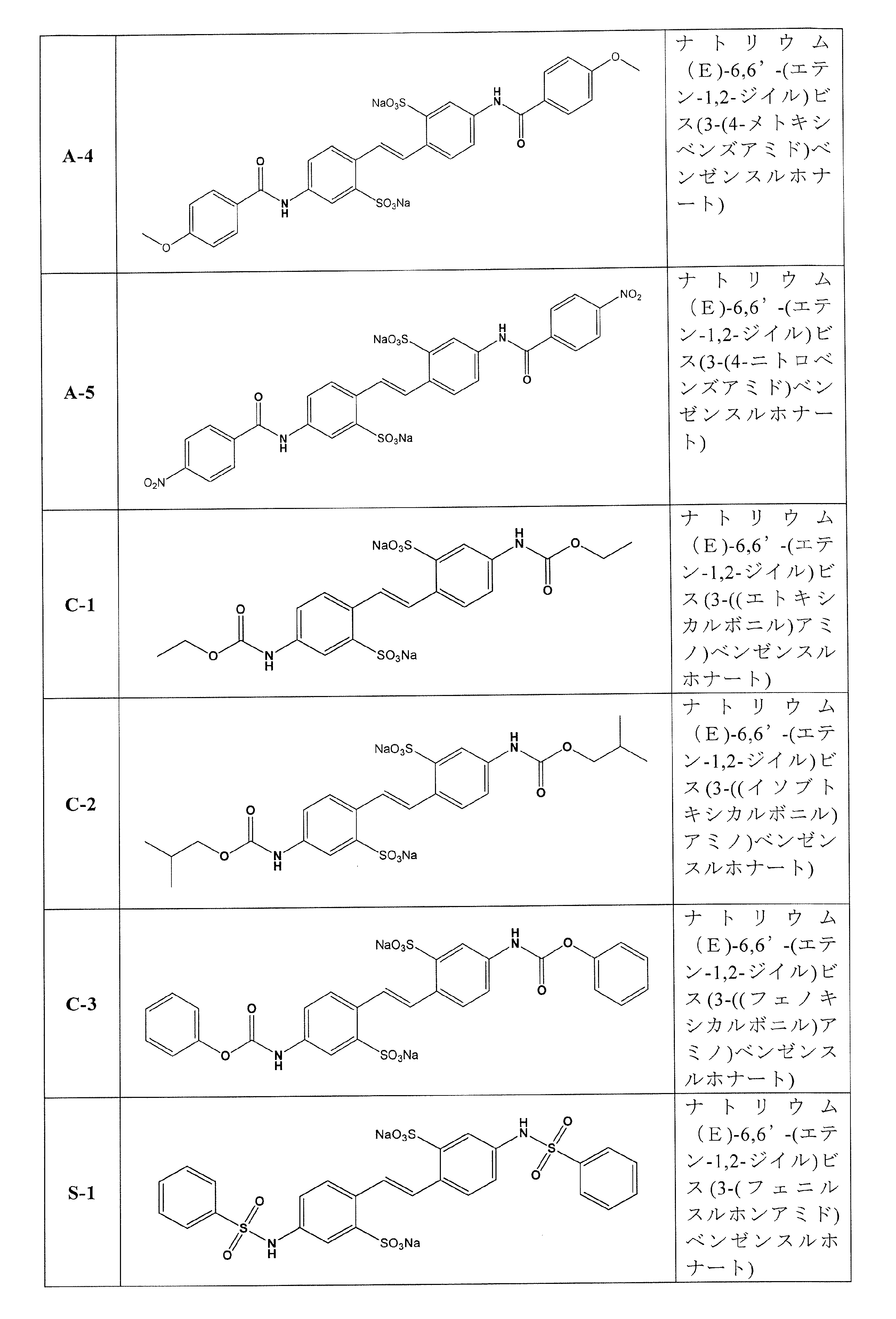

表1の化合物は、ChemDraw(登録商標)Professional 15.0(PerkinElmer)を使用して命名した。 The compounds in Table 1 were named using ChemDraw® Professional 15.0 (PerkinElmer).
一実施形態によれば、RAおよび/またはRBは、チオシアネートではない。一実施形態によれば、RAおよび/またはRBは、ニトロではない。 According to one embodiment, R A and/or R B are not thiocyanate. According to one embodiment, R A and/or R B are not nitro.
一実施形態では、Rはメチルではない。一実施形態によれば、Rはエチルではない。 In one embodiment, R is not methyl. According to one embodiment, R is not ethyl.
本発明に係る化合物に対する言及は、その全てのエナンチオマー、溶媒和物(たとえば水和物)、多形(たとえば結晶形態)、複数の成分の複合体、および薬学的に許容される塩を包有する。さらに本発明に係る化合物に対する言及は、その全てのプロドラッグを包有する。 A reference to a compound of the present invention includes all enantiomers, solvates (e.g., hydrates), polymorphs (e.g., crystalline forms), complexes of multiple components, and pharma- ceutically acceptable salts thereof. Further, a reference to a compound of the present invention includes all prodrugs thereof.
本発明に係る化合物に対する言及は、その全ての薬学的に許容される塩を包有する。薬学的に許容される塩は、その酸付加塩および塩基付加塩を含む。適切な酸付加塩は、非毒性の塩を形成する酸から形成される。例として、酢酸塩、アジピン酸塩、アスパラギン酸塩、安息香酸塩、ベシル酸塩、炭酸水素塩/炭酸塩、重硫酸塩/硫酸塩、ホウ酸塩、カンシル酸塩、クエン酸塩、サイクラミン酸塩、エジシル酸塩、エシル酸塩、ギ酸塩、フマル酸塩、グルセプト酸塩、グルコン酸塩、グルクロン酸塩、ヘキサフルオロリン酸塩、ヒベンズ酸塩、塩酸塩/塩化物、臭化水素酸塩/臭化物、ヨウ化水素酸塩/ヨウ化物、イセチオン酸塩、乳酸塩、リンゴ酸塩、マレイン酸塩、マロン酸塩、メシル酸塩、メチルスルファート、ナフタレート(naphthylate)、2-ナプシラート、ニコチン酸塩、硝酸塩、オロト酸塩、シュウ酸塩、パルミチン酸塩、パモ酸塩、リン酸塩/水素、リン酸塩/二水素、リン酸塩、ピログルタミン酸塩、サッカラート、ステアリン酸塩、コハク酸塩、タンニン酸塩、酒石酸塩、トシル化物、トリフルオロ酢酸塩、およびキシナホ酸塩が挙げられる。適切な塩基は、非毒性の塩を形成する塩基から形成される。例として、アルミニウム、アルギニン、ベンザチン、カルシウム、コリン、ジエチルアミン、ジオラミン、グリシン、リジン、マグネシウム、メグルミン、オラミン、カリウム、ナトリウム、トロメタミン、2-(ジエチルアミノ)エタノール、エタノールアミン、モルフォリン、4-(2-ヒドロキシエチル)モルフォリン、および亜鉛の塩が挙げられる。酸および塩基のヘミ塩、たとえばヘミ硫酸塩およびヘミカルシウム塩もまた形成され得る。本化合物が酸性基および塩基性基を含む場合、これは分子内塩をも形成し得る。本化合物が水素を供与するヘテロ原子(たとえばNH)を含む場合、その薬学的に許容される塩は、分子内の塩基性基または原子に上記水素原子を伝達することにより形成される塩および/またはアイソマーをも含む。これら塩は、標準的な手順、たとえば適切な有機塩基または無機塩基と遊離酸を反応させることにより、調製され得る。 Reference to the compounds of the present invention includes all pharma- ceutically acceptable salts thereof. Pharmaceutically acceptable salts include the acid addition and base addition salts thereof. Suitable acid addition salts are formed from acids which form non-toxic salts. Examples include acetate, adipate, aspartate, benzoate, besylate, bicarbonate/carbonate, bisulfate/sulfate, borate, camsylate, citrate, cyclamate, edisylate, esylate, formate, fumarate, gluceptate, gluconate, glucuronate, hexafluorophosphate, hybenzate, hydrochloride/chloride, hydrobromide/bromide, hydroiodide/iodide, isethionate, lactate, phosphate ... Salts include gonate, maleate, malonate, mesylate, methylsulfate, naphthalate, 2-napsylate, nicotinate, nitrate, orotate, oxalate, palmitate, pamoate, phosphate/hydrogen, phosphate/dihydrogen, phosphate, pyroglutamate, saccharate, stearate, succinate, tannate, tartrate, tosylate, trifluoroacetate, and xinafoate. Suitable bases are formed from bases which form non-toxic salts. Examples include aluminum, arginine, benzathine, calcium, choline, diethylamine, diolamine, glycine, lysine, magnesium, meglumine, olamine, potassium, sodium, tromethamine, 2-(diethylamino)ethanol, ethanolamine, morpholine, 4-(2-hydroxyethyl)morpholine, and zinc salts. Hemisalts of acids and bases, such as hemisulfate and hemicalcium salts, may also be formed. When the compound contains acidic and basic groups, it may also form intramolecular salts. When the compound contains a hydrogen-donating heteroatom (e.g., NH), its pharma- ceutically acceptable salts also include salts and/or isomers formed by the transfer of said hydrogen atom to a basic group or atom within the molecule. These salts may be prepared by standard procedures, such as by reacting the free acid with an appropriate organic or inorganic base.
本発明の一部ではない、スルホネートの官能基を有さない化合物を、以下の表2に提示する。

表2の化合物は、ChemDraw(登録商標) Professional 15.0(PerkinElmer)を使用して命名した。表2の化合物は、以下の「実施例」のセクションにおいて比較のため使用されている。これらは、本発明の一部ではない。 The compounds in Table 2 were named using ChemDraw® Professional 15.0 (PerkinElmer). The compounds in Table 2 are used for comparison in the Examples section below. They are not part of the present invention.
合成
本明細書中上述される本発明に係る化合物は、当該分野で知られているいずれかの合成方法により製造され得る。
Synthesis The compounds according to the invention described hereinabove may be prepared by any synthetic method known in the art.
一実施形態によれば、本化合物は、ナトリウム(E)-6,6’-(エテン-1,2-ジイル)ビス(3-アミノベンゼンスルホナート)(DADS):

一実施形態では、本化合物は、たとえば酸塩化物または無水塩化物などの酸ハロゲン化物または無水ハロゲン化物とDADSの反応により製造される。一実施形態では、本化合物は、たとえばクロロホルメートなどのハロ-ホルメートとDADSの反応により製造される。一実施形態では、本化合物は、たとえばスルホニル塩化物などのスルホニルハロゲン化物とDADSの反応により製造される。1つの具体的な実施形態では、この反応は、塩基性媒体において、たとえばNa2CO3またはN,N-ジイソプロピルエチルアミン(DIEA)の存在下で行われる。1つの具体的な実施形態では、この反応は、溶媒、たとえば水/ジオキサン混合物、ジメチルスルホキシド(DMF)またはジクロロメタン(CH2Cl2)などにおいて行われる。1つの具体的な実施形態では、触媒、たとえばテトラブチルアンモニウムクロリドなどが存在し得る。1つの具体的な実施形態では、この反応は、室温または80℃で行われる。 In one embodiment, the compound is prepared by the reaction of an acid halide or anhydrous halide, such as an acid chloride or anhydrous chloride, with DADS. In one embodiment, the compound is prepared by the reaction of a halo-formate, such as a chloroformate, with DADS. In one embodiment, the compound is prepared by the reaction of a sulfonyl halide, such as a sulfonyl chloride, with DADS. In one specific embodiment, the reaction is carried out in a basic medium, for example in the presence of Na 2 CO 3 or N,N-diisopropylethylamine (DIEA). In one specific embodiment, the reaction is carried out in a solvent, such as a water/dioxane mixture, dimethylsulfoxide (DMF) or dichloromethane (CH 2 Cl 2 ). In one specific embodiment, a catalyst, such as tetrabutylammonium chloride, may be present. In one specific embodiment, the reaction is carried out at room temperature or at 80° C.
これら実施形態を、以下のスキーム1に示す。

一実施形態では、本化合物は、ジアゾニウム複塩の調製後の求核剤による置換(サンドマイヤー反応)を介した芳香族アミノ基の置換によりDADSから開始して製造され、求核剤は、たとえばN- 3、CN-、またはI-である。 In one embodiment, the compounds are prepared starting from DADS by displacement of the aromatic amino group via preparation of the diazonium double salt followed by substitution with a nucleophile (Sandmeyer reaction), the nucleophile being, for example, N - 3 , CN- , or I- .
1つの具体的な実施形態では、ジアゾニウム複塩の調製は、Na2NO2および酢酸(AcOH)の存在下で行われる。1つの具体的な実施形態では、求核剤は、ナトリウムまたはカリウムの塩である。1つの具体的な実施形態では、置換ステップは、触媒、たとえば銅(I)または(II)触媒、たとえばヨウ化銅(CuI)などの存在下で行われる。1つの具体的な実施形態では、第1および/または第2の反応ステップは、たとえば水などの溶媒において行われる。1つの具体的な実施形態では、第1および/または第2の反応ステップは、室温で行われる。 In one specific embodiment, the preparation of the diazonium double salt is carried out in the presence of Na2NO2 and acetic acid (AcOH). In one specific embodiment, the nucleophile is a sodium or potassium salt. In one specific embodiment, the displacement step is carried out in the presence of a catalyst, such as a copper (I) or (II) catalyst, such as copper iodide (CuI). In one specific embodiment, the first and/or second reaction step is carried out in a solvent, such as water. In one specific embodiment, the first and/or second reaction step is carried out at room temperature.
組成物
また本発明は、本明細書中上述される本発明に係る化合物を含む組成物に関する。
Compositions The present invention also relates to compositions comprising the compounds according to the invention as described herein above.
一実施形態によれば、本組成物は、少なくとも別の活性成分をさらに含み、すなわち本発明に係る化合物および別の異なる活性成分を含む。一実施形態では、活性成分は、抗悪性腫瘍薬、すなわち、増殖性疾患の処置に有効な化合物である。1つの具体的な実施形態では、活性成分は、アルキル化剤、代謝拮抗薬、微小管阻害薬、トポイソメラーゼ阻害剤、および細胞傷害性抗生剤から選択される。抗悪性腫瘍薬の例は、参照により本明細書中に組み込まれているActualite Pharmaceutiques, October 1992(No. 302, pp. 41-43)に列挙されている。1つのさらなる具体的な実施形態では、活性成分は、ナイトロジェンマスタード、ニトロソウレア、テトラジン、アジリジン、シスプラチン、およびシスプラチン誘導体(たとえばカルボプラチンおよびオキサリプラチン)から選択されるアルキル化剤、ならびにプロカルバジンおよびヘキサメチルメラミンなどの非古典的なアルキル化剤から選択される。抗悪性腫瘍薬の例として、シスプラチンもしくはその誘導体;トポイソメラーゼの阻害剤、たとえばエトポシドもしくはトポテカン;またはチロシンキナーゼ受容体、たとえばエルロチニブもしくはイマチニブが挙げられる。 According to one embodiment, the composition further comprises at least another active ingredient, i.e., a compound according to the invention and another different active ingredient. In one embodiment, the active ingredient is an antineoplastic agent, i.e., a compound effective in the treatment of a proliferative disease. In one specific embodiment, the active ingredient is selected from alkylating agents, antimetabolites, microtubule inhibitors, topoisomerase inhibitors, and cytotoxic antibiotics. Examples of antineoplastic agents are listed in Actualite Pharmaceutiques, October 1992 (No. 302, pp. 41-43), which is incorporated herein by reference. In one further specific embodiment, the active ingredient is selected from alkylating agents selected from nitrogen mustards, nitrosoureas, tetrazines, aziridines, cisplatin, and cisplatin derivatives (e.g., carboplatin and oxaliplatin), and non-classical alkylating agents such as procarbazine and hexamethylmelamine. Examples of anti-neoplastic agents include cisplatin or its derivatives; inhibitors of topoisomerase, such as etoposide or topotecan; or tyrosine kinase receptors, such as erlotinib or imatinib.
一実施形態によれば、本組成物は、薬学的に許容される賦形剤をさらに含む。一実施形態では、本組成物は、医薬組成物である。一実施形態では、本組成物は薬物である。 According to one embodiment, the composition further comprises a pharma- ceutically acceptable excipient. In one embodiment, the composition is a pharmaceutical composition. In one embodiment, the composition is a drug.
キット
また本発明は、本明細書中上述される本発明に係る化合物または組成物を含むキットに関する。
Kits The present invention also relates to kits comprising the compounds or compositions according to the invention described herein above.
一実施形態によれば、本キットは、本発明に係る少なくとも1つの医薬組成物と、別の活性成分を含む少なくとも別の医薬組成物とを含む。 According to one embodiment, the kit comprises at least one pharmaceutical composition according to the invention and at least another pharmaceutical composition comprising another active ingredient.
一実施形態によれば、本キットは、本発明に係る複数の医薬組成物、たとえば、毎月、毎週、または毎日の投与のための複数の単回用量を含む。 According to one embodiment, the kit includes multiple pharmaceutical compositions of the invention, e.g., multiple single doses for monthly, weekly, or daily administration.
使用および方法 Use and Methods
また本発明は、DNA修復を阻害するため、たとえば二重鎖切断の修復を阻害するための、本明細書中上述される本発明に係る化合物または組成物の使用に関する。また本発明は、それを必要とする対象のDNA修復(たとえばたとえば二重鎖切断の修復)を阻害するための方法であって、本明細書中上述される本発明に係る化合物または組成物を対象に投与するステップを含む、方法に関する。 The present invention also relates to the use of a compound or composition according to the present invention as described herein above for inhibiting DNA repair, e.g., for inhibiting repair of double strand breaks. The present invention also relates to a method for inhibiting DNA repair (e.g., repair of double strand breaks) in a subject in need thereof, comprising administering to the subject a compound or composition according to the present invention as described herein above.
一実施形態によれば、二重鎖切断の修復の阻害は、RAD51タンパク質の阻害を含む。RAD51タンパク質の阻害は、たとえばRAD51タンパク質合成の防止などのRAD51タンパク質の存在のいずれかの低減、および/またはRAD51タンパク質のフォールディングの防止を含む。RAD51タンパク質の阻害はまた、たとえばRAD51タンパク質ヌクレオフィラメントの形成、DNAとRAD51タンパク質の結合、および/またはRAD51タンパク質の触媒活性の防止などの、RAD51タンパク質の生体活性のいずれかの低減を含む。 According to one embodiment, inhibition of double strand break repair comprises inhibition of RAD51 protein. Inhibition of RAD51 protein comprises any reduction in the presence of RAD51 protein, e.g., preventing RAD51 protein synthesis, and/or preventing folding of RAD51 protein. Inhibition of RAD51 protein also comprises any reduction in the biological activity of RAD51 protein, e.g., preventing formation of RAD51 protein nucleofilaments, binding of RAD51 protein to DNA, and/or catalytic activity of RAD51 protein.
また本発明は、薬物として使用するための、本明細書中上述される本発明に係る化合物または組成物に関する。一実施形態によれば、本発明は、増殖性疾患の処置に使用するための化合物または組成物に関する。一実施形態によれば、本発明は、がんの処置に使用するための化合物または組成物に関する。 The present invention also relates to a compound or composition according to the present invention as described herein above for use as a medicament. According to one embodiment, the present invention relates to a compound or composition for use in the treatment of a proliferative disease. According to one embodiment, the present invention relates to a compound or composition for use in the treatment of cancer.
また本発明は、それを必要とする対象の疾患を処置する方法であって、本明細書中上述される本発明に係る化合物または組成物を対象に投与するステップを含む方法に関する。一実施形態によれば、この疾患は、増殖性疾患である。 The present invention also relates to a method of treating a disease in a subject in need thereof, comprising administering to the subject a compound or composition according to the present invention as described herein above. According to one embodiment, the disease is a proliferative disease.
また本発明は、薬物の製造における、本明細書中上述される本発明に係る化合物または組成物の使用に関する。一実施形態によれば、この薬物は、増殖性疾患を処置するためのものである。 The present invention also relates to the use of a compound or composition according to the present invention as described herein above in the manufacture of a medicament. According to one embodiment, the medicament is for treating a proliferative disease.
一実施形態では、増殖性疾患はがんである。具体的な実施形態では、がんは、乳がん、神経膠芽腫、および多発性骨髄腫から選択される。一実施形態では、処置は、第1選択、第2選択、または第3選択のがんの処置である。 In one embodiment, the proliferative disease is cancer. In a specific embodiment, the cancer is selected from breast cancer, glioblastoma, and multiple myeloma. In one embodiment, the treatment is a first-line, second-line, or third-line cancer treatment.
一実施形態によれば、本化合物または本組成物は、少なくとも別の活性成分と同時に、連続して、または別々に、それを必要とする対象に投与される。一実施形態では、他の活性成分は、本化合物または本組成物との同時投与により投与される。一実施形態では、他の活性成分は、本化合物または本組成物との連続投与により投与される。一実施形態では、他の活性成分は、本化合物または本組成物と別々の投与により投与される。 According to one embodiment, the compound or composition is administered to a subject in need thereof simultaneously, sequentially, or separately with at least another active ingredient. In one embodiment, the other active ingredient is administered by simultaneous administration with the compound or composition. In one embodiment, the other active ingredient is administered by sequential administration with the compound or composition. In one embodiment, the other active ingredient is administered by separate administration with the compound or composition.
一実施形態によれば、本化合物は、ウイルス性疾患の処置に使用するためのものではない。一実施形態では、本化合物は、HSV、HIV、またはCMVの処置に使用するためのものではない。一実施形態によれば、本化合物は、炎症性疾患の処置に使用するためのものではない。一実施形態では、本化合物は、炎症性皮膚疾患の処置に使用するためのものではない。一実施形態によれば、本化合物は、自己免疫疾患の処置に使用するためのものではない。一実施形態によれば、本化合物は、避妊に使用するためのものではない。 According to one embodiment, the compound is not for use in treating a viral disease. In one embodiment, the compound is not for use in treating HSV, HIV, or CMV. According to one embodiment, the compound is not for use in treating an inflammatory disease. In one embodiment, the compound is not for use in treating an inflammatory skin disease. According to one embodiment, the compound is not for use in treating an autoimmune disease. According to one embodiment, the compound is not for use in contraception.
一実施形態によれば、本化合物は、卵胞刺激ホルモン(FSH)アンタゴニストではない。一実施形態によれば、本化合物は、塩化物チャネルまたは輸送体化合物(CLC)ではない。 According to one embodiment, the compound is not a follicle stimulating hormone (FSH) antagonist. According to one embodiment, the compound is not a chloride channel or transporter compound (CLC).
本発明を、以下の実施例によりさらに説明する。
The present invention is further illustrated by the following examples.
実施例1:スチルベン化合物の合成
材料および方法
材料
ナトリウム(E)-6,6’-(エテン-1,2-ジイル)ビス(3-アミノベンゼンスルホナート)(DADS)は、Alfa Aesarから購入した(4,4’-ジアミノスチルベン2,2’-ジスルホン酸, CAS 81-11-8)。4,4’-ジアミノスチルベン二塩酸塩(CAS 54760-75-7)を含む他の反応物は、Sigma Aldrich(Bethesda, US)から購入した。使用される全ての溶媒は、試薬のグレードであった。薄層クロマトグラフィー(TLC)は、シリカで覆われたアルミニウムシート(Kieselgel 60F254, MERCK)で行った。
Example 1: Synthesis of stilbene compounds Materials and methods Materials Sodium (E)-6,6'-(ethene-1,2-diyl)bis(3-aminobenzenesulfonate) (DADS) was purchased from Alfa Aesar (4,4'-
全般的な方法
溶出したTLCを、UV照射(λ=254nm)またはモリブデン酸溶液を使用して顕色した。NMRスペクトルを、適切な重水素化溶媒に溶解したサンプルについて、室温にてBRUKER AC300(1Hでは300MHz、13Cでは75MHz)またはBRUKER 400(1Hでは400MHz、13Cでは100MHz)で記録した。1Hに関してテトラメチルシラン(TMS)、13Cに関して重水素化溶媒シグナルの参照物質を使用した。化学シフト(Chemical displacement)の値(δ)を、ppm(parts per million)およびヘルツ(Hz)でのカップリング定数で表す。明らかに同定されたプロトンおよび炭素を明記した。赤外線分光法分析は、IRTF Bruker Tensor 27, Vector 22で記録した。低分解能マススペクトル(Low resolution mass spectrum)は、CEISAM研究所において、70eVのThermo-Finnigan DSQII quadripolar(NH3ガスを伴うCI)またはWaters Xevo G2-XS QTOFで、記録した。高低分解能マススペクトル(Da単位のHRMS)分析は、IRS-UN center(Mass Spectrometry platform, Nantes)において、LC-Q-TOF(Synapt-G2 HDMS, Waters)で記録した。
General Methods Eluted TLCs were developed using UV irradiation (λ=254 nm) or molybdic acid solution. NMR spectra were recorded on a BRUKER AC300 (300 MHz for 1 H, 75 MHz for 13 C) or a BRUKER 400 (400 MHz for 1 H, 100 MHz for 13 C) at room temperature for samples dissolved in appropriate deuterated solvents. Reference materials used were tetramethylsilane (TMS) for 1 H and deuterated solvent signals for 13 C. Chemical displacement values (δ) are expressed in parts per million (ppm) and coupling constants in Hertz (Hz). Properly identified protons and carbons are specified. Infrared spectroscopy was recorded on an IRTF Bruker Tensor 27, Vector 22. Low resolution mass spectra were recorded on a Thermo-Finnigan DSQII quadripolar (CI with NH3 gas) at 70 eV or a Waters Xevo G2-XS QTOF at the CEISAM laboratory. High and low resolution mass spectra (HRMS in Da) were recorded on an LC-Q-TOF (Synapt-G2 HDMS, Waters) at the IRS-UN center (Mass Spectrometry platform, Nantes).
合成方法
全般的合成手順1:水/ジオキサン(比率10:2)の混合物中のDADS(1mmol、0.37g)の懸濁液に、Na2CO3(5eq、5mmol)を添加した。この溶液は清澄かつ黄色となり、無水物(4mmol)を、テトラブチルアンモニウムクロリド(0.1eq)の触媒量と共に添加した。2時間~18時間撹拌した後、沈殿物が形成された。これをろ過し、Et2Oで洗浄し、NMR分析により観察されるように、予想された純粋な化合物を提供した。純度の最適化のため、第2の沈殿ステップ(DMSO:Et2O)を行うことができた。
Synthetic methods General synthetic procedure 1: To a suspension of DADS (1 mmol, 0.37 g) in a mixture of water/dioxane (10:2 ratio) was added Na 2 CO 3 (5 eq, 5 mmol). The solution became clear and yellow and anhydride (4 mmol) was added along with a catalytic amount of tetrabutylammonium chloride (0.1 eq). After stirring for 2-18 h, a precipitate formed. This was filtered and washed with Et 2 O to provide the expected pure compound as observed by NMR analysis. A second precipitation step (DMSO:Et 2 O) could be performed for optimization of purity.
全般的合成手順2:ジメチルスルホキシド(DMF)中のDADS(1mmol、0.37g)の溶液に、N,N-ジイソプロピルエチルアミン(DIEA)(5eq)を添加した。酸塩化物(4eq)を添加し、この反応物を、80℃で一晩加熱した。室温に冷却した後、沈殿物が形成されるまでメタノールを添加した。これをろ過し、Et2Oで洗浄した。次に、沈殿物をDMSOに溶解し、Na2CO3の水溶液を添加して、Et2Oで沈殿させた後に、予想したナトリウム塩を得た。 General synthetic procedure 2: To a solution of DADS (1 mmol, 0.37 g) in dimethylsulfoxide (DMF) was added N,N-diisopropylethylamine (DIEA) (5 eq). Acid chloride (4 eq) was added and the reaction was heated at 80° C. overnight. After cooling to room temperature, methanol was added until a precipitate formed, which was filtered and washed with Et 2 O. The precipitate was then dissolved in DMSO and an aqueous solution of Na 2 CO 3 was added to give the expected sodium salt after precipitation with Et 2 O.
全般的合成手順3:水/ジオキサン(比率10:2)の混合物中のDADS(1mmol、0.37g)の懸濁液に、Na2CO3(5eq、5mmol)を添加した。この溶液は清澄かつ黄色となり、クロロホルメート試薬(2.5eq)を添加した。一晩撹拌した後、沈殿物が形成された。これをろ過し、Et2Oで洗浄すると、NMR分析により観察されるように、予想された純粋な化合物を提供した。純度の最適化のため、第2の沈殿ステップ(DMSO:Et2O)を行うことができた。 General synthesis procedure 3: To a suspension of DADS (1 mmol, 0.37 g) in a mixture of water/dioxane (ratio 10:2), Na2CO3 (5 eq, 5 mmol) was added. The solution became clear and yellow and chloroformate reagent (2.5 eq) was added. After stirring overnight, a precipitate formed. It was filtered and washed with Et2O to provide the expected pure compound as observed by NMR analysis. A second precipitation step (DMSO: Et2O ) could be performed for optimization of purity.
全般的合成手順4:水/ジオキサン(比率10:2)の混合物中のDADS(1mmol、0.37g)の懸濁液に、Na2CO3(5eq、5mmol)を添加した。この溶液は清澄かつ黄色となり、スルホニルクロリド試薬(2.5eq)を添加した。一晩撹拌した後、沈殿物が形成された。これをろ過し、Et2Oで洗浄すると、NMR分析により観察されるように予想された純粋な化合物を提供した。純度の最適化のため、第2の沈殿ステップ(DMSO:Et2O)を行うことができた。 General synthesis procedure 4: To a suspension of DADS (1 mmol, 0.37 g) in a mixture of water /dioxane (ratio 10:2), Na2CO3 (5 eq, 5 mmol) was added. The solution became clear and yellow and sulfonyl chloride reagent (2.5 eq) was added. After stirring overnight, a precipitate formed. It was filtered and washed with Et2O to provide the expected pure compound as observed by NMR analysis. A second precipitation step (DMSO: Et2O ) could be performed for optimization of purity.
全般的合成手順5:CH2Cl2(10mL)中の4,4’-ジアミノスチルベン二塩酸塩(1mmol、0.28g)の溶液に、N,N-ジイソプロピルエチルアミン(DIEA)(5eq)を添加した。溶液は清澄かつ褐色となり、塩化物試薬(2.5eq)を添加した。一晩撹拌した後、沈殿物が形成された。これをろ過し、Et2Oで洗浄すると、NMR分析により観察されるように予想された純粋な化合物を提供した。純度の最適化のため、第2の沈殿ステップ(DMSO:Et2O)を行うことができた。 General synthetic procedure 5: To a solution of 4,4'-diaminostilbene dihydrochloride (1 mmol, 0.28 g) in CH 2 Cl 2 (10 mL) was added N,N-diisopropylethylamine (DIEA) (5 eq). The solution became clear and brown and chloride reagent (2.5 eq) was added. After stirring overnight a precipitate formed. This was filtered and washed with Et 2 O to provide the expected pure compound as observed by NMR analysis. A second precipitation step (DMSO:Et 2 O) could be performed for optimization of purity.
全般的合成手順6:水(6mL)中のDADS(1mmol、0.37g)の懸濁液に、Na2NO2(0.14g、2.2eq)水溶液(2mL)、次いで酢酸(5eq)の水溶液(2mL)を添加した。45分間撹拌した後、触媒量のCu(I)(0.2eq)の存在下または非存在下で、ナトリウム塩またはカリウム塩を添加した(2mLの水において2eq~4eq)。4時間~3日間撹拌した後、MeOHおよびEt2Oを添加し、沈殿物を得た。これをろ過し、Et2Oで洗浄すると、NMR分析により観察されるように予想された純粋な化合物を提供した。純度の最適化のため、第2の沈殿ステップ(DMSO:Et2O)を行うことができた。 General synthetic procedure 6: To a suspension of DADS (1 mmol, 0.37 g) in water (6 mL) was added an aqueous solution of Na 2 NO 2 (0.14 g, 2.2 eq) (2 mL), followed by an aqueous solution of acetic acid (5 eq) (2 mL). After stirring for 45 min, the sodium or potassium salt was added (2 eq-4 eq in 2 mL water) in the presence or absence of a catalytic amount of Cu(I) (0.2 eq). After stirring for 4 h-3 days, MeOH and Et 2 O were added to give a precipitate, which was filtered and washed with Et 2 O to provide the expected pure compound as observed by NMR analysis. A second precipitation step (DMSO:Et 2 O) could be performed for optimization of purity.
結果
上記の表1に提示されるジスルホナートスチルベン化合物および上記の表2に提示される比較されるの非スルホン化スチルベン化合物を、上述の全般的合成手順1~5により合成した。
Results The disulfonato stilbene compounds presented in Table 1 above and the comparative non-sulfonated stilbene compounds presented in Table 2 above were synthesized according to general synthetic procedures 1-5 described above.
ナトリウム(E)-6,6’-(エテン-1,2-ジイル)ビス(3-アセトアミドベンゼンスルホナート)(A-1)を、全般的合成手順1にしたがい、DADSおよび酢酸無水物から調製した。沈殿により精製した後、これを62%の収率で得た。1HNMR (300MHz, DMSO-d6):δ ppm 10.03 (s, 2H, 2 x NH), 7.96 (s, 2H, CH=CH), 7.94 (d, 2H, 2 x Har), 7.68 (dd, 2H, 2 x Har), 7.52 (d, 2H, 2 x Har), 2.03 (s, 6H, 2 x CH3). 13C NMR (75MHz, DMSO-d6): δ ppm 168.08 (2 x CO), 145.69 (2 x CIVar), 137.29 (2 x CIVar), 129.88 (2 x CIVar), 125.98 (CH=CH), 125.57 (2 x CHar), 118.99 (2 x CHar), 117.74 (2 x CHar), 23.90 (2 x CH3). MS (ESI+) m/z : [M+Na]+ = 521.0, MS (ESI-) m/z : [M-Na]-=475.0. HRMS (ESI+):[M+Na] C18H16N2O8Na3S2の理論値521.0041;実測値521.0029.
Sodium (E)-6,6'-(ethene-1,2-diyl)bis(3-acetamidobenzenesulfonate) (A-1) was prepared from DADS and acetic anhydride according to
ナトリウム(E)-6,6’-(エテン-1,2-ジイル)ビス(3-プロピオンアミド(propionamido)ベンゼンスルホナート))(A-2)を、全般的合成手順1にしたがい、DADSおよびプロピオン酸無水物から調製した。沈殿により精製した後、これを、76%の収率で得た。1HNMR (300MHz, DMSO-d6): δ ppm 9.63 (s, 2H, 2 x NH), 7.93 (s, 2H, CH=CH), 7.90 (s, 2H, 2 x Har), 7.49 (s, 4H, 4 x Har), 4.12 (q, 4H, 2 x CH2), 1.24 (t, 6H, 2 x CH3). 13C NMR (75MHz, DMSO-d6): δ ppm 153.43 (2 x CO), 145.71 (2 x CIVar), 137.13 (2 x CIVar), 129.40 (2 x CIVar), 125.88 (CH=CH), 125.68 (2 x CHar), 118.39 (2 x CHar), 117.22 (2 x CHar), 60.04 (2 x CH2), 14.50 (2 x CH3). MS (ESI-) m/z : [M-Na]- = 535.2. HRMS (ESI-):[M-Na]- C20H20N2O10NaS2の理論値535.0457;実測値535.0443.
Sodium (E)-6,6′-(ethene-1,2-diyl)bis(3-propionamidobenzenesulfonate) (A-2) was prepared from DADS and propionic anhydride according to general
ナトリウム(E)-6,6’-(エテン-1,2-ジイル)ビス(3-ベンズアミドベンゼンスルホナート)(A-3)を、全般的合成手順1にしたがい、DADSおよび安息香酸無水物から調製した。沈殿により精製した後、これを、70%の収率で得た。1HNMR (300MHz, DMSO-d6): δ ppm 8.11 (s, 2H, CH=CH), 8.09 (s, 2H, 2 x Har), 7.96 (d, 2H, 2 x Har), 7.69 (d, 2H, 2 x Har), 7.33 (m, 10H, 10 x Har). 13C NMR (75MHz, DMSO-d6): δ ppm 154.04 (2 x CIVar’), 152.35 (2 x CO), 144.27 (2 x CIVar), 138.64 (2 x CIVar), 132.13 (2 x CIVar), 130.45 (4 x CHar’), 128.67 (2 x CHar), 127.99 (CH=CH), 126.64 (2 x CHar), 122.92 (4 x CHar), 121.57 (2 x CHar), 119.01 (2 x CHar). MS (ESI+) m/z : [M+Na]+ = 676.9. HRMS (ESI+):[M+Na] C28H20N2O10Na3S2の理論値677.0252;実測値677.0262.
Sodium (E)-6,6'-(ethene-1,2-diyl)bis(3-benzamidobenzenesulfonate) (A-3) was prepared from DADS and benzoic anhydride according to
ナトリウム(E)-6,6’-(エテン-1,2-ジイル)ビス(3-(4-メトキシベンズアミド)ベンゼンスルホナート)(A-4)を、全般的合成手順2にしたがい、DADSおよび4-メトキシベンゾイルクロリドから調製した。沈殿により精製した後、これを、44%の収率で得た。1HNMR (300MHz, CD3OD): δ ppm 10.21 (s, 2H, 2 x NH), 8.18 (d, 2H, 2 x Har), 8.05 (s, 2H, CH=CH), 8.02 (d, 4H, 4 x Har), 7.88 (dd, 2H, 2 x Har), 7.58 (d, 2H, 2 x Har), 7.05 (d, 4H, 4 x Har), 3.84 (s, 6H, 2 x CH3). 13C NMR (75MHz, CD3OD): δ ppm 164.57 (2 x CO), 161.80 (2 x CIVar’), 145.66 (2 x CIVar), 137.37 (2 x CIVar), 130.27 (2 x CIVar), 129.60 (4 x CHar), 126.77 (2 x CIVar), 126.14 (CH=CH), 125.41 (2 x CHar), 120.35 (2 x CHar), 119.18 (2 x CHar), 113.48 (4 x CHar), 55.35 (2 x OMe). MS (ESI-) m/z : [M-Na]- = 659.1. HRMS (ESI-): cald for [M-2Na]2- C30H25N2O10S2 637.0951; found 637.0932.[M-Na]- C30H24N2O10NaS2の理論値659.0770;実測値659.0778.
Sodium (E)-6,6′-(ethene-1,2-diyl)bis(3-(4-methoxybenzamido)benzenesulfonate) (A-4) was prepared from DADS and 4-methoxybenzoyl chloride according to general
ナトリウム(E)-6,6’-(エテン-1,2-ジイル)ビス(3-(4-ニトロベンズアミド)ベンゼンスルホナート)(A-5)を、全般的合成手順2にしたがい、DADSおよび4-ニトロベンゾイルクロリドから調製した。沈殿により精製した後、これを、70%の収率で得た。1HNMR (300MHz, DMSO-d6): δ ppm 10.70 (s, 2H, 2 x NH), 8.36 (m, 4H, 4 x Har), 8.24 (m, 6H, 6 x Har), 8.08 (s, 2H, CH=CH), 7.91 (dd, 2H, 2 x Har), 7.63 (d, 2H, 2 x Har). 13C NMR (75MHz, DMSO-d6): δ ppm 163.54 (2 x CO), 149.06 (2 x CIVar), 145.86 (2 x CIVar), 140.41 (2 x CIVar), 136.78 (2 x CIVar), 130.92 (2 x CIVar), 129.23 (4 x CHar), 126.42 (2 x CHar), 125.58 (CH=CH), 123.41 (4 x CHar), 120.44 (2 x CHar), 119.32 (2 x CHar). MS (ESI+) m/z : [M+Na]+ = 734.9, MS (ESI-) m/z : [M-Na]- = 688.9. HRMS (ESI+):[M+Na]+ C28H18N4O12Na3S2の理論値735.0056;実測値735.0057.
Sodium (E)-6,6′-(ethene-1,2-diyl)bis(3-(4-nitrobenzamido)benzenesulfonate) (A-5) was prepared from DADS and 4-nitrobenzoyl chloride according to general
ナトリウム(E)-6,6’-(エテン-1,2-ジイル)ビス(3-((エトキシカルボニル)アミノ)ベンゼンスルホナート)(C-1)を、全般的合成手順3にしたがい、DADSおよびエチルクロロホルメートから調製した。沈殿により精製した後、これを、66%の収率で得た。1HNMR (300MHz, DMSO-d6): δ ppm 9.63 (s, 2H, 2 x NH), 7.93 (s, 2H, CH=CH), 7.90 (s, 2H, 2 x Har), 7.49 (s, 4H, 4 x Har), 4.12 (q, 4H, 2 x CH2), 1.24 (t, 6H, 2 x CH3). 13C NMR (75MHz, DMSO-d6): δ ppm 153.43 (2 x CO), 145.71 (2 x CIVar), 137.13 (2 x CIVar), 129.40 (2 x CIVar), 125.88 (CH=CH), 125.68 (2 x CHar), 118.39 (2 x CHar), 117.22 (2 x CHar), 60.04 (2 x CH2), 14.50 (2 x CH3). MS (ESI-) m/z : [M-Na]- = 535.2. HRMS (ESI-):[M- Na]- C20H20N2O10NaS2の理論値535.0457;実測値535.0443.
Sodium (E)-6,6′-(ethene-1,2-diyl)bis(3-((ethoxycarbonyl)amino)benzenesulfonate) (C-1) was prepared from DADS and ethyl chloroformate according to general
ナトリウム(E)-6,6’-(エテン-1,2-ジイル)ビス(3-((イソブトキシカルボニル)アミノ)ベンゼンスルホナート)(C-2)を、全般的合成手順3にしたがい、DADSおよびイソブチルクロロホルメートから調製した。沈殿により精製した後、これを、67%の収率で得た。1HNMR (300MHz, DMSO-d6): δ ppm 9.65 (s, 2H, 2 x NH), 7.94 (s, 2H, CH=CH), 7.92 (d, 2H, 2 x Har), 7.49 (m, 4H, 4 x Har), 3.87 (d, 4H, 2 x CH2), 1.92 (m, 2H, 2 x CH), 0.94 (d, 12H, 4 x CH3). 13C NMR (75MHz, DMSO-d6): δ ppm 153.58 (2 x CO), 145.72 (2 x CIVar), 137.169 (2 x CIVar), 129.41 (2 x CIVar), 125.89 (CH=CH), 125.70 (2 x CHar), 118.44 (2 x CHar), 117.25 (2 x CHar), 70.01 (2 x OCH2), 27.55 (2 x CH), 18.90 (4 x CH3). MS (ESI+) m/z : [M+Na]+ = 637.1, MS (ESI-) m/z : [M-Na]- = 591.0. HRMS (ESI+):[M+Na]+ C24H28N2O10Na3S2の理論値637.0878;実測値637.0870.
Sodium (E)-6,6′-(ethene-1,2-diyl)bis(3-((isobutoxycarbonyl)amino)benzenesulfonate) (C-2) was prepared from DADS and isobutyl chloroformate according to general
ナトリウム(E)-6,6’-(エテン-1,2-ジイル)ビス(3-((フェノキシカルボニル)アミノ)ベンゼンスルホナート)(C-3)を、全般的合成手順3にしたがい、DADSおよびフェニルクロロホルメートから調製した。沈殿により精製した後、これを、38%の収率で得た。1HNMR (300MHz, CD3OD): δ ppm 8.11 (s, 2H, CH=CH), 8.09 (s, 2H, 2 x Har), 7.96 (d, 2H, 2 x Har), 7.69 (dd, 2H, 2 x Har), 7.39 (m, 4H, 4 x Har), 7.22 (m, 6H, 6 x Har). 13C NMR (75MHz, CD3OD) : δ ppm 154.04 (2 x CIVar), 152.35 (2 x CO), 144.27 (2 x CIVar), 138.64 (2 x CIVar), 132.13 (2 x CIVar), 130.45 (4 x CHar), 128.67 (2 x CHar), 127.99 (CH=CH), 126.64 (2 x CHar), 122.92 (4 x CHar), 121.57 (2 x CHar), 119.01 (2 x CHar). MS (ESI+) m/z : [M+Na]+ = 676.9. HRMS (ESI+):[M+Na]+ C28H20N2O10Na3S2の理論値677.0252;実測値677.0262.
Sodium (E)-6,6'-(ethene-1,2-diyl)bis(3-((phenoxycarbonyl)amino)benzenesulfonate) (C-3) was prepared from DADS and phenyl chloroformate according to
ナトリウム(E)-6,6’-(エテン-1,2-ジイル)ビス(3-(フェニルスルホンアミド)ベンゼンスルホナート)(S-1)を、全般的合成手順4にしたがい、DADSおよびベンゼンスルホニルクロリドから調製した。沈殿により精製した後、これを、81%の収率で得た。1HNMR (300MHz, D2O): δ ppm 7.80 (m, 4H, Har), 7.65 (s, 2H, CH=CH), 7.64 (d, 2H, J =8.2 Hz, 2 x Har), 7.60-7.48 (m, 6H, Har), 7.43 (d, 2H, J = 2.44 Hz, 2 x Har), 7.06 (dd, 2H, J = 2.44 Hzおよび8.6 Hz, 2X Har). 13C NMR (75MHz, D2O): δ ppm 144.06 (2xCIV), 141.11 (2xCIV), 140.19 (2xCIV), 132.18 (2xCHar), 129.11 (4xCHar), 127.91 (2xCHar), 127.61 (2xCIV), 126.47 (4xCHar), 125.78 (CH=CH), 124.40 (2xCHar), 119.66 (2xCHar). HRMS (ESI+):C26H19N2O10Na2S4 [M-H]-の理論値692.9718;実測値692.9719.
Sodium (E)-6,6′-(ethene-1,2-diyl)bis(3-(phenylsulfonamido)benzenesulfonate) (S-1) was prepared from DADS and benzenesulfonyl chloride according to general
ナトリウム(E)-6,6’-(エテン-1,2-ジイル)ビス(3-((4-メチルフェニル)スルホンアミド)ベンゼンスルホナート)(S-2)を、全般的合成手順4にしたがい、DADSおよびパラ-トルエンスルホニルクロリドから調製した。沈殿により精製した後、これを、87%の収率で得た。1HNMR (300MHz, D2O): δ ppm 7.68 (m, 4H, 4xHar), 7.64 (s, 2H, CH=CH), 7.64 (s, 2H, CH=CH), 7.64 (d, 2H, 2 x Har), 7.42 (d, 2H, J = 2.4 Hz, 2 x Har), 7.33 (m, 4H, 4 x Har), 7.03 (dd, 2H, J = 8.5 Hzおよび2.5 Hz, 2 x Har), 2.35 (s, 6H, 2 x CH3). HRMS (ESI-):C28H23N2O10S4Na2 [M+H]-の理論値721.0031;実測値721.0024.
Sodium (E)-6,6'-(ethene-1,2-diyl)bis(3-((4-methylphenyl)sulfonamido)benzenesulfonate) (S-2) was prepared from DADS and para-toluenesulfonyl chloride according to general
ナトリウム(E)-6,6’-(エテン-1,2-ジイル)ビス(3-(4-ニトロフェニルスルホンアミド)ベンゼンスルホナート)(S-3)を、全般的合成手順3にしたがい、DADSおよび4-ニトロベンゼンスルホニルクロリドから調製した。沈殿により精製した後、これを、81%の収率で得た。1HNMR (300MHz, D2O): δ ppm 8.32 (dl, 4H, 4 x Har), 7.99(dl, 4H, 4xHar), 7.664 (m, 4H, 2 x HarおよびCH=CH), 7.43 (sl, 2H, 2 x Har), 7.05 (dl, 2H, 2x Har). HRMS (ESI+):C26H19N4O14S4Na2 [M+H]+の理論値784.9570;実測値784.9560.
Sodium (E)-6,6'-(ethene-1,2-diyl)bis(3-(4-nitrophenylsulfonamido)benzenesulfonate) (S-3) was prepared from DADS and 4-nitrobenzenesulfonyl chloride according to
(E)-N,N’-(エテン-1,2-ジイルビス(4,1-フェニレン))ジアセトアミド(X-1)を、全般的合成手順5にしたがい、4,4’-ジアミノスチルベン二塩酸塩および塩化アセチルから調製した。沈殿により精製した後、これを、53%の収率で得た。1HNMR (300MHz, DMSO-d6): δ ppm 10.06 (s, 2H, 2 x NH), 7.54 (m, 8H, 8 x Har), 7.07 (s, 2H, CH=CH), 2.05 (s, 6H, 2 x CH3). 13C NMR (75MHz, DMSO-d6): δ ppm 168.17 (2 x CO), 138.58 (2 x CIVar), 131.95 (2 x CIVar), 126.58 (4 x CHar), 126.47 (CH=CH), 118.98 (4 x CHar), 23.96 (2 x CH3). MS (ESI+) m/z: [M+Na]+ = 317.1. HRMS (ESI+):[M+Na]+の理論値C18H18N2O2Na 317.1266;実測値317.1278. (E)-N,N'-(ethene-1,2-diylbis(4,1-phenylene))diacetamide (X-1) was prepared from 4,4'-diaminostilbene dihydrochloride and acetyl chloride according to general synthetic procedure 5. After purification by precipitation, it was obtained in 53% yield. 1H NMR (300 MHz, DMSO- d6 ): δ ppm 10.06 (s, 2H, 2 x NH), 7.54 (m, 8H, 8 x Har), 7.07 (s, 2H, CH=CH), 2.05 (s, 6H, 2 x CH3 ). 13C NMR (75MHz, DMSO- d6 ): δ ppm 168.17 (2 x CO), 138.58 (2 x CIVar), 131.95 (2 x CIVar), 126.58 (4 x CHar), 126.47 (CH=CH), 118.98 (4 x CHar), 23.96 (2 x CH 3 ). MS (ESI + ) m/z: [M+Na] + = 317.1. HRMS (ESI + ): [M + Na] + calculated for C18H18N2O2Na 317.1266 ; found 317.1278.
ジフェニル(エテン-1,2-ジイルビス(4,1-フェニレン))(E)-ジカルバメート(X-2)を、全般的合成手順5にしたがい、4,4’-ジアミノスチルベン二塩酸塩およびフェニルクロロホルメートから調製した。沈殿により精製した後、これを、54%の収率で得た。1HNMR (300MHz, DMSO-d6): δ ppm 10.33 (s, 2H, NHCO), 7.57-7.42 (m, 10H, Har), 7.30-7.23 (m, 8H, Har), 7.11 (s, 2H, CH=CH). 13C NMR (75MHz, DMSO-d6): δ ppm 151.54 (2x CIV), 150.41 (2x CIV), 137.81 (2x CIVar), 131.99 (2x CIVar), 129.36 (4xCHar), 126.82 (4xC), 126.52 (CH=CH), 125.39 (2xCHar), 121.89 (4xCHar), 118.48 (4xCHar). HRMS (ESI+):[M+Na]+ C28H22N2O4Naの理論値473.1472; 実測値473.1471. Diphenyl(ethene-1,2-diylbis(4,1-phenylene)) (E)-dicarbamate (X-2) was prepared from 4,4′-diaminostilbene dihydrochloride and phenyl chloroformate according to general synthetic procedure 5. After purification by precipitation, it was obtained in 54% yield. 1 H NMR (300 MHz, DMSO- d6 ): δ ppm 10.33 (s, 2H, NHCO), 7.57-7.42 (m, 10H, Har), 7.30-7.23 (m, 8H, Har), 7.11 (s, 2H, CH═CH). 13C NMR (75MHz, DMSO- d6 ): δ ppm 151.54 (2x CIV), 150.41 (2x CIV), 137.81 (2x CIVar), 131.99 (2x CIVar), 129.36 (4xCHar), 126.82 (4xC), 126.52 (CH=CH), 125.39 (2xCHar), 121.89 (4xCHar), 118.48 (4xCHar). HRMS (ESI+): [M + Na] + C28H22N2O4Na required 473.1472; found 473.1471.
(E)-N,N’-(エテン-1,2-ジイルビス(4,1-フェニレン))ジベンゼンスルホンアミド(X-3)を、全般的合成手順5にしたがい、4,4’-ジアミノスチルベン二塩酸塩およびフェニルスルホニルクロリドから調製した。沈殿により精製した後、これを、41%の収率で得た。1HNMR (300MHz, DMSO-d6): δ ppm 10.31 (sl, 2H, NH), 7.76 (dd, 4H, J=8.33 Hzおよび1.55 Hz, 2 x Har), 7.60-7.54 (m, 6H, 6xHar), 7.38 (d, 4H, J = 8.64 Hz, Har stilb), 7.07 (d, 4H, J = 8.64 Hz, Har stilb), 6.97 (s, 2H, CH=CH). HRMS (ESI+):[M+Na]+ C26H22O4N2NaS2の理論値513.0913;実測値513.0918. (E)-N,N'-(ethene-1,2-diylbis(4,1-phenylene))dibenzenesulfonamide (X-3) was prepared from 4,4'-diaminostilbene dihydrochloride and phenylsulfonyl chloride following general synthetic procedure 5. After purification by precipitation, it was obtained in 41% yield. 1 HNMR (300MHz, DMSO- d6 ): δ ppm 10.31 (sl, 2H, NH), 7.76 (dd, 4H, J=8.33 Hz and 1.55 Hz, 2 x Har), 7.60-7.54 (m, 6H, 6xHar), 7.38 (d, 4H, J = 8.64 Hz, Har stilb), 7.07 (d, 4H, J = 8.64 Hz, Har stilb), 6.97 (s, 2H, CH=CH). HRMS ( ESI + ): [ M + Na] + C26H22O4N2NaS2 required 513.0913; found 513.0918.
(E)-1,2-ビス(4-アジドフェニル)エテン(X-4)を、全般的合成手順6に従い、NaN3(2eq)を伴い、Cu触媒を伴わずに、4,4’-ジアミノスチルベン二塩酸塩から調製した。褐色の沈殿物をろ過した後、カラムクロマトグラフィーによる精製により2つの生成物が提供され、予測される(E)-アイソマー(X-4)が同定された。IR (cm-1): υmax = 2111および2081 (N3). 1HNMR (300MHz, DMSO-d6): δ ppm 7.64 (d, 4H, CHar), 7.23 (s, 2H, CH=CH), 7.13 (d, 4H, CHar). (E)-1,2-bis(4-azidophenyl)ethene (X-4) was prepared from 4,4'-diaminostilbene dihydrochloride with NaN3 (2 eq) and without Cu catalyst according to general synthetic procedure 6. After filtration of the brown precipitate, purification by column chromatography provided two products, and the expected (E)-isomer (X-4) was identified. IR (cm-1): υ max = 2111 and 2081 ( N3 ). 1H NMR (300 MHz, DMSO- d6 ): δ ppm 7.64 (d, 4H, CHar), 7.23 (s, 2H, CH=CH), 7.13 (d, 4H, CHar).
ナトリウム(E)-6,6’-(エテン-1,2-ジイル)ビス(3-アジドベンゼンスルホナート)(B-1)を、全般的合成手順6にしたがい、NaN3(2eq)を伴い、銅触媒を用いずに、DADSから調製した。3時間30分の間撹拌した後、Na2CO3を添加して、約9のpHを得た。沈殿により精製した後、これを、80%の収率で得た。1HNMR (300MHz, DMSO-d6): δ ppm 8.04 (s, 2H, CH=CH), 7.63 (d, 2H, 2 x Har), 7.50 (d, 2H, 2 x Har), 7.12 (dd, 2H, 2 x Har).13C NMR (75MHz, DMSO-d6): δ ppm 147.07 (2 x CIV), 136.99 (2 x CIV), 131.82 (2 x CIV), 127.05 (2 x CHar), 126.50 (CH=CH), 119.55 (2 x CHar), 117.32 (2 x CHar). MS (ESI-) m/z : [M-Na]- = 442.9. HRMS (ESI-):[M-Na]-の理論値C14H8N6O6NaS2; 442.9844実測値442.9858.
Sodium (E)-6,6'-(ethene-1,2-diyl)bis(3-azidobenzenesulfonate) (B-1) was prepared from DADS with NaN3 (2 eq) without copper catalyst according to general synthesis procedure 6. After stirring for 3
ナトリウム(E)-6,6’-(エテン-1,2-ジイル)ビス(3-シアノベンゼンスルホナート)(B-2)を、全般的合成手順6にしたがい、触媒としてNaCN(0.2g)およびCuCl(0.05g)を使用して、DADSから調製した。沈殿により精製した後、これを褐色の粉末として59%の収率で得た。1HNMR (300MHz, DMSO-d6): δ ppm 8.27 (s, 2H, CH=CH), 8.07 (d, 2H, 2 x Har), 7.88 (dd, 2H, 2 x Har), 7.77 (d, 2H, 2 x Har). 13C NMR (75MHz, DMSO-d6): δ ppm 146.59 (2 x CIV), 138.83 (2 x CIV), 132.64 (2 x CHar), 130.51 (2 x CHar), 129.50 (2 x CH=CH), 126.64 (2 x CHar), 118.62 (2 x CN), 109.25 (2 x CIV). MS (ESI-) m/z : [M-Na]- = 411. Sodium (E)-6,6'-(ethene-1,2-diyl)bis(3-cyanobenzenesulfonate) (B-2) was prepared from DADS according to general synthesis procedure 6 using NaCN (0.2 g) and CuCl (0.05 g) as catalyst. After purification by precipitation, it was obtained as a brown powder in 59% yield. 1H NMR (300 MHz, DMSO- d6 ): δ ppm 8.27 (s, 2H, CH=CH), 8.07 (d, 2H, 2 x Har), 7.88 (dd, 2H, 2 x Har), 7.77 (d, 2H, 2 x Har). 13C NMR (75MHz, DMSO- d6 ): δ ppm 146.59 (2 x CIV), 138.83 (2 x CIV), 132.64 (2 x CHar), 130.51 (2 x CHar), 129.50 (2 x CH=CH), 126.64 (2 x CHar), 118.62 (2 x CN), 109.25 (2 x CIV). MS (ESI - ) m/z: [M-Na] - = 411.
カリウム(E)-6,6’-(エテン-1,2-ジイル)ビス(3-ヨードベンゼンスルホナート)(B-3)を、全般的合成手順6にしたがい、触媒としてKI(5eq、0.83g)およびCuI(0.1eq、0.02g)を使用して、DADSから調製した。沈殿により精製した後、これを、褐色の粉末として41%の収率で得た。1HNMR (300MHz, D2O):δ ppm 8.23 (d, J = 1.4 Hz, 4H, CHar), 7.92 (dd, J = 1.4 HzおよびJ = 8.2 Hz, 4H, CHar), 7.84 (s, 2H, CH=CH), 7.61 (d, J = 8.3 Hz, CHar (5)). 13C NMR (75MHz, D2O): δ ppm 140.1 (2 x CIV), 140.65 (2 x CHar), 135.52 (2 x CHar), 134.07 (2 x CIV), 128.9 (2 x CHar),127.9 (CH=CH), 92.37 (2 x C-I). MS (ESI-) m/z: [M-2K+Na]- = 612.8; [M-2K+H]- = 590.8; [M-K]-= 628.8. HRMS (ESI ):[M-K]- C14H8O6N2Kの理論値628.7489;実測値628.7496。 Potassium (E)-6,6′-(ethene-1,2-diyl)bis(3-iodobenzenesulfonate) (B-3) was prepared from DADS using KI (5 eq, 0.83 g) and CuI (0.1 eq, 0.02 g) as catalysts according to general synthetic procedure 6. After purification by precipitation, it was obtained as a brown powder in 41% yield. 1 HNMR (300 MHz, D2O): δ ppm 8.23 (d, J = 1.4 Hz, 4H, CHar), 7.92 (dd, J = 1.4 Hz and J = 8.2 Hz, 4H, CHar), 7.84 (s, 2H, CH=CH), 7.61 (d, J = 8.3 Hz, CHar (5)). 13C NMR (75MHz, D2O ): δ ppm 140.1 (2 x CIV), 140.65 (2 x CHar), 135.52 (2 x CHar), 134.07 (2 x CIV), 128.9 (2 x CHar), 127.9 (CH=CH), 92.37 (2 x C-I). MS (ESI - ) m/z: [M-2K+Na] - = 612.8; [M-2K+H] - = 590.8; [M-K] - = 628.8. HRMS (ESI): [M−K] − C 14 H 8 O 6 N 2 K requires 628.7489; found 628.7496.
実施例2:In vitroでのアッセイ-SDS-PAGEゲル(架橋)によるRAD51オリゴマー形成
材料および方法
この反応は、室温で行った。2.5μmのHsRad51を、表記の濃度の試験化合物と、20mmのリン酸ナトリウム、50mmのNaCl、1mmのMgCl2、および1mmのATPを含むバッファーにおいて10分間インキュベートした。架橋反応を、スベリン酸ジスクシンイミジル(50μm)の添加により開始し、30分間進行させた。反応を、トリス-HCl(pH7.5、最終濃度50mm)の添加によりクエンチし、その後15分間インキュベートした。次に生成物を12%SDSポリアクリルアミドゲル電気泳動により分離し、マウスモノクローナル抗Rad51抗体(NeoMarkers)および抗マウスAlexa-Fluor 700コンジュゲート型2次抗体(Molecular Probes, Eugene, OR)を用いたウェスタンブロットにより検出した。架橋した二量体を、Odyssey Infrared Imaging System scanner(Li-Cor Biosciences)により定量化した(Martinez, S. F. et al., ”Targeting human Rad51 by specific DNA aptamers induces inhibition of homologous recombination”, Biochimie, December 2010, Vol. 92, No. 12, pp. 1832-1838)。
Example 2: In vitro assay - RAD51 oligomerization by SDS-PAGE gel (crosslinking) Materials and Methods The reactions were carried out at room temperature. 2.5 μm HsRad51 was incubated with the indicated concentrations of test compounds for 10 minutes in a buffer containing 20 mm sodium phosphate, 50 mm NaCl, 1 mm MgCl2 , and 1 mm ATP. The crosslinking reaction was initiated by the addition of disuccinimidyl suberate (50 μm) and allowed to proceed for 30 minutes. The reaction was quenched by the addition of Tris-HCl (pH 7.5,
結果
架橋後のSDS-PAGE電気泳動は、RAD51タンパク質複合体を維持および固定し、よって、RAD51タンパク質のオリゴマー形成(ポリマー形成)の度合いの可視化を可能にする。よって、このRAD51タンパク質のリコンビナーゼの活性の鍵となるステップに及ぼすRADタンパク質阻害剤、B-1、B-2、B-3、DIDS、およびX-4の作用が評価されている。この結果を、図1に提示する。
Results SDS-PAGE electrophoresis after cross-linking maintains and immobilizes the RAD51 protein complex, thus allowing visualization of the degree of oligomerization (polymerization) of the RAD51 protein. Thus, the effects of RAD protein inhibitors, B-1, B-2, B-3, DIDS, and X-4, on the key steps of the recombinase activity of this RAD51 protein have been evaluated. The results are presented in Figure 1.
これら結果は、ジスルホナートスチルベンB-1、B-2、およびB-3の存在下で、RAD51のオリゴマー形成状態の有意な低下が観察されたことを示している。オリゴマーの形態は、2つのシアノ基を含むB-2では非常に強く減少している。ジスルホナートスチルベンB-1、B-2、およびB-3により誘導されるこの低下は、参照化合物DIDSで観察された低下と比較して同じ桁の範囲内である。DIDSおよびB-1~B-3が、RAD51タンパク質のモノマー間の界面で作用することによりオリゴマー形成を妨げるということが、本出願人の理解である。 These results show that in the presence of disulfonatostilbenes B-1, B-2, and B-3, a significant reduction in the oligomerization state of RAD51 was observed. The oligomeric form is very strongly reduced in B-2, which contains two cyano groups. This reduction induced by disulfonatostilbenes B-1, B-2, and B-3 is within the same order of magnitude compared to the reduction observed with the reference compound DIDS. It is the applicant's understanding that DIDS and B-1 to B-3 prevent oligomerization by acting at the interface between monomers of the RAD51 protein.
注目すべきことに、B-1とは対照的に、スルホネート基を含まない比較化合物X-4は、RAD51タンパク質のオリゴマー形成に作用しない。よって、2つのスルホネート基は、RAD51タンパク質の阻害特性に必須であると思われる。 Notably, in contrast to B-1, the comparative compound X-4, which does not contain a sulfonate group, has no effect on the oligomerization of RAD51 protein. Thus, the two sulfonate groups appear to be essential for the inhibitory properties of RAD51 protein.
よって、本発明に係るジスルホナートスチルベンは、RAD51タンパク質のオリゴマー形成の防止により証明されるように、強力なRAD51タンパク質阻害剤である。 Thus, the disulfonatostilbenes of the present invention are potent RAD51 protein inhibitors, as evidenced by the prevention of RAD51 protein oligomerization.
実施例3:in vitroでのアッセイ-干渉分光法によるRAD51ヌクレオフィラメント形成
材料および方法
ssDNAに対するRad51の結合を、BLItz platform(ForteBio Inc.)を使用してBLI(Bio-Layer Interferometry)技術によりモニタリングおよび定量化した。この手順は、4つのステップを含む:(1)1×PBS、10mMのMgCl2および0.0075%のTween20を含むバッファーでのベースラインを、20秒間記録した;(2)Rad51のローディングおよび結合を、バッファーAにおいて1.5μMのRad51および1mMのATPを使用して40秒間測定した;(3)ssDNAからのRad51の解離を、バッファーAにおいて20秒間記録した;(4)ssDNAバイオセンサーを、50mMのNaOH浴を使用して再生成した。タンパク質サンプルの4μLの滴下を使用したステップ2を除き、ステップ1、3、および4は、0.5mLのチューブにおいて250μLの溶液を使用した。測定パラメータは、以下の通りであった:室温の測定および撹拌速度2200rpm。Rad51のssDNA結合に対するCSBおよび類縁体の作用を調査するために、分子を、表記の濃度でステップ2のタンパク質サンプルに含め、5分間インキュベートした後、バイオセンサー上にローディングした(Normand, A. et al., ”Identification and characterization of human Rad51 inhibitors by screening of an existing drug library.”, Biochemical Pharmacology, October 2014, Vol. 91, No. 3, pp. 293-300.)。
Example 3: In Vitro Assay - RAD51 Nucleofilament Formation by Interferometry Materials and Methods Binding of Rad51 to ssDNA was monitored and quantified by BLI (Bio-Layer Interferometry) technology using the BLItz platform (ForteBio Inc.). The procedure included four steps: (1) a baseline was recorded for 20 seconds in a buffer containing 1x PBS, 10 mM MgCl2 and 0.0075
結果
干渉分光法(Blitz(登録商標), Fortebio)に基づく試験は、阻害剤の存在下または非存在下でバイオセンサーの担体に固定された一本鎖DNAとのRAD51タンパク質の結合の動態の測定を可能にする。RAD51ヌクレオフィラメントの形成に及ぼす化合物B-1、B-2、B-3、BPQ、およびX-4の作用が、漸増用量の阻害剤の存在下で評価されている。この結果を、図2に提示する。
Results A test based on interferometry (Blitz®, Fortebio) allows the measurement of the kinetics of binding of the RAD51 protein with single-stranded DNA immobilized on a biosensor support in the presence or absence of inhibitors. The effect of compounds B-1, B-2, B-3, BPQ, and X-4 on the formation of RAD51 nucleofilaments has been evaluated in the presence of increasing doses of inhibitors. The results are presented in FIG. 2.
これら結果は、ジスルホナートスチルベンB-1、B-2、およびB-3が、RAD51タンパク質ヌクレオフィラメントの形成を阻害することを示している。ヌクレオフィラメントの形成は、2つのシアノ基を含むB-2では非常に強く減少している。B-1、B-2、およびB-3の活性は、参照物質の1つBPQと同等であるかまたはさらにはこれよりも良好である。B-1、B-2、およびB-3の活性は、低用量(5μM)で参照物質の1つDIDSと同等である。B-2は、高用量(50μM)でDIDSと比較して同じ作用を有する。 These results show that disulfonatostilbenes B-1, B-2, and B-3 inhibit the formation of RAD51 protein nucleofilaments. The formation of nucleofilaments is very strongly reduced with B-2, which contains two cyano groups. The activity of B-1, B-2, and B-3 is comparable to or even better than one of the reference substances BPQ. The activity of B-1, B-2, and B-3 is comparable to one of the reference substances DIDS at low doses (5 μM). B-2 has the same effect compared to DIDS at high doses (50 μM).
これら結果もまた、比較化合物X-3が、いずれの量においても、RAD51タンパク質に何の阻害作用も有さないことを示している。 These results also indicate that comparative compound X-3 has no inhibitory effect on RAD51 protein at any dose.
よって、本発明に係るジスルホナートスチルベンは、RAD51タンパク質ヌクレオフィラメント形成の防止により証明されるように、強力なRAD51タンパク質阻害剤である。 Thus, the disulfonate stilbenes of the present invention are potent RAD51 protein inhibitors, as evidenced by the prevention of RAD51 protein nucleofilament formation.
実施例4:in vitroでのアッセイ-D-ループアッセイによるDNA侵入
材料および方法
標識した100-ssDNA**(1μM)を、20mMのTris-HCl(pH8)、1mMのATP、1mMのDTT、1mMのCaCl2を含む標準的な反応バッファー10μLにおいて表記の量の対応する分子の存在下または不存在下で、0.5μMのRad51と、37℃で20分間インキュベートした。この反応を、スーパーコイルpPB4.3 DNA(bpにおいて200μM)を添加することにより開始した。37℃で30分間インキュベートした後、反応を停止溶液(10mMのTris-HCl(pH8)、10mMのMgCl2、1%のSDS、および1mg/mLのプロテイナーゼK)により停止および除タンパクした。反応混合物を、37℃で15分間さらにインキュベートした。5倍のloading dye(0.05%のブロモフェノールブルー、8%のグリセロール、1mMのEDTA)を添加した後、反応生成物を、1%アガロースゲル上での電気泳動により分離させた。電気泳動は、0.5XTAEバッファー(20mMのTris、10mMの酢酸、および1mMのEDTA)において100Vで2時間行った。標識した生成物(100-ssDNA**およびD-ループ)を、Odyssey Infrared Imager(LI-COR)の700nmの赤外線蛍光検出チャネルを用いたIRD-700色素の検出により可視化および定量化した(Normand, A. et al., Biochemical Pharmacology, October 2014, Vol. 91, No. 3, pp. 293-300.)。
Example 4: DNA invasion by in vitro assay - D-loop assay Materials and Methods Labeled 100-ssDNA ** (1 μM) was incubated with 0.5 μM Rad51 in the presence or absence of the indicated amounts of the corresponding molecule in 10 μL of standard reaction buffer containing 20 mM Tris-HCl (pH 8), 1 mM ATP, 1 mM DTT, 1 mM CaCl2 for 20 min at 37°C. The reaction was initiated by adding supercoiled pPB4.3 DNA (200 μM in bp). After incubation at 37°C for 30 min, the reaction was stopped and deproteinized with stop solution (10 mM Tris-HCl (pH 8), 10 mM MgCl2, 1% SDS, and 1 mg/mL proteinase K). The reaction mixture was further incubated at 37°C for 15 min. After adding 5x loading dye (0.05% bromophenol blue, 8% glycerol, 1 mM EDTA), the reaction products were separated by electrophoresis on a 1% agarose gel in 0.5xTAE buffer (20 mM Tris, 10 mM acetic acid, and 1 mM EDTA) at 100V for 2 hours. The labeled products (100-ssDNA ** and D-loop) were visualized and quantified by detection of IRD-700 dye using the 700 nm infrared fluorescence detection channel of an Odyssey Infrared Imager (LI-COR) (Normand, A. et al., Biochemical Pharmacology, October 2014, Vol. 91, No. 3, pp. 293-300.).
結果
「D-ループ」in vitroでの試験は、鎖交換構造(D-ループ)の形成の定量化、よって、リコンビナーゼの機構の鎖交換ステップの間の分子の阻害力の決定を可能にする。次に、化合物A-1~A-5、B-1~B-3、B-1~B-3、およびDIDSの存在下でのRAD51タンパク質の阻害を測定するIC50を計算する。この結果を以下の表3に提示する。

Results The "D-loop" in vitro test allows the quantification of the formation of the strand exchange structure (D-loop) and thus the determination of the inhibitory power of the molecules during the strand exchange step of the recombinase mechanism. The IC 50 is then calculated, which measures the inhibition of the RAD51 protein in the presence of compounds A-1 to A-5, B-1 to B-3, B-1 to B-3 and DIDS. The results are presented in Table 3 below.
これら結果は、ジスルホナートスチルベンA-3、A-4、C-3、S-1、S-2、B-1、B-2、およびB-3が比較的低いIC50を有し、よって、鎖交換構造(D-ループ)の形成の強力な阻害剤であることを示している。ジスルホナートスチルベンA-4、C-3、およびB-2は、DIDS参照化合物の同じ桁の範囲内で非常に低いIC50値を有し、よって、鎖交換ステップの防止に特に効率的である。 These results indicate that disulfonatostilbenes A-3, A-4, C-3, S-1, S-2, B-1, B-2, and B-3 have relatively low IC50 and are therefore potent inhibitors of the formation of strand-exchange structures (D-loops). Disulfonatostilbenes A-4, C-3, and B-2 have very low IC50 values within the same order of magnitude of the DIDS reference compounds and are therefore particularly efficient in preventing the strand-exchange step.
よって、本発明に係るジスルホナートスチルベンは、DNA侵入により証明されるように、強力なRAD51タンパク質阻害剤である。 Thus, the disulfonatostilbenes of the present invention are potent RAD51 protein inhibitors, as evidenced by DNA penetration.
実施例5:細胞アッセイ-細胞内相同組み換え(HR)に及ぼす作用
材料および方法
pCMV-HA-I-SceIプラスミドでトランスフェクションし、72時間インキュベーションした後、細胞を、PBSおよび50mMのEDTAにおいて回収し、ペレット状にし、2%パラホルムアルデヒド(paraformaledhyde)で20分間固定した。GFPを発現する細胞のパーセンテージを、Cytoflex(Beckman Coulter)を使用してFACS分析によりスコア付けした。少なくとも3回の独立した実験を行い、HA-I-SceIbの発現を、ウサギの抗HA抗体(Abcam)でのウェスタンブロットにより毎回検証した。
Example 5: Cellular assay - effect on intracellular homologous recombination (HR) Materials and methods After transfection with pCMV-HA-I-SceI plasmid and incubation for 72 hours, cells were harvested in PBS and 50 mM EDTA, pelleted and fixed with 2% paraformaledhyde for 20 minutes. The percentage of cells expressing GFP was scored by FACS analysis using a Cytoflex (Beckman Coulter). At least three independent experiments were performed and the expression of HA-I-SceIb was verified each time by Western blot with rabbit anti-HA antibody (Abcam).
結果
組み換え線維芽細胞株RG37を使用して、細胞の状況でのin vitroでの結果(実施例2~5)を確認する。この細胞株は、2つの非機能的なGFPカセットを含み、このうちの1つは、制限酵素のトランスフェクションにより誘導可能な固有の切断部位を有する。DNAの二重鎖切断(DSB)と等価である切断の後、相同組み換え(HR)は、完全なGFPカセットの再構成をもたらし、よって細胞を蛍光にする。次に、細胞内HRの比率をフローサイトメトリーでの測定により決定し、化合物C-3、B-2、およびX-2での処置後の細胞におけるHRのレベルを測定する。この結果を、図3に提示する。
Results The recombinant fibroblast cell line RG37 is used to confirm the in vitro results (examples 2-5) in a cellular context. This cell line contains two non-functional GFP cassettes, one of which has a unique cleavage site inducible by transfection of a restriction enzyme. After cleavage equivalent to a double-strand break (DSB) in DNA, homologous recombination (HR) leads to the reconstitution of the complete GFP cassette, thus making the cells fluorescent. The intracellular HR rate is then determined by flow cytometric measurements to measure the levels of HR in cells after treatment with compounds C-3, B-2, and X-2. The results are presented in Figure 3.
よって、HRに及ぼす有意な阻害性作用が、ジスルホナートスチルベンC-3およびB-2で得られるが、スルホナート基を含まない比較化合物X-2はいずれの阻害ももたらさないことから、これらの結果はin vitroでの結果を裏付けた(図3)。 Thus, significant inhibitory effects on HR were obtained with disulfonatostilbenes C-3 and B-2, whereas comparative compound X-2, which does not contain a sulfonate group, did not produce any inhibition, confirming the in vitro results (Figure 3).
よって、本発明に係るジスルホナートスチルベンは、細胞内相同組み換えにより証明されるように、強力なRAD51タンパク質阻害剤である。 Thus, the disulfonatostilbenes of the present invention are potent RAD51 protein inhibitors, as demonstrated by intracellular homologous recombination.
実施例6:細胞アッセイ-抗悪性腫瘍薬での感作作用
材料および方法
クローン形成能試験を、前立腺がん(DU-145)を含むがん由来のいくつかのモデル細胞株に対して行う。細胞を、DNAを標的とする抗がん剤(シスプラチンまたはカンプトテシン)に対して曝露する。損傷した細胞数を計測し、三連の培養プレートにおいてB-2の存在下または非存在下で播種する。37℃での約2週間のインキュベーションの後、形成されるクローンの数を計測する。その後、その損傷を修復することが可能な各細胞はクローンを形成する。計測した後、生存のパーセンテージを、100%が生存するとみなされる対照条件と比較して計算する。
Example 6: Cellular assay - Sensitization with anti-neoplastic drugs Materials and methods Clonogenicity tests are performed on several model cell lines derived from cancer, including prostate cancer (DU-145). Cells are exposed to DNA-targeting anti-cancer drugs (cisplatin or camptothecin). The number of damaged cells is counted and seeded in triplicate culture plates in the presence or absence of B-2. After approximately 2 weeks of incubation at 37°C, the number of clones formed is counted. Each cell capable of repairing its damage then forms a clone. After counting, the percentage of survival is calculated in comparison to the control condition, where 100% survival is considered.
結果
RAD51タンパク質阻害剤の主な関心は、化学物質耐性または放射線耐性の癌細胞株の感作である。クローン形成能の評価を、ジスルホナートスチルベンB-2(RAD51タンパク質阻害剤)の存在下または非存在下においてシスプラチン処置で処置したDU-145細胞株で行った。この結果を、図4および以下の表4に提示する。

これら結果は、シスプラチン単独の存在下(四角の印を有する上の曲線)での細胞の生存率が、シスプラチンの量にかかわらずB-2化合物20μMを伴うシスプラチンの存在下(円形の印を有する下の曲線)よりも高いことを示している(図4)。よって、B-2は、実際に、シスプラチンの抗悪性腫瘍活性を補完するがん細胞株に対する感作剤として作用する。この作用はまた、シスプラチンの成長阻害のIC50がB-2の存在下で約40%減少することによっても証明されている(表4)。 These results show that cell viability is higher in the presence of cisplatin alone (upper curve with square symbols) than in the presence of cisplatin with 20 μM of B-2 compound (lower curve with circle symbols) regardless of the amount of cisplatin (Figure 4). Thus, B-2 indeed acts as a sensitizing agent for cancer cell lines complementing the antineoplastic activity of cisplatin. This effect is also evidenced by the IC50 of cisplatin growth inhibition being reduced by about 40% in the presence of B-2 (Table 4).
同じ実験を、RAD51が媒介する相同組み換えにより修復されるDNA損傷を誘導することが知られているカンプトテシンの処置を使用して行った。 The same experiment was performed using camptothecin treatment, which is known to induce DNA damage that is repaired by RAD51-mediated homologous recombination.
DU-145細胞株を、ジスルホナートスチルベンB-2(RAD51タンパク質阻害剤)の存在下または非存在下においてカンプトテシンで処置し、クローン形成性細胞の生存を決定した。この結果を、図5および以下の表5に示す。

これら結果は、カンプトテシン単独の存在下(四角いドットを伴う上の曲線)での細胞の生存率が、カンプトテシンの量にかかわらず、B-2化合物20μMおよびカンプトテシンの存在下(円形の印を有する下の曲線)よりも高いことを示している(図5)。よって、B-2は、実際に、カンプトテシンの抗悪性腫瘍活性を補完する癌性細胞株に対する感作剤として作用する。この作用はまた、カンプトテシンの増殖阻害のIC50がB-2の存在下で約90%減少することによっても証明されている(表5)。 These results show that cell viability in the presence of camptothecin alone (upper curve with square dots) is higher than in the presence of 20 μM of B-2 compound and camptothecin (lower curve with circular symbols), regardless of the amount of camptothecin (FIG. 5). Thus, B-2 indeed acts as a sensitizer for cancerous cell lines complementing the antineoplastic activity of camptothecin. This effect is also evidenced by the IC50 of camptothecin growth inhibition being reduced by about 90% in the presence of B-2 (Table 5).
よって、本発明に係るジスルホナートスチルベンは、強力な感作剤であり、よって増殖性疾患の処置に有用である。 The disulfonatostilbenes of the present invention are therefore potent sensitizing agents and are therefore useful in the treatment of proliferative diseases.
実施例7:細胞アッセイ-細胞傷害性
材料および方法
前立腺がん細胞DU145(癌)および線維芽細胞を、10%のウシ胎仔血清(FBS)および1%のペニシリン/ストレプトマイシンを補充した最小必須培地(RPMI1640培地)において培養し、5%のCO2、37℃で増殖させた。
Example 7: Cellular Assay - Cytotoxicity Materials and Methods Prostate cancer cells DU145 (cancer) and fibroblast cells were cultured in Minimum Essential Medium (RPMI 1640 medium) supplemented with 10% fetal bovine serum (FBS) and 1% penicillin/streptomycin and grown at 37°C with 5% CO2 .
処置した分子を、20mMの濃度でDMSOに溶解し、保存した。 The treated molecules were dissolved and stored in DMSO at a concentration of 20 mM.
DU145細胞および線維芽細胞を、標準的な96ウェルプレートにおいて100μlの培地に5×10³個の細胞/ウェルで播種した。これらプレートを、5%のCO2の雰囲気で、37℃で24時間インキュベートした。DMSOに希釈した分子溶液を、RPMI1640培地により60μMから0.02μMに連続希釈し、100μlのRPMIに4連で添加した。 DU145 cells and fibroblasts were seeded at 5x10³ cells/well in 100 μl of medium in standard 96-well plates. The plates were incubated for 24 hours at 37°C in a 5% CO2 atmosphere. Molecule solutions diluted in DMSO were serially diluted from 60 μM to 0.02 μM in RPMI 1640 medium and added in quadruplicate to 100 μl of RPMI.
72時間のインキュベーションの後、5mg/ml-1のMTT20μlを製造社の指示に従い各ウェルに添加した。37℃での2時間のインキュベーションの後、培地を除去し、200μlのDMSOを各ウェルに添加してホルマザン結晶を溶解した。次に、各ウェルの540nmでの吸光度を、EnSpire マルチモードプレートリーダーを使用してモニタリングした。各ウェルの吸光度は、対照(未処置の細胞を有するウェル)のパーセンテージとして表し、50%阻害濃度(IC50)を決定した。IC50値は、50%成長阻害をもたらす薬物の濃度として定義される。結果は、少なくとも3回の実験の平均値を表す。全てのデータは、平均値±標準偏差として表した。IC50値は、ソフトウェアGraphPad InStat 3.0を使用して濃度-対数応答曲線の線形回帰分析により計算した。 After 72 hours of incubation, 20 μl of 5 mg/ml-1 MTT was added to each well according to the manufacturer's instructions. After 2 hours of incubation at 37°C, the medium was removed and 200 μl of DMSO was added to each well to dissolve the formazan crystals. The absorbance of each well at 540 nm was then monitored using an EnSpire multimode plate reader. The absorbance of each well was expressed as a percentage of the control (wells with untreated cells) and the 50% inhibitory concentration ( IC50 ) was determined. The IC50 value is defined as the concentration of drug that results in 50% growth inhibition. Results represent the mean of at least three experiments. All data were expressed as the mean ± standard deviation. IC50 values were calculated by linear regression analysis of the concentration-log response curves using the software GraphPad InStat 3.0.
結果
DU245前立腺がん細胞株を使用して、小分子である本発明のスチルベン化合物B-1~B-3および参照化合物BPQの毒性を評価および比較した。
Results The DU245 prostate cancer cell line was used to evaluate and compare the toxicity of small molecule stilbene compounds of the present invention B-1 to B-3 and the reference compound BPQ.
化合物B1~B3は、DU-145細胞に対して3日間50μMで細胞傷害作用を有しなかったのに対して、BPQは、同じインキュベーション時間、同じ濃度において細胞において高い細胞傷害性(低い細胞のバイアビリティ)をもたらす(図6)。実際に、BPQは、90%の細胞の死亡率をもたらすが、本発明のスチルベン誘導体は、細胞のバイアビリティに影響しない(>95%の細胞のバイアビリティ)。同じ結果が、線維芽細胞で得られている(図7)。 Compounds B1-B3 had no cytotoxic effect at 50 μM for 3 days on DU-145 cells, whereas BPQ caused high cytotoxicity (low cell viability) in cells at the same incubation time and concentration (Figure 6). In fact, BPQ caused 90% cell mortality, whereas the stilbene derivatives of the present invention did not affect cell viability (>95% cell viability). The same results were obtained with fibroblast cells (Figure 7).
線維芽細胞で行った試験(図7)もまた、DIDSが、本発明のスチルベン誘導体とは反対に、50μMで3日間細胞傷害性作用を有することを示している。 Studies performed on fibroblasts (Figure 7) also show that DIDS, in contrast to the stilbene derivatives of the present invention, has a cytotoxic effect at 50 μM for 3 days.
実施例8:細胞アッセイ-Rad51の病巣の定量化
材料および方法
DU-145細胞を、10%のウシ胎仔血清(Gibco Invitrogen)を補充した培地(RPMI)においてウェルあたり5×10³個の細胞の密度でカバーガラス(Life Technologies)上で成長させた。細胞を、20μMのRAD51阻害剤B-2の存在下または非存在下で1時間、30μMのシスプラチンで処置し、次に培地を、分子フリー培地(molecule-free medium)と交換した。18時間後に、細胞をPBSで5分間洗浄し、25分間無水エタノールで固定した。
Example 8: Cellular assay - Quantification of Rad51 foci Materials and Methods DU-145 cells were grown on glass coverslips (Life Technologies) at a density of 5x10³ cells per well in medium (RPMI) supplemented with 10% fetal bovine serum (Gibco Invitrogen). Cells were treated with 30 μM cisplatin for 1 h in the presence or absence of 20 μM RAD51 inhibitor B-2, and then the medium was replaced with molecule-free medium. After 18 h, cells were washed with PBS for 5 min and fixed with absolute ethanol for 25 min.
固定した細胞を、1:1000に希釈した抗RAD51抗体を含むPBSバッファーにおいて室温で1時間インキュベートした。PBSで5分間3回洗浄した後、暗室でスライドを、AlexaFluor 555とコンジュゲートした二次抗体(希釈1:0000)を含むPBS溶液と45分間インキュベートした。スライドをPBSで3回洗浄し、DAPI(4’,6-ジアミジノ-2-フェニルインドール)を伴うProLong Antifade(Life Technologies)で対比染色および標本作製を行い、カバーガラスを適用した。このスライドを、共焦点顕微鏡(Nikon A-1RSi, Minato-ku, Tokyo, Japan)および落射蛍光顕微鏡(Nikon Eclipse E800)で観察した。画像を、NIS Element software(Version 3.6, Nikon, Tokyo, Japan)を使用して記録した。RAD51の病巣の定量化を、Fiji-ImageJ software (NIH, Bethesda, Maryland, USA)由来のプログラムで処理した。 Fixed cells were incubated in PBS buffer containing anti-RAD51 antibody diluted 1:1000 for 1 h at room temperature. After washing with PBS three times for 5 min, slides were incubated in PBS solution containing secondary antibody conjugated with AlexaFluor 555 (dilution 1:0000) for 45 min in a dark room. Slides were washed three times with PBS, counterstained and mounted with ProLong Antifade with DAPI (4',6-diamidino-2-phenylindole) (Life Technologies), and coverslipped. The slides were observed under a confocal microscope (Nikon A-1RSi, Minato-ku, Tokyo, Japan) and an epifluorescence microscope (Nikon Eclipse E800). Images were recorded using NIS Element software (Version 3.6, Nikon, Tokyo, Japan). Quantification of RAD51 foci was performed with a program from Fiji-ImageJ software (NIH, Bethesda, Maryland, USA).
結果
DU145前立腺がん細胞株を使用して、B-2の存在下または非存在下でのシスプラチン処置後のRAD51の病巣のレベルを評価した。
Results The DU145 prostate cancer cell line was used to assess the levels of RAD51 foci following cisplatin treatment in the presence or absence of B-2.
シスプラチン単独での処置は、高レベルのRAD51の病巣を誘導するが、このレベルは、処置がB-220μMと関連する場合は、減少する。細胞あたりのRAD51の病巣の数の定量化の後、20超のRAD51の病巣を含む細胞の数を決定した。 Treatment with cisplatin alone induces high levels of RAD51 foci, but this level is reduced when treatment is combined with 20 μM B-2. After quantification of the number of RAD51 foci per cell, the number of cells containing more than 20 RAD51 foci was determined.
図8のヒストグラムのグラフから、シスプラチン30μMが媒介するRAD51の病巣のレベルが、B-2によって減少する(約20%)ことが確認される。この結果は、B-2が、シスプラチンが媒介するDNA損傷後のRAD51病巣形成を減少できることを示している。 The histogram graph in Figure 8 confirms that the level of RAD51 foci mediated by 30 μM cisplatin is reduced (by about 20%) by B-2. This result indicates that B-2 can reduce RAD51 foci formation after cisplatin-mediated DNA damage.
Claims (9)

R0AおよびR0Bは、独立して、水素、リチウム、ナトリウム、およびカリウムから選択され;
RAおよびRBは、同一であり、アジド、シアノ、およびハロゲン化物から選択される;
医薬組成物。 1. A pharmaceutical composition for use in the treatment of a proliferative disease, comprising a compound of formula (I):
R 0A and R 0B are independently selected from hydrogen, lithium, sodium, and potassium;
R A and R B are the same and are selected from azide , cyano, and halide ;
Pharmaceutical compositions.
The pharmaceutical composition according to claim 8 , wherein the at least another active ingredient is an antineoplastic active ingredient.
Priority Applications (1)
| Application Number | Priority Date | Filing Date | Title |
|---|---|---|---|
| JP2024167307A JP2024178424A (en) | 2018-11-22 | 2024-09-26 | Disulfonate stilbenes for use in the treatment of proliferative disorders - Patents.com |
Applications Claiming Priority (3)
| Application Number | Priority Date | Filing Date | Title |
|---|---|---|---|
| EP18306546 | 2018-11-22 | ||
| EP18306546.5 | 2018-11-22 | ||
| PCT/EP2019/082176 WO2020104634A1 (en) | 2018-11-22 | 2019-11-22 | Disulfonate stilbenes for use in the treatment of proliferative diseases |
Related Child Applications (1)
| Application Number | Title | Priority Date | Filing Date |
|---|---|---|---|
| JP2024167307A Division JP2024178424A (en) | 2018-11-22 | 2024-09-26 | Disulfonate stilbenes for use in the treatment of proliferative disorders - Patents.com |
Publications (3)
| Publication Number | Publication Date |
|---|---|
| JP2022514195A JP2022514195A (en) | 2022-02-10 |
| JPWO2020104634A5 JPWO2020104634A5 (en) | 2022-11-28 |
| JP7611824B2 true JP7611824B2 (en) | 2025-01-10 |
Family
ID=64564793
Family Applications (2)
| Application Number | Title | Priority Date | Filing Date |
|---|---|---|---|
| JP2021529116A Active JP7611824B2 (en) | 2018-11-22 | 2019-11-22 | Disulfonate stilbenes for use in the treatment of proliferative disorders - Patents.com |
| JP2024167307A Pending JP2024178424A (en) | 2018-11-22 | 2024-09-26 | Disulfonate stilbenes for use in the treatment of proliferative disorders - Patents.com |
Family Applications After (1)
| Application Number | Title | Priority Date | Filing Date |
|---|---|---|---|
| JP2024167307A Pending JP2024178424A (en) | 2018-11-22 | 2024-09-26 | Disulfonate stilbenes for use in the treatment of proliferative disorders - Patents.com |
Country Status (5)
| Country | Link |
|---|---|
| US (2) | US12233041B2 (en) |
| EP (1) | EP3883922A1 (en) |
| JP (2) | JP7611824B2 (en) |
| CA (1) | CA3120658A1 (en) |
| WO (1) | WO2020104634A1 (en) |
Citations (3)
| Publication number | Priority date | Publication date | Assignee | Title |
|---|---|---|---|---|
| WO2000058277A1 (en) | 1999-03-31 | 2000-10-05 | American Home Products Corporation | Aryl sulfonic acids and derivatives as fsh antagonists |
| WO2013003112A1 (en) | 2011-06-27 | 2013-01-03 | The Jackson Laboratory | Methods and compositions for treatment of cancer and autoimmune disease |
| WO2016094897A1 (en) | 2014-12-12 | 2016-06-16 | The Jackson Laboratory | Compositions and methods relating to the treatment of cancer, autoimmune disease, and neurodegenerative disease |
Family Cites Families (6)
| Publication number | Priority date | Publication date | Assignee | Title |
|---|---|---|---|---|
| DE3528992A1 (en) * | 1985-08-13 | 1987-02-26 | Barthell Eduard | Sulphonamide derivatives, their preparation and their use |
| EP0498095B1 (en) * | 1991-02-05 | 1995-01-04 | Merrell Dow Pharmaceuticals Inc. | Sulfonic stilbene derivatives in the treatment of viral diseases |
| JP3309104B2 (en) * | 1992-02-20 | 2002-07-29 | メレルダウファーマス−ティカルズ インコーポレイテッド | Sulfonic acid derivatives for the treatment of viral diseases |
| WO2010148177A2 (en) * | 2009-06-17 | 2010-12-23 | The Board Of Trustees Of The Leland Stanford Junior University | Compounds, compositions, methods of synthesis, and methods of treatment |
| KR20120087878A (en) | 2009-08-10 | 2012-08-07 | 비에이치아이 리미티드 파트너쉽 | Methods, compounds, and compositions for delivering 1,3-propanedisulfonic acid |
| US10980765B2 (en) | 2015-08-14 | 2021-04-20 | Board Of Supervisors Of Louisiana State University | Isothiocyanatostilbenes as a novel method and product for treating cancer |
-
2019
- 2019-11-22 CA CA3120658A patent/CA3120658A1/en active Pending
- 2019-11-22 EP EP19816213.3A patent/EP3883922A1/en active Pending
- 2019-11-22 JP JP2021529116A patent/JP7611824B2/en active Active
- 2019-11-22 WO PCT/EP2019/082176 patent/WO2020104634A1/en not_active Ceased
- 2019-11-22 US US17/295,231 patent/US12233041B2/en active Active
-
2024
- 2024-09-26 JP JP2024167307A patent/JP2024178424A/en active Pending
-
2025
- 2025-01-15 US US19/021,561 patent/US20250177344A1/en active Pending
Patent Citations (3)
| Publication number | Priority date | Publication date | Assignee | Title |
|---|---|---|---|---|
| WO2000058277A1 (en) | 1999-03-31 | 2000-10-05 | American Home Products Corporation | Aryl sulfonic acids and derivatives as fsh antagonists |
| WO2013003112A1 (en) | 2011-06-27 | 2013-01-03 | The Jackson Laboratory | Methods and compositions for treatment of cancer and autoimmune disease |
| WO2016094897A1 (en) | 2014-12-12 | 2016-06-16 | The Jackson Laboratory | Compositions and methods relating to the treatment of cancer, autoimmune disease, and neurodegenerative disease |
Non-Patent Citations (1)
| Title |
|---|
| Bioorganic & Medicinal Chemistry,2002年,Vol.10,pp.639-656 |
Also Published As
| Publication number | Publication date |
|---|---|
| US20220016068A1 (en) | 2022-01-20 |
| JP2022514195A (en) | 2022-02-10 |
| US20250177344A1 (en) | 2025-06-05 |
| CA3120658A1 (en) | 2020-05-28 |
| US12233041B2 (en) | 2025-02-25 |
| WO2020104634A1 (en) | 2020-05-28 |
| JP2024178424A (en) | 2024-12-24 |
| EP3883922A1 (en) | 2021-09-29 |
Similar Documents
| Publication | Publication Date | Title |
|---|---|---|
| TWI828649B (en) | Biaryl derivatives, their preparation methods and pharmaceutical applications | |
| Chioua et al. | New quinolylnitrones for stroke therapy: Antioxidant and neuroprotective (Z)-N-tert-butyl-1-(2-chloro-6-methoxyquinolin-3-yl) methanimine oxide as a new lead-compound for ischemic stroke treatment | |
| CA2791680A1 (en) | Compounds and therapeutic uses thereof | |
| WO2018133795A1 (en) | Ezh2 inhibitor and use thereof | |
| EA039713B1 (en) | CRYSTAL FORM OF c-MET INHIBITOR, SALT FORM THEREOF AND PREPARATION METHOD THEREFOR | |
| TW201236684A (en) | Pharmaceutically acceptable salts of (E)-N-[4-[[3-chloro-4-(2-pyridylmethoxy)phenyl]amino]-3-cyano-7-ethoxy-6-quinolyl]-3-[(2R)-1-methylpyrrolidin-2-yl]prop-2-enamide, preparation process and pharmaceutical use there of | |
| BR112018005637B1 (en) | COMPOUNDS DERIVED FROM QUINOXALINE, QUINOLINE AND QUINAZOLINONE, PHARMACEUTICAL COMPOSITIONS COMPRISING THEM, AND USE OF SAID COMPOUNDS | |
| TW201920123A (en) | Quinoxaline derivatives as adenosine receptor antagonists | |
| TW201307340A (en) | Substituted imidazoquinoline derivatives | |
| JP2025509404A (en) | 4-(aminomethyl)-6-(1-methyl-1H-pyrazol-4-yl)isoquinolin-1(2H)-one derivatives as MTA-cooperative inhibitors of PRMT5 | |
| WO2015043342A1 (en) | Novel a-naphthylurea derivative and medical application of same | |
| EP3445170A1 (en) | Quinoline compounds as modulators of rage activity and uses thereof | |
| TW201422585A (en) | Composition and method for regulating kinase cascade | |
| TW202021956A (en) | Activators of the retinoic acid inducible gene "rig-i" pathway and methods of use thereof | |
| WO2023016543A1 (en) | Urea multi-target tyrosine kinase inhibitor and multiple medical applications thereof | |
| WO2015021894A1 (en) | Novel hydroximic acid derivative and medical application thereof | |
| JP7611824B2 (en) | Disulfonate stilbenes for use in the treatment of proliferative disorders - Patents.com | |
| WO2021185298A1 (en) | Egfr tyrosine kinase inhibitor and use thereof | |
| CN114206864B (en) | Quinazoline-2,4-dione derivatives as PARP inhibitors | |
| CN110719906A (en) | Small molecule inhibitors of Bcl-2-associated death promoting factor (BAD) phosphorylation | |
| EP4352054A1 (en) | Compounds that bind non-canonical g-quadruplex structures and methods of making and using the same | |
| CN110730782A (en) | Photodynamic therapy compounds and photodynamic therapy methods | |
| EP4337640A1 (en) | Novel quinoline derivatives and uses thereof | |
| KR20240099239A (en) | Small molecules of oncogenic CHD1L with preclinical activity against colorectal cancer | |
| EP4065572A1 (en) | Benzylamide derivatives as inhibitors of transforming growth factor-beta receptor i/alk5 |
Legal Events
| Date | Code | Title | Description |
|---|---|---|---|
| A521 | Request for written amendment filed |
Free format text: JAPANESE INTERMEDIATE CODE: A523 Effective date: 20220124 |
|
| A521 | Request for written amendment filed |
Free format text: JAPANESE INTERMEDIATE CODE: A523 Effective date: 20221116 |
|
| A621 | Written request for application examination |
Free format text: JAPANESE INTERMEDIATE CODE: A621 Effective date: 20221116 |
|
| A131 | Notification of reasons for refusal |
Free format text: JAPANESE INTERMEDIATE CODE: A131 Effective date: 20231107 |
|
| A521 | Request for written amendment filed |
Free format text: JAPANESE INTERMEDIATE CODE: A523 Effective date: 20240207 |
|
| A02 | Decision of refusal |
Free format text: JAPANESE INTERMEDIATE CODE: A02 Effective date: 20240528 |
|
| A711 | Notification of change in applicant |
Free format text: JAPANESE INTERMEDIATE CODE: A712 Effective date: 20240614 |
|
| A521 | Request for written amendment filed |
Free format text: JAPANESE INTERMEDIATE CODE: A523 Effective date: 20240926 |
|
| A911 | Transfer to examiner for re-examination before appeal (zenchi) |
Free format text: JAPANESE INTERMEDIATE CODE: A911 Effective date: 20241105 |
|
| TRDD | Decision of grant or rejection written | ||
| A01 | Written decision to grant a patent or to grant a registration (utility model) |
Free format text: JAPANESE INTERMEDIATE CODE: A01 Effective date: 20241203 |
|
| A61 | First payment of annual fees (during grant procedure) |
Free format text: JAPANESE INTERMEDIATE CODE: A61 Effective date: 20241224 |
|
| R150 | Certificate of patent or registration of utility model |
Ref document number: 7611824 Country of ref document: JP Free format text: JAPANESE INTERMEDIATE CODE: R150 |