JP7541035B2 - Scanning lidar with optical switching - Google Patents
Scanning lidar with optical switching Download PDFInfo
- Publication number
- JP7541035B2 JP7541035B2 JP2021569379A JP2021569379A JP7541035B2 JP 7541035 B2 JP7541035 B2 JP 7541035B2 JP 2021569379 A JP2021569379 A JP 2021569379A JP 2021569379 A JP2021569379 A JP 2021569379A JP 7541035 B2 JP7541035 B2 JP 7541035B2
- Authority
- JP
- Japan
- Prior art keywords
- fibers
- laser
- optical
- light
- optical switch
- Prior art date
- Legal status (The legal status is an assumption and is not a legal conclusion. Google has not performed a legal analysis and makes no representation as to the accuracy of the status listed.)
- Active
Links
Images


Classifications
-
- G—PHYSICS
- G01—MEASURING; TESTING
- G01S—RADIO DIRECTION-FINDING; RADIO NAVIGATION; DETERMINING DISTANCE OR VELOCITY BY USE OF RADIO WAVES; LOCATING OR PRESENCE-DETECTING BY USE OF THE REFLECTION OR RERADIATION OF RADIO WAVES; ANALOGOUS ARRANGEMENTS USING OTHER WAVES
- G01S17/00—Systems using the reflection or reradiation of electromagnetic waves other than radio waves, e.g. lidar systems
- G01S17/02—Systems using the reflection of electromagnetic waves other than radio waves
- G01S17/06—Systems determining position data of a target
- G01S17/42—Simultaneous measurement of distance and other co-ordinates
-
- G—PHYSICS
- G01—MEASURING; TESTING
- G01S—RADIO DIRECTION-FINDING; RADIO NAVIGATION; DETERMINING DISTANCE OR VELOCITY BY USE OF RADIO WAVES; LOCATING OR PRESENCE-DETECTING BY USE OF THE REFLECTION OR RERADIATION OF RADIO WAVES; ANALOGOUS ARRANGEMENTS USING OTHER WAVES
- G01S17/00—Systems using the reflection or reradiation of electromagnetic waves other than radio waves, e.g. lidar systems
- G01S17/88—Lidar systems specially adapted for specific applications
- G01S17/89—Lidar systems specially adapted for specific applications for mapping or imaging
-
- G—PHYSICS
- G01—MEASURING; TESTING
- G01S—RADIO DIRECTION-FINDING; RADIO NAVIGATION; DETERMINING DISTANCE OR VELOCITY BY USE OF RADIO WAVES; LOCATING OR PRESENCE-DETECTING BY USE OF THE REFLECTION OR RERADIATION OF RADIO WAVES; ANALOGOUS ARRANGEMENTS USING OTHER WAVES
- G01S17/00—Systems using the reflection or reradiation of electromagnetic waves other than radio waves, e.g. lidar systems
- G01S17/88—Lidar systems specially adapted for specific applications
- G01S17/93—Lidar systems specially adapted for specific applications for anti-collision purposes
- G01S17/931—Lidar systems specially adapted for specific applications for anti-collision purposes of land vehicles
-
- G—PHYSICS
- G01—MEASURING; TESTING
- G01S—RADIO DIRECTION-FINDING; RADIO NAVIGATION; DETERMINING DISTANCE OR VELOCITY BY USE OF RADIO WAVES; LOCATING OR PRESENCE-DETECTING BY USE OF THE REFLECTION OR RERADIATION OF RADIO WAVES; ANALOGOUS ARRANGEMENTS USING OTHER WAVES
- G01S17/00—Systems using the reflection or reradiation of electromagnetic waves other than radio waves, e.g. lidar systems
- G01S17/88—Lidar systems specially adapted for specific applications
- G01S17/93—Lidar systems specially adapted for specific applications for anti-collision purposes
- G01S17/933—Lidar systems specially adapted for specific applications for anti-collision purposes of aircraft or spacecraft
-
- G—PHYSICS
- G01—MEASURING; TESTING
- G01S—RADIO DIRECTION-FINDING; RADIO NAVIGATION; DETERMINING DISTANCE OR VELOCITY BY USE OF RADIO WAVES; LOCATING OR PRESENCE-DETECTING BY USE OF THE REFLECTION OR RERADIATION OF RADIO WAVES; ANALOGOUS ARRANGEMENTS USING OTHER WAVES
- G01S7/00—Details of systems according to groups G01S13/00, G01S15/00, G01S17/00
- G01S7/48—Details of systems according to groups G01S13/00, G01S15/00, G01S17/00 of systems according to group G01S17/00
- G01S7/481—Constructional features, e.g. arrangements of optical elements
- G01S7/4811—Constructional features, e.g. arrangements of optical elements common to transmitter and receiver
- G01S7/4813—Housing arrangements
-
- G—PHYSICS
- G01—MEASURING; TESTING
- G01S—RADIO DIRECTION-FINDING; RADIO NAVIGATION; DETERMINING DISTANCE OR VELOCITY BY USE OF RADIO WAVES; LOCATING OR PRESENCE-DETECTING BY USE OF THE REFLECTION OR RERADIATION OF RADIO WAVES; ANALOGOUS ARRANGEMENTS USING OTHER WAVES
- G01S7/00—Details of systems according to groups G01S13/00, G01S15/00, G01S17/00
- G01S7/48—Details of systems according to groups G01S13/00, G01S15/00, G01S17/00 of systems according to group G01S17/00
- G01S7/481—Constructional features, e.g. arrangements of optical elements
- G01S7/4814—Constructional features, e.g. arrangements of optical elements of transmitters alone
-
- G—PHYSICS
- G01—MEASURING; TESTING
- G01S—RADIO DIRECTION-FINDING; RADIO NAVIGATION; DETERMINING DISTANCE OR VELOCITY BY USE OF RADIO WAVES; LOCATING OR PRESENCE-DETECTING BY USE OF THE REFLECTION OR RERADIATION OF RADIO WAVES; ANALOGOUS ARRANGEMENTS USING OTHER WAVES
- G01S7/00—Details of systems according to groups G01S13/00, G01S15/00, G01S17/00
- G01S7/48—Details of systems according to groups G01S13/00, G01S15/00, G01S17/00 of systems according to group G01S17/00
- G01S7/481—Constructional features, e.g. arrangements of optical elements
- G01S7/4816—Constructional features, e.g. arrangements of optical elements of receivers alone
-
- G—PHYSICS
- G01—MEASURING; TESTING
- G01S—RADIO DIRECTION-FINDING; RADIO NAVIGATION; DETERMINING DISTANCE OR VELOCITY BY USE OF RADIO WAVES; LOCATING OR PRESENCE-DETECTING BY USE OF THE REFLECTION OR RERADIATION OF RADIO WAVES; ANALOGOUS ARRANGEMENTS USING OTHER WAVES
- G01S7/00—Details of systems according to groups G01S13/00, G01S15/00, G01S17/00
- G01S7/48—Details of systems according to groups G01S13/00, G01S15/00, G01S17/00 of systems according to group G01S17/00
- G01S7/481—Constructional features, e.g. arrangements of optical elements
- G01S7/4817—Constructional features, e.g. arrangements of optical elements relating to scanning
-
- G—PHYSICS
- G01—MEASURING; TESTING
- G01S—RADIO DIRECTION-FINDING; RADIO NAVIGATION; DETERMINING DISTANCE OR VELOCITY BY USE OF RADIO WAVES; LOCATING OR PRESENCE-DETECTING BY USE OF THE REFLECTION OR RERADIATION OF RADIO WAVES; ANALOGOUS ARRANGEMENTS USING OTHER WAVES
- G01S7/00—Details of systems according to groups G01S13/00, G01S15/00, G01S17/00
- G01S7/48—Details of systems according to groups G01S13/00, G01S15/00, G01S17/00 of systems according to group G01S17/00
- G01S7/481—Constructional features, e.g. arrangements of optical elements
- G01S7/4818—Constructional features, e.g. arrangements of optical elements using optical fibres
-
- G—PHYSICS
- G01—MEASURING; TESTING
- G01S—RADIO DIRECTION-FINDING; RADIO NAVIGATION; DETERMINING DISTANCE OR VELOCITY BY USE OF RADIO WAVES; LOCATING OR PRESENCE-DETECTING BY USE OF THE REFLECTION OR RERADIATION OF RADIO WAVES; ANALOGOUS ARRANGEMENTS USING OTHER WAVES
- G01S7/00—Details of systems according to groups G01S13/00, G01S15/00, G01S17/00
- G01S7/48—Details of systems according to groups G01S13/00, G01S15/00, G01S17/00 of systems according to group G01S17/00
- G01S7/499—Details of systems according to groups G01S13/00, G01S15/00, G01S17/00 of systems according to group G01S17/00 using polarisation effects
Landscapes
- Engineering & Computer Science (AREA)
- Physics & Mathematics (AREA)
- Computer Networks & Wireless Communication (AREA)
- General Physics & Mathematics (AREA)
- Radar, Positioning & Navigation (AREA)
- Remote Sensing (AREA)
- Electromagnetism (AREA)
- Aviation & Aerospace Engineering (AREA)
- Optical Radar Systems And Details Thereof (AREA)
Description
関連出願の相互参照
本出願は、2019年5月21日に出願された米国仮特許出願第62/850,573号明細書の利益を主張するものであり、この特許出願の開示は、参照によりその全体が本明細書に援用される。
CROSS-REFERENCE TO RELATED APPLICATIONS This application claims the benefit of U.S. Provisional Patent Application No. 62/850,573, filed May 21, 2019, the disclosure of which is incorporated herein by reference in its entirety.
本開示は、スキャニングライダー及びスキャニングライダーシステムの分解能を改善する方法に関する。 The present disclosure relates to scanning lidars and methods for improving the resolution of scanning lidar systems.
ライダー(Lidar)は、物体までのレンジ又は距離を判定するために、視野(FOV)内の物体によって反射されたトランスミッタからの光を使用する能動型遠隔検知技術である。この情報は、例えば、自律型車両若しくはドローンなどの様々なタイプの車両で画像を生成するために処理され得るか、又はさもなければ、マッピング、物体認識、物体回避、ナビゲーションなどのために使用され得る。いくつかのライダーソリューションが提案され、特定の用途で受け入れ可能であり得るが、様々な方式は、それ自体を他の用途に不適切なものにし得る関連する欠点を有する。例えば、様々なライダーシステムは、眼の安全を維持するために限られたパワー及び関連する限られたレンジを有し、FOVを機械的にスキャンするために可動部分を使用し、限られたフレームレートを有し、霧、靄、雨、雪などの不都合な環境条件において制限される。 Lidar is an active remote sensing technology that uses light from a transmitter reflected by objects within a field of view (FOV) to determine the range or distance to the object. This information can be processed to generate images in various types of vehicles, such as autonomous vehicles or drones, or otherwise used for mapping, object recognition, object avoidance, navigation, etc. Although several lidar solutions have been proposed and may be acceptable for certain applications, various approaches have associated drawbacks that may make them unsuitable for other applications. For example, various lidar systems have limited power and associated limited range to maintain eye safety, use moving parts to mechanically scan the FOV, have limited frame rates, and are limited in adverse environmental conditions such as fog, mist, rain, snow, etc.
リアルタイムスキャニングライダーシステム及び方法は、可動部分が必要とされないように全光学式スイッチングを組み込んだ様々な実施形態を含む。様々な実施形態は、視野(FOV)内の物体に関する場所、レンジ、偏光、速度などの多次元リアルタイムデータを提供するために、3次元空間内でのより大きいFOVのスキャンを促進する。 Real-time scanning lidar systems and methods include various embodiments that incorporate all-optical switching so that no moving parts are required. Various embodiments facilitate scanning larger fields of view (FOVs) in three-dimensional space to provide multi-dimensional real-time data such as location, range, polarization, and velocity for objects within the FOV.
1つ又は複数の実施形態では、スキャニングライダーシステムは、レーザーと、レーザーからレーザーパルスを受信するように構成された第1の光学スイッチとを有するトランスミッタと、第1の光学スイッチの複数の出力の異なる1つにそれぞれ結合された第1の複数のファイバと、第1の複数のファイバの少なくとも1つからレーザーパルスを受信し、視野の少なくとも一部を照射するためにレーザーパルスをリダイレクトするように構成された第1の少なくとも1つの光学要素と、第2の光学スイッチ及び少なくとも1つの検出器を含むレシーバと、第2の光学スイッチの異なる入力にそれぞれ結合された第2の複数のファイバであって、第2の光学スイッチの出力は、少なくとも1つの検出器に結合される、第2の複数のファイバと、視野から反射されたレーザーパルスを受信し、受信された反射パルスを第2の複数のファイバの少なくとも1つにリダイレクトするように構成された第2の少なくとも1つの光学要素と、レーザーパルスを第1の光学スイッチの入力から複数の出力のそれぞれに導くように第1の光学スイッチを制御し、第2の複数のファイバのそれぞれからの光を第2の光学スイッチの出力に導くように第2の光学スイッチを制御し、視野を表すデータを生成するために少なくとも1つの検出器からの信号を処理するように構成された少なくとも1つのコントローラと、を含む。第1の光学スイッチ及び第2の光学スイッチは、それぞれ入力から複数の出力の1つに、又は、複数の出力から入力に光をスイッチングすることに関する可動部分を有さない全光学式スイッチであり得る。第1及び第2の光学スイッチは、ファラデー回転子を含むことができる。少なくとも1つの実施形態では、第1及び第2の光学スイッチは、光磁気スイッチを含む。 In one or more embodiments, a scanning lidar system includes a transmitter having a laser and a first optical switch configured to receive laser pulses from the laser, a first plurality of fibers each coupled to a different one of a plurality of outputs of the first optical switch, a first at least one optical element configured to receive the laser pulses from at least one of the first plurality of fibers and redirect the laser pulses to illuminate at least a portion of a field of view, a receiver including a second optical switch and at least one detector, and a second plurality of fibers each coupled to a different input of the second optical switch, the second The output of the optical switch includes a second plurality of fibers coupled to the at least one detector; a second at least one optical element configured to receive a laser pulse reflected from the field of view and redirect the received reflected pulse to at least one of the second plurality of fibers; and at least one controller configured to control the first optical switch to direct the laser pulse from the input of the first optical switch to each of the plurality of outputs, control the second optical switch to direct light from each of the second plurality of fibers to the output of the second optical switch, and process signals from the at least one detector to generate data representative of the field of view. The first optical switch and the second optical switch may each be an all-optical switch having no moving parts associated with switching light from an input to one of the plurality of outputs or from the plurality of outputs to an input. The first and second optical switches may include a Faraday rotator. In at least one embodiment, the first and second optical switches include magneto-optical switches.
様々な実施形態では、システムは、第1の光学スイッチを制御するように構成された第1のマイクロプロセッサベースのコントローラと、第1のコントローラと通信し、第2の光学スイッチを制御するように構成された第2のマイクロプロセッサベースのコントローラと、を含むことができる。 In various embodiments, the system can include a first microprocessor-based controller configured to control the first optical switch, and a second microprocessor-based controller in communication with the first controller and configured to control the second optical switch.
1つ又は複数の実施形態では、レーザーは、900ナノメートル(nm)~1700ナノメートル(nm)のSWIR波長を有するパルスを生成するように構成されたファイバに接続されたファイバレーザー又は任意のパルス化レーザー源を含む。少なくとも1つの実施形態では、レーザーは、1550ナノメートル(nm)の公称波長を有するパルスを生成するように構成される。 In one or more embodiments, the laser comprises a fiber-coupled fiber laser or any pulsed laser source configured to generate pulses having a SWIR wavelength of 900 nanometers (nm) to 1700 nanometers (nm). In at least one embodiment, the laser is configured to generate pulses having a nominal wavelength of 1550 nanometers (nm).
1つ又は複数の実施形態では、少なくとも1つの第1の光学要素は、楕円形断面を有する出力ビームを形成するように構成された非球面レンズを含む。光学要素は、第1の軸に垂直な第2の軸に沿った角度発散の少なくとも20倍の第1の軸に沿った角度発散を有する出力ビームを形成するように成形され得る。少なくとも1つの実施形態では、出力ビームは、水平方向に40度及び垂直方向に1度の角度発散を有する。 In one or more embodiments, at least one first optical element includes an aspheric lens configured to form an output beam having an elliptical cross-section. The optical element may be shaped to form an output beam having an angular divergence along a first axis that is at least 20 times the angular divergence along a second axis perpendicular to the first axis. In at least one embodiment, the output beam has an angular divergence of 40 degrees horizontally and 1 degree vertically.
1つ又は複数の実施形態では、システムは、FOVを照射する出力ビームを提供するために第1の複数のファイバの1つにそれぞれ関連付けられる複数の光学要素を含む。 In one or more embodiments, the system includes a plurality of optical elements each associated with one of the first plurality of fibers to provide an output beam that illuminates the FOV.
1つ又は複数の実施形態では、少なくとも1つの第2の光学要素は、ビーム成形レンズの上流に配置された収集レンズを含み、ビーム成形レンズは、楕円形断面を有するビームを形成するように構成される。ビーム成形レンズは、第2の軸に垂直な第1の軸に沿った角度発散の少なくとも20倍の第2の軸に沿った角度発散を有する、楕円形断面を有するビームを提供することができる。一実施形態では、レシーバは、1度の水平方向発散及び20度の垂直方向発散を有する受信光を提供するための収集レンズ及びビーム成形レンズを含む。 In one or more embodiments, the at least one second optical element includes a collection lens disposed upstream of the beam-shaping lens, the beam-shaping lens configured to form a beam having an elliptical cross-section. The beam-shaping lens can provide a beam having an elliptical cross-section with an angular divergence along a second axis that is at least 20 times the angular divergence along a first axis perpendicular to the second axis. In one embodiment, the receiver includes a collection lens and a beam-shaping lens to provide received light with a horizontal divergence of 1 degree and a vertical divergence of 20 degrees.
1つ又は複数の実施形態では、第1の複数のファイバは、第1の線形アレイ状に構成され、第2の複数のファイバの入力は、第1の線形アレイに直交する第2の線形アレイ状に配置される。 In one or more embodiments, the first plurality of fibers are arranged in a first linear array and the inputs of the second plurality of fibers are arranged in a second linear array that is orthogonal to the first linear array.
様々な実施形態では、少なくとも1つの検出器は、アバランシェフォトダイオードを含む。少なくとも1つの実施形態では、少なくとも1つの検出器は、並行して動作するように構成された複数の検出器を含む。 In various embodiments, the at least one detector includes an avalanche photodiode. In at least one embodiment, the at least one detector includes multiple detectors configured to operate in parallel.
1つ又は複数の実施形態では、レーザーは、偏光されたパルスを送信するように構成され、検出器は、異なる偏光角を有する受信光を検出するようにそれぞれ構成された複数の検出器を含む。少なくとも1つのコントローラは、視野を表す偏光度又は偏光角データを生成するために複数の検出器からの信号を処理するように構成され得る。少なくとも1つの実施形態では、第1の少なくとも1つの光学要素及び第2の少なくとも1つの光学要素は、少なくとも1つのコントローラ及び偏光位相マスクによって制御される偏光回転子をそれぞれ含む。少なくとも1つの実施形態では、第1の少なくとも1つの光学要素及び第2の少なくとも1つの光学要素は、第1の直線偏光器、ファラデー回転子、半波リターダ位相マスク及び第2の直線偏光器をそれぞれ含む。少なくとも1つのコントローラは、100フレーム/秒を提供するために、100Hzでデータをリフレッシュするようにレーザー並びに第1及び第2の光学スイッチを動作させるように構成され得る。 In one or more embodiments, the laser is configured to transmit polarized pulses and the detector includes multiple detectors each configured to detect received light having a different polarization angle. The at least one controller may be configured to process signals from the multiple detectors to generate degree of polarization or polarization angle data representative of the field of view. In at least one embodiment, the first at least one optical element and the second at least one optical element each include a polarization rotator controlled by the at least one controller and a polarization phase mask. In at least one embodiment, the first at least one optical element and the second at least one optical element each include a first linear polarizer, a Faraday rotator, a half-wave retarder phase mask, and a second linear polarizer. The at least one controller may be configured to operate the laser and the first and second optical switches to refresh data at 100 Hz to provide 100 frames per second.
様々な実施形態では、ファイバ束によって光学ヘッドに結合された制御ユニットを有するモジュラーシステムが提供される。一実施形態では、システムは、トランスミッタ、レシーバ及び少なくとも1つのコントローラを収容するハウジングと、ハウジングの外側に配置され、第1の少なくとも1つの光学要素及び第2の少なくとも1つの光学要素を収容する少なくとも1つの光学ヘッドとを含み、第1の複数のファイバ及び第2の複数のファイバは、第1のハウジングと光学ヘッドとの間に延在する。制御ユニットのハウジングは、関連付けられたファイバ束によってそれぞれ結合されている、複数の遠隔に配置された光学ヘッドのそれぞれに関連付けられたトランスミッタ及びレシーバを収容することができる。 In various embodiments, a modular system is provided having a control unit coupled to an optical head by a fiber bundle. In one embodiment, the system includes a housing housing a transmitter, a receiver, and at least one controller, and at least one optical head disposed outside the housing and housing at least one first optical element and at least one second optical element, with a first plurality of fibers and a second plurality of fibers extending between the first housing and the optical head. The control unit housing can house a transmitter and a receiver associated with each of a plurality of remotely located optical heads, each coupled by an associated fiber bundle.
少なくとも1つの実施形態では、車両は、1つ又は複数のヘッドユニットに接続されたコントローラユニットを有する、本明細書に記載されたライダーシステムを含む。車両は、取り付けられたヘッドユニットを回転させるように構成されたアクチュエータ上に取り付けられたヘッドユニットに光学的に結合された静止型のコントローラユニットを有するライダーシステムを含むことができる。 In at least one embodiment, a vehicle includes a lidar system as described herein having a controller unit connected to one or more head units. The vehicle can include a lidar system having a stationary controller unit optically coupled to a head unit mounted on an actuator configured to rotate the mounted head unit.
実施形態は、ライダースキャンの方法であって、レーザーパルスを生成するステップと、視野を照射するために、第1の線形アレイ状に構成された第1の複数のファイバのそれぞれにレーザーパルスを光学的にスイッチングするステップと、視野内でレーザーパルスを照射した物体から反射された光を、第2の線形アレイ状に構成された第2の複数のファイバに導くステップと、第2の複数のファイバからの光を、光を少なくとも1つの検出器に導くために光学的にスイッチングするステップと、視野を表すデータを生成するために検出器からの信号を処理するステップと、を含む方法も含み得る。レーザーパルスを生成するステップは、900nm~1700nmの出力波長を有するファイバレーザーを使用してレーザーパルスを生成するステップを含むことができる。一実施形態では、眼の安全性要件を満たしつつ、遠隔検知のための増大したパワーを提供するために、公称出力波長は、1550nmである。 Embodiments may also include a method of lidar scanning that includes generating laser pulses, optically switching the laser pulses to each of a first plurality of fibers arranged in a first linear array to illuminate the field of view, directing light reflected from objects illuminated by the laser pulses in the field of view to a second plurality of fibers arranged in a second linear array, optically switching light from the second plurality of fibers to direct the light to at least one detector, and processing signals from the detector to generate data representative of the field of view. Generating the laser pulses may include generating the laser pulses using a fiber laser having an output wavelength of 900 nm to 1700 nm. In one embodiment, the nominal output wavelength is 1550 nm to provide increased power for remote sensing while meeting eye safety requirements.
1つ又は複数の実施形態では、方法は、例えば、光磁気スイッチによって実装され得る、いかなる可動部分も備えることなくファラデー回転子を有する全光学式半導体スイッチを制御することにより、レーザーパルスを光学的にスイッチングするステップ及び第2の複数のファイバからの光を光学的にスイッチングするステップを含む。 In one or more embodiments, the method includes optically switching the laser pulses and optically switching the light from the second plurality of fibers by controlling an all-optical semiconductor switch having a Faraday rotator without any moving parts, which may be implemented, for example, by a magneto-optical switch.
1つ又は複数の実施形態では、方法は、第1の軸に垂直な第2の軸に沿った角度発散よりも少なくとも20倍大きい第1の軸に沿った角度発散を有する、楕円形断面を有するパルス化ビームを形成するように、第1の複数のファイバから出力されたレーザーパルスを成形するステップを含むことができる。一実施形態では、第1の軸に沿った角度発散は40度である一方、第2の軸に沿った角度発散は1度である。 In one or more embodiments, the method can include shaping laser pulses output from the first plurality of fibers to form a pulsed beam having an elliptical cross-section with an angular divergence along a first axis that is at least 20 times greater than the angular divergence along a second axis perpendicular to the first axis. In one embodiment, the angular divergence along the first axis is 40 degrees, while the angular divergence along the second axis is 1 degree.
様々な実施形態は、FOV内の物体から反射された光を受信するファイバの第2の線形アレイに対して直交して配置されたファイバの第1の線形アレイにレーザーパルスを順次導くことにより、FOVをスキャンするステップを含むことができる。 Various embodiments may include scanning the FOV by sequentially directing laser pulses to a first linear array of fibers arranged orthogonally to a second linear array of fibers that receives light reflected from objects within the FOV.
少なくとも1つの実施形態では、方法は、第2の複数のファイバからの光を、検出器に結合された単一のファイバに光学的にスイッチングするステップを含む。いくつかの実施形態では、複数の検出器が提供され、及び第2の複数のファイバからの光を光学的にスイッチングするステップは、ファイバの異なるグループからの光を、並行して動作する異なる検出器に光学的にスイッチングするステップを含む。 In at least one embodiment, the method includes optically switching light from the second plurality of fibers to a single fiber coupled to a detector. In some embodiments, multiple detectors are provided, and optically switching light from the second plurality of fibers includes optically switching light from different groups of fibers to different detectors operating in parallel.
1つ又は複数の実施形態では、方法は、視野を照射するレーザーパルスを偏光させるステップと、レーザーパルスを照射した物体から反射された光の偏光を検出するステップと、物体から反射された光の偏光を検出することに基づいて、視野を表す偏光データを生成するステップとを含む。方法は、第2の複数のファイバの選択された1つから検出される光強度を、選択されたファイバに隣接するファイバからの光強度に対して増大させるために、レーザーパルスの偏光を変更するステップも含むことができる。 In one or more embodiments, the method includes polarizing a laser pulse that illuminates the field of view, detecting a polarization of light reflected from an object that illuminates the laser pulse, and generating polarization data representative of the field of view based on detecting the polarization of the light reflected from the object. The method may also include modifying the polarization of the laser pulse to increase a light intensity detected from a selected one of the second plurality of fibers relative to a light intensity from a fiber adjacent to the selected fiber.
実施形態は、スキャン分解能を改善する方法も含む。方法は、連続波(cw)又はパルス化レーザービームを生成するステップと、視野を照射するための送信レーザービームを生成するために、第1の方向に沿ってレーザービームをスキャンするステップと、少なくとも1つの検出器に提供される受信ビームを形成するために、第1の方向に直交する第2の方向に沿って、視野内で送信レーザービームを照射した物体から反射された光を導くステップと、ピクセルの2次元アレイを生成するために少なくとも1つの検出器からの信号を処理するステップと、送信レーザービームと、少なくとも1つの検出器に提供される受信ビームとの偏光を同期して変更することにより、選択されたピクセル内の強度プロファイルを、選択されたピクセル内において、検出されたピーク強度を連続的な方式で移動させるように変更するステップとを含む。 Embodiments also include a method for improving scanning resolution. The method includes generating a continuous wave (cw) or pulsed laser beam, scanning the laser beam along a first direction to generate a transmit laser beam for illuminating a field of view, directing light reflected from an object illuminated by the transmit laser beam in the field of view along a second direction orthogonal to the first direction to form a receive beam provided to at least one detector, processing signals from the at least one detector to generate a two-dimensional array of pixels, and synchronously varying the polarization of the transmit laser beam and the receive beam provided to the at least one detector to modify the intensity profile within selected pixels to move the detected peak intensity within the selected pixels in a continuous manner.
1つ又は複数の実施形態では、方法は、ファラデー回転子及び位相マスクを通して、生成されたレーザービーム又は送信レーザービームを導き、送信レーザービームの偏光を変更するようにファラデー回転子を制御することにより、ピクセル内の検出された受信ビームの強度プロファイルを変更するステップを含む。方法は、第2のファラデー回転子及び第2の位相マスクを通して受信ビームを導くステップも含み得、第2のファラデー回転子は、第1のファラデー回転子と同期して制御される。一実施形態では、位相マスクは、半波リターダ位相マスクを含む。一実施形態では、位相マスクは、渦リターダを含む。 In one or more embodiments, the method includes directing the generated laser beam or the transmit laser beam through a Faraday rotator and a phase mask, and controlling the Faraday rotator to change the polarization of the transmit laser beam, thereby modifying the intensity profile of the detected receive beam in the pixel. The method may also include directing the receive beam through a second Faraday rotator and a second phase mask, the second Faraday rotator being controlled synchronously with the first Faraday rotator. In one embodiment, the phase mask includes a half-wave retarder phase mask. In one embodiment, the phase mask includes a vortex retarder.
様々な実施形態では、方法は、第1の線形アレイ状に構成された複数のトランスミッタファイバを順次照射するように光を導くためにレーザービームを光学的にスイッチングするステップと、物体から反射された光を、第1の線形アレイに対して直交して配置された第2の線形アレイ状に構成された複数のレシーバファイバに導くステップとを含む。 In various embodiments, the method includes optically switching a laser beam to direct light to sequentially illuminate a plurality of transmitter fibers arranged in a first linear array, and directing light reflected from the object to a plurality of receiver fibers arranged in a second linear array that is disposed orthogonal to the first linear array.
実施形態は、システムであって、レーザービームを生成するように構成されたレーザーと、第1の半波リターダ位相マスクの上流に配置された第1のファラデー回転子であって、第1のファラデー回転子及び第1の位相マスクは、偏光制御信号に応答して出力ビームの偏光を選択的に変更する、第1のファラデー回転子と、出力ビームを受信し、視野を照射するために第1の方向に沿って出力ビームをスキャンするために、送信スキャン制御信号に応答して複数の出力の1つに出力ビームを選択的にリダイレクトするように構成された第1の光磁気スイッチと、第1の方向に直交する第2の方向に沿って、視野から反射された光を収集するように構成された少なくとも1つの光学要素と、視野から反射された光を第2の方向に沿ってスキャンするために、受信スキャン制御信号に応答して複数の入力のそれぞれからの光を出力に選択的にリダイレクトするように構成された第2の光磁気スイッチと、第2の光磁気スイッチの出力から光を受信するように配置され、第2の半波リターダ位相マスクの上流に配置された第2のファラデー回転子であって、第2のファラデー回転子及び第2の位相マスクは、偏光制御信号に応答して受信光の偏光を選択的に変更する、第2のファラデー回転子と、第2の位相マスクから光を受信するように配置された少なくとも1つの検出器と、第1及び第2の光磁気スイッチを制御するために送信及び受信スキャン信号を生成し、ピクセルの2次元アレイを生成するために少なくとも1つの検出器からの信号を処理し、送信レーザービームと、少なくとも1つの検出器に提供される受信光との偏光を変更するように第1及び第2のファラデー回転子を同期して制御するために偏光制御信号を生成することにより、選択されたピクセル内の強度プロファイルを、選択されたピクセル内においてピーク強度を移動させるように変更するように構成された少なくとも1つのコントローラとを有するシステムも含み得る。 An embodiment is a system including a laser configured to generate a laser beam; a first Faraday rotator disposed upstream of a first half-wave retarder phase mask, the first Faraday rotator and the first phase mask selectively modifying a polarization of the output beam in response to a polarization control signal; a first magneto-optical switch configured to receive the output beam and selectively redirect the output beam to one of a plurality of outputs in response to a transmit scan control signal to scan the output beam along a first direction to illuminate a field of view; at least one optical element configured to collect light reflected from the field of view along a second direction orthogonal to the first direction; and a second magneto-optical switch configured to selectively redirect light from each of a plurality of inputs to an output in response to a receive scan control signal to scan the light reflected from the field of view along the second direction. and a second Faraday rotator disposed upstream of a second half-wave retarder phase mask, the second Faraday rotator and the second phase mask selectively changing the polarization of the received light in response to a polarization control signal; at least one detector disposed to receive light from the second phase mask; and at least one controller configured to generate transmit and receive scan signals to control the first and second magneto-optical switches, process signals from the at least one detector to generate a two-dimensional array of pixels, and generate polarization control signals to synchronously control the first and second Faraday rotators to change the polarization of the transmit laser beam and the received light provided to the at least one detector, thereby changing the intensity profile within selected pixels to move the peak intensity within the selected pixels.
少なくとも1つの実施形態では、スキャニングライダーシステムは、レーザーと、複数のスプリッタ出力間でレーザーからの出力を分割するように構成された光学スプリッタとを含む中央モジュールと、複数のスプリッタ出力の異なる1つにそれぞれ結合された第1の複数の接続ファイバと、第1の複数の接続ファイバの1つによって中央モジュールにそれぞれ結合された複数の光学ヘッドとを含む。それぞれの光学ヘッドは、第1の複数の接続ファイバの関連付けられた1つに結合された入力を有する第1の光学スイッチと、第1の光学スイッチの関連付けられた出力に結合され、第1の方向に沿った線形アレイ状に構成された出力を有する複数の送信ファイバと、複数の送信ファイバの少なくとも1つからレーザーパルスを受信し、視野の少なくとも一部を照射するためにレーザーパルスをリダイレクトするように構成された少なくとも1つのトランスミッタ光学要素と、第2の光学スイッチと、第2の光学スイッチの異なる入力にそれぞれ結合された複数のレシーバファイバであって、第2の光学スイッチの出力は、少なくとも1つの検出器に結合される、複数のレシーバファイバと、視野から反射されたレーザーパルスを受信し、受信された反射パルスをレシーバファイバの少なくとも1つにリダイレクトするように構成された少なくとも1つのレシーバ光学要素とを含む。システムは、第1の光学スイッチ及び第2の光学スイッチを制御し、視野を表すデータを生成するために少なくとも1つの検出器からの信号を処理するように構成された少なくとも1つのコントローラも含み、少なくとも1つのコントローラ及び少なくとも1つの検出器は、中央モジュール又は光学ヘッドのいずれかの中に配設される。 In at least one embodiment, the scanning lidar system includes a central module including a laser and an optical splitter configured to split output from the laser between a plurality of splitter outputs, a first plurality of connecting fibers each coupled to a different one of the plurality of splitter outputs, and a plurality of optical heads each coupled to the central module by one of the first plurality of connecting fibers. Each optical head includes a first optical switch having an input coupled to an associated one of the first plurality of connecting fibers, a plurality of transmitting fibers coupled to associated outputs of the first optical switch and having outputs arranged in a linear array along a first direction, at least one transmitter optical element configured to receive laser pulses from at least one of the plurality of transmitting fibers and redirect the laser pulses to illuminate at least a portion of the field of view, a second optical switch, a plurality of receiver fibers each coupled to a different input of the second optical switch, the output of the second optical switch being coupled to at least one detector, and at least one receiver optical element configured to receive laser pulses reflected from the field of view and redirect the received reflected pulses to at least one of the receiver fibers. The system also includes at least one controller configured to control the first optical switch and the second optical switch and process signals from the at least one detector to generate data representative of the field of view, the at least one controller and the at least one detector being disposed in either the central module or the optical head.
1つ又は複数の実施形態では、方法は、中央モジュール内でレーザーパルスを生成するステップと、複数の遠隔に配置された光学ヘッドのそれぞれにレーザーパルスを供給するために、中央モジュール内でレーザーパルスを分割するステップとを含む。複数の遠隔に配置された光学ヘッドのそれぞれにおいて、方法は、視野を照射するために、第1の線形アレイ状に構成された第1の複数のファイバのそれぞれにレーザーパルスを光学的にスイッチングするステップと、視野内でレーザーパルスを照射した物体から反射された光を、第2の線形アレイ状に構成された第2の複数のファイバに導くステップと、第2の複数のファイバからの光を、光を少なくとも1つの検出器に導くために光学的にスイッチングするステップとを含む。方法は、視野を表すデータを生成するために検出器からの信号を処理するステップも含む。 In one or more embodiments, the method includes generating a laser pulse in a central module and splitting the laser pulse in the central module to provide a laser pulse to each of a plurality of remotely located optical heads. In each of the plurality of remotely located optical heads, the method includes optically switching the laser pulse to each of a first plurality of fibers arranged in a first linear array to illuminate the field of view, directing light reflected from an object illuminated by the laser pulse in the field of view to a second plurality of fibers arranged in a second linear array, and optically switching light from the second plurality of fibers to direct the light to at least one detector. The method also includes processing signals from the detector to generate data representative of the field of view.
少なくとも1つの実施形態では、スキャニングライダーシステムは、パルス化レーザー、第1の光磁気スイッチ及び複数の光学スプリッタを含む中央モジュールであって、光磁気スイッチは、複数の光学スプリッタの1つにレーザー出力をスイッチングするように構成され、複数の光学スプリッタのそれぞれは、複数のスプリッタ出力間でレーザーからのパルスを分割するように構成される、中央モジュールと、複数の光学スプリッタのそれぞれの各出力に結合された複数の接続ファイバとを含む。中央モジュールに対して遠隔に配置され、複数のスプリッタ出力のそれぞれに関連付けられた複数の接続ファイバの1つによって中央モジュールにそれぞれ結合された複数の光学ヘッドは、複数のファイバスプリッタのそれぞれに結合され、第1の方向に沿って線形アレイ状に構成された出力を有する複数の送信ファイバと、複数の送信ファイバの少なくとも1つからレーザーパルスを受信し、視野の少なくとも一部を照射するためにレーザーパルスをリダイレクトするように構成された少なくとも1つのトランスミッタ光学要素と、第2の光磁気スイッチと、第2の光磁気スイッチの異なる入力にそれぞれ結合された複数のレシーバファイバであって、第2の光磁気スイッチの出力は、少なくとも1つの検出器に結合される、複数のレシーバファイバと、視野から反射されたレーザーパルスを受信し、受信された反射パルスをレシーバファイバの少なくとも1つにリダイレクトするように構成された少なくとも1つのレシーバ光学要素とをそれぞれ含む。システムは、第1の光磁気スイッチ及び第2の光磁気スイッチを制御し、視野を表すデータを生成するために少なくとも1つの検出器からの信号を処理するように構成された少なくとも1つのコントローラも含み、少なくとも1つのコントローラ及び少なくとも1つの検出器は、中央モジュール又は光学ヘッドのいずれかの中に配設される。 In at least one embodiment, the scanning lidar system includes a central module including a pulsed laser, a first optical magnetic switch, and a plurality of optical splitters, where the optical magnetic switch is configured to switch the laser output to one of the plurality of optical splitters, each of the plurality of optical splitters configured to split pulses from the laser among a plurality of splitter outputs, and a plurality of connecting fibers coupled to each output of each of the plurality of optical splitters. The multiple optical heads, each of which is remotely located with respect to the central module and each of which is coupled to the central module by one of the multiple connection fibers associated with each of the multiple splitter outputs, each of which includes a multiple transmission fiber coupled to each of the multiple fiber splitters and having an output arranged in a linear array along a first direction, at least one transmitter optical element configured to receive laser pulses from at least one of the multiple transmission fibers and redirect the laser pulses to illuminate at least a portion of the field of view, a second magneto-optical switch, a multiple receiver fiber respectively coupled to different inputs of the second magneto-optical switch, the output of the second magneto-optical switch being coupled to at least one detector, and at least one receiver optical element configured to receive the laser pulses reflected from the field of view and redirect the received reflected pulses to at least one of the receiver fibers. The system also includes at least one controller configured to control the first magneto-optical switch and the second magneto-optical switch and process signals from the at least one detector to generate data representative of the field of view, the at least one controller and the at least one detector being disposed in either the central module or the optical head.
1つ又は複数の実施形態では、方法は、中央モジュール内でレーザーパルスを生成するステップと、中央モジュール内で複数のファイバスプリッタのそれぞれにレーザーパルスを光学的にスイッチングするステップと、中央モジュールに対して遠隔に配置された複数の光学ヘッドのそれぞれに各レーザーパルスを供給するために、それぞれのファイバスプリッタによってレーザーパルスを分割するステップとを含む。方法は、複数の光学ヘッドのそれぞれにおいて、視野を照射するために、第1の線形アレイ状に構成された複数の送信ファイバのそれぞれに複数のファイバスプリッタからレーザーパルスを導くステップと、視野内でレーザーパルスを照射した物体から反射された光を、第1の線形アレイに直交して構成された第2の線形アレイ状に構成された複数のレシーバファイバに導くステップと、レシーバファイバからの光を、光を少なくとも1つの検出器に導くために光学的にスイッチングするステップとを含む。方法は、視野を表すデータを生成するために検出器からの信号を処理するステップも含む。 In one or more embodiments, the method includes generating laser pulses in a central module, optically switching the laser pulses in the central module to each of a plurality of fiber splitters, and splitting the laser pulses by the respective fiber splitters to provide each laser pulse to each of a plurality of optical heads remotely disposed relative to the central module. The method includes directing the laser pulses from the plurality of fiber splitters to each of a plurality of transmitting fibers arranged in a first linear array in each of the plurality of optical heads to illuminate the field of view, directing light reflected from an object illuminated by the laser pulse in the field of view to a plurality of receiver fibers arranged in a second linear array arranged orthogonal to the first linear array, and optically switching the light from the receiver fibers to direct the light to at least one detector. The method also includes processing signals from the detectors to generate data representative of the field of view.
1つ又は複数の実施形態は、様々な用途における利点を提供することができる。例えば、本開示による様々な実施形態は、視野をスキャンし、且つFOVを表す画像又は多次元データを生成するための反射光を受信するために、光磁気スイッチに直交して方向付けられたファイバアレイを使用することにより、いかなる可動部分も必要としない、眼に安全な波長で動作するスキャニングライダーを提供する。1つ又は複数の実施形態は、不都合な天候状態下で改善されたレンジ、フレームレート、信頼性、スケーラビリティ及び安定した動作を提供し、これらを例えば自律型車両及びドローンにおける使用に適したものとする。 One or more embodiments may provide advantages in various applications. For example, various embodiments according to the present disclosure provide a scanning lidar that operates at eye-safe wavelengths without any moving parts by using a fiber array oriented orthogonally to a magneto-optical switch to scan the field of view and receive reflected light to generate an image or multi-dimensional data representative of the FOV. One or more embodiments provide improved range, frame rate, reliability, scalability, and stable operation under adverse weather conditions, making them suitable for use in, for example, autonomous vehicles and drones.
必要に応じて、本発明の詳細な実施形態が本明細書に開示されるが、開示される実施形態は、様々な代替の形態で実施され得る本発明の例示を目的としたものに過ぎないことを理解されたい。図は、必ずしもその縮尺が正確ではなく、いくつかの特徴は、特定のコンポーネントの詳細を示すために誇張又は極小化される場合がある。従って、本明細書に開示される特定の構造的及び機能的な詳細は、限定としてではなく、本発明を様々に利用するために当業者に教示するための代表的な基礎としてのみ解釈する必要がある。 Where appropriate, detailed embodiments of the present invention are disclosed herein, however, it should be understood that the disclosed embodiments are merely intended to be illustrative of the present invention, which may be embodied in various alternative forms. The figures are not necessarily to scale, and some features may be exaggerated or minimized to show details of particular components. Therefore, specific structural and functional details disclosed herein should not be construed as limitations, but merely as a representative basis for teaching one skilled in the art to variously utilize the present invention.
この説明で使用される画像又は関連する用語は、視覚的な表現に限定されるものではなく、視野(FOV)のデータ表現を更に一般的に意味する。データの視覚的表現を生成することなくコントローラによって処理され得る多次元データアレイを提供するために、場所/位置、距離/レンジ、強度、偏光、速度などの異なるタイプのデータをFOV内のそれぞれの計測されたポイント又はピクセルについて収集することができる。同様に、ピクセルに対する参照は、視覚的表現若しくは関連付けられたデータの表示又は表示画面上のエリアを意味しないか又はそれを必要とせず、FOV内の別個の計測ポイント又は観察ポイントを更に一般に意味し、これは、ピクセル内の分解能を改善又は改良するために使用され得る、サブピクセルと呼称される特定のピクセル場所のための基礎をなす別個の計測を伴う。例えば、異なるレーザーパルス又はレーザーパルスの異なる特性/特質からの特定の(x,y)ピクセル場所について生成された計測に対応するサブピクセルは、分解能を改善するために、ピクセル内の時間ドメイン又は空間ドメインの変化を検出又は識別するために使用され得る更なるデータを提供する。 Image or related terms as used in this description are not limited to visual representations, but more generally refer to a data representation of a field of view (FOV). Different types of data, such as location/position, distance/range, intensity, polarization, velocity, etc., can be collected for each measured point or pixel in the FOV to provide a multi-dimensional data array that can be processed by the controller without generating a visual representation of the data. Similarly, reference to a pixel does not imply or require a visual representation or associated display of data or an area on a display screen, but more generally refers to a separate measurement or observation point in the FOV, with underlying separate measurements for a particular pixel location, referred to as sub-pixels, that can be used to improve or refine resolution within the pixel. For example, sub-pixels corresponding to measurements generated for a particular (x,y) pixel location from different laser pulses or different characteristics/properties of the laser pulses provide additional data that can be used to detect or identify time-domain or spatial-domain changes within the pixel to improve resolution.
車両は、何かを搬送、輸送又は運搬するために使用されるもの、又は、自己推進型の機械化機器としてその最も一般的な意味で使用される。 A vehicle is used in its most general sense as anything used to carry, transport or transport something, or as a self-propelled mechanized device.
光学スイッチは、1つのチャネルから別のものに、即ち入力から複数の出力の1つに、又は、複数の入力の1つから出力に光信号又はパルスをルーティングするために光学信号を電気信号に変換し、光学信号に戻す電気/光学スイッチとは対照的に、入力から出力まで光として信号を維持する全光学式スイッチを意味する。全光学式スイッチは、光学信号又はパルスの空間ドメインスイッチングを提供するように電気信号又は電子コントローラによって制御することができる。可動部分を有さない光学スイッチは、スイッチング動作を実行するための何らの可動機械コンポーネントも有さず、即ちMEMSに基づいたフォトニックスイッチで提供されるものなどの可動ミラーを排除した装置を意味する。 Optical switch refers to an all-optical switch that maintains the signal as light from input to output, as opposed to an electrical/optical switch that converts the optical signal to an electrical signal and back to an optical signal to route the optical signal or pulse from one channel to another, i.e., from an input to one of multiple outputs, or from one of multiple inputs to an output. An all-optical switch can be controlled by an electrical signal or electronic controller to provide spatial domain switching of the optical signal or pulse. An optical switch with no moving parts refers to a device that does not have any moving mechanical components to perform the switching operation, i.e., excluding moving mirrors such as those provided in MEMS-based photonic switches.
光学要素は、こちらも光をリダイレクトし、及び/又は、光の1つ若しくは複数の特質を変更するために入射光に対して機能し得るミラー、レンズ(段階型屈折率又は勾配型屈折率を含む)、プリズム、格子など、並びに統合型のレンズ及びホログラフィック光学要素など、別個の要素を含む光に対して機能する任意の要素又はコンポーネントを意味する。 Optical element means any element or component that operates on light, including separate elements such as mirrors, lenses (including stepped or gradient index), prisms, gratings, etc., as well as integrated lenses and holographic optical elements, which may also operate on incident light to redirect the light and/or change one or more characteristics of the light.
図1は、スキャニングライダーのためのシステム又は方法の代表的な実施形態の動作を示すブロック図である。システム100は、少なくとも1つの物体106を有する視野(FOV)104を照射するように構成されたトランスミッタ102を含み、物体106からの反射光は、レシーバ108によって検出される。トランスミッタ102は、レーザー110と、レーザー110からレーザーパルスを受信するように構成された第1の光学スイッチ112とを含む。様々な実施形態では、レーザー110は、900nm~1700nmの出力公称波長を有するSWIRレンジ内のパルス化モードで動作するファイバレーザーである。少なくとも1つの実施形態では、レーザー110は、トランスミッタ102がより長いレンジ及び改善された撮像/検知性能を提供するためにより大きいパワーによって動作し得るように、眼に安全な領域内の1550nmの公称出力波長で動作する。レーザー110は、例えば、100~500KHzのレーザーパルスレートなどにより、100~500Hzのデータフレームレートを提供するように動作され得る。当然のことながら、データフレームレート及びレーザーパルス反復レートは、特定の用途及び実装形態に基づいて変化する。
FIG. 1 is a block diagram illustrating the operation of an exemplary embodiment of a system or method for scanning lidar. The
図1に示される代表的な実施形態では、第1の光学スイッチ112は、1つ又は複数のコントローラ120など、関連付けられたコントローラによって制御された状態で、ファイバレーザー110によって出力される光学パルスをスイッチ112の入力からN個の出力の1つに転送するように電子的に制御される全光学式1×Nスイッチである。一実施形態では、光学スイッチ112は、Woburn,MA,USAのAgiltron,Inc.又はQingdao,Shandong,ChinaのPrimanex,Inc.によって提供される市販のスイッチに類似した1×32光磁気スイッチによって実装される。光磁気スイッチは、スイッチがスイッチング動作を実行するための可動部分を含まないように、光学パルスをスイッチングするためのファラデー回転子を含む。
In the exemplary embodiment shown in FIG. 1, the first
スイッチ112の出力のそれぞれは、第1の軸又は方向に沿って線形アレイ状に配置された関連付けられたファイバに結合される。一実施形態では、トランスミッタファイバ114の線形アレイは、垂直方向に向いている。ファイバ114の出力は、送信レンズ116の焦点面に配置され、送信レンズ116は、ファイバ114からのレーザーパルスを受信し、光118が、1つ又は複数の物体106を含んでいるFOV104の対応する部分を照射するために異なる角度に導かれるようにレーザーパルスをリダイレクトするように構成された少なくとも1つの光学要素によって実装することができる。少なくとも1つの光学要素は、FOV104の所望のカバー部分に基づいて規定された角度で長円形又は楕円形の出力ビームを提供するために、発散レンズ又は1つ若しくは複数の非対称の非球面及び/若しくは円筒形の光学要素を含むことができる(図2に最もよく示される)。少なくとも1つの光学要素は、それぞれのレンズがファイバ114の単一の1つ、ファイバ114のグループ又はすべてのファイバ114に関連付けられた状態で1つ又は複数のレンズを含むことができる。
Each of the outputs of the
レシーバ108は、FOV104内の物体106からの反射光138内の中央光線130及び軸からずれた光線132、136を受信する。受信レンズ140は、FOV104から反射されたレーザーパルスを収集及び受信し、受信された反射パルスを第2の複数のファイバ150の少なくとも1つにリダイレクトするように構成された少なくとも1つの光学要素を含む。ファイバ150は、トランスミッタファイバ114の線形アレイに対して直交する方向に向けられた線形アレイ状に構成される。一実施形態では、ファイバ150は、水平方向に向いている(図3に最もよく示される)。当然のことながら、トランスミッタ及びレシーバの線形ファイバアレイの向きは、トランスミッタファイバが水平方向に方向付けられ、レシーバファイバが垂直方向に方向付けられた状態で逆転させることができる。他の直交向きも特定の用途及び実装形態に応じて可能である。
The
図1の代表的な実施形態では、受信レンズ140は、軸からずれた反射された光線132を収集し、関連付けられたファイバ152にリダイレクトするように構成される一方、代表的な中央光線130は、収集され、ファイバ154にリダイレクトされ、及び代表的な軸からずれた光線136も、収集され、且つファイバアレイ150内のファイバ156にリダイレクトされる。受信レンズ140は、少なくとも1つの光学要素を含み、これは、楕円形断面を有するビームを形成するように構成されたビーム成形レンズの上流に収集レンズを含むことができる。少なくとも1つの光学要素は、長円形又は楕円形の出力ビームを提供するために、収束レンズ又は1つ若しくは複数の非対称の非球面及び/若しくは円筒型の光学要素を含むことができる。少なくとも1つの光学要素は、それぞれのレンズがファイバアレイ150の単一の1つ、ファイバアレイ150内のファイバのグループ又はファイバアレイ150のすべてのファイバに関連付けられた状態で1つ又は複数のレンズを含むことができる。
In the exemplary embodiment of FIG. 1, the receiving
ファイバアレイ150のそれぞれのファイバは、第2の光学スイッチ160の異なる入力に結合される。光学スイッチ160は、第1の光学スイッチ112に類似した可動部分を有さない全光学式スイッチによって実装することができる。一実施形態では、光学スイッチ160は、関連付けられた1つ又は複数のコントローラ162によって制御された状態で、ファイバアレイ150内の関連付けられたファイバに結合されたM個の入力の1つを、1つ又は複数の検出器164に接続された出力に順番に接続するM×1光磁気スイッチである。一実施形態では、光学スイッチ160は、システム100が、本明細書で更に詳細に記載されるように、水平方向40°×垂直方向20°のFOVのためのピクセル又はデータの32×32アレイを提供するように、32×1光磁気スイッチである。当然のことながら、垂直及び水平の延在の程度、ピクセルの数及びカバーされるFOVは、対称的であるか又は代表的な実施形態に比例する必要はなく、用途及び実装形態によって変化する。
Each fiber of the
一実施形態では、少なくとも1つのコントローラ120、160は、1つ又は複数の制御機能又はアルゴリズムを実行するために1つ又は複数のコントローラによって実行可能である命令を表すデータを保存する非一時的メモリ又はコンピュータ可読媒体を有するマイクロプロセッサベースのコントローラであり、これにより、第1の光学スイッチ112の入力からのファイバレーザー110からのレーザーパルスを、関連付けられたファイバ114に結合された複数の出力のそれぞれに導くように第1の光学スイッチ112を制御するように構成される。この結果、少なくとも1つのコントローラ120、160は、第2の複数のファイバ150のそれぞれからの光を第2の光学スイッチ160の出力に導き、視野を表すデータを生成するために少なくとも1つの検出器164からの信号を処理するように第2の光学スイッチ160を制御する。1つ又は複数の検出器164のそれぞれは、アバランシェフォトダイオード(APD)、PINダイオード、ショットキーバリアフォトダイオード又は特定の用途のための所望の信号対雑音比(SNR)を提供する類似の感度を有する任意の他の光学検出器などのフォトダイオードによって実装することができる。複数のコントローラが提供される場合、コントローラは、データを交換し、且つ/又は特定のタスク、機能、アルゴリズムなどを実行するように調整若しくは協働するために通信することができる。
In one embodiment, the at least one
一般に、本明細書に開示されるプロセス、方法又はアルゴリズムは、処理装置、コントローラ又はコンピュータによって実行され得、これらは、任意の既存のプログラム可能な電子制御ユニット又は専用の電子制御ユニット若しくはコントローラを含み得る。同様に、プロセス、方法又はアルゴリズムは、限定を伴うことなく、ROM装置などの書き込み不能なストレージ媒体上に永久的に保存された情報並びに電子的、磁気的及び/又は光学的ストレージ媒体を含む書き込み可能なストレージ媒体上に変更可能に保存された情報を含む、多くの形態におけるコントローラ又はコンピュータによって実行可能であるデータ及び命令として保存することができる。特定のプロセス、方法又はアルゴリズムは、ソフトウェア実行可能オブジェクトとして実装することもできる。代わりに、プロセス、方法又はアルゴリズムは、特定用途向け集積回路(ASIC)、フィールドプログラマブルゲートアレイ(FPGA)、状態機械、コントローラ又は任意の他のハードウェアコンポーネント若しくは装置或いはハードウェア、ソフトウェア及びファームウェアコンポーネントの組合せなどの適切な専用又はカスタムハードウェアコンポーネントを使用して全体的又は部分的に実施することもできる。同様に、特定のシーケンス又は順序におけるプロセス、アルゴリズム又は機能の図示又は説明は、記述される動作又は結果を実行するために必要とされない場合もある。いくつかのプロセス、機能、アルゴリズム又はこれらの一部は、反復的に実行され得るか、異なるシーケンスで実行され得るか、又は特定の用途について省略され得る。 In general, the processes, methods or algorithms disclosed herein may be executed by a processing device, controller or computer, which may include any existing programmable electronic control unit or dedicated electronic control unit or controller. Similarly, the processes, methods or algorithms may be stored as data and instructions executable by a controller or computer in many forms, including, without limitation, information permanently stored on a non-writable storage medium such as a ROM device and information mutably stored on a writable storage medium, including electronic, magnetic and/or optical storage media. A particular process, method or algorithm may also be implemented as a software executable object. Alternatively, the process, method or algorithm may be implemented in whole or in part using suitable dedicated or custom hardware components, such as application specific integrated circuits (ASICs), field programmable gate arrays (FPGAs), state machines, controllers or any other hardware components or devices or combinations of hardware, software and firmware components. Similarly, illustration or description of a process, algorithm or function in a particular sequence or order may not be required to perform the acts or results described. Some processes, functions, algorithms, or portions thereof, may be performed repetitively, may be performed in a different sequence, or may be omitted for particular applications.
図2は、代表的な一実施形態におけるファイバの線形アレイの送信ビーム断面又は正面図を示す図である。図2に示されるように、トランスミッタ内のレンズは、対称的なものでなくてもよく、むしろ出力光118のそれぞれのビームが長円形又は楕円形のビーム断面又は正面図を有するように非球面レンズによって成形されるように、その特性が非対称的、非球面的又は円筒形であり得る。それぞれのビームは、水平方向平面又は方向220に非常に広い角度発散を有し、垂直方向平面又は方向230に狭い角度発散を有し、逆も同様である。一実施形態では、水平方向の角度発散は40度である一方、垂直方向の角度発散は1度である。このビーム形状は、例えば、上述のように、線形アレイ210内にすべてのファイバ114の前面に小さい非球面/円筒形レンズを配置するか、又はグループ若しくはすべてのファイバに共通するより大きいレンズを配置することにより実現することができる。従って、トランスミッタは、広い水平方向カバレージ及び狭い垂直方向カバレージにわたってそれぞれのレーザーパルスを導き、逆も同様である。所望のFOVをカバーするように、隣接するファイバにわたって光学スイッチを使用してレーザーパルスをスキャンすることにより、FOVのための更なる垂直方向カバレージが提供される。それぞれのパルスは、オーバーラップを低減又は除去するために時間において分離することができる。
FIG. 2 illustrates the transmit beam cross section or front view of a linear array of fibers in a representative embodiment. As shown in FIG. 2, the lenses in the transmitter do not have to be symmetrical, but rather can be asymmetric, aspherical, or cylindrical in character, such that each beam of
図3は、代表的な一実施形態における、送信ファイバ114の線形アレイ210(図2)に対して直交して構成されたファイバ150の線形アレイ310内に導かれた受信された反射光の断面を示す図である。上述のように、受信レンズは、FOVから反射されたレーザーパルスを受信し、受信された反射光をファイバ150のそれぞれにリダイレクトするように構成される。ファイバは、受信光を1つ又は複数の検出器に導くために、関連付けられた光学スイッチによってスキャン又はスイッチングされる。図1に関して記載したように、受信光は、線形アレイ310内の複数のファイバ150の1つに導かれるか又は結合される。空間内の受信「ビーム」は、図2及び図3に概略的に示されるように、送信ビームが90度回転しただけの状態に非常に類似した外観を有する。長円形又は楕円形断面への受信ビームの成形は、送信ビームの成形に関して上述したものと類似の技法及びコンポーネントを使用して実行される。一実施形態では、受信光「ビーム」は、それぞれ、水平方向22に1°の角度、垂直方向230に20°の角度をカバーする。
3 illustrates a cross-section of the received reflected light directed into a
直交して配置されたファイバの線形アレイは、垂直方向送信アレイ及び水平方向受信アレイとして示されるが、任意の他の直交向きも可能である。同様に、代表的な実施形態は、32個のファイバを有する送信ファイバアレイ及び32個のファイバの受信ファイバアレイを有する例を含むが、送信及び受信アレイは、特定の用途に応じて異なる数のファイバを含むことができる。同様に、送信レンズは、40×1度の角度発散を有するビームを生成し、受信レンズは、1×20度の角度発散を有する光を生成するが、送信及び受信レンズは、特定の用途に応じて異なる角度発散を提供するように選択され得る。 The linear arrays of orthogonally arranged fibers are shown as a vertical transmit array and a horizontal receive array, although any other orthogonal orientation is possible. Similarly, while representative embodiments include an example having a transmit fiber array with 32 fibers and a receive fiber array of 32 fibers, the transmit and receive arrays can include different numbers of fibers depending on the particular application. Similarly, the transmit lens produces a beam with an angular divergence of 40 x 1 degrees, and the receive lens produces light with an angular divergence of 1 x 20 degrees, but the transmit and receive lenses can be selected to provide different angular divergences depending on the particular application.
図4は、光学的にスイッチング又はスキャンされた送信及び受信光パルスの組合せに対応する、オーバーラップしたポイント又はピクセルに関連付けられた検出器信号から生成された多次元データを示す。送信された楕円形パルス118は、順番に又は同様に400において示されるように、それぞれのファイバ内にパルスを導くために、トランスミッタ光学スイッチを使用してスキャンされる。受信光又は「ビーム」180は、410において表されるように、それぞれのレシーバファイバから検出器に光を導くために、レシーバ光学スイッチを使用してスキャンされる。送信及び受信ビームの交差は、特定の位置/場所における検出器信号によって生成されたデータを表すピクセルのアレイ420を提供する。従って、トランスミッタ光学スイッチが、iとインデックス付けされたファイバに1つ又は複数のレーザーパルスを導くように構成され、及び受信光学スイッチが、ファイバ番号jからの受信光を1つ又は複数の検出器に導くように構成される場合、検出器によって受信される光信号は、送信及び受信ビームの組合せによって定義されるピクセルの2Dピクセルアレイ420の(i,j)番目の要素によって定義された角度から到来する。更に詳細に以下に定義されるように、後述するようにSNRを改善するために、ピクセル420ごとの複数の計測を提供するように次の隣接するトランスミッタ/ファイバペアに対してスキャンするためにスイッチを動作させる前に、複数のレーザーパルスを1つのトランスミッタ/レシーバファイバペアに提供することができる。同様に、スイッチングは、所望の性能を提供するために組み合わされるか又は他の方法で処理される、それぞれのピクセルに関連付けられた複数のデータを有するそれぞれのレーザーパルス後に発生し得る。
FIG. 4 illustrates multi-dimensional data generated from detector signals associated with overlapping points or pixels corresponding to combinations of optically switched or scanned transmit and receive optical pulses. The transmitted
代表的な一実施形態では、32個の送信ファイバのそれぞれに関連付けられたそれぞれのレーザーパルスは、40°×1°の瞬間的FOVを有する。それぞれのレシーバの瞬間的FOVは、1°×20°であり、レーザーは、トップダウンでスキャンされ、レシーバは、左から右にスキャンされ、これにより、送信及び受信光の交差によって定義される32×32(又は更に一般的にN×M)個のピクセルを含むピクセルのマトリックス420を生成する。スキャンは、10μ秒未満のスイッチング時間を有する1×32光磁気スイッチによって実装されたトランスミッタ/レシーバ光学スイッチに基づく。ファイバレーザー特性は、100k×30マイクロジュール=3Wの平均レーザーパワーを有する所望のSNRを提供するために、PRF×32×32パルス/秒又は約100kパルス/秒を提供するものと仮定される。代表的な信号計算が以下に示される。
In a representative embodiment, each laser pulse associated with each of the 32 transmit fibers has an instantaneous FOV of 40°×1°. The instantaneous FOV of each receiver is 1°×20°, and the laser is scanned top-down and the receiver is scanned left-to-right, thereby generating a

ターゲット上に入射する瞬間的ピークパワーは、以下の式によって提供される。

システムが検出するべき最小分解能Stと同程度に小さいターゲットサイズを仮定することにより、このターゲット物体からの反射信号は、以下の式によって与えられる。

最悪のシナリオでは、ターゲット物体からの反射信号は、トランスミッタユニットに向かってドームの半分にわたって均等に分散され、従って、レシーバ内の収集レンズは、ターゲット物体から以下のパワーの量を収集する。

上述のパラメータのそれぞれに値を挿入することにより、以下の式が得られる。

By assuming a target size as small as the minimum resolution S t that the system must detect, the reflected signal from this target object is given by:
In the worst case scenario, the reflected signal from the target object will be evenly distributed across half of the dome towards the transmitter unit, and therefore the collecting lens in the receiver will collect the following amount of power from the target object:
By inserting values for each of the above parameters, the following equation is obtained:
単一のパルスからこのような信号を検出することは、困難であり得る一方、例えば100Hzのフレームレートによってピクセルごとにサブピクセル計測を生成するようにパルスを反復することにより、有効受信信号が以下の式のようになるように、SNRにおける10の改善係数を提供することができる。

この信号レベルは、アバランシェフォトダイオード又は類似の光学検出器などの高感度フォトダイオードによって明瞭に検出することができる。
While detecting such a signal from a single pulse can be difficult, repeating the pulse to generate sub-pixel measurements for every pixel, for example with a frame rate of 100 Hz, can provide a factor of 10 improvement in SNR, such that the effective received signal is:
This signal level can be clearly detected by a highly sensitive photodiode, such as an avalanche photodiode or similar optical detector.
レーザーパルス周波数は、パルスが時間において十分に近接している、即ち予め送信されたパルスが物体によって反射され、レシーバによって検出される前にパルスが送信される場合、送信されたパルスがレシーバでオーバーラップ又は交差し得るレートによって確立される上部システムの制約に伴って増大し得る。パルスが相互に混合することを防止するために、パルス間に2マイクロ秒(600m)のバッファ時間を仮定することにより、通常の用途における最大レーザー周波数は、500KHzであろう。この反復レートは、500Kサブピクセル/秒の対応するレート及び15Wの平均レーザーパワーを提供することができる。15Wは、かなり大きいレーザー平均パワーであることから、システムのFOVをカバーするように並行して動作するように複数の検出器を提供することができる。例えば、上述のように単一の検出器の代わりに、4つのアバランシェフォトダイオードを並列に有するシステムは、500Kサブピクセル/秒データレートを提供しつつ、125KHzのレーザー(3.8Wの平均レーザーパワー)を促進する。同様に、125KHzのレーザー周波数を有する8つの検出器を有するシステムは、1Mサブピクセル/秒を生成することができる。並行して動作する複数の検出器を有する代表的なシステムについて、図9に関して図示及び記載する。当然のことながら、すべての並列検出器が受信光の同一の特性を検出するように、偏光フィルタが省略されるであろう。 The laser pulse frequency may be increased with the constraints of the upper system established by the rate at which transmitted pulses may overlap or cross at the receiver if the pulses are close enough in time, i.e., transmitted before the previously transmitted pulse is reflected by an object and detected by the receiver. Assuming a buffer time of 2 microseconds (600 m) between pulses to prevent the pulses from mixing with each other, the maximum laser frequency in typical applications would be 500 KHz. This repetition rate can provide a corresponding rate of 500K subpixels/sec and an average laser power of 15 W. Since 15 W is a fairly large laser average power, multiple detectors can be provided to operate in parallel to cover the FOV of the system. For example, instead of a single detector as described above, a system with four avalanche photodiodes in parallel would facilitate a 125 KHz laser (average laser power of 3.8 W) while providing a 500 K subpixels/sec data rate. Similarly, a system with eight detectors with a laser frequency of 125 KHz can generate 1 M subpixels/sec. A representative system having multiple detectors operating in parallel is shown and described with respect to FIG. 9. Of course, the polarizing filters would be omitted so that all parallel detectors detect the same characteristics of the received light.
代わりに又は組合せにおいて、以前のフレームにおける物体の検出に基づいてサーチリソースを割り当てることもできる。この方式は、物体が以前のフレームで検出されたエリアにのみ導かれる更なるサーチサブピクセルを割り当てることにより、システム内の全体的なピクセルの数を増大させる必要性を伴うことなく、検出の分解能を事実上増大させる。 Alternatively or in combination, search resources can be allocated based on the detection of objects in previous frames. This scheme effectively increases the resolution of detection by allocating additional search sub-pixels that are directed only to areas where objects were detected in previous frames, without the need to increase the overall number of pixels in the system.
図5は、代表的な一実施形態の、コントローラ又は中央ユニット(CU)と、少なくとも1つの光学ヘッド(OH)とを有するスキャニングライダーセンサのモジュラー構成又はアーキテクチャを示す。図5~図7に図示される様々なモジュラー構成又はアーキテクチャは、そうではない旨が記載されない限り、図1の実施形態に関して記述されるものに類似したコンポーネントを有するものと理解され、再び詳細に説明されない。しかし、様々なコンポーネントを特定の実施形態に応じてCU又はOH内に異なる方式で構成することができると共に、特定の実施形態を促進するために更なるコンポーネントを使用することもできる。 Figure 5 illustrates a modular configuration or architecture of a scanning lidar sensor having a controller or central unit (CU) and at least one optical head (OH) in one representative embodiment. The various modular configurations or architectures illustrated in Figures 5-7 are understood to have components similar to those described with respect to the embodiment of Figure 1, unless otherwise noted, and will not be described in detail again. However, the various components may be configured differently within the CU or OH depending on the particular embodiment, and additional components may be used to facilitate a particular embodiment.
システム500は、第1のハウジングを有するCUモジュール510と、ファイバ束532によって結合されている、第2のハウジング内のOHモジュール560とを含む。図5の代表的な実施形態では、CUモジュール510は、ファイバレーザー512と、第1の光学スイッチ514と、1つ又は複数のコントローラ516と、第2の光学スイッチ518と、1つ又は複数の検出器520とを含む。ファイバレーザー512は、ファイバ522を介して第1の光学スイッチ514に結合されるか又は直接結合され得る。トランスミッタファイバ532は、第1の光学スイッチ514の出力に結合される。同様に、レシーバファイバ534は、第2の光学スイッチ518に結合される。ファイバ束530は、送信ファイバ532と、レシーバファイバ534とを含む。OH560は、トランスミッタレンズ540と、レシーバレンズ550とを含む。従って、OHモジュール560は、光ファイバ及び光学コンポーネントのみを収容し、光ファイバ束530を通してCU510に接続される。図6~図7に関して更に詳細に図示及び記述されるように、複数のOHモジュールは、システムのカバーされるFOVを拡張するために単一のCUモジュールに接続することができる。この実施形態では、CUモジュール510は、レーザーと、光学スイッチと、検出電子回路と、プロセッサとを収容する。OHモジュール560は、寸法において相対的に小さく、CUモジュール510に対して遠隔に配置することができる。従って、OHモジュール560は、車両、ドローン、ロボットなどの様々な場所に配置することができる。
The
図6は、別の代表的な実施形態における、複数の光学ヘッドに結合されたトランスミッタ光学スイッチの上流に光学スプリッタを有する中央ユニットを有するスキャニングライダーセンサのモジュラー構成又はアーキテクチャを示す。システム600は、遠隔に配置されたCUモジュール610に結合された複数のOHモジュール602を含む。CUモジュール610は、レーザー612と、この代表的な実施形態では1×4ファイバスプリッタによって実装されるファイバスプリッタ628とを含む。1つ又は複数のコントローラ616及び1つ又は複数の検出器620は、CUモジュール610又は1つ若しくは複数のOHモジュール602内に配置することができる。複数のOHモジュール602は、この代表的な実施形態では、4つのOHモジュール660、662、664及び666を含む。OHモジュールのそれぞれは、トランスミッタ光学スイッチ614と、レシーバ光学スイッチ618と、トランスミッタ線形アレイ及び関連付けられたレンズ640と、レシーバ線形アレイ及び関連付けられたレンズ650とを含む。従って、システム600は、1つのCU610及びN個(この例では4つ)の独立したOHモジュール602を含み、それぞれは、システムの全体的なFOVの特定の部分をカバーする。このアーキテクチャは、その独自の関連付けられたパターンを有するようにOH602ごとに独立性を維持するが、全体的な解決策は、より高価であり得ると共に、より大きいサイズ及び高度な複雑性を有し得る。
6 shows a modular configuration or architecture of a scanning lidar sensor with a central unit having an optical splitter upstream of a transmitter optical switch coupled to multiple optical heads in another representative embodiment. The
図7は、別の代表的な実施形態における、複数の光学ヘッドに結合されたトランスミッタ光学スイッチの下流に光学スプリッタを有する中央ユニットを有するスキャニングライダーセンサのモジュラー構成又はアーキテクチャを示す。システム700は、複数のOHモジュール702及び単一のCUモジュール710を含む。CUモジュール710は、レーザー712と、複数のファイバスプリッタ728の1つにそれぞれ接続された出力ファイバ732を有するトランスミットスイッチ714とを含む。図示の代表的な実施形態では、(32)-1×4ファイバスプリッタ728は、ファイバスプリッタ728のそれぞれが、関連付けられた送信ファイバ730によってOHモジュール702のすべてに結合されるように提供される。1つ又は複数のコントローラ716及び1つ又は複数の検出器720は、CUモジュール710又は1つ若しくは複数のOHモジュール702内に提供することもできる。
7 shows a modular configuration or architecture of a scanning lidar sensor having a central unit with an optical splitter downstream of a transmitter optical switch coupled to multiple optical heads in another representative embodiment. The
図7の実施形態では、OHモジュール702は、CUモジュール710から遠隔に配置され、且つ1つ又は複数のファイバ束730によって結合された第1のOHモジュール760、第2のOHモジュール762、第3のOHモジュール764及び第4のOHモジュール766を含む。それぞれのOHモジュール702は、レシーバ光学スイッチ718と、トランスミッタ線形アレイ及び送信レンズ740と、レシーバ線形アレイ及び受信レンズ50とを含む。この実施形態では、システム700は、単一のCUモジュール710及びN個の非独立型OHモジュール702を含み、それぞれのスキャンステップは、それぞれのOHモジュール760、762、764及び766において並行して実行される。これは、一般には、より低い費用を有するより小さいOHモジュール702を促進するが、全体視野のスキャンパターンが固定され、OHモジュール702の1つのスキャンパターンのレプリカである。
In the embodiment of FIG. 7, the
図8は、回転する光学ヘッド及び/又は1つ若しくは複数の静止型の光学ヘッドを有するスキャニングライダーセンサを有する車両の代表的な一実施形態を示す。車両800は、遠隔に配置されたCUモジュール810に結合された複数のOHモジュール802を含む。OHモジュールは、個々のサイドビューミラー上に配置されたOHモジュール812、814、フロントグリル又はバンパ上に配置されたOHモジュール816、818など、車両800の周りの様々な位置に配置することができる。加えて又は代わりに、固定されたOHモジュールは、車両800の異なるフェース/コーナー、ヘッドライト、フレーム、ミラー内などを含む任意の数の位置に配置することもできる。1つ又は複数の実施形態は、OHユニットのための光を収集するためにヘッドライトに統合されたレンズを利用することができる。
Figure 8 illustrates an exemplary embodiment of a vehicle having a scanning lidar sensor with a rotating optical head and/or one or more stationary optical heads. The
代わりに又は組合せにおいて、車両800は、840において表されるように、360°スキャンするために回転するモーター/アクチュエータ830に接続されたOHモジュール820を含むこともできる。1つ又は複数の回転ユニットは、OHモジュールを回転ミラーと統合し得るか、又は車両のルーフ若しくは側部の回転ミラーを通してOHモジュールから光を供給することもできる。CUモジュールは、回転するOHモジュールと、固定されたCUモジュールとの間の物理的な接続を伴うことなく、1つ又は複数の自由空間光学要素を通して回転するOHモジュールとの間でレーザー光を供給することができる。
Alternatively or in combination, the
図9は、様々な実施形態による、反射光の偏光を検出するための光学スイッチ及び複数の検出器を有するスキャニングライダーを示すブロック図である。システム900は、偏光されたパルスを送信するように構成されたレーザー910を含む。図示の実施形態では、システム910は、レーザー910とトランスミッタ光学スイッチ914との間に偏光器912を含む。偏光器912は、レーザー910が、その用途に適した偏光光を生成する場合、省略することができる。光学スイッチ914、トランスミッタファイバ916並びにトランスミッタ線形アレイ及びレンズ918は、上述の実施形態と同様に、関連付けられた偏光出力ビーム920を供給するために偏光パルスの偏光を維持するように構成される。FOV内の物体からの反射光930は、受信収集レンズ及びビーム成形レンズを通過し、ファイバ934のレシーバ線形アレイ932内を通過する。スイッチ936は、ファイバ934のそれぞれを光学スプリッタ938に順番に結合するためにファイバ934をスキャンし、光学スプリッタ938は、並行して動作する検出器970、972、974及び976に接続された出力940に光を分割又はリダイレクトする。それぞれの検出器970、972、974及び976は、対応する偏光を有する光を検出するために、関連付けられた偏光フィルタ950、952、954及び956を有することができる。
9 is a block diagram illustrating a scanning lidar with an optical switch and multiple detectors for detecting the polarization of reflected light, according to various embodiments. The
図9に示されるように、ファイバ916のそれぞれを通して、送信レーザーパルスは、自由空間光学要素918、932及び受信光学ファイバ934を含むシステムの収集レンズが、ターゲット物体から反射された信号の偏光を維持するように選択された状態で偏光される。従って、システム900は、ターゲット物体の反射率又はその形状に関するのみならず、その偏光度(DOP)及び偏光角(AOP)に関する情報も収集することができる。それぞれの検出器970、972、974及び976は、その前部表面の前において、0、45及び90度に向けられた異なる直線偏光器950、952、954又は円形偏光器956を有することから、自然及び/又は人工のターゲットのDOP及びAOPを非常に正確に算出するためにそれぞれの反射信号の異なる偏光成分を使用することができる。DOP/AOP情報は、運転者支援システム及び自律型車両で有利に使用することができる。
9, through each of the
AOP及び/又はDOP画像は、非常に安定しており、霧、靄又は雨を通した散乱などの雰囲気による強力な干渉を乗り切る。このような雰囲気状態では、ターゲットからの反射信号の強度は減少し、その光学経路内の粒子又は水滴によって反射又は散乱された光によってマスキングされる傾向を有する。しかし、ターゲットからのDOP/AOP情報は維持されるので、単純な強度情報と比較するとはるかに長いレンジで霧及び靄を検知又は透視するために使用することができる。偏光情報は、(道路上のパンクしたタイヤ又は道路内の窪み若しくは亀裂などの)反射信号の強度画像のみを使用することによってはほとんど検出不能である滑らか表面上の小さい物体を検出及び分類することも支援し得る。偏光情報は、水、油、氷、路面結氷などを含む道路表面など、運転者に警告するべき表面特性を検出及び分類することも支援し得る。 The AOP and/or DOP images are very stable and survive strong atmospheric interferences such as scattering through fog, haze or rain. In such atmospheric conditions, the intensity of the reflected signal from the target is reduced and tends to be masked by light reflected or scattered by particles or water droplets in its optical path. However, the DOP/AOP information from the target is preserved and can be used to detect or see through fog and haze at much longer ranges compared to simple intensity information. Polarized information can also help detect and classify small objects on smooth surfaces that are nearly undetectable by using only the intensity image of the reflected signal (such as a flat tire on the road or a pothole or crack in the road). Polarized information can also help detect and classify surface characteristics that should warn the driver, such as road surfaces that contain water, oil, ice, icy roads, etc.
図10は、サブピクセルデータを生成するために、ファラデー回転子及び位相マスクを使用して送信及び受信光の偏光を操作又はスキャンすることにより、レーザースキャンされたFOVのピクセル内の分解能を改善するシステム又は方法の代表的な実施形態を示す。この方式は、システムのスキャンの分解能を増大させるために、上述の実施形態の1つ若しくは複数又は他のレーザースキャンシステムで利用することができる。システム及び方法は、偏光位相マスク及び偏光操作コンポーネントを送信及び受信光の両方の光学列(train)内に挿入することを伴う。偏光操作は、1つ又は複数の実施形態に関して上述されるように、スキャンプロセスに可動部分が存在しないように電子的に実行することができる。特許請求される主題の範囲に含まれる、図10に示されるもの以外の送信及び受信ビームの光学経路内で偏光操作を提供するための様々な方法が存在し、当業者によって認識されるであろう。 10 illustrates an exemplary embodiment of a system or method for improving the resolution in pixels of a laser scanned FOV by manipulating or scanning the polarization of the transmit and receive light using a Faraday rotator and a phase mask to generate sub-pixel data. This approach can be utilized in one or more of the above-described embodiments or other laser scanning systems to increase the scanning resolution of the system. The system and method involves inserting a polarizing phase mask and a polarization manipulation component in the optical train of both the transmit and receive light. The polarization manipulation can be performed electronically such that there are no moving parts in the scanning process, as described above with respect to one or more embodiments. There are various ways to provide polarization manipulation in the optical paths of the transmit and receive beams other than those shown in FIG. 10 that are within the scope of the claimed subject matter and will be recognized by those skilled in the art.
システム1000は、ファラデー回転子(FR)1024の上流に配置された直線偏光器1022を含む、送信及び受信ビームのための光学経路1020を含み、従って、ファラデー回転子(FR)1024は、位相マスク(PM)1028及び第2の直線偏光器1050の上流に配置される。システム1000は、例えば、上述の実施形態の任意のものにおいてそれぞれの送信ファイバの正面に配置することができる。
The
位相マスク1028は、液晶ポリマー(LCP)リターダを含み得、これは、光場の半径方向及び方位角の偏光に影響を及ぼすように設計された半波リターダである。例えば、市販の渦リターダは、クリアアパーチャにわたって一定のリターダンスを有するが、その高速軸は、レンズのエリア上で連続的に回転する。位相マスクの直接下流に偏光光の所望の分布を生成するように位相マスク上に高速軸分布を設計する際の柔軟性に対して、実際的な制限は存在しない。図10の代表的な実施形態では、位相マスク1028は、それぞれ異なる角度で回転したリターデーション軸を有する3つのカラム1030、1032及び1034を含む半波リターダ位相マスクである。この設計は、ファラデー回転子(FR)1024が、位相マスク1028上でリターデーション軸1030、1032、1034の1つに平行になるように、直線偏光器1022によって生成された入力直線偏光をターン又は回転させることを許容する。FR1024は、可変電圧を供給することにより電子的に制御される。選択された偏向方向がPMの第1のカラム1030内でリターデーション軸に対して平行である場合、第2の偏光器1050を辿る光の強度は、入力偏光器1022に対して回転した軸を有するカラム1032及び1034に向かう強度の低減を伴って、カラム1030のラインに沿ってピーク強度を有する。次いで、FR1024は、偏光をPM1028の第2のカラム1032に向ける第2の回転角度を選択することができる。この場合、第2の偏光器1050を辿るピーク強度は、第2のカラム1032に移動し、他のカラム1030、1034は、より低い強度を有し、はるかに暗く見える。同様に、FR1024は、第2の偏光器1050の後に強度が改善されるように任意のカラム1030、1032、1034を選択することが可能であり、従って、3つのサブピクセルに伴って水平方向にわたってピーク強度を「スキャン」することができる。しかし、レシーバPMが送信PMに対して90度回転した状態で、同一のスキャンメカニズムを有するシステムの受信チャネルの正面に類似のレンズを配置することができる。これは、トランスミッタ/レシーバペアが、ファイバのそれぞれの視野の9つの可能なサブピクセルに基づいてPM並びに従って選択されたピクセルの異なる部分内で異なる正方形を改善することを許容する。この方式は、PMにわたってFRを使用して偏光をスキャンすることにより、サブピクセル分解能を提供するように単一のピクセル場所に適用され得、これは、ピクセルのグループによって表されるFOVの一部又は領域ではなく、ピクセルにわたって受信パルスのピーク強度をスキャンすることをもたらす。
The
トランスミッタ及びレシーバ偏光スキャンパターンの組合せは、ピクセルのグループ内の特定のピクセル又は図11に概略的に表されるように単一のピクセル内の特定の領域のパワーを強調する能力を提供する。 The combination of transmitter and receiver polarization scan patterns provides the ability to highlight the power of specific pixels within a group of pixels or specific regions within a single pixel as represented diagrammatically in FIG. 11.
図10及び図11を参照すると、パターン1110は、光が、PM1028の第1のカラム1030に向くように制御されたFR1024を有する第2の偏光器1050を離脱した後の光学経路内のシステム1000の送信ビームのピーク強度分布を表す。これは、カラム1122及びカラム1124に対してより高いピーク強度を有するカラム1120をもたらす。パターン1130は、受信光が偏光器1050を離脱した後の光学経路内のシステム1000を有するが、90度回転したPM1028及び送信経路内のFRとして調整された方式で制御されたFRを有する受信光のピーク強度部分布を表す。これは、中間行1134及び下部行1136よりも高いピーク強度を有する最上部行1132をもたらす。組み合わされたトランスミッタ/レシーバスキャン1150は、取り囲んでいるサブピクセル/ピクセルよりも高いピーク強度を有するピクセル又はサブピクセル1152に伴うパワー又は強度の得られた分布を示す。偏光状態をスイッチング又はスキャンすることにより、分解能を改善するように可変強度を有する対象のエリアをスキャンするために、最も大きい輝度のピクセル又はサブピクセルの位置を様々な位置に迅速にシフトさせることができる。
10 and 11,
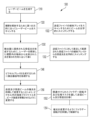
図12は、1つ又は複数の実施形態による、光学スイッチングを使用するライダースキャンのためのシステム又は方法の動作を示すフローチャートである。システム又は方法1200は、1210において、レーザーパルスを生成するステップを含み、これは、900nm~1700nmの出力公称波長を有するファイバレーザーを使用してレーザーパルスを生成するステップを含むことができる。システム又は方法は、1220において、視野を照射するために、第1の線形アレイにおいて構成された第1の複数のファイバのそれぞれにレーザーパルスを光学的にスイッチングするステップを含む。これは、1222において表されるように、垂直の第2の軸に沿った角度発散に対して、第1の軸に沿った少なくとも20倍大きい角度発散を有する楕円形ビームを形成するようにレーザーパルスを成形するステップを含むことができる。
FIG. 12 is a flow chart illustrating operation of a system or method for lidar scanning using optical switching, according to one or more embodiments. The system or
ブロック1230は、視野内でレーザーパルスを照射した物体から反射された光を、第2の線形アレイにおいて構成された第2の複数のファイバに導くステップを表す。これは、1232において、垂直の第1の軸に沿った角度発散よりも少なくとも20倍大きい第2の軸に沿った角度発散を有する楕円形ビームを形成するために光を収集及び成形するステップを含むことができる。システム又は方法は、1240において表されるように、第2の複数のファイバからの光を、光を少なくとも1つの検出器に導くために光学的にスイッチングするステップも含み得、これは、1242において示されるように、平行に構成された複数の検出器のそれぞれに受信光の一部を導くために受信光を光学的に分割するステップを含むことができる。システム又は方法は、1244において表されるように、受信光の偏光角及び/又は偏光度を検出するステップを更に含むことができる。次いで、検出器信号は、ブロック1250によって表されるように、視野を表すデータを生成するように処理される。
図13は、1つ又は複数の実施形態による、偏光操作を使用してレーザースキャンされたFOVの分解能を増大させるシステム又は方法の動作を示すフローチャートである。システム又は方法1300は、1310において、レーザービームを生成するステップを含み、レーザービームは、パルス化又は連続波(cw)ビームであり得る。レーザービームは、1320において示されるように、視野を照射するための送信ビームを生成するために、第1の方向に沿ってスキャンされる。これは、1322において示されるように、ファイバの第1の線形アレイをスキャンするためにレーザービームを光学的にスイッチングするステップを含むことができる。
13 is a flow chart illustrating the operation of a system or method for increasing the resolution of a laser scanned FOV using polarization manipulation, according to one or more embodiments. The system or
システム又は方法1300は、1330において表されるように、少なくとも1つの検出器に提供される受信ビームを形成するために、第1の方向に直交する第2の方向に沿って、視野内の送信レーザービームを照射した物体から反射された光を導くステップを含むことができる。これは、1332において示されるように、ファイバの第1の線形アレイに対して直交して配置されたファイバの線形アレイからの受信光を光学的にスイッチングするステップを含むことができる。ブロック1340は、ピクセルの2次元アレイを生成するために、少なくとも1つの検出器からの信号を処理するステップを表す。ブロック1350は、送信レーザービームと少なくとも1つの検出器に提供される受信ビームとの偏光を同期して変更することにより、選択されたピクセル又はピクセルのグループ内の強度プロファイルを、選択されたピクセル内において又はピクセルのグループにわたって連続的な方式でピーク強度を移動させるように変更するステップを表す。これは、1352において表されるように、関連付けられた偏光器、ファラデー回転子及び位相マスクを通して送信ビーム及び受信光を導くステップと、1354において表されるように、偏光を操作又は変更するようにファラデー回転子を同期して制御するステップとを含むことができる。
The system or
上記で代表的な実施形態について説明したが、これらの実施形態は、特許請求される主題のすべての可能な形態を記載することを意図したものではない。本明細書で使用される用語は、限定ではなく、説明のための用語であり、本開示及び特許請求される主題の趣旨及び範囲を逸脱することなく様々な変更形態がなされ得ることを理解されたい。加えて、様々な実装実施形態の特徴は、明示的に記載又は図示されていないが、本開示及び特許請求される主題の範囲に含まれ、当業者に認識可能である更なる実施形態を形成するように組み合わせることができる。 Although representative embodiments have been described above, these embodiments are not intended to describe all possible forms of the claimed subject matter. The terms used herein are terms of description, not limitation, and it should be understood that various modifications may be made without departing from the spirit and scope of the present disclosure and claimed subject matter. In addition, features of various implementation embodiments may be combined to form further embodiments that are not explicitly described or illustrated, but are within the scope of the present disclosure and claimed subject matter and are recognizable to those skilled in the art.
様々な実施形態が、1つ又は複数の所望の特性に関して他の実施形態又は従来技術の実装形態よりも利点を提供するか又は好ましいものとして記載される場合があるが、当業者であれば認識するように、1つ又は複数の特徴又は特性は、所望の全体的なシステム属性を実現するために犠牲にされる場合があり、これは、特定の用途及び実装形態に依存する。これらの属性は、限定を伴うことなく、費用、強度、耐久性、ライフサイクル費用、市場性、外観、パッケージング、サイズ、保守性、重量、製造性、組立の容易性などを含む。1つ又は複数の特徴に関して他の実施形態又は従来技術の実装形態よりも望ましくないものとして記載される実施形態も、必ずしも本開示に含まれないわけではなく、特定の用途で望ましいものであり得る。 Although various embodiments may be described as offering advantages or being preferred over other embodiments or prior art implementations with respect to one or more desired characteristics, those skilled in the art will recognize that one or more features or characteristics may be sacrificed to achieve desired overall system attributes, which will depend on the particular application and implementation. These attributes include, without limitation, cost, strength, durability, life cycle cost, marketability, appearance, packaging, size, maintainability, weight, manufacturability, ease of assembly, and the like. An embodiment that is described as being less desirable than other embodiments or prior art implementations with respect to one or more characteristics is not necessarily excluded from this disclosure and may be desirable in a particular application.
Claims (37)
前記第1の光学スイッチの複数の出力の異なる1つにそれぞれ結合された第1の複数のファイバと、
前記第1の複数のファイバの少なくとも1つから前記レーザーパルスを受信し、視野の少なくとも一部を照射するために前記レーザーパルスをリダイレクトするように構成された第1の少なくとも1つの光学要素と、
第2の光学スイッチ及び少なくとも1つの検出器を含むレシーバと、
前記第2の光学スイッチの異なる入力にそれぞれ結合された第2の複数のファイバであって、前記第2の光学スイッチの出力は、前記少なくとも1つの検出器に結合される、第2の複数のファイバと、
前記視野から反射された前記レーザーパルスを受信し、受信された反射パルスを前記第2の複数のファイバの少なくとも1つにリダイレクトするように構成された第2の少なくとも1つの光学要素と、
前記レーザーパルスを前記第1の光学スイッチの入力から前記複数の出力のそれぞれに導くように前記第1の光学スイッチを制御し、前記第2の複数のファイバのそれぞれからの光を前記第2の光学スイッチの前記出力に導くように前記第2の光学スイッチを制御し、前記視野を表すデータを生成するために前記少なくとも1つの検出器からの信号を処理するように構成された少なくとも1つのコントローラと、
を含み、
前記第1の複数のファイバの出力は、第1の線形アレイ状に配置され、前記第2の複数のファイバの入力は、前記第1の線形アレイに直交する第2の線形アレイ状に配置される、
スキャニングライダーシステム。 a transmitter including a laser and a first optical switch configured to receive a laser pulse from the laser;
a first plurality of fibers each coupled to a different one of a plurality of outputs of the first optical switch;
a first at least one optical element configured to receive the laser pulses from at least one of the first plurality of fibers and redirect the laser pulses to illuminate at least a portion of a field of view;
a receiver including a second optical switch and at least one detector;
a second plurality of fibers each coupled to a different input of the second optical switch, an output of the second optical switch being coupled to the at least one detector; and
a second at least one optical element configured to receive the laser pulse reflected from the field of view and redirect the received reflected pulse to at least one of the second plurality of fibers;
at least one controller configured to control the first optical switch to direct the laser pulse from an input of the first optical switch to each of the plurality of outputs, control the second optical switch to direct light from each of the second plurality of fibers to the output of the second optical switch, and process signals from the at least one detector to generate data representative of the field of view;
Including,
the outputs of the first plurality of fibers are arranged in a first linear array and the inputs of the second plurality of fibers are arranged in a second linear array orthogonal to the first linear array.
Scanning lidar system.
視野を照射するために、第1の線形アレイ状に構成された第1の複数のファイバのそれぞれに前記レーザーパルスを光学的にスイッチングするステップと、
前記視野内で前記レーザーパルスを照射した物体から反射された光を、第2の線形アレイ状に構成された第2の複数のファイバに導くステップと、
前記第2の複数のファイバからの光を、前記光を少なくとも1つの検出器に導くために光学的にスイッチングするステップと、
前記視野を表すデータを生成するために前記検出器からの信号を処理するステップと、
を含み、
前記ファイバの第1の線形アレイは、前記ファイバの第2の線形アレイと直交して配置される、
方法。 generating a laser pulse;
optically switching the laser pulses onto each of a first plurality of fibers arranged in a first linear array to illuminate a field of view;
directing light reflected from objects illuminated by the laser pulse within the field of view into a second plurality of fibers arranged in a second linear array;
optically switching light from the second plurality of fibers to direct the light to at least one detector;
processing signals from the detector to generate data representative of the field of view;
Including,
the first linear array of fibers is positioned orthogonal to the second linear array of fibers.
method.
前記レーザーパルスを照射した前記物体から反射された前記光の偏光を検出するステップと、
前記物体から反射された前記光の前記偏光を検出することに基づいて、前記視野を表す偏光データを生成するステップと、
を更に含む、請求項24~29のいずれか一項に記載の方法。 polarizing the laser pulse that illuminates the field of view;
detecting the polarization of the light reflected from the object illuminated by the laser pulse;
generating polarization data representative of the field of view based on detecting the polarization of the light reflected from the object;
The method of any one of claims 24 to 29 , further comprising:
送信レーザービームと、前記少なくとも1つの検出器に提供される受信ビームとの偏光を同期して変更することにより、選択されたピクセル内の強度プロファイルを、前記選択されたピクセル内において連続的な方式でピーク強度を移動させるように変更するステップと、modifying an intensity profile within a selected pixel by synchronously varying the polarization of a transmit laser beam and a receive beam provided to said at least one detector to move a peak intensity within said selected pixel in a continuous manner;
を更に含む、請求項24に記載の方法。25. The method of claim 24, further comprising:
ファラデー回転子及び位相マスクを通して、前記生成されたレーザービーム又は前記送信レーザービームを導くステップと、directing the generated laser beam or the transmitted laser beam through a Faraday rotator and a phase mask;
前記送信レーザービームの前記偏光を変更するように前記ファラデー回転子を制御するステップと、controlling the Faraday rotator to change the polarization of the transmit laser beam;
を含む、請求項32に記載の方法。33. The method of claim 32, comprising:
Applications Claiming Priority (3)
| Application Number | Priority Date | Filing Date | Title |
|---|---|---|---|
| US201962850573P | 2019-05-21 | 2019-05-21 | |
| US62/850,573 | 2019-05-21 | ||
| PCT/IB2020/054784 WO2020234797A1 (en) | 2019-05-21 | 2020-05-20 | Scanning lidar with optical switching |
Publications (2)
| Publication Number | Publication Date |
|---|---|
| JP2022535710A JP2022535710A (en) | 2022-08-10 |
| JP7541035B2 true JP7541035B2 (en) | 2024-08-27 |
Family
ID=70847447
Family Applications (1)
| Application Number | Title | Priority Date | Filing Date |
|---|---|---|---|
| JP2021569379A Active JP7541035B2 (en) | 2019-05-21 | 2020-05-20 | Scanning lidar with optical switching |
Country Status (8)
| Country | Link |
|---|---|
| US (1) | US20220229162A1 (en) |
| EP (1) | EP3973311B1 (en) |
| JP (1) | JP7541035B2 (en) |
| CN (1) | CN114008486A (en) |
| ES (1) | ES3049040T3 (en) |
| IL (2) | IL288229B2 (en) |
| PL (1) | PL3973311T3 (en) |
| WO (1) | WO2020234797A1 (en) |
Families Citing this family (18)
| Publication number | Priority date | Publication date | Assignee | Title |
|---|---|---|---|---|
| US12510637B2 (en) | 2018-02-16 | 2025-12-30 | Xiaotian Steve Yao | Scan-less 3D optical sensing devices and associated lidar based on stacking of integrated photonic chips, wavelength division demultiplexing and position-to-angle conversion of a lens |
| US11536805B2 (en) | 2018-06-25 | 2022-12-27 | Silc Technologies, Inc. | Optical switching for tuning direction of LIDAR output signals |
| US12535586B2 (en) | 2018-08-31 | 2026-01-27 | SiLC Technology, Inc. | Reduction of ADC sampling rates in LIDAR systems |
| US12429569B2 (en) | 2019-05-17 | 2025-09-30 | Silc Technologies, Inc. | Identification of materials illuminated by LIDAR systems |
| DE102019207470A1 (en) * | 2019-05-22 | 2020-11-26 | Robert Bosch Gmbh | LIDAR sensor for optical detection of a field of view and method for optical detection of a field of view |
| US11650317B2 (en) | 2019-06-28 | 2023-05-16 | Silc Technologies, Inc. | Use of frequency offsets in generation of LIDAR data |
| US12429746B2 (en) * | 2020-10-20 | 2025-09-30 | Xiaotian Steve Yao | Optical beam scanning based on waveguide switching and position-to-angle conversion of a lens and applications |
| CN121385843A (en) * | 2021-04-30 | 2026-01-23 | 上海禾赛科技有限公司 | Optical detection devices and vehicles |
| US20220381919A1 (en) * | 2021-05-26 | 2022-12-01 | Makalu Optics Ltd. | LiDAR WITH COMBINED FAST/SLOW SCANNING |
| US12541009B2 (en) | 2021-06-17 | 2026-02-03 | Silc Technologies, Inc. | Scanning multiple LIDAR system output signals |
| US12411213B2 (en) | 2021-10-11 | 2025-09-09 | Silc Technologies, Inc. | Separation of light signals in a LIDAR system |
| US20230324558A1 (en) * | 2022-04-06 | 2023-10-12 | Faro Technologies, Inc. | Sensor field-of-view manipulation |
| US20240012112A1 (en) * | 2022-07-08 | 2024-01-11 | Silc Technologies, Inc. | Imaging sytem with enhanced scan rate |
| US12422618B2 (en) | 2022-10-13 | 2025-09-23 | Silc Technologies, Inc. | Buried taper with reflecting surface |
| CN116155376B (en) * | 2023-02-09 | 2024-07-23 | 中国科学院光电技术研究所 | A wide-area intensity homogenized laser information transceiver based on optical fiber array |
| CN117647793A (en) * | 2023-08-14 | 2024-03-05 | 深圳市速腾聚创科技有限公司 | Laser radar and mobile device |
| DE102024117876A1 (en) * | 2024-06-25 | 2026-01-08 | Valeo Schalter Und Sensoren Gmbh | Monitoring of roadways |
| WO2026005791A1 (en) * | 2024-06-28 | 2026-01-02 | Voyant Photonics, Inc. | Crosstalk mitigation in lidar systems |
Citations (4)
| Publication number | Priority date | Publication date | Assignee | Title |
|---|---|---|---|---|
| US20030043058A1 (en) | 2001-09-04 | 2003-03-06 | Jamieson James R. | Distributed laser obstacle awareness system |
| JP2014174041A (en) | 2013-03-11 | 2014-09-22 | Mitsubishi Electric Corp | Optical antenna and optical wave rader system |
| CN206132985U (en) | 2016-10-27 | 2017-04-26 | 上海博未传感技术有限公司 | Laser radar system based on fiber array |
| CN107272016A (en) | 2017-05-09 | 2017-10-20 | 中国科学院半导体研究所 | Beam scanning Optical Controlled Phased Array Antenna based on photoswitch |
Family Cites Families (21)
| Publication number | Priority date | Publication date | Assignee | Title |
|---|---|---|---|---|
| JP3676625B2 (en) * | 1999-08-10 | 2005-07-27 | 本田技研工業株式会社 | Object detection device |
| US6795245B2 (en) * | 2001-05-21 | 2004-09-21 | Rongfu Xiao | Polarization independent magnetooptic switches |
| US7440084B2 (en) * | 2004-12-16 | 2008-10-21 | Arete' Associates | Micromechanical and related lidar apparatus and method, and fast light-routing components |
| JP2009043370A (en) * | 2007-08-10 | 2009-02-26 | Sony Corp | Hologram recording / reproducing apparatus and light source apparatus |
| US7978312B2 (en) * | 2007-11-01 | 2011-07-12 | The United States Of America As Represented By The Administrator Of The National Aeronautics And Space Administration | Three-dimensional range imaging apparatus and method |
| US8897635B2 (en) * | 2008-10-31 | 2014-11-25 | Howard University | System and method of detecting and locating intermittent and other faults |
| TWI372270B (en) * | 2009-05-04 | 2012-09-11 | Ind Tech Res Inst | Optical switch and communication system of optical signal |
| US8946637B2 (en) * | 2010-11-23 | 2015-02-03 | The United States Of America As Represented By The Secretary Of The Army | Compact fiber-based scanning laser detection and ranging system |
| US9476980B2 (en) * | 2011-06-30 | 2016-10-25 | Jeffrey P. Thayer | Remote measurement of shallow depths in semi-transparent media |
| US20150176977A1 (en) * | 2013-12-20 | 2015-06-25 | Lemoptix Sa | Methods and devices for determining position or distance |
| CN108603758A (en) * | 2015-11-30 | 2018-09-28 | 卢米诺技术公司 | The pulse laser of laser radar system and laser radar system with distribution type laser device and multiple sensor heads |
| US10261006B2 (en) * | 2016-07-21 | 2019-04-16 | Rosemount Aerospace, Inc. | Method of estimating cloud particle sizes using LIDAR ratio |
| US10534074B2 (en) * | 2016-08-31 | 2020-01-14 | Qualcomm Incorporated | Hybrid scanning lidar systems |
| CN106371085A (en) * | 2016-10-27 | 2017-02-01 | 上海博未传感技术有限公司 | Laser radar system based on optical fiber array |
| US10677716B1 (en) * | 2017-03-14 | 2020-06-09 | Hart Scientific Consulting International Llc | Systems and methods for optically determining an acoustic signature of an object |
| US11561084B2 (en) * | 2017-04-19 | 2023-01-24 | Arizona Board Of Regents On Behalf Of The University Of Arizona | Polarization sensitive devices, methods and applications |
| US11187806B2 (en) * | 2017-07-24 | 2021-11-30 | Huawei Technologies Co., Ltd. | LIDAR scanning system |
| WO2019165095A1 (en) * | 2018-02-23 | 2019-08-29 | Innovusion Ireland Limited | Distributed lidar systems |
| US11156981B2 (en) * | 2018-08-30 | 2021-10-26 | Veo Robotics, Inc. | Systems and methods for automatic sensor registration and configuration |
| US11402472B2 (en) * | 2019-04-16 | 2022-08-02 | Argo AI, LLC | Polarization sensitive LiDAR system |
| US11079546B2 (en) * | 2019-04-22 | 2021-08-03 | Blackmore Sensors & Analytics, LLC. | Providing spatial displacement of transmit and receive modes in LIDAR system |
-
2020
- 2020-05-20 PL PL20728208.8T patent/PL3973311T3/en unknown
- 2020-05-20 US US17/613,325 patent/US20220229162A1/en active Pending
- 2020-05-20 EP EP20728208.8A patent/EP3973311B1/en active Active
- 2020-05-20 CN CN202080038004.2A patent/CN114008486A/en active Pending
- 2020-05-20 JP JP2021569379A patent/JP7541035B2/en active Active
- 2020-05-20 WO PCT/IB2020/054784 patent/WO2020234797A1/en not_active Ceased
- 2020-05-20 ES ES20728208T patent/ES3049040T3/en active Active
-
2021
- 2021-11-18 IL IL288229A patent/IL288229B2/en unknown
-
2025
- 2025-09-18 IL IL323460A patent/IL323460A/en unknown
Patent Citations (4)
| Publication number | Priority date | Publication date | Assignee | Title |
|---|---|---|---|---|
| US20030043058A1 (en) | 2001-09-04 | 2003-03-06 | Jamieson James R. | Distributed laser obstacle awareness system |
| JP2014174041A (en) | 2013-03-11 | 2014-09-22 | Mitsubishi Electric Corp | Optical antenna and optical wave rader system |
| CN206132985U (en) | 2016-10-27 | 2017-04-26 | 上海博未传感技术有限公司 | Laser radar system based on fiber array |
| CN107272016A (en) | 2017-05-09 | 2017-10-20 | 中国科学院半导体研究所 | Beam scanning Optical Controlled Phased Array Antenna based on photoswitch |
Also Published As
| Publication number | Publication date |
|---|---|
| IL288229B1 (en) | 2025-10-01 |
| IL288229B2 (en) | 2026-02-01 |
| WO2020234797A1 (en) | 2020-11-26 |
| US20220229162A1 (en) | 2022-07-21 |
| EP3973311A1 (en) | 2022-03-30 |
| EP3973311C0 (en) | 2025-07-30 |
| PL3973311T3 (en) | 2025-12-15 |
| IL288229A (en) | 2022-01-01 |
| JP2022535710A (en) | 2022-08-10 |
| EP3973311B1 (en) | 2025-07-30 |
| CN114008486A (en) | 2022-02-01 |
| ES3049040T3 (en) | 2025-12-12 |
| IL323460A (en) | 2025-11-01 |
Similar Documents
| Publication | Publication Date | Title |
|---|---|---|
| JP7541035B2 (en) | Scanning lidar with optical switching | |
| JP7256920B2 (en) | LIDAR system and method | |
| US10408940B2 (en) | Remote lidar with coherent fiber optic image bundle | |
| US11971488B2 (en) | LIDAR system with variable resolution multi-beam scanning | |
| EP2957926B1 (en) | System and method for scanning a surface and computer program implementing the method | |
| US11448735B2 (en) | LiDAR with malfunction detection | |
| US11340338B2 (en) | Distributed lidar with fiber optics and a field of view combiner | |
| JP6387407B2 (en) | Perimeter detection system | |
| CN112236685A (en) | Lidar system and method with internal light calibration | |
| WO2021225975A1 (en) | Enhanced polarized light collection in coaxial lidar architecture | |
| US12429564B2 (en) | Systems and methods for interlaced scanning in lidar systems | |
| CA3075736A1 (en) | Intelligent ladar system with low latency motion planning updates | |
| EP4211492A2 (en) | Lidar system with variable resolution multi-beam scanning | |
| WO2018126248A1 (en) | Micromirror array for feedback-based image resolution enhancement | |
| CN114222930A (en) | Systems and methods for photodiode-based detection | |
| EP3591436B1 (en) | Lidar system and lidar method for a motor vehicle | |
| WO2018230203A1 (en) | Imaging device | |
| JP2024521162A (en) | LiDAR with Combined Fast/Slow Scanning | |
| EP3428687B1 (en) | A vision system and vision method for a vehicle | |
| WO2022153126A1 (en) | Synchronization of multiple lidar systems | |
| EP3588140B1 (en) | A vision system and vision method for a vehicle | |
| CN114174868A (en) | System and method for eye-safe lidar |
Legal Events
| Date | Code | Title | Description |
|---|---|---|---|
| A621 | Written request for application examination |
Free format text: JAPANESE INTERMEDIATE CODE: A621 Effective date: 20230224 |
|
| A131 | Notification of reasons for refusal |
Free format text: JAPANESE INTERMEDIATE CODE: A131 Effective date: 20231212 |
|
| A601 | Written request for extension of time |
Free format text: JAPANESE INTERMEDIATE CODE: A601 Effective date: 20240307 |
|
| A601 | Written request for extension of time |
Free format text: JAPANESE INTERMEDIATE CODE: A601 Effective date: 20240502 |
|
| A521 | Request for written amendment filed |
Free format text: JAPANESE INTERMEDIATE CODE: A523 Effective date: 20240610 |
|
| TRDD | Decision of grant or rejection written | ||
| A01 | Written decision to grant a patent or to grant a registration (utility model) |
Free format text: JAPANESE INTERMEDIATE CODE: A01 Effective date: 20240625 |
|
| A601 | Written request for extension of time |
Free format text: JAPANESE INTERMEDIATE CODE: A601 Effective date: 20240724 |
|
| A61 | First payment of annual fees (during grant procedure) |
Free format text: JAPANESE INTERMEDIATE CODE: A61 Effective date: 20240815 |
|
| R150 | Certificate of patent or registration of utility model |
Ref document number: 7541035 Country of ref document: JP Free format text: JAPANESE INTERMEDIATE CODE: R150 |