JP7494604B2 - Authentication method, line connection device, authentication system, and computer program - Google Patents
Authentication method, line connection device, authentication system, and computer program Download PDFInfo
- Publication number
- JP7494604B2 JP7494604B2 JP2020115078A JP2020115078A JP7494604B2 JP 7494604 B2 JP7494604 B2 JP 7494604B2 JP 2020115078 A JP2020115078 A JP 2020115078A JP 2020115078 A JP2020115078 A JP 2020115078A JP 7494604 B2 JP7494604 B2 JP 7494604B2
- Authority
- JP
- Japan
- Prior art keywords
- communication device
- authentication
- line connection
- connection device
- service provider
- Prior art date
- Legal status (The legal status is an assumption and is not a legal conclusion. Google has not performed a legal analysis and makes no representation as to the accuracy of the status listed.)
- Active
Links
Images


Landscapes
- Data Exchanges In Wide-Area Networks (AREA)
Description
本発明は、認証方法、回線接続機器、認証システム及びコンピュータプログラムに関する。 The present invention relates to an authentication method, a line connection device, an authentication system, and a computer program.
GDPR(General Data Protection Regulation)や米国版GDPRとして注目されているCCPA(California Consumer Privacy Act)など、厳格なレギュレーションが次々と現れ、個人情報の取り扱いが一層重要になっている。一方で、スマートフォンなどの携帯機器が個人に爆発的に普及し、通信ネットワークの進展とともに、スマートフォンを使った電子商取引も頻繁に行われている。 Strict regulations such as the General Data Protection Regulation (GDPR) and the California Consumer Privacy Act (CCPA), which is attracting attention as the US version of the GDPR, are appearing one after another, making the handling of personal information even more important. At the same time, mobile devices such as smartphones have become explosively popular among individuals, and with the development of communication networks, electronic commerce using smartphones is becoming more and more common.
求められているレギュレーションを遵守し、かつ利用者が使いやすいシステムやアプリケーションを提供する際に、鍵となる技術は本人認証である。特許文献1には、個人生体情報を利用するFIDO(Fast Identity Online)という認証システムが開示されている。FIDOでは、本人か否かを判断する端末(認証器ともいう)を手元に持っておくことが前提になっている。
Identity authentication is a key technology when providing systems and applications that comply with required regulations and are easy for users to use.
しかし、FIDOでは、認証器を持っている者が本人であることは個人生体情報に基づいて担保できるが、当該本人が正しいユーザであるか(例えば、ユーザの氏名、住所など)否かは証明できない。指紋認証や顔認証などの生体認証を用いても架空の人物になりすますことが可能である。 However, while FIDO can guarantee that the person holding the authentication device is the correct person based on personal biometric information, it cannot prove that the person is the correct user (e.g., the user's name, address, etc.). Even if biometric authentication such as fingerprint authentication or face authentication is used, it is possible to impersonate a fictitious person.
本発明は、斯かる事情に鑑みてなされたものであり、ユーザの正当性を担保することができる認証方法、回線接続機器、認証システム及びコンピュータプログラムを明らかにする。 The present invention was made in consideration of the above circumstances, and reveals an authentication method, line connection device, authentication system, and computer program that can guarantee the legitimacy of a user.
本願は上記課題を解決する手段を複数含んでいるが、その一例を挙げるならば、認証方法は、通信機器が、回線事業者又はサービス事業者によって設置場所が管理された回線接続機器に対して認証要求を出力し、前記回線接続機器が、前記通信機器の認証を行い、認証結果を前記通信機器へ出力し、前記通信機器が、前記認証結果をサービス事業者装置へ出力する。 The present application includes multiple means for solving the above problem, but as one example, an authentication method includes a communication device outputting an authentication request to a line connection device whose installation location is managed by a line carrier or service provider, the line connection device authenticating the communication device and outputting the authentication result to the communication device, and the communication device outputting the authentication result to a service provider device.
本発明によれば、ユーザの正当性かつ真正性を担保できる認証を実現できる。 The present invention makes it possible to achieve authentication that guarantees the legitimacy and authenticity of users.
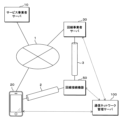
以下、本発明の実施の形態を説明する。図1は本実施の形態の認証システムの構成の第1例を示す模式図である。認証システムは、回線接続機器50を備える。通信ネットワーク1には、サービス事業者装置としてのサービス事業者サーバ10、通信機器20、回線事業者装置としての回線事業者サーバ30が接続されている。通信機器20と回線接続機器50とは秘匿通信路2によって接続され、回線接続機器50と回線事業者サーバ30とは秘匿通信路3によって接続される。以下では、回線接続機器50と回線事業者サーバ30との間の通信路を秘匿通信路3として説明するが、秘匿通信路3は必須ではない。また、本明細書において、回線接続機器は、一つの回線接続機器を意味するのみならず、回線接続機器群を意味するものとする。すなわち、回線接続機器が複数の機器に分割された機器群なるものも含むものとする。
The following describes an embodiment of the present invention. FIG. 1 is a schematic diagram showing a first example of the configuration of an authentication system according to the present embodiment. The authentication system includes a
サービス事業者は、インターネット上で様々なサービスを提供する事業者が含まれる。例えば、商品の販売、飲食・宿泊・旅行など予約、保険や銀行口座の申込、会員組織の登録、セミナーの申込、家電製品や監視カメラの遠隔制御、新聞や電子書籍の閲覧、映画・音楽のレンタル、SNS投稿、ポイント管理などが含まれる。なお、サービスの内容はこれらに限定されない。 Service providers include businesses that provide a variety of services over the Internet. Examples include product sales, reservations for dining, lodging, and travel, insurance and bank account applications, membership organization registration, seminar applications, remote control of home appliances and security cameras, reading newspapers and e-books, renting movies and music, posting on social media, and point management. However, the content of the services is not limited to these.
通信機器20は、例えば、ユーザが携帯するスマートフォンやタブレット、パーソナルコンピュータなどの通信端末や、コネクテッドカーでもよく、企業(オフィスや工場など)で使用されるデバイス(カメラ、ロボット、IoTデバイスなど)でもよい。
The
回線事業者は、ユーザがインターネットに接続する際の回線(電話線や光ファイバーなど)を提供する事業者であり、インターネットサービスプロバイダ(インターネットへの接続)の役割を含んでもよい。 A line operator is a business that provides lines (such as telephone lines or optical fiber) through which users connect to the Internet, and may also act as an Internet service provider (connection to the Internet).
回線接続機器50は、例えば、終端接続装置の類であるルーター、ゲートウェイ装置、ターミナル装置などを含む。回線接続機器50は、回線接続機能を備えている機器であればよく、回線接続機器と同一のネットワークに分割してサブネット化されている機器(回線接続機能を有する)であってもよい。回線接続機器50は、回線事業者又はサービス事業者によって設置された場所が管理されている。なお、回線接続機器50の設置場所は、回線事業者によって管理されてもよく、サービス事業者又は生活者がサービス事業者に登録申請した業者によって管理されてもよい。すなわち、回線事業者又はサービス事業者は、個人や企業などの契約者との間の契約に基づき、個人の家や企業のオフィスや工場などに回線接続機器50を配送する。配送された回線接続機器50は、回線事業者又はサービス事業者によって管理された設置場所である、契約者の家やオフィス、工場などに(固定)設置される。回線接続機器50は、住所が特定された場所に設置される。これにより、回線接続機器50は、ユーザの氏名及び住所を含む、契約内容によって特定される使用者情報を確定することができる「モノ」としての機能を果たすことができる。以下、本明細書では、回線接続機器50を例に挙げて説明するが、回線接続機器50に限定されるものではなく、例えば、個人の家や企業のオフィスや工場などにある確かな装置であって、ネットワークに接続されている装置であって、盗まれたことが直ぐに分かる装置であれば、どのような装置であってもよい。なお、回線接続機器50を管理しているサービス事業者とサービス事業者サーバ10を管理しているサービス事業者とは異なっていてもよい。
The
秘匿通信路2、3は、例えば、インターネットVPN(Virtual Private Network)を用いることができる。通信ネットワーク管理サーバ100は、管理対象としている各機器のグローバルIPアドレスとプライベートIPアドレスの対の管理を実施しているため、通信機器20と回線接続機器50との間のインターネットVPN、回線接続機器50と回線事業者サーバ30との間のインターネットVPNを構築することができる。または、出願人が出願した、PCT/JP2017/006131に記載の仕組みを用いてもよい。例えば、通信機器20と回線接続機器50とは、屋内と屋外という具合に異なるIPアドレス空間に存在するが、通信ネットワーク管理サーバ100が管理しているIPアドレスを用いたP2P通信を行うことができる。これにより、通信機器20と回線接続機器50との間の通信のセキュリティを向上させるとともに、インターネット経由で回線接続機器50にアクセスすることができる。
The
図2は通信機器20の構成の一例を示すブロック図である。通信機器20は、機器全体を制御する制御部21、通信部22、秘匿通信部23、記憶部24、表示パネル25、操作部26及び読取部27を備える。制御部21は、CPU(Central Processing Unit)、ROM(Read Only Memory)及びRAM(Random Access Memory)などで構成することができる。
Figure 2 is a block diagram showing an example of the configuration of the
通信部22は、所要の通信モジュール等で構成され、通信ネットワーク1を介してサービス事業者サーバ10との間の通信機能を提供する。
The
秘匿通信部23は、通信ネットワーク管理サーバ100による、通信セッション管理に従って、回線接続機器50との間でP2P通信を行うことができる。
The
記憶部24は、半導体メモリ等で構成することができ、通信部22及び秘匿通信部23を介して受信した情報、制御部21による処理結果、及び所要の情報を記憶することができる。記憶部24には、例えば、外部のサーバからダウンロードした認証用のアプリを記憶することができる。認証用のアプリを、制御部21又は記憶部24のRAMにロードして、CPUによって実行することにより、認証用のアプリの処理が実行される。
The
表示パネル25は、液晶パネル又は有機EL(Electro Luminescence)ディスプレイ等で構成することができる。操作部26は、例えば、表示パネル25に組み込まれたタッチパネルで構成することができ、ユーザが表示パネル25上で行う所定の操作を行うことができる。また、操作部26は、表示パネル25に表示したキ-ボード上の操作を行うことができる。なお、操作部26は、ハードウェアキーボード、マウスなどでもよい。
The
読取部27は、認証用のアプリの処理の中で、回線接続機器50に貼り付けてある2次元バーコードなどの所定のラベルを光学的に読み取ることができる。なお、2次元バーコードのような光学的手法で読み取る方法に限定されるものではなく、例えば、無線ICタグのような電磁的手法で読み取ることもできる。すなわち、認証を行う際に、回線接続機器50の物理的近傍にいることが必要となる手法を用いればよい。このような手法を用いることによって、ハッカーなどからの悪意あるネット攻撃から防御できる信頼ポイントとなっている。
The
図3は回線接続機器50の構成の一例を示す模式図である。回線接続機器50は、例えば、単一のSoC(System on a Chip)で構成された一個の半導体チップを含み、回線接続機器50の動作に必要なハードウェア(例えば、各種プロセッサ、メモリ、通信モジュールなど)の全部又は一部が実装されている。なお、回線接続機器50は、他の制御機能を実現するハードウェアを備えてもよい。
Figure 3 is a schematic diagram showing an example of the configuration of
回線接続機器50は、CPU54上で実行される実行環境提供部53を備える。実行環境提供部53は、例えば、CPU仮想化支援技術(例えば、TrustZone(登録商標))と称される技術を用いることによって、ソフトウェア(OS:Operating System、アプリケーションなど)の実行環境を通常実行環境52(ノーマルワールド、REE:Rich Execution Environmentとも称する)と、トラステッド実行環境51(セキュアワールド、TEE:Trusted Execution Environmentとも称する)との二つに分けている。通常実行環境52とトラステッド実行環境51との間では、メモリ空間、入出力装置などが分離されている。
The
通常実行環境52は、広く一般的に利用されているOSの実行環境であり、トラステッド実行環境51へのアクセスが制限される。トラステッド実行環境51は、セキュリティ機能を隔離する目的で、同一のSoC上で通常実行環境52とは別に提供される独立した実行環境である。通常実行環境52からトラステッド実行環境51で実行する処理を呼び出すためには、実行環境提供部53を経由する必要がある。実行環境提供部53は、例えば、Trusted Faimware、セキュアモニタなどと称される。
The
通常実行環境52には、通常アプリケーション521、メモリ522、通常OS523が含まれる。通常アプリケーション521は、回線接続機器50の通常の回線接続機能を実現する。通常OS523は、通常アプリケーション521と実行環境提供部53との間のインタフェース機能を有する。
The
トラステッド実行環境51には、認証アプリケーション511、セキュアメモリ512、セキュアOS513が含まれる。認証アプリケーション511は、後述の通信機器20のグルーピング処理(登録処理)、通信機器20の認証処理などを実行する。セキュアメモリ512には、後述のグルーピング情報などを記憶することができる。セキュアメモリ512は、メモリ522よりも耐タンパ性に優れており、セキュリティ的により安全である。セキュアOS513は、認証アプリケーション511と実行環境提供部53との間のインタフェース機能を有する。
The trusted
ネットワーク通信部55は、通常実行環境52及びトラステッド実行環境51それぞれに分離した状態で設けてもよく、通常実行環境52内に設けてもよい。ネットワーク通信部55は、通信機器20との間、及び回線事業者サーバ30との間でP2P通信を行うことができる。
The
なお、CPU仮想化支援技術を用いてトラステッド実行環境51を備える構成とすることは必須ではなく、回線接続機器50は、通常実行環境52だけを備える構成としてもよい。例えば、回線接続機器50が、宅内のエアコン等である場合には、トラステッド実行環境51は具備していない。
Note that it is not essential to use CPU virtualization support technology to configure the
図4は認証アプリケーション511の機能の一例を示すブロック図である。認証アプリケーション511は、秘匿通信処理部511a、グルーピング処理部511b、及び認証処理部511cなどの機能を有する。秘匿通信処理部511aは、ネットワーク通信部55を介して、通信機器20との間、及び回線事業者サーバ30との間でP2P通信を行う。グルーピング処理部511b、及び認証処理部511cについては後述する。
Figure 4 is a block diagram showing an example of the functions of the
図5は回線事業者サーバ30の構成の一例を示すブロック図である。回線事業者サーバ30は、サーバ全体を制御する制御部31、通信部32、秘匿通信部33、記憶部34、回線契約DB35、及び認証部36を備える。制御部31は、CPU(Central Processing Unit)、ROM(Read Only Memory)及びRAM(Random Access Memory)などで構成することができる。
Figure 5 is a block diagram showing an example of the configuration of the
通信部32は、所要の通信モジュール等で構成され、通信ネットワーク1を介してサービス事業者サーバ10との間の通信機能を提供する。
The
秘匿通信部33は、通信ネットワーク管理サーバ100による、通信セッション管理に従って、回線接続機器50との間でP2P通信を行うことができる。
The
記憶部34は、半導体メモリ等で構成することができ、所要の情報を記憶することができる。
The
回線契約DB35は、回線を契約した契約者に関する情報(「使用者情報」ともいう)を記録することができる。回線契約DB35は、例えば、契約者の氏名、住所、性別、生年月日、電話番号、職業、クレジットカード情報、銀行口座、回線接続機器50を識別する識別番号(例えば、製造番号など)などの情報を含む。回線契約DB35は、回線事業者サーバ30とは別のデータサーバに設ける構成でもよい。
The
認証部36は、回線接続機器50の認証を行う。
The
次に、本実施の形態の認証システムの処理について説明する。まず、通信機器20のグルーピング(「登録」ともいう)処理について説明する。グルーピング処理は、回線接続機器50が行ってもよく、あるいは通信ネットワーク管理サーバ100が行ってもよい。
Next, the processing of the authentication system of this embodiment will be described. First, the grouping (also called "registration") processing of the
図6は回線接続機器50による通信機器20のグルーピング処理の一例を示す説明図である。以下、符号P1~P8で示す処理について説明する。(P1)回線接続機器50に対する所定の操作として、回線接続機器50に貼り付けてある2次元バーコードなどのラベルを通信機器20で光学的に読み取る。なお、回線接続機器50に対する所定の操作は、回線接続機器50の設置場所で行うことができる操作であればよく、例えば、回線接続機器50に設けられているスイッチやボタンに対する操作などを含めることができる。これにより、操作を行うユーザが、回線接続機器50の設置場所にいることを担保することができる。別言すれば、回線接続機器50の設置場所にいない悪意のある人間が不正にグルーピング処理を行うことができない。このような方法を採用する事で、ネットを介したサイバーアタックへの耐性を高めることができる。
Figure 6 is an explanatory diagram showing an example of grouping processing of
(P2)認証用のアプリ内のグルーピング要求アプリは、回線接続機器50に対してグルーピング要求を出力する。
(P2) The grouping request application in the authentication application outputs a grouping request to the
(P3)回線接続機器50のグルーピング処理部511bは、所定時間(例えば、5分、10分など)だけグルーピング処理の実行をアクティベートする。所定時間の間だけグルーピング処理が可能になるので、グルーピング処理を実行させて不正なグルーピング情報を記録するような攻撃に対する安全性を高めることができる。
(P3) The
(P4)グルーピング処理部511bは、予めセキュアメモリ512に記憶していた秘密分散データの一部を通信機器20へ出力する。
(P4) The
(P5)通信機器20の認証用のアプリは、取得した秘密分散データの一部を記憶部24に記憶する。
(P5) The authentication application of the
(P6)通信機器20の認証用のアプリは、通信機器固有の通信機器識別データを生成して記憶部24に記憶する。通信機器識別データは、ランダムなバイナリ列である。
(P6) The authentication application of the
(P7)通信機器20は、生成した通信機器識別データを回線接続機器50へ出力する。
(P7) The
(P8)回線接続機器50は、取得した通信機器識別データをセキュアメモリ512に記憶する。これにより、グルーピング処理が完了し、セキュアメモリ512にはグルーピング情報が記憶されることになる。回線接続機器50と通信機器20とは、共有データ(例えば、秘密分散データx、バイナリ列r)を介して、グルーピング(登録)される。回線接続機器50は、認証対象の通信機器20をグルーピングする時点で、所定のデータを秘密分散した秘密分散データの一部を通信機器20に記憶させる。通信機器20のグルーピング処理により、回線接続機器50を親機とし、通信機器20を子機として、両者に親機・子機の関係を認識させることができる。
(P8) The
図7は通信ネットワーク管理サーバ100による通信機器20のグルーピング処理の一例を示す説明図である。以下では、通信ネットワーク管理サーバ100がグルーピング処理を行う例を説明するが、グルーピング処理は、通信ネットワーク管理サーバ100によって行われる構成に限定されるものではなく、インターネット上の他のサーバが行ってもよい。以下、符号P101~P111で示す処理について説明する。(P101)回線接続機器50に対する所定の操作として、回線接続機器50に貼り付けてある2次元バーコードなどのラベルを通信機器20で光学的に読み取る。
Figure 7 is an explanatory diagram showing an example of grouping processing of
(P102)認証用のアプリ内のグルーピング要求アプリは、回線接続機器50に対してグルーピング要求を出力する。
(P102) The grouping request application in the authentication application outputs a grouping request to the
(P103)回線接続機器50は、グルーピング要求を通信ネットワーク管理サーバ100へ出力する。
(P103) The
(P104)通信ネットワーク管理サーバ100は、グルーピング処理を行う。なお、グルーピング処理の内容は、回線接続機器50が行うグルーピング処理と同様である。
(P104) The communication
(P105)通信ネットワーク管理サーバ100は、メモリ(不図示)に記憶していた秘密分散データの一部を回線接続機器50へ出力する。
(P105) The communication
(P106)回線接続機器50は、通信ネットワーク管理サーバ100から取得した秘密分散データの一部を通信機器20へ出力する。
(P106) The
(P107)通信機器20の認証用のアプリは、取得した秘密分散データの一部を記憶部24に記憶する。
(P107) The authentication application of the
(P108)通信機器20の認証用のアプリは、通信機器固有の通信機器識別データを生成して記憶部24に記憶する。通信機器識別データは、ランダムなバイナリ列である。
(P108) The authentication application of the
(P109)通信機器20は、生成した通信機器識別データを回線接続機器50へ出力する。
(P109) The
(P110)回線接続機器50は、取得した通信機器識別データを通信ネットワーク管理サーバ100へ出力する。
(P110) The
(P111)通信ネットワーク管理サーバ100は、取得した通信機器識別データをメモリ(不図示)に記憶する。これにより、グルーピング処理が完了し、通信ネットワーク管理サーバ100には、グルーピング処理結果であるグルーピング情報が記憶されることになる。
(P111) The communication
図8は本実施の形態の認証システムで使用する秘密分散データの一例を示す模式図である。秘密分散前の所定のデータをAとし、秘密分散したデータをa、bとする。秘密分散は、分散前のデータAを暗号化しながら複数のデータa、bに分割するものである。また、秘密分散前の所定のデータをXとし、秘密分散したデータをx、yとする。回線接続機器50は、予め秘密分散データa、b、xを記憶しておく。秘密分散データa、b、xは、例えば、回線接続機器50の出荷前、すなわち、契約者の家、オフィス又は工場等に配送する前に記憶しておく。回線事業者サーバ30の記憶部には秘密分散データyを記憶しておく。また、通信機器20の記憶部24には、秘密分散に関連するデータは記憶されていない。
Figure 8 is a schematic diagram showing an example of secret sharing data used in the authentication system of this embodiment. The specified data before secret sharing is A, and the secret shared data are a and b. Secret sharing involves dividing the data A before sharing into multiple data a and b while encrypting it. The specified data before secret sharing is X, and the secret shared data are x and y. The
グルーピング時には、回線接続機器50は、セキュアメモリ512に記憶している秘密分散データa、xを通信機器20へ出力し、通信機器20の記憶部24に記憶させることができる。グルーピング時には、通信機器20は、バイナリ列rを生成して記憶部24に記憶する。また、通信機器20は、生成したバイナリ列rを回線接続機器50へ出力する。回線接続機器50は、取得したバイナリ列をセキュアメモリ512に記憶する。セキュアメモリ512に記憶された秘密分散データa、b、x、及びバイナリ列rは、グルーピング情報を構成する。なお、秘密分散データaは削除してもよい。
When grouping, the
図9はグルーピング情報の一例を示す模式図である。回線接続機器50は、グルーピング対象の通信機器ごとのグルーピング情報を、グループ内の通信機器に対応付けて記憶することができる。図9に示すように、ある特定の回線接続機器50に対して、1つのグループを形成するグルーピング対象の通信機器をD1、D2、D3、…とする。回線接続機器50は、通信機器D1のグルーピング情報として、分散前データAの秘密分散データa、b、分散前データXの秘密分散データx、通信機器D1が生成したバイナリ列r1を記憶する。同様に、回線接続機器50は、通信機器D2のグルーピング情報として、分散前データAの秘密分散データa、b、分散前データXの秘密分散データx、通信機器D2が生成したバイナリ列r2を記憶する。他の通信機器D3、…についても同様である。なお、秘密分散データaは削除してもよい。
FIG. 9 is a schematic diagram showing an example of grouping information. The
これにより、例えば、複数のユーザが家族を構成し、1台の回線接続機器50を共有するような場合でも、各ユーザが所有する通信機器20の認証を個別に行うことが可能となる。また、回線接続機器50とグルーピングされた1又は複数の通信機器20との対応関係は、通信ネットワーク管理サーバ100によって管理される。
As a result, even if multiple users form a family and share one line-connected
回線接続機器50は、認証対象の通信機器20が備えるGPS機能を利用して、通信機器20の位置情報を、例えば、WiFiを介して、取得することができる。回線接続機器50は、取得した位置情報が、回線事業者が管理している回線契約DB35に記録管理されている住所情報をもとに、およそのGPS情報を算出し、取得した位置情報と算出したGPS情報と比較して大きなズレがない場合、正しい住所情報として、回線契約DB35に記録管理しておくか、回線接続機器50に正しく認証された結果として記録しておく。この結果、回線接続機器50の設置場所から所定範囲内にあるか否かに基づき認証対象の通信機器20の登録を行うことができる。これにより、グルーピングを行うユーザが、回線接続機器50の設置場所にいることを担保することができる。別言すれば、回線接続機器50の設置場所にいない悪意のある人間が不正にグルーピング処理を行うことができないので、不正なデバイスや装置をグルーピングさせないという事が可能となる。
The
また続けて他の通信機器20をグルーピングする際は、回線接続機器50か回線契約DB35に記録されている情報と、新しくグルーピングしたい通信機器20の位置情報が許容範囲のズレの中に納まっているか否かだけの判断で、済ませることができる。別言すれば、グルーピング処理されていないデバイスや装置以外は、全て遮断できることになる。またさらに認証精度を高めるために、回線接続機器50と回線契約DB35の両方で確認する方法もある。
Furthermore, when subsequently grouping another
また、グルーピング処理でグルーピングを行うユーザの通信機器20以外の他の通信機器20を登録する際に、当該通信機器20の利用者を特定する利用者情報(例えば、住所、性別、生年月日、電話番号を含む)を回線契約DB35に記録してもよい。利用者を事前に登録することで、ユーザの通信機器20以外の他の通信機器20を利用する利用者が同様の手続きを行う際の登録処理を省いて簡素化することができ、かつ利用者本人(個人)を確認できるので、セキュリティを向上させることができる。
In addition, when registering
上述の例では、グルーピング時に秘密分散データを用いる構成であるが、これに限定されるものではない。秘密分散データに代えて、あるいは秘密分散データに加えて、他の秘匿データを使用する事もできる。また、公開鍵暗号基盤の仕組みを用いてもよい。 In the above example, secret shared data is used during grouping, but this is not limiting. Other secret data can be used instead of or in addition to the secret shared data. A public key cryptography system can also be used.
次に、通信機器20に対する認証処理について説明する。以下の例では、2要素承認を例として説明する。
Next, the authentication process for the
図10は通信機器20に対する1経路認証処理の一例を示す説明図である。以下、符号P11~P16で示す処理について説明する。(P11)通信機器20は、サービス事業者サーバ10にサービス要求を出力する。サービス要求は、例えば、通信機器20のユーザのユーザID又はメールアドレス、及びパスワード等を用いて、ユーザ所望のサービスの内容に応じて、サービス事業者サーバ10に対して行うことができる。パスワードは、2要素承認のうち、ユーザが知っていること(知識情報)に相当する。
Figure 10 is an explanatory diagram showing an example of one-route authentication processing for a
(P12)サービス事業者サーバ10は、承認要求を通信機器20へ出力する。承認要求は、サービスの内容に応じて、ユーザが実在の人物であるかの他に、ユーザに関する情報(個人情報などを含む)を要求するものである。
(P12) The
(P13)通信機器20は、認証要求を回線接続機器50に出力する。
(P13) The
(P14)回線接続機器50は、グルーピング情報に基づいて通信機器20の認証を行う。通信機器20の認証は、例えば、個人が使用する通信機器20(例えば、スマートフォン、タブレット、パーソナルコンピュータなど)を使用するユーザ本人の認証、オフィスや工場に設置される通信機器20(例えば、カメラ、ロボット、IoTデバイスなど)のデバイスとしての認証を含む。認証方法の具体例は後述する。
(P14) The
(P15)回線接続機器50は、認証結果を通信機器20に出力する。図10では、回線接続機器50に注目した認証を記しているが、回線接続機器50の代わりに、通信ネットワーク管理サーバ100を用いてもよい。
(P15) The
(P16)通信機器20は、認証結果をサービス事業者サーバ10に出力する。なお、認証が成功しなかった場合、通信機器20は、エラーを出力してもよいが、エラーに代えて、ダミーの認証結果をサービス事業者サーバ10に出力することができる。不正使用者は、ダミーの認証結果を得るので、実際には認証が成功していないにもかかわらず、不正使用者は、認証が成功していないことに気づかない。回線接続機器50の認証処理によって得られた認証結果及びその方法は、2要素承認のうち、ユーザが持っているもの(所持情報)に相当するものである。メリットは、ユーザが手元に常に所持しておく必要がないというだけでなく、サービス事業者ごとに、サービス事業者から配布されたICカードなどのトークンを所持しておく必要がないことである。これを別言すれば、所持情報をもとにした2要素認証において、サービス事業者にかかわらず、同じ仕組みを利用できるという事である。
(P16) The
FIDOにおいては、本人認証が完了したという状態は、FIDO認定の認定器を使って、認証対象の人物の個人生体情報に基づき認証対象の人物が認証器に登録してある人物であることを担保するにすぎない。サービス事業者に初期登録する際、偽りの住所氏名での登録をFIDOの類の手法では防ぐことができない。ほかに指紋認証では、グミなどの素材を利用した不正な攻撃に弱いという課題がある。顔認証では、写真や3D画像を用いて別人になりすまことも可能であり、かつ個人情報保護の観点からも課題があり、FIDOで用いる生体認証には、いくつかの課題が残されている。 In FIDO, the completion of identity authentication simply means that a FIDO-certified authentication device is used to ensure that the person being authenticated is the person registered in the authentication device based on the person's personal biometric information. FIDO-type methods cannot prevent false addresses and names from being registered when initially registering with a service provider. Other issues with fingerprint authentication include its vulnerability to fraudulent attacks using materials such as gummies. With facial authentication, it is possible to impersonate someone else using photographs or 3D images, and there are also issues from the perspective of protecting personal information, so there are still several issues remaining with the biometric authentication used in FIDO.
一方、本実施の形態の回線接続機器50を用いる認証では、個人生体認証を必要としないので、なりすましの可能性や個人生体情報保護の観点で問題がない。回線接続機器50は、回線事業者によって設置場所(例えば、契約者の住所)が管理され、かつ契約者の個人情報(例えば、氏名、性別、生年月日など)も管理されているので、回線接続機器50を使用するユーザの氏名、住所、生年月日、性別などを確定することができる。すなわち、回線接続機器50による通信機器20の認証は、ユーザの氏名、住所、生年月日、性別などが確定されたことを意味し、ユーザの正当性かつ真正性を担保できる。ユーザの正当性は、氏名、住所、生年月日及び性別それぞれが正当であることを意味する。ユーザの真正性は、氏名、住所、生年月日及び性別それぞれが真正であることを意味する。動かすことのない回線接続機器50を、認証すべき人や物が密接に関係する場所(例えば、家、オフィス、工場など)に鎮座させておき、回線接続機器50をユーザの所持情報(例えば、ICカードのようなトークン)と見立てることができる。本実施の形態によれば、(1)個人生体情報を活用する点、(2)サービス事業者に対して別人としてユーザ登録できる点などのFIDOにおける課題を解決することができ、ユーザの正当性かつ真正性を担保できる認証を実現できる。
On the other hand, in the authentication using the
図11は回線接続機器50による認証処理の一例を示す模式図である。以下、符号P51~P57で示す処理について説明する。認証処理では、図8で例示したグルーピング情報を用いる。
Figure 11 is a schematic diagram showing an example of authentication processing by the
(P51)通信機器20は、認証要求を回線接続機器50に出力する。P51の処理は、図10で例示したP13の処理に対応する。
(P51) The
回線接続機器50は、チャレンジCHを生成する。チャレンジCHは、例えば、乱数である。生成したチャレンジCHは、セキュアメモリ512に記憶しておく。
The
(P52)回線接続機器50は、生成したチャンレンジCHを通信機器20に出力する。
(P52) The
(P53)通信機器20は、チャンレンジCHをもとに秘密分散データxから鍵Fを生成する。
(P53) The
(P54)通信機器20は、秘密分散データa及びバイナリ列rを鍵Fで暗号化(共通鍵暗号)し、暗号化データを回線接続機器50に出力する。鍵Fの生成については、例えば、チャレンジCHに含まれる数値をバイナリ列rへのポインタとし、ポインタで示されるバイナリ列rの数値を抽出して鍵Fを生成することができる。
(P54) The
(P55)回線接続機器50は、チャンレンジCHをもとに秘密分散データxから鍵Fを生成し、生成した鍵Fを用いて暗号化データを復号する。
(P55) The
(P56)回線接続機器50は、復号の結果、秘密分散データa及びバイナリ列rが得られるので、復号の結果得られた秘密分散データaとセキュアメモリ512に記憶した秘密分散データaと比較し、認証を完了する。
(P56) As a result of the decryption, the
なお、回線接続機器50は、復号の結果、秘密分散データa及びバイナリ列rが得られるので、秘密分散データa、bから分散前データAを復元して認証してもよい。
In addition, since the
(P57)回線接続機器50は、認証結果を通信機器20に出力する。P57の処理は、図10で例示したP15の処理に対応する。これにより、認証要求を出力した通信機器20が、グルーピングされた通信機器20であることが証明されるので、認証精度を高めることができる。
(P57) The
上述の例では、共通鍵Fを用いて秘密分散データa及びバイナリ列rを暗号化、復号する構成であるが、これは一例にすぎず、他の暗号技術を用いてもよい。例えば、公開鍵暗号を用いてもよい。この場合、通信機器20は、秘密分散データa及びバイナリ列rを公開鍵で暗号化し、回線接続機器50は、秘密鍵で秘密分散データa及びバイナリ列rを復号することができる。すなわち、通信機器20は、自信が記憶した秘密分散データを暗号化鍵で暗号化して回線接続機器50へ出力し、回線接続機器50は、暗号化された秘密分散データを復号鍵で復号して取得することができる。暗号化・復号手法は、共通鍵暗号でもよく、公開鍵暗号でもよい。
In the above example, the secret shared data a and the binary string r are encrypted and decrypted using the common key F, but this is merely an example and other encryption techniques may be used. For example, public key encryption may be used. In this case, the
図12は通信機器20に対する2経路認証処理の一例を示す説明図である。符号P11~P16については、図10の場合と同様であるので、説明は省略する。以下、符号P17~P18で示す処理について説明する。(P17)回線接続機器50は、認証結果を回線事業者サーバ30に出力する。
Figure 12 is an explanatory diagram showing an example of two-route authentication processing for a
(P18)回線事業者サーバ30は、認証結果をサービス事業者サーバ10に出力する。2経路認証では、サービス事業者サーバ10は、通信機器20及び回線事業者サーバ30の2つの経路から認証結果を取得することができる。
(P18) The
これにより、通信機器20とサービス事業者サーバ10との間の通信への攻撃、あるいは通信機器20への攻撃により、なりすましのような不正行為があっても、2経路認証により、そのような不正行為を容易に認知することができる。
As a result, even if there is a fraudulent act such as spoofing due to an attack on the communication between the
図13は通信機器20に対する使用者情報を用いた1経路認証処理の一例を示す説明図である。以下、符号P21~P29で示す処理について説明する。符号P21~P24は、図10の符号P11~P14と同様であるので、説明を省略する。
Figure 13 is an explanatory diagram showing an example of one-route authentication processing using user information for
(P25)回線接続機器50は、使用者情報要求を回線事業者サーバ30に出力する。使用者情報要求は、認証結果に使用者情報を含めるために、使用者情報の提供を回線事業者サーバ30に求めるものである。
(P25) The
(P26)回線事業者サーバ30は、回線接続機器50の認証を行う。回線接続機器50の認証には、秘密分散を用いることができる。例えば、回線事業者サーバ30は、回線接続機器50のセキュアメモリ512に予め記憶した秘密分散データx(図8参照)を取得する。回線事業者サーバ30は、取得した秘密分散データxと、回線事業者サーバ30が予め記憶する秘密分散データyとに基づいて、分散前データXを復元できた場合、回線接続機器50を正当なものとして認証することができる。これにより、回線接続機器50が正当な回線接続機器であることが証明されるので、認証精度を高めることができる。
(P26) The
(P27)回線事業者サーバ30は、回線契約DB35から所要の使用者情報を抽出し、抽出した使用者情報を回線接続機器50に出力する。使用者情報は、例えば、通信機器20を使用するユーザ本人の氏名、住所、性別、生年月日、電話番号、職業、クレジットカード情報、銀行口座など全部又は一部を含む。
(P27) The
(P28)回線接続機器50は、使用者情報を含む認証結果を通信機器20に出力する。
(P28) The
(P29)通信機器20は、使用者情報を含む認証結果をサービス事業者サーバ10に出力する。これにより、サービス事業者のサービスに対する承認精度のレベルに応じて、必要な使用者情報を提供することができる。認証が成功しなかった場合、通信機器20は、エラーを出力してもよいが、エラーに代えて、ダミーの認証結果をサービス事業者サーバ10に出力することができる。不正使用者は、ダミーの認証結果を得るので、実際には認証が成功していないにもかかわらず、不正使用者は、認証が成功していないことに気づかない。
(P29) The
図14は通信機器20に対する使用者情報を用いた2経路認証処理の一例を示す説明図である。以下、符号P21~P34で示す処理について説明する。符号P21~P28は、図13の符号P21~P28と同様であるので、説明を省略する。
Figure 14 is an explanatory diagram showing an example of two-way authentication processing using user information for
(P30)通信機器20は、認証結果に対するユーザ(使用者)の承諾を受け付ける。この場合、使用者情報を含む認証結果が表示パネル25に表示され、ユーザは、どのような使用者情報がサービス事業者に提供されるかを予め確認することができる。
(P30) The
(P31)通信機器20は、使用者情報を含む認証結果をサービス事業者サーバ10に出力する。
(P31) The
(P32)通信機器20は、ユーザによって使用者情報が承諾されたことを回線接続機器50に通知する。
(P32) The
(P33)回線接続機器50は、ユーザによって使用者情報が承諾されたことを回線事業者サーバ30に通知する。
(P33) The
(P34)回線事業者サーバ30は、使用者情報を含む認証結果をサービス事業者サーバ10に出力する。
(P34) The
2経路認証では、サービス事業者サーバ10は、通信機器20及び回線事業者サーバ30の2つの経路から使用者情報を含む認証結果を取得することができる。これにより、通信機器20とサービス事業者サーバ10との間の通信への攻撃、あるいは通信機器20への攻撃により、なりすましのような不正行為があっても、2経路認証により、そのような不正行為を容易に認知することができる。
In two-route authentication, the
図15はサービス事業者のサービスの承認精度のレベルと認証結果との関係の一例を示す説明図である。サービスの承認制度のレベルとして、例えば、高(高レベル)、中(中レベル)、低(低レベル)の3つに区分する。 Figure 15 is an explanatory diagram showing an example of the relationship between the level of approval accuracy of a service provided by a service provider and the authentication result. The levels of the approval system for a service are classified into three levels, for example, high (high level), medium (medium level), and low (low level).
まず、高レベルの場合について説明する。利用シーンとしては、例えば、送金、大口購入(例えば、宝石、自動車、家など)、大口予約(例えば、クルージング、旅行など)、大量の飲食予約、保険申込みなどがある。得られる認証結果は、例えば、ユーザの詳細住所(居住年数を含む)、氏名、電話番号、生年月日、性別、マイナンバーの類、職業、学生、主婦などを含む。図示していないが、年金番号を含めることができる。サービス事業者へ請求する費用は、例えば、認証結果に含まれる使用者情報の情報量に応じて決定できる。その他としては、サービス事業者との間で契約締結が必要であり、詳細逆引きの有無、メールアドレスやニックネームの記録、ユーザの使用者情報の利用に応じた還元(対価)などを決定できる。 First, a high-level case will be described. Examples of usage scenarios include money transfers, large purchases (e.g., jewelry, cars, houses, etc.), large reservations (e.g., cruises, travel, etc.), large numbers of restaurant reservations, and insurance applications. The authentication results obtained include, for example, the user's detailed address (including years of residence), name, telephone number, date of birth, gender, My Number type, occupation, student, housewife, etc. Although not shown, pension number can also be included. The fee to be charged to the service provider can be determined, for example, according to the amount of user information contained in the authentication result. In addition, a contract must be concluded with the service provider, and it can be determined whether detailed reverse lookup is performed, whether email addresses and nicknames are recorded, and whether a rebate (compensation) is given according to the user's use of the user information.
中レベルでは、利用シーンとしては、小口購入、口座残高照会、店予約、イントラネットへのログインなどがある。得られる認証結果は、高レベルの場合に比べて、具体的な個人情報はやや秘匿された形式になっており、例えば、性別、年代、住まいの地域情報、職業の大まかな情報、青年又は子供の区別、電話番号などを含む。低レベルについても同様である。 At the mid-level, usage scenarios include small purchases, checking account balances, making store reservations, logging into an intranet, etc. Compared to the high-level cases, the authentication results obtained are in a form that hides specific personal information to a lesser extent, and include, for example, gender, age, area of residence, general occupation, whether the person is a young adult or a child, phone number, etc. The same is true for the low level.
サービス事業者に提供される使用者情報は、FIDOと比較すると、多くの情報が含まれる。FIDOの場合は、認証対象の人物が認証器に登録してある人物であることを担保できるに留まる。 Compared to FIDO, the user information provided to the service provider contains a lot more information. In the case of FIDO, it is only possible to guarantee that the person being authenticated is the person registered in the authentication device.
上述のように、サービス事業者のサービスの承認レベルに応じて、サービス事業者装置へ出力する認証結果の内容が異なるようにすることができる。これにより、サービス事業者のサービスに対する承認精度のレベルに応じて、必要な使用者情報を提供することができる。 As described above, the content of the authentication result output to the service provider device can be made different depending on the approval level of the service provided by the service provider. This makes it possible to provide the necessary user information depending on the level of approval accuracy for the service provided by the service provider.
図16は通信機器20によるグルーピング時の処理手順の一例を示すフローチャートである。以下の処理は、認証用のアプリが実行することができるが、便宜上、処理の主体を制御部21として説明する。制御部21は、回線接続機器50に貼られている2次元バーコードを読み取り(S11)、グルーピング要求を回線接続機器50に出力する(S12)。
Figure 16 is a flowchart showing an example of a processing procedure when grouping by the
制御部21は、秘密分散データの一部を回線接続機器50から取得し(S13)、取得した秘密分散データの一部を記憶部24に記憶する(S14)。制御部21は、通信機器20の識別データ(例えば、乱数などのバイナリ列)を生成し(S15)、生成した識別データを回線接続機器50に出力し(S16)、処理を終了する。
The
図17は通信機器20による認証時の処理手順の一例を示すフローチャートである。以下の処理は、認証用のアプリが実行することができるが、便宜上、処理の主体を制御部21として説明する。制御部21は、サービス要求をサービス事業者サーバ10へ出力し(S21)、サービス事業者サーバ10から承認要求を取得する(S22)。
Figure 17 is a flowchart showing an example of a processing procedure during authentication by the
制御部21は、認証要求を回線接続機器50へ出力し(S23)、回線接続機器50から認証結果を取得する(S24)。制御部21は、2経路認証であるか否かを判定し(S25)、2経路認証である場合(S25でYES)、認証結果を表示パネル25に表示する(S26)。2経路認証でない場合(S25でNO)、制御部21は、後述のステップS28の処理を行う。
The
制御部21は、認証結果の承諾を受け付ける(S27)。制御部21は、承諾を受け付けた場合、承諾の通知を回線接続機器50に出力することができる。回線接続機器50は、承諾の通知を回線事業者サーバ30に出力することができる。
The
制御部21は、認証結果をサービス事業者サーバ10へ出力し(S28)、処理を終了する。なお、承諾の通知を取得した回線事業者サーバ30も認証結果をサービス事業者サーバ10へ出力することができる。
The
図18は回線接続機器50による認証時の処理手順の一例を示すフローチャートである。以下の処理は、認証アプリケーション511が実行することができる。認証アプリケーション511は、通信機器20から認証要求を取得し(S41)、グルーピング情報に基づいて通信機器20を認証する(S42)。
Figure 18 is a flowchart showing an example of a processing procedure during authentication by the
認証アプリケーション511は、使用者情報要求を回線事業者サーバ30へ出力する(S43)。回線事業者サーバ30が回線接続機器50の認証を行い、回線接続機器50は、使用者情報を回線事業者サーバ30から取得することができる。
The
認証アプリケーション511は、使用者情報を含む認証結果を通信機器20へ出力する(S44)。通信機器20は、使用者情報を含む認証結果をサービス事業者サーバ10へ出力することができる。認証アプリケーション511は、2経路認証であるか否かを判定する(S45)。
The
2経路認証である場合(S45でYES)、認証アプリケーション511は、認証結果の承諾を通信機器20から取得し(S46)、使用者情報を含む認証結果を回線事業者サーバ30へ出力し(S47)、処理を終了する。回線事業者サーバ30は、使用者情報を含む認証結果をサービス事業者サーバ10へ出力することができる。2経路認証でない場合(S45でNO)、認証アプリケーション511は、処理を終了する。
If it is two-route authentication (YES in S45), the
図19は本実施の形態の認証システムの構成の第2例を示す模式図である。図1に例示した第1例との相違点は、通信機器20が、移動体通信ネットワークを使用しない、パーソナルコンピュータ(PC)等であり、回線接続機器50が、通信ネットワーク1に接続されている。認証システムの動作や機能は、第1例と同様であるので、説明は省略する。
Figure 19 is a schematic diagram showing a second example of the configuration of an authentication system according to this embodiment. The difference from the first example shown in Figure 1 is that the
ユーザが持っている(携帯している)もので認証する手法の問題は、インターネット上の認証したいサイト側が用意したもの(例えば、ワンタイムパスワード生成器など)を利用する例が多いが、携帯忘れや電池切れが発生する可能性が高い。また、ユーザが複数のサイトを利用する場合には、複数の生成器を携帯する必要があり、現実的ではないという課題がある。FIDOで使用する認証器は、生体認証によって本人を認証するものであるが、認証器を紛失した場合、認証ができない。一方、本実施の形態の回線接続機器50は、家、オフィス又は工場などの管理された場所に設置され、様々な機器をネットワークに接続するために使用される機器であり、設置場所から動かされることもなく、盗まれない環境にあるので、携帯忘れや紛失の可能性は極めて低い。また、FIDOのように個人生体情報(バイオデータ)を活用する必要がなく、別人へのなりすましを防止できる。特に、回線接続機器50は、回線事業者との契約に基づいた契約者の住所に配送され、設置されるので(契約と異なる場所に設置した場合には、回線接続機器は機能しない)、認証対象の人物の氏名、住所、年齢などを確定することができ、サービス事業者にとっては、確かな情報を利用することができる(FIDOでは実現できない機能である)。
The problem with the method of authenticating with something that the user has (carries) is that, in many cases, a device (such as a one-time password generator) prepared by the site on the Internet to be authenticated is used, but there is a high possibility that the user will forget to carry it or the battery will run out. In addition, when a user uses multiple sites, he or she needs to carry multiple generators, which is not practical. The authentication device used in FIDO authenticates the user by biometric authentication, but if the authentication device is lost, authentication cannot be performed. On the other hand, the
回線事業者が契約者と締結した契約時の個人情報を活用することにより、契約者の住所を確定できる。回線事業者が管理する使用者情報を活用するメリットは、以下のとおりである。すなわち、悪意の人物が、偽名でサービス事業者に登録するには時間とコストがかかる。認証時に、契約した住所に設置してある回線接続機器50にアクセスするので、事前にその住所で各種設定(例えば、グルーピング)が必要となるだけでなく、認証利用するまでの時間とそのタイミングまで住所と回線接続機器50を維持しなければならない。住所を活かしておくためには、その期間の家賃の支払いと回線事業者への支払いが必要となるだけでなく、正式な氏名などの個人情報を回線事業者に開示しなければならい。このため、犯罪抑止効果が大きいと言える。
The address of the subscriber can be determined by utilizing the personal information at the time of the contract concluded between the line operator and the subscriber. The advantages of utilizing the user information managed by the line operator are as follows. That is, it takes time and costs for a malicious person to register with a service operator under a false name. Since the
また、近年、様々なサービスにおいて、学割サービスや年齢に応じた割引価格の提供が多くなっている。この場合、サービス事業者は、ユーザの年齢を確認する必要がある。本実施の形態によれば、認証結果にユーザの年齢も含めることができるので、サービス事業者が独自に年齢確認を行う必要がなく、サービス事業者側の負荷を大幅に低減できる。 Furthermore, in recent years, various services have increasingly started offering student discounts and discount prices according to age. In such cases, the service provider must verify the user's age. According to this embodiment, the authentication result can include the user's age, eliminating the need for the service provider to verify the user's age independently, which can significantly reduce the burden on the service provider.
本実施の形態は、様々な利用分野がある。例えば、クライアント利用時の2要素認証、電子商取引利用時の本人認証、会員組織を運用する団体・企業における会員認証、家庭内のIT家電を屋外から制御する際の利用者の認証、遠隔制御での利用者の認証、銀行口座開設時の本人認証などが含まれる。なお、利用分野はこれらに限定されない。 This embodiment can be used in a variety of fields. Examples include two-factor authentication when using a client, personal authentication when using electronic commerce, member authentication in an organization or company that operates a membership system, user authentication when controlling IT home appliances from outside the home, user authentication for remote control, and personal authentication when opening a bank account. However, the fields of use are not limited to these.
本実施の形態の認証方法は、通信機器が、回線事業者又はサービス事業者によって設置場所が管理された回線接続機器に対して認証要求を出力し、前記回線接続機器が、前記通信機器の認証を行い、認証結果を前記通信機器へ出力し、前記通信機器が、前記認証結果をサービス事業者装置へ出力する。 In the authentication method of this embodiment, a communication device outputs an authentication request to a line connection device whose installation location is managed by a line carrier or service provider, the line connection device authenticates the communication device and outputs the authentication result to the communication device, and the communication device outputs the authentication result to a service provider device.
本実施の形態の回線接続機器は、回線事業者又はサービス事業者によって管理された設置場所での所定の操作をトリガとして、認証対象の通信機器を登録する登録部と、前記登録部による登録結果を記憶する記憶部と、通信機器から認証要求を取得する取得部と、前記取得部で取得した認証要求及び前記記憶部に記憶した登録結果に基づいてサービス事業者に対する認証結果を前記通信機器へ出力する出力部とを備える。 The line connection device of this embodiment includes a registration unit that registers a communication device to be authenticated when a specific operation is triggered at an installation location managed by a line operator or a service operator, a storage unit that stores the registration result by the registration unit, an acquisition unit that acquires an authentication request from the communication device, and an output unit that outputs an authentication result for the service operator to the communication device based on the authentication request acquired by the acquisition unit and the registration result stored in the storage unit.
本実施の形態の認証システムは、通信機器は、回線事業者又はサービス事業者によって設置場所が管理された回線接続機器に対して認証要求を出力し、前記回線接続機器は、前記通信機器の認証を行い、認証結果を前記通信機器へ出力し、前記通信機器は、前記認証結果をサービス事業者装置へ出力する。 In the authentication system of this embodiment, the communication device outputs an authentication request to a line connection device whose installation location is managed by a line operator or service provider, the line connection device authenticates the communication device and outputs the authentication result to the communication device, and the communication device outputs the authentication result to a service provider device.
本実施の形態のコンピュータプログラムは、コンピュータに、回線事業者又はサービス事業者によって管理された設置場所での所定の操作をトリガとして、認証対象の通信機器を登録し、登録結果を記憶部に記憶し、通信機器から認証要求を取得し、取得した認証要求及び前記記憶部に記憶した登録結果に基づいてサービス事業者に対する認証結果を前記通信機器へ出力する、処理を実行させる。 The computer program of this embodiment causes a computer to execute a process that, triggered by a specified operation at an installation location managed by a line carrier or service provider, registers a communication device to be authenticated, stores the registration result in a memory unit, acquires an authentication request from the communication device, and outputs an authentication result for the service provider to the communication device based on the acquired authentication request and the registration result stored in the memory unit.
本実施の形態のコンピュータプログラムは、コンピュータに、サービス事業者装置からサービスの承認要求を取得し、取得した承認要求に応じた認証要求を、回線事業者によって設置場所が管理された回線接続機器へ出力し、前記回線接続機器から認証結果を取得し、取得した認証結果を前記サービス事業者装置へ出力する、処理を実行させる。 The computer program of this embodiment causes a computer to execute the following process: acquire a service approval request from a service provider device, output an authentication request corresponding to the acquired approval request to a line connection device whose installation location is managed by the line carrier, acquire an authentication result from the line connection device, and output the acquired authentication result to the service provider device.
通信機器は、回線事業者又はサービス事業者によって設置場所が管理された回線接続機器に対して認証要求を出力する。通信機器は、例えば、ユーザが携帯するスマートフォンやタブレット、パーソナルコンピュータなどの通信端末でもよく、企業(オフィスや工場など)で使用されるデバイス(カメラ、ロボット、IoTデバイスなど)でもよい。回線事業者は、ユーザがインターネットに接続する際の回線(電話線や光ファイバーなど)を提供する事業者であり、プロバイダ(インターネットへの接続)の役割を含んでもよい。回線接続機器は、例えば、ルーター、ゲートウェイ装置、ターミナル装置などを含む。回線接続機器は、回線事業者又はサービス事業者によって設置場所が管理されている。すなわち、回線事業者は、個人や企業などの契約者との間の契約に基づき、個人の家や企業のオフィスや工場などに回線接続機器を配送する。配送された回線接続機器は、回線事業者によって管理された設置場所である、契約者の家やオフィス、工場などに設置される。これにより、回線接続機器は、ユーザの氏名及び住所を含む、契約内容によって特定される使用者情報を確定することができる「モノ」としての機能を果たすことができる。 The communication device outputs an authentication request to a line connection device whose installation location is managed by a line operator or a service operator. The communication device may be, for example, a communication terminal such as a smartphone, tablet, or personal computer carried by a user, or a device (camera, robot, IoT device, etc.) used in a company (office, factory, etc.). The line operator is a company that provides a line (telephone line, optical fiber, etc.) when a user connects to the Internet, and may also play the role of a provider (connection to the Internet). The line connection device includes, for example, a router, a gateway device, a terminal device, etc. The installation location of the line connection device is managed by the line operator or the service operator. That is, the line operator delivers the line connection device to an individual's home, a company's office, a factory, etc. based on a contract with a subscriber such as an individual or a company. The delivered line connection device is installed in the subscriber's home, office, factory, etc., which is an installation location managed by the line operator. As a result, the line connection device can function as a "thing" that can determine user information specified by the contract contents, including the user's name and address.
回線接続機器は、認証要求を取得すると、通信機器の認証を行い、認証結果を通信機器へ出力する。回線接続機器が通信機器の認証を行うことにより、通信機器を使用するユーザが、設置されている回線接続機器によって確定される使用者情報に紐づけすることができる。これにより、回線接続機器を利用して、ユーザの氏名や住所などを確定することができ、ユーザの正当性を担保できる。通信機器が、認証結果をサービス事業者装置へ出力することにより、ユーザの正当性を担保できる認証を実現できる。 When the line connection device receives an authentication request, it authenticates the communications device and outputs the authentication result to the communications device. By having the line connection device authenticate the communications device, the user using the communications device can be linked to user information determined by the installed line connection device. This makes it possible to determine the user's name, address, etc. using the line connection device, thereby ensuring the legitimacy of the user. By having the communications device output the authentication result to the service provider device, authentication that ensures the legitimacy of the user can be realized.
本実施の形態の認証方法において、前記通信機器と前記回線接続機器とは、秘匿通信路を用いて接続される。 In the authentication method of this embodiment, the communication device and the line connection device are connected using a secret communication path.
通信機器と回線接続機器とは、秘匿通信路を用いて接続される。秘匿通信路としては、例えば、インターネットVPN(Virtual Private Network)を用いることができる。これにより、通信機器と回線接続機器との間の通信のセキュリティを向上させるとともに、回線接続機器にインターネット経由でアクセスすることができる。 The communication device and the line-connected device are connected using a secret communication path. For example, an Internet VPN (Virtual Private Network) can be used as the secret communication path. This improves the security of the communication between the communication device and the line-connected device, and allows the line-connected device to be accessed via the Internet.
本実施の形態の認証方法は、前記回線接続機器が、認証対象の通信機器を登録する時点で、所定のデータを秘密分散した秘密分散データの一部を前記通信機器に記憶させ、前記認証要求を取得する時点で、前記認証要求を出力した通信機器に記憶した秘密分散データを取得し、前記所定のデータとの比較に基づき前記通信機器の認証を行う。 In the authentication method of this embodiment, when the line connection device registers a communication device to be authenticated, a portion of the secret shared data obtained by secretly sharing predetermined data is stored in the communication device, and when the authentication request is obtained, the secret shared data stored in the communication device that output the authentication request is obtained, and the communication device is authenticated based on a comparison with the predetermined data.
回線接続機器は、認証対象の通信機器を登録する時点で、所定のデータを秘密分散した秘密分散データの一部を通信機器に記憶させる。通信機器の登録は、回線接続機器を親機とし、通信機器を子機として、両者に親機・子機の関係を認識させる、グルーピング処理を意味する。秘密分散前の所定のデータをAとし、秘密分散したデータをa、bとする。秘密分散は、分散前のデータAを暗号化しながら複数のデータa、bに分割するものである。回線接続機器は、予め秘密分散データa、bを記憶しておき、通信機器とのグルーピング時(登録時)に、例えば、一方の秘密分散データaを通信機器へ出力し、通信機器に記憶させることができる。 When the line connection device registers the communication device to be authenticated, it stores a portion of the secret shared data obtained by secretly sharing the specified data in the communication device. Registration of the communication device means a grouping process in which the line connection device is the parent device and the communication device is the child device, and both devices recognize the parent/child relationship. The specified data before secret sharing is A, and the secret shared data is a and b. Secret sharing involves dividing the data A before sharing into multiple pieces of data a and b while encrypting it. The line connection device stores the secret shared data a and b in advance, and when grouping with the communication device (when registering), it can output, for example, one of the secret shared data a to the communication device and store it in the communication device.
回線接続機器は、通信機器から認証要求を取得する時点で、認証要求を出力した通信機器に記憶した秘密分散データaを取得し、取得した秘密分散データaと、記憶した秘密分散データbとの比較に基づいて、通信機器の認証を行うことができる。これにより、認証要求を出力した通信機器が、グルーピングされた通信機器であることが証明されるので、認証精度を高めることができる。 When the line connection device receives an authentication request from a communication device, it obtains the secret sharing data a stored in the communication device that output the authentication request, and can authenticate the communication device based on a comparison between the obtained secret sharing data a and the stored secret sharing data b. This proves that the communication device that output the authentication request is a grouped communication device, thereby improving the accuracy of authentication.
本実施の形態の認証方法において、通信機器は、自信が記憶した秘密分散データを暗号化鍵で暗号化して回線接続機器へ出力し、回線接続機器は、暗号化された秘密分散データを復号鍵で復号して取得してもよい。 In the authentication method of this embodiment, the communication device may encrypt the secret sharing data stored therein with an encryption key and output the encrypted secret sharing data to the line connection device, and the line connection device may obtain the encrypted secret sharing data by decrypting it with a decryption key.
本実施の形態の認証方法は、前記回線接続機器に対する所定の操作をトリガとして認証対象の通信機器の登録を開始する。 The authentication method of this embodiment starts the registration of the communication device to be authenticated when a specific operation on the line connection device is triggered.
回線接続機器に対する所定の操作は、回線接続機器の設置場所で行うことができる操作であればよい。例えば、回線接続機器に貼り付けてある2次元バーコードなどのラベルを光学的に読み取る操作、あるいは、回線接続機器に設けられているスイッチやボタンに対する操作などを含む。これにより、操作を行うユーザが、回線接続機器の設置場所にいることを担保することができる。別言すれば、回線接続機器の設置場所にいない悪意のある人間が不正にグルーピング処理を行うことができないので、認証精度を高めることができる。 The specified operation on the line connection device may be an operation that can be performed at the location where the line connection device is installed. For example, it may include an operation to optically read a label such as a two-dimensional barcode attached to the line connection device, or an operation on a switch or button provided on the line connection device. This ensures that the user performing the operation is present at the location where the line connection device is installed. In other words, since a malicious person who is not at the location where the line connection device is installed cannot perform unauthorized grouping processing, authentication accuracy can be improved.
本実施の形態の認証方法は、所定の共有データ(例えば、グルーピング情報)を介して、回線接続機器に対して認証対象の通信機器を登録してもよい。 The authentication method of this embodiment may register the communication device to be authenticated to the line connection device via predetermined shared data (e.g., grouping information).
本実施の形態の認証方法は、認証対象の通信機器を登録する場合、通信機器の利用者を特定する利用者情報を記憶しておき、利用者情報を用いてもよい。 In the authentication method of this embodiment, when registering a communication device to be authenticated, user information that identifies the user of the communication device may be stored and used.
本実施の形態の認証方法は、前記回線接続機器が、認証対象の通信機器の位置情報を取得し、取得した位置情報が前記設置場所から所定範囲内にあるか否かに基づき前記認証対象の通信機器の登録を行う。 In the authentication method of this embodiment, the line connection device acquires location information of the communication device to be authenticated, and registers the communication device to be authenticated based on whether the acquired location information is within a specified range from the installation location.
回線接続機器は、認証対象の通信機器が備えるGPS機能を利用して、通信機器の位置情報を取得することができる。回線接続機器は、取得した位置情報が、回線接続機器の設置場所から所定範囲内にあるか否かに基づき認証対象の通信機器の登録を行うことができる。これにより、グルーピングを行うユーザが、回線接続機器の設置場所にいることを担保することができる。別言すれば、回線接続機器の設置場所にいない悪意のある人間が不正にグルーピング処理を行うことができないので、認証精度を高めることができる。 The line connection device can obtain location information of the communication device to be authenticated by utilizing the GPS function of the communication device. The line connection device can register the communication device to be authenticated based on whether the obtained location information is within a specified range from the installation location of the line connection device. This makes it possible to ensure that the user performing the grouping is present at the installation location of the line connection device. In other words, since a malicious person who is not at the installation location of the line connection device cannot perform the grouping process fraudulently, the accuracy of authentication can be improved.
本実施の形態の認証方法は、前記通信機器を使用する使用者に関する、前記設置場所と関連付けられた使用者情報を回線事業者装置に記憶し、前記回線接続機器が、前記回線事業者装置から取得した前記使用者情報を含む前記認証結果を前記通信機器へ出力する。 In the authentication method of this embodiment, user information related to the user who uses the communication device and associated with the installation location is stored in the line carrier device, and the line connection device outputs the authentication result including the user information acquired from the line carrier device to the communication device.
回線事業者装置は、通信機器を使用する使用者に関する使用者情報を記憶する。使用者情報は、回線事業者とユーザとの間の回線契約によってユーザから回線事業者に提供される情報であり、回線接続機器の設置場所と関連付けられる。使用者情報は、例えば、ユーザの氏名、住所、性別、生年月日、電話番号、職業、クレジットカード情報、銀行口座などを含めることができる。 The line carrier device stores user information about users who use communication devices. The user information is information provided by the user to the line carrier according to a line contract between the line carrier and the user, and is associated with the location where the line-connected device is installed. The user information may include, for example, the user's name, address, gender, date of birth, telephone number, occupation, credit card information, bank account, etc.
回線事業者装置は、回線事業者装置から取得した使用者情報を含む認証結果を通信機器へ出力する。通信機器は、使用者情報を含む認証結果をサービス事業者装置へ出力することができる。これにより、サービス事業者のサービスに対する承認精度のレベルに応じて、必要な使用者情報を提供することができる。 The line carrier device outputs the authentication result, including the user information acquired from the line carrier device, to the communication device. The communication device can output the authentication result, including the user information, to the service provider device. This makes it possible to provide the necessary user information according to the level of approval accuracy for the service of the service provider.
本実施の形態の認証方法において、使用者情報は、使用者の住所、性別、生年月日及び電話番号を含む。 In the authentication method of this embodiment, user information includes the user's address, gender, date of birth, and telephone number.
本実施の形態の認証方法は、所定のデータを秘密分散した秘密分散データの一部を前記回線接続機器に記憶し、前記秘密分散データの残余を前記回線事業者装置に記憶し、前記回線事業者装置が、前記回線接続機器に記憶した秘密分散データの一部を取得し、前記所定のデータへの復元可否に基づき前記回線接続機器の認証を行う。 In the authentication method of this embodiment, a portion of the secret shared data obtained by secretly sharing specified data is stored in the line connection device, and the remainder of the secret shared data is stored in the line carrier device, and the line carrier device acquires the portion of the secret shared data stored in the line connection device and authenticates the line connection device based on whether or not the specified data can be restored.
秘密分散前の所定のデータをXとし、秘密分散したデータをx、yとする。回線接続機器は、予め秘密分散データxを記憶しておき、回線事業者装置は、予め秘密分散データyを記憶しておく。 Let X be the specified data before secret sharing, and x and y be the secret shared data. The line connection device stores the secret shared data x in advance, and the line carrier device stores the secret shared data y in advance.
回線事業者装置は、回線接続機器から秘密分散データxを取得し、取得した秘密分散データxと、記憶した秘密分散データyとを用いて所定のデータXへの復元可否を判定し、回線接続機器の認証を行うことができる。これにより、回線接続機器が正当な回線接続機器であることが証明されるので、認証精度を高めることができる。 The line carrier device acquires secret shared data x from the line connection device, and determines whether or not it is possible to restore the specified data X using the acquired secret shared data x and the stored secret shared data y, thereby authenticating the line connection device. This proves that the line connection device is a legitimate line connection device, thereby improving the accuracy of authentication.
本実施の形態の認証方法は、前記回線接続機器が、前記通信機器の認証結果を前記回線事業者装置へ出力し、前記回線事業者装置が、前記認証結果を前記サービス事業者装置へ出力する。 In the authentication method of this embodiment, the line connection device outputs the authentication result of the communication device to the line carrier device, and the line carrier device outputs the authentication result to the service provider device.
回線接続機器は、通信機器の認証結果を回線事業者装置へ出力する。回線事業者装置は、認証結果をサービス事業者装置へ出力する。これにより、サービス事業者装置に対して、通信機器から認証結果を出力する経路と、回線事業者装置から認証結果を出力する経路との2経路認証を行うことができる。通信機器とサービス事業者装置との間の通信への攻撃、あるいは通信機器への攻撃により、なりすましのような不正行為があっても、2経路認証により、そのような不正行為を容易に認知することができる。 The line connection device outputs the authentication result of the communication device to the line carrier device. The line carrier device outputs the authentication result to the service provider device. This makes it possible to perform two-route authentication for the service provider device, with one route for outputting the authentication result from the communication device and the other route for outputting the authentication result from the line carrier device. Even if fraudulent acts such as spoofing occur due to attacks on the communication between the communication device and the service provider device, or attacks on the communication device, two-route authentication makes it easy to recognize such fraudulent acts.
本実施の形態の認証方法は、前記回線事業者装置が、前記認証結果を、前記回線接続機器を介して前記通信機器へ通知し、前記通信機器の使用者による前記認証結果についての承諾後、前記認証結果をサービス事業者装置へ出力する。 In the authentication method of this embodiment, the line carrier device notifies the communication device of the authentication result via the line connection device, and after the user of the communication device accepts the authentication result, outputs the authentication result to the service provider device.
回線事業者装置が、認証結果をサービス事業者装置へ出力する場合、事前に認証結果を通信機器へ通知し、通信機器の使用者による承諾を得るようにする。これにより、使用者は、回線事業者装置から、どのような認証結果が回線事業者装置に提供されるかを事前に確認することができる。 When the line carrier device outputs the authentication result to the service provider device, it notifies the communication device of the authentication result in advance and obtains consent from the user of the communication device. This allows the user to check in advance what kind of authentication result will be provided to the line carrier device by the line carrier device.
本実施の形態の認証方法は、サービス事業者のサービスの承認レベルに応じて、前記サービス事業者装置へ出力する認証結果の内容を異ならせる。 The authentication method of this embodiment varies the content of the authentication result output to the service provider device depending on the approval level of the service provided by the service provider.
サービス事業者のサービスの承認レベルに応じて、サービス事業者装置へ出力する認証結果の内容が異なるようにすることができる。これにより、サービス事業者のサービスに対する承認精度のレベルに応じて、必要な使用者情報を提供することができる。 The contents of the authentication result output to the service provider device can be made different depending on the approval level of the service provided by the service provider. This makes it possible to provide the necessary user information depending on the level of approval accuracy for the service provided by the service provider.
本実施の形態の認証方法において、回線接続機器は、住所が特定された場所に設置されている。 In the authentication method of this embodiment, the line connection device is installed at a location with a specified address.
本実施の形態の認証方法において、通信機器は、認証が成功していない場合、ダミーの認証結果をサービス事業者装置へ出力してもよい。 In the authentication method of this embodiment, if authentication is not successful, the communication device may output a dummy authentication result to the service provider device.
1 通信ネットワーク
2、3 秘匿通信路
10 サービス事業者サーバ
20 通信機器
21 制御部
22 通信部
23 秘匿通信部
24 記憶部
25 表示パネル
26 操作部
27 読取部
30 回線事業者サーバ
31 制御部
32 通信部
33 秘匿通信部
34 記憶部
35 回線契約DB
36 認証部
50 回線接続機器
51 トラステッド実行環境
511 認証アプリケーション
511a 秘匿通信処理部
511b グルーピング処理部
511c 認証処理部
512 セキュアメモリ
513 セキュアOS
52 通常実施環境
521 通常アプリケーション
522 メモリ
523 通常OS
53 実行環境提供部
54 CPU
55 ネットワーク通信部
REFERENCE SIGNS
36
52
53 Execution
55 Network communication section
Claims (19)
前記回線接続機器が、前記通信機器の認証を行い、認証結果を前記通信機器へ出力し、
前記回線接続機器が、
認証対象の通信機器を登録する時点で、所定のデータを秘密分散した秘密分散データの一部を前記通信機器に記憶させ、
前記認証要求を取得する時点で、前記認証要求を出力した通信機器に記憶した秘密分散データを取得し、前記所定のデータとの比較に基づき前記通信機器の認証を行い、
前記通信機器が、前記認証結果をサービス事業者装置へ出力する、
認証方法。 The communication device outputs an authentication request to a line connection device whose installation location is managed by the line carrier or the service provider,
The line connection device authenticates the communication device and outputs the authentication result to the communication device;
The line connection device,
At the time of registering a communication device to be authenticated, a part of secret shared data obtained by secretly sharing predetermined data is stored in the communication device;
When receiving the authentication request, the secret sharing data stored in the communication device which has output the authentication request is obtained, and the communication device is authenticated based on a comparison with the predetermined data;
The communication device outputs the authentication result to a service provider device.
Authentication method.
請求項1に記載の認証方法。 The communication device and the line connection device are connected using a secret communication path.
The authentication method according to claim 1 .
自身が記憶した秘密分散データを暗号化鍵で暗号化して前記回線接続機器へ出力し、
前記回線接続機器は、
暗号化された前記秘密分散データを復号鍵で復号して取得する、
請求項1に記載の認証方法。 The communication device includes:
Encrypt the secret sharing data stored in itself with an encryption key and output the encrypted data to the line connection device;
The line connection device is
Decrypting the encrypted secret sharing data with a decryption key to obtain the data.
The authentication method according to claim 1 .
請求項1から請求項3のいずれか一項に記載の認証方法。 A registration of a communication device to be authenticated is started by using a predetermined operation on the line connection device as a trigger.
The authentication method according to any one of claims 1 to 3.
請求項1から請求項4のいずれか一項に記載の認証方法。 registering a communication device to be authenticated with the line connection device via predetermined shared data;
The authentication method according to any one of claims 1 to 4 .
請求項1から請求項5のいずれか一項に記載の認証方法。 When registering a communication device to be authenticated, user information that identifies a user of the communication device is stored.
The authentication method according to any one of claims 1 to 5 .
認証対象の通信機器の位置情報を取得し、
取得した位置情報が前記設置場所から所定範囲内にあるか否かに基づき前記認証対象の通信機器の登録を行う、
請求項1から請求項6のいずれか一項に記載の認証方法。 The line connection device,
Obtain location information of the communication device to be authenticated,
registering the communication device to be authenticated based on whether the acquired location information is within a predetermined range from the installation location;
The authentication method according to any one of claims 1 to 6 .
前記回線接続機器が、前記回線事業者装置から取得した前記使用者情報を含む前記認証結果を前記通信機器へ出力する、
請求項1から請求項7のいずれか一項に記載の認証方法。 storing user information related to a user who uses the communication device and associated with the installation location in a line carrier device;
the line connection device outputs the authentication result, including the user information acquired from the line carrier device, to the communication device;
The authentication method according to any one of claims 1 to 7 .
請求項8に記載の認証方法。 The user information includes the user's address, gender, date of birth, and telephone number.
The authentication method according to claim 8 .
前記秘密分散データの残余を前記回線事業者装置に記憶し、
前記回線事業者装置が、
前記回線接続機器に記憶した秘密分散データの一部を取得し、前記所定のデータへの復元可否に基づき前記回線接続機器の認証を行う、
請求項8又は請求項9に記載の認証方法。 storing a part of secret shared data obtained by secretly sharing predetermined data in the line connection device;
storing the remainder of the secret sharing data in the line carrier device;
The line carrier device,
acquiring a part of the secret shared data stored in the line connection device, and authenticating the line connection device based on whether the data can be restored to the predetermined data;
The authentication method according to claim 8 or 9 .
前記回線事業者装置が、前記認証結果を前記サービス事業者装置へ出力する、
請求項8から請求項10のいずれか一項に記載の認証方法。 The line connection device outputs the authentication result of the communication device to the line carrier device,
The line carrier device outputs the authentication result to the service provider device.
The authentication method according to any one of claims 8 to 10 .
前記認証結果を、前記回線接続機器を介して前記通信機器へ通知し、
前記通信機器の使用者による前記認証結果についての承諾後、前記認証結果をサービス事業者装置へ出力する、
請求項11に記載の認証方法。 The line carrier device,
notifying the communication device of the authentication result via the line connection device;
After the user of the communication device agrees with the authentication result, the authentication result is output to a service provider device.
The authentication method according to claim 11 .
請求項1から請求項12のいずれか一項に記載の認証方法。 varying the contents of the authentication result to be output to the service provider device according to the approval level of the service of the service provider;
An authentication method according to any one of claims 1 to 12 .
請求項1から請求項13のいずれか一項に記載の認証方法。 The line connection device is installed at a location with a specified address.
An authentication method according to any one of claims 1 to 13 .
認証が成功していない場合、ダミーの認証結果を前記サービス事業者装置へ出力する、
請求項1から請求項14のいずれか一項に記載の認証方法。 The communication device includes:
If the authentication is not successful, a dummy authentication result is output to the service provider device.
An authentication method according to any one of claims 1 to 14 .
前記登録部による登録結果を記憶する記憶部と、
通信機器から認証要求を取得する取得部と、
前記取得部で取得した認証要求及び前記記憶部に記憶した登録結果に基づいてサービス事業者に対する認証結果を前記通信機器へ出力する出力部と
を備える回線接続機器。 a registration unit that registers a communication device to be authenticated when a predetermined operation is triggered at an installation location managed by a line carrier or a service provider;
a storage unit that stores a registration result by the registration unit;
an acquisition unit that acquires an authentication request from a communication device;
an output unit that outputs an authentication result for the service provider to the communication device based on the authentication request acquired by the acquisition unit and the registration result stored in the memory unit.
前記回線接続機器は、前記通信機器の認証を行い、認証結果を前記通信機器へ出力し、
前記回線接続機器は、認証対象の通信機器を登録する時点で、所定のデータを秘密分散した秘密分散データの一部を前記通信機器に記憶し、
前記回線接続機器は、前記認証要求を取得する時点で、前記認証要求を出力した通信機器に記憶した秘密分散データを取得し、前記所定のデータとの比較に基づき前記通信機器の認証を行い、
前記通信機器は、前記認証結果をサービス事業者装置へ出力する、
認証システム。 The communication device outputs an authentication request to a line connection device whose installation location is managed by the line carrier or the service provider,
The line connection device authenticates the communication device and outputs the authentication result to the communication device;
The line connection device stores a part of secret sharing data obtained by secretly sharing predetermined data in the communication device at the time of registering the communication device to be authenticated,
When the line connection device receives the authentication request, the line connection device receives the secret sharing data stored in the communication device which has output the authentication request, and performs authentication of the communication device based on a comparison with the predetermined data;
The communication device outputs the authentication result to a service provider device.
Authentication system.
回線事業者又はサービス事業者によって管理された設置場所での所定の操作をトリガとして、認証対象の通信機器を登録し、
登録結果を記憶部に記憶し、
通信機器から認証要求を取得し、
取得した認証要求及び前記記憶部に記憶した登録結果に基づいてサービス事業者に対する認証結果を前記通信機器へ出力する、
処理を実行させるコンピュータプログラム。 On the computer,
A communication device to be authenticated is registered in response to a predetermined operation at an installation location managed by a line carrier or a service provider,
The registration result is stored in a storage unit.
Obtaining an authentication request from the communication device;
outputting, to the communication device, an authentication result for the service provider based on the acquired authentication request and the registration result stored in the storage unit;
A computer program that executes a process.
コンピュータに、
認証対象の前記通信機器を登録する時点で、所定のデータを秘密分散した秘密分散データの一部を回線接続機器によって記憶し、
サービス事業者装置からサービスの承認要求を取得し、
取得した承認要求に応じた認証要求を、回線事業者によって設置場所が管理された回線接続機器へ出力し、
前記回線接続機器が前記認証要求を取得する時点で、前記認証要求を出力した通信機器に記憶した秘密分散データを取得し、前記所定のデータとの比較に基づき前記通信機器の認証を行った認証結果を前記回線接続機器から取得し、
取得した認証結果を前記サービス事業者装置へ出力する、
処理を実行させるコンピュータプログラム。 A computer program that operates on a communication device,
On the computer,
At the time of registering the communication device to be authenticated, a part of secret sharing data obtained by secretly sharing predetermined data is stored by a line connection device;
Obtaining an approval request for the service from the service provider device;
An authentication request corresponding to the obtained authorization request is output to a line connection device whose installation location is managed by the line carrier;
When the line connection device receives the authentication request, the line connection device receives the secret sharing data stored in the communication device which output the authentication request, and receives an authentication result of the communication device based on a comparison with the predetermined data from the line connection device;
outputting the obtained authentication result to the service provider device;
A computer program that executes a process.
Priority Applications (1)
| Application Number | Priority Date | Filing Date | Title |
|---|---|---|---|
| JP2020115078A JP7494604B2 (en) | 2020-07-02 | 2020-07-02 | Authentication method, line connection device, authentication system, and computer program |
Applications Claiming Priority (1)
| Application Number | Priority Date | Filing Date | Title |
|---|---|---|---|
| JP2020115078A JP7494604B2 (en) | 2020-07-02 | 2020-07-02 | Authentication method, line connection device, authentication system, and computer program |
Publications (2)
| Publication Number | Publication Date |
|---|---|
| JP2022012906A JP2022012906A (en) | 2022-01-17 |
| JP7494604B2 true JP7494604B2 (en) | 2024-06-04 |
Family
ID=80148983
Family Applications (1)
| Application Number | Title | Priority Date | Filing Date |
|---|---|---|---|
| JP2020115078A Active JP7494604B2 (en) | 2020-07-02 | 2020-07-02 | Authentication method, line connection device, authentication system, and computer program |
Country Status (1)
| Country | Link |
|---|---|
| JP (1) | JP7494604B2 (en) |
Citations (3)
| Publication number | Priority date | Publication date | Assignee | Title |
|---|---|---|---|---|
| JP2008129673A (en) | 2006-11-17 | 2008-06-05 | Nippon Telegr & Teleph Corp <Ntt> | User authentication system, user authentication method, gateway and program used therefor, and recording medium therefor |
| JP2009110098A (en) | 2007-10-26 | 2009-05-21 | Nec Biglobe Ltd | Authentication system |
| JP2019176360A (en) | 2018-03-29 | 2019-10-10 | 富士通株式会社 | Device, program and system for access control |
-
2020
- 2020-07-02 JP JP2020115078A patent/JP7494604B2/en active Active
Patent Citations (3)
| Publication number | Priority date | Publication date | Assignee | Title |
|---|---|---|---|---|
| JP2008129673A (en) | 2006-11-17 | 2008-06-05 | Nippon Telegr & Teleph Corp <Ntt> | User authentication system, user authentication method, gateway and program used therefor, and recording medium therefor |
| JP2009110098A (en) | 2007-10-26 | 2009-05-21 | Nec Biglobe Ltd | Authentication system |
| JP2019176360A (en) | 2018-03-29 | 2019-10-10 | 富士通株式会社 | Device, program and system for access control |
Also Published As
| Publication number | Publication date |
|---|---|
| JP2022012906A (en) | 2022-01-17 |
Similar Documents
| Publication | Publication Date | Title |
|---|---|---|
| KR102308846B1 (en) | System for accessing data from multiple devices | |
| US10496832B2 (en) | System and method for initially establishing and periodically confirming trust in a software application | |
| JP6818679B2 (en) | Secure host card embroidery credentials | |
| ES2645289T3 (en) | Secure Transaction Authentication | |
| US8973122B2 (en) | Token based two factor authentication and virtual private networking system for network management and security and online third party multiple network management method | |
| JP5895252B2 (en) | Method for protecting a communication terminal connected with a terminal user identification information module | |
| US7275260B2 (en) | Enhanced privacy protection in identification in a data communications network | |
| US7496751B2 (en) | Privacy and identification in a data communications network | |
| ES2596308T3 (en) | Method and provision for secure authentication | |
| US11985507B2 (en) | Subscriber identification module (SIM) authentication protections | |
| US20080059797A1 (en) | Data Communication System, Agent System Server, Computer Program, and Data Communication Method | |
| US20150310427A1 (en) | Method, apparatus, and system for generating transaction-signing one-time password | |
| CN109791660A (en) | Data protection system and method | |
| JP2001195548A (en) | Portable information processing system, portable information device access device, and portable information device | |
| JP2014531070A (en) | Method and system for authorizing actions at a site | |
| WO2019234004A1 (en) | Improved system and method for internet access age-verification | |
| JP2020514919A (en) | Access control method | |
| US10108937B2 (en) | Method of registering a membership for an electronic payment, system for same, and apparatus and terminal thereof | |
| JP7494604B2 (en) | Authentication method, line connection device, authentication system, and computer program | |
| US20120290483A1 (en) | Methods, systems and nodes for authorizing a securized exchange between a user and a provider site | |
| CN105743883B (en) | A kind of the identity attribute acquisition methods and device of network application | |
| KR100822890B1 (en) | Authentication security method through the substitution service of social security number on the Internet | |
| Hammoudeh et al. | Enhancing Security Using E-Authentication System | |
| CN118445777A (en) | Identity management method and device and identity management system | |
| Shin et al. | Micro Payment System Using OTP for Customer's Anonymous |
Legal Events
| Date | Code | Title | Description |
|---|---|---|---|
| A621 | Written request for application examination |
Free format text: JAPANESE INTERMEDIATE CODE: A621 Effective date: 20230526 |
|
| A977 | Report on retrieval |
Free format text: JAPANESE INTERMEDIATE CODE: A971007 Effective date: 20240201 |
|
| A131 | Notification of reasons for refusal |
Free format text: JAPANESE INTERMEDIATE CODE: A131 Effective date: 20240206 |
|
| A521 | Request for written amendment filed |
Free format text: JAPANESE INTERMEDIATE CODE: A523 Effective date: 20240403 |
|
| TRDD | Decision of grant or rejection written | ||
| A01 | Written decision to grant a patent or to grant a registration (utility model) |
Free format text: JAPANESE INTERMEDIATE CODE: A01 Effective date: 20240423 |
|
| A61 | First payment of annual fees (during grant procedure) |
Free format text: JAPANESE INTERMEDIATE CODE: A61 Effective date: 20240506 |
|
| R150 | Certificate of patent or registration of utility model |
Ref document number: 7494604 Country of ref document: JP Free format text: JAPANESE INTERMEDIATE CODE: R150 |