JP7271632B2 - Display method and program - Google Patents
Display method and program Download PDFInfo
- Publication number
- JP7271632B2 JP7271632B2 JP2021170065A JP2021170065A JP7271632B2 JP 7271632 B2 JP7271632 B2 JP 7271632B2 JP 2021170065 A JP2021170065 A JP 2021170065A JP 2021170065 A JP2021170065 A JP 2021170065A JP 7271632 B2 JP7271632 B2 JP 7271632B2
- Authority
- JP
- Japan
- Prior art keywords
- user
- terminal
- input
- information
- content
- Prior art date
- Legal status (The legal status is an assumption and is not a legal conclusion. Google has not performed a legal analysis and makes no representation as to the accuracy of the status listed.)
- Active
Links
- 238000000034 method Methods 0.000 title claims description 27
- 238000004891 communication Methods 0.000 claims description 64
- 230000010365 information processing Effects 0.000 claims description 8
- 238000003672 processing method Methods 0.000 claims description 3
- 238000012545 processing Methods 0.000 description 90
- 238000010586 diagram Methods 0.000 description 24
- 230000006870 function Effects 0.000 description 23
- 238000012986 modification Methods 0.000 description 9
- 230000004048 modification Effects 0.000 description 9
- 230000005540 biological transmission Effects 0.000 description 6
- 238000001914 filtration Methods 0.000 description 3
- 230000010354 integration Effects 0.000 description 2
- 239000004973 liquid crystal related substance Substances 0.000 description 2
- 230000003287 optical effect Effects 0.000 description 2
- 229920001690 polydopamine Polymers 0.000 description 2
- 241000375392 Tana Species 0.000 description 1
- 238000003491 array Methods 0.000 description 1
- 238000004590 computer program Methods 0.000 description 1
- 238000005401 electroluminescence Methods 0.000 description 1
- 238000005516 engineering process Methods 0.000 description 1
- 230000007774 longterm Effects 0.000 description 1
- 238000013507 mapping Methods 0.000 description 1
- 239000004065 semiconductor Substances 0.000 description 1
- 239000007787 solid Substances 0.000 description 1
- 238000002834 transmittance Methods 0.000 description 1
Images


Landscapes
- Management, Administration, Business Operations System, And Electronic Commerce (AREA)
Description
本発明は、表示方法およびプログラムに関する。 The present invention relates to a display method and program.
従来、SNS(Social Network Service)において、投稿を読ませたいユーザを指定し
、投稿を送信するメンション機能が知られている。
Conventionally, in SNS (Social Network Service), there is known a mention function for specifying a user to read a post and transmitting the post.
このメンション機能では、例えば「@」直後にユーザ名を入力して投稿を送信すると、
入力されたユーザ名のユーザアカウントに、当該投稿が通知される。SNSにはメッセー
ジングサービスも含まれる。
With this mention function, for example, if you enter your user name immediately after "@" and send a post,
The post is notified to the user account with the entered username. SNS also includes messaging services.
しかしながら、従来技術においては、メッセージングサービスにおいて、3以上のユー
ザが含まれるグループでコンテンツの送受信をしている場合におけるメンション機能につ
いては考慮されていない。
However, in the conventional technology, no consideration is given to the mention function when content is transmitted and received in a group including three or more users in a messaging service.
本発明は、上記問題に鑑みてなされたものであり、複数のユーザが含まれるグループで
コンテンツの送受信をしている場合に、当該グループに含まれる所定のユーザに所定のコ
ンテンツを閲覧させることができるプログラム、情報処理方法、及び情報処理端末を提供
することを目的とする。
SUMMARY OF THE INVENTION The present invention has been made in view of the above problem. An object of the present invention is to provide a program, an information processing method, and an information processing terminal that can
本発明の一実施形態に係る表示方法は、第1ユーザの第1端末と第2ユーザの第2端末
とを少なくとも含む複数の端末とメッセージの送受信を行う端末による表示方法であって
、前記第1ユーザによって登録された第1ユーザ名とは異なる第3ユーザ名を前記端末に
より設定することと、第1入力が前記端末に入力されたことに基づいて、前記設定された
前記第3ユーザ名と、前記第2ユーザの第2ユーザ名とを少なくとも前記端末の表示領域
に表示することと、前記端末により設定された前記第3ユーザ名の少なくとも一部を示す
第2入力が前記端末に入力された場合、前記第3ユーザ名と前記第2入力とに基づき、前
記端末の表示領域に表示された前記第2ユーザ名を前記端末の表示領域から消去すること
と、前記表示領域に表示された前記第3ユーザ名に対応する前記第1ユーザが前記端末の
ユーザによって選択されたこと基づいて、前記第1ユーザに対するメッセージであること
を示す第1情報を前記表示領域に表示することと、前記端末の通信部によって、前記複数
の端末に前記第1情報を含むメッセージを送信することとを含む。
A display method according to an embodiment of the present invention is a display method by a terminal that transmits and receives messages to and from a plurality of terminals including at least a first terminal of a first user and a second terminal of a second user, setting a third user name different from the first user name registered by one user by the terminal; and a second user name of the second user in at least a display area of the terminal, and a second input indicating at least part of the third user name set by the terminal is input to the terminal. if so, deleting the second user name displayed in the display area of the terminal from the display area of the terminal based on the third user name and the second input; displaying, in the display area, first information indicating that the message is for the first user, based on the fact that the first user corresponding to the third user name has been selected by the user of the terminal; sending a message including the first information to the plurality of terminals by a communication unit of the terminal.
また、本発明の一実施形態に係るプログラムは、第1ユーザの第1端末と第2ユーザの
第2端末とを少なくとも含む複数の端末とメッセージの送受信を行う端末のコンピュータ
によって実行されるプログラムであって、前記第1ユーザによって登録された第1ユーザ
名とは異なる第3ユーザ名を前記端末により設定することと、第1入力が前記端末に入力
されたことに基づいて、前記設定された前記第3ユーザ名と、前記第2ユーザの第2ユー
ザ名とを少なくとも前記端末の表示領域に表示することと、前記端末により設定された前
記第3ユーザ名の少なくとも一部を示す第2入力が前記端末に入力された場合、前記第3
ユーザ名と前記第2入力とに基づき、前記端末の表示領域に表示された前記第2ユーザ名
を前記端末の表示領域から消去することと、前記表示領域に表示された前記第3ユーザ名
に対応する前記第1ユーザが前記端末のユーザによって選択されたこと基づいて、前記第
1ユーザに対するメッセージであることを示す第1情報を前記表示領域に表示することと
、前記端末の通信部によって、前記複数の端末に前記第1情報を含むメッセージを送信す
ることとを含む。
A program according to an embodiment of the present invention is a program executed by a computer of a terminal that transmits and receives messages to and from a plurality of terminals including at least a first terminal of a first user and a second terminal of a second user. setting a third user name different from the first user name registered by the first user using the terminal; displaying at least the third username and the second username of the second user in a display area of the terminal; and a second input indicating at least part of the third username set by the terminal. is input to the terminal, the third
erasing the second user name displayed in the display area of the terminal from the display area of the terminal based on the user name and the second input; and deleting the third user name displayed in the display area. displaying, in the display area, first information indicating a message for the first user based on the corresponding first user being selected by the user of the terminal; and a communication unit of the terminal, and sending a message including the first information to the plurality of terminals.
本発明によれば、複数のユーザが含まれるグループでコンテンツの送受信をしている場
合に、当該グループに含まれる所定のユーザに所定のコンテンツを閲覧させることが可能
になる。
According to the present invention, when content is transmitted and received in a group including a plurality of users, it is possible to allow predetermined users included in the group to browse predetermined content.
<通信の秘密の遵守>
本明細書に記載の発明を実施する場合は、通信の秘密に係る法的事項を遵守の上で実施
されるものであることに留意されたい。
<Observance of Confidentiality of Communications>
It should be noted that the practice of the invention described herein is subject to legal requirements relating to secrecy of communications.
本発明の実施形態について、図面を参照して説明する。 An embodiment of the present invention will be described with reference to the drawings.
<システム構成>
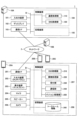
図1は、本発明の一態様における通信システム1の構成を示す図である。図1に示すよ
うに、通信システムでは、ネットワーク2を介してサーバ10と、端末20(端末20A
,端末20B,端末20C)とが接続される。サーバ10は、ネットワーク2を介してユ
ーザが所有する端末20に、端末20間でのメッセージの送受信を実現するサービスを提
供する。なお、ネットワーク2に接続される端末20の数は限定されない。
<System configuration>
FIG. 1 is a diagram showing the configuration of a
,
ネットワーク2は、1以上の端末20と、1以上のサーバ10とを接続する役割を行う
。すなわち、ネットワーク2は、端末20がサーバ10に接続した後、データを送受信す
ることができるように接続経路を提供する通信網を意味する。
The network 2 serves to connect one or more terminals 20 and one or
例えば、ネットワーク2のうちの1つまたは複数の部分は、有線ネットワークや無線ネ
ットワークであってもよい。ネットワーク2は、アドホック・ネットワーク(ad hoc net
work)、イントラネット、エクストラネット、仮想プライベート・ネットワーク(virtua
l private network:VPN)、ローカル・エリア・ネットワーク(local area network
:LAN)、ワイヤレスLAN(wireless LAN:WLAN)、広域ネットワーク(wide a
rea network:WAN)、ワイヤレスWAN(wireless WAN:WWAN)、大都市圏ネッ
トワーク(metropolitan area network:MAN)、インターネットの一部、公衆交換電
話網(Public Switched Telephone Network:PSTN)の一部、携帯電話網、ISDN
s(integrated service digital networks)、無線LANs、LTE(long term evolu
tion)CDMA(code division multiple access)、ブルートゥース(Bluetooth(登録
商標))、衛星通信など、または、これらの2つ以上の組合せを含むことができる。ただ
し、本発明において、ネットワーク2は、これらに限定されない。また、ネットワーク2
は、1つまたは複数のネットワーク2を含むことができる。
For example, one or more portions of network 2 may be wired networks or wireless networks. Network 2 is an ad hoc network
work), intranet, extranet, virtual private network (virtua
l private network (VPN), local area network
: LAN), wireless LAN (WLAN), wide area network (wide a
WAN), wireless WAN (WWAN), metropolitan area network (MAN), part of the Internet, part of the Public Switched Telephone Network (PSTN), mobile phone network, ISDN
s (integrated service digital networks), wireless LANs, LTE (long term evolu
communication) CDMA (code division multiple access), Bluetooth®, satellite communication, etc., or a combination of two or more thereof. However, in the present invention, the network 2 is not limited to these. Also, network 2
may include one or more networks 2 .
端末20(端末20A,端末20B,端末20C)は、各実施形態において記載する機
能を実現できる情報処理端末であればどのような端末であってもよい。端末20は、代表
的にはスマートフォンであり、その他に携帯電話(例えば、フィーチャーフォン)、コン
ピュータ(例えば、デスクトップ、ラップトップ、タブレットなど)、メディアコンピュ
ータプラットホーム(例えば、ケーブル、衛星セットトップボックス、デジタルビデオレ
コーダ)、ハンドヘルドコンピュータデバイス(例えば、PDA・(personal digital a
ssistant)、電子メールクライアントなど)、ウェアラブル端末(メガネ型デバイス、時
計型デバイスなど)、または他種のコンピュータ、またはコミュニケーションプラットホ
ームを含む。ただし、本発明において、端末20は、これらに限定されない。また、端末
20は情報処理端末と表現されても良い。
The terminal 20 (
ssistant), e-mail clients, etc.), wearable devices (glasses-type devices, watch-type devices, etc.), or other types of computers or communication platforms. However, in the present invention, the terminal 20 is not limited to these. Also, the terminal 20 may be expressed as an information processing terminal.
端末20A、端末20Bおよび端末20Cの構成は基本的には同一であるため、以下の
説明において、端末20と記載し、必要に応じて端末20Aを自端末20Aとし、端末2
0Bを他端末20Bとし、端末20Cを他端末20Cとして説明する。
0B is assumed to be another
サーバ10は、端末20に対して、所定のサービスを提供する機能を備える。サーバ1
0は、各実施形態において記載する機能を実現できる情報処理装置であればどのような装
置であってもよい。サーバ10は、代表的にはサーバ装置であり、その他にコンピュータ
(例えば、デスクトップ、ラップトップ、タブレットなど)、メディアコンピュータプラ
ットホーム(例えば、ケーブル、衛星セットトップボックス、デジタルビデオレコーダ)
、ハンドヘルドコンピュータデバイス(例えば、PDA、電子メールクライアントなど)
、あるいは他種のコンピュータ、またはコミュニケーションプラットホームを含む。ただ
し、本発明において、サーバ10は、これらに限定されない。また、サーバ10は情報処
理装置と表現されても良い。
The
0 may be any information processing device capable of realizing the functions described in each embodiment.
, handheld computing devices (e.g., PDAs, email clients, etc.)
, or any other type of computer or communications platform. However, in the present invention, the
<ハードウェア(HW)構成>
図1を用いて、通信システムに含まれる各装置のHW構成について説明する。
<Hardware (HW) configuration>
The HW configuration of each device included in the communication system will be described with reference to FIG.
(1)端末のHW構成 (1) Terminal hardware configuration
端末20は、制御装置(CPU:central processing unit(中央処理装置))207
、記憶装置208、通信I/F201(インタフェース)、入出力装置202、表示装置
203、マイク204、スピーカ205、カメラ206を備える。端末20のHWの各構成
要素は、例えば、バスBを介して相互に接続される。
The terminal 20 includes a control device (CPU: central processing unit) 207
, a
通信I/F201は、ネットワーク2を介して各種データの送受信を行う。当該通信は
、有線、無線のいずれで実行されてもよく、互いの通信が実行できるのであれば、どのよ
うな通信プロトコルを用いてもよい。通信I/F201は、ネットワーク2を介して、サ
ーバ10との通信を実行する機能を有する。通信I/F201は、各種データを制御装置
207からの指示に従って、サーバ10に送信する。また、通信I/F201は、サーバ
10から送信された各種データを受信し、制御装置207に伝達する。
A communication I/
入出力装置202は、端末20に対する各種操作を入力する装置、および、端末20で
処理された処理結果を出力する装置を含む。入出力装置202は、入力装置と出力装置が
一体化していても良いし、入力装置と出力装置に分離していてもよい。
The input/
入力装置は、ユーザからの入力を受け付けて、当該入力に係る情報を制御装置207に
伝達できる全ての種類の装置のいずれかまたはその組み合わせにより実現される。入力装
置は、代表的にはタッチパネルなどにより実現され、ユーザの指やスタイラスなどの指示
具による接触とその接触位置を検出し、当該接触位置の座標を制御装置207に伝達する
。一方で、入力装置は、タッチパネル以外の入力装置により実現されてもよい。入力装置
は、例えば、キーボード等に代表されるハードウェアキーや、マウス等のポインティング
デバイス、カメラ(動画像を介した操作入力)、マイク(音声による操作入力)を含む。
ただし、本発明において、入力装置は、これらに限定されない。
The input device is realized by any one or a combination of all types of devices that can receive input from the user and transmit information related to the input to the
However, in the present invention, the input device is not limited to these.
出力装置は、制御装置207で処理された処理結果を出力することができる全ての種類
の装置のいずれかまたはその組み合わせにより実現される。出力装置は、代表的には、タ
ッチパネルなどにより実現される。一方で、出力装置はタッチパネル以外の出力装置によ
り実現されても良い。例えば、スピーカ(音声出力)、レンズ(例えば3D(three dimen
sions)出力や、ホログラム出力)、プリンターなどを含むことができる。ただし、本発
明において、出力装置は、これらに限定されない。
The output device is implemented by any one or a combination of all types of devices capable of outputting processing results processed by the
(sions) output, hologram output), printers, and the like. However, in the present invention, the output device is not limited to these.
表示装置203は、フレームバッファに書き込まれた表示データに従って、表示するこ
とができる全ての種類の装置のいずれかまたはその組み合わせにより実現される。表示装
置203は、代表的にはモニタ(例えば、液晶ディスプレイやOELD(organic electrolum
inescence display))で実現される。表示装置203は、ヘッドマウントディスプレイ
(HDM:Head Mounted Display)であってもよい。また、表示装置203は、プロジェ
クションマッピング、ホログラム、空気中など(真空であってもよい)に画像やテキスト
情報等を表示可能な装置により実現されてもよい。なお、これらの表示装置203は、3
Dで表示データを表示可能であってもよい。ただし、本発明において、表示装置203は
、これらに限定されない。
The
Inescence display)). The
D may be able to display the display data. However, in the present invention, the
入出力装置202がタッチパネルの場合、入出力装置202と表示装置203とは、略
同一の大きさおよび形状で対向して配置されていても良い。
When the input/
制御装置207は、プログラム内に含まれたコードまたは命令によって実現する機能を
実行するために物理的に構造化された回路を有し、例えば、ハードウェアに内蔵されたデ
ータ処理装置により実現される。
The
制御装置207は、代表的には中央処理装置(CPU)、であり、その他にマイクロプ
ロセッサ(microprocessor)、プロセッサコア(processor core)、マルチプロセッサ(
multiprocessor)、ASIC(application-specific integrated circuit)、FPGA
(field programmable gate array)であってもよい。ただし、本発明において、制御装
置207は、これらに限定されない。
The
multiprocessor), ASIC (application-specific integrated circuit), FPGA
(field programmable gate array). However, in the present invention, the
記憶装置208は、端末20が動作するうえで必要とする各種プログラムや各種データ
を記憶する機能を有する。記憶装置208は、HDD(hard disk drive)、SSD(sol
id state drive)、フラッシュメモリ、RAM(random access memory)、ROM(read
only memory)など各種の記憶媒体により実現される。ただし、本発明において、記憶装
置208は、これらに限定されない。
The
id state drive), flash memory, RAM (random access memory), ROM (read
(only memory). However, in the present invention, the
端末20は、プログラムPを記憶装置208に記憶し、このプログラムPを実行するこ
とで、制御装置207が、制御装置207に含まれる各部としての処理を実行する。つま
り、記憶装置208に記憶されるプログラムPは、端末20に、制御装置207が実行す
る各機能を実現させる。
The terminal 20 stores the program P in the
マイク204は、音声データの入力に利用される。スピーカ205は、音声データの出
力に利用される。カメラ206は、動画像データの取得に利用される。
A
(2)サーバのHW構成
サーバ10は、制御装置(CPU)104、記憶装置105、通信I/F(インタフェ
ース)103、入出力装置101、ディスプレイ102を備える。サーバ10のHWの各構
成要素は、例えば、バスBを介して相互に接続される。
(2) Server HW Configuration The
制御装置104は、プログラム内に含まれたコードまたは命令によって実現する機能を
実行するために物理的に構造化された回路を有し、例えば、ハードウェアに内蔵されたデ
ータ処理装置により実現される。
制御装置104は、代表的には中央処理装置(CPU)であり、その他にマイクロプロ
セッサ、プロセッサコア、マルチプロセッサ、ASIC、FPGAであってもよい。ただ
し、本発明において、制御装置104は、これらに限定されない。
記憶装置105は、サーバ10が動作するうえで必要とする各種プログラムや各種デー
タを記憶する機能を有する。記憶装置105は、HDD、SSD、フラッシュメモリなど
各種の記憶媒体により実現される。ただし、本発明において、記憶装置105は、これら
に限定されない。
The
通信I/F103は、ネットワーク2を介して各種データの送受信を行う。当該通信は
、有線、無線のいずれで実行されてもよく、互いの通信が実行できるのであれば、どのよ
うな通信プロトコルを用いてもよい。通信I/F103は、ネットワーク2を介して、端
末20との通信を実行する機能を有する。通信I/F103は、各種データを制御装置1
04からの指示に従って、端末20に送信する。また、通信I/F103は、端末20か
ら送信された各種データを受信し、制御装置104に伝達する。
Communication I/
04 to the terminal 20. Also, the communication I/
入出力装置101は、サーバ10に対する各種操作を入力する装置により実現される。
入出力装置101は、ユーザからの入力を受け付けて、当該入力に係る情報を制御装置1
04に伝達できる全ての種類の装置のいずれかまたはその組み合わせにより実現される。
入出力装置101は、代表的にはキーボード等に代表されるハードウェアキーや、マウス
等のポインティングデバイスで実現される。なお、入出力装置101は、例えば、タッチ
パネルやカメラ(動画像を介した操作入力)、マイク(音声による操作入力)を含んでい
てもよい。ただし、本発明において、入出力装置101は、これらに限定されない。
The input/
The input/
04 by any one or combination of all kinds of devices.
The input/
ディスプレイ102は、代表的にはモニタ(例えば、液晶ディスプレイやOELD(organi
c electroluminescence display))で実現される。なお、ディスプレイ102は、ヘッ
ドマウントディスプレイ(HDM)などであってもよい。なお、これらのディスプレイ1
02は、3Dで表示データを表示可能であってもよい。ただし、本発明において、ディス
プレイ102は、これらに限定されない。
c electroluminescence display)). Note that the
02 may be capable of displaying display data in 3D. However, in the present invention, the
サーバ10は、プログラムPを記憶装置105に記憶し、このプログラムPを実行する
ことで、制御装置104が、制御装置104に含まれる各部としての処理を実行する。つ
まり、記憶装置105に記憶されるプログラムPは、サーバ10に、制御装置104が実
行する各機能を実現させる。
The
本発明の各実施形態においては、端末20および/またはサーバ10のCPUがプログ
ラムPを実行することにより、実現するものとして説明する。
Each embodiment of the present invention will be described as being implemented by the CPU of the terminal 20 and/or the
なお、端末20の制御装置207、および/または、サーバ10の制御装置104は、
CPUだけでなく、集積回路(IC(Integrated Circuit)チップ、LSI(Large Scal
e Integration))等に形成された論理回路(ハードウェア)や専用回路によって各処理
を実現してもよい。また、これらの回路は、1または複数の集積回路により実現されてよ
く、各実施形態に示す複数の処理を1つの集積回路により実現されることとしてもよい。
また、LSIは、集積度の違いにより、VLSI、スーパーLSI、ウルトラLSIなど
と呼称されることもある。
Note that the
Not only CPU but also integrated circuit (IC (Integrated Circuit) chip, LSI (Large Scale
Each processing may be realized by a logic circuit (hardware) or a dedicated circuit formed in e.g. Integration). Moreover, these circuits may be realized by one or more integrated circuits, and a plurality of processes shown in each embodiment may be realized by one integrated circuit.
LSIs are also called VLSIs, super LSIs, ultra LSIs, etc., depending on the degree of integration.
また、本発明の各実施形態のプログラムP(ソフトウェアプログラム/コンピュータプロ
グラム)は、コンピュータに読み取り可能な記憶媒体に記憶された状態で提供されてもよ
い。 記憶媒体は、「一時的でない有形の媒体」に、プログラムを記憶可能である。
Also, the program P (software program/computer program) of each embodiment of the present invention may be provided in a state stored in a computer-readable storage medium. The storage medium can store the program in a "non-temporary tangible medium".
記憶媒体は適切な場合、1つまたは複数の半導体ベースの、または他の集積回路(IC
)(例えば、フィールド・プログラマブル・ゲート・アレイ(FPGA)または特定用途
向けIC(ASIC)など)、ハード・ディスク・ドライブ(HDD)、ハイブリッド・
ハード・ドライブ(HHD)、光ディスク、光ディスクドライブ(ODD)、光磁気ディ
スク、光磁気ドライブ、フロッピィ・ディスケット、フロッピィ・ディスク・ドライブ(
FDD)、磁気テープ、固体ドライブ(SSD)、RAMドライブ、セキュア・デジタル
・カードもしくはドライブ、任意の他の適切な記憶媒体、またはこれらの2つ以上の適切
な組合せを含むことができる。記憶媒体は、適切な場合、揮発性、不揮発性、または揮発
性と不揮発性の組合せでよい。なお、記憶媒体はこれらの例に限られず、プログラムPを
記憶可能であれば、どのようなデバイスまたは媒体であってもよい。
The storage medium may, where appropriate, be one or more semiconductor-based or other integrated circuits (IC
) (such as field programmable gate arrays (FPGA) or application specific ICs (ASIC)), hard disk drives (HDD), hybrid
Hard drive (HHD), optical disk, optical disk drive (ODD), magneto-optical disk, magneto-optical drive, floppy diskette, floppy disk drive (
FDD), magnetic tape, solid state drive (SSD), RAM drive, secure digital card or drive, any other suitable storage medium, or any suitable combination of two or more thereof. Storage media may, where appropriate, be volatile, nonvolatile, or a combination of volatile and nonvolatile. Note that the storage medium is not limited to these examples, and any device or medium that can store the program P may be used.
サーバ10および/または端末20は、例えば、記憶媒体に記憶されたプログラムPを
読み出し、読み出したプログラムPを実行することによって、各実施形態に示す複数の機
能部の機能を実現することができる。
The
また、本発明のプログラムPは、当該プログラムを伝送可能な任意の伝送媒体(通信ネ
ットワークや放送波等)を介して、サーバ10または端末20に提供されてもよい。サー
バ10および/または端末20は、例えば、インターネット等を介してダウンロードした
プログラムPを実行することにより、各実施形態に示す複数の機能部の機能を実現する。
Also, the program P of the present invention may be provided to the
また、本発明の各実施形態は、プログラムPが電子的な伝送によって具現化された、搬
送波に埋め込まれたデータ信号の形態でも実現され得る。
Embodiments of the invention may also be implemented in the form of a data signal embedded in a carrier wave, in which the program P is embodied by electronic transmission.
なお、本発明のプログラムは、例えば、ActionScript、JavaScript(登録商標)などのス
クリプト言語、Objective-C、Java(登録商標)などのオブジェクト指向プログラミング言
語、HTML5などのマークアップ言語などを用いて実装できる。ただし本発明はこれらに限
定されない。
The program of the present invention can be implemented using, for example, script languages such as ActionScript and JavaScript (registered trademark), object-oriented programming languages such as Objective-C and Java (registered trademark), and markup languages such as HTML5. . However, the present invention is not limited to these.
<第1の実施形態>
第1の実施形態は、複数のユーザを含むトークルームにおいて、メンションをしてコン
テンツを送信する形態である。
<First embodiment>
A first embodiment is a mode in which content is transmitted by mentioning in a talk room including a plurality of users.
ここで、トークルームとは、SNSのユーザ間でメッセージ、スタンプ、静止画、動画
等のコンテンツを交換するために生成されたSNSのサービスメニューである。トークル
ームには、複数のユーザが登録される。トークルームは、チャットグループ、又はトーク
情報と呼ばれてもよい。
Here, a talk room is an SNS service menu generated for exchanging contents such as messages, stamps, still images, and moving images between SNS users. A plurality of users are registered in the talk room. A talk room may be called a chat group or talk information.
また、メンションするとは、トークルームに含まれる一のユーザによって指定された、
当該トークルームに含まれる他のユーザであって、当該一のユーザが所定のコンテンツを
閲覧させたい他のユーザを示す情報をコンテンツに付加することである。
In addition, to mention is specified by one user included in the talk room,
To add information indicating other users included in the talk room to the content that the one user wants to view the predetermined content.
また、メンションされたコンテンツとは、一のユーザによって指定されたユーザが、指
定先として設定されているコンテンツである。
Also, the mentioned content is content for which a user specified by one user is set as a specified destination.
第1の実施形態に記載の内容は、他の各実施形態のいずれにも適用可能である。 The content described in the first embodiment can be applied to any of the other embodiments.
<機能構成>
(1)端末の機能構成
図1を用いて端末20の機能構成について説明する。端末20は、SNS処理部210
、候補処理部220、受付部230、通信部240、及びメンション処理部250を有す
る。これらの機能は、記憶装置208に格納された1以上のプログラムを読み出して制御
装置207が実行することにより実現される。
<Functional configuration>
(1) Functional Configuration of Terminal A functional configuration of the terminal 20 will be described with reference to FIG. The terminal 20 has an
, a
SNS処理部210は、サーバ10を利用した、SNSのメッセージングサービスを利
用する各種処理を行う。例えば、SNS処理部210は、トークルームにおいて、文字列
のメッセージ、スタンプ、画像等のコンテンツを、サーバ10を介して他の端末と送受信
する。このトークルームにおいて、送受信されたコンテンツは、送受信された順に(時系
列に整合するように)表示される。例えば、時系列に沿って、古いコンテンツが画面の上
方に表示され、新しいコンテンツが画面の下方に表示される。コンテンツが送受信される
と、例えば、コンテンツの送信元のユーザを示すユーザアイコンと対応付けられて、当該
コンテンツが表示される。
The
候補処理部220は、トークルームの画面において、トークルームに含まれるユーザか
らメンションの指定先の候補を検索し、検索した候補を表示する。
The
受付部230は、ユーザからの操作を受け付ける。受付部230は、例えば、候補処理
部220により表示された候補の中から、メンションの指定先のユーザを選択する操作を
受け付ける。
Accepting
通信部240は、サーバ10等の外部装置との通信を行う。通信部240は、例えば、
メンションされたコンテンツに関するデータの送受信を行う。
The
Send and receive data about content that is mentioned.
メンション処理部250は、通信部240により受信された情報が、自端末20のユー
ザを示す場合、トークルームの画面において、他のコンテンツとは異なる態様で、当該情
報に対応付けられたコンテンツを表示する。
(2)サーバの機能構成
図1を用いて、サーバ10の機能構成について説明する。サーバ10は、通信処理部1
10、SNS処理部120を有する。これらの機能は、記憶装置105に格納された1以
上のプログラムを読み出して、制御装置104(CPU104A)が実行することによっ
て実現される。
When the information received by the
(2) Functional Configuration of Server The functional configuration of the
10, has an
通信処理部110は、ネットワーク2を介して、端末20の各々と通信を実行する機能
を有する。通信処理部110は、SNS処理部120からの指示に従って、端末20に各
種データを送信する。また、通信処理部110は、端末20から送信された各種データを
受信し、SNS処理部120に通知する。
The
SNS処理部120は、端末20のユーザ宛てのメッセージ等のコンテンツを受信し、
宛先のユーザの端末20に送信する。
The
It is transmitted to the terminal 20 of the destination user.
記憶装置105は、プログラム及びSNSのユーザの各種情報を記憶する。例えば、記
憶装置105は、ユーザ宛てのコンテンツの送信先の情報、及びユーザの端末20のアカ
ウントの情報等を記憶する。
The
<処理>
次に、図2を参照し、第1の実施形態に係る通信システム1の処理について説明する。
図2は、第1の実施形態に係る通信システム1の処理のシーケンスの一例を示す図である
。
<Processing>
Next, processing of the
FIG. 2 is a diagram showing an example of the processing sequence of the
図2では、複数のユーザA、ユーザB、ユーザCを含むトークルームにおいて、SNS
のメッセージングサービスを用いてコンテンツの送受信がされる場合に、メンションが用
いられる場合の動作シーケンスを示している。
In FIG. 2, in a talk room containing a plurality of users A, B, and C, SNS
2 shows an operation sequence when mentions are used when content is transmitted and received using the messaging service of .
以下では、ユーザA、ユーザB、ユーザCが、それぞれ端末20A、端末20B、端末
20を用いているものとして説明する。
In the following description, it is assumed that user A, user B, and user
ステップS1で、端末20Aの受付部230は、ユーザAより、メンション機能を起動
する操作を受け付ける。
In step S1, the accepting
ステップS2で、端末20Aの候補処理部220は、トークルームに含まれるユーザの
うちから、メンションの指定先のユーザの候補を表示する。
In step S2, the
ステップS3で、端末20Aの受付部230は、ユーザAから、メンションの指定先の
ユーザとしてユーザBを選択する操作を受け付ける。
In step S3, the accepting
ステップS4で、端末20Aの受付部230は、ユーザAから、メンションされたコン
テンツの送信操作を受け付ける。
In step S4, the receiving
ステップS5で、端末20Aの通信部240は、メンションを、サーバ10を介してト
ークルームに送信する。
In step S<b>5 , the
ステップS6で、端末20Cのメンション処理部250は、受信したメンションされた
コンテンツをトークルームの画面に表示する。
In step S6, the
ステップS7で、端末20Bのメンション処理部250は、メンションの指定先のユー
ザとしてユーザBが指定されているため、受信したメンションされたコンテンツを、他の
コンテンツとは異なる態様で、トークルームの画面に表示する。
In step S7, the
≪メンションされたコンテンツを送信する際の送信側端末20の処理≫
次に、図3乃至図5を参照して、図2のステップS1乃至ステップS4における、メン
ションされたコンテンツを送信する際の端末20の処理について説明する。図3は、第1
の実施形態に係るメンションされたコンテンツを送信する際の端末20の処理の一例を示
すフローチャートである。図4は、メンションされたコンテンツを送信する際の端末20
の画面表示の一例について説明する図である。
<<Processing of transmitting terminal 20 when transmitting mentioned content>>
Next, the processing of the terminal 20 when transmitting the mentioned content in steps S1 to S4 in FIG. 2 will be described with reference to FIGS. 3 to 5. FIG. Figure 3 shows the first
is a flowchart showing an example of processing of the terminal 20 when transmitting mentioned content according to the embodiment of . FIG. 4 shows the terminal 20 when sending the mentioned content.
is a diagram illustrating an example of a screen display of .
ステップS101で、受付部230は、メンションの指定先のユーザの選択開始の操作
を受け付ける。例えば、トークルームに送信するコンテンツを入力する欄に「@」(アッ
トマーク)等の所定の記号や、所定の文字列が入力されると、メンションの指定先のユー
ザの選択開始と判定される。
In step S<b>101 , the
ステップS102で、候補処理部220は、文字列が入力されたか否かを判定する。例
えば、トークルームに送信するコンテンツを入力する欄に、「@」等の所定の記号等が入
力された後、文字列が入力されたか否かを判定する。
In step S102,
文字列が入力されていない場合(ステップS102でNO)、ステップS103に進む
。一方、文字列が入力された場合(ステップS102でYES)、ステップS104に進
む。
If no character string has been entered (NO in step S102), the process proceeds to step S103. On the other hand, if a character string has been input (YES in step S102), the process proceeds to step S104.
ステップS103で、候補処理部220は、トークルーム情報260を参照し、トーク
ルームに含まれるユーザを、メンションの指定先のユーザの候補として表示し、後述する
ステップS106の処理に進む。なお、この場合、自端末20のユーザについて、メンシ
ョンの指定先のユーザの候補として表示しなくともよい。
In step S103, the
図4(A)は、ステップS103で、トークルームに含まれるユーザを、メンションの
指定先のユーザの候補として表示する際の画面表示の一例について説明する図である。
FIG. 4A is a diagram illustrating an example of a screen display when users included in the talk room are displayed as candidates of users to whom mentions are specified in step S103.
図5は、トークルーム情報260の一例を示す図である。トークルーム情報260には
、トークルームに含まれる他のユーザの情報が記憶される。トークルーム情報260は、
各ユーザを示すユーザ情報として、例えば、ユーザID、ユーザアイコン、ユーザ登録名
、ユーザ表示名の項目を含む。
FIG. 5 is a diagram showing an example of the
User information indicating each user includes, for example, user ID, user icon, user registration name, and user display name.
ユーザIDは、トークルームに含まれるユーザのIDである。ユーザアイコンは、ユー
ザを示すアイコンである。ユーザ登録名は、ユーザがサーバ10のSNSサービスに登録
したユーザ名(アカウント名)である。
A user ID is an ID of a user included in the talk room. A user icon is an icon that indicates a user. The user registration name is a user name (account name) registered by the user in the SNS service of the
ユーザ表示名は、自端末20のユーザが、各ユーザに対応付けて設定したユーザ名であ
る。ユーザ表示名として、例えば、自端末20の電話帳に登録されている電話番号を用い
て通信相手を登録した場合に、当該電話番号に対応付けて自端末20の電話帳に登録され
ている通信相手の名前を用いてもよい。
The user display name is a user name set by the user of the own terminal 20 in association with each user. For example, when a communication partner is registered using a phone number registered in the phone book of own terminal 20 as a user display name, communication registered in the phone book of own terminal 20 in association with the phone number You can use the other person's name.
図5の例では、ユーザアイコン701のユーザは、ユーザ登録名が「arisada」
であり、ユーザ表示名が「有定」である。ユーザアイコン702のユーザは、ユーザ登録
名が「有紗」であり、ユーザ表示名が「arisa」である。ユーザアイコン703のユ
ーザは、ユーザ登録名が「arimi」であり、ユーザ表示名が「有美」である。ユーザ
アイコン704のユーザは、ユーザ登録名が「tana」であり、ユーザ表示名が「田中
」である。
In the example of FIG. 5, the user with the
and the user display name is "predetermined". The user of the
トークルーム情報260に図5のようなデータが記憶されている場合、図4(A)に示
すように、トークルームに送信するコンテンツを入力する欄501に「@」(アットマー
ク)が入力されると、表示領域502に、トークルームに含まれる他のユーザのユーザア
イコン701、702、703、704が、メンションの指定先のユーザの候補として表
示される。ユーザアイコン701、702、703、704の表示順は、どのような順で
も良い。例えば、トークルームにおいて所定時間以内におけるコンテンツの送信数が多い
順でもよいし、トークルームにおいてメンションされたコンテンツを送信された数が多い
順でもよい。
5 is stored in the
なお、図4(A)の表示画面において、文字列が入力された場合、ステップS104に
進むようにしてもよい。
Note that if a character string is input on the display screen of FIG. 4A, the process may proceed to step S104.
ステップS104で、候補処理部220は、入力された文字列に基づいて、トークルー
ム情報260から、メンションの指定先のユーザの候補を検索する。
In step S104, the
ステップS105で、候補処理部220は、検索結果である指定先のユーザの候補の一
覧を表示する。
In step S<b>105 , the
図4(B)は、ステップS104及びステップS105で、入力された文字列に基づい
て検索された、メンションの指定先のユーザの候補の一覧を表示する際の画面表示の一例
について説明する図である。
FIG. 4B is a diagram for explaining an example of a screen display when displaying a list of candidates of users to whom mentions are specified, searched based on the input character string in steps S104 and S105. be.
図4(B)では、トークルームに送信するコンテンツを入力する欄501に「@」が入
力され、「@」の直後に「ari」という文字列が入力された場合の例を示す。この場合
、トークルーム情報260の「ユーザ登録名」に「ari」という文字列を含むユーザが
検索される。なお、例えば2つの文字列が前方一致する場合に、文字列を含むと判定して
もよい。そして、表示領域502に、当該検索されたユーザのユーザアイコンが、メンシ
ョンの指定先のユーザの候補として表示される。例えばトークルーム情報260に図5の
ようなデータが記憶されている場合であれば、表示領域502に、ユーザアイコン701
、702,703が表示される。なお、表示領域502に、ユーザアイコンに対応付けて
、ユーザ登録名またはユーザ表示名を表示してもよい。これにより、例えばユーザアイコ
ンとしてデフォルトのアイコンが使用されており、同じユーザアイコンを用いるユーザが
複数存在する場合であっても、ユーザを識別できる。
FIG. 4B shows an example in which "@" is entered in the
, 702, 703 are displayed. Note that the user registration name or user display name may be displayed in the
ステップS106で、メンション処理部250は、メンションの指定先のユーザの選択
操作を受け付けたか否かを判定する。
In step S<b>106 , the
メンションの指定先のユーザの選択操作を受け付けた場合(ステップS106でYES
)、ステップS107に進む。一方、メンションの指定先のユーザの選択操作を受け付け
ていない場合(ステップS106でNO)、ステップS108に進む。
If the selection operation of the user to whom the mention is specified is accepted (YES in step S106)
) and proceed to step S107. On the other hand, if the selection operation of the user to whom the mention is specified has not been received (NO in step S106), the process proceeds to step S108.
ステップS107で、メンション処理部250は、送信するコンテンツに含まれるメン
ションの指定先のユーザのユーザアイコンをメンションの指定先のユーザの識別情報に置
換し、メンションされたコンテンツであることを示すメタデータを送信するコンテンツに
付加する。例えば、ユーザアイコンを、"@(指定先のユーザの識別情報)"という形式の
文字列に置換する。または、所定のタグ等を用いて指定先のユーザの識別情報であること
を識別できるようにしてもよい。
In step S107, the
なお、メンションの指定先のユーザとして、複数のユーザが選択されてもよい。 Note that a plurality of users may be selected as users to whom mentions are specified.
図4(C)は、ステップS107で、メンションされたコンテンツを送信する際の画面
表示の一例について説明する図である。
FIG. 4C is a diagram illustrating an example of a screen display when transmitting the mentioned content in step S107.
図4(C)では、トークルームに送信するコンテンツを入力する欄501に、端末20
のユーザから入力されたメッセージの間に、メンションの指定先のユーザのユーザアイコ
ン701が表示されている。これは、ステップS106で、図4(B)の表示領域502
に表示されたメンションの指定先のユーザの候補から、メンションの指定先のユーザのア
イコンがタップ操作等により選択されたためである。
In FIG. 4C, the terminal 20
The
This is because the icon of the user to whom the mention is specified is selected by a tap operation or the like from among the candidates for the user to whom the mention is specified displayed in the .
ステップS108で、通信部240は、メンションされたコンテンツの送信操作を受け
付けると、当該コンテンツを、サーバ10を介してトークルームに含まれる他のユーザの
端末20に送信する。
In step S<b>108 , upon receiving an operation to transmit the mentioned content, the
本実施形態により、メンションされたコンテンツを送信するユーザはトークルーム内の
指定したユーザに強調したコンテンツを送信することができ、メンションされたコンテン
ツを受信したユーザは当該コンテンツが自身を対象として送信されたことを容易に視認す
ることができる。
According to this embodiment, the user who sends the mentioned content can send the highlighted content to the specified user in the chat room, and the user who receives the mentioned content can send the content to himself/herself. You can easily see that.
<第1変形例>
第1変形例は、自端末20Aの電話帳やSNSの連絡先等において登録している通信相
手の名前を用いて、メンションの指定先ユーザを指定する。
<First modification>
In the first modified example, the name of the communication partner registered in the telephone directory of the terminal 20A, the contact information of the SNS, or the like is used to designate the designated user of the mention.
図6を参照し、図3のステップS104で、入力された文字列に基づいて、トークルー
ム情報260の「ユーザ表示名」の条件に合致するユーザを検索する処理について説明す
る。
Referring to FIG. 6, the process of searching for a user who matches the condition of the "user display name" of the
図6は、入力された文字列に基づいて検索された、メンションの指定先のユーザの候補
の一覧を表示する際の画面表示の他の一例(その一)について説明する図である。
FIG. 6 is a diagram illustrating another example (part 1) of a screen display when displaying a list of candidates of users to whom mentions are specified, searched based on an input character string.
図6では、トークルームに送信するコンテンツを入力する欄501に「@」が入力され
、「@」の直後に「有」という文字列が入力された場合の例を示す。この場合、トークル
ーム情報260に図5のようなデータが記憶されている場合、トークルーム情報260の
「ユーザ表示名」から「有」という文字列を含むユーザが検索され、表示領域502に、
当該検索されたユーザのユーザアイコン701、702、703が、メンションの指定先
のユーザの候補として表示される。
FIG. 6 shows an example in which "@" is entered in the
これにより、自端末20AのユーザAは、自端末20Aの電話帳やSNSの連絡先等に
おいて登録している通信相手の名前を用いて、メンションの指定先ユーザを指定できる。
As a result, user A of
<第2変形例>
第2変形例は、通信相手がサーバ10のSNSサービスに登録したユーザ名、及び自端
末20Aの電話帳やSNSの連絡先等において登録している通信相手の名前を用いて、メ
ンションの指定先ユーザを指定する。
<Second modification>
In the second modification, the user name registered by the communication partner in the SNS service of the
図7を参照し、図3のステップS104で、入力された文字列に基づいて、トークルー
ム情報260の「ユーザ登録名」及び「ユーザ表示名」の条件に合致するユーザを検索す
る処理について説明する。
Referring to FIG. 7, the process of searching for a user who matches the conditions of the "user registration name" and "user display name" of the
図7は、入力された文字列に基づいて検索された、メンションの指定先のユーザの候補
の一覧を表示する際の画面表示の他の一例(その二)について説明する図である。
FIG. 7 is a diagram illustrating another example (part 2) of a screen display when displaying a list of candidates of users to whom mentions are specified, searched based on an input character string.
図7では、図4(B)と同様に、トークルームに送信するコンテンツを入力する欄50
1に「@」が入力され、「@」の直後に「ari」という文字列が入力された場合の例を
示す。この場合、トークルーム情報260に図5のようなデータが記憶されている場合、
トークルーム情報260の「ユーザ登録名」及び「ユーザ表示名」から「ari」という
文字列を含むユーザが検索され、表示領域502に、当該検索されたユーザのユーザアイ
コン701、702、703が、メンションの指定先のユーザの候補として表示される。
In FIG. 7, similarly to FIG. 4B, a field 50 for entering content to be transmitted to the chat room is displayed.
1, and the character string "ari" is input immediately after the "@". In this case, if data such as shown in FIG. 5 is stored in the
A user including the character string "ari" is searched from the "user registration name" and "user display name" of the
≪メンションされたコンテンツを受信した際の端末20の処理≫
次に、図8及び図9を参照して、図2のステップS6及びステップS7における、受信
したメンションされたコンテンツを表示する際の端末20の処理について説明する。図8
は、第1の実施形態に係るメンションされたコンテンツを受信した際の端末20の処理の
一例を示すフローチャートである。図9は、受信したメンションされたコンテンツを表示
する際の端末の画面表示の一例について説明する図である。
<<Processing of terminal 20 when receiving mentioned content>>
Next, the processing of the terminal 20 when displaying the received mentioned content in steps S6 and S7 of FIG. 2 will be described with reference to FIGS. 8 and 9. FIG. Figure 8
4 is a flowchart showing an example of processing of the terminal 20 when receiving mentioned content according to the first embodiment. FIG. 9 is a diagram illustrating an example of a screen display of a terminal when displaying received mentioned content.
ステップS201で、メンション処理部250は、トークルームにおけるコンテンツを
受信する。
In step S201, the
ステップS202で、メンション処理部250は、受信したコンテンツに、メンション
されたコンテンツであることを示すメタデータが付加されているか否かを判定する。
In step S<b>202 , the
付加されている場合(ステップS202でYES)、ステップS203に進む。一方、
付加されていない場合(ステップS202でNO)、ステップS206に進む。
If it is added (YES in step S202), the process proceeds to step S203. on the other hand,
If not added (NO in step S202), the process proceeds to step S206.
ステップS203で、メンション処理部250は、受信したコンテンツに含まれるメン
ションの指定先のユーザの識別情報が、自端末20のユーザの識別情報と一致するか否か
を判定する。
In step S<b>203 , the
一致しない場合(ステップS203でNO)、ステップS204に進む。一方、一致す
る場合(ステップS203でYES)、ステップS205に進む。
If they do not match (NO in step S203), the process proceeds to step S204. On the other hand, if they match (YES in step S203), the process proceeds to step S205.
ステップS204で、メンション処理部250は、トークルーム情報260を参照し、
コンテンツに含まれるメンションの指定先のユーザの識別情報を、ユーザ表示名に置換し
、ステップS207に進む。
In step S204, the
The identification information of the user to whom the mention included in the content is specified is replaced with the user display name, and the process proceeds to step S207.
図9(A)は、ステップS204で、メンションの指定先のユーザが自端末20のユー
ザでない場合に、ユーザ表示名に置換して表示する際の端末の画面表示の一例を示す図で
ある。例えば、端末20Cで、ユーザID「aaa」に対応付けられたユーザ表示名が「
ありさだ」の場合、コンテンツに含まれるユーザの識別情報「aaa」が、「ありさだ」
に置換されて、コンテンツ表示領域511に表示される。
FIG. 9A is a diagram showing an example of the screen display of the terminal when the user to whom the mention is specified is not the user of the own terminal 20 in step S204 and is displayed in place of the user display name. For example, on the terminal 20C, the user display name associated with the user ID "aaa" is "
In the case of "Arisada", the user identification information "aaa" included in the content is "Arisada"
, and displayed in the
なお、ステップS204の処理は、コンテンツの受信時ではなく、トークルーム画面に
おいて、メンションされたコンテンツを表示する際に行うようにしてもよい。
この場合、例えば、スクロール操作により、トークルーム画面において表示されるコンテ
ンツが移動する際、現在表示されているコンテンツから、時系列上の位置が所定範囲内で
あるメンションされたコンテンツに対し、ステップS204の処理を行う。これにより、
例えば多数のメンションされたコンテンツを短期間に受信した場合でも、端末20におけ
る負荷を軽減することができ、端末20における表示を滞りなく行うことができる。
Note that the process of step S204 may be performed when displaying the mentioned content on the talk room screen instead of when receiving the content.
In this case, for example, when the content displayed on the talk room screen is moved by a scrolling operation, the mentioned content whose chronological position is within a predetermined range from the currently displayed content is displayed in step S204. process. This will
For example, even if a large number of mentioned contents are received in a short period of time, the load on the terminal 20 can be reduced, and the display on the terminal 20 can be performed smoothly.
ステップS205で、メンション処理部250は、トークルーム情報260を参照し、
コンテンツに含まれるメンションの指定先のユーザの識別情報を、ユーザ登録名に置換す
る。
In step S205, the
Replace the identification information of the user to whom the mention included in the content is specified with the user's registered name.
図9(B)は、ステップS205で、メンションの指定先のユーザが自端末20のユー
ザである場合に、ユーザ登録名に置換して表示する際の端末の画面表示の一例を示す図で
ある。例えば、端末20Bで、ユーザID「aaa」に対応付けられたユーザ登録名が「
arisada」の場合、コンテンツに含まれるユーザの識別情報「aaa」が、「ar
isada」に置換されて、コンテンツ表示領域512に表示される。
FIG. 9B is a diagram showing an example of screen display of the terminal when the user to whom the mention is specified is the user of the own terminal 20 in step S205, and the name is replaced with the user registration name and displayed. . For example, in the terminal 20B, the user registration name associated with the user ID "aaa" is "
arisada”, the user identification information “aaa” included in the content is “ar
isada” and displayed in the
ステップS206で、メンション処理部250は、コンテンツの表示態様を決定する。
In step S206, the
メンションの指定先のユーザが自端末20のユーザである場合、吹き出し(メッセージ
の表示領域)の色やサイズの変更、文字サイズの拡大、文字の太字表示や斜体表示、マー
クやスタンプ等の付加、所定のアニメーション(動き)の付加等により、他のコンテンツ
の表示態様とは異なる表示態様にて、メンションされたコンテンツが表示される。
If the user to whom the mention is specified is the user of the terminal 20, the user can change the color and size of the balloon (message display area), enlarge the character size, display characters in bold or italic, add marks, stamps, etc. By adding a predetermined animation (movement) or the like, the mentioned content is displayed in a display mode different from the display mode of other content.
この場合、所定のアニメーション(動き)として、例えば以下のような動きで表示させ
てもよい。
In this case, as a predetermined animation (movement), for example, the following movement may be displayed.
・コンテンツのサイズを拡大された後、元のサイズに縮小される動き。 ・Movement that shrinks back to the original size after enlarging the size of the content.
・コンテンツが全画面に表示された後、前記他のコンテンツと同様のサイズに縮小され
る動き。
• A movement where content is displayed full screen and then reduced to a size similar to the other content.
・コンテンツが前記他のコンテンツとは異なる色で表示された後、前記他のコンテンツ
と同じ色で表示される動き。
• A movement in which content is displayed in a different color than said other content and then displayed in the same color as said other content.
・コンテンツの透過率が、段階的に変化される動き。 ・A movement in which the transmittance of the content is changed in stages.
・コンテンツが、振動する動き。 ・The content vibrates.
これにより、メンションされたコンテンツは、他のコンテンツと比較して、強調された
表示となるため、ユーザされたユーザが容易に気付くことができる。
As a result, the mentioned content is displayed with emphasis compared to other content, so that the user can easily notice it.
図9(B)の例では、吹き出しであるコンテンツ表示領域512の色が、白から他の色
に変更されている。
In the example of FIG. 9B, the color of the
ステップS207で、メンション処理部250は、メンションされたコンテンツを表示
する。
In step S207, the
これにより、複数のユーザが含まれるグループでコンテンツの送受信をしている場合に
、当該グループに含まれる所定のユーザに所定のコンテンツを閲覧させることが可能にな
る。
<第2の実施形態>
第2の実施形態は、複数のユーザを含むトークルームにおいて、既に送受信されたコン
テンツを、メンションの指定先に指定されたユーザに閲覧させる形態である。
Thereby, when content is transmitted and received in a group including a plurality of users, it is possible to allow a predetermined user included in the group to browse predetermined content.
<Second embodiment>
The second embodiment is a mode in which, in a talk room including a plurality of users, content that has already been transmitted and received is viewed by a user specified as a specified destination of mention.
第2の実施形態に記載の内容は、他の各実施形態のいずれにも適用可能である。 The content described in the second embodiment can be applied to any of the other embodiments.
なお、第2の実施形態は一部を除いて第1の実施形態と同様であるため、適宜説明を省
略する。以下では第2の実施形態に係る通信システム1の処理の詳細について第1の実施
形態との差異を説明する。
Since the second embodiment is the same as the first embodiment except for a part, description thereof will be omitted as appropriate. In the following, details of processing of the
<処理>
次に、図10を参照し、第2の実施形態に係る通信システム1の処理について説明する
。図10は、第2の実施形態に係る通信システム1の処理のシーケンスの一例を示す図で
ある。
<Processing>
Next, processing of the
図10では、複数のユーザA、ユーザB、ユーザCを含むトークルームにおいて、SN
Sのメッセージングサービスを用いてコンテンツの送受信がされている場合に、メンショ
ンされたコンテンツが用いられる場合の動作シーケンスを示している。
In FIG. 10, in a talk room containing a plurality of users A, B, and C, SN
It shows the operation sequence when the mentioned content is used when the content is sent and received using the messaging service of S.
以下では、ユーザA、ユーザB、ユーザCが、それぞれ端末20A、端末20B、端末
20を用いているものとして説明する。
In the following description, it is assumed that user A, user B, and user
ステップS10で、複数のユーザA、ユーザB、ユーザCを含むトークルームにおいて
、SNSのメッセージングサービスを用いてコンテンツの送受信がされる。
In step S10, in a talk room including a plurality of users A, B, and C, content is transmitted and received using the SNS messaging service.
ステップS11で、端末20Aの受付部230は、ユーザAより、トークルームにおい
て送受信されたコンテンツの選択操作を受け付ける。
In step S11, the accepting
ステップS12で、端末20Aの受付部230は、ユーザAより、メンション機能を起
動する操作を受け付ける。
In step S12, the accepting
ステップS13で、端末20Aの候補処理部220は、トークルームに含まれるユーザ
のうちから、メンションの指定先のユーザの候補を表示する。
In step S<b>13 , the
ステップS14で、端末20Aの受付部230は、ユーザAより、メンションの指定先
のユーザとしてユーザBを候補の中から選択する操作を受け付ける。
In step S14, the accepting
ステップS15で、端末20Aの受付部230は、ユーザAから、メンションされたコ
ンテンツの送信操作を受け付ける。
In step S15, the receiving
ステップS16で、端末20Aの通信部240は、メンションされたコンテンツを、サ
ーバ10を介して指定先のユーザの端末20Bに送信する。
In step S<b>16 , the
ステップS17で、端末20Bのメンション処理部250は、メンションの指定先のユ
ーザとしてユーザBが指定されているため、受信したメンションされたコンテンツに対応
付けられた送受信済みのコンテンツを、他のコンテンツとは異なる態様で、トークルーム
の画面に表示する。
In step S17, since the user B is specified as the user to whom the mention is specified, the
≪メンションされたコンテンツを送信する際の送信側端末20の処理≫
次に、図11を参照して、図10のステップS10乃至ステップS15における、メン
ションされたコンテンツを送信する際の端末20の処理について説明する。図11は、第
2の実施形態に係るメンションされたコンテンツを送信する際の端末20の処理の一例を
示すフローチャートである。なお、ステップS301乃至ステップS306は、図3の第
1の実施形態でのステップS101乃至ステップS106の処理と同様である。
<<Processing of transmitting terminal 20 when transmitting mentioned content>>
Next, the processing of the terminal 20 when transmitting the mentioned content in steps S10 to S15 of FIG. 10 will be described with reference to FIG. FIG. 11 is a flowchart illustrating an example of processing of the terminal 20 when transmitting mentioned content according to the second embodiment. Note that steps S301 to S306 are the same as steps S101 to S106 in the first embodiment shown in FIG.
ステップS300で、受付部230は、トークルームにおいて送受信されたコンテンツ
の選択操作を受け付ける。なお、メンションされたコンテンツの受信側端末20で、例え
ば機種変更等により、当該メンションされたコンテンツに相当するコンテンツが保存され
ていない場合がある。そのため、ステップS300で選択できるコンテンツを、所定期間
(例えば2週間)以内に送受信されたものに限定してもよい。この場合、メンションされ
たコンテンツの受信側端末20は、当該メンションされたコンテンツに相当するコンテン
ツが保存されていない場合、例えば受信したコンテンツの識別情報(メッセージID)を
用いて、サーバ10から当該メンションされたコンテンツに相当するコンテンツを再取得
してもよいし、送信側端末20から当該メンションされたコンテンツに相当するコンテン
ツを取得してもよい。
In step S300, the accepting
ステップS301で、受付部230は、メンションの指定先のユーザの選択開始の操作
を受け付ける。
In step S<b>301 , the
ステップS302で、候補処理部220は、文字列が入力されたか否かを判定する。
In step S302,
文字列が入力されていない場合(ステップS302でNO)、ステップS303に進む
。一方、文字列が入力された場合(ステップS302でYES)、ステップS304に進
む。
If no character string has been entered (NO in step S302), the process proceeds to step S303. On the other hand, if a character string has been input (YES in step S302), the process proceeds to step S304.
ステップS303で、候補処理部220は、トークルーム情報260を参照し、トーク
ルームに含まれるユーザを、メンションの指定先のユーザの候補として表示し、後述する
ステップS306の処理に進む。
In step S303, the
ステップS304で、候補処理部220は、入力された文字列に基づいて、トークルー
ム情報260から、メンションの指定先のユーザの候補を検索する。
In step S304, the
ステップS305で、候補処理部220は、検索結果である指定先のユーザの候補の一
覧を表示する。
In step S305, the
ステップS306で、メンション処理部250は、メンションの指定先のユーザの選択
操作を受け付けたか否かを判定する。
In step S<b>306 , the
メンションの指定先のユーザの選択操作を受け付けた場合(ステップS306でYES
)、ステップS307に進む。一方、メンションの指定先のユーザの選択操作を受け付け
ていない場合(ステップS306でNO)、処理を終了する。
If the selection operation of the user to whom the mention is specified is accepted (YES in step S306)
) and proceed to step S307. On the other hand, if the selection operation of the user to whom the mention is specified has not been received (NO in step S306), the process ends.
ステップS307で、通信部240は、メンションされたコンテンツの送信操作を受け
付けると、ステップS301で選択されたコンテンツの識別情報、メンションの指定先の
ユーザの識別情報、及びメンションされたコンテンツであることを示すメタデータを、ト
ークルームに含まれるメンションの指定先のユーザの端末20にサーバ10を介して送信
する。
In step S307, upon receiving an operation to send the mentioned content, the
≪メンションされたコンテンツを受信した際の端末20の処理≫
次に、図12及び図13を参照して、図10のステップS17における、受信したメン
ションされたコンテンツを表示する際の端末20の処理について説明する。図12は、第
2の実施形態に係るメンションされたコンテンツを受信した際の端末20の処理の一例を
示すフローチャートである。図13は、受信したメンションされたコンテンツを表示する
際の端末の画面表示の他の一例について説明する図である。
<<Processing of terminal 20 when receiving mentioned content>>
Next, the processing of the terminal 20 when displaying the received mentioned content in step S17 of FIG. 10 will be described with reference to FIGS. 12 and 13. FIG. FIG. 12 is a flowchart showing an example of processing of the terminal 20 when receiving mentioned content according to the second embodiment. FIG. 13 is a diagram illustrating another example of screen display of the terminal when displaying the received mentioned content.
ステップS401で、メンション処理部250は、トークルームにおけるデータを受信
する。
In step S401, the
ステップS402で、メンション処理部250は、受信したデータに、メンションされ
たコンテンツであることを示すメタデータが付加されているか否かを判定する。
In step S402, the
付加されている場合(ステップS402でYES)、ステップS403に進む。一方、
付加されていない場合(ステップS402でNO)、処理を終了する。
If it is added (YES in step S402), the process proceeds to step S403. on the other hand,
If not added (NO in step S402), the process ends.
ステップS403で、メンション処理部250は、受信したコンテンツに含まれるメン
ションの指定先のユーザの識別情報が、自端末20のユーザの識別情報と一致するか否か
を判定する。
In step S<b>403 , the
一致する場合(ステップS403でYES)、ステップS404に進む。一方、一致し
ない場合(ステップS403でNO)、処理を終了する。
If they match (YES in step S403), the process proceeds to step S404. On the other hand, if they do not match (NO in step S403), the process ends.
ステップS404で、メンション処理部250は、トークルームにおいて、受信したデ
ータに含まれるコンテンツの識別情報に対応するコンテンツを検索する。
In step S404, the
ステップS405で、メンション処理部250は、検索されたコンテンツの表示態様を
決定する。
In step S405, the
ステップS406で、メンション処理部250は、検索されたコンテンツを、決定され
た表示態様で表示する。
In step S406, the
図13(A)では、ステップS406で、検索されたコンテンツの表示領域601に、
メンションされたコンテンツであることを示すマーク602が付加されている場合の例を
示す。
In FIG. 13A, in step S406, in the
An example is shown in which a
図13(B)では、ステップS406で、検索されたコンテンツの表示領域603が、
他のコンテンツとは異なる色で表示され、かつ指定先のユーザのユーザアイコン604の
マークが付加されている場合の例を示す。
In FIG. 13B, in step S406, the
An example of a case where the content is displayed in a color different from that of other content and marked with the
この場合、メンションされたコンテンツを受信した端末20は、メンション受信後にト
ークルームの画面を開くと、例えばメンションされたコンテンツが先頭となるように表示
してもよい。
In this case, when the terminal 20 that has received the mentioned content opens the chat room screen after receiving the mention, it may display the mentioned content at the top, for example.
<第3変形例>
第3変形例は、メンションされたコンテンツの送信側端末20、またはメンションされ
たコンテンツの受信側端末20において、メンションされたコンテンツに対応付けて、追
加のコンテンツを送受信する。
<Third modification>
In the third modification, the transmitting terminal 20 of the mentioned content or the receiving terminal 20 of the mentioned content transmits and receives additional content in association with the mentioned content.
メンションされたコンテンツの送信側端末20、またはメンションされたコンテンツの
受信側端末20は、メンションされたコンテンツの識別情報に対応付けて、ユーザから入
力された追加のコンテンツを送受信する。
The transmitting terminal 20 of the mentioned content or the receiving terminal 20 of the mentioned content transmits and receives additional content input by the user in association with the identification information of the mentioned content.
図14は、追加のコンテンツの表示画面の一例を示す図である。図14の例では、コン
テンツの表示領域603に対応付けて、追加のコンテンツの表示領域605が表示される
。これにより、メンションされたコンテンツの送信側ユーザ、またはメンションされたコ
ンテンツの受信側ユーザは、コンテンツを閲覧させる際に通知したい情報や、コンテンツ
を閲覧した際の返信を、当該コンテンツに対応付けて表示させることができる。
FIG. 14 is a diagram showing an example of a display screen for additional content. In the example of FIG. 14, an additional
<第4変形例>
第4変形例は、端末20において、ユーザから所定の操作を受け付けると、自端末20
のユーザが指定先ユーザとしてメンションされたコンテンツのみを表示する(フィルタリ
ング)。
<Fourth modification>
In the fourth modification, when the terminal 20 receives a predetermined operation from the user, the own terminal 20
Show only content where the user was mentioned as the target user (filtering).
図15は、フィルタリングの表示画面の一例を示す図である。図15の例では、トーク
ルームにおいて送受信されたコンテンツのうち、自端末20のユーザが指定先としてメン
ションされたコンテンツ606、607のみが表示されている。なお、この場合、上述し
た第3変形例の追加のコンテンツは、メンションされたコンテンツに対応付けて表示して
もよい。
FIG. 15 is a diagram showing an example of a filtering display screen. In the example of FIG. 15, only the
<その他>
候補処理部220は、第1の表示部の一例である。通信部240は、送信部の一例であ
る。メンション処理部250は、第2の表示部の一例である。
<Others>
上述した実施の形態の機能を実現するソフトウエアのプログラムコードを記憶した記憶
媒体を、端末20及びサーバ10に供給してもよい。そして、端末20及びサーバ10が
、記憶媒体に格納されたプログラムコードを読み出し実行することによっても、上述の実
施形態が、達成されることは言うまでもない。この場合、記憶媒体には、上述した情報処
理方法を、端末20及びサーバ10に実行させるプログラムが記憶される。
The terminal 20 and the
端末20及びサーバ10における処理の少なくとも一部は、1以上のコンピュータによ
り構成されるクラウドコンピューティングにより実現されていてもよい。
At least part of the processing in the terminal 20 and the
また、端末20における処理の少なくとも一部を、サーバ10により行う構成としても
よい。例えば、端末20の候補処理部220やメンション処理部250をサーバ10側に
設け、サーバ10によって処理された結果を、端末20に表示させるようにしてもよい。
Also, at least part of the processing in the terminal 20 may be configured to be performed by the
本発明を諸図面や実施例に基づき説明してきたが、当業者であれば本開示に基づき種々
の変形や修正を行うことが容易であることに注意されたい。従って、これらの変形や修正
は本発明の範囲に含まれることに留意されたい。例えば、各手段、各ステップ等に含まれ
る機能等は論理的に矛盾しないように再配置可能であり、複数の手段やステップ等を1つ
に組み合わせたり、或いは分割したりすることが可能である。また、各実施形態に示す構
成を適宜組み合わせることとしてもよい。
Although the present invention has been described with reference to the drawings and examples, it should be noted that various variations and modifications will be readily apparent to those skilled in the art based on this disclosure. Therefore, it should be noted that these variations and modifications are included in the scope of the present invention. For example, the functions included in each means, each step, etc. can be rearranged so as not to be logically inconsistent, and it is possible to combine a plurality of means, steps, etc. into one or divide them. . Also, the configurations shown in the respective embodiments may be appropriately combined.
1 通信システム
10 サーバ
110 通信処理部
120 SNS処理部
20 端末
210 SNS処理部
220 候補処理部
230 受付部
240 通信部
250 メンション処理部
260 トークルーム情報
1
Claims (13)
前記第1ユーザによって登録された第1ユーザ名とは異なる第3ユーザ名と、前記第1ユーザとを、前記端末のユーザによる入力に基づいて前記端末の制御部により関連付けることと、
前記端末のユーザによる、前記端末の表示部の第1領域に対する第1入力に基づいて、前記第1ユーザであることを示す第1画像を含む第1ユーザ情報と、前記第2ユーザであることを示す第2画像を含む第2ユーザ情報とを前記表示部の第2領域に表示することと、
前記端末により設定された前記第3ユーザ名の少なくとも一部を示す第2入力が前記第1領域に入力された場合、前記表示部に表示された前記第2ユーザ情報を前記表示部から消去する制御を前記制御部によって行うことと、
前記第2領域に表示された前記第1ユーザ情報に対する、前記端末のユーザによる入力が行われた場合、前記端末から送信されたメッセージが前記第1ユーザに対するメッセージであることを示す第1情報を前記表示部に表示することとが前記端末によって実行される。 A program executed by a terminal that transmits content to a plurality of terminals including a first terminal of a first user and a second terminal of a second user,
Associating a third user name different from the first user name registered by the first user with the first user by a control unit of the terminal based on input by a user of the terminal;
First user information including a first image indicating that the user is the first user, based on a first input by the user of the terminal to a first region of the display unit of the terminal, and that the user is the second user Displaying second user information including a second image showing in a second region of the display unit;
erasing the second user information displayed on the display unit when a second input indicating at least part of the third user name set by the terminal is input in the first area; performing control by the control unit;
When the user of the terminal inputs the first user information displayed in the second area, first information indicating that the message transmitted from the terminal is directed to the first user. Displaying on the display unit is performed by the terminal.
前記第1ユーザ名は、前記複数の端末とメッセージの送受信を行うサービスに前記第1ユーザによって登録されたアカウント名である。 The program according to claim 1,
The first user name is an account name registered by the first user in a service for transmitting and receiving messages to and from the plurality of terminals.
前記第1端末から送信された、前記端末のユーザに対するメッセージであることを示す第2情報を含むメッセージを前記端末の通信部によって受信した場合、前記第2情報を含むメッセージに基づく表示を前記表示部に行うことが前記端末によって実行される。 The program according to claim 1 or claim 2,
when the communication unit of the terminal receives a message transmitted from the first terminal and including second information indicating that the message is directed to a user of the terminal, the display based on the message including the second information is displayed. What is done to the unit is performed by the terminal.
前記端末のユーザの第4ユーザ名を前記端末により設定することと、
前記設定された前記第4ユーザ名の少なくとも一部を示す第4入力が前記第1端末に入力されたことに基づいて前記第2情報を含むメッセージが前記端末に送信され、前記端末の通信部によって前記第2情報を含むメッセージを受信することとが前記端末によって実行される。 The program according to claim 3,
setting by the terminal a fourth username of a user of the terminal;
a message including the second information is transmitted to the terminal based on a fourth input indicating at least part of the set fourth user name being input to the first terminal, and a communication unit of the terminal; receiving a message containing said second information by means of said terminal.
前記第1端末から送信された前記第2情報を含むメッセージは、前記第1端末の前記第1ユーザによって入力され、前記第1端末から送信された、前記第2情報を含まないメッセージとは異なる表示態様で前記表示部に表示される。 The program according to claim 3 or claim 4,
The message including the second information sent from the first terminal is different from the message not including the second information, which is input by the first user of the first terminal and sent from the first terminal. It is displayed on the display unit in a display mode.
前記第2ユーザの第2ユーザ名は、前記第2ユーザによって登録される。 The program according to any one of claims 1 to 5,
A second username of the second user is registered by the second user.
前記第1情報を含むメッセージは、前記端末のユーザによって入力された文字情報を含む。 The program according to any one of claims 1 to 6,
The message including the first information includes character information input by the user of the terminal.
前記第2ユーザの第2ユーザ名は、前記第2入力が入力された場合、前記第2入力として入力された少なくとも一部の前記第3ユーザ名が、前記第2ユーザ名とは異なる文字まで入力されたことに基づき、前記端末の表示部から消去される。 The program according to any one of claims 1 to 7,
The second user name of the second user is such that when the second input is input, at least part of the third user name input as the second input includes characters different from the second user name. It is erased from the display section of the terminal based on the input.
前記複数の端末の各々から送信されたメッセージと、前記端末から送信された前記第1情報を含むメッセージとを時系列に前記表示部に表示することが前記端末によって実行される。 The program according to any one of claims 1 to 8,
The terminal displays a message transmitted from each of the plurality of terminals and a message including the first information transmitted from the terminal in chronological order on the display unit.
前記第1入力は、記号の入力であり、 前記第2入力は、前記第3ユーザ名の一部に対応する記号の入力である。 The program according to any one of claims 1 to 9,
The first input is a symbolic input, and the second input is a symbolic input corresponding to part of the third user name.
前記第1情報を含むメッセージは、サーバを介して前記複数の端末に送信される。 The program according to any one of claims 1 to 10,
A message including the first information is sent to the plurality of terminals via a server.
前記第1ユーザによって登録された第1ユーザ名とは異なる第3ユーザ名と、前記第1ユーザとを、前記端末のユーザによる入力に基づいて前記端末の制御部により関連付けることと、
前記端末のユーザによる、前記端末の表示部の第1領域に対する第1入力に基づいて、前記第1ユーザであることを示す第1画像を含む第1ユーザ情報と、前記第2ユーザであることを示す第2画像を含む第2ユーザ情報とを前記表示部の第2領域に表示することと、
前記端末により設定された前記第3ユーザ名の少なくとも一部を示す第2入力が前記第1領域に入力された場合、前記表示部に表示された前記第2ユーザ情報を前記表示部から消去する制御を前記制御部によって行うことと、
前記第2領域に表示された前記第1ユーザ情報に対する、前記端末のユーザによる入力が行われた場合、前記端末から送信されたメッセージが前記第1ユーザに対するメッセージであることを示す第1情報を前記表示部に表示することとを含む。 A terminal information processing method for transmitting content to a plurality of terminals including a first terminal of a first user and a second terminal of a second user, comprising:
Associating a third user name different from the first user name registered by the first user with the first user by a control unit of the terminal based on input by a user of the terminal;
First user information including a first image indicating that the user is the first user, based on a first input by the user of the terminal to a first region of the display unit of the terminal, and that the user is the second user Displaying second user information including a second image showing in a second region of the display unit;
erasing the second user information displayed on the display unit when a second input indicating at least part of the third user name set by the terminal is input in the first area; performing control by the control unit;
When the user of the terminal inputs the first user information displayed in the second area, first information indicating that the message transmitted from the terminal is directed to the first user. and displaying on the display.
前記第1ユーザによって登録された第1ユーザ名とは異なる第3ユーザ名と、前記第1ユーザとを、前記端末のユーザによる入力に基づいて関連付ける処理を行う制御部と、
前記端末のユーザによる、前記端末の第1領域に対する第1入力に基づいて、前記第1ユーザであることを示す第1画像を含む第1ユーザ情報と、前記第2ユーザであることを示す第2画像を含む第2ユーザ情報とを第2領域に表示する表示部とを備え、
前記制御部は、前記端末により設定された前記第3ユーザ名の少なくとも一部を示す第2入力が、前記表示部の前記第1領域に入力された場合、前記表示部に表示された前記第2ユーザ情報を前記表示部から消去する制御を行い、
前記表示部は、前記第2領域に表示された前記第1ユーザ情報に対する、前記端末のユーザによる入力が行われた場合、前記端末から送信されたメッセージが前記第1ユーザに対するメッセージであることを示す第1情報を表示する。 A terminal that transmits content to a plurality of terminals including a first terminal of a first user and a second terminal of a second user,
a control unit that performs a process of associating a third user name different from the first user name registered by the first user and the first user based on input by a user of the terminal;
First user information including a first image indicating the first user and second user information indicating the second user based on a first input to a first region of the terminal by the user of the terminal a display unit for displaying second user information including two images in a second area,
When a second input indicating at least part of the third user name set by the terminal is input to the first area of the display unit, the control unit controls the third user name displayed on the display unit. 2 Perform control to erase user information from the display unit,
When the user of the terminal inputs the first user information displayed in the second area, the display unit indicates that the message transmitted from the terminal is for the first user. display the first information shown.
Priority Applications (1)
| Application Number | Priority Date | Filing Date | Title |
|---|---|---|---|
| JP2021170065A JP7271632B2 (en) | 2020-06-23 | 2021-10-18 | Display method and program |
Applications Claiming Priority (2)
| Application Number | Priority Date | Filing Date | Title |
|---|---|---|---|
| JP2020107455A JP6966157B2 (en) | 2019-04-03 | 2020-06-23 | Display method and program |
| JP2021170065A JP7271632B2 (en) | 2020-06-23 | 2021-10-18 | Display method and program |
Related Parent Applications (1)
| Application Number | Title | Priority Date | Filing Date |
|---|---|---|---|
| JP2020107455A Division JP6966157B2 (en) | 2019-04-03 | 2020-06-23 | Display method and program |
Publications (3)
| Publication Number | Publication Date |
|---|---|
| JP2022017341A JP2022017341A (en) | 2022-01-25 |
| JP2022017341A5 JP2022017341A5 (en) | 2022-03-22 |
| JP7271632B2 true JP7271632B2 (en) | 2023-05-11 |
Family
ID=87575243
Family Applications (1)
| Application Number | Title | Priority Date | Filing Date |
|---|---|---|---|
| JP2021170065A Active JP7271632B2 (en) | 2020-06-23 | 2021-10-18 | Display method and program |
Country Status (1)
| Country | Link |
|---|---|
| JP (1) | JP7271632B2 (en) |
Families Citing this family (1)
| Publication number | Priority date | Publication date | Assignee | Title |
|---|---|---|---|---|
| JP2024108001A (en) * | 2023-01-30 | 2024-08-09 | Lineヤフー株式会社 | Program, information processing method, terminal and server |
Citations (2)
| Publication number | Priority date | Publication date | Assignee | Title |
|---|---|---|---|---|
| JP2014086014A (en) | 2012-10-26 | 2014-05-12 | Konami Digital Entertainment Co Ltd | Display device, control method, and program |
| JP2015518291A (en) | 2012-02-05 | 2015-06-25 | アップル インコーポレイテッド | Integrated communication application |
-
2021
- 2021-10-18 JP JP2021170065A patent/JP7271632B2/en active Active
Patent Citations (2)
| Publication number | Priority date | Publication date | Assignee | Title |
|---|---|---|---|---|
| JP2015518291A (en) | 2012-02-05 | 2015-06-25 | アップル インコーポレイテッド | Integrated communication application |
| JP2014086014A (en) | 2012-10-26 | 2014-05-12 | Konami Digital Entertainment Co Ltd | Display device, control method, and program |
Non-Patent Citations (1)
| Title |
|---|
| Slack研究会,はじめてみようSlack,第1版,パーソナルメディア株式会社,2016年08月22日,pp. 71-74 |
Also Published As
| Publication number | Publication date |
|---|---|
| JP2022017341A (en) | 2022-01-25 |
Similar Documents
| Publication | Publication Date | Title |
|---|---|---|
| JP6200051B1 (en) | Program, information processing method, and information processing terminal | |
| JP7041686B2 (en) | Programs, information processing methods, terminals | |
| TWI845492B (en) | Program, information processing method and information processing device | |
| JP7271632B2 (en) | Display method and program | |
| JP6556390B2 (en) | Display method and program | |
| CN101572736B (en) | Guidance display device | |
| JP6725943B2 (en) | Display method and program | |
| TWI787377B (en) | Program, information processing method and information processing device | |
| JP6509995B2 (en) | Display method and program | |
| JP6232519B1 (en) | Program, information processing method, and information processing terminal | |
| JP6966157B2 (en) | Display method and program | |
| JP2023017056A (en) | Program, information processing method and information processing device | |
| JP7297971B2 (en) | server, information processing method, program | |
| JP7618071B2 (en) | Program, display method and information processing terminal | |
| JP6933767B2 (en) | Programs, information processing methods, terminals, systems | |
| JP2007251470A (en) | Data storage device, search condition generation method and program | |
| JP2019012371A (en) | Program, display method, and information processing terminal |
Legal Events
| Date | Code | Title | Description |
|---|---|---|---|
| A621 | Written request for application examination |
Free format text: JAPANESE INTERMEDIATE CODE: A621 Effective date: 20211116 |
|
| A521 | Request for written amendment filed |
Free format text: JAPANESE INTERMEDIATE CODE: A523 Effective date: 20220310 |
|
| A977 | Report on retrieval |
Free format text: JAPANESE INTERMEDIATE CODE: A971007 Effective date: 20220926 |
|
| A131 | Notification of reasons for refusal |
Free format text: JAPANESE INTERMEDIATE CODE: A131 Effective date: 20220930 |
|
| A601 | Written request for extension of time |
Free format text: JAPANESE INTERMEDIATE CODE: A601 Effective date: 20221125 |
|
| A521 | Request for written amendment filed |
Free format text: JAPANESE INTERMEDIATE CODE: A523 Effective date: 20221214 |
|
| TRDD | Decision of grant or rejection written | ||
| A01 | Written decision to grant a patent or to grant a registration (utility model) |
Free format text: JAPANESE INTERMEDIATE CODE: A01 Effective date: 20230405 |
|
| A61 | First payment of annual fees (during grant procedure) |
Free format text: JAPANESE INTERMEDIATE CODE: A61 Effective date: 20230426 |
|
| R150 | Certificate of patent or registration of utility model |
Ref document number: 7271632 Country of ref document: JP Free format text: JAPANESE INTERMEDIATE CODE: R150 |
|
| S111 | Request for change of ownership or part of ownership |
Free format text: JAPANESE INTERMEDIATE CODE: R313111 |
|
| S533 | Written request for registration of change of name |
Free format text: JAPANESE INTERMEDIATE CODE: R313533 |
|
| R350 | Written notification of registration of transfer |
Free format text: JAPANESE INTERMEDIATE CODE: R350 |