JP7222052B2 - Terminal, communication method and wireless communication system - Google Patents
Terminal, communication method and wireless communication system Download PDFInfo
- Publication number
- JP7222052B2 JP7222052B2 JP2021180034A JP2021180034A JP7222052B2 JP 7222052 B2 JP7222052 B2 JP 7222052B2 JP 2021180034 A JP2021180034 A JP 2021180034A JP 2021180034 A JP2021180034 A JP 2021180034A JP 7222052 B2 JP7222052 B2 JP 7222052B2
- Authority
- JP
- Japan
- Prior art keywords
- base station
- state
- rrc
- user equipment
- context
- Prior art date
- Legal status (The legal status is an assumption and is not a legal conclusion. Google has not performed a legal analysis and makes no representation as to the accuracy of the status listed.)
- Active
Links
Images




Classifications
-
- H—ELECTRICITY
- H04—ELECTRIC COMMUNICATION TECHNIQUE
- H04W—WIRELESS COMMUNICATION NETWORKS
- H04W52/00—Power management, e.g. Transmission Power Control [TPC] or power classes
- H04W52/02—Power saving arrangements
- H04W52/0209—Power saving arrangements in terminal devices
- H04W52/0225—Power saving arrangements in terminal devices using monitoring of external events, e.g. the presence of a signal
- H04W52/0229—Power saving arrangements in terminal devices using monitoring of external events, e.g. the presence of a signal where the received signal is a wanted signal
- H04W52/0235—Power saving arrangements in terminal devices using monitoring of external events, e.g. the presence of a signal where the received signal is a wanted signal where the received signal is a power saving command
-
- H—ELECTRICITY
- H04—ELECTRIC COMMUNICATION TECHNIQUE
- H04W—WIRELESS COMMUNICATION NETWORKS
- H04W76/00—Connection management
- H04W76/20—Manipulation of established connections
- H04W76/27—Transitions between radio resource control [RRC] states
-
- H—ELECTRICITY
- H04—ELECTRIC COMMUNICATION TECHNIQUE
- H04W—WIRELESS COMMUNICATION NETWORKS
- H04W36/00—Hand-off or reselection arrangements
- H04W36/0005—Control or signalling for completing the hand-off
- H04W36/0011—Control or signalling for completing the hand-off for data sessions of end-to-end connection
- H04W36/0033—Control or signalling for completing the hand-off for data sessions of end-to-end connection with transfer of context information
-
- H—ELECTRICITY
- H04—ELECTRIC COMMUNICATION TECHNIQUE
- H04W—WIRELESS COMMUNICATION NETWORKS
- H04W48/00—Access restriction; Network selection; Access point selection
- H04W48/18—Selecting a network or a communication service
-
- H—ELECTRICITY
- H04—ELECTRIC COMMUNICATION TECHNIQUE
- H04W—WIRELESS COMMUNICATION NETWORKS
- H04W60/00—Affiliation to network, e.g. registration; Terminating affiliation with the network, e.g. de-registration
-
- H—ELECTRICITY
- H04—ELECTRIC COMMUNICATION TECHNIQUE
- H04W—WIRELESS COMMUNICATION NETWORKS
- H04W64/00—Locating users or terminals or network equipment for network management purposes, e.g. mobility management
- H04W64/003—Locating users or terminals or network equipment for network management purposes, e.g. mobility management locating network equipment
-
- H—ELECTRICITY
- H04—ELECTRIC COMMUNICATION TECHNIQUE
- H04W—WIRELESS COMMUNICATION NETWORKS
- H04W36/00—Hand-off or reselection arrangements
- H04W36/14—Reselecting a network or an air interface
- H04W36/144—Reselecting a network or an air interface over a different radio air interface technology
- H04W36/1443—Reselecting a network or an air interface over a different radio air interface technology between licensed networks
-
- H—ELECTRICITY
- H04—ELECTRIC COMMUNICATION TECHNIQUE
- H04W—WIRELESS COMMUNICATION NETWORKS
- H04W76/00—Connection management
- H04W76/30—Connection release
- H04W76/38—Connection release triggered by timers
-
- Y—GENERAL TAGGING OF NEW TECHNOLOGICAL DEVELOPMENTS; GENERAL TAGGING OF CROSS-SECTIONAL TECHNOLOGIES SPANNING OVER SEVERAL SECTIONS OF THE IPC; TECHNICAL SUBJECTS COVERED BY FORMER USPC CROSS-REFERENCE ART COLLECTIONS [XRACs] AND DIGESTS
- Y02—TECHNOLOGIES OR APPLICATIONS FOR MITIGATION OR ADAPTATION AGAINST CLIMATE CHANGE
- Y02D—CLIMATE CHANGE MITIGATION TECHNOLOGIES IN INFORMATION AND COMMUNICATION TECHNOLOGIES [ICT], I.E. INFORMATION AND COMMUNICATION TECHNOLOGIES AIMING AT THE REDUCTION OF THEIR OWN ENERGY USE
- Y02D30/00—Reducing energy consumption in communication networks
- Y02D30/70—Reducing energy consumption in communication networks in wireless communication networks
Landscapes
- Engineering & Computer Science (AREA)
- Computer Networks & Wireless Communication (AREA)
- Signal Processing (AREA)
- Computer Security & Cryptography (AREA)
- Mobile Radio Communication Systems (AREA)
Description
本発明は、無線通信システムにおける端末、通信方法及び無線通信システムに関する。 The present invention relates to a terminal, communication method, and radio communication system in a radio communication system.
現在、LTE(Long Term Evolution)システム及びLTE-Advancedシステムの次世代規格(5G又はNR(New Radio Access Technology))が3GPP(Third Generation Partnership Project)において検討されている。3GPPにおける議論の1つとして、ユーザ装置(User Equipment:UE)の通信状態が検討されている。LTEシステム及びLTE-Advancedシステムでは、ユーザ装置は、無線ネットワークを制御するRRC(Radio Resource Control)において、RRC_Connectedによる接続状態とRRC_Idleによるアイドル状態との2つの通信状態で動作することが規定されている。 Currently, the next-generation standard (5G or NR (New Radio Access Technology)) of LTE (Long Term Evolution) system and LTE-Advanced system is under consideration in 3GPP (Third Generation Partnership Project). As one of the discussions in 3GPP, the communication state of user equipment (UE) is being studied. In the LTE system and the LTE-Advanced system, it is specified that the user equipment operates in two communication states, a connected state by RRC_Connected and an idle state by RRC_Idle, in RRC (Radio Resource Control) that controls the radio network. .
一方、NRシステムでは、RRC_Connected状態とRRC_Idle状態との間の中間状態を導入することが検討されている。この中間状態では、ユーザ装置と基地局(NR Node)と間の接続状態はサスペンドされ、個別リソースの割当てはできない一方、コアネットワークと基地局との間ではユーザ装置の接続状態は維持される。このため、当該中間状態は以降において「維持状態」として参照される。当該維持状態では、RRC_Connected状態において設定された無線パラメータ(AS(Access Stratum) context)はユーザ装置及び基地局に保存され、また、コアネットワークはエリア内におけるユーザ装置の位置を把握しており、基地局は維持状態にあるユーザ装置にページングを送信可能である。当該ページングを受信すると、ユーザ装置は、維持状態から接続状態に遷移し、ダウンリンクデータを受信する。 On the other hand, in the NR system, introduction of an intermediate state between the RRC_Connected state and the RRC_Idle state is under consideration. In this intermediate state, the connection state between the user equipment and the base station (NR Node) is suspended, and while individual resources cannot be allocated, the connection state of the user equipment is maintained between the core network and the base station. For this reason, the intermediate state is hereinafter referred to as the "maintenance state". In the maintenance state, the radio parameters (AS (Access Stratum) context) set in the RRC_Connected state are stored in the user equipment and the base station, and the core network knows the location of the user equipment in the area, and the base station A station can send a page to the user equipment in the maintenance state. Upon receiving the paging, the user equipment transitions from the Maintain state to the Connected state and receives downlink data.
しかしながら、このような維持状態と接続状態又はアイドル状態との間の状態遷移のための具体的処理は議論されていない。また、LTEシステムとNRシステムとが併存する状況が予想され、ユーザ装置は、RAT間遷移によってNRシステムにおける維持状態からLTEシステムに遷移したり、あるいは、LTEシステムからNRシステムにおける維持状態に遷移する可能性もある。このようなRAT間遷移を伴う維持状態への遷移又は維持状態からの遷移のための具体的処理も議論されていない。 However, specific processing for state transition between such a maintenance state and a connected state or an idle state is not discussed. In addition, a situation where the LTE system and the NR system coexist is expected, and the user equipment transitions from the maintenance state in the NR system to the LTE system by transitioning between RATs, or transitions from the LTE system to the maintenance state in the NR system. It is possible. A specific process for transition to or from the maintenance state involving such inter-RAT transition is not discussed.
上述した問題点を鑑み、本発明の課題は、接続状態とアイドル状態との間の中間状態に関する状態遷移を実現する無線通信システムを提供することである。 SUMMARY OF THE INVENTION In view of the problems described above, it is an object of the present invention to provide a wireless communication system that implements state transitions relating to intermediate states between the connected state and the idle state.
上記課題を解決するため、本発明の一態様は、本発明の一態様は、接続状態から維持状態に遷移させるためのRRCメッセージを第1の無線アクセス技術に従う第1の基地局から受信すると、前記接続状態から前記維持状態に遷移させる状態遷移部と、前記RRCメッセージに含まれる前記第1の基地局との間の無線通信のためのUE contextを特定するコンテクスト識別子と、前記第1の基地局のセルを含む1つ以上のセルから構成される基地局ベース位置登録エリアとを保持する状態管理部と、を備える端末に関するに関する。 In order to solve the above problems, one aspect of the present invention provides, when receiving an RRC message for transitioning from a connected state to a maintained state from a first base station conforming to a first radio access technology, A state transition unit that transitions from the connected state to the maintenance state, a context identifier that identifies a UE context for wireless communication with the first base station included in the RRC message, and the first base a base station-based location registration area consisting of one or more cells including a station's cell;
開示の技術によれば、PDCCH(Physical Downlink Control Channel)を受信するための情報に含まれる、クロスキャリアスケジューリングによってスケジューリングされる第1のセルに対するサーチスペースに、PDCCH候補の数を含む情報要素が設定される場合、前記情報要素に基づいてアグリゲーションレベルごとのPDCCH候補の数を前記第1のセルをスケジューリングする第2のセルに使用する制御部と、前記アグリゲーションレベルごとのPDCCH候補の数を使用して復号される前記第2のセルのサーチスペースに含まれるPDCCHに基づいて、前記第1のセルからPDSCH(Physical Downlink Shared Channel)を受信する受信部と、を有し、前記制御部は、前記第2のセルにおける前記PDCCHを受信するための情報に含まれる送信設定インジケータを示すフィールドの値が、ダウンリンクに関連する制御情報に存在することを示す値であると想定する端末が提供される。
According to the disclosed technique, an information element including the number of PDCCH candidates is set in the search space for the first cell scheduled by cross-carrier scheduling, which is included in information for receiving a PDCCH (Physical Downlink Control Channel). If so, a control unit that uses the number of PDCCH candidates for each aggregation level based on the information element for the second cell that schedules the first cell, and the number of PDCCH candidates for each aggregation level is used. a receiving unit that receives a PDSCH (Physical Downlink Shared Channel) from the first cell based on the PDCCH included in the search space of the second cell decoded by the A terminal is provided that assumes that the value of the field indicating the transmission configuration indicator included in the information for receiving the PDCCH in the second cell is a value indicating that it is present in downlink related control information. .
以下、図面に基づいて本発明の実施の形態を説明する。 BEST MODE FOR CARRYING OUT THE INVENTION An embodiment of the present invention will be described below based on the drawings.
以下の実施例では、接続状態とアイドル状態との間の中間状態で動作可能なユーザ装置が同一RATの基地局において通信状態を遷移すると共に、異なるRATの基地局へのセル再選択を実行可能な無線通信システムが開示される。 In the following example, a user equipment that can operate in an intermediate state between a connected state and an idle state can transition communication states in a base station of the same RAT and perform cell reselection to a base station of a different RAT. A wireless communication system is disclosed.
まず、図1を参照して、本発明の一実施例による無線通信システムを説明する。図1は、本発明の一実施例による無線通信システムを示す概略図である。 First, a wireless communication system according to an embodiment of the present invention will be described with reference to FIG. FIG. 1 is a schematic diagram showing a wireless communication system according to one embodiment of the present invention.
図1に示されるように、無線通信システム10は、ユーザ装置(UE)100及び基地局200,300を有する。無線通信システム10では、例えば、3GPPのRel-14以降の規格に準拠した無線通信システム(例えば、NRシステム又は5Gシステム)と、Rel-13に準拠するLTEシステム又はLTE-Advancedシステムとが併存し、例えば、基地局200はNRシステムに準拠した基地局(NR Node)であり、基地局300はLTEシステムに準拠した基地局(eNB(evolved NodeB))であってもよい。以下の実施例では、基地局200がNR Nodeであり、基地局300がeNBであると仮定する。しかしながら、本発明はこれに限定されず、3GPP規格又は非3GPP規格に準拠した他の何れかの無線アクセス技術に従う無線通信システムに適用されてもよい。また、図示された実施例では、2つの基地局200,300しか示されていないが、典型的には、無線通信システム10のカバレッジ範囲をカバーするよう多数の基地局200,300が配置される。
As shown in FIG. 1, a
ユーザ装置100は、スマートフォン、携帯電話、タブレット、ウェアラブル端末などの無線通信機能を備えた何れか適切な情報処理装置であり、NRシステム及びLTEシステムの双方と通信可能である。以下の実施例では、ユーザ装置100は、基地局200との無線通信では、接続状態(NR RRC_CONNECTED)、維持状態(NR RRC_SUSTAINED)及びアイドル状態(NR RRC_IDLE)の3つの通信状態により動作し、基地局300との無線通信では、接続状態(LTE RRC_CONNECTED)及びアイドル状態(LTE RRC_IDLE)の2つの通信状態により動作する。なお、NRシステムの維持状態は、NR RRC_INACTIVEとして参照されてもよい。
The
NRシステムにおける接続状態(NR RRC_CONNECTED)は、LTEシステムにおけるRRC_CONNECTED状態に相当し、基地局200がユーザ装置100のモビリティを制御すると共に、個別無線リソースをユーザ装置100に割り当てる。 The connected state (NR RRC_CONNECTED) in the NR system corresponds to the RRC_CONNECTED state in the LTE system.
NRシステムにおけるアイドル状態(NR RRC_IDLE)は、LTEシステムにおけるRRC_IDLE状態に相当し、ユーザ装置100が自らのモビリティを制御すると共に、コアネットワーク(CN)ベースのページングが行われる。アイドル状態では、個別無線リソースは割り当てられず、また、接続状態においてユーザ装置100と基地局200との間で設定された無線パラメータを示すASコンテクストは、ユーザ装置100及び基地局200において破棄されている。
The idle state (NR RRC_IDLE) in the NR system corresponds to the RRC_IDLE state in the LTE system, with the
NRシステムにおける維持状態(NR RRC_SUSTAINED)は、LTEシステムにおけるRRC_CONNECTED状態とRRC_IDLE状態との間の中間状態に相当する。すなわち、NR RRC_SUSTAINED状態では、ユーザ装置100が自らモビリティを制御し、例えば、自律的にセル再選択を実行可能である。また、個別無線リソースはユーザ装置100に割り当てられない一方、ユーザ装置100に関するコネクションはコアネットワークと基地局200との間で維持され、RAN(Radio Access Network)ベース又は基地局ベースのページングが実行される。すなわち、ダウンリンクデータは、コアネットワークから基地局200に送信され(NMM(Network Monitor Mode) Registered Ready状態)、後述されるような基地局ベース位置登録エリアに対してページングが実行される。また、ユーザ装置100と基地局200との間の無線通信のための無線パラメータを示すASコンテクストは、ユーザ装置100及び基地局200に保持される。このため、接続状態に戻る際、ユーザ装置100は、当該無線パラメータに従って基地局200との無線通信を迅速に再開することができる。なお、接続状態とアイドル状態との間の中間状態は、上述した維持状態に限定されず、接続状態の特徴とアイドル状態の特徴とを併せ持つ他の状態であってもよい。
The sustain state (NR RRC_SUSTAINED) in the NR system corresponds to an intermediate state between the RRC_CONNECTED state and the RRC_IDLE state in the LTE system. That is, in the NR RRC_SUSTAINED state, the
基地局200,300は、1つ以上のセルを提供し、コアネットワークの管理の下で当該セルを介しユーザ装置100と無線通信する。本実施例では、基地局200はNRシステムに準拠し、ユーザ装置100は接続状態(NR RRC_CONNECTED)、維持状態(NR RRC SUSTAINED)及びアイドル状態(NR RRC_IDLE)の3つの通信状態により基地局200と通信可能である。他方、基地局300はLTEシステムに準拠し、ユーザ装置100は接続状態(LTE又はE-UTRA RRC_CONNECTED)及びアイドル状態(LTE又はE-UTRA RRC_IDLE)の2つの通信状態により基地局300と通信可能である。
図2は本発明の第1実施例によるRRC状態遷移図であり、図3は本発明の第2実施例によるRRC状態遷移図である。図2及び図3から理解されるように、第1実施例と第2実施例とは、NR RRC_SUSTAINED状態とE-UTRA RRC_IDLE(LTE RRC_IDLE)状態との間の遷移のみ異なる。すなわち、第1実施例では、ユーザ装置100は、NR RRC_SUSTAINED状態からE-UTRA RRC_IDLE状態に遷移可能である一方、E-UTRA RRC_IDLE状態からNR RRC_SUSTAINED状態に遷移することはできず、NR RRC_SUSTAINED状態とE-UTRA RRC_IDLE(LTE RRC_IDLE)状態との間の遷移は一方向のみ可能である。他方、第2実施例では、ユーザ装置100は、NR RRC_SUSTAINED状態からE-UTRA RRC_IDLE状態に遷移可能であると共に、E-UTRA RRC_IDLE状態からNR RRC_SUSTAINED状態に遷移可能であり、NR RRC_SUSTAINED状態とE-UTRA RRC_IDLE(LTE RRC_IDLE)状態との間の遷移は双方向で可能である。これは、第1実施例によるユーザ装置100は、NR RRC_SUSTAINED状態からE-UTRA RRC_IDLE状態への遷移後、遷移元の基地局200との無線通信のためのASコンテクストを破棄する一方、第2実施例によるユーザ装置100は、NR RRC_SUSTAINED状態からE-UTRA RRC_IDLE状態への遷移後、遷移元の基地局200との無線通信のためのASコンテクストを保持するためである。
FIG. 2 is an RRC state transition diagram according to the first embodiment of the present invention, and FIG. 3 is an RRC state transition diagram according to the second embodiment of the present invention. As understood from FIGS. 2 and 3, the first embodiment and the second embodiment differ only in the transition between the NR RRC_SUSTAINED state and the E-UTRA RRC_IDLE (LTE RRC_IDLE) state. That is, in the first embodiment, the
図2及び図3では、各通信状態間の遷移に用いられる具体的な手順が例示されており、図4において、これらの手順がリスト化されている。以下の実施例では、NR RRC_SUSTAINED状態に関連する遷移処理、すなわち、NR RRC_CONNECTED→NR RRC_SUSTAINEDの遷移処理、NR RRC_SUSTAINED→NR RRC_IDLEの遷移処理、NR RRC_SUSTAINED→LTE RRC_IDLEの遷移処理及びLTE RRC_IDLE→NR RRC_SUSTAINEDの遷移処理を説明する。これらのうち、NR RRC_CONNECTED→NR RRC_SUSTAINEDの遷移処理及びNR RRC_SUSTAINED→NR RRC_IDLEの遷移処理は、NRシステム内で実現される。他方、NR RRC_SUSTAINED→LTE RRC_IDLEの遷移処理及びLTE RRC_IDLE→NR RRC_SUSTAINEDの遷移処理は、NRシステムとLTEシステムとの間のRAT間のセル再選択として実現される。 2 and 3 illustrate specific procedures used for transition between communication states, and these procedures are listed in FIG. In the following examples, the transition processing associated with the NR RRC_SUSTAINED state: NR RRC_CONNECTED → NR RRC_SUSTAINED transition processing, NR RRC_SUSTAINED → NR RRC_IDLE transition processing, NR RRC_SUSTAINED → LTE RRC_IDLE transition processing, and LTE RRC_INDRLE → US RRC_INDRLE transition processing Transition processing will be explained. Among these, transition processing of NR RRC_CONNECTED→NR RRC_SUSTAINED and transition processing of NR RRC_SUSTAINED→NR RRC_IDLE are realized within the NR system. On the other hand, the NR RRC_SUSTAINED→LTE RRC_IDLE transition process and the LTE RRC_IDLE→NR RRC_SUSTAINED transition process are implemented as inter-RAT cell reselection between the NR system and the LTE system.
なお、NR RRC_SUSTAINED→NR RRC_CONNECTEDの遷移処理は、LTEシステムにおけるRRC connection resumeを適用することによって実現できると考えられ、以下において、その具体的な遷移処理は省略される。 Note that the transition processing from NR RRC_SUSTAINED to NR RRC_CONNECTED can be realized by applying the RRC connection resume in the LTE system, and the specific transition processing will be omitted below.
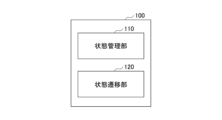
次に、図5を参照して、本発明の一実施例によるユーザ装置を説明する。図5は、本発明の一実施例によるユーザ装置の機能構成を示すブロック図である。 A user equipment according to one embodiment of the present invention will now be described with reference to FIG. FIG. 5 is a block diagram showing the functional configuration of the user equipment according to one embodiment of the present invention.
図5に示されるように、ユーザ装置100は、状態管理部110及び状態遷移部120を有する。
As shown in FIG. 5 , the
状態管理部110は、ユーザ装置100の通信状態を管理する。具体的には、状態管理部110は、NRシステムの基地局200との無線通信では、接続状態(NR RRC_CONNECTED)、維持状態(NR RRC_SUSTAINED)及びアイドル状態(NR RRC_IDLE)の3つの通信状態によってユーザ装置100の通信状態を管理し、LTEシステムの基地局300との無線通信では、接続状態(LTE RRC_CONNECTED))及びアイドル状態(LTE RRC_IDLE)の2つの通信状態によってユーザ装置100の通信状態を管理する。状態管理部110は、ユーザ装置100の通信状態に対応して、後述されるASコンテクスト、ASコンテクストを特定するResume ID、基地局ベース(RAN内)位置登録エリアなどの各種情報及びデータを保持又は破棄する。
The
状態遷移部120は、ユーザ装置100の通信状態を遷移させる。具体的には、状態遷移部120は、図2又は図3に示されるような状態遷移図に従って対応する遷移手順を実行することによって、ユーザ装置100の通信状態を遷移させる。上述したように、以下の実施例では、NR RRC_CONNECTED→NR RRC_SUSTAINED、NR RRC_SUSTAINED→NR RRC_IDLE、NR RRC_SUSTAINED→LTE RRC_IDLE及びLTE RRC_IDLE→NR RRC_SUSTAINEDの4つのタイプの遷移処理について説明する。これらの遷移手順の詳細については、図7~14を参照して後述される。
The
次に、図6を参照して、本発明の一実施例による基地局を説明する。なお、以下の説明では、基地局200の構成に着目するが、同様の説明が基地局300の構成に実質的に適用可能である。図6は、本発明の一実施例による基地局の機能構成を示すブロック図である。
A base station according to one embodiment of the present invention will now be described with reference to FIG. Note that although the following description focuses on the configuration of
図6に示されるように、基地局200は、通信制御部210及びユーザ装置管理部220を有する。
As shown in FIG. 6,
通信制御部210は、ユーザ装置100との無線通信を制御する。具体的には、ユーザ装置100が基地局200との無線接続を確立すると、通信制御部210は、無線通信のための無線パラメータをユーザ装置100に設定し、当該無線パラメータをASコンテクストにより通知する。通信制御部210は、接続状態のユーザ装置100に対して、個別無線リソースを割り当てることによって、ユーザ装置100との間でダウンリンク/アップリンク制御チャネル及び/又はダウンリンク/アップリンクデータチャネルを送受信する。
The
また、通信制御部210は、NRシステムの他の基地局200と通信すると共に、LTEシステムのコアネットワーク(図示せず)及び/又は基地局300と通信する。上述したように維持状態では基地局200とコアネットワークとの間の接続は維持される。このため、コアネットワークからユーザ装置100宛のダウンリンクデータを受信すると、通信制御部210は、後述されるように、基地局200のセルと共に、基地局ベース位置登録エリア内の他の基地局のセルを介しページングチャネルを送信する。
Also, the
また、通信制御部210は、共通チャネルを用いてセルのシステム情報を定期的にブロードキャストする。例えば、当該システム情報は、基地局200を管理するコアネットワークがページングチャネルを送信する基地局を示すコアネットワークベース位置登録エリア(LTEシステムにおけるページングエリア)と共に、維持状態のユーザ装置100にページングチャネルを送信する基地局を示す基地局ベース位置登録エリアを含んでもよい。
Also, the
ユーザ装置管理部220は、ユーザ装置100の通信状態を管理する。例えば、ユーザ装置100が基地局200との無線接続を確立すると、ユーザ装置管理部220は、ユーザ装置100の通信状態を接続状態に設定すると共に、ユーザ装置100に対して通信制御部210によって設定されたASコンテクストを保持する。後述されるように、ASコンテクストの破棄タイミングは、NR RRC_SUSTAINED状態とLTE RRC_IDLE状態との間で一方向のみの遷移が可能とされる第1実施例と、NR RRC_SUSTAINED状態とLTE RRC_IDLE状態との間で双方向の遷移が可能とされる第2実施例とで異なる。
The user
ユーザ装置管理部220は、ユーザ装置100の通信状態に対応して、後述されるASコンテクスト、ASコンテクストを特定するResume ID、基地局ベース(RAN内)位置登録エリアなどの各種情報及びデータを保持又は破棄する。
The user
次に、図7~9を参照して、本発明の一実施例によるNR RRC_CONNECTED→NR RRC_SUSTAINEDの遷移処理について説明する。図7は、本発明の一実施例によるNR RRC_CONNECTED→NR RRC_SUSTAINEDの状態遷移手順を示す図である。 Next, transition processing of NR RRC_CONNECTED→NR RRC_SUSTAINED according to an embodiment of the present invention will be described with reference to FIGS. FIG. 7 is a diagram illustrating a state transition procedure of NR RRC_CONNECTED→NR RRC_SUSTAINED according to an embodiment of the present invention.
図7に示されるように、ユーザ装置100は、接続状態から維持状態に遷移させるための維持メッセージ(RRC Connection Sustenance)を基地局200から受信する。当該維持メッセージを受信すると、状態遷移部120は、ユーザ装置100を接続状態から維持状態に遷移させ、状態管理部110は、維持メッセージからユーザ装置100と基地局200との間の無線通信のための無線パラメータ情報を特定するコンテクスト識別子と、基地局200のセルを含む1つ以上のセルから構成される基地局ベース位置登録エリアとを抽出し、無線パラメータ情報、コンテクスト識別子及び基地局ベース位置登録エリアを保持する。
As shown in FIG. 7, the
具体的には、維持メッセージは、基地局200に接続した際にユーザ装置100に対して設定された無線パラメータを示すASコンテクストを特定するResume IDと、維持状態のユーザ装置100にページングチャネルを送信する複数のセルを示す基地局ベース位置登録エリアとを含むものであってもよい。維持メッセージを受信すると、状態遷移部120は、ユーザ装置100をNR RRC_CONNECTED状態からNR RRC_SUSTAINED状態に遷移させ、状態管理部110は、受信した維持メッセージからResume IDと基地局ベース位置登録エリアとを抽出し、ユーザ装置100に対して設定されているASコンテクストと共に、抽出したResume IDと基地局ベース位置登録エリアとを保持する。一方、維持メッセージを送信すると、ユーザ装置管理部220は、ユーザ装置100のASコンテクストとResume IDとを保持する。ここで、Resume IDは、ユーザ装置100に対して設定されているASコンテクストをNRシステム内で一意的に特定するための識別子である。しかしながら、本実施例によるコンテクスト識別子はこれに限定されず、ユーザ装置100に対して設定され、状態管理部110に保持される無線パラメータ情報を特定可能な他の何れか適切な識別子であってもよい。また、基地局ベース位置登録エリアは、典型的には、基地局200を管理するコアネットワークがページングチャネルを送信する基地局を示すコアネットワークベース位置登録エリアより狭いものであってもよい。
Specifically, the maintain message transmits a Resume ID that identifies an AS context indicating the radio parameters set for the
一実施例では、維持メッセージは更に、無線パラメータ情報と基地局ベース位置登録エリアとの有効期間を示すタイマ情報を有してもよい。具体的には、状態管理部110は、当該タイマ情報に従って、保持されたASコンテクスト及び/又は基地局ベース位置登録エリアに対して個別又は共通のタイマを設定し、ASコンテクスト及び/又は基地局ベース位置登録エリアの保持時間を計時する。タイマが満了すると、状態管理部110は、ASコンテクストを破棄し、及び/又は後述される基地局ベース位置登録エリアの更新手順を実行してもよい。
In one embodiment, the maintenance message may further include timer information indicating the validity period of the radio parameter information and the base station based location area. Specifically, the
上述したように、維持状態では、ユーザ装置100に対してコアネットワークと基地局200との間の接続は維持される。このため、コアネットワークからユーザ装置100宛のダウンリンクデータは、基地局200に送信される。図8及び図9を参照して、維持状態のユーザ装置100に対する着信手順を説明する。図示される実施例では、基地局200(NR基地局#1)から維持メッセージを受信し、維持状態に遷移したユーザ装置100が、NRシステムにおける他の基地局(NR基地局#2)へのセル再選択を実行したケースが示される。
As described above, in the maintenance state, the connection between the core network and the
図8は、本発明の一実施例によるRRC_SUSTAINED状態での着信処理を示すシーケンス図である。図8に示される実施例では、NR基地局#1とNR基地局#2とは、同一の基地局ベース(RAN内)位置登録エリアに属していると仮定する。
FIG. 8 is a sequence diagram illustrating incoming call processing in the RRC_SUSTAINED state according to one embodiment of the present invention. In the example shown in FIG. 8, it is assumed that NR
図8に示されるように、ステップS101において、ユーザ装置100は、NR基地局#1から維持メッセージ(RRC Connection Sustenance)を受信してNR RRC_SUSTAINED状態に遷移した後、NR基地局#2へのセル再選択を実行する。
As shown in FIG. 8 , in step S101, the
ステップS102において、NR基地局#1は、維持メッセージを送信した後、ユーザ装置100に対するASコンテクスト、Resume ID及び基地局ベース位置登録エリアを保持すると共に、ユーザ装置100に対するページングチャネルの送信元として機能する。
In step S102, after transmitting the maintenance message, the NR
ステップS103において、NR基地局#1は、コアネットワークからユーザ装置100宛のダウンリンクデータを受信する。
In step S103, the NR
NR基地局#1は、ステップS104において、ユーザ装置100宛のダウンリンクデータを受信したことを通知するため、自セルにおいてページングチャネルを送信すると共に、ステップS105において、基地局ベース位置登録エリア内の全ての基地局にユーザ装置100宛のダウンリンクデータを受信したことを通知するためのページングチャネルを送信するよう指示する。当該ページングチャネルの送信タイミングにおいてユーザ装置100は基地局ベース位置登録エリア内のNR基地局#2に在圏しているため、ステップS106において、ユーザ装置100は、NR基地局#2からページングチャネルを受信する。
In step S104, the NR
ステップS107において、アイドル状態のユーザ装置100は、コアネットワークから送信されたダウンリンクデータの受信のためにNR基地局#2との通信接続を確立するため、保持されるResume IDを含むRRC connection resumeをNR基地局#2に送信する。すなわち、当該通信接続は、維持状態においてユーザ装置100及びNR基地局#1に保持されるASコンテクストを援用することによって確立可能であるため、RRC connection establishmentでなく、RRC connection resumeにより確立可能である。以降の通信再開処理における各ステップの順序は、単なる一例であり、以下に限定されるものでない。
In step S107, the idle
NR基地局#2は、ステップS108において、ユーザ装置100のASコンテクストを取得するため、Resume IDを含むRetrieve UE context requestをNR基地局#1に送信し、ステップS109において、要求したASコンテクストをRetrieve UE context responseにより受信する。
In order to acquire the AS context of the
NR基地局#2は、ステップS110において、取得したASコンテクストに基づきユーザ装置100との無線接続を再開するため、RRC connection resumeをユーザ装置100に送信し、ステップS111において、無線接続の再開の完了を示すRRC connection resume completeを受信する。このようにして、NR基地局#2から維持状態のユーザ装置100に対するコンテクスト識別子を受信すると、NR基地局#1のユーザ装置管理部220は、コンテクスト識別子に対応する無線パラメータ情報をNR基地局#2に提供する。
In step S110, the NR base station #2 transmits an RRC connection resume to the
ステップS112において、NR基地局#2は、NR基地局#1からユーザ装置100宛のダウンリンクデータを受信する。
In step S112, the NR base station #2 receives downlink data addressed to the
ステップS113において、NR基地局#2は、ユーザ装置100宛のダウンリンクデータの転送先をNR基地局#1からNR基地局#2に変更するようPath switch requestをコアネットワークに送信する。
In step S113, the NR base station #2 transmits a Path switch request to the core network to change the transfer destination of downlink data addressed to the
ステップS114において、NR基地局#2は、NR基地局#1から転送されたダウンリンクデータをユーザ装置100に送信する。
In step S114, the NR base station #2 transmits to the
ステップS115において、NR基地局#2は、ユーザ装置100宛のダウンリンクデータの転送先が変更されたことを示すPath switch responseを受信する。
In step S115, the NR base station #2 receives a Path switch response indicating that the forwarding destination of downlink data addressed to the
ステップS116において、NR基地局#2は、コアネットワークから転送されたユーザ装置100宛のダウンリンクデータをユーザ装置100に送信する。
In step S116, the NR base station #2 transmits to the
図9は、本発明の一実施例によるRRC_SUSTAINED状態での着信処理を示すシーケンス図である。図9に示される実施例では、NR基地局#1とNR基地局#2とは、異なる基地局ベース(RAN内)位置登録エリアに属していると仮定する。
FIG. 9 is a sequence diagram illustrating incoming call processing in the RRC_SUSTAINED state according to one embodiment of the present invention. In the example shown in FIG. 9, it is assumed that NR
図9に示されるように、ステップS201において、ユーザ装置100は、NR基地局#1から維持メッセージ(RRC Connection Sustenance)を受信してNR RRC_SUSTAINED状態に遷移する。
As shown in FIG. 9, in step S201, the
ステップS202において、NR基地局#1は、維持メッセージを送信した後、ユーザ装置100に対するASコンテクスト、Resume ID及び基地局ベース位置登録エリアを保持すると共に、ユーザ装置100に対するページングチャネルの送信元として機能する。
In step S202, after transmitting the maintenance message, the NR
ステップS203において、ユーザ装置100は、NR基地局#1の在圏セルにおいてブロードキャストされるシステム情報を受信する。具体的には、当該システム情報は、コアネットワークベース位置登録エリア(LTEシステムにおけるトラッキングエリア)、維持状態のユーザ装置100にページングチャネルを送信する基地局を示す基地局ベース位置登録エリアを含む。
In step S203, the
ステップS204において、ユーザ装置100は、NR基地局#2へのセル再選択を実行する。
In step S204, the
ステップS205において、ユーザ装置100は、NR基地局#2の在圏セルにおいてブロードキャストされるシステム情報を受信する。具体的には、当該システム情報は、コアネットワークベース位置登録エリア(LTEシステムにおけるトラッキングエリア)、維持状態のユーザ装置100にページングチャネルを送信する基地局を示す基地局ベース位置登録エリアを含む。図示された実施例では、NR基地局#1とNR基地局#2とは、異なる基地局ベース位置登録エリアに属する。
In step S205, the
ステップS206において、ユーザ装置100は、ステップS203において受信した基地局ベース位置登録エリアと、ステップS206において受信した基地局ベース位置登録エリアとが異なることを検出し、基地局ベース位置登録エリアが変更されたと判断する。この場合、NR基地局#1がコアネットワークからユーザ装置100宛のダウンリンクデータを受信しても、NR基地局#1は、当該ダウンリンクデータの受信をページングチャネルによってユーザ装置100に通知することができない。このため、以下のステップにおいて、基地局ベース位置登録エリアの変更処理が実行される必要がある。すなわち、セル遷移前のNR基地局#1から取得した基地局ベース位置登録エリアと、セル遷移後のNR基地局#2から取得した基地局ベース位置登録エリアとが異なる場合、状態管理部110は、コアネットワークからのユーザ装置100宛のダウンリンクデータの転送先を変更するようNR基地局#2に要求する。
In step S206, the
ステップS207において、ユーザ装置100は、ユーザ装置100の基地局ベース位置登録エリアをNR基地局#2の基地局ベース位置登録エリアによって更新するため、保持されるResume IDを含む更新リクエストをNR基地局#2に送信する。
In step S207, in order to update the base station-based location registration area of the
ステップS208において、NR基地局#2は、ユーザ装置100のASコンテクストを取得するため、Resume IDを含むRetrieve UE context requestをNR基地局#1に送信し、ステップS209において、要求したASコンテクストをRetrieve UE context responseにより受信する。
In step S208, the NR base station #2 transmits a Retrieve UE context request including the Resume ID to the NR
ステップS210において、NR基地局#2は、ユーザ装置100に対するASコンテクスト、Resume ID及び基地局ベース位置登録エリアを保持すると共に、ユーザ装置100に対するページングチャネルの送信元として機能する。
In step S<b>210 , the NR base station # 2 holds the AS context, Resume ID and base station-based location registration area for the
NR基地局#2は、ステップS211において、ユーザ装置100に基地局ベース位置登録エリアを更新するよう指示し、ステップS212において、基地局ベース位置登録エリアの更新完了通知を受信する。
In step S211, the NR base station #2 instructs the
NR基地局#2は、ステップS213において、ユーザ装置100宛のダウンリンクデータの転送先をNR基地局#1からNR基地局#2に変更するようPath switch requestをコアネットワークに送信し、ステップS214において、ユーザ装置100宛のダウンリンクデータの転送先が変更されたことを示すPath switch responseを受信する。以降、ユーザ装置100宛のダウンリンクデータは、コアネットワークからNR基地局#2に転送される。
In step S213, the NR base station #2 transmits a Path switch request to the core network to change the transfer destination of the downlink data addressed to the
次に、図10を参照して、上述した基地局ベース位置登録エリアの具体的な更新手順を説明する。当該更新手順は、上述したように、例えば、保持される基地局ベース位置登録エリアとセル再選択後に取得した基地局ベース位置登録エリアとが異なっていることを検出したことに応答して、実行される。図10は、本発明の一実施例による位置登録エリア更新手順を示すシーケンス図である。 Next, with reference to FIG. 10, a specific procedure for updating the base station-based location registration area described above will be described. The update procedure is performed, as described above, for example, in response to detecting that the retained base station-based location registration area is different from the base station-based location registration area obtained after cell reselection. be done. FIG. 10 is a sequence diagram showing a location registration area update procedure according to one embodiment of the present invention.
図10に示されるように、ユーザ装置100は、基地局ベース位置登録エリアの更新をリクエストするため、RAN Tracking Area Update RequestをNR基地局(上述した具体例では、NR基地局#2)に送信する。例えば、RAN Tracking Area Update Requestは、保持されるASコンテクストを特定するResume IDに加えて、ASコンテクストを認証するための識別子(short Resume MAC-Iなど)、当該位置登録更新の実行原因を示すcause値などを含むものであってもよい。
As shown in FIG. 10, the
RAN Tracking Area Update Requestを受信すると、NR基地局は、RAN Tracking Area updateをユーザ装置100に送信する。例えば、RAN Tracking Area updateは、新たな基地局ベース位置登録エリア(New RAN Tracking Area)、新たなResume ID、(必要である場合)セキュリティキーの更新指示(key change indicator)、(更新される場合)無線設定(Radio configuration)を含むものであってもよい。ユーザ装置100に対するASコンテクストを保存する基地局が変更されるため、新たなResume IDがユーザ装置100に通知される。また、セキュリティキーの更新については、LTE規格と同様に、Refresh及び/又はRe-keyingが利用されてもよい。また、(ベアラを含む)無線設定が更新される場合、更新後の全ての無線設定が通知されてもよいし、差分のみが通知されてもよい。
Upon receiving the RAN Tracking Area Update Request, the NR base station transmits the RAN Tracking Area update to the
その後、ユーザ装置100は、RAN Tracking Area Update CompleteをNR基地局に送信する。
After that, the
次に、図11~12を参照して、本発明の一実施例によるNR RRC_SUSTAINED→NR RRC_IDLEの遷移処理について説明する。図11は、本発明の一実施例によるNR RRC_SUSTAINED→NR RRC_IDLEの状態遷移手順を示す図である。図示される実施例では、基地局200からのシグナリングによって、ユーザ装置100は維持状態からアイドル状態に遷移する。
Next, transition processing of NR RRC_SUSTAINED→NR RRC_IDLE according to an embodiment of the present invention will be described with reference to FIGS. FIG. 11 is a diagram illustrating a state transition procedure from NR RRC_SUSTAINED to NR RRC_IDLE according to an embodiment of the present invention. In the illustrated embodiment, signaling from the
図11に示されるように、ユーザ装置100は、維持状態からアイドル状態に遷移させるためのリリースメッセージ(RRC Sustenance Release)を基地局200から受信する。当該リリースメッセージを受信すると、状態遷移部120は、保持されているコンテクスト識別子に基づきリリースメッセージがユーザ装置100宛のものであるか判断し、リリースメッセージがユーザ装置100宛のものであると判断すると、ユーザ装置100を維持状態からアイドル状態に遷移させる。当該リリースメッセージは、図示されるように、新たに規定されたRRC Sustenance Releaseなどの新規手順に実現されてもよいし、あるいは、RRC connection release、paging messageなどのLTEシステムにおける手順を援用してもよい。
As shown in FIG. 11, the
上述したように、維持状態では、ユーザ装置100に対して個別無線リソースは割り当てられず、基地局200は、共通チャネル(共通制御チャネル)によりユーザ装置100にリリースメッセージを送信する。あるいは、維持状態のユーザ装置100のみが受信可能な論理チャネル又はメッセージによって、リリースメッセージが通知されてもよい。例えば、リリースメッセージは、SCCH(Sustained Control Channel)などの新たに規定した論理チャネルにより通知されてもよいし、あるいは、SCCH(論理チャネル)-DL-SCH(トランスポートチャネル)-PDSCH(物理チャネル)のようにマッピングされてもよい。あるいは、維持状態用のRNTI(Radio Network Temporary ID)を規定し、当該メッセージのCRC(Cyclic Redundancy Check)が、RNTIにスクランブル化されてもよい。
As described above, in the maintenance state, no dedicated radio resource is allocated to
また、リリースメッセージは、Resume IDを含んでもよい。この場合、維持状態のユーザ装置100がリリースメッセージを受信すると、状態管理部110は、受信したResume IDが保持されているResume IDに一致しているか判断し、一致している場合、保持される対応するASコンテクスト及び基地局ベース位置登録エリアを破棄し、状態遷移部120は、ユーザ装置100を維持状態からアイドル状態に遷移させる。
Also, the release message may include a Resume ID. In this case, when the
上述した実施例では、基地局200からのシグナリングによって、ユーザ装置100が維持状態からアイドル状態に遷移したが、他の実施例では、無線パラメータ情報、コンテクスト識別子及び基地局ベース位置登録エリアの保持期間を計時するタイマが利用され、当該タイマが満了すると、ユーザ装置100は、自律的に維持状態からアイドル状態に遷移してもよい。具体的には、状態管理部110は、保持されたASコンテクスト、Resume ID及び/又は基地局ベース位置登録エリアに対して個別又は共通のタイマを設定し、ASコンテクスト、Resume ID及び/又は基地局ベース位置登録エリアの保持時間を計時する。タイマが満了すると、状態管理部110は、ASコンテクスト、Resume ID及び/又は基地局ベース位置登録エリアを破棄し、状態遷移部120は、自律的にNR RRC_SUSTAINED状態からNR RRC_IDLE状態にユーザ装置100を遷移させるようにしてもよい。この場合、当該個別又は共通のタイマは、ユーザ装置100がNR RRC_CONNECTED状態からNR RRC_SUSTAINED状態に遷移する際に、基地局200からユーザ装置100に通知されてもよい。あるいは、個別又は共通のタイマは、基地局200からの維持メッセージ(RRC Connection Sustenance)で通知されてもよい。
In the above-described embodiment, signaling from the
このようにして、ユーザ装置100が基地局200からのリリースメッセージによって、又はタイマを用いて自律的に維持状態からアイドル状態に遷移する場合、基地局200とコアネットワークとの間のコネクションも解放されてもよい。具体的には、図12に示される解放手順に従って、基地局200とコアネットワークとの間のコネクションが解放されてもよい。
In this way, when the
すなわち、ユーザ装置100に対して設定したタイマが満了したとき、又はユーザ装置100にRRC Sustenance Releaseを送信した後、基地局200は、コアネットワークと基地局200との間に維持されているコネクションを解放し、ユーザ装置100宛のダウンリンクデータを受信した際はコアネットワークベース位置登録エリアの基地局にページングを実行するようコアネットワークに要求する。なお、コアネットワークベース位置登録エリアは、LTEシステムにおけるトラッキングエリアに相当し、コアネットワークがページングを通知する基地局を示す。これにより、基地局200及びコアネットワークは、維持されているコネクションを解放する。その後、ユーザ装置100宛のダウンリンクデータを受信すると、コアネットワークは、当該ダウンリンクデータを基地局200に転送することなく、コアネットワークベース位置登録エリアの基地局にページングを通知することになる。
That is, when the timer set for the
次に、図13~14を参照して、本発明の一実施例によるNR RRC_SUSTAINEDとLTE RRC_IDLEとの間の遷移処理について説明する。上述したように、維持状態のユーザ装置100は、自らモビリティを制御するため、自律的にLTEシステムの基地局300へのセル再選択(RAT間セル再選択)を実行可能である。
13-14, transition processing between NR RRC_SUSTAINED and LTE RRC_IDLE according to one embodiment of the present invention will now be described. As described above, since the
図2及び図3を参照して説明したように、NR RRC_SUSTAINEDとLTE RRC_IDLEとの間の遷移処理については、RAT間遷移においてASコンテクストが破棄され、NR RRC_SUSTAINED状態からLTE RRC_IDLE状態への一方向のみの遷移が可能な第1実施例と、RAT間遷移においてASコンテクストが保持され、NR RRC_SUSTAINED状態とLTE RRC_IDLE状態との間の双方向の遷移が可能な第2実施例とが想定される。 As described with reference to FIGS. 2 and 3, for the transition process between NR RRC_SUSTAINED and LTE RRC_IDLE, the AS context is discarded in the inter-RAT transition, and only one direction from the NR RRC_SUSTAINED state to the LTE RRC_IDLE state. , and a second embodiment in which the AS context is preserved in inter-RAT transitions and bi-directional transitions between the NR RRC_SUSTAINED state and the LTE RRC_IDLE state are possible.
まず、第1実施例によるNR RRC_SUSTAINED→LTE RRC_IDLEの遷移処理を説明する。本実施例では、ユーザ装置100が基地局200と維持状態(NR RRC_SUSTAINED)により通信しているとき、基地局300へのセル再選択を実行すると、状態遷移部120は、ユーザ装置100を維持状態から基地局300におけるアイドル状態(LTE RRC_IDLE)に遷移させ、状態管理部110は、所定の破棄タイミングに従って無線パラメータ情報、コンテクスト識別子及び基地局ベース位置登録エリアを破棄してもよい。
First, transition processing of NR RRC_SUSTAINED→LTE RRC_IDLE according to the first embodiment will be described. In this embodiment, when the
具体的には、NR RRC_SUSTAINED状態のユーザ装置100がLTEシステムの基地局300へのセル再選択を実行し、基地局300のセルに在圏すると、状態遷移部120は、ユーザ装置100をNR RRC_SUSTAINED状態からLTE RRC_IDLE状態に遷移させる。第1実施例では、RAT間遷移においてASコンテクストは破棄されるため、状態管理部110は、保持されるASコンテクスト、Resume ID及び基地局ベース位置登録エリアを所定の破棄タイミングで破棄する。
Specifically, when the
一実施例では、状態管理部110は、基地局300へのセル再選択の実行タイミングで、保持されるASコンテクスト、Resume ID及び/又は基地局ベース位置登録エリアを破棄してもよい。
In one embodiment, the
他の実施例では、状態管理部110は、保持されたASコンテクスト、Resume ID及び/又は基地局ベース位置登録エリアに対して個別又は共通のタイマを設定し、ASコンテクスト、Resume ID及び/又は基地局ベース位置登録エリアの保持時間を計時する。タイマが満了すると(基地局200又は基地局300の何れに在圏しているかに依ることなく)、状態管理部110は、ASコンテクスト、Resume ID及び/又は基地局ベース位置登録エリアを破棄してもよい。
In another embodiment, the
更なる他の実施例では、状態管理部110は、セル再選択後に在圏する基地局300との通信接続が確立しようとするタイミングで、又は当該通信接続の確立が完了したタイミングで、ASコンテクスト、Resume ID及び/又は基地局ベース位置登録エリアを破棄してもよい。すなわち、ユーザ装置100が基地局300にセル再選択した際(LTE RRC_IDLE)には、状態管理部110は、ASコンテクスト、Resume ID及び/又は基地局ベース位置登録エリアを保持し続け、基地局300において接続状態になった後(LTE RRC_CONNECTED)、ASコンテクスト、Resume ID及び/又は基地局ベース位置登録エリアを破棄してもよい。
In yet another embodiment, the
次に、第2実施例によるNR RRC_SUSTAINED→LTE RRC_IDLEの遷移処理を説明する。本実施例では、ユーザ装置100が基地局200と維持状態で通信しているとき、基地局300へのセル再選択を実行すると、状態管理部110がユーザ装置100と基地局200との間の無線通信のための無線パラメータ情報及び当該無線パラメータ情報を特定するコンテクスト識別子を保持したまま、状態遷移部120は、基地局300へのセル再選択を実行する。具体的には、ユーザ装置100が基地局200とNR RRC_SUSTAINED状態により通信しているとき、基地局300へのセル再選択を実行すると、状態管理部120がASコンテクスト、Resume ID及び基地局ベース位置登録エリアを破棄することなく、状態遷移部120は、ユーザ装置100をNR RRC_SUSTAINED状態から基地局300においてLTE RRC_IDLE状態に遷移させる。
Next, transition processing of NR RRC_SUSTAINED→LTE RRC_IDLE according to the second embodiment will be described. In this embodiment, when the
図13は、本発明の第2実施例によるNR RRC_SUSTAINED→LTE RRC_IDLEの状態遷移手順を示す図である。 FIG. 13 is a diagram illustrating a state transition procedure of NR RRC_SUSTAINED→LTE RRC_IDLE according to the second embodiment of the present invention.
図13に示されるように、ステップS301において、ユーザ装置100は、基地局200(NR基地局)に接続し、状態管理部110は、ユーザ装置100の通信状態をNR RRC_CONNECTEDとして管理する。
As shown in FIG. 13, in step S301, the
ステップS302において、NR基地局は、LTEシステムの基地局300(LTE eNB#1)にユーザ装置100がLTE eNB#1に接続する際に適用されるASコンテクストを要求する。
In step S302, the NR base station requests the base station 300 (LTE eNB#1) of the LTE system for the AS context to be applied when the
ステップS303において、NR基地局は、LTE eNB#1との無線通信においてユーザ装置100に設定されるASコンテクストと当該ASコンテクストを特定するResume IDとを取得する。すなわち、ユーザ装置100がNR基地局に接続すると、NR基地局は、ユーザ装置100とLTE eNB#1との間の無線通信のための無線パラメータ情報及びコンテクスト識別子をLTE eNB#1から取得する。
In step S303, the NR base station acquires the AS context set in the
ステップS304において、NR基地局は、ユーザ装置100をNR RRC_CONNECTED状態からNR RRC_SUSTAINED状態に遷移させるための維持メッセージ(RRC Connection Sustenance)をユーザ装置100に送信する。維持メッセージは、NR基地局との無線通信のためにユーザ装置100に設定されたASコンテクスト及びResume IDと、LTE eNB#1との無線通信のためにユーザ装置100に設定されたASコンテクスト及びResume IDと、基地局ベース位置登録エリアとを含むものであってもよい。当該維持メッセージを受信すると、状態遷移部120は、ユーザ装置100をNR RRC_CONNECTED状態からNR RRC_SUSTAINED状態に遷移させる。また、状態管理部110は、NR基地局との無線通信のためにユーザ装置100に設定されたASコンテクスト及びResume IDと、LTE eNB#1との無線通信のためにユーザ装置100に設定されたASコンテクスト及びResume IDと、基地局ベース位置登録エリアとを保持する。すなわち、ユーザ装置100を接続状態から維持状態に遷移させるための維持メッセージをNR基地局から受信すると、状態管理部110は、維持メッセージからユーザ装置100とNR基地局との間の無線通信のための無線パラメータ情報及び当該無線パラメータ情報を特定するコンテクスト識別子と、ユーザ装置100とLTE eNB#1との間の無線通信のための無線パラメータ情報及び当該無線パラメータ情報を特定するコンテクスト識別子と、NR基地局の基地局ベース位置登録エリアとを抽出及び保持する。
In step S304, the NR base station transmits to the user equipment 100 a sustain message (RRC Connection Sustenance) for transitioning the
ステップS305において、ユーザ装置100は、LTE eNB#2にセル再選択し、LTE eNB#2との無線接続を確立することを決定し、LTE eNB#2との無線接続を確立するための以降のステップを実行する。
In step S305, the
ステップS306において、ユーザ装置100は、無線接続を確立するため、保持されるResume IDを含むRRC connection resume requestをLTE eNB#2に送信する。
In step S306, the
ステップS307において、LTE eNB#2は、ユーザ装置100のASコンテクストを取得するため、Resume IDを含むRetrieve UE context requestをLTE eNB#1に送信し、ステップS308において、要求したASコンテクストをRetrieve UE context responseにより受信する。なお、Resume IDは、対応するASコンテクストが保存されているLTE eNB#1を示すよう構成されている。従って、LTE eNB#2は、受信したResume IDに対応するASコンテクストがLTE eNB#1に保持されていると判断できる。
In step S307, the LTE eNB#2 transmits a Retrieve UE context request including the Resume ID to the
LTE eNB#2は、ステップS309において、取得したASコンテクストに基づきユーザ装置100との無線接続を再開するため、RRC connection resumeをユーザ装置100に送信し、ステップS310において、無線接続の再開の完了を示すRRC connection resume completeを受信する。このようにして、ユーザ装置100とLTE eNB#2との無線接続が確立される。
In step S309, the LTE eNB #2 transmits RRC connection resume to the
次に、第2実施例によるLTE RRC_IDLE→NR RRC_SUSTAINEDの遷移処理を説明する。本実施例では、ユーザ装置100が基地局300とアイドル状態で通信しているとき、基地局200へのセル再選択を実行すると、状態管理部110がユーザ装置100と基地局300との間の無線通信のための無線パラメータ情報及び当該無線パラメータ情報を特定するコンテクスト識別子を保持したまま、状態遷移部120は、基地局200へのセル再選択を実行する。具体的には、ユーザ装置100が基地局300にLTE RRC_IDLE状態により在圏しているとき、基地局200へのセル再選択を実行すると、状態管理部120がASコンテクスト、Resume ID及び基地局ベース位置登録エリアを破棄することなく、状態遷移部120は、ユーザ装置100をLTE RRC_IDLE状態から基地局300においてNR RRC_SUSTAINED状態に遷移させる。
Next, transition processing from LTE RRC_IDLE to NR RRC_SUSTAINED according to the second embodiment will be described. In this embodiment, when the
図14は、本発明の第2実施例によるLTE RRC_IDLE→NR RRC_SUSTAINEDの状態遷移手順を示す図である。 FIG. 14 is a diagram illustrating a state transition procedure of LTE RRC_IDLE→NR RRC_SUSTAINED according to the second embodiment of the present invention.
図14に示されるように、ステップS401において、ユーザ装置100は、基地局300(LTE eNB)に接続し、状態管理部110は、ユーザ装置100の通信状態をLTE RRC_CONNECTEDとして管理する。
As shown in FIG. 14, in step S401, the
ステップS402において、LTE eNBは、NRシステムの基地局200(NR基地局#1)にユーザ装置100がNR基地局#1に接続する際に適用されるASコンテクストを要求する。
In step S402, the LTE eNB requests the base station 200 (NR base station #1) of the NR system for the AS context to be applied when the
ステップS403において、LTE eNBは、NR基地局#1との無線通信においてユーザ装置100に設定されるASコンテクストと当該ASコンテクストを特定するResume IDとを取得する。すなわち、ユーザ装置100がLTE eNBに接続すると、LTE eNBは、ユーザ装置100とNR基地局#1との間の無線通信のための無線パラメータ情報及びコンテクスト識別子をNR基地局#1から取得する。
In step S403, the LTE eNB acquires the AS context set in the
ステップS404において、LTE eNBは、ユーザ装置100をLTE RRC_CONNECTED状態からLTE RRC_IDLE状態に遷移させるためのリリースメッセージ(RRC Connection Release)をユーザ装置100に送信する。リリースメッセージは、LTE eNBとの無線通信のためにユーザ装置100に設定されたASコンテクスト及びResume IDと、NR基地局#1との無線通信のためにユーザ装置100に設定されたASコンテクスト及びResume IDと、基地局ベース位置登録エリアとを含むものであってもよい。当該維持メッセージを受信すると、状態遷移部120は、ユーザ装置100をLTE RRC_CONNECTED状態からLTE RRC_IDLE状態に遷移させる。また、状態管理部110は、LTE eNBとの無線通信のためにユーザ装置100に設定されたASコンテクスト及びResume IDと、NR基地局#1との無線通信のためにユーザ装置100に設定されたASコンテクスト及びResume IDと、基地局ベース位置登録エリアとを保持する。すなわち、ユーザ装置100を接続状態からアイドル状態に遷移させるためのリリースメッセージをLTE eNBから受信すると、状態管理部110は、リリースメッセージからユーザ装置100とLTE eNBとの間の無線通信のための無線パラメータ情報及び当該無線パラメータ情報を特定するコンテクスト識別子と、ユーザ装置100とNR基地局#1との間の無線通信のための無線パラメータ情報及び当該無線パラメータ情報を特定するコンテクスト識別子と、NR基地局#1の基地局ベース位置登録エリアとを抽出及び保持する。
In step S404, the LTE eNB transmits to the user equipment 100 a release message (RRC Connection Release) for transitioning the
ステップS405において、ユーザ装置100は、NR基地局#2にセル再選択し、NR基地局#2との無線接続を確立することを決定し、NR基地局#2との無線接続を確立するための以降のステップを実行する。
In step S405, the
ステップS406において、ユーザ装置100は、無線接続を確立するため、保持されるResume IDを含むRRC connection resume requestをNR基地局#2に送信する。
In step S406, the
ステップS407において、NR基地局#2は、ユーザ装置100のASコンテクストを取得するため、Resume IDを含むRetrieve UE context requestをNR基地局#1に送信し、ステップS408において、要求したASコンテクストをRetrieve UE context responseにより受信する。なお、Resume IDは、対応するASコンテクストが保存されているNR基地局#1を示すよう構成されている。従って、NR基地局#2は、受信したResume IDに対応するASコンテクストがNR基地局#1に保持されていると判断できる。
In step S407, the NR base station #2 transmits a Retrieve UE context request including a resume ID to the NR
NR基地局#2は、ステップS409において、取得したASコンテクストに基づきユーザ装置100との無線接続を再開するため、RRC connection resumeをユーザ装置100に送信し、ステップS410において、無線接続の再開の完了を示すRRC connection resume completeを受信する。このようにして、ユーザ装置100とNR基地局#2との無線接続が確立される。
In step S409, the NR base station #2 transmits an RRC connection resume to the
上述したように、第2実施例によると、ユーザ装置100は、LTEシステム及びNRシステムのための無線パラメータ情報(ASコンテクスト)と、当該ASコンテクストを特定するコンテクスト識別子(Resume ID)とをセル再選択の間は保持し続ける。一実施例では、状態管理部110は、基地局200,300における無線パラメータ情報及びコンテクスト識別子の一方又は双方の保持期間を計時するタイマを有し、当該タイマが満了すると、状態管理部110は、保持される無線パラメータ情報及びコンテクスト識別子の一方又は双方を破棄してもよい。他の実施例では、状態管理部110は、ユーザ装置100がLTEシステム及びNRシステム以外の他のRAT(UMTS(Universal Mobile Telecommunications System)、GSM(登録商標)(Global System for Mobile communications)など)のシステムにセル再選択したら、ASコンテクスト、Resume ID及び/又は基地局ベース位置登録エリアを破棄してもよい。更なる他の実施例では、他RATシステムにセル再選択した後であっても、タイマが満了するまでは、状態管理部110は、ASコンテクスト、Resume ID及び/又は基地局ベース位置登録エリアを保持し続けてもよい。更なる他の実施例では、状態管理部110は、他RATシステムへのセル再選択後に在圏する他RAT基地局との通信接続が確立しようとするタイミングで、又は当該通信接続の確立が完了したタイミングで、ASコンテクスト、Resume ID及び/又は基地局ベース位置登録エリアを破棄してもよい。すなわち、ユーザ装置100が他RAT基地局にセル再選択した際には、状態管理部110は、ASコンテクスト、Resume ID及び/又は基地局ベース位置登録エリアを保持し続け、他RAT基地局において接続状態になった後、ASコンテクスト、Resume ID及び/又は基地局ベース位置登録エリアを破棄してもよい。
As described above, according to the second embodiment, the
次に、図15を参照して、本発明の一実施例による基地局ベース位置登録エリア及びコアネットワークベース位置登録エリアを説明する。上述したように、基地局ベース位置登録エリアは、維持状態のユーザ装置100にページングチャネルを送信する基地局又はセルを示し、コアネットワークベース位置登録エリアは、コアネットワークがページングチャネルを送信する基地局又はセルを示す。本実施例では、基地局(RAN)ベース位置登録エリア及びコアネットワーク(CN)ベース位置登録エリアはそれぞれ、LTEシステムにおけるトラッキングエリア及びページングエリアであってもよい。これにより、NRシステムにおいて、基地局ベース位置登録エリア及びコアネットワークベース位置登録エリアのための新たなエリア識別子又はコードを通知することが不要になる。
Next, with reference to FIG. 15, a base station based location area and a core network based location area according to one embodiment of the present invention will be described. As described above, the base station-based location area indicates the base station or cell that transmits the paging channel to the
具体的には、図15に示されるように、基地局ベース位置登録エリアは、LTEシステムにおけるトラッキングエリア(TA)に相当するものであってもよく、同一の識別子(LTEシステムでは、トラッキングエリア識別子(TAI)又はトラッキングエリアコード)が付与された1つ以上の隣接セルから構成されてもよい。一方、コアネットワークベース位置登録エリアは、LTEシステムにおけるトラッキングエリア(TA)リストに含まれるトラッキングエリア群(ページングエリア)に相当するものであってもよい。ユーザ装置100の位置は、基地局ベース位置登録エリアとコアネットワークベース位置登録エリアとによって管理される。すなわち、LTEシステムと同様に、NRシステムでもまた、各セルにおいて、当該セルが属する基地局ベース位置登録エリアを示す基地局ベース位置登録エリアコードがブロードキャストされ、ユーザ装置100は、受信した基地局ベース位置登録エリアコードを保存する。例えば、移動中、電源オン時などにおいて、状態管理部110は、取得した基地局ベース位置登録エリアコードと保持している基地局ベース位置登録エリアコードとが異なっていることを検出すると、基地局ベース位置登録エリアが変わったと判断する。
Specifically, as shown in FIG. 15, the base station-based location registration area may correspond to a tracking area (TA) in the LTE system, and has the same identifier (tracking area identifier (TAI) or Tracking Area Code) may be composed of one or more neighboring cells. On the other hand, the core network-based location registration area may correspond to a group of tracking areas (paging areas) included in a tracking area (TA) list in the LTE system. The location of the
次に、図16~17を参照して、本発明の一実施例による基地局ベース位置登録エリア更新処理を説明する。維持状態のユーザ装置100は、取得した基地局ベース位置登録エリアコードと保持している基地局ベース位置登録エリアコードとが異なっていることを検出すると、基地局ベース位置登録エリアが変わったと判断し、基地局ベース位置登録エリア更新処理を実行してもよい。
Next, with reference to FIGS. 16-17, a base station-based location registration area update process according to one embodiment of the present invention will be described. When the
図16は、本発明の一実施例による基地局ベース位置登録エリア更新処理を示すシーケンス図である。当該基地局ベース位置登録エリア更新処理は、4つのメッセージによるランダムアクセス手順を援用している。図16に示されるように、基地局200からシステム情報などにより受信した基地局ベース位置登録エリアコードと保持している基地局ベース位置登録エリアコードとが異なっていることを検出すると、ステップS501において、ユーザ装置100は、検出した基地局ベース位置登録エリアの基地局200にアタッチするため、Message1としてRandom Access Preambleを基地局200に送信する。
FIG. 16 is a sequence diagram showing base station-based location registration area update processing according to an embodiment of the present invention. The base station based location area update process employs a random access procedure with four messages. As shown in FIG. 16, when it is detected that the base station-based location registration area code received from the
ステップS502において、基地局200は、受信したMessage1に対してTemporary C-RNTIを割り当て、受信したRandom Access Preambleと割り当てたTemporary C-RNTIとを含むRandom Access ResponseをMessage2としてユーザ装置100に送信する。
In step S502, the
ステップS503において、ユーザ装置100は、MAC(Medium Access Control) CE(Control Element)によりScheduled Transmissionを構成し、受信したTemporary C-RNTIと、保持しているResume IDと、これを認証するためのshortMAC-Iとを含むScheduled TransmisssionをMessage3として基地局200に送信する。
In step S503, the
ステップS504において、基地局200は、受信したMessage3に対するアクノリッジメントとして、Temporary C-RNTIを含むContention ResolutionをPDCCHにおいてMessage4としてユーザ装置100に送信する。これにより、ユーザ装置100は、基地局200への位置登録を完了することができる。
In step S504, the
あるいは、基地局ベース位置登録エリア更新処理は、2つのメッセージによるランダムアクセス手順を援用してもよい。図17は、本発明の一実施例による基地局ベース位置登録エリア更新処理を示すシーケンス図である。 Alternatively, the base station based location area update process may employ a random access procedure with two messages. FIG. 17 is a sequence diagram showing base station-based location registration area update processing according to an embodiment of the present invention.
図17に示されるように、基地局200からシステム情報などにより受信した基地局ベース位置登録エリアコードと保持している基地局ベース位置登録エリアコードとが異なっていることを検出すると、ステップS601において、ユーザ装置100は、保持しているResume IDと、これを認証するためのshortMAC-Iとを含むRandom Access PreambleをMessage1として基地局200に送信する。
As shown in FIG. 17, when it is detected that the base station-based location registration area code received from the
ステップS602において、基地局200は、受信したMessage1に対するアクノリッジメントとして、受信したMessage1に対してTemporaryでない正式なC-RNTIを割り当て、受信したRandom Access Preambleと割り当てたC-RNTIとを含むRandom Access ResponseをMessage2としてユーザ装置100に送信する。これにより、ユーザ装置100は、基地局200への位置登録を完了することができる。
In step S602, the
なお、上記実施の形態の説明に用いたブロック図は、機能単位のブロックを示している。これらの機能ブロック(構成部)は、ハードウェア及び/又はソフトウェアの任意の組み合わせによって実現される。また、各機能ブロックの実現手段は特に限定されない。すなわち、各機能ブロックは、物理的及び/又は論理的に結合した1つの装置により実現されてもよいし、物理的及び/又は論理的に分離した2つ以上の装置を直接的及び/又は間接的に(例えば、有線及び/又は無線)で接続し、これら複数の装置により実現されてもよい。 It should be noted that the block diagrams used in the description of the above embodiments show blocks in units of functions. These functional blocks (components) are implemented by any combination of hardware and/or software. Further, means for realizing each functional block is not particularly limited. That is, each functional block may be implemented by one device physically and/or logically coupled, or may be implemented by two or more physically and/or logically separated devices directly and/or indirectly. These multiple devices may be connected together (eg, wired and/or wirelessly).
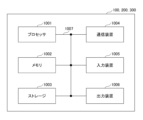
例えば、本発明の一実施の形態におけるユーザ装置100及び基地局200,300は、本発明の無線通信方法の処理を行うコンピュータとして機能してもよい。図18は、本発明の一実施例によるユーザ装置100及び基地局200,300のハードウェア構成を示すブロック図である。上述のユーザ装置100及び基地局200,300は、物理的には、プロセッサ1001、メモリ1002、ストレージ1003、通信装置1004、入力装置1005、出力装置1006、バス1007などを含むコンピュータ装置として構成されてもよい。
For example, the
なお、以下の説明では、「装置」という文言は、回路、デバイス、ユニットなどに読み替えることができる。ユーザ装置100及び基地局200,300のハードウェア構成は、図に示した各装置を1つ又は複数含むように構成されてもよいし、一部の装置を含まずに構成されてもよい。
Note that in the following description, the term "apparatus" can be read as a circuit, device, unit, or the like. The hardware configuration of the
ユーザ装置100及び基地局200,300における各機能は、プロセッサ1001、メモリ1002などのハードウェア上に所定のソフトウェア(プログラム)を読み込ませることで、プロセッサ1001が演算を行い、通信装置1004による通信や、メモリ1002及びストレージ1003におけるデータの読み出し及び/又は書き込みを制御することで実現される。
Each function of the
プロセッサ1001は、例えば、オペレーティングシステムを動作させてコンピュータ全体を制御する。プロセッサ1001は、周辺装置とのインタフェース、制御装置、演算装置、レジスタなどを含む中央処理装置(CPU:Central Processing Unit)で構成されてもよい。例えば、上述の各構成要素は、プロセッサ1001で実現されてもよい。
The
また、プロセッサ1001は、プログラム(プログラムコード)、ソフトウェアモジュールやデータを、ストレージ1003及び/又は通信装置1004からメモリ1002に読み出し、これらに従って各種の処理を実行する。プログラムとしては、上述の実施の形態で説明した動作の少なくとも一部をコンピュータに実行させるプログラムが用いられる。例えば、ユーザ装置100及び基地局200,300の各構成要素による処理は、メモリ1002に格納され、プロセッサ1001で動作する制御プログラムによって実現されてもよく、他の機能ブロックについても同様に実現されてもよい。上述の各種処理は、1つのプロセッサ1001で実行される旨を説明してきたが、2以上のプロセッサ1001により同時又は逐次に実行されてもよい。プロセッサ1001は、1以上のチップで実装されてもよい。なお、プログラムは、電気通信回線を介してネットワークから送信されても良い。
The
メモリ1002は、コンピュータ読み取り可能な記録媒体であり、例えば、ROM(Read Only Memory)、EPROM(Erasable Programmable ROM)、EEPROM(Electrically Erasable Programmable ROM)、RAM(Random Access Memory)などの少なくとも1つで構成されてもよい。メモリ1002は、レジスタ、キャッシュ、メインメモリ(主記憶装置)などと呼ばれてもよい。メモリ1002は、本発明の一実施の形態に係る無線通信方法を実施するために実行可能なプログラム(プログラムコード)、ソフトウェアモジュールなどを保存することができる。
The
ストレージ1003は、コンピュータ読み取り可能な記録媒体であり、例えば、CD-ROM(Compact Disc ROM)などの光ディスク、ハードディスクドライブ、フレキシブルディスク、光磁気ディスク(例えば、コンパクトディスク、デジタル多用途ディスク、Blu-ray(登録商標)ディスク)、スマートカード、フラッシュメモリ(例えば、カード、スティック、キードライブ)、フロッピー(登録商標)ディスク、磁気ストリップなどの少なくとも1つで構成されてもよい。ストレージ1003は、補助記憶装置と呼ばれてもよい。上述の記憶媒体は、例えば、メモリ1002及び/又はストレージ1003を含むデータベース、サーバその他の適切な媒体であってもよい。
The
通信装置1004は、有線及び/又は無線ネットワークを介してコンピュータ間の通信を行うためのハードウェア(送受信デバイス)であり、例えばネットワークデバイス、ネットワークコントローラ、ネットワークカード、通信モジュールなどともいう。
The
入力装置1005は、外部からの入力を受け付ける入力デバイス(例えば、キーボード、マウス、マイクロフォン、スイッチ、ボタン、センサなど)である。出力装置1006は、外部への出力を実施する出力デバイス(例えば、ディスプレイ、スピーカー、LEDランプなど)である。なお、入力装置1005及び出力装置1006は、一体となった構成(例えば、タッチパネル)であってもよい。
The
また、プロセッサ1001やメモリ1002などの各装置は、情報を通信するためのバス1007で接続される。バス1007は、単一のバスで構成されてもよいし、装置間で異なるバスで構成されてもよい。
Devices such as the
また、ユーザ装置100及び基地局200,300は、マイクロプロセッサ、デジタル信号プロセッサ(DSP:Digital Signal Processor)、ASIC(Application Specific Integrated Circuit)、PLD(Programmable Logic Device)、FPGA(Field Programmable Gate Array)などのハードウェアを含んで構成されてもよく、当該ハードウェアにより、各機能ブロックの一部又は全てが実現されてもよい。例えば、プロセッサ1001は、これらのハードウェアの少なくとも1つで実装されてもよい。
Also, the
情報の通知は、本明細書で説明した態様/実施形態に限られず、他の方法で行われてもよい。例えば、情報の通知は、物理レイヤシグナリング(例えば、DCI(Downlink Control Information)、UCI(Uplink Control Information))、上位レイヤシグナリング(例えば、RRC(Radio Resource Control)シグナリング、MAC(Medium Access Control)シグナリング、報知情報(MIB(Master Information Block)、SIB(System Information Block)))、その他の信号又はこれらの組み合わせによって実施されてもよい。また、RRCシグナリングは、RRCメッセージと呼ばれてもよく、例えば、RRC接続セットアップ(RRC Connection Setup)メッセージ、RRC接続再構成(RRC Connection Reconfiguration)メッセージなどであってもよい。 Notification of information is not limited to the aspects/embodiments described herein and may be done in other ways. For example, notification of information includes physical layer signaling (e.g., DCI (Downlink Control Information), UCI (Uplink Control Information)), higher layer signaling (e.g., RRC (Radio Resource Control) signaling, MAC (Medium Access Control) signaling, It may be implemented by broadcast information (MIB (Master Information Block), SIB (System Information Block)), other signals, or a combination thereof. RRC signaling may also be called an RRC message, and may be, for example, an RRC connection setup message, an RRC connection reconfiguration message, or the like.
本明細書で説明した各態様/実施例は、LTE(Long Term Evolution)、LTE-A(LTE-Advanced)、SUPER 3G、IMT-Advanced、4G、5G、FRA(Future Radio Access)、W-CDMA(登録商標)、GSM(登録商標)、CDMA2000、UMB(Ultra Mobile Broadband)、IEEE 802.11(Wi-Fi)、IEEE 802.16(WiMAX)、IEEE 802.20、UWB(Ultra-WideBand)、Bluetooth(登録商標)、その他の適切なシステムを利用するシステム及び/又はこれらに基づいて拡張された次世代システムに適用されてもよい。 Aspects/embodiments described herein support Long Term Evolution (LTE), LTE-A (LTE-Advanced), SUPER 3G, IMT-Advanced, 4G, 5G, Future Radio Access (FRA), W-CDMA (registered trademark), GSM (registered trademark), CDMA2000, UMB (Ultra Mobile Broadband), IEEE 802.11 (Wi-Fi), IEEE 802.16 (WiMAX), IEEE 802.20, UWB (Ultra-WideBand), It may be applied to systems utilizing Bluetooth®, other suitable systems, and/or advanced next generation systems based thereon.
本明細書で説明した各態様/実施例の処理手順、シーケンス、フローチャートなどは、矛盾の無い限り、順序を入れ替えてもよい。例えば、本明細書で説明した方法については、例示的な順序で様々なステップの要素を提示しており、提示した特定の順序に限定されない。 The procedures, sequences, flow charts, etc. of each aspect/embodiment described herein may be interchanged so long as there is no inconsistency. For example, the methods described herein present elements of the various steps in a sample order, and are not limited to the specific order presented.
本明細書において基地局200,300によって行われるとした特定動作は、場合によってはその上位ノード(upper node)によって行われることもある。基地局を有する1つまたは複数のネットワークノード(network nodes)からなるネットワークにおいて、端末との通信のために行われる様々な動作は、基地局および/または基地局以外の他のネットワークノード(例えば、MMEまたはS-GWなどが考えられるが、これらに限られない)によって行われ得ることは明らかである。上記において基地局以外の他のネットワークノードが1つである場合を例示したが、複数の他のネットワークノードの組み合わせ(例えば、MMEおよびS-GW)であってもよい。
Certain operations described herein as being performed by
情報等は、上位レイヤ(または下位レイヤ)から下位レイヤ(または上位レイヤ)へ出力され得る。複数のネットワークノードを介して入出力されてもよい。 Information, etc., may be output from a higher layer (or lower layer) to a lower layer (or higher layer). It may be input and output via multiple network nodes.
入出力された情報等は特定の場所(例えば、メモリ)に保存されてもよいし、管理テーブルで管理してもよい。入出力される情報等は、上書き、更新、または追記され得る。出力された情報等は削除されてもよい。入力された情報等は他の装置へ送信されてもよい。 Input/output information and the like may be stored in a specific location (for example, memory), or may be managed in a management table. Input/output information and the like may be overwritten, updated, or appended. The output information and the like may be deleted. The entered information and the like may be transmitted to another device.
判定は、1ビットで表される値(0か1か)によって行われてもよいし、真偽値(Boolean:trueまたはfalse)によって行われてもよいし、数値の比較(例えば、所定の値との比較)によって行われてもよい。 The determination may be made by a value represented by one bit (0 or 1), by a true/false value (Boolean: true or false), or by numerical comparison (for example, a predetermined value).
本明細書で説明した各態様/実施例は単独で用いてもよいし、組み合わせて用いてもよいし、実行に伴って切り替えて用いてもよい。また、所定の情報の通知(例えば、「Xであること」の通知)は、明示的に行うものに限られず、暗黙的(例えば、当該所定の情報の通知を行わない)ことによって行われてもよい。 Each aspect/embodiment described in this specification may be used alone, may be used in combination, or may be used by switching according to implementation. In addition, the notification of predetermined information (for example, notification of “being X”) is not limited to being performed explicitly, but may be performed implicitly (for example, not notifying the predetermined information). good too.
以上、本発明について詳細に説明したが、当業者にとっては、本発明が本明細書中に説明した実施形態に限定されるものではないということは明らかである。本発明は、特許請求の範囲の記載により定まる本発明の趣旨及び範囲を逸脱することなく修正及び変更態様として実施することができる。したがって、本明細書の記載は、例示説明を目的とするものであり、本発明に対して何ら制限的な意味を有するものではない。 Although the present invention has been described in detail above, it will be apparent to those skilled in the art that the present invention is not limited to the embodiments described herein. The present invention can be implemented with modifications and variations without departing from the spirit and scope of the invention defined by the claims. Accordingly, the descriptions herein are for the purpose of illustration and description, and are not intended to have any limiting meaning with respect to the present invention.
ソフトウェアは、ソフトウェア、ファームウェア、ミドルウェア、マイクロコード、ハードウェア記述言語と呼ばれるか、他の名称で呼ばれるかを問わず、命令、命令セット、コード、コードセグメント、プログラムコード、プログラム、サブプログラム、ソフトウェアモジュール、アプリケーション、ソフトウェアアプリケーション、ソフトウェアパッケージ、ルーチン、サブルーチン、オブジェクト、実行可能ファイル、実行スレッド、手順、機能などを意味するよう広く解釈されるべきである。 Software, whether referred to as software, firmware, middleware, microcode, hardware description language or otherwise, includes instructions, instruction sets, code, code segments, program code, programs, subprograms, and software modules. , applications, software applications, software packages, routines, subroutines, objects, executables, threads of execution, procedures, functions, and the like.
また、ソフトウェア、命令などは、伝送媒体を介して送受信されてもよい。例えば、ソフトウェアが、同軸ケーブル、光ファイバケーブル、ツイストペア及びデジタル加入者回線(DSL)などの有線技術及び/又は赤外線、無線及びマイクロ波などの無線技術を使用してウェブサイト、サーバ、又は他のリモートソースから送信される場合、これらの有線技術及び/又は無線技術は、伝送媒体の定義内に含まれる。 Software, instructions, etc. may also be sent and received over a transmission medium. For example, the software can be used to access websites, servers, or other When transmitted from a remote source, these wired and/or wireless technologies are included within the definition of transmission media.
本明細書で説明した情報、信号などは、様々な異なる技術のいずれかを使用して表されてもよい。例えば、上記の説明全体に渡って言及され得るデータ、命令、コマンド、情報、信号、ビット、シンボル、チップなどは、電圧、電流、電磁波、磁界若しくは磁性粒子、光場若しくは光子、又はこれらの任意の組み合わせによって表されてもよい。 Information, signals, etc. described herein may be represented using any of a variety of different technologies. For example, data, instructions, commands, information, signals, bits, symbols, chips, etc. that may be referred to throughout the above description may refer to voltages, currents, electromagnetic waves, magnetic fields or magnetic particles, light fields or photons, or any of these. may be represented by a combination of
なお、本明細書で説明した用語及び/又は本明細書の理解に必要な用語については、同一の又は類似する意味を有する用語と置き換えてもよい。例えば、チャネル及び/又はシンボルは信号(シグナル)であってもよい。また、信号はメッセージであってもよい。また、コンポーネントキャリア(CC)は、キャリア周波数、セルなどと呼ばれてもよい。 The terms explained in this specification and/or terms necessary for understanding this specification may be replaced with terms having the same or similar meanings. For example, channels and/or symbols may be signals. A signal may also be a message. A component carrier (CC) may also be referred to as a carrier frequency, cell, and so on.
本明細書で使用する「システム」および「ネットワーク」という用語は、互換的に使用される。 As used herein, the terms "system" and "network" are used interchangeably.
また、本明細書で説明した情報、パラメータなどは、絶対値で表されてもよいし、所定の値からの相対値で表されてもよいし、対応する別の情報で表されてもよい。例えば、無線リソースはインデックスで指示されるものであってもよい。 In addition, the information, parameters, etc. described in this specification may be represented by absolute values, may be represented by relative values from a predetermined value, or may be represented by corresponding other information. . For example, radio resources may be indexed.
上述したパラメータに使用する名称はいかなる点においても限定的なものではない。さらに、これらのパラメータを使用する数式等は、本明細書で明示的に開示したものと異なる場合もある。様々なチャネル(例えば、PUCCH、PDCCHなど)及び情報要素(例えば、TPCなど)は、あらゆる好適な名称によって識別できるので、これらの様々なチャネル及び情報要素に割り当てている様々な名称は、いかなる点においても限定的なものではない。 The names used for the parameters described above are not limiting in any way. Further, the formulas, etc. using these parameters may differ from those explicitly disclosed herein. Since the various channels (e.g., PUCCH, PDCCH, etc.) and information elements (e.g., TPC, etc.) can be identified by any suitable name, the various names assigned to these various channels and information elements may be is also not limited.
基地局は、1つまたは複数(例えば、3つ)の(セクタとも呼ばれる)セルを収容することができる。基地局が複数のセルを収容する場合、基地局のカバレッジエリア全体は複数のより小さいエリアに区分でき、各々のより小さいエリアは、基地局サブシステム(例えば、屋内用の小型基地局RRH:Remote Radio Head)によって通信サービスを提供することもできる。「セル」または「セクタ」という用語は、このカバレッジにおいて通信サービスを行う基地局、および/または基地局サブシステムのカバレッジエリアの一部または全体を指す。さらに、「基地局」、「eNB」、「セル」、および「セクタ」という用語は、本明細書では互換的に使用され得る。基地局は、固定局(fixed station)、NodeB、eNodeB(eNB)、アクセスポイント(access point)、フェムトセル、スモールセルなどの用語で呼ばれる場合もある。 A base station may serve one or more (eg, three) cells (also called sectors). When a base station accommodates multiple cells, the overall coverage area of the base station can be partitioned into multiple smaller areas, each smaller area being a base station subsystem (for example, a small indoor base station RRH: Remote Communication services may also be provided by the Radio Head). The terms "cell" or "sector" refer to part or all of the coverage area of a base station and/or base station subsystem that serves communication within this coverage. Further, the terms "base station," "eNB," "cell," and "sector" may be used interchangeably herein. A base station may also be called a fixed station, a NodeB, an eNodeB (eNB), an access point, a femtocell, a small cell, and other terms.
移動局は、当業者によって、加入者局、モバイルユニット、加入者ユニット、ワイヤレスユニット、リモートユニット、モバイルデバイス、ワイヤレスデバイス、ワイヤレス通信デバイス、リモートデバイス、モバイル加入者局、アクセス端末、モバイル端末、ワイヤレス端末、リモート端末、ハンドセット、ユーザエージェント、モバイルクライアント、クライアント、またはいくつかの他の適切な用語で呼ばれる場合もある。 A mobile station is defined by those skilled in the art as a subscriber station, mobile unit, subscriber unit, wireless unit, remote unit, mobile device, wireless device, wireless communication device, remote device, mobile subscriber station, access terminal, mobile terminal, wireless It may also be called a terminal, remote terminal, handset, user agent, mobile client, client, or some other suitable term.
本明細書で使用する「判断(determining)」、「決定(determining)」という用語は、多種多様な動作を包含する場合がある。「判断」、「決定」は、例えば、計算(calculating)、算出(computing)、処理(processing)、導出(deriving)、調査(investigating)、探索(looking up)(例えば、テーブル、データベースまたは別のデータ構造での探索)、確認(ascertaining)した事を「判断」「決定」したとみなす事などを含み得る。また、「判断」、「決定」は、受信(receiving)(例えば、情報を受信すること)、送信(transmitting)(例えば、情報を送信すること)、入力(input)、出力(output)、アクセス(accessing)(例えば、メモリ中のデータにアクセスすること)した事を「判断」「決定」したとみなす事などを含み得る。また、「判断」、「決定」は、解決(resolving)、選択(selecting)、選定(choosing)、確立(establishing)、比較(comparing)などした事を「判断」「決定」したとみなす事を含み得る。つまり、「判断」「決定」は、何らかの動作を「判断」「決定」したとみなす事を含み得る。 As used herein, the terms "determining" and "determining" may encompass a wide variety of actions. "Determining", "determining" means, for example, calculating, computing, processing, deriving, investigating, looking up (e.g., in a table, database or other search in data structures), ascertaining as "judgement" or "decision". Also, "judgment" and "determination" are used for receiving (e.g., receiving information), transmitting (e.g., transmitting information), input, output, access (accessing) (for example, accessing data in memory) may include deeming that a "judgment" or "decision" has been made. In addition, "judgment" and "decision" are considered to be "judgment" and "decision" by resolving, selecting, choosing, establishing, comparing, etc. can contain. In other words, "judgment" and "decision" may include considering that some action is "judgment" and "decision".
「接続された(connected)」、「結合された(coupled)」という用語、又はこれらのあらゆる変形は、2又はそれ以上の要素間の直接的又は間接的なあらゆる接続又は結合を意味し、互いに「接続」又は「結合」された2つの要素間に1又はそれ以上の中間要素が存在することを含むことができる。要素間の結合又は接続は、物理的なものであっても、論理的なものであっても、或いはこれらの組み合わせであってもよい。本明細書で使用する場合、2つの要素は、1又はそれ以上の電線、ケーブル及び/又はプリント電気接続を使用することにより、並びにいくつかの非限定的かつ非包括的な例として、無線周波数領域、マイクロ波領域及び光(可視及び不可視の両方)領域の波長を有する電磁エネルギーなどの電磁エネルギーを使用することにより、互いに「接続」又は「結合」されると考えることができる。 The terms "connected", "coupled", or any variation thereof, mean any direct or indirect connection or coupling between two or more elements, It can include the presence of one or more intermediate elements between two elements being "connected" or "coupled." Couplings or connections between elements may be physical, logical, or a combination thereof. As used herein, two elements are referred to by the use of one or more wires, cables and/or printed electrical connections and, as some non-limiting and non-exhaustive examples, radio frequency They can be considered to be “connected” or “coupled” to each other through the use of electromagnetic energy, such as electromagnetic energy having wavelengths in the microwave, light (both visible and invisible) regions.
参照信号は、RS(Reference Signal)と略称することもでき、適用される標準によってパイロット(Pilot)と呼ばれてもよい。 The reference signal may be abbreviated as RS (Reference Signal), or may be referred to as Pilot according to the applicable standard.
本明細書で使用する「に基づいて」という記載は、別段に明記されていない限り、「のみに基づいて」を意味しない。言い換えれば、「に基づいて」という記載は、「のみに基づいて」と「に少なくとも基づいて」の両方を意味する。 As used herein, the phrase "based on" does not mean "based only on," unless expressly specified otherwise. In other words, the phrase "based on" means both "based only on" and "based at least on."
本明細書で使用する「第1の」、「第2の」などの呼称を使用した要素へのいかなる参照も、それらの要素の量または順序を全般的に限定するものではない。これらの呼称は、2つ以上の要素間を区別する便利な方法として本明細書で使用され得る。したがって、第1および第2の要素への参照は、2つの要素のみがそこで採用され得ること、または何らかの形で第1の要素が第2の要素に先行しなければならないことを意味しない。 Any reference to elements using the "first," "second," etc. designations used herein does not generally limit the quantity or order of those elements. These designations may be used herein as a convenient method of distinguishing between two or more elements. Thus, references to first and second elements do not imply that only two elements may be employed therein or that the first element must precede the second element in any way.
上記の各装置の構成における「手段」を、「部」、「回路」、「デバイス」等に置き換えてもよい。 The “means” in the configuration of each device described above may be replaced with “unit”, “circuit”, “device”, or the like.
「含む(include)」、「含んでいる(including)」、およびそれらの変形が、本明細書あるいは特許請求の範囲で使用されている限り、これら用語は、用語「備える(comprising)」と同様に、包括的であることが意図される。さらに、本明細書あるいは特許請求の範囲において使用されている用語「または(or)」は、排他的論理和ではないことが意図される。 To the extent that "include," "including," and variations thereof are used in the specification or claims, these terms are synonymous with the term "comprising." are intended to be inclusive. Furthermore, the term "or" as used in this specification or the claims is not intended to be an exclusive OR.
無線フレームは時間領域において1つまたは複数のフレームで構成されてもよい。時間領域において1つまたは複数の各フレームはサブフレームと呼ばれてもよい。サブフレームは更に時間領域において1つまたは複数のスロットで構成されてもよい。スロットはさらに時間領域において1つまたは複数のシンボル(OFDMシンボル、SC-FDMAシンボル等)で構成されてもよい。無線フレーム、サブフレーム、スロット、およびシンボルは、いずれも信号を伝送する際の時間単位を表す。無線フレーム、サブフレーム、スロット、およびシンボルは、それぞれに対応する別の呼び方であってもよい。例えば、LTEシステムでは、基地局が各移動局に無線リソース(各移動局において使用することが可能な周波数帯域幅や送信電力等)を割り当てるスケジューリングを行う。スケジューリングの最小時間単位をTTI(Transmission Time Interval)と呼んでもよい。例えば、1サブフレームをTTIと呼んでもよいし、複数の連続したサブフレームをTTIと呼んでもよいし、1スロットをTTIと呼んでもよい。リソースブロック(RB)は、時間領域および周波数領域のリソース割当単位であり、周波数領域では1つまたは複数個の連続した副搬送波(subcarrier)を含んでもよい。また、リソースブロックの時間領域では、1つまたは複数個のシンボルを含んでもよく、1スロット、1サブフレーム、または1TTIの長さであってもよい。1TTI、1サブフレームは、それぞれ1つまたは複数のリソースブロックで構成されてもよい。上述した無線フレームの構造は例示に過ぎず、無線フレームに含まれるサブフレームの数、サブフレームに含まれるスロットの数、スロットに含まれるシンボルおよびリソースブロックの数、および、リソースブロックに含まれるサブキャリアの数は様々に変更することができる。 A radio frame may consist of one or more frames in the time domain. Each frame or frames in the time domain may be referred to as a subframe. A subframe may also consist of one or more slots in the time domain. A slot may also consist of one or more symbols (OFDM symbols, SC-FDMA symbols, etc.) in the time domain. Radio frames, subframes, slots, and symbols all represent units of time in which signals are transmitted. Radio frame, subframe, slot, and symbol may be referred to by other corresponding names. For example, in the LTE system, a base station performs scheduling for allocating radio resources (frequency bandwidth, transmission power, etc. that can be used by each mobile station) to each mobile station. The minimum scheduling time unit may be called TTI (Transmission Time Interval). For example, one subframe may be called a TTI, a plurality of consecutive subframes may be called a TTI, and one slot may be called a TTI. A resource block (RB) is a resource allocation unit in the time domain and the frequency domain, and may include one or more consecutive subcarriers in the frequency domain. Also, in the time domain of a resource block, it may contain one or more symbols and may be one slot, one subframe, or one TTI long. One TTI and one subframe may each consist of one or more resource blocks. The radio frame structure described above is only an example, and the number of subframes included in the radio frame, the number of slots included in the subframe, the number of symbols and resource blocks included in the slots, and the number of subframes included in the resource blocks. The number of carriers can vary.
以上、本発明の実施例について詳述したが、本発明は上述した特定の実施形態に限定されるものではなく、特許請求の範囲に記載された本発明の要旨の範囲内において、種々の変形・変更が可能である。 Although the embodiments of the present invention have been described in detail above, the present invention is not limited to the specific embodiments described above, and various modifications can be made within the scope of the gist of the present invention described in the claims.・Changes are possible.
10 無線通信システム
100 ユーザ装置
110 状態管理部
120 状態遷移部
200,300 基地局
10
Claims (5)
前記RRCメッセージに含まれる前記第1の基地局との間の無線通信のためのUE contextを特定するコンテクスト識別子と、前記第1の基地局のセルを含む1つ以上のセルから構成される基地局ベース位置登録エリアとを保持する状態管理部と、を備え、
当該端末が前記第1の基地局と前記維持状態により通信しているとき、第2の無線アクセス技術に従う第2の基地局へのセル再選択を実行すると、
前記状態遷移部は、前記端末を前記維持状態から前記第2の基地局におけるアイドル状態に遷移させ、
前記状態管理部は、所定のタイミングまで、前記UE context及び前記コンテクスト識別子を保持する、
端末。 a state transition unit that transitions from the connected state to the maintained state upon receiving an RRC message for transitioning from the connected state to the maintained state from the first base station conforming to the first radio access technology;
A base composed of one or more cells including a context identifier specifying a UE context for wireless communication with the first base station included in the RRC message and a cell of the first base station a state management unit that holds a station base location registration area ,
performing cell reselection to a second base station according to a second radio access technology when the terminal is communicating with the first base station in the sustain state;
The state transition unit transitions the terminal from the maintenance state to an idle state in the second base station,
The state management unit holds the UE context and the context identifier until a predetermined timing,
terminal.
前記RRCメッセージに含まれる前記第1の基地局との間の無線通信のためのUE contextを特定するコンテクスト識別子と、前記第1の基地局のセルを含む1つ以上のセルから構成される基地局ベース位置登録エリアとを保持するステップと、を備え、 A base composed of one or more cells including a context identifier specifying a UE context for wireless communication with the first base station included in the RRC message and a cell of the first base station holding a station-based location registration area;
当該端末が前記第1の基地局と前記維持状態により通信しているとき、第2の無線アクセス技術に従う第2の基地局へのセル再選択を実行すると、 Performing cell reselection to a second base station according to a second radio access technology when the terminal is communicating with the first base station in the maintaining state,
前記遷移させるステップは、前記端末を前記維持状態から前記第2の基地局におけるアイドル状態に遷移させ、 The step of transitioning transitions the terminal from the maintenance state to an idle state in the second base station;
前記保持するステップは、所定のタイミングまで、前記UE context及び前記コンテクスト識別子を保持する、 The holding step holds the UE context and the context identifier until a predetermined timing,
端末により実行される通信方法。 A communication method performed by a terminal.
前記第1の基地局は、接続状態から維持状態に遷移させるためのRRCメッセージを、前記端末に送信し、 The first base station transmits an RRC message for transitioning from a connected state to a maintained state to the terminal,
前記端末は、 The terminal is
前記RRCメッセージを前記第1の基地局から受信すると、前記接続状態から前記維持状態に遷移させ、 Upon receiving the RRC message from the first base station, transition from the connected state to the maintained state;
前記RRCメッセージに含まれる前記第1の基地局との間の無線通信のためのUE contextを特定するコンテクスト識別子と、前記第1の基地局のセルを含む1つ以上のセルから構成される基地局ベース位置登録エリアとを保持し、 A base composed of one or more cells including a context identifier specifying a UE context for wireless communication with the first base station included in the RRC message and a cell of the first base station holding a station-based location registration area,
前記端末が前記第1の基地局と前記維持状態により通信しているとき、前記第2の基地局へのセル再選択を実行すると、 Performing cell reselection to the second base station when the terminal is communicating with the first base station in the maintenance state,
前記端末を前記維持状態から前記第2の基地局におけるアイドル状態に遷移させ、 transitioning the terminal from the maintenance state to an idle state at the second base station;
所定のタイミングまで、前記UE context及び前記コンテクスト識別子を保持する、 Hold the UE context and the context identifier until a predetermined timing,
無線通信システム。 wireless communication system.
Applications Claiming Priority (8)
| Application Number | Priority Date | Filing Date | Title |
|---|---|---|---|
| JP2016158271 | 2016-08-10 | ||
| JP2016158272 | 2016-08-10 | ||
| JP2016158271 | 2016-08-10 | ||
| JP2016158272 | 2016-08-10 | ||
| JP2016215701 | 2016-11-02 | ||
| JP2016215701 | 2016-11-02 | ||
| JP2018532991A JPWO2018030281A1 (en) | 2016-08-10 | 2017-08-04 | Wireless communication system |
| PCT/JP2017/028332 WO2018030281A1 (en) | 2016-08-10 | 2017-08-04 | Wireless communication system |
Related Parent Applications (1)
| Application Number | Title | Priority Date | Filing Date |
|---|---|---|---|
| JP2018532991A Division JPWO2018030281A1 (en) | 2016-08-10 | 2017-08-04 | Wireless communication system |
Publications (2)
| Publication Number | Publication Date |
|---|---|
| JP2022017475A JP2022017475A (en) | 2022-01-25 |
| JP7222052B2 true JP7222052B2 (en) | 2023-02-14 |
Family
ID=61162073
Family Applications (2)
| Application Number | Title | Priority Date | Filing Date |
|---|---|---|---|
| JP2018532991A Ceased JPWO2018030281A1 (en) | 2016-08-10 | 2017-08-04 | Wireless communication system |
| JP2021180034A Active JP7222052B2 (en) | 2016-08-10 | 2021-11-04 | Terminal, communication method and wireless communication system |
Family Applications Before (1)
| Application Number | Title | Priority Date | Filing Date |
|---|---|---|---|
| JP2018532991A Ceased JPWO2018030281A1 (en) | 2016-08-10 | 2017-08-04 | Wireless communication system |
Country Status (5)
| Country | Link |
|---|---|
| US (1) | US10952276B2 (en) |
| EP (1) | EP3500057A4 (en) |
| JP (2) | JPWO2018030281A1 (en) |
| CN (1) | CN109565733B (en) |
| WO (1) | WO2018030281A1 (en) |
Families Citing this family (11)
| Publication number | Priority date | Publication date | Assignee | Title |
|---|---|---|---|---|
| KR102801382B1 (en) * | 2016-11-03 | 2025-04-29 | 삼성전자 주식회사 | Method and apparatus for communicating in mobile communication system |
| WO2019195204A1 (en) * | 2018-04-02 | 2019-10-10 | Sharp Laboratories Of America, Inc. | Apparatus and method for combined area update and request for on-demand system information in wireless communications |
| EP3793317B1 (en) * | 2018-05-10 | 2025-07-09 | Huawei Technologies Co., Ltd. | Key update method, device, and storage medium |
| CN111918272B (en) * | 2019-05-08 | 2021-11-12 | 大唐移动通信设备有限公司 | Terminal fall-back control method and device |
| WO2021029057A1 (en) * | 2019-08-14 | 2021-02-18 | 株式会社Nttドコモ | Wireless base station |
| CN114450980B (en) * | 2019-09-29 | 2024-05-03 | 上海诺基亚贝尔股份有限公司 | Method and apparatus for location area update |
| JP7445673B2 (en) * | 2019-10-11 | 2024-03-07 | 株式会社Nttドコモ | terminal |
| KR102386711B1 (en) * | 2019-11-03 | 2022-04-14 | 엘지전자 주식회사 | Method of operating ue in relation to as configuration in wireless communication system |
| WO2021192836A1 (en) * | 2020-03-23 | 2021-09-30 | シャープ株式会社 | Base station, terminal, communication system, and control method |
| CN112333716B (en) * | 2020-10-30 | 2024-03-12 | 南京中科晶上通信技术有限公司 | Radio resource control connection control method, device, terminal and medium |
| JP7237999B2 (en) | 2021-01-13 | 2023-03-13 | 本田技研工業株式会社 | Control system, moving object, control method and program |
Family Cites Families (10)
| Publication number | Priority date | Publication date | Assignee | Title |
|---|---|---|---|---|
| EP2061192B1 (en) * | 2007-11-13 | 2012-04-11 | Research In Motion Limited | Method and apparatus for state/mode transitioning |
| US8929334B2 (en) | 2010-11-16 | 2015-01-06 | Qualcomm Incorporated | Systems and methods for non-optimized handoff |
| US8880061B2 (en) | 2010-12-30 | 2014-11-04 | Zte (Usa) Inc. | Enabling handoff for multiple packet data network connections |
| CN104754759B (en) * | 2013-12-31 | 2018-11-23 | 中国移动通信集团公司 | A kind of RRC state transfer control and data transmission method, equipment and system |
| CN103763748A (en) * | 2014-01-23 | 2014-04-30 | 中国联合网络通信集团有限公司 | Data transmission method and device |
| US10075888B2 (en) | 2014-09-25 | 2018-09-11 | Qualcomm Incorporated | Service-specific air-interface selection |
| JP2019501595A (en) * | 2016-01-08 | 2019-01-17 | ノキア テクノロジーズ オーユー | User plane optimization for narrowband Internet of Things |
| JP6549785B2 (en) * | 2016-04-01 | 2019-07-24 | 京セラ株式会社 | User equipment and method |
| US10271295B2 (en) | 2016-04-20 | 2019-04-23 | Convida Wireless, Llc | Downlink synchronization |
| KR20170123236A (en) * | 2016-04-28 | 2017-11-07 | 엘지전자 주식회사 | Method and user equipment for transmitting data volume information |
-
2017
- 2017-08-04 WO PCT/JP2017/028332 patent/WO2018030281A1/en not_active Ceased
- 2017-08-04 CN CN201780049158.XA patent/CN109565733B/en active Active
- 2017-08-04 EP EP17839352.6A patent/EP3500057A4/en not_active Ceased
- 2017-08-04 JP JP2018532991A patent/JPWO2018030281A1/en not_active Ceased
- 2017-08-04 US US16/323,338 patent/US10952276B2/en active Active
-
2021
- 2021-11-04 JP JP2021180034A patent/JP7222052B2/en active Active
Non-Patent Citations (2)
| Title |
|---|
| Ericsson,Signaling reduction for UE state transitions[online], 3GPP TSG-SA WG2#110 S2-152207,インターネット<URL:http://www.3gpp.org/ftp/tsg_sa/WG2_Arch/TSGS2_110_Dubrovnik/Docs/S2-152207.zip>,2015年06月30日 |
| FUJITSU LIMITED,RRC Suspend Procedure[online], 3GPP TSG-RAN WG2#93 R2-161175,インターネット<URL:http://www.3gpp.org/ftp/tsg_ran/WG2_RL2/TSGR2_93/Docs/R2-161175.zip>,2016年02月05日 |
Also Published As
| Publication number | Publication date |
|---|---|
| WO2018030281A1 (en) | 2018-02-15 |
| CN109565733A (en) | 2019-04-02 |
| CN109565733B (en) | 2022-06-03 |
| US10952276B2 (en) | 2021-03-16 |
| EP3500057A4 (en) | 2020-04-01 |
| JPWO2018030281A1 (en) | 2019-06-13 |
| EP3500057A1 (en) | 2019-06-19 |
| US20190208495A1 (en) | 2019-07-04 |
| JP2022017475A (en) | 2022-01-25 |
Similar Documents
| Publication | Publication Date | Title |
|---|---|---|
| JP7222052B2 (en) | Terminal, communication method and wireless communication system | |
| EP3337285B1 (en) | Base station, user apparatus, and capability information transmission methods | |
| JP7085478B2 (en) | Terminals, terminal communication methods, and wireless communication systems | |
| US20200022214A1 (en) | User equipment and data transmission method | |
| JP2021182768A (en) | Network device and radio communication method | |
| JP6777451B2 (en) | base station | |
| ES2973952T3 (en) | Methods and devices for managing rejection waiting time | |
| JPWO2019030938A1 (en) | Wireless base station and wireless communication method | |
| JP7077227B2 (en) | Core network and base station | |
| JP2018056857A (en) | User device, base station, and core network | |
| CN110140419A (en) | User apparatus, base station and signaling method | |
| US12192898B2 (en) | Network assistance information on UE context retrieval latency for enabling power saving | |
| JP7203094B2 (en) | Terminal and synchronization signal detection method | |
| EP3522674B1 (en) | Communication control methods and communication systems | |
| JP2023016940A (en) | Terminal, wireless communication system, and wireless communication method | |
| CN109792679B (en) | Communication method, device and equipment | |
| JP7438225B2 (en) | Switching equipment and communication method | |
| CN111937453A (en) | User device | |
| US9961712B2 (en) | Connection and traffic management in a multiple core network architecture | |
| US20190281533A1 (en) | Wireless terminal device and communications method | |
| JPWO2018008239A1 (en) | Wireless communication system | |
| WO2017026531A1 (en) | Base station, management device, and connection method | |
| CN107925965A (en) | Interchanger, management server and communication means |
Legal Events
| Date | Code | Title | Description |
|---|---|---|---|
| A621 | Written request for application examination |
Free format text: JAPANESE INTERMEDIATE CODE: A621 Effective date: 20211104 |
|
| A131 | Notification of reasons for refusal |
Free format text: JAPANESE INTERMEDIATE CODE: A131 Effective date: 20221025 |
|
| A521 | Request for written amendment filed |
Free format text: JAPANESE INTERMEDIATE CODE: A523 Effective date: 20221226 |
|
| TRDD | Decision of grant or rejection written | ||
| A01 | Written decision to grant a patent or to grant a registration (utility model) |
Free format text: JAPANESE INTERMEDIATE CODE: A01 Effective date: 20230110 |
|
| A61 | First payment of annual fees (during grant procedure) |
Free format text: JAPANESE INTERMEDIATE CODE: A61 Effective date: 20230202 |
|
| R150 | Certificate of patent or registration of utility model |
Ref document number: 7222052 Country of ref document: JP Free format text: JAPANESE INTERMEDIATE CODE: R150 |