JP5588829B2 - Golf club fitting method - Google Patents
Golf club fitting method Download PDFInfo
- Publication number
- JP5588829B2 JP5588829B2 JP2010246234A JP2010246234A JP5588829B2 JP 5588829 B2 JP5588829 B2 JP 5588829B2 JP 2010246234 A JP2010246234 A JP 2010246234A JP 2010246234 A JP2010246234 A JP 2010246234A JP 5588829 B2 JP5588829 B2 JP 5588829B2
- Authority
- JP
- Japan
- Prior art keywords
- tone
- shaft
- face angle
- relational expression
- golf club
- Prior art date
- Legal status (The legal status is an assumption and is not a legal conclusion. Google has not performed a legal analysis and makes no representation as to the accuracy of the status listed.)
- Active
Links
Images




Classifications
-
- A—HUMAN NECESSITIES
- A63—SPORTS; GAMES; AMUSEMENTS
- A63B—APPARATUS FOR PHYSICAL TRAINING, GYMNASTICS, SWIMMING, CLIMBING, OR FENCING; BALL GAMES; TRAINING EQUIPMENT
- A63B60/00—Details or accessories of golf clubs, bats, rackets or the like
- A63B60/42—Devices for measuring, verifying, correcting or customising the inherent characteristics of golf clubs, bats, rackets or the like, e.g. measuring the maximum torque a batting shaft can withstand
-
- A—HUMAN NECESSITIES
- A63—SPORTS; GAMES; AMUSEMENTS
- A63B—APPARATUS FOR PHYSICAL TRAINING, GYMNASTICS, SWIMMING, CLIMBING, OR FENCING; BALL GAMES; TRAINING EQUIPMENT
- A63B24/00—Electric or electronic controls for exercising apparatus of preceding groups; Controlling or monitoring of exercises, sportive games, training or athletic performances
- A63B24/0003—Analysing the course of a movement or motion sequences during an exercise or trainings sequence, e.g. swing for golf or tennis
-
- A—HUMAN NECESSITIES
- A63—SPORTS; GAMES; AMUSEMENTS
- A63B—APPARATUS FOR PHYSICAL TRAINING, GYMNASTICS, SWIMMING, CLIMBING, OR FENCING; BALL GAMES; TRAINING EQUIPMENT
- A63B24/00—Electric or electronic controls for exercising apparatus of preceding groups; Controlling or monitoring of exercises, sportive games, training or athletic performances
- A63B24/0021—Tracking a path or terminating locations
-
- A—HUMAN NECESSITIES
- A63—SPORTS; GAMES; AMUSEMENTS
- A63B—APPARATUS FOR PHYSICAL TRAINING, GYMNASTICS, SWIMMING, CLIMBING, OR FENCING; BALL GAMES; TRAINING EQUIPMENT
- A63B53/00—Golf clubs
-
- A—HUMAN NECESSITIES
- A63—SPORTS; GAMES; AMUSEMENTS
- A63B—APPARATUS FOR PHYSICAL TRAINING, GYMNASTICS, SWIMMING, CLIMBING, OR FENCING; BALL GAMES; TRAINING EQUIPMENT
- A63B24/00—Electric or electronic controls for exercising apparatus of preceding groups; Controlling or monitoring of exercises, sportive games, training or athletic performances
- A63B24/0021—Tracking a path or terminating locations
- A63B2024/0028—Tracking the path of an object, e.g. a ball inside a soccer pitch
- A63B2024/0031—Tracking the path of an object, e.g. a ball inside a soccer pitch at the starting point
-
- A—HUMAN NECESSITIES
- A63—SPORTS; GAMES; AMUSEMENTS
- A63B—APPARATUS FOR PHYSICAL TRAINING, GYMNASTICS, SWIMMING, CLIMBING, OR FENCING; BALL GAMES; TRAINING EQUIPMENT
- A63B2220/00—Measuring of physical parameters relating to sporting activity
- A63B2220/05—Image processing for measuring physical parameters
-
- A—HUMAN NECESSITIES
- A63—SPORTS; GAMES; AMUSEMENTS
- A63B—APPARATUS FOR PHYSICAL TRAINING, GYMNASTICS, SWIMMING, CLIMBING, OR FENCING; BALL GAMES; TRAINING EQUIPMENT
- A63B2220/00—Measuring of physical parameters relating to sporting activity
- A63B2220/10—Positions
- A63B2220/16—Angular positions
-
- A—HUMAN NECESSITIES
- A63—SPORTS; GAMES; AMUSEMENTS
- A63B—APPARATUS FOR PHYSICAL TRAINING, GYMNASTICS, SWIMMING, CLIMBING, OR FENCING; BALL GAMES; TRAINING EQUIPMENT
- A63B2220/00—Measuring of physical parameters relating to sporting activity
- A63B2220/20—Distances or displacements
- A63B2220/24—Angular displacement
-
- A—HUMAN NECESSITIES
- A63—SPORTS; GAMES; AMUSEMENTS
- A63B—APPARATUS FOR PHYSICAL TRAINING, GYMNASTICS, SWIMMING, CLIMBING, OR FENCING; BALL GAMES; TRAINING EQUIPMENT
- A63B2220/00—Measuring of physical parameters relating to sporting activity
- A63B2220/30—Speed
-
- A—HUMAN NECESSITIES
- A63—SPORTS; GAMES; AMUSEMENTS
- A63B—APPARATUS FOR PHYSICAL TRAINING, GYMNASTICS, SWIMMING, CLIMBING, OR FENCING; BALL GAMES; TRAINING EQUIPMENT
- A63B2220/00—Measuring of physical parameters relating to sporting activity
- A63B2220/80—Special sensors, transducers or devices therefor
- A63B2220/805—Optical or opto-electronic sensors
-
- A—HUMAN NECESSITIES
- A63—SPORTS; GAMES; AMUSEMENTS
- A63B—APPARATUS FOR PHYSICAL TRAINING, GYMNASTICS, SWIMMING, CLIMBING, OR FENCING; BALL GAMES; TRAINING EQUIPMENT
- A63B2220/00—Measuring of physical parameters relating to sporting activity
- A63B2220/80—Special sensors, transducers or devices therefor
- A63B2220/806—Video cameras
-
- A—HUMAN NECESSITIES
- A63—SPORTS; GAMES; AMUSEMENTS
- A63B—APPARATUS FOR PHYSICAL TRAINING, GYMNASTICS, SWIMMING, CLIMBING, OR FENCING; BALL GAMES; TRAINING EQUIPMENT
- A63B53/00—Golf clubs
- A63B53/10—Non-metallic shafts
-
- A—HUMAN NECESSITIES
- A63—SPORTS; GAMES; AMUSEMENTS
- A63B—APPARATUS FOR PHYSICAL TRAINING, GYMNASTICS, SWIMMING, CLIMBING, OR FENCING; BALL GAMES; TRAINING EQUIPMENT
- A63B69/00—Training appliances or apparatus for special sports
- A63B69/36—Training appliances or apparatus for special sports for golf
- A63B69/3614—Training appliances or apparatus for special sports for golf using electro-magnetic, magnetic or ultrasonic radiation emitted, reflected or interrupted by the golf club
Landscapes
- Health & Medical Sciences (AREA)
- General Health & Medical Sciences (AREA)
- Physical Education & Sports Medicine (AREA)
- Life Sciences & Earth Sciences (AREA)
- Biophysics (AREA)
- Golf Clubs (AREA)
Description
本発明は、ゴルフクラブのフィッティングに関する。 The present invention relates to a golf club fitting.
ゴルファーに適合するゴルフクラブの選定は、フィッティングと称される。ゴルファーにゴルフクラブをフィッティングする者はフィッターと称される。このフィッティングに、ゴルフクラブのシャフトの物性は大きく影響する。 The selection of a golf club that fits a golfer is referred to as fitting. A person who fits a golf club to a golfer is called a fitter. The physical properties of the golf club shaft greatly affect this fitting.
例えば、シャフトの物性の一つとしてフレックスがある。このフレックスは、シャフトの硬さを表す。一般に、このフレックスは、ヘッド速度の大小で、適合する硬さが推奨されている。ヘッドの速度が比較的に遅いゴルファーには、撓みやすいシャフトが勧められる。ヘッドの速度が比較的に速いゴルファーには、硬いシャフトが勧められる。しかし、このフレックスには、統一した規格はなく、メーカ毎に異なる基準が定められている。適合するフレックスの値の選定は、フィッターの経験と勘に頼ることが多い。 For example, one of the physical properties of the shaft is flex. This flex represents the hardness of the shaft. In general, this flex is recommended to have a high and low head speed and suitable hardness. For golfers with relatively slow head speeds, a flexible shaft is recommended. For golfers with relatively high head speeds, a hard shaft is recommended. However, there is no standard for this flex, and different standards are set for each manufacturer. The choice of a suitable flex value often relies on Fitter's experience and intuition.
他のシャフトの物性として、調子、トルク及び重量が例示される。調子、トルク及び重量についても、フィッターの経験と勘とに頼らざるを得ない。フィッターによるフィッティングは、フィッターの主観によるバラツキ等を含んでいる。この様なフィッティングは、フィッターが異なれば選定されるゴルフクラブも異なることにもなる。 Examples of physical properties of other shafts include tone, torque, and weight. The tone, torque, and weight also depend on the experience and intuition of the fitter. Fitting by the fitter includes variations due to the subjectivity of the fitter. In such a fitting, if the fitter is different, the selected golf club is also different.
そこで、ゴルファーのスイングを計測し、その計測結果からフィッティングを行うことが提案されている。例えば、特許第3061640号公報では、スイングのタイミングが計測される。この計測されたタイミングに基づいて、適合するシャフトが推奨されている。特許第4184363号公報では、インパクト前のヘッドの速度とグリップ部の速度が計測される。このヘッドの速度とグリップ部の速度とに基づいて、適合するシャフトが推奨されている。これらの方法によれば、客観的にフィッティングされうる。 Therefore, it has been proposed to measure a golfer's swing and perform fitting from the measurement result. For example, in Japanese Patent No. 3061640, the swing timing is measured. Based on this measured timing, a suitable shaft is recommended. In Japanese Patent No. 4184363, the speed of the head before impact and the speed of the grip portion are measured. A suitable shaft is recommended based on the speed of the head and the speed of the grip portion. According to these methods, objective fitting can be performed.
しかしながら、これらの方法は、ゴルフクラブの打球結果とフィッティングとの関係が不明確である。スイングのタイミングに基づくフィッティングにしても、ヘッドの速度とグリップ部の速度とに基づくフィッティングにしても、打球結果との関係は明確になっていない。この関係が不明確なことは、ゴルフクラブのフィッティングがされても、打球結果(飛距離、飛ぶ方向等)が改善されない一つの要因と考えられる。 However, in these methods, the relationship between the hit result of the golf club and the fitting is unclear. Whether the fitting is based on the swing timing or the fitting based on the speed of the head and the speed of the grip portion, the relationship with the hitting result is not clear. The fact that this relationship is unclear is considered to be one factor that does not improve the hitting result (flying distance, flying direction, etc.) even if the golf club is fitted.
本発明の目的は、精度の高いフィッティング方法を提供することである。 An object of the present invention is to provide a fitting method with high accuracy.
本発明に係るフィッティング方法は、シャフト調子Yとインパクト前又はインパクトにおけるフェース角Xとの関係Cを準備するステップと、テストクラブを用いて、インパクト前又はインパクトにおける被験者のフェース角Xを測定するステップと、測定された上記フェース角X及び上記関係Cに基づき被験者に適合したシャフトを選択するステップと、を含む。上記関係Cは、インパクト前又はインパクトでのフェース角と打球結果との相関Rを用いて作成されている。この相関Rは、シャフト調子率が異なる複数のゴルフクラブでの打球結果に基づいている。 The fitting method according to the present invention includes a step of preparing a relationship C between the shaft tone Y and the face angle X before impact or at the impact, and a step of measuring the face angle X of the subject before impact or at impact using the test club. And selecting a shaft suitable for the subject based on the measured face angle X and the relationship C. The relationship C is created using the correlation R between the face angle before impact or at impact and the hit ball result. This correlation R is based on the hitting results of a plurality of golf clubs having different shaft tone rates.
好ましくは、上記関係Cは、関係式F1である。 Preferably, the relation C is the relational expression F1.
好ましくは、上記関係式F1が、上記フェース角Xが大きいほど上記シャフト調子Yが先調子となるような関係式である。 Preferably, the relational expression F1 is a relational expression in which the shaft tone Y becomes a leading tone as the face angle X increases.
好ましくは、上記関係式F1を準備するステップが、第1の打球結果に基づいて上記関係式F1を得るステップと、第2の打球結果に基づいて上記関係式F1を修正するステップとを含む。 Preferably, the step of preparing the relational expression F1 includes the step of obtaining the relational expression F1 based on the first hitting result and the step of correcting the relational expression F1 based on the second hitting result.
好ましくは、上記第2の打球結果に基づいて上記関係式F1を修正するステップが、標準シャフト調子Yhを特定するステップと、この標準シャフト調子Yhにおいて上記第2の打球結果が好ましくなるように、上記関係式F1を修正するステップとを含む。 Preferably, the step of correcting the relational expression F1 based on the second hitting result specifies the standard shaft tone Yh, and the second hitting result is preferable in the standard shaft tone Yh. Modifying the relational expression F1.
好ましくは、上記第1の打球結果が、打撃されたボールの方向である。好ましくは、上記第2の打球結果が、飛距離に関する結果である。 Preferably, the first hitting result is the direction of the hit ball. Preferably, the second hitting result is a result relating to a flight distance.
好ましくは、上記関係式F1には、標準シャフト調子Yhにおける好ましい打球結果が反映されている。 Preferably, the relational expression F1 reflects a preferable hitting result in the standard shaft tone Yh.
好ましくは、上記関係式F1において、測定された上記フェース角Xが第1の入力変数とされ、上記テストクラブのシャフト調子D1と標準シャフト調子Yhとの関係を示す値が第2の入力変数とされ、上記被験者に適合する上記シャフト調子Yが結果変数とされている。 Preferably, in the relational expression F1, the measured face angle X is a first input variable, and a value indicating the relationship between the shaft tone D1 of the test club and the standard shaft tone Yh is a second input variable. The shaft tone Y that matches the subject is used as a result variable.
好ましくは、上記打球結果が、打撃されたボールの方向である。 Preferably, the hitting result is the direction of the hit ball.
本発明によれば、より精度の高いフィッティングが実現されうる。 According to the present invention, more accurate fitting can be realized.
以下、適宜図面が参照されつつ、好ましい実施形態に基づいて本発明が詳細に説明される。 Hereinafter, the present invention will be described in detail based on preferred embodiments with appropriate reference to the drawings.
図1には、一例としてのフィッティング装置2が示されている。このフィッティング装置2は、右利きのゴルファー用である。このフィッティング装置2は、画像撮影部としての正面カメラ4及び上方カメラ6と、センサー8と、制御装置10と、演算部としての情報処理装置12とを備えている。センサー8は、発光器14及び受光器16を備えている。
FIG. 1 shows a
正面カメラ4は、スイングするゴルファーの正面に位置する。正面カメラ4は、ゴルファーの正面からスイング画像を撮影しうる、位置及び向きに配置されている。上方カメラ6は、ボール34が置かれる位置の上方に位置する。上方カメラ6は、ゴルファーの上方からスイング画像を撮影しうる、位置及び向きに配置されている。正面カメラ4及び上方カメラ6としては、CCDカメラが例示される。この正面カメラ4及び上方カメラ6は例示である。前方から撮影しうるカメラや後方から撮影しうるカメラ等が更に備えられてもよい。この正面カメラ4及び上方カメラ6に代えて、前方、後方又は斜め方向から撮影しうるカメラが備えられてもよい。
The
センサー8の発光器14は、スイングするゴルファーの正面に位置する。受光器16は、スイングするゴルファーの足元に位置する。発光器14と受光器16とは、その間をスイングされるゴルフクラブが通過する位置に配置されている。このセンサー8は、通過するゴルフクラブのヘッド又はシャフトを検出しうる。センサー8は、このヘッド又はシャフトを検出しうる位置であればよく、前方又は後方に配置されてもよい。センサー8は、発光器14及び受光器16を備えるものに限られない。センサー8は、反射式のものであってもよい。
The
制御装置10は、正面カメラ4、上方カメラ6、センサー8及び情報処理装置12に接続されている。制御装置10は、正面カメラ4及び上方カメラ6に対して撮影開始信号及び撮影停止信号を送信しうる。制御装置10は、正面カメラ4及び上方カメラ6からスイング画像の信号を受信しうる。制御装置10は、センサー8からヘッド又はシャフトの検出信号を受信しうる。制御装置10は、スイング画像の信号及びヘッド又はシャフトの検出信号を情報処理装置12に出力しうる。
The
図1及び図2に示すように、情報処理装置12は、情報入力部18としてのキーボード20及びマウス22と、出力部としてのディスプレイ24と、データ入力部としてのインターフェースボード26と、メモリ28と、CPU30と、ハードディスク32とを備えている。情報処理装置12として、汎用のコンピューターがそのまま用いられてもよい。
As shown in FIGS. 1 and 2, the
ディスプレイ24は、CPU30に制御されている。ディスプレイ24は、各種の情報を表示する。出力部は、フィッティングされたシャフト、ゴルフクラブやスイングの計測データ等のフィッティング情報を表示するものであればよい。出力部は、ディスプレイ24に限られず、例えば、プリンターが用いられてもよい。
The
インターフェースボード26には、スイング画像の信号及びヘッド又はシャフトの検出信号等が入力される。この画像の信号や検出信号から計測データが得られる。この計測データは、CPU30に出力される。
The
メモリ28は、書き換え可能なメモリである。ハードディスク32は、プログラムやデータ等を記憶している。例えば、複数のシャフトの物性の値がデータベースとして記憶されている。具体的には、例えば、物性の値毎に指標と打球結果との関係を表すデータや式等が記憶されている。メモリ28は、ハードディスク32から読み出されたプログラムや計測データ等の格納領域や作業領域等を構成する。
The
CPU30は、ハードディスク32に記憶されているプログラムを読み出しうる。CPU30は、そのプログラムをメモリ28の作業領域に展開しうる。CPU30は、そのプログラムに従って各種の処理を実行しうる。
The
図3に示されたゴルフクラブ36は、フィッティング装置2で使用されるゴルフクラブの一例である。後述するフィッティング方法に用いられるゴルフクラブをテストクラブと称する。このゴルフクラブ36は、テストクラブの一例である。このゴルフクラブ36は、ヘッド38、シャフト40及びグリップ42を備えている。
A
図4は、ゴルファーのスイングにおける各ポジションを示している。図4(a)のポジションは、アドレスである。図4(b)のポジションは、トップオブスイング(以下、トップともいう。)である。図4(c)のポジションは、インパクトである。インパクトは、ヘッド38とボール34とが衝突する瞬間のポジションである。図4(d)のポジションは、フィニッシュである。ゴルファーのスイングは、アドレスからトップ及びインパクトを経て、フィニッシュまで移行する。このフィニッシュで、スイングが終了する。
FIG. 4 shows each position in the golfer's swing. The position in FIG. 4A is an address. The position in FIG. 4B is a top of swing (hereinafter also referred to as a top). The position in FIG. 4C is an impact. The impact is the position at the moment when the
図5は、本発明に係るゴルフクラブのフィッティング方法の手順の一例を示している。このフィッティング方法では、打球結果が反映される。あらかじめデータベースに登録されている打球結果のデータが用いられる。この打球結果として、ボールの飛距離又はボールの方向(飛球方向)が例示される。ボールの方向として、左右方向、上下方向及び三次元方向が例示される。このデータベースを用いて、相関Rが得られる。この相関Rに基づき、関係Cが準備される。この関係Cの一例が、関係式F1である。 FIG. 5 shows an example of the procedure of the golf club fitting method according to the present invention. In this fitting method, the hitting result is reflected. The hitting result data registered in the database in advance is used. Examples of the hitting result include a ball flight distance or a ball direction (flying ball direction). Examples of the direction of the ball include a left-right direction, a vertical direction, and a three-dimensional direction. Using this database, the correlation R is obtained. Based on this correlation R, a relationship C is prepared. An example of this relationship C is the relational expression F1.
この図5が参照されて、打球結果としてボール34の飛距離を例示して説明がなされる。このフィッティング方法では、適合シャフトが選定される。考慮されるシャフト物性として、シャフトの調子が例示される。このシャフトの調子として、先調子、中調子及び元調子が挙げられる。好ましくは、シャフトの調子は、数値化される。数値化されたシャフトの調子は、調子率として表される。この数値化は、きめ細かいフィッティングを可能とする。好ましい調子率の算出方向は、後述される。
With reference to FIG. 5, the flying distance of the
このフィッティング方法では、インパクト前又はインパクトでのフェース角Xが測定される。このインパクト前とは、好ましくは、ティーの中心線とヘッド38のフェース面とが予め定められた所定の距離にあるときとされる。例えば、インパクト前とは、ティーの中心線とヘッド38のフェース面との距離が3cmであるときとされる。ティーを使用しない場合には、ティーの中心線に代えて、ボール34の中心を通る鉛直線を用いればよい。インパクトでのフェース角X、インパクト前でのフェース角Xと比較して、測定しにくい場合がある。フェース角Xが測定される時刻において、ボール中心とフェース面との距離が、10cm以下であるのが好ましく、5cm以下であるのがより好ましい。
In this fitting method, the face angle X before or at the impact is measured. The pre-impact is preferably when the center line of the tee and the face surface of the
図1の情報処理装置12には、シャフトの調子率、飛距離及びフェース角のデータベースが作成されている。このデータベースのデータは、後述する解析方法により得られている。このデータベースに基づき、相関Rが得られる。この相関Rを用いて、関係式F1が作成される。これは、関係式F1の準備ステップ(STEP1)である。この関係式F1が、フィッティング方法に用いられる。相関R及び関係式F1については、後述される。
In the
この情報処理装置12に、ヘッド38及びシャフト40を特定する情報が入力されている。このヘッド38及びシャフト40を特定する情報は、フィッティングするときに、キーボード20から入力されてもよい。このヘッド38やシャフト40を特定する情報は、ディスプレイ24に表示される複数の情報からマウス22により選択されてもよい。
Information for specifying the
図3のゴルフクラブ36が準備される。これは、テストクラブの準備ステップである(STEP2)。このゴルフクラブ36のシャフト40の調子は、例えば中調子である。テストクラブのシャフトの調子は限定されない。シャフトの調子は、元調子又は先調子であってもよい。後述するように、好ましくは、シャフトの調子は、数値で示される。
The
ゴルファーのスイング画像が撮影される。これは、スイング撮影ステップである(STEP3)。ゴルファーは、フィッティング装置2で、アドレスのポジションをとる。ゴルファーがスイングする。ゴルファーがゴルフクラブ36でボール34を打つ。スイング中において、センサー8が、ボール34及びヘッド38を検知する。この検知信号が制御装置10に出力される。
A golfer's swing image is taken. This is a swing shooting step (STEP 3). The golfer takes the address position with the
制御装置10は、この検知信号及びスイング画像信号を情報処理装置12に出力する。情報処理装置12は、これらの信号から、計測データを取得する。これは、計測データの取得ステップである(STEP4)。
The
このステップ(STEP4)では、複数のスイング画像信号が抽出されてもよい。複数のスイング画像信号がそれぞれ計測データに変換されてもよい。制御装置12は、画像を特定する情報により、複数の計測データからフィッティングに用いる計測データを決定してもよい。
In this step (STEP 4), a plurality of swing image signals may be extracted. Each of the plurality of swing image signals may be converted into measurement data. The
情報処理装置12は、計測データから、フェース角Xの値を算出する。これは、フェース角Xの取得ステップである(STEP5)。このフィッティング方法では、被験者(ゴルファー)がテストクラブを打球してフェース角の測定結果を得るステップは、この(STEP2)から(STEP5)から構成されている。
The
複数のスイングで測定されたフェース角Xが平均されてもよい。フェース角Xの平均値が用いられることで、フィッティングの精度が向上しうる。 The face angle X measured by a plurality of swings may be averaged. By using the average value of the face angle X, the fitting accuracy can be improved.
情報処理装置12は、適合するシャフトを選定する。これは、適合シャフトの選定ステップである(STEP6)。測定されたフェース角Xと、前述の関係式F1とに基づき、推奨されるシャフトの調子率Yが算出される。この調子率Yに基づき、適合シャフトが選定される。
The
情報処理装置12は、適合シャフト調子Yのシャフトを備えるゴルフクラブを選定する。これは、適合ゴルフクラブの選定ステップである(STEP7)。ディスプレイ24には、ゴルファーを特定する情報、フェース角X及び適合するゴルフクラブ等のフィッティング情報が表示される(図示省略)。これらの情報は、出力部としてのプリンターにより印刷されてもよい。
The
この(STEP6)で求められた適合シャフト調子Yに基づいて、更に、最も適合するヘッド物性が求められてもよい。このステップは、ヘッド最適化ステップとも称される。このヘッド最適化ステップでは、適合シャフト調子Yのシャフトを用いて、被験者に適合するヘッド物性が判断される。このヘッド最適化ステップでは、適合シャフト調子Yを用いて、ヘッド物性が相違する複数のヘッドが打撃される。このましくは、この複数の打撃において、フェース角Xが測定される。このフェース角Xの測定結果に基づいて、被験者に適合するヘッド物性が判断される。 Based on the conforming shaft tone Y obtained in (STEP 6), the most suitable head physical properties may be further obtained. This step is also referred to as a head optimization step. In this head optimizing step, the head physical properties suitable for the subject are determined using the shaft of the suitable shaft tone Y. In this head optimizing step, a plurality of heads having different head properties are hit using the matching shaft tone Y. More preferably, the face angle X is measured in the plurality of hits. Based on the measurement result of the face angle X, the head physical properties suitable for the subject are determined.
このヘッド物性として、例えば、ヘッドの重心位置が挙げられる。このヘッドの重心位置として、トウ−ヒール方向の重心位置、フェース−バック方向の重心位置及び重心高さが例示される。好ましくは、重心位置の変更が可能なテストヘッドが用いられうる。このテストヘッドは、例えば、重量体としての雄ねじ(ウエイトネジ)と、ヘッドの複数箇所に設けられたポートとを備えている。ポートのそれぞれは雌ネジを備えている。ウエイトネジは、ポートのそれぞれに取り付けられ得る。ウエイトネジの重量や配置を変更することで、ヘッド重心位置が変更される。ヘッド最適化ステップでは、適合シャフト調子Yのシャフトを用いて、ヘッド重心位置を相違させた複数のクラブで、打撃がなされる。 An example of the physical properties of the head is the center of gravity of the head. Examples of the center-of-gravity position of the head include a center-of-gravity position in the toe-heel direction, a center-of-gravity position in the face-back direction, and a center-of-gravity height. Preferably, a test head capable of changing the position of the center of gravity can be used. This test head includes, for example, a male screw (weight screw) as a weight body and ports provided at a plurality of locations of the head. Each port has a female thread. A weight screw can be attached to each of the ports. The center of gravity of the head is changed by changing the weight and arrangement of the weight screw. In the head optimization step, hitting is performed with a plurality of clubs with different head center-of-gravity positions using the shaft of the compatible shaft tone Y.
適合シャフト調子Yに近く、互いに調子率の異なるシャフトを備えたゴルフクラブが複数本用意されてもよい。この調子の異なるシャフトを備えたゴルフクラブで、被験者に試打させる。その試打から、最も打球結果がよい調子率が、最適の調子率に決定されてもよい。 A plurality of golf clubs having shafts close to the matching shaft tone Y and having different tone rates may be prepared. A golf club having a shaft with a different tone is made to make a test shot by a subject. From the trial hit, the tone rate with the best hitting result may be determined as the optimum tone rate.
また、この適合シャフト調子Yを有し、他のシャフト物性(フレックス、トルク又は重量)が互い異なる複数のシャフトがテストされてもよい。これらのシャフトを備えたゴルフクラブが複数本用意され、これらのクラブを被験者が試打する。その試打から、最も打球結果がよいシャフト(ゴルフクラブ)が、最適のシャフト(ゴルフクラブ)に決定されてもよい。 Further, a plurality of shafts having the matching shaft tone Y and different shaft physical properties (flex, torque or weight) may be tested. A plurality of golf clubs provided with these shafts are prepared, and the subject makes a test shot of these clubs. From the trial hit, the shaft (golf club) with the best hitting result may be determined as the optimum shaft (golf club).
この実施形態では、ボール34の飛距離とフェース角との相関Rを用いて、被験者に適合したシャフト調子Yが判断される。上記相関Rは、インパクト前のフェース角と飛距離との関係式とされる。この相関Rは、シャフト調子率が異なる複数のゴルフクラブでの打球結果に基づいている。
In this embodiment, the shaft tone Y suitable for the subject is determined using the correlation R between the flight distance of the
打球結果として、ボールの方向(飛球方向)が採用されてもよい。この方向として、左右方向(水平方向)、上下方向(垂直方向)及び三次元方向が例示される。この左右方向として、例えば、ボールの初速ベクトルの水平方向角度が挙げられる。他の左右方向として、例えば、打撃位置と目標とを結んだ直線とボール停止点との距離、及び、打撃位置と目標とを結んだ直線とボール着地点との距離が挙げられる。 As the hitting result, the direction of the ball (flying ball direction) may be adopted. Examples of this direction include a left-right direction (horizontal direction), an up-down direction (vertical direction), and a three-dimensional direction. Examples of the left-right direction include a horizontal angle of the initial velocity vector of the ball. Examples of other left and right directions include a distance between a straight line connecting the hitting position and the target and the ball stop point, and a distance between a straight line connecting the hitting position and the target and the ball landing point.
以下では、このフィッティング方法の打球結果として、上記左右方向(以下、単に左右ズレともいう)を例示して説明がされる。ここでは、前述のフィッティング方法と異なる構成が主に説明される。同様の構成については、その説明が省略される。 Hereinafter, the hitting result of this fitting method will be described by exemplifying the left-right direction (hereinafter also simply referred to as left-right deviation). Here, a configuration different from the above-described fitting method is mainly described. The description of the same configuration is omitted.
この実施形態において、左右ズレは、角度で示される。ボールが目標に対して真っ直ぐに打ち出されたとき、左右ズレは角度0度とされる。左向きにずれて打ち出されたときマイナス表示され、そのずれの大きさが角度で示される。右向きにずれて打ち出されたときプラス表示され、そのずれの大きさが角度で示される。 In this embodiment, the left / right shift is indicated by an angle. When the ball is launched straight with respect to the target, the left / right misalignment is at an angle of 0 °. When it is deviated leftward, it is displayed as minus, and the magnitude of the deviation is indicated by an angle. When it is shifted to the right, it is displayed as a plus, and the magnitude of the shift is indicated by an angle.
図1の情報処理装置12には、シャフトの調子率、左右ズレ及びインパクト前のフェース角のデータベースが作成されている。これは、データベースの作成ステップ(STEP1)である。この情報処理装置12に、ヘッド38及びシャフト40を特定する情報が入力されている。
In the
図3のゴルフクラブ36が準備される。これは、テストクラブの準備ステップである(STEP2)。ゴルファーのスイング画像が撮影される。これは、スイング撮影ステップである(STEP3)。制御装置10は、この検知信号及びスイング画像信号を情報処理装置12に出力する。情報処理装置12は、これらの信号から計測データを取得する。これは、計測データの取得ステップである(STEP4)。情報処理装置12は、計測データからフェース角Xの値を算出する。これは、フェース角Xの取得ステップである(STEP5)。
The
情報処理装置12は、適合するシャフトを選定する。これは、適合シャフトの選定ステップである(STEP6)。具体的には、後述する解析方法により、ボール34の左右ズレとシャフトの調子率とフェース角との関係が求められている。この関係に基づき、シャフトの調子率毎に、左右ズレとフェース角との相関Rが記憶されている。この相関Rに基づき、ゴルファーから得られたフェース角の値から最も左右ズレが小さくなるシャフトの調子率が求められる。このシャフトの調子率がシャフト調子Yである。
The
情報処理装置12は、シャフト調子Yを備えるゴルフクラブを選定する。これは、適合ゴルフクラブの選定ステップである(STEP7)。ディスプレイ24には、ゴルファーを特定する情報、フェース角及び適合するゴルフクラブ等のフィッティング情報が表示される。
The
この実施形態では、ボール34の飛ぶ左右方向とフェース角との関係を用いて、被験者に適合したシャフト調子Yが判断される。
In this embodiment, the shaft tone Y suitable for the subject is determined using the relationship between the left and right direction in which the
図6には、更に、適合シャフトの選定ステップ(STEP6)の他の一例が示されている。図6の直線LF1は、左右ズレが最も小さくなる(左右ズレが0度)ときのフェース角Xと調子率Yとの関係式F1を示している。この関係式F1の求め方は後述される。この関係式F1は、以下の式で表される。
Y = A1・X + B (係数A1及び切片Bは定数)
FIG. 6 further shows another example of the step of selecting a compatible shaft (STEP 6). A straight line LF1 in FIG. 6 shows a relational expression F1 between the face angle X and the tone rate Y when the left / right shift is the smallest (left / right shift is 0 degree). How to obtain this relational expression F1 will be described later. This relational expression F1 is expressed by the following expression.
Y = A1 · X + B (coefficient A1 and intercept B are constants)
このフェース角Xの値として、ゴルファーから取得された上記フェース角Xが与えられる。フェース角Xの代入により、調子率Yが算出される。シャフトの調子率のうち、この算出された調子率Yに最も近いものが選定される。この調子率に基づきシャフトが選定される。また、この調子率に基づき、シャフトがオーダーメードされてもよい。 The face angle X acquired from the golfer is given as the value of the face angle X. By substituting the face angle X, the tone rate Y is calculated. Among the shaft tone rates, the one closest to the calculated tone rate Y is selected. A shaft is selected based on this tone rate. Further, the shaft may be made custom based on this tone rate.
フェース角と打球結果との相関Rとして、重回帰式がを用いられてもよい。重回帰式では、1つの目的変数が複数の説明変数で表される。重回帰分析では、どの説明変数がどの程度目的変数に影響を与えるかが反映される。重回帰式では、複数の説明変数が考慮されるため、フィッティングの精度が向上し得る。重回帰式は限定されず、1次式、2次式等が例示される。 A multiple regression equation may be used as the correlation R between the face angle and the hitting ball result. In the multiple regression equation, one objective variable is represented by a plurality of explanatory variables. In the multiple regression analysis, which explanatory variable affects to what extent the objective variable is reflected. In the multiple regression equation, since a plurality of explanatory variables are taken into account, fitting accuracy can be improved. The multiple regression equation is not limited, and examples thereof include a linear equation and a quadratic equation.
例えば、打球結果としての飛距離比率H1と、フェース角X1と、シャフトの調子率X2とから、相関Rとしての、以下の重回帰式が得られる。
H1 = A2・X1 + A3・X2 + A4・X1・X2 + B1
(係数A2、A3、A4及び切片B1は、定数)
For example, the following multiple regression equation as the correlation R can be obtained from the flight distance ratio H1 as a hitting result, the face angle X1, and the shaft tone ratio X2.
H1 = A2 · X1 + A3 · X2 + A4 · X1 · X2 + B1
(Coefficients A2, A3, A4 and intercept B1 are constants)
この相関Rは、シャフトの調子が異なる複数のゴルフクラブを用いて、複数のゴルファーがスイングしたときのインパクト前のフェース角とその飛距離との関係から求められている。例えば、シャフトの調子率は、元調子、中調子及び先調子の3種類である。 The correlation R is obtained from the relationship between the face angle before impact and the flight distance when a plurality of golfers swing using a plurality of golf clubs having different shaft tones. For example, there are three types of shaft tone rates: original tone, medium tone, and previous tone.
この飛距離比率H1は、例えば中調子における飛距離Lを基準に求められる。中調子の飛距離比率H1はL/Lであり、1である。先調子の飛距離Laの飛距離比率H1は、La/Lとして求められる。元調子の飛距離Lbの飛距離比率H1は、Lb/Lとして求められる。この係数A2、A3、A4及び切片B1は、シャフトの調子とフェース角と飛距離(飛距離比率)の関係から求められる。 The flight distance ratio H1 is obtained based on, for example, the flight distance L in the middle tone. The medium distance flight distance ratio H1 is L / L, which is 1. The flying distance ratio H1 of the flying distance La of the first tone is obtained as La / L. The flight distance ratio H1 of the original flight distance Lb is obtained as Lb / L. The coefficients A2, A3, A4 and the intercept B1 are obtained from the relationship between the shaft tone, the face angle, and the flight distance (the flight distance ratio).
図7は、スイング解析装置44を示している。スイング解析装置44は、正面カメラ4、上方カメラ6、センサー8、制御装置46及び演算部としての情報処理装置48を備えている。この正面カメラ4、上方カメラ6及びセンサー8は、フィッティング装置2と同様であり、その説明が省略される。
FIG. 7 shows the
制御装置46は、制御装置10と同様に、正面カメラ4及び上方カメラ6を制御する。制御装置46は、制御装置10と同様に、センサー8からヘッド38又はシャフト40の検出信号を受信する。この制御装置46として、制御装置10が兼用されてもよい。
Similar to the
情報処理装置48は、情報処理装置12と同様に、情報入力部18としてのキーボード20及びマウス22と、出力部としてのディスプレイ24と、データ入力部としてのインターフェースボード26と、メモリ28と、CPU30と、ハードディスク32とを備えている。情報処理装置48は、汎用のコンピューターがそのまま用いられてもよい。情報処理装置48として、情報処理装置12が兼用されてもよい。
As with the
図8には、先調子、中調子及び元調子のそれぞれで、複数のゴルファーがボールを打ったときのボールの左右ズレが示されている。本実施形態では、先調子の調子率は48%であり、中調子の調子率は46%であり、元調子の調子率は44%である。 FIG. 8 shows the right and left misalignment of the ball when a plurality of golfers hit the ball in each of the first tone, middle tone, and original tone. In this embodiment, the tone rate of the first tone is 48%, the tone rate of the medium tone is 46%, and the tone rate of the original tone is 44%.
この図8では、ゴルファーは、フェース角の値で特定されうる。このフェース角毎に、最も飛距離が大きいゴルフクラブの点が他のゴルフクラブの点より大きく示されている。ゴルファー(フェース角)それぞれで、最も飛距離が大きくなるときに、他の調子のシャフトに比べて、左右ズレが小さくなる傾向が示されている。即ち、最も飛距離が大きいときの調子率では、左右ズレが0度に近付く傾向がある。 In FIG. 8, the golfer can be specified by the value of the face angle. For each face angle, the point of the golf club with the longest flight distance is shown larger than the points of the other golf clubs. Each golfer (face angle) has a tendency that the left-right misalignment tends to be smaller than that of the other shafts when the flight distance is the longest. That is, in the tone rate when the flight distance is the longest, the right / left deviation tends to approach 0 degrees.
図9は、フェース角と左右ズレとの関係を示すグラフである。この図9は、図8のデータに基づく。調子率毎に、フェース角と左右ズレとの関係式が求められている。これらの関係式は、直線で表される。これらの関係式(直線)は、最小二乗法を用いて回帰分析により求められている。図9の直線Ls1は、図8における先調子のデータに基づく。図9の直線Ln1は、図8における中調子のデータに基づく。図9の直線Lt1は、図8における元調子のデータに基づく。なお理解を容易とするため、図9で表された直線は、修正されている。この関係式に基づいて、ゴルファーのフェース角に対して、左右ズレが最も小さくなる調子率が求められうる。直線Ls1、直線Ln1及び直線Lt1のそれぞれにおいて、左右ズレが0度となるときのフェース角が求められる。直線Ls1において、左右ズレが0度となるときのフェース角が、fs度である(図9参照)。直線Ln1において、左右ズレが0度となるときのフェース角が、fn度である(図9参照)。直線Lt1において、左右ズレが0度となるときのフェース角が、ft度である(図9参照)。 FIG. 9 is a graph showing the relationship between the face angle and the left / right shift. FIG. 9 is based on the data of FIG. For each tone rate, a relational expression between the face angle and the left / right deviation is obtained. These relational expressions are represented by straight lines. These relational expressions (straight lines) are obtained by regression analysis using the least square method. The straight line Ls1 in FIG. 9 is based on the pretone data in FIG. The straight line Ln1 in FIG. 9 is based on the data of the medium tone in FIG. The straight line Lt1 in FIG. 9 is based on the original tone data in FIG. For easy understanding, the straight line shown in FIG. 9 is corrected. Based on this relational expression, it is possible to obtain a tone ratio that minimizes the left / right deviation with respect to the golfer's face angle. In each of the straight line Ls1, the straight line Ln1, and the straight line Lt1, the face angle when the right / left misalignment is 0 degree is obtained. In the straight line Ls1, the face angle when the left / right deviation is 0 degree is fs degree (see FIG. 9). In the straight line Ln1, the face angle when the left / right misalignment is 0 degree is fn degrees (see FIG. 9). In the straight line Lt1, the face angle when the left / right deviation is 0 degree is ft degree (see FIG. 9).
ここで、図6に示した直線LF1の求め方が説明される。この直線LF1は、図10にも示されている。図6の点P1は、左右ズレの角度が0度となるときの、元調子(調子率44%)とフェース角との組み合わせを示している。即ち、この点P1の座標は、(ft,44)である。点P2は、左右ズレの角度が0度となるときの、中調子(調子率46%)とフェース角との組み合わせを示している。即ち、この点P2の座標は、(fn,46)である。点P3は、左右ズレの角度が0度となるときの、先調子(調子率48%)とフェース角との組み合わせを示している。即ち、この点P3の座標は、(fs,48)である。
Here, how to obtain the straight line LF1 shown in FIG. 6 will be described. This straight line LF1 is also shown in FIG. A point P1 in FIG. 6 indicates a combination of the original tone (
これら点P1、点P2及び点P3を通る近似の一次関数式として直線LF1が求められている。ここでは、この直線LF1は、この三点から、最小二乗法で求められている。 A straight line LF1 is obtained as an approximate linear function expression passing through these points P1, P2 and P3. Here, the straight line LF1 is obtained from the three points by the least square method.
この直線LF1は、シャフトの調子率Y、フェース角の値Xとしたときに、以下の近似一次式で示される。この近似一次式は、本発明でいう関係式F1の一例である。
Y = A1・X + B
(係数A1及び切片Bは、定数)
この関係式F1により、測定されたフェース角Xに基づき、その被験者に適合するシャフト調子率Yが算出され得る。
The straight line LF1 is expressed by the following approximate linear expression when the tone ratio Y of the shaft and the face angle value X are used. This approximate linear expression is an example of the relational expression F1 referred to in the present invention.
Y = A1 · X + B
(Coefficient A1 and intercept B are constants)
From this relational expression F1, based on the measured face angle X, a shaft tone rate Y suitable for the subject can be calculated.
好ましくは、上記A1は、正の値である。即ち好ましくは、上記関係式F1が、上記フェース角Xが大きいほど上記シャフト調子Yが先調子となるような関係式である。なお、フェース角Xが大きいほど、フェース角がオープンであることを意味する。右利きゴルファーの場合、正のフェース角Xは、フェースが右を向いていることを意味し、負のフェース角は、フェースが左を向いていることを意味する。調子率は、その値が大きいほど、先調子であることを意味する。調子率の算出方法は、後述される。 Preferably, A1 is a positive value. That is, preferably, the relational expression F1 is a relational expression in which the shaft tone Y becomes a leading tone as the face angle X increases. Note that the larger the face angle X is, the more open the face angle is. For a right-handed golfer, a positive face angle X means that the face is facing right, and a negative face angle means that the face is facing left. The tone rate means that the higher the value, the earlier the tone. A method of calculating the tone rate will be described later.
なお、関係式F1は、一次式に限定されず、例えば、二次式及び多項式が挙げられる。近似式は、一次式に限定されず、二次式及び多項式が挙げられる。 Note that the relational expression F1 is not limited to a linear expression, and examples thereof include a quadratic expression and a polynomial expression. The approximate expression is not limited to a linear expression, and includes a quadratic expression and a polynomial expression.
次に、2つの打球結果の組み合わせによるフィッティング方法が例示される。1つの打球結果が用いられる場合と比較して、2つの打球結果が用いられることで、フィッティングの精度が向上しうる。ここでは、2つの打球結果として、ボールの方向と、飛距離に関する結果とが用いられる。本実施形態では、ボールの方向として、左右ズレが用いられる。本実施形態では、飛距離に関する結果として、飛距離比率が用いられる。飛距離比率は、飛距離の相対値である。飛距離比率に代えて、飛距離の絶対値が用いられても良い。飛距離の絶対値は、通常、ヤード又はメートルで表示される。 Next, a fitting method based on a combination of two hit results is illustrated. Compared with the case where one hitting result is used, the accuracy of fitting can be improved by using two hitting results. Here, as the two hit results, the direction of the ball and the result regarding the flight distance are used. In the present embodiment, right and left misalignment is used as the ball direction. In the present embodiment, the flight distance ratio is used as a result of the flight distance. The flight distance ratio is a relative value of the flight distance. Instead of the flight distance ratio, the absolute value of the flight distance may be used. The absolute value of the flight distance is usually displayed in yards or meters.
この実施形態では、第1の打球結果に基づく関係式F1(直線FL1)が、第2の打球結果に基づいて修正される。この修正について、図10及び図11を用いて、説明がなされる。ここでは、第1の打球結果として左右ズレが採用されており、第2の打球結果として飛距離比率が採用されている。 In this embodiment, the relational expression F1 (straight line FL1) based on the first hitting result is corrected based on the second hitting result. This correction will be described with reference to FIGS. 10 and 11. Here, the left / right deviation is adopted as the first hitting result, and the flight distance ratio is adopted as the second hitting result.
先ず、前述の通り、左右ズレ(第1の打球結果)に基づき、直線FL1(関係式F1)が求められる。次に、飛距離比率(第2の打球結果)に基づき、直線FL1が修正される。この修正は、飛距離比率とフェース角との相関Rxに基づく。 First, as described above, a straight line FL1 (relational expression F1) is obtained based on the left / right shift (first hitting result). Next, the straight line FL1 is corrected based on the flight distance ratio (second hitting result). This correction is based on the correlation Rx between the flight distance ratio and the face angle.
図11は、この相関Rxを示すグラフである。この図11では、前述の飛距離比率とフェース角との相関Rxが調子率毎に求められている。この図11の作成に用いられたデータベースは、図8の作成に用いられたデータベースと共通である。相関Rxとして、3つの関係式が求められる。これらの関係式は、最小二乗法による回帰分析により求められる。 FIG. 11 is a graph showing this correlation Rx. In FIG. 11, a correlation Rx between the above-mentioned flight distance ratio and face angle is obtained for each tone rate. The database used for the creation of FIG. 11 is the same as the database used for the creation of FIG. As the correlation Rx, three relational expressions are obtained. These relational expressions are obtained by regression analysis using the least square method.
ここでは、上記相関Rxに基づき、中調子(調子率46%)のシャフトで、好ましい結果が得られている範囲が選択される。図11が示すように、本実施形態では、中調子(調子率46%)のシャフトは、フェース角が4.7度から7.3度の間で、特に好ましい結果が得られている。即ち、この範囲において、中調子(調子率46%)のシャフトは、元調子(調子率44%)のシャフト及び先調子(調子率48%)のシャフトと較べて、飛距離比率が高い。図11において、直線Ln2(中調子)は、フェース角が4.7度から7.3度の間で、直線Ls2(先調子)及び直線Lt2(元調子)よりも上側にある。例えば、この好ましい範囲(4.7度から7.3度の間)の中から、任意の値が選択される。好ましくは、この好ましい範囲の中央値が選択される。この中心値は、6.0度である。
Here, based on the correlation Rx, a range in which a favorable result is obtained is selected for a shaft having a medium tone (a tone rate of 46%). As shown in FIG. 11, in the present embodiment, a particularly favorable result is obtained when the face angle is between 4.7 degrees and 7.3 degrees for the shaft with the medium tone (the tone ratio is 46%). That is, in this range, the shaft of the medium tone (
図10では、直線LF1から直線LF2が求められている。この直線LF2は、直線LF1と、同じ傾きA1をもっている。この直線LF2では、中調子(調子率46)とフェース角6.0度の点P4を通るように切片Bの値が修正されている。即ち直線LF2は、点P4(6.0,46)を通り、傾きが直線LF1と同じ直線である。直線FL1に代えて、この直線FL2が関係式F1として用いられてもよい。この直線FL2は、第1の打球結果(左右ズレ)に基づいて得られた関係式F1(直線LF1)を、第2の打球結果(飛距離比率)に基づいて修正して得られた関係式F1である。この修正では、中調子(調子率46%)において上記第2の打球結果(飛距離比率)が好ましくなるように、関係式F1(直線LF1)が修正されている。ここでは、標準シャフト調子Yhとして、調子率46%が採用されている。この直線FL2では、2つの打球結果が考慮されている。よって、関係式F1としてこの直線FL2の式が採用される場合、フィッティングの精度が向上しうる。
In FIG. 10, a straight line LF2 is obtained from the straight line LF1. The straight line LF2 has the same inclination A1 as the straight line LF1. In the straight line LF2, the value of the intercept B is corrected so as to pass through a point P4 having a medium tone (tone rate 46) and a face angle of 6.0 degrees. That is, the straight line LF2 passes through the point P4 (6.0, 46) and is the same straight line as the straight line LF1. Instead of the straight line FL1, this straight line FL2 may be used as the relational expression F1. The straight line FL2 is a relational expression obtained by correcting the relational expression F1 (straight line LF1) obtained based on the first hitting result (left / right deviation) based on the second hitting result (flight distance ratio). F1. In this correction, the relational expression F1 (straight line LF1) is corrected so that the second hitting result (flying distance ratio) is preferable in the middle tone (
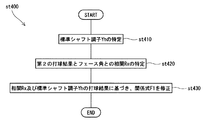
図12及び図13は、図8から図11に係る上記実施形態を示すフローチャートである。これらのフローチャートを参照しつつ、上記実施形態が、ステップごとに、説明される。 12 and 13 are flowcharts showing the embodiment according to FIGS. 8 to 11. The above embodiment will be described step by step with reference to these flowcharts.
図12が示すように、上記実施形態では、第1の打球結果が選択される(ステップsp100)。上記実施形態では、第1の打球結果としてボールの方向(左右ズレ)が選択されている。 As shown in FIG. 12, in the above embodiment, the first hitting result is selected (step sp100). In the above embodiment, the direction (left / right deviation) of the ball is selected as the first hitting result.
次に、ステップsp100で選択された第1の打球結果に基づき、関係式F1が作成される(ステップsp200)。上記実施形態では、このステップsp200の関係式F1が、上記直線LF1の式である。 Next, a relational expression F1 is created based on the first hitting result selected at step sp100 (step sp200). In the above embodiment, the relational expression F1 of this step sp200 is the expression of the straight line LF1.
次に、第2の打球結果が選択される(ステップsp300)。上記実施形態では、第2の打球結果として、飛距離に関する結果が選択されている。上記実施形態では、飛距離に関する結果として、飛距離比率が採用されている。 Next, the second hit result is selected (step sp300). In the above embodiment, the result regarding the flight distance is selected as the second hitting result. In the above embodiment, the flight distance ratio is adopted as a result of the flight distance.
次に、第2の打球結果(飛距離比率)に基づき、上記関係式F1(直線LF1の式)が修正される(ステップsp400)。上記実施形態では、この修正された関係式F1が、直線LF2の式である。このようにして、修正された関係式F1としての、直線LF2が完成する(ステップsp500)。 Next, the relational expression F1 (formula of the straight line LF1) is corrected based on the second hitting result (flying distance ratio) (step sp400). In the above embodiment, the modified relational expression F1 is an expression of the straight line LF2. In this way, the straight line LF2 as the corrected relational expression F1 is completed (step sp500).
図13は、上記ステップsp400(修正ステップ)の詳細を示すフローチャートである。この修正ステップでは、標準シャフト調子Yhが特定される(ステップsp410)。上記実施形態では、標準シャフト調子Yhとして、「調子率46%」が採用されている。 FIG. 13 is a flowchart showing details of step sp400 (correction step). In this correction step, the standard shaft tone Yh is specified (step sp410). In the above-described embodiment, “a tone ratio of 46%” is adopted as the standard shaft tone Yh.
次に、第2の打球結果とフェース角との相関Rxが特定される(ステップsp420)。上記実施形態では、この相関Rxは、図11のグラフで示されている。なお、上記相関Rxは、相関Rのうち、関係式F1の修正に用いられるものを指す。 Next, the correlation Rx between the second hit result and the face angle is specified (step sp420). In the above embodiment, this correlation Rx is shown in the graph of FIG. The correlation Rx indicates the correlation R used for correcting the relational expression F1.
次に、上記相関Rxに基づき、関係式F1が修正される(ステップsp430)。上述の通り、この修正では、標準シャフト調子Yhでの打球結果(第2の打球結果)が考慮される。上記実施形態では、上記相関Rxに基づく点P4が求められ、この点P4に基づき、直線LF1の関係式が修正されている。この修正により、直線LF2が得られている。 Next, the relational expression F1 is corrected based on the correlation Rx (step sp430). As described above, in this correction, the hitting result (second hitting result) at the standard shaft tone Yh is taken into consideration. In the embodiment, the point P4 based on the correlation Rx is obtained, and the relational expression of the straight line LF1 is corrected based on the point P4. By this correction, a straight line LF2 is obtained.
このステップsp400では、標準シャフト調子Yh(調子率46%)において、上記第2の打球結果が好ましくなるように、上記関係式F1(直線LF1の式)が修正されている。第2の打球結果の好ましさを関係式F1に反映させる目的で、上記相関Rxが用いられている。即ち、上記ステップsp430では、標準シャフト調子Yh(46%)において、第2の打球結果(飛距離比率)が好ましくなるように、修正がなされている。
In this step sp400, the relational expression F1 (formula of the straight line LF1) is corrected so that the second hitting result is preferable at the standard shaft tone Yh (
以上のように、上記関係式F1には、標準シャフト調子Yhにおける好ましい打球結果が反映されている。この反映により、上記関係式F1と好ましい打球結果との相関が高まる。よって、フィッティングの精度が向上しうる。 As described above, a preferable hitting result in the standard shaft condition Yh is reflected in the relational expression F1. By this reflection, the correlation between the relational expression F1 and a preferable hitting result is increased. Therefore, fitting accuracy can be improved.
以下では、関係式F1について、より詳細に説明する。 Hereinafter, the relational expression F1 will be described in more detail.
上述した通り、関係式F1は一次式の他、二次式や多項式等が用いられ得る。ここでは、一次式の場合について、説明する。 As described above, the relational expression F1 can be a linear expression, a polynomial expression, or the like in addition to the linear expression. Here, the case of the primary expression will be described.
上述した通り、一次の関係式F1は、次の式1で表される。
Y = A1・X + B ・・・ (式1)
As described above, the primary relational expression F1 is expressed by the following expression 1.
Y = A1 · X + B (Formula 1)
被験者がテストクラブ(シャフトの調子率D1)を使用したときのフェース角XがXd1とすると、被験者に推奨される調子率Y1は、上記(式1)に基づき、次のように求められる。
Y1 = A1・Xd1 + B
If the face angle X when the subject uses the test club (shaft tone rate D1) is Xd1, the tone rate Y1 recommended for the subject is obtained as follows based on the above (Formula 1).
Y1 = A1 · Xd1 + B
好ましくは、この(式1)には、標準シャフト調子Yhにおける好ましい打球結果が反映されている。この反映された関係式F1が、以下において関係式F1pとも称される。関係式F1pの一例は、上記直線LF2の式である。関係式F1pは、標準シャフト調子Yhによって好適化された関係式F1であると言える。よってこの関係式F1pは、テストクラブの調子率D1が標準シャフト調子Yhと一致する場合に、特に良好な精度を示す。 Preferably, (Equation 1) reflects a preferable hitting result in the standard shaft tone Yh. The reflected relational expression F1 is also referred to as relational expression F1p below. An example of the relational expression F1p is the expression of the straight line LF2. It can be said that the relational expression F1p is the relational expression F1 optimized by the standard shaft condition Yh. Therefore, this relational expression F1p shows particularly good accuracy when the tone rate D1 of the test club matches the standard shaft tone Yh.
フィッティングの際に使用されるシャフトの調子率に関わらず、この関係式F1pが用いられても良い。ただし、この関係式F1pは、前述した通り、テストクラブの調子率D1が標準シャフト調子Yhと一致する場合に特に好ましい。そこで、フィッティングの際に使用されるクラブの調子率に基づいて、この関係式F1pが補正されるのが好ましい。 This relational expression F1p may be used regardless of the tone ratio of the shaft used for fitting. However, this relational expression F1p is particularly preferable when the tone rate D1 of the test club matches the standard shaft tone Yh as described above. Therefore, it is preferable that this relational expression F1p is corrected based on the tone rate of the club used at the time of fitting.
この補正された関係式F1は、以下の式2で表される。
Y = A1・X + B +(D1 − Yh)・・・(式2)
The corrected relational expression F1 is expressed by the following
Y = A1.X + B + (D1-Yh) (Formula 2)
この補正された関係式F1により、テストクラブのシャフトの調子率D1が、標準シャフト調子Yhとは異なる場合であっても、推奨される調子率が、精度良く求められ得る。 By this corrected relational expression F1, even if the shaft tone rate D1 of the test club is different from the standard shaft tone Yh, the recommended tone rate can be obtained with high accuracy.
この式2の関係式F1では、測定された上記フェース角Xが第1の入力変数とされ、上記テストクラブのシャフト調子D1と標準シャフト調子Yhとの関係を示す値が第2の入力変数とされている。この式2の関係式F1では、上記被験者に適合する上記シャフト調子Yが結果変数とされている。このような関係式F1により、フィッティングの際に使用されるシャフトの調子に関わらず、フィッティングの精度が高まる。
In the relational expression F1 of
上記の実施形態では、上記関係Cとして、関係式F1が用いられた。関係Cは、関係式でなくてもよい。関係式ではない関係Cの例は、後述される。 In the above embodiment, the relational expression F1 is used as the relation C. The relation C may not be a relational expression. An example of the relation C that is not a relational expression will be described later.
上記関係Cは、上記フェース角Xと上記シャフト調子Yとの関係である。フェース角Xに加えて、他の要素が考慮されてもよい。例えば、上記関係Cが、上記フェース角X及び入射角と上記シャフト調子Yとの関係であってもよい。上記関係式F1が、上記フェース角X及び入射角と上記シャフト調子Yとの関係式であってもよい。この入射角は、インパクト前におけるヘッド軌道の方向を示す。この入射角の例として、上方から見たときのヘッド軌道の角度が挙げられる。 The relationship C is a relationship between the face angle X and the shaft tone Y. In addition to the face angle X, other factors may be considered. For example, the relationship C may be a relationship between the face angle X and the incident angle and the shaft tone Y. The relational expression F1 may be a relational expression between the face angle X and the incident angle and the shaft tone Y. This incident angle indicates the direction of the head trajectory before impact. An example of this incident angle is the angle of the head trajectory when viewed from above.
以下、実施例によって本発明の効果が明らかにされるが、この実施例の記載に基づいて本発明が限定的に解釈されるべきではない。 Hereinafter, the effects of the present invention will be clarified by examples. However, the present invention should not be construed in a limited manner based on the description of the examples.
[調子率]
一般に、先端側がしなりやすいシャフトは先調子と称される。また一般に、後端側がしなりやすいシャフトは元調子と称される。この先調子、中調子及び元調子という称呼は、シャフトの特性を示す指標として、市場において知られている。ただし、先調子、中調子及び元調子の基準は、当業者において必ずしも統一されていない。調子について、複数の基準が存在しているのが現状である。
[Tone rate]
In general, a shaft that tends to bend on the tip side is called a pointed tone. In general, a shaft that tends to bend on the rear end side is called original tone. The names “first tone”, “middle tone” and “original tone” are known in the market as an index indicating the characteristics of the shaft. However, the standards of the first tone, the middle tone, and the original tone are not necessarily unified by those skilled in the art. Currently, there are multiple standards for the condition.
この実施例では、以下の式で求められる調子率C1を求めている。この実施例では、この調子率C1が45%以下の場合、元調子と判断される。調子率C1が45%を超え47%未満の場合、中調子と判断される。調子率C1が47%以上の場合、先調子と判断される。
C1=[F2/(F1+F2)]×100
ただし、F1は順式フレックス(mm)である。F2は逆式フレックス(mm)である。
In this embodiment, the tone rate C1 obtained by the following equation is obtained. In this embodiment, when the tone rate C1 is 45% or less, it is determined that the tone is original. When the tone rate C1 exceeds 45% and is less than 47%, it is determined that the tone is medium. When the tone rate C1 is 47% or more, it is determined that the tone is ahead.
C1 = [F2 / (F1 + F2)] × 100
However, F1 is a forward flex (mm). F2 is an inverse flex (mm).
[順式フレックスF1の測定]
図14(a)は、順式フレックスF1の測定方法を説明するための図である。図14(a)が示すように、シャフト後端Btから75mmの位置に、第一支持点50を設定した。更に、シャフト後端Btから215mmの位置に、第二支持点52を設定した。第一支持点50には、シャフトを上方から支持する支持体54を設けた。第二支持点52には、シャフトを下方から支持する支持体56を設けた。荷重のない状態において、シャフト20のシャフト軸線は略水平とされた。シャフト後端Btから1039mmである荷重点m1に、2.7kgの荷重を鉛直下向きに作用させた。荷重のない状態から、荷重をかけた状態までの荷重点m1の移動距離(mm)が、順式フレックスF1とされた。この移動距離は、鉛直方向に沿った移動距離である。
[Measurement of forward flex F1]
FIG. 14A is a diagram for explaining a method of measuring the forward flex F1. As shown in FIG. 14A, the
なお、支持体54の、シャフトと当接する部分(以下、当接部分という)の断面形状は、次の通りである。シャフト軸方向に対して平行な断面において、支持体54の当接部分の断面形状は、凸状の丸みを有する。この丸みの曲率半径は、15mmである。シャフト軸方向に対して垂直な断面において、支持体54の当接部分の断面形状は、凹状の丸みを有する。この凹状の丸みの曲率半径は、40mmである。シャフト軸方向に対して垂直な断面において、支持体54の当接部分の水平方向長さ(図14における奥行き方向長さ)は、15mmである。支持体56の当接部分の断面形状は、支持体54のそれと同一である。荷重点m1において2.7kgの荷重を与える荷重圧子(図示省略)の当接部分の断面形状は、シャフト軸方向に対して平行な断面において、凸状の丸みを有する。この丸みの曲率半径は、10mmである。荷重点m1において2.7kgの荷重を与える荷重圧子(図示省略)の当接部分の断面形状は、シャフト軸方向に対して垂直な断面において、直線である。この直線の長さは、18mmである。このようにして、順式フレックスF1が測定された。
In addition, the cross-sectional shape of the part (henceforth a contact part) contact | abutted with the shaft of the
[逆式フレックスF2の測定]
逆式フレックスの測定方法が、図14(b)で示される。第一支持点50がシャフト先端Tpから12mm隔てた点とされ、第二支持点52がシャフト先端Tpから152mm隔てた点とされ、荷重点m2がシャフト先端Tpから932mm隔てた点とされ、荷重が1.3kgとされた以外は順式フレックスF1と同様にして、逆式フレックスF2が測定された。
[Measurement of reverse flex F2]
A method for measuring the inverse flex is shown in FIG. The
[実施例1]
32名のゴルファーのスイングが計測された。この32名のゴルファーは、平均スコアが72から95までの上級者である。ゴルファーが、先調子のシャフトを備えるゴルフクラブ、中調子のシャフトを備えるゴルフクラブ及び元調子のシャフトを備えるゴルフクラブそれぞれで、各8球のボールを打った。8球のデータの平均値が用いられた。
[Example 1]
The swings of 32 golfers were measured. These 32 golfers are advanced players with average scores from 72 to 95. A golfer hit a ball of 8 balls in each of a golf club having a first tone shaft, a golf club having a middle tone shaft, and a golf club having a former tone shaft. The average value of 8 ball data was used.
図15には、打球結果としてのボールの飛距離比率と、インパクト前のフェース角との関係が、調子率毎に示されている。ここでは、ゴルフクラブ36(中調子)のフェース角平均が横軸とされる。このフェース角は、インパクト前のヘッドを上方から見たときの角度である。横軸は、ゴルファー毎のインパクト前のフェース角の平均値である。この平均値は、ゴルファーそれぞれがテストクラブをスイングした計測データから得られている。ここでは、テストクラブのシャフトの物性の値は、中調子である。 FIG. 15 shows the relationship between the ball flight distance ratio as a hitting result and the face angle before impact for each tone rate. Here, the average of the face angles of the golf club 36 (medium tone) is taken as the horizontal axis. This face angle is an angle when the head before impact is viewed from above. The horizontal axis represents the average face angle before impact for each golfer. This average value is obtained from measurement data obtained by swinging a test club by each golfer. Here, the value of the physical property of the shaft of the test club is a medium tone.
図15の実線LF3は、中調子のゴルフクラブの一次関数が示されている。図15の2点鎖線LF4は、先調子のゴルフクラブの一次関数が示されている。図15の1点鎖線LF5は、元調子のゴルフクラブの一次関数が示されている。先調子のゴルフクラブ及び元調子のゴルフクラブの一次関数は、最小二乗法による回帰分析により得られている。 A solid line LF3 in FIG. 15 shows a linear function of a medium-tone golf club. A two-dot chain line LF4 in FIG. 15 represents a linear function of the golf club having the first tone. A one-dot chain line LF5 in FIG. 15 indicates a linear function of the original tone golf club. The linear functions of the first-tone golf club and the original-tone golf club are obtained by regression analysis using the least square method.
この図15では、先調子及び元調子で求められた関数において、平均フェース角Xが異なれば、飛距離比率Yが異なるか否かが判定される。例えば、この一次関数であれば、この関係式が傾きを持つ関数か否かが判定される。先調子及び元調子で求められた関数が傾きを持つとき、このフェース角を説明変数として飛距離を目的変数としたときに、このフェース角と飛距離とが統計上有意な関係にあると判定できる。 In FIG. 15, if the average face angle X is different in the functions obtained in the previous tone and the original tone, it is determined whether or not the flight distance ratio Y is different. For example, in the case of this linear function, it is determined whether or not this relational expression is a function having a slope. When the function obtained in the previous tone and the original tone has a slope, it is determined that the face angle and the flight distance are statistically significant when the face angle is an explanatory variable and the flight distance is an objective variable. it can.
先調子で求められた関数の傾きと元調子で求められた関数の傾きとが異なるとき、飛距離を目的変数とし、フェース角とシャフトの調子率を説明変数としたときに、このフェース角及び調子率と飛距離とが統計上有意な関係にあると判定する。フェース角と調子率とが交互作用の関係にあると判定する。こうして、統計上有意な関係にあるか否かが判定される。例えば、フェース角とシャフトの調子と積が20%水準で有意であるかを判定基準とする。より、好ましくは、この積が10%水準で有意であるかを判断基準とする。 When the slope of the function obtained in the previous tone is different from the slope of the function obtained in the original tone, when the flight distance is an objective variable and the face angle and the shaft tone rate are explanatory variables, the face angle and It is determined that the tone rate and the flight distance are statistically significant. It is determined that the face angle and the tone rate are in an interactive relationship. In this way, it is determined whether or not there is a statistically significant relationship. For example, whether or not the face angle and the tone and product of the shaft are significant at the 20% level is used as a criterion. More preferably, the criterion is whether this product is significant at the 10% level.
この図15では、先調子のゴルフクラブで求められた一次関数の傾きは、0.004163である。元調子のゴルフクラブで求められた一次関数の傾きは、−0.001642である。これらの傾きがテストクラブ(中調子)に対して傾いている。このフェース角を説明変数として飛距離を目的変数としたときに、このフェース角と飛距離とが統計上有意な関係にある。飛距離を目的変数とし、フェース角とシャフトの調子率を説明変数として、統計上有意な関係にあると判定される。フェース角とシャフトの調子率とには交互作用があると判定される。よって、フェース角は、打球結果としての飛距離に寄与している。この結果は、本発明の有効性を示している。このLF3、LF4及びLF5は、関係式F1の一例である。 In FIG. 15, the slope of the linear function obtained for the first-tone golf club is 0.004163. The slope of the linear function obtained for the original golf club is -0.001642. These inclinations are inclined with respect to the test club (medium tone). When the face angle is an explanatory variable and the flight distance is an objective variable, the face angle and the flight distance are statistically significant. It is determined that there is a statistically significant relationship with the flight distance as an objective variable and the face angle and shaft tone rate as explanatory variables. It is determined that there is an interaction between the face angle and the shaft tone rate. Therefore, the face angle contributes to the flight distance as a hitting result. This result shows the effectiveness of the present invention. LF3, LF4, and LF5 are examples of the relational expression F1.
[実施例2]
実施例1で取得した計測データを用いた。図8から図13で示したフィッティング方法と同様にして、上記(式1)に相当する関係式F1を得た。この関係式F1は、以下の(式3)の通りであった。
Y=0.8648・X+40.867 ・・・ (式3)
[Example 2]
The measurement data acquired in Example 1 was used. Similar to the fitting method shown in FIGS. 8 to 13, a relational expression F1 corresponding to the above (Expression 1) was obtained. This relational expression F1 was as follows (Formula 3).
Y = 0.8648 · X + 40.867 (Formula 3)
前述の通り、この実施例2では、標準シャフト調子Yhが46%である。この式3は、テストクラブの調子率が46%であるときに、特に好ましく利用される。即ち、テストクラブの調子率が46%であるとき、測定されたフェース角Xをこの式3に代入することで、被験者にとって好適な調子率Yが精度よく得られる。
As described above, in the second embodiment, the standard shaft tone Yh is 46%.
この式3は、上記式2と同様にして、一般化された。この一般化された式4は、次の通りである。ただし、D1は、テストクラブに装着されたシャフトの調子率である。
Y=0.8648・X+40.867+(D1−46) ・・・ (式4)
Y = 0.8648 · X + 40.867 + (D1-46) (Formula 4)
式4が示すように、テストクラブの調子率D1に関わらず、被験者に適した調子率Yが算出されうる。
As
これら式3及び式4の結果に基づく場合、好ましい態様として、以下が挙げられる。
When based on the results of these
テストクラブの調子率がα%であり、測定されたフェース角Xが3度以下である場合、推奨される調子率は、(α−2)%以下であるのが好ましい。このフェース角Xと調子率との関係は、上記関係Cの一例である。 When the tone rate of the test club is α% and the measured face angle X is 3 ° or less, the recommended tone rate is preferably (α−2)% or less. The relationship between the face angle X and the tone rate is an example of the relationship C.
テストクラブの調子率がα%であり、測定されたフェース角Xが5度以上7度以下である場合、推奨される調子率は、(α−1)%以上α%以下であるのが好ましい。このフェース角Xと調子率との関係は、上記関係Cの一例である。 When the tone rate of the test club is α% and the measured face angle X is 5 degrees or more and 7 degrees or less, the recommended tone ratio is preferably (α−1)% or more and α% or less. . The relationship between the face angle X and the tone rate is an example of the relationship C.
テストクラブの調子率がα%であり、測定されたフェース角Xが9度以上である場合、推奨される調子率は、(α+1)%以上であるのが好ましい。このフェース角Xと調子率との関係は、上記関係Cの一例である。このように、本発明において、上記関係Cは、上記関係式F1のような関係式に限定されない。 When the tone rate of the test club is α% and the measured face angle X is 9 ° or more, the recommended tone rate is preferably (α + 1)% or more. The relationship between the face angle X and the tone rate is an example of the relationship C. Thus, in the present invention, the relation C is not limited to the relational expression like the relational expression F1.
2・・・フィッティング装置
4・・・正面カメラ
6・・・上方カメラ
8・・・センサー
10・・・制御装置
12・・・情報処理装置
14・・・発光器
16・・・受光器
18・・・情報入力部
20・・・キーボード
22・・・マウス
24・・・ディスプレイ
26・・・インターフェースボード
28・・・メモリ
30・・・CPU
32・・・ハードディスク
34・・・ボール
36・・・ゴルフクラブ
38・・・ヘッド
40・・・シャフト
42・・・グリップ
44・・・スイング解析装置
46・・・制御装置
48・・・情報処理装置
50・・・第一支持点
52・・・第二支持点
54・・・支持体
56・・・支持体
2 ...
32 ...
Claims (2)
テストクラブを用いて、インパクト前又はインパクトにおける被験者のフェース角Xを測定するステップと、
測定された上記フェース角X及び上記関係式F1に基づき被験者に適合したシャフトを選択するステップと、
を含み、
上記関係式F1が、インパクト前又はインパクトでのフェース角と打球結果との相関Rを用いて作成されており、この相関Rが、上記シャフト調子Yが異なる複数のゴルフクラブでの打球結果に基づいており、
上記関係式F1が、上記フェース角Xが大きいほど上記シャフト調子Yが先調子となるような関係式であるゴルフクラブのフィッティング方法。 Preparing a relational expression F1 between the shaft tone Y and the face angle X before or at the impact;
Measuring the face angle X of the subject before or at the impact using the test club;
Selecting a shaft suitable for the subject based on the measured face angle X and the relational expression F1 ;
Including
The relationship F1 is, are prepared using the correlation R between the face angle and hitting result at pre-impact or impact, the correlation R is, based on the hitting result in a plurality of golf clubs in which the kick Y are different and,
A golf club fitting method in which the relational expression F1 is a relational expression in which the shaft tone Y becomes a leading tone as the face angle X increases .
Priority Applications (2)
| Application Number | Priority Date | Filing Date | Title |
|---|---|---|---|
| JP2010246234A JP5588829B2 (en) | 2010-11-02 | 2010-11-02 | Golf club fitting method |
| US13/276,719 US8574100B2 (en) | 2010-11-02 | 2011-10-19 | Method for fitting golf club |
Applications Claiming Priority (1)
| Application Number | Priority Date | Filing Date | Title |
|---|---|---|---|
| JP2010246234A JP5588829B2 (en) | 2010-11-02 | 2010-11-02 | Golf club fitting method |
Publications (2)
| Publication Number | Publication Date |
|---|---|
| JP2012095844A JP2012095844A (en) | 2012-05-24 |
| JP5588829B2 true JP5588829B2 (en) | 2014-09-10 |
Family
ID=45997326
Family Applications (1)
| Application Number | Title | Priority Date | Filing Date |
|---|---|---|---|
| JP2010246234A Active JP5588829B2 (en) | 2010-11-02 | 2010-11-02 | Golf club fitting method |
Country Status (2)
| Country | Link |
|---|---|
| US (1) | US8574100B2 (en) |
| JP (1) | JP5588829B2 (en) |
Families Citing this family (9)
| Publication number | Priority date | Publication date | Assignee | Title |
|---|---|---|---|---|
| US9283464B2 (en) * | 2007-08-03 | 2016-03-15 | Lynqs, Inc. | Golf gaming systems and methods |
| JP6146943B2 (en) * | 2010-06-08 | 2017-06-14 | ダンロップスポーツ株式会社 | Golf club fitting method, apparatus and analysis method thereof |
| US10806979B2 (en) * | 2012-04-27 | 2020-10-20 | Sumitomo Rubber Industries, Ltd. | Fitting method of golf club |
| JP5882826B2 (en) * | 2012-04-27 | 2016-03-09 | ダンロップスポーツ株式会社 | Golf club fitting method |
| JP6102110B2 (en) * | 2012-07-27 | 2017-03-29 | ヤマハ株式会社 | Fitting support system for supporting golf club fitting, and golf club |
| JP6173776B2 (en) | 2013-05-31 | 2017-08-02 | ブリヂストンスポーツ株式会社 | Selection support apparatus and selection support method |
| JP6144538B2 (en) | 2013-05-31 | 2017-06-07 | ブリヂストンスポーツ株式会社 | Selection support apparatus and selection support method |
| US9950237B2 (en) | 2015-04-23 | 2018-04-24 | Dunlop Sports Co., Ltd. | System, method, and apparatus for monitoring sporting apparatus and users thereof |
| JP6737051B2 (en) * | 2016-08-05 | 2020-08-05 | 住友ゴム工業株式会社 | Golf club shaft |
Family Cites Families (11)
| Publication number | Priority date | Publication date | Assignee | Title |
|---|---|---|---|---|
| JPH04224778A (en) * | 1990-12-27 | 1992-08-14 | Fujitsu Ltd | Sporting goods selecting device |
| US5419562A (en) * | 1993-08-10 | 1995-05-30 | Cromarty; John I. | Method and apparatus for analyzing movements of an individual |
| CA2178215A1 (en) * | 1994-10-17 | 1996-04-25 | Takeshi Naruo | Apparatus for selecting shaft having optimum flex for golfer |
| US6083123A (en) * | 1997-02-11 | 2000-07-04 | Zevo Golf Co., Inc. | Method for fitting golf clubs for golfers |
| JP2005312734A (en) * | 2004-04-30 | 2005-11-10 | Mizuno Corp | Golf club selection device, golf club selection method, golf swing analysis device, and golf swing analysis method |
| JP4184363B2 (en) | 2004-10-20 | 2008-11-19 | 横浜ゴム株式会社 | Golf club selection method |
| JP2006247023A (en) * | 2005-03-09 | 2006-09-21 | Yokohama Rubber Co Ltd:The | Golf club information providing system, method and program |
| JP4373991B2 (en) * | 2005-03-18 | 2009-11-25 | 美津濃株式会社 | Golf club shaft selection system and golf club shaft selection method |
| US20090326688A1 (en) * | 2008-02-01 | 2009-12-31 | Nike, Inc. | Systems and Methods for Fitting Golfers with Golf Clubs |
| JP5584961B2 (en) * | 2008-08-11 | 2014-09-10 | 横浜ゴム株式会社 | Golf club trial hitting system and golf club trial hitting method |
| JP5434540B2 (en) * | 2008-12-04 | 2014-03-05 | 横浜ゴム株式会社 | How to select a golf club |
-
2010
- 2010-11-02 JP JP2010246234A patent/JP5588829B2/en active Active
-
2011
- 2011-10-19 US US13/276,719 patent/US8574100B2/en not_active Expired - Fee Related
Also Published As
| Publication number | Publication date |
|---|---|
| US20120108364A1 (en) | 2012-05-03 |
| JP2012095844A (en) | 2012-05-24 |
| US8574100B2 (en) | 2013-11-05 |
Similar Documents
| Publication | Publication Date | Title |
|---|---|---|
| JP5588829B2 (en) | Golf club fitting method | |
| JP5761961B2 (en) | Golf club fitting method, apparatus and analysis method thereof | |
| JP6146943B2 (en) | Golf club fitting method, apparatus and analysis method thereof | |
| US7273427B2 (en) | Method and system for selecting a golf club | |
| US8475300B2 (en) | Method of evaluating a golf club | |
| JP5434540B2 (en) | How to select a golf club | |
| JP5882826B2 (en) | Golf club fitting method | |
| CN103372288B (en) | The suitable choosing method of golf clubs | |
| JP5584961B2 (en) | Golf club trial hitting system and golf club trial hitting method | |
| JP5424943B2 (en) | Method for evaluating the ease of swinging sports hitting tools | |
| CN103857445A (en) | Measuring system, method and device for measuring deformation of golf club | |
| KR20130111382A (en) | Golf club shaft fitting method | |
| US9233291B2 (en) | Measuring apparatus for golf club | |
| US20040127303A1 (en) | Method of selecting a golf club | |
| JP4028771B2 (en) | Method for measuring impact state of golf swing | |
| JP5588828B2 (en) | Selection method for golf clubs | |
| JP5034731B2 (en) | Evaluation method of swing | |
| CN113260424B (en) | Swing trajectory calculation method of golf club using radar sensing data, radar sensing apparatus using the same, and computer-readable recording medium recording the same | |
| JP4118118B2 (en) | Plot method of test hit mark, flight distance chart, and golf club selection support device using flight distance chart | |
| JP6440758B2 (en) | Golf club fitting method, apparatus and analysis method thereof | |
| JP2007167568A (en) | Iron sole shape design method and system therefor | |
| JP5941333B2 (en) | Golf club fitting method | |
| JP5953115B2 (en) | Golf club shaft fitting method | |
| JP3013986B2 (en) | Golf club head speed measuring method and apparatus | |
| JP2024056297A (en) | Method for classifying swing types, method for selecting golf clubs, and golf clubs |
Legal Events
| Date | Code | Title | Description |
|---|---|---|---|
| A621 | Written request for application examination |
Free format text: JAPANESE INTERMEDIATE CODE: A621 Effective date: 20130920 |
|
| A977 | Report on retrieval |
Free format text: JAPANESE INTERMEDIATE CODE: A971007 Effective date: 20140214 |
|
| A131 | Notification of reasons for refusal |
Free format text: JAPANESE INTERMEDIATE CODE: A131 Effective date: 20140304 |
|
| A521 | Request for written amendment filed |
Free format text: JAPANESE INTERMEDIATE CODE: A523 Effective date: 20140328 |
|
| A521 | Request for written amendment filed |
Free format text: JAPANESE INTERMEDIATE CODE: A523 Effective date: 20140402 |
|
| TRDD | Decision of grant or rejection written | ||
| A01 | Written decision to grant a patent or to grant a registration (utility model) |
Free format text: JAPANESE INTERMEDIATE CODE: A01 Effective date: 20140708 |
|
| A61 | First payment of annual fees (during grant procedure) |
Free format text: JAPANESE INTERMEDIATE CODE: A61 Effective date: 20140728 |
|
| R150 | Certificate of patent or registration of utility model |
Ref document number: 5588829 Country of ref document: JP Free format text: JAPANESE INTERMEDIATE CODE: R150 |
|
| R250 | Receipt of annual fees |
Free format text: JAPANESE INTERMEDIATE CODE: R250 |
|
| R250 | Receipt of annual fees |
Free format text: JAPANESE INTERMEDIATE CODE: R250 |
|
| R250 | Receipt of annual fees |
Free format text: JAPANESE INTERMEDIATE CODE: R250 |
|
| R250 | Receipt of annual fees |
Free format text: JAPANESE INTERMEDIATE CODE: R250 |
|
| R250 | Receipt of annual fees |
Free format text: JAPANESE INTERMEDIATE CODE: R250 |
|
| R250 | Receipt of annual fees |
Free format text: JAPANESE INTERMEDIATE CODE: R250 |
|
| R250 | Receipt of annual fees |
Free format text: JAPANESE INTERMEDIATE CODE: R250 |
|
| R250 | Receipt of annual fees |
Free format text: JAPANESE INTERMEDIATE CODE: R250 |
|
| R250 | Receipt of annual fees |
Free format text: JAPANESE INTERMEDIATE CODE: R250 |