JP4644619B2 - Base station apparatus, terminal and bandwidth control method - Google Patents
Base station apparatus, terminal and bandwidth control method Download PDFInfo
- Publication number
- JP4644619B2 JP4644619B2 JP2006085782A JP2006085782A JP4644619B2 JP 4644619 B2 JP4644619 B2 JP 4644619B2 JP 2006085782 A JP2006085782 A JP 2006085782A JP 2006085782 A JP2006085782 A JP 2006085782A JP 4644619 B2 JP4644619 B2 JP 4644619B2
- Authority
- JP
- Japan
- Prior art keywords
- terminal
- base station
- modulation
- station apparatus
- bandwidth
- Prior art date
- Legal status (The legal status is an assumption and is not a legal conclusion. Google has not performed a legal analysis and makes no representation as to the accuracy of the status listed.)
- Expired - Fee Related
Links
Images




Classifications
-
- H—ELECTRICITY
- H04—ELECTRIC COMMUNICATION TECHNIQUE
- H04L—TRANSMISSION OF DIGITAL INFORMATION, e.g. TELEGRAPHIC COMMUNICATION
- H04L1/00—Arrangements for detecting or preventing errors in the information received
- H04L1/0001—Systems modifying transmission characteristics according to link quality, e.g. power backoff
- H04L1/0002—Systems modifying transmission characteristics according to link quality, e.g. power backoff by adapting the transmission rate
- H04L1/0003—Systems modifying transmission characteristics according to link quality, e.g. power backoff by adapting the transmission rate by switching between different modulation schemes
-
- H—ELECTRICITY
- H04—ELECTRIC COMMUNICATION TECHNIQUE
- H04L—TRANSMISSION OF DIGITAL INFORMATION, e.g. TELEGRAPHIC COMMUNICATION
- H04L1/00—Arrangements for detecting or preventing errors in the information received
- H04L1/0001—Systems modifying transmission characteristics according to link quality, e.g. power backoff
- H04L1/0023—Systems modifying transmission characteristics according to link quality, e.g. power backoff characterised by the signalling
- H04L1/0026—Transmission of channel quality indication
Landscapes
- Engineering & Computer Science (AREA)
- Quality & Reliability (AREA)
- Computer Networks & Wireless Communication (AREA)
- Signal Processing (AREA)
- Mobile Radio Communication Systems (AREA)
- Small-Scale Networks (AREA)
- Data Exchanges In Wide-Area Networks (AREA)
Description
この発明は、基地局装置、端末および帯域制御方法に関し、特に通信品質に応じて変調方式が切り替わる適応変調方式を用いた通信システムにおいて帯域保証通信を実現可能な基地局装置、端末および帯域制御方法に関する。 The present invention relates to a base station apparatus, a terminal, and a band control method, and in particular, a base station apparatus, a terminal, and a band control method capable of realizing band-guaranteed communication in a communication system using an adaptive modulation scheme in which a modulation scheme is switched according to communication quality. About.
一般に、無線通信システムにおいては、端末の位置が無線基地局に近いほど、端末における受信電波強度やSINR(信号対干渉、雑音電力比)やCINR(搬送波対干渉、雑音電力比)などの無線チャネルの品質が良好となる。適応変調方式を用いた通信システムでは、無線チャネルの品質に応じて変調方式が動的に切り替わる。 In general, in a radio communication system, the closer the position of a terminal is to a radio base station, the radio channel such as the received radio wave intensity, SINR (signal to interference, noise power ratio), and CINR (carrier to interference, noise power ratio) at the terminal The quality will be good. In a communication system using an adaptive modulation scheme, the modulation scheme is dynamically switched according to the quality of the radio channel.
例えば、無線チャネルの品質が良好である場合には、伝送エラーによる再送が起こり難いので、64QAMや16QAMなどの変調速度の速い変調方式が用いられる。一方、無線チャネルの品質が悪い場合には、変調速度は遅いが、伝送エラーに対する耐性がより強いQPSKやBPSKなどの変調方式が用いられる。無線基地局は、各端末宛のパケットを送信するため、無線リソースの割り当てスケジューリングを行う。このスケジューリングと、各端末に対して用いる64QAMや16QAMなどの変調方式によって、各端末のコネクションのスループットが決まる。 For example, when the quality of the radio channel is good, retransmission due to a transmission error is unlikely to occur, so a modulation scheme with a high modulation speed such as 64QAM or 16QAM is used. On the other hand, when the quality of the radio channel is poor, a modulation scheme such as QPSK or BPSK, which has a slower modulation speed but is more resistant to transmission errors, is used. The radio base station performs radio resource allocation scheduling in order to transmit a packet addressed to each terminal. Through this scheduling and a modulation scheme such as 64QAM or 16QAM used for each terminal, the connection throughput of each terminal is determined.
適応変調方式を用いた無線通信システムとして、HSDPA(High Speed Downlink Packet Access)が公知である(例えば、非特許文献1参照。)。HSDPAについては、移動通信システムに関する標準化団体である3GPPにより規格化されている。HSDPAでは、ユーザコネクションのトラフィックは、全てベストエフォートとして扱われる。そして、無線基地局からユーザ宛の下りパケットは、無線基地局において適応変調方式を用いてスケジューリングされ、送信される。 As a wireless communication system using an adaptive modulation method, HSDPA (High Speed Downlink Packet Access) is known (for example, see Non-Patent Document 1). HSDPA is standardized by 3GPP, which is a standardization organization for mobile communication systems. In HSDPA, all user connection traffic is treated as best effort. A downlink packet addressed to the user from the radio base station is scheduled and transmitted using an adaptive modulation scheme in the radio base station.
また、適応変調方式は、IEEEにおいて標準化が進められている802.16(いわゆる、WiMAX:Worldwide Interoperability for Microwave Access)にも採用されている。WiMAXは、ベストエフォートだけでなく、常にある一定の帯域を端末に割り当てる帯域保証通信などのQoS(Quality of Service)クラスにも対応している。また、WiMAXは、FWA(Fixed Wireless Access)向けの802.16d仕様とモバイル向けの802.16e仕様の両方を対象としている。 The adaptive modulation method is also used in 802.16 (so-called WiMAX: Worldwide Interoperability for Microwave Access), which is being standardized in IEEE. WiMAX supports not only best effort but also QoS (Quality of Service) class such as bandwidth guaranteed communication that always allocates a certain band to a terminal. WiMAX covers both the 802.16d specification for FWA (Fixed Wireless Access) and the 802.16e specification for mobile.
ベストエフォートのための優先制御スケジュールを行う方法が公知である。例えば、並列して入力される複数のパケットフローを該複数のパケットフロー毎の出力待ちパケット用バッファに格納するステップ、パケット優先度、伝送路品質及びバッファ監視手段より通知される待ち行列長の各条件のいずれか一つに基づいて、各パケットフローの出力優先順位を決定するステップ、割当て可能な無線リソースを推定するステップ、及び前記推定された割当て可能な無線リソースを前記パケット用バッファに格納されたパケットフローに対して割当てるステップ、を備えることを特徴とするパケット伝送のスケジューリング方法が公知である(例えば、特許文献1参照。)。 A method for performing a priority control schedule for best effort is known. For example, a step of storing a plurality of packet flows inputted in parallel in an output waiting packet buffer for each of the plurality of packet flows, each of packet priority, transmission path quality, and queue length notified from buffer monitoring means A step of determining an output priority of each packet flow based on any one of the conditions; a step of estimating an assignable radio resource; and the estimated assignable radio resource is stored in the packet buffer. There is a known packet transmission scheduling method comprising a step of assigning to a packet flow (see, for example, Patent Document 1).
また、ベストエフォートのための優先制御スケジュールを行う方法として、次の方法が公知である。例えば、基地局が端末装置から移動局に対して送信されたパケットを取得し、該パケットを前記移動局に送信する通信方法であって、前記パケットを前記端末装置から取得するステップと、該取得した前記パケットを前記移動局に送信する優先度を算出するステップと、該算出された前記パケットの優先度に重み付けを行うステップと、該重み付けがされた前記パケットの優先度に基づいて、前記パケットを前記移動局に送信するチャネルを割り当てるステップと、該割り当てられたチャネルで前記パケットを前記移動局に送信するステップとを有することを特徴とする通信方法が公知である(例えば、特許文献2参照。)。 The following method is known as a method for performing a priority control schedule for best effort. For example, a communication method in which a base station acquires a packet transmitted from a terminal device to a mobile station and transmits the packet to the mobile station, the step of acquiring the packet from the terminal device, and the acquisition A step of calculating a priority for transmitting the packet to the mobile station, a step of weighting the priority of the calculated packet, and the packet based on the priority of the weighted packet A communication method is known, which includes a step of allocating a channel for transmitting the packet to the mobile station and a step of transmitting the packet to the mobile station using the allocated channel (see, for example, Patent Document 2). .)
さらに、ベストエフォートのための優先制御スケジュールを行う方法として、次の方法が公知である。例えば、所定の伝送容量を有する複数のパケットフローを無線送信する無線送信装置と、該複数のパケットフローを無線受信する無線受信装置との間における、無線リソース制御方法であって、該無線送信装置が、多次元空間の要素を有する無線リソースを、該多次元空間の各基底に対応する複数の単位無線リソースに分割する分割ステップと、該無線送信装置が、該複数のパケットフローについて、該分割ステップにて分割された該複数の単位無線リソースのそれぞれに、伝送状態に基づいて決定した重み係数を重み付けした無線リソースを割り当てる割り当てステップとをそなえたことを特徴とする、無線リソース制御方法が公知である(例えば、特許文献3参照。)。 Further, the following method is known as a method for performing a priority control schedule for best effort. For example, a wireless resource control method between a wireless transmission device that wirelessly transmits a plurality of packet flows having a predetermined transmission capacity and a wireless reception device that wirelessly receives the plurality of packet flows, the wireless transmission device Dividing a radio resource having elements of a multidimensional space into a plurality of unit radio resources corresponding to the respective bases of the multidimensional space; and the radio transmission apparatus performs the division on the plurality of packet flows. A radio resource control method comprising: an allocation step of assigning radio resources weighted by weighting factors determined based on transmission states to each of the plurality of unit radio resources divided in step (For example, see Patent Document 3).
また、最低帯域保証の要求を考慮して優先制御スケジュールを行う方法として、次の方法が公知である。例えば、入力されるパケットに対して優先制御を行なうパケット優先制御方法であって、前記入力されるパケットを、各呼が要求する最低伝送レートにより、階層的に優先度の異なるグループに分類し、前記分類されたグループであって、以後、他の要素を考慮しないグループに対しては1つの待ち行列を形成し、別の要素を考慮するグループに対しては呼ごとに待ち行列を形成し、かつ該グループの優先度を、該呼ごとに形成される待ち行列の優先度として設定し、前記呼ごとに形成される待ち行列の優先度に対して、さらに、別の要素を考慮して優先度を決定する際には、それぞれの待ち行列に格納されるパケットの該別の要素に基づいて呼ごとの優先度を増減し、前記の操作により、前記入力されるパケットに対する優先度を決定することを特徴とするパケット優先制御方法が公知である(例えば、特許文献4参照。)。
Further, the following method is known as a method for performing a priority control schedule in consideration of a request for guaranteeing the minimum bandwidth. For example, a packet priority control method for performing priority control on input packets, wherein the input packets are classified into groups having hierarchically different priorities according to the minimum transmission rate requested by each call, Form one queue for the classified groups, and then consider other elements, and form a queue per call for groups that consider other elements, In addition, the priority of the group is set as the priority of the queue formed for each call, and the priority of the queue formed for each call is further considered in consideration of other factors. When determining the priority, the priority for each call is increased or decreased based on the other element of the packet stored in each queue, and the priority for the input packet is determined by the above operation. Packet priority control method according to claim bets are known (e.g., see
しかしながら、上述した従来の適応変調システムでは、次のような問題点がある。例えば、無線基地局において単位時間当たりに割り当て可能な全無線リソースが100kスロットであり、ある時点でA、B、CおよびDの4台の移動端末の帯域を保証するために使用している無線リソースの合計が70kスロットであると仮定する。その後、そのうちの2台の移動端末AとBが移動し、両端末の無線チャネルの品質が悪くなったとする。 However, the conventional adaptive modulation system described above has the following problems. For example, all the radio resources that can be allocated per unit time in a radio base station are 100 k slots, and the radio used to guarantee the bandwidth of four mobile terminals A, B, C, and D at a certain point in time Assume that the total resource is 70k slots. After that, two of the mobile terminals A and B move, and the quality of the radio channels of both terminals deteriorates.
そのため、移動端末Aでは、変調方式が64QAMからQPSKに切り替わり、64QAMのときと同じ帯域を保証するには、無線リソースの割り当てを10kスロットから30kスロットに増やす必要が生じたとする。また、移動端末Bでは、変調方式が16QAMからQPSKに切り替わり、16QAMのときと同じ帯域を保証するには、無線リソースの割り当てを15kスロットから30kスロットに増やす必要が生じたとする。 Therefore, in mobile terminal A, it is assumed that the modulation scheme is switched from 64QAM to QPSK, and it is necessary to increase the allocation of radio resources from 10k slots to 30k slots in order to guarantee the same band as in 64QAM. Further, in mobile terminal B, it is assumed that the modulation scheme is switched from 16QAM to QPSK, and it is necessary to increase the allocation of radio resources from 15k slots to 30k slots in order to guarantee the same band as in 16QAM.
上記例では、移動後の4台の移動端末に必要な無線リソースの合計は、105kスロットになり、無線基地局で割り当て可能な全リソース量を超えてしまう。そのため、リソースが不足し、全ての移動端末に対して当初の帯域を保証することができなくなってしまう。つまり、従来の適応変調システムでは、WiMAXにおけるUGS(Unsolicited Grant Service)クラスなどのようなサービス、すなわち各コネクションに対して帯域や所望のスループットを保証するようなQoSサービスを提供することができないという問題点がある。 In the above example, the total of radio resources required for the four mobile terminals after movement is 105k slots, which exceeds the total resource amount that can be allocated by the radio base station. For this reason, resources are insufficient and the initial bandwidth cannot be guaranteed for all mobile terminals. In other words, the conventional adaptive modulation system cannot provide a service such as a UGS (Unsolicited Grant Service) class in WiMAX, that is, a QoS service that guarantees a bandwidth or a desired throughput for each connection. There is a point.
また、上記特許文献1〜3に開示された技術においても同様であり、帯域を保証するサービスを提供することができないという問題点がある。また、上記特許文献4には、移動端末が移動した場合の帯域保証については言及されていないため、上記例のように移動端末が移動した場合に帯域を保証できないことがあるという問題点がある。さらに、上記1〜4の各特許文献では、移動端末と固定端末を区別して無線リソースを割り当てることについては、何ら言及されていない。
The same applies to the techniques disclosed in
この発明は、上述した従来技術による問題点を解消するため、適応変調方式を用いた通信システムにおいて帯域保証通信を実現できる基地局装置、端末および帯域制御方法を提供することを目的とする。 An object of the present invention is to provide a base station apparatus, a terminal, and a band control method capable of realizing band-guaranteed communication in a communication system using an adaptive modulation scheme in order to solve the above-described problems caused by the prior art.
上述した課題を解決し、目的を達成するため、本発明は、基地局において、リソースを割り当てる端末が移動端末であるか、または固定端末であるかを判定する。固定端末である場合には、基地局は、その固定端末の要求帯域を、その固定端末から帯域予約要求を受信したときの変調方式を用いる場合に必要なリソース量に換算し、そのリソース量を固定端末とのコネクションに割り当てる。移動端末である場合には、基地局は、その移動端末の要求帯域を、使用可能な複数の変調方式のうちの低速な変調方式を用いる場合に必要なリソース量に換算し、そのリソース量を移動端末とのコネクションに割り当てる。 In order to solve the above-described problems and achieve the object, the present invention determines whether a terminal to which resources are allocated is a mobile terminal or a fixed terminal in a base station. In the case of a fixed terminal, the base station converts the requested bandwidth of the fixed terminal into a resource amount required when using a modulation scheme when receiving a bandwidth reservation request from the fixed terminal, and converts the resource amount to Assign to a connection with a fixed terminal. In the case of a mobile terminal, the base station converts the requested bandwidth of the mobile terminal into a resource amount necessary for using a low-speed modulation method among a plurality of usable modulation methods, and converts the resource amount Assign to the connection with the mobile terminal.
この発明において、移動端末とのコネクションについて、要求帯域をリソース量に換算する際に用いた低速な変調方式よりも高速な変調方式を用いることができる場合には、その高速な変調方式を用いてデータの変調を行うようにしてもよい。その場合、さらに、高速な変調方式を用いる場合のリソース量と、要求帯域をリソース量に換算する際に用いた低速な変調方式を用いた場合のリソース量との差分を、ベストエフォートのコネクションなどの他の端末とのコネクションによるデータ転送に割り当てるようにしてもよい。 In this invention, when a high-speed modulation method can be used for the connection with the mobile terminal, compared to the low-speed modulation method used when converting the required bandwidth into the resource amount, the high-speed modulation method is used. Data modulation may be performed. In that case, the difference between the resource amount when using the high-speed modulation method and the resource amount when using the low-speed modulation method used when converting the requested bandwidth into the resource amount is determined as the best effort connection, etc. You may make it allocate to the data transfer by the connection with other terminals.
この発明によれば、予め移動端末とのコネクションに、低速な変調方式を用いる場合に必要なリソース量が割り当てられているので、移動端末の移動などにより移動端末の無線チャネルの品質が、高速な変調方式を用いることができる状態から低速な変調方式を用いなければならない状態に変化しても、この移動端末の帯域を保証することができる。また、移動端末の無線チャネルの品質が、高速な変調方式を用いることができる状態にある場合には、その変調方式の違いによって生じる余剰なリソースを他のコネクションに割り当てることができる。さらに、固定端末の場合には、無線チャネルの品質が一定であると予想されるので、固定端末に対して過剰なリソースを割り当てずに済む。従って、リソースを有効に活用することができるので、基地局のスループットが向上する。 According to the present invention, since the resource amount necessary for using a low-speed modulation scheme is allocated to the connection with the mobile terminal in advance, the quality of the radio channel of the mobile terminal is improved due to the movement of the mobile terminal or the like. Even when the state where the modulation scheme can be used changes to the state where a low-speed modulation scheme must be used, the bandwidth of the mobile terminal can be guaranteed. Further, when the quality of the radio channel of the mobile terminal is in a state where a high-speed modulation scheme can be used, surplus resources generated due to the difference in the modulation scheme can be allocated to other connections. Furthermore, in the case of a fixed terminal, the quality of the radio channel is expected to be constant, so that it is not necessary to allocate excessive resources to the fixed terminal. Therefore, resources can be used effectively, and the throughput of the base station is improved.
本発明にかかる基地局装置、端末および帯域制御方法によれば、適応変調方式を用いた通信システムにおいて帯域保証通信を実現できるという効果を奏する。 According to the base station apparatus, the terminal, and the bandwidth control method according to the present invention, there is an effect that bandwidth guarantee communication can be realized in a communication system using an adaptive modulation scheme.
以下に添付図面を参照して、この発明にかかる基地局装置、端末および帯域制御方法の好適な実施の形態を詳細に説明する。 Exemplary embodiments of a base station apparatus, a terminal, and a bandwidth control method according to the present invention are explained in detail below with reference to the accompanying drawings.
図1は、本発明にかかる基地局装置の構成の一例を示す図である。図1に示すように、基地局装置は、受信手段としての送受信手段1、バッファ手段2、スケジューリング手段3、端末種別判定手段4、リソース管理手段5および受付判定手段6を備えている。送受信手段1は、端末や他の装置との間で無線リンクまたは有線リンクを介してデータの送受信を行う。送受信手段1は、端末からコネクション確立要求などの制御メッセージやコネクション確立時の帯域保証の要求(帯域予約要求)を受け取る。 FIG. 1 is a diagram illustrating an example of a configuration of a base station apparatus according to the present invention. As shown in FIG. 1, the base station apparatus includes transmission / reception means 1 as reception means, buffer means 2, scheduling means 3, terminal type determination means 4, resource management means 5, and acceptance determination means 6. The transmission / reception means 1 transmits / receives data to / from a terminal or another device via a wireless link or a wired link. The transmission / reception means 1 receives a control message such as a connection establishment request and a bandwidth guarantee request (bandwidth reservation request) at the time of connection establishment from the terminal.
バッファ手段2は、送受信手段1により受信されたデータを一時的に保持する。また、バッファ手段2は、送受信手段1により受信されたコネクション確立要求などの制御メッセージを受付判定手段6に渡す。さらに、バッファ手段2は、スケジューリング手段3の指示に基づいて、自身にバッファされたデータを読み出し、そのデータを用いて無線フレームを作成し、その無線フレームを送受信手段1に渡す。
The
端末種別判定手段4は、端末から送られてきたコネクション確立要求などのメッセージやコネクション確立時の帯域保証の要求に基づいて、その端末が、移動しないと見なし得る固定端末であるか、または移動可能な移動端末であるか、ということを判定する。固定端末の例としては、例えば従来の加入者電話機や通信機能を備えた据置型のコンピュータなどである。移動端末の例としては、例えば通信機能を備えた携帯型のコンピュータや携帯情報端末(PDA:Personal Digital Assistants)、あるいは携帯電話機などである。 The terminal type determination means 4 is a fixed terminal that can be regarded as not moving based on a message such as a connection establishment request sent from the terminal or a bandwidth guarantee request at the time of connection establishment, or is movable. It is determined whether it is a correct mobile terminal. Examples of the fixed terminal include a conventional subscriber telephone and a stationary computer having a communication function. Examples of the mobile terminal include a portable computer having a communication function, a personal digital assistant (PDA), a mobile phone, and the like.
端末種別判定手段4は、端末から移動端末であるという識別情報を受け取った場合に、その端末を移動端末であると判定し、端末から固定端末であるという識別情報を受け取った場合に、その端末を固定端末であると判定する。この場合には、端末は、自身が移動端末であれば移動端末であるという識別情報を基地局装置へ送り、自身が固定端末であれば固定端末であるという識別情報を基地局装置へ送る。
The terminal
あるいは、端末種別判定手段4は、端末から移動端末であるという識別情報を受け取った場合に、その端末を移動端末であると判定し、端末から端末種別の識別情報を受け取らない場合に、その端末を固定端末であると判定するようにしてもよい。この場合には、端末は、自身が移動端末であれば移動端末であるという識別情報を基地局装置へ送り、自身が固定端末であれば識別情報を基地局装置へ送らない。
Alternatively, the terminal
また、端末種別判定手段4は、端末から固定端末であるという識別情報を受け取った場合に、その端末を固定端末であると判定し、端末から端末種別の識別情報を受け取らない場合に、その端末を移動端末であると判定するようにしてもよい。この場合には、端末は、自身が固定端末であれば固定端末であるという識別情報を基地局装置へ送り、自身が移動端末であれば識別情報を基地局装置へ送らない。通信システムがWiMAXである場合には、MACヘッダのバージョン情報に基づいて802.16d(FWA)と802.16e(モバイル)を識別することができるので、MACヘッダのバージョン情報を利用して端末種別の判定を行うようにしてもよい。
The terminal
リソース管理手段5は、コネクション管理テーブルを作成し、基地局装置における全無線リソースや帯域予約済みの無線リソースの量を管理する。コネクション管理テーブルには、端末ごとに、端末種別、無線チャネルの品質、使用中の変調方式、品質クラス、保証帯域、単位時間当たりの予約済みリソース量および単位時間当たりの使用中のリソース量が登録される(図2または図3参照)。 The resource management means 5 creates a connection management table and manages the amount of all radio resources and band reserved radio resources in the base station apparatus. In the connection management table, for each terminal, the terminal type, radio channel quality, modulation method in use, quality class, guaranteed bandwidth, reserved resource amount per unit time, and resource amount in use per unit time are registered. (See FIG. 2 or FIG. 3).
受付判定手段6は、端末からのコネクション確立時の帯域保証の要求に対して、端末種別判定手段4により判定された端末の種別と、リソース管理手段5が管理している無線リソースの空き状況に基づいて、要求された帯域分の無線リソースの割り当てが可能であるか否かを判定する。そして、受付判定手段6は、その判定結果を端末に返す。
In response to a bandwidth guarantee request at the time of establishing a connection from the terminal, the
例えば、端末種別判定手段4により固定端末であると判定された場合、受付判定手段6は、その固定端末の要求帯域を、その固定端末からの帯域予約要求を受信したときの変調方式を用いる場合に必要なリソース量に換算する。そして、受付判定手段6は、リソース管理手段5を参照して空いているリソース量を調べ、その要求帯域の換算により得られたリソース量よりも多くのリソース量が空いている場合に、その固定端末からの帯域予約要求を受け付ける。リソース量の空きが足りない場合には、その固定端末からの帯域予約要求を受け付けることができない。
For example, when it is determined by the terminal
また、端末種別判定手段4により移動端末であると判定された場合には、受付判定手段6は、その移動端末の要求帯域を、基地局装置が取り得る複数の変調方式のうちの最も低速な変調方式を用いる場合に必要なリソース量に換算する。そして、受付判定手段6は、固定端末の場合と同様に、要求帯域の換算により得られたリソース量よりも多くのリソース量が空いている場合に、その移動端末からの帯域予約要求を受け付け、リソース量の空きが足りない場合には、受け付けない。
If the terminal
スケジューリング手段3は、確立されたコネクションの種別や端末の無線チャネルの品質に応じて、変調方式を決定したり、無線リソースの割り当てを行う。スケジューリング手段3は、変調方式を次のように決定する。固定端末からの帯域予約要求を受け付けたコネクションについては、受付判定手段6が要求帯域をリソース量へ換算したときの変調方式、すなわち当該固定端末から帯域予約要求を受け取ったときの変調方式とする。そして、スケジューリング手段3は、その決定した変調方式でデータの変調を行い、固定端末とのデータ転送に必要なリソースを割り当てる。 The scheduling means 3 determines a modulation scheme and assigns radio resources according to the type of connection established and the quality of the radio channel of the terminal. The scheduling means 3 determines the modulation method as follows. For a connection that has received a bandwidth reservation request from a fixed terminal, the modulation method used when the reception determination means 6 converts the requested bandwidth into a resource amount, that is, the modulation method when a bandwidth reservation request is received from the fixed terminal. Then, the scheduling means 3 modulates data with the determined modulation method and allocates resources necessary for data transfer with the fixed terminal.
移動端末からの帯域予約要求を受け付けたコネクションについては、最も低速な変調方式よりも高速な変調方式を用いることができる場合には、その高速な変調方式とし、高速な変調方式を用いることができない場合には、最も低速な変調方式とする。そして、スケジューリング手段3は、その決定した変調方式でデータの変調を行い、移動端末とのデータ転送に必要なリソースを割り当てる。 For a connection that has accepted a bandwidth reservation request from a mobile terminal, if a higher-speed modulation method can be used than the slowest modulation method, the higher-speed modulation method cannot be used. In this case, the modulation method is the slowest. Then, the scheduling means 3 modulates data with the determined modulation method and allocates resources necessary for data transfer with the mobile terminal.
移動端末からの帯域予約要求を受け付けたコネクションに対して、高速な変調方式を用いてリソースの割り当てを行うと、その割り当てたリソース量が、最も低速な変調方式を用いてリソースの割り当てを行った場合よりも少なくなる。つまり、余剰なリソースが発生することになる。この余剰なリソースを有効に活用するため、スケジューリング手段3は、その余剰なリソースを、ベストエフォートのコネクションなどの他の端末とのコネクションに割り当てる機能を有する。 When a resource was allocated to a connection that received a bandwidth reservation request from a mobile terminal using a high-speed modulation method, the allocated resource amount was allocated using the slowest modulation method. Less than the case. That is, excessive resources are generated. In order to effectively use this surplus resource, the scheduling means 3 has a function of allocating the surplus resource to a connection with another terminal such as a best effort connection.
通信システムがWiMAXである場合には、無線基地局は、上りと下りの両方のパケットのスケジューリングを行う。従って、WiMAXの場合には、スケジューリング手段3は、無線基地局から端末への下り方向のスケジューリングにおけるリソースの割り当てだけでなく、端末から無線基地局への上り方向のスケジューリングにおけるリソースの割り当ても行うようにしてもよい。これは、WiMAXに限らず、他の通信システムにおいても同様であり、基地局が上り方向についてもリソースの割り当てを行ってもよい。 When the communication system is WiMAX, the radio base station schedules both uplink and downlink packets. Therefore, in the case of WiMAX, the scheduling means 3 performs not only resource allocation in downlink scheduling from the radio base station to the terminal, but also resource allocation in uplink scheduling from the terminal to the radio base station. It may be. This is not limited to WiMAX, and the same applies to other communication systems, and the base station may allocate resources in the uplink direction.
図2および図3は、コネクション管理テーブルの一例を示す図である。本実施の形態においては、基地局の単位時間当たりに割り当て可能な全無線リソース量を100kスロットであるとする。図2に示すコネクション管理テーブル7は、品質クラスが帯域保証であるT1、T2、T3およびT4の端末が使用している単位時間当たりのリソース量の合計が100kスロットに満たないため、空いているスロットを品質クラスがベストエフォートであるT5とT6の端末に割り当てた状態のテーブルである。 2 and 3 are diagrams illustrating an example of the connection management table. In the present embodiment, it is assumed that the total radio resource amount that can be allocated per unit time of the base station is 100 k slots. The connection management table 7 shown in FIG. 2 is vacant because the total amount of resources per unit time used by terminals of T1, T2, T3 and T4 whose quality class is bandwidth guarantee is less than 100k slots. It is a table of the state which allocated the slot to the terminal of T5 and T6 whose quality class is the best effort.
図3に示すコネクション管理テーブル7は、T1、T2、T3およびT4の端末が使用している単位時間当たりのリソース量の合計が100kスロットであるため、スロットの空きがなく、T5とT6の端末にリソースが割り当てられなかった状態のテーブルである。なお、図2および図3では、無線チャネルの品質の指標を単純な数値で表しているが、実際の指標としては、SINRやCINRなどの値や、それらを規格化した値が用いられる。また、簡略化するため、ここでは変調方式を無線チャネルの品質にのみ対応させているが、変調方式と誤り訂正符号(FEC:Forward Error Correction)とその符号化率の組み合わせを対応させるようにしてもよい。この組み合わせは、MCS(Modulation and Coding Scheme)、あるいはWiMAXではBurstProfileと呼ばれている。 In the connection management table 7 shown in FIG. 3, since the total amount of resources per unit time used by the terminals T1, T2, T3, and T4 is 100k slots, there is no free slot, and the terminals T5 and T6 This is a table in which no resources have been allocated to. 2 and 3, the wireless channel quality index is represented by a simple numerical value, but as an actual index, a value such as SINR or CINR or a value obtained by standardizing them is used. Also, for the sake of simplicity, here, the modulation scheme is made to correspond only to the quality of the radio channel, but the modulation scheme, the error correction code (FEC: Forward Error Correction), and the combination of the coding rates are made to correspond to each other. Also good. This combination is called MCS (Modulation and Coding Scheme), or BurstProfile in WiMAX.
図4〜図9は、無線基地局が送信する無線フレーム上のリソース割り当ての一例を示す図であり、横軸は時間、縦軸は周波数を示している。図4および図5には、シングルキャリアによるTDM(Time Division Multiplexing)やOFDM(Orthogonal Frequency Division Multiplexing)のように、1フレームを時間軸方向に例えば100スロットに分割した例が示されている。図6および図7には、OFDMA(Orthogonal Frequency Division Multiple Access)のように、1フレームを周波数軸方向に20サブチャネル(1サブチャネル当たりのサブキャリア数は5)に分割した例が示されている。図8および図9には、OFDMAにおいて、1フレームを周波数軸方向に5サブチャネル(1サブチャネル当たりのサブキャリア数は5)および時間軸方向に4シンボルに分割した例が示されている。 4 to 9 are diagrams illustrating an example of resource allocation on a radio frame transmitted by a radio base station, in which the horizontal axis indicates time and the vertical axis indicates frequency. 4 and 5 show examples in which one frame is divided into, for example, 100 slots in the time axis direction, such as TDM (Time Division Multiplexing) or OFDM (Orthogonal Frequency Division Multiplexing) using a single carrier. 6 and 7 show an example in which one frame is divided into 20 subchannels in the frequency axis direction (the number of subcarriers per subchannel is 5) as in OFDMA (Orthogonal Frequency Division Multiple Access). Yes. FIGS. 8 and 9 show an example in which one frame is divided into 5 subchannels in the frequency axis direction (the number of subcarriers per subchannel is 5) and 4 symbols in the time axis direction in OFDMA.
図4と図6と図8に示すリソース割り当て状態は、図2に示すコネクション管理テーブル7の状態に対応している。また、図5と図7と図9に示すリソース割り当て状態は、図3に示すコネクション管理テーブル7の状態に対応している。このように、本実施の形態では、1フレームを時間軸方向に分割する方式としてもよいし、1フレームを周波数軸方向に分割する方式としてもよい。周波数軸方向に分割する方式の場合、本明細書の説明においては、サブチャネルまたはサブキャリアがスロットに対応し、1サブチャネルは5スロットに相当し、1サブキャリアは1スロットに相当する。また、周波数軸方向および時間軸方向の両方に分割する方式の場合、本明細書の説明においては、サブチャネルまたはサブキャリアおよびシンボルの組み合わせがスロットに対応し、1サブチャネル×1シンボルは5スロットに相当し、1サブキャリア×1シンボルは1スロットに相当する。 The resource allocation state shown in FIGS. 4, 6, and 8 corresponds to the state of the connection management table 7 shown in FIG. Further, the resource allocation states shown in FIGS. 5, 7, and 9 correspond to the state of the connection management table 7 shown in FIG. As described above, in the present embodiment, one frame may be divided in the time axis direction, or one frame may be divided in the frequency axis direction. In the case of the method of dividing in the frequency axis direction, in the description of this specification, a subchannel or subcarrier corresponds to a slot, one subchannel corresponds to 5 slots, and one subcarrier corresponds to 1 slot. Further, in the case of a system that divides both in the frequency axis direction and the time axis direction, in the description of this specification, a subchannel or a combination of subcarriers and symbols corresponds to a slot, and one subchannel × 1 symbol has 5 slots. 1 subcarrier × 1 symbol corresponds to 1 slot.
次に、端末と基地局のコネクションを開始する際の手続について説明する。図10は、コネクション開始シーケンスを示す図である。図10に示すように、まず、端末の電源がオンになるか、または端末でアプリケーションが起動されることなどを契機として、端末で通信開始要求が発生し(ステップS1)、端末から基地局に対してコネクション確立要求が発行される(ステップS2)。基地局では、端末からのコネクション確立要求を受けると、受付判定を行い(ステップS3)、その判定結果をコネクション確立応答により通知する(ステップS4)。 Next, a procedure for starting a connection between a terminal and a base station will be described. FIG. 10 is a diagram showing a connection start sequence. As shown in FIG. 10, first, when the terminal is turned on or an application is started on the terminal, a communication start request is generated at the terminal (step S1). On the other hand, a connection establishment request is issued (step S2). When receiving the connection establishment request from the terminal, the base station makes an acceptance determination (step S3) and notifies the determination result by a connection establishment response (step S4).
基地局へのコネクション確立要求には、端末が要求するコネクションの品質クラス(帯域保証やベストエフォートなど)、端末が要求する帯域、および無線チャネルの品質などの情報が含まれている。なお、無線チャネルの品質は、コネクション確立要求の情報とは別の情報(通知)で端末から基地局へ通知されてもよい。この場合、コネクション確立要求の情報に含まれなくてもよく、基地局はコネクション確立要求を受けた時点で、既に端末の無線チャネルの品質を把握していることとする。また、コネクション確立要求には、端末種別の識別情報が含まれている。WiMAXの場合には、端末種別の識別情報として、例えばMACヘッダのバージョン情報を利用してもよい。 The connection establishment request to the base station includes information such as the quality class (bandwidth guarantee, best effort, etc.) of the connection requested by the terminal, the bandwidth requested by the terminal, and the quality of the radio channel. The quality of the radio channel may be notified from the terminal to the base station by information (notification) different from the information of the connection establishment request. In this case, the base station may not be included in the connection establishment request information, and the base station already knows the quality of the wireless channel of the terminal when receiving the connection establishment request. The connection establishment request includes terminal type identification information. In the case of WiMAX, for example, version information of a MAC header may be used as terminal type identification information.
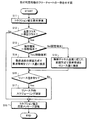
次に、基地局において実行される受付判定処理について説明する。図11は、受付判定処理のフローチャートの一例を示す図である。図11に示すように、受付判定処理が開始され、基地局装置の送受信手段1が、端末から送られてきたコネクション確立要求を受信する(ステップS11)と、送受信手段1は、そのコネクション確立要求をバッファ手段2を介して受付判定手段6に渡す。受付判定手段6は、コネクション確立要求メッセージを解読し、そのメッセージに含まれている各パラメータを抽出する。そして、要求されたコネクションの品質クラスを判定する(ステップS12)。ここで、品質クラスの判定とは、品質クラス=保証クラスであるか否かを判定する。ここで、保証クラスとは、帯域保証クラスである。 Next, the acceptance determination process executed in the base station will be described. FIG. 11 is a diagram illustrating an example of a flowchart of the reception determination process. As shown in FIG. 11, when the acceptance determination process is started and the transmission / reception means 1 of the base station apparatus receives the connection establishment request sent from the terminal (step S11), the transmission / reception means 1 sends the connection establishment request. Is passed to the acceptance determination means 6 via the buffer means 2. The acceptance determination means 6 decodes the connection establishment request message and extracts each parameter included in the message. Then, the quality class of the requested connection is determined (step S12). Here, the determination of the quality class determines whether or not quality class = guaranteed class. Here, the guarantee class is a bandwidth guarantee class.
その判定の結果、帯域保証クラスである場合(ステップS12:Yes)には、さらに、端末種別判定手段4により端末の種別が移動端末であるか否かを判定する(ステップS13)。その判定の結果、移動端末である場合(ステップS13:Yes)には、要求された帯域を、最低速度の変調方式を用いて変調を行う場合に必要なリソース量に換算する(ステップS14)。一方、固定端末である場合(ステップS13:No)には、コネクション確立要求メッセージにパラメータとして含まれていた無線チャネルの品質に基づいて、その品質で使用可能な変調方式を決定する。そして、要求された帯域を、その決定した変調方式を用いて変調を行う場合に必要なリソース量に換算する(ステップS15)。なお、無線チャネルの品質は、コネクション確立要求メッセージとは別のメッセージで端末から基地局へ通知されてもよい。 As a result of the determination, if it is a bandwidth guarantee class (step S12: Yes), it is further determined by the terminal type determination means 4 whether or not the terminal type is a mobile terminal (step S13). As a result of the determination, if the terminal is a mobile terminal (step S13: Yes), the requested band is converted into a resource amount necessary for modulation using the lowest speed modulation method (step S14). On the other hand, if the terminal is a fixed terminal (step S13: No), based on the quality of the radio channel included as a parameter in the connection establishment request message, a modulation scheme that can be used with that quality is determined. Then, the requested band is converted into a resource amount necessary for modulation using the determined modulation method (step S15). Note that the quality of the radio channel may be notified from the terminal to the base station by a message different from the connection establishment request message.
ステップS14またはステップS15に続いて、受付判定手段6は、リソース管理手段5のコネクション管理テーブル7を参照し、ステップS14またはステップS15で求めたリソースの必要量よりも多くの空きリソース量が残っているか否かを判定する(ステップS16)。十分な空きリソースがある場合(ステップS16:Yes)には、ステップS11でコネクション確立要求を受信したコネクションについてのリソースを予約し、スケジューリング手段3が帯域保証クラスのコネクションとして無線リソースを割り当てるように、コネクション管理テーブル7を設定する(ステップS17)。
Subsequent to step S14 or step S15, the
最後に、受付判定手段6は、受付判定の結果を含めたコネクション確立応答メッセージを作成し、そのメッセージをバッファ手段2および送受信手段1を介して端末へ送信し(ステップS18)、受付判定処理を終了する。また、ステップS12での判定の結果、要求されたコネクションの品質クラスが帯域保証クラスでない場合(ステップS12:No)と、ステップS16での判定の結果、空きリソースが足りない場合(ステップS16:No)には、ステップS18へ進み、コネクション確立応答メッセージを端末へ送信して、受付判定処理を終了する。
Finally, the
次に、基地局において実行される無線リソースの割り当てスケジューリング処理について説明する。図12は、無線リソースの割り当てスケジューリング処理のフローチャートの一例を示す図である。図12に示すように、無線リソースの割り当てスケジューリング処理が開始されると、まず、帯域保証を要求するコネクション(以下、帯域保証コネクションとする)に対するリソースの割り当て処理が実行される。この処理では、基地局装置のスケジューリング手段3は、リソース管理手段5のコネクション管理テーブル7を参照し、帯域保証コネクションが確立されているか否かを確認する(ステップS21)。 Next, radio resource allocation scheduling processing executed in the base station will be described. FIG. 12 is a diagram illustrating an example of a flowchart of a radio resource allocation scheduling process. As shown in FIG. 12, when the radio resource allocation scheduling process is started, first, a resource allocation process for a connection requesting a bandwidth guarantee (hereinafter referred to as a bandwidth guarantee connection) is executed. In this process, the scheduling means 3 of the base station apparatus refers to the connection management table 7 of the resource management means 5 and confirms whether or not a bandwidth guarantee connection has been established (step S21).
その結果、帯域保証コネクションが確立されている場合(ステップS21:Yes)には、全ての帯域保証コネクション(図2に示す例の場合、T1〜T4の端末のコネクション)について、各コネクションごとに、以下のステップS22〜S25の無線リソースの割り当て処理ループを実行する。この処理ループでは、まず、バッファ手段2に、該当する帯域保証コネクション(例えば、端末T1のコネクション)の送信待ちデータが存在しているか否かを確認する(ステップS22)。 As a result, when the bandwidth guarantee connection is established (step S21: Yes), for all the bandwidth guarantee connections (in the example shown in FIG. 2, the connections of the terminals T1 to T4) for each connection, The following radio resource allocation processing loop in steps S22 to S25 is executed. In this processing loop, first, it is confirmed whether or not there is transmission-waiting data of the corresponding bandwidth guarantee connection (for example, the connection of the terminal T1) in the buffer means 2 (step S22).
その結果、送信待ちデータがある場合(ステップS22:Yes)には、コネクション管理テーブル7を参照し、このコネクションを使用している端末が移動端末であるか、または固定端末であるかを確認する(ステップS23)。その結果、移動端末である場合(ステップS23:Yes)には、その時点の無線チャネルの品質で使用可能な変調方式を選択し、その変調方式を用いて変調を行う場合に、予約された帯域を保証するのに必要なスロット数を求め、フレーム上のスロットの割り当てを行う(ステップS24)。 As a result, when there is data waiting to be transmitted (step S22: Yes), the connection management table 7 is referred to and it is confirmed whether the terminal using this connection is a mobile terminal or a fixed terminal. (Step S23). As a result, in the case of a mobile terminal (step S23: Yes), a reserved band is selected when a modulation scheme that can be used is selected based on the quality of the wireless channel at that time and modulation is performed using the modulation scheme. The number of slots necessary for guaranteeing is obtained, and slots on the frame are assigned (step S24).
一方、固定端末である場合(ステップS23:No)には、コネクション確立時の変調方式を用いて変調を行う場合に、予約された帯域を保証するのに必要なスロット数を求め、フレーム上のスロットの割り当てを行う(ステップS25)。残りの帯域保証コネクションについても、同様にしてスロットの割り当てを行う。 On the other hand, if the terminal is a fixed terminal (step S23: No), the number of slots required to guarantee the reserved bandwidth is obtained when modulation is performed using the modulation method at the time of establishing a connection. Slot allocation is performed (step S25). Slot allocation is performed in the same manner for the remaining bandwidth guarantee connections.
全ての帯域保証コネクションについて、スロットの割り当てが終了したら、続いて、品質クラスがベストエフォートであるコネクション(図2に示す例の場合、T5とT6の端末のコネクション、以下、ベストエフォートコネクションとする)に対するリソースの割り当て処理が実行される。また、ステップS21での確認の結果、帯域保証コネクションが確立されていない場合(ステップS21:No)と、ステップS22での確認の結果、帯域保証コネクションの送信待ちデータがない場合(ステップS22:No)も、ベストエフォートコネクションに対するリソースの割り当て処理へ進む。 When the slot allocation is completed for all bandwidth guarantee connections, the connection whose quality class is the best effort (in the example shown in FIG. 2, the connection between the terminals of T5 and T6, hereinafter referred to as the best effort connection). The resource allocation process is executed for. In addition, as a result of the confirmation in step S21, when the bandwidth guarantee connection is not established (step S21: No), and as a result of the confirmation in step S22, there is no transmission waiting data for the bandwidth guarantee connection (step S22: No). ) Also proceeds to the resource allocation process for the best effort connection.
この処理では、まず、スケジューリング手段3は、フレーム上に割り当てられていないスロットが残っているか否かを確認する。スロットが残っている場合には、さらにスケジューリング手段3は、コネクション管理テーブル7を参照し、ベストエフォートコネクションが確立されているか否かを確認する(ステップS26)。その結果、ベストエフォートコネクションに割り当て可能なスロットが残っていない場合や、ベストエフォートコネクションが確立されていない場合(ステップS26:No)には、ベストエフォートコネクションに対するリソースの割り当て処理を行わずに、無線リソースの割り当てスケジューリング処理を終了する。 In this process, first, the scheduling means 3 checks whether or not a slot that is not allocated remains on the frame. If the slot remains, the scheduling means 3 further refers to the connection management table 7 and confirms whether or not the best effort connection is established (step S26). As a result, when there is no slot that can be allocated to the best effort connection, or when the best effort connection is not established (step S26: No), the resource allocation process for the best effort connection is not performed and the wireless communication is not performed. The resource allocation scheduling process is terminated.
ベストエフォートコネクションが確立されており、かつ割り当て可能なスロットが残っている場合(ステップS26:Yes)には、スロットの割り当てを行う優先順位を決定する(ステップS27)。そして、優先順位の高いベストエフォートコネクションから順に、以下のステップS28〜S30の無線リソースの割り当て処理ループを実行する。この処理ループでは、まず、バッファ手段2に、該当するベストエフォートコネクション(例えば、端末T5のコネクション)の送信待ちデータが存在しているか否かを確認する(ステップS28)。 If the best effort connection has been established and there are remaining slots that can be allocated (step S26: Yes), the priority for slot allocation is determined (step S27). Then, the radio resource allocation processing loop of the following steps S28 to S30 is executed in order from the best effort connection with the highest priority. In this processing loop, first, it is confirmed whether or not transmission waiting data of the corresponding best effort connection (for example, connection of the terminal T5) exists in the buffer means 2 (step S28).
その結果、送信待ちデータがある場合(ステップS28:Yes)には、その時点の無線チャネルの品質で使用可能な変調方式を選択し、その変調方式を用いて変調を行う場合に、予約されたデータを送信するのに必要なスロット数を求め、フレーム上のスロットの割り当てを行う(ステップS29)。そして、フレーム上に空きスロットが残っている間(ステップS30:Yes)は、残りのベストエフォートコネクションについても、同様にしてスロットの割り当てを行う。 As a result, if there is data waiting to be transmitted (step S28: Yes), a modulation scheme that can be used is selected based on the quality of the wireless channel at that time, and reserved when performing modulation using the modulation scheme. The number of slots required to transmit data is obtained, and slots on the frame are assigned (step S29). Then, while an empty slot remains on the frame (step S30: Yes), slot allocation is performed in the same manner for the remaining best effort connections.
フレーム上の全てのスロットが割り当て済みとなった場合(ステップS30:No)、または全てのベストエフォートコネクションの送信待ちデータにスロットが割り当てられた場合(ステップS28:No)には、ベストエフォートコネクションに対するリソースの割り当て処理が終了し、無線リソースの割り当てスケジューリング処理を終了する。このスケジューリング処理が終了すると、スケジューリング結果として、例えば図4または図6に示す例のような割り当てマップが作成される。バッファ手段2は、この作成されたマップに基づいて、無線フレームを作成する。そして、作成された無線フレームは、送受信手段1を介して基地局から端末へ送信される。以上の無線リソースの割り当てスケジューリング処理は、基本的には単位時間である1フレームごとに行われる。 When all slots on the frame have been allocated (step S30: No), or when slots have been allocated to transmission waiting data of all best effort connections (step S28: No), the best effort connection is not processed. The resource allocation process ends, and the radio resource allocation scheduling process ends. When this scheduling process ends, an allocation map such as the example shown in FIG. 4 or FIG. 6 is created as a scheduling result. The buffer means 2 creates a radio frame based on the created map. The created radio frame is transmitted from the base station to the terminal via the transmission / reception means 1. The radio resource allocation scheduling process described above is basically performed for each frame, which is a unit time.
次に、具体例を挙げて説明する。図13は、端末と基地局のコネクションを確立する際の無線リソースの割り当て例を模式的に示す図である。図13に示すように、無線基地局(BS)で割り当て可能な全リソース量が100kスロットであり、ある時点で、移動端末T2が64QAMの変調方式を使える領域内に存在し、固定端末T1と移動端末T3と移動端末T5が16QAMの変調方式を使える領域内に存在し、固定端末T4と固定端末T6がQPSKの変調方式を使える領域内に存在しているとする。 Next, a specific example will be described. FIG. 13 is a diagram schematically illustrating an example of radio resource allocation when establishing a connection between a terminal and a base station. As shown in FIG. 13, the total amount of resources that can be allocated in the radio base station (BS) is 100 k slots, and at a certain point, the mobile terminal T2 exists in an area where the 64QAM modulation scheme can be used, and the fixed terminal T1 Assume that the mobile terminal T3 and the mobile terminal T5 exist in an area where the 16QAM modulation scheme can be used, and the fixed terminal T4 and the fixed terminal T6 exist in an area where the QPSK modulation scheme can be used.
また、64QAM、16QAMおよびQPSKの1シンボル当たりの送信ビット数をそれぞれ6ビット、4ビットおよび2ビットとする。固定端末T1、移動端末T2、移動端末T3、固定端末T4、移動端末T5および固定端末T6の順に通信を開始し、各端末は、それぞれ60kbpsの帯域保証を要求するものとする。この場合の受付判定結果は、次のようになる。 Also, the number of transmission bits per symbol of 64QAM, 16QAM and QPSK is 6 bits, 4 bits and 2 bits, respectively. It is assumed that communication starts in the order of fixed terminal T1, mobile terminal T2, mobile terminal T3, fixed terminal T4, mobile terminal T5, and fixed terminal T6, and each terminal requests a bandwidth guarantee of 60 kbps. The acceptance determination result in this case is as follows.
固定端末T1とのコネクションに対しては、16QAMの変調方式を用いるので、60kbpsの帯域を保証するには、15kスロットが必要である。従って、基地局は、このコネクションに対して15kスロットのリソースを予約して、受け付けを許可する。移動端末T2とのコネクションに対しては、64QAMの変調方式を用いることができる。しかし、移動端末T2の移動などによって、使用できる変調方式が最も低速なQPSKになる場合を想定して、このコネクションに対しては30kスロットのリソースを予約し、受け付けを許可する。 Since a 16QAM modulation scheme is used for the connection with the fixed terminal T1, 15k slots are required to guarantee a bandwidth of 60 kbps. Therefore, the base station reserves a 15k slot resource for this connection and permits acceptance. For the connection with the mobile terminal T2, a 64QAM modulation scheme can be used. However, assuming that the modulation scheme that can be used is the slowest QPSK due to movement of the mobile terminal T2, etc., 30 k slot resources are reserved for this connection and acceptance is permitted.
移動端末T3とのコネクションに対しては、16QAMの変調方式を用いることができるが、移動端末T2と同様の理由により、30kスロットのリソースを予約し、受け付けを許可する。固定端末T4とのコネクションに対しては、QPSKの変調方式を用いるので、60kbpsの帯域を保証するには、30kスロットが必要である。しかし、既に固定端末T1、移動端末T2および移動端末T3に対して合計で75kスロットのリソースが予約済みであるため、このコネクションに対しては残りの25kスロットの無線リソースについて受け付けを許可する。これにより、固定端末T4は、50kbpsのスループットで通信を行うことができる。 For the connection with the mobile terminal T3, a 16QAM modulation scheme can be used, but for the same reason as the mobile terminal T2, a 30k slot resource is reserved and accepted. Since the QPSK modulation method is used for the connection with the fixed terminal T4, 30k slots are required to guarantee a bandwidth of 60 kbps. However, since a total of 75k slot resources have already been reserved for the fixed terminal T1, the mobile terminal T2, and the mobile terminal T3, reception of the remaining 25k slot radio resources is permitted for this connection. As a result, the fixed terminal T4 can perform communication with a throughput of 50 kbps.
移動端末T5および固定端末T6との各コネクションについては、既に上述した4つの帯域保証コネクションにより全ての無線リソースが予約済みであるため、帯域保証の要求は受け付られない、従って、これらのコネクションに対しては、ベストエフォートとしてコネクションが確立する。ここで、端末種別を区別せずに全て移動端末であるとしてリソースを割り当てると、例えば固定端末T1とのコネクションに対して、移動端末T2と同様の理由により、30kスロットのリソースを予約し、受け付けを許可することになる。 For each connection with the mobile terminal T5 and the fixed terminal T6, since all radio resources have already been reserved by the above-described four bandwidth guarantee connections, the bandwidth guarantee request is not accepted. On the other hand, the connection is established as the best effort. Here, if resources are allocated as being all mobile terminals without distinguishing terminal types, for example, 30 k slot resources are reserved and accepted for the same reason as the mobile terminal T2 for the connection with the fixed terminal T1. Will be allowed.
この場合には、固定端末T1、移動端末T2および移動端末T3に対して合計で90kスロットのリソースが予約済みであるため、固定端末T4とのコネクションに対しては残りの10kスロットの無線リソースしか予約することができない。従って、固定端末T4は、20kbpsのスループットでしか通信を行うことができない。本実施の形態のように端末種別を区別することによって、無線リソースの利用効率が高くなり、基地局のスループットが向上する。 In this case, since a total of 90k slot resources have been reserved for the fixed terminal T1, the mobile terminal T2, and the mobile terminal T3, only the remaining 10k slot radio resources are available for the connection with the fixed terminal T4. I cannot make a reservation. Accordingly, the fixed terminal T4 can communicate only at a throughput of 20 kbps. By distinguishing terminal types as in the present embodiment, the use efficiency of radio resources is increased and the throughput of the base station is improved.
上述した無線リソースの予約に対して、実際には、移動端末T2とのコネクションに対して64QAMの変調方式が用いられるので、このコネクションに使用されるリソースは、10kスロットで済む。また、移動端末T3とのコネクションに対して16QAMの変調方式が用いられるので、このコネクションに使用されるリソースは、15kスロットで済む。従って、移動端末T2および移動端末T3のそれぞれについて、実際に使用しているリソース量が予約したリソース量よりも少なくなるので、余剰のリソースが発生する。 Since the 64QAM modulation scheme is actually used for the connection with the mobile terminal T2 for the above-described radio resource reservation, the resource used for this connection may be 10k slots. Further, since the 16QAM modulation method is used for the connection with the mobile terminal T3, the resource used for this connection is only 15k slots. Therefore, since the amount of resources actually used for each of the mobile terminal T2 and the mobile terminal T3 is smaller than the reserved resource amount, surplus resources are generated.
この例では、合計で35kスロットのリソースが余ることになる。この余剰のリソースは、ベストエフォートコネクションとして受け付けられた移動端末T5および固定端末T6とのコネクションに割り当てられる。移動端末T5および固定端末T6にそれぞれ20kスロットおよび15kスロットのリソースを割り当てた例が、図2に示すコネクション管理テーブル7である。このようにすることによって、無線リソースを無駄にすることなく、有効に利用することができるので、帯域は保証されないが、より多くの端末が基地局と通信を行う機会が増えることになる。 In this example, 35 k slots of resources are left in total. This surplus resource is allocated to the connection with the mobile terminal T5 and the fixed terminal T6 accepted as the best effort connection. An example in which 20k slot and 15k slot resources are allocated to the mobile terminal T5 and the fixed terminal T6, respectively, is the connection management table 7 shown in FIG. By doing so, radio resources can be used effectively without wasting them, so the bandwidth is not guaranteed, but more terminals will have more opportunities to communicate with the base station.
図13において、時間が経過し、移動端末T2と移動端末T3が例えば無線基地局から遠ざかったことによって、無線チャネルの品質が悪くなったとする。例えば、移動端末T2および移動端末T3との各コネクションに対してQPSKの変調方式が用いられる状態に変化したとする。この場合、これらのコネクションに使用されるリソースが、コネクション確立時に予約された30kスロットに等しくなるので、固定端末T1、移動端末T2、移動端末T3および固定端末T4で合計100kスロットのリソースを使用することになる。 In FIG. 13, it is assumed that the quality of the radio channel deteriorates due to the elapse of time and the mobile terminal T2 and the mobile terminal T3 moving away from the radio base station, for example. For example, it is assumed that the QPSK modulation scheme is changed to each connection with the mobile terminal T2 and the mobile terminal T3. In this case, since the resources used for these connections are equal to the 30k slots reserved at the time of establishing the connection, the fixed terminal T1, the mobile terminal T2, the mobile terminal T3, and the fixed terminal T4 use a total of 100k slots of resources. It will be.
従って、ベストエフォートコネクションとして受け付けられた移動端末T5と固定端末T6に対するリソースの割り当てはゼロになる。しかし、固定端末T1、移動端末T2、移動端末T3および固定端末T4の各コネクションについては、受け付けが許可されたときの帯域の保証が維持されていることになる。図3は、このときのコネクション管理テーブル7を示している。 Accordingly, the resource allocation to the mobile terminal T5 and the fixed terminal T6 accepted as the best effort connection is zero. However, for each connection of the fixed terminal T1, the mobile terminal T2, the mobile terminal T3, and the fixed terminal T4, the guarantee of the band when the acceptance is permitted is maintained. FIG. 3 shows the connection management table 7 at this time.
なお、本実施の形態で説明した帯域制御方法は、予め用意されたプログラムをパーソナル・コンピュータやワークステーション等のコンピュータで実行することにより実現することができる。このプログラムは、ハードディスク、フレキシブルディスク、CD−ROM、MO、DVD等のコンピュータで読み取り可能な記録媒体に記録され、コンピュータによって記録媒体から読み出されることによって実行される。またこのプログラムは、インターネット等のネットワークを介して配布することが可能な伝送媒体であってもよい。 Note that the bandwidth control method described in this embodiment can be realized by executing a program prepared in advance on a computer such as a personal computer or a workstation. This program is recorded on a computer-readable recording medium such as a hard disk, a flexible disk, a CD-ROM, an MO, and a DVD, and is executed by being read from the recording medium by the computer. The program may be a transmission medium that can be distributed via a network such as the Internet.
(付記1)通信品質に応じて変調方式が切り替わる適応変調方式を用いて端末との間で通信を行う基地局装置において、
端末からの帯域予約要求を受信する受信手段と、
前記帯域予約要求に基づいて前記端末の種別を判定する端末種別判定手段と、
前記端末が、移動しないと見なし得る固定端末であると判定した場合、該固定端末の要求帯域を、該固定端末からの帯域予約要求を受信したときの変調方式を用いる場合に必要なリソース量に換算し、該リソース量に基づいて該固定端末からの帯域予約要求を受け付けるか否かを判定するとともに、前記端末が移動可能な移動端末であると判定した場合、該移動端末の要求帯域を、複数の変調方式のうちの低速な変調方式を用いる場合に必要なリソース量に換算し、該リソース量に基づいて該移動端末からの帯域予約要求を受け付けるか否かを判定する受付判定手段と、
を備えることを特徴とする基地局装置。
(Supplementary Note 1) In a base station apparatus that performs communication with a terminal using an adaptive modulation method in which a modulation method is switched according to communication quality,
Receiving means for receiving a bandwidth reservation request from the terminal;
Terminal type determination means for determining the type of the terminal based on the bandwidth reservation request;
When it is determined that the terminal is a fixed terminal that can be regarded as not moving, the required bandwidth of the fixed terminal is set to a resource amount necessary for using a modulation scheme when a bandwidth reservation request is received from the fixed terminal. Converting and determining whether to accept a bandwidth reservation request from the fixed terminal based on the resource amount, and when determining that the terminal is a mobile terminal that can be moved, An acceptance determination means for converting to a resource amount necessary when using a low-speed modulation method among a plurality of modulation methods and determining whether or not to accept a bandwidth reservation request from the mobile terminal based on the resource amount;
A base station apparatus comprising:
(付記2)前記移動端末からの帯域予約要求を受け付けたコネクションについて、前記低速な変調方式を用いてデータの変調を行い、同移動端末とのデータ転送に必要なリソースを割り当てるスケジューリング手段、をさらに備えることを特徴とする付記1に記載の基地局装置。
(Supplementary Note 2) Scheduling means for modulating data using the low-speed modulation method for a connection that has accepted a bandwidth reservation request from the mobile terminal and allocating resources necessary for data transfer with the mobile terminal; The base station apparatus according to
(付記3)前記移動端末からの帯域予約要求を受け付けたコネクションについて、前記低速な変調方式よりも高速な変調方式を用いることができるか否かを判定し、前記高速な変調方式を用いることができる場合に前記高速な変調方式を用いてデータの変調を行い、一方、前記高速な変調方式を用いることができない場合に前記低速な変調方式を用いてデータの変調を行い、同移動端末とのデータ転送に必要なリソースを割り当てるスケジューリング手段、
をさらに備えることを特徴とする付記1に記載の基地局装置。
(Supplementary note 3) For a connection that has accepted a bandwidth reservation request from the mobile terminal, it is determined whether a high-speed modulation method can be used than the low-speed modulation method, and the high-speed modulation method is used. If possible, perform data modulation using the high-speed modulation method, and perform data modulation using the low-speed modulation method when the high-speed modulation method cannot be used. A scheduling means for allocating resources necessary for data transfer;
The base station apparatus according to
(付記4)前記移動端末からの帯域予約要求を受け付けたコネクションについて、前記低速な変調方式よりも高速な変調方式を用いることができるか否かを判定し、前記高速な変調方式を用いることができる場合に前記高速な変調方式を用いてデータの変調を行い、一方、前記高速な変調方式を用いることができない場合に前記低速な変調方式を用いてデータの変調を行い、同移動端末とのデータ転送に必要なリソースを割り当てるとともに、前記固定端末からの帯域予約要求を受け付けたコネクションについて、要求帯域をリソース量へ換算したときの変調方式を用いてデータの変調を行い、同固定端末とのデータ転送に必要なリソースを割り当てるスケジューリング手段、
をさらに備えることを特徴とする付記1に記載の基地局装置。
(Supplementary Note 4) For a connection that has accepted a bandwidth reservation request from the mobile terminal, it is determined whether a high-speed modulation method can be used than the low-speed modulation method, and the high-speed modulation method is used. If possible, perform data modulation using the high-speed modulation method, and perform data modulation using the low-speed modulation method when the high-speed modulation method cannot be used. In addition to allocating resources necessary for data transfer, for the connection that has accepted the bandwidth reservation request from the fixed terminal, the data is modulated using the modulation method when the requested bandwidth is converted into the resource amount, A scheduling means for allocating resources necessary for data transfer;
The base station apparatus according to
(付記5)前記スケジューリング手段は、前記移動端末からの帯域予約要求を受け付けたコネクションについて、前記高速な変調方式を用いてデータの変調を行う場合、同移動端末とのデータ転送に割り当てたリソース量と、前記低速な変調方式を用いた場合に必要となるリソース量との差分を、他の端末とのコネクションによるデータ転送に割り当てることを特徴とする付記3または4に記載の基地局装置。
(Supplementary Note 5) When the scheduling means performs data modulation using the high-speed modulation method for a connection that has accepted a bandwidth reservation request from the mobile terminal, the amount of resources allocated for data transfer with the mobile terminal The base station apparatus according to
(付記6)前記端末種別判定手段は、端末からの帯域予約要求に含まれるMACヘッダのバージョン情報に基づいて、該端末が移動端末であるか、または固定端末であるかを判定することを特徴とする付記1に記載の基地局装置。
(Additional remark 6) The said terminal classification determination means determines whether this terminal is a mobile terminal or a fixed terminal based on the version information of the MAC header contained in the bandwidth reservation request | requirement from a terminal. The base station apparatus according to
(付記7)前記端末種別判定手段は、端末から移動端末であるという識別情報を受け取った場合に該端末を移動端末であると判定し、端末から端末種別の識別情報を受け取らない場合に該端末を固定端末であると判定することを特徴とする付記1に記載の基地局装置。
(Supplementary Note 7) The terminal type determination means determines that the terminal is a mobile terminal when receiving identification information indicating that the terminal is a mobile terminal from the terminal, and if the terminal type determination means does not receive terminal type identification information from the terminal The base station apparatus according to
(付記8)前記端末種別判定手段は、端末から移動端末であるという識別情報を受け取った場合に該端末を移動端末であると判定し、端末から固定端末であるという識別情報を受け取った場合に該端末を固定端末であると判定することを特徴とする付記1に記載の基地局装置。
(Supplementary Note 8) When the terminal type determination unit receives identification information indicating that the terminal is a mobile terminal from the terminal, the terminal type determination unit determines that the terminal is a mobile terminal, and receives the identification information indicating that the terminal is a fixed terminal. The base station apparatus according to
(付記9)前記端末種別判定手段は、端末から固定端末であるという識別情報を受け取った場合に該端末を固定端末であると判定し、端末から端末種別の識別情報を受け取らない場合に該端末を移動端末であると判定することを特徴とする付記1に記載の基地局装置。
(Supplementary Note 9) The terminal type determination means determines that the terminal is a fixed terminal when receiving identification information indicating that the terminal is a fixed terminal from the terminal, and if the terminal type determination means does not receive terminal type identification information from the terminal The base station apparatus according to
(付記10)通信品質に応じて変調方式が切り替わる適応変調方式を用いて基地局装置との間で通信を行う端末において、基地局装置に対して帯域予約要求を行う際に、自身が移動端末であるという識別情報を該基地局装置へ通知することを特徴とする端末。 (Supplementary note 10) In a terminal that communicates with a base station apparatus using an adaptive modulation scheme in which a modulation scheme is switched according to communication quality, the mobile terminal itself performs a bandwidth reservation request to the base station apparatus. A terminal characterized by notifying the base station apparatus of identification information indicating that
(付記11)通信品質に応じて変調方式が切り替わる適応変調方式を用いて基地局装置との間で通信を行う端末において、
基地局装置に対して帯域予約要求を行う際に、自身が固定端末であるという識別情報を該基地局装置へ通知することを特徴とする端末。
(Supplementary Note 11) In a terminal that performs communication with a base station apparatus using an adaptive modulation scheme in which a modulation scheme is switched according to communication quality,
A terminal characterized by notifying the base station apparatus of identification information that it is a fixed terminal when making a bandwidth reservation request to the base station apparatus.
(付記12)通信品質に応じて変調方式を切り替える適応変調方式により通信を行う際の帯域制御方法において、
端末からの帯域予約要求を受信するステップと、
前記端末の種別を判定するステップと、
前記端末が、移動しないと見なし得る固定端末であると判定した場合、該固定端末の要求帯域を、該固定端末からの帯域予約要求を受信したときの変調方式を用いる場合に必要なリソース量に換算し、該リソース量に基づいて該固定端末からの帯域予約要求を受け付けるか否かを判定するとともに、前記端末が移動可能な移動端末であると判定した場合、該移動端末の要求帯域を、複数の変調方式のうちの低速な変調方式を用いる場合に必要なリソース量に換算し、該リソース量に基づいて該移動端末からの帯域予約要求を受け付けるか否かを判定するステップと、
を含むことを特徴とする帯域制御方法。
(Supplementary Note 12) In a bandwidth control method when performing communication by an adaptive modulation method that switches a modulation method according to communication quality,
Receiving a bandwidth reservation request from the terminal;
Determining the type of the terminal;
When it is determined that the terminal is a fixed terminal that can be regarded as not moving, the required bandwidth of the fixed terminal is set to a resource amount necessary for using a modulation scheme when a bandwidth reservation request is received from the fixed terminal. Converting and determining whether to accept a bandwidth reservation request from the fixed terminal based on the resource amount, and when determining that the terminal is a mobile terminal that can be moved, Converting to a resource amount required when using a low-speed modulation method among a plurality of modulation methods, and determining whether to accept a bandwidth reservation request from the mobile terminal based on the resource amount;
A band control method comprising:
(付記13)前記移動端末からの帯域予約要求を受け付けたコネクションについて、前記低速な変調方式を用いてデータの変調を行い、同移動端末とのデータ転送に必要なリソースを割り当てるステップ、をさらに含むことを特徴とする付記12に記載の帯域制御方法。 (Additional remark 13) The connection which received the band reservation request from the said mobile terminal further modulates data using the said low-speed modulation system, and further allocates a resource required for the data transfer with the said mobile terminal. 14. The bandwidth control method according to appendix 12, wherein
(付記14)前記移動端末からの帯域予約要求を受け付けたコネクションについて、前記低速な変調方式よりも高速な変調方式を用いることができるか否かを判定するステップと、
前記高速な変調方式を用いることができる場合に前記高速な変調方式を用いてデータの変調を行い、一方、前記高速な変調方式を用いることができない場合に前記低速な変調方式を用いてデータの変調を行い、前記移動端末とのデータ転送に必要なリソースを割り当てるステップと、
をさらに含むことを特徴とする付記12に記載の帯域制御方法。
(Additional remark 14) The step which determines whether the high-speed modulation system can be used rather than the said low-speed modulation system about the connection which received the band reservation request from the said mobile terminal,
When the high-speed modulation method can be used, data is modulated using the high-speed modulation method. On the other hand, when the high-speed modulation method cannot be used, the low-speed modulation method is used. Performing modulation and allocating resources necessary for data transfer with the mobile terminal;
The band control method according to appendix 12, further comprising:
(付記15)前記移動端末からの帯域予約要求を受け付けたコネクションについて、前記低速な変調方式よりも高速な変調方式を用いることができるか否かを判定するステップと、
前記高速な変調方式を用いることができる場合に前記高速な変調方式を用いてデータの変調を行い、一方、前記高速な変調方式を用いることができない場合に前記低速な変調方式を用いてデータの変調を行い、前記移動端末とのデータ転送に必要なリソースを割り当てるステップと、
前記固定端末からの帯域予約要求を受け付けたコネクションについて、要求帯域をリソース量へ換算したときの変調方式を用いてデータの変調を行い、同固定端末とのデータ転送に必要なリソースを割り当てるステップと、
をさらに含むことを特徴とする付記12に記載の帯域制御方法。
(Additional remark 15) About the connection which received the band reservation request | requirement from the said mobile terminal, the step which determines whether a high-speed modulation system can be used rather than the said low-speed modulation system,
When the high-speed modulation method can be used, data is modulated using the high-speed modulation method. On the other hand, when the high-speed modulation method cannot be used, the low-speed modulation method is used. Performing modulation and allocating resources necessary for data transfer with the mobile terminal;
For a connection that has accepted a bandwidth reservation request from the fixed terminal, performing data modulation using a modulation method when the requested bandwidth is converted into a resource amount, and allocating resources necessary for data transfer with the fixed terminal; ,
The band control method according to appendix 12, further comprising:
(付記16)前記移動端末からの帯域予約要求を受け付けたコネクションについて、前記高速な変調方式を用いてデータの変調を行う場合、同移動端末とのデータ転送に割り当てられたリソース量と、前記低速な変調方式を用いた場合に必要となるリソース量との差分を、他の端末とのコネクションによるデータ転送に割り当てることを特徴とする付記14または15に記載の帯域制御方法。
(Supplementary Note 16) When performing data modulation using the high-speed modulation scheme for a connection that has accepted a bandwidth reservation request from the mobile terminal, the amount of resources allocated for data transfer with the mobile terminal, and the low-speed 16. The bandwidth control method according to
以上のように、本発明にかかる基地局装置、端末および帯域制御方法は、適応変調方式を用いた通信システムにおいて帯域保証通信を行うために有用である。 As described above, the base station apparatus, terminal, and band control method according to the present invention are useful for performing band-guaranteed communication in a communication system using an adaptive modulation scheme.
BS 基地局
T1,T2,T3,T4,T5 端末
1 送受信手段
3 スケジューリング手段
4 端末種別判定手段
6 受付判定手段
BS base station T1, T2, T3, T4,
Claims (7)
現時点の変調度より低い変調度の変調方式に基づいて、前記端末の通信帯域を決定する割当手段を備えることを特徴とする基地局装置。 In a base station apparatus that performs communication with a terminal using an adaptive modulation method in which a modulation method is switched according to communication quality,
A base station apparatus comprising: allocating means for determining a communication band of the terminal based on a modulation scheme having a modulation degree lower than a current modulation degree .
前記端末の種別を判定する端末種別判定手段と、 Terminal type determining means for determining the type of the terminal;
前記端末が第1の端末である場合の通信帯域を、現時点での変調方式に基づいて決定するとともに、前記端末が第2の端末である場合の通信帯域を、現時点の変調度より低い変調度の変調方式に基づいて決定する割当手段と、 The communication band when the terminal is the first terminal is determined based on the current modulation scheme, and the communication band when the terminal is the second terminal is determined to have a modulation factor lower than the current modulation factor. Assigning means for determining based on the modulation scheme;
を備えることを特徴とする基地局装置。 A base station apparatus comprising:
前記端末からの帯域予約要求を受信する受信手段と、Receiving means for receiving a bandwidth reservation request from the terminal;
前記帯域予約要求に基づいて前記端末の種別を判定する端末種別判定手段と、 Terminal type determination means for determining the type of the terminal based on the bandwidth reservation request;
前記端末の種別を固定端末と判定したときの要求帯域を、前記帯域予約要求を受信したときの変調方式に基づいて受け付けるとともに、前記端末の種別を移動端末と判定したときの要求帯域を、現時点より低速な変調方式に基づいて受け付ける割当手段と、 The requested bandwidth when the terminal type is determined as a fixed terminal is received based on the modulation scheme when the bandwidth reservation request is received, and the requested bandwidth when the terminal type is determined as a mobile terminal is Allocating means for accepting based on a slower modulation scheme;
を備えることを特徴とする基地局装置。 A base station apparatus comprising:
をさらに備えることを特徴とする請求項1〜4のいずれか一つに記載の基地局装置。 At connection with the terminal, it determines whether it is possible to use a modulation method of the modulation degree at the present time, modulates the data using the modulation scheme if it is possible to use the modulation scheme, whereas performs modulation of data using the modulation scheme of the low modulation degree than the modulation degree at the moment when it is not possible to use the modulation scheme, the scheduling means for allocating a communication band required for data transfer with the terminal,
The base station apparatus according to any one of claims 1 to 4, further comprising a.
前記基地局装置は、前記端末の通信帯域を、現時点での変調方式より低速な変調方式に基づいて通信帯域を決定する割当手段を備えており、
前記基地局装置に対して自身が移動端末であるという識別情報を通知することを特徴とする端末。 In a terminal that communicates with a base station apparatus using an adaptive modulation method in which a modulation method is switched according to communication quality,
The base station apparatus includes an allocating unit that determines a communication band based on a modulation scheme that is slower than a modulation scheme at the present time, for the communication band of the terminal
Terminal, characterized in that notify the identification information of themselves with respect to the base station apparatus is a mobile terminal.
前記端末の通信帯域を、現時点より低速な変調方式に基づいて決定するステップを含むことを特徴とする帯域制御方法。 In a bandwidth control method of a device that performs communication with a terminal by an adaptive modulation method that switches a modulation method according to communication quality,
A bandwidth control method comprising a step of determining a communication bandwidth of the terminal based on a modulation scheme slower than a current time .
Priority Applications (3)
| Application Number | Priority Date | Filing Date | Title |
|---|---|---|---|
| JP2006085782A JP4644619B2 (en) | 2006-03-27 | 2006-03-27 | Base station apparatus, terminal and bandwidth control method |
| EP06253019A EP1841115A3 (en) | 2006-03-27 | 2006-06-12 | Base station apparatus, terminal and bandwidth control method |
| US11/475,197 US20070223427A1 (en) | 2006-03-27 | 2006-06-27 | Base station apparatus, terminal, and bandwidth control method |
Applications Claiming Priority (1)
| Application Number | Priority Date | Filing Date | Title |
|---|---|---|---|
| JP2006085782A JP4644619B2 (en) | 2006-03-27 | 2006-03-27 | Base station apparatus, terminal and bandwidth control method |
Publications (2)
| Publication Number | Publication Date |
|---|---|
| JP2007266719A JP2007266719A (en) | 2007-10-11 |
| JP4644619B2 true JP4644619B2 (en) | 2011-03-02 |
Family
ID=38255346
Family Applications (1)
| Application Number | Title | Priority Date | Filing Date |
|---|---|---|---|
| JP2006085782A Expired - Fee Related JP4644619B2 (en) | 2006-03-27 | 2006-03-27 | Base station apparatus, terminal and bandwidth control method |
Country Status (3)
| Country | Link |
|---|---|
| US (1) | US20070223427A1 (en) |
| EP (1) | EP1841115A3 (en) |
| JP (1) | JP4644619B2 (en) |
Families Citing this family (22)
| Publication number | Priority date | Publication date | Assignee | Title |
|---|---|---|---|---|
| FI20065858A0 (en) * | 2006-12-27 | 2006-12-27 | Nokia Corp | Communication Method, Device, Communication System, Computer Program, Computer Software Product, and Module |
| WO2008085009A1 (en) * | 2007-01-13 | 2008-07-17 | Samsung Electronics Co., Ltd. | Method and system for transmitting and receiving signal using multiple frequency bands in a wireless communication system |
| US8391354B2 (en) * | 2007-05-14 | 2013-03-05 | Broadcom Corporation | Method and system for transforming uncompressed video traffic to network-aware ethernet traffic with A/V bridging capabilities and A/V bridging extensions |
| EP2322006B1 (en) * | 2008-08-29 | 2014-10-08 | Telefonaktiebolaget L M Ericsson (publ) | Optimized connection admission control for systems using adaptive modulation and coding techniques |
| JP4507021B2 (en) * | 2008-12-18 | 2010-07-21 | 日本電気株式会社 | Wireless communication system, base station, wireless communication method, program |
| JP4911168B2 (en) | 2008-12-22 | 2012-04-04 | 日本電気株式会社 | Wireless communication system, base station, wireless communication method, program |
| EP2756845B1 (en) | 2009-04-03 | 2017-03-15 | Dicerna Pharmaceuticals, Inc. | Methods and compositions for the specific inhibition of KRAS by asymmetric double-stranded RNA |
| KR101791702B1 (en) | 2009-04-03 | 2017-10-30 | 다이서나 파마수이티컬, 인크. | Methods and Compositions for the Specific Inhibition of KRAS by Asymmetric double-stranded RNA |
| WO2011013708A1 (en) * | 2009-07-31 | 2011-02-03 | 日本電気株式会社 | Communication device and communication method having packet-prioritizing control function |
| JP5630443B2 (en) * | 2009-12-08 | 2014-11-26 | 日本電気株式会社 | BAND CONTROL DEVICE, BAND CONTROL METHOD, AND RADIO NETWORK SYSTEM |
| WO2012153917A2 (en) * | 2011-05-06 | 2012-11-15 | 엘지전자 주식회사 | Method and device for selecting a channel according to a device's mobility |
| GB201114079D0 (en) | 2011-06-13 | 2011-09-28 | Neul Ltd | Mobile base station |
| US20130100899A1 (en) * | 2011-10-19 | 2013-04-25 | Electronics And Telecommunications Research Institute | Machine type communication device, apparatus and method for allocating resources to the same, and data transmission/reception method of the same |
| WO2013186959A1 (en) * | 2012-06-13 | 2013-12-19 | 日本電気株式会社 | Terminal detection device, terminal detection method, and program |
| JP6100573B2 (en) * | 2013-03-25 | 2017-03-22 | Kddi株式会社 | Communication device for performing bandwidth allocation and bandwidth allocation method |
| WO2015003113A2 (en) | 2013-07-03 | 2015-01-08 | Dicerna Pharmaceuticals, Inc. | Methods and compositions for the specific inhibition of alpha-1 antitrypsin by double-stranded rna |
| JP6886818B2 (en) | 2013-12-27 | 2021-06-16 | ダイセルナ ファーマシューティカルズ, インコーポレイテッドDicerna Pharmaceuticals, Inc. | Methods and Compositions for Specific Inhibition of Glycolic Acid Oxidase (HAO1) by Double-stranded RNA |
| WO2016057932A1 (en) | 2014-10-10 | 2016-04-14 | Dicerna Pharmaceuticals, Inc. | Therapeutic inhibition of lactate dehydrogenase and agents therefor |
| DK3569711T3 (en) | 2014-12-15 | 2021-02-22 | Dicerna Pharmaceuticals Inc | LIGAND MODIFIED DOUBLE STRING NUCLEIC ACIDS |
| WO2016183009A2 (en) | 2015-05-08 | 2016-11-17 | Dicerna Pharmaceuticals, Inc. | Methods and compositions for the specific inhibition of antithrombin 3 (at3) by double-stranded rna |
| CN116089054A (en) * | 2021-11-08 | 2023-05-09 | 中国联合网络通信集团有限公司 | Resource scheduling method, device and equipment |
| WO2025177431A1 (en) * | 2024-02-20 | 2025-08-28 | Ntt株式会社 | Wireless communication system |
Family Cites Families (21)
| Publication number | Priority date | Publication date | Assignee | Title |
|---|---|---|---|---|
| JPH0522186A (en) * | 1991-07-16 | 1993-01-29 | Fujitsu Ltd | Radio transmission/reception equipment |
| JP3066483B2 (en) * | 1997-03-04 | 2000-07-17 | 郵政省通信総合研究所長 | Digital mobile radio communication method |
| US6567416B1 (en) * | 1997-10-14 | 2003-05-20 | Lucent Technologies Inc. | Method for access control in a multiple access system for communications networks |
| US6961314B1 (en) * | 1998-10-30 | 2005-11-01 | Broadcom Corporation | Burst receiver for cable modem system |
| JP2001177864A (en) * | 1999-12-15 | 2001-06-29 | Toshiba Corp | Wireless communication system, wireless communication method, and wireless control station |
| JP2002290362A (en) * | 2001-03-26 | 2002-10-04 | Ntt Docomo Inc | Adaptive modulation method, radio control apparatus, and mobile communication system |
| US7042856B2 (en) * | 2001-05-03 | 2006-05-09 | Qualcomm, Incorporation | Method and apparatus for controlling uplink transmissions of a wireless communication system |
| JP2003018647A (en) * | 2001-06-28 | 2003-01-17 | Mitsubishi Electric Corp | Base station for wireless communication system |
| US6549759B2 (en) * | 2001-08-24 | 2003-04-15 | Ensemble Communications, Inc. | Asymmetric adaptive modulation in a wireless communication system |
| JP3828431B2 (en) * | 2002-01-31 | 2006-10-04 | 株式会社エヌ・ティ・ティ・ドコモ | Base station, control apparatus, communication system, and communication method |
| JP2003229896A (en) * | 2002-02-01 | 2003-08-15 | Fujitsu Ltd | Packet transmission scheduling apparatus and packet transmission scheduling method |
| JP4247437B2 (en) * | 2002-12-27 | 2009-04-02 | 三洋電機株式会社 | Wireless device |
| JP4166602B2 (en) * | 2003-03-25 | 2008-10-15 | 京セラ株式会社 | Mobile device |
| CN100531173C (en) * | 2003-05-16 | 2009-08-19 | 松下电器产业株式会社 | Transmitting/receiving apparatus and corresponding method for a communication network |
| US7734809B2 (en) * | 2003-06-05 | 2010-06-08 | Meshnetworks, Inc. | System and method to maximize channel utilization in a multi-channel wireless communication network |
| JP4335619B2 (en) * | 2003-09-04 | 2009-09-30 | 株式会社エヌ・ティ・ティ・ドコモ | Packet priority control apparatus and method |
| JP4215601B2 (en) * | 2003-09-05 | 2009-01-28 | 富士通株式会社 | Wireless communication device |
| JP2005117579A (en) * | 2003-10-10 | 2005-04-28 | Fujitsu Ltd | Radio transmitting apparatus, radio receiving apparatus, mobile communication system, and radio resource control method |
| JP2005142766A (en) * | 2003-11-05 | 2005-06-02 | Matsushita Electric Ind Co Ltd | Base station apparatus and resource allocation method in base station apparatus |
| JP2006054597A (en) * | 2004-08-10 | 2006-02-23 | Ntt Docomo Inc | Slot allocation apparatus and method |
| JP4653680B2 (en) * | 2006-03-22 | 2011-03-16 | 株式会社日立国際電気 | Data transmission apparatus and data transmission system |
-
2006
- 2006-03-27 JP JP2006085782A patent/JP4644619B2/en not_active Expired - Fee Related
- 2006-06-12 EP EP06253019A patent/EP1841115A3/en not_active Withdrawn
- 2006-06-27 US US11/475,197 patent/US20070223427A1/en not_active Abandoned
Also Published As
| Publication number | Publication date |
|---|---|
| EP1841115A2 (en) | 2007-10-03 |
| US20070223427A1 (en) | 2007-09-27 |
| EP1841115A3 (en) | 2011-06-29 |
| JP2007266719A (en) | 2007-10-11 |
Similar Documents
| Publication | Publication Date | Title |
|---|---|---|
| JP4644619B2 (en) | Base station apparatus, terminal and bandwidth control method | |
| JP4335619B2 (en) | Packet priority control apparatus and method | |
| JP5113144B2 (en) | Quality of service scheduler for wireless networks | |
| JP5301714B2 (en) | Method and apparatus for implementing and / or using a dedicated control channel | |
| EP4005130B1 (en) | Telecommunications apparatus and methods for prioritised multiplexing of uplink control information | |
| CN101175039B (en) | Multi-stream service transmission method and its device and system | |
| USRE42047E1 (en) | Method for providing multiple services and apparatus for the same | |
| EP2387858A2 (en) | Method and apparatus for scheduling data transmission on multiple carriers | |
| JP2009521861A (en) | Method and apparatus for reporting and / or using control information | |
| KR20060120115A (en) | Signaling method, system, base station and mobile station | |
| JP5173786B2 (en) | Radio base station apparatus and radio communication system | |
| JPWO2005039229A1 (en) | Method and system for capacity scheduling | |
| KR100932787B1 (en) | Channel State Information Transmission Method in User Terminal of Broadband Mobile Communication System and Radio Resource Allocation Method in Base Station | |
| KR101756434B1 (en) | Transmission Device for Providing Voice and Data Service in Mobile Telecommunication System and Method for Providing Service Thereby | |
| KR20060091158A (en) | Packet data scheduling apparatus and method in wireless communication system | |
| KR20060038786A (en) | System and method for allocating resources between physical layer and media access control layer in radio access protocol | |
| KR101210239B1 (en) | Allocating channels for real―time traffic transmission in a wireless packet data multi―user environment | |
| CN101959247B (en) | Bandwidth resource allocation method and device for WiMAX system | |
| KR100929077B1 (en) | Communication Resource Allocation Method Using Virtual Circuit Switching Method in Wireless Communication System and Data Transmission / Reception Method of Device and Terminal | |
| CN102752868B (en) | Distribution method of wireless resources, wireless terminal and wireless base station. | |
| KR20090032219A (en) | Device and method for allocating uplink radio resource in broadband wireless communication system | |
| JP2009273135A (en) | Apparatus for packet-priority control and its method |
Legal Events
| Date | Code | Title | Description |
|---|---|---|---|
| A621 | Written request for application examination |
Free format text: JAPANESE INTERMEDIATE CODE: A621 Effective date: 20080605 |
|
| A131 | Notification of reasons for refusal |
Free format text: JAPANESE INTERMEDIATE CODE: A131 Effective date: 20100907 |
|
| A521 | Request for written amendment filed |
Free format text: JAPANESE INTERMEDIATE CODE: A523 Effective date: 20101108 |
|
| TRDD | Decision of grant or rejection written | ||
| A01 | Written decision to grant a patent or to grant a registration (utility model) |
Free format text: JAPANESE INTERMEDIATE CODE: A01 Effective date: 20101130 |
|
| A01 | Written decision to grant a patent or to grant a registration (utility model) |
Free format text: JAPANESE INTERMEDIATE CODE: A01 |
|
| A61 | First payment of annual fees (during grant procedure) |
Free format text: JAPANESE INTERMEDIATE CODE: A61 Effective date: 20101206 |
|
| R150 | Certificate of patent or registration of utility model |
Free format text: JAPANESE INTERMEDIATE CODE: R150 |
|
| FPAY | Renewal fee payment (event date is renewal date of database) |
Free format text: PAYMENT UNTIL: 20131210 Year of fee payment: 3 |
|
| LAPS | Cancellation because of no payment of annual fees |