JP4153394B2 - Protocol termination method, control signal termination server device, and mobile communication network - Google Patents
Protocol termination method, control signal termination server device, and mobile communication network Download PDFInfo
- Publication number
- JP4153394B2 JP4153394B2 JP2003318777A JP2003318777A JP4153394B2 JP 4153394 B2 JP4153394 B2 JP 4153394B2 JP 2003318777 A JP2003318777 A JP 2003318777A JP 2003318777 A JP2003318777 A JP 2003318777A JP 4153394 B2 JP4153394 B2 JP 4153394B2
- Authority
- JP
- Japan
- Prior art keywords
- upstream
- downstream
- protocol
- plane
- control signal
- Prior art date
- Legal status (The legal status is an assumption and is not a legal conclusion. Google has not performed a legal analysis and makes no representation as to the accuracy of the status listed.)
- Expired - Fee Related
Links
Images


Classifications
-
- H—ELECTRICITY
- H04—ELECTRIC COMMUNICATION TECHNIQUE
- H04W—WIRELESS COMMUNICATION NETWORKS
- H04W36/00—Hand-off or reselection arrangements
- H04W36/16—Performing reselection for specific purposes
- H04W36/18—Performing reselection for specific purposes for allowing seamless reselection, e.g. soft reselection
-
- H—ELECTRICITY
- H04—ELECTRIC COMMUNICATION TECHNIQUE
- H04W—WIRELESS COMMUNICATION NETWORKS
- H04W36/00—Hand-off or reselection arrangements
- H04W36/0005—Control or signalling for completing the hand-off
- H04W36/0055—Transmission or use of information for re-establishing the radio link
- H04W36/0069—Transmission or use of information for re-establishing the radio link in case of dual connectivity, e.g. decoupled uplink/downlink
- H04W36/00695—Transmission or use of information for re-establishing the radio link in case of dual connectivity, e.g. decoupled uplink/downlink using split of the control plane or user plane
-
- H—ELECTRICITY
- H04—ELECTRIC COMMUNICATION TECHNIQUE
- H04W—WIRELESS COMMUNICATION NETWORKS
- H04W36/00—Hand-off or reselection arrangements
- H04W36/10—Reselecting an access point controller
-
- H—ELECTRICITY
- H04—ELECTRIC COMMUNICATION TECHNIQUE
- H04W—WIRELESS COMMUNICATION NETWORKS
- H04W36/00—Hand-off or reselection arrangements
- H04W36/16—Performing reselection for specific purposes
- H04W36/18—Performing reselection for specific purposes for allowing seamless reselection, e.g. soft reselection
- H04W36/185—Performing reselection for specific purposes for allowing seamless reselection, e.g. soft reselection using make before break
Landscapes
- Engineering & Computer Science (AREA)
- Computer Networks & Wireless Communication (AREA)
- Signal Processing (AREA)
- Mobile Radio Communication Systems (AREA)
- Data Exchanges In Wide-Area Networks (AREA)
Description
本発明は、移動通信網における制御信号終端サーバ及びプロトコル終端方法、特に、冗長経路を発生させないソフトハンドオーバ方式における制御信号終端サーバ、プロトコル終端方法及び移動通信ネットワークに関する。 The present invention relates to a control signal termination server and a protocol termination method in a mobile communication network, and more particularly to a control signal termination server, a protocol termination method, and a mobile communication network in a soft handover system that does not generate a redundant path.
従来より、3GPP(3rd Generation Partnership Project:第3世代(3G)移動体通信システムの標準化プロジェクト)により標準化されている移動通信システムとして、UMTS(Universal Mobile Telecommunication System)が存在する。UMTSにおいては無線アクセス技術としてW−CDMA(Wideband-Code Division Multiple Access)を採用している。 Conventionally, 3GPP: the mobile communication system being standardized by the (3 rd Generation Partnership Project third generation (3G) standardization project of the mobile communication system), UMTS (Universal Mobile Telecommunication System ) exists. In UMTS, W-CDMA (Wideband-Code Division Multiple Access) is adopted as a radio access technology.
3GPPにおける技術仕様グループでは、UMTSのRAN(Radio Access Network:無線アクセスネットワーク)の策定が行われている。 In the technical specification group in 3GPP, the UMTS RAN (Radio Access Network) is being developed.
RANにおいては、ソフトハンドオーバ(ダイバーシチハンドオーバ)制御、送信電力制御、ページング制御等の各種無線関連制御を行っている。これらの各種制御を実現するために、RANにおいては様々なプロトコルが規定されている。RANにおけるプロトコル構成は、レイヤ1(物理層:L1)、レイヤ2(データリンク層:L2)、レイヤ3(ネットワーク層:L3)からなる。なお、レイヤ1では、ハンドオーバ機能、誤り訂正及び検出機能、拡散変調/復調機能及び送信電力制御機能を有しており、レイヤ2が要求する信号伝送を、その用途に応じたトランスポートチャネルを使ってレイヤ2に提供している。
In the RAN, various radio-related controls such as soft handover (diversity handover) control, transmission power control, and paging control are performed. In order to realize these various controls, RAN defines various protocols. The protocol configuration in the RAN includes layer 1 (physical layer: L1), layer 2 (data link layer: L2), and layer 3 (network layer: L3).
RANにおける代表的なプロトコル及びその制御の概要は以下の通りである。 An outline of typical protocols and their control in RAN is as follows.
・MAC(Medium Access Control:メディアアクセス制御)
MACはレイヤ2のサブレイヤであり、無線レイヤ2フレーム(RLC(無線リンク制御)−PDU(Protocol Data Unit:プロトコルデータユニット))のトランスポートチャネルへの多重/分離、秘匿の実施、トラヒック量・品質測定等を行う(非特許文献2参照)。
・ MAC (Medium Access Control)
MAC is a
・RLC(Radio Link Control:無線リンク制御)
RLCはレイヤ2のサブレイヤであり、レイヤ3データの分離/結合/再生、順序制御、再送制御(ARQ)、秘匿の実施等を行う(非特許文献3参照)。
・ RLC (Radio Link Control)
RLC is a sub-layer of
・PDCP(Packet Data Convergence Protocol:パケットデータ収束プロトコル)
PDCPはレイヤ2のサブレイヤのプロトコルであり、無線伝送する前に、IPパケットのヘッダ圧縮等の適当なデータ変換を行う(非特許文献4参照)。
・ PDCP (Packet Data Convergence Protocol)
PDCP is a
・RRC(Radio Resource Control:無線リソース制御)
RRCはレイヤ3のプロトコルであり、レイヤ2のプロトコルの制御、RRC接続の設定/開放、報知情報の通知、ページング、無線リソース制御、電力制御、秘匿制御等を行う(非特許文献5参照)。
-RRC (Radio Resource Control)
RRC is a
・FP(Frame Protocol:フレームプロトコル)
FPは有線部分のデータの転送制御、ソフトハンドオーバに必要な下りデータ到着同期制御のためのチャネル同期及びノード間同期制御等を行う(非特許文献1参照)。
・ FP (Frame Protocol)
The FP performs data transfer control of the wired portion, channel synchronization for inter-node data synchronization control necessary for soft handover, inter-node synchronization control, and the like (see Non-Patent Document 1).
・RNSAP(RNS Application Part:RNSアプリケーションパート)
RNSAPはSRNC(Serving-RNC)とDRNC(Drift-RNC)との間の制御信号の送受信を行う(非特許文献6参照)。SRNCは、RNC(Radio Network Controller:無線ネットワークコントローラ)がUE(user equipment:移動機)とRRC接続を行った場合の当該RNCのことである。
・ RNSAP (RNS Application Part)
RNSAP transmits and receives control signals between SRNC (Serving-RNC) and DRNC (Drift-RNC) (see Non-Patent Document 6). SRNC is the RNC when an RNC (Radio Network Controller) performs RRC connection with a UE (user equipment).
SRNCはUTRAN(Universal Terrestrial Radio Access Network)において応答し、コアネットワークに対する接続ポイントとなる。 The SRNC responds in UTRAN (Universal Terrestrial Radio Access Network) and becomes a connection point to the core network.
DRNCは、接続状態のUEが異なるRNS(Radio Network Subsystem:無線ネットワークサブシステム)に関連するセルにハンドオーバされた場合に、UEと新たに無線接続を行うRNCのことである。DRNCは、SRNCとUEの間のスイッチとして機能し、情報のルーチングを行う。 The DRNC is an RNC that newly establishes a radio connection with a UE when the connected UE is handed over to a cell associated with a different RNS (Radio Network Subsystem). The DRNC functions as a switch between the SRNC and the UE and performs information routing.
UTRANは、UMTSのネットワークにおいて、luインターフェースとUuインターフェースとの間の1以上のRNCと1以上のNode B(無線基地局)からなる部分である。 The UTRAN is a part of the UMTS network that includes one or more RNCs and one or more Node Bs (radio base stations) between the lu interface and the Uu interface.
なお、luインターフェースは、RNCと3GMSC(3G Mobile Switching Center)又は3GSGSN(3G Serving GPRS Support Node)とリンクするインターフェースであり、Uuインターフェースは、UTRANとCDMAを用いたUEとの間の無線インターフェースである。なお、Node Bは、UEとネットワークの間の物理無線リンクを提供する機能である。 The lu interface is an interface that links the RNC and 3GMSC (3G Mobile Switching Center) or 3GSSGSN (3G Serving GPRS Support Node), and the Uu interface is a radio interface between UTRAN and UE using CDMA. . Node B is a function that provides a physical radio link between the UE and the network.
・NBAP(Node B Application Part:ノードBアプリケーションパート)
NBAPはRNCとNode Bとの間の制御信号の送受信を行う(非特許文献7参照)。
・ NBAP (Node B Application Part)
The NBAP transmits and receives control signals between the RNC and the Node B (see Non-Patent Document 7).
UMTSにおいては、ユーザデータの処理と制御信号の処理を分けて行っている。 In UMTS, user data processing and control signal processing are performed separately.
このユーザデータをU−Plane(ユーザ情報転送プレーン:ユーザデータ制御用のプロトコル)データ(ユーザデータ)という。U−Planeデータの処理に使用されるプロトコルは、下位から、FP、MAC、RLC、PDCPである。 This user data is referred to as U-Plane (user information transfer plane: protocol for user data control) data (user data). Protocols used for processing U-Plane data are FP, MAC, RLC, and PDCP from the lower order.
この制御信号をC−Plane(呼制御信号プレーン:制御信号送受信用のプロトコル)データ(制御信号)という。C−Planeデータの処理に使用されるプロトコルは、下位から、FP、MAC、RLC、RRC、及び、RNSAP、NBAPである。
(1)U−Plane
This control signal is referred to as C-Plane (call control signal plane: protocol for control signal transmission / reception) data (control signal). Protocols used for processing C-Plane data are FP, MAC, RLC, RRC, RNSAP, and NBAP from the bottom.
(1) U-Plane
図1(a)はU−Planeプロトコルを説明するためのブロック図である。 FIG. 1A is a block diagram for explaining the U-Plane protocol.
コアネットワーク1にはSRNC2が接続されており、SRNC2にはNodeB4,5が接続され、DRNC3にはNodeB6,7が接続されている。なお、RNCは具体的にはアクセスルータであり、NodeBは具体的には無線基地局である。
SRNC 2 is connected to
通信の開始時のRNCであるSRNC2とNodeB5は、FPによって接続され、SRNC2とUE8とはMAC、RLC、PDCPによって接続されている。SRNC2の配下に位置するNodeB4,5間で、UE8がハンドオーバ(Intra-RNCハンドオーバ)する場合には、U−Planeデータは、UE8が接続している各NodeBに対してSRNC2から直接マルチキャストされる。
一方、UE8が異なるRNC2,3の配下に位置するNodeB5,6間でハンドオーバ(Inter-RNCハンドオーバ)する場合には、U−Planeデータは、SRNC2を経由した上で、移動先のRNCであるDRNC3を更に経由して、移動先のNodeB6に対して送信される。
SRNC2 and NodeB5, which are RNCs at the start of communication, are connected by FP, and SRNC2 and UE8 are connected by MAC, RLC, and PDCP. When UE 8 performs handover (Intra-RNC handover) between
On the other hand, when the UE 8 performs handover (Inter-RNC handover) between the
UMTSにおける加入者線延長方式を用いたダイバーシチハンドオーバ制御においては、Intra-RNCハンドオーバの場合には、SRNC2からスター型に接続された各NodeBに対してデータがマルチキャストされる。このため、最適な経路(最短経路)を使用したデータ送信という意味で問題は無い。しかしながら、Inter-RNCハンドオーバの場合には、SRNC2配下のNodeB5に対してU−Planeデータが直接送信される場合と、SRNC2からDRNC3を経由してDRNC3配下のNodeB6に対してU−Planeデータが送信される場合とがある。
In diversity handover control using the subscriber line extension method in UMTS, in the case of Intra-RNC handover, data is multicast from SRNC 2 to each Node B connected in a star shape. For this reason, there is no problem in the sense of data transmission using the optimum route (shortest route). However, in the case of Inter-RNC handover, U-Plane data is transmitted directly to
このように、U−Planeデータの送受信においては、SRNC2とNodeB5の間、SRNC2とDRNC3の間、DRNC3とNodeB6の間でFPが用いられる。また、SRNC2とUE8の間では、MAC、RLC及びPDCPが用いられる。
(2)C−Plane
Thus, in the transmission and reception of U-Plane data, FP is used between SRNC2 and NodeB5, between SRNC2 and DRNC3, and between DRNC3 and NodeB6. Further, MAC, RLC, and PDCP are used between the
(2) C-Plane
図1(b)はC−Planeプロトコルを説明するためのブロック図である。 FIG. 1B is a block diagram for explaining the C-Plane protocol.
ネットワークの接続関係は、U−Planeの場合と同一である。SRNC2とNodeB5の間、SRNC2とDRNC3の間、DRNC3とNodeB6の間ではFPが用いられ、SRNC2とUE8の間ではMAC、RLC、RRCが用いられ、SRNC2とDRNC3の間ではRNSAPが用いられ、SRNC2とNodeB5の間、DRNC3とNodeB6の間ではNBAPが用いられる。各プロトコルのUMTSアーキテクチャ上での終端点は以上の通りである。 The network connection relationship is the same as in U-Plane. FP is used between SRNC2 and NodeB5, between SRNC2 and DRNC3, between DRNC3 and NodeB6, MAC, RLC and RRC are used between SRNC2 and UE8, RNSAP is used between SRNC2 and DRNC3, and SRNC2 And NBAP are used between DRNC3 and NodeB6. The termination point of each protocol on the UMTS architecture is as described above.
このように、MAC及びRLCは、C−PlaneとU−Planeにおいて共通に使用される。また、SRNC2はソフトハンドオーバの際のデータの分岐/集約点となるノードであるが、これはUE8がその通信を開始した際にRRC接続を確立したRNCであり、1つの通信に関して1台しか存在せず、ソフトハンドオーバ中はその位置は変更されない仕様となっている。
しかしながら、上述した従来技術においては、ソフトハンドオーバの際、ネットワーク中に発生する可能性のある冗長なルーチング経路を排除出来ないアーキテクチャになっているという問題点がある。 However, the above-described conventional technique has a problem in that it has an architecture that cannot eliminate redundant routing paths that may occur in the network during soft handover.
図2は、従来のネットワークシステムを示すブロック図である。 FIG. 2 is a block diagram showing a conventional network system.
UE8がソフトハンドオーバを開始して移動を行い、図2の状態になった場合、データはSRNC2を分岐・合成点として送受信されているが、その時のルーチング経路(経路(I))には一部冗長な部分(遠回りな送受信経路)Qが含まれている。この場合、データの分岐点すなわちSRNC2をAのポイントに移動させ、ルーチング経路を(II)のように変更することにより、ルーチング経路の冗長な部分Qを排除し、最適化する事ができる。
When the UE 8 starts soft handover and moves to the state shown in FIG. 2, the data is transmitted / received using the
これはネットワークリソースの有効利用の観点から非常に有効である。しかしながら、前述のように、従来技術においてはソフトハンドオーバによる通信中はSRNC2の位置を移動させる事が出来ない仕様(アーキテクチャ)となっており、また、そのためプロトコルの終端点の移動に関しては何も規定されていないため、上述のようなルーチング経路の最適化が実施出来ないという問題点があった。
This is very effective from the viewpoint of effective use of network resources. However, as described above, the conventional technology has a specification (architecture) in which the position of the
すなわち、SRNC2は使用され続けるため、複数の中継交換装置(ルータ、アクセスルータ)と、中継交換装置(アクセスルータ)に接続された複数の無線基地局NodeB(BS)によって構成される従来の移動通信ネットワークにおいては、無線基地局と通信を行う移動端末UE(MN)がソフトハンドオーバによる通信を行っている場合に、その通信経路上のデータの分岐・合成ポイントとなる中継交換装置を変更する際に、ソフトハンドオーバ制御のためのプロトコルの終端点は変更されない。
That is, since the
本発明は、以上のような問題点に鑑みてなされたものであり、ソフトハンドオーバの際に冗長なルーチング経路を排除するためのデータの分岐点の移動を可能とするアーキテクチャ(プロトコル終端点の変更先の基準を含む)であるプロトコル終端方法、制御信号終端サーバ装置及び移動通信ネットワークを提供することを目的とする。 The present invention has been made in view of the above problems, and is an architecture (moving protocol end point) that enables movement of data branch points to eliminate redundant routing paths during soft handover. It is an object of the present invention to provide a protocol termination method, a control signal termination server apparatus, and a mobile communication network, which include the above criteria.
以上の問題点を解決するために、本発明のプロトコル終端方法は、複数の中継交換装置及び中継交換装置に接続された複数の基地局によって構成される移動通信ネットワークにおいて、基地局と無線通信を行う移動端末がソフトハンドオーバによる通信を行っている場合に、その通信経路上のデータの分岐・合成ポイントとなる中継交換装置を変更する際に、ソフトハンドオーバ制御のためのプロトコルの終端点を変更することを特徴とする。 In order to solve the above problems, the protocol termination method of the present invention performs wireless communication with a base station in a mobile communication network including a plurality of relay switching apparatuses and a plurality of base stations connected to the relay switching apparatus. When a mobile terminal performing communication by soft handover, when changing a relay switching apparatus as a data branching / combining point on the communication path, a termination point of a protocol for soft handover control is changed. It is characterized by that.
これにより、移動端末の移動に伴って発生したネットワーク中の冗長なルーチング経路を、通信に支障なく排除する事ができる。 As a result, it is possible to eliminate a redundant routing path in the network that is caused by the movement of the mobile terminal without any trouble in communication.
また、本発明では、前記プロトコル終端方法において、ソフトハンドオーバ制御のための制御信号の送受信のためのプロトコルを終端する制御信号終端サーバ装置を有することを特徴とする。 In the present invention, the protocol termination method includes a control signal termination server device that terminates a protocol for transmission / reception of a control signal for soft handover control.
本サーバ装置の設置により、ユーザデータのルーチングの制御と制御信号のルーチングの制御を独立に行うことが可能となり、通信に支障なく制御ポイント(分岐・合成ポイントとなる中継交換装置)の移動が可能となる。 By installing this server device, user data routing control and control signal routing control can be performed independently, and control points (relay switching devices serving as branching / combining points) can be moved without any communication problems. It becomes.
また、本発明のプロトコル終端方法は、ユーザデータ制御用のプロトコルについて、ユーザデータのルーチング経路上にある分岐・合成ポイントとなる中継交換装置の中で最上流に存在する中継交換装置を上流MP(U)とし、上流MP(U)以外の分岐・合成ポイントとなる中継交換装置を下流MP(U)とした場合、ユーザデータ制御用のプロトコルについて、フレームプロトコルは、上流MP(U)から基地局間、上流MP(U)から下流MP(U)間、下流MP(U)から別の下流MP(U)間、及び下流MP(U)から前記基地局間で終端し、MAC(Medium Access Control)、RLC(Radio Link Control)、PDCP(Packet Data Convergence Protocol)の各プロトコルは、移動端末と上流MP(U)の間で終端することを特徴とする。 Further, the protocol termination method of the present invention relates to a user data control protocol, the relay switching apparatus existing at the most upstream among the switching apparatuses serving as branching / combining points on the user data routing path is designated as upstream MP ( U), and the relay switching device that is a branch / combination point other than the upstream MP (U) is the downstream MP (U), the frame protocol is the base station from the upstream MP (U) to the user data control protocol. Between the upstream MP (U) and the downstream MP (U), between the downstream MP (U) and another downstream MP (U), and between the downstream MP (U) and the base station, and MAC (Medium Access Control) ), RLC (Radio Link Control), and PDCP (Packet Data Convergence Protocol) are characterized by terminating between the mobile terminal and the upstream MP (U).
これにより制御ポイントの移動によるユーザデータのルーチング経路の切換を通信に支障なく行うことができる。 Thereby, switching of the routing route of user data by movement of the control point can be performed without any trouble in communication.
また、本発明のプロトコル終端方法は、移動通信ネットワークがソフトハンドオーバ制御のための制御信号を送受信するためのプロトコルを終端する制御信号終端サーバ装置を備え、制御信号送受信用のプロトコルについて、制御信号のルーチング経路上にある分岐・合成ポイントの中で最上流に存在する中継交換装置を上流MP(C)とし、上流MP(C)以外の分岐・合成ポイントとなる中継交換装置を下流MP(C)とした場合、制御信号送受信用のプロトコルについて、フレームプロトコルは、上流MP(C)から基地局間、上流MP(C)から下流MP(C)間、下流MP(C)から別の下流MP(C)間、及び下流MP(C)から基地局間で終端し、MAC、RLCの各プロトコルは、移動端末から上流MP(C)間で終端し、RRC(Radio Resource Control)は、移動端末から上流MP(C)を経由して制御信号終端サーバ装置までの間で終端し、RNSAP(RNS Application Part)は、上流MP(C)から下流MP(C)間、下流MP(C)から別の下流MP(C)間、上流MP(U)から下流MP(U)間、及び下流MP(U)から別の下流MP(U)間で終端し、NBAP(Node B Application Part)は、上流MP(C)から前記基地局間、下流MP(C)から前記基地局間、上流MP(U)から前記基地局間、及び下流MP(U)から前記基地局間で終端することを特徴とする。 The protocol termination method of the present invention includes a control signal termination server device that terminates a protocol for a mobile communication network to transmit and receive a control signal for soft handover control. The relay switching device existing in the uppermost stream among the branching / combining points on the routing path is the upstream MP (C), and the relay switching device serving as the branching / combining point other than the upstream MP (C) is the downstream MP (C). In the case of the control signal transmission / reception protocol, the frame protocol is defined as the upstream MP (C) to the base station, the upstream MP (C) to the downstream MP (C), and the downstream MP (C) to another downstream MP (C). C) and between the downstream MP (C) and the base station, MAC and RLC protocols are terminated between the mobile terminal and the upstream MP (C), RC (Radio Resource Control) terminates from the mobile terminal to the control signal termination server device via the upstream MP (C), and the RNSAP (RNS Application Part) is transmitted from the upstream MP (C) to the downstream MP (C ), Downstream MP (C) to another downstream MP (C), upstream MP (U) to downstream MP (U), and downstream MP (U) to another downstream MP (U), NBAP (Node B Application Part) is an upstream MP (C) to the base station, a downstream MP (C) to the base station, an upstream MP (U) to the base station, and a downstream MP (U) to the base station It is characterized by terminating between base stations.
これにより制御ポイントの移動による制御信号のルーチング経路の切換を通信に支障なく行うことができる。 Thereby, switching of the routing path of the control signal by moving the control point can be performed without any trouble in communication.
また、本発明のプロトコル終端方法は、制御信号終端サーバから上流MP(C)間、及び前記制御信号終端サーバから上流MP(U)間を新規通信プロトコルによって終端することを特徴とする。これにより、ユーザデータのルーチング制御と制御信号のルーチング制御を独立に行うことが可能となる。 The protocol termination method of the present invention is characterized in that the control signal termination server and the upstream MP (C) are terminated by a new communication protocol between the control signal termination server and the upstream MP (U). Thereby, routing control of user data and routing control of control signals can be performed independently.
また、本発明の移動通信ネットワークは、複数の中継交換装置及び前記中継交換装置に接続された複数の基地局によって構成される移動通信ネットワークにおいて、基地局と無線通信を行う移動端末がソフトハンドオーバによる通信を行っている場合に、その通信経路上のデータの分岐・合成ポイントとなる中継交換装置を変更する変更手段と、変更手段による変更の際に、ソフトハンドオーバ制御のためのプロトコルの終端点を変更するプロトコル終端点変更手段とを備えることを特徴とする。 The mobile communication network according to the present invention is a mobile communication network including a plurality of relay exchange apparatuses and a plurality of base stations connected to the relay exchange apparatus. When communication is being performed, a change unit that changes a relay switching device that becomes a branch / combination point of data on the communication path, and a protocol termination point for soft handover control at the time of change by the change unit And a protocol termination point changing means for changing.
この場合、プロトコル終端点変更手段によって、プロトコルの終端点が変更することで、変更手段によって冗長なルーチング経路が省略されるように分岐・合成ポイントを変更しても、良好な状態で通信を維持することができる。 In this case, the protocol termination point is changed by the protocol termination point changing means, so that the communication is maintained in a good state even if the branching / synthesizing point is changed so that the redundant routing path is omitted by the changing means. can do.
このプロトコル変更手段によるプロトコル終端点の変更条件は、上述の通りであり、制御ポイントの移動による制御信号のルーチング経路の切換を通信に支障なく行うことができる。 The condition for changing the protocol end point by the protocol changing means is as described above, and the switching of the routing route of the control signal by the movement of the control point can be performed without any trouble in communication.
以上、説明したように、本発明によれば、移動端末がソフトハンドオーバ状態で通信中の場合に、データのルーチング経路上の分岐・合成ポイントを、プロトコルの終端点を変更させることにより、正常な通信を継続したまま移動させる事ができる。これにより、移動端末の移動に伴うルーチング経路の冗長性を排除することが可能となる。 As described above, according to the present invention, when the mobile terminal is communicating in the soft handover state, the branch / combination point on the data routing path is changed to a normal state by changing the end point of the protocol. It can be moved while communication is continued. As a result, it is possible to eliminate the redundancy of the routing path accompanying the movement of the mobile terminal.
以下、本発明の実施の形態について、図面を用いて詳細に説明する。なお、同一要素には同一符号を用いることとし、重複する説明は省略する。 Hereinafter, embodiments of the present invention will be described in detail with reference to the drawings. Note that the same reference numerals are used for the same elements, and redundant description is omitted.
まず、本発明における移動通信ネットワークのアーキテクチャを図3に示す。 First, FIG. 3 shows the architecture of a mobile communication network in the present invention.
MN(Mobile Node)は移動端末、BS(Base Station)は移動端末MNと無線通信を行う無線基地局である。AR(Access Router:アクセスルータ)は基地局BSが属する交換装置であり、RT(Router:ルータ)はそれ以外の、コアネットワークに属する交換装置である。なお、個別のルータ(中継交換装置)RT及びアクセスルータ(中継交換装置)ARは、数字を付加してRT1、RT2、RT3、AR4、AR5、AR6、AR7として表記することとする。 A mobile node (MN) is a mobile terminal, and a base station (BS) is a radio base station that performs radio communication with the mobile terminal MN. AR (Access Router) is a switching device to which the base station BS belongs, and RT (Router) is another switching device belonging to the core network. The individual router (relay switching apparatus) RT and the access router (relay switching apparatus) AR are denoted as RT1, RT2, RT3, AR4, AR5, AR6, AR7 with numerals added.
コアネットワーク側に位置するルータRT1には、ルータRT2、RT3がスター結線されており、ルータRT2にはアクセスルータAR4、AR5がスター結線されており、ルータRT3にはアクセスルータAR6,AR7がスター結線されている。また、アクセスルータAR4には基地局BS8、BS9がスター結線されており、アクセスルータAR5には基地局BS10、BS11がスター結線されており、アクセスルータAR6には基地局BS12、BS13がスター結線されており、アクセスルータAR7には基地局BS14、BS15がスター結線されている。 Routers RT2 and RT3 are star-connected to router RT1 located on the core network side, access routers AR4 and AR5 are star-connected to router RT2, and access routers AR6 and AR7 are star-connected to router RT3. Has been. Base stations BS8 and BS9 are star-connected to the access router AR4, base stations BS10 and BS11 are star-connected to the access router AR5, and base stations BS12 and BS13 are star-connected to the access router AR6. Base stations BS14 and BS15 are star-connected to the access router AR7.
また、C−Planeサーバ(制御信号終端サーバ装置)40,50,60,70は、
ソフトハンドオーバ制御のための制御信号の送受信のためのプロトコル、すなわち、C−Planeプロトコル(RRC)を終端するためのサーバ装置であり、各アクセスルータAR4,AR5,AR6,AR7に接続されている。ARはBSを収容するルータであり、BSはARからスター状に接続されている。ARとRTとはスター(ツリー状に)結線されていることが好ましいが、これらの接続関係はメッシュ状などであってもよい。
The C-Plane server (control signal termination server device) 40, 50, 60, 70
A server device for terminating a protocol for transmitting / receiving a control signal for soft handover control, that is, a C-Plane protocol (RRC), is connected to each access router AR4, AR5, AR6, AR7. The AR is a router that accommodates the BS, and the BS is connected in a star shape from the AR. The AR and RT are preferably connected in a star (in a tree shape), but their connection relationship may be a mesh or the like.
U−Planeサーバ41,51,61,71、45,67,46は、U−Planeプロトコルを終端し、データに対するソフトハンドオーバのための処理(データのコピーや合成・結合)を行うサーバ装置であり、各ルータAR4、AR5,AR6,AR7,RT2、RT3、RT1に接続されている。
The
なお、本実施形態においては、ルータRT及びアクセスルータARをデータの交換のみの装置として想定し、C−Planeサーバ及びU−Planeサーバを別ノードとして、ルータRTやアクセスルータARに接続する形を採用しているが、本発明はこれに限らず、これらが物理的に一体となった形であっても目的は達成される。 In the present embodiment, the router RT and the access router AR are assumed to be devices that exchange data only, and the C-Plane server and the U-Plane server are connected as separate nodes to the router RT and the access router AR. Although adopted, the present invention is not limited to this, and the object can be achieved even when these are physically integrated.
以下に、本実施の形態に係るアーキテクチャにおけるU−Plane・C−Planeプロトコルの終端点及びその移動先に関して、移動端末MNの通信開始時点から、順を追って説明する。 Hereinafter, the termination point of the U-Plane / C-Plane protocol and the destination in the architecture according to the present embodiment will be described in order from the communication start time of the mobile terminal MN.
図4は、移動端末MNがBS10にブランチを接続して通信を開始した状態を説明するためのブロック図である。
FIG. 4 is a block diagram for explaining a state in which the mobile terminal MN starts communication by connecting a branch to the
CN(Correspondent Node)は、移動端末MNの通信相手を表す。移動端末MNは通信開始に当たり、いずれかのC−PlaneサーバとRRC接続を確立するが、この図の場合、移動端末MNは、移動端末MNが属する領域内のアクセスルータであるアクセスルータAR5に接続されているC−Planeサーバ50と、RRC接続を確立している。
CN (Correspondent Node) represents a communication partner of the mobile terminal MN. At the start of communication, the mobile terminal MN establishes an RRC connection with one of the C-Plane servers. In this case, the mobile terminal MN connects to the access router AR5, which is an access router in the area to which the mobile terminal MN belongs. The RRC connection is established with the C-
U−Planeプロトコルについては、通信相手の端末CNから移動端末MNのルーチング経路上に存在するいずれかのルータRT/アクセスルータARに接続されているU−Planeサーバで接続すれば良いが、ここで、(1)U−Planeデータに施される処理は無線技術に特化しているため、より無線区間に近い所で処理される方が望ましいこと、及び、(2)C−PlaneサーバとU−Planeサーバ間でのインタラクションを考えると、C−Plane(RRC接続)終端点により近い所でU−Planeプロトコルを終端する方が望ましいこと等の理由から、この場合のU−PlaneプロトコルはアクセスルータAR5に接続されているU−Planeサーバ51で終端される。
The U-Plane protocol may be connected by a U-Plane server connected to any router RT / access router AR existing on the routing path from the communication partner terminal CN to the mobile terminal MN. (1) Since processing performed on U-Plane data is specialized in radio technology, it is desirable that processing be performed in a location closer to the radio section, and (2) C-Plane server and U-Plane Considering the interaction between the Plane servers, the U-Plane protocol in this case is the access router AR5 because it is desirable to terminate the U-Plane protocol closer to the C-Plane (RRC connection) termination point. Is terminated at the
以上より、U−Plane・C−Plane双方に関して、UMTSにおけるSRNCに相当するノードはアクセスルータAR5となる。この時点では、まだソフトハンドオーバ状態ではなく、DRNC相当のノードは存在しないため、RNSAPは使用されない。以上より、各プロトコルの終端点は、以下の接続のように設定すれば、データの送受信は正常に行われることとなる。各プロトコルは、以下のプロトコル終端点の変更条件にしたがい、各接続で終端される。 From the above, for both U-Plane and C-Plane, the node corresponding to the SRNC in UMTS is the access router AR5. At this point, the RNSAP is not used because the node is not in the soft handover state and there is no DRNC equivalent node. As described above, if the termination point of each protocol is set as follows, data transmission / reception is normally performed. Each protocol is terminated at each connection according to the following protocol termination point change conditions.
(*)U−Planeプロトコル (*) U-Plane protocol
U−Planeデータの送受信に関し、アクセスルータAR5のU−Planeサーバ51と基地局BS10との間はFPで接続する。また、移動端末MNとアクセスルータAR5のU−Planeサーバ51との間は、MAC、RLC、PDCPで接続する。
Regarding the transmission and reception of U-Plane data, the FP is connected between the
U−Planeデータは、通信相手の端末CN、ルータRT1、ルータRT2、アクセスルータAR5、アクセスルータAR5のU−Planeサーバ51、アクセスルータAR5、基地局BS10、移動端末MNのルートを経由して流れている(図示せず)。
U-Plane data flows via the routes of the communication partner terminal CN, router RT1, router RT2, access router AR5,
(*)C−Planeプロトコル (*) C-Plane protocol
C−Planeデータの送受信に関し、アクセスルータAR5のU−Planeサーバ51と基地局BS10の間はFPで接続する。また、移動端末MNとアクセスルータAR5のU−Planeサーバ51の間は、MAC、RLCで接続する。移動端末MNとアクセスルータAR5のU−Planeサーバ51を経由したアクセスルータAR5のC−Planeサーバ50の間は、RRCで接続する。すなわち、C−Planeサーバ50は、RRCを終端するためのサーバ装置である。アクセスルータAR5のU−Planeサーバ51と基地局BS10の間は、NBAPで接続する。
Regarding transmission / reception of C-Plane data, the FP is connected between the
C−Planeデータ(RRCのデータ)は、アクセスルータAR5のC−Planeサーバ50、アクセスルータAR5、アクセスルータAR5のU−Planeサーバ51、アクセスルータAR5、基地局BS10、移動端末MNのルートを経由して流れている(図示せず)。
The C-Plane data (RRC data) passes through the route of the C-
RRC接続に関して、アクセスルータAR5のU−Planeサーバ51を経由させる理由は、C−PlaneとU−Planeに共通に使用されるMACとRLCをU−Planeサーバ51でのみ終端させることで、C−Planeサーバ50の処理負荷の低下を図るためである。
Regarding the RRC connection, the reason for passing through the
また、MAC、RLC、PDCP(U−Planeのみ)は、RRCにより制御を行う必要があるため、RRCの終端点(この場合、アクセスルータAR5のC−Planeサーバ50)と、MAC・RLC(・PDCP)プロトコルの終端点(この場合、アクセスルータAR5のU−Planeサーバ51)との間で、インタラクションを行うプロトコル(以降、「新規(通信)プロトコル」と呼ぶ)を終端する。
Also, since MAC, RLC, and PDCP (U-Plane only) need to be controlled by RRC, the RRC termination point (in this case, the C-
なお、U−Planeデータ及びC−Planeデータは、U−Planeサーバ51において、有線ネットワーク内送信用のデータフォーマットから、無線区間送信用のデータフォーマット(及びその逆)に変換される(下記「ネットワーク分散型ソフトハンドオーバ−制御」参照)。
The U-Plane data and C-Plane data are converted by the
なお、U−Planeサーバは各ルータRT1、RT2,RT3及びアクセスルータAR4、AR5,AR6,AR7に接続されているが、その全てに接続されなくても良い。C−Planeサーバは、アクセスルータAR4〜AR7のみに接続されているが、この理由については後述する。 The U-Plane server is connected to each router RT1, RT2, RT3 and access routers AR4, AR5, AR6, AR7, but may not be connected to all of them. The C-Plane server is connected only to the access routers AR4 to AR7. The reason for this will be described later.
図5は、図4に示した状態から、移動端末MNが基地局BS11にブランチを追加して通信を行っている状態を説明するためのブロック図である。 FIG. 5 is a block diagram for explaining a state where the mobile terminal MN performs communication by adding a branch to the base station BS11 from the state shown in FIG.
この時の最適なデータの分岐・結合ポイントとなる中継交換装置は、アクセスルータAR5である。このポイントをMP(Multipath Point:マルチパスポイント)と呼ぶ。図4の場合においては、データの分岐は行われていないが、データフォーマットの変換等の制御を行っているという観点から、この場合は、アクセスルータAR5がMPであったと言うことができる。 The relay switching apparatus serving as an optimal data branch / join point at this time is the access router AR5. This point is called MP (Multipath Point). In the case of FIG. 4, data branching is not performed, but it can be said that the access router AR5 is MP in this case from the viewpoint of performing control such as data format conversion.
図4の状態から図5の状態への以降に際しては、MPの位置は変更されていないため、プロトコルの終端点については、アクセスルータAR5のU−Planeサーバ50と基地局BS11の区間にFP及びNBAPが追加される以外は、変更は無い。
From the state of FIG. 4 to the state of FIG. 5, since the position of the MP has not been changed, the FP and the base station BS11 in the section between the
U−Planeデータの流れは、図4のデータの流れと比較すると、アクセスルータAR5のU−Planeサーバ50と移動端末MN間のデータが、アクセスルータAR5・基地局BS10経由及びアクセスルータAR5・基地局BS11経由の二股となる点が異なる(図示せず)。C−Planeデータ(RRCデータ)の流れは、図4のデータの流れと比較すると、同じくアクセスルータAR5のU−Planeサーバ50と移動端末MN間が二股となる点が異なる。
Compared with the data flow of FIG. 4, the U-Plane data flow indicates that the data between the
図6は、図5に示した状態から、移動端末MNが基地局BS12(属するアクセスルータが異なる基地局)にブランチを追加して、U−Planeプロトコルで通信を行っている状態を説明するためのブロック図である。図7は、図5に示した状態から、移動端末MNが基地局BS12にブランチを追加して、C−Planeプロトコルで通信を行っている状態を説明するためのブロック図である。 FIG. 6 illustrates a state where the mobile terminal MN adds a branch to the base station BS12 (a base station to which the access router belongs belongs) from the state shown in FIG. 5 and performs communication using the U-Plane protocol. FIG. FIG. 7 is a block diagram for explaining a state in which the mobile terminal MN adds a branch to the base station BS12 and performs communication using the C-Plane protocol from the state shown in FIG.
すなわち、複数のアクセスルータに接続された複数の基地局BS10,BS11,BS12によって構成される移動通信ネットワークにおいて、基地局と無線通信を行う移動端末がソフトハンドオーバによる通信を行っている状態である。この場合に、その通信経路上のデータの分岐・合成ポイントとなるMP:ルータ(アクセスルータ)が変更されるが、この際に、ソフトハンドオーバ制御のためのプロトコルの終端点が変更される。 That is, in a mobile communication network composed of a plurality of base stations BS10, BS11, BS12 connected to a plurality of access routers, a mobile terminal that performs radio communication with the base station is in a state of performing communication by soft handover. In this case, the MP: router (access router) that is a branching / combining point of data on the communication path is changed. At this time, the termination point of the protocol for soft handover control is changed.
この場合に最適なルーチング経路を実現するMPは、ルータRT1及びアクセスルータAR5である。このようにMPが複数存在する場合、経路の最上流に位置するMPを上流MP(Upper MP)、それ以外の(下流の)MPを下流MP(Lower MP)と呼ぶ。この場合、ルータRT1が上流MP、アクセスルータAR5が下流MPとなる。図5のようにMPが1つである場合は、そのMPが上流MPであり、下流MPは存在しない場合であると考えることができる。 In this case, the MPs that realize the optimum routing path are the router RT1 and the access router AR5. When there are a plurality of MPs in this way, the MP located at the uppermost stream of the path is called an upstream MP (Upper MP), and the other (downstream) MP is called a downstream MP (Lower MP). In this case, the router RT1 is the upstream MP and the access router AR5 is the downstream MP. When there is one MP as shown in FIG. 5, it can be considered that the MP is an upstream MP and no downstream MP exists.
このU−Planeサーバの機能は公知であって、「電子情報通信学会ネットワークシステム研究会、信学技報Vol.102、No692,pp323-326」に記載されたME(multipath entity:マルチパスエンティティ)と同一であり、ネットワーク分散型ソフトハンドオーバ(network distributed soft handover)に利用されるものであるが、以下、U−Planeサーバ(ME)について説明する。 The function of this U-Plane server is publicly known, and ME (multipath entity) described in “Electronic Information and Communication Society Network System Study Group, IEICE Technical Report Vol.102, No692, pp323-326” The U-Plane server (ME) will be described below, which is used for network distributed soft handover.
ネットワーク分散型ソフトハンドオーバ制御では、UMTSにおけるSRNCにおいて実行されているソフトハンドオーバ制御を各MPにおいて実行している。ネットワーク分散型ソフトハンドオーバ制御では、SRNCにおいて集中制御されていたソフトハンドオーバ制御を複数のMPにおいて分散制御するため、各MPにおける制御を以下のように分担する。 In the network distributed soft handover control, the soft handover control executed in the SRNC in UMTS is executed in each MP. In the network distributed soft handover control, the soft handover control that has been centrally controlled in the SRNC is distributed and controlled in a plurality of MPs, so that the control in each MP is shared as follows.
(*)下りデータの処理 (*) Downstream data processing
(1)上流MPのME(例:U−Planeサーバ46)における下りデータの処理
この処理は以下の手順1〜3を順次実行することで行われる。
1.コアネットワークから受信したIP(レイヤ3)パケットを無線レイヤ2フレームに分割する。
2.各フレームにフレームプロトコルのシーケンスナンバー(UMTSにおけるCFN(Connection Frame Number相当)を付与し、このフレーム群を宛先数分複製する(RT2、RT3分)。
3.各フレームにIPヘッダを付与(IPカプセル化)し、宛先(RT2、RT3)に向けて送信を行う。
(1) Downstream data processing in the upstream MP ME (eg, U-Plane server 46) This processing is performed by sequentially executing the following
1. The IP (layer 3) packet received from the core network is divided into
2. A frame protocol sequence number (corresponding to CFN (Connection Frame Number) in UMTS) is assigned to each frame, and this frame group is duplicated for the number of destinations (RT2, RT3).
3. An IP header is added to each frame (IP encapsulation), and transmission is performed toward the destination (RT2, RT3).
(2)下流MPのME(例:U−Planeサーバ51)における下りデータの処理
この処理は以下の手順1〜2を順次実行することで行われる。
1.上流MP(RT1)から受信したデータを宛先数分複製する(BS10,BS11)。
2.IPヘッダの宛先を上記宛先(BS10,BS11)に変更し、送信を行う。
(2) Downstream data processing in the downstream MP ME (eg, U-Plane server 51) This processing is performed by sequentially executing the following steps 1-2.
1. The data received from the upstream MP (RT1) is duplicated by the number of destinations (BS10, BS11).
2. The destination of the IP header is changed to the destination (BS10, BS11) and transmission is performed.
(3)宛先のアクセスルータ(例:BS10,BS11)における下りデータの処理
宛先のアクセスルータにおいてフレームはIPデカプセル化され、無線レイヤ2フレームが移動端末MNに送信される。
(3) Processing of downlink data in the destination access router (eg, BS10, BS11) The frame is IP decapsulated in the destination access router, and the
(*)下りデータの到着同期制御 (*) Downlink arrival synchronization control
UMTSにおいてSRNCとNodeBの間で行われている同期制御を、MP間とMPとアクセスルータ(アクセスポイント)間で適用する。
この処理は以下の手順1〜3を順次実行することで行われる。
1.各MPのMEは、アクセスルータとの間の送信遅延やフレームタイミングの遅延を測定する。但し、この区間に他のMPが存在する場合は、当該MPとの間の送信遅延やフレームタイミングの遅延を測定する。例えば、隣接するルータとの通信時における送信データに対する応答時間を測定する。
2.測定情報が上流MPに集約されるように送信し、各MP及びアクセスルータにおける下流への送信タイミング及び上流からの受信タイミングを、遅延が無くなるように決定し、各MP及びアクセスルータに通知する。
3.各アクセスルータ或いは下流MPは、受信タイミングの遅延を検知すると、1つ上流のMPに対して遅延を通知し、これを受信したMPは送信タイミングを修正する。
The synchronization control performed between SRNC and NodeB in UMTS is applied between MPs and between MPs and access routers (access points).
This process is performed by sequentially executing the following
1. Each MP ME measures the transmission delay and frame timing delay with the access router. However, if there is another MP in this section, the transmission delay and frame timing delay with the MP are measured. For example, the response time for transmission data during communication with an adjacent router is measured.
2. The measurement information is transmitted so as to be aggregated in the upstream MP, the transmission timing to the downstream and the reception timing from the upstream in each MP and the access router are determined so as to eliminate the delay, and each MP and the access router are notified.
3. When each access router or downstream MP detects a delay in reception timing, it notifies the upstream MP of the delay, and the MP that has received this corrects the transmission timing.
(*)上りデータの処理
・移動端末MNからの無線レイヤ2フレームがアクセスルータにおいてIPカプセル化され、下流MP或いは上流MPに送信される。
・下流MPのME(例:U−Planeサーバ51)における処理
この処理は以下の手順1〜2を順次実行することで行われる。
1.受信したデータのIPデカプセル化を行い、同じシーケンスナンバ同士の無線レイヤ2フレームについて選択合成を実施する。すなわち、シーケンスナンバが同じフレーム同士を選択して合成する。
2.選択合成後の無線レイヤ2フレームを再度IPカプセル化し、上流のMPに送信する。
・上流MPのME(例:U−Planeサーバ46)における処理
この処理は以下の手順1〜3を順次実行することで行われる。
1.受信したデータをデカプセル化し、選択合成を実施する。
2.必要に応じて移動端末MNとの間で自動再送要求(Auto-repeat Request: ARQ)を実施する。
3.選択合成(及びARQ)終了後の無線レイヤ2フレームをIPパケットに再構築し、このIPパケットを移動端末MNの通信相手の端末(ノード)CNに送信する。
(*) Uplink data processing: The
Processing in downstream MP ME (eg, U-Plane server 51) This processing is performed by sequentially executing the following steps 1-2.
1. The received data is IP decapsulated, and selective combining is performed on
2. The
Processing in the upstream MP ME (eg, U-Plane server 46) This processing is performed by sequentially executing the following
1. The received data is decapsulated and selective synthesis is performed.
2. An automatic repeat request (Auto-repeat Request: ARQ) is performed with the mobile terminal MN as necessary.
3. The
なお、MPを通信中に切り替えるためには、まず、IPパケットに含まれる送信データのルータ間のホップ数をカウントし、データ送信の経路情報表を作成する。経路情報表において、各経路を、第1ホップから順に比較し、他の異なるルータを通る経路を発見した直前のホップで通過したポイントをMPとして判別する。通信における経路内で、ホップ数が最小となるMPの組み合わせを選択し、選択された経路を通るように送受信データのIPヘッダを変更する。 In order to switch the MP during communication, first, the number of hops between routers of transmission data included in the IP packet is counted, and a data transmission route information table is created. In the route information table, each route is compared in order from the first hop, and the point passed through the hop immediately before finding a route passing through another different router is determined as MP. A combination of MPs that minimizes the number of hops is selected in the communication route, and the IP header of the transmission / reception data is changed so as to pass through the selected route.
U−Planeデータへのデータフォーマット変換等の処理は、上述のネットワーク分散型ソフトハンドオーバ制御に記述しているように、上流MPにおいて行うべきである。従って、この場合のU−PlaneのMAC、RLC、PDCPの各プロトコルは、移動端末MNと、上流MPのU−Planeサーバ、すなわちルータRT1のU−Planeサーバ46において終端される。下流MPであるアクセスルータAR5のU−Planeサーバ51においては、MAC、RLCは終端されず、データの複製(下りデータ)と選択合成(上りデータ)が行われる。
Processing such as data format conversion to U-Plane data should be performed in the upstream MP as described in the network distributed soft handover control described above. Accordingly, the U-Plane MAC, RLC, and PDCP protocols in this case are terminated at the mobile terminal MN and the upstream MP U-Plane server, that is, the
C−Planeについては、この場合、移動端末MNからC−Planeサーバ50の間のルーチング経路の変化によるC−Plane経路上の分岐点(C−Plane用のMP)の変化は無い。また、U−Planeの下流MPであるアクセスルータAR5がU−PlaneにおけるDRNC相当となる。
Regarding C-Plane, in this case, there is no change in the branch point (MP for C-Plane) on the C-Plane path due to a change in the routing path between the mobile terminal MN and the C-
このように、U−PlaneとC−Planeは独立に制御しているため、RNSAP、NBAP及び新規プロトコルについては、FPと同様、C−Plane用とU−Plane用の制御がそれぞれ別に必要となる。 As described above, since U-Plane and C-Plane are controlled independently, for RNSAP, NBAP, and new protocol, control for C-Plane and U-Plane are separately required as in FP. .
以降、C−Plane用のプロトコルをRNSAP(C)、NBAP(C)及び新規プロトコル(C)、U−Plane用のプロトコルをRNSAP(U)、NBAP(U)及び新規プロトコル(U)と記述する。なお、図4及び図5の場合でも、これらのプロトコルはそれぞれ存在しているが、説明の都合上割愛している。 Hereinafter, the protocol for C-Plane is described as RNSAP (C), NBAP (C), and a new protocol (C), and the protocol for U-Plane is described as RNSAP (U), NBAP (U), and a new protocol (U). . Note that these protocols exist in the case of FIGS. 4 and 5 as well, but are omitted for convenience of explanation.
ルータRT1及びアクセスルータAR5は、それぞれ「U−Plane用の」上流MP及び下流MPであり、「C−Plane用の」上流MPはアクセスルータAR5のままであり、下流MPはこの場合存在しない。なお、MPはルータと、ルータに接続された各サーバを含むものとする。 The router RT1 and the access router AR5 are respectively the upstream MP and downstream MP for “U-Plane”, and the upstream MP for “C-Plane” remains the access router AR5, and the downstream MP does not exist in this case. Note that the MP includes a router and each server connected to the router.
以上より、この場合、各プロトコルの終端点を以下ように設定することにより、正常な通信が継続できる。以下のプロトコル終端点の変更条件にしたがい、各接続でプロトコルは終端される。 As described above, in this case, normal communication can be continued by setting the termination point of each protocol as follows. The protocol is terminated at each connection according to the following protocol termination point change conditions.
(1)U−Planeプロトコル(図6) (1) U-Plane protocol (FIG. 6)
ルータRT1(上流MP)のU−Planeサーバ46とアクセスルータAR5(下流MP)のU−Planeサーバ51の間の経路、ルータRT1のU−Planeサーバ46と基地局BS12の間の経路、アクセスルータAR5のU−Planeサーバ51と基地局BS10の間の経路、アクセスルータAR5のU−Planeサーバ51と基地局BS11の間の経路は、FPで接続する。
Route between
移動端末MNとルータRT1のU−Planeサーバ46の間の経路は、RLC、MAC、PDCPで接続する。
The path between the mobile terminal MN and the
(2)C−Planeプロトコル(図7) (2) C-Plane protocol (FIG. 7)
アクセスルータAR5のU−Planeサーバ(C−Plane用の上流MP)51と基地局BS10の間の経路、アクセスルータAR5のU−Planeサーバ51と基地局BS11の間の経路、アクセスルータAR5のU−Planeサーバ51と基地局BS12の間の経路は、FPで接続する。
The path between the U-Plane server (upstream MP for C-Plane) 51 of the access router AR5 and the base station BS10, the path between the
移動端末MNとアクセスルータAR5のU−Planeサーバ51の間の経路は、MAC、RLCで接続する。
The path between the mobile terminal MN and the
移動端末MNからアクセスルータAR5のU−Planeサーバ51を経由してアクセスルータAR5のC−Planeサーバ50までの経路は、RRCで接続する。
The route from the mobile terminal MN to the C-
C−Plane用の下流MPは存在しないため、RNSAP(C)は不要である。 Since there is no downstream MP for C-Plane, RNSAP (C) is unnecessary.
ルータRT1のU−Planeサーバ(U−Plane用の上流MP)46とアクセスルータAR5のU−Planeサーバ(U−Plane用の下流MP)51の間の経路は、RNSAP(U)で接続する。 The path between the U-Plane server (upstream MP for U-Plane) 46 of the router RT1 and the U-Plane server (downstream MP for U-Plane) 51 of the access router AR5 is connected by RNSAP (U).
アクセスルータAR5のU−Planeサーバ(C−Plane用の上流MP)51と、基地局BS10、基地局BS11、基地局BS12の間の経路は、NBAP(C)で接続する。 The path between the U-Plane server (upstream MP for C-Plane) 51 of the access router AR5 and the base station BS10, the base station BS11, and the base station BS12 is connected by NBAP (C).
ルータRT1のU−Planeサーバ(U−Plane用の上流MP)46と基地局BS12の間の経路、アクセスルータAR5のU−Planeサーバ(U−Plane用の下流MP)51と基地局BS10及び基地局BS11の間の経路は、NBAP(U)で接続する。 A route between the U-Plane server (upstream MP for U-Plane) 46 of the router RT1 and the base station BS12, a U-Plane server (downstream MP for U-Plane) 51 of the access router AR5, the base station BS10, and the base The route between the stations BS11 is connected by NBAP (U).
アクセスルータAR5のC−Planeサーバ(RRCの終端点)50と、アクセスルータAR5のU−Planeサーバ(C−Plane用の上流MP)51の間は、新規プロトコル(C)で接続する。 A new protocol (C) is connected between the C-Plane server (RRC termination point) 50 of the access router AR5 and the U-Plane server (upstream MP for C-Plane) 51 of the access router AR5.
アクセスルータAR5のC−Planeサーバ(RRCの終端点)50と、ルータRT1のU−Planeサーバ(U−Plane用の上流MP)46の間の経路は、新規プロトコル(U)で接続する。 The path between the C-Plane server (RRC termination point) 50 of the access router AR5 and the U-Plane server (upstream MP for U-Plane) 46 of the router RT1 is connected by a new protocol (U).
このような位置にプロトコルの終端点を移動させることにより、移動端末MNの移動に伴うMP(分岐・合成点)の移動が可能となる(通信が正常に継続できる)。これにより、MPが変更されても通信が正常に継続できるため、ルーチング経路の冗長性を排除することができる。 By moving the end point of the protocol to such a position, it becomes possible to move the MP (branch / combining point) accompanying the movement of the mobile terminal MN (communication can be continued normally). As a result, even if the MP is changed, communication can be continued normally, so that the redundancy of the routing path can be eliminated.
次に、C−Planeサーバの配置について説明する。 Next, the arrangement of C-Plane servers will be described.
図8はマルチコール時のC−Plane終端点について説明するためのブロック図である。上記ネットワークでは、C−Planeサーバ40,50,60,70をアクセスルータAR4、AR5,AR6,AR7にのみにそれぞれ配置した(図3〜図7参照)。この理由は以下の通りである。
FIG. 8 is a block diagram for explaining a C-Plane termination point at the time of multicall. In the network, the C-
まず、C−Planeの終端位置は、UMTSと同様にU−Planeの終端位置と同一にすることが考えられるが、その場合、次の問題が発生する。すなわち、移動端末MNが、それぞれ位置の異なる2つ(以上)の通信相手の端末CN1、CN2と同時に通信している場合(これをマルチコールと呼ぶ)、通信相手の端末CN1、CN2の位置とネットワークのトポロジによっては、U−Plane用の上流MPがそれぞれの通信相手の端末CN1、CN2との通信に対して別の位置に発生する場合がある。 First, it is conceivable that the end position of the C-Plane is the same as the end position of the U-Plane like the UMTS. In this case, the following problem occurs. That is, when the mobile terminal MN is communicating simultaneously with two (or more) communication partner terminals CN1 and CN2 having different positions (this is called multicall), the communication terminal terminals CN1 and CN2 Depending on the network topology, the upstream MP for U-Plane may occur at a different position for communication with the respective terminals CN1 and CN2 as communication partners.
移動端末MNと通信相手の端末CN1の間の接続経路にあるU−Plane用の上流MPは、ルータRT1であるが、移動端末MNと通信相手の端末CN2の間の接続経路にあるU−Plane用の上流MPは、ルータRT2である。 The upstream MP for U-Plane on the connection path between the mobile terminal MN and the communication partner terminal CN1 is the router RT1, but the U-Plane on the connection path between the mobile terminal MN and the communication partner terminal CN2 is U-Plane. The upstream MP for use is the router RT2.
この場合、C−Planeをどちらの上流MPと終端してよいかの判断がつかない。このため、C−Planeの終端点は、U−Planeの終端点とは独立に設定するべきである。また、この時、C−Plane(RRC)による制御は無線リソースの管理など、無線リンクに関する制御も含まれるため、ネットワークの内部ではなく無線リンクに近い所で終端する事が望ましい。このことから、基地局を集約するノードであるアクセスルータARの位置でC−Planeを終端するべきであると考えられる。よってC−PlaneサーバはアクセスルータARにのみ配置すべきである。 In this case, it is not possible to determine which upstream MP should terminate the C-Plane. For this reason, the end point of C-Plane should be set independently of the end point of U-Plane. At this time, since control by C-Plane (RRC) includes control related to a radio link such as management of radio resources, it is desirable to terminate at a location close to the radio link rather than inside the network. From this, it is considered that the C-Plane should be terminated at the position of the access router AR that is a node that aggregates base stations. Therefore, the C-Plane server should be placed only in the access router AR.
次に、C−Plane(RRC接続)の終端点の切り換え(リロケーション)について説明する。 Next, switching (relocation) of the end point of C-Plane (RRC connection) will be described.
C−Plane(RRC接続)は、通信開始時に使用したC−Planeサーバを通信終了まで継続して使用することが考えられるが、移動端末MNの移動に伴い(ソフトハンドオーバ)、そのC−Planeサーバ配下のブランチが無くなった場合(例えば図6、図7において移動端末MNが右側に移動し、基地局BS10、基地局BS11へのブランチが無くなり、基地局BS12、基地局BS13へのブランチのみになった場合)、終端点を適宜リロケーションする(例えばアクセスルータAR6のC−Planeサーバ60に変更する)ことが考えられる。これにより、C−Planeのルーチング経路の短縮及びU−PlaneのMPとの距離(新規プロトコルの信号のルーチング経路)の短縮が期待できる。
The C-Plane (RRC connection) can be considered to continue using the C-Plane server used at the start of communication until the end of the communication. As the mobile terminal MN moves (soft handover), the C-Plane server When there are no subordinate branches (for example, in FIG. 6 and FIG. 7, the mobile terminal MN moves to the right side, there are no branches to the base station BS10 and the base station BS11, and only branches to the base station BS12 and the base station BS13. In this case, it is conceivable that the end point is relocated as appropriate (for example, changed to the C-
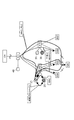
図9は、本発明におけるアーキテクチャ上でのU−Planeプロトコルの終端点を示した図である。図10は、本発明におけるアーキテクチャ上でのC−Planeプロトコルの終端点を示した図である。 FIG. 9 is a diagram showing a termination point of the U-Plane protocol on the architecture of the present invention. FIG. 10 is a diagram showing the termination point of the C-Plane protocol on the architecture of the present invention.
通信相手の端末CNにはルータRT1が接続されており、ルータRT1にはアクセスルータAR2,AR3がスター結線され、アクセスルータAR2には基地局BS4,BS5がスター結線され、アクセスルータAR3には基地局BS6,BS7がスター結線されている。ルータRT1にはU−Planeサーバ46が接続され、アクセスルータAR2にはC−Planeサーバ20及びU−Planeサーバ21が接続され、アクセスルータAR3にはC−Planeサーバ30及びU−Planeサーバ31が接続されている。
A router RT1 is connected to the communication partner terminal CN, access routers AR2 and AR3 are star-connected to the router RT1, base stations BS4 and BS5 are star-connected to the access router AR2, and a base station is connected to the access router AR3. Stations BS6 and BS7 are star-connected. A
図9及び図10の状態における各プロトコルの終端点をまとめると以下のようになる。各プロトコルは、以下のプロトコル終端点の変更条件に従い、以下の接続で終端する。 The end points of each protocol in the states of FIGS. 9 and 10 are summarized as follows. Each protocol terminates with the following connection according to the following protocol termination point change conditions.
尚、U−Plane用の上流MP、下流MPをそれぞれ上流MP(U)、下流MP(U)、C−Plane用の上流MP、下流MPをそれぞれ上流MP(C)、下流MP(C)と表記する。 The upstream MP and downstream MP for U-Plane are upstream MP (U) and downstream MP (U), respectively. The upstream MP and downstream MP for C-Plane are upstream MP (C) and downstream MP (C), respectively. write.
(1)U−Planeプロトコル(図9) (1) U-Plane protocol (FIG. 9)
上流MP(U)のU−Planeサーバ46と基地局BS6の間の経路、上流MP(U)のU−Planeサーバ46と下流MP(U)のU−Planeサーバ21の間の経路、下流MP(U)のU−Planeサーバ21と下流MP(U)のU−Planeサーバ(下流MP(U)が複数存在する場合:別の下流MP(U))の間の経路、下流MP(U)のU−Planeサーバ21と基地局BS4、BS5の間の経路は、FPで接続する。なお、これはプロトコル接続の条件であって、別の下流MP(U)が存在しない場合には、当然のことながら、該当するプロトコルは存在せず、終端もしない。
The path between the
移動端末MNと上流MP(U)のU−Planeサーバ46の間の経路は、MAC、RLC、PDCPで接続する。
The path between the mobile terminal MN and the
(2)C−Planeプロトコル(図10) (2) C-Plane protocol (FIG. 10)
上流MP(C)のU−Planeサーバ21と基地局BS4、BS5,BS6の間の経路、上流MP(C)のU−Planeサーバと下流MP(C)のU−Planeサーバの間の経路(下流MP(C)が存在する場合:別の下流MP(C))、下流MP(C)のU−Planeサーバと下流MP(C)のU−Planeサーバの間の経路(下流MP(C)が複数存在する場合)、下流MP(C)のU−Planeサーバと基地局BSの間の経路(下流MP(C)が存在する場合)は、FPで接続する。なお、これはプロトコル接続の条件であって、別の下流MP(C)が存在しない場合には、当然のことながら、該当するプロトコルは存在せず、終端もしない。
The path between the
移動端末MNと上流MP(C)のU−Planeサーバ20はMAC、RLCで接続する。
The mobile terminal MN and the upstream MP (C)
移動端末MNから上流MP(C)のU−Planeサーバ21を経由してC−Planeサーバ20までの経路はRRCで接続する。
The route from the mobile terminal MN to the C-
上流MP(C)のU−Planeサーバ21と下流MP(C)のU−Planeサーバの間の経路(下流MP(C)が存在する場合)、下流MP(C)のU−Planeサーバと下流MP(C)のU−Planeサーバの間の経路(下流MP(C)が複数存在する場合)は、RNSAP(C)で接続する。
Path between
上流MP(U)のU−Planeサーバ46と下流MP(U)のU−Planeサーバ21の間の経路、下流MP(U)のU−Planeサーバ20と下流MP(U)のU−Planeサーバ(下流MP(U)が複数存在する場合)の間の経路は、RNSAP(U)で接続する(図9)。
The path between the
上流MP(C)のU−Planeサーバ20と基地局BS4、BS5、BS6の間の経路、下流MP(C)のU−Planeサーバと基地局BSの間の経路(下流MP(C)が存在する場合)は、NBAP(C)で接続する。
The path between the
上流MP(U)のU−Planeサーバ46と基地局BS6の間の経路、下流MP(U)のU−Planeサーバ21とBS基地局BS4、BS5の間の経路は、NBAP(U)(図9)で接続する。
The path between the
C−Planeサーバ20と上流MP(C)のU−Planeサーバ21との間の経路は、新規プロトコル(C)で接続する。
A path between the C-
C−Planeサーバ21と上流MP(U)のU−Planeサーバ46は、新規プロトコル(U)(図9)で接続する。
The C-
移動端末MNの移動によりMPの位置を変更したい場合には、上記の基準に沿うようにプロトコルの終端点を変化させればよい。すなわち、MPの位置を上述のプロトコル終端条件に沿って変更することができるため、MPが変更しても、問題なく通信を継続することができ、したがって、冗長なルーチング経路を排除することができる。 When it is desired to change the position of the MP due to the movement of the mobile terminal MN, the end point of the protocol may be changed so as to conform to the above criteria. That is, since the position of the MP can be changed in accordance with the protocol termination condition described above, even if the MP is changed, communication can be continued without any problem, and therefore, a redundant routing path can be eliminated. .
すなわち、上述の移動通信ネットワークは、複数の中継交換装置RT1〜RT3,AR4〜AR7及び中継交換装置AR4〜AR7に接続された複数の基地局BS8〜BS15(BS4〜BS7)によって構成される移動通信ネットワークにおいて、基地局BS8〜BS15(BS4〜BS7)と無線通信を行う移動端末MNがソフトハンドオーバによる通信を行っている場合に、その通信経路上のデータの分岐・合成ポイントとなる中継交換装置AR5,RT1を変更する変更手段(U−Planeサーバ21)と、変更手段による変更の際に、ソフトハンドオーバ制御のためのプロトコルの終端点を、上記プロトコル終端条件に従って、変更するプロトコル終端点変更手段とを備えることを特徴とする。 That is, the above-described mobile communication network is configured by a plurality of relay exchange devices RT1 to RT3, AR4 to AR7, and a plurality of base stations BS8 to BS15 (BS4 to BS7) connected to the relay exchange devices AR4 to AR7. In a network, when a mobile terminal MN that performs radio communication with base stations BS8 to BS15 (BS4 to BS7) is performing communication by soft handover, a relay switching apparatus AR5 that becomes a branching / combining point of data on the communication path , RT1 changing means (U-Plane server 21), and when changing by the changing means, the protocol termination point changing means for changing the protocol termination point for soft handover control according to the protocol termination condition, It is characterized by providing.
この場合、プロトコル終端点変更手段によって、プロトコルの終端点が変更することで、変更手段によって冗長なルーチング経路が省略されるように分岐・合成ポイントを変更しても、良好な状態で通信を維持することができる。このプロトコル変更手段によるプロトコル終端点の変更条件は、上述の通りであり、制御ポイントの移動による制御信号のルーチング経路の切換を通信に支障なく行うことができる。 In this case, the protocol termination point is changed by the protocol termination point changing means, so that the communication can be maintained in a good state even if the branching / synthesizing point is changed so that the redundant routing path is omitted by the changing means. can do. The condition for changing the protocol end point by the protocol changing means is as described above, and the switching of the routing route of the control signal by the movement of the control point can be performed without any trouble in communication.
このプロトコル終端点変更手段は、移動通信ネットワーク全体を管理する管理ノード(図示せず)である。この管理ノードは、例えば送信中のデータに含まれるホップ数を検出し、検出されたホップ数と、データベース内に格納され且つ予めネットワークの節点解析によって演算された最小ホップ数とを比較し、検出されたホップ数が最小ホップ数よりも大きい場合には、最小冗長なルーチング経路が含まれるものと判定する。 This protocol termination point changing means is a management node (not shown) that manages the entire mobile communication network. This management node detects, for example, the number of hops included in the data being transmitted, and compares the detected number of hops with the minimum number of hops stored in the database and calculated in advance by network node analysis. If the number of hops made is greater than the minimum number of hops, it is determined that the least redundant routing path is included.
この場合、管理ノードは、演算された最小ホップ数のルーティング経路をデータが通るようにMPを設定する。その後、管理ノードがネットワークに対して、MP変更の指示を行う事により、MPの位置が変更される。管理ノードが、ルータやサーバにMP位置変更用の指示信号を送信し、かかる指示信号に応じてルータが実際のMPの位置が変更されるように、送信中のデータにアドレスを付与する。 In this case, the management node sets the MP so that the data passes through the routing path with the calculated minimum hop count. Thereafter, when the management node instructs the network to change the MP, the position of the MP is changed. The management node transmits an MP position change instruction signal to the router or server, and the router assigns an address to the data being transmitted so that the actual MP position is changed according to the instruction signal.
この指示には新旧のMPの識別子情報が含まれており、ネットワーク中の各ルータや各サーバは変更前後のMPを知る事が出来る。この指示(すなわちMPの位置の変更)をトリガとして、その指示内容の情報に基づき、上述のプロトコル終端条件を満たすように、ネットワーク中の各ルータ、各サーバがブロトコル終端点の変更を実行する。 This instruction includes new and old MP identifier information, and each router and each server in the network can know the MP before and after the change. Using this instruction (that is, changing the position of the MP) as a trigger, each router and each server in the network changes the protocol termination point so that the above-described protocol termination condition is satisfied based on the information of the instruction content.
本発明は、移動通信網における制御信号終端サーバ及びプロトコル終端方法、特に、冗長経路を発生させないソフトハンドオーバ方式における制御信号終端サーバ、プロトコル終端方法及び移動通信ネットワークに利用することができる。 INDUSTRIAL APPLICABILITY The present invention can be used for a control signal termination server and a protocol termination method in a mobile communication network, in particular, a control signal termination server, a protocol termination method and a mobile communication network in a soft handover system that does not generate a redundant path.
1・・・コアネットワーク、20,30,40,50,60,70・・・C−Planeサーバ、21,31,41,51,61,71・・・U−Planeサーバ、AR2,AR3,AR4,AR5,AR6,AR7・・・アクセスルータ、BS10,BS11,BS12,BS13,BS14,BS4,BS5,BS6,BS7,BS8・・・基地局、CN,CN1,CN2・・・端末、MN・・・移動端末、RT1,RT2,RT3・・・ルータ、UE・・・移動端末。
DESCRIPTION OF
Claims (9)
前記基地局と無線通信を行う移動端末がソフトハンドオーバによる通信を行っている場合に、その通信経路上のデータの分岐・合成ポイントとなる中継交換装置を変更する際に、ソフトハンドオーバ制御のためのプロトコルの終端点を変更することを特徴とするプロトコル終端方法。 In a mobile communication network composed of a plurality of relay exchange devices and a plurality of base stations connected to the relay exchange devices,
When a mobile terminal that performs radio communication with the base station is performing communication by soft handover, when changing a relay switching apparatus that is a branching / combining point of data on the communication path, a soft handover control is performed. A protocol termination method, characterized by changing a protocol termination point.
ユーザデータ制御用のプロトコルについて、
フレームプロトコルは、上流MP(U)から基地局間、上流MP(U)から下流MP(U)間、下流MP(U)から別の下流MP(U)間、及び下流MP(U)から前記基地局間で終端し、
MAC、RLC、PDCPの各プロトコルは、前記移動端末と上流MP(U)の間で終端することを特徴とする請求項1に記載のプロトコル終端方法。 Regarding the protocol for user data control, the relay switching device existing at the most upstream among the relay switching devices serving as branching / combining points on the routing route of user data is the upstream MP (U), and other than the upstream MP (U). When the relay switching device that is the branch / combination point of the downstream MP (U)
About the protocol for user data control
The frame protocol includes the upstream MP (U) to the base station, the upstream MP (U) to the downstream MP (U), the downstream MP (U) to another downstream MP (U), and the downstream MP (U) to the aforementioned. Terminate between base stations,
The protocol termination method according to claim 1, wherein each of the MAC, RLC, and PDCP protocols is terminated between the mobile terminal and an upstream MP (U).
制御信号送受信用のプロトコルについて、制御信号のルーチング経路上にある分岐・合成ポイントの中で最上流に存在する中継交換装置を上流MP(C)とし、上流MP(C)以外の分岐・合成ポイントとなる中継交換装置を下流MP(C)とした場合、
制御信号送受信用のプロトコルについて、
フレームプロトコルは、上流MP(C)から前記基地局間、上流MP(C)から下流MP(C)間、下流MP(C)から別の下流MP(C)間、及び下流MP(C)から前記基地局間で終端し、
MAC、RLCの各プロトコルは、前記移動端末から上流MP(C)間で終端し、
RRCは、前記移動端末から上流MP(C)を経由して前記制御信号終端サーバ装置までの間で終端し、
RNSAPは、上流MP(C)から下流MP(C)間、下流MP(C)から別の下流MP(C)間、上流MP(U)から下流MP(U)間、及び下流MP(U)から別の下流MP(U)間で終端し、
NBAPは、上流MP(C)から前記基地局間、下流MP(C)から前記基地局間、上流MP(U)から前記基地局間、及び下流MP(U)から前記基地局間で終端することを特徴とする請求項2に記載のプロトコル終端方法。 The mobile communication network includes a control signal termination server device that terminates a protocol for transmitting and receiving a control signal for soft handover control,
For the control signal transmission / reception protocol, the upstream switch (C) is the upstream switching device in the branch / combination point on the control signal routing path, and the branch / combination point other than the upstream MP (C). When the relay switching device is a downstream MP (C),
About the protocol for sending and receiving control signals
The frame protocol includes the upstream MP (C) to the base station, the upstream MP (C) to the downstream MP (C), the downstream MP (C) to another downstream MP (C), and the downstream MP (C). Terminate between the base stations,
The MAC and RLC protocols terminate between the mobile terminal and the upstream MP (C),
RRC terminates from the mobile terminal via the upstream MP (C) to the control signal termination server device,
RNSAP is between upstream MP (C) and downstream MP (C), between downstream MP (C) and another downstream MP (C), between upstream MP (U) and downstream MP (U), and downstream MP (U). To another downstream MP (U),
The NBAP terminates between the upstream MP (C) and the base station, downstream MP (C) to the base station, upstream MP (U) to the base station, and downstream MP (U) to the base station. The protocol termination method according to claim 2, wherein:
前記基地局と無線通信を行う移動端末がソフトハンドオーバによる通信を行っている場合に、その通信経路上のデータの分岐・合成ポイントとなる中継交換装置を変更する変更手段と、
前記変更手段による変更の際に、ソフトハンドオーバ制御のためのプロトコルの終端点を変更するプロトコル終端点変更手段と、
を備えることを特徴とする移動通信ネットワーク。 In a mobile communication network composed of a plurality of relay exchange devices and a plurality of base stations connected to the relay exchange devices,
When a mobile terminal that performs radio communication with the base station is performing communication by soft handover, a changing unit that changes a relay switching apparatus that is a branching / combining point of data on the communication path;
Protocol termination point changing means for changing a protocol termination point for soft handover control when changing by the changing means;
A mobile communication network comprising:
前記プロトコル終端点変更手段は、
ユーザデータ制御用のプロトコルについて、
フレームプロトコルを、上流MP(U)から基地局間、上流MP(U)から下流MP(U)間、下流MP(U)から別の下流MP(U)間、及び下流MP(U)から前記基地局間で終端し、
MAC、RLC、PDCPの各プロトコルを、前記移動端末と上流MP(U)の間で終端することを特徴とする請求項6に記載の移動通信ネットワーク。 Regarding the protocol for user data control, the relay switching device existing at the most upstream among the relay switching devices serving as branching / combining points on the routing route of user data is the upstream MP (U), and other than the upstream MP (U). When the relay switching device that is the branch / combination point of the downstream MP (U)
The protocol termination point changing means includes
About the protocol for user data control
The frame protocol is changed between the upstream MP (U) and the base station, between the upstream MP (U) and the downstream MP (U), between the downstream MP (U) and another downstream MP (U), and from the downstream MP (U). Terminate between base stations,
The mobile communication network according to claim 6, wherein MAC, RLC, and PDCP protocols are terminated between the mobile terminal and an upstream MP (U).
制御信号送受信用のプロトコルについて、制御信号のルーチング経路上にある分岐・合成ポイントの中で最上流に存在する中継交換装置を上流MP(C)とし、上流MP(C)以外の分岐・合成ポイントとなる中継交換装置を下流MP(C)とした場合、
前記プロトコル終端点変更手段は、
制御信号送受信用のプロトコルについて、
フレームプロトコルを、上流MP(C)から前記基地局間、上流MP(C)から下流MP(C)間、下流MP(C)から別の下流MP(C)間、及び下流MP(C)から前記基地局間で終端し、
MAC、RLCの各プロトコルを、前記移動端末から上流MP(C)間で終端し、
RRCを、前記移動端末から上流MP(C)を経由して前記制御信号終端サーバ装置までの間で終端し、
RNSAPを、上流MP(C)から下流MP(C)間、下流MP(C)から別の下流MP(C)間、上流MP(U)から下流MP(U)間、及び下流MP(U)から別の下流MP(U)間で終端し、
NBAPを、上流MP(C)から前記基地局間、下流MP(C)から前記基地局間、上流MP(U)から前記基地局間、及び下流MP(U)から前記基地局間で終端することを特徴とする請求項7に記載の移動通信ネットワーク。 The mobile communication network includes a control signal termination server device that terminates a protocol for transmitting and receiving a control signal for soft handover control,
For the control signal transmission / reception protocol, the upstream switch (C) is the upstream switching device in the branch / combination point on the control signal routing path, and the branch / combination point other than the upstream MP (C). When the relay switching device is a downstream MP (C),
The protocol termination point changing means includes
About the protocol for sending and receiving control signals
The frame protocol is changed between the upstream MP (C) and the base station, between the upstream MP (C) and the downstream MP (C), between the downstream MP (C) and another downstream MP (C), and from the downstream MP (C). Terminate between the base stations,
Terminate each protocol of MAC and RLC between the mobile terminal and the upstream MP (C),
RRC is terminated from the mobile terminal via the upstream MP (C) to the control signal termination server device,
The RNSAP is connected between the upstream MP (C) and the downstream MP (C), between the downstream MP (C) and another downstream MP (C), between the upstream MP (U) and the downstream MP (U), and downstream MP (U). To another downstream MP (U),
NBAP is terminated between upstream MP (C) between the base stations, downstream MP (C) between the base stations, upstream MP (U) between the base stations, and downstream MP (U) between the base stations. The mobile communication network according to claim 7.
9. The protocol termination point changing means terminates between the control signal termination server and the upstream MP (C) and between the control signal termination server and the upstream MP (U) by a new communication protocol. The mobile communication network described.
Priority Applications (6)
| Application Number | Priority Date | Filing Date | Title |
|---|---|---|---|
| JP2003318777A JP4153394B2 (en) | 2003-09-10 | 2003-09-10 | Protocol termination method, control signal termination server device, and mobile communication network |
| US10/929,121 US7142859B2 (en) | 2003-09-10 | 2004-08-27 | Protocol terminating method, control signal terminating server apparatus, and mobile communication system |
| EP20040021356 EP1515576A3 (en) | 2003-09-10 | 2004-09-08 | Handover control protocol terminating method, handover control signal terminating apparatus, and mobile communication system |
| CNA2007101012970A CN101056266A (en) | 2003-09-10 | 2004-09-10 | Communication protocol terminal method, control signal terminal service and mobile communication system |
| CNB2004100771621A CN100388724C (en) | 2003-09-10 | 2004-09-10 | Communication protocol terminal method, control signal terminal server and mobile communication system |
| US11/585,396 US20070036103A1 (en) | 2003-09-10 | 2006-10-24 | Protocol and control signal termination in a communication system |
Applications Claiming Priority (1)
| Application Number | Priority Date | Filing Date | Title |
|---|---|---|---|
| JP2003318777A JP4153394B2 (en) | 2003-09-10 | 2003-09-10 | Protocol termination method, control signal termination server device, and mobile communication network |
Publications (2)
| Publication Number | Publication Date |
|---|---|
| JP2005086688A JP2005086688A (en) | 2005-03-31 |
| JP4153394B2 true JP4153394B2 (en) | 2008-09-24 |
Family
ID=34132010
Family Applications (1)
| Application Number | Title | Priority Date | Filing Date |
|---|---|---|---|
| JP2003318777A Expired - Fee Related JP4153394B2 (en) | 2003-09-10 | 2003-09-10 | Protocol termination method, control signal termination server device, and mobile communication network |
Country Status (4)
| Country | Link |
|---|---|
| US (2) | US7142859B2 (en) |
| EP (1) | EP1515576A3 (en) |
| JP (1) | JP4153394B2 (en) |
| CN (2) | CN101056266A (en) |
Families Citing this family (15)
| Publication number | Priority date | Publication date | Assignee | Title |
|---|---|---|---|---|
| GB0208272D0 (en) * | 2002-04-10 | 2002-05-22 | Nokia Corp | Method and apparatus for transmitting multimedia content from a network content element to a network data distribution element |
| WO2007111320A1 (en) * | 2006-03-28 | 2007-10-04 | Ntt Docomo, Inc. | Mobile communication system, communication node, base station, and method |
| CN101047967B (en) * | 2006-03-30 | 2010-12-01 | 华为技术有限公司 | Method and device for processing data during switching |
| WO2007119598A1 (en) * | 2006-03-31 | 2007-10-25 | Matsushita Electric Industrial Co., Ltd. | HIGH-SPEED QoS HANDOVER METHOD AND PROCESSING NODE USED IN THE METHOD |
| US8477658B2 (en) * | 2006-04-25 | 2013-07-02 | The Hong Kong University Of Science And Technology | Intelligent peer-to-peer media streaming |
| US7757148B2 (en) * | 2006-05-25 | 2010-07-13 | Motorola, Inc. | Method to suspend automatic repeat request (ARQ) reset |
| CN101146327B (en) * | 2006-09-12 | 2011-02-16 | 华为技术有限公司 | Switching method in radio relay system and radio relay system realizing this switching |
| US20080089287A1 (en) * | 2006-10-12 | 2008-04-17 | Telefonaktiebolaget Lm Ericsson (Publ) | Broadcast-based communication in a radio or wireless access network to support mobility |
| CN101574004A (en) | 2006-11-10 | 2009-11-04 | 三菱电机株式会社 | Mobile communication system, mobile station and base station |
| EP2088718A4 (en) * | 2006-11-16 | 2013-07-03 | Ntt Docomo Inc | DEVICE AND METHOD FOR COMMUNICATION CONTROL |
| CN101072436B (en) * | 2007-03-29 | 2012-02-29 | 北京邮电大学 | Handover method of two-hop cellular relay network for centralized control of base stations |
| JP4844751B2 (en) * | 2007-03-30 | 2011-12-28 | 日本電気株式会社 | Network resource management system, method, and radio control apparatus |
| US8279766B2 (en) * | 2007-07-31 | 2012-10-02 | The Hong Kong University Of Science And Technology | Interior-node-disjoint multi-tree topology formation |
| US7929860B2 (en) * | 2007-10-15 | 2011-04-19 | Motorola Mobility, Inc. | System and method for sonet equipment fault management |
| WO2014040301A1 (en) * | 2012-09-17 | 2014-03-20 | 华为技术有限公司 | Scheduling method, base station, user equipment and system |
Family Cites Families (8)
| Publication number | Priority date | Publication date | Assignee | Title |
|---|---|---|---|---|
| FI108772B (en) * | 1998-03-31 | 2002-03-15 | Nokia Corp | Procedure for controlling the connections to a mobile station |
| WO2001070309A1 (en) * | 2000-03-23 | 2001-09-27 | Antares Pharma, Inc. | Single use disposable jet injector |
| US6594498B1 (en) * | 2000-08-14 | 2003-07-15 | Vesuvius, Inc. | Communique system for cellular communication networks |
| EP1207710A1 (en) | 2000-11-15 | 2002-05-22 | Siemens Aktiengesellschaft | Method for the relocaton of the diversity node of a mobile station |
| US6721571B2 (en) * | 2000-12-15 | 2004-04-13 | Nortel Networks Ltd. | Wireless network infrastructure in that digital processing resources are shared |
| US20040081128A1 (en) * | 2001-02-27 | 2004-04-29 | Bruno Fiter | Method for relocating the diversity point of a mobile station in a radio access network |
| US7215958B2 (en) * | 2001-08-20 | 2007-05-08 | Nokia Corporation | Relocation method, system and network element |
| US6950398B2 (en) * | 2001-08-22 | 2005-09-27 | Nokia, Inc. | IP/MPLS-based transport scheme in 3G radio access networks |
-
2003
- 2003-09-10 JP JP2003318777A patent/JP4153394B2/en not_active Expired - Fee Related
-
2004
- 2004-08-27 US US10/929,121 patent/US7142859B2/en not_active Expired - Fee Related
- 2004-09-08 EP EP20040021356 patent/EP1515576A3/en not_active Withdrawn
- 2004-09-10 CN CNA2007101012970A patent/CN101056266A/en not_active Withdrawn
- 2004-09-10 CN CNB2004100771621A patent/CN100388724C/en not_active Expired - Fee Related
-
2006
- 2006-10-24 US US11/585,396 patent/US20070036103A1/en not_active Abandoned
Also Published As
| Publication number | Publication date |
|---|---|
| JP2005086688A (en) | 2005-03-31 |
| US7142859B2 (en) | 2006-11-28 |
| EP1515576A3 (en) | 2009-03-25 |
| US20070036103A1 (en) | 2007-02-15 |
| US20050085227A1 (en) | 2005-04-21 |
| CN100388724C (en) | 2008-05-14 |
| CN1595913A (en) | 2005-03-16 |
| EP1515576A2 (en) | 2005-03-16 |
| CN101056266A (en) | 2007-10-17 |
Similar Documents
| Publication | Publication Date | Title |
|---|---|---|
| JP5273223B2 (en) | Mobile communication system, communication method therefor, and radio base station apparatus | |
| US6466556B1 (en) | Method of accomplishing handover of packet data flows in a wireless telecommunications system | |
| CN100505951C (en) | Arrangements and method for handling macro diversity in a universal mobile telecommunications system | |
| JP4153394B2 (en) | Protocol termination method, control signal termination server device, and mobile communication network | |
| US8498668B2 (en) | Centralized radio network controller | |
| US6226283B1 (en) | Method and selector for performing selection in a communication system | |
| EP1303157A1 (en) | System and method for switching between base stations in a wireless communications systems | |
| US20070213097A1 (en) | Radio network controller, mobile communication system, and method of controlling radio base station device | |
| EP1179270B1 (en) | Method and system for performing distribution in a communication system | |
| JP2004260620A (en) | Wireless data communication method, server device and wireless control device | |
| JP2008109709A (en) | Mobile communication system | |
| JP2005260435A (en) | Mobile communication system and radio network control method | |
| JP5643365B2 (en) | Wireless communication system, user plane control apparatus and communication method therefor | |
| JP4664324B2 (en) | Wireless data communication method, server device, and wireless control device | |
| NISHIMURA et al. | Optimal-routed soft handover in IP-based mobile networks | |
| Khan et al. | 455/432'1’433434’435'1’gzayjsfgzai’previous' base station will not be ‘lost. For example, when |
Legal Events
| Date | Code | Title | Description |
|---|---|---|---|
| A621 | Written request for application examination |
Free format text: JAPANESE INTERMEDIATE CODE: A621 Effective date: 20060411 |
|
| A977 | Report on retrieval |
Free format text: JAPANESE INTERMEDIATE CODE: A971007 Effective date: 20080523 |
|
| TRDD | Decision of grant or rejection written | ||
| A01 | Written decision to grant a patent or to grant a registration (utility model) |
Free format text: JAPANESE INTERMEDIATE CODE: A01 Effective date: 20080701 |
|
| A01 | Written decision to grant a patent or to grant a registration (utility model) |
Free format text: JAPANESE INTERMEDIATE CODE: A01 |
|
| A61 | First payment of annual fees (during grant procedure) |
Free format text: JAPANESE INTERMEDIATE CODE: A61 Effective date: 20080703 |
|
| R150 | Certificate of patent or registration of utility model |
Free format text: JAPANESE INTERMEDIATE CODE: R150 |
|
| FPAY | Renewal fee payment (event date is renewal date of database) |
Free format text: PAYMENT UNTIL: 20110711 Year of fee payment: 3 |
|
| FPAY | Renewal fee payment (event date is renewal date of database) |
Free format text: PAYMENT UNTIL: 20110711 Year of fee payment: 3 |
|
| FPAY | Renewal fee payment (event date is renewal date of database) |
Free format text: PAYMENT UNTIL: 20120711 Year of fee payment: 4 |
|
| FPAY | Renewal fee payment (event date is renewal date of database) |
Free format text: PAYMENT UNTIL: 20120711 Year of fee payment: 4 |
|
| FPAY | Renewal fee payment (event date is renewal date of database) |
Free format text: PAYMENT UNTIL: 20130711 Year of fee payment: 5 |
|
| R250 | Receipt of annual fees |
Free format text: JAPANESE INTERMEDIATE CODE: R250 |
|
| R250 | Receipt of annual fees |
Free format text: JAPANESE INTERMEDIATE CODE: R250 |
|
| R250 | Receipt of annual fees |
Free format text: JAPANESE INTERMEDIATE CODE: R250 |
|
| R250 | Receipt of annual fees |
Free format text: JAPANESE INTERMEDIATE CODE: R250 |
|
| R250 | Receipt of annual fees |
Free format text: JAPANESE INTERMEDIATE CODE: R250 |
|
| LAPS | Cancellation because of no payment of annual fees |