JP4076422B2 - Ride information provision system - Google Patents
Ride information provision system Download PDFInfo
- Publication number
- JP4076422B2 JP4076422B2 JP2002288387A JP2002288387A JP4076422B2 JP 4076422 B2 JP4076422 B2 JP 4076422B2 JP 2002288387 A JP2002288387 A JP 2002288387A JP 2002288387 A JP2002288387 A JP 2002288387A JP 4076422 B2 JP4076422 B2 JP 4076422B2
- Authority
- JP
- Japan
- Prior art keywords
- boarding information
- information
- boarding
- display
- train
- Prior art date
- Legal status (The legal status is an assumption and is not a legal conclusion. Google has not performed a legal analysis and makes no representation as to the accuracy of the status listed.)
- Expired - Fee Related
Links
- 230000005540 biological transmission Effects 0.000 claims description 254
- 238000003860 storage Methods 0.000 claims description 111
- 238000001514 detection method Methods 0.000 claims description 72
- 230000004044 response Effects 0.000 claims description 20
- 238000009434 installation Methods 0.000 claims description 15
- 238000000034 method Methods 0.000 description 223
- 230000008569 process Effects 0.000 description 220
- 238000007726 management method Methods 0.000 description 204
- 230000015654 memory Effects 0.000 description 113
- 230000000694 effects Effects 0.000 description 89
- 238000012545 processing Methods 0.000 description 50
- 238000011144 upstream manufacturing Methods 0.000 description 50
- 238000010586 diagram Methods 0.000 description 40
- 239000000872 buffer Substances 0.000 description 27
- 208000019901 Anxiety disease Diseases 0.000 description 22
- 230000036506 anxiety Effects 0.000 description 22
- 230000008859 change Effects 0.000 description 12
- 238000012546 transfer Methods 0.000 description 12
- 238000013500 data storage Methods 0.000 description 11
- 238000009826 distribution Methods 0.000 description 11
- 238000004891 communication Methods 0.000 description 7
- 238000012790 confirmation Methods 0.000 description 7
- 238000001816 cooling Methods 0.000 description 3
- 238000009825 accumulation Methods 0.000 description 2
- 230000015572 biosynthetic process Effects 0.000 description 2
- 238000006243 chemical reaction Methods 0.000 description 2
- 229910003460 diamond Inorganic materials 0.000 description 2
- 239000010432 diamond Substances 0.000 description 2
- 230000007613 environmental effect Effects 0.000 description 2
- 238000005755 formation reaction Methods 0.000 description 2
- 238000010295 mobile communication Methods 0.000 description 2
- 238000012986 modification Methods 0.000 description 2
- 230000004048 modification Effects 0.000 description 2
- 238000010248 power generation Methods 0.000 description 2
- 238000003825 pressing Methods 0.000 description 2
- 238000005070 sampling Methods 0.000 description 2
- 238000010276 construction Methods 0.000 description 1
- 230000007423 decrease Effects 0.000 description 1
- 230000006870 function Effects 0.000 description 1
- 238000007689 inspection Methods 0.000 description 1
- 238000005259 measurement Methods 0.000 description 1
- 238000002360 preparation method Methods 0.000 description 1
- 230000002250 progressing effect Effects 0.000 description 1
Images




Landscapes
- Train Traffic Observation, Control, And Security (AREA)
Description
【0001】
【発明の属する技術分野】
本発明は、乗車情報提供システムに関し、特に、移動体の乗車状態に関する乗車情報を利用者に提供して、公共交通機関の利用を促進することができる乗車情報提供システムに関するものである。
【0002】
【従来の技術】
例えば鉄道などの交通機関を利用する利用者にとって最も重大な関心事の一つは、利用する列車(移動体)に空席があるか否か、即ち、座席に着座することができるか否かであろう。そのため、鉄道などの交通機関には、指定席を有するものがあり、乗車券(指定席券)を発券する際には、候補の列車の空席情報(移動体の乗車状態に関する乗車情報の一つ)を確認して発券する発券システムが使用されている。
【0003】
具体的には、ホストコンピュータに接続された複数の端末装置が各駅に設置されており、利用者からの申し込みがあると、端末装置の操作員が候補の列車の空席情報の照会をホストコンピュータに通信回線を通じて行い、空席情報を受け取る。空席がある場合には、いずれかの座席を指定して購入申し込みをホストコンピュータに送信し、座席の指定確認を受けた後、乗車券を発券するのである。
【0004】
このような発券システムの中には、乗車券の発券の際に空席情報を画像表示して、利用者が好みの席を指定することができるように構成されたものも提案されている(例えば、特許文献1参照)。
【0005】
【特許文献1】
特開平9−134340号公報(第1図および第13図)
【0006】
【発明が解決しようとする課題】
しかしながら、このような発券システムは、専用通信回線の敷設が必要であると共に、ホストコンピュータを中心として全端末装置の入出力を管理する必要もあり、高価で大掛かりなシステムになるという問題点があった。
【0007】
ところで、上述した発券システムは、そもそも指定席を利用する利用者に対して空席情報(乗車情報)を提供するものであり、自由席を利用する利用者に対しては、なんら役に立つ機能を有していない。即ち、上述した発券システムでは、自由席を利用する利用者に対しては、次に到着する列車に空席があるか否かを提供することができないという問題点があった。
【0008】
そのため、駅のプラットホームで待機する利用者が有する不安感(例えば、座席に着座できるか否か、或いは、どの昇降口で待機していれば混雑していない車両に乗車できるのか)を解消することができず、その結果、鉄道等の公共交通機関を不便と感じる利用者が増加し、公共交通機関の利用率が低下してしまうという問題点があった。これはエネルギー問題・環境保護の観点からも好ましいものではない。
【0009】
本発明は、上述した問題点を解決するためになされたものであり、移動体の乗車状態に関する乗車情報を利用者に提供して、公共交通機関の利用を促進することができる乗車情報提供システムを提供することを目的としている。
【0010】
【課題を解決するための手段】
この目的を達成するために請求項1記載の乗車情報提供システムは、移動体の乗車状態に関する乗車情報を利用者に提供するものであって、運行中の前記移動体から前記乗車情報を取得する乗車情報取得手段と、その乗車情報取得手段が取得した乗車情報を送信する乗車情報送信手段とを有し、前記各移動体毎に搭載される1又は2以上の移動体端末装置と、その移動体端末装置の乗車情報送信手段が送信した乗車情報を受信する乗車情報受信手段と、その乗車情報受信手段が受信した乗車情報を利用者に提供する乗車情報提供手段とを有し、前記移動体が停車する各停車場毎に配設される1又は2以上の乗車情報管理装置とを備え、その乗車情報管理装置の乗車情報受信手段は、前記乗車情報管理装置が配設される停車場に次に停車する移動体から取得された乗車情報を少なくとも選択して受信する選択受信手段を備え、前記乗車情報提供手段は、前記移動体が停車する停車場であって、利用者が待機するプラットホームに一部または全部が設置され文字や図形等の表示を行う1又は2以上の表示装置と、その表示装置に前記乗車情報受信手段が受信した乗車情報の表示を行わせる表示制御手段とを備え、その表示制御手段は、前記各表示装置の表示内容をその表示装置の設置位置に応じて設定すると共に、前記各表示装置から見て直近に前記移動体が停車しない表示装置には、前記移動体が停車しないことが表示されるように、前記各表示装置の表示内容を設定する表示内容設定手段を備えている。
【0011】
【0012】
請求項2記載の乗車情報提供システムは、請求項1記載の乗車情報提供システムにおいて、前記選択受信手段は、前記移動体端末装置の乗車情報送信手段に前記乗車情報の送信を要求する送信要求手段を備え、前記移動体端末装置の乗車情報送信手段は、前記選択受信手段の送信要求手段によって乗車情報の送信を要求された場合に、その送信の要求を行った選択受信手段に対して前記乗車情報の送信を開始する送信開始手段を備えている。
【0013】
請求項3記載の乗車情報提供システムは、請求項1記載の乗車情報提供システムにおいて、前記移動体端末装置の乗車情報送信手段は、その移動体端末装置が搭載される移動体に固有の周波数の電波を使用して前記乗車情報を送信する固有電波送信手段を備えており、前記選択受信手段は、前記固有電波送信手段が送信する乗車情報を受信する電波受信手段と、その電波受信手段の受信周波数を前記移動体に固有の周波数に変更する周波数変更手段とを備えている。
【0014】
請求項4記載の乗車情報提供システムは、請求項1から3のいずれかに記載の乗車情報提供システムにおいて、前記移動体端末装置の乗車情報取得手段は、少なくとも前記乗車情報管理装置が配設された各停車場間において少なくとも1回は運行中の移動体から乗車情報を取得するように構成されており、前記移動体端末装置の乗車情報送信手段は、その乗車情報取得手段が取得した乗車情報を少なくとも前記乗車情報管理装置が設けられた各停車場間において少なくとも1回は送信するように構成されている。
【0015】
請求項5記載の乗車情報提供システムは、請求項1から4のいずれかに記載の乗車情報提供システムにおいて、前記移動体端末装置の乗車情報取得手段は、前記移動体に設けられた座席の空席状態に関する空席情報を運行中の移動体から取得する空席取得手段を備えており、前記乗車情報送信手段が送信する乗車情報には、その空席取得手段が取得した空席情報が含まれている。
【0016】
請求項6記載の乗車情報提供システムは、請求項5記載の乗車情報提供システムにおいて、前記空席取得手段は、前記移動体に設けられた座席への乗客の着座を各座席毎に検出する着座検出手段を備えており、その着座検出手段の検出結果に基づいて前記座席の空席状態に関する空席情報を各座席毎に取得可能に構成されている。
【0017】
請求項7記載の乗車情報提供システムは、請求項1から6のいずれかに記載の乗車情報提供システムにおいて、前記移動体端末装置の乗車情報取得手段は、前記移動体の乗室内であって座席が設けられていない領域における乗客を検出し、その領域における乗客の混雑状態に関する混雑情報を運行中の移動体から取得する混雑度取得手段を備えており、前記乗車情報送信手段が送信する乗車情報には、その混雑度取得手段が取得した混雑情報が含まれている。
【0018】
請求項8記載の乗車情報提供システムは、請求項1から7のいずれかに記載の乗車情報提供システムにおいて、前記停車場のプラットホームに設置される表示装置の一部または全部は、前記停車場に停車した移動体の昇降口に対応する位置にそれぞれ設置されている。
【0019】
【0020】
請求項9記載の乗車情報提供システムは、請求項1から8のいずれかに記載の乗車情報提供システムにおいて、前記移動体は、互いに連結される2以上の車両を備えており、前記停車場のプラットホームに設置された各表示装置には、各表示装置から見て直近に停車する前記車両に関する乗車情報が少なくとも表示されるように、前記表示内容設定手段が各表示装置の表示内容を設定するように構成されている。
【0021】
請求項10記載の乗車情報提供システムは、請求項9記載の乗車情報提供システムにおいて、前記停車場のプラットホームに設置された各表示装置には、各表示装置から見て直近に停車する前記車両に関する乗車情報と共に、他の車両に関する乗車情報も同時に表示されるように、前記表示内容設定手段が各表示装置の表示内容を設定するように構成されている。
【0022】
請求項11記載の乗車情報提供システムは、請求項9又は10に記載の乗車情報提供システムにおいて、前記表示内容設定手段は、前記表示装置の設置位置から見て直近に停車する車両に関する乗車情報を他の車両に関する乗車情報と異なる態様で表示する車両表示調整手段を備えている。
【0023】
請求項12記載の乗車情報提供システムは、請求項1から11のいずれかに記載の乗車情報提供システムにおいて、前記移動体端末装置の乗車情報送信手段から送信される前記乗車情報には、その移動体端末装置が搭載される移動体に固有の識別情報が付加されており、前記乗車情報管理装置は、各移動体の車両数等に関する移動体情報と各移動体の運行予定に関する運行情報とを記憶する固有情報記憶手段と、その固有情報記憶手段から前記識別情報に対応する前記移動体情報または前記運行情報の少なくとも一方を読み出す固有情報読出手段とを備え、前記表示内容設定手段は、その固有情報読出手段によって読み出された移動体情報または(及び)運行情報に基づいて前記各表示装置の表示内容を設定するように構成されている。
【0024】
請求項13記載の乗車情報提供システムは、請求項1から12のいずれかに記載の乗車情報提供システムにおいて、記移動体は、互いに連結される2以上の車両を備えており、前記移動体端末装置の乗車情報送信手段から送信される前記乗車情報には、その乗車情報に含まれる各情報が前記移動体のどの車両から取得されたものであるかを特定可能な車両情報が付加されており、前記表示内容設定手段は、その車両情報に基づいて前記各表示装置の表示内容を設定可能に構成されている。
【0025】
請求項14記載の乗車情報提供システムは、請求項1から13のいずれかに記載の乗車情報提供システムにおいて、前記移動体の乗車状態に関する乗車情報を記憶するサーバ記憶手段と、そのサーバ記憶手段に記憶された前記乗車情報を利用者が有する利用者端末装置からの要求により回線を通じて送信するサーバ送信手段とを有するサーバと、そのサーバのサーバ記憶手段に記憶される前記乗車情報の内容を前記移動体端末装置の乗車情報取得手段が取得した乗車情報の内でより最新のものに更新するサーバ情報更新手段とを備える。
【0026】
請求項15記載の乗車情報提供システムは、請求項14記載の乗車情報提供システムにおいて、前記移動体端末装置の乗車情報取得手段が取得した乗車情報の一部または全部を蓄積する乗車情報蓄積手段を備え、前記サーバは、その乗車情報蓄積手段により蓄積された乗車情報を記憶する蓄積情報記憶手段を備えると共に、前記サーバのサーバ送信手段は、前記サーバ記憶手段の蓄積情報記憶手段に記憶された内容を利用者が有する利用者端末装置からの要求により回線を通じて送信可能に構成されている。
【0027】
請求項16記載の乗車情報提供システムは、請求項14又は15に記載の乗車情報提供システムにおいて、前記乗車情報更新手段は、前記乗車情報管理装置に設けられると共に、その乗車情報管理装置の乗車情報受信手段が受信した乗車情報を使用して前記サーバ記憶手段に記憶される前記乗車情報の内容をより最新のものに更新するように構成されており、前記サーバのサーバ記憶手段には、2以上の前記乗車情報管理装置の乗車情報更新手段によって更新される乗車情報がそれぞれ前記各乗車情報管理装置に対応づけて記憶されており、前記サーバのサーバ送信手段は、利用者が有する利用者端末装置からの要求により回線を通じてサーバ記憶手段に記憶された前記乗車情報を前記各乗車情報管理装置に対応づけて送信可能に構成されている。
【0028】
請求項17記載の乗車情報提供システムは、請求項15又は16に記載の乗車情報提供システムにおいて、前記乗車情報蓄積手段は、前記乗車情報管理装置に設けられると共に、その乗車情報管理装置は、前記乗車情報蓄積手段が蓄積した乗車情報をその乗車情報管理装置に対応づけて前記サーバの蓄積情報記憶手段に記憶させる蓄積記憶手段を備えており、前記サーバのサーバ送信手段は、利用者が有する利用者端末装置からの要求により回線を通じて蓄積情報記憶手段に記憶された内容を各乗車情報管理装置に対応づけて送信可能に構成されている。
請求項18記載の乗車情報提供システムは、請求項6記載の乗車情報提供システムにおいて、前記停車場のプラットホームに設置される表示装置の一部または全部は、前記停車場に停車した移動体の昇降口に対応する位置にそれぞれ設置されており、前記停車場に設置された各表示装置には、前記昇降口の位置が表示されると共に、前記着座検出手段の検出結果に基づいて取得された前記座席の空席状態に関する空席情報が各座席毎に表示されるように、前記表示内容設定手段が各表示装置の表示内容を設定するように構成されている。
【0029】
【発明の実施の形態】
以下、本発明の好ましい実施例について、添付図面を参照して説明する。図1は、本発明の第一実施例における乗車情報提供システム1の概略を模式的に示した図である。まず、この図1を参照して、乗車情報提供システム1の概略について説明する。なお、第1実施例では、乗車情報提供システム1の適用対象の交通機関として、敷設されたレール上を走行する鉄道を用いて説明する。
【0030】
乗車情報提供システム1は、電車Tの乗車状態に関する情報を利用者に提供するためのシステムであり、例えば、電車Tに空席があるか否かを表す空席情報等が表示装置41等によって利用者に提供される。
【0031】
この乗車情報提供システム1は、図1に示すように、電車Tに搭載される移動体端末装置10とA駅に配設される乗車情報管理装置30とを主に備えており、これら移動体端末装置10と乗車情報管理装置30とは、インターネットを介して相互に接続されている。
【0032】
電車Tに搭載される移動体端末装置10は、後述する座席センサ装置20(図3参照)等により運行中の電車Tから空席情報等を取得して、その空席情報等を次に停車するA駅の乗車情報管理装置30へ送信可能に構成されており、一方、A駅に配設された乗車情報管理装置30は、受信した空席情報等をA駅のプラットホームH上に設置された各表示装置41に表示可能に構成されている。
【0033】
この乗車情報提供システム1によれば、A駅のプラットホームHにおいて電車Tを待っている利用者に対して、次着の電車Tの空席情報等を表示装置41を介して提供することができるので、電車Tに空席があるか否か、即ち、座席に着座できるか否かといった利用者の不安感を解消することができる。よって、電車Tを利用する利用者の利便性が向上して、公共交通機関としての鉄道の利用を促進することができる。これは、エネルギー問題・環境問題の観点からも非常に好ましいことである。
【0034】
また、乗車情報提供システム1は、図1に示すように、乗車情報管理装置30が受信した空席情報等をホームページとして公開可能に構成されており、このホームページによっても空席情報等を利用者に提供している。よって、利用者は、このホームページにアクセスすることにより、パーソナルコンピュータPCや携帯電話PTからも空席情報等を閲覧することができるので、例えば、自宅に居ながらにして、或いは、A駅へ向かう途中においても、空席情報等を確認することができる。
【0035】
図2は、A駅に停車した電車Tを模式的に示した図であり、(a)は、電車Tの上面図であり、(b)は、図2(a)の側面図である。なお、図2(a)では、理解を容易とするために、電車Tの乗室内を透視図により示している。
【0036】
電車Tは、図2に示すように、3両編成として構成されており、各車両には利用者が着座する座席Sが複数配設されている。各座席Sには、後述する座席センサ装置20(図3参照)がそれぞれ装着されている。この座席センサ装置20は、座席Sに乗客が着座しているか否かを検出するための装置であり、座席Sの各着座部毎に装着されている。即ち、例えば、3人がけの座席Sであれば、3つの座席センサ装置20が各着座部にそれぞれ装着されている。
【0037】
これにより、乗客が座席Sへ着座したり座席から起立した場合には、かかる座席の状態変化が自動的に検出されるので、電車T内の全ての座席Sについて、また、運行中の電車Tに対しても、その空席情報(座席Sが空席であるか否か)を正確かつ確実に取得することができる。
【0038】
電車Tの各車両には、乗客が乗降車するための複数の昇降口2が開閉可能に設けられており、各昇降口2の付近には、図2(a)に示すように、座席Sに着座できなかった乗客が立ったまま乗車するためのスペース(以下、「立乗スペース」と称す。)が確保されている。この立乗スペースの天井には、後述する赤外線センサ装置21(図3参照)が装着されている。
【0039】
この赤外線センサ装置21は、立乗スペースに乗車する乗客を検出するための装置であり、乗客から放出される赤外線を検出可能に構成されている。赤外線センサ装置21は、各昇降口2に対応して装着されており、各昇降口2付近の立乗スペースにおける乗客の数を「少」,「中」,「多」の3段階で検出する。これにより、上述した空席情報だけでは表せない電車T内の混雑状況(混雑度情報)をより正確かつ確実に取得することができる。
【0040】
なお、この赤外線センサ装置21により取得される混雑度情報、及び、上述した座席センサ装置20により検出される空席情報は、後述するように、電車Tに搭載された移動体端末装置10から各駅に配設された乗車情報管理装置30(図3参照)に送信され、プラットホームHに設置された表示装置41やホームページにより利用者に提供される。
【0041】
プラットホームHには、複数の表示装置41(41a1〜41a10,41b1〜41b10)が設置されている。表示装置41a1〜41a10は、上り電車に関する空席情報や混雑度情報を表示するための装置であり、上り側(図2(a)上側)のプラットホーム上に設置されている。一方、表示装置41b1〜41b10は、下り電車に関する空席情報や混雑度情報を表示するための装置であり、下り側(図2(a)下側)のプラットホーム上に設置されている。
【0042】
これら各表示装置41(41a1〜41a10,41b1〜41b10)は、図2(a),(b)に示すように、電車Tが停車した場合に、その各昇降口2に対応する位置にそれぞれ配設されており、各表示装置41の表示内容は、その昇降口2に対応する情報、即ち、各停車装置41の直近に停車する車両に関する空席情報や混雑度情報等が少なくとも表示されるように構成されている。例えば、表示装置41a4の直近に停車する車両は、図2に示すように、2両目の車両であるので、表示装置41a4には、この2両目の車両に関する空席情報や混雑度情報等が少なくとも表示される。
【0043】
ここで、通常、プラットホームH上には、停車した電車Tへの乗車を容易とするために、複数の待機位置が各昇降口2に対応する位置に白線等で表示されており、利用者は、この待機位置で待機する。よって、プラットホームH上で電車Tを待つ利用者は、乗車に便利な各待機位置で待機しつつ、隣接して設置される表示装置41を視認することができると共に、自分が乗車する予定の車両に関する空席情報や混雑度情報等を少なくとも取得することができる。
【0044】
なお、各表示装置41(41a1〜41a10,41b1〜41b10)には、直近に停車する車両に関する空席情報等の他に、他の車両に関する空席情報等も表示される。よって、例えば、待機位置で待機する利用者は、隣接して設置された表示装置41を視認することにより、自分が乗車する予定の車両と他の車両との空席情報や混雑度情報等を比較することができる。その結果、より混雑度の低い車両への移動を利用者に促すことができるので、特定の車両に利用者が集中してしまうことを防止して、電車T全体としての混雑度の平準化を図ることができる。
【0045】
次に、図3を参照して、乗車情報提供システム1の電気的構成について説明する。図3は、乗車情報提供システム1の電気的構成を示したブロック図である。なお、図3では、図示を簡略化して理解を容易とすると共に、重複を避けるために、1の電車Tに搭載される移動体端末装置10、及び、A駅に配設される乗車情報管理装置30の電気的構成のみを図示し、他の電車に搭載される移動体端末装置10や他の駅(駅B,駅C)に配設される乗車情報管理装置30の電気的構成を省略して図示している。
【0046】
移動体端末装置10は、電車Tに搭載されており、その電車Tから空席情報等を取得すると共に、取得した空席情報等を運行経路上の所定の駅に送信するための装置であり、車載コンピュータ10aに複数のセンサ装置20,21,22が接続されて構成されている。
【0047】
車載コンピュータ10aは、演算装置であるCPU11と、そのCPU11により実行される各種の制御プログラムや固定値データを記録したROM12と、各種のデータ等を一時的に記憶するためのメモリであるRAM13と、書き換え可能な不揮発性のメモリであるハードディスク14と、ディスプレイ17と、キーボード18と、送受信装置19とを主に備えている。
【0048】
CPU11、ROM12、RAM13、ハードディスク14は、バスライン15を介して互いに接続されており、バスライン15は、また、入出力ポート16にも接続されている。この入出力ポート16はディスプレイ17、キーボード18、送受信装置19や各種のセンサ装置20〜21とそれぞれ接続されている。
【0049】
RAM13には、運行コードメモリ13aと、アドレスロードエリア13bと、次アドレスメモリ13cと、停車駅カウンタ13dと、検出データメモリ13eと、停止フラグ13fとが設けられている。
【0050】
運行コードメモリ13aは、運行コードを記憶するメモリである。運行コードとは、運行表に基づいて電車Tに割り当てられるコードであり、この運行コードにより、電車Tが停車する停車駅とその停車順が判明する。運行コードは、図5に示す出発前処理のS14の処理において、電車Tの運行が開始される前に、運転士によりキーボード18から入力され、その入力された値が運行コードメモリ13aに書き込まれる。
【0051】
なお、第1実施例では、運行コードメモリ13aに記憶される運行コードが、請求項12に記載した「移動体に固有の識別情報」に該当する。
【0052】
アドレスロードエリア13bは、空席情報等を送信する予定の乗車情報管理装置30に係るアドレスを予め記憶しておくメモリである。即ち、このアドレスロードエリア13bには、電車Tの停車予定駅に配設される乗車情報管理装置30のアドレスが電車Tの停車予定順に対応づけられて複数記憶される。
【0053】
なお、全運行経路上に複数存在する(第1実施例では、各駅毎に存在する)乗車情報管理装置30の各アドレスは、後述するハードディスク14の停車駅テーブル14bに全て記憶されており、図5に示す出発前処理のS15の処理では、その全アドレスの中から電車Tの停車予定駅に配設される乗車情報管理装置30のアドレスが、運行コードに基づいて読み出され、アドレスロードエリア13bに書き込まれる。
【0054】
次アドレスメモリ13cは、空席情報等の送信先となるアドレスを記憶するメモリであり、CPU11は、空席情報等を送信するタイミングが到来すると、この次アドレスメモリ13cに記憶されたアドレスを読み出して、そのアドレスに空席情報等を送信する。
【0055】
次アドレスメモリ13cの記憶内容(アドレス)は、図7に示す送信先更新処理のS32の処理によって、電車Tが各停車駅を発車する毎に、電車Tの次の停車駅に配設される乗車情報管理装置30のアドレスに更新される。なお、かかる更新処理は、上述したアドレスロードエリア13bから後述する停車駅カウンタ13dに対応する値番目のアドレスを読み出して、次アドレスメモリ13cに上書きすることにより行われる。
【0056】
停車駅カウンタ13dは、アドレスロードエリア13bからアドレスを読み出す際に使用されるカウンタであり、図7に示す送信先更新処理のS31の処理によって、各停車駅を発車する毎に1ずつ加算される。具体的には、最初の停車駅に向かう際には、停車駅カウンタ13dの値は「1」であり、かかる最初の停車駅を発車した時点で「2」に更新される。即ち、停車駅カウンタ13dの値が「n」である場合には、電車Tがn番目の停車駅に向かっているということを表している。
【0057】
上述したように、アドレスロードエリア13bには、電車Tの停車予定駅に配設される乗車情報管理装置30のアドレスが電車Tの停車予定順に対応づけられて記憶されているので、図7に示す送信先更新処理のS32の処理によって、このアドレスロードエリア13bから停車駅カウンタ13dの値番目のアドレスを読み取ることにより、電車Tが次に停車する停車駅に配設された乗車情報管理装置30のアドレスを取得することができる。
【0058】
検出データメモリ13eは、後述する座席センサ装置20及び赤外線センサ装置21によって検出された各検出データを記憶するメモリであり、この検出データメモリ13eに記憶された内容が、図8に示す送信処理のS42の処理によって、所定の乗車情報管理装置30に送信され、その送信された内容が表示装置41等を介して空席情報、混雑度情報として利用者に提供される。
【0059】
停止フラグ13fは、電車の運転状態を示すフラグである。この停止フラグ13fは、図6に示すセンサ検出処理のS22〜S23,S24の処理によって、電車Tの速度が時速0km/hrとなった場合にオンされ、その後、電車Tの速度が時速10km/hrまで加速された時点でオフされる。
【0060】
ハードディスク14には、制御プログラム14aとアドレステーブル14bとが設けられている。制御プログラム14aは、CPU11によって実行される制御プログラムであり、図4から図8に示すフローチャートのプログラムは、制御プログラム14aの一部として、ハードディスク14内に記憶されている。
【0061】
アドレステーブル14bは、全運行経路上に複数存在する(第1実施例では、各駅毎に存在する)乗車情報管理装置30の各アドレスを記憶するメモリである。これら各アドレスは、上述した運行コードに対応付けられて記憶されているので、図5に示す出発前処理のS15の処理では、その各アドレスの中から運行コードに対応するアドレスを読み出すと共に、その読み出したアドレスをアドレスロードエリア13bに所定の順序(即ち、電車Tの停車順)で書き込むことができる。
【0062】
送受信装置19は、電車Tから取得された空席情報等を乗車情報管理装置30へ送信するための装置であり、第1実施例では、携帯電話として構成されている。この携帯電話は、インターネット上でデータの送受信を行うためのソフト(ウェブプラウザ)を搭載しており、図示しないプロバイダ(インターネットの接続業者)を経由して乗車情報管理装置30と情報の送受信が実行可能に構成されている。
【0063】
送受信装置19(携帯電話)は、デジタル回線である無線回線51に接続されており、無線回線51は基地局(図示せず)に接続されている。基地局は、移動体通信交換機(図示せず)を経由して、中継交換機(図示せず)を経て電話回線52に接続される。これにより、無線回線51と電話回線52が接続されるので、送受信装置19は、所定の乗車情報管理装置30と通信を行うことができる。即ち、移動体端末装置10は、上述した次アドレスメモリ13cに記憶されたアドレスを指定することにより、空席情報等を所望の乗車情報管理装置30へ送信することができる。
【0064】
なお、送受信装置19には、アンテナ19aが設けられており、このアンテナ19aにより、送受信装置19からの無線電波の送信と、送信装置へ送信された無線電波の受信とが行われる。送受信装置19が乗車情報管理装置30へ送信する空席情報等の情報や、乗車情報管理装置30から受信する各種情報は、このアンテナ19aを経由して電波の形態で送受信される。
【0065】
座席センサ装置20は、座席Sに乗客が着座しているか否かを検出するための装置であり、乗客の着座による圧力変化を検出する圧力感知部、その検出値をデジタル変換するA/D変換部等を備えている。この座席センサ装置20は、電車Tの全座席Sに装着されると共に、例えば、3人がけの座席Sであれば、3つの圧力感知部が各着座部に装着されており、各着座部毎の空席情報を取得可能に構成されている。
【0066】
また、赤外線センサ装置21は、乗室内の混雑度を検出するための装置であり、乗客から放出される赤外線を検出する赤外線感知部、その検出値をデジタル変換するA/D変換部等を備えている。この赤外線センサ装置21は、各昇降口2に対応して乗室内の天井に装着されており、各昇降口2付近毎の混雑度情報を取得可能に構成されている。
【0067】
座席センサ装置20は、乗客が座席Sに着座(座席から起立)するとオン(オフ)されるように構成されており、また、赤外線センサ装置21は、検出した赤外線強さを所定のしきい値を用いて3段階で出力するように構成されている。
【0068】
CPU11は、図6のセンサ検出処理のS27,S28の処理によって、所定のサンプリング間隔で、各座席センサ装置20のオン・オフ状態と各赤外線センサ装置21の出力値とを検出し、その検出データを検出データメモリ13eへ書き込む。
【0069】
これにより、検出データメモリ13eには、各座席S(着座部)に対応付けられつつ空席か否かを表す空席情報と、各昇降口2に対応付けられつつ混雑度(乗客の数)を3段階で表す混雑度情報とが書き込まれる。このように、空席情報等は、各座席S等に対応付けられて記憶されているので、この検出データメモリ13eの内容が送信される乗車情報管理装置30は、受信した空席情報等がどの座席Sに関するものであるか等を判断することができる。
【0070】
速度センサ装置22は、電車Tの速度を計測するための装置である。CPU11は、この速度センサ22の計測値に基づいて、電車Tが停車中であるか否かを判断し、図6のセンサ検出処理のS22〜S24,S26の処理によって、停止フラグ13fのオン・オフを設定する。
【0071】
乗車情報管理装置30は、電車Tから送信される空席情報等を受信すると共に、その空席情報等を利用者に表示装置41やホームページを介して提供するための装置であり、各駅(A駅,B駅及びC駅)毎にそれぞれ配設されている。この乗車情報管理装置30は、管理コンピュータ30aに複数の表示装置41が接続されて構成されている。
【0072】
管理コンピュータ30aは、演算装置であるCPU31と、そのCPU31により実行される各種の制御プログラムや固定値データを記録したROM32と、各種のデータ等を一時的に記憶するためのメモリであるRAM33と、書き換え可能な不揮発性のメモリであるハードディスク34と、ディスプレイ37と、キーボード38と、モデム40とを主に備えている。
【0073】
CPU31、ROM32、RAM33、ハードディスク34は、バスライン35を介して互いに接続されており、バスライン35は、また、入出力ポート36にも接続されている。この入出力ポート36はディスプレイ37、キーボード38、インターフェイス39や表示装置41とそれぞれ接続されている。
【0074】
RAM33には、上り側先着受信バッファ33aと、上り側次着受信バッファ33bと、下り側先着受信バッファ33cと、下り側次着受信バッファ33dとが設けられている。
【0075】
上り側先着受信バッファ33aは、上り側のプラットホームH(図2上側)に停車する電車Tであって、そのプラットホームHに先着の電車Tから受信した空席情報等を記憶するためのメモリであり、上り側次着受信バッファ33bは、上り側のプラットホームHの次着の電車Tから受信した空席情報等を記憶するためのメモリである。
【0076】
一方、下り側先着受信バッファ33cは、下り側のプラットホームH(図2下側)に停車する電車Tであって、そのプラットホームHに先着の電車Tから受信した空席情報等を記憶するためのメモリであり、下り側次着受信バッファ33dは、下り側のプラットホームHの次着の電車Tから受信した空席情報等を記憶するためのメモリである。
【0077】
なお、受信した空席情報等が上り側または下り側のいずれの電車Tから送信されたものであるか、及び、その電車Tが先着であるか次着であるかについての判断は、図10の記憶処理のS61,S62の処理において、送信された情報に付加された運行コードに基づきつつ、後述するハードディスク34のダイヤグラム管理テーブル34eを参照することにより行われる。
【0078】
ハードディスク34には、制御プログラム34aと、通信プログラム34bと、データ蓄積メモリ34cと、書式メモリ34dと、ダイヤグラム管理テーブル34eとが設けられている。
【0079】
制御プログラム34aは、CPU31によって実行される制御プログラムであり、図9から図12に示すフローチャートのプログラムは、制御プログラム34aの一部として、ハードディスク34内に記憶されている。
【0080】
通信プログラム34bは、管理コンピュータ30aとサーバ60とがインターネットを介して通信を行うためのプログラムであり、HTTPの通信規約に準じて構成されている。データ蓄積メモリ34cは、ホームページで公開するための情報を記憶するためのメモリであり、電車Tから受信した空席情報等がこのメモリに蓄積される。また、書式メモリ34dは、ホームページにアップロード可能な書式(HTML言語)に変換されたファイルを記憶するためのメモリである。
【0081】
CPU31は、データ蓄積メモリ34cに蓄積された情報を、制御プログラム34aを実行することにより、所定の書式を満たすファイル(HTML言語ファイル)に変換し、書式メモリ34dに記憶する。そして、この変換されたファイルを、通信プログラム34bを実行することにより、サーバ60へ送信してアップロードする。
【0082】
サーバ60は、アップロードされたファイルを記憶する記憶装置(サーバ記憶手段)と、クライアント61,62からの要求に応じて必要な情報を回線を通じて送信する送信手段(サーバ送信手段)とを備えているので、クライアント61,62(利用者)は、パーソナルコンピュータPCや携帯電話PT(図1参照)からサーバ60にアクセスすることにより、ホームページに掲載された空席情報等を閲覧することができる。
【0083】
ダイヤグラム管理テーブル34eは、乗車情報管理装置30が配設された駅(A駅)における全ダイヤグラムを記憶するメモリである。このダイヤグラム中の各ダイヤは、運行コードに対応付けられて記憶されているので、図10の記憶処理のS61,S62の処理では、送信された空席情報等に付加された運行コードに対応するダイヤを他のダイヤと比較することにより、受信した空席情報等が上り側または下り側のいずれの電車Tから送信されたものであるか、及び、その電車Tが先着であるか次着であるかについて判断することができる。
【0084】
また、このダイヤグラム管理テーブル34eには、各電車Tの仕様が運行コードに対応付けられて記憶されているので、図11の表示処理のS72,S77の処理では、受信した運行コードに基づいてダイヤグラム管理テーブル34eの内容を参照することにより、その運行コードを送信した電車Tの仕様を把握することができる。なお、各電車Tの仕様としては、車両の編成数、冷房車両やトイレの位置等が例示される。
【0085】
なお、ダイヤグラム管理テーブル34eに記憶されるダイヤグラム及び電車Tの仕様が、請求項12に記載した「移動体の運行予定に関する運行情報」及び「移動体の車両数等に関する移動体情報」にそれぞれ該当する。
【0086】
インターフェイス39は、入出力ポート16とモデム40とを接続する際の接点の規定であり、第1実施例では、RS−232Cが使用されている。モデム40は、復変調装置であり、例えば、ホームページをアップロードする場合には、ファイルをサーバ60へ送信するべく、管理コンピュータ30aのデジタルデータをアナログデータに変換して、電話回線52に出力する。また、電車Tが送信する空席情報等を受信する場合には、電話回線52から入力されるアナログデータをデジタルデータに変換して、管理コンピュータ30aに入力する。
【0087】
表示装置41は、プラットホームHで待機する利用者に空席情報等を表示して提供するための装置である。この表示装置41は、上り側および下り側のプラットホームHの所定位置にそれぞれ10個ずつ設置されており(図2参照)、CPU11は、図11に示す表示処理(S54)によって、RAM33に記憶された空席情報等を対応する表示装置41に、即ち、上り側の電車Tから受信した空席情報等は上り側のプラットホームH(図2上側)に設置された表示装置表示41a1〜41a10に表示する。
【0088】
次に、上記のように構成された乗車情報提供システム1で実行される各処理を、図4から図12のフローチャートを参照して説明する。なお、図4から図8のフローチャートは、移動体端末装置10(車載コンピュータ10a)で実行される処理であり、図9から図12のフローチャートは、乗車情報管理装置30(管理コンピュータ30a)で実行される処理である。
【0089】
図4は、移動体端末装置10の車載コンピュータ10aにおいて実行されるメイン処理を示すフローチャートである。この処理は、電車Tが運行している間、CPU11によって繰り返し実行される処理である。CPU11は、メイン処理に関し、まず、出発前処理(S1)を実行する。ここで、図5のフローチャートを参照して、出発前処理(S1)について説明する。
【0090】
図5は、出発前処理(S1)を示すフローチャートである。この出発前処理(S1)は、電車Tの運行を開始する前に行われる処理であり、空席情報等の取得や送信に必要な各種の準備作業が実行される。CPU11は、出発前処理(S1)に関し、まず、RAM13の内容を0クリアする(S11)。なお、RAM13の停止フラグ13fは、この段階では電車Tが停止した状態にあるので、「オフ」に設定される。
【0091】
S11の処理の後は、運行コードの入力要求メッセージ(例えば、「運行コードを入力して下さい。」)をディスプレイ17に表示して(S12)、運行コードの入力を運転士に促した後、かかる運行コードが運転士によりキーボード18から入力されるまで待機する(S13:No)。
【0092】
なお、電車Tを運転する運転士は、その電車Tの運行ダイヤ(停車駅と到着予定時間)が記載された運行表を毎回持参しており、運行コードは、この運行表に6桁の数字で記載されている。よって、運転士は、かかる運行表を参照しつつ6桁の数値をキーボード18を利用して入力するだけで良い。
【0093】
S13の処理において、運行コードの入力が確認された場合には(S13:Yes)、その入力された運行コードを運行コードメモリ13aに書き込む(S14)。そして、その書き込まれた運行コードに対応するアドレスをハードディスク14のアドレステーブル14bから読み取り、その読み取ったアドレスをアドレスロードエリア13bに書き込んだ後(S15)、この出発前処理(S1)を終了する。
【0094】
これにより、アドレスロードエリア13bには、電車Tから取得した空席情報等の送信先となる乗車情報管理装置30のアドレスが、送信する乗車情報管理装置30の数だけ書き込まれる。このアドレスは、上述したように、送信する順番(即ち、電車Tが停車する駅の順番)で書き込まれているので、この書き込まれた順に送信することにより、次に停車する停車駅へ空席情報等を送信することができる。
【0095】
なお、S13の処理において、運行コードが入力される前に電車Tが出発した場合には、所定の警告音や警告メッセージにより、運行コードが未入力である旨を運転士に警告する。これにより、空席情報等を送信するアドレス等が不明となり、各駅で待機する利用者に空席情報等を提供することができなくなることを抑制することができる。
【0096】
図4のフローチャートに戻って説明する。出発前処理を実行した後は(S1)、センサ検出処理を実行する(S2)。ここで、図6のフローチャートを参照して、センサ検出処理(S2)について説明する。
【0097】
図6は、センサ検出処理(S2)を示すフローチャートである。このセンサ検出処理(S2)は、後述する送信処理(S3)と共に、電車Tの運行中において繰り返し実行される処理であり(図4参照)、運行中の電車Tから空席情報や混雑度情報を取得する取得作業が主に実行される。
【0098】
CPU11は、センサ検出処理(S2)に関し、まず、電車Tの運転状況を確認するべく、停止フラグ13fがオンされているか否かを確認する(S21)。確認の結果、停止フラグ13fがオンされていない、即ち、オフされている場合には(S21:No)、電車Tが走行状態にあるということを表しているので、かかる電車Tが停止したか否かを確認するべく、速度センサ22の値を確認する(S22)。
【0099】
S22の処理において確認した結果、速度センサ22の値が時速0kmである場合には(S22:Yes)、電車Tが走行を停止した状態にある、即ち、電車Tがいずれかの駅に停車したということである。よって、この場合には(S22:Yes)、かかる電車Tの停止状態を表すべく、停止フラグ13fをオンして(S23)、S27の処理に移行する。
【0100】
一方、S22の処理において、速度センサ22の値が時速0kmでない場合には(S22:No)、電車Tは未だ走行状態にあるということなので、電車Tが停車するまでの間、かかる停止フラグ13fの状態(オフ状態)を維持するべく、S23の処理をスキップして、S27の処理に移行する。
【0101】
S21の処理において確認した結果、停止フラグ13fがオンされている場合には(S21:Yes)、電車Tが停止状態にある、即ち、いずれかの駅に停車しているということを表しているので、その駅から電車Tが出発したか否かを確認するべく、速度センサ22の値を確認する(S24)。
【0102】
S24の処理において確認した結果、速度センサ22の値が時速10km以上である場合には(S24:Yes)、停止状態にあった電車Tが走行を開始した、即ち、電車Tが停車駅を出発し既に次の駅に向かっているということである。よって、この場合には(S24:Yes)、既に出発した駅(例えば、A駅)の乗車情報管理装置30に空席情報等を送信することは無駄であるので、かかる空席情報等の送信先を、既に出発した駅(A駅)の乗車情報管理装置30から現在向かっている次の停車駅(B駅)の乗車情報管理装置30に変更するべく、送信先更新処理(S25)を実行する。ここで、図7のフローチャートを参照して、送信先更新処理(S25)について説明する。
【0103】
図7は、送信先更新処理(S25)を示すフローチャートである。この送信先更新処理(S25)は、空席情報等を送信する送信先を次に停車する駅(乗車情報管理装置30)に変更するための処理であり、各停車駅を出発する毎に実行される。
【0104】
CPU11は、送信先更新処理(S25)に関し、まず、停車駅カウンタ13dの値に「1」を加算し(S31)、次いで、アドレスロードエリア13bに書き込まれたアドレスの内から停車駅カウンタ13d番目のアドレスを読み出し、その読み出したアドレスを次アドレスメモリ13cに書き込み(S32)、この送信先処理(S25)を終了する。
【0105】
上述したように、停車駅カウンタ13dの値が「n」である場合には、電車Tがn番目の停車駅に向かっているということを表しており、また、アドレスロードエリア13bには、アドレスロードエリア13bには、電車Tの各乗車情報管理装置30のアドレスが電車Tの停車する順番に対応づけられて記憶されているので、次アドレスメモリ13cには、電車Tが次に停車する駅の乗車情報管理装置30のアドレスが書き込まれる。
【0106】
図6のフローチャートに戻って説明する。S25の処理を実行した後は、停車していた電車Tが走行状態に移行したことを表すべく、停止フラグ13fをオフして(S26)、S27の処理に移行する。
【0107】
一方、S24の処理において、速度センサ22の値が時速10kmより小さい場合には(S22:No)、電車Tは未だ走行を停止した状態にあるか、或いは、走行を開始したが未だ時速10kmに達していないということである。よって、この場合には(S24:No)、電車Tが走行を開始するか、或いは、時速10kmに達するまでの間、かかる停止フラグ13fの状態(オン状態)を維持するべく、S25及びS26の処理をスキップして、S27の処理に移行する。
【0108】
S27の処理では、座席センサ装置20及び赤外線センサ装置21の各検出状態を確認し(S27)、その検出状態を検出データメモリ13eに書き込み(S28)、このセンサ検出処理(S2)を終了する。これにより、電車Tの全座席Sから空席情報が取得されると共に、電車Tの各昇降口2付近の混雑度情報が取得される。
【0109】
なお、このように、座席センサ装置20及び赤外線センサ装置21による各情報の取得作業は、電車Tの速度に関わりなく、S27の処理の実行タイミング毎に行われる。よって、請求項1、請求項4、請求項5及び請求項7に記載した「運行中の移動体」なる文言は、少なくとも出発前処理(S1)が実行された後の移動体の状態を全て含む趣旨であり、必ずしも移動体(電車T)が何らかの速度を有して進行している状態である必要はない。従って、停車場(駅)に停車している移動体(電車T)も「運行中の移動体」に含まれる。
【0110】
図4のフローチャートに戻って説明する。センサ検出処理を実行した後は(S2)、送信処理を実行する(S3)。ここで、図8のフローチャートを参照して、送信処理(S3)について説明する。
【0111】
図8は、送信処理(S3)を示すフローチャートである。この送信処理(S3)は、上述したセンサ検出処理(S2)と共に、電車Tの運行中において繰り返し実行される処理であり(図4参照)、運行中の電車Tから取得された空席情報や混雑度情報を次に停車する駅(乗車情報管理装置30)へ送信する送信作業が主に実行される。
【0112】
CPU11は、送信処理(S3)に関し、まず、電車Tの運転状況を確認するべく、停止フラグ13fがオンされているか否かを確認する(S41)。確認の結果、停止フラグ13fがオンされていない、即ち、オフされている場合には(S41:No)、電車Tが走行状態にあるということを表している。
【0113】
よって、この場合には(S41:No)、この電車Tに関する空席情報や混雑度情報を次に停車する駅で待機している利用者に提供するべく、運行コードメモリ13a及び検出データメモリ13eの内容(即ち、運行コード及び空席情報、混雑度情報)を次アドレスメモリ13cに書き込まれているアドレスの乗車情報管理装置30に送信する。
【0114】
ここで、次アドレスメモリ13cには、上述したように、電車Tが次に停車する駅の乗車情報管理装置30のアドレスが書き込まれているので、このアドレスに送信することにより、電車Tが次に停車する駅の乗車情報管理装置30に空席情報等を送信することができるので、かかる電車Tの空席情報等を最も望んでいる利用者、即ち、この電車Tが次に停車する駅のプラットホームHで待機している利用者に空席情報等を提供することができる。
【0115】
なお、運行コードも同時に送信するのは、受信した空席情報等がどのような電車Tに関するものであるか、即ち、上り電車か下り電車のいずれであるか、更には、先着電車か次着電車のいずれに関する空席情報等であるかを運行コードに基づいて乗車情報管理装置30が判断するためである(図10に示す記憶処理のS61の処理を参照)。
【0116】
S41の処理において確認した結果、停止フラグ13fがオンされている場合には(S41:Yes)、電車Tは走行を停止して停車駅に停車しているか、或いは、停車駅を出発し走行を開始したが未だ時速10kmに達していないということである。上述したように、空席情報等の送信先を次の停車駅に更新する送信先更新処理(S25)は、電車Tの速度が時速10kmに達しなければ実行されないので(図6のセンサ検出処理(S2)参照)、この状態では、送信先アドレス(即ち、アドレスメモリ13cの内容)が停車している駅(或いは、既に出発した駅)の乗車情報管理装置30のアドレスに設定されたままである。
【0117】
よって、この場合には(S24:Yes)、かかる送信先アドレスが次の停車駅の乗車情報管理装置30のアドレスに変更されるまで、空席情報等の送信を回避するべく、S42の処理を実行することなく、この送信処理(S3)を終了する。これにより、停車している駅(或いは、既に出発した駅)に空席情報等を送信するという無駄な作業を回避することができ、送信コストを低減することができると共に、乗車情報管理装置30の受信コスト・制御コストを低減することができる。
【0118】
図4のフローチャートに戻って説明する。送信処理を終了した後は(S3)、S2の処理に移行して、センサ検出処理(S2)と送信処理(S3)とを電車Tが運行している間繰り返し実行する。これにより、電車Tから空席情報や混雑度情報がほぼリアルタイムに取得され送信されるので、プラットホームHに待機する利用者に空席情報や混雑度情報をほぼリアルタイムに提供することができ、その結果、利用者の不安感を低減することができる。
【0119】
図9は、乗車情報管理装置30の管理コンピュータ30aにおいて実行されるメイン処理を示すフローチャートである。この処理は、電車Tが運行されている間、CPU31によって繰り返し実行される処理である。CPU31は、メイン処理に関し、まず、各処理の実行後(S51)、電車Tからのデータ(例えば、空席情報等)の受信があったか否かを確認する(S52)。
【0120】
その結果、電車Tからのデータの受信が確認された場合には(S52:Yes)、その受信したデータを表示装置41やホームページによって利用者に提供するべく、S53の処理へ移行する。一方、電車Tからのデータの受信が確認されない場合には(S52:No)、利用者に提供するデータが存在しない、即ち、表示装置41やホームページで現在提供している内容を更新するための新たなデータが存在しないので、S51の各処理を実行しつつ、データが受信されるまで待機する(S52:No)。
【0121】
S53の処理では、記憶処理が実行される。ここで、図10のフローチャートを参照して、記憶処理(S53)について説明する。
【0122】
図10は、記憶処理(S53)を示すフローチャートである。この記憶処理(S5)は、電車Tから受信したデータを記憶するための処理である。なお、電車Tから送信されるデータには、上述したように、運行コード及び検出データメモリ13eの内容(空席情報、混雑度情報)が含まれている(図8の送信処理のS42の処理を参照)。
【0123】
CPU31は、記憶処理(53)に関し、まず、受信したデータから運行コードを読み取り(S61)、その運行コードに基づきつつ、ハードディスク34のダイヤグラム管理テーブル34eを参照して、受信したデータが上り側または下り側のいずれのプラットホームHに停車する電車Tから送信されたものであるか、及び、その電車Tが先着であるか次着であるか(即ち、到着順)について確認する(S62)。
【0124】
なお、ダイヤグラム管理テーブル34eには、上述したように、乗車情報管理装置30が配設された駅における全ダイヤグラムが記憶されており、このダイヤグラム中の各ダイヤは、運行コードに対応付けられて記憶されている。よって、S62の処理における確認は、送信された運行コードに対応するダイヤを他のダイヤと比較することにより行うことができる。
【0125】
次いで、S63の処理では、S62での確認結果に基づいて、受信したデータの記憶場所をRAM33の各領域に振り分ける。即ち、受信したデータを送信した電車Tが上り側のプラットホームHに停車する電車であり、かつ、上り側ホームの先着の電車である場合には(S63:「上り側、先着」)、受信したデータを上り側先着受信バッファ33aに書き込み(S64)、受信したデータを送信した電車Tが上り側のプラットホームHに停車する電車であり、かつ、上り側ホームの次着の電車である場合には(S63:「上り側、次着」)、受信したデータを上り側次着受信バッファ33bに書き込む(S65)。
【0126】
同様に、受信したデータを送信した電車Tが下り側のプラットホームHに停車する電車であり、かつ、下り側ホームの先着の電車である場合には(S63:「下り側、先着」)、受信したデータを下り側先着受信バッファ33cに書き込み(S66)、受信したデータを送信した電車Tが下り側のプラットホームHに停車する電車であり、かつ、下り側ホームの次着の電車である場合には(S63:「下り側、次着」)、受信したデータを下り側次着受信バッファ33dに書き込む(S67)。
【0127】
これらS64〜S67のいずれかの処理が終了した後は、更に、受信したデータをハードディスク34のデータ蓄積メモリ34cに書き込み(S68)、この記憶処理を終了する。
【0128】
なお、上述したRAM33の各領域への書き込みは(S64〜S67)、受信したデータを上書きすることにより行われる一方、ハードディスク34のデータ蓄積メモリ34cへの書き込みは、受信したデータを追加する形式で行われ、受信したデータが蓄積される。これにより、例えば、季節や時刻、電車ごとの空席情報や混雑度情報の統計を作成することが可能となるので、この統計をホームページや表示装置41で利用者に提供することができ、その結果、利用者の利便性が向上し、鉄道の利用率を高めることができる。
【0129】
図9のフローチャートに戻って説明する。記憶処理を実行した後は(S53)、表示処理を実行する(S54)。ここで、図11のフローチャートを参照して、表示処理(S54)について説明する。
【0130】
図11は、表示処理(S54)を示すフローチャートである。この表示処理(S54)は、表示装置41に表示を行わせるための処理であり、受信したデータを使用して表示装置41の内容を最新の情報に更新する。
【0131】
なお、この表示処理(S54)の説明においては、図13を適宜参照しつつ説明する。図13は、表示装置41の表示画面に表示される内容を示した図であり、特に、上り側プラットホームHにおいて先頭から5番目に設置される表示装置41a5の表示内容を示している(図2参照)。
【0132】
CPU31は、表示処理(S54)に関し、まず、今回受信したデータが上り側先着の電車Tに関するもの、即ち、上り側のプラットホームHに次に停車する電車Tから送信されたデータであるか否かを確認する(S71)。その結果、上り側先着の電車Tに関するものであると確認された場合には(S71:Yes)、その電車Tから受信したデータを上り側プラットホームHに設置された表示装置41a1〜41a10に表示するべく、S72〜S75の処理を実行する。
【0133】
即ち、まず、空席情報及び混雑度情報を表示する表示装置41a1〜41a10を決定する(S72)。具体的には、上り側のプラットホームHに停車する電車Tが3両編成である場合には、先頭から9個目までの表示装置41a1〜41a9の設置位置には電車Tが停車するが、10個目の表示装置41a10の設置位置には、電車Tが停車しないので(図2参照)、空席情報等を表示するものとして表示装置41a1〜41a9が選択される。
【0134】
なお、上述したように、ダイヤグラム管理テーブル34eには、各電車Tの仕様(車両編成数など)が運行コードに対応付けられて記憶されているので、運行コードに基づいて、そのダイヤグラム管理テーブル34eを参照することにより、電車Tの車両編成数(例えば、「2両編成」、「3両編成」等)を把握することができる。
【0135】
S72の処理の実行後は、次いで、RAM33の上り側先着受信バッファ33aからデータ(空席情報及び混雑度情報)を読み出して、各表示装置41a1〜41a9(即ち、S72の処理において選択した表示装置)の表示内容を各表示装置41a1〜41a9毎に更新する(S73)。これにより、各表示装置41a1〜41a9毎に異なる表示内容で表示が更新される。
【0136】
ここで、S73の処理により更新された各表示装置41a1〜41a9の表示内容について、図13を参照して説明する。なお、ここでは、各表示装置41a1〜41a9の表示内容として、上り側のプラットホームHにおいて先頭から5番目に設置される表示装置41a5(図2参照)の表示内容を代表例として説明する。
【0137】
表示装置41a5の表示領域Aには、図13に示すように、電車Tの到着までの予想時間を表示する到着時間表示部Bや空席情報等を表示する情報表示部Cが設けられており、情報表示部Cには、上から順に、空席案内欄C1、空席率欄C2、立ち客数欄C3、その他欄C4が設けられている。
【0138】
なお、これら各欄C1〜C4の右方は、4つの領域F1〜F4に区画されており、表示装置41a5の直近に停車する車両に関する情報だけでなく、他の車両に関する情報も、各車両毎に表示できるように構成されている。よって、表示装置41a5付近で待機している利用者は、各車両の空席情報等を比較することができるので、より空席が多い車両に移動することができる。その結果、電車T全体としての混雑度の平準化を図ることができる。
【0139】
また、表示装置41a5は、2号車(先頭から2番目の車両)に対応する位置に設置される表示装置であるので(図2参照)、2号車に関する情報の表示スペースを確保するべく、領域F2が他の領域F1,F3,F4よりも幅広に構成されている。このように、他の車両に関する領域F1,F3,F4を狭くすることにより、限られた表示スペースにおいて、利用者が最も望む情報(即ち、待機している場所に停車する車両に関する空席情報等)を表示するためのスペースをより広く確保することができる。
【0140】
空席案内欄C1は、座席Sの空席状態に関する空席情報を主に表示する領域であり、この空席案内欄C1の各領域F1〜F4には、各車両の空席状態が車両毎に異なる態様で表示されている。例えば、表示装置41a5の直近に停車する車両(2号車)の空席情報を表示する領域F2では、図13に示すように、空席に「白丸」、在席に「黒丸」を各座席S毎に付して、全座席Sの空席状態が詳細に表示されている。
【0141】
これにより、表示装置41a5付近で待機する利用者は、直近に停車する車両(2号車)の空席状態を視覚として直感的に把握することができるばかりでなく、各座席S毎に空席状態が表示されているので、この車両に乗車した後には、どの方向に向かえば空席を確保できるかを予め認識し、その準備をしておくことができるのである。
【0142】
また、他の車両(1号車、3号車)の空席情報を表示する領域F1,F3では、空席情報が棒グラフとして表示されている。即ち、全座席Sに対して在席状態にある座席Sが占める割合に対応する長さの棒グラフを、図13に示すように、車両の横幅方向に表示するのである。これにより、上述した領域F2の表示スペースをより広く確保しつつも、より空席状態の認識が容易な態様で空席情報を表示することができる。
【0143】
空席率欄C2は、各車両毎の空席情報を数値により表示する領域であり、この空席率欄C2の各領域F1〜F3には、各車両毎の空席率や全座席S及び空席の座席Sの数が数値により表示されている。これにより、利用者は、各車両の空席状態をより高精度に、即ち、定量的に取得することができる。なお、空席率は、車両内の全座席Sの数に対して空席の座席の数が占める割合である。
【0144】
立ち客数欄C3は、各車両毎の混雑度情報を表示する領域であり、この立ち客数欄C3の各領域F1〜F3には、上述した立乗スペースにおける乗客の数が「小」,「中」,「多」の3段階で表示されている。これにより、上述した空席情報だけでは表せない各車両の乗室内の混雑状況をより正確に利用者に提供することができる。
【0145】
なお、空席案内欄C1及び空席率欄C2に表示される空席情報は、上述した座席センサ装置20により検出された検出結果に基づき、立ち客数欄C3に表示される混雑度情報は、上述した赤外線センサ装置21により検出された検出結果に基づいて構成されている(図3参照)。また、上り側のプラットホームHに今回停車する電車Tは、3両編成のものであるので、空席案内欄C1、空席率欄C2及び立ち客数欄C3の領域F4には、図13に示すように、空席情報等の表示がなされない。
【0146】
図11のフローチャートに戻って説明する。S73の処理の実行後は、次いで、空席情報及び混雑度情報の表示を行わない表示装置41a10(即ち、S72の処理において選択されなかった表示装置)に停車情報を表示する(S74)。なお、停車情報とは、表示装置の直近に電車Tが停車しないことを利用者に警告するための情報であり、表示装置41a10が設置された場所には、電車Tが停車しないため(図2参照)、この停車情報(例えば、「ここには、電車が停車しませんので、1〜9番の待機位置へご移動下さい。」等)が表示される。これにより、利用者を適正な待機位置へ誘導することができる。
【0147】
S74の処理の実行後は、次いで、各表示装置41a1〜41a10(即ち、上り側のプラットホームHに設置される全ての表示装置)に他情報を表示して(S75)、この表示処理(S54)を終了する。ここで、S74の処理によって各表示装置41a1〜41a10に表示される他情報について、図13を参照して説明する。
【0148】
他情報は、各表示装置41a1〜41a10に共通に表示される情報であり、図13に示すように、その他欄C4の各領域F1〜F4に表示されている。例えば、1号車及び3号車に相当する領域F1,F3には、トイレマーク・冷房車マークがそれぞれ表示されており、トイレが1号車に設けられていると共に、3号車が冷房車であることを示している。
【0149】
また、2号車に相当する領域F2には、乗り換え情報が表示されており、乗り換え駅においては、2号車で降車することにより、連絡通路等に最も近接する位置で降車できることを示している。更に、領域F4には、上述した停車情報が表示されており、モニタNo.10(表示装置41a10)が設置される位置には、電車が停車しないことを示している。
【0150】
なお、上述したように、ダイヤグラム管理テーブル34eには、各電車Tの仕様(トイレ位置など)が運行コードに対応付けられて記憶されているので、運行コードに基づいて、そのダイヤグラム管理テーブル34eを参照することにより、電車Tの他情報(例えば、「どの車両にトイレが設けられているか」等)を把握することができる。
【0151】
図11に戻って説明する。S71の処理において、今回受信したデータが上り側先着の電車Tに関するものではないと確認された場合には(S71:No)、次いで、今回受信したデータが下り側先着の電車Tに関するもの、即ち、下り側のプラットホームHに次に停車する電車Tから送信されたデータであるか否かを確認する(S76)。その結果、下り側先着の電車Tに関するものであると確認された場合には(S76:Yes)、その電車Tから受信したデータを下り側プラットホームHに設置された表示装置41b1〜41b10に表示するべく、S77〜S80の処理を実行する。
【0152】
即ち、上述した上り側の表示装置41a1〜41a10に表示を行わせる場合と同様に、まず、空席情報及び混雑度情報を表示する表示装置41b1〜41b10を決定し(S77)、RAM33の下り側先着受信バッファ33cからデータ(空席情報及び混雑度情報)を読み出して、各表示装置41b1〜41b6(即ち、S77の処理において選択した表示装置であり、下り側のプラットホームHには2両編成の電車Tが停車するものと仮定する。)の表示内容を各表示装置41b1〜41b6毎に更新する(S73)。これにより、各表示装置41b1〜41b6毎に異なる表示内容で表示が更新される。
【0153】
S78の処理の実行後は、電車が停車しない場所で待機している利用車を適正な待機位置へ誘導するべく、空席情報及び混雑度情報の表示を行わない表示装置41a7〜41b10(即ち、S77の処理において選択されなかった表示装置)に停車情報を表示し(S79)、次いで、各表示装置41b1〜41b10(即ち、下り側のプラットホームHに設置される全ての表示装置)に他情報を表示して(S79)、この表示処理(S54)を終了する。
【0154】
S76の処理において、今回受信したデータが下り側先着の電車Tに関するものではないと確認された場合には(S76:No)、受信したデータが上り側又は下り側の次着の電車Tに関するものであるか、表示装置41の表示には無関係のデータであるので、表示装置41の表示を更新することなく、この表示処理(S54)を終了する。
【0155】
なお、このように、第1実施例では、先着の電車Tに関する空席情報等のみが各表示装置41に表示されるように管理コンピュータ30aが構成された。但し、先着の電車Tに関する空席情報等に加えて、次着の電車Tに関する空席情報等をも表示するように構成することは当然可能である。これにより、利用者は、例えば、先着と次着の電車Tの混雑状況を比較して、乗車する電車Tを選択することもできるので、利用者の利便性を一層向上させることができる。
【0156】
この場合には、S72〜S75及びS77〜S80で説明した各処理を、RAM33の上り側次着受信バッファ33b及び下り側次着受信バッファ33dに記憶されたデータを使用して、同様に実行すれば良い。なお、次着の電車Tに関する空席情報等は、各表示装置41の表示領域Aを分割して、先着の電車Tに関する空席情報等と同時に表示しても良い。或いは、各表示装置41をタッチパネル等で構成し、タッチパネルを押下する利用者の指示に応じて、次着の電車Tに関する空席情報等と先着の電車Tに関する空席情報等との表示を切り換え可能に構成しても良い。
【0157】
図9のフローチャートに戻って説明する。表示処理を実行した後は(S54)、配信処理を実行する(S55)。ここで、図12のフローチャートを参照して、配信処理(S55)について説明する。
【0158】
図12は、配信処理(S55)を示すフローチャートである。この配信処理(S55)は、ホームページを公開するための処理であり、受信したデータ(即ち、データ蓄積メモリ34cの内容)を使用してホームページの内容を最新の情報に更新する。
【0159】
なお、この配信処理(S55)の説明においては、図14を適宜参照しつつ説明する。図14は、ホームページの表示内容の一例を示した図であり、ホームページにアクセスした際に最初に表示される検索画面を示している。
【0160】
CPU31は、配信処理(S55)に関し、まず、データ蓄積メモリ34cに記憶された内容をHTML言語に変換して、サーバ60(図3参照)にアップロード可能な形式のファイルを作成し(S81)、作成されたファイルを書式メモリ34dに書き込む(S82)。
【0161】
なお、S81の処理における変換は、今回受信したデータによりデータ蓄積メモリ34cに新たに蓄積された最新の内容に対してのみ行われ、既に、サーバ60にアップロードされている内容に関しては行われない。
【0162】
そして、CPU31は、書式メモリ34dに書き込まれたファイルを、通信プログラム34bを実行することにより、サーバ60へ送信してアップロードした後(S83)、この配信処理(S55)を終了する。これにより、クライアント61,62(図2参照)は、パーソナルコンピュータPCや携帯電話PT(図1参照)からサーバ60にアクセスすることにより、ホームページに掲載された空席情報等を閲覧することができる。
【0163】
ここで、S83の処理によりアップロードされたホームページについて、図14を参照して説明する。なお、ここでは、パーソナルコンピュータPCにより、ホームページを閲覧する際に表示される表示内容を例に説明する。
【0164】
パーソナルコンピュータPCのディスプレイの表示領域Iには、図14に示すように、リアルタイムモニタ検索欄S1や過去データ検索欄S2が設けられている。リアルタイムモニタ検索欄S1は、各駅に設置された表示装置41と同様の表示内容を閲覧する際に使用される検索部であり、駅名指示欄E1と表示ボタンG1,G2とを備えている。
【0165】
例えば、A駅の上り側のプラットホームHに設置された表示装置41の表示内容を閲覧する場合、利用者は、まず、駅名指示欄E1に「A駅」を記入し、次いで、マウス等によりカーソルを「上り(△△△行き)」の表示部に設けられた表示ボタンG1に合わせて、表示ボタンG1を押下する。これにより、サーバ60は、利用者のパーソナルコンピュータPCから送信されたコマンドを受信し、その受信したコマンドに基づいてA駅の情報を利用者のパーソナルコンピュータPCに提供する。
【0166】
その結果、利用者は、A駅の表示装置41に表示されている表示内容(例えば、図13参照)と同じものを、自宅に居ながらにして、リアルタイムに閲覧することができ、更には、B駅やC駅の表示装置41に表示されている表示内容もリアルタイムに閲覧することができるのである。なお、駅名指示欄E1への駅名の記入は、ドロップダウンボタンEdを押下することにより表示される駅名から所望の駅名を選択することによっても可能である。
【0167】
過去データ検索欄S2は、過去の統計データを閲覧する際に使用される検索部であり、駅名指示欄E2、発車時刻指示欄E3,E5、運行日指示欄E4,E6、表示ボタンG3,G4を備えている。なお、各指示欄E2〜E6への駅名や時刻等の記入は、ドロップダウンボタンEdを押下することにより表示される駅名や時刻等から所望の駅名や時刻等を選択することによっても可能である。
【0168】
例えば、A駅の上り側の電車Tに関する過去データを閲覧する場合、利用者は、まず、駅名指示欄E1に「A駅」を記入し、「上り(△△△行き)」の発車時刻指示欄E3及び運行日指示欄E4に所望の時刻及び日付を記入した後、カーソルを表示指示ボタンG3に合わせて押下する。
【0169】
これにより、サーバ60は、利用者のパーソナルコンピュータPCから送信されたコマンドに基づいてA駅の過去データ情報を利用者のパーソナルコンピュータPCに提供するので、利用者は、任意の過去の統計データを取得して、乗車計画を検討したりすることができるのである。なお、検索項目(例えば、特定の車両での検索や各駅毎の比較等)を増やすことは当然可能である。
【0170】
図9のフローチャートに戻って説明する。配信処理を終了した後は(S55)、S51の処理に移行して、S51の各処理を実行しつつ、データが受信されるまで待機する(S52:No)。そして、電車Tからのデータが受信された場合には、上述したように、記憶処理(S53)、表示処理(S54)、配信処理(S55)を実行するのである。これにより、電車Tから送信される空席情報等が表示装置41やホームページの表示内容にリアルタイムに反映されるので、プラットホームHに待機する利用者の不安感を低減することができると共に、有用な情報を利用者に提供して、利用者の利便性の向上を図ることができる。
【0171】
このように、第1実施例における乗車情報提供システム1によれば、運行中の電車Tから空席情報等を取得して、その空席情報等を駅のプラットホームHなどで待機する利用者にリアルタイムに提供することができるの、利用者の不安感を低減して、鉄道(公共交通機関の利用を促進することができる。また、各電車T(移動体端末装置10)は、取得した空席情報等を順次停車予定駅に送信し、その送信された空席情報等は、各駅(乗車情報管理装置30)毎に処理される。即ち、従来のシステムのように、ホストコンピュータが全ての端末装置の入出力を管理しつつ空席情報を作成して提供する必要がないので、その分、システムを簡素化して、乗車情報提供システム1全体としてのコストを低減することができるのである。
【0172】
次に、図16を参照して第2実施例について説明する。第1実施例の乗車情報提供システム1では、空席情報等の送信先を複数の乗車情報管理装置30の中から移動体端末装置10側が決定したのに対し、第2実施例の乗車情報提供システム100では、どの移動体端末装置110から空席情報等を受信するかを乗車情報管理装置30側が決定するように構成されている。なお、前記した第1実施例と同一の部分には同一の符号を付して、その説明は省略する。
【0173】
図15は、乗車情報提供システム100の電気的構成を示したブロック図である。まず、移動体端末装置110について説明する。
【0174】
RAM113には、検出データメモリ113aが設けられている。この検出データメモリ113aは、座席センサ装置20及び赤外線センサ装置21によって検出された各検出データを記憶するメモリである。この検出データメモリ113aに記憶された内容は、図18に示す転送処理のS121の処理によって、後述する送受信装置119に転送され、送受信装置119は、その転送された内容を電話回線を通じて乗車情報管理装置130へ送信する。乗車情報管理装置130では、第1実施例と同様に、受信した内容を表示装置41等を介して空席情報、混雑度情報として利用者に提供する。
【0175】
ハードディスク114には、制御プログラム114aが設けられている。この制御プログラム114aは、CPU11によって実行される制御プログラムであり、図16から図18に示すフローチャートのプログラムは、制御プログラム14aの一部として、ハードディスク14内に記憶されている。
【0176】
送受信装置119は、電車Tから取得された空席情報等を乗車情報管理装置130へ送信するための装置であり、第1実施例と同様に、携帯電話として構成されている。この送受信装置119(携帯電話)は、アンテナ19aを介して、デジタル回線である無線回線51に接続されており、この無線回線51は、基地局(図示せず)を経由して、後述する乗車情報管理装置130の送受信装置142,143(携帯電話)と接続される。これにより、送受信装置119と送受信装置142,143とが互いに通信を行うことができる。
【0177】
ここで、第1実施例では、移動体端末装置10(送受信装置19)が発呼側(呼出信号を送信する側)とされたが、第2実施例の移動体端末装置110(送受信装置119)は被発呼側(呼出信号を受ける側)とされている。即ち、第2実施例では、乗車情報管理装置130(送受信装置142,143)から発呼が行われ、移動体端末装置110(送受信装置119)は、着呼を確認すると、電話回線を閉結し、その電話回線を介して、乗車情報管理装置130へ空席情報等を送信する。
【0178】
また、送受信装置119には、制御プログラムを格納するROM(図示せず)と、データを一時的に記憶するRAM(図示せず)が設けられており、RAMには、図18のS121の処理によって検出データメモリ113aから転送されたデータが記憶される。送受信装置119の制御プログラムは、乗車情報管理装置130からの着呼を確認した場合には、RAMに記憶されたデータを乗車情報管理装置130へ送信可能に構成されている。
【0179】
なお、この制御プログラム(即ち、着呼を確認して送信を開始する手段)が、請求項2に記載した送信開始手段に該当する。また、送受信装置119は、車載コンピュータ110aのCPU11とは独立して動作可能に構成されているので、図17のセンサ検出処理S101や図18の転送処理102が実行されている間も、乗車情報管理装置130との通信を継続することができる。
【0180】
次に、乗車情報管理装置130について説明する。RAM133には、上り側受信バッファ133aと、下り側受信バッファ133bと、下り側番号メモリ133cと、下り側番号メモリ133dとが設けられている。
【0181】
上り側受信バッファ133a、及び、下り側受信バッファ133bは、電車Tから受信した空席情報等を記憶するためのメモリであり、これら各メモリ133a,133bには、上り側のプラットホームH(図2上側)、及び、下り側のプラットホームH(図2下側)に停車する電車Tから送受信装置142,143により受信した空席情報等がそれぞれ記憶される。
【0182】
また、上り側番号メモリ133c、及び、下り側番号メモリ133dは、後述する送受信装置142,143(携帯電話)が発呼する電話番号を記憶するためのメモリであり、これら各メモリ133c,133dには、上り側のプラットホームH(図2上側)、及び、下り側のプラットホームH(図2下側)に次に停車する電車Tの送受信装置119(携帯電話)の電話番号がそれぞれ記憶される。
【0183】
なお、各電車Tの送受信装置119の電話番号は、ハードディスク14のダイヤグラム管理テーブル34eに各電車Tの仕様(車両編成数など)等と関連づけられて記憶されており、これら上り側番号メモリ133c及び下り側番号メモリ133dへの電話番号の書き込みは、図20の接続指令処理のS142の処理によって、そのダイヤグラム管理テーブル34eを参照しつつ行われる。
【0184】
また、上り側番号メモリ133c、及び、下り側番号メモリ133dには、管理コンピュータ30aの電源投入時における初期化処理(図19の各処理(S51)で実行される)において、始発電車Tの送受信装置119の電話番号が初期値として書き込まれるように構成されている。
【0185】
送受信装置142,143は、電車Tから送信される空席情報等を受信するための装置であり、第2実施例では、携帯電話として構成されている。この送受信装置142,143には、制御プログラムを格納するROM(図示せず)が設けられており、この制御プログラムは、CPU11から送信される制御コマンド(更新コマンド)に基づいて、上り番号メモリ133c及び下り側番号メモリ133dから電話番号を読み出し、この読み出した電話番号に発呼可能に構成されている(図22のフローチャート参照)。これにより、上り側又は下り側のプラットホームHに次に停車する電車Tの送受信装置119と電話回線を閉結して、空席情報等を受信することができる。
【0186】
ここで、送受信装置142,143は、管理コンピュータ130aのCPU31とは独立して動作可能に構成されているので、例えば、図21の表示処理(S132)等が実行されている間も、乗車情報管理装置110(送受信装置119)との通信を継続することができる。
【0187】
なお、送受信装置142は、上り側の電車Tからデータを受信するための装置である。よって、発呼する電話番号は、上り側番号メモリ133cから取得され、また、受信したデータは、上り側受信バッファ133aに記憶される。一方、送受信装置143は、下り側の電車Tからデータを受信するための装置である。よって、発呼する電話番号は、下り側番号メモリ133dから取得され、また、受信したデータは、下り側受信バッファ133bに記憶される。
【0188】
従って、乗車情報管理装置130に配設する送受信装置の数は、車線数に対応させるのが好ましい。即ち、第2実施例のように、上り側と下り側とを合わせて2車線のA駅においては、その車線分の2個の送受信装置を配設し、例えば、車線数が上り側と下り側とを合わせて7車線であれば、その車線分の7個の送受信装置を配設する。但し、車線数より少ない数の送受信装置を配設するように乗車情報装置130を構成することは当然可能である。なお、この場合には、1の送受信装置の接続先を、2以上の送受信装置119の中から、例えば、所定時間毎やデータ単位毎に、切り換えるように構成すれば良い。
【0189】
案内板切換装置144は、時刻案内板に表示する電車Tの発車時刻等を切り換えるための公知の装置であり、電車Tが発車する毎に時刻案内板の表示を更新する。時刻案内板には、上り側および下り側の電車Tの内の少なくとも先発の電車Tの発車時間が表示されるように構成されている。例えば、上り側先発の電車Tを「電車TX」、上り側次発の電車Tを「電車TY」と称するとする場合、電車TXが出発すると、それまで先発情報として表示されていた先発電車TXに関する表示が削除され、代わりに次発であった電車TYの出発時刻等が先発情報として表示される。
【0190】
なお、案内板切換装置143は、時刻案内板の表示内容を更新した場合には、その更新内容を含む更新信号を管理コンピュータ130aに送信可能に構成されている。これにより、案内板切換装置143が時刻案内板の表示内容を切り換えた場合には、かかる更新信号が管理コンピュータ130aに送信されるので、管理コンピュータ130aは、上り側番号メモリ133cと下り側番号メモリ133dとに記憶される電話番号を、図20の接続指令処理のS141,S142の処理によって、電車Tが出発したタイミングで更新することができる。
【0191】
次に、上記のように構成された第2実施例における乗車情報提供システム100で実行される各処理を、図16から図22のフローチャートを参照して説明する。
【0192】
図16は、移動体端末装置110の車載コンピュータ110aにおいて実行されるメイン処理を示すフローチャートである。この処理は、電車Tが運行している間、CPU11によって繰り返し実行される処理である。CPU11は、メイン処理に関し、まず、センサ検出処理(S101)を実行する。ここで、図16のフローチャートを参照して、センサ検出処理について説明する。
【0193】
図16は、センサ検出処理(S101)を示すフローチャートである。このセンサ検出処理(S101)は、運行中の電車Tから空席情報や混雑度情報を取得するための処理である。CPU11は、センサ検出処理(S101)に関し、まず、座席センサ装置20及び赤外線センサ装置21の各検出状態を確認し(S111)、次いで、その検出状態を検出データメモリ13aに書き込み(S112)、このセンサ検出処理(S101)を終了する。これにより、電車Tの全座席Sから空席情報が取得されると共に、電車Tの各昇降口2付近の混雑度情報が取得される。
【0194】
図16のフローチャートに戻って説明する。センサ検出処理(S101)を実行した後は、転送処理(S102)を実行する。ここで、図18のフローチャートを参照して、転送処理について説明する。
【0195】
図18は、転送処理(S102)を示すフローチャートである。CPU11は、転送処理(S102)に関し、検出データメモリ13aに記憶された内容、即ち、運行中の電車Tから取得され、上述したセンサ検出処理のS112の処理によって更新された空席情報及び混雑度情報を送受信装置119へ転送し、この転送処理(S102)を終了する。
【0196】
送受信装置119は、上述したように、転送された空席情報等を内蔵するメモリに記憶し、乗車情報管理装置130からの着呼を確認した場合には、このメモリに記憶された空席情報等を乗車情報管理装置130へ送信する。
【0197】
図19は、乗車情報管理装置130の管理コンピュータ130aにおいて実行されるメイン処理を示すフローチャートである。この処理は、電車Tが運行されている間、CPU31によって繰り返し実行される処理である。CPU31は、メイン処理に関し、まず、各処理の実行後(S51)、接続指令処理(S131)を実行する。ここで、図20のフローチャートを参照して、接続指令処理(S131)について説明する。
【0198】
図20は、接続指令処理(S131)を示すフローチャートである。接続指令処理は、上り側番号メモリ133c及び下り側番号メモリ133dに記憶される電話番号を次に止まる電車T(送受信装置119)の電話番号へ更新すると共に、電話番号が更新された場合には、その電話番号への再発呼を送受信装置142,143に指令するための処理である。
【0199】
CPU31は、接続指令処理(S131)に関し、まず、案内板切換装置143の時刻案内板の内容が更新されたか否かを確認する(S141)。なお、この確認動作は、上述したように、案内板切換装置143から切換信号が送信されたか否かにより行われる。
【0200】
確認の結果、時刻案内板が更新されていると判断した場合には(S141:Yes)、A駅のプラットホームHに停車していた電車Tが出発したということであるので、空席情報等を受信する(即ち、電話回線を接続する)電車を、この出発した電車Tから次にA駅に停車する電車Tへ変更するべく、対応するメモリ133c,133dに記憶されている電話番号を更新し(S142)、S143の処理へ移行する。
【0201】
即ち、上り側と下り側のどちらの電車Tが出発したかは、案内板切換装置143から送信される切換信号により判断可能であるので、例えば、上り側のプラットホームHに停車していた電車Tが出発した場合には、上り側のプラットホームHへ次に停車する電車Tの電話番号を、上述したように、ハードディスク14のダイヤグラム管理テーブル34eから取得して、その電話番号を上り側番号メモリ133cへ書き込むのである。これにより、送受信装置142,143は、各メモリ133c,133dに記憶された電話番号を発呼することにより、次に停車する電車Tと電話回線を接続することができる。
【0202】
S143の処理では、送受信装置142,143へ更新コマンドを送信する(S143)。この送信コマンドにより、送受信装置142,143は、電話番号が更新されたことを認識し、その更新後の電話番号への再発呼を実行する。そして、受信した空席情報等を各受信バッファ33a,33bに書き込む(図22に示すフローチャートを参照)。
【0203】
一方、S141の処理において、時刻案内板が更新されていないと判断した場合には(S141:No)、A駅に次に停車する電車Tが未だ到着していないか、到着していてもまだ発車しておらず、送受信装置142,143が発呼する電話番号を更新する必要がないので、S142の処理を実行することなく、この接続指令処理(S131)を終了する。
【0204】
図19のフローチャートに戻って説明する。接続指令処理(S131)の処理を実行した後は、表示処理(S132)を実行する。ここで、図21のフローチャートを参照して、表示処理について説明する。
【0205】
図21は、表示処理(S132)を示すフローチャートである。この表示処理(S132)は、表示装置41に表示を行わせるための処理であり、送受信装置142,143が受信したデータを使用して表示装置41の内容を最新の情報に更新する。なお、この表示処理(S132)によって更新される表示装置41の表示内容については(図13参照)、上述した第1実施例と同様であるので、その説明は省略する。
【0206】
CPU31は、表示処理(S132)に関し、第1実施例と同様に、まず、空席情報及び混雑度情報を表示する表示装置41a1〜41a10を決定する(S151)。なお、上述したように、ダイヤグラム管理テーブル34eには、各電車Tの仕様(車両編成数など)が電話番号と共に記憶されているので、各メモリ133c,133dに記憶されている電話番号に基づいて、ダイヤグラム管理テーブル34eを参照することにより、電車Tの車両編成数(例えば、「2両編成」、「3両編成」等)を把握することができる。
【0207】
S151の処理の実行後は、次いで、RAM133の上り側受信バッファ133aからデータ(空席情報及び混雑度情報)を読み出して、各表示装置41a1〜41a9(即ち、S72の処理において選択した表示装置であり、ここでは、理解の容易のため、第1実施例と同様とする。)の表示内容を各表示装置41a1〜41a9毎に更新する(S152)。これにより、各表示装置41a1〜41a9毎に異なる表示内容で表示が更新される。
【0208】
S152の処理の実行後は、次いで、空席情報及び混雑度情報の表示を行わない表示装置41a10(即ち、S151の処理において選択されなかった表示装置)に停車情報を表示する(S153)。なお、停車情報については、第1実施例と同様なので、その説明は省略する。
【0209】
S153の処理の実行後は、次いで、各表示装置41a1〜41a10(即ち、上り側のプラットホームHに設置される全ての表示装置)に他情報を表示して(S75)、この表示処理(S54)を終了する。なお、他情報については、第1実施例と同様であるため、その説明は省略する。
【0210】
同様に、下り側の電車Tから受信したデータを下り側プラットホームHに設置された表示装置41b1〜41b10に表示するべく、S155〜S158の処理を実行して、この表示処理(S132)を終了する。なお、S155〜S158の各処理は、第1実施例におけるS77〜S80の各処理にそれぞれ該当するものであり、その実行内容は同様であるので、説明を省略する。
【0211】
図19のフローチャートに戻って説明する。表示処理(S132)を実行した後は、配信処理(S55)を実行することにより、ホームページを更新し、S51の処理に移行する。そして、上述したように、接続指令処理(S131)、表示処理(S132)、配信処理(S55)を実行することにより、表示装置41やホームページに空席情報等をリアルタイムに表示する。
【0212】
図22は、送受信装置142,143において実行されるメイン処理を示すフローチャートである。この処理は、送受信装置142,143(管理コンピュータ130a)の電源がオンされている間、送受信装置142,143のCPU(図示せず)により繰り返し実行される処理である。
【0213】
なお、図22では、フローチャートを簡素化して理解を容易とするために、送受信装置142,143で行われる処理を1のフローチャートにまとめて図示している。実際には、各送受信装置142,143において、図22に示すフローチャートがそれぞれ別個に実行される。
【0214】
CPUは、このメイン処理に関し、まず、上り(下り)側番号メモリ133c,133dから電話番号を読み出して(S161)、その読み出した電話番号を発呼する(S162)。なお、この上り(下り)側番号メモリ133c,133dには、上述したように、電源投入直後であれば、始発電車Tの電話番号が書き込まれており、この書き込まれた電話番号は、A駅から各電車Tが出発する毎に次に停車する電車Tの電話番号に更新される。
【0215】
S162の処理において電話番号が発呼された結果、移動体端末装置110(送受信装置119)が着呼を確認すると、かかる移動体端末装置110(送受信装置119)は、その着呼に応じて電話回線を閉結し、空席情報等の送信を開始する。よって、この場合には、送信されるデータの受信作業を実行し、1単位のデータの受信が終了するまで受信作業を継続する(S163:No)。
【0216】
なお、1単位のデータとは、電車Tの先頭車両から最後尾車両までの空席情報及び混雑度情報を指し、1単位の受信が終了したか否かは、送信データの先頭に付加されるヘッダデータにより判断することができる。
【0217】
1単位のデータの受信が終了した場合には(S1163)、受信したデータを上り(下り)側受信バッファ133a,133b、及び、データ蓄積メモリ34cに書き込み(S164)、S165の処理へ移行する。これにより、上り(下り)側受信バッファ133a,133bが最新の内容に更新されると共に、データ蓄積メモリ34cに最新のデータが蓄積される。
【0218】
S165の処理では、更新コマンドを管理コンピュータ130aから受信したか否か、即ち、上り(下り)側番号メモリ133c,133dの電話番号が更新されたか否かを確認する(S165)。確認の結果、更新コマンドを受信している、即ち、上り(下り)側番号メモリ133c,133dの電話番号が更新されていると判断される場合には(S165:Yes)、現在電話回線を接続している電車Tは既にA駅を出発しているということである。
【0219】
よって、この場合には(S165:Yes)、電話回線の接続先をこの電車Tから次にA駅に停車する電車Tへ変更する必要があるので、まず、現在接続中の電話回線を開放し(S166)、更新後の電話番号を読み出すべく、S161の処理へ移行する。これにより、更新後の電話番号を発呼することができるので、電話回線の接続先をA駅に次に停車する電車Tに変更して、この電車Tから新たに空席情報等を受信することができる。
【0220】
一方、S165の処理において、更新コマンドを管理コンピュータ130aから受信していないと判断される場合には(S165:No)、上り(下り)側番号メモリ133c,133dの電話番号は未だ更新されていないので、現在電話回線を接続している接続先(電車T)を変更する必要はない。よって、この場合には(S165:No)、現在電話回線を接続している電車Tから更にデータを受信するべく、S163の処理へ移行して、データの受信作業を継続して実行する。
【0221】
このように、第2実施例における乗車情報提供システム100によれば、移動体端末装置110は、所定のサンプリング間隔で空席情報等を取得し、送受信装置119が着呼を確認した場合には、それに応じて電話回線を閉結して、取得したデータを送信する。よって、送信先を記憶しておく必要がなく、また、送信先を選択したり切り換えたりする必要もないので、記憶コストや制御コストを低減することができる。その結果、乗車情報提供システム100全体としての簡素化を図ることができる。
【0222】
なお、各フローチャートにおいて、請求項1〜3記載の選択受信手段としては、S142及びS161〜S163の処理が、請求項2記載の送信要求手段としては、S162の処理が、請求項1、9〜13及び18記載の表示内容設定手段としてはS72〜74及びS77〜S79の処理が、請求項11記載の車両表示調整手段としては、S73及びS78の処理が、請求項12記載の固有情報読出手段としては、S62の処理が、請求項14記載のサーバ情報更新手段としては、S81〜S83の処理が、請求項15及び17記載の乗車情報蓄積手段としては、S68の処理が、それぞれ該当する。
【0223】
以上、実施例に基づき本発明を説明したが、本発明は上述した実施例に何ら限定されるものではなく、本発明の趣旨を逸脱しない範囲内で種々の改良変更が可能であることは容易に推察できるものである。
【0224】
例えば、上記各実施例では、乗車情報提供システム1の適用対象たる交通機関として鉄道を例に説明したが、バス、飛行機、船舶等の交通機関も当然に適用対象となり得る。
【0225】
上記各実施例では、乗車情報管理装置30,130が各駅毎に配設され、1の駅における表示装置41の表示やホームページの更新が1の乗車情報管理装置30,130により行われるように構成したが、必ずしもこれに限られるわけではなく、1の乗車情報管理装置30,130によって、2以上の駅における表示装置41の表示やホームページの更新を行うように構成しても良い。
【0226】
上記各実施例では、表示装置41がプラットホームHの乗車位置上に設置される場合を説明したが、他の場所、例えば、プラットホームHの待合室や駅の改札口付近、或いは、地上と地下鉄とを連結する連絡通路等に設置することは当然可能である。
【0227】
また、表示装置41を電車Tの各車両毎に設けても良い。これにより、電車Tに乗車した後においても、表示装置41の表示に基づいて、利用者は、空席がある車両やより混雑度の低い車両へ移動することができるので、電車Tの混雑度の平準化を図ることができる。
【0228】
上記各実施例の乗車情報提供システム1,100では、空席情報や混雑度情報等の利用者への提供方法として、表示装置41に各種情報を表示して提供する方法を説明したが、これに代えて、或いは、これに加えて、アンプやスピーカ等を備える音声出力装置から各種情報を音声で出力することにより利用者に提供する方法を採用しても良い。
【0229】
第1実施例の移動体端末装置10のハードディスク14には、各駅毎に設置される乗車情報管理装置30の全アドレスが記憶されたアドレステーブル14bが設けられており、運行コードが運転士により入力されて場合には、そのアドレステーブル14bから必要なアドレスを読み出すように構成された(S15参照)。これに代えて、アドレステーブルを1の乗車情報管理装置30に予め記憶させておき、運行コードが入力された場合には、かかる運行コードを1の乗車情報管理装置30へ送信し、その乗車情報管理装置30が必要なアドレスを移動体端末装置10へ返信するように構成しても良い。これにより、各移動体端末装置10に記憶されていたアドレステーブル14bを1の乗車情報管理装置30に集約することができるので、乗車情報提供システム1全体としての記憶コストを低減することができる。
【0230】
第1実施例の乗車情報提供システム1では、移動体端末装置10と乗車情報管理装置30とがインターネットを介して相互に接続され、かかるインターネット上で空席情報等の送受信が行われるように構成したが、必ずしもインターネットを介す必要はない。例えば、第2実施例のように、移動体端末装置10の携帯電話やPHS等から乗車情報管理装置30の固定電話等へ空席情報等を音声データとして送信しても良い。なお、この場合には、衛生を利用した移動体通信回路を使用することも可能である。また、無線装置を使用して乗車情報等を電波の形態で送受信するようにしても良い。
【0231】
具体的には、第1実施例では、ハードディスク14のアドレステーブル14bに送信先(乗車情報管理装置30)の全アドレスを記憶したが、これに代えて、送信先の電話番号や送信先に固有の送信周波数を記憶しておき、所定のタイミング(図8のS42)でその電話番号を発呼したり、その送信先に固有の送信周波数の電波で送信したりするように構成しても良い。なお、この場合には、乗車情報管理装置30が、第2実施例のように、送受信装置(携帯電話や無線装置等)を備えるように構成するのは当然である。
【0232】
第1実施例の移動体端末装置10では、電車Tが次に停車する駅の乗車情報管理装置30のみに乗車情報等を送信するように構成されたが、これに代えて、或いは、これに加えて、他の乗車情報管理装置30にも乗車情報等を送信するように構成することは当然可能である。
【0233】
例えば、直近の先発電車Tとの間にA駅、B駅が有る場合において、各電車Tが次に停車する駅のみに空席情報等を送信したのでは、B駅において表示すべき空席情報等が存在しないことになり、利用者の不安感を解消できない。よって、このような場合には、次に停車するA駅に加えてB駅にも空席情報等を送信するように構成するのである。
【0234】
なお、かかるA駅及びB駅の乗車情報管理装置30の送信先アドレスは、予め運行コードに対応付けてアドレステーブル14bに記憶しておく。これにより、図5に示す出発前処理のS15の処理では、アドレステーブル14bの中から運行コードに対応するアドレスが読み出され、アドレスロードエリア13bに所定の順序(即ち、電車Tの停車順)で書き込まれるが、A駅に向かっている際に参照されるアドレスロードエリア13bの領域には、そのA駅及びB駅の乗車情報管理装置30のアドレスが書き込まれるので、B駅にも空車情報等を送信することができる。
【0235】
第1実施例の乗車情報提供システム1では、電車Tの駅への到着タイミングや駅からの出発タイミングを速度センサ装置22の検出結果に基づいて判断したが、必ずしもこれに限られるわけではなく、例えば、昇降口2の開閉扉に開閉センサを設け、その開閉センサの検出結果に基づいて電車Tの駅への到着タイミング及び駅からの発車タイミングを判断するように構成しても良い。或いは、運転士がかかるタイミングをキーボード18から入力可能に構成しても良く、更には、ATS(自動列車停止装置)を利用して判断するように構成しても良い。
【0236】
第1実施例では、移動体端末装置10は、送信先となる乗車情報管理装置30を切り換えつつ(図6のS25参照)、インターネットを介して、各乗車情報管理装置30へ乗車情報等を送信したが(図8のS42参照)、これに代えて、サーバ60へ送信するように構成しても良い。
【0237】
即ち、送信された各乗車情報を運行コードに対応付けて記憶する記憶手段をサーバ60に設け、各乗車情報受信手段30が必要なタイミングでそれぞれサーバ60へ乗車情報の送信を運行コードを付加して要求し、その要求に応じてサーバ60が運行コードに対応する乗車情報を乗車情報管理装置30へ送信するように構成するのである。これにより、移動体端末装置10は、常に1の送信先(サーバ60)へ送信するだけで良いので、送信先アドレスを記憶しておくための記憶コストやその送信先の切り換えによって生じる制御コスト等の低減を図ることができる。
【0238】
第2実施例では、移動体端末装置110の送受信装置119、及び、乗車情報管理装置130の送受信装置142,143をそれぞれ携帯電話で構成したが、これに代えて、移動体端末装置110の送受信装置119を電波を発信可能な無線装置により構成する一方、乗車情報管理装置130の送受信装置142,143をその電波を受信可能な無線装置により構成し、乗車情報等を電波の形態で送受信するようにしても良い。
【0239】
即ち、移動体端末装置110の送受信装置119は、特定の送信周波数を維持したまま(即ち、送信周波数を変更することなく)、乗車情報を電車Tの運行中送信し続ける。一方、乗車情報管理装置130は、受信周波数を切り換えることにより、各電車T(移動体端末装置110の送受信装置119)から送信される乗車情報をそれぞれ受信し、各電車Tの空席情報等を表示装置41等に表示するのである。
【0240】
かかる構成の具体的例を、第2実施例(図15から図22)に基づいて説明する。なお、第2実施例と同一の部分の説明は省略する。
【0241】
まず、図15では、移動体端末装置110の送受信装置119が電波を少なくとも送信可能な無線装置により構成される。但し、各送受信装置119の送信周波数は、その送受信装置119(移動体端末装置110)が搭載される電車Tに固有の周波数で構成される。即ち、各送受信装置119は、他の送受信装置119とそれぞれ異なる送信周波数の電波を使用して空席情報等を送信するように構成されている。よって、例えば、移動体端末装置110(電車T)の数がシステム全体で10である場合には、10種類の送信周波数が必要となる。
【0242】
なお、ここで説明した電車Tに固有の周波数を送信周波数として構成された送受信装置119が、請求項3に記載した固有電波送信手段に該当する。
【0243】
また、図15では、乗車情報管理装置130の送受信装置142,143が電波を少なくとも受信可能、かつ、受信周波数の設定を変更可能な無線装置で構成される。受信周波数の設定の変更は、後述するように、乗車情報管理装置130から更新コマンドを受信したタイミングで変更される(図22のS161,S162及びS165,S166参照)。
【0244】
なお、ここで説明した送受信装置142,143が、請求項3に記載した電波受信手段に該当する。
【0245】
更に、図15では、上述した各電車Tの送受信装置119の全送信周波数が、第2実施例における電話番号に代わって、ダイヤグラム管理テーブル34eに記憶される。かかる送信周波数は、第2実施例における電話番号の場合と同様に、上り側番号メモリ133c及び下り側番号メモリ133dへ書き込まれる。
【0246】
この場合、送受信装置142は、上り側の電車Tの乗車情報等を受信するための無線装置であり、その受信周波数は、第2実施例における電話番号の場合と同様に、上り側番号メモリ133cに書き込まれた周波数に基づいて設定される。一方、送受信装置143は、下り側の電車Tの乗車情報等を受信するための無線装置であり、その受信周波数は、第2実施例における電話番号の場合と同様に、下り側番号メモリ133dに書き込まれた周波数に基づいて設定される。
【0247】
図16に示すフローチャートでは、第2実施例における場合とほぼ同様の処理が移動体端末装置110で実行される。即ち、図17のセンサ検出処理(S101)では、各センサ20,21により検出された検出データ(空席情報等)が検出データメモリ133aに書き込まれ、図18の転送処理(S121)では、その検出データメモリ133aの内容が送受信装置119へ転送される。
【0248】
送受信装置119は、この転送されたデータ(空席情報等)を、第2実施例の場合と同様に、RAMに一時記憶しつつ、上述した電車Tに固有の送信周波数を維持したまま(即ち、送信周波数を変更することなく)、電車Tの運行中送信し続ける。
【0249】
移動体端末装置110のCPU11は、センサ検出処理(S101)と転送処理(S102)とを、図16に示すように、電車Tの運行中繰り返し実行するので、送受信装置119のRAMには、常に最新のデータが転送され、その結果、送受信装置119は、電車Tの運行中、常に最新のデータ(空席情報等)を送信し続ける。
【0250】
図19に示すフローチャートでは、第2実施例における場合とほぼ同様の処理が乗車情報管理装置130で実行される。即ち、図20の接続先指令処理(S131)では、第2実施例の場合と同様に、案内板切換装置144の時刻案内板が更新されると(S141:Yes)、対応する上り側又は下り側番号メモリ133c,133dの記憶内容が更新される(S142)。なお、S142の処理で更新される内容は、第2実施例では電話番号であったが、本構成では、送受信装置142,143に設定する受信周波数である。
【0251】
S143では、上り側又は下り側番号メモリ133c,133dの記憶内容(周波数)が更新されたことを表す更新コマンドが送受信装置142,143へ送信され(S143)、この更新コマンドを受信した送受信装置142,143は、後述するように、上り側又は下り側番号メモリ133c,133dから周波数を読み出して、その読み出した周波数に受信周波数を設定する。
【0252】
図22に示すフローチャートでは、第2実施例で電話番号を発呼して移動体端末装置110から空席情報等を受信する処理に対応して、送受信装置142,143の受信周波数が設定され空席情報等の受信が行われる。
【0253】
即ち、図22の送受信装置142,143で行われる処理では、まず、上り(下り)側番号メモリ133c,133dから、第2実施例における電話番号に代わって、周波数が読み出され(S161)、その読み出された周波数が送受信装置142,143の受信周波数として設定される(S162)。これにより、乗車情報管理装置130が設置される駅に次に停車する電車Tの送信周波数と送受信装置142,143の受信周波数とが一致するので、かかる電車Tから空席情報等を受信することができる。
【0254】
なお、ここで説明したS161及びS162の各処理が、請求項3に記載した周波数変更手段に該当する。
【0255】
S163の処理では、第2実施例の場合と同様に、1単位のデータを受信して(S163:Yes)、受信したデータを上り(下り)側受信バッファ164及びデータ蓄積メモリ34cへ書き込む(S164)。そして、S165の処理において、更新コマンドを受信していないかを確認して、この更新コマンドを受信していない場合には(S165:No)、データの受信を継続するべく、S163の処理へ移行する。
【0256】
一方、更新コマンドを受信している場合には(S165:Yes)、現在受信している空席情報等にかかる電車Tは、既に駅を出発しているので、次にA駅に停車する電車Tから空席情報等を受信するべく、受信周波数の設定を変更する必要がある。よって、この場合には(S165:Yes)、更新後の周波数を上り(下り)側番号メモリ133c,133dから読み出すべく、S161の処理へ移行する。これにより、送受信装置142,143の受信周波数には、更新後の周波数が設定されるので、A駅に次に停車する電車Tから新たに空席情報等を受信することができる。なお、S166の処理は、第2実施例の場合とは異なり、実行する必要がない。
【0257】
このように、本構成の乗車情報提供システムによれば、移動体端末装置110は、電車Tの運行中、1の発信周波数を維持したまま空席情報等を送信し続けるだけで良い。よって、移動体端末装置110は、各駅毎に異なる送信先(発信周波数)を記憶しておく必要が無く、また、電車Tが各駅を出発する毎に次の送信先を選択して切り換える必要もない。従って、記憶コストや制御コストの低減を図ることができ、その結果、乗車情報提供システムが全体として簡素化され、構築コストが低減される。
【0258】
第2実施例では、乗車情報管理装置130に2つの送受信装置142,143が設けられる場合を説明したが、必ずしもこれに限られるわけではなく、1つの送受信装置のみで構成しても良い。この場合には、上り側及び下り側番号メモリ133c,133dに記憶された電話番号を交互に発呼して、上り側の電車Tと下り側の電車Tとに交互に電話回線を接続するように構成すれば良い。なお、接続する電話回線の切換タイミングとしては、例えば、所定時間毎や所定単位のデータの受信が終了する毎とすることが好ましい。
【0259】
以下に、本発明の変形例を示す。移動体の乗車状態に関する乗車情報を利用者に提供する乗車情報表示システムであって、運行中の前記移動体から前記乗車情報を取得する乗車情報取得手段と、その乗車情報取得手段が取得した乗車情報を送信する乗車情報送信手段とを有し、前記各移動体毎に搭載される1又は2以上の移動体端末装置と、その移動体端末装置の乗車情報送信手段が送信した乗車情報を受信する乗車情報受信手段と、その乗車情報受信手段が受信した乗車情報を利用者に提供する乗車情報提供手段とを有し、前記移動体が停車する各停車場毎に配設される1又は2以上の乗車情報管理装置とを備えていることを特徴とする乗車情報提供システム1。
【0260】
乗車情報提供システム1において、前記乗車情報管理装置の乗車情報提供手段は、文字や図形等の表示を行う1又は2以上の表示装置と、その表示装置に前記乗車情報受信手段が受信した乗車情報の表示を行わせる表示制御手段とを備え、前記表示装置の一部または全部は、前記移動体が停車する停車場であって、利用者が待機するプラットホームに設置されていることを特徴とする乗車情報提供システム2。
【0261】
乗車情報提供システム1又は2において、前記乗車情報管理装置の乗車情報受信手段は、その乗車情報管理装置が配設される停車場に次に停車する移動体から取得された乗車情報を少なくとも選択して受信する選択受信手段を備えていることを特徴とする乗車情報提供システム3。
【0262】
乗車情報提供システム3において、前記選択受信手段は、前記移動体端末装置の乗車情報送信手段に前記乗車情報の送信を要求する送信要求手段を備え、前記移動体端末装置の乗車情報送信手段は、前記選択受信手段の送信要求手段によって乗車情報の送信を要求された場合に、その送信の要求を行った選択受信手段に対して前記乗車情報の送信を開始する送信開始手段を備えていることを特徴とする乗車情報提供システム4。
【0263】
乗車情報提供システム3において、前記移動体端末装置の乗車情報送信手段は、その移動体端末装置が搭載される移動体に固有の周波数の電波を使用して前記乗車情報を送信する固有電波送信手段を備えており、前記選択受信手段は、前記固有電波送信手段が送信する乗車情報を受信する電波受信手段と、その電波受信手段の受信周波数を前記移動体に固有の周波数に変更する周波数変更手段とを備えていることを特徴とする乗車情報提供システム5。
【0264】
乗車情報提供システム1から5のいずれかにおいて、前記移動体端末装置の乗車情報送信手段は、その移動体端末装置が搭載された前記移動体が次に停車する停車場に配設された前記乗車情報管理装置の乗車情報受信手段を少なくとも前記乗車情報の送信先として選択する選択手段を備えていることを特徴とする乗車情報提供システム6。
【0265】
乗車情報提供システム6において、前記移動体端末装置の乗車情報送信手段は、その移動体端末装置を搭載する移動体と、その移動体の運行予定経路上において進行方向を同じくする先発の移動体との間に前記乗車情報管理装置が配設された停車場があるか否かを少なくとも判断する停車場有無判断手段を備え、前記送信先選択手段は、前記停車場有無判断手段により停車場の数が2以上であると判断された場合には、その2以上の停車場の内の前記移動体が次に停車する停車場に配設された前記乗車情報管理装置の乗車情報受信手段、及び、残りの停車場に配設された前記乗車情報管理装置の乗車情報受信手段の一部又は全部を前記乗車情報の送信先として選択するように構成されていることを特徴とする乗車情報提供システム7。
【0266】
乗車情報提供システム6において、前記送信先選択手段は、運行中の前記移動体が次に停車する停車場に配設された前記乗車情報管理装置の乗車情報受信手段のみを前記乗車情報の送信先として選択するように構成されていることを特徴とする乗車情報提供システム8。
【0267】
乗車情報提供システム6から8のいずれかにおいて、前記移動体端末装置の乗車情報取得手段は、少なくとも前記乗車情報管理装置が配設された各停車場間において少なくとも1回は運行中の移動体から乗車情報を取得するように構成されており、前記移動体端末装置の乗車情報送信手段は、その乗車情報取得手段が取得した乗車情報を少なくとも前記乗車情報管理装置が設けられた各停車場間において少なくとも1回は送信するように構成されていることを特徴とする乗車情報提供システム。
【0268】
乗車情報提供システム6から9のいずれかにおいて、前記移動体端末装置の乗車情報送信手段は、その移動体端末装置を搭載した移動体が既に通過した停車場に配設された前記乗車情報管理装置の乗車情報受信手段への送信を禁止する送信禁止手段を備えていることを特徴とする乗車情報提供システム10。
【0269】
乗車情報提供システム1から10のいずれかにおいて、前記移動体端末装置の乗車情報取得手段は、前記移動体に設けられた座席の空席状態に関する空席情報を運行中の移動体から取得する空席取得手段を備えており、前記乗車情報送信手段が送信する乗車情報には、その空席取得手段が取得した空席情報が含まれていることを特徴とする乗車情報提供システム11。
【0270】
乗車情報提供システム11において、前記空席取得手段は、前記移動体に設けられた座席への乗客の着座を各座席毎に検出する着座検出手段を備えており、その着座検出手段の検出結果に基づいて前記座席の空席状態に関する空席情報を各座席毎に取得可能に構成されていることを特徴とする乗車情報提供システム12。
【0271】
乗車情報提供システム1から12のいずれかにおいて、前記移動体端末装置の乗車情報取得手段は、前記移動体の乗室内であって座席が設けられていない領域における乗客を検出し、その領域における乗客の混雑状態に関する混雑情報を運行中の移動体から取得する混雑度取得手段を備えており、前記乗車情報送信手段が送信する乗車情報には、その混雑度取得手段が取得した混雑情報が含まれていることを特徴とする乗車情報提供システム13。
【0272】
乗車情報提供システム2から13のいずれかにおいて、前記停車場のプラットホームに設置される表示装置の一部または全部は、前記停車場に停車した移動体の昇降口に対応する位置にそれぞれ設置されていることを特徴とする乗車情報提供システム14。
【0273】
乗車情報提供システム2から14のいずれかにおいて、前記表示制御手段は、前記各表示装置の表示内容をその表示装置の設置位置に応じて設定する表示内容設定手段を備えていることを特徴とする乗車情報提供システム15。
【0274】
乗車情報提供システム15において、前記移動体は、互いに連結される2以上の車両を備えており、前記停車場のプラットホームに設置された各表示装置には、各表示装置から見て直近に停車する前記車両に関する乗車情報が少なくとも表示されるように、前記表示内容設定手段が各表示装置の表示内容を設定するように構成されていることを特徴とする乗車情報提供システム16。
【0275】
乗車情報提供システム16において、前記停車場のプラットホームに設置された各表示装置には、各表示装置から見て直近に停車する前記車両に関する乗車情報と共に、他の車両に関する乗車情報も同時に表示されるように、前記表示内容設定手段が各表示装置の表示内容を設定するように構成されていることを特徴とする乗車情報提供システム17。
【0276】
乗車情報提供システム16又は17において、前記表示内容設定手段は、前記表示装置の設置位置から見て直近に停車する車両に関する乗車情報を他の車両に関する乗車情報と異なる態様で表示する車両表示調整手段を備えていることを特徴とする乗車情報提供システム18。
【0277】
乗車情報提供システム15かた18のいずれかにおいて、前記移動体端末装置の乗車情報送信手段から送信される前記乗車情報には、その移動体端末装置が搭載される移動体に固有の識別情報が付加されており、前記乗車情報管理装置は、各移動体の車両数等に関する移動体情報と各移動体の運行予定に関する運行情報とを記憶する固有情報記憶手段と、その移動体情報記憶手段から前記識別情報に対応する前記移動体情報または前記運行情報の少なくとも一方を読み出す固有情報読出手段とを備え、前記表示内容設定手段は、その移動体情報読み出し手段によって読み出された移動体情報または(及び)運行情報に基づいて前記各表示装置の表示内容を設定するように構成されていることを特徴とする乗車情報提供システム19。
【0278】
乗車情報提供システム15から19のいずれかにおいて、前記移動体は、互いに連結される2以上の車両を備えており、前記移動体端末装置の乗車情報送信手段から送信される前記乗車情報には、その乗車情報に含まれる各情報が前記移動体のどの車両から取得されたものであるかを特定可能な車両情報が付加されており、前記表示内容設定手段は、その車両情報に基づいて前記各表示装置の表示内容を設定可能に構成されていることを特徴とする乗車情報提供システム20。
【0279】
乗車情報提供システム1から20のいずれかにおいて、前記移動体の乗車状態に関する乗車情報を記憶するサーバ記憶手段と、そのサーバ記憶手段に記憶された前記乗車情報を利用者が有する利用者端末装置からの要求により回線を通じて送信するサーバ送信手段とを有するサーバと、そのサーバのサーバ記憶手段に記憶される前記乗車情報の内容を前記移動体端末装置の乗車情報取得手段が取得した乗車情報の内でより最新のものに更新するサーバ情報更新手段とを備えることを特徴とする乗車情報提供システム21。
【0280】
乗車情報提供システム21において、前記移動体端末装置の乗車情報取得手段が取得した乗車情報の一部または全部を蓄積する乗車情報蓄積手段を備え、前記サーバは、その乗車情報蓄積手段により蓄積された乗車情報を記憶する蓄積情報記憶手段を備えると共に、前記サーバのサーバ送信手段は、前記サーバ記憶手段の蓄積情報記憶手段に記憶された内容を利用者が有する利用者端末装置からの要求により回線を通じて送信可能に構成されていることを特徴とする乗車情報提供システム22。
【0281】
乗車情報提供システム21又は22において、前記乗車情報更新手段は、前記乗車情報管理装置に設けられると共に、その乗車情報管理装置の乗車情報受信手段が受信した乗車情報を使用して前記サーバ記憶手段に記憶される前記乗車情報の内容をより最新のものに更新するように構成されており、前記サーバのサーバ記憶手段には、2以上の前記乗車情報管理装置の乗車情報更新手段によって更新される乗車情報がそれぞれ前記各乗車情報管理装置に対応づけて記憶されており、前記サーバのサーバ送信手段は、利用者が有する利用者端末装置からの要求により回線を通じてサーバ記憶手段に記憶された前記乗車情報を前記各乗車情報管理装置に対応づけて送信可能に構成されていることを特徴とする乗車情報提供システム23。
【0282】
乗車情報提供システム22又は23において、前記乗車情報蓄積手段は、前記乗車情報管理装置に設けられると共に、その乗車情報管理装置は、前記乗車情報蓄積手段が蓄積した乗車情報をその乗車情報管理装置に対応づけて前記サーバの蓄積情報記憶手段に記憶させる蓄積記憶手段を備えており、前記サーバのサーバ送信手段は、利用者が有する利用者端末装置からの要求により回線を通じて蓄積情報記憶手段に記憶された内容を各乗車情報管理装置に対応づけて送信可能に構成されていることを特徴とする乗車情報提供システム24。
【0283】
以下に、乗車情報提供システム1から24が奏する効果について示す。乗車情報提供システム1によれば、移動体から乗車状態に関する乗車情報を取得する乗車情報取得手段と、その乗車情報取得手段が取得した乗車情報を利用者に提供する乗車情報提供手段とを備えているので、例えば、駅のプラットホームなどで待機する利用者に対して次着の移動体に空席があるか否か等の乗車情報を提供して、利用者の不安感を低減することができるという効果がある。その結果、移動体の利便性を向上させることができるので、かかる移動体(公共交通機関)の利用を促進することができる。
【0284】
また、乗車情報取得手段は、乗車情報を運行中の移動体から取得することができるので、より実際の乗車状態に即した乗車状態を取得することができる。よって、かかる乗車情報を利用者に提供することにより、より正確で有用な乗車情報を提供することができるので、利用者の不安感をより一層低減することができるという効果があり、その結果、移動体の利用を促進して、その利用率を更に高めることができる。
【0285】
ここで、従来の発券システムでは、一の端末装置において利用者に空席情報(乗車情報)を提供するに際し、ホストコンピュータが全ての端末装置の入出力を管理しつつ空席情報を作成して提供しなければならないため、制御コストや管理コスト等が増大し、システム全体としてのコストが高価なものとなった。
【0286】
しかし、この乗車情報提供システムによれば、乗車情報管理装置は、移動体端末装置が送信した乗車情報を受信するだけで、即ち、従来のように、各移動体端末装置をそれぞれ管理することなく、乗車情報を利用者に提供することができるので、システムを簡素化して、その分、システム全体としてのコストを低減することができるという効果がある。
【0287】
乗車情報提供システム2によれば、乗車情報提供システム1の奏する効果に加え、表示装置に乗車情報の表示を行わせる表示制御手段を備えているので、乗車情報を文字や図形等を使用した様々な態様で利用者に提供することができる。即ち、かかる表示装置を使用することにより、乗車情報を正確かつ理解容易な態様で利用者に提供することができるという効果がある。よって、停車場で待機する利用者の不安感を低減することができるので、移動体の利便性が向上して、移動体(公共交通機関)の利用を促進することができる。
【0288】
乗車情報提供システム3によれば、乗車情報提供システム1又は2の奏する効果に加え、選択受信手段は、停車場に次に停車する移動体から取得された乗車情報を選択して受信することができるので、停車場においてその移動体の到着を待つ利用者が最も必要とする乗車情報を受信することができるという効果がある。
【0289】
また、このように、どの移動体端末装置から乗車情報を受信するかを乗車情報管理装置が決定することにより、各移動体端末装置から送信されてくる乗車情報が必要のものであるか否か等を判別する必要がなく、必要な乗車情報のみを効率よく受信することができるという効果がある。その結果、乗車情報管理装置における制御コストや受信コストを低減することができ、その分、乗車情報提供システム全体としてのコストを低減することができる。
【0290】
乗車情報提供システム4によれば、乗車情報提供システム3の奏する効果に加え、乗車情報受信手段は、送信要求手段によって、乗車情報送信手段に乗車情報の送信要求を行うことができ、その送信要求が行われた場合には、乗車情報送信手段は、送信開始手段によって、その送信要求を行った乗車情報受信手段への乗車情報の送信を開始することができる。
【0291】
よって、乗車情報受信手段は、必要な場合のみ乗車情報を受信することができるので、効率的に受信作業を行うことができるという効果があり、一方、乗車情報送信手段は、送信要求が行われた場合のみ乗車情報を送信することができるので、無駄な送信が抑制されると共に送信先を決定する等の作業が不要となり、効率的に送信作業を行うことができるという効果がある。その結果、乗車情報受信手段および乗車情報送信手段の送受信コストや制御コストの低減を図ることができるので、その分、乗車情報提供システム全体としてのコストを低減することができる。
【0292】
乗車情報提供システム5によれば、乗車情報提供システム3の奏する効果に加え、乗車情報送信手段は、固有電波送信手段により移動体に固有の電波を使用して乗車情報を送信することができ、乗車情報受信手段の選択受信手段は、周波数変更手段によって、電波受信手段の受信周波数を所望の周波数に変更することができるので、乗車情報提供システムを簡素化して、コストの低減を図ることができるという効果がある。
【0293】
即ち、例えば、乗車情報送信手段が固有電波送信手段による乗車情報の送信を移動体の運行中継続して行うことにより、各乗車情報受信手段は、乗車情報送信手段の通信状態や移動体の位置等に関わりなく、任意のタイミングで乗車情報を受信することができるので、各乗車情報受信手段は所望の乗車情報を効率的に受信することができ、その分、受信コストや制御コストの低減を図ることができるという効果がある。また、このように乗車情報受信手段が受信する乗車情報を選択することにより、乗車情報送信手段は、乗車情報を送信し続けるだけで良く、例えば、移動体の停車タイミング等を判断して送信先を選択したり、切り換えたりする必要がないので、制御を簡素化して、その分、乗車情報送信手段の制御コストを低減することができるという効果がある。
【0294】
乗車情報提供システム6によれば、乗車情報提供システム1から5のいずれかの奏する効果に加え、送信先選択手段は、表示装置が設置された1又は2以上の停車場であって、少なくとも移動体が次に停車する停車場において乗車情報が利用者に提供されるように、送信先となる乗車情報受信手段を選択することができるので、停車場において移動体の到着を待つ利用者、即ち、最も乗車情報を必要とする利用者に対して乗車情報を提供することができるという効果がある。よって、乗車情報を最小限の送信により効率よく利用者に提供することができるので、その分、送信コストや制御コストを低減しつつも、乗車情報の提供効率を高めることができるという効果がある。
【0295】
乗車情報提供システム7によれば、乗車情報提供システム6の奏する効果に加え、一の移動体と先発の移動体との間に停車場があるか否かを判断する停車場有無判断手段を備えており、送信先選択手段は、その停車場有無判断手段により停車場の数が2以上であると判断された場合には、次に停車する停車場、及び、残りの停車場の一部又は全部において乗車情報が利用者に提供されるように、送信先となる乗車情報受信手段を選択することができる。
【0296】
例えば、停車場A及び停車場Bがあり、移動体Xの次の停車場が停車場Aであり、先発の移動体Yが既に停車場Bを出発している状況において、移動体Xの乗車情報が停車場Aのみに送信されたのでは、表示する乗車情報が停車場Bに無いため表示装置に乗車情報を表示することができず、停車場Bにおける利用者の不安感を増大させてしまう。そこで、上述したように構成することにより、乗車情報が表示されない停車場の存在を低減することができるという効果があり、その結果、利用者の不安感を抑制することができるという効果がある。
【0297】
乗車情報提供システム8によれば、乗車情報提供システム6の奏する効果に加え、送信先選択手段は、次に停車する停車場において乗車情報が利用者に提供されるように、送信先となる乗車情報受信手段を選択することができる。このように、最も乗車情報を必要とする利用者のみに対して乗車情報を提供することにより、乗車情報の提供効率を確保しつつ、送信コストや制御コストを低減することができるので、システムを簡素化して、その分、システム全体としてのコストを低減することができる。
【0298】
乗車情報提供システム9によれば、乗車情報提供システム6から8のいずれかの奏する効果に加え、乗車情報取得手段は、表示装置が設けられた各停車場間において、少なくとも1回は運行中の移動体から乗車情報を取得するように構成されているので、より有用な乗車情報を取得することができるという効果がある。例えば、移動体が停車場に近接したタイミングで取得された乗車情報には、その停車場で降車する利用者が起立した座席の空席情報が反映されるので、停車場で待機する利用者にとって非常に有用な乗車情報を取得することができる。
【0299】
また、乗車情報送信手段は、表示装置が設けられた各停車場間において、乗車情報取得手段が取得した乗車情報を少なくとも一回は送信するように構成されているので、各停車場で待機する利用者に有用な乗車情報を提供することができるという効果がある。例えば、乗車情報取得手段により連続的に取得された乗車情報を、乗車情報送信手段が連続的に送信することにより、停車場で待機する利用者に刻々と変化する乗車情報をリアルタイムに提供することができる。
【0300】
乗車情報提供システム10によれば、乗車情報提供システム6から9のいずれかの奏する効果に加え、乗車情報送信手段は、表示装置が設置された1又は2以上の停車場であって移動体が既に通過した停車場では乗車情報が利用者に提供されないように、所定の乗車情報受信手段への送信を禁止する送信禁止手段を備えている。よって、各移動体端末装置における乗車情報の無駄な送信を抑制することができるので、その分、システム全体としての送信コストを低減することができるという効果がある。
【0301】
また、乗車情報管理装置では、無駄に送信される乗車情報の受信が不要になると共に、受信した乗車情報が既に発車した移動体に関するものであるか否かの判別も不要となるので、その分、システム全体としての受信コストや制御コストを低減することができるという効果がある。
【0302】
乗車情報提供システム11によれば、乗車情報提供システム1から10のいずれかの奏する効果に加え、座席の空席状態に関する空席情報を取得する空席取得手段を備えており、乗車情報送信手段が送信する乗車情報には、その空席取得手段が取得した空席情報が含まれている。よって、停車場で待機する利用者が最も望むところである情報、即ち、移動体に空席があるか否か、座席に着座することができるか否かという情報を利用者に提供することができるという効果があり、その結果、停車場に待機する利用者の不安感を大幅に低減することができるという効果がある。
【0303】
乗車情報提供システム12によれば、乗車情報提供システム11の奏する効果に加え、空席取得手段は、着座検出手段によって座席への乗客の着座を検出し、この検出結果に基づいて座席の空席状態に関する空席情報を取得することができる。よって、利用者が座席へ着座したり座席から起立した場合には、かかる座席の状態変化が自動的に検出されるので、空席情報を正確かつ確実に取得することができるという効果がある。
【0304】
また、空席情報取得手段は、着座検出手段の検出結果に基づいて、空席情報を各座席毎に取得することができるので、高精度の空席情報を取得することができるという効果がある。その結果、利用者に有用な乗車情報(空席情報)を提供することができるので、利用者の不安感を解消して、移動体の利用を促進することができる。
【0305】
乗車情報提供システム13によれば、乗車情報提供システム1から12のいずれかの奏する効果に加え、座席が設けられていない領域における乗室内の混雑度を取得する混雑度取得手段を備えており、乗車情報送信手段が送信する乗車情報には、その混雑度取得手段が取得した混雑情報が含まれている。即ち、乗室内の混雑度を反映した乗車情報を停車場で待機する利用者に提供することができるので、停車場に待機する利用者の不安感を大幅に低減することができるという効果がある。
【0306】
例えば、座席に空席があるか否かのみを利用者に提供したのでは、停車場で待機する利用者は、座席が設けられていない領域が混雑しているか否かを把握することができず、例えば、「空席が無く着座は無理でも、座席が設けられていない領域に乗客が少なく混雑していなければ乗車する」といったような判断を行うことができず、不安感を有したまま停車所で待機することとなる。そこで、上述したように、座席が設けられていない領域における乗室内の混雑度を提供することにより、より正確な乗車情報を利用者に提供して、利用者の不安感を解消することができるのである。
【0307】
乗車情報提供システム14によれば、乗車情報提供システム2から13のいずれかの奏する効果に加え、停車場には、その停車場に停車した移動体の昇降口に対応する位置に表示装置が設置されている。よって、停車場の利用者は、移動体への乗車に便利な位置で待機しつつ、表示装置に表示される乗車情報を認識することができるので、かかる利用者の利便性の向上を図ることができるという効果がある。
【0308】
乗車情報提供システム15によれば、乗車情報提供システム2から14のいずれかの奏する効果に加え、表示制御手段は、停車場に設置された各表示装置の表示内容を設置位置に応じて設定する表示内容設定手段を備えている。よって、各表示装置の設置位置に応じた情報を利用者に提供することができるので、より有用な情報を利用者に提供して、利用者の利便性を向上させることができるという効果がある。例えば、次着の移動体が停車しない位置に設置された表示装置には、その旨を表示させることにより、その表示装置付近で待機する利用者に適正な待機位置を提供することができる。
【0309】
乗車情報提供システム16によれば、乗車情報提供システム15の奏する効果に加え、表示内容制御手段は、各表示装置の表示内容を直近に停車する車両に関する乗車情報に設定するように構成されている。よって、停車場の利用者は、現在待機している位置に停車する車両に関する乗車情報を容易に認識することができるので、かかる利用者の利便性の向上を図ることができるという効果がある。
【0310】
乗車情報提供システム17によれば、乗車情報提供システム16の奏する効果に加え、表示内容制御手段は、各表示装置の表示内容を直近に停車する車両に関する乗車情報に設定すると共に、他の車両に関する乗車情報も同時に表示するように構成されている。よって、停車場の利用者は、現在待機している位置に停車する車両に関する乗車情報と、他の車両に関する乗車情報とを容易に比較することができるので、かかる利用者の利便性の向上を図ることができるという効果がある。
【0311】
また、このように各車両の乗車情報を比較可能とすることにより、例えば、より混雑度の低い車両を特定して利用者に提供することができるので、より混雑度の低い車両への移動を利用者に促すことができ、その結果、移動体全体としての混雑度の平準化を図ることができるという効果がある。
【0312】
乗車情報提供システム18によれば、乗車情報提供システム16又は17の奏する効果に加え、表示内容設定手段は、表示装置の設置位置から直近に停車する車両に関する乗車情報を他の乗車情報と異なる態様で表示する車両表示調整手段を備えているので、直近に停車する車両に関する乗車情報を利用者に効率良く提供することができ、その結果、利用者の利便性を向上させることができるという効果がある。
【0313】
例えば、直近に停車する車両、即ち、利用者が最も乗車情報を望むところである車両に関する乗車情報の表示色を他と異ならせることにより、かかる乗車情報を利用者に容易に認識させることができる。また、他の車両に関する乗車情報を小さく表示することにより、表示装置の限られた表示スペースにおいて、利用者が望む乗車情報を表示するためのスペースをより広く確保することができ、乗車情報を効率良く利用者に提供することができる。
【0314】
乗車情報提供システム19によれば、乗車情報提供システム15から18のいずれかの奏する効果に加え、各移動体の移動体情報や運行情報は、乗車情報管理装置の固有情報記憶手段に記憶されており、表示内容設定手段は、その固有情報記憶手段から読み出された移動情報または運行情報に基づいて、各表示装置の表示内容を設定するように構成されている。このように、移動体情報や運行情報の記憶場所を乗車情報管理装置に集約することにより、各移動体端末装置毎での記憶を不要とすることができるので、その分、システム全体としての記憶コストを低減することができるという効果がある。
【0315】
乗車情報提供システム20によれば、乗車情報提供システム15から19のいずれかの奏する効果に加え、移動体端末装置の乗車情報送信手段から送信される乗車情報には、その乗車情報に含まれる各情報が移動体のどの車両から取得されたものであるかを特定可能な車両情報が付加されており、表示内容設定手段は、その車両情報に基づいて各表示装置の表示内容を設定可能に構成されている。よって、移動体の車両に関する情報、例えば、車両編成数等を予め乗車情報管理装置に記憶させておく必要がないので、その分、記憶コストを低減することができ、乗車情報提供システム全体としてのコストの低減を図ることができるという効果がある。
【0316】
また、例えば、何らかの理由によって、運行中の車両が切り離されたり、車両の編成順が入れ替えられた場合でも、乗車情報に付加された車両情報によって、乗車情報に含まれる各情報がどの車両から取得されたものかを判断することができ、その結果、より正確な乗車情報(例えば、空席情報等)を利用者に提供することができるという効果がある。
【0317】
乗車情報提供システム21によれば、乗車情報提供システム1から20のいずれかの奏する効果に加え、利用者の利用者端末装置からの要求に応じてサーバ記憶手段に記憶された移動体の乗車状態に関する乗車情報を送信するサーバ送信手段を備えているので、乗車情報の取得を容易にして、利用者の利便性の向上を図ることができるという効果がある。即ち、利用者は、自宅にいながらにして、或いは、停車場へ向かいつつ、利用者端末装置から所望の乗車情報を要求することにより、その乗車情報を容易に取得することができるのである。
【0318】
また、サーバ更新手段は、サーバ記憶手段に記憶される乗車情報の内容を更新することができる。よって、利用者端末装置に送信する乗車情報をより最新のものに更新して、より有用な乗車情報を利用者に提供することができるという効果がある。例えば、乗車情報を連続的に更新することにより、刻々と変化する乗車情報を利用者にリアルタイムに提供することができる。
【0319】
乗車情報提供システム22によれば、乗車情報提供システム21の奏する効果に加え、サーバ送信手段は、乗車情報蓄積手段によって蓄積された乗車情報を利用者端末装置からの送信に応じて送信することができる。よって、利用者は、利用者端末装置を介して、過去の乗車情報も任意に取得することができるので、かかる利用者の利便性の向上をより一層図ることができるという効果がある。
【0320】
乗車情報提供システム23によれば、乗車情報提供システム21又は22の奏する効果に加え、サーバ記憶手段に記憶される内容を更新する乗車情報更新手段は、乗車情報管理装置に設けられており、乗車情報受信手段が受信した乗車情報を使用して更新するように構成されている。このように、乗車情報更新手段を乗車情報管理装置に集約することにより、各移動体端末装置が乗車情報更新手段を備える必要が無くなるので、その分、システム全体としての記憶コストを低減することができるという効果がある。
【0321】
また、サーバ送信手段は、利用者端末装置からの要求によりサーバ記憶手段に記憶された乗車情報を各乗車情報管理装置に対応づけて送信可能に構成されている。よって、例えば、各乗車情報管理装置が受信した乗車情報をそれぞれ取得したい場合でも、利用者は、各乗車情報管理装置(サーバ送信手段)にそれぞれ接続する必要はなく、一のサーバ(サーバ送信手段)に利用者端末装置介して接続することで、各乗車情報管理装置に対応づけられた乗車情報をそれぞれ取得することができるという効果がある。従って、利用者の煩雑な作業を抑制して、その利便性の向上を図ることができるという効果がある。
【0322】
乗車情報提供システム24によれば、乗車情報提供システム22又は23のいずれかの奏する効果に加え、サーバ送信手段は、利用者端末装置からの要求により蓄積情報記憶手段に記憶された乗車情報を各乗車情報管理装置に対応づけて送信可能に構成されている。よって、例えば、各乗車情報管理装置が受信した乗車情報の蓄積情報をそれぞれ取得したい場合でも、利用者は、各乗車情報管理装置(サーバ送信手段)にそれぞれ接続する必要はなく、一のサーバ(サーバ送信手段)に利用者端末装置介して接続することで、各乗車情報管理装置に対応づけられた乗車情報の蓄積情報をそれぞれ取得することができるという効果がある。従って、利用者の煩雑な作業を抑制して、その利便性の向上を図ることができるという効果がある。
【0323】
【発明の効果】
請求項1記載の乗車情報提供システムによれば、移動体から乗車状態に関する乗車情報を取得する乗車情報取得手段と、その乗車情報取得手段が取得した乗車情報を利用者に提供する乗車情報提供手段とを備えているので、例えば、駅のプラットホームなどで待機する利用者に対して次着の移動体に空席があるか否か等の乗車情報を提供して、利用者の不安感を低減することができるという効果がある。その結果、移動体の利便性を向上させることができるので、かかる移動体(公共交通機関)の利用を促進することができる。
【0324】
また、乗車情報取得手段は、乗車情報を運行中の移動体から取得することができるので、より実際の乗車状態に即した乗車状態を取得することができる。よって、かかる乗車情報を利用者に提供することにより、より正確で有用な乗車情報を提供することができるので、利用者の不安感をより一層低減することができるという効果があり、その結果、移動体の利用を促進して、その利用率を更に高めることができる。
【0325】
ここで、従来の発券システムでは、一の端末装置において利用者に空席情報(乗車情報)を提供するに際し、ホストコンピュータが全ての端末装置の入出力を管理しつつ空席情報を作成して提供しなければならないため、制御コストや管理コスト等が増大し、システム全体としてのコストが高価なものとなった。
【0326】
しかし、この乗車情報提供システムによれば、乗車情報管理装置は、移動体端末装置が送信した乗車情報を受信するだけで、即ち、従来のように、各移動体端末装置をそれぞれ管理することなく、乗車情報を利用者に提供することができるので、システムを簡素化して、その分、システム全体としてのコストを低減することができるという効果がある。
【0327】
また、選択受信手段は、停車場に次に停車する移動体から取得された乗車情報を選択して受信することができるので、停車場においてその移動体の到着を待つ利用者が最も必要とする乗車情報を受信することができるという効果がある。
【0328】
更に、このように、どの移動体端末装置から乗車情報を受信するかを乗車情報管理装置が決定することにより、各移動体端末装置から送信されてくる乗車情報が必要のものであるか否か等を判別する必要がなく、必要な乗車情報のみを効率よく受信することができるという効果がある。その結果、乗車情報管理装置における制御コストや受信コストを低減することができ、その分、乗車情報提供システム全体としてのコストを低減することができる。
また、乗車情報提供手段は、表示装置に乗車情報の表示を行わせる表示制御手段を備えているので、乗車情報を文字や図形等を使用した様々な態様で利用者に提供することができる。即ち、かかる表示装置を使用することにより、乗車情報を正確かつ理解容易な態様で利用者に提供することができるという効果がある。よって、停車場で待機する利用者の不安感を低減することができるので、移動体の利便性が向上して、移動体(公共交通機関)の利用を促進することができる。
また、表示制御手段は、停車場に設置された各表示装置の表示内容を設置位置に応じて設定すると共に、各表示装置から見て直近に移動体が停車しない表示装置には、移動体が停車しないことが表示されるように、各表示装置の表示内容を設定する表示内容設定手段を備えている。よって、各表示装置の設置位置に応じた情報を利用者に提供することができるので、より有用な情報を利用者に提供して、利用者の利便性を向上させることができるという効果がある。例えば、次着の移動体が停車しない位置に設置された表示装置には、その旨を表示させることにより、その表示装置付近で待機する利用者に適正な待機位置を提供することができる。
【0329】
【0330】
請求項2記載の乗車情報提供システムによれば、請求項1記載の乗車情報提供システムの奏する効果に加え、乗車情報受信手段は、送信要求手段によって、乗車情報送信手段に乗車情報の送信要求を行うことができ、その送信要求が行われた場合には、乗車情報送信手段は、送信開始手段によって、その送信要求を行った乗車情報受信手段への乗車情報の送信を開始することができる。
【0331】
よって、乗車情報受信手段は、必要な場合のみ乗車情報を受信することができるので、効率的に受信作業を行うことができるという効果があり、一方、乗車情報送信手段は、送信要求が行われた場合のみ乗車情報を送信することができるので、無駄な送信が抑制されると共に送信先を決定する等の作業が不要となり、効率的に送信作業を行うことができるという効果がある。その結果、乗車情報受信手段および乗車情報送信手段の送受信コストや制御コストの低減を図ることができるので、その分、乗車情報提供システム全体としてのコストを低減することができる。
【0332】
請求項3記載の乗車情報提供システムによれば、請求項1記載の乗車情報提供システムの奏する効果に加え、乗車情報送信手段は、固有電波送信手段により移動体に固有の電波を使用して乗車情報を送信することができ、乗車情報受信手段の選択受信手段は、周波数変更手段によって、電波受信手段の受信周波数を所望の周波数に変更することができるので、乗車情報提供システムを簡素化して、コストの低減を図ることができるという効果がある。
【0333】
即ち、例えば、乗車情報送信手段が固有電波送信手段による乗車情報の送信を移動体の運行中継続して行うことにより、各乗車情報受信手段は、乗車情報送信手段の通信状態や移動体の位置等に関わりなく、任意のタイミングで乗車情報を受信することができるので、各乗車情報受信手段は所望の乗車情報を効率的に受信することができ、その分、受信コストや制御コストの低減を図ることができるという効果がある。また、このように乗車情報受信手段が受信する乗車情報を選択することにより、乗車情報送信手段は、乗車情報を送信し続けるだけで良く、例えば、移動体の停車タイミング等を判断して送信先を選択したり、切り換えたりする必要がないので、制御を簡素化して、その分、乗車情報送信手段の制御コストを低減することができるという効果がある。
【0334】
請求項4記載の乗車情報提供システムによれば、請求項1から3のいずれかに記載の乗車情報提供システムの奏する効果に加え、乗車情報取得手段は、表示装置が設けられた各停車場間において、少なくとも1回は運行中の移動体から乗車情報を取得するように構成されているので、より有用な乗車情報を取得することができるという効果がある。例えば、移動体が停車場に近接したタイミングで取得された乗車情報には、その停車場で降車する利用者が起立した座席の空席情報が反映されるので、停車場で待機する利用者にとって非常に有用な乗車情報を取得することができる。
【0335】
また、乗車情報送信手段は、表示装置が設けられた各停車場間において、乗車情報取得手段が取得した乗車情報を少なくとも一回は送信するように構成されているので、各停車場で待機する利用者に有用な乗車情報を提供することができるという効果がある。例えば、乗車情報取得手段により連続的に取得された乗車情報を、乗車情報送信手段が連続的に送信することにより、停車場で待機する利用者に刻々と変化する乗車情報をリアルタイムに提供することができる。
【0336】
請求項5記載の乗車情報提供システムによれば、請求項1から4のいずれかに記載の乗車情報提供システムの奏する効果に加え、座席の空席状態に関する空席情報を取得する空席取得手段を備えており、乗車情報送信手段が送信する乗車情報には、その空席取得手段が取得した空席情報が含まれている。よって、停車場で待機する利用者が最も望むところである情報、即ち、移動体に空席があるか否か、座席に着座することができるか否かという情報を利用者に提供することができるという効果があり、その結果、停車場に待機する利用者の不安感を大幅に低減することができるという効果がある。
【0337】
請求項6記載の乗車情報提供システムによれば、請求項5記載の乗車情報提供システムの奏する効果に加え、空席取得手段は、着座検出手段によって座席への乗客の着座を検出し、この検出結果に基づいて座席の空席状態に関する空席情報を取得することができる。よって、利用者が座席へ着座したり座席から起立した場合には、かかる座席の状態変化が自動的に検出されるので、空席情報を正確かつ確実に取得することができるという効果がある。
【0338】
また、空席情報取得手段は、着座検出手段の検出結果に基づいて、空席情報を各座席毎に取得することができるので、高精度の空席情報を取得することができるという効果がある。その結果、利用者に有用な乗車情報(空席情報)を提供することができるので、利用者の不安感を解消して、移動体の利用を促進することができる。
【0339】
請求項7記載の乗車情報提供システムによれば、請求項1から6のいずれかに記載の乗車情報提供システムの奏する効果に加え、座席が設けられていない領域における乗室内の混雑度を取得する混雑度取得手段を備えており、乗車情報送信手段が送信する乗車情報には、その混雑度取得手段が取得した混雑情報が含まれている。即ち、乗室内の混雑度を反映した乗車情報を停車場で待機する利用者に提供することができるので、停車場に待機する利用者の不安感を大幅に低減することができるという効果がある。
【0340】
例えば、座席に空席があるか否かのみを利用者に提供したのでは、停車場で待機する利用者は、座席が設けられていない領域が混雑しているか否かを把握することができず、例えば、「空席が無く着座は無理でも、座席が設けられていない領域に乗客が少なく混雑していなければ乗車する」といったような判断を行うことができず、不安感を有したまま停車所で待機することとなる。そこで、上述したように、座席が設けられていない領域における乗室内の混雑度を提供することにより、より正確な乗車情報を利用者に提供して、利用者の不安感を解消することができるのである。
【0341】
請求項8記載の乗車情報提供システムによれば、請求項1から7のいずれかに記載の乗車情報提供システムの奏する効果に加え、停車場には、その停車場に停車した移動体の昇降口に対応する位置に表示装置が設置されている。よって、停車場の利用者は、移動体への乗車に便利な位置で待機しつつ、表示装置に表示される乗車情報を認識することができるので、かかる利用者の利便性の向上を図ることができるという効果がある。
【0342】
【0343】
請求項9記載の乗車情報提供システムによれば、請求項1から8のいずれかに記載の乗車情報提供システムの奏する効果に加え、表示内容制御手段は、各表示装置の表示内容を直近に停車する車両に関する乗車情報に設定するように構成されている。よって、停車場の利用者は、現在待機している位置に停車する車両に関する乗車情報を容易に認識することができるので、かかる利用者の利便性の向上を図ることができるという効果がある。
【0344】
請求項10記載の乗車情報提供システムによれば、請求項9記載の乗車情報提供システムの奏する効果に加え、表示内容制御手段は、各表示装置の表示内容を直近に停車する車両に関する乗車情報に設定すると共に、他の車両に関する乗車情報も同時に表示するように構成されている。よって、停車場の利用者は、現在待機している位置に停車する車両に関する乗車情報と、他の車両に関する乗車情報とを容易に比較することができるので、かかる利用者の利便性の向上を図ることができるという効果がある。
【0345】
また、このように各車両の乗車情報を比較可能とすることにより、例えば、より混雑度の低い車両を特定して利用者に提供することができるので、より混雑度の低い車両への移動を利用者に促すことができ、その結果、移動体全体としての混雑度の平準化を図ることができるという効果がある。
【0346】
請求項11記載の乗車情報提供システムによれば、請求項9又は10に記載の乗車情報提供システムの奏する効果に加え、表示内容設定手段は、表示装置の設置位置から直近に停車する車両に関する乗車情報を他の乗車情報と異なる態様で表示する車両表示調整手段を備えているので、直近に停車する車両に関する乗車情報を利用者に効率良く提供することができ、利用者の利便性を向上させることができるという効果がある。
【0347】
例えば、直近に停車する車両、即ち、利用者が最も乗車情報を望むところである車両に関する乗車情報の表示色を他と異ならせることにより、かかる乗車情報を利用者に容易に認識させることができる。また、他の車両に関する乗車情報を小さく表示することにより、表示装置の限られた表示スペースにおいて、利用者が望む乗車情報を表示するためのスペースをより広く確保することができ、乗車情報を効率良く利用者に提供することができる。
【0348】
請求項12記載の乗車情報提供システムによれば、請求項1から11のいずれかに記載の乗車情報提供システムの奏する効果に加え、各移動体の移動体情報や運行情報は、乗車情報管理装置の固有情報記憶手段に記憶されており、表示内容設定手段は、その固有情報記憶手段から読み出された移動情報または運行情報に基づいて、各表示装置の表示内容を設定するように構成されている。このように、移動体情報や運行情報の記憶場所を乗車情報管理装置に集約することにより、各移動体端末装置毎での記憶を不要とすることができるので、その分、システム全体としての記憶コストを低減することができるという効果がある。
【0349】
請求項13記載の乗車情報提供システムによれば、請求項1から12のいずれかに記載の乗車情報提供システムの奏する効果に加え、移動体端末装置の乗車情報送信手段から送信される乗車情報には、その乗車情報に含まれる各情報が移動体のどの車両から取得されたものであるかを特定可能な車両情報が付加されており、表示内容設定手段は、その車両情報に基づいて各表示装置の表示内容を設定可能に構成されている。よって、移動体の車両に関する情報、例えば、車両編成数等を予め乗車情報管理装置に記憶させておく必要がないので、その分、記憶コストを低減することができ、乗車情報提供システム全体としてのコストの低減を図ることができるという効果がある。
【0350】
また、例えば、何らかの理由によって、運行中の車両が切り離されたり、車両の編成順が入れ替えられた場合でも、乗車情報に付加された車両情報によって、乗車情報に含まれる各情報がどの車両から取得されたものかを判断することができ、その結果、より正確な乗車情報(例えば、空席情報等)を利用者に提供することができるという効果がある。
【0351】
請求項14記載の乗車情報提供システムによれば、請求項1から13のいずれかに記載の乗車情報提供システムの奏する効果に加え、利用者の利用者端末装置からの要求に応じてサーバ記憶手段に記憶された移動体の乗車状態に関する乗車情報を送信するサーバ送信手段を備えているので、乗車情報の取得を容易にして、利用者の利便性の向上を図ることができるという効果がある。即ち、利用者は、自宅にいながらにして、或いは、停車場へ向かいつつ、利用者端末装置から所望の乗車情報を要求することにより、その乗車情報を容易に取得することができるのである。
【0352】
また、サーバ更新手段は、サーバ記憶手段に記憶される乗車情報の内容を更新することができる。よって、利用者端末装置に送信する乗車情報をより最新のものに更新して、より有用な乗車情報を利用者に提供することができるという効果がある。例えば、乗車情報を連続的に更新することにより、刻々と変化する乗車情報を利用者にリアルタイムに提供することができる。
【0353】
請求項15記載の乗車情報提供システムによれば、請求項14記載の乗車情報提供システムの奏する効果に加え、サーバ送信手段は、乗車情報蓄積手段によって蓄積された乗車情報を利用者端末装置からの送信に応じて送信することができる。よって、利用者は、利用者端末装置を介して、過去の乗車情報も任意に取得することができるので、かかる利用者の利便性の向上をより一層図ることができるという効果がある。
【0354】
請求項16記載の乗車情報提供システムによれば、請求項14又は15に記載の乗車情報提供システムの奏する効果に加え、サーバ記憶手段に記憶される内容を更新する乗車情報更新手段は、乗車情報管理装置に設けられており、乗車情報受信手段が受信した乗車情報を使用して更新するように構成されている。このように、乗車情報更新手段を乗車情報管理装置に集約することにより、各移動体端末装置が乗車情報更新手段を備える必要が無くなるので、その分、システム全体としての記憶コストを低減することができるという効果がある。
【0355】
また、サーバ送信手段は、利用者端末装置からの要求によりサーバ記憶手段に記憶された乗車情報を各乗車情報管理装置に対応づけて送信可能に構成されている。よって、例えば、各乗車情報管理装置が受信した乗車情報をそれぞれ取得したい場合でも、利用者は、各乗車情報管理装置(サーバ送信手段)にそれぞれ接続する必要はなく、一のサーバ(サーバ送信手段)に利用者端末装置介して接続することで、各乗車情報管理装置に対応づけられた乗車情報をそれぞれ取得することができるという効果がある。従って、利用者の煩雑な作業を抑制して、その利便性の向上を図ることができるという効果がある。
【0356】
請求項17記載の乗車情報提供システムによれば、請求項15又は16に記載の乗車情報提供システムの奏する効果に加え、サーバ送信手段は、利用者端末装置からの要求により蓄積情報記憶手段に記憶された乗車情報を各乗車情報管理装置に対応づけて送信可能に構成されている。よって、例えば、各乗車情報管理装置が受信した乗車情報の蓄積情報をそれぞれ取得したい場合でも、利用者は、各乗車情報管理装置(サーバ送信手段)にそれぞれ接続する必要はなく、一のサーバ(サーバ送信手段)に利用者端末装置介して接続することで、各乗車情報管理装置に対応づけられた乗車情報の蓄積情報をそれぞれ取得することができるという効果がある。従って、利用者の煩雑な作業を抑制して、その利便性の向上を図ることができるという効果がある。
請求項18記載の乗車情報提供システムによれば、請求項6記載の乗車情報提供システムの奏する効果に加え、表示内容設定手段は、各表示装置の表示内容を設定して、昇降口の位置を表示すると共に、座席の空席状態に関する空席情報を各座席毎に表示するように構成されている。よって、停車場の利用者は、空席状態を視覚として直感的に把握することができるばかりでなく、各座席毎に空席状態が表示されるので、移動体に乗車した後には、どの方向へ向かえば空席を確保できるかを予め認識し、その準備をしておくことができるという効果がある。
【図面の簡単な説明】
【図1】 本発明の第1実施例における乗車情報提供システムの概略を模式的に示した図である。
【図2】 A駅に停車した電車を模式的に示した図であり、(a)は、電車の上面図であり、(b)は、図2(a)の側面図である。
【図3】 乗車情報提供システムの電気的構成を示したブロック図である。
【図4】 移動体端末装置の車載コンピュータにおいて実行されるメイン処理を示すフローチャートである。
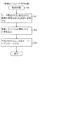
【図5】 出発前処理を示すフローチャートである。
【図6】 センサ検出処理を示すフローチャートである。
【図7】 送信先更新処理を示すフローチャートである。
【図8】 送信処理を示すフローチャートである。
【図9】 乗車情報管理装置の管理コンピュータにおいて実行されるメイン処理を示すフローチャートである。
【図10】 記憶処理を示すフローチャートである。
【図11】 表示処理を示すフローチャートである。
【図12】 配信処理を示すフローチャートである。
【図13】 表示装置の表示画面に表示される内容を示した図である。
【図14】 ホームページの表示内容の一例を示した図である。
【図15】 本発明の第2実施例における乗車情報提供システムの電気的構成を示したブロック図である。
【図16】 移動体端末装置の車載コンピュータにおいて実行されるメイン処理を示すフローチャートである。
【図17】 センサ検出処理を示すフローチャートである。
【図18】 転送処理を示すフローチャートである。
【図19】 乗車情報管理装置の管理コンピュータにおいて実行されるメイン処理を示すフローチャートである。
【図20】 接続指令処理を示すフローチャートである。
【図21】 表示処理を示すフローチャートである。
【図22】 送受信装置において実行されるメイン処理を示すフローチャートである。
【符号の説明】
1、100 乗車情報提供システム
2 昇降口
10,110 移動体端末装置
19,119,142,143 送信装置(乗車情報送信手段)
20 座席センサ装置(着座検出手段)
21 赤外線センサ装置(混雑度取得手段)
30,130 乗車情報管理装置
34c データ蓄積メモリ(蓄積情報記憶手段)
34e ダイヤグラム管理テーブル(固有情報記憶手段)
40 モデム(乗車情報受信手段)
41(41a1〜41a10,41b1〜41b10) 表示装置
60 サーバ
H プラットホーム(停車場の一部)
U 利用者
T 電車(移動体)
S 座席
PC パーソナルコンピュータ(利用者端末装置)
PT 携帯電話(利用者端末装置)[0001]
BACKGROUND OF THE INVENTION
The present invention relates to a boarding information providing system, and more particularly, to a boarding information providing system that can provide a user with boarding information related to a boarding state of a moving body and promote the use of public transportation.
[0002]
[Prior art]
For example, one of the most important concerns for users using transportation such as railways is whether there are vacant seats in the train (mobile body) used, that is, whether they can sit on the seats. I will. For this reason, some transportation facilities such as railways have reserved seats, and when issuing a ticket (reserved seat ticket), vacant seat information of candidate trains (one of the boarding information related to the boarding state of a moving body) ) Is used to issue tickets.
[0003]
Specifically, a plurality of terminal devices connected to the host computer are installed at each station, and when there is an application from a user, the operator of the terminal device makes an inquiry about the vacant seat information of the candidate train to the host computer. Receives seat availability information through a communication line. If there are vacant seats, one of the seats is designated and a purchase application is transmitted to the host computer. After the seat designation is confirmed, a ticket is issued.
[0004]
Among such ticketing systems, there has also been proposed a system in which vacant seat information is displayed as an image when a ticket is issued so that a user can designate a favorite seat (for example, , See Patent Document 1).
[0005]
[Patent Document 1]
JP-A-9-134340 (FIGS. 1 and 13)
[0006]
[Problems to be solved by the invention]
However, such a ticketing system requires the installation of a dedicated communication line and also needs to manage the input / output of all terminal devices centering on the host computer, resulting in an expensive and large-scale system. It was.
[0007]
By the way, the ticketing system described above provides vacant seat information (riding information) to users who use reserved seats in the first place, and has a useful function for users who use unreserved seats. Not. That is, the above-described ticket issuing system has a problem in that it is not possible to provide a user who uses a free seat whether or not there is a vacant seat in the next arriving train.
[0008]
Therefore, relieving the anxiety of the users who are waiting on the platform of the station (for example, whether they can sit in a seat, or at which doorway they can get on a crowded vehicle) As a result, the number of users who feel that public transportation such as railways is inconvenient increases and the utilization rate of public transportation decreases. This is not preferable from the viewpoint of energy problems and environmental protection.
[0009]
The present invention has been made to solve the above-described problems, and provides a boarding information providing system that can provide boarding information related to the boarding state of a moving body to a user and promote the use of public transportation. The purpose is to provide.
[0010]
[Means for Solving the Problems]
In order to achieve this object, the boarding information providing system according to
[0011]
[0012]
Claim2The boarding information providing system described in claim1In the boarding information providing system described above, the selection receiving unit includes a transmission request unit that requests the boarding information transmission unit of the mobile terminal device to transmit the boarding information, and the boarding information transmission unit of the mobile terminal device includes: When the transmission requesting means of the selective receiving means requests transmission of the boarding information, a transmission starting means for starting the transmission of the boarding information to the selective receiving means that has made the transmission request is provided.
[0013]
Claim3The boarding information providing system described in claim1In the boarding information providing system described above, the boarding information transmitting means of the mobile terminal device transmits the boarding information using radio waves having a frequency unique to the mobile body on which the mobile terminal device is mounted. The selective receiving means includes a radio wave receiving means for receiving the boarding information transmitted by the specific radio wave transmitting means, and a frequency change for changing the reception frequency of the radio wave receiving means to a frequency specific to the mobile body. Means.
[0014]
Claim4The boarding information providing system according to
[0015]
Claim5The boarding information providing system according to
[0016]
Claim6The boarding information providing system described in claim5In the boarding information providing system described above, the vacant seat acquisition unit includes a seating detection unit that detects a seating of a passenger in a seat provided in the moving body for each seat, and the detection result of the seating detection unit Based on this, it is configured such that vacant seat information relating to the vacant seat state of the seat can be acquired for each seat.
[0017]
Claim7The boarding information providing system according to
[0018]
Claim8The boarding information providing system described in claim1From7In the boarding information providing system according to any one of the above, a part or all of the display device installed on the platform of the stop is installed at a position corresponding to an elevator of a moving body stopped at the stop.
[0019]
[0020]
Claim9The boarding information providing system described in claim1 to 8In the boarding information providing system described above, the moving body includes two or more vehicles connected to each other, and each display device installed on the platform of the stop stops immediately when viewed from each display device. The display content setting means is configured to set the display content of each display device so that the boarding information related to the vehicle is displayed at least.
[0021]
Claim 10The boarding information providing system described in claim9In the described boarding information providing system, each display device installed on the platform of the stop displays the boarding information about the vehicle that stops most recently as seen from each display device and boarding information about other vehicles at the same time. Thus, the display content setting means is configured to set the display content of each display device.
[0022]
Claim 11The boarding information providing system described in claim9Or 10In the boarding information providing system according to the above, the display content setting means displays vehicle information relating to a vehicle that stops most recently as viewed from the installation position of the display device in a manner different from boarding information relating to other vehicles. It has.
[0023]
Claim 12The boarding information providing system described in claim1To 11In the boarding information providing system according to any one of the above, identification information specific to the mobile body on which the mobile terminal device is mounted is added to the boarding information transmitted from the boarding information transmitting means of the mobile terminal device The boarding information management device includes unique information storage means for storing moving body information relating to the number of vehicles of each moving body and operation information relating to the operation schedule of each moving body, andInherentSpecific information reading means for reading at least one of the mobile body information or the operation information corresponding to the identification information from the information storage means, and the display content setting meansReading unique informationThe display content of each display device is set based on the mobile body information or / and the operation information read by the means.
[0024]
Claim 13The boarding information providing system described in claim1To 12In the boarding information providing system according to any one of the above, the moving body includes two or more vehicles connected to each other, and the boarding information transmitted from the boarding information transmitting means of the mobile terminal device includes: Vehicle information capable of specifying from which vehicle of the moving body each information included in the boarding information is added, and the display content setting means is configured to display each of the information based on the vehicle information. The display contents of the display device can be set.
[0025]
Claim 14The boarding information providing system according to
[0026]
Claim 15The boarding information providing system described in claim 14The boarding information providing system according to the present invention further comprises boarding information storage means for storing part or all of boarding information acquired by boarding information acquisition means of the mobile terminal device, and the server is stored by the boarding information storage means. Storage information storage means for storing the boarding information, and the server transmission means of the server is configured to receive a request from a user terminal device having a user's content stored in the storage information storage means of the server storage means. It is configured to be able to send through.
[0027]
Claim 16The boarding information providing system described in claim 14Or 15In the boarding information providing system described in the above, the boarding information update means is provided in the boarding information management apparatus and uses the boarding information received by the boarding information receiving means of the boarding information management apparatus in the server storage means. The content of the stored boarding information is updated to the latest one, and the server storage means of the server is updated by boarding information update means of two or more boarding information management devices. Information is stored in association with each boarding information management device, and the server transmission means of the server stores the boarding information stored in the server storage means through a line in response to a request from a user terminal device possessed by the user. Is associated with each boarding information management device and can be transmitted.
[0028]
Claim 17The boarding information providing system described in claim 15Or 16In the boarding information providing system according to
The boarding information providing system according to
[0029]
DETAILED DESCRIPTION OF THE INVENTION
Hereinafter, preferred embodiments of the present invention will be described with reference to the accompanying drawings. FIG. 1 is a diagram schematically showing an outline of a boarding
[0030]
The boarding
[0031]
As shown in FIG. 1, the boarding
[0032]
The mobile
[0033]
According to this boarding
[0034]
In addition, as shown in FIG. 1, the boarding
[0035]
FIG. 2 is a diagram schematically showing the train T stopped at the station A, (a) is a top view of the train T, and (b) is a side view of FIG. 2 (a). In FIG. 2A, the passenger compartment of the train T is shown in a perspective view for easy understanding.
[0036]
As shown in FIG. 2, the train T is configured as a three-car train, and each vehicle has a plurality of seats S on which a user is seated. Each seat S is equipped with a seat sensor device 20 (see FIG. 3) described later. The
[0037]
As a result, when a passenger sits on the seat S or stands up from the seat, a change in the state of the seat is automatically detected, so that all the seats S in the train T and the train T in operation The vacant seat information (whether or not the seat S is vacant) can be acquired accurately and reliably.
[0038]
Each vehicle of the train T is provided with a plurality of
[0039]
The
[0040]
The congestion degree information acquired by the
[0041]
On the platform H, a plurality of display devices 41 (41a1 to 41a10, 41b1 to 41b10) are installed. The display devices 41a1 to 41a10 are devices for displaying vacant seat information and congestion degree information related to the up train, and are installed on the up platform (upper side of FIG. 2A). On the other hand, the display devices 41b1 to 41b10 are devices for displaying vacant seat information and congestion information related to the descending train, and are installed on the platform on the descending side (the lower side in FIG. 2A).
[0042]
Each of these display devices 41 (41a1 to 41a10, 41b1 to 41b10) is arranged at a position corresponding to each
[0043]
Here, normally, on the platform H, in order to make it easy to get on the stopped train T, a plurality of standby positions are displayed with white lines or the like at positions corresponding to the
[0044]
Each display device 41 (41a1 to 41a10, 41b1 to 41b10) displays vacant seat information related to other vehicles in addition to the vacant seat information related to the vehicle that stops most recently. Therefore, for example, a user who stands by at a standby position visually compares the
[0045]
Next, the electrical configuration of the boarding
[0046]
The mobile
[0047]
The in-
[0048]
The
[0049]
The
[0050]
The operation code memory 13a is a memory for storing operation codes. The operation code is a code assigned to the train T on the basis of the operation table, and the operation code and the stop station where the train T stops and its stop order are determined. The operation code is inputted from the
[0051]
In the first embodiment, the operation code stored in the operation code memory 13a is claimed in claim 1.2This corresponds to the “identification information unique to the moving object” described in.
[0052]
The
[0053]
In addition, each address of the boarding
[0054]
The
[0055]
The stored contents (address) of the
[0056]
The
[0057]
As described above, in the
[0058]
The
[0059]
The
[0060]
The
[0061]
The address table 14b is a memory that stores a plurality of addresses of the boarding
[0062]
The transmission /
[0063]
The transmission / reception device 19 (mobile phone) is connected to a
[0064]
The transmission /
[0065]
The
[0066]
The
[0067]
The
[0068]
The
[0069]
As a result, the
[0070]
The speed sensor device 22 is a device for measuring the speed of the train T. The
[0071]
The boarding
[0072]
The
[0073]
The
[0074]
The
[0075]
The upstream first-
[0076]
On the other hand, the downward first arrival reception buffer 33c is a train T that stops on the lower platform H (lower side in FIG. 2), and is a memory for storing vacant seat information received from the first arrival train T on the platform H. The downstream side next arrival reception buffer 33d is a memory for storing vacant seat information received from the next arrival train T on the downward platform H.
[0077]
The determination as to whether the received vacant seat information or the like has been transmitted from the up- or down-side train T, and whether the train T is the first or second arrival is shown in FIG. In the processing of S61 and S62 of the storage processing, it is performed by referring to a diagram management table 34e of the
[0078]
The
[0079]
The control program 34a is a control program executed by the
[0080]
The communication program 34b is a program for the
[0081]
The
[0082]
The
[0083]
The diagram management table 34e is a memory that stores all diagrams at the station (station A) where the boarding
[0084]
Further, in the diagram management table 34e, the specification of each train T is stored in association with the operation code. Therefore, in the processing of S72 and S77 of the display processing in FIG. 11, the diagram is based on the received operation code. By referring to the contents of the management table 34e, it is possible to grasp the specifications of the train T that has transmitted the operation code. In addition, as the specification of each train T, the number of trains of a vehicle, the position of a cooling vehicle or a toilet, etc. are illustrated.
[0085]
The specification of the diagram and the train T stored in the diagram management table 34e is described in claim 1.2It corresponds to “operation information about the operation schedule of the moving body” and “moving body information about the number of vehicles of the moving body”, respectively.
[0086]
The
[0087]
The
[0088]
Next, each process executed by the boarding
[0089]
FIG. 4 is a flowchart showing a main process executed in the in-
[0090]
FIG. 5 is a flowchart showing the pre-departure process (S1). This pre-departure process (S1) is a process that is performed before the operation of the train T is started, and various preparations necessary for obtaining and transmitting vacant seat information and the like are executed. Regarding the pre-departure process (S1), the
[0091]
After the process of S11, an operation code input request message (for example, “Please enter the operation code”) is displayed on the display 17 (S12), and the driver is prompted to input the operation code. It waits until this operation code is input from the
[0092]
In addition, the driver who drives the train T brings an operation table with the operation schedule (stop station and estimated arrival time) of the train T every time, and the operation code is a 6-digit number in the operation table. It is described in. Therefore, the driver only has to input a 6-digit numerical value using the
[0093]
In the process of S13, when the input of the operation code is confirmed (S13: Yes), the input operation code is written in the operation code memory 13a (S14). Then, the address corresponding to the written operation code is read from the address table 14b of the
[0094]
As a result, the addresses of the boarding
[0095]
In the process of S13, when the train T departs before the operation code is input, a warning is given to the driver that the operation code is not input by a predetermined warning sound or warning message. Thereby, it is possible to suppress the situation where the address or the like for transmitting the vacant seat information becomes unknown and the vacant seat information or the like cannot be provided to the user who stands by at each station.
[0096]
Returning to the flowchart of FIG. After performing the pre-departure process (S1), a sensor detection process is performed (S2). Here, the sensor detection process (S2) will be described with reference to the flowchart of FIG.
[0097]
FIG. 6 is a flowchart showing the sensor detection process (S2). This sensor detection process (S2) is a process repeatedly executed during the operation of the train T together with the transmission process (S3) described later (see FIG. 4), and vacant seat information and congestion degree information are obtained from the train T in operation. Acquisition work to acquire is mainly executed.
[0098]
Regarding the sensor detection process (S2), the
[0099]
As a result of checking in the process of S22, when the value of the speed sensor 22 is 0 km / h (S22: Yes), the train T is in a stopped state, that is, the train T has stopped at any station. That's what it means. Therefore, in this case (S22: Yes), the
[0100]
On the other hand, in the process of S22, when the value of the speed sensor 22 is not 0 km / h (S22: No), it means that the train T is still in the running state, and thus the
[0101]
When the
[0102]
As a result of checking in the process of S24, when the value of the speed sensor 22 is 10 km / h or more (S24: Yes), the train T that has been stopped has started running, that is, the train T has left the stop station. And that means that you are already heading to the next station. Therefore, in this case (S24: Yes), it is useless to send vacant seat information etc. to the boarding
[0103]
FIG. 7 is a flowchart showing the transmission destination update process (S25). This transmission destination update process (S25) is a process for changing the transmission destination for transmitting vacant seat information and the like to the next stop station (riding information management device 30), and is executed every time each stop station is departed. The
[0104]
Regarding the transmission destination update process (S25), the
[0105]
As described above, when the value of the
[0106]
Returning to the flowchart of FIG. After the process of S25 is executed, the
[0107]
On the other hand, if the value of the speed sensor 22 is smaller than 10 km / h in the process of S24 (S22: No), the train T is still in a stopped state, or has started running but still has a speed of 10 km / h. It is not reached. Therefore, in this case (S24: No), in order to maintain the state of the
[0108]
In the process of S27, each detection state of the
[0109]
In this way, each information acquisition operation by the
[0110]
Returning to the flowchart of FIG. After the sensor detection process is executed (S2), a transmission process is executed (S3). Here, the transmission process (S3) will be described with reference to the flowchart of FIG.
[0111]
FIG. 8 is a flowchart showing the transmission process (S3). This transmission process (S3) is a process repeatedly executed during the operation of the train T together with the sensor detection process (S2) described above (see FIG. 4), and vacant seat information and congestion acquired from the operating train T. The transmission work for transmitting the degree information to the next stop (boarding information management device 30) is mainly executed.
[0112]
Regarding the transmission process (S3), the
[0113]
Therefore, in this case (S41: No), the operation code memory 13a and the
[0114]
Here, as described above, the address of the boarding
[0115]
The operation code is also transmitted at the same time as to what kind of train T the received vacant seat information, etc. relates to, that is, whether it is an upward train or a downward train, and further, the first train or the next train This is because the boarding
[0116]
If the
[0117]
Therefore, in this case (S24: Yes), the processing of S42 is executed in order to avoid transmission of vacant seat information and the like until the transmission destination address is changed to the address of the boarding
[0118]
Returning to the flowchart of FIG. After completing the transmission process (S3), the process proceeds to S2, and the sensor detection process (S2) and the transmission process (S3) are repeatedly executed while the train T is operating. As a result, vacant seat information and congestion level information are acquired and transmitted from the train T in substantially real time, so that it is possible to provide vacant seat information and congestion level information to the user waiting on the platform H in almost real time. User anxiety can be reduced.
[0119]
FIG. 9 is a flowchart showing main processing executed in the
[0120]
As a result, when reception of data from the train T is confirmed (S52: Yes), the process proceeds to S53 in order to provide the received data to the user through the
[0121]
In the process of S53, a storage process is executed. Here, the storage process (S53) will be described with reference to the flowchart of FIG.
[0122]
FIG. 10 is a flowchart showing the storage process (S53). This storage process (S5) is a process for storing the data received from the train T. As described above, the data transmitted from the train T includes the operation code and the contents of the
[0123]
Regarding the storage process (53), the
[0124]
Note that, as described above, the diagram management table 34e stores all diagrams in the station where the boarding
[0125]
Next, in the process of S63, the storage location of the received data is distributed to each area of the
[0126]
Similarly, when the train T that has transmitted the received data is a train that stops on the down platform H and is the first train on the down platform (S63: “downbound, first arrival”), reception is performed. Is written to the downlink first-arrival reception buffer 33c (S66), and the train T that has transmitted the received data is a train that stops on the platform P on the downlink side and is the next train on the platform on the downlink side. (S63: “Downlink, next arrival”), the received data is written in the downlink next arrival reception buffer 33d (S67).
[0127]
After any of the processes of S64 to S67 is completed, the received data is further written into the
[0128]
Note that writing to each area of the
[0129]
Returning to the flowchart of FIG. After executing the storage process (S53), the display process is executed (S54). Here, the display process (S54) will be described with reference to the flowchart of FIG.
[0130]
FIG. 11 is a flowchart showing the display process (S54). This display process (S54) is a process for causing the
[0131]
The display process (S54) will be described with reference to FIG. 13 as appropriate. FIG. 13 is a diagram showing the contents displayed on the display screen of the
[0132]
In relation to the display process (S54), the
[0133]
That is, first, display devices 41a1 to 41a10 that display vacant seat information and congestion degree information are determined (S72). Specifically, when the train T that stops on the upstream platform H has a three-car train, the train T stops at the installation positions of the display devices 41a1 to 41a9 from the top to the ninth. Since the train T does not stop at the installation position of the first display device 41a10 (see FIG. 2), the display devices 41a1 to 41a9 are selected to display vacant seat information and the like.
[0134]
As described above, since the specification (number of vehicles, etc.) of each train T is stored in the diagram management table 34e in association with the operation code, the diagram management table 34e is based on the operation code. , The number of trains of the train T (for example, “2-car train”, “3-car train”, etc.) can be grasped.
[0135]
After execution of the process of S72, next, data (vacant seat information and congestion degree information) is read from the upstream first-
[0136]
Here, the display content of each display device 41a1-41a9 updated by the process of S73 is demonstrated with reference to FIG. Here, as the display contents of the display devices 41a1 to 41a9, the display content of the display device 41a5 (see FIG. 2) installed fifth from the top on the upstream platform H will be described as a representative example.
[0137]
In the display area A of the display device 41a5, as shown in FIG. 13, an arrival time display part B for displaying the expected time until arrival of the train T and an information display part C for displaying vacant seat information and the like are provided. The information display section C is provided with a vacant seat guidance column C1, a vacant seat rate column C2, a standing number column C3, and other columns C4 in order from the top.
[0138]
Note that the right side of each of the columns C1 to C4 is divided into four regions F1 to F4, and not only information related to the vehicle that stops closest to the display device 41a5, but also information related to other vehicles, for each vehicle. It is configured so that it can be displayed. Therefore, the user standing by in the vicinity of the display device 41a5 can compare the vacant seat information and the like of each vehicle, and can move to a vehicle with more vacant seats. As a result, the level of congestion of the entire train T can be leveled.
[0139]
In addition, since the display device 41a5 is a display device installed at a position corresponding to the second car (the second vehicle from the top) (see FIG. 2), the area F2 is used to secure a display space for information related to the second car. Is configured wider than the other regions F1, F3, and F4. In this way, by narrowing the areas F1, F3, and F4 related to other vehicles, information that the user desires most in a limited display space (that is, vacant seat information related to a vehicle that stops at a place where the vehicle is waiting). A wider space for displaying can be secured.
[0140]
The vacant seat guidance column C1 is an area for mainly displaying vacant seat information regarding the vacant seat status of the seat S, and the vacant seat status of each vehicle is displayed in a different manner for each vehicle in each of the regions F1 to F4 of the vacant seat guidance column C1. Has been. For example, in the area F2 for displaying the vacant seat information of the vehicle (No. 2 car) that stops closest to the display device 41a5, as shown in FIG. In addition, vacant seat states of all seats S are displayed in detail.
[0141]
Thereby, the user who stands by in the vicinity of the display device 41a5 can not only intuitively grasp the vacant seat state of the vehicle (No. 2 car) that stops immediately, but also displays the vacant seat state for each seat S. Therefore, after getting on this vehicle, it is possible to recognize in advance in which direction the vacant seat can be secured and prepare for it.
[0142]
Further, in the areas F1 and F3 in which the vacant seat information of other vehicles (the first car and the third car) is displayed, the vacant seat information is displayed as a bar graph. That is, a bar graph having a length corresponding to the ratio of seats S in the seated state to all seats S is displayed in the lateral direction of the vehicle as shown in FIG. Accordingly, it is possible to display the vacant seat information in a manner in which it is easier to recognize the vacant seat state while securing a wider display space in the region F2 described above.
[0143]
The vacancy rate column C2 is an area for displaying the vacant seat information for each vehicle as a numerical value. The vacancy rate column C2 includes an area F1 to F3 in which the vacancy rate for each vehicle, all seats S, and empty seats S are displayed. The number of is displayed numerically. Thereby, the user can acquire the vacant seat state of each vehicle with higher accuracy, that is, quantitatively. The vacant seat rate is a ratio of the number of vacant seats to the number of all seats S in the vehicle.
[0144]
The number of passengers column C3 is an area for displaying congestion degree information for each vehicle. In each of the regions F1 to F3 of the number of passengers column C3, the number of passengers in the above-described riding space is “small”, “medium” ”And“ Many ”. Accordingly, it is possible to more accurately provide the user with the congestion situation in the passenger compartment of each vehicle that cannot be represented only by the above-described vacant seat information.
[0145]
The vacant seat information displayed in the vacant seat guidance column C1 and the vacant seat rate column C2 is based on the detection result detected by the
[0146]
Returning to the flowchart of FIG. After the execution of the process of S73, the stop information is then displayed on the display device 41a10 that does not display the vacant seat information and the congestion degree information (that is, the display device not selected in the process of S72) (S74). The stop information is information for warning the user that the train T will not stop in the immediate vicinity of the display device, and the train T does not stop at the place where the display device 41a10 is installed (FIG. 2). Reference), and this stop information (for example, “The train does not stop here, so please move to the 1st to 9th standby position”) is displayed. Thereby, the user can be guided to an appropriate standby position.
[0147]
After the process of S74 is executed, other information is then displayed on each of the display devices 41a1 to 41a10 (that is, all display devices installed on the upstream platform H) (S75), and this display process (S54) Exit. Here, the other information displayed on each display device 41a1-41a10 by the process of S74 is demonstrated with reference to FIG.
[0148]
The other information is information that is displayed in common on each of the display devices 41a1 to 41a10, and is displayed in each of the regions F1 to F4 in the other column C4 as shown in FIG. For example, in the areas F1 and F3 corresponding to the first car and the third car, a toilet mark and a cooling car mark are respectively displayed, the toilet is provided in the first car, and the third car is a cooling car. Show.
[0149]
In addition, the transfer information is displayed in the area F2 corresponding to the second car, and it is shown that it is possible to get off at the position closest to the connecting passage etc. by getting off at the second car at the transfer station. Further, in the area F4, the above-mentioned stop information is displayed. 10 (display device 41a10) indicates that the train does not stop.
[0150]
As described above, since the specification (toilet position, etc.) of each train T is stored in association with the operation code in the diagram management table 34e, the diagram management table 34e is stored on the basis of the operation code. By referencing, it is possible to grasp other information of the train T (for example, “in which vehicle a toilet is provided”).
[0151]
Returning to FIG. In the processing of S71, if it is confirmed that the data received this time is not related to the first arrival train T (S71: No), then the data received this time is related to the first arrival train T, that is, the first arrival train T, that is, Then, it is confirmed whether or not the data is transmitted from the train T that stops next on the down platform H (S76). As a result, when it is confirmed that the train is related to the first train on the down side (S76: Yes), the data received from the train T is displayed on the display devices 41b1 to 41b10 installed on the down platform H. Therefore, the processing of S77 to S80 is executed.
[0152]
That is, as in the case where the display is performed on the upstream display devices 41a1 to 41a10 described above, first, the display devices 41b1 to 41b10 for displaying vacant seat information and congestion information are determined (S77), and the downstream first arrival of the
[0153]
After the execution of the process of S78, the display devices 41a7 to 41b10 that do not display the vacant seat information and the congestion degree information in order to guide the use vehicle that is waiting in a place where the train does not stop to an appropriate standby position (that is, S77). Stop information is displayed on the display devices not selected in the process (S79), and then other information is displayed on each of the display devices 41b1 to 41b10 (that is, all the display devices installed on the down platform H). Then, this display process (S54) is completed (S79).
[0154]
In the process of S76, when it is confirmed that the data received this time is not related to the first arrival train T on the downlink side (S76: No), the received data is related to the next arrival train T on the upstream side or the downstream side. Since the data is irrelevant to the display on the
[0155]
As described above, in the first embodiment, the
[0156]
In this case, the processes described in S72 to S75 and S77 to S80 are performed in the same manner using the data stored in the upstream side incoming reception buffer 33b and the downstream side incoming reception buffer 33d of the
[0157]
Returning to the flowchart of FIG. After executing the display process (S54), the distribution process is executed (S55). Here, the distribution process (S55) will be described with reference to the flowchart of FIG.
[0158]
FIG. 12 is a flowchart showing the distribution process (S55). This distribution process (S55) is a process for publishing the homepage, and updates the content of the homepage to the latest information using the received data (that is, the content of the
[0159]
Note that the description of the distribution process (S55) will be made with reference to FIG. 14 as appropriate. FIG. 14 is a diagram showing an example of the display contents of the home page, and shows a search screen that is displayed first when the home page is accessed.
[0160]
Regarding the distribution process (S55), the
[0161]
Note that the conversion in the process of S81 is performed only on the latest contents newly stored in the
[0162]
Then, the
[0163]
Here, the homepage uploaded by the process of S83 will be described with reference to FIG. Here, the display contents displayed when browsing the home page by the personal computer PC will be described as an example.
[0164]
In the display area I of the display of the personal computer PC, as shown in FIG. 14, a real-time monitor search field S1 and a past data search field S2 are provided. The real-time monitor search column S1 is a search unit used when browsing the display content similar to the
[0165]
For example, when viewing the display contents of the
[0166]
As a result, the user can view the same display contents (for example, see FIG. 13) displayed on the
[0167]
The past data search field S2 is a search part used when browsing past statistical data, and includes a station name instruction field E2, departure time instruction fields E3 and E5, operation date instruction fields E4 and E6, and display buttons G3 and G4. It has. Note that the station name, time, etc. can be entered in the instruction fields E2-E6 by selecting a desired station name, time, etc. from the station name, time, etc. displayed by pressing the drop-down button Ed. .
[0168]
For example, when browsing past data related to the train T on the upstream side of station A, the user first enters “station A” in the station name instruction field E1 and instructs the departure time of “upbound (bound for Δ △ Δ)”. After entering a desired time and date in the column E3 and the operation day instruction column E4, the cursor is pressed in accordance with the display instruction button G3.
[0169]
Accordingly, the
[0170]
Returning to the flowchart of FIG. After the distribution process is completed (S55), the process proceeds to S51, and the process waits until data is received while executing each process of S51 (S52: No). And when the data from the train T are received, as above-mentioned, a memory | storage process (S53), a display process (S54), and a delivery process (S55) are performed. As a result, vacant seat information transmitted from the train T is reflected in real time on the display content of the
[0171]
As described above, according to the boarding
[0172]
Next, a second embodiment will be described with reference to FIG. In the boarding
[0173]
FIG. 15 is a block diagram showing an electrical configuration of the boarding information providing system 100. First, the mobile terminal device 110 will be described.
[0174]
The RAM 113 is provided with a
[0175]
The hard disk 114 is provided with a control program 114a. The control program 114a is a control program executed by the
[0176]
The transmission / reception device 119 is a device for transmitting vacant seat information and the like acquired from the train T to the boarding information management device 130, and is configured as a mobile phone as in the first embodiment. This transmission / reception device 119 (mobile phone) is connected to a
[0177]
Here, in the first embodiment, the mobile terminal device 10 (transmission / reception device 19) is the calling side (the side that transmits the calling signal), but the mobile terminal device 110 (transmission / reception device 119) of the second embodiment. ) Is a called party (side receiving a call signal). That is, in the second embodiment, a call is made from the boarding information management device 130 (transmission / reception devices 142 and 143), and the mobile terminal device 110 (transmission / reception device 119) closes the telephone line when confirming the incoming call. Then, vacant seat information and the like are transmitted to the boarding information management device 130 via the telephone line.
[0178]
Further, the transmission / reception device 119 is provided with a ROM (not shown) for storing a control program and a RAM (not shown) for temporarily storing data, and the RAM performs the processing of S121 in FIG. The data transferred from the detected
[0179]
The control program (that is, means for confirming an incoming call and starting transmission)2This corresponds to the transmission start means described in. Further, since the transmission / reception device 119 is configured to be operable independently of the
[0180]
Next, the boarding information management device 130 will be described. The RAM 133 is provided with an uplink reception buffer 133a, a downlink reception buffer 133b, a downlink number memory 133c, and a
[0181]
The upstream reception buffer 133a and the downstream reception buffer 133b are memories for storing vacant seat information received from the train T. Each of the memories 133a and 133b includes an upstream platform H (upper side in FIG. 2). ), And vacant seat information received by the transmission / reception devices 142 and 143 from the train T stopping on the down platform H (lower side in FIG. 2), respectively.
[0182]
Further, the upstream side number memory 133c and the downstream
[0183]
The telephone number of the transmission / reception device 119 of each train T is stored in the diagram management table 34e of the
[0184]
In addition, in the upstream number memory 133c and the
[0185]
The transmission / reception devices 142 and 143 are devices for receiving vacant seat information and the like transmitted from the train T, and are configured as mobile phones in the second embodiment. The transmission / reception devices 142 and 143 are provided with a ROM (not shown) for storing a control program. The control program is based on a control command (update command) transmitted from the
[0186]
Here, since the transmission / reception devices 142 and 143 are configured to be operable independently of the
[0187]
The transmission / reception device 142 is a device for receiving data from the train T on the upstream side. Therefore, the telephone number to be called is acquired from the upstream side number memory 133c, and the received data is stored in the upstream side reception buffer 133a. On the other hand, the transmission / reception device 143 is a device for receiving data from the downward train T. Therefore, the telephone number to be called is obtained from the
[0188]
Therefore, it is preferable that the number of transmission / reception devices provided in the boarding information management device 130 correspond to the number of lanes. That is, as in the second embodiment, two transmission / reception devices corresponding to the lane are arranged at the A lane of two lanes combining the upside and the downside, for example, the number of lanes is the upside and downside. If the lane is 7 lanes, 7 transmission / reception devices for the lane are provided. However, it is naturally possible to configure the boarding information device 130 so as to arrange a smaller number of transmission / reception devices than the number of lanes. In this case, the connection destination of one transmission / reception device may be switched from two or more transmission / reception devices 119, for example, every predetermined time or every data unit.
[0189]
The guide plate switching device 144 is a known device for switching the departure time of the train T to be displayed on the time guide plate, and updates the display of the time guide plate every time the train T departs. The time information board is configured to display the departure time of at least the starting train T of the upside and downside trains T. For example, when the up-front starting train T is referred to as “train TX” and the up-bound next train T is referred to as “train TY”, when the train TX departs, the preceding power generator TX displayed as the starting information until then is displayed. The display regarding is deleted, and the departure time of the next train TY is displayed as the starting information instead.
[0190]
In addition, when the display content of the time guide plate is updated, the guide plate switching device 143 is configured to be able to transmit an update signal including the updated content to the management computer 130a. As a result, when the guide plate switching device 143 switches the display content of the time guide plate, such an update signal is transmitted to the management computer 130a, so that the management computer 130a includes the upstream number memory 133c and the downstream number memory. The telephone number stored in 133d can be updated at the timing when the train T departs by the processes of S141 and S142 of the connection command process of FIG.
[0191]
Next, each process executed by the boarding information providing system 100 in the second embodiment configured as described above will be described with reference to the flowcharts of FIGS. 16 to 22.
[0192]
FIG. 16 is a flowchart showing a main process executed in the in-vehicle computer 110a of the mobile terminal device 110. This process is a process repeatedly executed by the
[0193]
FIG. 16 is a flowchart showing the sensor detection process (S101). This sensor detection process (S101) is a process for acquiring vacant seat information and congestion degree information from the train T in operation. Regarding the sensor detection process (S101), the
[0194]
Returning to the flowchart of FIG. After executing the sensor detection process (S101), the transfer process (S102) is executed. Here, the transfer process will be described with reference to the flowchart of FIG.
[0195]
FIG. 18 is a flowchart showing the transfer process (S102). The
[0196]
As described above, the transmission / reception device 119 stores the transferred vacant seat information or the like in a built-in memory, and when the incoming call from the boarding information management device 130 is confirmed, the vacant seat information or the like stored in the memory is stored. The information is transmitted to the boarding information management device 130.
[0197]
FIG. 19 is a flowchart showing main processing executed in the management computer 130a of the boarding information management device 130. This process is a process repeatedly executed by the
[0198]
FIG. 20 is a flowchart showing the connection command process (S131). In the connection command processing, the telephone number stored in the upstream number memory 133c and the
[0199]
Regarding the connection command processing (S131), the
[0200]
As a result of the confirmation, if it is determined that the time information board has been updated (S141: Yes), it means that the train T that has stopped at the platform H at the station A has departed, and therefore vacant seat information etc. are received. The telephone numbers stored in the corresponding
[0201]
That is, it can be determined from the switching signal transmitted from the guide plate switching device 143 whether the train T on the upside or the downside has departed. For example, the train T stopped on the platform H on the upside. , The telephone number of the next train T that stops on the upstream platform H is acquired from the diagram management table 34e of the
[0202]
In the process of S143, an update command is transmitted to the transmission / reception devices 142 and 143 (S143). With this transmission command, the transmission / reception devices 142 and 143 recognize that the telephone number has been updated, and execute a re-call to the updated telephone number. Then, the received vacant seat information and the like are written in the
[0203]
On the other hand, in the process of S141, when it is determined that the time information board has not been updated (S141: No), the next train T that stops at the A station has not yet arrived or has not yet arrived. Since the vehicle has not started and there is no need to update the telephone number that the transmission / reception devices 142 and 143 call, this connection command processing (S131) is terminated without executing the processing of S142.
[0204]
Returning to the flowchart of FIG. After executing the connection command process (S131), the display process (S132) is executed. Here, the display process will be described with reference to the flowchart of FIG.
[0205]
FIG. 21 is a flowchart showing the display process (S132). This display process (S132) is a process for causing the
[0206]
Regarding the display process (S132), the
[0207]
After the execution of the processing of S151, the display devices 41a1 to 41a9 (that is, the display devices selected in the processing of S72) are read out from the upstream reception buffer 133a of the RAM 133 and then the data (vacancy information and congestion degree information) are read out. Here, for the sake of easy understanding, the display content of the first embodiment is updated for each of the display devices 41a1 to 41a9 (S152). Accordingly, the display is updated with different display contents for each of the display devices 41a1 to 41a9.
[0208]
After the execution of the process of S152, the stop information is then displayed on the display device 41a10 that does not display the vacant seat information and the congestion degree information (that is, the display device not selected in the process of S151) (S153). Since the stop information is the same as in the first embodiment, the description thereof is omitted.
[0209]
After execution of the processing of S153, other information is then displayed on each of the display devices 41a1 to 41a10 (that is, all display devices installed on the upstream platform H) (S75), and this display processing (S54) Exit. Other information is the same as that in the first embodiment, and a description thereof will be omitted.
[0210]
Similarly, in order to display the data received from the descending train T on the display devices 41b1 to 41b10 installed on the descending platform H, the processes of S155 to S158 are executed, and this display process (S132) is terminated. . In addition, since each process of S155-S158 corresponds to each process of S77-S80 in 1st Example, and the execution content is the same, description is abbreviate | omitted.
[0211]
Returning to the flowchart of FIG. After executing the display process (S132), the homepage is updated by executing the distribution process (S55), and the process proceeds to S51. Then, as described above, by executing the connection command process (S131), the display process (S132), and the distribution process (S55), vacant seat information and the like are displayed in real time on the
[0212]
FIG. 22 is a flowchart showing main processing executed in the transmission / reception devices 142 and 143. This process is repeatedly executed by the CPU (not shown) of the transmission / reception devices 142 and 143 while the power of the transmission / reception devices 142 and 143 (management computer 130a) is turned on.
[0213]
In FIG. 22, in order to simplify the flowchart and facilitate understanding, the processes performed by the transmission / reception apparatuses 142 and 143 are collectively shown in one flowchart. Actually, the flowchart shown in FIG. 22 is separately executed in each of the transmission / reception devices 142 and 143.
[0214]
Regarding this main process, the CPU first reads out the telephone number from the upstream (downstream)
[0215]
When the mobile terminal device 110 (transmission / reception device 119) confirms the incoming call as a result of the telephone number being called in the process of S162, the mobile terminal device 110 (transmission / reception device 119) makes a call in response to the incoming call. Close the line and start sending information such as vacancy information. Therefore, in this case, the reception work of the data to be transmitted is executed, and the reception work is continued until the reception of one unit of data is completed (S163: No).
[0216]
Note that one unit of data refers to vacant seat information and congestion information from the first vehicle to the last vehicle of the train T, and whether or not one unit of reception is completed is a header added to the head of the transmission data It can be judged from the data.
[0217]
When the reception of one unit of data is completed (S1163), the received data is written to the upstream (downstream) reception buffers 133a and 133b and the
[0218]
In the process of S165, it is confirmed whether or not an update command has been received from the management computer 130a, that is, whether or not the telephone numbers in the upstream (downstream)
[0219]
Therefore, in this case (S165: Yes), it is necessary to change the connection destination of the telephone line from this train T to the next train T that stops at station A. First, the currently connected telephone line is opened. (S166) In order to read the updated telephone number, the process proceeds to S161. As a result, the updated telephone number can be called, so that the connection destination of the telephone line is changed to the train T that stops next at the station A, and vacant seat information and the like are newly received from this train T. Can do.
[0220]
On the other hand, in the process of S165, an update command has not been received from the management computer 130a.ItoIf it is determined (S165: No), the telephone numbers in the up / down
[0221]
Thus, according to the boarding information providing system 100 in the second embodiment, the mobile terminal device 110 acquires vacant seat information and the like at a predetermined sampling interval, and when the transmission / reception device 119 confirms an incoming call, In response, the telephone line is closed and the acquired data is transmitted. Therefore, there is no need to store the transmission destination, and there is no need to select or switch the transmission destination, so that the storage cost and control cost can be reduced. As a result, the boarding information providing system 100 as a whole can be simplified.
[0222]
In each flowchart, claims1-3As the selective receiving means described, the processes of S142 and S161 to S163 are claimed.2As the transmission request means described, the process of S162 is, ContractClaim1, 9-13 and 18As the display content setting means, the processes of S72 to 74 and S77 to S79 are as follows.1As the vehicle display adjusting means described above, the processes of S73 and S78 are as follows.2As the specific information reading means, the process of S62 is claimed in claim14As the server information updating means described, the processing of S81 to S83 is claimed.15 and 17As the boarding information storage means described, the processing of S68 corresponds.
[0223]
The present invention has been described above based on the embodiments. However, the present invention is not limited to the above-described embodiments, and various modifications and changes can be easily made without departing from the spirit of the present invention. Can be inferred.
[0224]
For example, in each of the above-described embodiments, the railway has been described as an example of a transportation system to which the boarding
[0225]
In each of the above-described embodiments, the boarding
[0226]
In each of the embodiments described above, the case where the
[0227]
The
[0228]
In the boarding
[0229]
The
[0230]
In the boarding
[0231]
Specifically, in the first embodiment, all addresses of the transmission destination (the boarding information management device 30) are stored in the address table 14b of the
[0232]
The mobile
[0233]
For example, when there are A station and B station between the nearest previous generation vehicle T, if each train T transmits vacancy information only to the next stop, vacancy information to be displayed at B station, etc. Will not exist and the user's anxiety cannot be resolved. Therefore, in such a case, the vacant seat information is transmitted to the B station in addition to the A station that stops next.
[0234]
The transmission destination addresses of the boarding
[0235]
In the boarding
[0236]
In the first embodiment, the mobile
[0237]
That is, the
[0238]
In the second embodiment, the transmission / reception device 119 of the mobile terminal device 110 and the transmission / reception devices 142 and 143 of the boarding information management device 130 are each constituted by a mobile phone, but instead of this, transmission / reception of the mobile terminal device 110 is performed. While the device 119 is configured by a wireless device capable of transmitting radio waves, the transmission / reception devices 142 and 143 of the boarding information management device 130 are configured by wireless devices capable of receiving the radio waves so that boarding information and the like are transmitted and received in the form of radio waves. Anyway.
[0239]
That is, the transmission / reception device 119 of the mobile terminal device 110 continues to transmit the boarding information during operation of the train T while maintaining a specific transmission frequency (that is, without changing the transmission frequency). On the other hand, the boarding information management device 130 receives the boarding information transmitted from each train T (transmission / reception device 119 of the mobile terminal device 110) by switching the reception frequency, and displays vacant seat information and the like of each train T. It is displayed on the
[0240]
A specific example of such a configuration will be described based on the second embodiment (FIGS. 15 to 22). The description of the same parts as in the second embodiment is omitted.
[0241]
First, in FIG. 15, the transmitting / receiving device 119 of the mobile terminal device 110 is configured by a wireless device that can transmit at least radio waves. However, the transmission frequency of each transmission / reception device 119 is a frequency unique to the train T on which the transmission / reception device 119 (mobile terminal device 110) is mounted. That is, each transmission / reception device 119 is configured to transmit vacant seat information and the like using radio waves having transmission frequencies different from those of the other transmission / reception devices 119. Therefore, for example, when the number of mobile terminal devices 110 (trains T) is 10 in the entire system, 10 types of transmission frequencies are required.
[0242]
Note that the transmission / reception device 119 configured with the transmission frequency as a frequency unique to the train T described here is claimed.3This corresponds to the specific radio wave transmission means described in 1.
[0243]
In FIG. 15, the transmission / reception devices 142 and 143 of the boarding information management device 130 are configured by wireless devices that can receive at least radio waves and can change the setting of the reception frequency. As will be described later, the setting of the reception frequency is changed when the update command is received from the boarding information management device 130 (see S161, S162 and S165, S166 in FIG. 22).
[0244]
The transmission / reception devices 142 and 143 described herein are claimed in the claims.3This corresponds to the radio wave receiving means described in.
[0245]
Further, in FIG. 15, all the transmission frequencies of the transmission / reception device 119 of each train T described above are stored in the diagram management table 34e instead of the telephone numbers in the second embodiment. Such a transmission frequency is written in the upstream number memory 133c and the
[0246]
In this case, the transmission / reception device 142 is a radio device for receiving the boarding information and the like of the upside train T, and the reception frequency thereof is the upside number memory 133c as in the case of the telephone number in the second embodiment. Is set based on the frequency written in. On the other hand, the transmission / reception device 143 is a wireless device for receiving information such as boarding information on the downlink train T, and the reception frequency is stored in the
[0247]
In the flowchart shown in FIG. 16, the mobile terminal device 110 executes almost the same process as in the second embodiment. That is, in the sensor detection process (S101) of FIG. 17, the detection data (vacant seat information etc.) detected by each
[0248]
The transmission / reception device 119 maintains the transmission frequency inherent to the above-described train T while temporarily storing the transferred data (vacancy information and the like) in the RAM as in the case of the second embodiment (that is, Without changing the transmission frequency, the transmission continues during the operation of the train T.
[0249]
Since the
[0250]
In the flowchart shown in FIG. 19, the boarding information management device 130 executes substantially the same processing as in the second embodiment. That is, in the connection destination command processing (S131) of FIG. 20, as in the case of the second embodiment, when the time guide plate of the guide plate switching device 144 is updated (S141: Yes), the corresponding up side or down side The stored contents of the
[0251]
In S143, an update command indicating that the storage contents (frequency) of the uplink or
[0252]
In the flowchart shown in FIG. 22, the reception frequency of the transmission / reception devices 142 and 143 is set and the vacant seat information corresponding to the process of calling the telephone number and receiving the vacant seat information from the mobile terminal device 110 in the second embodiment. Etc. are received.
[0253]
That is, in the processing performed by the transmission / reception devices 142 and 143 in FIG. 22, first, the frequency is read from the upstream (downstream)
[0254]
In addition, each process of S161 and S162 demonstrated here is a claim.3This corresponds to the frequency changing means described in 1.
[0255]
In the process of S163The secondAs in the second embodiment, one unit of data is received (S163: Yes), and the received data is written to the upstream (downstream) reception buffer 164 and the
[0256]
On the other hand, when the update command has been received (S165: Yes), the train T related to the currently received vacant seat information has already left the station, so the train T that stops next at the A station It is necessary to change the setting of the reception frequency in order to receive vacant seat information and the like. Therefore, in this case (S165: Yes), the process proceeds to S161 to read the updated frequency from the upstream (downstream)
[0257]
Thus, according to the boarding information providing system of this configuration, the mobile terminal device 110 only needs to continue transmitting vacant seat information and the like while maintaining the one transmission frequency during operation of the train T. Therefore, the mobile terminal device 110 does not need to store a different transmission destination (transmission frequency) for each station, and also needs to select and switch the next transmission destination every time the train T leaves each station. Absent. Therefore, it is possible to reduce the storage cost and the control cost. As a result, the boarding information providing system is simplified as a whole, and the construction cost is reduced.
[0258]
In the second embodiment, the case in which the two transmission / reception devices 142 and 143 are provided in the boarding information management device 130 has been described. However, the present invention is not necessarily limited thereto, and may be configured by only one transmission / reception device. In this case, the telephone numbers stored in the upside and
[0259]
Below, the modification of this invention is shown. A boarding information display system for providing a user with boarding information relating to a boarding state of a moving body, the boarding information acquisition means for acquiring the boarding information from the moving body in operation, and the boarding acquired by the boarding information acquisition means Boarding information transmitting means for transmitting information, and receiving the boarding information transmitted by the boarding information transmitting means of the mobile terminal device and one or more mobile terminal devices mounted on each
[0260]
In the boarding
[0261]
In the boarding
[0262]
In the boarding
[0263]
In the boarding
[0264]
In any one of the boarding
[0265]
In the boarding information providing system 6, the boarding information transmitting means of the mobile terminal device includes a mobile body equipped with the mobile terminal device, and a starting mobile body having the same traveling direction on the scheduled operation route of the mobile body. A stop presence / absence determination means for determining at least whether there is a stop where the boarding information management device is provided, and the transmission destination selection means is configured such that the number of stops is two or more by the stop presence / absence determination means. If it is determined that there is a boarding information receiving means of the boarding information management device provided at the stop where the moving body of the two or more stops stops next, and provided at the remaining stops The boarding
[0266]
In the boarding information providing system 6, the transmission destination selection means uses only the boarding information receiving means of the boarding information management device provided at the stop where the moving body in operation stops next as the destination of the boarding information. A boarding
[0267]
In any one of the boarding information providing systems 6 to 8, the boarding information acquisition means of the mobile terminal device is boarded from the moving body at least once between each stop where the boarding information management device is provided. The boarding information transmitting unit of the mobile terminal device is configured to acquire information, and the boarding information transmitting unit acquires at least one boarding information acquired by the boarding information acquisition unit between each stop where the boarding information management device is provided. A boarding information providing system characterized by being configured to transmit times.
[0268]
In any one of the boarding information providing systems 6 to 9, the boarding information transmitting means of the mobile terminal device is provided by the boarding information management device provided at the stop where the mobile body equipped with the mobile terminal device has already passed. A boarding
[0269]
In any one of the boarding
[0270]
In the boarding
[0271]
In any one of the boarding
[0272]
In any one of the boarding
[0273]
In any one of the boarding
[0274]
In the boarding
[0275]
In the boarding
[0276]
In the ride
[0277]
In any one of the boarding
[0278]
In any one of the boarding
[0279]
In any one of the boarding
[0280]
The boarding
[0281]
In the boarding
[0282]
In the boarding information providing system 22 or 23, the boarding information storage means is provided in the boarding information management apparatus, and the boarding information management apparatus uses the boarding information stored in the boarding information storage means in the boarding information management apparatus. The storage storage means for storing the information in the storage information storage means of the server in association with each other, and the server transmission means of the server is stored in the storage information storage means through a line in response to a request from the user terminal device possessed by the user. The boarding information providing system 24 is configured to transmit the contents in correspondence with each boarding information management device.
[0283]
The effects obtained by the boarding
[0284]
Moreover, since the boarding information acquisition means can acquire boarding information from the moving mobile body, it is possible to acquire a boarding state that more closely matches the actual boarding state. Therefore, by providing such boarding information to the user, it is possible to provide more accurate and useful boarding information, which has the effect of further reducing the user's anxiety, The utilization of the moving object can be promoted to further increase the utilization rate.
[0285]
Here, in the conventional ticketing system, when providing vacant seat information (ride information) to a user in one terminal device, the host computer creates and provides vacant seat information while managing input / output of all terminal devices. Therefore, the control cost, the management cost, etc. increased, and the cost of the entire system became expensive.
[0286]
However, according to this boarding information providing system, the boarding information management device only receives the boarding information transmitted by the mobile terminal device, that is, without managing each mobile terminal device as in the prior art. Since the boarding information can be provided to the user, the system can be simplified, and the cost of the entire system can be reduced accordingly.
[0287]
According to the boarding
[0288]
According to the boarding
[0289]
In addition, in this way, whether or not the boarding information transmitted from each mobile terminal device is necessary by determining the mobile terminal device from which the boarding information is received is determined by the boarding information management device. There is no need to discriminate such as, and only the necessary boarding information can be received efficiently. As a result, the control cost and the reception cost in the boarding information management device can be reduced, and the cost of the boarding information providing system as a whole can be reduced accordingly.
[0290]
According to the boarding
[0291]
Therefore, since the boarding information receiving means can receive the boarding information only when necessary, there is an effect that it is possible to perform the receiving work efficiently, while the boarding information transmitting means makes a transmission request. Since the boarding information can be transmitted only in the case where the vehicle travels, unnecessary transmission is suppressed, and work such as determining the transmission destination is not required, and the transmission work can be efficiently performed. As a result, it is possible to reduce transmission / reception costs and control costs of the boarding information receiving means and the boarding information transmitting means, and accordingly, the cost of the boarding information providing system as a whole can be reduced.
[0292]
According to the boarding information providing system 5, in addition to the effects exhibited by the boarding
[0293]
That is, for example, when the boarding information transmitting unit continuously transmits the boarding information by the specific radio wave transmitting unit during the operation of the moving body, each boarding information receiving unit can determine the communication state of the boarding information transmitting unit and the position of the moving body. The boarding information can be received at an arbitrary timing regardless of the above, so that each boarding information receiving means can efficiently receive the desired boarding information, thereby reducing the receiving cost and the control cost. There is an effect that it can be planned. In addition, by selecting the boarding information received by the boarding information receiving unit in this way, the boarding information transmitting unit need only continue to transmit the boarding information. For example, it can determine the stop timing of the moving body, etc. Since there is no need to select or switch between the two, there is an effect that the control can be simplified and the control cost of the boarding information transmitting means can be reduced accordingly.
[0294]
According to the boarding information provision system 6, in addition to the effect of any of the boarding
[0295]
According to the boarding
[0296]
For example, in a situation where there are a stop A and a stop B, the next stop of the mobile body X is the stop A, and the previous mobile body Y has already left the stop B, the boarding information of the mobile body X is only the stop A Since the boarding information to be displayed is not in the stop B, the boarding information cannot be displayed on the display device, and the user's anxiety at the stop B is increased. Therefore, by configuring as described above, there is an effect that the presence of a stop where no boarding information is displayed can be reduced, and as a result, an anxiety of the user can be suppressed.
[0297]
According to the boarding
[0298]
According to the boarding
[0299]
In addition, since the boarding information transmission means is configured to transmit the boarding information acquired by the boarding information acquisition means at least once between the stops provided with the display device, the user who stands by at each stop It is possible to provide useful boarding information. For example, the boarding information transmitting unit continuously transmits the boarding information continuously acquired by the boarding information acquiring unit, so that the boarding information that changes every moment can be provided in real time to the user waiting at the stop. it can.
[0300]
According to the boarding
[0301]
In addition, in the boarding information management device, it is not necessary to receive the boarding information transmitted in vain, and it is not necessary to determine whether or not the boarding information received relates to a mobile body that has already departed. There is an effect that the reception cost and control cost of the entire system can be reduced.
[0302]
According to the boarding
[0303]
According to the boarding
[0304]
Moreover, since the vacant seat information acquisition means can acquire the vacant seat information for each seat based on the detection result of the seating detection means, there is an effect that the vacant seat information can be acquired with high accuracy. As a result, useful boarding information (vacant seat information) can be provided to the user, so that the user's anxiety can be resolved and the use of the mobile object can be promoted.
[0305]
According to the boarding
[0306]
For example, if the user is only provided whether there is a vacant seat in the seat, the user standing by at the stop cannot grasp whether the area where the seat is not provided is congested, For example, it is not possible to make a judgment such as “If there are no seats and seating is not possible, but if there are not many passengers in the area where seats are not provided, you will not be able to make a decision.” I will wait. Therefore, as described above, by providing the degree of congestion in the passenger compartment in the area where no seat is provided, more accurate boarding information can be provided to the user, and the user's anxiety can be resolved. It is.
[0307]
According to the boarding
[0308]
According to the boarding
[0309]
According to the boarding
[0310]
According to the boarding information providing system 17, in addition to the effects produced by the boarding
[0311]
In addition, by making it possible to compare the boarding information of each vehicle in this way, for example, it is possible to specify a vehicle with a lower congestion level and provide it to the user, so that it is possible to move to a vehicle with a lower congestion level. The user can be prompted, and as a result, there is an effect that the degree of congestion of the entire moving body can be leveled.
[0312]
According to the boarding
[0313]
For example, the user can easily recognize the boarding information by changing the display color of the boarding information about the vehicle that stops most recently, that is, the vehicle where the user most wants the boarding information. In addition, by displaying the boarding information relating to other vehicles small, it is possible to secure a wider space for displaying the boarding information desired by the user in a limited display space of the display device, thereby making the boarding information efficient. Can be provided to users well.
[0314]
According to the boarding
[0315]
According to the boarding
[0316]
In addition, for example, even if a running vehicle is disconnected or the order of the vehicle is changed for some reason, the vehicle information added to the boarding information acquires each information included in the boarding information from which vehicle. As a result, it is possible to provide the user with more accurate boarding information (for example, vacant seat information).
[0317]
According to the boarding
[0318]
The server update means can update the contents of the boarding information stored in the server storage means. Therefore, there is an effect that the boarding information transmitted to the user terminal device can be updated to the latest one and more useful boarding information can be provided to the user. For example, by continuously updating the boarding information, the boarding information that changes every moment can be provided to the user in real time.
[0319]
According to the boarding information providing system 22, in addition to the effect produced by the boarding
[0320]
According to the boarding information providing system 23, the boarding information updating means for updating the contents stored in the server storage means in addition to the effects produced by the boarding
[0321]
Moreover, the server transmission means is comprised so that the boarding information memorize | stored in the server memory | storage means according to the request | requirement from a user terminal device is matched with each boarding information management apparatus, and can be transmitted. Therefore, for example, even when it is desired to acquire the boarding information received by each boarding information management device, the user does not need to connect to each boarding information management device (server transmission means), but one server (server transmission means). ) Through the user terminal device, there is an effect that the boarding information associated with each boarding information management device can be acquired. Therefore, there is an effect that the user's troublesome work can be suppressed and the convenience can be improved.
[0322]
According to the boarding information providing system 24, in addition to the effects produced by either the boarding information providing system 22 or 23, the server transmission means uses the boarding information stored in the accumulated information storage means in response to a request from the user terminal device. It is configured to be able to transmit in association with the boarding information management device. Therefore, for example, even when it is desired to acquire the accumulated information of the boarding information received by each boarding information management device, the user does not need to connect to each boarding information management device (server transmission means), but one server ( By connecting to the server transmission means) via the user terminal device, there is an effect that the accumulated information of the boarding information associated with each boarding information management device can be acquired. Therefore, there is an effect that the user's troublesome work can be suppressed and the convenience can be improved.
[0323]
【The invention's effect】
According to the boarding information providing system according to
[0324]
Moreover, since the boarding information acquisition means can acquire boarding information from the moving mobile body, it is possible to acquire a boarding state that more closely matches the actual boarding state. Therefore, by providing such boarding information to the user, it is possible to provide more accurate and useful boarding information, which has the effect of further reducing the user's anxiety, The utilization of the moving object can be promoted to further increase the utilization rate.
[0325]
Here, in the conventional ticketing system, when providing vacant seat information (ride information) to a user in one terminal device, the host computer creates and provides vacant seat information while managing input / output of all terminal devices. Therefore, the control cost, the management cost, etc. increased, and the cost of the entire system became expensive.
[0326]
However, according to this boarding information providing system, the boarding information management device only receives the boarding information transmitted by the mobile terminal device, that is, without managing each mobile terminal device as in the prior art. Since the boarding information can be provided to the user, the system can be simplified, and the cost of the entire system can be reduced accordingly.
[0327]
In addition, since the selective receiving means can select and receive the boarding information acquired from the mobile body that stops next at the stop, the ride information most needed by the user waiting for the arrival of the mobile body at the stop Can be received.
[0328]
Furthermore, whether the boarding information transmitted from each mobile terminal device is necessary or not is determined by the boarding information management device determining from which mobile terminal device the boarding information is received. There is no need to discriminate such as, and only the necessary boarding information can be received efficiently. As a result, the control cost and the reception cost in the boarding information management device can be reduced, and the cost of the boarding information providing system as a whole can be reduced accordingly.
Moreover, since the boarding information providing means includes display control means for causing the display device to display boarding information, the boarding information can be provided to the user in various modes using characters, figures, and the like. That is, by using such a display device, there is an effect that the boarding information can be provided to the user in an accurate and easy-to-understand manner. Therefore, since the anxiety of the user who stands by at the stop can be reduced, the convenience of the moving body is improved and the use of the moving body (public transportation) can be promoted.
In addition, the display control means sets the display contents of each display device installed at the stop according to the installation position, and the moving body stops on the display device that does not stop immediately when viewed from each display device. Display content setting means for setting the display content of each display device is provided so that it is displayed. Therefore, since information according to the installation position of each display device can be provided to the user, it is possible to provide more useful information to the user and improve convenience for the user. . For example, an appropriate standby position can be provided to a user who stands by in the vicinity of the display device by displaying that fact on a display device installed at a position where the next mobile unit does not stop.
[0329]
[0330]
Claim2According to the boarding information providing system described in claim1In addition to the effect of the described boarding information providing system, the boarding information receiving means can make a boarding information transmission means to the boarding information transmission means by the transmission requesting means, and when the transmission request is made, The boarding information transmitting means can start transmission of boarding information to the boarding information receiving means that has made the transmission request by the transmission starting means.
[0331]
Therefore, since the boarding information receiving means can receive the boarding information only when necessary, there is an effect that it is possible to perform the receiving work efficiently, while the boarding information transmitting means makes a transmission request. Since the boarding information can be transmitted only in the case where the vehicle travels, unnecessary transmission is suppressed, and work such as determining the transmission destination is not required, and the transmission work can be efficiently performed. As a result, it is possible to reduce transmission / reception costs and control costs of the boarding information receiving means and the boarding information transmitting means, and accordingly, the cost of the boarding information providing system as a whole can be reduced.
[0332]
Claim3According to the boarding information providing system described in claim1In addition to the effects exhibited by the described boarding information providing system, the boarding information transmitting means can transmit boarding information using radio waves specific to the mobile body by means of the radio wave transmitting means, and the selective receiving means of the boarding information receiving means. Since the frequency changing means can change the reception frequency of the radio wave receiving means to a desired frequency, the boarding information providing system can be simplified and the cost can be reduced.
[0333]
That is, for example, when the boarding information transmitting unit continuously transmits the boarding information by the specific radio wave transmitting unit during the operation of the moving body, each boarding information receiving unit can determine the communication state of the boarding information transmitting unit and the position of the moving body. The boarding information can be received at an arbitrary timing regardless of the above, so that each boarding information receiving means can efficiently receive the desired boarding information, thereby reducing the receiving cost and the control cost. There is an effect that can be achieved. In addition, by selecting the boarding information received by the boarding information receiving unit in this way, the boarding information transmitting unit need only continue to transmit the boarding information. For example, it can determine the stop timing of the moving body, etc. Since there is no need to select or switch between the two, there is an effect that the control can be simplified and the control cost of the boarding information transmitting means can be reduced accordingly.
[0334]
Claim4According to the described boarding information providing system, from claim 13In addition to the effect exhibited by the boarding information providing system according to any one of the above, the boarding information acquisition means may acquire boarding information from a moving body that is operating at least once between the stops provided with the display device. Since it is comprised, there exists an effect that more useful boarding information can be acquired. For example, the boarding information acquired at the timing when the moving body is close to the stop reflects the vacant seat information of the seat where the user getting off at the stop is very useful for the user waiting at the stop. Boarding information can be acquired.
[0335]
In addition, since the boarding information transmission means is configured to transmit the boarding information acquired by the boarding information acquisition means at least once between the stops provided with the display device, the user who stands by at each stop It is possible to provide useful boarding information. For example, the boarding information transmitting unit continuously transmits the boarding information continuously acquired by the boarding information acquiring unit, so that the boarding information that changes every moment can be provided in real time to the user waiting at the stop. it can.
[0336]
Claim5According to the described boarding information providing system, from claim 14In addition to the effect achieved by the boarding information providing system according to any one of the above, the vacant seat acquiring means for acquiring vacant seat information regarding the vacant seat state is provided, and the boarding information transmitted by the boarding information transmitting means includes the vacant seat acquiring means. Contains vacancy information acquired by. Therefore, it is possible to provide the user with information that is most desired by the user standing by at the stop, that is, whether the moving body has a vacant seat or whether the user can sit on the seat. As a result, there is an effect that the anxiety of the user waiting at the stop can be greatly reduced.
[0337]
Claim6According to the boarding information providing system described in claim5In addition to the effects exhibited by the described boarding information providing system, the vacant seat acquisition means can detect the seating of a passenger on the seat by the seating detection means, and can acquire vacant seat information relating to the vacant seat state of the seat based on the detection result. . Therefore, when the user sits on the seat or stands up from the seat, the change in the state of the seat is automatically detected, so that the vacant seat information can be obtained accurately and reliably.
[0338]
Moreover, since the vacant seat information acquisition means can acquire the vacant seat information for each seat based on the detection result of the seating detection means, there is an effect that the vacant seat information can be acquired with high accuracy. As a result, useful boarding information (vacant seat information) can be provided to the user, so that the user's anxiety can be resolved and the use of the mobile object can be promoted.
[0339]
Claim7According to the described boarding information providing system, from claim 16In addition to the effect of the boarding information providing system according to any one of the above, the boarding information transmitted by the boarding information transmitting unit is provided with a degree-of-congestion obtaining unit that obtains the degree of congestion in the passenger compartment in the area where no seat is provided. Includes the congestion information acquired by the congestion level acquisition means. That is, since the boarding information reflecting the degree of congestion in the passenger compartment can be provided to the user waiting at the stop, there is an effect that the anxiety of the user waiting at the stop can be greatly reduced.
[0340]
For example, if the user is only provided whether there is a vacant seat in the seat, the user standing by at the stop cannot grasp whether the area where the seat is not provided is congested, For example, it is not possible to make a decision such as “Even if there are no seats and seating is impossible, but if there are not many passengers in the area where seats are not available, you can not make a decision.” I will wait. Therefore, as described above, by providing the degree of congestion in the passenger compartment in the area where no seat is provided, more accurate boarding information can be provided to the user, and the user's anxiety can be resolved. It is.
[0341]
Claim8According to the described boarding information providing system, the claim1From7In addition to the effects exhibited by the boarding information providing system described in any of the above, a display device is installed at a position corresponding to the lift of the moving body that stops at the stop. Therefore, the user of the stop can recognize the boarding information displayed on the display device while standing by at a position convenient for boarding the moving body, so that the convenience of the user can be improved. There is an effect that can be done.
[0342]
[0343]
Claim9According to the described boarding information providing system, the claim1 to 8In addition to the effects exhibited by the described boarding information providing system, the display content control means is configured to set the display contents of each display device to boarding information relating to the vehicle that stops most recently. Therefore, the user of the stop can easily recognize the boarding information related to the vehicle that stops at the position where the user is currently waiting, so that the convenience of the user can be improved.
[0344]
Claim 10According to the described boarding information providing system, the claim9In addition to the effects exhibited by the described boarding information providing system, the display content control means sets the display content of each display device to boarding information about the vehicle that stops most recently, and also displays boarding information about other vehicles at the same time. It is configured. Therefore, the user of the stop can easily compare the boarding information related to the vehicle that stops at the current standby position with the boarding information related to other vehicles, thereby improving the convenience of the user. There is an effect that can be.
[0345]
In addition, by making it possible to compare the boarding information of each vehicle in this way, for example, it is possible to specify a vehicle with a lower congestion level and provide it to the user, so that it is possible to move to a vehicle with a lower congestion level. The user can be prompted, and as a result, there is an effect that the degree of congestion of the entire moving body can be leveled.
[0346]
Claim 11According to the described boarding information providing system, the claim9Or 10The display content setting means includes vehicle display adjustment means for displaying the boarding information related to the vehicle that stops most recently from the installation position of the display device in a manner different from other boarding information. Therefore, it is possible to efficiently provide the user with boarding information related to the vehicle that stops most recently, and the convenience of the user can be improved.
[0347]
For example, the user can easily recognize the boarding information by changing the display color of the boarding information about the vehicle that stops most recently, that is, the vehicle where the user most wants the boarding information. In addition, by displaying the boarding information relating to other vehicles small, it is possible to secure a wider space for displaying the boarding information desired by the user in a limited display space of the display device, thereby making the boarding information efficient. Can be provided to users well.
[0348]
Claim 12According to the described boarding information providing system, the claim1To 11In addition to the effects of the boarding information providing system described in any of the above, the moving body information and operation information of each moving body are stored in the unique information storage means of the boarding information management device, and the display content setting means The display content of each display device is set based on the movement information or operation information read from the unique information storage means. As described above, since the storage location of the mobile body information and the operation information is aggregated in the boarding information management device, it is possible to eliminate the storage for each mobile terminal device. There is an effect that the cost can be reduced.
[0349]
Claim 13According to the described boarding information providing system, the claim1To 12In addition to the effects exhibited by the boarding information providing system according to any one of the above, in the boarding information transmitted from the boarding information transmitting means of the mobile terminal device, each information included in the boarding information is acquired from which vehicle of the mobile body Vehicle information that can specify whether the information has been displayed is added, and the display content setting means is configured to be able to set the display content of each display device based on the vehicle information. Therefore, since it is not necessary to previously store information related to the vehicle of the moving body, for example, the number of vehicle formations in the boarding information management device, the storage cost can be reduced correspondingly, and the entire boarding information providing system can be reduced. There is an effect that the cost can be reduced.
[0350]
In addition, for example, even if a running vehicle is disconnected or the order of the vehicle is changed for some reason, the vehicle information added to the boarding information acquires each information included in the boarding information from which vehicle. As a result, it is possible to provide the user with more accurate boarding information (for example, vacant seat information).
[0351]
Claim 14According to the described boarding information providing system, claims 1 to 13In addition to the effects exhibited by the boarding information providing system according to any one of the above, a server transmission for sending boarding information relating to the boarding state of the moving body stored in the server storage means in response to a request from the user terminal device of the userNobutoSince the step is provided, it is possible to easily obtain the boarding information and to improve the convenience for the user. That is, the user can easily obtain the boarding information by requesting the desired boarding information from the user terminal device while at home or heading to the stop.
[0352]
The server update means can update the contents of the boarding information stored in the server storage means. Therefore, there is an effect that the boarding information transmitted to the user terminal device can be updated to the latest one and more useful boarding information can be provided to the user. For example, by continuously updating the boarding information, the boarding information that changes every moment can be provided to the user in real time.
[0353]
Claim 15According to the described boarding information providing system, claim 14In addition to the effect obtained by the described boarding information providing system, the server transmission unit can transmit the boarding information stored by the boarding information storage unit according to the transmission from the user terminal device. Therefore, since the user can arbitrarily acquire past boarding information via the user terminal device, there is an effect that the convenience of the user can be further improved.
[0354]
Claim 16According to the described boarding information providing system, claim 14Or 15The boarding information updating means for updating the contents stored in the server storage means is provided in the boarding information management device, and the boarding information receiving means receives the boarding information received by the boarding information receiving means. Configured to use and update. In this way, by consolidating the boarding information update means into the boarding information management device, it is not necessary for each mobile terminal device to have boarding information update means, so that the storage cost of the entire system can be reduced accordingly. There is an effect that can be done.
[0355]
Moreover, the server transmission means is comprised so that the boarding information memorize | stored in the server memory | storage means according to the request | requirement from a user terminal device is matched with each boarding information management apparatus, and can be transmitted. Therefore, for example, even when it is desired to acquire the boarding information received by each boarding information management device, the user does not need to connect to each boarding information management device (server transmission means), but one server (server transmission means). ) Through the user terminal device, there is an effect that the boarding information associated with each boarding information management device can be acquired. Therefore, there is an effect that the user's troublesome work can be suppressed and the convenience can be improved.
[0356]
Claim 17According to the described boarding information providing system, claim 15Or 16The server transmission means is configured to be able to transmit the boarding information stored in the stored information storage means in association with each boarding information management device in response to a request from the user terminal device. Has been. Therefore, for example, even when it is desired to acquire the accumulated information of the boarding information received by each boarding information management device, the user does not need to connect to each boarding information management device (server transmission means), but one server ( By connecting to the server transmission means) via the user terminal device, there is an effect that the accumulated information of the boarding information associated with each boarding information management device can be acquired. Therefore, there is an effect that the user's troublesome work can be suppressed and the convenience can be improved.
According to the boarding information providing system described in
[Brief description of the drawings]
FIG. 1 is a diagram schematically showing an outline of a boarding information providing system in a first embodiment of the present invention.
2A and 2B are diagrams schematically showing a train stopped at a station A, where FIG. 2A is a top view of the train, and FIG. 2B is a side view of FIG.
FIG. 3 is a block diagram showing an electrical configuration of a boarding information providing system.
FIG. 4 is a flowchart showing main processing executed in the in-vehicle computer of the mobile terminal device.
FIG. 5 is a flowchart showing a pre-departure process.
FIG. 6 is a flowchart showing a sensor detection process.
FIG. 7 is a flowchart showing transmission destination update processing.
FIG. 8 is a flowchart showing a transmission process.
FIG. 9 is a flowchart showing a main process executed in the management computer of the boarding information management apparatus.
FIG. 10 is a flowchart showing a storage process.
FIG. 11 is a flowchart showing a display process.
FIG. 12 is a flowchart showing distribution processing.
FIG. 13 is a diagram showing contents displayed on a display screen of a display device.
FIG. 14 is a diagram showing an example of display contents of a home page.
FIG. 15 is a block diagram showing an electrical configuration of a boarding information providing system in a second embodiment of the present invention.
FIG. 16 is a flowchart showing main processing executed in the in-vehicle computer of the mobile terminal device.
FIG. 17 is a flowchart showing sensor detection processing;
FIG. 18 is a flowchart showing transfer processing.
FIG. 19 is a flowchart showing main processing executed in the management computer of the boarding information management apparatus.
FIG. 20 is a flowchart showing connection command processing;
FIG. 21 is a flowchart showing a display process.
FIG. 22 is a flowchart showing main processing executed in the transmission / reception apparatus.
[Explanation of symbols]
1,100 boarding information provision system
2 elevator
10,110 Mobile terminal device
19, 119, 142, 143 transmitting device (riding information transmitting means)
20 Seat sensor device (sitting detection means)
21 Infrared sensor device (congestion degree acquisition means)
30,130 Ride information management device
34c Data accumulation memory (accumulation information storage means)
34e Diagram management table (unique information storage means)
40 Modem (Ride information receiving means)
41 (41a1-41a10, 41b1-41b10) display device
60 servers
H platform (part of stop)
U users
T train (mobile)
S seat
PC Personal computer (User terminal device)
PT mobile phone (user terminal device)
Claims (18)
運行中の前記移動体から前記乗車情報を取得する乗車情報取得手段と、その乗車情報取得手段が取得した乗車情報を送信する乗車情報送信手段とを有し、前記各移動体毎に搭載される1又は2以上の移動体端末装置と、
その移動体端末装置の乗車情報送信手段が送信した乗車情報を受信する乗車情報受信手段と、その乗車情報受信手段が受信した乗車情報を利用者に提供する乗車情報提供手段とを有し、前記移動体が停車する各停車場毎に配設される1又は2以上の乗車情報管理装置とを備え、
その乗車情報管理装置の乗車情報受信手段は、前記乗車情報管理装置が配設される停車場に次に停車する移動体から取得された乗車情報を少なくとも選択して受信する選択受信手段を備え、
前記乗車情報提供手段は、前記移動体が停車する停車場であって、利用者が待機するプラットホームに一部または全部が設置され文字や図形等の表示を行う1又は2以上の表示装置と、その表示装置に前記乗車情報受信手段が受信した乗車情報の表示を行わせる表示制御手段とを備え、
その表示制御手段は、前記各表示装置の表示内容をその表示装置の設置位置に応じて設定すると共に、前記各表示装置から見て直近に前記移動体が停車しない表示装置には、前記移動体が停車しないことが表示されるように、前記各表示装置の表示内容を設定する表示内容設定手段を備えていることを特徴とする乗車情報提供システム。A boarding information providing system for providing a user with boarding information related to a boarding state of a moving body,
It has boarding information acquisition means for acquiring the boarding information from the moving body in operation, and boarding information transmission means for transmitting the boarding information acquired by the boarding information acquisition means, and is mounted for each mobile body. One or more mobile terminal devices;
Boarding information receiving means for receiving the boarding information transmitted by the boarding information transmitting means of the mobile terminal device, and boarding information providing means for providing the user with boarding information received by the boarding information receiving means, Including one or more boarding information management devices arranged at each stop where the moving body stops,
The boarding information receiving means of the boarding information management device comprises selection receiving means for selecting and receiving at least boarding information acquired from a mobile body that stops next at a stop where the boarding information management device is disposed ,
The boarding information providing means is a stop where the moving body stops, and one or two or more display devices that are partially or wholly installed on a platform on which a user waits and display characters, figures, etc., and Display control means for causing the display device to display the boarding information received by the boarding information receiving means;
The display control means sets the display content of each display device in accordance with the installation position of the display device, and the display device that does not stop immediately when viewed from the display device includes the mobile body. A ride information providing system comprising display content setting means for setting the display content of each of the display devices so that it is displayed that the vehicle does not stop .
前記移動体端末装置の乗車情報送信手段は、前記選択受信手段の送信要求手段によって乗車情報の送信を要求された場合に、その送信の要求を行った選択受信手段に対して前記乗車情報の送信を開始する送信開始手段を備えていることを特徴とする請求項1記載の乗車情報提供システム。The selection receiving means includes transmission request means for requesting the boarding information transmission means of the mobile terminal device to transmit the boarding information,
The boarding information transmitting means of the mobile terminal device transmits the boarding information to the selective receiving means that made the transmission request when the transmission requesting means of the selective receiving means requests transmission of the boarding information. claim 1 Symbol placement riding information providing system characterized in that it includes a transmission start means for starting the.
前記選択受信手段は、前記固有電波送信手段が送信する乗車情報を受信する電波受信手段と、その電波受信手段の受信周波数を前記移動体に固有の周波数に変更する周波数変更手段とを備えていることを特徴とする請求項1記載の乗車情報提供システム。The boarding information transmission means of the mobile terminal device includes a specific radio wave transmission means for transmitting the boarding information using radio waves of a frequency specific to the mobile body on which the mobile terminal device is mounted,
The selective receiving means includes radio wave receiving means for receiving the boarding information transmitted by the specific radio wave transmitting means, and frequency changing means for changing the reception frequency of the radio wave receiving means to a frequency unique to the mobile body. claim 1 Symbol placement riding information providing system, characterized in that.
前記移動体端末装置の乗車情報送信手段は、その乗車情報取得手段が取得した乗車情報を少なくとも前記乗車情報管理装置が設けられた各停車場間において少なくとも1回は送信するように構成されていることを特徴とする請求項1から3のいずれかに記載の乗車情報提供システム。The boarding information acquisition means of the mobile terminal device is configured to acquire boarding information from a moving body that is operating at least once between each stop where the boarding information management device is disposed,
The boarding information transmitting means of the mobile terminal device is configured to transmit the boarding information acquired by the boarding information acquiring means at least once between the stops where the boarding information management device is provided. The boarding information provision system according to any one of claims 1 to 3 .
前記乗車情報送信手段が送信する乗車情報には、その空席取得手段が取得した空席情報が含まれていることを特徴とする請求項1から4のいずれかに記載の乗車情報提供システム。The boarding information acquisition means of the mobile terminal device comprises vacant seat acquisition means for acquiring vacant seat information relating to a vacant seat state of a seat provided in the mobile body from an operating mobile body,
The boarding information providing system according to any one of claims 1 to 4 , wherein the boarding information transmitted by the boarding information transmitting unit includes vacant seat information acquired by the vacant seat acquiring unit.
前記乗車情報送信手段が送信する乗車情報には、その混雑度取得手段が取得した混雑情報が含まれていることを特徴とする請求項1から6のいずれかに記載の乗車情報提供システム。The boarding information acquisition means of the mobile terminal device detects passengers in an area where no seat is provided in the passenger compartment of the mobile body, and the mobile body that is operating congestion information regarding the congestion state of passengers in the area It has a congestion degree acquisition means to acquire from
The boarding information providing system according to any one of claims 1 to 6 , wherein the boarding information transmitted by the boarding information transmitting unit includes the congestion information acquired by the congestion level acquiring unit.
前記停車場のプラットホームに設置された各表示装置には、各表示装置から見て直近に停車する前記車両に関する乗車情報が少なくとも表示されるように、前記表示内容設定手段が各表示装置の表示内容を設定するように構成されていることを特徴とする請求項1から8のいずれかに記載の乗車情報提供システム。The moving body includes two or more vehicles connected to each other,
The display content setting means displays the display content of each display device so that each display device installed on the platform of the stop displays at least the boarding information about the vehicle that stops most recently as viewed from each display device. 9. The boarding information providing system according to claim 1, wherein the boarding information providing system is configured to be set.
前記乗車情報管理装置は、各移動体の車両数等に関する移動体情報と各移動体の運行予定に関する運行情報とを記憶する固有情報記憶手段と、その固有情報記憶手段から前記識別情報に対応する前記移動体情報または前記運行情報の少なくとも一方を読み出す固有情報読出手段とを備え、
前記表示内容設定手段は、その固有情報読出手段によって読み出された移動体情報または(及び)運行情報に基づいて前記各表示装置の表示内容を設定するように構成されていることを特徴とする請求項1から11のいずれかに記載の乗車情報提供システム。In the boarding information transmitted from the boarding information transmitting means of the mobile terminal device, identification information unique to the mobile body on which the mobile terminal device is mounted is added,
The boarding information management device corresponds to the identification information from the unique information storage means for storing the moving object information relating to the number of vehicles of each moving object and the operation information relating to the operation schedule of each moving object, and the unique information storage means. Specific information reading means for reading at least one of the mobile object information or the operation information,
The display content setting means is configured to set the display content of each display device based on mobile information or / and operation information read by the unique information reading means. The boarding information provision system according to any one of claims 1 to 11.
前記移動体端末装置の乗車情報送信手段から送信される前記乗車情報には、その乗車情報に含まれる各情報が前記移動体のどの車両から取得されたものであるかを特定可能な車両情報が付加されており、
前記表示内容設定手段は、その車両情報に基づいて前記各表示装置の表示内容を設定可能に構成されていることを特徴とする請求項1から12のいずれかに記載の乗車情報提供システム。The moving body includes two or more vehicles connected to each other,
In the boarding information transmitted from the boarding information transmitting means of the mobile terminal device, vehicle information capable of specifying from which vehicle of the mobile body each information included in the boarding information is acquired. Has been added,
The display content setting means, boarding information providing system according to claim 1 1 2, characterized in that it is configured to set a display content of each display device on the basis of the vehicle information.
そのサーバのサーバ記憶手段に記憶される前記乗車情報の内容を前記移動体端末装置の乗車情報取得手段が取得した乗車情報の内でより最新のものに更新するサーバ情報更新手段とを備えることを特徴とする請求項1から13のいずれかに記載の乗車情報提供システム。Server storage means for storing boarding information relating to the boarding state of the mobile body, and server transmission means for sending the boarding information stored in the server storage means through a line in response to a request from a user terminal device possessed by the user. A server having
Server information update means for updating the content of the boarding information stored in the server storage means of the server to the latest one of the boarding information acquired by the boarding information acquisition means of the mobile terminal device. riding information providing system according to any one of claims 1, wherein 1 to 3.
前記サーバは、その乗車情報蓄積手段により蓄積された乗車情報を記憶する蓄積情報記憶手段を備えると共に、前記サーバのサーバ送信手段は、前記サーバ記憶手段の蓄積情報記憶手段に記憶された内容を利用者が有する利用者端末装置からの要求により回線を通じて送信可能に構成されていることを特徴とする請求項14記載の乗車情報提供システム。Boarding information accumulating means for accumulating part or all of the boarding information obtained by the boarding information obtaining means of the mobile terminal device;
The server includes storage information storage means for storing the boarding information stored by the boarding information storage means, and the server transmission means of the server uses contents stored in the storage information storage means of the server storage means. riding information providing system according to claim 1 4, wherein the is configured to be transmitted via a line in response to a request from the user terminal device's has.
前記サーバのサーバ記憶手段には、2以上の前記乗車情報管理装置の乗車情報更新手段によって更新される乗車情報がそれぞれ前記各乗車情報管理装置に対応づけて記憶されており、前記サーバのサーバ送信手段は、利用者が有する利用者端末装置からの要求により回線を通じてサーバ記憶手段に記憶された前記乗車情報を前記各乗車情報管理装置に対応づけて送信可能に構成されていることを特徴とする請求項14又は15に記載の乗車情報提供システム。The boarding information update means is provided in the boarding information management apparatus, and uses the boarding information received by the boarding information reception means of the boarding information management apparatus to store the contents of the boarding information stored in the server storage means. It ’s configured to update to the latest,
The server storage means of the server stores the boarding information updated by the boarding information update means of the two or more boarding information management apparatuses in association with the boarding information management apparatuses, respectively. The means is configured to transmit the boarding information stored in the server storage means through a line in response to a request from the user terminal device possessed by the user in association with each boarding information management device. riding information providing system according to claim 1 4 or 1 5.
前記サーバのサーバ送信手段は、利用者が有する利用者端末装置からの要求により回線を通じて蓄積情報記憶手段に記憶された内容を各乗車情報管理装置に対応づけて送信可能に構成されていることを特徴とする請求項15又は16に記載の乗車情報提供システム。The boarding information storage means is provided in the boarding information management apparatus, and the boarding information management apparatus associates the boarding information stored by the boarding information storage means with the boarding information management apparatus and stores the stored information in the server. Storage means for storing in the means,
The server transmission means of the server is configured to be able to transmit the contents stored in the stored information storage means through a line in response to a request from the user terminal device possessed by the user in association with each boarding information management device. The boarding information provision system according to claim 15 or 16 , characterized by the above-mentioned.
前記停車場に設置された各表示装置には、前記昇降口の位置が表示されると共に、前記着座検出手段の検出結果に基づいて取得された前記座席の空席状態に関する空席情報が各座席毎に表示されるように、前記表示内容設定手段が各表示装置の表示内容を設定するように構成されていることを特徴とする請求項6記載の乗車情報提供システム。On each display device installed at the stop, the position of the elevator is displayed, and vacant seat information regarding the vacant seat state of the seat acquired based on the detection result of the seating detection means is displayed for each seat. 7. The boarding information providing system according to claim 6, wherein the display content setting means is configured to set the display content of each display device.
Priority Applications (1)
| Application Number | Priority Date | Filing Date | Title |
|---|---|---|---|
| JP2002288387A JP4076422B2 (en) | 2002-10-01 | 2002-10-01 | Ride information provision system |
Applications Claiming Priority (1)
| Application Number | Priority Date | Filing Date | Title |
|---|---|---|---|
| JP2002288387A JP4076422B2 (en) | 2002-10-01 | 2002-10-01 | Ride information provision system |
Publications (2)
| Publication Number | Publication Date |
|---|---|
| JP2004122883A JP2004122883A (en) | 2004-04-22 |
| JP4076422B2 true JP4076422B2 (en) | 2008-04-16 |
Family
ID=32280899
Family Applications (1)
| Application Number | Title | Priority Date | Filing Date |
|---|---|---|---|
| JP2002288387A Expired - Fee Related JP4076422B2 (en) | 2002-10-01 | 2002-10-01 | Ride information provision system |
Country Status (1)
| Country | Link |
|---|---|
| JP (1) | JP4076422B2 (en) |
Families Citing this family (8)
| Publication number | Priority date | Publication date | Assignee | Title |
|---|---|---|---|---|
| JP4845580B2 (en) * | 2006-04-26 | 2011-12-28 | 三菱電機株式会社 | Train congestion notification system |
| JP4571120B2 (en) * | 2006-12-19 | 2010-10-27 | 株式会社ナビタイムジャパン | Navigation system, route search server, route search method, and terminal device |
| JP5047831B2 (en) * | 2008-02-12 | 2012-10-10 | 株式会社日立製作所 | Railway system information display method |
| JP6505385B2 (en) * | 2014-07-09 | 2019-04-24 | 株式会社ナビタイムジャパン | INFORMATION PROCESSING SYSTEM, INFORMATION PROCESSING PROGRAM, INFORMATION PROCESSING DEVICE, AND INFORMATION PROCESSING METHOD |
| WO2017163351A1 (en) | 2016-03-24 | 2017-09-28 | 富士通株式会社 | Congestion management device, congestion management program, and congestion management method |
| IT201700120686A1 (en) * | 2017-10-24 | 2019-04-24 | Italdesign Giugiaro Spa | Space management system available to passengers in a transport service. |
| JP7184316B2 (en) * | 2017-12-07 | 2022-12-06 | 株式会社ナビタイムジャパン | Information processing system, information processing program, information processing apparatus, and information processing method |
| WO2022176194A1 (en) * | 2021-02-22 | 2022-08-25 | 三菱電機株式会社 | Congestion alleviation system, server, and display device |
-
2002
- 2002-10-01 JP JP2002288387A patent/JP4076422B2/en not_active Expired - Fee Related
Also Published As
| Publication number | Publication date |
|---|---|
| JP2004122883A (en) | 2004-04-22 |
Similar Documents
| Publication | Publication Date | Title |
|---|---|---|
| KR100291088B1 (en) | Network system for providing information to mobile terminal devices | |
| JP6273656B2 (en) | Control method for demand type operation management system and demand type operation management system | |
| CN101238057B (en) | Method for assigning a user to an elevator system | |
| US7822548B2 (en) | Navigation apparatus, vehicle lending system, and vehicle lending method | |
| JP5547407B2 (en) | MAP DISPLAY SYSTEM, MAP DISPLAY METHOD, MAP DISPLAY DEVICE, AND INFORMATION DISTRIBUTION SERVER EQUIPPED WITH STRATEGY | |
| JP4076422B2 (en) | Ride information provision system | |
| WO2007139375A1 (en) | Method, system, server, mobile device and system for facilitating sharing of car use | |
| JP5098724B2 (en) | Taxi dispatch system and taxi dispatch method | |
| JP2001243317A (en) | Tourist information system | |
| JPH10320597A (en) | Terminal device, facility use system, facility use information providing method, and recording medium recording control program | |
| JP3519938B2 (en) | Individual travel information presentation system | |
| JP2004126851A (en) | Boarding information providing system | |
| JP6494826B2 (en) | Transportation information display system, program | |
| JP2001282893A (en) | Travel plan providing method and travel plan providing apparatus | |
| JP7664815B2 (en) | Vehicle operation support device, terminal device, demand transportation system, vehicle operation support method, and vehicle operation support program | |
| JP2010101668A (en) | Navigation system, route search server, and candidate route display method | |
| JP2003132480A (en) | Vehicle operation information notification system | |
| KR100398280B1 (en) | Booking system for transfer using a resting place of expressway | |
| JP2007299260A (en) | Information processing server, information distribution system, program, and recording medium | |
| JP4252407B2 (en) | Navigation device and route guidance method | |
| JP7611776B2 (en) | Ride assistance device, ride assistance method, program, and ride assistance system | |
| JP7607840B1 (en) | SERVICE PROVIDING APPARATUS, SERVICE PROVIDING SYSTEM, SERVICE PROVIDING METHOD AND PROGRAM | |
| JP2002324299A (en) | Bus operation management system, bus operation management method, bus operation management program, computer-readable recording medium | |
| JP3864890B2 (en) | Navigation system and route guidance information providing method | |
| KR100731014B1 (en) | Traffic information service system and its operation method |
Legal Events
| Date | Code | Title | Description |
|---|---|---|---|
| A621 | Written request for application examination |
Free format text: JAPANESE INTERMEDIATE CODE: A621 Effective date: 20050607 |
|
| A977 | Report on retrieval |
Free format text: JAPANESE INTERMEDIATE CODE: A971007 Effective date: 20070813 |
|
| A131 | Notification of reasons for refusal |
Free format text: JAPANESE INTERMEDIATE CODE: A131 Effective date: 20070821 |
|
| A521 | Request for written amendment filed |
Free format text: JAPANESE INTERMEDIATE CODE: A523 Effective date: 20071022 |
|
| TRDD | Decision of grant or rejection written | ||
| A01 | Written decision to grant a patent or to grant a registration (utility model) |
Free format text: JAPANESE INTERMEDIATE CODE: A01 Effective date: 20080122 |
|
| A61 | First payment of annual fees (during grant procedure) |
Free format text: JAPANESE INTERMEDIATE CODE: A61 Effective date: 20080129 |
|
| R150 | Certificate of patent or registration of utility model |
Free format text: JAPANESE INTERMEDIATE CODE: R150 Ref document number: 4076422 Country of ref document: JP Free format text: JAPANESE INTERMEDIATE CODE: R150 |
|
| FPAY | Renewal fee payment (event date is renewal date of database) |
Free format text: PAYMENT UNTIL: 20170208 Year of fee payment: 9 |
|
| FPAY | Renewal fee payment (event date is renewal date of database) |
Free format text: PAYMENT UNTIL: 20170208 Year of fee payment: 9 |
|
| S531 | Written request for registration of change of domicile |
Free format text: JAPANESE INTERMEDIATE CODE: R313531 |
|
| FPAY | Renewal fee payment (event date is renewal date of database) |
Free format text: PAYMENT UNTIL: 20170208 Year of fee payment: 9 |
|
| R350 | Written notification of registration of transfer |
Free format text: JAPANESE INTERMEDIATE CODE: R350 |
|
| FPAY | Renewal fee payment (event date is renewal date of database) |
Free format text: PAYMENT UNTIL: 20170208 Year of fee payment: 9 |
|
| R250 | Receipt of annual fees |
Free format text: JAPANESE INTERMEDIATE CODE: R250 |
|
| R250 | Receipt of annual fees |
Free format text: JAPANESE INTERMEDIATE CODE: R250 |
|
| R250 | Receipt of annual fees |
Free format text: JAPANESE INTERMEDIATE CODE: R250 |
|
| R250 | Receipt of annual fees |
Free format text: JAPANESE INTERMEDIATE CODE: R250 |
|
| R250 | Receipt of annual fees |
Free format text: JAPANESE INTERMEDIATE CODE: R250 |
|
| LAPS | Cancellation because of no payment of annual fees |