JP2025514118A - Multi-modal pain management system and method - Google Patents
Multi-modal pain management system and method Download PDFInfo
- Publication number
- JP2025514118A JP2025514118A JP2024562857A JP2024562857A JP2025514118A JP 2025514118 A JP2025514118 A JP 2025514118A JP 2024562857 A JP2024562857 A JP 2024562857A JP 2024562857 A JP2024562857 A JP 2024562857A JP 2025514118 A JP2025514118 A JP 2025514118A
- Authority
- JP
- Japan
- Prior art keywords
- infusion
- housing
- connector
- needle
- lead assembly
- Prior art date
- Legal status (The legal status is an assumption and is not a legal conclusion. Google has not performed a legal analysis and makes no representation as to the accuracy of the status listed.)
- Pending
Links
Images




Classifications
-
- A—HUMAN NECESSITIES
- A61—MEDICAL OR VETERINARY SCIENCE; HYGIENE
- A61M—DEVICES FOR INTRODUCING MEDIA INTO, OR ONTO, THE BODY; DEVICES FOR TRANSDUCING BODY MEDIA OR FOR TAKING MEDIA FROM THE BODY; DEVICES FOR PRODUCING OR ENDING SLEEP OR STUPOR
- A61M39/00—Tubes, tube connectors, tube couplings, valves, access sites or the like, specially adapted for medical use
- A61M39/02—Access sites
- A61M39/0247—Semi-permanent or permanent transcutaneous or percutaneous access sites to the inside of the body
-
- A—HUMAN NECESSITIES
- A61—MEDICAL OR VETERINARY SCIENCE; HYGIENE
- A61M—DEVICES FOR INTRODUCING MEDIA INTO, OR ONTO, THE BODY; DEVICES FOR TRANSDUCING BODY MEDIA OR FOR TAKING MEDIA FROM THE BODY; DEVICES FOR PRODUCING OR ENDING SLEEP OR STUPOR
- A61M19/00—Local anaesthesia; Hypothermia
-
- A—HUMAN NECESSITIES
- A61—MEDICAL OR VETERINARY SCIENCE; HYGIENE
- A61M—DEVICES FOR INTRODUCING MEDIA INTO, OR ONTO, THE BODY; DEVICES FOR TRANSDUCING BODY MEDIA OR FOR TAKING MEDIA FROM THE BODY; DEVICES FOR PRODUCING OR ENDING SLEEP OR STUPOR
- A61M39/00—Tubes, tube connectors, tube couplings, valves, access sites or the like, specially adapted for medical use
- A61M39/02—Access sites
- A61M39/0208—Subcutaneous access sites for injecting or removing fluids
-
- A—HUMAN NECESSITIES
- A61—MEDICAL OR VETERINARY SCIENCE; HYGIENE
- A61M—DEVICES FOR INTRODUCING MEDIA INTO, OR ONTO, THE BODY; DEVICES FOR TRANSDUCING BODY MEDIA OR FOR TAKING MEDIA FROM THE BODY; DEVICES FOR PRODUCING OR ENDING SLEEP OR STUPOR
- A61M39/00—Tubes, tube connectors, tube couplings, valves, access sites or the like, specially adapted for medical use
- A61M39/02—Access sites
- A61M39/04—Access sites having pierceable self-sealing members
-
- A—HUMAN NECESSITIES
- A61—MEDICAL OR VETERINARY SCIENCE; HYGIENE
- A61M—DEVICES FOR INTRODUCING MEDIA INTO, OR ONTO, THE BODY; DEVICES FOR TRANSDUCING BODY MEDIA OR FOR TAKING MEDIA FROM THE BODY; DEVICES FOR PRODUCING OR ENDING SLEEP OR STUPOR
- A61M39/00—Tubes, tube connectors, tube couplings, valves, access sites or the like, specially adapted for medical use
- A61M39/10—Tube connectors; Tube couplings
- A61M39/1011—Locking means for securing connection; Additional tamper safeties
-
- A—HUMAN NECESSITIES
- A61—MEDICAL OR VETERINARY SCIENCE; HYGIENE
- A61M—DEVICES FOR INTRODUCING MEDIA INTO, OR ONTO, THE BODY; DEVICES FOR TRANSDUCING BODY MEDIA OR FOR TAKING MEDIA FROM THE BODY; DEVICES FOR PRODUCING OR ENDING SLEEP OR STUPOR
- A61M39/00—Tubes, tube connectors, tube couplings, valves, access sites or the like, specially adapted for medical use
- A61M39/10—Tube connectors; Tube couplings
- A61M39/105—Multi-channel connectors or couplings, e.g. for connecting multi-lumen tubes
-
- A—HUMAN NECESSITIES
- A61—MEDICAL OR VETERINARY SCIENCE; HYGIENE
- A61M—DEVICES FOR INTRODUCING MEDIA INTO, OR ONTO, THE BODY; DEVICES FOR TRANSDUCING BODY MEDIA OR FOR TAKING MEDIA FROM THE BODY; DEVICES FOR PRODUCING OR ENDING SLEEP OR STUPOR
- A61M5/00—Devices for bringing media into the body in a subcutaneous, intra-vascular or intramuscular way; Accessories therefor, e.g. filling or cleaning devices, arm-rests
- A61M5/14—Infusion devices, e.g. infusing by gravity; Blood infusion; Accessories therefor
- A61M5/1413—Modular systems comprising interconnecting elements
-
- A—HUMAN NECESSITIES
- A61—MEDICAL OR VETERINARY SCIENCE; HYGIENE
- A61N—ELECTROTHERAPY; MAGNETOTHERAPY; RADIATION THERAPY; ULTRASOUND THERAPY
- A61N1/00—Electrotherapy; Circuits therefor
- A61N1/02—Details
- A61N1/04—Electrodes
- A61N1/05—Electrodes for implantation or insertion into the body, e.g. heart electrode
- A61N1/0504—Subcutaneous electrodes
-
- A—HUMAN NECESSITIES
- A61—MEDICAL OR VETERINARY SCIENCE; HYGIENE
- A61N—ELECTROTHERAPY; MAGNETOTHERAPY; RADIATION THERAPY; ULTRASOUND THERAPY
- A61N1/00—Electrotherapy; Circuits therefor
- A61N1/02—Details
- A61N1/04—Electrodes
- A61N1/05—Electrodes for implantation or insertion into the body, e.g. heart electrode
- A61N1/0551—Spinal or peripheral nerve electrodes
-
- A—HUMAN NECESSITIES
- A61—MEDICAL OR VETERINARY SCIENCE; HYGIENE
- A61N—ELECTROTHERAPY; MAGNETOTHERAPY; RADIATION THERAPY; ULTRASOUND THERAPY
- A61N1/00—Electrotherapy; Circuits therefor
- A61N1/18—Applying electric currents by contact electrodes
- A61N1/32—Applying electric currents by contact electrodes alternating or intermittent currents
- A61N1/36—Applying electric currents by contact electrodes alternating or intermittent currents for stimulation
- A61N1/36014—External stimulators, e.g. with patch electrodes
- A61N1/36017—External stimulators, e.g. with patch electrodes with leads or electrodes penetrating the skin
-
- A—HUMAN NECESSITIES
- A61—MEDICAL OR VETERINARY SCIENCE; HYGIENE
- A61N—ELECTROTHERAPY; MAGNETOTHERAPY; RADIATION THERAPY; ULTRASOUND THERAPY
- A61N1/00—Electrotherapy; Circuits therefor
- A61N1/18—Applying electric currents by contact electrodes
- A61N1/32—Applying electric currents by contact electrodes alternating or intermittent currents
- A61N1/36—Applying electric currents by contact electrodes alternating or intermittent currents for stimulation
- A61N1/36014—External stimulators, e.g. with patch electrodes
- A61N1/36021—External stimulators, e.g. with patch electrodes for treatment of pain
-
- A—HUMAN NECESSITIES
- A61—MEDICAL OR VETERINARY SCIENCE; HYGIENE
- A61N—ELECTROTHERAPY; MAGNETOTHERAPY; RADIATION THERAPY; ULTRASOUND THERAPY
- A61N1/00—Electrotherapy; Circuits therefor
- A61N1/18—Applying electric currents by contact electrodes
- A61N1/32—Applying electric currents by contact electrodes alternating or intermittent currents
- A61N1/36—Applying electric currents by contact electrodes alternating or intermittent currents for stimulation
- A61N1/3605—Implantable neurostimulators for stimulating central or peripheral nerve system
- A61N1/3606—Implantable neurostimulators for stimulating central or peripheral nerve system adapted for a particular treatment
- A61N1/36071—Pain
-
- A—HUMAN NECESSITIES
- A61—MEDICAL OR VETERINARY SCIENCE; HYGIENE
- A61N—ELECTROTHERAPY; MAGNETOTHERAPY; RADIATION THERAPY; ULTRASOUND THERAPY
- A61N1/00—Electrotherapy; Circuits therefor
- A61N1/18—Applying electric currents by contact electrodes
- A61N1/32—Applying electric currents by contact electrodes alternating or intermittent currents
- A61N1/36—Applying electric currents by contact electrodes alternating or intermittent currents for stimulation
- A61N1/3605—Implantable neurostimulators for stimulating central or peripheral nerve system
- A61N1/36128—Control systems
- A61N1/36132—Control systems using patient feedback
-
- A—HUMAN NECESSITIES
- A61—MEDICAL OR VETERINARY SCIENCE; HYGIENE
- A61N—ELECTROTHERAPY; MAGNETOTHERAPY; RADIATION THERAPY; ULTRASOUND THERAPY
- A61N1/00—Electrotherapy; Circuits therefor
- A61N1/18—Applying electric currents by contact electrodes
- A61N1/32—Applying electric currents by contact electrodes alternating or intermittent currents
- A61N1/36—Applying electric currents by contact electrodes alternating or intermittent currents for stimulation
- A61N1/372—Arrangements in connection with the implantation of stimulators
- A61N1/378—Electrical supply
- A61N1/3787—Electrical supply from an external energy source
-
- G—PHYSICS
- G16—INFORMATION AND COMMUNICATION TECHNOLOGY [ICT] SPECIALLY ADAPTED FOR SPECIFIC APPLICATION FIELDS
- G16H—HEALTHCARE INFORMATICS, i.e. INFORMATION AND COMMUNICATION TECHNOLOGY [ICT] SPECIALLY ADAPTED FOR THE HANDLING OR PROCESSING OF MEDICAL OR HEALTHCARE DATA
- G16H20/00—ICT specially adapted for therapies or health-improving plans, e.g. for handling prescriptions, for steering therapy or for monitoring patient compliance
- G16H20/10—ICT specially adapted for therapies or health-improving plans, e.g. for handling prescriptions, for steering therapy or for monitoring patient compliance relating to drugs or medications, e.g. for ensuring correct administration to patients
- G16H20/17—ICT specially adapted for therapies or health-improving plans, e.g. for handling prescriptions, for steering therapy or for monitoring patient compliance relating to drugs or medications, e.g. for ensuring correct administration to patients delivered via infusion or injection
-
- G—PHYSICS
- G16—INFORMATION AND COMMUNICATION TECHNOLOGY [ICT] SPECIALLY ADAPTED FOR SPECIFIC APPLICATION FIELDS
- G16H—HEALTHCARE INFORMATICS, i.e. INFORMATION AND COMMUNICATION TECHNOLOGY [ICT] SPECIALLY ADAPTED FOR THE HANDLING OR PROCESSING OF MEDICAL OR HEALTHCARE DATA
- G16H40/00—ICT specially adapted for the management or administration of healthcare resources or facilities; ICT specially adapted for the management or operation of medical equipment or devices
- G16H40/60—ICT specially adapted for the management or administration of healthcare resources or facilities; ICT specially adapted for the management or operation of medical equipment or devices for the operation of medical equipment or devices
- G16H40/63—ICT specially adapted for the management or administration of healthcare resources or facilities; ICT specially adapted for the management or operation of medical equipment or devices for the operation of medical equipment or devices for local operation
-
- A—HUMAN NECESSITIES
- A61—MEDICAL OR VETERINARY SCIENCE; HYGIENE
- A61M—DEVICES FOR INTRODUCING MEDIA INTO, OR ONTO, THE BODY; DEVICES FOR TRANSDUCING BODY MEDIA OR FOR TAKING MEDIA FROM THE BODY; DEVICES FOR PRODUCING OR ENDING SLEEP OR STUPOR
- A61M5/00—Devices for bringing media into the body in a subcutaneous, intra-vascular or intramuscular way; Accessories therefor, e.g. filling or cleaning devices, arm-rests
- A61M5/14—Infusion devices, e.g. infusing by gravity; Blood infusion; Accessories therefor
- A61M5/142—Pressure infusion, e.g. using pumps
- A61M5/145—Pressure infusion, e.g. using pumps using pressurised reservoirs, e.g. pressurised by means of pistons
- A61M2005/14506—Pressure infusion, e.g. using pumps using pressurised reservoirs, e.g. pressurised by means of pistons mechanically driven, e.g. spring or clockwork
-
- A—HUMAN NECESSITIES
- A61—MEDICAL OR VETERINARY SCIENCE; HYGIENE
- A61M—DEVICES FOR INTRODUCING MEDIA INTO, OR ONTO, THE BODY; DEVICES FOR TRANSDUCING BODY MEDIA OR FOR TAKING MEDIA FROM THE BODY; DEVICES FOR PRODUCING OR ENDING SLEEP OR STUPOR
- A61M39/00—Tubes, tube connectors, tube couplings, valves, access sites or the like, specially adapted for medical use
- A61M39/02—Access sites
- A61M39/0247—Semi-permanent or permanent transcutaneous or percutaneous access sites to the inside of the body
- A61M2039/0264—Semi-permanent or permanent transcutaneous or percutaneous access sites to the inside of the body with multiple inlets or multiple outlets
-
- A—HUMAN NECESSITIES
- A61—MEDICAL OR VETERINARY SCIENCE; HYGIENE
- A61M—DEVICES FOR INTRODUCING MEDIA INTO, OR ONTO, THE BODY; DEVICES FOR TRANSDUCING BODY MEDIA OR FOR TAKING MEDIA FROM THE BODY; DEVICES FOR PRODUCING OR ENDING SLEEP OR STUPOR
- A61M39/00—Tubes, tube connectors, tube couplings, valves, access sites or the like, specially adapted for medical use
- A61M39/02—Access sites
- A61M39/0247—Semi-permanent or permanent transcutaneous or percutaneous access sites to the inside of the body
- A61M2039/0267—Semi-permanent or permanent transcutaneous or percutaneous access sites to the inside of the body comprising sensors or electrical contacts
-
- A—HUMAN NECESSITIES
- A61—MEDICAL OR VETERINARY SCIENCE; HYGIENE
- A61M—DEVICES FOR INTRODUCING MEDIA INTO, OR ONTO, THE BODY; DEVICES FOR TRANSDUCING BODY MEDIA OR FOR TAKING MEDIA FROM THE BODY; DEVICES FOR PRODUCING OR ENDING SLEEP OR STUPOR
- A61M39/00—Tubes, tube connectors, tube couplings, valves, access sites or the like, specially adapted for medical use
- A61M39/02—Access sites
- A61M39/0247—Semi-permanent or permanent transcutaneous or percutaneous access sites to the inside of the body
- A61M2039/0285—Semi-permanent or permanent transcutaneous or percutaneous access sites to the inside of the body with sterilisation means, e.g. antibacterial coatings, disinfecting pads, UV radiation LEDs or heating means in the port
-
- A—HUMAN NECESSITIES
- A61—MEDICAL OR VETERINARY SCIENCE; HYGIENE
- A61M—DEVICES FOR INTRODUCING MEDIA INTO, OR ONTO, THE BODY; DEVICES FOR TRANSDUCING BODY MEDIA OR FOR TAKING MEDIA FROM THE BODY; DEVICES FOR PRODUCING OR ENDING SLEEP OR STUPOR
- A61M39/00—Tubes, tube connectors, tube couplings, valves, access sites or the like, specially adapted for medical use
- A61M39/10—Tube connectors; Tube couplings
- A61M2039/1022—Tube connectors; Tube couplings additionally providing electrical connection
-
- A—HUMAN NECESSITIES
- A61—MEDICAL OR VETERINARY SCIENCE; HYGIENE
- A61M—DEVICES FOR INTRODUCING MEDIA INTO, OR ONTO, THE BODY; DEVICES FOR TRANSDUCING BODY MEDIA OR FOR TAKING MEDIA FROM THE BODY; DEVICES FOR PRODUCING OR ENDING SLEEP OR STUPOR
- A61M2205/00—General characteristics of the apparatus
- A61M2205/05—General characteristics of the apparatus combined with other kinds of therapy
- A61M2205/054—General characteristics of the apparatus combined with other kinds of therapy with electrotherapy
-
- A—HUMAN NECESSITIES
- A61—MEDICAL OR VETERINARY SCIENCE; HYGIENE
- A61M—DEVICES FOR INTRODUCING MEDIA INTO, OR ONTO, THE BODY; DEVICES FOR TRANSDUCING BODY MEDIA OR FOR TAKING MEDIA FROM THE BODY; DEVICES FOR PRODUCING OR ENDING SLEEP OR STUPOR
- A61M2205/00—General characteristics of the apparatus
- A61M2205/82—Internal energy supply devices
- A61M2205/8237—Charging means
- A61M2205/8243—Charging means by induction
-
- A—HUMAN NECESSITIES
- A61—MEDICAL OR VETERINARY SCIENCE; HYGIENE
- A61M—DEVICES FOR INTRODUCING MEDIA INTO, OR ONTO, THE BODY; DEVICES FOR TRANSDUCING BODY MEDIA OR FOR TAKING MEDIA FROM THE BODY; DEVICES FOR PRODUCING OR ENDING SLEEP OR STUPOR
- A61M5/00—Devices for bringing media into the body in a subcutaneous, intra-vascular or intramuscular way; Accessories therefor, e.g. filling or cleaning devices, arm-rests
- A61M5/14—Infusion devices, e.g. infusing by gravity; Blood infusion; Accessories therefor
- A61M5/142—Pressure infusion, e.g. using pumps
- A61M5/14244—Pressure infusion, e.g. using pumps adapted to be carried by the patient, e.g. portable on the body
-
- A—HUMAN NECESSITIES
- A61—MEDICAL OR VETERINARY SCIENCE; HYGIENE
- A61M—DEVICES FOR INTRODUCING MEDIA INTO, OR ONTO, THE BODY; DEVICES FOR TRANSDUCING BODY MEDIA OR FOR TAKING MEDIA FROM THE BODY; DEVICES FOR PRODUCING OR ENDING SLEEP OR STUPOR
- A61M5/00—Devices for bringing media into the body in a subcutaneous, intra-vascular or intramuscular way; Accessories therefor, e.g. filling or cleaning devices, arm-rests
- A61M5/14—Infusion devices, e.g. infusing by gravity; Blood infusion; Accessories therefor
- A61M5/142—Pressure infusion, e.g. using pumps
- A61M5/145—Pressure infusion, e.g. using pumps using pressurised reservoirs, e.g. pressurised by means of pistons
- A61M5/1452—Pressure infusion, e.g. using pumps using pressurised reservoirs, e.g. pressurised by means of pistons pressurised by means of pistons
-
- A—HUMAN NECESSITIES
- A61—MEDICAL OR VETERINARY SCIENCE; HYGIENE
- A61N—ELECTROTHERAPY; MAGNETOTHERAPY; RADIATION THERAPY; ULTRASOUND THERAPY
- A61N1/00—Electrotherapy; Circuits therefor
- A61N1/18—Applying electric currents by contact electrodes
- A61N1/32—Applying electric currents by contact electrodes alternating or intermittent currents
- A61N1/36—Applying electric currents by contact electrodes alternating or intermittent currents for stimulation
- A61N1/3605—Implantable neurostimulators for stimulating central or peripheral nerve system
- A61N1/36128—Control systems
- A61N1/36146—Control systems specified by the stimulation parameters
-
- A—HUMAN NECESSITIES
- A61—MEDICAL OR VETERINARY SCIENCE; HYGIENE
- A61N—ELECTROTHERAPY; MAGNETOTHERAPY; RADIATION THERAPY; ULTRASOUND THERAPY
- A61N1/00—Electrotherapy; Circuits therefor
- A61N1/18—Applying electric currents by contact electrodes
- A61N1/32—Applying electric currents by contact electrodes alternating or intermittent currents
- A61N1/36—Applying electric currents by contact electrodes alternating or intermittent currents for stimulation
- A61N1/372—Arrangements in connection with the implantation of stimulators
- A61N1/375—Constructional arrangements, e.g. casings
- A61N1/3752—Details of casing-lead connections
-
- G—PHYSICS
- G16—INFORMATION AND COMMUNICATION TECHNOLOGY [ICT] SPECIALLY ADAPTED FOR SPECIFIC APPLICATION FIELDS
- G16H—HEALTHCARE INFORMATICS, i.e. INFORMATION AND COMMUNICATION TECHNOLOGY [ICT] SPECIALLY ADAPTED FOR THE HANDLING OR PROCESSING OF MEDICAL OR HEALTHCARE DATA
- G16H40/00—ICT specially adapted for the management or administration of healthcare resources or facilities; ICT specially adapted for the management or operation of medical equipment or devices
- G16H40/60—ICT specially adapted for the management or administration of healthcare resources or facilities; ICT specially adapted for the management or operation of medical equipment or devices for the operation of medical equipment or devices
- G16H40/67—ICT specially adapted for the management or administration of healthcare resources or facilities; ICT specially adapted for the management or operation of medical equipment or devices for the operation of medical equipment or devices for remote operation
-
- G—PHYSICS
- G16—INFORMATION AND COMMUNICATION TECHNOLOGY [ICT] SPECIALLY ADAPTED FOR SPECIFIC APPLICATION FIELDS
- G16H—HEALTHCARE INFORMATICS, i.e. INFORMATION AND COMMUNICATION TECHNOLOGY [ICT] SPECIALLY ADAPTED FOR THE HANDLING OR PROCESSING OF MEDICAL OR HEALTHCARE DATA
- G16H50/00—ICT specially adapted for medical diagnosis, medical simulation or medical data mining; ICT specially adapted for detecting, monitoring or modelling epidemics or pandemics
- G16H50/20—ICT specially adapted for medical diagnosis, medical simulation or medical data mining; ICT specially adapted for detecting, monitoring or modelling epidemics or pandemics for computer-aided diagnosis, e.g. based on medical expert systems
-
- G—PHYSICS
- G16—INFORMATION AND COMMUNICATION TECHNOLOGY [ICT] SPECIALLY ADAPTED FOR SPECIFIC APPLICATION FIELDS
- G16H—HEALTHCARE INFORMATICS, i.e. INFORMATION AND COMMUNICATION TECHNOLOGY [ICT] SPECIALLY ADAPTED FOR THE HANDLING OR PROCESSING OF MEDICAL OR HEALTHCARE DATA
- G16H50/00—ICT specially adapted for medical diagnosis, medical simulation or medical data mining; ICT specially adapted for detecting, monitoring or modelling epidemics or pandemics
- G16H50/70—ICT specially adapted for medical diagnosis, medical simulation or medical data mining; ICT specially adapted for detecting, monitoring or modelling epidemics or pandemics for mining of medical data, e.g. analysing previous cases of other patients
Landscapes
- Health & Medical Sciences (AREA)
- Engineering & Computer Science (AREA)
- Life Sciences & Earth Sciences (AREA)
- Heart & Thoracic Surgery (AREA)
- Biomedical Technology (AREA)
- Public Health (AREA)
- General Health & Medical Sciences (AREA)
- Animal Behavior & Ethology (AREA)
- Veterinary Medicine (AREA)
- Anesthesiology (AREA)
- Hematology (AREA)
- Nuclear Medicine, Radiotherapy & Molecular Imaging (AREA)
- Radiology & Medical Imaging (AREA)
- Pulmonology (AREA)
- Neurosurgery (AREA)
- Neurology (AREA)
- Pain & Pain Management (AREA)
- Biophysics (AREA)
- Cardiology (AREA)
- Medical Informatics (AREA)
- Epidemiology (AREA)
- Primary Health Care (AREA)
- Vascular Medicine (AREA)
- Gastroenterology & Hepatology (AREA)
- Orthopedic Medicine & Surgery (AREA)
- Business, Economics & Management (AREA)
- General Business, Economics & Management (AREA)
- Chemical & Material Sciences (AREA)
- Bioinformatics & Cheminformatics (AREA)
- Medicinal Chemistry (AREA)
- Infusion, Injection, And Reservoir Apparatuses (AREA)
- Electrotherapy Devices (AREA)
Abstract

開示される態様に係る注入リードアセンブリは、針レセプタクル、ハウジング管腔、ピンレセプタクルおよびハウジング導電トレースを有しているハウジングと、コネクタ針、内部管腔、金属ピンおよびコネクタ導電トレースを有しているコネクタと、注入管腔、出口ポート、内部ワイヤおよび先端側電極を有している注入リード本体とを備えている。注入リードアセンブリは、コネクタ導電トレース、金属ピン、ハウジング導電トレース、内部ワイヤおよび先端側電極にわたって電気信号を送るための電気経路を形成している。注入リードアセンブリは、内部管腔、コネクタ針、注入管腔および出口ポートにわたって流体を送るための流体経路を形成している。
An infusion lead assembly according to a disclosed aspect includes a housing having a needle receptacle, a housing lumen, a pin receptacle and a housing conductive trace, a connector having a connector needle, an inner lumen, a metallic pin and a connector conductive trace, and an infusion lead body having an infusion lumen, an exit port, an inner wire and a tip electrode. The infusion lead assembly forms an electrical pathway for transmitting an electrical signal across the connector conductive trace, the metallic pin, the housing conductive trace, the inner wire and the tip electrode. The infusion lead assembly forms a fluid pathway for transmitting a fluid across the inner lumen, the connector needle, the infusion lumen and the exit port.
Description
本開示は、一般的に、疼痛管理(例えば、運動疼痛管理、感覚疼痛管理等)、血管拡張および/または動静脈瘻(AVF:arteriovenous fistula)成熟のための装置、システムおよび方法に関する。 The present disclosure relates generally to devices, systems and methods for pain management (e.g., motor pain management, sensory pain management, etc.), vasodilation and/or arteriovenous fistula (AVF) maturation.
術中および術後の痛みの軽減には、末梢神経ブロックを使用できる。神経ブロックを行うためには、手術部位に分布している神経の周囲に局所麻酔薬が注射される。神経ブロックの欠点は、手術時の痛みを軽減できる時間に制限があることである。 Peripheral nerve blocks can be used to relieve pain during and after surgery. To perform a nerve block, a local anesthetic is injected around the nerves that serve the surgical site. The drawback of nerve blocks is that they only provide a limited amount of pain relief during surgery.
麻酔注射の有効時間を超えた術後の痛みに対処するためには、オピオイドが処方される場合が多い。しかしながら、オピオイドは中毒性が高いことで知られており、死亡を含む社会的および健康上の問題を連鎖的にもたらすおそれがある。 Opioids are often prescribed to treat post-operative pain that exceeds the effectiveness of anesthetic injections. However, opioids are known to be highly addictive and can lead to a cascade of social and health problems, including death.
この前書きは、開示の内容を一般的に提示する目的でここに記載されている。本明細書において別途記載がない限り、本項に記載されている事項は、本出願の請求項に対する先行技術ではなく、本項に含めることによって先行技術または先行技術の示唆であると認められるものではない。 This preamble is provided herein for the purpose of generally presenting the contents of the disclosure. Unless otherwise indicated herein, the matter described in this section is not prior art to the claims of this application and its inclusion in this section is not admitted to be prior art or an indication of prior art.
本開示の特定の態様によれば、マルチモーダル疼痛管理のための方法およびシステムが開示される。
開示される態様に係る注入リードアセンブリは、針レセプタクル、ハウジング管腔、ピンレセプタクルおよびハウジング導電トレースを有しているハウジングと、コネクタ針、内部管腔、金属ピンおよびコネクタ導電トレースを有しているコネクタと、注入管腔、出口ポート、内部ワイヤおよび先端側電極を有している注入リード本体と、を備えている。注入リードアセンブリは、コネクタ導電トレース、金属ピン、ハウジング導電トレース、内部ワイヤおよび先端側電極にわたって電気信号を送るための電気経路を形成しており、注入リードアセンブリは、内部管腔、コネクタ針、注入管腔および出口ポートにわたって流体を送るための流体経路を形成している。
According to certain aspects of the present disclosure, methods and systems for multimodal pain management are disclosed.
An infusion lead assembly according to a disclosed aspect includes a housing having a needle receptacle, a housing lumen, a pin receptacle and a housing conductive trace, a connector having a connector needle, an inner lumen, a metallic pin and a connector conductive trace, and an infusion lead body having an infusion lumen, an exit port, an inner wire and a tip electrode. The infusion lead assembly forms an electrical pathway for transmitting an electrical signal across the connector conductive trace, the metallic pin, the housing conductive trace, the inner wire and the tip electrode, and the infusion lead assembly forms a fluid pathway for transmitting a fluid across the inner lumen, the connector needle, the infusion lumen and the exit port.
ハウジングは、針レセプタクルとともに流体シールを形成している第1のガスケットと、ピンレセプタクルとともに流体シールを形成している第2のガスケットとを備えていてもよい。ハウジングは、針レセプタクルとともに流体シールを形成している第1のガスケットと、ピンレセプタクルとともに流体シールを形成している第2のガスケットとを備え、第1のガスケットまたは第2のガスケットの少なくとも一方がインラインフィルタを含んでいてもよい。ハウジングは、針レセプタクルとともに流体シールを形成している第1のガスケットと、ピンレセプタクルとともに流体シールを形成している第2のガスケットとを備え、第1のガスケットまたは第2のガスケットの少なくとも一方がインラインフィルタを含み、インラインフィルタが、抗菌材料または抗菌コーティングを含んでいてもよい。ハウジングがハウジング接続部品を備えており、コネクタがコネクタ接続部品を備えており、ハウジング接続部品がコネクタ接続部品を受容するように成形されていてもよい。ハウジングがハウジング接続部品を備えており、コネクタがコネクタ接続部品を備えており、コネクタ接続部品がハウジング接続部品を受容するように成形されていてもよい。ハウジング管腔が、薬剤ポンプ、注入チューブを介して薬剤ポンプに接続しているコネクタ針、注入管腔および出口ポートと連通するように構成されていてもよい。薬剤ポンプが少なくとも1つのスプリングを含むスプリングシステムを備えており、スプリングが押し下げられることによって内部管腔にわたる流体の伝達が引き起こされ、スプリングが収縮することによって、第2の流体が外部容器から薬剤ポンプに回収されてもよい。ピンレセプタクルが、パルス発生器、ハウジング導電トレース、内部ワイヤおよび先端側電極と導通するための電気表面を備えていてもよい。基端側電極を含んでいてもよい。留め具を含んでいてもよい。コネクタ導電トレースは、パルス発生器に接続されたパルス発生器ケーブルと導通していてもよい。ハウジングは、皮下に配置されるように構成され、皮下注射ポートと、皮下注射ポートに封止状に取り付けられた封止ガスケットと、をさらに備えていてもよい。 The housing may include a first gasket forming a fluid seal with the needle receptacle and a second gasket forming a fluid seal with the pin receptacle. The housing may include a first gasket forming a fluid seal with the needle receptacle and a second gasket forming a fluid seal with the pin receptacle, and at least one of the first gasket or the second gasket may include an in-line filter. The housing may include a first gasket forming a fluid seal with the needle receptacle and a second gasket forming a fluid seal with the pin receptacle, and at least one of the first gasket or the second gasket may include an in-line filter, and the in-line filter may include an antimicrobial material or antimicrobial coating. The housing may include a housing connection piece, the connector may include a connector connection piece, and the housing connection piece may be shaped to receive the connector connection piece. The housing may include a housing connection piece, the connector may include a connector connection piece, and the connector connection piece may be shaped to receive the housing connection piece. The housing lumen may be configured to communicate with the drug pump, a connector needle connected to the drug pump via an infusion tube, an infusion lumen, and an outlet port. The drug pump may include a spring system including at least one spring, where the spring is depressed to cause the transmission of fluid across the internal lumen and the spring contracts to withdraw the second fluid from the external reservoir to the drug pump. The pin receptacle may include an electrical surface for communicating with the pulse generator, the housing conductive trace, the internal wire, and the distal electrode. It may include a proximal electrode. It may include a fastener. The connector conductive trace may be in communication with a pulse generator cable connected to the pulse generator. The housing may be configured to be placed subcutaneously and may further include a subcutaneous injection port and a sealing gasket sealingly attached to the subcutaneous injection port.
本明細書に開示される他の態様に係る注入リードアセンブリは、送信部品から無線で電力を受信する受信アンテナを有している受信機と、針レセプタクル、ハウジング管腔、ピンレセプタクルおよびハウジング導電トレースを有している皮下ハウジングと、注入管腔、出口ポート、内部ワイヤおよび先端側電極を有している注入リード本体と、を備えている。注入リードアセンブリが、受信アンテナ、ハウジング導電トレース、内部ワイヤおよび先端側電極にわたって電気信号を送るための電気経路を形成し、注入リードアセンブリが、注入管腔および出口ポートにわたって流体を送るための流体経路を形成していてもよい。 An infusion lead assembly according to another aspect disclosed herein includes a receiver having a receiving antenna for wirelessly receiving power from a transmitting component, a subcutaneous housing having a needle receptacle, a housing lumen, a pin receptacle, and a housing conductive trace, and an infusion lead body having an infusion lumen, an exit port, an internal wire, and a distal electrode. The infusion lead assembly may form an electrical path for transmitting an electrical signal across the receiving antenna, the housing conductive trace, the internal wire, and the distal electrode, and the infusion lead assembly may form a fluid path for transmitting a fluid across the infusion lumen and the exit port.
電力は伝送モジュールによって送られてもよい。皮下ハウジングは、注入管腔と連通している皮下注射ポートを備えていてもよい。
本明細書に開示される他の態様に係るマルチモーダル刺激のための方法は、コネクタで電気信号を受信することと、第1の時点に、コネクタ導電トレース、コネクタ金属ピン、ハウジングピンレセプタクル、ハウジング導電トレースおよび注入リード本体内部ワイヤを介して、電気信号を内部注入リード本体先端側電極に送ることと、コネクタで流体を受容することと、第2の時点に、コネクタ内部管腔、コネクタ針、ハウジング針レセプタクル、ハウジング管腔および注入リード本体注入管腔を介して、流体を注入リード本体出口ポートに送ることと、を含む。
The power may be delivered by a transmission module.The subcutaneous housing may include a subcutaneous injection port in communication with the injection lumen.
A method for multimodal stimulation according to other aspects disclosed herein includes receiving an electrical signal at a connector and sending the electrical signal at a first time via the connector conductive traces, the connector metal pins, the housing pin receptacle, the housing conductive traces and the infusion lead body internal wires to an internal infusion lead body distal electrode, receiving a fluid at the connector and sending the fluid at a second time via the connector internal lumen, the connector needle, the housing needle receptacle, the housing lumen and the infusion lead body infusion lumen to the infusion lead body outlet port.
第1の時点と第2の時点とは、略同じ時点であってもよい。電気信号または流体は、ユーザー入力に基づいて受容されてもよい。電気信号または流体の少なくとも一方は、予めプログラムされた設定に基づいて受容されてもよい。電気信号が無線皮下受信機で受信され、流体が皮下注射ポートで受容されてもよい。第2の時点に出口ポートを介して流体を送ることによって、疼痛管理と、組織、静脈および神経の少なくともいずれか1つの血管拡張と、動静脈瘻(AVF)成熟とのうちの少なくともいずれか1つが行われてもよい。 The first time point and the second time point may be substantially the same time point. The electrical signal or the fluid may be received based on a user input. At least one of the electrical signal or the fluid may be received based on a preprogrammed setting. The electrical signal may be received at a wireless subcutaneous receiver and the fluid may be received at a subcutaneous injection port. Delivering the fluid through the exit port at the second time point may provide at least one of pain management, vasodilation of tissue, veins, and/or nerves, and arteriovenous fistula (AVF) maturation.
上記の概要は、本開示のあらゆる実施形態または実施例を説明することを意図したものではない。
本明細書に組み込まれ、本明細書の一部を構成する添付の図面は、記載される説明とともに開示される実施形態の趣旨を説明する例示的な実施形態を示す。これらの図面は、本開示の様々な態様を示し、異なる図における類似の構造、構成要素、材料および/または要素には類似の符号が適宜付されている。具体的に示されているもの以外の構造、構成要素および/または要素の様々な組み合わせが可能であり、本開示の範囲内にあると理解される。
The above summary is not intended to describe every embodiment or implementation of the present disclosure.
The accompanying drawings, which are incorporated in and constitute a part of this specification, illustrate exemplary embodiments which, together with the written description, explain the principles of the disclosed embodiments. The drawings illustrate various aspects of the present disclosure, and similar structures, components, materials and/or elements in different figures are appropriately labeled with similar reference numerals. It is understood that various combinations of structures, components and/or elements other than those specifically shown are possible and within the scope of the present disclosure.
図面は本開示の例示的な実施形態を示し、詳細な説明とともに本開示の趣旨を説明するものである。図面は特定の実施形態の例示のみを目的としており、開示または発明を制限するものではない。 The drawings illustrate exemplary embodiments of the present disclosure and, together with the detailed description, serve to explain the principles of the disclosure. The drawings are intended only to illustrate certain embodiments and are not intended to limit the disclosure or the invention.
本開示の実施形態は様々な改変および代替形態が可能であるが、それらのうちの特定のものを例として図面に示し、詳細に説明する。しかしながら、本開示は、記載する特定の実施形態に限定されるものではない。むしろ、以下の説明および図面は、本発明の趣旨および範囲内に含まれる全ての変更例、均等物および代替形態を網羅することを意図している。 While the embodiments of the present disclosure are susceptible to various modifications and alternative forms, certain of which are shown by way of example in the drawings and will be described in detail. However, the disclosure is not limited to the particular embodiments described. Rather, the following description and drawings are intended to cover all modifications, equivalents, and alternatives falling within the spirit and scope of the present invention.
本明細書において多くの実施形態が記載および図示される。記載される実施形態は、単一の態様や実施例に限定されるものではなく、そのような態様および/または実施例の任意の組合せおよび/または任意の置換に限定されるものでもない。さらに、記載される実施形態の各態様および/またはその実施例は、単独で実施してもよいし、記載される実施形態の他の態様および/またはその実施例の1つまたは複数と組み合わせて実施してもよい。簡潔にするために、特定の置換および組み合わせは、本明細書では個別に記載および/または図示されていない。特に、本明細書で「例示的」として説明される実施形態または実施例は、他の実施形態または実施例よりも好適または有利であると解釈されるべきではない。このような実施形態は、「例として示す」実施形態であることを意図している。 Many embodiments are described and illustrated herein. The described embodiments are not limited to a single aspect or example, nor to any combination and/or permutation of such aspects and/or examples. Moreover, each aspect and/or example of a described embodiment may be practiced alone or in combination with one or more of the other aspects and/or examples of the described embodiment. For purposes of brevity, certain permutations and combinations are not individually described and/or illustrated herein. In particular, an embodiment or example described herein as "exemplary" should not be construed as preferred or advantageous over other embodiments or examples. Such embodiments are intended to be "exemplary" embodiments.
本明細書において、「備えている」、「有している」、「含んでいる」およびこれらに類似する用語は、非排他的な包含を意味するものではなく、列挙された要素を含んでいるプロセス、方法、物品または装置はこれらの要素のみを有しているのではなく、明示的に列挙されていない他の要素や、プロセス、方法、物品または装置に固有ではない他の要素を有している場合も含む。「例示的」という用語は、「理想的」ではなく「例」の意味で使用される。さらに、本明細書における「第1」、「第2」等の用語は、順序、量または重要性を示すものではなく、要素または構造を区別するために使用される。さらに、本明細書にて「1つの」という用語は、数量の制限を示すものではなく、参照される項目が1つ以上存在することを示す。 As used herein, the terms "comprises," "has," "includes," and similar terms do not imply a non-exclusive inclusion, and a process, method, article, or device that includes the recited elements may include other elements not expressly recited or that are not inherent to the process, method, article, or device. The term "exemplary" is used to mean "example" rather than "ideal." Furthermore, the terms "first," "second," and the like, are used herein to distinguish elements or structures, but not to denote an order, quantity, or importance. Furthermore, the term "a" or "an" is used herein to denote the presence of one or more of the referenced item, but not to denote a limitation of quantity.
「先端」という用語またはその変形は、処置中において操作者から最も遠い装置の部分を指す。逆に、「基端」という用語またはその変形は、操作者に最も近い装置の部分を指す。さらに、「付近」、「約」、「略」、「おおよそ」という用語は、通常、示された値の+/-10%を意味する。 The term "distal" or variations thereof refers to the portion of the device that is furthest from the operator during a procedure. Conversely, the term "proximal" or variations thereof refers to the portion of the device that is closest to the operator. Additionally, the terms "near," "about," "approximately," and "approximately" generally mean +/- 10% of the indicated value.
術後の痛みに対処する方法の一つは、カテーテルおよびポンプを使用して麻酔薬を長時間にわたり投与することである。しかしながら、このような麻酔薬の有毒性や、カテーテルおよびポンプのサイズや煩雑性を鑑みて、標準的な使用は術後数日間に限られている。 One approach to managing postoperative pain is to administer anesthetic drugs over an extended period of time using a catheter and pump. However, the toxicity of these drugs and the size and complexity of the catheters and pumps limit their standard use to a few days after surgery.
術後の痛みの軽減には、末梢神経刺激を用いることもできるが、これには別の手順が必要となる。この手順では、手術部位に分布している神経の近傍に電極付きのリードが挿入される。リードの基端にはパルス発生器が接続され、リードの先端の電極を介して神経に電気刺激が送られる。神経刺激が術後の痛みの緩和に完全に有効ではないケースの割合はかなり高い。しかし、このようなケースは、手順を実行してみるまで特定することができない。 Peripheral nerve stimulation can also be used to relieve postoperative pain, but it requires a separate procedure. In this procedure, a lead with an electrode is inserted near the nerve that serves the surgical site. A pulse generator is attached to the proximal end of the lead, and electrical stimulation is delivered to the nerve via an electrode at the tip of the lead. There is a significant percentage of cases in which nerve stimulation is not completely effective in relieving postoperative pain, but these cases cannot be identified until the procedure is performed.
ヴィシムス(Vilims)の米国特許第7386350号明細書には、組織の再生および修復を促進するために椎間板で使用される、電気刺激および化学刺激を組み合わせたリードについて説明されている。 U.S. Patent No. 7,386,350 to Vilims describes a combined electrical and chemical stimulation lead for use in the intervertebral disc to promote tissue regeneration and repair.
シマ(Sinha)の米国特許出願公開第2021/0330977号明細書には、疼痛管理に使用される同様の複合カテーテルが記載されている。カテーテルは、対象とする神経に電気刺激を送るための電極に加えて、対象神経に麻酔薬を送るための管腔を有している。麻酔液と電気刺激との干渉を避けるために、シマ(Sinha)は出口ポートを電極から離して配置することを提案している。しかしながら、ポートと電極とが、神経に対して異なる距離に位置している場合は、電力要件、浮遊効果、神経での濃度と希釈率、ひいては有効性が近接性の影響を受けるため、問題が生じる可能性がある。 Sinha, US Patent Application Publication No. 2021/0330977, describes a similar composite catheter used for pain management. The catheter has a lumen for delivering an anesthetic to the target nerve, in addition to electrodes for delivering electrical stimulation to the target nerve. To avoid interference between the anesthetic fluid and the electrical stimulation, Sinha suggests placing the exit port away from the electrode. However, problems can arise if the port and electrode are located at different distances to the nerve, as proximity affects power requirements, drift effects, concentration and dilution at the nerve, and therefore efficacy.
従来技術におけるこのような疼痛管理システムのその他の欠点としては、家庭での自己管理による疼痛管理における実際的な課題、例えば、注射ポートの使用には患者が適切に麻酔薬を投与して注射する必要があることや、刺激電極が移動する可能性があることや、感染の可能性があること等が挙げられる。さらに、従来技術では、必要に応じて術後(亜慢性)疼痛管理を慢性疼痛管理に効率的に変換することについては検討されていない。 Other shortcomings of such prior art pain management systems include practical challenges in home self-managed pain management, such as the use of injection ports requiring the patient to properly administer and inject anesthetic, potential migration of stimulation electrodes, and potential for infection. Additionally, the prior art does not address the efficient conversion of post-operative (sub-chronic) pain management to chronic pain management when needed.
本明細書に開示される実施形態は、マルチモーダル(化学的および電気的)疼痛管理システムの改善が継続的に必要とされていることに対処するものである。例えば、ある方式の治療が他の方式の治療に影響を与えないように、システムおよび/または使用方法を構成することが望ましい。また、運動疼痛管理、感覚疼痛管理、血管拡張および/または動静脈瘻(AVF)の成熟を実現するために、選択的な治療(例えば、化学刺激および/または電気刺激)を行うことも望ましい。また、このようなシステムおよび/または方法は、医療スタッフの立ち会いなしに患者が自宅で使用できるように構成することが望ましい。さらに、必要に応じて慢性疼痛管理に対応するために、このようなシステムを部分的または完全に埋め込み可能なシステムに変換できるように構成することが望ましい。本開示においては、上記の必要性に対処するために、いくつかの異なる実施形態が提案される。 The embodiments disclosed herein address the continuing need for improved multi-modal (chemical and electrical) pain management systems. For example, it may be desirable to configure the system and/or method of use so that one modality of treatment does not impact the other modality of treatment. It may also be desirable to provide selective treatment (e.g., chemical and/or electrical stimulation) for motor pain management, sensory pain management, vasodilation and/or arteriovenous fistula (AVF) maturation. It may also be desirable to configure such a system and/or method so that it can be used by the patient at home without the presence of medical staff. It may also be desirable to configure such a system so that it can be converted into a partially or fully implantable system to address chronic pain management as needed. Several different embodiments are proposed in this disclosure to address the above needs.
図1に、マルチモーダル疼痛管理システムの一部を概略的に示す。このシステムは、概して、ハウジング140、コネクタ150ならびに対応する注入チューブ210およびケーブル310を介して、図1Aに示すような薬剤ポンプ200、図1Bに示すようなパルス発生器300または図1Cに示すような組み合わされた薬剤ポンプおよびパルス発生器200/300に着脱可能に接続されるように構成された注入リードアセンブリ100を有している。ハウジング140は、移動を抑制するために接着パッチ160を介して表皮に固定される。接着パッチ160の上部は、ハウジング140の下側に(例えば、恒久的に)取り付けられる。パッチ160の底部には接着層(例えば、通常の生活環境で約10~14日間の使用に適している)が配置されており、この接着層は、表皮に貼り付ける準備ができるまで、取り外し可能な被覆(例えば、取り外し可能なワックスペーパー)に覆われている。
1 shows a schematic of a portion of a multimodal pain management system. The system generally includes an
注入リードアセンブリ100は、ハウジング140に基端が接続された管状の注入リード本体110を有している。注入リード本体110の内側には注入管腔(図示せず)が延びており、ハウジング140、コネクタ150および注入チューブ210(例えば、コネクタ150がハウジング140に接続されている場合)を介して、出口ポート118と薬剤ポンプ200とを連通している。注入リード本体110は、さらに、注入リード本体110の壁部に埋め込まれたワイヤ(図示せず)、ハウジング140およびコネクタ150を通って延びる内部ワイヤ(図示せず)およびケーブル310を介してパルス発生器300と導通している1つ以上の先端側電極112および1つ以上の基端側電極114を有している。注入リード本体110の壁部に埋め込まれた内部ワイヤは、注入リード本体110の注入管腔の少なくとも一部に沿って延びている。
The
注入リード本体110は、図示のように皮膚に挿入および/または接着された状態で、手術部位に分布する神経の近傍に先端側電極112および出口ポート118を配置するために適した長さを有している。このような配置によって、薬剤(例えば麻酔液)が薬剤ポンプ200からポート118を介して神経に送達され、電気刺激がパルス発生器300から電極112を介して神経に送達され、化学的および電気的な神経ブロック効果の組み合わせが提供される。出口ポート118は、単一の開口部または複数の開口部である。
The
本明細書に開示される薬剤ポンプ200、パルス発生器300、コネクタ150、ハウジング140および/または1つ以上の他の部品は、安全機構を備えていてもよいし、安全機構と関連付けられていてもよい(例えば、安全機構と通信してもよい)。安全機構は、閾値作用を超える化学刺激および/または電気刺激がユーザーに加えられることを防止するように構成できる(例えば、偶発的な刺激を防止する)。安全機構は、ソフトウェアコンポーネント、ハードウェアコンポーネントおよび/またはファームウェアコンポーネントとして実装できる。安全機構は偶発的な刺激を防止または抑制するとともに、ユーザー(患者や管理者等)が無効にできるように構成してもよい。閾値特性は、例えば、閾値量(例えば、約2cc、約5cc、約30v等)、閾値時間(例えば、約5秒、約20秒等)、閾値頻度(例えば、前回の投与から約3時間以内、1日1回程度等)等であってもよい。例えば、安全機構は、化学刺激および/または電気刺激の化学的および/または電気的特性(例えば、量、期間、時間等)を観察するソフトウェアまたは電子部品であってもよい。安全機構は、体積センサ(例えば、薬剤の量を観察するように構成されている)、時計、カウンタ、信号センサ等の1つ以上のセンサを使用して、1つ以上の特性を観察できる。安全機構は、部品(例えば、薬剤ポンプ200、パルス発生器300、物理的ブロック部品等)に信号を送信することにより、化学刺激および/または電気刺激を電子的に防止できる(例えば、所定の期間)。別の例では、安全機構は、化学刺激および/または電気刺激特性を検出するためや、化学刺激および/または電気刺激を防止するため(例えば、任意の期間や、任意の量が超えた場合等)に構成された物理的部品(例えば、ティッカー、物理的カウンタ、ロック、弁、スイッチ等)であってもよいし、物理的部品に関連付けられていてもよい。物理的部品は、信号に応答して、または、化学刺激および/もしくは電気刺激の特性が閾値以上になったと判断されたことに応じて、化学刺激および/もしくは電気刺激を遮断または抑制してもよい。
The
電気刺激は、単極モードまたは双極モードで行うことができる。例えば、先端側電極112の一方が陰極として機能し、他方の先端側電極112が陽極として機能する。もしくは、両方の先端側電極112を電気的に短絡して組み合わされた陽極または陰極として機能させ、基端側電極114を陰極または陽極として機能させてもよい。基端側電極114は有効な接地として機能させてもよい。
Electrical stimulation can be performed in a monopolar or bipolar mode. For example, one of the
注入リード本体110は、留め具113または留め具113Aをさらに有していてもよいし、留め具113または留め具113Aに取り付けられていてもよい。留め具113および/または留め具113Aは、注入リード本体110を神経の近くに位置させ、かつ/または略平行に保つように、注入リード本体110を所定の位置に固定するように成形されるか、または固定するための材料を含んでいる。留め具113および/または留め具113Aは、カフまたはその他の取り付け機構であってもよい。留め具113および/または留め具113Aは、注入リード本体110の全体的な移動を防止し、リード本体110の動きを防止または抑制する。留め具113および/または留め具113Aは、張力緩和機構(例えば、留め具113および/または留め具113Aをコイル状に巻くことによる)を備えるように構成できる。張力緩和機構によって、留め具113、留め具113Aおよび/または注入リード本体110の移動および/または外れを防止または抑制できる。留め具113および/または留め具113Aは、本明細書に記載するように、生体吸収性または生分解性の材料を含んでいてもよい。注入リード本体110の留め具113は、力による接続、摩擦接続、接着接続またはこれらの組み合わせ等、任意の適用可能な接続手法によって組織(例えば、神経に近い組織)に取り付けられる。例えば、留め具113は、注入リード本体110に取り付けられた基端と、フック形状またはC字状の先端とを有している。フック形状またはC字状の先端は、組織が留め具113の先端のフックまたはC字状部内に配置されるように組織に係止される。図3A~図3Fを参照して後述するように、注入リード本体110および/または注入リードアセンブリ100の挿入中に、注入リード本体110および/または注入リードアセンブリ100を回転させることによって、留め具113の先端が組織に係止される。留め具113Aは、ハウジング140の近くに配置され、ハウジング140の近くの組織、患者の皮膚(例えば、患者の皮膚の下側)および/または接着パッチ160に取り付けられる。留め具113Aは、ハウジング140の対応する磁性部品または金属部品を磁気的に引き付ける磁性部品または金属部品を有していてもよい。注入リード本体110は、留め具を有していなくてもよいし、留め具113または留め具113Aを有していてもよいし、留め具113および留め具113Aを有していてもよいし、注入リード本体110が任意の神経に対して近接して、かつ/または、略平行に維持されるように注入リード本体110を固定するための他の適用可能な機構を有していてもよい。注入リード本体110は、巻きを防止するために編組してもよい。
The
図1Dは、本開示の例示的な実施形態に係る別の薬剤ポンプ180を示す概略図である。薬剤ポンプ180は、スプリング式の薬剤ポンプであり、作動ボタン182を押すことによって作動する。薬剤ポンプ180が作動すると、薬剤ポンプ180に収容されている流体(薬剤等)がポート183から排出される。作動ボタン182を押して薬剤ポンプ180を作動させると、流体が、ポート183を介して内部管腔(例えば、後述する内部管腔154)を通過し、かつ/または、送達部位(例えば、神経の近く)に送られる。薬剤ポンプ180は、図1Eおよび図1Fを参照してさらに説明するように、外部容器(図示せず)から流体を回収するように構成された入口184を有していてもよい。
FIG. 1D is a schematic diagram illustrating another
図1Eは薬剤ポンプ180の内部を示す概略図である。図に示すように、薬剤ポンプ180は、スプリング186等の1つ以上の弾性部材を含むスプリングシステムを備えている。作動ボタン182を押すと、スプリング186が押し下げられ、スプリング186が第1の位置(例えば、荷重のかかった位置)に移動する。作動ボタン186を押すと、作動ボタン186は、ユーザーがボタンを離すまで、かつ/または、信号に基づいてボタンが解除されるまで、一定時間押し下げられた位置にロックされる。例えば、本明細書に記載の安全機構によって、閾値時間が経過した後に作動ボタン186を解除するための信号が生成される。閾値時間は、機械学習モデルによっておよび/またはユーザーの治療計画に基づいて決定される。作動ボタン186がロックされることによって、意図した量を超える薬剤が誤って投与されることを抑制または防止できる。押し下げ動作が完了すると(例えば、作動ボタン182の解除、ロックの解除、安全機構からの信号等が発生すると)、荷重のかかっていたスプリング186が第1の位置から第2の位置(例えば、荷重がかかっていない位置)まで拡張する。スプリング186が第1の位置から第2の位置に変化すると、作動ボタン182が第1の位置(例えば、初期位置)まで拡張された状態になり、次に作動ボタン182が押下されると、ポート183から追加の流体が排出される。また、スプリング186が第1の位置から第2の位置に変化することによって、吸引状態がもたらされ、入口184を介して吸引圧力が加えられる。入口184は、追加の流体(例えば、薬剤ポンプ180によって排出される同じ流体または異なる流体)を収容する外部容器に接続されている。吸引圧力によって、外部容器内の追加の流体を、入口184を介して薬剤ポンプ180に回収することができる。
FIG. 1E is a schematic diagram showing the interior of
薬剤ポンプ180は、作動ボタン182が押されるとポート183を介して薬剤ポンプ180から流体を排出可能とする弁システム190(例えば、二重弁システム)を有している。例えば、流体がポート183を介して薬剤ポンプ180から排出されるとき、弁システム190の第1の弁部品(図示せず)は開位置にある。第1の弁部品は、流体が排出された後に閉位置に移動し、第2の弁部品(図示せず)が閉位置から開位置に移動することによって、入口184を介して吸引圧力がもたらされる。したがって、弁システム190は、ポート183を介した流体の排出を容易にし、さらに、入口184を介して外部容器から追加の流体を回収することを容易にする。弁システム190および/または第2の弁部品は、外部容器から回収される流体の量が一定量を超えないように構成できる。例えば、弁システム190および/または第2の弁部品は、一定量(例えば、約2cc)の流体のみが薬剤ポンプ180に回収されるように構成され、これによって、一定量を超える流体が誤って送達されることを防止できる。
The
図1Fは、薬剤ポンプ180の動作例を示すフローチャートである。ステップ192に示すように、作動ボタン182を第1の位置から第2の位置に押し下げると、ポート183を介して流体が薬剤ポンプ180から器具(例えば、コネクタ150)に排出される。ステップ194では、作動ボタン182が第2の位置にあり、この状態では、図1Eのスプリング186は第1の位置(例えば、荷重のかかった位置)にあり、流体はポート183を介して排出されている。スプリング186が、第1の位置から第2の位置(例えば、荷重のかかっていない位置)に移動することによって、作動ボタンが第1の位置に戻る。この移動によって、前述した吸引圧力が発生し、図1Dおよび図1Eの入口184を介して外部容器から薬剤ポンプ180に追加の流体が回収される。
1F is a flow chart illustrating an example of the operation of the
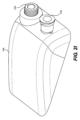
図2に、ハウジング140およびコネクタ150のより詳細な上面図を示す。コネクタ150は、ハウジング140内の対応する凹部141とスナップ嵌合連結する一対のタブ151を有している。コネクタ150は、任意の適用可能な方法でハウジング140に接続または装着することができ、図2に示すスナップ嵌合連結に限らず、例えば、別のスナップ嵌合接続、力による接続、留め具またはこれらの組み合わせを用いることができる。コネクタ150は、任意の適用可能な方法(例えば、閾値の力、解除機構、ボタンまたはその他の入力等)によってハウジング140から取り外すことができる。コネクタ150は、注入リード本体110をずらしたり妨害したりすることなく、ハウジング140から取り外しできる。コネクタ150は、内部管腔154を介して注入チューブ210と連通している、インサート成形された皮下注射針152と、内部導電トレース155を介してケーブル310と導通している1つ以上の金属ピン153とを有している。同様に、ハウジング140は、流体シールを形成するようにそれぞれガスケットを備えた皮下注射針レセプタクル142および1つ以上のピンレセプタクル143を有している。金属ピン153、内部導電性トランス155、ピンレセプタクル143および/または導電性トランス145は、各部品間で電気信号を送信するための電気表面を有している。ガスケットは、細菌の侵入を抑制するために1つ以上のインラインフィルタと組み合わせることができる。例えば、インラインフィルタは、抗菌材料を含んでいてもよいし、抗菌材料でコーティングされていてもよい。ハウジング140内の管腔144は、注入リード本体110の内部管腔と連通しており、このため、出口ポート118と連通している。同様に、ハウジング140内の導電トレース145は、電極112,114と導通している。コネクタ150がハウジング140に係合すると(例えば、ハウジング140に向かってスライドすることによって)、コネクタ150のオス型の取り付け具がハウジング140内の対応するメス型の取り付け具と機能的に係合し、これにより、注入リード本体110が薬剤ポンプ200および/またはパルス発生器300と機能的に接続される。
2 shows a more detailed top view of the
ハウジング140は、挿入針(本明細書の他の箇所で説明する)の周囲に流体シールを形成し、後で挿入針が取り外されたときに閉じるガスケット146をさらに有している。コネクタ150は、図2Aに示すように電気刺激のみを行うように構成してもよいし、図2Bに示すように化学刺激のみを行うように構成してもよい。図2Aに示すように、一実施形態においては、コネクタ150は、内部導電トレース155、1つ以上の金属ピン153および一対のタブ151および/またはその他の適用可能な接続要素を含むように製造または調整される。図2Bに示すように、一実施形態においては、コネクタ150は、インサート成形された皮下注射針152、内部管腔154および一対のタブ151および/またはその他の適用可能な接続要素を含むように製造または調整される。一実施形態においては、コネクタ150は交換可能な部品であり、図2のコネクタ150、図2Aのコネクタ150、図2Bのコネクタ150および/または図2Fのキャップ150Aは交換可能および/または使い捨て可能である。代替的または追加的に、コネクタ150はモジュール式であり、コネクタ150の1つ以上の部品(例えば、1つ以上の金属ピン153、内部導電トレース155、インサート成形された皮下注射針152または内部管腔154)が、コネクタ150に対して脱着可能であってもよい。
The
図2C~図2Eは、ハウジング140および接着パッチ160の変形例の詳細を概略的に示している。図2Cは上面図、図2Dは底面図、図2Eは側面図である。この実施形態では、接着パッチ160は、注入リード本体110よりも厚みの大きい外周部164によって包囲された開いた空間162を有している。この構成によって、注入リード本体110の余剰の長さ分を、例えば、開いた空間162内に(例えば、螺旋状に)配置できる。開いた空間162の上部は、注入リード本体110を(例えば螺旋状に)固定するための接着面を有しており、外周部164の底部は、アセンブリを皮膚に固定するための接着面を備えている。この構成により、注入リード本体110ならびに対応する電極112および出口ポート118を、注入リード本体110の長さを問わず、所望の長さ方向の位置(例えば、神経と平行)に配置することができ、また、注入リード本体110の移動も抑制できる。さらに、この構成により、ハウジング140が誤ってユーザーの皮膚から外れた場合でも、注入リード本体110の余剰長さ分を解放することができる。例えば、ハウジング140がユーザーの皮膚から誤って外れた場合、注入リード本体110の余剰長さ分が解放されることで、注入リード本体110のユーザーの体内に位置している部分が外れたり引き抜かれたりすることを抑制または防止できる。
2C-2E show schematic details of a variation of the
一実施形態においては、注入リード本体110の余剰長さ分は、注入リード本体110の残りの部分(例えば、患者の体内に挿入される部分)から切断されるか、または他の方法で除去される。注入リード本体110の基端側の余剰部分は、刃物、鋭利な表面、レーザー、穿孔またはこれらの組み合わせ等、任意の適用可能な手法によって切断できる。注入リード本体110の残りの部分は、ハウジング140に接続されてもよい。例えば、ハウジング140の管腔144は、注入リード本体110の残りの部分の内部管腔に接続されてもよい。同様に、ハウジング140の導電トレース145は、注入リード本体110の内部ワイヤに接続されてもよい。この構成により、注入リード本体110ならびに対応する電極112および出口ポート118を、注入リード本体110の本来の長さと関係なく、所望の長さ方向の位置(例えば、神経と平行)に配置することができ、また、注入リード本体110の移動も抑制できる。
In one embodiment, the excess length of the
図2Fに、キャップ150Aを概略的に示す。キャップ150Aは、コネクタ150がハウジング140に接続されていないときに、ハウジング140に接続される。コネクタ150は、電気刺激または化学刺激が必要ない場合(例えば、活動中)に取り外すことができる。キャップ150Aがハウジング140に接続されることによって、皮下注射針レセプタクル142および1つまたは複数のピンレセプタクル143に汚染物質(細菌等)が侵入することを防止できるため、感染リスクを抑制できる。
キャップ150Aは、環境に対する皮下注射針レセプタクル142および1つ以上のピンレセプタクル143の完全または部分的な封止を実現する任意の適切な方法でハウジング140に接続される。キャップ150Aは、ハウジング140内の対応する凹部141とスナップ嵌合で連結する一対のタブ151Aを有している。キャップ150Aは、管腔144に嵌入するように形成された管腔インサート152Aと、導電トレース145に嵌入するように形成されたトレースインサート153Aも有している。管腔インサート152Aおよび/またはトレースインサート153Aには、抗菌処理(コーティング、仕上げ、材料等)が施されており、このため、感染のリスクをさらに抑制できる。このため、管腔インサート152Aおよびトレースインサート153Aは、抗菌処理を管腔144および導電トレース145に施すように、管腔144および導電トレース145にそれぞれ嵌入するように形成されている。キャップ150Aをハウジング140に接続することで、汚染物質にさらされるリスクを抑制でき、キャップ150Aを介して施される抗菌処理が、ガスケット、フィルタ、開口部、内部空間および/または管腔144の内面および/または導電トレース145に施され、汚染物質を除去することができる。キャップ150Aは、ハウジング140から取り外されたときに抗菌部品内に収容または配置することができ、これによって、キャップ150Aがハウジング140から取り外されている間にキャップ150Aの抗菌処理が再び行われる。代替的または追加的に、キャップ150Aの抗菌処理は、キャップ150A(例えば、管腔インサート152Aおよびトレースインサート153A)に抗菌処理を施すことによって定期的に再実行されてもよい。本明細書に記載されるように、閾値特性に基づいて化学刺激および/または電気刺激を容易にするように構成された安全機構を、キャップ150、キャップ150A、ハウジング140および/または本明細書に記載の別の部品の1つ以上に含めてもよいし、関連付けてもよい。
The
図2Gは、ハウジング140および接着パッチ160の上面を示す概略図である。ハウジング140は、圧力ボタン280Aおよび圧力ボタン280Bを有している。圧力ボタン280Aおよび280Bが作動すると(例えば、押されると)、圧力ロッド282Aおよび282Bがそれぞれガスケット146またはその周囲に圧力を加える。ガスケット146またはその周囲の圧力は、後述する針50にも伝達される。圧力によって、針50が所定の位置に保持され、針50が現在の位置から前進または後退できなくなる。この圧力によって、針50と注入リード本体110とが、互いに対して略静止した状態を保つことができる。ボタン280Aおよび280Bならびに圧力ロッド282Aおよび282Bは、片手で操作することによって注入リード本体110に対する針50の動きを防止または抑制できる。なお、圧力ボタン280Aおよび280Bを作動させて圧力を加えると説明されているが、ボタン280Aおよび280Bならびに/または圧力ロッド282Aおよび282Bは、ボタン280Aおよび280Bが作動していないときに圧力を加え、ボタン280Aおよび280Bが作動しているときに圧力を解放するように構成してもよい。このような実施形態においては、レバー、ヒンジ、リリース等の1つ以上の追加部品を使用することによって、作動圧力(例えば、ボタン280Aおよび280Bを作動するために加えられる圧力)を変換し、圧力ロッド282Aおよび282Bによって加えられる圧力を解放することができる。
2G is a schematic diagram showing the top of the
図2Hに薬剤ポンプ200Aの概略図を示す。薬剤ポンプ200Aは、上記の薬剤ポンプ200と同一または類似のものであってもよい。薬剤ポンプ200Aは、ノブ290、1つ以上のハンドル292および/または薬剤ポンプ200A内に少なくとも部分的に収容された薬剤容器294を有している。薬剤容器294は、所定量の1つ以上の薬剤(例えば、各薬剤につき約20cc)を収容するように構成されている。ノブ290は手動または自動で回転し、回転するごとに薬剤容器294に収容されている薬剤が所定量(例えば、約5cc)排出される。ノブ290の操作は、本明細書で説明するように、安全機構によって制御してもよく、安全機構は、ノブ290の偶発的な回転および/または過度の回転を防止するように構成してもよい(例えば、薬剤の過剰量を防止する、閾値量を超える薬剤の頻繁な投与を防止する等)。なお、回転可能なノブ290が示されているが、薬剤容器294に収容された薬剤を任意の量で排出する機構は、適用可能ないかなる作動機構であってもよい。例えば、作動機構は、ボタン、スライダー、電子入力受信機、デジタル入力受信機等であってもよい。さらに、単一の薬剤容器294が示されているが、同じ薬剤または異なる薬剤を収容する複数の薬剤容器294を設けてもよい。複数の薬剤容器が設けられる実施形態では、複数の薬剤容器のそれぞれに作動機構を設けてもよい。このような作動機構は、各作動機構を用いた各作動に基づいて、対応する薬剤容器内に含まれる薬剤の全部または一部を排出するように構成できる。
FIG. 2H shows a schematic diagram of
ノブ290は、ノブ290を任意の量だけ回転することによって作動させることができる。任意の量は、予め定められた量であってもよい。例えば、1つまたは複数のロック部(図示せず)がノブ290の回転力に反力を加え、ノブ290が部分的に回転した後、反力の結果としてノブ290の回転が一時的に停止されるようにしてもよい。1つまたは複数のロック部は、ノブの偶発的な回転を防止または抑制することによって、過剰な量の薬剤の偶発的な投与を防止できる。ノブ290を回転させると、薬剤容器294に収容された薬剤が所定量(例えば、約5cc)排出される。ノブ290の回転は、一時的に停止した後、次の部分的な回転のために再開され、次の部分的な回転によって追加の量の薬剤が排出される。ノブ290を回転させると、ノブ290の回転によって加えられる圧力や、ノブ290の回転によって生じる開口等によって、薬剤容器294に収容されている薬剤が排出される。
The
薬剤容器294は、薬剤を収容するように構成された任意の適切な材料から形成される。薬剤容器294は、ノブ290の回転等の、作動機構の作動が起こらない限り、薬剤容器294内に含まれる薬剤が排出されないように封止されている。薬剤容器294は、ポリ塩化ビニル(PVC)、プラスチック、ガラス等、薬剤を収容するように構成された任意の適切な材料で形成することができるが、これらに限定されない。薬剤容器294は、コンパートメントや、袋体等であってもよい。薬剤容器294は、再製可能な薬剤ホルダ(例えば、交換可能な袋体)を収容するように構成されてもよく、この薬剤ホルダは、ユーザーによって交換可能である(例えば、現在の薬剤ホルダ内の薬剤の全量または大部分が排出された場合)。薬剤容器294および/または薬剤ホルダは、既定の回数の作動(例えば約4~6回の作動)に対応する量の1つ以上の薬剤を収容する。
The
一実施形態においては、作動機構(例えば、ノブ290)は、コントローラ(例えば、本明細書でさらに説明する外部コントローラ)によって生成された電子信号に基づいて自動的に作動される。作動機構を作動するように構成されたモーターまたはその他の部品を電子信号によってトリガーしてもよい。電子信号は、さらに、作動機構の作動の程度を示してもよい。例えば、作動の程度に応じて、対応する量の作動(回転等)が発生する。対応する作動の量によって、対応する量の薬剤が薬剤容器294から排出される結果となり、作動の量が多いほど、より多くの量の薬剤が排出される。
In one embodiment, the actuation mechanism (e.g., knob 290) is automatically actuated based on an electronic signal generated by a controller (e.g., an external controller as described further herein). A motor or other component configured to operate the actuation mechanism may be triggered by the electronic signal. The electronic signal may also indicate a degree of actuation of the actuation mechanism. For example, depending on the degree of actuation, a corresponding amount of actuation (e.g., rotation) occurs. The corresponding amount of actuation results in a corresponding amount of medication being expelled from the
1つ以上のハンドル292が薬剤ポンプ200Aから突出している。薬剤ポンプ200Aがユーザーの身体の一部に対して配置されると、ハンドル292がユーザーの身体の当該一部に対して位置決めされ、薬剤ポンプ200Aおよび/または1つ以上のハンドル292の基部によって安定性がもたらされる。代替的または追加的に、ストラップ(図示せず)を1つまたは複数のハンドル292を通って延ばしてもよい。ストラップは、1つまたは複数のハンドル292だけでなく、ユーザーの身体の一部(例えば、足首、肩、腕、脚等)にも延ばし、薬剤ポンプ200Aがストラップを介してユーザーの身体の一部に固定されるようにしてもよい。一例として、ストラップは自己固定式(例えば、マジックテープ(登録商標)ストラップ)であり、ストラップの一部がストラップの別の部分に取り付けられる。
One or
図2Iは、本開示の例示的な実施形態に係る別のハウジング140Aの概略図である。ハウジング140Aは、前述のハウジング140と同じであってもよいし、類似していてもよいし、異なるものであってもよい。ハウジング140Aは、注入チューブポート210Aおよびケーブルポート310Aを含む後部を有している。一実施例においては、ハウジング140Aは、ケーブル310を介してパルス発生器300に(例えば直接的に)接続されてもよいし、注入チューブポート210Aを介して薬剤ポンプ200に(例えば直接的に)接続されてもよい。例えば、注入チューブポート210Aは、注入チューブ210を受容してもよいし、注入チューブ210に接続するように構成されてもよい。ケーブルポート310Aは、ケーブル310を受容してもよいし、ケーブル310に接続するように構成されてもよい。別の実施例においては、ハウジング140Aはコネクタ(例えば、コネクタ150、コネクタ150A等)に接続される。例えば、注入チューブポート210Aはコネクタ150のインサート成形された皮下注射針152に接続され、ケーブルポート310Aはコネクタ150の内部管腔154に接続される。
2I is a schematic diagram of another
図2Jはハウジング140Aの内部の概略図であり、図2Kはハウジング140Aの底部の概略図であり、図2Lはハウジング140Aの概略的な透視図である。図2J~図2Lに示すように、ハウジング140Aには、注入チューブポート210Aに接続され、かつ/または、注入チューブポート210Aと連通する内部注入チューブポート210Bが設けられている。ハウジング140Aは、ケーブルポート310Aに接続され、かつ/または、ケーブルポート310Aと導通している内部ケーブルポート310Bも有している。内部注入チューブポート210Bは、注入チューブ210、内部管腔154および/または注入リード本体110Aと連通する管腔(例えば、管腔144)を有している。注入リード本体110Aは、前述の注入リード本体110と同じであってもよいし、類似していてもよい。注入リード本体110に関して前述したように、ケーブル310と、注入リード本体110Aの壁部に埋め込まれたワイヤ(図示せず)とを導通させるために、内部ケーブルポート310Bを注入リード本体110Aの内部ワイヤに(例えば、内部注入チューブポート210Bを介して)接続するためのワイヤまたは電気トレース(図示せず)が設けられてもよい。図2Kに示すハウジング140Aの底面は、ハウジング140Aをユーザーの皮膚等の表面に固定するための接着材(例えば、発泡体によって裏打ちされた接着材)で形成されてもよいし、接着剤を含んでいてもよい。内部注入チューブポート210Bおよび内部ケーブルポート310Bを含むハウジング140Aの内側部分には、内部ケーブルポート310Bおよび注入リード本体110Aの内部ワイヤを接続するワイヤおよび/または電気トレースを絶縁するために、電気絶縁材料(例えば、充填材料)が充填されていてもよい。注入チューブポート210A、内部注入チューブポート210B、ケーブルポート310A、内部ケーブルポート310Bおよび/またはハウジング140Aに関連付けられた1つ以上の部品は、本明細書に記載の安全機構を備えていてもよく、安全機構は、化学刺激および/または電気刺激の偶発的および/または過剰な出力を防止するように構成されている。前述したように、安全機構は電気信号を用いて利用でき、化学刺激および/または電気刺激が電気信号に応じて制御される。例えば、安全機構によって生成された信号に基づいて、内部ケーブルポート310Bを介した電気的作動が一定期間停止される。別の例では、内部注入チューブポート210Bが、内部チューブポート210を介して化学刺激が提供された後、一定時間閉じるように構成された弁部品を有している。弁の閉鎖を開始する信号は安全機構によって生成され、弁の閉鎖を終了する信号は安全機構によって生成されるか、または、例えば期間に基づいて自動的に生成される。
2J is a schematic view of the interior of
一実施例においては、1つ以上の薬剤が、ユーザーの身体部位に固定可能なストラップ内に収容される。ストラップは、弾性および/または順応性を有し(例えば、柔軟性を有しているか、閾値を超える柔軟性を有している)、自己固定式であってもよいし、ユーザーの身体部位に固定可能であってもよい。ストラップは、1つ以上の薬剤を排出するように構成された薬剤ホルダ(例えば、約2.54センチ(約2インチ)×約15.24センチ(約6インチ)の大きさの静脈内(IV:Intravenous)バッグ)であってもよいし、薬剤ホルダを含んでいてもよい。薬剤ホルダは、薬剤ホルダから薬剤を排出するように構成された一方向逆止弁(例えば、「T」字型)に接続されてもよい。例えば、シリンジまたはプライムバルブ(例えば、約3ccの容量を有する)が薬剤ホルダに接続され、一方向逆止弁を介してユーザーと連通するチューブを通じて(例えば、チューブ210を介して)薬剤ホルダから薬剤を引き出すように構成されてもよい。薬剤ホルダは、チューブおよび弁等のうちの1つ以上とともにストラップ内に埋め込まれてもよいし、ストラップに取り付けられてもよい。したがって、ストラップは、薬剤ホルダを介して1つ以上の薬剤を収容するように構成され、1つ以上の薬剤は、ストラップから排出されてユーザーによって受容される。一実施例においては、所定量の薬剤(例えば、約100cc~約500cc)を保持できる1つ以上の薬剤ホルダをストラップが備えている。 In one embodiment, one or more medications are contained within a strap that can be secured to a body part of a user. The strap can be elastic and/or malleable (e.g., flexible or flexible above a threshold) and can be self-securing or can be secured to a body part of a user. The strap can be or can include a medication holder (e.g., an intravenous (IV) bag measuring about 2 inches by about 6 inches) configured to expel one or more medications. The medication holder can be connected to a one-way check valve (e.g., a "T" shape) configured to expel the medication from the medication holder. For example, a syringe or prime valve (e.g., having a capacity of about 3 cc) can be connected to the medication holder and configured to withdraw the medication from the medication holder through a tube (e.g., via tube 210) that communicates with the user through the one-way check valve. The medication holder can be embedded within the strap or attached to the strap along with one or more of the tube, valve, etc. Thus, the strap is configured to receive one or more medications via the medication holder, and the one or more medications are ejected from the strap and received by the user. In one embodiment, the strap includes one or more medication holders capable of holding a predetermined amount of medication (e.g., about 100 cc to about 500 cc).
一実施例において、1つ以上の薬剤は、ユーザーの身体に(例えば、ストラップ、接着材等を使用して)固定されたウェアラブルポンプ内に収容される。図2Mは、本開示の例示的な実施形態に係るウェアラブルポンプ296Aの概略図であり、図2Nは、ウェアラブルポンプ296Aの背面図である。図2Mに示すように、ウェアラブルポンプ296Aは、薬剤を(例えばチャンバ内に)受容するように成形された薬剤保持部品296Cを有している。薬剤保持部品296Cは、薬剤を保持するための流体容器を有し、さらに、薬剤保持部品296Cから薬剤を排出したり、薬剤保持部品296Cに薬剤を回収したりするための回収部品(プランジャ等)を有している。なお、図2Mには、アクセスを容易にするために保持部品296Cの上面から露出している回収部品(プランジャ等)が示されているが、ウェアラブルポンプ296A等のウェアラブルポンプが稼働状態および/または稼働停止状態の間、保持部品296Cを構成し、かつ/または、保持部品296Cに関連付けられている回収部品、一部の部品および/またはすべての可動部品は、固定されてもよいし、アクセス不能であってもよい。例えば、図2P、2Rおよび2Uに示すように、回収部品および/またはその他の可動部品は、各ウェアラブルポンプの境界部を越えて延びないように構成してもよく、これによって、当該部品との意図しない接触や、部品の偶発的な移動が抑制される。ウェアラブルポンプ296Aは、図2Oに示すように、1つ以上のストラップ296Bに接続できる。1つ以上のストラップ296Bは、本明細書に記載するように、ウェアラブルポンプ296Aをユーザーの身体部位に固定するように構成される。ウェアラブルポンプ296Aは、コネクタ(例えば、コネクタ150、コネクタ150A等)に接続され、かつ/または、ハウジング140Aに直接接続されて、薬剤を注入リード本体(例えば、注入リード本体110、注入リード本体110A等)に供給する。
In one embodiment, one or more medications are contained within a wearable pump that is secured to the user's body (e.g., using a strap, adhesive, etc.). FIG. 2M is a schematic diagram of a
図2Pは、本開示の例示的な実施形態に係る、カバー296Dを有するウェアラブルポンプ296Aの概略図である。図2Pには、295Aの閉位置にあるカバー296Dと、295Bの開位置にあるカバー296Dの背面図と、295Cの開位置にあるカバー296Dの正面図とが示されている。カバー296Dは、保持部品296Cの全部または一部を覆うことができる。例えば、カバー296Dは保持部品296Cの全部または一部を覆い、ユーザーが保持部品296Cに誤って触れたり、移動させたり、意図せずに操作したりすることがないように構成されている。一実施例においては、カバー296Dは、薬剤を収容するためのチャンバ(図示せず)を含むように成形されている。この実施例においては、カバー296Dが開位置にあるときに、保持部品296Cは、カバー296Dから(例えば、カバー296Dのチャンバから)一定量の薬剤を回収できる。例えば、使用中は、カバー296Dが閉位置にあるときに、薬剤を保持部品296Cから排出することができる。カバー296Dが開位置に移動することによって、追加の量の薬剤をカバー296Dから(例えば、カバー296Dのチャンバから)保持部品296Cに回収することができる(例えば、保持部品296Cに関連付けられたプランジャ部品を作動させると、吸引圧力によって一定量の薬剤がカバー296Dのチャンバから保持部品296Cに送られる)。
2P is a schematic diagram of a
図2Qは、本開示の例示的な実施形態に係る、別のウェアラブルポンプ297Aの概略図である。ウェアラブルポンプ297Aは、ウェアラブルポンプ296Aと類似している。ウェアラブルポンプ297Aは、1つ以上の薬剤が入った1つ以上のカートリッジ297Bを収容するように構成されている。カートリッジ297Bは交換可能であり、ユーザーはウェアラブルポンプ297Aから第1カートリッジ297Bを取り外し、第2カートリッジ297Bをウェアラブルポンプ297Aに挿入することができる。図に示すように、ウェアラブルポンプ297Aの収容部品内には、1つ以上のカートリッジ297Bが収容される。また、図に示すように、カバー297Dが開位置または閉位置にあるときに、カートリッジ297Bをウェアラブルポンプ297Aに挿入したり、ウェアラブルポンプ297Aから取り外したりすることが可能である。一実施例においては、カートリッジ297Bの代わりに、保持部品297Cがウェアラブルポンプ297Aに挿入される。代替的または追加的に、保持部品297Cを使用して、1つ以上のカートリッジ297Bを補充してもよい。ウェアラブルポンプ297Aはカバー297Dを有しており、このカバー297Dは、図2Pを参照して前述したカバー296Dに類似している。
FIG. 2Q is a schematic diagram of another
図2Rは、本開示の例示的な実施形態に係る、ユーザーに取り付けられたウェアラブルポンプ297Aの概略図である。図に示すように、ウェアラブルポンプ297Aは、ユーザーの身体の一部(例えば、脚)に取り付けることができる。ウェアラブルポンプ297Aは、接着材(図示せず)を介してユーザーの身体部位に取り付けてもよい。あるいは、ウェアラブルポンプ297Aは、ストラップ(例えばストラップ296B)を介してユーザーの身体部位に取り付けられてもよい。
2R is a schematic diagram of a
図2Sは、本開示の例示的な実施形態に係る、別のウェアラブルポンプ298Aの概略図である。ウェアラブルポンプ298Aは、図2Hを参照して前述した薬剤ポンプ200Aに類似している。ウェアラブルポンプ298Aは、図2Hのノブ290に似たノブ298B等の作動機構を有している。図2Tは、ユーザーの身体の一部に装着されたウェアラブルポンプ298Aの概略図である。ウェアラブルポンプ298Aは、接着材(図示せず)を介してユーザーの身体部位に取り付けてもよい。あるいは、ウェアラブルポンプ298Aは、ストラップ(例えばストラップ296B)を介してユーザーの身体部位に取り付けられてもよい。
2S is a schematic diagram of another
図2Uは、本開示の例示的な実施形態に係る、別のウェアラブルポンプ299Aの概略図である。ウェアラブルポンプ299Aは、ウェアラブルポンプ296Aおよび/またはウェアラブルポンプ297Aに類似している。ウェアラブルポンプ299Aは、前述した注入チューブ210と同様の注入チューブ298Bに接続されている。ウェアラブルポンプ299Aはカバー299Cを有しており、このカバー299Cは、図2Pを参照して前述したカバー296Dに類似している。図2Vに示すように、注入チューブ298Bはウェアラブルポンプ299Aから取り外し可能であり、ウェアラブルポンプ299Aが稼働していないときには、注入チューブ298Bをウェアラブルポンプ299Aから取り外すことができる。図2Vにさらに示されているように、ウェアラブルポンプ299Aは、ユーザーの身体部位に装着可能である。ウェアラブルポンプ299Aは、接着材(図示せず)を介してユーザーの身体部位に取り付けてもよい。あるいは、ウェアラブルポンプ299Aは、ストラップ(例えばストラップ296B)を介してユーザーの身体部位に取り付けられてもよい。
FIG. 2U is a schematic diagram of another
一実施例においては、注入リード本体110および/または注入リード本体110Aは、神経と略平行になるように配置することができ、これによって、神経の長さ方向に沿って、2つの刺激方式を互いに干渉しない間隔を空けて配置できる。このような位置を達成する方法については、図3A~図3Fを参照して詳細を後述する。別の実施例においては、注入リード本体110は、手術部位に分布している神経の神経鞘内に配置される。このような位置を達成する方法については、図3H~図3Mを参照して詳細を後述する。
In one embodiment, the
図2Wは、本開示の例示的な実施形態に係る針ガイドシステム2003の概略図である。針ガイドシステム2003は、注入リード本体2008(例えば、注入リード本体110および/または注入リード本体110Aに類似している)を、図3A~図3Fを参照して説明するように神経と略平行に配置するため、かつ/または、図3H~図3Mを参照して説明するように神経の神経鞘内に配置するために使用される。針ガイドシステム2003は、針ガイド2006に接続された針ガイドベース2002を有している。針ガイド2006は、図2Xに示すように、注入リード本体2008および針50A(例えば、前述の針50に類似している)を受容するように構成されている。針ガイドベース2002は、針50Aがユーザーの体内に挿入される挿入点の近くでユーザーの皮膚上に配置される。図2Wおよび図2Xに示すように、針ガイドカバー2004が、針ガイド2006上に配置される。針ガイド2006は、第1の軸線(例えば、針ガイドベース2002と略平行)を中心に回転可能である。このため、針ガイド2006を第1の軸線を中心に回転させることによって、挿入点における針50Aの挿入角度を変化させることができる。例えば、針ガイド2006を第1の軸線を中心に回転させると、挿入角度が例えば約85度から約5度に変化する。挿入角度の調節は、針ガイドカバー2004が針ガイド2006上に配置されていない状態で行うことができる。針ガイドカバー2004が針ガイド2006上に配置されると、挿入角度がロックされる。針ガイドカバー2004が針ガイド2006上に配置されて挿入角度がロックされると、針50Aおよび/または注入リード本体2008が挿入点に挿入されても角度は変化しない(例えば、意図しない動きによっても変化することがない)。したがって、施術者が挿入角度をロックすることができ、ロック後には、挿入角度が変化する危険性なしに、図3A~図3Fおよび/または図3H~図3Mを参照して後述する手法を片手で実施できる。挿入角度は、注入リード本体2008の目標位置に基づいて決定され、例えば、第1の目標位置では第1の角度(例えば35度)が必要となり、第2の目標位置では異なる第2角度(例えば45度)が必要になる。目標位置は、例えば、神経部位、治療対象となる体の部位(例えば、肩の部位、脚の部位、足首の部位等)に基づいて決定される。
2W is a schematic diagram of a
1つ以上の薬剤は、この薬剤の送達点(例えば、出口ポート118の近く)に近い静脈に対して局所麻酔ブロックを発生させ、痛みを緩和させることができる。代替的または追加的に、1つ以上の薬剤によって、組織、静脈および/または神経の血管拡張がもたらされ(例えば、静脈の直径が約3mmを超えるように拡張され)、AVFの成熟をもたらすこともできる。AVFの成熟は、動脈と静脈の吻合時に発生する血流の増加に反応する流入動脈および静脈の能力に対応している。AVF成熟の期間は、血管拡張の期間よりも長いため、特定の量の薬剤によって、第1の期間に血管拡張がもたらされ、第2の期間にAVF成熟がもたらされる。第2の期間は第1の期間よりも長い。血管拡張および/またはAVF成熟によって、少なくとも一定期間にわたる血流の増加に起因して、静脈移植、創傷治癒の改善、感染率の低下等の臨床的利点がもたらされる。例えば、約5日間にわたって薬剤を排出すると、一定量の治癒が促進される可能性がある。したがって、本明細書に記載の血管拡張および/またはAVF成熟は、例えば、疼痛管理を助けるために使用することができ、処置中の挿入または静脈選択を容易化させ(例えば、血管拡張により、より大きな静脈やより適した静脈を選択することができ、急性の結果が改善される)、血流を増加させることが可能である。一実施例においては、1つ以上の薬剤による化学刺激を行うことによって、慢性創傷治癒および/または慢性疼痛緩和(例えば、複合性局所疼痛症候群(CRPS)、乾性壊疽等)を行うことができる。 The one or more agents can produce a local anesthetic block to the vein close to the delivery point of the agent (e.g., near the exit port 118) to relieve pain. Alternatively or additionally, the one or more agents can cause vasodilation of tissue, veins, and/or nerves (e.g., dilation of the vein to greater than about 3 mm in diameter) and cause AVF maturation. AVF maturation corresponds to the ability of the inflow artery and vein to respond to the increased blood flow that occurs during arterial-venous anastomosis. The period of AVF maturation is longer than the period of vasodilation, so a particular amount of agent causes vasodilation during a first period and AVF maturation during a second period. The second period is longer than the first period. Vasodilation and/or AVF maturation can provide clinical benefits, such as improved vein grafting, improved wound healing, and reduced infection rates, due to increased blood flow over at least a period of time. For example, draining the agent over a period of about 5 days can promote a certain amount of healing. Thus, vasodilation and/or AVF maturation as described herein can be used, for example, to aid in pain management, facilitate access or vein selection during a procedure (e.g., vasodilation allows for the selection of a larger or more suitable vein, improving acute outcomes), and increase blood flow. In one embodiment, chemical stimulation with one or more agents can be used to effect chronic wound healing and/or chronic pain relief (e.g., complex regional pain syndrome (CRPS), dry gangrene, etc.).
一実施例においては、鎮痛を行うのではなく、一定量の血管拡張および/またはAVF成熟(例えば、任意の血管拡張および/またはAVF成熟)を達成するように、刺激の量、頻度または期間を決定してもよい。例えば、化学刺激の第1の量、頻度および/または期間によって、血管拡張および/またはAVF成熟がもたらされ、より大きい第2の量、頻度および/または期間の化学刺激によって、血管拡張および/またはAVF成熟に加えて、鎮痛が行われる。 In one embodiment, the amount, frequency, or duration of stimulation may be determined to achieve a certain amount of vasodilation and/or AVF maturation (e.g., any vasodilation and/or AVF maturation) rather than providing analgesia. For example, a first amount, frequency, and/or duration of chemical stimulation results in vasodilation and/or AVF maturation, and a second, greater amount, frequency, and/or duration of chemical stimulation provides analgesia in addition to vasodilation and/or AVF maturation.
前述したように、薬剤ポンプ200/200Aを介して1つ以上の薬剤を供給することができる。1つ以上の薬剤には、適用可能な麻酔薬、ロピバカイン、ブピバカイン、マルカイン、リドカイン、デキストロース等が含まれるが、これらに限定されない。特定の薬剤は、その薬剤の導電性の有無に基づいて選択される。薬剤ポンプ200/200Aによって排出される薬剤の量は、対象神経、対象神経の周囲の組織、薬剤の種類および/または目標とする化学刺激(麻酔効果、血管拡張、AVF成熟等)によって異なる。例えば、脛骨神経を対象とする場合は、約5ccが排出される(例えば、単回投与、毎時、所定時間毎、1回の作動毎等)。別の例では、肩の神経を対象とする場合は、1時間あたり5ccが排出される。一実施例においては、初期の第1の量の薬剤が第1の時点に(例えば、1回目の作動)で排出され、その後の第2の時点に、第2の量の薬剤が排出される。本明細書でさらに記載されるように、1つ以上の薬剤は、ボーラスとして排出されてもよく、かつ/または、パルス投与(例えば、約3~4時間毎に3~5cc)に基づいて排出されてもよい。薬剤の量および/または作動の頻度によって、対応する結果(例えば、約6~8時間の鎮痛、約8~10時間の鎮痛、約10~12時間の鎮痛、血管拡張の期間や量、AVF成熟の期間や時間等またはこれらの組み合わせ)がもたらされる。1つ以上の薬剤が排出される期間および/または頻度は、本明細書にさらに記載するように、薬剤ポンプ200/200Aおよび/または外部コントローラに電力を供給するバッテリーの対応するバッテリー寿命に基づいて決定されてもよい。
As previously mentioned, one or more drugs may be delivered via the
一実施形態においては、化学刺激または電気刺激は、ユーザー入力に基づいて開始、変更および/もしくは更新されるか、または自動的に開始される。ユーザー入力は、ユーザーデバイス(モバイル機器、コンピュータ、ウェアラブルデバイス等)を介して、かつ/または、本明細書に記載の任意のデバイスまたは部品に関連付けられた入力部品を介して受信できる。例えば、ユーザーは、ハウジング140、薬剤ポンプ200、パルス発生器300等またはこれらの組み合わせに関連付けられたボタンまたはインターフェイスを介してユーザー入力を行う。このようなユーザー入力は、化学刺激または電気刺激を起動、変更または更新するための命令、既存の化学刺激または電気刺激に関するフィードバック、ユーザーの痛みの指標(例えば疼痛スコア)等である。
In one embodiment, the chemical or electrical stimulation is initiated, modified, and/or updated based on user input, or is initiated automatically. User input can be received via a user device (mobile device, computer, wearable device, etc.) and/or via an input component associated with any device or component described herein. For example, the user provides user input via a button or interface associated with the
化学刺激および/または電気刺激は、ユーザー入力に応じて調整される。例えば、ユーザーが入力したデータに対する適合性を高めるために、ユーザー入力に応じて化学刺激および/または電気刺激を行うことができる。この例においては、ユーザー入力が行われている間は、化学刺激および/または電気刺激は、任意のユーザー入力に基づいて起動される。例えば、本明細書に記載の化学刺激および/または電気刺激の1つ以上の特性(例えば、量、頻度、期間等)は、ユーザー入力に基づいて決定されてよいし、されなくてもよい。ただし、ユーザー入力が受信されるまで、化学刺激および/または電気刺激が保留される場合もある。一実施例においては、化学刺激および/または電気刺激は、特定の治療に基づく特定のユーザー入力に応じて調整される。例えば、ボーラス薬剤投与(例えば自動投与)を行う前に、疼痛スコアの受信を必要とする場合もある。別の例においては、継続的な薬剤投与(例えば基礎投与)を管理するために、更新された疼痛スコアが必要になる場合もある。 The chemical and/or electrical stimulation is adjusted in response to user input. For example, the chemical and/or electrical stimulation may be adjusted in response to user input to better match the data entered by the user. In this example, the chemical and/or electrical stimulation is activated based on any user input while the user input is being performed. For example, one or more characteristics (e.g., amount, frequency, duration, etc.) of the chemical and/or electrical stimulation described herein may or may not be determined based on the user input. However, the chemical and/or electrical stimulation may be withheld until user input is received. In one embodiment, the chemical and/or electrical stimulation is adjusted in response to a particular user input based on a particular treatment. For example, a pain score may need to be received before a bolus drug delivery (e.g., automatic delivery) is performed. In another example, an updated pain score may be required to manage ongoing drug delivery (e.g., basal delivery).
自動刺激は、イベント、アルゴリズム出力または機械学習出力に基づいてトリガー可能である。イベントに基づくトリガーは、例えば、検出されたインピーダンスの変化等に基づいて、ユーザーが示す痛みに基づいて行うことができる。例えば、1つ以上のインピーダンスセンサが静脈、神経または組織に接触して配置され、インピーダンス信号を生成する。インピーダンス信号に基づいて、閾値インピーダンスよりも大きいインピーダンスが確認されると、イベントに基づくトリガーによって自動刺激(化学刺激および/または電気刺激等)が引き起こされる。アルゴリズム出力は、1つまたは複数の入力(例えば、痛みまたは痛みの量を示すユーザー入力、検出されたインピーダンス等)に基づいて生成され、アルゴリズムに対する入力に基づいて、化学刺激もしくは電気刺激の量、頻度および/または期間がトリガーされる。機械学習の出力については詳細を後述する。 The automatic stimulation can be triggered based on an event, an algorithm output, or a machine learning output. An event-based trigger can be based on pain indicated by a user, for example, based on a change in detected impedance, etc. For example, one or more impedance sensors are placed in contact with a vein, nerve, or tissue to generate an impedance signal. If an impedance greater than a threshold impedance is identified based on the impedance signal, the event-based trigger causes automatic stimulation (e.g., chemical and/or electrical stimulation). An algorithm output is generated based on one or more inputs (e.g., user input indicating pain or amount of pain, detected impedance, etc.), and the amount, frequency, and/or duration of chemical or electrical stimulation is triggered based on the input to the algorithm. Machine learning output is described in more detail below.
麻酔液と刺激との間の干渉(麻酔液による電界の分散や、神経細胞またはニューロンのナトリウム-カリウム受容体の遮断に起因する)の可能性を回避するために、2つの神経ブロック方式が同時にまたは近い時間に実行される場合、出口ポート118および電極112は、注入リード本体110の長さ方向に沿って間隔を空けて配置される。化学刺激および電気刺激の効果を同一または同様に維持するために、注入リード本体110は、図示のように神経と略平行になるように配置され、これによって、神経の長さ方向に沿って、2つの刺激モードが互いに干渉しない間隔を空けて配置される。このような位置を達成する方法は、図3A~図3Fを参照して説明する。しかしながら、化学刺激および電気刺激の供給を時間的に交互に行う等の他の手法を採用してもよく、例えば、麻酔液がおおよそ拡散した後に電気刺激を行ってもよい。例えば、電気刺激を日中に与え、化学刺激を夜間に与えることができる。化学刺激は運動機能を妨げる可能性があるが、電気刺激は運動機能を妨げないため、このような手法は効果的である。これによって、患者は運動機能を損なうことなく日中に理学療法を受けることができる。
To avoid possible interference between the anesthetic fluid and the stimulation (due to dispersion of the electric field by the anesthetic fluid or blockade of the sodium-potassium receptors of the nerve cells or neurons), if the two nerve block modalities are performed at the same time or close in time, the
図3A~図3Fに、上記の理由により、注入リード本体110を神経と略平行に配置するための方法の一例を概略的に示す。図3A~図3Fに示す例示的方法は、図2Wおよび図2Xの針ガイドシステム2003を使用して実施することができる。この方法の態様は、神経ブロックを達成するために局所麻酔薬を投与する方法、すなわち超音波誘導下で適切なサイズの針50(例えば皮下注射針)を使用する方法に類似している。なお、本明細書では超音波誘導について一般的に説明しているが、超音波誘導に対して代替え的または追加的に、任意の適用可能な誘導手法(例えば、レーダー、光学装置、センサ等)を使用してもよい。針50は、基端側ハブおよび先端部(例えば、鋭利な先端部)を有している。針50は、ハウジング140内のガスケット146を通って、注入リード本体110を貫通できる長さを有し、針50の先端は、注入リード本体110の先端から突出している。針50は、注入リード本体110よりも剛性がかなり高く、取り外されるまで直線状の構成を維持する。針50の直径は、注入リード本体110の内径と略一致するように選択される。このため、皮膚への挿入を妨げる可能性のある大きな隙間が形成されることがなく、かつ、自由な動きが可能となる。
3A-3F are schematic diagrams illustrating an example of a method for positioning the
超音波誘導によって、神経(N)および/または末梢神経(N)に隣接する末梢静脈(V)または動脈の位置を特定できる。注入リードアセンブリ100は、針50がハウジング140内のガスケット146を貫通して注入リード本体110の先端から延びるように、針50に予め装着することができる。一実施形態においては、ボタン280Aおよび280Bを作動状態または非作動状態にして、注入リードアセンブリ100が針50に予め装着される。超音波誘導を継続しながら、図3Aに示すように、針50および予め装着された注入リードアセンブリ100を皮膚(S)を通って挿入し、針50の先端を神経(N)の近傍に位置させる。図3Bおよび図3Cに示すように、針50を前進させずに針50のハブを皮膚(S)に向かって押し、アセンブリ100を神経(N)と略平行な位置に向けさせる。このステップでは、組織を切断するのではなく、押す力に対して反対の方向に神経(N)および周囲の組織を移動させる。注入リード本体110が神経と略平行に延びた状態で、図3Dに示すように、神経(N)の損傷および静脈(V)の穿刺を回避するように、超音波誘導を維持させつつ、針50および注入リードアセンブリ100を前進させる。一実施例においては、注入リード本体110を、針50を実質的に移動させることなく、針50の針先を越えて前進させる。したがって、針50が注入リード本体110の隣接部分を包囲した状態で、注入リード本体110の先端部分は、針50の先端を超えて延びることができる。注入リードアセンブリ100が完全に前進し、接着パッチ160が皮膚(S)に接触したら、接着パッチ160の裏紙を剥がした後、図3Eに示すように、注入リードアセンブリ100から針50が取り外される。一実施形態においては、注入リードアセンブリ100から針50を取り外すために、ボタン280Aおよび280Bが作動状態または非作動状態にされる。針50が取り外されると、注入リード本体110が可撓性を有していることと、硬い針50が存在していないこととによって、神経(N)と周囲の組織が静止状態に緩まる。その結果、図3Fに示すように、注入リード本体110の基端側の湾曲部と、神経(N)と略平行に延びる注入リード本体110の比較的直線的な部分とが形成され、挿入部位の真上においてハウジング140を皮膚に固定する接着パッチ160によって、移動が抑制される。
Ultrasound guidance can be used to locate the nerve (N) and/or peripheral vein (V) or artery adjacent to the peripheral nerve (N). The
一実施形態においては、注入リード本体110は、手術部位に分布する神経の神経鞘内に配置される。神経鞘は、神経線維を包囲して隔離するミエリンおよび/または結合組織の層である。図3Gに、注入リード本体110が神経と略平行に配置され、注入リード本体110の先端部が神経鞘(鞘)内に配置されている様子を模式的に示す。図示するように、表皮(皮膚)に挿入および/または接着されて鞘に挿入される場合、注入リード本体110は、手術部位に分布している神経の近傍に先端側電極112および出口ポート118を配置できる長さを有している。このように配置することによって、薬剤(例えば、麻酔液)を薬剤ポンプ200から出口ポート118を介して神経に送達させ、電気刺激をパルス発生器300から電極112を介して神経に送達させて、化学的および電気的神経ブロック効果を組み合わせることができる。カバー(例えば、弁、スリット等を有するカバー)を出口ポート118上に配置し、出口ポート118の閉塞を抑制または防止してもよい。カバーはシリコーン製カバーであってもよいし、生体吸収性または生分解性の材料を含んでいてもよい。カバーは、出口ポート118の外面または出口ポート118の内面(例えば、注入リード本体110の内部)に配置してもよい。
In one embodiment, the
このような位置を達成する方法を、図3H~図3Mを参照して説明する。図3H~図3Mに示す例示的方法は、図2Wおよび図2Xの針ガイドシステム2003を使用して実施することができる。この方法の態様は、図3A~図3Fで説明した態様に類似している。超音波誘導が、神経、神経鞘および/または末梢神経の近傍の末梢静脈または動脈の位置を特定するために使用される。注入リードアセンブリ100は、針50がハウジング140内のガスケット146(図示しない)を貫通して注入リード本体110の先端から延びるように、針50に予め装着することができる。一実施形態においては、ボタン280Aおよび280Bを作動状態または非作動状態にして、注入リードアセンブリ100が針50に予め装着される。超音波誘導を継続しながら、図3Hに示すように、針50および予め装着された注入リードアセンブリ100を、皮膚を介して挿入し、針50の先端が鞘を穿孔するまで挿入する。図3Iに示すように、注入リード本体110の先端も、鞘を穿孔した針50の先端が形成した開口を通って、鞘を破る。図3Iおよび3Jに示すように、針50を大幅に前進させることなく針50のハブが皮膚に向かって押され、針50の先端および注入リード本体110の先端が鞘と神経との間にある状態で、アセンブリ100を神経と略平行に位置させることができる。このステップでは、神経と周囲の物質(組織、鞘物質等)が、押す力の反対方向に移動する。図3I~図3Lに示すように、注入リード本体110を鞘内にさらに押し込みながら、針50のハブが注入リード本体110から引き離される。このように、注入リード本体110の先端は、針50を鞘の中に挿入することなく鞘に挿入することができ、針50が静脈または神経を穿孔したり損傷したりするリスクが抑えられている。一実施形態においては、ボタン280Aおよび280Bを作動状態または非作動状態にして、注入リード本体110から針50が引き離される。図3Kに示すように、注入リード本体110の先端が鞘と神経の間に配置され、注入リード本体110が神経と略平行に延びた状態で、神経の損傷および静脈の穿孔を回避するように、超音波誘導を維持させつつ、注入リードアセンブリ100を前進させる。注入リードアセンブリ100が完全に前進し、接着パッチ160が皮膚に接触したら、接着パッチ160の裏紙を剥がした後、図3Lに示すように、注入リードアセンブリ100から針50が完全に取り外される。針50が取り外されると、注入リード本体110が可撓性を有していることと、硬い針50が存在していないこととによって、神経、神経鞘および周囲の組織が静止状態に緩まる。その結果、注入リード本体110の基端側の湾曲部と、神経と略平行に延びる注入リード本体110の比較的直線的な部分とが形成される。図3Mに示すように、電極112および出口ポート118が鞘内に配置されることによって、薬剤(麻酔液等)を薬剤ポンプ200から鞘内のポート118を介して神経に送達させることができ、電気刺激をパルス発生器300から鞘内の電極112を介して神経に送達させることができる。これによって、化学的および電気的な神経ブロック効果の組み合わせが提供される。図3Mに示すように、接着パッチ160は、移動を抑制するために、挿入部位の真上の皮膚にハウジング140を固定する。
A method for achieving such a location is described with reference to FIGS. 3H-3M. The exemplary method shown in FIGS. 3H-3M can be implemented using the
一実施形態においては、図3Hに示すように、針50および予め装着された注入リードアセンブリ100を皮膚および鞘に挿入する前に、穿孔等によって鞘に切れ目を形成してもよい。鞘は、超音波ガイド下で穿孔または切削を行うために使用される切削器具等の適用可能な技術を使用して穿孔等によって切れ目を形成することができる。したがって、図3Hで針の先端で鞘を穿孔する代わりに、針50および予め装着された注入リードアセンブリ100を、皮膚および予め穿孔または切削された鞘を通して挿入できる。
In one embodiment, as shown in FIG. 3H, a cut may be made in the sheath, such as by perforation, prior to inserting the needle 50 and pre-attached infusion
一実施形態においては、図3Mに示すように、電極112および出口ポート118は、鞘内に電極112と出口ポート118の両方が配置されるように、互いに近接して配置される。この実施形態においては、出口ポート118を介して送達される流体(例えば、薬剤)の量は、出口ポート118が鞘の外部に配置されている場合よりも少なくなる場合もある。さらに、この実施形態においては、出口ポート118の大きさは、出口ポート118が鞘の外部に配置されている場合よりも小さい場合もある。
In one embodiment, as shown in FIG. 3M, the
一実施形態においては、注入リード本体110の先端は、電極112が鞘の内側に配置され、出口ポート118が鞘の外側に残るように配置される。この実施形態においても、前述したように、注入リード本体110を神経と略平行に配置することができる。電気刺激は、鞘内の電極112を介してパルス発生器300から神経に送られ、一方、薬剤ポンプ200から神経に送られる薬剤は、鞘の外側に送られる。
In one embodiment, the tip of the
亜慢性(例えば、約60日未満)や、慢性(例えば、約60日以上)の疼痛管理の場合は、注入リードアセンブリ100、薬剤ポンプ200およびパルス発生器300のすべてまたは一部を皮下に埋め込むことができる。例えば、図4Aに示すように、皮膚下に埋め込まれた埋め込み型パルス発生器(IPG)400をハウジング140の代わりに使用できる。あるいは、図4Bに示すように、皮膚下に埋め込まれた受信機(RX)モジュール500と、無線でリンクされた送信機(TX)モジュール550(外部パルス発生器(EPG)に接続)との組み合わせをハウジング140の代わりに使用することもできる。本明細書に記載される安全機構は、RXモジュール500および/またはTXモジュール550に含ませてもよいし、これらに関連付けてもよい。安全機構は、本明細書に記載の手法に従って、偶発的および/または過剰な化学刺激および/または電気刺激を防止するように構成される。例えば、安全機構は、電気刺激の投与に応じて、一定期間電気刺激を防止する信号を生成する場合もある。一定の時間が経過すると、RXモジュール500、TXモジュール550および/または安全機構が解除信号を発生させ、追加の電気刺激を可能にする。針60(例えば皮下注射針)を介した麻酔薬の注入を容易にするために、封止ガスケットおよび管腔を含む皮下注射ポート70をIPG400またはRXモジュール500に組み込むことができる。図4Bの実施形態では、RXモジュール500が、受信アンテナ(コイル等)および/または任意の適用可能な誘導部品を有しており、刺激信号が外部パルス発生器300によって生成され、外部パルス発生器300から刺激信号を無線(RFまたは誘導等)で受信する。あるいは、RXモジュール500は、刺激回路および受信アンテナ(コイル等)を有していてもよく、TXモジュール550から無線リンク(RFまたは誘導等)を介して電力を受信し、RXモジュール500が刺激信号を生成するように構成してもよい。
For sub-chronic (e.g., less than about 60 days) or chronic (e.g., greater than about 60 days) pain management, all or a portion of the
本明細書に記載の実施形態では、皮下に配置される部品(バッテリーが内蔵されているIPG400を除く)は、生体吸収性または生分解性のポリマー(例えば、注入リード本体110)および/または生体吸収性または生分解性の金属(例えば、電極112、RXモジュール500等)で構成される。このようなポリマーおよび金属は、チョイ(Choi)らによる「リードまたはバッテリーのない完全に埋め込み可能かつ生体吸収性の心臓ペースメーカ(Fully implantable and bioresorbable cardiac pacemakers without leads or batteries)」と題されたネイチャー バイオテクノロジー(Nature Biotechnology)(2021)の論文で説明されており、その全開示内容は参照により本明細書に組み込まれる。生分解性ポリマーの他の例としては、ポリグリコリドまたはポリグリコール酸(PGA)、ポリL-乳酸(PLLA)、ポリ3-ヒドロキシ酪酸(PHB)、ポリカプロラクトン(PCL)等またはこれらの組み合わせが挙げられる。電極112および/または電極114は、本明細書に記載されているように、無線で電力を供給され、患者の体外から制御可能である。電極112および/または電極114は、最大約30V~60Vの電気信号を送信できる。電極112および/または電極114を介して送信される電気信号は、一定のパルス幅、周波数(例えば、約50kHz~40kHz)および振幅(例えば、約0~15Vpp)を持つパルス列である。一実施形態においては、外部パルス発生器300および/または外部コントローラを介して行う患者入力によって、振幅および/または周波数を患者が調整することができる。例えば、患者は、振幅や周波数を入力するか、または2つ以上の予めプログラムされた振幅や周波数から振幅や周波数を選択することができる。
In the embodiments described herein, the subcutaneously placed components (except for the IPG 400, which has an internal battery) are comprised of bioabsorbable or biodegradable polymers (e.g., the infusion lead body 110) and/or bioabsorbable or biodegradable metals (e.g., the
表1に、電気パルス発生器300、IPG400、RXモジュール500、TXモジュール550、電極112および/または電極114等、本明細書に記載の1つ以上の電気部品によって出力または適用される可能性のある例示的な電気パラメータを示す。
Table 1 shows exemplary electrical parameters that may be output or applied by one or more electrical components described herein, such as the
生体吸収性および/または生分解性材料は、閾値量の分解が発生するまでエネルギーを伝導するが、その時点以降は、エネルギー伝導が制限されるか、または所定の閾値(例えば、使用可能閾値)以下に低下する場合がある。生分解性材料は段階的に分解する場合もある。例えば、第1段階は第1の日数(例えば5~12日)であり、この段階でエネルギー伝導(例えば、電極経由)が第1伝導段階まで減少する。生分解性材料は、1つ以上の第2段階(例えば、12~20日、12~40日、40~60日等)まで分解する場合もあり、この段階において、エネルギー伝導が1つ以上の第2状態段階まで低下したり、伝導しなくなったりする。生分解性材料を挿入および/または配置するために、非生分解性材料を使用することもできる。 Bioabsorbable and/or biodegradable materials conduct energy until a threshold amount of degradation occurs, after which point energy conduction may be limited or reduced below a predetermined threshold (e.g., usable threshold). Biodegradable materials may degrade in stages. For example, a first stage may be a first number of days (e.g., 5-12 days) during which energy conduction (e.g., via the electrodes) is reduced to a first conduction stage. Biodegradable materials may degrade to one or more second stages (e.g., 12-20 days, 12-40 days, 40-60 days, etc.) during which energy conduction is reduced to one or more second state stages or no conduction at all. Non-biodegradable materials may also be used to insert and/or position the biodegradable materials.
生分解性材料の分解は、生分解性材料に選択された材料および/または材料の量、分解触媒の適用(例えば、触媒の量または種類)、体内での生分解性材料の配置領域等のうちの1つ以上に基づいて加速または減速する。受信アンテナ(例えば、RXモジュール500のアンテナ)は、一定の周波数範囲で無線送信を受信する。特定の周波数範囲で無線送信が受信されると、電極でエネルギーが(例えば、受信アンテナの共振に基づいて)生成される。 Degradation of the biodegradable material is accelerated or decelerated based on one or more of the material and/or amount of material selected for the biodegradable material, the application of a degradation catalyst (e.g., amount or type of catalyst), the area of placement of the biodegradable material within the body, etc. The receiving antenna (e.g., the antenna of the RX module 500) receives wireless transmissions in a certain frequency range. When a wireless transmission is received in a particular frequency range, energy is generated at the electrode (e.g., based on resonance of the receiving antenna).
送信コイルと受信アンテナとの間の距離は、生分解性材料が体内に存在する時間の長さに基づいて決定できる(例えば、時間が長いほど、必要とする距離は短くなる)。
制御装置(モバイル機器、外部デバイス等)は、有線または無線接続を介して、ユーザーの皮膚上または皮膚の近くに(パッチ等を介して)配置される外部デバイス(TXモジュール550等)を制御するために使用される。制御装置は、送信コイルに無線ペーシング信号を出力させる。制御装置は、電極の位置、ユーザー属性(痛みのレベル、消費された薬剤のレベル(オピオイド等)、消費された薬剤の種類、刺激の種類(神経刺激等)、過去の刺激および/または薬剤消費からの期間、過去の刺激および/または薬剤消費のパターン等)のうちの1つ以上に基づいて、無線ペーシング信号の特性を決定してもよい。
The distance between the transmit coil and the receive antenna can be determined based on the amount of time the biodegradable material is present in the body (eg, the longer the time, the shorter the distance required).
The controller (e.g., mobile device, external device) is used to control an external device (e.g., TX module 550) that is placed on or near the user's skin (e.g., via a patch) via a wired or wireless connection. The controller causes the transmit coil to output a wireless pacing signal. The controller may determine characteristics of the wireless pacing signal based on one or more of the electrode location, user attributes (e.g., pain level, level of medication consumed (e.g., opioid), type of medication consumed, type of stimulation (e.g., neurostimulation), time since previous stimulation and/or medication consumption, pattern of previous stimulation and/or medication consumption, etc.).
例えば、生分解性電極を患者の体内に挿入し、患者の神経系の一部(脊髄等)に電流を供給することができる。患者は、処置を受けて痛みのレベルを入力できる。制御装置は、電極が共振して脊髄の領域を刺激し、ユーザーが感じる痛みを軽減するように、無線ペーシング装置によって出力されるペーシング信号を決定してもよい。このような刺激は、薬剤(鎮痛剤等)の代わりとして、または薬剤を補助するために使用できる。 For example, a biodegradable electrode may be inserted into a patient's body to deliver an electrical current to a portion of the patient's nervous system (such as the spinal cord). The patient may receive a procedure and input their level of pain. A controller may determine a pacing signal to be output by the wireless pacing device such that the electrode resonates to stimulate an area of the spinal cord, reducing the pain felt by the user. Such stimulation may be used as a substitute for or to supplement medication (such as a painkiller).
図5A~図5Cに、代替的なマルチモーダル疼痛管理システムを概略的に示す。この実施形態では、代替的なシステムは、前述したように注入リード本体110に接続されたモジュール170を有している。モジュール170は、ハウジング172、流体ラインコネクタ174(例えばトーイボースト)およびメス型電気レセプタクル176を有しており、任意選択的に、取り外し可能なシリコーンゴムプラグ等で封止されている。流体ラインコネクタ174は、細菌や病原体の侵入を軽減するためのインラインフィルタを有し、封止ダイヤフラムを有している。流体ラインコネクタ174は、チューブ210を介して薬剤ポンプ200に取り外し可能に取り付けられ、前述したように、注入リード本体110を介した薬剤ポンプ200と神経(N)との間の連通をもたらしている。同様に、メス型の電気レセプタクル176は、オス型のジャック178およびケーブル310に取り外し可能に接続されて外部パルス発生器300に電気的に接続され、前述したように、注入リード本体110および関連する電極を介してパルス発生器300を神経と導通している。モジュール170および注入リード本体110は、システムを所定の位置に固定するために皮膚(S)に貼り付けられた接着パッチで覆われている。図5A~図5Cの代替的マルチモーダル疼痛管理システムは、図3A~図3Mを参照して説明した手法によって、神経の近傍に挿入できる。
5A-5C are schematic diagrams illustrating an alternative multimodal pain management system. In this embodiment, the alternative system includes a
薬剤ポンプ200は、例えば、電気機械式ポンプ(例えば、チャンバ内のモーター制御ピストン)または機械式ポンプ(例えば、スプリングまたは手動で操作されるシリンジ型またはバルブ)であってもよい。図5Bに示すように、薬剤ポンプ200は、患者が投与できる薬剤(麻酔薬等)の規定量のみを許可する単純なユーザーインターフェイスを有しており、薬剤を、例えば、それぞれ約5cc~10ccの3回のボーラス、1日あたり50cc~100ccの1回以上のボーラス等、制御された量の個別のボーラスで投与することができる。各ボーラスは、例えば、ユーザーがボタン220を押すことによって作動し、必要に応じて(例えば、知覚された痛みに応じて)薬剤を投与できる。複数のボーラスが同時に投与されるのを防ぐため、他のボタンは一定期間ロックされる場合もある。外部パルス発生器300も簡素化されたユーザーインターフェイスを備えており、患者は、上下、選択、開始ボタン320および表示画面330を使用して、限られた数の規定パルス療法(規定の周波数および振幅等)から選択できる。
The
薬剤ポンプ200は、一定期間(例えば、日中、夜間、連続的等)にわたって投与される処方量の薬剤(例えば、麻酔薬)の定期的な基礎投与を可能にする。基礎投与は、本明細書でさらに説明するように、薬剤ポンプ200のインターフェイスまたは外部コントローラを介してユーザーによって作動できる。基礎投与は、1つ以上の予めプログラムされた基礎投与設定に応じて実施してもよく、基礎投与設定は、ユーザーによって入力されるか、または薬剤ポンプ200もしくは外部コントローラに保存されている。基礎投与設定は、ユーザーが調整可能であり、または、薬剤ポンプ200もしくは外部コントローラで受信された信号を介して調整可能である。薬剤ポンプ200は、患者の作動に基づいてボーラス投与量の送達を可能にすることができる。患者は、患者入力を行うことによって、薬剤ポンプ200および/または外部コントローラを介してボーラス投与量の送達を作動できる。例えば、薬剤ポンプ200は、一定レベルまたは可変レベルで基礎用量を供給するようにプログラムされてもよい。さらに、患者は、患者入力を行ってボーラス投与量の送達を起動することができ、その投与量は、基礎投与量よりも多くすることができる。
The
一実施形態においては、薬剤ポンプ200および/または外部パルス発生器300は、外部コントローラ(例えば、モバイル機器、独立型デバイス等)と通信する。このような通信は有線または無線で行われる。この実施形態においては、薬剤ポンプ200はボタン220を有していなくてもよいし、ボタン220のサブセットを有していてもよい。同様に、外部パルス発生器300はボタン320を有していなくてもよいし、ボタン320のサブセットを有していてもよい。外部コントローラには、選択可能なコンポーネント(ボタン、アイコン等)を提供するインターフェイス(グラフィカルインターフェイス、物理インターフェイス等)を有している。このような選択可能なコンポーネントが選択されると、外部コントローラによって1つ以上の信号が送信される。信号は、薬剤ポンプ200および/または外部パルス発生器300と導通している受信機で受信される。1つ以上の信号によって、薬剤ポンプ200および/または外部パルス発生器300が、本明細書に開示された動作(例えば、薬剤ポンプ200および/またはパルス発生器300を作動させる、薬剤ポンプ200に一定量の流体を出力させる、パルス発生器300に電気信号を出力させる等)を実行する。例えば、外部コントローラは、ユーザーが対応する選択可能なコンポーネントを選択することに基づいて、患者が投与できる薬剤(麻酔薬等)の規定量のみを許可する単純なユーザーインターフェイスを有している。
In one embodiment, the
外部コントローラは、外部コントローラプロセッサに1つ以上の信号を生成させるコード、スクリプト等を有している。1つ以上の信号は、1つ以上の選択可能なコンポーネント(ボタン、アイコン等)を選択するユーザー入力に基づいて、かつ/または、プログラムされた命令に基づいて生成される。例えば、外部コントローラは、1つ以上の信号を無線で(例えば、BLUETOOTH(登録商標)、赤外線、WiFi、ローカルエリアネットワーク、ワイドエリアネットワーク等を介して)送信するための部品(送信機等)を備えたモバイル機器であってもよい。アプリケーションまたはインターフェイスは、モバイル機器(ウェブアプリケーション、モバイルアプリケーション等)を使用してアクセスすることができ、アプリケーションは、アプリケーションの1つ以上の選択可能なコンポーネントを介して、ユーザー入力(薬剤ポンプ200および/または外部パルス発生器300を作動させる入力、薬剤の投与量または頻度を変更する入力、電気的活動を起動する入力等)を受信できる。アプリケーションは、選択された選択可能なコンポーネントに基づいて、モバイル機器に1つ以上の信号を送信する。送信された信号は、薬剤ポンプ200および/または外部パルス発生器300によって受信され、薬剤ポンプ200および/または外部パルス発生器300に動作を実行させる。
The external controller has code, scripts, etc. that cause the external controller processor to generate one or more signals. The one or more signals are generated based on user input selecting one or more selectable components (buttons, icons, etc.) and/or based on programmed instructions. For example, the external controller may be a mobile device with a component (transmitter, etc.) for transmitting one or more signals wirelessly (e.g., via BLUETOOTH, infrared, WiFi, local area network, wide area network, etc.). The application or interface may be accessed using the mobile device (web application, mobile application, etc.), and the application may receive user input (input to activate
外部コントローラは、予めプログラムされた設定に基づいて1つ以上の信号が生成されるようにプログラム可能である。このような設定により、外部コントローラがトリガーに基づいて1つ以上の信号を自動的に送信できる。このトリガーは、時間、期間、センサ入力、外部信号等またはこれらの組み合わせであってもよい。 The external controller can be programmed to generate one or more signals based on pre-programmed settings. Such settings allow the external controller to automatically send one or more signals based on a trigger. The trigger may be a time, a duration, a sensor input, an external signal, etc., or a combination of these.
一実施例においては、機械学習モデルの機械学習出力によって、化学刺激および/または電気刺激が制御される。機械学習モデルは、実際にあった入力および/またはシミュレーションした入力と、対応する実際にあった入力および/またはシミュレーションした化学刺激および/または電気刺激に基づいてトレーニングされる。入力には、治療特性(例えば、処置の種類、外傷または症状の種類もしくは重症度等)、ユーザー特性(例えば、ユーザー統計、ユーザーの体重、ユーザーの生物学的特性、ユーザーの痛みの閾値等)、鎮痛、血管拡張(例えば血管拡張量)、AVF成熟(例えばAVF成熟量)、インピーダンス等が含まれるが、これらに限定されない。機械学習モデルは、本明細書でさらに開示されるように、機械学習アルゴリズムに基づいて、機械モデルの1つ以上の重み、レイヤ、シナプス、ノード等を変更することによってトレーニングしてもよい。 In one embodiment, the chemical and/or electrical stimulation is controlled by the machine learning output of the machine learning model. The machine learning model is trained based on actual and/or simulated inputs and corresponding actual and/or simulated chemical and/or electrical stimulation. The inputs include, but are not limited to, treatment characteristics (e.g., type of procedure, type or severity of trauma or condition, etc.), user characteristics (e.g., user demographics, user weight, user biological characteristics, user pain threshold, etc.), analgesia, vasodilation (e.g., amount of vasodilation), AVF maturation (e.g., amount of AVF maturation), impedance, etc. The machine learning model may be trained by modifying one or more weights, layers, synapses, nodes, etc. of the machine model based on a machine learning algorithm, as further disclosed herein.
トレーニングされた機械学習モデルは、ユーザーに関連付けられた現在の入力を受け取り、その入力に基づいて1つ以上の出力を生成する。例えば、機械学習モデルが治療特性、ユーザー特性、鎮痛特性、現在の血管拡張情報もしくは予想される血管拡張情報、現在のAVF成熟情報もしくは予想されるAVF成熟情報および/またはインピーダンス値を受け取る。現在の入力は、ユーザー入力や、現在の入力をそれぞれ検出するように構成された1つ以上のセンサに基づいて行うことができる。現在の入力に基づいて、機械学習モデルは、化学刺激または電気刺激の量、頻度および/または期間等の化学刺激または電気刺激の特性を出力する。出力は、目標時間(例えば、電気刺激や化学刺激の目標終了時間)、傾向(例えば、時間の経過に伴う電気刺激や化学刺激の減少)および/または目標の電気刺激や化学刺激に基づく。本明細書に記載のアルゴリズムおよび/または機械学習の出力によって、閉ループシステムを容易化することができ、電気刺激および/または化学刺激ならびに関連する特性(例えば、頻度、量、期間等)を、アルゴリズムおよび/または機械学習の出力に基づいて自動的に決定できる。例えば、電気刺激および/または化学刺激は、ユーザー入力(例えば、疼痛スコア)に基づいて調整可能なアルゴリズムおよび/または機械学習出力スキーマに基づいて出力できる。電気刺激および/または化学刺激は、傾向分析に基づくアルゴリズムおよび/または機械学習出力スキーマに従って調整することができ、例えば、時間の経過と共に電気刺激および/または化学刺激からの離脱を行うことができる(例えば、刺激に対するユーザーの反応に基づいて)。離脱には、使用者が痛みの増加等の悪影響を経験することなく、電気刺激および/または化学刺激を減らすことが含まれる。化学刺激または電気刺激の特性は外部コントローラに提供され、外部コントローラは化学刺激または電気刺激の特性に基づいてポンプ200/200Aおよび/またはパルス発生器300を起動するように構成される。機械学習モデルは、更新された現在の入力に基づいて更新された化学刺激または電気刺激の特性を提供するように構成できる。
The trained machine learning model receives a current input associated with a user and generates one or more outputs based on the input. For example, the machine learning model receives a treatment characteristic, a user characteristic, an analgesia characteristic, current or predicted vasodilation information, current or predicted AVF maturation information, and/or an impedance value. The current input may be based on a user input and/or one or more sensors configured to detect the current input, respectively. Based on the current input, the machine learning model outputs a characteristic of the chemical or electrical stimulation, such as an amount, frequency, and/or duration of the chemical or electrical stimulation. The output may be based on a target time (e.g., a target end time of the electrical or chemical stimulation), a trend (e.g., a decrease in the electrical or chemical stimulation over time), and/or a target electrical or chemical stimulation. The output of the algorithms and/or machine learning described herein may facilitate a closed-loop system, where electrical and/or chemical stimulation and associated characteristics (e.g., frequency, amount, duration, etc.) may be automatically determined based on the output of the algorithms and/or machine learning. For example, the electrical and/or chemical stimulation may be output based on an algorithm and/or machine learning output schema that is adjustable based on a user input (e.g., a pain score). The electrical and/or chemical stimulation can be adjusted according to an algorithm and/or machine learning output schema based on trend analysis, for example, weaning off the electrical and/or chemical stimulation over time (e.g., based on the user's response to the stimulation). Weaning includes reducing the electrical and/or chemical stimulation without the user experiencing adverse effects such as increased pain. The characteristics of the chemical or electrical stimulation are provided to an external controller, which is configured to activate the
図6は、本明細書に開示された実施形態に係るマルチモーダル電気刺激および化学刺激のフローチャート600である。ステップ602では、コネクタ(例えば、コネクタ150)で電気信号を受信する。電気信号は、パルス発生器(例えば、パルス発生器300)から受信され、ユーザー入力または予めプログラムされた設定等に基づいてパルス発生器が生成する。ステップ604では、電気信号または電気信号に基づいて生成された1つ以上の信号が、コネクタ導電トレース、コネクタ金属ピン、ハウジングピンレセプタクル(例えば、ハウジング140のピンレセプタクル)、ハウジング導電トレース(例えば、ハウジング140の導電トレース)および/または注入リード本体内部ワイヤ(例えば、注入リード本体110の内部ワイヤ)を介して電気経路を通じて内部リード本体先端側電極(例えば、先端側電極112)に送信される。 6 is a flow chart 600 of multimodal electrical and chemical stimulation according to embodiments disclosed herein. In step 602, an electrical signal is received at a connector (e.g., connector 150). The electrical signal is received from a pulse generator (e.g., pulse generator 300) and generated by the pulse generator based on user input, preprogrammed settings, or the like. In step 604, the electrical signal or one or more signals generated based on the electrical signal are transmitted through an electrical pathway via a connector conductive trace, a connector metal pin, a housing pin receptacle (e.g., pin receptacle of housing 140), a housing conductive trace (e.g., conductive trace of housing 140), and/or an infusion lead body internal wire (e.g., internal wire of infusion lead body 110) to an internal lead body distal electrode (e.g., distal electrode 112).
ステップ606では、コネクタで流体が受容される。流体はポンプ(例えば、ポンプ200)から受け取られ、薬剤、他の化学物質または流体等である。流体は、ユーザー入力、予めプログラムされた設定等に基づいて受容される。ステップ608では、流体は、コネクタ内部管腔、コネクタ針、ハウジング針レセプタクル(例えば、ハウジング140の針レセプタクル)、ハウジング管腔(例えば、ハウジング140の管腔)および/または注入リード本体注入管腔(例えば、注入リード本体110の注入管腔)を介して流体経路を流れ、注入リード本体出口ポート(例えば、出口ポート118)に到達する。 In step 606, fluid is received at the connector. The fluid is received from a pump (e.g., pump 200), and may be a drug, other chemical, or fluid. The fluid is received based on user input, preprogrammed settings, and the like. In step 608, the fluid flows through a fluid path via the connector internal lumen, the connector needle, the housing needle receptacle (e.g., the needle receptacle of housing 140), the housing lumen (e.g., the lumen of housing 140), and/or the infusion lead body infusion lumen (e.g., the infusion lumen of infusion lead body 110) to the infusion lead body outlet port (e.g., outlet port 118).
フローチャート600で説明されている手法は、ユーザーに電気刺激および化学刺激の両方を提供するために使用できる。ステップ604で先端側電極を介して送信される電気信号は、1つ以上の電気信号特性(例えば、周波数、振幅、周波数または振幅の変化、位相、期間等)に基づいて電気刺激を与える。ステップ608で出口ポートを介して送達される流体は、送達される流体の化学的特性に基づいた化学刺激を与える。 The technique described in flowchart 600 can be used to provide both electrical and chemical stimulation to a user. The electrical signal transmitted via the distal electrode in step 604 provides electrical stimulation based on one or more electrical signal characteristics (e.g., frequency, amplitude, change in frequency or amplitude, phase, duration, etc.). The fluid delivered via the outlet port in step 608 provides chemical stimulation based on the chemical properties of the delivered fluid.
図7は、本明細書に開示された実施形態に係る注入リード本体の配置に関するフローチャート700である。ステップ702では、注入リードアセンブリ(例えば注入リードアセンブリ100)が針(例えば針50)に装着される。針は、第1の端部に針先を有し、第1の端部の反対側の第2の端部に針ハブを有している。注入リードアセンブリは、ガスケット(例えば、ガスケット146)または注入リードアセンブリハウジング(例えば、ハウジング140)の他の開口部を介して針先を通過させることによって、針に装着できる。針先は、注入リードアセンブリの注入リード本体(例えば、注入リード本体110)の先端を通って、注入リード本体内を前進することができる。 7 is a flow chart 700 for placement of an injection lead body according to embodiments disclosed herein. In step 702, an injection lead assembly (e.g., injection lead assembly 100) is attached to a needle (e.g., needle 50). The needle has a needle tip at a first end and a needle hub at a second end opposite the first end. The injection lead assembly can be attached to the needle by passing the needle tip through a gasket (e.g., gasket 146) or other opening in the injection lead assembly housing (e.g., housing 140). The needle tip can be advanced through the distal end of the injection lead body (e.g., injection lead body 110) of the injection lead assembly and within the injection lead body.
704では、図3Aに示すように、針に装着された注入リードアセンブリが、ユーザーの皮膚を介して挿入される。針がユーザーの皮膚を穿孔し、針に装着された注入リードアセンブリは、ユーザーの皮膚を穿孔した針によって作られた開口を通って前進する。ステップ706では、図3A~図3Cに示すように、力を(例えば、針ハブおよび/または注入リードアセンブリの基端側部分に)加えることによって、針ハブをユーザーの皮膚に向けて配置する。ステップ706での力は、図3Cに示すように、針に装着された注入リードアセンブリが神経と略平行になるまで加えられる。 At 704, the needle-mounted infusion lead assembly is inserted through the user's skin, as shown in FIG. 3A. The needle pierces the user's skin, and the needle-mounted infusion lead assembly advances through the opening made by the needle piercing the user's skin. At step 706, the needle hub is positioned toward the user's skin by applying force (e.g., to the needle hub and/or the proximal portion of the infusion lead assembly), as shown in FIGS. 3A-3C. The force at step 706 is applied until the needle-mounted infusion lead assembly is approximately parallel to the nerve, as shown in FIG. 3C.
ステップ708では、図3Dに示すように、針ハブに力が加えられ、針に装着された注入リードアセンブリがユーザーの体内にさらに前進する。ステップ708で加えられる力は、針に装着された注入リードアセンブリが静脈と略平行な状態を保ったまま、針に装着された注入リードアセンブリがユーザーの体内でさらに前進するように加えられる。ステップ710では、図3Eに示すように、注入リードアセンブリから針が取り除かれる(外される)。針は、針を注入リードアセンブリから引っ張ること等によって後退させて取り外すことができ、その結果、針先が注入リードアセンブリを通過して、注入リードアセンブリの基端側端から抜け出ることができる。図3Fに示すように、針が注入リードアセンブリから取り外された後、注入リードアセンブリの注入リード本体(例えば注入リード本体110)はユーザーの体内に残る。注入リード本体は、ユーザーの静脈と略平行の状態に維持される。図3A~図3Fに示すステップは、片手で行うことができる。例えば、ステップ702では、針に装着された注入リードアセンブリを片手でユーザーの皮膚を介して挿入できる。別の例では、ステップ708で加えられる力は、片手で加えることができる。このため、注入アセンブリおよび/または針は、図3A~図3Fに記載されたステップを片手で実行できるように、把持可能な材料および/または形状を有していてもよい。 In step 708, as shown in FIG. 3D, a force is applied to the needle hub to advance the needle-mounted infusion lead assembly further into the user's body. The force applied in step 708 is such that the needle-mounted infusion lead assembly continues to advance further into the user's body while the needle-mounted infusion lead assembly remains substantially parallel to the vein. In step 710, the needle is removed from the infusion lead assembly as shown in FIG. 3E. The needle can be removed by retracting the needle, such as by pulling the needle from the infusion lead assembly, so that the needle tip can pass through the infusion lead assembly and exit the proximal end of the infusion lead assembly. After the needle is removed from the infusion lead assembly, as shown in FIG. 3F, the infusion lead body of the infusion lead assembly (e.g., infusion lead body 110) remains within the user's body. The infusion lead body remains substantially parallel to the user's vein. The steps shown in FIGS. 3A-3F can be performed with one hand. For example, in step 702, the needle-mounted infusion lead assembly can be inserted through the user's skin with one hand. In another example, the force applied in step 708 can be applied with one hand. Thus, the injection assembly and/or needle may have a material and/or shape that allows it to be grasped so that the steps described in Figures 3A-3F can be performed with one hand.
図8Aは、本開示の例示的な実施形態に係る電子配置検出器802の概略図である。電子配置検出器802は、ワイヤ804を介して配置コネクタ806に接続される。配置コネクタ806は、1つ以上の導電トレースを有している。配置コネクタ806内の導電トレースは、ハウジング140内の導電トレース145と接続して、電子配置検出器802と電極112,114との間を導通させている。注入リード本体110の挿入中(例えば、図3A~図3M)、かつ/または、注入リード本体110を患者の体内に配置した後に、電子配置検出器802は、ワイヤ804および配置コネクタ806を介してハウジング140に接続される。
8A is a schematic diagram of an
電子配置検出器802は、電子配置検出器802、ワイヤ804、配置コネクタ806、ハウジング140内の導電トレース145および注入リード本体110の内部ワイヤによって形成された電気経路を介して電極112および/または電極114に送信される低電圧の電子信号を生成する。患者および/または医療提供者は、電子配置検出器802を起動して低電圧の電子信号を生成し、この信号が電極112および/または電極114を介して出力される。注入リード本体110が神経の近くに配置されているか否かは、低電圧の電子信号に対する感覚を患者が報告することによって確認できる。代替的または追加的に、低電圧電子信号によって運動反応が引き起こされ、観察された運動反応に基づいて、注入リード本体110が神経に近接して配置されていることを確認できる。
The
図8Bは、視覚配置検出器808の概略図である。視覚配置検出器808は、流体チャネル810を介して配置コネクタ806に取り付けられる。図8Bに示すように、視覚配置検出器808の注入リード本体110に対する接続は、電子配置検出器802の注入リード本体110に対する接続と同時に行ってもよい。あるいは、視覚配置検出器808または電子配置検出器802のいずれかを、特定の時点において注入リード本体110の挿入部に接続してもよい。配置コネクタ806は、流体チャネルを有している。配置コネクタ806の流体チャネルは、ハウジング140の管腔144に接続して、視覚配置検出器808と出口ポート118との間を連通させている。注入リード本体110の挿入中(例えば、図3A~図3M)、かつ/または、注入リード本体110を患者の体内に配置した後に、視覚配置検出器808が、流体チャネル810および配置コネクタ806を介してハウジング140に接続される。
8B is a schematic diagram of the
視覚配置検出器808は、チャンバを含んでいてもよいし、検出媒体を含むチャンバに接続されてもよい。検出媒体は、出口ポート118を介して患者の体内に注入できる任意の適用可能な流体(例えば生理食塩水)または気体(例えば空気)である。視覚配置検出器808は、視覚配置検出器808、流体チャネル810、配置コネクタ806、ハウジング140内の管腔144および注入リード本体110の注入管腔によって形成された流体経路を介して、出口ポート118に検出媒体を送ることができる。患者および/または医療提供者は、視覚配置検出器808を起動して、出口ポート118を介して検出媒体を送る。注入リード本体110が神経の近くに配置されているか否かは、出口ポート118から出る検出媒体の位置を視覚的に(超音波等によって)確認して、検出媒体の位置を特定の神経の位置と比較することによって確認できる。
The
図9に、マルチモーダルシステムの別の概略図を示す。このシステムは、概して、ハウジング140、コネクタ150ならびに対応する注入チューブおよびケーブルを介して、薬剤ポンプ200(図1A)、パルス発生器300(図1B)または組み合わされた薬剤ポンプおよびパルス発生器200/300(図1C)に解放可能に接続されるように構成された注入リードアセンブリ100を有している。ハウジング140は、移動を抑制するために接着パッチ160を介して表皮に固定される。接着パッチ160の上部は、ハウジング140の下側に(例えば、恒久的に)取り付けられる。パッチ160の底部には接着層(例えば、通常の生活環境で約10~14日間の使用に適している)が配置されており、この接着層は、表皮に貼り付ける準備ができるまで、取り外し可能な被覆(例えば、取り外し可能なワックスペーパー)に覆われている。
9 shows another schematic diagram of a multimodal system. The system generally includes an
注入リードアセンブリ100は、ハウジング140に基端が接続された管状の注入リード本体110を有している。注入リード本体110の内側には注入管腔(図示せず)が延びており、ハウジング140、コネクタ150および注入チューブ(例えば、コネクタ150がハウジング140に接続されている場合)を介して、出口ポート118(図1Aに示す)と薬剤ポンプ200とが連通している。注入リード本体110は、さらに、注入リード本体110の壁部に埋め込まれたワイヤ(図示せず)、ハウジング140およびコネクタ150を通って延びる内部ワイヤ(図示せず)およびケーブルを介してパルス発生器300と導通している1つ以上の先端側電極112(図1Aに示す)ならびに1つ以上の基端側電極114(図1Aに示す)を有していてもよい。注入リード本体110の壁部に埋め込まれた内部ワイヤは、注入リード本体110の注入管腔の少なくとも一部に沿って延びている。
The
前述したように、本明細書に開示する1つ以上の実施例は、機械学習モデルを使用して実施できる。本明細書に開示される機械学習モデルは、上記の図1~図9に関連するシステム、部品、手法等を使用してトレーニングすることができる。図10のフローチャート1010に示すように、トレーニングデータ1012には、トレーニング対象の機械学習モデルに関連するステージ入力1014および既知の結果1018の1つ以上が含まれる。ステージ入力1014は、図1~図9に示すコンポーネントまたはセットを含む任意の適用可能なソースから得ることができる。既知の結果1018は、教師ありまたは半教師ありトレーニングに基づいて生成された機械学習モデルに含まれる。教師なし機械学習モデルは、既知の結果1018を使用してトレーニングされない。既知の結果1018には、対応する既知の出力がないステージ入力1014と類似しているかカテゴリが同じである今後の入力に対する既知の出力または望ましい出力が含まれていてもよい。 As previously discussed, one or more embodiments disclosed herein may be implemented using a machine learning model. The machine learning models disclosed herein may be trained using the systems, components, techniques, etc. associated with FIGS. 1-9 above. As shown in flow chart 1010 of FIG. 10, training data 1012 includes one or more stage inputs 1014 and known results 1018 associated with the machine learning model to be trained. The stage inputs 1014 may be obtained from any applicable source, including the components or sets shown in FIGS. 1-9. The known results 1018 are included in the machine learning model generated based on supervised or semi-supervised training. An unsupervised machine learning model is not trained using the known results 1018. The known results 1018 may include known or desired outputs for future inputs that are similar or categorized as the stage inputs 1014 that do not have a corresponding known output.
トレーニングデータ1012およびトレーニングアルゴリズム1020は、トレーニングコンポーネント1030に提供され、トレーニングコンポーネント1030は、トレーニングデータ1012をトレーニングアルゴリズム1020に適用して、トレーニングされた機械学習モデル1050を生成する。一実施例においては、トレーニングコンポーネント1030には、対応する機械学習モデルの以前の出力を比較し、以前の結果を適用して機械学習モデルを再トレーニングする比較結果1016が提供される。トレーニングコンポーネント1030は、比較結果1016を用いて、対応する機械学習モデルを更新できる。トレーニングアルゴリズム1020は、ディープニューラルネットワーク(DNN)、畳み込みニューラルネットワーク(CNN)、完全畳み込みネットワーク(FCN)、リカレントニューラルネットワーク(RCN)等のディープラーニングネットワーク、ベイジアンネットワークやグラフィカルモデル等の確率モデルおよび/またはデシジョンフォレストや最大マージン法等の識別モデル等を含む機械学習ネットワークおよび/またはモデルを利用できるが、これらに限定されない。フローチャート1010の出力は、トレーニングされた機械学習モデル1050である。 The training data 1012 and the training algorithm 1020 are provided to a training component 1030, which applies the training data 1012 to the training algorithm 1020 to generate a trained machine learning model 1050. In one embodiment, the training component 1030 is provided with a comparison result 1016 that compares a previous output of the corresponding machine learning model and applies the previous results to retrain the machine learning model. The training component 1030 can use the comparison result 1016 to update the corresponding machine learning model. The training algorithm 1020 can utilize machine learning networks and/or models, including, but not limited to, deep learning networks such as deep neural networks (DNN), convolutional neural networks (CNN), fully convolutional networks (FCN), recurrent neural networks (RCN), probabilistic models such as Bayesian networks and graphical models, and/or discriminative models such as decision forests and maximum margin methods. The output of the flowchart 1010 is the trained machine learning model 1050.
一般に、コンピュータで実行可能であると理解される本明細書に開示されるプロセスまたは動作(図1~図10を参照して説明したもの等)は、コンピュータシステムの1つ以上のプロセッサによって実行できる。1つ以上のプロセッサによって実行されるプロセスまたはプロセスステップは、動作と称される場合もある。1つ以上のプロセッサは、1つ以上のプロセッサによって実行されると1つ以上のプロセッサにプロセスを実行させる命令(ソフトウェアまたはコンピュータ読み取り可能なコード等)にアクセスすることによって、このようなプロセスを実行するように構成できる。命令はコンピュータシステムのメモリに格納できる。プロセッサは、中央処理装置(CPU)、グラフィックス処理装置(GPU)または任意の適切な種類の処理装置である。 Generally, processes or operations disclosed herein that are understood to be computer-executable (such as those described with reference to FIGS. 1-10) may be performed by one or more processors of a computer system. Processes or process steps performed by one or more processors may also be referred to as operations. One or more processors may be configured to perform such processes by accessing instructions (such as software or computer readable code) that, when executed by the one or more processors, cause the one or more processors to perform a process. The instructions may be stored in a memory of the computer system. The processor may be a central processing unit (CPU), a graphics processing unit (GPU), or any suitable type of processing device.
本明細書に開示される一実施例においては、薬剤送達データを収集、保存および/または送信するための手段は、コンピュータシステムの1つ以上のプロセッサを使用して具体化できる。薬剤送達データは、本明細書に記載の任意のデータを含むことができ、例えば、図1~図10を参照して説明したデータ、ボーラス量、ボーラス時間、基礎用量、基礎時間、化学刺激特性(例えば、時間、量、頻度等)、電気刺激特性(例えば、時間、量、頻度等)および/もしくは同様のものの1つ以上に関連付けられたデータまたはこれらの組み合わせであるが、これらに限定されない。上記手段には、有線または無線の通信を介した薬剤送達データの収集、記録および/または送信や、サーバ、データベース、メモリ、クラウドコンポーネントおよび/または図11を参照して開示するコンポーネントに上記データを収集、記録および/または送信することが含まれる。 In one embodiment disclosed herein, the means for collecting, storing and/or transmitting drug delivery data may be embodied using one or more processors of a computer system. The drug delivery data may include any data described herein, such as, but not limited to, data associated with one or more of the data described with reference to Figures 1-10, bolus amount, bolus time, basal dose, basal time, chemical stimulation characteristics (e.g., time, amount, frequency, etc.), electrical stimulation characteristics (e.g., time, amount, frequency, etc.), and/or the like, or combinations thereof. Such means may include collecting, recording and/or transmitting drug delivery data via wired or wireless communication, collecting, recording and/or transmitting such data to a server, database, memory, cloud component, and/or components disclosed with reference to Figure 11.
上記の例のプロセスまたは動作を具体化するシステムまたは装置等のコンピュータシステムには、図1~図10に開示されているか、図1~図10に関連して開示されているシステムまたは装置の1つ以上等、1つ以上の演算装置を含むことができる。コンピュータシステムの1つ以上のプロセッサは、単一の演算装置に含めてもよいし、複数の演算装置に分散させてもよい。コンピュータシステムのメモリは、複数の演算装置のそれぞれのメモリを含んでいてもよい。 A computer system, such as a system or device embodying the above example processes or operations, may include one or more computing devices, such as one or more of the systems or devices disclosed in or in connection with FIGS. 1-10. The one or more processors of the computer system may be included in a single computing device or may be distributed across multiple computing devices. The memory of the computer system may include the memory of each of the multiple computing devices.
図11は、本開示の例示的な実施形態に係る、図1~図10のシステムおよび/または手法を実行するための装置として構成されるコンピュータ1100の簡略化された機能ブロック図である。例えば、コンピュータ1100は、本開示の例示的な実施形態に係るシステムとして構成される。様々な実施形態において、本明細書に記載のシステムはいずれも、例えばパケットデータ通信用のデータ通信インターフェイス1120を含むコンピュータ1100であってもよい。コンピュータ1100は、プログラム命令を実行するための1つ以上のプロセッサとしての中央処理装置(CPU)1102を有している。コンピュータ1100は、内部通信バス1108と、コンピュータ読み取り可能媒体1122にデータを保存できる記憶ユニット1106(ROM、HDD、SDD等)とを有しているが、コンピュータ1100は、ネットワーク通信を介してプログラムおよびデータを受信してもよい。コンピュータ1100は、本明細書に記載の手法を実行するための命令1124を格納するメモリ1104(RAM等)も有しているが、命令1124は、コンピュータ1100の他のモジュール(例えば、プロセッサ1102および/またはコンピュータ読み取り可能媒体1122)内に一時的または永続的に格納してもよい。コンピュータ1100は、キーボード、マウス、タッチスクリーン、モニタ、ディスプレイ等の入出力デバイスに接続するための入出力ポート1112および/またはディスプレイ1110も有している。処理負荷を分散するために、様々なシステム機能を複数の類似プラットフォーム上に分散して実装してもよい。あるいは、システムは、1つのコンピュータハードウェアプラットフォームの適切なプログラミングによって実装してもよい。 11 is a simplified functional block diagram of a computer 1100 configured as an apparatus for performing the systems and/or methods of FIGS. 1-10 according to an exemplary embodiment of the present disclosure. For example, the computer 1100 is configured as a system according to an exemplary embodiment of the present disclosure. In various embodiments, any of the systems described herein may be a computer 1100 including a data communication interface 1120 for packet data communication, for example. The computer 1100 has a central processing unit (CPU) 1102 as one or more processors for executing program instructions. The computer 1100 has an internal communication bus 1108 and a storage unit 1106 (ROM, HDD, SDD, etc.) that can store data on a computer-readable medium 1122, although the computer 1100 may receive programs and data via network communication. The computer 1100 also has a memory 1104 (such as a RAM) that stores instructions 1124 for carrying out the techniques described herein, although the instructions 1124 may be stored temporarily or permanently in other modules of the computer 1100 (e.g., the processor 1102 and/or the computer-readable medium 1122). The computer 1100 also has input/output ports 1112 and/or a display 1110 for connecting input/output devices such as a keyboard, mouse, touch screen, monitor, display, etc. To distribute the processing load, various system functions may be implemented in a distributed manner across multiple similar platforms. Alternatively, the system may be implemented by suitable programming of one computer hardware platform.
本手法のプログラムに関する態様は、通常、ある種の機械可読媒体で保持または組み込まれた実行可能コードおよび/または関連データの形式をとる「製品」または「製造物」と理解することができる。「格納」型の媒体には、コンピュータ、プロセッサ等の実体メモリの一部またはすべて、様々な半導体メモリ、テープドライブ、ディスクドライブ等の関連モジュールが含まれ、ソフトウェアプログラムの非一時的な格納を常に行うことができる。ソフトウェアのすべてまたは一部は、インターネットまたはその他の様々な通信ネットワーク1190を介して通信可能である。このような通信により、例えば、任意のコンピュータまたはプロセッサから別のコンピュータまたはプロセッサへのソフトウェアのロードが可能になり、例えば、モバイル通信ネットワークの管理サーバまたはホストコンピュータから、サーバのコンピュータプラットフォームへのロードや、サーバからモバイル機器へのロードが可能になる。ソフトウェア要素を伝達できる別の種類の媒体としては、ローカルデバイス間の物理インターフェイス、有線および光固定回線ネットワークならびに様々なエアリンク等で使用される光波、電気波、電磁波等が挙げられる。上記の波を送信する物理的な要素、例えば有線または無線リンクや光リンク等も、ソフトウェアを保持する媒体と見なすことができる。本明細書において、非一時的かつ有形の「格納」媒体に限定されない限り、コンピュータまたはマシンが「読み取り可能な媒体」等の用語は、プロセッサに実行命令を提供することに関与するあらゆる媒体を指す。 The programmatic aspects of the present technique can be understood as a "product" or "article of manufacture" that typically takes the form of executable code and/or associated data carried or embodied in some type of machine-readable medium. "Storage" type media includes some or all of the physical memory of a computer, processor, etc., various semiconductor memories, tape drives, disk drives, etc., and associated modules that can provide non-transient storage of software programs at any time. All or part of the software can be communicated over the Internet or various other communication networks 1190. Such communication can, for example, allow the software to be loaded from any computer or processor to another computer or processor, for example, from a management server or host computer of a mobile communication network to a server computer platform, or from a server to a mobile device. Other types of media that can convey software elements include light, electrical, electromagnetic waves, etc., used in physical interfaces between local devices, wired and optical fixed line networks, and various air links, etc. The physical elements that transmit the waves, such as wired or wireless links, optical links, etc., can also be considered as media that carry the software. In this specification, unless limited to non-transitory and tangible "storage" media, terms such as computer or machine "readable medium" refer to any medium that participates in providing instructions to a processor for execution.
開示された方法、装置およびシステムは、データ送信を例として説明されているが、開示された実施形態は、デスクトップまたはラップトップコンピュータ、自動車のエンターテイメントシステム、家庭用エンターテイメントシステム等、あらゆる環境に適用可能である。また、開示された実施形態は、あらゆる種類のインターネットプロトコルに適用可能である。 Although the disclosed methods, apparatus and systems are described in the context of data transmission, the disclosed embodiments are applicable to any environment, including desktop or laptop computers, automobile entertainment systems, home entertainment systems, etc. Additionally, the disclosed embodiments are applicable to any type of Internet protocol.
本発明の例示的な実施形態の上記説明では、開示を簡単にし、本発明の様々な側面の1つ以上の理解を助けるため、本発明の様々な特徴が1つの実施形態、図またはその説明にまとめられている場合がある。しかしながら、この開示方法は、請求された発明が各請求項に明示的に記載されているよりも多くの特徴を必要とするという意図を反映していると解釈されるべきではない。むしろ、以下の請求項で反映されているように、発明の態様は、上記の単一の実施形態のすべての特徴よりも少ない特徴に存在する。したがって、詳細な説明に続く請求項は、この詳細な説明に明示的に組み込まれ、各請求項は、本発明の個別の実施形態として独立している。 In the foregoing description of exemplary embodiments of the invention, various features of the invention may be grouped together in a single embodiment, figure or description for the purpose of simplifying the disclosure and aiding in understanding one or more of the various aspects of the invention. However, this method of disclosure is not to be interpreted as reflecting an intention that the claimed invention requires more features than are expressly recited in each claim. Rather, as reflected in the following claims, inventive aspects lie in less than all features of a single foregoing embodiment. Thus, the claims following the detailed description are expressly incorporated into this detailed description, with each claim standing on its own as a separate embodiment of the invention.
さらに、本明細書に記載の一部の実施形態には、他の実施形態に含まれる一部の特徴は含まれるが、他の特徴は含まれていない。異なる実施形態の特徴の組み合わせは、本発明の範囲内であり、当業者には理解されるように、異なる実施形態を形成することが意図されている。例えば、以下の請求項において、請求された実施形態のいずれも任意の組み合わせで用いることができる。 Furthermore, some embodiments described herein include some features included in other embodiments, but not other features. Combinations of features of different embodiments are intended to be within the scope of the present invention and to form different embodiments, as would be understood by one of ordinary skill in the art. For example, in the following claims, any of the claimed embodiments can be used in any combination.
したがって、特定の実施形態について説明したが、当業者であれば、本発明の精神から逸脱することなく、他のさらなる変更を加えることが可能であることを認識する。そのような変更および修正はすべて本発明の範囲内にある。例えば、ブロック図に機能を追加したり、ブロック図から機能を削除したり、機能ブロック間で動作を入れ替えてもよい。本発明の範囲内で、記載された方法にステップを追加および削除可能である。 Thus, while specific embodiments have been described, those skilled in the art will recognize that other and further modifications may be made without departing from the spirit of the invention. All such changes and modifications are within the scope of the invention. For example, functionality may be added to or removed from the block diagrams, and operations may be interchanged among functional blocks. Steps may be added and removed from methods described within the scope of the invention.
上記で開示された主題は、限定的なものではなく、例示的なものとみなされるべきであり、添付の請求項は、本開示の真の精神および範囲内に含まれる、そのようなすべての変形例、拡張例および他の実施例を包括することを意図している。したがって、法律で認められる最大限の範囲で、本開示の範囲は、以下の請求項およびその同等物の最も広い許容される解釈によって決定され、前述の詳細な説明によって制限または限定されない。本開示の様々な実施形態について説明したが、本開示の範囲内でさらに多くの実施形態が可能であることは、当業者には自明である。したがって、本開示は、添付の請求項およびその同等物に鑑みて制限されるものではない。 The subject matter disclosed above should be considered illustrative and not limiting, and the appended claims are intended to encompass all such modifications, extensions and other examples that fall within the true spirit and scope of the present disclosure. Thus, to the maximum extent permitted by law, the scope of the present disclosure shall be determined by the broadest permissible interpretation of the following claims and equivalents thereof, and shall not be limited or constrained by the foregoing detailed description. While various embodiments of the present disclosure have been described, it will be apparent to those of ordinary skill in the art that many more embodiments are possible within the scope of the present disclosure. Accordingly, the present disclosure is not to be limited in light of the appended claims and equivalents thereof.
本明細書に開示される主題は、例えば以下の実施形態に関する。
1.注入リードアセンブリであって、針レセプタクル、ハウジング管腔、ピンレセプタクルおよびハウジング導電トレースを有しているハウジングと、コネクタ針、内部管腔、金属ピンおよびコネクタ導電トレースを有しているコネクタと、注入管腔、出口ポート、内部ワイヤおよび先端側電極を有している注入リード本体と、を備え、注入リードアセンブリが、コネクタ導電トレース、金属ピン、ハウジング導電トレース、内部ワイヤおよび先端側電極にわたって電気信号を送るための電気経路を形成しており、注入リードアセンブリが、内部管腔、コネクタ針、注入管腔および出口ポートにわたって流体を送るための流体経路を形成している、注入リードアセンブリ。
The subject matter disclosed herein relates, for example, to the following embodiments:
1. An infusion lead assembly comprising: a housing having a needle receptacle, a housing lumen, a pin receptacle and a housing conductive trace; a connector having a connector needle, an inner lumen, a metallic pin and a connector conductive trace; and an infusion lead body having an infusion lumen, an exit port, an inner wire and a tip electrode, wherein the infusion lead assembly forms an electrical pathway for transmitting an electrical signal across the connector conductive trace, the metallic pin, the housing conductive trace, the inner wire and the tip electrode, and the infusion lead assembly forms a fluid pathway for transmitting a fluid across the inner lumen, the connector needle, the infusion lumen and the exit port.
2.ハウジングが、針レセプタクルとともに流体シールを形成している第1のガスケットと、ピンレセプタクルとともに流体シールを形成している第2のガスケットとをさらに備えている、実施形態1の注入リードアセンブリ。 2. The injection lead assembly of embodiment 1, wherein the housing further comprises a first gasket forming a fluid seal with the needle receptacle and a second gasket forming a fluid seal with the pin receptacle.
3.第1のガスケットまたは第2のガスケットの少なくとも一方がインラインフィルタを含んでいる、実施形態2の注入リードアセンブリ。
4.インラインフィルタが抗菌材料または抗菌コーティングを含んでいる、実施形態3の注入リードアセンブリ。
3. The injection lead assembly of embodiment 2, wherein at least one of the first gasket or the second gasket includes an in-line filter.
4. The infusion lead assembly of embodiment 3, wherein the in-line filter includes an antimicrobial material or coating.
5.ハウジングがハウジング接続部品をさらに備えており、コネクタがコネクタ接続部品をさらに備えており、ハウジング接続部品がコネクタ接続部品を受容するように成形されている、実施形態1の注入リードアセンブリ。 5. The injection lead assembly of embodiment 1, wherein the housing further comprises a housing connection part, the connector further comprises a connector connection part, and the housing connection part is shaped to receive the connector connection part.
6.ハウジングがハウジング接続部品をさらに備えており、コネクタがコネクタ接続部品をさらに備えており、コネクタ接続部品がハウジング接続部品を受容するように成形されている、実施形態1の注入リードアセンブリ。 6. The injection lead assembly of embodiment 1, wherein the housing further comprises a housing connection part, the connector further comprises a connector connection part, and the connector connection part is shaped to receive the housing connection part.
7.ハウジング管腔が、注入管腔と連通するように構成されている、実施形態1の注入リードアセンブリ。
8.ハウジング管腔が、注入管腔および出口ポートと連通するように構成されている、実施形態1の注入リードアセンブリ。
7. The infusion lead assembly of embodiment 1, wherein the housing lumen is configured to communicate with the infusion lumen.
8. The infusion lead assembly of embodiment 1, wherein the housing lumen is configured to communicate with the infusion lumen and the exit port.
9.ハウジング管腔が、薬剤ポンプ、注入チューブを介して薬剤ポンプに接続しているコネクタ針、注入管腔および出口ポートと連通するように構成されている、実施形態1の注入リードアセンブリ。 9. The infusion lead assembly of embodiment 1, wherein the housing lumen is configured to communicate with a drug pump, a connector needle connected to the drug pump via an infusion tube, an infusion lumen, and an outlet port.
10.ピンレセプタクルが、内部ワイヤと導通するための電気表面を備えている、実施形態1の注入リードアセンブリ。
11.ピンレセプタクルが、内部ワイヤおよび先端側電極と導通するための電気表面を備えている、実施形態1の注入リードアセンブリ。
10. The infusion lead assembly of embodiment 1, wherein the pin receptacle comprises an electrical surface for conducting with the inner wire.
11. The infusion lead assembly of embodiment 1, wherein the pin receptacle comprises an electrical surface for communicating with the inner wire and the distal electrode.
12.ピンレセプタクルが、パルス発生器、ハウジング導電トレース、内部ワイヤおよび先端側電極と導通するための電気表面を備えている、実施形態1の注入リードアセンブリ。 12. The infusion lead assembly of embodiment 1, wherein the pin receptacle has an electrical surface for communicating with the pulse generator, the housing conductive traces, the inner wire, and the distal electrode.
13.基端側電極をさらに備えている、実施形態1の注入リードアセンブリ。
14.基端側電極が、陰極、陽極または有効な接地のいずれかとして機能する、実施形態13の注入リードアセンブリ。
13. The infusion lead assembly of embodiment 1, further comprising a proximal electrode.
14. The infusion lead assembly of embodiment 13, wherein the proximal electrode functions as either the cathode, the anode or a valid ground.
15.留め具をさらに備えている実施形態1の注入リードアセンブリ。
16.留め具がカフである、実施形態15の注入リードアセンブリ。
17.留め具が生体吸収性材料または生分解性材料の少なくとも一方から構成されている、実施形態16の注入リードアセンブリ。
15. The injection lead assembly of embodiment 1, further comprising a fastener.
16. The infusion lead assembly of embodiment 15, wherein the fastener is a cuff.
17. The infusion lead assembly of embodiment 16, wherein the fastener is constructed from at least one of a bioabsorbable material or a biodegradable material.
18.コネクタ針が、流体ポンプに接続された注入チューブと連通している、実施形態1の注入リードアセンブリ。
19.コネクタ導電トレースが、パルス発生器に接続されたパルス発生器ケーブルと導通している、実施形態1の注入リードアセンブリ。
18. The infusion lead assembly of embodiment 1, wherein the connector needle is in communication with an infusion tube that is connected to a fluid pump.
19. The injection lead assembly of embodiment 1, wherein the connector conductive traces are in electrical communication with a pulse generator cable connected to the pulse generator.
20.ハウジングに取り付けられた接着パッチをさらに備えている、実施形態1の注入リードアセンブリ。
21.接着パッチが、接着パッチをユーザーの皮膚に固定するための固定部品を備えている、実施形態20の注入リードアセンブリ。
20. The injection lead assembly of embodiment 1, further comprising an adhesive patch attached to the housing.
21. The infusion lead assembly of
22.接着パッチが、接着面を有する開いた空間を備えている、実施形態20の注入リードアセンブリ。
23.開いた空間が、注入リード本体の一部を受容して固定するように成形されている、実施形態22の注入リードアセンブリ。
22. The infusion lead assembly of
23. The injection lead assembly of embodiment 22, wherein the open space is shaped to receive and secure a portion of the injection lead body.
24.開いた空間が、ハウジングから延びる注入リード本体の長さの変更を可能とするように成形されている、実施形態23の注入リードアセンブリ。
25.ハウジングが注入ガスケットをさらに備えている、実施形態1の注入リードアセンブリ。
24. The injection lead assembly of embodiment 23, wherein the open space is shaped to allow for variation in the length of the injection lead body extending from the housing.
25. The injection lead assembly of embodiment 1, wherein the housing further comprises an injection gasket.
26.注入ガスケットが、挿入針を受容するように成形されており、挿入針の周囲に流体シールを施す、実施形態25の注入リードアセンブリ。
27.ハウジングが皮下に配置されるように構成されている、実施形態1の注入リードアセンブリ。
26. The infusion lead assembly of embodiment 25, wherein the infusion gasket is shaped to receive the insertion needle and provide a fluid seal around the insertion needle.
27. The injection lead assembly of embodiment 1, wherein the housing is configured to be placed subcutaneously.
28.皮下注射ポートをさらに備えている実施形態27の注入リードアセンブリ。
29.皮下注射ポートに封止状に取り付けられた封止ガスケットをさらに備えている、実施形態28の注入リードアセンブリ。
28. The injection lead assembly of embodiment 27, further comprising a subcutaneous injection port.
29. The injection lead assembly of embodiment 28, further comprising a sealing gasket sealingly attached to the subcutaneous injection port.
30.注入管腔、出口ポート、内部ワイヤまたは先端側電極のうちの1つ以上が生体吸収性材料または生分解性材料で形成されている、実施形態1の注入リードアセンブリ。
31.電気信号を無線で受信するように構成された受信機をさらに備えている、実施形態1の注入リードアセンブリ。
30. The infusion lead assembly of embodiment 1, wherein one or more of the infusion lumen, exit port, inner wire, or distal electrode are formed from a bioabsorbable or biodegradable material.
31. The injection lead assembly of embodiment 1, further comprising a receiver configured to wirelessly receive an electrical signal.
32.注入リードアセンブリであって、送信部品から無線で電力を受信する受信アンテナを有している受信機と、針レセプタクル、ハウジング管腔、ピンレセプタクルおよびハウジング導電トレースを有している皮下ハウジングと、注入管腔、出口ポート、内部ワイヤおよび先端側電極を有している注入リード本体と、を備えており、注入リードアセンブリが、受信アンテナ、ハウジング導電トレース、内部ワイヤおよび先端側電極にわたって電気信号を送るための電気経路を形成しており、注入リードアセンブリが、注入管腔および出口ポートにわたって流体を送るための流体経路を形成している、注入リードアセンブリ。 32. An infusion lead assembly comprising: a receiver having a receiving antenna for wirelessly receiving power from a transmitting component; a subcutaneous housing having a needle receptacle, a housing lumen, a pin receptacle, and a housing conductive trace; and an infusion lead body having an infusion lumen, an exit port, an internal wire, and a distal electrode, wherein the infusion lead assembly forms an electrical pathway for transmitting an electrical signal across the receiving antenna, the housing conductive trace, the internal wire, and the distal electrode, and the infusion lead assembly forms a fluid pathway for transmitting a fluid across the infusion lumen and the exit port.
33.電力が伝送モジュールによって送信される、実施形態32の注入リードアセンブリ。
34.皮下ハウジングが、皮下注射ポートをさらに備えている、実施形態32の注入リードアセンブリ。
33. The injection lead assembly of embodiment 32, wherein the power is transmitted by a transmission module.
34. The injection lead assembly of embodiment 32, wherein the subcutaneous housing further comprises a subcutaneous injection port.
35.皮下注射ポートが注入管腔と連通している、実施形態34の注入リードアセンブリ。
36.受信アンテナがコイルを有している、実施形態32の注入リードアセンブリ。
35. The injection lead assembly of embodiment 34, wherein the subcutaneous injection port is in communication with the injection lumen.
36. The injection lead assembly of embodiment 32, wherein the receiving antenna comprises a coil.
37.留め具をさらに備え、留め具が生体吸収性材料または生分解性材料の少なくとも一方から構成されている、実施形態32の注入リードアセンブリ。
38.マルチモーダル刺激のための方法であって、コネクタで電気信号を受信することと、第1の時点に、コネクタ導電トレース、コネクタ金属ピン、ハウジングピンレセプタクル、ハウジング導電トレースおよび注入リード本体内部ワイヤを介して、電気信号を内部注入リード本体先端側電極に送ることと、コネクタで流体を受容することと、第2の時点に、コネクタ内部管腔、コネクタ針、ハウジング針レセプタクル、ハウジング管腔および注入リード本体注入管腔を介して、流体を注入リード本体出口ポートに送ることと、を含む方法。
37. The infusion lead assembly of embodiment 32, further comprising a fastener, the fastener being comprised of at least one of a bioabsorbable material or a biodegradable material.
38. A method for multimodal stimulation comprising receiving an electrical signal at a connector, transmitting the electrical signal at a first time via the connector conductive traces, the connector metal pins, the housing pin receptacle, the housing conductive traces and the infusion lead body internal wires to an internal infusion lead body distal electrode, receiving a fluid at the connector, and transmitting the fluid at a second time via the connector internal lumen, the connector needle, the housing needle receptacle, the housing lumen and the infusion lead body infusion lumen to an infusion lead body outlet port.
39.第1の時点と第2の時点とが略同じ時点である、実施形態38の方法。
40.電気信号または流体の少なくとも一方がユーザー入力に基づいて受容される、実施形態38の方法。
39. The method of embodiment 38, wherein the first time point and the second time point are approximately the same time point.
40. The method of embodiment 38, wherein at least one of an electrical signal or a fluid is received based on a user input.
41.電気信号または流体の少なくとも一方が予めプログラムされた設定に基づいて受容される、実施形態38の方法。
42.電気信号が無線皮下受信機で受信される、実施形態38の方法。
41. The method of embodiment 38, wherein at least one of an electrical signal or a fluid is received based on a preprogrammed setting.
42. The method of embodiment 38, wherein the electrical signal is received at a wireless subcutaneous receiver.
43.流体が皮下注射ポートで受容される、実施形態38の方法。
44.注入リード本体を配置する方法であって、第1の端部に針先を有し、第1の端部の反対側の第2の端部に針ハブを有している針に注入リードアセンブリを装着することであって、注入リードアセンブリが基端および先端を有している注入リード本体を有しており、装着することが、針先を、基端を介して先端を通るように挿入することを含み、先端が、先端側電極および出口ポートを有していることと、針先が神経の近傍に位置するとともに針ハブがユーザーの皮膚の外側に位置するように、針に装着された注入リードアセンブリをユーザーの皮膚を介して挿入することと、針ハブに力を加えて、針ハブをユーザーの皮膚に向かって配置させることと、針に装着された注入リードアセンブリが神経と略平行に前進するように、針ハブに力を加えて、針に装着された注入リードアセンブリを前進させることと、先端側電極および出口ポートを有する先端が神経と略平行になるように、注入リードアセンブリから針を取り除くことと、を含む方法。
43. The method of embodiment 38, wherein the fluid is received at a subcutaneous injection port.
44. A method of placing an infusion lead body comprising: attaching an infusion lead assembly to a needle having a needle tip at a first end and a needle hub at a second end opposite the first end, the infusion lead assembly having an infusion lead body having a proximal end and a distal end, the attaching including inserting the needle tip through the proximal end through the distal end, the distal end having a distal electrode and an exit port, inserting the infusion lead assembly attached to the needle through a user's skin such that the needle tip is adjacent a nerve and the needle hub is outside of the user's skin, applying a force to the needle hub to position the needle hub toward the user's skin, applying a force to the needle hub to advance the infusion lead assembly attached to the needle such that the infusion lead assembly attached to the needle is advanced generally parallel to the nerve, and removing the needle from the infusion lead assembly such that the tip having the distal electrode and exit port is generally parallel to the nerve.
45.注入リードアセンブリが、針よりも高い可撓性を有している、実施形態44の方法。
46.基端を注入リードアセンブリの接着パッチの開いた空間に配置することをさらに含む、実施形態44の方法。
45. The method of embodiment 44, wherein the infusion lead assembly has greater flexibility than the needle.
46. The method of embodiment 44, further comprising placing the proximal end in the open space of an adhesive patch of the infusion lead assembly.
47.第1の時点に、注入リードアセンブリを介して先端側電極に電気信号を送信することをさらに含む、実施形態44の方法。
48.第2の時点に、注入リードアセンブリを介して出口ポートへ流体を流すことをさらに含む、実施形態47の方法。
47. The method of embodiment 44, further comprising transmitting an electrical signal to the distal electrode via the infusion lead assembly at a first time.
48. The method of embodiment 47, further comprising flowing fluid through the infusion lead assembly to the exit port at a second time.
49.第1の時点と第2の時点とが同じ時点である、実施形態48の方法。
50.先端側電極に電気信号を送信することと、先端側電極に電気信号を送信したことに基づいて、注入リードアセンブリの位置を示す応答を受信することとをさらに含む、実施形態44の方法。
49. The method of embodiment 48, wherein the first time point and the second time point are the same time point.
50. The method of embodiment 44, further comprising transmitting an electrical signal to the distal electrode and receiving a response indicative of a position of the infusion lead assembly based on transmitting the electrical signal to the distal electrode.
51.出口ポートを介して検出媒体を供給することと、検出媒体の位置を検出したことに基づいて注入リードアセンブリの位置を特定することと、をさらに含む、実施形態44の方法。 51. The method of embodiment 44, further comprising: supplying a detection medium through the outlet port; and determining a position of the injection lead assembly based on detecting the position of the detection medium.
本開示で説明されているすべての態様(参照により組み込まれた参考文献、添付の請求項、要約および図面を含む)は、両立しない場合や矛盾している場合を除き、任意の順序で、一部または全部で、あるいは任意の組み合わせまたは変更によって、組み合わせ可能である。さらに、明示的に別に記載がない限り、または本明細書の教示と矛盾しない限り、各態様は、同一、同等または類似の目的を果たす代替機能に置き換えることができる。したがって、明示的に別に記載されない限り、本明細書で開示される各態様は、同等または類似の特徴の単なる例示である。本発明は、添付の特許請求の範囲およびその法的均等物によって定義されることが意図されている。 All aspects described in this disclosure (including references incorporated by reference, the accompanying claims, the abstract and drawings) may be combined in any order, in part or in whole, or in any combination or permutation, except where incompatible or inconsistent. Moreover, unless expressly stated otherwise or inconsistent with the teachings herein, each aspect may be replaced with alternative features serving the same, equivalent or similar purpose. Thus, unless expressly stated otherwise, each aspect disclosed herein is merely an illustration of equivalent or similar features. It is intended that the present invention be defined by the appended claims and their legal equivalents.
Claims (22)
針レセプタクル、ハウジング管腔、ピンレセプタクルおよびハウジング導電トレースを有しているハウジングと、
コネクタ針、内部管腔、金属ピンおよびコネクタ導電トレースを有しているコネクタと、
注入管腔、出口ポート、内部ワイヤおよび先端側電極を有している注入リード本体と
を備え、前記注入リードアセンブリが、前記コネクタ導電トレース、前記金属ピン、前記ハウジング導電トレース、前記内部ワイヤおよび前記先端側電極にわたって電気信号を送るための電気経路を形成しており、前記注入リードアセンブリが、前記内部管腔、前記コネクタ針、前記注入管腔および前記出口ポートにわたって流体を送るための流体経路を形成している、注入リードアセンブリ。 1. An injection lead assembly comprising:
a housing having a needle receptacle, a housing lumen, a pin receptacle and a housing conductive trace;
a connector having a connector needle, an inner lumen, metal pins and connector conductive traces;
an infusion lead body having an infusion lumen, an exit port, an internal wire and a distal electrode, wherein the infusion lead assembly forms an electrical pathway for transmitting an electrical signal across the connector conductive traces, the metallic pin, the housing conductive traces, the internal wire and the distal electrode, and the infusion lead assembly forms a fluid pathway for transmitting a fluid across the internal lumen, the connector needle, the infusion lumen and the exit port.
皮下注射ポートと、
前記皮下注射ポートに封止状に取り付けられた封止ガスケットと
をさらに備えている請求項1に記載の注入リードアセンブリ。 the housing is configured to be placed subcutaneously;
A subcutaneous injection port;
10. The injection lead assembly of claim 1, further comprising: a sealing gasket sealingly attached to said subcutaneous injection port.
送信部品から無線で電力を受信する受信アンテナを有している受信機と、
針レセプタクル、ハウジング管腔、ピンレセプタクルおよびハウジング導電トレースを有している皮下ハウジングと、
注入管腔、出口ポート、内部ワイヤおよび先端側電極を有している注入リード本体と
を備え、前記注入リードアセンブリが、前記受信アンテナ、前記ハウジング導電トレース、前記内部ワイヤおよび前記先端側電極にわたって電気信号を送るための電気経路を形成しており、前記注入リードアセンブリが、前記注入管腔および前記出口ポートにわたって流体を送るための流体経路を形成している、注入リードアセンブリ。 1. An injection lead assembly comprising:
a receiver having a receiving antenna for receiving power wirelessly from the transmitting component;
a subcutaneous housing having a needle receptacle, a housing lumen, a pin receptacle and a housing conductive trace;
an infusion lead body having an infusion lumen, an exit port, an internal wire and a distal electrode, the infusion lead assembly forming an electrical pathway for transmitting an electrical signal across the receiving antenna, the housing conductive traces, the internal wire and the distal electrode, and the infusion lead assembly forming a fluid pathway for transmitting a fluid across the infusion lumen and the exit port.
コネクタで電気信号を受信することと、
第1の時点に、コネクタ導電トレース、コネクタ金属ピン、ハウジングピンレセプタクル、ハウジング導電トレースおよび注入リード本体内部ワイヤを介して、前記電気信号を内部注入リード本体先端側電極に送ることと、
前記コネクタで流体を受容することと、
第2の時点に、コネクタ内部管腔、コネクタ針、ハウジング針レセプタクル、ハウジング管腔および注入リード本体注入管腔を介して、前記流体を注入リード本体出口ポートに送ることと
を含む方法。 1. A method for multimodal stimulation, comprising:
Receiving an electrical signal at the connector;
transmitting said electrical signal at a first time through the connector conductive trace, the connector metallic pin, the housing pin receptacle, the housing conductive trace and the infusion lead body internal wire to an internal infusion lead body distal electrode;
Receiving a fluid in the connector;
at a second time, passing the fluid through the connector inner lumen, the connector needle, the housing needle receptacle, the housing lumen, and the infusion lead body infusion lumen to the infusion lead body outlet port.
Applications Claiming Priority (5)
| Application Number | Priority Date | Filing Date | Title |
|---|---|---|---|
| US202263334373P | 2022-04-25 | 2022-04-25 | |
| US63/334,373 | 2022-04-25 | ||
| US202363478285P | 2023-01-03 | 2023-01-03 | |
| US63/478,285 | 2023-01-03 | ||
| PCT/US2023/066133 WO2023212530A1 (en) | 2022-04-25 | 2023-04-24 | Multimultimodal pain management systems and methods |
Publications (1)
| Publication Number | Publication Date |
|---|---|
| JP2025514118A true JP2025514118A (en) | 2025-05-02 |
Family
ID=86330974
Family Applications (1)
| Application Number | Title | Priority Date | Filing Date |
|---|---|---|---|
| JP2024562857A Pending JP2025514118A (en) | 2022-04-25 | 2023-04-24 | Multi-modal pain management system and method |
Country Status (4)
| Country | Link |
|---|---|
| US (1) | US20250229052A1 (en) |
| EP (1) | EP4514438A1 (en) |
| JP (1) | JP2025514118A (en) |
| WO (1) | WO2023212530A1 (en) |
Citations (8)
| Publication number | Priority date | Publication date | Assignee | Title |
|---|---|---|---|---|
| US5697951A (en) * | 1996-04-25 | 1997-12-16 | Medtronic, Inc. | Implantable stimulation and drug infusion techniques |
| JP2003529409A (en) * | 1999-10-13 | 2003-10-07 | バイオカーディア・インコーポレイテッド | Drug delivery catheter attached to tissue and method of use |
| US20130184515A1 (en) * | 2006-04-24 | 2013-07-18 | Yoel Ovil | Double balloon pump cardiac assist device and related method of use |
| WO2018009948A1 (en) * | 2016-07-05 | 2018-01-11 | Pedersen Wesley Robert | Temporary pacing lead |
| JP2018501021A (en) * | 2015-01-09 | 2018-01-18 | アクソニクス モジュレーション テクノロジーズ インコーポレイテッド | Mounting device and associated method for use with a neural stimulation charging device |
| WO2021080765A1 (en) * | 2019-10-21 | 2021-04-29 | Biotrace Medical, Inc. | Devices and methods for retention of temporary pacing leads |
| JP2021516141A (en) * | 2018-02-28 | 2021-07-01 | ニュー・メドテク・デバイシズ・ピーティーワイ・リミテッド | Methods and instruments for rectal anesthesia |
| WO2021219344A1 (en) * | 2020-04-28 | 2021-11-04 | Neuroloop GmbH | Head part of an implantable medical device, method for producing a head part, and plug assembly which can be fitted into the head part |
Family Cites Families (5)
| Publication number | Priority date | Publication date | Assignee | Title |
|---|---|---|---|---|
| US5458631A (en) * | 1989-01-06 | 1995-10-17 | Xavier; Ravi | Implantable catheter with electrical pulse nerve stimulators and drug delivery system |
| US7044942B2 (en) * | 2001-10-24 | 2006-05-16 | Med-El Elektromedizinische Geraete Gmbh | Implantable fluid delivery apparatuses and implantable electrode |
| US7386350B2 (en) | 2005-01-11 | 2008-06-10 | Vilims Bradley D | Combination electrical stimulating and infusion medical device |
| US8032222B2 (en) * | 2007-06-19 | 2011-10-04 | Loushin Michael K H | Device for electrically and mechanically stimulating a compartment in a body |
| US20210330977A1 (en) | 2019-03-25 | 2021-10-28 | Ennovation, Llc | Neuromodulation catheter |
-
2023
- 2023-04-24 JP JP2024562857A patent/JP2025514118A/en active Pending
- 2023-04-24 WO PCT/US2023/066133 patent/WO2023212530A1/en not_active Ceased
- 2023-04-24 EP EP23723065.1A patent/EP4514438A1/en active Pending
- 2023-04-24 US US18/855,883 patent/US20250229052A1/en active Pending
Patent Citations (9)
| Publication number | Priority date | Publication date | Assignee | Title |
|---|---|---|---|---|
| US5697951A (en) * | 1996-04-25 | 1997-12-16 | Medtronic, Inc. | Implantable stimulation and drug infusion techniques |
| JP2003529409A (en) * | 1999-10-13 | 2003-10-07 | バイオカーディア・インコーポレイテッド | Drug delivery catheter attached to tissue and method of use |
| US20130184515A1 (en) * | 2006-04-24 | 2013-07-18 | Yoel Ovil | Double balloon pump cardiac assist device and related method of use |
| JP2018501021A (en) * | 2015-01-09 | 2018-01-18 | アクソニクス モジュレーション テクノロジーズ インコーポレイテッド | Mounting device and associated method for use with a neural stimulation charging device |
| WO2018009948A1 (en) * | 2016-07-05 | 2018-01-11 | Pedersen Wesley Robert | Temporary pacing lead |
| JP2021516141A (en) * | 2018-02-28 | 2021-07-01 | ニュー・メドテク・デバイシズ・ピーティーワイ・リミテッド | Methods and instruments for rectal anesthesia |
| WO2021080765A1 (en) * | 2019-10-21 | 2021-04-29 | Biotrace Medical, Inc. | Devices and methods for retention of temporary pacing leads |
| WO2021219344A1 (en) * | 2020-04-28 | 2021-11-04 | Neuroloop GmbH | Head part of an implantable medical device, method for producing a head part, and plug assembly which can be fitted into the head part |
| JP2023523296A (en) * | 2020-04-28 | 2023-06-02 | ニューロループ ゲーエムベーハー | Implantable device head, method of manufacturing said head, and plug assembly fittable within said head |
Also Published As
| Publication number | Publication date |
|---|---|
| EP4514438A1 (en) | 2025-03-05 |
| WO2023212530A1 (en) | 2023-11-02 |
| US20250229052A1 (en) | 2025-07-17 |
Similar Documents
| Publication | Publication Date | Title |
|---|---|---|
| EP2328636B1 (en) | Device for enhanced subcutaneous insulin absorption | |
| US20220370708A1 (en) | Helical insertion infusion device | |
| US6190370B1 (en) | Devices, systems and methods for determining proper placement of epidural catheters | |
| US10661010B1 (en) | Wearable device and method for sensing and treating opioid overdose | |
| EP3877037B1 (en) | NERVE REGENERATION THERAPY SYSTEM | |
| US20110190692A1 (en) | Vasodilator delivery regulated by blood pressure or blood flow | |
| CN101678169A (en) | Drug delivery device | |
| CN104411240B (en) | Electric alarm equipment under epidermis | |
| US20180318501A1 (en) | Method and apparatus for performing a peripheral nerve block | |
| WO2020043635A2 (en) | Implantable neurostimulator | |
| EP3565618A1 (en) | Wearable non-liquid medication injection device | |
| AU2018261793B2 (en) | Method and apparatus for performing a peripheral nerve block | |
| JP2025514118A (en) | Multi-modal pain management system and method | |
| CN108367116A (en) | Method and device for subcutaneous injection using electrical nerve stimulation | |
| US11471595B2 (en) | Method and apparatus for performing a peripheral nerve block | |
| CA3062323C (en) | Method and apparatus for performing a peripheral nerve block | |
| WO2025217624A1 (en) | Closed loop nerve regeneration system and method for customized dosing stimulation therapy | |
| CA2260080A1 (en) | Devices, systems and methods for determining proper placement of epidural catheters |
Legal Events
| Date | Code | Title | Description |
|---|---|---|---|
| A621 | Written request for application examination |
Free format text: JAPANESE INTERMEDIATE CODE: A621 Effective date: 20241128 |
|
| A977 | Report on retrieval |
Free format text: JAPANESE INTERMEDIATE CODE: A971007 Effective date: 20250818 |
|
| A131 | Notification of reasons for refusal |
Free format text: JAPANESE INTERMEDIATE CODE: A131 Effective date: 20250826 |
|
| A521 | Request for written amendment filed |
Free format text: JAPANESE INTERMEDIATE CODE: A523 Effective date: 20251126 |