JP2024081181A - Information processing device, control method, and program - Google Patents
Information processing device, control method, and program Download PDFInfo
- Publication number
- JP2024081181A JP2024081181A JP2022194610A JP2022194610A JP2024081181A JP 2024081181 A JP2024081181 A JP 2024081181A JP 2022194610 A JP2022194610 A JP 2022194610A JP 2022194610 A JP2022194610 A JP 2022194610A JP 2024081181 A JP2024081181 A JP 2024081181A
- Authority
- JP
- Japan
- Prior art keywords
- route
- following
- travel
- moving
- section
- Prior art date
- Legal status (The legal status is an assumption and is not a legal conclusion. Google has not performed a legal analysis and makes no representation as to the accuracy of the status listed.)
- Pending
Links
Images


Classifications
-
- G—PHYSICS
- G08—SIGNALLING
- G08G—TRAFFIC CONTROL SYSTEMS
- G08G1/00—Traffic control systems for road vehicles
- G08G1/22—Platooning, i.e. convoy of communicating vehicles
-
- G—PHYSICS
- G05—CONTROLLING; REGULATING
- G05D—SYSTEMS FOR CONTROLLING OR REGULATING NON-ELECTRIC VARIABLES
- G05D1/00—Control of position, course, altitude or attitude of land, water, air or space vehicles, e.g. using automatic pilots
- G05D1/02—Control of position or course in two dimensions
- G05D1/021—Control of position or course in two dimensions specially adapted to land vehicles
- G05D1/0212—Control of position or course in two dimensions specially adapted to land vehicles with means for defining a desired trajectory
-
- B—PERFORMING OPERATIONS; TRANSPORTING
- B60—VEHICLES IN GENERAL
- B60W—CONJOINT CONTROL OF VEHICLE SUB-UNITS OF DIFFERENT TYPE OR DIFFERENT FUNCTION; CONTROL SYSTEMS SPECIALLY ADAPTED FOR HYBRID VEHICLES; ROAD VEHICLE DRIVE CONTROL SYSTEMS FOR PURPOSES NOT RELATED TO THE CONTROL OF A PARTICULAR SUB-UNIT
- B60W30/00—Purposes of road vehicle drive control systems not related to the control of a particular sub-unit, e.g. of systems using conjoint control of vehicle sub-units
- B60W30/14—Adaptive cruise control
- B60W30/16—Control of distance between vehicles, e.g. keeping a distance to preceding vehicle
- B60W30/165—Automatically following the path of a preceding lead vehicle, e.g. "electronic tow-bar"
-
- B—PERFORMING OPERATIONS; TRANSPORTING
- B60—VEHICLES IN GENERAL
- B60W—CONJOINT CONTROL OF VEHICLE SUB-UNITS OF DIFFERENT TYPE OR DIFFERENT FUNCTION; CONTROL SYSTEMS SPECIALLY ADAPTED FOR HYBRID VEHICLES; ROAD VEHICLE DRIVE CONTROL SYSTEMS FOR PURPOSES NOT RELATED TO THE CONTROL OF A PARTICULAR SUB-UNIT
- B60W40/00—Estimation or calculation of non-directly measurable driving parameters for road vehicle drive control systems not related to the control of a particular sub unit, e.g. by using mathematical models
- B60W40/02—Estimation or calculation of non-directly measurable driving parameters for road vehicle drive control systems not related to the control of a particular sub unit, e.g. by using mathematical models related to ambient conditions
- B60W40/04—Traffic conditions
-
- B—PERFORMING OPERATIONS; TRANSPORTING
- B60—VEHICLES IN GENERAL
- B60W—CONJOINT CONTROL OF VEHICLE SUB-UNITS OF DIFFERENT TYPE OR DIFFERENT FUNCTION; CONTROL SYSTEMS SPECIALLY ADAPTED FOR HYBRID VEHICLES; ROAD VEHICLE DRIVE CONTROL SYSTEMS FOR PURPOSES NOT RELATED TO THE CONTROL OF A PARTICULAR SUB-UNIT
- B60W40/00—Estimation or calculation of non-directly measurable driving parameters for road vehicle drive control systems not related to the control of a particular sub unit, e.g. by using mathematical models
- B60W40/10—Estimation or calculation of non-directly measurable driving parameters for road vehicle drive control systems not related to the control of a particular sub unit, e.g. by using mathematical models related to vehicle motion
- B60W40/105—Speed
-
- B—PERFORMING OPERATIONS; TRANSPORTING
- B60—VEHICLES IN GENERAL
- B60W—CONJOINT CONTROL OF VEHICLE SUB-UNITS OF DIFFERENT TYPE OR DIFFERENT FUNCTION; CONTROL SYSTEMS SPECIALLY ADAPTED FOR HYBRID VEHICLES; ROAD VEHICLE DRIVE CONTROL SYSTEMS FOR PURPOSES NOT RELATED TO THE CONTROL OF A PARTICULAR SUB-UNIT
- B60W50/00—Details of control systems for road vehicle drive control not related to the control of a particular sub-unit, e.g. process diagnostic or vehicle driver interfaces
- B60W50/08—Interaction between the driver and the control system
- B60W50/14—Means for informing the driver, warning the driver or prompting a driver intervention
-
- B—PERFORMING OPERATIONS; TRANSPORTING
- B60—VEHICLES IN GENERAL
- B60W—CONJOINT CONTROL OF VEHICLE SUB-UNITS OF DIFFERENT TYPE OR DIFFERENT FUNCTION; CONTROL SYSTEMS SPECIALLY ADAPTED FOR HYBRID VEHICLES; ROAD VEHICLE DRIVE CONTROL SYSTEMS FOR PURPOSES NOT RELATED TO THE CONTROL OF A PARTICULAR SUB-UNIT
- B60W60/00—Drive control systems specially adapted for autonomous road vehicles
- B60W60/001—Planning or execution of driving tasks
-
- G—PHYSICS
- G05—CONTROLLING; REGULATING
- G05D—SYSTEMS FOR CONTROLLING OR REGULATING NON-ELECTRIC VARIABLES
- G05D1/00—Control of position, course, altitude or attitude of land, water, air or space vehicles, e.g. using automatic pilots
- G05D1/02—Control of position or course in two dimensions
- G05D1/021—Control of position or course in two dimensions specially adapted to land vehicles
- G05D1/0287—Control of position or course in two dimensions specially adapted to land vehicles involving a plurality of land vehicles, e.g. fleet or convoy travelling
- G05D1/0291—Fleet control
- G05D1/0293—Convoy travelling
-
- G—PHYSICS
- G08—SIGNALLING
- G08G—TRAFFIC CONTROL SYSTEMS
- G08G1/00—Traffic control systems for road vehicles
- G08G1/09—Arrangements for giving variable traffic instructions
- G08G1/0962—Arrangements for giving variable traffic instructions having an indicator mounted inside the vehicle, e.g. giving voice messages
- G08G1/0968—Systems involving transmission of navigation instructions to the vehicle
- G08G1/096805—Systems involving transmission of navigation instructions to the vehicle where the transmitted instructions are used to compute a route
- G08G1/096811—Systems involving transmission of navigation instructions to the vehicle where the transmitted instructions are used to compute a route where the route is computed offboard
- G08G1/096822—Systems involving transmission of navigation instructions to the vehicle where the transmitted instructions are used to compute a route where the route is computed offboard where the segments of the route are transmitted to the vehicle at different locations and times
-
- B—PERFORMING OPERATIONS; TRANSPORTING
- B60—VEHICLES IN GENERAL
- B60W—CONJOINT CONTROL OF VEHICLE SUB-UNITS OF DIFFERENT TYPE OR DIFFERENT FUNCTION; CONTROL SYSTEMS SPECIALLY ADAPTED FOR HYBRID VEHICLES; ROAD VEHICLE DRIVE CONTROL SYSTEMS FOR PURPOSES NOT RELATED TO THE CONTROL OF A PARTICULAR SUB-UNIT
- B60W50/00—Details of control systems for road vehicle drive control not related to the control of a particular sub-unit, e.g. process diagnostic or vehicle driver interfaces
- B60W50/08—Interaction between the driver and the control system
- B60W50/14—Means for informing the driver, warning the driver or prompting a driver intervention
- B60W2050/146—Display means
-
- B—PERFORMING OPERATIONS; TRANSPORTING
- B60—VEHICLES IN GENERAL
- B60W—CONJOINT CONTROL OF VEHICLE SUB-UNITS OF DIFFERENT TYPE OR DIFFERENT FUNCTION; CONTROL SYSTEMS SPECIALLY ADAPTED FOR HYBRID VEHICLES; ROAD VEHICLE DRIVE CONTROL SYSTEMS FOR PURPOSES NOT RELATED TO THE CONTROL OF A PARTICULAR SUB-UNIT
- B60W2554/00—Input parameters relating to objects
- B60W2554/40—Dynamic objects, e.g. animals, windblown objects
- B60W2554/406—Traffic density
-
- B—PERFORMING OPERATIONS; TRANSPORTING
- B60—VEHICLES IN GENERAL
- B60W—CONJOINT CONTROL OF VEHICLE SUB-UNITS OF DIFFERENT TYPE OR DIFFERENT FUNCTION; CONTROL SYSTEMS SPECIALLY ADAPTED FOR HYBRID VEHICLES; ROAD VEHICLE DRIVE CONTROL SYSTEMS FOR PURPOSES NOT RELATED TO THE CONTROL OF A PARTICULAR SUB-UNIT
- B60W2554/00—Input parameters relating to objects
- B60W2554/80—Spatial relation or speed relative to objects
-
- G—PHYSICS
- G01—MEASURING; TESTING
- G01C—MEASURING DISTANCES, LEVELS OR BEARINGS; SURVEYING; NAVIGATION; GYROSCOPIC INSTRUMENTS; PHOTOGRAMMETRY OR VIDEOGRAMMETRY
- G01C21/00—Navigation; Navigational instruments not provided for in groups G01C1/00 - G01C19/00
- G01C21/26—Navigation; Navigational instruments not provided for in groups G01C1/00 - G01C19/00 specially adapted for navigation in a road network
- G01C21/34—Route searching; Route guidance
- G01C21/3407—Route searching; Route guidance specially adapted for specific applications
- G01C21/3415—Dynamic re-routing, e.g. recalculating the route when the user deviates from calculated route or after detecting real-time traffic data or accidents
-
- G—PHYSICS
- G08—SIGNALLING
- G08G—TRAFFIC CONTROL SYSTEMS
- G08G1/00—Traffic control systems for road vehicles
- G08G1/123—Traffic control systems for road vehicles indicating the position of vehicles, e.g. scheduled vehicles; Managing passenger vehicles circulating according to a fixed timetable, e.g. buses, trains, trams
- G08G1/127—Traffic control systems for road vehicles indicating the position of vehicles, e.g. scheduled vehicles; Managing passenger vehicles circulating according to a fixed timetable, e.g. buses, trains, trams to a central station ; Indicators in a central station
- G08G1/13—Traffic control systems for road vehicles indicating the position of vehicles, e.g. scheduled vehicles; Managing passenger vehicles circulating according to a fixed timetable, e.g. buses, trains, trams to a central station ; Indicators in a central station the indicator being in the form of a map
Landscapes
- Engineering & Computer Science (AREA)
- Automation & Control Theory (AREA)
- Physics & Mathematics (AREA)
- Transportation (AREA)
- Mechanical Engineering (AREA)
- General Physics & Mathematics (AREA)
- Radar, Positioning & Navigation (AREA)
- Remote Sensing (AREA)
- Aviation & Aerospace Engineering (AREA)
- Mathematical Physics (AREA)
- Human Computer Interaction (AREA)
- Control Of Position, Course, Altitude, Or Attitude Of Moving Bodies (AREA)
Abstract
【課題】複数の移動体の移動効率を向上することである。
【解決手段】複数の移動体のそれぞれの走行予定の経路情報を取得する経路情報取得手段と、前記経路情報取得手段が取得した経路を複数の区間に分割し、区間内に存在する移動体の密度を表す混雑度を区間ごとに算出する混雑度算出手段と、前記混雑度算出手段が算出した混雑度に基づいて、移動体が他の移動体に追従走行する追従走行区間を決定し、前記複数の移動体のそれぞれに対して前記追従走行区間内で追従するか否か決定する追従走行計画手段と、前記追従走行計画手段が決定した追従走行計画に従って前記複数の移動体のそれぞれへの制御指示を決定する制御指示決定手段と、を備える。
【選択図】図1
The present invention aims to improve the movement efficiency of a plurality of moving bodies.
[Solution] The system comprises a route information acquisition means for acquiring route information for the planned travel of each of a plurality of moving bodies; a congestion degree calculation means for dividing the route acquired by the route information acquisition means into a plurality of sections and calculating, for each section, a congestion degree representing the density of moving bodies present within the section; a following travel planning means for determining a following travel section in which a moving body follows another moving body based on the congestion degree calculated by the congestion degree calculation means and for determining whether or not to follow each of the plurality of moving bodies within the following travel section; and a control instruction determination means for determining control instructions for each of the plurality of moving bodies in accordance with the following travel plan determined by the following travel planning means.
[Selected Figure] Figure 1
Description
本発明は、情報処理装置、制御方法及びプログラムに関する。 The present invention relates to an information processing device, a control method, and a program.
工場や倉庫において物品を搬送するために、無人搬送車(AGV(Automated Guided Vehicle))など自動で移動させる移動体の普及が進んでいる。搬送効率を高める方法として、例えば、特許文献1では、先行搬送車との車間距離が予め設定された距離以下になった場合に、先行搬送車との車間距離を一定に保つように追従制御を実行するという技術が開示されている。
Automated guided vehicles (AGVs) and other vehicles that move automatically are becoming more common for transporting goods in factories and warehouses. As a method for improving transport efficiency, for example,
しかしながら、特許文献1は前方の搬送車に追従するか否かを制御する方法であるため、複数の移動体が走行する環境においては移動効率が低い。
However, since the method disclosed in
本発明は上記問題に鑑みてなされたものであり、複数の移動体の移動効率を向上することを目的とする。 The present invention was made in consideration of the above problems, and aims to improve the movement efficiency of multiple moving objects.
本発明の一実施形態の情報処理装置は、複数の移動体の走行経路を計画する情報処理装置であって、前記複数の移動体のそれぞれの走行予定の経路情報を取得する経路情報取得手段と、前記経路情報取得手段が取得した経路を複数の区間に分割し、区間内に存在する移動体の密度を表す混雑度を区間ごとに算出する混雑度算出手段と、前記混雑度算出手段が算出した混雑度に基づいて、移動体が他の移動体に追従走行する追従走行区間を決定し、前記複数の移動体のそれぞれに対して前記追従走行区間内で追従するか否か決定する追従走行計画手段と、前記追従走行計画手段が決定した追従走行計画に従って前記複数の移動体のそれぞれへの制御指示を決定する制御指示決定手段と、を備えることを特徴とする。 An information processing device according to one embodiment of the present invention is an information processing device that plans travel routes for a plurality of moving bodies, and is characterized by comprising: a route information acquisition means that acquires route information for the planned travel of each of the plurality of moving bodies; a congestion degree calculation means that divides the route acquired by the route information acquisition means into a plurality of sections and calculates a congestion degree for each section that indicates the density of moving bodies present within the section; a following travel planning means that determines a following travel section in which a moving body follows another moving body based on the congestion degree calculated by the congestion degree calculation means, and determines whether or not each of the plurality of moving bodies will follow within the following travel section; and a control instruction determination means that determines a control instruction for each of the plurality of moving bodies in accordance with the following travel plan determined by the following travel planning means.
また本発明の別の実施形態の情報処理装置は、複数の移動体の走行経路を計画するための情報処理装置であって、前記複数の移動体の各移動体の走行予定の経路情報を取得する経路情報取得手段と、前記経路情報取得手段が取得した経路に基づいて、出発位置及び目的位置の少なくとも一方に基づきエリア分割し、分割されたエリアごとに前記複数の移動体のそれぞれが共通して通過する経路区間を推定する共通経路推定手段と、前記共通経路推定手段が推定した共通経路区間を、移動体が他の移動体に追従走行する追従走行区間として決定し、前記複数の移動体のそれぞれに対して前記追従走行区間内で追従するか否か決定する追従走行計画手段と、前記追従走行計画手段が決定した追従走行計画に従って前記複数の移動体のそれぞれへの制御指示を決定する制御指示決定手段と、を備えることを特徴とする。 An information processing device according to another embodiment of the present invention is an information processing device for planning travel routes of a plurality of moving bodies, and is characterized by comprising: a route information acquisition means for acquiring route information for each of the plurality of moving bodies along which the moving bodies are scheduled to travel; a common route estimation means for dividing the area based on at least one of a starting position and a destination position based on the route acquired by the route information acquisition means, and estimating a route section that each of the plurality of moving bodies will commonly pass through for each divided area; a following travel planning means for determining the common route section estimated by the common route estimation means as a following travel section in which a moving body follows another moving body, and for determining whether or not each of the plurality of moving bodies will follow within the following travel section; and a control instruction determination means for determining a control instruction for each of the plurality of moving bodies according to the following travel plan determined by the following travel planning means.
本発明によれば、複数の移動体の移動効率を向上することができる。 The present invention can improve the movement efficiency of multiple moving objects.
[実施形態1]
以下、本発明の実施形態1について説明する。実施形態1では、複数の移動体を制御して物品を搬送する自動搬送システムに対して本発明を適用した例を説明する。本システムでは、搬送タスクに基づいて生成した経路を管理下の複数の移動体に移動制御指示として与えることで、指示が与えられた各移動体は目的地まで自律走行により物品を搬送する。しかし、同じ領域内を同時刻に移動する移動体の数が増えると移動体同士で干渉する可能性が増え、渋滞を招く恐れがある。そこで、すべての移動体の走行予定経路を複数の区間に分割し、区間ごとに混雑度を算出し、混雑度が高い区間は他の移動体に追従走行させることで移動体間の距離を詰めて密に走行させる。混雑度は、区間内に同時に存在する移動体の密度を表すものである。本発明の実施形態1に係る情報処理装置は、複数の移動体を制御して物品を搬送する自動搬送システムの制御を実施する。
[Embodiment 1]
Hereinafter, a first embodiment of the present invention will be described. In the first embodiment, an example in which the present invention is applied to an automatic transport system that controls a plurality of moving bodies to transport an article will be described. In this system, a route generated based on a transport task is given as a movement control instruction to a plurality of moving bodies under management, and each moving body to which the instruction is given transports an article to a destination by autonomous driving. However, if the number of moving bodies moving at the same time in the same area increases, the possibility of interference between the moving bodies increases, which may cause congestion. Therefore, the planned travel route of all moving bodies is divided into a plurality of sections, the congestion degree is calculated for each section, and in sections with a high congestion degree, the moving bodies are made to follow other moving bodies to travel closely, thereby reducing the distance between the moving bodies. The congestion degree represents the density of moving bodies that exist simultaneously in a section. The information processing device according to the first embodiment of the present invention controls an automatic transport system that controls a plurality of moving bodies to transport an article.
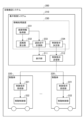
図1は、本発明の実施形態1に係る情報処理装置の利用状況を示す図である。エリア100は、物品を搬送するために移動体が移動する様子を上部からの俯瞰で示す領域である。エリア100には、壁101が存在する。移動体102及び移動体103は、自律走行中の移動体である。 Fig. 1 is a diagram showing the usage status of an information processing device according to a first embodiment of the present invention. Area 100 is an area showing a bird's-eye view from above of a moving object moving to transport an item. Area 100 has a wall 101. Moving object 102 and moving object 103 are moving objects traveling autonomously.
移動体102は、混雑していない区間を走行する移動体である。移動体103は、隊列となって走行する移動体である。混雑していない区間を走行する移動体である移動体102は追従走行せず、各々自立走行する。一方、移動体103は、本実施形態に係る追従走行が指示され隊列となって走行する。 Mobile body 102 is a mobile body that travels in an uncongested section. Mobile body 103 is a mobile body that travels in a platoon. Mobile body 102, which is a mobile body that travels in an uncongested section, does not travel in a following manner, but travels independently. On the other hand, mobile body 103 is instructed to travel in a following manner according to this embodiment, and travels in a platoon.
集中制御システム110は、移動体を管理するシステムである。集中制御システム110は、本実施形態に係る情報処理装置を含む。集中制御システム110は、各移動体を追従走行させるか否かの指示や追従走行させる経路区間の情報を通信により移動体へ送信する。 The centralized control system 110 is a system that manages moving objects. The centralized control system 110 includes an information processing device according to this embodiment. The centralized control system 110 transmits instructions as to whether or not each moving object should follow the other object and information on the route section on which the moving object should follow the other object via communication.
本実施形態における経路情報は、移動体の搬送経路を表現するための情報である。経路情報の構成要素としては、経路ID、出発位置の座標、経由点の座標、及び目的位置の座標を含む。出発位置を出発する時刻と移動体の移動速度を経路情報にさらに含め、移動体が経路上の区間をいつ移動するかを判断することに利用することができる。 In this embodiment, route information is information for expressing the transport route of a moving object. Components of route information include a route ID, coordinates of the starting position, coordinates of intermediate points, and coordinates of the destination position. The route information can further include the time of departure from the starting position and the moving speed of the moving object, and can be used to determine when the moving object moves through sections on the route.
本実施形態における出発位置は、搬送経路における荷積み位置のことである。本実施形態における目的位置は、荷下ろし位置のことである。本実施形態における経由点は、出発位置から目的位置へと移動する際に経由する位置のことである。これら3つの位置は、すべて2次元平面上における任意の位置を表す座標(x,y)で表現される。 The starting position in this embodiment is the loading position on the transport route. The destination position in this embodiment is the unloading position. The waypoint in this embodiment is a position passed through when moving from the starting position to the destination position. All three of these positions are expressed by coordinates (x, y) that represent any position on a two-dimensional plane.
図2は、本実施形態に係る情報処理装置を備える自動搬送システムの構成例を示す図である。自動搬送システム200は、複数の移動体220、及び移動体220を管理する集中制御システム210を備える。
Figure 2 is a diagram showing an example of the configuration of an automatic transport system equipped with an information processing device according to this embodiment. The
集中制御システム210は、情報処理装置230、表示部211、及び制御指示部212から構成される。また、情報処理装置230は、経路情報取得部231、混雑度算出部232、追従走行計画部233、制御指示決定部234から構成される。一方、移動体220は、制御指示受信部221、移動制御部222から構成される。
The
経路情報取得部231は、管理下のすべての移動体220の走行予定経路の情報を取得し、混雑度算出部232及び追従走行計画部233に出力する。
The route
混雑度算出部232は、経路情報取得部231が入力する経路情報に基づき混雑度を算出し、追従走行計画部233に出力する。
The congestion
追従走行計画部233は、経路情報取得部231が入力する経路情報、及び混雑度算出部232が入力する混雑度に基づき、各移動体220に追従走行させるか否かの判定及び追従走行させる区間を決定し、制御指示決定部234に出力する。
The following
制御指示決定部234は、追従走行計画部233が追従走行させると決定した移動体220に対して、移動体220が自律走行から追従走行に切り替えて移動制御するための制御指示を決定し、制御指示送信部212に出力する。
The control
表示部211は、例えば表示装置を有し、追従走行計画部233や制御指示決定部234が出力した情報を受け取り、表示装置に出力する。
The
制御指示送信部212は、制御指示決定部234が決定した制御指示を各移動体220の制御指示受信部221に送信する。
The control
制御指示受信部221は、集中制御システム210の制御指示送信部212から制御指示を受信し、受信した制御指示を移動制御部222に出力する。
The control
移動制御部222は、制御指示受信部221が入力する制御指示に基づき移動体220を移動制御する。
The
図3は、情報処理装置230のハードウェア構成を示す図である。情報処理装置230は、CPU311、ROM312、RAM313、外部メモリ314、入力部315、表示部316、通信I/F317、及びこれらを互いに接続するシステムバス320を有する。I/Fは、interfaceの略称である。
Figure 3 is a diagram showing the hardware configuration of the
CPU311は、システムバス320に接続された各種デバイスの制御を行う。CPUは、Central Processing Unitの略称である。
The
ROM312は、BIOSのプログラムやブートプログラムを記憶する。ROMは、Read Only Memoryの略称である。BIOSは、Basic Input Output Systemの略称である。
外部メモリ314は、情報処理装置230が処理するアプリケーション、そのほかのプログラム、各種データ、及びファイル等を格納する。外部メモリ314は、例えば、ハードディスク(HD)やソリッドステートドライブ(SSD)等のメモリである。
The
RAM313は、CPU311の主記憶装置として使用される。RAMは、Random Access Memoryの略称である。また、RAM313は、ワークエリアとしても機能する。CPU311は、ROM312又は外部メモリ314に記憶された本実施形態に係るプログラムをRAM313にロードして実行し、システムバス320に接続された各ユニットを総括的に制御する。本実施形態では、CPU311がプログラムを実行することで、経路情報取得部231、混雑度算出部232、追従走行計画部233、及び制御指示決定部234が実現される。
The
入力部315は、キーボードやポインティングデバイス、ロボットコントローラ等の入力装置であり、ユーザからの入力を受け付ける。表示部316は、液晶ディスプレイ等の表示装置を有し、CPU311からの指令に従って情報処理装置230の処理結果を表示装置に出力する。なお、表示部316が有する表示装置は、液晶表示装置、プロジェクタ、LEDインジケーター、及びVR(仮想現実)表示が可能なヘッドマウントディスプレイなどであってもよい。LEDは、Light Emitting Diodeの略称である。VRは、Virtual Realityの略称である。
The
また、入力部315及び表示部316は、タッチパネルで構成されていてもよい。タッチパネルにおける入力座標と表示座標を対応付けることで、あたかもユーザがタッチパネルに表示された画面を直接的に操作可能であるかのようなGUIを構成することができる。GUIは、Graphical User Interfaceの略称である。
The
通信I/F317は、ネットワークを介して外部装置と情報通信を行う。通信I/F317は、イーサネット、USB、シリアル通信、無線通信等種類は問わない。USBは、Universal Serial Busの略称である。通信I/F317が対応するネットワークは、例えば、LANやWANなどの通信ネットワーク、セルラネットワーク、及び無線ネットワークの少なくともいずれか一つで構成されてもよい。LANは、Local Area Networkの略称である。WANは、Wide Area Networkの略称である。セルラネットワークは、例えば、LTEや5Gなどである。LTEは、Long Term Evolutionの略称である。5Gは、5th Generation(第5世代移動通信システム)の略称である。すなわち、通信I/F317が対応するネットワークは、データの送受信が可能に構成されていればよく、物理レイヤの通信方式はいずれの方式を採用してもよい。
The communication I/
図4は、実施形態1に係る情報処置装置230が実行する全体処理を示すフローチャートである。図4のフローチャートに示される各処理は、情報処理装置230のCPU311が、ROM312又は外部メモリ314に格納されているプログラムをRAM313に読み出して実行することにより実現される。本実施形態に係るシステムは、経路計画を総合的に効率化することを目的としており、以下の処理は、搬送タスクが新たに発生して経路計画が必要とされる時に開始される。
Figure 4 is a flowchart showing the overall processing executed by the
ステップS401でCPU311は、情報処理装置230の初期化を行う。情報処理装置230の初期化は、CPU311がROM312又は外部メモリ314からプログラムを読み込み、情報処理装置230を動作可能な状態にする処理である。また、CPU311は、移動体220の追従走行計画や移動体220への制御指示を決定する時に用いる閾値を外部メモリ314から読み込み、RAM313に記憶する。
In step S401, the
ステップS402で経路情報取得部231は、搬送予定のすべての移動体の走行予定経路の情報を取得する。自動搬送システム200は、倉庫や工場を管理する上位システム、例えば、WMSやMESなどから搬送タスクを受信し、当該タスクを任意の移動体に割付し、各移動体の搬送経路を生成する。WMSは、Warehouse Management Systemの略称である。MESは、Manufacturing Execution Systemの略称である。
In step S402, the route
経路情報取得部231は、生成された搬送経路に関する経路情報を取得する。経路情報は、各移動体の出発位置、目的位置、及び経由点の情報を含む。経路情報は、移動体ごとに設定される。
The route
ステップS403で混雑度算出部232は、経路情報取得部231により入力された経路情報に基づき混雑度を算出する。混雑度は、移動体の走行予定経路を複数の区間に分割した区間ごとに求められる。混雑度は、区間ごとに同時刻に存在する移動体の密度を求めることで算出する。本実施形態において区間ごとの移動体の密度は、特定の時間範囲内において経路の一部として当該区間を含む経路情報の数をカウントすることで求める。
In step S403, the congestion
混雑度の算出例について図5を用いて説明する。図5(A)は経路情報の内、ある1つの経路を可視化した図である。移動体の走行経路の出発位置、目的位置、及び経由点となりうる点を黒点で示し、それぞれ座標(x,y)を付している。 An example of how congestion is calculated will be explained with reference to Figure 5. Figure 5 (A) is a visualization of one of the routes from the route information. The starting position, destination position, and points that can be intermediate points on the travel route of the moving object are indicated by black dots, and each is given coordinates (x, y).
図5(A)に実線の矢印で示す矢印501は、経路情報の一例であり、移動体の経路及び進行方向を示している。矢印501が示す経路は、出発位置が座標(1,0)であり、経由点が座標(1,1)と座標(2,1)であり、目的位置が座標(2,2)である。
このような経路情報に基づき各区間における移動体の密度を示す混雑度を算出する。本実施形態においては、図5(A)の任意の黒点と隣接する黒点を結ぶ点線の線分(矢印501の区間も含む)を混雑度算出対象の区間とし、区間ごとに経路情報の各経路に含まれる数をカウントする。例えば、図5(A)の実線の経路の場合、混雑度は、図5(B)のように3つの区間502、区間503、区間504が混雑度1となり、それ以外の区間は混雑度0となる。以上の算出方法を用いて、すべての移動体の経路情報に基づき算出したある時点の混雑度の一例を図5(C)に示す。図5(C)において、例えば座標(1,1)と座標(2,1)との間の区間である区間505の混雑度は10である。
Based on such route information, a congestion degree indicating the density of moving bodies in each section is calculated. In this embodiment, the dotted line segment (including the section of arrow 501) connecting any black point and an adjacent black point in FIG. 5(A) is set as the section for which congestion degree is calculated, and the number of sections included in each route of the route information is counted for each section. For example, in the case of the solid line route in FIG. 5(A), the congestion degree is 1 for three
ステップS404で追従走行計画部233は、経路情報取得部231により入力された経路情報及び混雑度算出部232により入力された混雑度に基づき各移動体に追従走行させるか否か及び追従走行させる区間を計画する。これらの計画方法の詳細な処理手順は後述する。
In step S404, the following driving
ステップS405で制御指示決定部234は、追従走行計画部233により入力された追従走行計画に基づいて、各移動体が自律走行から追従走行に切り替えて移動制御するための制御指示を決定する。この制御指示の決定方法の詳細な処理手順は後述する。
In step S405, the control
ステップS406でCPU311は、システムを終了(情報処理装置230を停止)するか否かを判定する。具体的には、ユーザからの終了指示を入力部315により受信した場合に終了する。そうでなければステップS402に戻り処理を継続する。
In step S406, the
図6は、ステップS404の追従走行計画の詳細な処理手順を示すフローチャートである。 Figure 6 is a flowchart showing the detailed processing steps of the following driving plan in step S404.
ステップS601で追従走行計画部233は、混雑度が高い区間を複数の移動体で追従走行すべき区間(この区間を追従走行推奨区間と呼ぶ)として決定する。混雑度が高いかを判定する閾値としては、あらかじめRAM313で記憶していた閾値を用いる。本実施形態ではこの閾値は混雑度8であるとする。図5(C)では区間505の混雑度は10であり、混雑度8以上であるため、当該区間を追従走行推奨区間として決定する。図5(C)では区間505以外の区間は混雑度8未満であるため、区間505以外の区間は追従走行推奨区間としない。
In step S601, the following driving
ステップS602で追従走行計画部233は、各移動体の経路を目的地ごとにグループ化する。グループ化の流れとしては、まず対象経路が追従走行推奨区間を含むか否かで、対象経路を走行予定の移動体に追従走行させるか否かを分類する。次に、目的位置が同じ経路同士が同じグループに属するようにグループ分けを行う。
In step S602, the following driving
グループ化の例について図7を参照して説明する。図7は、経路情報取得部231から取得した経路情報の一部を示す表であり、経路ID、出発位置、経由点、及び目的位置の列に加えてグループの列を追加した表となっている。
An example of grouping will be described with reference to FIG. 7. FIG. 7 is a table showing part of the route information acquired from the route
まず、各経路の出発位置から目的位置までの区間内において、ステップS601で決定した追従走行推奨区間を含むか否かでグループ化対象を分類する。図7の場合、経路ID=4の経路は追従走行推奨区間(図5(C)の経路505)を含まないため、グループ化対象外であり、経路ID=4のグループ列は“-”となっている。一方で、経路ID=1,2,3がグループ化対象である。
First, within the section from the starting position to the destination position of each route, the route to be grouped is classified according to whether or not it includes the recommended following driving section determined in step S601. In the case of Figure 7, the route with route ID = 4 does not include the recommended following driving section (
次に、目的位置が同じ経路ID同士が同じグループとなるように分類する。図7では、経路ID=1と経路ID=3の目的位置が同じであるため、この2つの経路を同じグループAとして分類し、経路ID=2は異なるグループBとして分類する。なお、本処理でグループ化対象となった経路を走行する移動体が追従走行対象の移動体となり、グループ化対象外の移動体に対しては追従走行を適用せず自律走行のみで移動制御する。 Next, route IDs with the same destination location are classified into the same group. In FIG. 7, route ID=1 and route ID=3 have the same destination location, so these two routes are classified into the same group A, and route ID=2 is classified into a different group B. Note that moving objects traveling on routes that have been grouped in this process become moving objects to be followed, and moving objects that are not to be grouped are controlled by autonomous driving only, without applying following driving.
ステップS603で追従走行計画部233は、ステップS602で分類したグループごとに追従走行区間を決定する。本実施形態においては追従走行推奨区間を移動体の追従走行開始の区間とし、グループの目的位置が追従走行終了の地点となるように追従走行区間を設定する。
In step S603, the following driving
ここで、グループAの追従走行区間について図8を用いて説明する。図8では、図7の経路ID=1及び経路ID=3の経路を可視化している。経路ID=1の経路は、出発位置は地点811であり、目的位置は地点812であり、経路を実線で示している。一方、経路ID=3の経路は、出発位置は地点821であり、目的位置は地点822であり、経路を二点鎖線で示している。
The following driving section of group A will now be described with reference to Figure 8. Figure 8 visualizes the routes of route ID = 1 and route ID = 3 in Figure 7. The route of route ID = 1 has a starting position at
追従走行推奨区間は座標(1,1)と座標(2,1)との間の区間であり、経路ID=1及び経路ID=3の目的地は座標(2,2)である。このため、座標(1,1)を始点として、座標(2,2)を終点とする区間831を追従走行区間として決定する。以上の処理手順をすべてのグループに対して行い、グループごとに追従走行区間を決定する。
The recommended following driving section is the section between coordinates (1,1) and coordinates (2,1), and the destination of route ID=1 and route ID=3 is coordinates (2,2). Therefore,
ステップS604で追従走行計画部233は、追従走行計画の処理を終了するか否かを判定する。追従走行計画部233は、グループ化したすべてのグループに対して処理が完了した場合に終了する。そうでなければ、追従走行計画部233は、ステップS603に戻り処理を継続する。
In step S604, the following driving
図9は、ステップS405の制御指示決定の詳細な処理手順を示すフローチャートである。制御指示決定部234は、ステップS602で分類したグループごとにグループ内の移動体に対する制御指示を決定する。
Figure 9 is a flowchart showing the detailed processing procedure for determining control instructions in step S405. For each group classified in step S602, the control
ステップS901で制御指示決定部234は、制御指示を決める対象の移動体がグループ内で先頭の移動体か否か、すなわちグループ内で追従走行区間に最初に進入する移動体か否かを判定する。その移動体が先頭の移動体の場合はステップS902に進み、その移動体が先頭以外の移動体であればステップS903に進む。
In step S901, the control
ステップS902で制御指示決定部234は、グループ内で先頭の移動体に対して追従走行区間内の待機位置を決定する。グループ内で先頭の移動体は、後続の移動体を先導するため、自身は自律走行から追従走行へ切り替えず、追従走行区間内も継続して自律走行することになる。しかし、先頭の移動体を追従対象とする後続の移動体が追従走行区間内に進入する際に先頭の移動体との距離が一定以上ある場合、追従走行が困難な距離であるために自律走行から追従走行に切り替えられない可能性がある。本実施形態において追従方法としては、追従走行区間内で追従対象の移動体は同一の経路となるため、移動体の前方正面の距離センサの値が閾値以内となるように移動体を走行させる方法を用いる。そのため、先頭の移動体は、自身が追従走行区間内に進入した後、後続の移動体がこの閾値以内より近い位置に到着するまで待機する必要がある。そこで、制御指示決定部234は、先頭の移動体が待機する位置を制御指示として決定する。この待機位置の決定方法としては、グループ内の後続の移動体の全長及び各移動体が追従走行する際の前方の移動体との距離間隔の総和を求める。
In step S902, the control
ここで、先頭の移動体の待機位置の例を図10に示す。図10は、グループに含まれる移動体の数がnである場合の各移動体の待機位置を示している。追従走行区間1001は、このグループの移動体が追従走行する区間を示し、図8の区間831の入口部分である。移動体1002は、先頭の移動体である。矢印1003は、移動体の進行方向を示している。移動体1004は、先頭から数えて1番目に追従する移動体である。
Here, an example of the waiting position of the leading moving body is shown in FIG. 10. FIG. 10 shows the waiting positions of each moving body when the number of moving bodies included in a group is n. Following
制御指示決定部234は、先頭以外の後続の移動体が停止する位置を考慮して先頭の移動体1002が待機する位置を求める。制御指示決定部234は、まず、追従走行区間1001の入り口から先頭の移動体1002までの距離Dを求める。制御指示決定部234は、数1を用いて距離Dを計算する。

数1において、先頭の移動体1002の全長はLであり、先頭から数えてi番目に追従する移動体の全長はliであり、i番目に追従する移動体が追従走行に切り替え可能な前方の移動体との距離間隔はdiである。数1では、追従する移動体の全長及び距離間隔の総和を求め、この総和に先頭の移動体の全長Lを加算した結果を距離Dとして求める。本実施形態では、先頭の移動体1002は、追従走行区間1001の入り口に距離Dを加算した位置で待機する。図8の例では、先頭の移動体1002の待機位置の座標は、座標(1+D,1)である。
In
ステップS903で制御指示決定部234は、グループ内の先頭以外の移動体に対して自律走行と追従走行を切り替える位置を決定する。この決定方法は、先頭の移動体1002の待機位置の計算方法と同様に、切り替え位置を求める対象の移動体より後続する移動体の全長と距離間隔の総和から決定する。具体例を図10で説明する。先頭から数えて1番目に追従する移動体1004が追従走行へと切り替える位置は、2番目以降に追従する移動体の全長(l2,…,ln)及び距離間隔(d2,…,dn)の総和に、自身の全長(l1)を加えれば良い。これを数式化すると数2で表される。

一方で、追従走行から自律走行へと戻す位置は、追従走行区間の出口付近である。本実施形態においては、追従走行区間の出口は目的位置と同義であるため、目的位置との距離がRAM313で記憶する閾値以下となる位置を追従走行から自律走行への切り替え位置として決定する。
On the other hand, the position where the driving returns from following driving to autonomous driving is near the exit of the following driving section. In this embodiment, the exit of the following driving section is synonymous with the destination position, so the position where the distance from the destination position is equal to or less than the threshold stored in
ステップS904で制御指示決定部234は、グループ内のすべての移動体に対する、待機位置決定及び追従切替位置決定の処理が完了したか否かを判定する。グループ内のすべての移動体に対して完了した場合はステップS905に進み、そうでなければステップS901に戻る。
In step S904, the control
ステップS905で制御指示決定部234は、すべてのグループに対する、待機位置決定及び追従切替位置決定の処理が完了したか否かを判定する。すべてのグループに対して完了した場合は制御指示決定処理を終了し、そうでなければステップS901に戻り処理を継続する。
In step S905, the control
<効果>
以上のように本実施形態によれば、複数の移動体の移動効率を向上できる。
<Effects>
As described above, according to this embodiment, the movement efficiency of a plurality of moving objects can be improved.
<変形例1-1>
実施形態1において、混雑度算出部232は混雑度を経路情報に基づいて算出したが、本発明はこれに限られるものではなく、混雑度を算出できる方法であれば経路情報に基づいた方法以外に変形できる。本発明は、例えば、ユーザによる補助情報に基づいて混雑度を算出する方法や各移動体から取得した情報に基づいて混雑度を算出する方法を用いてもよい。
<Modification 1-1>
In the first embodiment, the congestion
ユーザによる補助情報に基づいて混雑度を算出する場合は、ユーザが追従走行させたい区間、又はユーザが混雑すると予想する区間を、ユーザが入力部315から入力する。追従走行計画部233は、この入力情報に基づいて追従走行区間を決定してもよい。
When calculating the congestion degree based on auxiliary information provided by the user, the user inputs the section in which the user wants the vehicle to follow or the section in which the user expects the vehicle to be congested from the
各移動体から取得した情報に基づいて混雑度を算出する場合は、混雑度算出部232は、移動体の一時停止や緊急停止などの走行状態情報、速度低下や減速などの速度情報を用いて区間ごとに移動体の停止や減速の回数の総計を算出する。混雑度算出部232は、移動体の停止や減速の回数の総計に基づいて混雑度を算出してもよい。
When calculating the congestion degree based on information acquired from each moving object, the congestion
混雑度算出部232は、障害物センサによる障害物の検知頻度が高ければ混雑度を高く設定してもよい。また混雑度算出部232は、位置姿勢計測センサの信頼度に基づいて信頼度が低いほど混雑度を高く設定してもよい。
The congestion
ユーザによる補助情報に基づいて算出する方法であれば、ユーザ都合を考慮した追従走行計画を立てることができる効果がある。一方、各移動体から取得した情報に基づいて算出する方法であれば、時々刻々と混雑する区間が変化するような状況である場合に追従走行区間を随時最適な区間に設定できるという効果がある。 The method of calculation based on auxiliary information provided by the user has the advantage of being able to create a following driving plan that takes the user's convenience into consideration. On the other hand, the method of calculation based on information obtained from each moving body has the advantage of being able to set the following driving section to the most appropriate section at any time in a situation where the congested sections change from moment to moment.
また、実施形態1において、混雑度算出部232は混雑度を算出するために経路を分割しており、この分割粒度は図5のように経路分岐点の間を繋ぐ直線区間を1区間としていたが、本発明はこれに限られるものではない。本発明は、区間が経路の一部分となっていれば分割粒度は問わない。例えば、直線距離1mを区間の分割粒度として1mごとに混雑度を求めてもよい。このように区間の分割粒度を細かくすることで、追従走行する範囲をより細かく調整できるという効果がある。
In addition, in the first embodiment, the congestion
<変形例1-2>
実施形態1において、追従走行計画部233は追従走行対象の移動体に対して目的地ごとにグループ化したが、本発明はこれに限られるものではない。本発明は、経路又は移動体が持つ属性に基づいてグループに分類できれば、目的地ごとのグループ化以外に変形することができる。
<Modification 1-2>
In the first embodiment, the following
例えば、目的地に替えて走行速度や移動体の大きさでグループ化してもよい。走行速度でグループ化する場合、追従走行区間内で速度が速いグループを優先して通過させることで移動効率化させる効果がある。また、移動体の大きさでグループ化する場合、追従走行する移動体の全長の長さから求まる隊列の長さを考慮して、効率の良い隊列の長さに上限を設定してもよい。例えば、1台ずつしか進入できない交差点がある場合、一方で長い隊列が通行中は他のレーンの移動体がしばらく交差点を通過できず待つこととなる。そのため、全長の長さが一定以上の移動体をグループから外すなど、追従走行の対象から除外することで、搬送を効率化させる効果がある。 For example, instead of destinations, groups may be formed by travel speed or size of the moving object. When grouping by travel speed, priority is given to groups with faster speeds within the following driving section, which has the effect of improving travel efficiency. When grouping by size of moving object, an upper limit may be set on the efficient length of the platoon, taking into account the length of the platoon calculated from the overall length of the following moving objects. For example, if there is an intersection where only one vehicle can enter at a time, while a long platoon is passing through, moving objects in other lanes will be unable to pass the intersection and will have to wait for a while. Therefore, excluding moving objects with an overall length of a certain amount or more from the group, or from the targets of following driving, has the effect of improving transportation efficiency.
また、実施形態1において、追従走行計画部233は目的地ごとのグループ化にあたり、グループの分割方法としてはグループが同じか否かの判定のみにより分割したが、本発明はこれに限られるものではない。本発明は、同じ属性を持つ移動体ごとに分割できれば他の属性情報を加えてグループをより細かく分割することができる。このように本発明は、複数の移動体のそれぞれをその属性ごとに分類してグループ化する属性分類部を有してもよい。この属性は、複数の移動体のそれぞれの経路における目的位置、複数の移動体のそれぞれの走行速度、及び複数の移動体のそれぞれの大きさの少なくとも一つであってもよい。
In addition, in the first embodiment, the following
例えば、時間軸を考慮した分割、グループ内の移動体数の上限数や下限数を設定してそれに基づいて分割してもよい。時間軸を考慮した分割の場合は、追従走行区間への進入時刻が近いものが同じグループとなるよう分割することで、追従走行する各移動体が後続の移動体を待つ時間が短縮し、より効率的な追従走行を実現できるという効果がある。 For example, division may be made taking into account the time axis, or by setting upper and lower limits on the number of moving objects in a group and dividing based on that. In the case of division taking into account the time axis, by dividing so that objects that enter the following driving section close in time are placed in the same group, the time each moving object that is following the other can be shortened to wait for the moving object behind, resulting in more efficient following driving.
一方、グループ内の移動体数の上下限を決めて分割する場合は、具体的には移動体の大きさや通路の幅・奥行に応じて上下限を設定してもよい。移動体の大きさ(幅や全長)に基づいて決める方法であれば、前述したように複数の大きい移動体が隊列走行する場合には制限を設けることで交差点通行の効率を向上させることができる。このため、移動体の大きさが大きいほど上限数を厳しく設定する(上限数を少なくする)ことで、搬送効率を向上できる効果がある。 On the other hand, when dividing a group by setting upper and lower limits on the number of moving objects within it, the upper and lower limits may be set based on the size of the moving objects or the width and depth of the passage. If the method is based on the size of the moving objects (width and overall length), then as mentioned above, when multiple large moving objects are traveling in a convoy, setting a limit can improve the efficiency of intersection passage. For this reason, the larger the moving object, the stricter the upper limit number is set (the lower the upper limit number), which has the effect of improving transport efficiency.
また、通路の幅・奥行が狭い・短いほど上限数を厳しく設定する(上限数を少なくする)方法であれば、現場の環境に応じて最適な隊列の構成台数を決定できるという効果がある。 In addition, if the upper limit is set more strictly (the upper limit is lower) the narrower or shorter the width or depth of the passage, it will be possible to determine the optimal number of vehicles in the convoy depending on the on-site environment.
さらに、グループ内の移動体の上下限に加えて、1グループ内の隊列の詳細構成を変動させてもよい。例えば、混雑度に応じて隊列の列数を変えてもよい。混雑度が高い場合は列数を増やして複数の列で追従走行させることで、より効率よく搬送できる効果がある。 Furthermore, in addition to the upper and lower limits of the moving objects in a group, the detailed configuration of the convoy within a group may be varied. For example, the number of rows in the convoy may be changed depending on the degree of congestion. When the degree of congestion is high, the number of rows may be increased and multiple rows may travel together, which has the effect of enabling more efficient transportation.
また、追従走行計画部233は追従走行対象の移動体に対するグループ化を必ずしも必要とすることはなく、グループ化せずに各移動体が追従走行区間内で追従走行するか否かのみを決定してもよい。その場合は、制御指示決定部234は各移動体の追従走行区間への進入時刻に基づいて追従対象とする移動体を決定する。
The following
<変形例1-3>
実施形態1において、制御指示決定部234はグループ内の移動体において追従走行のための待機位置及び追従切替位置を決定していたが、本発明はこれに限られるものではない。本発明はグループ内の各移動体に対して制御指示を決定できれば決定対象は、位置情報以外に変形することができる。
<Modification 1-3>
In the first embodiment, the control
例えば、時刻情報、追従方法、移動制御方法、又はセンサ制御方法を制御指示対象としてもよい。時刻情報の場合、先頭の移動体に対してはグループ内の後続の移動体を待ち、走行を再開させる時刻を設定し、先頭以外の移動体に対してはグループ内の追従する順番に応じて追従走行区間に進入する時刻を少しずつ遅らせて設定する。これにより、円滑な追従走行への切り替え制御を行えるという効果がある。 For example, time information, a following method, a movement control method, or a sensor control method may be the subject of control instructions. In the case of time information, a time is set for the leading moving body to wait for the following moving body in the group and resume traveling, and for the moving bodies other than the leading moving body, the time for entering the following traveling section is set to be delayed little by little according to the order of following in the group. This has the effect of enabling smooth switching control to following traveling.
追従方法の場合、具体的な方法としては、前方の移動体の後部にマーカーを配置しておき、マーカー認識技術を用いてマーカーの方向に進むよう移動制御する方法を用いてもよい。また、移動体間の通信を用いて前方の移動体から自己位置情報を受信して前方の移動体の存在する位置に向かって移動制御する方法を用いてもよい。これらの方法を用いて、前方の移動体に対してマーカー認識可能か、又は前方の移動体から通信で位置情報を受信可能か、などその時の状況に応じて実現可能な追従方法を選択することができるという効果がある。 In the case of a tracking method, a specific method may be to place a marker on the rear of the moving body ahead and use marker recognition technology to control movement so that the moving body advances in the direction of the marker. Alternatively, a method may be used in which self-location information is received from the moving body ahead using communication between moving bodies, and movement is controlled toward the location of the moving body ahead. Using these methods has the effect of making it possible to select a tracking method that can be realized depending on the situation at the time, such as whether a marker can be recognized for the moving body ahead, or whether location information can be received via communication from the moving body ahead.
移動制御方法の場合、混雑度が高いほど走行速度が低速となるように設定する、又は混雑度が高いほど追従走行する移動体の前方との距離間隔を狭くなるよう設定する。これにより、混雑具合に適した走行速度・距離間隔となり移動効率化につながるという効果がある。 In the case of the movement control method, the driving speed is set to be slower as the degree of congestion increases, or the distance between the following moving body and the moving body in front is set to be narrower as the degree of congestion increases. This has the effect of setting the driving speed and distance interval appropriate to the degree of congestion, leading to improved movement efficiency.
センサ制御方法の場合、混雑度が高い時は前方の障害物センサ又は位置姿勢計測センサを無効化する、あるいは混雑度が高いほど障害物センサの計測範囲を狭くする。これにより、障害物検知センサや位置姿勢計測センサの誤検知や不安定化による一時停止や減速などを抑え、搬送効率化するという効果がある。 In the case of the sensor control method, when the degree of congestion is high, the obstacle sensor or the position and orientation measurement sensor in front is disabled, or the measurement range of the obstacle sensor is narrowed as the degree of congestion increases. This has the effect of preventing temporary stops or deceleration caused by false detection or instability of the obstacle detection sensor or the position and orientation measurement sensor, thereby improving the efficiency of transportation.
<変形例1-4>
実施形態1において、情報処理装置230による追従走行の計画及び各移動体への制御指示の決定について、表示部211に表示されるGUIを用いてユーザによる確認や調整ができるようにしてもよい。図11は、追従走行計画及び制御指示を表示や修正するGUI1100を示す図である。
<Modification 1-4>
In the first embodiment, the following driving plan and the determination of the control instructions for each moving object by the
GUI1110は、追従走行計画部233が決定した追従走行区間及び各移動体が追従走行しているか否かを表示するGUIである。GUI1110は、実施形態1における図5の経路を表示しており、図5(C)の各経路の混雑度を表示1111のようにヒートマップを用いて可視化しており、混雑度が高い経路ほど領域内の黒色が濃くなるように表示している。
GUI 1110 is a GUI that displays the following driving section determined by the following
表示1112は、現在走行中の移動体を経路上にマッピングして示している。表示1113は、追従走行計画部233が決定した追従走行区間を示しており、追従走行区間内で走行する移動体の内、追従走行している移動体のグループは、表示1114に示すように枠線で囲まれる。また、表示1115のように追従走行する候補の領域をユーザが設定し、それに基づき追従走行計画部223は追従走行区間を決定してもよい。
Display 1112 shows the currently traveling moving object mapped onto the route. Display 1113 shows the following traveling section determined by the following traveling
GUI1120は、走行推奨区間の閾値を調整するGUIである。GUI1120では、閾値調整バーを左右に移動させることでステップS601において追従走行計画部233が走行推奨区間を決定する際に用いる混雑度の閾値を変更できる。
GUI 1120 is a GUI for adjusting the threshold value of the recommended driving section. In GUI 1120, the threshold value adjustment bar can be moved left or right to change the congestion threshold value used by the following
GUI1130は、追従時の距離間隔を調整するGUIである。GUI1130では、閾値調整バーを移動させることでステップS902及びS903において制御指示決定部214が各移動体の追従走行開始位置を決定する際に用いるパラメータを調整できる。 GUI 1130 is a GUI for adjusting the distance interval during following. In GUI 1130, by moving the threshold adjustment bar, the parameters used by the control instruction determination unit 214 when determining the following travel start position of each moving object in steps S902 and S903 can be adjusted.
GUI1140は、追従可能な移動体の数を調整するGUIである。GUI1140では、調整バーを移動させることでステップS602において追従走行計画部213がグループ化する時のグループ内の移動体数の上限及び下限の閾値を調整できる。 GUI 1140 is a GUI for adjusting the number of moving objects that can be followed. In GUI 1140, by moving an adjustment bar, the upper and lower thresholds for the number of moving objects in a group that is grouped by the following driving plan unit 213 in step S602 can be adjusted.
表示部211は、GUI1100に示す情報以外の情報を表示してもよい。例えば、表示部211は、制御指示決定部234から各移動体の追従走行開始位置を取得し、経路上に表示してもよい。なお、表示部211での表示内容は、表示部316で表示するものであってもよい。表示部211は、追従走行計画部233が決定した追従走行に関する情報及び制御指示決定234が決定した複数の移動体のそれぞれに対する制御指示情報の少なくとも一方を表示装置に対して出力するものであってもよい。
The
また、表示部211の目的としては、自動搬送システム200の管理者向けに上記のような情報を提示する以外にも、移動体220の周囲の人間に対して情報を提示してもよい。例えば、表示部211として赤色、黄色及び緑色の三色灯を用いることができ、この場合、追従走行時には黄色のライトを点灯させ、自律走行時には緑色のライトを点灯させてもよい。また、表示部211で表示する代わりに、又は、表示部211で表示するとともに音声ガイドで追従走行する旨を伝えてもよい。また、表示部211は、追従走行するグループが通過する時刻を提示し、周囲の作業者が通行できない時間帯を把握できるようにすることで、作業者が通行する経路や通行するタイミングの決定などに役立ててもよい。
In addition, the
以上のように、本変形例では、追従走行計画時又は各移動体への制御指示決定時のパラメータ入力や処理結果を提示するGUIにより、ユーザに直感的な理解を促し、追従走行計画及び制御指示決定時の利便性をより向上できる。 As described above, in this modified example, the GUI that displays parameter inputs and processing results when planning follow-up driving or when determining control instructions for each moving body encourages the user to understand intuitively, further improving convenience when planning follow-up driving and determining control instructions.
制御指示決定部234は、追従走行区間内で追従走行する移動体に対して、走行速度、前方の移動体との距離間隔、及び該移動体に搭載するセンサの計測パラメータの少なくともいずれかを決定するものであってよい。
The control
[実施形態2]
以下、本発明の実施形態2について説明する。実施形態1では、移動体の走行予定経路に基づいて混雑度を算出し、混雑度に基づいて追従走行の区間や対象となる移動体を決定していた。実施形態2では、混雑の度合いに関係なく、複数の移動体で目的地が近ければ追従走行させる。混雑時の搬送効率向上以外の、移動体を追従走行させる動機としては、作業員も含めた全体での作業効率を向上させる目的が挙げられる。例えば、自動搬送システムを考えた時に、移動体が物品を搬送して目的地に到着した後に、荷下ろしや荷下ろし後の作業などの必ず人手が必要となる場合がある。このような場合、ある1つの目的地又はその周辺に複数の移動体が到着する時刻が集中していた方が作業をまとめて行えるため作業員の時間効率的に良い。そこで、実施形態2では、目的地エリアごとに移動体を分類し、同じ分類の移動体の共通経路を推定し、その共通経路上で複数の移動体を追従走行させる。
[Embodiment 2]
Hereinafter, a second embodiment of the present invention will be described. In the first embodiment, the congestion level is calculated based on the planned travel route of the moving object, and the section for the following travel and the target moving object are determined based on the congestion level. In the second embodiment, regardless of the degree of congestion, if multiple moving objects are close to the destination, they are made to travel in a following manner. In addition to improving the transport efficiency during congestion, a motivation for making moving objects travel in a following manner is the purpose of improving the overall work efficiency including workers. For example, when considering an automatic transport system, after a moving object transports an item and arrives at a destination, manpower is always required for unloading and post-unloading work. In such a case, it is more efficient for workers' time if the arrival times of multiple moving objects are concentrated at a single destination or its vicinity, so that the work can be performed together. Therefore, in the second embodiment, moving objects are classified by destination area, a common route for moving objects of the same classification is estimated, and multiple moving objects are made to travel in a following manner on the common route.
図12は、本実施形態に係る情報処理装置を備える自動搬送システムの構成例を示す図である。実施形態2に係る情報処理装置の機能構成は、実施形態1で説明した図2の情報処理装置230の機能構成に対して、混雑度算出部232の代わりに共通経路推定部1232を有する点で相違する。実施形態2においては、共通経路推定部1232に係る処理以外については、実施形態1と同様のため説明を省略する。
Fig. 12 is a diagram showing an example of the configuration of an automatic transport system including an information processing device according to this embodiment. The functional configuration of the information processing device according to
実施形態2に係る共通経路推定部1232は、経路情報取得部231が入力する経路情報に基づき複数の移動体の共通経路を推定する。共通経路推定部1232は、推定した共通経路の情報を追従走行計画部233に出力する。
The common
図13は、実施形態2に係る情報処置装置230が実行する全体処理を示すフローチャートである。実施形態1で説明した情報処理装置230の処理手順を説明する図4と同一であるステップについては説明を省略し、実施形態1と異なる処理手順のみを説明する。
Figure 13 is a flowchart showing the overall processing executed by the
ステップS401でCPU311は、情報処理装置230の初期化を行う。この際、CPU311は、共通経路推定時に用いる閾値を外部メモリ314から読み込み、RAM313に記憶する。
In step S401, the
ステップS1201で共通経路推定部1232は、経路情報取得部231により入力された経路情報に基づき共通経路を推定する。共通経路の推定方法としては、移動体が走行し得る領域をエリア分割し、経路情報の中で目的位置が同じエリアとなる経路を抽出し、その抽出した経路同士で重複する経路区間を共通経路とする。
In step S1201, the common
共通経路の推定方法の具体例について、図14を用いて説明する。図14において、黒点1301は、出発位置、目的位置、及び経由点となり得る地点の一例である。まずは、経路情報の中で目的位置となる地点同士でユークリッド距離がRAM313で記憶する閾値以下の点を同じエリアとなるようにエリア分割する。図14では、エリア1302とエリア1303の2つのエリアに分割されている。
A specific example of a method for estimating a common route will be described with reference to FIG. 14. In FIG. 14,
次に、経路情報の内、同じエリアに属する目的位置への経路間で共通して含まれる経路区間を推定する。図14の実線の矢印は、ある2つの経路を示しており、この2つの経路の場合、共通経路区間は経路区間1304である。そのため、この場合は経路区間1304が共通経路であるとする推定結果が得られる。
Next, the route sections that are included in common between routes to destination locations that belong to the same area are estimated from the route information. The solid arrows in FIG. 14 indicate two routes, and for these two routes, the common route section is
実施形態2のステップS404では、図6に示した実施形態1の処理手順の内、ステップS601及びステップS602の処理を行わずスキップし、ステップS603の処理のみを実行する。ステップS603で追従走行計画部233は、ステップS1201で推定した共通経路を追従走行区間として決定する。
In step S404 of the second embodiment, among the processing procedures of the first embodiment shown in FIG. 6, steps S601 and S602 are skipped and only the processing of step S603 is executed. In step S603, the following
<効果>
以上のように本実施形態によれば、複数の移動体の移動効率を向上できる。さらに、移動体の到着に依存する他の作業を考慮して全体として作業を効率化できる。
<Effects>
As described above, according to this embodiment, the movement efficiency of a plurality of moving objects can be improved. Furthermore, the efficiency of work as a whole can be improved by taking into consideration other work that depends on the arrival of the moving objects.
<変形例2-1>
実施形態2において、共通経路推定部1232は、経路情報に基づき目的位置でエリア分割していたが、本発明はこれに限られるものではなく、エリア分割できる対象であれば目的位置以外を対象にする変形もできる。例えば、目的位置に替えて出発位置でエリア分割してもよい。出発位置でエリア分割する場合、ある一定距離の領域内で複数の移動体でまとめて空車ができる場合に、同じタイミングで隊列を組んで出発できる。このため、例えば荷積みのような出発位置での作業を時間的に集中して実施でき、全体の作業効率を向上する効果がある。また本発明は、出発位置及び目的位置の両方でエリア分割してもよい。
<Modification 2-1>
In the second embodiment, the common
また、実施形態2において、共通経路推定部1232は、予め決められた経路に対する共通の経路区間を推定していたが、本発明はこれに限られるものではなく、共通の経路区間を推定できればあらかじめ決められた経路以外に変形できる。例えば、他の経路と共通の経路区間を持たない経路を、他の経路と共通の経路区間ができるよう迂回する経路に変更し、変更後の経路と共通となり得る経路区間を共通経路区間として推定してもよい。この場合、元々共通の経路区間を持たなかった移動体、すなわち追従対象外だった移動体が追従対象となり、目的位置に到着するタイミングを他の移動体と合わせることができるため、作業全体をさらに効率化できる効果がある。
In addition, in the second embodiment, the common
(その他の実施形態)
本発明は、上述の実施形態の1以上の機能を実現するプログラムを、ネットワーク又は記憶媒体を介してシステム又は装置に供給し、そのシステム又は装置のコンピュータにおける1つ以上のプロセッサーがプログラムを読出し実行する処理でも実現可能である。また、1以上の機能を実現する回路(例えば、ASIC)によっても実現可能である。
Other Embodiments
The present invention can also be realized by a process in which a program for implementing one or more of the functions of the above-described embodiments is supplied to a system or device via a network or a storage medium, and one or more processors in a computer of the system or device read and execute the program. The present invention can also be realized by a circuit (e.g., ASIC) that implements one or more of the functions.
以上、本発明の好ましい実施形態について説明したが、本発明は、これらの実施形態に限定されず、その要旨の範囲内で種々の変形及び変更が可能である。 The above describes preferred embodiments of the present invention, but the present invention is not limited to these embodiments, and various modifications and variations are possible within the scope of the gist of the invention.
本実施形態の開示は、以下の構成及び方法を含む。
(構成1)
複数の移動体の走行経路を計画する情報処理装置であって、
前記複数の移動体のそれぞれの走行予定の経路情報を取得する経路情報取得手段と、
前記経路情報取得手段が取得した経路を複数の区間に分割し、区間内に存在する移動体の密度を表す混雑度を区間ごとに算出する混雑度算出手段と、
前記混雑度算出手段が算出した混雑度に基づいて、移動体が他の移動体に追従走行する追従走行区間を決定し、前記複数の移動体のそれぞれに対して前記追従走行区間内で追従するか否か決定する追従走行計画手段と、
前記追従走行計画手段が決定した追従走行計画に従って前記複数の移動体のそれぞれへの制御指示を決定する制御指示決定手段と、
を備えることを特徴とする情報処理装置。
(構成2)
前記複数の移動体のそれぞれをその属性ごとに分類してグループ化する属性分類手段をさらに有し、
前記追従走行計画手段は、前記属性分類手段が分類したグループごとに隊列となって追従走行するか否か及び追従走行区間を決定する、
ことを特徴とする構成1に記載の情報処理装置。
(構成3)
前記属性は、前記複数の移動体のそれぞれの経路における目的位置、前記複数の移動体のそれぞれの走行速度、及び前記複数の移動体のそれぞれの大きさの少なくとも一つである、
ことを特徴とする構成2に記載の情報処理装置。
(構成4)
前記制御指示決定手段は、追従走行区間内で追従走行する移動体に対して、走行速度、前方の移動体との距離間隔、及び該移動体に搭載するセンサの計測パラメータの少なくともいずれかを決定する、
ことを特徴とする構成1から3のいずれか一つに記載の情報処理装置。
(構成5)
表示手段をさらに備え、
前記表示手段は、前記追従走行計画手段が決定した追従走行に関する情報及び前記制御指示決定手段が決定した前記複数の移動体のそれぞれに対する制御指示情報の少なくとも一方を表示装置に対して出力する、
ことを特徴とする構成1から4のいずれか一つに記載の情報処理装置。
(方法1)
複数の移動体の走行経路を計画する情報処理装置の制御方法であって、
前記複数の移動体のそれぞれの走行予定の経路情報を取得する経路情報取得工程と、
前記経路情報取得工程で取得した経路を複数の区間に分割し、区間内に存在する移動体の密度を表す混雑度を区間ごとに算出する混雑度算出工程と、
前記混雑度算出工程で算出した混雑度に基づいて、移動体が他の移動体に追従走行する追従走行区間を決定し、前記複数の移動体のそれぞれに対して前記追従走行区間内で追従するか否か決定する追従走行計画工程と、
前記追従走行計画工程で決定した追従走行計画に従って前記複数の移動体のそれぞれへの制御指示を決定する制御指示決定工程と、
を備えることを特徴とする制御方法。
(プログラム1)
構成1乃至5のいずれか1つに記載の各手段としてコンピュータを機能させるためのコンピュータプログラム。
(構成6)
複数の移動体の走行経路を計画するための情報処理装置であって、
前記複数の移動体の各移動体の走行予定の経路情報を取得する経路情報取得手段と、
前記経路情報取得手段が取得した経路に基づいて、出発位置及び目的位置の少なくとも一方に基づきエリア分割し、分割されたエリアごとに前記複数の移動体のそれぞれが共通して通過する経路区間を推定する共通経路推定手段と、
前記共通経路推定手段が推定した共通経路区間を、移動体が他の移動体に追従走行する追従走行区間として決定し、前記複数の移動体のそれぞれに対して前記追従走行区間内で追従するか否か決定する追従走行計画手段と、
前記追従走行計画手段が決定した追従走行計画に従って前記複数の移動体のそれぞれへの制御指示を決定する制御指示決定手段と、
を備えることを特徴とする情報処理装置。
(方法2)
複数の移動体の走行経路を計画するための情報処理装置の制御方法であって、
前記複数の移動体の各移動体の走行予定の経路情報を取得する経路情報取得工程と、
前記経路情報取得工程で取得した経路に基づいて、出発位置及び目的位置の少なくとも一方に基づきエリア分割し、分割されたエリアごとに前記複数の移動体のそれぞれが共通して通過する経路区間を推定する共通経路推定工程と、
前記共通経路推定工程で推定した共通経路区間を、移動体が他の移動体に追従走行する追従走行区間として決定し、前記複数の移動体のそれぞれに対して前記追従走行区間内で追従するか否か決定する追従走行計画工程と、
前記追従走行計画工程で決定した追従走行計画に従って前記複数の移動体のそれぞれへの制御指示を決定する制御指示決定工程と、
を備えることを特徴とする制御方法。
(プログラム2)
構成6に記載の各手段としてコンピュータを機能させるためのコンピュータプログラム。
The disclosure of this embodiment includes the following configurations and methods.
(Configuration 1)
An information processing device that plans travel routes of a plurality of moving objects,
A route information acquisition means for acquiring route information of a planned travel route of each of the plurality of moving bodies;
a congestion degree calculation means for dividing the route acquired by the route information acquisition means into a plurality of sections and calculating a congestion degree representing a density of moving objects existing in each section for each section;
a following-travel planning means for determining a following-travel section in which a moving body follows another moving body based on the congestion degree calculated by the congestion degree calculation means, and for determining whether or not to follow each of the multiple moving bodies within the following-travel section;
a control instruction determination means for determining a control instruction for each of the plurality of moving objects in accordance with the following travel plan determined by the following travel plan means;
An information processing device comprising:
(Configuration 2)
The vehicle further includes an attribute classification means for classifying and grouping each of the plurality of moving objects according to its attribute,
The following travel planning means determines whether to form a platoon and a following travel section for each group classified by the attribute classification means.
2. The information processing device according to
(Configuration 3)
The attribute is at least one of a destination position on a route of each of the plurality of moving bodies, a traveling speed of each of the plurality of moving bodies, and a size of each of the plurality of moving bodies.
3. The information processing device according to
(Configuration 4)
the control instruction determination means determines, for the moving object traveling following the vehicle in the following travel section, at least one of a travel speed, a distance between the moving object and a preceding moving object, and a measurement parameter of a sensor mounted on the moving object;
4. The information processing device according to any one of
(Configuration 5)
Further comprising a display means,
the display means outputs, to a display device, at least one of information regarding the following travel determined by the following travel planning means and control instruction information for each of the plurality of moving bodies determined by the control instruction determination means.
5. The information processing device according to any one of
(Method 1)
A control method for an information processing device that plans travel routes of a plurality of moving objects, comprising:
a route information acquisition step of acquiring route information of a planned travel route of each of the plurality of moving bodies;
a congestion degree calculation step of dividing the route acquired in the route information acquisition step into a plurality of sections and calculating a congestion degree representing a density of moving objects existing in each section for each section;
a following-travel planning step of determining a following-travel section in which a moving body follows another moving body based on the congestion degree calculated in the congestion degree calculation step, and determining whether or not to follow each of the multiple moving bodies within the following-travel section;
a control instruction determination step of determining a control instruction for each of the plurality of moving objects in accordance with the following travel plan determined in the following travel planning step;
A control method comprising:
(Program 1)
A computer program for causing a computer to function as each of the means according to any one of
(Configuration 6)
An information processing device for planning travel routes of a plurality of moving objects,
A route information acquisition means for acquiring route information of a planned travel route of each of the plurality of moving bodies;
a common route estimation means for dividing the route acquired by the route information acquisition means into areas based on at least one of a departure position and a destination position, and estimating a route section that each of the plurality of moving objects passes through in common for each divided area;
a following-travel planning means for determining a common route section estimated by the common route estimation means as a following-travel section in which a moving body follows another moving body, and for determining whether or not to follow each of the plurality of moving bodies within the following-travel section;
a control instruction determination means for determining a control instruction for each of the plurality of moving objects in accordance with the following travel plan determined by the following travel plan means;
An information processing device comprising:
(Method 2)
A control method for an information processing device for planning travel routes of a plurality of moving objects, comprising:
a route information acquisition step of acquiring route information of a planned travel route of each of the plurality of moving bodies;
a common route estimation step of dividing the route acquired in the route information acquisition step into areas based on at least one of a starting position and a destination position, and estimating a route section that is commonly passed by each of the plurality of moving objects for each divided area;
a following-travel planning step of determining the common route section estimated in the common route estimation step as a following-travel section in which a moving body follows another moving body, and determining whether or not to follow each of the multiple moving bodies within the following-travel section;
a control instruction determination step of determining a control instruction for each of the plurality of moving objects in accordance with the following travel plan determined in the following travel planning step;
A control method comprising:
(Program 2)
A computer program for causing a computer to function as each of the means described in
101 壁
102 自律走行中の移動体
103 追従走行中の移動体
110 集中制御装置
101 wall 102 autonomously traveling mobile body 103 following mobile body 110 centralized control device
Claims (10)
前記複数の移動体のそれぞれの走行予定の経路情報を取得する経路情報取得手段と、
前記経路情報取得手段が取得した経路を複数の区間に分割し、区間内に存在する移動体の密度を表す混雑度を区間ごとに算出する混雑度算出手段と、
前記混雑度算出手段が算出した混雑度に基づいて、移動体が他の移動体に追従走行する追従走行区間を決定し、前記複数の移動体のそれぞれに対して前記追従走行区間内で追従するか否か決定する追従走行計画手段と、
前記追従走行計画手段が決定した追従走行計画に従って前記複数の移動体のそれぞれへの制御指示を決定する制御指示決定手段と、
を備えることを特徴とする情報処理装置。 An information processing device that plans travel routes of a plurality of moving objects,
A route information acquisition means for acquiring route information of a planned travel route of each of the plurality of moving bodies;
a congestion degree calculation means for dividing the route acquired by the route information acquisition means into a plurality of sections and calculating a congestion degree representing a density of moving objects existing in each section for each section;
a following-travel planning means for determining a following-travel section in which a moving body follows another moving body based on the congestion degree calculated by the congestion degree calculation means, and for determining whether or not to follow each of the multiple moving bodies within the following-travel section;
a control instruction determination means for determining a control instruction for each of the plurality of moving objects in accordance with the following travel plan determined by the following travel plan means;
An information processing device comprising:
前記追従走行計画手段は、前記属性分類手段が分類したグループごとに隊列となって追従走行するか否か及び追従走行区間を決定する、
ことを特徴とする請求項1に記載の情報処理装置。 The vehicle further includes an attribute classification means for classifying and grouping each of the plurality of moving objects according to its attribute,
The following travel planning means determines whether to form a platoon and a following travel section for each group classified by the attribute classification means.
2. The information processing apparatus according to claim 1,
ことを特徴とする請求項2に記載の情報処理装置。 The attribute is at least one of a destination position on a route of each of the plurality of moving bodies, a traveling speed of each of the plurality of moving bodies, and a size of each of the plurality of moving bodies.
3. The information processing apparatus according to claim 2.
ことを特徴とする請求項1に記載の情報処理装置。 the control instruction determination means determines, for the moving object traveling following the vehicle in the following travel section, at least one of a travel speed, a distance between the moving object and a preceding moving object, and a measurement parameter of a sensor mounted on the moving object;
2. The information processing apparatus according to claim 1,
前記表示手段は、前記追従走行計画手段が決定した追従走行に関する情報及び前記制御指示決定手段が決定した前記複数の移動体のそれぞれに対する制御指示情報の少なくとも一方を表示装置に対して出力する、
ことを特徴とする請求項1に記載の情報処理装置。 Further comprising a display means,
the display means outputs, to a display device, at least one of information regarding the following travel determined by the following travel planning means and control instruction information for each of the plurality of moving bodies determined by the control instruction determination means.
2. The information processing apparatus according to claim 1,
前記複数の移動体のそれぞれの走行予定の経路情報を取得する経路情報取得工程と、
前記経路情報取得工程で取得した経路を複数の区間に分割し、区間内に存在する移動体の密度を表す混雑度を区間ごとに算出する混雑度算出工程と、
前記混雑度算出工程で算出した混雑度に基づいて、移動体が他の移動体に追従走行する追従走行区間を決定し、前記複数の移動体のそれぞれに対して前記追従走行区間内で追従するか否か決定する追従走行計画工程と、
前記追従走行計画工程で決定した追従走行計画に従って前記複数の移動体のそれぞれへの制御指示を決定する制御指示決定工程と、
を備えることを特徴とする制御方法。 A control method for an information processing device that plans travel routes of a plurality of moving objects, comprising:
a route information acquisition step of acquiring route information of a planned travel route of each of the plurality of moving bodies;
a congestion degree calculation step of dividing the route acquired in the route information acquisition step into a plurality of sections and calculating a congestion degree representing a density of moving objects existing in each section for each section;
a following-travel planning step of determining a following-travel section in which a moving body follows another moving body based on the congestion degree calculated in the congestion degree calculation step, and determining whether or not to follow each of the multiple moving bodies within the following-travel section;
a control instruction determination step of determining a control instruction for each of the plurality of moving objects in accordance with the following travel plan determined in the following travel planning step;
A control method comprising:
前記複数の移動体の各移動体の走行予定の経路情報を取得する経路情報取得手段と、
前記経路情報取得手段が取得した経路に基づいて、出発位置及び目的位置の少なくとも一方に基づきエリア分割し、分割されたエリアごとに前記複数の移動体のそれぞれが共通して通過する経路区間を推定する共通経路推定手段と、
前記共通経路推定手段が推定した共通経路区間を、移動体が他の移動体に追従走行する追従走行区間として決定し、前記複数の移動体のそれぞれに対して前記追従走行区間内で追従するか否か決定する追従走行計画手段と、
前記追従走行計画手段が決定した追従走行計画に従って前記複数の移動体のそれぞれへの制御指示を決定する制御指示決定手段と、
を備えることを特徴とする情報処理装置。 An information processing device for planning travel routes of a plurality of moving objects,
A route information acquisition means for acquiring route information of a planned travel route of each of the plurality of moving bodies;
a common route estimation means for dividing the route acquired by the route information acquisition means into areas based on at least one of a departure position and a destination position, and estimating a route section that each of the plurality of moving objects passes through in common for each divided area;
a following-travel planning means for determining a common route section estimated by the common route estimation means as a following-travel section in which a moving body follows another moving body, and for determining whether or not to follow each of the plurality of moving bodies within the following-travel section;
a control instruction determination means for determining a control instruction for each of the plurality of moving objects in accordance with the following travel plan determined by the following travel plan means;
An information processing device comprising:
前記複数の移動体の各移動体の走行予定の経路情報を取得する経路情報取得工程と、
前記経路情報取得工程で取得した経路に基づいて、出発位置及び目的位置の少なくとも一方に基づきエリア分割し、分割されたエリアごとに前記複数の移動体のそれぞれが共通して通過する経路区間を推定する共通経路推定工程と、
前記共通経路推定工程で推定した共通経路区間を、移動体が他の移動体に追従走行する追従走行区間として決定し、前記複数の移動体のそれぞれに対して前記追従走行区間内で追従するか否か決定する追従走行計画工程と、
前記追従走行計画工程で決定した追従走行計画に従って前記複数の移動体のそれぞれへの制御指示を決定する制御指示決定工程と、
を備えることを特徴とする制御方法。 A control method for an information processing device for planning travel routes of a plurality of moving objects, comprising:
a route information acquisition step of acquiring route information of a planned travel route of each of the plurality of moving bodies;
a common route estimation step of dividing the route acquired in the route information acquisition step into areas based on at least one of a starting position and a destination position, and estimating a route section that is commonly passed by each of the plurality of moving objects for each divided area;
a following-travel planning step of determining the common route section estimated in the common route estimation step as a following-travel section in which a moving body follows another moving body, and determining whether or not to follow each of the multiple moving bodies within the following-travel section;
a control instruction determination step of determining a control instruction for each of the plurality of moving objects in accordance with the following travel plan determined in the following travel planning step;
A control method comprising:
Priority Applications (2)
| Application Number | Priority Date | Filing Date | Title |
|---|---|---|---|
| JP2022194610A JP2024081181A (en) | 2022-12-06 | 2022-12-06 | Information processing device, control method, and program |
| US18/522,615 US20240184292A1 (en) | 2022-12-06 | 2023-11-29 | Information processing device, control method, and storage medium |
Applications Claiming Priority (1)
| Application Number | Priority Date | Filing Date | Title |
|---|---|---|---|
| JP2022194610A JP2024081181A (en) | 2022-12-06 | 2022-12-06 | Information processing device, control method, and program |
Publications (1)
| Publication Number | Publication Date |
|---|---|
| JP2024081181A true JP2024081181A (en) | 2024-06-18 |
Family
ID=91280630
Family Applications (1)
| Application Number | Title | Priority Date | Filing Date |
|---|---|---|---|
| JP2022194610A Pending JP2024081181A (en) | 2022-12-06 | 2022-12-06 | Information processing device, control method, and program |
Country Status (2)
| Country | Link |
|---|---|
| US (1) | US20240184292A1 (en) |
| JP (1) | JP2024081181A (en) |
Family Cites Families (8)
| Publication number | Priority date | Publication date | Assignee | Title |
|---|---|---|---|---|
| US11107018B2 (en) * | 2016-07-15 | 2021-08-31 | Cummins Inc. | Method and apparatus for platooning of vehicles |
| US9928746B1 (en) * | 2016-09-16 | 2018-03-27 | Ford Global Technologies, Llc | Vehicle-to-vehicle cooperation to marshal traffic |
| WO2018106774A1 (en) * | 2016-12-08 | 2018-06-14 | Pcms Holdings, Inc. | System and method for routing and reorganization of a vehicle platoon in a smart city |
| JP6954052B2 (en) * | 2017-11-27 | 2021-10-27 | トヨタ自動車株式会社 | Vehicle group control device |
| US11205026B2 (en) * | 2018-06-25 | 2021-12-21 | Toyota Research Institute, Inc. | Benefit apportioning system and methods for vehicle platoons |
| JP7469850B2 (en) * | 2019-03-25 | 2024-04-17 | 本田技研工業株式会社 | Path determination device, robot, and path determination method |
| EP3943890B1 (en) * | 2020-07-23 | 2023-05-03 | Fujitsu Limited | A computer-implemented method of predicting energy use for a route |
| WO2023274264A1 (en) * | 2021-06-30 | 2023-01-05 | 华为技术有限公司 | Vehicle control method and apparatus, and system |
-
2022
- 2022-12-06 JP JP2022194610A patent/JP2024081181A/en active Pending
-
2023
- 2023-11-29 US US18/522,615 patent/US20240184292A1/en active Pending
Also Published As
| Publication number | Publication date |
|---|---|
| US20240184292A1 (en) | 2024-06-06 |
Similar Documents
| Publication | Publication Date | Title |
|---|---|---|
| EP4042252B1 (en) | Methods and systems for topological planning in autonomous driving | |
| CN112435459B (en) | Formation traveling system | |
| US12051325B2 (en) | Method and apparatus for coordinating multiple cooperative vehicle trajectories on shared road networks | |
| US8352111B2 (en) | Platoon vehicle management | |
| JP6726363B2 (en) | Autonomous vehicle monitoring using the generated interface | |
| US20190385463A1 (en) | System and method for managing traffic flow of unmanned vehicles | |
| CN111508244B (en) | Method and device for controlling unmanned vehicle to run at intersection without signal lamp | |
| JP2019537159A5 (en) | ||
| CN111982109A (en) | Method, apparatus, apparatus, and computer-readable storage medium for path planning | |
| CN115202386A (en) | Control the aircraft to travel along the air corridor based on the trained air corridor model | |
| CN112540606A (en) | Obstacle avoidance method and device, scheduling server and storage medium | |
| EP4146510A1 (en) | Trajectory classification | |
| WO2023274284A1 (en) | Vehicle control method, device and system | |
| CN115220461A (en) | Robot single system and multi-robot interaction and cooperation method in indoor complex environment | |
| CN116166029A (en) | Multi-AGV navigation method and system compatible with local obstacle avoidance function | |
| CN114964288A (en) | Path planning method and device and unmanned vehicle | |
| Wang et al. | Smart mobility digital twin for automated driving: Design and proof-of-concept | |
| CN114613140B (en) | Intelligent scheduling method and device for cross area of unmanned vehicle | |
| CN116088506A (en) | Driving control method, device, equipment and medium of multi-system automatic transport equipment | |
| CN113741457B (en) | Map construction and use method, robot and storage medium | |
| CN113985880B (en) | Multi-robot path planning method, multi-robot system and robot | |
| CN113778086B (en) | Map construction and use method, robot and storage medium | |
| JP2024081181A (en) | Information processing device, control method, and program | |
| JP2023176469A (en) | Information processing device, information processing method, and information processing program | |
| JP6456442B2 (en) | Movement plan management system, profile management system, profile management program, and movement plan management program |