JP2023554210A - Sort model training method and apparatus for intelligent recommendation, intelligent recommendation method and apparatus, electronic equipment, storage medium, and computer program - Google Patents
Sort model training method and apparatus for intelligent recommendation, intelligent recommendation method and apparatus, electronic equipment, storage medium, and computer program Download PDFInfo
- Publication number
- JP2023554210A JP2023554210A JP2023509864A JP2023509864A JP2023554210A JP 2023554210 A JP2023554210 A JP 2023554210A JP 2023509864 A JP2023509864 A JP 2023509864A JP 2023509864 A JP2023509864 A JP 2023509864A JP 2023554210 A JP2023554210 A JP 2023554210A
- Authority
- JP
- Japan
- Prior art keywords
- resource
- feature
- implicit
- data
- user
- Prior art date
- Legal status (The legal status is an assumption and is not a legal conclusion. Google has not performed a legal analysis and makes no representation as to the accuracy of the status listed.)
- Granted
Links
Images


Classifications
-
- G—PHYSICS
- G06—COMPUTING OR CALCULATING; COUNTING
- G06F—ELECTRIC DIGITAL DATA PROCESSING
- G06F16/00—Information retrieval; Database structures therefor; File system structures therefor
- G06F16/90—Details of database functions independent of the retrieved data types
- G06F16/95—Retrieval from the web
- G06F16/953—Querying, e.g. by the use of web search engines
- G06F16/9535—Search customisation based on user profiles and personalisation
-
- G—PHYSICS
- G06—COMPUTING OR CALCULATING; COUNTING
- G06N—COMPUTING ARRANGEMENTS BASED ON SPECIFIC COMPUTATIONAL MODELS
- G06N3/00—Computing arrangements based on biological models
- G06N3/02—Neural networks
- G06N3/04—Architecture, e.g. interconnection topology
- G06N3/042—Knowledge-based neural networks; Logical representations of neural networks
-
- G—PHYSICS
- G06—COMPUTING OR CALCULATING; COUNTING
- G06F—ELECTRIC DIGITAL DATA PROCESSING
- G06F16/00—Information retrieval; Database structures therefor; File system structures therefor
- G06F16/90—Details of database functions independent of the retrieved data types
- G06F16/95—Retrieval from the web
- G06F16/953—Querying, e.g. by the use of web search engines
- G06F16/9536—Search customisation based on social or collaborative filtering
-
- G—PHYSICS
- G06—COMPUTING OR CALCULATING; COUNTING
- G06N—COMPUTING ARRANGEMENTS BASED ON SPECIFIC COMPUTATIONAL MODELS
- G06N3/00—Computing arrangements based on biological models
- G06N3/02—Neural networks
- G06N3/04—Architecture, e.g. interconnection topology
- G06N3/045—Combinations of networks
-
- G—PHYSICS
- G06—COMPUTING OR CALCULATING; COUNTING
- G06N—COMPUTING ARRANGEMENTS BASED ON SPECIFIC COMPUTATIONAL MODELS
- G06N3/00—Computing arrangements based on biological models
- G06N3/02—Neural networks
- G06N3/08—Learning methods
-
- G06Q10/40—
Landscapes
- Engineering & Computer Science (AREA)
- Theoretical Computer Science (AREA)
- Physics & Mathematics (AREA)
- Data Mining & Analysis (AREA)
- General Physics & Mathematics (AREA)
- General Engineering & Computer Science (AREA)
- Databases & Information Systems (AREA)
- General Health & Medical Sciences (AREA)
- Computational Linguistics (AREA)
- Evolutionary Computation (AREA)
- Biophysics (AREA)
- Molecular Biology (AREA)
- Computing Systems (AREA)
- Biomedical Technology (AREA)
- Artificial Intelligence (AREA)
- Mathematical Physics (AREA)
- Software Systems (AREA)
- Life Sciences & Earth Sciences (AREA)
- Health & Medical Sciences (AREA)
- Information Retrieval, Db Structures And Fs Structures Therefor (AREA)
Abstract

本開示は、インテリジェント推奨用のソートモデルトレーニング方法及び装置、インテリジェント推奨方法及び装置、電子機器、記憶媒体、並びにコンピュータプログラムを提供し、データ処理、機械学習の技術分野に関する。方法は、ターゲットドメインの第1のユーザデータと第1のリソースデータとを取得し、且つソースドメインの第2のユーザデータと第2のリソースデータとを取得することと、第1のユーザデータと、第1のリソースデータと、第2のユーザデータと、第2のリソースデータとに基づいて、暗黙的特徴を特定することと、暗黙的特徴に基づいて、ターゲットドメインのユーザに対してリソース推奨を行うためのソートモデルをトレーニングすることとを含む。本開示の技術案において、暗黙的特徴の形式によってソースドメインデータを引き込み、直接にソースドメインデータをトレーニングサンプルとすることによる「ネガチブトランスファー」現象を回避することができ、ソートモデルをリソース推奨に応用する推奨効果を向上させることができる。
The present disclosure provides a sorting model training method and apparatus for intelligent recommendation, an intelligent recommendation method and apparatus , an electronic device, a storage medium, and a computer program , and relates to the technical fields of data processing and machine learning. The method includes obtaining first user data and first resource data of a target domain, and obtaining second user data and second resource data of a source domain; , identifying implicit features based on the first resource data, second user data, and second resource data; and recommending resources to users of the target domain based on the implicit features. and training a sorting model to perform. The technical solution of the present disclosure can avoid the "negative transfer" phenomenon by drawing in source domain data in the form of implicit features and directly using the source domain data as training samples, and apply the sorting model to resource recommendation. The recommendation effect can be improved.
Description
本願は、2021年11月19日に中国特許庁に提出した、出願号が202111402589.4、名称が「インテリジェント推奨用のソートモデルトレーニング方法、インテリジェント推奨方法及び装置」の中国特許出願の優先権を要求し、そのすべての内容は引用により本願に組み込まれる。 This application claims the priority of the Chinese patent application filed with the Chinese Patent Office on November 19, 2021, with application number 202111402589.4 and titled "sorting model training method, intelligent recommendation method and apparatus for intelligent recommendation". the entire contents of which are incorporated herein by reference.
本開示はコンピュータ技術分野に関し、特にデータ処理、機械学習の技術分野に関する。 The present disclosure relates to the field of computer technology, and particularly to the field of data processing and machine learning.
クロスドメイン推奨(cross-domain recommendation)とは、推奨システムがより豊富なドメインからの相対的豊富な情報を利用して、より疎らなドメインにおける推奨パフォーマンスを向上させることを指す。従来技術において、ソースドメインのサンプルをターゲットドメインのトレーニングに加えることで、ターゲットドメインサンプルが疎らである問題を解決する。しかし、ソースドメインとターゲットドメインとのサンプル分布が一致していないため、「ネガチブトランスファー」現象を招来し、さらにモデルによる推奨過程での推奨効果に影響を及ぼす。 Cross-domain recommendation refers to a recommender system exploiting the relative richness of information from richer domains to improve recommendation performance in sparser domains. In the prior art, adding source domain samples to target domain training solves the problem of sparse target domain samples. However, since the sample distributions of the source domain and the target domain do not match, it causes a "negative transfer" phenomenon and further affects the recommendation effect in the recommendation process by the model.
本開示は、インテリジェント推奨用のソートモデルトレーニング方法、インテリジェント推奨方法及び装置を提供した。 The present disclosure provided a sorting model training method, intelligent recommendation method and apparatus for intelligent recommendation.
本開示の一局面によれば、ソートモデルトレーニング方法を提供し、前記方法は、
ターゲットドメインの第1のユーザデータと第1のリソースデータとを取得し、かつソースドメインの第2のユーザデータと第2のリソースデータとを取得することと、
ターゲットドメインとソースドメインとは重複がある場合、第1のユーザデータと、第1のリソースデータと、第2のユーザデータと、第2のリソースデータとに基づいて、暗黙的特徴を特定することと、
暗黙的特徴に基づいて、ターゲットドメインのユーザに対してリソース推奨を行うためのソートモデルをトレーニングすることと、を含む。
According to one aspect of the present disclosure, a sorting model training method is provided, the method comprising:
obtaining first user data and first resource data of a target domain, and obtaining second user data and second resource data of a source domain;
If there is overlap between the target domain and the source domain, identifying implicit features based on the first user data, the first resource data, the second user data, and the second resource data. and,
and training a sorting model to make resource recommendations to users of the target domain based on the implicit features.
本開示の別の局面によれば、インテリジェント推奨方法を提供し、前記方法は、
ターゲットドメインの推奨すべきユーザのユーザデータと推奨すべきリソースのリソースデータとを取得することと、
ユーザデータとリソースデータとに基づいて、暗黙的特徴を得ることと、
暗黙的特徴をソートモデルに入力し、ソートモデルのソート結果に基づいてリソースデータから推奨すべきユーザにマッチングした推奨すべきリソースを特定することと、を含み、
ただし、ソートモデルは本開示のいずれかの実施例のトレーニング方法によってトレーニングされたものである。
According to another aspect of the present disclosure, an intelligent recommendation method is provided, the method comprising:
Obtaining user data of users to be recommended and resource data of resources to be recommended of a target domain;
Obtaining implicit features based on user data and resource data;
inputting the implicit feature into a sorting model, and identifying a resource to be recommended that matches the user to be recommended from the resource data based on the sorting result of the sorting model;
However, the sorting model is trained by the training method of any embodiment of the present disclosure.
本開示の別の局面によれば、ソートモデルトレーニング装置を提供し、前記装置は、
ターゲットドメインの第1のユーザデータと第1のリソースデータとを取得し、かつソースドメインの第2のユーザデータと第2のリソースデータとを取得するデータ取得モジュールと、
第1のユーザデータと、第1のリソースデータと、第2のユーザデータと、第2のリソースデータとに基づいて、暗黙的特徴を特定する特徴特定モジュールと、
暗黙的特徴に基づいて、ターゲットドメインのユーザに対してリソース推奨を行うためのソートモデルをトレーニングする第1のトレーニングモジュールと、を含む。
According to another aspect of the present disclosure, a sorting model training device is provided, the device comprising:
a data acquisition module that acquires first user data and first resource data of a target domain, and acquires second user data and second resource data of a source domain;
a feature identification module that identifies implicit features based on first user data, first resource data, second user data, and second resource data;
a first training module that trains a sorting model to make resource recommendations to users of the target domain based on the implicit features.
本開示の別の局面によれば、インテリジェント推奨装置を提供し、前記装置は、
ターゲットドメインの推奨すべきユーザのユーザデータと推奨すべきリソースのリソースデータとを取得する第1の取得モジュールと、
ユーザデータとリソースデータとに基づいて、暗黙的特徴を得る第2の取得モジュールと、
暗黙的特徴をソートモデルに入力し、ソートモデルのソート結果に基づいて、リソースデータから推奨すべきユーザにマッチングした推奨すべきリソースを特定するリソース特定モジュールと、を含み、
ただし、ソートモデルは、本開示のいずれかの実施例のトレーニング装置によってトレーニングされたものである。
According to another aspect of the present disclosure, an intelligent recommendation device is provided, the device comprising:
a first acquisition module that acquires user data of recommended users and resource data of recommended resources of the target domain;
a second acquisition module that obtains implicit features based on user data and resource data;
a resource identification module that inputs implicit features into a sorting model and identifies a resource to be recommended that matches a user to be recommended from resource data based on a sorting result of the sorting model;
However, the sorting model is trained by a training device according to any embodiment of the present disclosure.
本開示の別の局面によれば、
少なくとも1つのプロセッサと、
該少なくとも1つのプロセッサと通信接続するメモリとを含み、
該メモリに、該少なくとも1つのプロセッサによって実行され得るコマンドが記憶されており、該コマンドが該少なくとも1つのプロセッサによって実行されることで、該少なくとも1つのプロセッサが本開示のいずれかの実施例における方法を実行することができる、
電子機器を提供した。
According to another aspect of the present disclosure:
at least one processor;
a memory in communicative connection with the at least one processor;
The memory stores commands that can be executed by the at least one processor, and execution of the commands by the at least one processor causes the at least one processor to method can be carried out,
Provided electronic equipment.
本開示の別の局面によれば、コンピュータに本開示のいずれかの実施例における方法を実行させるためのコンピュータコマンドを記憶している非一時的なコンピュータ読取可能な記憶媒体を提供した。 According to another aspect of the present disclosure, a non-transitory computer-readable storage medium is provided having computer commands stored thereon for causing a computer to perform a method in any embodiment of the present disclosure.
本開示の別の局面によれば、プロセッサにより実行される場合に、本開示のいずれかの実施例における方法を実現するコンピュータプログラムを含むコンピュータプログラム製品を提供した。 According to another aspect of the present disclosure, a computer program product has been provided that includes a computer program that, when executed by a processor, implements the method of any embodiment of the present disclosure.
本開示は、インテリジェント推奨用のソートモデルトレーニング方法、インテリジェント推奨方法及び装置を提供し、ソースドメインのデータを暗黙的特徴の形式で、ソートモデルのトレーニングデータに引き込み、直接にソースドメインデータをトレーニングサンプルとすることによる「ネガチブトランスファー」現象を回避し、ソートモデルをリソース推奨に応用する推奨効果を向上させることができる。 The present disclosure provides a sorting model training method, intelligent recommendation method and apparatus for intelligent recommendation, which draws source domain data into the training data of the sorting model in the form of implicit features, and directly converts the source domain data into training samples. By doing so, it is possible to avoid the "negative transfer" phenomenon and improve the recommendation effect of applying the sorting model to resource recommendation.
理解されるべきこととして、本部分に記載された内容は、本開示の実施例のキーポイント又は重要な特徴を示すことを意図するものではなく、本開示の範囲を限定するものでもない。本開示の他の特徴は、以下の説明により容易に理解される。 It should be understood that the content described in this section is not intended to represent key points or important features of the embodiments of the disclosure, nor is it intended to limit the scope of the disclosure. Other features of the disclosure will be readily understood from the following description.
ここで、図面は、本技術案をよりよく理解するために用いられ、本開示を限定するものではない。 Here, the drawings are used to better understand the technical solution and are not intended to limit the disclosure.
以下、図面を参照して本開示の例示的な実施例を説明する。ここで、より理解しやすいために本開示の実施例の様々な詳細は含まれ、それらが例示的なものであると考えられるべきである。したがって、当業者であれば、ここで記載される実施例に対して様々な変更・修正を行うことができ、本開示の範囲及び精神から逸脱することはないと分るべきである。同様に、明確かつ簡潔に説明するために、以下の記載において周知の機能や構成に対する説明を省略する。 Hereinafter, exemplary embodiments of the present disclosure will be described with reference to the drawings. Various details of the embodiments of the present disclosure are included herein to provide a better understanding and are to be considered exemplary. Accordingly, it should be understood by those skilled in the art that various changes and modifications may be made to the embodiments described herein without departing from the scope and spirit of the disclosure. Similarly, for the sake of clarity and conciseness, descriptions of well-known functions and configurations are omitted in the following description.
本開示の実施例は、インテリジェント推奨用のソートモデルトレーニング方法を提供し、図1は、本開示の一実施例のソートモデルトレーニング方法のフローチャートであり、該方法は、ソートモデルトレーニング装置に適用可能であり、例えば、該装置は、端末又はサーバ又は他の処理装置に配置されて実行する場合、ソートモデルトレーニング等を実行することができる。ここで、端末は、ユーザ装置(UE、User Equipment)、モバイル装置、携帯電話、コードレス電話、パーソナルデジタルアシスタント(PDA、Personal Digital Assistant)、ハンドヘルド装置、コンピューティング装置、車載装置、ウェアラブル装置等であってもよい。幾つかの可能な実現形態において、該方法は、さらにプロセッサがメモリに記憶されたコンピュータ可読命令を呼び出す方式によって実現することができる。図1に示すように、以下のステップを含む。 Embodiments of the present disclosure provide a sorting model training method for intelligent recommendation, and FIG. 1 is a flowchart of the sorting model training method of an embodiment of the present disclosure, which is applicable to a sorting model training device. For example, the device can perform sorting model training, etc. when executed on a terminal or on a server or other processing device. Here, the terminal may be a user equipment (UE, User Equipment), a mobile device, a mobile phone, a cordless phone, a personal digital assistant (PDA), a handheld device, a computing device, a vehicle-mounted device, a wearable device, etc. You can. In some possible implementations, the method may further be implemented by the processor invoking computer readable instructions stored in memory. As shown in FIG. 1, it includes the following steps.
ステップS101において、ターゲットドメインの第1のユーザデータと第1のリソースデータとを取得し、且つソースドメインの第2のユーザデータと第2のリソースデータとを取得する。 In step S101, first user data and first resource data of the target domain are obtained, and second user data and second resource data of the source domain are obtained.
ここで、ターゲットドメイン、ソースドメインは、いずれかの業務シーン又は業務製品であってもよく、ソースドメイン、ターゲットドメインの数は、1つであってもよく、複数であってもよく、本開示ではこれを限定しない。ソースドメインと比べて、ターゲットドメインは、トレーニング済みのソートモデルが適用されるドメインである。 Here, the target domain and the source domain may be any business scene or business product, and the number of the source domain and the target domain may be one or more, and the present disclosure However, this is not limited to this. Compared to the source domain, the target domain is the domain to which the trained sorting model is applied.
端末又はサーバは、予め作成されたターゲットドメインデータベースとソースドメインデータベースのそれぞれから、ターゲットドメインのデータとソースドメインのデータを取得し、第1のユーザデータ、第2のユーザデータは、ユーザの基本データ(例えば、ユーザID、年齢、性別等)、ユーザ行為シーケンスデータ(ユーザの使用行為記録、例えば、一定の時間内にユーザがあるカテゴリの文章を連続的に閲覧すること)、ユーザのリクエストデータ(リクエストを送信するIPアドレス、リクエストを送信する端末情報等)を含んでもよいが、これらに限られない。第1のリソースデータ、第2のリソースデータは、リソースID、リソースカテゴリ(例えば、文章のタイトル、カテゴリ等)、及び業務シーンに相関するデータ(例えば、教育類、生活類の業務シーン等)を含むが、これらに限られない。 The terminal or server acquires the target domain data and the source domain data from the target domain database and source domain database created in advance, respectively, and the first user data and the second user data are the user's basic data. (e.g. user ID, age, gender, etc.), user action sequence data (user usage action record, e.g. user continuously viewing texts in a certain category within a certain period of time), user request data ( (IP address for sending the request, information on the terminal for sending the request, etc.), but is not limited to these. The first resource data and the second resource data include a resource ID, a resource category (e.g., text title, category, etc.), and data correlated to a work scene (e.g., an education-related work scene, a life-related work scene, etc.). Including, but not limited to:
ステップS102において、第1のユーザデータと、第1のリソースデータと、第2のユーザデータと、第2のリソースデータとに基づいて、暗黙的特徴を特定する。 In step S102, implicit features are identified based on the first user data, first resource data, second user data, and second resource data.
ここで、ターゲットドメインのユーザデータ及びリソースデータ、ソースドメインのユーザデータ及びリソースデータに基づいて、共に暗黙的特徴を特定し、暗黙的特徴は明確な物理的意味のない特徴ベクトルであってよい。 Here, based on the user data and resource data of the target domain and the user data and resource data of the source domain, implicit features are identified together, and the implicit features may be feature vectors without clear physical meaning.
ステップS103において、暗黙的特徴に基づいて、ソートモデルをトレーニングする。 In step S103, a sorting model is trained based on the implicit features.
ターゲットドメインのデータとソースドメインのデータとに基づいて得られた暗黙的特徴によって、ソートモデルのトレーニングサンプルセットを構築し、ソートモデルをトレーニングする。ここで、ソートモデルは、ターゲットドメインのユーザに対してリソース推奨を行うために用いられる。 A training sample set for the sorting model is constructed and the sorting model is trained by the implicit features obtained based on the target domain data and the source domain data. Here, the sorting model is used to make resource recommendations to users of the target domain.
本開示の実施例が提供したソートモデルトレーニング方法は、ソースドメインのデータを暗黙的特徴の形式で、ソートモデルのトレーニングデータに引き込み、直接にソースドメインデータをトレーニングサンプルとすることによる「ネガチブトランスファー」現象を回避し、ソートモデルをリソース推奨に応用する推奨効果を向上させることができる。 The sorting model training method provided by the embodiments of the present disclosure incorporates source domain data in the form of implicit features into the sorting model training data, and directly uses the source domain data as training samples to perform "negative transfer". It is possible to avoid this phenomenon and improve the recommendation effect of applying the sorting model to resource recommendation.
一つの可能な実現形態において、ソートモデルトレーニング方法は、
第1のユーザデータと第1のリソースデータとに基づいて、明示的特徴を特定することと、
明示的特徴と暗黙的特徴とに基づいて、ソートモデルをトレーニングすることと、をさらに含む。
In one possible implementation, the sorting model training method is
identifying explicit characteristics based on the first user data and the first resource data;
and training a sorting model based on the explicit features and the implicit features.
実際の応用において、データ統計等の方式によって、ターゲットドメインにおける第1のユーザデータと第1のリソースデータとに対してユーザ特徴及びリソース特徴を抽出して、ターゲットドメインの明示的特徴としてよく、明示的特徴は明確な物理的意味を有する特徴であってよく、例えば、数字でユーザの年齢等を表す。ターゲットドメインのデータに基づいて得られた明示的特徴、及びターゲットドメインのデータとソースドメインのデータとに基づいて得られた暗黙的特徴を利用して、ソートモデルのトレーニングサンプルセットを構築して、ソートモデルをトレーニングし、ここで、ソートモデルは、ターゲットドメインのユーザに対してリソース推奨を行うために用いられる。 In actual applications, user features and resource features may be extracted from the first user data and first resource data in the target domain using methods such as data statistics, and may be used as explicit features of the target domain. The physical feature may be a feature that has a clear physical meaning, such as a number representing the user's age. constructing a training sample set for the sorting model using explicit features obtained based on the data of the target domain and implicit features obtained based on the data of the target domain and the data of the source domain; A sorting model is trained, where the sorting model is used to make resource recommendations for users in the target domain.
本開示の実施例において、明示的特徴と暗黙的特徴とに基づいてソートモデルをトレーニングし、トレーニングサンプルの特徴情報を豊富にして、ソートモデルをリソース推奨に応用する推奨効果を向上させることができる。 In embodiments of the present disclosure, a sorting model can be trained based on explicit features and implicit features to enrich the feature information of training samples, thereby improving the recommendation effect of applying the sorting model to resource recommendation. .
本開示の技術案において、ターゲットドメインの数が複数である場合、如何にして明示的特徴を特定するかについて、具体的には、以下の実施例の通りである。 In the technical solution of the present disclosure, when the number of target domains is plural, how to specify explicit features is specifically as described in the following example.
一つの可能な実現形態において、第1のユーザデータと第1のリソースデータとに基づいて、明示的特徴を特定することは、
ターゲットドメインの数が複数である場合、同一の特徴符号化方式を採用して各ターゲットドメインの第1のユーザデータから第1の明示的ユーザ特徴を取得し、同一の特徴符号化方式を採用して各ターゲットドメインの第1のリソースデータから第1の明示的リソース特徴を取得し、各ターゲットドメインの第1の明示的ユーザ特徴のフォーマットが同一であり、各ターゲットドメインの第1の明示的リソース特徴のフォーマットが同一であることと、
ターゲットドメイン毎に、第1の明示的ユーザ特徴と第1の明示的リソース特徴とを第1のスティッチング方式に従ってスティッチングして、明示的特徴を得ることと、を含む。
In one possible implementation, identifying the explicit characteristic based on the first user data and the first resource data comprises:
If the number of target domains is multiple, the same feature encoding method is adopted to obtain the first explicit user feature from the first user data of each target domain, and the same feature encoding method is adopted. obtain a first explicit resource characteristic from the first resource data of each target domain, the format of the first explicit user characteristic of each target domain is the same, and the first explicit resource characteristic of each target domain is obtained from the first explicit resource data of each target domain. The format of the features is the same,
for each target domain, stitching a first explicit user feature and a first explicit resource feature according to a first stitching scheme to obtain an explicit feature.
実際の応用において、ターゲットドメインが複数であり、即ち、トレーニング済みのソートモデルが複数のターゲットドメインに共通に使用されるものであれば、各ターゲットドメインに同一の特徴抽取ロジックを配置して、抽取された特徴に対して同一の符号化方式を採用して、統一した特徴フォーマットを得ることで、異なるターゲットドメインの特徴を類似する特徴空間にマッピングさせ、各ターゲットドメインのデータ分布を近づける。例えば、抽取された一つ目のターゲットドメインのユーザAの年齢特徴が26であり、抽取された二つ目のターゲットドメインのユーザBの年齢特徴が30であり、この2つのユーザ特徴を抽出するロジックが同一であり、さらに、この2つのユーザ特徴を同一の符号化方式で符号化して、同一のフォーマットの特徴を得る。同一の特徴符号化方式を採用して各ターゲットドメインのユーザデータから明示的ユーザ特徴を取得し、且つ同一の特徴符号化方式を採用して各ターゲットドメインのリソースデータから明示的リソース特徴を取得し、ターゲットドメイン毎に、明示的ユーザ特徴と明示的リソース特徴とを第1のスティッチング方式に従ってスティッチングして最終の明示的特徴を得る。 In actual applications, if there are multiple target domains, that is, the trained sorting model is commonly used in multiple target domains, the same feature extraction logic can be placed in each target domain to extract By adopting the same encoding method for the identified features and obtaining a unified feature format, the features of different target domains can be mapped to a similar feature space, and the data distribution of each target domain can be brought closer. For example, the age feature of user A in the first extracted target domain is 26, and the age feature of user B in the second extracted target domain is 30, and these two user features are extracted. The logic is the same, and furthermore, the two user features are encoded with the same encoding scheme to obtain features in the same format. The same feature encoding scheme is adopted to obtain explicit user features from the user data of each target domain, and the same feature coding scheme is adopted to obtain explicit resource features from the resource data of each target domain. , for each target domain, stitch the explicit user features and explicit resource features according to the first stitching scheme to obtain the final explicit features.
ここで、第1のスティッチング方式は、明示的ユーザ特徴と明示的リソース特徴とを横方向にスティッチングすることであってもよく、例えば、明示的ユーザ特徴が128次元ベクトルであり、明示的リソース特徴が100次元ベクトルであり、明示的ユーザ特徴ベクトルと明示的リソース特徴ベクトルとを横方向にスティッチングして、128+100=228次元の明示的特徴ベクトルを得る。 Here, the first stitching method may be to horizontally stitch explicit user features and explicit resource features, for example, the explicit user features are 128-dimensional vectors, and the explicit The resource feature is a 100-dimensional vector, and the explicit user feature vector and the explicit resource feature vector are stitched horizontally to obtain an explicit feature vector with 128+100=228 dimensions.
本開示の実施例において、複数のターゲットドメインのデータを採用することは、サンプル数を増加させ、単一のターゲットドメインのトレーニングサンプルのデータが疎らである問題を解決することができる。同一の特徴符号化方式を採用して各ターゲットドメインの明示的ユーザ特徴、明示的リソース特徴を取得することは、抽出された明示的特徴を類似する特徴空間をマッピングさせ、近いデータ分布を有し、異なるドメインのデータ連携トレーニングによるネガチブトランスファー現象を軽減することができる。 In embodiments of the present disclosure, employing data of multiple target domains can increase the number of samples and solve the problem of sparse data of training samples of a single target domain. Adopting the same feature encoding method to obtain the explicit user features and explicit resource features of each target domain allows the extracted explicit features to be mapped to a similar feature space and has a similar data distribution. , it is possible to reduce the negative transfer phenomenon due to data linkage training in different domains.
一つの可能な実現形態において、第1のユーザデータと、第1のリソースデータと、第2のユーザデータと、第2のリソースデータとに基づいて、暗黙的特徴を特定することは、
第1のユーザデータと第2のユーザデータとに基づいて、ターゲットドメインとソースドメインとは重複ユーザがあると特定した場合、協調フィルタリング方式を採用して第1のユーザデータに対して第1の暗黙的ユーザ特徴を特定することと、
協調フィルタリング方式を採用して重複ユーザの第2のユーザデータに対して第2の暗黙的ユーザ特徴を抽出することと、
第1の暗黙的ユーザ特徴と第2の暗黙的ユーザ特徴とを第2のスティッチング方式に従ってスティッチングして、スティッチングユーザ特徴を得ることと、
スティッチングユーザ特徴に基づいて、暗黙的特徴を特定することと、を含む。
In one possible implementation, identifying the implicit feature based on the first user data, the first resource data, the second user data, and the second resource data comprises:
If it is determined that there are overlapping users in the target domain and the source domain based on the first user data and the second user data, a collaborative filtering method is adopted to apply the first user data to the first user data. identifying implicit user characteristics;
employing a collaborative filtering method to extract a second implicit user feature from the second user data of the duplicate users;
stitching the first implicit user feature and the second implicit user feature according to a second stitching method to obtain stitched user features;
and identifying implicit characteristics based on the stitching user characteristics.
ここで、ターゲットドメインとソースドメインとは重複があることは、ターゲットドメインとソースドメインとのユーザ、リソースのうちの少なくとも一項に重複があることを含んでよく、第1のユーザデータと第2のユーザデータとに基づいて、ターゲットドメインとソースドメインとは重複ユーザがあるか否かを判定し、重複ユーザは、ソースドメインのユーザでもあり、ターゲットドメインのユーザでもあり、2つのドメインのそれぞれに対応する製品にいずれも使用記録があるユーザを含んでよく、例えば、ユーザAは検索類アプリケーションプログラムB1も使用し、ソーシャル類アプリケーションプログラムB2も使用すれば、ユーザAはアプリケーションプログラムB1とアプリケーションプログラムB2との重複ユーザである。 Here, the fact that the target domain and the source domain overlap may include that there is an overlap in at least one of the users and resources between the target domain and the source domain, and the first user data and the second user data overlap. The target domain and the source domain determine whether there is a duplicate user based on the user data of the target domain and the source domain. This may include users who have usage records for all of the corresponding products. For example, if user A also uses search type application program B1 and social type application program B2, user A can use application program B1 and application program B2. This is a duplicate user.
ソースドメインとターゲットドメインとは重複ユーザがあれば、協調フィルタリング方式を採用して第1のユーザデータに対して第1の暗黙的ユーザ特徴を抽出し、第1の暗黙的ユーザ特徴は暗黙的UCF(User Collaborative Filtering)特徴であってよい。同様な暗黙的特徴抽出方式を採用して重複ユーザの第2のユーザデータに対して第2の暗黙的ユーザ特徴を抽出し、ここで、重複ユーザの第2のユーザデータは重複ユーザのソースドメインでのユーザデータであってよい。第1の暗黙的ユーザ特徴と第2の暗黙的ユーザ特徴とを第2のスティッチング方式に従ってスティッチングし、ここで、第2のスティッチング方式は、第1の暗黙的ユーザ特徴の特徴ベクトルと第2の暗黙的ユーザ特徴の特徴ベクトルとの2つの特徴ベクトルにおける対応位置の要素を加算することであってよく、例えば、第1の暗黙的ユーザ特徴が128次元ベクトルであり、第2の暗黙的ユーザ特徴も128次元ベクトルであれば、第1の暗黙的ユーザ特徴と第2の暗黙的ユーザ特徴とを第2のスティッチング方式に従ってスティッチングして得られたスティッチングユーザ特徴も128次元ベクトルである。 If there are overlapping users in the source domain and the target domain, a collaborative filtering method is adopted to extract the first implicit user feature from the first user data, and the first implicit user feature is the implicit UCF. (User Collaborative Filtering) feature. A similar implicit feature extraction method is adopted to extract a second implicit user feature for the second user data of the duplicate user, where the second user data of the duplicate user is the source domain of the duplicate user. This may be user data. stitching the first implicit user feature and the second implicit user feature according to a second stitching scheme, where the second stitching scheme includes a feature vector of the first implicit user feature; For example, if the first implicit user feature is a 128-dimensional vector and the second implicit user feature is a 128-dimensional vector, If the target user feature is also a 128-dimensional vector, the stitched user feature obtained by stitching the first implicit user feature and the second implicit user feature according to the second stitching method is also a 128-dimensional vector. It is.
ここで、スティッチングユーザ特徴を暗黙的特徴とするか、或いはスティッチングユーザ特徴を暗黙的特徴の1つの部分としてよく、代替的に、スティッチングユーザ特徴に基づいて、暗黙的特徴を特定することは、
協調フィルタリング方式を採用して第1のリソースデータに対して第1の暗黙的リソース特徴を抽出することと、
グラフニューラルネットワークを採用して第1のユーザデータと第1のリソースデータとに対して第1の連携暗黙的特徴を抽出することと、
第1のリソースデータと重複ユーザの第2のユーザデータとに基づいて、グラフニューラルネットワークを採用して第2の連携暗黙的特徴を抽出することと、
第1の連携暗黙的特徴、第2の連携暗黙的特徴を第2のスティッチング方式に従ってスティッチングして、第1のスティッチング連携暗黙的特徴を得ることと、
第1の暗黙的リソース特徴と、第1のスティッチング連携暗黙的特徴と、スティッチングユーザ特徴とを第1のスティッチング方式に従ってスティッチングして、暗黙的特徴を得ることと、を含む。
Here, the stitching user feature may be an implicit feature, or the stitching user feature may be a part of the implicit feature; alternatively, the implicit feature may be specified based on the stitching user feature. teeth,
employing a collaborative filtering method to extract a first implicit resource feature from the first resource data;
employing a graph neural network to extract a first cooperative implicit feature for the first user data and the first resource data;
employing a graph neural network to extract a second collaborative implicit feature based on the first resource data and second user data of the duplicate user;
stitching the first linked implicit feature and the second linked implicit feature according to a second stitching method to obtain the first stitched linked implicit feature;
The method includes stitching a first implicit resource feature, a first stitching cooperation implicit feature, and a stitching user feature according to a first stitching method to obtain an implicit feature.
本開示の実施例において、ソースドメインとターゲットドメインとは重複ユーザがある場合、ソースドメインのユーザデータを暗黙的特徴の形式で、ソートモデルのトレーニングデータに引き込み、直接にソースドメインデータをトレーニングサンプルとすることによる「ネガチブトランスファー」現象を回避し、トレーニングサンプルの特徴情報を豊富にし、ソートモデルをリソース推奨に応用する推奨効果を向上させることができる。そして、協調フィルタリングの方式を採用して暗黙的特徴を抽出することは、方法が簡単であり、ディープラーニングモデルによって暗黙的特徴を抽出することよりも、計算の複雑さがより低くなる。 In embodiments of the present disclosure, if the source domain and the target domain have overlapping users, the user data of the source domain is drawn into the training data of the sorting model in the form of implicit features, and the source domain data is directly used as the training sample. By doing so, it is possible to avoid the "negative transfer" phenomenon, enrich the feature information of training samples, and improve the recommendation effect of applying the sorting model to resource recommendation. In addition, extracting implicit features using collaborative filtering is a simple method and requires less computational complexity than extracting implicit features using a deep learning model.
一つの可能な実現形態において、第1の暗黙的ユーザ特徴と第2の暗黙的ユーザ特徴とを第2のスティッチング方式に従ってスティッチングして、スティッチングユーザ特徴を得ることは、
重複ユーザの第2のユーザデータの数と第1のユーザデータの数とに基づいて、第2の暗黙的ユーザ特徴に対応する第1の重みを特定することと、
第1の暗黙的ユーザ特徴と、第2の暗黙的ユーザ特徴と、第1の重みとに基づいて、スティッチングユーザ特徴を得ることと、を含む。
In one possible implementation, stitching the first implicit user feature and the second implicit user feature according to a second stitching scheme to obtain the stitched user feature comprises:
determining a first weight corresponding to the second implicit user characteristic based on the number of second user data and the number of first user data of duplicate users;
obtaining stitching user characteristics based on the first implicit user characteristic, the second implicit user characteristic, and the first weight.
実際の応用において、第1の暗黙的ユーザ特徴と第2の暗黙的ユーザ特徴とをスティッチングする時、ソースドメインとターゲットドメインとのデータ規模に応じて、引き込まれるソースドメインデータの暗黙的ユーザ特徴の重みを特定し、第1の暗黙的ユーザ特徴、第2の暗黙的ユーザ特徴を重み付け演算して、スティッチングユーザ特徴を得る。 In practical applications, when stitching the first implicit user feature and the second implicit user feature, the implicit user feature of the source domain data is drawn in according to the data scale of the source domain and the target domain. A stitching user feature is obtained by specifying the weight of the first implicit user feature and the second implicit user feature.
ここで、第1のユーザデータの数は、ターゲットドメインから取得されたユーザデータのサンプル数であってよく、例えば、ターゲットドメインから100人のユーザに対応するユーザデータを取得し、該100人のユーザは200個のユーザデータに対応すれば、第1のユーザデータの数は200である。 Here, the first number of user data may be the number of samples of user data acquired from the target domain. For example, if user data corresponding to 100 users is acquired from the target domain, If a user corresponds to 200 pieces of user data, the number of first user data is 200.
重複ユーザの第2のユーザデータの数は、重複ユーザのソースドメインでのサンプル数、即ちソースドメインに引き込まれたサンプル規模であってよい。例えば、ソースドメインとターゲットドメインとは100人の重複ユーザがあり、該100人の重複ユーザがソースドメインで100個のユーザデータに対応すれば、重複ユーザの第2のユーザデータの数が100である。該100人の重複ユーザがソースドメインで300個のユーザデータに対応すれば、重複ユーザの第2のユーザデータの数が300である。 The number of second user data of the duplicate user may be the sample number of the duplicate user in the source domain, ie the sample size drawn into the source domain. For example, if there are 100 duplicate users between the source domain and the target domain, and the 100 duplicate users correspond to 100 user data in the source domain, then the number of second user data of the duplicate users is 100. be. If the 100 duplicate users correspond to 300 pieces of user data in the source domain, the number of second user data of the duplicate users is 300.
本開示の実施例において、ソースドメインデータとターゲットドメインデータとのサンプル規模によって、ソースドメインデータに対応する暗黙的特徴を引き込む重みを特定し、重み付け演算の方式によりソースドメインの暗黙的ベクトルを引き込み、トレーニングサンプルの特徴情報を豊富にした。 In an embodiment of the present disclosure, the sample size of the source domain data and the target domain data determines a weight for drawing in the implicit feature corresponding to the source domain data, and drawing in the implicit vector of the source domain by a method of weighting operation; The feature information of training samples has been enriched.
一つの可能な実現形態において、第1のユーザデータと、第1のリソースデータと、第2のユーザデータと、第2のリソースデータとに基づいて、暗黙的特徴を特定することは、
第1のリソースデータと第2のリソースデータとに基づいてターゲットドメインとソースドメインとは重複リソースがあると特定した場合、協調フィルタリング方式を採用して第1のリソースデータに対して第1の暗黙的リソース特徴を抽出することと、
協調フィルタリング方式を採用して重複リソースの第2のリソースデータに対して第2の暗黙的リソース特徴を抽出することと、
第1の暗黙的リソース特徴と第2の暗黙的リソース特徴とを第2のスティッチング方式に従ってスティッチングして、スティッチングリソース特徴を得ることと、
スティッチングリソース特徴に基づいて、暗黙的特徴を特定することと、を含む。
In one possible implementation, identifying the implicit feature based on the first user data, the first resource data, the second user data, and the second resource data comprises:
If it is determined that the target domain and the source domain have overlapping resources based on the first resource data and the second resource data, a collaborative filtering method is adopted to apply the first implicit filter to the first resource data. extracting specific resource features;
employing a collaborative filtering method to extract a second implicit resource feature for second resource data of the duplicate resource;
stitching the first implicit resource feature and the second implicit resource feature according to a second stitching scheme to obtain a stitched resource feature;
and identifying implicit characteristics based on the stitching resource characteristics.
実際の応用において、第1のリソースデータと第2のリソースデータとに基づいて、ターゲットドメインとソースドメインとは重複リソースがあるか否かを判定し、重複リソースは、ソースドメインのリソースでもあり、ターゲットドメインのリソースでもあるものを含んでよい。例えば、文章Cは検索類アプリケーションプログラムB1におけるリソースでもあり、ソーシャル類アプリケーションプログラムB2におけるリソースでもあれば、文章CはアプリケーションプログラムB1とアプリケーションプログラムB2との重複リソースである。 In a practical application, based on the first resource data and the second resource data, the target domain and the source domain determine whether there are duplicate resources, and the duplicate resource is also a resource of the source domain; May contain things that are also resources of the target domain. For example, if text C is a resource in search type application program B1 and also a resource in social type application program B2, sentence C is a duplicate resource between application program B1 and application program B2.
ソースドメインとターゲットドメインとは重複リソースがあれば、協調フィルタリング方式を採用して第1のリソースデータに対して第1の暗黙的リソース特徴を抽出し、第1の暗黙的リソース特徴は暗黙的ICF(Item Collaborative Filtering)特徴であってよい。同様な暗黙的特徴抽出方式を採用して重複リソースの第2のリソースデータに対して第2の暗黙的リソース特徴を抽出し、ここで、重複リソースの第2のリソースデータは重複リソースのソースドメインでのリソースデータであってよい。第1の暗黙的リソース特徴と第2の暗黙的リソース特徴とを第2のスティッチング方式に従ってスティッチングし、ここで、第2のスティッチング方式は、第1の暗黙的リソース特徴の特徴ベクトルと第2の暗黙的リソース特徴の特徴ベクトルとの2つの特徴ベクトルにおける対応位置の要素を加算することであってよく、例えば、第1の暗黙的リソース特徴が128次元ベクトルであり、第2の暗黙的リソース特徴も128次元ベクトルであれば、第1の暗黙的リソース特徴と第2の暗黙的リソース特徴とを第2のスティッチング方式に従ってスティッチングして得られたスティッチングリソース特徴も128次元ベクトルである。 If the source domain and target domain have overlapping resources, a collaborative filtering method is adopted to extract a first implicit resource feature from the first resource data, and the first implicit resource feature is an implicit ICF. (Item Collaborative Filtering) feature. A similar implicit feature extraction method is adopted to extract a second implicit resource feature for the second resource data of the duplicate resource, where the second resource data of the duplicate resource is the source domain of the duplicate resource. resource data. stitching the first implicit resource feature and the second implicit resource feature according to a second stitching scheme, where the second stitching scheme includes a feature vector of the first implicit resource feature; For example, if the first implicit resource feature is a 128-dimensional vector and the second implicit resource feature is a 128-dimensional vector, If the implicit resource feature is also a 128-dimensional vector, the stitched resource feature obtained by stitching the first implicit resource feature and the second implicit resource feature according to the second stitching method is also a 128-dimensional vector. It is.
ここで、スティッチングリソース特徴を暗黙的特徴とするか、或いはスティッチングリソース特徴を暗黙的特徴の1つの部分としてよく、代替的に、スティッチングリソース特徴に基づいて、暗黙的特徴を特定することは、
協調フィルタリング方式を採用して第1のユーザデータに対して第1の暗黙的ユーザ特徴を抽出することと、
グラフニューラルネットワークを採用して第1のユーザデータと第1のリソースデータとに対して第1の連携暗黙的特徴を抽出することと、
第1のユーザデータと重複リソースの第2のリソースデータとに基づいて、グラフニューラルネットワークを採用して第3の連携暗黙的特徴を抽出することと、
第1の連携暗黙的特徴、第3の連携暗黙的特徴を第2のスティッチング方式に従ってスティッチングして、第2のスティッチング連携暗黙的特徴を得ることと、
第1の暗黙的ユーザ特徴と、第2のスティッチング連携暗黙的特徴と、スティッチングリソース特徴とを第1のスティッチング方式に従ってスティッチングして、暗黙的特徴を得ることと、を含む。
Here, the stitching resource feature may be an implicit feature, or the stitching resource feature may be a part of the implicit feature; alternatively, the implicit feature may be specified based on the stitching resource feature. teeth,
employing a collaborative filtering method to extract a first implicit user feature from the first user data;
employing a graph neural network to extract a first cooperative implicit feature for the first user data and the first resource data;
Extracting a third collaborative implicit feature by employing a graph neural network based on the first user data and second resource data of the duplicate resource;
stitching the first linked implicit feature and the third linked implicit feature according to a second stitching method to obtain a second stitched linked implicit feature;
The method includes stitching a first implicit user feature, a second stitching cooperation implicit feature, and a stitching resource feature according to a first stitching method to obtain an implicit feature.
本開示の実施例において、ソースドメインとターゲットドメインとは重複リソースがある場合、ソースドメインのリソースデータを暗黙的特徴の形式で、ソートモデルのトレーニングデータに引き込み、直接にソースドメインデータをトレーニングサンプルとすることによる「ネガチブトランスファー」現象を回避し、トレーニングサンプルの特徴情報を豊富にし、ソートモデルをリソース推奨に応用する推奨効果を向上させることができる。そして、協調フィルタリングの方式を採用して暗黙的特徴を抽出することは、方法が簡単であり、ディープラーニングモデルによって暗黙的特徴を抽出することよりも、計算の複雑さがより低くなる。 In embodiments of the present disclosure, if the source domain and the target domain have overlapping resources, the resource data of the source domain is drawn into the training data of the sorting model in the form of implicit features, and the source domain data is directly used as the training sample. By doing so, it is possible to avoid the "negative transfer" phenomenon, enrich the feature information of training samples, and improve the recommendation effect of applying the sorting model to resource recommendation. In addition, extracting implicit features using collaborative filtering is a simple method and requires less computational complexity than extracting implicit features using a deep learning model.
一つの可能な実現形態において、第1の暗黙的リソース特徴と第2の暗黙的リソース特徴とを第2のスティッチング方式に従ってスティッチングして、スティッチングリソース特徴を得ることは、
重複リソースの第2のリソースデータの数と第1のリソースデータの数とに基づいて、第2の暗黙的リソース特徴に対応する第2の重みを特定することと、
第1の暗黙的リソース特徴と、第2の暗黙的リソース特徴と、第2の重みとに基づいて、スティッチングリソース特徴を得ることと、を含む。
In one possible implementation, stitching the first implicit resource feature and the second implicit resource feature according to a second stitching scheme to obtain a stitched resource feature comprises:
determining a second weight corresponding to the second implicit resource characteristic based on the number of second resource data and the number of first resource data of the duplicate resource;
obtaining stitching resource characteristics based on the first implicit resource characteristic, the second implicit resource characteristic, and the second weight.
実際の応用において、第1の暗黙的リソース特徴と第2の暗黙的リソース特徴とをスティッチングする時、ソースドメインとターゲットドメインとのデータ規模に応じて、引き込まれるソースドメインデータの暗黙的リソース特徴の重みを特定し、第1の暗黙的リソース特徴、第2の暗黙的リソース特徴を重み付け演算して、スティッチングリソース特徴を得る。 In practical applications, when stitching the first implicit resource feature and the second implicit resource feature, the implicit resource feature of the source domain data is drawn in according to the data scale of the source domain and the target domain. The first implicit resource feature and the second implicit resource feature are weighted and calculated to obtain a stitching resource feature.
ここで、第1のリソースデータの数は、ターゲットドメインから取得されたリソースデータのサンプル数であってよく、例えば、ターゲットドメインから100個のリソースに対応するリソースデータを取得し、該100個のリソースは200個のリソースデータに対応すれば、第1のリソースデータの数は200である。 Here, the first number of resource data may be the number of samples of resource data acquired from the target domain. For example, if resource data corresponding to 100 resources is acquired from the target domain, If the resource corresponds to 200 pieces of resource data, the number of first resource data is 200.
重複リソースの第2のリソースデータの数は、重複リソースのソースドメインでのサンプル数、即ちソースドメインに引き込まれたサンプル規模であってよい。例えば、ソースドメインとターゲットドメインとは100個の重複リソースがあり、該100個の重複リソースがソースドメインで100個のリソースデータに対応すれば、重複リソースの第2のリソースデータの数が100である。該100個の重複リソースがソースドメインで300個のリソースデータに対応すれば、重複リソースの第2のリソースデータの数が300である。 The number of second resource data of the duplicate resource may be the number of samples in the source domain of the duplicate resource, ie, the sample size drawn into the source domain. For example, if there are 100 duplicate resources between the source domain and the target domain, and the 100 duplicate resources correspond to 100 resource data in the source domain, then the number of second resource data of the duplicate resource is 100. be. If the 100 duplicate resources correspond to 300 resource data in the source domain, the number of second resource data of the duplicate resources is 300.
本開示の実施例において、ソースドメインデータとターゲットドメインデータとのサンプル規模によって、ソースドメインデータに対応する暗黙的特徴を引き込む重みを特定し、重み付け演算の方式によりソースドメインの暗黙的ベクトルを引き込み、トレーニングサンプルの特徴情報を豊富にした。 In an embodiment of the present disclosure, the sample size of the source domain data and the target domain data determines a weight for drawing in the implicit feature corresponding to the source domain data, and drawing in the implicit vector of the source domain by a method of weighting operation; The feature information of training samples has been enriched.
一つの可能な実現形態において、第1のユーザデータと、第1のリソースデータと、第2のユーザデータと、第2のリソースデータとに基づいて、暗黙的特徴を特定することは、
第1のユーザデータと第2のユーザデータとに基づいてターゲットドメインとソースドメインとは重複ユーザがあると特定した場合、グラフニューラルネットワークを採用して第1のユーザデータと第1のリソースデータとに対して第1の連携暗黙的特徴を抽出することと、
第1のリソースデータと重複ユーザの第2のユーザデータとに基づいて、グラフニューラルネットワークを採用して第2の連携暗黙的特徴を抽出することと、
第1の連携暗黙的特徴と第2の連携暗黙的特徴とに基づいて、暗黙的特徴を特定することと、を含む。
In one possible implementation, identifying the implicit feature based on the first user data, the first resource data, the second user data, and the second resource data comprises:
If it is determined that there are overlapping users between the target domain and the source domain based on the first user data and the second user data, a graph neural network is employed to identify the first user data and the first resource data. extracting a first cooperative implicit feature for;
employing a graph neural network to extract a second collaborative implicit feature based on the first resource data and second user data of the duplicate user;
identifying the implicit feature based on the first linked implicit feature and the second linked implicit feature.
実際の応用において、ターゲットドメインとソースドメインとは重複ユーザがある場合、グラフニューラルネットワーク(Graph Neural Network,GNN)を採用して第1のユーザデータと第1のリソースデータとに対して第1の連携暗黙的特徴を抽出してよく、第1の連携暗黙的特徴は暗黙的GCF(Graph Collaborative Filtering)特徴であってよい。同様な暗黙的特徴抽出方式を採用して第1のリソースデータと重複ユーザの第2のユーザデータとに対して第2の連携暗黙的リソース特徴を抽出し、第1の連携暗黙的特徴と第2の連携暗黙的特徴とを第2のスティッチング方式に従ってスティッチングして、スティッチング連携暗黙的特徴を得て、暗黙的特徴とする。又は、スティッチング連携暗黙的特徴を暗黙的特徴の一部とし、さらに暗黙的ユーザ特徴、スティッチングリソース特徴と第1のスティッチング方式に従ってスティッチングして、暗黙的特徴を得る。 In practical applications, if there are overlapping users in the target domain and source domain, a graph neural network (GNN) is adopted to calculate the first user data and the first resource data. Collaborative implicit features may be extracted, and the first collaborative implicit feature may be an implicit Graph Collaborative Filtering (GCF) feature. A similar implicit feature extraction method is adopted to extract a second collaborative implicit resource feature from the first resource data and second user data of the duplicate user, and extract the second collaborative implicit resource feature from the first resource data and the second user data of the duplicate user. The stitched linked implicit features are stitched according to the second stitching method to obtain the stitched linked implicit features, and are used as implicit features. Alternatively, the stitching cooperation implicit feature is made a part of the implicit feature, and the implicit feature is further stitched with the implicit user feature and the stitching resource feature according to the first stitching method to obtain the implicit feature.
本開示の実施例において、グラフニューラルネットワークによって暗黙的特徴を抽出し、特徴抽出精度が高く、効果がよい。 In the embodiment of the present disclosure, implicit features are extracted by a graph neural network, and the feature extraction accuracy is high and the effect is good.
代替的に、ターゲットドメインとソースドメインとは重複ユーザもあるし、重複リソースもある場合、重複ユーザの第2のユーザデータと重複リソースの第2のリソースデータとを利用して、GNNによって連携暗黙的特徴を抽出し、該連携暗黙的特徴に基づいて、最終の暗黙的特徴を特定することができる。 Alternatively, if the target domain and source domain have overlapping users and overlapping resources, the GNN can implicitly link them using the second user data of the overlapping users and the second resource data of the overlapping resources. The final implicit features can be identified based on the combined implicit features.
一つの可能な実現形態において、第1のユーザデータと、第1のリソースデータと、第2のユーザデータと、第2のリソースデータとに基づいて、暗黙的特徴を特定することは、
第1のリソースデータと第2のリソースデータとに基づいてターゲットドメインとソースドメインとは重複リソースがあると特定した場合、グラフニューラルネットワークを採用して第1のユーザデータと第1のリソースデータとに対して第1の連携暗黙的特徴を抽出することと、
第1のユーザデータと重複リソースの第2のリソースデータとに基づいて、グラフニューラルネットワークを採用して第3の連携暗黙的特徴を抽出することと、
第1の連携暗黙的特徴と第3の連携暗黙的特徴とに基づいて、暗黙的特徴を特定することと、を含む。
In one possible implementation, identifying the implicit feature based on the first user data, the first resource data, the second user data, and the second resource data comprises:
If it is determined that there are overlapping resources between the target domain and the source domain based on the first resource data and the second resource data, a graph neural network is employed to identify the first user data and the first resource data. extracting a first cooperative implicit feature for;
Extracting a third collaborative implicit feature by employing a graph neural network based on the first user data and second resource data of the duplicate resource;
identifying an implicit feature based on the first linked implicit feature and the third linked implicit feature.
実際の応用において、ターゲットドメインとソースドメインとは重複リソースがある場合、GNNによって第1のユーザデータと第1のリソースデータとに対して第1の連携暗黙的特徴を抽出してよく、第1の連携暗黙的特徴は暗黙的GCF(Graph Collaborative Filtering)特徴であってよい。同様な暗黙的特徴抽出方式を採用して第1のユーザデータと重複リソース的第2のリソースデータとに対して第3の連携暗黙的リソース特徴を抽出し、第1の連携暗黙的特徴と第3の連携暗黙的特徴とを第2のスティッチング方式に従ってスティッチングして、スティッチング連携暗黙的特徴を得て、暗黙的特徴とする。又は、スティッチング連携暗黙的特徴を暗黙的特徴の一部とし、さらに暗黙的リソース特徴、スティッチングユーザ特徴と第1のスティッチング方式に従ってスティッチングして、暗黙的特徴を得る。 In practical applications, when the target domain and the source domain have overlapping resources, the first cooperative implicit feature may be extracted for the first user data and the first resource data by the GNN, and the first The collaborative implicit feature may be an implicit GCF (Graph Collaborative Filtering) feature. A similar implicit feature extraction method is adopted to extract a third collaborative implicit resource feature from the first user data and second resource data that is a duplicate resource, and 3 and the linked implicit features are stitched according to the second stitching method to obtain stitched linked implicit features, which are used as implicit features. Alternatively, the stitching cooperation implicit feature is made a part of the implicit feature, and the implicit feature is further stitched with the implicit resource feature and the stitching user feature according to the first stitching method to obtain the implicit feature.
本開示の実施例において、グラフニューラルネットワークによって暗黙的特徴を抽出し、特徴抽出精度が高く、効果がよい。 In the embodiment of the present disclosure, implicit features are extracted by a graph neural network, and the feature extraction accuracy is high and the effect is good.
一つの可能な実現形態において、
第1のユーザデータと第2のユーザデータとに基づいてターゲットドメインとソースドメインとは重複ユーザがないと特定し、且つ第1のリソースデータと第2のリソースデータとに基づいてターゲットドメインとソースドメインとは重複リソースがないと特定すると、第1のユーザデータと第1のリソースデータとに基づいて、暗黙的特徴を特定することをさらに含む。
In one possible implementation,
The target domain and the source domain are identified as having no duplicate users based on the first user data and the second user data, and the target domain and the source domain are identified based on the first resource data and the second resource data. Once the domain is determined to have no duplicate resources, the method further includes identifying implicit characteristics based on the first user data and the first resource data.
実際の応用において、ターゲットドメインとソースドメインとは、重複ユーザもないし、重複リソースもない場合、第1のユーザデータと第1のリソースデータとに対して明示的特徴を抽出し、さらに協調フィルタリングの方式によって第1のユーザデータと第1のリソースデータとのそれぞれに対して第1の暗黙的ユーザ特徴と第1の暗黙的リソース特徴とを抽出し、さらにGNNによって第1のユーザデータと第1のリソースデータとに対して連携暗黙的特徴を抽出し、第1の暗黙的ユーザ特徴と、第1の暗黙的リソース特徴と、連携暗黙的特徴とをスティッチングして、暗黙的特徴を得る。明示的特徴と暗黙的特徴とをスティッチングしてモデルの1つのトレーニングサンプルを得る。 In practical applications, the target domain and source domain extract explicit features for the first user data and the first resource data when there are no overlapping users and no overlapping resources, and then perform collaborative filtering. A first implicit user feature and a first implicit resource feature are extracted for each of the first user data and first resource data by the method, and the first user data and the first implicit resource feature are extracted by the GNN. The first implicit user feature, the first implicit resource feature, and the second implicit feature are stitched together to obtain the implicit feature. Stitching explicit features and implicit features yields one training sample for the model.
本開示の実施例において、ターゲットドメインとソースドメインとは重複ユーザもないし、重複リソースもない場合、ターゲットドメインのユーザデータとリソースデータとを利用して暗黙的特徴を特定し、明示的特徴と暗黙的特徴とに基づいてトレーニングサンプルを構築し、このようにトレーニングされたソートモデルはリソース推奨で推定の正確性がより高くなる。 In embodiments of the present disclosure, when the target domain and the source domain do not have overlapping users or overlapping resources, implicit characteristics are identified using user data and resource data of the target domain, and explicit characteristics and implicit characteristics are identified. The sorting model trained in this way has higher estimation accuracy in resource recommendation.
一例において、以下の式(1)と(2)によって暗黙的ベクトルを算出することができる。 In one example, the implicit vector can be calculated by equations (1) and (2) below.


ただし、

はUCF、ICF、GCFベクトルを表し、

は暗黙的特徴を表し,

はターゲットドメインのデータの暗黙的特徴を表し,

はソースドメインのデータの暗黙的特徴を表し、

は第i個のターゲットドメインに引き込まれたソースドメインの暗黙的特徴の重みを表し、ターゲットドメインが複数ある場合、Niは第i個のターゲットドメインのサンプル規模を表し、Mはソースドメインのサンプル規模を表す。
however,
represents UCF, ICF, GCF vector,
represents an implicit feature,
represents the implicit features of the data in the target domain, and
represents the implicit features of the data in the source domain,
represents the weight of the implicit feature of the source domain drawn into the i-th target domain, if there are multiple target domains, N i represents the sample size of the i-th target domain, and M represents the sample size of the source domain Represents scale.
一つの可能な実現形態において、明示的特徴と暗黙的特徴とに基づいて、ソートモデルをトレーニングすることは、
明示的特徴と暗黙的特徴とを第1のスティッチング方式に従ってスティッチングして、第1のスティッチング特徴を得て、第1のスティッチング特徴に対応するサンプルラベルを取得することと、
第1のスティッチング特徴と、対応するサンプルラベルとに基づいて、ソートモデルをトレーニングすることと、を含む。
In one possible implementation, training a sorting model based on explicit and implicit features is
stitching the explicit feature and the implicit feature according to a first stitching method to obtain a first stitched feature and obtain a sample label corresponding to the first stitched feature;
training a sorting model based on the first stitching feature and the corresponding sample label.
実際の応用において、明示的特徴と暗黙的特徴とを第1のスティッチング方式に従ってスティッチングすることで得られた第1のスティッチング特徴を1つのトレーニングサンプルとし、このように複数のユーザデータと複数のリソースデータとに基づいて、複数のトレーニングサンプルを得て、トレーニングサンプル毎に、ソートモデルの具体的な適用シーンに応じて、サンプルラベルを配置し、例えば、サンプルラベルは、ユーザがクリックしたか否か、ユーザが閲覧した時間長さ、ユーザが消費したか否か等であってもよい。トレーニングサンプルとサンプルラベルとからなるトレーニングサンプルセットを利用してソートモデルをトレーニングする。 In actual applications, the first stitched feature obtained by stitching explicit features and implicit features according to the first stitching method is used as one training sample, and in this way, multiple user data and Obtain multiple training samples based on multiple resource data, and for each training sample, arrange a sample label according to the specific application scene of the sorting model, for example, the sample label is the one clicked by the user. It may also be the length of time the user has viewed the content, whether the user has consumed it, etc. A sorting model is trained using a training sample set consisting of training samples and sample labels.
本開示の実施例において、ターゲットドメインのデータに基づいて明示的特徴を特定し、ソースドメインとターゲットドメインとは重複がある場合、ソースドメインのデータを暗黙的特徴の形式で、ソートモデルのトレーニングデータに引き込み、直接にソースドメインデータをトレーニングサンプルとすることによる「ネガチブトランスファー」現象を回避し、明示的特徴と暗黙的特徴とに基づいてソートモデルをトレーニングし、トレーニングサンプルの特徴情報を豊富にし、ソートモデルをリソース推奨に応用する推奨効果を向上させることができる。 In embodiments of the present disclosure, if explicit features are identified based on data in a target domain, and there is overlap between the source domain and the target domain, the data in the source domain is used as training data for a sorting model in the form of implicit features. , avoid the "negative transfer" phenomenon by directly using the source domain data as the training samples, train the sorting model based on explicit features and implicit features, enrich the feature information of the training samples, The recommendation effect of applying the sorting model to resource recommendation can be improved.
一つの可能な実現形態において、方法は、
ターゲットドメインの推奨すべきユーザのユーザデータと推奨すべきリソースのリソースデータとを取得することと、
ユーザデータとリソースデータとに基づいて、暗黙的特徴を得ることと、
暗黙的特徴をソートモデルに入力し、ソートモデルのソート結果に基づいてリソースデータから推奨すべきユーザにマッチングした推奨すべきリソースを特定することと、をさらに含む。
In one possible implementation, the method includes:
Obtaining user data of users to be recommended and resource data of resources to be recommended of a target domain;
Obtaining implicit features based on user data and resource data;
The method further includes inputting the implicit feature into a sorting model, and identifying a resource to be recommended that matches a user to be recommended from the resource data based on a sorting result of the sorting model.
実際の応用において、ソートモデルをリソース推奨に用いて、協調フィルタリング及びGNNによって、ユーザデータとリソースデータとの各々に対応する暗黙的ユーザ特徴と暗黙的リソース特徴とをそれぞれ抽出し、第1のスティッチング方式に従ってスティッチングして、暗黙的特徴を得る。暗黙的特徴をソートモデルに入力して、ソートモデルのソート結果に基づいて、リソースデータから推奨すべきユーザにマッチングした推奨すべきリソースを特定する。 In practical applications, the sorting model is used for resource recommendation, and the implicit user features and implicit resource features corresponding to user data and resource data are respectively extracted by collaborative filtering and GNN, and the first stitch The implicit features are obtained by stitching according to the stitching method. Implicit features are input into a sorting model, and based on the sorting results of the sorting model, a resource to be recommended that matches a user to be recommended is identified from the resource data.
本開示の実施例において、ソートモデルのソート結果に基づいて推奨すべきユーザに対してリソース推奨を行い、ソートモデルはターゲットドメインデータとソースドメインデータとの暗黙的特徴に基づいてトレーニングされたものであり、該ソートモデルを使用してリソース推奨を行い、推奨効果を向上させることができる。 In an embodiment of the present disclosure, resource recommendations are made to users who should be recommended based on the sorting results of a sorting model, and the sorting model is trained based on implicit features of target domain data and source domain data. The sorting model can be used to recommend resources and improve the recommendation effect.
図2は、本開示の一実施例におけるソートモデルトレーニング方法のフローチャートである。図2に示すように、該方法は、
ターゲットドメインの第1のユーザデータと第1のリソースデータとを取得し、且つソースドメインの第2のユーザデータと第2のリソースデータとを取得するステップS201と、
前記ターゲットドメインの数が複数である場合、同一の特徴抽取方式を採用して各ターゲットドメインの第1のユーザデータから第1の明示的ユーザ特徴を取得し、同一の特徴抽取方式を採用して各ターゲットドメインの第1のリソースデータから第1の明示的リソース特徴を取得するステップS202と、
ターゲットドメイン毎に、前記第1の明示的ユーザ特徴と前記第1の明示的リソース特徴とを第1のスティッチング方式に従ってスティッチングして、明示的特徴を得るステップS203と、
ターゲットドメインとソースドメインとは重複がある場合、第1のユーザデータと、第1のリソースデータと、第2のユーザデータと、第2のリソースデータとに基づいて、暗黙的特徴を特定するステップS204と、
明示的特徴と暗黙的特徴とを第1のスティッチング方式に従ってスティッチングして、スティッチング特徴を得て、スティッチング特徴に対応するサンプルラベルを取得するステップS205と、
スティッチング特徴と、対応するサンプルラベルとに基づいて、ソートモデルをトレーニングするステップS206とを含む。
FIG. 2 is a flowchart of a sorting model training method in an embodiment of the present disclosure. As shown in FIG. 2, the method includes:
step S201 of acquiring first user data and first resource data of a target domain, and acquiring second user data and second resource data of a source domain;
If the number of target domains is plural, the same feature extraction method is adopted to obtain a first explicit user feature from the first user data of each target domain, and the same feature extraction method is adopted. step S202 of obtaining first explicit resource characteristics from first resource data of each target domain;
Step S203 of stitching the first explicit user feature and the first explicit resource feature according to a first stitching method to obtain explicit features for each target domain;
If there is overlap between the target domain and the source domain, identifying implicit features based on the first user data, the first resource data, the second user data, and the second resource data. S204 and
Step S205 of stitching the explicit feature and the implicit feature according to a first stitching method to obtain a stitched feature and obtain a sample label corresponding to the stitched feature;
training a sorting model based on the stitching features and corresponding sample labels;
本開示の実施例において、複数のターゲットドメインのデータを採用して、サンプル数を増加させ、単一のターゲットドメインのトレーニングサンプルのデータが疎らである問題を解決することができる。同一の特徴符号化方式を採用して各ターゲットドメインの明示的ユーザ特徴、明示的リソース特徴を取得して、抽出された明示的特徴を類似する特徴空間にマッピングさせ、近いデータ分布を有し、異なるドメインのデータ連携トレーニングによるネガチブトランスファー現象を減軽することができる。なお、ソースドメインとターゲットドメインとは重複がある場合、ソースドメインのデータを暗黙的特徴の形式で、ソートモデルのトレーニングデータに引き込み、直接にソースドメインデータをトレーニングサンプルとすることによる「ネガチブトランスファー」現象を回避し、明示的特徴と暗黙的特徴とに基づいてソートモデルをトレーニングして、トレーニングサンプルの特徴情報を豊富にし、ソートモデルをリソース推奨に応用する推奨効果を向上させることができる。 In embodiments of the present disclosure, data of multiple target domains can be employed to increase the number of samples and solve the problem of sparse data of training samples of a single target domain. The same feature encoding method is adopted to obtain the explicit user features and explicit resource features of each target domain, and the extracted explicit features are mapped to a similar feature space and have a similar data distribution. It is possible to reduce the negative transfer phenomenon due to data linkage training in different domains. In addition, if there is overlap between the source domain and the target domain, "negative transfer" is performed by drawing the source domain data into the training data of the sorting model in the form of implicit features and directly using the source domain data as the training sample. It is possible to avoid this phenomenon, train the sorting model based on explicit features and implicit features, enrich the feature information of the training samples, and improve the recommendation effect of applying the sorting model to resource recommendation.
本開示の実施例は、リソース推奨方法を提供し、図3は本開示の一実施例におけるリソース推奨方法のフローチャートであり、該方法はリソース推奨装置に適用され、例えば、該装置は端末又はサーバ又は他の処理装置に配置されて実行する場合、ソートモデルトレーニング等を実行することができる。ここで、端末は、ユーザ装置(UE、User Equipment)、モバイル装置、携帯電話、コードレス電話、パーソナルデジタルアシスタント(PDA、Personal Digital Assistant)、ハンドヘルド装置、コンピューティング装置、車載装置、ウェアラブル装置等であってもよい。幾つかの可能な実現形態において、該方法は、さらにプロセッサがメモリに記憶されたコンピュータ可読命令を呼び出す方式によって実現することができる。図3に示すように、インテリジェント推奨方法は、以下のステップを含む。 An embodiment of the present disclosure provides a resource recommendation method, and FIG. 3 is a flowchart of the resource recommendation method in an embodiment of the present disclosure, and the method is applied to a resource recommendation device, for example, the device is a terminal or a server. Or, when executed by being placed in another processing device, sorting model training, etc. can be executed. Here, the terminal may be a user equipment (UE, User Equipment), a mobile device, a mobile phone, a cordless phone, a personal digital assistant (PDA), a handheld device, a computing device, a vehicle-mounted device, a wearable device, etc. You can. In some possible implementations, the method may be further implemented by the processor invoking computer readable instructions stored in memory. As shown in FIG. 3, the intelligent recommendation method includes the following steps.
ステップS301において、ターゲットドメインの推奨すべきユーザのユーザデータと推奨すべきリソースのリソースデータとを取得する。 In step S301, user data of users to be recommended and resource data of resources to be recommended in the target domain are acquired.
ステップS302において、ユーザデータとリソースデータとに基づいて、暗黙的特徴を得る。 In step S302, implicit features are obtained based on user data and resource data.
ここで、協調フィルタリング及びGNNによってユーザデータとリソースデータとの各々に対応する暗黙的ユーザ特徴と暗黙的リソース特徴とをそれぞれ取得し、第1のスティッチング方式に従ってスティッチングして、暗黙的特徴を得る。 Here, implicit user features and implicit resource features corresponding to each of the user data and resource data are obtained through collaborative filtering and GNN, and stitching is performed according to the first stitching method to obtain the implicit features. obtain.
ステップS303において、暗黙的特徴をソートモデルに入力して、ソートモデルのソート結果に基づいてリソースデータから推奨すべきユーザにマッチングした推奨すべきリソースを特定する。 In step S303, the implicit feature is input into the sorting model, and based on the sorting result of the sorting model, a resource to be recommended that matches the user to be recommended is identified from the resource data.
ここで、ソートモデルは本開示のいずれかの実施例のトレーニング方法によってトレーニングされたものである。ソート結果は各推奨すべきユーザと各推奨すべきリソースとのマッチング程度に対応する確率であってもよく、各推奨すべきユーザと各推奨すべきリソースとがマッチングしたか否かであってもよい。 Here, the sorting model is trained by the training method of any embodiment of the present disclosure. The sorting result may be a probability corresponding to the degree of matching between each recommended user and each recommended resource, or may be a probability corresponding to the degree of matching between each recommended user and each recommended resource, or whether or not each recommended user and each recommended resource match. good.
本開示の実施例において、ソートモデルのソート結果に基づいて推奨すべきユーザに対してリソース推奨を行い、ソートモデルはターゲットドメインデータとソースドメインデータの暗黙的特徴に基づいてトレーニングされたものであり、該ソートモデルを使用してリソース推奨を行って、推奨効果を向上させることができる。 In an embodiment of the present disclosure, resource recommendations are made to users who should be recommended based on sorting results of a sorting model, and the sorting model is trained based on implicit features of target domain data and source domain data. , the sorting model can be used to perform resource recommendation and improve the recommendation effect.
図4は、本開示の一実施例におけるインテリジェント推奨用のソートモデルトレーニング装置の模式図である。図4に示すように、インテリジェント推奨用のソートモデルトレーニング装置は、
ターゲットドメインの第1のユーザデータと第1のリソースデータとを取得し、且つソースドメインの第2のユーザデータと第2のリソースデータとを取得するためのデータ取得モジュール401と、
第1のユーザデータと、第1のリソースデータと、第2のユーザデータと、第2のリソースデータとに基づいて、暗黙的特徴を特定するための特徴特定モジュール402と、
暗黙的特徴に基づいて、ターゲットドメインのユーザに対してリソース推奨を行うためのソートモデルをトレーニングするための第1のトレーニングモジュール403と、を含む。
FIG. 4 is a schematic diagram of a sorting model training device for intelligent recommendation in an embodiment of the present disclosure. As shown in Figure 4, the sorting model training device for intelligent recommendation is
a
a
a
一つの可能な実現形態において、装置は第2のトレーニングモジュールをさらに含み、第2のトレーニングモジュールは、
第1のユーザデータと第1のリソースデータとに基づいて、明示的特徴を特定し、
明示的特徴と暗黙的特徴とに基づいて、ソートモデルをトレーニングするために用いられる。
In one possible implementation, the device further includes a second training module, the second training module comprising:
identifying explicit characteristics based on the first user data and the first resource data;
It is used to train a sorting model based on explicit and implicit features.
一つの可能な実現形態において、第2のトレーニングモジュールは、
第1のユーザデータと第1のリソースデータとに基づいて、明示的特徴を特定する時に、
ターゲットドメインの数が複数である場合、同一の特徴符号化方式を採用して各ターゲットドメインの第1のユーザデータから第1の明示的ユーザ特徴を取得し、同一の特徴符号化方式を採用して各ターゲットドメインの第1のリソースデータから第1の明示的リソース特徴を取得し、各ターゲットドメインの第1の明示的ユーザ特徴のフォーマットが同一であり、各ターゲットドメインの第1の明示的リソース特徴のフォーマットが同一であり、
ターゲットドメイン毎に、第1の明示的ユーザ特徴と第1の明示的リソース特徴とを第1のスティッチング方式に従ってスティッチングして、明示的特徴を得るために用いられる。
In one possible implementation, the second training module is:
When identifying explicit features based on the first user data and the first resource data,
If the number of target domains is multiple, the same feature encoding method is adopted to obtain the first explicit user feature from the first user data of each target domain, and the same feature encoding method is adopted. obtain a first explicit resource characteristic from the first resource data of each target domain, and the format of the first explicit user characteristic of each target domain is the same, and the first explicit resource characteristic of each target domain is The format of the features is the same,
For each target domain, the first explicit user feature and the first explicit resource feature are stitched according to a first stitching scheme to obtain the explicit feature.
図5は、本開示の一実施例における特徴特定モジュールの模式図である。図5に示すように、一つの可能な実現形態において、特徴特定モジュールは、第1の抽出手段501と、第2の抽出手段502と、第1のスティッチング手段503と、第1の特定手段504とを含み、
第1の抽出手段501は、第1のユーザデータと第2のユーザデータとに基づいてターゲットドメインとソースドメインとは重複ユーザがあると特定した場合、協調フィルタリング方式を採用して第1のユーザデータに対して第1の暗黙的ユーザ特徴を抽出するために用いられ、
第2の抽出手段502は、協調フィルタリング方式を採用して重複ユーザの第2のユーザデータに対して第2の暗黙的ユーザ特徴を抽出するために用いられ、
第1のスティッチング手段503は、第1の暗黙的ユーザ特徴と第2の暗黙的ユーザ特徴とを第2のスティッチング方式に従ってスティッチングして、スティッチングユーザ特徴を得るために用いられ、
第1の特定手段504は、スティッチングユーザ特徴に基づいて、暗黙的特徴を特定するために用いられる。
FIG. 5 is a schematic diagram of a feature identification module in an embodiment of the present disclosure. As shown in FIG. 5, in one possible implementation, the feature identification module comprises a first extraction means 501, a second extraction means 502, a first stitching means 503 and a first identification means. 504,
When the first extraction means 501 identifies that there is an overlapping user between the target domain and the source domain based on the first user data and the second user data, the first extraction means 501 employs a collaborative filtering method to identify the first user. used to extract a first implicit user feature from the data;
The second extraction means 502 is used to extract a second implicit user feature from the second user data of the duplicate users by employing a collaborative filtering method,
The first stitching means 503 is used to stitch the first implicit user characteristic and the second implicit user characteristic according to the second stitching method to obtain stitched user characteristics,
The first identifying
一つの可能な実現形態において、第1のスティッチング手段503は、
重複ユーザの第2のユーザデータの数と第1のユーザデータの数とに基づいて、第2の暗黙的ユーザ特徴に対応する第1の重みを特定し、
第1の暗黙的ユーザ特徴と、第2の暗黙的ユーザ特徴と、第1の重みとに基づいて、スティッチングユーザ特徴を得るために用いられる。
In one possible implementation, the first stitching means 503 comprises:
determining a first weight corresponding to the second implicit user characteristic based on the number of second user data and the number of first user data of the duplicate user;
are used to obtain stitching user features based on the first implicit user feature, the second implicit user feature, and the first weight.
一つの可能な実現形態において、特徴特定モジュール402は、第3の抽出手段と、第4の抽出手段と、第2のスティッチング手段と、第2の特定手段とを含み、
第3の抽出手段は、第1のリソースデータと第2のリソースデータとに基づいてターゲットドメインとソースドメインとは重複リソースがあると特定した場合、協調フィルタリング方式を採用して第1のリソースデータに対して第1の暗黙的リソース特徴を抽出するために用いられ、
第4の抽出手段は、協調フィルタリング方式を採用して重複リソースの第2のリソースデータに対して第2の暗黙的リソース特徴を抽出するために用いられ、
第2のスティッチング手段は、第1の暗黙的リソース特徴と第2の暗黙的リソース特徴とを第2のスティッチング方式に従ってスティッチングして、スティッチングリソース特徴を得るために用いられ、
第2の特定手段は、スティッチングリソース特徴に基づいて、暗黙的特徴を特定するために用いられる。
In one possible implementation, the
The third extraction means employs a collaborative filtering method to extract the first resource data when it is determined that there is an overlapping resource between the target domain and the source domain based on the first resource data and the second resource data. used to extract a first implicit resource feature for
The fourth extraction means is used to extract a second implicit resource feature from the second resource data of the duplicate resource by employing a collaborative filtering method,
The second stitching means is used to stitch the first implicit resource feature and the second implicit resource feature according to a second stitching method to obtain a stitched resource feature,
The second identifying means is used to identify implicit features based on stitching resource characteristics.
一つの可能な実現形態において、第2のスティッチング手段は、
重複リソースの第2のリソースデータの数と第1のリソースデータの数とに基づいて、第2の暗黙的リソース特徴に対応する第2の重みを特定し、
第1の暗黙的リソース特徴と、第2の暗黙的リソース特徴と、第2の重みとに基づいて、スティッチングリソース特徴を得るために用いられる。
In one possible implementation, the second stitching means are:
determining a second weight corresponding to a second implicit resource characteristic based on the number of second resource data and the number of first resource data of the duplicate resource;
A stitching resource feature is used to obtain a stitching resource feature based on the first implicit resource feature, the second implicit resource feature, and the second weight.
一つの可能な実現形態において、特徴特定モジュール402、具体的に、
第1のユーザデータと第2のユーザデータとに基づいてターゲットドメインとソースドメインとは重複ユーザがあると特定した場合、グラフニューラルネットワークを採用して第1のユーザデータと第1のリソースデータとに対して第1の連携暗黙的特徴を抽出し、
第1のリソースデータと重複ユーザの第2のユーザデータとに基づいて、グラフニューラルネットワークを採用して第2の連携暗黙的特徴を抽出し、
第1の連携暗黙的特徴と第2の連携暗黙的特徴とに基づいて、暗黙的特徴を特定するために用いられる。
In one possible implementation, the
If it is determined that there are overlapping users between the target domain and the source domain based on the first user data and the second user data, a graph neural network is employed to identify the first user data and the first resource data. Extract the first cooperative implicit feature for
employing a graph neural network to extract a second collaborative implicit feature based on the first resource data and second user data of the duplicate user;
It is used to identify implicit features based on the first linked implicit feature and the second linked implicit feature.
一つの可能な実現形態において、特徴特定モジュール402は、具体的に、
第1のリソースデータと第2のリソースデータとに基づいてターゲットドメインとソースドメインとは重複リソースがあると特定した場合、グラフニューラルネットワークを採用して第1のユーザデータと第1のリソースデータとに対して第1の連携暗黙的特徴を抽出し、
第1のユーザデータと重複リソースの第2のリソースデータとに基づいて、グラフニューラルネットワークを採用して第3の連携暗黙的特徴を抽出し、
第1の連携暗黙的特徴と第3の連携暗黙的特徴とに基づいて、暗黙的特徴を特定するために用いられる。
In one possible implementation, feature
If it is determined that there are overlapping resources between the target domain and the source domain based on the first resource data and the second resource data, a graph neural network is employed to identify the first user data and the first resource data. Extract the first cooperative implicit feature for
employing a graph neural network to extract a third collaborative implicit feature based on the first user data and the second resource data of the duplicate resource;
It is used to identify implicit features based on the first linked implicit feature and the third linked implicit feature.
一つの可能な実現形態において、特徴特定モジュールをさらに含み、特徴特定モジュールは、
第1のユーザデータと第2のユーザデータとに基づいてターゲットドメインとソースドメインとは重複ユーザがなく、かつ第1のリソースデータと第2のリソースデータとに基づいてターゲットドメインとソースドメインとは重複リソースがないと特定すると、第1のユーザデータと第1のリソースデータとに基づいて、暗黙的特徴を特定するために用いられる。
In one possible implementation, the feature identification module further comprises:
Based on the first user data and second user data, the target domain and the source domain have no overlapping users, and based on the first resource data and the second resource data, the target domain and the source domain are Once it is determined that there are no duplicate resources, it is used to identify implicit features based on the first user data and the first resource data.
一つの可能な実現形態において、第1のトレーニングモジュール403は、具体的に、
明示的特徴と暗黙的特徴とを第1のスティッチング方式に従ってスティッチングして、第1のスティッチング特徴を得て、第1のスティッチング特徴に対応するサンプルラベルを取得し、
第1のスティッチング特徴と、対応するサンプルラベルとに基づいて、ソートモデルをトレーニングするために用いられる。
In one possible implementation, the
stitching the explicit feature and the implicit feature according to a first stitching method to obtain a first stitching feature and obtaining a sample label corresponding to the first stitching feature;
A sorting model is used to train a sorting model based on the first stitching features and corresponding sample labels.
一つの可能な実現形態において、推奨モジュールをさらに含み、推奨モジュールは、
ターゲットドメインの推奨すべきユーザのユーザデータと推奨すべきリソースのリソースデータとを取得し、
ユーザデータとリソースデータとに基づいて、暗黙的特徴を得て、
暗黙的特徴をソートモデルに入力して、ソートモデルのソート結果に基づいてリソースデータから推奨すべきユーザにマッチングした推奨すべきリソースを特定するために用いられる。
In one possible implementation, the recommendation module further includes:
Obtain user data of recommended users and resource data of recommended resources of the target domain,
Obtaining implicit features based on user data and resource data;
The implicit features are input into the sorting model and are used to identify resources to be recommended that match the users to be recommended from the resource data based on the sorting results of the sorting model.
図6は、本開示の一実施例におけるインテリジェント推奨装置の模式図である。図6に示すように、インテリジェント推奨装置は、
ターゲットドメインの推奨すべきユーザのユーザデータと推奨すべきリソースのリソースデータとを取得するための第1の取得モジュール601と、
ユーザデータとリソースデータとに基づいて、暗黙的特徴を得るための第2の取得モジュール602と、
暗黙的特徴をソートモデルに入力して、ソートモデルのソート結果に基づいてリソースデータから推奨すべきユーザにマッチングした推奨すべきリソースを特定するためのリソース特定モジュール603と、を含み、
ここで、ソートモデルは、本開示のいずれかの実施例のトレーニング方法によってトレーニングされたものである。
FIG. 6 is a schematic diagram of an intelligent recommendation device in an embodiment of the present disclosure. As shown in Figure 6, the intelligent recommendation device
a
a
a
Here, the sorting model is trained by the training method of any embodiment of the present disclosure.
本開示の実施例の各装置における各手段、モジュール又はサブモジュールの機能は、上記方法実施例における対応する説明を参照することができ、ここで説明を繰り返さない。 The function of each means, module or submodule in each device of the embodiments of the present disclosure can be referred to the corresponding explanation in the method embodiments above, and the explanation will not be repeated here.
本開示の技術案では、係られたユーザ個人情報の取得、記憶及び適用等は、いずれも関連法律や法規の規定に合致しており、公序良俗に反していない。 In the technical proposal of the present disclosure, the acquisition, storage, application, etc. of the user's personal information are all in accordance with the provisions of relevant laws and regulations, and do not violate public order and morals.
本開示の別の局面によれば、
少なくとも1つのプロセッサと、
該少なくとも1つのプロセッサと通信接続するメモリとを含み、
該メモリに、該少なくとも1つのプロセッサによって実行され得るコマンドが記憶されており、該コマンドが該少なくとも1つのプロセッサによって実行されることで、該少なくとも1つのプロセッサが本開示のいずれかの実施例における方法を実行することができる、
電子機器を提供した。
According to another aspect of the disclosure:
at least one processor;
a memory in communicative connection with the at least one processor;
The memory stores commands that can be executed by the at least one processor, and execution of the commands by the at least one processor causes the at least one processor to method can be carried out,
Provided electronic equipment.
本開示の別の局面によれば、コンピュータに本開示のいずれかの実施例における方法を実行させるためのコンピュータコマンドを記憶している非一時的なコンピュータ読取可能な記憶媒体を提供した。 According to another aspect of the present disclosure, a non-transitory computer-readable storage medium is provided having computer commands stored thereon for causing a computer to perform a method in any embodiment of the present disclosure.
本開示の別の局面によれば、プロセッサにより実行される場合に、本開示のいずれかの実施例における方法を実現するコンピュータプログラムを含むコンピュータプログラム製品を提供した。 According to another aspect of the present disclosure, a computer program product has been provided that includes a computer program that, when executed by a processor, implements the method of any embodiment of the present disclosure.
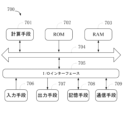
図7は、本開示の実施例を実施可能な例示的な電子機器700の模式的なブロック図を示している。電子機器700は、様々な形式のデジタルコンピュータを示すことを目的とし、例えば、ラップトップコンピュータ、デスクトップコンピュータ、ワークステーション、パーソナルデジタルアシスタント、サーバ、ブレードサーバ、大型コンピュータ及び他の適切なコンピュータである。電子機器は、さらに様々な形式の移動装置を示してもよく、例えば、パーソナルデジタルアシスタント、携帯電話、スマートフォン、ウェアラブル機器及び他の類似の演算装置である。本明細書に示された部材、それらの接続及び関係、並びにそれらの機能は、例示に過ぎず、本明細書に記載された及び/又は要求された本開示の実現を限定しない。
FIG. 7 depicts a schematic block diagram of an exemplary
図7に示すように、機器700は、計算手段701を含み、計算手段701は、リードオンリーメモリ(ROM)702に記憶されたコンピュータプログラム又は記憶手段708からランダムアクセスメモリ(RAM)703にロードされたコンピュータプログラムに基づいて、様々な適切な動作及び処理を実行してもよい。RAM703には、さらに機器700の操作に必要な様々なプログラム及びデータを記憶してもよい。計算手段701、ROM702、及びRAM703は、バス704を介して相互に接続される。入出力(I/O)インターフェース705も、バス704に接続される。
As shown in FIG. 7, the
機器700における複数の部品は、I/Oインターフェース705に接続され、例えばキーボード、マウス等の入力手段706と、例えば様々な種類のディスプレイ、スピーカ等の出力手段707と、例えば磁気ディスク、光ディスク等の記憶手段708と、例えばネットワークカード、モデム、無線通信トランシーバ等の通信手段709とを含む。通信手段709は、機器700がインターネット等のコンピュータネットワーク及び/又は各種の電気ネットワークを介して他の機器と情報・データをやり取りすることを可能にする。
A plurality of components in the
計算手段701は、処理及び演算能力を有する各種の汎用及び/又は専用の処理モジュールであってもよい。計算手段701の幾つかの例として、中央処理ユニット(CPU)、GPU(Graphics Processing Unit)、各種専用の人工知能(AI)演算チップ、各種機械学習モデルアルゴリズムをランニングする演算ユニット、DSP(Digital Signal Processor)、並びに任意の適切なプロセッサ、コントローラ、マイクロコントローラ等が挙げられるが、これらに限定されない。計算手段701は、前文で記載された各方法及び処理、例えばインテリジェント推奨用のソートモデルトレーニング方法、インテリジェント推奨方法を実行する。例えば、幾つかの実施例において、インテリジェント推奨用のソートモデルトレーニング方法、インテリジェント推奨方法は、例えば記憶手段708のような機械可読媒体に有形的に含まれるコンピュータソフトウェアプログラムとして実現されてもよい。いくつかの実施例において、コンピュータプログラムの一部又は全部は、ROM 702及び/又は通信手段709を介して機器700にロード及び/又はインストールされてもよい。コンピュータプログラムがRAM703にロードされて計算手段701により実行される場合、前文に記載のインテリジェント推奨用のソートモデルトレーニング方法、インテリジェント推奨方法の1つ又は複数のステップを実行してもよい。代替的に、他の実施例において、計算手段701は、他の任意の適切な方式(例えば、ファームウェアを介する)によりインテリジェント推奨用のソートモデルトレーニング方法、インテリジェント推奨方法を実行するように構成されてもよい。
The calculation means 701 may be various general-purpose and/or dedicated processing modules having processing and computing capabilities. Some examples of the calculation means 701 include a central processing unit (CPU), a GPU (Graphics Processing Unit), various dedicated artificial intelligence (AI) calculation chips, a calculation unit that runs various machine learning model algorithms, and a DSP (Digital Signal). and any suitable processor, controller, microcontroller, etc. The calculation means 701 executes the methods and processes described in the preamble, such as sorting model training methods for intelligent recommendation, intelligent recommendation methods. For example, in some embodiments, a sorting model training method for intelligent recommendation, an intelligent recommendation method may be implemented as a computer software program tangibly contained in a machine-readable medium, such as storage means 708. In some embodiments, part or all of the computer program may be loaded and/or installed on
本明細書で以上に説明されたシステム及び技術の様々な実施形態は、デジタル電子回路システム、集積回路システム、フィールドプログラマブルゲートアレイ(FPGA)、特定用途向け集積回路(ASIC)、特定用途向け標準製品(ASSP)、システムオンチップ(SOC)、コンプレックスプログラマブルロジックデバイス(CPLD)、コンピュータハードウェア、ファームウェア、ソフトウェア、及び/又はそれらの組み合わせにおいて実現されてもよい。これらの様々な実施形態は、1つ又は複数のコンピュータプログラムにおいて実施され、該1つ又は複数のコンピュータプログラムは、少なくとも1つのプログラマブルプロセッサを含むプログラマブルシステムで実行され及び/又は解釈されることが可能であり、該プログラマブルプロセッサは、専用又は汎用のプログラマブルプロセッサであってもよく、記憶システム、少なくとも1つの入力装置、及び少なくとも1つの出力装置からデータ及び命令を受信し、かつデータ及び命令を該記憶システム、該少なくとも1つの入力装置、及び該少なくとも1つの出力装置に伝送することができることを含んでもよい。 Various embodiments of the systems and techniques described herein above include digital electronic circuit systems, integrated circuit systems, field programmable gate arrays (FPGAs), application specific integrated circuits (ASICs), application specific standard products. (ASSP), system on a chip (SOC), complex programmable logic device (CPLD), computer hardware, firmware, software, and/or combinations thereof. These various embodiments are implemented in one or more computer programs that can be executed and/or interpreted on a programmable system that includes at least one programmable processor. and the programmable processor, which may be a special purpose or general purpose programmable processor, receives data and instructions from a storage system, at least one input device, and at least one output device, and transmits data and instructions to the storage system. The method may include being able to transmit to a system, the at least one input device, and the at least one output device.
本開示の方法を実施するためのプログラムコードは、1つ又は複数のプログラミング言語の任意の組み合わせで作成されてもよい。これらのプログラムコードは、汎用コンピュータ、専用コンピュータ又は他のプログラマブルデータ処理装置のプロセッサ又はコントローラに提供されてもよく、それによって、プログラムコードがプロセッサ又はコントローラにより実行される時に、フローチャート及び/又はブロック図に規定された機能・操作が実施される。プログラムコードは、機器に完全に実行されてもよく、部分的に機器で実行されてもよく、独立したソフトウェアパッケージとして部分的に機器で実行され、かつ部分的に遠隔機器で実行されるか又は完全に遠隔機器又はサーバで実行されてもよい。 Program code for implementing the methods of this disclosure may be written in any combination of one or more programming languages. These program codes may be provided to a processor or controller of a general purpose computer, special purpose computer, or other programmable data processing device, such that when executed by the processor or controller, the program codes may be provided in a flowchart and/or block diagram. The functions and operations specified in the above shall be carried out. The program code may be executed entirely on the device, partially on the device, partially on the device as a separate software package, and partially on a remote device, or It may be performed entirely on a remote device or server.
本開示のコンテキストにおいて、機械可読媒体は、有形の媒体であってもよく、命令実行システム、装置又は電子機器に使用され、又は命令実行システム、装置又は電子機器と組み合わせて使用されるプログラムを含んで又は記憶してもよい。機械可読媒体は、機械可読信号媒体又は機械可読記憶媒体であってもよい。機械可読媒体は、電子の、磁気的、光学的、電磁的、赤外線の、又は半導体システム、装置又は電子機器、又は上記内容の任意の適切な組み合わせを含んでもよいが、それらに限定されない。機械可読記憶媒体のより具体的な例としては、1つ以上の線による電気的接続、携帯式コンピュータディスク、ハードディスク、ランダムアクセスメモリ(RAM)、読み出し専用メモリ(ROM)、消去可能なプログラマブルリードオンリーメモリ(EPROM又はフラッシュメモリ)、光ファイバ、コンパクトディスクリードオンリーメモリ(CD-ROM)、光学記憶装置、磁気記憶装置、又は上記内容の任意の適切な組み合わせを含む。 In the context of this disclosure, a machine-readable medium may be a tangible medium and includes a program for use in or in combination with an instruction-execution system, device, or electronic device. It may also be stored. A machine-readable medium may be a machine-readable signal medium or a machine-readable storage medium. Machine-readable media may include, but are not limited to, electronic, magnetic, optical, electromagnetic, infrared, or semiconductor systems, devices or electronics, or any suitable combination of the above. More specific examples of machine-readable storage media include electrical connection through one or more wires, portable computer disks, hard disks, random access memory (RAM), read-only memory (ROM), erasable programmable read-only memory (EPROM or flash memory), fiber optics, compact disk read-only memory (CD-ROM), optical storage, magnetic storage, or any suitable combination of the above.
ユーザとの対話を提供するために、コンピュータにここで説明されたシステム及び技術を実施させてもよく、該コンピュータは、ユーザに情報を表示するための表示装置(例えば、CRT(陰極線管)又はLCD(液晶ディスプレイ)モニタ)と、キーボード及びポインティングデバイス(例えば、マウス又はトラックボール)とを備え、ユーザは、該キーボード及び該ポインティングデバイスを介して入力をコンピュータに提供することができる。他の種類の装置は、さらにユーザとの対話を提供してもよく、例えば、ユーザに提供されたフィードバックは、いかなる形式のセンシングフィードバック(例えば、視覚フィードバック、聴覚フィードバック、又は触覚フィードバック)であってもよく、かついかなる形式(音声入力、語音入力又は、触覚入力を含む)でユーザからの入力を受信してもよい。 A computer may implement the systems and techniques described herein to provide user interaction, and the computer may include a display device (e.g., a CRT (cathode ray tube) or a liquid crystal display (LCD) monitor), a keyboard and a pointing device (eg, a mouse or trackball) through which a user can provide input to the computer. Other types of devices may further provide interaction with the user, for example, the feedback provided to the user may be any form of sensing feedback (e.g., visual feedback, auditory feedback, or haptic feedback). Input from the user may be received in any form, including voice input, speech input, or tactile input.
ここで説明されたシステム及び技術は、バックグラウンド部品を含むコンピューティングシステム(例えば、データサーバとする)、又はミドルウェア部品を含むコンピューティングシステム(例えば、アプリケーションサーバ)、又はフロントエンド部品を含むコンピューティングシステム(例えば、グラフィカルユーザインタフェース又はウェブブラウザを有するユーザコンピュータ、ユーザが該グラフィカルユーザインタフェース又は該ネットワークブラウザを介してここで説明されたシステム及び技術の実施形態と対話することができる)、又はこのようなバックグラウンド部品、ミドルウェア部品、又はフロントエンド部品のいずれかの組み合わせを含むコンピューティングシステムに実施されることが可能である。任意の形式又は媒体のデジタルデータ通信(例えば、通信ネットワーク)によりシステムの部品を互いに接続することができる。通信ネットワークの例としては、ローカルエリアネットワーク(LAN)、ワイドエリアネットワーク(WAN)及びインターネットを例示的に含む。 The systems and techniques described herein may be used in a computing system that includes background components (e.g., a data server), or a computing system that includes middleware components (e.g., an application server), or a computing system that includes front-end components. a system (e.g., a user computer having a graphical user interface or a web browser through which a user can interact with embodiments of the systems and techniques described herein); The present invention may be implemented in a computing system that includes any combination of background components, middleware components, or front-end components. The components of the system may be interconnected by any form or medium of digital data communication (eg, a communication network). Examples of communication networks illustratively include local area networks (LANs), wide area networks (WANs), and the Internet.
コンピュータシステムは、クライアント及びサーバを含んでもよい。クライアントとサーバ同士は、一般的に離れており、通常、通信ネットワークを介して対話する。クライアントとサーバとの関係は、該当するコンピュータ上でランニングし、クライアント-サーバの関係を有するコンピュータプログラムによって生成される。サーバは、クラウドサーバであってもよく、分散型システムのサーバであってもよく、又はブロックチェーンを組合せたサーバであってもよい。 A computer system may include a client and a server. Clients and servers are generally remote and typically interact via a communications network. The relationship between client and server is created by a computer program running on the relevant computer and having a client-server relationship. The server may be a cloud server, a distributed system server, or a blockchain combined server.
理解されるべきこととして、以上に示された様々な形式のフローを使用してもよく、操作を改めてソーティングしたり、追加したり又は削除してもよい。例えば、本開示に記載の各操作は、並列に実行されたり、順次に実行されたり、又は異なる順序で実行されてもよく、本開示に開示された技術案の所望の結果を実現することができれば、本明細書はここで限定されない。 It should be understood that various types of flows illustrated above may be used and operations may be re-sorted, added, or removed. For example, each operation described in this disclosure may be performed in parallel, sequentially, or in a different order to achieve the desired results of the proposed techniques disclosed in this disclosure. Preferably, the specification is not limited here.
上記具体的な実施形態は、本開示の保護範囲を限定するものではない。当業者であれば、設計要件及び他の要因に応じて、様々な修正、組み合わせ、サブコンビネーション及び代替を行うことが可能であると理解すべきである。本開示の精神と原則内で行われる任意の修正、均等置換及び改良などは、いずれも本開示の保護範囲内に含まれるべきである。 The above specific embodiments do not limit the protection scope of the present disclosure. Those skilled in the art should appreciate that various modifications, combinations, subcombinations, and substitutions may be made depending on design requirements and other factors. Any modifications, equivalent substitutions, improvements, etc. made within the spirit and principles of this disclosure should be included within the protection scope of this disclosure.
本願は、2021年11月19日に中国特許庁に提出した、出願号が202111402589.4、名称が「インテリジェント推奨用のソートモデルトレーニング方法、インテリジェント推奨方法及び装置」の中国特許出願の優先権を要求し、そのすべての内容は引用により本願に組み込まれる。 This application claims the priority of the Chinese patent application filed with the Chinese Patent Office on November 19, 2021, with application number 202111402589.4 and titled "sorting model training method, intelligent recommendation method and apparatus for intelligent recommendation". the entire contents of which are incorporated herein by reference.
本開示はコンピュータ技術分野に関し、特にデータ処理、機械学習の技術分野に関する。 The present disclosure relates to the field of computer technology, and particularly to the field of data processing and machine learning.
クロスドメイン推奨(cross-domain recommendation)とは、推奨システムがより豊富なドメインからの相対的豊富な情報を利用して、より疎らなドメインにおける推奨パフォーマンスを向上させることを指す。従来技術において、ソースドメインのサンプルをターゲットドメインのトレーニングに加えることで、ターゲットドメインサンプルが疎らである問題を解決する。しかし、ソースドメインとターゲットドメインとのサンプル分布が一致していないため、「ネガチブトランスファー」現象を招来し、さらにモデルによる推奨過程での推奨効果に影響を及ぼす。 Cross-domain recommendation refers to a recommender system exploiting the relative richness of information from richer domains to improve recommendation performance in sparser domains. In the prior art, adding source domain samples to target domain training solves the problem of sparse target domain samples. However, since the sample distributions of the source domain and the target domain do not match, it causes a "negative transfer" phenomenon and further affects the recommendation effect in the recommendation process by the model.
本開示は、インテリジェント推奨用のソートモデルトレーニング方法及び装置、インテリジェント推奨方法及び装置、電子機器、記憶媒体、並びにコンピュータプログラムを提供した。 The present disclosure provided a sorting model training method and apparatus for intelligent recommendation, an intelligent recommendation method and apparatus , an electronic device, a storage medium, and a computer program .
本開示の一局面によれば、ソートモデルトレーニング方法を提供し、前記方法は、
ターゲットドメインの第1のユーザデータと第1のリソースデータとを取得し、かつソースドメインの第2のユーザデータと第2のリソースデータとを取得することと、
ターゲットドメインとソースドメインとは重複がある場合、第1のユーザデータと、第1のリソースデータと、第2のユーザデータと、第2のリソースデータとに基づいて、暗黙的特徴を特定することと、
暗黙的特徴に基づいて、ターゲットドメインのユーザに対してリソース推奨を行うためのソートモデルをトレーニングすることと、を含む。
According to one aspect of the present disclosure, a sorting model training method is provided, the method comprising:
obtaining first user data and first resource data of a target domain, and obtaining second user data and second resource data of a source domain;
If there is overlap between the target domain and the source domain, identifying implicit features based on the first user data, the first resource data, the second user data, and the second resource data. and,
and training a sorting model to make resource recommendations to users of the target domain based on the implicit features.
本開示の別の局面によれば、インテリジェント推奨方法を提供し、前記方法は、
ターゲットドメインの推奨すべきユーザのユーザデータと推奨すべきリソースのリソースデータとを取得することと、
ユーザデータとリソースデータとに基づいて、暗黙的特徴を得ることと、
暗黙的特徴をソートモデルに入力し、ソートモデルのソート結果に基づいてリソースデータから推奨すべきユーザにマッチングした推奨すべきリソースを特定することと、を含み、
ただし、ソートモデルは本開示のいずれかの実施例のトレーニング方法によってトレーニングされたものである。
According to another aspect of the present disclosure, an intelligent recommendation method is provided, the method comprising:
Obtaining user data of users to be recommended and resource data of resources to be recommended of a target domain;
Obtaining implicit features based on user data and resource data;
inputting the implicit feature into a sorting model, and identifying a resource to be recommended that matches the user to be recommended from the resource data based on the sorting result of the sorting model;
However, the sorting model is trained by the training method of any embodiment of the present disclosure.
本開示の別の局面によれば、ソートモデルトレーニング装置を提供し、前記装置は、
ターゲットドメインの第1のユーザデータと第1のリソースデータとを取得し、かつソースドメインの第2のユーザデータと第2のリソースデータとを取得するデータ取得モジュールと、
第1のユーザデータと、第1のリソースデータと、第2のユーザデータと、第2のリソースデータとに基づいて、暗黙的特徴を特定する特徴特定モジュールと、
暗黙的特徴に基づいて、ターゲットドメインのユーザに対してリソース推奨を行うためのソートモデルをトレーニングする第1のトレーニングモジュールと、を含む。
According to another aspect of the present disclosure, a sorting model training device is provided, the device comprising:
a data acquisition module that acquires first user data and first resource data of a target domain, and acquires second user data and second resource data of a source domain;
a feature identification module that identifies implicit features based on first user data, first resource data, second user data, and second resource data;
a first training module that trains a sorting model to make resource recommendations to users of the target domain based on the implicit features.
本開示の別の局面によれば、インテリジェント推奨装置を提供し、前記装置は、
ターゲットドメインの推奨すべきユーザのユーザデータと推奨すべきリソースのリソースデータとを取得する第1の取得モジュールと、
ユーザデータとリソースデータとに基づいて、暗黙的特徴を得る第2の取得モジュールと、
暗黙的特徴をソートモデルに入力し、ソートモデルのソート結果に基づいて、リソースデータから推奨すべきユーザにマッチングした推奨すべきリソースを特定するリソース特定モジュールと、を含み、
ただし、ソートモデルは、本開示のいずれかの実施例のトレーニング装置によってトレーニングされたものである。
According to another aspect of the present disclosure, an intelligent recommendation device is provided, the device comprising:
a first acquisition module that acquires user data of users to be recommended and resource data of resources to be recommended in a target domain;
a second acquisition module that obtains implicit features based on user data and resource data;
a resource identification module that inputs implicit features into a sorting model and identifies a resource to be recommended that matches a user to be recommended from resource data based on a sorting result of the sorting model;
However, the sorting model is trained by a training device according to any embodiment of the present disclosure.
本開示の別の局面によれば、
少なくとも1つのプロセッサと、
該少なくとも1つのプロセッサと通信接続するメモリとを含み、
該メモリに、該少なくとも1つのプロセッサによって実行され得るコマンドが記憶されており、該コマンドが該少なくとも1つのプロセッサによって実行されることで、該少なくとも1つのプロセッサが本開示のいずれかの実施例における方法を実行することができる、
電子機器を提供した。
According to another aspect of the present disclosure:
at least one processor;
a memory in communicative connection with the at least one processor;
The memory stores commands that can be executed by the at least one processor, and execution of the commands by the at least one processor causes the at least one processor to method can be carried out,
Provided electronic equipment.
本開示の別の局面によれば、コンピュータに本開示のいずれかの実施例における方法を実行させるためのコンピュータコマンドを記憶している非一時的なコンピュータ読取可能な記憶媒体を提供した。 According to another aspect of the present disclosure, a non-transitory computer-readable storage medium is provided having computer commands stored thereon for causing a computer to perform a method in any embodiment of the present disclosure.
本開示の別の局面によれば、プロセッサにより実行される場合に、本開示のいずれかの実施例における方法を実現するコンピュータプログラムを提供した。 According to another aspect of the present disclosure, a computer program product has been provided that, when executed by a processor, implements the method of any embodiment of the present disclosure.
本開示は、インテリジェント推奨用のソートモデルトレーニング方法、インテリジェント推奨方法及び装置を提供し、ソースドメインのデータを暗黙的特徴の形式で、ソートモデルのトレーニングデータに引き込み、直接にソースドメインデータをトレーニングサンプルとすることによる「ネガチブトランスファー」現象を回避し、ソートモデルをリソース推奨に応用する推奨効果を向上させることができる。 The present disclosure provides a sorting model training method, intelligent recommendation method and apparatus for intelligent recommendation, which draws source domain data into the training data of the sorting model in the form of implicit features, and directly converts the source domain data into training samples. By doing so, it is possible to avoid the "negative transfer" phenomenon and improve the recommendation effect of applying the sorting model to resource recommendation.
理解されるべきこととして、本部分に記載された内容は、本開示の実施例のキーポイント又は重要な特徴を示すことを意図するものではなく、本開示の範囲を限定するものでもない。本開示の他の特徴は、以下の説明により容易に理解される。 It should be understood that the content described in this section is not intended to represent key points or important features of the embodiments of the disclosure, nor is it intended to limit the scope of the disclosure. Other features of the disclosure will be readily understood from the following description.
ここで、図面は、本技術案をよりよく理解するために用いられ、本開示を限定するものではない。 Here, the drawings are used to better understand the technical solution and are not intended to limit the disclosure.
以下、図面を参照して本開示の例示的な実施例を説明する。ここで、より理解しやすいために本開示の実施例の様々な詳細は含まれ、それらが例示的なものであると考えられるべきである。したがって、当業者であれば、ここで記載される実施例に対して様々な変更・修正を行うことができ、本開示の範囲及び精神から逸脱することはないと分るべきである。同様に、明確かつ簡潔に説明するために、以下の記載において周知の機能や構成に対する説明を省略する。 Hereinafter, exemplary embodiments of the present disclosure will be described with reference to the drawings. Various details of the embodiments of the present disclosure are included herein to provide a better understanding and are to be considered exemplary. Accordingly, it should be understood by those skilled in the art that various changes and modifications may be made to the embodiments described herein without departing from the scope and spirit of the disclosure. Similarly, for the sake of clarity and conciseness, descriptions of well-known functions and configurations are omitted in the following description.
本開示の実施例は、インテリジェント推奨用のソートモデルトレーニング方法を提供し、図1は、本開示の一実施例のソートモデルトレーニング方法のフローチャートであり、該方法は、ソートモデルトレーニング装置に適用可能であり、例えば、該装置は、端末又はサーバ又は他の処理装置に配置されて実行する場合、ソートモデルトレーニング等を実行することができる。ここで、端末は、ユーザ装置(UE、User Equipment)、モバイル装置、携帯電話、コードレス電話、パーソナルデジタルアシスタント(PDA、Personal Digital Assistant)、ハンドヘルド装置、コンピューティング装置、車載装置、ウェアラブル装置等であってもよい。幾つかの可能な実現形態において、該方法は、さらにプロセッサがメモリに記憶されたコンピュータ可読命令を呼び出す方式によって実現することができる。図1に示すように、以下のステップを含む。 Embodiments of the present disclosure provide a sorting model training method for intelligent recommendation, and FIG. 1 is a flowchart of the sorting model training method of an embodiment of the present disclosure, which is applicable to a sorting model training device. For example, the device can perform sorting model training, etc. when executed on a terminal or on a server or other processing device. Here, the terminal may be a user equipment (UE, User Equipment), a mobile device, a mobile phone, a cordless phone, a personal digital assistant (PDA), a handheld device, a computing device, a vehicle-mounted device, a wearable device, etc. You can. In some possible implementations, the method may be further implemented by the processor invoking computer readable instructions stored in memory. As shown in FIG. 1, it includes the following steps.
ステップS101において、ターゲットドメインの第1のユーザデータと第1のリソースデータとを取得し、且つソースドメインの第2のユーザデータと第2のリソースデータとを取得する。 In step S101, first user data and first resource data of the target domain are obtained, and second user data and second resource data of the source domain are obtained.
ここで、ターゲットドメイン、ソースドメインは、いずれかの業務シーン又は業務製品であってもよく、ソースドメイン、ターゲットドメインの数は、1つであってもよく、複数であってもよく、本開示ではこれを限定しない。ソースドメインと比べて、ターゲットドメインは、トレーニング済みのソートモデルが適用されるドメインである。 Here, the target domain and the source domain may be any business scene or business product, and the number of the source domain and the target domain may be one or more, and the present disclosure However, this is not limited to this. Compared to the source domain, the target domain is the domain to which the trained sorting model is applied.
端末又はサーバは、予め作成されたターゲットドメインデータベースとソースドメインデータベースのそれぞれから、ターゲットドメインのデータとソースドメインのデータを取得し、第1のユーザデータ、第2のユーザデータは、ユーザの基本データ(例えば、ユーザID、年齢、性別等)、ユーザ行為シーケンスデータ(ユーザの使用行為記録、例えば、一定の時間内にユーザがあるカテゴリの文章を連続的に閲覧すること)、ユーザのリクエストデータ(リクエストを送信するIPアドレス、リクエストを送信する端末情報等)を含んでもよいが、これらに限られない。第1のリソースデータ、第2のリソースデータは、リソースID、リソースカテゴリ(例えば、文章のタイトル、カテゴリ等)、及び業務シーンに相関するデータ(例えば、教育類、生活類の業務シーン等)を含むが、これらに限られない。 The terminal or server acquires the target domain data and the source domain data from the target domain database and source domain database created in advance, respectively, and the first user data and the second user data are the user's basic data. (e.g. user ID, age, gender, etc.), user action sequence data (user usage action record, e.g. user continuously viewing texts in a certain category within a certain period of time), user request data ( (IP address for sending the request, information on the terminal for sending the request, etc.), but is not limited to these. The first resource data and the second resource data include a resource ID, a resource category (e.g., text title, category, etc.), and data correlated to a work scene (e.g., an education-related work scene, a life-related work scene, etc.). Including, but not limited to:
ステップS102において、第1のユーザデータと、第1のリソースデータと、第2のユーザデータと、第2のリソースデータとに基づいて、暗黙的特徴を特定する。 In step S102, implicit features are identified based on the first user data, first resource data, second user data, and second resource data.
ここで、ターゲットドメインのユーザデータ及びリソースデータ、ソースドメインのユーザデータ及びリソースデータに基づいて、共に暗黙的特徴を特定し、暗黙的特徴は明確な物理的意味のない特徴ベクトルであってよい。 Here, based on the user data and resource data of the target domain and the user data and resource data of the source domain, implicit features are identified together, and the implicit features may be feature vectors without clear physical meaning.
ステップS103において、暗黙的特徴に基づいて、ソートモデルをトレーニングする。 In step S103, a sorting model is trained based on the implicit features.
ターゲットドメインのデータとソースドメインのデータとに基づいて得られた暗黙的特徴によって、ソートモデルのトレーニングサンプルセットを構築し、ソートモデルをトレーニングする。ここで、ソートモデルは、ターゲットドメインのユーザに対してリソース推奨を行うために用いられる。 A training sample set for the sorting model is constructed and the sorting model is trained by the implicit features obtained based on the target domain data and the source domain data. Here, the sorting model is used to make resource recommendations to users of the target domain.
本開示の実施例が提供したソートモデルトレーニング方法は、ソースドメインのデータを暗黙的特徴の形式で、ソートモデルのトレーニングデータに引き込み、直接にソースドメインデータをトレーニングサンプルとすることによる「ネガチブトランスファー」現象を回避し、ソートモデルをリソース推奨に応用する推奨効果を向上させることができる。 The sorting model training method provided by the embodiments of the present disclosure incorporates source domain data in the form of implicit features into the sorting model training data, and directly uses the source domain data as training samples to perform "negative transfer". It is possible to avoid this phenomenon and improve the recommendation effect of applying the sorting model to resource recommendation.
一つの可能な実現形態において、ソートモデルトレーニング方法は、
第1のユーザデータと第1のリソースデータとに基づいて、明示的特徴を特定することと、
明示的特徴と暗黙的特徴とに基づいて、ソートモデルをトレーニングすることと、をさらに含む。
In one possible implementation, the sorting model training method is
identifying explicit characteristics based on the first user data and the first resource data;
and training a sorting model based on the explicit features and the implicit features.
実際の応用において、データ統計等の方式によって、ターゲットドメインにおける第1のユーザデータと第1のリソースデータとに対してユーザ特徴及びリソース特徴を抽出して、ターゲットドメインの明示的特徴としてよく、明示的特徴は明確な物理的意味を有する特徴であってよく、例えば、数字でユーザの年齢等を表す。ターゲットドメインのデータに基づいて得られた明示的特徴、及びターゲットドメインのデータとソースドメインのデータとに基づいて得られた暗黙的特徴を利用して、ソートモデルのトレーニングサンプルセットを構築して、ソートモデルをトレーニングし、ここで、ソートモデルは、ターゲットドメインのユーザに対してリソース推奨を行うために用いられる。 In actual applications, user features and resource features may be extracted from the first user data and first resource data in the target domain using methods such as data statistics, and may be used as explicit features of the target domain. The physical feature may be a feature that has a clear physical meaning, such as a number representing the user's age. constructing a training sample set for the sorting model using explicit features obtained based on the data of the target domain and implicit features obtained based on the data of the target domain and the data of the source domain; A sorting model is trained, where the sorting model is used to make resource recommendations for users in the target domain.
本開示の実施例において、明示的特徴と暗黙的特徴とに基づいてソートモデルをトレーニングし、トレーニングサンプルの特徴情報を豊富にして、ソートモデルをリソース推奨に応用する推奨効果を向上させることができる。 In embodiments of the present disclosure, a sorting model can be trained based on explicit features and implicit features to enrich the feature information of training samples, thereby improving the recommendation effect of applying the sorting model to resource recommendation. .
本開示の技術案において、ターゲットドメインの数が複数である場合、如何にして明示的特徴を特定するかについて、具体的には、以下の実施例の通りである。 In the technical solution of the present disclosure, when the number of target domains is plural, how to specify explicit features is specifically as described in the following example.
一つの可能な実現形態において、第1のユーザデータと第1のリソースデータとに基づいて、明示的特徴を特定することは、
ターゲットドメインの数が複数である場合、同一の特徴符号化方式を採用して各ターゲットドメインの第1のユーザデータから第1の明示的ユーザ特徴を取得し、同一の特徴符号化方式を採用して各ターゲットドメインの第1のリソースデータから第1の明示的リソース特徴を取得し、各ターゲットドメインの第1の明示的ユーザ特徴のフォーマットが同一であり、各ターゲットドメインの第1の明示的リソース特徴のフォーマットが同一であることと、
ターゲットドメイン毎に、第1の明示的ユーザ特徴と第1の明示的リソース特徴とを第1のスティッチング方式に従ってスティッチングして、明示的特徴を得ることと、を含む。
In one possible implementation, identifying the explicit characteristic based on the first user data and the first resource data comprises:
If the number of target domains is multiple, the same feature encoding method is adopted to obtain the first explicit user feature from the first user data of each target domain, and the same feature encoding method is adopted. obtain a first explicit resource characteristic from the first resource data of each target domain, and the format of the first explicit user characteristic of each target domain is the same, and the first explicit resource characteristic of each target domain is The format of the features is the same,
for each target domain, stitching a first explicit user feature and a first explicit resource feature according to a first stitching scheme to obtain an explicit feature.
実際の応用において、ターゲットドメインが複数であり、即ち、トレーニング済みのソートモデルが複数のターゲットドメインに共通に使用されるものであれば、各ターゲットドメインに同一の特徴抽取ロジックを配置して、抽取された特徴に対して同一の符号化方式を採用して、統一した特徴フォーマットを得ることで、異なるターゲットドメインの特徴を類似する特徴空間にマッピングさせ、各ターゲットドメインのデータ分布を近づける。例えば、抽取された一つ目のターゲットドメインのユーザAの年齢特徴が26であり、抽取された二つ目のターゲットドメインのユーザBの年齢特徴が30であり、この2つのユーザ特徴を抽出するロジックが同一であり、さらに、この2つのユーザ特徴を同一の符号化方式で符号化して、同一のフォーマットの特徴を得る。同一の特徴符号化方式を採用して各ターゲットドメインのユーザデータから明示的ユーザ特徴を取得し、且つ同一の特徴符号化方式を採用して各ターゲットドメインのリソースデータから明示的リソース特徴を取得し、ターゲットドメイン毎に、明示的ユーザ特徴と明示的リソース特徴とを第1のスティッチング方式に従ってスティッチングして最終の明示的特徴を得る。 In actual applications, if there are multiple target domains, that is, the trained sorting model is commonly used in multiple target domains, the same feature extraction logic can be placed in each target domain to extract By adopting the same encoding method for the identified features and obtaining a unified feature format, the features of different target domains can be mapped to a similar feature space, and the data distribution of each target domain can be brought closer. For example, the age feature of user A in the first extracted target domain is 26, and the age feature of user B in the second extracted target domain is 30, and these two user features are extracted. The logic is the same, and furthermore, the two user features are encoded with the same encoding scheme to obtain features in the same format. The same feature encoding scheme is adopted to obtain explicit user features from the user data of each target domain, and the same feature coding scheme is adopted to obtain explicit resource features from the resource data of each target domain. , for each target domain, stitch the explicit user features and explicit resource features according to the first stitching scheme to obtain the final explicit features.
ここで、第1のスティッチング方式は、明示的ユーザ特徴と明示的リソース特徴とを横方向にスティッチングすることであってもよく、例えば、明示的ユーザ特徴が128次元ベクトルであり、明示的リソース特徴が100次元ベクトルであり、明示的ユーザ特徴ベクトルと明示的リソース特徴ベクトルとを横方向にスティッチングして、128+100=228次元の明示的特徴ベクトルを得る。 Here, the first stitching method may be to horizontally stitch explicit user features and explicit resource features, for example, the explicit user features are 128-dimensional vectors, and the explicit The resource feature is a 100-dimensional vector, and the explicit user feature vector and the explicit resource feature vector are stitched horizontally to obtain an explicit feature vector with 128+100=228 dimensions.
本開示の実施例において、複数のターゲットドメインのデータを採用することは、サンプル数を増加させ、単一のターゲットドメインのトレーニングサンプルのデータが疎らである問題を解決することができる。同一の特徴符号化方式を採用して各ターゲットドメインの明示的ユーザ特徴、明示的リソース特徴を取得することは、抽出された明示的特徴を類似する特徴空間をマッピングさせ、近いデータ分布を有し、異なるドメインのデータ連携トレーニングによるネガチブトランスファー現象を軽減することができる。 In embodiments of the present disclosure, employing data of multiple target domains can increase the number of samples and solve the problem of sparse data of training samples of a single target domain. Adopting the same feature encoding method to obtain the explicit user features and explicit resource features of each target domain allows the extracted explicit features to be mapped to a similar feature space and has a similar data distribution. , it is possible to reduce the negative transfer phenomenon due to data linkage training in different domains.
一つの可能な実現形態において、第1のユーザデータと、第1のリソースデータと、第2のユーザデータと、第2のリソースデータとに基づいて、暗黙的特徴を特定することは、
第1のユーザデータと第2のユーザデータとに基づいて、ターゲットドメインとソースドメインとは重複ユーザがあると特定した場合、協調フィルタリング方式を採用して第1のユーザデータに対して第1の暗黙的ユーザ特徴を特定することと、
協調フィルタリング方式を採用して重複ユーザの第2のユーザデータに対して第2の暗黙的ユーザ特徴を抽出することと、
第1の暗黙的ユーザ特徴と第2の暗黙的ユーザ特徴とを第2のスティッチング方式に従ってスティッチングして、スティッチングユーザ特徴を得ることと、
スティッチングユーザ特徴に基づいて、暗黙的特徴を特定することと、を含む。
In one possible implementation, identifying the implicit feature based on the first user data, the first resource data, the second user data, and the second resource data comprises:
If it is determined that there are overlapping users in the target domain and the source domain based on the first user data and the second user data, a collaborative filtering method is adopted to apply the first user data to the first user data. identifying implicit user characteristics;
employing a collaborative filtering method to extract a second implicit user feature from the second user data of the duplicate users;
stitching the first implicit user feature and the second implicit user feature according to a second stitching method to obtain stitched user features;
and identifying implicit characteristics based on the stitching user characteristics.
ここで、ターゲットドメインとソースドメインとは重複があることは、ターゲットドメインとソースドメインとのユーザ、リソースのうちの少なくとも一項に重複があることを含んでよく、第1のユーザデータと第2のユーザデータとに基づいて、ターゲットドメインとソースドメインとは重複ユーザがあるか否かを判定し、重複ユーザは、ソースドメインのユーザでもあり、ターゲットドメインのユーザでもあり、2つのドメインのそれぞれに対応する製品にいずれも使用記録があるユーザを含んでよく、例えば、ユーザAは検索類アプリケーションプログラムB1も使用し、ソーシャル類アプリケーションプログラムB2も使用すれば、ユーザAはアプリケーションプログラムB1とアプリケーションプログラムB2との重複ユーザである。 Here, the fact that the target domain and the source domain overlap may include that there is an overlap in at least one of the users and resources between the target domain and the source domain, and the first user data and the second user data overlap. The target domain and the source domain determine whether there is a duplicate user based on the user data of the target domain and the source domain. This may include users who have usage records for all of the corresponding products. For example, if user A also uses search type application program B1 and social type application program B2, user A can use application program B1 and application program B2. This is a duplicate user.
ソースドメインとターゲットドメインとは重複ユーザがあれば、協調フィルタリング方式を採用して第1のユーザデータに対して第1の暗黙的ユーザ特徴を抽出し、第1の暗黙的ユーザ特徴は暗黙的UCF(User Collaborative Filtering)特徴であってよい。同様な暗黙的特徴抽出方式を採用して重複ユーザの第2のユーザデータに対して第2の暗黙的ユーザ特徴を抽出し、ここで、重複ユーザの第2のユーザデータは重複ユーザのソースドメインでのユーザデータであってよい。第1の暗黙的ユーザ特徴と第2の暗黙的ユーザ特徴とを第2のスティッチング方式に従ってスティッチングし、ここで、第2のスティッチング方式は、第1の暗黙的ユーザ特徴の特徴ベクトルと第2の暗黙的ユーザ特徴の特徴ベクトルとの2つの特徴ベクトルにおける対応位置の要素を加算することであってよく、例えば、第1の暗黙的ユーザ特徴が128次元ベクトルであり、第2の暗黙的ユーザ特徴も128次元ベクトルであれば、第1の暗黙的ユーザ特徴と第2の暗黙的ユーザ特徴とを第2のスティッチング方式に従ってスティッチングして得られたスティッチングユーザ特徴も128次元ベクトルである。 If there are overlapping users in the source domain and the target domain, a collaborative filtering method is adopted to extract the first implicit user feature from the first user data, and the first implicit user feature is the implicit UCF. (User Collaborative Filtering) feature. A similar implicit feature extraction method is adopted to extract a second implicit user feature for the second user data of the duplicate user, where the second user data of the duplicate user is the source domain of the duplicate user. This may be user data. stitching the first implicit user feature and the second implicit user feature according to a second stitching scheme, where the second stitching scheme includes a feature vector of the first implicit user feature; For example, if the first implicit user feature is a 128-dimensional vector and the second implicit user feature is a 128-dimensional vector, If the target user feature is also a 128-dimensional vector, the stitched user feature obtained by stitching the first implicit user feature and the second implicit user feature according to the second stitching method is also a 128-dimensional vector. It is.
ここで、スティッチングユーザ特徴を暗黙的特徴とするか、或いはスティッチングユーザ特徴を暗黙的特徴の1つの部分としてよく、代替的に、スティッチングユーザ特徴に基づいて、暗黙的特徴を特定することは、
協調フィルタリング方式を採用して第1のリソースデータに対して第1の暗黙的リソース特徴を抽出することと、
グラフニューラルネットワークを採用して第1のユーザデータと第1のリソースデータとに対して第1の連携暗黙的特徴を抽出することと、
第1のリソースデータと重複ユーザの第2のユーザデータとに基づいて、グラフニューラルネットワークを採用して第2の連携暗黙的特徴を抽出することと、
第1の連携暗黙的特徴、第2の連携暗黙的特徴を第2のスティッチング方式に従ってスティッチングして、第1のスティッチング連携暗黙的特徴を得ることと、
第1の暗黙的リソース特徴と、第1のスティッチング連携暗黙的特徴と、スティッチングユーザ特徴とを第1のスティッチング方式に従ってスティッチングして、暗黙的特徴を得ることと、を含む。
Here, the stitching user feature may be an implicit feature, or the stitching user feature may be a part of the implicit feature; alternatively, the implicit feature may be specified based on the stitching user feature. teeth,
employing a collaborative filtering method to extract a first implicit resource feature from the first resource data;
employing a graph neural network to extract a first cooperative implicit feature for the first user data and the first resource data;
employing a graph neural network to extract a second collaborative implicit feature based on the first resource data and second user data of the duplicate user;
stitching the first linked implicit feature and the second linked implicit feature according to a second stitching method to obtain the first stitched linked implicit feature;
The method includes stitching a first implicit resource feature, a first stitching cooperation implicit feature, and a stitching user feature according to a first stitching method to obtain an implicit feature.
本開示の実施例において、ソースドメインとターゲットドメインとは重複ユーザがある場合、ソースドメインのユーザデータを暗黙的特徴の形式で、ソートモデルのトレーニングデータに引き込み、直接にソースドメインデータをトレーニングサンプルとすることによる「ネガチブトランスファー」現象を回避し、トレーニングサンプルの特徴情報を豊富にし、ソートモデルをリソース推奨に応用する推奨効果を向上させることができる。そして、協調フィルタリングの方式を採用して暗黙的特徴を抽出することは、方法が簡単であり、ディープラーニングモデルによって暗黙的特徴を抽出することよりも、計算の複雑さがより低くなる。 In embodiments of the present disclosure, if the source domain and the target domain have overlapping users, the user data of the source domain is drawn into the training data of the sorting model in the form of implicit features, and the source domain data is directly used as the training sample. By doing so, it is possible to avoid the "negative transfer" phenomenon, enrich the feature information of training samples, and improve the recommendation effect of applying the sorting model to resource recommendation. In addition, extracting implicit features using collaborative filtering is a simple method and requires less computational complexity than extracting implicit features using a deep learning model.
一つの可能な実現形態において、第1の暗黙的ユーザ特徴と第2の暗黙的ユーザ特徴とを第2のスティッチング方式に従ってスティッチングして、スティッチングユーザ特徴を得ることは、
重複ユーザの第2のユーザデータの数と第1のユーザデータの数とに基づいて、第2の暗黙的ユーザ特徴に対応する第1の重みを特定することと、
第1の暗黙的ユーザ特徴と、第2の暗黙的ユーザ特徴と、第1の重みとに基づいて、スティッチングユーザ特徴を得ることと、を含む。
In one possible implementation, stitching the first implicit user feature and the second implicit user feature according to a second stitching scheme to obtain the stitched user feature comprises:
determining a first weight corresponding to the second implicit user characteristic based on the number of second user data and the number of first user data of duplicate users;
obtaining stitching user characteristics based on the first implicit user characteristic, the second implicit user characteristic, and the first weight.
実際の応用において、第1の暗黙的ユーザ特徴と第2の暗黙的ユーザ特徴とをスティッチングする時、ソースドメインとターゲットドメインとのデータ規模に応じて、引き込まれるソースドメインデータの暗黙的ユーザ特徴の重みを特定し、第1の暗黙的ユーザ特徴、第2の暗黙的ユーザ特徴を重み付け演算して、スティッチングユーザ特徴を得る。 In practical applications, when stitching the first implicit user feature and the second implicit user feature, the implicit user feature of the source domain data is drawn in according to the data scale of the source domain and the target domain. A stitching user feature is obtained by specifying the weight of the first implicit user feature and the second implicit user feature.
ここで、第1のユーザデータの数は、ターゲットドメインから取得されたユーザデータのサンプル数であってよく、例えば、ターゲットドメインから100人のユーザに対応するユーザデータを取得し、該100人のユーザは200個のユーザデータに対応すれば、第1のユーザデータの数は200である。 Here, the first number of user data may be the number of samples of user data acquired from the target domain. For example, if user data corresponding to 100 users is acquired from the target domain, If a user corresponds to 200 pieces of user data, the number of first user data is 200.
重複ユーザの第2のユーザデータの数は、重複ユーザのソースドメインでのサンプル数、即ちソースドメインに引き込まれたサンプル規模であってよい。例えば、ソースドメインとターゲットドメインとは100人の重複ユーザがあり、該100人の重複ユーザがソースドメインで100個のユーザデータに対応すれば、重複ユーザの第2のユーザデータの数が100である。該100人の重複ユーザがソースドメインで300個のユーザデータに対応すれば、重複ユーザの第2のユーザデータの数が300である。 The number of second user data of the duplicate user may be the sample number of the duplicate user in the source domain, ie the sample size drawn into the source domain. For example, if there are 100 duplicate users between the source domain and the target domain, and the 100 duplicate users correspond to 100 user data in the source domain, then the number of second user data of the duplicate users is 100. be. If the 100 duplicate users correspond to 300 pieces of user data in the source domain, the number of second user data of the duplicate users is 300.
本開示の実施例において、ソースドメインデータとターゲットドメインデータとのサンプル規模によって、ソースドメインデータに対応する暗黙的特徴を引き込む重みを特定し、重み付け演算の方式によりソースドメインの暗黙的ベクトルを引き込み、トレーニングサンプルの特徴情報を豊富にした。 In an embodiment of the present disclosure, the sample size of the source domain data and the target domain data determines a weight for drawing in the implicit feature corresponding to the source domain data, and drawing in the implicit vector of the source domain by a method of weighting operation; The feature information of training samples has been enriched.
一つの可能な実現形態において、第1のユーザデータと、第1のリソースデータと、第2のユーザデータと、第2のリソースデータとに基づいて、暗黙的特徴を特定することは、
第1のリソースデータと第2のリソースデータとに基づいてターゲットドメインとソースドメインとは重複リソースがあると特定した場合、協調フィルタリング方式を採用して第1のリソースデータに対して第1の暗黙的リソース特徴を抽出することと、
協調フィルタリング方式を採用して重複リソースの第2のリソースデータに対して第2の暗黙的リソース特徴を抽出することと、
第1の暗黙的リソース特徴と第2の暗黙的リソース特徴とを第2のスティッチング方式に従ってスティッチングして、スティッチングリソース特徴を得ることと、
スティッチングリソース特徴に基づいて、暗黙的特徴を特定することと、を含む。
In one possible implementation, identifying the implicit feature based on the first user data, the first resource data, the second user data, and the second resource data comprises:
If it is determined that the target domain and the source domain have overlapping resources based on the first resource data and the second resource data, a collaborative filtering method is adopted to apply the first implicit filter to the first resource data. extracting specific resource features;
employing a collaborative filtering method to extract a second implicit resource feature for second resource data of the duplicate resource;
stitching the first implicit resource feature and the second implicit resource feature according to a second stitching scheme to obtain a stitched resource feature;
and identifying implicit characteristics based on the stitching resource characteristics.
実際の応用において、第1のリソースデータと第2のリソースデータとに基づいて、ターゲットドメインとソースドメインとは重複リソースがあるか否かを判定し、重複リソースは、ソースドメインのリソースでもあり、ターゲットドメインのリソースでもあるものを含んでよい。例えば、文章Cは検索類アプリケーションプログラムB1におけるリソースでもあり、ソーシャル類アプリケーションプログラムB2におけるリソースでもあれば、文章CはアプリケーションプログラムB1とアプリケーションプログラムB2との重複リソースである。 In a practical application, based on the first resource data and the second resource data, the target domain and the source domain determine whether there are duplicate resources, and the duplicate resource is also a resource of the source domain; May contain things that are also resources of the target domain. For example, if text C is a resource in search type application program B1 and also a resource in social type application program B2, sentence C is a duplicate resource between application program B1 and application program B2.
ソースドメインとターゲットドメインとは重複リソースがあれば、協調フィルタリング方式を採用して第1のリソースデータに対して第1の暗黙的リソース特徴を抽出し、第1の暗黙的リソース特徴は暗黙的ICF(Item Collaborative Filtering)特徴であってよい。同様な暗黙的特徴抽出方式を採用して重複リソースの第2のリソースデータに対して第2の暗黙的リソース特徴を抽出し、ここで、重複リソースの第2のリソースデータは重複リソースのソースドメインでのリソースデータであってよい。第1の暗黙的リソース特徴と第2の暗黙的リソース特徴とを第2のスティッチング方式に従ってスティッチングし、ここで、第2のスティッチング方式は、第1の暗黙的リソース特徴の特徴ベクトルと第2の暗黙的リソース特徴の特徴ベクトルとの2つの特徴ベクトルにおける対応位置の要素を加算することであってよく、例えば、第1の暗黙的リソース特徴が128次元ベクトルであり、第2の暗黙的リソース特徴も128次元ベクトルであれば、第1の暗黙的リソース特徴と第2の暗黙的リソース特徴とを第2のスティッチング方式に従ってスティッチングして得られたスティッチングリソース特徴も128次元ベクトルである。 If the source domain and target domain have overlapping resources, a collaborative filtering method is adopted to extract a first implicit resource feature from the first resource data, and the first implicit resource feature is an implicit ICF. (Item Collaborative Filtering) feature. A similar implicit feature extraction method is adopted to extract a second implicit resource feature for the second resource data of the duplicate resource, where the second resource data of the duplicate resource is the source domain of the duplicate resource. resource data. stitching the first implicit resource feature and the second implicit resource feature according to a second stitching scheme, where the second stitching scheme includes a feature vector of the first implicit resource feature; For example, if the first implicit resource feature is a 128-dimensional vector and the second implicit resource feature is a 128-dimensional vector, If the implicit resource feature is also a 128-dimensional vector, the stitched resource feature obtained by stitching the first implicit resource feature and the second implicit resource feature according to the second stitching method is also a 128-dimensional vector. It is.
ここで、スティッチングリソース特徴を暗黙的特徴とするか、或いはスティッチングリソース特徴を暗黙的特徴の1つの部分としてよく、代替的に、スティッチングリソース特徴に基づいて、暗黙的特徴を特定することは、
協調フィルタリング方式を採用して第1のユーザデータに対して第1の暗黙的ユーザ特徴を抽出することと、
グラフニューラルネットワークを採用して第1のユーザデータと第1のリソースデータとに対して第1の連携暗黙的特徴を抽出することと、
第1のユーザデータと重複リソースの第2のリソースデータとに基づいて、グラフニューラルネットワークを採用して第3の連携暗黙的特徴を抽出することと、
第1の連携暗黙的特徴、第3の連携暗黙的特徴を第2のスティッチング方式に従ってスティッチングして、第2のスティッチング連携暗黙的特徴を得ることと、
第1の暗黙的ユーザ特徴と、第2のスティッチング連携暗黙的特徴と、スティッチングリソース特徴とを第1のスティッチング方式に従ってスティッチングして、暗黙的特徴を得ることと、を含む。
Here, the stitching resource feature may be an implicit feature, or the stitching resource feature may be a part of the implicit feature; alternatively, the implicit feature may be specified based on the stitching resource feature. teeth,
employing a collaborative filtering method to extract a first implicit user feature from the first user data;
employing a graph neural network to extract a first cooperative implicit feature for the first user data and the first resource data;
Extracting a third collaborative implicit feature by employing a graph neural network based on the first user data and second resource data of the duplicate resource;
stitching the first linked implicit feature and the third linked implicit feature according to a second stitching method to obtain a second stitched linked implicit feature;
The method includes stitching a first implicit user feature, a second stitching cooperation implicit feature, and a stitching resource feature according to a first stitching method to obtain an implicit feature.
本開示の実施例において、ソースドメインとターゲットドメインとは重複リソースがある場合、ソースドメインのリソースデータを暗黙的特徴の形式で、ソートモデルのトレーニングデータに引き込み、直接にソースドメインデータをトレーニングサンプルとすることによる「ネガチブトランスファー」現象を回避し、トレーニングサンプルの特徴情報を豊富にし、ソートモデルをリソース推奨に応用する推奨効果を向上させることができる。そして、協調フィルタリングの方式を採用して暗黙的特徴を抽出することは、方法が簡単であり、ディープラーニングモデルによって暗黙的特徴を抽出することよりも、計算の複雑さがより低くなる。 In embodiments of the present disclosure, if the source domain and the target domain have overlapping resources, the resource data of the source domain is drawn into the training data of the sorting model in the form of implicit features, and the source domain data is directly used as the training sample. By doing so, it is possible to avoid the "negative transfer" phenomenon, enrich the feature information of training samples, and improve the recommendation effect of applying the sorting model to resource recommendation. In addition, extracting implicit features using collaborative filtering is a simple method and requires less computational complexity than extracting implicit features using a deep learning model.
一つの可能な実現形態において、第1の暗黙的リソース特徴と第2の暗黙的リソース特徴とを第2のスティッチング方式に従ってスティッチングして、スティッチングリソース特徴を得ることは、
重複リソースの第2のリソースデータの数と第1のリソースデータの数とに基づいて、第2の暗黙的リソース特徴に対応する第2の重みを特定することと、
第1の暗黙的リソース特徴と、第2の暗黙的リソース特徴と、第2の重みとに基づいて、スティッチングリソース特徴を得ることと、を含む。
In one possible implementation, stitching the first implicit resource feature and the second implicit resource feature according to a second stitching scheme to obtain a stitched resource feature comprises:
determining a second weight corresponding to the second implicit resource characteristic based on the number of second resource data and the number of first resource data of the duplicate resource;
obtaining stitching resource characteristics based on the first implicit resource characteristic, the second implicit resource characteristic, and the second weight.
実際の応用において、第1の暗黙的リソース特徴と第2の暗黙的リソース特徴とをスティッチングする時、ソースドメインとターゲットドメインとのデータ規模に応じて、引き込まれるソースドメインデータの暗黙的リソース特徴の重みを特定し、第1の暗黙的リソース特徴、第2の暗黙的リソース特徴を重み付け演算して、スティッチングリソース特徴を得る。 In practical applications, when stitching the first implicit resource feature and the second implicit resource feature, the implicit resource feature of the source domain data is drawn in according to the data scale of the source domain and the target domain. The first implicit resource feature and the second implicit resource feature are weighted and calculated to obtain a stitching resource feature.
ここで、第1のリソースデータの数は、ターゲットドメインから取得されたリソースデータのサンプル数であってよく、例えば、ターゲットドメインから100個のリソースに対応するリソースデータを取得し、該100個のリソースは200個のリソースデータに対応すれば、第1のリソースデータの数は200である。 Here, the first number of resource data may be the number of samples of resource data acquired from the target domain. For example, if resource data corresponding to 100 resources is acquired from the target domain, If the resource corresponds to 200 pieces of resource data, the number of first resource data is 200.
重複リソースの第2のリソースデータの数は、重複リソースのソースドメインでのサンプル数、即ちソースドメインに引き込まれたサンプル規模であってよい。例えば、ソースドメインとターゲットドメインとは100個の重複リソースがあり、該100個の重複リソースがソースドメインで100個のリソースデータに対応すれば、重複リソースの第2のリソースデータの数が100である。該100個の重複リソースがソースドメインで300個のリソースデータに対応すれば、重複リソースの第2のリソースデータの数が300である。 The number of second resource data of the duplicate resource may be the number of samples in the source domain of the duplicate resource, ie, the sample size drawn into the source domain. For example, if there are 100 duplicate resources between the source domain and the target domain, and the 100 duplicate resources correspond to 100 resource data in the source domain, then the number of second resource data of the duplicate resource is 100. be. If the 100 duplicate resources correspond to 300 resource data in the source domain, the number of second resource data of the duplicate resources is 300.
本開示の実施例において、ソースドメインデータとターゲットドメインデータとのサンプル規模によって、ソースドメインデータに対応する暗黙的特徴を引き込む重みを特定し、重み付け演算の方式によりソースドメインの暗黙的ベクトルを引き込み、トレーニングサンプルの特徴情報を豊富にした。 In an embodiment of the present disclosure, the sample size of the source domain data and the target domain data determines a weight for drawing in the implicit feature corresponding to the source domain data, and drawing in the implicit vector of the source domain by a method of weighting operation; The feature information of training samples has been enriched.
一つの可能な実現形態において、第1のユーザデータと、第1のリソースデータと、第2のユーザデータと、第2のリソースデータとに基づいて、暗黙的特徴を特定することは、
第1のユーザデータと第2のユーザデータとに基づいてターゲットドメインとソースドメインとは重複ユーザがあると特定した場合、グラフニューラルネットワークを採用して第1のユーザデータと第1のリソースデータとに対して第1の連携暗黙的特徴を抽出することと、
第1のリソースデータと重複ユーザの第2のユーザデータとに基づいて、グラフニューラルネットワークを採用して第2の連携暗黙的特徴を抽出することと、
第1の連携暗黙的特徴と第2の連携暗黙的特徴とに基づいて、暗黙的特徴を特定することと、を含む。
In one possible implementation, identifying the implicit feature based on the first user data, the first resource data, the second user data, and the second resource data comprises:
If it is determined that there are overlapping users between the target domain and the source domain based on the first user data and the second user data, a graph neural network is employed to identify the first user data and the first resource data. extracting a first cooperative implicit feature for;
employing a graph neural network to extract a second collaborative implicit feature based on the first resource data and second user data of the duplicate user;
identifying the implicit feature based on the first linked implicit feature and the second linked implicit feature.
実際の応用において、ターゲットドメインとソースドメインとは重複ユーザがある場合、グラフニューラルネットワーク(Graph Neural Network,GNN)を採用して第1のユーザデータと第1のリソースデータとに対して第1の連携暗黙的特徴を抽出してよく、第1の連携暗黙的特徴は暗黙的GCF(Graph Collaborative Filtering)特徴であってよい。同様な暗黙的特徴抽出方式を採用して第1のリソースデータと重複ユーザの第2のユーザデータとに対して第2の連携暗黙的リソース特徴を抽出し、第1の連携暗黙的特徴と第2の連携暗黙的特徴とを第2のスティッチング方式に従ってスティッチングして、スティッチング連携暗黙的特徴を得て、暗黙的特徴とする。又は、スティッチング連携暗黙的特徴を暗黙的特徴の一部とし、さらに暗黙的ユーザ特徴、スティッチングリソース特徴と第1のスティッチング方式に従ってスティッチングして、暗黙的特徴を得る。 In practical applications, if there are overlapping users in the target domain and source domain, a graph neural network (GNN) is adopted to calculate the first user data and the first resource data. Collaborative implicit features may be extracted, and the first collaborative implicit feature may be an implicit Graph Collaborative Filtering (GCF) feature. A similar implicit feature extraction method is adopted to extract a second collaborative implicit resource feature from the first resource data and second user data of the duplicate user, and extract the second collaborative implicit resource feature from the first resource data and the second user data of the duplicate user. The stitched linked implicit features are stitched according to the second stitching method to obtain the stitched linked implicit features, and are used as implicit features. Alternatively, the stitching cooperation implicit feature is made a part of the implicit feature, and the implicit feature is further stitched with the implicit user feature and the stitching resource feature according to the first stitching method to obtain the implicit feature.
本開示の実施例において、グラフニューラルネットワークによって暗黙的特徴を抽出し、特徴抽出精度が高く、効果がよい。 In the embodiment of the present disclosure, implicit features are extracted by a graph neural network, and the feature extraction accuracy is high and the effect is good.
代替的に、ターゲットドメインとソースドメインとは重複ユーザもあるし、重複リソースもある場合、重複ユーザの第2のユーザデータと重複リソースの第2のリソースデータとを利用して、GNNによって連携暗黙的特徴を抽出し、該連携暗黙的特徴に基づいて、最終の暗黙的特徴を特定することができる。 Alternatively, if the target domain and source domain have overlapping users and overlapping resources, the GNN can implicitly link them using the second user data of the overlapping users and the second resource data of the overlapping resources. The final implicit features can be identified based on the combined implicit features.
一つの可能な実現形態において、第1のユーザデータと、第1のリソースデータと、第2のユーザデータと、第2のリソースデータとに基づいて、暗黙的特徴を特定することは、
第1のリソースデータと第2のリソースデータとに基づいてターゲットドメインとソースドメインとは重複リソースがあると特定した場合、グラフニューラルネットワークを採用して第1のユーザデータと第1のリソースデータとに対して第1の連携暗黙的特徴を抽出することと、
第1のユーザデータと重複リソースの第2のリソースデータとに基づいて、グラフニューラルネットワークを採用して第3の連携暗黙的特徴を抽出することと、
第1の連携暗黙的特徴と第3の連携暗黙的特徴とに基づいて、暗黙的特徴を特定することと、を含む。
In one possible implementation, identifying the implicit feature based on the first user data, the first resource data, the second user data, and the second resource data comprises:
If it is determined that there are overlapping resources between the target domain and the source domain based on the first resource data and the second resource data, a graph neural network is employed to identify the first user data and the first resource data. extracting a first cooperative implicit feature for;
Extracting a third collaborative implicit feature by employing a graph neural network based on the first user data and second resource data of the duplicate resource;
identifying an implicit feature based on the first linked implicit feature and the third linked implicit feature.
実際の応用において、ターゲットドメインとソースドメインとは重複リソースがある場合、GNNによって第1のユーザデータと第1のリソースデータとに対して第1の連携暗黙的特徴を抽出してよく、第1の連携暗黙的特徴は暗黙的GCF(Graph Collaborative Filtering)特徴であってよい。同様な暗黙的特徴抽出方式を採用して第1のユーザデータと重複リソース的第2のリソースデータとに対して第3の連携暗黙的リソース特徴を抽出し、第1の連携暗黙的特徴と第3の連携暗黙的特徴とを第2のスティッチング方式に従ってスティッチングして、スティッチング連携暗黙的特徴を得て、暗黙的特徴とする。又は、スティッチング連携暗黙的特徴を暗黙的特徴の一部とし、さらに暗黙的リソース特徴、スティッチングユーザ特徴と第1のスティッチング方式に従ってスティッチングして、暗黙的特徴を得る。 In practical applications, when the target domain and the source domain have overlapping resources, the first cooperative implicit feature may be extracted for the first user data and the first resource data by the GNN, and the first The collaborative implicit feature may be an implicit GCF (Graph Collaborative Filtering) feature. A similar implicit feature extraction method is adopted to extract a third collaborative implicit resource feature from the first user data and second resource data that is a duplicate resource, and 3 and the linked implicit features are stitched according to the second stitching method to obtain stitched linked implicit features, which are used as implicit features. Alternatively, the stitching cooperation implicit feature is made a part of the implicit feature, and the implicit feature is further stitched with the implicit resource feature and the stitching user feature according to the first stitching method to obtain the implicit feature.
本開示の実施例において、グラフニューラルネットワークによって暗黙的特徴を抽出し、特徴抽出精度が高く、効果がよい。 In the embodiment of the present disclosure, implicit features are extracted by a graph neural network, and the feature extraction accuracy is high and the effect is good.
一つの可能な実現形態において、
第1のユーザデータと第2のユーザデータとに基づいてターゲットドメインとソースドメインとは重複ユーザがないと特定し、且つ第1のリソースデータと第2のリソースデータとに基づいてターゲットドメインとソースドメインとは重複リソースがないと特定すると、第1のユーザデータと第1のリソースデータとに基づいて、暗黙的特徴を特定することをさらに含む。
In one possible implementation,
The target domain and the source domain are identified as having no duplicate users based on the first user data and the second user data, and the target domain and the source domain are identified based on the first resource data and the second resource data. Once the domain is determined to have no duplicate resources, the method further includes identifying implicit characteristics based on the first user data and the first resource data.
実際の応用において、ターゲットドメインとソースドメインとは、重複ユーザもないし、重複リソースもない場合、第1のユーザデータと第1のリソースデータとに対して明示的特徴を抽出し、さらに協調フィルタリングの方式によって第1のユーザデータと第1のリソースデータとのそれぞれに対して第1の暗黙的ユーザ特徴と第1の暗黙的リソース特徴とを抽出し、さらにGNNによって第1のユーザデータと第1のリソースデータとに対して連携暗黙的特徴を抽出し、第1の暗黙的ユーザ特徴と、第1の暗黙的リソース特徴と、連携暗黙的特徴とをスティッチングして、暗黙的特徴を得る。明示的特徴と暗黙的特徴とをスティッチングしてモデルの1つのトレーニングサンプルを得る。 In practical applications, the target domain and source domain extract explicit features for the first user data and the first resource data when there are no overlapping users and no overlapping resources, and then perform collaborative filtering. A first implicit user feature and a first implicit resource feature are extracted for each of the first user data and first resource data by the method, and the first user data and the first implicit resource feature are extracted by the GNN. The first implicit user feature, the first implicit resource feature, and the second implicit feature are stitched together to obtain the implicit feature. Stitching explicit features and implicit features yields one training sample for the model.
本開示の実施例において、ターゲットドメインとソースドメインとは重複ユーザもないし、重複リソースもない場合、ターゲットドメインのユーザデータとリソースデータとを利用して暗黙的特徴を特定し、明示的特徴と暗黙的特徴とに基づいてトレーニングサンプルを構築し、このようにトレーニングされたソートモデルはリソース推奨で推定の正確性がより高くなる。 In embodiments of the present disclosure, when the target domain and the source domain do not have overlapping users or overlapping resources, implicit characteristics are identified using user data and resource data of the target domain, and explicit characteristics and implicit characteristics are identified. The sorting model trained in this way has higher estimation accuracy in resource recommendation.
一例において、以下の式(1)と(2)によって暗黙的ベクトルを算出することができる。 In one example, the implicit vector can be calculated by equations (1) and (2) below.


ただし、

はUCF、ICF、GCFベクトルを表し、

は暗黙的特徴を表し,

はターゲットドメインのデータの暗黙的特徴を表し,

はソースドメインのデータの暗黙的特徴を表し、

は第i個のターゲットドメインに引き込まれたソースドメインの暗黙的特徴の重みを表し、ターゲットドメインが複数ある場合、Niは第i個のターゲットドメインのサンプル規模を表し、Mはソースドメインのサンプル規模を表す。
however,
represents UCF, ICF, GCF vector,
represents an implicit feature,
represents the implicit features of the data in the target domain,
represents the implicit features of the data in the source domain,
represents the weight of the implicit feature of the source domain drawn into the i-th target domain, if there are multiple target domains, N i represents the sample size of the i-th target domain, and M represents the sample size of the source domain Represents scale.
一つの可能な実現形態において、明示的特徴と暗黙的特徴とに基づいて、ソートモデルをトレーニングすることは、
明示的特徴と暗黙的特徴とを第1のスティッチング方式に従ってスティッチングして、第1のスティッチング特徴を得て、第1のスティッチング特徴に対応するサンプルラベルを取得することと、
第1のスティッチング特徴と、対応するサンプルラベルとに基づいて、ソートモデルをトレーニングすることと、を含む。
In one possible implementation, training a sorting model based on explicit and implicit features is
stitching the explicit feature and the implicit feature according to a first stitching method to obtain a first stitched feature and obtain a sample label corresponding to the first stitched feature;
training a sorting model based on the first stitching feature and the corresponding sample label.
実際の応用において、明示的特徴と暗黙的特徴とを第1のスティッチング方式に従ってスティッチングすることで得られた第1のスティッチング特徴を1つのトレーニングサンプルとし、このように複数のユーザデータと複数のリソースデータとに基づいて、複数のトレーニングサンプルを得て、トレーニングサンプル毎に、ソートモデルの具体的な適用シーンに応じて、サンプルラベルを配置し、例えば、サンプルラベルは、ユーザがクリックしたか否か、ユーザが閲覧した時間長さ、ユーザが消費したか否か等であってもよい。トレーニングサンプルとサンプルラベルとからなるトレーニングサンプルセットを利用してソートモデルをトレーニングする。 In actual applications, the first stitched feature obtained by stitching explicit features and implicit features according to the first stitching method is used as one training sample, and in this way, multiple user data and Obtain multiple training samples based on multiple resource data, and for each training sample, arrange a sample label according to the specific application scene of the sorting model, for example, the sample label is the one clicked by the user. It may also be the length of time the user has viewed the content, whether the user has consumed it, etc. A sorting model is trained using a training sample set consisting of training samples and sample labels.
本開示の実施例において、ターゲットドメインのデータに基づいて明示的特徴を特定し、ソースドメインとターゲットドメインとは重複がある場合、ソースドメインのデータを暗黙的特徴の形式で、ソートモデルのトレーニングデータに引き込み、直接にソースドメインデータをトレーニングサンプルとすることによる「ネガチブトランスファー」現象を回避し、明示的特徴と暗黙的特徴とに基づいてソートモデルをトレーニングし、トレーニングサンプルの特徴情報を豊富にし、ソートモデルをリソース推奨に応用する推奨効果を向上させることができる。 In embodiments of the present disclosure, if explicit features are identified based on data in a target domain, and there is overlap between the source domain and the target domain, the data in the source domain is used as training data for a sorting model in the form of implicit features. , avoid the "negative transfer" phenomenon by directly using the source domain data as the training samples, train the sorting model based on explicit features and implicit features, enrich the feature information of the training samples, The recommendation effect of applying the sorting model to resource recommendation can be improved.
一つの可能な実現形態において、方法は、
ターゲットドメインの推奨すべきユーザのユーザデータと推奨すべきリソースのリソースデータとを取得することと、
ユーザデータとリソースデータとに基づいて、暗黙的特徴を得ることと、
暗黙的特徴をソートモデルに入力し、ソートモデルのソート結果に基づいてリソースデータから推奨すべきユーザにマッチングした推奨すべきリソースを特定することと、をさらに含む。
In one possible implementation, the method includes:
Obtaining user data of users to be recommended and resource data of resources to be recommended of a target domain;
Obtaining implicit features based on user data and resource data;
The method further includes inputting the implicit feature into a sorting model, and identifying a resource to be recommended that matches a user to be recommended from the resource data based on a sorting result of the sorting model.
実際の応用において、ソートモデルをリソース推奨に用いて、協調フィルタリング及びGNNによって、ユーザデータとリソースデータとの各々に対応する暗黙的ユーザ特徴と暗黙的リソース特徴とをそれぞれ抽出し、第1のスティッチング方式に従ってスティッチングして、暗黙的特徴を得る。暗黙的特徴をソートモデルに入力して、ソートモデルのソート結果に基づいて、リソースデータから推奨すべきユーザにマッチングした推奨すべきリソースを特定する。 In practical applications, the sorting model is used for resource recommendation, and the implicit user features and implicit resource features corresponding to user data and resource data are respectively extracted by collaborative filtering and GNN, and the first stitch The implicit features are obtained by stitching according to the stitching method. Implicit features are input into a sorting model, and based on the sorting results of the sorting model, a resource to be recommended that matches a user to be recommended is identified from the resource data.
本開示の実施例において、ソートモデルのソート結果に基づいて推奨すべきユーザに対してリソース推奨を行い、ソートモデルはターゲットドメインデータとソースドメインデータとの暗黙的特徴に基づいてトレーニングされたものであり、該ソートモデルを使用してリソース推奨を行い、推奨効果を向上させることができる。 In an embodiment of the present disclosure, resource recommendations are made to users who should be recommended based on the sorting results of a sorting model, and the sorting model is trained based on implicit features of target domain data and source domain data. The sorting model can be used to recommend resources and improve the recommendation effect.
図2は、本開示の一実施例におけるソートモデルトレーニング方法のフローチャートである。図2に示すように、該方法は、
ターゲットドメインの第1のユーザデータと第1のリソースデータとを取得し、且つソースドメインの第2のユーザデータと第2のリソースデータとを取得するステップS201と、
前記ターゲットドメインの数が複数である場合、同一の特徴抽取方式を採用して各ターゲットドメインの第1のユーザデータから第1の明示的ユーザ特徴を取得し、同一の特徴抽取方式を採用して各ターゲットドメインの第1のリソースデータから第1の明示的リソース特徴を取得するステップS202と、
ターゲットドメイン毎に、前記第1の明示的ユーザ特徴と前記第1の明示的リソース特徴とを第1のスティッチング方式に従ってスティッチングして、明示的特徴を得るステップS203と、
ターゲットドメインとソースドメインとは重複がある場合、第1のユーザデータと、第1のリソースデータと、第2のユーザデータと、第2のリソースデータとに基づいて、暗黙的特徴を特定するステップS204と、
明示的特徴と暗黙的特徴とを第1のスティッチング方式に従ってスティッチングして、スティッチング特徴を得て、スティッチング特徴に対応するサンプルラベルを取得するステップS205と、
スティッチング特徴と、対応するサンプルラベルとに基づいて、ソートモデルをトレーニングするステップS206とを含む。
FIG. 2 is a flowchart of a sorting model training method in an embodiment of the present disclosure. As shown in FIG. 2, the method includes:
step S201 of acquiring first user data and first resource data of a target domain, and acquiring second user data and second resource data of a source domain;
If the number of target domains is plural, the same feature extraction method is adopted to obtain a first explicit user feature from the first user data of each target domain, and the same feature extraction method is adopted. step S202 of obtaining first explicit resource characteristics from first resource data of each target domain;
Step S203 of stitching the first explicit user feature and the first explicit resource feature according to a first stitching method to obtain explicit features for each target domain;
If there is overlap between the target domain and the source domain, identifying implicit features based on the first user data, the first resource data, the second user data, and the second resource data. S204 and
Step S205 of stitching the explicit feature and the implicit feature according to a first stitching method to obtain a stitched feature and obtain a sample label corresponding to the stitched feature;
training a sorting model based on the stitching features and corresponding sample labels;
本開示の実施例において、複数のターゲットドメインのデータを採用して、サンプル数を増加させ、単一のターゲットドメインのトレーニングサンプルのデータが疎らである問題を解決することができる。同一の特徴符号化方式を採用して各ターゲットドメインの明示的ユーザ特徴、明示的リソース特徴を取得して、抽出された明示的特徴を類似する特徴空間にマッピングさせ、近いデータ分布を有し、異なるドメインのデータ連携トレーニングによるネガチブトランスファー現象を減軽することができる。なお、ソースドメインとターゲットドメインとは重複がある場合、ソースドメインのデータを暗黙的特徴の形式で、ソートモデルのトレーニングデータに引き込み、直接にソースドメインデータをトレーニングサンプルとすることによる「ネガチブトランスファー」現象を回避し、明示的特徴と暗黙的特徴とに基づいてソートモデルをトレーニングして、トレーニングサンプルの特徴情報を豊富にし、ソートモデルをリソース推奨に応用する推奨効果を向上させることができる。 In embodiments of the present disclosure, data of multiple target domains can be employed to increase the number of samples and solve the problem of sparse data of training samples of a single target domain. The same feature encoding method is adopted to obtain the explicit user features and explicit resource features of each target domain, and the extracted explicit features are mapped to a similar feature space and have a similar data distribution. It is possible to reduce the negative transfer phenomenon due to data linkage training in different domains. In addition, if there is overlap between the source domain and the target domain, "negative transfer" is performed by drawing the source domain data into the training data of the sorting model in the form of implicit features and directly using the source domain data as the training sample. It is possible to avoid this phenomenon, train the sorting model based on explicit features and implicit features, enrich the feature information of the training samples, and improve the recommendation effect of applying the sorting model to resource recommendation.
本開示の実施例は、リソース推奨方法を提供し、図3は本開示の一実施例におけるリソース推奨方法のフローチャートであり、該方法はリソース推奨装置に適用され、例えば、該装置は端末又はサーバ又は他の処理装置に配置されて実行する場合、ソートモデルトレーニング等を実行することができる。ここで、端末は、ユーザ装置(UE、User Equipment)、モバイル装置、携帯電話、コードレス電話、パーソナルデジタルアシスタント(PDA、Personal Digital Assistant)、ハンドヘルド装置、コンピューティング装置、車載装置、ウェアラブル装置等であってもよい。幾つかの可能な実現形態において、該方法は、さらにプロセッサがメモリに記憶されたコンピュータ可読命令を呼び出す方式によって実現することができる。図3に示すように、インテリジェント推奨方法は、以下のステップを含む。 An embodiment of the present disclosure provides a resource recommendation method, and FIG. 3 is a flowchart of the resource recommendation method in an embodiment of the present disclosure, and the method is applied to a resource recommendation device, for example, the device is a terminal or a server. Or, when executed by being placed in another processing device, sorting model training, etc. can be executed. Here, the terminal may be a user equipment (UE, User Equipment), a mobile device, a mobile phone, a cordless phone, a personal digital assistant (PDA), a handheld device, a computing device, a vehicle-mounted device, a wearable device, etc. You can. In some possible implementations, the method may be further implemented by the processor invoking computer readable instructions stored in memory. As shown in FIG. 3, the intelligent recommendation method includes the following steps.
ステップS301において、ターゲットドメインの推奨すべきユーザのユーザデータと推奨すべきリソースのリソースデータとを取得する。 In step S301, user data of users to be recommended and resource data of resources to be recommended in the target domain are acquired.
ステップS302において、ユーザデータとリソースデータとに基づいて、暗黙的特徴を得る。 In step S302, implicit features are obtained based on user data and resource data.
ここで、協調フィルタリング及びGNNによってユーザデータとリソースデータとの各々に対応する暗黙的ユーザ特徴と暗黙的リソース特徴とをそれぞれ取得し、第1のスティッチング方式に従ってスティッチングして、暗黙的特徴を得る。 Here, implicit user features and implicit resource features corresponding to each of the user data and resource data are obtained through collaborative filtering and GNN, and stitching is performed according to the first stitching method to obtain the implicit features. obtain.
ステップS303において、暗黙的特徴をソートモデルに入力して、ソートモデルのソート結果に基づいてリソースデータから推奨すべきユーザにマッチングした推奨すべきリソースを特定する。 In step S303, the implicit feature is input into the sorting model, and based on the sorting result of the sorting model, a resource to be recommended that matches the user to be recommended is identified from the resource data.
ここで、ソートモデルは本開示のいずれかの実施例のトレーニング方法によってトレーニングされたものである。ソート結果は各推奨すべきユーザと各推奨すべきリソースとのマッチング程度に対応する確率であってもよく、各推奨すべきユーザと各推奨すべきリソースとがマッチングしたか否かであってもよい。 Here, the sorting model is trained by the training method of any embodiment of the present disclosure. The sorting result may be a probability corresponding to the degree of matching between each recommended user and each recommended resource, or may be a probability corresponding to the degree of matching between each recommended user and each recommended resource, or whether or not each recommended user and each recommended resource match. good.
本開示の実施例において、ソートモデルのソート結果に基づいて推奨すべきユーザに対してリソース推奨を行い、ソートモデルはターゲットドメインデータとソースドメインデータの暗黙的特徴に基づいてトレーニングされたものであり、該ソートモデルを使用してリソース推奨を行って、推奨効果を向上させることができる。 In an embodiment of the present disclosure, resource recommendations are made to users who should be recommended based on sorting results of a sorting model, and the sorting model is trained based on implicit features of target domain data and source domain data. , the sorting model can be used to perform resource recommendation and improve the recommendation effect.
図4は、本開示の一実施例におけるインテリジェント推奨用のソートモデルトレーニング装置の模式図である。図4に示すように、インテリジェント推奨用のソートモデルトレーニング装置は、
ターゲットドメインの第1のユーザデータと第1のリソースデータとを取得し、且つソースドメインの第2のユーザデータと第2のリソースデータとを取得するためのデータ取得モジュール401と、
第1のユーザデータと、第1のリソースデータと、第2のユーザデータと、第2のリソースデータとに基づいて、暗黙的特徴を特定するための特徴特定モジュール402と、
暗黙的特徴に基づいて、ターゲットドメインのユーザに対してリソース推奨を行うためのソートモデルをトレーニングするための第1のトレーニングモジュール403と、を含む。
FIG. 4 is a schematic diagram of a sorting model training device for intelligent recommendation in an embodiment of the present disclosure. As shown in Figure 4, the sorting model training device for intelligent recommendation is
a
a
a
一つの可能な実現形態において、装置は第2のトレーニングモジュールをさらに含み、第2のトレーニングモジュールは、
第1のユーザデータと第1のリソースデータとに基づいて、明示的特徴を特定し、
明示的特徴と暗黙的特徴とに基づいて、ソートモデルをトレーニングするために用いられる。
In one possible implementation, the device further includes a second training module, the second training module comprising:
identifying explicit characteristics based on the first user data and the first resource data;
It is used to train a sorting model based on explicit and implicit features.
一つの可能な実現形態において、第2のトレーニングモジュールは、
第1のユーザデータと第1のリソースデータとに基づいて、明示的特徴を特定する時に、
ターゲットドメインの数が複数である場合、同一の特徴符号化方式を採用して各ターゲットドメインの第1のユーザデータから第1の明示的ユーザ特徴を取得し、同一の特徴符号化方式を採用して各ターゲットドメインの第1のリソースデータから第1の明示的リソース特徴を取得し、各ターゲットドメインの第1の明示的ユーザ特徴のフォーマットが同一であり、各ターゲットドメインの第1の明示的リソース特徴のフォーマットが同一であり、
ターゲットドメイン毎に、第1の明示的ユーザ特徴と第1の明示的リソース特徴とを第1のスティッチング方式に従ってスティッチングして、明示的特徴を得るために用いられる。
In one possible implementation, the second training module is:
When identifying explicit features based on the first user data and the first resource data,
If the number of target domains is multiple, the same feature encoding method is adopted to obtain the first explicit user feature from the first user data of each target domain, and the same feature encoding method is adopted. obtain a first explicit resource characteristic from the first resource data of each target domain, and the format of the first explicit user characteristic of each target domain is the same, and the first explicit resource characteristic of each target domain is The format of the features is the same,
For each target domain, the first explicit user feature and the first explicit resource feature are stitched according to a first stitching scheme to obtain the explicit feature.
図5は、本開示の一実施例における特徴特定モジュールの模式図である。図5に示すように、一つの可能な実現形態において、特徴特定モジュールは、第1の抽出手段501と、第2の抽出手段502と、第1のスティッチング手段503と、第1の特定手段504とを含み、
第1の抽出手段501は、第1のユーザデータと第2のユーザデータとに基づいてターゲットドメインとソースドメインとは重複ユーザがあると特定した場合、協調フィルタリング方式を採用して第1のユーザデータに対して第1の暗黙的ユーザ特徴を抽出するために用いられ、
第2の抽出手段502は、協調フィルタリング方式を採用して重複ユーザの第2のユーザデータに対して第2の暗黙的ユーザ特徴を抽出するために用いられ、
第1のスティッチング手段503は、第1の暗黙的ユーザ特徴と第2の暗黙的ユーザ特徴とを第2のスティッチング方式に従ってスティッチングして、スティッチングユーザ特徴を得るために用いられ、
第1の特定手段504は、スティッチングユーザ特徴に基づいて、暗黙的特徴を特定するために用いられる。
FIG. 5 is a schematic diagram of a feature identification module in an embodiment of the present disclosure. As shown in FIG. 5, in one possible implementation, the feature identification module comprises a first extraction means 501, a second extraction means 502, a first stitching means 503 and a first identification means. 504,
When the first extraction means 501 identifies that there is an overlapping user between the target domain and the source domain based on the first user data and the second user data, the first extraction means 501 employs a collaborative filtering method to identify the first user. used to extract a first implicit user feature from the data;
The second extraction means 502 is used to extract a second implicit user feature from the second user data of the duplicate users by employing a collaborative filtering method,
The first stitching means 503 is used to stitch the first implicit user characteristic and the second implicit user characteristic according to the second stitching method to obtain stitched user characteristics,
The first identifying
一つの可能な実現形態において、第1のスティッチング手段503は、
重複ユーザの第2のユーザデータの数と第1のユーザデータの数とに基づいて、第2の暗黙的ユーザ特徴に対応する第1の重みを特定し、
第1の暗黙的ユーザ特徴と、第2の暗黙的ユーザ特徴と、第1の重みとに基づいて、スティッチングユーザ特徴を得るために用いられる。
In one possible implementation, the first stitching means 503 comprises:
determining a first weight corresponding to the second implicit user characteristic based on the number of second user data and the number of first user data of the duplicate user;
are used to obtain stitching user features based on the first implicit user feature, the second implicit user feature, and the first weight.
一つの可能な実現形態において、特徴特定モジュール402は、第3の抽出手段と、第4の抽出手段と、第2のスティッチング手段と、第2の特定手段とを含み、
第3の抽出手段は、第1のリソースデータと第2のリソースデータとに基づいてターゲットドメインとソースドメインとは重複リソースがあると特定した場合、協調フィルタリング方式を採用して第1のリソースデータに対して第1の暗黙的リソース特徴を抽出するために用いられ、
第4の抽出手段は、協調フィルタリング方式を採用して重複リソースの第2のリソースデータに対して第2の暗黙的リソース特徴を抽出するために用いられ、
第2のスティッチング手段は、第1の暗黙的リソース特徴と第2の暗黙的リソース特徴とを第2のスティッチング方式に従ってスティッチングして、スティッチングリソース特徴を得るために用いられ、
第2の特定手段は、スティッチングリソース特徴に基づいて、暗黙的特徴を特定するために用いられる。
In one possible implementation, the
The third extraction means employs a collaborative filtering method to extract the first resource data when it is determined that there is an overlapping resource between the target domain and the source domain based on the first resource data and the second resource data. used to extract a first implicit resource feature for
The fourth extraction means is used to extract a second implicit resource feature from the second resource data of the duplicate resource by employing a collaborative filtering method,
The second stitching means is used to stitch the first implicit resource feature and the second implicit resource feature according to a second stitching method to obtain a stitched resource feature,
The second identifying means is used to identify implicit features based on stitching resource characteristics.
一つの可能な実現形態において、第2のスティッチング手段は、
重複リソースの第2のリソースデータの数と第1のリソースデータの数とに基づいて、第2の暗黙的リソース特徴に対応する第2の重みを特定し、
第1の暗黙的リソース特徴と、第2の暗黙的リソース特徴と、第2の重みとに基づいて、スティッチングリソース特徴を得るために用いられる。
In one possible implementation, the second stitching means are:
determining a second weight corresponding to a second implicit resource characteristic based on the number of second resource data and the number of first resource data of the duplicate resource;
A stitching resource feature is used to obtain a stitching resource feature based on the first implicit resource feature, the second implicit resource feature, and the second weight.
一つの可能な実現形態において、特徴特定モジュール402、具体的に、
第1のユーザデータと第2のユーザデータとに基づいてターゲットドメインとソースドメインとは重複ユーザがあると特定した場合、グラフニューラルネットワークを採用して第1のユーザデータと第1のリソースデータとに対して第1の連携暗黙的特徴を抽出し、
第1のリソースデータと重複ユーザの第2のユーザデータとに基づいて、グラフニューラルネットワークを採用して第2の連携暗黙的特徴を抽出し、
第1の連携暗黙的特徴と第2の連携暗黙的特徴とに基づいて、暗黙的特徴を特定するために用いられる。
In one possible implementation, the
If it is determined that there are overlapping users between the target domain and the source domain based on the first user data and the second user data, a graph neural network is employed to identify the first user data and the first resource data. Extract the first cooperative implicit feature for
employing a graph neural network to extract a second collaborative implicit feature based on the first resource data and second user data of the duplicate user;
It is used to identify implicit features based on the first linked implicit feature and the second linked implicit feature.
一つの可能な実現形態において、特徴特定モジュール402は、具体的に、
第1のリソースデータと第2のリソースデータとに基づいてターゲットドメインとソースドメインとは重複リソースがあると特定した場合、グラフニューラルネットワークを採用して第1のユーザデータと第1のリソースデータとに対して第1の連携暗黙的特徴を抽出し、
第1のユーザデータと重複リソースの第2のリソースデータとに基づいて、グラフニューラルネットワークを採用して第3の連携暗黙的特徴を抽出し、
第1の連携暗黙的特徴と第3の連携暗黙的特徴とに基づいて、暗黙的特徴を特定するために用いられる。
In one possible implementation, feature
If it is determined that there are overlapping resources between the target domain and the source domain based on the first resource data and the second resource data, a graph neural network is employed to identify the first user data and the first resource data. Extract the first cooperative implicit feature for
employing a graph neural network to extract a third collaborative implicit feature based on the first user data and the second resource data of the duplicate resource;
It is used to identify implicit features based on the first linked implicit feature and the third linked implicit feature.
一つの可能な実現形態において、特徴特定モジュールをさらに含み、特徴特定モジュールは、
第1のユーザデータと第2のユーザデータとに基づいてターゲットドメインとソースドメインとは重複ユーザがなく、かつ第1のリソースデータと第2のリソースデータとに基づいてターゲットドメインとソースドメインとは重複リソースがないと特定すると、第1のユーザデータと第1のリソースデータとに基づいて、暗黙的特徴を特定するために用いられる。
In one possible implementation, the feature identification module further comprises:
Based on the first user data and second user data, the target domain and the source domain have no overlapping users, and based on the first resource data and the second resource data, the target domain and the source domain are Once it is determined that there are no duplicate resources, it is used to identify implicit features based on the first user data and the first resource data.
一つの可能な実現形態において、第1のトレーニングモジュール403は、具体的に、
明示的特徴と暗黙的特徴とを第1のスティッチング方式に従ってスティッチングして、第1のスティッチング特徴を得て、第1のスティッチング特徴に対応するサンプルラベルを取得し、
第1のスティッチング特徴と、対応するサンプルラベルとに基づいて、ソートモデルをトレーニングするために用いられる。
In one possible implementation, the
stitching the explicit feature and the implicit feature according to a first stitching method to obtain a first stitching feature and obtaining a sample label corresponding to the first stitching feature;
A sorting model is used to train a sorting model based on the first stitching features and corresponding sample labels.
一つの可能な実現形態において、推奨モジュールをさらに含み、推奨モジュールは、
ターゲットドメインの推奨すべきユーザのユーザデータと推奨すべきリソースのリソースデータとを取得し、
ユーザデータとリソースデータとに基づいて、暗黙的特徴を得て、
暗黙的特徴をソートモデルに入力して、ソートモデルのソート結果に基づいてリソースデータから推奨すべきユーザにマッチングした推奨すべきリソースを特定するために用いられる。
In one possible implementation, the recommendation module further includes:
Obtain user data of recommended users and resource data of recommended resources of the target domain,
Obtaining implicit features based on user data and resource data;
The implicit features are input into the sorting model and are used to identify resources to be recommended that match the users to be recommended from the resource data based on the sorting results of the sorting model.
図6は、本開示の一実施例におけるインテリジェント推奨装置の模式図である。図6に示すように、インテリジェント推奨装置は、
ターゲットドメインの推奨すべきユーザのユーザデータと推奨すべきリソースのリソースデータとを取得するための第1の取得モジュール601と、
ユーザデータとリソースデータとに基づいて、暗黙的特徴を得るための第2の取得モジュール602と、
暗黙的特徴をソートモデルに入力して、ソートモデルのソート結果に基づいてリソースデータから推奨すべきユーザにマッチングした推奨すべきリソースを特定するためのリソース特定モジュール603と、を含み、
ここで、ソートモデルは、本開示のいずれかの実施例のトレーニング方法によってトレーニングされたものである。
FIG. 6 is a schematic diagram of an intelligent recommendation device in an embodiment of the present disclosure. As shown in Figure 6, the intelligent recommendation device
a
a
a
Here, the sorting model is trained by the training method of any embodiment of the present disclosure.
本開示の実施例の各装置における各手段、モジュール又はサブモジュールの機能は、上記方法実施例における対応する説明を参照することができ、ここで説明を繰り返さない。 The function of each means, module or submodule in each device of the embodiments of the present disclosure can be referred to the corresponding explanation in the method embodiments above, and the explanation will not be repeated here.
本開示の技術案では、係られたユーザ個人情報の取得、記憶及び適用等は、いずれも関連法律や法規の規定に合致しており、公序良俗に反していない。 In the technical proposal of the present disclosure, the acquisition, storage, application, etc. of the user's personal information are all in accordance with the provisions of relevant laws and regulations, and do not violate public order and morals.
本開示の別の局面によれば、
少なくとも1つのプロセッサと、
該少なくとも1つのプロセッサと通信接続するメモリとを含み、
該メモリに、該少なくとも1つのプロセッサによって実行され得るコマンドが記憶されており、該コマンドが該少なくとも1つのプロセッサによって実行されることで、該少なくとも1つのプロセッサが本開示のいずれかの実施例における方法を実行することができる、
電子機器を提供した。
According to another aspect of the disclosure:
at least one processor;
a memory in communicative connection with the at least one processor;
The memory stores commands that can be executed by the at least one processor, and execution of the commands by the at least one processor causes the at least one processor to method can be carried out,
Provided electronic equipment.
本開示の別の局面によれば、コンピュータに本開示のいずれかの実施例における方法を実行させるためのコンピュータコマンドを記憶している非一時的なコンピュータ読取可能な記憶媒体を提供した。 According to another aspect of the present disclosure, a non-transitory computer-readable storage medium is provided having computer commands stored thereon for causing a computer to perform a method in any embodiment of the present disclosure.
本開示の別の局面によれば、プロセッサにより実行される場合に、本開示のいずれかの実施例における方法を実現するコンピュータプログラムを提供した。 According to another aspect of the present disclosure, a computer program product has been provided that, when executed by a processor, implements the method of any embodiment of the present disclosure.
図7は、本開示の実施例を実施可能な例示的な電子機器700の模式的なブロック図を示している。電子機器700は、様々な形式のデジタルコンピュータを示すことを目的とし、例えば、ラップトップコンピュータ、デスクトップコンピュータ、ワークステーション、パーソナルデジタルアシスタント、サーバ、ブレードサーバ、大型コンピュータ及び他の適切なコンピュータである。電子機器は、さらに様々な形式の移動装置を示してもよく、例えば、パーソナルデジタルアシスタント、携帯電話、スマートフォン、ウェアラブル機器及び他の類似の演算装置である。本明細書に示された部材、それらの接続及び関係、並びにそれらの機能は、例示に過ぎず、本明細書に記載された及び/又は要求された本開示の実現を限定しない。
FIG. 7 depicts a schematic block diagram of an exemplary
図7に示すように、電子機器700は、計算手段701を含み、計算手段701は、リードオンリーメモリ(ROM)702に記憶されたコンピュータプログラム又は記憶手段708からランダムアクセスメモリ(RAM)703にロードされたコンピュータプログラムに基づいて、様々な適切な動作及び処理を実行してもよい。RAM703には、さらに機器700の操作に必要な様々なプログラム及びデータを記憶してもよい。計算手段701、ROM702、及びRAM703は、バス704を介して相互に接続される。入出力(I/O)インターフェース705も、バス704に接続される。
As shown in FIG. 7, the
電子機器700における複数の部品は、I/Oインターフェース705に接続され、例えばキーボード、マウス等の入力手段706と、例えば様々な種類のディスプレイ、スピーカ等の出力手段707と、例えば磁気ディスク、光ディスク等の記憶手段708と、例えばネットワークカード、モデム、無線通信トランシーバ等の通信手段709とを含む。通信手段709は、機器700がインターネット等のコンピュータネットワーク及び/又は各種の電気ネットワークを介して他の機器と情報・データをやり取りすることを可能にする。
A plurality of components in the
計算手段701は、処理及び演算能力を有する各種の汎用及び/又は専用の処理モジュールであってもよい。計算手段701の幾つかの例として、中央処理ユニット(CPU)、GPU(Graphics Processing Unit)、各種専用の人工知能(AI)演算チップ、各種機械学習モデルアルゴリズムをランニングする演算ユニット、DSP(Digital Signal Processor)、並びに任意の適切なプロセッサ、コントローラ、マイクロコントローラ等が挙げられるが、これらに限定されない。計算手段701は、前文で記載された各方法及び処理、例えばインテリジェント推奨用のソートモデルトレーニング方法、インテリジェント推奨方法を実行する。例えば、幾つかの実施例において、インテリジェント推奨用のソートモデルトレーニング方法、インテリジェント推奨方法は、例えば記憶手段708のような機械可読媒体に有形的に含まれるコンピュータソフトウェアプログラムとして実現されてもよい。いくつかの実施例において、コンピュータプログラムの一部又は全部は、ROM 702及び/又は通信手段709を介して電子機器700にロード及び/又はインストールされてもよい。コンピュータプログラムがRAM703にロードされて計算手段701により実行される場合、前文に記載のインテリジェント推奨用のソートモデルトレーニング方法、インテリジェント推奨方法の1つ又は複数のステップを実行してもよい。代替的に、他の実施例において、計算手段701は、他の任意の適切な方式(例えば、ファームウェアを介する)によりインテリジェント推奨用のソートモデルトレーニング方法、インテリジェント推奨方法を実行するように構成されてもよい。
The calculation means 701 may be various general-purpose and/or dedicated processing modules having processing and computing capabilities. Some examples of the calculation means 701 include a central processing unit (CPU), a GPU (Graphics Processing Unit), various dedicated artificial intelligence (AI) calculation chips, a calculation unit that runs various machine learning model algorithms, and a DSP (Digital Signal). and any suitable processor, controller, microcontroller, etc. The calculation means 701 executes the methods and processes described in the preamble, such as sorting model training methods for intelligent recommendation, intelligent recommendation methods. For example, in some embodiments, a sorting model training method for intelligent recommendation, an intelligent recommendation method may be implemented as a computer software program tangibly contained in a machine-readable medium, such as storage means 708. In some embodiments, part or all of the computer program may be loaded and/or installed on
本明細書で以上に説明されたシステム及び技術の様々な実施形態は、デジタル電子回路システム、集積回路システム、フィールドプログラマブルゲートアレイ(FPGA)、特定用途向け集積回路(ASIC)、特定用途向け標準製品(ASSP)、システムオンチップ(SOC)、コンプレックスプログラマブルロジックデバイス(CPLD)、コンピュータハードウェア、ファームウェア、ソフトウェア、及び/又はそれらの組み合わせにおいて実現されてもよい。これらの様々な実施形態は、1つ又は複数のコンピュータプログラムにおいて実施され、該1つ又は複数のコンピュータプログラムは、少なくとも1つのプログラマブルプロセッサを含むプログラマブルシステムで実行され及び/又は解釈されることが可能であり、該プログラマブルプロセッサは、専用又は汎用のプログラマブルプロセッサであってもよく、記憶システム、少なくとも1つの入力装置、及び少なくとも1つの出力装置からデータ及び命令を受信し、かつデータ及び命令を該記憶システム、該少なくとも1つの入力装置、及び該少なくとも1つの出力装置に伝送することができることを含んでもよい。 Various embodiments of the systems and techniques described herein above include digital electronic circuit systems, integrated circuit systems, field programmable gate arrays (FPGAs), application specific integrated circuits (ASICs), application specific standard products. (ASSP), system on a chip (SOC), complex programmable logic device (CPLD), computer hardware, firmware, software, and/or combinations thereof. These various embodiments are implemented in one or more computer programs that can be executed and/or interpreted on a programmable system that includes at least one programmable processor. and the programmable processor, which may be a special purpose or general purpose programmable processor, receives data and instructions from a storage system, at least one input device, and at least one output device, and transmits data and instructions to the storage system. The method may include being able to transmit to a system, the at least one input device, and the at least one output device.
本開示の方法を実施するためのプログラムコードは、1つ又は複数のプログラミング言語の任意の組み合わせで作成されてもよい。これらのプログラムコードは、汎用コンピュータ、専用コンピュータ又は他のプログラマブルデータ処理装置のプロセッサ又はコントローラに提供されてもよく、それによって、プログラムコードがプロセッサ又はコントローラにより実行される時に、フローチャート及び/又はブロック図に規定された機能・操作が実施される。プログラムコードは、機器に完全に実行されてもよく、部分的に機器で実行されてもよく、独立したソフトウェアパッケージとして部分的に機器で実行され、かつ部分的に遠隔機器で実行されるか又は完全に遠隔機器又はサーバで実行されてもよい。 Program code for implementing the methods of this disclosure may be written in any combination of one or more programming languages. These program codes may be provided to a processor or controller of a general purpose computer, special purpose computer, or other programmable data processing device, such that when executed by the processor or controller, the program codes may be provided in a flowchart and/or block diagram. The functions and operations specified in the above shall be carried out. The program code may be executed entirely on the device, partially on the device, partially on the device as a separate software package, and partially on a remote device, or It may be performed entirely on a remote device or server.
本開示のコンテキストにおいて、機械可読媒体は、有形の媒体であってもよく、命令実行システム、装置又は電子機器に使用され、又は命令実行システム、装置又は電子機器と組み合わせて使用されるプログラムを含んで又は記憶してもよい。機械可読媒体は、機械可読信号媒体又は機械可読記憶媒体であってもよい。機械可読媒体は、電子の、磁気的、光学的、電磁的、赤外線の、又は半導体システム、装置又は電子機器、又は上記内容の任意の適切な組み合わせを含んでもよいが、それらに限定されない。機械可読記憶媒体のより具体的な例としては、1つ以上の線による電気的接続、携帯式コンピュータディスク、ハードディスク、ランダムアクセスメモリ(RAM)、読み出し専用メモリ(ROM)、消去可能なプログラマブルリードオンリーメモリ(EPROM又はフラッシュメモリ)、光ファイバ、コンパクトディスクリードオンリーメモリ(CD-ROM)、光学記憶装置、磁気記憶装置、又は上記内容の任意の適切な組み合わせを含む。 In the context of this disclosure, a machine-readable medium may be a tangible medium and includes a program for use in or in combination with an instruction-execution system, device, or electronic device. It may also be stored in memory. A machine-readable medium may be a machine-readable signal medium or a machine-readable storage medium. Machine-readable media may include, but are not limited to, electronic, magnetic, optical, electromagnetic, infrared, or semiconductor systems, devices or electronics, or any suitable combination of the above. More specific examples of machine-readable storage media include electrical connection through one or more wires, portable computer disks, hard disks, random access memory (RAM), read-only memory (ROM), erasable programmable read-only memory (EPROM or flash memory), fiber optics, compact disk read-only memory (CD-ROM), optical storage, magnetic storage, or any suitable combination of the above.
ユーザとの対話を提供するために、コンピュータにここで説明されたシステム及び技術を実施させてもよく、該コンピュータは、ユーザに情報を表示するための表示装置(例えば、CRT(陰極線管)又はLCD(液晶ディスプレイ)モニタ)と、キーボード及びポインティングデバイス(例えば、マウス又はトラックボール)とを備え、ユーザは、該キーボード及び該ポインティングデバイスを介して入力をコンピュータに提供することができる。他の種類の装置は、さらにユーザとの対話を提供してもよく、例えば、ユーザに提供されたフィードバックは、いかなる形式のセンシングフィードバック(例えば、視覚フィードバック、聴覚フィードバック、又は触覚フィードバック)であってもよく、かついかなる形式(音声入力、語音入力又は、触覚入力を含む)でユーザからの入力を受信してもよい。 A computer may implement the systems and techniques described herein to provide user interaction, and the computer may include a display device (e.g., a CRT (cathode ray tube) or a liquid crystal display (LCD) monitor), a keyboard and a pointing device (eg, a mouse or trackball) through which a user can provide input to the computer. Other types of devices may further provide interaction with the user, for example, the feedback provided to the user may be any form of sensing feedback (e.g., visual feedback, auditory feedback, or haptic feedback). Input from the user may be received in any form, including voice input, speech input, or tactile input.
ここで説明されたシステム及び技術は、バックグラウンド部品を含むコンピューティングシステム(例えば、データサーバとする)、又はミドルウェア部品を含むコンピューティングシステム(例えば、アプリケーションサーバ)、又はフロントエンド部品を含むコンピューティングシステム(例えば、グラフィカルユーザインタフェース又はウェブブラウザを有するユーザコンピュータ、ユーザが該グラフィカルユーザインタフェース又は該ネットワークブラウザを介してここで説明されたシステム及び技術の実施形態と対話することができる)、又はこのようなバックグラウンド部品、ミドルウェア部品、又はフロントエンド部品のいずれかの組み合わせを含むコンピューティングシステムに実施されることが可能である。任意の形式又は媒体のデジタルデータ通信(例えば、通信ネットワーク)によりシステムの部品を互いに接続することができる。通信ネットワークの例としては、ローカルエリアネットワーク(LAN)、ワイドエリアネットワーク(WAN)及びインターネットを例示的に含む。 The systems and techniques described herein may be used in a computing system that includes background components (e.g., a data server), or a computing system that includes middleware components (e.g., an application server), or a computing system that includes front-end components. a system (e.g., a user computer having a graphical user interface or a web browser through which a user can interact with embodiments of the systems and techniques described herein); The present invention may be implemented in a computing system that includes any combination of background components, middleware components, or front-end components. The components of the system may be interconnected by any form or medium of digital data communication (eg, a communication network). Examples of communication networks illustratively include local area networks (LANs), wide area networks (WANs), and the Internet.
コンピュータシステムは、クライアント及びサーバを含んでもよい。クライアントとサーバ同士は、一般的に離れており、通常、通信ネットワークを介して対話する。クライアントとサーバとの関係は、該当するコンピュータ上でランニングし、クライアント-サーバの関係を有するコンピュータプログラムによって生成される。サーバは、クラウドサーバであってもよく、分散型システムのサーバであってもよく、又はブロックチェーンを組合せたサーバであってもよい。 A computer system may include a client and a server. Clients and servers are generally remote and typically interact via a communications network. The relationship between client and server is created by a computer program running on the relevant computer and having a client-server relationship. The server may be a cloud server, a distributed system server, or a blockchain combined server.
理解されるべきこととして、以上に示された様々な形式のフローを使用してもよく、操作を改めてソーティングしたり、追加したり又は削除してもよい。例えば、本開示に記載の各操作は、並列に実行されたり、順次に実行されたり、又は異なる順序で実行されてもよく、本開示に開示された技術案の所望の結果を実現することができれば、本明細書はここで限定されない。 It should be understood that various types of flows illustrated above may be used and operations may be re-sorted, added, or deleted. For example, each operation described in this disclosure may be performed in parallel, sequentially, or in a different order to achieve the desired results of the proposed techniques disclosed in this disclosure. Preferably, the specification is not limited here.
上記具体的な実施形態は、本開示の保護範囲を限定するものではない。当業者であれば、設計要件及び他の要因に応じて、様々な修正、組み合わせ、サブコンビネーション及び代替を行うことが可能であると理解すべきである。本開示の精神と原則内で行われる任意の修正、均等置換及び改良などは、いずれも本開示の保護範囲内に含まれるべきである。 The above specific embodiments do not limit the protection scope of the present disclosure. Those skilled in the art should appreciate that various modifications, combinations, subcombinations, and substitutions may be made depending on design requirements and other factors. Any modifications, equivalent substitutions, improvements, etc. made within the spirit and principles of this disclosure should be included within the protection scope of this disclosure.
Claims (29)
ターゲットドメインの第1のユーザデータと第1のリソースデータとを取得し、かつソースドメインの第2のユーザデータと第2のリソースデータとを取得することと、
前記第1のユーザデータと、第1のリソースデータと、第2のユーザデータと、第2のリソースデータとに基づいて、暗黙的特徴を特定することと、
前記暗黙的特徴に基づいて、前記ターゲットドメインのユーザに対してリソース推奨を行うためのソートモデルをトレーニングすることと、を含む
ソートモデルトレーニング方法。 A sorting model training method, comprising:
obtaining first user data and first resource data of a target domain, and obtaining second user data and second resource data of a source domain;
identifying an implicit feature based on the first user data, first resource data, second user data, and second resource data;
training a sorting model for making resource recommendations to users of the target domain based on the implicit features.
前記明示的特徴と前記暗黙的特徴とに基づいて、ソートモデルをトレーニングすることと、をさらに含む
請求項1に記載のソートモデルトレーニング方法。 identifying explicit characteristics based on the first user data and first resource data;
The sorting model training method according to claim 1, further comprising: training a sorting model based on the explicit features and the implicit features.
前記ターゲットドメインの数が複数である場合、同一の特徴符号化方式を採用して各ターゲットドメインの第1のユーザデータから第1の明示的ユーザ特徴を取得し、同一の特徴符号化方式を採用して各ターゲットドメインの第1のリソースデータから第1の明示的リソース特徴を取得し、各ターゲットドメインの第1の明示的ユーザ特徴のフォーマットが同一であり、各ターゲットドメインの第1の明示的リソース特徴のフォーマットが同一であることと、
ターゲットドメイン毎に、前記第1の明示的ユーザ特徴と前記第1の明示的リソース特徴とを第1のスティッチング方式に従ってスティッチングして、明示的特徴を得ることと、を含む
請求項2に記載のソートモデルトレーニング方法。 Identifying explicit characteristics based on the first user data and first resource data comprises:
If the number of target domains is plural, the same feature encoding method is adopted to obtain a first explicit user feature from the first user data of each target domain, and the same feature encoding method is adopted. to obtain a first explicit resource characteristic from the first resource data of each target domain, and the format of the first explicit user characteristic of each target domain is the same, and the first explicit resource characteristic of each target domain is the format of the resource characteristics is the same, and
and, for each target domain, stitching the first explicit user feature and the first explicit resource feature according to a first stitching scheme to obtain an explicit feature. The sorting model training method described.
前記第1のユーザデータと第2のユーザデータとに基づいて前記ターゲットドメインとソースドメインとは重複ユーザがあると特定した場合、協調フィルタリング方式を採用して前記第1のユーザデータに対して第1の暗黙的ユーザ特徴を抽出することと、
協調フィルタリング方式を採用して重複ユーザの第2のユーザデータに対して第2の暗黙的ユーザ特徴を抽出することと、
前記第1の暗黙的ユーザ特徴と前記第2の暗黙的ユーザ特徴とを第2のスティッチング方式に従ってスティッチングして、スティッチングユーザ特徴を得ることと、
前記スティッチングユーザ特徴に基づいて、暗黙的特徴を特定することと、を含む
請求項1に記載のソートモデルトレーニング方法。 Identifying the implicit feature based on the first user data, first resource data, second user data, and second resource data comprises:
If it is determined that there is an overlapping user in the target domain and the source domain based on the first user data and second user data, a collaborative filtering method is adopted to perform the first user data on the first user data. extracting implicit user features of 1;
employing a collaborative filtering method to extract a second implicit user feature from the second user data of the duplicate users;
stitching the first implicit user feature and the second implicit user feature according to a second stitching method to obtain stitched user features;
The sorting model training method according to claim 1, comprising: identifying implicit features based on the stitching user features.
前記重複ユーザの第2のユーザデータの数と前記第1のユーザデータの数とに基づいて、前記第2の暗黙的ユーザ特徴に対応する第1の重みを特定することと、
前記第1の暗黙的ユーザ特徴と、前記第2の暗黙的ユーザ特徴と、前記第1の重みとに基づいて、スティッチングユーザ特徴を得ることと、を含む
請求項4に記載のソートモデルトレーニング方法。 Stitching the first implicit user feature and the second implicit user feature according to a second stitching method to obtain stitched user features:
identifying a first weight corresponding to the second implicit user characteristic based on the number of second user data and the number of first user data of the duplicate users;
sorting model training according to claim 4, comprising: obtaining stitching user features based on the first implicit user feature, the second implicit user feature, and the first weight. Method.
前記第1のリソースデータと第2のリソースデータとに基づいて前記ターゲットドメインとソースドメインとは重複リソースがあると特定した場合、協調フィルタリング方式を採用して前記第1のリソースデータに対して第1の暗黙的リソース特徴を抽出することと、
協調フィルタリング方式を採用して重複リソースの第2のリソースデータに対して第2の暗黙的リソース特徴を抽出することと、
前記第1の暗黙的リソース特徴と前記第2の暗黙的リソース特徴とを第2のスティッチング方式に従ってスティッチングして、スティッチングリソース特徴を得ることと、
前記スティッチングリソース特徴に基づいて、暗黙的特徴を特定することと、を含む
請求項1に記載のソートモデルトレーニング方法。 Identifying the implicit feature based on the first user data, first resource data, second user data, and second resource data comprises:
If it is determined that there are overlapping resources between the target domain and the source domain based on the first resource data and the second resource data, a collaborative filtering method is adopted to apply the first resource data to the first resource data. extracting implicit resource features of 1;
employing a collaborative filtering method to extract a second implicit resource feature for second resource data of the duplicate resource;
stitching the first implicit resource feature and the second implicit resource feature according to a second stitching scheme to obtain a stitched resource feature;
The sorting model training method of claim 1, comprising: identifying implicit features based on the stitching resource features.
前記重複リソースの第2のリソースデータの数と前記第1のリソースデータの数とに基づいて、前記第2の暗黙のリソース特徴に対応する第2の重みを特定することと、
前記第1の暗黙的リソース特徴と、前記第2の暗黙的リソース特徴と、前記第2の重みとに基づいて、スティッチングリソース特徴を得ることと、を含む
請求項6に記載のソートモデルトレーニング方法。 Stitching the first implicit resource feature and the second implicit resource feature according to a second stitching scheme to obtain a stitched resource feature:
identifying a second weight corresponding to the second implicit resource feature based on the number of second resource data of the duplicate resource and the number of first resource data;
sorting model training according to claim 6, comprising: obtaining stitching resource features based on the first implicit resource feature, the second implicit resource feature, and the second weight. Method.
前記第1のユーザデータと第2のユーザデータとに基づいて前記ターゲットドメインとソースドメインとは重複ユーザがあると特定した場合、グラフニューラルネットワークを採用して前記第1のユーザデータと第1のリソースデータとに対して第1の連携暗黙的特徴を抽出することと、
前記第1のリソースデータと重複ユーザの第2のユーザデータとに基づいて、グラフニューラルネットワークを採用して第2の連携暗黙的特徴を抽出することと、
前記第1の連携暗黙的特徴と第2の連携暗黙的特徴とに基づいて、暗黙的特徴を特定することと、を含む
請求項1に記載のソートモデルトレーニング方法。 Identifying the implicit feature based on the first user data, first resource data, second user data, and second resource data comprises:
If it is determined that there are overlapping users in the target domain and the source domain based on the first user data and second user data, a graph neural network is employed to identify the first user data and the first user data. extracting a first cooperative implicit feature with respect to the resource data;
Extracting a second collaborative implicit feature by employing a graph neural network based on the first resource data and second user data of the duplicate user;
The sorting model training method according to claim 1, further comprising identifying an implicit feature based on the first linked implicit feature and the second linked implicit feature.
前記第1のリソースデータと第2のリソースデータとに基づいて前記ターゲットドメインとソースドメインとは重複リソースがあると特定した場合、グラフニューラルネットワークを採用して前記第1のユーザデータと第1のリソースデータとに対して第1の連携暗黙的特徴を抽出することと、
前記第1のユーザデータと重複リソースの第2のリソースデータとに基づいて、グラフニューラルネットワークを採用して第3の連携暗黙的特徴を抽出することと、
前記第1の連携暗黙的特徴と第3の連携暗黙的特徴とに基づいて、暗黙的特徴を特定することと、を含む
請求項1に記載のソートモデルトレーニング方法。 Identifying the implicit feature based on the first user data, first resource data, second user data, and second resource data comprises:
If it is determined that the target domain and the source domain have overlapping resources based on the first resource data and the second resource data, a graph neural network is employed to identify the first user data and the first resource data. extracting a first cooperative implicit feature with respect to the resource data;
Extracting a third cooperative implicit feature by employing a graph neural network based on the first user data and second resource data of the duplicate resource;
The sorting model training method according to claim 1, further comprising identifying an implicit feature based on the first linked implicit feature and the third linked implicit feature.
請求項1に記載のソートモデルトレーニング方法。 The target domain and the source domain are identified as having no duplicate users based on the first user data and second user data, and the target domain and source domain are identified based on the first resource data and second resource data as The sorting model of claim 1, further comprising identifying implicit features based on the first user data and first resource data when determining that the target domain and the source domain do not have overlapping resources. training method.
前記明示的特徴と前記暗黙的特徴とを第1のスティッチング方式に従ってスティッチングして、第1のスティッチング特徴を得て、前記第1のスティッチング特徴に対応するサンプルラベルを取得することと、
前記第1のスティッチング特徴と、対応するサンプルラベルとに基づいて、ソートモデルをトレーニングすることと、を含む
請求項2に記載のソートモデルトレーニング方法。 Training a sorting model based on the explicit features and the implicit features comprises:
stitching the explicit feature and the implicit feature according to a first stitching method to obtain a first stitching feature, and obtaining a sample label corresponding to the first stitching feature; ,
The method of training a sorting model according to claim 2, comprising training a sorting model based on the first stitching feature and corresponding sample labels.
前記ユーザデータとリソースデータとに基づいて、暗黙的特徴を得ることと、
前記暗黙的特徴を前記ソートモデルに入力し、前記ソートモデルのソート結果に基づいて前記リソースデータから前記推奨すべきユーザにマッチングした推奨すべきリソースを特定することと、をさらに含む
請求項1に記載のソートモデルトレーニング方法。 Obtaining user data of users to be recommended and resource data of resources to be recommended of a target domain;
obtaining implicit features based on the user data and resource data;
The method further comprises: inputting the implicit feature into the sorting model, and identifying a recommended resource matching the recommended user from the resource data based on a sorting result of the sorting model. The sorting model training method described.
ターゲットドメインの推奨すべきユーザのユーザデータと推奨すべきリソースのリソースデータとを取得することと、
前記ユーザデータとリソースデータとに基づいて、暗黙的特徴を得ることと、
前記暗黙的特徴をソートモデルに入力し、前記ソートモデルのソート結果に基づいて前記リソースデータから前記推奨すべきユーザにマッチングした推奨すべきリソースを特定することと、を含み、
前記ソートモデルは請求項1~12のいずれか一項に記載のソートモデルトレーニング方法によってトレーニングされたものである、
インテリジェント推奨方法。 An intelligent recommendation method, comprising:
Obtaining user data of users to be recommended and resource data of resources to be recommended of a target domain;
obtaining implicit features based on the user data and resource data;
inputting the implicit feature into a sorting model, and identifying a recommended resource that matches the recommended user from the resource data based on a sorting result of the sorting model,
The sorting model is trained by the sorting model training method according to any one of claims 1 to 12.
Intelligent recommendation method.
ターゲットドメインの第1のユーザデータと第1のリソースデータとを取得し、かつソースドメインの第2のユーザデータと第2のリソースデータとを取得するためのデータ取得モジュールと、
前記第1のユーザデータと、第1のリソースデータと、第2のユーザデータと、第2のリソースデータとに基づいて、暗黙的特徴を特定するための特徴特定モジュールと、
前記暗黙的特徴に基づいて、前記ターゲットドメインのユーザに対してリソース推奨を行うためのソートモデルをトレーニングするための第1のトレーニングモジュールと、を含む
ソートモデルトレーニング装置。 A sorting model training device,
a data acquisition module for acquiring first user data and first resource data of a target domain and acquiring second user data and second resource data of a source domain;
a feature identification module for identifying implicit features based on the first user data, first resource data, second user data, and second resource data;
a first training module for training a sorting model for making resource recommendations to users of the target domain based on the implicit features.
前記第2のトレーニングモジュールは、
前記第1のユーザデータと第1のリソースデータとに基づいて、明示的特徴を特定し、
前記明示的特徴と前記暗黙的特徴とに基づいて、ソートモデルをトレーニングするために用いられる、
請求項14に記載のソートモデルトレーニング装置。 further comprising a second training module;
The second training module includes:
identifying explicit characteristics based on the first user data and first resource data;
used to train a sorting model based on the explicit features and the implicit features;
The sorting model training device according to claim 14.
前記第1のユーザデータと第1のリソースデータとに基づいて明示的特徴を特定する時に、
前記ターゲットドメインの数が複数である場合、同一の特徴符号化方式を採用して各ターゲットドメインの第1のユーザデータから第1の明示的ユーザ特徴を取得し、同一の特徴符号化方式を採用して各ターゲットドメインの第1のリソースデータから第1の明示的リソース特徴を取得し、各ターゲットドメインの第1の明示的ユーザ特徴のフォーマットが同一であり、各ターゲットドメインの第1の明示的リソース特徴のフォーマットが同一であり、
ターゲットドメイン毎に、前記第1の明示的ユーザ特徴と前記第1の明示的リソース特徴とを第1のスティッチング方式に従ってスティッチングして、明示的特徴を得るために用いられる、
請求項15に記載のソートモデルトレーニング装置。 The second training module includes:
when identifying explicit features based on the first user data and first resource data;
If the number of target domains is plural, the same feature encoding method is adopted to obtain a first explicit user feature from the first user data of each target domain, and the same feature encoding method is adopted. to obtain a first explicit resource characteristic from the first resource data of each target domain, and the format of the first explicit user characteristic of each target domain is the same, and the first explicit resource characteristic of each target domain is the format of the resource characteristics is the same,
for each target domain, stitching the first explicit user feature and the first explicit resource feature according to a first stitching scheme to obtain explicit features;
The sorting model training device according to claim 15.
前記第1の抽出手段は、前記第1のユーザデータと第2のユーザデータとに基づいて前記ターゲットドメインとソースドメインとは重複ユーザがあると特定した場合、協調フィルタリング方式を採用して前記第1のユーザデータに対して第1の暗黙的ユーザ特徴を抽出するために用いられ、
前記第2の抽出手段は、協調フィルタリング方式を採用して重複ユーザの第2のユーザデータに対して第2の暗黙的ユーザ特徴を抽出するために用いられ、
前記第1のスティッチング手段は、前記第1の暗黙的ユーザ特徴と前記第2の暗黙的ユーザ特徴とを第2のスティッチング方式に従ってスティッチングして、スティッチングユーザ特徴を得るために用いられ、
前記第1の特定手段は、前記スティッチングユーザ特徴に基づいて、暗黙的特徴を特定するために用いられる、
請求項14に記載のソートモデルトレーニング装置。 The feature identification module includes a first extraction means, a second extraction means, a first stitching means, and a first identification means,
When the first extraction means identifies that there is an overlapping user in the target domain and the source domain based on the first user data and second user data, the first extraction means employs a collaborative filtering method to extract the used to extract a first implicit user feature for one user data,
The second extraction means is used to extract a second implicit user feature from the second user data of the duplicate users by employing a collaborative filtering method,
The first stitching means is used to stitch the first implicit user characteristic and the second implicit user characteristic according to a second stitching method to obtain stitched user characteristics. ,
The first specifying means is used to specify implicit features based on the stitching user characteristics.
The sorting model training device according to claim 14.
前記重複ユーザの第2のユーザデータの数と前記第1のユーザデータの数とに基づいて、前記第2の暗黙的ユーザ特徴に対応する第1の重みを特定し、
前記第1の暗黙的ユーザ特徴と、前記第2の暗黙的ユーザ特徴と、前記第1の重みとに基づいて、スティッチングユーザ特徴を得るために用いられる、
請求項17に記載のソートモデルトレーニング装置。 The first stitching means
identifying a first weight corresponding to the second implicit user characteristic based on the number of second user data and the number of first user data of the duplicate user;
used to obtain stitching user features based on the first implicit user feature, the second implicit user feature, and the first weight;
The sorting model training device according to claim 17.
前記第3の抽出手段は、前記第1のリソースデータと第2のリソースデータとに基づいて前記ターゲットドメインとソースドメインとは重複リソースがあると確定した場合、協調フィルタリング方式を採用して前記第1のリソースデータに対して第1の暗黙的リソース特徴を抽出するために用いられ、
前記第4の抽出手段は、協調フィルタリング方式を採用して重複リソースの第2のリソースデータに対して第2の暗黙的リソース特徴を抽出するために用いられ、
前記第2のスティッチング手段は、前記第1の暗黙的リソース特徴と前記第2の暗黙的リソース特徴とを第2のスティッチング方式に従ってスティッチングして、スティッチングリソース特徴を得るために用いられ、
前記第2の特定手段は、前記スティッチングリソース特徴に基づいて、暗黙的特徴を特定するために用いられる、
請求項14に記載のソートモデルトレーニング装置。 The feature identification module includes a third extraction means, a fourth extraction means, a second stitching means, and a second identification means,
When it is determined that the target domain and the source domain have overlapping resources based on the first resource data and the second resource data, the third extracting means employs a collaborative filtering method to extract the resources from the third extraction unit. used to extract a first implicit resource feature for one resource data,
The fourth extraction means is used to extract a second implicit resource feature from the second resource data of the duplicate resource by employing a collaborative filtering method,
The second stitching means is used to stitch the first implicit resource feature and the second implicit resource feature according to a second stitching method to obtain a stitched resource feature. ,
The second specifying means is used to specify an implicit feature based on the stitching resource feature.
The sorting model training device according to claim 14.
前記重複リソースの第2のリソースデータの数と前記第1のリソースデータの数とに基づいて、前記第2の暗黙的リソース特徴に対応する第2の重みを特定し、
前記第1の暗黙的リソース特徴と、前記第2の暗黙的リソース特徴と、前記第2の重みとに基づいて、スティッチングリソース特徴を得るために用いられる、
請求項19に記載のソートモデルトレーニング装置。 The second stitching means
determining a second weight corresponding to the second implicit resource feature based on the number of second resource data of the duplicate resource and the number of first resource data;
used to obtain a stitching resource feature based on the first implicit resource feature, the second implicit resource feature, and the second weight;
The sorting model training device according to claim 19.
前記第1のユーザデータと第2のユーザデータとに基づいて前記ターゲットドメインとソースドメインとは重複ユーザがあると特定した場合、グラフニューラルネットワークを採用して前記第1のユーザデータと第1のリソースデータとに対して第1の連携暗黙的特徴を抽出し、
前記第1のリソースデータと重複ユーザの第2のユーザデータとに基づいて、グラフニューラルネットワークを採用して第2の連携暗黙的特徴を抽出し、
前記第1の連携暗黙的特徴と第2の連携暗黙的特徴とに基づいて、暗黙的特徴を特定するために用いられる、
請求項14に記載のソートモデルトレーニング装置。 Specifically, the feature identification module includes:
If it is determined that there are overlapping users between the target domain and the source domain based on the first user data and second user data, a graph neural network is employed to identify the first user data and the first user data. extracting a first cooperative implicit feature with respect to the resource data;
employing a graph neural network to extract a second cooperative implicit feature based on the first resource data and second user data of the duplicate user;
used to identify an implicit feature based on the first linked implicit feature and the second linked implicit feature;
The sorting model training device according to claim 14.
前記第1のリソースデータと第2のリソースデータとに基づいて前記ターゲットドメインとソースドメインとは重複リソースがあると特定した場合、グラフニューラルネットワークを採用して前記第1のユーザデータと第1のリソースデータとに対して第1の連携暗黙的特徴を抽出し、
前記第1のユーザデータと重複リソースの第2のリソースデータとに基づいて、グラフニューラルネットワークを採用して第3の連携暗黙的特徴を抽出し、
前記第1の連携暗黙的特徴と第3の連携暗黙的特徴とに基づいて、暗黙的特徴を特定するために用いられる、
請求項14に記載のソートモデルトレーニング装置。 Specifically, the feature identification module includes:
If it is determined that the target domain and the source domain have overlapping resources based on the first resource data and the second resource data, a graph neural network is employed to identify the first user data and the first resource data. extracting a first cooperative implicit feature with respect to the resource data;
employing a graph neural network to extract a third cooperative implicit feature based on the first user data and second resource data of the duplicate resource;
used to identify an implicit feature based on the first linked implicit feature and the third linked implicit feature;
The sorting model training device according to claim 14.
請求項14に記載のソートモデルトレーニング装置。 The target domain and the source domain are identified as having no duplicate users based on the first user data and second user data, and the target domain and source domain are identified based on the first resource data and second resource data as Upon determining that the target domain and the source domain do not have overlapping resources, the method further includes a feature identification module for identifying implicit features based on the first user data and first resource data.
The sorting model training device according to claim 14.
前記明示的特徴と前記暗黙的特徴とを第1のスティッチング方式に従ってスティッチングして、第1のスティッチング特徴を得て、前記第1のスティッチング特徴に対応するサンプルラベルを取得し、
前記第1のスティッチング特徴と、対応するサンプルラベルとに基づいて、ソートモデルをトレーニングするために用いられる、
請求項15に記載のソートモデルトレーニング装置。 Specifically, the first training module includes:
stitching the explicit feature and the implicit feature according to a first stitching method to obtain a first stitching feature, and obtaining a sample label corresponding to the first stitching feature;
used to train a sorting model based on the first stitching features and corresponding sample labels;
The sorting model training device according to claim 15.
前記推奨モジュールは、
ターゲットドメインの推奨すべきユーザのユーザデータと推奨すべきリソースのリソースデータとを取得し、
前記ユーザデータとリソースデータとに基づいて、暗黙的特徴を得て、
前記暗黙的特徴を前記ソートモデルに入力し、前記ソートモデルのソート結果に基づいて前記リソースデータから前記推奨すべきユーザにマッチングした推奨すべきリソースを特定するために用いられる、
請求項14に記載のソートモデルトレーニング装置。 Contains more recommended modules,
The recommended module is
Obtain user data of recommended users and resource data of recommended resources of the target domain,
Obtaining implicit features based on the user data and resource data;
inputting the implicit feature into the sorting model, and using it to identify a recommended resource that matches the recommended user from the resource data based on the sorting result of the sorting model;
The sorting model training device according to claim 14.
ターゲットドメインの推奨すべきユーザのユーザデータと推奨すべきリソースのリソースデータとを取得するための第1の取得モジュールと、
前記ユーザデータとリソースデータとに基づいて、暗黙的特徴を得るための第2の取得モジュールと、
前記暗黙的特徴をソートモデルに入力し、前記ソートモデルのソート結果に基づいて、前記リソースデータから前記推奨すべきユーザにマッチングした推奨すべきリソースを特定するためのリソース特定モジュールと、を含み、
前記ソートモデルは、請求項1~12のいずれか一項に記載のソートモデルトレーニング方法によってトレーニングされたものである、
インテリジェント推奨装置。 An intelligent recommendation device,
a first acquisition module for acquiring user data of recommended users and resource data of recommended resources of the target domain;
a second acquisition module for obtaining implicit features based on the user data and resource data;
a resource identification module for inputting the implicit feature into a sorting model and identifying a recommended resource that matches the recommended user from the resource data based on the sorting result of the sorting model;
The sorting model is trained by the sorting model training method according to any one of claims 1 to 12.
Intelligent recommendation device.
前記少なくとも1つのプロセッサと通信接続するメモリとを含み、
前記メモリに、前記少なくとも1つのプロセッサによって実行され得るコマンドが記憶されており、前記コマンドが前記少なくとも1つのプロセッサによって実行されることで、前記少なくとも1つのプロセッサが請求項1~13のいずれか一項に記載の方法を実行することができる、
ことを特徴とする電子機器。 at least one processor;
a memory in communicative connection with the at least one processor;
A command that can be executed by the at least one processor is stored in the memory, and the execution of the command by the at least one processor causes the at least one processor to execute the command according to any one of claims 1 to 13. can carry out the method described in section.
An electronic device characterized by:
ことを特徴とする非一時的なコンピュータ読取可能な記憶媒体。 storing computer commands for causing a computer to execute the method according to any one of claims 1 to 13;
A non-transitory computer-readable storage medium characterized by:
Applications Claiming Priority (3)
| Application Number | Priority Date | Filing Date | Title |
|---|---|---|---|
| CN202111402589.4 | 2021-11-19 | ||
| CN202111402589.4A CN114139052B (en) | 2021-11-19 | 2021-11-19 | Ranking model training method for intelligent recommendation, intelligent recommendation method and device |
| PCT/CN2022/096599 WO2023087667A1 (en) | 2021-11-19 | 2022-06-01 | Sorting model training method and apparatus for intelligent recommendation, and intelligent recommendation method and apparatus |
Publications (2)
| Publication Number | Publication Date |
|---|---|
| JP2023554210A true JP2023554210A (en) | 2023-12-27 |
| JP7499946B2 JP7499946B2 (en) | 2024-06-14 |
Family
ID=80391496
Family Applications (1)
| Application Number | Title | Priority Date | Filing Date |
|---|---|---|---|
| JP2023509864A Active JP7499946B2 (en) | 2021-11-19 | 2022-06-01 | Method and device for training sorting model for intelligent recommendation, method and device for intelligent recommendation, electronic device, storage medium, and computer program |
Country Status (4)
| Country | Link |
|---|---|
| US (1) | US20240303465A1 (en) |
| JP (1) | JP7499946B2 (en) |
| CN (1) | CN114139052B (en) |
| WO (1) | WO2023087667A1 (en) |
Families Citing this family (2)
| Publication number | Priority date | Publication date | Assignee | Title |
|---|---|---|---|---|
| CN114139052B (en) * | 2021-11-19 | 2022-10-21 | 北京百度网讯科技有限公司 | Ranking model training method for intelligent recommendation, intelligent recommendation method and device |
| CN117874355B (en) * | 2024-02-07 | 2024-11-29 | 北京捷报金峰数据技术有限公司 | Cross-domain data recommendation method, device, electronic device and storage medium |
Citations (2)
| Publication number | Priority date | Publication date | Assignee | Title |
|---|---|---|---|---|
| JP2019125313A (en) * | 2018-01-19 | 2019-07-25 | ヤフー株式会社 | Learning device, learning method, and learning program |
| US20210150646A1 (en) * | 2019-11-20 | 2021-05-20 | Visa International Service Association | Methods and systems for graph-based cross-domain restaurant recommendation |
Family Cites Families (15)
| Publication number | Priority date | Publication date | Assignee | Title |
|---|---|---|---|---|
| CN107133277B (en) * | 2017-04-12 | 2019-09-06 | 浙江大学 | A Tourist Attraction Recommendation Method Based on Dynamic Topic Model and Matrix Factorization |
| CN110348968B (en) * | 2019-07-15 | 2022-02-15 | 辽宁工程技术大学 | A recommendation system and method based on user and item coupling relationship analysis |
| CN110516165B (en) * | 2019-08-28 | 2022-09-06 | 安徽农业大学 | Hybrid neural network cross-domain recommendation method based on text UGC |
| US20210110306A1 (en) * | 2019-10-14 | 2021-04-15 | Visa International Service Association | Meta-transfer learning via contextual invariants for cross-domain recommendation |
| CN111259222B (en) * | 2020-01-22 | 2023-08-22 | 北京百度网讯科技有限公司 | Article recommendation method, system, electronic equipment and storage medium |
| CN111400456B (en) * | 2020-03-20 | 2023-09-26 | 北京百度网讯科技有限公司 | Information recommendation method and device |
| CN112529350B (en) * | 2020-06-13 | 2022-10-18 | 青岛科技大学 | Developer recommendation method for cold start task |
| CN112417298B (en) * | 2020-12-07 | 2021-06-29 | 中山大学 | A cross-domain recommendation method and system based on a small number of overlapping users |
| CN112989146B (en) * | 2021-02-18 | 2024-04-23 | 百度在线网络技术(北京)有限公司 | Method, apparatus, device, medium and program product for recommending resources to target user |
| CN113222687A (en) * | 2021-04-22 | 2021-08-06 | 杭州腾纵科技有限公司 | Deep learning-based recommendation method and device |
| CN113312512B (en) * | 2021-06-10 | 2023-10-31 | 北京百度网讯科技有限公司 | Training method, recommending device, electronic equipment and storage medium |
| CN113312644B (en) * | 2021-06-15 | 2022-05-24 | 杭州金智塔科技有限公司 | Cross-domain recommendation model training method and system based on privacy protection |
| CN113254782B (en) * | 2021-06-15 | 2023-05-05 | 济南大学 | Question-answering community expert recommendation method and system |
| CN113569151B (en) * | 2021-09-18 | 2021-12-17 | 平安科技(深圳)有限公司 | Data recommendation method, device, equipment and medium based on artificial intelligence |
| CN114139052B (en) * | 2021-11-19 | 2022-10-21 | 北京百度网讯科技有限公司 | Ranking model training method for intelligent recommendation, intelligent recommendation method and device |
-
2021
- 2021-11-19 CN CN202111402589.4A patent/CN114139052B/en active Active
-
2022
- 2022-06-01 US US18/020,910 patent/US20240303465A1/en active Pending
- 2022-06-01 JP JP2023509864A patent/JP7499946B2/en active Active
- 2022-06-01 WO PCT/CN2022/096599 patent/WO2023087667A1/en not_active Ceased
Patent Citations (2)
| Publication number | Priority date | Publication date | Assignee | Title |
|---|---|---|---|---|
| JP2019125313A (en) * | 2018-01-19 | 2019-07-25 | ヤフー株式会社 | Learning device, learning method, and learning program |
| US20210150646A1 (en) * | 2019-11-20 | 2021-05-20 | Visa International Service Association | Methods and systems for graph-based cross-domain restaurant recommendation |
Non-Patent Citations (2)
| Title |
|---|
| 平川 泰成 ほか: "画像特徴を用いた多層グラフ解析に基づくクロスドメイン推薦に関する検討", 映像情報メディア学会技術報告, vol. 45, no. 4, JPN6024001677, 18 February 2021 (2021-02-18), JP, pages 59 - 63, ISSN: 0005244430 * |
| 鈴木 凱亜 ほか: "ECサイトのレビュー文を用いた商品ドメイン間のユーザの購買傾向の相関と背景因子の分析", 電子情報通信学会技術研究報告, vol. 119, no. 212, JPN6024001678, 28 October 2019 (2019-10-28), JP, pages 35 - 40, ISSN: 0005244429 * |
Also Published As
| Publication number | Publication date |
|---|---|
| US20240303465A1 (en) | 2024-09-12 |
| WO2023087667A1 (en) | 2023-05-25 |
| CN114139052B (en) | 2022-10-21 |
| CN114139052A (en) | 2022-03-04 |
| JP7499946B2 (en) | 2024-06-14 |
Similar Documents
| Publication | Publication Date | Title |
|---|---|---|
| CN112733042B (en) | Recommendation information generation method, related device and computer program product | |
| US20190163742A1 (en) | Method and apparatus for generating information | |
| CN112818224B (en) | Information recommendation method and device, electronic equipment and readable storage medium | |
| CN112528146B (en) | Content resource recommendation method and device, electronic equipment and storage medium | |
| CN116304007A (en) | An information recommendation method, device, storage medium and electronic equipment | |
| CN107679217B (en) | Associated content extraction method and device based on data mining | |
| CN111428010A (en) | Man-machine intelligent question and answer method and device | |
| CN110059172B (en) | Method and device for recommending answers based on natural language understanding | |
| CN117312535B (en) | Method, device, equipment and medium for processing problem data based on artificial intelligence | |
| US20220121668A1 (en) | Method for recommending document, electronic device and storage medium | |
| CN112417121A (en) | Customer intent identification method, device, computer equipment and storage medium | |
| CN113806588B (en) | Method and device for searching videos | |
| CN113190746B (en) | Recommended model evaluation methods, devices and electronic equipment | |
| CN113505293A (en) | Information pushing method and device, electronic equipment and storage medium | |
| CN114637831A (en) | Data query method and related equipment based on semantic analysis | |
| CN106354852A (en) | Search method and device based on artificial intelligence | |
| CN116204624A (en) | Response method, response device, electronic equipment and storage medium | |
| CN113435523B (en) | Method, device, electronic device and storage medium for predicting content click-through rate | |
| JP2023554210A (en) | Sort model training method and apparatus for intelligent recommendation, intelligent recommendation method and apparatus, electronic equipment, storage medium, and computer program | |
| CN114461749A (en) | Data processing method, device, electronic device and medium for dialogue content | |
| CN117421401A (en) | Dialogue processing method and device, electronic equipment and storage medium | |
| CN116821298A (en) | Keyword automatic identification method applied to application information and related equipment | |
| CN113360602B (en) | Method, apparatus, device and storage medium for outputting information | |
| CN115408508A (en) | Dialogue recommendation and model training method and device, electronic equipment and storage medium | |
| CN117474598B (en) | Advertisement searching method, model training method and device |
Legal Events
| Date | Code | Title | Description |
|---|---|---|---|
| A521 | Request for written amendment filed |
Free format text: JAPANESE INTERMEDIATE CODE: A523 Effective date: 20230210 |
|
| A621 | Written request for application examination |
Free format text: JAPANESE INTERMEDIATE CODE: A621 Effective date: 20230210 |
|
| A131 | Notification of reasons for refusal |
Free format text: JAPANESE INTERMEDIATE CODE: A131 Effective date: 20240123 |
|
| A521 | Request for written amendment filed |
Free format text: JAPANESE INTERMEDIATE CODE: A523 Effective date: 20240422 |
|
| TRDD | Decision of grant or rejection written | ||
| A01 | Written decision to grant a patent or to grant a registration (utility model) |
Free format text: JAPANESE INTERMEDIATE CODE: A01 Effective date: 20240514 |
|
| A61 | First payment of annual fees (during grant procedure) |
Free format text: JAPANESE INTERMEDIATE CODE: A61 Effective date: 20240604 |
|
| R150 | Certificate of patent or registration of utility model |
Ref document number: 7499946 Country of ref document: JP Free format text: JAPANESE INTERMEDIATE CODE: R150 |