JP2023540266A - Concept prediction for creating new intents and automatically assigning examples in dialogue systems - Google Patents
Concept prediction for creating new intents and automatically assigning examples in dialogue systems Download PDFInfo
- Publication number
- JP2023540266A JP2023540266A JP2023513897A JP2023513897A JP2023540266A JP 2023540266 A JP2023540266 A JP 2023540266A JP 2023513897 A JP2023513897 A JP 2023513897A JP 2023513897 A JP2023513897 A JP 2023513897A JP 2023540266 A JP2023540266 A JP 2023540266A
- Authority
- JP
- Japan
- Prior art keywords
- intent
- predicted
- intents
- computer
- new
- Prior art date
- Legal status (The legal status is an assumption and is not a legal conclusion. Google has not performed a legal analysis and makes no representation as to the accuracy of the status listed.)
- Granted
Links
Classifications
-
- G—PHYSICS
- G06—COMPUTING OR CALCULATING; COUNTING
- G06F—ELECTRIC DIGITAL DATA PROCESSING
- G06F16/00—Information retrieval; Database structures therefor; File system structures therefor
- G06F16/90—Details of database functions independent of the retrieved data types
- G06F16/903—Querying
- G06F16/9032—Query formulation
- G06F16/90332—Natural language query formulation or dialogue systems
-
- G—PHYSICS
- G06—COMPUTING OR CALCULATING; COUNTING
- G06F—ELECTRIC DIGITAL DATA PROCESSING
- G06F16/00—Information retrieval; Database structures therefor; File system structures therefor
- G06F16/30—Information retrieval; Database structures therefor; File system structures therefor of unstructured textual data
- G06F16/33—Querying
- G06F16/332—Query formulation
- G06F16/3329—Natural language query formulation
-
- G—PHYSICS
- G06—COMPUTING OR CALCULATING; COUNTING
- G06F—ELECTRIC DIGITAL DATA PROCESSING
- G06F40/00—Handling natural language data
- G06F40/20—Natural language analysis
- G06F40/205—Parsing
- G06F40/216—Parsing using statistical methods
-
- G—PHYSICS
- G06—COMPUTING OR CALCULATING; COUNTING
- G06F—ELECTRIC DIGITAL DATA PROCESSING
- G06F40/00—Handling natural language data
- G06F40/20—Natural language analysis
- G06F40/279—Recognition of textual entities
- G06F40/289—Phrasal analysis, e.g. finite state techniques or chunking
-
- G—PHYSICS
- G06—COMPUTING OR CALCULATING; COUNTING
- G06F—ELECTRIC DIGITAL DATA PROCESSING
- G06F40/00—Handling natural language data
- G06F40/30—Semantic analysis
-
- G—PHYSICS
- G06—COMPUTING OR CALCULATING; COUNTING
- G06F—ELECTRIC DIGITAL DATA PROCESSING
- G06F40/00—Handling natural language data
- G06F40/30—Semantic analysis
- G06F40/35—Discourse or dialogue representation
-
- G—PHYSICS
- G06—COMPUTING OR CALCULATING; COUNTING
- G06F—ELECTRIC DIGITAL DATA PROCESSING
- G06F40/00—Handling natural language data
- G06F40/40—Processing or translation of natural language
- G06F40/55—Rule-based translation
- G06F40/56—Natural language generation
-
- G—PHYSICS
- G06—COMPUTING OR CALCULATING; COUNTING
- G06N—COMPUTING ARRANGEMENTS BASED ON SPECIFIC COMPUTATIONAL MODELS
- G06N5/00—Computing arrangements using knowledge-based models
- G06N5/02—Knowledge representation; Symbolic representation
- G06N5/022—Knowledge engineering; Knowledge acquisition
-
- G—PHYSICS
- G06—COMPUTING OR CALCULATING; COUNTING
- G06N—COMPUTING ARRANGEMENTS BASED ON SPECIFIC COMPUTATIONAL MODELS
- G06N3/00—Computing arrangements based on biological models
- G06N3/004—Artificial life, i.e. computing arrangements simulating life
- G06N3/006—Artificial life, i.e. computing arrangements simulating life based on simulated virtual individual or collective life forms, e.g. social simulations or particle swarm optimisation [PSO]
-
- G—PHYSICS
- G06—COMPUTING OR CALCULATING; COUNTING
- G06N—COMPUTING ARRANGEMENTS BASED ON SPECIFIC COMPUTATIONAL MODELS
- G06N3/00—Computing arrangements based on biological models
- G06N3/02—Neural networks
- G06N3/04—Architecture, e.g. interconnection topology
- G06N3/045—Combinations of networks
-
- G—PHYSICS
- G06—COMPUTING OR CALCULATING; COUNTING
- G06N—COMPUTING ARRANGEMENTS BASED ON SPECIFIC COMPUTATIONAL MODELS
- G06N3/00—Computing arrangements based on biological models
- G06N3/02—Neural networks
- G06N3/08—Learning methods
Landscapes
- Engineering & Computer Science (AREA)
- Theoretical Computer Science (AREA)
- Physics & Mathematics (AREA)
- General Engineering & Computer Science (AREA)
- General Physics & Mathematics (AREA)
- Artificial Intelligence (AREA)
- Computational Linguistics (AREA)
- Health & Medical Sciences (AREA)
- Audiology, Speech & Language Pathology (AREA)
- General Health & Medical Sciences (AREA)
- Mathematical Physics (AREA)
- Data Mining & Analysis (AREA)
- Databases & Information Systems (AREA)
- Probability & Statistics with Applications (AREA)
- Human Computer Interaction (AREA)
- Computing Systems (AREA)
- Software Systems (AREA)
- Evolutionary Computation (AREA)
- Machine Translation (AREA)
Abstract

対話システムにおいて新しいインテントを自動的に作成し、それらの新しいインテントに例を割り当てる方法は、インテント概念グラフの2つ以上のノードを組み合わせることによって、インテント概念グラフから少なくとも1つの予測されたインテントを生成することを含む。グラフ埋め込みは、少なくとも1つの予測されたインテントを生成する。文埋め込みは、通話記録からの例から生成される。そして、少なくとも1つの予測されたインテントのグラフ埋め込みは、文埋め込みからの例と一致され、少なくとも1つの予測されたインテントと例は対話システムに接続される。
A method for automatically creating new intents and assigning examples to those new intents in a dialog system is to create at least one prediction from an intent concept graph by combining two or more nodes of the intent concept graph. This includes generating a specific intent. Graph embedding generates at least one predicted intent. Sentence embeddings are generated from examples from call records. The graph embedding of the at least one predicted intent is then matched with an example from the sentence embedding, and the at least one predicted intent and example are connected to the interaction system.
Description
本開示は、一般に、会話型人工知能コンピュータシステムに関し、より詳細には、対話システムにおいて新しいインテントを作成し、例を自動的に割り当てるための概念予測の方法およびシステムに関するものである。 TECHNICAL FIELD This disclosure relates generally to conversational artificial intelligence computer systems, and more particularly to concept prediction methods and systems for creating new intents and automatically assigning examples in a dialog system.
IBM Watson(登録商標)Assistant(WA)フレームワークのようなコンピュータ化された会話システムによって今日使われているインテントアクションのパラダイムでは、チャットボットの開発者は、システムで使われる各インテントの広範囲なリストを提供する必要がある。中規模および大規模な対話システムには、数千のインテントが含まれることがある。通話記録には、対話システムでまだ処理されていないインテント例が含まれることがある。このような例は、既存のインテントまたはシステムに追加される可能性のある新しいインテントのいずれかを表すことができる。このプロセスでは、現在、ドメインエキスパート(DE)が手作業で新しいインテントを作成し、これらの例を新しいインテントに割り当てることによって、例をキュレーションしている。 The intent-action paradigm used today by computerized conversational systems such as the IBM Watson Assistant (WA) framework allows chatbot developers to define a wide range of intents for each intent used in the system. You need to provide a complete list. Medium and large interaction systems can contain thousands of intents. The call record may contain intent instances that have not yet been processed by the interaction system. Such examples can represent either existing intents or new intents that may be added to the system. This process currently involves Domain Experts (DEs) curating examples by manually creating new intents and assigning these examples to new intents.
チャットボット開発者/ドメインエキスパートは通常、通話記録内の文章を新しいインテントまたは既存の大規模なインテントのコレクションからインテントに手動で一致させる。チャットログや人間の通話記録から例を見つけることは、うまくいかないか、時間がかかり、エラーが発生しやすい。 Chatbot developers/domain experts typically manually match sentences in call recordings to new intents or intents from a large collection of existing intents. Finding examples from chat logs or human call logs is either unsuccessful, time-consuming, and error-prone.
ドメインエキスパートは、オフラインで、例のリスト(例えば、>10)を通じて、可能性のあるユーザ発話のインテントを定義し、またシステムに推奨を求めることができ、次にエンティティを定義する。これらの例は会話システムによって処理され、ユーザの発話からインテントへのマッピングが学習される。 The domain expert can offline define the intent of possible user utterances through a list of examples (eg, >10) and ask the system for recommendations, and then define the entities. These examples are processed by the conversation system to learn the mapping from user utterances to intents.
様々な実施形態によれば、対話システムにおいて新しいインテントを自動的に作成し、それらの新しいインテントに例を割り当てるための、コンピューティング装置、非一時的コンピュータ可読記憶媒体、及び方法が提供される。 According to various embodiments, a computing device, non-transitory computer-readable storage medium, and method are provided for automatically creating new intents and assigning instances to those new intents in an interaction system. Ru.
一実施形態では、コンピュータ実装方法は、インテント概念グラフの2つ以上のノードを組み合わせることによって、インテント概念グラフから少なくとも1つの予測されたインテントを生成することを含む。少なくとも1つの予測されたインテントのグラフ埋め込みが生成される。文埋め込みは、通話記録からの例から生成される。そして、グラフ埋め込みからの少なくとも1つの予測されたインテントを、文埋め込みからの例と一致させ、少なくとも1つの予測されたインテントと例を、対話システムに接続させる。本方法は、インテントをインテント概念グラフで表現することにより、手動のユーザ入力のような時間と労力を必要とせずに、新しいインテントを自動生成することができる。 In one embodiment, a computer-implemented method includes generating at least one predicted intent from an intent concept graph by combining two or more nodes of the intent concept graph. A graph embedding of at least one predicted intent is generated. Sentence embeddings are generated from examples from call records. The at least one predicted intent from the graph embedding is then matched with an example from the sentence embedding, and the at least one predicted intent and example are connected to the interaction system. By expressing intents in an intent concept graph, this method can automatically generate new intents without requiring the time and effort of manual user input.
いくつかの実施形態では、少なくとも1つの予測されたインテントは、複数の予測されたインテントを含み、本方法は、複数の予測されたインテントをランク付けすることをさらに含む。いくつかの実施形態では、複数の予測されたインテントのランキングは、予測されたインテントの2つ以上のノードが共通に有するノードの数に基づいている。いくつかの実施形態では、インテント概念グラフの接続されたノード間のエッジは、方向エッジである。 In some embodiments, the at least one predicted intent includes a plurality of predicted intents, and the method further includes ranking the plurality of predicted intents. In some embodiments, the ranking of the plurality of predicted intents is based on the number of nodes that two or more nodes of the predicted intents have in common. In some embodiments, edges between connected nodes of an intent concept graph are directional edges.
いくつかの実施形態において、本方法は、通話記録からの例に対する性能の観点から、少なくとも1つの予測されたインテントを検証することをさらに含む。いくつかの実施形態では、性能の観点から少なくとも1つの予測されたインテントを検証することは、自動的に実行される。いくつかの実施形態では、性能の観点から少なくとも1つの予測されたインテントを検証するステップは、ユーザの検証のために少なくとも1つの予測されたインテント及びそれに一致する例を表示することによって実行される。 In some embodiments, the method further includes validating the at least one predicted intent in terms of performance against examples from the call recording. In some embodiments, validating at least one predicted intent from a performance perspective is performed automatically. In some embodiments, validating the at least one predicted intent from a performance perspective is performed by displaying the at least one predicted intent and matching examples for user validation. be done.
いくつかの実施形態において、本方法は、少なくとも1つの予測されたインテントを生成するために、インテント概念グラフのランダムウォークを実行することをさらに含む。 In some embodiments, the method further includes performing a random walk of the intent concept graph to generate the at least one predicted intent.
いくつかの実施形態では、本方法は、インテント概念グラフの少なくとも1つの予測されたインテントを生成するために、通話記録からの言語をインテント概念グラフの既存のノードに一致させることをさらに含む。 In some embodiments, the method further includes matching language from the call recording to existing nodes of the intent concept graph to generate at least one predicted intent of the intent concept graph. include.
様々な実施形態によれば、コンピュータ化された会話システムは、エンドユーザからクエリを受信し、エンドユーザに回答を出力するように構成されたコンピュータ化された会話エージェントと、インテント概念グラフによって表される既存のインテントのセットに基づいて少なくとも1つの新しいインテントを自動的に予測し、少なくとも1つの新しいインテントを通話記録における少なくとも1つの例に自動的に関連付けるように構成された概念予測モジュールを含む。 According to various embodiments, a computerized conversational system includes a computerized conversational agent configured to receive a query from an end user and output an answer to the end user, and an intent concept graph represented by an intent concept graph. concept prediction configured to automatically predict at least one new intent based on a set of existing intents to be used, and to automatically associate the at least one new intent with at least one example in the call recording. Contains modules.
様々な実施形態によれば、非一時的コンピュータ可読記憶媒体は、実行されると、コンピュータ化された対話システムのコンピューティング効率を向上させる方法をコンピュータ装置に実行させるコンピュータ可読命令を有するコンピュータ可読プログラムコードを有形に具現化する。本方法は、インテント概念グラフの2つ以上のノードを組み合わせることによって、インテント概念グラフから少なくとも1つの予測されたインテントを生成することを含んでいる。本方法は、少なくとも1つの予測されたインテントのグラフ埋め込みを生成することと、通話記録からの例から文埋め込みを生成することとをさらに含む。本方法は、さらに、少なくとも1つの予測されたインテントを文埋め込みからの例と一致させることと、少なくとも1つの予測されたインテントと例を対話システムに接続することとを含む。 According to various embodiments, the non-transitory computer-readable storage medium comprises a computer-readable program having computer-readable instructions that, when executed, cause a computer device to perform a method for improving computing efficiency of a computerized interaction system. Make the code tangible. The method includes generating at least one predicted intent from the intent concept graph by combining two or more nodes of the intent concept graph. The method further includes generating a graph embedding of the at least one predicted intent and generating a sentence embedding from the example from the call recording. The method further includes matching the at least one predicted intent with an example from the sentence embedding and connecting the at least one predicted intent and the example to an interaction system.
本明細書で議論される概念によって、コンピュータ化された会話システムへの知識の伝達を改善するツールが提供される。これらの概念は、そのような会話システムの表現力、拡張性、および効率性を保証し、さらに、既存のインテントによってカバーされていない知識領域の検索をサポートしながら、インテントのセット間の競合および干渉の発見を可能にすることができる。 The concepts discussed herein provide tools to improve knowledge transfer to computerized conversational systems. These concepts ensure the expressiveness, scalability, and efficiency of such conversational systems, and furthermore support the retrieval of knowledge areas not covered by existing intents, while May enable conflict and interference discovery.
これらおよび他の特徴は、添付の図面と関連して読まれる、その例示的な実施形態の以下の詳細な説明から明らかになるであろう。 These and other features will become apparent from the following detailed description of exemplary embodiments thereof, read in conjunction with the accompanying drawings.
図面は例示的な実施形態のものである。それらは、すべての実施形態を例示するものではない。他の実施形態が追加的にまたは代わりに使用されてもよい。スペースを節約するため、またはより効果的な説明のために、明白であるかまたは不要である可能性のある詳細が省略される場合がある。いくつかの実施形態は、追加の構成要素またはステップを使用して、もしくは図示されているすべての構成要素またはステップを使用せずにまたはこれらの組み合わせで実施され得る。同じ数字が異なる図面に現れるとき、それは同じまたは同様の構成要素またはステップを指す。 The drawings are of exemplary embodiments. They are not intended to be illustrative of all embodiments. Other embodiments may additionally or alternatively be used. Obvious or potentially unnecessary details may be omitted to save space or for more effective explanation. Some embodiments may be implemented with additional components or steps, or without all illustrated components or steps, or in combinations thereof. When the same numbers appear in different drawings, it refers to the same or similar components or steps.
以下の詳細な説明では、関連する教示の徹底的な理解を提供するために、多数の特定の詳細が例によって示されている。しかしながら、本教示は、そのような詳細なしに実施され得ることが明らかであるべきである。他の例では、周知の方法、手順、構成要素、もしくは回路またはこれらの組み合わせは、本教示の側面を不必要に不明瞭にしないように、詳細なしに、比較的高いレベルで説明されている。 In the detailed description that follows, numerous specific details are set forth by way of example in order to provide a thorough understanding of the related teachings. However, it should be clear that the present teachings may be practiced without such details. In other instances, well-known methods, procedures, components, or circuits, or combinations thereof, are described at a relatively high level without details so as not to unnecessarily obscure aspects of the present teachings. .
特に断らない限り、また、以下の説明および特許請求の範囲から明らかなように、本明細書を通じて、「処理(processing)」、「コンピューティング(computing)」、「計算(calculating)」、「決定(determining)」などの用語を使用する説明は、コンピュータまたはコンピューティングシステムの動作もしくは処理またはこれらの組み合わせ、またはコンピューティングシステムのレジスタもしくはメモリ内の電子的な物理量として表されるデータを、コンピューティングシステムのメモリ、レジスタまたはその他の情報記憶、送信または表示装置内の物理量として同様に表されるその他のデータに操作もしくは変換またはこの両方をする同様の電子コンピューティング装置を指すことであることを理解されたい。 Unless otherwise indicated, and as evident from the following description and claims, the terms "processing", "computing", "calculating", "determining", and "determining" are used throughout this specification. A description that uses terms such as "determining" refers to the operation or processing of a computer or computing system, or any combination thereof, or to data represented as an electronic physical quantity in registers or memory of a computing system. Understood to refer to similar electronic computing devices that manipulate and/or convert data similarly represented as physical quantities in system memories, registers, or other information storage, transmission, or display devices. I want to be
以下により詳細に説明するように、本開示は、一般に、本明細書においてコンピュータ化された対話システムまたはコンピュータ化された会話システムとも呼ばれる対話システムにおいて、新しいインテントを自動的に作成し、新しいインテントを有する例を自動的に割り当てるシステムおよびコンピュータ化された方法に関する。本システム及びコンピュータ化された方法は、通話記録で特定され、コンピュータ化された会話システム内のインテントにマッピングされた概念の作成、展開及び統合を速めることにより、コンピュータシステムの効率及び精度の技術的改善を提供するものである。システム及びコンピュータ化された方法は、新しいインテントを自動的に作成し、新しいインテントを有する例を自動的に割り当てることによって、コンピュータ化された会話システムにおける表現力、拡張性、及び効率性を保証することができる。 As described in more detail below, the present disclosure generally provides for automatically creating new intents and creating new intents in a dialog system, also referred to herein as a computerized dialog system or a computerized conversation system. A system and computerized method for automatically allocating cases with tents. The present system and computerized method improves the efficiency and accuracy of computer systems by speeding the creation, deployment, and integration of concepts identified in call records and mapped to intents within a computerized conversation system. It provides a significant improvement. The system and computerized method improve expressiveness, scalability, and efficiency in computerized conversational systems by automatically creating new intents and automatically assigning instances with new intents. can be guaranteed.
本明細書で使用する「コンピュータ化された会話システム」、または「仮想アシスタント」、「対話システム」は、エンドユーザのクエリからインテントを導き出し、そのインテントに基づいて所定の回答を提供できるインテントに基づく会話人工知能システムを意味する。「インテント」とは、エンドユーザの動機のことである。コンピュータ会話システムが受け取る各メッセージの背後にある意図のことである。インテントは、ユーザが対話から何を得たいかに関係する。例えば、エンドユーザが「支払い遅延はいくらかかりますか」と尋ねた場合、システムは、そのメッセージの背後にある意図が、ユーザの口座情報を確認し、その口座の延滞金を提供することであると判断することができる。したがって、インテントに基づくコンピュータ化された会話システムは、特定の入力に頼るのではなく、エンドユーザからのメッセージが伝えようとしている意味を特定するように動作することができる。 As used herein, a "computerized conversational system" or "virtual assistant" or "dialogue system" is an system capable of deriving an intent from an end user's query and providing a predetermined answer based on that intent. Means a tent-based conversational artificial intelligence system. "Intent" refers to the end user's motivation. The intent behind each message received by a computer conversation system. Intent relates to what the user wants to get out of the interaction. For example, if an end user asks, "How much does a late payment cost?", the system knows that the intent behind that message is to verify the user's account information and provide the late payment amount for that account. It can be determined that Thus, an intent-based computerized conversation system can operate to identify the meaning that a message from an end user is trying to convey, rather than relying on specific input.
インテントに基づくコンピュータ化された会話システムは、受信したメッセージの中から重要な用語や「エンティティ」を探し出す。エンティティとは、メッセージのインテントを知らせる変数のことである。例えば、ユーザがシステムに「金曜日のニューヨークの天気はどうでしょうか?」と尋ねることができる。インテントは天気を知ることである。「ニューヨーク」と「金曜日」という用語は、ユーザが求める情報を特定するエンティティである。 Intent-based computerized conversation systems search for important terms or "entities" in messages they receive. An entity is a variable that signals the intent of a message. For example, a user can ask the system, "What will the weather be like in New York on Friday?" The intent is to know the weather. The terms "New York" and "Friday" are entities that specify the information the user wants.
通話記録は、対話システムでまだ処理されていないインテント例を含むことができる。そのような例は、既存のインテントまたはシステムに追加される可能性のある新しいインテントのいずれかを表すことができる。以下でより詳細に議論するように、本開示の態様は、インテントがグラフとして表されることを利用することができ、各インテントは、例から抽出された高レベルの概念または低レベルのワードクラウドのいずれかであり得る、相互接続された概念のセットによって表される。概念グラフは、新しいインテントを予測し、通話記録の例にそれらを関連付けるために使用することができる。予測された新しいインテントは、ドメインエキスパートによってグラフィカルユーザーインターフェイスで可視化され、必要に応じてシステムの結果を手動で確認することができる。 The call log may include intent instances that have not yet been processed by the interaction system. Such examples can represent either existing intents or new intents that may be added to the system. As discussed in more detail below, aspects of the present disclosure may take advantage of the fact that intents are represented as graphs, where each intent represents a high-level concept or a low-level concept extracted from an example. Represented by a set of interconnected concepts, which can be any word cloud. Concept graphs can be used to predict new intents and associate them with example call records. Predicted new intents are visualized in a graphical user interface by domain experts, who can manually review the system's results if needed.
ここで、添付図面に図示され、後述する詳細について参照する。 Reference will now be made to the details illustrated in the accompanying drawings and described below.
図1A及び1Bを参照すると、対話システムにおいて新しいインテントを自動的に作成し、新しいインテントを有する例を自動的に割り当てるための方法100が、例示的実施形態と一致するように示されている。動作105において、入力が提供され、そこには、相互に接続された概念として表されるインテントと、概念の低レベル表現に関連する単語であるワードクラウドとを有するグラフが提供される。インテントは、インテント例から計算されるか、又は、ユーザによって手動で概念に関連付けられるかのいずれかである。このようなインテント概念グラフの例を、図3に関して以下に説明する。 1A and 1B, a method 100 for automatically creating new intents and automatically assigning instances with new intents in a dialog system is illustrated consistent with an example embodiment. There is. In operation 105, input is provided where a graph is provided having intents represented as interconnected concepts and word clouds of words associated with low-level representations of the concepts. Intents are either computed from intent examples or manually associated with concepts by the user. An example of such an intent concept graph is described below with respect to FIG.
インテント概念グラフは、動作110において、2つのノードが共通するノードの数に基づくスコアを使用して、新しい確率の高いインテントを提案するために使用することができる。これは、インテント概念グラフがそれに関連する方向を有し、それに応じて、従来のリンク予測が機能しないので、従来のリンク予測とは異なる。方向エッジは、後述するように、予測される概念に配置された単語の一般的な順序を示す。新しいインテントが異なるインテントの異なるウォークスルーである可能性があるため、インテント概念グラフを通ったランダムウォークも使用され得る。さらに、新しいインテントを決定するのに役立つように、通話記録111からの例が使用されてもよい。 The intent concept graph may be used to suggest new high probability intents in act 110 using a score based on the number of nodes the two nodes have in common. This differs from traditional link prediction because the intent concept graph has a direction associated with it and traditional link prediction does not work accordingly. The direction edge indicates the general order of words placed in the predicted concept, as described below. A random walk through the intent concept graph may also be used, as a new intent may be a different walkthrough of a different intent. Additionally, examples from call logs 111 may be used to help determine new intents.
新しいインテントが特定されると、動作120において、新しいインテントがインテント予測スコアに基づいてランク付けされ得る。インテントが概念のシーケンスによって表され得ることを考えると、新しいインテントは、その概念のシーケンスの最初、中間、または最後に配置されるようにされ得る。 Once new intents are identified, the new intents may be ranked based on intent prediction scores in operation 120. Given that an intent can be represented by a sequence of concepts, a new intent can be made to be placed at the beginning, middle, or end of that sequence of concepts.
動作130では、新しいインテントのワードクラウドを生成することができる。動作140において、新しいインテントのグラフ埋め込みを生成することができる。これは、例えば、DeepWalk、NodeToVecなどの標準的なグラフ埋め込み方法、またはグラフ畳み込みニューラルネットワークを使用して実行することができる。 At act 130, a new intent word cloud may be generated. At act 140, a new intent graph embedding may be generated. This can be performed using standard graph embedding methods such as DeepWalk, NodeToVec, or graph convolutional neural networks, for example.
動作150において、各通話記録例に対する文埋め込みを生成することができる。これは、例えば、BERTおよびUSEのような文埋め込みの方法によって実行することができる。 At act 150, a sentence embedding may be generated for each example call record. This can be done, for example, by sentence embedding methods such as BERT and USE.
動作160において、新しいインテント埋め込みは、例えば、標準的な機械学習マッピング方法を利用することによって、通話記録111からの例の埋め込みと一致させることができる。 In act 160, the new intent embedding may be matched to the example embedding from call recording 111, for example, by utilizing standard machine learning mapping methods.
動作170において、新しいインテントを、動作160で行われたマッピングの結果として、対話システム内の例と接続することができる。動作180において、新しい提案されたインテントを含むことが性能の観点から検証され、これは、ユーザ又はドメインエキスパートからの入力を必要とせずに、自動化された様式で行うことが可能である。例えば、新しい提案されたインテントを通話記録応答で使用して、適切な応答が生成されるかどうかを判断することができる。しかし、これらの新しいインテントや例が満足のいくものであるかどうかを検討するために、ユーザがこのプロセスに関与することができる。この点で、さらなる検証として、ユーザが新しいインテントや例をレビューすることを許可するユーザインタフェースを提供することができる。 In act 170, the new intent may be connected to an instance in the interaction system as a result of the mapping done in act 160. In operation 180, the inclusion of the new proposed intent is verified from a performance perspective, which can be done in an automated manner without requiring input from a user or domain expert. For example, a new proposed intent can be used in a call recording response to determine whether an appropriate response is generated. However, users can be involved in this process to consider whether these new intents and examples are satisfactory. At this point, a user interface can be provided that allows the user to review new intents and examples as further validation.
新しい提案されたインテントを含めることが承認された場合(受け入れる=YES)、動作190において、動作195に示すように、入力からのインテント概念グラフおよびワードクラウドが更新される。新しい提案されたものを含めることが承認されない場合(受け入れる=NO)、新しいインテントは破棄され、入力からのグラフは同じままである。 If the new proposed intent is approved for inclusion (accept = YES), then in act 190 the intent concept graph and word cloud from the input are updated, as shown in act 195. If inclusion of the new proposal is not approved (accept=NO), the new intent is discarded and the graph from the input remains the same.
図2は、図1Aおよび1Bの方法100におけるデータフロー200の一例を概略的に示す図である。追加の詳細は、図3および図4に関して以下に提供される。概念グラフ202は、例からインテントへの単語のリンク付けを含むことができる。システムは、概念をリンクさせることによって、または概念グラフについてのランダムウォークによって、新しいインテント予測204を形成することができる。システムは、deepwalk、NodeToVecなどのグラフ埋め込み206によって、新しいインテントを概念グラフに埋め込むことができる。さらに、通話記録例208は、文埋め込み210に用いることができる。グラフ埋め込み206と文埋め込み210は、例えば、平均二乗誤差(MSE)方法によりインテント例から学習したマッピング212に使用することができる。 FIG. 2 is a diagram schematically illustrating an example data flow 200 in method 100 of FIGS. 1A and 1B. Additional details are provided below with respect to FIGS. 3 and 4. Concept graph 202 can include linking words from examples to intents. The system can form new intent predictions 204 by linking concepts or by random walks over the concept graph. The system can embed new intents into the concept graph through graph embeddings 206 such as deepwalk, NodeToVec, etc. Further, the example call record 208 can be used for sentence embedding 210. Graph embeddings 206 and sentence embeddings 210 may be used, for example, for mappings 212 learned from example intents by a mean squared error (MSE) method.
図3は、ワードグラフおよびタクソノミー300の一例を示す図である。chatbot302のノードなど、背景がより暗いノードは、概念ノードである。name304のノードなど、より明るい背景のノードは、単語ノードである。ノードは、クラス308を形成するように接続するエッジ306によって接続されてもよい。以下のチャートは、クラスを指定するために使用される、通話記録からの例などの訓練例を有する例示的なクラスを示す。

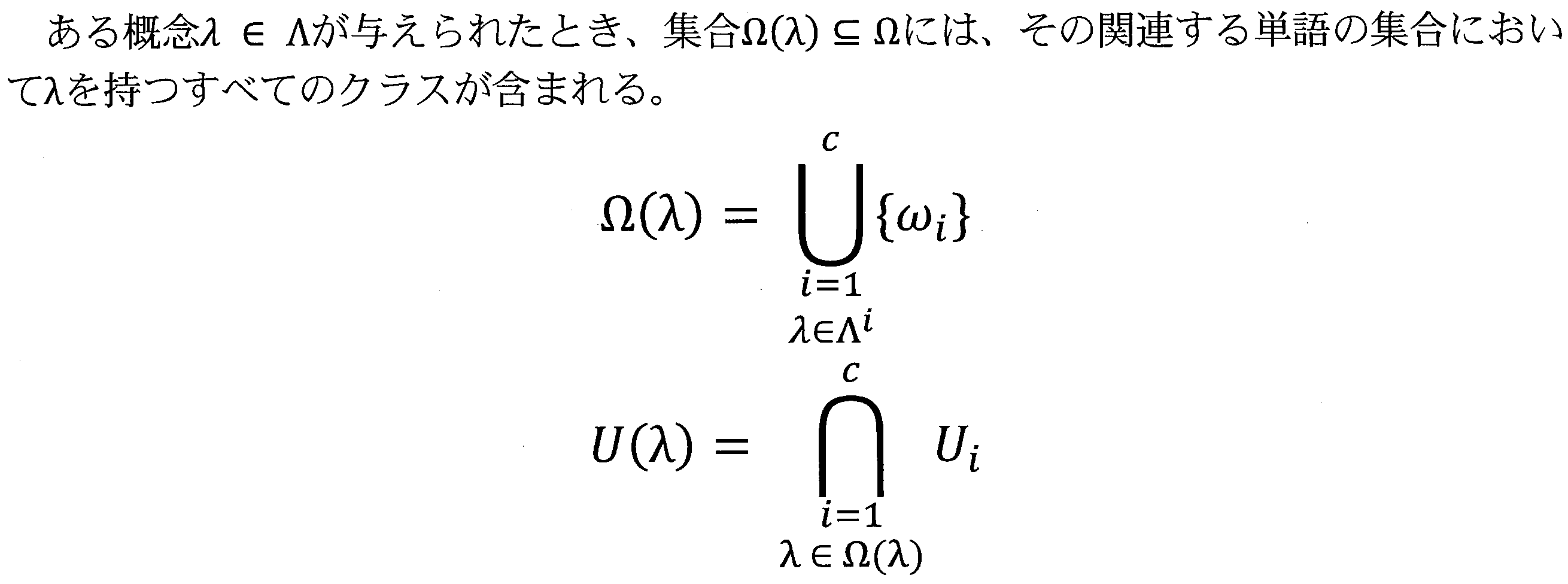
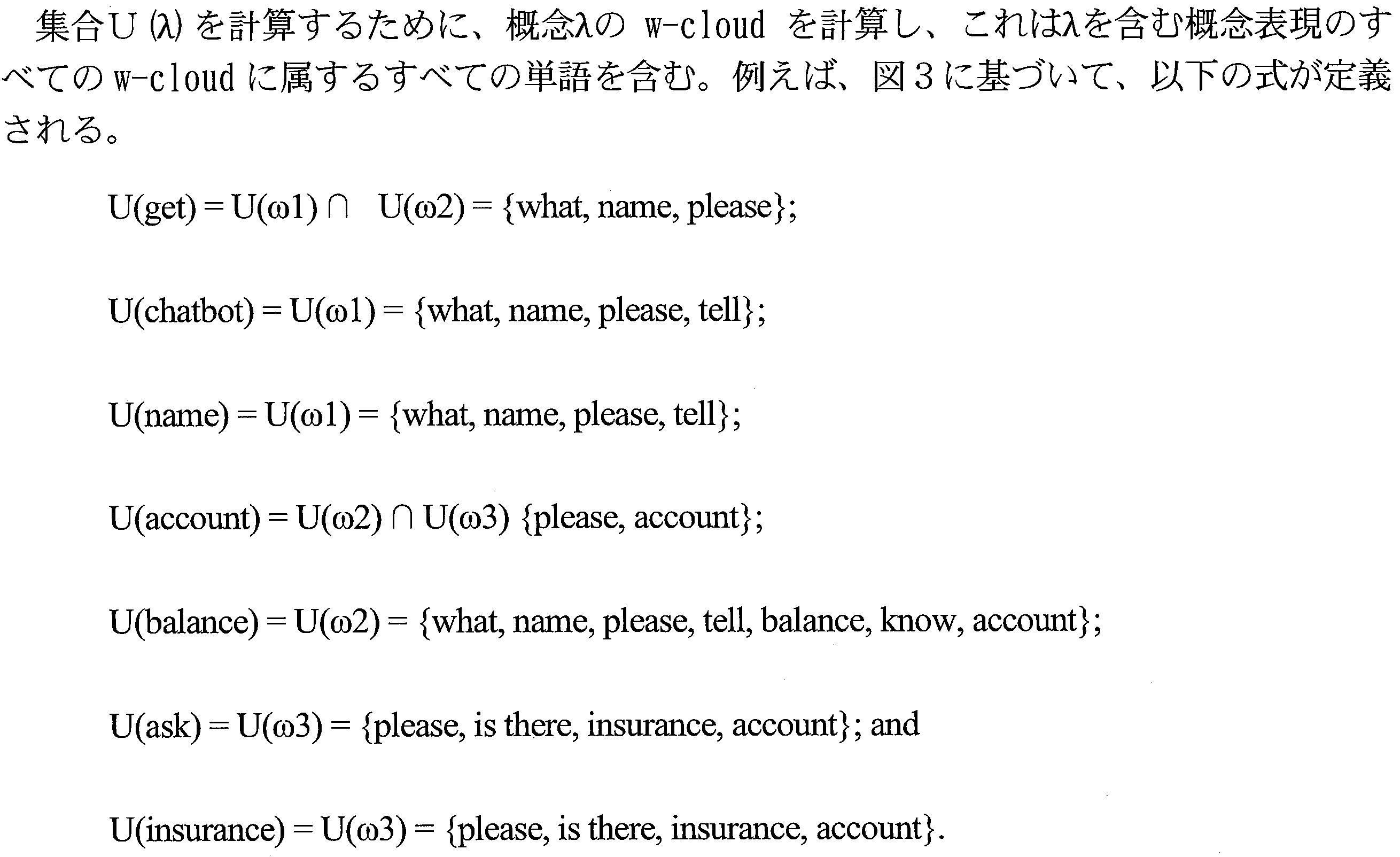
図4を参照すると、概念グラフ400にリンク予測を加えたものが示されている。ここで、エッジ402などの実線エッジは、概念グラフに既にあるエッジを示す。破線エッジ404などの破線エッジは、概念グラフ400内のリンクされた概念(またはノート406)から形成される可能性のあるインテント408を示す。訓練例からのクラスの上記表に基づいて、「get_account_insurance」のさらなるクラスは、インテント予測であってよい。このインテントの例は、予測されたインテントにマッピングされ得る対話システム例を提供するために、上述したように、通話記録から取得されてもよい。 Referring to FIG. 4, a concept graph 400 plus link prediction is shown. Here, solid edges, such as edge 402, indicate edges that already exist in the concept graph. Dashed edges, such as dashed edge 404, indicate intents 408 that may be formed from linked concepts (or notes 406) within concept graph 400. Based on the above table of classes from the training example, a further class for "get_account_insurance" may be intent prediction. This example intent may be obtained from the call recording, as described above, to provide an example dialogue system that can be mapped to the predicted intent.
新しいインテントクラスタリングアルゴリズムは、図3のグラフのようなタクソノミーグラフ上のリンク予測で新しいインテントを見つけること、単語グラフおよびタクソノミーを予測された新しいインテントの単語グラフで拡張すること、グラフ埋め込みとMSEマッピングを再コンピューティングすること、チャット記録からの発話を拡張インテント空間にマッピングすること、近くに高い数の発話がある予測インテントを探すこと、そして関連タクソノミーと例を含むトップの予測インテントに返すことを含むことができる。単語や概念に共通するノードの数は、予測されたインテントのランク付けに使用されることがある。 The new intent clustering algorithm can find new intents with link predictions on taxonomy graphs like the graph in Figure 3, augment word graphs and taxonomies with word graphs of predicted new intents, and graph embedding. Recompute MSE mappings, map utterances from chat recordings to an expanded intent space, look for predictive intents with a high number of utterances nearby, and create top predictive intents with associated taxonomies and examples. This may include returning the tent. The number of nodes common to words or concepts may be used to rank predicted intents.
上記の「get_account_insurance」の例は、新しいノードの予測であるが、システムは、新しいエッジを予測することもできる。図4の例では、「name」と「account」との間に新しいエッジが確立されてもよい。このような新しいエッジにより、システムは、例えば、「get_account_name」という新しいインテントを予測してもよい。 The "get_account_insurance" example above is a prediction of a new node, but the system can also predict a new edge. In the example of FIG. 4, a new edge may be established between "name" and "account." With such a new edge, the system may predict a new intent, eg, "get_account_name."
図5は、上述の方法100に関して説明した概念予測システムのような、コンピュータ化された会話システムのための概念予測システム520をホストすることができる特に構成されたコンピューティング装置を実施するために使用することができるコンピュータハードウェアプラットフォーム500の機能ブロック図の例示を提供するものである。概念予測システム520は、新しいインテントを自動的に作成し、それらのインテントに例を割り当てるために、概念を予測することができる。特に、図5は、適切に構成された概念予測システム520を実装するために使用され得るような、ネットワーク又はホストコンピュータプラットフォーム500を示す。 FIG. 5 illustrates a particularly configured computing device used to implement a concept prediction system 520 for a computerized conversation system, such as the concept prediction system described with respect to method 100 above. 5 provides an illustration of a functional block diagram of a computer hardware platform 500 that can be used. Concept prediction system 520 can predict concepts to automatically create new intents and assign examples to those intents. In particular, FIG. 5 depicts a network or host computer platform 500 such as may be used to implement a suitably configured concept prediction system 520.
コンピュータプラットフォーム500は、システムバス502に接続される中央処理装置(CPU)504、ハードディスクドライブ(HDD)506、ランダムアクセスメモリ(RAM)もしくはリードオンリーメモリ(ROM)508またはこれらの組み合わせ、キーボード510、マウス512、ディスプレイ514、および通信インタフェース516を含んでもよい。 Computer platform 500 includes a central processing unit (CPU) 504 connected to a system bus 502, a hard disk drive (HDD) 506, random access memory (RAM) or read-only memory (ROM) 508, or a combination thereof, a keyboard 510, and a mouse. 512, a display 514, and a communication interface 516.
一実施形態では、HDD506は、本明細書で説明する方法で、概念予測システム520などの様々な処理を実行できるプログラムを記憶することを含む機能を有する。概念予測システム520は、異なる機能を実行するように構成された様々なモジュールを有していてもよい。例えば、図2に関して上述したように、概念グラフ202、文埋め込みモジュール210、グラフ埋め込みモジュール206、及び通話記録例208を有していてもよい。 In one embodiment, HDD 506 has functionality that includes storing programs that can perform various operations, such as concept prediction system 520, in the manner described herein. Concept prediction system 520 may include various modules configured to perform different functions. For example, as described above with respect to FIG. 2, it may include a concept graph 202, a sentence embedding module 210, a graph embedding module 206, and an example call log 208.
一実施形態では、Webサーバとしてシステムを動作させるためのApach(商標)などのプログラムを格納することができる。一実施形態では、HDD506は、JVM(Java(商標)仮想マシン)を実現するためのJava(商標)ランタイム環境プログラム用のものなど、1つまたは複数のライブラリソフトウェアモジュールを含む実行中のアプリケーションを格納することができる。 In one embodiment, a program such as Apache™ for operating the system as a web server may be stored. In one embodiment, the HDD 506 stores a running application that includes one or more library software modules, such as those for the Java Runtime Environment program to implement a JVM (Java Virtual Machine). can do.
<結論>
本教示の様々な実施形態の説明は、説明のために提示されたが、開示された実施形態を網羅すること又は限定することを意図するものではない。説明した実施形態の範囲から逸脱することなく、多くの修正および変形が当業者には明らかであろう。本明細書で使用される用語は、実施形態の原理、市場で見出される技術に対する実用化または技術的改良を最もよく説明するために、または当業者が本明細書に開示された実施形態を理解できるようにするために選択されたものである。
<Conclusion>
The descriptions of various embodiments of the present teachings have been presented for purposes of illustration and are not intended to be exhaustive or to limit the disclosed embodiments. Many modifications and variations will be apparent to those skilled in the art without departing from the scope of the described embodiments. The terminology used herein is used to best describe the principles of the embodiments, practical applications or technical improvements to technology found in the marketplace, or to those skilled in the art to understand the embodiments disclosed herein. It was chosen to make it possible.
前述では、最良の状態もしくは他の例またはその両方と考えられるものを説明したが、そこに様々な変更を加えることができ、本明細書に開示した主題は様々な形態および例で実施することができ、本明細書に記載したのはその一部のみであるが、本教示は多数の用途に適用することができると理解される。以下の請求項によって、本教示の真の範囲内に入るあらゆる応用、修正および変形を請求することが意図される。 Although the foregoing has described what is considered to be the best mode and/or other examples, various modifications may be made thereto and the subject matter disclosed herein may be embodied in various forms and examples. It is understood that the present teachings can be applied to numerous applications, only some of which are described herein. The following claims are intended to claim all applications, modifications, and variations that fall within the true scope of the present teachings.
本明細書で議論されてきた構成要素、ステップ、特徴、目的、利益および利点は、単に例示的なものである。それらのいずれも、またそれらに関連する議論も、保護の範囲を限定することを意図していない。本明細書では様々な利点について論じてきたが、すべての実施形態が必ずしもすべての利点を含むわけではないことは理解されよう。特に断らない限り、後続の特許請求の範囲を含む本明細書に記載されているすべての測定値、値、定格、位置、大きさ、および他の仕様は、厳密ではなく、近似値である。それらは、それらが関連する機能およびそれらが関連する技術分野において慣用されているものと一致する合理的な範囲を有することを意図している。 The components, steps, features, objects, benefits, and advantages discussed herein are merely exemplary. None of them, nor any discussion related to them, is intended to limit the scope of protection. Although various advantages have been discussed herein, it will be understood that not all embodiments necessarily include all advantages. Unless otherwise indicated, all measurements, values, ratings, locations, sizes, and other specifications set forth herein, including in the claims that follow, are approximate rather than exact. They are intended to have a reasonable scope consistent with the function to which they pertain and common usage in the art to which they pertain.
多数の他の実施形態も企図される。これらには、より少ない、追加の、もしくは異なる構成要素またはこれらの組み合わせ、ステップ、特徴、目的、利益、及び利点を有する実施形態が含まれる。これらには、構成要素もしくはステップまたはその両方が異なるように配置もしくは順序付けまたはその両方がされた実施形態も含まれる。 Numerous other embodiments are also contemplated. These include embodiments having fewer, additional, or different components or combinations, steps, features, objects, benefits, and advantages. These also include embodiments in which the components and/or steps are differently arranged and/or ordered.
本発明の実施形態は、本明細書において、本発明の実施形態に係る方法、装置(システム)、およびコンピュータプログラム製品のフローチャートもしくはブロック図またはその両方を参照して説明されている。フローチャートもしくはブロック図またはその両方における各ブロック、および、フローチャートもしくはブロック図またはその両方における複数のブロックの組み合わせは、コンピュータ可読プログラム命令によって実行可能である。 Embodiments of the invention are described herein with reference to flowchart illustrations and/or block diagrams of methods, apparatus (systems), and computer program products according to embodiments of the invention. Each block in the flowchart illustrations and/or block diagrams, and combinations of blocks in the flowchart illustrations and/or block diagrams, can be executed by computer-readable program instructions.
上記のコンピュータ可読プログラム命令は、機械を生産するために、コンピュータ、または他のプログラマブルデータ処理装置のプロセッサに提供してよい。これにより、かかるコンピュータまたは他のプログラマブルデータ処理装置のプロセッサを介して実行されるこれらの命令が、フローチャートもしくはブロック図またはその両方における1つ以上のブロックにて特定される機能/動作を実行するための手段を創出する。上記のコンピュータ可読プログラム命令はさらに、コンピュータ、プログラマブルデータ処理装置もしくは他の装置またはこれらの組み合わせに対して特定の態様で機能するよう命令可能なコンピュータ可読記憶媒体に記憶してよい。これにより、命令が記憶された当該コンピュータ可読記憶媒体は、フローチャートもしくはブロック図またはその両方における1つ以上のブロックにて特定される機能/動作の態様を実行するための命令を含む製品を構成する。 The computer readable program instructions described above may be provided to a processor of a computer or other programmable data processing device to produce a machine. This enables those instructions executed through a processor of such computer or other programmable data processing device to perform the functions/acts identified in one or more blocks in the flowcharts and/or block diagrams. create a means of The computer readable program instructions described above may further be stored on a computer readable storage medium capable of instructing a computer, programmable data processing device or other device or combination thereof to function in a particular manner. The computer-readable storage medium having instructions stored thereon thereby constitutes an article of manufacture containing instructions for performing the aspects of functionality/operations identified in one or more blocks in the flowcharts and/or block diagrams. .
また、コンピュータ可読プログラム命令を、コンピュータ、他のプログラマブル装置、または他の装置にロードし、一連の動作ステップを当該コンピュータ、他のプログラマブル装置、または他の装置上で実行させることにより、コンピュータ実行プロセスを生成してもよい。これにより、当該コンピュータ、他のプログラマブル装置、または他の装置上で実行される命令が、フローチャートもしくはブロック図またはその両方における1つ以上のブロックにて特定される機能/動作を実行する。 Also, a computer-implemented process by loading computer-readable program instructions into a computer, other programmable device, or other device and causing a sequence of operating steps to be executed on the computer, other programmable device, or other device. may be generated. Instructions executed on the computer, other programmable device, or other device thereby perform the functions/acts identified in one or more blocks in the flowcharts and/or block diagrams.
本開示の図面におけるコールフロー、フローチャートおよびブロック図は、本発明の種々の実施形態に係るシステム、方法およびコンピュータプログラム製品の可能な実装形態のアーキテクチャ、機能性、および動作を示している。この点に関して、フローチャートまたはブロック図における各ブロックは、特定の論理機能を実行するための1つ以上の実行可能な命令を含む、命令のモジュール、セグメント、または部分を表すことができる。いくつかの代替的な実装では、ブロック内に示した機能は、各図に示す順序とは異なる順序で実行してもよい。例えば、連続して示される2つのブロックは、実際には、関係する機能に応じて、同時もしくは略同時に実行してもよいし、または場合により逆順で実行してもよい。なお、ブロック図もしくはフローチャートまたはその両方における各ブロック、および、ブロック図もしくはフローチャートまたはその両方における複数のブロックの組み合わせは、特定の機能または動作を行う、または専用ハードウェアとコンピュータ命令との組み合わせを実行する専用ハードウェアベースのシステムによって、実行可能である。 The call flows, flowcharts, and block diagrams in the drawings of this disclosure illustrate the architecture, functionality, and operation of possible implementations of systems, methods, and computer program products according to various embodiments of the present invention. In this regard, each block in the flowcharts or block diagrams may represent a module, segment, or portion of instructions that includes one or more executable instructions for performing a particular logical function. In some alternative implementations, the functions depicted within the blocks may be performed in a different order than that depicted in the figures. For example, two blocks shown in succession may actually be executed concurrently or substantially concurrently, or sometimes in reverse order, depending on the functionality involved. Note that each block in the block diagrams and/or flowchart diagrams, and the combination of blocks in the block diagrams and/or flowcharts, performs a particular function or operation, or implements a combination of dedicated hardware and computer instructions. This can be done by a dedicated hardware-based system.
前述は、例示的な実施形態と関連して説明されてきたが、「例示的」という用語は、最良または最適ではなく、単に例として意味されることが理解される。すぐ上に記載した場合を除き、記載または図示したものは、特許請求の範囲に記載されているか否かにかかわらず、任意の構成要素、ステップ、特徴、目的、利益、利点、または同等のものを公衆に献呈させることを意図したものではなく、また解釈されるべきものでもない。 Although the foregoing has been described in connection with exemplary embodiments, it is understood that the term "exemplary" is meant as an example only, rather than the best or best. Except as noted immediately above, what is described or illustrated does not refer to any component, step, feature, object, benefit, advantage, or equivalent, whether or not recited in the claims. It is not intended, nor should it be construed, as a public offering.
本書で使用される用語および表現は、本書に特定の意味が示されている場合を除き、対応するそれぞれの調査および研究領域に関してその用語および表現に与えられている通常の意味を有することが理解されるであろう。第1および第2などの関係用語は、ある実体または行為を別の実体または行為から区別するためにのみ使用され、必ずしもそのような実体または行為間の実際の関係または順序を要求または暗示する必要はない。用語「含む(comprise)」、「含む(comprising)」、またはその他の変形は、要素のリストから構成されるプロセス、方法、物品、または装置がそれらの要素のみを含むのではなく、明示的にリストされていない他の要素またはかかるプロセス、方法、物品、または装置に固有の要素を含むことができるように、非排他的包含を対象とすることが意図される。「a」または「an」で始まる要素は、さらなる制約なしに、その要素を構成するプロセス、方法、物品、または装置における追加の同一要素の存在を排除するものではない。 It is understood that the terms and expressions used in this document have the ordinary meanings ascribed to them with respect to the corresponding respective research and research areas, unless a specific meaning is indicated herein. will be done. Related terms, such as first and second, are used only to distinguish one entity or act from another and do not necessarily require or imply an actual relationship or ordering between such entities or acts. There isn't. The term "comprise," "comprising," or other variations means that a process, method, article, or apparatus consisting of a list of elements does not explicitly include only those elements. Non-exclusive inclusion is intended as it may include other elements not listed or elements specific to such processes, methods, articles, or apparatus. An element beginning with "a" or "an" does not, without further limitation, exclude the presence of additional identical elements in the process, method, article, or apparatus of which the element is comprised.
本開示の要約は、読者が技術開示の内容を迅速に把握できるようにするために提供されるものである。それは、請求項の範囲または意味を解釈または制限するために使用されないことを理解した上で提出されるものである。さらに、前述の詳細な説明では、開示を合理化する目的で、様々な特徴が様々な実施形態でグループ化されていることが分かる。この開示方法は、請求された実施形態が各請求項に明示的に記載されている以上の特徴を有するという意図を反映するものと解釈されるべきではない。むしろ、以下の請求項が反映するように、発明的主題は、単一の開示された実施形態のすべての特徴よりも少ない特徴に存在する。したがって、以下の請求項は、各請求項がそれ自体で別個に請求される主題として存在する状態で、本明細書に組み込まれる。 This Summary of the Disclosure is provided to enable the reader to quickly ascertain the content of the technical disclosure. It is submitted with the understanding that it will not be used to interpret or limit the scope or meaning of the claims. Moreover, in the foregoing detailed description, various features may be grouped together in various embodiments for the purpose of streamlining the disclosure. This method of disclosure is not to be interpreted as reflecting an intention that the claimed embodiments have more features than are expressly recited in each claim. Rather, as the following claims reflect, inventive subject matter lies in less than all features of a single disclosed embodiment. Accordingly, the following claims are hereby incorporated into this specification, with each claim standing on its own as separately claimed subject matter.
Claims (20)
前記少なくとも1つの予測されたインテントのグラフ埋め込みを生成することと、
通話記録からの例から文埋め込みを生成することと、
前記グラフ埋め込みにおける前記少なくとも1つの予測されたインテントを、前記文埋め込みからの前記例と一致させることと、
前記少なくとも1つの予測されたインテントと前記例を、対話システムに接続することと、を含む、コンピュータ実装方法。 combining two or more of the plurality of nodes to generate at least one predicted intent from an intent concept graph including a plurality of nodes;
generating a graph embedding of the at least one predicted intent;
Generating sentence embeddings from examples from call recordings;
matching the at least one predicted intent in the graph embedding to the example from the sentence embedding;
connecting the at least one predicted intent and the example to a dialog system.
前記少なくとも1つの予測されたインテントとそれに一致する前記例を前記コンピューティング装置のユーザインタフェースに表示することと、
前記ユーザインタフェースを介して、ユーザから確認を受信することと、を含む、請求項5に記載のコンピュータ実装方法。 Verifying the at least one predicted intent from a performance perspective comprises:
displaying the at least one predicted intent and the matching example on a user interface of the computing device;
6. The computer-implemented method of claim 5, comprising: receiving a confirmation from a user via the user interface.
インテント概念グラフによって表される既存のインテントのセットに基づいて少なくとも1つの新しいインテントを自動的に予測し、前記少なくとも1つの新しいインテントを通話記録における少なくとも1つの例に自動的に関連付けるように構成された概念予測モジュールと、を含む、コンピュータ化された会話システム。 a computerized conversational agent configured to receive queries from an end user and output answers to said end user;
automatically predicting at least one new intent based on a set of existing intents represented by an intent concept graph, and automatically associating the at least one new intent with at least one example in the call recording. and a concept prediction module configured to.
前記少なくとも1つの新しいインテントのグラフ埋め込みを生成し、前記通話記録からの例から文埋め込みを生成することと、
前記グラフ埋め込みからの前記少なくとも1つの新しいインテントを、前記文埋め込みからの前記例と一致させることと、
前記少なくとも1つの新しいインテントと前記例を、対話システムに接続することと、を行うように構成される、請求項10に記載のコンピュータ化された会話システム。 The concept prediction module includes:
generating a graph embedding for the at least one new intent and generating a sentence embedding from an example from the call recording;
matching the at least one new intent from the graph embedding with the example from the sentence embedding;
11. The computerized conversation system of claim 10, configured to: connect the at least one new intent and the example to a conversation system.
インテント概念グラフの2つ以上のノードを組み合わせることによって、前記インテント概念グラフから少なくとも1つの予測されたインテントを生成することと、
前記少なくとも1つの予測されたインテントのグラフ埋め込みを生成することと、
通話記録からの例から文埋め込みを生成することと、
前記グラフ埋め込みからの前記少なくとも1つの予測されたインテントと前記文埋め込みからの前記例を一致させることと、
前記少なくとも1つの予測されたインテントと前記例を、対話システムに接続することと、を含む、非一時的コンピュータ可読記憶媒体。 a non-transitory computer-readable storage medium tangibly embodying computer-readable program code having computer-readable instructions, the computer-readable instructions, when executed, increasing the computing efficiency of a computing device operating an interaction system; causing a computer device to perform a method for improving, the method comprising:
generating at least one predicted intent from the intent concept graph by combining two or more nodes of the intent concept graph;
generating a graph embedding of the at least one predicted intent;
Generating sentence embeddings from examples from call recordings;
matching the at least one predicted intent from the graph embedding and the example from the sentence embedding;
connecting the at least one predicted intent and the example to an interaction system.
前記プロセッサによる前記コードの前記実行は、前記予測されたインテントの2つ以上のノードが共通に有するノードの数に基づいて前記複数の予測されたインテントをランク付けすることを含む動作を実行するように、前記コンピューティング装置をさらに構成する、請求項15に記載の非一時的コンピュータ可読記憶媒体。 the at least one new intent includes a plurality of new intents;
The execution of the code by the processor performs an operation that includes ranking the plurality of predicted intents based on the number of nodes that two or more nodes of the predicted intents have in common. 16. The non-transitory computer-readable storage medium of claim 15, further configuring the computing device to:
前記少なくとも1つの予測されたインテントとそれに一致する前記例を前記コンピューティング装置のユーザインタフェースに表示することと、
前記ユーザインタフェースを介して、ユーザからの確認を受信することと、を含む動作を実行するように前記コンピューティング装置をさらに構成する、請求項15に記載の非一時的コンピュータ可読記憶媒体。 The execution of the code by the processor comprises:
displaying the at least one predicted intent and the matching example on a user interface of the computing device;
16. The non-transitory computer-readable storage medium of claim 15, further configuring the computing device to perform operations including: receiving a confirmation from a user via the user interface.
Applications Claiming Priority (3)
| Application Number | Priority Date | Filing Date | Title |
|---|---|---|---|
| US17/006,671 US11562028B2 (en) | 2020-08-28 | 2020-08-28 | Concept prediction to create new intents and assign examples automatically in dialog systems |
| US17/006,671 | 2020-08-28 | ||
| PCT/CN2021/101580 WO2022041980A1 (en) | 2020-08-28 | 2021-06-22 | Concept prediction to create new intents and assign examples automatically in dialog systems |
Publications (2)
| Publication Number | Publication Date |
|---|---|
| JP2023540266A true JP2023540266A (en) | 2023-09-22 |
| JP7737208B2 JP7737208B2 (en) | 2025-09-10 |
Family
ID=80354177
Family Applications (1)
| Application Number | Title | Priority Date | Filing Date |
|---|---|---|---|
| JP2023513897A Active JP7737208B2 (en) | 2020-08-28 | 2021-06-22 | Concept prediction for creating new intents and automatically assigning examples in dialogue systems |
Country Status (5)
| Country | Link |
|---|---|
| US (1) | US11562028B2 (en) |
| JP (1) | JP7737208B2 (en) |
| CN (1) | CN115989489A (en) |
| GB (1) | GB2613750A (en) |
| WO (1) | WO2022041980A1 (en) |
Families Citing this family (5)
| Publication number | Priority date | Publication date | Assignee | Title |
|---|---|---|---|---|
| IL308034A (en) * | 2021-05-24 | 2023-12-01 | Liveperson Inc | Systems and methods for discovering intent and executing a process |
| US12468938B2 (en) | 2021-09-21 | 2025-11-11 | International Business Machines Corporation | Training example generation to create new intents for chatbots |
| US11847565B1 (en) | 2023-02-14 | 2023-12-19 | Fmr Llc | Automatic refinement of intent classification for virtual assistant applications |
| US20240354513A1 (en) * | 2023-04-21 | 2024-10-24 | Toyota Research Institute, Inc. | Prompt chaining system for generative artificial intelligence systems |
| CN118427594B (en) * | 2024-06-21 | 2024-10-29 | 支付宝(杭州)信息技术有限公司 | Business processing method, device and electronic device based on large language model |
Citations (6)
| Publication number | Priority date | Publication date | Assignee | Title |
|---|---|---|---|---|
| US20150332672A1 (en) * | 2014-05-16 | 2015-11-19 | Microsoft Corporation | Knowledge Source Personalization To Improve Language Models |
| US20190042988A1 (en) * | 2017-08-03 | 2019-02-07 | Telepathy Labs, Inc. | Omnichannel, intelligent, proactive virtual agent |
| JP2019023884A (en) * | 2018-09-14 | 2019-02-14 | 株式会社東芝 | Tag attachment support device, method, and program |
| US20200117857A1 (en) * | 2018-10-10 | 2020-04-16 | Healthpointe Solutions, Inc. | System and method for answering natural language questions posed by a user |
| US20200184158A1 (en) * | 2018-03-07 | 2020-06-11 | Google Llc | Facilitating communications with automated assistants in multiple languages |
| JP2020518870A (en) * | 2018-03-07 | 2020-06-25 | グーグル エルエルシー | Facilitating end-to-end communication with automated assistants in multiple languages |
Family Cites Families (23)
| Publication number | Priority date | Publication date | Assignee | Title |
|---|---|---|---|---|
| US7747601B2 (en) * | 2006-08-14 | 2010-06-29 | Inquira, Inc. | Method and apparatus for identifying and classifying query intent |
| WO2013042117A1 (en) | 2011-09-19 | 2013-03-28 | Personetics Technologies Ltd. | System and method for evaluating intent of a human partner to a dialogue between human user and computerized system |
| US9275342B2 (en) | 2012-04-09 | 2016-03-01 | 24/7 Customer, Inc. | Method and apparatus for intent modeling and prediction |
| US9124694B2 (en) | 2012-08-08 | 2015-09-01 | 24/7 Customer, Inc. | Method and apparatus for intent prediction and proactive service offering |
| US9105268B2 (en) | 2012-09-19 | 2015-08-11 | 24/7 Customer, Inc. | Method and apparatus for predicting intent in IVR using natural language queries |
| US9269354B2 (en) | 2013-03-11 | 2016-02-23 | Nuance Communications, Inc. | Semantic re-ranking of NLU results in conversational dialogue applications |
| WO2015100362A1 (en) | 2013-12-23 | 2015-07-02 | 24/7 Customer, Inc. | Systems and methods for facilitating dialogue mining |
| US10191999B2 (en) | 2014-04-30 | 2019-01-29 | Microsoft Technology Licensing, Llc | Transferring information across language understanding model domains |
| US10698585B2 (en) * | 2014-08-29 | 2020-06-30 | Nuance Communications, Inc. | Virtual assistant development system |
| US10614799B2 (en) | 2014-11-26 | 2020-04-07 | Voicebox Technologies Corporation | System and method of providing intent predictions for an utterance prior to a system detection of an end of the utterance |
| US10262062B2 (en) | 2015-12-21 | 2019-04-16 | Adobe Inc. | Natural language system question classifier, semantic representations, and logical form templates |
| US10467510B2 (en) | 2017-02-14 | 2019-11-05 | Microsoft Technology Licensing, Llc | Intelligent assistant |
| CN107463658B (en) | 2017-07-31 | 2020-03-31 | 广州市香港科大霍英东研究院 | Text classification method and device |
| WO2019046463A1 (en) | 2017-08-29 | 2019-03-07 | Zhoa Tiancheng | System and method for defining dialog intents and building zero-shot intent recognition models |
| US10430447B2 (en) * | 2018-01-31 | 2019-10-01 | International Business Machines Corporation | Predicting intent of a user from anomalous profile data |
| US10776582B2 (en) * | 2018-06-06 | 2020-09-15 | International Business Machines Corporation | Supporting combinations of intents in a conversation |
| EP3598295A1 (en) * | 2018-07-18 | 2020-01-22 | Spotify AB | Human-machine interfaces for utterance-based playlist selection |
| WO2020027073A1 (en) * | 2018-08-03 | 2020-02-06 | ソニー株式会社 | Information processing device and information processing method |
| CN111144124B (en) | 2018-11-02 | 2023-10-20 | 华为技术有限公司 | Machine learning model training methods, intent recognition methods and related devices and equipment |
| US11361163B2 (en) * | 2018-12-17 | 2022-06-14 | MuyVentive, LLC | System and method to represent conversational flows as graph embeddings and to conduct classification and clustering based on such embeddings |
| CN110321564B (en) | 2019-07-05 | 2023-07-14 | 浙江工业大学 | A Multi-round Dialogue Intent Recognition Method |
| US11929066B2 (en) * | 2019-10-08 | 2024-03-12 | PwC Product Sales LLC | Intent-based conversational knowledge graph for spoken language understanding system |
| CN111209398B (en) | 2019-12-30 | 2023-01-17 | 北京航空航天大学 | A text classification method and system based on graph convolutional neural network |
-
2020
- 2020-08-28 US US17/006,671 patent/US11562028B2/en active Active
-
2021
- 2021-06-22 CN CN202180051398.XA patent/CN115989489A/en active Pending
- 2021-06-22 JP JP2023513897A patent/JP7737208B2/en active Active
- 2021-06-22 GB GB2304162.7A patent/GB2613750A/en active Pending
- 2021-06-22 WO PCT/CN2021/101580 patent/WO2022041980A1/en not_active Ceased
Patent Citations (6)
| Publication number | Priority date | Publication date | Assignee | Title |
|---|---|---|---|---|
| US20150332672A1 (en) * | 2014-05-16 | 2015-11-19 | Microsoft Corporation | Knowledge Source Personalization To Improve Language Models |
| US20190042988A1 (en) * | 2017-08-03 | 2019-02-07 | Telepathy Labs, Inc. | Omnichannel, intelligent, proactive virtual agent |
| US20200184158A1 (en) * | 2018-03-07 | 2020-06-11 | Google Llc | Facilitating communications with automated assistants in multiple languages |
| JP2020518870A (en) * | 2018-03-07 | 2020-06-25 | グーグル エルエルシー | Facilitating end-to-end communication with automated assistants in multiple languages |
| JP2019023884A (en) * | 2018-09-14 | 2019-02-14 | 株式会社東芝 | Tag attachment support device, method, and program |
| US20200117857A1 (en) * | 2018-10-10 | 2020-04-16 | Healthpointe Solutions, Inc. | System and method for answering natural language questions posed by a user |
Non-Patent Citations (1)
| Title |
|---|
| 藤井 洋一 ほか: "音声対話技術", 三菱電機技報 第88巻 第7号, JPN6017003899, 2014, pages 19 - 22, ISSN: 0005520751 * |
Also Published As
| Publication number | Publication date |
|---|---|
| JP7737208B2 (en) | 2025-09-10 |
| CN115989489A (en) | 2023-04-18 |
| WO2022041980A1 (en) | 2022-03-03 |
| GB2613750A (en) | 2023-06-14 |
| US20220067101A1 (en) | 2022-03-03 |
| US11562028B2 (en) | 2023-01-24 |
Similar Documents
| Publication | Publication Date | Title |
|---|---|---|
| JP2023540266A (en) | Concept prediction for creating new intents and automatically assigning examples in dialogue systems | |
| CN116601626B (en) | Personal knowledge graph construction method, device and related equipment | |
| US10984198B2 (en) | Automated testing of dialog systems | |
| US12112135B2 (en) | Question answering information completion using machine reading comprehension-based process | |
| US20190304445A1 (en) | Conversational framework | |
| US12475171B2 (en) | Identifying similar content in a multi-item embedding space | |
| US11487949B2 (en) | Image object disambiguation resolution using learner model based conversation templates | |
| US20210287102A1 (en) | Interpretable knowledge contextualization by re-weighting knowledge graphs | |
| US20220171923A1 (en) | Abstract Meaning Representation Parsing with Graph Translation | |
| US12505148B2 (en) | Dynamic depth document retrieval for enterprise language model systems | |
| US11734602B2 (en) | Methods and systems for automated feature generation utilizing formula semantification | |
| CN117377950A (en) | Using machine learning to speed up document classification | |
| WO2022216879A2 (en) | Full-stack hardware accelerator search | |
| EP2707807A2 (en) | Training statistical dialog managers in spoken dialog systems with web data | |
| US11586858B2 (en) | Image object recognition through multimodal conversation templates | |
| US20240202381A1 (en) | Customizable reinforcement learning of column placement in structural design | |
| CN118798373A (en) | Training method of visual question answering model, visual question answering method and system | |
| US12050877B2 (en) | Contextual dialogue framework over dynamic tables | |
| CN113505194B (en) | Training method and device for rewrite word generation model | |
| US12517887B2 (en) | Prioritized data cleaning | |
| US11586917B2 (en) | Leveraging simple model predictions for enhancing computational performance | |
| US10902003B2 (en) | Generating context aware consumable instructions | |
| CN119807383B (en) | Function calling method, device and equipment based on large model | |
| US12451141B2 (en) | Generating multi-turn dialog datasets | |
| US20260044713A1 (en) | Multi-hop question answer retrieval and reasoning for large language models |
Legal Events
| Date | Code | Title | Description |
|---|---|---|---|
| RD16 | Notification of change of power of sub attorney |
Free format text: JAPANESE INTERMEDIATE CODE: A7436 Effective date: 20230428 |
|
| A621 | Written request for application examination |
Free format text: JAPANESE INTERMEDIATE CODE: A621 Effective date: 20231114 |
|
| A977 | Report on retrieval |
Free format text: JAPANESE INTERMEDIATE CODE: A971007 Effective date: 20241211 |
|
| A131 | Notification of reasons for refusal |
Free format text: JAPANESE INTERMEDIATE CODE: A131 Effective date: 20250204 |
|
| A521 | Request for written amendment filed |
Free format text: JAPANESE INTERMEDIATE CODE: A523 Effective date: 20250501 |
|
| TRDD | Decision of grant or rejection written | ||
| A01 | Written decision to grant a patent or to grant a registration (utility model) |
Free format text: JAPANESE INTERMEDIATE CODE: A01 Effective date: 20250812 |
|
| RD14 | Notification of resignation of power of sub attorney |
Free format text: JAPANESE INTERMEDIATE CODE: A7434 Effective date: 20250812 |
|
| A61 | First payment of annual fees (during grant procedure) |
Free format text: JAPANESE INTERMEDIATE CODE: A61 Effective date: 20250828 |
|
| R150 | Certificate of patent or registration of utility model |
Ref document number: 7737208 Country of ref document: JP Free format text: JAPANESE INTERMEDIATE CODE: R150 |