[go: up one dir, main page]

JP2023154228A - communication system - Google Patents

communication system Download PDF

Info

Publication number
JP2023154228A
JP2023154228A JP2022063417A JP2022063417A JP2023154228A JP 2023154228 A JP2023154228 A JP 2023154228A JP 2022063417 A JP2022063417 A JP 2022063417A JP 2022063417 A JP2022063417 A JP 2022063417A JP 2023154228 A JP2023154228 A JP 2023154228A
Authority
JP
Japan
Prior art keywords
call
terminal
speaker
terminals
sound
Prior art date
Legal status (The legal status is an assumption and is not a legal conclusion. Google has not performed a legal analysis and makes no representation as to the accuracy of the status listed.)
Granted
Application number
JP2022063417A
Other languages
Japanese (ja)
Other versions
JP7761522B2 (en
Inventor
晋広 山下
Kunihiro Yamashita
弘敬 矢原
Kokei Yahara
Current Assignee (The listed assignees may be inaccurate. Google has not performed a legal analysis and makes no representation or warranty as to the accuracy of the list.)
Toa Corp
Original Assignee
Toa Corp
Priority date (The priority date is an assumption and is not a legal conclusion. Google has not performed a legal analysis and makes no representation as to the accuracy of the date listed.)
Filing date
Publication date
Application filed by Toa Corp filed Critical Toa Corp
Priority to JP2022063417A priority Critical patent/JP7761522B2/en
Publication of JP2023154228A publication Critical patent/JP2023154228A/en
Application granted granted Critical
Publication of JP7761522B2 publication Critical patent/JP7761522B2/en
Active legal-status Critical Current
Anticipated expiration legal-status Critical

Links

Images

Landscapes

  • Telephonic Communication Services (AREA)

Abstract

To provide an IP telephone call system that improves the quality of a call by acquiring background noise of a call destination and adjusting the volume or sound quality of speech.SOLUTION: A communication system includes: an IP call system that includes a plurality of call terminals each connected to an IP network and each having a microphone and a speaker, and performs transmission and reception of voice data using a call protocol between the call terminals via an IP network; and a system manager that is connected to the IP network separately from the call terminals and controls the transmission and reception of voice data using the call protocol between the call terminals. When a call is made from one call terminal 11a belonging to the IP call system to another call terminal 11b belonging to the IP call system, the one call terminal 11a or the system manager collects sound from the microphone of the other call terminal 11b to obtain background noise, and adjusts at least one of volume and sound quality of the call.SELECTED DRAWING: Figure 8

Description

本開示は、通話端末を含むIP通話システムを備えたコミュニケーションシステム、又は、IP通話システムとIPスピーカーを含む拡声放送システムを備えたコミュニケーションシステムに関する。 The present disclosure relates to a communication system including an IP call system including a call terminal, or a communication system including a public address system including an IP call system and an IP speaker.

インターカムシステム(IP通話システム)は、主として構内通話を行うシステムである。典型的には、インターカムシステムは、1つ以上の通話端末を含む。インターカムシステムは、1つ以上の拡声機器を含む拡声放送システムとも連携している。各通話端末は、マイクやスピーカーを備え、ネットワークを介して相互に接続されている。各通話端末は、SIPプロトコル等所定のプロトコルに従って、入力された音声を別の通話先の通話端末に伝送することで、構内通話を行う。また、各通話端末は、入力された音声を拡声機器に送信することで、拡声機器からの拡声方法を行う。インターカムシステムの一例が特許文献1に開示されている。
特開2006-114951号
An intercom system (IP call system) is a system that mainly performs local calls. Typically, an intercom system includes one or more calling terminals. The intercom system also interfaces with a public address system that includes one or more public address equipment. Each call terminal is equipped with a microphone and a speaker, and is interconnected via a network. Each call terminal performs a local call by transmitting the input voice to another call terminal according to a predetermined protocol such as the SIP protocol. Furthermore, each call terminal performs a method of amplifying the sound from the loudspeaker equipment by transmitting the input voice to the loudspeaker equipment. An example of an intercom system is disclosed in Patent Document 1.
JP2006-114951

本開示は、通話先の環境(騒音)に応じた通話が可能なIP通話システムを提供することを目的とする。 An object of the present disclosure is to provide an IP phone call system that allows calls to be made depending on the environment (noise) of the call destination.

本開示の第1観点のコミュニケーションシステムは、それぞれがIPネットワークに接続され、それぞれがマイクとスピーカーとを有する複数の通話端末を含み、IPネットワークを介して通話端末間で、通話用プロトコルを用いた音声データの送受信を行う、IP通話システムと、
IPネットワークに通話端末とは別個に接続され、通話端末間の前記通話用プロトコルを用いた音声データの送受信処理を制御するシステムマネージャーとを備え、
前記IP通話システムに属する1の通話端末から、前記IP通話システムに属する他の通話端末に発呼するとき、前記1の通話端末、又は前記システムマネージャーは、前記他の通話端末のマイクから集音して暗騒音を取得し、前記発呼の音量、音質の少なくとも1つを調整する。
A communication system according to a first aspect of the present disclosure includes a plurality of call terminals each connected to an IP network and each having a microphone and a speaker, and uses a call protocol between the call terminals via the IP network. An IP telephone system that transmits and receives voice data;
a system manager that is connected to the IP network separately from the call terminals and controls transmission and reception processing of audio data between the call terminals using the call protocol;
When a call is made from one call terminal belonging to the IP call system to another call terminal belonging to the IP call system, the first call terminal or the system manager collects sound from the microphone of the other call terminal. background noise is acquired, and at least one of the volume and sound quality of the call is adjusted.

ここで、暗騒音とは、通話端末において、通話者が発話しない状態でマイクが集音する音声を言う。 Here, background noise refers to the sound that is collected by a microphone in a call terminal when the caller is not speaking.

本開示の第2観点のコミュニケーションシステムは、マイクとスピーカーとを有する複数の通話端末と、通話端末間の通話用プロトコルを用いた音声データの送受信処理を制御するシステムマネージャーと、を含むIP通話システムと、
前記IP通話システムと共通の通話プロトコルを用いた音声データを受信し、拡声可能なIPスピーカーと、
を備え、
前記IP通話システムに属する1の通話端末から、前記IPスピーカーに発呼して拡声するとき、前記システムマネージャーは、前記IPスピーカーの周辺に配置される他の通話端末を特定し、前記1の通話端末、又は前記システムマネージャーは、特定された他の通話端末のマイクから集音して暗騒音を取得し、暗騒音に基づいて、前記IPスピーカーにて拡声する音量、音質の少なくとも1つを調整する。
A communication system according to a second aspect of the present disclosure is an IP call system including a plurality of call terminals each having a microphone and a speaker, and a system manager that controls transmission and reception processing of audio data using a call protocol between the call terminals. and,
an IP speaker capable of receiving and amplifying voice data using a call protocol common to the IP call system;
Equipped with
When one call terminal belonging to the IP call system makes a call to the IP speaker and amplifies the sound, the system manager identifies other call terminals placed around the IP speaker and terminates the first call. The terminal or the system manager acquires background noise by collecting sound from the microphone of the identified other call terminal, and adjusts at least one of the volume and sound quality of the amplification by the IP speaker based on the background noise. do.

本開示のIP通話システムは、通話先の暗騒音を取得して、発話の音量又は音質を調整するので、通話の品質を向上させることができる。 The IP call system of the present disclosure acquires the background noise of the call destination and adjusts the volume or sound quality of speech, so it is possible to improve the quality of the call.

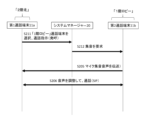
図1は、第1実施形態に係るコミュニケーションシステム1の概略構成を示す図である。FIG. 1 is a diagram showing a schematic configuration of a communication system 1 according to the first embodiment. 図2は、LANとWANを含むネットワークNの概略構成図である。FIG. 2 is a schematic diagram of a network N including a LAN and a WAN. 図3は、通話端末11の構成例を示す図である。FIG. 3 is a diagram showing an example of the configuration of the telephone terminal 11. As shown in FIG. 図4は、通話端末11の外観を示す図である。FIG. 4 is a diagram showing the appearance of the telephone terminal 11. As shown in FIG. 図5は、IP通話システム10を利用した基本的な通話フローを示すフローチャートである。FIG. 5 is a flowchart showing a basic call flow using the IP call system 10. 図6は、第1実施形態のシステムマネージャー20が管理している各端末の管理情報テーブルの例である。FIG. 6 is an example of a management information table for each terminal managed by the system manager 20 of the first embodiment. 図7は、通話端末11のディスプレイ113の一表示例を示す図である。FIG. 7 is a diagram showing an example of a display on the display 113 of the call terminal 11. As shown in FIG. 図8は、第1実施形態において、暗騒音を低減したIP通話システム10による通話方法の一例を示す、フローチャートである。FIG. 8 is a flowchart showing an example of a call method using the IP call system 10 in which background noise is reduced in the first embodiment. 図9は、変形実施形態1Aにおいて、暗騒音を低減したIP通話システム10による通話方法の一例を示す、フローチャートである。FIG. 9 is a flowchart showing an example of a call method using the IP call system 10 with reduced background noise in modified embodiment 1A. 図10は、変形実施形態1Bにおいて、暗騒音を低減したIP通話システム10による通話方法の一例を示す、フローチャートである。FIG. 10 is a flowchart illustrating an example of a call method using the IP call system 10 with reduced background noise in modified embodiment 1B. 図11は、第2実施形態に係るコミュニケーションシステム1aの概略構成を示す図である。FIG. 11 is a diagram showing a schematic configuration of a communication system 1a according to the second embodiment. 図12Aは、第2実施形態のシステムマネージャー20が管理している各端末の管理情報テーブルの例である。FIG. 12A is an example of a management information table for each terminal managed by the system manager 20 of the second embodiment. 図12Bは、第2実施形態のシステムマネージャー20が管理している各端末の管理情報テーブルの別の例である。FIG. 12B is another example of the management information table for each terminal managed by the system manager 20 of the second embodiment. 図13は、第2実施形態において、暗騒音を低減したIP通話システム10と拡声放送システム50による拡声放送方法の一例を示す、フローチャートである。FIG. 13 is a flowchart illustrating an example of a loudspeaker broadcasting method using the IP telephone call system 10 and the loudspeaker system 50 in which background noise is reduced in the second embodiment. 図14は、変形実施形態2Aにおいて、暗騒音を低減したIP通話システム10と拡声放送システム50による拡声放送方法の一例を示す、フローチャートである。FIG. 14 is a flowchart illustrating an example of a loudspeaker broadcasting method using the IP telephone call system 10 and the loudspeaker system 50 in which background noise is reduced in modified embodiment 2A. 図15は、変形実施形態2Bにおいて、暗騒音を低減したIP通話システム10と拡声放送システム50による拡声放送方法の一例を示す、フローチャートの一部である。FIG. 15 is a part of a flowchart showing an example of a loudspeaker broadcasting method using the IP telephone call system 10 and the loudspeaker system 50 in which background noise is reduced in modified embodiment 2B. 図16は、第3実施形態に係るコミュニケーションシステム1bの概略構成を示す図である。FIG. 16 is a diagram showing a schematic configuration of a communication system 1b according to the third embodiment.

1.第1実施形態
(1)第1実施形態のコミュニケーションシステム1の構成
本実施形態のコミュニケーションシステム1は、図1に示すように、IP通話システム10と、システムマネージャー20とを備えている。IP通話システム10と、システムマネージャー20とは、ネットワークNを介して相互に接続されている。
1. First Embodiment (1) Configuration of Communication System 1 of First Embodiment The communication system 1 of this embodiment includes an IP telephone call system 10 and a system manager 20, as shown in FIG. The IP telephone system 10 and the system manager 20 are interconnected via a network N.

IP通話システム10は、複数の通話端末11を含む。通話端末11は、音声通話を行う端末であって、ネットワークNを介して他の通話端末11と音声データの送受信を行うことで音声通話を行う機能を有する。各通話端末11には、ネットワークN上で自己を固有に識別する識別子(例えば、IPアドレス)が割り当てられている。通話端末11は、音声通話時、IP通話用のプロトコルに準拠して音声データや映像データの送受信を行う。IP通話用のプロトコルの一例は、IETF(Internet Engineering Task Force:インターネット技術タスクフォース)により標準化されRFC3261にて規定されているSIP(Session Initiation Protocol)である。 IP call system 10 includes a plurality of call terminals 11. The call terminal 11 is a terminal for making a voice call, and has a function of making a voice call by transmitting and receiving voice data to and from other call terminals 11 via the network N. Each call terminal 11 is assigned an identifier (for example, an IP address) that uniquely identifies itself on the network N. During a voice call, the call terminal 11 transmits and receives audio data and video data in accordance with an IP call protocol. An example of a protocol for IP calls is SIP (Session Initiation Protocol), which has been standardized by IETF (Internet Engineering Task Force) and defined in RFC3261.

システムマネージャー20は、通話端末11がIP通話用プロトコルに従って音声データや映像データの送受信処理を行うための制御装置である。送受信処理は、発呼等の呼制御を含む。例えば、システムマネージャー20は、SIPに準拠して呼制御を行うSIPサーバーである。システムマネージャー20には、ネットワーク上で自己を固有に識別する識別子(例えば、IPアドレス)が割り当てられている。 The system manager 20 is a control device that allows the call terminal 11 to transmit and receive audio data and video data according to the IP call protocol. The transmission/reception process includes call control such as calling. For example, the system manager 20 is a SIP server that performs call control in compliance with SIP. The system manager 20 is assigned an identifier (eg, an IP address) that uniquely identifies itself on the network.

ネットワークNは、図2に示すように、複数のLAN(Local Area Network)と、これらを相互接続するインターネット等のWAN(Wide Area Network)を介して構成されてもよい。IP通話システム10と、システムマネージャー20とのそれぞれがLAN上に構成され、相互接続される。このような構成において、複数のLANを跨いで、異なるIP通話システム10間で通話端末11同士の音声通話を行うなど、多様なコミュニケーションを行うことができる。IP通話システム10がLAN上で構成される場合、通話端末11は、LANを構成するルーターにイーサネットケーブルで接続され、イーサネットケーブルを介して音声データを送信するとともに、イーサネットケーブルを介してPoE(Power over Ethernet)給電されるとよい。 As shown in FIG. 2, the network N may be configured through a plurality of LANs (Local Area Networks) and a WAN (Wide Area Network) such as the Internet that interconnects these LANs. The IP telephone system 10 and the system manager 20 are each configured on a LAN and are interconnected. In such a configuration, various types of communication can be performed, such as voice calls between call terminals 11 between different IP call systems 10 across a plurality of LANs. When the IP call system 10 is configured on a LAN, the call terminal 11 is connected to a router that makes up the LAN with an Ethernet cable, and transmits voice data via the Ethernet cable, as well as PoE (Power) via the Ethernet cable. over Ethernet).

以下、IP通話用プロトコルとしてSIPを用いる例で説明する。 An example in which SIP is used as the IP call protocol will be described below.

通話端末11は、図3に示すように、マイク110と、スピーカー111と、カメラ112と、ディスプレイ113と、入力部114と、処理部116と、メモリー117とを備える。マイク110は、通話端末11の筐体から外側に集音方向が向けられた電気音響変換器であり、通話端末11に対して話しかける話者の音声を集音して音声信号を出力する。スピーカー111は、通話端末11の筐体から外側に放音方向が向けられた電気音響変換器であり、音声データが再生されて得た音声を出力する。カメラ112は、CCDイメージセンサーやCMOSイメージセンサー等の撮像素子を含む撮像装置であり、通話端末11の筐体から外側であって通話端末11に対して話しかける話者の姿が映る方向に撮像方向が向けられている。カメラ112は、撮影して得て映像信号から静止画又は動画の映像データを生成して出力する。ディスプレイ113は、LCDや有機EL等の表示素子を含むディスプレイであり、その通話端末11や他の通話端末11のカメラ112で撮影した映像や、その他GUI等に係る画像を表示する。入力部114は、ボタンやスイッチ等、ユーザの操作を受け付ける入力デバイスである。入力部114とディスプレイ113とは統合されてタッチパネルを構成してもよい。通話端末11は、机上や卓上に置くタイプのものや壁掛け、壁埋め込みタイプのものなど、種々の態様を取りうる。通話端末11は、いわば、スピーカーフォン、インターフォン、インターカムと呼ばれる通話装置である。 As shown in FIG. 3, the telephone terminal 11 includes a microphone 110, a speaker 111, a camera 112, a display 113, an input section 114, a processing section 116, and a memory 117. The microphone 110 is an electroacoustic transducer whose sound collection direction is directed outward from the casing of the telephone terminal 11, and collects the voice of a speaker speaking to the telephone terminal 11 and outputs an audio signal. The speaker 111 is an electroacoustic transducer whose sound emission direction is directed outward from the casing of the telephone terminal 11, and outputs the sound obtained by reproducing the sound data. The camera 112 is an imaging device including an image sensor such as a CCD image sensor or a CMOS image sensor, and the camera 112 is directed toward the outside of the casing of the call terminal 11 and in the direction in which the figure of the speaker speaking to the call terminal 11 is reflected. is directed. The camera 112 generates video data of a still image or a moving image from a video signal obtained by photographing and outputs the video data. The display 113 is a display including a display element such as an LCD or an organic EL, and displays images taken by the camera 112 of the call terminal 11 or other call terminals 11, and other images related to the GUI and the like. The input unit 114 is an input device such as a button or a switch that receives user operations. Input unit 114 and display 113 may be integrated to form a touch panel. The telephone terminal 11 can take various forms, such as a type placed on a desk or tabletop, a wall-mounted type, or a wall-embedded type. The telephone terminal 11 is a telephone device called a speakerphone, an interphone, or an intercom.

図4は、通話端末11の一構成を示す外観図である。通話端末11は、カメラ112、ディスプレイ113、入力部114、受話器115を有している。受話器115は、マイク110とスピーカー111とを含む。図4の通話端末11は、受話器115とは別にマイク110とスピーカー111とを含み、受話器115を本体に置いた状態であっても集音、発音が可能であり、例えば、受話器115を使わないハンズフリー通話に用いられる。 FIG. 4 is an external view showing one configuration of the telephone terminal 11. As shown in FIG. The telephone terminal 11 includes a camera 112, a display 113, an input section 114, and a receiver 115. The receiver 115 includes a microphone 110 and a speaker 111. The telephone terminal 11 in FIG. 4 includes a microphone 110 and a speaker 111 in addition to the handset 115, and is capable of collecting and producing sound even when the handset 115 is placed on the main body. Used for hands-free calls.

通話端末11において、処理部116は、CPU(Central Processing Unit)やMPU(Micro Processing Unit)等を含む。メモリー117は、処理部116が実行可能なコンピュータープログラムを保持する。処理部116がメモリー117に保持されたコンピュータープログラムを実行することにより、通話端末11の各種機能が実現される。メモリー117に保持されるコンピュータープログラムには、通話機能、録画機能、イベント検知機能、AIを用いた判定機能、拡声機能、リアルタイム放送機能、録音放送機能、ダウンロード放送機能、一斉放送機能等、上述した各種機能を実行するプログラム命令が含まれる。 In the telephone terminal 11, the processing unit 116 includes a CPU (Central Processing Unit), an MPU (Micro Processing Unit), and the like. The memory 117 holds computer programs executable by the processing unit 116. Various functions of the telephone terminal 11 are realized by the processing unit 116 executing the computer program stored in the memory 117. The computer programs held in the memory 117 include a telephone call function, a recording function, an event detection function, a judgment function using AI, a loudspeaker function, a real-time broadcast function, a recorded broadcast function, a download broadcast function, a simultaneous broadcast function, etc. Contains program instructions that perform various functions.

(2)IP通話システム10による基本的な通話方法
基本的なSIP通話の方法について、図5のフローチャートを用いて説明する。
(2) Basic call method using IP call system 10 A basic SIP call method will be explained using the flowchart in FIG. 5.

システムマネージャー20は、SIPサーバー機能を有しており、呼制御を行う。システムマネージャー20は、図6に示すように、コミュニケーションシステム1内の各端末(通話端末11)の情報をテーブル管理している。ここで、各端末の情報とは、「IPアドレス」、及び、各端末の配置されている場所の「名称」である。 The system manager 20 has a SIP server function and performs call control. As shown in FIG. 6, the system manager 20 manages information on each terminal (call terminal 11) in the communication system 1 in a table. Here, the information on each terminal is the "IP address" and the "name" of the location where each terminal is located.

各端末の名称は、各通話端末11の入力部114からユーザが任意に入力してもよい。 The name of each terminal may be input arbitrarily by the user from the input unit 114 of each call terminal 11.

以降、「2階北」名称が付された通話端末(第1通話端末11a)を発呼元とし、「1階ロビー」名称が付された通話端末(第2通話端末11b)を発呼先とする例に基づき説明する。 From now on, the calling terminal (first calling terminal 11a) named "2nd floor north" will be the calling source, and the calling terminal (second calling terminal 11b) named "1st floor lobby" will be the calling destination. This will be explained based on an example.

ユーザは、最初に、発呼元である「2階北」の第1通話端末11aから、「1階ロビー」の第2通話端末11bに発呼しようとして、第1通話端末11aのディスプレイ113の表示画面(図7参照)において、「1階ロビー」を選択する。ユーザの選択を受けて、第1通話端末11aは、システムマネージャー20に呼び出しを行う(S101)。第1通話端末11aの呼び出しに対して、システムマネージャー20は中継をして、「1階ロビー」にある第2通話端末11bの呼び出しを行う(S102)。第2通話端末11bが呼び出しに応じると、第1通話端末11aと第2通話端末11bの間で通話セッションが開始される(S103)。通話セッションとは、第1通話端末11aのユーザと第2通話端末11bのユーザとの間で通話を可能にするIP通話システム10の状態をいう。 The user first tries to make a call from the first call terminal 11a on the "2nd floor north" which is the calling source, to the second call terminal 11b on the "1st floor lobby", and the user selects the display 113 of the first call terminal 11a. Select "1st floor lobby" on the display screen (see FIG. 7). In response to the user's selection, the first telephone terminal 11a calls the system manager 20 (S101). In response to the call from the first call terminal 11a, the system manager 20 relays the call to the second call terminal 11b located in the "first floor lobby" (S102). When the second call terminal 11b responds to the call, a call session is started between the first call terminal 11a and the second call terminal 11b (S103). A call session refers to a state of the IP call system 10 that enables a call between the user of the first call terminal 11a and the user of the second call terminal 11b.

システムマネージャー20は、通話端末が通話中であるかないかステータス管理をしている。S102~S103に基づき呼び出して、通話セッションが開始すると、発呼元の第1通話端末と発呼先の第2通話端末のステータスをそれぞれ「話し中」にする。終話して通話セッションが終了すると、第1通話端末と第2通話端末のステータスをそれぞれ「話し中ではない」に戻す。 The system manager 20 manages the status of the call terminal to see whether it is in use or not. When a call session is started by making a call based on S102 to S103, the statuses of the first call terminal that is the calling source and the second call terminal that is the call destination are set to "busy". When the call ends and the call session ends, the statuses of the first call terminal and the second call terminal are returned to "not busy".

(3)暗騒音を低減したIP通話システム10による通話方法
本実施形態のコミュニケーションシステム1において、暗騒音を低減したIP通話システム10による通話方法について、図8のフローチャートを用いて説明する。
(3) Call method using IP call system 10 with reduced background noise In the communication system 1 of this embodiment, a call method using IP call system 10 with reduced background noise will be described using the flowchart of FIG. 8.

コミュニケーションシステム1の通話端末11は、建物の複数の場所に配置されている。ここでは、通話端末11の設置されている場所として、「1階ロビー」と「2階北」を想定する。以降、「2階北」名称が付された通話端末(第1通話端末11a)を発呼元とし、「1階ロビー」名称が付された通話端末(第2通話端末11b)を発呼先とする例に基づき説明する。 The call terminals 11 of the communication system 1 are placed at multiple locations in a building. Here, the "first floor lobby" and "second floor north" are assumed to be the locations where the call terminals 11 are installed. From now on, the calling terminal (first calling terminal 11a) named "2nd floor north" will be the calling source, and the calling terminal (second calling terminal 11b) named "1st floor lobby" will be the calling destination. This will be explained based on an example.

ユーザは、最初に、発呼元である「2階北」の第1通話端末11aから、「1階ロビー」の第2通話端末11bに発呼しようとして、第1通話端末11aのディスプレイ113の表示画面(図7参照)において、「1階ロビー」を選択する。ユーザの入力を受けて、第1通話端末11aは、システムマネージャー20に問い合わせを行う(S201)。通知を受けたシステムマネージャー20は、「1階ロビー」の第2通話端末11bの呼び出しを行うと(S202)ともに、第2通話端末11bのアドレスを第1通話端末11aに通知する(S203)。通知を受けた第1通話端末11aは、「1階ロビー」の第2通話端末11bに集音を要求する(S204)。第1通話端末11aから集音を要求された第2通話端末11bは、マイク110の集音した音声を第1通話端末11aに送る(S205)。ここで、マイク110が集音する時間は、例えば、1~2秒間である。集音するのはいわゆる暗騒音である。ここで、暗騒音とは、通話端末において、通話者が発話しない状態でマイクが集音する音声を言う。第1通話端末11aから第2通話端末11bに送信される音声は、第2通話端末11bのマイク110で集音した音声(暗騒音)に基づいて適宜音量、又は音質が調整される。 The user first tries to make a call from the first call terminal 11a on the "2nd floor north" which is the calling source, to the second call terminal 11b on the "1st floor lobby", and the user selects the display 113 of the first call terminal 11a. Select "1st floor lobby" on the display screen (see FIG. 7). Upon receiving the user's input, the first telephone terminal 11a makes an inquiry to the system manager 20 (S201). After receiving the notification, the system manager 20 calls the second call terminal 11b in the "first floor lobby" (S202) and notifies the first call terminal 11a of the address of the second call terminal 11b (S203). The first call terminal 11a that received the notification requests the second call terminal 11b in the "first floor lobby" to collect sound (S204). The second telephone terminal 11b, which has been requested to collect sound from the first telephone terminal 11a, sends the voice collected by the microphone 110 to the first telephone terminal 11a (S205). Here, the time during which the microphone 110 collects sound is, for example, 1 to 2 seconds. The sound that is collected is so-called background noise. Here, background noise refers to the sound that is collected by a microphone in a call terminal when the caller is not speaking. The volume or sound quality of the sound transmitted from the first call terminal 11a to the second call terminal 11b is adjusted as appropriate based on the sound (background noise) collected by the microphone 110 of the second call terminal 11b.

「2階北」の第1通話端末11aと、「1階ロビー」の第2通話端末11bの間で通話セッションが開示されると、第2通話端末11bのマイク110で集音された音声は、第1通話端末11aによって調節され、第2通話端末11bのスピーカー111において、音量、又は音質が調整された状態で出される。たとえば、暗騒音の音量が小さいときは小さな音で、暗騒音の音量が大きいときは大きな音に調整される。あるいは暗騒音の音質が低いときは比較的高い音が、暗騒音の音質が高いときは比較的低い音に調整される。暗騒音の取得と、第1通話端末の音量、音質の調整は、システムマネージャー20が行ってもよい。 When a call session is opened between the first call terminal 11a on the "2nd floor north" and the second call terminal 11b on the "1st floor lobby", the sound collected by the microphone 110 of the second call terminal 11b is , is adjusted by the first call terminal 11a, and output with the volume or sound quality adjusted from the speaker 111 of the second call terminal 11b. For example, when the volume of background noise is low, the sound is adjusted to be low, and when the volume of background noise is high, the sound is adjusted to loud. Alternatively, when the sound quality of the background noise is low, a relatively high sound is adjusted, and when the sound quality of the background noise is high, the sound is adjusted to a relatively low sound. The system manager 20 may acquire the background noise and adjust the volume and sound quality of the first call terminal.

上記フローの説明において、S202において、第2通話端末11bが話し中である場合、システムマネージャー20はS202以降実行しない。 In the description of the above flow, if the second call terminal 11b is busy in S202, the system manager 20 does not execute from S202 onwards.

(4)変形実施形態1A
上記(3)においては、図8に示すように、ステップS201で、第1通話端末11aから問い合わせをうけたシステムマネージャー20は、第1通話端末11aに「1階ロビー」の通話端末のアドレスを通知し、第1通話端末11aが「1階ロビー」の通話端末に、マイクで集音を行うよう要求する。
(4) Modified embodiment 1A
In (3) above, as shown in FIG. 8, in step S201, the system manager 20, which received an inquiry from the first call terminal 11a, sends the address of the call terminal in the "1st floor lobby" to the first call terminal 11a. The first call terminal 11a requests the call terminals in the "first floor lobby" to collect sound with their microphones.

変形実施形態1Aにおいては、図9に示すように、ステップS201で、第1通話端末11aから問い合わせをうけたシステムマネージャー20は、「1階ロビー」の通話端末(第2通話端末11b)に、マイクで集音を行うように要求する。その他は、上記(3)の通信方法とまったく同様である。 In the modified embodiment 1A, as shown in FIG. 9, in step S201, the system manager 20, which received an inquiry from the first call terminal 11a, sends a message to the call terminal (second call terminal 11b) in the "first floor lobby". Request to collect sound with a microphone. The rest is exactly the same as the communication method in (3) above.

(5)変形実施形態1B
上記(3)においては、マイクで集音を行うのは、通話を行う第2通話端末11bそのものであった。本変形実施形態においては、さらに別の通話端末を用いる。
(5) Modified embodiment 1B
In the above (3), it is the second telephone terminal 11b itself that performs the telephone conversation that collects the sound with the microphone. In this modified embodiment, yet another telephone terminal is used.

変形実施形態1Bの通信方法を図10のフローチャートに示す。 The communication method of modified embodiment 1B is shown in the flowchart of FIG.

変形実施形態1Bの通信方法が、(3)の通信方法と異なるのは、第1通話端末11aから問い合わせをうけたシステムマネージャー20は、「1階ロビー」にある第2通話端末11b以外の第3通話端末11cについてもアドレスを第1通話端末11aに通知する。通知を受けた第1通話端末11aは、「1階ロビー」の第2通話端末11b及び第3通話端末11cに集音を要求する(S204)。第1通話端末11aから音声を要求された第2通話端末11b及び第3通話端末11cは、マイク110の集音した音声を第1通話端末11aに送る(S205)。ここで、マイク110が集音する時間は、例えば、1~2秒間である。集音するのはいわゆる暗騒音である。暗騒音は、第2通話端末11bのマイクが集音した音声及び第3通話端末11cのマイクが集音した音声の両方を考慮して決定する。たとえば、平均したものを用いる。第1通話端末11aから第2通話端末11bに送信される音声は、「1階ロビー」の暗騒音に基づいて適宜音量、又は音質が調整される。 The reason why the communication method of modified embodiment 1B is different from the communication method of (3) is that the system manager 20, who received an inquiry from the first call terminal 11a, uses a second call terminal other than the second call terminal 11b located in the "first floor lobby". The address of the third telephone terminal 11c is also notified to the first telephone terminal 11a. The first call terminal 11a that received the notification requests the second call terminal 11b and the third call terminal 11c in the "first floor lobby" to collect sound (S204). The second telephone terminal 11b and the third telephone terminal 11c, which have received a voice request from the first telephone terminal 11a, send the voice collected by the microphone 110 to the first telephone terminal 11a (S205). Here, the time during which the microphone 110 collects sound is, for example, 1 to 2 seconds. The sound that is collected is so-called background noise. The background noise is determined by considering both the sound collected by the microphone of the second call terminal 11b and the sound collected by the microphone of the third call terminal 11c. For example, use the average value. The volume or sound quality of the audio transmitted from the first call terminal 11a to the second call terminal 11b is adjusted as appropriate based on the background noise of the "first floor lobby."

「2階北」の第1通話端末11aと、「1階ロビー」の第2通話端末11bの間で通話セッションが開示されると、第1通話端末11aのマイク110で集音された音声は、第2通話端末11bのスピーカー111において、音量、又は音質が調整された状態で出される。 When a call session is opened between the first call terminal 11a on the "2nd floor north" and the second call terminal 11b on the "1st floor lobby", the sound collected by the microphone 110 of the first call terminal 11a is , is output from the speaker 111 of the second call terminal 11b with the volume or sound quality adjusted.

変形実施形態1Bでは、「1階ロビー」の2台の通話端末11b、11cを利用する場合について説明したが、3台以上の通話端末を利用する場合も有効である。 Although the modified embodiment 1B describes the case where two call terminals 11b and 11c in the "first floor lobby" are used, it is also effective when three or more call terminals are used.

2.第2実施形態
(1)第2実施形態のコミュニケーションシステム1aの構成
本実施形態のコミュニケーションシステム1aは、図11に示すように、第1実施形態のコミュニケーションシステム1に加えて、拡声放送システム50を備えている。IP通話システム10と、システムマネージャー20と、ネットワークNは、第1実施形態と同様であるので、詳細な説明を省略する。コミュニケーションシステム1aにおいては、IP通話システム10と、システムマネージャー20と、拡声放送システム50とは、ネットワークNを介して相互に接続されている。
2. Second Embodiment (1) Configuration of Communication System 1a of Second Embodiment As shown in FIG. We are prepared. The IP call system 10, system manager 20, and network N are the same as those in the first embodiment, so detailed explanations will be omitted. In the communication system 1a, the IP telephone system 10, the system manager 20, and the loudspeaker system 50 are interconnected via a network N.

拡声放送システム50は、災害時の避難誘導やBGM等の音楽再生等の用途のため所定のエリア(拡声エリア)に設けられたシステムであり、1つ以上のIPスピーカー51を含む。各IPスピーカー51にはネットワーク上の固有の識別情報(例えば、IPアドレス)が割り当てられている。IPスピーカー51は、通話端末11と同様のIP通話用プロトコルに準拠して、音声データを受信して再生し拡声する機能を有する。また、拡声放送システム50は、IPスピーカー51と同一のネットワークに接続されたページングゲートウェイ52を含む。ページングゲートウェイ52には、ネットワーク上の固有の識別情報(例えば、IPアドレス)が割り当てられている。ページングゲートウェイ52は、通話端末11と同様のIP通話用プロトコルに準拠して、ネットワークを介して音声データを受信し、ネットワークを介してIPスピーカー51に音声データを転送する機能を有する。すなわち、ページングゲートウェイ52は、IPスピーカー51向けの音声データをいったん受け取り、IPスピーカー51に音声データを転送することで一斉同報させることができる。ページングゲートウェイ52は、マルチキャストやブロードキャストにより音声データをIPスピーカー51に転送するとよい。IPスピーカー51は、イーサネットケーブやセルラー通信等の無線通信媒体を介してデジタル化された音声データを受信し、再生する。 The loudspeaker system 50 is a system provided in a predetermined area (loudspeaker area) for purposes such as providing evacuation guidance during a disaster and reproducing music such as BGM, and includes one or more IP speakers 51. Each IP speaker 51 is assigned unique identification information (for example, an IP address) on the network. The IP speaker 51 has a function of receiving, reproducing, and amplifying audio data in accordance with the same IP call protocol as the call terminal 11. Further, the loudspeaker system 50 includes a paging gateway 52 connected to the same network as the IP speaker 51. The paging gateway 52 is assigned unique identification information (for example, an IP address) on the network. The paging gateway 52 has a function of receiving voice data via the network and transmitting the voice data to the IP speaker 51 via the network in accordance with the same IP call protocol as the call terminal 11. That is, the paging gateway 52 can once receive audio data intended for the IP speakers 51 and transfer the audio data to the IP speakers 51 to simultaneously broadcast the audio data. The paging gateway 52 preferably transfers the audio data to the IP speaker 51 by multicasting or broadcasting. The IP speaker 51 receives and reproduces digitized audio data via a wireless communication medium such as an Ethernet cable or cellular communication.

このように、コミュニケーションシステム1aにおいて、IP通話システム10と、システムマネージャー20と、拡声放送システム50とはネットワークを介して相互接続されており、IP通話システム10の通話端末11同士で音声通話を行ったり、IP通話システム10の通話端末11から拡声放送システム50のIPスピーカー51に音声放送を行ったりすることができる。 In this way, in the communication system 1a, the IP call system 10, the system manager 20, and the public address broadcast system 50 are interconnected via the network, and the call terminals 11 of the IP call system 10 perform voice calls with each other. Alternatively, audio can be broadcast from the call terminal 11 of the IP call system 10 to the IP speaker 51 of the public address broadcast system 50.

ネットワークNは、図2に示すように、複数のLAN(Local Area Network)と、これらを相互接続するインターネット等のWAN(Wide Area Network)を介して構成されてもよい。IP通話システム10と、システムマネージャー20と、拡声放送システム50とのそれぞれがLAN上に構成され、相互接続される。このような構成において、複数のLANを跨いで、異なるIP通話システム10間で通話端末11同士の音声通話を行ったり、一方のLAN内のIP通話システム10の通話端末11から他方のLAN内の拡声放送システム50のIPスピーカーに音声放送を行ったり、多様なコミュニケーションを行うことができる。IP通話システム10がLAN上で構成される場合、通話端末11は、LANを構成するルーターにイーサネットケーブルで接続され、イーサネットケーブルを介して音声データを送信するとともに、イーサネットケーブルを介してPoE(Power over Ethernet)給電されるとよい。拡声放送システム50がLAN上で構成される場合、IPスピーカー51やページングゲートウェイ52は、LANを構成するルーターにイーサネットケーブルで接続され、イーサネットケーブルを介して音声データを受信するとともに、イーサネットケーブルを介してPoE給電されるとよい。 As shown in FIG. 2, the network N may be configured through a plurality of LANs (Local Area Networks) and a WAN (Wide Area Network) such as the Internet that interconnects these LANs. The IP telephone system 10, the system manager 20, and the loudspeaker system 50 are each configured on a LAN and interconnected. In such a configuration, it is possible to perform voice calls between call terminals 11 between different IP call systems 10 across multiple LANs, or to perform voice calls between call terminals 11 of IP call systems 10 in one LAN to a call terminal 11 in the other LAN. It is possible to broadcast audio to the IP speakers of the loudspeaker system 50 and perform various communications. When the IP call system 10 is configured on a LAN, the call terminal 11 is connected to a router that makes up the LAN with an Ethernet cable, and transmits voice data via the Ethernet cable, as well as PoE (Power) via the Ethernet cable. over Ethernet). When the public address broadcasting system 50 is configured on a LAN, the IP speakers 51 and the paging gateway 52 are connected to a router that configures the LAN via an Ethernet cable, and receive audio data via the Ethernet cable. It is recommended that PoE power be supplied.

また、第2実施形態においても、第1実施形態と同様に、システムマネージャー20は、SIPサーバー機能を有しており、呼制御を行う。システムマネージャー20は、図12A、12Bに示すように、コミュニケーションシステム1内の各端末(通話端末11、IPスピーカー51等)の情報をテーブル管理している。ここで、各端末の情報とは、「IPアドレス」、及び、各端末の配置されている場所の「名称」である。 Also, in the second embodiment, similarly to the first embodiment, the system manager 20 has a SIP server function and performs call control. As shown in FIGS. 12A and 12B, the system manager 20 manages information on each terminal (call terminal 11, IP speaker 51, etc.) in the communication system 1 in a table. Here, the information on each terminal is the "IP address" and the "name" of the location where each terminal is located.

各端末の名称は、各通話端末11の入力部114からユーザが任意に入力してもよい。 The name of each terminal may be input arbitrarily by the user from the input unit 114 of each call terminal 11.

各端末の名称は、図12Aに示すように、通話端末11とIPスピーカー51で共通していてもよいし、図12Bに示すように、通話端末11とIPスピーカー51とで異なっていてもよい。 The name of each terminal may be the same between the call terminal 11 and the IP speaker 51, as shown in FIG. 12A, or may be different between the call terminal 11 and the IP speaker 51, as shown in FIG. 12B. .

また、第2実施形態のコミュニケーションシステム1aにおいても、拡声放送システム50を用いない動作、操作、又は方法については、第1実施形態のコミュニケーションシステム1と同じである。つまり、上記「1.第1実施形態」の「(2)IP通話システム10による基本的な通話方法」、「(3)暗騒音を低減したIP通話システム10による通話方法」、「(4)変形実施形態1A」、「(5)変形実施形態1B」と同じであるので、説明を省略する。 Also, in the communication system 1a of the second embodiment, operations, operations, or methods that do not use the loudspeaker broadcasting system 50 are the same as those of the communication system 1 of the first embodiment. In other words, "(2) Basic call method using IP call system 10", "(3) Call method using IP call system 10 with reduced background noise", and "(4)" in "1. First Embodiment" above. Modification Embodiment 1A" and "(5) Modification Embodiment 1B", so the explanation will be omitted.

(2)暗騒音を低減したIP通話システム10と拡声放送システム50による拡声放送方法
本実施形態のコミュニケーションシステム1において、暗騒音を低減したIP通話システム10と拡声放送システム50による拡声放送方法について、図13のフローチャートを用いて説明する。
(2) A loudspeaker broadcasting method using the IP call system 10 and the loudspeaker system 50 with reduced background noise In the communication system 1 of the present embodiment, the loudspeaker broadcast method using the IP call system 10 and the loudspeaker system 50 with reduced background noise: This will be explained using the flowchart in FIG.

以降、「2階北」名称が付された通話端末(第1通話端末11a)を発呼元とし、「1階ロビー」名称が付されたIPスピーカー(IPスピーカー51a)を発呼先とする例に基づき説明する。 Thereafter, the call terminal (first call terminal 11a) named "2nd floor north" is used as the calling source, and the IP speaker (IP speaker 51a) named "1st floor lobby" is called as the calling destination. This will be explained based on an example.

コミュニケーションシステム1の通話端末11及びIPスピーカー51は、建物の複数の場所に配置されている。ここでは、通話端末11及びIPスピーカー51の設置されている場所として、「1階ロビー」と「2階北」を想定する。 The call terminals 11 and IP speakers 51 of the communication system 1 are placed at multiple locations in the building. Here, the "first floor lobby" and "second floor north" are assumed to be the locations where the call terminal 11 and the IP speaker 51 are installed.

ユーザは、最初に、発呼元である「2階北」の第1通話端末11aから、「1階ロビー」のIPスピーカー51に拡声放送しようとして、たとえば、第1通話端末11aのディスプレイ113の表示画面(図7参照)において、「1階ロビー」を選択する。ユーザの入力を受けて、第1通話端末11aは、システムマネージャー20に問い合わせを行う(S301)。通知を受けたシステムマネージャー20は、「1階ロビー」のIPスピーカー51aの呼び出しを行うと(S302)ともに、IPスピーカー51bの周囲の通話端末を管理テーブル(図12A)で検索する。そして検索された第2通話端末11bのアドレスを第1通話端末11aに通知する(S303)。通知を受けた第1通話端末11aは、「1階ロビー」の第2通話端末11bに集音を要求する(S304)。第1通話端末11aから集音を要求された第2通話端末11bは、マイク110の集音した音声を第1通話端末11aに送る(S305)。ここで、マイク110が集音する時間は、例えば、1~2秒間である。集音するのはいわゆる暗騒音である。ここで、暗騒音とは、通話端末において、通話者が発話しない状態でマイクが集音する音声を言う。第1通話端末11aからIPスピーカー51aに送信される音声は、第1通話端末11aによって調節され、第2通話端末11bのマイク110で集音した音声に基づいて適宜音量、又は音質が調整される。暗騒音の取得と、第1通話端末の音量、音質の調整は、システムマネージャー20が行ってもよい。 First, the user tries to make a loudspeaker broadcast from the first call terminal 11a on the "2nd floor north" which is the calling source to the IP speaker 51 on the "1st floor lobby". Select "1st floor lobby" on the display screen (see FIG. 7). Upon receiving the user's input, the first telephone terminal 11a makes an inquiry to the system manager 20 (S301). Upon receiving the notification, the system manager 20 calls the IP speaker 51a in the "first floor lobby" (S302) and searches the management table (FIG. 12A) for call terminals around the IP speaker 51b. Then, the searched address of the second call terminal 11b is notified to the first call terminal 11a (S303). The first telephone terminal 11a that received the notification requests the second telephone terminal 11b in the "first floor lobby" to collect sound (S304). The second telephone terminal 11b, which has been requested to collect sound from the first telephone terminal 11a, sends the voice collected by the microphone 110 to the first telephone terminal 11a (S305). Here, the time during which the microphone 110 collects sound is, for example, 1 to 2 seconds. The sound that is collected is so-called background noise. Here, background noise refers to the sound that is collected by a microphone in a call terminal when the caller is not speaking. The sound transmitted from the first call terminal 11a to the IP speaker 51a is adjusted by the first call terminal 11a, and the volume or sound quality is adjusted as appropriate based on the sound collected by the microphone 110 of the second call terminal 11b. . The system manager 20 may acquire the background noise and adjust the volume and sound quality of the first call terminal.

次に、「2階北」の第1通話端末11aから、「1階ロビー」のIPスピーカー51aに拡声放送されるときは、第1通話端末11aのマイク110で集音された音声は、第2通話端末11bのスピーカー111において、音量、又は音質が調整された状態で出される(S306)。たとえば、暗騒音の音量が小さいときは小さな音で、暗騒音の音量が大きいときは大きな音に調整される。あるいは暗騒音の音質が低いときは比較的高い音が、暗騒音の音質が高いときは比較的低い音に調整される。 Next, when broadcasting from the first call terminal 11a on the "2nd floor north" to the IP speaker 51a on the "1st floor lobby", the sound collected by the microphone 110 of the first call terminal 11a is The sound is output from the speaker 111 of the second call terminal 11b with the volume or sound quality adjusted (S306). For example, when the volume of background noise is low, the sound is adjusted to be low, and when the volume of background noise is high, the sound is adjusted to loud. Alternatively, when the sound quality of the background noise is low, a relatively high sound is adjusted, and when the sound quality of the background noise is high, the sound is adjusted to a relatively low sound.

また、ステップS301で、システムマネージャー20は、第1通話端末11aから、「1階ロビー」のIPスピーカーへの拡声放送の指示を受けた時、同じ「1階ロビー」の名称が付された通話端末が複数ある場合、これら複数の通話端末を特定してもよい。システムマネージャー20は、通話端末が通話中であるかないかステータス管理をしているので、「1階ロビー」の話し中でない通話端末のみが、集音の指示を受け付けるようにしてもよい。 Further, in step S301, when the system manager 20 receives an instruction from the first call terminal 11a to make a loudspeaker broadcast to the IP speaker of the "1st floor lobby", the system manager 20 receives a call with the same name of "1st floor lobby". If there are multiple terminals, these multiple call terminals may be specified. Since the system manager 20 manages the status of call terminals to see whether they are busy or not, only the call terminals in the "first floor lobby" that are not busy may receive instructions to collect sound.

あるいは、上記で「1階ロビー」の複数の通話端末を特定した場合に、複数の通話端末に、集音の要求を送ってもよい。第1通話端末は、複数の第2通話端末から集音された暗騒音に基づき、音量又は音質を調整してもよい。例えば、複数の通話端末のマイクが集音した音声の平均したものを用いてもよい。 Alternatively, when a plurality of call terminals in the "first floor lobby" are identified above, a request for sound collection may be sent to the plurality of call terminals. The first call terminal may adjust the volume or sound quality based on the background noise collected from the plurality of second call terminals. For example, the average of voices collected by microphones of a plurality of call terminals may be used.

また、本実施形態においては、ステップS304で、第1通話端末11aが第2通話端末11bに集音要求する際、第2通話端末11bが話し中であると集音は困難である。第1通話端末11aが第2通話端末11bを呼び出した際、第2通話端末11bが話し中である場合に、第2通話端末11bがマイクによる集音を行わないようにしてもよい。 Further, in this embodiment, when the first telephone terminal 11a requests the second telephone terminal 11b to collect sound in step S304, it is difficult to collect the sound if the second telephone terminal 11b is busy. When the first telephone terminal 11a calls the second telephone terminal 11b and the second telephone terminal 11b is busy, the second telephone terminal 11b may not collect sound using the microphone.

また、システムマネージャー20は、SIP呼制御を行っているため、各通話端末11が話し中であるか否かを把握し、管理している。そこで、システムマネージャー20は、ステップS301で、第1通話端末11aから「1階ロビー」のIPスピーカー51aへの放送指示を受けた時、「1階ロビー」の複数の通話端末の内で、話し中であるか否かを特定し、話し中でない通話端末(第2通話端末11bとする)のアドレスを第1通話端末11aに通知(S303)し、第1通話端末11aから第2通話端末11bに集音要求を行ってもよい(S304)。 Moreover, since the system manager 20 performs SIP call control, it grasps whether each call terminal 11 is busy or not, and manages the call terminal 11. Therefore, in step S301, when the system manager 20 receives a broadcast instruction from the first call terminal 11a to the IP speaker 51a in the "1st floor lobby", the system manager 20 determines whether to talk among the plurality of call terminals in the "1st floor lobby". The address of the call terminal that is not busy (referred to as the second call terminal 11b) is notified to the first call terminal 11a (S303), and the second call terminal 11b is transferred from the first call terminal 11a to the second call terminal 11b. A sound collection request may be made (S304).

(3)変形実施形態2A
上記(2)においては、図13に示すように、ステップS301で、第1通話端末11aから問い合わせをうけたシステムマネージャー20は、第1通話端末11aに「1階ロビー」の通話端末のアドレスを通知し、第1通話端末11aが「1階ロビー」の通話端末(第2通話端末11b)に、マイクで集音を行うよう要求する。
(3) Modified embodiment 2A
In (2) above, as shown in FIG. 13, in step S301, the system manager 20, which received an inquiry from the first call terminal 11a, sends the address of the call terminal in the "1st floor lobby" to the first call terminal 11a. The first call terminal 11a requests the call terminal in the "first floor lobby" (the second call terminal 11b) to collect sound using the microphone.

変形実施形態2Aにおいては、図14に示すように、ステップS311で、第1通話端末11aから問い合わせをうけたシステムマネージャー20は、「1階ロビー」のIPスピーカー51aに呼び出しを行うとともに(S312)、「1階ロビー」の通話端末(第2通話端末11b)に、マイクで集音を行うように要求する(S313)。その他は、上記(2)の通信方法とまったく同様である。 In the modified embodiment 2A, as shown in FIG. 14, the system manager 20 receives an inquiry from the first call terminal 11a in step S311, and calls the IP speaker 51a in the "first floor lobby" (S312). , requests the call terminal (second call terminal 11b) in the "first floor lobby" to collect sound with a microphone (S313). The rest is exactly the same as the communication method (2) above.

(4)変形実施形態2B
ユーザが「1階ロビー」に発呼するとき、「1階ロビー」に通話端末もIPスピーカーも両方存在するときは、システムマネージャー20がどちらに発呼するかを選択してもよい。図15は、このように発呼を選択するフローを示している。
(4) Modified embodiment 2B
When a user makes a call to the "first floor lobby," if both a telephone terminal and an IP speaker are present in the "first floor lobby," the system manager 20 may select which party to make the call to. FIG. 15 shows a flow for selecting a call in this way.

図15では、ステップS401において、「2階北」に居るユーザは、第1通話端末11aにおいて、発呼先として「1階ロビー」を選択する。第1通話端末11aは、ユーザが「1階ロビー」を選択したことを、システムマネージャー20に伝送する。システムマネージャー20は、「1階ロビー」にある通話端末に発呼するか、IPスピーカーに発呼するかを決定する。通話端末を選択したときは図8のフローに進み、IPスピーカーを選択したときは図13のフローに進む。 In FIG. 15, in step S401, the user located on the "second floor north" selects the "first floor lobby" as the calling destination on the first call terminal 11a. The first telephone terminal 11a transmits to the system manager 20 that the user has selected the "first floor lobby". The system manager 20 determines whether to make a call to the telephone terminal located in the "first floor lobby" or to the IP speaker. When a call terminal is selected, the process proceeds to the flow shown in FIG. 8, and when an IP speaker is selected, the process proceeds to the flow shown in FIG. 13.

(5)変形実施形態2C
上記(2)においては、ユーザが「1階ロビー」のIPスピーカー51aを選択したとき、ステップS302で、システムマネージャー20は、名称が「1階ロビー」である、第2通話端末11bを特定した。システムマネージャー20が各端末の情報を管理するテーブルが図12Aのような場合は、このように行われる。一方、各端末の情報を管理するテーブルが図12Bのような場合は、名称が「1階ロビー」と完全に一致する通話端末11がないために、システムマネージャー20は、類似した名称(部分一致した名称)で登録する、「1階ロビー受付」の通話端末11、又は/及び、「1階ロビー西」の通話端末11を選択する。
(5) Modified embodiment 2C
In (2) above, when the user selects the IP speaker 51a of "1st floor lobby", in step S302, the system manager 20 specifies the second call terminal 11b whose name is "1st floor lobby". . If the table in which the system manager 20 manages information on each terminal is as shown in FIG. 12A, the process is performed in this manner. On the other hand, if the table for managing information on each terminal is as shown in FIG. Select the call terminal 11 of "1st floor lobby reception" and/or the call terminal 11 of "1st floor lobby west" to be registered under the name (name given).

また、以上では、ユーザが「1階ロビー」のIPスピーカー51aを選択したとき、ステップS302で、システムマネージャー20は、名称が「1階ロビー」である、通話端末11を特定した。各端末の情報を管理するテーブルが図12Aのような場合は、各端末の情報を管理するテーブルの「名称」を用いて、端末の検索が容易である。システムマネージャー20は、目的とする通話端末を特定するために、「名称」以外の識別子を用いてもよい。 Further, in the above, when the user selects the IP speaker 51a of "1st floor lobby", in step S302, the system manager 20 specifies the call terminal 11 whose name is "1st floor lobby". If the table for managing information on each terminal is as shown in FIG. 12A, it is easy to search for a terminal using the "name" of the table for managing information on each terminal. The system manager 20 may use an identifier other than the "name" to identify the target call terminal.

「名称」以外の端末の特定に用いる識別子としては、IPアドレスがある。共通のネットワーク部を持つIPスピーカー51と通話端末11、又は、同じルーターに接続されているIPスピーカー51と通話端末11を特定してもよい。複数のルーターによって複数のLANに分けられている場合や、スイッチ(L2スイッチ、L3スイッチ)によって仮想的に複数のLANに分けられている場合、IPスピーカー51と通話端末の機器識別子の共通度に基づきIPスピーカー51と同一のLANに接続されている通話端末(=近そうな通話端末)を特定してもよい。たとえば、各機器の識別子がIPアドレスである場合、各機器のIPアドレスのネットワーク部を見れば各機器の設置場所が推定できる。すなわち、同一のネットワーク部を持つ機器は、同じネットワークN1に属すると判断できる。例えば、IPアドレスが192.168.1.1と192.168.1.8は同じネットワーク、192.168.2.2と192.168.2.4とは同じネットワークと判断できる。 An IP address is an identifier used to specify a terminal other than the "name". It is also possible to specify the IP speaker 51 and the call terminal 11 that have a common network part, or the IP speaker 51 and the call terminal 11 that are connected to the same router. If the LAN is divided into multiple LANs by multiple routers or virtually divided into multiple LANs by switches (L2 switch, L3 switch), the degree of commonality between the device identifiers of the IP speaker 51 and the call terminal Based on this, a call terminal connected to the same LAN as the IP speaker 51 (=a call terminal that is likely to be nearby) may be specified. For example, if the identifier of each device is an IP address, the installation location of each device can be estimated by looking at the network part of the IP address of each device. That is, devices having the same network section can be determined to belong to the same network N1. For example, IP addresses 192.168.1.1 and 192.168.1.8 can be determined to be the same network, and IP addresses 192.168.2.2 and 192.168.2.4 can be determined to be the same network.

さらに、別の例としては、システムマネージャー20は、目的とする通話端末11を特定するために、複数の識別子を組み合わせて用いてもよい。たとえば、「名称」と「IPアドレス」を組み合わせて用いてもよい。このようにすることによって、例えば、同一の名称「1階ロビー」として登録されているが、別のビルディングの別のロビーを指している場合、IPアドレスを組み合わせて用いることによって、より適切に、通話端末11を特定することができる。 Furthermore, as another example, the system manager 20 may use a combination of multiple identifiers to identify the target call terminal 11. For example, "name" and "IP address" may be used in combination. By doing this, for example, if the same name is registered as "1st floor lobby" but it refers to a different lobby in a different building, by using a combination of IP addresses, you can The telephone terminal 11 can be specified.

3.第1、第2実施形態の特徴
(1)コミュニケーションシステム1は、IP通話システム10とシステムマネージャー20とを備えている。IP通話システム10は、複数の通話端末11を含んでいる。通話端末11は、IPネットワークNに接続される。通話端末11は、マイク110とスピーカー111とを有する。システムマネージャー20は、IPネットワークNに通話端末11とは別個に接続され、通話端末11間の通話用プロトコルを用いた音声データ及び映像データの送受信処理を制御する。
3. Features of the first and second embodiments (1) The communication system 1 includes an IP telephone call system 10 and a system manager 20. The IP call system 10 includes a plurality of call terminals 11. The telephone terminal 11 is connected to an IP network N. The telephone terminal 11 has a microphone 110 and a speaker 111. The system manager 20 is connected to the IP network N separately from the call terminals 11, and controls transmission and reception of audio data and video data between the call terminals 11 using a call protocol.

コミュニケーションシステム1の通話用プロトコルは、SIPプロトコルであってもよい。 The call protocol of the communication system 1 may be the SIP protocol.

第1通話端末11aから、他の場所にある第2通話端末11bを選択して呼び出すとき(S201)、第2通話端末11bのマイクから集音して暗騒音を取得し(S204、S205)、第1通話端末11a、又はシステムマネージャー20は、第1通話端末11aから第2通話端末11bへの発話の音量、音質の少なくとも1つを調整する(S206)。 When selecting and calling a second calling terminal 11b located elsewhere from the first calling terminal 11a (S201), background noise is acquired by collecting sound from the microphone of the second calling terminal 11b (S204, S205), The first call terminal 11a or the system manager 20 adjusts at least one of the volume and sound quality of the speech from the first call terminal 11a to the second call terminal 11b (S206).

本開示のIP通話システムは、通話先の暗騒音を取得して、発話の音量又は音質を調整するので、通話の品質を向上させることができる。 The IP call system of the present disclosure acquires the background noise of the call destination and adjusts the volume or sound quality of speech, so it is possible to improve the quality of the call.

(2)コミュニケーションシステム1aは、IP通話システム10と、システムマネージャー20と、IPスピーカー51と、を備えている。IP通話システム10は、複数の通話端末11を含んでいる。通話端末11は、IPネットワークNに接続される。通話端末11は、マイク110とスピーカー111とを有する。システムマネージャー20は、IPネットワークNに通話端末11とは別個に接続され、通話端末11間の通話用プロトコルを用いた音声データ及び映像データの送受信処理を制御する。IPスピーカー51は、IPネットワークNに接続され、IP通話システム10と共通の通話プロトコルを用いた音声データを受信し、拡声可能である。 (2) The communication system 1a includes an IP call system 10, a system manager 20, and an IP speaker 51. The IP call system 10 includes a plurality of call terminals 11. The telephone terminal 11 is connected to an IP network N. The telephone terminal 11 has a microphone 110 and a speaker 111. The system manager 20 is connected to the IP network N separately from the call terminals 11, and controls transmission and reception of audio data and video data between the call terminals 11 using a call protocol. The IP speaker 51 is connected to the IP network N, and is capable of receiving and amplifying audio data using a call protocol common to the IP call system 10.

コミュニケーションシステム1aの通話用プロトコルは、SIPプロトコルであってもよい。 The call protocol of the communication system 1a may be the SIP protocol.

第1通話端末11aから、他の場所にあるIPスピーカー51aに発呼して拡声するとき(S301)、システムマネージャー20は、IPスピーカー51aの周辺に配置される他の通話端末11bを特定し、特定した他の通話端末11bのマイク110から集音して暗騒音を取得し(S305)、第1通話端末11a、又はシステムマネージャー20は、第1通話端末11aからIPスピーカー51aへの発話の音量、音質の少なくとも1つを調整する(S306)。 When making a call from the first call terminal 11a to the IP speaker 51a located elsewhere and amplifying the sound (S301), the system manager 20 identifies another call terminal 11b placed around the IP speaker 51a, The background noise is acquired by collecting sound from the microphone 110 of the other identified call terminal 11b (S305), and the first call terminal 11a or the system manager 20 adjusts the volume of speech from the first call terminal 11a to the IP speaker 51a. , adjust at least one of the sound quality (S306).

本開示のIP通話システムは、通話先の暗騒音を取得して、発話の音量又は音質を調整するので、通話の品質を向上させることができる。 The IP call system of the present disclosure acquires the background noise of the call destination and adjusts the volume or sound quality of speech, so it is possible to improve the quality of the call.

4.その他の実施形態
その他の実施形態としては、第3実施形態がある。第3実施形態のコミュニケーションシステム1bは、図16に示すように、第2実施形態のコミュニケーションシステム1に加えて、監視カメラシステム40を備えている。IP通話システム10と、システムマネージャー20と、拡声放送システム50と、ネットワークNは、第1実施形態と同様である。コミュニケーションシステム1bにおいては、IP通話システム10と、システムマネージャー20と、監視カメラシステム40と、拡声放送システム50とは、ネットワークNを介して相互に接続されている。
4. Other Embodiments Other embodiments include the third embodiment. As shown in FIG. 16, the communication system 1b of the third embodiment includes a surveillance camera system 40 in addition to the communication system 1 of the second embodiment. The IP telephone system 10, system manager 20, public address broadcast system 50, and network N are the same as those in the first embodiment. In the communication system 1b, the IP call system 10, the system manager 20, the surveillance camera system 40, and the loudspeaker system 50 are interconnected via a network N.

監視カメラシステム40は、防犯用途等で所定のエリア(監視エリア)を監視するためのシステムであり、1つ以上の監視カメラ41とレコーダー42を含む。各監視カメラ41は、CCDやCMOS等の画像センサーで取得した映像信号から映像データを生成し、外部に送信する機能を有する。監視カメラ41は、監視カメラシステム用の伝送プロトコルに準拠して映像をストリーミング送信する。監視カメラシステム用伝送プロトコルの一例は、ONVIF(Open Network Video Interface Forum)規格に準拠したプロトコルである。各監視カメラ41には、ネットワーク上で自己を固有に識別する識別子(例えば、IPアドレス)が割り当てられている。レコーダー42は、HDDやSSD等の記録媒体を備える録画装置であり、接続された監視カメラ41から送信される映像データを録画する機能を有する。レコーダー42は、監視カメラ41と同様に監視カメラシステム用伝送プロトコルに準拠して映像データを受信して録画する。レコーダー42には、ネットワーク上の固有の識別情報(例えば、IPアドレス)が割り当てられている。レコーダー42は、マイクを介した音声入力機能を有し、マイクから入力された音声から音声データを生成し、外部に送信する機能を有する。レコーダー42は、監視カメラシステム用伝送プロトコルに準拠して音声データを送信する。監視カメラシステム40は、VMS(Video Management System)によって統合管理されてもよい。VMSによって統合管理される場合、PC(Personal Computer)にインストールされたVMSソフトウェアによって、監視カメラ41及びレコーダー42が制御され管理される。VMSによって統合管理される場合、レコーダー42は、VMSソフトウェアがインストールされ、HDDやSSD等の記録媒体を備えるPCであってもよく、この場合、PCに備わるマイクから入力された音声の音声データを外部に送信する。 The surveillance camera system 40 is a system for monitoring a predetermined area (monitoring area) for crime prevention or the like, and includes one or more surveillance cameras 41 and a recorder 42 . Each surveillance camera 41 has a function of generating video data from a video signal acquired by an image sensor such as a CCD or CMOS, and transmitting the video data to the outside. The surveillance camera 41 transmits streaming video in accordance with a transmission protocol for surveillance camera systems. An example of a transmission protocol for a surveillance camera system is a protocol based on the ONVIF (Open Network Video Interface Forum) standard. Each surveillance camera 41 is assigned an identifier (for example, an IP address) that uniquely identifies itself on the network. The recorder 42 is a recording device including a recording medium such as an HDD or an SSD, and has a function of recording video data transmitted from the connected surveillance camera 41. Like the surveillance camera 41, the recorder 42 receives and records video data in accordance with the transmission protocol for surveillance camera systems. The recorder 42 is assigned unique identification information (for example, an IP address) on the network. The recorder 42 has a voice input function via a microphone, and has a function of generating voice data from the voice input from the microphone and transmitting it to the outside. The recorder 42 transmits audio data in accordance with a transmission protocol for surveillance camera systems. The surveillance camera system 40 may be integrally managed by a VMS (Video Management System). In the case of integrated management by VMS, the surveillance camera 41 and recorder 42 are controlled and managed by VMS software installed on a PC (Personal Computer). In the case of integrated management by VMS, the recorder 42 may be a PC installed with VMS software and equipped with a recording medium such as an HDD or SSD. Send externally.

監視カメラ41は、CPUやMPU等を含む処理部と、処理部が実行可能なコンピュータープログラムを保持するメモリーとを備える。処理部がメモリーに保持されたコンピュータープログラムを実行することにより、監視カメラ41の各種機能が実現される。メモリーに保持されるコンピュータープログラムには、イベント検知機能等、上述した各種機能を実行するプログラム命令が含まれる。 The surveillance camera 41 includes a processing section including a CPU, an MPU, etc., and a memory that holds a computer program executable by the processing section. Various functions of the surveillance camera 41 are realized by the processing unit executing computer programs stored in the memory. The computer programs maintained in memory include program instructions that perform the various functions described above, such as event detection functions.

レコーダー42は、CPUやMPU等を含む処理部と、処理部が実行可能なコンピュータープログラムを保持するメモリーとを備える。処理部がメモリーに保持されたコンピュータープログラムを実行することにより、レコーダー42の各種機能が実現される。メモリーに保持されるコンピュータープログラムには、録画機能、イベント検知機能等、上述した各種機能を実行するプログラム命令が含まれる。 The recorder 42 includes a processing section including a CPU, an MPU, etc., and a memory that holds a computer program that can be executed by the processing section. Various functions of the recorder 42 are realized by the processing unit executing computer programs stored in the memory. The computer program held in memory includes program instructions for performing the various functions described above, such as a recording function and an event detection function.

第3実施形態においても、第1、第2実施形態とまったく同様に、通話端末11及び/又はIPスピーカー51間のコミュニケーションが行われる。 In the third embodiment, communication between the call terminal 11 and/or the IP speaker 51 is performed in exactly the same way as in the first and second embodiments.

それに加えて、第3実施形態においては、監視カメラシステムを利用することにより、さらに、円滑なコミュニケーションが実現される可能性がある。例えば、第2実施形態において、図8のステップS201において、システムマネージャー20が第1通話端末11aより放送指示を受けた時、システムマネージャー20が「1階ロビー」の監視カメラ41も検索し、通話セッションの際、「2階北」にある第1通話端末11aのディスプレイ113に「1階ロビー」の監視カメラ41aの映像を表示すれば、ユーザは、「1階ロビー」の状況を確認しながら、発話することが可能になる。 In addition, in the third embodiment, smoother communication may be realized by using a surveillance camera system. For example, in the second embodiment, when the system manager 20 receives a broadcast instruction from the first call terminal 11a in step S201 of FIG. 8, the system manager 20 also searches for the surveillance camera 41 in the "first floor lobby" and During a session, if the image of the surveillance camera 41a of the "1st floor lobby" is displayed on the display 113 of the first call terminal 11a located on the "2nd floor north", the user can check the situation of the "1st floor lobby" while , it becomes possible to speak.

1、1a、1b コミュニケーションシステム
10 IP通話システム
11 通話端末
11a 第1通話端末
11b 第2通話端末
20 システムマネージャー
50 拡声放送システム
51 IPスピーカー
110 マイク
111 スピーカー
113 (通話端末の)ディスプレイ
1, 1a, 1b Communication system 10 IP call system 11 Call terminal 11a First call terminal 11b Second call terminal 20 System manager 50 Loudspeaker system 51 IP speaker 110 Microphone 111 Speaker 113 Display (of call terminal)

Claims (5)

それぞれがIPネットワークに接続され、それぞれがマイクとスピーカーとを有する複数の通話端末を含み、IPネットワークを介して通話端末間で、通話用プロトコルを用いた音声データの送受信を行う、IP通話システムと、
IPネットワークに通話端末とは別個に接続され、通話端末間の前記通話用プロトコルを用いた音声データの送受信処理を制御するシステムマネージャーとを備え、
前記IP通話システムに属する1の通話端末から、前記IP通話システムに属する他の通話端末に発呼するとき、前記1の通話端末、又は前記システムマネージャーは、前記他の通話端末のマイクから集音して暗騒音を取得し、前記発呼の音量、音質の少なくとも1つを調整する、
コミュニケーションシステム。
An IP telephone call system including a plurality of telephone terminals each connected to an IP network and each having a microphone and a speaker, and transmitting and receiving voice data using a telephone communication protocol between the telephone terminals via the IP network. ,
a system manager that is connected to the IP network separately from the call terminals and controls transmission and reception processing of audio data between the call terminals using the call protocol;
When a call is made from one call terminal belonging to the IP call system to another call terminal belonging to the IP call system, the first call terminal or the system manager collects sound from the microphone of the other call terminal. to obtain background noise, and adjust at least one of the volume and sound quality of the call;
communication system.
それぞれがIPネットワークに接続され、それぞれがマイクとスピーカーとを有する複数の通話端末を含み、IPネットワークを介して通話端末間で、通話用プロトコルを用いた音声データの送受信を行う、IP通話システムと、
IPネットワークに通話端末とは別個に接続され、通話端末間の前記通話用プロトコルを用いた音声データの送受信処理を制御するシステムマネージャーと、
IPネットワークに接続され、前記IP通話システムと共通の通話プロトコルを用いた音声データを受信し、拡声可能なIPスピーカーと、
を備え、
前記IP通話システムに属する1の通話端末から、前記IPスピーカーに発呼して拡声するとき、前記システムマネージャーは、前記IPスピーカーの周辺に配置される他の通話端末を特定し、前記1の通話端末、又は前記システムマネージャーは、特定された他の通話端末のマイクから集音して暗騒音を取得し、暗騒音に基づいて、前記IPスピーカーにて拡声する音量、音質の少なくとも1つを調整する、
コミュニケーションシステム。
An IP telephone call system including a plurality of telephone terminals each connected to an IP network and each having a microphone and a speaker, and transmitting and receiving voice data using a telephone communication protocol between the telephone terminals via the IP network. ,
a system manager that is connected to an IP network separately from the call terminals and controls transmission and reception processing of audio data between the call terminals using the call protocol;
an IP speaker connected to an IP network, capable of receiving audio data using a common communication protocol with the IP communication system, and capable of amplifying the sound;
Equipped with
When one call terminal belonging to the IP call system makes a call to the IP speaker and amplifies the sound, the system manager identifies other call terminals placed around the IP speaker and terminates the first call. The terminal or the system manager acquires background noise by collecting sound from the microphone of the identified other call terminal, and adjusts at least one of the volume and sound quality of the amplification by the IP speaker based on the background noise. do,
communication system.
前記システムマネージャーが他の通話端末を特定するとき、前記IPスピーカーの名称と、同一又は類似の名称を有する他の通話端末を特定する、
請求項2に記載のコミュニケーションシステム。
When the system manager identifies other call terminals, the system manager identifies other call terminals having the same or similar name to the name of the IP speaker;
The communication system according to claim 2.
前記システムマネージャーが他の通話端末を特定するとき、前記IPスピーカーのIPアドレスと、IPアドレスのネットワーク部が共通のIPアドレスを有する他の通話端末を特定する、
請求項2に記載のコミュニケーションシステム。
When the system manager identifies another call terminal, the system manager identifies another call terminal having a common IP address in which the IP address of the IP speaker and the network part of the IP address are the same.
The communication system according to claim 2.
前記通話用プロトコルは、SIPプロトコルである、
請求項1又は2に記載のコミュニケーションシステム。
The call protocol is the SIP protocol,
The communication system according to claim 1 or 2.
JP2022063417A 2022-04-06 2022-04-06 Communication System Active JP7761522B2 (en)

Priority Applications (1)

Application Number Priority Date Filing Date Title
JP2022063417A JP7761522B2 (en) 2022-04-06 2022-04-06 Communication System

Applications Claiming Priority (1)

Application Number Priority Date Filing Date Title
JP2022063417A JP7761522B2 (en) 2022-04-06 2022-04-06 Communication System

Publications (2)

Publication Number Publication Date
JP2023154228A true JP2023154228A (en) 2023-10-19
JP7761522B2 JP7761522B2 (en) 2025-10-28

Family

ID=88372626

Family Applications (1)

Application Number Title Priority Date Filing Date
JP2022063417A Active JP7761522B2 (en) 2022-04-06 2022-04-06 Communication System

Country Status (1)

Country Link
JP (1) JP7761522B2 (en)

Citations (3)

* Cited by examiner, † Cited by third party
Publication number Priority date Publication date Assignee Title
JPH07212468A (en) * 1993-12-29 1995-08-11 At & T Corp Correction of background noise in telephone communication network
JP2001007671A (en) * 1999-06-21 2001-01-12 Nec Corp Telephone exchange
JP2015050690A (en) * 2013-09-03 2015-03-16 マグナ通信工業株式会社 Paging system

Patent Citations (3)

* Cited by examiner, † Cited by third party
Publication number Priority date Publication date Assignee Title
JPH07212468A (en) * 1993-12-29 1995-08-11 At & T Corp Correction of background noise in telephone communication network
JP2001007671A (en) * 1999-06-21 2001-01-12 Nec Corp Telephone exchange
JP2015050690A (en) * 2013-09-03 2015-03-16 マグナ通信工業株式会社 Paging system

Also Published As

Publication number Publication date
JP7761522B2 (en) 2025-10-28

Similar Documents

Publication Publication Date Title
US8736663B2 (en) Media detection and packet distribution in a multipoint conference
US7539486B2 (en) Wireless teleconferencing system
JP2016163222A (en) COMMUNICATION SYSTEM, COMMUNICATION METHOD, RELAY DEVICE, AND PROGRAM
US20250039285A1 (en) Call method and terminal, and non-transitory computer-readable storage medium
JP7761522B2 (en) Communication System
JP2014229990A (en) Intercom system
JP6476754B2 (en) Information processing apparatus, calling method, program, communication system
JP7758433B2 (en) Communication System
JP2004153418A (en) Video doorphone system
KR102056807B1 (en) Remote video conference system
JP4006501B2 (en) Emergency emergency call system
JP2001223747A (en) Communication device / relay device having hold control function and hold control method thereof
JP2010124232A (en) Conference system and conference method
JP6569400B2 (en) Information processing apparatus, information processing system, program, and recording medium
JP2001094604A (en) Multimedia information communication system and computer device
JP4154184B2 (en) Voice terminal and voice communication method
JP2004072441A (en) Ip camera telephone device with image display function
JP7785601B2 (en) Public address system and IP speaker
JP2003032375A (en) Intercom system
WO2006107058A1 (en) Intercom system having networking functionality
EP4583502A1 (en) A method for managing multimedia in a virtual conferencing system, a related system, a related multimedia management module, and a related virtual conferencing server
KR100698121B1 (en) Television receiver having extension setting function and extension setting method
JP5114040B2 (en) Intercom system for housing complex
WO2003094383A1 (en) Wireless conferencing system
JP2006025295A (en) Internet videophone / intercom intercom system

Legal Events

Date Code Title Description
A621 Written request for application examination

Free format text: JAPANESE INTERMEDIATE CODE: A621

Effective date: 20241115

A977 Report on retrieval

Free format text: JAPANESE INTERMEDIATE CODE: A971007

Effective date: 20250625

A131 Notification of reasons for refusal

Free format text: JAPANESE INTERMEDIATE CODE: A131

Effective date: 20250701

A521 Request for written amendment filed

Free format text: JAPANESE INTERMEDIATE CODE: A523

Effective date: 20250829

TRDD Decision of grant or rejection written
A01 Written decision to grant a patent or to grant a registration (utility model)

Free format text: JAPANESE INTERMEDIATE CODE: A01

Effective date: 20251007

A61 First payment of annual fees (during grant procedure)

Free format text: JAPANESE INTERMEDIATE CODE: A61

Effective date: 20251016

R150 Certificate of patent or registration of utility model

Ref document number: 7761522

Country of ref document: JP

Free format text: JAPANESE INTERMEDIATE CODE: R150