JP2023046773A - Information processing device and information processing program - Google Patents
Information processing device and information processing program Download PDFInfo
- Publication number
- JP2023046773A JP2023046773A JP2021155556A JP2021155556A JP2023046773A JP 2023046773 A JP2023046773 A JP 2023046773A JP 2021155556 A JP2021155556 A JP 2021155556A JP 2021155556 A JP2021155556 A JP 2021155556A JP 2023046773 A JP2023046773 A JP 2023046773A
- Authority
- JP
- Japan
- Prior art keywords
- persons
- person
- unit
- area
- candidates
- Prior art date
- Legal status (The legal status is an assumption and is not a legal conclusion. Google has not performed a legal analysis and makes no representation as to the accuracy of the status listed.)
- Pending
Links
Images


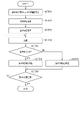


Classifications
-
- G—PHYSICS
- G06—COMPUTING OR CALCULATING; COUNTING
- G06V—IMAGE OR VIDEO RECOGNITION OR UNDERSTANDING
- G06V40/00—Recognition of biometric, human-related or animal-related patterns in image or video data
- G06V40/20—Movements or behaviour, e.g. gesture recognition
- G06V40/28—Recognition of hand or arm movements, e.g. recognition of deaf sign language
-
- G—PHYSICS
- G06—COMPUTING OR CALCULATING; COUNTING
- G06Q—INFORMATION AND COMMUNICATION TECHNOLOGY [ICT] SPECIALLY ADAPTED FOR ADMINISTRATIVE, COMMERCIAL, FINANCIAL, MANAGERIAL OR SUPERVISORY PURPOSES; SYSTEMS OR METHODS SPECIALLY ADAPTED FOR ADMINISTRATIVE, COMMERCIAL, FINANCIAL, MANAGERIAL OR SUPERVISORY PURPOSES, NOT OTHERWISE PROVIDED FOR
- G06Q50/00—Information and communication technology [ICT] specially adapted for implementation of business processes of specific business sectors, e.g. utilities or tourism
- G06Q50/10—Services
- G06Q50/12—Hotels or restaurants
-
- G—PHYSICS
- G06—COMPUTING OR CALCULATING; COUNTING
- G06V—IMAGE OR VIDEO RECOGNITION OR UNDERSTANDING
- G06V40/00—Recognition of biometric, human-related or animal-related patterns in image or video data
- G06V40/10—Human or animal bodies, e.g. vehicle occupants or pedestrians; Body parts, e.g. hands
- G06V40/16—Human faces, e.g. facial parts, sketches or expressions
- G06V40/161—Detection; Localisation; Normalisation
Landscapes
- Engineering & Computer Science (AREA)
- Business, Economics & Management (AREA)
- Tourism & Hospitality (AREA)
- Health & Medical Sciences (AREA)
- General Health & Medical Sciences (AREA)
- Theoretical Computer Science (AREA)
- General Physics & Mathematics (AREA)
- Physics & Mathematics (AREA)
- Multimedia (AREA)
- Human Computer Interaction (AREA)
- General Business, Economics & Management (AREA)
- Strategic Management (AREA)
- Primary Health Care (AREA)
- Marketing (AREA)
- Computer Vision & Pattern Recognition (AREA)
- Psychiatry (AREA)
- Social Psychology (AREA)
- Human Resources & Organizations (AREA)
- Economics (AREA)
- Oral & Maxillofacial Surgery (AREA)
- Image Analysis (AREA)
Abstract
Description
本発明の実施形態は、情報処理装置及び情報処理プログラムに関する。 TECHNICAL FIELD Embodiments of the present invention relate to an information processing apparatus and an information processing program.
飲食店等の店舗では、客自らがオーダーを端末に入力するセルフオーダーシステムが導入されている。オーダーの入力態様としては、客が端末に触れることなく、タッチレスでオーダーを端末に入力する態様がある。 Stores such as restaurants have introduced a self-ordering system in which a customer himself/herself inputs an order into a terminal. As an order input mode, there is a mode in which the order is input to the terminal in a touchless manner without the customer touching the terminal.
タッチレスの入力態様としては、カメラを用いた客のハンドジェスチャの認識に基づいてオーダーを端末に入力する態様が検討されている。 As a touchless input mode, a mode in which an order is input to a terminal based on recognition of a customer's hand gesture using a camera is being considered.
ハンドジェスチャを用いる態様では、セルフオーダーシステムは、オーダーを入力しようとする1人の対象者を特定し、1人の対象者によるオーダーをハンドジェスチャにより認識する必要がある。セルフオーダーシステムは、対象者以外の人物のハンドジェスチャの認識による誤ったオーダーの入力を避けるために、対象者の特定精度を向上させる必要がある。 In the aspect using hand gestures, the self-ordering system needs to identify a single subject entering an order and recognize orders by a single subject through hand gestures. A self-ordering system needs to improve the accuracy of specifying a target person in order to avoid incorrect order input due to recognition of hand gestures of persons other than the target person.
本発明の実施形態が解決しようとする課題は、撮影データに基づいて対象者を特定する精度を向上させる技術を提供しようとするものである。 A problem to be solved by the embodiments of the present invention is to provide a technique for improving the accuracy of identifying a target person based on photographed data.
一実施形態において、情報処理装置は、検出部と、特定部とを備える。検出部は、撮影データに基づいて、所定のジェスチャを検出する。特定部は、撮影データに基づいて、検出部により所定のジェスチャを検出された1人以上の人物の中から条件を満たす1人以上の候補者を特定する。特定部は、1人以上の候補者に基づいて対象者を特定する。 In one embodiment, an information processing device includes a detection unit and an identification unit. The detection unit detects a predetermined gesture based on the photographed data. The identifying unit identifies one or more candidates who satisfy a condition from among the one or more persons whose predetermined gesture is detected by the detecting unit, based on the photographed data. An identification unit identifies a subject based on one or more candidates.
以下、図面を用いて実施形態について説明する。 Embodiments will be described below with reference to the drawings.
(構成例)
図1は、端末1を例示する外観図である。
端末1は、客が端末1に触れることなく、客のジェスチャによりタッチレスでオーダーを入力可能な電子機器である。端末1は、情報処理装置の一例である。例えば、端末1は、飲食店等の店舗内において、テーブル2に関連付けて設置されている。店舗は、複数の端末及び複数のテーブルを有するが、説明の簡略化のため、図1は1台の端末1及び端末1に関連付けられた1つのテーブル2を示す。
(Configuration example)
FIG. 1 is an external view illustrating a
The
端末1は、端末1に関連付けられた第1の領域を含む範囲を撮影範囲とするカメラを有する。第1の領域は、テーブル2の周囲に着席して飲食を行う全ての客が通常存在すると想定される3次元の領域である。例えば、第1の領域は、テーブル2及びテーブル2の周囲に置かれた席を含む領域である。第1の領域の範囲は、適宜設定可能である。第1の領域は、所定の領域の一例である。
端末1の撮影範囲は第1の領域を含むので、端末1により取得される撮影データは、第1の領域に存在する全ての客を含む。端末1の撮影範囲は、第1の領域だけでなく、第2の領域の一部を含む。第2の領域は、第1の領域とは異なる領域である。そのため、端末1により取得される撮影データは、第2の領域に存在する1人以上の人物を含むこともある。例えば、端末1により取得される撮影データは、テーブル2とは異なるテーブルであって、第2の領域に含まれるテーブルの周囲に着席する1人以上の客を含むこともある。例えば、端末1により取得される撮影データは、テーブル2の近くの通路であって、第2の領域に含まれる通路を通る1人以上の客又は店員を含むこともある。
Since the imaging range of the
第1の領域に存在する全ての人物は、ジェスチャにより端末1にオーダーを入力する可能性のある人物である。客は、オーダーの入力を開始する際に、端末1にオーダーを入力する1人の対象者として認識させるための第1のジェスチャを行うものとする。第1のジェスチャは、手を挙げるジェスチャ等であるが、これに限定されない。第1のジェスチャは、適宜設定可能である。第1のジェスチャは、所定のジェスチャの一例である。
All persons existing in the first area are persons who may input an order to the
端末1により1人の対象者として認識された客は、第1のジェスチャの後に、端末1にオーダーを入力するための種々のジェスチャを行う。種々のジェスチャは、オーダー対象の飲食物を入力するためのジェスチャを含んでもよい。種々のジェスチャは、端末1に表示される複数の飲食物からオーダー対象の飲食物を選択するためにカーソルを移動させるジェスチャを含んでもよい。種々のジェスチャは、オーダー対象の飲食物の確定を入力するためのジェスチャを含んでもよい。種々のジェスチャは、オーダー対象の飲食物の注文数を入力するためのジェスチャを含んでもよい。種々のジェスチャは、端末1に表示される複数の数字からオーダー対象の飲食物の注文数を選択するためにカーソルを移動させるジェスチャを含んでもよい。種々のジェスチャは、オーダー対象の飲食物の注文数の確定を入力するためのジェスチャを含んでもよい。
A customer recognized by the
図2は、端末1を例示するブロック図である。
端末1は、プロセッサ10、メインメモリ11、補助記憶デバイス12、通信インタフェース13、入力デバイス14、表示デバイス15、マイク16、スピーカ17及びカメラ18を有する。端末1を構成する各部は、互いに信号を入出力可能に接続されている。図2では、インタフェースは、「I/F」と記載されている。
FIG. 2 is a block diagram illustrating the
プロセッサ10は、端末1のコンピュータの中枢部分に相当する。例えば、プロセッサ10は、CPU(Central Processing Unit)であるが、これに限定されない。プロセッサ10は、種々の回路で構成されていてもよい。プロセッサ10は、メインメモリ11又は補助記憶デバイス12に記憶されているプログラムをメインメモリ11に展開する。プログラムは、端末1のプロセッサ10に後述する各部を実現させるプログラムである。プロセッサ10は、メインメモリ11に展開されるプログラムを実行することで、種々の動作を実行する。
The
メインメモリ11は、端末1のコンピュータの主記憶部分に相当する。メインメモリ11は、不揮発性のメモリ領域及び揮発性のメモリ領域を含む。メインメモリ11は、不揮発性のメモリ領域ではオペレーティングシステム又はプログラムを記憶する。メインメモリ11は、揮発性のメモリ領域を、プロセッサ10によってデータが適宜書き換えられるワークエリアとして使用する。例えば、メインメモリ11は、不揮発性のメモリ領域としてROM(Read Only Memory)を含む。例えば、メインメモリ11は、揮発性のメモリ領域としてRAM(Random Access Memory)を含む。
The
補助記憶デバイス12は、端末1のコンピュータの補助記憶部分に相当する。例えば、補助記憶デバイス12は、EEPROM(登録商標)(Electric Erasable Programmable Read-Only Memory)、HDD(Hard Disc Drive)又はSSD(Solid State Drive)等であるが、これらに限定されない。補助記憶デバイス12は、上述のプログラム、プロセッサ10が各種の処理を行う上で使用するデータ及びプロセッサ10の処理によって生成されるデータを記憶する。
The
補助記憶デバイス12は、領域特定用基準値DFを記憶する基準値記憶領域121を含む。基準値記憶領域121は、記憶部の一例である。領域特定用基準値DFは、計測値Fとの比較により、人物の存在する領域が第1の領域又は第2の領域の何れの領域であるのかを特定するための領域特定用基準となる値である。
The
領域特定用基準値DFは、撮影データを構成する動画像のフレームにおいて計測される基準人物の顔に含まれる部位間の1以上の距離に基づく値である。基準人物は、基準となる平均的な顔の人物である。基準人物は、実在する人物であってもよいし、仮想的な人物であってもよい。例えば、基準人物の顔に含まれる部位間の1以上の距離は、基準人物の内眼角幅及び外眼角幅のうちの少なくとも何れか一方であるが、これに限定されない。内眼角幅は、左右の内眼角同士を結ぶ直線距離である。外眼角幅は、左右の外眼角同士を結ぶ直線距離である。基準人物の顔に含まれる部位間の1以上の距離は、基準人物の左右の眼とは異なる部位間の1以上の距離であってもよい。ここでは、基準人物の顔に含まれる部位間の1以上の距離は、基準人物の内眼角幅及び外眼角幅であるものとする。基準人物の顔に含まれる部位間の1以上の距離に基づく値は、基準人物の内眼角幅及び外眼角幅を合計した値であるものとする。領域特定用基準値DFは、複数の基準人物の内眼角幅及び外眼角幅を合計した値の平均値であってもよい。 The area specifying reference value DF is a value based on one or more distances between parts included in the face of the reference person measured in the frame of the moving image forming the photographed data. A reference person is a person with an average face that serves as a reference. The reference person may be a real person or a virtual person. For example, the one or more distances between parts included in the face of the reference person are at least one of the inner canthus width and the outer canthus width of the reference person, but are not limited to this. The width of the inner canthus is the straight line distance connecting the left and right inner canthus. The width of the outer canthus is the straight line distance connecting the left and right outer canthus. The one or more distances between parts included in the reference person's face may be one or more distances between parts different from the left and right eyes of the reference person. Here, it is assumed that one or more distances between parts included in the face of the reference person are the inner canthus width and the outer canthus width of the reference person. The value based on one or more distances between parts included in the face of the reference person is assumed to be the sum of the width of the inner canthus and the width of the outer canthus of the reference person. The region identification reference value DF may be the average value of the total values of the inner canthus width and the outer canthus width of a plurality of reference persons.
計測値Fは、撮影データを構成する動画像のフレームにおいて計測される人物の顔に含まれる部位間の1以上の距離に基づく値である。例えば、人物の顔に含まれる部位間の1以上の距離は、人物の内眼角幅fin及び外眼角幅foutのうちの少なくとも何れか一方であるが、これに限定されない。人物の顔に含まれる部位間の1以上の距離は、人物の左右の眼とは異なる部位間の1以上の距離であってもよい。ここでは、人物の顔に含まれる部位間の1以上の距離は、人物の内眼角幅fin及び外眼角幅foutであるものとする。計測値Fは、人物の内眼角幅fin及び外眼角幅foutを合計した値であるものとする。 The measurement value F is a value based on one or more distances between parts included in a person's face that are measured in frames of moving images that make up the photographed data. For example, the one or more distances between the parts included in the person's face are at least one of the inner canthus width f in and the outer canthus width f out of the person, but are not limited to this. The one or more distances between parts included in the person's face may be one or more distances between parts different from the left and right eyes of the person. Here, it is assumed that one or more distances between parts included in a person's face are the inner canthus width f in and the outer canthus width f out of the person. It is assumed that the measured value F is the sum of the inner canthus width f in and the outer canthus width f out of the person.
計測値Fが領域特定用基準を満たすことは、人物の存在する領域が第1の領域であることに対応する。計測値Fが領域特定用基準を満たさないことは、人物の存在する領域が第2の領域であることに対応する。 The fact that the measured value F satisfies the criteria for area identification corresponds to the fact that the area in which the person exists is the first area. The fact that the measured value F does not satisfy the criteria for area identification corresponds to the fact that the area in which the person exists is the second area.
領域特定用基準値DFは、第1の領域のうちカメラ18から最も遠い位置に関連付けられた下限値DF1を含む。下限値DF1は、第1の領域のうちカメラ18から最も遠い位置に存在すると想定した基準人物の顔に含まれる部位間の1以上の距離に基づく値である。ここでは、下限値DF1は、基準人物の内眼角幅fin1及び外眼角幅fout1を合計した値であるものとする。
The area specifying reference value DF includes the lower limit value DF 1 associated with the farthest position from the
撮影データを構成する動画像のフレーム内の被写体の大きさは、カメラ18に近づくにつれて大きくなる。計測値Fが下限値DF1以上である場合、人物は、第1の領域に存在するといえる。計測値Fが下限値DF1以上であることは、計測値Fが領域特定用基準を満たすことの一例である。計測値Fが下限値DF1未満である場合、人物は、第2の領域に存在するといえる。計測値Fが下限値DF1未満であることは、計測値Fが領域特定用基準を満たさないことの一例である。
The size of the subject in the frame of the moving image forming the shooting data increases as the subject approaches the
なお、カメラ18は、第1の領域と隣接することなく、テーブル2から離れて設置されている場合もある。領域特定用基準値DFは、第1の領域のうちカメラ18に最も近い位置に関連付けられた上限値DF2を含んでもよい。上限値DF2は、第1の領域のうちカメラ18に最も近い位置に存在すると想定した基準人物の顔に含まれる部位間の1以上の距離に基づく値である。ここでは、上限値DF2は、基準人物の内眼角幅fin2及び外眼角幅fout2を合計した値であるものとする。
Note that the
計測値Fが下限値DF1以上かつ上限値DF2以下である場合、人物は、第1の領域に存在するといえる。計測値Fが下限値DF1以上かつ上限値DF2以下であることは、計測値Fが領域特定用基準を満たすことの一例である。計測値Fが上限値DF2よりも大きい場合、人物は、第2の領域に存在するといえる。計測値Fが上限値DF2よりも大きいことは、計測値Fが領域特定用基準を満たさないことの一例である。 When the measured value F is equal to or greater than the lower limit value DF1 and equal to or less than the upper limit value DF2 , it can be said that the person exists in the first region. That the measured value F is equal to or greater than the lower limit value DF 1 and equal to or less than the upper limit value DF 2 is an example of the fact that the measured value F satisfies the region identification criteria. If the measured value F is greater than the upper limit value DF2 , it can be said that the person exists in the second area. The fact that the measured value F is greater than the upper limit value DF2 is an example of the fact that the measured value F does not satisfy the criteria for area identification.
通信インタフェース13は、所定の通信プロトコルに従い、ネットワークを介して、端末1を他の機器と通信可能に接続する種々のインタフェースを含む。
The
入力デバイス14は、端末1へデータ又は指示をタッチ操作により入力可能なデバイスである。例えば、入力デバイス14は、キーボード又はタッチパネル等であるが、これらに限定されない。
The
表示デバイス15は、端末1の制御により種々の画像を表示可能なデバイスである。例えば、表示デバイス15は、液晶ディスプレイ等であるが、これに限定されない。
The
マイク16は、端末1の周辺環境の音声を入力可能なデバイスである。
The
スピーカ17は、端末1の制御により音声を出力可能なデバイスである。
The
カメラ18は、撮影範囲の撮影データを取得可能なデバイスである。例えば、カメラ18は、動画像の撮影データを取得する。カメラ18は、撮影部の一例である。
The
なお、端末1のハードウェア構成は、上述の構成に限定されるものではない。端末1は、適宜、上述の構成要素の省略及び変更並びに新たな構成要素の追加を可能とする。例えば、表示デバイス15は、端末1とは独立したデバイスであってもよい。カメラ18は、端末1とは独立したデバイスであってもよい。
Note that the hardware configuration of the
上述のプロセッサ10によって実現される各部について説明する。
プロセッサ10は、第1の検出部100、第2の検出部101、計測部102及び特定部103を実現する。プロセッサ10によって実現される各部は、各機能ということもできる。プロセッサ10によって実現される各部は、プロセッサ10及びメインメモリ11を含む制御部によって実現されるということもできる。
Each unit implemented by the
The
第1の検出部100は、撮影データに基づいて、第1のジェスチャを検出する。第1の検出部100は、公知の画像処理技術により、撮影データに基づいて、第1のジェスチャを検出してもよい。例えば、第1の検出部100は、撮影データを構成する動画像のフレームから各人物の手を検出する。動画像のフレームは、連続する複数の所定数のフレームであってもよい。所定数のフレームは、15フレーム等であるが、これに限定されない。所定数のフレームは、適宜設定可能である。第1の検出部100は、所定数のフレーム毎に各人物の手を検出してもよい。
A
第1の検出部100は、各人物の手から複数のキーポイント(座標)を検出する。第1の検出部100は、各人物の手について、複数のキーポイントを含むキーポイント情報を取得する。第1の検出部100は、各人物の手のキーポイント情報に基づいて、各人物の手のジェスチャを第1のジェスチャ又は第2のジェスチャに分類する。第2のジェスチャは、第1のジェスチャとは異なるジェスチャである。
A
第1の検出部100は、ディープニューラルネットワークによるジェスチャの分類モデルにより、各人物の手のジェスチャを分類してもよい。ジェスチャの分類モデルは、キーポイント情報に基づいて人物の手のジェスチャを第1のジェスチャ又は第2のジェスチャの何れかに分類する学習済モデルでもよい。ジェスチャの分類モデルは、補助記憶デバイス12に記憶されていてもよい。第1の検出部100は、各人物の手のジェスチャの分類に基づいて、第1のジェスチャを検出する。第1の検出部100は、検出部の一例である。
The
第2の検出部101は、撮影データに基づいて、各人物の姿勢を検出する。第2の検出部101は、公知の画像処理技術により、撮影データに基づいて、各人物の姿勢を検出してもよい。例えば、第2の検出部101は、撮影データを構成する動画像のフレームから各人物の体を検出する。第2の検出部101は、各人物の体から複数のキーポイントを検出する。第2の検出部101は、各人物の体について、複数のキーポイントを含むキーポイント情報を取得する。第2の検出部101は、各人物の体のキーポイント情報に基づいて、各人物の姿勢を第1の姿勢又は第2の姿勢に分類する。第1の姿勢は、着席の姿勢であるが、これに限定されない。第1の姿勢は、適宜設定可能である。第1の姿勢は、所定の姿勢の一例である。第2の姿勢は、第1の姿勢とは異なる姿勢である。
A
第2の検出部101は、ディープニューラルネットワークによる姿勢の分類モデルにより、各人物の姿勢を分類してもよい。姿勢の分類モデルは、キーポイント情報に基づいて人物の姿勢を第1の姿勢又は第2の姿勢の何れかに分類する学習済モデルでもよい。姿勢の分類モデルは、補助記憶デバイス12に記憶されていてもよい。第2の検出部101は、各人物の姿勢の分類に基づいて、各人物の姿勢を検出する。第2の検出部101は、検出部の一例である。
The
計測部102は、撮影データに基づいて、各人物の顔に含まれる部位間の1以上の距離を計測する。計測部102は、各人物の顔に含まれる部位間の1以上の距離の計測に基づく計測値Fを取得する。計測部102は、公知の画像処理技術により、撮影データに基づいて、各人物の顔に含まれる部位間の1以上の距離を計測し、計測値Fを取得してもよい。
The
例えば、計測部102は、撮影データを構成する動画像のフレームから各人物の顔を検出する。計測部102は、検出した各人物の顔に含まれる複数のキーポイントを検出する。計測部102は、各人物の顔について、複数のキーポイントを含むキーポイント情報を取得する。計測部102は、キーポイント情報に基づいて、検出した各人物の顔に含まれる部位間の1以上の距離を計測する。
For example, the measuring
特定部103は、撮影データに基づいて、1人以上の第1の人物を特定する。第1の人物は、第1の検出部100により第1のジェスチャを検出された人物である。例えば、特定部103は、第1の検出部100による第1のジェスチャの検出に基づいて、撮影データを構成する動画像のフレームから1人以上の第1の人物を特定する。
The
特定部103は、撮影データに基づいて、1人以上の第1の人物の中から候補者特定用条件を満たす1人以上の候補者を特定する。候補者特定用条件は、条件の一例である。
候補者特定用条件は、第1の領域に存在することを含む。候補者特定用条件を満たすことは、第1の人物の計測値Fが領域特定用基準を満たすことを含む。候補者特定用条件を満たさないとは、第1の人物の計測値Fが領域特定用基準を満たさないことを含む。この例では、特定部103は、撮影データに基づいて、1人以上の第1の人物の中から1人以上の第2の人物を特定する。第2の人物は、第1の領域に存在する第1の人物である。
The
Candidate identifying conditions include being in the first region. Satisfying the candidate identification conditions includes that the first person's measurements F satisfy the region identification criteria. Not satisfying the candidate identifying conditions includes that the first person's measured value F does not satisfy the area identifying criteria. In this example, the identifying
例えば、特定部103は、計測部102による1以上の距離の計測に基づく1人以上の第1の人物のそれぞれの計測値Fに基づいて、1人以上の第1の人物の中から1人以上の第2の人物を特定する。この例では、特定部103は、計測部102により取得された1人以上の第1の人物のそれぞれの計測値Fに基づいて、1人以上の第1の人物のそれぞれの存在する領域を特定する。特定部103は、計測部102により取得された1人以上の第1の人物のそれぞれの計測値Fを領域特定用基準値DFと比較する。特定部103は、1人以上の第1の人物のそれぞれの計測値Fと領域特定用基準値DFとの比較に基づいて、1人以上の第1の人物のそれぞれの存在する領域を特定する。
For example, the identifying
特定部103は、計測値Fが領域特定用基準を満たす場合、領域特定用基準を満たす計測値Fと関連する第1の人物の存在する領域を第1の領域と特定する。特定部103は、計測値Fが領域特定用基準を満たさない場合、領域特定用基準を満たさない計測値Fと関連する第1の人物の存在する領域を第2の領域と特定する。
When the measured value F satisfies the area identifying criteria, the identifying
領域特定用基準値DFが下限値DF1を含む例について説明する。特定部103は、下限値DF1以上の計測値Fと関連する第1の人物の存在する領域を第1の領域と特定する。特定部103は、下限値DF1未満の計測値Fと関連する第1の人物の存在する領域を第2の領域と特定する。
An example in which the reference value DF for region identification includes the lower limit value DF 1 will be described. The identifying
領域特定用基準値DFが下限値DF1及び上限値DF2を含む例について説明する。特定部103は、下限値DF1以上かつ上限値DF2以下の計測値Fと関連する第1の人物の存在する領域を第1の領域と特定する。特定部103は、下限値DF1未満の又は上限値DF2よりも大きい計測値Fと関連する第1の人物の存在する領域を第2の領域と特定する。
An example in which the reference value DF for region identification includes the lower limit value DF1 and the upper limit value DF2 will be described. The
特定部103は、1人以上の第1の人物のそれぞれの存在する領域の特定に基づいて、1人以上の第1の人物の中から1人以上の第2の人物を特定する。特定部103は、1人以上の第2の人物に基づいて1人以上の候補者を特定する。特定部103は、1人以上の第2の人物を、候補者特定用条件を満たす1人以上の候補者として特定する。
The
候補者特定用条件は、第1の領域に存在することに加えて、第1の姿勢をしていることを含んでもよい。候補者特定用条件を満たすことは、第1の人物の計測値Fが領域特定用基準を満たし、かつ、第1の人物の姿勢が第1の姿勢であることを含む。候補者特定用条件を満たさないことは、第1の人物の計測値Fが領域特定用基準を満たさないことを含む。候補者特定用条件を満たさないことは、第1の人物の計測値Fが領域特定用基準を満たすが、第1の人物の姿勢が第2の姿勢であることを含む。この例では、特定部103は、撮影データに基づいて、1人以上の第1の人物の中から1人以上の第3の人物を特定する。第3の人物は、第1の領域に存在し、かつ、第1の姿勢をしている第1の人物である。第3の人物は、第1の姿勢をしている第2の人物でもある。
Candidate identification conditions may include being in the first pose in addition to being in the first area. Satisfying the candidate identification conditions includes that the first person's measured value F satisfies the region identification criteria and the first person's pose is the first pose. Failure to meet the candidate identification conditions includes the first person's measured value F not meeting the region identification criteria. Not meeting the candidate identification conditions includes the first person's measured value F meeting the region identification criteria, but the first person's pose is the second pose. In this example, the identifying
例えば、特定部103は、上述のように、撮影データに基づいて、1人以上の第1の人物の中から1人以上の第2の人物を特定する。特定部103は、第2の検出部101により検出された1人以上の第2の人物のそれぞれの姿勢に基づいて、1人以上の第2の人物の中から1人以上の第3の人物を特定する。
For example, the
特定部103は、1人以上の第3の人物に基づいて1人以上の候補者を特定する。1人以上の第3の人物に基づいて1人以上の候補者を特定することは、1人以上の第2の人物に基づいて1人以上の候補者を特定することの一例である。特定部103は、1人以上の第3の人物を、候補者特定用条件を満たす1人以上の候補者として特定する。
The
特定部103は、1人以上の候補者に基づいて1人の対象者を特定する。特定部103は、候補者特定用条件を満たす1人の候補者を特定した場合、1人の候補者を1人の対象者として特定する。特定部103は、候補者特定用条件を満たす複数人の候補者を特定した場合、撮影データに基づいて、複数人の候補者の中から対象者特定用条件を満たす1人の候補者を1人の対象者として特定する。対象者特定用条件は、候補者特定用条件を満たす複数人の候補者の中から1人の対象者を特定するための条件である。
The
一例では、対象者特定用条件は、第1の検出部100による第1のジェスチャの検出タイミングが最も早いことを含む。この例では、特定部103は、複数人の候補者を特定した場合、複数人の候補者のうち第1の検出部100による第1のジェスチャの検出タイミングの最も早い1人の候補者を1人の対象者として特定する。例えば、特定部103は、所定数のフレームのうち複数人の候補者のそれぞれによる第1のジェスチャの開始を示すフレームの時系列の順番を比較する。特定部103は、時系列の順番で最も早いフレームで示される第1のジェスチャに関連する1人の候補者を、対象者特定用条件を満たす1人の候補者として特定する。特定部103は、対象者特定用条件を満たす1人の候補者を1人の対象者として特定する。
In one example, the target person identification condition includes that the detection timing of the first gesture by the
別の例では、対象者特定用条件は、基準位置からの距離が最も近いことを含む。基準位置は、カメラ18の位置であるが、これに限定されない。基準位置は、第1の領域内の任意の位置であってもよい。基準位置は、所定の位置の一例である。この例では、特定部103は、複数人の候補者を特定した場合、複数人の候補者のうち基準位置からの距離の最も近い1人の候補者を1人の対象者として特定する、例えば、特定部103は、計測部102により取得される複数人の候補者のそれぞれの計測値Fを比較する。特定部103は、複数人の候補者のそれぞれの計測値Fの比較に基づいて、対象者特定用条件を満たす1人の候補者を特定する。特定部103は、対象者特定用条件を満たす1人の候補者を1人の対象者として特定する。
In another example, the subject identification condition includes closest distance from the reference location. The reference position is the position of the
基準位置がカメラ18の位置である例について説明する。計測値Fは、人物が基準位置に近いほど大きくなる。特定部103は、複数人の候補者のうち計測値Fが最も大きい1人の候補者を、対象者特定用条件を満たす1人の候補者として特定する。
An example in which the reference position is the position of the
基準位置が任意の位置である例について説明する。特定部103は、複数人の候補者のうち計測値Fが任意の位置の基準値DF3に最も近い1人の候補者を、対象者特定用条件を満たす1人の候補者として特定する。基準値DF3は、動画像のフレームにおいて計測される距離であって、任意の位置に存在すると想定した基準人物の顔に含まれる部位間の1以上の距離に基づく値である。ここでは、基準値DF3は、基準人物の内眼角幅fin3及び外眼角幅fout3を合計した値であるものとする。基準値DF3は、補助記憶デバイス12に記憶されていてもよい。
An example in which the reference position is an arbitrary position will be described. The
端末1に関連付けられた第1の領域について説明する。
図3は、端末1に関連付けられた第1の領域3を例示する図である。
図3は、鉛直方向の上から見た端末1及びテーブル2の平面図である。
第1の領域3は、テーブル2及びテーブル2の周囲に置かれた席を含む領域である。
端末1は、少なくとも第1の領域3を撮影範囲として動画データを取得する。
A first area associated with
FIG. 3 is a diagram illustrating the
FIG. 3 is a plan view of the
A
The
図4は、端末1による計測例を示す図である。
図4は、計測部102により計測される人物の内眼角幅fin及び外眼角幅foutを示す。計測部102は、人物の内眼角幅fin及び外眼角幅foutを合計した計測値Fを取得する。
FIG. 4 is a diagram showing an example of measurement by the
FIG. 4 shows the inner canthus width f in and the outer canthus width f out of a person measured by the
(動作)
次に、以上のように構成された端末1の動作例を説明する。
(motion)
Next, an operation example of the
図5は、端末1による情報処理の手順を例示するフローチャートである。
なお、以下で説明する処理手順は一例に過ぎず、各処理は可能な限り変更されてよい。また、以下で説明する処理手順について、実施形態に応じて、適宜、ステップの省略、置換、及び追加が可能である。
FIG. 5 is a flowchart illustrating the procedure of information processing by the
Note that the processing procedure described below is merely an example, and each processing may be changed as much as possible. In addition, with respect to the processing procedure described below, steps can be omitted, replaced, and added as appropriate according to the embodiment.
第1の検出部100は、撮影データに基づいて、第1のジェスチャを検出する(ACT1)。ACT1では、第1の検出部100は、1人の人物の第1のジェスチャを検出することもあるし、複数の人物のそれぞれの第1のジェスチャを検出することもある。
The
特定部103は、撮影データに基づいて、第1の検出部100により第1のジェスチャを検出された1人以上の第1の人物を特定する(ACT2)。
The identifying
特定部103は、撮影データに基づいて、1人以上の第1の人物の中から候補者特定用条件を満たす1人以上の候補者を特定する(ACT3)。ACT3の処理例については後述する。
The
特定部103は、1人以上の候補者に基づいて1人の対象者を特定する(ACT4)。ACT4の処理例については後述する。
The
図6は、ACT3における端末1による候補者特定処理の手順を例示するフローチャートである。
図6は、候補者特定用条件が第1の領域に存在することに加えて、第1の姿勢をしていることを含む例を示す。
FIG. 6 is a flowchart illustrating the procedure of candidate identification processing by the
FIG. 6 shows an example in which candidate identification conditions include being in a first posture in addition to being in a first region.
なお、以下で説明する処理手順は一例に過ぎず、各処理は可能な限り変更されてよい。また、以下で説明する処理手順について、実施形態に応じて、適宜、ステップの省略、置換、及び追加が可能である。 Note that the processing procedure described below is merely an example, and each processing may be changed as much as possible. In addition, with respect to the processing procedure described below, steps can be omitted, replaced, and added as appropriate according to the embodiment.
特定部103は、計測部102による1以上の距離の計測に基づく1人以上の第1の人物のそれぞれの計測値Fに基づいて、1人以上の第1の人物のそれぞれの存在する領域を特定する(ACT31)。ACT31の処理例については後述する。
The specifying
特定部103は、1人以上の第1の人物のそれぞれの存在する領域の特定に基づいて、第1の人物毎に、第1の人物の存在する領域が第1の領域か否かを判断する(ACT32)。
The
第1の人物の存在する領域が第1の領域である場合(ACT32、YES)、処理は、ACT32からACT33へ遷移する。第1の人物の存在する領域が第2の領域である場合(ACT32、NO)、処理は、ACT32からACT34へ遷移する。特定部103は、第2の領域に存在する第1の人物を第2の人物として特定しない。つまり、特定部103は、第2の領域に存在する第1の人物を候補者として特定しない。特定部103は、第1の領域に存在する第1の人物を第2の人物として特定する(ACT33)。
If the area where the first person exists is the first area (ACT32, YES), the process transitions from ACT32 to ACT33. If the area where the first person exists is the second area (ACT32, NO), the process transitions from ACT32 to ACT34. The identifying
特定部103は、1人以上の第1の人物の全員についてACT32~ACT33の処理を実行したか否かを判断する(ACT34)。特定部103が1人以上の第1の人物の全員について処理を実行した場合(ACT34、YES)、処理は、ACT34からACT35へ遷移する。特定部103が1人以上の第1の人物の全員について処理を実行していない場合(ACT34、NO)、処理は、ACT34からACT32へ遷移する。
The identifying
特定部103は、1人以上の第1の人物の全員についてACT32~ACT33の処理を実行する。これにより、特定部103は、撮影データに基づいて、1人以上の第1の人物の中から第1の領域に存在する1人以上の第2の人物を特定する。典型例では、特定部103は、1人以上の第1の人物のそれぞれの計測値Fに基づいて、1人以上の第1の人物の中から1人以上の第2の人物を特定する。特定部103は、計測値Fに基づく1人以上の第1の人物のそれぞれの存在する領域の特定に基づいて、1人以上の第1の人物の中から1人以上の第2の人物を特定する。
The identifying
第2の検出部101は、撮影データに基づいて、1人以上の第2の人物のそれぞれの姿勢を検出する(ACT35)。
The
特定部103は、検出された1人以上の第2の人物のそれぞれの姿勢に基づいて、第2の人物毎に、第2の人物の姿勢が第1の姿勢か否かを判断する(ACT36)。
The specifying
第2の人物の姿勢が第1の姿勢である場合(ACT36、YES)、処理は、ACT36からACT37へ遷移する。第2の人物の姿勢が第2の姿勢である場合(ACT36、NO)、処理は、ACT36からACT38へ遷移する。特定部103は、第2の姿勢をしている第2の人物を第3の人物として特定しない。つまり、特定部103は、第2の姿勢をしている第2の人物を候補者として特定しない。特定部103は、第1の姿勢をしている第2の人物を第3の人物として特定する(ACT37)。
If the pose of the second person is the first pose (ACT36, YES), the process transitions from ACT36 to ACT37. If the pose of the second person is the second pose (ACT36, NO), the process transitions from ACT36 to ACT38. The identifying
特定部103は、1人以上の第2の人物の全員についてACT36~ACT37の処理を実行したか否かを判断する(ACT38)。特定部103が1人以上の第2の人物の全員について処理を実行した場合(ACT38、YES)、処理は、ACT38からACT39へ遷移する。特定部103が1人以上の第2の人物の全員について処理を実行していない場合(ACT38、NO)、処理は、ACT38からACT36へ遷移する。
The identifying
特定部103は、1人以上の第2の人物の全員についてACT36~ACT37の処理を実行する。これにより、特定部103は、検出された1人以上の第2の人物のそれぞれの姿勢に基づいて、1人以上の第2の人物の中から1人以上の第3の人物を特定する。
The identifying
特定部103は、1人以上の第3の人物に基づいて1人以上の候補者を特定する(ACT39)。ACT39では、例えば、特定部103は、1人以上の第3の人物を、候補者特定用条件を満たす1人以上の候補者として特定する。
The identifying
特定部103は、図6に例示する候補者特定処理により、撮影データに基づいて、1人以上の第1の人物の中から候補者特定用条件を満たす1人以上の候補者を特定する。
The
なお、候補者特定用条件は、第1の領域に存在することを含むが、第1の姿勢をしていることを含まなくてもよい。この例では、ACT35~ACT38の処理は、省略され得る。ACT39では、特定部103は、1人以上の第2の人物に基づいて1人以上の候補者を特定する。例えば、特定部103は、1人以上の第2の人物を、候補者特定用条件を満たす1人以上の候補者として特定する。
Note that the candidate specifying condition includes being in the first area, but does not need to include being in the first posture. In this example, the processing of ACT35-ACT38 may be omitted. In ACT 39, the
図7は、ACT31における端末1による領域特定処理の手順を例示するフローチャートである。
なお、以下で説明する処理手順は一例に過ぎず、各処理は可能な限り変更されてよい。また、以下で説明する処理手順について、実施形態に応じて、適宜、ステップの省略、置換、及び追加が可能である。
FIG. 7 is a flowchart exemplifying the procedure of area identification processing by the
Note that the processing procedure described below is merely an example, and each processing may be changed as much as possible. In addition, with respect to the processing procedure described below, steps can be omitted, replaced, and added as appropriate according to the embodiment.
計測部102は、撮影データに基づいて、1人以上の第1の人物のそれぞれの顔に含まれる部位間の1以上の距離を計測する(ACT311)。
The
計測部102は、1以上の距離の計測に基づく1人以上の第1の人物のそれぞれの計測値Fを取得する(ACT312)。
The
特定部103は、補助記憶デバイス12から領域特定用基準値DFを取得する(ACT313)。
The specifying
特定部103は、第1の人物毎に、第1の人物の計測値Fを領域特定用基準値DFと比較する(ACT314)。
The
特定部103は、第1の人物の計測値Fが基準を満たすか否かを判断する(ACT315)。第1の人物の計測値Fが領域特定用基準を満たす場合(ACT315、YES)、処理は、ACT315からACT316へ遷移する。第1の人物の計測値Fが領域特定用基準を満たさない場合(ACT315、NO)、処理は、ACT315からACT317へ遷移する。
The identifying
特定部103は、領域特定用基準を満たす計測値Fと関連する第1の人物の存在する領域を第1の領域と特定する(ACT316)。特定部103は、領域特定用基準を満たさない計測値Fと関連する第1の人物の存在する領域を第2の領域と特定する(ACT317)。
The identifying
特定部103は、1人以上の第1の人物の全員についてACT314~ACT317の処理を実行したか否かを判断する(ACT318)。特定部103が1人以上の第1の人物の全員について処理を実行した場合(ACT318、YES)、処理は、終了する。特定部103が1人以上の第1の人物の全員について処理を実行していない場合(ACT318、NO)、処理は、ACT318からACT314へ遷移する。
The identifying
特定部103は、1人以上の第1の人物の全員についてACT314~ACT317の処理を実行する。これにより、特定部103は、1人以上の第1の人物のそれぞれの計測値Fに基づいて、1人以上の第1の人物のそれぞれの存在する領域を特定する。典型例では、特定部103は、1人以上の第1の人物のそれぞれの計測値Fを領域特定用基準値DFと比較する。特定部103は、1人以上の第1の人物のそれぞれの計測値Fと領域特定用基準値DFとの比較に基づいて、1人以上の第1の人物のそれぞれの存在する領域を特定する。
The identifying
図8は、ACT4における端末1による対象者特定処理の手順の一例を示すフローチャートである。
なお、以下で説明する処理手順は一例に過ぎず、各処理は可能な限り変更されてよい。また、以下で説明する処理手順について、実施形態に応じて、適宜、ステップの省略、置換、及び追加が可能である。
FIG. 8 is a flow chart showing an example of a procedure of target person identification processing by the
Note that the processing procedure described below is merely an example, and each processing may be changed as much as possible. In addition, with respect to the processing procedure described below, steps can be omitted, replaced, and added as appropriate according to the embodiment.
特定部103は、候補者特定用条件を満たす1人の候補者を特定したか否かを判断する(ACT41)。特定部103が候補者特定用条件を満たす1人の候補者を特定した場合(ACT41、YES)、処理は、ACT41からACT43へ遷移する。特定部103が候補者特定用条件を満たす複数人の候補者を特定した場合(ACT41、NO)、処理は、ACT41からACT42へ遷移する。
The
特定部103は、候補者特定用条件を満たす複数人の候補者のうち第1の検出部100による第1のジェスチャの検出タイミングの最も早い1人の候補者を特定する(ACT42)。
The identifying
特定部103は、1人の対象者を特定する(ACT43)。ACT43では、例えば、特定部103は、候補者特定用条件を満たす1人の候補者を特定した場合、1人の候補者を1人の対象者として特定する。特定部103は、候補者特定用条件を満たす複数人の候補者を特定した場合、第1のジェスチャの検出タイミングの最も早い1人の候補者を1人の対象者として特定する。
The identifying
図9は、ACT4における端末1による対象者特定処理の手順の別の例を示すフローチャートである。
なお、以下で説明する処理手順は一例に過ぎず、各処理は可能な限り変更されてよい。また、以下で説明する処理手順について、実施形態に応じて、適宜、ステップの省略、置換、及び追加が可能である。
FIG. 9 is a flow chart showing another example of the procedure of the target person identification processing by the
Note that the processing procedure described below is merely an example, and each processing may be changed as much as possible. In addition, with respect to the processing procedure described below, steps can be omitted, replaced, and added as appropriate according to the embodiment.
特定部103は、候補者特定用条件を満たす1人の候補者を特定したか否かを判断する(ACT44)。特定部103が候補者特定用条件を満たす1人の候補者を特定した場合(ACT44、YES)、処理は、ACT44からACT46へ遷移する。特定部103が候補者特定用条件を満たす複数人の候補者を特定した場合(ACT44、NO)、処理は、ACT44からACT45へ遷移する。
The
特定部103は、候補者特定用条件を満たす複数人の候補者のうち基準位置からの距離の最も近い1人の候補者を特定する(ACT45)。
The
特定部103は、1人の対象者を特定する(ACT46)。ACT46では、例えば、特定部103は、候補者特定用条件を満たす1人の候補者を特定した場合、1人の候補者を1人の対象者として特定する。特定部103は、候補者特定用条件を満たす複数人の候補者を特定した場合、基準位置からの距離の最も近い1人の候補者を1人の対象者として特定する。
The specifying
(効果)
実施形態に係る端末1は、撮影データに基づいて、第1のジェスチャを検出された1人以上の人物の中から候補者特定用条件を満たす1人以上の候補者を特定する。端末1は、1人以上の候補者に基づいて対象者を特定する。
例えば、第1のジェスチャをしている人物は、端末1にオーダーを入力しようとする客である可能性が高い。端末1は、第1のジェスチャをしている人物を候補者として絞って対象者を特定することができる。そのため、端末1は、端末1に関連付けられたテーブル2の客の中から、撮影データに基づいて対象者を特定する精度を向上させることができる。
(effect)
The
For example, the person making the first gesture is most likely a customer trying to enter an order into
実施形態に係る端末1は、撮影データに基づいて第1のジェスチャを検出された1人以上の人物の中から第1の領域に存在する1人以上の人物を特定する。端末1は、第1の領域に存在する1人以上の人物に基づいて1人以上の候補者を特定する。
例えば、第1のジェスチャをし、かつ、第1の領域に存在する人物は、店員ではなく、端末1にオーダーを入力しようとする客である可能性が高い。第1のジェスチャをしているが第1の領域に存在しない人物は、店員等の人物である可能性が高い。端末1は、第1のジェスチャをし、かつ、第1の領域に存在する人物を候補者として絞って対象者を特定することができる。端末1は、店員等の第1のジェスチャをしているが第1の領域に存在しない人物を候補者から除くことができる。そのため、端末1は、候補者の特定精度を向上させることができる。
The
For example, there is a high possibility that a person who makes the first gesture and who is present in the first area is not a store clerk but a customer trying to input an order to
実施形態に係る端末1は、第1の領域に存在する1人以上の人物の中から第1の姿勢をしている1人以上の人物を特定する。端末1は、第1の姿勢をしている1人以上の人物に基づいて1人以上の候補者を特定する。
例えば、端末1に関連付けられたテーブル2の客の姿勢は、配膳などを行う店員の姿勢とは異なる。第1のジェスチャをし、かつ、第1の領域で第1の姿勢をする人物は、端末1にオーダーを入力しようとする客である可能性が高い。第1のジェスチャをしているが第1の領域で第1の姿勢をしていない人物は、店員等の人物である可能性が高い。端末1は、第1のジェスチャをし、かつ、第1の領域で第1の姿勢をする人物を候補者として絞ることができる。端末1は、店員等の第1のジェスチャをしているが第1の領域で第1の姿勢をしていない人物を候補者から除くことができる。そのため、端末1は、候補者の特定精度を向上させることができる。
The
For example, the posture of the customer at the table 2 associated with the
実施形態に係る第1の姿勢は、着席である。
例えば、端末1に関連付けられたテーブル2の客の姿勢は、着席の姿勢である可能性が高い。配膳等でテーブル2の付近に一時的に存在する店員は、立っている可能性が高い。端末1は、第1のジェスチャをし、かつ、第1の領域で着席をする人物を候補者として絞ることができる。端末1は、店員等の第1のジェスチャをしているが第1の領域で第1の姿勢をしていない人物を候補者から除くことができる。そのため、端末1は、候補者の特定精度を向上させることができる。
A first posture according to the embodiment is sitting.
For example, the posture of a customer at table 2 associated with
実施形態に係る端末1は、撮影データに基づいて、第1のジェスチャを検出された1人以上の人物のそれぞれの顔に含まれる部位間の1以上の距離を計測する。端末1は、1以上の距離の計測に基づく第1のジェスチャを検出された1人以上の人物のそれぞれの計測値に基づいて、第1のジェスチャを検出された1人以上の人物の中から第1の領域に存在する1人以上の人物を特定する。
顔に含まれる部位間の1以上の距離は、カメラと人物との間隔に応じて異なる。端末1は、顔に含まれる部位間の1以上の距離を計測することで、第1のジェスチャをしている人物が第1の領域に存在するか否かの特定精度を向上させることができる。
The
One or more distances between parts included in the face vary depending on the distance between the camera and the person. By measuring one or more distances between parts included in the face, the
実施形態に係る計測値は、内眼角幅及び外眼角幅を合計した値である。
端末1は、内眼角幅及び外眼角幅といった複数の距離を用いることで、第1のジェスチャをしている人物が第1の領域に存在するか否かの特定精度を向上させることができる。
The measured value according to the embodiment is the sum of the width of the inner canthus and the width of the outer canthus.
By using a plurality of distances such as the width of the inner canthus and the width of the outer canthus, the
実施形態に係る端末1は、複数人の候補者を特定した場合、複数人の候補者のうち第1のジェスチャの検出タイミングの最も早い候補者を対象者として特定する。
例えば、複数の候補者がいる場合、最も早く第1のジェスチャを開始した候補者を対象者とすることは適切な条件である。これにより、端末1は、複数の候補者がいる場合に、適切な条件で、端末1にオーダーを入力する対象者に適した候補者を特定することができる。
When specifying a plurality of candidates, the
For example, if there are multiple candidates, targeting the candidate who initiated the first gesture earliest is a suitable condition. Thereby, when there are a plurality of candidates, the
実施形態に係る端末1は、複数人の候補者のうち基準位置からの距離の最も近い候補者を対象者として特定する。
これにより、端末1は、複数の候補者がいる場合に、公平な規則に沿って、端末1にオーダーを入力する対象者に適した候補者を特定することができる。
The
As a result, when there are multiple candidates, the
(変形例)
上記の実施形態では、端末1が1人の対象者を特定する例について説明したが、これに限定されない。端末1は、所定の複数人の対象者を特定するようにしてもよい。この例では、対象者特定用条件は、候補者特定用条件を満たす複数人の候補者の中から所定の複数人の対象者を特定するための条件である。一例では、対象者特定用条件は、第1の検出部100による第1のジェスチャの検出タイミングが最も早い人物から早い順に所定の複数人であることを含む。この例では、特定部103は、複数人の候補者のうち第1のジェスチャの検出タイミングの最も早い候補者から早い順に所定の複数人の候補者を所定の複数人の対象者として特定する。別の例では、対象者特定用条件は、基準位置からの距離が最も近い人物から近い順に所定の複数人であることを含む。この例では、特定部103は、複数人の候補者のうち基準位置からの距離の最も近い候補者から近い順に所定の複数人の候補者を所定の複数人の対象者として特定する。
(Modification)
In the above embodiment, an example in which the
上記の実施形態では、端末1を飲食店等の店舗内で適用する端末1は、端末1にオーダーを入力する対象者を認識する例について説明したが、これに限定されない。上記の実施形態は、店舗以外にも、対象者を認識するような種々の場で適用可能である。例えば、端末1は、会議の場で適用されてもよい。この例では、端末1は、発言希望者又は質問希望者等を対象者として認識してもよい。
In the above-described embodiment, an example in which the
情報処理装置は、端末1のような1つの装置で実現されてもよいし、機能を分散させた複数の装置で実現されてもよい。
The information processing device may be realized by one device such as the
プログラムは、装置に記憶された状態で譲渡されてよいし、装置に記憶されていない状態で譲渡されてもよい。後者の場合は、プログラムは、ネットワークを介して譲渡されてよいし、記録媒体に記録された状態で譲渡されてもよい。記録媒体は、非一時的な有形の媒体である。記録媒体は、コンピュータ可読媒体である。記録媒体は、CD-ROM、メモリカード等のプログラムを記憶可能かつコンピュータで読取可能な媒体であればよく、その形態は問わない。 The program may be transferred while stored in the device, or may be transferred without being stored in the device. In the latter case, the program may be transferred via a network, or may be transferred while being recorded on a recording medium. A recording medium is a non-transitory tangible medium. The recording medium is a computer-readable medium. The recording medium may be a medium such as a CD-ROM, a memory card, etc., which can store a program and is readable by a computer, and its form is not limited.
この他、本発明のいくつかの実施形態を説明したが、これらの実施形態は、例として提示したものであり、発明の範囲を限定することは意図していない。これら新規な実施形態は、その他の様々な形態で実施されることが可能であり、発明の要旨を逸脱しない範囲で、種々の省略、置き換え、変更を行うことができる。これら実施形態やその変形は、発明の範囲や要旨に含まれるとともに、特許請求の範囲に記載された発明とその均等の範囲に含まれる。 Additionally, while several embodiments of the invention have been described, these embodiments have been presented by way of example and are not intended to limit the scope of the invention. These novel embodiments can be implemented in various other forms, and various omissions, replacements, and modifications can be made without departing from the scope of the invention. These embodiments and modifications thereof are included in the scope and gist of the invention, and are included in the scope of the invention described in the claims and equivalents thereof.
1…端末、2…テーブル、3…第1の領域、10…プロセッサ、11…メインメモリ、12…補助記憶デバイス、13…通信インタフェース、14…入力デバイス、15…表示デバイス、16…マイク、17…スピーカ、18…カメラ、100…第1の検出部、101…第2の検出部、102…計測部、103…特定部、121…基準値記憶領域。
Claims (6)
前記撮影データに基づいて、前記検出部により前記所定のジェスチャを検出された1人以上の人物の中から条件を満たす1人以上の候補者を特定し、前記1人以上の候補者に基づいて対象者を特定する特定部と、
を備える情報処理装置。 a detection unit that detects a predetermined gesture based on the photographed data;
Based on the photographed data, one or more candidates who satisfy a condition are identified from among the one or more persons from whom the predetermined gesture is detected by the detection unit, and based on the one or more candidates. an identification unit that identifies a target person;
Information processing device.
前記特定部は、前記撮影データに基づいて前記所定のジェスチャを検出された1人以上の人物の中から前記所定の領域に存在する1人以上の人物を特定し、前記所定の領域に存在する1人以上の人物に基づいて前記1人以上の候補者を特定する、
請求項1に記載の情報処理装置。 The condition includes existing in a predetermined area,
The identifying unit identifies one or more persons existing in the predetermined area from among the one or more persons from whom the predetermined gesture is detected based on the image data, and identifies one or more persons existing in the predetermined area. identifying said one or more candidates based on one or more persons;
The information processing device according to claim 1 .
前記特定部は、前記所定の領域に存在する1人以上の人物の中から前記所定の姿勢をしている1人以上の人物を特定し、前記所定の姿勢をしている1人以上の人物に基づいて前記1人以上の候補者を特定する、
請求項2に記載の情報処理装置。 The condition includes being in a predetermined posture,
The identification unit identifies one or more persons having the predetermined posture from among one or more persons existing in the predetermined area, and identifies the one or more persons having the predetermined posture. identifying the one or more candidates based on
The information processing apparatus according to claim 2 .
前記特定部は、前記計測部による前記1以上の距離の計測に基づく前記所定のジェスチャを検出された1人以上の人物のそれぞれの計測値に基づいて、前記所定のジェスチャを検出された1人以上の人物の中から前記所定の領域に存在する1人以上の人物を特定する、
請求項2に記載の情報処理装置。 further comprising a measuring unit that measures one or more distances between parts included in each face of one or more persons from whom the predetermined gesture is detected, based on the photographed data;
The specifying unit is configured to determine the one person from whom the predetermined gesture is detected based on the measurement values of each of the one or more persons from whom the predetermined gesture is detected based on the measurement of the one or more distances by the measurement unit. Identifying one or more persons existing in the predetermined area from among the above persons,
The information processing apparatus according to claim 2 .
前記特定部は、複数人の候補者を特定した場合、前記複数人の候補者のうち前記検出部による前記所定のジェスチャの検出タイミングの最も早い候補者を前記対象者として特定する、又は、前記複数人の候補者のうち所定の位置からの距離の最も近い候補者を前記対象者として特定する、
請求項1に記載の情報処理装置。 When the identification unit identifies one candidate, the identification unit identifies the one candidate as the target person,
The specifying unit, when specifying a plurality of candidates, specifies a candidate with the earliest detection timing of the predetermined gesture by the detecting unit among the plurality of candidates as the target person, or Identifying a candidate closest to a predetermined position among a plurality of candidates as the target person,
The information processing device according to claim 1 .
撮影データに基づいて、所定のジェスチャを検出する機能と、
前記撮影データに基づいて、前記所定のジェスチャを検出された1人以上の人物の中から条件を満たす1人以上の候補者を特定し、前記1人以上の候補者に基づいて対象者を特定する機能と、
を実行させるための情報処理プログラム。 to the computer,
A function to detect a predetermined gesture based on the photographed data;
Based on the photographed data, one or more candidates who satisfy the conditions are identified from among the one or more persons from whom the predetermined gesture has been detected, and a target person is identified based on the one or more candidates. and the ability to
Information processing program for executing
Priority Applications (2)
| Application Number | Priority Date | Filing Date | Title |
|---|---|---|---|
| JP2021155556A JP2023046773A (en) | 2021-09-24 | 2021-09-24 | Information processing device and information processing program |
| US17/890,669 US12354410B2 (en) | 2021-09-24 | 2022-08-18 | Information processing device and information processing program |
Applications Claiming Priority (1)
| Application Number | Priority Date | Filing Date | Title |
|---|---|---|---|
| JP2021155556A JP2023046773A (en) | 2021-09-24 | 2021-09-24 | Information processing device and information processing program |
Publications (1)
| Publication Number | Publication Date |
|---|---|
| JP2023046773A true JP2023046773A (en) | 2023-04-05 |
Family
ID=85774675
Family Applications (1)
| Application Number | Title | Priority Date | Filing Date |
|---|---|---|---|
| JP2021155556A Pending JP2023046773A (en) | 2021-09-24 | 2021-09-24 | Information processing device and information processing program |
Country Status (2)
| Country | Link |
|---|---|
| US (1) | US12354410B2 (en) |
| JP (1) | JP2023046773A (en) |
Cited By (1)
| Publication number | Priority date | Publication date | Assignee | Title |
|---|---|---|---|---|
| JP7642207B1 (en) * | 2024-09-19 | 2025-03-10 | 佑斗 井澤 | Ordering method and ordering device |
Citations (6)
| Publication number | Priority date | Publication date | Assignee | Title |
|---|---|---|---|---|
| JP2013196329A (en) * | 2012-03-19 | 2013-09-30 | Ricoh Co Ltd | Information processor, operator determination program and projection system |
| US20160077594A1 (en) * | 2008-02-27 | 2016-03-17 | Qualcomm Incorporated | Enhanced input using recognized gestures |
| JP2016523420A (en) * | 2013-06-27 | 2016-08-08 | アイサイト モバイル テクノロジーズ リミテッド | System and method for direct pointing detection for interaction with digital devices |
| JP2019159573A (en) * | 2018-03-09 | 2019-09-19 | 京セラドキュメントソリューションズ株式会社 | Log-in support system |
| CN112686169A (en) * | 2020-12-31 | 2021-04-20 | 深圳市火乐科技发展有限公司 | Gesture recognition control method and device, electronic equipment and storage medium |
| US20210158809A1 (en) * | 2019-11-22 | 2021-05-27 | Lenovo (Singapore) Pte. Ltd. | Execution of function based on user being within threshold distance to apparatus |
Family Cites Families (3)
| Publication number | Priority date | Publication date | Assignee | Title |
|---|---|---|---|---|
| US20140063054A1 (en) | 2010-02-28 | 2014-03-06 | Osterhout Group, Inc. | Ar glasses specific control interface based on a connected external device type |
| CN107705469B (en) * | 2017-09-29 | 2020-08-21 | 阿里巴巴集团控股有限公司 | Dining settlement method, intelligent ordering equipment and intelligent restaurant payment system |
| JP2019133437A (en) * | 2018-01-31 | 2019-08-08 | キヤノン株式会社 | Information processing device, system, information processing device control method, and program |
-
2021
- 2021-09-24 JP JP2021155556A patent/JP2023046773A/en active Pending
-
2022
- 2022-08-18 US US17/890,669 patent/US12354410B2/en active Active
Patent Citations (6)
| Publication number | Priority date | Publication date | Assignee | Title |
|---|---|---|---|---|
| US20160077594A1 (en) * | 2008-02-27 | 2016-03-17 | Qualcomm Incorporated | Enhanced input using recognized gestures |
| JP2013196329A (en) * | 2012-03-19 | 2013-09-30 | Ricoh Co Ltd | Information processor, operator determination program and projection system |
| JP2016523420A (en) * | 2013-06-27 | 2016-08-08 | アイサイト モバイル テクノロジーズ リミテッド | System and method for direct pointing detection for interaction with digital devices |
| JP2019159573A (en) * | 2018-03-09 | 2019-09-19 | 京セラドキュメントソリューションズ株式会社 | Log-in support system |
| US20210158809A1 (en) * | 2019-11-22 | 2021-05-27 | Lenovo (Singapore) Pte. Ltd. | Execution of function based on user being within threshold distance to apparatus |
| CN112686169A (en) * | 2020-12-31 | 2021-04-20 | 深圳市火乐科技发展有限公司 | Gesture recognition control method and device, electronic equipment and storage medium |
Cited By (2)
| Publication number | Priority date | Publication date | Assignee | Title |
|---|---|---|---|---|
| JP7642207B1 (en) * | 2024-09-19 | 2025-03-10 | 佑斗 井澤 | Ordering method and ordering device |
| JP7678445B1 (en) * | 2024-09-19 | 2025-05-16 | 佑斗 井澤 | Ordering method and ordering device |
Also Published As
| Publication number | Publication date |
|---|---|
| US20230106286A1 (en) | 2023-04-06 |
| US12354410B2 (en) | 2025-07-08 |
Similar Documents
| Publication | Publication Date | Title |
|---|---|---|
| US6483993B1 (en) | Face image photographing apparatus and face image photographing method | |
| US20200364997A1 (en) | Storefront device, storefront management method, and program | |
| JP6707940B2 (en) | Information processing device and program | |
| US10007842B2 (en) | Same person determination device and method, and control program therefor | |
| JPWO2017085771A1 (en) | Checkout support system, checkout support program, and checkout support method | |
| JP2017102846A (en) | Customer servicing evaluation device and customer servicing evaluation method | |
| US20160180315A1 (en) | Information processing apparatus using object recognition, and commodity identification method by the same | |
| JP2018032164A (en) | Interview system | |
| JP2023046773A (en) | Information processing device and information processing program | |
| US20170344973A1 (en) | Sales data processing apparatus and method for easily finding customer | |
| KR102077515B1 (en) | Smart mirror and customized personal training apparatus | |
| JP6891633B2 (en) | Face recognition device, face recognition method, and program | |
| Balbin et al. | Augmented reality aided analysis of customer satisfaction based on taste-induced facial expression recognition using AFFDEX software developer's kit | |
| JP6672050B2 (en) | Support system, support device, support method, and program | |
| JP2018190012A (en) | Customer service necessity determination apparatus, customer service necessity determination method, and program | |
| WO2021186638A1 (en) | Recommendation control device, system, method, and non-transitory computer-readable medium storing program therein | |
| KR20220009088A (en) | Customer Satisfaction Survey System | |
| JP7363163B2 (en) | Monitoring device, monitoring method, program, and monitoring system | |
| CN104077514B (en) | Organism accession authorization system, device and method | |
| CN113990419A (en) | Physical examination display method and device, storage medium and virtual reality wearable equipment | |
| JP2021096695A (en) | Information processing system, method for controlling information processing system, and program | |
| KR20120049761A (en) | Apparatus and method of searching for target based on matching possibility | |
| JP5081580B2 (en) | Reception guide device | |
| JP2021012622A (en) | Evaluation system | |
| JP7650683B2 (en) | Information processing device and information processing system |
Legal Events
| Date | Code | Title | Description |
|---|---|---|---|
| RD02 | Notification of acceptance of power of attorney |
Free format text: JAPANESE INTERMEDIATE CODE: A7422 Effective date: 20230104 |
|
| A621 | Written request for application examination |
Free format text: JAPANESE INTERMEDIATE CODE: A621 Effective date: 20240614 |
|
| A977 | Report on retrieval |
Free format text: JAPANESE INTERMEDIATE CODE: A971007 Effective date: 20250314 |
|
| A131 | Notification of reasons for refusal |
Free format text: JAPANESE INTERMEDIATE CODE: A131 Effective date: 20250325 |
|
| A521 | Request for written amendment filed |
Free format text: JAPANESE INTERMEDIATE CODE: A523 Effective date: 20250523 |
|
| A131 | Notification of reasons for refusal |
Free format text: JAPANESE INTERMEDIATE CODE: A131 Effective date: 20250805 |
|
| A521 | Request for written amendment filed |
Free format text: JAPANESE INTERMEDIATE CODE: A523 Effective date: 20251001 |
|
| A131 | Notification of reasons for refusal |
Free format text: JAPANESE INTERMEDIATE CODE: A131 Effective date: 20251104 |
|
| A521 | Request for written amendment filed |
Free format text: JAPANESE INTERMEDIATE CODE: A523 Effective date: 20260105 |
|
| A01 | Written decision to grant a patent or to grant a registration (utility model) |
Free format text: JAPANESE INTERMEDIATE CODE: A01 Effective date: 20260127 |