JP2020524314A - Dangerous address identification method and device, and electronic device - Google Patents
Dangerous address identification method and device, and electronic device Download PDFInfo
- Publication number
- JP2020524314A JP2020524314A JP2019542684A JP2019542684A JP2020524314A JP 2020524314 A JP2020524314 A JP 2020524314A JP 2019542684 A JP2019542684 A JP 2019542684A JP 2019542684 A JP2019542684 A JP 2019542684A JP 2020524314 A JP2020524314 A JP 2020524314A
- Authority
- JP
- Japan
- Prior art keywords
- address
- word
- dangerous
- address word
- sequence
- Prior art date
- Legal status (The legal status is an assumption and is not a legal conclusion. Google has not performed a legal analysis and makes no representation as to the accuracy of the status listed.)
- Granted
Links
Images


Classifications
-
- G—PHYSICS
- G06—COMPUTING OR CALCULATING; COUNTING
- G06N—COMPUTING ARRANGEMENTS BASED ON SPECIFIC COMPUTATIONAL MODELS
- G06N20/00—Machine learning
- G06N20/10—Machine learning using kernel methods, e.g. support vector machines [SVM]
-
- G—PHYSICS
- G06—COMPUTING OR CALCULATING; COUNTING
- G06F—ELECTRIC DIGITAL DATA PROCESSING
- G06F21/00—Security arrangements for protecting computers, components thereof, programs or data against unauthorised activity
- G06F21/50—Monitoring users, programs or devices to maintain the integrity of platforms, e.g. of processors, firmware or operating systems
- G06F21/55—Detecting local intrusion or implementing counter-measures
- G06F21/56—Computer malware detection or handling, e.g. anti-virus arrangements
- G06F21/562—Static detection
-
- G—PHYSICS
- G06—COMPUTING OR CALCULATING; COUNTING
- G06F—ELECTRIC DIGITAL DATA PROCESSING
- G06F16/00—Information retrieval; Database structures therefor; File system structures therefor
- G06F16/30—Information retrieval; Database structures therefor; File system structures therefor of unstructured textual data
- G06F16/33—Querying
- G06F16/3331—Query processing
- G06F16/334—Query execution
-
- G—PHYSICS
- G06—COMPUTING OR CALCULATING; COUNTING
- G06F—ELECTRIC DIGITAL DATA PROCESSING
- G06F18/00—Pattern recognition
- G06F18/20—Analysing
- G06F18/21—Design or setup of recognition systems or techniques; Extraction of features in feature space; Blind source separation
- G06F18/214—Generating training patterns; Bootstrap methods, e.g. bagging or boosting
-
- G—PHYSICS
- G06—COMPUTING OR CALCULATING; COUNTING
- G06F—ELECTRIC DIGITAL DATA PROCESSING
- G06F18/00—Pattern recognition
- G06F18/20—Analysing
- G06F18/24—Classification techniques
- G06F18/241—Classification techniques relating to the classification model, e.g. parametric or non-parametric approaches
- G06F18/2411—Classification techniques relating to the classification model, e.g. parametric or non-parametric approaches based on the proximity to a decision surface, e.g. support vector machines
-
- G—PHYSICS
- G06—COMPUTING OR CALCULATING; COUNTING
- G06F—ELECTRIC DIGITAL DATA PROCESSING
- G06F18/00—Pattern recognition
- G06F18/20—Analysing
- G06F18/29—Graphical models, e.g. Bayesian networks
- G06F18/295—Markov models or related models, e.g. semi-Markov models; Markov random fields; Networks embedding Markov models
-
- G—PHYSICS
- G06—COMPUTING OR CALCULATING; COUNTING
- G06F—ELECTRIC DIGITAL DATA PROCESSING
- G06F21/00—Security arrangements for protecting computers, components thereof, programs or data against unauthorised activity
- G06F21/50—Monitoring users, programs or devices to maintain the integrity of platforms, e.g. of processors, firmware or operating systems
- G06F21/55—Detecting local intrusion or implementing counter-measures
-
- G—PHYSICS
- G06—COMPUTING OR CALCULATING; COUNTING
- G06F—ELECTRIC DIGITAL DATA PROCESSING
- G06F40/00—Handling natural language data
- G06F40/20—Natural language analysis
- G06F40/279—Recognition of textual entities
- G06F40/289—Phrasal analysis, e.g. finite state techniques or chunking
-
- G—PHYSICS
- G06—COMPUTING OR CALCULATING; COUNTING
- G06F—ELECTRIC DIGITAL DATA PROCESSING
- G06F40/00—Handling natural language data
- G06F40/30—Semantic analysis
-
- G—PHYSICS
- G06—COMPUTING OR CALCULATING; COUNTING
- G06N—COMPUTING ARRANGEMENTS BASED ON SPECIFIC COMPUTATIONAL MODELS
- G06N7/00—Computing arrangements based on specific mathematical models
- G06N7/01—Probabilistic graphical models, e.g. probabilistic networks
-
- H—ELECTRICITY
- H04—ELECTRIC COMMUNICATION TECHNIQUE
- H04L—TRANSMISSION OF DIGITAL INFORMATION, e.g. TELEGRAPHIC COMMUNICATION
- H04L63/00—Network architectures or network communication protocols for network security
- H04L63/14—Network architectures or network communication protocols for network security for detecting or protecting against malicious traffic
- H04L63/1408—Network architectures or network communication protocols for network security for detecting or protecting against malicious traffic by monitoring network traffic
-
- G—PHYSICS
- G06—COMPUTING OR CALCULATING; COUNTING
- G06F—ELECTRIC DIGITAL DATA PROCESSING
- G06F2221/00—Indexing scheme relating to security arrangements for protecting computers, components thereof, programs or data against unauthorised activity
- G06F2221/21—Indexing scheme relating to G06F21/00 and subgroups addressing additional information or applications relating to security arrangements for protecting computers, components thereof, programs or data against unauthorised activity
- G06F2221/2119—Authenticating web pages, e.g. with suspicious links
-
- G—PHYSICS
- G06—COMPUTING OR CALCULATING; COUNTING
- G06Q—INFORMATION AND COMMUNICATION TECHNOLOGY [ICT] SPECIALLY ADAPTED FOR ADMINISTRATIVE, COMMERCIAL, FINANCIAL, MANAGERIAL OR SUPERVISORY PURPOSES; SYSTEMS OR METHODS SPECIALLY ADAPTED FOR ADMINISTRATIVE, COMMERCIAL, FINANCIAL, MANAGERIAL OR SUPERVISORY PURPOSES, NOT OTHERWISE PROVIDED FOR
- G06Q30/00—Commerce
- G06Q30/06—Buying, selling or leasing transactions
- G06Q30/0601—Electronic shopping [e-shopping]
Landscapes
- Engineering & Computer Science (AREA)
- Theoretical Computer Science (AREA)
- Physics & Mathematics (AREA)
- General Engineering & Computer Science (AREA)
- General Physics & Mathematics (AREA)
- Data Mining & Analysis (AREA)
- Artificial Intelligence (AREA)
- Software Systems (AREA)
- Computer Security & Cryptography (AREA)
- Evolutionary Computation (AREA)
- Computer Vision & Pattern Recognition (AREA)
- Computer Hardware Design (AREA)
- Bioinformatics & Cheminformatics (AREA)
- Bioinformatics & Computational Biology (AREA)
- Evolutionary Biology (AREA)
- Life Sciences & Earth Sciences (AREA)
- Computational Linguistics (AREA)
- Health & Medical Sciences (AREA)
- General Health & Medical Sciences (AREA)
- Computing Systems (AREA)
- Mathematical Physics (AREA)
- Audiology, Speech & Language Pathology (AREA)
- Medical Informatics (AREA)
- Databases & Information Systems (AREA)
- Virology (AREA)
- Business, Economics & Management (AREA)
- Probability & Statistics with Applications (AREA)
- Algebra (AREA)
- Computational Mathematics (AREA)
- Mathematical Analysis (AREA)
- Mathematical Optimization (AREA)
- Pure & Applied Mathematics (AREA)
- Computer Networks & Wireless Communication (AREA)
- Signal Processing (AREA)
- Accounting & Taxation (AREA)
- Finance (AREA)
- Development Economics (AREA)
- Economics (AREA)
- Marketing (AREA)
- Strategic Management (AREA)
Abstract
本明細書の実施形態は、危険アドレス識別方法及び機器、並びに電子装置を開示する。危険アドレス識別方法は、入力アドレスに従って、対応するアドレス語シーケンスを取得した後で、アドレス語シーケンスにおけるヒットアドレス語及びその前後のセマンティクスに従って、隠れマルコフモデル及びサポートベクトルマシンモデルを用いて、入力アドレスに対して危険識別を実行することを含む。 Embodiments of the present specification disclose a dangerous address identification method and apparatus, and an electronic device. The dangerous address identification method uses a hidden Markov model and a support vector machine model according to the hit address word in the address word sequence and the semantics before and after it to obtain the corresponding address word sequence according to the input address. Includes performing hazard identification against.
Description
技術分野
本明細書は、コンピュータ技術の分野に関し、特に危険アドレス識別方法及び機器、並びに電子装置に関する。
TECHNICAL FIELD The present specification relates to the field of computer technology, and more particularly to a dangerous address identification method and device, and an electronic device.
技術背景
オンライン金融取引は、ますます発展しており、マネーロンダリングなどの違法なマネー操作を行うためにオンライン金融を不法に用いるユーザもいる。違法なオンライン金融取引の発生を防ぐために、危険アドレスを識別するための幾つかの解決法が既に存在するが、それらの解決法は、一般に、比較的通常の危険アドレスを識別することを目標とする解決法である。
Technical Background Online financial transactions are becoming more and more developed, and some users illegally use online finance to perform illegal money operations such as money laundering. There are already some solutions for identifying dangerous addresses in order to prevent the occurrence of illegal online financial transactions, but those solutions generally aim to identify relatively common dangerous addresses. Is a solution to
例えば、単語分割及びラベル付けが、単語分割アルゴリズムを用いて、入力アドレスに対して実行されてもよく、最後に、照合結果を介して、入力アドレスが危険アドレスであるかどうかを識別するために、アドレス語照合が、相異なるアドレス語のラベル付けされた情報に従って一つずつ実行される。 For example, word segmentation and labeling may be performed on the input address using a word segmentation algorithm, and finally through the matching results to identify whether the input address is a dangerous address. , Address word matching is performed one by one according to the labeled information of different address words.
先行技術に基づいて、より正確な危険アドレス識別解決法が必要とされる。 Based on the prior art, a more accurate dangerous address identification solution is needed.
発明の概要
本明細書の実施形態は、次の技術的問題、即ちより正確な危険アドレス識別解決法が必要とされるという問題を解決するための危険アドレス識別方法及び機器、並びに電子装置を提供する。
SUMMARY OF THE INVENTION Embodiments of the present specification provide a dangerous address identification method and apparatus, and an electronic device for solving the following technical problem, namely, a problem that a more accurate dangerous address identification solution is required. To do.
上記の技術的問題を解決するために、本明細書の実施形態は、次のように実施される。
本明細書の実施形態は、危険アドレス識別方法であって、
入力アドレスに対応するアドレス語シーケンスを取得することと、
アドレス語シーケンスに含まれる様々なアドレス語において、各危険アドレスに対応する危険語にヒットするアドレス語を決定することと、
決定されたアドレス語に従って、アドレス語シーケンスに対応する観察シーケンスを生成することと、
決定ベクトルを取得するために、アドレス語の前後のセマンティクス学習に基づいて取得された隠れマルコフモデルを用いて観察シーケンスを処理することであって、決定ベクトルが、アドレス語シーケンスに含まれる様々なアドレス語によってヒットされる危険アドレスの確率を表すことと、
決定ベクトルに対して分類決定を行うことによって、入力アドレスが危険アドレスであるかどうかを識別することと、
を含む方法を提供する。
In order to solve the above technical problems, the embodiments of the present specification are implemented as follows.
Embodiments herein are a method for identifying dangerous addresses, comprising:
Obtaining an address word sequence corresponding to the input address,
Determining an address word that hits the dangerous word corresponding to each dangerous address, among the various address words included in the address word sequence;
Generating an observation sequence corresponding to the address word sequence according to the determined address word;
Processing the observation sequence using a hidden Markov model obtained based on semantic learning before and after the address word to obtain the decision vector, the decision vector comprising various addresses contained in the address word sequence. Representing the probability of a dangerous address being hit by a word, and
Identifying whether the input address is a dangerous address by making a classification decision on the decision vector;
A method including.
本明細書の実施形態は、危険アドレス識別機器であって、
入力アドレスに対応するアドレス語シーケンスを取得するための受信モジュールと、
アドレス語シーケンスに含まれる様々なアドレス語において、各危険アドレスに対応する危険語にヒットするアドレス語を決定するための照合モジュールと、
決定されたアドレス語に従って、アドレス語シーケンスに対応する観察シーケンスを生成するための生成モジュールと、
決定ベクトルを取得するために、アドレス語の前後のセマンティクス学習に基づいて取得された隠れマルコフモデルを用いて観察シーケンスを処理するためのラベル付けモジュールであって、決定ベクトルが、アドレス語シーケンスに含まれる様々なアドレス語によってヒットされる危険アドレスの確率を表すラベル付けモジュールと、
決定ベクトルに対して分類決定を行うことによって、入力アドレスが危険アドレスであるかどうかを識別するための識別モジュールと、
を含む機器を提供する。
Embodiments herein include a dangerous address identification device,
A receiving module for obtaining an address word sequence corresponding to the input address,
A matching module for determining an address word that hits a dangerous word corresponding to each dangerous address in various address words included in the address word sequence;
A generation module for generating an observation sequence corresponding to the address word sequence according to the determined address word;
A labeling module for processing an observation sequence using a hidden Markov model obtained based on semantic learning before and after the address word to obtain the decision vector, the decision vector including the address vector in the address word sequence. A labeling module that represents the probability of a dangerous address being hit by various address words
An identification module for identifying whether the input address is a dangerous address by making a classification decision on the decision vector;
To provide equipment including.
本明細書の実施形態は、電子装置であって、
少なくとも1つのプロセッサと、
少なくとも1つのプロセッサと通信接続するメモリとを含み、
メモリが、少なくとも1つのプロセッサによって実行可能な命令を格納し、少なくとも1つのプロセッサが、
入力アドレスに対応するアドレス語シーケンスを取得することと、
アドレス語シーケンスに含まれる様々なアドレス語において、各危険アドレスに対応する危険語にヒットするアドレス語を決定することと、
決定されたアドレス語に従って、アドレス語シーケンスに対応する観察シーケンスを生成することと、
決定ベクトルを取得するために、アドレス語の前後のセマンティクス学習に基づいて取得された隠れマルコフモデルを用いて観察シーケンスを処理することであって、決定ベクトルが、アドレス語シーケンスに含まれる様々なアドレス語によってヒットされる危険アドレスの確率を表すことと、
決定ベクトルに対して分類決定を行うことによって、入力アドレスが危険アドレスであるかどうかを識別することとをできるようにするために、命令が、少なくとも1つのプロセッサによって実行される、
電子装置を提供する。
Embodiments herein are electronic devices,
At least one processor,
At least one processor and memory in communicative connection;
A memory stores instructions executable by the at least one processor, the at least one processor
Obtaining an address word sequence corresponding to the input address,
Determining an address word that hits the dangerous word corresponding to each dangerous address, among the various address words included in the address word sequence;
Generating an observation sequence corresponding to the address word sequence according to the determined address word;
Processing an observation sequence using a hidden Markov model obtained based on semantic learning before and after the address word to obtain the decision vector, the decision vector comprising various addresses included in the address word sequence. Representing the probability of a dangerous address being hit by a word, and
An instruction is executed by at least one processor to allow for determining whether the input address is a dangerous address by making a classification decision on the decision vector.
An electronic device is provided.
本明細書の実施形態において用いられる上記の技術的解決法の少なくとも1つは、次の有益な効果を達成することができる。即ち、入力アドレスの処理後に取得されたアドレス語及び当該アドレス語の前後のセマンティクスに従って、入力アドレスの分類決定結果を取得するために、アドレス語の前後のセマンティクス学習に基づいて取得された隠れマルコフモデル、及びサポートベクトルマシンモデルを用い、その結果、危険アドレスが、より正確に識別され得る。 At least one of the above technical solutions used in the embodiments herein can achieve the following beneficial effects. That is, according to the address word acquired after processing the input address and the semantics before and after the address word, the hidden Markov model acquired based on the semantic learning before and after the address word in order to acquire the classification determination result of the input address. , And support vector machine model, so that dangerous addresses can be more accurately identified.
図面の簡単な説明
本明細書の実施形態における技術的解決法又は先行技術をより明確に示すために、実施形態又は先行技術の説明において用いられる添付の図面が、以下で簡単に導入される。明らかに、以下の説明における添付の図面は、単に、本明細書で言明される幾つかの実施形態を示すだけであり、当業者は、どんな創造的な労力もなしに、これらの添付の図面から他の図面を導き出すことが可能である。
BRIEF DESCRIPTION OF THE DRAWINGS In order to more clearly show the technical solutions or the prior art in the embodiments of the present specification, the accompanying drawings used in the description of the embodiments or the prior art will be briefly introduced below. Apparently, the accompanying drawings in the following description show merely some embodiments described herein, and a person of ordinary skill in the art will understand, without any creative effort, the accompanying drawings. It is possible to derive other drawings from.
詳細な説明
本明細書の実施形態は、危険アドレス識別方法及び機器、並びに電子装置を提供する。
DETAILED DESCRIPTION Embodiments herein provide methods and apparatus for identifying dangerous addresses and electronic devices.
本明細書における技術的解決法を当業者に一層よく理解させるために、本明細書の実施形態における技術的解決法は、本明細書の実施形態における添付の図面に関連して以下で明確に且つ完全に説明される。説明される実施形態が、本出願の実施形態の全てではなく、それらの単に幾つかだけであることが明白である。創造的な労力なしに、本明細書の実施形態に基づいて当業者によって取得される全ての他の実施形態は、本出願の保護範囲内に入るものとする。 In order to make those skilled in the art better understand the technical solutions in the present specification, the technical solutions in the embodiments of the present specification will be clearly described below with reference to the accompanying drawings in the embodiments of the present specification. And fully explained. Apparently, the described embodiments are merely some of the embodiments of the present application, but not all of them. All other embodiments obtained by a person of ordinary skill in the art based on the embodiments herein without creative efforts shall fall within the protection scope of the present application.
図1は、実用化シナリオにおける本明細書の解決法に関わる全体的なアーキテクチャの概略図である。全体的なアーキテクチャにおいて、入力アドレスに対応する決定ベクトルを取得するために、アドレスが、最初に入力され、且つ隠れマルコフモデル(HMM)を含む装置によって処理され、次に、決定ベクトルは、サポートベクトルマシン(SVM)を含む装置によって更に処理され、最後に、入力アドレスが、危険アドレスであるかどうかが決定される。 FIG. 1 is a schematic diagram of the overall architecture involved in the solution herein in a practical application scenario. In the overall architecture, the address is first input and processed by a device containing a Hidden Markov Model (HMM) to obtain the decision vector corresponding to the input address, and then the decision vector is the support vector. It is further processed by a device, including a machine (SVM), and finally it is determined whether the input address is a dangerous address.
上記の全体的なアーキテクチャに基づいて、本明細書の解決法は、以下で詳細に説明される。 Based on the above overall architecture, the solution herein is described in detail below.
本明細書の実施形態は、危険アドレス識別方法を提供する。図2は、危険アドレス識別方法の概略流れ図であり、図2におけるフローは、以下のステップを含んでもよい。 Embodiments herein provide a dangerous address identification method. FIG. 2 is a schematic flow chart of the dangerous address identification method, and the flow in FIG. 2 may include the following steps.
S102:入力アドレスに対応するアドレス語シーケンスが取得される。 S102: An address word sequence corresponding to the input address is acquired.
アドレス語シーケンスは、入力アドレスを処理した後に取得することができる。 The address word sequence can be obtained after processing the input address.
例えば、入力アドレスが多くの干渉文字を含む場合に、干渉文字除去動作が入力アドレスに対して最初に実行され得、次に、アドレス語シーケンスが更に取得される。入力アドレスがスペースなどの単語区切り文字を含む場合か、又は、干渉文字の排除に関して、後続のステップにおける危険アドレス識別の処理能力が優れている場合に、アドレス語シーケンスは入力アドレス自体であってもよい。 For example, if the input address contains many interfering characters, the interfering character removal operation may be performed first on the input address and then the address word sequence is further acquired. The address word sequence may be the input address itself if the input address contains word delimiters, such as spaces, or if the processing of dangerous address identification in subsequent steps is good in terms of eliminating interfering characters. Good.
S104:各危険アドレスに対応する危険語にヒットするアドレス語が、アドレス語シーケンスに含まれる様々なアドレス語において決定される。 S104: An address word that hits the dangerous word corresponding to each dangerous address is determined in various address words included in the address word sequence.
様々な危険アドレスは、複数の危険アドレスで構成される危険アドレスライブラリとして理解することができる。 Various dangerous addresses can be understood as a dangerous address library composed of a plurality of dangerous addresses.
危険語は、危険アドレスに含まれる危険アドレス語として理解され得る。危険アドレスは、1つ又は複数の危険語を含んでもよく、これらの危険語は、或る規則に従って危険アドレスを連続的に構成してもよく、又は相対的に独立していてもよい。 A dangerous word can be understood as a dangerous address word included in a dangerous address. The dangerous addresses may include one or more dangerous words, which may constitute consecutive dangerous addresses according to certain rules, or may be relatively independent.
ヒットを決定するための方法は、例えば、アドレス語シーケンスにおける各アドレス語をそれぞれ走査し、且つその各アドレス語を危険アドレスにおける各アドレス語と照合することと、ヒットしたアドレス語(説明の容易さのために、かかるアドレス語は、以下でヒットアドレス語と呼ばれ得る)を決定することと、を含んでもよい。 A method for determining a hit is, for example, scanning each address word in the address word sequence and matching each address word with each address word in the dangerous address; For example, such an address word may be referred to below as a hit address word).
例えば、アドレス語シーケンスが、複数のアドレス語を含み、且つアドレスシーケンスにおけるアドレス語Aが、危険アドレスに含まれる危険語と一致してヒットする場合に、アドレス語シーケンスは、1つの多次元ベクトルとして表すことができ、ベクトルの各次元は、アドレス語シーケンスにおける一アドレス語にそれぞれ対応する。更に、ベクトルにおける、アドレス語Aに対応する次元は、走査によって決定することができ、次元は、アドレス語Aがヒットされることを決定するために、1としてラベル付けされ、ヒットされない他のアドレス語用に、対応する次元は、0としてラベル付けされる。 For example, when the address word sequence includes a plurality of address words, and the address word A in the address sequence hits in a match with the dangerous word included in the dangerous address, the address word sequence is expressed as one multidimensional vector. Can be represented and each dimension of the vector corresponds to an address word in the address word sequence. Further, the dimension in the vector corresponding to address word A can be determined by scanning, and the dimension is labeled as 1 to determine that address word A is hit and other addresses that are not hit. For words, the corresponding dimension is labeled as 0.
S106:アドレス語シーケンスに対応する観察シーケンスが、決定されたアドレス語に従って生成される。 S106: An observation sequence corresponding to the address word sequence is generated according to the determined address word.
アドレス語シーケンスに対応する観察シーケンスを生成する多くの方法が存在する。要求されるアドレス語のそれぞれは、決定されたアドレス語及びその前後のセマンティクスに従って、アドレス語シーケンスから取得することができ、観察シーケンスは、決定されたアドレス語及び取得されたアドレス語に従って生成され、抽出されるアドレス語は、連続アドレス語であってもよく、且つまた或る規則に従う不連続アドレス語であってもよい。 There are many ways to generate an observation sequence that corresponds to an address word sequence. Each of the requested address words can be obtained from the address word sequence according to the determined address word and its surrounding semantics, and the observation sequence is generated according to the determined address word and the obtained address word, The extracted address words may be contiguous address words and may also be non-contiguous address words subject to certain rules.
アドレス語シーケンスに対応する観察シーケンスを生成する方法はまた、最初に、複数のアドレス語サブシーケンスを取得するために、アドレス語シーケンスを分割すること、次に、要求されるアドレス語サブシーケンスに従って観察シーケンスを生成することであってもよい。 The method of generating an observation sequence corresponding to an address word sequence also includes first dividing the address word sequence to obtain a plurality of address word subsequences, and then observing according to the requested address word subsequence. It may be to generate a sequence.
S108:観察シーケンスは、決定ベクトルを取得するために、アドレス語の前後におけるセマンティクス学習に基づいて取得された隠れマルコフモデルを用いて処理され、決定ベクトルは、アドレス語シーケンスに含まれる様々なアドレス語によってヒットされる危険アドレスの確率を表す。 S108: The observation sequence is processed using the hidden Markov model obtained based on the semantic learning before and after the address word to obtain the decision vector, and the decision vector includes various address words included in the address word sequence. Represents the probability of a dangerous address hit by.
アドレス語の前後のセマンティクスは、現在のアドレス語の前後のアドレス語、現在のアドレス語に関連するアドレス語、及び現在のアドレス語のセマンティクスに関連していてもよく、関連するアドレス語の数は、2つ又は3つであってもよく、関連するアドレス語は、現在のアドレス語に隣接するアドレス語か、又は現在のアドレス語から一語だけ離間されたアドレス語のいずれかであってもよい。 The semantics before and after an address word may be related to the address words before and after the current address word, the address words associated with the current address word, and the semantics of the current address word, where the number of associated address words is It may be two or three, and the associated address word may be either an address word adjacent to the current address word or an address word separated by one word from the current address word. Good.
特に、上記の現在のアドレス語は、ステップS106における決定されたアドレス語であってもよい。アドレス語の前後のセマンティクスは、決定されたアドレス語の前後の及びそれに隣接するアドレス語が、アドレス語の前後のセマンティクスとして働くことであってよく、例えばChaoyang District, Beijing, Chinaの場合、Beijingの前後のセマンティクスは、China及びChaoyang Districtを含む。アドレス語シーケンスにおいて、決定された単語の前後のセマンティクスとして、互いに隣接していないアドレス語を用いることも可能である。 In particular, the current address word may be the address word determined in step S106. The semantics before and after the address word may be that the address word before and after the determined address word and the adjoining address words act as the semantics before and after the address word, for example, in the case of Chaoyang District, Beijing, China, Beijing The front and rear semantics include China and Chaoyang District. It is also possible to use address words that are not adjacent to each other as the semantics before and after the determined word in the address word sequence.
更に、処理ステップを単純化するために、観察シーケンスは、アドレス語シーケンス又は入力アドレス自体であってもよい。この場合に、危険アドレスにヒットする確率は、アドレス語シーケンス又は入力アドレスにおけるヒットアドレス語のラベル付け結果に従って、ヒットアドレス語及びその前後のセマンティクスに直接基づいてラベル付けすることができる。 Furthermore, the observation sequence may be the address word sequence or the input address itself, in order to simplify the processing steps. In this case, the probability of hitting a dangerous address can be labeled directly based on the hit address word and the semantics before and after it, according to the labeling result of the hit address word in the address word sequence or the input address.
S110:決定ベクトルに対して分類決定を行うことによって、入力アドレスが危険アドレスかどうかが識別される。 S110: By performing a classification decision on the decision vector, it is identified whether the input address is a dangerous address.
分類決定は、決定ベクトルに対して行われる2値分類決定であってもよい。例えば、1つのクラスは、危険アドレスに対応する決定ベクトルであってもよく、もう一方のクラスは、非危険アドレスに対応する決定ベクトルであってもよい。更に、決定ベクトルに対応する入力アドレスが、危険アドレスであるかどうかが決定されてもよい。 The classification decision may be a binary classification decision made on the decision vector. For example, one class may be the decision vector corresponding to the dangerous address and the other class may be the decision vector corresponding to the non-dangerous address. Further, it may be determined whether the input address corresponding to the decision vector is a dangerous address.
本明細書の実施形態において、ステップS102に関して、入力アドレスに対応するアドレス語シーケンスの取得は、
入力アドレスを受信すること、並びに入力アドレスに対応するアドレス語シーケンスを取得するために、入力アドレスに対してデータクリーニング処理及び単語分割処理を実行すること
を特に含んでもよい。
In the embodiment of the present specification, regarding step S102, the acquisition of the address word sequence corresponding to the input address is performed by
It may specifically include receiving an input address and performing a data cleaning process and a word splitting process on the input address to obtain an address word sequence corresponding to the input address.
データクリーニング処理の方法は、標準アドレス文字列を取得するために、入力アドレスから干渉文字を除去すること、又は入力アドレスにおける様々なアドレス語の配置順序を調整することを含んでもよい。 The method of data cleaning processing may include removing interfering characters from the input address or adjusting the placement order of various address words in the input address to obtain a standard address string.
単語分割処理の方法は、入力アドレスに対応するアドレス語シーケンスを取得するために、スペース又はセミコロンなどの特定の文字を用いて、標準アドレス文字列を分割することを含んでもよい。 The method of word segmentation processing may include segmenting the standard address string with specific characters such as spaces or semicolons to obtain the address word sequence corresponding to the input address.
前述のように、入力アドレスが多くの干渉文字を含む場合に、干渉文字除去動作を入力アドレスに対して最初に実行することができ、次にアドレス語シーケンスが更に取得される。 As mentioned above, if the input address contains many interfering characters, the interfering character removal operation can be performed first on the input address, and then an additional address word sequence is obtained.
例えば、最初に、データクリーニングが、干渉文字を除去するために、入力アドレスに存在する幾つかの干渉文字に対して実行され、干渉文字は、例えば、次のもの、即ち余分なスペース、半角文字、「|」、「:」、「〜」等の少なくとも1つを含んでもよく、クリーニングされた入力アドレスは、例えば、スペースによって分離された標準アドレス文字列とすることができる。次に、単語分割ラベル付けが実行される。クリーニングされたアドレス文字列は、スペースによって分離され、アドレス文字列に現れる補助語は、辞書的にラベル付けされ、これらの補助語は、後続のアドレス照合及び識別において使用できないことが多い。最後に、アドレス語で構成されるアドレス語シーケンスは、単語分割ラベル付け後に取得される。入力アドレスに対してクリーニング及び単語分割を実行した後で、アドレス語シーケンスが取得され、その結果、危険アドレス語の識別などの迅速で効率的で正確な動作が、その後アドレス語シーケンスに対して実行され得る。 For example, first, data cleaning is performed on some interfering characters present at the input address to remove interfering characters, which may be, for example, the following: extra spaces, half-width characters. , “|”, “:”, “˜”, etc., and the cleaned input address can be, for example, a standard address string separated by spaces. Next, word segmentation labeling is performed. The cleaned address strings are separated by spaces and the auxiliary words that appear in the address string are lexically labeled, and these auxiliary words are often unusable in subsequent address matching and identification. Finally, the address word sequence consisting of address words is obtained after word segmentation labeling. After performing cleaning and word splitting on the input address, the address word sequence is obtained so that quick, efficient and accurate actions such as identifying dangerous address words can be performed on the address word sequence afterwards. Can be done.
前述のように、入力アドレスがスペースなどの単語区切り文字を含む場合か、又は、干渉文字の排除に関して、後続のステップにおける危険アドレス識別の処理能力が優れている場合は、アドレス語シーケンスは入力アドレス自体であってもよい。この場合、入力アドレスを処理するステップは、省略することができる。 As mentioned above, if the input address contains word delimiters, such as spaces, or if the processing of dangerous address identification in subsequent steps is good in terms of elimination of interfering characters, the address word sequence will be the input address sequence. It may be itself. In this case, the step of processing the input address can be omitted.
本明細書の実施形態において、ステップS104用に、アドレス語シーケンスに含まれる様々なアドレス語において、各危険アドレスに対応する危険語にヒットするアドレス語を決定することは、
各危険アドレスに対応する危険語を用いて、アドレス語シーケンスにおいて様々なアドレス語をそれぞれ照合することと、
アドレス語の1つが成功裏に一致する場合に、そのアドレス語を各危険アドレスに対応する危険語にヒットするアドレス語としてラベル付けし決定することと、
を特に含んでもよい。
In the embodiments herein, for step S104, determining the address word that hits the dangerous word corresponding to each dangerous address among the various address words included in the address word sequence includes:
Matching each of the various address words in the address word sequence using the dangerous word corresponding to each dangerous address;
Labeling and determining the address word as an address word that hits the dangerous word corresponding to each dangerous address if one of the address words successfully matches;
In particular may be included.
それに応じて、ラベル付けは、アドレス語シーケンスにおける照合後に、ヒットを示す結果にラベル付けすること及びヒットを示さない結果にラベル付けすることを含む、数又は文字を用いて、アドレス語シーケンスにおける様々なアドレス語の照合結果にそれぞれラベル付けすることと、ラベル付け結果を示すこれらの数又は文字を合わせてラベル付けベクトルを構成することと、であってもよい。 Accordingly, labeling includes, after matching in the address word sequence, labeling results that show hits and labeling results that do not show hits, using numbers or letters to vary the address word sequence. Labeling the matching results of different address words respectively, and combining these numbers or characters indicating the labeling results to form a labeling vector.
例えば、アドレス語シーケンス、又はアドレス語シーケンスに対応する観察シーケンスにおける様々なアドレス語は、全体的に走査され、照合され、且つラベル付けされ、或るアドレス語シーケンスにおける第2のアドレス語Aが、危険アドレスに対応するアドレス語セットにおけるアドレス語と一致する場合に、アドレス語Aは、1としてラベル付けされ、そうでなければ、アドレス語Aは、0としてラベル付けされる。更に、[0,0,1,0,0,0]など、初期ラベル付けベクトルとも呼ばれ得るラベル付けベクトルが取得される。 For example, the various address words in the address word sequence, or in the observation sequence corresponding to the address word sequence, are globally scanned, matched, and labeled, such that the second address word A in an address word sequence is Address word A is labeled as 1 if it matches an address word in the address word set corresponding to the dangerous address, otherwise address word A is labeled as 0. In addition, a labeling vector, which may also be called an initial labeling vector, is obtained, such as [0,0,1,0,0,0].
アドレス語シーケンスにおける様々なアドレス語は、それぞれ照合され、特定の照合方法は、アドレス語シーケンスに対する全世界的な危険アドレス走査及び照合(危険アドレス情報は、国、地域及び主要都市を含む)を実行することを含んでもよく、用いられる照合アルゴリズムは、例えば、文字列類似度照合アルゴリズム、発音類似度照合アルゴリズム、及び編集距離照合アルゴリズム等を含んでもよい。 The various address words in the address word sequence are each matched, and the particular matching method performs a global dangerous address scan and match against the address word sequence (dangerous address information includes countries, regions and major cities). The matching algorithm used may include, for example, a character string similarity matching algorithm, a pronunciation similarity matching algorithm, an edit distance matching algorithm, and the like.
更に、アドレス語シーケンスに含まれる様々なアドレス語において、各危険アドレスに対応する危険語にヒットするアドレス語を決定することは、
成功裏に一致するアドレス語が存在しない場合に、入力アドレスが危険アドレスでないと決定すること
を更に含む。
Further, in the various address words included in the address word sequence, determining the address word that hits the dangerous word corresponding to each dangerous address is
The method further includes determining that the input address is not a dangerous address if no successful matching address word exists.
或るアドレス語シーケンスにおける様々なアドレス語が、危険アドレスにおける危険語と一致しない場合に、アドレス語シーケンスは危険語を含まないと見なすことができ、それに応じて、入力アドレスが危険アドレスでない確率はより大きくなり、その結果、入力アドレスに対する更なる操作を終了することができる。 If the various address words in a given address word sequence do not match the dangerous words in the dangerous address, then the address word sequence can be considered to contain no dangerous words, and accordingly the probability that the input address is not a dangerous address is It becomes larger so that further operations on the input address can be completed.
本明細書の実施形態において、ステップS106に関して、決定されたアドレス語に従ってアドレス語シーケンスに対応する観察シーケンスを生成することは、
決定されたアドレス語に関して、アドレス語シーケンスにおけるアドレス語及びアドレス語の関連語に従って、アドレス語シーケンスに対応する観察シーケンスを生成することをそれぞれ実行することを特に含んでもよく、関連語は、アドレス語シーケンスにおけるアドレス語の前後のセマンティクスを反映する。
In the embodiments herein, with respect to step S106, generating an observation sequence corresponding to the address word sequence according to the determined address word comprises:
For the determined address word, it may specifically include respectively performing generating an observation sequence corresponding to the address word sequence according to the address word and the related word of the address word in the address word sequence, the related word being the address word. Reflects the semantics before and after the address word in the sequence.
アドレス語シーケンスが、複数の決定されたアドレス語を含む場合に、複数の対応する観察シーケンスが、生成されてもよく、決定されたアドレス語の1つに対応する1つの観察シーケンスを生成することが選択されてもよい。関連語は、アドレス語の前後の単語との或る論理関係若しくは特定の結合関係を有する単語として、又はアドレス語の前後の単語との結合関係を生成するように人為的に定義された単語として理解することができる。一般に、関連語は、現在の単語に隣接する。例えば、関連語は、現在の単語の前又は後の隣接する2単語とすることができる。 If the address word sequence includes a plurality of determined address words, a plurality of corresponding observation sequences may be generated, generating one observation sequence corresponding to one of the determined address words. May be selected. A related word is a word that has a certain logical relationship or a specific connection with the words before and after the address word, or as a word artificially defined to generate a connection with the words before and after the address word. I can understand. In general, related words are adjacent to the current word. For example, the related word may be two adjacent words before or after the current word.
本明細書の実施形態において、隠れマルコフモデルが、アドレス語の前後のセマンティクス学習に基づいて、予め取得され得る。 In the embodiments herein, a Hidden Markov Model may be obtained in advance based on semantic learning before and after the address word.
本明細書の実施形態は、隠れマルコフモデルのモデリング方法を提供する。図3は、モデリング方法の概略流れ図であり、図3におけるフローは、次のステップを含んでもよい。即ち、
S202:所定の訓練サンプルに従って初期パラメータを抽出し、初期パラメータに従って、隠れマルコフモデルパラメータを含む初期モデルを確立することであって、訓練サンプルが、危険アドレス又は非危険アドレスであることと、
S204:訓練サンプルに含まれるアドレス語、及びアドレス語の前後のセマンティクスに従って、訓練サンプルに対応する観察シーケンスを生成することと、
S206:隠れマルコフモデルを取得するために、訓練サンプルに対応する初期モデル及び観察シーケンスに従って、隠れマルコフモデルパラメータを訓練することと、である。
Embodiments herein provide a method for modeling Hidden Markov Models. FIG. 3 is a schematic flow chart of the modeling method, and the flow in FIG. 3 may include the following steps. That is,
S202: extracting initial parameters according to a predetermined training sample and establishing an initial model including hidden Markov model parameters according to the initial parameters, wherein the training sample is a dangerous address or a non-dangerous address,
S204: generating an observation sequence corresponding to the training sample according to the address words included in the training sample and the semantics before and after the address word;
S206: training the Hidden Markov Model parameters according to the initial model and the observation sequence corresponding to the training sample to obtain the Hidden Markov Model.
訓練サンプルは、ポジティブサンプル及びネガティブサンプルを含む。危険アドレスは、ポジティブサンプルとすることができ、非危険アドレスは、ネガティブサンプルとすることができる。ポジティブ及びネガティブサンプルで隠れマルコフモデルを訓練することによって、よりよい訓練効果が達成され得る。 Training samples include positive and negative samples. Dangerous addresses can be positive samples and non-dangerous addresses can be negative samples. By training the Hidden Markov Model with positive and negative samples, a better training effect can be achieved.
例えば、一実装形態において、ネガティブサンプルは、全世界の235の非制裁国又は地域のアドレスであってもよく、ポジティブサンプルは、全ての制裁国及び地域用のアドレスデータであってもよい。一般に、危険アドレスが危険語を含むが、もちろん非危険アドレスもまた危険語を含み得ることに留意されたい。 For example, in one implementation, the negative sample may be the addresses of 235 non-sanctioned countries or regions worldwide and the positive sample may be the address data for all sanctioned countries and regions. Note that in general, dangerous addresses contain dangerous words, but of course non-dangerous addresses can also contain dangerous words.
ステップS204におけるアドレス語は、訓練サンプルにおける、危険アドレスに対応する危険語と一致するアドレス語として理解することができる。所定のサンプルアドレスにおいて、サンプルアドレスが危険語を含むかどうか、及びどのアドレス語が危険語かが、前もってラベル付けされている。ここで、サンプルアドレスは、訓練サンプルに含まれる訓練サンプルアドレスである。 The address word in step S204 can be understood as an address word that matches the dangerous word corresponding to the dangerous address in the training sample. At a given sample address, whether the sample address contains a dangerous word and which address word is a dangerous word are pre-labeled. Here, the sample address is a training sample address included in the training sample.
更に、要求される観察シーケンスが、サンプルアドレスにおけるラベル付けされたアドレス語及びその前後のセマンティクスに従って抽出される。一般に、ラベル付けされたアドレス語の前後の関連する2つ又は3つの単語が、アドレス語の前後のセマンティクスとして選択され、それらは、全て一緒に観察シーケンスを形成する。 Furthermore, the required observation sequence is extracted according to the labeled address words in the sample address and the semantics around it. Generally, the associated two or three words before and after the labeled address word are selected as the semantics before and after the address word, which all together form the observation sequence.
更に、取得された初期ラベル付けモデル及び観察シーケンスに従って、隠れマルコフモデルパラメータは、適切な隠れマルコフモデルパラメータが取得されるまで訓練され、次に、必要とされる隠れマルコフモデルが、訓練を通じて取得された隠れマルコフモデルパラメータに従って決定される。 Further, according to the obtained initial labeling model and the observation sequence, the hidden Markov model parameters are trained until the appropriate hidden Markov model parameters are obtained, and then the required hidden Markov model is obtained through training. Hidden Markov model parameters.
図3の隠れマルコフモデル用のモデリング方法において、訓練サンプルアドレスの量及びスケールは、訓練結果の質に直接影響する。訓練サンプルアドレス用に用いられるアドレスライブラリが、より包括的であり、より広いカバレッジを有する場合に、モデルの識別の精度を改善することに対して有利であり、従って、方法は、十分な訓練サンプルアドレスを有する場合に、大きなモデリング効果を達成することができる。 In the modeling method for the Hidden Markov Model of FIG. 3, the amount and scale of training sample addresses directly affects the quality of training results. It is advantageous to improve the accuracy of model identification when the address library used for training sample addresses is more comprehensive and has wider coverage, so the method is A large modeling effect can be achieved when having an address.
初期パラメータは、初期確率ベクトルπt、状態遷移行列aij等を含み、
所定の訓練サンプルに従って初期パラメータを抽出することは、
訓練サンプルに基づいて、訓練サンプルに含まれるアドレス語に対して確率ラベル付けをそれぞれ実行することによって、初期確率ベクトルを取得することと、危険語と非危険語との間の、訓練サンプルに含まれるアドレス語の状態遷移確率に従って、サンプルアドレスの状態遷移行列を取得することと、
を特に含む。ここで、危険語は、危険アドレスに含まれるアドレス語であり、非危険語は、非危険アドレスに含まれるアドレス語であり、幾つかのアドレス語は、危険語及び非危険語の両方であり得る。
The initial parameters include an initial probability vector π t , a state transition matrix a ij, etc.,
Extracting the initial parameters according to a given training sample is
Obtaining an initial probability vector by performing probabilistic labeling on each of the address words included in the training sample based on the training sample and between the dangerous and non-dangerous words included in the training sample. Acquiring the state transition matrix of the sample address according to the state transition probability of the address word
In particular. Here, dangerous words are address words included in dangerous addresses, non-dangerous words are address words included in non-dangerous addresses, and some address words are both dangerous words and non-dangerous words. obtain.
複数の訓練サンプルが存在してもよい。一般に、各訓練サンプルは、サンプルアドレスであってもよい。確率ラベル付けが実行される場合に、サンプルアドレスは、訓練サンプルとしてセットから選択される。例えば、確率ラベル付けが、或るサンプルアドレスにおけるアドレス語に対して実行された後、サンプルアドレスにおける第2のアドレス語がヒットアドレス語である場合、初期確率ベクトルπt=[0,1,0,0,0,0]が取得され、ここで1は、ヒットアドレス語を表し、0は、ヒットされないアドレス語を表す。 There may be multiple training samples. In general, each training sample may be a sample address. When probabilistic labeling is performed, sample addresses are selected from the set as training samples. For example, if probability labeling is performed on the address word at a sample address and the second address word at the sample address is a hit address word, then the initial probability vector π t =[0,1,0 , 0,0,0] is obtained, where 1 represents a hit address word and 0 represents an address word that is not hit.
更に、サンプルアドレスの状態遷移行列が、危険語と非危険語との間の、訓練サンプルに含まれるアドレス語の状態遷移確率に従って取得される。本明細書の1つ又は複数の実施形態において、状態遷移確率は、2つの隠れ状態、即ち危険アドレス及び非危険アドレス間のアドレス語の状態遷移が発生し得る確率を指す。 Further, the state transition matrix of the sample address is obtained according to the state transition probability of the address word included in the training sample between the dangerous word and the non-dangerous word. In one or more embodiments herein, state transition probabilities refer to the probability that a state transition of an address word between two hidden states, a dangerous address and a non-dangerous address, can occur.
本明細書の実施形態において、隠れマルコフモデルを取得するために、訓練サンプルに対応する初期モデル及び観察シーケンスに従って、隠れマルコフモデルパラメータを訓練することは、
訓練サンプルに対応する初期モデル及び観察シーケンスに従って、隠れマルコフモデルを取得するために隠れマルコフモデルパラメータを訓練するようにバウム−ウェルチアルゴリズムを用いること
を特に含んでもよい。
In the embodiments herein, training the hidden Markov model parameters according to the initial model and the observation sequence corresponding to the training sample to obtain the hidden Markov model,
It may specifically include using the Baum-Welch algorithm to train the Hidden Markov Model parameters to obtain a Hidden Markov Model parameter according to the initial model and the observation sequence corresponding to the training sample.
加えて、隠れマルコフモデルパラメータを訓練するための他のデータ、例えば、O=o1o2・・・oh・・・on−1onもまた取得することができ、この式で、シーケンスOは、ヒット危険国/地域単語を含むアドレス語シーケンスであり、ohは、ラベル付けされるアドレス語である。一般に、n=10を取ることが可能である。観察シーケンスが、ラベル付けされるohの文脈におけるアドレス語の前後の3つの単語に従って取得され、S=s1s2・・・sh・・・sn−1snは、アドレス語シーケンスOに対応するラベル付けベクトルであり、且つアドレス語シーケンスにおける様々なアドレス語によってヒットされる危険アドレスの確率を表す。次に、様々なアドレス語のヒット確率は、ラベル付けベクトルを形成し、ラベル付けベクトルは、初期ラベル付けベクトルとして理解することができる。
P(oh,sh|λ)は、アドレス語シーケンスoh及びそのヒットラベルshが正確である確率を示し、且つ必要とされる隠れマルコフモデルパラメータλを選択するために用いられる。
次に、隠れマルコフモデルパラメータλは、隠れマルコフモデルを取得するために、上記のパラメータに従って訓練される。
Additionally, other data to train the hidden Markov model parameters, for example, O = o 1 o 2 ··· o h ··· o n-1 o n also can be obtained, in this formula, the sequence O is an address word sequence that contains the hit risk Country / region words, o h is the address word to be labeled. In general, it is possible to take n=10. Observation sequence, is obtained in accordance with three words before and after the address word in the context of labeled is o h, S = s 1 s 2 ··· s h ··· s n-1 s n , the address word sequences It is a labeling vector corresponding to O and represents the probability of a dangerous address being hit by various address words in the address word sequence. The hit probabilities of the various address words then form the labeling vector, which can be understood as the initial labeling vector.
P (o h, s h | λ) denotes the probability address word sequences o h and hits label s h are accurate, is used to select a hidden Markov model parameter lambda which is and required.
The Hidden Markov Model Parameter λ is then trained according to the above parameters to obtain the Hidden Markov Model.
更に、モデルの目的関数が、必要とされる決定ベクトルの取得を容易にするために、argmaxP(oh,sh|λ)として定義される。 Furthermore, the objective function of the model, in order to facilitate the acquisition of decision vectors required, argmaxP (o h, s h | λ) is defined as.
本明細書の実施形態において、ステップS108用に、決定ベクトルを取得するために、アドレス語の前後のセマンティクス学習に基づいて取得された隠れマルコフモデルを用いて観察シーケンスを処理することは、
決定ベクトルを取得するために、アドレス語の前後のセマンティクス学習によって取得された隠れマルコフモデル、及びビタビアルゴリズムを用いて観察シーケンスを処理することであって、
決定ベクトルが、アドレス語シーケンスに含まれる様々なアドレス語によってヒットされる危険アドレスの確率を表すこと
を特に含んでもよい。加えて、決定ベクトルはまた、アドレス語シーケンスに対応する観察シーケンスに含まれる様々なアドレス語によってヒットされる危険アドレスの確率を表してもよく、観察シーケンスに含まれないアドレス語は、0として直接ラベル付けされてもよい。
In an embodiment herein, for step S108, processing the observation sequence with a hidden Markov model obtained based on semantic learning before and after the address word to obtain a decision vector,
Processing the observation sequence using a Hidden Markov Model obtained by semantic learning before and after the address word and a Viterbi algorithm to obtain the decision vector,
It may in particular be included that the decision vector represents the probability of a dangerous address being hit by the various address words contained in the address word sequence. In addition, the decision vector may also represent the probability of a dangerous address being hit by various address words contained in the observation sequence corresponding to the address word sequence, address words not included in the observation sequence being directly as 0. It may be labeled.
例えば、アドレス語シーケンス[A,B,C,D,E,F]が、対応する観察シーケンス[B,C,D]を有する場合に、取得される決定ベクトルは、[0,0.5,1,0.3,0,0]として表されてもよい。 For example, if the address word sequence [A, B, C, D, E, F] has a corresponding observation sequence [B, C, D], the decision vector obtained is [0, 0.5, , 1, 0.3, 0, 0].
本明細書の実施形態において、ステップS110に関して、決定ベクトルに対して分類決定を行うことは、
訓練を通じて取得されたSVMモデルを用いて、決定ベクトルに対して分類決定を行うこと
を特に含んでもよい。
In the embodiments herein, making a classification decision on the decision vector with respect to step S110 is
It may specifically include making a classification decision on the decision vector using the SVM model obtained through training.
一般に、決定ベクトルは、隠れマルコフモデルを通じた計算によって取得され、次に2値以上の分類を伴う決定が、決定ベクトルに対して行われる。説明は、例として2値分類決定を主として取り上げることによって以下で行われる。 In general, the decision vector is obtained by calculation through a Hidden Markov Model, and then a decision with more than one binary classification is made on the decision vector. The explanation is given below by mainly taking the binary classification decision as an example.
本明細書の実施形態において、サポートベクトルマシンモデル用のモデリング方法が提供される。図4は、サポートベクトルマシンモデル用のモデリング方法の概略流れ図であり、図4におけるフローは、以下のステップを含んでもよい。即ち、
S302:サポートベクトルマシン用の訓練サンプルを取得することと、
S304:サポートベクトルマシンの訓練サンプルに対応するサンプル特徴空間を取得するために、サポートベクトルマシンの訓練サンプルを高次元特徴空間にマッピングすることと、
S306:サンプル特徴を表すパラメータをサンプル特徴空間から取得し、サンプル特徴のパラメータに従って、サンプル特徴のカテゴリを決定するための判別関数を確立することと、
S308:SVMモデルを取得するために、サポートベクトルマシンの訓練サンプルに基づいて、判別関数において、対応するSVMモデルパラメータを訓練することと、
である。
In the embodiments herein, a modeling method for a support vector machine model is provided. FIG. 4 is a schematic flow chart of a modeling method for a support vector machine model, and the flow in FIG. 4 may include the following steps. That is,
S302: obtaining training samples for support vector machines,
S304: mapping the support vector machine training samples to a high dimensional feature space to obtain a sample feature space corresponding to the support vector machine training samples;
S306: obtaining a parameter representing the sample feature from the sample feature space, and establishing a discriminant function for determining the category of the sample feature according to the parameter of the sample feature.
S308: training corresponding SVM model parameters in the discriminant function based on the training samples of the support vector machine to obtain the SVM model;
Is.
サポートベクトルマシンの訓練サンプルは、上記の隠れマルコフモデルを通じた訓練サンプルアドレスによって取得された訓練サンプルに対応する決定ベクトルであってもよく、又は入力アドレスを特徴付ける他の未決定のデータであってもよい。 The training vector of the support vector machine may be the decision vector corresponding to the training sample obtained by the training sample address through the Hidden Markov Model above, or other undetermined data characterizing the input address. Good.
特に、SVMは、多累乗多項式カーネル関数を選択することによって、決定ベクトルアドレスを高次元特徴空間にマッピングすることができ、式は、以下の通りである。
K(x,xi)=((x・xi)+1)d
In particular, the SVM can map the decision vector address into the high dimensional feature space by choosing a multi-power polynomial kernel function, the equation is:
K(x, x i )=((x·x i )+1) d
SVMは、サンプルアドレスの高次元特徴空間におけるサンプル特徴及び他の特徴の各カテゴリ用の最適分類超平面を見つけるために用いられ、様々なサンプル特徴を表すサポートベクトル集合及びその対応するVC信頼性が取得され、各特徴のカテゴリを決定するための判別関数が形成される。
SVMモデルパラメータαiが、サポートベクトルマシンモデルを更に最適化するために、全世界的なアドレスライブラリデータなどの大量のアドレスデータに基づいて訓練することによって取得される。 The SVM model parameters α i are obtained by training on a large amount of address data, such as worldwide address library data, to further optimize the support vector machine model.
セマンティック識別に基づいたアドレス照合学習によって、危険アドレスの分類決定結果が、各アドレス語及びその前後のセマンティクスの照合結果に従って取得され、分類決定結果は、危険アドレス又は偽造された危険アドレスを効果的に識別することができ、且つ非危険アドレスの誤判定を回避することができる。 By the address matching learning based on the semantic identification, the classification decision result of the dangerous address is obtained according to the collation result of each address word and the semantics before and after it, and the classification decision result effectively identifies the dangerous address or the forged dangerous address. It is possible to identify and avoid misjudgment of non-dangerous address.
同じ考えに基づいて、本明細書の実施形態は、危険アドレス識別機器を更に提供する。図5は、本明細書の実施形態において提供される図2に対応する危険アドレス識別機器の概略構造図である。図5に示されているような構造は、
入力アドレスに対応するアドレス語シーケンスを取得するための受信モジュール101と、
アドレス語シーケンスに含まれる様々なアドレス語において、各危険アドレスに対応する危険語にヒットするアドレス語を決定するための照合モジュール102と、
決定されたアドレス語に従って、アドレス語シーケンスに対応する観察シーケンスを生成するための生成モジュール103と、
決定ベクトルを取得するために、アドレス語の前後のセマンティクス学習に基づいて取得された隠れマルコフモデルを用いて、観察シーケンスを処理するためのラベル付けモジュール104であって、決定ベクトルが、アドレス語シーケンスに含まれる様々なアドレス語によってヒットされる危険アドレスの確率を表す、ラベル付けモジュール104と、
決定ベクトルに対する分類決定を行うことによって、入力アドレスが危険アドレスかどうかを識別するための識別モジュール105と、
を特に含んでもよい。
Based on the same idea, the embodiments herein further provide a dangerous address identification device. FIG. 5 is a schematic structural diagram of a dangerous address identification device corresponding to FIG. 2 provided in the embodiments of the present specification. The structure as shown in FIG.
A receiving
A
A
A
An
In particular may be included.
アドレス語の前後のセマンティクス学習に基づいて取得された隠れマルコフモデル、及びサポートベクトルマシンモデルを用いて、入力アドレスの分類決定結果が、入力アドレスの処理後に取得されたアドレス語、及びアドレス語の前後のセマンティクスに従って取得され、分類決定結果は、危険アドレス又は偽造された危険アドレスを効果的に識別することができ、且つ非危険アドレスの誤判定を回避することができる。従って、先行技術における問題は、部分的に又は完全に解決することができる。 Using the hidden Markov model and support vector machine model obtained based on the semantic learning before and after the address word, the classification determination result of the input address is the address word obtained after the processing of the input address, and the before and after address words. The classification determination result obtained according to the semantics of the above can effectively identify a dangerous address or a forged dangerous address, and can avoid misjudgment of a non-dangerous address. Therefore, the problems in the prior art can be partially or completely solved.
更に、入力アドレスに対応するアドレス語シーケンスを取得する受信モジュール101は、
入力アドレスを受信する、且つ入力アドレスに対応するアドレス語シーケンスを取得するために、入力アドレスに対してデータクリーニング処理及び単語分割処理を実行する受信モジュール101
を特に含んでもよい。入力アドレスに対する更なるクリーニング処理及び単語分割処理を通じて、標準アドレス語シーケンスが、後続のステップにおいてアドレス語シーケンスに対するラベル付け動作を容易にするために取得され、それは、アドレス語シーケンスにおける決定されたアドレス語の確率ラベル付けの作業効率を改善することができる。
Further, the receiving
A receiving
In particular may be included. Through further cleaning and word segmentation processing on the input address, a standard address word sequence is obtained in a subsequent step to facilitate the labeling operation for the address word sequence, which is determined in the address word sequence. It is possible to improve the work efficiency of probability labeling of.
更に、アドレス語シーケンスに含まれる様々なアドレス語において、各危険アドレスに対応する危険語にヒットするアドレス語を決定する照合モジュール102は、
照合モジュール120が、各危険アドレスに対応する危険語を用いて、アドレス語シーケンスにおける様々なアドレス語をそれぞれ照合することと、
アドレス語の1つが成功裏に一致する場合に、そのアドレス語を各危険アドレスに対応する危険語にヒットするアドレス語としてラベル付けし決定することと、
を特に含んでもよい。
Further, in the various address words included in the address word sequence, the
The matching module 120 respectively matches various address words in the address word sequence using the dangerous word corresponding to each dangerous address;
Labeling and determining the address word as an address word that hits the dangerous word corresponding to each dangerous address if one of the address words successfully matches;
In particular may be included.
更に、アドレス語シーケンスに含まれる様々なアドレス語において、各危険アドレスに対応する危険語にヒットするアドレス語を決定する照合モジュール102は、
成功裏に一致するアドレス語がない場合に、入力アドレスが危険アドレスではないと決定すること
を更に含んでもよい。
Further, in the various address words included in the address word sequence, the
It may further include determining that the input address is not a dangerous address if no address word is successfully matched.
照合モジュール102を通じてアドレス語にラベル付けすることによって、危険入力アドレス及び非危険入力アドレスの迅速なプレフィルタリングが実行され得、それは、危険アドレス識別の作業効率を改善することができる。
By labeling the address words through the
更に、決定されたアドレス語に従って、アドレス語シーケンスに対応する観察シーケンスを生成する生成モジュール103は、
決定されたアドレス語用に、次のこと、即ち、アドレス語シーケンスにおけるアドレス語及びアドレス語の関連語に従って、アドレス語シーケンスに対応する観察シーケンスを生成することであって、関連語が、アドレス語シーケンスにおけるアドレス語の前後のセマンティクスを反映することをそれぞれ実行すること
を特に含んでもよい。ここで、アドレス語の前後のセマンティクスは、ヒットアドレス語の前後の及びヒットアドレス語に関連する複数のアドレス語を指し、関連アドレス語の数は、2又は3であってもよく、関連アドレス語は、ヒットアドレス語と連続的に関連するアドレス語であってもよく、且つまたヒットアドレス語に関連する且つヒットアドレス語から離間されたアドレス語であってもよい。
Further, according to the determined address word, the
For the determined address word, generating an observation sequence corresponding to the address word sequence according to the following: the address word in the address word sequence and the related word of the address word, the related word being the address word It may specifically include performing each of reflecting the semantics before and after the address word in the sequence. Here, the semantics before and after the address word refer to a plurality of address words before and after the hit address word and related to the hit address word, and the number of related address words may be two or three. May be an address word that is serially associated with the hit address word, and may also be an address word that is associated with and spaced from the hit address word.
更に、アドレス語の前後のセマンティクス学習に基づいて隠れマルコフモデルを取得することは、
所定の訓練サンプルに従って初期パラメータを抽出し、初期パラメータに従って、隠れマルコフモデルパラメータを含む初期モデルを確立することであって、訓練サンプルが、危険アドレス又は非危険アドレスであることと、
訓練サンプルに含まれるアドレス語及びアドレス語の前後のセマンティクスに従って、訓練サンプルに対応する観察シーケンスを生成することと、
隠れマルコフモデルを取得するために、訓練サンプルに対応する初期モデル及び観察シーケンスに従って、隠れマルコフモデルパラメータを訓練することと、
を含む。
Furthermore, obtaining a Hidden Markov Model based on semantic learning before and after the address word is
Extracting the initial parameters according to a predetermined training sample and establishing the initial model including the hidden Markov model parameters according to the initial parameters, wherein the training sample is a dangerous address or a non-dangerous address,
Generating an observation sequence corresponding to the training sample according to the address words contained in the training sample and the semantics before and after the address word;
Training the hidden Markov model parameters according to an initial model and an observation sequence corresponding to the training sample to obtain the hidden Markov model,
including.
隠れマルコフモデルのために、ヒット危険語、及び危険語の前後のセマンティクスからなる観察シーケンスは、隠れマルコフモデルパラメータを訓練するように用いられ、その結果、要求される隠れマルコフモデル(HMM)を取得され、これにより、隠れマルコフモデルによる入力アドレス危険識別の精度を改善することができる。 For Hidden Markov Models, an observation sequence consisting of hit danger words and the semantics before and after the danger words is used to train the Hidden Markov Model parameters, thus obtaining the required Hidden Markov Model (HMM) As a result, it is possible to improve the accuracy of the input address danger identification by the hidden Markov model.
更に、初期パラメータは、初期確率ベクトル及び状態遷移行列を含み、且つ
所定の訓練サンプルに従って初期パラメータを抽出することは、
複数の訓練サンプルに基づいて、訓練サンプルに含まれるアドレス語に対して確率ラベル付けをそれぞれ実行することによって、初期確率ベクトルを取得することと、危険語と非危険語との間の、訓練サンプルに含まれるアドレス語の状態遷移確率に従って、サンプルアドレスの状態遷移行列を取得することと、
を特に含んでもよい。ここで、危険語は、危険アドレスに含まれるアドレス語であり、非危険語は、非危険アドレスに含まれるアドレス語であり、幾つかのアドレス語は、危険語及び非危険語の両方とすることができる。
Further, the initial parameters include an initial probability vector and a state transition matrix, and extracting the initial parameters according to a predetermined training sample is
Obtaining an initial probability vector by performing probabilistic labeling on each of the address words included in the training sample based on the plurality of training samples, and the training sample between the dangerous word and the non-dangerous word. Acquiring the state transition matrix of the sample address according to the state transition probability of the address word included in
In particular may be included. Here, a dangerous word is an address word included in a dangerous address, a non-dangerous word is an address word included in a non-dangerous address, and some address words are both dangerous words and non-dangerous words. be able to.
更に、隠れマルコフモデルを取得するために、訓練サンプルに対応する初期モデル及び観察シーケンスに従って、隠れマルコフモデルパラメータを訓練することは、
訓練サンプルに対応する初期モデル及び観察シーケンスに従って、隠れマルコフモデルを取得するために隠れマルコフモデルパラメータを訓練するようにバウム−ウェルチアルゴリズムを用いること
を特に含んでもよい。
Further, training the hidden Markov model parameters according to the initial model and the observation sequence corresponding to the training samples to obtain the hidden Markov model is
It may specifically include using the Baum-Welch algorithm to train the Hidden Markov Model parameters to obtain a Hidden Markov Model parameter according to the initial model and the observation sequence corresponding to the training sample.
隠れマルコフモデルのモデリング中に、訓練サンプルアドレスの量及びスケールが、訓練結果の質に直接影響することに留意されたい。訓練サンプルアドレスに用いられる全世界的なアドレスライブラリが、より包括的で、より広いカバレッジを有する場合に、モデルを用いる間の識別の速度は大いに改善され、従って、大きなモデリング効果が、十分な訓練サンプルアドレスを有する場合に達成され得る。 Note that during modeling of Hidden Markov Models, the amount and scale of training sample addresses directly affects the quality of training results. If the global address library used for training sample addresses has a more comprehensive and broader coverage, the speed of identification while using the model is greatly improved, and thus a large modeling effect is sufficient for training. This can be achieved if you have a sample address.
更に、決定ベクトルを取得するために、アドレス語の前後のセマンティクス学習に基づいて取得された隠れマルコフモデルを用いて観察シーケンスを処理するラベル付けモジュール104は、
決定ベクトルを取得するために、アドレス語の前後のセマンティクス学習によって取得された隠れマルコフモデル、及びビタビアルゴリズムを用いて観察シーケンスを処理すること
を特に含んでもよい。決定ベクトルは、アドレス語シーケンスに含まれる様々なアドレス語によってヒットされる危険アドレスの確率を表す。
Furthermore, the
It may specifically include processing the observation sequence using a hidden Markov model obtained by semantic learning before and after the address word and a Viterbi algorithm to obtain the decision vector. The decision vector represents the probability of a dangerous address being hit by various address words contained in the address word sequence.
更に、決定ベクトルに対して分類決定を行う識別モジュール105は、
訓練を通じて取得されたサポートベクトルマシン(SVM)モデルを用いて、決定ベクトルに対して分類決定を行うこと
を特に含んでもよい。
Further, the
It may specifically include making a classification decision on the decision vector using a support vector machine (SVM) model obtained through training.
更に、訓練を通じてサポートベクトルマシンモデルを取得することは、
サポートベクトルマシン用の訓練サンプルを取得することと、
サポートベクトルマシンの訓練サンプルに対応するサンプル特徴空間を取得するために、サポートベクトルマシンの訓練サンプルを高次元特徴空間にマッピングすることと、
サンプル特徴を表すパラメータをサンプル特徴空間から取得し、サンプル特徴のパラメータに従って、サンプル特徴のカテゴリを決定するための判別関数を確立することと、
SVMモデルを取得するために、SVM用の訓練サンプルに基づいて、判別関数において、対応するSVMモデルパラメータを訓練することと、
を含む。
Furthermore, obtaining a support vector machine model through training is
Obtaining training samples for support vector machines,
Mapping the support vector machine training sample to a high dimensional feature space to obtain a sample feature space corresponding to the support vector machine training sample;
Obtaining a parameter representing the sample feature from the sample feature space and establishing a discriminant function for determining the category of the sample feature according to the parameter of the sample feature;
Training the corresponding SVM model parameters in a discriminant function based on the training samples for the SVM to obtain the SVM model;
including.
訓練サンプルは、上記の実施形態における決定ベクトル、又は入力アドレスを特徴付ける他の未決定のデータとして理解することができる。 The training sample can be understood as the decision vector in the above embodiments, or other undecided data that characterizes the input address.
一般に、隠れマルコフモデルを通じて計算される決定ベクトルのために、SVMでは、決定ベクトルを高次元特徴空間にマッピングし、次に2値分類決定を行う必要がある。もちろん、分類決定は、決定ベクトルを高次元特徴空間にマッピングせずに、処理が容易である幾つかの決定ベクトルに対して行うことができる。例えば、線形分類決定を行うことができ、それは、計算上の困難を低減し、且つ処理速度を促進することができる。 In general, for a decision vector calculated through a Hidden Markov Model, SVM requires mapping the decision vector to a high-dimensional feature space and then making a binary classification decision. Of course, classification decisions can be made for some decision vectors that are easy to process without mapping the decision vectors to the high dimensional feature space. For example, a linear classification decision can be made, which can reduce computational difficulties and speed processing.
同じ考えに基づいて、本明細書の実施形態は、電子装置であって、
少なくとも1つのプロセッサと、
少なくとも1つのプロセッサと通信接続するメモリとを含み、メモリが、少なくとも1つのプロセッサによって実行可能な命令を格納し、少なくとも1つのプロセッサが、
入力アドレスに対応するアドレス語シーケンスを取得することと、
アドレス語シーケンスに含まれる様々なアドレス語において、各危険アドレスに対応する危険語にヒットするアドレス語を決定することと、
決定されたアドレス語に従って、アドレス語シーケンスに対応する観察シーケンスを生成することと、
決定ベクトルを取得するために、アドレス語の前後のセマンティクス学習に基づいて取得された隠れマルコフモデルを用いて観察シーケンスを処理し、決定ベクトルが、アドレス語シーケンスに含まれる様々なアドレス語によってヒットされる危険アドレスの確率を表すことと、
決定ベクトルに対して分類決定を行うことによって、入力アドレスが危険アドレスであるかどうかを識別することとをできるようにするために、命令が、少なくとも1つのプロセッサに従って実行される、
電子装置を提供する。
Based on the same idea, the embodiment of the present specification is an electronic device,
At least one processor,
A memory in communicative connection with the at least one processor, the memory storing instructions executable by the at least one processor;
Obtaining an address word sequence corresponding to the input address,
Determining an address word that hits the dangerous word corresponding to each dangerous address, among the various address words included in the address word sequence;
Generating an observation sequence corresponding to the address word sequence according to the determined address word;
To obtain the decision vector, we process the observation sequence using a hidden Markov model obtained based on the semantic learning before and after the address word, and the decision vector is hit by the various address words contained in the address word sequence. The probability of dangerous addresses
Instructions are executed in accordance with at least one processor to enable the classification address decision to be made to the decision vector to identify whether the input address is a dangerous address.
An electronic device is provided.
本明細書の1つ又は複数の実施形態の発明概念をよりよく説明するために、2つの実施形態が、以下で特に挙げられる。 To better explain the inventive concept of one or more embodiments herein, two embodiments are specifically listed below.
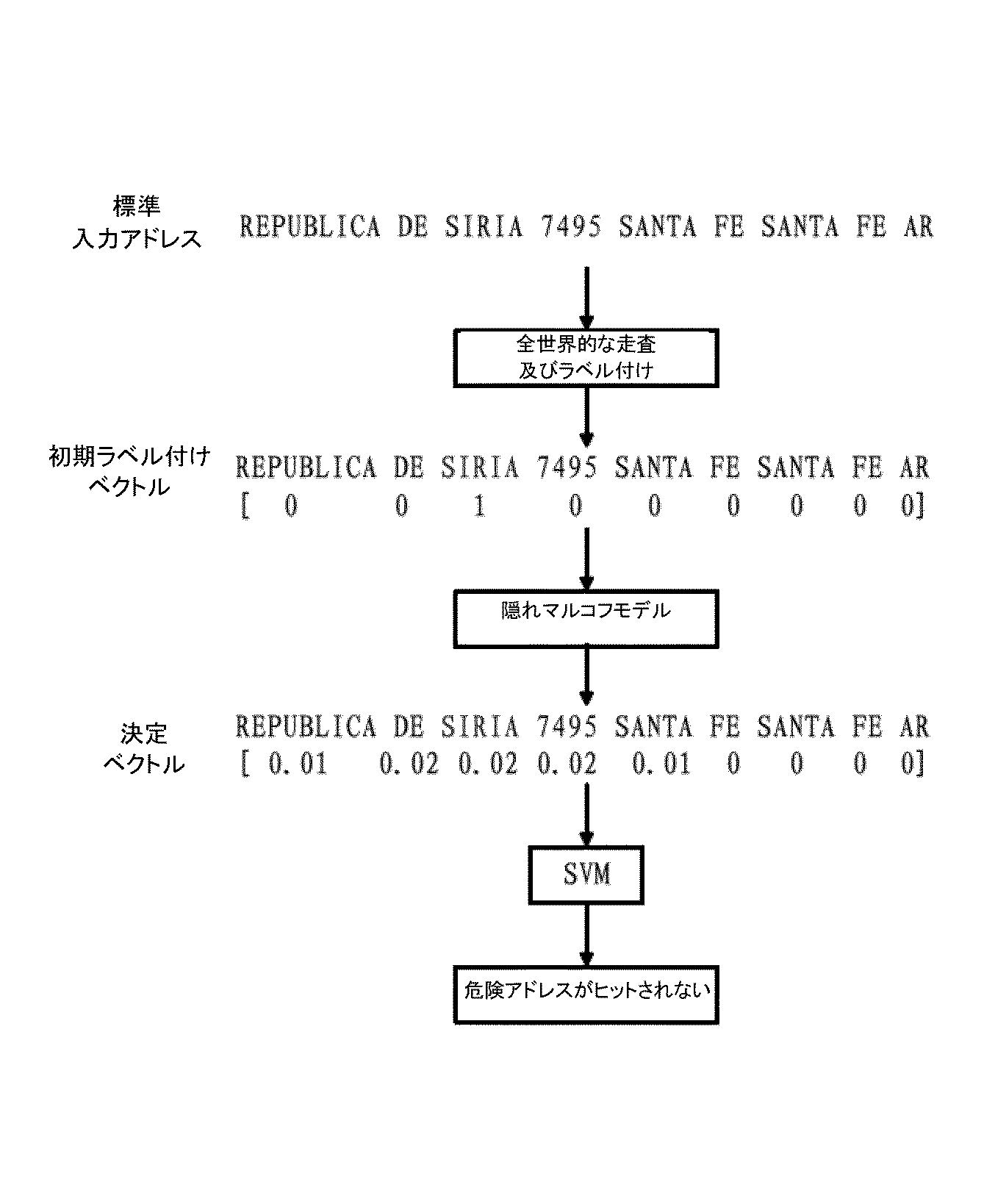
図6は、アドレスが危険を有しないことを危険アドレス識別が示す、本明細書の実施形態において提供される概略流れ図であり、それは、
最初に、入力アドレスのテキストが、REPUBLICA DE SIRIA 7495 SANTA FE Santa Fe ARであることと、
次に、入力アドレスを全世界的に走査し、且つその入力アドレスを制裁アドレス(国又は都市)語:SIRIAにヒットするものとしてラベル付けすること、及び入力アドレスの初期ラベル付けベクトル[0,0,1,0,0,0,0,0,0]を取得することであって、初期ラベル付けベクトルが、初期確率ベクトルとして理解され得ることと、
更に、隠れマルコフラベル付けモデルを通じて決定ベクトル[0.01,0.02,0.02,0.02,0.01,0,0,0,0]を取得することと、
最後に、入力アドレスが制裁アドレスにヒットしないという決定をSVM分類モデルが行うこととを特に含み、、ここで説明される制裁アドレスは危険アドレスとして理解され得る。
FIG. 6 is a schematic flow chart provided in the embodiments herein in which the dangerous address identification indicates that the address is not dangerous.
First, the text of the input address is
Then, scan the input address globally and label the input address as hit on the sanctioned address (country or city) word: SIRIA, and the initial labeling vector of the input address [0,0 , 1,0,0,0,0,0,0], wherein the initial labeling vector can be understood as an initial probability vector, and
Further, obtaining a decision vector [0.01, 0.02, 0.02, 0.02, 0.01, 0, 0, 0, 0] through a hidden Markov labeling model;
Finally, the sanctioned addresses described herein may be understood as dangerous addresses, including specifically that the SVM classification model makes the determination that the input address does not hit the sanctioned address.
図7は、アドレスが危険であることを危険アドレス識別が示す、本明細書の実施形態において提供される概略流れ図であり、それは、
最初に、入力アドレスのテキストが、Rostovskaya, 31a, Simferopol 5 Other RUであることと、
次に、入力アドレスを全世界的に走査し、且つその入力アドレスを制裁アドレス(国又は都市)語:Simferopolにヒットするものとしてラベル付けすること、及び入力アドレスの初期ラベル付けベクトル[0,0,1,0,0,0]を取得することと、
更に、隠れマルコフラベル付けモデルを通じて決定ベクトル[0.9,0.9,0.9,0.9,0.5,0.1]を取得することと、
最後に、入力アドレスが制裁アドレスにヒットするという決定をSVM分類モデルが行うことと、
を特に含み、
ここで説明される制裁アドレスは、上記の危険アドレスとして理解することができる。
FIG. 7 is a schematic flow chart provided in the embodiments herein, in which the dangerous address identification indicates that the address is dangerous,
First, the text of the input address is Rostovskaya, 31a,
Then it scans the input address globally and labels it as hitting the sanctioned address (country or city) word: Simferopol, and the initial labeling vector of the input address [0,0 , 1,0,0,0], and
Further, obtaining a decision vector [0.9, 0.9, 0.9, 0.9, 0.5, 0.1] through a hidden Markov labeling model, and
Finally, the SVM classification model determines that the input address hits the sanctioned address,
Especially including,
The sanctioned address described here can be understood as the dangerous address above.
図8は、本明細書の実施形態において提供される危険アドレス識別のモデリング及び識別の概略流れ図であり、それは、
危険アドレス識別モデルをモデル化する場合に、パラメータ訓練を実行すること、及び最初に訓練アドレスコーパスを取得することであって、それが、サンプルアドレスとして理解され得ることと、
次に、訓練アドレスコーパスをクリーニングすること、及び訓練アドレスコーパスを標準アドレス文字列に分離することであって、それらが、アドレス語シーケンスとして理解され得ることと、
次に、初期ラベル付けモデル及び初期パラメータを取得するために、入力訓練アドレスコーパスを全世界的に走査し、照合し、且つラベル付けすることと、
を特に含んでもよい。
FIG. 8 is a schematic flow diagram of modeling and identification of dangerous address identification provided in the embodiments herein.
Performing parametric training in modeling the dangerous address identification model, and first obtaining a training address corpus, which can be understood as sample addresses;
Then, cleaning the training address corpus and separating the training address corpus into standard address strings, which can be understood as address word sequences, and
Next, globally scanning, matching, and labeling the input training address corpus to obtain an initial labeling model and initial parameters;
In particular may be included.
更に、初期ラベル付けモデルに従って、隠れマルコフモデルパラメータは、必要とされる隠れマルコフモデルを取得するために訓練される。更に再び、SVMのパラメータは、必要とされるSVMモデルを最終的に取得するために、隠れマルコフモデルを通じた決定ベクトル出力に従って訓練される。 Further, according to the initial labeling model, the hidden Markov model parameters are trained to obtain the required hidden Markov model. Again again, the parameters of the SVM are trained according to the decision vector output through the Hidden Markov Model to finally obtain the required SVM model.
危険アドレス走査及び識別を実行する場合に、ユーザが、最初にアドレスを入力する。次に、標準化処理並びに全世界的な危険アドレス走査及びラベル付けが、ラベル付けされたアドレス語シーケンスを取得するために、入力アドレスに対して実行され、更に、観察シーケンスが、危険語及びその前後のセマンティクスに基づいて取得される。 When performing dangerous address scanning and identification, the user first enters the address. Then, a standardization process and a global dangerous address scan and labeling are performed on the input address to obtain a labeled address word sequence, and an observation sequence is also performed before and after the dangerous word. It is obtained based on the semantics of.
更に再び、危険確率計算及びラベル付けが、決定ベクトルを生成するために、隠れマルコフモデルを通じてアドレス語シーケンス(観察シーケンス)に対して実行される。 Again, risk probability calculations and labeling are performed on the address word sequence (observation sequence) through the Hidden Markov Model to generate the decision vector.
最後に、SVMは、入力アドレスが危険アドレスかどうかを決定するために、決定ベクトルに従って2値分類決定を行う。 Finally, the SVM makes a binary classification decision according to the decision vector to determine if the input address is a dangerous address.
隠れマルコフモデル及びサポートベクトルマシンは、危険アドレス語及びその前後のセマンティクスに基づいて、入力アドレスを判断し識別するために用いられ、識別の精度は、効果的に改善することができる。 The Hidden Markov Model and Support Vector Machine are used to judge and identify the input address based on the dangerous address word and the semantics around it, and the accuracy of the identification can be effectively improved.
本明細書の特定の実施形態が、上記で説明される。他の実施形態は、添付の特許請求の範囲内に入る。幾つかの場合に、特許請求の範囲において明記される動作又はステップは、実施形態における順序とは異なっている順序で実行することができ、且つやはり所望の結果を達成することができる。加えて、図面に描かれているプロセスは、所望の結果を達成するために、必ずしも、示されているような特定の順序又は連続する順序ではない。幾つかの実装形態において、多重タスク処理及び並列処理もまた、可能であるか又は有利になり得る。 Particular embodiments herein are described above. Other embodiments are within the scope of the appended claims. In some cases, the acts or steps recited in the claims can be performed in a different order than the order in the embodiments, and still achieve the desired results. In addition, the processes depicted in the figures are not necessarily in the particular order shown, or sequential order, to achieve desirable results. In some implementations, multitasking and parallel processing may also be possible or advantageous.
説明における様々な実施形態は、全て漸進的方法で説明される。実施形態間の同じ又は類似の部分用に、互いに参照することができる。各実施形態用に、他の実施形態と相異なる実施形態の部分が、主として説明される。特に機器、電子装置、不揮発性コンピュータ記憶媒体実施形態は、それらが方法実施形態に実質的に似ているので、比較的単純な方法で説明され、関連部分用に、方法実施形態における説明の部分を参照することができる。 The various embodiments in the description are all described in a progressive manner. Reference may be made to each other for the same or similar parts between the embodiments. For each embodiment, the parts of the embodiment that differ from the other embodiments are primarily described. In particular, appliance, electronic device, non-volatile computer storage media embodiments are described in a relatively simple manner, as they are substantially similar to method embodiments, and for relevant parts, the description of method embodiments. Can be referred to.
本明細書の実施形態において提供される機器、電子装置及び不揮発性コンピュータ記憶媒体は、方法に対応する。従って、機器、電子装置及び不揮発性コンピュータ記憶媒体はまた、対応する方法の効果と類似の有益な技術的効果を有する。方法の有益な技術的効果が、上記で詳細に説明されたので、対応する機器、電子装置及び不揮発性コンピュータ記憶媒体の有益な技術的効果は、ここでは説明されない。 The devices, electronic devices, and non-volatile computer storage media provided in the embodiments herein correspond to the method. Therefore, the device, the electronic device and the non-volatile computer storage medium also have beneficial technical effects similar to those of the corresponding method. Since the beneficial technical effects of the method have been described in detail above, the beneficial technical effects of the corresponding devices, electronic devices and non-volatile computer storage media are not described here.
1990年代に、技術の改善が、ハードウェアの改善(例えば、ダイオード、トランジスタ及びスイッチなどの回路構造の改善)又はソフトウェアの改善(方法手順の改善)として明らかに区別され得た。しかしながら、様々な技術の発展と共に、現在における多くの方法手順の改善は、ハードウェア回路構造の直接の改善と見なされ得る。ほとんど全ての設計者は、対応するハードウェア回路構造を取得するために、改善された方法手順をハードウェア回路にプログラムする。従って、方法手順の改善が、ハードウェアエンティティモジュールを用いて実行され得ないとは言うことができない。例えば、プログラマブル論理装置(PLD)(例えばフィールドプログラマブルゲートアレイ(FPGA))は、かかる集積回路であり、その論理機能は、ユーザプログラミング装置によって決定される。設計者は、チップ製造業者に専用集積回路チップを設計及び製造するように要請することなく、デジタルシステムを一片のPLDに「集積する」ために自分でプログラムする。更に、現在、プログラミングは、集積回路チップを手動で作製するのではなく、「論理コンパイラ」ソフトウェアを用いてほとんど実行される。「論理コンパイラ」ソフトウェアは、プログラムの開発及び書き込み用に用いられるソフトウェアコンパイラに似ており、コンパイリング前のオリジナルコードもまた、特定のプログラミング言語で書かれる必要があり、プログラミング言語は、ハードウェア記述言語(HDL)と呼ばれる。ABEL(高度ブール演算式言語)、AHDL(アルテラハードウェア記述言語)、Confluence、CUPL(コーネル大学プログラミング言語)、HDCal、JHDL(Java(登録商標)ハードウェア記述言語)、Lava、Lola、MyHDL、PALASM、及びRHDL(ルビーハードウェア記述言語)などの多くの種類のHDLが存在し、それらの間で、VHDL(超高速集積回路ハードウェア記述言語)及びVerilogが、現在最も一般的に用いられる。当業者はまた、論理方法手順を実行するためのハードウェア回路が、上記の幾つかのハードウェア記述言語を用いて方法手順を少し論理的にプログラムすること、及び方法手順を集積回路にプログラムすることによってのみ容易に取得され得ることを知っているはずである。 In the 1990s, improvements in technology could be clearly distinguished as improvements in hardware (eg, improvements in circuit structures such as diodes, transistors and switches) or software (improvements in method procedures). However, with the development of various technologies, many of the current method procedure improvements can be regarded as direct improvements of the hardware circuit structure. Almost all designers program the hardware circuit with improved method steps in order to obtain the corresponding hardware circuit structure. Therefore, it cannot be said that the improvement of the method procedure cannot be performed with the hardware entity module. For example, a programmable logic device (PLD), such as a field programmable gate array (FPGA), is such an integrated circuit, whose logic function is determined by the user programming device. Designers program themselves to "integrate" a digital system into a piece of PLD without requiring the chip manufacturer to design and manufacture a dedicated integrated circuit chip. Furthermore, programming is currently mostly performed using "logic compiler" software rather than manually making integrated circuit chips. "Logical compiler" software is similar to software compilers used for program development and writing, the original code before compiling also needs to be written in a specific programming language, which is a hardware description. It is called Language (HDL). ABEL (Advanced Boolean expression language), AHDL (Altera hardware description language), Confluence, CUPL (Cornell University programming language), HDCal, JHDL (Java (registered trademark) hardware description language), Lava, Lola, MyHDL, PALASM , And RHDL (Ruby Hardware Description Language), among which VHDL (Very High Speed Integrated Circuit Hardware Description Language) and Verilog are currently most commonly used. Those skilled in the art will also appreciate that a hardware circuit for performing a logical method procedure may program the method procedure a little logically using some of the hardware description languages described above, and program the method procedure into an integrated circuit. You should know that it can be easily obtained only by.
コントローラが、任意の適切な方法で実現されてもよい。例えば、コントローラは、マイクロプロセッサ又はプロセッサと、(マイクロ)プロセッサ、論理ゲート、スイッチ、特定用途向け集積回路(ASIC)、プログラマブル論理コントローラ及び埋め込みマイクロコントローラによって実行可能なコンピュータ可読プログラムコード(例えばソフトウェア又はファームウェア)を格納するコンピュータ可読媒体と、の形態であってもよい。コントローラの例には、限定するわけではないが、次のマイクロコントローラ、即ち、ARC 625D、Atmel AT91SAM、Microchip PIC18F26K20、及びSilicone Labs C8051F320が含まれる。メモリコントローラもまた、メモリの制御論理の一部として実現されてもよい。当業者はまた、純粋なコンピュータ可読プログラムコードによってコントローラを実現することに加えて、論理ゲート、スイッチ、特定用途向け集積回路、プログラマブル論理コントローラ、及び埋め込みマイクロコントローラの形態でコントローラが同じ機能を実現できるようにするために、方法ステップが、論理的にプログラムされてもよいことを知っている。従って、かかるコントローラは、ハードウェアコンポーネントと見なされてもよく、様々な機能を実行するためにハードウェアコンポーネントに含まれる機器もまた、ハードウェアコンポーネント内の構造と見なされてもよい。代替として、様々な機能を実行するための機器は、方法を実行するためのソフトウェアモジュール及びハードウェアコンポーネント内の構造の両方とさえ見なされてもよい。 The controller may be implemented in any suitable way. For example, the controller may be a microprocessor or a processor and computer-readable program code (eg, software or firmware) executable by a (micro)processor, logic gates, switches, application specific integrated circuits (ASICs), programmable logic controllers and embedded microcontrollers. ). Examples of controllers include, but are not limited to, the following microcontrollers: ARC 625D, Atmel AT91SAM, Microchip PIC18F26K20, and Silicone Labs C8051F320. The memory controller may also be implemented as part of the control logic of the memory. Those skilled in the art will also realize that the controller in the form of logic gates, switches, application specific integrated circuits, programmable logic controllers, and embedded microcontrollers, in addition to implementing the controller in pure computer readable program code. We know that method steps may be logically programmed to do so. Thus, such a controller may be considered a hardware component and the equipment included in the hardware component to perform various functions may also be considered a structure within the hardware component. Alternatively, the devices for performing various functions may even be considered both as software modules for performing the methods and structures within hardware components.
上記の実施形態に示されているシステム、機器、モジュール又はユニットは、コンピュータチップ若しくはエンティティによって実現できるか、又は特定の機能を有する製品によって実現することができる。典型的な実装形態装置が、コンピュータである。例えば、コンピュータは、パーソナルコンピュータ、ラップトップコンピュータ、携帯電話、カメラ付き携帯電話、スマートフォン、携帯情報端末、メディアプレーヤ、ナビゲーション装置、電子メール装置、ゲーム機、タブレットコンピュータ、ウェアラブル装置、又はこれらの装置のいずれかの組み合わせであってもよい。 The system, device, module or unit shown in the above embodiments can be realized by a computer chip or entity, or can be realized by a product having a specific function. A typical implementation device is a computer. For example, a computer is a personal computer, a laptop computer, a mobile phone, a mobile phone with a camera, a smartphone, a personal digital assistant, a media player, a navigation device, an electronic mail device, a game machine, a tablet computer, a wearable device, or a device of these devices. Any combination may be used.
説明をし易くするために、上記の機器は、機能に基づいて様々なモジュールに分割され、モジュールは別々に説明される。もちろん、本明細書の1つ又は複数の実施形態が実施される場合に、様々なユニットの機能は、ソフトウェア及び/又はハードウェアの1つ又は複数の部分において実行することができる。 For ease of explanation, the above equipment is divided into various modules based on function, and the modules are described separately. Of course, when one or more embodiments herein are implemented, the functions of the various units may be performed in one or more pieces of software and/or hardware.
当業者は、本明細書の実施形態が、方法、システム又はコンピュータプログラムプロダクトとして提供され得ることを理解すべきである。従って、本明細書の実施形態は、完全なハードウェア実施形態、完全なソフトウェア実施形態、又はソフトウェア及びハードウェアを組み合わせる実施形態の形で実施されてもよい。更に、本明細書の実施形態は、コンピュータ使用可能プログラムコードを自らに含む1つ又は複数のコンピュータ使用可能記憶媒体(限定するわけではないが、磁気ディスクメモリ、CD−ROM、光メモリなどを含む)上に実現されたコンピュータプログラムプロダクトの形態であってもよい。 Those skilled in the art should understand that the embodiments herein may be provided as a method, a system or a computer program product. Accordingly, the embodiments herein may be implemented in the form of a complete hardware embodiment, a complete software embodiment, or an embodiment combining software and hardware. Further, embodiments herein include one or more computer-usable storage media having computer-usable program code contained therein, including but not limited to magnetic disk memory, CD-ROM, optical memory, and the like. It may be in the form of a computer program product implemented as above.
本明細書は、本発明の実施形態に従って、方法、装置(システム)及びコンピュータプログラムプロダクトの流れ図及び/又はブロック図に関連して説明される。コンピュータプログラム命令が、流れ図及び/又はブロック図における各プロセス及び/又はブロック、並びに流れ図及び/又はブロック図におけるプロセス及び/又はブロックの組み合わせを実行してもよいことを理解されたい。これらのコンピュータプログラム命令は、汎用コンピュータ、専用コンピュータ、埋め込みプロセッサ、又はマシンを作製するための他のプログラマブルデータ処理装置のプロセッサに提供されてもよく、その結果、流れ図における1つ若しくは複数のプロセス、及び/又はブロック図における1つ若しくは複数のブロックにおける特定の機能を実行するための機器が、コンピュータ又は他のプログラマブルデータ処理装置のプロセッサにより実行される命令によって作製される。 This specification is described in connection with flowchart illustrations and/or block diagrams of methods, apparatus (systems) and computer program products according to embodiments of the invention. It should be understood that computer program instructions may perform each process and/or block in the flowchart illustrations and/or block diagrams, and combinations of processes and/or blocks in the flowchart illustrations and/or block diagrams. These computer program instructions may be provided to a processor of a general purpose computer, a special purpose computer, an embedded processor, or other programmable data processing device for making a machine, such that one or more processes in the flowcharts, And/or equipment for performing the specified functions in one or more blocks in the block diagrams is made up of instructions executed by a processor of a computer or other programmable data processing device.
コンピュータ可読メモリに格納された命令が、命令機器を含む製造製品を作製するように、特定の方法で動作するようにコンピュータ又は他のプログラマブルデータ処理装置を誘導できるこれらのコンピュータプログラム命令はまた、コンピュータ可読メモリに格納されてもよい。命令機器は、流れ図における1つ若しくは複数のプロセス及び/又はブロック図における1つ若しくは複数のブロックにおいて特定の機能を実行する。 These computer program instructions, which cause instructions stored in a computer readable memory to direct a computer or other programmable data processing device to operate in a particular manner, such as to produce a manufactured product including an instruction machine, are also computer-readable instructions. It may be stored in a readable memory. The instruction device performs a particular function in one or more processes in the flow chart and/or one or more blocks in the block diagram.
これらのコンピュータプログラム命令はまた、一連の動作ステップが、コンピュータ又は他のプログラマブル装置上で実行され、従ってコンピュータ実行処理を生成するように、コンピュータ又は他のプログラマブルデータ処理装置上にロードされてもよい。従って、コンピュータ又は他のプログラマブル装置上で実行される命令は、流れ図における1つ若しくは複数のプロセス及び/又はブロック図における1つ若しくは複数のブロックにおいて特定された機能を実行するためのステップを提供する。 These computer program instructions may also be loaded onto a computer or other programmable data processing device such that a series of operational steps may be performed on a computer or other programmable device, thus producing a computer implemented process. .. Thus, the instructions executed on a computer or other programmable device provide steps for performing the functions identified in one or more processes in the flowcharts and/or one or more blocks in the block diagrams. ..
典型的な構成において、コンピューティング装置は、1つ又は複数の中央処理装置(CPU)、入力/出力インタフェース、ネットワークインタフェース、及びメモリを含む。 In a typical configuration, a computing device includes one or more central processing units (CPUs), input/output interfaces, network interfaces, and memory.
メモリは、非永続的メモリ、ランダムアクセスメモリ(RAM)、及び/又は不揮発性メモリ、例えば読み出し専用メモリ(ROM)若しくはフラッシュRAMなどのコンピュータ可読媒体を含んでもよい。メモリは、コンピュータ可読媒体の例である。 The memory may include non-persistent memory, random access memory (RAM), and/or non-volatile memory, computer readable media such as read only memory (ROM) or flash RAM. Memory is an example of a computer-readable medium.
コンピュータ可読媒体は、着脱可能及び着脱不能媒体と同様に永続及び非永続媒体を含み、且つ任意の方法又は技術によって情報を格納してもよい。情報は、コンピュータ可読命令、データ構造、プログラムのモジュール、又は他のデータであってもよい。コンピュータの記憶媒体の例は、限定するわけではないが、相変化メモリ(PRAM)、スタティックランダムアクセスメモリ(SRAM)、ダイナミックランダムアクセスメモリ(DRAM)、他のタイプのランダムアクセスメモリ(RAM)、読み出し専用メモリ(ROM)、電気的消去可能プログラマブル読み出し専用メモリ(EEPROM)、フラッシュメモリ若しくは他のメモリ技術、コンパクトディスク読み出し専用メモリ(CD−ROM)、デジタル多用途ディスク(DVD)若しくは他の光記憶装置、カセットテープ、磁気テープ/磁気ディスク記憶装置若しくは他の磁気記憶装置、又は任意の他の非伝送媒体を含み、且つコンピューティング装置にとってアクセス可能な情報を格納するために用いることができる。本明細書における定義によれば、コンピュータ可読媒体は、変調データ信号及びキャリアなど、コンピュータ可読の一時的媒体を含まない。 Computer-readable media includes both persistent and non-persistent media, as well as removable and non-removable media, and may store information by any method or technique. Information may be computer readable instructions, data structures, modules of programs, or other data. Examples of computer storage media include, but are not limited to, phase change memory (PRAM), static random access memory (SRAM), dynamic random access memory (DRAM), other types of random access memory (RAM), read. Dedicated memory (ROM), electrically erasable programmable read-only memory (EEPROM), flash memory or other memory technology, compact disc read-only memory (CD-ROM), digital versatile disc (DVD) or other optical storage device , Cassette tape, magnetic tape/magnetic disk storage or other magnetic storage, or any other non-transmission medium, and can be used to store information accessible to computing devices. Computer-readable media, as defined herein, does not include computer-readable transitory media such as modulated data signals and carriers.
用語「含む(include)」、「含む(comprise)」、又はそれらの任意の他の変形が、非排他的な包含をカバーするように意図され、その結果、一連の要素を含むプロセス、方法、品物若しくは装置が、要素を含むだけでなく、明確に挙げられていない他の要素も含むか、又は更にプロセス、方法、品物若しくは装置に固有の要素も更に含むことに更に留意されたい。より多くの制限がない状態で、「〜を含む(including a/an…)」によって定義される要素は、要素を含むプロセス、方法、品物又は装置が、他の同一の要素を更に有することを排除しない。 The terms “include”, “comprise”, or any other variation thereof are intended to cover non-exclusive inclusion, so that a process, method, comprising a series of elements, It is further noted that the item or apparatus not only includes the elements, but also includes other elements not specifically mentioned, or further includes elements that are process, method, item or apparatus specific. Without being more restrictive, an element defined by "including a/an..." means that the process, method, item or apparatus that includes the element further has other identical elements. Do not exclude.
本明細書は、コンピュータ、例えばプログラムモジュールによって実行されるコンピュータ実行可能命令の一般的文脈で説明されてもよい。一般に、プログラムモジュールは、特定のタスクを実行するか又は特定の抽象データ型を実現するためのルーチン、プログラム、オブジェクト、コンポーネント、データ構造などを含む。本明細書はまた、分散コンピューティング環境において実施されてもよい。分散コンピューティング環境において、タスクは、通信ネットワークを通じて接続される遠隔処理装置によって実行される。分散コンピューティング環境において、プログラムモジュールは、記憶装置を含むローカル及び遠隔コンピュータ記憶媒体に位置してもよい。 This specification may be described in the general context of computer-executable instructions, which are executed by a computer, eg, a program module. Generally, program modules include routines, programs, objects, components, data structures, etc. for performing particular tasks or implement particular abstract data types. The present specification may also be implemented in a distributed computing environment. In a distributed computing environment, tasks are performed by remote processing devices that are linked through a communications network. In a distributed computing environment, program modules may be located in both local and remote computer storage media including storage devices.
説明における様々な実施形態は、全て漸進的方法で説明される。実施形態間の同じ又は類似の部分用に、互いに参照することができる。各実施形態用に、他の実施形態と相異なる実施形態の部分が、主として説明される。特に、システム実施形態は、それらが、方法実施形態に実質的に似ているので、比較的簡単な方法で説明され、関連部分用に、方法実施形態における説明の部分に対して参照することができる。 The various embodiments in the description are all described in a progressive manner. Reference may be made to each other for the same or similar parts between the embodiments. For each embodiment, the parts of the embodiment that differ from the other embodiments are primarily described. In particular, system embodiments are described in a relatively simple manner, as they are substantially similar to method embodiments, and for relevant portions, reference may be made to the portions of the description in method embodiments. it can.
上記で説明されているのは、単に本明細書の実施形態であり、本出願を限定するためには用いられない。当業者にとって、本出願は、様々な変更及び変形を有し得る。本出願の趣旨及び原理内で行われるどんな修正、等価な代替、改善などは、本出願の請求項の範囲に含まれるべきである。
Described above are merely embodiments herein and are not used to limit the present application. For those skilled in the art, the present application may have various modifications and variations. Any modifications, equivalent substitutions, improvements, etc. made within the spirit and principle of the present application should be included in the scope of the claims of the present application.
更に、アドレス語シーケンスに含まれる様々なアドレス語において、各危険アドレスに対応する危険語にヒットするアドレス語を決定する照合モジュール102は、
照合モジュール102が、各危険アドレスに対応する危険語を用いて、アドレス語シーケンスにおける様々なアドレス語をそれぞれ照合することと、
アドレス語の1つが成功裏に一致する場合に、そのアドレス語を各危険アドレスに対応する危険語にヒットするアドレス語としてラベル付けし決定することと、
を特に含んでもよい。
Further, in the various address words included in the address word sequence, the
The
Labeling and determining an address word as an address word that hits the dangerous word corresponding to each dangerous address if one of the address words successfully matches;
In particular may be included.
Claims (23)
入力アドレスに対応するアドレス語シーケンスを取得することと、
前記アドレス語シーケンスに含まれる様々なアドレス語において、各危険アドレスに対応する危険語にヒットするアドレス語を決定することと、
前記決定されたアドレス語に従って、前記アドレス語シーケンスに対応する観察シーケンスを生成することと、
決定ベクトルを取得するために、アドレス語の前後のセマンティクス学習に基づいて取得された隠れマルコフモデルを用いて前記観察シーケンスを処理することであって、前記決定ベクトルが、前記アドレス語シーケンスに含まれる前記様々なアドレス語によってヒットされる前記危険アドレスの確率を表すことと、
前記決定ベクトルに対して分類決定を行うことによって、前記入力アドレスが危険アドレスかどうかを識別することと、
を含む方法。 A method for identifying dangerous addresses,
Obtaining an address word sequence corresponding to the input address,
Determining an address word that hits a dangerous word corresponding to each dangerous address among various address words included in the address word sequence;
Generating an observation sequence corresponding to the address word sequence according to the determined address word;
Processing the observation sequence with a hidden Markov model obtained based on semantic learning before and after the address word to obtain a decision vector, the decision vector being included in the address word sequence. Representing the probability of the dangerous address being hit by the various address words;
Identifying whether the input address is a dangerous address by making a classification decision on the decision vector;
Including the method.
入力アドレスを受信することと、
前記入力アドレスに対応するアドレス語シーケンスを取得するために、前記入力アドレスに対してデータクリーニング処理及び単語分割処理を実行することと、
を特に含む、請求項1に記載の方法。 To get the address word sequence corresponding to the input address,
Receiving an input address,
Performing a data cleaning process and a word segmentation process on the input address to obtain an address word sequence corresponding to the input address;
The method according to claim 1, which specifically comprises:
各危険アドレスに対応する危険語を用いて、前記アドレス語シーケンスにおける前記様々なアドレス語をそれぞれ照合することと、
前記アドレス語の1つが、成功裏に一致する場合に、そのアドレス語を各危険アドレスに対応する危険語にヒットするアドレス語としてラベル付けし決定することと、
を特に含む、請求項1に記載の方法。 Determining the address word that hits the dangerous word corresponding to each dangerous address in the various address words included in the address word sequence,
Matching each of the various address words in the address word sequence with a danger word corresponding to each danger address;
If one of the address words is successfully matched, then labeling and determining the address word as an address word that hits the dangerous word corresponding to each dangerous address;
The method according to claim 1, which specifically comprises:
成功裏に一致するアドレス語がない場合に、前記入力アドレスが危険アドレスではないと決定することを更に含む、請求項3に記載の方法。 Determining the address word that hits the dangerous word corresponding to each dangerous address in the various address words included in the address word sequence,
4. The method of claim 3, further comprising determining that the input address is not a dangerous address if no successful address word matches.
前記決定されたアドレス語用に、前記アドレス語シーケンスにおける前記アドレス語及び前記アドレス語の関連語に従って、前記アドレス語シーケンスに対応する観察シーケンスを生成することをそれぞれ実行することを特に含み、前記関連語が、前記アドレス語シーケンスにおける前記アドレス語の前後のセマンティクスを反映する、請求項3に記載の方法。 Generating an observation sequence corresponding to the address word sequence according to the determined address word;
In particular, for each of the determined address words, the method further comprises performing, according to the address words and related words of the address words in the address word sequence, respectively, generating an observation sequence corresponding to the address word sequence, The method of claim 3, wherein a word reflects the semantics before and after the address word in the address word sequence.
所定の訓練サンプルに従って初期パラメータを抽出し、前記初期パラメータに従って、隠れマルコフモデルパラメータを含む初期モデルを確立することであって、前記訓練サンプルが、危険アドレス又は非危険アドレスであることと、
前記訓練サンプルに含まれるアドレス語及び前記アドレス語の前後のセマンティクスに従って、前記訓練サンプルに対応する観察シーケンスを生成することと、
隠れマルコフモデルを取得するために、前記訓練サンプルに対応する前記初期モデル及び前記観察シーケンスに従って、前記隠れマルコフモデルパラメータを訓練することと、
を含む、請求項1に記載の方法。 Obtaining Hidden Markov Models based on semantic learning before and after address words
Extracting an initial parameter according to a predetermined training sample and establishing an initial model including hidden Markov model parameters according to the initial parameter, wherein the training sample is a dangerous address or a non-dangerous address,
Generating an observation sequence corresponding to the training sample according to the address words included in the training sample and the semantics before and after the address word;
Training the hidden Markov model parameters according to the initial model and the observation sequence corresponding to the training sample to obtain a hidden Markov model;
The method of claim 1, comprising:
所定の訓練サンプルに従って初期パラメータを抽出することが、
複数の所定の訓練サンプルに基づいて、前記訓練サンプルに含まれるアドレス語に対して確率ラベル付けをそれぞれ実行することによって、初期確率ベクトルを取得することと、
危険語と非危険語との間の、前記訓練サンプルに含まれる前記アドレス語の状態遷移確率に従って、前記サンプルアドレスの状態遷移行列を取得することと、
を特に含む、請求項6に記載の方法。 The initial parameters include an initial probability vector and a state transition matrix, and extracting the initial parameters according to a predetermined training sample,
Obtaining an initial probability vector by performing probability labeling on each of the address words contained in the training samples based on a plurality of predetermined training samples;
Obtaining a state transition matrix of the sample address according to a state transition probability of the address word included in the training sample between a dangerous word and a non-dangerous word;
7. The method according to claim 6, which specifically comprises
前記訓練サンプルに対応する前記初期モデル及び前記観察シーケンスに従って、隠れマルコフモデルを取得するために前記隠れマルコフモデルパラメータを訓練するようにバウム−ウェルチアルゴリズムを用いることを特に含む、請求項6に記載の方法。 Training the hidden Markov model parameters according to the initial model corresponding to the training sample and the observation sequence to obtain a hidden Markov model,
7. The method of claim 6, specifically including using a Baum-Welch algorithm to train the Hidden Markov Model parameters to obtain a Hidden Markov Model parameter according to the initial model and the observation sequence corresponding to the training sample. Method.
決定ベクトルを取得するために、アドレス語の前後のセマンティクス学習によって取得された前記隠れマルコフモデル、及びビタビアルゴリズムを用いて前記観察シーケンスを処理することを特に含む、請求項1に記載の方法。 Processing the observation sequence with a hidden Markov model obtained based on semantic learning before and after the address word to obtain a decision vector,
2. The method of claim 1, specifically comprising processing the observation sequence with the Hidden Markov Model obtained by semantic learning before and after an address word and a Viterbi algorithm to obtain a decision vector.
訓練を通じて取得されたサポートベクトルマシン(SVM)モデルを用いて、前記決定ベクトルに対して分類決定を行うことを特に含む、請求項1に記載の方法。 Making a classification decision on the decision vector,
The method of claim 1, specifically comprising making a classification decision on the decision vector using a support vector machine (SVM) model obtained through training.
サポートベクトルマシン用の訓練サンプルを取得することと、
前記サポートベクトルマシンの前記訓練サンプルに対応するサンプル特徴空間を取得するために、前記サポートベクトルマシンの前記訓練サンプルを高次元特徴空間にマッピングすることと、
サンプル特徴を表すパラメータを前記サンプル特徴空間から取得し、前記サンプル特徴の前記パラメータに従って、前記サンプル特徴のカテゴリを決定するための判別関数を確立することと、
SVMモデルを取得するために、前記サポートベクトルマシンの前記訓練サンプルに基づいて、前記判別関数において、対応するSVMモデルパラメータを訓練することと、
を含む、請求項10に記載の方法。 Getting a support vector machine model through training
Obtaining training samples for support vector machines,
Mapping the training sample of the support vector machine to a high dimensional feature space to obtain a sample feature space corresponding to the training sample of the support vector machine;
Obtaining a parameter representing a sample feature from the sample feature space and establishing a discriminant function for determining a category of the sample feature according to the parameter of the sample feature;
Training corresponding SVM model parameters in the discriminant function based on the training samples of the support vector machine to obtain an SVM model;
11. The method of claim 10, comprising:
入力アドレスに対応するアドレス語シーケンスを取得するための受信モジュールと、
前記アドレス語シーケンスに含まれる様々なアドレス語において、各危険アドレスに対応する危険語にヒットするアドレス語を決定するための照合モジュールと、
前記決定されたアドレス語に従って、前記アドレス語シーケンスに対応する観察シーケンスを生成するための生成モジュールと、
決定ベクトルを取得するために、アドレス語の前後のセマンティクス学習に基づいて取得された隠れマルコフモデルを用いて前記観察シーケンスを処理するためのラベル付けモジュールであって、前記決定ベクトルが、前記アドレス語シーケンスに含まれる前記様々なアドレス語によってヒットされる前記危険アドレスの確率を表す、ラベル付けモジュールと、
前記決定ベクトルに対して分類決定を行うことによって、前記入力アドレスが危険アドレスかどうかを識別するための識別モジュールと、
を含む機器。 A dangerous address identification device,
A receiving module for obtaining an address word sequence corresponding to the input address,
A matching module for determining an address word that hits a dangerous word corresponding to each dangerous address in various address words included in the address word sequence;
A generation module for generating an observation sequence corresponding to the address word sequence according to the determined address word;
A labeling module for processing the observation sequence using a hidden Markov model obtained based on semantic learning before and after the address word to obtain a decision vector, the decision vector being the address word A labeling module representing the probability of the dangerous address being hit by the various address words included in the sequence;
An identification module for identifying whether the input address is a dangerous address by making a classification decision on the decision vector;
Equipment including.
前記受信モジュールが、入力アドレスを受信することと、
前記入力アドレスに対応するアドレス語シーケンスを取得するために、前記入力アドレスに対してデータクリーニング処理及び単語分割処理を実行することと、
を特に含む、請求項12に記載の機器。 Said receiving module obtaining an address word sequence corresponding to an input address,
Said receiving module receiving an input address;
Performing a data cleaning process and a word segmentation process on the input address to obtain an address word sequence corresponding to the input address;
13. The device of claim 12, which specifically comprises:
各危険アドレスに対応する危険語を用いて、前記アドレス語シーケンスにおける前記様々なアドレス語をそれぞれ照合することと、
前記アドレス語の1つが、成功裏に一致する場合に、そのアドレス語を各危険アドレスに対応する危険語にヒットするアドレス語としてラベル付けし決定することと、
を特に含む、請求項12に記載の機器。 In the various address words included in the address word sequence, the matching module for determining an address word that hits a dangerous word corresponding to each dangerous address,
Matching each of the various address words in the address word sequence with a danger word corresponding to each danger address;
Labeling and determining if one of the address words successfully matches the address word as an address word that hits the dangerous word corresponding to each dangerous address;
13. The device of claim 12, which specifically comprises:
成功裏に一致するアドレス語がない場合に、前記入力アドレスが危険アドレスではないと決定することを更に含む、請求項14に記載の機器。 In the various address words included in the address word sequence, the matching module for determining an address word that hits a dangerous word corresponding to each dangerous address,
15. The device of claim 14, further comprising determining that the input address is not a dangerous address if there is no successful matching address word.
前記決定されたアドレス語用に、前記アドレス語シーケンスにおける前記アドレス語及び前記アドレス語の関連語に従って、前記アドレス語シーケンスに対応する観察シーケンスを生成することをそれぞれ実行することを特に含み、前記関連語が、前記アドレス語シーケンスにおける前記アドレス語の前後のセマンティクスを反映する、請求項14に記載の機器。 The generation module for generating an observation sequence corresponding to the address word sequence according to the determined address word,
In particular, for each of the determined address words, the method further comprises performing, according to the address words and related words of the address words in the address word sequence, respectively, generating an observation sequence corresponding to the address word sequence, 15. The device of claim 14, wherein a word reflects the semantics before and after the address word in the address word sequence.
所定の訓練サンプルに従って初期パラメータを抽出し、前記初期パラメータに従って、隠れマルコフモデルパラメータを含む初期モデルを確立することであって、前記訓練サンプルが、危険アドレス又は非危険アドレスであることと、
前記訓練サンプルに含まれるアドレス語及び前記アドレス語の前後のセマンティクスに従って、前記訓練サンプルに対応する観察シーケンスを生成することと、
隠れマルコフモデルを取得するために、前記訓練サンプルに対応する前記初期モデル及び前記観察シーケンスに従って、前記隠れマルコフモデルパラメータを訓練することと、
を含む、請求項12に記載の機器。 Obtaining Hidden Markov Models based on semantic learning before and after address words
Extracting an initial parameter according to a predetermined training sample and establishing an initial model including hidden Markov model parameters according to the initial parameter, wherein the training sample is a dangerous address or a non-dangerous address,
Generating an observation sequence corresponding to the training sample according to the address words included in the training sample and the semantics before and after the address word;
Training the hidden Markov model parameters according to the initial model and the observation sequence corresponding to the training sample to obtain a hidden Markov model;
13. The device of claim 12 including.
所定の訓練サンプルに従って初期パラメータを抽出することが、
複数の所定の訓練サンプルに基づいて、前記訓練サンプルに含まれるアドレス語に対して確率ラベル付けをそれぞれ実行することによって、初期確率ベクトルを取得することと、
危険語と非危険語との間の、前記訓練サンプルに含まれる前記アドレス語の状態遷移確率に従って、前記サンプルアドレスの状態遷移行列を取得することと、
を特に含む、請求項17に記載の機器。 The initial parameters include an initial probability vector and a state transition matrix, and extracting the initial parameters according to a predetermined training sample,
Obtaining an initial probability vector by performing probability labeling on each of the address words contained in the training samples based on a plurality of predetermined training samples;
Obtaining a state transition matrix of the sample address according to a state transition probability of the address word included in the training sample between a dangerous word and a non-dangerous word;
18. The device of claim 17, which specifically comprises:
前記訓練サンプルに対応する前記初期モデル及び前記観察シーケンスに従って、隠れマルコフモデルを取得するために前記隠れマルコフモデルパラメータを訓練するようにバウム−ウェルチアルゴリズムを用いることを特に含む、請求項17に記載の機器。 Training the hidden Markov model parameters according to the initial model corresponding to the training sample and the observation sequence to obtain a hidden Markov model,
18. The method of claim 17, specifically including using a Baum-Welch algorithm to train the hidden Markov model parameters to obtain a hidden Markov model according to the initial model corresponding to the training sample and the observation sequence. machine.
決定ベクトルを取得するために、アドレス語の前後のセマンティクス学習によって取得された前記隠れマルコフモデル、及びビタビアルゴリズムを用いて前記観察シーケンスを処理することを特に含む、請求項12に記載の機器。 In order to obtain a decision vector, the labeling module that processes the observation sequence using a hidden Markov model obtained based on the semantic learning before and after the address word,
13. The apparatus of claim 12, specifically including processing the observation sequence with the Hidden Markov Model obtained by semantic learning before and after an address word and a Viterbi algorithm to obtain a decision vector.
訓練を通じて取得されたサポートベクトルマシン(SVM)モデルを用いて、前記決定ベクトルに対して分類決定を行うことを特に含む、請求項12に記載の機器。 The identification module for making a classification decision on the decision vector,
13. The apparatus of claim 12, specifically including making a classification decision on the decision vector using a support vector machine (SVM) model obtained through training.
サポートベクトルマシン用の訓練サンプルを取得することと、
前記サポートベクトルマシンの前記訓練サンプルに対応するサンプル特徴空間を取得するために、前記サポートベクトルマシンの前記訓練サンプルを高次元特徴空間にマッピングすることと、
サンプル特徴を表すパラメータを前記サンプル特徴空間から取得し、前記サンプル特徴の前記パラメータに従って、前記サンプル特徴のカテゴリを決定するための判別関数を確立することと、
前記SVMモデルを取得するために、前記サポートベクトルマシンの前記訓練サンプルに基づいて、前記判別関数において、対応するSVMモデルパラメータを訓練することと、
を含む、請求項21に記載の機器。 Getting a support vector machine model through training
Obtaining training samples for support vector machines,
Mapping the training sample of the support vector machine to a high dimensional feature space to obtain a sample feature space corresponding to the training sample of the support vector machine;
Obtaining a parameter representing a sample feature from the sample feature space and establishing a discriminant function for determining a category of the sample feature according to the parameter of the sample feature;
Training corresponding SVM model parameters in the discriminant function based on the training samples of the support vector machine to obtain the SVM model;
22. The device according to claim 21, comprising:
少なくとも1つのプロセッサと
前記少なくとも1つのプロセッサと通信接続するメモリとを含み、
前記メモリが、前記少なくとも1つのプロセッサによって実行可能な命令を格納し、前記少なくとも1つのプロセッサが、
入力アドレスに対応するアドレス語シーケンスを取得することと、
前記アドレス語シーケンスに含まれる様々なアドレス語において、各危険アドレスに対応する危険語にヒットするアドレス語を決定することと、
前記決定されたアドレス語に従って、前記アドレス語シーケンスに対応する観察シーケンスを生成することと、
決定ベクトルを取得するために、アドレス語の前後のセマンティクス学習に基づいて取得された隠れマルコフモデルを用いて前記観察シーケンスを処理することであって、前記決定ベクトルが、前記アドレス語シーケンスに含まれる前記様々なアドレス語によってヒットされる前記危険アドレスの確率を表すことと、
前記決定ベクトルに対して分類決定を行うことによって、前記入力アドレスが危険アドレスであるかどうかを識別することとをできるようにするために、前記命令が、前記少なくとも1つのプロセッサによって実行される、
を含む電子装置。 An electronic device,
At least one processor and a memory in communication with the at least one processor;
The memory stores instructions executable by the at least one processor, the at least one processor
Obtaining an address word sequence corresponding to the input address,
Determining an address word that hits a dangerous word corresponding to each dangerous address among various address words included in the address word sequence;
Generating an observation sequence corresponding to the address word sequence according to the determined address word;
Processing the observation sequence with a hidden Markov model obtained based on semantic learning before and after the address word to obtain a decision vector, the decision vector being included in the address word sequence. Representing the probability of the dangerous address being hit by the various address words;
The instructions are executed by the at least one processor in order to be able to identify whether the input address is a dangerous address by making a classification decision on the decision vector.
Including an electronic device.
Applications Claiming Priority (3)
| Application Number | Priority Date | Filing Date | Title |
|---|---|---|---|
| CN201710543805.4 | 2017-07-05 | ||
| CN201710543805.4A CN107526967B (en) | 2017-07-05 | 2017-07-05 | Risk address identification method and device and electronic equipment |
| PCT/CN2018/093791 WO2019007288A1 (en) | 2017-07-05 | 2018-06-29 | Risky address identification method and apparatus, and electronic device |
Publications (2)
| Publication Number | Publication Date |
|---|---|
| JP2020524314A true JP2020524314A (en) | 2020-08-13 |
| JP6894058B2 JP6894058B2 (en) | 2021-06-23 |
Family
ID=60748842
Family Applications (1)
| Application Number | Title | Priority Date | Filing Date |
|---|---|---|---|
| JP2019542684A Active JP6894058B2 (en) | 2017-07-05 | 2018-06-29 | Hazardous address identification methods, computer-readable storage media, and electronic devices |
Country Status (10)
| Country | Link |
|---|---|
| US (2) | US10762296B2 (en) |
| EP (1) | EP3637295B1 (en) |
| JP (1) | JP6894058B2 (en) |
| KR (1) | KR102244417B1 (en) |
| CN (1) | CN107526967B (en) |
| MY (1) | MY201873A (en) |
| PH (1) | PH12019501823A1 (en) |
| SG (1) | SG11201907079QA (en) |
| TW (1) | TWI682302B (en) |
| WO (1) | WO2019007288A1 (en) |
Families Citing this family (23)
| Publication number | Priority date | Publication date | Assignee | Title |
|---|---|---|---|---|
| CN107423883B (en) * | 2017-06-15 | 2020-04-07 | 创新先进技术有限公司 | Risk identification method and device for to-be-processed service and electronic equipment |
| CN107526967B (en) * | 2017-07-05 | 2020-06-02 | 阿里巴巴集团控股有限公司 | Risk address identification method and device and electronic equipment |
| CN108920457B (en) * | 2018-06-15 | 2022-01-04 | 腾讯大地通途(北京)科技有限公司 | Address recognition method and device and storage medium |
| CN108876545A (en) * | 2018-06-22 | 2018-11-23 | 北京小米移动软件有限公司 | Order recognition methods, device and readable storage medium storing program for executing |
| CN109102303B (en) * | 2018-06-28 | 2021-06-08 | 招联消费金融有限公司 | Risk detection method and related device |
| CN114119137B (en) * | 2018-06-29 | 2024-06-28 | 创新先进技术有限公司 | Risk control method and device |
| CN112598321B (en) * | 2018-07-10 | 2024-07-02 | 创新先进技术有限公司 | Risk prevention and control method, system and terminal equipment |
| CN109598000B (en) * | 2018-12-28 | 2023-06-16 | 百度在线网络技术(北京)有限公司 | Semantic relation recognition method, semantic relation recognition device, computer equipment and storage medium |
| CN111488334B (en) * | 2019-01-29 | 2023-04-14 | 阿里巴巴集团控股有限公司 | Data processing method and electronic equipment |
| CN110322252B (en) * | 2019-05-30 | 2023-07-04 | 创新先进技术有限公司 | Risk subject identification method and device |
| CN110335115A (en) * | 2019-07-01 | 2019-10-15 | 阿里巴巴集团控股有限公司 | A kind of service order processing method and processing device |
| CN110348730A (en) * | 2019-07-04 | 2019-10-18 | 创新奇智(南京)科技有限公司 | Risk subscribers judgment method and its system, electronic equipment |
| CN112579713B (en) * | 2019-09-29 | 2023-11-21 | 中国移动通信集团辽宁有限公司 | Address identification method, device, computing equipment and computer storage medium |
| US11132512B2 (en) * | 2019-11-08 | 2021-09-28 | International Business Machines Corporation | Multi-perspective, multi-task neural network model for matching text to program code |
| CN112988989B (en) * | 2019-12-18 | 2022-08-12 | 中国移动通信集团四川有限公司 | A place name address matching method and server |
| CN113111232B (en) * | 2020-02-13 | 2024-09-06 | 北京明亿科技有限公司 | Regular expression-based alarm receiving text address extraction method and device |
| CN111738358B (en) * | 2020-07-24 | 2020-12-08 | 支付宝(杭州)信息技术有限公司 | A data identification method, apparatus, device and readable medium |
| CN112818667B (en) * | 2021-01-29 | 2024-07-02 | 上海寻梦信息技术有限公司 | Address correction method, system, device and storage medium |
| CN113343670B (en) * | 2021-05-26 | 2023-07-28 | 武汉大学 | Address text element extraction method based on coupling of hidden Markov and classification algorithm |
| US12289332B2 (en) | 2021-11-15 | 2025-04-29 | Cfd Research Corporation | Cybersecurity systems and methods for protecting, detecting, and remediating critical application security attacks |
| CN114528908B (en) * | 2021-12-31 | 2024-09-06 | 安徽航天信息有限公司 | Network request data classification model training method, classification method and storage medium |
| CN116521881B (en) * | 2023-05-29 | 2025-11-28 | 湖南大学 | A Sentinel Classification Method |
| CN119848164B (en) * | 2024-12-24 | 2025-12-16 | 京东城市(北京)数字科技有限公司 | Address matching methods, devices, equipment, media and products |
Citations (6)
| Publication number | Priority date | Publication date | Assignee | Title |
|---|---|---|---|---|
| JP2006106928A (en) * | 2004-10-01 | 2006-04-20 | Mitsubishi Electric Corp | Access prevention device, access prevention method, and access prevention program |
| JP2007323640A (en) * | 2006-05-30 | 2007-12-13 | Xerox Corp | Method and system for phishing detection |
| US20080034073A1 (en) * | 2006-08-07 | 2008-02-07 | Mccloy Harry Murphey | Method and system for identifying network addresses associated with suspect network destinations |
| CN102339320A (en) * | 2011-11-04 | 2012-02-01 | 成都市华为赛门铁克科技有限公司 | Malicious web recognition method and device |
| CN103530562A (en) * | 2013-10-23 | 2014-01-22 | 腾讯科技(深圳)有限公司 | Method and device for identifying malicious websites |
| US20140250526A1 (en) * | 2006-10-05 | 2014-09-04 | Amazon Technologies, Inc. | Detecting fraudulent activity by analysis of information requests |
Family Cites Families (25)
| Publication number | Priority date | Publication date | Assignee | Title |
|---|---|---|---|---|
| US8812300B2 (en) * | 1998-03-25 | 2014-08-19 | International Business Machines Corporation | Identifying related names |
| JP4497834B2 (en) * | 2003-04-28 | 2010-07-07 | パイオニア株式会社 | Speech recognition apparatus, speech recognition method, speech recognition program, and information recording medium |
| JP4639784B2 (en) * | 2004-12-06 | 2011-02-23 | ソニー株式会社 | Learning device, learning method, and program |
| US7590536B2 (en) * | 2005-10-07 | 2009-09-15 | Nuance Communications, Inc. | Voice language model adjustment based on user affinity |
| CA2651119A1 (en) * | 2006-05-04 | 2007-11-15 | Jpmorgan Chase Bank, N.A. | System and method for restricted party screening and resolution services |
| US20090313017A1 (en) * | 2006-07-07 | 2009-12-17 | Satoshi Nakazawa | Language model update device, language Model update method, and language model update program |
| KR100897553B1 (en) * | 2007-01-04 | 2009-05-15 | 삼성전자주식회사 | Speech recognition method and device using user's device usage pattern |
| US8805861B2 (en) * | 2008-12-09 | 2014-08-12 | Google Inc. | Methods and systems to train models to extract and integrate information from data sources |
| CN101923618B (en) * | 2010-08-19 | 2011-12-21 | 中国航天科技集团公司第七一0研究所 | A Vulnerability Detection Method of Assembly Instruction Level Based on Hidden Markov Model |
| US8468167B2 (en) * | 2010-10-25 | 2013-06-18 | Corelogic, Inc. | Automatic data validation and correction |
| US9275339B2 (en) * | 2012-04-24 | 2016-03-01 | Raytheon Company | System and method for probabilistic name matching |
| CN103810425B (en) * | 2012-11-13 | 2015-09-30 | 腾讯科技(深圳)有限公司 | The detection method of malice network address and device |
| TWI461952B (en) * | 2012-12-26 | 2014-11-21 | Univ Nat Taiwan Science Tech | Method and system for detecting malware applications |
| US9178901B2 (en) * | 2013-03-26 | 2015-11-03 | Microsoft Technology Licensing, Llc | Malicious uniform resource locator detection |
| CN103220302A (en) * | 2013-05-07 | 2013-07-24 | 腾讯科技(深圳)有限公司 | Malicious website access defending method and related device |
| CN104217160B (en) * | 2014-09-19 | 2017-11-28 | 中国科学院深圳先进技术研究院 | A kind of Chinese detection method for phishing site and system |
| CN106169260A (en) * | 2015-01-07 | 2016-11-30 | 江苏理工学院 | Air traffic control method |
| US10049099B2 (en) * | 2015-04-10 | 2018-08-14 | Facebook, Inc. | Spell correction with hidden markov models on online social networks |
| CN104766014B (en) * | 2015-04-30 | 2017-12-01 | 安一恒通(北京)科技有限公司 | Method and system for detecting malicious website |
| CN106296195A (en) * | 2015-05-29 | 2017-01-04 | 阿里巴巴集团控股有限公司 | A kind of Risk Identification Method and device |
| CN104933443A (en) * | 2015-06-26 | 2015-09-23 | 北京途美科技有限公司 | Automatic identifying and classifying method for sensitive data |
| CN105574146A (en) * | 2015-12-15 | 2016-05-11 | 北京奇虎科技有限公司 | Website intercepting method and device |
| CN105447204B (en) * | 2016-01-04 | 2017-12-12 | 北京百度网讯科技有限公司 | Network address recognition methods and device |
| CN106682502B (en) * | 2016-12-13 | 2019-07-19 | 重庆邮电大学 | Intrusion Intent Recognition System and Method Based on Hidden Markov and Probabilistic Inference |
| CN107526967B (en) * | 2017-07-05 | 2020-06-02 | 阿里巴巴集团控股有限公司 | Risk address identification method and device and electronic equipment |
-
2017
- 2017-07-05 CN CN201710543805.4A patent/CN107526967B/en active Active
-
2018
- 2018-05-16 TW TW107116561A patent/TWI682302B/en not_active IP Right Cessation
- 2018-06-29 JP JP2019542684A patent/JP6894058B2/en active Active
- 2018-06-29 WO PCT/CN2018/093791 patent/WO2019007288A1/en not_active Ceased
- 2018-06-29 MY MYPI2019004454A patent/MY201873A/en unknown
- 2018-06-29 EP EP18827964.0A patent/EP3637295B1/en active Active
- 2018-06-29 KR KR1020197023966A patent/KR102244417B1/en active Active
- 2018-06-29 SG SG11201907079QA patent/SG11201907079QA/en unknown
-
2019
- 2019-08-06 PH PH12019501823A patent/PH12019501823A1/en unknown
- 2019-10-04 US US16/592,895 patent/US10762296B2/en active Active
-
2020
- 2020-01-29 US US16/775,913 patent/US10699076B2/en active Active
Patent Citations (6)
| Publication number | Priority date | Publication date | Assignee | Title |
|---|---|---|---|---|
| JP2006106928A (en) * | 2004-10-01 | 2006-04-20 | Mitsubishi Electric Corp | Access prevention device, access prevention method, and access prevention program |
| JP2007323640A (en) * | 2006-05-30 | 2007-12-13 | Xerox Corp | Method and system for phishing detection |
| US20080034073A1 (en) * | 2006-08-07 | 2008-02-07 | Mccloy Harry Murphey | Method and system for identifying network addresses associated with suspect network destinations |
| US20140250526A1 (en) * | 2006-10-05 | 2014-09-04 | Amazon Technologies, Inc. | Detecting fraudulent activity by analysis of information requests |
| CN102339320A (en) * | 2011-11-04 | 2012-02-01 | 成都市华为赛门铁克科技有限公司 | Malicious web recognition method and device |
| CN103530562A (en) * | 2013-10-23 | 2014-01-22 | 腾讯科技(深圳)有限公司 | Method and device for identifying malicious websites |
Also Published As
| Publication number | Publication date |
|---|---|
| MY201873A (en) | 2024-03-21 |
| TW201907325A (en) | 2019-02-16 |
| KR102244417B1 (en) | 2021-04-28 |
| JP6894058B2 (en) | 2021-06-23 |
| US10699076B2 (en) | 2020-06-30 |
| WO2019007288A1 (en) | 2019-01-10 |
| EP3637295A4 (en) | 2020-04-29 |
| KR20200015444A (en) | 2020-02-12 |
| EP3637295B1 (en) | 2021-08-04 |
| US20200167526A1 (en) | 2020-05-28 |
| CN107526967A (en) | 2017-12-29 |
| US10762296B2 (en) | 2020-09-01 |
| PH12019501823A1 (en) | 2019-10-07 |
| TWI682302B (en) | 2020-01-11 |
| US20200034426A1 (en) | 2020-01-30 |
| SG11201907079QA (en) | 2019-08-27 |
| CN107526967B (en) | 2020-06-02 |
| EP3637295A1 (en) | 2020-04-15 |
Similar Documents
| Publication | Publication Date | Title |
|---|---|---|
| US10762296B2 (en) | Risk address identification method and apparatus, and electronic device | |
| CN110363049B (en) | Methods and devices for detecting, identifying and determining categories of graphic elements | |
| US11030411B2 (en) | Methods, apparatuses, and devices for generating word vectors | |
| US20240013563A1 (en) | System and method to extract information from unstructured image documents | |
| CN111694823B (en) | Institutional standardization method, device, electronic device and storage medium | |
| US20210358570A1 (en) | Method and system for claim scope labeling, retrieval and information labeling of gene sequence | |
| CN107480143A (en) | Dialogue topic dividing method and system based on context dependence | |
| CN111159354A (en) | A sensitive information detection method, device, equipment and system | |
| CN118503454B (en) | Data query method, device, storage medium and computer program product | |
| CN118535737A (en) | A fast fine-tuning method and system for address classification based on text classification | |
| CN111008519A (en) | Reading page display method, electronic equipment and computer storage medium | |
| WO2024212719A1 (en) | Prediction method and apparatus, readable storage medium and electronic device | |
| CN112417093A (en) | Model training method and device | |
| CN116089577B (en) | Keyword labeling method and device, storage medium and electronic equipment | |
| CN117131159A (en) | Method, device, equipment and storage medium for extracting sensitive information | |
| CN111310442B (en) | Method for mining shape-word error correction corpus, error correction method, device and storage medium | |
| CN107577659A (en) | Term vector processing method, device and electronic equipment | |
| CN112579774A (en) | Model training method, model training device and terminal equipment | |
| CN119961381B (en) | Code searching method, system and equipment based on large language model classification and prototype integration | |
| CN116956052B (en) | Application matching method and application matching device | |
| CN115905456B (en) | Data identification method, system, equipment and computer readable storage medium | |
| CN110399984A (en) | A kind of prediction technique of information, system and electronic equipment | |
| CN120088799A (en) | A fine-grained text image description generation method based on iterative correction | |
| CN117609778A (en) | Class data imbalance processing method and device that can be used for simple sample generation | |
| CN119357424A (en) | A method, device, equipment and medium for image and text retrieval |
Legal Events
| Date | Code | Title | Description |
|---|---|---|---|
| A521 | Request for written amendment filed |
Free format text: JAPANESE INTERMEDIATE CODE: A523 Effective date: 20191218 |
|
| A621 | Written request for application examination |
Free format text: JAPANESE INTERMEDIATE CODE: A621 Effective date: 20191218 |
|
| A521 | Request for written amendment filed |
Free format text: JAPANESE INTERMEDIATE CODE: A523 Effective date: 20200622 |
|
| A871 | Explanation of circumstances concerning accelerated examination |
Free format text: JAPANESE INTERMEDIATE CODE: A871 Effective date: 20200622 |
|
| A975 | Report on accelerated examination |
Free format text: JAPANESE INTERMEDIATE CODE: A971005 Effective date: 20200902 |
|
| A131 | Notification of reasons for refusal |
Free format text: JAPANESE INTERMEDIATE CODE: A131 Effective date: 20200908 |
|
| A521 | Request for written amendment filed |
Free format text: JAPANESE INTERMEDIATE CODE: A523 Effective date: 20201130 |
|
| TRDD | Decision of grant or rejection written | ||
| A01 | Written decision to grant a patent or to grant a registration (utility model) |
Free format text: JAPANESE INTERMEDIATE CODE: A01 Effective date: 20201218 |
|
| A711 | Notification of change in applicant |
Free format text: JAPANESE INTERMEDIATE CODE: A711 Effective date: 20210113 |
|
| A61 | First payment of annual fees (during grant procedure) |
Free format text: JAPANESE INTERMEDIATE CODE: A61 Effective date: 20210114 |
|
| R150 | Certificate of patent or registration of utility model |
Ref document number: 6894058 Country of ref document: JP Free format text: JAPANESE INTERMEDIATE CODE: R150 |
|
| R250 | Receipt of annual fees |
Free format text: JAPANESE INTERMEDIATE CODE: R250 |
|
| R250 | Receipt of annual fees |
Free format text: JAPANESE INTERMEDIATE CODE: R250 |