JP2014511911A - Enhanced catalyst performance for the production of vinyl-terminated propylene and ethylene / propylene macromers - Google Patents
Enhanced catalyst performance for the production of vinyl-terminated propylene and ethylene / propylene macromers Download PDFInfo
- Publication number
- JP2014511911A JP2014511911A JP2014501093A JP2014501093A JP2014511911A JP 2014511911 A JP2014511911 A JP 2014511911A JP 2014501093 A JP2014501093 A JP 2014501093A JP 2014501093 A JP2014501093 A JP 2014501093A JP 2014511911 A JP2014511911 A JP 2014511911A
- Authority
- JP
- Japan
- Prior art keywords
- mol
- borate
- ethylene
- tetrakis
- propylene
- Prior art date
- Legal status (The legal status is an assumption and is not a legal conclusion. Google has not performed a legal analysis and makes no representation as to the accuracy of the status listed.)
- Granted
Links
- 239000003054 catalyst Substances 0.000 title claims description 125
- QQONPFPTGQHPMA-UHFFFAOYSA-N propylene Natural products CC=C QQONPFPTGQHPMA-UHFFFAOYSA-N 0.000 title claims description 92
- 125000004805 propylene group Chemical group [H]C([H])([H])C([H])([*:1])C([H])([H])[*:2] 0.000 title claims description 88
- 238000004519 manufacturing process Methods 0.000 title claims description 6
- HQQADJVZYDDRJT-UHFFFAOYSA-N ethene;prop-1-ene Chemical group C=C.CC=C HQQADJVZYDDRJT-UHFFFAOYSA-N 0.000 title description 2
- 229920000642 polymer Polymers 0.000 claims abstract description 146
- 238000000034 method Methods 0.000 claims abstract description 92
- 239000001257 hydrogen Substances 0.000 claims abstract description 64
- 229910052739 hydrogen Inorganic materials 0.000 claims abstract description 64
- XEEYBQQBJWHFJM-UHFFFAOYSA-N Iron Chemical compound [Fe] XEEYBQQBJWHFJM-UHFFFAOYSA-N 0.000 claims abstract description 50
- 239000000203 mixture Substances 0.000 claims abstract description 49
- UFHFLCQGNIYNRP-UHFFFAOYSA-N Hydrogen Chemical compound [H][H] UFHFLCQGNIYNRP-UHFFFAOYSA-N 0.000 claims abstract description 39
- 125000004432 carbon atom Chemical group C* 0.000 claims abstract description 35
- 125000001183 hydrocarbyl group Chemical group 0.000 claims abstract description 34
- 229910052735 hafnium Inorganic materials 0.000 claims abstract description 20
- 150000001993 dienes Chemical class 0.000 claims abstract description 17
- VBJZVLUMGGDVMO-UHFFFAOYSA-N hafnium atom Chemical group [Hf] VBJZVLUMGGDVMO-UHFFFAOYSA-N 0.000 claims abstract description 17
- 229910052736 halogen Inorganic materials 0.000 claims abstract description 14
- 150000002367 halogens Chemical class 0.000 claims abstract description 14
- PXBRQCKWGAHEHS-UHFFFAOYSA-N dichlorodifluoromethane Chemical compound FC(F)(Cl)Cl PXBRQCKWGAHEHS-UHFFFAOYSA-N 0.000 claims abstract description 13
- CYRMSUTZVYGINF-UHFFFAOYSA-N trichlorofluoromethane Chemical compound FC(Cl)(Cl)Cl CYRMSUTZVYGINF-UHFFFAOYSA-N 0.000 claims abstract description 13
- 229910052726 zirconium Chemical group 0.000 claims abstract description 13
- 150000004703 alkoxides Chemical class 0.000 claims abstract description 11
- 150000004678 hydrides Chemical class 0.000 claims abstract description 11
- 150000001408 amides Chemical class 0.000 claims abstract description 10
- 150000001412 amines Chemical class 0.000 claims abstract description 10
- 125000004209 (C1-C8) alkyl group Chemical group 0.000 claims abstract description 9
- QCWXUUIWCKQGHC-UHFFFAOYSA-N Zirconium Chemical group [Zr] QCWXUUIWCKQGHC-UHFFFAOYSA-N 0.000 claims abstract description 9
- -1 hydrocarbyl radicals Chemical class 0.000 claims description 157
- VGGSQFUCUMXWEO-UHFFFAOYSA-N Ethene Chemical compound C=C VGGSQFUCUMXWEO-UHFFFAOYSA-N 0.000 claims description 113
- 239000005977 Ethylene Substances 0.000 claims description 113
- 125000003903 2-propenyl group Chemical group [H]C([*])([H])C([H])=C([H])[H] 0.000 claims description 93
- JRZJOMJEPLMPRA-UHFFFAOYSA-N olefin Natural products CCCCCCCC=C JRZJOMJEPLMPRA-UHFFFAOYSA-N 0.000 claims description 86
- 239000012190 activator Substances 0.000 claims description 76
- 150000001875 compounds Chemical class 0.000 claims description 65
- 125000000391 vinyl group Chemical group [H]C([*])=C([H])[H] 0.000 claims description 65
- NFHFRUOZVGFOOS-UHFFFAOYSA-N palladium;triphenylphosphane Chemical compound [Pd].C1=CC=CC=C1P(C=1C=CC=CC=1)C1=CC=CC=C1.C1=CC=CC=C1P(C=1C=CC=CC=1)C1=CC=CC=C1.C1=CC=CC=C1P(C=1C=CC=CC=1)C1=CC=CC=C1.C1=CC=CC=C1P(C=1C=CC=CC=1)C1=CC=CC=C1 NFHFRUOZVGFOOS-UHFFFAOYSA-N 0.000 claims description 59
- 125000002496 methyl group Chemical group [H]C([H])([H])* 0.000 claims description 58
- 150000001336 alkenes Chemical class 0.000 claims description 48
- 125000000959 isobutyl group Chemical group [H]C([H])([H])C([H])(C([H])([H])[H])C([H])([H])* 0.000 claims description 48
- 229920002554 vinyl polymer Polymers 0.000 claims description 42
- UHOVQNZJYSORNB-UHFFFAOYSA-N Benzene Chemical compound C1=CC=CC=C1 UHOVQNZJYSORNB-UHFFFAOYSA-N 0.000 claims description 39
- 229920001577 copolymer Polymers 0.000 claims description 38
- 229920000098 polyolefin Polymers 0.000 claims description 35
- 239000000178 monomer Substances 0.000 claims description 34
- 229910052723 transition metal Inorganic materials 0.000 claims description 34
- 125000000746 allylic group Chemical group 0.000 claims description 33
- 229920001155 polypropylene Polymers 0.000 claims description 31
- 150000003624 transition metals Chemical class 0.000 claims description 30
- NMLGKEDSNASIHM-UHFFFAOYSA-N (2,3,4,5,6,7,8-heptafluoronaphthalen-1-yl)oxyboronic acid Chemical compound FC1=C(F)C(F)=C2C(OB(O)O)=C(F)C(F)=C(F)C2=C1F NMLGKEDSNASIHM-UHFFFAOYSA-N 0.000 claims description 29
- 230000008569 process Effects 0.000 claims description 28
- 229910052782 aluminium Inorganic materials 0.000 claims description 26
- 150000001450 anions Chemical class 0.000 claims description 26
- XAGFODPZIPBFFR-UHFFFAOYSA-N aluminium Chemical compound [Al] XAGFODPZIPBFFR-UHFFFAOYSA-N 0.000 claims description 23
- 230000007935 neutral effect Effects 0.000 claims description 21
- 125000003118 aryl group Chemical group 0.000 claims description 18
- BTBUEUYNUDRHOZ-UHFFFAOYSA-N Borate Chemical compound [O-]B([O-])[O-] BTBUEUYNUDRHOZ-UHFFFAOYSA-N 0.000 claims description 13
- 239000012954 diazonium Substances 0.000 claims description 12
- IJGRMHOSHXDMSA-UHFFFAOYSA-O diazynium Chemical compound [NH+]#N IJGRMHOSHXDMSA-UHFFFAOYSA-O 0.000 claims description 12
- 150000004820 halides Chemical class 0.000 claims description 12
- 229910052757 nitrogen Inorganic materials 0.000 claims description 12
- 125000001424 substituent group Chemical group 0.000 claims description 12
- 229910052796 boron Inorganic materials 0.000 claims description 10
- BTZMQCSTZIUDIY-UHFFFAOYSA-N boric acid 1,2,3,4,5-pentafluoro-6-(2,3,4,5,6-pentafluorophenyl)benzene Chemical compound OB(O)O.FC1=C(F)C(F)=C(F)C(F)=C1C1=C(F)C(F)=C(F)C(F)=C1F.FC1=C(F)C(F)=C(F)C(F)=C1C1=C(F)C(F)=C(F)C(F)=C1F.FC1=C(F)C(F)=C(F)C(F)=C1C1=C(F)C(F)=C(F)C(F)=C1F.FC1=C(F)C(F)=C(F)C(F)=C1C1=C(F)C(F)=C(F)C(F)=C1F BTZMQCSTZIUDIY-UHFFFAOYSA-N 0.000 claims description 9
- 239000007848 Bronsted acid Substances 0.000 claims description 8
- OJOSABWCUVCSTQ-UHFFFAOYSA-N cyclohepta-2,4,6-trienylium Chemical compound C1=CC=C[CH+]=C[CH]1 OJOSABWCUVCSTQ-UHFFFAOYSA-N 0.000 claims description 8
- UGJSEFCFZLUFIN-UHFFFAOYSA-N diphenylmethylbenzene 1,2,3,4,5-pentafluoro-6-(2,3,4,5,6-pentafluorophenyl)benzene borate Chemical compound [O-]B([O-])[O-].c1ccc(cc1)[C+](c1ccccc1)c1ccccc1.c1ccc(cc1)[C+](c1ccccc1)c1ccccc1.c1ccc(cc1)[C+](c1ccccc1)c1ccccc1.Fc1c(F)c(F)c(c(F)c1F)-c1c(F)c(F)c(F)c(F)c1F.Fc1c(F)c(F)c(c(F)c1F)-c1c(F)c(F)c(F)c(F)c1F.Fc1c(F)c(F)c(c(F)c1F)-c1c(F)c(F)c(F)c(F)c1F.Fc1c(F)c(F)c(c(F)c1F)-c1c(F)c(F)c(F)c(F)c1F UGJSEFCFZLUFIN-UHFFFAOYSA-N 0.000 claims description 7
- 125000006659 (C1-C20) hydrocarbyl group Chemical group 0.000 claims description 6
- RGYCLBPIHMQQFN-UHFFFAOYSA-N CC(C)(C)N(C(C)(C)C)C(C)(C)C.CC(C)(C)N(C(C)(C)C)C(C)(C)C.CC(C)(C)N(C(C)(C)C)C(C)(C)C.OB(O)O.FC(C(C(C(F)=C(C(F)=C1F)F)=C1F)=C(C(F)=C1F)F)=C1F.FC(C(C(C(F)=C(C(F)=C1F)F)=C1F)=C(C(F)=C1F)F)=C1F.FC(C(C(C(F)=C(C(F)=C1F)F)=C1F)=C(C(F)=C1F)F)=C1F.FC(C(C(C(F)=C(C(F)=C1F)F)=C1F)=C(C(F)=C1F)F)=C1F Chemical compound CC(C)(C)N(C(C)(C)C)C(C)(C)C.CC(C)(C)N(C(C)(C)C)C(C)(C)C.CC(C)(C)N(C(C)(C)C)C(C)(C)C.OB(O)O.FC(C(C(C(F)=C(C(F)=C1F)F)=C1F)=C(C(F)=C1F)F)=C1F.FC(C(C(C(F)=C(C(F)=C1F)F)=C1F)=C(C(F)=C1F)F)=C1F.FC(C(C(C(F)=C(C(F)=C1F)F)=C1F)=C(C(F)=C1F)F)=C1F.FC(C(C(C(F)=C(C(F)=C1F)F)=C1F)=C(C(F)=C1F)F)=C1F RGYCLBPIHMQQFN-UHFFFAOYSA-N 0.000 claims description 6
- RWOSNUCUEXJILJ-UHFFFAOYSA-N CCCN(CCC)CCC.CCCN(CCC)CCC.CCCN(CCC)CCC.OB(O)O.FC(C(C(C(F)=C(C(F)=C1F)F)=C1F)=C(C(F)=C1F)F)=C1F.FC(C(C(C(F)=C(C(F)=C1F)F)=C1F)=C(C(F)=C1F)F)=C1F.FC(C(C(C(F)=C(C(F)=C1F)F)=C1F)=C(C(F)=C1F)F)=C1F.FC(C(C(C(F)=C(C(F)=C1F)F)=C1F)=C(C(F)=C1F)F)=C1F Chemical compound CCCN(CCC)CCC.CCCN(CCC)CCC.CCCN(CCC)CCC.OB(O)O.FC(C(C(C(F)=C(C(F)=C1F)F)=C1F)=C(C(F)=C1F)F)=C1F.FC(C(C(C(F)=C(C(F)=C1F)F)=C1F)=C(C(F)=C1F)F)=C1F.FC(C(C(C(F)=C(C(F)=C1F)F)=C1F)=C(C(F)=C1F)F)=C1F.FC(C(C(C(F)=C(C(F)=C1F)F)=C1F)=C(C(F)=C1F)F)=C1F RWOSNUCUEXJILJ-UHFFFAOYSA-N 0.000 claims description 6
- KHMXZTDINUYUMM-UHFFFAOYSA-N CN(C)C.CN(C)C.CN(C)C.OB(O)O.FC(C(C(C(F)=C(C(F)=C1F)F)=C1F)=C(C(F)=C1F)F)=C1F.FC(C(C(C(F)=C(C(F)=C1F)F)=C1F)=C(C(F)=C1F)F)=C1F.FC(C(C(C(F)=C(C(F)=C1F)F)=C1F)=C(C(F)=C1F)F)=C1F.FC(C(C(C(F)=C(C(F)=C1F)F)=C1F)=C(C(F)=C1F)F)=C1F Chemical group CN(C)C.CN(C)C.CN(C)C.OB(O)O.FC(C(C(C(F)=C(C(F)=C1F)F)=C1F)=C(C(F)=C1F)F)=C1F.FC(C(C(C(F)=C(C(F)=C1F)F)=C1F)=C(C(F)=C1F)F)=C1F.FC(C(C(C(F)=C(C(F)=C1F)F)=C1F)=C(C(F)=C1F)F)=C1F.FC(C(C(C(F)=C(C(F)=C1F)F)=C1F)=C(C(F)=C1F)F)=C1F KHMXZTDINUYUMM-UHFFFAOYSA-N 0.000 claims description 6
- 239000002879 Lewis base Substances 0.000 claims description 6
- XGEOKCMAPXEHEQ-UHFFFAOYSA-N OB(O)O.FC(C(C(C(F)=C(C(F)=C1F)F)=C1F)=C(C(F)=C1F)F)=C1F.FC(C(C(C(F)=C(C(F)=C1F)F)=C1F)=C(C(F)=C1F)F)=C1F.FC(C(C(C(F)=C(C(F)=C1F)F)=C1F)=C(C(F)=C1F)F)=C1F.FC(C(C(C(F)=C(C(F)=C1F)F)=C1F)=C(C(F)=C1F)F)=C1F.C(C=C1)=CC=C1P(C1=CC=CC=C1)C1=CC=CC=C1.C(C=C1)=CC=C1P(C1=CC=CC=C1)C1=CC=CC=C1.C(C=C1)=CC=C1P(C1=CC=CC=C1)C1=CC=CC=C1 Chemical compound OB(O)O.FC(C(C(C(F)=C(C(F)=C1F)F)=C1F)=C(C(F)=C1F)F)=C1F.FC(C(C(C(F)=C(C(F)=C1F)F)=C1F)=C(C(F)=C1F)F)=C1F.FC(C(C(C(F)=C(C(F)=C1F)F)=C1F)=C(C(F)=C1F)F)=C1F.FC(C(C(C(F)=C(C(F)=C1F)F)=C1F)=C(C(F)=C1F)F)=C1F.C(C=C1)=CC=C1P(C1=CC=CC=C1)C1=CC=CC=C1.C(C=C1)=CC=C1P(C1=CC=CC=C1)C1=CC=CC=C1.C(C=C1)=CC=C1P(C1=CC=CC=C1)C1=CC=CC=C1 XGEOKCMAPXEHEQ-UHFFFAOYSA-N 0.000 claims description 6
- HETOOBBAYGHOTQ-UHFFFAOYSA-N [O-]B([O-])[O-].CC[Si+](CC)CC.CC[Si+](CC)CC.CC[Si+](CC)CC.FC1=C(F)C(F)=C(F)C(F)=C1C1=C(F)C(F)=C(F)C(F)=C1F.FC1=C(F)C(F)=C(F)C(F)=C1C1=C(F)C(F)=C(F)C(F)=C1F.FC1=C(F)C(F)=C(F)C(F)=C1C1=C(F)C(F)=C(F)C(F)=C1F.FC1=C(F)C(F)=C(F)C(F)=C1C1=C(F)C(F)=C(F)C(F)=C1F Chemical compound [O-]B([O-])[O-].CC[Si+](CC)CC.CC[Si+](CC)CC.CC[Si+](CC)CC.FC1=C(F)C(F)=C(F)C(F)=C1C1=C(F)C(F)=C(F)C(F)=C1F.FC1=C(F)C(F)=C(F)C(F)=C1C1=C(F)C(F)=C(F)C(F)=C1F.FC1=C(F)C(F)=C(F)C(F)=C1C1=C(F)C(F)=C(F)C(F)=C1F.FC1=C(F)C(F)=C(F)C(F)=C1C1=C(F)C(F)=C(F)C(F)=C1F HETOOBBAYGHOTQ-UHFFFAOYSA-N 0.000 claims description 6
- 150000007527 lewis bases Chemical class 0.000 claims description 6
- VWEXVZUSTJZQMA-UHFFFAOYSA-N CC(C=C1C)=CC(C)=C1N(C)C.CC(C=C1C)=CC(C)=C1N(C)C.CC(C=C1C)=CC(C)=C1N(C)C.OB(O)O.FC(C(C(C(F)=C(C(F)=C1F)F)=C1F)=C(C(F)=C1F)F)=C1F.FC(C(C(C(F)=C(C(F)=C1F)F)=C1F)=C(C(F)=C1F)F)=C1F.FC(C(C(C(F)=C(C(F)=C1F)F)=C1F)=C(C(F)=C1F)F)=C1F.FC(C(C(C(F)=C(C(F)=C1F)F)=C1F)=C(C(F)=C1F)F)=C1F Chemical compound CC(C=C1C)=CC(C)=C1N(C)C.CC(C=C1C)=CC(C)=C1N(C)C.CC(C=C1C)=CC(C)=C1N(C)C.OB(O)O.FC(C(C(C(F)=C(C(F)=C1F)F)=C1F)=C(C(F)=C1F)F)=C1F.FC(C(C(C(F)=C(C(F)=C1F)F)=C1F)=C(C(F)=C1F)F)=C1F.FC(C(C(C(F)=C(C(F)=C1F)F)=C1F)=C(C(F)=C1F)F)=C1F.FC(C(C(C(F)=C(C(F)=C1F)F)=C1F)=C(C(F)=C1F)F)=C1F VWEXVZUSTJZQMA-UHFFFAOYSA-N 0.000 claims description 5
- PYZXFJMTFRQSQL-UHFFFAOYSA-N CCN(CC)CC.CCN(CC)CC.CCN(CC)CC.OB(O)O.FC(C(C(C(F)=C(C(F)=C1F)F)=C1F)=C(C(F)=C1F)F)=C1F.FC(C(C(C(F)=C(C(F)=C1F)F)=C1F)=C(C(F)=C1F)F)=C1F.FC(C(C(C(F)=C(C(F)=C1F)F)=C1F)=C(C(F)=C1F)F)=C1F.FC(C(C(C(F)=C(C(F)=C1F)F)=C1F)=C(C(F)=C1F)F)=C1F Chemical compound CCN(CC)CC.CCN(CC)CC.CCN(CC)CC.OB(O)O.FC(C(C(C(F)=C(C(F)=C1F)F)=C1F)=C(C(F)=C1F)F)=C1F.FC(C(C(C(F)=C(C(F)=C1F)F)=C1F)=C(C(F)=C1F)F)=C1F.FC(C(C(C(F)=C(C(F)=C1F)F)=C1F)=C(C(F)=C1F)F)=C1F.FC(C(C(C(F)=C(C(F)=C1F)F)=C1F)=C(C(F)=C1F)F)=C1F PYZXFJMTFRQSQL-UHFFFAOYSA-N 0.000 claims description 5
- PHPWWQLIZHPMHX-UHFFFAOYSA-N CN(C)C1=CC=CC=C1.CN(C)C1=CC=CC=C1.CN(C)C1=CC=CC=C1.OB(O)O.FC(C(C(C(F)=C(C(F)=C1F)F)=C1F)=C(C(F)=C1F)F)=C1F.FC(C(C(C(F)=C(C(F)=C1F)F)=C1F)=C(C(F)=C1F)F)=C1F.FC(C(C(C(F)=C(C(F)=C1F)F)=C1F)=C(C(F)=C1F)F)=C1F.FC(C(C(C(F)=C(C(F)=C1F)F)=C1F)=C(C(F)=C1F)F)=C1F Chemical compound CN(C)C1=CC=CC=C1.CN(C)C1=CC=CC=C1.CN(C)C1=CC=CC=C1.OB(O)O.FC(C(C(C(F)=C(C(F)=C1F)F)=C1F)=C(C(F)=C1F)F)=C1F.FC(C(C(C(F)=C(C(F)=C1F)F)=C1F)=C(C(F)=C1F)F)=C1F.FC(C(C(C(F)=C(C(F)=C1F)F)=C1F)=C(C(F)=C1F)F)=C1F.FC(C(C(C(F)=C(C(F)=C1F)F)=C1F)=C(C(F)=C1F)F)=C1F PHPWWQLIZHPMHX-UHFFFAOYSA-N 0.000 claims description 5
- 125000004429 atom Chemical group 0.000 claims description 5
- 150000002170 ethers Chemical class 0.000 claims description 5
- 125000004469 siloxy group Chemical group [SiH3]O* 0.000 claims description 5
- 125000003808 silyl group Chemical group [H][Si]([H])([H])[*] 0.000 claims description 5
- 150000003568 thioethers Chemical class 0.000 claims description 5
- ABYPRUNRZIZGPT-UHFFFAOYSA-N CCN(CC)C1=CC=CC=C1.CCN(CC)C1=CC=CC=C1.CCN(CC)C1=CC=CC=C1.OB(O)O.FC(C(C(C(F)=C(C(F)=C1F)F)=C1F)=C(C(F)=C1F)F)=C1F.FC(C(C(C(F)=C(C(F)=C1F)F)=C1F)=C(C(F)=C1F)F)=C1F.FC(C(C(C(F)=C(C(F)=C1F)F)=C1F)=C(C(F)=C1F)F)=C1F.FC(C(C(C(F)=C(C(F)=C1F)F)=C1F)=C(C(F)=C1F)F)=C1F Chemical compound CCN(CC)C1=CC=CC=C1.CCN(CC)C1=CC=CC=C1.CCN(CC)C1=CC=CC=C1.OB(O)O.FC(C(C(C(F)=C(C(F)=C1F)F)=C1F)=C(C(F)=C1F)F)=C1F.FC(C(C(C(F)=C(C(F)=C1F)F)=C1F)=C(C(F)=C1F)F)=C1F.FC(C(C(C(F)=C(C(F)=C1F)F)=C1F)=C(C(F)=C1F)F)=C1F.FC(C(C(C(F)=C(C(F)=C1F)F)=C1F)=C(C(F)=C1F)F)=C1F ABYPRUNRZIZGPT-UHFFFAOYSA-N 0.000 claims description 4
- ZSWFCLXCOIISFI-UHFFFAOYSA-N endo-cyclopentadiene Natural products C1C=CC=C1 ZSWFCLXCOIISFI-UHFFFAOYSA-N 0.000 claims description 4
- 150000003003 phosphines Chemical class 0.000 claims description 4
- 125000000058 cyclopentadienyl group Chemical group C1(=CC=CC1)* 0.000 claims description 2
- 229910052748 manganese Inorganic materials 0.000 claims description 2
- 150000002431 hydrogen Chemical class 0.000 claims 6
- BEUOUAVPYGOUCW-UHFFFAOYSA-N CCCCN(CCCC)CCCC.FC(C(C(C(F)=C(C(F)=C1F)F)=C1F)=C(C(F)=C1F)F)=C1F.FC(C(C(C(F)=C(C(F)=C1F)F)=C1F)=C(C(F)=C1F)F)=C1F.FC(C(C(C(F)=C(C(F)=C1F)F)=C1F)=C(C(F)=C1F)F)=C1F.FC(C(C(C(F)=C(C(F)=C1F)F)=C1F)=C(C(F)=C1F)F)=C1F Chemical group CCCCN(CCCC)CCCC.FC(C(C(C(F)=C(C(F)=C1F)F)=C1F)=C(C(F)=C1F)F)=C1F.FC(C(C(C(F)=C(C(F)=C1F)F)=C1F)=C(C(F)=C1F)F)=C1F.FC(C(C(C(F)=C(C(F)=C1F)F)=C1F)=C(C(F)=C1F)F)=C1F.FC(C(C(C(F)=C(C(F)=C1F)F)=C1F)=C(C(F)=C1F)F)=C1F BEUOUAVPYGOUCW-UHFFFAOYSA-N 0.000 claims 1
- PAYRUJLWNCNPSJ-UHFFFAOYSA-O phenylazanium Chemical compound [NH3+]C1=CC=CC=C1 PAYRUJLWNCNPSJ-UHFFFAOYSA-O 0.000 claims 1
- RTZKZFJDLAIYFH-UHFFFAOYSA-N Diethyl ether Chemical compound CCOCC RTZKZFJDLAIYFH-UHFFFAOYSA-N 0.000 abstract description 37
- XYFCBTPGUUZFHI-UHFFFAOYSA-N Phosphine Chemical compound P XYFCBTPGUUZFHI-UHFFFAOYSA-N 0.000 abstract description 10
- UCKMPCXJQFINFW-UHFFFAOYSA-N Sulphide Chemical compound [S-2] UCKMPCXJQFINFW-UHFFFAOYSA-N 0.000 abstract description 5
- 229910000073 phosphorus hydride Inorganic materials 0.000 abstract description 5
- VLKZOEOYAKHREP-UHFFFAOYSA-N n-Hexane Chemical compound CCCCCC VLKZOEOYAKHREP-UHFFFAOYSA-N 0.000 description 65
- 238000006116 polymerization reaction Methods 0.000 description 56
- DCTOHCCUXLBQMS-UHFFFAOYSA-N 1-undecene Chemical compound CCCCCCCCCC=C DCTOHCCUXLBQMS-UHFFFAOYSA-N 0.000 description 46
- 238000005481 NMR spectroscopy Methods 0.000 description 44
- YBYIRNPNPLQARY-UHFFFAOYSA-N 1H-indene Natural products C1=CC=C2CC=CC2=C1 YBYIRNPNPLQARY-UHFFFAOYSA-N 0.000 description 40
- YXFVVABEGXRONW-UHFFFAOYSA-N Toluene Chemical compound CC1=CC=CC=C1 YXFVVABEGXRONW-UHFFFAOYSA-N 0.000 description 36
- 239000004711 α-olefin Substances 0.000 description 34
- SNRUBQQJIBEYMU-UHFFFAOYSA-N Dodecane Natural products CCCCCCCCCCCC SNRUBQQJIBEYMU-UHFFFAOYSA-N 0.000 description 32
- KWKAKUADMBZCLK-UHFFFAOYSA-N 1-octene Chemical compound CCCCCCC=C KWKAKUADMBZCLK-UHFFFAOYSA-N 0.000 description 31
- AFFLGGQVNFXPEV-UHFFFAOYSA-N 1-decene Chemical compound CCCCCCCCC=C AFFLGGQVNFXPEV-UHFFFAOYSA-N 0.000 description 29
- CRSBERNSMYQZNG-UHFFFAOYSA-N 1-dodecene Chemical compound CCCCCCCCCCC=C CRSBERNSMYQZNG-UHFFFAOYSA-N 0.000 description 28
- YWAKXRMUMFPDSH-UHFFFAOYSA-N pentene Chemical compound CCCC=C YWAKXRMUMFPDSH-UHFFFAOYSA-N 0.000 description 28
- 229940069096 dodecene Drugs 0.000 description 26
- VXNZUUAINFGPBY-UHFFFAOYSA-N 1-Butene Chemical compound CCC=C VXNZUUAINFGPBY-UHFFFAOYSA-N 0.000 description 25
- LIKMAJRDDDTEIG-UHFFFAOYSA-N 1-hexene Chemical compound CCCCC=C LIKMAJRDDDTEIG-UHFFFAOYSA-N 0.000 description 25
- 238000006243 chemical reaction Methods 0.000 description 24
- IAQRGUVFOMOMEM-UHFFFAOYSA-N butene Natural products CC=CC IAQRGUVFOMOMEM-UHFFFAOYSA-N 0.000 description 23
- 239000000047 product Substances 0.000 description 22
- 125000004435 hydrogen atom Chemical class [H]* 0.000 description 21
- LWNGJAHMBMVCJR-UHFFFAOYSA-N (2,3,4,5,6-pentafluorophenoxy)boronic acid Chemical compound OB(O)OC1=C(F)C(F)=C(F)C(F)=C1F LWNGJAHMBMVCJR-UHFFFAOYSA-N 0.000 description 20
- 125000000217 alkyl group Chemical group 0.000 description 20
- 239000000243 solution Substances 0.000 description 20
- AFABGHUZZDYHJO-UHFFFAOYSA-N dimethyl butane Natural products CCCC(C)C AFABGHUZZDYHJO-UHFFFAOYSA-N 0.000 description 17
- 239000002904 solvent Substances 0.000 description 17
- 125000000484 butyl group Chemical group [H]C([*])([H])C([H])([H])C([H])([H])C([H])([H])[H] 0.000 description 16
- LPIQUOYDBNQMRZ-UHFFFAOYSA-N cyclopentene Chemical compound C1CC=CC1 LPIQUOYDBNQMRZ-UHFFFAOYSA-N 0.000 description 16
- 125000001436 propyl group Chemical group [H]C([*])([H])C([H])([H])C([H])([H])[H] 0.000 description 16
- AQZWEFBJYQSQEH-UHFFFAOYSA-N 2-methyloxaluminane Chemical compound C[Al]1CCCCO1 AQZWEFBJYQSQEH-UHFFFAOYSA-N 0.000 description 15
- 239000002516 radical scavenger Substances 0.000 description 15
- ZGEGCLOFRBLKSE-UHFFFAOYSA-N 1-Heptene Chemical compound CCCCCC=C ZGEGCLOFRBLKSE-UHFFFAOYSA-N 0.000 description 14
- 238000002844 melting Methods 0.000 description 13
- 230000008018 melting Effects 0.000 description 13
- HFKJQIJFRMRSKM-UHFFFAOYSA-N [3,5-bis(trifluoromethyl)phenoxy]boronic acid Chemical compound OB(O)OC1=CC(C(F)(F)F)=CC(C(F)(F)F)=C1 HFKJQIJFRMRSKM-UHFFFAOYSA-N 0.000 description 12
- 125000003454 indenyl group Chemical group C1(C=CC2=CC=CC=C12)* 0.000 description 12
- JFNLZVQOOSMTJK-KNVOCYPGSA-N norbornene Chemical compound C1[C@@H]2CC[C@H]1C=C2 JFNLZVQOOSMTJK-KNVOCYPGSA-N 0.000 description 12
- 239000000523 sample Substances 0.000 description 12
- 239000007787 solid Substances 0.000 description 12
- 150000001768 cations Chemical class 0.000 description 11
- 239000003446 ligand Substances 0.000 description 11
- 125000001147 pentyl group Chemical group C(CCCC)* 0.000 description 11
- 229920000573 polyethylene Polymers 0.000 description 11
- IJGRMHOSHXDMSA-UHFFFAOYSA-N Atomic nitrogen Chemical compound N#N IJGRMHOSHXDMSA-UHFFFAOYSA-N 0.000 description 10
- 125000004122 cyclic group Chemical group 0.000 description 10
- 125000003187 heptyl group Chemical group [H]C([*])([H])C([H])([H])C([H])([H])C([H])([H])C([H])([H])C([H])([H])C([H])([H])[H] 0.000 description 10
- 125000004051 hexyl group Chemical group [H]C([H])([H])C([H])([H])C([H])([H])C([H])([H])C([H])([H])C([H])([H])* 0.000 description 10
- 125000002347 octyl group Chemical group [H]C([*])([H])C([H])([H])C([H])([H])C([H])([H])C([H])([H])C([H])([H])C([H])([H])C([H])([H])[H] 0.000 description 10
- JLTDJTHDQAWBAV-UHFFFAOYSA-O dimethyl(phenyl)azanium Chemical compound C[NH+](C)C1=CC=CC=C1 JLTDJTHDQAWBAV-UHFFFAOYSA-O 0.000 description 9
- 229910052751 metal Inorganic materials 0.000 description 9
- SKTCDJAMAYNROS-UHFFFAOYSA-N methoxycyclopentane Chemical compound COC1CCCC1 SKTCDJAMAYNROS-UHFFFAOYSA-N 0.000 description 9
- OFBQJSOFQDEBGM-UHFFFAOYSA-N n-pentane Natural products CCCCC OFBQJSOFQDEBGM-UHFFFAOYSA-N 0.000 description 9
- SJYNFBVQFBRSIB-UHFFFAOYSA-N norbornadiene Chemical compound C1=CC2C=CC1C2 SJYNFBVQFBRSIB-UHFFFAOYSA-N 0.000 description 9
- 125000001997 phenyl group Chemical group [H]C1=C([H])C([H])=C(*)C([H])=C1[H] 0.000 description 9
- 150000003254 radicals Chemical class 0.000 description 9
- HECLRDQVFMWTQS-RGOKHQFPSA-N 1755-01-7 Chemical compound C1[C@H]2[C@@H]3CC=C[C@@H]3[C@@H]1C=C2 HECLRDQVFMWTQS-RGOKHQFPSA-N 0.000 description 8
- IMNFDUFMRHMDMM-UHFFFAOYSA-N N-Heptane Chemical compound CCCCCCC IMNFDUFMRHMDMM-UHFFFAOYSA-N 0.000 description 8
- 239000004743 Polypropylene Substances 0.000 description 8
- URYYVOIYTNXXBN-UPHRSURJSA-N cyclooctene Chemical compound C1CCC\C=C/CC1 URYYVOIYTNXXBN-UPHRSURJSA-N 0.000 description 8
- 239000004913 cyclooctene Substances 0.000 description 8
- 125000001495 ethyl group Chemical group [H]C([H])([H])C([H])([H])* 0.000 description 8
- 239000011521 glass Substances 0.000 description 8
- 239000000463 material Substances 0.000 description 8
- 239000002184 metal Substances 0.000 description 8
- GYNNXHKOJHMOHS-UHFFFAOYSA-N methyl-cycloheptane Natural products CC1CCCCCC1 GYNNXHKOJHMOHS-UHFFFAOYSA-N 0.000 description 8
- RGSFGYAAUTVSQA-UHFFFAOYSA-N pentamethylene Natural products C1CCCC1 RGSFGYAAUTVSQA-UHFFFAOYSA-N 0.000 description 8
- 239000000126 substance Substances 0.000 description 8
- RELMFMZEBKVZJC-UHFFFAOYSA-N 1,2,3-trichlorobenzene Chemical compound ClC1=CC=CC(Cl)=C1Cl RELMFMZEBKVZJC-UHFFFAOYSA-N 0.000 description 7
- WSSSPWUEQFSQQG-UHFFFAOYSA-N 4-methyl-1-pentene Chemical compound CC(C)CC=C WSSSPWUEQFSQQG-UHFFFAOYSA-N 0.000 description 7
- ZOXJGFHDIHLPTG-UHFFFAOYSA-N Boron Chemical compound [B] ZOXJGFHDIHLPTG-UHFFFAOYSA-N 0.000 description 7
- 230000015572 biosynthetic process Effects 0.000 description 7
- 125000003493 decenyl group Chemical group [H]C([*])=C([H])C([H])([H])C([H])([H])C([H])([H])C([H])([H])C([H])([H])C([H])([H])C([H])([H])C([H])([H])[H] 0.000 description 7
- 230000000694 effects Effects 0.000 description 7
- 229920001519 homopolymer Polymers 0.000 description 7
- 239000007788 liquid Substances 0.000 description 7
- 229920002521 macromolecule Polymers 0.000 description 7
- 238000001228 spectrum Methods 0.000 description 7
- 238000001644 13C nuclear magnetic resonance spectroscopy Methods 0.000 description 6
- WYURNTSHIVDZCO-UHFFFAOYSA-N Tetrahydrofuran Chemical compound C1CCOC1 WYURNTSHIVDZCO-UHFFFAOYSA-N 0.000 description 6
- 238000004458 analytical method Methods 0.000 description 6
- 229910052799 carbon Inorganic materials 0.000 description 6
- 230000003197 catalytic effect Effects 0.000 description 6
- GGSUCNLOZRCGPQ-UHFFFAOYSA-O diethyl(phenyl)azanium Chemical compound CC[NH+](CC)C1=CC=CC=C1 GGSUCNLOZRCGPQ-UHFFFAOYSA-O 0.000 description 6
- 238000010438 heat treatment Methods 0.000 description 6
- 125000005842 heteroatom Chemical group 0.000 description 6
- NNPPMTNAJDCUHE-UHFFFAOYSA-N isobutane Chemical compound CC(C)C NNPPMTNAJDCUHE-UHFFFAOYSA-N 0.000 description 6
- QWTDNUCVQCZILF-UHFFFAOYSA-N isopentane Chemical compound CCC(C)C QWTDNUCVQCZILF-UHFFFAOYSA-N 0.000 description 6
- 125000004108 n-butyl group Chemical group [H]C([H])([H])C([H])([H])C([H])([H])C([H])([H])* 0.000 description 6
- 238000006384 oligomerization reaction Methods 0.000 description 6
- 238000003786 synthesis reaction Methods 0.000 description 6
- IMFACGCPASFAPR-UHFFFAOYSA-N tributylamine Chemical compound CCCCN(CCCC)CCCC IMFACGCPASFAPR-UHFFFAOYSA-N 0.000 description 6
- GETQZCLCWQTVFV-UHFFFAOYSA-N trimethylamine Chemical compound CN(C)C GETQZCLCWQTVFV-UHFFFAOYSA-N 0.000 description 6
- OLFPYUPGPBITMH-UHFFFAOYSA-N tritylium Chemical compound C1=CC=CC=C1[C+](C=1C=CC=CC=1)C1=CC=CC=C1 OLFPYUPGPBITMH-UHFFFAOYSA-N 0.000 description 6
- DPOMYQPPWKUQEK-UHFFFAOYSA-N CCCCN(CCCC)CCCC.CCCCN(CCCC)CCCC.CCCCN(CCCC)CCCC.OB(O)O.FC(C(C(C(F)=C(C(F)=C1F)F)=C1F)=C(C(F)=C1F)F)=C1F.FC(C(C(C(F)=C(C(F)=C1F)F)=C1F)=C(C(F)=C1F)F)=C1F.FC(C(C(C(F)=C(C(F)=C1F)F)=C1F)=C(C(F)=C1F)F)=C1F.FC(C(C(C(F)=C(C(F)=C1F)F)=C1F)=C(C(F)=C1F)F)=C1F Chemical compound CCCCN(CCCC)CCCC.CCCCN(CCCC)CCCC.CCCCN(CCCC)CCCC.OB(O)O.FC(C(C(C(F)=C(C(F)=C1F)F)=C1F)=C(C(F)=C1F)F)=C1F.FC(C(C(C(F)=C(C(F)=C1F)F)=C1F)=C(C(F)=C1F)F)=C1F.FC(C(C(C(F)=C(C(F)=C1F)F)=C1F)=C(C(F)=C1F)F)=C1F.FC(C(C(C(F)=C(C(F)=C1F)F)=C1F)=C(C(F)=C1F)F)=C1F DPOMYQPPWKUQEK-UHFFFAOYSA-N 0.000 description 5
- OKTJSMMVPCPJKN-UHFFFAOYSA-N Carbon Chemical compound [C] OKTJSMMVPCPJKN-UHFFFAOYSA-N 0.000 description 5
- 239000004698 Polyethylene Substances 0.000 description 5
- 230000004913 activation Effects 0.000 description 5
- 125000001797 benzyl group Chemical group [H]C1=C([H])C([H])=C(C([H])=C1[H])C([H])([H])* 0.000 description 5
- 239000012018 catalyst precursor Substances 0.000 description 5
- ZXIJMRYMVAMXQP-UHFFFAOYSA-N cycloheptene Chemical compound C1CCC=CCC1 ZXIJMRYMVAMXQP-UHFFFAOYSA-N 0.000 description 5
- 238000000113 differential scanning calorimetry Methods 0.000 description 5
- 239000000539 dimer Substances 0.000 description 5
- 125000002573 ethenylidene group Chemical group [*]=C=C([H])[H] 0.000 description 5
- 238000005227 gel permeation chromatography Methods 0.000 description 5
- 229930195733 hydrocarbon Natural products 0.000 description 5
- 150000002738 metalloids Chemical class 0.000 description 5
- TVMXDCGIABBOFY-UHFFFAOYSA-N n-Octanol Natural products CCCCCCCC TVMXDCGIABBOFY-UHFFFAOYSA-N 0.000 description 5
- 238000006467 substitution reaction Methods 0.000 description 5
- 239000010936 titanium Substances 0.000 description 5
- 230000007704 transition Effects 0.000 description 5
- ZMANZCXQSJIPKH-UHFFFAOYSA-O triethylammonium ion Chemical compound CC[NH+](CC)CC ZMANZCXQSJIPKH-UHFFFAOYSA-O 0.000 description 5
- 239000013638 trimer Substances 0.000 description 5
- LFXVBWRMVZPLFK-UHFFFAOYSA-N trioctylalumane Chemical compound CCCCCCCC[Al](CCCCCCCC)CCCCCCCC LFXVBWRMVZPLFK-UHFFFAOYSA-N 0.000 description 5
- RIOQSEWOXXDEQQ-UHFFFAOYSA-O triphenylphosphanium Chemical compound C1=CC=CC=C1[PH+](C=1C=CC=CC=1)C1=CC=CC=C1 RIOQSEWOXXDEQQ-UHFFFAOYSA-O 0.000 description 5
- YCNYCBYHUAGZIZ-UHFFFAOYSA-N 7-oxabicyclo[2.2.1]hept-2-ene Chemical compound O1C2CCC1C=C2 YCNYCBYHUAGZIZ-UHFFFAOYSA-N 0.000 description 4
- YKCNBNDWSATCJL-UHFFFAOYSA-N 7-oxabicyclo[2.2.1]hepta-2,5-diene Chemical compound C1=CC2C=CC1O2 YKCNBNDWSATCJL-UHFFFAOYSA-N 0.000 description 4
- CPELXLSAUQHCOX-UHFFFAOYSA-M Bromide Chemical compound [Br-] CPELXLSAUQHCOX-UHFFFAOYSA-M 0.000 description 4
- KAKZBPTYRLMSJV-UHFFFAOYSA-N Butadiene Chemical compound C=CC=C KAKZBPTYRLMSJV-UHFFFAOYSA-N 0.000 description 4
- VEXZGXHMUGYJMC-UHFFFAOYSA-M Chloride anion Chemical compound [Cl-] VEXZGXHMUGYJMC-UHFFFAOYSA-M 0.000 description 4
- JLTDJTHDQAWBAV-UHFFFAOYSA-N N,N-dimethylaniline Chemical compound CN(C)C1=CC=CC=C1 JLTDJTHDQAWBAV-UHFFFAOYSA-N 0.000 description 4
- 238000007792 addition Methods 0.000 description 4
- 239000000654 additive Substances 0.000 description 4
- 125000003342 alkenyl group Chemical group 0.000 description 4
- 125000005605 benzo group Chemical group 0.000 description 4
- 238000006555 catalytic reaction Methods 0.000 description 4
- 125000002091 cationic group Chemical group 0.000 description 4
- DMEGYFMYUHOHGS-UHFFFAOYSA-N cycloheptane Chemical compound C1CCCCCC1 DMEGYFMYUHOHGS-UHFFFAOYSA-N 0.000 description 4
- 125000005678 ethenylene group Chemical group [H]C([*:1])=C([H])[*:2] 0.000 description 4
- 230000009477 glass transition Effects 0.000 description 4
- XMBWDFGMSWQBCA-UHFFFAOYSA-N hydrogen iodide Chemical compound I XMBWDFGMSWQBCA-UHFFFAOYSA-N 0.000 description 4
- 239000000543 intermediate Substances 0.000 description 4
- 229910052752 metalloid Inorganic materials 0.000 description 4
- UAEPNZWRGJTJPN-UHFFFAOYSA-N methylcyclohexane Chemical compound CC1CCCCC1 UAEPNZWRGJTJPN-UHFFFAOYSA-N 0.000 description 4
- JZBZLRKFJWQZHU-UHFFFAOYSA-N n,n,2,4,6-pentamethylaniline Chemical compound CN(C)C1=C(C)C=C(C)C=C1C JZBZLRKFJWQZHU-UHFFFAOYSA-N 0.000 description 4
- 125000004123 n-propyl group Chemical group [H]C([H])([H])C([H])([H])C([H])([H])* 0.000 description 4
- 239000002243 precursor Substances 0.000 description 4
- 238000012546 transfer Methods 0.000 description 4
- MCULRUJILOGHCJ-UHFFFAOYSA-N triisobutylaluminium Chemical compound CC(C)C[Al](CC(C)C)CC(C)C MCULRUJILOGHCJ-UHFFFAOYSA-N 0.000 description 4
- RRKODOZNUZCUBN-CCAGOZQPSA-N (1z,3z)-cycloocta-1,3-diene Chemical compound C1CC\C=C/C=C\C1 RRKODOZNUZCUBN-CCAGOZQPSA-N 0.000 description 3
- UCPDHOTYYDHPEN-UPHRSURJSA-N (4z)-cyclooct-4-en-1-ol Chemical compound OC1CCC\C=C/CC1 UCPDHOTYYDHPEN-UPHRSURJSA-N 0.000 description 3
- 0 *C1C(*)C2c(c(*(*c3c(*)c(*)c(*)c(*)c3*)*3CCCCCCCCC3)c(*)c(*)c3*)c3C(*)=C(*)C2C1* Chemical compound *C1C(*)C2c(c(*(*c3c(*)c(*)c(*)c(*)c3*)*3CCCCCCCCC3)c(*)c(*)c3*)c3C(*)=C(*)C2C1* 0.000 description 3
- PBKONEOXTCPAFI-UHFFFAOYSA-N 1,2,4-trichlorobenzene Chemical compound ClC1=CC=C(Cl)C(Cl)=C1 PBKONEOXTCPAFI-UHFFFAOYSA-N 0.000 description 3
- VYXHVRARDIDEHS-UHFFFAOYSA-N 1,5-cyclooctadiene Chemical compound C1CC=CCCC=C1 VYXHVRARDIDEHS-UHFFFAOYSA-N 0.000 description 3
- 239000004912 1,5-cyclooctadiene Substances 0.000 description 3
- CXOZQHPXKPDQGT-UHFFFAOYSA-N 3-Methylcyclopentene Chemical compound CC1CCC=C1 CXOZQHPXKPDQGT-UHFFFAOYSA-N 0.000 description 3
- QGZKDVFQNNGYKY-UHFFFAOYSA-O Ammonium Chemical compound [NH4+] QGZKDVFQNNGYKY-UHFFFAOYSA-O 0.000 description 3
- XDTMQSROBMDMFD-UHFFFAOYSA-N Cyclohexane Chemical compound C1CCCCC1 XDTMQSROBMDMFD-UHFFFAOYSA-N 0.000 description 3
- 241000282326 Felis catus Species 0.000 description 3
- KRHYYFGTRYWZRS-UHFFFAOYSA-M Fluoride anion Chemical compound [F-] KRHYYFGTRYWZRS-UHFFFAOYSA-M 0.000 description 3
- 239000002841 Lewis acid Substances 0.000 description 3
- ZMANZCXQSJIPKH-UHFFFAOYSA-N Triethylamine Chemical compound CCN(CC)CC ZMANZCXQSJIPKH-UHFFFAOYSA-N 0.000 description 3
- QWGXPNSOYZOCHH-IHWYPQMZSA-N [(4z)-cyclooct-4-en-1-yl] acetate Chemical compound CC(=O)OC1CCC\C=C/CC1 QWGXPNSOYZOCHH-IHWYPQMZSA-N 0.000 description 3
- 230000003213 activating effect Effects 0.000 description 3
- 125000003545 alkoxy group Chemical group 0.000 description 3
- 125000000129 anionic group Chemical group 0.000 description 3
- RGBGTTZKQJHHFP-UHFFFAOYSA-N boric acid;1,2,3,4,5-pentafluoro-6-(2,3,4,5,6-pentafluorophenyl)benzene Chemical compound OB(O)O.FC1=C(F)C(F)=C(F)C(F)=C1C1=C(F)C(F)=C(F)C(F)=C1F RGBGTTZKQJHHFP-UHFFFAOYSA-N 0.000 description 3
- 239000001273 butane Substances 0.000 description 3
- 238000012512 characterization method Methods 0.000 description 3
- 239000003795 chemical substances by application Substances 0.000 description 3
- 238000001816 cooling Methods 0.000 description 3
- 238000007334 copolymerization reaction Methods 0.000 description 3
- HYPABJGVBDSCIT-UPHRSURJSA-N cyclododecene Chemical compound C1CCCCC\C=C/CCCC1 HYPABJGVBDSCIT-UPHRSURJSA-N 0.000 description 3
- 150000002430 hydrocarbons Chemical class 0.000 description 3
- 239000001282 iso-butane Substances 0.000 description 3
- 150000007517 lewis acids Chemical class 0.000 description 3
- DLEDOFVPSDKWEF-UHFFFAOYSA-N lithium butane Chemical compound [Li+].CCC[CH2-] DLEDOFVPSDKWEF-UHFFFAOYSA-N 0.000 description 3
- CYQYCASVINMDFD-UHFFFAOYSA-N n,n-ditert-butyl-2-methylpropan-2-amine Chemical compound CC(C)(C)N(C(C)(C)C)C(C)(C)C CYQYCASVINMDFD-UHFFFAOYSA-N 0.000 description 3
- MZRVEZGGRBJDDB-UHFFFAOYSA-N n-Butyllithium Substances [Li]CCCC MZRVEZGGRBJDDB-UHFFFAOYSA-N 0.000 description 3
- IJDNQMDRQITEOD-UHFFFAOYSA-N n-butane Chemical compound CCCC IJDNQMDRQITEOD-UHFFFAOYSA-N 0.000 description 3
- 239000007800 oxidant agent Substances 0.000 description 3
- 238000002360 preparation method Methods 0.000 description 3
- 229920006395 saturated elastomer Polymers 0.000 description 3
- CXKQHHJKHZXXPZ-UHFFFAOYSA-N triethylsilanylium Chemical compound CC[Si+](CC)CC CXKQHHJKHZXXPZ-UHFFFAOYSA-N 0.000 description 3
- YFTHZRPMJXBUME-UHFFFAOYSA-N tripropylamine Chemical compound CCCN(CCC)CCC YFTHZRPMJXBUME-UHFFFAOYSA-N 0.000 description 3
- 238000003828 vacuum filtration Methods 0.000 description 3
- QVLAWKAXOMEXPM-DICFDUPASA-N 1,1,1,2-tetrachloro-2,2-dideuterioethane Chemical compound [2H]C([2H])(Cl)C(Cl)(Cl)Cl QVLAWKAXOMEXPM-DICFDUPASA-N 0.000 description 2
- QVLAWKAXOMEXPM-UHFFFAOYSA-N 1,1,1,2-tetrachloroethane Chemical class ClCC(Cl)(Cl)Cl QVLAWKAXOMEXPM-UHFFFAOYSA-N 0.000 description 2
- ONUFSRWQCKNVSL-UHFFFAOYSA-N 1,2,3,4,5-pentafluoro-6-(2,3,4,5,6-pentafluorophenyl)benzene Chemical group FC1=C(F)C(F)=C(F)C(F)=C1C1=C(F)C(F)=C(F)C(F)=C1F ONUFSRWQCKNVSL-UHFFFAOYSA-N 0.000 description 2
- VQOXUMQBYILCKR-UHFFFAOYSA-N 1-Tridecene Chemical compound CCCCCCCCCCCC=C VQOXUMQBYILCKR-UHFFFAOYSA-N 0.000 description 2
- SPURMHFLEKVAAS-UHFFFAOYSA-N 1-docosene Chemical compound CCCCCCCCCCCCCCCCCCCCC=C SPURMHFLEKVAAS-UHFFFAOYSA-N 0.000 description 2
- ADOBXTDBFNCOBN-UHFFFAOYSA-N 1-heptadecene Chemical compound CCCCCCCCCCCCCCCC=C ADOBXTDBFNCOBN-UHFFFAOYSA-N 0.000 description 2
- GQEZCXVZFLOKMC-UHFFFAOYSA-N 1-hexadecene Chemical compound CCCCCCCCCCCCCCC=C GQEZCXVZFLOKMC-UHFFFAOYSA-N 0.000 description 2
- PJLHTVIBELQURV-UHFFFAOYSA-N 1-pentadecene Chemical compound CCCCCCCCCCCCCC=C PJLHTVIBELQURV-UHFFFAOYSA-N 0.000 description 2
- HFDVRLIODXPAHB-UHFFFAOYSA-N 1-tetradecene Chemical compound CCCCCCCCCCCCC=C HFDVRLIODXPAHB-UHFFFAOYSA-N 0.000 description 2
- BTQHIBPETKDNEX-UHFFFAOYSA-N 3-methyl-3h-cyclopenta[a]naphthalene Chemical compound C1=CC2=CC=CC=C2C2=C1C(C)C=C2 BTQHIBPETKDNEX-UHFFFAOYSA-N 0.000 description 2
- LDTAOIUHUHHCMU-UHFFFAOYSA-N 3-methylpent-1-ene Chemical compound CCC(C)C=C LDTAOIUHUHHCMU-UHFFFAOYSA-N 0.000 description 2
- INYHZQLKOKTDAI-UHFFFAOYSA-N 5-ethenylbicyclo[2.2.1]hept-2-ene Chemical compound C1C2C(C=C)CC1C=C2 INYHZQLKOKTDAI-UHFFFAOYSA-N 0.000 description 2
- PAYRUJLWNCNPSJ-UHFFFAOYSA-N Aniline Chemical compound NC1=CC=CC=C1 PAYRUJLWNCNPSJ-UHFFFAOYSA-N 0.000 description 2
- LCGLNKUTAGEVQW-UHFFFAOYSA-N Dimethyl ether Chemical compound COC LCGLNKUTAGEVQW-UHFFFAOYSA-N 0.000 description 2
- ROSDSFDQCJNGOL-UHFFFAOYSA-N Dimethylamine Chemical compound CNC ROSDSFDQCJNGOL-UHFFFAOYSA-N 0.000 description 2
- LFQSCWFLJHTTHZ-UHFFFAOYSA-N Ethanol Chemical compound CCO LFQSCWFLJHTTHZ-UHFFFAOYSA-N 0.000 description 2
- VQTUBCCKSQIDNK-UHFFFAOYSA-N Isobutene Chemical group CC(C)=C VQTUBCCKSQIDNK-UHFFFAOYSA-N 0.000 description 2
- AFBPFSWMIHJQDM-UHFFFAOYSA-N N-methylaniline Chemical compound CNC1=CC=CC=C1 AFBPFSWMIHJQDM-UHFFFAOYSA-N 0.000 description 2
- JUJWROOIHBZHMG-UHFFFAOYSA-N Pyridine Chemical compound C1=CC=NC=C1 JUJWROOIHBZHMG-UHFFFAOYSA-N 0.000 description 2
- 150000001338 aliphatic hydrocarbons Chemical class 0.000 description 2
- 238000000149 argon plasma sintering Methods 0.000 description 2
- 239000002585 base Substances 0.000 description 2
- 229910052794 bromium Inorganic materials 0.000 description 2
- 125000004369 butenyl group Chemical group C(=CCC)* 0.000 description 2
- 238000004364 calculation method Methods 0.000 description 2
- 150000001721 carbon Chemical group 0.000 description 2
- 239000003153 chemical reaction reagent Substances 0.000 description 2
- 229910052801 chlorine Inorganic materials 0.000 description 2
- MVPPADPHJFYWMZ-UHFFFAOYSA-N chlorobenzene Chemical compound ClC1=CC=CC=C1 MVPPADPHJFYWMZ-UHFFFAOYSA-N 0.000 description 2
- 230000003081 coactivator Effects 0.000 description 2
- 150000001923 cyclic compounds Chemical class 0.000 description 2
- HGCIXCUEYOPUTN-UHFFFAOYSA-N cyclohexene Chemical compound C1CCC=CC1 HGCIXCUEYOPUTN-UHFFFAOYSA-N 0.000 description 2
- BOXSCYUXSBYGRD-UHFFFAOYSA-N cyclopenta-1,3-diene;iron(3+) Chemical group [Fe+3].C=1C=C[CH-]C=1.C=1C=C[CH-]C=1 BOXSCYUXSBYGRD-UHFFFAOYSA-N 0.000 description 2
- 125000002704 decyl group Chemical group [H]C([H])([H])C([H])([H])C([H])([H])C([H])([H])C([H])([H])C([H])([H])C([H])([H])C([H])([H])C([H])([H])C([H])([H])* 0.000 description 2
- 239000003085 diluting agent Substances 0.000 description 2
- DMBHHRLKUKUOEG-UHFFFAOYSA-N diphenylamine Chemical compound C=1C=CC=CC=1NC1=CC=CC=C1 DMBHHRLKUKUOEG-UHFFFAOYSA-N 0.000 description 2
- 238000009826 distribution Methods 0.000 description 2
- 125000003438 dodecyl group Chemical group [H]C([H])([H])C([H])([H])C([H])([H])C([H])([H])C([H])([H])C([H])([H])C([H])([H])C([H])([H])C([H])([H])C([H])([H])C([H])([H])C([H])([H])* 0.000 description 2
- LDLDYFCCDKENPD-UHFFFAOYSA-N ethenylcyclohexane Chemical compound C=CC1CCCCC1 LDLDYFCCDKENPD-UHFFFAOYSA-N 0.000 description 2
- 230000007717 exclusion Effects 0.000 description 2
- 238000002474 experimental method Methods 0.000 description 2
- 239000000284 extract Substances 0.000 description 2
- 229910052731 fluorine Inorganic materials 0.000 description 2
- 238000010528 free radical solution polymerization reaction Methods 0.000 description 2
- 125000000524 functional group Chemical group 0.000 description 2
- 238000004817 gas chromatography Methods 0.000 description 2
- 238000002347 injection Methods 0.000 description 2
- 239000007924 injection Substances 0.000 description 2
- 229910052740 iodine Inorganic materials 0.000 description 2
- 150000008040 ionic compounds Chemical group 0.000 description 2
- 230000000670 limiting effect Effects 0.000 description 2
- KWGKDLIKAYFUFQ-UHFFFAOYSA-M lithium chloride Chemical compound [Li+].[Cl-] KWGKDLIKAYFUFQ-UHFFFAOYSA-M 0.000 description 2
- 229910021645 metal ion Inorganic materials 0.000 description 2
- NFWSQSCIDYBUOU-UHFFFAOYSA-N methylcyclopentadiene Chemical compound CC1=CC=CC1 NFWSQSCIDYBUOU-UHFFFAOYSA-N 0.000 description 2
- 125000002950 monocyclic group Chemical group 0.000 description 2
- VAMFXQBUQXONLZ-UHFFFAOYSA-N n-alpha-eicosene Natural products CCCCCCCCCCCCCCCCCCC=C VAMFXQBUQXONLZ-UHFFFAOYSA-N 0.000 description 2
- 125000001624 naphthyl group Chemical group 0.000 description 2
- NHLUYCJZUXOUBX-UHFFFAOYSA-N nonadec-1-ene Chemical compound CCCCCCCCCCCCCCCCCC=C NHLUYCJZUXOUBX-UHFFFAOYSA-N 0.000 description 2
- 125000001400 nonyl group Chemical group [H]C([*])([H])C([H])([H])C([H])([H])C([H])([H])C([H])([H])C([H])([H])C([H])([H])C([H])([H])C([H])([H])[H] 0.000 description 2
- CCCMONHAUSKTEQ-UHFFFAOYSA-N octadec-1-ene Chemical compound CCCCCCCCCCCCCCCCC=C CCCMONHAUSKTEQ-UHFFFAOYSA-N 0.000 description 2
- 239000003921 oil Substances 0.000 description 2
- 230000003606 oligomerizing effect Effects 0.000 description 2
- XLYOFNOQVPJJNP-UHFFFAOYSA-O oxonium Chemical compound [OH3+] XLYOFNOQVPJJNP-UHFFFAOYSA-O 0.000 description 2
- 229910052760 oxygen Inorganic materials 0.000 description 2
- 230000036961 partial effect Effects 0.000 description 2
- 230000000737 periodic effect Effects 0.000 description 2
- BASFCYQUMIYNBI-UHFFFAOYSA-N platinum Chemical compound [Pt] BASFCYQUMIYNBI-UHFFFAOYSA-N 0.000 description 2
- 125000003367 polycyclic group Chemical group 0.000 description 2
- 230000000379 polymerizing effect Effects 0.000 description 2
- 239000012041 precatalyst Substances 0.000 description 2
- 238000010926 purge Methods 0.000 description 2
- 239000012429 reaction media Substances 0.000 description 2
- 125000002914 sec-butyl group Chemical group [H]C([H])([H])C([H])([H])C([H])(*)C([H])([H])[H] 0.000 description 2
- SCABQASLNUQUKD-UHFFFAOYSA-N silylium Chemical compound [SiH3+] SCABQASLNUQUKD-UHFFFAOYSA-N 0.000 description 2
- 239000002002 slurry Substances 0.000 description 2
- 241000894007 species Species 0.000 description 2
- 230000003595 spectral effect Effects 0.000 description 2
- 125000003107 substituted aryl group Chemical group 0.000 description 2
- 229910052714 tellurium Inorganic materials 0.000 description 2
- 229920001897 terpolymer Polymers 0.000 description 2
- 125000000999 tert-butyl group Chemical group [H]C([H])([H])C(*)(C([H])([H])[H])C([H])([H])[H] 0.000 description 2
- YLQBMQCUIZJEEH-UHFFFAOYSA-N tetrahydrofuran Natural products C=1C=COC=1 YLQBMQCUIZJEEH-UHFFFAOYSA-N 0.000 description 2
- RAOIDOHSFRTOEL-UHFFFAOYSA-N tetrahydrothiophene Chemical compound C1CCSC1 RAOIDOHSFRTOEL-UHFFFAOYSA-N 0.000 description 2
- ZWYDDDAMNQQZHD-UHFFFAOYSA-L titanium(ii) chloride Chemical compound [Cl-].[Cl-].[Ti+2] ZWYDDDAMNQQZHD-UHFFFAOYSA-L 0.000 description 2
- 125000003944 tolyl group Chemical group 0.000 description 2
- 150000003623 transition metal compounds Chemical class 0.000 description 2
- WMZHDICSCDKPFS-UHFFFAOYSA-N triacont-1-ene Chemical compound CCCCCCCCCCCCCCCCCCCCCCCCCCCCC=C WMZHDICSCDKPFS-UHFFFAOYSA-N 0.000 description 2
- SJDSOBWGZRPKSB-UHFFFAOYSA-N tricos-1-ene Chemical compound CCCCCCCCCCCCCCCCCCCCCC=C SJDSOBWGZRPKSB-UHFFFAOYSA-N 0.000 description 2
- VOITXYVAKOUIBA-UHFFFAOYSA-N triethylaluminium Chemical compound CC[Al](CC)CC VOITXYVAKOUIBA-UHFFFAOYSA-N 0.000 description 2
- JLTRXTDYQLMHGR-UHFFFAOYSA-N trimethylaluminium Chemical compound C[Al](C)C JLTRXTDYQLMHGR-UHFFFAOYSA-N 0.000 description 2
- RIOQSEWOXXDEQQ-UHFFFAOYSA-N triphenylphosphine Chemical compound C1=CC=CC=C1P(C=1C=CC=CC=1)C1=CC=CC=C1 RIOQSEWOXXDEQQ-UHFFFAOYSA-N 0.000 description 2
- 125000002948 undecyl group Chemical group [H]C([*])([H])C([H])([H])C([H])([H])C([H])([H])C([H])([H])C([H])([H])C([H])([H])C([H])([H])C([H])([H])C([H])([H])C([H])([H])[H] 0.000 description 2
- XLYOFNOQVPJJNP-UHFFFAOYSA-N water Substances O XLYOFNOQVPJJNP-UHFFFAOYSA-N 0.000 description 2
- OJOWICOBYCXEKR-APPZFPTMSA-N (1S,4R)-5-ethylidenebicyclo[2.2.1]hept-2-ene Chemical compound CC=C1C[C@@H]2C[C@@H]1C=C2 OJOWICOBYCXEKR-APPZFPTMSA-N 0.000 description 1
- OJOWICOBYCXEKR-KRXBUXKQSA-N (5e)-5-ethylidenebicyclo[2.2.1]hept-2-ene Chemical compound C1C2C(=C/C)/CC1C=C2 OJOWICOBYCXEKR-KRXBUXKQSA-N 0.000 description 1
- 125000003837 (C1-C20) alkyl group Chemical group 0.000 description 1
- QPFMBZIOSGYJDE-UHFFFAOYSA-N 1,1,2,2-tetrachloroethane Chemical class ClC(Cl)C(Cl)Cl QPFMBZIOSGYJDE-UHFFFAOYSA-N 0.000 description 1
- ZKCCWFMDNAVUEN-UHFFFAOYSA-N 1,1-dimethylcyclopenta[a]naphthalene Chemical class C1=CC=CC2=C3C(C)(C)C=CC3=CC=C21 ZKCCWFMDNAVUEN-UHFFFAOYSA-N 0.000 description 1
- ARKHCBWJALMQJO-UHFFFAOYSA-N 1,2-bis(ethenyl)cyclohexane Chemical compound C=CC1CCCCC1C=C ARKHCBWJALMQJO-UHFFFAOYSA-N 0.000 description 1
- NUYBMJYHHSQFDY-UHFFFAOYSA-N 1,2-dimethyl-1H-cyclopenta[a]naphthalene Chemical compound C1=CC=CC2=C3C(C)C(C)=CC3=CC=C21 NUYBMJYHHSQFDY-UHFFFAOYSA-N 0.000 description 1
- QTYUSOHYEPOHLV-FNORWQNLSA-N 1,3-Octadiene Chemical compound CCCC\C=C\C=C QTYUSOHYEPOHLV-FNORWQNLSA-N 0.000 description 1
- PEIHRCIDUUJQCQ-UHFFFAOYSA-N 1,3-bis(ethenyl)cyclohexane Chemical compound C=CC1CCCC(C=C)C1 PEIHRCIDUUJQCQ-UHFFFAOYSA-N 0.000 description 1
- HLGOWXWFQWQIBW-UHFFFAOYSA-N 1,3-bis(ethenyl)cyclopentane Chemical compound C=CC1CCC(C=C)C1 HLGOWXWFQWQIBW-UHFFFAOYSA-N 0.000 description 1
- VQKVVAKYFMRJBF-UHFFFAOYSA-N 1,3-dimethyl-3H-cyclopenta[a]naphthalene Chemical compound C1=CC2=CC=CC=C2C2=C1C(C)C=C2C VQKVVAKYFMRJBF-UHFFFAOYSA-N 0.000 description 1
- QIABNQHWGHBJEE-UHFFFAOYSA-N 1,4-bis(ethenyl)cyclohexane Chemical compound C=CC1CCC(C=C)CC1 QIABNQHWGHBJEE-UHFFFAOYSA-N 0.000 description 1
- PRGPOXVTEQSOFU-UHFFFAOYSA-N 1,5-bis(ethenyl)cyclooctane Chemical compound C=CC1CCCC(C=C)CCC1 PRGPOXVTEQSOFU-UHFFFAOYSA-N 0.000 description 1
- WCGXJPFHTHQNJL-UHFFFAOYSA-N 1-[5-ethyl-2-hydroxy-4-[6-methyl-6-(2H-tetrazol-5-yl)heptoxy]phenyl]ethanone Chemical compound CCC1=CC(C(C)=O)=C(O)C=C1OCCCCCC(C)(C)C1=NNN=N1 WCGXJPFHTHQNJL-UHFFFAOYSA-N 0.000 description 1
- 125000004973 1-butenyl group Chemical group C(=CCC)* 0.000 description 1
- 229940106006 1-eicosene Drugs 0.000 description 1
- FIKTURVKRGQNQD-UHFFFAOYSA-N 1-eicosene Natural products CCCCCCCCCCCCCCCCCC=CC(O)=O FIKTURVKRGQNQD-UHFFFAOYSA-N 0.000 description 1
- SDRZFSPCVYEJTP-UHFFFAOYSA-N 1-ethenylcyclohexene Chemical compound C=CC1=CCCCC1 SDRZFSPCVYEJTP-UHFFFAOYSA-N 0.000 description 1
- 125000006019 1-methyl-1-propenyl group Chemical group 0.000 description 1
- YEFUKCDNKKQIFV-UHFFFAOYSA-N 1-methyl-1h-cyclopenta[a]naphthalene Chemical class C1=CC=CC2=C3C(C)C=CC3=CC=C21 YEFUKCDNKKQIFV-UHFFFAOYSA-N 0.000 description 1
- 125000006021 1-methyl-2-propenyl group Chemical group 0.000 description 1
- ATQUFXWBVZUTKO-UHFFFAOYSA-N 1-methylcyclopentene Chemical compound CC1=CCCC1 ATQUFXWBVZUTKO-UHFFFAOYSA-N 0.000 description 1
- NMXLXQGHBSPIDR-UHFFFAOYSA-N 2-(2-methylpropyl)oxaluminane Chemical compound CC(C)C[Al]1CCCCO1 NMXLXQGHBSPIDR-UHFFFAOYSA-N 0.000 description 1
- RYPKRALMXUUNKS-UHFFFAOYSA-N 2-Hexene Natural products CCCC=CC RYPKRALMXUUNKS-UHFFFAOYSA-N 0.000 description 1
- 125000004974 2-butenyl group Chemical group C(C=CC)* 0.000 description 1
- YVSMQHYREUQGRX-UHFFFAOYSA-N 2-ethyloxaluminane Chemical compound CC[Al]1CCCCO1 YVSMQHYREUQGRX-UHFFFAOYSA-N 0.000 description 1
- 125000006020 2-methyl-1-propenyl group Chemical group 0.000 description 1
- 125000006022 2-methyl-2-propenyl group Chemical group 0.000 description 1
- 125000004493 2-methylbut-1-yl group Chemical group CC(C*)CC 0.000 description 1
- GUDDRQKXZIBZEZ-UHFFFAOYSA-N 3,3-dimethylcyclopenta[a]naphthalene Chemical compound C1=CC2=CC=CC=C2C2=C1C(C)(C)C=C2 GUDDRQKXZIBZEZ-UHFFFAOYSA-N 0.000 description 1
- JTXUVHFRSRTSAT-UHFFFAOYSA-N 3,5,5-trimethylhex-1-ene Chemical compound C=CC(C)CC(C)(C)C JTXUVHFRSRTSAT-UHFFFAOYSA-N 0.000 description 1
- 125000004975 3-butenyl group Chemical group C(CC=C)* 0.000 description 1
- FSWNZCWHTXTQBY-UHFFFAOYSA-N 4,6-dimethylhept-1-ene Chemical compound CC(C)CC(C)CC=C FSWNZCWHTXTQBY-UHFFFAOYSA-N 0.000 description 1
- XYZWMVYYUIMRIZ-UHFFFAOYSA-N 4-bromo-n,n-dimethylaniline Chemical compound CN(C)C1=CC=C(Br)C=C1 XYZWMVYYUIMRIZ-UHFFFAOYSA-N 0.000 description 1
- UNUVUYPEOAILGM-UHFFFAOYSA-N 4-ethenylbicyclo[2.2.1]heptane Chemical compound C1CC2CCC1(C=C)C2 UNUVUYPEOAILGM-UHFFFAOYSA-N 0.000 description 1
- RMDKEBZUCHXUER-UHFFFAOYSA-N 4-methylbicyclo[2.2.1]hept-2-ene Chemical compound C1CC2C=CC1(C)C2 RMDKEBZUCHXUER-UHFFFAOYSA-N 0.000 description 1
- FWMRUAODTCVEQK-UHFFFAOYSA-N 4-methylcyclopentene Chemical compound CC1CC=CC1 FWMRUAODTCVEQK-UHFFFAOYSA-N 0.000 description 1
- LGYIQPOLYWEIQP-UHFFFAOYSA-N 5-methylnon-1-ene Chemical compound CCCCC(C)CCC=C LGYIQPOLYWEIQP-UHFFFAOYSA-N 0.000 description 1
- LRFVTYWOQMYALW-UHFFFAOYSA-N 9H-xanthine Chemical class O=C1NC(=O)NC2=C1NC=N2 LRFVTYWOQMYALW-UHFFFAOYSA-N 0.000 description 1
- NIXOWILDQLNWCW-UHFFFAOYSA-M Acrylate Chemical compound [O-]C(=O)C=C NIXOWILDQLNWCW-UHFFFAOYSA-M 0.000 description 1
- 238000012935 Averaging Methods 0.000 description 1
- 239000004322 Butylated hydroxytoluene Substances 0.000 description 1
- NLZUEZXRPGMBCV-UHFFFAOYSA-N Butylhydroxytoluene Chemical compound CC1=CC(C(C)(C)C)=C(O)C(C(C)(C)C)=C1 NLZUEZXRPGMBCV-UHFFFAOYSA-N 0.000 description 1
- XTZQUTNXMYGJHH-UHFFFAOYSA-N C1=CC2=CC=CC=C2C2=C1CC=C2.C1=CC=CC2=C3CC=CC3=CC=C21 Chemical compound C1=CC2=CC=CC=C2C2=C1CC=C2.C1=CC=CC2=C3CC=CC3=CC=C21 XTZQUTNXMYGJHH-UHFFFAOYSA-N 0.000 description 1
- BQZLMSMYPOSGNW-UHFFFAOYSA-N C1=CC=CC2=C3C(C)C=C(C)C3=CC=C21 Chemical compound C1=CC=CC2=C3C(C)C=C(C)C3=CC=C21 BQZLMSMYPOSGNW-UHFFFAOYSA-N 0.000 description 1
- AAKIVDOQBHZCMD-UHFFFAOYSA-N CC(C=C1C)=CC(C)=C1N(C)C.FC(C(C(C(F)=C(C(F)=C1F)F)=C1F)=C(C(F)=C1F)F)=C1F.FC(C(C(C(F)=C(C(F)=C1F)F)=C1F)=C(C(F)=C1F)F)=C1F.FC(C(C(C(F)=C(C(F)=C1F)F)=C1F)=C(C(F)=C1F)F)=C1F.FC(C(C(C(F)=C(C(F)=C1F)F)=C1F)=C(C(F)=C1F)F)=C1F Chemical group CC(C=C1C)=CC(C)=C1N(C)C.FC(C(C(C(F)=C(C(F)=C1F)F)=C1F)=C(C(F)=C1F)F)=C1F.FC(C(C(C(F)=C(C(F)=C1F)F)=C1F)=C(C(F)=C1F)F)=C1F.FC(C(C(C(F)=C(C(F)=C1F)F)=C1F)=C(C(F)=C1F)F)=C1F.FC(C(C(C(F)=C(C(F)=C1F)F)=C1F)=C(C(F)=C1F)F)=C1F AAKIVDOQBHZCMD-UHFFFAOYSA-N 0.000 description 1
- SGNJYIZMRMUMSG-UHFFFAOYSA-N CC1=C(C)C(C)=C(C)C1(C)[Hf]C1(C)C(C)=C(C)C(C)=C1C Chemical compound CC1=C(C)C(C)=C(C)C1(C)[Hf]C1(C)C(C)=C(C)C(C)=C1C SGNJYIZMRMUMSG-UHFFFAOYSA-N 0.000 description 1
- RVEYJJWOHLDJPA-UHFFFAOYSA-N CC1=C(C)C(C)=C(C)C1(C)[Zr]C1(C)C(C)=C(C)C(C)=C1C Chemical compound CC1=C(C)C(C)=C(C)C1(C)[Zr]C1(C)C(C)=C(C)C(C)=C1C RVEYJJWOHLDJPA-UHFFFAOYSA-N 0.000 description 1
- OGUJQXDBTGNMOE-UHFFFAOYSA-N CN(C)C(C=C1)=CC=C1[N+]([O-])=O.P Chemical compound CN(C)C(C=C1)=CC=C1[N+]([O-])=O.P OGUJQXDBTGNMOE-UHFFFAOYSA-N 0.000 description 1
- YZCKVEUIGOORGS-OUBTZVSYSA-N Deuterium Chemical compound [2H] YZCKVEUIGOORGS-OUBTZVSYSA-N 0.000 description 1
- 238000005033 Fourier transform infrared spectroscopy Methods 0.000 description 1
- GYHNNYVSQQEPJS-UHFFFAOYSA-N Gallium Chemical compound [Ga] GYHNNYVSQQEPJS-UHFFFAOYSA-N 0.000 description 1
- CTQNGGLPUBDAKN-UHFFFAOYSA-N O-Xylene Chemical compound CC1=CC=CC=C1C CTQNGGLPUBDAKN-UHFFFAOYSA-N 0.000 description 1
- OAICVXFJPJFONN-UHFFFAOYSA-N Phosphorus Chemical compound [P] OAICVXFJPJFONN-UHFFFAOYSA-N 0.000 description 1
- 239000004696 Poly ether ether ketone Substances 0.000 description 1
- XUIMIQQOPSSXEZ-UHFFFAOYSA-N Silicon Chemical compound [Si] XUIMIQQOPSSXEZ-UHFFFAOYSA-N 0.000 description 1
- 239000004809 Teflon Substances 0.000 description 1
- 229920006362 Teflon® Polymers 0.000 description 1
- SKBXHBJHLUZPRY-UHFFFAOYSA-L [Cl-].[Cl-].C1=C(C(C)(C)C)C2=CC=CC=C2C1[Zr+2](=C[SiH](C)C)C1C2=CC=CC=C2C(C(C)(C)C)=C1 Chemical compound [Cl-].[Cl-].C1=C(C(C)(C)C)C2=CC=CC=C2C1[Zr+2](=C[SiH](C)C)C1C2=CC=CC=C2C(C(C)(C)C)=C1 SKBXHBJHLUZPRY-UHFFFAOYSA-L 0.000 description 1
- LWISPLNIRSBSCG-UHFFFAOYSA-L [Cl-].[Cl-].CCCCC1=C(C)C(C)=C(C)C1(C)[Hf+2]C1(C)C(CCCC)=C(C)C(C)=C1C Chemical compound [Cl-].[Cl-].CCCCC1=C(C)C(C)=C(C)C1(C)[Hf+2]C1(C)C(CCCC)=C(C)C(C)=C1C LWISPLNIRSBSCG-UHFFFAOYSA-L 0.000 description 1
- 230000000996 additive effect Effects 0.000 description 1
- 150000001335 aliphatic alkanes Chemical class 0.000 description 1
- 125000005234 alkyl aluminium group Chemical group 0.000 description 1
- 150000003863 ammonium salts Chemical class 0.000 description 1
- 239000003963 antioxidant agent Substances 0.000 description 1
- 230000003078 antioxidant effect Effects 0.000 description 1
- 125000001204 arachidyl group Chemical group [H]C([*])([H])C([H])([H])C([H])([H])C([H])([H])C([H])([H])C([H])([H])C([H])([H])C([H])([H])C([H])([H])C([H])([H])C([H])([H])C([H])([H])C([H])([H])C([H])([H])C([H])([H])C([H])([H])C([H])([H])C([H])([H])C([H])([H])C([H])([H])[H] 0.000 description 1
- 150000001491 aromatic compounds Chemical class 0.000 description 1
- 150000001502 aryl halides Chemical class 0.000 description 1
- 229910052789 astatine Inorganic materials 0.000 description 1
- 239000012298 atmosphere Substances 0.000 description 1
- 238000010560 atom transfer radical polymerization reaction Methods 0.000 description 1
- QVGXLLKOCUKJST-UHFFFAOYSA-N atomic oxygen Chemical compound [O] QVGXLLKOCUKJST-UHFFFAOYSA-N 0.000 description 1
- 125000002511 behenyl group Chemical group [H]C([*])([H])C([H])([H])C([H])([H])C([H])([H])C([H])([H])C([H])([H])C([H])([H])C([H])([H])C([H])([H])C([H])([H])C([H])([H])C([H])([H])C([H])([H])C([H])([H])C([H])([H])C([H])([H])C([H])([H])C([H])([H])C([H])([H])C([H])([H])C([H])([H])C([H])([H])[H] 0.000 description 1
- 230000008901 benefit Effects 0.000 description 1
- JUPQTSLXMOCDHR-UHFFFAOYSA-N benzene-1,4-diol;bis(4-fluorophenyl)methanone Chemical compound OC1=CC=C(O)C=C1.C1=CC(F)=CC=C1C(=O)C1=CC=C(F)C=C1 JUPQTSLXMOCDHR-UHFFFAOYSA-N 0.000 description 1
- 229920001400 block copolymer Polymers 0.000 description 1
- UORVGPXVDQYIDP-BJUDXGSMSA-N borane Chemical compound [10BH3] UORVGPXVDQYIDP-BJUDXGSMSA-N 0.000 description 1
- 229910000085 borane Inorganic materials 0.000 description 1
- KGBXLFKZBHKPEV-UHFFFAOYSA-N boric acid Chemical compound OB(O)O KGBXLFKZBHKPEV-UHFFFAOYSA-N 0.000 description 1
- 239000004327 boric acid Substances 0.000 description 1
- 150000001638 boron Chemical class 0.000 description 1
- 150000001639 boron compounds Chemical class 0.000 description 1
- 238000012662 bulk polymerization Methods 0.000 description 1
- WXCZUWHSJWOTRV-UHFFFAOYSA-N but-1-ene;ethene Chemical compound C=C.CCC=C WXCZUWHSJWOTRV-UHFFFAOYSA-N 0.000 description 1
- 235000010354 butylated hydroxytoluene Nutrition 0.000 description 1
- 229940095259 butylated hydroxytoluene Drugs 0.000 description 1
- 125000000480 butynyl group Chemical group [*]C#CC([H])([H])C([H])([H])[H] 0.000 description 1
- 239000006227 byproduct Substances 0.000 description 1
- 125000003178 carboxy group Chemical group [H]OC(*)=O 0.000 description 1
- 150000007942 carboxylates Chemical class 0.000 description 1
- 239000012159 carrier gas Substances 0.000 description 1
- 125000003901 ceryl group Chemical group [H]C([*])([H])C([H])([H])C([H])([H])C([H])([H])C([H])([H])C([H])([H])C([H])([H])C([H])([H])C([H])([H])C([H])([H])C([H])([H])C([H])([H])C([H])([H])C([H])([H])C([H])([H])C([H])([H])C([H])([H])C([H])([H])C([H])([H])C([H])([H])C([H])([H])C([H])([H])C([H])([H])C([H])([H])C([H])([H])C([H])([H])[H] 0.000 description 1
- 239000003638 chemical reducing agent Substances 0.000 description 1
- 239000003426 co-catalyst Substances 0.000 description 1
- 238000007796 conventional method Methods 0.000 description 1
- 238000012718 coordination polymerization Methods 0.000 description 1
- 239000010779 crude oil Substances 0.000 description 1
- CFBGXYDUODCMNS-UHFFFAOYSA-N cyclobutene Chemical compound C1CC=C1 CFBGXYDUODCMNS-UHFFFAOYSA-N 0.000 description 1
- 125000001047 cyclobutenyl group Chemical group C1(=CCC1)* 0.000 description 1
- 125000001995 cyclobutyl group Chemical group [H]C1([H])C([H])([H])C([H])(*)C1([H])[H] 0.000 description 1
- UCIYGNATMHQYCT-OWOJBTEDSA-N cyclodecene Chemical compound C1CCCC\C=C\CCC1 UCIYGNATMHQYCT-OWOJBTEDSA-N 0.000 description 1
- VDUARDMFOHUWSL-UHFFFAOYSA-N cycloheptane methylcyclohexane Chemical compound CC1CCCCC1.C1CCCCCC1 VDUARDMFOHUWSL-UHFFFAOYSA-N 0.000 description 1
- 125000000596 cyclohexenyl group Chemical group C1(=CCCCC1)* 0.000 description 1
- 125000000113 cyclohexyl group Chemical group [H]C1([H])C([H])([H])C([H])([H])C([H])(*)C([H])([H])C1([H])[H] 0.000 description 1
- BESIOWGPXPAVOS-UPHRSURJSA-N cyclononene Chemical compound C1CCC\C=C/CCC1 BESIOWGPXPAVOS-UPHRSURJSA-N 0.000 description 1
- 239000004914 cyclooctane Substances 0.000 description 1
- 125000001511 cyclopentyl group Chemical group [H]C1([H])C([H])([H])C([H])([H])C([H])(*)C1([H])[H] 0.000 description 1
- 125000000298 cyclopropenyl group Chemical group [H]C1=C([H])C1([H])* 0.000 description 1
- 125000001559 cyclopropyl group Chemical group [H]C1([H])C([H])([H])C1([H])* 0.000 description 1
- 238000007405 data analysis Methods 0.000 description 1
- 230000007423 decrease Effects 0.000 description 1
- 230000003247 decreasing effect Effects 0.000 description 1
- 125000005070 decynyl group Chemical group [H]C([H])([H])C([H])([H])C([H])([H])C([H])([H])C([H])([H])C([H])([H])C([H])([H])C([H])([H])C#C* 0.000 description 1
- 230000003412 degenerative effect Effects 0.000 description 1
- 239000003599 detergent Substances 0.000 description 1
- 229910052805 deuterium Inorganic materials 0.000 description 1
- 125000005131 dialkylammonium group Chemical group 0.000 description 1
- GUJOJGAPFQRJSV-UHFFFAOYSA-N dialuminum;dioxosilane;oxygen(2-);hydrate Chemical compound O.[O-2].[O-2].[O-2].[Al+3].[Al+3].O=[Si]=O.O=[Si]=O.O=[Si]=O.O=[Si]=O GUJOJGAPFQRJSV-UHFFFAOYSA-N 0.000 description 1
- ZOCHARZZJNPSEU-UHFFFAOYSA-N diboron Chemical class B#B ZOCHARZZJNPSEU-UHFFFAOYSA-N 0.000 description 1
- MIILMDFFARLWKZ-UHFFFAOYSA-L dichlorozirconium;1,2,3,4,5-pentamethylcyclopentane Chemical compound [Cl-].[Cl-].CC1=C(C)C(C)=C(C)C1(C)[Zr+2]C1(C)C(C)=C(C)C(C)=C1C MIILMDFFARLWKZ-UHFFFAOYSA-L 0.000 description 1
- LJSQFQKUNVCTIA-UHFFFAOYSA-N diethyl sulfide Chemical compound CCSCC LJSQFQKUNVCTIA-UHFFFAOYSA-N 0.000 description 1
- HPNMFZURTQLUMO-UHFFFAOYSA-N diethylamine Chemical compound CCNCC HPNMFZURTQLUMO-UHFFFAOYSA-N 0.000 description 1
- HQWPLXHWEZZGKY-UHFFFAOYSA-N diethylzinc Chemical compound CC[Zn]CC HQWPLXHWEZZGKY-UHFFFAOYSA-N 0.000 description 1
- 125000000118 dimethyl group Chemical group [H]C([H])([H])* 0.000 description 1
- XNMQEEKYCVKGBD-UHFFFAOYSA-N dimethylacetylene Natural products CC#CC XNMQEEKYCVKGBD-UHFFFAOYSA-N 0.000 description 1
- GPAYUJZHTULNBE-UHFFFAOYSA-N diphenylphosphine Chemical compound C=1C=CC=CC=1PC1=CC=CC=C1 GPAYUJZHTULNBE-UHFFFAOYSA-N 0.000 description 1
- WEHWNAOGRSTTBQ-UHFFFAOYSA-N dipropylamine Chemical compound CCCNCCC WEHWNAOGRSTTBQ-UHFFFAOYSA-N 0.000 description 1
- 238000004821 distillation Methods 0.000 description 1
- 125000005066 dodecenyl group Chemical group C(=CCCCCCCCCCC)* 0.000 description 1
- 230000008030 elimination Effects 0.000 description 1
- 238000003379 elimination reaction Methods 0.000 description 1
- 238000005516 engineering process Methods 0.000 description 1
- 150000002148 esters Chemical class 0.000 description 1
- 235000019441 ethanol Nutrition 0.000 description 1
- 239000012634 fragment Substances 0.000 description 1
- 238000007306 functionalization reaction Methods 0.000 description 1
- 229910052733 gallium Inorganic materials 0.000 description 1
- 239000007789 gas Substances 0.000 description 1
- PCHJSUWPFVWCPO-UHFFFAOYSA-N gold Chemical compound [Au] PCHJSUWPFVWCPO-UHFFFAOYSA-N 0.000 description 1
- 229910052737 gold Inorganic materials 0.000 description 1
- 239000010931 gold Substances 0.000 description 1
- 229920000578 graft copolymer Polymers 0.000 description 1
- 125000005843 halogen group Chemical group 0.000 description 1
- 239000001307 helium Substances 0.000 description 1
- 229910052734 helium Inorganic materials 0.000 description 1
- SWQJXJOGLNCZEY-UHFFFAOYSA-N helium atom Chemical compound [He] SWQJXJOGLNCZEY-UHFFFAOYSA-N 0.000 description 1
- JTOGFHAZQVDOAO-UHFFFAOYSA-N henicos-1-ene Chemical compound CCCCCCCCCCCCCCCCCCCC=C JTOGFHAZQVDOAO-UHFFFAOYSA-N 0.000 description 1
- 125000000755 henicosyl group Chemical group [H]C([*])([H])C([H])([H])C([H])([H])C([H])([H])C([H])([H])C([H])([H])C([H])([H])C([H])([H])C([H])([H])C([H])([H])C([H])([H])C([H])([H])C([H])([H])C([H])([H])C([H])([H])C([H])([H])C([H])([H])C([H])([H])C([H])([H])C([H])([H])C([H])([H])[H] 0.000 description 1
- 125000002818 heptacosyl group Chemical group [H]C([*])([H])C([H])([H])C([H])([H])C([H])([H])C([H])([H])C([H])([H])C([H])([H])C([H])([H])C([H])([H])C([H])([H])C([H])([H])C([H])([H])C([H])([H])C([H])([H])C([H])([H])C([H])([H])C([H])([H])C([H])([H])C([H])([H])C([H])([H])C([H])([H])C([H])([H])C([H])([H])C([H])([H])C([H])([H])C([H])([H])C([H])([H])[H] 0.000 description 1
- AHAREKHAZNPPMI-UHFFFAOYSA-N hexa-1,3-diene Chemical compound CCC=CC=C AHAREKHAZNPPMI-UHFFFAOYSA-N 0.000 description 1
- 125000006038 hexenyl group Chemical group 0.000 description 1
- 125000005980 hexynyl group Chemical group 0.000 description 1
- XLYOFNOQVPJJNP-UHFFFAOYSA-M hydroxide Chemical compound [OH-] XLYOFNOQVPJJNP-UHFFFAOYSA-M 0.000 description 1
- 239000012535 impurity Substances 0.000 description 1
- 238000000338 in vitro Methods 0.000 description 1
- 238000010348 incorporation Methods 0.000 description 1
- 229910052738 indium Inorganic materials 0.000 description 1
- APFVFJFRJDLVQX-UHFFFAOYSA-N indium atom Chemical compound [In] APFVFJFRJDLVQX-UHFFFAOYSA-N 0.000 description 1
- 230000000977 initiatory effect Effects 0.000 description 1
- 150000002500 ions Chemical class 0.000 description 1
- 229910052742 iron Inorganic materials 0.000 description 1
- 125000001972 isopentyl group Chemical group [H]C([H])([H])C([H])(C([H])([H])[H])C([H])([H])C([H])([H])* 0.000 description 1
- 238000002372 labelling Methods 0.000 description 1
- 125000002463 lignoceryl group Chemical group [H]C([*])([H])C([H])([H])C([H])([H])C([H])([H])C([H])([H])C([H])([H])C([H])([H])C([H])([H])C([H])([H])C([H])([H])C([H])([H])C([H])([H])C([H])([H])C([H])([H])C([H])([H])C([H])([H])C([H])([H])C([H])([H])C([H])([H])C([H])([H])C([H])([H])C([H])([H])C([H])([H])C([H])([H])[H] 0.000 description 1
- 229920000092 linear low density polyethylene Polymers 0.000 description 1
- 239000004707 linear low-density polyethylene Substances 0.000 description 1
- VXWPONVCMVLXBW-UHFFFAOYSA-M magnesium;carbanide;iodide Chemical compound [CH3-].[Mg+2].[I-] VXWPONVCMVLXBW-UHFFFAOYSA-M 0.000 description 1
- 125000002960 margaryl group Chemical group [H]C([*])([H])C([H])([H])C([H])([H])C([H])([H])C([H])([H])C([H])([H])C([H])([H])C([H])([H])C([H])([H])C([H])([H])C([H])([H])C([H])([H])C([H])([H])C([H])([H])C([H])([H])C([H])([H])C([H])([H])[H] 0.000 description 1
- 238000000691 measurement method Methods 0.000 description 1
- 230000007246 mechanism Effects 0.000 description 1
- AUHZEENZYGFFBQ-UHFFFAOYSA-N mesitylene Substances CC1=CC(C)=CC(C)=C1 AUHZEENZYGFFBQ-UHFFFAOYSA-N 0.000 description 1
- 125000001827 mesitylenyl group Chemical group [H]C1=C(C(*)=C(C([H])=C1C([H])([H])[H])C([H])([H])[H])C([H])([H])[H] 0.000 description 1
- 239000012685 metal catalyst precursor Substances 0.000 description 1
- 239000012968 metallocene catalyst Substances 0.000 description 1
- 150000002739 metals Chemical class 0.000 description 1
- 125000006178 methyl benzyl group Chemical group 0.000 description 1
- 125000000250 methylamino group Chemical group [H]N(*)C([H])([H])[H] 0.000 description 1
- 238000012986 modification Methods 0.000 description 1
- 230000004048 modification Effects 0.000 description 1
- 239000003607 modifier Substances 0.000 description 1
- BAVYZALUXZFZLV-UHFFFAOYSA-N mono-methylamine Natural products NC BAVYZALUXZFZLV-UHFFFAOYSA-N 0.000 description 1
- 125000002819 montanyl group Chemical group [H]C([*])([H])C([H])([H])C([H])([H])C([H])([H])C([H])([H])C([H])([H])C([H])([H])C([H])([H])C([H])([H])C([H])([H])C([H])([H])C([H])([H])C([H])([H])C([H])([H])C([H])([H])C([H])([H])C([H])([H])C([H])([H])C([H])([H])C([H])([H])C([H])([H])C([H])([H])C([H])([H])C([H])([H])C([H])([H])C([H])([H])C([H])([H])C([H])([H])[H] 0.000 description 1
- 229910052901 montmorillonite Inorganic materials 0.000 description 1
- 125000001802 myricyl group Chemical group [H]C([*])([H])C([H])([H])C([H])([H])C([H])([H])C([H])([H])C([H])([H])C([H])([H])C([H])([H])C([H])([H])C([H])([H])C([H])([H])C([H])([H])C([H])([H])C([H])([H])C([H])([H])C([H])([H])C([H])([H])C([H])([H])C([H])([H])C([H])([H])C([H])([H])C([H])([H])C([H])([H])C([H])([H])C([H])([H])C([H])([H])C([H])([H])C([H])([H])C([H])([H])C([H])([H])[H] 0.000 description 1
- 125000001421 myristyl group Chemical group [H]C([*])([H])C([H])([H])C([H])([H])C([H])([H])C([H])([H])C([H])([H])C([H])([H])C([H])([H])C([H])([H])C([H])([H])C([H])([H])C([H])([H])C([H])([H])C([H])([H])[H] 0.000 description 1
- OXQMIXBVXHWDPX-UHFFFAOYSA-N n,n,2-trimethylpropan-2-amine Chemical compound CN(C)C(C)(C)C OXQMIXBVXHWDPX-UHFFFAOYSA-N 0.000 description 1
- DYFFAVRFJWYYQO-UHFFFAOYSA-N n-methyl-n-phenylaniline Chemical compound C=1C=CC=CC=1N(C)C1=CC=CC=C1 DYFFAVRFJWYYQO-UHFFFAOYSA-N 0.000 description 1
- 125000000740 n-pentyl group Chemical group [H]C([H])([H])C([H])([H])C([H])([H])C([H])([H])C([H])([H])* 0.000 description 1
- 125000001971 neopentyl group Chemical group [H]C([*])([H])C(C([H])([H])[H])(C([H])([H])[H])C([H])([H])[H] 0.000 description 1
- 125000002465 nonacosyl group Chemical group [H]C([*])([H])C([H])([H])C([H])([H])C([H])([H])C([H])([H])C([H])([H])C([H])([H])C([H])([H])C([H])([H])C([H])([H])C([H])([H])C([H])([H])C([H])([H])C([H])([H])C([H])([H])C([H])([H])C([H])([H])C([H])([H])C([H])([H])C([H])([H])C([H])([H])C([H])([H])C([H])([H])C([H])([H])C([H])([H])C([H])([H])C([H])([H])C([H])([H])C([H])([H])[H] 0.000 description 1
- 125000001196 nonadecyl group Chemical group [H]C([*])([H])C([H])([H])C([H])([H])C([H])([H])C([H])([H])C([H])([H])C([H])([H])C([H])([H])C([H])([H])C([H])([H])C([H])([H])C([H])([H])C([H])([H])C([H])([H])C([H])([H])C([H])([H])C([H])([H])C([H])([H])C([H])([H])[H] 0.000 description 1
- 125000005187 nonenyl group Chemical group C(=CCCCCCCC)* 0.000 description 1
- 125000005071 nonynyl group Chemical group C(#CCCCCCCC)* 0.000 description 1
- 125000005064 octadecenyl group Chemical group C(=CCCCCCCCCCCCCCCCC)* 0.000 description 1
- 125000004365 octenyl group Chemical group C(=CCCCCCC)* 0.000 description 1
- SOEVKJXMZBAALG-UHFFFAOYSA-N octylalumane Chemical compound CCCCCCCC[AlH2] SOEVKJXMZBAALG-UHFFFAOYSA-N 0.000 description 1
- 125000005069 octynyl group Chemical group [H]C([H])([H])C([H])([H])C([H])([H])C([H])([H])C([H])([H])C([H])([H])C#C* 0.000 description 1
- 230000003287 optical effect Effects 0.000 description 1
- 239000005416 organic matter Substances 0.000 description 1
- 230000001590 oxidative effect Effects 0.000 description 1
- 239000001301 oxygen Substances 0.000 description 1
- 125000000913 palmityl group Chemical group [H]C([*])([H])C([H])([H])C([H])([H])C([H])([H])C([H])([H])C([H])([H])C([H])([H])C([H])([H])C([H])([H])C([H])([H])C([H])([H])C([H])([H])C([H])([H])C([H])([H])C([H])([H])C([H])([H])[H] 0.000 description 1
- 125000002460 pentacosyl group Chemical group [H]C([*])([H])C([H])([H])C([H])([H])C([H])([H])C([H])([H])C([H])([H])C([H])([H])C([H])([H])C([H])([H])C([H])([H])C([H])([H])C([H])([H])C([H])([H])C([H])([H])C([H])([H])C([H])([H])C([H])([H])C([H])([H])C([H])([H])C([H])([H])C([H])([H])C([H])([H])C([H])([H])C([H])([H])C([H])([H])[H] 0.000 description 1
- 125000002958 pentadecyl group Chemical group [H]C([*])([H])C([H])([H])C([H])([H])C([H])([H])C([H])([H])C([H])([H])C([H])([H])C([H])([H])C([H])([H])C([H])([H])C([H])([H])C([H])([H])C([H])([H])C([H])([H])C([H])([H])[H] 0.000 description 1
- WQIQNKQYEUMPBM-UHFFFAOYSA-N pentamethylcyclopentadiene Chemical compound CC1C(C)=C(C)C(C)=C1C WQIQNKQYEUMPBM-UHFFFAOYSA-N 0.000 description 1
- 125000003538 pentan-3-yl group Chemical group [H]C([H])([H])C([H])([H])C([H])(*)C([H])([H])C([H])([H])[H] 0.000 description 1
- 125000002255 pentenyl group Chemical group C(=CCCC)* 0.000 description 1
- 125000005981 pentynyl group Chemical group 0.000 description 1
- XYFCBTPGUUZFHI-UHFFFAOYSA-O phosphonium Chemical compound [PH4+] XYFCBTPGUUZFHI-UHFFFAOYSA-O 0.000 description 1
- 150000004714 phosphonium salts Chemical class 0.000 description 1
- 229910052698 phosphorus Inorganic materials 0.000 description 1
- 239000011574 phosphorus Substances 0.000 description 1
- 229910052697 platinum Inorganic materials 0.000 description 1
- 229920002530 polyetherether ketone Polymers 0.000 description 1
- 239000002685 polymerization catalyst Substances 0.000 description 1
- 229920005629 polypropylene homopolymer Polymers 0.000 description 1
- 238000011045 prefiltration Methods 0.000 description 1
- JTXAHXNXKFGXIT-UHFFFAOYSA-N propane;prop-1-ene Chemical compound CCC.CC=C JTXAHXNXKFGXIT-UHFFFAOYSA-N 0.000 description 1
- 125000004368 propenyl group Chemical group C(=CC)* 0.000 description 1
- 229920001384 propylene homopolymer Polymers 0.000 description 1
- 125000002568 propynyl group Chemical group [*]C#CC([H])([H])[H] 0.000 description 1
- 238000000425 proton nuclear magnetic resonance spectrum Methods 0.000 description 1
- UMJSCPRVCHMLSP-UHFFFAOYSA-N pyridine Natural products COC1=CC=CN=C1 UMJSCPRVCHMLSP-UHFFFAOYSA-N 0.000 description 1
- 125000004076 pyridyl group Chemical group 0.000 description 1
- 238000013139 quantization Methods 0.000 description 1
- 239000011541 reaction mixture Substances 0.000 description 1
- 230000002829 reductive effect Effects 0.000 description 1
- 230000001105 regulatory effect Effects 0.000 description 1
- 150000003839 salts Chemical class 0.000 description 1
- 230000002000 scavenging effect Effects 0.000 description 1
- 125000003548 sec-pentyl group Chemical group [H]C([H])([H])C([H])([H])C([H])([H])C([H])(*)C([H])([H])[H] 0.000 description 1
- VSZWPYCFIRKVQL-UHFFFAOYSA-N selanylidenegallium;selenium Chemical compound [Se].[Se]=[Ga].[Se]=[Ga] VSZWPYCFIRKVQL-UHFFFAOYSA-N 0.000 description 1
- 229910052711 selenium Inorganic materials 0.000 description 1
- 150000004756 silanes Chemical class 0.000 description 1
- 229910052710 silicon Inorganic materials 0.000 description 1
- 239000010703 silicon Substances 0.000 description 1
- 238000001370 static light scattering Methods 0.000 description 1
- 125000004079 stearyl group Chemical group [H]C([*])([H])C([H])([H])C([H])([H])C([H])([H])C([H])([H])C([H])([H])C([H])([H])C([H])([H])C([H])([H])C([H])([H])C([H])([H])C([H])([H])C([H])([H])C([H])([H])C([H])([H])C([H])([H])C([H])([H])C([H])([H])[H] 0.000 description 1
- 238000003756 stirring Methods 0.000 description 1
- 238000003860 storage Methods 0.000 description 1
- 125000000547 substituted alkyl group Chemical group 0.000 description 1
- 239000000758 substrate Substances 0.000 description 1
- RWSOTUBLDIXVET-UHFFFAOYSA-O sulfonium Chemical compound [SH3+] RWSOTUBLDIXVET-UHFFFAOYSA-O 0.000 description 1
- 229910052717 sulfur Inorganic materials 0.000 description 1
- 238000010557 suspension polymerization reaction Methods 0.000 description 1
- 229940065721 systemic for obstructive airway disease xanthines Drugs 0.000 description 1
- PORWMNRCUJJQNO-UHFFFAOYSA-N tellurium atom Chemical compound [Te] PORWMNRCUJJQNO-UHFFFAOYSA-N 0.000 description 1
- 238000010998 test method Methods 0.000 description 1
- 230000001052 transient effect Effects 0.000 description 1
- 125000002469 tricosyl group Chemical group [H]C([*])([H])C([H])([H])C([H])([H])C([H])([H])C([H])([H])C([H])([H])C([H])([H])C([H])([H])C([H])([H])C([H])([H])C([H])([H])C([H])([H])C([H])([H])C([H])([H])C([H])([H])C([H])([H])C([H])([H])C([H])([H])C([H])([H])C([H])([H])C([H])([H])C([H])([H])C([H])([H])[H] 0.000 description 1
- 125000002889 tridecyl group Chemical group [H]C([*])([H])C([H])([H])C([H])([H])C([H])([H])C([H])([H])C([H])([H])C([H])([H])C([H])([H])C([H])([H])C([H])([H])C([H])([H])C([H])([H])C([H])([H])[H] 0.000 description 1
- RXJKFRMDXUJTEX-UHFFFAOYSA-N triethylphosphine Chemical compound CCP(CC)CC RXJKFRMDXUJTEX-UHFFFAOYSA-N 0.000 description 1
- ORYGRKHDLWYTKX-UHFFFAOYSA-N trihexylalumane Chemical compound CCCCCC[Al](CCCCCC)CCCCCC ORYGRKHDLWYTKX-UHFFFAOYSA-N 0.000 description 1
- UORVGPXVDQYIDP-UHFFFAOYSA-N trihydridoboron Substances B UORVGPXVDQYIDP-UHFFFAOYSA-N 0.000 description 1
- 125000000026 trimethylsilyl group Chemical group [H]C([H])([H])[Si]([*])(C([H])([H])[H])C([H])([H])[H] 0.000 description 1
- COIOYMYWGDAQPM-UHFFFAOYSA-N tris(2-methylphenyl)phosphane Chemical compound CC1=CC=CC=C1P(C=1C(=CC=CC=1)C)C1=CC=CC=C1C COIOYMYWGDAQPM-UHFFFAOYSA-N 0.000 description 1
- OBAJXDYVZBHCGT-UHFFFAOYSA-N tris(pentafluorophenyl)borane Chemical compound FC1=C(F)C(F)=C(F)C(F)=C1B(C=1C(=C(F)C(F)=C(F)C=1F)F)C1=C(F)C(F)=C(F)C(F)=C1F OBAJXDYVZBHCGT-UHFFFAOYSA-N 0.000 description 1
- 239000003039 volatile agent Substances 0.000 description 1
- 239000003643 water by type Substances 0.000 description 1
- 238000004260 weight control Methods 0.000 description 1
- 239000008096 xylene Substances 0.000 description 1
- 150000003754 zirconium Chemical class 0.000 description 1
- VPGLGRNSAYHXPY-UHFFFAOYSA-L zirconium(2+);dichloride Chemical compound Cl[Zr]Cl VPGLGRNSAYHXPY-UHFFFAOYSA-L 0.000 description 1
Images


Classifications
-
- C—CHEMISTRY; METALLURGY
- C07—ORGANIC CHEMISTRY
- C07F—ACYCLIC, CARBOCYCLIC OR HETEROCYCLIC COMPOUNDS CONTAINING ELEMENTS OTHER THAN CARBON, HYDROGEN, HALOGEN, OXYGEN, NITROGEN, SULFUR, SELENIUM OR TELLURIUM
- C07F17/00—Metallocenes
-
- C—CHEMISTRY; METALLURGY
- C08—ORGANIC MACROMOLECULAR COMPOUNDS; THEIR PREPARATION OR CHEMICAL WORKING-UP; COMPOSITIONS BASED THEREON
- C08F—MACROMOLECULAR COMPOUNDS OBTAINED BY REACTIONS ONLY INVOLVING CARBON-TO-CARBON UNSATURATED BONDS
- C08F210/00—Copolymers of unsaturated aliphatic hydrocarbons having only one carbon-to-carbon double bond
- C08F210/04—Monomers containing three or four carbon atoms
- C08F210/06—Propene
-
- C—CHEMISTRY; METALLURGY
- C08—ORGANIC MACROMOLECULAR COMPOUNDS; THEIR PREPARATION OR CHEMICAL WORKING-UP; COMPOSITIONS BASED THEREON
- C08F—MACROMOLECULAR COMPOUNDS OBTAINED BY REACTIONS ONLY INVOLVING CARBON-TO-CARBON UNSATURATED BONDS
- C08F4/00—Polymerisation catalysts
- C08F4/42—Metals; Metal hydrides; Metallo-organic compounds; Use thereof as catalyst precursors
- C08F4/44—Metals; Metal hydrides; Metallo-organic compounds; Use thereof as catalyst precursors selected from light metals, zinc, cadmium, mercury, copper, silver, gold, boron, gallium, indium, thallium, rare earths or actinides
- C08F4/60—Metals; Metal hydrides; Metallo-organic compounds; Use thereof as catalyst precursors selected from light metals, zinc, cadmium, mercury, copper, silver, gold, boron, gallium, indium, thallium, rare earths or actinides together with refractory metals, iron group metals, platinum group metals, manganese, rhenium technetium or compounds thereof
- C08F4/62—Refractory metals or compounds thereof
- C08F4/64—Titanium, zirconium, hafnium or compounds thereof
- C08F4/659—Component covered by group C08F4/64 containing a transition metal-carbon bond
- C08F4/65908—Component covered by group C08F4/64 containing a transition metal-carbon bond in combination with an ionising compound other than alumoxane, e.g. (C6F5)4B-X+
Landscapes
- Chemical & Material Sciences (AREA)
- Organic Chemistry (AREA)
- Transition And Organic Metals Composition Catalysts For Addition Polymerization (AREA)
- Addition Polymer Or Copolymer, Post-Treatments, Or Chemical Modifications (AREA)
Abstract
本発明は、構造(A)[式中、Mは、ハフニウムまたはジルコニウムであり、各Xは、独立して、1〜20個の炭素原子を有するヒドロカルビルラジカル、ヒドリド、アミド、アルコキシド、スルフィド、ホスフィド、ハロゲン、ジエン、アミン、ホスフィン、エーテル、またはこれらの組合せからなる群から選択され、各R1およびR3は、独立して、C1−C8アルキル基であり、各R2、R4、R5、R6、R7、R8、R9、R10、R11、R12、R13、およびR14は、独立して、水素であるか、または1〜8個の炭素原子を有する置換もしくは非置換のヒドロカルビル基であるが、ただし、前記R10〜R14基のうちの少なくとも3つは水素ではないものとする]で表される遷移金属触媒化合物、その組成物およびポリマーを調製するためのその使用方法に関する。The present invention relates to a structure (A) wherein M is hafnium or zirconium and each X is independently a hydrocarbyl radical having 1 to 20 carbon atoms, a hydride, an amide, an alkoxide, a sulfide, a phosphide. , Halogen, diene, amine, phosphine, ether, or combinations thereof, each R 1 and R 3 is independently a C 1 -C 8 alkyl group, and each R 2 , R 4 , R 5 , R 6 , R 7 , R 8 , R 9 , R 10 , R 11 , R 12 , R 13 , and R 14 are independently hydrogen or 1 to 8 carbon atoms A substituted or unsubstituted hydrocarbyl group, provided that at least three of the R 10 to R 14 groups are not hydrogen], a composition and a polymer thereof Prepare Methods of use thereof for.
Description
本出願は、2011年3月25日に出願した米国特許出願第13/072,279号および2011年5月23日に出願した欧州特許出願公開第11167026号の利益および優先権を主張する。
本発明は、ビニル末端オリゴマーを生成するためのオレフィン重合、特にプロピレン−エチレンのオリゴマー化に対して有用な触媒化合物に関する。
This application claims the benefit and priority of US Patent Application No. 13 / 072,279 filed on March 25, 2011 and European Patent Application No. 11167026 filed on May 23, 2011.
The present invention relates to catalytic compounds useful for olefin polymerization to produce vinyl-terminated oligomers, particularly propylene-ethylene oligomerization.
アルファ−オレフィン、特に約6〜約20個の炭素原子を含有するものが、洗浄剤または他の種類の商品の製造において中間体として使用されてきた。このようなアルファ−オレフィンはまた、モノマーとして、特に直鎖状低密度ポリエチレン中のモノマーとしても使用されてきた。商業的に生産されるアルファ−オレフィンは通常、エチレンをオリゴマー化することによって作製される。より長鎖のアルファ−オレフィン、例えばビニル末端ポリエチレンもまた公知であり、官能化の後の構成ブロックとしてまたはマクロモノマーとして有用となり得る。 Alpha-olefins, particularly those containing from about 6 to about 20 carbon atoms, have been used as intermediates in the manufacture of detergents or other types of goods. Such alpha-olefins have also been used as monomers, particularly as monomers in linear low density polyethylene. Commercially produced alpha-olefins are usually made by oligomerizing ethylene. Longer chain alpha-olefins such as vinyl-terminated polyethylene are also known and can be useful as building blocks after functionalization or as macromonomers.
エチレンまたはプロピレンのアリル末端低分子量固体および液体は、通常重合反応において分枝として使用するために生成されてきた。例えば、Rulhoff, Sascha and Kaminsky, (“Synthesis and Characterization of Defined Branched Poly(Propylene)s with Different Microstructures by Copolymerization of Propylene and Linear Ethylene Oligomers (Cn=26-28) with Metallocenes/MAO Catalysts,” Macromolecules, 16, 2006, pp. 1450-1460)およびKaneyoshi, Hiromu et al. (“Synthesis of Block and Graft Copolymers with Linear Polyethylene Segments by Combination of Degenerative Transfer Coordination Polymerization and Atom Transfer Radical Polymerization,” Macromolecules, 38, 2005, pp. 5425-5435)を参照されたい。
さらに、米国特許第4,814,540号は、水素有りまたはなしで、2〜10の低重合度を有するアリル性ビニル末端プロピレンホモオリゴマーを作製するためのトルエンまたはヘキサン中のメチルアルモキサンを有する、ビス(ペンタメチルシクロペンタジエニル)ハフニウムジクロリド、ビス(ペンタメチルシクロペンタジエニル)ジルコニウムジクロリドおよびビス(テトラメチルn−ブチルシクロペンタジエニル)ハフニウムジクロリドを開示している。これらのオリゴマーは、高いMnを有しておらず、少なくとも93%のアリル性ビニル不飽和を有する。同様に、これらのオリゴマーは、コモノマーを欠き、低い生産性で生成され、大量に過剰のアルモキサンを出す(モル比≧600Al/M;M=Zr、Hf)。さらに、60重量%以上の溶媒(溶媒+プロピレンベース)がすべての例において存在する。
Allyl-terminated low molecular weight solids and liquids of ethylene or propylene have usually been produced for use as branches in polymerization reactions. For example, Rulhoff, Sascha and Kaminsky, (“Synthesis and Characterization of Defined Branched Poly (Propylene) s with Different Microstructures by Copolymerization of Propylene and Linear Ethylene Oligomers (C n = 26-28) with Metallocenes / MAO Catalysts,” Macromolecules, 16 , 2006, pp. 1450-1460) and Kaneyoshi, Hiromu et al. (“Synthesis of Block and Graft Copolymers with Linear Polyethylene Segments by Combination of Degenerative Transfer Coordination Polymerization and Atom Transfer Radical Polymerization,” Macromolecules, 38, 2005, pp. See 5425-5435).
In addition, U.S. Pat. No. 4,814,540 has methylalumoxane in toluene or hexane to make allylic vinyl terminated propylene homo-oligomers with a low degree of polymerization of 2-10 with or without hydrogen. Bis (pentamethylcyclopentadienyl) hafnium dichloride, bis (pentamethylcyclopentadienyl) zirconium dichloride and bis (tetramethyl n-butylcyclopentadienyl) hafnium dichloride are disclosed. These oligomers do not have high Mn and have at least 93% allylic vinyl unsaturation. Similarly, these oligomers lack comonomer, are produced with low productivity and give off large amounts of excess alumoxane (molar ratio ≧ 600 Al / M; M = Zr, Hf). Furthermore, over 60% by weight of solvent (solvent + propylene base) is present in all examples.
Teuben et al. (J. Mol. Catal., 62, 1990, pp. 277-87)は、[Cp*2MMe(THT)]+[BPh4]、M=ZrおよびHf)を使用してプロピレンオリゴマーを作製した。M=Zrの場合、C24までのオリゴマー(Mn336)を有する、広範な生成物分布が室温で得られた。それに対して、M=Hfの場合、ダイマー4−メチル−1−ペンテンおよびトリマー4,6−ジメチル−1−ヘプテンしか形成されなかった。優位な停止メカニズムは、重水素標識による研究により実証されているように、成長鎖から金属中心へのベータ−メチル転移であるようにみえた。
X. Yang et al. (Angew. Chem., Intl Edn., Engl., 31, 1992, pp. 1375-1377)は、反応が低い活性を示す低温で作製された低分子量ポリプロピレン、および1H NMRにより、全不飽和に対して90%アリル性のビニルを有する生成物を開示している。その後、Resconi et al. (J. Am. Chem. Soc., 114, 1992, pp. 1025-1032)は、ビス(ペンタメチルシクロペンタジエニル)ジルコニウムおよびビス(ペンタメチルシクロペンタジエニル)ハフニウム中心を使用して、プロピレンを重合し、ベータ−メチル停止を得て、「主にアリル末端およびイソ−ブチル末端」鎖を有するオリゴマーおよび低分子量ポリマーが生じることを開示している。米国特許第4,814,540号の場合のように、生成されたオリゴマーは、少なくとも93%のアリル鎖末端、約500〜約20,000g/モルのMn(1H NMRで測定)を有しておらず、触媒の生産性は低い(生成物中に1〜12,620g/mmolメタロセン.hr;>3000wppm Al)。
Teuben et al. (J. Mol. Catal., 62, 1990, pp. 277-87) are propylene using [Cp * 2 MMe (THT) ] + [BPh 4], M = Zr and Hf) An oligomer was prepared. When M = Zr, a broad product distribution with oligomers up to C 24 (Mn 336) was obtained at room temperature. In contrast, when M = Hf, only dimer 4-methyl-1-pentene and trimer 4,6-dimethyl-1-heptene were formed. The dominant termination mechanism appeared to be a beta-methyl transition from the growing chain to the metal center, as demonstrated by deuterium labeling studies.
X. Yang et al. (Angew. Chem., Intl Edn., Engl., 31, 1992, pp. 1375-1377) is a low molecular weight polypropylene made at low temperature that exhibits low activity and 1 H NMR. Discloses products having 90% allylic vinyl to total unsaturation. Later, Resconi et al. (J. Am. Chem. Soc., 114, 1992, pp. 1025-1032) are bis (pentamethylcyclopentadienyl) zirconium and bis (pentamethylcyclopentadienyl) hafnium centers. Is used to polymerize propylene to obtain a beta-methyl termination, resulting in oligomers and low molecular weight polymers having “mainly allyl and iso-butyl terminated” chains. As in U.S. Pat. No. 4,814,540, the resulting oligomer has at least 93% allyl chain ends and about 500 to about 20,000 g / mol of Mn (measured by 1 H NMR). The productivity of the catalyst is low (1-12,620 g / mmol metallocene.hr in the product;> 3000 wppm Al).
同様に、Small and Brookhart (Macromol., 32, 1999, pp. 2120-2130)は、低温重合においてピリジルビスアミド鉄触媒を使用して、主要なまたは独占的な2,1連鎖成長、ベータ−水素化物脱離を介した連鎖停止、および高い割合量のビニル末端基を明らかに有する低分子量のアモルファスのプロピレン材料を生成することを開示している。
Weng et al. (Macromol Rapid Comm. 2000, 21, pp. 1103-1107)は、トルエン中、約120℃で、ジメチルシリルビス(2−メチル、4−フェニル−インデニル)ジルコニウムジクロリドおよびメチルアルモキサンを使用して作製された、約81パーセントまでのビニル末端を有する材料を開示している。この材料は、約12,300(1H NMRで測定)のMnおよび約143℃の融点を有する。
Macromolecules, 33, 2000, pp. 8541-8548は、ビニル末端ポリエチレンの再取り込みにより作製される分枝−ブロックエチレン−ブテンポリマーの調製を開示し、前記分枝−ブロックポリマーは、メチルアルモキサンで活性化したCp2ZrCL2と(C5Me4SiMe2NC12H23)TiCl2の組合せにより作製された。
Similarly, Small and Brookhart (Macromol., 32, 1999, pp. 2120-2130) uses a pyridyl bisamido iron catalyst in low temperature polymerization to produce a primary or exclusive 2,1 chain growth, beta-hydride. Disclosed is chain termination via elimination and the production of low molecular weight amorphous propylene materials with apparently high proportions of vinyl end groups.
Weng et al. (Macromol Rapid Comm. 2000, 21, pp. 1103-1107) prepared dimethylsilylbis (2-methyl, 4-phenyl-indenyl) zirconium dichloride and methylalumoxane in toluene at about 120 ° C. Disclosed are materials made with up to about 81 percent vinyl ends. This material has a Mn of about 12,300 (measured by 1 H NMR) and a melting point of about 143 ° C.
Macromolecules, 33, 2000, pp. 8541-8548 discloses the preparation of a branched-block ethylene-butene polymer made by reuptake of vinyl-terminated polyethylene, which is active with methylalumoxane. It was prepared by combining Cp 2 ZrCL 2 and (C 5 Me 4 SiMe 2 NC 12 H 23 ) TiCl 2 .
Moscardi et al. (Organomet., 20, 2001, pp. 1918)は、プロピレンのバッチ重合において、rac−ジメチルシリルメチレンビス(3−t−ブチルインデニル)ジルコニウムジクロリドをメチルアルモキサンと共に使用することによって、「…アリル末端基は、任意の[プロペン]において、他の任意の末端基よりも常に優勢である」材料を生成することを開示している。これらの反応において、形態の制御は、限定されており、約60%の鎖末端はアリルである。
Coates et al. (Macromol., 2005, 38, pp. 6259-6268)は、−20〜+20℃の間で4時間作動するバッチ重合において、修飾メチルアルモキサン(Al/Tiモル比=200)を用いて活性したビス(フェノキシイミン)チタンジクロリド((PHI)2TiCl2)を使用して、約100%アリル末端基を有する低分子量シンジオタクチックポリプロピレン([rrrr]=0.46〜0.93)を調製することを開示している。これらの重合のために、プロピレンをトルエン中に溶解することによって、1.65Mトルエン溶液を作った。触媒生産性は極めて低かった(0.95〜1.14g/mmol Ti/hr)。
Moscardi et al. (Organomet., 20, 2001, pp. 1918) describes the use of rac-dimethylsilylmethylenebis (3-tert-butylindenyl) zirconium dichloride with methylalumoxane in batch polymerization of propylene. , "... allyl end groups are always dominant in any [propene] over any other end group" is disclosed. In these reactions, morphology control is limited and about 60% of the chain ends are allyl.
Coates et al. (Macromol., 2005, 38, pp. 6259-6268) reported modified methylalumoxane (Al / Ti molar ratio = 200) in a batch polymerization operating between −20 and + 20 ° C. for 4 hours. Low molecular weight syndiotactic polypropylene ([rrrr] = 0.46-0.93) with about 100% allyl end groups using bis (phenoxyimine) titanium dichloride ((PHI) 2 TiCl 2 ) activated with ) Is disclosed. For these polymerizations, a 1.65 M toluene solution was made by dissolving propylene in toluene. The catalyst productivity was very low (0.95 to 1.14 g / mmol Ti / hr).
日本国特許出願第2005−336092号は、H2SO4処理したモンモリロナイト、トリエチルアルミニウム、トリイソプロピルアルミニウムなどの材料を使用したビニル末端プロピレンポリマーの製造を開示しており、この液体プロピレンは、トルエン中の触媒スラリーに供給される。この方法は、有意な量のアモルファス材料を有していない実質的にアイソタクチックのマクロモノマーを生成する。
Rose et al. (Macromolecules 2008, 41, pp. 559-567)は、有意な量のイソ−ブチル鎖末端を有していないポリ(エチレン−コ−プロピレン)マクロモノマーを開示している。これらは、修飾メチルアルモキサン(Al/Tiモル比の範囲は150〜292)で活性化したビス(フェノキシイミン)チタンジクロリドを用いて半バッチ重合で作製した(30psiプロピレンを0℃で30分間トルエン中に加え、続いて、32psiの過圧で約0℃において2.3から4時間の重合時間の間、エチレンガス流を加えて、約4800〜23,300のMnを有するE−Pコポリマーを生成した)。報告された4つの共重合において、エチレン組込みが増加するにつれて、アリル鎖末端は、大まかには以下の式に従い減少した:
アリル鎖末端の%(全不飽和に対する%)=−0.95(組み込まれたエチレンのモル%)+100。
Japanese Patent Application No. 2005-336092 discloses the production of vinyl terminated propylene polymers using materials such as H 2 SO 4 treated montmorillonite, triethylaluminum, triisopropylaluminum, which liquid propylene is in toluene To the catalyst slurry. This method produces a substantially isotactic macromonomer that does not have a significant amount of amorphous material.
Rose et al. (Macromolecules 2008, 41, pp. 559-567) discloses poly (ethylene-co-propylene) macromonomers that do not have significant amounts of iso-butyl chain ends. These were prepared by semi-batch polymerization using bis (phenoxyimine) titanium dichloride activated with modified methylalumoxane (Al / Ti molar ratio range 150-292) (30 psi propylene in toluene at 0 ° C. for 30 minutes). Followed by a stream of ethylene gas for a polymerization time of 2.3 to 4 hours at about 0 ° C. with an overpressure of 32 psi to obtain an EP copolymer having a Mn of about 4800-23,300. Generated). In the four copolymerizations reported, as ethylene incorporation increased, the allyl chain end decreased roughly according to the following formula:
% Of allyl chain ends (% of total unsaturation) = − 0.95 (mol% of incorporated ethylene) +100.
例えば、29モル%のエチレンを含有するE−Pコポリマーに対して、65%のアリル(全不飽和と比較して)が報告された。これは、達成された一番大きいアリル基の存在率である。組み込まれたエチレン64モル%に対して、不飽和の42%だけがアリルである。これらの重合の生産性は、0.78×10²g/mmol Ti/時間〜4.62×102g/mmol Ti/時間の範囲であった。
この研究以前には、Zhuらは、B(C6F5)3およびMMAOで活性化した幾何拘束型メタロセン触媒[C5Me4(SiMe2N−tert−ブチル)TiMe2を用いて作製した、低い(約38%)ビニル末端エチレン−プロピレンコポリマーだけしか報告していなかった(Macromol., 2002, 35, pp. 10062-10070 and Macromol. Rap. Commun., 2003, 24, pp. 311-315)。
Janiak and Blankは、オレフィンのオリゴマー化に関連する様々な研究を要約している(Macromol. Symp., 236, 2006, pp. 14-22)。
Rodriguezらは、米国特許第2005/0159299において、特異的に処理した担体上の触媒化合物を用いた重合およびオリゴマー化を開示し、キャップされた担体上の触媒化合物であるジメチルシリルビス(2−メチル,4−フェニルインデニル)ジルコニウムジメチルとの重合を例証している。しかしこのような触媒は通常、(不飽和である末端のうち)約50%のビニルおよび約50%のビニリデンの末端不飽和を生成する。
For example, 65% allyl (compared to total unsaturation) was reported for an EP copolymer containing 29 mole% ethylene. This is the highest allyl group abundance achieved. For 64 mole percent ethylene incorporated, only 42% of the unsaturation is allyl. The productivity of these polymerizations ranged from 0.78 × 10 2 g / mmol Ti / hour to 4.62 × 10 2 g / mmol Ti / hour.
Prior to this study, Zhu et al. Made using B (C 6 F 5 ) 3 and MMAO activated geometrically constrained metallocene catalyst [C 5 Me 4 (SiMe 2 N-tert-butyl) TiMe 2 . Only low (about 38%) vinyl-terminated ethylene-propylene copolymers have been reported (Macromol., 2002, 35, pp. 10062-10070 and Macromol. Rap. Commun., 2003, 24, pp. 311-315 ).
Janiak and Blank summarize various studies related to olefin oligomerization (Macromol. Symp., 236, 2006, pp. 14-22).
Rodriguez et al., In US 2005/0159299, disclosed polymerization and oligomerization using a catalyst compound on a specifically treated support, and dimethylsilylbis (2-methyl), a catalyst compound on a capped support. Illustrates polymerization with 1,4-phenylindenyl) zirconium dimethyl. However, such catalysts typically produce about 50% vinyl and about 50% vinylidene terminal unsaturation (out of the unsaturated ends).
国際出願第95/27717号の例18は、ジメチルシランジイルビス(オクタヒドロフルオレニル)ジルコニウムジクロリド化合物をメチルアルモキサンと共に50℃で使用して、95%のアリル末端、「オリゴマー化度」45(恐らく約1890のMnに匹敵する)、および予想されるAl含有量90,000ppmを有すると報告されたホモプロピレンオリゴマーを作製することを開示している。この活性もまた低いようにみえる。 Example 18 of International Application No. 95/27717 uses 95% allyl-terminated, “degree of oligomerization” 45 using dimethylsilanediylbis (octahydrofluorenyl) zirconium dichloride compound with methylalumoxane at 50 ° C. It is disclosed to produce homopropylene oligomers (possibly comparable to Mn of about 1890) and reported to have an expected Al content of 90,000 ppm. This activity also appears to be low.
すべての従来の技術において、プロピレンベースの重合、特にプロピレン−エチレン共重合に対して、高い割合のアリル鎖不飽和を、高収率で、広範囲な分子量で、高い生産性で生成することが示された触媒はない。したがって、商業的温度(例えば、25℃以上)および商業的速度(5,000g/mmol/時間以上の生産性)で作製することができる広範囲な分子量に対する制御を備え、高い割合(90%以上)で存在するアリル末端を有する、プロピレンベースのマクロモノマーに対する必要性が依然として存在する。あるいは、構造的ロバスト性を有するプロピレンエチレンオリゴマーの必要性が存在する(エチレンの添加が、ガラス転移温度を低下させながら、プロピレンに対して、粘度および溶解度パラメータを上げ、潜在的に結晶化可能なエチレン連鎖(run)をもたらす)。さらに、官能化(および/または誘導体化)することができ、添加剤の用途に使用することができる、ビニル末端を有するプロピレンベースの反応性材料に対する必要性が存在する。さらに、このような材料を生成するための商業的条件で作動することができる新規の、活性触媒に対する必要性が存在する。 All conventional techniques show that for propylene-based polymerizations, especially propylene-ethylene copolymerization, a high proportion of allyl chain unsaturation is produced in high yields, in a wide range of molecular weights and with high productivity. No catalyst has been made. Thus, with a wide range of molecular weight controls that can be made at commercial temperatures (eg, 25 ° C. or higher) and commercial rates (productivity of 5,000 g / mmol / hour or higher), a high percentage (90% or higher) There remains a need for propylene-based macromonomers having an allyl terminus present in Alternatively, there is a need for propylene ethylene oligomers with structural robustness (addition of ethylene can increase viscosity and solubility parameters and potentially crystallize for propylene while lowering the glass transition temperature. Resulting in an ethylene chain). Furthermore, there is a need for a propylene-based reactive material having a vinyl terminus that can be functionalized (and / or derivatized) and used in additive applications. Furthermore, there is a need for new, active catalysts that can operate at commercial conditions to produce such materials.
ベンゾインデニルベースの配位子を含有するハフニウム(Hf)およびジルコニウム(Zr)触媒化合物を提供する。触媒化合物は、活性化剤有りまたはなしで、オレフィン、特にα−オレフィン、または他の不飽和モノマーを重合するために、特にビニル末端オリゴマーを生成するためのプロピレン−エチレンオリゴマー化に対して有用である。触媒化合物を使用して1種または複数の不飽和のモノマーをオリゴマー化および/または重合するためのシステムおよびプロセス、ならびにこれらから生成されるオリゴマーおよび/またはポリマーもまた提供される。 Hafnium (Hf) and zirconium (Zr) catalyst compounds containing benzoindenyl-based ligands are provided. The catalyst compounds are useful for polymerizing olefins, particularly alpha-olefins, or other unsaturated monomers with or without activators, especially for propylene-ethylene oligomerization to produce vinyl terminated oligomers. is there. Also provided are systems and processes for oligomerizing and / or polymerizing one or more unsaturated monomers using catalyst compounds, and oligomers and / or polymers produced therefrom.
触媒化合物は、以下の構造
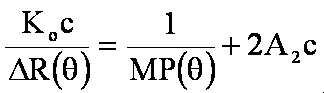
[式中、
Mは、ハフニウムまたはジルコニウムであり、好ましくはハフニウムであり、
各Xは、独立して、1〜20個の炭素原子を有するヒドロカルビルラジカル、ヒドリド、アミド、アルコキシド、スルフィド、ホスフィド、ハロゲン、ジエン、アミン、ホスフィン、エーテル、またはこれらの組合せ、好ましくはメチル、エチル、プロピル、ブチル、フェニル、ベンジル、クロリド、ブロミド、ヨージドからなる群から選択され(あるいは、2つのXが、縮合環または環系の一部を形成してもよい)、
各R1およびR3は、独立して、C1−C8アルキル基であり、好ましくはC1−C8の直鎖アルキル基、好ましくはメチル、エチル、プロピル、ブチル、ペンチル、ヘキシル、ヘプチルまたはオクチルであり、R1は、R3と同じでも異なっていてもよく、好ましくは両方ともメチルであり、
各R2、R4、R5、R6、R7、R8、R9、R10、R11、R12、R13、およびR14は、独立して、水素であるか、または1〜8個の炭素原子、好ましくは1〜6個の炭素原子を有する置換ヒドロカルビルまたは非置換ヒドロカルビル基であり、好ましくは置換または非置換のC1−C8直鎖アルキル基、好ましくはメチルエチル、プロピル、ブチル、ペンチル、ヘキシル、ヘプチル、オクチルであるが、ただし、R10〜R14基のうちの少なくとも3つは水素ではない(あるいは、R10〜R14基のうちの4つは水素ではない、あるいは、R10〜R14基のうちの5つは水素ではない)ものとする]
で表すことができる。
[Where:
M is hafnium or zirconium, preferably hafnium,
Each X is independently a hydrocarbyl radical having 1 to 20 carbon atoms, hydride, amide, alkoxide, sulfide, phosphide, halogen, diene, amine, phosphine, ether, or combinations thereof, preferably methyl, ethyl , Propyl, butyl, phenyl, benzyl, chloride, bromide, iodide (or two Xs may form part of a fused ring or ring system);
Each R 1 and R 3 is independently a C 1 -C 8 alkyl group, preferably a C 1 -C 8 linear alkyl group, preferably methyl, ethyl, propyl, butyl, pentyl, hexyl, heptyl Or octyl, R 1 may be the same as or different from R 3 , preferably both are methyl,
Each R 2 , R 4 , R 5 , R 6 , R 7 , R 8 , R 9 , R 10 , R 11 , R 12 , R 13 , and R 14 are independently hydrogen or 1 A substituted or unsubstituted hydrocarbyl group having ˜8 carbon atoms, preferably 1-6 carbon atoms, preferably a substituted or unsubstituted C 1 -C 8 linear alkyl group, preferably methylethyl, propyl, butyl, pentyl, hexyl, heptyl, and octyl, provided that at least three of R 10 to R 14 groups are not hydrogen (or four of R 10 to R 14 group is hydrogen Or five of the R 10 to R 14 groups are not hydrogen)]
It can be expressed as
好ましくは、R10〜R14のすべての5つの基はメチルであるか、またはR10〜R14基のうちの4つは水素ではなく、R10〜R14基のうちの少なくとも1つは、C2−C8置換ヒドロカルビルまたは非置換ヒドロカルビルである(好ましくは、R10〜R14基のうちの少なくとも2つ、3つ、4つまたは5つは、C2−C8置換または非置換のヒドロカルビルである)。
一実施形態では、R1およびR3はメチル基であり、R2は水素であり、R4〜R9はすべて水素であり、R10〜R14はすべてメチル基であり、各Xはメチル基である。
Preferably, either all five groups of R 10 to R 14 is methyl, or four of R 10 to R 14 groups are not hydrogen, at least one of R 10 to R 14 groups C 2 -C 8 substituted hydrocarbyl or unsubstituted hydrocarbyl (preferably at least 2, 3, 4 or 5 of the R 10 to R 14 groups are C 2 -C 8 substituted or unsubstituted Of hydrocarbyl).
In one embodiment, R 1 and R 3 are methyl groups, R 2 is hydrogen, R 4 -R 9 are all hydrogen, R 10 -R 14 are all methyl groups, and each X is methyl It is a group.
本発明は、本明細書中に記載されている触媒を使用して、ビニル末端マクロモノマー、例えば、少なくとも30%のアリル鎖末端、好ましくは100g/モル以上、好ましくは200g/モル〜100,000g/モル、好ましくは200〜60,000g/モルのMnを有するポリマーを生成するための方法にさらに関する。
本発明は、均質なプロセスを含む、このようなポリマーを作製するためのプロセスにさらに関する。本発明はまた、このようなポリマーを作製するための、均質なプロセス、好ましくはバルクプロセスに関する。
The present invention uses the catalysts described herein to vinyl-terminated macromonomers, such as at least 30% allyl chain ends, preferably greater than 100 g / mol, preferably 200 g / mol to 100,000 g. It further relates to a process for producing a polymer having a Mn of / mole, preferably 200 to 60,000 g / mole.
The present invention further relates to processes for making such polymers, including homogeneous processes. The invention also relates to a homogeneous process, preferably a bulk process, for making such polymers.
定義
本明細書および特許請求の範囲全体に渡り描写されている構造体において、実線は結合を示し、矢印は結合が配位結合であってもよいことを示している。
本明細書で使用する場合、周期表族に対する新規表示法を、Chemical and Engineering News, 63(5), 27 (1985)において記載されているように使用する。
「置換されている」という用語は、水素基がヒドロカルビル基、ヘテロ原子またはヘテロ原子含有基で置き換えられていることを意味する。例えばメチルシクロペンタジエン(Cp)は、メチル基で置換されているCp基であり、エチルアルコールは、−OH基で置換されているエチル基である。
「ヒドロカルビルラジカル」「ヒドロカルビル」および「ヒドロカルビル基」という用語は、本文書全体に渡り交換可能なように使用されている。同様に、「基」および「置換基」という用語もまた、本文書において交換可能なように使用されている。本開示において、「ヒドロカルビルラジカル」は、直鎖、分枝、または環状であってよい、C1−C20ラジカルであると定義され(芳香族または非芳香族)、下に定義されたような置換ヒドロカルビルラジカルを包含する。
置換ヒドロカルビルラジカルは、少なくとも1個の水素原子が、ヘテロ原子もしくはヘテロ原子含有基、好ましくは少なくとも1つの官能基、例えばハロゲン(Cl、Br、I、F)、NR* 2、OR*、SeR*、TeR*、PR* 2、AsR* 2、SbR* 2、SR*、BR* 2、SiR* 3、GeR* 3、SnR* 3、PbR* 3などで置換されているか、または少なくとも1個のヘテロ原子が、ヒドロカルビルラジカル、例えばハロゲン(Cl、Br、I、F)、O、S、Se、Te、NR*、PR*、AsR*、SbR*、BR*、SiR* 2、GeR* 2、SnR* 2、PbR* 2などの中に挿入されているラジカルである(R*は、独立して、水素またはヒドロカルビルである)。
Definitions In structures depicted throughout the specification and claims, the solid line indicates a bond and the arrow indicates that the bond may be a coordinate bond.
As used herein, a new notation for the periodic table family is used as described in Chemical and Engineering News, 63 (5), 27 (1985).
The term “substituted” means that the hydrogen group is replaced with a hydrocarbyl group, a heteroatom or a heteroatom-containing group. For example, methylcyclopentadiene (Cp) is a Cp group substituted with a methyl group, and ethyl alcohol is an ethyl group substituted with an —OH group.
The terms “hydrocarbyl radical”, “hydrocarbyl” and “hydrocarbyl group” are used interchangeably throughout this document. Similarly, the terms “group” and “substituent” are also used interchangeably in this document. In this disclosure, a “hydrocarbyl radical” is defined as a C 1 -C 20 radical (aromatic or non-aromatic), which may be linear, branched, or cyclic, as defined below. Includes substituted hydrocarbyl radicals.
Substituted hydrocarbyl radicals are those in which at least one hydrogen atom is a heteroatom or heteroatom-containing group, preferably at least one functional group such as halogen (Cl, Br, I, F), NR * 2 , OR * , SeR *. , TeR * , PR * 2 , AsR * 2 , SbR * 2 , SR * , BR * 2 , SiR * 3 , GeR * 3 , SnR * 3 , PbR * 3, etc., or at least one The heteroatom is a hydrocarbyl radical, such as halogen (Cl, Br, I, F), O, S, Se, Te, NR * , PR * , AsR * , SbR * , BR * , SiR * 2 , GeR * 2 , A radical inserted into SnR * 2 , PbR * 2, etc. (R * is independently hydrogen or hydrocarbyl).
一部の実施形態では、ヒドロカルビルラジカルは、独立して、メチル、エチル、エテニルならびにプロピル、ブチル、ペンチル、ヘキシル、ヘプチル、オクチル、ノニル、デシル、ウンデシル、ドデシル、トリデシル、テトラデシル、ペンタデシル、ヘキサデシル、ヘプタデシル、オクタデシル、ノナデシル、エイコシル、ヘンエイコシル、ドコシル、トリコシル、テトラコシル、ペンタコシル、ヘキサコシル、ヘプタコシル、オクタコシル、ノナコシル、トリアコンチル、プロペニル、ブテニル、ペンテニル、ヘキセニル、ヘプテニル、オクテニル、ノネニル、デセニル、ウンデセニル、ドデセニル、トリデセニル、テトラデセニル、ペンタデセニル、ヘキサデセニル、ヘプタデセニル、オクタデセニル、ノナデセニル、エイコセニル、ヘンエイコセニル、ドコセニル、トリコセニル、テトラコセニル、ペンタコセニル、ヘキサコセニル、ヘプタコセニル、オクタコセニル、ノナコセニル、トリアコンテニル、プロピニル、ブチニル、ペンチニル、ヘキシニル、ヘプチニル、オクチニル、ノニニル、デシニル、ウンデシニル、ドデシニル、トリデシニル、テトラデシニル、ペンタデシニル、ヘキサデシニル、ヘプタデシニル、オクタデシニル、ノナデシニル、エイコシニル、ヘンエイコシニル、ドコシニル、トリコシニル、テトラコシニル、ペンタコシニル、ヘキサコシニル、ヘプタコシニル、オクタコシニル、ノナコシニル、およびトリアコンチニルの異性体から選択される。飽和した、部分的に不飽和のおよび芳香族環式の構造体の異性体も包含され、このラジカルは上記に記載されている種類の置換のさらに対象となり得る。例として、フェニル、メチルフェニル、ベンジル、メチルベンジル、ナフチル、シクロヘキシル、シクロヘキセニル、メチルシクロヘキシルなどが挙げられる。本開示に対して、ラジカルが列挙されている場合、これは、そのラジカルの種類が上で定義された置換の対象となる時点で、そのラジカルの種類およびすべての他のラジカルが形成されることを示している。列挙したアルキル、アルケニル、およびアルキニルラジカルは、適切な場合には、環状異性体を含めたすべての異性体を包含し、例えば、ブチルは、n−ブチル、2−メチルプロピル、1−メチルプロピル、tert−ブチル、およびシクロブチル(および類似の置換シクロプロピル)を含み、ペンチルは、n−ペンチル、シクロペンチル、1−メチルブチル、2−メチルブチル、3−メチルブチル、1−エチルプロピル、およびネオペンチル(および類似の置換シクロブチルおよびシクロプロピル)を含み、ブテニルは、EおよびZ型の1−ブテニル、2−ブテニル、3−ブテニル、1−メチル−1−プロペニル、1−メチル−2−プロペニル、2−メチル−1−プロペニル、および2−メチル−2−プロペニル(さらに、シクロブテニルおよびシクロプロペニル)を含む。置換を有する環式化合物は、すべての異性体型を包含し、例えば、メチルフェニルであれば、オルト−メチルフェニル、メタ−メチルフェニルおよびパラ−メチルフェニルを含み、ジメチルフェニルであれば、2,3−ジメチルフェニル、2,4−ジメチルフェニル、2,5−ジメチルフェニル、2,6−ジフェニルメチル、3,4−ジメチルフェニル、および3,5−ジメチルフェニルを含む。 In some embodiments, the hydrocarbyl radical is independently methyl, ethyl, ethenyl and propyl, butyl, pentyl, hexyl, heptyl, octyl, nonyl, decyl, undecyl, dodecyl, tridecyl, tetradecyl, pentadecyl, hexadecyl, heptadecyl , Octadecyl, nonadecyl, eicosyl, heneicosyl, docosyl, tricosyl, tetracosyl, pentacosyl, hexacosyl, heptacosyl, octacosyl, nonacosyl, triacontyl, propenyl, butenyl, pentenyl, hexenyl, heptenyl, octenyl, nonenyl, decenyl, decenyl, decenyl, decenyl, decenyl , Pentadecenyl, hexadecenyl, heptadecenyl, octadecenyl, nonadecenyl, eicocenyl, Eicosenyl, dococenyl, tricosenyl, tetracosenyl, pentacocenyl, hexacosenyl, heptacocenyl, octacocenyl, nonacosenyl, triacontenyl, propynyl, butynyl, pentynyl, hexynyl, heptynyl, octynyl, nonynyl, decynyl, decenyl, dodecenyl, decenyl It is selected from the isomers of heptadecinyl, octadecynyl, nonadecynyl, eicosinyl, henecosinyl, docosinyl, tricosinyl, tetracosinyl, pentacosinyl, hexacosinyl, heptacosinyl, octacosinyl, nonacosynyl, and triacontinyl. Also included are isomers of saturated, partially unsaturated and aromatic cyclic structures, which radical may be further subject to the types of substitution described above. Examples include phenyl, methylphenyl, benzyl, methylbenzyl, naphthyl, cyclohexyl, cyclohexenyl, methylcyclohexyl and the like. Where a radical is listed for the present disclosure, this means that the radical type and all other radicals are formed when the radical type is subject to substitution as defined above. Is shown. The listed alkyl, alkenyl, and alkynyl radicals include all isomers, including cyclic isomers where appropriate, for example, butyl is n-butyl, 2-methylpropyl, 1-methylpropyl, tert-butyl, and cyclobutyl (and similar substituted cyclopropyl), including pentyl, n-pentyl, cyclopentyl, 1-methylbutyl, 2-methylbutyl, 3-methylbutyl, 1-ethylpropyl, and neopentyl (and similar substitutions) Butenyl includes E and Z forms of 1-butenyl, 2-butenyl, 3-butenyl, 1-methyl-1-propenyl, 1-methyl-2-propenyl, 2-methyl-1- Propenyl, and 2-methyl-2-propenyl (further, cyclobutenyl Including and cyclopropenyl). Cyclic compounds with substitution include all isomeric forms, for example, methylphenyl includes ortho-methylphenyl, meta-methylphenyl and para-methylphenyl, and dimethylphenyl -Including dimethylphenyl, 2,4-dimethylphenyl, 2,5-dimethylphenyl, 2,6-diphenylmethyl, 3,4-dimethylphenyl, and 3,5-dimethylphenyl.
「オレフィン」は、あるいは「アルケン」とも呼ばれ、これは少なくとも1つの二重結合を有する、炭素および水素の直鎖の、分枝の、または環式化合物である。本明細書およびこれに付随する特許請求の範囲において、ポリマーまたはコポリマーが、これらに限定されないが、エチレン、プロピレン、およびブテンを含めたオレフィンを含むと言及されている場合、このようなポリマーまたはコポリマー内に存在するオレフィンは、重合した形態のオレフィンである。例えば、コポリマーが35重量%〜55重量%の「エチレン」含有量を有するといわれている場合、コポリマー内のモノマー単位は、重合反応においてエチレンから誘導され、前記由来の単位は、コポリマーの重量を基準として、35重量%〜55重量%存在することが理解される。「ポリマー」は、2つ以上の同じまたは異なるモノマー単位を有する。「ホモポリマー」は、同じモノマー単位を有するポリマーである。「コポリマー」は、互いに異なる2つ以上のモノマー単位を有するポリマーである。「ターポリマー」は、互いに異なる3つのモノマー単位を有するポリマーである。モノマー単位を指すために使用された場合、「異なる」とは、モノマー単位が互いに少なくとも1個の原子により異なるか、または異性体により異なることを示す。したがって、コポリマーの定義は、本明細書で使用する場合、ターポリマーなどを包含する。オリゴマーは低分子量を有するポリマーである。一部の実施形態では、オリゴマーは、21,000g/モル以下のMn(好ましくは2,500g/モル以下)を有し、他の実施形態では、オリゴマーは、低数のモノマー単位(例えば、75以下のモノマー単位)を有する。 “Olefin”, also referred to as “alkene”, is a linear, branched, or cyclic compound of carbon and hydrogen having at least one double bond. Where the specification and accompanying claims refer to a polymer or copolymer as including olefins including, but not limited to, ethylene, propylene, and butene, such polymer or copolymer. The olefin present therein is a polymerized form of olefin. For example, if the copolymer is said to have an “ethylene” content of 35% to 55% by weight, the monomer units in the copolymer are derived from ethylene in the polymerization reaction, and the units derived from the copolymer represent the weight of the copolymer. It is understood that as a reference, it is present from 35% to 55% by weight. A “polymer” has two or more identical or different monomer units. A “homopolymer” is a polymer having the same monomer units. A “copolymer” is a polymer having two or more monomer units that are different from each other. A “terpolymer” is a polymer having three different monomer units. “Different” when used to refer to a monomer unit indicates that the monomer units differ from each other by at least one atom, or differ by isomer. Thus, the definition of copolymer, as used herein, includes terpolymers and the like. An oligomer is a polymer having a low molecular weight. In some embodiments, the oligomer has a Mn of 21,000 g / mol or less (preferably 2,500 g / mol or less), and in other embodiments, the oligomer has a low number of monomer units (eg, 75 Having the following monomer units):
本開示において、「α−オレフィン」という用語は、エチレンを含む。α−オレフィンの非限定的例としては、エチレン、1−ブテン、1−ペンテン、1−ヘキセン、1−ヘプテン、1−オクテン、1−ノネン、1−デセン、1−ウンデセン1−ドデセン、1−トリデセン、1−テトラデセン、1−ペンタデセン、1−ヘキサデセン、1−ヘプタデセン、1−オクタデセン、1−ノナデセン、1−エイコセン、1−ヘンエイコセン、1−ドコセン、1−トリコセン、1−テトラコセン、1−ペンタコセン、1−ヘキサコセン、1−ヘプタコセン、1−オクタコセン、1−ノナコセン、1−トリアコンテン、4−メチル−1−ペンテン、3−メチル−1−ペンテン、5−メチル−1−ノネン、3,5,5−トリメチル−1−ヘキセン、ビニルシクロヘキサン、およびビニルノルボルナンが挙げられる。環状オレフィンおよびジオレフィンの非限定的例としては、シクロブテン、シクロペンテン、シクロヘキセン、シクロヘプテン、シクロオクテン、シクロノネン、シクロデセン、ノルボルネン、4−メチルノルボルネン、2−メチルシクロペンテン、4−メチルシクロペンテン、ビニルシクロヘキサン、ノルボルナジエン、ジシクロペンタジエン、5−エチリデン−2−ノルボルネン、ビニルシクロヘキセン、5−ビニル−2−ノルボルネン、1,3−ジビニルシクロペンタン、1,2−ジビニルシクロヘキサン、1,3−ジビニルシクロヘキサン、1,4−ジビニルシクロヘキサン、1,5−ジビニルシクロオクタン、1−アリル−4−ビニルシクロヘキサン、1,4−ジアリルシクロヘキサン、1−アリル−5−ビニルシクロオクタン、および1,5−ジアリルシクロオクタンが挙げられる。
In the present disclosure, the term “α-olefin” includes ethylene. Non-limiting examples of α-olefins include ethylene, 1-butene, 1-pentene, 1-hexene, 1-heptene, 1-octene, 1-nonene, 1-decene, 1-undecene, 1-dodecene, 1- Tridecene, 1-tetradecene, 1-pentadecene, 1-hexadecene, 1-heptadecene, 1-octadecene, 1-nonadecene, 1-eicosene, 1-heneicosene, 1-docosene, 1-tricosene, 1-tetracocene, 1-pentacocene, 1-hexacocene, 1-heptacocene, 1-octacocene, 1-nonacocene, 1-triacontene, 4-methyl-1-pentene, 3-methyl-1-pentene, 5-methyl-1-nonene, 3, 5, 5 -Trimethyl-1-hexene, vinylcyclohexane, and vinylnorbornane. Non-limiting examples of cyclic olefins and diolefins include cyclobutene, cyclopentene, cyclohexene, cycloheptene, cyclooctene, cyclononene, cyclodecene, norbornene, 4-methylnorbornene, 2-methylcyclopentene, 4-methylcyclopentene, vinylcyclohexane, norbornadiene, Dicyclopentadiene, 5-ethylidene-2-norbornene, vinylcyclohexene, 5-vinyl-2-norbornene, 1,3-divinylcyclopentane, 1,2-divinylcyclohexane, 1,3-divinylcyclohexane, 1,4-divinyl Cyclohexane, 1,5-divinylcyclooctane, 1-allyl-4-vinylcyclohexane, 1,4-diallylcyclohexane, 1-allyl-5-vinylcyclooctane,
「触媒」および「触媒化合物」という用語は、触媒作用を開始することが可能な化合物を意味すると定義される。本明細書の明細書において、触媒は、触媒前駆体、プレ触媒化合物、または遷移金属化合物として記載されてもよく、これらの用語は、交換可能なように使用される。触媒化合物は、それ自体で使用することによって、触媒作用を開始することができ、または触媒作用を開始するための活性化剤と組み合わせて使用することができる。触媒化合物を、触媒作用を開始するための活性化剤と組み合わせる場合、触媒化合物はしばしばプレ触媒または触媒前駆体と呼ばれる。「触媒系」とは、少なくとも1種の触媒化合物と、少なくとも1種の活性化剤と、任意選択の共活性化剤、および任意選択の担持材料の組合せであり、この系は、モノマーをポリマーへと重合することができる。本発明およびその特許請求の範囲において、触媒系が中性の安定した成分形態を含むものとして記載されている場合、この成分のイオン形態は、モノマーと反応してポリマーを生成する形態であることが、当業者には十分理解されている。
「アニオン配位子」は、1つまたは複数の電子対を金属イオンに放出する、負の電荷をもつ配位子である。「中性ドナー配位子」とは、1つまたは複数の電子対を金属イオンに放出する中性の電荷をもつ配位子である。
The terms “catalyst” and “catalytic compound” are defined to mean compounds capable of initiating catalysis. In the specification of the present specification, the catalyst may be described as a catalyst precursor, a pre-catalyst compound, or a transition metal compound, and these terms are used interchangeably. The catalytic compound can be used to initiate catalysis by itself or can be used in combination with an activator to initiate catalysis. When the catalyst compound is combined with an activator to initiate catalysis, the catalyst compound is often referred to as a pre-catalyst or catalyst precursor. A “catalyst system” is a combination of at least one catalyst compound, at least one activator, an optional co-activator, and an optional support material, the system comprising monomers and polymers Can be polymerized. Where the catalyst system is described in the present invention and its claims as comprising a neutral, stable component form, the ionic form of this component is the form that reacts with the monomer to form a polymer. Are well understood by those skilled in the art.
An “anionic ligand” is a negatively charged ligand that releases one or more pairs of electrons to a metal ion. A “neutral donor ligand” is a ligand with a neutral charge that releases one or more pairs of electrons to a metal ion.
捕捉剤は通常、不純物を捕捉することでオリゴマー化または重合を促進させるために加えられる化合物である。いくつかの捕捉剤はまた、活性化剤として作用することもでき、共活性化剤と呼ばれることもある。捕捉剤ではない共活性化剤はまた、活性化剤と併用して使用することによって、活性のある触媒を形成してもよい。一部の実施形態では、共活性化剤は、触媒化合物と予備混合することによって、アルキル化した触媒化合物を形成することができる。これは、アルキル化した発明化合物とも呼ばれる。 The scavenger is usually a compound added to promote oligomerization or polymerization by scavenging impurities. Some scavengers can also act as activators and are sometimes referred to as coactivators. Coactivators that are not scavengers may also be used in combination with activators to form active catalysts. In some embodiments, the coactivator can form an alkylated catalyst compound by premixing with the catalyst compound. This is also called an alkylated invention compound.
プロピレンポリマーは、少なくとも50モル%のプロピレンを有するポリマーである。本明細書で使用する場合、Mnは数平均分子量(別途述べられていない限り1H NMRで測定)であり、Mwは重量平均分子量(ゲル浸透クロマトグラフィーで測定)であり、Mzは平均分子量(ゲル浸透クロマトグラフィーで測定)であり、重量%は重量パーセントであり、モル%はモルパーセントである。分子量分布(MWD)は、MwをMnで割ったものであると定義される。特に明示されていない限り、すべての分子量単位(例えば、Mw、Mn、Mz)はg/モルである。 A propylene polymer is a polymer having at least 50 mole percent propylene. As used herein, Mn is the number average molecular weight (measured by 1 H NMR unless otherwise stated), Mw is the weight average molecular weight (measured by gel permeation chromatography), and Mz is the average molecular weight (measured by gel permeation chromatography). Measured by gel permeation chromatography), wt% is weight percent, mol% is mole percent. Molecular weight distribution (MWD) is defined as Mw divided by Mn. Unless otherwise indicated, all molecular weight units (eg, Mw, Mn, Mz) are g / mol.
「アリル鎖末端」(「アリル性ビニル基」または「アリル性ビニル末端基」とも呼ばれる)は、式I
で表される少なくとも1つの末端を有するポリマー(CH2CH−CH2−ポリマー)であると定義される。好ましい実施形態において、アリル鎖末端は、式IIで表される。
“Allyl chain ends” (also referred to as “allylic vinyl groups” or “allylic vinyl end groups”) have the formula I
In a polymer having at least one terminal is represented (CH 2 CH-CH 2 - polymer) is defined to be. In a preferred embodiment, the allyl chain end is represented by Formula II.
「イソブチル鎖末端」はまた「イソブチル末端基」とも呼ばれ、式
で表される少なくとも1つの末端を有するポリマーであると定義される。好ましい実施形態において、イソブチル鎖末端は、以下の式
“Isobutyl chain end” is also called “isobutyl end group” and has the formula
Is defined as a polymer having at least one end represented by: In a preferred embodiment, the isobutyl chain end is of the formula
のうちの1つで表される。
イソブチル末端基のパーセンテージは、13C NMR(以下に記載されている通り)および100%プロピレンポリマーに対する、Resconi et al, J Am. Chem. Soc., 1992, 114, pp. 1025-1032の化学シフト配置を使用して、E−Pコポリマーに対して国際公開第2009/155471号の図2に記述されているように求める。
「イソブチル鎖末端基対アリル性ビニル基の比」は、(イソブチル鎖末端のパーセンテージ)対(アリル鎖末端のパーセンテージ)の比であると定義される。
Represented by one of the following:
The percentage of isobutyl end groups is the chemical shift of Resconi et al, J Am. Chem. Soc., 1992, 114, pp. 1025-1032 relative to 13 C NMR (as described below) and 100% propylene polymer. The configuration is used to determine the EP copolymer as described in FIG. 2 of WO 2009/155471.
“Ratio of isobutyl chain end groups to allylic vinyl groups” is defined as the ratio of (percentage of isobutyl chain ends) to (percentage of allyl chain ends).
以下の略語は本明細書全体に渡り使用することができる:Meはメチル、Phはフェニル、Etはエチル、Prはプロピル、iPrはイソプロピル、n−Prは直鎖プロピル、Buはブチル、iBuはイソブチル、tBuは第3級ブチル、p−tBuはパラ−第3級ブチル、nBuは直鎖ブチル、TMSはトリメチルシリル、TIBALはトリイソブチルアルミニウム、TNOALはトリイソブチルn−オクチルアルミニウム、MAOはメチルアルモキサン、pMeはパラ−メチル、Ar*は2,6−ジイソプロピルアリール、Bzはベンジル、THFはテトラヒドロフラン、RTは室温およびtolはトルエンである。 The following abbreviations can be used throughout this specification: Me for methyl, Ph for phenyl, Et for ethyl, Pr for propyl, iPr for isopropyl, n-Pr for linear propyl, Bu for butyl, iBu for Isobutyl, tBu is tertiary butyl, p-tBu is para-tertiary butyl, nBu is linear butyl, TMS is trimethylsilyl, TIBAL is triisobutylaluminum, TNOAL is triisobutyl n-octylaluminum, MAO is methylalumoxane , PMe is para-methyl, Ar * is 2,6-diisopropylaryl, Bz is benzyl, THF is tetrahydrofuran, RT is room temperature and tol is toluene.
本発明は、ビニル末端ポリマー(VTM)を生成するための本明細書中に記載されている触媒の使用であって、ビニル末端ポリマーが、少なくとも30%(好ましくは少なくとも40%、好ましくは少なくとも50%、好ましくは少なくとも60%、好ましくは少なくとも70%、好ましくは少なくとも80%、好ましくは少なくとも90%、好ましくは少なくとも95%)のアリル鎖末端、および好ましくは2000g/モル以上、好ましくは200〜60,000g/モル、好ましくは200〜100,000g/モルのMnを有するポリマーである使用に関する。 The present invention is the use of the catalyst described herein to produce a vinyl terminated polymer (VTM), wherein the vinyl terminated polymer is at least 30% (preferably at least 40%, preferably at least 50%). %, Preferably at least 60%, preferably at least 70%, preferably at least 80%, preferably at least 90%, preferably at least 95%) allylic chain ends, and preferably 2000 g / mol or more, preferably 200-60 It relates to the use which is a polymer having a Mn of 1,000,000 g / mol, preferably 200 to 100,000 g / mol.
本発明はまた、プロピレンと、0.5重量%未満のコモノマー、好ましくは0重量%のコモノマーとを含む、プロピレンポリマーを生成するための本明細書中に記載されている触媒の使用であって、ポリマーが、
i)少なくとも93%(好ましくは少なくとも95%、好ましくは少なくとも97%、好ましくは少なくとも98%)のアリル鎖末端と、
ii)1H NMRで測定した場合に約500〜約20,000g/モル(好ましくは500〜15,000、好ましくは700〜10,000、好ましくは800〜8,000g/モル、好ましくは900〜7,000、好ましくは1000〜6,000、好ましくは1000〜5,000)の数平均分子量(Mn)と、
iii)0.8:1〜1.3:1.0のイソブチル鎖末端対アリル性ビニル基の比と、
iv)1400ppm未満(好ましくは1200ppm未満、好ましくは1000ppm未満、好ましくは500ppm未満、好ましくは100ppm未満)のアルミニウムと
を有する、使用に関する。
The present invention is also the use of the catalyst described herein to produce a propylene polymer comprising propylene and less than 0.5 wt% comonomer, preferably 0 wt% comonomer. The polymer is
i) at least 93% (preferably at least 95%, preferably at least 97%, preferably at least 98%) of allyl chain ends;
ii) about 500 to about 20,000 g / mol as measured by 1 H NMR (preferably 500 to 15,000, preferably 700 to 10,000, preferably 800 to 8,000 g / mol, preferably 900 to A number average molecular weight (Mn) of 7,000, preferably 1000-6,000, preferably 1000-5,000,
iii) a ratio of isobutyl chain ends to allylic vinyl groups of 0.8: 1 to 1.3: 1.0;
iv) for use with less than 1400 ppm aluminum (preferably less than 1200 ppm, preferably less than 1000 ppm, preferably less than 500 ppm, preferably less than 100 ppm).
本発明はまた、1H NMRで測定した場合に、300〜30,000g/モル(好ましくは400〜20,000、好ましくは500〜15,000、好ましくは600〜12,000、好ましくは800〜10,000、好ましくは900〜8,000、好ましくは900〜7,000g/モル)のMnを有し、10〜90モル%(好ましくは15〜85モル%、好ましくは20〜80モル%、好ましくは30〜75モル%、好ましくは50〜90モル%)のプロピレンおよび10〜90モル%(好ましくは85〜15モル%、好ましくは20〜80モル%、好ましくは25〜70モル%、好ましくは10〜50モル%)の1種または複数のアルファ−オレフィンコモノマー(好ましくはエチレン、ブテン、ヘキセン、またはオクテン、好ましくはエチレン)を含む、本明細書中に記載されている触媒を用いて生成されたプロピレンコポリマーであって、(全不飽和に対して)少なくともX%のアリル鎖末端を有し、1)10〜60モル%のエチレンがコポリマー中に存在する場合、X=(−0.94(組み込まれたエチレンのモル%)+100{あるいは1.20(−0.94(組み込まれたエチレンのモル%)+100)、あるいは1.50(−0.94(組み込まれたエチレンのモル%)+100)})であり;2)60モル%超および70モル%未満のエチレンがコポリマー中に存在する場合、X=45(あるいは50、あるいは60)であり;3)70〜90モル%のエチレンがコポリマー中に存在する場合、X=(1.83*(組み込まれたエチレンのモル%)−83、{あるいは1.20[1.83*(組み込まれたエチレンのモル%)−83]、あるいは1.50[1.83*(組み込まれたエチレンのモル%)−83]})である、コポリマーに関する。あるいは、Xは、80%以上、好ましくは85%以上、好ましくは90%以上、好ましくは95%以上である。 When measured in the present invention may also, 1 H NMR, 300~30,000g / mol (preferably 400~20,000, preferably 500 to 15,000, preferably 600~12,000, preferably 800 to 10,000, preferably 900 to 8,000, preferably 900 to 7,000 g / mol) of Mn, 10 to 90 mol% (preferably 15 to 85 mol%, preferably 20 to 80 mol%), Preferably 30-75 mol%, preferably 50-90 mol%) propylene and 10-90 mol% (preferably 85-15 mol%, preferably 20-80 mol%, preferably 25-70 mol%, preferably 10-50 mol%) of one or more alpha-olefin comonomers (preferably ethylene, butene, hexene, or octene, A propylene copolymer produced using the catalyst described herein, preferably comprising ethylene), having (at total unsaturation) at least X% allyl chain ends, ) When 10-60 mol% ethylene is present in the copolymer, X = (− 0.94 (mol% of incorporated ethylene) +100 {or 1.20 (−0.94 (mol of ethylene incorporated) %) + 100), or 1.50 (−0.94 (mol% of incorporated ethylene) +100)}); 2) When more than 60 mol% and less than 70 mol% ethylene is present in the copolymer , be X = 45 (or 50 or 60); 3) If 70 to 90 mole% ethylene is present in the copolymer, (mole% of 1.83 * (incorporated ethylene) X = - 8 , {Or 1.20 [1.83 * (mole% of incorporated ethylene) - 83], or 1.50 [- 83 1.83 * (mole% of incorporated ethylene)]} is) Relates to copolymers. Alternatively, X is 80% or more, preferably 85% or more, preferably 90% or more, preferably 95% or more.
代替実施形態では、ポリマーは、少なくとも80%のイソブチル鎖末端(イソブチルとn−プロピル飽和鎖末端の合計を基準として)、好ましくは少なくとも85%のイソブチル鎖末端、好ましくは少なくとも90%のイソブチル鎖末端を有する。あるいは、ポリマーは、0.8:1〜1.35:1.0、好ましくは0.9:1〜1.20:1.0、好ましくは0.9:1.0〜1.1:1.0のイソブチル鎖末端基対アリル性ビニル基の比を有する。 In an alternative embodiment, the polymer has at least 80% isobutyl chain ends (based on the sum of isobutyl and n-propyl saturated chain ends), preferably at least 85% isobutyl chain ends, preferably at least 90% isobutyl chain ends. Have Alternatively, the polymer is 0.8: 1 to 1.35: 1.0, preferably 0.9: 1 to 1.20: 1.0, preferably 0.9: 1.0 to 1.1: 1. An isobutyl chain end group to allylic vinyl group ratio of 0.0.
本発明はまた、90モル%を超える(好ましくは95〜99モル%、好ましくは98〜9モル%)プロピレンおよび10モル%未満(好ましくは1〜4モル%、好ましくは1〜2モル%)のエチレンを含む、本明細書中に記載されている触媒を用いて調製したプロピレンポリマーであって、
少なくとも93%(好ましくは少なくとも95%、好ましくは少なくとも97%、好ましくは少なくとも98%)のアリル鎖末端と、
1H NMRで測定した場合に約400〜約30,000g/モル(好ましくは500〜20,000、好ましくは600〜15,000、好ましくは700〜10,000g/モル、好ましくは800〜9,000、好ましくは900〜8,000、好ましくは1000〜6,000)の数平均分子量(Mn)と、
0.8:1〜1.35:1.0のイソブチル鎖末端対アリル性ビニル基の比と、
1400ppm未満(好ましくは1200ppm未満、好ましくは1000ppm未満、好ましくは500ppm未満、好ましくは100ppm未満)のアルミニウムと
を有する、ポリマーに関する。
The present invention also includes more than 90 mol% (preferably 95-99 mol%, preferably 98-9 mol%) propylene and less than 10 mol% (preferably 1-4 mol%, preferably 1-2 mol%). A propylene polymer prepared using a catalyst described herein comprising:
At least 93% (preferably at least 95%, preferably at least 97%, preferably at least 98%) of allyl chain ends;
When measured by 1 H NMR, about 400 to about 30,000 g / mol (preferably 500 to 20,000, preferably 600 to 15,000, preferably 700 to 10,000 g / mol, preferably 800 to 9, Number average molecular weight (Mn) of 000, preferably 900 to 8,000, preferably 1000 to 6,000,
A ratio of isobutyl chain ends to allylic vinyl groups of 0.8: 1 to 1.35: 1.0;
Relates to a polymer having less than 1400 ppm of aluminum (preferably less than 1200 ppm, preferably less than 1000 ppm, preferably less than 500 ppm, preferably less than 100 ppm).
本発明はまた、
少なくとも50(好ましくは60〜90、好ましくは70〜90)モル%のプロピレンと、10〜50(好ましくは10〜40、好ましくは10〜30)モル%のエチレンとを含む、本明細書中に記載されている触媒を用いて調製したプロピレンポリマーであって、
少なくとも90%(好ましくは少なくとも91%、好ましくは少なくとも93%、好ましくは少なくとも95%、好ましくは少なくとも98%)のアリル鎖末端と、
1H NMRで測定した場合に約150〜約20,000g/モル(好ましくは200〜15,000、好ましくは250〜15,000、好ましくは300〜10,000、好ましくは400〜9,500、好ましくは500〜9,000、好ましくは750〜9,000)のMnと、
0.8:1〜1.3:1.0のイソブチル鎖末端対アリル性ビニル基の比と
を有し、
4個以上の炭素原子を有するモノマーが0〜3モル%(好ましくは1モル%未満、好ましくは0.5モル%未満、好ましくは0モル%)存在する
ポリマーに関する。
The present invention also provides
In the present specification, comprising at least 50 (preferably 60-90, preferably 70-90) mol% propylene and 10-50 (preferably 10-40, preferably 10-30) mol% ethylene. A propylene polymer prepared using the described catalyst comprising:
At least 90% (preferably at least 91%, preferably at least 93%, preferably at least 95%, preferably at least 98%) of allyl chain ends;
When measured by 1 H NMR, about 150 to about 20,000 g / mol (preferably 200 to 15,000, preferably 250 to 15,000, preferably 300 to 10,000, preferably 400 to 9,500, Preferably 500-9,000, preferably 750-9,000) Mn,
An isobutyl chain end to allylic vinyl group ratio of 0.8: 1 to 1.3: 1.0;
It relates to a polymer in which 0 to 3 mol% (preferably less than 1 mol%, preferably less than 0.5 mol%, preferably 0 mol%) of monomers having 4 or more carbon atoms are present.
本発明はさらにまた、
少なくとも50(好ましくは少なくとも60、好ましくは70〜99.5、好ましくは80〜99、好ましくは90〜98.5)モル%のプロピレンと、0.1〜45(好ましくは、少なくとも35、好ましくは0.5〜30、好ましくは1〜20、好ましくは1.5〜10)モル%のエチレンと、0.1〜5(好ましくは0.5〜3、好ましくは0.5〜1)モル%のC4−C12オレフィン(例えば、ブテン、ヘキセンまたはオクテン、好ましくはブテンなど)とを含む、本明細書中に記載されている触媒を使用して調製したプロピレンポリマーであって、
少なくとも90%(好ましくは少なくとも91%、好ましくは少なくとも93%、好ましくは少なくとも95%、好ましくは少なくとも98%)のアリル鎖末端と、
1H NMRで測定した場合に約150〜約15,000g/モル(好ましくは200〜12,000、好ましくは250〜10,000、好ましくは300〜10,000、好ましくは400〜9500、好ましくは500〜9,000、好ましくは750〜9,000)の数平均分子量(Mn)と、
0.8:1〜1.35:1.0のイソブチル鎖末端対アリル性ビニル基の比と
を有する、ポリマーに関する。
The present invention further provides:
At least 50 (preferably at least 60, preferably 70-99.5, preferably 80-99, preferably 90-98.5) mol% propylene and 0.1-45 (preferably at least 35, preferably 0.5-30, preferably 1-20, preferably 1.5-10) mol% ethylene and 0.1-5 (preferably 0.5-3, preferably 0.5-1) mol% A propylene polymer prepared using a catalyst as described herein comprising a C 4 -C 12 olefin (eg, butene, hexene or octene, preferably butene, etc.),
At least 90% (preferably at least 91%, preferably at least 93%, preferably at least 95%, preferably at least 98%) of allyl chain ends;
When measured by 1 H NMR, about 150 to about 15,000 g / mol (preferably 200 to 12,000, preferably 250 to 10,000, preferably 300 to 10,000, preferably 400 to 9500, preferably Number average molecular weight (Mn) of 500 to 9,000, preferably 750 to 9,000),
It relates to a polymer having an isobutyl chain end to allylic vinyl group ratio of 0.8: 1 to 1.35: 1.0.
本発明はさらにまた、
少なくとも50(好ましくは少なくとも60、好ましくは70〜99.5、好ましくは80〜99、好ましくは90〜98.5)モル%のプロピレンと、0.1〜45(好ましくは少なくとも35、好ましくは0.5〜30、好ましくは1〜20、好ましくは1.5〜10)モル%のエチレンと、0.1〜5(好ましくは0.5〜3、好ましくは0.5〜1)モル%のジエン(例えば、C4−C12アルファ−オメガジエン(例えばブタジエン、ヘキサジエン、オクタジエン)、ノルボルネン、エチリデンノルボルネン、ビニルノルボルネン、ノルボルナジエン、およびジシクロペンタジエンなど)とを含む、本明細書中に記載されている触媒を用いて生成されたプロピレンポリマーであって、
少なくとも90%のアリル鎖末端(好ましくは少なくとも91%、好ましくは少なくとも93%、好ましくは少なくとも95%、好ましくは少なくとも98%)と、
1H NMRで測定した場合に約150〜約20,000g/モル(好ましくは200〜15,000、好ましくは250〜12,000、好ましくは300〜10,000、好ましくは400〜9,500、好ましくは500〜9,000、好ましくは750〜9,000)の数平均分子量(Mn)と、
0.7:1〜1.35:1.0のイソブチル鎖末端対アリル性ビニル基の比と
を有する、ポリマーに関する。
The present invention further provides:
At least 50 (preferably at least 60, preferably 70-99.5, preferably 80-99, preferably 90-98.5) mol% propylene and 0.1-45 (preferably at least 35, preferably 0). 0.5-30, preferably 1-20, preferably 1.5-10) mol% ethylene and 0.1-5 (preferably 0.5-3, preferably 0.5-1) mol%. Diene (eg, C 4 -C 12 alpha-omega diene (eg, butadiene, hexadiene, octadiene), norbornene, ethylidene norbornene, vinyl norbornene, norbornadiene, and dicyclopentadiene). A propylene polymer produced using a catalyst,
At least 90% allyl chain ends (preferably at least 91%, preferably at least 93%, preferably at least 95%, preferably at least 98%);
When measured by 1 H NMR, about 150 to about 20,000 g / mol (preferably 200 to 15,000, preferably 250 to 12,000, preferably 300 to 10,000, preferably 400 to 9,500, Preferably a number average molecular weight (Mn) of 500 to 9,000, preferably 750 to 9,000),
It relates to a polymer having a ratio of isobutyl chain ends to allylic vinyl groups of 0.7: 1 to 1.35: 1.0.
本発明は、100〜60,000g/モルのMn(1H NMRで測定した場合)を有し、10〜90モル%のプロピレンと10〜90モル%のエチレンとを含むプロピレンコポリマーを生成するための本明細書中に記載されている触媒の使用であって、コポリマーが、(全不飽和に対して)少なくともX%のアリル鎖末端を有し、1)10〜60モル%のエチレンがコポリマー中に存在する場合、X=(−0.94(組み込まれたエチレンのモル%)+100)であり;2)60モル%超および70モル%未満のエチレンがコポリマー中に存在する場合、X=45であり;3)70〜90モル%のエチレンがコポリマー中に存在する場合、X=(1.83*(組み込まれたエチレンのモル%)−83)である、使用に関する。 The present invention produces a propylene copolymer having 100-60,000 g / mol Mn (as measured by 1 H NMR) and comprising 10-90 mol% propylene and 10-90 mol% ethylene. Wherein the copolymer has at least X% allylic chain ends (relative to total unsaturation) and 1) 10-60 mol% ethylene is the copolymer. When present in: X = (− 0.94 (mol% of incorporated ethylene) +100); 2) If more than 60 mol% and less than 70 mol% of ethylene is present in the copolymer, X = 3) for use where 70 to 90 mol% ethylene is present in the copolymer, X = (1.83 * (mol% ethylene incorporated) −83).
本発明はさらに、90モル%を超えるプロピレンと、10モル%未満のエチレンとを含む、プロピレンポリマーを生成するための本明細書中に記載されている触媒の使用であって、少なくとも93%のアリル鎖末端、約500〜約20,000g/モルのMn(1H NMRで測定した場合)、0.8:1〜1.35:1.0のイソブチル鎖末端対アリル性ビニル基の比と、1400ppm未満のアルミニウムとを有する、使用に関する。
本発明はさらに、少なくとも50モル%のプロピレンと、10〜50モル%のエチレンとを含むプロピレンポリマーを生成するための本明細書中に記載されている触媒の使用であって、少なくとも90%のアリル鎖末端と、約150〜約10,000g/モルのMn(1H NMRで測定した場合)と、0.8:1〜1.3:1.0のイソブチル鎖末端対アリル性ビニル基の比とを有し、4個以上の炭素原子を有するモノマーが0〜3モル%存在する、使用に関する。
The present invention further relates to the use of the catalyst described herein to produce a propylene polymer comprising greater than 90 mol% propylene and less than 10 mol% ethylene, wherein at least 93% Allyl chain end, about 500 to about 20,000 g / mol of Mn (when measured by 1 H NMR), 0.8: 1 to 1.35: 1.0 ratio of isobutyl chain end to allylic vinyl group and For use with less than 1400 ppm of aluminum.
The present invention further relates to the use of the catalyst described herein to produce a propylene polymer comprising at least 50 mol% propylene and 10 to 50 mol% ethylene, wherein at least 90% Of allyl chain ends, about 150 to about 10,000 g / mol of Mn (as measured by 1 H NMR), and 0.8: 1 to 1.3: 1.0 isobutyl chain ends to allylic vinyl groups. Ratio, and relates to the use in which 0 to 3 mol% of monomers having 4 or more carbon atoms are present.
本発明はさらに、少なくとも50モル%のプロピレンと、0.1〜45モル%のエチレンと、0.1〜5モル%のC4−C12オレフィンとを含む、プロピレンコポリマーを生成するための本明細書中に記載されている触媒の使用であって、少なくとも87%のアリル鎖末端(あるいは少なくとも90%)、約150〜約10,000g/モルのMn(1H NMRで測定した場合)と、0.8:1〜1.35:1.0のイソブチル鎖末端対アリル性ビニル基の比とを有する、使用に関する。
本発明はさらに、少なくとも50モル%のプロピレンと、0.1〜45モル%のエチレンと、0.1〜5モル%のジエンとを含む、プロピレンポリマーを生成するための本明細書中に記載されている触媒の使用であって、少なくとも90%のアリル鎖末端と、約150〜約10,000g/モルのMn(1H NMRで測定した場合)と、0.7:1〜1.35:1.0のイソブチル鎖末端対アリル性ビニル基の比を有する、使用に関する。
The present invention further provides a book for producing a propylene copolymer comprising at least 50 mol% propylene, 0.1 to 45 mol% ethylene, and 0.1 to 5 mol% C 4 -C 12 olefin. Use of a catalyst as described in the specification, comprising at least 87% allyl chain ends (or at least 90%), about 150 to about 10,000 g / mol Mn (as measured by 1 H NMR); Having an isobutyl chain end to allylic vinyl group ratio of 0.8: 1 to 1.35: 1.0.
The present invention is further described herein for producing a propylene polymer comprising at least 50 mole% propylene, 0.1 to 45 mole% ethylene, and 0.1 to 5 mole% diene. At least 90% of allyl chain ends, about 150 to about 10,000 g / mol of Mn (as measured by 1 H NMR), and 0.7: 1 to 1.35. For use, having a ratio of isobutyl chain ends to allylic vinyl groups of 1.0.
本発明はさらに、プロピレンホモポリマーを生成するための本明細書中に記載されている触媒の使用であって、少なくとも93%アリル鎖末端と、約500〜約20,000g/モルのMn(1H NMRで測定した場合)と、0.8:1〜1.2:1.0のイソブチル鎖末端対アリル性ビニル基の比と、1400ppm未満のアルミニウムとを有する、使用に関する。
本発明およびその特許請求の範囲において、ビニル末端ポリマー(ビニル末端ポリオレフィンとも呼ばれる)という用語は、ビニル末端ポリマーおよびビニル末端コポリマーを包含する。本発明で生成される好ましいビニル末端ポリオレフィンとして、ビニル末端アイソタクチックポリプロピレン(好ましくは、100℃以上、好ましくは150℃以上の融点を有する)、およびビニル末端ポリエチレン(好ましくは、100℃以上、好ましくは115℃以上の融点を有する)が挙げられる。
The present invention further provides the use of the catalyst described herein to produce a propylene homopolymer comprising at least 93% allyl chain ends and from about 500 to about 20,000 g / mol of Mn ( 1 1) and a ratio of isobutyl chain ends to allylic vinyl groups of 0.8: 1 to 1.2: 1.0 and less than 1400 ppm of aluminum.
In the present invention and its claims, the term vinyl-terminated polymer (also referred to as vinyl-terminated polyolefin) encompasses vinyl-terminated polymers and vinyl-terminated copolymers. Preferred vinyl terminated polyolefins produced in the present invention include vinyl terminated isotactic polypropylene (preferably having a melting point of 100 ° C. or higher, preferably 150 ° C. or higher), and vinyl terminated polyethylene (preferably 100 ° C. or higher, preferably Has a melting point of 115 ° C. or higher).
好ましい実施形態では、本明細書中に記載されているいずれのビニル末端ポリオレフィンも、(全不飽和に対して)少なくとも75%、好ましくは少なくとも80%、好ましくは少なくとも85%、好ましくは少なくとも90%、好ましくは少なくとも95%のアリル鎖末端を有する。
好ましい実施形態では、本明細書中に記載されているいずれのビニル末端ポリオレフィンも、200g/モル以上、あるいは200〜60,000g/モル、好ましくは200〜50,000g/モル、好ましくは200〜40,000g/モル、好ましくは500〜30,000g/モル、好ましくは1000〜10,000g/モルのMnを有する。
In a preferred embodiment, any vinyl terminated polyolefin described herein is at least 75% (relative to total unsaturation), preferably at least 80%, preferably at least 85%, preferably at least 90%. , Preferably having at least 95% allyl chain ends.
In preferred embodiments, any vinyl terminated polyolefin described herein is 200 g / mol or higher, alternatively 200-60,000 g / mol, preferably 200-50,000 g / mol, preferably 200-40. 3,000 g / mol, preferably 500 to 30,000 g / mol, preferably 1000 to 10,000 g / mol.
好ましい実施形態では、本発明で生成されるビニル末端ポリオレフィンは、少なくとも10モル%(あるいは少なくとも20モル%、あるいは少なくとも40モル%、あるいは少なくとも60モル%)のC4以上のオレフィン(例えば、ブテン、ペンテン、オクテン、ノネン、デセン、ウンデセン、ドデセン、好ましくはC5−C40アルファオレフィン、例えば、ペンテン、オクテン、ノネン、デセン、ウンデセン、ドデセン)を含み、1)(全不飽和に対して)少なくとも30%、好ましくは少なくとも40%、好ましくは少なくとも50%、好ましくは少なくとも60%、好ましくは少なくとも70%、好ましくは少なくとも75%、好ましくは少なくとも80%、好ましくは少なくとも85%、好ましくは少なくとも90%、好ましくは少なくとも95%のアリル鎖末端と、2)200〜60,000g/モル、好ましくは200〜50,000g/モル、好ましくは500〜40,000g/モルのMnとを有する。 In a preferred embodiment, the vinyl terminated polyolefin produced by the present invention, C 4 or more olefins at least 10 mole% (or at least 20 mol%, alternatively at least 40 mol%, alternatively at least 60 mol%) (e.g., butene, pentene, octene, nonene, decene, undecene, dodecene, preferably C 5 -C 40 alpha-olefins include, for example, pentene, octene, nonene, decene, undecene, dodecene), 1) (the total unsaturated) at least 30%, preferably at least 40%, preferably at least 50%, preferably at least 60%, preferably at least 70%, preferably at least 75%, preferably at least 80%, preferably at least 85%, preferably at least 90% Preferably Has at least 95% allyl chain ends, 2) 200~60,000g / mol, preferably 200~50,000G / mol, preferably a 500~40,000G / mol Mn.
好ましい実施形態では、本発明で生成されるビニル末端ポリオレフィンは、1種または複数のC2−C40オレフィン、好ましくはC2−C40アルファオレフィン、好ましくはエチレン、プロピレン、ブテン、ペンテン、ヘキセン、オクテン、1−ノネン、1−デセン、1−ウンデセン、1−ドデセンおよび/または4−メチルペンテン−1を含むホモポリマーまたはコポリマーである。好ましい実施形態では、本発明で生成されるビニル末端ポリオレフィンは、200〜60,000g/モル、好ましくは500〜30,000g/モル、好ましくは1,000〜20,000g/モルのMnを有し、2種以上のC2−C40オレフィン、好ましくは2種以上のC3−C20アルファオレフィン、好ましくはエチレン、プロピレン、ブテン、ペンテン、ヘキセン、オクテン、ノネン、デセン、ウンデセンおよび/またはドデセンのうちの2種以上を含むホモポリマーまたはコポリマーであり、少なくとも30%のアリル鎖末端(全不飽和に対して)、好ましくは少なくとも40%、好ましくは少なくとも50%、好ましくは少なくとも60%、好ましくは少なくとも70%、好ましくは少なくとも75%、好ましくは少なくとも80%、好ましくは少なくとも85%、好ましくは少なくとも90%、好ましくは少なくとも95%を有する。 In a preferred embodiment, the vinyl terminated polyolefin produced by the present invention, one or more C 2 -C 40 olefins, preferably C 2 -C 40 alpha olefin, preferably ethylene, propylene, butene, pentene, hexene, Homopolymers or copolymers comprising octene, 1-nonene, 1-decene, 1-undecene, 1-dodecene and / or 4-methylpentene-1. In a preferred embodiment, the vinyl terminated polyolefin produced in the present invention has a Mn of 200-60,000 g / mol, preferably 500-30,000 g / mol, preferably 1,000-20,000 g / mol. Two or more C 2 -C 40 olefins, preferably two or more C 3 -C 20 alpha olefins, preferably ethylene, propylene, butene, pentene, hexene, octene, nonene, decene, undecene and / or dodecene. A homopolymer or copolymer comprising two or more of them, at least 30% of allyl chain ends (relative to total unsaturation), preferably at least 40%, preferably at least 50%, preferably at least 60%, preferably At least 70%, preferably at least 75%, preferably at least 8 %, Preferably at least 85%, preferably at least 90%, preferably at least 95%.
好ましい実施形態では、本発明で生成されるビニル末端ポリオレフィンは、200〜21,000g/モル(好ましくは500〜15,000、好ましくは800〜20,000g/モル)のMnを有するポリマーであり、C2−C40アルファオレフィン、好ましくはエチレン、プロピレン、ブテン、ペンテン、ヘキセン、オクテン、ノネン、デセン、ウンデセン、およびドデセンからなる群から選択される1種または複数のアルファオレフィンを含む。好ましい実施形態では、本発明で生成されるビニル末端ポリオレフィンは、500〜21,000g/モル(好ましくは700〜21,000、好ましくは800〜20,000g/モル)のMnを有し、C2−C40アルファオレフィン、好ましくはC3−C20アルファオレフィン、好ましくはエチレン、プロピレン、ブテン、ペンテン、ヘキセン、オクテン、ノネン、デセン、ウンデセンおよびドデセンからなる群から選択される、2種以上のアルファオレフィンを含むポリマーであり、(全不飽和に対して)少なくとも30%、好ましくは少なくとも40%、好ましくは少なくとも50%、好ましくは少なくとも60%、好ましくは少なくとも70%、好ましくは少なくとも75%、好ましくは少なくとも80%、好ましくは少なくとも85%、好ましくは少なくとも90%、好ましくは少なくとも95%のアリル鎖末端を有する。 In a preferred embodiment, the vinyl terminated polyolefin produced in the present invention is a polymer having a Mn of 200 to 21,000 g / mol (preferably 500 to 15,000, preferably 800 to 20,000 g / mol); C 2 -C 40 alpha olefin, preferably ethylene, propylene, butene, pentene, hexene, octene, nonene, decene, undecene, and one or more alpha-olefin is selected from the group consisting of dodecene. In a preferred embodiment, the vinyl terminated polyolefin produced in the present invention has a Mn of 500-21,000 g / mol (preferably 700-21,000, preferably 800-20,000 g / mol) and C 2 -C 40 alpha-olefins, preferably C 3 -C 20 alpha olefin, preferably ethylene, propylene, butene, pentene, hexene, octene, nonene, decene, are selected from the group consisting undecene and dodecene, two or more alpha A polymer comprising olefins (based on total unsaturation) of at least 30%, preferably at least 40%, preferably at least 50%, preferably at least 60%, preferably at least 70%, preferably at least 75%, preferably Is at least 80%, preferably at least 5%, preferably at least 90%, preferably at least 95% allyl chain ends.
好ましくは、本発明で生成されるビニル末端ポリオレフィンは、エチレンポリマー、例えば、エチレンのホモポリマー、またはエチレンと、50モル%まで(好ましくは0.5〜25モル%、好ましくは1〜20モル%)の1種または複数のC3−C40アルファオレフィンコモノマー(好ましくは、プロピレン、ブテン、ペンテン、ヘキセン、オクテン、ノネン、デセン、ウンデセン、およびドデセンからなる群から選択される)とのコポリマーである。あるいは、本発明で生成されるビニル末端ポリオレフィンは、プロピレンポリマー、例えば、プロピレンのホモポリマー、またはプロピレンと、50モル%まで(好ましくは0.5〜25モル%、好ましくは1〜20モル%)の1種または複数のC2およびC4−C40アルファオレフィンコモノマー(好ましくは、エチレン、ブテン、ペンテン、ヘキセン、オクテン、ノネン、デセン、ウンデセン、およびドデセンからなる群から選択される)とのコポリマーである。あるいは、本発明で生成されるビニル末端ポリオレフィンは、エチレンおよび/またはプロピレンと、C4−C40アルファ−オレフィン、例えば、ブテン、ペンテン、ヘキセン、オクテン、ノネン、デセン、ウンデセンおよびドデセンなどとのコポリマーであり、(全不飽和に対して)少なくとも30%、好ましくは少なくとも40%、好ましくは少なくとも50%、好ましくは少なくとも60%、好ましくは少なくとも70%、好ましくは少なくとも75%、好ましくは少なくとも80%、好ましくは少なくとも85%、好ましくは少なくとも90%、好ましくは少なくとも95%のアリル鎖末端を有する。あるいは、本発明で生成されるビニル末端ポリオレフィンは、エチレンおよび/またはプロピレンと、2種以上のC4−C40アルファオレフィン、例えば、ブテン、ペンテン、ヘキセン、オクテン、ノネン、デセン、ウンデセンおよびドデセンとのコポリマーである。特に好ましい実施形態では、本発明で生成されるビニル末端ポリオレフィンは、全不飽和に対して、少なくとも30%(好ましくは少なくとも40%、好ましくは少なくとも50%、好ましくは少なくとも60%、好ましくは少なくとも70%、好ましくは少なくとも75%、好ましくは少なくとも80%、好ましくは少なくとも85%、好ましくは少なくとも90%、好ましくは少なくとも95%)のアリル鎖末端を有し、本発明で生成されるビニル末端ポリオレフィンは、
1)エチレンと、2種以上のC4−C40アルファオレフィン、例えば、ブテン、ペンテン、ヘキセン、オクテン、ノネン、デセン、ウンデセン、ドデセンなどとのコポリマー、または
2)プロピレンと、2種以上のC4−C40アルファオレフィン、例えば、ブテン、ペンテン、ヘキセン、オクテン、ノネン、デセン、ウンデセン、ドデセンなどとのポリマー、または
3)エチレンおよびプロピレンと、2種以上のC4−C40アルファオレフィン、例えば、ブテン、ペンテン、ヘキセン、オクテン、ノネン、デセン、ウンデセン、ドデセンなどとのコポリマー、または
4)プロピレンと、ブテン、ペンテン、ヘキセン、オクテン、ノネン、デセン、ウンデセン、およびドデセンから選択される2種以上のアルファオレフィンとのコポリマー
である。
Preferably, the vinyl-terminated polyolefin produced in the present invention is up to 50 mol% (preferably 0.5 to 25 mol%, preferably 1 to 20 mol%) with an ethylene polymer, for example, a homopolymer of ethylene, or ethylene. ) Of one or more C 3 -C 40 alpha olefin comonomers, preferably selected from the group consisting of propylene, butene, pentene, hexene, octene, nonene, decene, undecene, and dodecene. . Alternatively, the vinyl-terminated polyolefin produced in the present invention may be up to 50 mol% (preferably 0.5-25 mol%, preferably 1-20 mol%) with a propylene polymer, for example, a homopolymer of propylene, or propylene. A copolymer with one or more C 2 and C 4 -C 40 alpha olefin comonomers, preferably selected from the group consisting of ethylene, butene, pentene, hexene, octene, nonene, decene, undecene, and dodecene. It is. Alternatively, the vinyl terminated polyolefin produced in the present invention is a copolymer of ethylene and / or propylene and a C 4 -C 40 alpha-olefin, such as butene, pentene, hexene, octene, nonene, decene, undecene and dodecene. At least 30% (relative to total unsaturation), preferably at least 40%, preferably at least 50%, preferably at least 60%, preferably at least 70%, preferably at least 75%, preferably at least 80% Preferably at least 85%, preferably at least 90%, preferably at least 95% of allyl chain ends. Alternatively, the vinyl-terminated polyolefin produced in the present invention can be ethylene and / or propylene and two or more C 4 -C 40 alpha olefins such as butene, pentene, hexene, octene, nonene, decene, undecene and dodecene. Copolymer. In a particularly preferred embodiment, the vinyl-terminated polyolefin produced in the present invention is at least 30% (preferably at least 40%, preferably at least 50%, preferably at least 60%, preferably at least 70% based on total unsaturation. %, Preferably at least 75%, preferably at least 80%, preferably at least 85%, preferably at least 90%, preferably at least 95%) of the vinyl-terminated polyolefins produced in the present invention are ,
1) a copolymer of ethylene and two or more C 4 -C 40 alpha olefins such as butene, pentene, hexene, octene, nonene, decene, undecene, dodecene, etc., or 2) propylene and two or more C 4 -C 40 alpha-olefin, e.g., butene, pentene, hexene, octene, nonene, decene, undecene, polymers and the like dodecene or 3) with ethylene and propylene, of two or more C 4 -C 40 alpha-olefins, e.g. , Butene, pentene, hexene, octene, nonene, decene, undecene, dodecene, and the like, or 4) two or more selected from propylene and butene, pentene, hexene, octene, nonene, decene, undecene, and dodecene Is a copolymer of .
好ましい実施形態では、本発明で生成されるビニル末端ポリオレフィンは、C2−C40アルファオレフィン、好ましくはエチレン、プロピレン、ブテン、ペンテン、ヘキセン、オクテン、ノネン、デセン、ウンデセン、ドデセン、および4−メチル−ペンテン−1からなる群から選択される、1種または複数のアルファオレフィンを含む、1,000g/モル(好ましくは2,000〜60,000、好ましくは5,000〜50,000g/モル)を超えるMnを有するポリマーである。好ましくは、本発明で生成されるビニル末端ポリオレフィンは、エチレンポリマー、例えば、エチレンのホモポリマー、またはエチレンと、50モル%まで(好ましくは0.5〜25モル%、好ましくは1〜20モル%)の1種または複数のC3−C40アルファオレフィンコモノマー(好ましくは、プロピレン、ブテン、ペンテン、ヘキセン、オクテン、ノネン、デセン、ウンデセン、ドデセン、および4−メチル−ペンテン−1からなる群から選択される)とのコポリマーである。あるいは、本発明で生成されるビニル末端ポリオレフィンは、プロピレンポリマー、例えば、プロピレンのホモポリマー、またはプロピレンと、全不飽和に対して少なくとも30%(好ましくは少なくとも40%、好ましくは少なくとも50%、好ましくは少なくとも60%、好ましくは少なくとも70%、好ましくは少なくとも75%、好ましくは少なくとも80%、好ましくは少なくとも85%、好ましくは少なくとも90%、好ましくは少なくとも95%)のアリル鎖末端を有する、50モル%まで(好ましくは0.5〜25モル%、好ましくは1〜20モル%)の1種または複数のC2−C40アルファオレフィンコモノマー(好ましくはエチレン、ブテン、ペンテン、ヘキセン、オクテン、ノネン、デセン、ウンデセン、ドデセン、および4−メチル−ペンテン−1からなる群から選択される)とのコポリマーである。 In a preferred embodiment, the vinyl terminated polyolefin produced by the present invention, C 2 -C 40 alpha olefin, preferably ethylene, propylene, butene, pentene, hexene, octene, nonene, decene, undecene, dodecene, and 4-methyl -1,000 g / mol (preferably 2,000-60,000, preferably 5,000-50,000 g / mol) comprising one or more alpha olefins selected from the group consisting of pentene-1 It is a polymer having a Mn exceeding 1. Preferably, the vinyl-terminated polyolefin produced in the present invention is up to 50 mol% (preferably 0.5 to 25 mol%, preferably 1 to 20 mol%) with an ethylene polymer, for example, a homopolymer of ethylene, or ethylene. one or more C 3 -C 40 alpha-olefin comonomer (preferably of), propylene, butene, pentene, hexene, octene, nonene, decene, undecene, dodecene, and 4-methyl - selected from the group consisting of pentene-1 Copolymer). Alternatively, the vinyl terminated polyolefin produced in the present invention is at least 30% (preferably at least 40%, preferably at least 50%, preferably at least 30% based on total unsaturation with a propylene polymer, eg, a homopolymer of propylene, or propylene. Is at least 60%, preferably at least 70%, preferably at least 75%, preferably at least 80%, preferably at least 85%, preferably at least 90%, preferably at least 95%) having an allyl chain end of 50 moles % (Preferably 0.5 to 25 mol%, preferably 1 to 20 mol%) of one or more C 2 -C 40 alpha olefin comonomers (preferably ethylene, butene, pentene, hexene, octene, nonene, Desen, undecene, dodecene, Preliminary 4-methyl - a copolymer of is selected from the group consisting of pentene-1).
別の実施形態では、本発明で生成されるビニル末端ポリオレフィンは、200g/モル以上(好ましくは300〜60,000g/モル、400〜50,000g/モル、好ましくは500〜35,000g/モル、好ましくは300〜15,000g/モル、好ましくは400〜12,000g/モル、または好ましくは750〜10,000g/モル)のMn(1H NMRで測定)を有する1種または複数のビニル末端ポリオレフィンであってよく、(i)約20〜99.9モル%(好ましくは約25〜約90モル%、約30〜約85モル%、約35〜約80モル%、約40〜約75モル%、または約50〜約95モル%)の少なくとも1種のC5−C40オレフィン(好ましくはC5-C30α−オレフィン、より好ましくはC5−C20α−オレフィン、好ましくは、C5−C12α−オレフィン、好ましくはペンテン、ヘキセン、ヘプテン、オクテン、ノネン、デセン、ウンデセン、ドデセン、ノルボルネン、シクロペンテン、シクロヘプテン、シクロオクテン、シクロドデセン、7−オキサノルボルネン、7−オキサノルボルナジエン、その置換誘導体、およびその異性体、好ましくはヘキサン、ヘプテン、オクテン、ノネン、デセン、ドデセン、シクロオクテン、1,5−シクロオクタジエン、1−ヒドロキシ−4−シクロオクテン、1−アセトキシ−4−シクロオクテン、5−メチルシクロペンテン、シクロペンテン、ノルボルネン、およびこれらのそれぞれのホモログおよび誘導体、好ましくはノルボルネン)と、(ii)約0.1モル%〜約80モル%のプロピレン(好ましくは約5モル%〜約70モル%、約10モル%〜約65モル%、約15モル%〜約55モル%、約25モル%〜約50モル%、または約30モル%〜約80モル%)とを含み、本発明で生成されるこのビニル末端ポリオレフィンは、全不飽和に対して少なくとも40%(好ましくは少なくとも50%、少なくとも60%、少なくとも70%、少なくとも80%、少なくとも90%、少なくとも95%)のアリル鎖末端、任意選択で、0.70:1未満(好ましくは0.65:1未満、0.60:1未満、0.50:1未満、0.25:1未満)のイソブチル鎖末端対アリル性鎖末端の比、さらに任意選択で、(1H NMRで求めた場合)2:1を超える(好ましくは2.5:1を超える、3:1を超える、5:1を超える、10:1を超える)のアリル鎖末端対ビニリデン鎖末端の比、さらに任意選択で、10:1を超える(好ましくは15:1を超える、20:1を超える)アリル鎖末端対ビニレン鎖末端の比を有し、さらに任意選択で、好ましくはイソブチル鎖末端を実質的に有していない(好ましくは0.1重量%未満のイソブチル鎖末端)。 In another embodiment, the vinyl-terminated polyolefin produced in the present invention is 200 g / mol or more (preferably 300-60,000 g / mol, 400-50,000 g / mol, preferably 500-35,000 g / mol, One or more vinyl-terminated polyolefins having a Mn (measured by 1 H NMR) of preferably 300 to 15,000 g / mol, preferably 400 to 12,000 g / mol, or preferably 750 to 10,000 g / mol) (I) about 20 to 99.9 mol% (preferably about 25 to about 90 mol%, about 30 to about 85 mol%, about 35 to about 80 mol%, about 40 to about 75 mol% , or about at least one C 5 -C 40 olefins 50 to about 95 mole%) (preferably C 5 -C 30 alpha-olefins, more preferably C 5 -C 20 alpha Olefins, preferably, C 5 -C 12 alpha-olefin, preferably pentene, hexene, heptene, octene, nonene, decene, undecene, dodecene, norbornene, cyclopentene, cycloheptene, cyclooctene, cyclododecene, 7-oxa-norbornene, 7- Oxanorbornadiene, substituted derivatives thereof, and isomers thereof, preferably hexane, heptene, octene, nonene, decene, dodecene, cyclooctene, 1,5-cyclooctadiene, 1-hydroxy-4-cyclooctene, 1-acetoxy- 4-cyclooctene, 5-methylcyclopentene, cyclopentene, norbornene, and their respective homologues and derivatives, preferably norbornene), and (ii) about 0.1 mol% to about 80 mol% propylene (preferably Preferably from about 5 mol% to about 70 mol%, from about 10 mol% to about 65 mol%, from about 15 mol% to about 55 mol%, from about 25 mol% to about 50 mol%, or from about 30 mol% to about The vinyl terminated polyolefin produced in the present invention comprises at least 40% (preferably at least 50%, at least 60%, at least 70%, at least 80%, at least 90%) based on total unsaturation. %, At least 95%) of allyl chain ends, optionally less than 0.70: 1 (preferably less than 0.65: 1, less than 0.60: 1, less than 0.50: 1, 0.25: 1 Less than) ratio of isobutyl chain ends to allylic chain ends, optionally further greater than 2: 1 (preferably greater than 2.5: 1 and greater than 3: 1 (as determined by 1 H NMR) Over 5: 1 and over 10: 1 E) allyl chain end to vinylidene chain end ratio, and optionally, an allyl chain end to vinylene chain end ratio greater than 10: 1 (preferably greater than 15: 1, greater than 20: 1). Further, optionally, preferably is substantially free of isobutyl chain ends (preferably less than 0.1 wt% isobutyl chain ends).
別の実施形態では、本発明で生成されるビニル末端ポリオレフィンは、200g/モル以上(好ましくは300〜60,000g/モル、400〜50,000g/モル、好ましくは500〜35,000g/モル、好ましくは300〜15,000g/モル、好ましくは400〜12,000g/モル、または好ましくは750〜10,000g/モル)のMn(1H NMRで測定)を有する1種または複数のビニル末端ポリオレフィンであってよく、(i)約80〜99.9モル%(好ましくは85〜99.9モル%、より好ましくは90〜99.9モル%)の少なくとも1種のC4オレフィン(好ましくは1−ブテン)と、(ii)約0.1〜20モル%、好ましくは0.1〜15モル%、より好ましくは0.1〜10モル%のプロピレンとを含み、このビニル末端ポリマーは、全不飽和に対して、少なくとも40%、好ましくは少なくとも50%、少なくとも60%、少なくとも70%;または少なくとも80%のアリル鎖末端、任意選択で、0.70:1未満、0.65:1未満、0.60:1未満、0.50:1未満、0.25:1未満のイソブチル鎖末端対アリル性鎖末端の比、さらに任意選択で、2:1を超える、2.5:1を超える、3:1を超える、5:1を超える、10:1を超えるアリル鎖末端対ビニリデン鎖末端の比、さらに任意選択で、10:1を超える(好ましくは15:1を超える、20:1を超える)アリル鎖末端対ビニレン鎖末端の比を有し、さらに任意選択で、好ましくはイソブチル鎖末端を実質的に有していない(好ましくは0.1重量%未満)。 In another embodiment, the vinyl-terminated polyolefin produced in the present invention is 200 g / mol or more (preferably 300-60,000 g / mol, 400-50,000 g / mol, preferably 500-35,000 g / mol, One or more vinyl-terminated polyolefins having a Mn (measured by 1 H NMR) of preferably 300 to 15,000 g / mol, preferably 400 to 12,000 g / mol, or preferably 750 to 10,000 g / mol) (I) about 80 to 99.9 mol% (preferably 85 to 99.9 mol%, more preferably 90 to 99.9 mol%) of at least one C 4 olefin (preferably 1 -Butene) and (ii) about 0.1-20 mol%, preferably 0.1-15 mol%, more preferably 0.1-10 mol% propylene. And the vinyl terminated polymer is at least 40%, preferably at least 50%, at least 60%, at least 70%; or at least 80% allyl chain terminated, optionally 0, based on total unsaturation A ratio of isobutyl chain ends to allylic chain ends of less than 70: 1, less than 0.65: 1, less than 0.60: 1, less than 0.50: 1, less than 0.25: 1, and optionally, More than 2: 1, more than 2.5: 1, more than 3: 1, more than 5: 1, more than 10: 1, more than 10: 1 ratio of allyl chain ends to vinylidene chain ends, and optionally 10: 1 Having a ratio of allyl chain ends to vinylene chain ends greater than (preferably greater than 15: 1, greater than 20: 1) and, optionally, preferably substantially free of isobutyl chain ends (preferably 0.1 weight Less than).
好ましい実施形態では、本発明で生成されるビニル末端ポリマーは、少なくとも10モル%(あるいは少なくとも20モル%、あるいは少なくとも40モル%、あるいは少なくとも60モル%)のC4以上のオレフィン(例えば、ブテン、ペンテン、オクテン、ノネン、デセン、ウンデセン、ドデセン)を含み、1)(全不飽和に対して)少なくとも30%、好ましくは少なくとも40%、好ましくは少なくとも50%、好ましくは少なくとも60%、好ましくは少なくとも70%、好ましくは少なくとも75%、好ましくは少なくとも80%、好ましくは少なくとも85%、好ましくは少なくとも90%、好ましくは少なくとも95%のアリル鎖末端;および2)200〜60,000g/モル、好ましくは200〜50,000g/モル、好ましくは500〜40,000g/モルのMnを有する。 In a preferred embodiment, the vinyl-terminated polymer produced in the present invention, C 4 or more olefins at least 10 mole% (or at least 20 mol%, alternatively at least 40 mol%, alternatively at least 60 mol%) (e.g., butene, Pentene, octene, nonene, decene, undecene, dodecene) 1) at least 30% (based on total unsaturation), preferably at least 40%, preferably at least 50%, preferably at least 60%, preferably at least 70%, preferably at least 75%, preferably at least 80%, preferably at least 85%, preferably at least 90%, preferably at least 95% allyl chain ends; and 2) 200-60,000 g / mol, preferably 200-50,000 g / mol Preferably has a 500~40,000G / mol Mn.
別の実施形態では、本発明で生成されるビニル末端ポリオレフィンは、200g/モル以上(好ましくは300〜60,000/gmol、好ましくは400〜50,000g/モル、好ましくは500〜35,000g/モル、好ましくは300〜15,000g/モル、好ましくは400〜12,000g/モル、または好ましくは750〜10,000g/モル)のMn(1H NMRで測定)を有する1種または複数のビニル末端ポリオレフィンであってよく、(i)約20モル%〜約99.9モル%(好ましくは約25モル%〜約90モル%、好ましくは約30モル%〜約85モル%、好ましくは約35モル%〜約80モル%、好ましくは約40モル%〜約75モル%、または約50モル%〜約95モル%)の少なくとも1種のC5−C40α−オレフィン(好ましくはC5−C30α−オレフィン、好ましくはC5−C20α−オレフィン、好ましくはC5−C12α−オレフィン、好ましくはペンテン、ヘキセン、ヘプテン、オクテン、ノネン、デセン、ウンデセン、ドデセン、ノルボルネン、ノルボルナジエン、ジシクロペンタジエン、シクロペンテン、シクロヘプテン、シクロオクテン、シクロオクタジエン、シクロドデセン、7−オキサノルボルネン、7−オキサノルボルナジエン、その置換誘導体、およびその異性体、好ましくはヘキサン、ヘプテン、オクテン、ノネン、デセン、ドデセン、シクロオクテン、1,5−シクロオクタジエン、1−ヒドロキシ−4−シクロオクテン、1−アセトキシ−4−シクロオクテン、5−メチルシクロペンテン、シクロペンテン、ジシクロペンタジエン、ノルボルネン、ノルボルナジエン、ならびにこれらのそれぞれのホモログおよび誘導体、好ましくはノルボルネン、ノルボルナジエン、およびジシクロペンタジエン)と、(ii)約0.1モル%〜80モル%のプロピレン(好ましくは約5モル%〜70モル%、好ましくは約10モル%〜約65モル%、好ましくは約15モル%〜約55モル%、好ましくは約25モル%〜約50モル%、好ましくは約30モル%〜約80モル%)とを含み、このビニル末端ポリオレフィンは、少なくとも40%(好ましくは少なくとも50%、少なくとも60%、少なくとも70%、少なくとも80%、少なくとも90%、少なくとも95%)のアリル鎖末端、任意選択で、0.70:1未満(好ましくは0.65:1未満、0.60:1未満、0.50:1未満、0.25:1未満)のイソブチル鎖末端対アリル性鎖末端の比、さらに任意選択で、(1H NMRで求めた場合)2:1を超える(好ましくは、2.5:1を超える、3:1を超える、5:1を超える、10:1を超える)アリル鎖末端対ビニリデン鎖末端の比、さらに任意選択で、10:1を超える(好ましくは、15:1を超える、20:1を超える)アリル鎖末端対ビニレン鎖末端の比を有し、さらに任意選択で、好ましくはイソブチル鎖末端を実質的に有していない(好ましくは0.1重量%未満)。 In another embodiment, the vinyl terminated polyolefin produced in the present invention is 200 g / mole or more (preferably 300-60,000 / gmol, preferably 400-50,000 g / mole, preferably 500-35,000 g / mole). One or more vinyls having a Mn (determined by 1 H NMR) of mol, preferably 300-15,000 g / mol, preferably 400-12,000 g / mol, or preferably 750-10,000 g / mol) It may be a terminal polyolefin, and (i) about 20 mol% to about 99.9 mol% (preferably about 25 mol% to about 90 mol%, preferably about 30 mol% to about 85 mol%, preferably about 35 mol%. Mol% to about 80 mol%, preferably about 40 mol% to about 75 mol%, or about 50 mol% to about 95 mol%) of at least one C 5 -C 40 α-olefin (preferably C 5 -C 30 α-olefin, preferably C 5 -C 20 α-olefin, preferably C 5 -C 12 α-olefin, preferably pentene, hexene, heptene, octene, Nonene, decene, undecene, dodecene, norbornene, norbornadiene, dicyclopentadiene, cyclopentene, cycloheptene, cyclooctene, cyclooctadiene, cyclododecene, 7-oxanorbornene, 7-oxanorbornadiene, substituted derivatives thereof, and isomers thereof, preferably Hexane, heptene, octene, nonene, decene, dodecene, cyclooctene, 1,5-cyclooctadiene, 1-hydroxy-4-cyclooctene, 1-acetoxy-4-cyclooctene, 5-methylcyclopentene, cyclopentene, Cyclopentadiene, norbornene, norbornadiene, and their respective homologues and derivatives, preferably norbornene, norbornadiene, and dicyclopentadiene), and (ii) about 0.1 mol% to 80 mol% propylene (preferably about 5 mol). % To 70 mol%, preferably about 10 mol% to about 65 mol%, preferably about 15 mol% to about 55 mol%, preferably about 25 mol% to about 50 mol%, preferably about 30 mol% to about The vinyl terminated polyolefin is at least 40% (preferably at least 50%, at least 60%, at least 70%, at least 80%, at least 90%, at least 95%) of allyl chain ends, optional The choice is less than 0.70: 1 (preferably less than 0.65: 1, 0: less than 1, 0.50: 1, less than 0.25: isobutyl chain end to allyl chain ends ratio of less than 1), in addition optionally, (1 if determined by H NMR) 2: more than 1 The ratio of allyl chain end to vinylidene chain end (preferably greater than 2.5: 1, greater than 3: 1, greater than 5: 1, greater than 10: 1), and optionally more than 10: 1 (Preferably greater than 15: 1, greater than 20: 1) having an allyl chain end to vinylene chain end ratio, and optionally, preferably substantially free of isobutyl chain ends (preferably Less than 0.1% by weight).
本明細書の特定の実施形態では、本発明は、少なくとも200g/モル(好ましくは200〜100,000g/モル、好ましくは200〜75,000g/モル、好ましくは200〜60,000g/モル、好ましくは300〜60,000g/モル、または好ましくは750〜30,000g/モル)のMn(1H NMRで測定)を有し、1つまたは複数(好ましくは2つ以上、3つ以上、4つ以上など)のC4−C40(好ましくはC5−C30、C6−C20、またはC8−C12、好ましくはブテン、ペンテン、ヘキセン、ヘプテン、オクテン、ノネン、デセン、ウンデセン、ドデセン、ノルボルネン、ノルボルナジエン、ジシクロペンタジエン、シクロペンテン、シクロヘプテン、シクロオクテン、シクロオクタジエン、シクロドデセン、7−オキサノルボルネン、7−オキサノルボルナジエン、その置換誘導体、およびその異性体)の高級オレフィン由来単位を含む、本発明で生成されるビニル末端ポリマーを含む組成物であって、ビニル末端高級オレフィンポリマーが、プロピレン由来単位を実質的に含まず(好ましくは0.1重量%未満のプロピレン)、高級オレフィンポリマーが、全不飽和に対して、少なくとも5%(少なくとも10%、少なくとも15%、少なくとも20%、少なくとも30%、少なくとも40%、少なくとも50%、少なくとも60%、少なくとも70%;少なくとも80%、少なくとも90%、または少なくとも95%)のアリル鎖末端、任意選択で、2:1を超える(好ましくは2.5:1を超える、3:1を超える、5:1を超える、10:1を超える)アリル鎖末端対ビニリデン鎖末端の比、さらに任意選択で、10:1を超える(好ましくは、15:1を超える、20:1を超える)アリル鎖末端対ビニレン鎖末端の比を有し、さらに任意選択で、好ましくはイソブチル鎖末端を実質的に有していない(好ましくは0.1重量%未満のイソブチル鎖末端を有する)、組成物に関する。一部の実施形態では、これらの高級オレフィンビニル末端ポリオレフィンは、エチレン由来単位、好ましくは少なくとも5モル%のエチレン(好ましくは少なくとも15モル%のエチレン、好ましくは少なくとも25モル%のエチレン、好ましくは少なくとも35モル%のエチレン、好ましくは少なくとも45モル%のエチレン、好ましくは少なくとも60モル%のエチレン、好ましくは少なくとも75モル%のエチレン、または好ましくは少なくとも90モル%のエチレン)を含み得る。 In certain embodiments herein, the present invention provides at least 200 g / mole (preferably 200 to 100,000 g / mole, preferably 200 to 75,000 g / mole, preferably 200 to 60,000 g / mole, preferably Has 300 to 60,000 g / mol, or preferably 750 to 30,000 g / mol) of Mn (measured by 1 H NMR), one or more (preferably 2 or more, 3 or more, 4) C 4 -C 40 (preferably C 5 -C 30 , C 6 -C 20 , or C 8 -C 12 , preferably butene, pentene, hexene, heptene, octene, nonene, decene, undecene, dodecene) , Norbornene, norbornadiene, dicyclopentadiene, cyclopentene, cycloheptene, cyclooctene, cyclooctadiene, cyclodode , 7-oxanorbornene, 7-oxanorbornadiene, substituted derivatives thereof, and isomers thereof), and a vinyl-terminated higher olefin comprising a vinyl-terminated polymer produced in the present invention. The polymer is substantially free of propylene-derived units (preferably less than 0.1% by weight of propylene) and the higher olefin polymer is at least 5% (at least 10%, at least 15%, at least, based on total unsaturation) 20%, at least 30%, at least 40%, at least 50%, at least 60%, at least 70%; at least 80%, at least 90%, or at least 95%) allyl chain ends, optionally greater than 2: 1 (Preferably greater than 2.5: 1, greater than 3: 1, greater than 5: 1, 1 Ratio of allyl chain end to vinylidene chain end (greater than 0: 1), optionally further greater than 10: 1 (preferably greater than 15: 1, greater than 20: 1) of allyl chain end to vinylene chain end. And further optionally, preferably substantially free of isobutyl chain ends (preferably having less than 0.1 wt% isobutyl chain ends). In some embodiments, these higher olefin vinyl terminated polyolefins are ethylene derived units, preferably at least 5 mol% ethylene (preferably at least 15 mol% ethylene, preferably at least 25 mol% ethylene, preferably at least 35 mol% ethylene, preferably at least 45 mol% ethylene, preferably at least 60 mol% ethylene, preferably at least 75 mol% ethylene, or preferably at least 90 mol% ethylene).
本発明で調製するポリマーのいずれかは、好ましくは1400ppm未満のアルミニウム、好ましくは1000ppm未満のアルミニウム、好ましくは500ppm未満のアルミニウム、好ましくは100ppm未満のアルミニウム、好ましくは50ppm未満のアルミニウム、好ましくは20ppm未満のアルミニウム、好ましくは5ppm未満のアルミニウムを有する。 Any of the polymers prepared in the present invention are preferably less than 1400 ppm aluminum, preferably less than 1000 ppm aluminum, preferably less than 500 ppm aluminum, preferably less than 100 ppm aluminum, preferably less than 50 ppm aluminum, preferably less than 20 ppm. Of aluminum, preferably less than 5 ppm.
本発明で生成されるビニル末端ポリオレフィンは、アイソタクチック、高アイソタクチック、シンジオタクチック、または高シンジオタクチックのプロピレンポリマー、特にアイソタクチックのポリプロピレンであってよい。本明細書で使用する場合、「アイソタクチック」とは、13C−NMRによる分析に従い、プロピレン由来のメチル基の少なくとも10%のアイソタクチックペンタッド分率を有し、好ましくは少なくとも40%のアイソタクチックペンタッド分率を有していると定義される。本明細書で使用する場合、「高アイソタクチック」とは、13C−NMRによる分析に従い、少なくとも60%のアイソタクチックペンタッド分率を有していると定義される。望ましい実施形態では、VTM(好ましくはポリプロピレン)は、少なくとも85%のアイソタクシティーを有する。本明細書で使用する場合、「シンジオタクチック」とは、13C−NMRによる分析に従い、少なくとも10%、好ましくは少なくとも40%のシンジオタクチックペンタッド分率を有すると定義される。本明細書で使用する場合、「高シンジオタクチック」とは、13C−NMRによる分析に従い、少なくとも60%のシンジオタクチックペンタッド分率を有すると定義される。別の実施形態では、VTM(好ましくはポリプロピレン)は、少なくとも85%のシンジオタクチシティを有する。
好ましい実施形態では、プロピレンポリマーは、ヒドロキシド、アリールおよび置換アリール、ハロゲン、アルコキシ、カルボキシレート、エステル、アクリレート、酸素、窒素、およびカルボキシルから選択される官能基を、ポリマー重量を基準として、3重量%未満、好ましくは2重量%未満、より好ましくは1重量%未満、より好ましくは0.5重量%未満、より好ましくは0.1重量%未満、より好ましくは0重量%含む。
The vinyl terminated polyolefin produced in the present invention may be an isotactic, highly isotactic, syndiotactic, or highly syndiotactic propylene polymer, particularly isotactic polypropylene. As used herein, “isotactic” has an isotactic pentad fraction of at least 10% of methyl groups derived from propylene, preferably at least 40%, according to analysis by 13 C-NMR. Is defined as having an isotactic pentad fraction of As used herein, “high isotactic” is defined as having an isotactic pentad fraction of at least 60% according to analysis by 13 C-NMR. In desirable embodiments, the VTM (preferably polypropylene) has an isotacticity of at least 85%. As used herein, “syndiotactic” is defined as having a syndiotactic pentad fraction of at least 10%, preferably at least 40%, according to analysis by 13 C-NMR. As used herein, “high syndiotactic” is defined as having a syndiotactic pentad fraction of at least 60% according to analysis by 13 C-NMR. In another embodiment, the VTM (preferably polypropylene) has a syndiotacticity of at least 85%.
In a preferred embodiment, the propylene polymer has a functional group selected from hydroxide, aryl and substituted aryl, halogen, alkoxy, carboxylate, ester, acrylate, oxygen, nitrogen, and carboxyl, based on the weight of the polymer, 3 wt. %, Preferably less than 2% by weight, more preferably less than 1% by weight, more preferably less than 0.5% by weight, more preferably less than 0.1% by weight, more preferably 0% by weight.
本明細書中に記載されている触媒を使用して生成されるいずれのポリマーも、150〜60,000g/モル、200〜50,000g/モル、好ましくは250〜30,000g/モル、好ましくは300〜20,000g/モル、好ましくは400〜5,000g/モル、好ましくは750〜2,000g/モルのMnを有し得る。さらに、望ましい分子量の範囲は、上記に記載されている任意の分子量の上限と、任意の分子量の下限との任意の組合せとすることができる。Mnは、例のセクションにおいて以下に記載されている方法に従って求める。
本明細書中に記載されている触媒を使用して生成される任意のポリマーは、0℃以下(以下に記載されている示差走査熱量測定で求めた場合)、好ましくは−10℃以下、より好ましくは−20℃以下、より好ましくは−30℃以下、より好ましくは−50℃以下のガラス転移温度(Tg)を有し得る。
Any polymer produced using the catalyst described herein may be from 150 to 60,000 g / mol, 200 to 50,000 g / mol, preferably 250 to 30,000 g / mol, preferably It may have a Mn of 300 to 20,000 g / mol, preferably 400 to 5,000 g / mol, preferably 750 to 2,000 g / mol. Furthermore, the desirable molecular weight range can be any combination of the upper limit of any molecular weight described above and the lower limit of any molecular weight. Mn is determined according to the method described below in the Examples section.
Any polymer produced using the catalyst described herein is 0 ° C. or lower (as determined by differential scanning calorimetry described below), preferably −10 ° C. or lower, and more. The glass transition temperature (Tg) is preferably −20 ° C. or lower, more preferably −30 ° C. or lower, more preferably −50 ° C. or lower.
一部の実施形態では、本明細書中に記載されている触媒により生成されるポリマーは、好ましくはオリゴマーの重量を基準として、80重量%未満のC4オレフィン(複数可)(例えば、イソブチレンn−ブテン、2−ブテン、イソブチレン、およびブタジエン)、ポリマーの重量を基準として、好ましくは10重量%未満、好ましくは5重量%、好ましくは4重量%未満、好ましくは3重量%未満、好ましくは2重量%未満、好ましくは1重量%未満、好ましくは0.5重量%未満、好ましくは0.25重量%未満のC4オレフィン(複数可)を含有する。
あるいは、ポリマーは、ポリマーの重量を基準として、20重量%未満のC4以上のオレフィン(複数可)(例えば、C4−C30オレフィン、通常例えば、C4−C12オレフィン、通常例えば、C4、C6、C8、C12、オレフィンなど)、13C NMRで求めた場合、ポリマーの重量を基準として、好ましくは10重量%未満、好ましくは5重量%、好ましくは4重量%未満、好ましくは3重量%未満、好ましくは2重量%未満、好ましくは1重量%未満、好ましくは0.5重量%未満、好ましくは0.25重量%未満のC4オレフィン(複数可)を含有し得る。
In some embodiments, the polymer produced by the catalyst described herein is preferably less than 80 wt% C 4 olefin (s) (eg, isobutylene n, based on the weight of the oligomer). -Butene, 2-butene, isobutylene, and butadiene), based on the weight of the polymer, preferably less than 10% by weight, preferably less than 5% by weight, preferably less than 4% by weight, preferably less than 3% by weight, preferably 2 Contains less than wt%, preferably less than 1 wt%, preferably less than 0.5 wt%, preferably less than 0.25 wt% C 4 olefin (s).
Alternatively, the polymer can be less than 20% by weight of C 4 or more olefin (s) (eg, C 4 -C 30 olefin, usually eg C 4 -C 12 olefin, usually eg C, based on the weight of the polymer). 4 , C 6 , C 8 , C 12 , olefin, etc.), 13 C NMR, preferably less than 10% by weight, preferably less than 5% by weight, preferably less than 4% by weight, based on the weight of the polymer Preferably it may contain less than 3%, preferably less than 2%, preferably less than 1%, preferably less than 0.5%, preferably less than 0.25% by weight of C 4 olefin (s). .
別の実施形態では、本発明で生成されたポリマー組成物は、1本の鎖当たり1つの不飽和があると仮定して、1H NMRで測定した場合、少なくとも36個の炭素原子(好ましくは少なくとも51個の炭素原子、好ましくは少なくとも102個の炭素原子)を有するオレフィンを、少なくとも50重量%(ポリマー組成物の重量を基準として、好ましくは少なくとも75重量%、好ましくは少なくとも90重量%)含む。 In another embodiment, the polymer composition produced in the present invention assumes at least one carbon atom (preferably, as measured by 1 H NMR, assuming one unsaturation per chain). Containing at least 50% by weight (preferably at least 75% by weight, preferably at least 90% by weight, based on the weight of the polymer composition) of olefins having at least 51 carbon atoms, preferably at least 102 carbon atoms) .
別の実施形態では、本発明で生成されたポリマー組成物は、ガスクロマトグラフィーで測定した場合、20重量%未満のダイマーおよびトリマー(ポリマー組成物の重量を基準として、好ましくは10重量%未満、好ましくは5重量%未満、より好ましくは2重量%未満)を含む。生成物は、担体ガスとしてヘリウムを38cm/秒で使用するガスクロマトグラフィー(自動インジェクターを備えたAgilent 6890N)で分析する。水素炎イオン化検出器(FID)を備える長さ60mのカラム(J & W Scientific DB−1、60m×0.25mm I.D.×1.0μm膜厚)、インジェクター温度250℃、および検出器温度250℃を使用する。オーブン内、70℃で、試料をカラムに注入し、次いで22分間にわたり275℃に加熱した(傾斜速度10℃/分で100℃まで、30℃/分で275℃までで保つ)。通常モノマーである内部標準を使用して、得られるダイマーまたはトリマー生成物の量を導き出す。ダイマーおよびトリマー生成物の収率を、分光計に記録したデータから計算する。ダイマーまたはトリマー生成物の量を、GCトレース上の関連するピークの下の面積から、内部標準を基準として計算する。 In another embodiment, the polymer composition produced in the present invention has less than 20 wt% dimers and trimers (preferably less than 10 wt%, based on the weight of the polymer composition, as measured by gas chromatography). Preferably less than 5% by weight, more preferably less than 2% by weight). The product is analyzed by gas chromatography (Agilent 6890N with automatic injector) using helium as the carrier gas at 38 cm / sec. A 60 m long column (J & W Scientific DB-1, 60 m × 0.25 mm ID × 1.0 μm film thickness) with a flame ionization detector (FID), injector temperature 250 ° C., and detector temperature Use 250 ° C. The sample was injected into the column at 70 ° C. in an oven and then heated to 275 ° C. for 22 minutes (keep rate up to 100 ° C. at 10 ° C./min, up to 275 ° C. at 30 ° C./min). An internal standard, usually a monomer, is used to derive the amount of dimer or trimer product obtained. The yield of dimer and trimer products is calculated from the data recorded on the spectrometer. The amount of dimer or trimer product is calculated from the area under the relevant peak on the GC trace relative to the internal standard.
別の実施形態では、本発明で生成されるポリマーは、生成されたポリマーの収率および利用した触媒の質量に基づき、25ppm未満のハフニウム、好ましくは10ppm未満のハフニウム、好ましくは5ppm未満のハフニウムを含有する。
別の実施形態では、本明細書中に記載されているポリマーは、60〜130℃、あるいは50〜100℃の融点(DSCの第1のメルト)を有し得る。別の実施形態では、本明細書中に記載されているポリマーは、周囲温度(23℃)で少なくとも48時間の貯蔵後、DSCにより検出可能な融点を有さない。
In another embodiment, the polymer produced in the present invention comprises less than 25 ppm hafnium, preferably less than 10 ppm hafnium, preferably less than 5 ppm hafnium, based on the yield of the polymer produced and the mass of catalyst utilized. contains.
In another embodiment, the polymers described herein may have a melting point (first DSC melt) of 60-130 ° C, alternatively 50-100 ° C. In another embodiment, the polymers described herein do not have a melting point detectable by DSC after storage for at least 48 hours at ambient temperature (23 ° C.).
溶融温度(Tm)およびガラス転移温度(Tg)は、市販の機器、例えば、TA Instruments 2920DSCなどを使用する示差走査熱量測定(DSC)を使用して測定する。通常、室温で少なくとも48時間保存した6〜10mgの試料をアルミニウムパンの中に密閉し、室温で装置内に入れる。試料を25℃で平衡化し、次いでこれを10℃/分の冷却速度で−80℃に冷却する。試料を−80℃で5分間保持し、次いで10℃/分の加熱速度で25℃に加熱する。ガラス転移温度を加熱サイクルから測定する。代わりに、試料を25℃で平衡化し、次いで10℃/分の加熱速度で150℃に加熱する。存在する場合、吸熱性融解転移は、転移の開始およびピーク温度について分析する。報告された溶融温度は、他に特定されていない限り、第1加熱からのピーク溶融温度である。複数のピークを示す試料については、融点(または溶融温度)は、DSC溶融トレースからのピーク溶融温度(すなわち、その温度範囲における最大吸熱性熱量測定反応に伴う温度)であると定義される。 Melting temperature ( Tm ) and glass transition temperature (Tg) are measured using differential scanning calorimetry (DSC) using commercially available equipment such as TA Instruments 2920DSC. Typically, 6-10 mg of sample stored at room temperature for at least 48 hours is sealed in an aluminum pan and placed in the apparatus at room temperature. The sample is equilibrated at 25 ° C. and then it is cooled to −80 ° C. at a cooling rate of 10 ° C./min. The sample is held at −80 ° C. for 5 minutes and then heated to 25 ° C. at a heating rate of 10 ° C./min. The glass transition temperature is measured from the heating cycle. Instead, the sample is equilibrated at 25 ° C. and then heated to 150 ° C. at a heating rate of 10 ° C./min. If present, the endothermic melting transition is analyzed for the onset of transition and peak temperature. The reported melting temperature is the peak melting temperature from the first heating unless specified otherwise. For samples that exhibit multiple peaks, the melting point (or melting temperature) is defined as the peak melting temperature from the DSC melting trace (ie, the temperature associated with the maximum endothermic calorimetric reaction in that temperature range).
別の実施形態では、本発明で生成されるビニル末端ポリマーは、0.98以下、あるいは0.96以下、あるいは0.95以下、あるいは0.93以下、あるいは0.90以下、あるいは0.85以下、あるいは0.80以下、あるいは0.75以下、あるいは0.70以下、あるいは0.65以下、あるいは0.60以下、あるいは0.55以下の分枝指数、g’visを有する。
別の実施形態では,本発明で生成されるポリマーは、25℃で液体である。
別の実施形態では、本発明で生成されるポリマーは、1,000〜約200,000g/モル、あるいは2000〜150,000g/モル、あるいは3,000〜30,000g/モルのMw、および/または約1700〜約150,000g/モル、あるいは800〜100,000g/モルのMzを有する。
別の実施形態では、本明細書中に記載されているまたは有用なビニル末端ポリオレフィンのいずれかは、式
In another embodiment, the vinyl terminated polymer produced in the present invention is 0.98 or less, alternatively 0.96 or less, alternatively 0.95 or less, alternatively 0.93 or less, alternatively 0.90 or less, alternatively 0.85. hereinafter, alternatively 0.80 or less, or 0.75 or less, or 0.70 or less, or 0.65 or less, or 0.60 or less, or 0.55 or less of the branching index, a g 'vis.
In another embodiment, the polymer produced in the present invention is liquid at 25 ° C.
In another embodiment, the polymer produced in the present invention has a Mw of 1,000 to about 200,000 g / mol, alternatively 2000-150,000 g / mol, alternatively 3,000-30,000 g / mol, and / or Or having an Mz of about 1700 to about 150,000 g / mol, alternatively 800 to 100,000 g / mol.
In another embodiment, any of the vinyl terminated polyolefins described or useful herein are of the formula
で表される、3−アルキルビニル末端基(ここで、アルキルは、C1−C38アルキルである)(「3−アルキル鎖末端」または「3−アルキルビニル末端」とも呼ばれる)
を有する。3−アルキル鎖末端の量は、以下に設定されているように13C NMRを使用して求める。
In represented, 3-alkyl vinyl end group (in which alkyl is C 1 -C 38 alkyl) (also referred to as "3-alkyl chain end" or "3-alkyl vinyl terminated")
Have The amount of 3-alkyl chain ends is determined using 13 C NMR as set below.
好ましい実施形態では、本明細書中に記載されているまたは有用なビニル末端ポリオレフィンのいずれかは、全不飽和に対して、少なくとも5%(好ましくは少なくとも10%、少なくとも20%、少なくとも30%、少なくとも40%、少なくとも50%、少なくとも60%、少なくとも70%、少なくとも80%、少なくとも90%、少なくとも95%)の3−アルキル鎖末端を有する。 In preferred embodiments, any of the vinyl terminated polyolefins described or useful herein is at least 5% (preferably at least 10%, at least 20%, at least 30%, based on total unsaturation, At least 40%, at least 50%, at least 60%, at least 70%, at least 80%, at least 90%, at least 95%).
好ましい実施形態では、本明細書中に記載されているまたは有用なビニル末端ポリオレフィンのいずれかは、全不飽和に対して、少なくとも5%の3−アルキル+アリル鎖末端(例えば、すべての3−アルキル鎖末端とすべてのアリル鎖末端)、好ましくは少なくとも10%の3−アルキル+アリル鎖末端、少なくとも20%の3−アルキル+アリル鎖末端、少なくとも30%の3−アルキル+アリル鎖末端;少なくとも40%の3−アルキル+アリル鎖末端、少なくとも50%の3−アルキル+アリル鎖末端、少なくとも60%の3−アルキル+アリル鎖末端、少なくとも70%の3−アルキル+アリル鎖末端;少なくとも80%の3−アルキル+アリル鎖末端、少なくとも90%の3−アルキル+アリル鎖末端;少なくとも95%の3−アルキル+アリル鎖末端を有する。 In preferred embodiments, any of the vinyl terminated polyolefins described or useful herein is at least 5% 3-alkyl + allyl chain terminated (for example, all 3- Alkyl chain ends and all allyl chain ends), preferably at least 10% 3-alkyl + allyl chain ends, at least 20% 3-alkyl + allyl chain ends, at least 30% 3-alkyl + allyl chain ends; 40% 3-alkyl + allyl chain end, at least 50% 3-alkyl + allyl chain end, at least 60% 3-alkyl + allyl chain end, at least 70% 3-alkyl + allyl chain end; at least 80% 3-alkyl + allyl chain end of at least 90% 3-alkyl + allyl chain end; at least 95% 3- Having alkyl + allyl chain ends.
一部の実施形態では、本発明のオリゴマーは、1.5〜20、あるいは1.7〜10のMw/Mn(GPC−DRIによる)を有する。 In some embodiments, the oligomer of the invention has a Mw / Mn (by GPC-DRI) of 1.5-20, alternatively 1.7-10.
Mw、Mn、およびMzは、示差屈折率計(DRI)、光散乱LS検出器および粘度計を備えた高温サイズ排除クロマトグラフ(Waters CorporationまたはPolymer Laboratories製)を使用してゲル浸透クロマトグラフィーで測定する。実験の詳細は、T. Sun, P. Brant, R. R. Chance, and W. W. Graessley, Macromolecules, Volume 34, Number 19, pp. 6812-6820, (2001)およびその中の参考文献に記載されている。3本のPolymer Laboratories PLgel 10mm Mixed−BLSカラムを使用する。設定流量は0.5cm3/分であり、設定注入量は300μLである。様々な移動ライン、カラムおよび示差屈折率計(DRI検出器)を、45℃で維持したオーブンに入れる。SEC実験用溶媒を、4リットルのAldrich社の試薬グレードの1,2,4トリクロロベンゼン(TCB)中に、抗酸化剤として6グラムのブチル化ヒドロキシトルエンを溶解させることによって調製する。次いでTCB混合物を、0.7μmのガラスプレフィルターを介して濾過し、引き続き0.1μmのテフロンフィルターを介して濾過する。次いでTCBをオンライン脱ガス装置で脱気してから、サイズ排除クロマトグラフに入れる。ポリマー溶液は、乾燥ポリマーをガラス容器内に配置し、所定量のTCBを加え、次いで、連続的に約2時間撹拌しながらこの混合物を160℃に加熱することによって調製する。すべての量は重量測定法で測定する。TCB密度を使用してポリマー濃度を質量/体積単位で表現すると室温で1.463g/mlであり、135℃で1.324g/mlである。注入濃度は、0.75〜2.0mg/mlであり、より高い分子量の試料に対してより低い濃度を使用する。各試料を作動する前に、DRI検出器およびインジェクターをパージする。次いで、装置の流速を0.5ml/分間に増加させ、第1の試料を注入する前にDRIを8〜9時間かけて安定化させる。クロマトグラムの各点における濃度cは、以下の式を使用して、ベースラインを差し引いたDRI信号、IDRIから計算する:
c=KDRIIDRI /(dn/dc)
[式中、KDRIは、DRIを較正することによって求めた定数であり、(dn/dc)は、その系の屈折率の増加分である]。
145℃およびλ=690nmにおけるTCBの屈折率n=1.500である。本発明およびその特許請求の範囲において、プロピレンポリマーに対して(dn/dc)=0.104であり、ブテンポリマーに対して0.098であり、他のものに対しては0.1である。SEC測定法についての本発明の記載全体にわたり、パラメータの単位は、濃度をg/cm3で表現し、分子量をg/モルで表現し、内因性粘度をdL/gで表現するようになっている。
Mw, Mn, and Mz are measured by gel permeation chromatography using a high temperature size exclusion chromatograph (Waters Corporation or Polymer Laboratories) equipped with a differential refractometer (DRI), a light scattering LS detector and a viscometer. To do. Details of the experiment are described in T. Sun, P. Brant, RR Chance, and WW Graessley, Macromolecules, Volume 34, Number 19, pp. 6812-6820, (2001) and references therein. Three
c = K DRI I DRI / (dn / dc)
[ Wherein K DRI is a constant determined by calibrating DRI, and (dn / dc) is an increase in the refractive index of the system].
The refractive index n of TCB at 145 ° C. and λ = 690 nm is 1.500. In the present invention and its claims, (dn / dc) = 0.104 for propylene polymer, 0.098 for butene polymer and 0.1 for others. . Throughout the description of the invention for the SEC measurement method, the unit of parameters is to express concentration in g / cm 3 , molecular weight in g / mol, and intrinsic viscosity in dL / g. Yes.
LS検出器は、Wyatt Technology High Temperature mini−DAWNである。クロマトグラムの各点における分子量Mは、静的光散乱のためのZimmモデルを使用して、LS出力を分析することによって求める(M.B. Huglin, Light Scattering from Polymer Solutions, Academic Press, 1971): The LS detector is a Wyatt Technology High Temperature mini-DAWN. The molecular weight M at each point of the chromatogram is determined by analyzing the LS output using the Zimm model for static light scattering (M.B. Huglin, Light Scattering from Polymer Solutions, Academic Press, 1971):
2つの圧力トランスデューサを有するWheatstoneブリッジ構成で配置された4つのキャピラリーを有する、Viscotek Corporationの高温粘度計を使用して比粘度を求める。一方のトランスデューサは、検出器全域での全圧力降下を測定し、他方は、ブリッジの2つの側面の間に位置し、差圧を測定する。粘度計を介して流れる溶液に対する比粘度ηsは、これらの出力から計算する。クロマトグラムの各点での固有粘度[η]は、式
ηs=c[η]+0.3(c[η])2
[式中、cは濃度である]
から計算し、DRI出力から求めた。
分枝指数(g’vis)は、SEC−DRI−LS−VIS法の出力を使用して以下の通り計算する。試料の平均固有粘度、[η]avgは、
Specific viscosity is determined using a Viscotek Corporation high temperature viscometer with four capillaries arranged in a Wheatstone bridge configuration with two pressure transducers. One transducer measures the total pressure drop across the detector, and the other is located between the two sides of the bridge and measures the differential pressure. The specific viscosity ηs for the solution flowing through the viscometer is calculated from these outputs. The intrinsic viscosity [η] at each point of the chromatogram is given by the formula ηs = c [η] +0.3 (c [η]) 2
[Where c is the concentration]
From the DRI output.
The branching index (g ′ vis ) is calculated as follows using the output of the SEC-DRI-LS-VIS method. The average intrinsic viscosity of the sample, [η] avg is
分枝指数g’visは、以下のように定義される:
13C NMRデータは、少なくとも400MHzの1水素周波数を用いるVarian分光計を使用して、10mmプローブ内で、120℃で収集した。90度パルス、0.1〜0.12Hzの間のデジタル分解能を得るように調節した取得時間、ゲーティングをしない掃引矩形波変調を使用する連続広帯域プロトンデカップリングによる少なくとも10秒間のパルス取得遅延時間を全取得期間中に利用した。目的の信号を測定するために適当な信号/ノイズレベルを得られる時間平均を使用してスペクトルを取得した。試料は、テトラクロロエタン−d2中に10重量%〜15重量%の間の濃度で溶解してから、分光計磁石中に挿入した。データ解析前に、6〜29.9ppmの(−CH2−)n信号の化学シフトを設定することによって、スペクトルを参照した。量子化に対する鎖末端は、以下の表に示されている信号を使用して同定した。N−ブチルおよびn−プロピルは、以下の表に示されている鎖末端と比べて、存在度が低い(5%未満)ため報告しなかった。 13 C NMR data was collected at 120 ° C. in a 10 mm probe using a Varian spectrometer using a 1 hydrogen frequency of at least 400 MHz. 90 degree pulse, acquisition time adjusted to obtain digital resolution between 0.1 and 0.12 Hz, pulse acquisition delay time of at least 10 seconds due to continuous broadband proton decoupling using swept square wave modulation without gating Was used during the entire acquisition period. Spectra were acquired using a time average that yielded an appropriate signal / noise level to measure the signal of interest. Samples from dissolved at a concentration of between 10% to 15% by weight in tetrachloroethane -d 2, was inserted into the spectrometer magnet. Prior to data analysis, the spectra were referenced by setting the chemical shift of the 6-29.9 ppm (—CH 2 —) n signal. The chain ends for quantization were identified using the signals shown in the table below. N-butyl and n-propyl were not reported due to their low abundance (less than 5%) compared to the chain ends shown in the table below.
ポリプロピレンミクロ構造は、アイソタクチックのおよびシンジオタクチックジアド([m]および[r])、トリアド([mm]および[rr])、およびペンタッド([mmmm]および[rrrr])の濃度を含めて、13C−NMR分光法により求める。記号表示「m」または「r」は、対の隣接するプロピレン基の立体配置を記載し、「m」はメソを指し、「r」はラセミを指す。試料をd2−1,1,2,2−テトラクロロエタン中に溶解し、100MHz(またはより高い)NMR分光計を使用して125℃でスペクトルを記録した。ポリマー共鳴ピークは、mmmm=21.8ppmを参照する。NMRによるポリマーの特性決定に関与する計算が、F. A. Bovey in Polymer Conformation and Configuration (Academic Press, New York 1969)およびJ. Randall in Polymer Sequence Determination, 13C-NMR Method (Academic Press, New York, 1977)に記載されている。 Polypropylene microstructures have isotactic and syndiotactic diad ([m] and [r]), triad ([mm] and [rr]), and pentad ([mmmm] and [rrrr]) concentrations. In addition, it is determined by 13 C-NMR spectroscopy. The symbolic designation “m” or “r” describes the configuration of adjacent pairs of propylene groups, “m” refers to meso, and “r” refers to racemic. Samples were dissolved in d 2 -1,1,2,2-tetrachloroethane and spectra were recorded at 125 ° C. using a 100 MHz (or higher) NMR spectrometer. The polymer resonance peak refers to mmmm = 21.8 ppm. The calculations involved in NMR polymer characterization are FA Bovey in Polymer Conformation and Configuration (Academic Press, New York 1969) and J. Randall in Polymer Sequence Determination, 13 C-NMR Method (Academic Press, New York, 1977). It is described in.
1H NMR
1H NMRデータは、少なくとも400MHzの1水素周波数を有するVarian分光計を使用して、5mmプローブ内で室温または120℃(特許請求の範囲においては、120℃を使用するものとする)で収集した。最大パルス幅45°、パルス間隔8秒および信号平均化120トランジエントを使用してデータを記録した。スペクトル信号を積算し、1000個の炭素当たりの不飽和の種類の数を、種々の基に1000をかけ、計算結果を炭素の総数で割ることによって計算した。
1 H NMR
1 H NMR data was collected at room temperature or 120 ° C. (in the claims, 120 ° C. shall be used) in a 5 mm probe using a Varian spectrometer having a 1 hydrogen frequency of at least 400 MHz. . Data was recorded using a maximum pulse width of 45 °, a pulse interval of 8 seconds, and a signal averaging 120 transient. Spectral signals were integrated and the number of types of unsaturation per 1000 carbons was calculated by multiplying the various groups by 1000 and dividing the calculation result by the total number of carbons.
オレフィン種に対する1HNMR化学シフト領域は、以下のスペクトル領域内であると定義される。
重合プロセス
本発明はまた、本明細書中に記載されているビニル末端ポリマーを作製するための方法、好ましくは均一プロセスまたはバルクプロセスに関する。好ましい実施形態では、モノマー(例えばプロピレン)および任意選択のコモノマー(例えばエチレン)は、触媒系(本明細書中に記載されている触媒、および任意選択で、1種または複数の活性化剤を含む)をオレフィンと反応させることによって重合することができる。所望する場合には、他の添加剤、例えば捕捉剤および/または水素なども使用してもよい。任意の従来の懸濁重合、均一重合、バルク重合、溶液重合、スラリー重合、または高圧重合プロセスを使用することができる。このようなプロセスは、バッチ、半バッチ、または連続モードで作動させることができる。均一重合プロセスが好ましい。(均一重合プロセスとは、少なくとも90重量%の生成物が反応媒体に溶解しているプロセスであると定義される)。バルク均一プロセスが特に好ましい。(バルクプロセスとは、反応器へのすべての供給原料中のモノマー濃度が70容量%以上であるプロセスと定義される)。あるいは、反応媒体中に溶媒または希釈剤が、存在しないまたは加えられていない(ただし、触媒系または他の添加剤に対する担体として使用される少量、またはモノマーに通常見出される量;例えば、プロピレンのプロパンなどを除く)。
Polymerization Process The present invention also relates to a method, preferably a homogeneous or bulk process, for making the vinyl terminated polymers described herein. In preferred embodiments, the monomer (eg, propylene) and the optional comonomer (eg, ethylene) comprise a catalyst system (the catalyst described herein, and optionally one or more activators). ) Can be polymerized by reacting with olefins. If desired, other additives such as scavengers and / or hydrogen may also be used. Any conventional suspension polymerization, homogeneous polymerization, bulk polymerization, solution polymerization, slurry polymerization, or high pressure polymerization process can be used. Such a process can be operated in batch, semi-batch, or continuous mode. A homogeneous polymerization process is preferred. (A homogeneous polymerization process is defined as a process in which at least 90% by weight of the product is dissolved in the reaction medium). A bulk homogeneous process is particularly preferred. (Bulk process is defined as a process in which the monomer concentration in all feeds to the reactor is greater than or equal to 70% by volume). Alternatively, no solvent or diluent is present or added in the reaction medium (but a small amount used as a support for the catalyst system or other additives, or an amount normally found in monomers; for example, propylene propane Etc.)
重合に対して適切な希釈剤/溶媒は、非配位性の不活性な液体を含む。例として、直鎖状および分枝鎖状の炭化水素、例えばイソブタン、ブタン、ペンタン、イソペンタン、ヘキサン、イソヘキサン、ヘプタン、オクタン、ドデカンおよびこれらの混合物;環式および脂環式炭化水素、例えば、シクロヘキサン、シクロヘプタン、メチルシクロヘキサン、メチルシクロヘプタンおよびこれらの混合物、例えば、商業的に見出すことができるもの(Isopars);過ハロゲン化炭化水素、例えば、パーフルオロ化C4-10アルカン、クロロベンゼン、ならびに芳香族およびアルキル置換芳香族化合物、例えば、ベンゼン、トルエン、メシチレンおよびキシレンなどが挙げられる。適切な溶媒として、エチレン、プロピレン、1−ブテン、1−ヘキセン、1−ペンテン、3−メチル−1−ペンテン、4−メチル−1−ペンテン、1−オクテンおよび1−デセンを含めた、モノマーまたはコモノマーとして作用することができる液体オレフィンも挙げられる。前述の混合物もまた適切である。好ましい実施形態では、脂肪族炭化水素溶媒、例えば、イソブタン、ブタン、ペンタン、イソペンタン、ヘキサン、イソヘキサン、ヘプタン、オクタン、ドデカンおよびこれらの混合物;環式および脂環式炭化水素、例えば、シクロヘキサン、シクロヘプタン、メチルシクロヘキサン、メチルシクロヘプタンおよびこれらの混合物が好ましい。別の実施形態では、溶媒は、芳香族ではなく、好ましくは、芳香族は、溶媒の重量を基準として、1重量%未満、好ましくは0.5重量%未満、好ましくは0重量%未満で溶媒中に存在する。
好ましい実施形態では、重合に対する供給原料の濃度は、60容量%以下、好ましくは40容量%以下、好ましくは20容量%以下の溶媒である。好ましくは、重合はバルクプロセスで作動する。
Suitable diluents / solvents for the polymerization include non-coordinating inert liquids. Examples include linear and branched hydrocarbons such as isobutane, butane, pentane, isopentane, hexane, isohexane, heptane, octane, dodecane and mixtures thereof; cyclic and alicyclic hydrocarbons such as cyclohexane , Cycloheptane, methylcyclohexane, methylcycloheptane and mixtures thereof, such as those that can be found commercially (Isopars); perhalogenated hydrocarbons, such as perfluorinated C 4-10 alkanes, chlorobenzene, and aromatics Group and alkyl-substituted aromatic compounds such as benzene, toluene, mesitylene and xylene. Suitable solvents, including ethylene, propylene, 1-butene, 1-hexene, 1-pentene, 3-methyl-1-pentene, 4-methyl-1-pentene, 1-octene and 1-decene, Also included are liquid olefins that can act as comonomers. The aforementioned mixtures are also suitable. In preferred embodiments, aliphatic hydrocarbon solvents such as isobutane, butane, pentane, isopentane, hexane, isohexane, heptane, octane, dodecane and mixtures thereof; cyclic and alicyclic hydrocarbons such as cyclohexane, cycloheptane Methylcyclohexane, methylcycloheptane and mixtures thereof are preferred. In another embodiment, the solvent is not aromatic, preferably the aromatic is less than 1 wt%, preferably less than 0.5 wt%, preferably less than 0 wt% solvent based on the weight of the solvent Present in.
In a preferred embodiment, the feed concentration for the polymerization is 60% by volume or less, preferably 40% by volume or less, preferably 20% by volume or less of the solvent. Preferably the polymerization operates in a bulk process.
重合プロセスに適切な添加剤として、1種または複数の捕捉剤、促進剤、変性剤、連鎖移動剤、還元剤、酸化剤、水素、アルミニウムアルキル、またはシランを挙げることができる。
好ましい実施形態では水素は、重合反応器中に、0.001〜50psig(0.007〜345kPa)、好ましくは0.01〜25psig(0.07〜172kPa)、より好ましくは0.1〜10psig(0.7〜70kPa)の分圧で存在する。本発明の系では、水素が、アリル性鎖末端を生成する触媒の能力を有意に損なうことなく、活性の増加を得るために使用することができることが見出された。好ましくは、触媒活性(g/ミリモル(触媒)/時間として計算)は、水素の存在しない同じ反応よりも少なくとも20%高く、好ましくは少なくとも50%高く、好ましくは少なくとも100%高い。
「触媒生産性」は、Wgの触媒(cat)を含む重合触媒を使用して、T時間という時間にわたり何グラムのポリマー(P)が生成されたかを測定するもので、以下の式:P/(T×W)で表現されてもよく、gPgcat-1hr-1の単位で表現されてもよい。変換率とは、ポリマー生成物へ変換されたモノマーの量であり、モル%として報告され、ポリマー収量および反応器に供給されるモノマーの量に基づいて計算される。触媒活性は、触媒にどれくらい活性があるかを測定し、使用された触媒(cat)の1モル(kgP/モルcat)当たり生成される生成物ポリマー(P)の質量として報告される。
Additives suitable for the polymerization process can include one or more scavengers, accelerators, modifiers, chain transfer agents, reducing agents, oxidizing agents, hydrogen, aluminum alkyls, or silanes.
In a preferred embodiment, hydrogen is introduced into the polymerization reactor from 0.001 to 50 psig (0.007 to 345 kPa), preferably 0.01 to 25 psig (0.07 to 172 kPa), more preferably 0.1 to 10 psig ( Present at a partial pressure of 0.7-70 kPa). In the system of the present invention, it has been found that hydrogen can be used to obtain increased activity without significantly compromising the ability of the catalyst to produce allylic chain ends. Preferably, the catalytic activity (calculated as g / mmol (catalyst) / hour) is at least 20% higher, preferably at least 50% higher, preferably at least 100% higher than the same reaction without hydrogen.
“Catalyst productivity” is a measure of how many grams of polymer (P) were produced over a period of time T using a polymerization catalyst containing Wg catalyst (cat). It may be expressed in (T × W) or in units of gPgcat −1 hr −1 . Conversion is the amount of monomer converted to polymer product, reported as mole%, and calculated based on polymer yield and the amount of monomer fed to the reactor. Catalytic activity is measured as how active the catalyst is and is reported as the mass of product polymer (P) produced per mole (kgP / mol cat) of the catalyst (cat) used.
代替の実施形態では、触媒の活性は少なくとも50g/ミリモル/時間、好ましくは500g/ミリモル/時間以上、好ましくは5000g/ミリモル/時間以上、好ましくは50,000g/ミリモル/時間以上である。代替の実施形態では、オレフィンモノマーの変換率は、ポリマー収量および反応ゾーンに入るモノマーの重量を基準として、少なくとも10%、好ましくは20%以上、好ましくは30%以上、好ましくは50%以上、好ましくは80%以上である。代替実施形態では、生産性は、少なくとも4500g/ミリモル/時間、好ましくは5000g/ミリモル/時間以上、好ましくは10,000g/ミリモル/時間以上、好ましくは50,000g/ミリモル/時間以上である。 In an alternative embodiment, the activity of the catalyst is at least 50 g / mmol / hour, preferably 500 g / mmol / hour or more, preferably 5000 g / mmol / hour or more, preferably 50,000 g / mmol / hour or more. In an alternative embodiment, the conversion of the olefin monomer is at least 10%, preferably more than 20%, preferably more than 30%, preferably more than 50%, preferably based on the polymer yield and the weight of monomer entering the reaction zone. Is 80% or more. In an alternative embodiment, the productivity is at least 4500 g / mmol / hour, preferably 5000 g / mmol / hour or more, preferably 10,000 g / mmol / hour or more, preferably 50,000 g / mmol / hour or more.
代替の実施形態では、生産性は少なくとも80,000g/ミリモル/時間、好ましくは少なくとも150,000g/ミリモル/時間、好ましくは少なくとも200,000g/ミリモル/時間、好ましくは少なくとも250,000g/ミリモル/時間、好ましくは少なくとも300,000g/ミリモル/時間である。好ましい重合は、典型的温度および/または圧力、例えば、0℃〜300℃、好ましくは25℃〜150℃、好ましくは40℃〜120℃、好ましくは45℃〜80℃で、好ましくは大気圧〜10MPa、好ましくは0.35〜10MPa、好ましくは0.45〜6MPa、好ましくは0.5〜4MPaで作動させることができる。
典型的重合では、反応の滞留時間は、60分間まで、好ましくは5〜50分間の間、好ましくは10〜40分間の間である。
In an alternative embodiment, the productivity is at least 80,000 g / mmol / hour, preferably at least 150,000 g / mmol / hour, preferably at least 200,000 g / mmol / hour, preferably at least 250,000 g / mmol / hour. , Preferably at least 300,000 g / mmol / hour. Preferred polymerizations are typical temperatures and / or pressures, for example from 0 ° C to 300 ° C, preferably from 25 ° C to 150 ° C, preferably from 40 ° C to 120 ° C, preferably from 45 ° C to 80 ° C, preferably from atmospheric pressure to It can be operated at 10 MPa, preferably 0.35 to 10 MPa, preferably 0.45 to 6 MPa, preferably 0.5 to 4 MPa.
In a typical polymerization, the residence time of the reaction is up to 60 minutes, preferably between 5 and 50 minutes, preferably between 10 and 40 minutes.
好ましい実施形態では、ビニル末端マクロマーを生成するための方法において、アルモキサンは、ほとんどまたはまったく使用されない。好ましくは、アルモキサンは、ゼロモル%存在し、あるいはアルモキサンは、500:1未満、好ましくは300:1未満、好ましくは100:1未満、好ましくは1:1未満のアルミニウム対遷移金属のモル比で存在する。 In preferred embodiments, little or no alumoxane is used in the process for producing vinyl-terminated macromers. Preferably, the alumoxane is present in zero mole percent, or the alumoxane is present in a molar ratio of aluminum to transition metal of less than 500: 1, preferably less than 300: 1, preferably less than 100: 1, preferably less than 1: 1. To do.
代替の実施形態では、アルモキサンがVTMを生成するために使用される場合、アルモキサンを処理することによって、遊離のアルキルアルミニウム化合物、特にトリメチルアルミニウムを取り除く。
さらに、好ましい実施形態では、ビニル末端マクロマーを生成するために本明細書で使用された活性化剤は、本明細書中で定義されたようなかさ高い活性化剤であり、別個のものである。
In an alternative embodiment, if alumoxane is used to produce VTM, the alumoxane is treated to remove free alkylaluminum compounds, particularly trimethylaluminum.
Further, in a preferred embodiment, the activator used herein to produce the vinyl terminated macromer is a bulky activator as defined herein and is separate.
好ましい実施形態では、ビニル末端マクロマーを生成するための方法において、捕捉剤は、ほとんどまたはまったく使用されない。好ましくは、捕捉剤(例えば、トリアルキルアルミニウム)はゼロモル%で存在するか、あるいは捕捉剤は、100:1未満、好ましくは50:1未満、好ましくは15:1未満、好ましくは10:1未満の捕捉剤金属対遷移金属のモル比で存在する。 In a preferred embodiment, little or no scavenger is used in the process for producing vinyl-terminated macromers. Preferably, the scavenger (eg trialkylaluminum) is present at zero mole%, or the scavenger is less than 100: 1, preferably less than 50: 1, preferably less than 15: 1, preferably less than 10: 1. Present in a molar ratio of scavenger metal to transition metal.
好ましい実施形態では、重合は、1)0℃〜300℃(好ましくは25℃〜150℃、好ましくは40℃〜120℃、好ましくは45℃〜80℃)の温度で行われ;2)大気圧〜10MPa(好ましくは0.35〜10MPa、好ましくは0.45〜6MPa、好ましくは0.5〜4MPa)の圧力で行われ;3)脂肪族炭化水素溶媒(例えば、イソブタン、ブタン、ペンタン、イソペンタン、ヘキサン、イソヘキサン、ヘプタン、オクタン、ドデカン、およびこれらの混合物中;環式および脂環式炭化水素、例えば、シクロヘキサン、シクロヘプタン、メチルシクロヘキサン、メチルシクロヘプタン、およびこれらの混合物中;好ましくは芳香族が溶媒中に、溶媒の重量を基準として、1重量%未満、好ましくは0.5重量%、好ましくは0重量%存在する)中で行われ;4)重合に使用される触媒系が0.5モル%未満、好ましくは0モル%のアルモキサンを含むか、あるいは、アルモキサンは、500:1未満、好ましくは300:1未満、好ましくは100:1未満、好ましくは1:1未満のアルミニウム対遷移金属のモル比で存在し;5)重合は1つの反応ゾーンで生じ;6)触媒化合物の生産性は少なくとも80,000g/ミリモル/時間(好ましくは少なくとも150,000g/ミリモル/時間、好ましくは少なくとも200,000g/ミリモル/時間、好ましくは少なくとも250,000g/ミリモル/時間、好ましくは少なくとも300,000g/ミリモル/時間)であり;7)任意選択で捕捉剤(例えば、トリアルキルアルミニウム化合物)は存在せず(例えば、ゼロモル%で存在するか、あるいは捕捉剤は、100:1未満、好ましくは50:1未満、好ましくは15:1未満、好ましくは10:1未満の捕捉剤金属対遷移金属のモル比で存在する);8)任意選択で水素は、重合反応器内に、0.001〜50psig(0.007〜345kPa)(好ましくは0.01〜25psig(0.07〜172kPa)、より好ましくは0.1〜10psig(0.7〜70kPa))の分圧で存在する。好ましい実施形態では、重合に使用される触媒系は、複数の触媒化合物を含まない。「反応ゾーン」とは、重合が起きる容器、例えばバッチ反応器である。2つの異なる反応器内で2つの段階で生じる重合であれば、2つの反応ゾーンを有することになる。 In a preferred embodiment, the polymerization is carried out at a temperature of 1) 0C to 300C (preferably 25C to 150C, preferably 40C to 120C, preferably 45C to 80C); 2) atmospheric pressure 10) (preferably 0.35 to 10 MPa, preferably 0.45 to 6 MPa, preferably 0.5 to 4 MPa); 3) an aliphatic hydrocarbon solvent (for example, isobutane, butane, pentane, isopentane) , Hexane, isohexane, heptane, octane, dodecane, and mixtures thereof; cyclic and cycloaliphatic hydrocarbons such as cyclohexane, cycloheptane, methylcyclohexane, methylcycloheptane, and mixtures thereof; preferably aromatic In the solvent, based on the weight of the solvent, less than 1% by weight, preferably 0.5% by weight, preferably 4) the catalyst system used for the polymerization contains less than 0.5 mol%, preferably 0 mol% alumoxane, or the alumoxane is less than 500: 1, preferably Present in a molar ratio of aluminum to transition metal of less than 300: 1, preferably less than 100: 1, preferably less than 1: 1; 5) the polymerization occurs in one reaction zone; 6) the productivity of the catalyst compound is at least 80,000 g / mmol / hour (preferably at least 150,000 g / mmol / hour, preferably at least 200,000 g / mmol / hour, preferably at least 250,000 g / mmol / hour, preferably at least 300,000 g / mmol / hour) 7) Optionally, a scavenger (eg, a trialkylaluminum compound) is present (E.g., present in zero mole percent or the scavenger is less than 100: 1, preferably less than 50: 1, preferably less than 15: 1, preferably less than 10: 1 moles of scavenger metal to transition metal. 8) Optionally hydrogen is 0.001 to 50 psig (0.007 to 345 kPa) (preferably 0.01 to 25 psig (0.07 to 172 kPa), more preferably in the polymerization reactor. Is present at a partial pressure of 0.1 to 10 psig (0.7 to 70 kPa). In a preferred embodiment, the catalyst system used for the polymerization does not include multiple catalyst compounds. A “reaction zone” is a vessel in which polymerization takes place, for example a batch reactor. A polymerization that occurs in two stages in two different reactors will have two reaction zones.
触媒化合物
本明細書中で有用な触媒化合物は、式
Mは、ハフニウムまたはジルコニウムであり、好ましくはハフニウムであり、
各Xは、独立して、1〜20個の炭素原子を有するヒドロカルビルラジカル、ヒドリド、アミド、アルコキシド、スルフィド、ホスフィド、ハロゲン、ジエン、アミン、ホスフィン、エーテル、またはこれらの組合せ、好ましくはメチル、エチル、プロピル、ブチル、フェニル、ベンジル、クロリド、ブロミド、ヨージドからなる群から選択され(あるいは、2つのXは、縮合環または環系の一部を形成してもよい);
各R1およびR3は、独立して、C1−C8アルキル基であり、好ましくはC1−C8直鎖アルキル基、好ましくはメチルエチル、プロピル、ブチル、ペンチル、ヘキシル、ヘプチルまたはオクチルであり、R1は、R3と同じでも異なっていてもよく、好ましくは両方ともメチルであり、
各R2、R4、R5、R6、R7、R8、R9、R10、R11、R12、R13、およびR14は、独立して、水素であるか、または1〜8個の炭素原子、好ましくは1〜6個の炭素原子を有する置換もしくは非置換のヒドロカルビル基、好ましくは置換もしくは非置換のC1−C8直鎖のアルキル基、好ましくはメチルエチル、プロピル、ブチル、ペンチル、ヘキシル、ヘプチル、オクチルであるが、ただし、R10〜R14基のうちの少なくとも3つは水素ではない(あるいは、R10〜R14基のうちの4つは水素ではない、あるいはR10〜R14基のうちの5つは水素ではない)]
で表される1種または複数の化合物(複数可)を含む。
Catalyst Compounds Useful catalyst compounds herein have the formula
M is hafnium or zirconium, preferably hafnium,
Each X is independently a hydrocarbyl radical having 1 to 20 carbon atoms, hydride, amide, alkoxide, sulfide, phosphide, halogen, diene, amine, phosphine, ether, or combinations thereof, preferably methyl, ethyl , Propyl, butyl, phenyl, benzyl, chloride, bromide, iodide (alternatively two Xs may form part of a fused ring or ring system);
Each R 1 and R 3 is independently a C 1 -C 8 alkyl group, preferably a C 1 -C 8 straight chain alkyl group, preferably methylethyl, propyl, butyl, pentyl, hexyl, heptyl or octyl R 1 may be the same as or different from R 3 , preferably both are methyl,
Each R 2 , R 4 , R 5 , R 6 , R 7 , R 8 , R 9 , R 10 , R 11 , R 12 , R 13 , and R 14 are independently hydrogen or 1 A substituted or unsubstituted hydrocarbyl group having ˜8 carbon atoms, preferably 1-6 carbon atoms, preferably a substituted or unsubstituted C 1 -C 8 linear alkyl group, preferably methylethyl, propyl , butyl, pentyl, hexyl, heptyl, and octyl, provided that at least three of R 10 to R 14 groups are not hydrogen (or four of R 10 to R 14 groups are not hydrogen Or five of the R 10 to R 14 groups are not hydrogen)]
One or more compound (s) represented by:
好ましい実施形態では、R10〜R14のすべての5つの基はメチルであるか、またはR10〜R14基のうちの4つは水素ではなく、R10〜R14基のうちの少なくとも1つは、C2−C8置換または非置換のヒドロカルビル(好ましくは、R10〜R14基のうちの少なくとも2、3、4または5つは、C2−C8置換または非置換のヒドロカルビル)である。 In a preferred embodiment, all five groups of R 10 to R 14 are four of which, or R 10 to R 14 group is methyl rather than hydrogen, at least one of R 10 to R 14 group one is, C 2 -C 8 substituted or unsubstituted hydrocarbyl (preferably at least 2, 3, 4 or five, C 2 -C 8 substituted or unsubstituted hydrocarbyl of R 10 to R 14 groups) It is.
一実施形態では、R1およびR3はメチル基であり、R2は水素であり、R4〜R9はすべて水素であり、R10〜R14はすべてメチル基であり、各Xはメチル基である。 In one embodiment, R 1 and R 3 are methyl groups, R 2 is hydrogen, R 4 -R 9 are all hydrogen, R 10 -R 14 are all methyl groups, and each X is methyl It is a group.
本発明において特に有用な触媒化合物として、(CpMe5)(1,3−Me2ベンゾ[e]インデニル)HfMe2、(CpMe5)(1−メチル−3−n−プロピルベンゾ[e]インデニル)HfMe2、(CpMe5)(1−n−プロピル,3−メチルベンゾ[e]インデニル)HfMe2、(CpMe5)(1−メチル−3−n−ブチルベンゾ[e]インデニル)HfMe2、(CpMe5)(1−n−ブチル,3−メチルベンゾ[e]インデニル)HfMe2、(CpMe5)(1−エチル,3−メチルベンゾ[e]インデニル)HfMe2、(CpMe5)(1−メチル、3−エチルベンゾ[e]インデニル)HfMe2、(CpMe4n−プロピル)(1,3−Me2ベンゾ[e]インデニル)HfMe2、(CpMe4−n−プロピル)(1−メチル−3−n−プロピルベンゾ[e]インデニル)HfMe2、(CpMe4−n−プロピル)(1−n−プロピル,3−メチルベンゾ[e]インデニル)HfMe2、(CpMe4−n−プロピル)(1−メチル−3−n−ブチルベンゾ[e]インデニル)HfMe2、(CpMe4−n−プロピル)(1−n−ブチル,3−メチルベンゾ[e]インデニル)HfMe2、(CpMe4−n−プロピル)(1−エチル,3−メチルベンゾ[e]インデニル)HfMe2、(CpMe4−n−プロピル)(1−メチル、3−エチルベンゾ[e]インデニル)HfMe2、(CpMe4n−ブチル)(1,3−Me2ベンゾ[e]インデニル)HfMe2、(CpMe4n−ブチル)(1−メチル−3−n−プロピルベンゾ[e]インデニル)HfMe2、(CpMe4n−ブチル)(1−n−プロピル,3−メチルベンゾ[e]インデニル)HfMe2、(CpMe4n−ブチル)(1−メチル−3−n−ブチルベンゾ[e]インデニル)HfMe2、(CpMe4n−ブチル)(1−n−ブチル,3−メチルベンゾ[e]インデニル)HfMe2、(CpMe4n−ブチル)(1−エチル,3−メチルベンゾ[e]インデニル)HfMe2、(CpMe4n−ブチル)(1−メチル、3−エチルベンゾ[e]インデニル)HfMe2、およびそのジルコニウム類似体が挙げられる。代替の実施形態では、上記の触媒HfおよびZr化合物のリストの遷移金属の後の「ジメチル」(Me2)は、特にアルモキサン活性化剤との使用のために、ジハライド(例えば、ジクロリドまたはジフルオリド)またはビスフェノキシドと置き換えられる。 Catalyst compounds particularly useful in the present invention include (CpMe 5 ) (1,3-Me 2 benzo [e] indenyl) HfMe 2 , (CpMe 5 ) (1-methyl-3-n-propylbenzo [e] indenyl) HfMe 2, (CpMe 5) ( 1-n- propyl, 3-methylbenzo [e] indenyl) HfMe 2, (CpMe 5) (1- methyl--3-n-Buchirubenzo [e] indenyl) HfMe 2, (CpMe 5 ) (1-n-butyl, 3-methylbenzo [e] indenyl) HfMe 2 , (CpMe 5 ) (1-ethyl, 3-methylbenzo [e] indenyl) HfMe 2 , (CpMe 5 ) (1-methyl, 3- Ethylbenzo [e] indenyl) HfMe 2 , (CpMe 4 n-propyl) (1,3-Me 2 benzo [e] indenyl) HfMe 2 , (CpMe 4 -n- Propyl) (1-methyl -3-n-propyl-benzo [e] indenyl) HfMe 2, (CPME 4-n-propyl) (1-n-propyl, 3-methylbenzo [e] indenyl) HfMe 2, (CPME 4 -n-propyl) (1-methyl -3-n-Buchirubenzo [e] indenyl) HfMe 2, (CPME 4-n-propyl) (1-n-butyl, 3-methylbenzo [e] indenyl) HfMe 2, ( CPME 4-n-propyl) (1-ethyl, 3-methylbenzo [e] indenyl) HfMe 2, (CPME 4-n-propyl) (1-methyl, 3-ethylbenzo [e] indenyl) HfMe 2, (CPME 4 n- butyl) (1, 3-Me 2-benzo [e] indenyl) HfMe 2, (CPME 4 n- butyl) (1-methyl -3-n- propyl-benzo e] indenyl) HfMe 2, (CPME 4 n-butyl) (1-n-propyl, 3-methylbenzo [e] indenyl) HfMe 2, (CPME 4 n-butyl) (1-methyl -3-n-Buchirubenzo [ e] indenyl) HfMe 2 , (CpMe 4 n-butyl) (1-n-butyl, 3-methylbenzo [e] indenyl) HfMe 2 , (CpMe 4 n-butyl) (1-ethyl, 3-methylbenzo [e] Indenyl) HfMe 2 , (CpMe 4 n-butyl) (1-methyl, 3-ethylbenzo [e] indenyl) HfMe 2 , and its zirconium analogs. In an alternative embodiment, “dimethyl” (Me 2 ) after the transition metal in the list of catalyst Hf and Zr compounds above is a dihalide (eg, dichloride or difluoride), particularly for use with an alumoxane activator. Or replaced with bisphenoxide.
触媒化合物のための活性化剤および活性化方法
「助触媒」および「活性化剤」という用語は、本明細書では交換可能なように使用され、中性触媒化合物を触媒として活性のある触媒化合物カチオンに変換することによって、上記に記載されている触媒化合物のうちのいずれか1種を活性化することができる任意の化合物であると定義される。例えば、非限定的な活性化剤として、アルモキサン、アルミニウムアルキル、イオン化活性化剤(中性でも、イオン性でもよい)および従来の種類の助触媒が挙げられる。好ましい活性化剤として通常、1つの反応性の、σ結合した、金属配位子を抽出し、金属錯体をカチオン性にし、荷電平衡した非配位のまたは弱く配位したアニオンを提供する、アルモキサン化合物、修飾アルモキサン化合物、およびイオン化アニオン前駆体化合物が挙げられる。
Activators and activation methods for catalyst compounds The terms "cocatalyst" and "activator" are used interchangeably herein and are active catalyst compounds catalyzed by neutral catalyst compounds Defined as any compound capable of activating any one of the catalyst compounds described above by conversion to a cation. For example, non-limiting activators include alumoxanes, aluminum alkyls, ionization activators (which can be neutral or ionic) and conventional types of cocatalysts. Alumoxane, usually as a preferred activator, extracts one reactive, sigma-bonded metal ligand, renders the metal complex cationic, and provides a charge-balanced uncoordinated or weakly coordinated anion Compounds, modified alumoxane compounds, and ionized anion precursor compounds.
一実施形態では、アルモキサン活性化剤は、触媒組成物の活性化剤として利用される。アルモキサンは、一般的に−Al(R1)−O−サブユニット(式中、R1はアルキル基である)を含有するオリゴマー化合物である。アルモキサンの例として、メチルアルモキサン(MAO)、修飾メチルアルモキサン(MMAO)、エチルアルモキサンおよびイソブチルアルモキサンが挙げられる。アルキルアルモキサンおよび修飾アルキルアルモキサンは、特に抽出可能な配位子がアルキル、ハライド、アルコキシド、またはアミドである場合、触媒活性化剤として適切である。異なるアルモキサンおよび修飾アルモキサンの混合物もまた使用し得る。目視により透明なメチルアルモキサンを使用することが好ましいこともある。濁ったまたはゲル状アルモキサンは、濾過することによって透明な溶液を生成することができ、または透明なアルモキサンは、濁った溶液からデカントすることができる。有用なアルモキサンは、修飾メチルアルモキサン(MMAO)助触媒タイプ3A(Akzo Chemicals,Inc.から商標名Modified Methylalumoxaneタイプ3Aで市販され、米国特許第5,041,584号で保護されている)である。 In one embodiment, the alumoxane activator is utilized as an activator of the catalyst composition. Alumoxane is generally -Al (R 1) -O- subunits (wherein, R 1 is an alkyl group) are oligomeric compounds containing. Examples of alumoxanes include methylalumoxane (MAO), modified methylalumoxane (MMAO), ethylalumoxane and isobutylalumoxane. Alkylalumoxanes and modified alkylalumoxanes are suitable as catalyst activators, particularly when the extractable ligand is an alkyl, halide, alkoxide, or amide. Mixtures of different alumoxanes and modified alumoxanes can also be used. It may be preferable to use a visually clear methylalumoxane. Cloudy or gelled alumoxane can be filtered to produce a clear solution, or clear alumoxane can be decanted from the cloudy solution. A useful alumoxane is a modified methylalumoxane (MMAO) cocatalyst type 3A (commercially available from Akzo Chemicals, Inc. under the trade name Modified Metalluxane type 3A, protected by US Pat. No. 5,041,584) .
活性化剤がアルモキサン(修飾または未修飾)の場合、いくつかの実施形態は、触媒前駆体よりも5000倍モル過剰のAl/Mで最大量の活性化剤を選択する(1つの金属触媒部位当たり)。最小の活性化剤対触媒前駆体の比は、1:1モル比である。代わりの好ましい範囲として、1:1〜500:1、あるいは1:1〜200:1、あるいは1:1〜100:1、あるいは1:1〜50:1が挙げられる。 When the activator is an alumoxane (modified or unmodified), some embodiments select the maximum amount of activator with a 5000-fold molar excess of Al / M over the catalyst precursor (one metal catalyst site). Hit). The minimum activator to catalyst precursor ratio is a 1: 1 molar ratio. Alternative preferred ranges include 1: 1 to 500: 1, alternatively 1: 1 to 200: 1, alternatively 1: 1 to 100: 1, alternatively 1: 1 to 50: 1.
共活性化剤(または捕捉剤)として利用し得るアルミニウムアルキルまたはオルガノアルミニウム化合物として、トリメチルアルミニウム、トリエチルアルミニウム、トリイソブチルアルミニウム、トリ−n−ヘキシルアルミニウム、トリ−n−オクチルアルミニウム、ジエチル亜鉛などが挙げられる。 Examples of aluminum alkyl or organoaluminum compounds that can be used as a coactivator (or scavenger) include trimethylaluminum, triethylaluminum, triisobutylaluminum, tri-n-hexylaluminum, tri-n-octylaluminum, diethylzinc, and the like. It is done.
イオン化活性化剤
イオン化または化学量論的活性化剤、中性またはイオン性活性化剤、例えば、トリ(n−ブチル)アンモニウムテトラキス(ペンタフルオロフェニル)ボレート、トリスパーフルオロフェニルボロン半金属前駆体またはトリスパーフルオロナフチルボロン半金属前駆体、ポリハロゲン化ヘテロボランアニオン(WO98/43983)、ホウ酸(米国特許第5,942,459号)またはこれらの組合せなどを使用するのは本発明の範囲内である。中性またはイオン性活性化剤を単独で、またはアルモキサンまたは修飾アルモキサン活性化剤と組み合わせて使用するのも本発明の範囲内である。さらに好ましい活性化剤はイオン性活性化剤である。
Ionization activators Ionization or stoichiometric activators, neutral or ionic activators such as tri (n-butyl) ammonium tetrakis (pentafluorophenyl) borate, trisperfluorophenylboron metalloid precursors or It is within the scope of the present invention to use trisperfluoronaphthylboron metalloid precursor, polyhalogenated heteroborane anion (WO 98/43983), boric acid (US Pat. No. 5,942,459) or combinations thereof. It is. It is also within the scope of the present invention to use neutral or ionic activators alone or in combination with alumoxane or modified alumoxane activators. More preferred activators are ionic activators.
中性の化学量論的活性化剤の例として、三置換ホウ素、テルリウム、アルミニウム、ガリウムおよびインジウムまたはこれらの混合物が挙げられる。3つの置換基は、それぞれ独立して、アルキル、アルケニル、ハロゲン、置換アルキル、アリール、ハロゲン化アリール、アルコキシおよびハライドから選択される。好ましくは、この3つの基は、独立して、ハロゲン、単環式または多環式(ハロ置換を含む)アリール、アルキル、およびアルケニル化合物およびこれらの混合物から選択され、好ましいのは、1〜20個の炭素原子を有するアルケニル基、1〜20個の炭素原子を有するアルキル基、1〜20個の炭素原子を有するアルコキシ基、および3〜20個の炭素原子を有するアリール基(置換アリールを含む)である。より好ましくは、この3つの基は、1〜4個の炭素基を有するアルキル、フェニル、ナフチル、またはこれらの混合物である。さらにより好ましくは、この3つの基は、ハロゲン化、好ましくはフッ化アリール基である。最も好ましくは、中性の化学量論的活性化剤は、トリスパーフルオロフェニルボロンまたはトリスパーフルオロナフチルボロンである。 Examples of neutral stoichiometric activators include trisubstituted boron, tellurium, aluminum, gallium and indium or mixtures thereof. The three substituents are each independently selected from alkyl, alkenyl, halogen, substituted alkyl, aryl, aryl halide, alkoxy and halide. Preferably, the three groups are independently selected from halogen, monocyclic or polycyclic (including halo substituted) aryl, alkyl, and alkenyl compounds and mixtures thereof, preferably 1-20 Alkenyl groups having 1 carbon atom, alkyl groups having 1 to 20 carbon atoms, alkoxy groups having 1 to 20 carbon atoms, and aryl groups having 3 to 20 carbon atoms (including substituted aryl) ). More preferably, the three groups are alkyl having 1 to 4 carbon groups, phenyl, naphthyl, or mixtures thereof. Even more preferably, the three groups are halogenated, preferably fluorinated aryl groups. Most preferably, the neutral stoichiometric activator is trisperfluorophenyl boron or trisperfluoronaphthyl boron.
イオン性化学量論的活性化剤化合物は、イオン化化合物の残りのイオンに付随しているが、配位結合されていない、または軽く配位結合されているだけの、活性のあるプロトン、またはいくつかの他のカチオンを含有し得る。このような化合物などは、これらすべてが参照により本明細書に完全に組み込まれている、欧州特許出願公開第0570982号;欧州特許出願公開第0520732号;欧州特許出願公開第0495375号;欧州特許出願公開第0500944号;欧州特許出願公開第0277003号;欧州特許出願公開第0277004号;米国特許第5,153,157号;第5,198,401号;第5,066,741号;第5,206,197号;第5,241,025号;第5,384,299号;第5,502,124号;および米国特許出願第08/285,380号(1994年8月3日に出願)に記載されている。
イオン性触媒は、遷移金属化合物を、いくつかの中性ルイス酸、例えばB(C6F6)3などと反応させることにより調製でき、この中性ルイス酸は、触媒化合物の加水分解可能な配位子(X)との反応により、([B(C6F5)3(X)]−)などのアニオンを形成し、これが反応により生成したカチオン性の遷移金属種を安定化する。触媒は、イオン性化合物または組成物である活性化剤成分を用いて調製することができる、好ましくは調製する。
The ionic stoichiometric activator compound is associated with the remaining ions of the ionized compound but is not actively coordinated or only lightly coordinated, or any number of active protons. May contain other cations. Such compounds and the like are all hereby fully incorporated by reference, European Patent Application Publication No. 0570982; European Patent Application Publication No. 0520732; European Patent Application Publication No. 0495375; European Patent Application Published Patent Application No. 0500944; European Patent Application Publication No. 0277003; European Patent Application Publication No. 0277704; US Patent No. 5,153,157; No. 5,198,401; No. 5,066,741; No. 206,197; No. 5,241,025; No. 5,384,299; No. 5,502,124; and US patent application Ser. No. 08 / 285,380 (filed Aug. 3, 1994). It is described in.
An ionic catalyst can be prepared by reacting a transition metal compound with several neutral Lewis acids, such as B (C 6 F 6 ) 3 , which can be hydrolyzed by the catalyst compound. By reaction with the ligand (X), an anion such as ([B (C 6 F 5 ) 3 (X)]-) is formed, which stabilizes the cationic transition metal species generated by the reaction. The catalyst can be prepared, preferably prepared using an activator component that is an ionic compound or composition.
本発明の方法に使用されるイオン性触媒系の調製に活性化剤成分として有用な好ましい化合物はカチオンを含み、これは、好ましくは、プロトンを放出することが可能なブレンステッド酸であり、相容性の非配位アニオンであり、このアニオンは、比較的に大量にあり(かさ高い)、活性触媒種(第4族カチオン)を安定化させることができ、この活性触媒種は、2つの化合物が組み合わせられた場合形成され、前記アニオンは、オレフィン、ジオレフィンおよびアセチレン性不飽和の基質または他の中性のルイス塩基、例えばエーテル、アミンなどにより置換されるだけ十分な反応活性度がある。2つのクラスの相容性の非配位アニオンが、欧州特許第0277003号および欧州特許第0277004号で開示されている:1)アニオン性配位錯体は、共有結合により配位結合され、中心の電荷保持金属または半金属コアを遮蔽している、複数の親油性ラジカルを含み、2)アニオンは、複数のホウ素原子、例えば、カルボラン、メタラカルボランおよびボランなどを含む。 A preferred compound useful as an activator component in the preparation of the ionic catalyst system used in the process of the present invention comprises a cation, which is preferably a Bronsted acid capable of releasing protons, A non-coordinating anion that is relatively large (bulky) and can stabilize the active catalytic species (Group 4 cations), Formed when the compounds are combined, the anion is sufficiently reactive to be displaced by olefins, diolefins and acetylenically unsaturated substrates or other neutral Lewis bases such as ethers, amines, etc. . Two classes of compatible non-coordinating anions are disclosed in EP 0277003 and EP 0277704: 1) Anionic coordination complexes are covalently coordinated and It contains a plurality of lipophilic radicals that shield the charge-holding metal or metalloid core, and 2) the anion contains a plurality of boron atoms, such as carborane, metallacarborane and borane.
好ましい実施形態では、本明細書中で有用な化学量論的活性化剤は、カチオンおよびアニオン成分を含み、これらは以下の式で表すことができる。
(L−H)d+(Ad-)(14)
[式中、Lは、中性ルイス塩基であり、Hは水素であり、(L−H)+はブレンステッド酸であり、Ad-は電荷d−を有する非配位アニオンであり、dは1〜3の整数である]
カチオン成分(L−H)d +は、アルキルまたはアリールなどの部分を、遷移金属触媒前駆体を含有するかさ高い配位子メタロセンからプロトン化し、カチオン性遷移金属種を生じることができるプロトン化ルイス塩基などのブレンステッド酸を含み得る。
In a preferred embodiment, the stoichiometric activator useful herein comprises a cation and an anion component, which can be represented by the following formula:
(L−H) d + (A d− ) (14)
[Wherein L is a neutral Lewis base, H is hydrogen, (L—H) + is a Bronsted acid, A d− is a non-coordinating anion with charge d−, d Is an integer from 1 to 3]
Cationic component (L—H) d + is a protonated Lewis capable of protonating a moiety such as alkyl or aryl from a bulky ligand metallocene containing a transition metal catalyst precursor to yield a cationic transition metal species. It can include a Bronsted acid such as a base.
活性化カチオン(L−H)d +は、ブレンステッド酸であってよく、プロトンを遷移金属触媒の前駆体へ放出することが可能で、アンモニウム、オキソニウム、ホスホニウム、シリリウム、およびこれらの混合物、好ましくはメチルアミン、アニリン、ジメチルアミン、ジエチルアミン、N−メチルアニリン、ジフェニルアミン、トリメチルアミン、トリエチルアミン、N,N−ジメチルアニリン、メチルジフェニルアミン、ピリジン、p−ブロモN,N−ジメチルアニリン、p−ニトロ−N,N−ジメチルアニリンのアンモニウム、トリエチルホスフィン、トリフェニルホスフィン、およびジフェニルホスフィンからのホスホニウム、エーテルからのオキソニウム、例えばジメチルエーテルジエチルエーテル、テトラヒドロフランおよびジオキサンなど、チオエーテルからのスルホニウム、例えばジエチルチオエーテルおよびテトラヒドロチオフェンなど、ならびにこれらの混合物を含めた遷移金属カチオンを生じる。 The activated cation (L—H) d + can be a Bronsted acid, can release protons to the precursor of the transition metal catalyst, and is preferably ammonium, oxonium, phosphonium, silylium, and mixtures thereof, preferably Is methylamine, aniline, dimethylamine, diethylamine, N-methylaniline, diphenylamine, trimethylamine, triethylamine, N, N-dimethylaniline, methyldiphenylamine, pyridine, p-bromoN, N-dimethylaniline, p-nitro-N, N-dimethylaniline phosphonium from ammonium, triethylphosphine, triphenylphosphine, and diphenylphosphine, oxonium from ether, such as dimethyl ether diethyl ether, tetrahydrofuran and This produces transition metal cations including sulfonium from thioethers such as xanthines, such as diethyl thioether and tetrahydrothiophene, and mixtures thereof.
アニオン成分Ad-は、式[Mk+Qn]d-[式中、kは、1、2、または3であり、nは、2、3、4、5、または6であり、n−k=dであり、Mは、元素周期表の第13族から選択される元素であり、好ましくはホウ素またはアルミニウムであり、Qは、独立して、ヒドリド、架橋されたまたは非架橋のジアルキルアミド、ハライド、アルコキシド、アリールオキシド、ヒドロカルビル、置換ヒドロカルビル、ハロカルビル、置換ハロカルビル、およびハロ置換ヒドロカルビルラジカルであり、1回以下の出現においてQはハライドであることを条件として、前記Qは、20個までの炭素原子を有する]を有するものを含む。好ましくは、各Qは、1〜20個の炭素原子を有するフッ化ヒドロカルビル基であり、より好ましくは、各Qはフッ化アリール基であり、最も好ましくは各Qはペンタフルオリルアリール基である。適切なAd-の例はまた、完全に本明細書に参照により組み込まれている、米国特許第5,447,895号に開示されているようなジボロン化合物も含む。 The anion component A d− is represented by the formula [M k + Q n ] d− , wherein k is 1, 2, or 3, n is 2, 3, 4, 5, or 6; k = d, M is an element selected from Group 13 of the Periodic Table of Elements, preferably boron or aluminum, and Q is independently hydride, bridged or unbridged dialkylamide. , Halides, alkoxides, aryloxides, hydrocarbyls, substituted hydrocarbyls, halocarbyls, substituted halocarbyl radicals, and halosubstituted hydrocarbyl radicals, with the proviso that Q is up to 20 Having carbon atoms]. Preferably, each Q is a fluorinated hydrocarbyl group having 1 to 20 carbon atoms, more preferably each Q is a fluorinated aryl group, and most preferably each Q is a pentafluorylaryl group. . Examples of suitable A d- also include diboron compounds as disclosed in US Pat. No. 5,447,895, which is fully incorporated herein by reference.
本発明の改善された触媒の調製において活性化助触媒として使用することができるホウ素化合物の、例示的であるが、限定的ではない例は、三置換アンモニウム塩、例えば、
トリメチルアンモニウムテトラフェニルボレート、トリエチルアンモニウムテトラフェニルボレート、トリプロピルアンモニウムテトラフェニルボレート、トリ(n−ブチル)アンモニウムテトラフェニルボレート、トリ(t−ブチル)アンモニウムテトラフェニルボレート、N,N−ジメチルアニリニウムテトラフェニルボレート、N,N−ジエチルアニリニウムテトラフェニルボレート、N,N−ジメチル−(2,4,6−トリメチルアニリニウム)テトラフェニルボレート、トロピリウムテトラフェニルボレート、トリフェニルカルベニウムテトラフェニルボレート、トリフェニルホスホニウムテトラフェニルボレートトリエチルシリリウムテトラフェニルボレート、ベンゼン(ジアゾニウム)テトラフェニルボレート、トリメチルアンモニウムテトラキス(ペンタフルオロフェニル)ボレート、トリエチルアンモニウムテトラキス(ペンタフルオロフェニル)ボレート、トリプロピルアンモニウムテトラキス(ペンタフルオロフェニル)ボレート、トリ(n−ブチル)アンモニウムテトラキス(ペンタフルオロフェニル)ボレート、トリ(sec−ブチル)アンモニウムテトラキス(ペンタフルオロフェニル)ボレート、N,N−ジメチルアニリニウムテトラキス(ペンタフルオロフェニル)ボレート、N,N−ジエチルアニリニウムテトラキス(ペンタフルオロフェニル)ボレート、N,N−ジメチル−(2,4,6−トリメチルアニリニウム)テトラキス(ペンタフルオロフェニル)ボレート、トロピリウムテトラキス(ペンタフルオロフェニル)ボレート、トリフェニルカルベニウムテトラキス(ペンタフルオロフェニル)ボレート、トリフェニルホスホニウムテトラキス(ペンタフルオロフェニル)ボレート、トリエチルシリリウムテトラキス(ペンタフルオロフェニル)ボレート、ベンゼン(ジアゾニウム)テトラキス(ペンタフルオロフェニル)ボレート、
Illustrative, but not limiting, examples of boron compounds that can be used as activation cocatalysts in the preparation of the improved catalysts of the present invention include trisubstituted ammonium salts, such as
Trimethylammonium tetraphenylborate, triethylammonium tetraphenylborate, tripropylammonium tetraphenylborate, tri (n-butyl) ammonium tetraphenylborate, tri (t-butyl) ammonium tetraphenylborate, N, N-dimethylanilinium tetraphenyl Borate, N, N-diethylanilinium tetraphenylborate, N, N-dimethyl- (2,4,6-trimethylanilinium) tetraphenylborate, tropylium tetraphenylborate, triphenylcarbenium tetraphenylborate, triphenyl Phosphonium tetraphenylborate triethylsilylium tetraphenylborate, benzene (diazonium) tetraphenylborate, trimethyla Monium tetrakis (pentafluorophenyl) borate, triethylammonium tetrakis (pentafluorophenyl) borate, tripropylammonium tetrakis (pentafluorophenyl) borate, tri (n-butyl) ammonium tetrakis (pentafluorophenyl) borate, tri (sec-butyl) ) Ammonium tetrakis (pentafluorophenyl) borate, N, N-dimethylanilinium tetrakis (pentafluorophenyl) borate, N, N-diethylanilinium tetrakis (pentafluorophenyl) borate, N, N-dimethyl- (2,4 , 6-trimethylanilinium) tetrakis (pentafluorophenyl) borate, tropyliumtetrakis (pentafluorophenyl) borate, trife Le tetrakis (pentafluorophenyl) borate, triphenylphosphonium tetrakis (pentafluorophenyl) borate, triethyl silylium tetrakis (pentafluorophenyl) borate, benzene (diazonium) tetrakis (pentafluorophenyl) borate,
トリメチルアンモニウムテトラキス−(2,3,4,6−テトラフルオロフェニル)ボレート、トリエチルアンモニウムテトラキス−(2,3,4,6−テトラフルオロフェニル)ボレート、トリプロピルアンモニウムテトラキス−(2,3,4,6−テトラフルオロフェニル)ボレート、トリ(n−ブチル)アンモニウムテトラキス−(2,3,4,6−テトラフルオロ−フェニル)ボレート、ジメチル(t−ブチル)アンモニウムテトラキス−(2,3,4,6−テトラフルオロフェニル)ボレート、N,N−ジメチルアニリニウムテトラキス−(2,3,4,6−テトラフルオロフェニル)ボレート、N,N−ジエチルアニリニウムテトラキス−(2,3,4,6−テトラフルオロフェニル)ボレート、N,N−ジメチル−(2,4,6−トリメチルアニリニウム)テトラキス−(2,3,4,6−テトラフルオロフェニル)ボレート、トロピリウムテトラキス−(2,3,4,6−テトラフルオロフェニル)ボレート、トリフェニルカルベニウムテトラキス−(2,3,4,6−テトラフルオロフェニル)ボレート、トリフェニルホスホニウムテトラキス−(2,3,4,6−テトラフルオロフェニル)ボレート、トリエチルシリリウムテトラキス−(2,3,4,6−テトラフルオロフェニル)ボレート、ベンゼン(ジアゾニウム)テトラキス−(2,3,4,6−テトラフルオロフェニル)ボレート、トリメチルアンモニウムテトラキス(パーフルオロナフチル)ボレート、トリエチルアンモニウムテトラキス(パーフルオロナフチル)ボレート、トリプロピルアンモニウムルテトラキス(パーフルオロナフチル)ボレート、トリ(n−ブチル)アンモニウムテトラキス(パーフルオロナフチル)ボレート、トリ(t−ブチル)アンモニウムテトラキス(パーフルオロナフチル)ボレート、N,N−ジメチルアニリニウムテトラキス(パーフルオロナフチル)ボレート、N,N−ジエチルアニリニウムテトラキス(パーフルオロナフチル)ボレート、N,N−ジメチル−(2,4,6−トリメチルアニリニウム)テトラキス(パーフルオロナフチル)ボレート、トロピリウムテトラキス(パーフルオロナフチル)ボレート、トリフェニルカルベニウムテトラキス(パーフルオロナフチル)ボレート、 Trimethylammonium tetrakis- (2,3,4,6-tetrafluorophenyl) borate, triethylammonium tetrakis- (2,3,4,6-tetrafluorophenyl) borate, tripropylammonium tetrakis- (2,3,4, 6-tetrafluorophenyl) borate, tri (n-butyl) ammonium tetrakis- (2,3,4,6-tetrafluoro-phenyl) borate, dimethyl (t-butyl) ammonium tetrakis- (2,3,4,6) -Tetrafluorophenyl) borate, N, N-dimethylanilinium tetrakis- (2,3,4,6-tetrafluorophenyl) borate, N, N-diethylanilinium tetrakis- (2,3,4,6-tetra Fluorophenyl) borate, N, N-dimethyl- (2,4,4) -Trimethylanilinium) tetrakis- (2,3,4,6-tetrafluorophenyl) borate, tropylium tetrakis- (2,3,4,6-tetrafluorophenyl) borate, triphenylcarbenium tetrakis- (2, 3,4,6-tetrafluorophenyl) borate, triphenylphosphonium tetrakis- (2,3,4,6-tetrafluorophenyl) borate, triethylsilylium tetrakis- (2,3,4,6-tetrafluorophenyl) Borate, benzene (diazonium) tetrakis- (2,3,4,6-tetrafluorophenyl) borate, trimethylammonium tetrakis (perfluoronaphthyl) borate, triethylammonium tetrakis (perfluoronaphthyl) borate, tripropylammo Ummultetrakis (perfluoronaphthyl) borate, tri (n-butyl) ammonium tetrakis (perfluoronaphthyl) borate, tri (t-butyl) ammonium tetrakis (perfluoronaphthyl) borate, N, N-dimethylanilinium tetrakis (perfluoro) Naphthyl) borate, N, N-diethylanilinium tetrakis (perfluoronaphthyl) borate, N, N-dimethyl- (2,4,6-trimethylanilinium) tetrakis (perfluoronaphthyl) borate, tropylium tetrakis (perfluoro) Naphthyl) borate, triphenylcarbenium tetrakis (perfluoronaphthyl) borate,
トリフェニルホスホニウムテトラキス(パーフルオロナフチル)ボレート、トリエチルシリリウムテトラキス(パーフルオロナフチル)ボレート、ベンゼン(ジアゾニウム)テトラキス(パーフルオロナフチル)ボレート、トリメチルアンモニウムテトラキス(パーフルオロビフェニル)ボレート、トリエチルアンモニウムテトラキス(パーフルオロビフェニル)ボレート、トリプロピルアンモニウムテトラキス(パーフルオロビフェニル)ボレート、トリ(n−ブチル)アンモニウムテトラキス(パーフルオロビフェニル)ボレート、トリ(t−ブチル)アンモニウムテトラキス(パーフルオロビフェニル)ボレート、N,N−ジメチルアニリニウムテトラキス(パーフルオロビフェニル)ボレート、N,N−ジエチルアニリニウムテトラキス(パーフルオロビフェニル)ボレート、N,N−ジメチル−(2,4,6−トリメチルアニリニウム)テトラキス(パーフルオロビフェニル)ボレート、トロピリウムテトラキス(パーフルオロビフェニル)ボレート、トリフェニルカルベニウムテトラキス(パーフルオロビフェニル)ボレート、トリフェニルホスホニウムテトラキス(パーフルオロビフェニル)ボレート、トリエチルシリリウムテトラキス(パーフルオロビフェニル)ボレート、ベンゼン(ジアゾニウム)テトラキス(パーフルオロビフェニル)ボレート、 Triphenylphosphonium tetrakis (perfluoronaphthyl) borate, triethylsilylium tetrakis (perfluoronaphthyl) borate, benzene (diazonium) tetrakis (perfluoronaphthyl) borate, trimethylammonium tetrakis (perfluorobiphenyl) borate, triethylammonium tetrakis (perfluoro) Biphenyl) borate, tripropylammonium tetrakis (perfluorobiphenyl) borate, tri (n-butyl) ammonium tetrakis (perfluorobiphenyl) borate, tri (t-butyl) ammonium tetrakis (perfluorobiphenyl) borate, N, N-dimethyl Anilinium tetrakis (perfluorobiphenyl) borate, N, N-diethylanilinium tetra Su (perfluorobiphenyl) borate, N, N-dimethyl- (2,4,6-trimethylanilinium) tetrakis (perfluorobiphenyl) borate, tropyliumtetrakis (perfluorobiphenyl) borate, triphenylcarbenium tetrakis (per Fluorobiphenyl) borate, triphenylphosphonium tetrakis (perfluorobiphenyl) borate, triethylsilylium tetrakis (perfluorobiphenyl) borate, benzene (diazonium) tetrakis (perfluorobiphenyl) borate,
トリメチルアンモニウムテトラキス(3,5−ビス(トリフルオロメチル)フェニル)ボレート、トリエチルアンモニウムテトラキス(3,5−ビス(トリフルオロメチル)フェニル)ボレート、トリプロピルアンモニウムルテトラキス(3,5−ビス(トリフルオロメチル)フェニル)ボレート、トリ(n−ブチル)アンモニウムテトラキス(3,5−ビス(トリフルオロメチル)フェニル)ボレート、トリ(t−ブチル)アンモニウムテトラキス(3,5−ビス(トリフルオロメチル)フェニル)ボレート、N,N−ジメチルアニリニウムテトラキス(3,5−ビス(トリフルオロメチル)フェニル)ボレート、N,N−ジエチルアニリニウムテトラキス(3,5−ビス(トリフルオロメチル)フェニル)ボレート、N,N−ジメチル−(2,4,6−トリメチルアニリニウム)テトラキス(3,5−ビス(トリフルオロメチル)フェニル)ボレート、トロピリウムテトラキス(3,5−ビス(トリフルオロメチル)フェニル)ボレート、トリフェニルカルベニウムテトラキス(3,5−ビス(トリフルオロメチル)フェニル)ボレート、トリフェニルホスホニウムテトラキス(3,5−ビス(トリフルオロメチル)フェニル)ボレート、トリエチルシリリウムテトラキス(3,5−ビス(トリフルオロメチル)フェニル)ボレート、ベンゼン(ジアゾニウム)テトラキス(3,5−ビス(トリフルオロメチル)フェニル)ボレート、およびジアルキルアンモニウム塩、例えば、ジ−(i−プロピル)アンモニウムテトラキス(ペンタフルオロフェニル)ボレート、およびジシクロヘキシルアンモニウムテトラキス(ペンタフルオロフェニル)ボレート;および追加の三置換ホスホニウム塩、例えばトリ(o−トリル)ホスホニウムテトラキス(ペンタフルオロフェニル)ボレート、およびトリ(2,6−ジメチルフェニル)ホスホニウムテトラキス(ペンタフルオロフェニル)ボレートである。 Trimethylammonium tetrakis (3,5-bis (trifluoromethyl) phenyl) borate, triethylammonium tetrakis (3,5-bis (trifluoromethyl) phenyl) borate, tripropylammonium tetrakis (3,5-bis (trifluoro) Methyl) phenyl) borate, tri (n-butyl) ammonium tetrakis (3,5-bis (trifluoromethyl) phenyl) borate, tri (t-butyl) ammonium tetrakis (3,5-bis (trifluoromethyl) phenyl) Borate, N, N-dimethylanilinium tetrakis (3,5-bis (trifluoromethyl) phenyl) borate, N, N-diethylanilinium tetrakis (3,5-bis (trifluoromethyl) phenyl) borate, N, N-dimethyl- 2,4,6-trimethylanilinium) tetrakis (3,5-bis (trifluoromethyl) phenyl) borate, tropylium tetrakis (3,5-bis (trifluoromethyl) phenyl) borate, triphenylcarbenium tetrakis ( 3,5-bis (trifluoromethyl) phenyl) borate, triphenylphosphonium tetrakis (3,5-bis (trifluoromethyl) phenyl) borate, triethylsilylium tetrakis (3,5-bis (trifluoromethyl) phenyl) Borates, benzene (diazonium) tetrakis (3,5-bis (trifluoromethyl) phenyl) borate, and dialkylammonium salts, such as di- (i-propyl) ammonium tetrakis (pentafluorophenyl) borate, and Rohexylammonium tetrakis (pentafluorophenyl) borate; and additional trisubstituted phosphonium salts such as tri (o-tolyl) phosphonium tetrakis (pentafluorophenyl) borate, and tri (2,6-dimethylphenyl) phosphonium tetrakis (pentafluoro) Phenyl) borate.
好ましくは、活性化剤は、N,N−ジメチルアニリニウムテトラキス(パーフルオロナフチル)ボレート、N,N−ジメチルアニリニウムテトラキス(パーフルオロビフェニル)ボレート、N,N−ジメチルアニリニウムテトラキス(3,5−ビス(トリフルオロメチル)フェニル)ボレート、トリフェニルカルベニウムテトラキス(パーフルオロナフチル)ボレート、トリフェニルカルベニウムテトラキス(パーフルオロビフェニル)ボレート、トリフェニルカルベニウムテトラキス(3,5−ビス(トリフルオロメチル)フェニル)ボレート、またはトリフェニルカルベニウムテトラキス(パーフルオロフェニル)ボレートである。 Preferably, the activator is N, N-dimethylanilinium tetrakis (perfluoronaphthyl) borate, N, N-dimethylanilinium tetrakis (perfluorobiphenyl) borate, N, N-dimethylanilinium tetrakis (3,5 -Bis (trifluoromethyl) phenyl) borate, triphenylcarbenium tetrakis (perfluoronaphthyl) borate, triphenylcarbenium tetrakis (perfluorobiphenyl) borate, triphenylcarbenium tetrakis (3,5-bis (trifluoromethyl) ) Phenyl) borate, or triphenylcarbenium tetrakis (perfluorophenyl) borate.
一実施形態では、活性プロトンを含有しないが、かさ高い配位子メタロセン触媒カチオンおよびこれらの非配位性アニオンを生成することが可能な、イオン化するイオン性化合物を使用する活性化方法もまた想定され、これらすべてが本明細書中に参照により組み込まれている、欧州特許出願公開第0426637号、欧州特許出願公開第0573403号、および米国特許第5,387,568号において記載されている。 In one embodiment, an activation method using an ionizing ionic compound that does not contain active protons but is capable of generating bulky ligand metallocene-catalyzed cations and their non-coordinating anions is also envisioned. And all of which are incorporated herein by reference, in European Patent Application Publication No. 0426637, European Patent Application Publication No. 0573403, and US Pat. No. 5,387,568.
「非配位性アニオン」(NCA)という用語は、前記カチオンに配位しないか、または前記カチオンに弱くしか配位結合せず、これによって、中性ルイス塩基で置換されるだけ十分な反応活性度を維持するアニオン、例えばオレフィンモノマーなどを意味する。「相容性の」非配位性アニオンとは、最初に形成された錯体が分解する場合、中性まで崩壊しないものである。さらに、アニオンは、アニオン性置換基またはフラグメントをカチオンに移動させず、その結果、このアニオンから中性の四配位メタロセン化合物および中性の副生成物の形成が引き起こされることはない。本発明による有用な非配位性アニオンは、相容性であり、そのイオン電荷を+1で平衡に保つという意味で、触媒カチオンを安定化し、しかも重合中にエチレン性またはアセチレン性不飽和モノマーによる置換を可能にするくらい十分な反応活性度を保持する。相容性の、弱く配位している錯体を形成することができる任意の金属または半金属を使用してもよいし、または非配位性アニオン中に含有してもよい。適切な金属として、これらに限定されないが、アルミニウム、金、および白金が挙げられる。適切な半金属として、これらに限定されないが、ホウ素、アルミニウム、リン、およびケイ素が挙げられる。化学量論的活性化剤は、中性またはイオン性のいずれかであってよい。イオン性活性化剤および化学量論的イオン性活性化剤という用語は、交換可能なように使用することができる。同様に、中性の化学量論的活性化剤、およびルイス酸活性化剤という用語は、交換可能なように使用することができる。これら活性化剤化合物または助触媒に加えて、捕捉剤、例えば、トリ−イソブチルアルミニウムまたはトリ−オクチルアルミニウムなどが使用される。 The term “non-coordinating anion” (NCA) refers to a reaction activity sufficient not to coordinate to the cation or to weakly coordinate to the cation and thereby be replaced with a neutral Lewis base. It means an anion that maintains the degree, such as an olefin monomer. “Compatible” non-coordinating anions are those that do not decay to neutrality when the initially formed complex decomposes. Furthermore, the anion does not transfer an anionic substituent or fragment to the cation, so that no neutral four-coordinate metallocene compound and neutral by-product are formed from the anion. Useful non-coordinating anions according to the present invention stabilize the catalyst cation in the sense of being compatible and keeping its ionic charge in equilibrium with +1, and also due to ethylenic or acetylenically unsaturated monomers during polymerization. Maintain sufficient reaction activity to allow substitution. Any metal or metalloid capable of forming a compatible, weakly coordinated complex may be used, or may be included in the non-coordinating anion. Suitable metals include, but are not limited to, aluminum, gold, and platinum. Suitable metalloids include but are not limited to boron, aluminum, phosphorus, and silicon. The stoichiometric activator may be either neutral or ionic. The terms ionic activator and stoichiometric ionic activator can be used interchangeably. Similarly, the terms neutral stoichiometric activator and Lewis acid activator can be used interchangeably. In addition to these activator compounds or cocatalysts, scavengers such as tri-isobutyl aluminum or tri-octyl aluminum are used.
本発明方法はまた、最初は中性のルイス酸であるが、本発明化合物と反応するとカチオン性金属錯体および非配位性アニオン、または両性イオン錯体を形成する、助触媒化合物または活性化剤化合物を利用することもできる。例えば、トリス(ペンタフルオロフェニル)ホウ素またはアルミニウムは、ヒドロカルビルまたはヒドリド配位子を抽出して、本発明のカチオン性金属錯体および安定化させる非配位性アニオンを生じるように作用する。類似する第4族メタロセン化合物の例示として、欧州特許出願公開第0427697号および欧州特許出願公開第0520732号を参照されたい。また、欧州特許出願公開第0495375号の方法および化合物も参照されたい。類似の第4族化合物を使用する両性イオン錯体の形成については、米国特許第5,624,878号;第5,486,632号および第5,527,929号を参照されたい。 The process of the present invention is also a co-catalyst compound or activator compound that is initially a neutral Lewis acid but forms a cationic metal complex and a non-coordinating anion or zwitterionic complex when reacted with the compound of the present invention. Can also be used. For example, tris (pentafluorophenyl) boron or aluminum acts to extract hydrocarbyl or hydride ligands to produce the cationic metal complexes of the invention and the non-coordinating anions to be stabilized. For examples of similar Group 4 metallocene compounds, see European Patent Application Publication No. 0427697 and European Patent Application Publication No. 0520732. See also the methods and compounds of EP-A-0495375. See US Pat. Nos. 5,624,878; 5,486,632 and 5,527,929 for the formation of zwitterionic complexes using similar Group 4 compounds.
別の適切なイオン形成性の活性化助触媒は、式
(OXe+)d(Ad-)e (16)
[式中、OXe+は、e+の電荷を有するカチオン性酸化剤であり、eは、1、2、または3であり、Aは、d−の電荷を有する非配位性アニオンであり、dは、1、2、または3である]
で表されるカチオン性酸化剤および非配位性、相容性のアニオンの塩を含む。カチオン性酸化剤の例として、フェロセニウム、ヒドロカルビル置換フェロセニウム、Ag+、またはPb+2が挙げられる。Ad-の好ましい実施形態は、ブレンステッド酸含有活性化剤に関して以前に定義されたようなアニオン、特にテトラキス(ペンタフルオロフェニル)ボレートである。
非アルモキサン活性化剤対触媒前駆体の典型的な比は、1:1モル比である。代わりの好ましい範囲として、0.1:1〜100:1、あるいは0.5:1〜200:1、あるいは1:1〜500:1あるいは1:1〜1000:1が挙げられる。特に有用な範囲は、0.5:1〜10:1、好ましくは1:1〜5:1である。
Another suitable ion-forming activation cocatalyst is of the formula (OX e + ) d (A d− ) e (16)
[Wherein OX e + is a cationic oxidant having a charge of e +, e is 1, 2 or 3, A is a non-coordinating anion having a charge of d−, d Is 1, 2, or 3]
And a salt of a non-coordinating, compatible anion. Examples of cationic oxidants include ferrocenium, hydrocarbyl substituted ferrocenium, Ag + , or Pb +2 . A preferred embodiment of A d- is an anion as defined previously for Bronsted acid containing activators, especially tetrakis (pentafluorophenyl) borate.
A typical ratio of non-alumoxane activator to catalyst precursor is a 1: 1 molar ratio. Alternative preferred ranges include 0.1: 1 to 100: 1, alternatively 0.5: 1 to 200: 1, alternatively 1: 1 to 500: 1, alternatively 1: 1 to 1000: 1. A particularly useful range is 0.5: 1 to 10: 1, preferably 1: 1 to 5: 1.
かさ高性活性化剤
本発明の方法はまた、「かさ高性活性化剤」を使用することもできる。
Bulkiness Activator The method of the present invention can also use a “bulkness activator”.
本明細書で使用する場合、「かさ高性活性化剤」とは、式
各R1は、独立して、ハライドであり、好ましくはフルオリドであり、
各R2は、独立して、ハライドであり、C6−C20置換芳香族ヒドロカルビル基または式−O−Si−Ra(式中、Raは、C1−C20ヒドロカルビルまたはヒドロカルビルシリル基のシロキシ基であり(好ましくは、R2は、フルオリドまたはパーフルオロ化フェニル基である))、
各R3は、ハライド、C6−C20置換芳香族ヒドロカルビル基または式−O−Si−Ra(式中、Raは、C1−C20ヒドロカルビルまたはヒドロカルビルシリル基である)のシロキシ基であり(好ましくは、R3は、フルオリドまたはC6パーフルオロ化芳香族ヒドロカルビル基である)、R2およびR3は、1つまたは複数の飽和または不飽和の、置換または非置換の環を形成することができ(好ましくは、R2およびR3は、パーフルオロ化フェニル環を形成する)、
Lは中性ルイス塩基であり、(L−H)+はブレンステッド酸であり、dは1、2、または3であり、
アニオンは、1020g/モルを超える分子量を有し、
ホウ素、B原子上の置換基のうちの少なくとも3つは、それぞれ、250立方Åを超える、あるいは300立方Åを超える、あるいは500立方体Åを超える分子量を有する]
で表されるアニオン性活性化剤を指す。
As used herein, “bulky activator” refers to the formula
Each R 1 is independently a halide, preferably a fluoride;
Each R 2 is independently a halide and is a C 6 -C 20 substituted aromatic hydrocarbyl group or formula —O—Si—R a where R a is a C 1 -C 20 hydrocarbyl or hydrocarbyl silyl group. (Preferably R 2 is a fluoride or perfluorinated phenyl group),
Each R 3 is a halide, a C 6 -C 20 substituted aromatic hydrocarbyl group or a siloxy group of the formula —O—Si—R a , where R a is a C 1 -C 20 hydrocarbyl or hydrocarbylsilyl group. (Preferably R 3 is a fluoride or a C 6 perfluorinated aromatic hydrocarbyl group) and R 2 and R 3 represent one or more saturated or unsaturated, substituted or unsubstituted rings. (Preferably R 2 and R 3 form a perfluorinated phenyl ring),
L is a neutral Lewis base, (L—H) + is a Bronsted acid, d is 1, 2 or 3,
The anion has a molecular weight greater than 1020 g / mol;
Boron, at least three of the substituents on the B atom each have a molecular weight of more than 250 cubic cubic, or more than 300 cubic cubic, or more than 500 cubic cubic]
The anionic activator represented by these.
「分子量」とは、溶液中での活性化剤分子の空間的、立体的なかさ高さの近似値として本明細書中で使用されている。異なる分子体積を有する置換基の比較により、より小さい分子体積を有する置換基は、より大きな分子体積を有する置換基と比較して、「あまりかさ高くない」とみなすことができる。逆に、より大きな分子体積を有する置換基は、小さな分子体積を有する置換基よりも「よりかさ高い」とみなすことができる。 “Molecular weight” is used herein as an approximation of the spatial and steric bulkiness of activator molecules in solution. By comparison of substituents with different molecular volumes, substituents with smaller molecular volumes can be considered “not too bulky” compared to substituents with larger molecular volumes. Conversely, a substituent with a larger molecular volume can be considered “bulky” than a substituent with a smaller molecular volume.
分子体積は、“A Simple “Back of the Envelope” Method for Estimating the Densities and Molecular Volumes of Liquids and Solids,” Journal of Chemical Education, Vol. 71, No. 11, November 1994, pp. 962-964で報告されているように計算し得る。分子体積(MV)は、立方Åの単位で、式:MV=8.3Vs(式中、Vsは縮尺した量である)を使用して計算する。Vsは、成分原子の相対体積の合計であり、以下の相対体積の表を使用して置換基の分子式から計算する。縮合環に対して、Vsは縮合環1つ当たり7.5%ずつ減少する。 Molecular volumes reported in “A Simple“ Back of the Envelope ”Method for Estimating the Densities and Molecular Volumes of Liquids and Solids,” Journal of Chemical Education, Vol. 71, No. 11, November 1994, pp. 962-964 Can be calculated as is. Molecular volume (MV) is in units of cubic Å, wherein: MV = 8.3V s (wherein, V s is a is an amount that is scale) is calculated using. V s is the sum of the relative volumes of the component atoms and is calculated from the molecular formula of the substituent using the following relative volume table. For fused rings, V s decreases by 7.5% per fused ring.
本明細書中の適切な活性化剤の例示的な、かさ高い置換基およびこれらのそれぞれ縮尺した体積および分子量を以下の表に示す。破線で示される結合は、ホウ素との結合を示す。
本明細書中の触媒系に有用な例示的かさ高い活性化剤として、トリメチルアンモニウムテトラキス(パーフルオロナフチル)ボレート、トリエチルアンモニウムテトラキス(パーフルオロナフチル)ボレート、トリプロピルアンモニウムテトラキス(パーフルオロナフチル)ボレート、トリ(n−ブチル)アンモニウムテトラキス(パーフルオロナフチル)ボレート、トリ(t−ブチル)アンモニウムテトラキス(パーフルオロナフチル)ボレート、N,N−ジメチルアニリニウムテトラキス(パーフルオロナフチル)ボレート、N,N−ジエチルアニリニウムテトラキス(パーフルオロナフチル)ボレート、N,N−ジメチル−(2,4,6−トリメチルアニリニウム)テトラキス(パーフルオロナフチル)ボレート、トロピリウムテトラキス(パーフルオロナフチル)ボレート、トリフェニルカルベニウムテトラキス(パーフルオロナフチル)ボレート、トリフェニルホスホニウムテトラキス(パーフルオロナフチル)ボレート、トリエチルシリリウムテトラキス(パーフルオロナフチル)ボレート、ベンゼン(ジアゾニウム)テトラキス(パーフルオロナフチル)ボレート、トリメチルアンモニウムテトラキス(パーフルオロビフェニル)ボレート、トリエチルアンモニウムテトラキス(パーフルオロビフェニル)ボレート、トリプロピルアンモニウムテトラキス(パーフルオロビフェニル)ボレート、トリ(n−ブチル)アンモニウムテトラキス(パーフルオロビフェニル)ボレート、トリ(t−ブチル)アンモニウムテトラキス(パーフルオロビフェニル)ボレート、N,N−ジメチルアニリニウムテトラキス(パーフルオロビフェニル)ボレート、N,N−ジエチルアニリニウムテトラキス(パーフルオロビフェニル)ボレート、N,N−ジメチル−(2,4,6−トリメチルアニリニウム)テトラキス(パーフルオロビフェニル)ボレート、トロピリウムテトラキス(パーフルオロビフェニル)ボレート、トリフェニルカルベニウムテトラキス(パーフルオロビフェニル)ボレート、トリフェニルホスホニウムテトラキス(パーフルオロビフェニル)ボレート、トリエチルシリリウムテトラキス(パーフルオロビフェニル)ボレート、ベンゼン(ジアゾニウム)テトラキス(パーフルオロビフェニル)ボレート、[4−t−ブチル−PhNMe2H][(C6F3(C6F5)2)4B]、および米国特許第7,297,653号に開示されている種類が挙げられる。 Exemplary bulky activators useful in the catalyst systems herein include trimethylammonium tetrakis (perfluoronaphthyl) borate, triethylammonium tetrakis (perfluoronaphthyl) borate, tripropylammonium tetrakis (perfluoronaphthyl) borate, Tri (n-butyl) ammonium tetrakis (perfluoronaphthyl) borate, tri (t-butyl) ammonium tetrakis (perfluoronaphthyl) borate, N, N-dimethylanilinium tetrakis (perfluoronaphthyl) borate, N, N-diethyl Anilinium tetrakis (perfluoronaphthyl) borate, N, N-dimethyl- (2,4,6-trimethylanilinium) tetrakis (perfluoronaphthyl) borate, tropyliumtetra Su (perfluoronaphthyl) borate, triphenylcarbenium tetrakis (perfluoronaphthyl) borate, triphenylphosphonium tetrakis (perfluoronaphthyl) borate, triethylsilylium tetrakis (perfluoronaphthyl) borate, benzene (diazonium) tetrakis (perfluoro) Naphthyl) borate, trimethylammonium tetrakis (perfluorobiphenyl) borate, triethylammonium tetrakis (perfluorobiphenyl) borate, tripropylammonium tetrakis (perfluorobiphenyl) borate, tri (n-butyl) ammonium tetrakis (perfluorobiphenyl) borate, Tri (t-butyl) ammonium tetrakis (perfluorobiphenyl) borate, N N-dimethylanilinium tetrakis (perfluorobiphenyl) borate, N, N-diethylanilinium tetrakis (perfluorobiphenyl) borate, N, N-dimethyl- (2,4,6-trimethylanilinium) tetrakis (perfluorobiphenyl) ) Borate, tropylium tetrakis (perfluorobiphenyl) borate, triphenylcarbenium tetrakis (perfluorobiphenyl) borate, triphenylphosphonium tetrakis (perfluorobiphenyl) borate, triethylsilylium tetrakis (perfluorobiphenyl) borate, benzene (diazonium) ) Tetrakis (perfluorobiphenyl) borate, [4-t-butyl-PhNMe 2 H] [(C 6 F 3 (C 6 F 5 ) 2 ) 4 B], and US Pat. The kind currently indicated by 7,297,653 is mentioned.
上記触媒と共に有用な活性化剤として、ジメチルアニリニウムテトラキス(ペンタフルオロフェニル)ボレート、ジメチルアニリニウムテトラキス(ヘプタフルオロナフチル)ボレート、トリメチルアンモニウムテトラキス(パーフルオロビフェニル)ボレート、トリエチルアンモニウムテトラキス(パーフルオロビフェニル)ボレート、トリプロピルアンモニウムルテトラキス(パーフルオロビフェニル)ボレート、トリ(n−ブチル)アンモニウムテトラキス(パーフルオロビフェニル)ボレート、トリ(t−ブチル)アンモニウムテトラキス(パーフルオロビフェニル)ボレート、N,N−ジエチルアニリニウムテトラキス(パーフルオロビフェニル)ボレート、N,N−ジメチル−(2,4,6−トリメチルアニリニウム)テトラキス(パーフルオロビフェニル)ボレート、トロピリウムテトラキス(パーフルオロビフェニル)ボレート、トリフェニルカルベニウムテトラキス(パーフルオロビフェニル)ボレート、トリフェニルホスホニウムテトラキス(パーフルオロビフェニル)ボレート、トリエチルシリリウムテトラキス(パーフルオロビフェニル)ボレート、ベンゼン(ジアゾニウム)テトラキス(パーフルオロビフェニル)ボレート、[4−t−ブチル−PhNMe2H][(C6F3(C6F5)2)4B]が挙げられる。 Activators useful with the above catalysts include dimethylanilinium tetrakis (pentafluorophenyl) borate, dimethylanilinium tetrakis (heptafluoronaphthyl) borate, trimethylammonium tetrakis (perfluorobiphenyl) borate, triethylammonium tetrakis (perfluorobiphenyl) Borate, tripropylammonium tetrakis (perfluorobiphenyl) borate, tri (n-butyl) ammonium tetrakis (perfluorobiphenyl) borate, tri (t-butyl) ammonium tetrakis (perfluorobiphenyl) borate, N, N-diethylanily Nitrotetrakis (perfluorobiphenyl) borate, N, N-dimethyl- (2,4,6-trimethylanilinium) tetrakis (Perfluorobiphenyl) borate, tropylium tetrakis (perfluorobiphenyl) borate, triphenylcarbenium tetrakis (perfluorobiphenyl) borate, triphenylphosphonium tetrakis (perfluorobiphenyl) borate, triethylsilylium tetrakis (perfluorobiphenyl) borate , Benzene (diazonium) tetrakis (perfluorobiphenyl) borate, [4-t-butyl-PhNMe 2 H] [(C 6 F 3 (C 6 F 5 ) 2 ) 4 B].
活性化剤の組合せ
触媒化合物を1種または複数の活性化剤または上記に記載されている活性化方法と組み合わせることができることは本発明の範囲内である。例えば、活性化剤の組合せは、米国特許第5,153,157号、第5,453,410号、欧州特許出願公開第0573120号、国際公開第94/07928号および国際公開第95/14044号に記載されている。これらの文献はすべて、イオン化活性化剤と組み合わせたアルモキサンの使用について考察している。
Combinations of activators It is within the scope of the present invention that the catalyst compound can be combined with one or more activators or the activation methods described above. For example, combinations of activators are disclosed in US Pat. Nos. 5,153,157, 5,453,410, EP 0573120, WO 94/07928 and WO 95/14044. It is described in. All these documents discuss the use of alumoxanes in combination with ionization activators.
モノマー
本発明での重合に有用なオレフィンとして、C2−C40オレフィン、好ましくはアルファ−オレフィン、好ましくはエチレンおよびプロピレンのポリマーが挙げられる。
本発明で調製したビニル末端ポリマーは通常、エチレンおよび/またはプロピレンのポリマーであり、さらにエチレンおよび/またはプロピレンと、C4−C40オレフィン、好ましくはエチレンおよび/またはC5−C25オレフィン、または好ましくはC6−C18オレフィンのコモノマーとのコポリマーであり得る。C4−C40オレフィンモノマーは、直鎖、分枝、または環式であってよい。C4−C40環式オレフィンは、歪んでいても、または歪んでいなくてもよく、単環式または多環式であってよく、任意選択でヘテロ原子および/または1つまたは複数の官能基を含んでいてもよい。例示的C4−C40オレフィンモノマーとして、ブテン、ペンテン、ヘキセン、ヘプテン、オクテン、ノネン、デセン、ウンデセン、ドデセン、ノルボルネン、ノルボルナジエン、ジシクロペンタジエン、シクロペンテン、シクロヘプテン、シクロオクテン、シクロオクタジエン、シクロドデセン、7−オキサノルボルネン、7−オキサノルボルナジエン、その置換誘導体およびその異性体、好ましくはヘキサン、ヘプタン、オクテン、ノネン、デセン、ドデセン、シクロオクテン、1,5−シクロオクタジエン、1−ヒドロキシ−4−シクロオクテン、1−アセトキシ−4−シクロオクテン、5−メチルシクロペンテン、シクロペンテン、ジシクロペンタジエン、ノルボルネン、ノルボルナジエン、およびこれらそれぞれのホモログおよび誘導体、好ましくは、以下に示されているようなノルボルネン、ノルボルナジエン、およびジシクロペンタジエンが挙げられる。
Useful olefins for polymerization of a monomer present invention, C 2 -C 40 olefins, preferably alpha - olefin, preferably include ethylene and propylene polymers.
The vinyl-terminated polymer prepared in the present invention is usually an ethylene and / or propylene polymer, and further ethylene and / or propylene and a C 4 -C 40 olefin, preferably ethylene and / or C 5 -C 25 olefin, or Preferably it can be a copolymer of C 6 -C 18 olefins with comonomers. C 4 -C 40 olefin monomers may be straight chain, branched or cyclic. C 4 -C 40 cyclic olefin, distorted even, or may not be distorted, monocyclic or polycyclic may be a formula, heteroatoms and / or one or more functional optionally It may contain a group. Exemplary C 4 -C 40 olefin monomers include butene, pentene, hexene, heptene, octene, nonene, decene, undecene, dodecene, norbornene, norbornadiene, dicyclopentadiene, cyclopentene, cycloheptene, cyclooctene, cyclooctadiene, cyclododecene, 7-oxanorbornene, 7-oxanorbornadiene, substituted derivatives thereof and isomers thereof, preferably hexane, heptane, octene, nonene, decene, dodecene, cyclooctene, 1,5-cyclooctadiene, 1-hydroxy-4-cyclo Octene, 1-acetoxy-4-cyclooctene, 5-methylcyclopentene, cyclopentene, dicyclopentadiene, norbornene, norbornadiene, and their respective homologues and derivatives Body, preferably, include norbornene, norbornadiene, and dicyclopentadiene, such as shown below.
本発明で生成される好ましいビニル末端ポリマーとして、ホモポリプロピレン、エチレンと共重合したプロピレン、ならびにエチレンおよび/または上記に列挙したC4−C40オレフィンと共重合したプロピレンが挙げられる。
好ましい実施形態では、ポリマーは、0.1モル%〜99.9モル%のエチレンおよび/または0.1モル%〜99.9モル%のプロピレンを含む。
好ましい実施形態では、ポリマーは、エチレンおよびプロピレンおよび0%〜40%のターモノマーを含む。
Preferred vinyl-terminated polymer produced in the present invention, homopolypropylene, ethylene copolymerized with propylene and ethylene and / or propylene copolymerized with C 4 -C 40 olefins listed above cited.
In a preferred embodiment, the polymer comprises 0.1 mol% to 99.9 mol% ethylene and / or 0.1 mol% to 99.9 mol% propylene.
In a preferred embodiment, the polymer comprises ethylene and propylene and 0% to 40% termonomer.
1から24を継続的に列挙した以下の段落は、本発明の様々な態様を提供する。一実施形態では、第1の段落(1)において、本発明は、構造のうちの1つで表される遷移金属触媒化合物を提供する。 The following paragraphs, enumerating from 1 to 24, provide various aspects of the present invention. In one embodiment, in the first paragraph (1), the present invention provides a transition metal catalyst compound represented by one of the structures.
1.式
Mは、ハフニウムまたはジルコニウムであり、好ましくはハフニウムであり、
各Xは、独立して、1〜20個の炭素原子を有するヒドロカルビルラジカル、ヒドリド、アミド、アルコキシド、スルフィド、ホスフィド、ハロゲン、ジエン、アミン、ホスフィン、エーテル、またはこれらの組合せ、好ましくはメチル、エチル、プロピル、ブチル、フェニル、ベンジル、クロリド、ブロミド、ヨージドからなる群から選択され(あるいは2個のXが、縮合環または環系の一部を形成してもよい)、
各R1およびR3は、独立して、C1−C8アルキル基、好ましくはC1−C8直鎖アルキル基、好ましくはメチルエチル、プロピル、ブチル、ペンチル、ヘキシル、ヘプチルまたはオクチルであり、R1は、R3と同じでも異なっていてもよく、好ましくは両方ともメチルであり、
各R2、R4、R5、R6、R7、R8、R9、R10、R11、R12、R13、およびR14は、独立して、水素であるか、または1〜8個の炭素原子、好ましくは1〜6個の炭素原子を有する、置換もしくは非置換のヒドロカルビル基であり、好ましくは、置換または非置換のC1−C8直鎖のアルキル基、好ましくはメチルエチル、プロピル、ブチル、ペンチル、ヘキシル、ヘプチル、オクチルであるが、ただし、R10〜R14基のうちの少なくとも3つは、水素ではない(あるいはR10〜R14基のうちの4つは水素ではない、あるいはR10〜R14基のうちの5つは水素ではない)ものとする]
で表される遷移金属触媒化合物。
1. formula
M is hafnium or zirconium, preferably hafnium,
Each X is independently a hydrocarbyl radical having 1 to 20 carbon atoms, hydride, amide, alkoxide, sulfide, phosphide, halogen, diene, amine, phosphine, ether, or combinations thereof, preferably methyl, ethyl , Propyl, butyl, phenyl, benzyl, chloride, bromide, iodide (or two Xs may form part of a fused ring or ring system);
Each R 1 and R 3 is independently a C 1 -C 8 alkyl group, preferably a C 1 -C 8 linear alkyl group, preferably methylethyl, propyl, butyl, pentyl, hexyl, heptyl or octyl , R 1 may be the same as or different from R 3 , preferably both are methyl,
Each R 2 , R 4 , R 5 , R 6 , R 7 , R 8 , R 9 , R 10 , R 11 , R 12 , R 13 , and R 14 are independently hydrogen or 1 A substituted or unsubstituted hydrocarbyl group having ˜8 carbon atoms, preferably 1-6 carbon atoms, preferably a substituted or unsubstituted C 1 -C 8 linear alkyl group, preferably methyl ethyl, propyl, butyl, pentyl, hexyl, heptyl, and octyl, provided that at least three of R 10 to R 14 groups, four of the non-hydrogen (or R 10 to R 14 group Is not hydrogen, or five of the R 10 to R 14 groups are not hydrogen)]
The transition metal catalyst compound represented by these.
2.各Xがメチル基である、段落1の遷移金属触媒化合物。
3.各R1およびR3がメチル基である、段落1または2のいずれかの遷移金属触媒化合物。
2. The transition metal catalyst compound of paragraph 1, wherein each X is a methyl group.
3. The transition metal catalyst compound of either paragraph 1 or 2, wherein each R 1 and R 3 is a methyl group.
4.R10、R11、R12、R13、およびR14がそれぞれメチル基である、段落1から3までのいずれかの遷移金属触媒化合物。
5.R2、R4、R5、R6、R7、R8、およびR9がすべて水素である、段落1から4までのいずれかの遷移金属触媒化合物。
4). The transition metal catalyst compound according to any one of paragraphs 1 to 3, wherein R 10 , R 11 , R 12 , R 13 , and R 14 are each a methyl group.
5. R 2, R 4, R 5 , R 6, R 7, R 8, and R 9 are all hydrogen, one of the transition metal catalyst compound from paragraph 1 to 4.
6.R1およびR3がメチル基であり、R2が水素であり、R4、R5、R6、R7、R8、およびR9がすべて水素であり、R10、R11、R12、R13、およびR14がすべてメチル基であり、各Xがメチル基である、段落1の遷移金属触媒化合物。 6). R 1 and R 3 are methyl groups, R 2 is hydrogen, R 4 , R 5 , R 6 , R 7 , R 8 , and R 9 are all hydrogen, and R 10 , R 11 , R 12 , R 13 , and R 14 are all methyl groups, and each X is a methyl group, the transition metal catalyst compound of paragraph 1.
7.式
Mは、ハフニウムまたはジルコニウムであり、好ましくはハフニウムであり、
各Xは、独立して、1〜20個の炭素原子を有するヒドロカルビルラジカル、ヒドリド、アミド、アルコキシド、スルフィド、ホスフィド、ハロゲン、ジエン、アミン、ホスフィン、エーテル、またはこれらの組合せ、好ましくはメチル、エチル、プロピル、ブチル、フェニル、ベンジル、クロリド、ブロミド、ヨージドからなる群から選択され(あるいは2つのXは、縮合環または環系の一部を形成してもよい)、
各R1およびR3は、独立して、C1−C8アルキル基、好ましくはC1−C8直鎖アルキル基、好ましくはメチルエチル、プロピル、ブチル、ペンチル、ヘキシル、ヘプチルまたはオクチルであり、R1はR3と同じでも異なっていてもよく、好ましくは両方ともメチルであり、
各R2、R4、R5、R6、R7、R8、R9、R10、R11、R12、R13、およびR14は、独立して、水素であるか、または1〜8個の炭素原子、好ましくは1〜6個の炭素原子を有する置換もしくは非置換のヒドロカルビル基、好ましくは置換もしくは非置換のC1−C8直鎖アルキル基、好ましくはメチルエチル、プロピル、ブチル、ペンチル、ヘキシル、ヘプチル、オクチルであるが、ただし、R10〜R14基のうちの少なくとも3つは水素ではない(あるいは、R10〜R14基のうちの4つは水素ではなく、あるいは、R10〜R14基のうちの5つは水素ではない)]
で表される活性化剤および触媒化合物を含む遷移金属触媒系。
7). formula
M is hafnium or zirconium, preferably hafnium,
Each X is independently a hydrocarbyl radical having 1 to 20 carbon atoms, hydride, amide, alkoxide, sulfide, phosphide, halogen, diene, amine, phosphine, ether, or combinations thereof, preferably methyl, ethyl , Propyl, butyl, phenyl, benzyl, chloride, bromide, iodide (or two Xs may form part of a fused ring or ring system);
Each R 1 and R 3 is independently a C 1 -C 8 alkyl group, preferably a C 1 -C 8 linear alkyl group, preferably methylethyl, propyl, butyl, pentyl, hexyl, heptyl or octyl , R 1 may be the same as or different from R 3 , preferably both are methyl,
Each R 2 , R 4 , R 5 , R 6 , R 7 , R 8 , R 9 , R 10 , R 11 , R 12 , R 13 , and R 14 are independently hydrogen or 1 A substituted or unsubstituted hydrocarbyl group having ˜8 carbon atoms, preferably 1-6 carbon atoms, preferably a substituted or unsubstituted C 1 -C 8 linear alkyl group, preferably methylethyl, propyl, butyl, pentyl, hexyl, heptyl, and octyl, provided that at least three of R 10 to R 14 groups are not hydrogen (or four of R 10 to R 14 groups are not hydrogen, Or, five of the R 10 to R 14 groups are not hydrogen)]]
The transition metal catalyst system containing the activator and catalyst compound which are represented by these.
8.各Xがメチル基である、段落7の触媒系。
9.各R1およびR3がメチル基である、段落7または8のいずれかの触媒系。
10.R10、R11、R12、R13、およびR14がそれぞれメチル基である、段落7から9までのいずれかの触媒系。
11.R2、R4、R5、R6、R7、R8、およびR9がすべて水素である、段落7から10までのいずれかの触媒系。
12.R1およびR3はメチル基であり、R2は水素であり、R4、R5、R6、R7、R8、およびR9がすべて水素であり、R10、R11、R12、R13、およびR14がすべてメチル基であり、各Xがメチル基である、段落7の触媒系。
8). The catalyst system of paragraph 7, wherein each X is a methyl group.
9. The catalyst system of either paragraph 7 or 8, wherein each R 1 and R 3 is a methyl group.
10. The catalyst system of any of paragraphs 7 through 9, wherein R 10 , R 11 , R 12 , R 13 , and R 14 are each a methyl group.
11. R 2, R 4, R 5 , R 6, R 7, R 8, and R 9 are all hydrogen, one of the catalyst system of paragraph 7 to 10.
12 R 1 and R 3 are methyl groups, R 2 is hydrogen, R 4 , R 5 , R 6 , R 7 , R 8 , and R 9 are all hydrogen, and R 10 , R 11 , R 12 , R 13 , and R 14 are all methyl groups, and each X is a methyl group, the catalyst system of paragraph 7.
13.活性化剤が、トリメチルアンモニウムテトラキス(パーフルオロビフェニル)ボレート、トリエチルアンモニウムテトラキス(パーフルオロビフェニル)ボレート、トリプロピルアンモニウムルテトラキス(パーフルオロビフェニル)ボレート、トリ(n−ブチル)アンモニウムテトラキス(パーフルオロビフェニル)ボレート、トリ(t−ブチル)アンモニウムテトラキス(パーフルオロビフェニル)ボレート、N,N−ジメチルアニリニウムテトラキス(パーフルオロビフェニル)ボレート、N,N−ジエチルアニリニウムテトラキス(パーフルオロビフェニル)ボレート、N,N−ジメチル−(2,4,6−トリメチルアニリニウム)テトラキス(パーフルオロビフェニル)ボレート、トロピリウムテトラキス(パーフルオロビフェニル)ボレート、トリフェニルカルベニウムテトラキス(パーフルオロビフェニル)ボレート、トリフェニルホスホニウムテトラキス(パーフルオロビフェニル)ボレート、トリエチルシリリウムテトラキス(パーフルオロビフェニル)ボレート、ベンゼン(ジアゾニウム)テトラキス(パーフルオロビフェニル)ボレート、[4−t−ブチル−PhNMe2H][(C6F3(C6F5)2)4B]またはこれらの混合物から選択される、段落7から12までのいずれかの触媒系。 13. Activating agents are trimethylammonium tetrakis (perfluorobiphenyl) borate, triethylammonium tetrakis (perfluorobiphenyl) borate, tripropylammonium tetrakis (perfluorobiphenyl) borate, tri (n-butyl) ammonium tetrakis (perfluorobiphenyl) Borate, tri (t-butyl) ammonium tetrakis (perfluorobiphenyl) borate, N, N-dimethylanilinium tetrakis (perfluorobiphenyl) borate, N, N-diethylanilinium tetrakis (perfluorobiphenyl) borate, N, N -Dimethyl- (2,4,6-trimethylanilinium) tetrakis (perfluorobiphenyl) borate, tropylium tetrakis (perfluorobiphenyl) ) Borate, triphenylcarbenium tetrakis (perfluorobiphenyl) borate, triphenylphosphonium tetrakis (perfluorobiphenyl) borate, triethylsilylium tetrakis (perfluorobiphenyl) borate, benzene (diazonium) tetrakis (perfluorobiphenyl) borate, [ The catalyst system of any of paragraphs 7 to 12, selected from 4-t-butyl-PhNMe 2 H] [(C 6 F 3 (C 6 F 5 ) 2 ) 4 B] or mixtures thereof.
14.1)段落1〜6の触媒化合物または段落7〜13の触媒系をオレフィンと接触させるステップと、
2)少なくとも30%のアリル鎖末端および200g/モル以上のMnを有するポリマーを得るステップと
を含むビニル末端ポリマーを生成するための方法。
14.1) contacting the catalyst compound of paragraphs 1-6 or the catalyst system of paragraphs 7-13 with an olefin;
2) obtaining a polymer having at least 30% allyl chain ends and a polymer having a Mn of 200 g / mol or more.
15.1)エチレンおよびプロピレンを、段落1〜6の化合物または段落7〜13の触媒と接触させるステップと、
2)300〜60,000g/モルのMnを有し、10モル%〜90モル%のプロピレンおよび10モル%〜90モル%のエチレンを含むポリマーを得るステップであって、このポリマーが少なくともX%のアリル鎖末端(1H NMRで測定した場合、全不飽和に対して)を有し、1)10モル%〜60モル%のエチレンがポリマー中に存在する場合、X=(−0.94(組み込まれたエチレンのモル%)+100)であり、2)60モル%超および70モル%未満のエチレンがポリマーに存在する場合、X=45であり、3)70モル%〜90モル%のエチレンがポリマー中に存在する場合、X=(1.83*(組み込まれたエチレンのモル%)−83)であるステップと
を含む重合するための方法。
15.1) contacting ethylene and propylene with the compound of paragraphs 1-6 or the catalyst of paragraphs 7-13;
2) obtaining a polymer having 300 to 60,000 g / mol Mn and comprising 10 mol% to 90 mol% propylene and 10 mol% to 90 mol% ethylene, wherein the polymer is at least X% Having 1 allylic chain ends (relative to total unsaturation as measured by 1 H NMR), 1) when 10 mol% to 60 mol% ethylene is present in the polymer, X = (− 0.94) (Mol% of incorporated ethylene) +100), 2) if more than 60 mol% and less than 70 mol% ethylene is present in the polymer, X = 45 and 3) 70 mol% to 90 mol% If ethylene is present in the polymer, X = (1.83 * (mol% of ethylene incorporated) −83).
16.ポリマーが、90%を超えるアリル鎖末端(全不飽和に対して)を有する、段落14または15の方法。
17.ポリマーが、15重量%〜95重量%のエチレンを含み、80%を超えるアリル鎖末端(全不飽和に対して)を有する、段落14または15の方法。
18.ポリマーが30重量%〜95重量%のエチレンを含み、70%を超えるアリル鎖末端(全不飽和に対して)を有する、段落14または15のプ方法。
19.ポリマーが30重量%〜95重量%のエチレンを含み、90%を超えるアリル鎖末端(全不飽和に対して)を有する、段落14または15の方法。
16. The method of
17. The method of
18. The process of
19. The method of
20.ポリマーが90モル%を超えるプロピレンと、10モル%未満のエチレンとを含み、ポリマーが、少なくとも93%のアリル鎖末端、約500〜約20,000g/モルの数平均分子量(Mn)、0.8:1〜1.35:1.0のイソブチル鎖末端対アリル性ビニル基の比、および1400ppm未満のアルミニウムを有する、段落14または15の方法。
21.ポリマーが、少なくとも50モル%のプロピレンと、10モル%〜50モル%のエチレンとを含み、ポリマーが、少なくとも90%のアリル鎖末端、約150〜約10,000g/モルのMnおよび0.8:1〜1.2:1.0のイソブチル鎖末端対アリル性ビニル基の比を有し、4個以上の炭素原子を有するモノマーが0モル%〜3モル%存在する、段落14または15の方法。
20. The polymer comprises more than 90 mol% propylene and less than 10 mol% ethylene, and the polymer has at least 93% allyl chain ends, a number average molecular weight (Mn) of about 500 to about 20,000 g / mol,. The method of
21. The polymer comprises at least 50 mol% propylene and 10 mol% to 50 mol% ethylene, and the polymer comprises at least 90% allyl chain ends, from about 150 to about 10,000 g / mol Mn and 0.8
22.ポリマーが、少なくとも50モル%のプロピレンと、0.1モル%〜45モル%のエチレンと、0.1モル%〜5モル%のC4−C12オレフィンとを含み、ポリマーが、少なくとも90%のアリル鎖末端、約150〜約10,000g/モルのMnおよび0.8:1〜1.35:1.0のイソブチル鎖末端対アリル性ビニル基の比を有する、段落14または15の方法。
23.ポリマーが、少なくとも50モル%のプロピレンと、0.1モル%〜45モル%のエチレンと、0.1モル%〜5モル%のジエンとを含み、ポリマーが、少なくとも90%のアリル鎖末端、約150〜約10,000g/モルのMn、および0.7:1〜1.35:1.0のイソブチル鎖末端対アリル性ビニル基の比を有する、段落14または15の方法。
24.ポリマーが、本明細書中で上記に記載されている任意のポリマーである、段落14または15の方法。
22. Polymer comprises at least 50 mole% of propylene, and 0.1 mole% to 45 mole% ethylene, 0.1 mol% to 5 mol% and a C 4 -C 12 olefin, the polymer is at least 90% The method of
23. The polymer comprises at least 50 mol% propylene, 0.1 mol% to 45 mol% ethylene, and 0.1 mol% to 5 mol% diene; the polymer is at least 90% allyl chain ends; The method of
24. The method of
別の実施形態では、本発明は、以下に関する:
1A.ビニル末端ポリマーを生成するための方法であって、
1)a)1種または複数のオレフィンと、
b)式
Mは、ハフニウムまたはジルコニウムであり、
各Xは、独立して、1〜20個の炭素原子を有するヒドロカルビルラジカル、ヒドリド、アミド、アルコキシド、スルフィド、ホスフィド、ハロゲン、ジエン、アミン、ホスフィン、エーテル、またはこれらの組合せからなる群から選択され、
各R1およびR3は、独立して、C1−C8アルキル基であり、
各R2、R4、R5、R6、R7、R8、R9、R10、R11、R12、R13、およびR14は、独立して、水素であるか、または1〜8個の炭素原子を有する置換もしくは非置換のヒドロカルビル基であるが、ただし、R10〜R14基のうちの少なくとも3つは水素ではないものする]
で表される遷移金属触媒化合物と
を接触させるステップと、
2)300g/モル以上のMnおよび少なくとも30%のアリル鎖末端(全不飽和に対して)を有するビニル末端ポリマーを得るステップと
を含む、方法。
In another embodiment, the present invention relates to:
1A. A method for producing a vinyl terminated polymer comprising:
1) a) one or more olefins;
b) Formula
M is hafnium or zirconium;
Each X is independently selected from the group consisting of hydrocarbyl radicals having 1 to 20 carbon atoms, hydrides, amides, alkoxides, sulfides, phosphides, halogens, dienes, amines, phosphines, ethers, or combinations thereof. ,
Each R 1 and R 3 is independently a C 1 -C 8 alkyl group;
Each R 2 , R 4 , R 5 , R 6 , R 7 , R 8 , R 9 , R 10 , R 11 , R 12 , R 13 , and R 14 are independently hydrogen or 1 Substituted or unsubstituted hydrocarbyl groups having ˜8 carbon atoms, provided that at least three of the R 10 to R 14 groups are not hydrogen]
Contacting with a transition metal catalyst compound represented by:
2) obtaining a vinyl terminated polymer having 300 g / mol or more of Mn and at least 30% of allyl chain ends (relative to total unsaturation).
2A.各Xがメチル基である、段落1Aの方法。
3A.各R1およびR3がメチル基である、段落1Aまたは2Aのいずれかの方法。
2A. The method of paragraph 1A, wherein each X is a methyl group.
3A. The method of either paragraph 1A or 2A, wherein each R 1 and R 3 is a methyl group.
4A.R10〜R14がそれぞれメチル基である、段落1Aから3Aまでのいずれかの方法。
5A.R2、R4、R5、R6、R7、R8、およびR9がすべて水素である、段落1Aから4Aまでのいずれかの方法。
4A. The method of any of paragraphs 1A to 3A, wherein R 10 to R 14 are each a methyl group.
5A. The method of any of paragraphs 1A through 4A, wherein R 2 , R 4 , R 5 , R 6 , R 7 , R 8 , and R 9 are all hydrogen.
6A.R1およびR3がメチル基であり、R2が水素であり、R4〜R9がすべて水素であり、R10〜R14がすべてメチル基であり、各Xがメチル基である、段落1Aの方法。
7A.MがHfである、段落1Aから6Aまでのいずれかの方法。
6A. A paragraph wherein R 1 and R 3 are methyl groups, R 2 is hydrogen, R 4 to R 9 are all hydrogen, R 10 to R 14 are all methyl groups, and each X is a methyl group Method 1A.
7A. The method of any of paragraphs 1A through 6A, wherein M is Hf.
8A.触媒化合物が活性化剤と組み合わせられる、段落1Aから7Aまでのいずれかの方法。
9A.活性化剤が、式
各R1は、独立して、ハライドであり、
各R2は、独立して、ハライド、C6−C20置換芳香族ヒドロカルビル基または式−O−Si−Ra(式中、Raは、C1−C20ヒドロカルビルまたはヒドロカルビルシリル基である)のシロキシ基であり、
各R3は、ハライド、C6−C20置換芳香族ヒドロカルビル基、または式−O−Si−Ra(式中、RaはC1−C20ヒドロカルビルまたはヒドロカルビルシリル基である)のシロキシ基であり、
Lは、中性のルイス塩基であり、Hは水素であり、(L−H)+は、ブレンステッド酸であり、dは1〜3の整数であり、
アニオンは、1020g/モルを超える分子量を有し、
B原子上の置換基のうちの少なくとも3つは、それぞれ250立方Åを超える分子体積を有する]
で表される、段落8Aの方法。
8A. The method of any of paragraphs 1A through 7A, wherein the catalyst compound is combined with an activator.
9A. Activator is the formula
Each R 1 is independently a halide;
Each R 2 is independently a halide, a C 6 -C 20 substituted aromatic hydrocarbyl group or a formula —O—Si—R a , where R a is a C 1 -C 20 hydrocarbyl or hydrocarbyl silyl group. ) Siloxy group,
Each R 3 is a halide, a C 6 -C 20 substituted aromatic hydrocarbyl group, or a siloxy group of the formula —O—Si—R a where R a is a C 1 -C 20 hydrocarbyl or hydrocarbyl silyl group. And
L is a neutral Lewis base, H is hydrogen, (L—H) + is a Bronsted acid, d is an integer from 1 to 3,
The anion has a molecular weight greater than 1020 g / mol;
At least three of the substituents on the B atom each have a molecular volume greater than 250 cubic liters]
The method of paragraph 8A, wherein
10A.活性化剤が、トリメチルアンモニウムテトラキス(パーフルオロビフェニル)ボレート、トリエチルアンモニウムテトラキス(パーフルオロビフェニル)ボレート、トリプロピルアンモニウムルテトラキス(パーフルオロビフェニル)ボレート、トリ(n−ブチル)アンモニウムテトラキス(パーフルオロビフェニル)ボレート、トリ(t−ブチル)アンモニウムテトラキス(パーフルオロビフェニル)ボレート、N,N−ジメチルアニリニウムテトラキス(パーフルオロビフェニル)ボレート、N,N−ジエチルアニリニウムテトラキス(パーフルオロビフェニル)ボレート、N,N−ジメチル−(2,4,6−トリメチルアニリニウム)テトラキス(パーフルオロビフェニル)ボレート、トロピリウムテトラキス(パーフルオロビフェニル)ボレート、トリフェニルカルベニウムテトラキス(パーフルオロビフェニル)ボレート、トリフェニルホスホニウムテトラキス(パーフルオロビフェニル)ボレート、トリエチルシリリウムテトラキス(パーフルオロビフェニル)ボレート、ベンゼン(ジアゾニウム)テトラキス(パーフルオロビフェニル)ボレート、[4−t−ブチル−PhNMe2H][(C6F3(C6F5)2)4B]またはこれらの混合物から選択される、段落1Aから8Aまでのいずれかの方法。 10A. Activating agents are trimethylammonium tetrakis (perfluorobiphenyl) borate, triethylammonium tetrakis (perfluorobiphenyl) borate, tripropylammonium tetrakis (perfluorobiphenyl) borate, tri (n-butyl) ammonium tetrakis (perfluorobiphenyl) Borate, tri (t-butyl) ammonium tetrakis (perfluorobiphenyl) borate, N, N-dimethylanilinium tetrakis (perfluorobiphenyl) borate, N, N-diethylanilinium tetrakis (perfluorobiphenyl) borate, N, N -Dimethyl- (2,4,6-trimethylanilinium) tetrakis (perfluorobiphenyl) borate, tropylium tetrakis (perfluorobiphenyl) ) Borate, triphenylcarbenium tetrakis (perfluorobiphenyl) borate, triphenylphosphonium tetrakis (perfluorobiphenyl) borate, triethylsilylium tetrakis (perfluorobiphenyl) borate, benzene (diazonium) tetrakis (perfluorobiphenyl) borate, [ Process according to any of paragraphs 1A to 8A, selected from 4-t-butyl-PhNMe 2 H] [(C 6 F 3 (C 6 F 5 ) 2 ) 4 B] or mixtures thereof.
11A.オレフィンがエチレンおよび/またはプロピレンである、段落1Aから10Aまでのいずれかの方法。
12A.ターモノマーが0モル%〜50モル%存在する、段落1Aから11Aまでのいずれかの方法。
13A.オレフィンがプロピレンである、段落1Aから11Aのいずれかの方法。
11A. The process of any of paragraphs 1A through 10A, wherein the olefin is ethylene and / or propylene.
12A. The method of any of paragraphs 1A through 11A, wherein the termonomer is present from 0 mole% to 50 mole%.
13A. The method of any of paragraphs 1A through 11A, wherein the olefin is propylene.
14A.オレフィンがエチレンとプロピレンとを含み、得られたポリオレフィンが、200〜60,000g/モルのMnを有し、0.1〜99.9モル%のプロピレンおよび99.1〜0.1モル%のエチレンを含み、少なくとも30%のアリル鎖末端を有する、段落1Aから13Aまでのいずれかの方法。 14A. The olefin comprises ethylene and propylene, and the resulting polyolefin has a Mn of 200 to 60,000 g / mol, 0.1 to 99.9 mol% propylene and 99.1 to 0.1 mol% The method of any of paragraphs 1A through 13A, comprising ethylene and having at least 30% allyl chain ends.
15A.ポリマーがX%のアリル鎖末端(1H NMRで測定した場合、全不飽和に対して)を有し、1)10モル%〜60モル%エチレンがコポリマー中に存在する場合、X=(−0.94(組み込まれたエチレンのモル%)+100)であり;2)60モル%超〜70モル%未満のエチレンがコオリゴマー中に存在する場合、X=45であり;3)70モル%〜90モル%のエチレンがコポリマー中に存在する場合、X=(1.83*(組み込まれたエチレンのモル%)−83)である、段落14Aの方法。 15A. If the polymer has X% allyl chain ends (relative to total unsaturation as measured by 1 H NMR) and 1) 10 mol% to 60 mol% ethylene is present in the copolymer, then X = (− 0.94 (mol% of incorporated ethylene) +100); 2) X = 45 when more than 60 mol% and less than 70 mol% ethylene is present in the co-oligomer; 3) 70 mol% The method of paragraph 14A, wherein when = 90 mol% ethylene is present in the copolymer, X = (1.83 * (mol% ethylene incorporated) −83).
16A.ポリマーが90%を超えるアリル鎖末端(全不飽和に対して)を有する、段落14Aの方法。
17A.ポリマーが15重量%〜95重量%のエチレンを含み、80%を超えるアリル鎖末端(全不飽和に対して)を有する、段落14Aの方法。
18A.ポリマーが30重量%〜95重量%のエチレンを含み、70%を超えるアリル鎖末端(全不飽和に対して)を有する、段落14Aの方法。
19A.ポリマーが30重量%〜95重量%のエチレンを含み、90%を超えるアリル鎖末端(全不飽和に対して)を有する、段落14Aの方法。
16A. The method of paragraph 14A, wherein the polymer has greater than 90% allyl chain ends (relative to total unsaturation).
17A. The method of paragraph 14A, wherein the polymer comprises 15% to 95% ethylene by weight and has greater than 80% allyl chain ends (relative to total unsaturation).
18A. The method of paragraph 14A, wherein the polymer comprises 30% to 95% ethylene by weight and has greater than 70% allyl chain ends (relative to total unsaturation).
19A. The method of paragraph 14A, wherein the polymer comprises 30% to 95% ethylene by weight and has greater than 90% allyl chain ends (relative to total unsaturation).
20A.ポリマーが、90モル%を超えるプロピレンと、10モル%未満のエチレンとを含み、ポリマーが、少なくとも93%のアリル鎖末端、約500〜約20,000g/モルの数平均分子量(Mn)、0.8:1〜1.35:1.0のイソブチル鎖末端対アリル性ビニル基の比、および1400ppm未満のアルミニウムを有する、段落14Aの方法。
21A.ポリマーが、少なくとも50モル%のプロピレンと、10モル%〜50モル%のエチレンとを含み、ポリマーが、少なくとも90%のアリル鎖末端、約150〜約10,000g/モルのMn、および0.8:1〜1.2:1.0のイソブチル鎖末端対アリル性ビニル基の比を有し、4個以上の炭素原子を有するモノマーが0モル%〜3モル%存在する、段落14Aの方法。
20A. The polymer comprises more than 90 mol% propylene and less than 10 mol% ethylene, and the polymer has at least 93% allyl chain ends, a number average molecular weight (Mn) of about 500 to about 20,000 g / mol, 0 The method of paragraph 14A, having an isobutyl chain end to allylic vinyl group ratio of 8: 1 to 1.35: 1.0, and less than 1400 ppm of aluminum.
21A. The polymer comprises at least 50 mol% propylene and 10 mol% to 50 mol% ethylene; the polymer comprises at least 90% allyl chain ends, from about 150 to about 10,000 g / mol Mn; The method of paragraph 14A, wherein the monomer having an isobutyl chain end to allylic vinyl group ratio of 8: 1 to 1.2: 1.0 is present and 0 to 3 mol% of a monomer having 4 or more carbon atoms is present. .
22A.ポリマーが、少なくとも50モル%のプロピレンと、0.1モル%〜45モル%のエチレンと、0.1モル%〜5モル%のC4−C12オレフィンとを含み、ポリマーが、少なくとも90%のアリル鎖末端、約150〜約10,000g/モルのMn、および0.8:1〜1.35:1.0のイソブチル鎖末端対アリル性ビニル基の比を有する、段落14Aの方法。
23A.ポリマーが、少なくとも50モル%のプロピレンと、0.1モル%〜45モル%のエチレンと、0.1モル%〜5モル%のジエンとを含み、ポリマーが、少なくとも90%アリル鎖末端、約150〜約10,000g/モルのMn、および0.7:1〜1.35:1.0のイソブチル鎖末端対アリル性ビニル基の比を有する、段落14Aの方法。
24A.触媒が(CpMe2)(1,3Me2ベンゾ[e]インデニル)HfMe2であり、活性化剤がN,N−ジメチルアニリニウムパーフルオロテトラフェニルボレート(perflurotetraphenylborate)またはN,N−ジメチルアニリニウム−テトラキス(ヘプタフルオロ−1−ナフチル(naphtyl))ボレート(式中、Cpはシクロペンタジエニルであり、Meがメチルである)である、上記段落1Aから23Aまでのいずれかの方法。
25A.ポリマーが300〜60,000g/モルのMnを有する、上記段落1から24までのいずれかの方法。
26A.式
22A. Polymer comprises at least 50 mole% of propylene, and 0.1 mole% to 45 mole% ethylene, 0.1 mol% to 5 mol% and a C 4 -C 12 olefin, the polymer is at least 90% The method of paragraph 14A, wherein the allyl chain end is from about 150 to about 10,000 g / mol Mn, and the ratio of isobutyl chain end to allylic vinyl group is from 0.8: 1 to 1.35: 1.0.
23A. The polymer comprises at least 50 mol% propylene, 0.1 mol% to 45 mol% ethylene, and 0.1 mol% to 5 mol% diene, and the polymer is at least 90% allyl chain terminated, about The method of paragraph 14A, having a ratio of Mn from 150 to about 10,000 g / mol, and isobutyl chain end to allylic vinyl group from 0.7: 1 to 1.35: 1.0.
24A. The catalyst is (CpMe 2 ) (1,3Me 2 benzo [e] indenyl) HfMe 2 and the activator is N, N-dimethylanilinium perfluorotetraphenylborate or N, N-dimethylanilinium- The method of any of paragraphs 1A through 23A above, which is tetrakis (heptafluoro-1-naphthyl) borate, wherein Cp is cyclopentadienyl and Me is methyl.
25A. The method of any of paragraphs 1 through 24 above, wherein the polymer has a Mn of 300-60,000 g / mol.
26A. formula
Mは、ハフニウムまたはジルコニウムであり、
各Xは、独立して、1〜20個の炭素原子を有するヒドロカルビルラジカル、ヒドリド、アミド、アルコキシド、スルフィド、ホスフィド、ハロゲン、ジエン、アミン、ホスフィン、エーテル、またはこれらの組合せからなる群から選択され、
各R1およびR3は、独立して、C1−C8アルキル基であり、
各R2、R4、R5、R6、R7、R8、R9、R10、R11、R12、R13、およびR14は、独立して、水素であるか、または1〜8個の炭素原子を有する置換もしくは非置換のヒドロカルビル基であるが、ただし、R10〜R14基のうちの少なくとも3つは水素ではない]
で表される遷移金属触媒組成物および活性化剤。
M is hafnium or zirconium;
Each X is independently selected from the group consisting of hydrocarbyl radicals having 1 to 20 carbon atoms, hydrides, amides, alkoxides, sulfides, phosphides, halogens, dienes, amines, phosphines, ethers, or combinations thereof. ,
Each R 1 and R 3 is independently a C 1 -C 8 alkyl group;
Each R 2 , R 4 , R 5 , R 6 , R 7 , R 8 , R 9 , R 10 , R 11 , R 12 , R 13 , and R 14 are independently hydrogen or 1 A substituted or unsubstituted hydrocarbyl group having ˜8 carbon atoms, provided that at least three of the R 10 to R 14 groups are not hydrogen]
Transition metal catalyst compositions and activators represented by:
27A.各Xがメチル基である、段落26Aの遷移金属触媒組成物。
28A.各R1およびR3がメチル基である、段落26Aまたは27Aのいずれかの遷移金属触媒組成物。
29A.R10〜R14がそれぞれメチル基である、段落26Aから28Aまでのいずれかの遷移金属触媒組成物。
27A. The transition metal catalyst composition of paragraph 26A, wherein each X is a methyl group.
28A. The transition metal catalyst composition of either paragraph 26A or 27A, wherein each R 1 and R 3 is a methyl group.
29A. R 10 to R 14 are each methyl group, one of the transition metal catalyst composition from paragraphs 26A to 28A.
30A.R2、R4、R5、R6、R7、R8、およびR9がすべて水素である、段落26Aから29Aまでのいずれかの遷移金属触媒組成物。
31A.R1およびR3がメチル基であり、R2が水素であり、R4〜R9がすべて水素であり、R10〜R14がすべてメチル基であり、各Xがメチル基である、段落26Aの遷移金属触媒組成物。
30A. The transition metal catalyst composition of any of paragraphs 26A through 29A, wherein R 2 , R 4 , R 5 , R 6 , R 7 , R 8 , and R 9 are all hydrogen.
31A. A paragraph wherein R 1 and R 3 are methyl groups, R 2 is hydrogen, R 4 to R 9 are all hydrogen, R 10 to R 14 are all methyl groups, and each X is a methyl group 26A transition metal catalyst composition.
32A.MがZrである、段落26Aから31Aまでのいずれかの遷移金属触媒組成物。
33A.段落1Aから25Aの方法までのいずれかにより生成されるプロピレンのポリマー。
34A.30,000g/モルを超えるMnおよび少なくとも30%のアリル鎖末端(全不飽和に対して)を有するプロピレンのポリマー。
35A.ポリマーが、0.8:1〜1.3:1.0のイソブチル鎖末端対アリル性ビニル基の比、任意選択で1400ppm未満のアルミニウムを有する、段落34Aのポリマー。
32A. The transition metal catalyst composition of any of paragraphs 26A through 31A, wherein M is Zr.
33A. A polymer of propylene produced by any of the methods of paragraphs 1A to 25A.
34A. Propylene polymer with Mn greater than 30,000 g / mol and at least 30% allyl chain ends (based on total unsaturation).
35A. The polymer of paragraph 34A, wherein the polymer has an isobutyl chain end to allylic vinyl group ratio of 0.8: 1 to 1.3: 1.0, optionally less than 1400 ppm of aluminum.
メタロセン合成
乾燥させたガラス製品(90℃、4時間)および3Aシーブ上でさらに乾燥させた無水溶媒(SIGMA Aldrich(St.Louis、MO)から購入)の使用を含む、空気感受性化合物の合成のための典型的なドライボックス手順に従った。3H−ベンゾ[e]インデン(ベンゾ(4,5)インデン)をBoulder Scientific(Boulder、Colorado)から購入した。ペンタメチルシクロペンタジエンをNorquayから購入した。すべて他の試薬をSIGMA−Aldrichから購入した。
Metallocene synthesis For the synthesis of air-sensitive compounds, including the use of dried glassware (90 ° C., 4 hours) and anhydrous solvents (purchased from SIGMA Aldrich (St. Louis, Mo.)) further dried on 3A sieves A typical dry box procedure was followed. 3H-benzo [e] indene (benzo (4,5) indene) was purchased from Boulder Scientific (Boulder, Colorado). Pentamethylcyclopentadiene was purchased from Norquay. All other reagents were purchased from SIGMA-Aldrich.
[Li][1,3−ジメチルベンゾ[e]インデン]の合成
1.1当量のn−BuLi(7.90mLの10M/ヘキサン、0.079モル)をゆっくりと加え、3H−ベンゾ[e]インデン(12.0g、0.072モル)と反応させることによって、エーテル中に[Li][ベンゾ[e]インデン]を生成した。2時間後、真空下でのエーテルの除去により、この[Li][ベンゾ[e]インデン]を単離した。残渣をヘキサンと共に粉砕することによって、オフホワイト色の固体を得た。固体を真空濾過により、中間サイズのガラスフリット上に収集し、過剰のヘキサンで洗浄し、真空中で乾燥させることによって、オフホワイト色の固体として、純粋な[Li][ベンゾ[e]インデン]を得た(12.0g、97%)。生成物の特性決定を、1H NMRによって行った:(THF-d8, 250 MHz) δ ppm: 8.02 (d, J=10 Hz, C10H6, 1H), 7.47 (t, J=6.3 Hz, C10H6, 2H), 7.09 (t, J=6.2 Hz, C10H6, 1H), 6.91 (t, J=1 Hz, C10H6, 1H), 6.74 (d, J=10 Hz, C10H6, 1H), 6.59 (s, インデニルプロトン, 1H), 6.46 (s, インデニルプロトン, 1H), 6.46 (s, インデニルプロトン, 1H), 6.09 (s, インデニルプロトン, 1H).
Synthesis of [Li] [1,3-dimethylbenzo [e] indene] 1.1 equivalents of n-BuLi (7.90 mL of 10 M / hexane, 0.079 mol) was added slowly and 3H-benzo [e]. Reaction with indene (12.0 g, 0.072 mol) produced [Li] [benzo [e] indene] in ether. After 2 hours, the [Li] [benzo [e] indene] was isolated by removal of the ether under vacuum. The residue was triturated with hexane to give an off-white solid. The solid is collected by vacuum filtration on an intermediate size glass frit, washed with excess hexane and dried in vacuo to give pure [Li] [benzo [e] indene] as an off-white solid. (12.0 g, 97%). The product was characterized by 1 H NMR: (THF-d 8 , 250 MHz) δ ppm: 8.02 (d, J = 10 Hz, C 10 H 6 , 1H), 7.47 (t, J = 6.3 Hz, C 10 H 6 , 2H), 7.09 (t, J = 6.2 Hz, C 10 H 6 , 1H), 6.91 (t, J = 1 Hz, C 10 H 6 , 1H), 6.74 (d, J = 10 Hz, C 10 H 6 , 1H), 6.59 (s, indenyl proton, 1H), 6.46 (s, indenyl proton, 1H), 6.46 (s, indenyl proton, 1H), 6.09 (s, indenyl Proton, 1H).
[Li][ベンゾ[e]インデン](12.0g、0.070モル)をエーテル中に溶解し、−35℃に冷却し、6.0当量のMeI(59.34g、0.418ミリモル)と反応させた。反応物を周囲温度まで温めた。12時間後、反応を水でクエンチし、エーテルで抽出した。有機物を濃縮することによって、原油を生成した。Kugelrohr装置を使用してこれを蒸留することによって、透明な油を得た。これは、3−メチル−3H−ベンゾ[e]インデンと1−メチル−1H−ベンゾ[e]インデン異性体の混じりけのない混合物であった(7.58g、58%)。生成物の特性決定を、1H NMRによって行った:(CD2Cl2, 250 MHz) δ ppm: 8.25-7.42 (m, C10H6, 10H), 7.15 (d, J=6.3 Hz, C10H6, 2H), 7.09 (t, J=6.2 Hz, C10H6, 1H), 6.91 (t, J=1 Hz, C10H6, 1H), 6.74 (d, J=10 Hz, C10H6, 1H), 6.59 (s, インデニルプロトン, 1H), 6.46 (s, インデニルプロトン, 1H), 6.46 (s, インデニルプロトン, 1H), 6.09 (s, インデニルプロトン, 1H). [Li] [Benzo [e] indene] (12.0 g, 0.070 mol) was dissolved in ether, cooled to −35 ° C., and 6.0 equivalents of MeI (59.34 g, 0.418 mmol). And reacted. The reaction was warmed to ambient temperature. After 12 hours, the reaction was quenched with water and extracted with ether. Crude oil was produced by concentrating organic matter. A clear oil was obtained by distillation using a Kugelrohr apparatus. This was a clean mixture of 3-methyl-3H-benzo [e] indene and 1-methyl-1H-benzo [e] indene isomers (7.58 g, 58%). The product was characterized by 1 H NMR: (CD 2 Cl 2 , 250 MHz) δ ppm: 8.25-7.42 (m, C 10 H 6 , 10H), 7.15 (d, J = 6.3 Hz, C 10 H 6 , 2H), 7.09 (t, J = 6.2 Hz, C 10 H 6 , 1H), 6.91 (t, J = 1 Hz, C 10 H 6 , 1H), 6.74 (d, J = 10 Hz, C 10 H 6 , 1H), 6.59 (s, indenyl proton, 1H), 6.46 (s, indenyl proton, 1H), 6.46 (s, indenyl proton, 1H), 6.09 (s, indenyl proton, 1H ).
同様に、1.1当量のn−BuLi(4.45mLの10M/ヘキサン、0.045モル)をゆっくりと加え、3−メチル−3H−ベンゾ[e]インデンと1−メチル−1H−ベンゾ[e]インデン(7.58g、0.041モル)の異性体混合物と反応させることによって、[Li][メチルベンゾ[e]インデン]をエーテル中で生成した。2時間後、真空下でのエーテルの除去により、[Li][メチルベンゾ[e]インデン]を単離した。残渣をヘキサンと共に粉砕することによって、オフホワイト色の固体を得た。固体を、真空濾過により、中間サイズのガラスフリット上に収集し、過剰のヘキサンで洗浄し、真空中で乾燥させることによって、オフホワイト色の固体として純粋な[Li][メチルベンゾ[e]インデン]を得た(6.97g、85%)。
[Li][メチルベンゾ[e]インデン](6.97g、0.037モル)をエーテル中に溶解し、−35℃に冷却し、3.7当量のMeI(19.52g、0.138ミリモル)と反応させた。反応物を周囲温度まで温めた。12時間後、反応を水でクエンチし、エーテルで抽出した。有機物を濃縮することによって、黄色の油を生成した。これは、1,3−ジメチル−3H−ベンゾ[e]インデン、1,3−ジメチル−1H−ベンゾ[e]インデン、3,3−ジメチル−3H−ベンゾ[e]インデン、および1,1−ジメチル−1H−ベンゾ[e]インデン異性体の混合物であった(6.63g、91%)。
Similarly, 1.1 equivalents of n-BuLi (4.45 mL of 10 M / hexanes, 0.045 mol) are slowly added and 3-methyl-3H-benzo [e] indene and 1-methyl-1H-benzo [ [Li] [methylbenzo [e] indene] was produced in ether by reaction with an isomeric mixture of e] indene (7.58 g, 0.041 mol). After 2 hours, [Li] [methylbenzo [e] indene] was isolated by removal of the ether under vacuum. The residue was triturated with hexane to give an off-white solid. The solid is collected by vacuum filtration onto an intermediate size glass frit, washed with excess hexane and dried in vacuo to give pure [Li] [methylbenzo [e] indene] as an off-white solid (6.97 g, 85%) was obtained.
[Li] [methylbenzo [e] indene] (6.97 g, 0.037 mol) was dissolved in ether, cooled to −35 ° C., and 3.7 equivalents of MeI (19.52 g, 0.138 mmol). And reacted. The reaction was warmed to ambient temperature. After 12 hours, the reaction was quenched with water and extracted with ether. Concentration of organics produced a yellow oil. This includes 1,3-dimethyl-3H-benzo [e] indene, 1,3-dimethyl-1H-benzo [e] indene, 3,3-dimethyl-3H-benzo [e] indene, and 1,1- It was a mixture of dimethyl-1H-benzo [e] indene isomers (6.63 g, 91%).
同様に、1.1当量のn−BuLi(3.74mLの10M/ヘキサン、0.037モル)をゆっくりと加え、ジメチルベンゾインデンの上記異性体混合物(6.63g、0.034モル)と反応させることによって、[Li][1,3−ジメチルベンゾ[e]インデン]をエーテル中で生成した。2時間後、真空下でのエーテルの除去により、[Li][1,3−ジメチルベンゾ[e]インデン]を単離した。残渣をヘキサンと共に粉砕することによって、オフホワイト色の固体を得た。固体を真空濾過により中間サイズのガラスフリット上に収集し、過剰のヘキサンで洗浄し、真空中で乾燥させることによって、オフホワイト色の固体として、純粋な[Li][1,3−ジメチルベンゾ[e]インデン]を得た(5.43g、79%)。生成物の特性決定を、1H NMRによって行った:(THF-d8, 250 MHz) δ ppm: 8.19 (d, J=7.5 Hz, 1H), 7.48 (d, J=7.5 Hz, 1H), 7.33 (d, J=7.5 Hz, 2H), 7.09 (t, J=1.4 Hz, 1H), 6.91 (t, J=1.2 Hz, 1H), 6.67 (d, J=8.5 Hz, 1H), 5.98 (s, 1H), 2.65 (s, 3H), 2.34 (s, 3H). Similarly, 1.1 equivalents of n-BuLi (3.74 mL of 10 M / hexane, 0.037 mol) is slowly added and reacted with the above isomer mixture of dimethylbenzoindene (6.63 g, 0.034 mol). To generate [Li] [1,3-dimethylbenzo [e] indene] in ether. After 2 hours, [Li] [1,3-dimethylbenzo [e] indene] was isolated by removal of the ether under vacuum. The residue was triturated with hexane to give an off-white solid. The solid is collected by vacuum filtration on an intermediate size glass frit, washed with excess hexane and dried in vacuo to give pure [Li] [1,3-dimethylbenzo [ e] Indene] was obtained (5.43 g, 79%). The product was characterized by 1 H NMR: (THF-d 8 , 250 MHz) δ ppm: 8.19 (d, J = 7.5 Hz, 1H), 7.48 (d, J = 7.5 Hz, 1H), 7.33 (d, J = 7.5 Hz, 2H), 7.09 (t, J = 1.4 Hz, 1H), 6.91 (t, J = 1.2 Hz, 1H), 6.67 (d, J = 8.5 Hz, 1H), 5.98 ( s, 1H), 2.65 (s, 3H), 2.34 (s, 3H).
(CpMe5)(1,3−Me2ベンゾ[e]インデニル)HfMe2(2)の合成
CpMe5HfCl3(3.8g)を、[Li][1,3−Me2ベンゾ[e]インデニル](2.5g、4.3ミリモル)とEt2O(80ml)中で48時間反応させた。(Crowther, D.: Baenziger, N.; Jordan, R.; J. Journal of the American Chemical Society (1991), 113(4), pp. 1455-1457)薄黄色の生成物を、濾過でガラスフリット上に収集し、乾燥させることによって、LiClとの混合物として、粗製の(CpMe5)(1,3−Me2ベンゾ[e]インデニル)HfCl2(3.2g)を生成した。1H NMR (CD2Cl2, 250 MHz) δ ppm; 8.13, 7.80 (d, Ha, Ha', 1H), 7.59〜7.36 (多重線, Hb, Hb', Hc, Hc', 4 H) 6.10 (s, Hd, 1H), 2.62, 2.45 (s, 1,3Me2C9H5, 3 H), 2.10 (s, CpMe5).
(CpMe5)(1,3−Me2ベンゾ[e]インデニル)HfCl2(2.5g)をトルエン(100ml)中でスラリー化し、MeMgI(4.2g、2.1当量、Et2O中3.0M)と反応させた。この反応混合物を3時間80℃に加熱した。冷却後、揮発物を真空中で取り除くことによって、固体を生成した。これをヘキサン(4×40ml)で抽出した。ヘキサンを合わせた抽出物から除去することによって、固体の黄色い(CpMe5)(1,3−Me2C9H5)HfMe2(1.6g)を生成した。1H NMR (C6D6, 300 MHz) δ ppm; 7.55-7.48 (m, C6H4, 2H), 7.20-7.16 (m, C9H5, 3H), 2.00 (s, 1,3Me2C9H5, 6H), 1.76 (s, CpMe5, 15H), -0.95 (s, Hf-Me, 6H).
Synthesis of (CpMe 5 ) (1,3-Me 2 benzo [e] indenyl) HfMe 2 (2) CpMe 5 HfCl 3 (3.8 g) was converted to [Li] [1,3-Me 2 benzo [e] indenyl. ] (2.5 g, 4.3 mmol) in Et 2 O (80 ml) for 48 hours. (Crowther, D .: Baenziger, N .; Jordan, R .; J. Journal of the American Chemical Society (1991), 113 (4), pp. 1455-1457) The light yellow product is filtered through a glass frit. Collected above and dried to yield crude (CpMe 5 ) (1,3-Me 2 benzo [e] indenyl) HfCl 2 (3.2 g) as a mixture with LiCl. 1 H NMR (CD 2 Cl 2 , 250 MHz) δ ppm; 8.13, 7.80 (d, Ha, Ha ', 1H), 7.59-7.36 (multiple lines, Hb, Hb', Hc, Hc ', 4 H) 6.10 (s, Hd, 1H), 2.62, 2.45 (s, 1,3Me 2 C 9 H 5 , 3 H), 2.10 (s, CpMe 5 ).
(CpMe 5 ) (1,3-Me 2 benzo [e] indenyl) HfCl 2 (2.5 g) was slurried in toluene (100 ml) and MeMgI (4.2 g, 2.1 eq, 3 in Et 2 O .0M). The reaction mixture was heated to 80 ° C. for 3 hours. After cooling, the volatiles were removed in vacuo to produce a solid. This was extracted with hexane (4 × 40 ml). Removal of hexane from the combined extracts yielded a solid yellow (CpMe 5 ) (1,3-Me 2 C 9 H 5 ) HfMe 2 (1.6 g). 1 H NMR (C 6 D 6 , 300 MHz) δ ppm; 7.55-7.48 (m, C 6 H 4 , 2H), 7.20-7.16 (m, C 9 H 5 , 3H), 2.00 (s, 1,3Me 2 C 9 H 5 , 6H), 1.76 (s, CpMe 5 , 15H), -0.95 (s, Hf-Me, 6H).
重合
2Lの撹拌オートクレーブ反応器を使用してバッチ重合を行った。2(CpMe5)(1,3Me2ベンゾ[e]インデニル)HfMe2で使用した重合条件を表1に記載する。乾燥窒素でパージしたVacuum Atmospheres(商標)ドライボックス中で、ほぼ等モルの(通常1.00:1.05)の量のメタロセンおよび活性化剤を、10mLガラスバイアル内の乾燥トルエン2mLに加えることによって、触媒溶液を調製した。この混合物を数分間撹拌し、次いできれいな、オーブン乾燥した触媒管に移した。基礎的な重合手順の例は以下に続く:ヘキサン中25重量%のトリ−n−オクチルアルミニウム(TNOA)2mLの捕捉剤および500mLのプロピレンを反応器に加え、この反応器を70℃に加熱し、次いで触媒2/活性化剤A(N,N−ジメチルアニリニウムパーフルオロテトラフェニルボレート)を500mLのヘキサンで触媒管から反応器にフラッシュした。重合を30分間行い、次いで反応器を冷却し、降圧し、および開放した。生成物中の残留プロピレンおよびヘキサン濃度は、「ウェザリング」または窒素パージ下でのオーブン内の試料の加熱のいずれかを介して減少させた。最低分子量のオリゴマー生成物の一部は、プロピレンと共に失われたと推定された。時には、残留プロピレンは、30℃で記録された1H NMRにおいて生成物中に依然として検出されることもあった(120℃で記録されたスペクトルでは検出されなかった)。
Polymerization Batch polymerization was performed using a 2 L stirred autoclave reactor. The polymerization conditions used in 2 (CpMe 5 ) (1,3Me 2 benzo [e] indenyl) HfMe 2 are listed in Table 1. In a Vacuum Atmospheres ™ dry box purged with dry nitrogen, add approximately equimolar (usually 1.00: 1.05) amounts of metallocene and activator to 2 mL of dry toluene in a 10 mL glass vial. A catalyst solution was prepared. This mixture was stirred for several minutes and then transferred to a clean, oven-dried catalyst tube. An example of a basic polymerization procedure follows: 2 mL scavenger of 25 wt% tri-n-octylaluminum (TNOA) in hexane and 500 mL propylene are added to the reactor and the reactor is heated to 70 ° C. Then Catalyst 2 / Activator A (N, N-dimethylanilinium perfluorotetraphenylborate) was flushed from the catalyst tube to the reactor with 500 mL of hexane. Polymerization was carried out for 30 minutes, then the reactor was cooled, depressurized and opened. Residual propylene and hexane concentrations in the product were reduced through either “weathering” or heating the sample in an oven under a nitrogen purge. It was estimated that some of the lowest molecular weight oligomer product was lost with propylene. Sometimes residual propylene was still detected in the product in 1 H NMR recorded at 30 ° C. (not detected in the spectrum recorded at 120 ° C.).
生成物の特性決定
2を用いて調製した生成物について、1H NMRおよびGPC−DRI(PP std)で特性決定を行った。CDCl3(30℃)またはテトラクロロエタン−d2(120℃)(TMSロック)中に溶解したポリマー溶液について1H NMRスペクトルを記録した。1H NMRデータを表2に要約している。2および活性化剤Aを用いて作製した生成物は、高いアリル性ビニル存在率を保持する(96%〜97%)。
GPC−DRIデータを表3において報告する。
Product Characterization The product prepared using 2 was characterized by 1 H NMR and GPC-DRI (PP std). 1 H NMR spectra were recorded on polymer solutions dissolved in CDCl 3 (30 ° C.) or tetrachloroethane-d 2 (120 ° C.) (TMS lock). 1 H NMR data is summarized in Table 2. 2 and products made with Activator A retain a high allylic vinyl abundance (96% -97%).
GPC-DRI data is reported in Table 3.
イソヘキサン、エチレン、およびプロピレンを表4に示されている速度で反応器に供給した。触媒2を以下の表4に示された、N,N’−ジメチルアニリニウム−テトラキス(ヘプタフルオロ−1−ナフチル)ボレートとのモル比1:102で用いて、インビトロで活性化し、表4で示された速度で重合反応器に導入した。トリn−オクチルアルミニウムの希釈液を捕捉剤として反応器に導入した。約5.16×10⁻³ミリモル/分の速度で、捕捉剤をこの重合用ユニットに持続的に供給した。安定した重合で5回の滞留後、この重合において生成された代表的なポリマー試料を収集した。ポリマーの溶液を上部から回収し、次いで水蒸気蒸留させてポリマーを単離した。重合生成物を特定の時間収集し、表7に示されているように変換を計算した。この重合において生成されたポリマーを、FT−IR(表6において報告)およびGPC(表6において報告)によりエチレン含有量について解析した。不飽和鎖末端を1H NMR(6+120℃)で求め、表7において報告した。 Isohexane, ethylene, and propylene were fed to the reactor at the rates shown in Table 4. Catalyst 2 was activated in vitro using a molar ratio of 1: 102 with N, N′-dimethylanilinium-tetrakis (heptafluoro-1-naphthyl) borate as shown in Table 4 below. It was introduced into the polymerization reactor at the indicated rate. A dilute solution of tri-n-octylaluminum was introduced into the reactor as a scavenger. The scavenger was continuously fed to the polymerization unit at a rate of about 5.16 × 10 −3 mmol / min. After 5 residences with stable polymerization, a representative polymer sample produced in this polymerization was collected. The polymer solution was recovered from the top and then steam distilled to isolate the polymer. The polymerization product was collected for a specific time and the conversion was calculated as shown in Table 7. The polymer produced in this polymerization was analyzed for ethylene content by FT-IR (reported in Table 6) and GPC (reported in Table 6). Unsaturated chain ends were determined by 1 H NMR (6 + 120 ° C.) and reported in Table 7.
(例A)
活性化剤I〜IIIの比較
温度制御のための外部ヒーター、ガラス挿入部(反応器の内部容積=22.5mL)、セプタム注入口、調節された窒素、プロピレンの供給を備え、使い捨てPEEK(ポリエーテルEtherKetone)機械撹拌装置(800RPM)を備えた、48Cell Parallel Pressure Reactors(PPR)を使用して、不活性雰囲気(N2)ドライボックス内で重合を行った。150℃で5時間、次いで25℃で5時間、乾燥窒素でパージすることによって、PPRを重合用に準備した。反応器を25℃に加熱し、次いでプロピレンを反応器に充填した。次に、処理温度および圧力で捕捉剤/助触媒の溶液を、シリンジを介して反応器に加えた。反応器を処理温度(85℃)に加熱し、800RPMで撹拌した。触媒を活性化剤と混合し、トルエン中周囲温度および周囲圧力で撹拌し、重合を開始する溶液として、シリンジを介して反応器に加えた(プロセス温度および圧力で)。シリンジを介して溶液を加えたので、これらの添加に続いてヘキサン溶液も同じシリンジを介して注入することによって、シリンジ内に残っている溶液が確実に最小になるようにした。捕捉剤/助触媒溶液ならびに触媒溶液の添加後この手順を適用した。レギュレーターを用いてプロピレンを所望の圧力まで反応器内に入るようにし、重合中に滴下させた。実験中に圧力制御は利用しなかった。反応器温度をモニターし、通常+/−1℃の温度範囲内に維持した。約50psi(345kPa)デルタのIndustrial Grade Airを約60秒添加することによって重合をクエンチした。重合は所望の重合時間後にクエンチした。反応器を冷却し、ベントした。残りの反応成分を真空中で除去した後、ポリマーを単離した。報告された収量は、ポリマーおよび残留触媒の総重量を含む。収量を以下の表Aに列挙する。表Aに示されている通り実験時間を変化させ;活性化剤対メタロセンの比は1:1であり、反応温度は85℃であり、触媒濃度は5×10⁻⁵モル/Lであり、TNOAL濃度は1.2×10-4モル/Lであった。全溶液体積は5mLであった。
(Example A)
Comparison of Activators I-III Featuring an external heater for temperature control, glass insert (reactor internal volume = 22.5 mL), septum inlet, regulated nitrogen, propylene supply, disposable PEEK (polyethylene Polymerization was performed in an inert atmosphere (N 2 ) dry box using a 48 Cell Parallel Pressure Reactors (PPR) equipped with an ether EtherKetone mechanical stirrer (800 RPM). The PPR was prepared for polymerization by purging with dry nitrogen for 5 hours at 150 ° C. and then for 5 hours at 25 ° C. The reactor was heated to 25 ° C. and then propylene was charged to the reactor. The scavenger / cocatalyst solution was then added to the reactor via syringe at the process temperature and pressure. The reactor was heated to the process temperature (85 ° C.) and stirred at 800 RPM. The catalyst was mixed with the activator, stirred at ambient temperature and pressure in toluene and added to the reactor via syringe (at process temperature and pressure) as a solution to initiate polymerization. Since the solution was added via a syringe, the hexane solution was also injected via the same syringe following these additions to ensure that the solution remaining in the syringe was minimized. This procedure was applied after the addition of the scavenger / promoter solution as well as the catalyst solution. A regulator was used to bring the propylene into the reactor to the desired pressure and was dropped during the polymerization. Pressure control was not utilized during the experiment. The reactor temperature was monitored and maintained within the normal temperature range of +/- 1 ° C. The polymerization was quenched by the addition of about 50 psi (345 kPa) Delta Industrial Grade Air for about 60 seconds. The polymerization was quenched after the desired polymerization time. The reactor was cooled and vented. After removing the remaining reaction components in vacuo, the polymer was isolated. The reported yield includes the total weight of polymer and residual catalyst. Yields are listed in Table A below. The experimental time was varied as shown in Table A; the ratio of activator to metallocene was 1: 1, the reaction temperature was 85 ° C., the catalyst concentration was 5 × 10 −5 mol / L, The TNOAL concentration was 1.2 × 10 −4 mol / L. Total solution volume was 5 mL.
(表続き)
いくつかのセル生成物の分析データを以下の表5Bに示す。
例Aに使用したメタロセン
以下のメタロセンを例Aで使用した。
使用した活性化剤
以下の活性化剤を例Aで使用した。
本明細書中に記載されているすべての文献は、このような実施が許容されているすべての権限において、任意の優先権文献、関連出願、および/または試験手順を含めて、本テキストと矛盾しない程度まで、参照により本明細書に組み込まれている。ただし、最初に出願された出願または出願文献に指名されていない優先権文献はいずれも、参照により本明細書に組み込まれることはない。前述の一般的明細書および特定の実施形態から明らかなように、本発明の形は例示および記載されているが、本発明の趣旨および範囲から逸脱することなく様々な修正を行うことができる。したがって、本発明がこれにより限定されることを意図しない。同様に、「含んでいる(comprising)」という用語は、オーストラリアの法律において、「含む(including)」という用語と同じ意味であると考えられる。同様に、組成物、元素または元素の群に先行して「含む(comprising)」という移行句が付いている場合はいつでも、組成物、元素、または複数の元素の列挙に先行する移行句「本質的に〜からなる(consisting essentially of)」「〜からなる(consisting of)」「〜からなる群から選択される(selected from the group of consisting of)」または「〜である(is)」を有する同じ組成物または元素の群もまた想定されること、さらに逆もまた同様であることを理解されたい。 All documents mentioned herein are inconsistent with this text, including any priority documents, related applications, and / or test procedures, in all powers where such practice is permitted. To the extent that it does not, it is incorporated herein by reference. However, any priority document that is not named in the originally filed application or application document is not incorporated herein by reference. As will be apparent from the foregoing general specification and specific embodiments, while the form of the invention has been illustrated and described, various modifications can be made without departing from the spirit and scope of the invention. Accordingly, it is not intended that the present invention be limited thereby. Similarly, the term “comprising” is considered to have the same meaning as the term “including” in Australian law. Similarly, whenever the transition phrase “comprising” precedes a composition, element, or group of elements, the transition phrase “essential” preceding the enumeration of the composition, element, or elements Consisting of “consisting essentially of”, “consisting of”, “selected from the group of consisting of” or “is”. It should be understood that the same composition or group of elements is also envisioned and vice versa.
Claims (35)
1)a)1種または複数のオレフィンと、
b)式
Mは、ハフニウムまたはジルコニウムであり、
各Xは、独立して、1〜20個の炭素原子を有するヒドロカルビルラジカル、ヒドリド、アミド、アルコキシド、スルフィド、ホスフィド、ハロゲン、ジエン、アミン、ホスフィン、エーテル、またはこれらの組合せからなる群から選択され、
各R1およびR3は、独立して、C1−C8アルキル基であり、
各R2、R4、R5、R6、R7、R8、R9、R10、R11、R12、R13、およびR14は、独立して、水素であるか、または1〜8個の炭素原子を有する置換もしくは非置換のヒドロカルビル基であるが、ただし、前記R10〜R14基のうちの少なくとも3つは水素ではない]
で表される遷移金属触媒化合物と
を接触させるステップと、
2)300g/モル以上のMnおよび少なくとも30%のアリル鎖末端(全不飽和に対して)を有するビニル末端ポリマーを得るステップと
を含む、方法。 A method for producing a vinyl terminated polymer comprising:
1) a) one or more olefins;
b) Formula
M is hafnium or zirconium;
Each X is independently selected from the group consisting of hydrocarbyl radicals having 1 to 20 carbon atoms, hydrides, amides, alkoxides, sulfides, phosphides, halogens, dienes, amines, phosphines, ethers, or combinations thereof. ,
Each R 1 and R 3 is independently a C 1 -C 8 alkyl group;
Each R 2 , R 4 , R 5 , R 6 , R 7 , R 8 , R 9 , R 10 , R 11 , R 12 , R 13 , and R 14 are independently hydrogen or 1 A substituted or unsubstituted hydrocarbyl group having ˜8 carbon atoms, provided that at least three of said R 10 to R 14 groups are not hydrogen]
Contacting with a transition metal catalyst compound represented by:
2) obtaining a vinyl terminated polymer having 300 g / mol or more of Mn and at least 30% of allyl chain ends (relative to total unsaturation).
各R1は、独立して、ハライドであり、
各R2は、独立して、ハライド、C6−C20置換芳香族ヒドロカルビル基または式−O−Si−Ra(式中、Raは、C1−C20ヒドロカルビルまたはヒドロカルビルシリル基である)のシロキシ基であり、
各R3は、ハライド、C6−C20置換されている芳香族ヒドロカルビル基、または式−O−Si−Ra(式中、Raは、C1−C20ヒドロカルビルまたはヒドロカルビルシリル基である)のシロキシ基であり、
Lは中性ルイス塩基であり、Hは水素であり、(L−H)+はブレンステッド酸であり、dは1〜3の整数であり、
前記アニオンは、1020g/モルを超える分子量を有し、
B原子上の置換基の少なくとも3つは、それぞれ250立方Åを超える分子体積を有する]
で表される、請求項8に記載の方法。 The activator is of the formula
Each R 1 is independently a halide;
Each R 2 is independently a halide, a C 6 -C 20 substituted aromatic hydrocarbyl group or a formula —O—Si—R a , where R a is a C 1 -C 20 hydrocarbyl or hydrocarbyl silyl group. ) Siloxy group,
Each R 3 is a halide, a C 6 -C 20 substituted aromatic hydrocarbyl group, or a formula —O—Si—R a where R a is a C 1 -C 20 hydrocarbyl or hydrocarbyl silyl group. ) Siloxy group,
L is a neutral Lewis base, H is hydrogen, (L-H) + is a Bronsted acid, d is an integer from 1 to 3,
The anion has a molecular weight greater than 1020 g / mol;
At least three of the substituents on the B atom each have a molecular volume greater than 250 cubic liters]
The method of claim 8, wherein
Mは、ハフニウムまたはジルコニウムであり、
各Xは、独立して、1〜20個の炭素原子を有するヒドロカルビルラジカル、ヒドリド、アミド、アルコキシド、スルフィド、ホスフィド、ハロゲン、ジエン、アミン、ホスフィン、エーテル、またはこれらの組合せからなる群から選択され、
各R1およびR3は、独立して、C1−C8アルキル基であり、
各R2、R4、R5、R6、R7、R8、R9、R10、R11、R12、R13、およびR14は、独立して、水素であるか、または1〜8個の炭素原子を有する、置換もしくは非置換のヒドロカルビル基であるが、ただし、前記R10〜R14基のうちの少なくとも3つは水素ではない]
で表される遷移金属触媒組成物および活性化剤。 formula
M is hafnium or zirconium;
Each X is independently selected from the group consisting of hydrocarbyl radicals having 1 to 20 carbon atoms, hydrides, amides, alkoxides, sulfides, phosphides, halogens, dienes, amines, phosphines, ethers, or combinations thereof. ,
Each R 1 and R 3 is independently a C 1 -C 8 alkyl group;
Each R 2 , R 4 , R 5 , R 6 , R 7 , R 8 , R 9 , R 10 , R 11 , R 12 , R 13 , and R 14 are independently hydrogen or 1 A substituted or unsubstituted hydrocarbyl group having ˜8 carbon atoms, provided that at least three of said R 10 to R 14 groups are not hydrogen]
Transition metal catalyst compositions and activators represented by:
Applications Claiming Priority (5)
| Application Number | Priority Date | Filing Date | Title |
|---|---|---|---|
| US13/072,279 US8318998B2 (en) | 2011-03-25 | 2011-03-25 | Enhanced catalyst performance for production of vinyl terminated propylene and ethylene/propylene macromers |
| US13/072,279 | 2011-03-25 | ||
| EP11167026 | 2011-05-23 | ||
| EP11167026.1 | 2011-05-23 | ||
| PCT/US2012/027688 WO2012134720A2 (en) | 2011-03-25 | 2012-03-05 | Enhanced catalyst performance for production of vinyl terminated propylene and ethylene/propylene macromers |
Publications (2)
| Publication Number | Publication Date |
|---|---|
| JP2014511911A true JP2014511911A (en) | 2014-05-19 |
| JP5848434B2 JP5848434B2 (en) | 2016-01-27 |
Family
ID=46932227
Family Applications (1)
| Application Number | Title | Priority Date | Filing Date |
|---|---|---|---|
| JP2014501093A Expired - Fee Related JP5848434B2 (en) | 2011-03-25 | 2012-03-05 | Enhanced catalyst performance for the production of vinyl-terminated propylene and ethylene / propylene macromers |
Country Status (4)
| Country | Link |
|---|---|
| EP (1) | EP2688918B1 (en) |
| JP (1) | JP5848434B2 (en) |
| CN (1) | CN103443132A (en) |
| WO (1) | WO2012134720A2 (en) |
Families Citing this family (13)
| Publication number | Priority date | Publication date | Assignee | Title |
|---|---|---|---|---|
| EP3022236B1 (en) | 2013-07-17 | 2017-11-15 | ExxonMobil Chemical Patents Inc. | Process using substituted metallocene catalysts and products therefrom |
| EP3400230B1 (en) * | 2016-01-05 | 2019-09-11 | SABIC Global Technologies B.V. | Catalyst comprising a metallocene complex and a co-catalyst |
| SG11201901900SA (en) * | 2016-10-05 | 2019-04-29 | Exxonmobil Chemical Patents Inc | Sterically hindered metallocenes, synthesis and use |
| US10882932B2 (en) | 2016-10-05 | 2021-01-05 | Exxonmobil Chemical Patents Inc. | Sterically hindered metallocenes, synthesis and use |
| WO2018067289A1 (en) * | 2016-10-05 | 2018-04-12 | Exxonmobil Chemical Patents Inc. | Sterically hindered metallocenes, synthesis and use |
| US10968290B2 (en) | 2017-03-28 | 2021-04-06 | Exxonmobil Chemical Patents Inc. | Metallocene-catalyzed polyalpha-olefins |
| US11078308B2 (en) | 2018-02-12 | 2021-08-03 | Exxonmobil Chemical Patents Inc. | Processes to produce poly alpha-olefin trimers |
| CA3090994A1 (en) | 2018-02-12 | 2019-08-15 | Exxonmobil Chemical Patents Inc. | Catalyst systems and processes for poly alpha-olefin having high vinylidene content |
| US11021553B2 (en) | 2018-02-12 | 2021-06-01 | Exxonmobil Chemical Patents Inc. | Metallocene dimer selective catalysts and processes to produce poly alpha-olefin dimers |
| CN113015755B (en) | 2018-09-17 | 2023-09-08 | 埃克森美孚化学专利公司 | Metallocene dimer selective catalyst and process for preparing poly alpha-olefin dimer |
| WO2021030045A1 (en) | 2019-08-09 | 2021-02-18 | Exxonmobil Chemical Patents Inc. | Process to produce low viscosity polyalphaolefins using non-aromatic-hydrocarbon soluble activators |
| US11661465B2 (en) | 2019-10-28 | 2023-05-30 | Exxonmobil Chemical Patents Inc. | Dimer selective metallocene catalysts, non-aromatic hydrocarbon soluble activators, and processes to produce poly alpha-olefin oligmers therewith |
| CA3176627A1 (en) | 2020-04-29 | 2021-11-04 | Mark H. Li | Poly alpha-olefin compositions and processes to produce poly alpha-olefins |
Citations (5)
| Publication number | Priority date | Publication date | Assignee | Title |
|---|---|---|---|---|
| JPH05320260A (en) * | 1992-05-20 | 1993-12-03 | Idemitsu Kosan Co Ltd | Vinyl-terminated ethylene-propylene copolymer and method for producing the same |
| WO1999029743A1 (en) * | 1997-12-10 | 1999-06-17 | Exxon Chemical Patents Inc. | Vinyl-containing stereospecific polypropylene macromers |
| US20090318644A1 (en) * | 2008-06-20 | 2009-12-24 | Patrick Brant | High Vinyl Terminated Propylene Based Oligomers |
| JP2009299046A (en) * | 2008-05-13 | 2009-12-24 | Japan Polypropylene Corp | Method for producing propylene-based polymer using metallocene compound |
| JP2011524460A (en) * | 2008-06-20 | 2011-09-01 | エクソンモービル・ケミカル・パテンツ・インク | Propylene-based oligomers with a high proportion of vinyl end groups |
Family Cites Families (6)
| Publication number | Priority date | Publication date | Assignee | Title |
|---|---|---|---|---|
| DE3772331D1 (en) | 1986-11-13 | 1991-09-26 | Idemitsu Kosan Co | METHOD FOR OLIGOMERIZING PROPEN. |
| US7276567B2 (en) * | 2004-04-16 | 2007-10-02 | Exxonmobil Chemical Patents Inc. | Heterocyclic substituted metallocene compounds for olefin polymerization |
| US7619047B2 (en) * | 2006-02-22 | 2009-11-17 | Chevron Phillips Chemical Company, Lp | Dual metallocene catalysts for polymerization of bimodal polymers |
| US8283419B2 (en) * | 2008-06-20 | 2012-10-09 | Exxonmobil Chemical Patents Inc. | Olefin functionalization by metathesis reaction |
| US8399725B2 (en) * | 2008-06-20 | 2013-03-19 | Exxonmobil Chemical Patents Inc. | Functionalized high vinyl terminated propylene based oligomers |
| US8283428B2 (en) * | 2008-06-20 | 2012-10-09 | Exxonmobil Chemical Patents Inc. | Polymacromonomer and process for production thereof |
-
2012
- 2012-03-05 CN CN2012800147753A patent/CN103443132A/en active Pending
- 2012-03-05 WO PCT/US2012/027688 patent/WO2012134720A2/en not_active Ceased
- 2012-03-05 JP JP2014501093A patent/JP5848434B2/en not_active Expired - Fee Related
- 2012-03-05 EP EP12763722.1A patent/EP2688918B1/en not_active Not-in-force
Patent Citations (7)
| Publication number | Priority date | Publication date | Assignee | Title |
|---|---|---|---|---|
| JPH05320260A (en) * | 1992-05-20 | 1993-12-03 | Idemitsu Kosan Co Ltd | Vinyl-terminated ethylene-propylene copolymer and method for producing the same |
| WO1999029743A1 (en) * | 1997-12-10 | 1999-06-17 | Exxon Chemical Patents Inc. | Vinyl-containing stereospecific polypropylene macromers |
| JP2001525461A (en) * | 1997-12-10 | 2001-12-11 | エクソンモービル・ケミカル・パテンツ・インク | Vinyl-containing stereospecific polypropylene macromer |
| JP2009299046A (en) * | 2008-05-13 | 2009-12-24 | Japan Polypropylene Corp | Method for producing propylene-based polymer using metallocene compound |
| US20090318644A1 (en) * | 2008-06-20 | 2009-12-24 | Patrick Brant | High Vinyl Terminated Propylene Based Oligomers |
| JP2011524460A (en) * | 2008-06-20 | 2011-09-01 | エクソンモービル・ケミカル・パテンツ・インク | Propylene-based oligomers with a high proportion of vinyl end groups |
| JP2011525212A (en) * | 2008-06-20 | 2011-09-15 | エクソンモービル・ケミカル・パテンツ・インク | Polymacromonomer and method for producing the same |
Also Published As
| Publication number | Publication date |
|---|---|
| EP2688918A4 (en) | 2014-12-10 |
| WO2012134720A2 (en) | 2012-10-04 |
| WO2012134720A3 (en) | 2012-11-22 |
| JP5848434B2 (en) | 2016-01-27 |
| EP2688918B1 (en) | 2016-12-07 |
| CN103443132A (en) | 2013-12-11 |
| EP2688918A2 (en) | 2014-01-29 |
Similar Documents
| Publication | Publication Date | Title |
|---|---|---|
| JP5848434B2 (en) | Enhanced catalyst performance for the production of vinyl-terminated propylene and ethylene / propylene macromers | |
| US8993702B2 (en) | Enhanced catalyst performance for production of vinyl terminated propylene and ethylene/propylene macromers | |
| US8653209B2 (en) | High vinyl terminated propylene based oligomers | |
| JP5647978B2 (en) | Propylene-based oligomers with a high proportion of vinyl end groups | |
| US8816027B2 (en) | Catalysts and methods of use thereof to produce vinyl terminated polymers | |
| US8841397B2 (en) | Vinyl terminated higher olefin polymers and methods to produce thereof | |
| US8426659B2 (en) | Vinyl terminated higher olefin polymers and methods to produce thereof | |
| CN105358588B (en) | Method and product therefrom using substitution metallocene catalyst | |
| JP5848815B2 (en) | NOVEL CATALYST FOR PRODUCING VINYL-TERMINATE POLYMER AND USE THEREOF | |
| WO2014052200A1 (en) | Vinyl terminated polymers and methods to produce thereof | |
| WO2012134721A2 (en) | Vinyl terminated higher olefin polymers and methods to produce thereof | |
| WO2014120478A1 (en) | Polyethylene copolymers with vinyl terminated macromonomers as comonomers | |
| US11028196B2 (en) | Polyolefin compositions | |
| JP2015513583A (en) | Oligomerization of vinyl-terminated macromonomers | |
| US20140213745A1 (en) | Branched Propylene Oligomers | |
| JP5739054B2 (en) | Vinyl-terminated higher olefin copolymer and method for producing the same | |
| WO2014120482A1 (en) | Branched propylene oligomers |
Legal Events
| Date | Code | Title | Description |
|---|---|---|---|
| A977 | Report on retrieval |
Free format text: JAPANESE INTERMEDIATE CODE: A971007 Effective date: 20140808 |
|
| A131 | Notification of reasons for refusal |
Free format text: JAPANESE INTERMEDIATE CODE: A131 Effective date: 20140818 |
|
| A521 | Request for written amendment filed |
Free format text: JAPANESE INTERMEDIATE CODE: A523 Effective date: 20141118 |
|
| A131 | Notification of reasons for refusal |
Free format text: JAPANESE INTERMEDIATE CODE: A131 Effective date: 20150513 |
|
| A521 | Request for written amendment filed |
Free format text: JAPANESE INTERMEDIATE CODE: A523 Effective date: 20150811 |
|
| TRDD | Decision of grant or rejection written | ||
| A01 | Written decision to grant a patent or to grant a registration (utility model) |
Free format text: JAPANESE INTERMEDIATE CODE: A01 Effective date: 20151028 |
|
| A61 | First payment of annual fees (during grant procedure) |
Free format text: JAPANESE INTERMEDIATE CODE: A61 Effective date: 20151126 |
|
| R150 | Certificate of patent or registration of utility model |
Ref document number: 5848434 Country of ref document: JP Free format text: JAPANESE INTERMEDIATE CODE: R150 |
|
| LAPS | Cancellation because of no payment of annual fees |