JP2014170295A - Object recognition system and object recognition method - Google Patents
Object recognition system and object recognition method Download PDFInfo
- Publication number
- JP2014170295A JP2014170295A JP2013040780A JP2013040780A JP2014170295A JP 2014170295 A JP2014170295 A JP 2014170295A JP 2013040780 A JP2013040780 A JP 2013040780A JP 2013040780 A JP2013040780 A JP 2013040780A JP 2014170295 A JP2014170295 A JP 2014170295A
- Authority
- JP
- Japan
- Prior art keywords
- image
- image model
- likelihood
- speech
- object recognition
- Prior art date
- Legal status (The legal status is an assumption and is not a legal conclusion. Google has not performed a legal analysis and makes no representation as to the accuracy of the status listed.)
- Pending
Links
Images


Classifications
-
- G—PHYSICS
- G10—MUSICAL INSTRUMENTS; ACOUSTICS
- G10L—SPEECH ANALYSIS TECHNIQUES OR SPEECH SYNTHESIS; SPEECH RECOGNITION; SPEECH OR VOICE PROCESSING TECHNIQUES; SPEECH OR AUDIO CODING OR DECODING
- G10L15/00—Speech recognition
-
- G—PHYSICS
- G06—COMPUTING OR CALCULATING; COUNTING
- G06V—IMAGE OR VIDEO RECOGNITION OR UNDERSTANDING
- G06V10/00—Arrangements for image or video recognition or understanding
- G06V10/40—Extraction of image or video features
- G06V10/46—Descriptors for shape, contour or point-related descriptors, e.g. scale invariant feature transform [SIFT] or bags of words [BoW]; Salient regional features
- G06V10/462—Salient features, e.g. scale invariant feature transforms [SIFT]
- G06V10/464—Salient features, e.g. scale invariant feature transforms [SIFT] using a plurality of salient features, e.g. bag-of-words [BoW] representations
-
- G—PHYSICS
- G10—MUSICAL INSTRUMENTS; ACOUSTICS
- G10L—SPEECH ANALYSIS TECHNIQUES OR SPEECH SYNTHESIS; SPEECH RECOGNITION; SPEECH OR VOICE PROCESSING TECHNIQUES; SPEECH OR AUDIO CODING OR DECODING
- G10L25/00—Speech or voice analysis techniques not restricted to a single one of groups G10L15/00 - G10L21/00
- G10L25/48—Speech or voice analysis techniques not restricted to a single one of groups G10L15/00 - G10L21/00 specially adapted for particular use
- G10L25/51—Speech or voice analysis techniques not restricted to a single one of groups G10L15/00 - G10L21/00 specially adapted for particular use for comparison or discrimination
- G10L25/54—Speech or voice analysis techniques not restricted to a single one of groups G10L15/00 - G10L21/00 specially adapted for particular use for comparison or discrimination for retrieval
Landscapes
- Engineering & Computer Science (AREA)
- Multimedia (AREA)
- Physics & Mathematics (AREA)
- Human Computer Interaction (AREA)
- Computational Linguistics (AREA)
- Health & Medical Sciences (AREA)
- Audiology, Speech & Language Pathology (AREA)
- Acoustics & Sound (AREA)
- Signal Processing (AREA)
- General Physics & Mathematics (AREA)
- Theoretical Computer Science (AREA)
- Computer Vision & Pattern Recognition (AREA)
- Image Analysis (AREA)
- Data Mining & Analysis (AREA)
- Quality & Reliability (AREA)
Abstract
【課題】認識精度を向上させるために、音声情報の他に画像情報を使用する、実用化することが可能な物体認識システムを提供する。
【解決手段】物体認識システム100は、入力された音声の音声認識結果候補及びその尤度を求める音声認識部101と、音声尤度の高い方から所定数の音声認識結果候補の画像モデルを求める画像モデル生成部103と、入力された画像の該画像モデルに基づく画像尤度を求める画像尤度算出部と、該画像尤度を使用して物体認識を行う物体認識部107と、を備える。該画像モデル生成部は、音声認識結果候補の画像モデルを生成する際に、最初に画像モデルデータベース105を検索し、画像モデルが該画像モデルデータベースにない場合には、ウェブの情報から画像モデルを生成するように構成されている。
【選択図】図1An object recognition system that uses image information in addition to audio information in order to improve recognition accuracy and that can be put into practical use is provided.
An object recognition system obtains a speech recognition result candidate for obtaining a speech recognition result candidate and its likelihood of an input speech, and obtains a predetermined number of speech recognition result candidate image models from a higher speech likelihood. An image model generation unit 103, an image likelihood calculation unit that obtains an image likelihood based on the image model of the input image, and an object recognition unit 107 that performs object recognition using the image likelihood. When generating an image model of a speech recognition result candidate, the image model generation unit first searches the image model database 105. If the image model is not in the image model database, the image model generation unit obtains the image model from web information. Configured to generate.
[Selection] Figure 1
Description
本発明は、ロボットなどに使用される物体認識システム及び物体認識方法に関する。 The present invention relates to an object recognition system and an object recognition method used for a robot or the like.
ロボットが生活環境下で作業を行う際、ユーザに指示された物体を握持する物体握持タスクを達成することは最低限必要である。このような場合に、ユーザは通常音声で指示を行い、ロボットは音声認識結果に基づいて物体認識を行う。また、ロボットが、周囲の物体の画像情報を取得することも可能である。物体握持タスクのための物体認識手法として、音声情報と画像情報を統合した手法が提案されている(非特許文献1)。しかし、非特許文献1の手法では、物体認識を行う際、音声モデルと画像モデルの両方が必要である。大語彙辞書の発達により音声モデルを保持することは容易であるが、大量の画像モデルを準備するのは極めて困難であり現実的ではない。したがって、非特許文献1の物体認識手法は、実用化されていなかった。 When the robot performs work in a living environment, it is at least necessary to achieve an object grasping task for grasping an object designated by the user. In such a case, the user gives an instruction with normal voice, and the robot performs object recognition based on the voice recognition result. The robot can also acquire image information of surrounding objects. As an object recognition technique for an object grasping task, a technique in which voice information and image information are integrated has been proposed (Non-Patent Document 1). However, the method of Non-Patent Document 1 requires both an audio model and an image model when performing object recognition. Although it is easy to maintain a speech model due to the development of a large vocabulary dictionary, it is extremely difficult and unrealistic to prepare a large number of image models. Therefore, the object recognition method of Non-Patent Document 1 has not been put into practical use.
このように、音声情報の他に画像情報を使用する物体認識システム及び物体認識方法は実用化できていなかった。そこで、認識精度を向上させるために、音声情報の他に画像情報を使用する、実用化することが可能な物体認識システム及び物体認識方法に対するニーズがある。 Thus, an object recognition system and an object recognition method that use image information in addition to audio information have not been put into practical use. Therefore, there is a need for an object recognition system and an object recognition method that can be put into practical use that use image information in addition to voice information in order to improve recognition accuracy.
本発明の第1の態様による物体認識システムは、入力された音声の音声認識結果候補及びその尤度を求める音声認識部と、音声尤度の高い方から所定数の音声認識結果候補の画像モデルを求める画像モデル生成部と、入力された画像の該画像モデルに基づく画像尤度を求める画像尤度算出部と、該画像尤度を使用して物体認識を行う物体認識部と、を備える。該画像モデル生成部は、音声認識結果候補の画像モデルを生成する際に、最初に画像モデルデータベースを検索し、画像モデルが該画像モデルデータベースにない場合には、ウェブの情報から画像モデルを生成するように構成されている。 The object recognition system according to the first aspect of the present invention includes an input speech recognition result candidate and a speech recognition unit that calculates its likelihood, and an image model of a predetermined number of speech recognition result candidates from the one with the highest speech likelihood. An image model generation unit that calculates the image likelihood, an image likelihood calculation unit that calculates an image likelihood based on the image model of the input image, and an object recognition unit that performs object recognition using the image likelihood. When generating an image model of a speech recognition result candidate, the image model generation unit first searches an image model database, and if the image model is not in the image model database, generates an image model from web information Is configured to do.
本態様によれば、ウェッブの情報を利用することにより、音声情報の他に画像情報を使用する、実用化することが可能な物体認識システムが提供される。 According to this aspect, an object recognition system that uses image information in addition to audio information and can be put into practical use by using web information is provided.
第1の態様の第1の実施形態の物体認識システムは、該物体認識部が、該音声認識結果候補の該音声尤度と該音声認識結果候補の該画像尤度とに基づいて物体認識を行うように構成されている。 In the object recognition system according to the first embodiment of the first aspect, the object recognition unit performs object recognition based on the speech likelihood of the speech recognition result candidate and the image likelihood of the speech recognition result candidate. Configured to do.
本実施形態によれば、音声尤度と画像尤度とに基づいて物体認識を行うことにより認識精度を向上することが可能となる。 According to the present embodiment, it is possible to improve recognition accuracy by performing object recognition based on the speech likelihood and the image likelihood.
第1の態様の第2の実施形態の物体認識システムにおいて、該画像モデル生成部は、ウェブの情報から音声認識結果候補の画像モデルを生成する際に、ウェブから求めた画像の特徴量のクラスタリングを行ってクラスタごとに画像モデルを作成するように構成されている。 In the object recognition system according to the second embodiment of the first aspect, the image model generation unit performs clustering of image feature amounts obtained from the web when generating an image model of a speech recognition result candidate from web information. To create an image model for each cluster.
本実施形態によれば、ウェブの情報から音声認識結果候補の画像モデルを生成する際に、たとえば、グラフ構造を利用する方法と比較して計算量を少なくすることができる。 According to the present embodiment, when generating an image model of a speech recognition result candidate from web information, for example, the amount of calculation can be reduced compared to a method using a graph structure.
本発明の第1の態様による物体認識方法は、入力された音声の音声認識結果候補及びその尤度を求めるステップと、音声尤度の高い方から所定数の音声認識結果候補の画像モデルを求めるステップであって、最初に画像モデルデータベースを検索し、画像モデルが該画像モデルデータベースにない場合には、ウェブの情報から画像モデルを生成するステップと、入力された画像の該画像モデルに基づく画像尤度を求めるステップと、該画像尤度を使用して物体認識を行うステップと、を含む。 In the object recognition method according to the first aspect of the present invention, a step of obtaining a speech recognition result candidate of input speech and its likelihood, and obtaining a predetermined number of speech recognition result candidate image models from the higher speech likelihood. A step of first searching an image model database and generating an image model from web information if the image model is not in the image model database; and an image based on the image model of the input image Obtaining a likelihood, and performing object recognition using the image likelihood.
本態様によれば、ウェッブの情報を利用することにより、音声情報の他に画像情報を使用する、実用化することが可能な物体認識方法が提供される。 According to this aspect, an object recognition method that uses image information in addition to audio information and can be put into practical use by using web information is provided.
図1は、本発明の一実施形態による物体認識システム100の構成を示す図である。物体認識システム100は、音声入力を受け取り、音声認識を行って、認識結果候補とその尤度を求める音声認識部101と、画像モデルを生成する画像モデル生成部103と、画像モデルデータベース105と、画像入力を受け取り、画像モデルを使用して画像認識を行って、認識結果候補に対する尤度を求める画像認識部107と、音声の尤度と画像の尤度に基づいて物体認識を行う物体認識部109と、を備える。音声認識部101は、HMM(隠れマルコフモデル)と接続され、HMMを使用して音声認識を行う。画像モデル生成部103は、画像モデルデータベース105及びウェブと接続され、画像モデルデータベース105及びウェブの情報を利用して画像モデルを生成する。
FIG. 1 is a diagram showing a configuration of an
図2は、物体認識システム100の動作を説明するための流れ図である。
FIG. 2 is a flowchart for explaining the operation of the
図2のステップS1010において、音声認識部101は、音声入力を受け取り、音声特徴量にはMFCC (Mel Frequency Cepstrum Coefficient)を用い、HMMによって音声認識を行い、認識結果候補の音声尤度
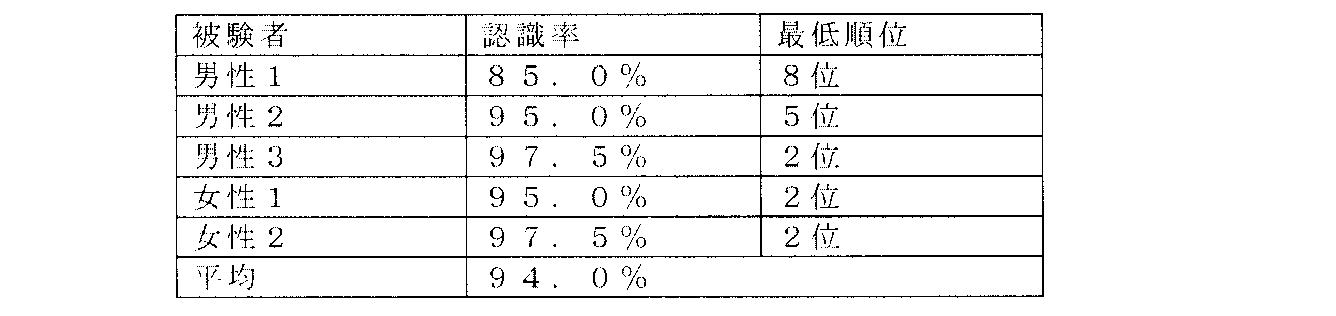
図2のステップS1020において、音声認識部101は、音声尤度の高い方から所定の順位までの認識結果候補を定める。一例として、所定の順位は、10位とする。10位までの認識結果候補を選択した理由は後で説明する。
In step S1020 of FIG. 2, the
図2のステップS1030において、画像モデル生成部103は、選択された10位までの認識結果候補の画像モデルが画像モデルデータベース105に存在するかどうか判断する。存在すれば、ステップS1050に進む。存在しなければ、ステップS1040に進む。
In step S1030 of FIG. 2, the image
図2のステップS1040において、画像モデル生成部103は、ウェブから画像モデルを生成する。ウェブから画像モデルを生成する方法については、後で詳細に説明する。
In step S1040 of FIG. 2, the image
図2のステップS1050において、画像モデル生成部103は、画像モデルデータベース105から認識結果候補の画像モデルを取得する。
In step S1050 of FIG. 2, the image
図2のステップS1060において、画像認識部107は、ウェブから生成した画像モデル、または画像モデルデータベース105から取得した画像モデルを使用して認識結果候補の画像尤度
図2のステップS1070において、物体認識部109は、認識結果候補の音声尤度
図2のステップS1080において、物体認識部109は、統合尤度を使用して以下のように物体認識を行う。
In step S1080 of FIG. 2, the
図3は、ウェブから画像モデルを生成する図2のステップS1040の詳細な手順を説明するための流れ図である。 FIG. 3 is a flowchart for explaining a detailed procedure of step S1040 of FIG. 2 for generating an image model from the web.
図3のステップS2010において、画像モデル生成部103は、ウェブから認識結果候補の物体の画像を収集する。
In step S2010 of FIG. 3, the image
図3のステップS2020において、画像モデル生成部103は、画像ごとに局所特徴量SIFT(Scale-Invariant Feature Transform)(Lowe, David G. (1999). "Object recognition from local scale-invariant features". Proceedings of the International Conference on Computer Vision. 2. pp. 1150-1157.)を抽出する。
In step S2020 of FIG. 3, the image
図3のステップS2030において、画像モデル生成部103は、局所特徴量に基づいて物体ごとにVisual Wordsを求める。具体的に、全画像の局所特徴量SIFTのk-meansクラスタリング(K平均法)を実行し、各クラスタの中心をVisual Wordsとする。Visual Wordsは、代表的な局所パターンに相当する。
In step S2030 of FIG. 3, the image
図3のステップS2040において、画像モデル生成部103は、各画像を、Visual Wordsを用いてベクトル量子化し、各画像のBag-of-features(BoF)表現を求める。BoF表現は、Visual Wordsの出現頻度(ヒストグラム)によって画像を表現したものである。
In step S2040 of FIG. 3, the image
図3のステップS2050において、画像モデル生成部103は、認識候補の物体ごとにBoFのk-meansクラスタリングを行い、クラスタごとに画像モデルを作成する。
In step S2050 of FIG. 3, the image
つぎに、音声認識、画像認識及び統合特徴を用いた認識の評価実験について説明する。 Next, speech recognition, image recognition, and recognition evaluation experiments using integrated features will be described.
音声認識実験において、Juliusを用いて孤立単語認識を行った。ここで、Julius は、音声認識システムの開発・研究のためのオープンソースの高性能な汎用大語彙連続音声認識エンジンである(http://julius.sourceforge.jp/)。入力特徴ベクトルとしてMFCC (Mel Frequency Cepstrum Coefficient)12次元とその差分(Δ)、エネルギーの合計25次元を用いた。学習データとして、音素バランス文と新聞記事読み上げ(130名、2万分)を用いた。triphoneHMMの状態数は2000、混合数は16で、辞書はウェブから1000語抽出した。男性三人及び女性二人を被験者として20単語の2回の繰り返しの発話をテストデータとした。 In speech recognition experiments, isolated words were recognized using Julius. Here, Julius is an open source high-performance general-purpose large vocabulary continuous speech recognition engine for the development and research of speech recognition systems (http://julius.sourceforge.jp/). As input feature vectors, 12 dimensions of MFCC (Mel Frequency Cepstrum Coefficient), a difference (Δ) thereof, and a total of 25 dimensions of energy were used. As the learning data, phoneme balance sentences and newspaper article reading (130 persons, 20,000 minutes) were used. The number of states of triphoneHMM was 2000, the number of mixtures was 16, and the dictionary extracted 1000 words from the web. Test data consisted of two repeated utterances of 20 words with three men and two women as subjects.
表1は、音声による認識率を示す表である。
つぎに、画像認識実験について説明する。20物体に対応する画像を、各100枚ずつウェブから取得し、図3の流れ図に示した方法で各物体ごとにクラスタリングを行った。クラスタごとに重心からの距離によってリランキングを行い、モデル構築のために用いる画像が1物体につき80枚になるようにした。各物体で画像モデルに用いなかった残りの20枚の画像のうち1枚をテストデータに用いた。Leave-one-outクロスバリデーションによる認識精度は92.75%となった。 Next, an image recognition experiment will be described. 100 images corresponding to 20 objects were obtained from the web, and clustering was performed for each object by the method shown in the flowchart of FIG. Reranking was performed according to the distance from the center of gravity for each cluster, so that 80 images per object were used for model construction. One of the remaining 20 images not used in the image model for each object was used as test data. Recognition accuracy by leave-one-out cross validation was 92.75%.
つぎに、式(1)のロジスティック関数を用いた認識実験について説明する。学習データとして、音声及び画像がともにフィットする2000組のデータと、音声及び画像の少なくとも一方がフィットしない2000組のデータを使用した。学習方法は、フィッシャースコアリング法である。実験は、leave-one-outクロスバリデーションによって行った。 Next, a recognition experiment using the logistic function of Expression (1) will be described. As learning data, 2000 sets of data in which both voice and image fit and 2000 sets of data in which at least one of voice and image does not fit were used. The learning method is the Fisher scoring method. The experiment was performed by leave-one-out cross validation.
表2は、音声による認識率、画像による認識率及び統合認識率を示す表である。
一般的には、統合特徴を使用した場合の認識精度は、音声認識または画像認識のいずれか一方を使用した場合の認識精度よりも向上することが期待される。しかし、状況によっては、音声尤度の高い方から所定数の音声認識結果候補のうちに必ず正解が含まれることを前提として、音声尤度の高い方から所定数の音声認識結果候補についての画像認識結果のみに基づいて物体認識を行ってもよい。 In general, it is expected that the recognition accuracy when the integrated feature is used is improved more than the recognition accuracy when either voice recognition or image recognition is used. However, depending on the situation, on the premise that the correct answer is always included in the predetermined number of speech recognition result candidates from the higher speech likelihood, images of the predetermined number of speech recognition result candidates from the higher speech likelihood Object recognition may be performed based only on the recognition result.
100…物体認識システム、101・・・音声認識部、103・・・画像モデルデータベース、105・・・画像認識部、107・・・画像認識部、109・・・物体認識部
DESCRIPTION OF
Claims (4)
音声尤度の高い方から所定数の音声認識結果候補の画像モデルを求める画像モデル生成部と、
入力された画像の該画像モデルに基づく画像尤度を求める画像尤度算出部と、
該画像尤度を使用して物体認識を行う物体認識部と、を備え、
該画像モデル生成部は、音声認識結果候補の画像モデルを生成する際に、最初に画像モデルデータベースを検索し、画像モデルが該画像モデルデータベースにない場合には、ウェブの情報から画像モデルを生成するように構成された物体認識システム。 A speech recognition unit for obtaining a speech recognition result candidate of the input speech and its likelihood;
An image model generation unit for obtaining a predetermined number of speech recognition result candidate image models from a higher speech likelihood;
An image likelihood calculating unit for obtaining an image likelihood based on the image model of the input image;
An object recognition unit that performs object recognition using the image likelihood, and
When generating an image model of a speech recognition result candidate, the image model generation unit first searches an image model database, and if the image model is not in the image model database, generates an image model from web information An object recognition system configured to:
音声尤度の高い方から所定数の音声認識結果候補の画像モデルを求めるステップであって、最初に画像モデルデータベースを検索し、画像モデルが該画像モデルデータベースにない場合には、ウェブの情報から画像モデルを生成するステップと、
入力された画像の該画像モデルに基づく画像尤度を求めるステップと、
該画像尤度を使用して物体認識を行うステップと、を含む物体認識方法。 Obtaining a speech recognition result candidate of the input speech and its likelihood;
A step of obtaining a predetermined number of speech recognition result candidate image models from a higher speech likelihood, first searching an image model database, and if the image model is not in the image model database, from the web information Generating an image model;
Obtaining an image likelihood based on the image model of the input image;
Performing object recognition using the image likelihood.
Priority Applications (2)
| Application Number | Priority Date | Filing Date | Title |
|---|---|---|---|
| JP2013040780A JP2014170295A (en) | 2013-03-01 | 2013-03-01 | Object recognition system and object recognition method |
| US14/190,539 US9508019B2 (en) | 2013-03-01 | 2014-02-26 | Object recognition system and an object recognition method |
Applications Claiming Priority (1)
| Application Number | Priority Date | Filing Date | Title |
|---|---|---|---|
| JP2013040780A JP2014170295A (en) | 2013-03-01 | 2013-03-01 | Object recognition system and object recognition method |
Publications (1)
| Publication Number | Publication Date |
|---|---|
| JP2014170295A true JP2014170295A (en) | 2014-09-18 |
Family
ID=51421398
Family Applications (1)
| Application Number | Title | Priority Date | Filing Date |
|---|---|---|---|
| JP2013040780A Pending JP2014170295A (en) | 2013-03-01 | 2013-03-01 | Object recognition system and object recognition method |
Country Status (2)
| Country | Link |
|---|---|
| US (1) | US9508019B2 (en) |
| JP (1) | JP2014170295A (en) |
Cited By (2)
| Publication number | Priority date | Publication date | Assignee | Title |
|---|---|---|---|---|
| JP2018169744A (en) * | 2017-03-29 | 2018-11-01 | 本田技研工業株式会社 | Object authentication apparatus and object authentication method |
| JP2018169745A (en) * | 2017-03-29 | 2018-11-01 | 本田技研工業株式会社 | Object authentication device and object authentication method |
Families Citing this family (25)
| Publication number | Priority date | Publication date | Assignee | Title |
|---|---|---|---|---|
| US10438587B1 (en) * | 2017-08-08 | 2019-10-08 | X Development Llc | Speech recognition biasing |
| US11450319B2 (en) * | 2017-09-29 | 2022-09-20 | Cambricon (Xi'an) Semiconductor Co., Ltd. | Image processing apparatus and method |
| KR102379954B1 (en) * | 2017-09-29 | 2022-03-28 | 상하이 캠브리콘 인포메이션 테크놀로지 컴퍼니 리미티드 | Image processing apparatus and method |
| US11437032B2 (en) * | 2017-09-29 | 2022-09-06 | Shanghai Cambricon Information Technology Co., Ltd | Image processing apparatus and method |
| US11630666B2 (en) | 2018-02-13 | 2023-04-18 | Shanghai Cambricon Information Technology Co., Ltd | Computing device and method |
| US11704125B2 (en) | 2018-02-13 | 2023-07-18 | Cambricon (Xi'an) Semiconductor Co., Ltd. | Computing device and method |
| EP3617959B1 (en) | 2018-02-13 | 2021-08-04 | Shanghai Cambricon Information Technology Co., Ltd | Computing device and method |
| CN110162162B (en) | 2018-02-14 | 2023-08-18 | 上海寒武纪信息科技有限公司 | Processor control device, method and device |
| WO2019218896A1 (en) | 2018-05-18 | 2019-11-21 | 上海寒武纪信息科技有限公司 | Computing method and related product |
| CN110728364B (en) | 2018-07-17 | 2024-12-17 | 上海寒武纪信息科技有限公司 | Arithmetic device and arithmetic method |
| WO2020001438A1 (en) | 2018-06-27 | 2020-01-02 | 上海寒武纪信息科技有限公司 | On-chip code breakpoint debugging method, on-chip processor, and chip breakpoint debugging system |
| WO2020042739A1 (en) | 2018-08-28 | 2020-03-05 | 中科寒武纪科技股份有限公司 | Data preprocessing method and apparatus, computer device, and storage medium |
| EP3859488B1 (en) | 2018-09-28 | 2024-10-09 | Shanghai Cambricon Information Technology Co., Ltd | Signal processing device, signal processing method and related product |
| CN111385462A (en) | 2018-12-28 | 2020-07-07 | 上海寒武纪信息科技有限公司 | Signal processing device, signal processing method and related product |
| CN111832738B (en) | 2019-04-18 | 2024-01-09 | 中科寒武纪科技股份有限公司 | Data processing method and related product |
| US20200334522A1 (en) | 2019-04-18 | 2020-10-22 | Cambricon Technologies Corporation Limited | Data processing method and related products |
| US11676028B2 (en) | 2019-06-12 | 2023-06-13 | Shanghai Cambricon Information Technology Co., Ltd | Neural network quantization parameter determination method and related products |
| EP3770823B1 (en) | 2019-06-12 | 2025-07-16 | Shanghai Cambricon Information Technology Co., Ltd | Quantization parameter determination method for neural network, and related product |
| EP4020321A4 (en) | 2019-08-23 | 2024-01-17 | Anhui Cambricon Information Technology Co., Ltd. | DATA PROCESSING METHOD, APPARATUS, COMPUTER DEVICE AND STORAGE MEDIUM |
| US12165039B2 (en) | 2019-08-23 | 2024-12-10 | Anhui Cambricon Information Technology Co., Ltd. | Neural network quantization data processing method, device, computer equipment and storage medium |
| EP4020328B1 (en) | 2019-08-23 | 2025-07-30 | Anhui Cambricon Information Technology Co., Ltd. | Data processing method and apparatus, computer device, and storage medium |
| CN112434781B (en) | 2019-08-26 | 2024-09-10 | 上海寒武纪信息科技有限公司 | Method, device and related product for processing data |
| EP4024280A4 (en) | 2019-08-27 | 2022-11-16 | Anhui Cambricon Information Technology Co., Ltd. | Data processing method and apparatus, computer equipment, and storage medium |
| CN113298843B (en) | 2020-02-24 | 2024-05-14 | 中科寒武纪科技股份有限公司 | Data quantization processing method, device, electronic equipment and storage medium |
| CN113408717B (en) | 2020-03-17 | 2025-09-09 | 安徽寒武纪信息科技有限公司 | Computing device, method, board card and computer readable storage medium |
Family Cites Families (11)
| Publication number | Priority date | Publication date | Assignee | Title |
|---|---|---|---|---|
| JP3434976B2 (en) | 1996-06-28 | 2003-08-11 | 三菱電機株式会社 | Image processing device |
| CN1283428C (en) * | 2000-03-31 | 2006-11-08 | 索尼公司 | Robot device, robot device action control method, external force detecting device and method |
| JP4048492B2 (en) * | 2003-07-03 | 2008-02-20 | ソニー株式会社 | Spoken dialogue apparatus and method, and robot apparatus |
| JP3848319B2 (en) * | 2003-11-11 | 2006-11-22 | キヤノン株式会社 | Information processing method and information processing apparatus |
| US20050132420A1 (en) * | 2003-12-11 | 2005-06-16 | Quadrock Communications, Inc | System and method for interaction with television content |
| US7659915B2 (en) * | 2004-04-02 | 2010-02-09 | K-Nfb Reading Technology, Inc. | Portable reading device with mode processing |
| JP4661074B2 (en) * | 2004-04-07 | 2011-03-30 | ソニー株式会社 | Information processing system, information processing method, and robot apparatus |
| US7913155B2 (en) * | 2006-02-15 | 2011-03-22 | International Business Machines Corporation | Synchronizing method and system |
| WO2009126785A2 (en) * | 2008-04-10 | 2009-10-15 | The Trustees Of Columbia University In The City Of New York | Systems and methods for image archaeology |
| US8671069B2 (en) * | 2008-12-22 | 2014-03-11 | The Trustees Of Columbia University, In The City Of New York | Rapid image annotation via brain state decoding and visual pattern mining |
| US20140039871A1 (en) * | 2012-08-02 | 2014-02-06 | Richard Henry Dana Crawford | Synchronous Texts |
-
2013
- 2013-03-01 JP JP2013040780A patent/JP2014170295A/en active Pending
-
2014
- 2014-02-26 US US14/190,539 patent/US9508019B2/en not_active Expired - Fee Related
Cited By (4)
| Publication number | Priority date | Publication date | Assignee | Title |
|---|---|---|---|---|
| JP2018169744A (en) * | 2017-03-29 | 2018-11-01 | 本田技研工業株式会社 | Object authentication apparatus and object authentication method |
| JP2018169745A (en) * | 2017-03-29 | 2018-11-01 | 本田技研工業株式会社 | Object authentication device and object authentication method |
| US10861452B2 (en) | 2017-03-29 | 2020-12-08 | Honda Motor Co., Ltd. | Object authentication device and object authentication method |
| US10997972B2 (en) | 2017-03-29 | 2021-05-04 | Honda Motor Co., Ltd. | Object authentication device and object authentication method |
Also Published As
| Publication number | Publication date |
|---|---|
| US9508019B2 (en) | 2016-11-29 |
| US20140249814A1 (en) | 2014-09-04 |
Similar Documents
| Publication | Publication Date | Title |
|---|---|---|
| JP2014170295A (en) | Object recognition system and object recognition method | |
| CN109923608B (en) | System and method for ranking mixed speech recognition results using neural networks | |
| US11705105B2 (en) | Speech synthesizer for evaluating quality of synthesized speech using artificial intelligence and method of operating the same | |
| Ferrer et al. | Study of senone-based deep neural network approaches for spoken language recognition | |
| CN111916070A (en) | Speech recognition using natural language understanding related knowledge via deep feedforward neural networks | |
| Sainath et al. | Exemplar-based sparse representation features: From TIMIT to LVCSR | |
| CN1298172A (en) | Context correlated acoustic mode for medium and large vocabulary speech recognition | |
| JP5752060B2 (en) | Information processing apparatus, large vocabulary continuous speech recognition method and program | |
| CN105981099A (en) | Speech search device and speech search method | |
| Lugosch et al. | Donut: Ctc-based query-by-example keyword spotting | |
| Cui et al. | Multi-view and multi-objective semi-supervised learning for hmm-based automatic speech recognition | |
| CN108885870A (en) | System and method for implementing a voice user interface by combining a speech-to-text system with a speech-to-intent system | |
| JP2010282199A (en) | Vocabulary acquisition device, multi-dialogue action system, and vocabulary acquisition program | |
| Lee et al. | Joint learning of phonetic units and word pronunciations for ASR | |
| CN105009206B (en) | Speech recognition equipment and audio recognition method | |
| Swain et al. | Study of feature combination using HMM and SVM for multilingual Odiya speech emotion recognition | |
| Kadyan et al. | A comparative study of deep neural network based Punjabi-ASR system | |
| JP2015125499A (en) | Voice interpretation device, voice interpretation method, and voice interpretation program | |
| Harwath et al. | Zero resource spoken audio corpus analysis | |
| KR101483947B1 (en) | Apparatus for discriminative training acoustic model considering error of phonemes in keyword and computer recordable medium storing the method thereof | |
| CN101334998A (en) | Chinese Speech Recognition System Based on Discriminative Fusion of Heterogeneous Models | |
| Saurav et al. | Bangla speech recognition for voice search | |
| Ananthi et al. | Speech recognition system and isolated word recognition based on Hidden Markov model (HMM) for Hearing Impaired | |
| Ballard et al. | A multimodal learning interface for word acquisition | |
| Matsui et al. | Comparative study of speaker identification methods: dPLRM, SVM and GMM |