JP2013523894A - Novel glucokinase activator and method of use thereof - Google Patents
Novel glucokinase activator and method of use thereof Download PDFInfo
- Publication number
- JP2013523894A JP2013523894A JP2013505120A JP2013505120A JP2013523894A JP 2013523894 A JP2013523894 A JP 2013523894A JP 2013505120 A JP2013505120 A JP 2013505120A JP 2013505120 A JP2013505120 A JP 2013505120A JP 2013523894 A JP2013523894 A JP 2013523894A
- Authority
- JP
- Japan
- Prior art keywords
- alkyl
- compound
- membered heteroaryl
- phenyl
- membered
- Prior art date
- Legal status (The legal status is an assumption and is not a legal conclusion. Google has not performed a legal analysis and makes no representation as to the accuracy of the status listed.)
- Withdrawn
Links
- 0 CC1C*CC1 Chemical compound CC1C*CC1 0.000 description 2
- MUFVWTKHYUAHLF-UHFFFAOYSA-N C/C=[O]/c(cc1C(Cl)=N)ccc1NC Chemical compound C/C=[O]/c(cc1C(Cl)=N)ccc1NC MUFVWTKHYUAHLF-UHFFFAOYSA-N 0.000 description 1
- ZQFNMSGOZNFALQ-UHFFFAOYSA-N C[N](C)(C)CO[N]1(O)OC1 Chemical compound C[N](C)(C)CO[N]1(O)OC1 ZQFNMSGOZNFALQ-UHFFFAOYSA-N 0.000 description 1
Classifications
-
- C—CHEMISTRY; METALLURGY
- C07—ORGANIC CHEMISTRY
- C07D—HETEROCYCLIC COMPOUNDS
- C07D403/00—Heterocyclic compounds containing two or more hetero rings, having nitrogen atoms as the only ring hetero atoms, not provided for by group C07D401/00
- C07D403/02—Heterocyclic compounds containing two or more hetero rings, having nitrogen atoms as the only ring hetero atoms, not provided for by group C07D401/00 containing two hetero rings
- C07D403/12—Heterocyclic compounds containing two or more hetero rings, having nitrogen atoms as the only ring hetero atoms, not provided for by group C07D401/00 containing two hetero rings linked by a chain containing hetero atoms as chain links
-
- A—HUMAN NECESSITIES
- A61—MEDICAL OR VETERINARY SCIENCE; HYGIENE
- A61P—SPECIFIC THERAPEUTIC ACTIVITY OF CHEMICAL COMPOUNDS OR MEDICINAL PREPARATIONS
- A61P1/00—Drugs for disorders of the alimentary tract or the digestive system
- A61P1/18—Drugs for disorders of the alimentary tract or the digestive system for pancreatic disorders, e.g. pancreatic enzymes
-
- A—HUMAN NECESSITIES
- A61—MEDICAL OR VETERINARY SCIENCE; HYGIENE
- A61P—SPECIFIC THERAPEUTIC ACTIVITY OF CHEMICAL COMPOUNDS OR MEDICINAL PREPARATIONS
- A61P13/00—Drugs for disorders of the urinary system
- A61P13/12—Drugs for disorders of the urinary system of the kidneys
-
- A—HUMAN NECESSITIES
- A61—MEDICAL OR VETERINARY SCIENCE; HYGIENE
- A61P—SPECIFIC THERAPEUTIC ACTIVITY OF CHEMICAL COMPOUNDS OR MEDICINAL PREPARATIONS
- A61P17/00—Drugs for dermatological disorders
- A61P17/02—Drugs for dermatological disorders for treating wounds, ulcers, burns, scars, keloids, or the like
-
- A—HUMAN NECESSITIES
- A61—MEDICAL OR VETERINARY SCIENCE; HYGIENE
- A61P—SPECIFIC THERAPEUTIC ACTIVITY OF CHEMICAL COMPOUNDS OR MEDICINAL PREPARATIONS
- A61P19/00—Drugs for skeletal disorders
-
- A—HUMAN NECESSITIES
- A61—MEDICAL OR VETERINARY SCIENCE; HYGIENE
- A61P—SPECIFIC THERAPEUTIC ACTIVITY OF CHEMICAL COMPOUNDS OR MEDICINAL PREPARATIONS
- A61P19/00—Drugs for skeletal disorders
- A61P19/08—Drugs for skeletal disorders for bone diseases, e.g. rachitism, Paget's disease
-
- A—HUMAN NECESSITIES
- A61—MEDICAL OR VETERINARY SCIENCE; HYGIENE
- A61P—SPECIFIC THERAPEUTIC ACTIVITY OF CHEMICAL COMPOUNDS OR MEDICINAL PREPARATIONS
- A61P25/00—Drugs for disorders of the nervous system
-
- A—HUMAN NECESSITIES
- A61—MEDICAL OR VETERINARY SCIENCE; HYGIENE
- A61P—SPECIFIC THERAPEUTIC ACTIVITY OF CHEMICAL COMPOUNDS OR MEDICINAL PREPARATIONS
- A61P25/00—Drugs for disorders of the nervous system
- A61P25/28—Drugs for disorders of the nervous system for treating neurodegenerative disorders of the central nervous system, e.g. nootropic agents, cognition enhancers, drugs for treating Alzheimer's disease or other forms of dementia
-
- A—HUMAN NECESSITIES
- A61—MEDICAL OR VETERINARY SCIENCE; HYGIENE
- A61P—SPECIFIC THERAPEUTIC ACTIVITY OF CHEMICAL COMPOUNDS OR MEDICINAL PREPARATIONS
- A61P27/00—Drugs for disorders of the senses
- A61P27/02—Ophthalmic agents
-
- A—HUMAN NECESSITIES
- A61—MEDICAL OR VETERINARY SCIENCE; HYGIENE
- A61P—SPECIFIC THERAPEUTIC ACTIVITY OF CHEMICAL COMPOUNDS OR MEDICINAL PREPARATIONS
- A61P27/00—Drugs for disorders of the senses
- A61P27/02—Ophthalmic agents
- A61P27/06—Antiglaucoma agents or miotics
-
- A—HUMAN NECESSITIES
- A61—MEDICAL OR VETERINARY SCIENCE; HYGIENE
- A61P—SPECIFIC THERAPEUTIC ACTIVITY OF CHEMICAL COMPOUNDS OR MEDICINAL PREPARATIONS
- A61P3/00—Drugs for disorders of the metabolism
- A61P3/04—Anorexiants; Antiobesity agents
-
- A—HUMAN NECESSITIES
- A61—MEDICAL OR VETERINARY SCIENCE; HYGIENE
- A61P—SPECIFIC THERAPEUTIC ACTIVITY OF CHEMICAL COMPOUNDS OR MEDICINAL PREPARATIONS
- A61P3/00—Drugs for disorders of the metabolism
- A61P3/06—Antihyperlipidemics
-
- A—HUMAN NECESSITIES
- A61—MEDICAL OR VETERINARY SCIENCE; HYGIENE
- A61P—SPECIFIC THERAPEUTIC ACTIVITY OF CHEMICAL COMPOUNDS OR MEDICINAL PREPARATIONS
- A61P3/00—Drugs for disorders of the metabolism
- A61P3/08—Drugs for disorders of the metabolism for glucose homeostasis
- A61P3/10—Drugs for disorders of the metabolism for glucose homeostasis for hyperglycaemia, e.g. antidiabetics
-
- A—HUMAN NECESSITIES
- A61—MEDICAL OR VETERINARY SCIENCE; HYGIENE
- A61P—SPECIFIC THERAPEUTIC ACTIVITY OF CHEMICAL COMPOUNDS OR MEDICINAL PREPARATIONS
- A61P31/00—Antiinfectives, i.e. antibiotics, antiseptics, chemotherapeutics
-
- A—HUMAN NECESSITIES
- A61—MEDICAL OR VETERINARY SCIENCE; HYGIENE
- A61P—SPECIFIC THERAPEUTIC ACTIVITY OF CHEMICAL COMPOUNDS OR MEDICINAL PREPARATIONS
- A61P31/00—Antiinfectives, i.e. antibiotics, antiseptics, chemotherapeutics
- A61P31/12—Antivirals
- A61P31/14—Antivirals for RNA viruses
- A61P31/18—Antivirals for RNA viruses for HIV
-
- A—HUMAN NECESSITIES
- A61—MEDICAL OR VETERINARY SCIENCE; HYGIENE
- A61P—SPECIFIC THERAPEUTIC ACTIVITY OF CHEMICAL COMPOUNDS OR MEDICINAL PREPARATIONS
- A61P35/00—Antineoplastic agents
-
- A—HUMAN NECESSITIES
- A61—MEDICAL OR VETERINARY SCIENCE; HYGIENE
- A61P—SPECIFIC THERAPEUTIC ACTIVITY OF CHEMICAL COMPOUNDS OR MEDICINAL PREPARATIONS
- A61P9/00—Drugs for disorders of the cardiovascular system
-
- A—HUMAN NECESSITIES
- A61—MEDICAL OR VETERINARY SCIENCE; HYGIENE
- A61P—SPECIFIC THERAPEUTIC ACTIVITY OF CHEMICAL COMPOUNDS OR MEDICINAL PREPARATIONS
- A61P9/00—Drugs for disorders of the cardiovascular system
- A61P9/10—Drugs for disorders of the cardiovascular system for treating ischaemic or atherosclerotic diseases, e.g. antianginal drugs, coronary vasodilators, drugs for myocardial infarction, retinopathy, cerebrovascula insufficiency, renal arteriosclerosis
-
- A—HUMAN NECESSITIES
- A61—MEDICAL OR VETERINARY SCIENCE; HYGIENE
- A61P—SPECIFIC THERAPEUTIC ACTIVITY OF CHEMICAL COMPOUNDS OR MEDICINAL PREPARATIONS
- A61P9/00—Drugs for disorders of the cardiovascular system
- A61P9/12—Antihypertensives
-
- C—CHEMISTRY; METALLURGY
- C07—ORGANIC CHEMISTRY
- C07D—HETEROCYCLIC COMPOUNDS
- C07D417/00—Heterocyclic compounds containing two or more hetero rings, at least one ring having nitrogen and sulfur atoms as the only ring hetero atoms, not provided for by group C07D415/00
- C07D417/02—Heterocyclic compounds containing two or more hetero rings, at least one ring having nitrogen and sulfur atoms as the only ring hetero atoms, not provided for by group C07D415/00 containing two hetero rings
- C07D417/12—Heterocyclic compounds containing two or more hetero rings, at least one ring having nitrogen and sulfur atoms as the only ring hetero atoms, not provided for by group C07D415/00 containing two hetero rings linked by a chain containing hetero atoms as chain links
Landscapes
- Health & Medical Sciences (AREA)
- Chemical & Material Sciences (AREA)
- Organic Chemistry (AREA)
- Life Sciences & Earth Sciences (AREA)
- Medicinal Chemistry (AREA)
- Chemical Kinetics & Catalysis (AREA)
- General Chemical & Material Sciences (AREA)
- Veterinary Medicine (AREA)
- Nuclear Medicine, Radiotherapy & Molecular Imaging (AREA)
- Pharmacology & Pharmacy (AREA)
- Animal Behavior & Ethology (AREA)
- General Health & Medical Sciences (AREA)
- Public Health (AREA)
- Bioinformatics & Cheminformatics (AREA)
- Engineering & Computer Science (AREA)
- Diabetes (AREA)
- Hematology (AREA)
- Physical Education & Sports Medicine (AREA)
- Heart & Thoracic Surgery (AREA)
- Cardiology (AREA)
- Obesity (AREA)
- Biomedical Technology (AREA)
- Neurology (AREA)
- Neurosurgery (AREA)
- Ophthalmology & Optometry (AREA)
- Urology & Nephrology (AREA)
- Virology (AREA)
- Oncology (AREA)
- Communicable Diseases (AREA)
- Psychiatry (AREA)
- Hospice & Palliative Care (AREA)
- Endocrinology (AREA)
- Child & Adolescent Psychology (AREA)
- AIDS & HIV (AREA)
- Tropical Medicine & Parasitology (AREA)
- Molecular Biology (AREA)
- Emergency Medicine (AREA)
- Vascular Medicine (AREA)
- Orthopedic Medicine & Surgery (AREA)
- Rheumatology (AREA)
Abstract
酵素グルコキナーゼのアクチベーターであり、故に糖尿病および関連疾患に治療に有用であり、構造
(ここで、R1、R2、R3、R4、R5、R6、YおよびXは本明細書中と同義である)を有する化合物またはその医薬的に許容される塩が提供される。上記化合物を用いる糖尿病および関連疾患の治療方法も提供される。Is an activator of the enzyme glucokinase and is therefore useful in the treatment of diabetes and related diseases
Wherein R 1 , R 2 , R 3 , R 4 , R 5 , R 6 , Y and X are as defined herein, or a pharmaceutically acceptable salt thereof is provided. The Also provided are methods of treating diabetes and related diseases using the above compounds.
Description
(関連出願の相互参照)
本願は、米国仮出願番号第61/323,957号(2010年4月14日出願)の利益を主張する。
(Cross-reference of related applications)
This application claims the benefit of US Provisional Application No. 61 / 323,957 (filed April 14, 2010).
本発明は、酵素グルコキナーゼアクチベーターであり、故に糖尿病の治療に有用である新規ホスホネートおよびホスフィネート化合物、ならびにかかる化合物を用いた糖尿病、特に2型糖尿病の治療方法に関連する。 The present invention relates to novel phosphonate and phosphinate compounds that are enzyme glucokinase activators and are therefore useful in the treatment of diabetes, and methods of treating diabetes, particularly type 2 diabetes, using such compounds.
酵素グルコキナーゼ(GK)は、主に膵臓β細胞および肝実質細胞で見られるが、グルコース代謝の最初のステップであるグルコースのグルコース−6−リン酸への変換を触媒する。グルコキナーゼはまた、膵臓β細胞および肝実質細胞におけるグルコース代謝の律速酵素であり、全身のグルコース恒常性に重要な役割を果たす。 The enzyme glucokinase (GK) is found primarily in pancreatic β cells and hepatocytes, but catalyzes the conversion of glucose to glucose-6-phosphate, the first step in glucose metabolism. Glucokinase is also the rate-limiting enzyme of glucose metabolism in pancreatic β cells and hepatocytes and plays an important role in systemic glucose homeostasis.
Liag, Y. et al.(Biochem. J., 309:167−173 (1995))は、2型の若年発症成人型糖尿病(MODY−2)がグルコキナーゼ遺伝子の機能喪失型変異により引き起こされるという発見を報告したが、これにより、グルコキナーゼがヒトにおいてグルコースセンサーとしても機能することが示唆される。故に、グルコキナーゼを活性化し、その結果、グルコキナーゼセンサーシステムの感度を増強し、インスリン分泌を増大させる化合物は高血糖症および2型糖尿病の治療に有用であろう。 Liag, Y. et al. (Biochem. J., 309: 167-173 (1995)) said that type 2 juvenile-onset adult diabetes (MODY-2) is caused by a loss-of-function mutation in the glucokinase gene Reported findings suggest that glucokinase also functions as a glucose sensor in humans. Thus, compounds that activate glucokinase, thereby enhancing the sensitivity of the glucokinase sensor system and increasing insulin secretion would be useful in the treatment of hyperglycemia and type 2 diabetes.
グルコキナーゼアクチベーターは、以下の事柄の亢進に有効であることが示されている:1)単離したラットおよびヒト膵島からのインスリン分泌に対するグルコースの効果、および2)単離、培養したラット膵島における膵島グルコキナーゼのグルコースによる誘導(例えば、Matschinsky, F.M. et al., Diabetes, 55:1 (2006)、Matschinsky, F.M. et al., eds., Glucokinase and Glycemic Disease, from Basics to Novel Therapeutics, Karger, publ., Ch. 6, pp. 360−378 (2004))。糖尿病の動物モデルを用いた研究において、グルコキナーゼアクチベーターがインスリン分泌を刺激すること、グリコーゲン合成を亢進することおよび肝臓におけるグルコース産生を低下させることが膵臓のクランプ法を用いた実験により示されている。重要なことは、グルコキナーゼアクチベーターが、一般的な様々な2型糖尿病の動物モデル、例えば、ob/obマウス、db/dbマウスおよびZucker fa/faラットを用いた急性単回投与実験において用量依存的に血糖値を低下させること、ならびに正常C57/BL6Jおよびob/obマウスの経口グルコース負荷試験においてグルコース変動を効果的に改善することが示されていることである(例えば、Matschinsky, F.M. et al., eds., Glucokinase and Glycemic Disease, from Basics to Novel Therapeutics, Karger, publ., Ch. 6, pp. 360−378 (2004);Fyfe, M.C. et al., Diabetologia, 50:1277 (2007))。 Glucokinase activators have been shown to be effective in enhancing the following: 1) the effect of glucose on insulin secretion from isolated rat and human islets, and 2) isolated and cultured rat islets Insulin glucokinase induced by glucose (eg, Matschinsky, FM et al., Diabetes, 55: 1 (2006), Matschinsky, FM et al., Eds., Glucokinase and Glycemic Disease, from Basics to Novel Therapeutics, Karger, publ., Ch. 6, pp. 360-378 (2004)). In studies using animal models of diabetes, experiments using pancreatic clamping have shown that glucokinase activators stimulate insulin secretion, increase glycogen synthesis, and decrease glucose production in the liver. Yes. Importantly, glucokinase activator is dosed in acute single dose experiments using a variety of common animal models of type 2 diabetes, such as ob / ob mice, db / db mice and Zucker fa / fa rats. It has been shown to reduce glucose levels in a dependent manner and to effectively improve glucose variability in oral glucose tolerance tests in normal C57 / BL6J and ob / ob mice (eg, Matschinsky, FM et al. al., eds., Glucokinase and Glycemic Disease, from Basics to Novel Therapeutics, Karger, publ., Ch. 6, pp. 360-378 (2004); Fyfe, MC et al., Diabetologia, 50: 1277 (2007) ).
グルコキナーゼアクチベーターはまた、2型糖尿病の慢性動物モデルにおいて抗糖尿病効果を有することが示されている。例えば、ob/obマウスの9日間研究において、グルコキナーゼアクチベーターは全体的なグルコースプロファイルを改善し、初日および最終日の経口グルコース負荷試験において優れた抗高血糖効果を示した(Fyfe, M.C. et al., Diabetologia, 50:1277 (2007))。別の一例では、40週に亘る慢性の研究において、グルコキナーゼアクチベーターは耐糖能障害を有する食餌誘発性肥満マウスにおける高血糖症の発症を予防した。グルコキナーゼアクチベーターで処理した食餌誘発性肥満マウスは、最終日の経口グルコース負荷試験において、対照群と比べてグルコース変動の著しい改善を示した(Matschinsky, F.M. et al., eds., Glucokinase and Glycemic Disease, from Basics to Novel Therapeutics, Karger, publ., Ch. 6, pp. 360−378 (2004))。 Glucokinase activators have also been shown to have anti-diabetic effects in chronic animal models of type 2 diabetes. For example, in a 9-day study of ob / ob mice, glucokinase activator improved the overall glucose profile and showed excellent antihyperglycemic effects in the first and last day oral glucose tolerance test (Fyfe, MC et al. al., Diabetologia, 50: 1277 (2007)). In another example, in a chronic study spanning 40 weeks, glucokinase activators prevented the development of hyperglycemia in diet-induced obese mice with impaired glucose tolerance. Diet-induced obese mice treated with glucokinase activator showed a marked improvement in glucose variability compared to the control group in the final day oral glucose tolerance test (Matschinsky, FM et al., Eds., Glucokinase and Glycemic Disease, from Basics to Novel Therapeutics, Karger, publ., Ch. 6, pp. 360-378 (2004)).
本発明の一態様によると、構造I:
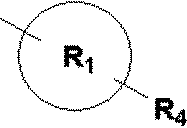
R1は、R4で置換され、1または2個の置換基R5および/またはR6で適宜置換されていてもよい5または6員の単環式ヘテロアリールであり、ここで、該ヘテロアリールは−NH−に近接する窒素原子を有し;
R4は、−(CH2)n−Z−(CH2)m−PO(OR7)(OR8)、または−(CH2)nZ−(CH2)m−PO(OR7)R9、または−(CH2)n−Z−(CH2)m−O−PO(OR7)R9、または−(CH2)nZ−(CH2)m−O−PO−(R9)R10、または−(CH2)nZ−(CH2)m−PO(R9)R10であり、ここで、R4は、環窒素または炭素を介してR1と結合し;
R7およびR8は、同一または異なって、C1−C3アルキルから独立して選択され;
R9およびR10は、同一または異なって、C1−C3アルキル、フェニル、フェニル−C1−C3−アルキル、5から6員のヘテロアリールおよび(5から6員のヘテロアリール)−C1−C3−アルキルから独立して選択され、そのいずれも適宜置換されていてもよく;
さらに、R7およびR8は、環
同様に、R7およびR9は、環
同様に、R9およびR10は、環
Zは、結合、C1−C3アルキレンおよびC2−C4アルキニレンから選択され、そのそれぞれが適宜置換されていてもよく(例えば、ヒドロキシ、C1−C3アルコキシ、アミノ−C1−C3−アルキル、アミノフェニル−C1−C3−アルキル、(5から6員のヘテロアリール)−C1−C3−アルキル、アミノ(5から6員のヘテロアリール)−C1−C3−アルキル、(5から6員のヘテロアリール)−C1−C3−アルキル、アミノフェニル、アミノ(5から6員のヘテロアリール)またはカルボキシ);
mは、0、1または2であり;
nは、0、1または2であり;
mが1または2であるか、nが1または2の場合、ZはO、S、SO2でもよく;
R5およびR6は、同一または異なって、水素、C1−C3アルキル、ハロゲンまたはカルボキシルから独立して選択されるか、あるいは不存在であり;
XはNまたはCHであり;
YはOまたはSであり;
R3は、H、ハロゲン、C1−C3アルキル、OH、OMe、SH、またはSMeであり;
R2は、C1−C6アルキルもしくは分枝鎖のC3−C6アルキル、C3−C6シクロアルキル、C3−C6シクロアルキル−C1−C3−アルキル、フェニル、フェニル−C1−C3−アルキル、5から6員のヘテロアリール、または(5から6員のヘテロアリール)−C1−C3−アルキルであり;
ここで、各R2は、1から3個のR11基で独立して適宜置換されていてもよく;
各R11は、ハロゲン、−CH3−aFa、CN、NO2、NH2、C1−C3アルキル、O−C1−C3−アルキル、−COOH、OH、フェニルオキシ、5から6員のヘテロアリールオキシ、4から7員のヘテロシクリルオキシ、−S−R12、−S(O)−R12、−SO2R13、−SO2NR14R15、−NR14R15、−CO2R13、−C(O)nR14R15、N−結合型アミド(−NR7C(O)R15)、N−結合型スルホンアミド(−NR7SO2R12)、N−結合型カルバメート(−NR7CO2R12)、O−結合型カルバメート(−OCONR14R15)、N−結合型ウレア(−NR7C(O)nR14R15)、フェニル、5から6員のヘテロアリール、または4から7員のヘテロシクリルから独立して選択され;
ここで、R11における各フェニル、ヘテロアリール、またはヘテロシクリル環は、ハロゲン、−CH3−aFa、CN、NO2、NH2、−COOH、OH、C1−C3アルキル、−O−C1−C3−アルキル、−C(O)O−C1−C3−アルキル、−NR14R15、−C(O)nR14R15、N−結合型(−NR7COR15)、N−結合型スルホンアミド(−NR7SO2R12)、N−結合型カルバメート(−NR7COOR12)、N−結合型ウレア(−NR7CONR14R15)、スルホンアミド(−SO2NR14R15)で適宜置換されていてもよく;
各「a」は、独立して、1、2または3から選択される整数であり;
各R12は、C1−C3アルキル、フェニル、5から6員のヘテロアリール、フェニル−C1−C3−アルキル、(5から6員のヘテロアリール)−C1−C3−アルキルから独立して選択され;
各R13は、H、C1−C3アルキル、フェニル、5から6員のヘテロアリール、フェニル−C1−C3−アルキル、または(5から6員のヘテロアリール)−C1−C3−アルキルから独立して選択され;
R14およびR15は、同一または異なって、H、C1−C3アルキル、C3−C6シクロアルキル、フェニル、フェニル−C1−C3−アルキル、5から6員のヘテロアリールまたは(5から6員のヘテロアリール)−C1−C3−アルキルから独立して選択されるか、R14およびR15は一緒になって環化して3から7員のヘテロシクリルを形成する]
を有する化合物、またはその全ての立体異性体、プロドラッグエステルもしくは医薬的に許容される塩が提供される。
According to one aspect of the invention, structure I:
R 1 is substituted with R 4, it is 1 or 2 substituents R 5 and / or monocyclic heteroaryl optionally substituted may also be 5 or optionally 6 membered R 6, wherein the heterocyclic Aryl has a nitrogen atom adjacent to -NH-;
R 4 represents — (CH 2 ) n —Z— (CH 2 ) m —PO (OR 7 ) (OR 8 ), or — (CH 2 ) n Z— (CH 2 ) m —PO (OR 7 ) R 9 , or — (CH 2 ) n —Z— (CH 2 ) m —O—PO (OR 7 ) R 9 , or — (CH 2 ) n Z— (CH 2 ) m —O—PO— (R 9 ) R 10 , or — (CH 2 ) n Z— (CH 2 ) m —PO (R 9 ) R 10 , wherein R 4 is attached to R 1 via a ring nitrogen or carbon;
R 7 and R 8 are the same or different and are independently selected from C 1 -C 3 alkyl;
R 9 and R 10 are the same or different and are C 1 -C 3 alkyl, phenyl, phenyl-C 1 -C 3 -alkyl, 5 to 6 membered heteroaryl and (5 to 6 membered heteroaryl) -C 1 -C 3 - is independently selected from alkyl, it may be optionally substituted either thereof;
In addition, R 7 and R 8 are ring
Similarly, R 7 and R 9 are ring
Similarly, R 9 and R 10 are ring
Z is selected from a bond, C 1 -C 3 alkylene and C 2 -C 4 alkynylene, each of which may be optionally substituted (eg, hydroxy, C 1 -C 3 alkoxy, amino-C 1 -C 3 -alkyl, aminophenyl-C 1 -C 3 -alkyl, (5 to 6 membered heteroaryl) -C 1 -C 3 -alkyl, amino (5 to 6 membered heteroaryl) -C 1 -C 3- Alkyl, (5 to 6 membered heteroaryl) -C 1 -C 3 -alkyl, aminophenyl, amino (5 to 6 membered heteroaryl) or carboxy);
m is 0, 1 or 2;
n is 0, 1 or 2;
when m is 1 or 2, or n is 1 or 2, Z may be O, S, SO 2 ;
R 5 and R 6 are the same or different and are independently selected from hydrogen, C 1 -C 3 alkyl, halogen or carboxyl, or absent;
X is N or CH;
Y is O or S;
R 3 is H, halogen, C 1 -C 3 alkyl, OH, OMe, SH, or SMe;
R 2 is C 1 -C 6 alkyl or branched C 3 -C 6 alkyl, C 3 -C 6 cycloalkyl, C 3 -C 6 cycloalkyl-C 1 -C 3 -alkyl, phenyl, phenyl- C 1 -C 3 -alkyl, 5 to 6 membered heteroaryl, or (5 to 6 membered heteroaryl) -C 1 -C 3 -alkyl;
Wherein each R 2 may be optionally substituted independently with 1 to 3 R 11 groups;
Each R 11 is from halogen, —CH 3 —a F a , CN, NO 2 , NH 2 , C 1 -C 3 alkyl, O—C 1 -C 3 -alkyl, —COOH, OH, phenyloxy, 5 6-membered heteroaryloxy, 4 to 7-membered heterocyclyloxy, —S—R 12 , —S (O) —R 12 , —SO 2 R 13 , —SO 2 NR 14 R 15 , —NR 14 R 15 , -CO 2 R 13, -C (O ) n R 14 R 15, N- linked amide (-NR 7 C (O) R 15), N- linked sulfonamide (-NR 7 SO 2 R 12) , N-linked carbamate (—NR 7 CO 2 R 12 ), O-linked carbamate (—OCONR 14 R 15 ), N-linked urea (—NR 7 C (O) n R 14 R 15 ), phenyl, 5- to 6-membered heteroa Lumpur or 4 independently of 7 membered heterocyclyl is selected;
Here, each phenyl, heteroaryl, or heterocyclyl ring in R 11 is halogen, —CH 3 -a Fa , CN, NO 2 , NH 2 , —COOH, OH, C 1 -C 3 alkyl, —O—. C 1 -C 3 - alkyl, -C (O) O-C 1 -C 3 - alkyl, -NR 14 R 15, -C ( O) n R 14 R 15, N- linked (-NR 7 COR 15 ), N-linked sulfonamide (—NR 7 SO 2 R 12 ), N-linked carbamate (—NR 7 COOR 12 ), N-linked urea (—NR 7 CONR 14 R 15 ), sulfonamide (— SO 2 NR 14 R 15 ) may be optionally substituted;
Each “a” is independently an integer selected from 1, 2 or 3;
Each R 12 is from C 1 -C 3 alkyl, phenyl, 5 to 6 membered heteroaryl, phenyl-C 1 -C 3 -alkyl, (5 to 6 membered heteroaryl) -C 1 -C 3 -alkyl. Independently selected;
Each R 13 is H, C 1 -C 3 alkyl, phenyl, 5 to 6 membered heteroaryl, phenyl-C 1 -C 3 -alkyl, or (5 to 6 membered heteroaryl) -C 1 -C 3. -Independently selected from alkyl;
R 14 and R 15 are the same or different and are H, C 1 -C 3 alkyl, C 3 -C 6 cycloalkyl, phenyl, phenyl-C 1 -C 3 -alkyl, 5 to 6 membered heteroaryl or ( Independently selected from 5 to 6-membered heteroaryl) -C 1 -C 3 -alkyl, or R 14 and R 15 together cyclize to form a 3 to 7-membered heterocyclyl]
Or all stereoisomers, prodrug esters or pharmaceutically acceptable salts thereof are provided.
好ましくは、式(I)の化合物において、
XはCHであり;
部分
R4は、好ましくは、−(CH2)n−Z−(CH2)m−PO(OR7)(OR8)(ここで、Zは、好ましくは結合であり、nは、好ましくは1または2である)であるか;−(CH2)n−Z−(CH2)m−PO(OR7)R9(ここで、Zは、好ましくは結合であり、nは、好ましくは1または2である)であり;
R4は、より好ましくは、
Yは、好ましくは−O−であり;
R3は、好ましくは水素であり;
R2は、好ましくはC1−C3アルキル、ハロ−C1−C3−アルキル、ジハロ−C1−C3−アルキル、C1−C3−アルコキシ−C1−C3−アルキル、または4から7員のヘテロシクロであり、より好ましくは、
R5およびR6は、それぞれ好ましくは水素であり;
Zは、好ましくは結合またはCH2である。
Preferably, in the compound of formula (I):
X is CH;
portion
R 4 is preferably — (CH 2 ) n —Z— (CH 2 ) m —PO (OR 7 ) (OR 8 ), where Z is preferably a bond, and n is preferably 1 Or —2); — (CH 2 ) n —Z— (CH 2 ) m —PO (OR 7 ) R 9, where Z is preferably a bond, and n is preferably 1 Or 2);
R 4 is more preferably
Y is preferably -O-;
R 3 is preferably hydrogen;
R 2 is preferably C 1 -C 3 alkyl, halo-C 1 -C 3 -alkyl, dihalo-C 1 -C 3 -alkyl, C 1 -C 3 -alkoxy-C 1 -C 3 -alkyl, or 4- to 7-membered heterocyclo, more preferably
R 5 and R 6 are each preferably hydrogen;
Z is preferably a bond or CH 2.
本発明の好ましい化合物の例は、例えば、限定されないが、以下である:
本発明の化合物は酵素グルコキナーゼを活性化またはその活性を増強する。その結果、本発明の化合物は、グルコキナーゼの障害が関連する多くの疾患または障害、例えば、糖尿病および関連病態、糖尿病微小血管合併症、糖尿病大血管合併症、循環器疾患、メタボリックシンドロームおよびその病態成分、ならびに他の疾患の治療に用いることができる。本発明により予防、阻害または治療することができる酵素グルコキナーゼの活性の障害が関連する疾患または障害の例は、限定されないが、糖尿病、高血糖症、耐糖能障害、インスリン抵抗性、高インスリン血症、網膜症、神経障害、腎障害、創傷治癒の遅延、アテローム動脈硬化症およびその続発症、心機能異常、心筋虚血、脳卒中、メタボリックシンドローム、高血圧症、肥満症、脂質異常症、高脂血症、高トリグリセライド血症、高コレステロール血症、低HDL、高LDL、非心臓性虚血、感染症、癌、血管疾患、膵炎、神経変性疾患、脂質障害、認知障害および認知症、骨疾患、HIVプロテアーゼ関連リポジストロフィー、および緑内障である。 The compounds of the present invention activate or enhance the enzyme glucokinase. As a result, the compounds of the present invention can be used in many diseases or disorders associated with disorders of glucokinase, such as diabetes and related conditions, diabetic microvascular complications, diabetic macrovascular complications, cardiovascular disease, metabolic syndrome and conditions thereof. Ingredients can be used to treat as well as other diseases. Examples of diseases or disorders associated with impaired activity of the enzyme glucokinase that can be prevented, inhibited or treated according to the present invention include, but are not limited to, diabetes, hyperglycemia, impaired glucose tolerance, insulin resistance, hyperinsulinemia Disease, retinopathy, neuropathy, kidney damage, delayed wound healing, atherosclerosis and its sequelae, cardiac dysfunction, myocardial ischemia, stroke, metabolic syndrome, hypertension, obesity, dyslipidemia, high fat , Hypertriglyceridemia, hypercholesterolemia, low HDL, high LDL, non-cardiac ischemia, infection, cancer, vascular disease, pancreatitis, neurodegenerative disease, lipid disorder, cognitive impairment and dementia, bone disease HIV protease-related lipodystrophy, and glaucoma.
本発明は、式(I)の化合物、かかる化合物を用いる医薬組成物、およびかかる化合物の使用方法を提供される。特に、本発明は、治療上の有効量の式(I)の化合物を単独または医薬的に許容される担体の組み合わせにおいて含む医薬組成物を提供する。 The present invention provides compounds of formula (I), pharmaceutical compositions using such compounds, and methods of using such compounds. In particular, the present invention provides a pharmaceutical composition comprising a therapeutically effective amount of a compound of formula (I) alone or in combination with a pharmaceutically acceptable carrier.
さらに、本発明によると、酵素グルコキナーゼの活性の障害が関連する疾患または障害(例えば、上または下で定義されるもの)の進行または発症を予防、阻害または治療するための方法であって、治療上の有効量の式(I)の化合物を哺乳類、即ちヒトの患者に投与することを特徴とする方法が提供される。 Furthermore, according to the present invention, a method for preventing, inhibiting or treating the progression or development of a disease or disorder (eg as defined above or below) associated with a disorder of the activity of the enzyme glucokinase comprising: There is provided a method characterized in that a therapeutically effective amount of a compound of formula (I) is administered to a mammal, ie a human patient.
本発明の化合物は、単独、他の本発明の化合物との組み合わせ、または1つもしくはそれ以上の別の治療薬(複数可)との組み合わせにおいて用いることができる。 The compounds of the present invention can be used alone, in combination with other compounds of the present invention, or in combination with one or more other therapeutic agent (s).
さらに、本発明は、上または下で定義される疾患の予防、阻害、または治療方法であって、式(I)の化合物および別の1個の式(I)の化合物および/または少なくとも1つの別の種類の治療薬の治療上の有効量の組み合わせを哺乳類、即ちヒトの患者に投与することを特徴とする方法を提供する。 Furthermore, the present invention provides a method for the prevention, inhibition or treatment of a disease as defined above or below, comprising a compound of formula (I) and another compound of formula (I) and / or at least one A method is provided that comprises administering a therapeutically effective amount combination of another type of therapeutic agent to a mammal, ie, a human patient.
別の一実施態様において、本発明の化合物は実施例化合物から選択される。 In another embodiment, the compounds of the invention are selected from the example compounds.
別の一実施態様において、本発明は、治療上の有効量の本発明の化合物を単独または適宜医薬的に許容される担体およびまたは1つまたはそれ以上の別の薬剤(複数可)との組み合わせにおいて含む医薬組成物に関連する。 In another embodiment, the invention provides a therapeutically effective amount of a compound of the invention, alone or in combination, optionally with a pharmaceutically acceptable carrier and / or one or more other drug (s). In relation to the pharmaceutical composition comprising
別の一実施態様において、本発明は、哺乳類の患者、例えばヒトの患者に治療上の有効量の本発明の化合物を単独、または適宜別の1個の本発明の化合物および/または少なくとも1つの別の種類の治療薬との組み合わせにおいて投与する段階を特徴とする、酵素グルコキナーゼ活性を増強する方法に関連する。 In another embodiment, the present invention provides a therapeutically effective amount of a compound of the present invention alone or, optionally, another single compound of the present invention and / or at least one of a mammalian patient, eg, a human patient. It relates to a method for enhancing enzyme glucokinase activity, characterized in that it is administered in combination with another type of therapeutic agent.
別の一実施態様において、本発明は、酵素グルコキナーゼ活性の障害が関連する疾患または障害の進行または発症を予防、阻害または治療する方法であって、哺乳類の患者、例えばヒトの患者に治療上の有効量の本発明の化合物を単独、または適宜別の1個の本発明の化合物および/または少なくとも1つの別の種類の治療薬との組み合わせにおいて投与する段階を特徴とする方法に関連する。 In another embodiment, the present invention is a method of preventing, inhibiting or treating the progression or development of a disease or disorder associated with a disorder of enzyme glucokinase activity, which is therapeutic to a mammalian patient, such as a human patient. Of an effective amount of a compound of the present invention alone or in combination with another single compound of the present invention and / or at least one other type of therapeutic agent, as appropriate.
本発明により予防、阻害または治療され得る酵素グルコキナーゼ活性の障害が関連する疾患または障害の例は、限定されないが、前述の疾患または障害を含む。 Examples of diseases or disorders associated with disorders of the enzyme glucokinase activity that can be prevented, inhibited or treated according to the present invention include, but are not limited to, the aforementioned diseases or disorders.
別の一実施態様において、本発明は、糖尿病、高血糖症、肥満症、脂質異常症、高血圧症、および認知障害の進行または発症を予防、阻害または治療する方法であって、哺乳類の患者、例えばヒトの患者に治療上の有効量の本発明の化合物を単独、または適宜別の1個の本発明の化合物および/または少なくとも1つの別の種類の治療薬との組み合わせにおいて投与する段階を特徴とする方法に関連する。 In another embodiment, the invention provides a method for preventing, inhibiting or treating the progression or development of diabetes, hyperglycemia, obesity, dyslipidemia, hypertension, and cognitive impairment, comprising a mammalian patient, For example, administering to a human patient a therapeutically effective amount of a compound of the present invention alone, or in combination, optionally with another compound of the invention and / or at least one other type of therapeutic agent. Related to the method.
本発明の別の一態様において、本発明は、糖尿病の進行または発症を予防、阻害または治療する方法であって、哺乳類の患者、例えばヒトの患者に治療上の有効量の本発明の化合物を単独、または適宜別の1個の本発明の化合物および/または少なくとも1つの別の種類の治療薬との組み合わせにおいて投与する段階を特徴とする方法に関連する。 In another aspect of the invention, the invention provides a method for preventing, inhibiting or treating the progression or development of diabetes, wherein a therapeutically effective amount of a compound of the invention is administered to a mammalian patient, eg, a human patient. It relates to a method characterized in that it is administered alone or in combination with another compound of the invention and / or at least one other type of therapeutic agent as appropriate.
本発明の別の一態様において、本発明は、高血糖症の進行または発症を予防、阻害または治療する方法であって、哺乳類の患者、例えばヒトの患者に治療上の有効量の本発明の化合物を単独、または適宜別の1個の本発明の化合物および/または少なくとも1つの別の種類の治療薬との組み合わせにおいて投与する段階を特徴とする方法に関連する。 In another aspect of the invention, the invention provides a method for preventing, inhibiting or treating the progression or development of hyperglycemia, wherein a therapeutically effective amount of the invention is administered to a mammalian patient, eg, a human patient. It relates to a method characterized in that it comprises the step of administering the compound alone or in combination, optionally with another compound of the invention and / or at least one other type of therapeutic agent.
別の一実施態様において、本発明は、肥満症の進行または発症を予防、阻害または治療する方法であって、哺乳類の患者、例えばヒトの患者に治療上の有効量の本発明の化合物を単独、または適宜別の1個の本発明の化合物および/または少なくとも1つの別の種類の治療薬との組み合わせにおいて投与する段階を特徴とする方法に関連する。 In another embodiment, the invention provides a method for preventing, inhibiting or treating the progression or development of obesity, wherein a therapeutically effective amount of a compound of the invention is administered alone to a mammalian patient, eg, a human patient. Or, optionally, in combination with another compound of the invention and / or in combination with at least one other type of therapeutic agent.
一実施態様において、本発明は、脂質異常症の進行または発症を予防、阻害または治療する方法であって、哺乳類の患者、例えばヒトの患者に治療上の有効量の本発明の化合物を単独、または適宜別の1個の本発明の化合物および/または少なくとも1つの別の種類の治療薬との組み合わせにおいて投与する段階を特徴とする方法に関連する。 In one embodiment, the present invention is a method for preventing, inhibiting or treating the progression or development of dyslipidemia, wherein a therapeutically effective amount of a compound of the present invention alone is administered to a mammalian patient, eg, a human patient, Or, as appropriate, to a method characterized in that it is administered in combination with another compound of the invention and / or at least one other type of therapeutic agent.
本発明の別の一実施態様は、糖尿病の治療薬の製造における式(I)の化合物の使用に関連する。 Another embodiment of the invention relates to the use of a compound of formula (I) in the manufacture of a medicament for the treatment of diabetes.
本発明の別の一実施態様は糖尿病の治療における式(I)の化合物の使用に関連する。 Another embodiment of the invention relates to the use of a compound of formula (I) in the treatment of diabetes.
本発明の別の一実施態様は、哺乳類の糖尿病の治療における式(I)の化合物の使用に関連する。 Another embodiment of the invention relates to the use of a compound of formula (I) in the treatment of diabetes in mammals.
本発明の別の一実施態様は、別の治療薬との組み合わせ(同時の、または任意の順序における連続的な)を特徴とする、糖尿病の治療剤の製造における式(I)の化合物の使用に関連する。 Another embodiment of the present invention is the use of a compound of formula (I) in the manufacture of a therapeutic agent for diabetes, characterized by a combination (simultaneous or sequential in any order) with another therapeutic agent is connected with.
本発明の別の一態様は、糖尿病の治療剤としての本発明の式(I)の化合物および別の治療薬の組み合わせに関連する。 Another aspect of the present invention relates to the combination of a compound of formula (I) of the present invention and another therapeutic agent as a therapeutic agent for diabetes.
(発明の詳細な説明)
本明細書中で開示される化合物は不斉中心を有することがある。非対称に置換された原子を有する本発明の化合物は、光学活性体またはラセミ体として単離することができる。光学活性体の製造方法、例えば、ラセミ体の分割または光学活性な出発物質からの合成は技術的に公知である。オレフィン、C=N二重結合などの多くの幾何異性体も本明細書中で開示される化合物に存在することがあり、かかる全ての安定な異性体は本明細書中に包含される。本発明の化合物のシスおよびトランス幾何異性体も開示され、異性体の混合物または別々の異性体の形態として単離することができる。構造の全てのキラルな、ジアステレオマーの、ラセミ体の、および全ての幾何異性体の形態は、特定の立体化学または異性体の形態が特に指示されない限り、本発明に包含される。
(Detailed description of the invention)
The compounds disclosed herein may have asymmetric centers. The compounds of the invention having asymmetrically substituted atoms can be isolated as optically active or racemic forms. Methods for producing optically active forms, for example, resolution of racemates or synthesis from optically active starting materials are known in the art. Many geometric isomers such as olefins, C═N double bonds, etc. may also be present in the compounds disclosed herein, and all such stable isomers are encompassed herein. Cis and trans geometric isomers of the compounds of the present invention are also disclosed and can be isolated as a mixture of isomers or as separate isomer forms. All chiral, diastereomeric, racemic, and all geometric isomer forms of a structure are encompassed by the present invention unless the specific stereochemistry or isomer form is specifically indicated.
用語「置換された」は、本明細書中で用いられるように、指定された原子または環上の任意の1つまたはそれ以上の水素が指定された群から選択されるもので置き換えられていることを意味するが、ただし、指定された原子の通常の原子価は超えないものとし、置換により安定な化合物が生じるものとする。置換基がケト(即ち、=O)の場合、原子上の2つの水素が置き換えられる。 The term “substituted”, as used herein, is replaced with any one or more hydrogens on a specified atom or ring selected from a specified group. However, the normal valence of the specified atom shall not be exceeded, and substitution shall result in a stable compound. When the substituent is keto (ie, ═O), two hydrogens on the atom are replaced.
化合物の構成要素または式中に任意の変数(例えば、Ra)が1回以上出現する場合、各出現におけるその定義は互いに独立しているものとする。故に、例えば、基が0−2個のRaで置換されると示される場合、該基は最大2個のRa基で適宜置換されていてもよく、各出現におけるRaはRaの定義から独立して選択される。また、置換基および/または変数の組み合わせは、かかる組み合わせにより安定な化合物が得られる場合のみ許容される。 When any variable (eg, R a ) occurs more than once in a component or formula of a compound, its definition at each occurrence shall be independent of each other. Thus, for example, if a group is shown to be substituted with 0-2 R a, then said group may optionally be substituted with up to two R a groups, R a at each occurrence of R a Selected independently of definition. Also, combinations of substituents and / or variables are allowed only when such a combination yields a stable compound.
置換基への結合が環の2つの原子を連結する結合と交差して示される場合、かかる置換基は環上の任意の原子と結合していてもよい。与えられた式の化合物の残りの部分と置換基との結合を介する原子が指示されることなく置換基が列挙される場合、かかる置換基は置換基内の任意の原子を介して結合していてもよい。置換基および/または変数の組み合わせは、かかる組み合わせにより安定な化合物が得られる場合にのみ許容される。 Where a bond to a substituent is shown crossing a bond connecting two atoms of the ring, such substituent may be bonded to any atom on the ring. When a substituent is listed without indicating the atom through which the remainder of the compound of the given formula is bonded to the substituent, such substituent is bonded through any atom in the substituent. May be. Combinations of substituents and / or variables are permissible only if such combinations yield stable compounds.
特に断らない限り、用語「低級アルキル」、「アルキル」、または「アルク(alk)」は、単独または別の基の一部分として本明細書中で用いられるように、1から20個の炭素、好ましくは1から10個の炭素、より好ましくは1から8個の炭素を直鎖に含む直鎖状または分枝鎖状の炭化水素、例えば、メチル、エチル、プロピル、イソプロピル、ブチル、t−ブチル、イソブチル、ペンチル、ヘキシル、イソヘキシル、ヘプチル、4,4−ジメチルペンチル、オクチル、2,2,4−トリメチル−ペンチル、ノニル、デシル、ウンデシル、ドデシル、それらの様々な分枝鎖状の異性体など、ならびにハロ(例えば、F、Br、Cl、またはI)、またはCF3、アルキル、アルコキシ、アリール、アリールオキシ、アリール(アリール)もしくはジアリール、アリールアルキル、アリールアルキルオキシ、アルケニル、シクロアルキル、シクロアルキルアルキル、シクロアルキルアルキルオキシ、アミノ、ヒドロキシ、ヒドロキシアルキル、アシル、ヘテロアリール、ヘテロアリールオキシ、ヘテロアリールアルキル、ヘテロアリールアルコキシ、アリールオキシアルキル、アルキルチオ、アリールアルキルチオ、アリールオキシアリール、アルキルアミド、アルカノイルアミノ、アリールカルボニルアミノ、ニトロ、シアノ、チオール、ハロアルキル、トリハロアルキル、および/またはアルキルチオおよび(=O)、ORa、SRa、(=S)、−NRaRb、−N(アルキル)3 +、−NRaSO2、−NRaSO2Rc、−SO2Rc−SO2NRaRb、−SO2NRaC(=O)Rb、SO3H、−PO(OH)2、−C(=O)Ra、−CO2Ra、−C(=O)NRaRb、−C(=O)(C1−C4アルキレン)NRaRb、−C(=O)NRa(SO2)Rb、−CO2(C1−C4アルキレン)NRaRb、−NRaC(=O)Rb、−NRaCO2Rb、−NRa(C1−C4アルキレン)CO2Rb、=N−OH、=N−O−アルキル(ここで、RaおよびRbは、同一または異なって、水素、アルキル、アルケニル、CO2H、CO2(アルキル)、C3−C7シクロアルキル、フェニル、ベンジル、フェニルエチル、ナフチル、から7員のヘテロシクロ、または5から6員のヘテロアリールから独立して選択されるか、同一の窒素原子に結合する場合、一緒になってヘテロシクロまたはヘテロアリールを形成してもよく、Rcは、RaおよびRbと同じ群から選択されるが、水素ではない)といった1から4個の置換基で適宜置換されていてもよいかかる基である。各RaおよびRb基が水素原子ではなく、各Rc基がRa、Rb、および/またはRcの利用可能な任意の炭素または窒素原子で結合した最大3個のさらなる置換基を有する場合、該置換基(複数可)は、同一または異なって、(C1−C6)アルキル、(C2−C6)アルケニル、ヒドロキシ、ハロゲン、シアノ、ニトロ、CF3、O(C1−C6アルキル)、OCF3、C(=O)H、C(=O)(C1−C6アルキル)、CO2H、CO2(C1−C6アルキル)、NHCO2(C1−C6アルキル)、−S(C1−C6アルキル)、−NH2、NH(C1−C6アルキル)、N(C1−C6アルキル)2、N(CH3)3 +、SO2(C1−C6アルキル)、C(=O)(C1−C4アルキレン)NH2、C(=O)(C1−C4アルキレン)NH(アルキル)、C(=O)(C1−C4アルキレン)N(C1−C4アルキル)2、C3−C7シクロアルキル、フェニル、ベンジル、フェニルエチル、フェニルオキシ、ベンジルオキシ、ナフチル、4から7員のヘテロシクロ、または5から6員のヘテロアリールからなる群より独立して選択される。置換されたアルキルがアリール、ヘテロシクロ、シクロアルキル、またはヘテロアリール基で置換される場合、該環系は下記で定義され、故に、下記で定義される0、1、2、または3個の置換基を有していてもよい。 Unless otherwise indicated, the term “lower alkyl”, “alkyl”, or “alk” as used herein, alone or as part of another group, is preferably from 1 to 20 carbons, preferably Is a linear or branched hydrocarbon containing 1 to 10 carbons, more preferably 1 to 8 carbons in a straight chain, such as methyl, ethyl, propyl, isopropyl, butyl, t-butyl, Isobutyl, pentyl, hexyl, isohexyl, heptyl, 4,4-dimethylpentyl, octyl, 2,2,4-trimethyl-pentyl, nonyl, decyl, undecyl, dodecyl, their various branched isomers, etc. and halo (e.g., F, Br, Cl or I,), or CF 3, alkyl, alkoxy, aryl, aryloxy, aryl (aryl) Or diaryl, arylalkyl, arylalkyloxy, alkenyl, cycloalkyl, cycloalkylalkyl, cycloalkylalkyloxy, amino, hydroxy, hydroxyalkyl, acyl, heteroaryl, heteroaryloxy, heteroarylalkyl, heteroarylalkoxy, aryl Oxyalkyl, alkylthio, arylalkylthio, aryloxyaryl, alkylamide, alkanoylamino, arylcarbonylamino, nitro, cyano, thiol, haloalkyl, trihaloalkyl, and / or alkylthio and (= O), OR a , SR a , ( = S), - NR a R b, -N ( alkyl) 3 +, -NR a SO 2 , -NR a SO 2 R c, -SO 2 R c -SO 2 NR a R b , —SO 2 NR a C (═O) R b , SO 3 H, —PO (OH) 2 , —C (═O) R a , —CO 2 R a , —C (═O) NR a R b , —C (═O) (C 1 -C 4 alkylene) NR a R b , —C (═O) NR a (SO 2 ) R b , —CO 2 (C 1 -C 4 alkylene) NR a R b , —NR a C (═O) R b , —NR a CO 2 R b , —NR a (C 1 -C 4 alkylene) CO 2 R b , = N—OH, ═N—O-alkyl ( Here, R a and R b are the same or different and are hydrogen, alkyl, alkenyl, CO 2 H, CO 2 (alkyl), C 3 -C 7 cycloalkyl, phenyl, benzyl, phenylethyl, naphthyl, to 7 Independently selected from membered heterocyclo, or 5 to 6 membered heteroaryl, When attached to one nitrogen atom, may form a heterocyclo or heteroaryl together, R c may be selected from the same group as R a and R b, from 1 such not hydrogen) 4 Such a group may be optionally substituted with one substituent. Each R a and R b group is not a hydrogen atom, and each R c group has a maximum of three further substituents bonded to any available carbon or nitrogen atom of R a , R b , and / or R c When present, the substituent (s) are the same or different and are (C 1 -C 6 ) alkyl, (C 2 -C 6 ) alkenyl, hydroxy, halogen, cyano, nitro, CF 3 , O (C 1 -C 6 alkyl), OCF 3, C (= O) H, C (= O) (C 1 -C 6 alkyl), CO 2 H, CO 2 (C 1 -C 6 alkyl), NHCO 2 (C 1 -C 6 alkyl), - S (C 1 -C 6 alkyl), - NH 2, NH ( C 1 -C 6 alkyl), N (C 1 -C 6 alkyl) 2, N (CH 3) 3 +, SO 2 (C 1 -C 6 alkyl), C (= O) ( C 1 -C 4 alkylene) N H 2, C (= O) (C 1 -C 4 alkylene) NH (alkyl), C (= O) ( C 1 -C 4 alkylene) N (C 1 -C 4 alkyl) 2, C 3 -C 7 Independently selected from the group consisting of cycloalkyl, phenyl, benzyl, phenylethyl, phenyloxy, benzyloxy, naphthyl, 4 to 7 membered heterocyclo, or 5 to 6 membered heteroaryl. When the substituted alkyl is substituted with an aryl, heterocyclo, cycloalkyl, or heteroaryl group, the ring system is defined below and thus 0, 1, 2, or 3 substituents as defined below You may have.
特に断らない限り、用語「シクロアルキル」は、単独または別の基の一部分として本明細書中で用いられるように、1から3個の環を含む飽和または一部分不飽和(1または2個の二重結合を有する)の環状炭化水素基、例えば、合計3から20個、好ましくは3から10個の環形成炭素を含み、環を形成する単環式アルキル、二環式アルキル(またはビシクロアルキル)、および三環式アルキルを含み、アリールで説明される1または2個の芳香環と縮合していてもよく、例えば、シクロプロピル、シクロブチル、シクロペンチル、シクロヘキシル、シクロヘプチル、シクロオクチル、シクロデシルおよびシクロドデシル、シクロヘキセニル、
特に断らない限り、用語「低級アルケニル」または「アルケニル」は、単独または別の基の一部分として本明細書中で用いられるように、2から20個、好ましくは2から12個、より好ましくは1から8個の炭素を直鎖に有し、1から6個の二重結合を直鎖に有する直鎖状または分枝鎖状の基を意味し、例えば、ビニル、2−プロペニル、3−ブテニル、2−ブテニル、4−ペンテニル、3−ペンテニル、2−ヘキセニル、3−ヘキセニル、2−ヘプテニル、3−ヘプテニル、4−ヘプテニル、3−オクテニル、3−ノネニル、4−デセニル、3−ウンデセニル、4−ドデセニル、4,8,12−テトラデカトリエニルなどであり、ハロゲン、ハロアルキル、アルキル、アルコキシ、アルケニル、アルキニル、アリール、アリールアルキル、シクロアルキル、アミノ、ヒドロキシ、ヘテロアリール、シクロヘテロアルキル、アルカノイルアミノ、アルキルアミド、アリールカルボニル−アミノ、ニトロ、シアノ、チオール、アルキルチオ、および/またはアルキル用の任意の置換基といった1から4個の置換基で適宜置換されていてもよい。 Unless otherwise indicated, the term “lower alkenyl” or “alkenyl” as used herein, alone or as part of another group, is 2 to 20, preferably 2 to 12, more preferably 1 Means a linear or branched group having from 1 to 8 carbons in a straight chain and 1 to 6 double bonds in a straight chain, such as vinyl, 2-propenyl, 3-butenyl 2-butenyl, 4-pentenyl, 3-pentenyl, 2-hexenyl, 3-hexenyl, 2-heptenyl, 3-heptenyl, 4-heptenyl, 3-octenyl, 3-nonenyl, 4-decenyl, 3-undecenyl, 4 -Dodecenyl, 4,8,12-tetradecatrienyl, etc., halogen, haloalkyl, alkyl, alkoxy, alkenyl, alkynyl, aryl, arylalkyl 1 to 4 substitutions such as cycloalkyl, amino, hydroxy, heteroaryl, cycloheteroalkyl, alkanoylamino, alkylamide, arylcarbonyl-amino, nitro, cyano, thiol, alkylthio, and / or any substituent for alkyl It may be optionally substituted with a group.
特に断らない限り、用語「低級アルキニル」または「アルキニル」は、単独または別の基の一部分として本明細書中で用いられるように、2から20個、好ましくは2から12個、より好ましくは2から8個の炭素を直鎖に有し、1個の三重結合を直鎖に有する直鎖状または分枝鎖状の基を意味し、例えば、2−プロピニル、3−ブチニル、2−ブチニル、4−ペンチニル、3−ペンチニル、2−ヘキシニル、3−ヘキシニル、2−へプチニル、3−へプチニル、4−へプチニル、3−オクチニル、3−ノニニル、4−デシニル、3−ウンデシニル、4−ドデシニルなどであり、ハロゲン、ハロアルキル、アルキル、アルコキシ、アルケニル、アルキニル、アリール、アリールアルキル、シクロアルキル、アミノ、ヘテロアリール、シクロヘテロアルキル、ヒドロキシ、アルカノイルアミノ,アルキルアミド、アリールカルボニルアミノ、ニトロ、シアノ、チオール、および/またはアルキルチオ、および/またはアルキル用の任意の置換基といった1から4個の置換基で適宜置換されていてもよい。 Unless otherwise indicated, the term “lower alkynyl” or “alkynyl” as used herein, alone or as part of another group, is 2 to 20, preferably 2 to 12, more preferably 2 To a straight-chain or branched group having 8 carbon atoms in a straight chain and one triple bond in a straight chain, such as 2-propynyl, 3-butynyl, 2-butynyl, 4-pentynyl, 3-pentynyl, 2-hexynyl, 3-hexynyl, 2-heptynyl, 3-heptynyl, 4-heptynyl, 3-octynyl, 3-nonynyl, 4-decynyl, 3-undecynyl, 4-dodecynyl Halogen, haloalkyl, alkyl, alkoxy, alkenyl, alkynyl, aryl, arylalkyl, cycloalkyl, amino, heteroaryl, cyclohe Optionally substituted with 1 to 4 substituents such as cycloalkyl, hydroxy, alkanoylamino, alkylamide, arylcarbonylamino, nitro, cyano, thiol, and / or alkylthio, and / or any substituent for alkyl Good.
上で定義されるアルキル基が二つの異なる炭素原子上に他の基と結合するための単結合を有する場合、それらは「アルキレン」基と呼ばれ、「アルキル」で定義されるように適宜置換されていてもよい。 When the alkyl groups defined above have a single bond for bonding to other groups on two different carbon atoms, they are called “alkylene” groups and are optionally substituted as defined by “alkyl” May be.
上で定義されるアルケニルおよびアルキニル基が、それぞれ二つの異なる炭素原子上に他の基と結合するための単結合を有する場合、それらはそれぞれ「アルキニレン基」および「アルキニレン基」と呼ばれ、「アルケニル」および「アルキニル」で定義されるように適宜置換されていてもよい。 When the alkenyl and alkynyl groups defined above have single bonds for bonding to other groups on two different carbon atoms, respectively, they are referred to as “alkynylene groups” and “alkynylene groups”, respectively. It may be optionally substituted as defined by “alkenyl” and “alkynyl”.
用語「ハロゲン」または「ハロ」は、単独または別の機の一部分として本明細書中で用いられるように、塩素、臭素、フッ素およびヨウ素ならびにCF3を意味し、塩素およびフッ素が好ましい。 The term “halogen” or “halo” as used herein, alone or as part of another mechanism, means chlorine, bromine, fluorine and iodine and CF 3 , with chlorine and fluorine being preferred.
特に断らない限り、用語「アリール」は、単独または別の基の一部分として本明細書中で用いられるように、環部分に6から10個の炭素を含む単環式および二環式芳香族基(例えば、フェニル、ビフェニルもしくはナフチル(l−ナフチルおよび2−ナフチルを含む))を包含し、炭素環式環またはヘテロ環式環(例えば、アリール、シクロアルキル、ヘテロアリール、またはシクロヘテロアルキル環)と縮合した1から3個のさらなる環を適宜含んでいてもよく、例えば、
アリール基は、利用可能な炭素原子において、1、2または3個の置換基、例えば、水素、ハロ、ハロアルキル、アルキル、ハロアルキル、アルコキシ、ハロアルコキシ、アルケニル、トリフルオロメチル、トリフルオロメトキシ、アルキニル、シクロアルキル−アルキル、シクロアルキル、シクロヘテロアルキル、シクロヘテロアルキルアルキル、アリール、ヘテロアリール、アリールアルキル、アリールオキシ、アリールオキシアルキル、アリールアルコキシ、アリールチオ、アリールアゾ、ヘテロアリールアルキル、ヘテロアリールアルケニル、ヘテロアリールヘテロアリール、ヘテロアリールオキシ、ヒドロキシ、ニトロ、シアノ、アミノ、置換されたアミノ(ここで、該アミノは、1または2個の置換基(アルキル、アリール、または定義で言及された任意の他のアリール化合物である)を含む)、チオール、アルキルチオ、アリールチオ、ヘテロアリールチオ、アリールチオアルキル、アルコキシアリールチオ、アルキルカルボニル、アリールカルボニル、アルキル−アミノカルボニル、アリールアミノカルボニル、アルコキシカルボニル、アミノカルボニル、アルキルカルボニルオキシ、アリールカルボニルオキシ、アルキルカルボニルアミノ、アリールカルボニルアミノ、アリールスルフィニル、アリールスルフィニルアルキル、アリールスルホニルアミノ、またはアリールスルホンアミノカルボニル、ORa、SRa、(=S)、−NRaRb、−N(アルキル)3 +、−NRaSO2、−NRaSO2Rc、−SO2Rc−SO2NRaRb、−SO2NRaC(=O)Rb、SO3H、−PO(OH)2、−C(=O)Ra、−CO2Ra、−C(=O)NRaRb、−C(=O)(C1−C4アルキレン)NRaRb、−C(=O)NRa(SO2)Rb、−CO2(C1−C4アルキレン)NRaRb、−NRaC(=O)Rb、−NRaCO2Rb、または−NRa(C1−C4アルキレン)CO2Rb(ここで、Ra、RbおよびRcは置換されたアルキル基のものと同義であり、上記のように適宜置換されていてもよい)で適宜置換されていてもよい。さらに、アリール、特にフェニル基に結合した2つの置換基は、一緒になってさらに縮合またはスピロ環、例えば、シクロペンチルもしくはシクロヘキシル、または縮合ヘテロシクロもしくはヘテロアリールを形成していてもよい。アリールがさらに環で置換される場合(あるいはそれ自身に縮合した第2の環を有する場合)、該環は1または2個の(C1−C4)アルキル、(C2−C4)アルケニル、ハロゲン、ヒドロキシ、シアノ、ニトロ、CF3、O(C1−C4アルキル)、OCF3、C(=O)H、C(=O)(C1−C4アルキル)、CO2H、CO2(C1−C4アルキル)、NHCO2(C1−C4アルキル)、−S(C1−C4アルキル)、−NH2、NH(C1−C4アルキル)、N(C1−C4アルキル)2、N(C1−C4アルキル)3 +、SO2(C1−C4アルキル)、C(=O)(C1−C4アルキレン)NH2、C(=O)(C1−C4アルキレン)NH(アルキル)、および/またはC(=O)(C1−C4アルキレン)N(C1−C4アルキル)2、および/または本明細書中に記載される任意のアルキル用置換基で適宜置換されていてもよい。 An aryl group can be one, two or three substituents at available carbon atoms such as hydrogen, halo, haloalkyl, alkyl, haloalkyl, alkoxy, haloalkoxy, alkenyl, trifluoromethyl, trifluoromethoxy, alkynyl, Cycloalkyl-alkyl, cycloalkyl, cycloheteroalkyl, cycloheteroalkylalkyl, aryl, heteroaryl, arylalkyl, aryloxy, aryloxyalkyl, arylalkoxy, arylthio, arylazo, heteroarylalkyl, heteroarylalkenyl, heteroarylhetero Aryl, heteroaryloxy, hydroxy, nitro, cyano, amino, substituted amino (wherein the amino is one or two substituents (alkyl, aryl, Is any other aryl compound mentioned in the definition)), thiol, alkylthio, arylthio, heteroarylthio, arylthioalkyl, alkoxyarylthio, alkylcarbonyl, arylcarbonyl, alkyl-aminocarbonyl, arylamino Carbonyl, alkoxycarbonyl, aminocarbonyl, alkylcarbonyloxy, arylcarbonyloxy, alkylcarbonylamino, arylcarbonylamino, arylsulfinyl, arylsulfinylalkyl, arylsulfonylamino, or arylsulfonaminocarbonyl, OR a , SR a , (= S ), —NR a R b , —N (alkyl) 3 + , —NR a SO 2 , —NR a SO 2 R c , —SO 2 R c —SO 2 NR a R b , —SO 2 NR a C (═O) R b , SO 3 H, —PO (OH) 2 , —C (═O) R a , —CO 2 R a , —C (═O) NR a R b , —C (═O) (C 1 -C 4 alkylene) NR a R b , —C (═O) NR a (SO 2 ) R b , —CO 2 (C 1 -C 4 alkylene) NR a R b , —NR a C (═O) R b , —NR a CO 2 R b , or —NR a (C 1 -C 4 alkylene) CO 2 R b (where R a , R b and R c are It is synonymous with that of a substituted alkyl group, and may be optionally substituted as described above. In addition, two substituents attached to an aryl, particularly a phenyl group, may be taken together to form a further fused or spiro ring, such as cyclopentyl or cyclohexyl, or fused heterocyclo or heteroaryl. If the aryl is further substituted with a ring (or has a second ring fused to itself), the ring is 1 or 2 (C 1 -C 4 ) alkyl, (C 2 -C 4 ) alkenyl , Halogen, hydroxy, cyano, nitro, CF 3 , O (C 1 -C 4 alkyl), OCF 3 , C (═O) H, C (═O) (C 1 -C 4 alkyl), CO 2 H, CO 2 (C 1 -C 4 alkyl), NHCO 2 (C 1 -C 4 alkyl), - S (C 1 -C 4 alkyl), - NH 2, NH ( C 1 -C 4 alkyl), N (C 1- C 4 alkyl) 2 , N (C 1 -C 4 alkyl) 3 + , SO 2 (C 1 -C 4 alkyl), C (═O) (C 1 -C 4 alkylene) NH 2 , C (= O) (C 1 -C 4 alkylene) NH (alkyl), and / or C (═O) It may be optionally substituted with (C 1 -C 4 alkylene) N (C 1 -C 4 alkyl) 2 and / or any alkyl substituent described herein.
特に断らない限り、用語「低級アルコキシ」、「アルコキシ」、「アリールオキシ」または「アラルコキシ」は、単独または別の基の一部分として本明細書中で用いられるように、酸素原子を介して結合した任意の前記のアルキル、アラルキル、またはアリール基を包含する。 Unless otherwise indicated, the terms “lower alkoxy”, “alkoxy”, “aryloxy” or “aralkoxy”, as used herein alone or as part of another group, are attached via an oxygen atom. Includes any of the aforementioned alkyl, aralkyl, or aryl groups.
特に断らない限り、用語「アミノ」は、単独または別の基の一部分として本明細書中で用いられるように、アルキル、アリール、アリールアルキル、ヘテロアリール、ヘテロアリールアルキル、シクロヘテロアルキル、シクロヘテロアルキルアルキル、シクロアルキル、シクロアルキルアルキル、ハロアルキル、ヒドロキシアルキル、アルコキシアルキル、またはチオアルキルといった同一または異なる1または2個の置換基で置換されていていてもよいアミノを意味する。これらの置換基は、カルボン酸および/または任意のR3基または前記のR3用の置換基でさらに置換されていてもよい。さらに、アミノ置換基はそれらが結合した窒素原子と共に、アルキル、アルコキシ、アルキルチオ、ハロ、トリフルオロメチル、またはヒドロキシで適宜置換されていてもよい1−ピロリジニル、1−ピペリジニル、1−アゼピニル、4−モルホリニル、4−チアモルホリニル、1−ピペラジニル、4−アルキル−1−ピペラジニル、4−アリールアルキル−1−ピペラジニル、4−ジアリールアルキル−1−ピペラジニル、1−ピロリジニル、1−ピペリジニル、または1−アゼピニルを形成してもよい。 Unless otherwise indicated, the term “amino” as used herein, alone or as part of another group, is alkyl, aryl, arylalkyl, heteroaryl, heteroarylalkyl, cycloheteroalkyl, cycloheteroalkyl. It means amino optionally substituted by one or two substituents, the same or different, such as alkyl, cycloalkyl, cycloalkylalkyl, haloalkyl, hydroxyalkyl, alkoxyalkyl, or thioalkyl. These substituents may be further substituted with a carboxylic acid and / or any R 3 group or the above-described substituent for R 3 . In addition, the amino substituent, together with the nitrogen atom to which they are attached, may be 1-pyrrolidinyl, 1-piperidinyl, 1-azepinyl, 4-optionally substituted with alkyl, alkoxy, alkylthio, halo, trifluoromethyl, or hydroxy. Forms morpholinyl, 4-thiamorpholinyl, 1-piperazinyl, 4-alkyl-1-piperazinyl, 4-arylalkyl-1-piperazinyl, 4-diarylalkyl-1-piperazinyl, 1-pyrrolidinyl, 1-piperidinyl, or 1-azepinyl May be.
特に断らない限り、用語「低級アルキルチオ」、「アルキルチオ」、「アリールチオ」または「アラルキルチオ」は、単独または別の基の一部分として本明細書中で用いられるように、硫黄原子を介して結合した任意の前記のアルキル、アラルキル、またはアリール基を意味する。 Unless otherwise indicated, the terms “lower alkylthio”, “alkylthio”, “arylthio” or “aralkylthio”, as used herein alone or as part of another group, are attached via a sulfur atom. Means any of the aforementioned alkyl, aralkyl, or aryl groups.
特に断らない限り、用語「低級アルキルアミノ」、「アルキルアミノ」、「アリールアミノ」または「アリールアルキルアミノ」は、単独または別の基の一部分として本明細書中で用いられるように、窒素原子を介して結合した任意の前記のアルキル、アリール、またはアリールアルキル基を意味する。 Unless otherwise indicated, the terms “lower alkylamino”, “alkylamino”, “arylamino” or “arylalkylamino”, as used herein alone or as part of another group, refer to a nitrogen atom. Means any of the aforementioned alkyl, aryl, or arylalkyl groups attached via
用語「アシル」は、単独または別の基の一部分として、有機基と結合したカルボニル基、C(=O)Re、ならびに特に有機基と結合した2価の基−C(=O)−またはC(=O)Re−を意味する。基Reは、本明細書中と同義のアルキル、アルケニル、アルキニル、アミノアルキル、置換されたアルキル、置換されたアルケニル、または置換されたアルキニル、または、適当な場合、対応する2価の基(例えば、アルキレン、アルキニレンなど)から選択される。 The term “acyl”, alone or as part of another group, includes a carbonyl group bonded to an organic group, C (═O) R e , and a divalent group —C (═O) — or in particular bonded to an organic group. C (= O) Re- is meant. The group R e may be alkyl, alkenyl, alkynyl, aminoalkyl, substituted alkyl, substituted alkenyl, or substituted alkynyl as defined herein, or, where appropriate, the corresponding divalent group ( For example, it is selected from alkylene, alkynylene and the like.
用語「ヘテロシクロ」または「ヘテロ環式」または「ヘテロシクリル」または「シクロヘテロアルキル」は、置換または非置換の非芳香族の3から7員の単環式基、7から11員の二環式基、および10から15員の三環式基を意味し、その少なくとも1つの環は少なくとも1つのヘテロ原子(O、S、またはN)(シクロヘテロアルキルまたはヘテロシクロアルキルとも呼ばれる)、ならびに2個の自由結合を有し基を連結する基を有する。ヘテロ原子を含有するヘテロシクロ基の各環は1または2個の酸素または硫黄原子および/または1から4個の窒素原子を有し得るが、ただし、各環のヘテロ原子の総数は4個以下とし、該環は少なくとも1つの炭素原子を含有するものとする。二環式および三環式基を形成する縮合環は、炭素原子のみを含んでいてもよく、飽和、一部分飽和、または不飽和でもよい。窒素および硫黄原子は適宜酸化されていてもよく、窒素原子は適宜四級化されていてもよい。ヘテロシクロ基は任意の利用可能な窒素または炭素原子において結合していてもよい。ヘテロシクロ環は、ハロゲン、トリフルオロメチル、トリフルオロメトキシ、アルキル、置換されたアルキル、アルケニル、置換されたアルケニル、アルキニル、ニトロ、シアノ、オキソ(=O)、ORa、SRa、(=S)、−NRaRb、−N(アルキル)3 +、−NRaSO2、−NRaSO2Rc、−SO2Rc−SO2NRaRb、−SO2NRaC(=O)Rb、SO3H、−PO(OH)2、−C(=O)Ra、−CO2Ra、−C(=O)NRaRb、−C(=O)(C1−C4アルキレン)NRaRb、−C(=O)NRa(SO2)Rb、−CO2(C1−C4アルキレン)NRaRb、−NRaC(=O)Rb、−NRaCO2Rb、−NRa(C1−C4アルキレン)CO2Rb、=N−OH、=N−O−アルキル、アリール、シクロアルキル、ヘテロシクロおよび/またはヘテロアリール(ここで、Ra、Rb、およびRcは置換されたアルキル基のものと同義であり、前記のようにさらに適宜置換されていてもよい)からなる群より選択される0、1、2、または3個の置換基を含んでいてもよい。ヘテロシクロがさらなる環で置換される場合、該環は1から2個の(C1−C4)アルキル、(C2−C4)アルケニル、ハロゲン、ヒドロキシ、シアノ、ニトロ、CF3、O(C1−C4アルキル)、OCF3、C(=O)H、C(=O)(C1−C4アルキル)、CO2H、CO2(C1−C4アルキル)、NHCO2(C1−C4アルキル)、−S(C1−C4アルキル)、−NH2、NH(C1−C4アルキル)、N(C1−C4アルキル)2、N(C1−C4アルキル)3 +、SO2(C1−C4アルキル)、C(=O)(C1−C4アルキレン)NH2、C(=O)(C1−C4アルキレン)NH(アルキル)、および/またはC(=O)(C1−C4アルキレン)N(C1−C4アルキル)2で適宜置換されていてもよい。 The term “heterocyclo” or “heterocyclic” or “heterocyclyl” or “cycloheteroalkyl” refers to a substituted or unsubstituted non-aromatic 3-7 membered monocyclic group, 7-11 membered bicyclic group , And a 10 to 15 membered tricyclic group, at least one ring of which is at least one heteroatom (O, S, or N) (also called cycloheteroalkyl or heterocycloalkyl), and two A group having a free bond and linking groups. Each ring of the heterocyclo group containing a heteroatom may have 1 or 2 oxygen or sulfur atoms and / or 1 to 4 nitrogen atoms, provided that the total number of heteroatoms in each ring is 4 or less. The ring contains at least one carbon atom. The fused rings forming the bicyclic and tricyclic groups may contain only carbon atoms and may be saturated, partially saturated, or unsaturated. Nitrogen and sulfur atoms may be appropriately oxidized, and the nitrogen atoms may be appropriately quaternized. The heterocyclo group may be attached at any available nitrogen or carbon atom. A heterocyclo ring is halogen, trifluoromethyl, trifluoromethoxy, alkyl, substituted alkyl, alkenyl, substituted alkenyl, alkynyl, nitro, cyano, oxo (= O), OR a , SR a , (= S) , —NR a R b , —N (alkyl) 3 + , —NR a SO 2 , —NR a SO 2 R c , —SO 2 R c —SO 2 NR a R b , —SO 2 NR a C (= O) R b, SO 3 H , -PO (OH) 2, -C (= O) R a, -CO 2 R a, -C (= O) NR a R b, -C (= O) (C 1 -C 4 alkylene) NR a R b, -C ( = O) NR a (SO 2) R b, -CO 2 (C 1 -C 4 alkylene) NR a R b, -NR a C (= O) R b , —NR a CO 2 R b , —NR a (C 1 -C 4 Alkylene) CO 2 R b , ═N—OH, ═N—O-alkyl, aryl, cycloalkyl, heterocyclo and / or heteroaryl, wherein R a , R b , and R c are substituted alkyl groups And may contain 0, 1, 2, or 3 substituents selected from the group consisting of: (which may be further substituted as described above). When the heterocyclo is substituted with an additional ring, the ring is 1 to 2 (C 1 -C 4 ) alkyl, (C 2 -C 4 ) alkenyl, halogen, hydroxy, cyano, nitro, CF 3 , O (C 1 -C 4 alkyl), OCF 3, C (= O) H, C (= O) (C 1 -C 4 alkyl), CO 2 H, CO 2 (C 1 -C 4 alkyl), NHCO 2 (C 1 -C 4 alkyl), - S (C 1 -C 4 alkyl), - NH 2, NH ( C 1 -C 4 alkyl), N (C 1 -C 4 alkyl) 2, N (C 1 -C 4 Alkyl) 3 + , SO 2 (C 1 -C 4 alkyl), C (═O) (C 1 -C 4 alkylene) NH 2 , C (═O) (C 1 -C 4 alkylene) NH (alkyl), and / or C (= O) (C 1 -C 4 alkylene) N (C 1 -C 4 al Le) may be optionally substituted by two.
単環式環の例は、例えば、アゼチジニル、ピロリジニル、オキセタニル、イミダゾリニル、オキサゾリジニル、イソオキサゾリニル、チアゾリジニル、イソチアゾリジニル、テトラヒドロフラニル、ピペリジル、ピペラジニル、2−オキソピペラジニル、2−オキソピペリジル、2−オキソピロロジニル、2−オキソアゼピニル、アゼピニル、4−ピペリドニル、テトラヒドロピラニル、モルホリニル、チアモルホリニル、チアモルホリニルスルホキシド、チアモルホリニルスルホン、1,3−ジオキソラン、およびテトラヒドロ−1,1−ジオキソチエニルなどである。二環式ヘテロシクロ基の例は、例えばキヌクリジニルである。 Examples of monocyclic rings are, for example, azetidinyl, pyrrolidinyl, oxetanyl, imidazolinyl, oxazolidinyl, isoxazolinyl, thiazolidinyl, isothiazolidinyl, tetrahydrofuranyl, piperidyl, piperazinyl, 2-oxopiperazinyl, 2-oxopiperidyl 2-oxopyrrolodinyl, 2-oxoazepinyl, azepinyl, 4-piperidonyl, tetrahydropyranyl, morpholinyl, thiamorpholinyl, thiamorpholinyl sulfoxide, thiamorpholinyl sulfone, 1,3-dioxolane, and tetrahydro-1,1 -Dioxothienyl and the like. An example of a bicyclic heterocyclo group is for example quinuclidinyl.
式(I)の化合物における好ましいヘテロシクロ基は、例えば、
単独または別の基の一部分として用いられる用語「ヘテロアリール」は、少なくとも1つのヘテロ原子(O、SまたはN)を少なくとも1つの環に有する置換または非置換の芳香族の5または6員の単環式基、9または10員の二環式基、および11から14員の三環式基、ならびに2個の自由結合を有し気を連結するかかる基を意味する。ヘテロ原子を含むヘテロアリール基の各環は、1もしくは2個の酸素または硫黄原子および/または1から4個の窒素原子を含んでいてもよいが、ただし、各環のヘテロ原子の総数は4以下とし、各環は少なくとも1つの炭素原子を有するものとする。二環式および三環式基を形成する縮合した環は、炭素原子のみを含んでいてもよく、飽和、一部分飽和、または不飽和でもよく、例えば、アリール、シクロアルキル、ヘテロアリールまたはシクロヘテロアリールである。窒素原子および硫黄原子は適宜酸化されていてもよく、窒素原子は適宜四級化されていてもよい。二環式または三環式のヘテロアリール基は少なくとも1つの完全な芳香環を含んでいなくてはならないが、他の縮合した環(単数または複数)は芳香族でも非芳香族でもよい。ヘテロアリール基は任意の環の利用可能な任意の窒素または炭素原子において結合していてもよい。ヘテロアリール環系は、アルキルで説明された任意の置換基であり、ハロゲン、トリフルオロメチル、トリフルオロメトキシ、アルキル、置換されたアルキル、アルケニル、置換されたアルケニル、アルキニル、ニトロ、シアノ、ORa、SRa、(=S)、−NRaRb、−N(アルキル)3 +、−NRaSO2、−NRaSO2Rc、−SO2Rc−SO2NRaRb、−SO2NRaC(=O)Rb、SO3H、−PO(OH)2、−C(=O)Ra、−CO2Ra、−C(=O)NRaRb、−C(=O)(C1−C4アルキレン)NRaRb、−C(=O)NRa(SO2)Rb、−CO2(C1−C4アルキレン)NRaRb、−NRaC(=O)Rb、−NRaCO2Rb、−NRa(C1−C4アルキレン)CO2Rb、アリール、シクロアルキル、ヘテロシクロ、および/またはヘテロアリール(ここで、Ra、RbおよびRcは置換されたアルキル基のものと同義であり、前述のようにさらに適宜置換されていてもよい)からなる群より選択される0、1、2または3個の置換基を含んでいてもよい。ヘテロアリールがさらなる環で置換される場合、該環は、(C1−C4)アルキル、(C2−C4)アルケニル、ハロゲン、ヒドロキシ、シアノ、ニトロ、CF3、O(C1−C4アルキル)、OCF3、C(=O)H、C(=O)(C1−C4アルキル)、CO2H、CO2(C1−C4アルキル)、NHCO2(C1−C4アルキル)、−S(C1−C4アルキル)、−NH2、NH(C1−C4アルキル)、N(C1−C4アルキル)2、N(C1−C4アルキル)3 +、SO2(C1−C4アルキル)、C(=O)(C1−C4アルキレン)NH2、C(=O)(C1−C4アルキレン)NH(アルキル)、および/またはC(=O)(C1−C4アルキレン)N(C1−C4アルキル)2の1または2個で適宜置換されていてもよい。 The term “heteroaryl” used alone or as part of another group refers to a substituted or unsubstituted aromatic 5- or 6-membered single member having at least one heteroatom (O, S or N) in at least one ring. It means a cyclic group, a 9- or 10-membered bicyclic group, and an 11- to 14-membered tricyclic group, and such a group that has two free bonds and connects the gas. Each ring of the heteroaryl group containing a heteroatom may contain 1 or 2 oxygen or sulfur atoms and / or 1 to 4 nitrogen atoms, provided that the total number of heteroatoms in each ring is 4 In the following, each ring shall have at least one carbon atom. The fused rings forming bicyclic and tricyclic groups may contain only carbon atoms and may be saturated, partially saturated, or unsaturated, eg, aryl, cycloalkyl, heteroaryl or cycloheteroaryl It is. The nitrogen atom and the sulfur atom may be appropriately oxidized, and the nitrogen atom may be appropriately quaternized. Bicyclic or tricyclic heteroaryl groups must contain at least one complete aromatic ring, although the other fused ring (s) may be aromatic or non-aromatic. The heteroaryl group may be attached at any available nitrogen or carbon atom of any ring. A heteroaryl ring system is any substituent described for alkyl, halogen, trifluoromethyl, trifluoromethoxy, alkyl, substituted alkyl, alkenyl, substituted alkenyl, alkynyl, nitro, cyano, OR a , SR a , (═S), —NR a R b , —N (alkyl) 3 + , —NR a SO 2 , —NR a SO 2 R c , —SO 2 R c —SO 2 NR a R b , —SO 2 NR a C (═O) R b , SO 3 H, —PO (OH) 2 , —C (═O) R a , —CO 2 R a , —C (═O) NR a R b , —C (═O) (C 1 -C 4 alkylene) NR a R b , —C (═O) NR a (SO 2 ) R b , —CO 2 (C 1 -C 4 alkylene) NR a R b , -NR a C (= O) R b, -NR a CO 2 b, -NR a (C 1 -C 4 alkylene) CO 2 R b, aryl, cycloalkyl, heterocyclo, and / or heteroaryl (wherein, R a, the R b and R c as an alkyl group substituted And may contain 0, 1, 2, or 3 substituents selected from the group consisting of (which may be further appropriately substituted as described above). When the heteroaryl is substituted with an additional ring, the ring is (C 1 -C 4 ) alkyl, (C 2 -C 4 ) alkenyl, halogen, hydroxy, cyano, nitro, CF 3 , O (C 1 -C 4 alkyl), OCF 3 , C (═O) H, C (═O) (C 1 -C 4 alkyl), CO 2 H, CO 2 (C 1 -C 4 alkyl), NHCO 2 (C 1 -C) 4 alkyl), —S (C 1 -C 4 alkyl), —NH 2 , NH (C 1 -C 4 alkyl) 2, N (C 1 -C 4 alkyl) 2 , N (C 1 -C 4 alkyl) 3 +, SO 2 (C 1 -C 4 alkyl), C (= O) ( C 1 -C 4 alkylene) NH 2, C (= O ) (C 1 -C 4 alkylene) NH (alkyl), and / or C (= O) (C 1 -C 4 alkylene) N (C 1 -C 4 alkyl) 2 It may be optionally substituted with one or two.
単環式ヘテロアリール基の例は、ピロリル、ピラゾリル、ピラゾリニル、イミダゾリル、オキサゾリル、イソオキサゾリル、チアゾリル、チアジアゾリル、イソチアゾリル、フラニル、チエニル、オキサジアゾリル、ピリジル、ピラジニル、ピリミジニル、ピリダジニル、トリアジニルなどである。 Examples of monocyclic heteroaryl groups are pyrrolyl, pyrazolyl, pyrazolinyl, imidazolyl, oxazolyl, isoxazolyl, thiazolyl, thiadiazolyl, isothiazolyl, furanyl, thienyl, oxadiazolyl, pyridyl, pyrazinyl, pyrimidinyl, pyridazinyl, triazinyl and the like.
二環式ヘテロアリール基の例は、インドリル、ベンゾチアゾリル、ベンゾジオキソリル、ベンゾオキサゾリル、ベンゾチエニル、キノリニル、テトラヒドロイソキノリニル、イソキノリニル、ベンゾイミダゾリル、ベンゾピラニル、インドリジニル、ベンゾフラニル、クロモニル、クマリニル、ベンゾピラニル、シンノリニル、キノキサリニル、インダゾリル、ピロロピリジル、フロピリジル、ジヒドロイソインドリル、テトラヒドロキノリニルなどである。 Examples of bicyclic heteroaryl groups are indolyl, benzothiazolyl, benzodioxolyl, benzoxazolyl, benzothienyl, quinolinyl, tetrahydroisoquinolinyl, isoquinolinyl, benzoimidazolyl, benzopyranyl, indolizinyl, benzofuranyl, chromonyl, coumarinyl, benzopyranyl Cinnolinyl, quinoxalinyl, indazolyl, pyrrolopyridyl, furopyridyl, dihydroisoindolyl, tetrahydroquinolinyl and the like.
三環式ヘテロアリール基の例は、カルバゾリル、ベンゾインドリル、フェナントロリニル、アクリジニル、フェナントリジニル、キサンテニルなどである。 Examples of tricyclic heteroaryl groups are carbazolyl, benzoindolyl, phenanthrolinyl, acridinyl, phenanthridinyl, xanthenyl and the like.
式(I)の化合物において、好ましいヘテロアリール基は、
用語「ヘテロシクリルアルキル」または「ヘテロシクロアルキル」または「シクロヘテロアルキルアルキル」は、単独または他の基の一部分として本明細書中で用いられるように、C原子またはヘテロ原子を介してアルキル鎖に結合した上と同義のヘテロシクリル基を意味する。 The term “heterocyclylalkyl” or “heterocycloalkyl” or “cycloheteroalkylalkyl” as used herein, alone or as part of another group, is attached to an alkyl chain through a C atom or a heteroatom. Means a heterocyclyl group as defined above.
用語「ヘテロアリールアルキル」または「ヘテロアリールアルケニル」は、単独または他の基の一部分として本明細書中で用いられるように、C原子またはヘテロ原子を介して上と同義のアルキル鎖、アルキレン、またはアルキニレンに結合した上と同義のヘテロアリール基を意味する。 The term “heteroarylalkyl” or “heteroarylalkenyl” as used herein, alone or as part of another group, an alkyl chain as defined above via a C atom or heteroatom, alkylene, or It means a heteroaryl group as defined above bonded to an alkynylene.
用語「シアノ」は、本明細書中で用いられるように、−CN基を意味する。 The term “cyano”, as used herein, means a —CN group.
用語「ニトロ」は、本明細書中で用いられるように、−NO2基を意味する。 The term “nitro” as used herein, means a —NO 2 group.
用語「ヒドロキシ」は、本明細書中で用いられるように、−OH基を意味する。 The term “hydroxy” as used herein, means an —OH group.
特に断らない限り、特定の名称のアリール(例えば、フェニル)、シクロアルキル(例えば、シクロヘキシル)、ヘテロシクロ(例えば、ピロリジニル)またはヘテロアリール(例えば、イミダゾリル)への言及が為される場合、その言及は、アリール、シクロアルキル、ヘテロシクロおよび/またはヘテロアリール基で列挙された適当な0から3個、好ましくは0から2個の置換基を有する環を包含すると意図される。 Unless otherwise stated, when a reference to a particular name of aryl (eg, phenyl), cycloalkyl (eg, cyclohexyl), heterocyclo (eg, pyrrolidinyl) or heteroaryl (eg, imidazolyl) is made, the reference is , Aryl, cycloalkyl, heterocyclo and / or heteroaryl groups are intended to include rings having the appropriate 0 to 3, preferably 0 to 2 substituents.
用語「ヘテロ原子」は、酸素、硫黄および窒素を包含する。 The term “heteroatom” includes oxygen, sulfur and nitrogen.
用語「炭素環式」は、全ての環の全ての原子が炭素である飽和または不飽和の単環式または二環式環を意味する。故に、該用語はシクロアルキルおよびアリール環を包含する。炭素環式環は置換されていてもよく、その場合、置換基はシクロアルキルおよびアリール基で列挙されたものから選択される。 The term “carbocyclic” means a saturated or unsaturated monocyclic or bicyclic ring in which all atoms of all rings are carbon. Thus, the term includes cycloalkyl and aryl rings. The carbocyclic ring may be substituted, in which case the substituents are selected from those listed for cycloalkyl and aryl groups.
本明細書中で用いられる用語「不飽和」は、完全に不飽和または一部分不飽和の環または基を意味する。 The term “unsaturated” as used herein means a fully unsaturated or partially unsaturated ring or group.
環または他の基に結合した記号
本明細書中を通し、基およびその置換基は、安定な部位および化合物、ならびに医薬的に許容される化合物として有用な化合物および/または医薬的に許容される化合物の製造に有用な中間体化合物が得られるよう当業者により選択されてもよい。 Throughout this specification, groups and their substituents are defined as stable moieties and compounds, as well as compounds useful as pharmaceutically acceptable compounds and / or intermediate compounds useful in the manufacture of pharmaceutically acceptable compounds. May be selected by one skilled in the art to obtain
本明細書中で用いられる成句「医薬的に許容される」は、正常な医学的判断の範囲内において、ヒトおよび動物の組織と接触する使用に過剰な毒性、刺激、アレルギー反応または他の問題もしくは合併症を引き起こすことなく合理的なベネフィット−リスク比に見合って適切である化合物、原料、組成物およびまたは投与剤形を意味する。 The phrase “pharmaceutically acceptable” as used herein is within the scope of normal medical judgment, excessive toxicity, irritation, allergic reaction or other problems for use in contact with human and animal tissues. Alternatively, it means a compound, ingredient, composition and / or dosage form that is appropriate for a reasonable benefit-risk ratio without causing complications.
本明細書中で用いられるように、「医薬的に許容される塩」は、親化合物が酸または塩基の塩の形成により修飾された本開示の化合物の誘導体を意味する。 As used herein, “pharmaceutically acceptable salt” means a derivative of a compound of the present disclosure in which the parent compound has been modified by the formation of acid or base salts.
用語医薬的に許容される「塩」は、無機塩基および有機塩基と共に形成された塩基の塩を意味していてもよい。かかる塩は、例えば、アンモニウム塩;リチウム、ナトリウム、およびカリウム塩(好ましい)といったアルカリ金属の塩;カルシウムおよびマグネシウム塩といったアルカリ土類金属の塩;アミン類の塩(例えば、ジシクロヘキシルアミン塩、ベンザチン、N−メチル−D−グルカミン、およびヒドラバミン塩)などの有機塩基の塩;アルギニン、リシンなどのアミノ酸の塩;両性イオン、所謂「分子内塩」である。無毒な医薬的に許容される塩が好ましいが、他の塩もまた、例えば、生成物の単離または精製に有用である。 The term pharmaceutically acceptable “salt” may mean a salt of a base formed with inorganic and organic bases. Such salts include, for example, ammonium salts; alkaline metal salts such as lithium, sodium, and potassium salts (preferred); alkaline earth metal salts such as calcium and magnesium salts; amine salts such as dicyclohexylamine salts, benzathines, N-methyl-D-glucamine and hydrabamine salts); salts of amino acids such as arginine and lysine; zwitterions, so-called “inner salts”. Non-toxic pharmaceutically acceptable salts are preferred, but other salts are also useful, for example, for isolation or purification of the product.
用語医薬的に許容される「塩」はまた、酸付加塩も包含する。これらは、例えば、鉱酸(硫酸、リン酸、HClもしくはHBrといったハロゲン化水素酸)などの無機強酸、例えば酢酸などの1から4個の炭素原子のアルカンカルボン酸(例えば、ハロゲンにより置換されていてもよく、非置換でもよい)、飽和もしくは不飽和のジカルボン酸(例えば、シュウ酸、マロン酸、コハク酸、マレイン酸、フマル酸、フタル酸またはテレフタル酸)、ヒドロキシカルボン酸(例えば、アスコルビン酸、グリコール酸、乳酸、リンゴ酸またはクエン酸)、アミノ酸(例えば、アスパラギン酸またはグルタミン酸またはリシンまたはアルギニン)、または安息香酸などの強い有機カルボン酸、または有機スルホン酸((C1−C4)アルキルもしくはアリールスルホン酸、これらは例えばハロゲンで置換されていてもよく、非置換でもよく、例えば、メタンスルホン酸またはp−トルエンスルホン酸である)と共に形成される。 The term pharmaceutically acceptable “salt” also encompasses acid addition salts. These are, for example, alkane carboxylic acids of 1 to 4 carbon atoms (for example substituted with halogens) such as mineral acids (hydrohalic acids such as sulfuric acid, phosphoric acid, HCl or HBr), eg acetic acid. Or may be unsubstituted), saturated or unsaturated dicarboxylic acids (eg oxalic acid, malonic acid, succinic acid, maleic acid, fumaric acid, phthalic acid or terephthalic acid), hydroxycarboxylic acids (eg ascorbic acid) , Glycolic acid, lactic acid, malic acid or citric acid), amino acids (eg aspartic acid or glutamic acid or lysine or arginine), or strong organic carboxylic acids such as benzoic acid, or organic sulfonic acid ((C 1 -C 4 ) alkyl Or aryl sulfonic acids, which are substituted with halogens, for example At best, it may be unsubstituted, for example, methanesulfonic acid or p- toluenesulfonic acid) is formed with.
本発明の医薬的に許容される塩は、塩基性または酸性部位を含む親化合物から一般的な化学的技法により合成することができる。一般的に、かかる塩はこれらの化合物の遊離酸または塩基の形態を化学量論量の適当な塩基または酸と水中または有機溶媒またはそれら2つの混合物中で(一般的には、エーテル、酢酸エチル、エタノール、イソプロパノールまたはアセトニトリルなどの非水性溶媒が好ましい)反応させることにより製造することができる。適切の塩のリストはRemington’s Pharmaceutical Sciences, 17th ed., Mack Publishing Company, Easton, PA, p. 1418 (1985)に記載され、その開示を引用により本明細書中に取り込む。 The pharmaceutically acceptable salts of the present invention can be synthesized from the parent compound which contains a basic or acidic moiety by conventional chemical techniques. In general, such salts form the free acid or base forms of these compounds in stoichiometric amounts of the appropriate base or acid and water or an organic solvent or a mixture of the two (typically ether, ethyl acetate , A non-aqueous solvent such as ethanol, isopropanol or acetonitrile is preferred). A list of suitable salts is described in Remington's Pharmaceutical Sciences, 17th ed., Mack Publishing Company, Easton, PA, p. 1418 (1985), the disclosure of which is incorporated herein by reference.
本明細書中を通し、基およびその置換基は、安定な部位および化合物、ならびに医薬的に許容される化合物として有用な化合物および/または医薬的に許容される化合物の製造に有用な中間体化合物が得られるよう当業者により選択されてもよい。 Throughout this specification, groups and their substituents are defined as stable moieties and compounds, as well as compounds useful as pharmaceutically acceptable compounds and / or intermediate compounds useful in the manufacture of pharmaceutically acceptable compounds. May be selected by one skilled in the art to obtain
インビボにおいて生物活性な試薬(即ち、式(I)の化合物)に変換され得る任意の化合物は、本発明の範囲および精神に包含されるプロドラッグである。 Any compound that can be converted in vivo to a biologically active reagent (ie, a compound of formula (I)) is a prodrug within the scope and spirit of the invention.
用語「プロドラッグ」は、対象に投与されると、代謝的または化学的プロセスにより化学変換を受け、式の化合物および/またはその塩および/または溶媒和物を産生する化合物を意味する。例えば、カルボキシ基を含む化合物は、体内において加水分解されて式の化合物を産生するプロドラッグとしての生理的に加水分解可能なエステルを形成することができる。多くの例において、加水分解は主に消化酵素の影響下で起こるため、かかるプロドラッグは好ましくは経口投与される。非経口投与は、エステルそのものが活性である場合、または加水分解が血中で起こる場合に用いることができる。 The term “prodrug” means a compound that, when administered to a subject, undergoes a chemical transformation by metabolic or chemical processes to produce a compound of formula and / or a salt and / or solvate thereof. For example, a compound containing a carboxy group can form a physiologically hydrolyzable ester as a prodrug that is hydrolyzed in the body to produce a compound of the formula. In many instances, such prodrugs are preferably administered orally because hydrolysis occurs primarily under the influence of digestive enzymes. Parenteral administration can be used when the ester itself is active or when hydrolysis occurs in the blood.
用語「プロドラッグ」は、本明細書中で用いられるように、式(I)の化合物の1つまたはそれ以上のヒドロキシル基をアシル化試薬で置換されたアルキル、アルコキシまたはアリールと当業者に周知の方法で反応させてアセテート、ピバレート、メチルカルボネート、ベンゾエートなどを産生することにより製造されるエステルおよびカルボネートを包含する。 The term “prodrug”, as used herein, is well known to those skilled in the art as alkyl, alkoxy, or aryl in which one or more hydroxyl groups of a compound of formula (I) are replaced with an acylating reagent. And esters and carbonates produced by reacting in this manner to produce acetate, pivalate, methyl carbonate, benzoate, and the like.
様々な形態のプロドラッグが技術分野で周知であり、
a)Wermuth, C.G. et al., The Practice of Medicinal Chemistry, Chapter 31, Academic Press (1996);
b)Design of Prodrugs, Bundgaard, H. ed., Elsevier (1985);
c)Bundgaard, H., Chapter 5, 「Design and Application of Prodrugs,」 A Textbook of Drug Design and Development, pp. 113−191, Krosgaard−Larsen, P. et al., eds., Harwood Academic Publishers (1991); and
d)Testa, B. et al., Hydrolysis in Drug and Prodrug Metabolism, Wiley−VCH (2003)
に記載される。これらの引用文献を引用により本明細書中に取り込む。
Various forms of prodrugs are well known in the art,
a) Wermuth, CG et al., The Practice of Medicinal Chemistry, Chapter 31, Academic Press (1996);
b) Design of Prodrugs, Bundgaard, H. ed., Elsevier (1985);
c) Bundgaard, H., Chapter 5, "Design and Application of Prodrugs," A Textbook of Drug Design and Development, pp. 113-191, Krosgaard-Larsen, P. et al., eds., Harwood Academic Publishers (1991 ); And
d) Testa, B. et al., Hydrolysis in Drug and Prodrug Metabolism, Wiley-VCH (2003)
It is described in. These references are incorporated herein by reference.
式(I)の生理的に加水分解可能なエステルの例は、例えば、C1−C6アルキルベンジル、4−メトキシベンジル、インダニル、フタリル、メトキシメチル、C1−C6−アルカノイルオキシ−C1−C6−アルキル、例えば、アセトキシメチル、ピバロイルオキシメチル、またはプロピオニルオキシメチル、C1−C6−アルコキシカルボニルオキシ−C1−C6−アルキル、例えば、メトキシカルボニル−オキシメチルまたはエトキシカルボニルオキシメチル、グリシルオキシメチル、フェニルグリシルオキシメチル、(5−メチル−2−オキソ−1,3−ジオキソレン−4−イル)−メチル、ならびに、例えば、ペニシリンおよびセファロスポリンの分野で周知の他の生理的に加水分解可能なエステルである。かかるエステルは、当業者に周知の方法により製造することができる。 Examples of physiologically hydrolyzable esters of the formula (I) are, for example, C 1 -C 6 alkylbenzyl, 4-methoxybenzyl, indanyl, phthalyl, methoxymethyl, C 1 -C 6 -alkanoyloxy-C 1 -C 6 - alkyl, e.g., acetoxymethyl, pivaloyloxymethyl or propionyloxymethyl,, C 1 -C 6 - alkoxycarbonyloxy -C 1 -C 6 - alkyl, such as methoxycarbonyl - oxymethyl or ethoxycarbonyl Oxymethyl, glycyloxymethyl, phenylglycyloxymethyl, (5-methyl-2-oxo-1,3-dioxolen-4-yl) -methyl, and well known in the art of, for example, penicillin and cephalosporin Other physiologically hydrolysable esters. Such esters can be prepared by methods well known to those skilled in the art.
プロドラッグエステルの例は、以下の群を含む:
かかるプロドラッグエステルの例は、例えば、
適切なプロドラッグエステルの他の例は、例えば、
用語「互変異性体」は、水素原子が該分子の別の部位に転位し、それにより分子の原子間の化学結合が再配置された互変異性体の形態で存在し得る式(I)の化合物およびその塩を意味する。全ての互変異性体の形態が、存在する限りにおいて本発明に包含されることは明らかであろう。 The term “tautomer” refers to a compound of formula (I) in which a hydrogen atom is transferred to another site of the molecule, thereby rearranging the chemical bonds between the atoms of the molecule. And the salts thereof. It will be apparent that all tautomeric forms are included in the present invention as long as they exist.
さらに、式(I)の化合物を、その製造後、好ましくは単離および精製し、99%以上の重量の式(I)の化合物を含む組成物(「実質的に純粋(ピュア)な」化合物I)を得、それを本明細書中に記載されるように使用または製剤化してもよい。かかる「実質的にピュアな」式(I)の化合物も本明細書中の一部分として考慮される。 In addition, a compound of formula (I) is preferably isolated and purified after its preparation and comprises a composition (“substantially pure” compound) comprising 99% or more by weight of the compound of formula (I) I) may be obtained and used or formulated as described herein. Such “substantially pure” compounds of formula (I) are also contemplated as part of this specification.
混合物またはピュアまたは実質的にピュアな形態における本発明の化合物の全ての立体異性体が本発明に包含される。本発明の化合物は、任意のR置換基の1つを含む任意の炭素原子において不斉中心を有していてもよく、および/または多形を示してもよい。かくして、式(I)の化合物は、エナンチオマーもしくはジアステレオマーの形態、またはその混合物において存在し得る。製造工程では、ラセミ体、エナンチオマー、またはジアステレオマーを出発物質として用いることができる。ジアステレオマーまたはエナンチオマーの生成物が製造された場合、それらは、例えばクロマトグラフィーまたは分別結晶化といった一般的な方法により分離することができる。 All stereoisomers of the compounds of the invention in admixture or pure or substantially pure form are encompassed by the invention. The compounds of the present invention may have asymmetric centers at any carbon atom containing one of the optional R substituents and / or may exhibit polymorphism. Thus, the compounds of formula (I) may exist in the form of enantiomers or diastereomers, or mixtures thereof. In the production process, racemates, enantiomers, or diastereomers can be used as starting materials. If diastereomeric or enantiomeric products are produced, they can be separated by conventional methods such as chromatography or fractional crystallization.
「安定な化合物」および「安定な構造」は、反応混合物から有用な純度への単離、および有効な治療薬への製剤化に耐え得るほど強固である化合物の指示を意味する。本発明は安定な化合物を具現化すると意図される。 By “stable compound” and “stable structure” is meant an indication of a compound that is robust enough to withstand isolation from the reaction mixture to a useful purity and formulation into an effective therapeutic agent. The present invention is intended to embody stable compounds.
「治療上の有効量」は、糖尿病および/または肥満症の治療に有効である単独の本発明の化合物の量、請求される化合物の組み合わせの量、別の活性成分との組み合わせにおける本発明の化合物の量を包含すると意図される。 A “therapeutically effective amount” is an amount of a compound of the present invention that is effective in treating diabetes and / or obesity, the amount of a combination of compounds claimed, in combination with another active ingredient. It is intended to encompass the amount of the compound.
本明細書中で用いられるように、「治療する」または「治療」は、哺乳類、特にヒトにおける疾患状態の治療を包含し、(a)特に、哺乳類が疾患状態に罹患しやすい状態にありながら未だ罹患していると診断されていない場合に哺乳類における疾患状態の発症を予防すること;(b)疾患状態を阻害すること、即ち、その進行を止めること;および/または(c)疾患状態を緩和すること、即ち、疾患状態の退縮を引き起こすことを包含する。 As used herein, “treating” or “treatment” includes treatment of a disease state in a mammal, particularly a human, and (a) while the mammal is particularly susceptible to the disease state. Preventing the development of a disease state in a mammal if not yet diagnosed as afflicted; (b) inhibiting the disease state, ie stopping its progression; and / or (c) It includes mitigating, i.e. causing regression of the disease state.
本発明は本発明の化合物に存在する原子の全てのアイソトープを包含すると意図される。アイソトープは同じ原子番号を有しながら異なる質量数を有する原子を包含する。一般的な例として、限定されないが、水素のアイソトープは重水素およびトリチウムである。炭素のアイソトープは13Cおよび14Cを包含する。本発明のアイソトープ標識化合物は、通常用いられる非標識試薬の代わりにアイソトープ標識試薬を用い、当業者に周知の一般的方法または本明細書中で開示される方法と類似の方法により製造することができる。 The present invention is intended to include all isotopes of atoms occurring on the present compounds. Isotopes include atoms having the same atomic number but different mass numbers. Common examples include, but are not limited to, hydrogen isotopes are deuterium and tritium. Carbon isotopes include 13 C and 14 C. The isotope-labeled compound of the present invention can be produced by a general method well known to those skilled in the art or by a method similar to the method disclosed herein, using an isotope-labeled reagent instead of a commonly used unlabeled reagent. it can.
合成
式(I)の化合物は以下に示される反応スキームおよびその記載、ならびに当業者が用いることができる関連する文献的方法により製造することができる。これらの反応における試薬および工程の例は以下および実施例に記載される。スキームにおける保護および脱保護は、技術分野で周知の方法(例えば、Greene, T.W. et al., Protecting Groups in Organic Synthesis, 3rd Edition, Wiley (1999)を参照)により行うことができる。
The compounds of synthetic formula (I) can be prepared by the reaction schemes shown below and their descriptions, as well as relevant literature methods that can be used by those skilled in the art. Examples of reagents and steps in these reactions are described below and in the examples. Protection and deprotection in the scheme can be performed by methods well known in the art (see, for example, Greene, TW et al., Protecting Groups in Organic Synthesis, 3rd Edition, Wiley (1999)).
式(I)のビアリールアミン化合物の合成はスキーム1に示される。式1の塩化物は様々な方法により式2のアミンと反応することができる。
1.直接的な求核置換反応。塩化物1およびアミン2を炭酸カリウム、炭酸セシウムまたは水素化ナトリウムといった塩基により、ジメチルホルムアミド、テトラヒドロフランまたはジオキサンといった不活性な溶媒中、40から200度で1から72時間処理すると、目的のビアリールアミンIが得られる。
2.塩化物1およびアミン2は、パラジウムテトラキストリフェニルホスフィンといったパラジウム触媒、およびトリエチルアミンまたは炭酸水素ナトリウムといった塩基の存在下、ジメチルホルムアミド、テトラヒドロフランまたはジオキサンといった不活性な溶媒中において40から200度で1から72時間反応し、目的のビアリールアミンIが得られる。
1. Direct nucleophilic substitution reaction. Treatment of chloride 1 and amine 2 with a base such as potassium carbonate, cesium carbonate or sodium hydride in an inert solvent such as dimethylformamide, tetrahydrofuran or dioxane at 40 to 200 degrees for 1 to 72 hours results in the desired biarylamine I Is obtained.
2. Chloride 1 and amine 2 are 1 to 72 at 40 to 200 degrees in an inert solvent such as dimethylformamide, tetrahydrofuran or dioxane in the presence of a palladium catalyst such as palladium tetrakistriphenylphosphine and a base such as triethylamine or sodium bicarbonate. By reacting for a time, the desired biarylamine I is obtained.
スキーム2は式1または8の塩化物の一般的製造方法を提供する。特に、XがCHの場合、式8の塩化物は文献に従い容易に製造することができる。2−アミノ 5−ヒドロキシ安息香酸3はホルムアルデヒドまたは同等物と反応し、6−ヒドロキシキナゾリン−4(1H)−オン、4を良好な収率で得ることができる(Current Medicinal Chemistry, 11(19):2549−2553 (2004); WO2003/064399; Tetrahedron Letters, 43(21):3911−3913 (2002); Journal of Medicinal Chemistry, 26(3): 420−425)(1983))。Bioorganic & Medicinal Chemistry Letters, 14(1):111-114 (2004)によると、4は、次いでアセテートによる保護およびスルホニルクロリドによるクロル化を介して塩化物6に良好な収率で変換することができる。塩化物6のアセテートはアンモニウムなどの塩基で脱保護でき、アルコール7が得られる。アルコール7に、1.光延反応(Synthesis, 1 (1980))または水素化ナトリウム、炭酸カリウムもしくは炭酸セシウムといった塩基を用いたR2ハライドによるアルキル化によりR2を導入することができ、塩化物8が得られる。
塩化物1または8に関連する例の別の合成は、特許出願EP1734040に記載される。
Another synthesis of examples relating to chloride 1 or 8 is described in patent application EP 1734040.
アミン2に関連する例の合成方法は、文献に記載される(PCT国際出願番号第WO 03/055482およびWO 04/002481号;Castellano et al., Bioorg. Med. Chem. Lett., 15:1501 (2005))。 Examples of synthetic methods related to amine 2 are described in the literature (PCT International Application Nos. WO 03/055482 and WO 04/002481; Castellano et al., Bioorg. Med. Chem. Lett., 15: 1501. (2005)).
スキーム3は、
R4=−(CH2)n−Z−(CH2)m−PO(OR7)(OR8)
Z=結合
mおよびn=0
である、即ち、生じるホスホネート基がヘテロ芳香環R1に直接結合するアミン2Aの一般的な合成方法を示す。保護化(pg)アミノ−置換ヘテロアリール 9および適当な活性化水素置換基は、LDAまたはn−ブチルリチウムといった強塩基で脱プロトン化される。PGは、BocまたはCbzなどの保護基を意味する。得られるアニオンはジアルキルクロロホスフェート10と反応し、その結果ホスフェート基はR1に直接結合する。保護基(PG)の除去によりアミン2Aが得られる。あるいは。ハロ−置換ヘテロアリール11は、n−ブチルリチウムなどの強塩基との反応によるハロゲン−金属交換反応を介して同じアニオン中間体に変換することができる。このアプローチは、N,N−ジエチルクロロメチルホスホンアミドなどの試薬をアニオン中間体の反応に用いることによりホスフィン酸の合成に拡張することもできる(Rumthao et al., Bioorg. Med. Chem. Lett., 14:5165−5170 (2004))。例えば、保護化チアゾールアミン12は、LDAまたはn−BuLiといった塩基を用いてスキーム3に示されるように脱プロトン化され、上記のようにホスホニル化され、脱保護されると、5−ホスホネート−置換チアゾールアミン2Bが得られる(South et al., J. Het. Chem., 28:1017 (1991))。
R 4 = - (CH 2) n -Z- (CH 2) m -PO (OR 7) (OR 8)
Z = bond m and n = 0
In it, i.e., a general synthetic method of amine 2A resulting phosphonate group is attached directly to the heteroaromatic ring R 1. The protected (pg) amino-substituted heteroaryl 9 and the appropriate activated hydrogen substituent are deprotonated with a strong base such as LDA or n-butyllithium. PG means a protecting group such as Boc or Cbz. The resulting anion reacts with the dialkyl chlorophosphate 10 so that the phosphate group is directly bonded to R 1 . Removal of the protecting group (PG) gives amine 2A. Or Halo-substituted heteroaryl 11 can be converted to the same anion intermediate via a halogen-metal exchange reaction by reaction with a strong base such as n-butyllithium. This approach can also be extended to the synthesis of phosphinic acids by using reagents such as N, N-diethylchloromethylphosphonamide for the reaction of anionic intermediates (Rumthao et al., Bioorg. Med. Chem. Lett., 14: 5165-5170 (2004)). For example, protected thiazoleamine 12 is deprotonated with a base such as LDA or n-BuLi as shown in Scheme 3, phosphonylated and deprotected as described above to give 5-phosphonate-substituted Thiazolamine 2B is obtained (South et al., J. Het. Chem., 28: 1017 (1991)).
上記のスキーム3ならびに下記のスキーム4、5、6、7および8に記載される反応は、キナゾリン系の互換的な構造および適当な保護基の使用が化学的に許容される場合、キナゾリン系が既にアミン2に結合している化合物について行うこともできる。 The reactions described in Scheme 3 above and in Schemes 4, 5, 6, 7 and 8 below may be used when the quinazoline system is chemically acceptable if the interchangeable structure of the quinazoline system and the use of appropriate protecting groups are chemically acceptable. It can also be carried out for compounds that are already bound to amine 2.
スキーム4は、アミン2Aの合成の別のアプローチを示す。ブロモ、ヨードまたはトリフレートといった置換基を含む保護化(PG)ヘテロアリールアミン13は、触媒量のテトラキス−トリフェニルホスフィンパラジウム(0)といったパラジウム(0)触媒の存在下においてジアルキルホスファイト14とカップリングし、脱保護後、ホスホネート置換ヘテロアリールアミン2Aが得られる(Hirao et al., Synthesis, 56−57 (1981))。この反応における試薬15の使用により、対応するホスフィネート2Cが得られる(Rumthao et al., Bioorg. Med. Chem. Lett., 14:5165-5170 (2004))。例えば、Pd(Ph3P)4により触媒されるブロモピリジン16およびジアルキルホスファイト14の反応により、リン酸化ピリジン化合物I−Aが得られる。化合物16は、スキーム1に記載される方法により塩化物1を5−ブロモ−2−アミノピラジンと反応させることにより得られる。
スキーム5は、
R4=−(CH2)n−Z−(CH2)m−PO(OR7)(OR8)
Z=アルケンまたはエチレン
mおよびn=0である、即ち、2つの炭素リンカーがホスホネート基をヘテロ芳香環に連結する式(I)の化合物の合成を示す。適切に保護化されたヘテロアリールアミン13は、Pd(OAc)2などのPd(II)触媒およびトリ−O−トリルホスフィンなどのホスフィン配位子の存在下においてビニルホスホネート17とカップリングし、保護化ビニルホスホネート中間体生成物が得られる(Xu et al., Synthesis, 556−558 (1983))。保護基の除去により、ビニルホスホネートアミン2Dが得られ、それは、スキーム1および2に記載される方法により、Z=アルケン(ビニル)である式(I)の化合物に対応するI−Bに変換される。触媒Pd(0)の存在下における2DおよびI−Bの水素化により、対応するエチレン(2つの炭素による)連結ホスホネート化合物2Eおよび1−Cが得られる。前述のように、これらの変換は、アミノピラジンアミド16のビニルホスホネート置換ピラジン産物I−Dへの前述の変換のように完全に合成された中間体についても行うことができる。
R 4 = - (CH 2) n -Z- (CH 2) m -PO (OR 7) (OR 8)
FIG. 4 shows the synthesis of a compound of formula (I) where Z = alkene or ethylene m and n = 0, ie two carbon linkers link the phosphonate group to the heteroaromatic ring. Appropriately protected heteroarylamine 13 is coupled with vinyl phosphonate 17 in the presence of a Pd (II) catalyst such as Pd (OAc) 2 and a phosphine ligand such as tri-O-tolylphosphine and protected. Vinyl phosphonate intermediate product is obtained (Xu et al., Synthesis, 556-558 (1983)). Removal of the protecting group gives vinylphosphonate amine 2D, which is converted to IB corresponding to the compound of formula (I) where Z = alkene (vinyl) by the methods described in Schemes 1 and 2. The Hydrogenation of 2D and IB in the presence of catalyst Pd (0) gives the corresponding ethylene (by 2 carbon) linked phosphonate compounds 2E and 1-C. As noted above, these transformations can also be performed on intermediates that are fully synthesized as described above for the conversion of aminopyrazine amide 16 to the vinyl phosphonate substituted pyrazine product ID.
スキーム6は、R4にホスホネートまたはホスフィネート基がアルブゾフ反応(Engel, R., Handbook of Organophosphorus Chemistry, Marcel Dekker (1992))またはミカエリス−ベッカー反応(Engel, R., Handbook of Organophosphorus Chemistry, Marcel Dekker (1992))により組み込まれた式(I)の化合物の合成を示す。アルブゾフ反応では、アルキルハライド18をトリアルキルホスファイト19と共に加熱すると、保護基の除去後、アミン2Fが得られる。アミン2Fは、スキーム1に記載される方法により式I−Eの化合物に変換される。R9P(OR7)2をトリアルキルホスファイト19の代わりに用いた場合、対応するホスフィン酸エステル生成物が得られる(即ち、R4=−(CH2)n−Z−(CH2)m−PO−(R9)(OR7)(Kapustin et al., Org. Lett., 5:3053−3057 (2003))。ミカエリス−ベッカー反応では、化合物18はジアルキルホスファイト20と塩基の存在下で反応し、保護基の除去後、アミン2Fが得られる。アミン2Fは、スキーム1に記載される方法により式I−Eの化合物に変換することができる。例えば、Boc−保護化5−ブロモメチルピラジン21をトリアルキルホスファイト19と共に加熱すると、Boc基の除去後、ホスホノメチル−置換ピラジンアミン2Gが得られ、それを上記のように式(I)の化合物に変換することができる。
スキーム7は、R1ヘテロ芳香環がチアゾールである式(I)の化合物の合成を示す。このスキームでは、ホスホネートまたはホスフィネート基がヘテロ芳香環の形成に先駆けて非環式前駆体に組み込まれる。標準的なハンチュのチアゾール合成では、ハロケトン22はチオ尿素23と反応し、4−置換,2−アミノチアゾール2Hを形成する。例えば、アセチルホスホン酸24を臭素で処理するとα−ハロケトン25が得られる。25とチオ尿素23の反応により5−ホスホノ−2−アミノチアゾール2Iが得られる(Ohler et al., Chem. Ber., 117:3034-3047 (1984))。アミノチアゾール2Hおよび2Iは、スキーム1に記載される方法により式(I)の化合物に変換することができる。
スキーム8は、
R4=−(CH2)n−Z−(CH2)m−PO(OR7)(OR8)
Z=CH(OH)
m=0,1
n=0,1,2
である式(I)の化合物(即ち、R4が、ヘテロ芳香環R1およびホスホネート基の間に位置するヒドロキシ−置換メチレン[Z=CH(OH)]を含む化合物)の合成を示す。式(1)において、トリエチルアミンまたはDBNの存在下におけるジアルキルホスファイト14とアルデヒド26の反応により、ヒドロキシホスホネート生成物I−F(Caplan et al., J. Chem. Soc. Perkin I, 3:421-437 (2000))が得られる(Z=CH(OH)、n=0,1,2、m=0である式(I)の化合物を表す)。式(2)において、アルキルホスホネート27をn−BuLiなどの塩基で処理し、次いで、アルデヒド26を添加するとヒドロキシホスホネート生成物I−G(Mikolajczyk et al., Synthesis, 691-694 (1984))が得られる(Z=CH(OH)、n=0,1,2、m=1である式(I)の化合物を表す)。例えば、ピラジン28およびチアゾール29は、スキームに示されるように、対応するヒドロキシホスホネートI−HおよびI−Iに変換される。
R 4 = - (CH 2) n -Z- (CH 2) m -PO (OR 7) (OR 8)
Z = CH (OH)
m = 0,1
n = 0, 1, 2
Wherein R 4 is a hydroxy-substituted methylene [Z═CH (OH)] located between the heteroaromatic ring R 1 and the phosphonate group. In formula (1), the reaction of dialkyl phosphite 14 with aldehyde 26 in the presence of triethylamine or DBN results in hydroxyphosphonate product IF (Caplan et al., J. Chem. Soc. Perkin I, 3: 421- 437 (2000)) (representing the compound of formula (I) where Z = CH (OH), n = 0, 1, 2, m = 0). In formula (2), treatment of alkylphosphonate 27 with a base such as n-BuLi, followed by addition of aldehyde 26 yields the hydroxyphosphonate product IG (Mikolajczyk et al., Synthesis, 691-694 (1984)). Is obtained (represents a compound of formula (I) where Z = CH (OH), n = 0, 1, 2, m = 1). For example, pyrazine 28 and thiazole 29 are converted to the corresponding hydroxyphosphonates IH and II, as shown in the scheme.
スキーム9は、
R4=−(CH2)n−Z−(CH2)m−PO(OR7)(OR8)
Z=CH(OR9)
m=0
n=0,1,2
である式(I)の化合物(即ち、R4が、ヘテロ芳香環R1およびホスホネート基の間に位置するアルコキシ−置換メチレン[Z=CH(OR9)]を含む化合物)の合成を示す。式(1)において、スキーム8のヒドロキシルホスホネート生成物I−Fは適切な活性化アルキルハライド30でアルキル化され、アルファ−アルコキシホスホネートI−J(Wrobleski et al., Tetrahedron Asymmetry, 13:845-850 (2002))が得られる。あるいは、式(2)は、化合物I−Jが得られるアルファ−ジアゾホスホネート31によるアルコール32のロジウム触媒挿入反応を示す(Cox, G. et al., Tetrahedron, 50:3195-3212 (1994); Moody, C. et al., Tetrahedron Asymmetry, 12:1657−1661 (2001))。アルファ−ジアゾホスホネート31の製造は対応するケトン33への直接的なジアゾ転移により記載される(Regitz, M., Tetrahedron Lett., 9:3171−3174 (1968))。あるいは、ジアゾホスホネート31は、対応するケトホスホネート33に由来するアルファ−トルエンスルホニルヒドラジドの塩基触媒分解により得ることもできる(Marmor, R. et al., J. Org. Chem., 36:128−136 (1971))。アルファ−ケトホスホネート33は、アルファ−ヒドロキシホスホネート(I−F)から、CrO3といったを用いた酸化により直接製造してもよい(Kaboudin, B. et al., Tetrahedron Lett., 41:3169−2171 (2000))。あるいは、酸塩化物およびトリアルキルホスファイト間のアルブゾフ反応により、対応するアルファ−ケトホスホネートが得られる(Marmor, R., et al., J. Org. Chem., 36:128−136 (1971))。
R 4 = - (CH 2) n -Z- (CH 2) m -PO (OR 7) (OR 8)
Z = CH (OR 9 )
m = 0
n = 0, 1, 2
Wherein R 4 is an alkoxy-substituted methylene [Z═CH (OR 9 )] located between the heteroaromatic ring R 1 and the phosphonate group. In formula (1), the hydroxyl phosphonate product IF of Scheme 8 is alkylated with a suitable activated alkyl halide 30 to produce an alpha-alkoxy phosphonate IJ (Wrobleski et al., Tetrahedron Asymmetry, 13: 845-850 (2002)) is obtained. Alternatively, formula (2) shows a rhodium-catalyzed insertion reaction of alcohol 32 with alpha-diazophosphonate 31 to give compounds I-J (Cox, G. et al., Tetrahedron, 50: 3195-3212 (1994); Moody, C. et al., Tetrahedron Asymmetry, 12: 1657-1661 (2001)). The preparation of alpha-diazophosphonate 31 is described by a direct diazo transfer to the corresponding ketone 33 (Regitz, M., Tetrahedron Lett., 9: 3171-3174 (1968)). Alternatively, diazophosphonate 31 can be obtained by base-catalyzed degradation of alpha-toluenesulfonyl hydrazide derived from the corresponding ketophosphonate 33 (Marmor, R. et al., J. Org. Chem., 36: 128-136). (1971)). Alpha-ketophosphonate 33 may be produced directly from alpha-hydroxyphosphonate (IF) by oxidation with such as CrO 3 (Kaboudin, B. et al., Tetrahedron Lett., 41: 3169-2171). (2000)). Alternatively, the Albuzov reaction between the acid chloride and the trialkyl phosphite gives the corresponding alpha-ketophosphonate (Marmor, R., et al., J. Org. Chem., 36: 128-136 (1971) ).
スキーム10は、
R4=−(CH2)n−Z−(CH2)m−PO(OR7)(OR8)
Z=CH(NHR9)
m=0
n=0,1,2
である式(I)の化合物(即ち、R4が、ヘテロ芳香環R1およびホスホネート基の間に位置するアミノ−置換メチレン[Z=CH(NHR9)]を含む化合物)の合成を示す。スキーム10において、アルデヒド26はジアルキルホスファイト14およびアミン34とシリカゲルおよびマイクロ波照射下で反応を行うことにより、アルファ−アミノ置換ホスホネートI−Kが得られる(Zhan et al., Chem. Lett., 34:1042−1043 (2005))。別の方法は、アルデヒド26およびアミン34の縮合により前もって対応するイミンを形成し、次いで、ルイス酸などの様々な触媒の存在下におけるジアルキルホスファイト14との反応に関連する(Laschat et al., Synthesis, 90 (1992))。さらに、スキーム10に記載されるワンポット合成に別の触媒を用いてもよい(例えば、Xu et al., Eur. J. Org. Chem., 4728 (2003)に記載されるSmI2の使用)。
R 4 = - (CH 2) n -Z- (CH 2) m -PO (OR 7) (OR 8)
Z = CH (NHR 9 )
m = 0
n = 0, 1, 2
Is a synthesis of a compound of formula (I) wherein R 4 contains an amino-substituted methylene [Z═CH (NHR 9 )] located between the heteroaromatic ring R 1 and the phosphonate group. In Scheme 10, aldehyde 26 is reacted with dialkyl phosphite 14 and amine 34 under silica gel and microwave irradiation to give alpha-amino substituted phosphonate IK (Zhan et al., Chem. Lett., 34: 1042-1043 (2005)). Another method involves the formation of the corresponding imine in advance by condensation of aldehyde 26 and amine 34 and then reaction with dialkyl phosphite 14 in the presence of various catalysts such as Lewis acids (Laschat et al., Synthesis, 90 (1992)). In addition, other catalysts may be used in the one-pot synthesis described in Scheme 10 (eg, use of SmI 2 as described in Xu et al., Eur. J. Org. Chem., 4728 (2003)).
スキーム11は、
R4=−(CH2)n−Z−(CH2)m−O−PO(OR7)R9
および−(CH2)nZ−(CH2)m−O−PO−R9R10
である式(I)の化合物の合成を示す。
Scheme 11
R 4 = - (CH 2) n -Z- (CH 2) m -O-PO (OR 7) R 9
And - (CH 2) n Z- ( CH 2) m -O-PO-R 9 R 10
The synthesis of the compound of formula (I) is
ピリジンまたはトリエチルアミンといった塩基の存在下におけるアルコール前駆体35とホスホリルクロリド36またはホスフィニルクロリド37の反応により、ホスホネート化合物I−L(式1)またはホスフィネート化合物I−M(式2)が得られる。ホスホネートI−Lの合成で示した反応以外の別の反応は、例えば、ホスホン酸の直接的なエステル化または光延反応の使用(Saady et al., Tetrahedron Lett., 36:2239−2242 (1995))である。ジメチルホスフィン酸(R9およびR10=MeであるI−M)のホスフィン酸エステルの製造は、ジメチルホスフィニルクロリドおよびテトラゾールをピリジンの存在下で用いて中間体ホスフィニルテトラゾリドを得ることにより記載される(PCT国際出願番号第WO 00/078763号)。
スキーム12は、
R4=−(CH2)n−Z−(CH2)m−O−PO(OR7)R9
および−(CH2)nZ−(CH2)m−O−PO−R9R10、
Z=SまたはSO2、
m=1または2、
n=0、1または2である、
式(I)の化合物の合成を示す。
Scheme 12
R 4 = - (CH 2) n -Z- (CH 2) m -O-PO (OR 7) R 9
And - (CH 2) n Z- ( CH 2) m -O-PO-R 9 R 10,
Z = S or SO 2 ,
m = 1 or 2,
n = 0, 1 or 2;
1 shows the synthesis of a compound of formula (I).
適切に活性化されたハロゲン−置換ヘテロ芳香族中間体13とチオシアン酸カリウムの反応によりチオシアネート中間体38が得られる。このとき、保護基を除去してもよく、得られるアミノヘテロ芳香族化合物は塩化物1と反応し、中間体39が得られる。チオシアネート39をNaBH4で処理すると対応するチオール中間体が得られ、それを置換ハライド40でアルキル化するとZ=Sである式(I)の化合物(I−N)が得られる。生成物I−Nを過酸化水素またはOXONE(登録商標)といった酸化剤で処理するとZ=SO2である式(I)の化合物(I−O)が得られる。例えば、2−アミノ−5−ブロモチアゾール41のHBr塩をチオシアン酸カリウムで処理すると、チオシアネート42が得られる。該アミノ−チオシアネート生成物は標準的な方法を用いて塩化物1と反応し、アミド43が得られる。NaBH4といった試薬を用いた43のチオシアネート基の還元、次いで、得られた遊離チオールをよーとメチルホスホネート44でアルキル化することにより、Z=S、m=1およびn=0である式(I)のホスホネート化合物(I−N)が得られる。
スキーム13は、
R4=−(CH2)n−Z−(CH2)m−O−PO(OR7)R9
および−(CH2)nZ−(CH2)m−O−PO−R9R10,
Z=O,
m=1または2,
n=0、1または2である式(I)の化合物の合成を示す。
Scheme 13
R 4 = - (CH 2) n -Z- (CH 2) m -O-PO (OR 7) R 9
And - (CH 2) n Z- ( CH 2) m -O-PO-R 9 R 10,
Z = O,
m = 1 or 2,
1 shows the synthesis of a compound of formula (I) where n = 0, 1 or 2.
酸化銀の存在下における適切に活性化されたハロゲン−置換ヘテロ芳香族中間体45とヒドロキシ置換ホスホネート中間体46の反応により、Z=O、m=1または2、およびn=0、1または2である式(I)のホスホネート化合物(I−P、)が得られる(Flor et al., J. Med. Chem., 1999, 42:2633−2640)。
スキーム14は、ホスホネートまたはホスフィネート部分(ここではホスホネートで示す)がヘテロ環R1に炭素原子ではなく窒素原子で結合したアミン2Jの合成を示す。47などの保護化(Pro)アミノ−ヘテロ環は塩基で脱プロトン化することができ、次いで、ホスホネート/ホスフィネート部分を含む適当なハライドによりアルキル化され、次いで脱保護することによりアミン2Jが得られる。これは、塩基(例えば、NaH)により脱プロトン化され、次いでヨードメチルホスホネート49によりアルキル化されるN−Boc保護化トリアゾール48の例により説明される。N−Boc基の脱保護によりアミノトリアゾールホスホネート50が得られる。他方、いくつかの場合において、ピラゾール51で例示されるようにアミノ−ヘテロ環は保護される必要がなく、KOtBuなどの塩基により脱プロトン化され、ヨードメチルホスホネート49などの求電子剤により主に環窒素上でアルキル化され、生成物52を生じる。
N−アルキル化ホスホネート/ホスフィネートへの他の代表的なアプローチをスキーム15に示す。アミン47は適当な塩基で脱プロトン化し、53(官能基Xa、例えば、Cl、Br、OTsを含む)といったヨージドと反応し、N−アルキル化ヘテロ環55が得られる。あるいは、アミンは54(例えば、保護化ヒドロキシル基OP2(後で脱保護され、既知の方法、例えば、Ph3P/CBR4によりハライドに変換することができる)などのヨージドと反応し、N−アルキル化ヘテロ環55が得られる。この中間体は、次いで、スキーム6に記載されるようにトリアルキルホスフェート(アルブゾフ反応)と反応するか、このスキームに示されるように反応し、ホスホネートが得られる。ハライド55がホスホナイト56と反応する場合、生成物は対応するホスフィン酸エステル2K(引用文献: Kapustin et al., Org. Lett., 5:3053−3057 (2003))である。
スキーム16は、環式ホスホネートエステルを含む式2Lの化合物の合成を示す。中間体アミン2Fのホスホネートジエステルを保護化すると(例えば、tert−ブチルカルバメートまたはベンジルカルバメート)、ホスホネート57が得られ、それをブロモトリメチルシランといった試薬で脱アルキル化する。得られたビス−トリメチルシリルホスフィン酸エステルはオキサリルクロリドと直接反応し、ホスホリルジクロリド58が得られる。中間体58は、塩基の存在下における適当なジオール59との反応(引用文献:Notter et al., Bioorg. Med. Chem. Lett., 17:113−117 (2007))、ついで脱保護により、目的の環式ホスホネート2Lに変換される。
同様に、スキーム17は環式ホスフィンオキシドを含む式2Mの化合物の合成を示す。ホスホリルジクロリド58は、ジブロミド60およびマグネシウムから調製されるグリニャール試薬と反応し、次いで、脱保護することにより、環式ホスフィンオキシド2Mが得られる(引用文献: Polniaszek, R. et al., J. Org. Chem., 56:3137−3146 (1991))。
スキーム18は、環式ホスフィネートを含む式I−Qの化合物の合成を示す。エチルジクロロホスフェートはジブロミド60およびマグネシウムから調製されるグリニャール試薬と反応し、環式ホスフィネートエステル61が得られる(引用文献: Polniaszek, R. et al., J. Org. Chem., 56:3137−3146 (1991))。エステル61は脱アルキル化され(例えば、ブロモトリメチルシランを用いて)、得られたトリメチルシリルホスフィン酸エステルは直接クロル化試薬(例えば、オキサリルクロリド)と反応し、ホスホリルクロリド62が得られ、次いで、アルコール35と塩基の存在下において反応し、式I−Qの化合物が得られる。
有用性および組み合わせ
A.有用性
本発明の化合物は、酵素グルコキナーゼ活性の増強剤としての作用を有し、故に、グルコキナーゼ活性が関連する疾患の治療に用いることができる。
Usefulness and combinations
A. Utility The compound of the present invention has an action as an enhancer of the enzyme glucokinase activity, and can therefore be used for the treatment of diseases associated with glucokinase activity.
かくして、本発明の化合物は、様々な病態および障害を治療するために、例えば、限定されないが、糖尿病および関連病態、糖尿病の微小血管合併症、糖尿病の大血管合併症、循環器疾患、メタボリックシンドロームおよびその病態成分、ならびに別の疾患を治療、予防、またはそれらの進行を遅延するために、哺乳類、好ましくはヒトに投与することができる。故に、本発明の化合物は、糖尿病、特に2型糖尿病、高血糖症、耐糖能障害、インスリン抵抗性、高インスリン血症、網膜症、神経障害、腎障害、創傷治癒の遅延、アテローム動脈硬化症およびその続発症、心機能異常、心筋虚血、脳卒中、メタボリックシンドローム、高血圧症、肥満症、脂質異常症、高脂血症、高トリグリセライド血症、高コレステロール血症、低HDL、高LDL、非心臓性虚血、感染症、癌、血管疾患、膵炎、神経変性疾患、脂質障害、認知障害および認知症、骨疾患、HIVプロテアーゼ関連リポジストロフィー、および緑内障の予防、阻害または治療に用いられ得る。 Thus, the compounds of the invention may be used to treat a variety of conditions and disorders, including, but not limited to, diabetes and related conditions, diabetic microvascular complications, diabetic macrovascular complications, cardiovascular disease, metabolic syndrome And its pathologic components, as well as other diseases, can be administered to mammals, preferably humans, to treat, prevent, or delay their progression. Therefore, the compounds of the present invention are useful for diabetes, particularly type 2 diabetes, hyperglycemia, impaired glucose tolerance, insulin resistance, hyperinsulinemia, retinopathy, neuropathy, kidney damage, delayed wound healing, atherosclerosis And its sequelae, cardiac dysfunction, myocardial ischemia, stroke, metabolic syndrome, hypertension, obesity, dyslipidemia, hyperlipidemia, hypertriglyceridemia, hypercholesterolemia, low HDL, high LDL, non It can be used for the prevention, inhibition or treatment of cardiac ischemia, infection, cancer, vascular disease, pancreatitis, neurodegenerative disease, lipid disorders, cognitive impairment and dementia, bone disease, HIV protease related lipodystrophy and glaucoma.
メタボリックシンドロームまたは「シンドロームX」は、Ford et al., J. Am. Med. Assoc., 287:356−359 (2002)、およびArbeeny et al., Curr. Med. Chem. − Imm., Endoc. & Metab. Agents, 1:1-24 (2001) に記載される。 Metabolic syndrome or “syndrome X” is described in Ford et al., J. Am. Med. Assoc., 287: 356-359 (2002), and Arbeeny et al., Curr. Med. Chem.—Imm., Endoc. & Metab. Agents, 1: 1-24 (2001).
B.組み合わせ
本発明は、治療上の有効量の少なくとも1つの式(I)の化合物を活性成分として単独または医薬的担体もしくは希釈剤との組み合わせにおいて含む医薬組成物をその範囲に包含する。本発明の化合物は、適宜単独、別の本発明の化合物との組み合わせ、または1つまたはそれ以上の別の治療薬(複数可)(例えば、抗糖尿病薬または別の医薬的に活性な物質)との組み合わせにおいて用いられてもよい。
B. Combinations The present invention includes within its scope pharmaceutical compositions comprising a therapeutically effective amount of at least one compound of formula (I) as the active ingredient, alone or in combination with a pharmaceutical carrier or diluent. A compound of the present invention may be used alone, in combination with another compound of the present invention, or one or more other therapeutic agent (s) (eg, an antidiabetic agent or another pharmaceutically active substance). May be used in combination.
本発明の化合物は、別のグルコキナーゼ活性の増強剤または前記の障害の治療に有用な1つもしくはそれ以上の適切な治療薬(例えば、抗糖尿病薬、血糖降下薬、抗高インスリン薬、網膜症治療薬(anti−retinopathic agent)、神経障害治療薬(anti−neuropathic agent)、腎障害治療薬(anti−nephropathic agent)、抗アテローム硬化薬、抗感染薬、抗虚血薬、降圧剤、抗肥満薬、抗脂質障害薬、抗高脂血症薬、抗高トリグリセリド血症薬、抗高コレステロール血症薬、抗虚血薬、抗癌剤、抗細胞毒性薬、抗再狭窄薬、抗膵臓薬(anti−pancreatic agent)、脂質低下薬、食欲抑制薬、記憶増強薬、および認知改善薬(Cognitive agent))との組み合わせにおいて用いられてもよい。 The compounds of the present invention may be another glucokinase activity enhancer or one or more suitable therapeutic agents useful for the treatment of the disorders mentioned above (eg antidiabetics, hypoglycemics, antihyperinsulins, retinas) Anti-retinopathic agent, anti-neuropathic agent, nephropathic agent, anti-atherosclerotic agent, anti-infective agent, anti-ischemic agent, antihypertensive agent, anti-neuropathic agent Anti-hyperlipidemic, anti-hyperlipidemic, anti-hypertriglyceridic, anti-hypercholesterolemic, anti-ischemic, anti-cancer, anti-cytotoxic, anti-restenotic, anti-pancreatic ( anti-pancreatic agent), lipid-lowering drugs, appetite suppressants, memory enhancers, and cognitive agents).
本発明の化合物と組み合わせて用いるための適切な抗糖尿病薬の例は、例えば、インスリンおよびインスリンアナログ:LysProインスリン、インスリン含有吸入製剤;グルカゴン様ペプチド;スルホニル尿素およびアナログ:クロルプロパミド、グリベンクラミド、トルブタミド、トラザミド、アセトヘキサミド、グリピジド、グリブリド、グリメピリド、レパグリニド、メグリチニド;ビグアナイド:メトホルミン、フェンホルミン、ブフォルミン;アルファ2−アンタゴニストおよびイミダゾリン類:ミダグリゾール、イサグリドール、デリグリドール、イダゾキサン、エファロキサン、フルパロキサン;他のインスリン分泌促進物質:リノグリリド、インスリノトロピン、エキセンディン−4、BTS−67582、A−4166;チアゾリジンジオン類(PPARガンマアゴニスト):シグリタゾン、ピオグリタゾン、トログリタゾン、ロシグリタゾン;非チアゾリジンジオン系PPAR−ガンマアゴニスト;選択的PPARガンマモジュレーター(SPPARM;例えば、メタグリダセン(Metabolexから));PPAR−アルファアゴニスト;PPARアルファ/ガンマデュアルアゴニスト;PPARデルタアゴニスト、PPARアルファ/ガンマ/デルタ総アゴニスト;SGLT2阻害剤;ジペプチジルペプチダーゼ−IV(DPP4)阻害剤;アルドースレダクターゼ阻害剤;RXRアゴニスト:JTT−501、MX−6054、DRF2593、LG100268;脂肪酸酸化阻害剤:クロモキシル、エトモキシル;α−グルコシダーゼ阻害剤:プレコース、アカルボース、ミグリトール、エミグリテート、ボグリボース、MDL−25,637、カミグリボース、MDL−73,945;ベータ−アゴニスト:BRL35135、BRL37344、Ro16−8714、ICI D7114、CL316,243、TAK−667、AZ40140;ホスホジエステラーゼ阻害剤(cAMPおよびcGMPタイプの両方):シルデナフィル、L686398:L−386,398;アミリンアンタゴニスト:プラムリンチド、AC−137;リポキシゲナーゼ阻害剤:マソプロカル;ソマトスタチンアナログ:BM−23014、セグリチド、オクトレオチド;グルカゴンアンタゴニスト:BAY276−9955;インスリンシグナリングアゴニスト、インスリン模倣薬、PTP1B阻害剤:L−783281、TER17411、TER17529;糖新生阻害剤:GP3034;ソマトスタチンアナログおよびアンタゴニスト;抗脂肪分解薬:ニコチン酸、アシピモックス、WAG 994;グルコース輸送刺激薬:BM−130795;グルコースシンターゼキナーゼ阻害剤:塩化リチウム、CT98014、CT98023;およびガラニン受容体アゴニストである。 Examples of suitable anti-diabetic agents for use in combination with the compounds of the present invention include, for example, insulin and insulin analogs: LysPro insulin, insulin-containing inhalation formulations; glucagon-like peptides; sulfonylureas and analogs: chlorpropamide, glibenclamide, tolbutamide , Tolazamide, acetohexamide, glipizide, glyburide, glimepiride, repaglinide, meglitinide; biguanides: metformin, phenformin, buformin; alpha2-antagonists and imidazolines: midaglyzol, isaglidol, deliglidol, idazoxan, efaloxane, flupaloxane; other insulins Accelerating substances: linoglylide, insulinotropin, exendin-4, BTS-67582, A-416 Thiazolidinediones (PPAR gamma agonists): ciglitazone, pioglitazone, troglitazone, rosiglitazone; non-thiazolidinedione PPAR-gamma agonists; selective PPAR gamma modulators (SPPARM; eg, metaglidacene (from Metabolex)); PPAR-alpha agonists; PPAR alpha / gamma dual agonist; PPAR delta agonist, PPAR alpha / gamma / delta total agonist; SGLT2 inhibitor; dipeptidyl peptidase-IV (DPP4) inhibitor; aldose reductase inhibitor; RXR agonist: JTT-501, MX-6054 , DRF2593, LG100268; fatty acid oxidation inhibitors: chromoxyl, etomoxil; α-glucosidase inhibitors: Precourse, acarbose, miglitol, emiglitate, voglibose, MDL-25, 637, camiglibose, MDL-73,945; beta-agonists: BRL35135, BRL37344, Ro16-8714, ICI D7114, CL316,243, TAK-667, AZ40140; Phosphodiesterase inhibitors (both cAMP and cGMP types): Sildenafil, L686398: L-386, 398; Amylin antagonist: Pramlintide, AC-137; Lipoxygenase inhibitor: Masoprocar; Somatostatin analogs: BM-23014, Seglitide, Octreotide; Glucagon antagonist : BAY276-9955; insulin signaling agonist, insulin mimetic, PTP1 B inhibitors: L-783281, TER17411, TER17529; Glucogenesis inhibitor: GP3034; Somatostatin analogues and antagonists; Antilipolytic drugs: nicotinic acid, acipimox, WAG 994; Glucose transport stimulants: BM-130975; Agents: lithium chloride, CT98014, CT98023; and galanin receptor agonists.
別の適切なチアゾリジンジオン類は、MitsubishiのMCC−555(米国特許番号第5,594,016で開示)、Glaxo-Wellcomeのファルグリタザル(GI−262570)、エングリタゾン(CP−68722、Pfizer)、またはダルグリタゾン(CP−86325、Pfizer)、イサグリタゾン(MIT/J&J)、JTT−501(JPNT/P&U)、L−895645(Merck)、R−119702(Sankyo/WL)、NN−2344またはバラグリタゾン(Dr. Reddy/NN)、またはYM−440(Yamanouchi)である。 Other suitable thiazolidinediones are Mitsubishi's MCC-555 (disclosed in US Pat. No. 5,594,016), Glaxo-Wellcome's farglitazar (GI-262570), Englitazone (CP-68722, Pfizer), or Darglitazone (CP-86325, Pfizer), Isaglitazone (MIT / J & J), JTT-501 (JPNT / P & U), L-895645 (Merck), R-119702 (Sankyo / WL), NN-2344 or Balaglitazone (Dr Reddy / NN), or YM-440 (Yamanouchi).
適切なPPARアルファ/ガンマデュアルアゴニストは、例えば、ムラグリタザル(Bristol−Myers Squibb)、テサグリタザル(Astra/Zeneca)、ナベグリタザル(Lilly/Ligand);AVE−0847(Sanofi−Aventis);TAK−654(Takeda)、ならびに、Murakami et al., 「A Novel Insulin Sensitizer Acts As a Coligand for Peroxisome Proliferation − Activated Receptor alpha (PPAR alpha)and PPAR gamma; Effect of PPAR alpha Activation on Abnormal Lipid Metabolism in Liver of Zucker Fatty Rats」, Diabetes, 47:1841-1847 (1998)、WO 01/21602 および米国特許番号第6,414,002号で開示されるもの(用量は該開示で設定されるものを用い、好ましいとされる化合物は本発明における使用に好ましい化合物である)であり、その開示を引用により本明細書中に取り込む。適切なPPARデルタアゴニストは、例えば、GW−501516(Glaxo)である。適切なPPARアルファ/ガンマ/デルタ総アゴニストは、例えば、GW−677954(Glaxo)である。 Suitable PPAR alpha / gamma dual agonists are, for example, Bristol-Myers Squibb, Astra / Zeneca, Lilly / Ligand; AVE-0847 (Sanofi-Aventis); TAK-654 (Takeda), Murakami et al., “A Novel Insulin Sensitizer Acts As a Coligand for Peroxisome Proliferation − Activated Receptor alpha (PPAR alpha) and PPAR gamma; Effect of PPAR alpha Activation on Abnormal Lipid Metabolism in Liver of Zucker Fatty Rats”, Diabetes, 47: 1841-1847 (1998), WO 01/21602 and US Pat. No. 6,414,002 (doses are set according to the disclosure, and preferred compounds are the present invention) And the disclosure of which is incorporated herein by reference. A suitable PPAR delta agonist is, for example, GW-501516 (Glaxo). A suitable PPAR alpha / gamma / delta total agonist is, for example, GW-677754 (Glaxo).
適切なアルファ2アンタゴニストはまた、WO 00/59506で開示されるもの(用量は該開示で設定されるものを用いる)を含む。 Suitable alpha 2 antagonists also include those disclosed in WO 00/59506 (using doses set in the disclosure).
適切なSGLT2阻害剤は、ダパグリフロジン(Bristol−Myers Squibb)、T−1095、フロリジン、WAY−123783、およびWO 01/27128を含む。 Suitable SGLT2 inhibitors include dapagliflozin (Bristol-Myers Squibb), T-1095, phlorizin, WAY-123783, and WO 01/27128.
適切なDPP4阻害剤は、例えば、サクサグリプチン(Bristol−Myers Squibb)、ビルダグリプチン(Novartis)、アログリプチン(Takeda)およびシタグリプチン(Merck)、ならびにWO99/38501、WO99/46272、WO99/67279(PROBIODRUG)、WO99/67278(PROBIODRUG)、WO99/61431(PROBIODRUG)で開示されるもの、Hughes et al., Biochemistry, 38(36):11597−11603 (1999)で開示されるNVP−DPP728A(1−[[[2−[(5−シアノピリジン−2−イル)アミノ]エチル]アミノ]アセチル]−2−シアノ−(S)−ピロリジン)(Novartis)、Yamada et al., Bioorg. & Med. Chem. Lett., 8:1537−1540 (1998)で開示されるTSL−225(トリプトフィル−1,2,3,4−テトラヒドロイソキノリン−3−カルボン酸)、Ashworth et al., Bioorg. & Med. Chem. Lett., 6(22):1163−1166 および 2745-2748 (1996)で開示される2−シアノピロリジド類および4−シアノピロリジド類であり、用量は上記引用文献で設定されるものを用いる。 Suitable DPP4 inhibitors are, for example, saxagliptin (Bristol-Myers Squibb), vildagliptin (Novartis), alogliptin (Takeda) and sitagliptin (Merck), as well as WO99 / 38501, WO99 / 46272, WO99 / 67279 (PROBIODRUG), WO99 / 67279. 67278 (PROBIODRUG), disclosed in WO99 / 61431 (PROBIODRUG), HVPs et al., Biochemistry, 38 (36): 11597-11603 (1999), NVP-DPP728A (1-[[[2- [(5-Cyanopyridin-2-yl) amino] ethyl] amino] acetyl] -2-cyano- (S) -pyrrolidine) (Novartis), Yamada et al., Bioorg. & Med. Chem. Lett., 8 : TSL-225 (tryptophyll-1,2,3,4-tetrahydroisoquinoline-3-carboxylic acid) disclosed in 157-1540 (1998), Ashwor th et al., Bioorg. & Med. Chem. Lett., 6 (22): 1163-1166 and 2745-2748 (1996), 2-cyanopyrrolidides and 4-cyanopyrrolizides, doses quoted above Use what is set in the literature.
適切なアルドースレダクターゼ阻害剤は、WO 99/26659で開示されるものを含む。 Suitable aldose reductase inhibitors include those disclosed in WO 99/26659.
適切なメグリチニド類は、例えば、ナテグリニド(Novartis)またはKAD1229(PF/Kissei)である。 Suitable meglitinides are, for example, nateglinide (Novartis) or KAD1229 (PF / Kissei).
グルカゴン様ペプチド−1(GLP−1)の例は、例えば、GLP−1(1−36)アミド、GLP−1(7−36)アミド、GLP−1(7−37)(米国特許番号第5,614,492、Habenerで開示)、ならびにAC2993(Amylin)、リラグルチド(Novo Nordisk)およびLY−315902(Lilly)である。 Examples of glucagon-like peptide-1 (GLP-1) include, for example, GLP-1 (1-36) amide, GLP-1 (7-36) amide, GLP-1 (7-37) (US Pat. No. 5 , 614, 492, disclosed by Habener), and AC2993 (Amylin), Liraglutide (Novo Nordisk) and LY-315902 (Lilly).
本発明の化合物と組み合わせて用いることができる別の抗糖尿病薬は、例えば、エルゴセットおよびD−chiroイノシトールである。 Other antidiabetic agents that can be used in combination with the compounds of the present invention are, for example, ergoset and D-chiro inositol.
適切な抗虚血薬は、例えば、限定されないが、フィジシャンズデスクリファレンス(Physicians’ Desk Reference)で開示されるもの、およびWO 99/43663で開示されるNHE阻害剤である。 Suitable anti-ischemic agents are, for example, without limitation, those disclosed in the Physicians' Desk Reference and NHE inhibitors disclosed in WO 99/43663.
適切な抗感染薬の例は、例えば、限定されないが、フィジシャンズデスクリファレンスで開示される抗菌剤である。 Examples of suitable anti-infectives are, for example, but not limited to, the antimicrobial agents disclosed in the Physicians Desk Reference.
本発明の化合物と組み合わせて用いることができる適切な脂質低下薬の例は、1つまたはそれ以上のMTP阻害剤、HMG CoAレダクターゼ阻害剤、スクアレンシンテターゼ阻害剤、フィブリン酸誘導体、ACAT阻害剤、リポキシゲナーゼ阻害剤、コレステロール吸収阻害剤、回腸Na+/胆汁酸共受容体阻害剤、LDL受容体活性のアップレギュレーター、胆汁酸捕捉剤、コレステロールエステル転送タンパク阻害剤(例えば、トルセトラピブ(Pfizer))、および/またはニコチン酸およびその誘導体である。 Examples of suitable lipid lowering agents that can be used in combination with the compounds of the present invention include one or more MTP inhibitors, HMG CoA reductase inhibitors, squalene synthetase inhibitors, fibric acid derivatives, ACAT inhibitors, lipoxygenases Inhibitors, cholesterol absorption inhibitors, ileal Na + / bile acid co-receptor inhibitors, upregulators of LDL receptor activity, bile acid scavengers, cholesterol ester transfer protein inhibitors (eg, torcetrapib (Pfizer)), and / or Or nicotinic acid and its derivatives.
前記のように用いられ得るMTP阻害剤は、例えば、米国特許番号第5,595,872、5,739,135、5,712,279、5,760,246、5,827,875、5,885,983および5,962,440号で開示されるものである。 MTP inhibitors that can be used as described above are, for example, US Pat. Nos. 5,595,872, 5,739,135, 5,712,279, 5,760,246, 5,827,875, 5, 885,983 and 5,962,440.
1つまたはそれ以上の式(I)の化合物と組み合わせて用いることができるHMG CoAレダクターゼ阻害剤は、例えば、米国特許番号第3,983,140号で開示されるメバスタチンおよび関連化合物、米国特許番号第4,231,938号で開示されるロバスタチン(メビノリン)およびその関連化合物、米国特許番号第4,346,227号で開示されるプラバスタチンおよびその関連化合物、米国特許番号第4,448,784および4,450,171号で開示されるシンバスタチンおよびその関連化合物である。本発明で用いられ得る他のHMG CoAレダクターゼ阻害剤は、例えば、限定されないが、米国特許番号第5,354,772号で開示されるフラバスタチン;米国特許番号第5,006,530および5,177,080号で開示されるセリバスタチン;米国特許番号第4,681,893、5,273,995、5,385,929および5,686,104号で開示されるアトルバスタチン;米国特許番号第5,011,930号で開示されるアタバスタチン(Nissan/Sankyoのニスバスタチン(NK−104));米国特許番号第5,260,440号で開示されるビサスタチン(Shionogi−Astra/Zeneca(ZD−4522));および米国特許番号第5,753,675号で開示される関連スタチン化合物;米国特許番号第4,613,610号で開示されるメバロノラクトン誘導体のピラゾールアナログ;PCT出願番号第WO 86/03488号で開示されるメバロノラクトン誘導体のインデンアナログ;米国特許番号第4,647,576号で開示される6−[2−(置換−ピロール−1−イル)アルキル)ピラン−2−オン類およびその誘導体;SearleのSC−45355(3−置換ペンタンジオン酸誘導体)ジクロロ酢酸塩;PCT出願番号第WO 86/07054号で開示されるメバロノラクトンのイミダゾール誘導体;仏国特許第2,596,393号で開示される3−カルボキシ−2−ヒドロキシ−プロパン−ホスホン酸誘導体;欧州特許出願番号第0221025号で開示される2,3−二置換ピロール、フランおよびチオフェン誘導体;米国特許番号第4,686,237号で開示されるメバロノラクトンのナフチルアナログ;米国特許番号第4,499,289号で開示されるようなオクタヒドロナフタレン類;欧州特許出願番号第0142146 A2号で開示されるメビノリン(ロバスタチン)のケトアナログ;ならびに、米国特許番号第5,506,219および5,691,322号で開示されるキノリンおよびピリジン誘導体である。 HMG CoA reductase inhibitors that can be used in combination with one or more compounds of formula (I) are, for example, mevastatin and related compounds disclosed in US Pat. No. 3,983,140, US Pat. Lovastatin (mevinolin) and related compounds disclosed in US Pat. No. 4,231,938, pravastatin and related compounds disclosed in US Pat. No. 4,346,227, US Pat. No. 4,448,784 and Simvastatin and related compounds disclosed in US Pat. No. 4,450,171. Other HMG CoA reductase inhibitors that can be used in the present invention include, but are not limited to, flavastatin disclosed in US Pat. No. 5,354,772; US Pat. Nos. 5,006,530 and 5, Cerivastatin disclosed in US Pat. Nos. 5,177,080; atorvastatin disclosed in US Pat. Nos. 4,681,893, 5,273,995, 5,385,929, and 5,686,104; Atavastatin (Nissan / Sankyo's nisvastatin (NK-104)) disclosed in US Pat. No. 011,930; Visastatin (Shionogi-Astra / Zeneca (ZD-4522)) disclosed in US Pat. No. 5,260,440; And related statin compounds disclosed in US Pat. No. 5,753,675; US Pat. No. 4,613,610 Pyrazole analogs of mevalonolactone derivatives disclosed in US Pat. No. 4,647,576; indene analogs of mevalonolactone derivatives disclosed in PCT application number WO 86/03488; Substituted-pyrrol-1-yl) alkyl) pyran-2-ones and derivatives thereof; Seale SC-45355 (3-substituted pentadionic acid derivative) dichloroacetate; disclosed in PCT Application No. WO 86/07054 Imidazole derivatives of mevalonolactone; 3-carboxy-2-hydroxy-propane-phosphonic acid derivatives disclosed in French Patent 2,596,393; 2,3-two disclosed in European Patent Application No. 0221025 Substituted pyrrole, furan and thiophene derivatives; U.S. Pat. No. 4,68 Naphthyl analogues of mevalonolactone disclosed in US Pat. No. 4,499,289; octahydronaphthalenes as disclosed in US Pat. No. 4,499,289; mevinolin (lovastatin) disclosed in European Patent Application No. 0142146 A2 Keto analogs; and quinoline and pyridine derivatives disclosed in US Pat. Nos. 5,506,219 and 5,691,322.
好ましい脂質低下薬は、プラバスタチン、ロバスタチン、シンバスタチン、アトルバスタチン、フルバスタチン、セリバスタチン、アタバスタチン、およびZD−4522である。 Preferred lipid-lowering drugs are pravastatin, lovastatin, simvastatin, atorvastatin, fluvastatin, cerivastatin, atavastatin, and ZD-4522.
さらに、GB 2205837に開示されるもののようなHMG CoAレダクターゼの阻害に有用なホスフィン酸化合物も本発明の化合物と組み合わせての使用に適当である。 In addition, phosphinic acid compounds useful for inhibition of HMG CoA reductase, such as those disclosed in GB 2205837, are also suitable for use in combination with the compounds of the present invention.
本発明における使用に適したスクアレンシンテターゼ阻害剤は、例えば、限定されないが、米国特許番号第5,712,396号、Biller et al., J. Med. Chem., 31(10):1869−1871 (1988)で開示されるα−ホスホノ−スルホネート類(例えば、イソプレノイド(ホスフィニル−メチル)ホスホネート類)、ならびに、別の周知のスクアレンシンテターゼ阻害剤、例えば、米国特許番号第4,871,721および4,924,024号、およびBiller, S.A., et al., Current Pharmaceutical Design, 2:1−40 (1996)で開示されるものである。 Suitable squalene synthetase inhibitors for use in the present invention include, but are not limited to, U.S. Patent No. 5,712,396, Biller et al., J. Med. Chem., 31 (10): 1869-1871. (1988) disclosed α-phosphono-sulfonates (eg, isoprenoid (phosphinyl-methyl) phosphonates) and other well-known squalene synthetase inhibitors, eg, US Pat. Nos. 4,871,721 and 4 924, 024, and Biller, SA, et al., Current Pharmaceutical Design, 2: 1-40 (1996).
さらに、本発明における使用に適した他のスクアレンシンテターゼ阻害剤は、例えば、Ortiz de Montellano, P. et al., J. Med. Chem., 20:243−249 (1977)で開示されるテルペノイドピロホスフェート類、Corey et al., J. Am. Chem. Soc., 98:1291-1293 (1976)で開示されるファルネシルジホスフェートアナログAおよびプレスクアレンピロホスフェート(PSQ-PP)アナログ、McClard, R.W. et al, J. Am. Chem. Soc., 109:5544 (1987)で報告されたホスフィニルホスホネート類、およびCapson, T.L., Ph.D. dissertation, June, 1987, Dept. Med. Chem. U. of UtaH、Abstract, Table of Contents, pp. 16, 17, 40−43, 48−51, Summaryで報告されたシクロプロパン類である。 In addition, other squalene synthetase inhibitors suitable for use in the present invention are terpenoid pyros as disclosed, for example, in Ortiz de Montellano, P. et al., J. Med. Chem., 20: 243-249 (1977). Phosphates, Corey et al., J. Am. Chem. Soc., 98: 1291-1293 (1976), farnesyl diphosphate analog A and presqualene pyrophosphate (PSQ-PP) analogs, McClard, RW et phosphinylphosphonates reported in al, J. Am. Chem. Soc., 109: 5544 (1987), and Capson, TL, Ph.D. dissertation, June, 1987, Dept. Med. Chem. U. of UtaH, Abstract, Table of Contents, pp. 16, 17, 40-43, 48-51, Summary.
1つまたはそれ以上の式(I)の化合物と組み合わせて用いることができるフィブリン酸誘導体は、例えば、フェノフィブレート、ゲムフィブロジル、クロフィブレート、ベザフィブレート、シプロフィブレート、クリノフィブレートなど、米国特許番号第3,674,836号で開示されるプロブコールおよびその関連化合物(プロブコールおよびゲムフィブロジルが好ましい)、胆汁酸捕捉剤(コレスチラミン、コレスチポルおよびDEAE−SEPHADEX(登録商標)(SECHOLEX(登録商標)、Policexide)、ならびにLIPOSTABIL(登録商標)(Rhone−Poulenc)、EISAI(登録商標)E-5050(N−置換エタノールアミン誘導体)、イマニキシル(HOE−402)、テトラヒドロリプスタチン(THL)、イスチグマスタニルホスホリルコリン(SPC、Roche)、アミノシクロデキストリン(Tanabe Seiyoku)、Ajinomoto AJ−814(アズレン誘導体)、メリナミド(Sumitomo)、Sandoz 58−035、American Cyanamid CL−277,082およびCL−283,546(二置換尿素誘導体)、ニコチン酸、アシピモックス、アシフラン、ネオマイシン、p−アミノサリチル酸、アスピリン、ポリ(ジアリルメチルアミン)誘導体(米国特許番号第4,759,923号で開示されるものなど)、4級アミンポリ(ジアリルジメチルアンモニウムクロリド)およびイオネン類(米国特許番号第4,027,009号で開示されるものなど)、ならびに他の既知の血清コレステロール低下薬である。 Fibric acid derivatives that can be used in combination with one or more compounds of formula (I) include, for example, fenofibrate, gemfibrozil, clofibrate, bezafibrate, ciprofibrate, clinofibrate, etc. probucol and related compounds as disclosed in No. 3,674,836 probucol and gemfibrozil being preferred, bile acid sequestrants (cholestyramine, colestipol and DEAE-SEPHADEX (TM) (SECHOLEX (R), Policexide®) and LIPOSTABIL (R) (Rhone-Poulenc), EISAI ( registered trademark) E-5050 (N-substituted ethanolamines derivative), Imanikishiru (HOE-402), tetrahydrolipstatin scan Chin (THL), Istigmasteryl phosphorylcholine (SPC, Roche), Aminocyclodextrin (Tanabe Seiyoku), Ajinomoto AJ-814 (azulene derivative), Melinamide (Sumitomo), Sandoz 58-035, American Cyanamid CL-277,082 And CL-283,546 (disubstituted urea derivatives), nicotinic acid, acipimox, acifuran, neomycin, p-aminosalicylic acid, aspirin, poly (diallylmethylamine) derivatives (disclosed in US Pat. No. 4,759,923). Quaternary amine poly (diallyldimethylammonium chloride) and ionenes (such as those disclosed in US Pat. No. 4,027,009), and other known serum cholesterol lowering drugs. .
1つまたはそれ以上の式(I)の化合物と組み合わせて用いることができるACAT阻害剤は、例えば、Drugs of the Future, 24:9−15 (1999)、(Avasimibe);Nicolosi et al, 「The ACAT inhibitor, Cl−1011 is effective in the prevention and regression of aortic fatty streak area in hamsters」, Artherosclerosis (Shannon, Irel.)、137(1):77−85 (1998); Ghiselli, G., 「The pharmacological profile of FCE 27677: a novel ACAT inhibitor with potent hypolipidemic activity mediated by selective suppression of the hepatic secretion of ApoB100−Containing lipoprotein」, Cardiovasc. Drug Rev., 16(1):16−30 (1998); Smith, C., et al, 「RP 73163: a bioavailable alkylsulfinyl−diphenylimidazole ACAT inhibitor」, Bioorg. Med. Chem. Lett., 6(1):47−50 (1996); Krause, B.R. et al., Chapter 6: 「ACAT Inhibitors: Physiologic Mechanisms for Hypolipidemic and Anti−Atherosclerotic Activities in Experimental Animals」, Inflammation: Mediators and Pathways, CRC Press, Inc., publ., Ruffolo, Jr., R.R. et al., eds., pp. 173−198 (1995); Sliskovic et al., 「ACAT inhibitors: potential anti−atherosclerotic agents」, Curr. Med. Chem., 1(3):204-225 (1994); Stout et al., 「Inhibitors of Acyl−CoA:cholesterol O−Acyl transferase (ACAT)as hypocholesterolemic agents. 6. The first water−soluble ACAT inhibitor with lipid−regulating activity. Inhibitors of Acyl-CoA:cholesterol acyltransferase (ACAT). 7. Development of a series of substituted N−phenyl−N’−[(1−phenylcyclopentyl)methyl]ureas with enhanced hypocholesterolemic activity」, Chemtracts: Org. Chem., 8(6):359−362 (1995)で開示されるもの、またはTS−962(Taisho Pharmaceutical Co. Ltd.)である。 ACAT inhibitors that can be used in combination with one or more compounds of formula (I) are, for example, Drugs of the Future, 24: 9-15 (1999), (Avasimibe); Nicolosi et al, “The ACAT inhibitor, Cl-1011 is effective in the prevention and regression of aortic fatty streak area in hamsters ", Artherosclerosis (Shannon, Irel.), 137 (1): 77-85 (1998); Ghiselli, G.," The pharmacological profile of FCE 27677: a novel ACAT inhibitor with potent hypolipidemic activity mediated by selective suppression of the hepatic secretion of ApoB100-Containing lipoprotein ", Cardiovasc. Drug Rev., 16 (1): 16-30 (1998); Smith, C. , et al, “RP 73163: a bioavailable alkylsulfinyl-diphenylimidazole ACAT inhibitor”, Bioorg. Med. Chem. Lett., 6 (1): 47-50 (1996); Krause, BR et al., Chapter 6: “ACAT Inhibitors: Physiologic Mechanisms for Hypolipidemic and Anti-Atherosclerotic Activities in Experimental Animals ", Inflammat ion: Mediators and Pathways, CRC Press, Inc., publ., Ruffolo, Jr., RR et al., eds., pp. 173-198 (1995); Sliskovic et al., “ACAT inhibitors: potential anti-atherosclerotic agents ", Curr. Med. Chem., 1 (3): 204-225 (1994); Stout et al.," Inhibitors of Acyl-CoA: cholesterol O-Acyl transferase (ACAT) as hypocholesterolemic agents. 6. The first water-soluble ACAT inhibitor with lipid-regulating activity. Inhibitors of Acyl-CoA: cholesterol acyltransferase (ACAT). 7. Development of a series of substituted N-phenyl-N '-[(1-phenylcyclopentyl) methyl] ureas with enhanced hypocholesterolemic activity ", Chemtracts: Org. Chem., 8 (6): 359-362 (1995), or TS-962 (Taisho Pharmaceutical Co. Ltd.).
脂質低下薬は、MD−700(Taisho Pharmaceutical Co. Ltd)およびLY295427(Eli Lilly)といったLD2受容体活性のアップレギュレーターでもよい。 The lipid lowering drug may be an upregulator of LD2 receptor activity, such as MD-700 (Taisho Pharmaceutical Co. Ltd) and LY295427 (Eli Lilly).
本発明の化合物と組み合わせての使用に適したコレステロール吸収阻害剤の例は、例えば、SCH48461(Schering−Plough)、ならびにArtherosclerosis, 115:45-63 (1995)およびJ. Med. Chem., 41:973 (1998) で開示されるものである。 Examples of cholesterol absorption inhibitors suitable for use in combination with the compounds of the present invention include, for example, SCH48461 (Schering-Plough), and Artherosclerosis, 115: 45-63 (1995) and J. Med. Chem., 41: 973 (1998).
本発明の化合物と組み合わせての使用に適した回腸Na+/胆汁酸共輸送体阻害剤の例は、例えば、Drugs of the Future, 24:425−430 (1999)で開示されるものである。 Examples of ileal Na + / bile acid cotransporter inhibitors suitable for use in combination with the compounds of the present invention are those disclosed, for example, in Drugs of the Future, 24: 425-430 (1999).
1つまたはそれ以上の式(I)の化合物と組み合わせて用いることができるリポキシゲナーゼ阻害剤の例は、15−リポキシゲナーゼ(15−LO)阻害剤(WO 97/12615で開示されるベンゾイミダゾール誘導体など)、15−LO阻害剤(WO 97/12613で開示されるものなど)、イソチアゾロン類(WO 96/38144で開示されるものなど)、ならびに15−LO阻害剤(Sendobry et al 「Attenuation of diet−induced artherosclerosis in rabbits with a highly selective 15−lipoxygenase inhibitor lacking significant antioxidant properties」, Brit. J. Pharmacology, 120:1199−1206 (1997)、and Cornicelli et al, 「15−Lipoxygenase and its Inhibition: A Novel Therapeutic Target for Vascular Disease」, Current Pharmaceutical Design, 5:11-20 (1999)で開示されるもの)である。 Examples of lipoxygenase inhibitors that can be used in combination with one or more compounds of formula (I) are 15-lipoxygenase (15-LO) inhibitors (such as the benzimidazole derivatives disclosed in WO 97/12615). , 15-LO inhibitors (such as those disclosed in WO 97/12613), isothiazolones (such as those disclosed in WO 96/38144), and 15-LO inhibitors (Sendobry et al "Attenuation of diet-induced artherosclerosis in rabbits with a highly selective 15-lipoxygenase inhibitor lacking significant antioxidant properties ", Brit. J. Pharmacology, 120: 1199-1206 (1997), and Cornicelli et al," 15-Lipoxygenase and its Inhibition: A Novel Therapeutic Target for Vascular Disease ", Current Pharmaceutical Design, 5: 11-20 (1999)).
本発明の化合物と組み合わせての使用に適した降圧剤のれいは、例えば、ベータアドレナリン受容体遮断薬、カルシウムチャネル遮断薬(L型およびT型;例えば、ジルチアゼム、ベラパミル、ニフェジピン、アムロジピンおよびミベフラジル)、利尿薬(例えば、クロロチアジド、ヒドロクロロチアジド、フルメチアジド、ヒドロフルメチアジド、ベンドロフルメチアジド、メチルクロロチアジド、トリクロロメチアジド、ポリチアジド、ベンズチアジド、エタクリン酸トリクリナフェン、クロルタリドン、フロセミド、ムソリミン、ブメタニド、トリアムトレネン、アミロリド、スピロノラクトン)、レニン阻害剤、ACE阻害剤(例えば、カプトプリル、ゾフェノプリル、フォシノプリル、エナラプリル、セラノプリル、シラゾプリル、デラプリル、ペントプリル、キナプリル、ラミプリル、リシノプリル)、AT−1受容体アンタゴニスト(例えば、ロサルタン、イルベサルタン、バルサルタン)、ET受容体アンタゴニスト(例えば、シタクスセンタン、アトルセンタン、ならびに米国特許番号第5,612,359および6,043,265号で開示される化合物)、デュアルET/AIIアンタゴニスト(例えば、WO 00/01389で開示されるもの)、中性エンドペプチダーゼ(NEP)阻害剤、バソペプチダーゼ阻害剤(デュアルNEP−ACE阻害剤)(例えば、オマパトリラトおよびゲモパトリラト)、および硝酸薬である。 Suitable antihypertensive agents for use in combination with the compounds of the present invention include, for example, beta adrenergic receptor blockers, calcium channel blockers (L and T types; such as diltiazem, verapamil, nifedipine, amlodipine and mibefradil). Diuretics (e.g., chlorothiazide, hydrochlorothiazide, flumethiazide, hydroflumethiazide, bendroflumethiazide, methylchlorothiazide, trichloromethiazide, polythiazide, benzthiazide, ethacrynic acid triclinaphene, chlorthalidone, furosemide, musolimine, bumetanide, triamtrenene , Amiloride, spironolactone), renin inhibitor, ACE inhibitor (eg, captopril, zofenopril, fosinopril, enalapril, ceranopril, silazopril) Delapril, pentopril, quinapril, ramipril, lisinopril), AT-1 receptor antagonists (eg, losartan, irbesartan, valsartan), ET receptor antagonists (eg, sitaxsentan, atrusentan, and US Pat. No. 5,612) 359 and 6,043,265), dual ET / AII antagonists (eg those disclosed in WO 00/01389), neutral endopeptidase (NEP) inhibitors, vasopeptidase inhibitors (dual NEP-ACE inhibitors) (eg, omapatrilato and gemopatrilat), and nitrate drugs.
本発明の化合物と組み合わせての使用に適した抗肥満薬は、例えば、カンナビノイド受容体1アンタゴニストもしくはインバースアゴニスト、ベータ3アドレナリン受容体アゴニスト、リパーゼ阻害剤、セロトニン(およびドパミン)再吸収阻害剤、甲状腺ホルモン受容体ベータ作動薬および/または食欲低下薬である。 Anti-obesity agents suitable for use in combination with the compounds of the present invention include, for example, cannabinoid receptor 1 antagonists or inverse agonists, beta 3 adrenergic receptor agonists, lipase inhibitors, serotonin (and dopamine) reabsorption inhibitors, thyroid gland Hormone receptor beta agonist and / or anorectic agent.
本発明の化合物と適宜組み合わせて用いてもよいカンナビノイド受容体1アンタゴニストおよびインバースアゴニストは、例えば、リモナバント、SLV 319、ならびにHertzog, D.L., Expert Opin. Ther. Patents, 14:1435-1452 (2004)で開示されるものである。 Cannabinoid receptor 1 antagonists and inverse agonists that may be used in appropriate combination with the compounds of the present invention include, for example, rimonabant, SLV 319, and Hertzog, DL, Expert Opin. Ther. Patents, 14: 1435-1452 (2004). It is disclosed.
本発明の化合物と適宜組み合わせて用いてもよいベータ3アドレナリン受容体アゴニストは、例えば、AJ9677(Takeda/Dainippon)、L750355(Merck)、またはCP331648(Pfizer)、または米国公開番号第5,541,204、5,770,615、5,491,134、5,776,983および5,488,064号で開示される他の既知のベータ3アゴニスト(AJ9677、L750,355、およびCP331648が好ましい)である。 Beta3 adrenergic receptor agonists that may be used in appropriate combination with the compounds of the present invention are, for example, AJ9677 (Takeda / Dainippon), L750355 (Merck), or CP331648 (Pfizer), or US Publication No. 5,541,204. , 5,770,615, 5,491,134, 5,776,983 and 5,488,064, other known beta 3 agonists (AJ9677, L750,355 and CP331648 are preferred) .
本発明の化合物と適宜組み合わせて用いてもよいリパーゼ阻害剤の例は、例えば、オルリスタトまたはATL−962(Alizyme)であり、オルリスタトが好ましい。 Examples of lipase inhibitors that may be used in appropriate combination with the compounds of the present invention are, for example, orlistat or ATL-962 (Alizyme), with orlistat being preferred.
式(I)の化合物と適宜組み合わせて用いてもよいセロトニン(およびドパミン)再吸収阻害剤は、例えば、シブトラミン、トピラメート(Johnson & Johnson)、またはAXOKINE(登録商標)(Regeneron)であり、シブトラミンおよびトピラメートが好ましい。 Compound and good serotonin be used in combination as appropriate (and dopamine) reuptake inhibitor of formula (I) are, for example, sibutramine, a topiramate (Johnson & Johnson), or Axokine (TM) (Regeneron), with sibutramine and Topiramate is preferred.
本発明の化合物と適宜組み合わせて用いてもよい甲状腺ホルモン受容体ベータ化合物は、例えば、WO 97/21993(U. Cal SF)、WO 99/00353(KaroBio)、およびWO 00/039077(KaroBio)で開示されるような甲状腺ホルモン受容体リガンドであり、KaroBioの出願のものが好ましい。 Thyroid hormone receptor beta compounds that may be used in appropriate combination with the compounds of the present invention include, for example, WO 97/21993 (U. Cal SF), WO 99/00353 (KaroBio), and WO 00/039077 (KaroBio). Thyroid hormone receptor ligands as disclosed, preferably those of the KaroBio application.
本発明の化合物と適宜組み合わせて用いてもよい食欲低下薬は、例えば、デクスアンフェタミン、フェンテルミン、フェニルプロパノールアミン、またはマジンドールであり、デクスアンフェタミンが好ましい。 Appetite reducing agents that may be used in appropriate combination with the compound of the present invention are, for example, dexamphetamine, phentermine, phenylpropanolamine, or mazindol, and dexamphetamine is preferred.
本発明の化合物と組み合わせて用いることができる別の化合物は、例えば、CCK受容体アゴニスト(例えば、SR−27895B);ガラニン受容体アンタゴニスト;MCR−4アンタゴニスト(例えば、HP−228);レプチンまたは模倣薬;11−ベータ−ヒドロキシステロイドデヒドロゲナーゼタイプ−1阻害剤;ウロコルチン模倣薬、CRFアンタゴニスト、およびCRF結合タンパク質(例えば、RU−486、ウロコルチン)である。 Other compounds that can be used in combination with the compounds of the present invention include, for example, CCK receptor agonists (eg, SR-27895B); galanin receptor antagonists; MCR-4 antagonists (eg, HP-228); leptin or mimetics Drugs; 11-beta-hydroxysteroid dehydrogenase type-1 inhibitors; urocortin mimetics, CRF antagonists, and CRF binding proteins (eg, RU-486, urocortin).
さらに、本発明の化合物は、抗癌剤および細胞傷害性薬物、例えば、限定されないが、アルキル化試薬(ナイトロジェンマスタード、アルキルスルホネート、ニトロソ尿素、エチレンイミン、およびトリアゼンなど);代謝拮抗薬(葉酸アンタゴニスト、プリンアナログ、およびピリミジンアナログなど);抗生物質(アントラサイクリン、ブレオマイシン、ミトマイシン、ダクチノマイシン、およびプリカマイシンなど);酵素(L−アスパラギナーゼなど);ファルネシルタンパク質トランスフェラーゼ阻害剤;5αレダクターゼ阻害剤;17β−ヒドロキシステロイドデヒドロゲナーゼタイプ3阻害剤;ホルモン薬(グルココルチコイド、エストロゲン/抗エストロゲン薬、アンドロゲン/抗アンドロゲン薬、プロゲスチン、および黄体化ホルモン放出ホルモンアンタゴニスト、オクトレオチドアセテートなど);微小管破壊薬(エクチナサイジンまたはそれらのアナログおよび誘導体など);微小管安定化薬(タキセン類、例えば、パクリタキセル(TAXOL(登録商標))、ドセタキセル(Taxotere)、およびそれらのアナログ、ならびにエポチロン、例えば、エポチロンA−Fおよびそれらのアナログ);植物由来産物、例えば、ビンカアルカロイド、エピポドフィロトキシン、タキセン;トポイソメラーゼ阻害剤;プレニルタンパク質トランスフェラーゼ阻害剤;種々の薬剤、例えば、ヒドロキシ尿素、プロカルバジン、ミトタン、ヘキサメチルメラミン、白金配位錯体(シスプラチンおよびカルボプラチンなど);ならびに抗癌剤および細胞傷害性薬物として用いられる他の薬剤、例えば、生物応答修飾薬、増殖因子など;免疫調節剤;ならびにモノクローナル抗体と組み合わせて用いることができる。さらなる抗癌剤はEP 1177791に開示される。本発明の化合物はまた、放射線療法と組み合わせて用いられてもよい。 In addition, the compounds of the present invention include anticancer agents and cytotoxic drugs, such as, but not limited to, alkylating reagents (such as nitrogen mustards, alkyl sulfonates, nitrosoureas, ethyleneimines, and triazenes); antimetabolites (folic acid antagonists, Purine analogs, and pyrimidine analogs); antibiotics (such as anthracyclines, bleomycins, mitomycins, dactinomycins, and plicamycins); enzymes (such as L-asparaginase); farnesyl protein transferase inhibitors; 5α reductase inhibitors; Hydroxysteroid dehydrogenase type 3 inhibitors; hormone drugs (glucocorticoids, estrogens / antiestrogens, androgens / antiandrogens, progestins, and corpus luteum Hormone-releasing hormone antagonists, such as octreotide acetate); microtubule disrupting agents (such as ecteinascidins or analogs and derivatives thereof); microtubule-stabilizing Kayaku (taxane include, for example, paclitaxel (TAXOL (R)), docetaxel (Taxotere) , And their analogs, and epothilones such as epothilone AF and their analogs); plant-derived products such as vinca alkaloids, epipodophyllotoxins, taxenes; topoisomerase inhibitors; prenyl protein transferase inhibitors; Drugs such as hydroxyurea, procarbazine, mitotane, hexamethylmelamine, platinum coordination complexes (such as cisplatin and carboplatin); and anti-cancer and cytotoxic drugs And other agents used in, for example, biological response modifying agents, such as growth factors; can be used in combination with and monoclonal antibodies; immunomodulators. Further anticancer agents are disclosed in EP 1177791. The compounds of the present invention may also be used in combination with radiation therapy.
本発明の化合物と組み合わせての使用に適した記憶増強薬、認知症治療薬または認知改善薬は、例えば、限定されないが、ドネペジル、リバスチグミン、ガランタミン、メマンチン、タクリン、メトリホネート、ムスカリン、キサノメリン、デプレニル、およびフィソスチグミンである。 Suitable memory enhancers, dementia therapeutics or cognitive improvers for use in combination with the compounds of the present invention include, but are not limited to, for example, donepezil, rivastigmine, galantamine, memantine, tacrine, metriphonate, muscarin, xanomeline, deprenyl, And physostigmine.
前記の特許および特許出願を引用により本明細書中に取り込む。 The aforementioned patents and patent applications are incorporated herein by reference.
前記の別の治療薬は、本発明の化合物と組み合わせて用いられる場合、例えば、フィジシャンズデスクリファレンス、前記の特許、または当業者により指示される量において用いることができる。 Said another therapeutic agent, when used in combination with a compound of the present invention, can be used, for example, in an amount as directed by the Physicians Desk Reference, the aforementioned patent, or a person skilled in the art.
投与剤形
本発明の化合物は経口投与剤形で投与することができる。該医薬組成物の投与剤形は、顆粒、散剤、錠剤、カプセル剤、シロップ剤、乳剤、懸濁液などの経口投与剤形、ならびに、注射剤(例えば、皮下、静脈内、筋肉内および腹腔内注射)、点滴、外用剤形(例えば、経鼻スプレー製剤、経皮製剤、軟膏など)、坐剤(例えば、直腸および膣用坐剤)などの非経口投与剤形を含む。
Dosage Forms The compounds of the present invention can be administered in oral dosage forms. The dosage forms of the pharmaceutical composition include oral dosage forms such as granules, powders, tablets, capsules, syrups, emulsions, suspensions, and injections (eg, subcutaneous, intravenous, intramuscular and intraperitoneal). And parenteral dosage forms such as nasal spray preparations, transdermal preparations, ointments, and suppositories (eg rectal and vaginal suppositories).
これらの投与剤形は、製剤学分野で用いられる一般的な技法により製造することができる。具体的な製造方法は以下である。 These dosage forms can be prepared by common techniques used in the pharmaceutical field. The specific manufacturing method is as follows.
経口投与剤形の製造では、例えば、賦形剤(例えば、乳糖、ショ糖、デンプン、マンニトールなど)、崩壊剤(例えば、炭酸カルシウム、カルボキシメチルセルロースカルシウムなど)、結合剤(例えば、α化デンプン、アラビアガム、カルボキシメチルセルロース、ポリビニルピロリドン、ヒドロキシプロピルセルロースなど)、および滑沢剤(例えば、タルク、ステアリン酸マグネシウム、ポリエチレングリコール6000など)が、活性成分または成分に加えられ、得られた組成物が圧縮される。必要な場合、味覚のマスキング、腸溶または徐放のため、圧縮産物は周知の技法によりコーティングされる。用いることができるコーティング剤は、例えば、エチルセルロース、ヒドロキシメチルセルロース、ポリオキシエチレングリコール、セルロースアセテートフタレート、ヒドロキシプロピルメチルセルロースフタレート、およびEUDRAGIT(登録商標)(Rohm & Haas、Germany、メタクリルアクリル共重合体)である。 In the manufacture of oral dosage forms, for example, excipients (eg lactose, sucrose, starch, mannitol etc.), disintegrants (eg calcium carbonate, carboxymethylcellulose calcium etc.), binders (eg pregelatinized starch, Gum arabic, carboxymethylcellulose, polyvinylpyrrolidone, hydroxypropylcellulose, etc.), and lubricants (eg, talc, magnesium stearate, polyethylene glycol 6000, etc.) are added to the active ingredient or ingredients and the resulting composition compressed Is done. If necessary, the compression product is coated by well-known techniques for taste masking, enteric or sustained release. Coating agents that can be used are, for example, ethylcellulose, hydroxymethylcellulose, polyoxyethylene glycol, cellulose acetate phthalate, hydroxypropylmethylcellulose phthalate, and EUDRAGIT® (Rohm & Haas, Germany, methacrylic acrylic copolymer). .
注射剤は、典型的には以下の方法により製造することができる。活性成分または成分を水性の媒体(例えば、蒸留水、生理食塩水、リンガー液など)または油性の媒体(例えば、オリーブ油、ゴマ油、綿実油、トウモロコシ油などの植物油、またはプロピレングリコールなど)に、分散剤(例えば、Tween 80(Atlas Powder、 U.S.A.)、HCO60(Nikko Chemicals)、ポリエチレングリコール、カルボキシメチルセルロース、アルギン酸ナトリウムなど)、防腐剤(例えば、メチル p−ヒドロキシ安息香酸、プロピル p−ヒドロキシ安息香酸、ベンジルアルコール、クロロブタノール、フェノールなど)、等張化剤(例えば、塩化ナトリウム、グリセロール、ソルビトール、グルコース、転化糖など)、ならびに別の添加物と共に溶解、懸濁または乳化する。必要な場合、溶解剤(例えば、サリチル酸ナトリウム、酢酸ナトリウムなど)、安定化剤(例えば、ヒト血清アルブミン)、無痛化剤(例えば、塩化ベンザルコニウム、プロカイン塩酸塩など)ならびに別の添加物も加えてもよい。 Injections can be typically produced by the following method. The active ingredient or ingredient is dispersed in an aqueous medium (eg, distilled water, physiological saline, Ringer's solution, etc.) or an oily medium (eg, vegetable oil such as olive oil, sesame oil, cottonseed oil, corn oil, or propylene glycol). (For example, Tween 80 (Atlas Powder, USA), HCO 60 (Nikko Chemicals), polyethylene glycol, carboxymethylcellulose, sodium alginate, etc.), preservatives (for example, methyl p-hydroxybenzoic acid, propyl p-hydroxybenzoic acid, benzyl alcohol) , Chlorobutanol, phenol, etc.), isotonic agents (eg, sodium chloride, glycerol, sorbitol, glucose, invert sugar, etc.) and other additives, dissolved, suspended or emulsified. If necessary, solubilizers (eg, sodium salicylate, sodium acetate, etc.), stabilizers (eg, human serum albumin), soothing agents (eg, benzalkonium chloride, procaine hydrochloride, etc.) and other additives are also available May be added.
外用投与剤形は、活性成分または成分を固形、半固形または液体の組成物に加工することにより製造することができる。固形組成物の製造では、例えば、活性成分または成分を、そのまま、あるいは賦形剤(例えば、乳糖、マンニトール、デンプン、結晶セルロース、ショ糖など)、増粘剤(例えば、天然ゴム、セルロース誘導体、アクリルポリマーなど)との混合物として粉末に加工する。液体組成物は、前記の注射剤とほぼ同様の方法により製造することができる。半固形組成物は、好ましくは、含水もしくは油性のゲルの形態または軟膏の剤形において提供される。これらの組成物は、別の添加物の中でも、pH調節剤(例えば、カルボン酸、リン酸、クエン酸、塩酸、水酸化ナトリウムなど)、および防腐剤(例えば、p−ヒドロキシ安息香酸エステル、クロロブタノール、塩化ベンザルコニウムなど)を適宜含んでいてもよい。 Topical dosage forms can be made by processing the active ingredients or ingredients into solid, semisolid or liquid compositions. In the production of a solid composition, for example, the active ingredient or component is used as it is or as an excipient (eg, lactose, mannitol, starch, crystalline cellulose, sucrose, etc.), a thickener (eg, natural rubber, cellulose derivative, Processed into a powder as a mixture with an acrylic polymer or the like). The liquid composition can be produced by a method substantially similar to the above injection. The semi-solid composition is preferably provided in the form of a hydrous or oily gel or in the form of an ointment. These compositions include, among other additives, pH adjusters (eg, carboxylic acid, phosphoric acid, citric acid, hydrochloric acid, sodium hydroxide, etc.) and preservatives (eg, p-hydroxybenzoate ester, chloro Butanol, benzalkonium chloride, etc.) may be included as appropriate.
坐剤は、活性成分または成分を、固形、半固形または液体を問わず、油性または水性の組成物に加工することにより製造することができる。油性の基剤は、例えば、長鎖脂肪酸グリセリド[例えば、カカオバター、Witepsols(Dinamit−Nobel)など]、中鎖脂肪酸[例えば、Migriols(Dinamit−Nobel)など]、植物油(例えば、ゴマ油、大豆油、綿実油など)などである。水溶性の基剤は、例えば、ポリエチレングリコールプロピレングリコールなどである。親水性の基剤は、例えば、天然ゴム、セルロース誘導体、ビニルポリマー、およびアクリルポリマーなどである。 Suppositories can be produced by processing the active ingredient or ingredients into an oily or aqueous composition, whether solid, semisolid or liquid. Oily bases include, for example, long chain fatty acid glycerides [eg cocoa butter, Witepsols (Dinamit-Nobel) etc.], medium chain fatty acids [eg Migriols (Dinamit-Nobel) etc.], vegetable oils (eg sesame oil, soybean oil) , Cottonseed oil, etc.). Examples of the water-soluble base include polyethylene glycol propylene glycol. Examples of hydrophilic bases include natural rubber, cellulose derivatives, vinyl polymers, and acrylic polymers.
用量
本発明の医薬組成物の用量は、各活性成分で推奨される用量に準拠して適当に決定することができ、取分け、レシピエント、レシピエントの年齢および体重、現時点の臨床状態、投与時間、投与剤形、投与方法および活性成分の組み合わせにより適当に選択することができる。例えば、本発明の式(I)の化合物の成人への用量は、0.01から30mg/kg体重(好ましくは、0.05から10mg/kg体重、より好ましくは0.05から5mg/kg体重)の経口用量の範囲、0.005から10mg/kg体重(好ましくは、0.01から10mg/kg体重、より好ましくは0.01から1mg/kg体重)、もしくは0.5から1000mg/日、好ましくは1から500mg/日の臨床用量から選択することができる。組み合わせて用いるための異なる作用機序を有する別の活性成分または成分もまた、それぞれの推奨される臨床用量の範囲に基づき選択され用量範囲において用いることができる。投与は、一般的に、1日単回投与、あるいは、例えば、1日2から4回に分割された用量において行われる。
Dose The dosage of the pharmaceutical composition of the present invention can be appropriately determined according to the dosage recommended for each active ingredient, and in particular, the recipient, the age and weight of the recipient, the current clinical state, the administration time It can be appropriately selected depending on the combination of dosage form, administration method and active ingredient. For example, the adult dosage of a compound of formula (I) of the present invention is 0.01 to 30 mg / kg body weight (preferably 0.05 to 10 mg / kg body weight, more preferably 0.05 to 5 mg / kg body weight). ) Oral dose range, 0.005 to 10 mg / kg body weight (preferably 0.01 to 10 mg / kg body weight, more preferably 0.01 to 1 mg / kg body weight), or 0.5 to 1000 mg / day, Preferably, it can be selected from a clinical dose of 1 to 500 mg / day. Other active ingredients or components with different mechanisms of action for use in combination may also be selected and used in the dose range based on the respective recommended clinical dose range. Administration is generally performed as a single daily dose or in divided doses, eg, 2 to 4 times per day.
略語
以下の略語が実施例および本明細書中で用いられる:
Ph=フェニル
Bn=ベンジル
t−Bu=3級ブチル
i−Bu=イソ−ブチル
Me=メチル
Et=エチル
Pr=プロピル
iPr=イソプロピル
Bu=ブチル
AIBN=2,2’−アゾビスイソブチロニトリル
TMS=トリメチルシリル
TMSCHN2=(トリメチルシリル)ジアゾメタン
TMSN3=トリメチルシリルアジド
TBS=tert−ブチルジメチルシリル
FMOC=フルオレニルメトキシカルボニル
BocまたはBOC=tert−ブトキシカルボニル
Cbz=カルボベンジルオキシまたはカルボベンゾキシまたはベンジルオキシカルボニル
THF=テトラヒドロフラン
Et2O=ジエチルエーテル
hex=ヘキサン
EtOAc=酢酸エチル
DMF=ジメチルホルムアミド
MeOH=メタノール
EtOH=エタノール
DCM=ジクロロメタン
i−PrOH=イソプロパノール
DMSO=ジメチルスルホキシド
DME=1,2−ジメトキシエタン
DMA=N,N−ジメチルアセチルアミド
DCE=1,2ジクロロエタン
HMPA=ヘキサメチルホスホン酸トリアミド
HOAcまたはACOH=酢酸
TFA=トリフルオロ酢酸
DIEAまたはDIPEAまたはi−PR2NEtまたはヒューニッヒ塩基=ジイソプロピルエチルアミン
TEAまたはEt3N=トリエチルアミン
NMM=N−メチルモルホリン
NBS=N−ブロモスクシンイミド
NCS=N−クロロスクシンイミド
DMAP=4−ジメチルアミノピリジン
DEPBT=3−ジエトキシホスホリルオキシ−1,2,3−ベンゾトリアジン−4[3H]−オン
mCPBA=3−クロロペルオキシ安息香酸
NaBH4=水素化ホウ素ナトリウム
NaBH(OAc)3=ナトリウムトリアセトキシボロヒドリド
NaN3=アジ化ナトリウム
DIBALH=水素化ジイソブチルアルミニウム
LiAlH4=水素化アルミニウムリチウム
n−BuLi=n−ブチルリチウム
OXONE(登録商標)=モノ過硫酸
Pd/C=パラジウム炭素
PXPd2=ジクロロ(クロロジ−tert−ブチルホスフィン)パラジウム(II)2量体または[PdCl2(t−Bu)2PCl]2
PtO2=酸化白金
KOH=水酸化カリウム
NaOH=水酸化ナトリウム
LiOH=水酸化リチウム
LiOH.H2O=水酸化リチウム一水和物
HCl=塩酸
H2SO4=硫酸
H2O2=過酸化水素
Al2O3=酸化アルミニウム
K2CO3=炭酸カリウム
Cs2CO3=炭酸セシウム
NaHCO3=炭酸水素ナトリウム
ZnBR2=臭化亜鉛
MgSO4=硫酸マグネシウム
Na2SO4=硫酸ナトリウム
KSCN=チオシアン酸カリウム
NH4Cl=塩化アンモニウム
DBU=1,8−ジアザビシクロ[5.4.0]ウンデカ−7−エン
EDC(またはEDC.HCl)またはEDCI(またはEDCI.HCl)またはEDAC=3−ethyl−3’−(ジメチルアミノ)プロピル−カルボジイミド塩酸塩(または1−(3−ジメチルアミノプロピル)−3−エチルカルボジイミド塩酸塩)
HOBTまたはHOBT.H2O=1−ヒドロキシベンゾトリアゾール水和物
HOAT=1−ヒドロキシ−7−アザベンゾトリアゾール
PyBOP試薬またはBOP試薬=ベンゾトリアゾール−1−イルオキシ−トリス(ジメチルアミノ)ホスホニウムヘキサフルオロホスフェート
NaN(TMS)2=ナトリウムヘキサメチルジシラジドまたはナトリウムビス(トリメチルシリル)アミド
Ph3P=トリフェニルホスフィン
Pd(OAc)2=酢酸パラジウム
(Ph3P)4Pdo=テトラキス トリフェニルホスフィンパラジウム
Pd2(dba)3=トリス(ジベンジルアセトン)ジパラジウム
DPPF=1,1’−ビス(ジフェニルホスフィノ)フェロセン
HATU=2−(7−アザ−1H−ベンゾトリアゾール−1−イル)−1,1,3,3−テトラメチルウロニウム ヘキサフルオロホスフェート、2−(3H−[1,2,3]トリアゾロ[4,5−b]ピリジン−3−イル)−1,1,3,3−テトラメチルイソウロニウム ヘキサフルオロホスフェート(V)
DEAD=ジエチルアゾジカルボキシレート
DIAD=ジイソプロピルアゾジカルボキシレート
CbZ−Cl=クロロギ酸ベンジル
CAN=硝酸セリウムアンモニウム
SAX=強陰イオン交換体
SCX=強陽イオン交換体
H2=水素
Ar=アルゴン
N2=窒素
Equiv=当量
min=分
hまたはhr=時間
L=リットル
mL=ミリリットル
μL=マイクロリットル
g=グラム
mg=ミリグラム
mol=モル
mmol=ミリモル
meq=ミリ当量
RTまたはR.T.=室温
AT=周囲温度
satまたはsat’d=飽和
aq.=水溶液
TLC=薄層クロマトグラフィー
HPLC=高速液体クロマトグラフィー
HPLC Rt=HPLC保持時間
LC/MS=高速液体クロマトグラフィー/質量分析
MSまたはMass Spec=質量分析
NMR=核磁気共鳴
NMRスペクトルデータ:s=一重線;d=二重線;m=多重線;br=ブロードな;t=三重線
mp=融点
Abbreviations The following abbreviations are used in the examples and herein:
Ph = phenyl Bn = benzyl t-Bu = tertiary butyl i-Bu = iso-butyl Me = methyl Et = ethyl Pr = propyl iPr = isopropyl Bu = butyl AIBN = 2,2′-azobisisobutyronitrile TMS = Trimethylsilyl TMSCHN 2 = (trimethylsilyl) diazomethane TMSN 3 = trimethylsilyl azide TBS = tert-butyldimethylsilyl FMOC = fluorenylmethoxycarbonyl Boc or BOC = tert-butoxycarbonyl Cbz = carbobenzyloxy or carbobenzoxy or benzyloxycarbonyl THF = Tetrahydrofuran Et 2 O = diethyl ether hex = hexane EtOAc = ethyl acetate DMF = dimethylformamide MeOH = methanol EtOH = ethanol DCM = Dichloromethane i-PrOH = isopropanol DMSO = dimethyl sulfoxide DME = 1,2-dimethoxyethane DMA = N, N-dimethylacetylamide DCE = 1,2 dichloroethane HMPA = hexamethylphosphonic acid triamide HOAc or ACOH = acetic acid TFA = trifluoroacetic acid DIEA or DIPEA or i-PR 2 NEt or Hunig's base = diisopropylethylamine TEA or Et 3 N = triethylamine NMM = N-methylmorpholine NBS = N-bromosuccinimide NCS = N-chlorosuccinimide DMAP = 4-dimethylaminopyridine DEPBT = 3- Diethoxyphosphoryloxy-1,2,3-benzotriazine-4 [3H] -one mCPBA = 3-chloroperoxybenzoic acid NaB H 4 = sodium borohydride NaBH (OAc) 3 = sodium triacetoxyborohydride NaN 3 = sodium azide DIBALH = diisobutylaluminum hydride LiAlH 4 = lithium aluminum hydride n-BuLi = n-butyllithium OXONE® = Monopersulfate Pd / C = palladium carbon PXPd 2 = dichloro (chlorodi-tert-butylphosphine) palladium (II) dimer or [PdCl 2 (t-Bu) 2 PCl] 2
PtO 2 = platinum oxide KOH = potassium hydroxide NaOH = sodium hydroxide LiOH = lithium hydroxide LiOH. H 2 O = Li monohydrate HCl = hydrochloric acid H 2 SO 4 = sulfuric acid H 2 O 2 = hydrogen peroxide Al 2 O 3 = aluminum oxide K 2 CO 3 = potassium carbonate Cs 2 CO 3 = cesium carbonate NaHCO hydroxide 3 = sodium bicarbonate ZnBR 2 = zinc bromide MgSO 4 = magnesium sulfate Na 2 SO 4 = sodium sulfate KSCN = potassium thiocyanate NH 4 Cl = ammonium chloride DBU = 1,8-diazabicyclo [5.4.0] undeca 7-ene EDC (or EDC.HCl) or EDCI (or EDCI.HCl) or EDAC = 3-ethyl-3 ′-(dimethylamino) propyl-carbodiimide hydrochloride (or 1- (3-dimethylaminopropyl) -3 -Ethylcarbodiimide hydrochloride)
HOBT or HOBT. H 2 O = 1-hydroxybenzotriazole hydrate HOAT = 1-hydroxy-7-azabenzotriazole PyBOP reagent or BOP reagent = benzotriazol-1-yloxy-tris (dimethylamino) phosphonium hexafluorophosphate NaN (TMS) 2 = Sodium hexamethyldisilazide or sodium bis (trimethylsilyl) amide Ph 3 P = triphenylphosphine Pd (OAc) 2 = palladium acetate (Ph 3 P) 4 Pdo = tetrakis triphenylphosphine palladium Pd 2 (dba) 3 = Tris (Dibenzylacetone) dipalladium DPPF = 1,1′-bis (diphenylphosphino) ferrocene HATU = 2- (7-aza-1H-benzotriazol-1-yl) -1,1,3,3-teto Methyluronium hexafluorophosphate, 2- (3H- [1,2,3] triazolo [4,5-b] pyridin-3-yl) -1,1,3,3-tetramethylisouronium hexafluorophosphate (V)
DEAD = diethyl azodicarboxylate DIAD = diisopropyl azodicarboxylate CbZ-Cl = benzyl chloroformate CAN = cerium ammonium nitrate SAX = strong anion exchanger SCX = strong cation exchanger H 2 = hydrogen Ar = argon N 2 = Nitrogen Equiv = equivalent min = minute h or hr = time L = liter mL = milliliter μL = microliter g = gram mg = milligram mol = mol mmol = mmol meq = milliequivalent RT or R.R. T.A. = Room temperature AT = ambient temperature sat or sat'd = saturated aq. = Aqueous solution TLC = Thin layer chromatography HPLC = High performance liquid chromatography HPLC Rt = HPLC retention time LC / MS = High performance liquid chromatography / mass spectrometry MS or Mass Spec = Mass spectrometry NMR = Nuclear magnetic resonance NMR spectrum data: s = Single D = double line; m = multiple line; br = broad; t = triple line mp = melting point
(実施例)
以下の実施例は、いくつかの本発明の好ましい実施態様をよりよく説明するために提供され、本発明を限定するものではない。
(Example)
The following examples are provided to better illustrate some of the preferred embodiments of the invention and are not intended to limit the invention.
一般的事項
用語HPLCは、下記の方法の1つを用いた島津高速液体クロマトグラフィーを意味する:
方法A:YMCまたはPHENOMENEX(登録商標) C18 5ミクロン 4.6X50mmカラム、0−100%溶媒B[90%MeOH:10%H2O:0.2%H3PO4]および100−0%溶媒A[10%MeOH:90%H2O:0.2%H3PO4]の4分間のグラジエントを使用、流速4mL/分、1分間ホールド、紫外(UV)検出器の設定:220nm.
方法B:PHENOMENEX(登録商標)S5 ODS 4.6x30mmカラム、0−100% B/A、2分間のグラジエント溶出(溶媒A=10%MeOH/H2O、0.1%TFA含有、溶媒B=90%MeOH/H2O、0.1%TFA含有)、流速5mL/分、UV検出:220nm.
方法C:YMC S7 ODS 3.0x50mmカラム、0−100% B/A、2分間のグラジエント溶出(溶媒A=10%MeOH/H2O、0.1% TFA含有、溶媒B=90%MeOH/H2O、0.1%TFA含有)、流速5mL/分、UV検出:220nm.
General Terms The term HPLC refers to Shimadzu high performance liquid chromatography using one of the following methods:
Method A: YMC or PHENOMENEX® C18 5 micron 4.6 × 50 mm column, 0-100% solvent B [90% MeOH: 10% H 2 O: 0.2% H 3 PO 4 ] and 100-0% solvent A [10% MeOH: 90% H 2 O: 0.2% H 3 PO 4 ] gradient for 4 minutes, flow rate 4 mL / min, hold for 1 minute, UV (UV) detector setting: 220 nm.
Method B: PHENOMENEX® S5 ODS 4.6 × 30 mm column, 0-100% B / A, 2 min gradient elution (solvent A = 10% MeOH / H 2 O, 0.1% TFA included, solvent B = 90% MeOH / H 2 O containing 0.1% TFA), flow rate 5 mL / min, UV detection: 220 nm.
Method C: YMC S7 ODS 3.0 × 50 mm column, 0-100% B / A, gradient elution for 2 minutes (solvent A = 10% MeOH / H 2 O, containing 0.1% TFA, solvent B = 90% MeOH / H 2 O, containing 0.1% TFA), flow rate 5 mL / min, UV detection: 220 nm.
用語プレパラティブHPLCは、溶媒A(10%MeOH/90%H2O/0.2%TFA)および溶媒B(90%MeOH/10%H2O/0.2% TFA)の混合物を用いる自動化島津HPLCシステムを意味する。プレパラティブカラムはYMCもしくはPHENOMENEX(登録商標)ODS C18 5ミクロン樹脂、または同等物をパックした。 The term preparative HPLC is automated using a mixture of solvent A (10% MeOH / 90% H 2 O / 0.2% TFA) and solvent B (90% MeOH / 10% H 2 O / 0.2% TFA). It means Shimadzu HPLC system. Preparative column packed with YMC or PHENOMENEX (R) ODS C18 5 micron resin or equivalent.
中間体の合成
中間体1
Intermediate 1
B.
中間体2
B.
C.
方法2:N−Bocチオ尿素(428mg;2.427mmol)を1,3−ジブロモアセトン(524mg;2.427mmol)のアセトン(9.7mL)溶液に加えた。室温で24時間後、該反応混合物を減圧濃縮し、パートCの化合物(0.78g;定量的収率)を茶色の泡状物質として得た。粗生成物をさらに精製することなく次工程に用いた。 Method 2: N-Boc thiourea (428 mg; 2.427 mmol) was added to a solution of 1,3-dibromoacetone (524 mg; 2.427 mmol) in acetone (9.7 mL). After 24 hours at room temperature, the reaction mixture was concentrated in vacuo to give Part C compound (0.78 g; quantitative yield) as a brown foam. The crude product was used in the next step without further purification.
D.
E.
1H NMR (400 MHz, CDCl3)δ 6.17 (1 H, d, J=3.95 Hz)、5.85 (2 H, br. s.)、3.92 − 4.05 (4 H, m)、3.08 (2 H, d, J=21.09 Hz)、1.18 (6 H, t, J=7.03 Hz).
E.
1 H NMR (400 MHz, CDCl 3 ) δ 6.17 (1 H, d, J = 3.95 Hz), 5.85 (2 H, br. S.), 3.92 − 4.05 (4 H, m), 3.08 (2 H, d, J = 21.09 Hz), 1.18 (6 H, t, J = 7.03 Hz).
中間体3
B.
中間体4
B.
C.
パート2:クルードな塩化物をTHF(3.0mL)に溶解した。(EtO)3P(1.20mL;6.95mmol)を加えた。該反応混合物を80℃で16時間加熱し、室温に冷却し、減圧濃縮した。粗生成物をクロマトグラフィー(SiO2;0から100%溶媒B、8分間の連続グラジエント、溶媒Cにスイッチ、100% 溶媒Cで7分間ホールド、溶媒A=ヘキサン、溶媒B=EtOAc、溶媒C=3% MeOH/EtOAc)で精製し、パートCの化合物(270mg;89%−2工程)を得た。 Part 2: Crude chloride was dissolved in THF (3.0 mL). (EtO) 3 P (1.20 mL; 6.95 mmol) was added. The reaction mixture was heated at 80 ° C. for 16 hours, cooled to room temperature and concentrated under reduced pressure. The crude product is chromatographed (SiO 2 ; 0 to 100% solvent B, continuous gradient for 8 minutes, switch to solvent C, hold for 7 minutes with 100% solvent C, solvent A = hexane, solvent B = EtOAc, solvent C = (3% MeOH / EtOAc) to give Part C compound (270 mg; 89% -2 steps).
D.
中間体5
[M+H]+=233.9; 1H NMR (400 MHz, CDCl3): δ 7.29 (s, 1H), 5.66 (d,J=2.20 Hz, 1H), 4.36 (d, J=11.55 Hz, 2H), 4.10 (m, 4H), 3.76 (s, 2H)1.29 (t, J=7.15 Hz, 6H).
Intermediate 5
[M + H] + = 233.9; 1 H NMR (400 MHz, CDCl 3 ): δ 7.29 (s, 1H), 5.66 (d, J = 2.20 Hz, 1H), 4.36 (d, J = 11.55 Hz, 2H ), 4.10 (m, 4H), 3.76 (s, 2H) 1.29 (t, J = 7.15 Hz, 6H).
中間体6
1H NMR (400 MHz, CD3OD)δ 7.69 (d, J=2.20 Hz, 1H),. 6.95 (d, J=2.75 Hz, 1H), 5.62 (d, J=7.70 Hz, 2H), 4.40 (t, J=7.70, 7.69 Hz, 1H).
Intermediate 6
1 H NMR (400 MHz, CD 3 OD) δ 7.69 (d, J = 2.20 Hz, 1H) ,. 6.95 (d, J = 2.75 Hz, 1H), 5.62 (d, J = 7.70 Hz, 2H), 4.40 (t, J = 7.70, 7.69 Hz, 1H).
B.
1H NMR (400 MHz, CDCl3) δ 7.80 (d, J=2.20 Hz, 1H), 7.01 (d, J=2.75 Hz, 1H), 5.98 (s, 2H).
B.
1 H NMR (400 MHz, CDCl 3 ) δ 7.80 (d, J = 2.20 Hz, 1H), 7.01 (d, J = 2.75 Hz, 1H), 5.98 (s, 2H).
C.
[M+H]+=234.1; 1H NMR (400 MHz, CDCl3)δ 7.71 (d, J=3.30 Hz, 1H), 6.96 (d, J=2.75 Hz, 1H), 4.63 (d, J=9.34 Hz, 2H), 4.03−4.20 (m, 4H), 1.57 (d, J=14.85 Hz, 3H), 1.30−1.37 (m, 6H).
C.
[M + H] + = 234.1; 1 H NMR (400 MHz, CDCl 3 ) δ 7.71 (d, J = 3.30 Hz, 1H), 6.96 (d, J = 2.75 Hz, 1H), 4.63 (d, J = 9.34 Hz, 2H), 4.03-4.20 (m, 4H), 1.57 (d, J = 14.85 Hz, 3H), 1.30-1.37 (m, 6H).
D.
以下の実施例は、好ましい本発明の化合物を説明するものである。
実施例1
Example 1
撹拌した中間体1(70mg、0.39mmol)、1,3−ジフルオロ 2−プロパノール(112mg、1.16mmol)およびトリフェニルホスフィン(304mg、1.16mmol)のTHF(3mL)溶液にDEAD(202mg、1.16mmol)を滴下して加えた。該反応物を2時間室温に維持し、濃縮した。残渣をCH2Cl2で希釈し、飽和NaHCO3溶液で洗浄した。有機相をブライン(10mL)で洗浄し、乾燥し(MgSO4)、減圧濃縮した。得られた混合物をシリカゲルカラム(10−100%EtOAc/ヘキサン)で精製し、パートAの化合物(80mg、収率80%)を白色の固形物として得た。 To a stirred solution of intermediate 1 (70 mg, 0.39 mmol), 1,3-difluoro 2-propanol (112 mg, 1.16 mmol) and triphenylphosphine (304 mg, 1.16 mmol) in THF (3 mL) DEAD (202 mg, 1.16 mmol) was added dropwise. The reaction was maintained at room temperature for 2 hours and concentrated. The residue was diluted with CH 2 Cl 2 and washed with saturated NaHCO 3 solution. The organic phase was washed with brine (10 mL), dried (MgSO 4 ) and concentrated in vacuo. The resulting mixture was purified on a silica gel column (10-100% EtOAc / hexanes) to give Part A compound (80 mg, 80% yield) as a white solid.
B.
方法2.マグネティックスターラー、Arインレット、および還流冷却器を装着した25mL、1口ナシフラスコ内のパートAの化合物(0.100g、0.387mmol)、中間体2(0.145g、0.580mmol)およびフェノール(3.33g、35.4mmol)の混合物を温油浴内において140℃で12時間加熱した。該反応混合物を1N NaOH(40mL)およびEtOAc(15mL)で分液処理し、相を分離し、水相をEtOAc(15mL)で抽出し、有機相を合わせ、混合物を1N NaOH(15mL)で逆洗し、MgSO4で乾燥し、35℃で黄色の油状物に減圧濃縮した。これをプレパラティブHPLC(Luna 5u 30x100mmカラム;検出:220nm;流速=40mL/分;20%Aから100%B、25分間の連続グラジエント+100%Bで2分間のホールド、A=90:10 H2O:MeOHおよびB=90:10 MeOH:H2O)で精製し、実施例1(51mg、28%)を黄色の固形物として得た。
[M+H]+=473.4; 1H NMR (400 MHz, CD3OD)δ ppm 1.30 (t, J=7.15 Hz, 6 H), 3.42 (d, J=20.88 Hz, 2 H), 4.05 − 4.17 (m, 4 H), 4.66 − 4.79 (m, 2 H), 4.78 − 4.86 (m, 2 H), 4.99 − 5.18 (m, 1 H), 6.98 (d, J=3.84 Hz, 1 H), 7.58 (d, J=7.15 Hz, 1 H), 7.78 (d, J=8.24 Hz, 1 H), 8.02 (d, J=2.19 Hz, 1 H), 8.61 (s, 1H).
Method 2. 25 mL equipped with magnetic stirrer, Ar inlet, and reflux condenser, Part A compound (0.100 g, 0.387 mmol), intermediate 2 (0.145 g, 0.580 mmol) and phenol ( 3.33 g, 35.4 mmol) was heated in a warm oil bath at 140 ° C. for 12 hours. The reaction mixture was partitioned between 1N NaOH (40 mL) and EtOAc (15 mL), the phases were separated, the aqueous phase was extracted with EtOAc (15 mL), the organic phases were combined, and the mixture was inverted with 1N NaOH (15 mL). Washed, dried over MgSO 4 and concentrated in vacuo to a yellow oil at 35 ° C. Preparative HPLC (Luna 5u 30 × 100 mm column; detection: 220 nm; flow rate = 40 mL / min; 20% A to 100% B, 25 minutes continuous gradient + 100% B hold for 2 minutes, A = 90: 10 H 2 Purification with O: MeOH and B = 90: 10 MeOH: H 2 O) gave Example 1 (51 mg, 28%) as a yellow solid.
[M + H] + = 473.4; 1 H NMR (400 MHz, CD 3 OD) δ ppm 1.30 (t, J = 7.15 Hz, 6 H), 3.42 (d, J = 20.88 Hz, 2 H), 4.05 − 4.17 (m, 4 H), 4.66 − 4.79 (m, 2 H), 4.78 − 4.86 (m, 2 H), 4.99 − 5.18 (m, 1 H), 6.98 (d, J = 3.84 Hz, 1 H) , 7.58 (d, J = 7.15 Hz, 1 H), 7.78 (d, J = 8.24 Hz, 1 H), 8.02 (d, J = 2.19 Hz, 1 H), 8.61 (s, 1H).
実施例2から7
以下の実施例2から7は、実施例1に記載されるものと同じ方法により製造された。
Examples 2 to 7 below were prepared by the same method as described in Example 1.
グルコキナーゼ活性化アッセイ
本発明の式(I)の化合物はグルコキナーゼを活性化する。本発明の式(I)の化合物のグルコキナーゼ活性化の評価に用いることができるアッセイは、当該分野で周知のものであり、例えば、米国特許番号第6,320,050、6,384,200および6,610,846号、ならびにWO004/052869、Castellano, A.L. et al., 「Glucokinase activating ureas」, Bioorg. Med. Chem. Letters, 15:1501-1504 (2005)、Grimsby, J., et al., 「Allosteric Activators of Glucokinase: Potential Role in Diabetes Therapy」, Science, 301:370−373 (2003)で開示されるものである。
Glucokinase activation assay The compounds of formula (I) of the present invention activate glucokinase. Assays that can be used to assess glucokinase activation of compounds of formula (I) of the present invention are well known in the art, eg, US Pat. Nos. 6,320,050, 6,384,200. And 6,610,846, and WO004 / 052869, Castellano, AL et al., “Glucokinase activating ureas”, Bioorg. Med. Chem. Letters, 15: 1501-1504 (2005), Grimsby, J., et al. ., “Allosteric Activators of Glucokinase: Potential Role in Diabetes Therapy”, Science, 301: 370-373 (2003).
概して、特に以下の実施例で開示されるもののような本発明の化合物は、100μM、好ましくは10μM、より好ましくは1μMの濃度と同等またはそれより強い度合いにおいてグルコキナーゼ活性を増強することが示され、故に、本発明の化合物が特に効果的なグルコキナーゼ活性の増強剤であることが証明された。活性化能はEC50(完全な活性化の50%を達成する濃度)および/またはバックグラウンドに対しての最大活性化パーセントとして算出および表記することができ、前記のアッセイ系を用いて測定した活性を意味する。 In general, compounds of the present invention, particularly those disclosed in the examples below, have been shown to enhance glucokinase activity to a degree equal to or greater than a concentration of 100 μM, preferably 10 μM, more preferably 1 μM. Thus, it has been demonstrated that the compounds of the invention are particularly effective glucokinase activity potentiators. Activation ability can be calculated and expressed as EC 50 (concentration achieving 50% of full activation) and / or maximum activation over background and was measured using the assay system described above. Means activity.
アッセイおよび生物学的データ
本明細書の実施例に記載される化合物を含む本発明の式(I)の化合物を以下のアッセイを用いて試験し、グルコキナーゼのアクチベーターであることを示した。
Assays and Biological Data The compounds of formula (I) of the present invention, including the compounds described in the Examples herein, were tested using the following assay and shown to be activators of glucokinase.
グルコキナーゼタンデム酵素アッセイ
ヒトグルコキナーゼ(GK)の酵素活性は、GK、ATPおよびグルコースを個別の時間インキュベートし、次いで、EDTA(エチレンジアミンテトラ−酢酸)でクエンチすることにより測定した。次いで、G6Pデヒドロゲナーゼを用いてThioNAD(チオ−ニコチンアミドアデニンジヌクレオチド)のThioNADH(チオ−ジヒドロニコチンアミドアデニンジヌクレオチド)への変換を405nmの波長で測定する検出アッセイを行い、生成物グルコース−6−リン酸(G6P)の相対量を測定した。この「非共役」酵素反応をGK「タンデム」アッセイと呼ぶ。化合物によるGKの活性化はこのアッセイを用いて評価することができる。以下に記載されるGKタンデムアッセイプロトコルは、5および12mMのグルコース存在下において0から100μMのアクチベーター化合物濃度の範囲を用いたものに従う。ヒト全長グルコキナーゼ(GK、15nM)を、384ウェルのクリアボトムの黒色マイクロタイタープレート内で5または12mMのグルコースと共にインキュベートした。GKの反応を開始させるため、マグネシウム−ATP(最終濃度3mM)をバッファー(最終的なバッファー条件は、25mM HEPESバッファー、pH7.1、1mM ジチオトレイトールおよび5%DMSO含有)中のGKに加えた。総反応容積は20μLであった。反応を10分間進行させ、次いで、5μL EDTA(最終濃度45mM)でクエンチした。検出反応の成分、ThioNADおよびG6PDH(グルコース−6−リン酸デヒドロゲナーゼ)(最終濃度は、それぞれ、650μMおよび3.33ユニット)を25μLの体積に合わせて加えた(総容積は50μLとなった)。吸光度測定は450nmにおいてSPECTRAMAX(登録商標)Plus 384吸光度プレートレーダー(Molecular Devices)で測定した。吸光度を測定し、バックグラウンドのグルコース−6−リン酸量を差し引き、その後、活性化をコントロールの活性のパーセントとして算出した。コントロールの活性は、ベヒクル(DMSO)の存在下でGKを用い、バックグラウンドのグルコース−6−リン酸を差し引いて決定した。バックグラウンドのグルコース−6−リン酸は、ATPで反応を開始する前にGKをEDTAでプレクエンチすることにより決定した。
Glucokinase Tandem Enzyme Assay The enzyme activity of human glucokinase (GK) was measured by incubating GK, ATP and glucose for separate times and then quenching with EDTA (ethylenediaminetetra-acetic acid). A detection assay was then performed using G6P dehydrogenase to measure the conversion of ThioNAD (thio-nicotinamide adenine dinucleotide) to ThioNADH (thio-dihydronicotinamide adenine dinucleotide) at a wavelength of 405 nm to produce the product glucose-6- The relative amount of phosphoric acid (G6P) was measured. This “uncoupled” enzymatic reaction is referred to as the GK “tandem” assay. Activation of GK by compounds can be assessed using this assay. The GK tandem assay protocol described below is followed using a range of activator compound concentrations from 0 to 100 μM in the presence of 5 and 12 mM glucose. Human full length glucokinase (GK, 15 nM) was incubated with 5 or 12 mM glucose in 384 well clear bottom black microtiter plates. To initiate the GK reaction, magnesium-ATP (final concentration 3 mM) was added to GK in buffer (final buffer conditions containing 25 mM HEPES buffer, pH 7.1, 1 mM dithiothreitol and 5% DMSO). . Total reaction volume was 20 μL. The reaction was allowed to proceed for 10 minutes and then quenched with 5 μL EDTA (final concentration 45 mM). The components of the detection reaction, ThioNAD and G6PDH (glucose-6-phosphate dehydrogenase) (final concentrations 650 μM and 3.33 units, respectively) were added to a volume of 25 μL (total volume was 50 μL). Absorbance measurements were taken at 450 nm with a SPECTRAMAX® Plus 384 absorbance plate radar (Molecular Devices). Absorbance was measured and the amount of background glucose-6-phosphate subtracted, after which activation was calculated as a percentage of control activity. Control activity was determined using GK in the presence of vehicle (DMSO) and subtracting background glucose-6-phosphate. Background glucose-6-phosphate was determined by prequenching GK with EDTA before starting the reaction with ATP.
ヒトGKの発現および精製
全長ヒト肝GK(タグ無し)は、Mookhtiar et al. (1)の記載に従い、BL21 STAR(DE3)pLysS株(Invitrogen)で25℃において発現した。タンパク質は、主にLange (2)の記載に従い、僅かな改変を加えて精製した。簡便に述べると、菌体のペレットを3回の凍結融解により溶菌し、15000gで遠心して分画し、40−65%(NH4)2SO4で沈殿させた。生じたペレットをバッファーで再懸濁し、透析し、直接Q−SEPHAROSE(登録商標)カラム(Sigma)にアプライし、100−600mM KClの直線グラジエントで溶出した。GKを含むフラクションを集め、25mM Hepes、pH7.2/1mM MgCl2/1mM EDTA/0.1M KCl/1mM DTTで終夜透析し、次いで、10%グリセロールを加えた同じバッファーで再度透析した。
引用文献
1.Mookhtiar, K.A. et al., 「Heterologous expression and characterization of rat liver glucokinase regulatory protein」, Diabetes, 45:1670−1677 (1996).
2.Lange, A.J. et al., 「Expression and site−directed mutagenesis of hepatic glucokinase」, Biochem. J., 277:159−163 (1991).
Expression and purification of human GK Full-length human liver GK (untagged) was expressed at 25 ° C. in BL21 STAR (DE3) pLysS strain (Invitrogen) as described by Mookhtiar et al. (1). The protein was purified with minor modifications mainly as described in Lange (2). Briefly, the cell pellet was lysed by three freeze-thaw cycles, centrifuged at 15000 g, fractionated, and precipitated with 40-65% (NH 4 ) 2 SO 4 . The resulting pellet was resuspended in buffer, dialyzed, applied directly to a Q-SEPHAROSE® column (Sigma) and eluted with a linear gradient of 100-600 mM KCl. Fractions containing GK, 25 mM Hepes, dialyzed overnight at pH7.2 / 1mM MgCl 2 / 1mM EDTA / 0.1M KCl / 1mM DTT, then dialyzed again with 10% glycerol the same buffer were added.
Cited references
1. Mookhtiar, KA et al., “Heterologous expression and characterization of rat liver glucokinase regulatory protein”, Diabetes, 45: 1670-1677 (1996).
2. Lange, AJ et al., “Expression and site-directed mutagenesis of hepatic glucokinase”, Biochem. J., 277: 159-163 (1991).
いくつかの実施例の生物学的データを以下の表に示す。
他の実施例に関してはEC50値が活性化曲線から算出できなかったため、いくつかの実施例の最大活性化データ(基底状態における活性化の%で表示)を下の表に示す。
インビボの研究:経口グルコース負荷試験(OGTT)
実験に先立って26週間高脂肪飼料(60% kcalが脂質由来)を摂取させたオスDIO(食餌誘発性肥満)C57BL/6Jマウスで経口グルコース負荷試験を行った。実験に用いる前にマウスを終夜絶食させた。試験化合物またはベヒクル((1)40% PEG400+10%Cremophore+50%水、または(2)10%ジメチルアセトアミド+10%エタノール+10%Cremophore+70%水のどちらか)をグルコース溶液(2g/kg体重)の経口投与(経口グルコース負荷試験)の60分前に経口投与した。血糖値は、グルコース投与前および後の異なる時点において尾部採血サンプルから測定した(2時間のタイムコース)。血糖値の時間曲線を作成し、0−120分間のベースラインからの変化の曲線下面積(ΔAUC)を算出した(グルコースを投与した時間が0分である)。
In vivo study: oral glucose tolerance test (OGTT)
Prior to the experiment, an oral glucose tolerance test was performed on male DIO (diet-induced obesity) C57BL / 6J mice fed with a high fat diet (60% kcal derived from lipid) for 26 weeks. Mice were fasted overnight before being used for experiments. Test compound or vehicle (either (1) 40% PEG400 + 10% Cremophore + 50% water or (2) 10% dimethylacetamide + 10% ethanol + 10% Cremophore + 70% water) orally in glucose solution (2 g / kg body weight) Orally administered 60 minutes before the glucose tolerance test. Blood glucose levels were measured from tail blood samples at different time points before and after glucose administration (2 hour time course). A time curve of blood glucose level was created, and the area under the curve (ΔAUC) of change from baseline for 0-120 minutes was calculated (time when glucose was administered is 0 minute).
下の表に示す実施例は前記のDIOマウスのOGTT試験においてグルコースAUCを減少させた。
Claims (13)
R1は、R4で置換され、1または2個の置換基R5および/またはR6で適宜置換されていてもよい5または6員の単環式ヘテロアリールであり、ここで、該ヘテロアリールは−NH−に近接する窒素原子を有し;
R4は、−(CH2)n−Z−(CH2)m−PO(OR7)(OR8)、または−(CH2)nZ−(CH2)m−PO(OR7)R9、または−(CH2)n−Z−(CH2)m−O−PO(OR7)R9、または−(CH2)nZ−(CH2)m−O−PO−(R9)R10、または−(CH2)nZ−(CH2)m−PO(R9)R10であり、
ここで、R4は環窒素または炭素を介してR1と結合し;
R7およびR8は、同一または異なって、C1−C3アルキルから独立して選択され;
R9およびR10は、同一または異なって、C1−C3アルキル、フェニル、フェニル−C1−C3−アルキル、5から6員のヘテロアリールおよび(5から6員のヘテロアリール)−C1−C3−アルキルから独立して選択され、そのいずれも適宜置換されていてもよく;
さらに、R7およびR8は、環
同様に、R7およびR9は、環
同様に、R9およびR10は、環
Zは、結合、C1−C3アルキレンおよびC2−C4アルキニレンから選択され、そのいずれもヒドロキシ、C1−C3アルコキシ、アミノ−C1−C3−アルキル、アミノフェニル−C1−C3−アルキル、5から6員のヘテロアリール−C1−C3−アルキル、アミノ(5から6員のヘテロアリール)−C1−C3−アルキル、(5から6員のヘテロアリール)−C1−C3−アルキル、アミノフェニル、アミノ(5から6員のヘテロアリール)、またはカルボキシで適宜置換されていてもよく;
mは0、1または2であり;
nは0、1または2であり;
mが1または2であるか、nが1または2の場合、ZはO、S、SO2でもよく;
R5およびR6は、同一または異なって、水素、C1−C3アルキル、ハロゲンまたはカルボキシルから独立して選択されるか、あるいは不存在であり;
XはNまたはCHであり;
YはOまたはSであり;
R3は、H、ハロゲン、C1−C3アルキル、OH、OCH3、SH、またはSCH3であり;
R2は、C1−C6アルキル、分枝鎖のC3−C6アルキル、C3−C6シクロアルキル、C3−C6シクロアルキルアルキル、フェニル、フェニル−C1−C3−アルキル、5から6員のヘテロアリール、4から7員のヘテロシクリル、または(5から6員のヘテロアリール)−C1−C3−アルキルであり;
ここで、各R2は、0から3個のR11基で独立して置換され;
各R11は、ハロゲン、−CH(3−a)Fa、CN、NO2、NH2、C1−C3アルキル、O−C1−C3−アルキル、−COOH、OH、フェニルオキシ、5から6員のヘテロアリールオキシ、4から7員のヘテロシクリルオキシ、−S−R12、−S(O)−R12、−SO2R13、−SO2NR14R15、−NR14R15、−CO2R13、−C(O)nR14R15、−NR7C(O)R15、−NR7SO2R12、−NR7CO2R12、−OCONR14R15、−NR7C(O)nR14R15、フェニル、5から6員のヘテロアリール、または4から7員のヘテロシクリルから独立して選択され;
ここで、R11における各フェニル、ヘテロアリール、またはヘテロシクリル環は、ハロゲン、−CH(3−a)Fa、CN、NO2、NH2、−COOH、OH、C1−C3アルキル、−O−C1−C3−アルキル、−C(O)O−C1−C3−アルキル、−NR14R15、−C(O)nR14R15、−NR7COR15、−NR7SO2R12、−NR7COOR12、−NR7CONR14R15、または−SO2NR14R15で適宜置換されていてもよく;
各「a」は、独立して1、2または3から選択される整数であり;
各R12は、C1−C3アルキル、フェニル、5から6員のヘテロアリール、フェニル−C1−C3−アルキルおよび/または(5から6員のヘテロアリール)−C1−C3−アルキルから独立して選択され;
各R13は、H、C1−C3アルキル、フェニル、5から6員のヘテロアリール、フェニル−C1−C3−アルキル、および/または(5から6員のヘテロアリール)−C1−C3−アルキルから独立して選択され;
R14およびR15は、同一または異なって、H、C1−C3アルキル、C3−C6シクロアルキル、フェニル、フェニル−C1−C3−アルキル、5から6員のヘテロアリール、および/または(5から6員のヘテロアリール)−C1−C3−アルキルから独立して選択されるか;R14およびR15は一緒になって環化して3から7員のヘテロシクリルを形成する]
の構造を有する化合物、またはその全ての立体異性体、プロドラッグエステル、もしくは医薬的に許容される塩。
R 1 is substituted with R 4, it is 1 or 2 substituents R 5 and / or monocyclic heteroaryl optionally substituted may also be 5 or optionally 6 membered R 6, wherein the heterocyclic Aryl has a nitrogen atom adjacent to -NH-;
R 4 represents — (CH 2 ) n —Z— (CH 2 ) m —PO (OR 7 ) (OR 8 ), or — (CH 2 ) n Z— (CH 2 ) m —PO (OR 7 ) R 9 , or — (CH 2 ) n —Z— (CH 2 ) m —O—PO (OR 7 ) R 9 , or — (CH 2 ) n Z— (CH 2 ) m —O—PO— (R 9 ) R 10 , or — (CH 2 ) n Z— (CH 2 ) m —PO (R 9 ) R 10 ,
Wherein R 4 is bonded to R 1 via a ring nitrogen or carbon;
R 7 and R 8 are the same or different and are independently selected from C 1 -C 3 alkyl;
R 9 and R 10 are the same or different and are C 1 -C 3 alkyl, phenyl, phenyl-C 1 -C 3 -alkyl, 5 to 6 membered heteroaryl and (5 to 6 membered heteroaryl) -C 1 -C 3 - is independently selected from alkyl, it may be optionally substituted either thereof;
In addition, R 7 and R 8 are ring
Similarly, R 7 and R 9 are ring
Similarly, R 9 and R 10 are ring
Z is selected from a bond, C 1 -C 3 alkylene and C 2 -C 4 alkynylene, all of which are hydroxy, C 1 -C 3 alkoxy, amino-C 1 -C 3 -alkyl, aminophenyl-C 1- C 3 -alkyl, 5 to 6 membered heteroaryl-C 1 -C 3 -alkyl, amino (5 to 6 membered heteroaryl) -C 1 -C 3 -alkyl, (5 to 6 membered heteroaryl)- Optionally substituted with C 1 -C 3 -alkyl, aminophenyl, amino (5- to 6-membered heteroaryl), or carboxy;
m is 0, 1 or 2;
n is 0, 1 or 2;
when m is 1 or 2, or n is 1 or 2, Z may be O, S, SO 2 ;
R 5 and R 6 are the same or different and are independently selected from hydrogen, C 1 -C 3 alkyl, halogen or carboxyl, or absent;
X is N or CH;
Y is O or S;
R 3 is H, halogen, C 1 -C 3 alkyl, OH, OCH 3 , SH, or SCH 3 ;
R 2 is C 1 -C 6 alkyl, branched C 3 -C 6 alkyl, C 3 -C 6 cycloalkyl, C 3 -C 6 cycloalkylalkyl, phenyl, phenyl-C 1 -C 3 -alkyl , 5 to 6 membered heteroaryl, from 4 to 7 membered heterocyclyl, or (5-6 membered heteroaryl) -C 1 -C 3 - alkyl;
Where each R 2 is independently substituted with 0 to 3 R 11 groups;
Each R 11 is halogen, —CH 2 (3-a) F a , CN, NO 2 , NH 2 , C 1 -C 3 alkyl, O—C 1 -C 3 -alkyl, —COOH, OH, phenyloxy, 5- to 6-membered heteroaryloxy, 4- to 7-membered heterocyclyloxy, —S—R 12 , —S (O) —R 12 , —SO 2 R 13 , —SO 2 NR 14 R 15 , —NR 14 R 15 , —CO 2 R 13 , —C (O) n R 14 R 15 , —NR 7 C (O) R 15 , —NR 7 SO 2 R 12 , —NR 7 CO 2 R 12 , —OCONR 14 R 15 , -NR 7 C (O) n R 14 R 15, phenyl, is independently selected from heterocyclyl 5-6 membered heteroaryl or a 4, 7-membered;
Here, each phenyl, heteroaryl, or heterocyclyl ring in R 11 is halogen, —CH 2 (3-a) F a , CN, NO 2 , NH 2 , —COOH, OH, C 1 -C 3 alkyl, — O-C 1 -C 3 - alkyl, -C (O) O-C 1 -C 3 - alkyl, -NR 14 R 15, -C ( O) n R 14 R 15, -NR 7 COR 15, -NR 7 SO 2 R 12, -NR 7 COOR 12, -NR 7 CONR 14 R 15, or may optionally be substituted by -SO 2 NR 14 R 15;
Each “a” is an integer independently selected from 1, 2 or 3;
Each R 12 is C 1 -C 3 alkyl, phenyl, 5 to 6 membered heteroaryl, phenyl-C 1 -C 3 -alkyl and / or (5 to 6 membered heteroaryl) -C 1 -C 3- Independently selected from alkyl;
Each R 13 is H, C 1 -C 3 alkyl, phenyl, 5 to 6 membered heteroaryl, phenyl-C 1 -C 3 -alkyl, and / or (5 to 6 membered heteroaryl) -C 1- C 3 - independently selected from alkyl;
R 14 and R 15 are the same or different and are H, C 1 -C 3 alkyl, C 3 -C 6 cycloalkyl, phenyl, phenyl-C 1 -C 3 -alkyl, 5 to 6 membered heteroaryl, and / Or (independently selected from (5 to 6 membered heteroaryl) -C 1 -C 3 -alkyl; R 14 and R 15 together cyclize to form a 3 to 7 membered heterocyclyl ]
Or a stereoisomer, prodrug ester, or pharmaceutically acceptable salt thereof.
R4が
YがOであり;
R2が、0から2個のR11で置換されたC1−C3アルキル、または4から7員のヘテロシクロであり;
各R11が、ハロゲンおよび/または−O−C1−C3−アルキルから独立して選択される、
請求項1で定義される化合物。 R 3 is H;
R 4 is
Y is O;
R 2 is C 1 -C 3 alkyl substituted with 0 to 2 R 11 , or 4 to 7 membered heterocyclo;
Each R 11 is independently selected from halogen and / or —O—C 1 -C 3 -alkyl;
A compound as defined in claim 1.
Applications Claiming Priority (3)
| Application Number | Priority Date | Filing Date | Title |
|---|---|---|---|
| US32395710P | 2010-04-14 | 2010-04-14 | |
| US61/323,957 | 2010-04-14 | ||
| PCT/US2011/032386 WO2011130459A1 (en) | 2010-04-14 | 2011-04-14 | Novel glucokinase activators and methods of using same |
Publications (1)
| Publication Number | Publication Date |
|---|---|
| JP2013523894A true JP2013523894A (en) | 2013-06-17 |
Family
ID=44210782
Family Applications (1)
| Application Number | Title | Priority Date | Filing Date |
|---|---|---|---|
| JP2013505120A Withdrawn JP2013523894A (en) | 2010-04-14 | 2011-04-14 | Novel glucokinase activator and method of use thereof |
Country Status (6)
| Country | Link |
|---|---|
| US (1) | US8592396B2 (en) |
| EP (1) | EP2558461B1 (en) |
| JP (1) | JP2013523894A (en) |
| CN (1) | CN102971313A (en) |
| ES (1) | ES2559209T3 (en) |
| WO (1) | WO2011130459A1 (en) |
Cited By (1)
| Publication number | Priority date | Publication date | Assignee | Title |
|---|---|---|---|---|
| JP2022523105A (en) * | 2019-02-01 | 2022-04-21 | ザ ボード オブ トラスティーズ オブ ザ レランド スタンフォード ジュニア ユニバーシティー | ENPP1 Inhibitors and Methods to Modulate Immune Responses |
Families Citing this family (5)
| Publication number | Priority date | Publication date | Assignee | Title |
|---|---|---|---|---|
| EP3487862A1 (en) * | 2016-07-22 | 2019-05-29 | Bristol-Myers Squibb Company | Glucokinase activators and methods of using same |
| GB201714777D0 (en) | 2017-09-14 | 2017-11-01 | Univ London Queen Mary | Agent |
| US20220056052A1 (en) * | 2018-12-28 | 2022-02-24 | Riboscience Llc | Quinazoline derivatives as ectonucleotide pyrophosphatase phosphodiesterase 1 inhibitors |
| PL3952995T3 (en) | 2019-04-12 | 2024-03-11 | Riboscience Llc | Bicyclic heteroaryl derivatives as ectonucleotide pyrophosphatase phosphodiesterase 1 inhibitors |
| TWI896926B (en) * | 2022-01-21 | 2025-09-11 | 大陸商上海海和藥物研究開發股份有限公司 | Phosphonic acid compounds and prodrugs thereof, their preparation methods and uses |
Family Cites Families (81)
| Publication number | Priority date | Publication date | Assignee | Title |
|---|---|---|---|---|
| US3674836A (en) | 1968-05-21 | 1972-07-04 | Parke Davis & Co | 2,2-dimethyl-{11 -aryloxy-alkanoic acids and salts and esters thereof |
| US4027009A (en) | 1973-06-11 | 1977-05-31 | Merck & Co., Inc. | Compositions and methods for depressing blood serum cholesterol |
| JPS5612114B2 (en) | 1974-06-07 | 1981-03-18 | ||
| US4231938A (en) | 1979-06-15 | 1980-11-04 | Merck & Co., Inc. | Hypocholesteremic fermentation products and process of preparation |
| DK149080C (en) | 1980-06-06 | 1986-07-28 | Sankyo Co | METHOD FOR PREPARING ML-236B CARBOXYLIC ACID DERIVATIVES |
| US4450171A (en) | 1980-08-05 | 1984-05-22 | Merck & Co., Inc. | Antihypercholesterolemic compounds |
| US4448784A (en) | 1982-04-12 | 1984-05-15 | Hoechst-Roussel Pharmaceuticals, Inc. | 1-(Aminoalkylphenyl and aminoalkylbenzyl)-indoles and indolines and analgesic method of use thereof |
| US5354772A (en) | 1982-11-22 | 1994-10-11 | Sandoz Pharm. Corp. | Indole analogs of mevalonolactone and derivatives thereof |
| US4499289A (en) | 1982-12-03 | 1985-02-12 | G. D. Searle & Co. | Octahydronapthalenes |
| CA1327360C (en) | 1983-11-14 | 1994-03-01 | William F. Hoffman | Oxo-analogs of mevinolin-like antihypercholesterolemic agents |
| US4613610A (en) | 1984-06-22 | 1986-09-23 | Sandoz Pharmaceuticals Corp. | Cholesterol biosynthesis inhibiting pyrazole analogs of mevalonolactone and its derivatives |
| US4686237A (en) | 1984-07-24 | 1987-08-11 | Sandoz Pharmaceuticals Corp. | Erythro-(E)-7-[3'-C1-3 alkyl-1'-(3",5"-dimethylphenyl)naphth-2'-yl]-3,5-dihydroxyhept-6-enoic acids and derivatives thereof |
| US4647576A (en) | 1984-09-24 | 1987-03-03 | Warner-Lambert Company | Trans-6-[2-(substitutedpyrrol-1-yl)alkyl]-pyran-2-one inhibitors of cholesterol synthesis |
| ATE60571T1 (en) | 1984-12-04 | 1991-02-15 | Sandoz Ag | INDENE ANALOGUES OF MEVALONOLACTONE AND THEIR DERIVATIVES. |
| US4668794A (en) | 1985-05-22 | 1987-05-26 | Sandoz Pharm. Corp. | Intermediate imidazole acrolein analogs |
| EP0221025A1 (en) | 1985-10-25 | 1987-05-06 | Sandoz Ag | Heterocyclic analogs of mevalonolactone and derivatives thereof, processes for their production and their use as pharmaceuticals |
| FR2596393B1 (en) | 1986-04-01 | 1988-06-03 | Sanofi Sa | HYDROXY-3 DIHYDROXYOXOPHOSPHORIO-4 BUTANOIC ACID DERIVATIVES, THEIR PREPARATION PROCESS, THEIR USE AS MEDICAMENTS AND THE COMPOSITIONS CONTAINING THEM |
| US5614492A (en) | 1986-05-05 | 1997-03-25 | The General Hospital Corporation | Insulinotropic hormone GLP-1 (7-36) and uses thereof |
| US4681893A (en) | 1986-05-30 | 1987-07-21 | Warner-Lambert Company | Trans-6-[2-(3- or 4-carboxamido-substituted pyrrol-1-yl)alkyl]-4-hydroxypyran-2-one inhibitors of cholesterol synthesis |
| ES2009918A6 (en) | 1987-05-22 | 1989-10-16 | Squibb & Sons Inc | PROCEDURE FOR PREPARING HMG-COA-REDUCTASE INHIBITORS CONTAINING PHOSPHORUS. |
| US4759923A (en) | 1987-06-25 | 1988-07-26 | Hercules Incorporated | Process for lowering serum cholesterol using poly(diallylmethylamine) derivatives |
| JP2569746B2 (en) | 1987-08-20 | 1997-01-08 | 日産化学工業株式会社 | Quinoline mevalonolactones |
| US4924024A (en) | 1988-01-11 | 1990-05-08 | E. R. Squibb & Sons, Inc. | Phosphorus-containing squalene synthetase inhibitors, new intermediates and method |
| US4871721A (en) | 1988-01-11 | 1989-10-03 | E. R. Squibb & Sons, Inc. | Phosphorus-containing squalene synthetase inhibitors |
| NO177005C (en) | 1988-01-20 | 1995-07-05 | Bayer Ag | Analogous process for the preparation of substituted pyridines, as well as intermediates for use in the preparation |
| US5594113A (en) | 1988-06-23 | 1997-01-14 | Associates Of Cape Cod, Inc. | Endotoxin binding and neutralizing protein and uses thereof |
| US5506219A (en) | 1988-08-29 | 1996-04-09 | E. R. Squibb & Sons, Inc. | Pyridine anchors for HMG-CoA reductase inhibitors |
| US5753675A (en) | 1989-03-03 | 1998-05-19 | Novartis Pharmaceuticals Corporation | Quinoline analogs of mevalonolactone and derivatives thereof |
| FI94339C (en) | 1989-07-21 | 1995-08-25 | Warner Lambert Co | Process for the preparation of pharmaceutically acceptable [R- (R *, R *)] - 2- (4-fluorophenyl) -, - dihydroxy-5- (1-methylethyl) -3-phenyl-4 - [(phenylamino) carbonyl] -1H- for the preparation of pyrrole-1-heptanoic acid and its pharmaceutically acceptable salts |
| US5177080A (en) | 1990-12-14 | 1993-01-05 | Bayer Aktiengesellschaft | Substituted pyridyl-dihydroxy-heptenoic acid and its salts |
| JP2648897B2 (en) | 1991-07-01 | 1997-09-03 | 塩野義製薬株式会社 | Pyrimidine derivatives |
| US5595872A (en) | 1992-03-06 | 1997-01-21 | Bristol-Myers Squibb Company | Nucleic acids encoding microsomal trigyceride transfer protein |
| US5470845A (en) | 1992-10-28 | 1995-11-28 | Bristol-Myers Squibb Company | Methods of using α-phosphonosulfonate squalene synthetase inhibitors including the treatment of atherosclerosis and hypercholesterolemia |
| US5594016A (en) | 1992-12-28 | 1997-01-14 | Mitsubishi Chemical Corporation | Naphthalene derivatives |
| SG45369A1 (en) | 1993-01-19 | 1998-10-16 | Warner Lambert Co | Stable oral ci-981 formulation and process of preparing same |
| US5739135A (en) | 1993-09-03 | 1998-04-14 | Bristol-Myers Squibb Company | Inhibitors of microsomal triglyceride transfer protein and method |
| US5776983A (en) | 1993-12-21 | 1998-07-07 | Bristol-Myers Squibb Company | Catecholamine surrogates useful as β3 agonists |
| US5488064A (en) | 1994-05-02 | 1996-01-30 | Bristol-Myers Squibb Company | Benzo 1,3 dioxole derivatives |
| US5385929A (en) | 1994-05-04 | 1995-01-31 | Warner-Lambert Company | [(Hydroxyphenylamino) carbonyl] pyrroles |
| US5612359A (en) | 1994-08-26 | 1997-03-18 | Bristol-Myers Squibb Company | Substituted biphenyl isoxazole sulfonamides |
| US5491134A (en) | 1994-09-16 | 1996-02-13 | Bristol-Myers Squibb Company | Sulfonic, phosphonic or phosphiniic acid β3 agonist derivatives |
| US5541204A (en) | 1994-12-02 | 1996-07-30 | Bristol-Myers Squibb Company | Aryloxypropanolamine β 3 adrenergic agonists |
| US5620997A (en) | 1995-05-31 | 1997-04-15 | Warner-Lambert Company | Isothiazolones |
| WO1997012613A1 (en) | 1995-10-05 | 1997-04-10 | Warner-Lambert Company | Method for treating and preventing inflammation and atherosclerosis |
| US6236946B1 (en) | 1995-12-13 | 2001-05-22 | Thomas S. Scanlan | Nuclear receptor ligands and ligand binding domains |
| US5770615A (en) | 1996-04-04 | 1998-06-23 | Bristol-Myers Squibb Company | Catecholamine surrogates useful as β3 agonists |
| US5962440A (en) | 1996-05-09 | 1999-10-05 | Bristol-Myers Squibb Company | Cyclic phosphonate ester inhibitors of microsomal triglyceride transfer protein and method |
| US5827875A (en) | 1996-05-10 | 1998-10-27 | Bristol-Myers Squibb Company | Inhibitors of microsomal triglyceride transfer protein and method |
| US5885983A (en) | 1996-05-10 | 1999-03-23 | Bristol-Myers Squibb Company | Inhibitors of microsomal triglyceride transfer protein and method |
| US5760246A (en) | 1996-12-17 | 1998-06-02 | Biller; Scott A. | Conformationally restricted aromatic inhibitors of microsomal triglyceride transfer protein and method |
| TW536540B (en) | 1997-01-30 | 2003-06-11 | Bristol Myers Squibb Co | Endothelin antagonists: N-[[2'-[[(4,5-dimethyl-3-isoxazolyl)amino]sulfonyl]-4-(2-oxazolyl)[1,1'-biphenyl]-2-yl]methyl]-N,3,3-trimethylbutanamide and N-(4,5-dimethyl-3-isoxazolyl)-2'-[(3,3-dimethyl-2-oxo-1-pyrrolidinyl)methyl]-4'-(2-oxazolyl)[1,1'-biphe |
| GB9713739D0 (en) | 1997-06-27 | 1997-09-03 | Karobio Ab | Thyroid receptor ligands |
| UA57811C2 (en) | 1997-11-21 | 2003-07-15 | Пфайзер Продактс Інк. | Compositions including aldose reductase inhibitors and glycogen phosphorylase inhibitors |
| CA2819705C (en) | 1998-02-02 | 2014-07-08 | Trustees Of Tufts College | Method of regulating glucose metabolism, and reagents related thereto |
| KR20030078886A (en) | 1998-02-27 | 2003-10-08 | 화이자 프로덕츠 인크. | N-[(Substituted Five-Membered Triaza Diunsaturated Ring)Carbonyl] Guanidine Derivatives for the Treatment of Ischemia |
| JP2002506075A (en) | 1998-03-09 | 2002-02-26 | フォンダテッヒ・ベネルクス・ナムローゼ・フェンノートシャップ | Serine peptidase modulator |
| DE19823831A1 (en) | 1998-05-28 | 1999-12-02 | Probiodrug Ges Fuer Arzneim | New pharmaceutical use of isoleucyl thiazolidide and its salts |
| DE19828114A1 (en) | 1998-06-24 | 2000-01-27 | Probiodrug Ges Fuer Arzneim | Produgs of unstable inhibitors of dipeptidyl peptidase IV |
| DE19828113A1 (en) | 1998-06-24 | 2000-01-05 | Probiodrug Ges Fuer Arzneim | Prodrugs of Dipeptidyl Peptidase IV Inhibitors |
| CN1149196C (en) | 1998-07-06 | 2004-05-12 | 布里斯托尔-迈尔斯斯奎布公司 | Biphenylsulfonamides as dual antagonists of angiotensin and endothelin receptors |
| GB9828442D0 (en) | 1998-12-24 | 1999-02-17 | Karobio Ab | Novel thyroid receptor ligands and method II |
| US6610846B1 (en) | 1999-03-29 | 2003-08-26 | Hoffman-La Roche Inc. | Heteroaromatic glucokinase activators |
| US6320050B1 (en) | 1999-03-29 | 2001-11-20 | Hoffmann-La Roche Inc. | Heteroaromatic glucokinase activators |
| US6548529B1 (en) | 1999-04-05 | 2003-04-15 | Bristol-Myers Squibb Company | Heterocyclic containing biphenyl aP2 inhibitors and method |
| US6262265B1 (en) | 1999-06-18 | 2001-07-17 | Microgenics Corporation | Non-hydrolyzable analogs of heroin metabolites suitable for use in immunoassay |
| TWI260321B (en) | 1999-09-22 | 2006-08-21 | Bristol Myers Squibb Co | Substituted acid derivatives useful as antidiabetic and antiobesity agents and method |
| US6414002B1 (en) | 1999-09-22 | 2002-07-02 | Bristol-Myers Squibb Company | Substituted acid derivatives useful as antidiabetic and antiobesity agents and method |
| PH12000002657B1 (en) | 1999-10-12 | 2006-02-21 | Bristol Myers Squibb Co | C-aryl glucoside SGLT2 inhibitors |
| RU2283311C2 (en) | 2000-06-28 | 2006-09-10 | Астразенека Аб | Quinazoline substituted derivatives and their using as inhibitors |
| IL144507A0 (en) | 2000-07-31 | 2002-05-23 | Pfizer Prod Inc | Use of glycogen phosphorylase inhibitors to inhibit tumor growth |
| PL370989A1 (en) | 2001-12-21 | 2005-06-13 | Novo Nordisk A/S | Amide derivatives as gk activators |
| EP1477481B1 (en) | 2002-01-28 | 2009-07-22 | Ube Industries, Ltd. | Process for producing quinazolin-4-one derivative |
| MXPA05000130A (en) | 2002-06-27 | 2005-02-17 | Novo Nordisk As | Aryl carbonyl derivatives as therapeutic agents. |
| US7132425B2 (en) | 2002-12-12 | 2006-11-07 | Hoffmann-La Roche Inc. | 5-substituted-six-membered heteroaromatic glucokinase activators |
| CN1753889A (en) | 2002-12-24 | 2006-03-29 | 阿斯利康(瑞典)有限公司 | Quinazoline compounds |
| US7687502B2 (en) | 2004-03-23 | 2010-03-30 | Banyu Pharmaceutical Co., Ltd. | Substituted quinazoline or pyridopyrimidine derivative |
| US7514460B2 (en) | 2004-12-22 | 2009-04-07 | 4Sc Ag | Benzazole analogues and uses thereof |
| US20070149523A1 (en) | 2005-11-14 | 2007-06-28 | Jan Ehlert | Thiazole Analogues and Uses Thereof |
| US7910747B2 (en) * | 2006-07-06 | 2011-03-22 | Bristol-Myers Squibb Company | Phosphonate and phosphinate pyrazolylamide glucokinase activators |
| JP5301456B2 (en) | 2007-11-12 | 2013-09-25 | Msd株式会社 | Heteroaryloxyquinazoline derivatives |
| JP5529757B2 (en) | 2008-01-17 | 2014-06-25 | バイエル・インテレクチュアル・プロパティ・ゲゼルシャフト・ミット・ベシュレンクテル・ハフツング | Sulfoximine-substituted quinazoline derivatives as immunomodulators, their preparation and use as pharmaceuticals |
-
2011
- 2011-04-14 JP JP2013505120A patent/JP2013523894A/en not_active Withdrawn
- 2011-04-14 WO PCT/US2011/032386 patent/WO2011130459A1/en not_active Ceased
- 2011-04-14 ES ES11716736.1T patent/ES2559209T3/en active Active
- 2011-04-14 US US13/640,767 patent/US8592396B2/en active Active
- 2011-04-14 CN CN2011800293609A patent/CN102971313A/en active Pending
- 2011-04-14 EP EP11716736.1A patent/EP2558461B1/en not_active Not-in-force
Cited By (2)
| Publication number | Priority date | Publication date | Assignee | Title |
|---|---|---|---|---|
| JP2022523105A (en) * | 2019-02-01 | 2022-04-21 | ザ ボード オブ トラスティーズ オブ ザ レランド スタンフォード ジュニア ユニバーシティー | ENPP1 Inhibitors and Methods to Modulate Immune Responses |
| JP7777332B2 (en) | 2019-02-01 | 2025-11-28 | ザ ボード オブ トラスティーズ オブ ザ レランド スタンフォード ジュニア ユニバーシティー | ENPP1 inhibitors and methods for modulating immune responses - Patents.com |
Also Published As
| Publication number | Publication date |
|---|---|
| CN102971313A (en) | 2013-03-13 |
| EP2558461A1 (en) | 2013-02-20 |
| EP2558461B1 (en) | 2015-12-02 |
| WO2011130459A1 (en) | 2011-10-20 |
| ES2559209T3 (en) | 2016-02-11 |
| US20130029939A1 (en) | 2013-01-31 |
| US8592396B2 (en) | 2013-11-26 |
Similar Documents
| Publication | Publication Date | Title |
|---|---|---|
| US8222285B2 (en) | 1,3-dihydroxy substituted phenylamide glucokinase activators | |
| EP2059522B1 (en) | Phosphonate and phosphinate compounds as glucokinase activators | |
| US7888504B2 (en) | Glucokinase activators and methods of using same | |
| US7812048B2 (en) | Glucokinase activators and methods of using same | |
| US8592396B2 (en) | Glucokinase activators and methods of using same | |
| US8106046B2 (en) | Cyclopentathiophene modulators of the glucocorticoid receptor, AP-1, and/or NF-κB activity and use thereof | |
| CN101490064B (en) | Novel glucokinase activators and methods of using same |
Legal Events
| Date | Code | Title | Description |
|---|---|---|---|
| A300 | Application deemed to be withdrawn because no request for examination was validly filed |
Free format text: JAPANESE INTERMEDIATE CODE: A300 Effective date: 20140701 |