JP2012505550A - Molecular ion ion implantation technology - Google Patents
Molecular ion ion implantation technology Download PDFInfo
- Publication number
- JP2012505550A JP2012505550A JP2011531113A JP2011531113A JP2012505550A JP 2012505550 A JP2012505550 A JP 2012505550A JP 2011531113 A JP2011531113 A JP 2011531113A JP 2011531113 A JP2011531113 A JP 2011531113A JP 2012505550 A JP2012505550 A JP 2012505550A
- Authority
- JP
- Japan
- Prior art keywords
- ion
- carbon
- molecular
- containing species
- target material
- Prior art date
- Legal status (The legal status is an assumption and is not a legal conclusion. Google has not performed a legal analysis and makes no representation as to the accuracy of the status listed.)
- Pending
Links
Images



Classifications
-
- C—CHEMISTRY; METALLURGY
- C23—COATING METALLIC MATERIAL; COATING MATERIAL WITH METALLIC MATERIAL; CHEMICAL SURFACE TREATMENT; DIFFUSION TREATMENT OF METALLIC MATERIAL; COATING BY VACUUM EVAPORATION, BY SPUTTERING, BY ION IMPLANTATION OR BY CHEMICAL VAPOUR DEPOSITION, IN GENERAL; INHIBITING CORROSION OF METALLIC MATERIAL OR INCRUSTATION IN GENERAL
- C23C—COATING METALLIC MATERIAL; COATING MATERIAL WITH METALLIC MATERIAL; SURFACE TREATMENT OF METALLIC MATERIAL BY DIFFUSION INTO THE SURFACE, BY CHEMICAL CONVERSION OR SUBSTITUTION; COATING BY VACUUM EVAPORATION, BY SPUTTERING, BY ION IMPLANTATION OR BY CHEMICAL VAPOUR DEPOSITION, IN GENERAL
- C23C14/00—Coating by vacuum evaporation, by sputtering or by ion implantation of the coating forming material
- C23C14/22—Coating by vacuum evaporation, by sputtering or by ion implantation of the coating forming material characterised by the process of coating
- C23C14/48—Ion implantation
-
- H10P30/20—
-
- H—ELECTRICITY
- H01—ELECTRIC ELEMENTS
- H01J—ELECTRIC DISCHARGE TUBES OR DISCHARGE LAMPS
- H01J37/00—Discharge tubes with provision for introducing objects or material to be exposed to the discharge, e.g. for the purpose of examination or processing thereof
- H01J37/32—Gas-filled discharge tubes
- H01J37/32009—Arrangements for generation of plasma specially adapted for examination or treatment of objects, e.g. plasma sources
- H01J37/32412—Plasma immersion ion implantation
-
- H10P30/204—
-
- H10P30/208—
-
- H10P30/225—
Landscapes
- Chemical & Material Sciences (AREA)
- Engineering & Computer Science (AREA)
- Physics & Mathematics (AREA)
- Plasma & Fusion (AREA)
- Analytical Chemistry (AREA)
- Chemical Kinetics & Catalysis (AREA)
- Materials Engineering (AREA)
- Mechanical Engineering (AREA)
- Metallurgy (AREA)
- Organic Chemistry (AREA)
- Physical Vapour Deposition (AREA)
Abstract
分子イオンのイオンインプランテーション注入の技術を開示する。一実施形態において、本技術は、分子イオンがイオン源内でその場生成され、所定温度で分子イオンをターゲット材ターゲット材料にインプラント注入し、ターゲット材ターゲット材料の歪みおよびアモルファス化のうち少なくとも一方を改善するイオンインプランター注入機を備えるイオンインプランテーション注入装置として実現することができる。
【選択図】図3A technique for ion implantation of molecular ions is disclosed. In one embodiment, the present technology improves the at least one of distortion and amorphization of the target material target material by generating molecular ions in situ in the ion source and implanting the molecular ion into the target material target material at a predetermined temperature. It can implement | achieve as an ion implantation implantation apparatus provided with the ion implanter implantation machine to do.
[Selection] Figure 3
Description
本発明は、全般的にイオン注入に関し、より詳細には、分子イオンのイオン注入技術に関する。 The present invention relates generally to ion implantation, and more particularly to ion implantation techniques for molecular ions.
イオン注入は、加速したイオンを基板に直接衝突させることによって基板に化学種を堆積させるプロセスである。半導体製造において、イオン注入機は主に、ターゲット材料の導電性の型およびレベルを変化させるドーピング処理に用いられる。集積回路(IC:integrated circuit)基板およびその薄膜構造における適切なドーピングプロファイルは、良好なIC性能にとって極めて重要であることが多い。所望のドーピングプロファイルを得るために、1つ以上のイオン種を異なる注入量および異なるエネルギーレベルで注入することができる。 Ion implantation is a process in which chemical species are deposited on a substrate by causing accelerated ions to directly impact the substrate. In semiconductor manufacturing, ion implanters are primarily used for doping processes that change the conductivity type and level of the target material. An appropriate doping profile in an integrated circuit (IC) substrate and its thin film structure is often critical for good IC performance. One or more ionic species can be implanted at different dosages and different energy levels to obtain a desired doping profile.
さらに、イオン注入は、導電性変更不純物を半導体ウェハに導入するための現在最も一般的な技術である。こうしたイオン注入において、所望の不純物材料は、イオン源でイオン化し、発生したイオンを加速して所定エネルギーのイオンビームを形成し、そしてイオンビームを半導体ウェハの表面に照射する。イオンビーム中の高エネルギーイオンは、半導体ウェハの半導体材料に貫入し、半導体材料の結晶格子内に埋め込まれ、所望の導電性を有する領域を形成する。 Furthermore, ion implantation is currently the most common technique for introducing conductivity modifying impurities into semiconductor wafers. In such ion implantation, a desired impurity material is ionized by an ion source, the generated ions are accelerated to form an ion beam having a predetermined energy, and the surface of the semiconductor wafer is irradiated with the ion beam. High energy ions in the ion beam penetrate into the semiconductor material of the semiconductor wafer and are embedded in the crystal lattice of the semiconductor material to form a region having the desired conductivity.
イオン源において、通常、気体または固体材料がイオンビームに変換される。通常、イオンビームは、望ましくないイオン種を排除するために質量分析され、所望のエネルギーまで加速され、さらに半導体ウェハ表面に照射される。イオンビームは、ビーム走査、ウェハ移動、またはビーム走査およびウェハ移動の組み合わせによって、半導体ウェハ表面領域にわたって施すことができる。イオンビームは、スポット状ビーム、または長手寸法と短手寸法を有するリボン状ビームとすることができる。 In an ion source, typically a gas or solid material is converted into an ion beam. Usually, the ion beam is mass analyzed to eliminate unwanted ion species, accelerated to the desired energy, and further irradiated onto the semiconductor wafer surface. The ion beam can be applied over the semiconductor wafer surface area by beam scanning, wafer movement, or a combination of beam scanning and wafer movement. The ion beam can be a spot beam or a ribbon beam having a long dimension and a short dimension.
炭素は、別のプリアモルファス化注入(PAI:pre-amorphization implant)種、例えばゲルマニウム、ボロン等と併用される共注入(co-implant)種として用いることがきる。この着想は、極浅注入不純物とPAI種によって生じたエンドオブレンジ(EOR:end of range)欠陥部との間に炭素を配置することにある。置換炭素は、過渡的増速拡散(TED:transient enhanced diffusion)およびボロン格子間クラスター(BIC:boron interstitial cluster)形成を生じる可能性があるアニール工程中にEORから戻ってくる若干の格子間原子を防ぐことができる。しかし、炭素の位置はPAI種の位置としばしば重なるため、炭素注入自体がPAIに寄与しうる。したがって、炭素そのものもPAI種として用いることができる。 Carbon can be used as another pre-amorphization implant (PAI) species, such as a co-implant species used in combination with germanium, boron, and the like. The idea is to place carbon between the very shallow implanted impurities and the end of range (EOR) defects caused by the PAI species. The substitutional carbon removes some interstitial atoms returning from the EOR during the annealing process that can result in transient enhanced diffusion (TED) and boron interstitial cluster (BIC) formation. Can be prevented. However, carbon implantation itself can contribute to PAI because the carbon location often overlaps with the location of the PAI species. Therefore, carbon itself can also be used as a PAI species.
炭素を用いて、局所的な圧縮歪みを形成することもできる。そのため、トランジスタ素子のソース/ドレインをシリコン炭素(SiC:silicon carbon)で形成する場合、炭素注入によってトランジスタ素子のチャネルに引張歪みを発生させることができる。トランジスタ素子のシリコン格子内への炭素取り込みにはエピタキシル成長を必要とする場合があり、あるいはシリコン格子内への高ドーズの炭素注入によりアモルファス化が起きる可能性がある。また、再成長において炭素をシリコン格子に取り込み、アモルファス化を起こすこともできる。結果として、アモルファス化および応力は、双方ともに、半導体製造業者にとって考慮すべき重要な因子である。 Carbon can also be used to create local compressive strains. Therefore, when the source / drain of the transistor element is formed of silicon carbon (SiC), tensile strain can be generated in the channel of the transistor element by carbon implantation. Incorporation of carbon into the silicon lattice of the transistor element may require epitaxy growth, or a high dose of carbon implantation into the silicon lattice may cause amorphization. In addition, carbon can be incorporated into the silicon lattice during regrowth to cause amorphization. As a result, both amorphization and stress are important factors to consider for semiconductor manufacturers.
従って、上述の観点から、イオン注入、特に、分子イオン注入に対する現在の技術に関して重大な問題点および欠点があることを理解されたい。 Thus, in view of the above, it should be understood that there are significant problems and disadvantages associated with current techniques for ion implantation, particularly molecular ion implantation.
分子イオンのイオン注入の技術を開示する。一実施形態において、本技術は、分子イオンがイオン源内でその場生成され、所定温度で分子イオンをターゲット材料に注入し、ターゲット材料の歪みおよびアモルファス化のうち少なくとも一方を改善するイオン注入機を備えるイオン注入装置として実現することができる。 A technique for ion implantation of molecular ions is disclosed. In one embodiment, the technology includes an ion implanter that generates molecular ions in situ in an ion source, injects molecular ions into the target material at a predetermined temperature, and improves at least one of distortion and amorphization of the target material. It can implement | achieve as an ion implantation apparatus provided.
本実施形態の別の態様によれば、分子イオンは2つ以上の種を用いて生成してもよい。 According to another aspect of this embodiment, molecular ions may be generated using more than one species.
本実施形態のさらに別の態様によれば、分子イオンはCaPbHc分子イオンであってもよい。 According to yet another aspect of this embodiment, the molecular ion may be a C a P b H c molecular ion.
本実施形態のまた別の態様によれば、分子イオンは炭素含有種およびリン含有種を用いて生成してもよい。 According to yet another aspect of this embodiment, molecular ions may be generated using carbon-containing species and phosphorus-containing species.
本実施形態の別の態様によれば、炭素含有種はエタンおよび/もしくは分子炭素、アルカン、およびアルケンのうちの少なくとも1つであってもよい。 According to another aspect of this embodiment, the carbon-containing species may be at least one of ethane and / or molecular carbon, alkanes, and alkenes.
本実施形態のさらに別の態様によれば、リン含有種は、ホスフィンであってもよい。 According to yet another aspect of this embodiment, the phosphorus-containing species may be phosphine.
本実施形態のまた別の態様によれば、ターゲット材料に注入することにより歪みを発生させ、ターゲット材料に極浅接合(USJ:ultra-shallow junction)を形成してもよい。 According to still another aspect of the present embodiment, distortion may be generated by injecting into the target material to form an ultra-shallow junction (USJ) in the target material.
本実施形態の別の態様によれば、イオン注入機はさらに、ドーズ、ドーズ率、炭素含有種に含まれる原子の数、原子エネルギー、圧力、および所定温度のうち少なくとも1つを制御して、歪みおよびアモルファス化の少なくとも一方をさらに改善してもよい。 According to another aspect of this embodiment, the ion implanter further controls at least one of dose, dose rate, number of atoms contained in the carbon-containing species, atomic energy, pressure, and a predetermined temperature, At least one of strain and amorphization may be further improved.
別の実施形態によれば、本技術は、分子イオンがイオン源内その場で生成され、所定温度で分子イオンをターゲット材料に注入し、ターゲット材料の歪みおよびアモルファス化のうち少なくとも一方を改善するイオン注入機を備えるイオン注入方法として実現することができる。 According to another embodiment, the present technology provides ions that generate molecular ions in situ in an ion source, inject molecular ions into a target material at a predetermined temperature, and improve at least one of distortion and amorphization of the target material. It can be realized as an ion implantation method including an implanter.
さらに別の実施形態によれば、本技術は、所定温度で分子イオンをターゲット材料に注入し、ターゲット材料の歪みおよびアモルファス化のうち少なくとも一方を改善するイオン注入機を有し、分子イオンは、炭素含有種およびリン含有種を用いてイオン源内でその場生成される装置として実現することができる。 According to yet another embodiment, the technology includes an ion implanter that implants molecular ions into a target material at a predetermined temperature to improve at least one of distortion and amorphization of the target material, It can be realized as an in-situ generated device in an ion source using carbon-containing and phosphorus-containing species.
本発明を、添付図面で示した実施形態を参照してより詳細に説明する。本発明は、実施形態を参照して以下に記載するが、本発明はそれら実施形態に限定されるものではないことを理解されたい。本明細書の教示を入手できる当業者は、本明細書に記載した本発明の範囲内において、また本発明が極めて有利となる点に関して、付加的な実施、変更、および実施形態、ならびに他の利用分野を認識できるであろう。 The invention will be described in more detail with reference to the embodiments shown in the accompanying drawings. The present invention is described below with reference to embodiments, but it should be understood that the present invention is not limited to these embodiments. Those skilled in the art having access to the teachings herein will recognize additional implementations, modifications, and embodiments, as well as others, within the scope of the invention described herein and in terms of which the invention is highly advantageous. The field of use will be recognized.
本発明の十分な理解を容易にするため、添付図面につき以下に説明し、これら図面において同一の構成要素に対しては、同一の参照符号を付して示す。これらの図面は本発明を限定するものと解釈すべきではなく、単に例示のみを目的とすることを理解されたい。 In order to facilitate a sufficient understanding of the present invention, the following description will be given with reference to the accompanying drawings, in which the same components are denoted by the same reference numerals. It should be understood that these drawings should not be construed as limiting the invention, but are intended to be exemplary only.
本発明の実施形態は、分子イオンのイオン注入技術を提供する。 Embodiments of the present invention provide molecular ion implantation techniques.
こうした技術の一部または関連する技術として、分子イオンを、ワークピース、例えば半導体ウェハ内に注入することができる。これら分子イオンの化学式は、多様に変化し得る。従って、本明細書で提示する化学式においては、Cは炭素を表し、Bはボロンを表し、Hは水素を表し、Pはリンを表し、またSiはシリコンを表す。実施形態において、化学式はCaXbYcで表す場合があり、ただしa>0、b>0およびc>0とする。この例では、CaXbYcは分子イオンを表してもよい。他の実施形態において、XおよびYを用いてそれぞれ少なくとも1つの元素を表すことができる。例えば、Xおよび/またはYは単独元素(例えばX=P、Y=H)を表す場合があり、他に、Xおよび/またはYは1つ以上の元素(例えば、X=NH4、NH3、CH3)を表す場合がある。また、例えばCXYのような化学式は、XCYまたはCYXのような異なる順序で同一の元素を含む、他の等価な化学式によって表すこともできることを理解されたい。 As part of or related to such techniques, molecular ions can be implanted into a workpiece, such as a semiconductor wafer. The chemical formulas of these molecular ions can vary widely. Accordingly, in the chemical formulas presented herein, C represents carbon, B represents boron, H represents hydrogen, P represents phosphorus, and Si represents silicon. In embodiments, the chemical formula may be represented by C a X b Y c where a> 0, b> 0 and c> 0. In this example, C a X b Y c may represent a molecular ion. In other embodiments, X and Y can each be used to represent at least one element. For example, X and / or Y may represent a single element (eg, X = P, Y = H); otherwise, X and / or Y may be one or more elements (eg, X = NH 4 , NH 3 , CH 3 ). It should also be understood that a chemical formula such as CXY can also be represented by other equivalent chemical formulas containing the same elements in different orders such as XCY or CYX.
状況によっては、Yは少なくとも水素を表すことができる(例えば、化学式はCaXbHcを含む)。さらに場合によっては、Xは少なくともリンを表すことができる(例えば、化学式はCaPbYcを含む)。また別の実施形態においては、C、X、および/またはYの位置に、他の元素または元素群をもつCaXbYcの誘導体を使用できることを理解されたい。また、置換基は任意の適切な無機または有機種とすることができることも理解されたい。 In some circumstances, Y can represent at least hydrogen (eg, the chemical formula includes C a X b H c ). Further optionally, X can represent at least phosphorus (eg, the chemical formula includes C a P b Y c ). It should be understood that in other embodiments, derivatives of C a X b Y c having other elements or groups of elements at the C, X, and / or Y positions can be used. It should also be understood that the substituent can be any suitable inorganic or organic species.
ある実施形態において化学式CaPbHcが用いられたとしても、他にも多様な実施形態が提供される。例えば、分子/分子イオンは、化学式CBYまたはXBYを含む分子のみに限定するものではないことを理解されたい。例えば、分子/分子イオンは、デカボランまたはオクタデカボランなどの炭素含有種とすることができる。他に、炭素含有種はアルカン、例えばメタン、プロパン、またはブタンとすることができる。他のさまざまな実施形態も提供することができる。 Even if the chemical formula C a P b H c is used in certain embodiments, various other embodiments are provided. For example, it should be understood that molecules / molecular ions are not limited to molecules containing the chemical formula CBY or XBY. For example, the molecule / molecular ion can be a carbon-containing species such as decaborane or octadecaborane. Alternatively, the carbon-containing species can be an alkane, such as methane, propane, or butane. Various other embodiments can also be provided.
図1は、本発明の実施形態に係るプラズマドーピングシステム100を示す。図1につき説明すると、プラズマドーピングシステム100は、密閉容積空間103を画定するプロセスチャンバ102を有する。プラテン134は、プロセスチャンバ102内に配置されてワークピース138を支持する。一実施形態において、ワークピース138はディスク形状の半導体ウェハとすることができる。例えば、300ミリメートル(mm)直径のシリコンウェハを使用することができる。別の実施形態においては、ワークピース138はプラテン134の平坦表面上に静電的または機械的な力によって固定される。さらに他の実施形態においては、プラテン134は導電性ピン(図示せず)を備え、ワークピース138との接続を形成することができる。他のさまざまな実施形態も提供できる。
FIG. 1 shows a
プラズマドーピングシステム100はガス源104も備え、ドーバントガスを、質量流量制御器106を経て密閉容積空間103に供給する。ガスバッフル170をプロセスチャンバ102内に配置し、ガス源104からのガスの流れを偏向させることができる。圧力計108を設け、プロセスチャンバ102内部の圧力を計測することができる。真空ポンプ112を用いて、プロセスチャンバ102の排気口110を通じて、プロセスチャンバ102から排気ガスを排出することができる。排気バルブ114は排気口110を通る排気ガスの排出量を制御することができる。
The
プラズマドーピングシステム100は、さらに、質量流量制御器106、圧力計108、および排気バルブ114に電気的に接続されたガス圧力制御器116を備えることができる。ガス圧力制御器116は、圧力計108に応じたフィードバックループにおいて、排気バルブ114を用いて排出量を制御するか、または質量流量制御器106を用いてプロセスガスの流量を制御するかのいずれかによって、プロセスチャンバ内を所望圧力に維持するよう構成できる。
The
プロセスチャンバ102はチャンバ頂部118を有し、このチャンバ頂部118は、ほぼ水平方向に延在する、誘電材料で形成した第1区域120を備える。チャンバ頂部118は、さらに、第1区域120からほぼ垂直方向に高さを延在させた、誘電材料で形成した第2区域122も備える。チャンバ頂部118は、さらに、第2区域122にわたって水平方向に延在する、電気的および熱的伝導性材料で形成したフタ124を備える。フタ124は、グラウンドに接続することもできる。
The
プラズマドーピングシステム100は、さらに、プロセスチャンバ102内でプラズマ140を発生するよう構成したソース構成101を備える。ソース構成101は、電源のようなRF源150を備え、平面状RFアンテナ126および螺旋状RFアンテナ146のどちらか一方または双方にRF電力を供給し、プラズマ140を発生させることができる。RF源150は、インピーダンス整合ネットワーク152を通じてアンテナ126、146に結合することができる。一実施形態においては、インピーダンス整合ネットワーク152は、RF源150の出力インピーダンスをRFアンテナ126、146のインピーダンスに整合させ、RF源150からRFアンテナ126、146に供給される電力を最大化することができる。他のさまざまな構成も設けることができる。
The
プラズマドーピングシステム100は、プラテン134に電気的に接続されたバイアス電源148も備えることができる。一実施形態においては、バイアス電源148は、パルスオン期間およびパルスオフ期間を有するパルス状プラテン信号を供給するよう構成され、パルスオフ期間中ではなくパルスオン期間中に、プラテン134、および、ひいてはワークピース138にバイアスを加えるよう、またプラズマ140からのイオンをワークピース138に向けて加速することができるようにする。バイアス電源148はDCまたはRF電源とすることができる。他の変更形態も用いることができる。
The
プラズマドーピングシステム100は、さらに、プラテン134の周囲に配置した遮蔽リング194を備えることができる。遮蔽リング194にバイアスを印加して、ワークピース138の端縁近傍のイオン注入分布の均一性を改善することができる。環状ファラデーセンサ199のような、1つ以上のファラデーセンサを遮蔽リング194内に配置し、イオンビーム電流を感知することができる。
The
プラズマドーピングシステム100は、さらに、制御器156およびユーザーインタフェースシステム158を備えることができる。一実施形態においては、制御器156は、所望の入力/出力機能を実行するようプログラムした、汎用コンピュータまたは汎用コンピュータのネットワークとすることができる。別の実施例においては、制御器156は、他の電子回路またはコンポーネント、例えば特定用途専用集積回路、他の配線接続またはプログラム可能電子デバイス、個別素子回路等を備えてもよく、また付加的に備えることもできる。さらに別の実施形態においては、制御器156は、通信デバイス、データ記憶デバイス、およびソフトウェアを備えることができる。図1の制御器156は、出力信号を電源148、150に供給し、またファラデーセンサ199から入力信号を受信するよう示したが、制御器156は、プラズマドーピングシステム100の他のコンポーネントに対する出力信号の供給および入力信号の受信も行うことができる。他のさまざまな実施形態も提供することができる。
The
ユーザーインタフェースシステム158は、さまざまなデバイスを備え、ユーザーによる、制御器156を介したコマンド入力および/またはデータを入力、および/またはプラズマドーピングシステム100の監視を可能にする。これらはタッチスクリーン、キーボード、ユーザーポインティングデバイス、ディスプレイ、プリンタ、その他を備えうる。他のさまざまなデバイスも利用することができる。
The
動作にあたり、ガス源104は、ワークピース138内に注入するための所望のドーパントを含む一次ドーパントガスを供給することができる。さまざまな一次ドーパントガスを用いることができる。例えば、一実施形態においては、一次ドーパントガスとしては、Si、C、N、Ge、Sn、Al、Mg、Ag、Au、またはそれらの組み合わせとすることができる。別の実施形態においては、一次ドーパントガスは、ヒ素、ボロン、リン、カルボランC2B10H12、または他の大きな分子化合物である場合もある。さらに別の実施形態においては、一次ドーパントガスは、アルカンまたは別の原子状もしくは分子状の炭素を含有する種とすることができる。他のさまざまな一次ドーパントガスでの実施形態も可能である。
In operation, the
ガス圧力制御器116は、一次ドーパントガスをプロセスチャンバ102に供給する流量を制御することができる。ソース構成101はプロセスチャンバ102内でプラズマ140を発生するよう動作することができる。ソース構成101は制御器156によって制御することができる。プラズマ140を発生させるため、RF源150はRFアンテナ126、146のうち少なくとも一方でRF電流を共振させ、プロセスチャンバ102内で電磁場(例えば、振動、DC、またはRF電磁場)を生成し、今度はこの電磁場がプロセスチャンバ102内で一次ドーパントガスを励起およびイオン化して、プラズマ140を発生することができる。
The
バイアス電源148は、パルス状プラテン信号を供給し、プラテン134および、ひいては、ワークピース138にバイアスを印加し、パルス状プラテン信号のパルスオン期間中に、プラズマ140からのイオンをワークピース138に向けて加速することができる。パルス状プラテン信号の周波数および/またはデューティサイクルは、所望のドーズ率が得られるよう選択することができる。パルス状プラテン信号の振幅は所望のエネルギーを生ずるよう選択することができる。他の全てのパラメータを等しくした場合、エネルギーが大きいほど、より深く注入される。
The bias power supply 148 provides a pulsed platen signal, applies a bias to the
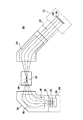
図2は本発明の実施形態に係るビームライン型イオン注入機200を示す。図2につき説明すると、ビームライン型イオン注入機200はイオン源280を備え、イオンビーム281を形成するイオンを発生する。イオン源280は、イオンチャンバ283およびイオン化するガスを含むガスボックス(図示せず)を備えることができる。ガスはイオン化を行うイオンチャンバ283に供給される。一実施形態においては、このガスは、ヒ素、ボロン、リン、カルボランC2B10H12、または他の分子化合物を含みうる。別の実施形態においては、このガスは、アルカンまたは他の原子状もしくは分子状の炭素を含有する種とすることができる。イオンチャンバ283で生成したイオンをイオンチャンバ283から抽出し、イオンビーム281を形成することができる。
FIG. 2 shows a
イオンビーム281は、分析磁石282の磁極間に向けて発射する。電源はイオン源280の抽出電極(図示せず)に接続され、調整可能な電圧を供給することができる。例えば、高電流イオン注入機において約0.2〜80kVの電圧を供給することができる。このようにして、イオン源280からの一価に帯電したイオンは、この調整可能電圧によって約0.2〜80keVのエネルギーに加速されうる。
The
イオンビーム281は、抑制電極284および接地電極285を通過し質量分析器286に達することができる。図2に示したように、質量分析器286は分析磁石282を備えることができる。質量分析器286はイオンビーム281を分析開口289のあるマスキング電極288に向けて発射することができる。別の実施形態において、質量分析器286は、分析磁石282および分析開口289を有するマスキング電極288を備えることができる。分析磁石282は、イオンビーム281のイオンを偏向させ、所望のイオン種のイオンは分析開口289を通過するようにし、望ましくないイオン種のイオンは分析開口289を通過しないようにすることができる。代わりに、このような望ましくないイオン種はマスキング電極288によって阻止してもよい。一実施形態においては、例えば、分析磁石282は所望種のイオンを約90°偏向させることができる。
The
所望イオン種のイオンは分析開口289を通過して角度補正磁石294に達することができる。そして角度補正磁石294は所望イオン種のイオンを偏向させ、イオンビームを発散イオンビームから、ほぼ平行な軌道を有するイオンを含む、リボン状イオンビーム212に変換することができる。一実施形態においては、例えば、角度補正磁石294は所望イオン種のイオンを約70°偏向させることができる。
Ions of the desired ion species can pass through the
別の実施形態においては、ビームライン型イオン注入機200は、加速装置または減速装置も備えることができる。他のさまざまな実施形態を提供することもできる。
In another embodiment, the
エンドステーション211は、リボン状イオンビーム212の経路上において、ワークピース238のような、1個以上のワークピースを支持し、所望種のイオンをワークピース238内に注入するようにすることができる。エンドステーション211はワークピース238を支持するプラテン295を備えることができる。エンドステーション211は、リボン状イオンビーム212の断面の長手寸法に直交する方向にワークピース238を移動するためのスキャナー(図示せず)も備え、これによってワークピース238の表面全体にわたりイオンを分布させることができる。リボン状イオンビーム212を図2に示したが、例えば、スポットビームのような、他のさまざまなビーム構成にすることができることを理解されたい。
End station 211 can support one or more workpieces, such as
イオン注入機200は付加的なコンポーネントを有することができる。例えば、一実施形態においては、エンドステーション211は、ワークピースをビームライン型イオン注入機200中に導入し、またイオン注入後にワークピースを取り出すための自動ワークピース取り扱い装置も設けることができる。別の実施形態においては、エンドステーション211には、ドーズ測定システム、電子フラッドガン、または他の同様なコンポーネントも設けることができる。イオンビーム212が横断する全経路もイオン注入中に真空状態にすることを理解されたい。さらに、ビームライン型イオン注入機200はイオンの高温または低温イオン注入に対しても設けることができると理解されたい。
The
本発明の実施形態は、適合タイプの分子の形成を可能にする。例えば、イオン源内で適合分子のその場生成を発生させることができる。こうした、注入のための適合分子/分子イオン(例えばCaPbHc)の生成により、ワークピースのアモルファス化を増進することができる。さらに、このような分子種を使用することにより、1分子あたりの炭素原子の個数に応じた所定のビームエネルギーで注入する炭素量を増加させることができる。 Embodiments of the present invention allow the formation of compatible types of molecules. For example, in situ generation of compatible molecules can be generated in the ion source. Such generation of compatible molecules / molecular ions (eg, C a P b H c ) for implantation can enhance the amorphization of the workpiece. Furthermore, by using such molecular species, the amount of carbon implanted with a predetermined beam energy corresponding to the number of carbon atoms per molecule can be increased.
本発明の少なくともいくつかの実施形態において、イオン注入の技術を提供し、生成された分子イオンの注入によって生じるアモルファス化を改善することができる。多数のパラメータを調整して、アモルファス化を改善することができる。第1に、例えば、イオン注入ドーズを増加させると、ワークピースのアモルファス/結晶界面をより深くすることができ、それによってアモルファスを改善することができる。しかし、ゲート誘導ダイオードリーク電流(GIDL:gate-induced diode leakage)は炭素に付随する傾向があるので、このようなアモルファス化には限界がある。 In at least some embodiments of the present invention, ion implantation techniques can be provided to improve amorphization caused by implantation of the generated molecular ions. A number of parameters can be adjusted to improve amorphization. First, for example, increasing the ion implantation dose can deepen the amorphous / crystalline interface of the workpiece, thereby improving the amorphousness. However, since gate-induced diode leakage (GIDL) tends to accompany carbon, there is a limit to such amorphization.
第2に、イオン注入ドーズ率の増加もワークピースのアモルファス/結晶界面を深くするので、ドーズ率の増加によってもアモルファス化を改善することができる。しかし、このような効果はビーム電流を生成するイオン源の性能によって制限される。 Second, since the increase in ion implantation dose rate also deepens the amorphous / crystal interface of the workpiece, the increase in dose rate can improve amorphization. However, such effects are limited by the ability of the ion source to generate the beam current.
第3に、1分子あたりの原子の個数を増加すると、ワークピースのアモルファス化をより迅速に、またより深くすることができる。このように、イオン注入ドーズ率の変化と同じ効果をもたらす。 Thirdly, increasing the number of atoms per molecule can make the workpiece amorphous more quickly and deeper. Thus, the same effect as the change of the ion implantation dose rate is brought about.
分子は、各質量に基づいて構成原子間で総エネルギーを共有することもできる。例えば、深い注入では、原子は高エネルギーを有し、この高エネルギーは、イオン注入機における磁石のイオンビームを曲げる能力、または印加可能な加速電圧によって制限される。 Molecules can also share total energy between constituent atoms based on their mass. For example, in deep implantation, atoms have a high energy, which is limited by the ability to bend the ion beam of the magnet in the ion implanter, or the acceleration voltage that can be applied.
第4に、アモルファス化はワークピースの温度を低減させることで改善することができる。ゲルマニウムのような重い種には、温度効果は小さいが、温度の低減により、最終的には、より深いアモルファス化を生じ、またより平滑なアモルファス/結晶界面を生成することができる。最終的に、これにより、固相エピタキシヤル再成長(SPER:solid phase epitaxial regrowth)のような再成長の後の損傷を低減させることができる。 Fourth, amorphization can be improved by reducing the temperature of the workpiece. For heavy species such as germanium, the temperature effect is small, but reducing the temperature can ultimately result in deeper amorphization and a smoother amorphous / crystalline interface. Ultimately, this can reduce damage after regrowth, such as solid phase epitaxial regrowth (SPER).
例示として、アモルファス化を改善するために、エタン(C2H6)を用いて、多くの上述の方法を活用できることを理解されたい。例えば、エタンは、単純な前駆体(例えば、エタン、プロパン等)により標準的なイオン源(例えば、傍熱陰極(IHC))内で生成することができることを理解されたい。ある実施形態においては、低温を用いてエタンでのアモルファス化を改善することができる。また他の実施形態において、ホスフィン(PH3)または他の類似した種を標準的なイオン源へ流し入れることにより、分子イオン、例えばCaPbHcのその場生成を起こしやすくすることができる。CaPbHc分子イオンのこうした生成および注入により、アモルファス化および歪み形成が改善され、イオン注入の生産性を高めることができる。本実施形態ではエタンおよびホスフィンの使用を指定しているが、エタンに類似する他の炭素含有種および/またはホスフィンに類似する他のリン含有種を使用することもできる。 By way of example, it should be understood that many of the above-described methods can be utilized with ethane (C 2 H 6 ) to improve amorphization. For example, it should be understood that ethane can be generated in a standard ion source (eg, an indirectly heated cathode (IHC)) with a simple precursor (eg, ethane, propane, etc.). In some embodiments, low temperatures can be used to improve amorphization with ethane. In yet other embodiments, phosphine (PH 3 ) or other similar species can be flowed into a standard ion source to facilitate in situ generation of molecular ions, such as C a P b H c. . Such generation and implantation of C a P b H c molecular ions can improve amorphization and strain formation and increase ion implantation productivity. Although this embodiment specifies the use of ethane and phosphine, other carbon-containing species similar to ethane and / or other phosphorus-containing species similar to phosphine can also be used.
上記のように、半導体製造において、炭素含有種およびリン含有種を用いることができる。より詳しくは、炭素含有種(例えばエタン)およびリン含有種(例えばホスフィン)を用いて分子(例えばCaPbHc分子イオン)をその場生成する利点は相補型金属酸化膜半導体(CMOS:complementary metal-oxide-semiconductor)装置製造における、極浅接合(USJ)およびシリコン−炭素歪みの形成において容易に明らかだろう。例えば、CaPbHc分子イオンは、表面における衝突後に、炭素原子がワークピースの結晶格子表面からシリコン原子を除去する効率を高めることができる。これにより、CaPbHc分子イオンが、歪みを生じる置換型炭素をもたらす効果および自己アモルファス化する機能はさらに高まる。 As described above, carbon-containing species and phosphorus-containing species can be used in semiconductor manufacturing. More particularly, the advantage of in situ generation of molecules (eg C a P b H c molecular ions) using carbon-containing species (eg ethane) and phosphorus-containing species (eg phosphine) is the complementary metal oxide semiconductor (CMOS: It will be readily apparent in ultra shallow junction (USJ) and silicon-carbon strain formation in complementary metal-oxide-semiconductor device fabrication. For example, C a P b H c molecular ions can increase the efficiency with which carbon atoms remove silicon atoms from the crystal lattice surface of the workpiece after collision at the surface. This further enhances the effect of the C a P b H c molecular ion to provide strained substitutional carbon and self-amorphization.
n型酸化金属半導体(NMOS:n-type metal-oxide-semiconductor)装置の製造において、シリコン−炭素形成に続いて、リン、ヒ素、または他の類似注入を行う。さらに、NMOSソース/ドレイン拡張部(SDEs:source/drain extensions)は、活性ドーパントとして炭素およびリンを含む。このような場合、炭素はドーパントの拡散を抑制し、リンが活性ドーパントとして機能する。このように、エタンおよびホスフィンを、例えばIHCに流し入れると、CaPbHc分子イオンが、チャンバ183、283内のその場で生成され、イオン化させることができる。 In the manufacture of n-type metal-oxide-semiconductor (NMOS) devices, silicon-carbon formation is followed by phosphorus, arsenic, or other similar implants. In addition, NMOS source / drain extensions (SDEs) include carbon and phosphorus as active dopants. In such a case, carbon suppresses the diffusion of the dopant and phosphorus functions as the active dopant. Thus, when ethane and phosphine are flowed into, for example, IHC, C a P b H c molecular ions can be generated and ionized in situ in chambers 183,283.
図3は、本発明の一実施例に係る炭素含有種およびリン含有種を用いてその場生成する分子イオン用いたイオン注入の効果を表す例示的なグラフ300を示す。詳しくは、図3において、炭素含有種としてエタンを、またリン含有種としてホスフィンの使用を示し、イオン源の中でCaPbHc分子イオンを生成し、それにより、上記のようにアモルファス化を増進し、注入に理想的である、十分に急峻なプロファイルを得ることができる。
FIG. 3 shows an
したがって、さまざまな種(例えば炭素含有種およびリン含有種)を流すことによってその場生成されるCaPbHc分子イオンの注入は、イオン注入に有益な適合分子生成のテンプレートとなりうる。例えば、この種の分子のその場生成によって、イオン注入のより効率的なモデルが提供される。例えば、その場生成により、イオン注入の工程数が低減される。加えて、従来と異なる種の組み合わせや他のさまざまな技術の組み合わせによってさらなる恩恵がもたらされ、総体的にイオン注入強化することができる。 Thus, implantation of C a P b H c molecular ions generated in situ by flowing various species (eg, carbon-containing and phosphorus-containing species) can be a template for generating compatible molecules useful for ion implantation. For example, in situ generation of this type of molecule provides a more efficient model of ion implantation. For example, in-situ generation reduces the number of ion implantation steps. In addition, additional benefits are provided by a combination of different species and various other techniques, which can generally enhance ion implantation.
例えば、炭素含有種およびリン含有種を流すことによってその場生成するCaPbHc分子イオンの注入により、極浅注入および歪み設計が改善される。また、CaPbHc分子イオンの注入を実施して極浅接合(USJ)を形成する。USJを注入するために、ワークピースをアモルファス化し、ドーパント(例えばホウ素、リン、その他)がワークピースの結晶格子内に、チャネルを形成しないようにすることができる。炭素を注入してアモルファス層を形成する。例えば、炭素含有種およびリン含有種を流すことによって、CaPbHc分子イオンがその場生成し、ホウ素またはリンのより良好な活性化をもたらす。これらの種はドーパントプロファイルをより浅くし、更にワークピースの結晶格子の中でのチャンネル形成を防止する。特に、炭素は活性部位に対してホウ素またはリンと競合し、これによって、ホウ素またはリンの拡散を抑制することができる。単に一例のみを説明したが、他の極浅注入も、CaPbHc分子イオンの注入による同様の方法によって実施できることを理解されたい。 For example, implantation of C a P b H c molecular ions generated in situ by flowing carbon-containing and phosphorus-containing species improves ultra-shallow implantation and strain design. Also, C a P b H c molecular ions are implanted to form an ultra shallow junction (USJ). To inject USJ, the workpiece can be amorphized to prevent dopants (eg, boron, phosphorus, etc.) from forming channels in the crystal lattice of the workpiece. Carbon is implanted to form an amorphous layer. For example, by flowing a carbon-containing and phosphorus-containing species, C a P b H c molecular ions are generated in situ, resulting in better activation of boron or phosphorus. These species make the dopant profile shallower and further prevent channel formation in the crystal lattice of the workpiece. In particular, carbon competes with boron or phosphorus for the active site, thereby inhibiting boron or phosphorus diffusion. Although only an example has been described, it should be understood that other ultra-shallow implantations can be performed in a similar manner by implantation of C a P b H c molecular ions.
さらにまた、分子イオン(例えばCaPbHc分子イオン)の注入を実施して、歪みを発生させてもよい。歪みを発生させるためにワークピースに注入する炭素は、ワークピースの結晶格子から、原子を追い出すことができる。例えば、ケイ素またはゲルマニウム原子を、このような結晶格子から追い出すことができる。炭素含有種が多数の炭素原子を有する分子化合物である場合、炭素原子がワークピースの結晶格子から原子を追い出す可能性が高まる。このように、CaPbHc分子イオンを生成するために炭素含有種およびリン含有種を導入することにより、アモルファス化および歪みを増強させることができる。 Still further, a strain may be generated by implanting molecular ions (for example, C a P b H c molecular ions). The carbon that is injected into the workpiece to generate strain can drive atoms out of the crystal lattice of the workpiece. For example, silicon or germanium atoms can be driven out of such a crystal lattice. If the carbon-containing species is a molecular compound having a large number of carbon atoms, the possibility that the carbon atoms will drive atoms out of the crystal lattice of the workpiece is increased. Thus, amorphization and strain can be enhanced by introducing carbon-containing and phosphorus-containing species to generate C a P b H c molecular ions.
したがって、上記の条件におけるCaPbHc分子イオンの注入により、特にUSJを形成する過程において、アモルファス化および歪みの効果を大幅に改善し、イオン注入を最適化することができる。 Therefore, the implantation of C a P b H c molecular ions under the above conditions can greatly improve the effect of amorphization and distortion and optimize ion implantation, particularly in the process of forming USJ.
また、本発明の実施形態はRFモードで動作するプラズマドーピングシステムを用いた注入を目的としているが、他の実施態様、システム、および/または運転モードでも実施可能であることを理解されたい。例えば、これらは、グロー放電プラズマドーピング(GD−PLAD:glow discharge plasma doping)等の、他のプラズマベースのイオン注入・システム、または他のイオン注入・システムを含みうる。 Also, although embodiments of the present invention are intended for implantation using a plasma doping system operating in RF mode, it should be understood that other embodiments, systems, and / or modes of operation may be implemented. For example, these may include other plasma-based ion implantation systems, such as glow discharge plasma doping (GD-PLAD), or other ion implantation systems.
また、本発明の実施形態は分子イオン(例えばCaPbHc分子イオン)をイオン源内でその場生成することを目的とするが、分子イオンの生成はイオン源の外で起こってもよいことを理解されたい。他のさまざまな実施形態も実施しうる。 Also, although embodiments of the present invention aim to generate molecular ions (eg, C a P b H c molecular ions) in-situ within the ion source, the generation of molecular ions may occur outside the ion source. Please understand that. Various other embodiments may also be implemented.
また、本発明の実施形態では、炭素含有種およびリン含有種を用いた分子イオンの生成が記載されているが、他の類似した注入種を用いることもできることを理解されたい。 Also, although embodiments of the present invention describe the production of molecular ions using carbon-containing and phosphorus-containing species, it should be understood that other similar implanted species can be used.
さらに、開示された実施形態はいくつかの動作モードを提供するだけでなく、これらさまざまなモードは、特に明記はしなくとも、さらなる注入のカスタム化が可能であることを理解されたい。 Furthermore, it is to be understood that the disclosed embodiments not only provide several modes of operation, but these various modes are capable of further infusion customization, unless otherwise specified.
本発明は本明細書に記載の特定の実施形態によって範囲を限定されない。実際に、本明細書に記載したものに加え、本発明の他のさまざまな実施形態および変更は、上述の説明および添付図面から当業者には明白であろう。したがって、このような他の実施形態および変更も本発明の範囲内に含むことを意図する。さらに、本発明は、特定の目的のための、特定の環境下における特定の実施形態との関連で説明したが、当業者であれば、その有効性はこれのみに限定されず、本発明は、任意の目的のために、任意の環境下において有利に実施することができることを認識されたい。従って、以下に記載する特許請求の範囲は本明細書に記載の本発明の最大範囲および精神を考慮して解釈すべきである。 The present invention is not to be limited in scope by the specific embodiments described herein. Indeed, various other embodiments and modifications of the invention in addition to those described herein will be apparent to persons skilled in the art from the foregoing description and accompanying drawings. Accordingly, such other embodiments and modifications are intended to be included within the scope of the present invention. Furthermore, although the present invention has been described in the context of a specific embodiment for a specific purpose and in a specific environment, those skilled in the art are not limited only in its effectiveness. It should be appreciated that the present invention can be advantageously implemented in any environment for any purpose. Accordingly, the claims set forth below should be construed in view of the full scope and spirit of the invention as described herein.
Claims (19)
ターゲット材料の歪みおよびアモルファス化のうち少なくとも一方を改善するために、前記ターゲット材料に、所定温度で分子イオンを注入するステップを有し、前記分子イオンはイオン源内でその場生成されることを特徴とするイオン注入方法。 An ion implantation method comprising:
In order to improve at least one of distortion and amorphization of the target material, the target material has a step of implanting molecular ions at a predetermined temperature, and the molecular ions are generated in situ in an ion source. Ion implantation method.
ターゲット材料の歪みおよびアモルファス化のうち少なくとも一方を改善するために、前記ターゲット材料に、所定温度で分子イオンを注入するイオン注入機を有し、前記分子イオンはイオン源内でその場生成されることを特徴とするイオン注入装置。 An ion implanter comprising:
In order to improve at least one of distortion and amorphization of the target material, the target material has an ion implanter that implants molecular ions at a predetermined temperature, and the molecular ions are generated in situ in the ion source. An ion implantation apparatus.
ターゲット材料の歪みおよびアモルファス化のうち少なくとも一方を改善するために、前記ターゲット材料に、所定温度で分子イオンを注入するイオン注入機を有し、前記分子イオンは、炭素含有種およびリン含有種を用いてイオン源内でその場生成されることを特徴とするイオン注入装置。
An ion implanter comprising:
In order to improve at least one of distortion and amorphization of the target material, the target material has an ion implanter that implants molecular ions at a predetermined temperature, and the molecular ions include carbon-containing species and phosphorus-containing species. An ion implantation apparatus characterized by being generated in situ in an ion source.
Applications Claiming Priority (3)
| Application Number | Priority Date | Filing Date | Title |
|---|---|---|---|
| US12/247,544 US7807961B2 (en) | 2008-10-08 | 2008-10-08 | Techniques for ion implantation of molecular ions |
| US12/247,544 | 2008-10-08 | ||
| PCT/US2009/059688 WO2010042509A2 (en) | 2008-10-08 | 2009-10-06 | Techniques for ion implantation of molecular ions |
Publications (2)
| Publication Number | Publication Date |
|---|---|
| JP2012505550A true JP2012505550A (en) | 2012-03-01 |
| JP2012505550A5 JP2012505550A5 (en) | 2012-10-18 |
Family
ID=42075060
Family Applications (1)
| Application Number | Title | Priority Date | Filing Date |
|---|---|---|---|
| JP2011531113A Pending JP2012505550A (en) | 2008-10-08 | 2009-10-06 | Molecular ion ion implantation technology |
Country Status (6)
| Country | Link |
|---|---|
| US (1) | US7807961B2 (en) |
| JP (1) | JP2012505550A (en) |
| KR (1) | KR20110086022A (en) |
| CN (1) | CN102265385A (en) |
| TW (1) | TW201025405A (en) |
| WO (1) | WO2010042509A2 (en) |
Cited By (2)
| Publication number | Priority date | Publication date | Assignee | Title |
|---|---|---|---|---|
| JP2013040369A (en) * | 2011-08-15 | 2013-02-28 | Ulvac Japan Ltd | Ion implantation method and method of manufacturing magnetic recording medium |
| JP2019149486A (en) * | 2018-02-27 | 2019-09-05 | 株式会社Sumco | Semiconductor epitaxial wafer manufacturing method and semiconductor device manufacturing method |
Families Citing this family (7)
| Publication number | Priority date | Publication date | Assignee | Title |
|---|---|---|---|---|
| US7868306B2 (en) * | 2008-10-02 | 2011-01-11 | Varian Semiconductor Equipment Associates, Inc. | Thermal modulation of implant process |
| JP2010161259A (en) * | 2009-01-09 | 2010-07-22 | Toshiba Corp | Process simulation program, process simulation method, process simulator |
| US9024273B2 (en) | 2010-04-20 | 2015-05-05 | Varian Semiconductor Equipment Associates, Inc. | Method to generate molecular ions from ions with a smaller atomic mass |
| US8742373B2 (en) * | 2010-12-10 | 2014-06-03 | Varian Semiconductor Equipment Associates, Inc. | Method of ionization |
| FR2976400B1 (en) * | 2011-06-09 | 2013-12-20 | Ion Beam Services | ION IMPLANTATION MACHINE IN PLASMA IMMERSION MODE FOR LOW PRESSURE PROCESS. |
| US9297063B2 (en) * | 2012-04-26 | 2016-03-29 | Varian Semiconductor Equipment Associates, Inc. | Plasma potential modulated ion implantation system |
| TWI576886B (en) * | 2012-06-27 | 2017-04-01 | 艾克塞利斯科技公司 | Ion implantation system, beam line operation column of the analyzer, method of removing unwanted species from the ion beam |
Citations (8)
| Publication number | Priority date | Publication date | Assignee | Title |
|---|---|---|---|---|
| JPH03269940A (en) * | 1990-03-19 | 1991-12-02 | Hitachi Ltd | Ion implantation device and method for manufacturing semiconductor integrated circuit devices using the same |
| JPH0817376A (en) * | 1994-07-01 | 1996-01-19 | Mitsubishi Electric Corp | Ion source and ion implanter |
| JP2002299346A (en) * | 2001-04-02 | 2002-10-11 | Fuji Electric Co Ltd | Method for manufacturing semiconductor device |
| WO2007070321A2 (en) * | 2005-12-09 | 2007-06-21 | Semequip Inc. | System and method for the manufacture of semiconductor devices by the implantation of carbon clusters |
| JP2007525838A (en) * | 2004-02-14 | 2007-09-06 | エピオン コーポレーション | Method for forming doped and undoped strained semiconductor and method for forming semiconductor thin film by gas cluster ion irradiation |
| WO2007149738A2 (en) * | 2006-06-12 | 2007-12-27 | Semequip, Inc. | Vaporizer |
| JP2008522429A (en) * | 2004-12-03 | 2008-06-26 | エピオン コーポレーション | Formation of ultra-shallow junction by gas cluster ion irradiation |
| JP2008532262A (en) * | 2005-01-31 | 2008-08-14 | 東京エレクトロン株式会社 | Method for manufacturing a semiconductor device |
Family Cites Families (8)
| Publication number | Priority date | Publication date | Assignee | Title |
|---|---|---|---|---|
| IT1070563B (en) * | 1975-11-14 | 1985-03-29 | Ibm | IMPROVED EQUIPMENT FOR ION IMPLANTATION |
| US7838842B2 (en) * | 1999-12-13 | 2010-11-23 | Semequip, Inc. | Dual mode ion source for ion implantation |
| US6987037B2 (en) * | 2003-05-07 | 2006-01-17 | Micron Technology, Inc. | Strained Si/SiGe structures by ion implantation |
| US7459704B2 (en) * | 2004-11-12 | 2008-12-02 | Varian Semiconductor Equipment Associates, Inc. | Ion source configuration for production of ionized clusters, ionized molecules and ionized mono-atoms |
| JP4578412B2 (en) * | 2006-01-20 | 2010-11-10 | 日本碍子株式会社 | Discharge plasma generation method |
| US20080090393A1 (en) * | 2006-10-10 | 2008-04-17 | Wolfgang Aderhold | Ultra shallow junction with rapid thermal anneal |
| US7919402B2 (en) * | 2006-12-06 | 2011-04-05 | Semequip, Inc. | Cluster ion implantation for defect engineering |
| US20090200494A1 (en) * | 2008-02-11 | 2009-08-13 | Varian Semiconductor Equipment Associates, Inc. | Techniques for cold implantation of carbon-containing species |
-
2008
- 2008-10-08 US US12/247,544 patent/US7807961B2/en not_active Expired - Fee Related
-
2009
- 2009-10-06 WO PCT/US2009/059688 patent/WO2010042509A2/en not_active Ceased
- 2009-10-06 KR KR1020117010313A patent/KR20110086022A/en not_active Ceased
- 2009-10-06 JP JP2011531113A patent/JP2012505550A/en active Pending
- 2009-10-06 CN CN2009801485219A patent/CN102265385A/en active Pending
- 2009-10-07 TW TW098133990A patent/TW201025405A/en unknown
Patent Citations (8)
| Publication number | Priority date | Publication date | Assignee | Title |
|---|---|---|---|---|
| JPH03269940A (en) * | 1990-03-19 | 1991-12-02 | Hitachi Ltd | Ion implantation device and method for manufacturing semiconductor integrated circuit devices using the same |
| JPH0817376A (en) * | 1994-07-01 | 1996-01-19 | Mitsubishi Electric Corp | Ion source and ion implanter |
| JP2002299346A (en) * | 2001-04-02 | 2002-10-11 | Fuji Electric Co Ltd | Method for manufacturing semiconductor device |
| JP2007525838A (en) * | 2004-02-14 | 2007-09-06 | エピオン コーポレーション | Method for forming doped and undoped strained semiconductor and method for forming semiconductor thin film by gas cluster ion irradiation |
| JP2008522429A (en) * | 2004-12-03 | 2008-06-26 | エピオン コーポレーション | Formation of ultra-shallow junction by gas cluster ion irradiation |
| JP2008532262A (en) * | 2005-01-31 | 2008-08-14 | 東京エレクトロン株式会社 | Method for manufacturing a semiconductor device |
| WO2007070321A2 (en) * | 2005-12-09 | 2007-06-21 | Semequip Inc. | System and method for the manufacture of semiconductor devices by the implantation of carbon clusters |
| WO2007149738A2 (en) * | 2006-06-12 | 2007-12-27 | Semequip, Inc. | Vaporizer |
Cited By (8)
| Publication number | Priority date | Publication date | Assignee | Title |
|---|---|---|---|---|
| JP2013040369A (en) * | 2011-08-15 | 2013-02-28 | Ulvac Japan Ltd | Ion implantation method and method of manufacturing magnetic recording medium |
| JP2019149486A (en) * | 2018-02-27 | 2019-09-05 | 株式会社Sumco | Semiconductor epitaxial wafer manufacturing method and semiconductor device manufacturing method |
| WO2019167430A1 (en) * | 2018-02-27 | 2019-09-06 | 株式会社Sumco | Method of manufacturing semiconductor epitaxial wafer, and semiconductor device manufacturing method |
| KR20200074964A (en) * | 2018-02-27 | 2020-06-25 | 가부시키가이샤 사무코 | Method for manufacturing semiconductor epitaxial wafer and method for manufacturing semiconductor device |
| CN111902911A (en) * | 2018-02-27 | 2020-11-06 | 胜高股份有限公司 | Method for manufacturing semiconductor epitaxial wafer and method for manufacturing semiconductor device |
| US11195716B2 (en) | 2018-02-27 | 2021-12-07 | Sumco Corporation | Method of producing semiconductor epitaxial wafer and method of producing semiconductor device |
| KR102382500B1 (en) | 2018-02-27 | 2022-04-01 | 가부시키가이샤 사무코 | Method of manufacturing semiconductor epitaxial wafer and manufacturing method of semiconductor device |
| CN111902911B (en) * | 2018-02-27 | 2023-09-19 | 胜高股份有限公司 | Method for manufacturing semiconductor epitaxial wafer and method for manufacturing semiconductor device |
Also Published As
| Publication number | Publication date |
|---|---|
| WO2010042509A3 (en) | 2010-07-22 |
| TW201025405A (en) | 2010-07-01 |
| US7807961B2 (en) | 2010-10-05 |
| KR20110086022A (en) | 2011-07-27 |
| US20100084577A1 (en) | 2010-04-08 |
| CN102265385A (en) | 2011-11-30 |
| WO2010042509A9 (en) | 2011-09-09 |
| WO2010042509A2 (en) | 2010-04-15 |
Similar Documents
| Publication | Publication Date | Title |
|---|---|---|
| KR20100126721A (en) | Technology for cold injection of carbon-containing species | |
| JP2012505550A (en) | Molecular ion ion implantation technology | |
| KR101409925B1 (en) | Method of manufacturing solar cell using substrate | |
| CN100407363C (en) | Method and apparatus for plasma doping and ion implantation in an integrated processing system | |
| US7960709B2 (en) | Ion implantation device and a method of semiconductor manufacturing by the implantation of boron hydride cluster ions | |
| US8618514B2 (en) | Ion implantation device and a method of semiconductor manufacturing by the implantation of boron hydride cluster ions | |
| TWI449078B (en) | Apparatus for ion implantation, multi-mode ion source, and method for ion implantation in multiple modes | |
| US20100323113A1 (en) | Method to Synthesize Graphene | |
| KR101838578B1 (en) | Silaborane implantation processes | |
| WO2008151309A2 (en) | An ion implantation device and a method of semiconductor manufacturing by the implantation of ions derived from carborane cluster ions | |
| KR20120006550A (en) | Method for treating a substrate having a non-planar substrate surface | |
| US8372735B2 (en) | USJ techniques with helium-treated substrates | |
| US20120135578A1 (en) | Doping of planar or three-dimensional structures at elevated temperatures | |
| CN102203912B (en) | Improving the conformal doping in p3i chamber | |
| JP2011514668A (en) | Ethane injection using dilution gas | |
| US8124506B2 (en) | USJ techniques with helium-treated substrates | |
| CN102918631A (en) | Lossless Junction Formation Method |
Legal Events
| Date | Code | Title | Description |
|---|---|---|---|
| A521 | Request for written amendment filed |
Free format text: JAPANESE INTERMEDIATE CODE: A523 Effective date: 20120828 |
|
| A621 | Written request for application examination |
Free format text: JAPANESE INTERMEDIATE CODE: A621 Effective date: 20120828 |
|
| A977 | Report on retrieval |
Free format text: JAPANESE INTERMEDIATE CODE: A971007 Effective date: 20131226 |
|
| A131 | Notification of reasons for refusal |
Free format text: JAPANESE INTERMEDIATE CODE: A131 Effective date: 20140107 |
|
| A521 | Request for written amendment filed |
Free format text: JAPANESE INTERMEDIATE CODE: A523 Effective date: 20140403 |
|
| A02 | Decision of refusal |
Free format text: JAPANESE INTERMEDIATE CODE: A02 Effective date: 20141007 |
|
| A521 | Request for written amendment filed |
Free format text: JAPANESE INTERMEDIATE CODE: A523 Effective date: 20150126 |
|
| A911 | Transfer to examiner for re-examination before appeal (zenchi) |
Free format text: JAPANESE INTERMEDIATE CODE: A911 Effective date: 20150202 |
|
| A912 | Re-examination (zenchi) completed and case transferred to appeal board |
Free format text: JAPANESE INTERMEDIATE CODE: A912 Effective date: 20150313 |