JP2010528016A - Methods and compositions for stimulating cells - Google Patents
Methods and compositions for stimulating cells Download PDFInfo
- Publication number
- JP2010528016A JP2010528016A JP2010509406A JP2010509406A JP2010528016A JP 2010528016 A JP2010528016 A JP 2010528016A JP 2010509406 A JP2010509406 A JP 2010509406A JP 2010509406 A JP2010509406 A JP 2010509406A JP 2010528016 A JP2010528016 A JP 2010528016A
- Authority
- JP
- Japan
- Prior art keywords
- cell
- cells
- treatment
- pharmaceutically acceptable
- indole
- Prior art date
- Legal status (The legal status is an assumption and is not a legal conclusion. Google has not performed a legal analysis and makes no representation as to the accuracy of the status listed.)
- Withdrawn
Links
- 238000000034 method Methods 0.000 title claims abstract description 231
- 230000004936 stimulating effect Effects 0.000 title claims description 10
- 239000000203 mixture Substances 0.000 title abstract description 72
- 150000001875 compounds Chemical class 0.000 claims abstract description 439
- 238000011282 treatment Methods 0.000 claims abstract description 414
- 150000003839 salts Chemical class 0.000 claims abstract description 235
- 239000003102 growth factor Substances 0.000 claims abstract description 140
- RDMFHRSPDKWERA-UHFFFAOYSA-N 5H-Pyrido[4,3-b]indole Chemical class C1=NC=C2C3=CC=CC=C3NC2=C1 RDMFHRSPDKWERA-UHFFFAOYSA-N 0.000 claims abstract description 131
- JNODQFNWMXFMEV-UHFFFAOYSA-N latrepirdine Chemical compound C1N(C)CCC2=C1C1=CC(C)=CC=C1N2CCC1=CC=C(C)N=C1 JNODQFNWMXFMEV-UHFFFAOYSA-N 0.000 claims abstract description 107
- 230000034994 death Effects 0.000 claims abstract description 106
- 231100000517 death Toxicity 0.000 claims abstract description 106
- 230000004069 differentiation Effects 0.000 claims abstract description 82
- 230000035755 proliferation Effects 0.000 claims abstract description 57
- 230000004913 activation Effects 0.000 claims abstract description 56
- 230000009286 beneficial effect Effects 0.000 claims abstract description 52
- 230000002265 prevention Effects 0.000 claims abstract description 38
- 230000024245 cell differentiation Effects 0.000 claims abstract description 33
- 230000004663 cell proliferation Effects 0.000 claims abstract description 31
- 238000011161 development Methods 0.000 claims abstract description 20
- 230000018109 developmental process Effects 0.000 claims abstract description 20
- 230000001737 promoting effect Effects 0.000 claims abstract description 12
- 210000004027 cell Anatomy 0.000 claims description 460
- 230000001225 therapeutic effect Effects 0.000 claims description 260
- 210000002569 neuron Anatomy 0.000 claims description 110
- 210000001178 neural stem cell Anatomy 0.000 claims description 96
- 208000010877 cognitive disease Diseases 0.000 claims description 94
- 208000014674 injury Diseases 0.000 claims description 70
- 208000027061 mild cognitive impairment Diseases 0.000 claims description 70
- 230000006378 damage Effects 0.000 claims description 68
- 208000027418 Wounds and injury Diseases 0.000 claims description 59
- 210000003061 neural cell Anatomy 0.000 claims description 51
- 241000699670 Mus sp. Species 0.000 claims description 47
- 210000002161 motor neuron Anatomy 0.000 claims description 47
- 210000001778 pluripotent stem cell Anatomy 0.000 claims description 44
- 230000016273 neuron death Effects 0.000 claims description 41
- 239000008194 pharmaceutical composition Substances 0.000 claims description 41
- 210000004295 hippocampal neuron Anatomy 0.000 claims description 38
- 238000011534 incubation Methods 0.000 claims description 36
- 210000003618 cortical neuron Anatomy 0.000 claims description 35
- 208000020431 spinal cord injury Diseases 0.000 claims description 35
- 230000000926 neurological effect Effects 0.000 claims description 33
- 230000014511 neuron projection development Effects 0.000 claims description 33
- 241000700159 Rattus Species 0.000 claims description 30
- 238000001727 in vivo Methods 0.000 claims description 30
- 230000001537 neural effect Effects 0.000 claims description 29
- 230000001404 mediated effect Effects 0.000 claims description 25
- 208000002780 macular degeneration Diseases 0.000 claims description 23
- 230000004766 neurogenesis Effects 0.000 claims description 21
- 210000003050 axon Anatomy 0.000 claims description 20
- 208000030533 eye disease Diseases 0.000 claims description 20
- 208000033808 peripheral neuropathy Diseases 0.000 claims description 20
- 201000006417 multiple sclerosis Diseases 0.000 claims description 18
- 210000001612 chondrocyte Anatomy 0.000 claims description 17
- 201000001119 neuropathy Diseases 0.000 claims description 17
- 230000007823 neuropathy Effects 0.000 claims description 17
- 206010003805 Autism Diseases 0.000 claims description 16
- 208000020706 Autistic disease Diseases 0.000 claims description 16
- 210000003494 hepatocyte Anatomy 0.000 claims description 16
- 210000000653 nervous system Anatomy 0.000 claims description 16
- 208000035895 Guillain-Barré syndrome Diseases 0.000 claims description 15
- 241000282412 Homo Species 0.000 claims description 15
- 206010049567 Miller Fisher syndrome Diseases 0.000 claims description 15
- 206010040844 Skin exfoliation Diseases 0.000 claims description 15
- 210000004413 cardiac myocyte Anatomy 0.000 claims description 15
- 206010028417 myasthenia gravis Diseases 0.000 claims description 15
- 208000036640 Asperger disease Diseases 0.000 claims description 14
- 201000006062 Asperger syndrome Diseases 0.000 claims description 14
- 210000004927 skin cell Anatomy 0.000 claims description 14
- 208000006289 Rett Syndrome Diseases 0.000 claims description 13
- 230000000996 additive effect Effects 0.000 claims description 13
- 208000029560 autism spectrum disease Diseases 0.000 claims description 13
- 210000002363 skeletal muscle cell Anatomy 0.000 claims description 13
- 230000002708 enhancing effect Effects 0.000 claims description 12
- 210000003292 kidney cell Anatomy 0.000 claims description 12
- 230000002195 synergetic effect Effects 0.000 claims description 12
- 238000002560 therapeutic procedure Methods 0.000 claims description 12
- 230000007850 degeneration Effects 0.000 claims description 11
- 239000003937 drug carrier Substances 0.000 claims description 11
- 230000020411 cell activation Effects 0.000 claims description 9
- 238000004299 exfoliation Methods 0.000 claims description 9
- 241000124008 Mammalia Species 0.000 claims description 8
- 239000007924 injection Substances 0.000 claims description 6
- 238000002347 injection Methods 0.000 claims description 6
- 208000022873 Ocular disease Diseases 0.000 claims description 5
- 238000002513 implantation Methods 0.000 claims description 5
- 241000282472 Canis lupus familiaris Species 0.000 claims description 4
- 230000001939 inductive effect Effects 0.000 claims description 4
- 230000001413 cellular effect Effects 0.000 claims description 3
- 238000010253 intravenous injection Methods 0.000 claims description 3
- 241000283690 Bos taurus Species 0.000 claims description 2
- 241000282693 Cercopithecidae Species 0.000 claims description 2
- 241000282326 Felis catus Species 0.000 claims description 2
- 241000282887 Suidae Species 0.000 claims description 2
- 208000037265 diseases, disorders, signs and symptoms Diseases 0.000 abstract description 145
- 201000010099 disease Diseases 0.000 abstract description 124
- 230000003213 activating effect Effects 0.000 abstract description 5
- 206010002026 amyotrophic lateral sclerosis Diseases 0.000 description 54
- 125000000217 alkyl group Chemical group 0.000 description 51
- 210000004556 brain Anatomy 0.000 description 47
- 230000000694 effects Effects 0.000 description 37
- 208000024827 Alzheimer disease Diseases 0.000 description 36
- 241001465754 Metazoa Species 0.000 description 33
- 238000002648 combination therapy Methods 0.000 description 31
- 125000003710 aryl alkyl group Chemical group 0.000 description 30
- 125000004475 heteroaralkyl group Chemical group 0.000 description 30
- 108010073929 Vascular Endothelial Growth Factor A Proteins 0.000 description 29
- 108010019530 Vascular Endothelial Growth Factors Proteins 0.000 description 29
- 208000023105 Huntington disease Diseases 0.000 description 27
- 102000005789 Vascular Endothelial Growth Factors Human genes 0.000 description 27
- 208000012902 Nervous system disease Diseases 0.000 description 26
- 239000003814 drug Substances 0.000 description 26
- 201000000980 schizophrenia Diseases 0.000 description 26
- WOVKYSAHUYNSMH-RRKCRQDMSA-N 5-bromodeoxyuridine Chemical compound C1[C@H](O)[C@@H](CO)O[C@H]1N1C(=O)NC(=O)C(Br)=C1 WOVKYSAHUYNSMH-RRKCRQDMSA-N 0.000 description 25
- FAPWRFPIFSIZLT-UHFFFAOYSA-M Sodium chloride Chemical compound [Na+].[Cl-] FAPWRFPIFSIZLT-UHFFFAOYSA-M 0.000 description 24
- 239000003981 vehicle Substances 0.000 description 23
- -1 dimebon Chemical class 0.000 description 22
- 230000004770 neurodegeneration Effects 0.000 description 22
- 108090000623 proteins and genes Proteins 0.000 description 22
- 108090000715 Brain-derived neurotrophic factor Proteins 0.000 description 21
- 102000004219 Brain-derived neurotrophic factor Human genes 0.000 description 21
- 206010017076 Fracture Diseases 0.000 description 21
- 229940077737 brain-derived neurotrophic factor Drugs 0.000 description 21
- 239000011780 sodium chloride Substances 0.000 description 21
- 210000000130 stem cell Anatomy 0.000 description 21
- 208000028698 Cognitive impairment Diseases 0.000 description 20
- 208000018737 Parkinson disease Diseases 0.000 description 20
- 230000030833 cell death Effects 0.000 description 20
- 208000035475 disorder Diseases 0.000 description 20
- 229910052739 hydrogen Inorganic materials 0.000 description 20
- 239000001257 hydrogen Substances 0.000 description 20
- 229940079593 drug Drugs 0.000 description 19
- 238000012360 testing method Methods 0.000 description 19
- 210000001519 tissue Anatomy 0.000 description 19
- 230000032683 aging Effects 0.000 description 18
- 238000009472 formulation Methods 0.000 description 18
- 239000012634 fragment Substances 0.000 description 17
- 208000032131 Diabetic Neuropathies Diseases 0.000 description 16
- 208000001640 Fibromyalgia Diseases 0.000 description 16
- 239000011575 calcium Substances 0.000 description 16
- 230000007423 decrease Effects 0.000 description 16
- 210000003205 muscle Anatomy 0.000 description 16
- 208000011580 syndromic disease Diseases 0.000 description 16
- 210000001789 adipocyte Anatomy 0.000 description 15
- 230000006727 cell loss Effects 0.000 description 15
- 230000002490 cerebral effect Effects 0.000 description 15
- 230000000875 corresponding effect Effects 0.000 description 15
- 125000001072 heteroaryl group Chemical group 0.000 description 15
- 150000002431 hydrogen Chemical class 0.000 description 15
- 230000035772 mutation Effects 0.000 description 15
- 208000015122 neurodegenerative disease Diseases 0.000 description 15
- 239000012730 sustained-release form Substances 0.000 description 15
- 208000024891 symptom Diseases 0.000 description 15
- PLRACCBDVIHHLZ-UHFFFAOYSA-N 1-methyl-4-phenyl-1,2,3,6-tetrahydropyridine Chemical compound C1N(C)CCC(C=2C=CC=CC=2)=C1 PLRACCBDVIHHLZ-UHFFFAOYSA-N 0.000 description 14
- 208000010392 Bone Fractures Diseases 0.000 description 14
- 241000255581 Drosophila <fruit fly, genus> Species 0.000 description 14
- 241000699666 Mus <mouse, genus> Species 0.000 description 14
- VYFYYTLLBUKUHU-UHFFFAOYSA-N dopamine Chemical compound NCCC1=CC=C(O)C(O)=C1 VYFYYTLLBUKUHU-UHFFFAOYSA-N 0.000 description 14
- 239000002609 medium Substances 0.000 description 14
- 238000013268 sustained release Methods 0.000 description 14
- 230000009105 vegetative growth Effects 0.000 description 14
- 206010007710 Cartilage injury Diseases 0.000 description 13
- 101001135571 Mus musculus Tyrosine-protein phosphatase non-receptor type 2 Proteins 0.000 description 13
- 230000001154 acute effect Effects 0.000 description 13
- 206010012601 diabetes mellitus Diseases 0.000 description 13
- 125000005843 halogen group Chemical group 0.000 description 13
- 210000005036 nerve Anatomy 0.000 description 13
- 210000002241 neurite Anatomy 0.000 description 13
- 208000016261 weight loss Diseases 0.000 description 13
- 230000004580 weight loss Effects 0.000 description 13
- 208000030507 AIDS Diseases 0.000 description 12
- 201000004384 Alopecia Diseases 0.000 description 12
- 208000035143 Bacterial infection Diseases 0.000 description 12
- 208000034693 Laceration Diseases 0.000 description 12
- 108010025020 Nerve Growth Factor Proteins 0.000 description 12
- 208000008348 Post-Concussion Syndrome Diseases 0.000 description 12
- 208000006011 Stroke Diseases 0.000 description 12
- 208000036142 Viral infection Diseases 0.000 description 12
- 238000011226 adjuvant chemotherapy Methods 0.000 description 12
- 208000022362 bacterial infectious disease Diseases 0.000 description 12
- 230000004087 circulation Effects 0.000 description 12
- 238000013270 controlled release Methods 0.000 description 12
- 208000019622 heart disease Diseases 0.000 description 12
- 230000009385 viral infection Effects 0.000 description 12
- 206010064930 age-related macular degeneration Diseases 0.000 description 11
- 125000001797 benzyl group Chemical group [H]C1=C([H])C([H])=C(C([H])=C1[H])C([H])([H])* 0.000 description 11
- 238000002512 chemotherapy Methods 0.000 description 11
- 210000001320 hippocampus Anatomy 0.000 description 11
- 206010027175 memory impairment Diseases 0.000 description 11
- 210000004248 oligodendroglia Anatomy 0.000 description 11
- 201000008482 osteoarthritis Diseases 0.000 description 11
- 102000004169 proteins and genes Human genes 0.000 description 11
- 230000009467 reduction Effects 0.000 description 11
- 229910052717 sulfur Chemical group 0.000 description 11
- 230000004083 survival effect Effects 0.000 description 11
- 241000282465 Canis Species 0.000 description 10
- SIKJAQJRHWYJAI-UHFFFAOYSA-N Indole Chemical compound C1=CC=C2NC=CC2=C1 SIKJAQJRHWYJAI-UHFFFAOYSA-N 0.000 description 10
- 238000004458 analytical method Methods 0.000 description 10
- 208000022531 anorexia Diseases 0.000 description 10
- 125000003118 aryl group Chemical group 0.000 description 10
- 230000000903 blocking effect Effects 0.000 description 10
- 206010061428 decreased appetite Diseases 0.000 description 10
- LOKCTEFSRHRXRJ-UHFFFAOYSA-I dipotassium trisodium dihydrogen phosphate hydrogen phosphate dichloride Chemical compound P(=O)(O)(O)[O-].[K+].P(=O)(O)([O-])[O-].[Na+].[Na+].[Cl-].[K+].[Cl-].[Na+] LOKCTEFSRHRXRJ-UHFFFAOYSA-I 0.000 description 10
- 238000002474 experimental method Methods 0.000 description 10
- 230000001965 increasing effect Effects 0.000 description 10
- 230000000324 neuroprotective effect Effects 0.000 description 10
- 239000002953 phosphate buffered saline Substances 0.000 description 10
- 235000018102 proteins Nutrition 0.000 description 10
- 210000000329 smooth muscle myocyte Anatomy 0.000 description 10
- 230000008733 trauma Effects 0.000 description 10
- 206010010214 Compression fracture Diseases 0.000 description 9
- 241000255925 Diptera Species 0.000 description 9
- 208000009829 Lewy Body Disease Diseases 0.000 description 9
- 201000002832 Lewy body dementia Diseases 0.000 description 9
- 208000013201 Stress fracture Diseases 0.000 description 9
- 208000024248 Vascular System injury Diseases 0.000 description 9
- 208000012339 Vascular injury Diseases 0.000 description 9
- 239000002253 acid Substances 0.000 description 9
- 150000001413 amino acids Chemical class 0.000 description 9
- 210000000845 cartilage Anatomy 0.000 description 9
- 235000005911 diet Nutrition 0.000 description 9
- 230000037213 diet Effects 0.000 description 9
- 239000002552 dosage form Substances 0.000 description 9
- 239000001963 growth medium Substances 0.000 description 9
- 102220020162 rs397508045 Human genes 0.000 description 9
- 210000004116 schwann cell Anatomy 0.000 description 9
- 238000010561 standard procedure Methods 0.000 description 9
- 239000000126 substance Substances 0.000 description 9
- 230000009261 transgenic effect Effects 0.000 description 9
- 208000017667 Chronic Disease Diseases 0.000 description 8
- 208000020406 Creutzfeldt Jacob disease Diseases 0.000 description 8
- 208000003407 Creutzfeldt-Jakob Syndrome Diseases 0.000 description 8
- 208000010859 Creutzfeldt-Jakob disease Diseases 0.000 description 8
- 208000002972 Hepatolenticular Degeneration Diseases 0.000 description 8
- 108090000723 Insulin-Like Growth Factor I Proteins 0.000 description 8
- 208000008948 Menkes Kinky Hair Syndrome Diseases 0.000 description 8
- 208000012583 Menkes disease Diseases 0.000 description 8
- 208000018839 Wilson disease Diseases 0.000 description 8
- 210000001130 astrocyte Anatomy 0.000 description 8
- 125000001246 bromo group Chemical group Br* 0.000 description 8
- 239000003795 chemical substances by application Substances 0.000 description 8
- 210000005064 dopaminergic neuron Anatomy 0.000 description 8
- 230000003676 hair loss Effects 0.000 description 8
- 208000024963 hair loss Diseases 0.000 description 8
- 239000003550 marker Substances 0.000 description 8
- 210000001259 mesencephalon Anatomy 0.000 description 8
- 125000002496 methyl group Chemical group [H]C([H])([H])* 0.000 description 8
- 108091008695 photoreceptors Proteins 0.000 description 8
- 239000013641 positive control Substances 0.000 description 8
- 210000000225 synapse Anatomy 0.000 description 8
- 238000011830 transgenic mouse model Methods 0.000 description 8
- 230000004393 visual impairment Effects 0.000 description 8
- XLYOFNOQVPJJNP-UHFFFAOYSA-N water Substances O XLYOFNOQVPJJNP-UHFFFAOYSA-N 0.000 description 8
- CYJQCYXRNNCURD-UHFFFAOYSA-N 2,8-dimethyl-1,3,4,4a,5,9b-hexahydropyrido[4,3-b]indole Chemical compound N1C2=CC=C(C)C=C2C2C1CCN(C)C2 CYJQCYXRNNCURD-UHFFFAOYSA-N 0.000 description 7
- OYPRJOBELJOOCE-UHFFFAOYSA-N Calcium Chemical compound [Ca] OYPRJOBELJOOCE-UHFFFAOYSA-N 0.000 description 7
- 102000018233 Fibroblast Growth Factor Human genes 0.000 description 7
- 108050007372 Fibroblast Growth Factor Proteins 0.000 description 7
- VEXZGXHMUGYJMC-UHFFFAOYSA-N Hydrochloric acid Chemical compound Cl VEXZGXHMUGYJMC-UHFFFAOYSA-N 0.000 description 7
- ZDXPYRJPNDTMRX-VKHMYHEASA-N L-glutamine Chemical compound OC(=O)[C@@H](N)CCC(N)=O ZDXPYRJPNDTMRX-VKHMYHEASA-N 0.000 description 7
- HOKKHZGPKSLGJE-GSVOUGTGSA-N N-Methyl-D-aspartic acid Chemical compound CN[C@@H](C(O)=O)CC(O)=O HOKKHZGPKSLGJE-GSVOUGTGSA-N 0.000 description 7
- 206010028980 Neoplasm Diseases 0.000 description 7
- 102000015336 Nerve Growth Factor Human genes 0.000 description 7
- 238000010171 animal model Methods 0.000 description 7
- 229910052791 calcium Inorganic materials 0.000 description 7
- 230000003247 decreasing effect Effects 0.000 description 7
- 229960003638 dopamine Drugs 0.000 description 7
- 239000000835 fiber Substances 0.000 description 7
- 229940126864 fibroblast growth factor Drugs 0.000 description 7
- 208000020658 intracerebral hemorrhage Diseases 0.000 description 7
- 238000007913 intrathecal administration Methods 0.000 description 7
- 210000001577 neostriatum Anatomy 0.000 description 7
- 229940053128 nerve growth factor Drugs 0.000 description 7
- 230000000750 progressive effect Effects 0.000 description 7
- 125000001424 substituent group Chemical group 0.000 description 7
- 238000002054 transplantation Methods 0.000 description 7
- 208000029257 vision disease Diseases 0.000 description 7
- CFFZDZCDUFSOFZ-UHFFFAOYSA-N 3,4-Dihydroxy-phenylacetic acid Chemical compound OC(=O)CC1=CC=C(O)C(O)=C1 CFFZDZCDUFSOFZ-UHFFFAOYSA-N 0.000 description 6
- OKKJLVBELUTLKV-UHFFFAOYSA-N Methanol Chemical compound OC OKKJLVBELUTLKV-UHFFFAOYSA-N 0.000 description 6
- 241000699660 Mus musculus Species 0.000 description 6
- 206010047571 Visual impairment Diseases 0.000 description 6
- 239000000654 additive Substances 0.000 description 6
- 238000003556 assay Methods 0.000 description 6
- 230000015572 biosynthetic process Effects 0.000 description 6
- 230000003185 calcium uptake Effects 0.000 description 6
- 201000011510 cancer Diseases 0.000 description 6
- 230000003915 cell function Effects 0.000 description 6
- 210000003169 central nervous system Anatomy 0.000 description 6
- 230000001934 delay Effects 0.000 description 6
- 210000001947 dentate gyrus Anatomy 0.000 description 6
- 230000006866 deterioration Effects 0.000 description 6
- 230000004064 dysfunction Effects 0.000 description 6
- 239000003221 ear drop Substances 0.000 description 6
- 229940047652 ear drops Drugs 0.000 description 6
- 239000003889 eye drop Substances 0.000 description 6
- 229940012356 eye drops Drugs 0.000 description 6
- 230000004438 eyesight Effects 0.000 description 6
- 230000002068 genetic effect Effects 0.000 description 6
- 210000003958 hematopoietic stem cell Anatomy 0.000 description 6
- 239000012729 immediate-release (IR) formulation Substances 0.000 description 6
- 238000007914 intraventricular administration Methods 0.000 description 6
- 238000005259 measurement Methods 0.000 description 6
- 238000010172 mouse model Methods 0.000 description 6
- 230000007170 pathology Effects 0.000 description 6
- BPPMRCNUQCVVFJ-UHFFFAOYSA-N 2,3,4,4a,5,9b-hexahydro-1h-pyrido[4,3-b]indole Chemical class N1C2=CC=CC=C2C2C1CCNC2 BPPMRCNUQCVVFJ-UHFFFAOYSA-N 0.000 description 5
- JKMHFZQWWAIEOD-UHFFFAOYSA-N 2-[4-(2-hydroxyethyl)piperazin-1-yl]ethanesulfonic acid Chemical compound OCC[NH+]1CCN(CCS([O-])(=O)=O)CC1 JKMHFZQWWAIEOD-UHFFFAOYSA-N 0.000 description 5
- TWZCZLLZJDKWFN-UHFFFAOYSA-N 2-benzyl-1,3,4,5-tetrahydropyrido[4,3-b]indole Chemical compound C1CC=2NC3=CC=CC=C3C=2CN1CC1=CC=CC=C1 TWZCZLLZJDKWFN-UHFFFAOYSA-N 0.000 description 5
- MYUAGMGKBGUWEN-UHFFFAOYSA-N 2-ethyl-1,3,4,5-tetrahydropyrido[4,3-b]indole Chemical compound N1C2=CC=CC=C2C2=C1CCN(CC)C2 MYUAGMGKBGUWEN-UHFFFAOYSA-N 0.000 description 5
- FYHWPFXPFFPQRT-UHFFFAOYSA-N 2-methyl-1,3,4,5-tetrahydropyrido[4,3-b]indole Chemical compound N1C2=CC=CC=C2C2=C1CCN(C)C2 FYHWPFXPFFPQRT-UHFFFAOYSA-N 0.000 description 5
- YWABBGOBXHZUMB-UHFFFAOYSA-N 5-(2-methylpyridin-3-yl)-1-propyl-1,2,3,4-tetrahydropyrido[4,3-b]indole Chemical compound CCCC1NCCC2=C1C1=CC=CC=C1N2C1=CC=CN=C1C YWABBGOBXHZUMB-UHFFFAOYSA-N 0.000 description 5
- NGNVOGPUTBVHTL-UHFFFAOYSA-N 5-benzyl-2,8-dimethyl-3,4-dihydro-1h-pyrido[4,3-b]indole Chemical compound C1N(C)CCC2=C1C1=CC(C)=CC=C1N2CC1=CC=CC=C1 NGNVOGPUTBVHTL-UHFFFAOYSA-N 0.000 description 5
- 108700028369 Alleles Proteins 0.000 description 5
- 201000004569 Blindness Diseases 0.000 description 5
- 239000007995 HEPES buffer Substances 0.000 description 5
- 208000016988 Hemorrhagic Stroke Diseases 0.000 description 5
- 102000016252 Huntingtin Human genes 0.000 description 5
- 108050004784 Huntingtin Proteins 0.000 description 5
- UFHFLCQGNIYNRP-UHFFFAOYSA-N Hydrogen Chemical group [H][H] UFHFLCQGNIYNRP-UHFFFAOYSA-N 0.000 description 5
- 102000004218 Insulin-Like Growth Factor I Human genes 0.000 description 5
- 102000007072 Nerve Growth Factors Human genes 0.000 description 5
- 208000028389 Nerve injury Diseases 0.000 description 5
- 206010033799 Paralysis Diseases 0.000 description 5
- 230000002159 abnormal effect Effects 0.000 description 5
- 235000001014 amino acid Nutrition 0.000 description 5
- 230000003712 anti-aging effect Effects 0.000 description 5
- 230000002424 anti-apoptotic effect Effects 0.000 description 5
- 230000008901 benefit Effects 0.000 description 5
- 230000037396 body weight Effects 0.000 description 5
- 125000004432 carbon atom Chemical group C* 0.000 description 5
- 238000011260 co-administration Methods 0.000 description 5
- 230000019771 cognition Effects 0.000 description 5
- 238000011284 combination treatment Methods 0.000 description 5
- 231100000673 dose–response relationship Toxicity 0.000 description 5
- 125000001495 ethyl group Chemical group [H]C([H])([H])C([H])([H])* 0.000 description 5
- 208000016253 exhaustion Diseases 0.000 description 5
- 210000003414 extremity Anatomy 0.000 description 5
- 210000001508 eye Anatomy 0.000 description 5
- 230000006870 function Effects 0.000 description 5
- ZDXPYRJPNDTMRX-UHFFFAOYSA-N glutamine Natural products OC(=O)C(N)CCC(N)=O ZDXPYRJPNDTMRX-UHFFFAOYSA-N 0.000 description 5
- 230000002008 hemorrhagic effect Effects 0.000 description 5
- PZOUSPYUWWUPPK-UHFFFAOYSA-N indole Natural products CC1=CC=CC2=C1C=CN2 PZOUSPYUWWUPPK-UHFFFAOYSA-N 0.000 description 5
- RKJUIXBNRJVNHR-UHFFFAOYSA-N indolenine Natural products C1=CC=C2CC=NC2=C1 RKJUIXBNRJVNHR-UHFFFAOYSA-N 0.000 description 5
- 238000001802 infusion Methods 0.000 description 5
- 208000037817 intestinal injury Diseases 0.000 description 5
- 210000004153 islets of langerhan Anatomy 0.000 description 5
- 230000008764 nerve damage Effects 0.000 description 5
- 210000004498 neuroglial cell Anatomy 0.000 description 5
- 230000003955 neuronal function Effects 0.000 description 5
- 230000004044 response Effects 0.000 description 5
- 230000001953 sensory effect Effects 0.000 description 5
- 210000003491 skin Anatomy 0.000 description 5
- 210000003523 substantia nigra Anatomy 0.000 description 5
- 239000013598 vector Substances 0.000 description 5
- RPROHCOBMVQVIV-UHFFFAOYSA-N 2,3,4,5-tetrahydro-1h-pyrido[4,3-b]indole Chemical group N1C2=CC=CC=C2C2=C1CCNC2 RPROHCOBMVQVIV-UHFFFAOYSA-N 0.000 description 4
- MUZFLDUALLSEBH-UHFFFAOYSA-N 2,8-dimethyl-1,3,4,5-tetrahydropyrido[4,3-b]indole Chemical compound N1C2=CC=C(C)C=C2C2=C1CCN(C)C2 MUZFLDUALLSEBH-UHFFFAOYSA-N 0.000 description 4
- QCQCHGYLTSGIGX-GHXANHINSA-N 4-[[(3ar,5ar,5br,7ar,9s,11ar,11br,13as)-5a,5b,8,8,11a-pentamethyl-3a-[(5-methylpyridine-3-carbonyl)amino]-2-oxo-1-propan-2-yl-4,5,6,7,7a,9,10,11,11b,12,13,13a-dodecahydro-3h-cyclopenta[a]chrysen-9-yl]oxy]-2,2-dimethyl-4-oxobutanoic acid Chemical group N([C@@]12CC[C@@]3(C)[C@]4(C)CC[C@H]5C(C)(C)[C@@H](OC(=O)CC(C)(C)C(O)=O)CC[C@]5(C)[C@H]4CC[C@@H]3C1=C(C(C2)=O)C(C)C)C(=O)C1=CN=CC(C)=C1 QCQCHGYLTSGIGX-GHXANHINSA-N 0.000 description 4
- HFILMDDJKHXWEL-UHFFFAOYSA-N 8-bromo-2-methyl-1,3,4,5-tetrahydropyrido[4,3-b]indole Chemical compound N1C2=CC=C(Br)C=C2C2=C1CCN(C)C2 HFILMDDJKHXWEL-UHFFFAOYSA-N 0.000 description 4
- 208000002177 Cataract Diseases 0.000 description 4
- 206010008111 Cerebral haemorrhage Diseases 0.000 description 4
- 108010005939 Ciliary Neurotrophic Factor Proteins 0.000 description 4
- 102100031614 Ciliary neurotrophic factor Human genes 0.000 description 4
- 102100039556 Galectin-4 Human genes 0.000 description 4
- DHMQDGOQFOQNFH-UHFFFAOYSA-N Glycine Chemical compound NCC(O)=O DHMQDGOQFOQNFH-UHFFFAOYSA-N 0.000 description 4
- WHUUTDBJXJRKMK-VKHMYHEASA-N L-glutamic acid Chemical compound OC(=O)[C@@H](N)CCC(O)=O WHUUTDBJXJRKMK-VKHMYHEASA-N 0.000 description 4
- 102000006386 Myelin Proteins Human genes 0.000 description 4
- 108010083674 Myelin Proteins Proteins 0.000 description 4
- 108090000430 Phosphatidylinositol 3-kinases Proteins 0.000 description 4
- 102000003993 Phosphatidylinositol 3-kinases Human genes 0.000 description 4
- 206010044565 Tremor Diseases 0.000 description 4
- 239000004480 active ingredient Substances 0.000 description 4
- 231100000360 alopecia Toxicity 0.000 description 4
- 238000003782 apoptosis assay Methods 0.000 description 4
- 239000000872 buffer Substances 0.000 description 4
- 230000005779 cell damage Effects 0.000 description 4
- 230000010261 cell growth Effects 0.000 description 4
- 208000037887 cell injury Diseases 0.000 description 4
- 230000003013 cytotoxicity Effects 0.000 description 4
- 231100000135 cytotoxicity Toxicity 0.000 description 4
- 230000003412 degenerative effect Effects 0.000 description 4
- 230000003291 dopaminomimetic effect Effects 0.000 description 4
- 210000003128 head Anatomy 0.000 description 4
- 238000000338 in vitro Methods 0.000 description 4
- 230000002401 inhibitory effect Effects 0.000 description 4
- NOESYZHRGYRDHS-UHFFFAOYSA-N insulin Chemical compound N1C(=O)C(NC(=O)C(CCC(N)=O)NC(=O)C(CCC(O)=O)NC(=O)C(C(C)C)NC(=O)C(NC(=O)CN)C(C)CC)CSSCC(C(NC(CO)C(=O)NC(CC(C)C)C(=O)NC(CC=2C=CC(O)=CC=2)C(=O)NC(CCC(N)=O)C(=O)NC(CC(C)C)C(=O)NC(CCC(O)=O)C(=O)NC(CC(N)=O)C(=O)NC(CC=2C=CC(O)=CC=2)C(=O)NC(CSSCC(NC(=O)C(C(C)C)NC(=O)C(CC(C)C)NC(=O)C(CC=2C=CC(O)=CC=2)NC(=O)C(CC(C)C)NC(=O)C(C)NC(=O)C(CCC(O)=O)NC(=O)C(C(C)C)NC(=O)C(CC(C)C)NC(=O)C(CC=2NC=NC=2)NC(=O)C(CO)NC(=O)CNC2=O)C(=O)NCC(=O)NC(CCC(O)=O)C(=O)NC(CCCNC(N)=N)C(=O)NCC(=O)NC(CC=3C=CC=CC=3)C(=O)NC(CC=3C=CC=CC=3)C(=O)NC(CC=3C=CC(O)=CC=3)C(=O)NC(C(C)O)C(=O)N3C(CCC3)C(=O)NC(CCCCN)C(=O)NC(C)C(O)=O)C(=O)NC(CC(N)=O)C(O)=O)=O)NC(=O)C(C(C)CC)NC(=O)C(CO)NC(=O)C(C(C)O)NC(=O)C1CSSCC2NC(=O)C(CC(C)C)NC(=O)C(NC(=O)C(CCC(N)=O)NC(=O)C(CC(N)=O)NC(=O)C(NC(=O)C(N)CC=1C=CC=CC=1)C(C)C)CC1=CN=CN1 NOESYZHRGYRDHS-UHFFFAOYSA-N 0.000 description 4
- 230000000302 ischemic effect Effects 0.000 description 4
- 210000005012 myelin Anatomy 0.000 description 4
- 239000003900 neurotrophic factor Substances 0.000 description 4
- 230000002093 peripheral effect Effects 0.000 description 4
- 239000002831 pharmacologic agent Substances 0.000 description 4
- 229920000729 poly(L-lysine) polymer Polymers 0.000 description 4
- 108010040003 polyglutamine Proteins 0.000 description 4
- 125000002924 primary amino group Chemical group [H]N([H])* 0.000 description 4
- 108090000765 processed proteins & peptides Proteins 0.000 description 4
- 230000005522 programmed cell death Effects 0.000 description 4
- 238000011069 regeneration method Methods 0.000 description 4
- 230000002207 retinal effect Effects 0.000 description 4
- 210000003583 retinal pigment epithelium Anatomy 0.000 description 4
- 210000002966 serum Anatomy 0.000 description 4
- 150000003384 small molecules Chemical class 0.000 description 4
- 239000000243 solution Substances 0.000 description 4
- 210000000278 spinal cord Anatomy 0.000 description 4
- 238000010186 staining Methods 0.000 description 4
- 230000000638 stimulation Effects 0.000 description 4
- 238000003786 synthesis reaction Methods 0.000 description 4
- 230000002588 toxic effect Effects 0.000 description 4
- 230000002792 vascular Effects 0.000 description 4
- QTBSBXVTEAMEQO-UHFFFAOYSA-N Acetic acid Chemical compound CC(O)=O QTBSBXVTEAMEQO-UHFFFAOYSA-N 0.000 description 3
- 108010060159 Apolipoprotein E4 Proteins 0.000 description 3
- 108010063104 Apoptosis Regulatory Proteins Proteins 0.000 description 3
- 102000010565 Apoptosis Regulatory Proteins Human genes 0.000 description 3
- 102000007350 Bone Morphogenetic Proteins Human genes 0.000 description 3
- 108010007726 Bone Morphogenetic Proteins Proteins 0.000 description 3
- 240000002791 Brassica napus Species 0.000 description 3
- 108020004414 DNA Proteins 0.000 description 3
- 206010012289 Dementia Diseases 0.000 description 3
- 239000006144 Dulbecco’s modified Eagle's medium Substances 0.000 description 3
- 101100448425 Escherichia coli (strain K12) glaH gene Proteins 0.000 description 3
- 102100021066 Fibroblast growth factor receptor substrate 2 Human genes 0.000 description 3
- 108010001515 Galectin 4 Proteins 0.000 description 3
- 208000008069 Geographic Atrophy Diseases 0.000 description 3
- WQZGKKKJIJFFOK-GASJEMHNSA-N Glucose Natural products OC[C@H]1OC(O)[C@H](O)[C@@H](O)[C@@H]1O WQZGKKKJIJFFOK-GASJEMHNSA-N 0.000 description 3
- 239000004471 Glycine Substances 0.000 description 3
- 102000003745 Hepatocyte Growth Factor Human genes 0.000 description 3
- 108090000100 Hepatocyte Growth Factor Proteins 0.000 description 3
- 101000818410 Homo sapiens Fibroblast growth factor receptor substrate 2 Proteins 0.000 description 3
- 101000707152 Homo sapiens SH2B adapter protein 1 Proteins 0.000 description 3
- 101000808011 Homo sapiens Vascular endothelial growth factor A Proteins 0.000 description 3
- 102000014429 Insulin-like growth factor Human genes 0.000 description 3
- 208000032382 Ischaemic stroke Diseases 0.000 description 3
- 102100027670 Islet amyloid polypeptide Human genes 0.000 description 3
- OFOBLEOULBTSOW-UHFFFAOYSA-N Malonic acid Chemical compound OC(=O)CC(O)=O OFOBLEOULBTSOW-UHFFFAOYSA-N 0.000 description 3
- 208000010428 Muscle Weakness Diseases 0.000 description 3
- 206010028372 Muscular weakness Diseases 0.000 description 3
- 206010056677 Nerve degeneration Diseases 0.000 description 3
- 108090000742 Neurotrophin 3 Proteins 0.000 description 3
- 102100029268 Neurotrophin-3 Human genes 0.000 description 3
- MUBZPKHOEPUJKR-UHFFFAOYSA-N Oxalic acid Chemical compound OC(=O)C(O)=O MUBZPKHOEPUJKR-UHFFFAOYSA-N 0.000 description 3
- 108010050254 Presenilins Proteins 0.000 description 3
- 241000288906 Primates Species 0.000 description 3
- 108091008611 Protein Kinase B Proteins 0.000 description 3
- 108010090931 Proto-Oncogene Proteins c-bcl-2 Proteins 0.000 description 3
- 102000013535 Proto-Oncogene Proteins c-bcl-2 Human genes 0.000 description 3
- 102100031770 SH2B adapter protein 1 Human genes 0.000 description 3
- 101000708945 Serratia sp. (strain ATCC 39006) Transcriptional regulator SlyA Proteins 0.000 description 3
- 208000027073 Stargardt disease Diseases 0.000 description 3
- 102000008221 Superoxide Dismutase-1 Human genes 0.000 description 3
- 108010021188 Superoxide Dismutase-1 Proteins 0.000 description 3
- 102100031372 Thymidine phosphorylase Human genes 0.000 description 3
- 108700023160 Thymidine phosphorylases Proteins 0.000 description 3
- 102000006747 Transforming Growth Factor alpha Human genes 0.000 description 3
- 101800004564 Transforming growth factor alpha Proteins 0.000 description 3
- 230000006907 apoptotic process Effects 0.000 description 3
- 239000012298 atmosphere Substances 0.000 description 3
- 230000001580 bacterial effect Effects 0.000 description 3
- 108700000711 bcl-X Proteins 0.000 description 3
- 102000055104 bcl-X Human genes 0.000 description 3
- 230000004071 biological effect Effects 0.000 description 3
- 210000000988 bone and bone Anatomy 0.000 description 3
- 210000002449 bone cell Anatomy 0.000 description 3
- 210000001185 bone marrow Anatomy 0.000 description 3
- 229940112869 bone morphogenetic protein Drugs 0.000 description 3
- 239000002775 capsule Substances 0.000 description 3
- 239000000969 carrier Substances 0.000 description 3
- 230000032823 cell division Effects 0.000 description 3
- 230000008859 change Effects 0.000 description 3
- 230000001684 chronic effect Effects 0.000 description 3
- BWRHOYDPVJPXMF-UHFFFAOYSA-N cis-Caran Natural products C1C(C)CCC2C(C)(C)C12 BWRHOYDPVJPXMF-UHFFFAOYSA-N 0.000 description 3
- KRKNYBCHXYNGOX-UHFFFAOYSA-N citric acid Chemical compound OC(=O)CC(O)(C(O)=O)CC(O)=O KRKNYBCHXYNGOX-UHFFFAOYSA-N 0.000 description 3
- 230000001149 cognitive effect Effects 0.000 description 3
- 230000007812 deficiency Effects 0.000 description 3
- 230000003111 delayed effect Effects 0.000 description 3
- 230000002638 denervation Effects 0.000 description 3
- 230000001419 dependent effect Effects 0.000 description 3
- 101150000123 elav gene Proteins 0.000 description 3
- 230000008030 elimination Effects 0.000 description 3
- 238000003379 elimination reaction Methods 0.000 description 3
- 210000001900 endoderm Anatomy 0.000 description 3
- 210000003754 fetus Anatomy 0.000 description 3
- 201000006321 fundus dystrophy Diseases 0.000 description 3
- 229960003692 gamma aminobutyric acid Drugs 0.000 description 3
- BTCSSZJGUNDROE-UHFFFAOYSA-N gamma-aminobutyric acid Chemical compound NCCCC(O)=O BTCSSZJGUNDROE-UHFFFAOYSA-N 0.000 description 3
- 239000011521 glass Substances 0.000 description 3
- 239000008103 glucose Substances 0.000 description 3
- 229930195712 glutamate Natural products 0.000 description 3
- 230000012010 growth Effects 0.000 description 3
- 210000002064 heart cell Anatomy 0.000 description 3
- 102000058223 human VEGFA Human genes 0.000 description 3
- 230000005764 inhibitory process Effects 0.000 description 3
- 230000000968 intestinal effect Effects 0.000 description 3
- 210000003141 lower extremity Anatomy 0.000 description 3
- 230000015654 memory Effects 0.000 description 3
- 210000003716 mesoderm Anatomy 0.000 description 3
- 230000003278 mimic effect Effects 0.000 description 3
- 210000000663 muscle cell Anatomy 0.000 description 3
- 201000000585 muscular atrophy Diseases 0.000 description 3
- 230000007511 neuronal proliferation Effects 0.000 description 3
- 239000008188 pellet Substances 0.000 description 3
- 230000010412 perfusion Effects 0.000 description 3
- 125000001997 phenyl group Chemical group [H]C1=C([H])C([H])=C(*)C([H])=C1[H] 0.000 description 3
- 210000002381 plasma Anatomy 0.000 description 3
- 229920003023 plastic Polymers 0.000 description 3
- 239000004033 plastic Substances 0.000 description 3
- 238000007747 plating Methods 0.000 description 3
- 230000035935 pregnancy Effects 0.000 description 3
- 238000002360 preparation method Methods 0.000 description 3
- 230000008569 process Effects 0.000 description 3
- 125000004076 pyridyl group Chemical group 0.000 description 3
- 238000011002 quantification Methods 0.000 description 3
- 230000002829 reductive effect Effects 0.000 description 3
- 230000008929 regeneration Effects 0.000 description 3
- 210000002027 skeletal muscle Anatomy 0.000 description 3
- 238000003860 storage Methods 0.000 description 3
- 210000003568 synaptosome Anatomy 0.000 description 3
- 229940124597 therapeutic agent Drugs 0.000 description 3
- 231100000331 toxic Toxicity 0.000 description 3
- 230000001988 toxicity Effects 0.000 description 3
- 231100000419 toxicity Toxicity 0.000 description 3
- 238000012549 training Methods 0.000 description 3
- VBEQCZHXXJYVRD-GACYYNSASA-N uroanthelone Chemical compound C([C@@H](C(=O)N[C@H](C(=O)N[C@@H](CS)C(=O)N[C@@H](CC(N)=O)C(=O)N[C@@H](CS)C(=O)N[C@H](C(=O)N[C@@H]([C@@H](C)CC)C(=O)NCC(=O)N[C@@H](CC=1C=CC(O)=CC=1)C(=O)N[C@@H](CO)C(=O)NCC(=O)N[C@@H](CC(O)=O)C(=O)N[C@@H](CCCNC(N)=N)C(=O)N[C@@H](CS)C(=O)N[C@@H](CCC(N)=O)C(=O)N[C@@H]([C@@H](C)O)C(=O)N[C@@H](CCCNC(N)=N)C(=O)N[C@@H](CC(O)=O)C(=O)N[C@@H](CC(C)C)C(=O)N[C@@H](CCCNC(N)=N)C(=O)N[C@@H](CC=1C2=CC=CC=C2NC=1)C(=O)N[C@@H](CC=1C2=CC=CC=C2NC=1)C(=O)N[C@@H](CCC(O)=O)C(=O)N[C@@H](CC(C)C)C(=O)N[C@@H](CCCNC(N)=N)C(O)=O)C(C)C)[C@@H](C)O)NC(=O)[C@H](CO)NC(=O)[C@H](CC(O)=O)NC(=O)[C@H](CC(C)C)NC(=O)[C@H](CO)NC(=O)[C@H](CCC(O)=O)NC(=O)[C@@H](NC(=O)[C@H](CC=1NC=NC=1)NC(=O)[C@H](CCSC)NC(=O)[C@H](CS)NC(=O)[C@@H](NC(=O)CNC(=O)CNC(=O)[C@H](CC(N)=O)NC(=O)[C@H](CC(C)C)NC(=O)[C@H](CS)NC(=O)[C@H](CC=1C=CC(O)=CC=1)NC(=O)CNC(=O)[C@H](CC(O)=O)NC(=O)[C@H](CC=1C=CC(O)=CC=1)NC(=O)[C@H](CO)NC(=O)[C@H](CO)NC(=O)[C@H]1N(CCC1)C(=O)[C@H](CS)NC(=O)CNC(=O)[C@H]1N(CCC1)C(=O)[C@H](CC=1C=CC(O)=CC=1)NC(=O)[C@H](CO)NC(=O)[C@@H](N)CC(N)=O)C(C)C)[C@@H](C)CC)C1=CC=C(O)C=C1 VBEQCZHXXJYVRD-GACYYNSASA-N 0.000 description 3
- 230000003442 weekly effect Effects 0.000 description 3
- 210000004885 white matter Anatomy 0.000 description 3
- PXFBZOLANLWPMH-UHFFFAOYSA-N 16-Epiaffinine Natural products C1C(C2=CC=CC=C2N2)=C2C(=O)CC2C(=CC)CN(C)C1C2CO PXFBZOLANLWPMH-UHFFFAOYSA-N 0.000 description 2
- JIHMATXQZDSUOR-UHFFFAOYSA-N 2,3,4,4a,5,5a-hexahydro-1h-pyrido[4,3-b]indole Chemical class N1C2C=CC=CC2=C2C1CCNC2 JIHMATXQZDSUOR-UHFFFAOYSA-N 0.000 description 2
- GTWLIQOLGOZTLF-UHFFFAOYSA-N 2,8-dimethyl-5-[2-(6-methylpyridin-3-yl)ethyl]-3,4-dihydro-1h-pyrido[4,3-b]indole;dihydrochloride Chemical compound Cl.Cl.C1N(C)CCC2=C1C1=CC(C)=CC=C1N2CCC1=CC=C(C)N=C1 GTWLIQOLGOZTLF-UHFFFAOYSA-N 0.000 description 2
- ASSKVPFEZFQQNQ-UHFFFAOYSA-N 2-benzoxazolinone Chemical compound C1=CC=C2OC(O)=NC2=C1 ASSKVPFEZFQQNQ-UHFFFAOYSA-N 0.000 description 2
- HBAQYPYDRFILMT-UHFFFAOYSA-N 8-[3-(1-cyclopropylpyrazol-4-yl)-1H-pyrazolo[4,3-d]pyrimidin-5-yl]-3-methyl-3,8-diazabicyclo[3.2.1]octan-2-one Chemical class C1(CC1)N1N=CC(=C1)C1=NNC2=C1N=C(N=C2)N1C2C(N(CC1CC2)C)=O HBAQYPYDRFILMT-UHFFFAOYSA-N 0.000 description 2
- 208000037259 Amyloid Plaque Diseases 0.000 description 2
- 208000025978 Athletic injury Diseases 0.000 description 2
- IJGRMHOSHXDMSA-UHFFFAOYSA-N Atomic nitrogen Chemical group N#N IJGRMHOSHXDMSA-UHFFFAOYSA-N 0.000 description 2
- 206010006802 Burns second degree Diseases 0.000 description 2
- 206010006803 Burns third degree Diseases 0.000 description 2
- 206010007747 Cataract congenital Diseases 0.000 description 2
- 208000006992 Color Vision Defects Diseases 0.000 description 2
- 102000012437 Copper-Transporting ATPases Human genes 0.000 description 2
- 208000012239 Developmental disease Diseases 0.000 description 2
- 208000003164 Diplopia Diseases 0.000 description 2
- KCXVZYZYPLLWCC-UHFFFAOYSA-N EDTA Chemical compound OC(=O)CN(CC(O)=O)CCN(CC(O)=O)CC(O)=O KCXVZYZYPLLWCC-UHFFFAOYSA-N 0.000 description 2
- 102100032053 Elongation of very long chain fatty acids protein 4 Human genes 0.000 description 2
- VZCYOOQTPOCHFL-OWOJBTEDSA-N Fumaric acid Chemical compound OC(=O)\C=C\C(O)=O VZCYOOQTPOCHFL-OWOJBTEDSA-N 0.000 description 2
- 208000010412 Glaucoma Diseases 0.000 description 2
- SXRSQZLOMIGNAQ-UHFFFAOYSA-N Glutaraldehyde Chemical compound O=CCCCC=O SXRSQZLOMIGNAQ-UHFFFAOYSA-N 0.000 description 2
- AEMRFAOFKBGASW-UHFFFAOYSA-N Glycolic acid Chemical compound OCC(O)=O AEMRFAOFKBGASW-UHFFFAOYSA-N 0.000 description 2
- 244000060234 Gmelina philippensis Species 0.000 description 2
- 102000004269 Granulocyte Colony-Stimulating Factor Human genes 0.000 description 2
- 108010017080 Granulocyte Colony-Stimulating Factor Proteins 0.000 description 2
- 102100039939 Growth/differentiation factor 8 Human genes 0.000 description 2
- 208000007514 Herpes zoster Diseases 0.000 description 2
- 101000921354 Homo sapiens Elongation of very long chain fatty acids protein 4 Proteins 0.000 description 2
- 208000032578 Inherited retinal disease Diseases 0.000 description 2
- 102000004877 Insulin Human genes 0.000 description 2
- 108090001061 Insulin Proteins 0.000 description 2
- 229930182816 L-glutamine Natural products 0.000 description 2
- CJUOSBUQOWKEKJ-UHFFFAOYSA-N Mebhydrolin napadisilate Chemical compound C1=CC=C2C(S(=O)(=O)O)=CC=CC2=C1S(O)(=O)=O.C1N(C)CCC2=C1C1=CC=CC=C1N2CC1=CC=CC=C1.C1N(C)CCC2=C1C1=CC=CC=C1N2CC1=CC=CC=C1 CJUOSBUQOWKEKJ-UHFFFAOYSA-N 0.000 description 2
- 206010028289 Muscle atrophy Diseases 0.000 description 2
- 108010056852 Myostatin Proteins 0.000 description 2
- 102000048238 Neuregulin-1 Human genes 0.000 description 2
- 108090000556 Neuregulin-1 Proteins 0.000 description 2
- 208000013661 Oguchi disease Diseases 0.000 description 2
- 206010061323 Optic neuropathy Diseases 0.000 description 2
- 208000002193 Pain Diseases 0.000 description 2
- 229930040373 Paraformaldehyde Natural products 0.000 description 2
- 241001494479 Pecora Species 0.000 description 2
- NBIIXXVUZAFLBC-UHFFFAOYSA-N Phosphoric acid Chemical compound OP(O)(O)=O NBIIXXVUZAFLBC-UHFFFAOYSA-N 0.000 description 2
- 102000015499 Presenilins Human genes 0.000 description 2
- 208000032319 Primary lateral sclerosis Diseases 0.000 description 2
- 108010029485 Protein Isoforms Proteins 0.000 description 2
- LCTONWCANYUPML-UHFFFAOYSA-N Pyruvic acid Chemical compound CC(=O)C(O)=O LCTONWCANYUPML-UHFFFAOYSA-N 0.000 description 2
- 208000032430 Retinal dystrophy Diseases 0.000 description 2
- 241000283984 Rodentia Species 0.000 description 2
- 240000004808 Saccharomyces cerevisiae Species 0.000 description 2
- QAOWNCQODCNURD-UHFFFAOYSA-N Sulfuric acid Chemical compound OS(O)(=O)=O QAOWNCQODCNURD-UHFFFAOYSA-N 0.000 description 2
- 102000043168 TGF-beta family Human genes 0.000 description 2
- 108091085018 TGF-beta family Proteins 0.000 description 2
- IQFYYKKMVGJFEH-XLPZGREQSA-N Thymidine Chemical compound O=C1NC(=O)C(C)=CN1[C@@H]1O[C@H](CO)[C@@H](O)C1 IQFYYKKMVGJFEH-XLPZGREQSA-N 0.000 description 2
- 208000014769 Usher Syndromes Diseases 0.000 description 2
- 102000016549 Vascular Endothelial Growth Factor Receptor-2 Human genes 0.000 description 2
- 108010053099 Vascular Endothelial Growth Factor Receptor-2 Proteins 0.000 description 2
- 102000013814 Wnt Human genes 0.000 description 2
- 108050003627 Wnt Proteins 0.000 description 2
- WVHBEIJGAINUBW-UHFFFAOYSA-N Xaliproden hydrochloride Chemical compound Cl.FC(F)(F)C1=CC=CC(C=2CCN(CCC=3C=C4C=CC=CC4=CC=3)CC=2)=C1 WVHBEIJGAINUBW-UHFFFAOYSA-N 0.000 description 2
- 230000005856 abnormality Effects 0.000 description 2
- 238000009825 accumulation Methods 0.000 description 2
- 150000008043 acidic salts Chemical class 0.000 description 2
- 230000002378 acidificating effect Effects 0.000 description 2
- 230000009471 action Effects 0.000 description 2
- 235000004279 alanine Nutrition 0.000 description 2
- 150000001447 alkali salts Chemical class 0.000 description 2
- 125000003342 alkenyl group Chemical group 0.000 description 2
- 125000003545 alkoxy group Chemical group 0.000 description 2
- 125000000304 alkynyl group Chemical group 0.000 description 2
- VREFGVBLTWBCJP-UHFFFAOYSA-N alprazolam Chemical compound C12=CC(Cl)=CC=C2N2C(C)=NN=C2CN=C1C1=CC=CC=C1 VREFGVBLTWBCJP-UHFFFAOYSA-N 0.000 description 2
- 230000004075 alteration Effects 0.000 description 2
- 238000000540 analysis of variance Methods 0.000 description 2
- 239000000427 antigen Substances 0.000 description 2
- 239000000739 antihistaminic agent Substances 0.000 description 2
- 230000004596 appetite loss Effects 0.000 description 2
- 230000006736 behavioral deficit Effects 0.000 description 2
- 230000003542 behavioural effect Effects 0.000 description 2
- WPYMKLBDIGXBTP-UHFFFAOYSA-N benzoic acid Chemical compound OC(=O)C1=CC=CC=C1 WPYMKLBDIGXBTP-UHFFFAOYSA-N 0.000 description 2
- 210000004369 blood Anatomy 0.000 description 2
- 239000008280 blood Substances 0.000 description 2
- 125000000484 butyl group Chemical group [H]C([*])([H])C([H])([H])C([H])([H])C([H])([H])[H] 0.000 description 2
- 125000003178 carboxy group Chemical group [H]OC(*)=O 0.000 description 2
- 206010061592 cardiac fibrillation Diseases 0.000 description 2
- 238000006243 chemical reaction Methods 0.000 description 2
- 230000001055 chewing effect Effects 0.000 description 2
- 230000003920 cognitive function Effects 0.000 description 2
- 201000007254 color blindness Diseases 0.000 description 2
- 238000002591 computed tomography Methods 0.000 description 2
- 208000006623 congenital stationary night blindness Diseases 0.000 description 2
- 230000008602 contraction Effects 0.000 description 2
- 230000002596 correlated effect Effects 0.000 description 2
- 238000012217 deletion Methods 0.000 description 2
- 230000037430 deletion Effects 0.000 description 2
- 210000001787 dendrite Anatomy 0.000 description 2
- 229950010754 dicarbine Drugs 0.000 description 2
- XBDQKXXYIPTUBI-UHFFFAOYSA-N dimethylselenoniopropionate Natural products CCC(O)=O XBDQKXXYIPTUBI-UHFFFAOYSA-N 0.000 description 2
- 208000029444 double vision Diseases 0.000 description 2
- 239000000839 emulsion Substances 0.000 description 2
- 238000011156 evaluation Methods 0.000 description 2
- 238000000605 extraction Methods 0.000 description 2
- 230000002600 fibrillogenic effect Effects 0.000 description 2
- 238000000684 flow cytometry Methods 0.000 description 2
- 238000001943 fluorescence-activated cell sorting Methods 0.000 description 2
- 235000013305 food Nutrition 0.000 description 2
- 125000002541 furyl group Chemical group 0.000 description 2
- 210000001222 gaba-ergic neuron Anatomy 0.000 description 2
- 239000007903 gelatin capsule Substances 0.000 description 2
- 210000001654 germ layer Anatomy 0.000 description 2
- RZXHTPCHKSYGIB-UHFFFAOYSA-N gevotroline Chemical compound C1C=2C3=CC(F)=CC=C3NC=2CCN1CCCC1=CC=CN=C1 RZXHTPCHKSYGIB-UHFFFAOYSA-N 0.000 description 2
- 229950003589 gevotroline Drugs 0.000 description 2
- 150000002333 glycines Chemical class 0.000 description 2
- 150000002391 heterocyclic compounds Chemical class 0.000 description 2
- 230000000971 hippocampal effect Effects 0.000 description 2
- 230000009808 hippocampal neurogenesis Effects 0.000 description 2
- 125000002887 hydroxy group Chemical group [H]O* 0.000 description 2
- 210000000987 immune system Anatomy 0.000 description 2
- 208000017532 inherited retinal dystrophy Diseases 0.000 description 2
- 229940125396 insulin Drugs 0.000 description 2
- 230000002452 interceptive effect Effects 0.000 description 2
- 238000007912 intraperitoneal administration Methods 0.000 description 2
- 238000001990 intravenous administration Methods 0.000 description 2
- 208000028867 ischemia Diseases 0.000 description 2
- 238000002955 isolation Methods 0.000 description 2
- QWTDNUCVQCZILF-UHFFFAOYSA-N isopentane Chemical compound CCC(C)C QWTDNUCVQCZILF-UHFFFAOYSA-N 0.000 description 2
- 125000001449 isopropyl group Chemical group [H]C([H])([H])C([H])(*)C([H])([H])[H] 0.000 description 2
- 201000010901 lateral sclerosis Diseases 0.000 description 2
- 230000013016 learning Effects 0.000 description 2
- 239000002502 liposome Substances 0.000 description 2
- 239000007788 liquid Substances 0.000 description 2
- 230000033001 locomotion Effects 0.000 description 2
- 208000019017 loss of appetite Diseases 0.000 description 2
- 235000021266 loss of appetite Nutrition 0.000 description 2
- 210000002418 meninge Anatomy 0.000 description 2
- VNWKTOKETHGBQD-UHFFFAOYSA-N methane Chemical compound C VNWKTOKETHGBQD-UHFFFAOYSA-N 0.000 description 2
- 150000007522 mineralic acids Chemical class 0.000 description 2
- 201000005518 mononeuropathy Diseases 0.000 description 2
- 230000007659 motor function Effects 0.000 description 2
- 210000004165 myocardium Anatomy 0.000 description 2
- 239000003703 n methyl dextro aspartic acid receptor blocking agent Substances 0.000 description 2
- 125000001624 naphthyl group Chemical group 0.000 description 2
- 210000000715 neuromuscular junction Anatomy 0.000 description 2
- 230000008555 neuronal activation Effects 0.000 description 2
- 230000004031 neuronal differentiation Effects 0.000 description 2
- 239000002858 neurotransmitter agent Substances 0.000 description 2
- 125000000449 nitro group Chemical group [O-][N+](*)=O 0.000 description 2
- 108020004707 nucleic acids Proteins 0.000 description 2
- 102000039446 nucleic acids Human genes 0.000 description 2
- 150000007523 nucleic acids Chemical class 0.000 description 2
- 210000004940 nucleus Anatomy 0.000 description 2
- 238000001543 one-way ANOVA Methods 0.000 description 2
- 210000001328 optic nerve Anatomy 0.000 description 2
- 208000020911 optic nerve disease Diseases 0.000 description 2
- 150000007524 organic acids Chemical class 0.000 description 2
- 235000005985 organic acids Nutrition 0.000 description 2
- 238000004806 packaging method and process Methods 0.000 description 2
- 229920002866 paraformaldehyde Polymers 0.000 description 2
- FIKAKWIAUPDISJ-UHFFFAOYSA-L paraquat dichloride Chemical compound [Cl-].[Cl-].C1=C[N+](C)=CC=C1C1=CC=[N+](C)C=C1 FIKAKWIAUPDISJ-UHFFFAOYSA-L 0.000 description 2
- 230000037361 pathway Effects 0.000 description 2
- VLTRZXGMWDSKGL-UHFFFAOYSA-N perchloric acid Chemical compound OCl(=O)(=O)=O VLTRZXGMWDSKGL-UHFFFAOYSA-N 0.000 description 2
- 239000000546 pharmaceutical excipient Substances 0.000 description 2
- JTJMJGYZQZDUJJ-UHFFFAOYSA-N phencyclidine Chemical compound C1CCCCN1C1(C=2C=CC=CC=2)CCCCC1 JTJMJGYZQZDUJJ-UHFFFAOYSA-N 0.000 description 2
- 229950010883 phencyclidine Drugs 0.000 description 2
- 210000000608 photoreceptor cell Anatomy 0.000 description 2
- 229920000155 polyglutamine Polymers 0.000 description 2
- 238000012545 processing Methods 0.000 description 2
- 239000000047 product Substances 0.000 description 2
- 201000008752 progressive muscular atrophy Diseases 0.000 description 2
- 125000001436 propyl group Chemical group [H]C([*])([H])C([H])([H])C([H])([H])[H] 0.000 description 2
- 230000001105 regulatory effect Effects 0.000 description 2
- 230000008439 repair process Effects 0.000 description 2
- 230000029058 respiratory gaseous exchange Effects 0.000 description 2
- 210000001525 retina Anatomy 0.000 description 2
- YGSDEFSMJLZEOE-UHFFFAOYSA-N salicylic acid Chemical compound OC(=O)C1=CC=CC=C1O YGSDEFSMJLZEOE-UHFFFAOYSA-N 0.000 description 2
- 125000002914 sec-butyl group Chemical group [H]C([H])([H])C([H])([H])C([H])(*)C([H])([H])[H] 0.000 description 2
- 201000008628 secondary progressive multiple sclerosis Diseases 0.000 description 2
- QZAYGJVTTNCVMB-UHFFFAOYSA-N serotonin Chemical compound C1=C(O)C=C2C(CCN)=CNC2=C1 QZAYGJVTTNCVMB-UHFFFAOYSA-N 0.000 description 2
- 238000009097 single-agent therapy Methods 0.000 description 2
- 241000894007 species Species 0.000 description 2
- 238000007619 statistical method Methods 0.000 description 2
- 238000006467 substitution reaction Methods 0.000 description 2
- 239000000725 suspension Substances 0.000 description 2
- 230000009747 swallowing Effects 0.000 description 2
- 125000000999 tert-butyl group Chemical group [H]C([H])([H])C(*)(C([H])([H])[H])C([H])([H])[H] 0.000 description 2
- JOXIMZWYDAKGHI-UHFFFAOYSA-N toluene-4-sulfonic acid Chemical compound CC1=CC=C(S(O)(=O)=O)C=C1 JOXIMZWYDAKGHI-UHFFFAOYSA-N 0.000 description 2
- VZCYOOQTPOCHFL-UHFFFAOYSA-N trans-butenedioic acid Natural products OC(=O)C=CC(O)=O VZCYOOQTPOCHFL-UHFFFAOYSA-N 0.000 description 2
- QBYIENPQHBMVBV-HFEGYEGKSA-N (2R)-2-hydroxy-2-phenylacetic acid Chemical compound O[C@@H](C(O)=O)c1ccccc1.O[C@@H](C(O)=O)c1ccccc1 QBYIENPQHBMVBV-HFEGYEGKSA-N 0.000 description 1
- BJEPYKJPYRNKOW-REOHCLBHSA-N (S)-malic acid Chemical compound OC(=O)[C@@H](O)CC(O)=O BJEPYKJPYRNKOW-REOHCLBHSA-N 0.000 description 1
- WBYWAXJHAXSJNI-VOTSOKGWSA-M .beta-Phenylacrylic acid Natural products [O-]C(=O)\C=C\C1=CC=CC=C1 WBYWAXJHAXSJNI-VOTSOKGWSA-M 0.000 description 1
- BRAJQLYTRXKQAW-UHFFFAOYSA-N 1-methyl-4-phenyl-2h-pyridine Chemical compound C1=CN(C)CC=C1C1=CC=CC=C1 BRAJQLYTRXKQAW-UHFFFAOYSA-N 0.000 description 1
- ZRGIHRLCJVIUNZ-UHFFFAOYSA-N 2,3,4,4a-tetrahydro-1h-pyrido[4,3-b]indole Chemical compound N1=C2C=CC=CC2=C2C1CCNC2 ZRGIHRLCJVIUNZ-UHFFFAOYSA-N 0.000 description 1
- 150000008591 2,3,4,5-tetrahydro-1H-pyrido[4,3-b]indoles Chemical class 0.000 description 1
- GTQVMLYRXPPDSO-UHFFFAOYSA-N 2,5-dimethyl-3,4,4a,9b-tetrahydro-1h-pyrido[4,3-b]indole Chemical compound C12=CC=CC=C2N(C)C2C1CN(C)CC2 GTQVMLYRXPPDSO-UHFFFAOYSA-N 0.000 description 1
- 125000000094 2-phenylethyl group Chemical group [H]C1=C([H])C([H])=C(C([H])=C1[H])C([H])([H])C([H])([H])* 0.000 description 1
- SBAJRGRUGUQKAF-UHFFFAOYSA-N 3-(2-cyanoethylamino)propanenitrile Chemical compound N#CCCNCCC#N SBAJRGRUGUQKAF-UHFFFAOYSA-N 0.000 description 1
- BMYNFMYTOJXKLE-UHFFFAOYSA-N 3-azaniumyl-2-hydroxypropanoate Chemical compound NCC(O)C(O)=O BMYNFMYTOJXKLE-UHFFFAOYSA-N 0.000 description 1
- PPRXPSDHSSUMRZ-UHFFFAOYSA-N 5-benzyl-2-methyl-3,4-dihydro-1h-pyrido[4,3-b]indole;dihydrochloride Chemical compound Cl.Cl.C1N(C)CCC2=C1C1=CC=CC=C1N2CC1=CC=CC=C1 PPRXPSDHSSUMRZ-UHFFFAOYSA-N 0.000 description 1
- XGGILFZLGXIRFW-UHFFFAOYSA-N 8-chloro-2-methyl-5-[2-(6-methylpyridin-3-yl)ethyl]-3,4-dihydro-1h-pyrido[4,3-b]indole;dihydrochloride Chemical compound Cl.Cl.C1N(C)CCC2=C1C1=CC(Cl)=CC=C1N2CCC1=CC=C(C)N=C1 XGGILFZLGXIRFW-UHFFFAOYSA-N 0.000 description 1
- MDALANRXHSLQQX-UHFFFAOYSA-N 8-fluoro-2-(3-pyridin-3-ylpropyl)-1,3,4,5-tetrahydropyrido[4,3-b]indole;dihydrochloride Chemical compound Cl.Cl.C1C=2C3=CC(F)=CC=C3NC=2CCN1CCCC1=CC=CN=C1 MDALANRXHSLQQX-UHFFFAOYSA-N 0.000 description 1
- 101710137189 Amyloid-beta A4 protein Proteins 0.000 description 1
- 102100022704 Amyloid-beta precursor protein Human genes 0.000 description 1
- 101710151993 Amyloid-beta precursor protein Proteins 0.000 description 1
- 102000009091 Amyloidogenic Proteins Human genes 0.000 description 1
- 108010048112 Amyloidogenic Proteins Proteins 0.000 description 1
- 206010002091 Anaesthesia Diseases 0.000 description 1
- 201000001320 Atherosclerosis Diseases 0.000 description 1
- 206010003694 Atrophy Diseases 0.000 description 1
- 206010061666 Autonomic neuropathy Diseases 0.000 description 1
- 239000012583 B-27 Supplement Substances 0.000 description 1
- 239000005711 Benzoic acid Substances 0.000 description 1
- DWRXFEITVBNRMK-UHFFFAOYSA-N Beta-D-1-Arabinofuranosylthymine Natural products O=C1NC(=O)C(C)=CN1C1C(O)C(O)C(CO)O1 DWRXFEITVBNRMK-UHFFFAOYSA-N 0.000 description 1
- 108091003079 Bovine Serum Albumin Proteins 0.000 description 1
- 206010006542 Bulbar palsy Diseases 0.000 description 1
- 206010006797 Burns first degree Diseases 0.000 description 1
- YAEVNPOXVCZUCX-UHFFFAOYSA-N C1=NC(C)=CC=C1CCC1C(C2=CC=CC=C2N2)=C2CCN1 Chemical compound C1=NC(C)=CC=C1CCC1C(C2=CC=CC=C2N2)=C2CCN1 YAEVNPOXVCZUCX-UHFFFAOYSA-N 0.000 description 1
- 102000009132 CB1 Cannabinoid Receptor Human genes 0.000 description 1
- 108010073366 CB1 Cannabinoid Receptor Proteins 0.000 description 1
- 206010006895 Cachexia Diseases 0.000 description 1
- BHPQYMZQTOCNFJ-UHFFFAOYSA-N Calcium cation Chemical compound [Ca+2] BHPQYMZQTOCNFJ-UHFFFAOYSA-N 0.000 description 1
- 241000283707 Capra Species 0.000 description 1
- 108010078791 Carrier Proteins Proteins 0.000 description 1
- 108091006146 Channels Proteins 0.000 description 1
- 108010009685 Cholinergic Receptors Proteins 0.000 description 1
- WBYWAXJHAXSJNI-SREVYHEPSA-N Cinnamic acid Chemical compound OC(=O)\C=C/C1=CC=CC=C1 WBYWAXJHAXSJNI-SREVYHEPSA-N 0.000 description 1
- FHLXWQUHTBQORP-UHFFFAOYSA-N Cl.Cl.CC1=CC=C(C=N1)CCC1NCCC=2NC=3C=CC=CC3C21 Chemical compound Cl.Cl.CC1=CC=C(C=N1)CCC1NCCC=2NC=3C=CC=CC3C21 FHLXWQUHTBQORP-UHFFFAOYSA-N 0.000 description 1
- 229940126062 Compound A Drugs 0.000 description 1
- UHDGCWIWMRVCDJ-CCXZUQQUSA-N Cytarabine Chemical compound O=C1N=C(N)C=CN1[C@H]1[C@@H](O)[C@H](O)[C@@H](CO)O1 UHDGCWIWMRVCDJ-CCXZUQQUSA-N 0.000 description 1
- 102000004127 Cytokines Human genes 0.000 description 1
- 108090000695 Cytokines Proteins 0.000 description 1
- 238000007400 DNA extraction Methods 0.000 description 1
- 102000004163 DNA-directed RNA polymerases Human genes 0.000 description 1
- 108090000626 DNA-directed RNA polymerases Proteins 0.000 description 1
- 108010049207 Death Domain Receptors Proteins 0.000 description 1
- 208000016192 Demyelinating disease Diseases 0.000 description 1
- 206010012305 Demyelination Diseases 0.000 description 1
- FEWJPZIEWOKRBE-JCYAYHJZSA-N Dextrotartaric acid Chemical compound OC(=O)[C@H](O)[C@@H](O)C(O)=O FEWJPZIEWOKRBE-JCYAYHJZSA-N 0.000 description 1
- 206010061818 Disease progression Diseases 0.000 description 1
- 241000255601 Drosophila melanogaster Species 0.000 description 1
- 208000030814 Eating disease Diseases 0.000 description 1
- 108010041308 Endothelial Growth Factors Proteins 0.000 description 1
- 102000009024 Epidermal Growth Factor Human genes 0.000 description 1
- 101800003838 Epidermal growth factor Proteins 0.000 description 1
- 241000283086 Equidae Species 0.000 description 1
- 241000283074 Equus asinus Species 0.000 description 1
- 102000003951 Erythropoietin Human genes 0.000 description 1
- 108090000394 Erythropoietin Proteins 0.000 description 1
- 108700024394 Exon Proteins 0.000 description 1
- 208000019454 Feeding and Eating disease Diseases 0.000 description 1
- 108090000386 Fibroblast Growth Factor 1 Proteins 0.000 description 1
- 102100031706 Fibroblast growth factor 1 Human genes 0.000 description 1
- 208000036119 Frailty Diseases 0.000 description 1
- 102000003688 G-Protein-Coupled Receptors Human genes 0.000 description 1
- 108090000045 G-Protein-Coupled Receptors Proteins 0.000 description 1
- 101150077230 GAL4 gene Proteins 0.000 description 1
- 229930182566 Gentamicin Natural products 0.000 description 1
- CEAZRRDELHUEMR-URQXQFDESA-N Gentamicin Chemical compound O1[C@H](C(C)NC)CC[C@@H](N)[C@H]1O[C@H]1[C@H](O)[C@@H](O[C@@H]2[C@@H]([C@@H](NC)[C@@](C)(O)CO2)O)[C@H](N)C[C@@H]1N CEAZRRDELHUEMR-URQXQFDESA-N 0.000 description 1
- 102000034615 Glial cell line-derived neurotrophic factor Human genes 0.000 description 1
- 108091010837 Glial cell line-derived neurotrophic factor Proteins 0.000 description 1
- WHUUTDBJXJRKMK-UHFFFAOYSA-N Glutamic acid Natural products OC(=O)C(N)CCC(O)=O WHUUTDBJXJRKMK-UHFFFAOYSA-N 0.000 description 1
- 229920002971 Heparan sulfate Polymers 0.000 description 1
- HTTJABKRGRZYRN-UHFFFAOYSA-N Heparin Chemical compound OC1C(NC(=O)C)C(O)OC(COS(O)(=O)=O)C1OC1C(OS(O)(=O)=O)C(O)C(OC2C(C(OS(O)(=O)=O)C(OC3C(C(O)C(O)C(O3)C(O)=O)OS(O)(=O)=O)C(CO)O2)NS(O)(=O)=O)C(C(O)=O)O1 HTTJABKRGRZYRN-UHFFFAOYSA-N 0.000 description 1
- 208000032087 Hereditary Leber Optic Atrophy Diseases 0.000 description 1
- NLDMNSXOCDLTTB-UHFFFAOYSA-N Heterophylliin A Natural products O1C2COC(=O)C3=CC(O)=C(O)C(O)=C3C3=C(O)C(O)=C(O)C=C3C(=O)OC2C(OC(=O)C=2C=C(O)C(O)=C(O)C=2)C(O)C1OC(=O)C1=CC(O)=C(O)C(O)=C1 NLDMNSXOCDLTTB-UHFFFAOYSA-N 0.000 description 1
- 101000619542 Homo sapiens E3 ubiquitin-protein ligase parkin Proteins 0.000 description 1
- 101000608765 Homo sapiens Galectin-4 Proteins 0.000 description 1
- 101000979001 Homo sapiens Methionine aminopeptidase 2 Proteins 0.000 description 1
- 101000969087 Homo sapiens Microtubule-associated protein 2 Proteins 0.000 description 1
- 101001109698 Homo sapiens Nuclear receptor subfamily 4 group A member 2 Proteins 0.000 description 1
- 101000664887 Homo sapiens Superoxide dismutase [Cu-Zn] Proteins 0.000 description 1
- 208000035150 Hypercholesterolemia Diseases 0.000 description 1
- 108090000862 Ion Channels Proteins 0.000 description 1
- 102000004310 Ion Channels Human genes 0.000 description 1
- QNAYBMKLOCPYGJ-REOHCLBHSA-N L-alanine Chemical compound C[C@H](N)C(O)=O QNAYBMKLOCPYGJ-REOHCLBHSA-N 0.000 description 1
- WHXSMMKQMYFTQS-UHFFFAOYSA-N Lithium Chemical compound [Li] WHXSMMKQMYFTQS-UHFFFAOYSA-N 0.000 description 1
- 231100000002 MTT assay Toxicity 0.000 description 1
- 238000000134 MTT assay Methods 0.000 description 1
- 102000007651 Macrophage Colony-Stimulating Factor Human genes 0.000 description 1
- 108010046938 Macrophage Colony-Stimulating Factor Proteins 0.000 description 1
- 206010025412 Macular dystrophy congenital Diseases 0.000 description 1
- TUWJQNVAGYRRHA-UHFFFAOYSA-N Menadiol dibutyrate Chemical compound C1=CC=C2C(OC(=O)CCC)=CC(C)=C(OC(=O)CCC)C2=C1 TUWJQNVAGYRRHA-UHFFFAOYSA-N 0.000 description 1
- 102100021118 Microtubule-associated protein 2 Human genes 0.000 description 1
- 206010027910 Mononeuritis Diseases 0.000 description 1
- 206010028347 Muscle twitching Diseases 0.000 description 1
- 208000000112 Myalgia Diseases 0.000 description 1
- 102000004868 N-Methyl-D-Aspartate Receptors Human genes 0.000 description 1
- 108090001041 N-Methyl-D-Aspartate Receptors Proteins 0.000 description 1
- 206010029260 Neuroblastoma Diseases 0.000 description 1
- 102000008763 Neurofilament Proteins Human genes 0.000 description 1
- 108010088373 Neurofilament Proteins Proteins 0.000 description 1
- 102000002111 Neuropilin Human genes 0.000 description 1
- 108050009450 Neuropilin Proteins 0.000 description 1
- 101710138657 Neurotoxin Proteins 0.000 description 1
- GRYLNZFGIOXLOG-UHFFFAOYSA-N Nitric acid Chemical compound O[N+]([O-])=O GRYLNZFGIOXLOG-UHFFFAOYSA-N 0.000 description 1
- 208000016113 North Carolina macular dystrophy Diseases 0.000 description 1
- 102100022676 Nuclear receptor subfamily 4 group A member 2 Human genes 0.000 description 1
- 208000034247 Pattern dystrophy Diseases 0.000 description 1
- 102000003992 Peroxidases Human genes 0.000 description 1
- 206010036105 Polyneuropathy Diseases 0.000 description 1
- 241000206607 Porphyra umbilicalis Species 0.000 description 1
- 102000001708 Protein Isoforms Human genes 0.000 description 1
- 102000016611 Proteoglycans Human genes 0.000 description 1
- 108010067787 Proteoglycans Proteins 0.000 description 1
- 208000028017 Psychotic disease Diseases 0.000 description 1
- 241000382353 Pupa Species 0.000 description 1
- IWYDHOAUDWTVEP-UHFFFAOYSA-N R-2-phenyl-2-hydroxyacetic acid Natural products OC(=O)C(O)C1=CC=CC=C1 IWYDHOAUDWTVEP-UHFFFAOYSA-N 0.000 description 1
- 206010037779 Radiculopathy Diseases 0.000 description 1
- 241000700157 Rattus norvegicus Species 0.000 description 1
- 208000007400 Relapsing-Remitting Multiple Sclerosis Diseases 0.000 description 1
- 208000004756 Respiratory Insufficiency Diseases 0.000 description 1
- 201000007737 Retinal degeneration Diseases 0.000 description 1
- 208000007014 Retinitis pigmentosa Diseases 0.000 description 1
- 206010040030 Sensory loss Diseases 0.000 description 1
- 201000010829 Spina bifida Diseases 0.000 description 1
- 208000006097 Spinal Dysraphism Diseases 0.000 description 1
- 206010041738 Sports injury Diseases 0.000 description 1
- KDYFGRWQOYBRFD-UHFFFAOYSA-N Succinic acid Natural products OC(=O)CCC(O)=O KDYFGRWQOYBRFD-UHFFFAOYSA-N 0.000 description 1
- 229930006000 Sucrose Natural products 0.000 description 1
- CZMRCDWAGMRECN-UGDNZRGBSA-N Sucrose Chemical compound O[C@H]1[C@H](O)[C@@H](CO)O[C@@]1(CO)O[C@@H]1[C@H](O)[C@@H](O)[C@H](O)[C@@H](CO)O1 CZMRCDWAGMRECN-UGDNZRGBSA-N 0.000 description 1
- NINIDFKCEFEMDL-UHFFFAOYSA-N Sulfur Chemical group [S] NINIDFKCEFEMDL-UHFFFAOYSA-N 0.000 description 1
- 102000019355 Synuclein Human genes 0.000 description 1
- 108050006783 Synuclein Proteins 0.000 description 1
- FEWJPZIEWOKRBE-UHFFFAOYSA-N Tartaric acid Natural products [H+].[H+].[O-]C(=O)C(O)C(O)C([O-])=O FEWJPZIEWOKRBE-UHFFFAOYSA-N 0.000 description 1
- GUGOEEXESWIERI-UHFFFAOYSA-N Terfenadine Chemical compound C1=CC(C(C)(C)C)=CC=C1C(O)CCCN1CCC(C(O)(C=2C=CC=CC=2)C=2C=CC=CC=2)CC1 GUGOEEXESWIERI-UHFFFAOYSA-N 0.000 description 1
- 102000036693 Thrombopoietin Human genes 0.000 description 1
- 108010041111 Thrombopoietin Proteins 0.000 description 1
- 208000007536 Thrombosis Diseases 0.000 description 1
- 108091023040 Transcription factor Proteins 0.000 description 1
- 102000040945 Transcription factor Human genes 0.000 description 1
- 108010009583 Transforming Growth Factors Proteins 0.000 description 1
- 102000009618 Transforming Growth Factors Human genes 0.000 description 1
- 108700019146 Transgenes Proteins 0.000 description 1
- 239000007983 Tris buffer Substances 0.000 description 1
- GLNADSQYFUSGOU-GPTZEZBUSA-J Trypan blue Chemical compound [Na+].[Na+].[Na+].[Na+].C1=C(S([O-])(=O)=O)C=C2C=C(S([O-])(=O)=O)C(/N=N/C3=CC=C(C=C3C)C=3C=C(C(=CC=3)\N=N\C=3C(=CC4=CC(=CC(N)=C4C=3O)S([O-])(=O)=O)S([O-])(=O)=O)C)=C(O)C2=C1N GLNADSQYFUSGOU-GPTZEZBUSA-J 0.000 description 1
- 102000004142 Trypsin Human genes 0.000 description 1
- 108090000631 Trypsin Proteins 0.000 description 1
- 102000004243 Tubulin Human genes 0.000 description 1
- 108090000704 Tubulin Proteins 0.000 description 1
- 108091000117 Tyrosine 3-Monooxygenase Proteins 0.000 description 1
- 102000048218 Tyrosine 3-monooxygenases Human genes 0.000 description 1
- 206010046298 Upper motor neurone lesion Diseases 0.000 description 1
- ZHAFUINZIZIXFC-UHFFFAOYSA-N [9-(dimethylamino)-10-methylbenzo[a]phenoxazin-5-ylidene]azanium;chloride Chemical compound [Cl-].O1C2=CC(=[NH2+])C3=CC=CC=C3C2=NC2=C1C=C(N(C)C)C(C)=C2 ZHAFUINZIZIXFC-UHFFFAOYSA-N 0.000 description 1
- ZVQOOHYFBIDMTQ-UHFFFAOYSA-N [methyl(oxido){1-[6-(trifluoromethyl)pyridin-3-yl]ethyl}-lambda(6)-sulfanylidene]cyanamide Chemical compound N#CN=S(C)(=O)C(C)C1=CC=C(C(F)(F)F)N=C1 ZVQOOHYFBIDMTQ-UHFFFAOYSA-N 0.000 description 1
- 238000010521 absorption reaction Methods 0.000 description 1
- OIPILFWXSMYKGL-UHFFFAOYSA-N acetylcholine Chemical compound CC(=O)OCC[N+](C)(C)C OIPILFWXSMYKGL-UHFFFAOYSA-N 0.000 description 1
- 229960004373 acetylcholine Drugs 0.000 description 1
- 102000034337 acetylcholine receptors Human genes 0.000 description 1
- 239000012190 activator Substances 0.000 description 1
- 239000000443 aerosol Substances 0.000 description 1
- 230000002776 aggregation Effects 0.000 description 1
- 238000004220 aggregation Methods 0.000 description 1
- 125000003295 alanine group Chemical group N[C@@H](C)C(=O)* 0.000 description 1
- BJEPYKJPYRNKOW-UHFFFAOYSA-N alpha-hydroxysuccinic acid Natural products OC(=O)C(O)CC(O)=O BJEPYKJPYRNKOW-UHFFFAOYSA-N 0.000 description 1
- 229910000147 aluminium phosphate Inorganic materials 0.000 description 1
- 125000003277 amino group Chemical group 0.000 description 1
- 230000003321 amplification Effects 0.000 description 1
- 239000003708 ampul Substances 0.000 description 1
- 230000006933 amyloid-beta aggregation Effects 0.000 description 1
- DZHSAHHDTRWUTF-SIQRNXPUSA-N amyloid-beta polypeptide 42 Chemical compound C([C@@H](C(=O)N[C@@H](C)C(=O)N[C@@H](CCC(O)=O)C(=O)N[C@@H](CC(O)=O)C(=O)N[C@H](C(=O)NCC(=O)N[C@@H](CO)C(=O)N[C@@H](CC(N)=O)C(=O)N[C@@H](CCCCN)C(=O)NCC(=O)N[C@@H](C)C(=O)N[C@H](C(=O)N[C@@H]([C@@H](C)CC)C(=O)NCC(=O)N[C@@H](CC(C)C)C(=O)N[C@@H](CCSC)C(=O)N[C@@H](C(C)C)C(=O)NCC(=O)NCC(=O)N[C@@H](C(C)C)C(=O)N[C@@H](C(C)C)C(=O)N[C@@H]([C@@H](C)CC)C(=O)N[C@@H](C)C(O)=O)[C@@H](C)CC)C(C)C)NC(=O)[C@H](CC=1C=CC=CC=1)NC(=O)[C@@H](NC(=O)[C@H](CC(C)C)NC(=O)[C@H](CCCCN)NC(=O)[C@H](CCC(N)=O)NC(=O)[C@H](CC=1N=CNC=1)NC(=O)[C@H](CC=1N=CNC=1)NC(=O)[C@@H](NC(=O)[C@H](CCC(O)=O)NC(=O)[C@H](CC=1C=CC(O)=CC=1)NC(=O)CNC(=O)[C@H](CO)NC(=O)[C@H](CC(O)=O)NC(=O)[C@H](CC=1N=CNC=1)NC(=O)[C@H](CCCNC(N)=N)NC(=O)[C@H](CC=1C=CC=CC=1)NC(=O)[C@H](CCC(O)=O)NC(=O)[C@H](C)NC(=O)[C@@H](N)CC(O)=O)C(C)C)C(C)C)C1=CC=CC=C1 DZHSAHHDTRWUTF-SIQRNXPUSA-N 0.000 description 1
- 230000037005 anaesthesia Effects 0.000 description 1
- 230000003042 antagnostic effect Effects 0.000 description 1
- 230000003288 anthiarrhythmic effect Effects 0.000 description 1
- 125000005428 anthryl group Chemical group [H]C1=C([H])C([H])=C2C([H])=C3C(*)=C([H])C([H])=C([H])C3=C([H])C2=C1[H] 0.000 description 1
- 230000001430 anti-depressive effect Effects 0.000 description 1
- 230000001387 anti-histamine Effects 0.000 description 1
- 230000003110 anti-inflammatory effect Effects 0.000 description 1
- 230000003460 anti-nuclear Effects 0.000 description 1
- 230000000561 anti-psychotic effect Effects 0.000 description 1
- 239000000043 antiallergic agent Substances 0.000 description 1
- 239000003416 antiarrhythmic agent Substances 0.000 description 1
- 239000003146 anticoagulant agent Substances 0.000 description 1
- 229940127219 anticoagulant drug Drugs 0.000 description 1
- 239000000935 antidepressant agent Substances 0.000 description 1
- 229940005513 antidepressants Drugs 0.000 description 1
- 229940124623 antihistamine drug Drugs 0.000 description 1
- 229940082988 antihypertensives serotonin antagonists Drugs 0.000 description 1
- 239000003963 antioxidant agent Substances 0.000 description 1
- 239000003420 antiserotonin agent Substances 0.000 description 1
- 239000002249 anxiolytic agent Substances 0.000 description 1
- 201000007201 aphasia Diseases 0.000 description 1
- 101150031224 app gene Proteins 0.000 description 1
- 238000013459 approach Methods 0.000 description 1
- 206010003549 asthenia Diseases 0.000 description 1
- QVGXLLKOCUKJST-UHFFFAOYSA-N atomic oxygen Chemical group [O] QVGXLLKOCUKJST-UHFFFAOYSA-N 0.000 description 1
- 230000037444 atrophy Effects 0.000 description 1
- 230000001363 autoimmune Effects 0.000 description 1
- 210000003403 autonomic nervous system Anatomy 0.000 description 1
- 230000003376 axonal effect Effects 0.000 description 1
- 125000003785 benzimidazolyl group Chemical group N1=C(NC2=C1C=CC=C2)* 0.000 description 1
- 235000010233 benzoic acid Nutrition 0.000 description 1
- 125000004196 benzothienyl group Chemical group S1C(=CC2=C1C=CC=C2)* 0.000 description 1
- IQFYYKKMVGJFEH-UHFFFAOYSA-N beta-L-thymidine Natural products O=C1NC(=O)C(C)=CN1C1OC(CO)C(O)C1 IQFYYKKMVGJFEH-UHFFFAOYSA-N 0.000 description 1
- 239000013060 biological fluid Substances 0.000 description 1
- 239000012620 biological material Substances 0.000 description 1
- 230000033228 biological regulation Effects 0.000 description 1
- 210000000601 blood cell Anatomy 0.000 description 1
- 230000036772 blood pressure Effects 0.000 description 1
- 210000002798 bone marrow cell Anatomy 0.000 description 1
- 208000029028 brain injury Diseases 0.000 description 1
- 210000001775 bruch membrane Anatomy 0.000 description 1
- 239000006172 buffering agent Substances 0.000 description 1
- KDYFGRWQOYBRFD-NUQCWPJISA-N butanedioic acid Chemical compound O[14C](=O)CC[14C](O)=O KDYFGRWQOYBRFD-NUQCWPJISA-N 0.000 description 1
- 210000004899 c-terminal region Anatomy 0.000 description 1
- 229910001424 calcium ion Inorganic materials 0.000 description 1
- 244000309466 calf Species 0.000 description 1
- 239000007894 caplet Substances 0.000 description 1
- 229910052799 carbon Inorganic materials 0.000 description 1
- 230000001364 causal effect Effects 0.000 description 1
- 238000004113 cell culture Methods 0.000 description 1
- 239000006143 cell culture medium Substances 0.000 description 1
- 230000007248 cellular mechanism Effects 0.000 description 1
- 210000001638 cerebellum Anatomy 0.000 description 1
- 230000003727 cerebral blood flow Effects 0.000 description 1
- 210000001175 cerebrospinal fluid Anatomy 0.000 description 1
- 125000001309 chloro group Chemical group Cl* 0.000 description 1
- 210000002932 cholinergic neuron Anatomy 0.000 description 1
- 210000003161 choroid Anatomy 0.000 description 1
- 210000000349 chromosome Anatomy 0.000 description 1
- 235000013985 cinnamic acid Nutrition 0.000 description 1
- 229930016911 cinnamic acid Natural products 0.000 description 1
- 235000015165 citric acid Nutrition 0.000 description 1
- 230000002493 climbing effect Effects 0.000 description 1
- 238000010367 cloning Methods 0.000 description 1
- 239000011248 coating agent Substances 0.000 description 1
- 230000007278 cognition impairment Effects 0.000 description 1
- 230000003930 cognitive ability Effects 0.000 description 1
- 230000006999 cognitive decline Effects 0.000 description 1
- 238000004891 communication Methods 0.000 description 1
- 230000001447 compensatory effect Effects 0.000 description 1
- 229940126214 compound 3 Drugs 0.000 description 1
- 230000036461 convulsion Effects 0.000 description 1
- 230000001054 cortical effect Effects 0.000 description 1
- 239000006071 cream Substances 0.000 description 1
- 230000009260 cross reactivity Effects 0.000 description 1
- 210000004748 cultured cell Anatomy 0.000 description 1
- 238000012258 culturing Methods 0.000 description 1
- 125000006165 cyclic alkyl group Chemical group 0.000 description 1
- 125000000753 cycloalkyl group Chemical group 0.000 description 1
- 230000007547 defect Effects 0.000 description 1
- 239000008367 deionised water Substances 0.000 description 1
- 229910021641 deionized water Inorganic materials 0.000 description 1
- 230000002939 deleterious effect Effects 0.000 description 1
- 238000000432 density-gradient centrifugation Methods 0.000 description 1
- 230000008021 deposition Effects 0.000 description 1
- 238000001514 detection method Methods 0.000 description 1
- 238000003745 diagnosis Methods 0.000 description 1
- AFABGHUZZDYHJO-UHFFFAOYSA-N dimethyl butane Natural products CCCC(C)C AFABGHUZZDYHJO-UHFFFAOYSA-N 0.000 description 1
- 230000005750 disease progression Effects 0.000 description 1
- 235000021186 dishes Nutrition 0.000 description 1
- 235000014632 disordered eating Nutrition 0.000 description 1
- 239000006185 dispersion Substances 0.000 description 1
- 230000006733 dopaminergic cell loss Effects 0.000 description 1
- 239000003651 drinking water Substances 0.000 description 1
- 235000020188 drinking water Nutrition 0.000 description 1
- 239000006196 drop Substances 0.000 description 1
- 238000012377 drug delivery Methods 0.000 description 1
- 239000000975 dye Substances 0.000 description 1
- 235000013601 eggs Nutrition 0.000 description 1
- 238000000835 electrochemical detection Methods 0.000 description 1
- 238000002001 electrophysiology Methods 0.000 description 1
- 230000007831 electrophysiology Effects 0.000 description 1
- 238000004520 electroporation Methods 0.000 description 1
- 210000002257 embryonic structure Anatomy 0.000 description 1
- 210000003372 endocrine gland Anatomy 0.000 description 1
- 239000003623 enhancer Substances 0.000 description 1
- 229940116977 epidermal growth factor Drugs 0.000 description 1
- 210000002919 epithelial cell Anatomy 0.000 description 1
- 229940105423 erythropoietin Drugs 0.000 description 1
- CCIVGXIOQKPBKL-UHFFFAOYSA-M ethanesulfonate Chemical compound CCS([O-])(=O)=O CCIVGXIOQKPBKL-UHFFFAOYSA-M 0.000 description 1
- DEFVIWRASFVYLL-UHFFFAOYSA-N ethylene glycol bis(2-aminoethyl)tetraacetic acid Chemical compound OC(=O)CN(CC(O)=O)CCOCCOCCN(CC(O)=O)CC(O)=O DEFVIWRASFVYLL-UHFFFAOYSA-N 0.000 description 1
- 239000004060 excitotoxin Substances 0.000 description 1
- 230000007717 exclusion Effects 0.000 description 1
- 210000003499 exocrine gland Anatomy 0.000 description 1
- 210000000744 eyelid Anatomy 0.000 description 1
- 230000008921 facial expression Effects 0.000 description 1
- 210000001097 facial muscle Anatomy 0.000 description 1
- 210000000256 facial nerve Anatomy 0.000 description 1
- 239000012894 fetal calf serum Substances 0.000 description 1
- 230000001605 fetal effect Effects 0.000 description 1
- 230000003480 fibrinolytic effect Effects 0.000 description 1
- 238000001914 filtration Methods 0.000 description 1
- 238000009459 flexible packaging Methods 0.000 description 1
- 125000001153 fluoro group Chemical group F* 0.000 description 1
- 235000003599 food sweetener Nutrition 0.000 description 1
- 239000001530 fumaric acid Substances 0.000 description 1
- 235000011087 fumaric acid Nutrition 0.000 description 1
- 230000004927 fusion Effects 0.000 description 1
- 239000000499 gel Substances 0.000 description 1
- 238000003205 genotyping method Methods 0.000 description 1
- 229960002518 gentamicin Drugs 0.000 description 1
- 235000013922 glutamic acid Nutrition 0.000 description 1
- 239000004220 glutamic acid Substances 0.000 description 1
- 229960002743 glutamine Drugs 0.000 description 1
- 108010025843 glutamine receptor Proteins 0.000 description 1
- 229960002449 glycine Drugs 0.000 description 1
- 239000008187 granular material Substances 0.000 description 1
- 210000004884 grey matter Anatomy 0.000 description 1
- 229910052736 halogen Inorganic materials 0.000 description 1
- 125000001475 halogen functional group Chemical group 0.000 description 1
- 150000002367 halogens Chemical class 0.000 description 1
- 230000005802 health problem Effects 0.000 description 1
- 210000005003 heart tissue Anatomy 0.000 description 1
- 125000005842 heteroatom Chemical group 0.000 description 1
- 238000004128 high performance liquid chromatography Methods 0.000 description 1
- 102000056070 human SOD1 Human genes 0.000 description 1
- 238000005984 hydrogenation reaction Methods 0.000 description 1
- 125000002883 imidazolyl group Chemical group 0.000 description 1
- 238000007654 immersion Methods 0.000 description 1
- 238000003364 immunohistochemistry Methods 0.000 description 1
- 238000012744 immunostaining Methods 0.000 description 1
- 230000001976 improved effect Effects 0.000 description 1
- 239000012535 impurity Substances 0.000 description 1
- 238000012606 in vitro cell culture Methods 0.000 description 1
- 238000010348 incorporation Methods 0.000 description 1
- 125000003406 indolizinyl group Chemical group C=1(C=CN2C=CC=CC12)* 0.000 description 1
- 125000001041 indolyl group Chemical group 0.000 description 1
- 230000006698 induction Effects 0.000 description 1
- 208000015181 infectious disease Diseases 0.000 description 1
- 239000004615 ingredient Substances 0.000 description 1
- 239000003112 inhibitor Substances 0.000 description 1
- 230000000977 initiatory effect Effects 0.000 description 1
- 230000030214 innervation Effects 0.000 description 1
- 238000003780 insertion Methods 0.000 description 1
- 230000037431 insertion Effects 0.000 description 1
- 230000003993 interaction Effects 0.000 description 1
- 238000000185 intracerebroventricular administration Methods 0.000 description 1
- 238000007918 intramuscular administration Methods 0.000 description 1
- 239000007928 intraperitoneal injection Substances 0.000 description 1
- 125000002346 iodo group Chemical group I* 0.000 description 1
- INQOMBQAUSQDDS-UHFFFAOYSA-N iodomethane Chemical compound IC INQOMBQAUSQDDS-UHFFFAOYSA-N 0.000 description 1
- 125000000959 isobutyl group Chemical group [H]C([H])([H])C([H])(C([H])([H])[H])C([H])([H])* 0.000 description 1
- 125000002183 isoquinolinyl group Chemical group C1(=NC=CC2=CC=CC=C12)* 0.000 description 1
- 208000030175 lameness Diseases 0.000 description 1
- 230000008449 language Effects 0.000 description 1
- 230000001418 larval effect Effects 0.000 description 1
- 208000027906 leg weakness Diseases 0.000 description 1
- 230000003902 lesion Effects 0.000 description 1
- 239000003446 ligand Substances 0.000 description 1
- 230000000670 limiting effect Effects 0.000 description 1
- 239000006194 liquid suspension Substances 0.000 description 1
- 229910052744 lithium Inorganic materials 0.000 description 1
- 229960001078 lithium Drugs 0.000 description 1
- 210000004185 liver Anatomy 0.000 description 1
- 244000144972 livestock Species 0.000 description 1
- 230000007774 longterm Effects 0.000 description 1
- 208000018769 loss of vision Diseases 0.000 description 1
- 231100000864 loss of vision Toxicity 0.000 description 1
- 239000007937 lozenge Substances 0.000 description 1
- 239000008176 lyophilized powder Substances 0.000 description 1
- 208000038015 macular disease Diseases 0.000 description 1
- 238000002595 magnetic resonance imaging Methods 0.000 description 1
- VZCYOOQTPOCHFL-UPHRSURJSA-N maleic acid Chemical compound OC(=O)\C=C/C(O)=O VZCYOOQTPOCHFL-UPHRSURJSA-N 0.000 description 1
- 239000011976 maleic acid Substances 0.000 description 1
- 239000001630 malic acid Substances 0.000 description 1
- 235000011090 malic acid Nutrition 0.000 description 1
- 210000001161 mammalian embryo Anatomy 0.000 description 1
- 229960002510 mandelic acid Drugs 0.000 description 1
- 238000004519 manufacturing process Methods 0.000 description 1
- 239000000463 material Substances 0.000 description 1
- 230000007246 mechanism Effects 0.000 description 1
- 230000006386 memory function Effects 0.000 description 1
- 108020004999 messenger RNA Proteins 0.000 description 1
- WBYWAXJHAXSJNI-UHFFFAOYSA-N methyl p-hydroxycinnamate Natural products OC(=O)C=CC1=CC=CC=C1 WBYWAXJHAXSJNI-UHFFFAOYSA-N 0.000 description 1
- 238000000520 microinjection Methods 0.000 description 1
- 239000004005 microsphere Substances 0.000 description 1
- 210000003470 mitochondria Anatomy 0.000 description 1
- 230000002438 mitochondrial effect Effects 0.000 description 1
- 239000003226 mitogen Substances 0.000 description 1
- 230000000394 mitotic effect Effects 0.000 description 1
- 238000002156 mixing Methods 0.000 description 1
- 239000003607 modifier Substances 0.000 description 1
- 230000009456 molecular mechanism Effects 0.000 description 1
- 208000013734 mononeuritis simplex Diseases 0.000 description 1
- 230000000877 morphologic effect Effects 0.000 description 1
- 230000004973 motor coordination Effects 0.000 description 1
- 208000005264 motor neuron disease Diseases 0.000 description 1
- 238000000465 moulding Methods 0.000 description 1
- 230000020763 muscle atrophy Effects 0.000 description 1
- 230000004220 muscle function Effects 0.000 description 1
- 210000003007 myelin sheath Anatomy 0.000 description 1
- 125000004108 n-butyl group Chemical group [H]C([H])([H])C([H])([H])C([H])([H])C([H])([H])* 0.000 description 1
- 125000004123 n-propyl group Chemical group [H]C([H])([H])C([H])([H])C([H])([H])* 0.000 description 1
- 239000007922 nasal spray Substances 0.000 description 1
- 230000015656 negative regulation of neurogenesis Effects 0.000 description 1
- 208000004296 neuralgia Diseases 0.000 description 1
- 230000036403 neuro physiology Effects 0.000 description 1
- 230000000626 neurodegenerative effect Effects 0.000 description 1
- 230000001272 neurogenic effect Effects 0.000 description 1
- 238000002610 neuroimaging Methods 0.000 description 1
- 239000003176 neuroleptic agent Substances 0.000 description 1
- 230000007971 neurological deficit Effects 0.000 description 1
- 238000010984 neurological examination Methods 0.000 description 1
- 230000004751 neurological system process Effects 0.000 description 1
- 208000018360 neuromuscular disease Diseases 0.000 description 1
- 230000003961 neuronal insult Effects 0.000 description 1
- 230000005015 neuronal process Effects 0.000 description 1
- 230000006576 neuronal survival Effects 0.000 description 1
- 208000021722 neuropathic pain Diseases 0.000 description 1
- 230000004112 neuroprotection Effects 0.000 description 1
- 239000004090 neuroprotective agent Substances 0.000 description 1
- 231100000189 neurotoxic Toxicity 0.000 description 1
- 230000002887 neurotoxic effect Effects 0.000 description 1
- 239000002581 neurotoxin Substances 0.000 description 1
- 231100000618 neurotoxin Toxicity 0.000 description 1
- 229940032018 neurotrophin 3 Drugs 0.000 description 1
- 229910017604 nitric acid Inorganic materials 0.000 description 1
- 229910052757 nitrogen Inorganic materials 0.000 description 1
- 231100000252 nontoxic Toxicity 0.000 description 1
- 230000003000 nontoxic effect Effects 0.000 description 1
- 238000003199 nucleic acid amplification method Methods 0.000 description 1
- 239000002777 nucleoside Substances 0.000 description 1
- 150000003833 nucleoside derivatives Chemical class 0.000 description 1
- 239000002773 nucleotide Substances 0.000 description 1
- 125000003729 nucleotide group Chemical group 0.000 description 1
- 235000016709 nutrition Nutrition 0.000 description 1
- 229920002113 octoxynol Polymers 0.000 description 1
- 201000001909 oculomotor nerve paralysis Diseases 0.000 description 1
- 239000002674 ointment Substances 0.000 description 1
- 210000001706 olfactory mucosa Anatomy 0.000 description 1
- 230000003287 optical effect Effects 0.000 description 1
- 239000007935 oral tablet Substances 0.000 description 1
- 229940096978 oral tablet Drugs 0.000 description 1
- 210000000056 organ Anatomy 0.000 description 1
- 230000000399 orthopedic effect Effects 0.000 description 1
- 230000003204 osmotic effect Effects 0.000 description 1
- 230000003349 osteoarthritic effect Effects 0.000 description 1
- 235000006408 oxalic acid Nutrition 0.000 description 1
- 230000001590 oxidative effect Effects 0.000 description 1
- 229910052760 oxygen Inorganic materials 0.000 description 1
- 239000001301 oxygen Substances 0.000 description 1
- 230000036407 pain Effects 0.000 description 1
- 210000004923 pancreatic tissue Anatomy 0.000 description 1
- FJKROLUGYXJWQN-UHFFFAOYSA-N papa-hydroxy-benzoic acid Natural products OC(=O)C1=CC=C(O)C=C1 FJKROLUGYXJWQN-UHFFFAOYSA-N 0.000 description 1
- 102000045222 parkin Human genes 0.000 description 1
- 230000036961 partial effect Effects 0.000 description 1
- 230000001575 pathological effect Effects 0.000 description 1
- 210000000578 peripheral nerve Anatomy 0.000 description 1
- 210000001428 peripheral nervous system Anatomy 0.000 description 1
- 108040007629 peroxidase activity proteins Proteins 0.000 description 1
- 230000002085 persistent effect Effects 0.000 description 1
- 239000000825 pharmaceutical preparation Substances 0.000 description 1
- 230000000144 pharmacologic effect Effects 0.000 description 1
- 210000003105 phrenic nerve Anatomy 0.000 description 1
- 238000000053 physical method Methods 0.000 description 1
- 230000007505 plaque formation Effects 0.000 description 1
- 229920000642 polymer Polymers 0.000 description 1
- 230000007824 polyneuropathy Effects 0.000 description 1
- 230000001144 postural effect Effects 0.000 description 1
- OXCMYAYHXIHQOA-UHFFFAOYSA-N potassium;[2-butyl-5-chloro-3-[[4-[2-(1,2,4-triaza-3-azanidacyclopenta-1,4-dien-5-yl)phenyl]phenyl]methyl]imidazol-4-yl]methanol Chemical compound [K+].CCCCC1=NC(Cl)=C(CO)N1CC1=CC=C(C=2C(=CC=CC=2)C2=N[N-]N=N2)C=C1 OXCMYAYHXIHQOA-UHFFFAOYSA-N 0.000 description 1
- 239000000843 powder Substances 0.000 description 1
- 239000002243 precursor Substances 0.000 description 1
- 239000003755 preservative agent Substances 0.000 description 1
- 201000002241 progressive bulbar palsy Diseases 0.000 description 1
- 235000019260 propionic acid Nutrition 0.000 description 1
- 210000004129 prosencephalon Anatomy 0.000 description 1
- 230000004224 protection Effects 0.000 description 1
- 230000000506 psychotropic effect Effects 0.000 description 1
- 210000001747 pupil Anatomy 0.000 description 1
- 238000000746 purification Methods 0.000 description 1
- 238000003751 purification from natural source Methods 0.000 description 1
- 125000003373 pyrazinyl group Chemical group 0.000 description 1
- 125000003226 pyrazolyl group Chemical group 0.000 description 1
- 125000006513 pyridinyl methyl group Chemical group 0.000 description 1
- 229940107700 pyruvic acid Drugs 0.000 description 1
- IUVKMZGDUIUOCP-BTNSXGMBSA-N quinbolone Chemical compound O([C@H]1CC[C@H]2[C@H]3[C@@H]([C@]4(C=CC(=O)C=C4CC3)C)CC[C@@]21C)C1=CCCC1 IUVKMZGDUIUOCP-BTNSXGMBSA-N 0.000 description 1
- 125000002943 quinolinyl group Chemical group N1=C(C=CC2=CC=CC=C12)* 0.000 description 1
- 102000005962 receptors Human genes 0.000 description 1
- 108020003175 receptors Proteins 0.000 description 1
- 238000011084 recovery Methods 0.000 description 1
- 230000011514 reflex Effects 0.000 description 1
- 230000007832 reinnervation Effects 0.000 description 1
- 238000007634 remodeling Methods 0.000 description 1
- 230000003989 repetitive behavior Effects 0.000 description 1
- 208000013406 repetitive behavior Diseases 0.000 description 1
- 238000011160 research Methods 0.000 description 1
- 238000002271 resection Methods 0.000 description 1
- 201000004193 respiratory failure Diseases 0.000 description 1
- 230000001177 retroviral effect Effects 0.000 description 1
- 230000002441 reversible effect Effects 0.000 description 1
- 230000000630 rising effect Effects 0.000 description 1
- 229960004889 salicylic acid Drugs 0.000 description 1
- 238000012216 screening Methods 0.000 description 1
- 230000035807 sensation Effects 0.000 description 1
- 210000001044 sensory neuron Anatomy 0.000 description 1
- 230000008786 sensory perception of smell Effects 0.000 description 1
- 229940076279 serotonin Drugs 0.000 description 1
- 208000012201 sexual and gender identity disease Diseases 0.000 description 1
- 208000015891 sexual disease Diseases 0.000 description 1
- 230000001568 sexual effect Effects 0.000 description 1
- 102000035025 signaling receptors Human genes 0.000 description 1
- 108091005475 signaling receptors Proteins 0.000 description 1
- 208000017520 skin disease Diseases 0.000 description 1
- 210000002460 smooth muscle Anatomy 0.000 description 1
- 230000003997 social interaction Effects 0.000 description 1
- AEQFSUDEHCCHBT-UHFFFAOYSA-M sodium valproate Chemical compound [Na+].CCCC(C([O-])=O)CCC AEQFSUDEHCCHBT-UHFFFAOYSA-M 0.000 description 1
- 239000007787 solid Substances 0.000 description 1
- 239000002904 solvent Substances 0.000 description 1
- 208000002320 spinal muscular atrophy Diseases 0.000 description 1
- 210000000273 spinal nerve root Anatomy 0.000 description 1
- 230000002269 spontaneous effect Effects 0.000 description 1
- 239000003381 stabilizer Substances 0.000 description 1
- 230000000087 stabilizing effect Effects 0.000 description 1
- 210000002330 subarachnoid space Anatomy 0.000 description 1
- 238000007920 subcutaneous administration Methods 0.000 description 1
- 125000000547 substituted alkyl group Chemical group 0.000 description 1
- 239000000758 substrate Substances 0.000 description 1
- 239000005720 sucrose Substances 0.000 description 1
- 150000003457 sulfones Chemical class 0.000 description 1
- 239000011593 sulfur Chemical group 0.000 description 1
- 239000013589 supplement Substances 0.000 description 1
- 230000009469 supplementation Effects 0.000 description 1
- 239000000829 suppository Substances 0.000 description 1
- 230000001629 suppression Effects 0.000 description 1
- 230000002459 sustained effect Effects 0.000 description 1
- 239000003765 sweetening agent Substances 0.000 description 1
- 230000002889 sympathetic effect Effects 0.000 description 1
- 230000000946 synaptic effect Effects 0.000 description 1
- 230000009885 systemic effect Effects 0.000 description 1
- 239000003826 tablet Substances 0.000 description 1
- 235000002906 tartaric acid Nutrition 0.000 description 1
- 239000011975 tartaric acid Substances 0.000 description 1
- 125000003831 tetrazolyl group Chemical group 0.000 description 1
- 230000000542 thalamic effect Effects 0.000 description 1
- 238000011287 therapeutic dose Methods 0.000 description 1
- 229940126585 therapeutic drug Drugs 0.000 description 1
- 125000000335 thiazolyl group Chemical group 0.000 description 1
- 229940104230 thymidine Drugs 0.000 description 1
- 230000000451 tissue damage Effects 0.000 description 1
- 231100000827 tissue damage Toxicity 0.000 description 1
- 210000002105 tongue Anatomy 0.000 description 1
- 230000000699 topical effect Effects 0.000 description 1
- 231100000563 toxic property Toxicity 0.000 description 1
- 230000002110 toxicologic effect Effects 0.000 description 1
- 231100000027 toxicology Toxicity 0.000 description 1
- 239000003053 toxin Substances 0.000 description 1
- 231100000765 toxin Toxicity 0.000 description 1
- 108700012359 toxins Proteins 0.000 description 1
- 238000013518 transcription Methods 0.000 description 1
- 230000035897 transcription Effects 0.000 description 1
- 230000037317 transdermal delivery Effects 0.000 description 1
- 238000001890 transfection Methods 0.000 description 1
- 238000013519 translation Methods 0.000 description 1
- 230000014621 translational initiation Effects 0.000 description 1
- 230000000472 traumatic effect Effects 0.000 description 1
- 230000008736 traumatic injury Effects 0.000 description 1
- LENZDBCJOHFCAS-UHFFFAOYSA-N tris Chemical compound OCC(N)(CO)CO LENZDBCJOHFCAS-UHFFFAOYSA-N 0.000 description 1
- 230000001228 trophic effect Effects 0.000 description 1
- 230000010415 tropism Effects 0.000 description 1
- 239000012588 trypsin Substances 0.000 description 1
- 230000007306 turnover Effects 0.000 description 1
- 210000003954 umbilical cord Anatomy 0.000 description 1
- 210000001364 upper extremity Anatomy 0.000 description 1
- 238000011144 upstream manufacturing Methods 0.000 description 1
- 210000004291 uterus Anatomy 0.000 description 1
- 210000003934 vacuole Anatomy 0.000 description 1
- 229940102566 valproate Drugs 0.000 description 1
- 210000003556 vascular endothelial cell Anatomy 0.000 description 1
- 230000035899 viability Effects 0.000 description 1
- 239000013603 viral vector Substances 0.000 description 1
- 239000000304 virulence factor Substances 0.000 description 1
- 230000007923 virulence factor Effects 0.000 description 1
- 210000001835 viscera Anatomy 0.000 description 1
- 230000004304 visual acuity Effects 0.000 description 1
- 201000007790 vitelliform macular dystrophy Diseases 0.000 description 1
- 239000000080 wetting agent Substances 0.000 description 1
- 239000012224 working solution Substances 0.000 description 1
- 230000037303 wrinkles Effects 0.000 description 1
- WJJYZXPHLSLMGE-UHFFFAOYSA-N xaliproden Chemical group FC(F)(F)C1=CC=CC(C=2CCN(CCC=3C=C4C=CC=CC4=CC=3)CC=2)=C1 WJJYZXPHLSLMGE-UHFFFAOYSA-N 0.000 description 1
- 229960004664 xaliproden Drugs 0.000 description 1
Images


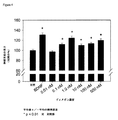


Classifications
-
- A—HUMAN NECESSITIES
- A61—MEDICAL OR VETERINARY SCIENCE; HYGIENE
- A61K—PREPARATIONS FOR MEDICAL, DENTAL OR TOILETRY PURPOSES
- A61K31/00—Medicinal preparations containing organic active ingredients
- A61K31/33—Heterocyclic compounds
- A61K31/395—Heterocyclic compounds having nitrogen as a ring hetero atom, e.g. guanethidine or rifamycins
- A61K31/435—Heterocyclic compounds having nitrogen as a ring hetero atom, e.g. guanethidine or rifamycins having six-membered rings with one nitrogen as the only ring hetero atom
- A61K31/44—Non condensed pyridines; Hydrogenated derivatives thereof
-
- A—HUMAN NECESSITIES
- A61—MEDICAL OR VETERINARY SCIENCE; HYGIENE
- A61P—SPECIFIC THERAPEUTIC ACTIVITY OF CHEMICAL COMPOUNDS OR MEDICINAL PREPARATIONS
- A61P1/00—Drugs for disorders of the alimentary tract or the digestive system
- A61P1/14—Prodigestives, e.g. acids, enzymes, appetite stimulants, antidyspeptics, tonics, antiflatulents
-
- A—HUMAN NECESSITIES
- A61—MEDICAL OR VETERINARY SCIENCE; HYGIENE
- A61P—SPECIFIC THERAPEUTIC ACTIVITY OF CHEMICAL COMPOUNDS OR MEDICINAL PREPARATIONS
- A61P17/00—Drugs for dermatological disorders
- A61P17/02—Drugs for dermatological disorders for treating wounds, ulcers, burns, scars, keloids, or the like
-
- A—HUMAN NECESSITIES
- A61—MEDICAL OR VETERINARY SCIENCE; HYGIENE
- A61P—SPECIFIC THERAPEUTIC ACTIVITY OF CHEMICAL COMPOUNDS OR MEDICINAL PREPARATIONS
- A61P17/00—Drugs for dermatological disorders
- A61P17/14—Drugs for dermatological disorders for baldness or alopecia
-
- A—HUMAN NECESSITIES
- A61—MEDICAL OR VETERINARY SCIENCE; HYGIENE
- A61P—SPECIFIC THERAPEUTIC ACTIVITY OF CHEMICAL COMPOUNDS OR MEDICINAL PREPARATIONS
- A61P19/00—Drugs for skeletal disorders
-
- A—HUMAN NECESSITIES
- A61—MEDICAL OR VETERINARY SCIENCE; HYGIENE
- A61P—SPECIFIC THERAPEUTIC ACTIVITY OF CHEMICAL COMPOUNDS OR MEDICINAL PREPARATIONS
- A61P19/00—Drugs for skeletal disorders
- A61P19/02—Drugs for skeletal disorders for joint disorders, e.g. arthritis, arthrosis
-
- A—HUMAN NECESSITIES
- A61—MEDICAL OR VETERINARY SCIENCE; HYGIENE
- A61P—SPECIFIC THERAPEUTIC ACTIVITY OF CHEMICAL COMPOUNDS OR MEDICINAL PREPARATIONS
- A61P21/00—Drugs for disorders of the muscular or neuromuscular system
- A61P21/02—Muscle relaxants, e.g. for tetanus or cramps
-
- A—HUMAN NECESSITIES
- A61—MEDICAL OR VETERINARY SCIENCE; HYGIENE
- A61P—SPECIFIC THERAPEUTIC ACTIVITY OF CHEMICAL COMPOUNDS OR MEDICINAL PREPARATIONS
- A61P21/00—Drugs for disorders of the muscular or neuromuscular system
- A61P21/04—Drugs for disorders of the muscular or neuromuscular system for myasthenia gravis
-
- A—HUMAN NECESSITIES
- A61—MEDICAL OR VETERINARY SCIENCE; HYGIENE
- A61P—SPECIFIC THERAPEUTIC ACTIVITY OF CHEMICAL COMPOUNDS OR MEDICINAL PREPARATIONS
- A61P25/00—Drugs for disorders of the nervous system
-
- A—HUMAN NECESSITIES
- A61—MEDICAL OR VETERINARY SCIENCE; HYGIENE
- A61P—SPECIFIC THERAPEUTIC ACTIVITY OF CHEMICAL COMPOUNDS OR MEDICINAL PREPARATIONS
- A61P25/00—Drugs for disorders of the nervous system
- A61P25/14—Drugs for disorders of the nervous system for treating abnormal movements, e.g. chorea, dyskinesia
-
- A—HUMAN NECESSITIES
- A61—MEDICAL OR VETERINARY SCIENCE; HYGIENE
- A61P—SPECIFIC THERAPEUTIC ACTIVITY OF CHEMICAL COMPOUNDS OR MEDICINAL PREPARATIONS
- A61P25/00—Drugs for disorders of the nervous system
- A61P25/14—Drugs for disorders of the nervous system for treating abnormal movements, e.g. chorea, dyskinesia
- A61P25/16—Anti-Parkinson drugs
-
- A—HUMAN NECESSITIES
- A61—MEDICAL OR VETERINARY SCIENCE; HYGIENE
- A61P—SPECIFIC THERAPEUTIC ACTIVITY OF CHEMICAL COMPOUNDS OR MEDICINAL PREPARATIONS
- A61P25/00—Drugs for disorders of the nervous system
- A61P25/18—Antipsychotics, i.e. neuroleptics; Drugs for mania or schizophrenia
-
- A—HUMAN NECESSITIES
- A61—MEDICAL OR VETERINARY SCIENCE; HYGIENE
- A61P—SPECIFIC THERAPEUTIC ACTIVITY OF CHEMICAL COMPOUNDS OR MEDICINAL PREPARATIONS
- A61P25/00—Drugs for disorders of the nervous system
- A61P25/28—Drugs for disorders of the nervous system for treating neurodegenerative disorders of the central nervous system, e.g. nootropic agents, cognition enhancers, drugs for treating Alzheimer's disease or other forms of dementia
-
- A—HUMAN NECESSITIES
- A61—MEDICAL OR VETERINARY SCIENCE; HYGIENE
- A61P—SPECIFIC THERAPEUTIC ACTIVITY OF CHEMICAL COMPOUNDS OR MEDICINAL PREPARATIONS
- A61P27/00—Drugs for disorders of the senses
- A61P27/02—Ophthalmic agents
-
- A—HUMAN NECESSITIES
- A61—MEDICAL OR VETERINARY SCIENCE; HYGIENE
- A61P—SPECIFIC THERAPEUTIC ACTIVITY OF CHEMICAL COMPOUNDS OR MEDICINAL PREPARATIONS
- A61P3/00—Drugs for disorders of the metabolism
- A61P3/08—Drugs for disorders of the metabolism for glucose homeostasis
- A61P3/10—Drugs for disorders of the metabolism for glucose homeostasis for hyperglycaemia, e.g. antidiabetics
-
- A—HUMAN NECESSITIES
- A61—MEDICAL OR VETERINARY SCIENCE; HYGIENE
- A61P—SPECIFIC THERAPEUTIC ACTIVITY OF CHEMICAL COMPOUNDS OR MEDICINAL PREPARATIONS
- A61P31/00—Antiinfectives, i.e. antibiotics, antiseptics, chemotherapeutics
- A61P31/12—Antivirals
-
- A—HUMAN NECESSITIES
- A61—MEDICAL OR VETERINARY SCIENCE; HYGIENE
- A61P—SPECIFIC THERAPEUTIC ACTIVITY OF CHEMICAL COMPOUNDS OR MEDICINAL PREPARATIONS
- A61P37/00—Drugs for immunological or allergic disorders
-
- A—HUMAN NECESSITIES
- A61—MEDICAL OR VETERINARY SCIENCE; HYGIENE
- A61P—SPECIFIC THERAPEUTIC ACTIVITY OF CHEMICAL COMPOUNDS OR MEDICINAL PREPARATIONS
- A61P9/00—Drugs for disorders of the cardiovascular system
- A61P9/10—Drugs for disorders of the cardiovascular system for treating ischaemic or atherosclerotic diseases, e.g. antianginal drugs, coronary vasodilators, drugs for myocardial infarction, retinopathy, cerebrovascula insufficiency, renal arteriosclerosis
-
- A—HUMAN NECESSITIES
- A61—MEDICAL OR VETERINARY SCIENCE; HYGIENE
- A61P—SPECIFIC THERAPEUTIC ACTIVITY OF CHEMICAL COMPOUNDS OR MEDICINAL PREPARATIONS
- A61P9/00—Drugs for disorders of the cardiovascular system
- A61P9/14—Vasoprotectives; Antihaemorrhoidals; Drugs for varicose therapy; Capillary stabilisers
Landscapes
- Health & Medical Sciences (AREA)
- Life Sciences & Earth Sciences (AREA)
- Bioinformatics & Cheminformatics (AREA)
- Engineering & Computer Science (AREA)
- Veterinary Medicine (AREA)
- Pharmacology & Pharmacy (AREA)
- Public Health (AREA)
- General Health & Medical Sciences (AREA)
- Medicinal Chemistry (AREA)
- Chemical & Material Sciences (AREA)
- Animal Behavior & Ethology (AREA)
- Nuclear Medicine, Radiotherapy & Molecular Imaging (AREA)
- Organic Chemistry (AREA)
- General Chemical & Material Sciences (AREA)
- Chemical Kinetics & Catalysis (AREA)
- Neurology (AREA)
- Neurosurgery (AREA)
- Biomedical Technology (AREA)
- Physical Education & Sports Medicine (AREA)
- Orthopedic Medicine & Surgery (AREA)
- Epidemiology (AREA)
- Diabetes (AREA)
- Immunology (AREA)
- Vascular Medicine (AREA)
- Dermatology (AREA)
- Heart & Thoracic Surgery (AREA)
- Psychiatry (AREA)
- Psychology (AREA)
- Cardiology (AREA)
- Oncology (AREA)
- Pain & Pain Management (AREA)
- Obesity (AREA)
- Hospice & Palliative Care (AREA)
- Hematology (AREA)
- Ophthalmology & Optometry (AREA)
- Endocrinology (AREA)
- Nutrition Science (AREA)
- Emergency Medicine (AREA)
- Urology & Nephrology (AREA)
- Communicable Diseases (AREA)
Abstract
本発明は、1種以上の細胞型の活性化、分化、および/または増殖が有益である疾患または状態の治療、その予防、その発症の遅延、および/またはその発生の遅延のための組成物および方法を提供する。これらの組成物および方法には、ディメボンなどの水素化ピリド[4,3−b]インドール、および/またはディメボンなどの水素化ピリド[4,3−b]インドールとともにインキュベートした細胞が含まれる。ある実施形態において、これらの組成物および方法は、成長因子および/または抗細胞死化合物もまた含む。本発明は1種以上の水素化ピリド[4,3−b]インドールまたはその薬学的に許容される塩とともに細胞をインキュベートすることによる、細胞を活性化する方法、細胞の分化を促進する方法、および/または細胞の増殖を促進する方法もまた提供する。細胞はまた1種以上の成長因子および/または抗細胞死化合物とともにインキュベートされる。The present invention relates to a composition for the treatment, prevention, delay of its onset and / or delay of its development of a disease or condition in which activation, differentiation and / or proliferation of one or more cell types is beneficial. And providing a method. These compositions and methods include cells incubated with hydrogenated pyrido [4,3-b] indoles such as dimebon and / or hydrogenated pyrido [4,3-b] indoles such as dimebon. In certain embodiments, these compositions and methods also include growth factors and / or anti-cell death compounds. The present invention relates to a method for activating a cell, a method for promoting cell differentiation, by incubating the cell with one or more hydrogenated pyrido [4,3-b] indoles or pharmaceutically acceptable salts thereof, Also provided are methods of promoting cell proliferation. The cells are also incubated with one or more growth factors and / or anti-death compounds.
Description
関連する出願への相互参照
本願は、2007年5月25日に出願された米国仮特許出願第60/931,771号に対する優先権を主張する。米国仮特許出願第60/931,771号は、その全体が、本明細書中に参考として援用される。
CROSS REFERENCE TO RELATED APPLICATIONS This application claims priority to US Provisional Patent Application No. 60 / 931,771, filed May 25, 2007. US Provisional Patent Application No. 60 / 931,771 is hereby incorporated by reference in its entirety.
連邦により補助された研究のもとになされた発明に対する権利の申告
適用なし。
Declaration of rights to inventions made under federally assisted research Not applicable.
技術分野
本発明は、以下のいずれかの有効量をその必要がある個体に投与することによる、1種以上の細胞型の活性化、分化、および/または増殖が有益である疾患または状態の治療、その予防、その発症の遅延、および/またはその発生の遅延のための組成物および方法に関する:(1)治療化合物もしくはその薬学的に許容される塩;(2)(i)治療化合物もしくはその薬学的に許容される塩、ならびに(ii)成長因子および/または抗細胞死化合物の組み合わせ、(3)治療化合物もしくはその薬学的に許容される塩とともにインキュベートした細胞、(4)(i)治療化合物もしくはその薬学的に許容される塩、および(ii)治療化合物もしくはその薬学的に許容される塩とともにインキュベートした細胞の組み合わせ、(5)(i)治療化合物もしくはその薬学的に許容される塩、(ii)治療化合物もしくはその薬学的に許容される塩とともにインキュベートした細胞、ならびに(iii)成長因子および/または抗細胞死化合物の組み合わせ、(6)(i)治療化合物もしくはその薬学的に許容される塩、および(ii)細胞(治療化合物もしくはその薬学的に許容される塩とともにインキュベートしていない細胞など)の組み合わせ、または(7)(i)治療化合物もしくはその薬学的に許容される塩、(ii)細胞(治療化合物もしくはその薬学的に許容される塩とともにインキュベートしていない細胞など)、および(iii)成長因子および/または抗細胞死化合物の組み合わせ。上記の治療はまた、本明細書において「治療(1)〜(7)」とも称する。ある実施形態において、成長因子と抗細胞死化合物の両方が個体に投与される。あるバリエーションにおいて、治療化合物はディメボンである。
TECHNICAL FIELD The present invention relates to the treatment of diseases or conditions in which activation, differentiation and / or proliferation of one or more cell types is beneficial by administering to an individual in need thereof any of the following effective amounts: , Its prevention, delay of its onset, and / or compositions and methods for its delay of development: (1) therapeutic compound or pharmaceutically acceptable salt thereof; (2) (i) therapeutic compound or its A pharmaceutically acceptable salt, and (ii) a combination of growth factors and / or anti-cell death compounds, (3) cells incubated with a therapeutic compound or a pharmaceutically acceptable salt thereof, (4) (i) treatment (Ii) a combination of cells incubated with a therapeutic compound or a pharmaceutically acceptable salt thereof, (5) ) (I) a therapeutic compound or a pharmaceutically acceptable salt thereof; (ii) a cell incubated with the therapeutic compound or a pharmaceutically acceptable salt thereof; and (iii) a combination of growth factors and / or anti-cell death compounds. (6) a combination of (i) a therapeutic compound or a pharmaceutically acceptable salt thereof, and (ii) a cell (such as a cell not incubated with the therapeutic compound or a pharmaceutically acceptable salt thereof), or (7 ) (I) a therapeutic compound or a pharmaceutically acceptable salt thereof, (ii) a cell (such as a cell not incubated with the therapeutic compound or a pharmaceutically acceptable salt thereof), and (iii) a growth factor and / or Combination of anti-cell death compounds. The above treatment is also referred to herein as “treatments (1)-(7)”. In certain embodiments, both growth factors and anti-cell death compounds are administered to the individual. In some variations, the therapeutic compound is dimebon.
本発明は、1種以上の治療化合物またはその薬学的に許容される塩とともに細胞をインキュベートすることによって、細胞を活性化する方法、細胞の分化を促進する方法、および/または細胞の増殖を促進する方法もまた提供する。ある実施形態において、細胞はまた、1種以上の成長因子および/または抗細胞死化合物とともにインキュベートされる。 The present invention relates to a method for activating a cell, a method for promoting cell differentiation, and / or promoting cell proliferation by incubating the cell with one or more therapeutic compounds or pharmaceutically acceptable salts thereof. A method of doing so is also provided. In certain embodiments, the cells are also incubated with one or more growth factors and / or anti-cell death compounds.
発明の背景
多くの適応症は、細胞死および/または細胞機能の減少と関係しており、1種以上の細胞型の活性化、分化、および/または増殖から利益を得る。例えば、神経細胞死は、種々の神経系の適応症と関連があると考えられている。例えば、神経系および非神経系の適応症を治療および/または予防するための化合物および薬学的組成物、ならびに神経細胞死を阻害する方法および/または神経細胞の生存を増強する方法が強く望まれている。加えて、既存の神経細胞の有効性を高める化合物もまた治療的価値を有する。
BACKGROUND OF THE INVENTION Many indications are associated with decreased cell death and / or cell function and benefit from activation, differentiation, and / or proliferation of one or more cell types. For example, neuronal cell death is thought to be associated with various nervous system indications. For example, compounds and pharmaceutical compositions for treating and / or preventing neurological and non-neural indications and methods for inhibiting neuronal cell death and / or enhancing neuronal cell survival are highly desirable. ing. In addition, compounds that increase the effectiveness of existing neuronal cells also have therapeutic value.
水素化ピリド[4,3−b]インドールの概要
テトラ−およびヘキサヒドロ−1H−ピリド[4,3−b]インドール誘導体のクラスの既知化合物は、広範な生物学的活性を示す。一連の2,3,4,5−テトラヒドロ−1H−ピリド[4,3−b]インドールにおいて、以下の型の活性が見出されている:抗ヒスタミン活性(DE 1,813,229、1968年12月6日出願;DE 1,952,800、1969年10月20日出願)、中枢抑制および抗炎症性活性(米国特許第3,718,657号、1970年12月3日出願)、神経遮断活性(非特許文献1)など。2,3,4,4a,5,9b−ヘキサヒドロ−1H−ピリド[4,3−b]インドール誘導体は、向精神活性(非特許文献2)、抗攻撃活性、抗不整脈活性、およびその他の型の活性を示す。
Overview of Hydrogenated Pyrido [4,3-b] indoles Known compounds of the class of tetra- and hexahydro-1H-pyrido [4,3-b] indole derivatives exhibit a wide range of biological activities. The following types of activity have been found in a series of 2,3,4,5-tetrahydro-1H-pyrido [4,3-b] indoles: antihistamine activity (DE 1,813,229, 1968). Filed Dec. 6; DE 1,952,800, filed Oct. 20, 1969), central inhibitory and anti-inflammatory activity (US Pat. No. 3,718,657, filed Dec. 3, 1970), nerve Blocking activity (Non-patent Document 1) and the like. 2,3,4,4a, 5,9b-Hexahydro-1H-pyrido [4,3-b] indole derivatives have psychotropic activity (non-patent document 2), anti-attack activity, antiarrhythmic activity, and other types Activity.
テトラ−またはヘキサヒドロ−1H−ピリド[4,3−b]インドール誘導体をベースとするいくつかの薬物、例えば、ジアゾリン(メブヒドロリン)、ディメボン、ドラスチン、カルビジン(ジカルビン)、ストバジン、およびゲボトロリンが製造されていることが知られている。ジアゾリン(2−メチル−5−ベンジル−2,3,4,5−テトラヒドロ−1H−ピリド[4,3−b]インドール二塩酸塩)(非特許文献3において使用されている)およびディメボン(2,8−ジメチル−5−(2−(6−メチル−3−ピリジル)エチル−2,3,4,5−テトラヒドロ−1H−ピリド[4,3−b]インドール二塩酸塩)(非特許文献4)ならびにドラスチン(2−メチル−8−クロロ−5−[2−(6−メチル−3−ピリジル)エチル]−2,3,4,5−テトラヒドロ−1H−ピリド[4,3−b]インドール二塩酸塩)(薬物名のUSANおよびUSP辞書(United States Adopted Names、1961−1988、現行版US Pharmacopoeia and National Formula for Drugs and other nonproprietary drug names)、1989、第26版、196頁)は抗ヒスタミン薬物として知られており;カルビジン(ジカルビン)(シス(±)−2,8−ジメチル−2,3,4,4a,5,9b−ヘキサヒドロ−1H−ピリド[4,3−b]インドール二塩酸塩)は抗うつ効果を有する神経遮断薬であり(非特許文献5)、そしてその(−)異性体であるストバジンは抗不整脈薬として知られており(非特許文献6);ゲボトロリン 8−フルオロ−2−(3−(3−ピリジル)プロピル)−2,3,4,5−テトラヒドロ−1H−ピリド[4,3−b]インドール二塩酸塩は抗精神病薬かつ抗不安薬である(非特許文献7)。ディメボンは、20年以上の間、ロシアにおいては抗アレルギー薬として医薬に使用されてきた(発明者の認可証第1138164号、IP Class A61K 31/47,5,C07 D 209/52、1985年2月7日公開)。 Several drugs based on tetra- or hexahydro-1H-pyrido [4,3-b] indole derivatives, such as diazoline (mebuhydroline), dimebon, drastine, carvidin (dicarbine), stovadin, and gevotroline are produced. It is known that Diazoline (2-methyl-5-benzyl-2,3,4,5-tetrahydro-1H-pyrido [4,3-b] indole dihydrochloride) (used in Non-Patent Document 3) and dimebon (2 , 8-dimethyl-5- (2- (6-methyl-3-pyridyl) ethyl-2,3,4,5-tetrahydro-1H-pyrido [4,3-b] indole dihydrochloride) (non-patent literature) 4) and drastine (2-methyl-8-chloro-5- [2- (6-methyl-3-pyridyl) ethyl] -2,3,4,5-tetrahydro-1H-pyrido [4,3-b] Indole dihydrochloride) (USAN and USP Dictionary of Drug Names (United States Adopted Names, 1961-1988), current edition US Pharmacopoea and National Formula for Drugs and other non-proprietary drug names), 1989, 26th edition, page 196) is known as an antihistamine drug; carvidin (dicarbine) (cis (±) -2,8-dimethyl-2,3,4) , 4a, 5,9b-hexahydro-1H-pyrido [4,3-b] indole dihydrochloride) is a neuroleptic agent with antidepressant effect (Non-patent Document 5), and its (−) isomer A certain stovadine is known as an antiarrhythmic drug (Non-patent Document 6); gevotroline 8-fluoro-2- (3- (3-pyridyl) propyl) -2,3,4,5-tetrahydro-1H-pyrido [ 4,3-b] indole dihydrochloride is an antipsychotic and anxiolytic drug (non-patent document 7). During the above, it has been used in Russia as an antiallergic agent in Russia (Inventor's Approval No. 1138164, IP Class A61K 31/47, 5, C07 D 209/52, published February 7, 1985) .
米国特許第6,187,785号に記載されているように、ディメボンなどの水素化ピリド[4,3−b]インドール誘導体は、NMDAアンタゴニスト特性を有し、この特性により、これらはアルツハイマー病などの神経変性疾患の治療に有用である。米国特許第7,071,206号もまた参照のこと。特許文献1に記載されるように、ディメボンなどの水素化ピリド[4,3−b]インドール誘導体は、例えば、皮膚・毛髪外皮の障害、視覚障害、および体重減少を含む、加齢に付随する、もしくは加齢に関連する徴候および/または病理もしくは状態の発症および/または発生を遅延させることによって、ヒトまたは獣医学的な老化防止剤として有用である。2006年10月4日に出願された米国特許出願シリアル番号第11/543,341号、および2006年10月4日に出願された米国特許出願シリアル番号第11/543,529号は、ハンチントン病を、治療し、および/または予防し、および/またはその進行もしくは発症、および/またはその発生を遅延する際の使用のための神経保護因子としての、ディメボンなどの水素化ピリド[4,3−b]インドール誘導体を開示している。「Agent for Treatment of Schizophrenia Based on Hydrogenated Pyrido[4,3−b]indoles(Variations),a Pharmacological Agent Based on it,and a Method of Using it.(水素化ピリド[4,3−b]インドール誘導体(バリエーション)に基づく統合失調症の治療のための薬剤、それに基づく医薬品、およびその使用方法)」という英語翻訳標題を有する、2006年1月25日に出願されたロシア特許出願もまた参照のこと。 As described in US Pat. No. 6,187,785, hydrogenated pyrido [4,3-b] indole derivatives such as dimebon have NMDA antagonistic properties, which make them suitable for Alzheimer's disease, etc. It is useful for the treatment of neurodegenerative diseases. See also US Pat. No. 7,071,206. Hydrogenated pyrido [4,3-b] indole derivatives such as dimebon are associated with aging, including, for example, skin and hair coat disorders, visual impairments, and weight loss, as described in US Pat. Or as a human or veterinary anti-aging agent by delaying the onset and / or development of signs and / or pathologies or conditions associated with aging. US patent application serial number 11 / 543,341, filed October 4, 2006, and US patent application serial number 11 / 543,529, filed October 4, 2006, As a neuroprotective factor for use in treating and / or preventing and / or the progression or onset thereof, and / or delaying its occurrence, such as hydrogenated pyrido [4,3- b] Indole derivatives are disclosed. “Agent for Treatment of Schizophrenia Based on Hydrogenated Pyrido [4,3-b] indoles (Variations), a Pharmacologic Agent Based on it, and a hydrogen method. See also the Russian patent application filed on January 25, 2006, with the English translation title "Drugs for the treatment of schizophrenia based on variations, drugs based thereon and methods of use thereof".
顕著な医学的必要性
1種以上の細胞型の活性化、分化、および/または増殖が有益である疾患または状態の治療、その予防、その発症の遅延、および/またはその発生の遅延のための、付加的なまたは代替的な治療についての顕著な関心および必要性が依然として存在する。好ましくは、新たな治療は、1種以上の細胞型の活性化、分化、および/または増殖が有益である疾患または状態を有する個体にとって、生活の質を改善し、および/または生存時間を延長することができる。
Significant medical need for the treatment, prevention, delay of its onset, and / or delay of its development of a disease or condition in which activation, differentiation, and / or proliferation of one or more cell types is beneficial There remains a significant interest and need for additional or alternative treatments. Preferably, the new treatment improves quality of life and / or prolongs survival time for individuals with diseases or conditions where activation, differentiation, and / or proliferation of one or more cell types is beneficial. can do.
発明の概要
水素化ピリド[4,3−b]インドールであるディメボンは、神経突起伸長および神経発生を刺激することが特定された。従って、ディメボンは成長因子として機能し、種々の細胞型の活性化、分化、および/または増殖を促進することが期待される。成長因子の多くが、ディメボンよりもはるかにより大きく、大きく異なる三次元構造を有するタンパク質であることを考えれば、小分子成長因子として機能するディメボンのこの能力は特筆すべきものである。
Summary of the Invention Dimebon, a hydrogenated pyrido [4,3-b] indole, has been identified to stimulate neurite outgrowth and neurogenesis. Thus, dimebon functions as a growth factor and is expected to promote activation, differentiation, and / or proliferation of various cell types. This ability of dimebon to function as a small molecule growth factor is striking, given that many of the growth factors are proteins that are much larger than dimebon and have significantly different three-dimensional structures.
本発明は、以下のいずれかの有効量をその必要がある個体に投与することによる、1種以上の細胞型の活性化、分化、および/または増殖が有益である疾患または状態、例えば、神経系の適応症の治療、その予防、その発症の遅延、および/またはその発生の遅延のための組成物および方法に関する:(1)治療化合物もしくはその薬学的に許容される塩;(2)(i)治療化合物もしくはその薬学的に許容される塩、ならびに(ii)成長因子および/または抗細胞死化合物の組み合わせ、(3)治療化合物もしくはその薬学的に許容される塩とともにインキュベートした細胞、(4)(i)治療化合物もしくはその薬学的に許容される塩、および(ii)治療化合物もしくはその薬学的に許容される塩とともにインキュベートした細胞の組み合わせ、(5)(i)治療化合物もしくはその薬学的に許容される塩、(ii)治療化合物もしくはその薬学的に許容される塩とともにインキュベートした細胞、ならびに(iii)成長因子および/または抗細胞死化合物の組み合わせ、(6)(i)治療化合物もしくはその薬学的に許容される塩、および(ii)細胞(治療化合物もしくはその薬学的に許容される塩とともにインキュベートしていない細胞など)の組み合わせ、または(7)(i)治療化合物もしくはその薬学的に許容される塩、(ii)細胞(治療化合物もしくはその薬学的に許容される塩とともにインキュベートしていない細胞など)、および(iii)成長因子および/または抗細胞死化合物の組み合わせ。1つのバリエーションにおいて、この方法は、上記の治療(1)〜(7)のいずれかの有効量をその必要がある個体に投与することによる、1種以上の細胞型の活性化、分化、および/または増殖が有益である疾患または状態の治療のための方法である。別のバリエーションにおいて、この方法は、上記の治療(1)〜(7)のいずれかの有効量をその必要がある個体に投与することによる、疾患または状態と関連している変異遺伝子または異常な遺伝子を有する個体における、1種以上の細胞型の活性化、分化、および/または増殖が有益である疾患または状態の予防、またはその発症および/または発生の遅延のための方法である。別のバリエーションにおいて、この方法は、上記の治療(1)〜(7)のいずれかの有効量をその必要がある個体に投与することによる、疾患または状態を有すると診断された個体における、1種以上の細胞型の活性化、分化、および/または増殖が有益である疾患または状態の進行の遅延のための方法である。 The invention relates to a disease or condition in which activation, differentiation, and / or proliferation of one or more cell types is beneficial by administering to an individual in need thereof any of the following effective amounts, eg, nerves The present invention relates to compositions and methods for the treatment of system indications, their prevention, their onset delay, and / or their onset delay: (1) therapeutic compounds or pharmaceutically acceptable salts thereof; (2) ( i) a therapeutic compound or a pharmaceutically acceptable salt thereof, and (ii) a combination of growth factors and / or anti-cell death compounds, (3) a cell incubated with the therapeutic compound or a pharmaceutically acceptable salt thereof, 4) (i) a therapeutic compound or a pharmaceutically acceptable salt thereof; and (ii) a cell incubated with the therapeutic compound or a pharmaceutically acceptable salt thereof. (5) (i) a therapeutic compound or a pharmaceutically acceptable salt thereof, (ii) a cell incubated with the therapeutic compound or a pharmaceutically acceptable salt thereof, and (iii) a growth factor and / or anti-antigen Combinations of cell death compounds, (6) (i) therapeutic compounds or pharmaceutically acceptable salts thereof, and (ii) cells (such as cells that have not been incubated with therapeutic compounds or pharmaceutically acceptable salts thereof) A combination, or (7) (i) a therapeutic compound or a pharmaceutically acceptable salt thereof, (ii) a cell (such as a cell not incubated with the therapeutic compound or a pharmaceutically acceptable salt thereof), and (iii) A combination of growth factors and / or anti-cell death compounds. In one variation, the method comprises activation, differentiation, and differentiation of one or more cell types by administering to an individual in need thereof an effective amount of any of the above treatments (1)-(7). A method for the treatment of a disease or condition in which proliferation is beneficial. In another variation, the method comprises mutating genes or abnormalities associated with a disease or condition by administering an effective amount of any of the above treatments (1)-(7) to an individual in need thereof. A method for the prevention or the onset and / or delay of development of a disease or condition in which activation, differentiation, and / or proliferation of one or more cell types in an individual having a gene is beneficial. In another variation, the method comprises 1 in an individual diagnosed with a disease or condition by administering an effective amount of any of the above treatments (1)-(7) to the individual in need thereof. A method for delaying the progression of a disease or condition in which activation, differentiation, and / or proliferation of more than one cell type is beneficial.
本発明はまた、1種以上の治療化合物もしくはその薬学的に許容される塩、および/または1種以上の成長因子、および/または抗細胞死化合物とともに、細胞をインキュベートすることによる、細胞を活性化する方法、および/または細胞の分化を促進する方法、および/または細胞の増殖を促進する方法を提供する。本明細書に記載される任意の方法には、このような治療の必要があるか、またはこのような治療を必要とするリスクがある個体(例えば、ヒト)を選別する工程が包含されてもよい。本明細書に記載される任意の方法または他の実施形態において、化合物は、治療化合物であるディメボンまたはその薬学的に許容される塩、例えば、その塩酸塩または二塩酸塩であってもよい。 The invention also activates a cell by incubating the cell with one or more therapeutic compounds or pharmaceutically acceptable salts thereof, and / or one or more growth factors, and / or anti-cell death compounds. And / or a method for promoting cell differentiation and / or a method for promoting cell proliferation are provided. Any method described herein may include the step of selecting individuals (eg, humans) in need of such treatment or at risk for such treatment. Good. In any of the methods or other embodiments described herein, the compound may be dimebon, which is a therapeutic compound, or a pharmaceutically acceptable salt thereof, such as its hydrochloride or dihydrochloride salt.
薬学的組成物には、例えば、以下を含む薬学的組成物が含まれる:(i)細胞の活性化、細胞の分化の促進、細胞の増殖の促進、または上記の2つ以上の任意の組み合わせのために十分な量の治療化合物またはその薬学的に許容される塩、および(ii)薬学的に許容されるキャリア。別の局面において、本発明は、(i)治療化合物またはその薬学的に許容される塩、ならびに(ii)成長因子および/または抗細胞死化合物の組み合わせを含む薬学的組成物を提供する。別の局面において、本発明は、治療化合物またはその薬学的に許容される塩とともにインキュベートした細胞を含む薬学的組成物を提供する。別の局面において、本発明は、(i)治療化合物またはその薬学的に許容される塩、および(ii)治療化合物またはその薬学的に許容される塩とともにインキュベートした細胞の組み合わせを含む薬学的組成物を提供する。別の局面において、本発明は、(i)治療化合物またはその薬学的に許容される塩、(ii)治療化合物またはその薬学的に許容される塩とともにインキュベートした細胞、ならびに(iii)成長因子および/または抗細胞死化合物の組み合わせを含む薬学的組成物を提供する。別の局面において、本発明は、(i)治療化合物またはその薬学的に許容される塩、および(ii)細胞(例えば、治療化合物またはその薬学的に許容される塩とともにインキュベートしていない細胞)の組み合わせを含む薬学的組成物を提供する。別の局面において、本発明は、(i)治療化合物またはその薬学的に許容される塩、(ii)細胞(例えば、治療化合物またはその薬学的に許容される塩とともにインキュベートしていない細胞)、ならびに(iii)成長因子および/または抗細胞死化合物の組み合わせを含む薬学的組成物を提供する。1つのバリエーションにおいて、上記またはここで記載した任意の組成物などの薬学的組成物は、薬学的に許容されるキャリアをさらに含む。本発明は、記載された組成物のいずれかが、医薬としての使用のため、および/または医薬の製造における使用のためであり得ることもまた提供する。 A pharmaceutical composition includes, for example, a pharmaceutical composition comprising: (i) activation of a cell, promotion of cell differentiation, promotion of cell proliferation, or any combination of two or more of the above A sufficient amount of the therapeutic compound or a pharmaceutically acceptable salt thereof, and (ii) a pharmaceutically acceptable carrier. In another aspect, the present invention provides a pharmaceutical composition comprising (i) a therapeutic compound or a pharmaceutically acceptable salt thereof, and (ii) a combination of growth factors and / or anti-cell death compounds. In another aspect, the present invention provides a pharmaceutical composition comprising cells incubated with a therapeutic compound or a pharmaceutically acceptable salt thereof. In another aspect, the invention provides a pharmaceutical composition comprising a combination of (i) a therapeutic compound or a pharmaceutically acceptable salt thereof, and (ii) a cell incubated with the therapeutic compound or a pharmaceutically acceptable salt thereof. Offer things. In another aspect, the invention provides (i) a therapeutic compound or a pharmaceutically acceptable salt thereof, (ii) a cell incubated with the therapeutic compound or a pharmaceutically acceptable salt thereof, and (iii) a growth factor and Pharmaceutical compositions comprising a combination of / or anti-cell death compounds are provided. In another aspect, the invention provides (i) a therapeutic compound or a pharmaceutically acceptable salt thereof, and (ii) a cell (eg, a cell that has not been incubated with the therapeutic compound or a pharmaceutically acceptable salt thereof). A pharmaceutical composition comprising a combination of: In another aspect, the invention provides (i) a therapeutic compound or a pharmaceutically acceptable salt thereof, (ii) a cell (eg, a cell that has not been incubated with the therapeutic compound or a pharmaceutically acceptable salt thereof), And (iii) a pharmaceutical composition comprising a combination of growth factors and / or anti-cell death compounds. In one variation, the pharmaceutical composition, such as any composition described above or herein, further comprises a pharmaceutically acceptable carrier. The present invention also provides that any of the described compositions can be for use as a medicament and / or for use in the manufacture of a medicament.
本発明の治療を含むキットもまた含まれ、これは、例えば以下を含むようなキットである:(i)細胞の活性化、細胞の分化の促進、細胞の増殖の促進、または上記の2つ以上の任意の組み合わせのために十分な量の治療化合物またはその薬学的に許容される塩、ならびに(ii)1種以上の細胞型の活性化、分化、および/または増殖が有益であるような疾患または状態における使用のための指示書。1つの局面において、本発明は、(i)治療化合物またはその薬学的に許容される塩、ならびに(ii)成長因子および/または抗細胞死化合物を含むキットを提供する。別の局面において、本発明は、治療化合物またはその薬学的に許容される塩とともにインキュベートした細胞を含むキットを提供する。別の局面において、本発明は、(i)治療化合物またはその薬学的に許容される塩、ならびに(ii)治療化合物またはその薬学的に許容される塩とともにインキュベートした細胞を含むキットを提供する。別の局面において、本発明は、(i)治療化合物またはその薬学的に許容される塩、(ii)治療化合物またはその薬学的に許容される塩とともにインキュベートした細胞、ならびに(iii)成長因子および/または抗細胞死化合物を含むキットを提供する。別の局面において、本発明は、(i)治療化合物またはその薬学的に許容される塩、および(ii)細胞(例えば、治療化合物またはその薬学的に許容される塩とともにインキュベートしていない細胞)を含むキットを提供する。別の局面において、本発明は、(i)治療化合物またはその薬学的に許容される塩、(ii)細胞(例えば、治療化合物またはその薬学的に許容される塩とともにインキュベートしていない細胞)、ならびに(iii)成長因子および/または抗細胞死化合物を含むキットを提供する。上記のキットなどの本明細書に記載のキットのいずれかは、1種以上の細胞型の活性化、分化、および/または増殖が有益である疾患または状態における使用のための指針を含み得る。 Also included is a kit comprising the treatment of the present invention, which includes, for example, the following: (i) activation of a cell, promotion of cell differentiation, promotion of cell proliferation, or the two A sufficient amount of the therapeutic compound or a pharmaceutically acceptable salt thereof for any combination of the above, and (ii) such that activation, differentiation, and / or proliferation of one or more cell types is beneficial. Instructions for use in a disease or condition. In one aspect, the present invention provides a kit comprising (i) a therapeutic compound or a pharmaceutically acceptable salt thereof, and (ii) a growth factor and / or an anti-cell death compound. In another aspect, the present invention provides a kit comprising cells incubated with a therapeutic compound or a pharmaceutically acceptable salt thereof. In another aspect, the present invention provides a kit comprising (i) a therapeutic compound or a pharmaceutically acceptable salt thereof, and (ii) a cell incubated with the therapeutic compound or a pharmaceutically acceptable salt thereof. In another aspect, the invention provides (i) a therapeutic compound or a pharmaceutically acceptable salt thereof, (ii) a cell incubated with the therapeutic compound or a pharmaceutically acceptable salt thereof, and (iii) a growth factor and A kit comprising / or an anti-cell death compound is provided. In another aspect, the invention provides (i) a therapeutic compound or a pharmaceutically acceptable salt thereof, and (ii) a cell (eg, a cell that has not been incubated with the therapeutic compound or a pharmaceutically acceptable salt thereof). A kit is provided. In another aspect, the invention provides (i) a therapeutic compound or a pharmaceutically acceptable salt thereof, (ii) a cell (eg, a cell that has not been incubated with the therapeutic compound or a pharmaceutically acceptable salt thereof), And (iii) a kit comprising a growth factor and / or an anti-cell death compound. Any of the kits described herein, such as those described above, can include guidance for use in diseases or conditions where activation, differentiation, and / or proliferation of one or more cell types is beneficial.
本発明の他の特徴および利点は、以下の詳細な説明および特許請求の範囲から明白になる。 Other features and advantages of the invention will be apparent from the following detailed description and from the claims.
定義
明確に他のことが示されない限り、単数形(「a」、「an」など)の用語の使用は1つ以上をいう。
Definitions Unless otherwise explicitly indicated, the use of the singular terms ("a", "an", etc.) refers to one or more.
「約」という用語は、本明細書で使用される場合、この技術分野における当業者に容易に公知であるそれぞれの値についての通常の誤差範囲をいう。本明細書における「約」値またはパラメーターとの言及は、その値またはパラメーター自体に向けられる実施形態を含む(および記載する)。 The term “about” as used herein refers to the normal error range for each value that is readily known to those skilled in the art. Reference to “about” a value or parameter herein includes (and describes) embodiments that are directed to that value or parameter per se.
明確に他のことが示されない限り、「個体」とは、本明細書で使用される場合、ヒト、ウシ、霊長類、ウマ、イヌ、ネコ、ブタ、およびヒツジなどの動物を含むがこれらに限定されない哺乳動物を意図する。従って、本発明は、ヒトの医薬と、家畜および家庭内ペットにおける使用を含む獣医学的な状況の両方において用途を見出す。個体は、1種以上の細胞型の活性化、分化、および/または増殖が有益である疾患または状態であると診断されたか、またはその疑いがあるヒトであり得る。この疾患または状態は、神経系の適応症または非神経系の適応症であり得る。この疾患または状態には、非神経系の適応症に関連する神経変性または神経変性障害または外傷が含まれ得る。この個体は、神経系の適応症と関連する1種以上の徴候を示すヒトであり得る。この個体は、1種以上の細胞型の活性化、分化、および/または増殖が有益である疾患または状態と関連する変異遺伝子または異常遺伝子を有するヒトであり得る。この個体は、1種以上の細胞型の活性化、分化、および/または増殖が有益である疾患または状態を遺伝的に発症するか、またはさもなくば発症する素因があるヒトであり得る。 Unless expressly indicated otherwise, "individual" as used herein includes animals such as humans, cows, primates, horses, dogs, cats, pigs, and sheep. A non-limiting mammal is intended. Thus, the present invention finds use in both human medicine and veterinary situations including use in livestock and domestic pets. The individual can be a human who has been diagnosed or suspected of having a disease or condition in which activation, differentiation, and / or proliferation of one or more cell types is beneficial. The disease or condition can be a nervous system indication or a non-neural indication. The disease or condition can include neurodegeneration or neurodegenerative disorders or trauma associated with non-neural indications. The individual may be a human who exhibits one or more symptoms associated with nervous system indications. The individual can be a human having a mutated or abnormal gene associated with a disease or condition in which activation, differentiation, and / or proliferation of one or more cell types is beneficial. The individual may be a human who genetically develops or is otherwise predisposed to develop a disease or condition in which activation, differentiation, and / or proliferation of one or more cell types is beneficial.
本明細書で使用される場合、「治療」または「治療する」とは、臨床的結果を含む、有益であるかまたは所望される結果を得るためのアプローチである。本発明の目的のために、有益であるかまたは所望される結果には以下が含まれるがこれらに限定されない:1種以上の細胞型の活性化、分化、および/または増殖が有益である疾患または状態と関連する徴候の緩和、および/またはその徴候の程度の減少、および/またはその徴候の悪化の予防。その疾患または状態には以下が含まれるがこれらに限定されない:神経変性疾患;アルツハイマー病、加齢関連脱毛、加齢関連体重減少、加齢関連視覚障害、ハンチントン病および関連するポリグルタミン伸長疾患、統合失調症、イヌ認知障害症候群(CCDS)、神経細胞死媒介性眼疾患、黄斑変性、筋萎縮性側索硬化症(ALS)、多発性硬化症、パーキンソン病、レヴィー小体認知症、メンケス病、ウィルソン病、クロイツフェルト・ヤコブ病、ファール病、脳循環を含む急性もしくは慢性の障害、例えば、脳卒中、虚血性脳損傷もしくは脳内出血発作、加齢関連記憶障害(AAMI)、または軽度認知障害(MCI)。例えば、アルツハイマー病を治療するために有益であるかまたは所望される結果には、以下の1つ以上が含まれるがこれらに限定されない:アミロイド斑の形成の阻害もしくは抑制、アミロイド斑の減少、除去、もしくは一掃、認知の改善もしくは認知衰退の逆転、生物学的液体中に循環している可溶性Aβペプチドの封鎖、組織(例えば、脳)中のAβペプチド(可溶型および沈着型を含む)の減少、脳中のAβペプチドの蓄積の阻害および/または減少、組織(例えば、脳)中のAβペプチドの毒性効果の阻害および/または減少、疾患から生じる1つ以上の徴候(例えば、記憶、問題解決、言語、計算、空間視覚認識、判断、および/または行動の異常性)の減少、生活の質の向上、疾患を治療するために必要とされる1つ以上の他の医薬の用量の減少、疾患の発生の遅延、ならびに/または個体の生存の延長。好ましくは、ディメボンなどの治療化合物またはその薬学的に許容される塩を用いる、1種以上の細胞型の活性化、分化、および/または増殖が有益である疾患または状態の治療には、副作用が伴わないか、もしくは現在利用されている治療に付随する副作用よりも少なく、そして/またはこのような治療は個体の生活の質を改善する。本発明は、細胞死、細胞傷害、細胞損失、細胞機能の損失もしくは減少、細胞増殖の損失もしくは減少、または細胞分化の損失もしくは減少を含むと考えられているか、またはこれらを含む、疾患または状態の治療、その予防、その発症の遅延、および/またはその発生の遅延を含み、ここで、細胞は、本明細書に記載される非神経細胞などの任意の特定の細胞型であり得る。従って、本発明の1つの局面は、非神経細胞と関連する疾患を治療しており、例えば、非神経細胞に関連する変性性障害または外傷の治療、心臓病の治療のための心筋細胞、糖尿病の治療のための膵島細胞、AIDS、癌、および化学療法を含む癌治療を含む多くの疾患と関連する食欲不振もしくは消耗の治療のための脂肪細胞、血管移植片および腸移植片において使用される平滑筋細胞、軟骨損傷ならびに軟骨および骨関節炎の変性状態を治療するために使用される軟骨を治療しており、ならびに細菌もしくはウイルス感染に対して損傷を受けたかもしくは失われた細胞、または外傷性損傷、例えば、熱傷、骨折、および裂傷に対して失われた細胞を置き換える。 As used herein, “treatment” or “treating” is an approach for obtaining beneficial or desired results, including clinical results. For the purposes of the present invention, beneficial or desired results include, but are not limited to: diseases in which activation, differentiation, and / or proliferation of one or more cell types is beneficial Or alleviation of symptoms associated with the condition and / or reduction of the extent of the symptoms and / or prevention of worsening of the symptoms. The disease or condition includes, but is not limited to: neurodegenerative disease; Alzheimer's disease, age-related hair loss, age-related weight loss, age-related visual impairment, Huntington's disease and related polyglutamine elongation diseases, Schizophrenia, Canine Cognitive Disorder Syndrome (CCDS), Neuronal Death-Mediated Eye Disease, Macular Degeneration, Amyotrophic Lateral Sclerosis (ALS), Multiple Sclerosis, Parkinson's Disease, Lewy Body Dementia, Menkes Disease Wilson disease, Creutzfeldt-Jakob disease, Farle disease, acute or chronic disorders including cerebral circulation, eg stroke, ischemic brain injury or intracerebral hemorrhage attack, age-related memory impairment (AAMI), or mild cognitive impairment ( MCI). For example, beneficial or desired results for treating Alzheimer's disease include, but are not limited to, one or more of the following: inhibition or suppression of amyloid plaque formation, reduction, elimination of amyloid plaques Or wipe out, improve cognition or reverse cognitive decline, blockade of soluble Aβ peptide circulating in biological fluid, Aβ peptide (including soluble and deposited) in tissues (eg brain) Reduction, inhibition and / or reduction of accumulation of Aβ peptide in the brain, inhibition and / or reduction of toxic effects of Aβ peptide in tissue (eg, brain), one or more symptoms resulting from disease (eg, memory, problems Resolution, language, computation, spatial vision recognition, judgment, and / or behavioral anomalies), improved quality of life, one or more other physicians needed to treat the disease Dose reduction of the delay of occurrence of disease, and / or prolonging survival of individuals. Preferably, treatment of a disease or condition in which activation, differentiation, and / or proliferation of one or more cell types is beneficial using a therapeutic compound such as dimebon or a pharmaceutically acceptable salt thereof has side effects. Less or less than the side effects associated with currently available treatments and / or such treatment improves the quality of life of the individual. The present invention is considered to include or comprise a cell death, cell injury, cell loss, loss or decrease in cell function, loss or decrease in cell proliferation, or loss or decrease in cell differentiation. Treatment, prevention thereof, delay of its onset, and / or delay of its development, wherein the cell can be any particular cell type, such as a non-neuronal cell described herein. Accordingly, one aspect of the invention treats diseases associated with non-neuronal cells, eg, treatment of degenerative disorders or trauma associated with non-neuronal cells, cardiomyocytes for the treatment of heart disease, diabetes Used in adipocytes, vascular grafts and intestinal grafts for the treatment of anorexia or wasting associated with many diseases including islet cells, AIDS, cancer, and cancer treatments including chemotherapy Treating smooth muscle cells, cartilage damage and cartilage used to treat cartilage and osteoarthritic degeneration, and cells damaged or lost to bacterial or viral infections, or traumatic Replaces lost cells for injury, eg, burns, fractures, and lacerations.
本明細書で使用される場合、疾患または状態の発症を「遅延させる」とは、疾患または状態の発症を引き延ばし、妨害し、遅延させ、遅らせ、安定させ、および/または延期させることを意味する。この遅れは、疾患および/または治療される個体の履歴に依存して、時間の長さを変化させることができる。当業者に明白であるように、十分なまたは顕著な遅れは、個体が疾患または状態を発症しないという点で、効果において予防を含むことができる。例えば、アルツハイマー病の発生を「遅延させる」方法は、その方法を使用していない場合と比較して、所定の時間フレーム内で疾患の発症の可能性を減少し、および/または所定の時間フレーム内に疾患の程度を減少する方法である。このような比較は、典型的には、統計学的に有意な数の被験体を使用する臨床試験に基づく。例えば、アルツハイマー病の発症は、標準的な臨床技術、例えば、日常的な神経学的検査、患者へのインタビュー、神経画像処理、血清もしくは脳脊髄液中の特定のタンパク質(例えば、アミロイドタンパク質およびTau)のレベルの変化の検出、コンピュータ断層撮影(CT)、または磁気共鳴映像法(MRI)を使用して検出可能である。同様の技術は、他の疾患および状態のために当該分野において公知である。発症はまた、最初には検出できない可能性がある疾患の発生をいってもよく、これには、発生、再発、および開始が含まれる。 As used herein, “delaying” the onset of a disease or condition means prolonging, interfering with, delaying, delaying, stabilizing, and / or delaying the onset of the disease or condition. . This delay can change the length of time depending on the disease and / or the history of the individual being treated. As will be apparent to those skilled in the art, a sufficient or significant delay can include prevention in effect in that the individual does not develop the disease or condition. For example, a method of “delaying” the occurrence of Alzheimer's disease reduces the likelihood of developing the disease within a predetermined time frame and / or a predetermined time frame as compared to not using the method. It is a way to reduce the degree of disease within. Such comparisons are typically based on clinical trials using a statistically significant number of subjects. For example, the onset of Alzheimer's disease can be attributed to standard clinical techniques such as routine neurological examinations, patient interviews, neuroimaging, certain proteins in serum or cerebrospinal fluid (eg amyloid protein and Tau). ) Level change detection, computed tomography (CT), or magnetic resonance imaging (MRI). Similar techniques are known in the art for other diseases and conditions. Onset may also refer to the occurrence of a disease that may not be initially detectable, including occurrence, recurrence, and onset.
本明細書で使用される場合、「リスクがある」個体とは、1種以上の細胞型の活性化、分化、および/または増殖が有益である疾患または状態を発症するリスクがある個体である。「リスクがある」個体は、検出可能な疾患または状態を有していてもよいし、または有していなくてもよく、本明細書に記載される治療方法に先立って検出可能な疾患を示していてもよいし、示していなくてもよい。「リスクがある」とは、個体が、疾患または状態の発症と相関し、当該分野において公知のパラメーターである、1つ以上のいわゆるリスク因子を有することを意味している。これらの1つ以上のリスク因子を有する個体は、これらのリスク因子を有さない個体よりも、疾患または状態を発症する可能性が高い。これらのリスク因子には、年齢、性別、人種、食事、以前の病歴、前兆となる病気の存在、遺伝的(すなわち、遺伝性の)考慮すべき事項、および環境的な曝露が含まれるがこれらに限定されない。例えば、アルツハイマー病のリスクがある個体には、例えば、この疾患を経験した親族を有する人、およびそのリスクが遺伝的または生化学的マーカーの分析によって特定される人が含まれる。アルツハイマー病のリスクの遺伝子マーカーには、APP遺伝子の変異、特に、それぞれHardy変異およびSwedish変異と呼ばれる717位の変異ならびに670位および671位の変異が含まれる(Hardy,Trends Neurosci.、20:154−9、1997)。他のリスクマーカーは、プレセニリン遺伝子(例えば、PS1またはPS2)の変異、ApoE4対立遺伝子の変異、アルツハイマー病の家族歴、高コレステロール血症、および/またはアテローム性動脈硬化症である。他のこのような因子は、他の疾患および状態について当該分野において公知である。 As used herein, an “at risk” individual is an individual who is at risk of developing a disease or condition in which activation, differentiation, and / or proliferation of one or more cell types is beneficial. . An “at risk” individual may or may not have a detectable disease or condition and exhibits a detectable disease prior to the treatment methods described herein. It may or may not be shown. “At risk” means that an individual has one or more so-called risk factors that correlate with the onset of the disease or condition and are parameters known in the art. Individuals with one or more of these risk factors are more likely to develop a disease or condition than individuals that do not have these risk factors. These risk factors include age, gender, race, diet, previous medical history, presence of predictive illness, genetic (ie, hereditary) considerations, and environmental exposure. It is not limited to these. For example, individuals at risk for Alzheimer's disease include, for example, persons with relatives who have experienced the disease, and persons whose risk is identified by analysis of genetic or biochemical markers. Genetic markers of risk for Alzheimer's disease include mutations in the APP gene, particularly mutations at position 717, called Hardy mutation and Swedish mutation, respectively, and mutations at positions 670 and 671 (Hardy, Trends Neurosci., 20: 154). -9, 1997). Other risk markers are mutations in the presenilin gene (eg PS1 or PS2), mutations in the ApoE4 allele, family history of Alzheimer's disease, hypercholesterolemia, and / or atherosclerosis. Other such factors are known in the art for other diseases and conditions.
本明細書で使用される場合、「非神経系の適応症」という用語は、非神経細胞死、および/または非ニューロン性機能の損失もしくは非ニューロン性機能の減少、または非神経細胞に関連する変性性障害もしくは外傷を含む疾患もしくは状態を含み、またはこれらに関連し、またはこれらを含むかもしくはこれらに関連すると考えられている、疾患または状態をいい、かつこれらを意図する。非神経細胞の例には、皮膚細胞、造血細胞、平滑筋細胞、心臓細胞、心筋細胞、骨格筋細胞、骨細胞、軟骨細胞、膵臓細胞、または脂肪細胞が含まれるがこれらに限定されない。 As used herein, the term “non-neurological indication” relates to non-neuronal cell death and / or loss of non-neuronal function or decreased non-neuronal function, or non-neuronal cell A disease or condition that includes or is related to, or related to, or thought to be associated with a degenerative disorder or trauma. Examples of non-neuronal cells include, but are not limited to, skin cells, hematopoietic cells, smooth muscle cells, heart cells, cardiomyocytes, skeletal muscle cells, bone cells, chondrocytes, pancreatic cells, or adipocytes.
本明細書で使用される場合、「神経系の適応症」という用語は、神経細胞死、および/またはニューロン性機能の損失もしくはニューロン性機能の減少を含むか、またはこれらと関連するか、またはこれらを含みもしくはこれらと関連すると考えられている、疾患または状態をいい、かつこれらを意図する。 As used herein, the term “neurological indication” includes or is associated with neuronal cell death and / or loss of neuronal function or loss of neuronal function, or Refers to and intends a disease or condition that is considered to include or be associated with these.
本明細書で使用される場合、「神経細胞(ニューロン)」という用語は、動物の神経系の任意の一部から誘導される外胚葉性胚起源の細胞を表す。神経細胞は、ニューロフィラメントタンパク質、NeuN(神経細胞核マーカー)、MAP2、およびクラスIIIチューブリンを含む、十分に特徴付けられた神経細胞特異的マーカーを発現する。神経細胞として、例えば、海馬ニューロン、皮質ニューロン、中脳ドーパミン作動性ニューロン、脊髄運動ニューロン、感覚ニューロン、交感神経ニューロン、中隔コリン作動性ニューロン、および小脳ニューロンが含まれる。 As used herein, the term “neural cell (neuron)” refers to a cell of ectodermal embryo origin derived from any part of the nervous system of an animal. Nerve cells express well-characterized neuron-specific markers, including neurofilament protein, NeuN (neuronuclear nuclear marker), MAP2, and class III tubulin. Neurons include, for example, hippocampal neurons, cortical neurons, midbrain dopaminergic neurons, spinal motor neurons, sensory neurons, sympathetic neurons, septal cholinergic neurons, and cerebellar neurons.
本明細書で使用される場合、「神経突起伸長」または「神経突起活性化」という用語は、既存の神経プロセス(すなわち、軸索および樹状突起)の伸長および新たな神経細胞プロセス(すなわち、軸索および樹状突起)の成長または出芽の拡張をいう。神経突起伸長または神経突起活性化は、神経の接続性を変化させる可能性があり、新たなシナプスの確立または既存のシナプスの再構築を生じる。 As used herein, the terms “neurite outgrowth” or “neurite activation” refer to the extension of existing neural processes (ie, axons and dendrites) and new neuronal processes (ie, Axons and dendrites) growth or sprouting expansion. Neurite outgrowth or neurite activation can alter neural connectivity, resulting in the establishment of new synapses or the remodeling of existing synapses.
本明細書で使用される場合、「神経発生」という用語は、多能性神経幹細胞としてもまた知られる未分化ニューロン前駆細胞からの新たな神経細胞の発生をいう。神経発生活性は、新たな神経細胞、星状細胞、神経膠、シュワン細胞、乏突起膠細胞、および他の神経系統を活動的に産生する。ヒト発生の初期において、多くの神経発生が起こるが、これは、特に、成体脳の特定の局在領域においては、より高齢期においても継続する。多能性神経幹細胞は、神経系の主な表現型を生成する、自己再生する多能性細胞であるが、これは、海馬、歯状回、および脳室下帯を含む成体脳の様々な領域から単離されており、通常は神経発生と関連しない領域、例えば、脊髄からも単離されてきた。 As used herein, the term “neurogenesis” refers to the development of new neurons from undifferentiated neuronal progenitor cells, also known as pluripotent neural stem cells. Neurogenic activity actively produces new neurons, astrocytes, glia, Schwann cells, oligodendrocytes, and other neural lineages. Many neurogenesis occurs early in human development, but this continues even in older age, especially in certain localized regions of the adult brain. Pluripotent neural stem cells are self-renewing pluripotent cells that produce the main phenotype of the nervous system, but are different from those in the adult brain, including the hippocampus, dentate gyrus, and subventricular zone It has also been isolated from areas that are not normally associated with neurogenesis, such as the spinal cord.
本明細書で使用される場合、「神経の接続性」という用語は、生物における神経細胞間の接続(シナプス)の数、型、および質をいう。シナプスは、神経細胞間、神経細胞と筋肉の間(「神経筋接合部」)、および神経細胞と、内部器官、内分泌腺などを含む他の生物学的構造の間で形成する。シナプスは、それによって神経細胞が、互いに、ならびに非神経性の細胞、筋肉、組織、および器官に化学的または電気的な信号を伝達する、特殊化された構造である。神経の接続性に影響を与える化合物は、新たなシナプスを確立することによって(例えば、神経突起伸長または神経突起活性化によって)、または既存のシナプスを変化もしくは再構築することによって、これを行う可能性がある。シナプス再構築とは、特定のシナプスにおいて伝達されるシグナルの質、強度、または型の変化をいう。 As used herein, the term “neural connectivity” refers to the number, type, and quality of connections (synapses) between nerve cells in an organism. Synapses form between neurons, between neurons and muscle (“neuromuscular junction”), and between neurons and other biological structures, including internal organs, endocrine glands, and the like. Synapses are specialized structures by which nerve cells transmit chemical or electrical signals to each other and to non-neural cells, muscles, tissues, and organs. Compounds that affect neural connectivity can do this by establishing new synapses (eg, by neurite outgrowth or neurite activation), or by altering or restructuring existing synapses There is sex. Synaptic reconstruction refers to a change in the quality, strength, or type of signal transmitted at a particular synapse.
本明細書で使用される場合、「神経障害(ニューロパシー)」という用語は、神経系の一次病巣または他の機能不全によって開始されるかまたは引き起こされる、神経系の運動ニューロン、感覚ニューロン、および自律神経ニューロンの機能および構造の変化によって特徴付けされる障害をいう。末梢神経障害の4種の主要なパターンは、多発性神経障害、単神経障害、単発神経炎、および自律性神経障害である。最も一般的な型は、主として足および下肢に影響を与える(対称性)末梢神経障害である。神経根障害は脊髄神経根を含むが、末梢神経もまた含まれる場合には、神経根ニューロパシーという用語が使用される。神経障害の型は、原因、すなわち、関与する優勢な線維のサイズ、すなわち、大きな線維または小さな線維の末梢神経障害によって、さらに分けられてもよい。中枢神経障害性の痛みは、脊髄損傷、多発性硬化症、およびいくつかの発作、ならびに線維筋痛において起こり得る。神経障害は、虚弱、自律神経系の変化、および感覚的変化の様々な組み合わせと関連する可能性がある。筋肉量の損失または線維束収縮、筋肉の特定の精密な単収縮が見られる可能性がある。感覚性徴候には、痛みを含む、感覚および「積極的な」現象の喪失が含まれる。神経障害は、糖尿病(すなわち、糖尿病性神経障害)、線維筋痛、多発性硬化症、およびherpes zoster感染を含む種々の障害と関連があり、ならびに脊髄損傷および他の型の神経損傷と関連がある。 As used herein, the term “neuropathy” refers to motor, sensory, and autonomous neurons of the nervous system that are initiated or caused by a primary lesion or other dysfunction in the nervous system. A disorder characterized by changes in the function and structure of neuronal neurons. The four major patterns of peripheral neuropathy are polyneuropathy, mononeuropathy, mononeuritis, and autonomic neuropathy. The most common type is peripheral neuropathy (symmetry) that primarily affects the feet and lower limbs. The radiculopathy includes the spinal nerve roots, but if the peripheral nerves are also included, the term nerve root neuropathy is used. The type of neuropathy may be further divided by cause, ie the size of the predominant fiber involved, ie, large or small fiber peripheral neuropathy. Central neuropathic pain can occur in spinal cord injury, multiple sclerosis, and some strokes, as well as fibromyalgia. Neuropathy can be associated with various combinations of frailty, autonomic nervous system changes, and sensory changes. Loss of muscle mass or fiber bundle contraction, certain precise twitches of muscles can be seen. Sensory signs include loss of sensation and “aggressive” phenomena, including pain. Neuropathy is associated with a variety of disorders including diabetes (ie, diabetic neuropathy), fibromyalgia, multiple sclerosis, and herpes zoster infection, and is associated with spinal cord injury and other types of nerve damage. is there.
本明細書で使用される場合、「統合失調症」という用語は、当該分野において公知であるすべての型および分類の統合失調症を含み、以下が含まれるがこれらに限定されない:緊張型、破瓜病型、解体型、偏執症型、残遺型、もしくは未分化型の統合失調症および欠損症候群、ならびに/またはAmerican Psychiatric Association:Diagnostic and Statistical Manual of Mental Disorders、Fourth Edition、Washington D.C、2000もしくはInternational Statistical Classification of Diseases and Related Health Problemsに記載のもの、もしくはさもなくば当業者に公知であるもの。 As used herein, the term “schizophrenia” includes all types and classifications of schizophrenia known in the art, including but not limited to: tension type, disruption Disease type, disorganized type, paranoid type, remnant type, or undifferentiated schizophrenia and deficiency syndrome, and / or American Psychiatric Association: Diagnostic and Statistical Manual of Human Dent, Four. Those described in C, 2000 or International Statistical Classification of Diseases and Related Health Problems, or otherwise known to those skilled in the art.
本明細書で使用される場合、「老化防止活性」または「老化防止因子」とは、生命を脅かすものではないが、加齢プロセスと関連し、そして高齢者に典型的である病理または状態の量および強度のレベルの減少を介して、老化を遅くし、および/または寿命を長くし、および/または生活の質を増加もしくは改善する生物学的活性を意味する。生命を脅かすものではないが、加齢プロセスと関連する病理または状態には、視覚の喪失(白内障)、皮膚毛髪外皮の劣化(脱毛症)、ならびに筋細胞および/または脂肪細胞の死滅に起因する、年齢関連の体重減少のような病理または状態が含まれる。 As used herein, “anti-aging activity” or “anti-aging factor” refers to a pathology or condition that is not life-threatening, but is associated with the aging process and typical of the elderly. By reducing the level of quantity and strength, it means a biological activity that slows aging and / or lengthens life span and / or increases or improves quality of life. Although not life-threatening, pathologies or conditions associated with the aging process result from loss of vision (cataracts), deterioration of the skin-hair coat (alopecia), and death of muscle cells and / or fat cells Pathologies or conditions such as age-related weight loss are included.
本明細書で使用される場合、明確に他のことが示されない限り、「CCDSの治療」または「CCDSを治療すること」という用語は、CCDSに関連する1つ以上の臨床的徴候の制御(改善または悪化の予防)を意味し、応答の持続期間および規模は、個々のイヌで変化する可能性があることを認識する。 As used herein, unless otherwise clearly indicated, the terms “treatment of CCDS” or “treating CCDS” refer to the control of one or more clinical symptoms associated with CCDS ( Recognize that the duration and magnitude of the response may vary in individual dogs.
「神経細胞死媒介性眼疾患」は、神経細胞の死が全体的にまたは部分的に関与する眼疾患を意図する。この疾患は、光受容体の死を含む可能性がある。この疾患は、網膜細胞死を含む可能性がある。この疾患は、アポトーシスによる眼神経の死を含む可能性がある。特定の神経細胞死媒介性眼疾患には以下が含まれるがこれらに限定されない:黄斑変性、緑内障、網膜色素変性症、先天性定常夜盲症(Oguchi病)、幼児期発症重度網膜ジストロフィー、レーバー先天性黒内障、バルデー・ビードル症候群、アッシャー症候群、視神経症由来の失明、レーバー遺伝性視神経萎縮、色覚異常、およびハンセン・ラーソン・ベルク症候群。 “Neuronal cell death mediated ocular disease” intends an ocular disease in which neuronal cell death is wholly or partially involved. The disease may involve photoreceptor death. The disease can include retinal cell death. The disease may include optic nerve death due to apoptosis. Specific neuronal cell death-mediated eye diseases include, but are not limited to: macular degeneration, glaucoma, retinitis pigmentosa, congenital stationary night blindness (Oguchi disease), early childhood-onset severe retinal dystrophy, laver congenital Cataracts, Valday-Beadre syndrome, Usher syndrome, blindness from optic neuropathy, Leber hereditary optic nerve atrophy, color blindness, and Hansen-Larson-Berg syndrome.
本明細書で使用される場合、「黄斑変性」という用語は、当該分野において公知であるすべての型および分類の黄斑変性を含み、Bruch膜、脈絡膜、神経網膜、および/または網膜色素上皮の異常性と関連する中心視野の進行性の喪失によって特徴付けられる疾患が含まれるがこれに限定されない。従って、この用語は、加齢関連眼変性(ARMD)、ならびに、ある場合においては人生の最初の10年間で検出可能である若年発症性ジストロフィーなどの障害を含む。他の黄斑症には、ノースカロライナ黄斑ジストロフィー、ソーズビー眼底ジストロフィー、スタルガルト病、パターンジストロフィー、ベスト病、およびマラティア レベンチネース(Malattia Leventinese)が含まれる。 As used herein, the term “macular degeneration” includes all types and classifications of macular degeneration known in the art, including abnormalities in the Bruch membrane, choroid, neuroretina, and / or retinal pigment epithelium. Includes, but is not limited to, diseases characterized by progressive loss of central vision associated with gender. The term thus includes disorders such as age-related ocular degeneration (ARMD), and in some cases juvenile-onset dystrophy that is detectable in the first decade of life. Other macular diseases include North Carolina macular dystrophy, Soursby fundus dystrophy, Stargardt's disease, pattern dystrophy, Best's disease, and Malatia Leventinese.
「筋萎縮性側索硬化症」または「ALS」は、当該分野において理解されている用語であり、上位運動ニューロン(脳の運動ニューロン)および/または下位運動ニューロン(脊髄の運動ニューロン)に影響を与え、かつ運動ニューロンの死を生じる、進行性の神経変性疾患を意味するために本明細書で使用される。本明細書で使用される場合、「ALS」という用語は、当該分野において公知であるすべてのALSの分類を含み、以下が含まれるがこれらに限定されない:古典的なALS(典型的には、下位運動ニューロンと上位運動ニューロンの両方に影響を与える)、原発性側索硬化症(PLS、典型的には、上位運動ニューロンのみに影響を与える)、進行性球麻痺(PBPまたは延髄球発症、典型的には、嚥下、咀嚼、および会話の困難さで始まるALSの一種)、進行性筋萎縮症(PMA、典型的には、下位運動ニューロンのみに影響を与える)、および家族性ALS(ALSの遺伝性型)。 “Amyotrophic lateral sclerosis” or “ALS” is an art-understood term that affects upper motor neurons (brain motor neurons) and / or lower motor neurons (spinal motor neurons). Used herein to mean a progressive neurodegenerative disease that gives and results in the death of motor neurons. As used herein, the term “ALS” includes all ALS classifications known in the art, including but not limited to: classical ALS (typically Affects both lower and upper motor neurons), primary lateral sclerosis (PLS, typically affects only upper motor neurons), progressive bulbar paralysis (onset of PBP or medullary bulb, Typically a type of ALS that begins with difficulty swallowing, chewing, and speaking), progressive muscular atrophy (PMA, typically affecting only lower motor neurons), and familial ALS (ALS) Hereditary type).
「パーキンソン病」という用語は、当該分野において理解されており、本明細書で使用される場合、個体がパーキンソン病と関連する1つ以上の徴候を経験する任意の医学的条件をいい、例えば、以下の1つ以上の徴候であるがこれらに限定されない:静止時振せん、歯車様硬直、運動緩徐、姿勢反射障害、1−ドーパ処理に対する良好な応答、顕著な動眼神経麻痺の不在、小脳または錐体路徴候、筋萎縮症、行動不全、および/または不完全失語症。特定の実施形態において、本発明は、ドーパミン作動性機能障害関連障害の治療のために利用される。特定の実施形態において、パーキンソン病の個体は、パーキンソン病と関連するシヌクレイン、パーキン、またはNURR1核酸の変異または多型を有する。1つの実施形態において、パーキンソン病の個体は、ドーパミン作動性ニューロンの発生および/または生存を調節する核酸の発現の欠損もしくは減少、またはその核酸の変異を有する。 The term “Parkinson's disease” is understood in the art and, as used herein, refers to any medical condition in which an individual experiences one or more symptoms associated with Parkinson's disease, such as One or more of the following symptoms, including but not limited to: tremor at rest, gear-like stiffness, slow movement, postural reflex disorder, good response to 1-dopa treatment, absence of significant oculomotor palsy, cerebellum or Cone tract signs, muscle atrophy, behavioral deficits, and / or incomplete aphasia. In certain embodiments, the present invention is utilized for the treatment of disorders related to dopaminergic dysfunction. In certain embodiments, an individual with Parkinson's disease has a synuclein, parkin, or NURR1 nucleic acid mutation or polymorphism associated with Parkinson's disease. In one embodiment, an individual with Parkinson's disease has a deficiency or decrease in the expression of a nucleic acid that modulates the development and / or survival of dopaminergic neurons, or a mutation in the nucleic acid.
本明細書で使用される場合、「軽度認知障害」または「MCI」という用語は、通常の加齢関連の減退について典型的であるものよりも、認知障害においてより顕著な劣化によって特徴付けられる認知障害の型をいう。結果として、MCIである高齢者または老人は、複雑な日々の仕事および学習する際に通常よりもより困難を伴うが、最終的には認知症を生じるアルツハイマー病、または他の同様の神経変性障害の患者に典型的であるように、通常の社会的な、毎日の、および/または職業的な機能を実施することが不可能であるわけではない。MCIは、機能障害の中でも、かすかな、臨床的に明白である認知、記憶、および機能によって特徴付けられ、これらは、アルツハイマー病または他の認知症の診断のための判断基準を満足するために十分な規模ではない。MCIはまた、特定の型の損傷、例えば、神経損傷(すなわち、脳震盪後症候群を含む戦傷など)、神経毒処理(すなわち、化学療法脳(chemo brain)などを生じるアジュバント化学療法)、および、脳卒中、虚血、出血性発作、鈍器外傷などから生じる認知障害とは別であり区別される物理的な傷害または他の神経変性から生じる組織損傷から生じる認知障害として、本明細書で定義される損傷関連MCIを含む。 As used herein, the term “mild cognitive impairment” or “MCI” refers to cognition characterized by a more pronounced deterioration in cognitive impairment than is typical for normal age-related decline. Refers to the type of obstacle. As a result, elderly or elderly people with MCI are more difficult than usual in complex daily work and learning, but eventually develop Alzheimer's disease or other similar neurodegenerative disorders that cause dementia It is not impossible to perform normal social, daily, and / or professional functions, as is typical of some patients. MCI is characterized by faint, clinically evident cognition, memory, and function, among dysfunctions, to meet the criteria for diagnosis of Alzheimer's disease or other dementias Not enough scale. MCI is also a specific type of injury, such as nerve injury (ie, war injury including post-concussion syndrome), neurotoxin treatment (ie, adjuvant chemotherapy that produces chemotherapy brain, etc.), and stroke Injury as defined herein as cognitive impairment resulting from tissue damage resulting from physical injury or other neurodegeneration distinct from and distinct from cognitive impairment resulting from, ischemia, hemorrhagic stroke, blunt trauma, etc. Includes related MCI.
本明細書で使用される場合、「加齢関連記憶障害」または「AAMI」とは、7つの主要な段階において加齢プロセスおよび進行性の変性性認知症を区別する包括的悪化スケール(GDS)(Reisbergら(1982)Am.J.Psychiatry 139:1136−1139)に対してGDS段階2として同定され得る状態をいう。GDSの第1段階は、任意の年齢の個体が、認知障害の主観的不満と機能障害の客観的証拠のいずれも有さないものである。これらのGDS段階1個体は正常であると見なされる。GDSの第2段階は、5年もしくは10年前のようには名前を思い出せない、または5年もしくは10年前のようには物を置いた場所を思い出せないなどの記憶および認知機能の困難さの不満を述べる、一般的には高齢者に適用される。これらの主観的な不満は、他の点では正常な高齢の個体において非常に一般的であるように見える。AAMIは、GDS段階2の人であり、この人は、正常でありかつ主観的な不満がない高齢の人、すなわち、GDS段階1とは神経生理学に異なる可能性がある。例えば、AAMI被験体は、GDS段階1の高齢者よりも、コンピュータ分析したEEG上でより大きな電気生理学的遅延があることが見い出されている(Prichep、John、Ferris、Reisbergら(1994)Neurobiol.Aging 15:85−90)。 As used herein, “aging-related memory impairment” or “AAMI” refers to the Global Deterioration Scale (GDS) that distinguishes the aging process and progressive degenerative dementia in seven major stages. (Reisberg et al. (1982) Am. J. Psychiatry 139: 1136-1139) refers to a condition that can be identified as GDS stage 2. The first stage of GDS is that individuals of any age have neither subjective dissatisfaction with cognitive impairment nor objective evidence of dysfunction. These GDS stage 1 individuals are considered normal. The second stage of GDS is the difficulty of memory and cognitive function, such as not remembering the name as 5 or 10 years ago, or not remembering where the object was placed like 5 or 10 years ago It is generally applied to elderly people. These subjective dissatisfaction seem to be very common in otherwise healthy normal individuals. AAMI is a person at GDS stage 2, who may be different in neurophysiology from an elderly person who is normal and has no subjective dissatisfaction, ie, GDS stage 1. For example, AAMI subjects have been found to have greater electrophysiological delay on computer-analyzed EEG than GDS stage 1 elderly (Prichep, John, Ferris, Reisberg et al. (1994) Neurobiol. Aging 15: 85-90).
本明細書で使用される場合、「自閉症」という用語は、社会的な相互作用およびコミュニケーションを損ない、制限されかつ反復的な行動を引き起こし、典型的には、幼児期または小児期早期の間に出現する、脳の発達障害をいう。認知および行動の欠損は、神経の接続性の変化から部分的に生じると考えられている。自閉症は、時折、「自閉症スペクトラム障害」と呼ばれる関連障害、ならびにアスペルガー症候群およびラット症候群を含む。 As used herein, the term “autism” impairs social interaction and communication and causes limited and repetitive behavior, typically in early childhood or early childhood. A brain developmental disorder that appears in between. Cognitive and behavioral deficits are thought to arise in part from changes in neural connectivity. Autism includes an associated disorder sometimes referred to as "Autism Spectrum Disorder", as well as Asperger's syndrome and rat syndrome.
本明細書で使用される場合、「神経損傷」または「神経傷害」という用語は、剥離損傷(すなわち、ここでは、神経が引き裂かれるかまたははぎ取られる)または脊髄損傷(すなわち、脳までまたは脳からの感覚信号および運動信号を伝達する、白質または有髄線維トラクトに対する損傷)などの神経に対する物理的損傷をいう。脊髄損傷は、物理的外傷(すなわち、自動車事故、スポーツ傷害など)、脊柱上に侵襲している腫瘍、発生障害、例えば、二分脊椎などを含む多くの原因から起こる可能性がある。 As used herein, the term “nerve injury” or “nerve injury” refers to exfoliation injury (ie, here the nerve is torn or torn off) or spinal cord injury (ie, up to or from the brain). Refers to physical damage to nerves, such as damage to white matter or myelinated fiber tracts that transmit sensory and motor signals from Spinal cord injury can arise from a number of causes including physical trauma (ie, car accidents, sports injuries, etc.), tumors invading the spine, developmental disorders, such as spina bifida.
本明細書で使用される場合、「重症筋無力症」という用語は、骨格筋の神経筋接合部におけるアセチルコリン受容体の免疫媒介性の損失によって引き起こされる、非認知性の神経筋障害をいう。臨床的には、MGは、典型的に、患者の約3分の2において偶発的な筋力低下として、最も一般的には、外眼筋において最初に現れる。これらの初期の徴候は、最終的には悪化し、うなだれた眼瞼(眼瞼下垂)および/または複視(二重視)を生じ、しばしば、患者が医学的な配慮を求めることを引き起こす。最終的には、多くの患者が、毎週、毎日、またはより頻繁にさえ変動し得る一般的な筋力低下を発現する。一般化されたMGは、しばしば、表情、咀嚼、会話、嚥下、および呼吸を制御する筋肉に影響を与える;治療の最近の進歩以前には、呼吸不全が最も一般的な死因であった。 As used herein, the term “myasthenia gravis” refers to a non-cognitive neuromuscular disorder caused by an immune-mediated loss of acetylcholine receptors at the neuromuscular junction of skeletal muscle. Clinically, MG typically appears first in the extraocular muscles as an accidental muscle weakness, typically in about two-thirds of patients. These early signs eventually worsen, resulting in a nodding eyelid (lid drooping) and / or double vision (double vision), often causing the patient to seek medical attention. Ultimately, many patients develop general muscle weakness that can fluctuate weekly, daily, or even more frequently. Generalized MG often affects the muscles that control facial expression, chewing, speaking, swallowing, and breathing; prior to recent advances in treatment, respiratory failure was the most common cause of death.
本明細書で使用される場合、「ギラン・バレー症候群」という用語は、身体の免疫系が末梢神経系の一部を攻撃する、非認知性の障害をいう。この障害の最初の徴候には、様々な程度の脚の衰弱または刺痛が含まれる。多くの例において、衰弱および異常な感覚は腕および上体に広がる。特定の筋肉が全く使用できなくなるまで、これらの徴候は強度が増加し、重度になると、患者はほぼ全身的に麻痺する。これらの例において、障害は、生命に関わる−潜在的に呼吸を、時折、血圧または心拍数に干渉し−そして医学的な緊急事態と見なされている。多くの患者は、ギラン・バレー症候群の最も重篤な症例からさえ回復しているが、特定の程度の衰弱を有し続けている患者もいる。 As used herein, the term “Guillain-Barre syndrome” refers to a non-cognitive disorder in which the body's immune system attacks parts of the peripheral nervous system. Initial signs of this disorder include varying degrees of leg weakness or stinging. In many instances, weakness and abnormal sensations extend to the arms and upper body. These signs increase in intensity and, when severe, the patient is paralyzed almost systemically until certain muscles cannot be used at all. In these examples, the disorder is considered life-threatening—potentially breathing, occasionally interfering with blood pressure or heart rate—and a medical emergency. Many patients recover from even the most severe cases of Guillain-Barre syndrome, but some continue to have a certain degree of weakness.
本明細書で使用される場合、「多発性硬化症」または「MS」という用語は、免疫系が中枢神経系(CNS)を攻撃し、神経細胞の脱髄をもたらす自己免疫状態をいう。これは多くの徴候を引き起こす可能性があり、その多くは非認知性であり、しばしば、身体障害まで進行する。MSは、白質として知られる脳および脊髄の領域に影響を与える。白質細胞は、プロセシングが行われる灰白質と、身体の残りの部分との間で信号を伝達する。より詳細には、MSは、神経細胞が電気信号を伝達することを補助するミエリン鞘として知られる脂肪層を作製および維持するための原因の細胞である乏突起膠細胞を破壊する。MSは、ミエリンの薄化または完全な喪失、および、より低頻度で、神経細胞の伸長または軸索の切断(切除)を生じる。ミエリンが失われた場合、神経細胞は、それらの電気信号をもはや効率的に伝導することはできない。ほぼいかなる神経学的徴候も、この疾患に付随し得る。MSはいくつかの型をとり、別個の攻撃で起こるか(再発型)または時間の経過とともにゆっくりと蓄積するか(進行型)のいずれかである、新たな徴候を伴う。多くの人は、最初は再発性−寛解型MSと診断されるが、何年も経った後に、二次進行性MS(SPMS)を発症する。攻撃の間に、徴候は完全になくなる可能性があるが、しかし、永続的な神経学的問題は、とりわけ、疾患の進行とともに、しばしば持続する。 As used herein, the term “multiple sclerosis” or “MS” refers to an autoimmune condition in which the immune system attacks the central nervous system (CNS), resulting in demyelination of neurons. This can cause many symptoms, many of which are non-cognitive and often progress to disability. MS affects an area of the brain and spinal cord known as white matter. White matter cells transmit signals between the gray matter that is processed and the rest of the body. More specifically, MS destroys oligodendrocytes, the cells responsible for creating and maintaining the fat layer known as the myelin sheath that helps nerve cells transmit electrical signals. MS results in thinning or complete loss of myelin and, less frequently, neuronal elongation or axotomy (resection). When myelin is lost, nerve cells can no longer conduct their electrical signals efficiently. Nearly any neurological sign can accompany this disease. MS takes several forms, with new signs that either occur in separate attacks (relapsed) or accumulate slowly over time (progressive). Many people are initially diagnosed with relapsing-remitting MS but develop secondary progressive MS (SPMS) after many years. During an attack, symptoms may disappear completely, but persistent neurological problems often persist, especially with disease progression.
本明細書で使用される場合、「成長因子」は、細胞増殖、細胞分化、および/または細胞生存を刺激する化合物を意味する。成長因子の例には以下が含まれる:血管内皮細胞成長因子、栄養成長因子、NT−3、NT−4/5、肝細胞成長因子(HGF)、毛様体神経栄養因子(CNTF)、トランスフォーミング成長因子(TGFα)、TGFβファミリーメンバー、ミオスタチン(GDF−8)、ニュートロフィン−3、血小板由来内皮細胞成長因子(PDGF)、GDNF(グリア由来神経栄養因子)、上皮成長因子(EGF)ファミリーメンバー、インスリン様成長因子(IGF)、インスリン、骨形成タンパク質(BMP)、エリスロポエチン、トロンボポエチン、Wnt、ヘッジホッグ、ヘレグリン、これらのフラグメント、およびこれらの模倣物。他の成長因子の例は本明細書に記載されている。 As used herein, “growth factor” means a compound that stimulates cell proliferation, cell differentiation, and / or cell survival. Examples of growth factors include: vascular endothelial growth factor, vegetative growth factor, NT-3, NT-4 / 5, hepatocyte growth factor (HGF), ciliary neurotrophic factor (CNTF), trans Forming growth factor (TGFα), TGFβ family member, myostatin (GDF-8), neutrophin-3, platelet-derived endothelial cell growth factor (PDGF), GDNF (glia-derived neurotrophic factor), epidermal growth factor (EGF) family member , Insulin-like growth factor (IGF), insulin, bone morphogenetic protein (BMP), erythropoietin, thrombopoietin, Wnt, hedgehog, heregulin, fragments thereof, and mimetics thereof. Examples of other growth factors are described herein.
本明細書で使用される場合、「血管内皮細胞成長因子(VEGF)」とは、VEGFタンパク質、そのフラグメント、またはその模倣物、例えば、単一の、8エキソン、VEGF遺伝子またはそのホモログからのmRNAの選択的スプライシングから生じる任意のタンパク質を意味する。異なるVEGFスプライシング変異体は、それらが含むアミノ酸の数によって呼ばれる。ヒトにおいては、アイソフォームは、VEGF121、VEGF145、VEGF165、VEGF189、およびVEGF206である;これらのタンパク質の齧歯類オルトログは1つ少ないアミノ酸を含む。これらのタンパク質は、VEGF遺伝子のエキソン6a、6b、および7によってコードされる短いC末端ドメインの存在または非存在によって異なる。これらのドメインは、VEGFスプライシング変異体の重要な機能的な因果関係を有する。これらは、細胞表面上のヘパリン硫酸プロテオグリカンおよびニューロピリン補助受容体との相互作用を媒介し、VEGFシグナル伝達受容体に結合し、かつこれを活性化する能力を増強するからである。VEGFは、その細胞表面受容体Flk−1を介して神経保護効果を発揮する。Flk−1はPI3キナーゼ/AKTおよびERKを活性化して、神経保護効果を発揮する(Matsuzakiら「Vascular endothelial growth factor rescues hippocampal neurons from glutamate−induced toxicity:signal transduction cascades」FASEB J.、2001 May;15(7):1218−20)。種々の実施形態において、VEGFタンパク質またはタンパク質フラグメントのアミノ酸配列は、ヒトVEGFタンパク質の対応する領域のアミノ酸配列に対して、少なくともまたは約50%、60%、70%、80%、90%、95%、または100%同一である。ある実施形態において、VEGFフラグメントは、全長VEGFタンパク質からの少なくとも25個、50個、75個、100個、150個、または200個の連続するアミノ酸を含み、対応する全長VEGFタンパク質の活性の少なくともまたは約5%、10%、20%、30%、40%、50%、60%、70%、80%、90%、または100%を有する。 As used herein, “vascular endothelial growth factor (VEGF)” refers to VEGF protein, fragments thereof, or mimetics thereof, eg, mRNA from a single, 8 exon, VEGF gene or homolog thereof. Any protein resulting from alternative splicing of Different VEGF splicing variants are referred to by the number of amino acids they contain. In humans, the isoforms are VEGF121, VEGF145, VEGF165, VEGF189, and VEGF206; the rodent orthologs of these proteins contain one fewer amino acid. These proteins differ depending on the presence or absence of a short C-terminal domain encoded by exons 6a, 6b, and 7 of the VEGF gene. These domains have important functional causal relationships for VEGF splicing variants. This is because they mediate interaction with heparin sulfate proteoglycans and neuropilin co-receptors on the cell surface, enhancing the ability to bind to and activate VEGF signaling receptors. VEGF exerts a neuroprotective effect through its cell surface receptor Flk-1. Flk-1 activates PI3 kinase / AKT and ERK and exerts a neuroprotective effect (Matsuzaki et al., “Vascular endothelial growth factor Sequencially in the United States of America”. (7): 1218-20). In various embodiments, the amino acid sequence of the VEGF protein or protein fragment is at least or about 50%, 60%, 70%, 80%, 90%, 95% relative to the amino acid sequence of the corresponding region of the human VEGF protein. Or 100% identical. In certain embodiments, the VEGF fragment comprises at least 25, 50, 75, 100, 150, or 200 contiguous amino acids from the full length VEGF protein and is at least of the activity of the corresponding full length VEGF protein. About 5%, 10%, 20%, 30%, 40%, 50%, 60%, 70%, 80%, 90%, or 100%.
本明細書で使用される場合、「栄養成長因子」とは、細胞死を阻害または予防し、細胞生存を促進し、および/または細胞機能(例えば、神経突起成長または神経発生)を増強する成長因子を意味する。例示的な栄養成長因子には、IGF−1、線維芽細胞成長因子(FGF)、神経成長因子(NGF)、脳由来神経栄養因子(BDNF)、顆粒球コロニー刺激因子(G−CSF)、顆粒球マクロファージコロニー刺激因子(GM−CSF)、ニュートロフィン−3、グリア由来神経栄養因子(GDNF)、上皮成長因子(EGF)、またはTGFα、およびその模倣物、およびそのフラグメントが含まれる。種々の実施形態において、栄養成長因子またはそのフラグメントのアミノ酸配列は、ヒト成長因子の対応する領域のアミノ酸配列に対して、少なくとも50%、60%、70%、80%、90%、95%、または100%同一である。ある実施形態において、成長因子フラグメントは、全長成長因子からの少なくとも25個、50個、75個、100個、150個、または200個の連続するアミノ酸を含み、対応する全長成長因子の活性の少なくともまたは約5%、10%、20%、30%、40%、50%、60%、70%、80%、90%、または100%を有する。他の栄養成長因子の例は本明細書に記載される。 As used herein, a “vegetative growth factor” is a growth that inhibits or prevents cell death, promotes cell survival, and / or enhances cell function (eg, neurite growth or neurogenesis). Means a factor. Exemplary vegetative growth factors include IGF-1, fibroblast growth factor (FGF), nerve growth factor (NGF), brain-derived neurotrophic factor (BDNF), granulocyte colony stimulating factor (G-CSF), granule Sphere macrophage colony stimulating factor (GM-CSF), neutrophin-3, glial derived neurotrophic factor (GDNF), epidermal growth factor (EGF), or TGFα, and mimetics thereof, and fragments thereof. In various embodiments, the amino acid sequence of the vegetative growth factor or fragment thereof is at least 50%, 60%, 70%, 80%, 90%, 95% relative to the amino acid sequence of the corresponding region of human growth factor, Or 100% identical. In certain embodiments, the growth factor fragment comprises at least 25, 50, 75, 100, 150, or 200 contiguous amino acids from the full length growth factor, and at least the corresponding full length growth factor activity. Or about 5%, 10%, 20%, 30%, 40%, 50%, 60%, 70%, 80%, 90%, or 100%. Examples of other vegetative growth factors are described herein.
本明細書で使用される場合、「抗細胞死化合物」とは、細胞死を減少または除去する化合物を意味する。ある実施形態において、この化合物は、処理前の同じ被験体における対応する細胞死と比較した場合、または組み合わせ治療を受けていない他の被験体における対応する細胞死と比較した場合に、少なくともまたは約10%、20%、30%、40%、50%、60%、70%、80%、90%、95%、または100%、細胞死(例えば、脳もしくは脳の1つの領域における神経細胞死、または非神経細胞死)を減少する。例示的な抗細胞死化合物には、抗アポトーシス化合物、例えば、IAPタンパク質、Bcl−2タンパク質、Bcl−XL、Trk受容体、Akt、PI3キナーゼ、Gab、Mek、E1B55K、Raf、Ras、PKC、PLC、FRS2、rAPs/SH2B、Np73、これらのフラグメント、およびこれらの模倣物が含まれる。 As used herein, “anti-cell death compound” means a compound that reduces or eliminates cell death. In certain embodiments, the compound is at least or about when compared to corresponding cell death in the same subject prior to treatment, or compared to corresponding cell death in other subjects not receiving combination therapy. 10%, 20%, 30%, 40%, 50%, 60%, 70%, 80%, 90%, 95%, or 100% cell death (eg, neuronal cell death in the brain or one region of the brain) Or non-neuronal cell death). Exemplary anti-cell death compounds include anti-apoptotic compounds such as IAP protein, Bcl-2 protein, Bcl-X L , Trk receptor, Akt, PI3 kinase, Gab, Mek, E1B55K, Raf, Ras, PKC, PLC, FRS2, rAPs / SH2B, Np73, fragments thereof, and mimetics thereof are included.
本明細書で使用される場合、「抗アポトーシス化合物」とは、プログラムされた細胞死を減少または除去する化合物を意味する。ある実施形態において、この化合物は、処理前の同じ被験体における対応するプログラムされた細胞死と比較した場合、またはこの化合物を受けていない他の被験体における対応するプログラムされた細胞死と比較した場合に、少なくともまたは約10%、20%、30%、40%、50%、60%、70%、80%、90%、95%、または100%、プログラムされた細胞死(例えば、脳もしくは脳の1つの領域における神経細胞死、または非神経細胞死)を減少する。例示的な抗アポトーシス化合物には、IAPタンパク質、Bcl−2タンパク質、Bcl−XL、Trk受容体、Akt、PI3キナーゼ、Gab、Mek、E1B55K、Raf、Ras、PKC、PLC、FRS2、rAPs/SH2B、Np73、これらのフラグメント、およびこれらの模倣物が含まれる。 As used herein, “anti-apoptotic compound” means a compound that reduces or eliminates programmed cell death. In certain embodiments, the compound is compared to the corresponding programmed cell death in the same subject prior to treatment or to the corresponding programmed cell death in other subjects not receiving the compound. In some cases, at least or about 10%, 20%, 30%, 40%, 50%, 60%, 70%, 80%, 90%, 95%, or 100%, programmed cell death (e.g., brain or Reducing neuronal cell death or non-neuronal cell death) in one area of the brain. Exemplary anti-apoptotic compounds include IAP protein, Bcl-2 protein, Bcl-X L , Trk receptor, Akt, PI3 kinase, Gab, Mek, E1B55K, Raf, Ras, PKC, PLC, FRS2, rAPs / SH2B , Np73, fragments thereof, and mimetics thereof.
本明細書で使用される場合、「治療化合物」とは、「治療化合物」の表題で本明細書に開示されている任意の化合物を意味し、これには任意の薬学的に許容される塩が含まれる。1つのバリエーションにおいて、治療化合物はディメボンである。 As used herein, “therapeutic compound” means any compound disclosed herein under the heading of “therapeutic compound”, including any pharmaceutically acceptable salt. Is included. In one variation, the therapeutic compound is dimebon.
本明細書で使用される場合、「組み合わせ治療」とは、2つ以上の異なる薬学的に活性な化合物または細胞を含む治療を意味する。例示的な組み合わせ治療には以下が含まれる:(1)(i)治療化合物もしくはその薬学的に許容される塩、ならびに(ii)成長因子および/または抗細胞死化合物の組み合わせ、(2)(i)治療化合物もしくはその薬学的に許容される塩、ならびに(ii)治療化合物もしくはその薬学的に許容される塩とともにインキュベートした細胞の組み合わせ、(3)(i)治療化合物もしくはその薬学的に許容される塩、(ii)治療化合物もしくはその薬学的に許容される塩とともにインキュベートした細胞、ならびに(iii)成長因子および/または抗細胞死化合物の組み合わせ、(4)(i)治療化合物もしくはその薬学的に許容される塩、および(ii)細胞(治療化合物もしくはその薬学的に許容される塩とともにインキュベートしていない細胞など)の組み合わせ、ならびに(5)(i)治療化合物もしくはその薬学的に許容される塩、(ii)細胞(治療化合物もしくはその薬学的に許容される塩とともにインキュベートしていない細胞など)、ならびに(iii)成長因子および/または抗細胞死化合物の組み合わせ。ある実施形態において、成長因子と抗細胞死化合物の両方が組み合わせ治療に含まれる。あるバリエーションにおいて、治療化合物はディメボンである。あるバリエーションにおいて、組み合わせ治療は、1種以上の薬学的に許容されるキャリアもしくは賦形剤、薬学的に活性ではない化合物、および/または不活性基質を任意に含む。 As used herein, “combination therapy” means a therapy comprising two or more different pharmaceutically active compounds or cells. Exemplary combination therapies include: (1) (i) a therapeutic compound or a pharmaceutically acceptable salt thereof, and (ii) a combination of growth factors and / or anti-cell death compounds, (2) ( i) a therapeutic compound or a pharmaceutically acceptable salt thereof, and (ii) a combination of cells incubated with the therapeutic compound or a pharmaceutically acceptable salt thereof; (3) (i) a therapeutic compound or a pharmaceutically acceptable salt thereof; (Ii) a cell incubated with a therapeutic compound or a pharmaceutically acceptable salt thereof, and (iii) a combination of a growth factor and / or an anti-cell death compound, (4) (i) a therapeutic compound or a pharmaceutical thereof And (ii) cells (incubated with therapeutic compound or pharmaceutically acceptable salt thereof) And (5) (i) a therapeutic compound or a pharmaceutically acceptable salt thereof, (ii) a cell (a cell not incubated with the therapeutic compound or a pharmaceutically acceptable salt thereof) And) (iii) a combination of growth factors and / or anti-cell death compounds. In certain embodiments, both growth factors and anti-cell death compounds are included in the combination therapy. In some variations, the therapeutic compound is dimebon. In some variations, the combination therapy optionally includes one or more pharmaceutically acceptable carriers or excipients, non-pharmaceutically active compounds, and / or inert substrates.
本明細書で使用される場合、「薬学的に活性な化合物」「薬理学的に活性な化合物」、または「活性成分」とは、所望の効果、例えば、アルツハイマー病の治療、および/またはその予防、および/またはその発症の遅延を誘導する化学化合物を意味する。 As used herein, “pharmaceutically active compound”, “pharmacologically active compound”, or “active ingredient” refers to a desired effect, eg, treatment of Alzheimer's disease, and / or its A chemical compound that induces prevention and / or delaying its onset.
本明細書で使用される場合、「有効量」という用語は、効力および毒性のそのパラメーターと組み合わせた、ならびに実務者の知識に基づいた、このような量の化合物または治療(例えば、治療化合物、成長因子、抗細胞死化合物、または細胞)が所定の治療型で有効であるはずであることを意図する。当該分野において理解されるように、有効量は、単回用量または複数回用量であり得、すなわち、単回用量または複数回用量は、所望の治療の終点を達成するために必要とされ得る。有効量は、1種以上の治療剤を投与する状況において考慮されてもよく、そして1種以上の他の薬剤とともに、所望のまたは有益な結果が達成され得るかまたは達成される場合に、単一の薬剤が有効量で与えられると見なされてもよい。本発明の組み合わせ治療における化合物および/または治療は、各化合物のための同じかまたは異なる投与の経路を使用して、逐次的に、同時に、または継続的に投与されてもよい。従って、組み合わせ治療の有効量には、逐次的に、同時に、または継続的に投与されたときに所望の結果を生じる、第1の治療の量、および第2の治療または引き続く治療の量が含まれる。任意の同時投与される化合物の適切な用量は、化合物の組み合わせ作用(例えば、相加的作用または相乗的作用)に起因して、任意に低下させてもよい。 As used herein, the term “effective amount” refers to such an amount of a compound or treatment (eg, a therapeutic compound, in combination with its parameters of efficacy and toxicity, and based on practitioner knowledge) It is contemplated that a growth factor, anti-cell death compound, or cell) should be effective for a given therapeutic type. As will be appreciated in the art, an effective amount can be a single dose or multiple doses, that is, a single dose or multiple doses may be required to achieve the desired end point of treatment. An effective amount may be considered in the context of administering one or more therapeutic agents and, together with one or more other agents, is simple if a desired or beneficial result can be or is achieved. One drug may be considered to be given in an effective amount. The compounds and / or treatments in the combination therapy of the invention may be administered sequentially, simultaneously or continuously, using the same or different routes of administration for each compound. Thus, an effective amount of a combination therapy includes an amount of a first treatment and an amount of a second treatment or subsequent treatment that produces a desired result when administered sequentially, simultaneously or continuously. It is. The appropriate dose of any co-administered compound may optionally be reduced due to the combined action (eg, additive action or synergistic action) of the compounds.
種々の実施形態において、第1の治療および第2のまたは引き続く治療の組み合わせを用いる治療は、それぞれの治療単独の投与と比較して、相加的または相乗的でさえある(例えば、相加的よりも大きい)結果を生じる可能性がある。ある実施形態において、個々の治療のために一般的に使用される量と比較して、より少ない量の各化合物が、組み合わせ治療の一部として使用される。好ましくは、同じかまたはより大きな治療的利点が、個々の化合物単独のいずれかを使用することによるよりも、組み合わせ治療を使用して達成される。ある実施形態において、同じかまたはより大きな治療的利点は、個々の治療のために一般的に使用される量よりも、組み合わせ治療においてより少ない量の化合物(例えば、より少ない用量またはより頻度の少ない投薬スケジュール)を使用して達成される。好ましくは、少量の化合物の使用は、化合物に伴う1つ以上の副作用の数、重篤さ、頻度、または期間の減少を生じる。 In various embodiments, treatment with a combination of a first treatment and a second or subsequent treatment is additive or even synergistic (eg, additive) compared to administration of each treatment alone. May produce a greater result). In certain embodiments, a lower amount of each compound is used as part of a combination therapy compared to the amount commonly used for individual therapies. Preferably, the same or greater therapeutic benefit is achieved using combination therapy than by using either individual compound alone. In certain embodiments, the same or greater therapeutic benefit may result in a lower amount of compound (e.g., a lower dose or less frequent) in combination therapy than is typically used for individual treatments. Achieved using a dosing schedule). Preferably, the use of a small amount of compound results in a decrease in the number, severity, frequency, or duration of one or more side effects associated with the compound.
「同時投与」という用語は、本明細書で使用される場合、組み合わせ治療における第1の治療および第2のまたは引き続く治療が、約15分間を超えない時間の間隔で、例えば、約10分間、5分間、または1分間のいずれかを超えない間隔で投与されることを意味する。治療が同時に投与される場合、第1の治療および第2の治療は、同じ組成物中に含まれてもよく(例えば、治療化合物と、成長因子および/または抗細胞死化合物の両方を含む組成物)、または別々の組成物中に含まれてもよい(例えば、治療化合物は1つの組成物中に含まれ、成長因子および/または抗細胞死化合物は別の組成物に含まれる)。本発明には、(i)治療化合物もしくはその薬学的に許容される塩、ならびに(ii)成長因子および/または抗細胞死化合物の組み合わせの同時投与のための方法が含まれる。本発明にはまた、(i)治療化合物もしくはその薬学的に許容される塩、ならびに(ii)治療化合物もしくはその薬学的に許容される塩とともにインキュベートした細胞の同時投与のための方法も含まれる。本発明にはまた、(i)治療化合物もしくはその薬学的に許容される塩、(ii)治療化合物もしくはその薬学的に許容される塩とともにインキュベートした細胞、ならびに(iii)成長因子および/または抗細胞死化合物の同時投与のための方法も含まれる。本発明にはまた、(i)治療化合物もしくはその薬学的に許容される塩、および(ii)細胞(治療化合物もしくはその薬学的に許容される塩とともにインキュベートしていない細胞など)の同時投与のための方法も含まれる。本発明にはまた、(i)治療化合物もしくはその薬学的に許容される塩、(ii)細胞(治療化合物もしくはその薬学的に許容される塩とともにインキュベートしていない細胞など)、ならびに(iii)成長因子および/または抗細胞死化合物の同時投与のための方法も含まれる。 The term “simultaneous administration” as used herein refers to a time interval in which the first treatment and the second or subsequent treatment in the combination treatment do not exceed about 15 minutes, for example about 10 minutes, It is meant to be administered at intervals not exceeding either 5 minutes or 1 minute. Where the treatments are administered simultaneously, the first treatment and the second treatment may be included in the same composition (eg, a composition comprising both a therapeutic compound and a growth factor and / or anti-cell death compound). Or a separate composition (eg, the therapeutic compound is contained in one composition and the growth factor and / or anti-cell death compound is contained in another composition). The present invention includes a method for co-administration of (i) a therapeutic compound or a pharmaceutically acceptable salt thereof, and (ii) a combination of a growth factor and / or anti-cell death compound. The invention also includes (i) a therapeutic compound or a pharmaceutically acceptable salt thereof, and (ii) a method for co-administration of cells incubated with the therapeutic compound or pharmaceutically acceptable salt thereof. . The invention also includes (i) a therapeutic compound or a pharmaceutically acceptable salt thereof, (ii) a cell incubated with the therapeutic compound or a pharmaceutically acceptable salt thereof, and (iii) a growth factor and / or anti-antigen Also included are methods for the co-administration of cell death compounds. The present invention also includes co-administration of (i) a therapeutic compound or a pharmaceutically acceptable salt thereof, and (ii) a cell (such as a cell that has not been incubated with the therapeutic compound or a pharmaceutically acceptable salt thereof). A method is also included. The invention also includes (i) a therapeutic compound or a pharmaceutically acceptable salt thereof, (ii) a cell (such as a cell that has not been incubated with the therapeutic compound or a pharmaceutically acceptable salt thereof), and (iii) Also included are methods for the co-administration of growth factors and / or anti-cell death compounds.
本明細書で使用される場合、「逐次的投与」という用語は、組み合わせ治療における第1の治療および第2の治療が、約15分間よりも長い間隔で、例えば、約20分間、30分間、40分間、50分間、もしくは60分間のいずれかよりも長い間隔で、または約1時間〜約24時間、約1時間〜約48時間、約1日間〜約7日間、約1週間〜約4週間、約1週間〜約8週間、約1週間〜約12週間、約1ヶ月間〜約3ヶ月間、もしくは約1ヶ月間〜約6ヶ月間のいずれかよりも長いいずれかの間隔で、投与されることを意味する。第1の治療または第2の治療のどちらが先に投与されてもよい。第1の治療および第2の治療は別々の組成物中に含まれ、これらは、同じかまたは異なるパッケージまたはキットに含まれてもよい。本発明は、本明細書に記載されるすべての組み合わせ、例えば、先の段落に記載されるものの逐次投与を含む。 As used herein, the term “sequential administration” means that the first treatment and the second treatment in the combination treatment are longer than about 15 minutes, for example about 20 minutes, 30 minutes, At intervals longer than either 40 minutes, 50 minutes, or 60 minutes, or about 1 hour to about 24 hours, about 1 hour to about 48 hours, about 1 day to about 7 days, about 1 week to about 4 weeks Administered at any interval longer than about 1 week to about 8 weeks, about 1 week to about 12 weeks, about 1 month to about 3 months, or about 1 month to about 6 months Means that Either the first treatment or the second treatment may be administered first. The first treatment and the second treatment are contained in separate compositions, which may be contained in the same or different packages or kits. The present invention includes sequential administration of all combinations described herein, such as those described in the previous paragraph.
本明細書で使用される場合、「単位剤形」とは、単位用量として適切である物理的に別々の単位をいい、各々が、必要とされる薬学的キャリアと関連する所望の治療的効果を生じるように計算された所定量の活性成分を含む。 As used herein, a “unit dosage form” refers to physically discrete units that are suitable as a unit dose, each with a desired therapeutic effect associated with the required pharmaceutical carrier. A predetermined amount of active ingredient calculated to yield
本明細書で使用される場合、「制御放出」という用語は、薬物の放出が即時的ではない、薬物を含む製剤またはその画分をいい、すなわち、「制御放出」製剤を用いると、投与は、吸収プールへの薬物の即時的な放出を生じない。この用語は、長時間の間にわたって徐々に薬物を放出するように設計されたデポー製剤を含む。制御放出製剤は、広範な種々の送達系を含むことができ、一般的に、所望の放出特性(すなわち、pH依存またはpH非依存の溶解性、異なる度合いの水溶性など)を有するキャリア、ポリマー、または他の化合物と、薬物化合物を混合すること、および所望の送達の経路に従って、この混合物を製剤化すること(すなわち、被覆カプセル、移植可能リザーバー、生分解性カプセルを含む注射液など)を含む。 As used herein, the term “controlled release” refers to a drug-containing formulation or fraction thereof where release of the drug is not immediate, ie, using a “controlled release” formulation, administration is No immediate release of the drug into the absorption pool. The term includes depot formulations designed to release drug gradually over an extended period of time. Controlled release formulations can include a wide variety of delivery systems, generally carriers, polymers having desired release characteristics (ie pH dependent or pH independent solubility, different degrees of water solubility, etc.) Or mixing the drug compound with other compounds and formulating this mixture according to the desired route of delivery (ie, coated capsules, implantable reservoirs, injection solutions including biodegradable capsules, etc.) Including.
本発明における使用のために、明確に他のことが示されない限り、「持続放出系」(「系」または「システム」とも称する)という用語は、長時間であり得る所望の時間の間、個体への化合物の送達の速度を持続可能である薬物送達系をいう。所望の時間とは、対応する即時放出剤形が同じ量(例えば、重量またはモルによる)の化合物を放出するために必要とする時間よりも長い時間である、任意の時間であり得、数時間または数日間であり得る。所望の時間は、少なくとも、投与された化合物の薬物排出半減期であり得、例えば、少なくとも約6時間、または少なくとも約12時間、または少なくとも約24時間、または少なくとも約30時間、または少なくとも約48時間、または少なくとも約72時間、または少なくとも約96時間、または少なくとも約120時間、または少なくとも約144時間以上であり得、そして少なくとも約1週間、少なくとも約2週間、少なくとも約3週間、少なくとも約4週間、少なくとも約8週間、少なくとも約16週間以上であり得る。 For the purposes of the present invention, unless expressly indicated otherwise, the term “sustained release system” (also referred to as “system” or “system”) refers to an individual for a desired period of time that may be long. Refers to a drug delivery system capable of sustaining the rate of delivery of the compound to. The desired time can be any time that is longer than the time required for the corresponding immediate release dosage form to release the same amount (eg, by weight or mole) of the compound, several hours Or it may be several days. The desired time can be at least the drug elimination half-life of the administered compound, for example, at least about 6 hours, or at least about 12 hours, or at least about 24 hours, or at least about 30 hours, or at least about 48 hours. Or at least about 72 hours, or at least about 96 hours, or at least about 120 hours, or at least about 144 hours or more, and at least about 1 week, at least about 2 weeks, at least about 3 weeks, at least about 4 weeks, It can be at least about 8 weeks, at least about 16 weeks or more.
本明細書で使用される場合、「薬学的に受容可能」または「薬理学的に受容可能」とは、生物学的でないか、またはさもなくば望ましくない物質を意味し、例えば、この物質は、いかなる有意な望ましくない効果も引き起こすことなく、またはそれが含まれている組成物の他のいかなる成分とも有害な様式で相互作用することなく、患者に投与される薬学的組成物に組み込まれてもよい。薬学的に許容されるキャリアまたは賦形剤は、好ましくは、毒物学的および製造物の試験の必要である基準に合致しており、米国食品医薬品局によってまとめられた非活性成分ガイドに含まれている。 As used herein, “pharmaceutically acceptable” or “pharmacologically acceptable” means a substance that is not biological or otherwise undesirable, for example, Incorporated into a pharmaceutical composition to be administered to a patient without causing any significant undesirable effects or interacting in a deleterious manner with any other ingredients of the composition in which it is contained. Also good. Pharmaceutically acceptable carriers or excipients preferably meet the criteria required for toxicological and product testing and are included in the non-active ingredient guide compiled by the US Food and Drug Administration. ing.
本明細書で使用される場合、「精製細胞」という用語は、細胞が産生されるときに存在している1種以上の成分から分離されている細胞を意味する。ある実施形態において、細胞は、細胞が産生されるときに存在している他の成分が除去された状態で、約60重量%である。種々の実施形態において、細胞は、少なくとも約75重量%、90重量%、または99重量%の純度である。精製細胞は、例えば、天然の供給源からの精製(例えば、抽出)、蛍光活性化細胞ソーティング、または当業者に公知である他の技術によって得ることができる。純度は、適切な方法、例えば、蛍光活性化細胞ソーティングなどの任意の適切な方法によってアッセイすることができる。ある実施形態において、精製細胞は、本発明の薬学的組成物に組み入れられ、または本発明の方法において使用される。本発明の薬学的組成物は、精製細胞に加えて、添加物、キャリア、または他の成分を含んでもよい。 As used herein, the term “purified cell” means a cell that is separated from one or more components that are present when the cell is produced. In certain embodiments, the cells are about 60% by weight with other components present when the cells are produced removed. In various embodiments, the cells are at least about 75%, 90%, or 99% pure by weight. Purified cells can be obtained, for example, by purification from natural sources (eg, extraction), fluorescence activated cell sorting, or other techniques known to those skilled in the art. Purity can be assayed by any suitable method such as, for example, fluorescence activated cell sorting. In certain embodiments, purified cells are incorporated into the pharmaceutical compositions of the invention or used in the methods of the invention. The pharmaceutical composition of the present invention may contain additives, carriers, or other components in addition to the purified cells.
「多能性幹細胞」または「MSC」は、(i)少なくとも2つの細胞型に分化する潜在能力を有し、および(ii)細胞分裂の際に、2つの娘細胞の少なくとも1つもまた幹細胞であることを意味する、自己再生を示す。単一のMSCの非幹細胞子孫は、複数の細胞型に分化可能である。例えば、神経幹細胞の非幹細胞子孫は、神経細胞、星状細胞、シュワン細胞、および乏突起膠細胞に分化可能である。同様に、非神経幹細胞の非幹細胞子孫は、非神経細胞(例えば、皮膚細胞、造血細胞、平滑筋細胞、心筋細胞、骨格筋細胞、骨細胞、軟骨細胞、膵臓細胞、または脂肪細胞)を含む他の細胞型に分化する潜在能力を有する。従って、幹細胞は、その子孫が複数の分化経路を有するので、「多能性」である。 A “pluripotent stem cell” or “MSC” has the potential to (i) differentiate into at least two cell types, and (ii) upon cell division, at least one of the two daughter cells is also a stem cell Indicates self-regeneration, meaning that there is. Non-stem cell progeny of a single MSC can differentiate into multiple cell types. For example, non-stem cell progeny of neural stem cells can differentiate into neural cells, astrocytes, Schwann cells, and oligodendrocytes. Similarly, non-stem cell progeny of non-neural stem cells include non-neural cells (eg, skin cells, hematopoietic cells, smooth muscle cells, cardiomyocytes, skeletal muscle cells, bone cells, chondrocytes, pancreatic cells, or fat cells). Has the potential to differentiate into other cell types. Thus, a stem cell is “pluripotent” because its progeny have multiple differentiation pathways.
方法の概説
本発明は、1種以上の細胞型の活性化、分化、および/または増殖が有益である疾患または状態の治療、その予防、その発症の遅延、および/またはその発生の遅延のための方法を提供する。例示的な疾患および状態は、以下の1つ以上:細胞死、細胞傷害、細胞損失、細胞機能の損失もしくは減少、細胞増殖の損失もしくは減少、または細胞分化の損失もしくは減少を含むかもしくはこれらと関連性があると考えられており、またはこれらを含むかもしくはこれらと関連性がある疾患または状態を含み、ここで、細胞は、本明細書に記載される特定の細胞型を含む任意の細胞型であり得る。疾患または状態は、神経幹細胞、または神経細胞、または非神経細胞が有益であると予想されるか、または有益であるものであり得る。ある例示的な細胞型には任意の幹細胞型(例えば、任意の自己再生多能性細胞)が含まれる。例えば、「例示的な細胞および方法」の表題の下で記載されているがこれらに限定されない他の例示的な細胞型は、本明細書に記載されている本発明の治療および方法を使用して調節されてもよい。従って、本発明は、細胞死、細胞傷害、細胞損失、細胞機能の損失もしくは減少、細胞増殖の損失もしくは減少、または細胞分化の損失もしくは減少を含むと考えられており、またはこれらを含む疾患または状態の治療、その予防、その発症の遅延、および/またはその発生の遅延を含み、ここで、細胞は、本明細書に記載される特定の細胞型であり得る。
Method Overview The present invention is directed to the treatment, prevention, delay of its onset, and / or delay of its development of diseases or conditions in which activation, differentiation, and / or proliferation of one or more cell types is beneficial. Provide a way. Exemplary diseases and conditions include or include one or more of the following: cell death, cell injury, cell loss, loss or decrease in cell function, loss or decrease in cell proliferation, or loss or decrease in cell differentiation. A disease or condition that is considered, or includes or is associated with, where the cell is any cell that comprises the particular cell type described herein Can be a type. A disease or condition can be one in which a neural stem cell, or neural cell, or non-neural cell is expected or beneficial. One exemplary cell type includes any stem cell type (eg, any self-renewing pluripotent cell). For example, other exemplary cell types described under, but not limited to, the headings “Exemplary Cells and Methods” may use the treatments and methods of the invention described herein. May be adjusted. Accordingly, the present invention is considered to include or include a cell death, cytotoxicity, cell loss, loss or decrease in cell function, loss or decrease in cell proliferation, or loss or decrease in cell differentiation or Including treatment of the condition, its prevention, delay of its onset, and / or delay of its occurrence, wherein the cells may be of the specific cell types described herein.
本発明はまた、1種以上の治療化合物またはその薬学的に許容される塩とともに、細胞をインキュベートすることによる、細胞の活性化、細胞の分化の促進、および/または細胞の増殖を促進するための方法も提供する。ある実施形態において、細胞はまた、1種以上の成長因子および/または抗細胞死化合物とともにインキュベートされる。 The present invention also provides for promoting cell activation, cell differentiation, and / or cell proliferation by incubating cells with one or more therapeutic compounds or pharmaceutically acceptable salts thereof. This method is also provided. In certain embodiments, the cells are also incubated with one or more growth factors and / or anti-cell death compounds.
本発明は、部分的に、ディメボン(代表的な水素化ピリド[4,3−b]インドール)が小分子成長因子として機能するという特筆すべき発見に基づいている。以下でさらに説明されるように、ディメボンは、神経細胞伸長および神経発生を刺激する(実施例1および2を参照のこと)。エキソビボまたはインビボでの神経細胞の活性化、分化、および/または増殖の刺激は、神経学的状態の治療のために有用である。加えて、水素化ピリド[4,3−b]インドールまたはその薬学的に許容される塩は、非神経細胞の活性化、分化、および/または増殖を促進するためにもまた有用であることが期待される。従って、水素化ピリド[4,3−b]インドール(またはその薬学的に許容される塩)、または水素化ピリド[4,3−b]インドール(またはその薬学的に許容される塩)とともにインキュベートした細胞は、1種以上の細胞型の活性化、分化、および/または増殖が有益である任意の疾患または状態を治療するために有用であり得る。 The present invention is based, in part, on the notable discovery that dimebon (a representative hydrogenated pyrido [4,3-b] indole) functions as a small molecule growth factor. As described further below, dimebon stimulates nerve cell elongation and neurogenesis (see Examples 1 and 2). Stimulation of neuronal activation, differentiation and / or proliferation ex vivo or in vivo is useful for the treatment of neurological conditions. In addition, hydrogenated pyrido [4,3-b] indole or a pharmaceutically acceptable salt thereof may also be useful for promoting non-neuronal cell activation, differentiation, and / or proliferation. Be expected. Accordingly, incubation with hydrogenated pyrido [4,3-b] indole (or pharmaceutically acceptable salt thereof) or hydrogenated pyrido [4,3-b] indole (or pharmaceutically acceptable salt thereof) The cells can be useful for treating any disease or condition in which activation, differentiation, and / or proliferation of one or more cell types is beneficial.
細胞を活性化するための方法
従って、本発明は、細胞を活性化するために十分な条件下で、1種以上の水素化ピリド[4,3−b]インドールまたはその薬学的に許容される塩とともに細胞をインキュベートすることによって、細胞を活性化する方法を提供する。例えば、治療化合物は、神経突起伸長を刺激することによって神経細胞を活性化するために使用することができる。実施例1に例証しているように、神経細胞のディメボンとのインキュベーションは、皮質ニューロン、海馬ニューロン、および脊髄運動ニューロンからの軸索の長さを増加した。ディメボンを用いる神経細胞の活性化に基づいて、ディメボンはまた、他の細胞型、例えば、非神経細胞を含む、本明細書に記載される任意の細胞型を活性化することが期待される。ある例示的な細胞型には任意の幹細胞(例えば、任意の自己再生多能性細胞)が含まれる。
Methods for activating cells Accordingly, the present invention provides for one or more hydrogenated pyrido [4,3-b] indoles or pharmaceutically acceptable salts thereof under conditions sufficient to activate the cells. Methods are provided for activating cells by incubating the cells with a salt. For example, therapeutic compounds can be used to activate neurons by stimulating neurite outgrowth. As illustrated in Example 1, incubation of neuronal cells with dimebon increased the length of axons from cortical neurons, hippocampal neurons, and spinal motor neurons. Based on neuronal cell activation using dimebon, dimebon is also expected to activate any cell type described herein, including other cell types, eg, non-neuronal cells. One exemplary cell type includes any stem cell (eg, any self-renewing pluripotent cell).
治療化合物との細胞のエキソビボインキュベーションのための種々の実施形態において、生理食塩水中のディメボンなどの治療化合物は、約1pM〜約5mM、約10pM〜約500μM、約50pM〜約100μM、約0.25nM〜約20μM、約1nM〜約5μM、約6nM〜約800nM、約30nM〜約160nMの範囲の濃度で細胞に加えられる。治療化合物との細胞のエキソビボインキュベーションのための種々の実施形態において、生理食塩水中のディメボンなどの治療化合物は、約0.01nM、0.05nM、0.25nM、1.25nM、6.25nM、31.25nM、156.25nM、781nM、3.905μM、19.530μnM、97.660μM、または488.280μMの濃度で細胞に加えられる。 In various embodiments for ex vivo incubation of cells with a therapeutic compound, the therapeutic compound, such as dimebon, in saline is about 1 pM to about 5 mM, about 10 pM to about 500 μM, about 50 pM to about 100 μM, about 0.00. It is added to the cells at concentrations ranging from 25 nM to about 20 μM, from about 1 nM to about 5 μM, from about 6 nM to about 800 nM, from about 30 nM to about 160 nM. In various embodiments for ex vivo incubation of cells with a therapeutic compound, a therapeutic compound such as dimebon in saline is about 0.01 nM, 0.05 nM, 0.25 nM, 1.25 nM, 6.25 nM, Added to cells at a concentration of 31.25 nM, 156.25 nM, 781 nM, 3.905 μM, 19.530 μnM, 97.660 μM, or 488.280 μM.
ある実施形態において、細胞はまた、成長因子(例えば、VEGFタンパク質または栄養成長因子)および/または抗細胞死化合物とともにインキュベートされる。細胞は、成長因子および/または抗細胞死化合物とともにインキュベートされる前、その間、またはその後で、治療化合物とともにインキュベートすることができる。ある実施形態において、成長因子および/または抗細胞死化合物とのインキュベーションは、治療化合物単独とのインキュベーションと比較して、相加的または相乗的な効果を生じる。ある実施形態において、細胞は、成長因子と抗細胞死化合物の両方とインキュベートされる。 In certain embodiments, the cells are also incubated with growth factors (eg, VEGF protein or vegetative growth factor) and / or anti-cell death compounds. The cells can be incubated with the therapeutic compound before, during, or after being incubated with growth factors and / or anti-cell death compounds. In certain embodiments, incubation with the growth factor and / or anti-cell death compound produces an additive or synergistic effect as compared to incubation with the therapeutic compound alone. In certain embodiments, the cells are incubated with both growth factors and anti-death compounds.
種々の実施形態において、インキュベーションはエキソビボまたはインビボで行われる。ある実施形態において、治療化合物は、インビボで細胞(例えば、神経幹細胞または神経細胞または非神経細胞)を活性化するために個体(例えば、1種以上の細胞型の必要がある個体)に投与される。ある実施形態において、成長因子および/または抗細胞死化合物は、インビボで細胞(例えば、神経幹細胞または神経細胞または非神経細胞)の活性化を増強するために個体に投与される。ある実施形態において、一定用量の治療化合物は、経口的に、静脈内に、腹腔内に、皮下に、くも膜下腔内に、筋肉内に、眼内に、経皮的に、または局所的に(すなわち、点眼薬または点耳薬として)投与される。ある実施形態において、一定用量の治療化合物は、1日1回、1日2回、1日3回、またはそれ以上の頻度で投与される。ある実施形態において、一定用量の治療組成物は、1週間に1回、1週間に2回、1週間に3回、1週間に4回、またはそれ以上の頻度で投与される。ある実施形態において、一定用量の治療化合物は、1週間毎、2週間毎、3週間毎、4週間毎、5週間毎、6週間毎、またはさらに長い間隔で、制御放出製剤として投与される。ある実施形態において、約1ng/日、10ng/日、100ng/日、250ng/日、500ng/日、1μg/日、5μg/日、10μg/日、20μg/日、40μg/日、80μg/日、160μg/日、320μg/日、または120mg/日の用量(例えば、経口投与のための用量)の治療化合物が投与される。ある実施形態において、治療化合物は、約1ng/日、10ng/日、100ng/日、250ng/日、500ng/日、1μg/日、5μg/日、10μg/日、20μg/日、25μg/日、40μg/日、80μg/日、125μg/日、160μg/日、320μg/日、または120mg/日の用量で、脳への注入(例えば、くも膜下腔内または脳室内投与)によって直接的に投与される。ある実施形態において、脳内の徐放放出ポンプまたは他のデバイスが、本明細書に記載される用量のいずれかを投与するために支給される。あるバリエーションにおいて、治療用水素化ピリド[4,3−b]インドールまたはその薬学的に許容される塩はディメボンである。 In various embodiments, the incubation is performed ex vivo or in vivo. In certain embodiments, a therapeutic compound is administered to an individual (eg, an individual in need of one or more cell types) to activate cells (eg, neural stem cells or neural cells or non-neural cells) in vivo. The In certain embodiments, growth factors and / or anti-cell death compounds are administered to an individual to enhance the activation of cells (eg, neural stem cells or neurons or non-neuronal cells) in vivo. In certain embodiments, a dose of the therapeutic compound is administered orally, intravenously, intraperitoneally, subcutaneously, intrathecally, intramuscularly, intraocularly, transdermally or topically. (Ie, as eye drops or ear drops). In certain embodiments, a fixed dose of the therapeutic compound is administered once daily, twice daily, three times daily, or more frequently. In certain embodiments, a fixed dose of the therapeutic composition is administered once a week, twice a week, three times a week, four times a week, or more frequently. In certain embodiments, a fixed dose of the therapeutic compound is administered as a controlled release formulation every week, every two weeks, every three weeks, every four weeks, every five weeks, every six weeks, or at longer intervals. In certain embodiments, about 1 ng / day, 10 ng / day, 100 ng / day, 250 ng / day, 500 ng / day, 1 μg / day, 5 μg / day, 10 μg / day, 20 μg / day, 40 μg / day, 80 μg / day, A therapeutic compound is administered at a dose of 160 μg / day, 320 μg / day, or 120 mg / day (eg, a dose for oral administration). In certain embodiments, the therapeutic compound is about 1 ng / day, 10 ng / day, 100 ng / day, 250 ng / day, 500 ng / day, 1 μg / day, 5 μg / day, 10 μg / day, 20 μg / day, 25 μg / day, Administered directly by infusion into the brain (eg, intrathecal or intraventricular) at doses of 40 μg / day, 80 μg / day, 125 μg / day, 160 μg / day, 320 μg / day, or 120 mg / day The In certain embodiments, a sustained release pump or other device in the brain is provided to administer any of the doses described herein. In some variations, the therapeutic hydrogenated pyrido [4,3-b] indole or pharmaceutically acceptable salt thereof is dimebon.
治療化合物(および任意に成長因子および/または抗細胞死化合物を伴う)とのインキュベーションによって活性化した細胞は、本発明の方法、組成物、およびキットのいずれかにおいて有用である。ある実施形態において、細胞は、(i)細胞のインキュベーション前の軸索、または(ii)治療化合物、成長因子および/または抗細胞死化合物なしで同じ条件下でインキュベートした対応する対照細胞の軸索よりも少なくとも約5%、10%、20%、30%、40%、50%、60%、70%、80%、90%、100%長い軸索を有する神経細胞である。 Cells activated by incubation with therapeutic compounds (and optionally with growth factors and / or anti-cell death compounds) are useful in any of the methods, compositions, and kits of the invention. In certain embodiments, the cells are (i) axons prior to incubation of the cells, or (ii) axons of corresponding control cells incubated under the same conditions without therapeutic compounds, growth factors and / or anti-cell death compounds. Are neurons with axons that are at least about 5%, 10%, 20%, 30%, 40%, 50%, 60%, 70%, 80%, 90%, 100% longer.
細胞の分化および/または増殖を促進するための方法
本発明はまた、細胞の分化および/または増殖を促進するために十分な条件下で、水素化ピリド[4,3−b]インドールまたはその薬学的に許容される塩とともに細胞をインキュベートすることによる、細胞の分化および/または増殖を促進するための方法を特徴とする。実施例2に例証されているように、ディメボンは、ラット海馬において分裂している神経細胞の数を増加させた。従って、ディメボンは、分化した神経細胞への神経幹細胞の分化を刺激し、および/または神経幹細胞もしくは神経細胞の増殖を刺激する可能性がある。ディメボンの投与に起因する神経細胞の数の増加に基づいて、ディメボンはまた、他の細胞型、例えば、本明細書に記載された細胞型のいずれかの分化および/または増殖を促進することが予想される。ある例示的な細胞型には、任意の多能性幹細胞(例えば、任意の自己再生多能性細胞)が含まれる。
The present invention also provides a hydrogenated pyrido [4,3-b] indole or a pharmaceutical thereof under conditions sufficient to promote cell differentiation and / or proliferation. Features a method for promoting cell differentiation and / or proliferation by incubating cells with a pharmaceutically acceptable salt. As illustrated in Example 2, dimebon increased the number of neurons dividing in the rat hippocampus. Thus, dimebon may stimulate differentiation of neural stem cells into differentiated neural cells and / or stimulate proliferation of neural stem cells or neural cells. Based on the increase in the number of neurons resulting from administration of dimebon, dimebon can also promote differentiation and / or proliferation of other cell types, for example, the cell types described herein. is expected. One exemplary cell type includes any pluripotent stem cell (eg, any self-renewing pluripotent cell).
治療化合物との細胞のエキソビボインキュベーションのための種々の実施形態において、生理食塩水中のディメボンなどの治療化合物は、約1pM〜約5mM、約10pM〜約500μM、約50pM〜約100μM、約0.25nM〜約20μM、約1nM〜約5μM、約6nM〜約800nM、約30nM〜約160nMの範囲の濃度で細胞に加えられる。治療化合物との細胞のエキソビボインキュベーションのための種々の実施形態において、生理食塩水中のディメボンなどの治療化合物は、約0.01nM、0.05nM、0.25nM、1.25nM、6.25nM、31.25nM、156.25nM、781nM、3.905μM、19.530μnM、97.660μM、または488.280μMの濃度で細胞に加えられる。 In various embodiments for ex vivo incubation of cells with a therapeutic compound, the therapeutic compound, such as dimebon, in saline is about 1 pM to about 5 mM, about 10 pM to about 500 μM, about 50 pM to about 100 μM, about 0.00. It is added to the cells at concentrations ranging from 25 nM to about 20 μM, from about 1 nM to about 5 μM, from about 6 nM to about 800 nM, from about 30 nM to about 160 nM. In various embodiments for ex vivo incubation of cells with a therapeutic compound, a therapeutic compound such as dimebon in saline is about 0.01 nM, 0.05 nM, 0.25 nM, 1.25 nM, 6.25 nM, Added to cells at a concentration of 31.25 nM, 156.25 nM, 781 nM, 3.905 μM, 19.530 μnM, 97.660 μM, or 488.280 μM.
ある実施形態において、細胞はまた、成長因子(例えば、VEGFタンパク質または栄養成長因子)および/または抗細胞死化合物とともにインキュベートされる。細胞は、成長因子および/または抗細胞死化合物とともにインキュベートされる前、その間、またはその後で、治療化合物とともにインキュベートすることができる。ある実施形態において、成長因子および/または抗細胞死化合物とのインキュベーションは、治療化合物単独とのインキュベーションと比較して、相加的または相乗的な効果を生じる。 In certain embodiments, the cells are also incubated with growth factors (eg, VEGF protein or vegetative growth factor) and / or anti-cell death compounds. The cells can be incubated with the therapeutic compound before, during, or after being incubated with growth factors and / or anti-cell death compounds. In certain embodiments, incubation with the growth factor and / or anti-cell death compound produces an additive or synergistic effect as compared to incubation with the therapeutic compound alone.
種々の実施形態において、インキュベーションはエキソビボまたはインビボで行われる。ある実施形態において、治療化合物は、インビボで細胞(例えば、神経幹細胞または神経細胞または非神経細胞)の分化および/または増殖を促進するために個体(例えば、1種以上の細胞型の必要がある個体)に投与される。ある実施形態において、成長因子および/または抗細胞死化合物は、インビボで細胞(例えば、神経幹細胞または神経細胞または非神経細胞)の分化および/または増殖を増強するために個体に投与される。ある実施形態において、一定用量の治療化合物は、経口的に、静脈内に、腹腔内に、皮下に、くも膜下腔内に、筋肉内に、眼内に、経皮的に、または局所的に(すなわち、点眼薬または点耳薬として)投与される。ある実施形態において、一定用量の治療化合物は、1日1回、1日2回、1日3回、またはそれ以上の頻度で投与される。ある実施形態において、一定用量の治療組成物は、1週間に1回、1週間に2回、1週間に3回、1週間に4回、またはそれ以上の頻度で投与される。ある実施形態において、一定用量の治療化合物は、1週間毎、2週間毎、3週間毎、4週間毎、5週間毎、6週間毎、またはさらに長い間隔で、制御放出製剤として投与される。ある実施形態において、約1ng/日、10ng/日、100ng/日、250ng/日、500ng/日、1μg/日、5μg/日、10μg/日、20μg/日、25μg/日、40μg/日、80μg/日、125μg/日、160μg/日、320μg/日、または120mg/日の用量の治療化合物が投与される。ある実施形態において、治療化合物は、約1ng/日、10ng/日、100ng/日、250ng/日、500ng/日、1μg/日、5μg/日、10μg/日、20μg/日、25μg/日、40μg/日、80μg/日、125μg/日、160μg/日、320μg/日、または120mg/日の用量で、脳への注入(例えば、くも膜下腔内または脳室内投与)によって直接的に投与される。ある実施形態において、脳内の徐放放出ポンプまたは他のデバイスが、本明細書に記載される用量のいずれかを投与するために支給される。あるバリエーションにおいて、治療用水素化ピリド[4,3−b]インドールまたはその薬学的に許容される塩はディメボンである。 In various embodiments, the incubation is performed ex vivo or in vivo. In certain embodiments, the therapeutic compound is required for an individual (eg, one or more cell types) to promote differentiation and / or proliferation of cells (eg, neural stem cells or neural cells or non-neural cells) in vivo. Individual). In certain embodiments, growth factors and / or anti-cell death compounds are administered to an individual to enhance the differentiation and / or proliferation of cells (eg, neural stem cells or neurons or non-neuronal cells) in vivo. In certain embodiments, a dose of the therapeutic compound is administered orally, intravenously, intraperitoneally, subcutaneously, intrathecally, intramuscularly, intraocularly, transdermally or topically. (Ie, as eye drops or ear drops). In certain embodiments, a fixed dose of the therapeutic compound is administered once daily, twice daily, three times daily, or more frequently. In certain embodiments, a fixed dose of the therapeutic composition is administered once a week, twice a week, three times a week, four times a week, or more frequently. In certain embodiments, a fixed dose of the therapeutic compound is administered as a controlled release formulation every week, every two weeks, every three weeks, every four weeks, every five weeks, every six weeks, or at longer intervals. In certain embodiments, about 1 ng / day, 10 ng / day, 100 ng / day, 250 ng / day, 500 ng / day, 1 μg / day, 5 μg / day, 10 μg / day, 20 μg / day, 25 μg / day, 40 μg / day, A dose of 80 μg / day, 125 μg / day, 160 μg / day, 320 μg / day, or 120 mg / day of therapeutic compound is administered. In certain embodiments, the therapeutic compound is about 1 ng / day, 10 ng / day, 100 ng / day, 250 ng / day, 500 ng / day, 1 μg / day, 5 μg / day, 10 μg / day, 20 μg / day, 25 μg / day, Administered directly by infusion into the brain (eg, intrathecal or intraventricular) at doses of 40 μg / day, 80 μg / day, 125 μg / day, 160 μg / day, 320 μg / day, or 120 mg / day The In certain embodiments, a sustained release pump or other device in the brain is provided to administer any of the doses described herein. In some variations, the therapeutic hydrogenated pyrido [4,3-b] indole or pharmaceutically acceptable salt thereof is dimebon.
従って、1つの局面において、本発明は、細胞の分化および/または増殖を促進するために十分な条件下で、水素化ピリド[4,3−b]インドールまたはその薬学的に許容される塩とともに細胞をインキュベートする工程を包含する、細胞の分化および/または増殖を促進する方法を提供する。1つの実施形態において、分化および/または増殖は、細胞の神経突起伸長および/または神経発生を含む。1つの実施形態において、分化および/または増殖は神経発生を含む。1つの実施形態において、水素化ピリド[4,3−b]インドールまたはその薬学的に許容される塩はディメボンである。1つの実施形態において、この方法はさらに、成長因子および/または抗細胞死化合物とともに細胞をインキュベートする工程を包含する。1つの実施形態において、細胞型は、多能性幹細胞、神経幹細胞、非神経細胞、および神経細胞からなる群より選択される。1つの実施形態において、細胞型は神経細胞であり、そしてこの方法は、神経細胞の1つ以上の軸索の長さを増加させる。1つの実施形態において、細胞型は神経幹細胞であり、そしてこの方法は、神経幹細胞の神経細胞への分化を促進する。1つの実施形態において、神経幹細胞は、海馬ニューロン、皮質ニューロン、または脊髄運動ニューロンに分化する。1つの実施形態において、非神経幹細胞は、皮膚細胞、心筋細胞、骨格筋細胞、肝細胞、腎臓細胞、または軟骨細胞に分化する。1つの実施形態において、インキュベーションはエキソビボで行われる。1つの実施形態において、インキュベーションはインビボで行われる。 Accordingly, in one aspect, the present invention is used with hydrogenated pyrido [4,3-b] indole or a pharmaceutically acceptable salt thereof under conditions sufficient to promote cell differentiation and / or proliferation. A method of promoting cell differentiation and / or proliferation comprising the step of incubating the cells is provided. In one embodiment, differentiation and / or proliferation includes cellular neurite outgrowth and / or neurogenesis. In one embodiment, differentiation and / or proliferation includes neurogenesis. In one embodiment, the hydrogenated pyrido [4,3-b] indole or pharmaceutically acceptable salt thereof is dimebon. In one embodiment, the method further comprises incubating the cells with growth factors and / or anti-cell death compounds. In one embodiment, the cell type is selected from the group consisting of pluripotent stem cells, neural stem cells, non-neuronal cells, and neural cells. In one embodiment, the cell type is a neuronal cell and the method increases the length of one or more axons of the neuronal cell. In one embodiment, the cell type is a neural stem cell and the method promotes the differentiation of neural stem cells into neural cells. In one embodiment, neural stem cells differentiate into hippocampal neurons, cortical neurons, or spinal motor neurons. In one embodiment, non-neural stem cells differentiate into skin cells, cardiomyocytes, skeletal muscle cells, hepatocytes, kidney cells, or chondrocytes. In one embodiment, the incubation is performed ex vivo. In one embodiment, the incubation is performed in vivo.
別の局面において、本発明は、細胞の神経突起伸長を刺激するため、および/または神経発生を増強するために十分な条件下で、水素化ピリド[4,3−b]インドールまたはその薬学的に許容される塩とともに細胞をインキュベートする工程を包含する、細胞の神経突起伸長を刺激し、および/または神経発生を増強する方法を提供する。1つの実施形態において、水素化ピリド[4,3−b]インドールまたはその薬学的に許容される塩はディメボンである。1つの実施形態において、この方法はさらに、成長因子および/または抗細胞死化合物とともに細胞をインキュベートする工程を包含する。1つの実施形態において、細胞型は、多能性幹細胞、神経幹細胞、非神経細胞、および神経細胞からなる群より選択される。1つの実施形態において、細胞型は神経細胞であり、そしてこの方法は、神経細胞の1つ以上の軸索の長さを増加させる。1つの実施形態において、細胞型は神経幹細胞であり、そしてこの方法は、神経幹細胞の神経細胞への分化を促進する。1つの実施形態において、神経幹細胞は、海馬ニューロン、皮質ニューロン、または脊髄運動ニューロンに分化する。1つの実施形態において、インキュベーションはエキソビボで行われる。1つの実施形態において、インキュベーションはインビボで行われる。 In another aspect, the invention provides a hydrogenated pyrido [4,3-b] indole or pharmaceutical thereof under conditions sufficient to stimulate cellular neurite outgrowth and / or enhance neurogenesis. A method of stimulating neurite outgrowth of cells and / or enhancing neurogenesis comprising incubating the cells with an acceptable salt is provided. In one embodiment, the hydrogenated pyrido [4,3-b] indole or pharmaceutically acceptable salt thereof is dimebon. In one embodiment, the method further comprises incubating the cells with growth factors and / or anti-cell death compounds. In one embodiment, the cell type is selected from the group consisting of pluripotent stem cells, neural stem cells, non-neuronal cells, and neural cells. In one embodiment, the cell type is a neuronal cell and the method increases the length of one or more axons of the neuronal cell. In one embodiment, the cell type is a neural stem cell and the method promotes the differentiation of neural stem cells into neural cells. In one embodiment, neural stem cells differentiate into hippocampal neurons, cortical neurons, or spinal motor neurons. In one embodiment, the incubation is performed ex vivo. In one embodiment, the incubation is performed in vivo.
細胞の分化および/または増殖を促進するために治療化合物(および任意に成長因子および/または抗細胞死化合物を伴う)とインキュベートした細胞は、本発明の方法、組成物、およびキットのいずれかにおいて有用である。ある実施形態において、細胞の数は、(i)細胞のインキュベーション前の細胞の数、または(ii)治療化合物、成長因子および/または抗細胞死化合物なしの同じ条件下でインキュベートした同じ数の開始対照細胞から生じた細胞の数よりも少なくとも約5%、10%、20%、30%、40%、50%、60%、70%、80%、90%、100%、150%、200%増加する。 Cells incubated with therapeutic compounds (and optionally with growth factors and / or anti-cell death compounds) to promote cell differentiation and / or proliferation are in any of the methods, compositions, and kits of the invention. Useful. In certain embodiments, the number of cells is (i) the number of cells prior to incubation of the cells, or (ii) the same number of initiations incubated under the same conditions without therapeutic compounds, growth factors and / or anti-cell death compounds. At least about 5%, 10%, 20%, 30%, 40%, 50%, 60%, 70%, 80%, 90%, 100%, 150%, 200% than the number of cells generated from the control cells To increase.
多能性肝細胞の分化させるための方法
特定の局面において、本発明は、個体からMSCを単離する工程、単離したMSCをインビトロで培養する工程、多能性幹細胞が分化するように遊動するための有効量の水素化ピリド[4,3−b]インドールまたはその薬学的に許容される塩とともに、培養したMSCをインキュベートする工程、および培養物から所望の分化した細胞型を選択する工程によって、多能性幹細胞(MSC)を分化させるための方法を特徴とする。1つの実施形態において、この方法は、多能性幹細胞の分化を誘導するための有効量の水素化ピリド[4,3−b]インドールまたはその薬学的に許容される塩とともに、個体から単離した培養した多能性幹細胞をインキュベートする工程を包含する。特定の実施形態において、MSCは、皮質ニューロン、海馬ニューロン、または脊髄運動ニューロンに分化する。特定の実施形態において、水素化ピリド[4,3−b]インドールまたはその薬学的に許容される塩はディメボンである。MSCは、少なくとも2種の異なる細胞型に分化し、かつ非対称的に分裂する潜在能力を有する細胞であり、各細胞分裂において、生成する2つの子孫細胞の少なくとも1つもまた多能性幹細胞であることを意味する。
Methods for differentiating pluripotent hepatocytes In certain aspects, the present invention includes the steps of isolating MSCs from an individual, culturing the isolated MSCs in vitro, and migrating so that pluripotent stem cells differentiate. Incubating cultured MSCs with an effective amount of hydrogenated pyrido [4,3-b] indole or a pharmaceutically acceptable salt thereof, and selecting a desired differentiated cell type from the culture Characterized by a method for differentiating pluripotent stem cells (MSCs). In one embodiment, the method is isolated from an individual with an effective amount of a hydrogenated pyrido [4,3-b] indole or a pharmaceutically acceptable salt thereof for inducing differentiation of pluripotent stem cells. Incubating the cultured pluripotent stem cells. In certain embodiments, MSCs differentiate into cortical neurons, hippocampal neurons, or spinal motor neurons. In certain embodiments, the hydrogenated pyrido [4,3-b] indole or pharmaceutically acceptable salt thereof is dimebon. MSCs are cells that have the potential to differentiate into at least two different cell types and divide asymmetrically, and at each cell division, at least one of the two progeny cells that are generated is also a pluripotent stem cell Means that.
特定の実施形態において、MSCは、成体ヒトまたは臍帯を含む胎児組織から単離される。MSCは、海馬、歯状回、および脳室下領域を含む、脳の種々の領域から単離できる。MSCはまた、皮膚の深い層、骨髄、または血漿から単離できる。MSCが複雑な生物学的混合物、例えば、骨髄、血漿、または他の組織サンプルの一部として単離される場合、さらなる精製工程が必要とされ得る。MSCは分化した細胞または他の生物学的材料から、当業者に公知である任意の標準的な方法、例えば、フローサイトメトリー、密度勾配遠心分離などによって分離されてもよい。 In certain embodiments, MSCs are isolated from fetal tissue including adult humans or umbilical cords. MSCs can be isolated from various regions of the brain, including the hippocampus, dentate gyrus, and subventricular regions. MSCs can also be isolated from deep layers of skin, bone marrow, or plasma. If the MSC is isolated as part of a complex biological mixture, such as bone marrow, plasma, or other tissue sample, further purification steps may be required. MSCs may be separated from differentiated cells or other biological material by any standard method known to those skilled in the art, such as flow cytometry, density gradient centrifugation, and the like.
ヒトまたは胎児組織からの単離後、MSCは、洗浄され、そして必要な場合、粉砕され、次いで、所望の濃度まで、適切な培養培地(すなわち、神経基本(Neurobasal)培地(GIBCO))に懸濁され、そして適切な培養培地を含む適切な培養容器に配置される。培養培地は、例えば、B27(GIBCO)、L−グルタミン(GIBCO)、成長因子などの無血清培養補充物を含む、所望されるように細胞増殖を促進する因子を補充することができる。特定の実施形態において、MSCは、他の細胞型の非存在下で、補充されたかまたは補充されていない培地中で培養することができる。特定の実施形態において、MSCは、同じかまたは異なる発生の状況から分化した細胞型とともに同時培養することができる。例えば、海馬から得られた神経MSCは、分化した神経細胞、乏突起膠細胞、グリア細胞、またはシュワン細胞とともに培養することができる。細胞は、所望の量および適用に依存して、フラスコまたはポリ−L−リジンコートしたプレート上のウェルを含む種々の培養容器中で、5% CO2−95%空気雰囲気中、37℃で増殖させることができる。一旦、MSCがプレートに接着し、正常に増殖していると、これらは、分化を誘導するために十分な濃度で、生理食塩水中のディメボンなどの水素化ピリド[4,3−b]インドールまたはその薬学的に許容される塩で処理することができる。1つのバリエーションにおいて、細胞はまた、成長因子および/または抗細胞死化合物で処理されてもよい。 After isolation from human or fetal tissue, the MSCs are washed and ground if necessary, then suspended in a suitable culture medium (ie Neurobasal medium (GIBCO)) to the desired concentration. Suspended and placed in a suitable culture vessel containing a suitable culture medium. The culture medium can be supplemented with factors that promote cell growth as desired, including, for example, serum-free culture supplements such as B27 (GIBCO), L-glutamine (GIBCO), growth factors. In certain embodiments, MSCs can be cultured in supplemented or non-supplemented media in the absence of other cell types. In certain embodiments, MSCs can be co-cultured with cell types that have differentiated from the same or different developmental situations. For example, neural MSCs obtained from the hippocampus can be cultured with differentiated neurons, oligodendrocytes, glial cells, or Schwann cells. Cells are grown at 37 ° C. in 5% CO 2 -95% air atmosphere in various culture vessels including wells on flasks or poly-L-lysine-coated plates, depending on the desired amount and application. Can be made. Once the MSCs have adhered to the plate and are growing normally, they are at a concentration sufficient to induce differentiation, such as hydrogenated pyrido [4,3-b] indoles such as dimebon in saline or It can be treated with its pharmaceutically acceptable salt. In one variation, the cells may also be treated with growth factors and / or anti-cell death compounds.
特定の実施形態において、MSCは、約1pM〜約5mM、約10pM〜約500μM、約50pM〜約100μM、約0.25nM〜約20μM、約1nM〜約5μM、約6nM〜約800nM、約30nM〜約160nMの濃度範囲の治療用水素化ピリド[4,3−b]インドールまたはその薬学的に許容される塩での処理によって、神経細胞、星状細胞、シュワン細胞、または乏突起膠細胞などの特定の細胞型に分化するように誘導される。ある実施形態において、治療用水素化ピリド[4,3−b]インドールまたはその薬学的に許容される塩は生理食塩水中のディメボンである。特定の実施形態において、MSCは皮質ニューロン、海馬ニューロン、または脊髄運動ニューロンに分化する。特定の実施形態において、MSCは、約0.01nM、0.05nM、0.25nM、1.25nM、6.25nM、31.25nM、156.25nM、781nM、3.905μM、19.530μM、97.660μM、または488.280μMの濃度範囲の治療用水素化ピリド[4,3−b]インドールまたはその薬学的に許容される塩での処理によって、神経細胞、星状細胞、シュワン細胞、または乏突起膠細胞などの特定の細胞型に分化するように誘導される。ある実施形態において、治療用水素化ピリド[4,3−b]インドールまたはその薬学的に許容される塩は生理食塩水中のディメボンである。特定の実施形態において、MSCは皮質ニューロン、海馬ニューロン、または脊髄運動ニューロンに分化する。ある実施形態において、MSCは、ディメボンなどの治療用水素化ピリド[4,3−b]インドール、および成長因子または抗細胞死化合物などの第2の化合物で処理される。MSCがこのような化合物の組み合わせで処理される場合、化合物は、同時にまたは任意の順番で逐次的に投与されてもよい。 In certain embodiments, the MSC is about 1 pM to about 5 mM, about 10 pM to about 500 μM, about 50 pM to about 100 μM, about 0.25 nM to about 20 μM, about 1 nM to about 5 μM, about 6 nM to about 800 nM, about 30 nM to Treatment with therapeutic hydrogenated pyrido [4,3-b] indole or a pharmaceutically acceptable salt thereof in a concentration range of about 160 nM, such as neurons, astrocytes, Schwann cells, or oligodendrocytes Induced to differentiate into specific cell types. In certain embodiments, the therapeutic hydrogenated pyrido [4,3-b] indole or a pharmaceutically acceptable salt thereof is dimebon in saline. In certain embodiments, MSCs differentiate into cortical neurons, hippocampal neurons, or spinal motor neurons. In certain embodiments, the MSC is about 0.01 nM, 0.05 nM, 0.25 nM, 1.25 nM, 6.25 nM, 31.25 nM, 156.25 nM, 781 nM, 3.905 μM, 19.530 μM, 97. Treatment with a therapeutic hydrogenated pyrido [4,3-b] indole or a pharmaceutically acceptable salt thereof in a concentration range of 660 μM or 488.280 μM results in neuronal cells, astrocytes, Schwann cells, or oligodendrocytes Induced to differentiate into specific cell types such as glial cells. In certain embodiments, the therapeutic hydrogenated pyrido [4,3-b] indole or a pharmaceutically acceptable salt thereof is dimebon in saline. In certain embodiments, MSCs differentiate into cortical neurons, hippocampal neurons, or spinal motor neurons. In certain embodiments, MSCs are treated with a therapeutic hydrogenated pyrido [4,3-b] indole, such as dimebon, and a second compound, such as a growth factor or anti-cell death compound. When MSCs are treated with a combination of such compounds, the compounds may be administered simultaneously or sequentially in any order.
特定の実施形態において、MSCは、神経細胞、星状細胞、シュワン細胞、または乏突起膠細胞から選択される少なくとも2つの細胞型に分化する潜在能力を有する神経細胞系統特異的幹細胞(すなわち、神経幹細胞)であり、自己再生を示す。特定の実施形態において、MSCは、他の系統からの多能性幹細胞である。特定の実施形態において、神経幹細胞は、海馬ニューロン、皮質ニューロン、または脊髄運動ニューロンに分化する。特定の実施形態において、非神経幹細胞は、皮膚細胞、心筋細胞、骨格筋細胞、肝細胞、腎細胞、または軟骨細胞に分化する。生理食塩水中のディメボンなどの治療用水素化ピリド[4,3−b]インドールまたはその薬学的に許容される塩での処理によって、MSCが単離、培養、および分化した後に、次いで、所望の型の細胞が、培養物から選択および精製される。所望の細胞型の分化した細胞は、例えば、特定の細胞型特異的表面マーカー(すなわち、神経細胞特異的マーカーNeuNなど)に対して陽性である細胞を同定すること、および培養細胞の混合集団から所望のマーカーに対して陽性または陰性である細胞を分類することによって、インビトロ細胞培養物から精製することができる。このような分類は、フローサイトメトリーまたは当業者に公知である他の確立された方法によって実施することができる。 In certain embodiments, MSCs are neuronal lineage specific stem cells (i.e., neural cells) that have the potential to differentiate into at least two cell types selected from neural cells, astrocytes, Schwann cells, or oligodendrocytes. Stem cells) and exhibit self-renewal. In certain embodiments, MSCs are pluripotent stem cells from other lineages. In certain embodiments, neural stem cells differentiate into hippocampal neurons, cortical neurons, or spinal motor neurons. In certain embodiments, non-neural stem cells differentiate into skin cells, cardiomyocytes, skeletal muscle cells, hepatocytes, kidney cells, or chondrocytes. After the MSCs have been isolated, cultured, and differentiated by treatment with a therapeutic hydrogenated pyrido [4,3-b] indole or a pharmaceutically acceptable salt thereof such as dimebon in saline, then the desired Types of cells are selected and purified from the culture. Differentiated cells of the desired cell type can be identified, for example, by identifying cells that are positive for a particular cell type specific surface marker (ie, neuron specific marker NeuN, etc.) and from a mixed population of cultured cells. By sorting cells that are positive or negative for the desired marker, they can be purified from in vitro cell cultures. Such classification can be performed by flow cytometry or other established methods known to those skilled in the art.
1つの局面において、本発明は、多能性幹細胞の分化を誘導するための有効量の水素化ピリド[4,3−b]インドールまたはその薬学的に許容される塩とともに、個体から単離した培養した多能性幹細胞をインキュベートする工程を包含する、多能性幹細胞を分化させる方法を提供する。1つの実施形態において、水素化ピリド[4,3−b]インドールまたはその薬学的に許容される塩はディメボンである。1つの実施形態において、多能性幹細胞は、神経幹細胞または非神経幹細胞である。1つの実施形態において、神経幹細胞は、海馬ニューロン、皮質ニューロン、または脊髄運動ニューロンに分化する。1つの実施形態において、非神経幹細胞は、皮膚細胞、心筋細胞、骨格筋細胞、肝細胞、腎細胞、または軟骨細胞に分化する。1つの実施形態において、この方法は、成長因子および/または抗細胞死化合物とともに多能性幹細胞をインキュベートする工程をさらに含む。1つの実施形態において、この方法は、培養物から分化した細胞型を選択する工程をさらに含む。1つの実施形態において、選択された分化細胞型は、海馬ニューロン、皮質ニューロン、または脊髄運動ニューロンに分化する。1つの実施形態において、選択され分化した細胞型は、皮膚細胞、心筋細胞、骨格筋細胞、肝細胞、腎細胞、または軟骨細胞である。 In one aspect, the present invention is isolated from an individual with an effective amount of a hydrogenated pyrido [4,3-b] indole or a pharmaceutically acceptable salt thereof for inducing differentiation of pluripotent stem cells. Provided is a method for differentiating pluripotent stem cells, comprising a step of incubating cultured pluripotent stem cells. In one embodiment, the hydrogenated pyrido [4,3-b] indole or pharmaceutically acceptable salt thereof is dimebon. In one embodiment, the pluripotent stem cell is a neural stem cell or a non-neural stem cell. In one embodiment, neural stem cells differentiate into hippocampal neurons, cortical neurons, or spinal motor neurons. In one embodiment, the non-neural stem cells differentiate into skin cells, cardiomyocytes, skeletal muscle cells, hepatocytes, kidney cells, or chondrocytes. In one embodiment, the method further comprises incubating pluripotent stem cells with growth factors and / or anti-cell death compounds. In one embodiment, the method further comprises selecting a differentiated cell type from the culture. In one embodiment, the selected differentiated cell type differentiates into hippocampal neurons, cortical neurons, or spinal motor neurons. In one embodiment, the selected differentiated cell type is skin cells, cardiomyocytes, skeletal muscle cells, hepatocytes, kidney cells, or chondrocytes.
1種以上の細胞を含む治療方法
本発明の方法によって産生した分化細胞(すなわち、神経細胞または非神経細胞)は、本明細書に記載される種々の神経系および非神経系の適応症の治療を改善するために有用である。従って、特定の局面において、本発明は、本発明の方法によって産生した分化細胞(すなわち、神経細胞)の有効量を投与することによって、種々の神経系または非神経系の適応症の任意の1つに罹患している個体の治療を改善する方法を特徴とする。分化細胞の有効量は、灌流、注射、および外科的移植を含む、当業者に公知である任意の従来的な投与方法によって個体に投与することができる。投与は、例えば、静脈内投与によって全身的であり得、または、特定の部位における直接注射もしくは外科的移植によって局所的であり得る。例示的な投与の部位には、例えば、損傷を有する脳の特定の領域もしくは神経変性と関連する他の欠損における、または神経系の適応症と関連する一連の筋肉、例えば、重症筋無力症の個体の顔面筋における、剥離損傷もしくは脊髄損傷の部位が含まれる。ある実施形態において、分化した細胞は治療される個体と同じ種由来である。ある実施形態において、分化した細胞は、治療される個体または治療される個体の血縁者由来である。1つの実施形態において、非神経系の適応症の治療には、神経変性障害もしくは外傷の治療が含まれるがこれらに限定されず、この治療には、非神経細胞、例えば、心臓病の治療のための心臓細胞、糖尿病の治療のための膵島細胞、AIDS、癌、および癌治療を含む多くの疾患と関連する食欲不振または消耗の治療のための脂肪細胞、血管移植および腸移植において使用される平滑筋細胞、軟骨損傷および軟骨の神経変性状態および骨関節炎を治療するために使用される軟骨の投与が含まれ、ならびに細菌もしくはウイルス感染に対して損傷を受けたかもしくは失われた細胞、または外傷性損傷、例えば、熱傷、骨折、および裂傷に対して失われた細胞を置き換える。
Methods of Treatment Comprising One or More Cells Differentiated cells (ie, neuronal or non-neuronal cells) produced by the methods of the present invention may be used to treat various neural and non-neurological indications described herein. Useful for improving. Accordingly, in certain aspects, the present invention provides any one of a variety of neural or non-neural indications by administering an effective amount of differentiated cells (ie, neural cells) produced by the methods of the invention. It features a method for improving the treatment of individuals suffering from one. An effective amount of differentiated cells can be administered to an individual by any conventional administration method known to those of skill in the art, including perfusion, injection, and surgical implantation. Administration can be systemic, for example, by intravenous administration, or local, by direct injection or surgical implantation at a specific site. Exemplary sites of administration include, for example, a series of muscles, such as myasthenia gravis, in particular areas of the damaged brain or other defects associated with neurodegeneration, or associated with nervous system indications. Includes sites of peeling or spinal cord injury in the individual's facial muscles. In certain embodiments, the differentiated cells are from the same species as the individual being treated. In certain embodiments, the differentiated cells are from the individual being treated or a relative of the individual being treated. In one embodiment, treatment of a non-neurological indication includes, but is not limited to, treatment of a neurodegenerative disorder or trauma, which includes treatment of non-neural cells, eg, heart disease. Used in heart cells, islet cells for the treatment of diabetes, AIDS, cancer, and adipocytes for the treatment of anorexia or wasting associated with many diseases, including cancer treatments, vascular and intestinal transplants Includes administration of cartilage used to treat smooth muscle cells, cartilage damage and cartilage neurodegenerative conditions and osteoarthritis, and cells damaged or lost to bacterial or viral infections, or trauma Replaces lost cells for sexual injury, eg, burns, fractures, and lacerations.
水素化ピリド[4,3−b]インドールまたはその薬学的に許容される塩とインキュベートされた細胞は、1種以上の細胞型の活性化、分化、および/または増殖が、ヒトなどの個体において有益である状態の治療、および/またはその予防、および/またはその発症の遅延、および/またはその発生の遅延のために有用である。ある実施形態において、1種以上の細胞(例えば、神経幹細胞および/または神経細胞または非神経細胞)は、細胞を活性化するため、細胞の分化を促進するため、細胞の増殖を促進するため、または上記の2つ以上の任意の組み合わせのために十分な条件下で、治療化合物とともにインキュベートされる。ある実施形態において、細胞はまた、成長因子(例えば、VEGFタンパク質または栄養成長因子)および/または抗細胞死化合物とともにインキュベートされる。種々の実施形態において、細胞は、成長因子および/または抗細胞死化合物とともにインキュベートされる前、その間、またはその後で、治療化合物とともにインキュベートされる。インキュベートされる細胞の有効量が個体に投与される。ある実施形態において、治療化合物、成長因子、抗細胞死化合物、または上記の2つ以上の任意の組み合わせもまた、個体に投与される。治療化合物、成長因子、および/または抗細胞死化合物は、細胞の投与と逐次的にまたは同時に投与されてもよい。 Cells incubated with hydrogenated pyrido [4,3-b] indole or a pharmaceutically acceptable salt thereof can activate, differentiate and / or proliferate in one or more cell types in an individual such as a human. Useful for the treatment of a condition that is beneficial and / or its prevention and / or delaying its onset and / or delaying its occurrence. In certain embodiments, one or more cells (e.g., neural stem cells and / or neurons or non-neuronal cells) activate the cells, promote cell differentiation, promote cell proliferation, Or incubated with the therapeutic compound under conditions sufficient for any combination of two or more of the above. In certain embodiments, the cells are also incubated with growth factors (eg, VEGF protein or vegetative growth factor) and / or anti-cell death compounds. In various embodiments, the cells are incubated with the therapeutic compound before, during, or after being incubated with the growth factor and / or anti-cell death compound. An effective amount of cells to be incubated is administered to the individual. In certain embodiments, a therapeutic compound, growth factor, anti-cell death compound, or any combination of two or more of the above is also administered to the individual. The therapeutic compound, growth factor, and / or anti-cell death compound may be administered sequentially or simultaneously with the administration of the cells.
従って、1つの局面において、本発明は、1種以上の細胞型の活性化、分化、および/または増殖が有益である状態の治療、その予防、その発症の遅延、および/またはその発生の遅延のための方法を提供し、この方法は、細胞の活性化、細胞の分化の促進、細胞の増殖の促進、または上記の2つ以上の任意の組み合わせのために十分な条件下で、水素化ピリド[4,3−b]インドールまたはその薬学的に許容される塩とともにインキュベートした細胞を含む第1の治療の有効量を、その必要がある個体に投与する工程を包含する。1つの実施形態において、水素化ピリド[4,3−b]インドールまたはその薬学的に許容される塩はディメボンである。1つの実施形態において、この方法はさらに、成長因子および/または抗細胞死化合物を含む第2の治療を個体に投与する工程をさらに含む。1つの実施形態において、細胞型は、多能性幹細胞、神経幹細胞、非神経細胞、および神経細胞からなる群より選択される。1つの実施形態において、多能性幹細胞は、非神経幹細胞である。1つの実施形態において、細胞型は神経細胞であり、この方法は神経細胞の1つ以上の軸索の長さを増加させる。1つの実施形態において、細胞型は神経幹細胞であり、この方法は、神経細胞への神経幹細胞の分化を促進する。1つの実施形態において、神経幹細胞は、海馬ニューロン、皮質ニューロン、または脊髄運動ニューロンに分化する。1つの実施形態において、細胞型は非神経幹細胞であり、この方法は、皮膚細胞、心筋細胞、骨格筋細胞、肝細胞、腎細胞、または軟骨細胞への非神経細胞の分化を促進する。 Accordingly, in one aspect, the present invention treats a condition in which activation, differentiation, and / or proliferation of one or more cell types is beneficial, its prevention, delay of its onset, and / or delay of its occurrence. And hydrogenation under conditions sufficient for cell activation, promotion of cell differentiation, promotion of cell growth, or any combination of two or more of the above Administering to the individual in need thereof an effective amount of a first treatment comprising cells incubated with pyrido [4,3-b] indole or a pharmaceutically acceptable salt thereof. In one embodiment, the hydrogenated pyrido [4,3-b] indole or pharmaceutically acceptable salt thereof is dimebon. In one embodiment, the method further comprises administering to the individual a second treatment comprising a growth factor and / or an anti-cell death compound. In one embodiment, the cell type is selected from the group consisting of pluripotent stem cells, neural stem cells, non-neuronal cells, and neural cells. In one embodiment, the pluripotent stem cell is a non-neural stem cell. In one embodiment, the cell type is a neuronal cell and the method increases the length of one or more axons of the neuronal cell. In one embodiment, the cell type is a neural stem cell and the method promotes differentiation of the neural stem cell into a neural cell. In one embodiment, neural stem cells differentiate into hippocampal neurons, cortical neurons, or spinal motor neurons. In one embodiment, the cell type is a non-neural stem cell and the method promotes the differentiation of non-neuronal cells into skin cells, cardiomyocytes, skeletal muscle cells, hepatocytes, kidney cells, or chondrocytes.
代替的には、水素化ピリド[4,3−b]インドールまたはその薬学的に許容される塩とともに事前にインキュベートした細胞が、1種以上の細胞型の活性化、分化、および/または増殖が有益である状態の治療、および/またはその予防、および/またはその発症の遅延、および/またはその発生の遅延のために個体(例えば、ヒト)に投与できる。ある実施形態において、細胞は、治療化合物と組み合わせて個体に投与される。ある実施形態において、成長因子および/または抗細胞死化合物もまた、個体に投与される。ある実施形態において、成長因子と抗細胞死化合物の両方が個体に投与される。種々の実施形態において、治療化合物、成長因子、および/または抗細胞死化合物は、投与された細胞の活性化、分化、および/または増殖をインビボで促進する。ある実施形態において、治療化合物、成長因子、および/または抗細胞死化合物は、個体に移植されなかった内因性細胞の活性化、分化、および/または増殖を促進する。ある実施形態において、移植される細胞は、治療される個体と同じ種由来である。ある実施形態において、移植される細胞は、治療される個体または治療される個体の血縁に由来する。治療化合物、成長因子、および/または抗細胞死化合物は、細胞の投与と逐次的にまたは同時に投与されてもよい。 Alternatively, cells pre-incubated with hydrogenated pyrido [4,3-b] indole or a pharmaceutically acceptable salt thereof may activate, differentiate and / or proliferate one or more cell types. It can be administered to an individual (eg, a human) for treatment of a condition that is beneficial, and / or its prevention, and / or delaying its onset and / or delaying its occurrence. In certain embodiments, the cells are administered to the individual in combination with a therapeutic compound. In certain embodiments, growth factors and / or anti-cell death compounds are also administered to the individual. In certain embodiments, both growth factors and anti-cell death compounds are administered to the individual. In various embodiments, the therapeutic compound, growth factor, and / or anti-cell death compound promotes activation, differentiation, and / or proliferation of the administered cell in vivo. In certain embodiments, the therapeutic compound, growth factor, and / or anti-cell death compound promotes activation, differentiation, and / or proliferation of endogenous cells that have not been transplanted into the individual. In certain embodiments, the cells to be transplanted are from the same species as the individual being treated. In certain embodiments, the cells to be transplanted are derived from the individual being treated or the blood relative of the individual being treated. The therapeutic compound, growth factor, and / or anti-cell death compound may be administered sequentially or simultaneously with the administration of the cells.
従って、1つの局面において、本発明は、1種以上の細胞型の活性化、分化、および/または増殖が有益であるような状態の治療、その予防、その発症の遅延、および/またはその発生の遅延のための方法を提供し、この方法は、(i)細胞を含む第1の治療、および(ii)水素化ピリド[4,3−b]インドールまたはその薬学的に許容される塩の組み合わせの有効量を、その必要がある個体に投与する工程を含む。1つの実施形態において、水素化ピリド[4,3−b]インドールまたはその薬学的に許容される塩はディメボンである。1つの実施形態において、この方法はさらに、成長因子および/または抗細胞死化合物を含む第2の治療を個体に投与する工程を包含する。1つの実施形態において、細胞型は、多能性幹細胞、神経幹細胞、非神経細胞、および神経細胞からなる群より選択される。1つの実施形態において、細胞型は神経細胞であり、そしてこの方法は、神経細胞の1つ以上の軸索の長さを増加させる。1つの実施形態において、細胞型は神経幹細胞であり、そしてこの方法は、神経幹細胞の神経細胞への分化を促進する。1つの実施形態において、神経幹細胞は、海馬ニューロン、皮質ニューロン、または脊髄運動ニューロンに分化する。1つの実施形態において、多能性幹細胞は非神経幹細胞である。1つの実施形態において、非神経幹細胞は、皮膚細胞、心筋細胞、骨格筋細胞、肝細胞、腎細胞、または軟骨細胞に分化する。1つの実施形態において、第1の治療および第2の治療は逐次的に投与される。1つの実施形態において、第1の治療および第2の治療は同時に投与される。1つの実施形態において、第1の治療および第2の治療は同じ薬学的組成物中に含まれている。1つの実施形態において、第1の治療および第2の治療は別々の薬学的組成物に含まれている。1つの実施形態において、第1の治療および第2の治療は少なくとも相加的な効果を有する。1つの実施形態において、第1の治療および第2の治療は相乗的な効果を有する。 Thus, in one aspect, the invention treats, prevents, delays, and / or develops conditions in which activation, differentiation, and / or proliferation of one or more cell types is beneficial. For the delay of the method, comprising: (i) a first treatment comprising a cell; and (ii) a hydrogenated pyrido [4,3-b] indole or a pharmaceutically acceptable salt thereof. Administering an effective amount of the combination to an individual in need thereof. In one embodiment, the hydrogenated pyrido [4,3-b] indole or pharmaceutically acceptable salt thereof is dimebon. In one embodiment, the method further comprises administering to the individual a second treatment comprising a growth factor and / or an anti-cell death compound. In one embodiment, the cell type is selected from the group consisting of pluripotent stem cells, neural stem cells, non-neuronal cells, and neural cells. In one embodiment, the cell type is a neuronal cell and the method increases the length of one or more axons of the neuronal cell. In one embodiment, the cell type is a neural stem cell and the method promotes the differentiation of neural stem cells into neural cells. In one embodiment, neural stem cells differentiate into hippocampal neurons, cortical neurons, or spinal motor neurons. In one embodiment, the pluripotent stem cell is a non-neural stem cell. In one embodiment, the non-neural stem cells differentiate into skin cells, cardiomyocytes, skeletal muscle cells, hepatocytes, kidney cells, or chondrocytes. In one embodiment, the first treatment and the second treatment are administered sequentially. In one embodiment, the first treatment and the second treatment are administered simultaneously. In one embodiment, the first treatment and the second treatment are included in the same pharmaceutical composition. In one embodiment, the first treatment and the second treatment are contained in separate pharmaceutical compositions. In one embodiment, the first treatment and the second treatment have at least an additive effect. In one embodiment, the first treatment and the second treatment have a synergistic effect.
別の局面において、本発明は、多能性肝細胞を含む第1の治療および多能性幹細胞が分化することを遊動するための有効量の水素化ピリド[4,3−b]インドールまたはその薬学的に許容される塩を含む第2の治療を個体に投与する工程を包含する、個体の治療を補助する方法を提供する。1つの実施形態において、水素化ピリド[4,3−b]インドールまたはその薬学的に許容される塩はディメボンである。1つの実施形態において、この方法は、成長因子および/または抗細胞死化合物を含む第2の治療を個体に投与する工程をさらに含む。1つの実施形態において、多能性肝細胞は、神経幹細胞または非神経幹細胞である。1つの実施形態において、神経幹細胞は、海馬ニューロン、皮質ニューロン、または脊髄運動ニューロンに分化する。1つの実施形態において、非神経肝細胞は、皮膚細胞、心筋細胞、骨格筋細胞、肝細胞、腎細胞、または軟骨細胞に分化する。1つの実施形態において、第1の治療および第2の治療は逐次的に投与される。1つの実施形態において、第1の治療および第2の治療は同時に投与される。1つの実施形態において、第1の治療および第2の治療は同じ薬学的組成物中に含まれている。1つの実施形態において、第1の治療および第2の治療は別々の薬学的組成物に含まれている。1つの実施形態において、第1の治療および第2の治療は少なくとも相加的な効果を有する。1つの実施形態において、第1の治療および第2の治療は相乗的な効果を有する。 In another aspect, the present invention provides a first treatment comprising pluripotent hepatocytes and an effective amount of a hydrogenated pyrido [4,3-b] indole or a mitogen for migrating pluripotent stem cells to differentiate. Provided is a method of assisting in treating an individual comprising administering to the individual a second treatment comprising a pharmaceutically acceptable salt. In one embodiment, the hydrogenated pyrido [4,3-b] indole or pharmaceutically acceptable salt thereof is dimebon. In one embodiment, the method further comprises administering to the individual a second treatment comprising a growth factor and / or an anti-cell death compound. In one embodiment, the pluripotent hepatocytes are neural stem cells or non-neural stem cells. In one embodiment, neural stem cells differentiate into hippocampal neurons, cortical neurons, or spinal motor neurons. In one embodiment, non-neuronal hepatocytes differentiate into skin cells, cardiomyocytes, skeletal muscle cells, hepatocytes, kidney cells, or chondrocytes. In one embodiment, the first treatment and the second treatment are administered sequentially. In one embodiment, the first treatment and the second treatment are administered simultaneously. In one embodiment, the first treatment and the second treatment are included in the same pharmaceutical composition. In one embodiment, the first treatment and the second treatment are contained in separate pharmaceutical compositions. In one embodiment, the first treatment and the second treatment have at least an additive effect. In one embodiment, the first treatment and the second treatment have a synergistic effect.
別の局面において、本発明は、本明細書に記載される方法のいずれかによって産生される個体の分化細胞に投与する工程を包含する、神経系の適応症または非神経系の適応症を有する個体に治療を補助する方法を提供する。1つの実施形態において、分化細胞は、海馬ニューロン、皮質ニューロン、または脊髄運動ニューロンである。1つの実施形態において、分化細胞は非神経細胞である。特定の実施形態において、分化細胞は、皮膚細胞、心筋細胞、骨格筋細胞、肝細胞、腎細胞、または軟骨細胞である。1つの実施形態において、非神経細胞は皮膚細胞である。1つの実施形態において、分化細胞は静脈注射によって全身的に投与される。1つの実施形態において、分化細胞は、直接注射または外科的移植によって局所的に投与される。 In another aspect, the invention has a nervous system indication or a non-neural indication, comprising administering to a differentiated cell of an individual produced by any of the methods described herein. A method of assisting an individual with treatment is provided. In one embodiment, the differentiated cells are hippocampal neurons, cortical neurons, or spinal motor neurons. In one embodiment, the differentiated cell is a non-neuronal cell. In certain embodiments, the differentiated cells are skin cells, cardiomyocytes, skeletal muscle cells, hepatocytes, kidney cells, or chondrocytes. In one embodiment, the non-neuronal cell is a skin cell. In one embodiment, the differentiated cells are administered systemically by intravenous injection. In one embodiment, the differentiated cells are administered locally by direct injection or surgical implantation.
ある実施形態において、一定用量の治療化合物は、経口的に、静脈内に、腹腔内に、皮下に、くも膜下腔内に、筋肉内に、眼内に、経皮的に、または局所的に(すなわち、点眼薬または点耳薬として)投与される。ある実施形態において、一定用量の治療化合物は、1日1回、1日2回、1日3回、またはそれ以上の頻度で投与される。ある実施形態において、一定用量の治療組成物は、1週間に1回、1週間に2回、1週間に3回、1週間に4回、またはそれ以上の頻度で投与される。ある実施形態において、一定用量の治療化合物は、1週間毎、2週間毎、3週間毎、4週間毎、5週間毎、6週間毎、またはさらに長い間隔で、制御放出製剤として投与される。ある実施形態において、約1ng/日、10ng/日、100ng/日、250ng/日、500ng/日、1μg/日、5μg/日、10μg/日、20μg/日、25μg/日、40μg/日、80μg/日、160μg/日、320μg/日、または120mg/日の用量(例えば、経口投与のための用量)の治療化合物が投与される。ある実施形態において、治療化合物は、約1ng/日、10ng/日、100ng/日、250ng/日、500ng/日、1μg/日、5μg/日、10μg/日、20μg/日、25μg/日、40μg/日、80μg/日、120μg/日、160μg/日、320μg/日、または120mg/日の用量で、脳への注入(例えば、くも膜下腔内または脳室内投与)によって直接的に投与される。ある実施形態において、脳内の徐放放出ポンプまたは他のデバイスが、本明細書に記載される用量のいずれかを投与するために支給される。あるバリエーションにおいて、治療用水素化ピリド[4,3−b]インドールまたはその薬学的に許容される塩はディメボンである。 In certain embodiments, a dose of the therapeutic compound is administered orally, intravenously, intraperitoneally, subcutaneously, intrathecally, intramuscularly, intraocularly, transdermally or topically. (Ie, as eye drops or ear drops). In certain embodiments, a fixed dose of the therapeutic compound is administered once daily, twice daily, three times daily, or more frequently. In certain embodiments, a fixed dose of the therapeutic composition is administered once a week, twice a week, three times a week, four times a week, or more frequently. In certain embodiments, a fixed dose of the therapeutic compound is administered as a controlled release formulation every week, every two weeks, every three weeks, every four weeks, every five weeks, every six weeks, or at longer intervals. In certain embodiments, about 1 ng / day, 10 ng / day, 100 ng / day, 250 ng / day, 500 ng / day, 1 μg / day, 5 μg / day, 10 μg / day, 20 μg / day, 25 μg / day, 40 μg / day, A therapeutic compound is administered at a dose of 80 μg / day, 160 μg / day, 320 μg / day, or 120 mg / day (eg, a dose for oral administration). In certain embodiments, the therapeutic compound is about 1 ng / day, 10 ng / day, 100 ng / day, 250 ng / day, 500 ng / day, 1 μg / day, 5 μg / day, 10 μg / day, 20 μg / day, 25 μg / day, Administered directly by infusion into the brain (eg, intrathecal or intracerebroventricular) at doses of 40 μg / day, 80 μg / day, 120 μg / day, 160 μg / day, 320 μg / day, or 120 mg / day The In certain embodiments, a sustained release pump or other device in the brain is provided to administer any of the doses described herein. In some variations, the therapeutic hydrogenated pyrido [4,3-b] indole or pharmaceutically acceptable salt thereof is dimebon.
本発明のさらなる方法
1つの局面において、本発明は、1種以上の細胞型の活性化、分化、および/または増殖が有益である状態の治療、その予防、その発症の遅延、および/またはその発生の遅延のための方法を提供し、この方法は、水素化ピリド[4,3−b]インドールまたはその薬学的に許容される塩を含む第1の治療の有効量を、その必要がある個体に投与する工程を包含する。1つの実施形態において、細胞型は、幹細胞、神経幹細胞、非神経細胞、および神経細胞からなる群より選択される。1つの実施形態において、細胞型は神経幹細胞または神経細胞であり、ここで、第1の治療は、神経細胞の1つ以上の軸索の長さを増加させる。1つの実施形態において、細胞型は神経幹細胞であり、第1の治療は、神経幹細胞の神経細胞への分化を促進する。1つの実施形態において、神経幹細胞は、海馬ニューロン、皮質ニューロン、または脊髄運動ニューロンに分化する。
Further methods of the invention In one aspect, the invention treats a condition in which activation, differentiation, and / or proliferation of one or more cell types is beneficial, its prevention, delay of its onset, and / or its A method for delaying development is provided, which method requires an effective amount of a first treatment comprising a hydrogenated pyrido [4,3-b] indole or a pharmaceutically acceptable salt thereof. Administering to an individual. In one embodiment, the cell type is selected from the group consisting of stem cells, neural stem cells, non-neuronal cells, and neural cells. In one embodiment, the cell type is a neural stem cell or neural cell, wherein the first treatment increases the length of one or more axons of the neural cell. In one embodiment, the cell type is a neural stem cell and the first treatment promotes differentiation of the neural stem cell into a neural cell. In one embodiment, neural stem cells differentiate into hippocampal neurons, cortical neurons, or spinal motor neurons.
1つの局面において、本発明は、1種以上の細胞型の活性化、分化、および/または増殖が有益である状態の治療、その予防、その発症の遅延、および/またはその発生の遅延のための方法を提供し、この方法は、(i)水素化ピリド[4,3−b]インドールまたは前述のいずれかの薬学的に許容される塩を含む第1の治療、ならびに(ii)成長因子および/または抗細胞死化合物を含む第2の治療の組み合わせの有効量を、その必要がある個体に投与する工程を包含する。1つの実施形態において、細胞型は、幹細胞、神経幹細胞、非神経細胞、および神経細胞からなる群より選択される。1つの実施形態において、細胞型は神経幹細胞または神経細胞であり、ここで、この方法は、神経細胞の1つ以上の軸索の長さを増加させる。1つの実施形態において、細胞型は神経幹細胞であり、この方法は、神経幹細胞の神経細胞への分化を促進する。1つの実施形態において、神経幹細胞は、海馬ニューロン、皮質ニューロン、または脊髄運動ニューロンに分化する。 In one aspect, the present invention is for treatment of a condition in which activation, differentiation, and / or proliferation of one or more cell types is beneficial, its prevention, delay of its onset, and / or delay of its occurrence. And (ii) a first treatment comprising a hydrogenated pyrido [4,3-b] indole or any of the pharmaceutically acceptable salts described above, and (ii) a growth factor. And / or administering an effective amount of a second therapeutic combination comprising an anti-cell death compound to an individual in need thereof. In one embodiment, the cell type is selected from the group consisting of stem cells, neural stem cells, non-neuronal cells, and neural cells. In one embodiment, the cell type is a neural stem cell or neuronal cell, wherein the method increases the length of one or more axons of the neuronal cell. In one embodiment, the cell type is a neural stem cell and the method promotes the differentiation of neural stem cells into neural cells. In one embodiment, neural stem cells differentiate into hippocampal neurons, cortical neurons, or spinal motor neurons.
1つの局面において、本発明は、1種以上の細胞型の活性化、分化、および/または増殖が有益である状態の治療、その予防、その発症の遅延、および/またはその発生の遅延のための方法を提供し、この方法は、細胞の活性化、細胞の分化の促進、細胞の増殖の促進、または上記の2つ以上の任意の組み合わせのために十分な条件下で、水素化ピリド[4,3−b]インドールまたはその薬学的に許容される塩とともにインキュベートした細胞を含む第1の治療の有効量を、その必要がある個体に投与する工程を包含する。1つの実施形態において、この方法は、水素化ピリド[4,3−b]インドールまたはその薬学的に許容される塩を含む第2の治療を個体に投与する工程をさらに包含する。1つの実施形態において、この方法は、成長因子および/または抗細胞死化合物を含む第2の治療を個体に投与する工程をさらに包含する。1つの実施形態において、この方法は、水素化ピリド[4,3−b]インドールまたはその薬学的に許容される塩を含む第2の治療を個体に投与する工程、ならびに成長因子および/または抗細胞死化合物を含む第3の治療を個体に投与する工程をさらに包含する。1つの実施形態において、細胞型は、幹細胞、神経幹細胞、非神経幹細胞、および神経細胞からなる群より選択される。1つの実施形態において、細胞型は神経幹細胞または神経細胞であり、そしてこの方法は細胞の1つ以上の軸索の長さを増加させる。1つの実施形態において、細胞型は神経幹細胞であり、そしてこの方法は、神経幹細胞の神経細胞への分化を促進する。1つの実施形態において、神経幹細胞は、海馬ニューロン、皮質ニューロン、または脊髄運動ニューロンに分化する。 In one aspect, the present invention is for treatment of a condition in which activation, differentiation, and / or proliferation of one or more cell types is beneficial, its prevention, delay of its onset, and / or delay of its occurrence. Wherein the method comprises hydrogenated pyrido [under conditions sufficient for cell activation, cell differentiation, cell proliferation, or any combination of two or more of the above. Administering to the individual in need thereof an effective amount of the first treatment comprising cells incubated with 4,3-b] indole or a pharmaceutically acceptable salt thereof. In one embodiment, the method further comprises administering to the individual a second treatment comprising a hydrogenated pyrido [4,3-b] indole or a pharmaceutically acceptable salt thereof. In one embodiment, the method further comprises administering to the individual a second treatment comprising a growth factor and / or an anti-cell death compound. In one embodiment, the method comprises administering to an individual a second treatment comprising a hydrogenated pyrido [4,3-b] indole or a pharmaceutically acceptable salt thereof, and a growth factor and / or anti The method further includes administering to the individual a third treatment comprising a cell death compound. In one embodiment, the cell type is selected from the group consisting of stem cells, neural stem cells, non-neural stem cells, and neural cells. In one embodiment, the cell type is a neural stem cell or neuronal cell, and the method increases the length of one or more axons of the cell. In one embodiment, the cell type is a neural stem cell and the method promotes the differentiation of neural stem cells into neural cells. In one embodiment, neural stem cells differentiate into hippocampal neurons, cortical neurons, or spinal motor neurons.
1つの局面において、本発明は、1種以上の細胞型の活性化、分化、および/または増殖が有益である状態の治療、その予防、その発症の遅延、および/またはその発生の遅延のための方法を提供し、この方法は、(i)細胞を含む第1の治療、および(ii)水素化ピリド[4,3−b]インドールまたはその薬学的に許容される塩を含む第2の治療の組み合わせの有効量をその必要がある個体に投与する工程を包含する。1つの実施形態において、この方法は、成長因子および/または抗細胞死化合物を含む第3の治療を個体に投与する工程をさらに包含する。1つの実施形態において、細胞型は、幹細胞、神経幹細胞、非神経幹細胞、および神経細胞からなる群より選択される。1つの実施形態において、細胞型は神経幹細胞または神経細胞であり、そしてこの方法は、細胞の1つ以上の軸索の長さを増加させる。1つの実施形態において、細胞型は神経幹細胞であり、そしてこの方法は神経幹細胞の神経細胞への分化を促進する。1つの実施形態において、神経幹細胞は、海馬ニューロン、皮質ニューロン、または脊髄運動ニューロンに分化する。1つの実施形態において、細胞は、個体への投与の前に、水素化ピリド[4,3−b]インドールまたはその薬学的に許容される塩とともにインキュベートされていない。 In one aspect, the present invention is for treatment of a condition in which activation, differentiation, and / or proliferation of one or more cell types is beneficial, its prevention, delay of its onset, and / or delay of its occurrence. A method comprising: (i) a first treatment comprising a cell; and (ii) a second comprising a hydrogenated pyrido [4,3-b] indole or a pharmaceutically acceptable salt thereof. Administering an effective amount of the therapeutic combination to an individual in need thereof. In one embodiment, the method further comprises administering to the individual a third treatment comprising a growth factor and / or an anti-cell death compound. In one embodiment, the cell type is selected from the group consisting of stem cells, neural stem cells, non-neural stem cells, and neural cells. In one embodiment, the cell type is a neural stem cell or neuronal cell, and the method increases the length of one or more axons of the cell. In one embodiment, the cell type is a neural stem cell and the method promotes the differentiation of neural stem cells into neural cells. In one embodiment, neural stem cells differentiate into hippocampal neurons, cortical neurons, or spinal motor neurons. In one embodiment, the cells have not been incubated with hydrogenated pyrido [4,3-b] indole or a pharmaceutically acceptable salt thereof prior to administration to an individual.
上記の実施形態のいずれかにおいて、第1の治療および第2の治療は逐次的に投与される。上記の実施形態のいずれかにおいて、第1の治療および第2の治療は同時に投与される。上記の実施形態のいずれかにおいて、第1の治療および第2の治療は同じ薬学的組成物中に含まれている。上記の実施形態のいずれかにおいて、第1の治療および第2の治療は別々の薬学的組成物中に含まれている。上記の実施形態のいずれかにおいて、第1の治療および第2の治療は少なくとも相加的な効果を有する。上記の実施形態のいずれかにおいて、第1の治療および第2の治療は相乗的な効果を有する。 In any of the above embodiments, the first treatment and the second treatment are administered sequentially. In any of the above embodiments, the first treatment and the second treatment are administered simultaneously. In any of the above embodiments, the first treatment and the second treatment are included in the same pharmaceutical composition. In any of the above embodiments, the first treatment and the second treatment are contained in separate pharmaceutical compositions. In any of the above embodiments, the first treatment and the second treatment have at least an additive effect. In any of the above embodiments, the first treatment and the second treatment have a synergistic effect.
1つの局面において、本発明は、細胞を活性化するために十分な条件下で、水素化ピリド[4,3−b]インドールまたはその薬学的に許容される塩とともに細胞をインキュベートする工程を包含する、細胞を活性化する方法を提供する。1つの実施形態において、この方法は、成長因子および/または抗細胞死化合物とともに細胞をインキュベートする工程をさらに包含する。1つの実施形態において、細胞は、幹細胞、神経幹細胞、非神経細胞、および神経細胞からなる群より選択される。1つの実施形態において、細胞は神経幹細胞または神経細胞であり、ここで、このインキュベーションは、細胞の1つ以上の軸索の長さを増加させる。1つの実施形態において、このインキュベーションはエキソビボで行われる。1つの実施形態において、このインキュベーションはインビボで行われる。 In one aspect, the invention includes incubating a cell with hydrogenated pyrido [4,3-b] indole or a pharmaceutically acceptable salt thereof under conditions sufficient to activate the cell. A method for activating a cell is provided. In one embodiment, the method further comprises incubating the cells with growth factors and / or anti-cell death compounds. In one embodiment, the cells are selected from the group consisting of stem cells, neural stem cells, non-neuronal cells, and neural cells. In one embodiment, the cell is a neural stem cell or neural cell, wherein this incubation increases the length of one or more axons of the cell. In one embodiment, this incubation is performed ex vivo. In one embodiment, this incubation is performed in vivo.
1つの局面において、本発明は、細胞の分化および/または増殖を促進するために十分な条件下で、水素化ピリド[4,3−b]インドールまたはその薬学的に許容される塩とともに細胞をインキュベートする工程を包含する、細胞の分化および/または増殖を促進する方法を提供する。1つの実施形態において、この方法は、成長因子および/または抗細胞死化合物とともに細胞をインキュベートする工程をさらに包含する。1つの実施形態において、細胞は、幹細胞、神経幹細胞、非神経細胞、および神経細胞からなる群より選択される。1つの実施形態において、細胞は、神経細胞に分化する神経幹細胞である。1つの実施形態において、細胞は、海馬ニューロン、皮質ニューロン、または脊髄運動ニューロンに分化する神経幹細胞である。1つの実施形態において、このインキュベーションはエキソビボで行われる。1つの実施形態において、このインキュベーションはインビボで行われる。1つの局面において、本発明は、本明細書に提供される方法のいずれかによって作製された精製細胞を提供する。 In one aspect, the present invention provides a method for treating cells with hydrogenated pyrido [4,3-b] indole or a pharmaceutically acceptable salt thereof under conditions sufficient to promote cell differentiation and / or proliferation. Provided is a method for promoting cell differentiation and / or proliferation comprising an incubation step. In one embodiment, the method further comprises incubating the cells with growth factors and / or anti-cell death compounds. In one embodiment, the cells are selected from the group consisting of stem cells, neural stem cells, non-neuronal cells, and neural cells. In one embodiment, the cells are neural stem cells that differentiate into neural cells. In one embodiment, the cells are neural stem cells that differentiate into hippocampal neurons, cortical neurons, or spinal motor neurons. In one embodiment, this incubation is performed ex vivo. In one embodiment, this incubation is performed in vivo. In one aspect, the present invention provides a purified cell made by any of the methods provided herein.
上記の実施形態のいずれかにおいて、水素化ピリド[4,3−b]インドールはテトラヒドロピリド[4,3−b]インドールである。上記の実施形態のいずれかにおいて、水素化ピリド[4,3−b]インドールはヘキサヒドロピリド[4,3−b]インドールである。上記の実施形態のいずれかにおいて、水素化ピリド[4,3−b]インドールは化学式: In any of the above embodiments, the hydrogenated pyrido [4,3-b] indole is tetrahydropyrido [4,3-b] indole. In any of the above embodiments, the hydrogenated pyrido [4,3-b] indole is hexahydropyrido [4,3-b] indole. In any of the above embodiments, the hydrogenated pyrido [4,3-b] indole has the chemical formula:
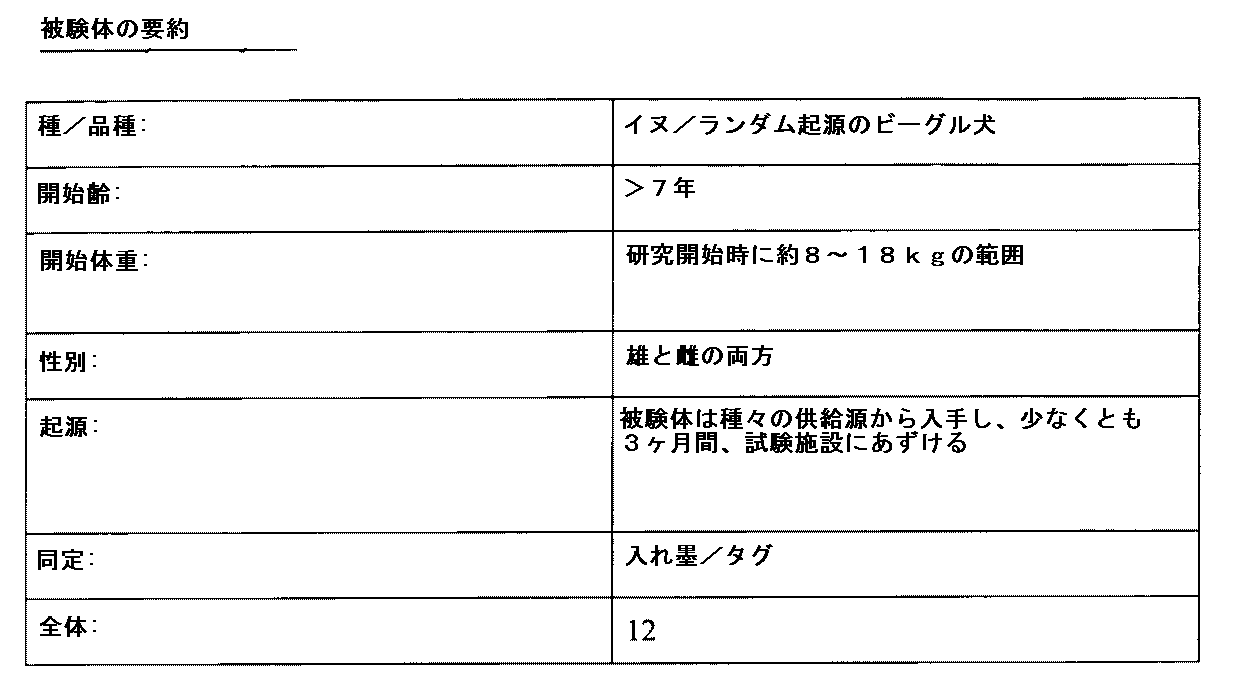
ここで、R1は低級アルキルまたはアラルキルから選択され;R2は水素、アラルキル、または置換ヘテロアラルキルから選択され;そしてR3は、水素、低級アルキル、またはハロから選択される。上記の実施形態のいずれかにおいて、アラルキルはPhCH2−であり、そして置換ヘテロアラルキルは6−CH3−3−Py−(CH2)2−である。上記の実施形態のいずれかにおいて、R1はCH3−、CH3CH2−、またはPhCH2−から選択され;R2はH−、PhCH2−、または6−CH3−3−Py−(CH2)2−から選択され;そしてR3はH−、CH3−、またはBr−から選択される。上記の実施形態のいずれかにおいて、水素化ピリド[4,3−b]インドールは、シス(±)2,8−ジメチル−2,3,4,4a,5,9b−ヘキサヒドロ−1H−ピリド[4,3−b]インドール;2−エチル−2,3,4,5−テトラヒドロ−1H−ピリド[4,3−b]インドール;2−ベンジル−2,3,4,5−テトラヒドロ−1H−ピリド[4,3−b]インドール;2,8−ジメチル−5−ベンジル−2,3,4,5−テトラヒドロ−1H−ピリド[4,3−b]インドール;2−メチル−5−(2−メチル−3−ピリジル)エチル−2,3,4,5−テトラヒドロ−1H−ピリド[4,3−b]インドール;2,8−ジメチル−5−(2−(6−メチル−3−ピリジル)エチル)−2,3,4,5−テトラヒドロ−1H−ピリド[4,3−b]インドール;2−メチル−2,3,4,5−テトラヒドロ−1H−ピリド[4,3−b]インドール;2,8−ジメチル−2,3,4,5−テトラヒドロ−1H−ピリド[4,3−b]インドール;2−メチル−8−ブロモ−2,3,4,5−テトラヒドロ−1H−ピリド[4,3−b]インドールからなる群より選択される。上記の実施形態のいずれかにおいて、水素化ピリド[4,3−b]インドールは2,8−ジメチル−5−(2−(6−メチル−3−ピリジル)エチル)−2,3,4,5−テトラヒドロ−1H−ピリド[4,3−b]インドールである。上記の実施形態のいずれかにおいて、薬学的に許容される塩は、薬学的に許容される酸性塩である。上記の実施形態のいずれかにおいて、薬学的に許容される塩は塩酸塩である。上記の実施形態のいずれかにおいて、水素化ピリド[4,3−b]インドールは、2,8−ジメチル−5−(2−(6−メチル−3−ピリジル)エチル)−2,3,4,5−テトラヒドロ−1H−ピリド[4,3−b]インドール二塩酸塩である。
Wherein R 1 is selected from lower alkyl or aralkyl; R 2 is selected from hydrogen, aralkyl, or substituted heteroaralkyl; and R 3 is selected from hydrogen, lower alkyl, or halo. In any of the above embodiments, aralkyl PhCH 2 - a and, and substituted heteroaralkyl is 6-CH 3 -3-Py- ( CH 2) 2 - is. In any of the above embodiments, R 1 is CH 3 -, CH 3 CH 2 -, or PhCH 2 - is selected from; R 2 is H-, PhCH 2 -, or 6-CH 3 -3-Py- (CH 2 ) 2 — is selected; and R 3 is selected from H—, CH 3 —, or Br—. In any of the above embodiments, the hydrogenated pyrido [4,3-b] indole is cis (±) 2,8-dimethyl-2,3,4,4a, 5,9b-hexahydro-1H-pyrido [ 4,3-b] indole; 2-ethyl-2,3,4,5-tetrahydro-1H-pyrido [4,3-b] indole; 2-benzyl-2,3,4,5-tetrahydro-1H- Pyrido [4,3-b] indole; 2,8-dimethyl-5-benzyl-2,3,4,5-tetrahydro-1H-pyrido [4,3-b] indole; 2-methyl-5- (2 -Methyl-3-pyridyl) ethyl-2,3,4,5-tetrahydro-1H-pyrido [4,3-b] indole; 2,8-dimethyl-5- (2- (6-methyl-3-pyridyl) ) Ethyl) -2,3,4,5-tetrahydro-1H- Lido [4,3-b] indole; 2-methyl-2,3,4,5-tetrahydro-1H-pyrido [4,3-b] indole; 2,8-dimethyl-2,3,4,5- Tetrahydro-1H-pyrido [4,3-b] indole; selected from the group consisting of 2-methyl-8-bromo-2,3,4,5-tetrahydro-1H-pyrido [4,3-b] indole . In any of the above embodiments, the hydrogenated pyrido [4,3-b] indole is 2,8-dimethyl-5- (2- (6-methyl-3-pyridyl) ethyl) -2,3,4, 5-tetrahydro-1H-pyrido [4,3-b] indole. In any of the above embodiments, the pharmaceutically acceptable salt is a pharmaceutically acceptable acid salt. In any of the above embodiments, the pharmaceutically acceptable salt is a hydrochloride salt. In any of the above embodiments, the hydrogenated pyrido [4,3-b] indole is 2,8-dimethyl-5- (2- (6-methyl-3-pyridyl) ethyl) -2,3,4. , 5-tetrahydro-1H-pyrido [4,3-b] indole dihydrochloride.
上記の実施形態のいずれかにおいて、R1はCH3−であり、R2はHであり、そしてR3はCH3−である。上記の実施形態のいずれかにおいて、R1はCH3CH2−またはPhCH2−であり、R2はH−であり、そしてR3はCH3−である。上記の実施形態のいずれかにおいて、R1はCH3−であり、R2はPhCH2−であり、そしてR3はCH3−である。上記の実施形態のいずれかにおいて、R1はCH3−であり、R2は6−CH3−3−Py−(CH2)2−であり、そしてR3はH−である。上記の実施形態のいずれかにおいて、R2は6−CH3−3−Py−(CH2)2−である。上記の実施形態のいずれかにおいて、R1はCH3−であり、R2はH−であり、そしてR3はH−またはCH3−である。上記の実施形態のいずれかにおいて、R1はCH3−であり、R2はH−であり、そしてR3はBr−である。上記の実施形態のいずれかにおいて、成長因子には、VEGF、IGF−1,FGF、NGF、BDNF、GCS−F、GMCS−F、または上記の2つ以上の任意の組み合わせが含まれる。 In any of the above embodiments, R 1 is CH 3 —, R 2 is H, and R 3 is CH 3 —. In any of the above embodiments, R 1 is CH 3 CH 2 — or PhCH 2 —, R 2 is H—, and R 3 is CH 3 —. In any of the above embodiments, R 1 is CH 3 —, R 2 is PhCH 2 —, and R 3 is CH 3 —. In any of the above embodiments, R 1 is CH 3 - and is, R 2 is 6-CH 3 -3-Py- ( CH 2) 2 - a is and R 3 is H-. In any of the above embodiments, R 2 is 6-CH 3 -3-Py- ( CH 2) 2 - is. In any of the above embodiments, R 1 is CH 3 —, R 2 is H—, and R 3 is H— or CH 3 —. In any of the above embodiments, R 1 is CH 3 —, R 2 is H—, and R 3 is Br—. In any of the above embodiments, the growth factor includes VEGF, IGF-1, FGF, NGF, BDNF, GCS-F, GMCS-F, or any combination of two or more of the above.
上記の実施形態のいずれかにおいて、疾患または適応症は、神経系の適応症または非神経系の適応症、例えば、アルツハイマー病、加齢と関連する認知障害、加齢関連脱毛、加齢関連体重減少、加齢関連視覚障害、ハンチントン病、統合失調症、イヌ認知障害症候群(CCDS)、筋萎縮性側索硬化症(ALS)、パーキンソン病、レヴィー小体認知症、メンケス病、ウィルソン病、クロイツフェルト・ヤコブ病、ファール病、脳循環を含む急性もしくは慢性の障害、例えば、脳卒中もしくは脳内出血発作、加齢関連記憶障害(AAMI)、軽度認知障害(MCI)、傷害関連軽度認知障害(MCI)、戦傷から生じる傷害関連軽度認知障害(MCI)、脳震盪後症候群、およびアジュバント化学療法、神経細胞死媒介性眼疾患、黄斑変性、加齢関連黄斑変性、自閉症スペクトラム障害を含む自閉症、アスペルガー症候群、およびレット症候群、剥離損傷、脊髄損傷、重症筋無力症、ギラン・バレー症候群、多発性硬化症、糖尿病性神経障害、線維筋痛、脊髄損傷と関連する神経障害、心臓病、糖尿病、食欲不振、AIDSもしくは化学療法関連の消耗、血管損傷、腸損傷、軟骨損傷、骨関節炎、細菌感染、ウイルス感染、第一度、第二度、もしくは第三度の熱傷、単純骨折、複雑骨折、疲労骨折、もしくは圧迫骨折、または裂傷である。 In any of the above embodiments, the disease or indication is a neurological indication or a non-neural indication, such as Alzheimer's disease, age-related cognitive impairment, age-related hair loss, age-related weight Decrease, age-related visual impairment, Huntington's disease, schizophrenia, canine cognitive impairment syndrome (CCDS), amyotrophic lateral sclerosis (ALS), Parkinson's disease, Lewy body dementia, Menkes disease, Wilson's disease, Creutz Felt-Jakob disease, Farle disease, acute or chronic disorders including cerebral circulation, eg stroke or intracerebral hemorrhagic attack, age-related memory impairment (AAMI), mild cognitive impairment (MCI), injury-related mild cognitive impairment (MCI) Injury-related mild cognitive impairment (MCI) resulting from war injury, post-concussion syndrome, and adjuvant chemotherapy, neuronal cell death-mediated eye disease, macular degeneration, Age-related macular degeneration, autism including autism spectrum disorder, Asperger syndrome, and Rett syndrome, peeling injury, spinal cord injury, myasthenia gravis, Guillain-Barre syndrome, multiple sclerosis, diabetic neuropathy, fiber Myalgia, neuropathy associated with spinal cord injury, heart disease, diabetes, loss of appetite, AIDS or chemotherapy related exhaustion, vascular injury, intestinal injury, cartilage injury, osteoarthritis, bacterial infection, viral infection, 1st, 1st Second or third degree burns, simple fractures, complex fractures, fatigue fractures or compression fractures, or lacerations.
上記の実施形態のいずれかにおいて、疾患または状態は、神経系の適応症、例えば、アルツハイマー病、加齢と関連する認知障害、加齢関連脱毛、加齢関連体重減少、加齢関連視覚障害、ハンチントン病、統合失調症、イヌ認知障害症候群(CCDS)、筋萎縮性側索硬化症(ALS)、パーキンソン病、レヴィー小体認知症、メンケス病、ウィルソン病、クロイツフェルト・ヤコブ病、ファール病、脳循環を含む急性もしくは慢性の障害、例えば、脳卒中もしくは脳内出血発作、加齢関連記憶障害(AAMI)、軽度認知障害(MCI)、傷害関連軽度認知障害(MCI)、戦傷から生じる傷害関連軽度認知障害(MCI)、脳震盪後症候群、およびアジュバント化学療法、神経細胞死媒介性眼疾患、黄斑変性、加齢関連黄斑変性、自閉症スペクトラム障害を含む自閉症、アスペルガー症候群、およびレット症候群、剥離損傷、脊髄損傷、重症筋無力症、ギラン・バレー症候群、多発性硬化症、糖尿病性神経障害、線維筋痛、または脊髄損傷と関連する神経障害である。 In any of the above embodiments, the disease or condition is a neurological indication, such as Alzheimer's disease, age-related cognitive impairment, age-related hair loss, age-related weight loss, age-related visual impairment, Huntington's disease, schizophrenia, canine cognitive impairment syndrome (CCDS), amyotrophic lateral sclerosis (ALS), Parkinson's disease, Lewy body dementia, Menkes disease, Wilson's disease, Creutzfeldt-Jakob disease, Farle's disease, Acute or chronic disorders including cerebral circulation, eg stroke or intracerebral hemorrhage attack, age-related memory impairment (AAMI), mild cognitive impairment (MCI), injury-related mild cognitive impairment (MCI), injury-related mild cognition resulting from war injury Disorder (MCI), post-concussion syndrome, and adjuvant chemotherapy, neuronal death-mediated eye disease, macular degeneration, age-related macular degeneration, autism Associated with autism, including Pectrum disorder, Asperger syndrome, and Rett syndrome, exfoliation injury, spinal cord injury, myasthenia gravis, Guillain-Barre syndrome, multiple sclerosis, diabetic neuropathy, fibromyalgia, or spinal cord injury It is a neurological disorder.
上記の局面または実施形態のいずれかにおいて、疾患または状態は、神経系の適応症、例えば、アルツハイマー病、加齢と関連する認知障害、加齢関連脱毛、加齢関連体重減少、加齢関連視覚障害、ハンチントン病、統合失調症、イヌ認知障害症候群(CCDS)、筋萎縮性側索硬化症(ALS)、パーキンソン病、レヴィー小体認知症、メンケス病、ウィルソン病、クロイツフェルト・ヤコブ病、ファール病、脳循環を含む急性もしくは慢性の障害、例えば、脳卒中もしくは脳内出血発作、加齢関連記憶障害(AAMI)、または軽度認知障害(MCI)である。上記の局面または実施形態のいずれかにおいて、疾患または状態はアルツハイマー病ではない。上記の局面または実施形態のいずれかにおいて、疾患または状態は筋萎縮性側索硬化症(ALS)ではない。上記の局面または実施形態のいずれかにおいて、疾患または状態は、アルツハイマー病でもなく、筋萎縮性側索硬化症(ALS)でもない。上記の局面または実施形態のいずれかにおいて、疾患または状態はハンチントン病ではない。上記の局面または実施形態のいずれかにおいて、疾患または状態は統合失調症ではない。上記の局面または実施形態のいずれかにおいて、疾患または状態はMCIではない。1つのバリエーションにおいて、個体は、アルツハイマー病、ハンチントン病、筋萎縮性側索硬化症、または統合失調症であると診断されていないか、またはこれを発症するリスクがあるとは見なされていないヒトである。1つのバリエーションにおいて、個体は、加齢に伴う認知障害を有さないか、または加齢プロセスと関連する生命を脅かす症状(例えば、失明(白内障)、皮膚毛髪外皮の劣化(脱毛症)、または筋肉および脂肪細胞の死滅に起因する加齢関連の体重減少)もしくはこれらの組み合わせを有さないヒトである。上記の局面または実施形態のいずれかにおいて、疾患または状態は、神経系の適応症、例えば、傷害関連軽度認知障害(MCI)、戦傷から生じる傷害関連軽度認知障害(MCI)、脳震盪後症候群、およびアジュバント化学療法、神経細胞死媒介性眼疾患、黄斑変性、加齢関連黄斑変性、自閉症スペクトラム障害を含む自閉症、アスペルガー症候群、およびレット症候群、剥離損傷、脊髄損傷、重症筋無力症、ギラン・バレー症候群、多発性硬化症、糖尿病性神経障害、線維筋痛、または脊髄損傷と関連する神経障害である。上記の局面または実施形態のいずれかにおいて、疾患または状態は、非神経系の適応症、例えば、心臓病、糖尿病、食欲不振、AIDSもしくは化学療法関連の消耗、血管損傷、腸損傷、軟骨損傷、骨関節炎、細菌感染、ウイルス感染、第一度、第二度、もしくは第三度の熱傷、単純骨折、複雑骨折、疲労骨折、もしくは圧迫骨折、または裂傷である。 In any of the above aspects or embodiments, the disease or condition is a neurological indication such as Alzheimer's disease, age-related cognitive impairment, age-related hair loss, age-related weight loss, age-related vision. Disorder, Huntington's disease, schizophrenia, canine cognitive impairment syndrome (CCDS), amyotrophic lateral sclerosis (ALS), Parkinson's disease, Lewy body dementia, Menkes disease, Wilson's disease, Creutzfeldt-Jakob disease, Foul Diseases, acute or chronic disorders including cerebral circulation, such as stroke or intracerebral hemorrhagic attack, age-related memory impairment (AAMI), or mild cognitive impairment (MCI). In any of the above aspects or embodiments, the disease or condition is not Alzheimer's disease. In any of the above aspects or embodiments, the disease or condition is not amyotrophic lateral sclerosis (ALS). In any of the above aspects or embodiments, the disease or condition is not Alzheimer's disease or amyotrophic lateral sclerosis (ALS). In any of the above aspects or embodiments, the disease or condition is not Huntington's disease. In any of the above aspects or embodiments, the disease or condition is not schizophrenia. In any of the above aspects or embodiments, the disease or condition is not MCI. In one variation, the individual is a human who has not been diagnosed with or is not at risk of developing Alzheimer's disease, Huntington's disease, amyotrophic lateral sclerosis, or schizophrenia It is. In one variation, the individual has no cognitive impairment associated with aging, or a life-threatening symptom associated with the aging process (eg, blindness (cataract), deterioration of the skin hair coat (alopecia), or Age-related weight loss due to muscle and fat cell death) or a combination thereof. In any of the above aspects or embodiments, the disease or condition is a neurological indication, such as injury-related mild cognitive impairment (MCI), injury-related mild cognitive impairment resulting from war injury (MCI), post-concussion syndrome, and Adjuvant chemotherapy, neuronal cell death-mediated eye disease, macular degeneration, age-related macular degeneration, autism including autism spectrum disorder, Asperger syndrome, and Rett syndrome, exfoliation injury, spinal cord injury, myasthenia gravis Neuropathy associated with Guillain-Barre syndrome, multiple sclerosis, diabetic neuropathy, fibromyalgia, or spinal cord injury. In any of the above aspects or embodiments, the disease or condition is a non-neurological indication, such as heart disease, diabetes, anorexia, AIDS or chemotherapy related exhaustion, vascular injury, intestinal injury, cartilage injury, Osteoarthritis, bacterial infection, viral infection, first, second or third degree burn, simple fracture, complex fracture, fatigue fracture or compression fracture, or laceration.
例示的な状態
1種以上の細胞型の活性化、分化、および/または増殖が有益である任意の疾患または状態は、本発明の方法を使用して、予防、治療、阻害、および/または遅延することができる。本明細書に記載される疾患または状態と関連する細胞死(例えば、神経細胞死または非神経細胞死)を阻害する方法もまた本発明の範囲内にある。別の実施形態において、本発明は、疾患または状態と関連する変異遺伝子または異常な遺伝子(例えば、治療される疾患または状態がアルツハイマー病である場合、アルツハイマー病と関連するAPP変異、プレセニリン変異、および/またはApoE4対立遺伝子)を有する個体における疾患または状態の発症および/または発生の予防または遅延のための方法を提供する。別の実施形態において、本発明は、疾患または状態と診断された個体における疾患または状態の進行を遅延させる方法を提供する。別の実施形態において、本発明は、疾患または状態を発症するリスクがある個体(例えば、治療される疾患または状態がアルツハイマー病である場合、アルツハイマー病と関連するAPP変異、プレセニリン変異、および/またはApoE4対立遺伝子を有する個体)において、疾患または状態の発症および/または発生を予防または遅延させる方法を提供する。
Exemplary Conditions Any disease or condition in which activation, differentiation, and / or proliferation of one or more cell types is beneficial can be prevented, treated, inhibited, and / or delayed using the methods of the invention. can do. Also within the scope of the invention are methods of inhibiting cell death (eg, neuronal cell death or non-neuronal cell death) associated with the diseases or conditions described herein. In another embodiment, the invention provides a mutated or abnormal gene associated with a disease or condition (e.g., APP disease, presenilin mutation associated with Alzheimer's disease, if the disease or condition being treated is Alzheimer's disease, and (Or ApoE4 allele) provides a method for the onset and / or prevention or delay of the development of a disease or condition in an individual. In another embodiment, the present invention provides a method of delaying the progression of a disease or condition in an individual diagnosed with the disease or condition. In another embodiment, the invention provides for an individual at risk of developing a disease or condition (eg, if the disease or condition being treated is Alzheimer's disease, APP mutations associated with Alzheimer's disease, presenilin mutations, and / or Provided are methods for preventing or delaying the onset and / or development of a disease or condition in an individual having an ApoE4 allele.
疾患もしくは状態の治療、予防、その発症の遅延、および/またはその発生の遅延のため、またはさもなくば疾患もしくは状態に関連する個体に本発明の化合物の投与に関連する、本明細書に記載されるいずれかの方法は、単独療法として(例えば、治療化合物またはその薬学的に許容される塩を投与する)または組み合わせ治療として(例えば、治療化合物ならびに成長因子および/または抗細胞死化合物および/または本明細書に記載されるようにインキュベートした細胞)、本発明の化合物を個体に投与する工程を包含してもよい。種々の実施形態において、この方法は、以下のいずれかの有効量を個体に投与する工程を包含する:(1)治療化合物もしくはその薬学的に許容される塩;(2)(i)治療化合物もしくはその薬学的に許容される塩、ならびに(ii)成長因子および/または抗細胞死化合物の組み合わせ、(3)治療化合物もしくはその薬学的に許容される塩とともにインキュベートした細胞、(4)(i)治療化合物もしくはその薬学的に許容される塩、および(ii)治療化合物もしくはその薬学的に許容される塩とともにインキュベートした細胞の組み合わせ、(5)(i)治療化合物もしくはその薬学的に許容される塩、(ii)治療化合物もしくはその薬学的に許容される塩とともにインキュベートした細胞、ならびに(iii)成長因子および/または抗細胞死化合物の組み合わせ、(6)(i)治療化合物もしくはその薬学的に許容される塩、および(ii)細胞(治療化合物もしくはその薬学的に許容される塩とともにインキュベートしていない細胞など)の組み合わせ、または(7)(i)治療化合物もしくはその薬学的に許容される塩、(ii)細胞(治療化合物もしくはその薬学的に許容される塩とともにインキュベートしていない細胞など)、および(iii)成長因子および/または抗細胞死化合物の組み合わせ。 Described herein for the treatment, prevention, delay of its onset, and / or delay of its occurrence or otherwise related to administration of a compound of the present invention to an individual associated with the disease or condition. Any of the methods described may be performed as monotherapy (eg, administering a therapeutic compound or a pharmaceutically acceptable salt thereof) or as combination therapy (eg, therapeutic compound and growth factor and / or anti-cell death compound and / or Or cells incubated as described herein), may include administering a compound of the invention to an individual. In various embodiments, the method includes the step of administering to the individual an effective amount of any of the following: (1) a therapeutic compound or a pharmaceutically acceptable salt thereof; (2) (i) a therapeutic compound. Or a pharmaceutically acceptable salt thereof, and (ii) a combination of growth factors and / or anti-death compounds, (3) a cell incubated with a therapeutic compound or a pharmaceutically acceptable salt thereof, (4) (i ) A therapeutic compound or a pharmaceutically acceptable salt thereof; and (ii) a combination of cells incubated with the therapeutic compound or a pharmaceutically acceptable salt thereof; (5) (i) a therapeutic compound or a pharmaceutically acceptable salt thereof; (Ii) cells incubated with a therapeutic compound or a pharmaceutically acceptable salt thereof, and (iii) growth factors and And / or combinations of anti-cell death compounds, (6) (i) therapeutic compounds or pharmaceutically acceptable salts thereof, and (ii) cells (cells not incubated with therapeutic compounds or pharmaceutically acceptable salts thereof) Or a combination of (7) (i) a therapeutic compound or a pharmaceutically acceptable salt thereof, (ii) a cell (such as a cell that has not been incubated with the therapeutic compound or a pharmaceutically acceptable salt thereof), and (Iii) A combination of growth factors and / or anti-cell death compounds.
本発明の方法を使用して予防、治療、阻害、および/または遅延され得る例示的な状態には以下が含まれる:アルツハイマー病;ハンチントン病;光受容体細胞の死を含むかまたは網膜細胞を含むかまたはアポトーシスによる神経細胞死を含む神経細胞死媒介性眼疾患を含む、神経細胞死媒介性眼疾患(黄斑変性(乾燥型黄斑変性またはシュタルガルト黄斑変性)(STGD))、緑内障、網膜色素変性症、先天性定常夜盲症(Oguchi病)、幼児期発症重度網膜ジストロフィー、レーバー先天性黒内障、バルデー・ビードル症候群、アッシャー症候群、視神経症由来の失明、レーバー遺伝性視神経萎縮、色覚異常、およびハンセン・ラーソン・ベルク症候群);筋萎縮性側索硬化症(ALS);パーキンソン病;レヴィー小体認知症;メンケス病;ウィルソン病;クロイツフェルト・ヤコブ病;ファール病;統合失調症;イヌ認知障害症候群;脳循環を含む急性もしくは慢性の障害、例えば、脳卒中もしくは脳内出血発作(本発明がそのために使用されてもよい適応症の例には、脳卒中、脳血流の減少(虚血)、および脳循環障害または脳出血発作、例えば、頭部波の外傷を含む外傷の際に起こり得るものが含まれる)。この方法は、脳循環および/または虚血性もしくは出血性発作の急性または慢性の機能不全と関連する神経学的な欠乏に起因する能力障害の重篤度を軽減する方法である。脳循環および/または虚血性もしくは出血性発作の急性不全に起因する神経細胞死に罹患した個体の認知機能を増強する方法もまた包含される。1つのバリエーションにおいて、この方法は、脳循環および/または虚血性もしくは出血性発作の急性不全;加齢関連記憶障害(AAMI)、軽度認知障害(MCI)、傷害関連軽度認知障害(MCI)、戦傷から生じる傷害関連軽度認知障害(MCI)、脳震盪後症候群、およびアジュバント化学療法を経験しているかまたは経験した個体における、動脈開存性(組織アクチベーター)の悪化の回復もしくは予防、ならびに/または血栓形成の発生もしくは悪化の予防(線維素溶解剤、抗凝固剤、凝集抑制剤)、ならびに/または生きている神経細胞の死の発症および/または進行の予防もしくは遅延を含み;例えば、皮膚・毛髪外皮の障害(例えば、禿または脱毛症)、視覚障害(例えば、白内障の発症)、および体重減少(筋肉および/または脂肪細胞の死に起因する体重減少を含む)を含むがこれらに限定されない、加齢に付随する、もしくは加齢に関連する徴候および/または病理もしくは状態の発症を遅延させるかまたはその進行を遅延させることによる、個体における老化の遅延を含む。例示的な疾患または状態には、他の神経系の適応症、例えば、自閉症スペクトラム障害を含む自閉症、アスペルガー症候群、およびレット症候群、剥離損傷または脊髄損傷から生じる神経損傷、重症筋無力症、ギラン・バレー症候群、多発性硬化症、糖尿病性神経障害、線維筋痛、herpes zosterと関連する神経障害、脊髄損傷と関連する神経障害である。例示的な疾患または状態には、多数の非神経系の適応症、例えば、心臓病、糖尿病、食欲不振、AIDSもしくは化学療法関連の消耗、血管損傷、腸損傷、軟骨損傷、骨関節炎、細菌感染、ウイルス感染、第一度、第二度、もしくは第三度の熱傷、単純骨折、複雑骨折、疲労骨折、もしくは圧迫骨折、または裂傷もまた含まれる。例示的な状態には、以下に記載されている疾患または状態のいずれかがさらに含まれる:米国特許第7,071,206号(「Agents for Treating Neurodegenerative Disorders」米国特許出願第11/004,001号、2004年12月2日出願);米国特許出願第11/644,698(「Methods and Compositions for Slowing Aging」2006年12月22日);米国特許出願第11/543,529号および第11/543,341号(「Methods and Compositions for Treating Huntington’s Disease」2006年10月4日出願);米国特許出願第11/698,318号(「Methods and Compositions for Treating Schizophrenia」2007年1月25日出願);PCT出願第PCT/US07/20483(2007年9月20日出願)(「Hydrogenated pyrido[4,3−b]indoles such as Dimebon for Treating Canine Cognitive Dysfunction Syndrome」);米国仮出願第60/846,184号(2006年9月20日出願)、PCT出願第PCT/US07/20516号(2007年9月20日出願)(「Methods and Compositions for Treating Amyotrophic Lateral Sclerosis」);ならびにPCT出願第PCT/US07/22645号(2008年10月26日出願)(「Methods and Combination Therapies for Treating Alzheimer’s Disease」)、これらは、それらの全体が、特に、疾患および状態に関して、参照により本明細書に援用される。 Exemplary conditions that can be prevented, treated, inhibited, and / or delayed using the methods of the present invention include: Alzheimer's disease; Huntington's disease; including photoreceptor cell death or retinal cells. Neuronal cell death-mediated eye diseases (macular degeneration (dry macular degeneration or Stargardt macular degeneration) (STGD)), including neuronal cell death-mediated eye diseases including or including neuronal cell death due to apoptosis, glaucoma, retinal pigment degeneration , Congenital stationary night blindness (Oguchi's disease), early childhood-onset severe retinal dystrophy, Leber's congenital cataract, Barde-Biddle syndrome, Usher syndrome, blindness from optic neuropathy, Leber's hereditary optic atrophy, color blindness, and Hansen Larson Berg syndrome); amyotrophic lateral sclerosis (ALS); Parkinson's disease; Lewy body dementia; Wilkes disease; Creutzfeldt-Jakob disease; Farle disease; Schizophrenia; Canine cognitive impairment syndrome; Acute or chronic disorders, including cerebral circulation, such as stroke or intracerebral hemorrhagic stroke (the invention is used for that purpose) Examples of good indications include strokes, decreased cerebral blood flow (ischemia), and cerebral circulatory disturbances or cerebral hemorrhage attacks, such as those that can occur during trauma including head wave trauma). This method is a method to reduce the severity of disability due to neurological deficits associated with cerebral circulation and / or acute or chronic dysfunction of ischemic or hemorrhagic stroke. Also encompassed are methods of enhancing cognitive function in individuals suffering from neuronal cell death due to cerebral circulation and / or acute failure of ischemic or hemorrhagic stroke. In one variation, the method comprises acute failure of cerebral circulation and / or ischemic or hemorrhagic stroke; age-related memory impairment (AAMI), mild cognitive impairment (MCI), injury-related mild cognitive impairment (MCI), war injury Injury-related mild cognitive impairment (MCI), post-concussion syndrome, and recovery or prevention of deterioration of arterial patency (tissue activator) and / or thrombus in individuals experiencing or experiencing adjuvant chemotherapy Prevention of the occurrence or worsening of formation (fibrinolytics, anticoagulants, aggregation inhibitors) and / or prevention or delay of the onset and / or progression of living nerve cell death; Outer skin disorders (eg, wrinkles or alopecia), visual impairment (eg, cataract development), and weight loss (muscles and Including, but not limited to, weight loss due to fat cell death), delaying or delaying the onset of signs and / or pathologies or conditions associated with or associated with aging Including delaying aging in the individual. Exemplary diseases or conditions include other nervous system indications such as autism, including autism spectrum disorders, Asperger syndrome, and Rett syndrome, nerve damage resulting from peeling or spinal cord injury, myasthenia gravis Disease, Guillain-Barre syndrome, multiple sclerosis, diabetic neuropathy, fibromyalgia, neuropathy associated with herpes zoster, neuropathy associated with spinal cord injury. Exemplary diseases or conditions include a number of non-neurological indications such as heart disease, diabetes, anorexia, AIDS or chemotherapy related exhaustion, vascular injury, intestinal injury, cartilage injury, osteoarthritis, bacterial infection Also included are viral infections, first, second, or third degree burns, simple fractures, complex fractures, fatigue fractures, or compression fractures, or lacerations. Exemplary conditions further include any of the diseases or conditions described below: U.S. Patent No. 7,071,206 ("Agents for Training Neurodegenerative Disorders" U.S. Patent Application No. 11 / 004,001). No. 11, filed Dec. 2, 2004); U.S. Patent Application No. 11 / 644,698 ("Methods and Compositions for Slowing Aging", Dec. 22, 2006); U.S. Patent Application Nos. 11 / 543,529 and 11 No. 543,341 ("Methods and Compositions for Treating Huntington's Disease" filed Oct. 4, 2006); U.S. Patent Application No. 11 / 698,318 ("Methods and Compositions for Treating Schizophrenia" filed January 25, 2007); PCT Application No. PCT / US07 / 20483 (filed September 20, 2007) ("Hydrogenated pyrido [4,3-b] indones for Treating Canine Cognitive Dysfunction Syndrome ”); US Provisional Application No. 60 / 846,184 (filed September 20, 2006), PCT Application No. PCT / US07 / 20516 (filed September 20, 2007) (“ Methods ”) and Compositions for Training Amyotropic Lateral Scrollo PCT Application No. PCT / US07 / 22645 (filed October 26, 2008) ("Methods and Combination Therapies for Treating Alzheimer's Disease"), which is particularly relevant to diseases and diseases. Regarding the status, it is incorporated herein by reference.
神経系の適応症における使用のための方法
ある実施形態において、本明細書の方法は、神経系の状態の治療、その予防、その発症の遅延、および/またはその発生の遅延のために使用される。神経変性障害などの神経学的状態の治療のために、神経細胞死を阻害し、神経の表現型を維持し、神経の損傷を修復し、神経細胞の増殖を促進し、神経細胞の分化を促進し、神経細胞の活性化(例えば、神経突起伸長)を促進し、または上記の任意の2つ以上である組成物が望ましい。神経栄養因子および対応する受容体の損傷誘導性の発現は、神経再生の能力において重要な役割を果たし得る。GDNF(Hiwasaら、Neurosci.Letts.238:115−118,1997;Nakajimaら、Brain Res.916:76−84、2001)、BDNF、およびNGF(Wozniak、1993)などのニュートロフィンは、ドーパミン作動性ニューロンの生存および機能をインビトロで維持し、ならびに神経突起の数および長さとして測定される神経突起伸長を増加することが示されてきた(Hiwasaら、Neurosci.Letts.238:115−118、1997;Nakajimaら、Brain Res.916:76−84、2001;Wozniak、Folia Morphol(Warsz).1993;52(4):173−81)。神経突起伸長は、神経成長因子、神経伝達物質、および電気活動によって刺激されるプロセスである。このプロセスは、D2ドーパミンおよび皮質ニューロン、セロトニン−1B受容体および視床ニューロン、Neuro2A細胞におけるCB1カンナビノイド受容体、種々の神経細胞における神経栄養因子(CNTF)、ニューロトロフィン−3、およびFGF(酸性/塩基性)などのGタンパク質共役受容体のリガンド依存性活性化を含む。
Methods for Use in Nervous System Indications In certain embodiments, the methods herein are used for treatment of a condition of the nervous system, its prevention, delay of its onset, and / or delay of its occurrence. The For the treatment of neurological conditions such as neurodegenerative disorders, inhibits neuronal cell death, maintains neuronal phenotype, repairs neuronal damage, promotes neuronal proliferation, promotes neuronal differentiation Compositions that promote, promote neuronal activation (eg, neurite outgrowth), or any two or more of the above are desirable. Damage-induced expression of neurotrophic factors and corresponding receptors can play an important role in the ability of nerve regeneration. Neutrophins such as GDNF (Hiwasa et al., Neurosci. Letts. 238: 115-118, 1997; Nakajima et al., Brain Res. 916: 76-84, 2001), BDNF, and NGF (Wozniak, 1993) are dopaminergic. It has been shown to maintain neuronal survival and function in vitro and to increase neurite outgrowth measured as neurite number and length (Hiwasa et al., Neurosci. Letts. 238: 115-118, 1997). Nakajima et al., Brain Res. 916: 76-84, 2001; Wozniak, Folia Morpol (Warsz). 1993; 52 (4): 173-81). Neurite outgrowth is a process stimulated by nerve growth factors, neurotransmitters, and electrical activity. This process involves D2 dopamine and cortical neurons, serotonin-1B and thalamic neurons, CB1 cannabinoid receptors in Neuro2A cells, neurotrophic factor (CNTF) in various neurons, neurotrophin-3, and FGF (acidic / Ligand-dependent activation of G protein-coupled receptors such as (basic).
加えて、いくつかの知見は、神経発生が脳における天然の修復経路であることを示している(Crespelら、Rev.Neurol.(Paris).2004、160(12):1150−8)。海馬神経発生は、認知能力に直接的に寄与するようであり、このことは、神経発生の阻害が記憶障害を引き起こすという知見によって支持されている(Shorsら、Nature、2001、410(6826):372−6.Nature 2001 414(6866):938にて訂正)。さらに、認知訓練は、この領域における新たな神経細胞の形成を増加させる(Gomez−Pinillaら、Brain Res.2001 Jun 15;904(l):13−9)。この現象は、身体的運動(Van Praagら、Proc.Nat’l Acad.Sci USA 1999、96(23):13427−31)、成長因子、またはリチウム、バルプロエート、もしくは抗うつ剤(Bauerら、2003)などの他の化合物の適用によってもまた誘導され得る。
In addition, some findings indicate that neurogenesis is a natural repair pathway in the brain (Crespel et al., Rev. Neurol. (Paris). 2004, 160 (12): 1150-8). Hippocampal neurogenesis appears to contribute directly to cognitive ability, which is supported by the finding that inhibition of neurogenesis causes memory impairment (Shors et al., Nature, 2001, 410 (6826): 372-6, Nature 2001 414 (6866): 938). Furthermore, cognitive training increases the formation of new neurons in this area (Gomez-Pinilla et al., Brain Res. 2001
種々の方法、例えば、神経細胞の生存を延長し、および/または神経細胞の機能を増強し、および/または細胞死を阻害する方法が本明細書に記載され、これは、神経細胞死の量および/または程度の減少、または神経細胞死の発症の遅延を含んでもよい。これらの記載される方法はまた、神経細胞死と関連する適応症、例えば、本明細書により詳細に記載されている適応症および状態を含むがこれらに限定されない、神経変性疾患または他の適応症もしくは状態の治療、および/またはその予防、および/またはその発症の遅延、および/またはその発生の遅延のための方法において使用されてもよい。特定の徴候のために記載されるすべての方法を含む、本明細書に記載される任意の方法のために、1つのバリエーションにおいて、この方法は、以下の任意の有効量を固体に投与する工程を包含する:(1)治療化合物もしくはその薬学的に許容される塩;(2)(i)治療化合物もしくはその薬学的に許容される塩、ならびに(ii)成長因子および/または抗細胞死化合物の組み合わせ、(3)治療化合物もしくはその薬学的に許容される塩とともにインキュベートした細胞、(4)(i)治療化合物もしくはその薬学的に許容される塩、および(ii)治療化合物もしくはその薬学的に許容される塩とともにインキュベートした細胞の組み合わせ、(5)(i)治療化合物もしくはその薬学的に許容される塩、(ii)治療化合物もしくはその薬学的に許容される塩とともにインキュベートした細胞、ならびに(iii)成長因子および/または抗細胞死化合物の組み合わせ、(6)(i)治療化合物もしくはその薬学的に許容される塩、および(ii)細胞(治療化合物もしくはその薬学的に許容される塩とともにインキュベートしていない細胞など)の組み合わせ、または(7)(i)治療化合物もしくはその薬学的に許容される塩、(ii)細胞(治療化合物もしくはその薬学的に許容される塩とともにインキュベートしていない細胞など)、および(iii)成長因子および/または抗細胞死化合物の組み合わせ。 Various methods are described herein, for example, methods of prolonging neuronal cell survival and / or enhancing neuronal cell function and / or inhibiting cell death, which is an amount of neuronal cell death. And / or a reduction in the degree, or a delay in the onset of neuronal cell death. These described methods also include indications associated with neuronal cell death, eg, neurodegenerative diseases or other indications including, but not limited to, indications and conditions described in more detail herein. Alternatively, it may be used in a method for the treatment of a condition and / or its prevention and / or its onset delay and / or its onset delay. For any method described herein, including all methods described for a particular indication, in one variation, the method comprises administering any of the following effective amounts to a solid: (2) (i) a therapeutic compound or a pharmaceutically acceptable salt thereof, and (ii) a growth factor and / or an anti-cell death compound A combination of (3) a cell incubated with a therapeutic compound or a pharmaceutically acceptable salt thereof, (4) (i) a therapeutic compound or a pharmaceutically acceptable salt thereof, and (ii) a therapeutic compound or a pharmaceutically acceptable salt thereof (5) (i) a therapeutic compound or a pharmaceutically acceptable salt thereof, and (ii) a therapeutic compound. And (iii) a combination of growth factors and / or anti-death compounds, (6) (i) a therapeutic compound or a pharmaceutically acceptable salt thereof, and (iii) a cell incubated with a pharmaceutically acceptable salt thereof; ii) a combination of cells (such as cells not incubated with a therapeutic compound or a pharmaceutically acceptable salt thereof), or (7) (i) a therapeutic compound or a pharmaceutically acceptable salt thereof, (ii) a cell ( A combination of a growth factor and / or an anti-cell death compound), and the like, and
1つの局面において、本発明は、状態の治療、その予防、その発症の遅延、および/またはその発生の遅延のための方法を提供し、この方法は、水素化ピリド[4,3−b]インドールまたはその薬学的に許容される塩を含む第1の治療の有効量をその必要がある個体に投与する工程を包含し、ここで、個体は以下を有する:傷害関連軽度認知障害(MCI)、神経細胞死媒介性眼疾患、黄斑変性、自閉症、自閉症スペクトラム障害、アスペルガー症候群、レット症候群、剥離損傷、脊髄損傷、重症筋無力症、ギラン・バレー症候群、多発性硬化症、神経障害、および非神経系の適応症。特定の実施形態において、個体は、戦傷から生じる傷害関連軽度認知障害(MCI)、脳震盪後症候群、またはアジュバント化学療法を有する。1つの実施形態において、個体は、状態の治療、その予防、その発症の遅延、および/またはその発生の遅延のために1種以上の細胞型の活性化、分化、および/または増殖が有益である障害を有する。1つの実施形態において、本発明は、1種以上の細胞型の活性化、分化、および/または増殖が有益である状態を治療する方法を提供する。1つの実施形態において、本発明は、1種以上の細胞型の活性化、分化、および/または増殖が有益である状態を予防する方法を提供する。1つの実施形態において、本発明は、1種以上の細胞型の活性化、分化、および/または増殖が有益である状態の発症を遅延させる方法を提供する。1つの実施形態において、本発明は、1種以上の細胞型の活性化、分化、および/または増殖が有益である状態の発生を遅延させる方法を提供する。特定の実施形態において、水素化ピリド[4,3−b]インドールはディメボンである。特定の実施形態において、神経障害は、糖尿病性神経障害、線維筋痛、および脊髄損傷と関連する神経障害である。1つの実施形態において、神経障害は糖尿病性神経障害である。1つの実施形態において、神経障害は線維筋痛である。1つの実施形態において、神経障害は脊髄損傷と関連する神経障害である。特定の実施形態において、非神経系の適応症は、心臓病、糖尿病、食欲不振、AIDSもしくは化学療法関連の消耗、血管損傷、腸損傷、軟骨損傷、骨関節炎、細菌感染、ウイルス感染、第一度、第二度、もしくは第三度の熱傷、単純骨折、複雑骨折、疲労骨折、もしくは圧迫骨折、または裂傷である。 In one aspect, the present invention provides a method for the treatment of a condition, its prevention, delay of its onset, and / or delay of its occurrence, which method comprises hydrogenated pyrido [4,3-b]. Administering an effective amount of a first treatment comprising indole or a pharmaceutically acceptable salt thereof to an individual in need thereof, wherein the individual has: Injury-related mild cognitive impairment (MCI) , Neuronal death-mediated eye disease, macular degeneration, autism, autism spectrum disorder, Asperger syndrome, Rett syndrome, peeling injury, spinal cord injury, myasthenia gravis, Guillain-Barre syndrome, multiple sclerosis, nerve Disorders, and non-neurological indications. In certain embodiments, the individual has injury-related mild cognitive impairment (MCI) resulting from war injury, post-concussion syndrome, or adjuvant chemotherapy. In one embodiment, the individual is beneficial for activation, differentiation, and / or proliferation of one or more cell types for treatment of the condition, its prevention, delay of its onset, and / or delay of its occurrence. Have a disability. In one embodiment, the present invention provides a method of treating a condition in which activation, differentiation, and / or proliferation of one or more cell types is beneficial. In one embodiment, the present invention provides a method of preventing a condition in which activation, differentiation, and / or proliferation of one or more cell types is beneficial. In one embodiment, the present invention provides a method of delaying the onset of a condition in which activation, differentiation, and / or proliferation of one or more cell types is beneficial. In one embodiment, the present invention provides a method of delaying the development of a condition in which activation, differentiation, and / or proliferation of one or more cell types is beneficial. In certain embodiments, the hydrogenated pyrido [4,3-b] indole is dimebon. In certain embodiments, the neurological disorder is a neurological disorder associated with diabetic neuropathy, fibromyalgia, and spinal cord injury. In one embodiment, the neurological disorder is diabetic neuropathy. In one embodiment, the neurological disorder is fibromyalgia. In one embodiment, the neurological disorder is a neurological disorder associated with spinal cord injury. In certain embodiments, non-neurological indications are heart disease, diabetes, anorexia, AIDS or chemotherapy related exhaustion, vascular injury, bowel injury, cartilage injury, osteoarthritis, bacterial infection, viral infection, primary A second, third, or third degree burn, simple fracture, complex fracture, fatigue fracture, or compression fracture, or laceration.
1つの局面において、本発明は、1種以上の細胞型の活性化、分化、および/または増殖が有益である状態の治療、その予防、その発症の遅延、および/またはその発生の遅延のための方法を提供し、この方法は、(i)水素化ピリド[4,3−b]インドールまたは前述のいずれかの薬学的に許容される塩を含む第1の治療、および(ii)成長因子および/または抗細胞死化合物を含む第2の治療の組み合わせの有効量を、その必要がある個体に投与する工程を包含する。1つの実施形態において、水素化ピリド[4,3−b]インドールはディメボンである。1つの実施形態において、細胞型は、多能性幹細胞、神経幹細胞、非神経幹細胞、および神経細胞からなる群より選択される。1つの実施形態において、細胞型は神経細胞であり、そしてこの方法は神経細胞の1つ以上の軸索の長さを増加させる。1つの実施形態において、細胞型は神経幹細胞であり、そしてこの方法は、神経幹細胞の神経細胞への分化を促進する。1つの実施形態において、神経幹細胞は、海馬ニューロン、皮質ニューロン、または脊髄運動ニューロンに分化する。1つの実施形態において、細胞型は非神経幹細胞であり、そしてこの方法は、非神経幹細胞の分化を促進する。特定の実施形態において、非神経幹細胞は、皮膚細胞、心筋細胞、骨格筋細胞、肝細胞、腎細胞、または軟骨細胞に分化する。1つの実施形態において、第1の治療および第2の治療は逐次的に投与される。1つの実施形態において、第1の治療および第2の治療は同時に投与される。1つの実施形態において、第1の治療および第2の治療は同じ薬学的組成物中に含まれている。1つの実施形態において、第1の治療および第2の治療は別々の薬学的組成物に含まれている。1つの実施形態において、第1の治療および第2の治療は少なくとも相加的な効果を有する。1つの実施形態において、第1の治療および第2の治療は相乗的な効果を有する。 In one aspect, the present invention is for treatment of a condition in which activation, differentiation, and / or proliferation of one or more cell types is beneficial, its prevention, delay of its onset, and / or delay of its occurrence. Wherein: (i) a first treatment comprising a hydrogenated pyrido [4,3-b] indole or any of the pharmaceutically acceptable salts described above; and (ii) a growth factor And / or administering an effective amount of a second treatment combination comprising an anti-cell death compound to an individual in need thereof. In one embodiment, the hydrogenated pyrido [4,3-b] indole is dimebon. In one embodiment, the cell type is selected from the group consisting of pluripotent stem cells, neural stem cells, non-neural stem cells, and neural cells. In one embodiment, the cell type is a neuronal cell and the method increases the length of one or more axons of the neuronal cell. In one embodiment, the cell type is a neural stem cell and the method promotes the differentiation of neural stem cells into neural cells. In one embodiment, neural stem cells differentiate into hippocampal neurons, cortical neurons, or spinal motor neurons. In one embodiment, the cell type is a non-neural stem cell and the method promotes differentiation of the non-neural stem cell. In certain embodiments, non-neural stem cells differentiate into skin cells, cardiomyocytes, skeletal muscle cells, hepatocytes, kidney cells, or chondrocytes. In one embodiment, the first treatment and the second treatment are administered sequentially. In one embodiment, the first treatment and the second treatment are administered simultaneously. In one embodiment, the first treatment and the second treatment are included in the same pharmaceutical composition. In one embodiment, the first treatment and the second treatment are contained in separate pharmaceutical compositions. In one embodiment, the first treatment and the second treatment have at least an additive effect. In one embodiment, the first treatment and the second treatment have a synergistic effect.
1つの局面において、本発明は、神経突起伸長を刺激するための有効量の治療用水素化ピリド[4,3−b]インドールまたはその薬学的に許容される塩で個体を治療する工程を包含する、個体における神経突起伸長を刺激する方法を提供する。特定の実施形態において、個体は以下を有する:傷害関連軽度認知障害(MCI)、神経細胞死媒介性眼疾患、黄斑変性、自閉症、自閉症スペクトラム障害、アスペルガー症候群、レット症候群、剥離損傷、脊髄損傷、重症筋無力症、ギラン・バレー症候群、多発性硬化症、神経障害、および非神経系の適応症。特定の実施形態において、個体は、戦傷から生じる傷害関連MCI、脳震盪後症候群、またはアジュバント化学療法を有する。1つの実施形態において、神経障害は、糖尿病性神経障害、線維筋痛、および脊髄損傷と関連する神経障害である。1つの実施形態において、神経障害は糖尿病性神経障害である。1つの実施形態において、神経障害は線維筋痛である。1つの実施形態において、神経障害は脊髄損傷と関連する神経障害である。特定の実施形態において、非神経系の適応症は、心臓病、糖尿病、食欲不振、AIDSもしくは化学療法関連の消耗、血管損傷、腸損傷、軟骨損傷、骨関節炎、細菌感染、ウイルス感染、第一度、第二度、もしくは第三度の熱傷、単純骨折、複雑骨折、疲労骨折、もしくは圧迫骨折、または裂傷である。特定の実施形態において、治療用水素化ピリド[4,3−b]インドールまたはその薬学的に許容される塩はディメボンである。1つのバリエーションにおいて、この方法は、成長因子および/または抗細胞死化合物の投与をさらに包含する。ある実施形態において、一定用量の治療化合物は、経口的に、静脈内に、腹腔内に、皮下に、くも膜下腔内に、筋肉内に、眼内に、経皮的に、または局所的に(すなわち、点眼薬または点耳薬として)投与される。ある実施形態において、一定用量の治療化合物は、1日1回、1日2回、1日3回、またはそれ以上の頻度で投与される。ある実施形態において、一定用量の治療組成物は、1週間に1回、1週間に2回、1週間に3回、1週間に4回、またはそれ以上の頻度で投与される。ある実施形態において、一定用量の治療化合物は、1週間毎、2週間毎、3週間毎、4週間毎、5週間毎、6週間毎、またはさらに長い間隔で、制御放出製剤として投与される。ある実施形態において、約1ng/日、10ng/日、100ng/日、250ng/日、500ng/日、1μg/日、5μg/日、10μg/日、20μg/日、25μg/日、40μg/日、80μg/日、125μg/日、160μg/日、320μg/日、または120mg/日の用量(例えば、経口投与のための用量)の治療用水素化ピリド[4,3−b]インドールまたはその薬学的に許容される塩が投与される。ある実施形態において、治療用水素化ピリド[4,3−b]インドールまたはその薬学的に許容される塩は、約1ng/日、10ng/日、100ng/日、250ng/日、500ng/日、1μg/日、5μg/日、10μg/日、20μg/日、25μg/日、40μg/日、80μg/日、125μg/日、160μg/日、320μg/日、または120mg/日の用量で、脳への注入(例えば、くも膜下腔内または脳室内投与)によって直接的に投与される。ある実施形態において、脳内の徐放放出ポンプまたは他のデバイスが、本明細書に記載される用量のいずれかを投与するために支給される。あるバリエーションにおいて、治療用水素化ピリド[4,3−b]インドールまたはその薬学的に許容される塩はディメボンである。 In one aspect, the invention includes treating an individual with an effective amount of a therapeutic hydrogenated pyrido [4,3-b] indole or a pharmaceutically acceptable salt thereof for stimulating neurite outgrowth. A method of stimulating neurite outgrowth in an individual is provided. In certain embodiments, the individual has: injury-related mild cognitive impairment (MCI), neuronal death-mediated eye disease, macular degeneration, autism, autism spectrum disorder, Asperger syndrome, Rett syndrome, exfoliation injury Spinal cord injury, myasthenia gravis, Guillain-Barre syndrome, multiple sclerosis, neuropathy, and non-neurological indications. In certain embodiments, the individual has injury-related MCI resulting from war injury, post-concussion syndrome, or adjuvant chemotherapy. In one embodiment, the neurological disorder is a neurological disorder associated with diabetic neuropathy, fibromyalgia, and spinal cord injury. In one embodiment, the neurological disorder is diabetic neuropathy. In one embodiment, the neurological disorder is fibromyalgia. In one embodiment, the neurological disorder is a neurological disorder associated with spinal cord injury. In certain embodiments, non-neurological indications are heart disease, diabetes, anorexia, AIDS or chemotherapy related exhaustion, vascular injury, bowel injury, cartilage injury, osteoarthritis, bacterial infection, viral infection, primary A second, third, or third degree burn, simple fracture, complex fracture, fatigue fracture, or compression fracture, or laceration. In certain embodiments, the therapeutic hydrogenated pyrido [4,3-b] indole or pharmaceutically acceptable salt thereof is dimebon. In one variation, the method further includes administration of a growth factor and / or anti-cell death compound. In certain embodiments, a dose of the therapeutic compound is administered orally, intravenously, intraperitoneally, subcutaneously, intrathecally, intramuscularly, intraocularly, transdermally or topically. (Ie, as eye drops or ear drops). In certain embodiments, a fixed dose of the therapeutic compound is administered once daily, twice daily, three times daily, or more frequently. In certain embodiments, a fixed dose of the therapeutic composition is administered once a week, twice a week, three times a week, four times a week, or more frequently. In certain embodiments, a fixed dose of the therapeutic compound is administered as a controlled release formulation every week, every two weeks, every three weeks, every four weeks, every five weeks, every six weeks, or at longer intervals. In certain embodiments, about 1 ng / day, 10 ng / day, 100 ng / day, 250 ng / day, 500 ng / day, 1 μg / day, 5 μg / day, 10 μg / day, 20 μg / day, 25 μg / day, 40 μg / day, A therapeutic hydrogenated pyrido [4,3-b] indole or pharmaceutical thereof at a dose of 80 μg / day, 125 μg / day, 160 μg / day, 320 μg / day, or 120 mg / day (eg, a dose for oral administration) An acceptable salt is administered. In certain embodiments, the therapeutic hydrogenated pyrido [4,3-b] indole or a pharmaceutically acceptable salt thereof is about 1 ng / day, 10 ng / day, 100 ng / day, 250 ng / day, 500 ng / day, To the brain at doses of 1 μg / day, 5 μg / day, 10 μg / day, 20 μg / day, 25 μg / day, 40 μg / day, 80 μg / day, 125 μg / day, 160 μg / day, 320 μg / day, or 120 mg / day Administered directly (eg, intrathecal or intraventricular). In certain embodiments, a sustained release pump or other device in the brain is provided to administer any of the doses described herein. In some variations, the therapeutic hydrogenated pyrido [4,3-b] indole or pharmaceutically acceptable salt thereof is dimebon.
別の局面において、本発明は、神経発生を増強するための有効量の治療用水素化ピリド[4,3−b]インドールまたはその薬学的に許容される塩で個体を治療する工程を包含する、個体における神経発生を増強する方法を提供する。特定の実施形態において、個体は以下を有する:傷害関連軽度認知障害(MCI)、神経細胞死媒介性眼疾患、黄斑変性、自閉症、自閉症スペクトラム障害、アスペルガー症候群、レット症候群、剥離損傷、脊髄損傷、重症筋無力症、ギラン・バレー症候群、多発性硬化症、神経障害、および非神経系の適応症。特定の実施形態において、個体は、戦傷から生じる傷害関連MCI、脳震盪後症候群、またはアジュバント化学療法を有する。1つの実施形態において、神経障害は、糖尿病性神経障害、線維筋痛、および脊髄損傷と関連する神経障害である。1つの実施形態において、神経障害は糖尿病性神経障害である。1つの実施形態において、神経障害は線維筋痛である。1つの実施形態において、神経障害は脊髄損傷と関連する神経障害である。特定の実施形態において、非神経系の適応症は、心臓病、糖尿病、食欲不振、AIDSもしくは化学療法関連の消耗、血管損傷、腸損傷、軟骨損傷、骨関節炎、細菌感染、ウイルス感染、第一度、第二度、もしくは第三度の熱傷、単純骨折、複雑骨折、疲労骨折、もしくは圧迫骨折、または裂傷である。特定の実施形態において、治療用水素化ピリド[4,3−b]インドールまたはその薬学的に許容される塩はディメボンである。1つのバリエーションにおいて、この方法は、成長因子および/または抗細胞死化合物の投与をさらに包含する。ある実施形態において、一定用量の治療化合物は、経口的に、静脈内に、腹腔内に、皮下に、くも膜下腔内に、筋肉内に、眼内に、経皮的に、または局所的に(すなわち、点眼薬または点耳薬として)投与される。ある実施形態において、一定用量の治療化合物は、1日1回、1日2回、1日3回、またはそれ以上の頻度で投与される。ある実施形態において、一定用量の治療組成物は、1週間に1回、1週間に2回、1週間に3回、1週間に4回、またはそれ以上の頻度で投与される。ある実施形態において、一定用量の治療化合物は、1週間毎、2週間毎、3週間毎、4週間毎、5週間毎、6週間毎、またはさらに長い間隔で、制御放出製剤として投与される。ある実施形態において、約1ng/日、10ng/日、100ng/日、250ng/日、500ng/日、1μg/日、5μg/日、10μg/日、20μg/日、25μg/日、40μg/日、80μg/日、125μg/日、160μg/日、320μg/日、または120mg/日の用量(例えば、経口投与のための用量)の治療用水素化ピリド[4,3−b]インドールまたはその薬学的に許容される塩が投与される。ある実施形態において、治療用水素化ピリド[4,3−b]インドールまたはその薬学的に許容される塩は、約1ng/日、10ng/日、100ng/日、250ng/日、500ng/日、1μg/日、5μg/日、10μg/日、20μg/日、40μg/日、80μg/日、160μg/日、320μg/日、または120mg/日の用量で、脳への注入(例えば、くも膜下腔内または脳室内投与)によって直接的に投与される。ある実施形態において、脳内の徐放放出ポンプまたは他のデバイスが、本明細書に記載される用量のいずれかを投与するために支給される。あるバリエーションにおいて、治療用水素化ピリド[4,3−b]インドールまたはその薬学的に許容される塩はディメボンである。 In another aspect, the invention includes treating an individual with an effective amount of a therapeutic hydrogenated pyrido [4,3-b] indole or a pharmaceutically acceptable salt thereof to enhance neurogenesis. A method of enhancing neurogenesis in an individual is provided. In certain embodiments, the individual has: injury-related mild cognitive impairment (MCI), neuronal death-mediated eye disease, macular degeneration, autism, autism spectrum disorder, Asperger syndrome, Rett syndrome, exfoliation injury Spinal cord injury, myasthenia gravis, Guillain-Barre syndrome, multiple sclerosis, neuropathy, and non-neurological indications. In certain embodiments, the individual has injury-related MCI resulting from war injury, post-concussion syndrome, or adjuvant chemotherapy. In one embodiment, the neurological disorder is a neurological disorder associated with diabetic neuropathy, fibromyalgia, and spinal cord injury. In one embodiment, the neurological disorder is diabetic neuropathy. In one embodiment, the neurological disorder is fibromyalgia. In one embodiment, the neurological disorder is a neurological disorder associated with spinal cord injury. In certain embodiments, non-neurological indications are heart disease, diabetes, anorexia, AIDS or chemotherapy related exhaustion, vascular injury, bowel injury, cartilage injury, osteoarthritis, bacterial infection, viral infection, primary A second, third, or third degree burn, simple fracture, complex fracture, fatigue fracture, or compression fracture, or laceration. In certain embodiments, the therapeutic hydrogenated pyrido [4,3-b] indole or pharmaceutically acceptable salt thereof is dimebon. In one variation, the method further includes administration of a growth factor and / or anti-cell death compound. In certain embodiments, a dose of the therapeutic compound is administered orally, intravenously, intraperitoneally, subcutaneously, intrathecally, intramuscularly, intraocularly, transdermally or topically. (Ie, as eye drops or ear drops). In certain embodiments, a fixed dose of the therapeutic compound is administered once daily, twice daily, three times daily, or more frequently. In certain embodiments, a fixed dose of the therapeutic composition is administered once a week, twice a week, three times a week, four times a week, or more frequently. In certain embodiments, a fixed dose of the therapeutic compound is administered as a controlled release formulation every week, every two weeks, every three weeks, every four weeks, every five weeks, every six weeks, or at longer intervals. In certain embodiments, about 1 ng / day, 10 ng / day, 100 ng / day, 250 ng / day, 500 ng / day, 1 μg / day, 5 μg / day, 10 μg / day, 20 μg / day, 25 μg / day, 40 μg / day, A therapeutic hydrogenated pyrido [4,3-b] indole or pharmaceutical thereof at a dose of 80 μg / day, 125 μg / day, 160 μg / day, 320 μg / day, or 120 mg / day (eg, a dose for oral administration) An acceptable salt is administered. In certain embodiments, the therapeutic hydrogenated pyrido [4,3-b] indole or a pharmaceutically acceptable salt thereof is about 1 ng / day, 10 ng / day, 100 ng / day, 250 ng / day, 500 ng / day, Infusion into the brain (eg, subarachnoid space) at doses of 1 μg / day, 5 μg / day, 10 μg / day, 20 μg / day, 40 μg / day, 80 μg / day, 160 μg / day, 320 μg / day, or 120 mg / day Directly or by intraventricular administration). In certain embodiments, a sustained release pump or other device in the brain is provided to administer any of the doses described herein. In some variations, the therapeutic hydrogenated pyrido [4,3-b] indole or pharmaceutically acceptable salt thereof is dimebon.
さらに別の局面において、本発明は、神経突起伸長を刺激し、かつ神経発生を増強するための有効量の治療用水素化ピリド[4,3−b]インドールまたはその薬学的に許容される塩で個体を治療する工程を包含する、個体における神経突起伸長を刺激し、かつ神経発生を増強する方法を提供する。特定の実施形態において、個体は以下を有する:傷害関連軽度認知障害(MCI)、神経細胞死媒介性眼疾患、黄斑変性、自閉症、自閉症スペクトラム障害、アスペルガー症候群、レット症候群、剥離損傷、脊髄損傷、重症筋無力症、ギラン・バレー症候群、多発性硬化症、神経障害、および非神経系の適応症。特定の実施形態において、個体は、戦傷から生じる傷害関連MCI、脳震盪後症候群、またはアジュバント化学療法を有する。1つの実施形態において、神経障害は、糖尿病性神経障害、線維筋痛、および脊髄損傷と関連する神経障害である。1つの実施形態において、神経障害は糖尿病性神経障害である。1つの実施形態において、神経障害は線維筋痛である。1つの実施形態において、神経障害は脊髄損傷と関連する神経障害である。特定の実施形態において、非神経系の適応症は、心臓病、糖尿病、食欲不振、AIDSもしくは化学療法関連の消耗、血管損傷、腸損傷、軟骨損傷、骨関節炎、細菌感染、ウイルス感染、第一度、第二度、もしくは第三度の熱傷、単純骨折、複雑骨折、疲労骨折、もしくは圧迫骨折、または裂傷である。特定の実施形態において、治療用水素化ピリド[4,3−b]インドールまたはその薬学的に許容される塩はディメボンである。1つのバリエーションにおいて、この方法は、成長因子および/または抗細胞死化合物の投与をさらに包含する。ある実施形態において、一定用量の治療化合物は、経口的に、静脈内に、腹腔内に、皮下に、くも膜下腔内に、筋肉内に、眼内に、経皮的に、または局所的に(すなわち、点眼薬または点耳薬として)投与される。ある実施形態において、一定用量の治療化合物は、1日1回、1日2回、1日3回、またはそれ以上の頻度で投与される。ある実施形態において、一定用量の治療組成物は、1週間に1回、1週間に2回、1週間に3回、1週間に4回、またはそれ以上の頻度で投与される。ある実施形態において、一定用量の治療化合物は、1週間毎、2週間毎、3週間毎、4週間毎、5週間毎、6週間毎、またはさらに長い間隔で、制御放出製剤として投与される。ある実施形態において、約1ng/日、10ng/日、100ng/日、250ng/日、500ng/日、1μg/日、5μg/日、10μg/日、20μg/日、25μg/日、40μg/日、80μg/日、125μg/日、160μg/日、320μg/日、または120mg/日の用量(例えば、経口投与のための用量)の治療用水素化ピリド[4,3−b]インドールまたはその薬学的に許容される塩が投与される。ある実施形態において、治療用水素化ピリド[4,3−b]インドールまたはその薬学的に許容される塩は、約1ng/日、10ng/日、100ng/日、250ng/日、500ng/日、1μg/日、5μg/日、10μg/日、20μg/日、25μg/日、40μg/日、80μg/日、125μg/日、160μg/日、320μg/日、または120mg/日の用量で、脳への注入(例えば、くも膜下腔内または脳室内投与)によって直接的に投与される。ある実施形態において、脳内の徐放放出ポンプまたは他のデバイスが、本明細書に記載される用量のいずれかを投与するために支給される。あるバリエーションにおいて、治療用水素化ピリド[4,3−b]インドールまたはその薬学的に許容される塩はディメボンである。 In yet another aspect, the present invention provides an effective amount of a therapeutic hydrogenated pyrido [4,3-b] indole or a pharmaceutically acceptable salt thereof for stimulating neurite outgrowth and enhancing neurogenesis. A method of stimulating neurite outgrowth in an individual and enhancing neurogenesis comprising the step of treating the individual with: In certain embodiments, the individual has: injury-related mild cognitive impairment (MCI), neuronal death-mediated eye disease, macular degeneration, autism, autism spectrum disorder, Asperger syndrome, Rett syndrome, exfoliation injury Spinal cord injury, myasthenia gravis, Guillain-Barre syndrome, multiple sclerosis, neuropathy, and non-neurological indications. In certain embodiments, the individual has injury-related MCI resulting from war injury, post-concussion syndrome, or adjuvant chemotherapy. In one embodiment, the neurological disorder is a neurological disorder associated with diabetic neuropathy, fibromyalgia, and spinal cord injury. In one embodiment, the neurological disorder is diabetic neuropathy. In one embodiment, the neurological disorder is fibromyalgia. In one embodiment, the neurological disorder is a neurological disorder associated with spinal cord injury. In certain embodiments, non-neurological indications are heart disease, diabetes, anorexia, AIDS or chemotherapy related exhaustion, vascular injury, bowel injury, cartilage injury, osteoarthritis, bacterial infection, viral infection, primary A second, third, or third degree burn, simple fracture, complex fracture, fatigue fracture, or compression fracture, or laceration. In certain embodiments, the therapeutic hydrogenated pyrido [4,3-b] indole or pharmaceutically acceptable salt thereof is dimebon. In one variation, the method further includes administration of a growth factor and / or anti-cell death compound. In certain embodiments, a dose of the therapeutic compound is administered orally, intravenously, intraperitoneally, subcutaneously, intrathecally, intramuscularly, intraocularly, transdermally or topically. (Ie, as eye drops or ear drops). In certain embodiments, a fixed dose of the therapeutic compound is administered once daily, twice daily, three times daily, or more frequently. In certain embodiments, a fixed dose of the therapeutic composition is administered once a week, twice a week, three times a week, four times a week, or more frequently. In certain embodiments, a fixed dose of the therapeutic compound is administered as a controlled release formulation every week, every two weeks, every three weeks, every four weeks, every five weeks, every six weeks, or at longer intervals. In certain embodiments, about 1 ng / day, 10 ng / day, 100 ng / day, 250 ng / day, 500 ng / day, 1 μg / day, 5 μg / day, 10 μg / day, 20 μg / day, 25 μg / day, 40 μg / day, A therapeutic hydrogenated pyrido [4,3-b] indole or pharmaceutical thereof at a dose of 80 μg / day, 125 μg / day, 160 μg / day, 320 μg / day, or 120 mg / day (eg, a dose for oral administration) An acceptable salt is administered. In certain embodiments, the therapeutic hydrogenated pyrido [4,3-b] indole or a pharmaceutically acceptable salt thereof is about 1 ng / day, 10 ng / day, 100 ng / day, 250 ng / day, 500 ng / day, To the brain at doses of 1 μg / day, 5 μg / day, 10 μg / day, 20 μg / day, 25 μg / day, 40 μg / day, 80 μg / day, 125 μg / day, 160 μg / day, 320 μg / day, or 120 mg / day Administered directly (eg, intrathecal or intraventricular). In certain embodiments, a sustained release pump or other device in the brain is provided to administer any of the doses described herein. In some variations, the therapeutic hydrogenated pyrido [4,3-b] indole or pharmaceutically acceptable salt thereof is dimebon.
上記の局面または実施形態のいずれかにおいて、疾患または適応症は、神経系の適応症または非神経系の適応症、例えば、アルツハイマー病、加齢と関連する認知障害、加齢関連脱毛、加齢関連体重減少、加齢関連視覚障害、ハンチントン病、統合失調症、イヌ認知障害症候群(CCDS)、筋萎縮性側索硬化症(ALS)、パーキンソン病、レヴィー小体認知症、メンケス病、ウィルソン病、クロイツフェルト・ヤコブ病、ファール病、脳循環を含む急性もしくは慢性の障害、例えば、脳卒中もしくは脳内出血発作、加齢関連記憶障害(AAMI)、軽度認知障害(MCI)、傷害関連軽度認知障害(MCI)、戦傷から生じる傷害関連軽度認知障害(MCI)、脳震盪後症候群、およびアジュバント化学療法、神経細胞死媒介性眼疾患、黄斑変性、加齢関連黄斑変性、自閉症スペクトラム障害を含む自閉症、アスペルガー症候群、およびレット症候群、剥離損傷、脊髄損傷、重症筋無力症、ギラン・バレー症候群、多発性硬化症、糖尿病性神経障害、線維筋痛、脊髄損傷と関連する神経障害、心臓病、糖尿病、食欲不振、AIDSもしくは化学療法関連の消耗、血管損傷、腸損傷、軟骨損傷、骨関節炎、細菌感染、ウイルス感染、第一度、第二度、もしくは第三度の熱傷、単純骨折、複雑骨折、疲労骨折、もしくは圧迫骨折、または裂傷である。 In any of the above aspects or embodiments, the disease or indication is a neurological indication or a non-neural indication, such as Alzheimer's disease, age-related cognitive impairment, age-related hair loss, aging Related weight loss, age-related visual impairment, Huntington's disease, schizophrenia, canine cognitive impairment syndrome (CCDS), amyotrophic lateral sclerosis (ALS), Parkinson's disease, Lewy body dementia, Menkes disease, Wilson disease , Creutzfeldt-Jakob disease, Farle disease, acute or chronic disorders including cerebral circulation, eg stroke or intracerebral hemorrhage attack, age-related memory impairment (AAMI), mild cognitive impairment (MCI), injury-related mild cognitive impairment ( MCI), injury-related mild cognitive impairment resulting from war injury (MCI), post-concussion syndrome, and adjuvant chemotherapy, neuronal cell death-mediated eye disease, Macular degeneration, age-related macular degeneration, autism including autism spectrum disorder, Asperger syndrome, and Rett syndrome, exfoliation injury, spinal cord injury, myasthenia gravis, Guillain-Barre syndrome, multiple sclerosis, diabetic Neuropathy, fibromyalgia, neuropathy associated with spinal cord injury, heart disease, diabetes, loss of appetite, AIDS or chemotherapy related exhaustion, vascular injury, intestinal injury, cartilage injury, osteoarthritis, bacterial infection, viral infection, no. Once a second or third degree burn, simple fracture, complex fracture, fatigue fracture, or compression fracture, or laceration.
上記の局面または実施形態のいずれかにおいて、疾患または状態は、神経系の適応症、例えば、アルツハイマー病、加齢と関連する認知障害、加齢関連脱毛、加齢関連体重減少、加齢関連視覚障害、ハンチントン病、統合失調症、イヌ認知障害症候群(CCDS)、筋萎縮性側索硬化症(ALS)、パーキンソン病、レヴィー小体認知症、メンケス病、ウィルソン病、クロイツフェルト・ヤコブ病、ファール病、脳循環を含む急性もしくは慢性の障害、例えば、脳卒中もしくは脳内出血発作、加齢関連記憶障害(AAMI)、軽度認知障害(MCI)、傷害関連軽度認知障害(MCI)、戦傷から生じる傷害関連軽度認知障害(MCI)、脳震盪後症候群、およびアジュバント化学療法、神経細胞死媒介性眼疾患、黄斑変性、加齢関連黄斑変性、自閉症スペクトラム障害を含む自閉症、アスペルガー症候群、およびレット症候群、剥離損傷、脊髄損傷、重症筋無力症、ギラン・バレー症候群、多発性硬化症、糖尿病性神経障害、線維筋痛、または脊髄損傷と関連する神経障害である。 In any of the above aspects or embodiments, the disease or condition is a neurological indication such as Alzheimer's disease, age-related cognitive impairment, age-related hair loss, age-related weight loss, age-related vision. Disorder, Huntington's disease, schizophrenia, canine cognitive impairment syndrome (CCDS), amyotrophic lateral sclerosis (ALS), Parkinson's disease, Lewy body dementia, Menkes disease, Wilson's disease, Creutzfeldt-Jakob disease, Foul Diseases, acute or chronic disorders including cerebral circulation, eg stroke or intracerebral hemorrhagic attack, age-related memory impairment (AAMI), mild cognitive impairment (MCI), injury-related mild cognitive impairment (MCI), injury-related injury Mild cognitive impairment (MCI), post-concussion syndrome, and adjuvant chemotherapy, neuronal cell death-mediated eye disease, macular degeneration, age-related macular alteration , Autism including autism spectrum disorder, Asperger syndrome, and Rett syndrome, peeling injury, spinal cord injury, myasthenia gravis, Guillain-Barre syndrome, multiple sclerosis, diabetic neuropathy, fibromyalgia, or It is a neurological disorder associated with spinal cord injury.
上記の局面または実施形態のいずれかにおいて、疾患または状態は、神経系の適応症、例えば、アルツハイマー病、加齢と関連する認知障害、加齢関連脱毛、加齢関連体重減少、加齢関連視覚障害、ハンチントン病、統合失調症、イヌ認知障害症候群(CCDS)、筋萎縮性側索硬化症(ALS)、パーキンソン病、レヴィー小体認知症、メンケス病、ウィルソン病、クロイツフェルト・ヤコブ病、ファール病、脳循環を含む急性もしくは慢性の障害、例えば、脳卒中もしくは脳内出血発作、加齢関連記憶障害(AAMI)、または軽度認知障害(MCI)である。上記の局面または実施形態のいずれかにおいて、疾患または状態はアルツハイマー病ではない。上記の局面または実施形態のいずれかにおいて、疾患または状態は筋萎縮性側索硬化症(ALS)ではない。上記の局面または実施形態のいずれかにおいて、疾患または状態は、アルツハイマー病ではなく、筋萎縮性側索硬化症(ALS)でもない。上記の局面または実施形態のいずれかにおいて、疾患または状態はハンチントン病ではない。上記の局面または実施形態のいずれかにおいて、疾患または状態は統合失調症ではない。上記の局面または実施形態のいずれかにおいて、疾患または状態はMCIではない。1つのバリエーションにおいて、個体は、アルツハイマー病、ハンチントン病、筋萎縮性側索硬化症、または統合失調症であると診断されていないか、またはこれを発症するリスクがあるとは見なされていないヒトである。1つのバリエーションにおいて、個体は、加齢に伴う認知障害を有さないか、または加齢プロセスと関連する生命を脅かす症状(例えば、失明(白内障)、皮膚毛髪外皮の劣化(脱毛症)、または筋肉および脂肪細胞の死滅に起因する加齢関連の体重減少)もしくはこれらの組み合わせを有さないヒトである。上記の局面または実施形態のいずれかにおいて、疾患または状態は、神経系の適応症、例えば、傷害関連軽度認知障害(MCI)、戦傷から生じる傷害関連軽度認知障害(MCI)、脳震盪後症候群、およびアジュバント化学療法、神経細胞死媒介性眼疾患、黄斑変性、加齢関連黄斑変性、自閉症スペクトラム障害を含む自閉症、アスペルガー症候群、およびレット症候群、剥離損傷、脊髄損傷、重症筋無力症、ギラン・バレー症候群、多発性硬化症、糖尿病性神経障害、線維筋痛、または脊髄損傷と関連する神経障害である。上記の局面または実施形態のいずれかにおいて、疾患または状態は、非神経系の適応症、例えば、心臓病、糖尿病、食欲不振、AIDSもしくは化学療法関連の消耗、血管損傷、腸損傷、軟骨損傷、骨関節炎、細菌感染、ウイルス感染、第一度、第二度、もしくは第三度の熱傷、単純骨折、複雑骨折、疲労骨折、もしくは圧迫骨折、または裂傷である。 In any of the above aspects or embodiments, the disease or condition is a neurological indication such as Alzheimer's disease, age-related cognitive impairment, age-related hair loss, age-related weight loss, age-related vision. Disorder, Huntington's disease, schizophrenia, canine cognitive impairment syndrome (CCDS), amyotrophic lateral sclerosis (ALS), Parkinson's disease, Lewy body dementia, Menkes disease, Wilson's disease, Creutzfeldt-Jakob disease, Foul Diseases, acute or chronic disorders including cerebral circulation, such as stroke or intracerebral hemorrhagic attack, age-related memory impairment (AAMI), or mild cognitive impairment (MCI). In any of the above aspects or embodiments, the disease or condition is not Alzheimer's disease. In any of the above aspects or embodiments, the disease or condition is not amyotrophic lateral sclerosis (ALS). In any of the above aspects or embodiments, the disease or condition is not Alzheimer's disease and is not amyotrophic lateral sclerosis (ALS). In any of the above aspects or embodiments, the disease or condition is not Huntington's disease. In any of the above aspects or embodiments, the disease or condition is not schizophrenia. In any of the above aspects or embodiments, the disease or condition is not MCI. In one variation, the individual is a human who has not been diagnosed with or is not at risk of developing Alzheimer's disease, Huntington's disease, amyotrophic lateral sclerosis, or schizophrenia It is. In one variation, the individual has no cognitive impairment associated with aging, or a life-threatening symptom associated with the aging process (eg, blindness (cataract), deterioration of the skin hair coat (alopecia), or Age-related weight loss due to muscle and fat cell death) or a combination thereof. In any of the above aspects or embodiments, the disease or condition is a neurological indication, such as injury-related mild cognitive impairment (MCI), injury-related mild cognitive impairment resulting from war injury (MCI), post-concussion syndrome, and Adjuvant chemotherapy, neuronal cell death-mediated eye disease, macular degeneration, age-related macular degeneration, autism including autism spectrum disorder, Asperger syndrome, and Rett syndrome, exfoliation injury, spinal cord injury, myasthenia gravis Neuropathy associated with Guillain-Barre syndrome, multiple sclerosis, diabetic neuropathy, fibromyalgia, or spinal cord injury. In any of the above aspects or embodiments, the disease or condition is a non-neurological indication, such as heart disease, diabetes, anorexia, AIDS or chemotherapy related exhaustion, vascular injury, intestinal injury, cartilage injury, Osteoarthritis, bacterial infection, viral infection, first, second or third degree burn, simple fracture, complex fracture, fatigue fracture or compression fracture, or laceration.
例示的な細胞および方法
1つのバリエーションにおいて、方法は、ディメボンなどの治療化合物、および細胞を含む治療の投与を含み、ここで、細胞は、米国特許公開第2007/0110730号に記載されるような例示的な細胞型であり、この文献は、その全体が参照により本明細書に援用される。ある実施形態において、本発明は、治療化合物とともに細胞をインキュベートする工程を包含し、ここで、この細胞は、米国特許公開第2007/0110730号に記載されるような例示的な細胞型である。ある実施形態において、治療化合物とともにインキュベートされた細胞は、その必要がある個体、例えば、神経系の適応症または非神経系の適応症を有するか、またはそのことが疑われている個体に投与される。本明細書に記載される方法のいずれかは、損傷または疾患を治療するために新規な細胞を精製するために使用することができる。ある実施形態において、細胞は、高い代謝回転速度を有し、損傷または疾患を被る可能性が最も高い組織、例えば、上皮細胞または血液細胞由来である。
Exemplary Cells and Methods In one variation, the method comprises administration of a therapeutic compound, such as dimebon, and a therapy comprising the cell, wherein the cell is as described in US Patent Publication No. 2007/0110730. An exemplary cell type, which is hereby incorporated by reference in its entirety. In certain embodiments, the invention includes incubating a cell with a therapeutic compound, wherein the cell is an exemplary cell type as described in US Patent Publication No. 2007/0110730. In certain embodiments, the cells incubated with the therapeutic compound are administered to an individual in need thereof, e.g., an individual with or suspected of having a neurological or non-neural indication. The Any of the methods described herein can be used to purify new cells to treat an injury or disease. In certain embodiments, the cells are derived from tissues that have a high turnover rate and are most likely to suffer damage or disease, such as epithelial cells or blood cells.
ある実施形態において、幹細胞は、哺乳動物の寿命にわたって長期的な自己再生が可能である多能性細胞である。ある実施形態において、幹細胞はそれ自体移植されてもよく、または移植のために分化した細胞(例えば、神経細胞、乏突起膠細胞、シュワン細胞、または星状細胞)を産生するために誘導されてもよい。移植幹細胞はまた、成長因子、サイトカイン、抗アポトーシスタンパク質などの治療用分子を発現させるために使用されてもよい。従って、幹細胞は、細胞または組織の損失を含む疾患の代替的な治療のための細胞の潜在的な供給源である。 In certain embodiments, the stem cells are pluripotent cells that are capable of long-term self-renewal over the life of the mammal. In certain embodiments, stem cells may be transplanted themselves or induced to produce differentiated cells (eg, neural cells, oligodendrocytes, Schwann cells, or astrocytes) for transplantation. Also good. Transplanted stem cells may also be used to express therapeutic molecules such as growth factors, cytokines, anti-apoptotic proteins. Thus, stem cells are a potential source of cells for alternative treatment of diseases involving cell or tissue loss.
特定の実施形態において、細胞は、ドーパミン作動性ニューロンとして分化可能であり、従って、パーキンソン病患者への同型移植片のためのドーパミン作動性ニューロンの有用な供給源である。他の例示的な細胞は、平滑筋細胞、脂肪細胞、軟骨、骨、骨格筋、および心筋を含む多数の中胚葉性由来物として分化可能であり、腎細胞および造血細胞を含む他の中胚葉性由来物を産生可能であることが予想される。ある実施形態において、細胞は、内胚葉性の分化のマーカーを発現し、膵島細胞(例えば、α(アルファ)細胞、β(ベータ)細胞、Ψ(ファイ)細胞、δ(デルタ)細胞)、肝細胞などを含む細胞型に分化することが予想される。ある実施形態において、細胞は、3つすべての胚葉に由来する細胞に分化することが可能である。ある実施形態において、細胞は、例えば、他の神経変性疾患、障害、または異常な身体状態を治療するために、自系または異種移植片のために使用される。 In certain embodiments, the cells can be differentiated as dopaminergic neurons and are therefore a useful source of dopaminergic neurons for isografts to Parkinson's disease patients. Other exemplary cells are capable of differentiating as a number of mesodermal origin including smooth muscle cells, adipocytes, cartilage, bone, skeletal muscle, and heart muscle, and other mesoderm including kidney cells and hematopoietic cells. It is expected that sexually derived products can be produced. In certain embodiments, the cell expresses a marker of endoderm differentiation and islet cells (eg, alpha (alpha) cells, beta (beta) cells, Ψ (phi) cells, delta (delta) cells), liver, It is expected to differentiate into cell types including cells. In certain embodiments, the cells can differentiate into cells derived from all three germ layers. In certain embodiments, the cells are used for autologous or xenografts, eg, to treat other neurodegenerative diseases, disorders, or abnormal bodily conditions.
ある実施形態において、細胞は、出生後哺乳動物の末梢組織から精製された多能性幹細胞の子孫である。ある実施形態において、細胞は、有糸分裂細胞または分化した細胞(例えば、神経細胞、星状細胞、乏突起膠細胞、シュワン細胞、または非神経細胞)である。例示的な神経細胞には、以下の神経伝達物質:ドーパミン、GABA、グリシン、アセチルコリン、グルタミン、およびセロトニンの1つ以上を発現する神経細胞が含まれる。例示的な非神経細胞には、心筋細胞、膵細胞(例えば、島細胞(α(アルファ)細胞、β(ベータ)細胞、Ψ(ファイ)細胞、δ(デルタ)細胞)、外分泌腺細胞、内分泌腺細胞、軟骨細胞、骨細胞、骨格筋細胞、平滑筋細胞、肝細胞、造血細胞、および脂肪細胞が含まれる。これらの非神経細胞には、中胚葉由来物と内胚葉由来物の両方が含まれる。例示的な実施形態において、分化した細胞は精製されている。 In certain embodiments, the cell is a progeny of pluripotent stem cells purified from peripheral tissues of a postnatal mammal. In certain embodiments, the cells are mitotic cells or differentiated cells (eg, neural cells, astrocytes, oligodendrocytes, Schwann cells, or non-neuronal cells). Exemplary neural cells include those that express one or more of the following neurotransmitters: dopamine, GABA, glycine, acetylcholine, glutamine, and serotonin. Exemplary non-neuronal cells include cardiomyocytes, pancreatic cells (eg, islet cells (α (alpha) cells, β (beta) cells, Ψ (phi) cells, δ) cells), exocrine gland cells, endocrine gland cells. , Chondrocytes, bone cells, skeletal muscle cells, smooth muscle cells, hepatocytes, hematopoietic cells, and adipocytes These non-neuronal cells include both mesoderm and endoderm In an exemplary embodiment, the differentiated cells are purified.
1つの局面において、本発明は、細胞の損失に伴う疾患を有する個体を治療する方法を特徴とする。1つの実施形態において、この方法は、細胞損失が存在する個体の領域に、多能性幹細胞などの細胞を移植する工程を包含する。1つの実施形態において、移植工程の前に、この方法は、末梢組織の培養物を提供する工程、および末梢組織から多能性幹細胞などの細胞を単離する工程を包含する。組織は、同じ患者から誘導されるか(自系)、または遺伝的に関連する個体もしくは関連しない個体のいずれかから誘導されてもよい。移植後、この方法は、失われた細胞を置き換えるために、細胞を所望の細胞型に分化させる(またはその分化を可能にする)工程をさらに含んでもよい。ある実施形態において、領域はCNSまたはPNSの領域であるが、この領域はまた、心臓組織、膵臓組織、または細胞の移植治療が可能である任意の他の組織であり得る。別の実施形態において、この方法は、細胞が細胞損傷の部位に向かう血流を介して、細胞損傷の部位に細胞を送達する工程を含む。1つの実施形態において、個体を治療するための方法は、幹細胞の子孫である分化した細胞の移植を含む。 In one aspect, the invention features a method of treating an individual having a disease associated with cell loss. In one embodiment, the method includes the step of transplanting cells, such as pluripotent stem cells, into an area of the individual where cell loss is present. In one embodiment, prior to the transplanting step, the method includes providing a culture of peripheral tissue and isolating cells such as pluripotent stem cells from the peripheral tissue. The tissue may be derived from the same patient (autologous) or from either a genetically related or unrelated individual. After transplantation, the method may further comprise the step of differentiating (or allowing for differentiation) the cells to the desired cell type in order to replace the lost cells. In certain embodiments, the region is a CNS or PNS region, but this region may also be heart tissue, pancreatic tissue, or any other tissue capable of cell transplantation therapy. In another embodiment, the method includes delivering the cell to the site of cell damage via the bloodstream toward the site of cell damage. In one embodiment, the method for treating an individual includes transplantation of differentiated cells that are progeny of stem cells.
多能性幹細胞は、一連の範囲の神経細胞型および非神経細胞型に分化する驚異的な能力を有する。非神経細胞型には、中胚葉由来物と内胚葉由来物の両方が含まれる。ある実施形態において、細胞は、3つのすべての胚葉の由来物に分化することが可能である。この能力には、細胞の増殖、分化、および生存に影響を与える培養条件を調節することによってさらに影響を与えることができる。1つの実施形態において、培養条件の調節には、血清濃度を増減させることが含まれる。別の実施形態において、培養条件の調節には、プレーティング密度を増減させることが含まれる。さらに別の実施形態において、培養条件の調節には、培養培地への1種以上の薬理学的剤の添加が含まれる。別の実施形態において、培養条件の調節には、培養培地への1種以上の治療用タンパク質(例えば、成長因子および/または抗アポトーシスタンパク質)の添加が含まれる。上記の実施形態の各々において、薬理学的剤、治療用タンパク質、および小分子が、個々にまたは任意の組み合わせで投与可能であり、そして薬理学的剤、治療用タンパク質、および小分子の任意の組み合わせは、同時投与されるか、または異なる時点で投与することができる。 Pluripotent stem cells have a tremendous ability to differentiate into a range of neuronal and non-neuronal cell types. Non-neuronal cell types include both mesoderm-derived and endoderm-derived materials. In certain embodiments, the cells are capable of differentiating into all three germ layer origins. This ability can be further influenced by adjusting culture conditions that affect cell growth, differentiation, and survival. In one embodiment, adjusting the culture conditions includes increasing or decreasing the serum concentration. In another embodiment, adjusting the culture conditions includes increasing or decreasing the plating density. In yet another embodiment, adjusting the culture conditions includes the addition of one or more pharmacological agents to the culture medium. In another embodiment, adjusting the culture conditions includes adding one or more therapeutic proteins (eg, growth factors and / or anti-apoptotic proteins) to the culture medium. In each of the above embodiments, the pharmacological agent, therapeutic protein, and small molecule can be administered individually or in any combination, and any of the pharmacological agent, therapeutic protein, and small molecule can be administered. The combination can be co-administered or administered at different times.
ある実施形態において、細胞は、皮膚、嗅上皮、および舌の末梢組織からの精製多能性幹細胞である。これらの細胞は培地で増殖し、多数の幹細胞を産生する。これらの細胞は、培養条件を変化させることにより、例えば、神経細胞、星状細胞、および/または乏突起膠細胞に分化するように誘導することができる。これらはまた、平滑筋細胞、軟骨、骨、骨格筋、心筋、および脂肪細胞などの非神経細胞に分化するように誘導することができる。従って、実質的に精製されている神経幹細胞は、例えば、神経変性障害または外傷(例えば、脊髄損傷)の治療のための自系移植における使用のための細胞を生成するために有用である。1つの例において、多能性幹細胞は、ドーパミン作動性ニューロンに分化させ、パーキンソン病患者の黒質または線条体に移植されてもよい。別の例において、細胞は、多発性硬化症の治療のための自系移植物における使用のために乏突起膠細胞を産生するために使用されてもよい。別の例において、多能性幹細胞は、脊髄損傷の治療のためのシュワン細胞、心臓病の治療のための心臓細胞、または糖尿病の治療のための膵島細胞を生成するために使用されてもよい。ある実施形態において、多能性幹細胞は、AIDS、癌、および癌治療を含む多くの疾患と関連する食欲不振または消耗のための脂肪細胞を産生するために使用される。別の例において、多能性幹細胞は、血管移植片において使用される平滑筋細胞を生成するために使用されてもよい。別の例において、多能性幹細胞は、軟骨損傷および軟骨の変性状態を治療するために使用される軟骨を生成するために使用されてもよい。さらに別の例において、多能性幹細胞は、細菌もしくはウイルス感染に対して損傷を受けたかもしくは失われた細胞、または外傷性損傷、例えば、熱傷、骨折、および裂傷に対して失われた細胞を置き換えるために使用されてもよい。 In certain embodiments, the cells are purified pluripotent stem cells from peripheral tissues of the skin, olfactory epithelium, and tongue. These cells grow in the medium and produce a large number of stem cells. These cells can be induced to differentiate into, for example, neurons, astrocytes, and / or oligodendrocytes by changing the culture conditions. They can also be induced to differentiate into non-neuronal cells such as smooth muscle cells, cartilage, bone, skeletal muscle, cardiac muscle, and adipocytes. Thus, substantially purified neural stem cells are useful, for example, for generating cells for use in autologous transplantation for the treatment of neurodegenerative disorders or trauma (eg, spinal cord injury). In one example, pluripotent stem cells may be differentiated into dopaminergic neurons and transplanted into the substantia nigra or striatum of Parkinson's disease patients. In another example, the cells may be used to produce oligodendrocytes for use in autologous transplants for the treatment of multiple sclerosis. In another example, pluripotent stem cells may be used to generate Schwann cells for the treatment of spinal cord injury, heart cells for the treatment of heart disease, or islet cells for the treatment of diabetes. . In certain embodiments, pluripotent stem cells are used to produce adipocytes for anorexia or wasting associated with many diseases including AIDS, cancer, and cancer treatment. In another example, pluripotent stem cells may be used to generate smooth muscle cells used in vascular grafts. In another example, pluripotent stem cells may be used to generate cartilage that is used to treat cartilage damage and cartilage degenerative conditions. In yet another example, pluripotent stem cells are cells that have been damaged or lost to bacterial or viral infections, or cells that have been lost to traumatic injury such as burns, fractures, and lacerations. It may be used to replace.
所望される場合、細胞は、例えば、成長因子および/または抗アポトーシスタンパク質を発現するように遺伝子が改変されてもよい。同様に、細胞の増殖、分化、または生存には、培養培地中の血清の濃度を増減させること、およびプレーティング密度を増減させることを含む、細胞培養条件を調節することによって、影響を与えることができる。1つの実施形態において、細胞は、プレーティングおよび分化の前に前選別され、その結果、細胞の一部の集団のみが分化条件に供される。細胞の前選別は、遺伝子またはタンパク質の発現(または発現の欠如)に基づいて、または接着もしくは形態学を含む分化細胞の特性に基づいて行うことができる。 If desired, the cells may be genetically modified to express, for example, growth factors and / or anti-apoptotic proteins. Similarly, influence cell growth, differentiation, or survival by adjusting cell culture conditions, including increasing or decreasing the concentration of serum in the culture medium and increasing or decreasing the plating density. Can do. In one embodiment, the cells are pre-sorted prior to plating and differentiation so that only a subset of the cells is subjected to differentiation conditions. Cell pre-sorting can be performed based on gene or protein expression (or lack of expression) or based on the characteristics of differentiated cells including adhesion or morphology.
本発明はまた、疾患を有し、損傷を受け、または物理的に異常なCNS、PNS、または他の組織に治療化合物を導入するための本発明の細胞の使用を特徴とする。従って、本発明は、ディメボンなどの治療化合物、および、CNS、PNS、または他の組織と関連がある細胞などの細胞を含む治療を個体に投与する方法を包含する。本発明はまた、ディメボンなどの治療化合物とともにインキュベートした、CNS、PNS、または他の組織と関連がある細胞などの細胞を個体に投与する方法を包含する。従って、細胞は、化合物を輸送するためのベクターとして働く。治療化合物の発現を可能にするために、適切な調節エレメントが種々の供給源から誘導されてもよく、当業者によって容易に選択されてもよい。調節エレメントの例には、転写プロモーターおよびエンハンサーまたはRNAポリメラーゼ結合配列、ならびに翻訳開始シグナルを含むリボソーム結合配列が含まれる。加えて、利用されるベクターに依存して、他の遺伝子エレメント、例えば、選択マーカーが、組換え分子に組み込まれてもよい。組換え分子は、レトロウイルスベクター、アデノウイルスベクター、DNAウイルスベクター、およびリポソームなどのインビトロ送達ビヒクルを使用して、幹細胞または幹細胞から分化した細胞に導入されてもよい。組換え分子はまた、マイクロインジェクションおよびエレクトロポレーションなどの物理的技術、またはリポソームへのDNAの取り込みなどの化学的方法を使用して、インビボでこのような細胞に導入されてもよい。このような標準的な技術は、細胞に異種組換え分子を一時的にまたは安定的に導入するために使用することができる。遺伝的に変化した細胞は、ミクロスフェアにカプセル化させ、疾患を有するかもしくは損傷を有する組織にまたはその近位に移植させてもよい。 The invention also features the use of cells of the invention to introduce therapeutic compounds into CNS, PNS, or other tissues that have a disease, are damaged, or are physically abnormal. Accordingly, the present invention encompasses methods of administering to an individual a therapeutic comprising a therapeutic compound such as dimebon and cells such as cells associated with CNS, PNS, or other tissues. The invention also encompasses a method of administering to an individual a cell, such as a cell associated with CNS, PNS, or other tissue, incubated with a therapeutic compound such as dimebon. Thus, the cell serves as a vector for transporting the compound. Appropriate regulatory elements may be derived from a variety of sources and may be readily selected by one skilled in the art to allow expression of the therapeutic compound. Examples of regulatory elements include transcription promoters and enhancers or RNA polymerase binding sequences, and ribosome binding sequences that include translation initiation signals. In addition, depending on the vector utilized, other genetic elements, such as selectable markers, may be incorporated into the recombinant molecule. Recombinant molecules may be introduced into stem cells or cells differentiated from stem cells using in vitro delivery vehicles such as retroviral vectors, adenoviral vectors, DNA viral vectors, and liposomes. Recombinant molecules may also be introduced into such cells in vivo using physical techniques such as microinjection and electroporation, or chemical methods such as incorporation of DNA into liposomes. Such standard techniques can be used to transiently or stably introduce heterologous recombinant molecules into cells. Genetically altered cells may be encapsulated in microspheres and transplanted into or proximal to diseased or damaged tissue.
1つの実施形態において、細胞は、神経学的適応症の治療のために使用される。別の局面において、多能性幹細胞などの細胞は、非神経細胞、例えば、脂肪細胞、骨、軟骨、および平滑筋の供給源として使用される。例として、PCT出願WO99/16863は、インビボでの造血細胞系統の細胞への前脳多能性幹細胞の分化を記載している。従って、本発明は、幹細胞または幹細胞から誘導された細胞を患者に投与すること、および細胞を分化させて疾患または障害において失われた細胞を置き換えることによって、細胞の損失によって特徴付けられる任意の疾患または障害を有する個体を治療する方法を特徴とする。例えば、多能性幹細胞およびそれらの子孫の移植は、血液関連障害を治療するための、骨髄および造血幹細胞に対する代替物を提供する。多能性幹細胞の他の用途は、Ourednikら(Clin.Genet.56:267−278、1999)に記載され、これは、その全体が参照により本明細書に援用される。多能性幹細胞およびそれらの子孫は、例えば、インビトロ研究のため、および移植のための脂肪細胞および平滑筋細胞の培養物を提供する。脂肪細胞は、悪液質、筋肉の消耗、および摂食障害を治療する際に望ましくあり得る種々の成長因子を分泌する。平滑筋細胞は、例えば、血管移植物、腸移植物などに取り込まれてもよい。軟骨細胞は、軟骨損傷(例えば、スポーツ傷害)、ならびに変性性疾患および骨関節炎を治療するための多数の整形外科的適用を有する。軟骨細胞は、単独で、または当該分野において周知である担体と組み合わせて使用することができる。このような担体は、軟骨細胞を必要な形状に成型するために使用される。 In one embodiment, the cells are used for the treatment of neurological indications. In another aspect, cells such as pluripotent stem cells are used as a source of non-neuronal cells such as adipocytes, bone, cartilage, and smooth muscle. As an example, PCT application WO 99/16863 describes the differentiation of forebrain pluripotent stem cells into cells of the hematopoietic cell lineage in vivo. Thus, the present invention relates to any disease characterized by cell loss by administering to a patient stem cells or cells derived from stem cells and differentiating the cells to replace cells lost in the disease or disorder. Or a method of treating an individual with a disorder. For example, transplantation of pluripotent stem cells and their progeny provides an alternative to bone marrow and hematopoietic stem cells for treating blood related disorders. Other uses of pluripotent stem cells are described in Ourednik et al. (Clin. Genet. 56: 267-278, 1999), which is hereby incorporated by reference in its entirety. Pluripotent stem cells and their progeny provide, for example, a culture of adipocytes and smooth muscle cells for in vitro studies and for transplantation. Adipocytes secrete various growth factors that may be desirable in treating cachexia, muscle wasting, and eating disorders. Smooth muscle cells may be incorporated into, for example, vascular transplants, intestinal transplants, and the like. Chondrocytes have numerous orthopedic applications for treating cartilage damage (eg, sports injury), as well as degenerative diseases and osteoarthritis. Chondrocytes can be used alone or in combination with carriers well known in the art. Such a carrier is used for molding chondrocytes into a necessary shape.
治療化合物
特定の炭素数を有する有機残基または部分に言及する場合、明確に別のことが言及されない限り、これはそのすべての幾何異性体を意図する。例えば、「ブチル」は、n−ブチル、sec−ブチル、イソブチル、およびt−ブチルを含み;「プロピル」はn−プロピルおよびイソプロピルを含む。
When referring to an organic residue or moiety having a specific number of carbons in a therapeutic compound , this is intended to be all geometric isomers thereof, unless explicitly stated otherwise. For example, “butyl” includes n-butyl, sec-butyl, isobutyl, and t-butyl; “propyl” includes n-propyl and isopropyl.
「アルキル」という用語は、直鎖状、分枝状、または環状の炭化水素構造、およびその組み合わせを含む。好ましいアルキル基は、20個の炭素原子(C20)またはそれ以下を有するものである。より好ましくは、アルキル基は、15個未満または10個未満または8個未満の炭素原子を有するものである。 The term “alkyl” includes linear, branched, or cyclic hydrocarbon structures, and combinations thereof. Preferred alkyl groups are those having 20 carbon atoms (C20) or less. More preferably, alkyl groups are those having less than 15, or less than 10 or less than 8 carbon atoms.
「低級アルキル」という用語は、1〜5個の炭素原子のアルキル基をいう。低級アルキル基の例には、メチル、エチル、プロピル、イソプロピル、ブチル、s−ブチルおよびt−ブチルなどが含まれる。低級アルキルはアルキルのサブセットである。 The term “lower alkyl” refers to an alkyl group of 1 to 5 carbon atoms. Examples of lower alkyl groups include methyl, ethyl, propyl, isopropyl, butyl, s-butyl and t-butyl. Lower alkyl is a subset of alkyl.
「アリール」という用語は、単環(例えば、フェニル)または複数の縮合環(例えば、ナフチルまたはアントリル)などを有する6〜14個の炭素原子の不飽和芳香族炭素環をいい、この縮合環は芳香族であってもよいし、芳香族でなくてもよい(例えば、2−ベンゾキサゾリノン、2H−l,4−ベンゾキサイン−3(4H)−オン−7−イル)。好ましいアリールにはフェニルおよびナフチルが含まれる。 The term “aryl” refers to an unsaturated aromatic carbocyclic ring of 6 to 14 carbon atoms having a single ring (eg, phenyl) or multiple condensed rings (eg, naphthyl or anthryl), etc. It may be aromatic or non-aromatic (for example, 2-benzoxazolinone, 2H-1,4-benzoxine-3 (4H) -one-7-yl). Preferred aryls include phenyl and naphthyl.
「ヘテロアリール」という用語は、環中、2〜10個の炭素原子、および酸素、窒素、および硫黄から選択される1〜4個のヘテロ原子である芳香族性炭素環をいう。このようなヘテロアリール基は、単環(例えば、ピリジルまたはフリル)または複数の縮合環(例えば、インドリジニルまたはベンゾチエニル)を有し得る。例示的なヘテロアリールには、例えば、イミダゾリル、ピリジニル、インドリル、チオフェネイル、チアゾリル、フラニル、ベンズイミダゾリル、キノリニル、イソキノリニル、ピリニジニル、ピラジニル、テトラゾリル、およびピラゾリルが含まれる。 The term “heteroaryl” refers to an aromatic carbocycle that is 2 to 10 carbon atoms and 1 to 4 heteroatoms selected from oxygen, nitrogen, and sulfur in the ring. Such heteroaryl groups can have a single ring (eg, pyridyl or furyl) or multiple condensed rings (eg, indolizinyl or benzothienyl). Exemplary heteroaryl include, for example, imidazolyl, pyridinyl, indolyl, thiopheneyl, thiazolyl, furanyl, benzimidazolyl, quinolinyl, isoquinolinyl, pyrinidinyl, pyrazinyl, tetrazolyl, and pyrazolyl.
「アラルキル」という用語は、アリール部分がアルキル残基を介して親の構造に結合している残基をいう。例は、ベンジル、フェネチルなどである。 The term “aralkyl” refers to a residue in which an aryl moiety is attached to the parent structure via an alkyl residue. Examples are benzyl, phenethyl and the like.
「ヘテロアラルキル」という用語は、ヘテロアリール部分がアルキル残基を介して親の構造に結合している残基をいう。例には、フラニルメチル、ピリジニルメチル、ピリミジニルエチルなどが含まれる。 The term “heteroaralkyl” refers to a residue in which a heteroaryl moiety is attached to the parent structure via an alkyl residue. Examples include furanylmethyl, pyridinylmethyl, pyrimidinylethyl and the like.
「置換ヘテロアラルキル」という用語は、1〜3個の置換基、例えば、ヒドロキシ、アルキル、アルコキシ、アルケニル、アルキニル、アミノ、アリール、カルボキシル、ハロ、ニトロ、およびアミノからなる群より選択される残基で置換されているヘテロアリール基をいう。 The term “substituted heteroaralkyl” refers to a residue selected from the group consisting of 1 to 3 substituents, eg, hydroxy, alkyl, alkoxy, alkenyl, alkynyl, amino, aryl, carboxyl, halo, nitro, and amino. Refers to a heteroaryl group substituted with
「置換アラルキル」という用語は、1〜3個の置換基、例えば、ヒドロキシ、アルキル、アルコキシ、アルケニル、アルキニル、アミノ、アリール、カルボキシル、ハロ、ニトロ、およびアミノからなる群より選択される残基で置換されているアラルキル基をいう。 The term “substituted aralkyl” is a residue selected from the group consisting of 1 to 3 substituents such as hydroxy, alkyl, alkoxy, alkenyl, alkynyl, amino, aryl, carboxyl, halo, nitro, and amino. A substituted aralkyl group.
「ハロ」または「ハロゲン」という用語は、フルオロ、クロロ、ブロモ、およびヨードをいう。 The term “halo” or “halogen” refers to fluoro, chloro, bromo, and iodo.
本明細書に記載されている方法、組成物、およびキットにおける使用のための治療化合物には、水素化ピリド[4,3−b]インドールまたはその薬学的に許容される塩、例えば、その酸性塩または塩基性塩が含まれる。水素化ピリド[4,3−b]インドールは、テトラヒドロピリド[4,3−b]インドールまたはその薬学的に許容される塩であり得る。水素化ピリド[4,3−b]インドールはまた、ヘキサヒドロピリド[4,3−b]インドールまたはその薬学的に許容される塩でもあり得る。水素化ピリド[4,3−b]インドール化合物は、1〜3個の置換基で置換できるが、3個より多くの置換基を有する非置換水素化ピリド[4,3−b]インドール化合物または水素化ピリド[4,3−b]インドール化合物もまた意図される。適切な置換基には、アルキル、低級アルキル、アラルキル、ヘテロアラルキル、置換ヘテロアラルキル、置換アラルキル、およびハロが含まれるがこれらに限定されない。 Therapeutic compounds for use in the methods, compositions, and kits described herein include hydrogenated pyrido [4,3-b] indole or a pharmaceutically acceptable salt thereof, such as its acidic Salts or basic salts are included. The hydrogenated pyrido [4,3-b] indole can be tetrahydropyrido [4,3-b] indole or a pharmaceutically acceptable salt thereof. The hydrogenated pyrido [4,3-b] indole can also be hexahydropyrido [4,3-b] indole or a pharmaceutically acceptable salt thereof. Hydrogenated pyrido [4,3-b] indole compounds can be substituted with 1 to 3 substituents, but unsubstituted hydrogenated pyrido [4,3-b] indole compounds having more than 3 substituents or Hydrogenated pyrido [4,3-b] indole compounds are also contemplated. Suitable substituents include, but are not limited to, alkyl, lower alkyl, aralkyl, heteroaralkyl, substituted heteroaralkyl, substituted aralkyl, and halo.
特定の水素化ピリド[4,3−b]インドールは化学式AおよびBによって例示される: Certain hydrogenated pyrido [4,3-b] indoles are exemplified by formulas A and B:
1つのバリエーションにおいて、R1はアルキル、例えば、C1−C15アルキル、C10−C15アルキル、C1−C10アルキル、C2−C15アルキル、C2−C10アルキル、C2−C8アルキル、C4−C8アルキル、C6−C8アルキル、C6−C15アルキル、C15−C20アルキル;C1−C8アルキルおよびC1−C6アルキルからなる群より選択されるアルキルである。1つのバリエーションにおいて、R1はアラルキルである。1つのバリエーションにおいて、R1は低級アルキル、例えば、C1−C2アルキル、C1−C4アルキル、C2−C4アルキル、C1−C5アルキル、C1−C3アルキル、およびC2−C5アルキルからなる群より選択される低級アルキルである。 In one variation, R 1 is alkyl, such as C 1 -C 15 alkyl, C 10 -C 15 alkyl, C 1 -C 10 alkyl, C 2 -C 15 alkyl, C 2 -C 10 alkyl, C 2- C 8 alkyl, C 4 -C 8 alkyl, C 6 -C 8 alkyl, C 6 -C 15 alkyl, C 15 -C 20 alkyl; selected from the group consisting of C 1 -C 8 alkyl and C 1 -C 6 alkyl Alkyl. In one variation, R 1 is aralkyl. In one variation, R 1 is lower alkyl, eg, C 1 -C 2 alkyl, C 1 -C 4 alkyl, C 2 -C 4 alkyl, C 1 -C 5 alkyl, C 1 -C 3 alkyl, and C lower alkyl selected from the group consisting of 2 -C 5 alkyl.
1つのバリエーションにおいて、R1は直鎖アルキル基である。1つのバリエーションにおいて、R1は分枝鎖アルキル基である。1つのバリエーションにおいて、R1は環状アルキル基である。 In one variation, R 1 is a straight chain alkyl group. In one variation, R 1 is a branched alkyl group. In one variation, R 1 is a cyclic alkyl group.
1つのバリエーションにおいて、R1はメチルである。1つのバリエーションにおいて、R1はエチルである。1つのバリエーションにおいて、R1はメチルまたはエチルである。1つのバリエーションにおいて、R1はメチル、またはベンジルなどのアラルキル基である。1つのバリエーションにおいて、R1はエチル、またはベンジルなどのアラルキル基である。 In one variation, R 1 is methyl. In one variation, R 1 is ethyl. In one variation, R 1 is methyl or ethyl. In one variation, R 1 is an aralkyl group such as methyl or benzyl. In one variation, R 1 is an aralkyl group such as ethyl or benzyl.
1つのバリエーションにおいて、R1はアラルキル基である。1つのバリエーションにおいて、R1は、先の段落において列挙されたアルキルまたは低級アルキル置換基の任意の1つがアリール基(例えば、Ar−C1−C6アルキル、Ar−C1−C3アルキル、またはAr−C1−C15アルキル)でさらに置換されているアラルキル基である。1つのバリエーションにおいて、R1は、先の段落において列挙されたアルキルまたは低級アルキル置換基の任意の1つが単一のアリール残基で置換されているアラルキル基である。1つのバリエーションにおいて、R1は、先の段落において列挙されたアルキルまたは低級アルキル置換基の任意の1つがフェニル基(例えば、Ph−C1−C6アルキル、またはPh−C1−C3アルキル、Ph−C1−C15アルキル)でさらに置換されているアラルキル基である。1つのバリエーションにおいて、R1はベンジルである。 In one variation, R 1 is an aralkyl group. In one variation, R 1 is an aryl group (eg, Ar—C 1 -C 6 alkyl, Ar—C 1 -C 3 alkyl, any one of the alkyl or lower alkyl substituents listed in the previous paragraph, Or Ar—C 1 -C 15 alkyl). In one variation, R 1 is an aralkyl group in which any one of the alkyl or lower alkyl substituents listed in the previous paragraph is substituted with a single aryl residue. In one variation, R 1 is a phenyl group (eg, Ph-C 1 -C 6 alkyl, or Ph-C 1 -C 3 alkyl, any one of the alkyl or lower alkyl substituents listed in the previous paragraph). , Ph—C 1 -C 15 alkyl). In one variation, R 1 is benzyl.
あたかもR1、R2、およびR3の各々のおよびすべての組み合わせが具体的にかつ個別に列挙されようなことと同様に、R1のすべてのバリエーションは、R2およびR3について以下に言及される任意のバリエーションと組み合わせることが意図され、かつ明確に本明細書によって記載される。 All variations of R 1 refer to R 2 and R 3 below, as if each and every combination of R 1 , R 2 , and R 3 was specifically and individually listed. Are intended to be combined with any variation that is made and are specifically described herein.
1つのバリエーションにおいて、R2はHである。1つのバリエーションにおいて、R2はアラルキル基である。1つのバリエーションにおいて、R2は置換ヘテロアラルキル基である。1つのバリエーションにおいて、R2は水素またはアラルキル基である。1つのバリエーションにおいて、R2は水素または置換ヘテロアラルキル基である。1つのバリエーションにおいて、R2はアラルキル基または置換ヘテロアラルキル基である。1つのバリエーションにおいて、R2は、水素、アラルキル基、および置換ヘテロアラルキル基からなる群より選択される。 In one variation, R 2 is H. In one variation, R 2 is an aralkyl group. In one variation, R 2 is a substituted heteroaralkyl group. In one variation, R 2 is hydrogen or an aralkyl group. In one variation, R 2 is hydrogen or a substituted heteroaralkyl group. In one variation, R 2 is an aralkyl group or a substituted heteroaralkyl group. In one variation, R 2 is selected from the group consisting of hydrogen, an aralkyl group, and a substituted heteroaralkyl group.
1つのバリエーションにおいて、R2はアラルキル基であり、あたかもR1のために列挙された各々のおよびすべてのアラルキル基のバリエーションが別々にかつ個々にR2のために列挙されるようなことと同様に、R2は上記のR1のために記されたアラルキル基の任意の1つであり得る。 In one variation, R 2 is an aralkyl group, as if each and every aralkyl group variation listed for R 1 is listed separately and individually for R 2. And R 2 can be any one of the aralkyl groups noted for R 1 above.
1つのバリエーションにおいて、R2は置換ヘテロアラルキル基であり、ここで、ヘテロアラルキルのアルキル部分は、アルキルまたは低級アルキル基、例えば、R1のために上記に列挙されているものであり得る。1つのバリエーションにおいて、R2は置換ヘテロアラルキル基であり、ここで、ヘテロアリール基は、1〜3個のC1−C3アルキル置換基(例えば、6−メチル−3−ピリジルエチル)であり得る。1つのバリエーションにおいて、R2は置換ヘテロアラルキル基であり、ここで、ヘテロアリール基は、1〜3個のメチル基であり得る。1つのバリエーションにおいて、R2は置換ヘテロアラルキル基であり、ここで、ヘテロアリール基は、低級アルキル置換基で置換されている。1つのバリエーションにおいて、R2は置換ヘテロアラルキル基であり、ここで、ヘテロアリール基は、1個のC1−C3アルキル置換基で置換されている。1つのバリエーションにおいて、R2は置換ヘテロアラルキル基であり、ここで、ヘテロアリール基は、1個または2個のメチル基で置換されている。1つのバリエーションにおいて、R2は置換ヘテロアラルキル基であり、ここで、ヘテロアリール基は、1個のメチル基で置換されている。 In one variation, R 2 is a substituted heteroaralkyl group, wherein the alkyl portion of the heteroaralkyl can be an alkyl or lower alkyl group such as those listed above for R 1 . In one variation, R 2 is a substituted heteroaralkyl group, wherein the heteroaryl group is 1 to 3 C 1 -C 3 alkyl substituents (eg, 6-methyl-3-pyridylethyl). obtain. In one variation, R 2 is a substituted heteroaralkyl group, where the heteroaryl group can be 1-3 methyl groups. In one variation, R 2 is a substituted heteroaralkyl group, wherein the heteroaryl group is substituted with a lower alkyl substituent. In one variation, R 2 is a substituted heteroaralkyl group, wherein the heteroaryl group is substituted with one C 1 -C 3 alkyl substituent. In one variation, R 2 is a substituted heteroaralkyl group, wherein the heteroaryl group is substituted with 1 or 2 methyl groups. In one variation, R 2 is a substituted heteroaralkyl group, wherein the heteroaryl group is substituted with one methyl group.
他のバリエーションにおいて、R2はすぐ前の段落における置換ヘテロアラルキル基の任意の1つであり、ここで、ヘテロアラルキル基のヘテロアリール部分は単一の環ヘテロアリール基である。他のバリエーションにおいて、R2はすぐ前の段落における置換ヘテロアラルキル基の任意の1つであり、ここで、ヘテロアラルキル基のヘテロアリール部分は複数の縮合環ヘテロアリール基である。他のバリエーションにおいて、R2はすぐ前の段落における置換ヘテロアラルキル基の任意の1つであり、ここで、ヘテロアラルキル部分はピリジル基(Py)である。 In other variations, R 2 is any one of the substituted heteroaralkyl groups in the immediately preceding paragraph, wherein the heteroaryl portion of the heteroaralkyl group is a single ring heteroaryl group. In other variations, R 2 is any one of the substituted heteroaralkyl groups in the immediately preceding paragraph, wherein the heteroaryl portion of the heteroaralkyl group is a plurality of fused ring heteroaryl groups. In other variations, R 2 is any one of the substituted heteroaralkyl groups in the immediately preceding paragraph, wherein the heteroaralkyl moiety is a pyridyl group (Py).
1つのバリエーションにおいて、R2は6−CH3−3−Py−(CH2)2−である。この部分を含む化合物の例はディメボンである。 In one variation, R 2 is 6-CH 3 -3-Py- ( CH 2) 2 - is. An example of a compound containing this moiety is dimebon.
1つのバリエーションにおいて、R3は水素である。他のバリエーションにおいて、R3は、あたかもR1のために列挙されたアルキルのバリエーションが別々にかつ個々にR3のために列挙されるようなことと同様に、上記のR1のために記されたアルキル基の任意の1つである。別のバリエーションにおいて、R3はハロ基である。1つのバリエーションにおいて、R3は水素またはアルキル基である。1つのバリエーションにおいて、R3はハロまたはアルキル基である。1つのバリエーションにおいて、R3は水素またはハロ基である。1つのバリエーションにおいて、R3は、水素、アルキル、およびハロからなる群より選択される。1つのバリエーションにおいて、R3はBrである。1つのバリエーションにおいて、R3はIである。1つのバリエーションにおいて、R3はFである。1つのバリエーションにおいて、R3はClである。 In one variation, R 3 is hydrogen. In other variations, R 3 is as described above for R 1 , just as the alkyl variations listed for R 1 are listed separately and individually for R 3. Any one of the substituted alkyl groups. In another variation, R 3 is a halo group. In one variation, R 3 is hydrogen or an alkyl group. In one variation, R 3 is a halo or alkyl group. In one variation, R 3 is hydrogen or a halo group. In one variation, R 3 is selected from the group consisting of hydrogen, alkyl, and halo. In one variation, R 3 is Br. In one variation, R 3 is I. In one variation, R 3 is F. In one variation, R 3 is Cl.
特定のバリエーションにおいて、水素化ピリド[4,3−b]インドールは、2,8−ジメチル−5−(2−(6−メチル−3−ピリジル)エチル)−2,3,4,5−テトラヒドロ−1H−ピリド[4,3−b]インドールまたはその薬学的に許容される塩である。 In a particular variation, the hydrogenated pyrido [4,3-b] indole is 2,8-dimethyl-5- (2- (6-methyl-3-pyridyl) ethyl) -2,3,4,5-tetrahydro. -1H-pyrido [4,3-b] indole or a pharmaceutically acceptable salt thereof.
水素化ピリド[4,3−b]インドールは、その薬学的に許容される塩の型であり得、これは、当業者に容易に公知である。薬学的に許容される塩には、薬学的に許容される酸性塩が含まれる。特定の薬学的に許容される塩の例には、塩酸塩または二塩酸塩が含まれる。特定のバリエーションにおいて、水素化ピリド[4,3−b]インドールは、2,8−ジメチル−5−(2−(6−メチル−3−ピリジル)エチル)−2,3,4,5−テトラヒドロ−1H−ピリド[4,3−b]インドールの薬学的に許容される塩、例えば、2,8−ジメチル−5−(2−(6−メチル−3−ピリジル)エチル)−2,3,4,5−テトラヒドロ−1H−ピリド[4,3−b]インドール二塩酸塩(ディメボン)である。 Hydrogenated pyrido [4,3-b] indoles can be in the form of their pharmaceutically acceptable salts, which are readily known to those skilled in the art. Pharmaceutically acceptable salts include pharmaceutically acceptable acidic salts. Examples of specific pharmaceutically acceptable salts include hydrochloride or dihydrochloride. In a particular variation, the hydrogenated pyrido [4,3-b] indole is 2,8-dimethyl-5- (2- (6-methyl-3-pyridyl) ethyl) -2,3,4,5-tetrahydro. A pharmaceutically acceptable salt of -1H-pyrido [4,3-b] indole, such as 2,8-dimethyl-5- (2- (6-methyl-3-pyridyl) ethyl) -2,3 4,5-Tetrahydro-1H-pyrido [4,3-b] indole dihydrochloride (Dimebon).
特定の水素化ピリド[4,3−b]インドールはまた、化学式(1)または化学式(2)によって記載することができる。 Certain hydrogenated pyrido [4,3-b] indoles can also be described by formula (1) or formula (2).
R1は−CH3、CH3CH2−、またはPhCH2−(ベンジル)を表し;
R2は−H、PhCH2−、または6CH3−3−Py−(CH2)2−であり;
R3は−H、−CH3、または−Brである。
化学式(1)および(2)のすべての可能な組み合わせは、あたかも各々の単一のおよび個々の化合物が化学名で列挙されるようなことと同様に、特定のかつ個々の化合物として意図される。上記に列挙された置換基から1つ以上の可能な部分の任意の削除を伴う、化学式(1)または(2)の化合物:例えば、R1が−CH3を表す場合、もまた意図される。1つのバリエーションにおいて、R2は、−H、PhCH2−、または6CH3−3−Py−(CH2)2−であり;そしてR3は−H、−CH3、または−Brであり、またはR1が−CH3を表す場合;R2は6CH3−3−Py−(CH2)2−であり;そしてR3は−H、−CH3、または−Brを表す。
R 1 represents —CH 3 , CH 3 CH 2 —, or PhCH 2- (benzyl);
R 2 is -H, PhCH 2 -, or 6CH 3 -3-Py- (CH 2 ) 2 - and is;
R 3 is —H, —CH 3 , or —Br.
All possible combinations of formulas (1) and (2) are intended as specific and individual compounds, as if each single and individual compound is listed by chemical name . Also contemplated are compounds of formula (1) or (2), with optional deletion of one or more possible moieties from the substituents listed above: for example, when R 1 represents —CH 3. . In one variation, R 2 is, -H, PhCH 2 -, or 6CH 3 -3-Py- (CH 2 ) 2 - a is; and R 3 is -H, a -CH 3 or -Br,, Or when R 1 represents —CH 3 ; R 2 is 6CH 3 -3-Py— (CH 2 ) 2 —; and R 3 represents —H, —CH 3 , or —Br.
上記のおよび本明細書の任意の治療化合物は、薬学的に許容される塩との塩の型、または四級化誘導体の型であり得る。薬学的に許容される塩とは、化合物の生物学的な効力および特性を保持し、かつ生物学的ではないかまたはさもなくば望ましくない塩をいう。多くの場合において、化合物は、アミノ基または類似の基によって酸性塩を形成可能である。薬学的に許容される塩基性塩は、構造および官能基が許容する場合、無機塩および/または有機塩から調製することができる。薬学的に許容される酸付加塩は、無機酸および/または有機酸から調製されてもよい。例えば、無機酸には、塩酸、二塩酸、臭化水素酸、硫酸、硝酸、リン酸などが含まれる。有機酸には、酢酸、プロピオン酸、グリコール酸、ピルビン酸、シュウ酸、リンゴ酸、マロン酸、コハク酸、マレイン酸、フマル酸、酒石酸、クエン酸、安息香酸、ケイ皮酸、マンデル酸、メタンスルホン産、エタンスルホン酸、p−トルエンスルホン酸、サリチル酸などが含まれる。1つのバリエーションにおいて記載される方法は、化合物(I)を塩酸塩または二塩酸塩として利用する。 Any of the therapeutic compounds described above and herein may be in the form of a salt with a pharmaceutically acceptable salt, or in the form of a quaternized derivative. Pharmaceutically acceptable salts refer to salts that retain the biological potency and properties of the compound and are not biological or otherwise undesirable. In many cases, the compounds can form acid salts with amino groups or similar groups. Pharmaceutically acceptable basic salts can be prepared from inorganic and / or organic salts where the structure and functionality allow. Pharmaceutically acceptable acid addition salts may be prepared from inorganic and / or organic acids. For example, inorganic acids include hydrochloric acid, dihydrochloric acid, hydrobromic acid, sulfuric acid, nitric acid, phosphoric acid and the like. Organic acids include acetic acid, propionic acid, glycolic acid, pyruvic acid, oxalic acid, malic acid, malonic acid, succinic acid, maleic acid, fumaric acid, tartaric acid, citric acid, benzoic acid, cinnamic acid, mandelic acid, methane Examples include sulfone, ethanesulfonic acid, p-toluenesulfonic acid, and salicylic acid. The method described in one variation utilizes compound (I) as the hydrochloride or dihydrochloride salt.
この化合物は、R1が−CH3であり、R2が−Hであり、そしてR3が−CH3である化学式(1)であり得る。この化合物は、R1が−CH3、CH3CH2−、またはPhCH2−によって表され;R2が−H、PhCH2−、または6CH3−3−Py−(CH2)2−であり;R3が−H、−CH3、または−Brである化学式(2)であり得る。この化合物は、R1がCH3CH2またはPhCH2−であり、R2が−Hであり、そしてR3が−Hである化学式(2)であり得;またはR1が−CH3であり、R2がPhCH2−であり、R3が−CH3である化合物;またはR1が−CH3であり、R2が6−CH3−3−Py−(CH2)2−であり、そしてR3が−CH3である化合物;またはR1が−CH3であり、R2が−Hであり、R3が−Hまたは−CH3である化合物;またはR1が−CH3であり、R2が−Hであり、R3が−Brである化合物であり得る。 The compound can be of formula (1) where R 1 is —CH 3 , R 2 is —H, and R 3 is —CH 3 . This compound, R 1 is -CH 3, CH 3 CH 2 - , or PhCH 2 - is represented by; R 2 is -H, PhCH 2 -, or 6CH 3 -3-Py- (CH 2 ) 2 - in Yes; may be of Formula (2), where R 3 is —H, —CH 3 , or —Br. The compound may be of formula (2) where R 1 is CH 3 CH 2 or PhCH 2 —, R 2 is —H, and R 3 is —H; or R 1 is —CH 3 There, R 2 is PhCH 2 - a and, R 3 is -CH 3; or R 1 is -CH 3, R 2 is 6-CH 3 -3-Py- ( CH 2) 2 - in And R 3 is —CH 3 ; or R 1 is —CH 3 , R 2 is —H and R 3 is —H or —CH 3 ; or R 1 is —CH 3 3 , R 2 is —H, and R 3 is —Br.
本明細書に開示される方法において使用することが可能である文献から公知である化合物には以下の特定の化合物が含まれる:
1.シス(±)2,8−ジメチル−2,3,4,4a,5,9b−ヘキサヒドロ−1H−ピリド[4,3−b]インドールおよびその二塩酸;
2.2−エチル−2,3,4,5−テトラヒドロ−1H−ピリド[4,3−b]インドール;
3.2−ベンジル−2,3,4,5−テトラヒドロ−1H−ピリド[4,3−b]インドール;
4.2,8−ジメチル−5−ベンジル−2,3,4,5−テトラヒドロ−1H−ピリド[4,3−b]インドールおよびその二塩酸塩;
5.2−メチル−5−(2−メチル−3−ピリジル)エチル−2,3,4,5−テトラヒドロ−1H−ピリド[4,3−b]インドールおよびそのセスキ硫酸塩;
6.2,8−ジメチル−5−(2−(6−メチル−3−ピリジル)エチル)−2,3,4、5−テトラヒドロ−1H−ピリド[4,3−b]インドールおよびその二塩酸塩(ディメボン);
7.2−メチル−2,3,4,5−テトラヒドロ−1H−ピリド[4,3−b]インドール;
8.2,8−ジメチル−2,3,4,5−テトラヒドロ−1H−ピリド[4,3−b]インドールおよびそのメチルヨウ化物;
9.2−メチル−8−ブロモ−2,3,4,5−テトラヒドロ−1H−ピリド[4,3−b]インドールおよびその塩酸塩
1つのバリエーションにおいて、この化合物は化学式AまたはBの化合物であり、R1は低級アルキルまたはベンジルから選択され;R2は水素、ベンジル、および6−CH3−3−Py−(CH2)2−から選択され;そしてR3は水素、低級アルキル、またはハロから選択され、またはその任意の薬学的に許容される塩である。別のバリエーションにおいて、R1は−CH3、CH3CH2−、またはベンジルから選択され;R2は−H、ベンジル、または6−CH3−3−Py−(CH2)2−から選択され;そしてR3は−H、−CH3または−Brから選択され、またはその任意の薬学的に許容される塩である。別のバリエーションにおいて、この化合物は以下からなる群より選択される:ラセミ混合物または実質的に純粋な(+)型または実質的に純粋な(−)型としての、シス(±)2,8−ジメチル−2,3,4,4a,5,9b−ヘキサヒドロ−1H−ピリド[4,3−b]インドール;2−エチル−2,3,4,5−テトラヒドロ−1H−ピリド[4,3−b]インドール;2−ベンジル−2,3,4,5−テトラヒドロ−1H−ピリド[4,3−b]インドール;2,8−ジメチル−5−ベンジル−2,3,4,5−テトラヒドロ−1H−ピリド[4,3−b]インドール;2−メチル−5−(2−メチル−3−ピリジル)エチル−2,3,4,5−テトラヒドロ−1H−ピリド[4,3−b]インドール;2,8−ジメチル−5−(2−(6−メチル−3−ピリジル)エチル)−2,3,4、5−テトラヒドロ−1H−ピリド[4,3−b]インドール;2−メチル−2,3,4,5−テトラヒドロ−1H−ピリド[4,3−b]インドール;2,8−ジメチル−2,3,4,5−テトラヒドロ−1H−ピリド[4,3−b]インドール;または2−メチル−8−ブロモ−2,3,4,5−テトラヒドロ−1H−ピリド[4,3−b]インドール、または上記のいずれかの任意の薬学的に許容される塩。1つのバリエーションにおいて、この化合物は、化学式AまたはBの化合物であり得、ここで、R1は−CH3であり、R2は−Hであり、そしてR3は−CH3であり、またはその任意の薬学的に許容される塩である。この化合物は、化学式AまたはBの化合物であり得、ここで、R1はCH3CH2−またはベンジルであり、R2は−Hであり、そしてR3は−CH3であり、またはその任意の薬学的に許容される塩である。この化合物は、化学式AまたはBの化合物であり得、ここで、R1は−CH3であり、R2はベンジルであり、そしてR3は−CH3であり、またはその任意の薬学的に許容される塩である。この化合物は、化学式AまたはBの化合物であり得、ここで、R1は−CH3であり、R2は6−CH3−3−Py−(CH2)2−であり、そしてR3は−Hであり、またはその任意の薬学的に許容される塩である。この化合物は、化学式AまたはBの化合物であり得、ここで、R2は6−CH3−3−Py−(CH2)2−であり、またはその任意の薬学的に許容される塩である。この化合物は、化学式AまたはBの化合物であり得、ここで、R1は−CH3であり、R2は−Hであり、そしてR3は−Hまたは−CH3であり、またはその任意の薬学的に許容される塩である。この化合物は、化学式AまたはBの化合物であり得、ここで、R1は−CH3であり、R2は−Hであり、そしてR3は−Brであり、またはその任意の薬学的に許容される塩である。この化合物は、化学式AまたはBの化合物であり得、ここで、R1は低級アルキルまたはアラルキルから選択され、R2は水素、アラルキルまたは置換ヘテロアラルキルから選択され、そしてR3は水素、低級アルキルまたはハロから選択される。
Compounds known from the literature that can be used in the methods disclosed herein include the following specific compounds:
1. Cis (±) 2,8-dimethyl-2,3,4,4a, 5,9b-hexahydro-1H-pyrido [4,3-b] indole and its dihydrochloric acid;
2.2-ethyl-2,3,4,5-tetrahydro-1H-pyrido [4,3-b] indole;
3.2-Benzyl-2,3,4,5-tetrahydro-1H-pyrido [4,3-b] indole;
4. 2,8-dimethyl-5-benzyl-2,3,4,5-tetrahydro-1H-pyrido [4,3-b] indole and its dihydrochloride salt;
5. 2-Methyl-5- (2-methyl-3-pyridyl) ethyl-2,3,4,5-tetrahydro-1H-pyrido [4,3-b] indole and its sesquisulfate;
6. 2,8-Dimethyl-5- (2- (6-methyl-3-pyridyl) ethyl) -2,3,4,5-tetrahydro-1H-pyrido [4,3-b] indole and its dihydrochloric acid Salt (dimebon);
7. 2-methyl-2,3,4,5-tetrahydro-1H-pyrido [4,3-b] indole;
8. 2,8-dimethyl-2,3,4,5-tetrahydro-1H-pyrido [4,3-b] indole and its methyl iodide;
9. 2-Methyl-8-bromo-2,3,4,5-tetrahydro-1H-pyrido [4,3-b] indole and its hydrochloride In one variation, the compound is a compound of formula A or B There, R 1 is selected from lower alkyl or benzyl; R 2 is hydrogen, benzyl, and 6-CH 3 -3-Py- ( CH 2) 2 - is selected from; and R 3 is hydrogen, lower alkyl or, It is selected from halo or any pharmaceutically acceptable salt thereof. In another variation, R 1 is -CH 3, CH 3 CH 2 - , or is selected from benzyl; R 2 is -H, benzyl or 6-CH 3 -3-Py- ( CH 2) 2, - selected from And R 3 is selected from —H, —CH 3 or —Br, or any pharmaceutically acceptable salt thereof. In another variation, the compound is selected from the group consisting of: cis (±) 2,8− as a racemic mixture or substantially pure (+) form or substantially pure (−) form. Dimethyl-2,3,4,4a, 5,9b-hexahydro-1H-pyrido [4,3-b] indole; 2-ethyl-2,3,4,5-tetrahydro-1H-pyrido [4,3- b] indole; 2-benzyl-2,3,4,5-tetrahydro-1H-pyrido [4,3-b] indole; 2,8-dimethyl-5-benzyl-2,3,4,5-tetrahydro- 1H-pyrido [4,3-b] indole; 2-methyl-5- (2-methyl-3-pyridyl) ethyl-2,3,4,5-tetrahydro-1H-pyrido [4,3-b] indole 2,8-dimethyl-5- (2- 6-methyl-3-pyridyl) ethyl) -2,3,4,5-tetrahydro-1H-pyrido [4,3-b] indole; 2-methyl-2,3,4,5-tetrahydro-1H-pyrido [4,3-b] indole; 2,8-dimethyl-2,3,4,5-tetrahydro-1H-pyrido [4,3-b] indole; or 2-methyl-8-bromo-2,3 4,5-Tetrahydro-1H-pyrido [4,3-b] indole, or any pharmaceutically acceptable salt of any of the above. In one variation, the compound can be a compound of formula A or B, wherein R 1 is —CH 3 , R 2 is —H, and R 3 is —CH 3 , or Any pharmaceutically acceptable salt thereof. The compound can be a compound of formula A or B, wherein R 1 is CH 3 CH 2 — or benzyl, R 2 is —H, and R 3 is —CH 3 , or Any pharmaceutically acceptable salt. The compound can be a compound of formula A or B, wherein R 1 is —CH 3 , R 2 is benzyl, and R 3 is —CH 3 , or any pharmaceutically thereof. It is an acceptable salt. The compound can be a compound of formula A or B, wherein R 1 is —CH 3 , R 2 is 6-CH 3 -3-Py— (CH 2 ) 2 —, and R 3 Is -H, or any pharmaceutically acceptable salt thereof. The compound can be a compound of formula A or B, wherein, R 2 is 6-CH 3 -3-Py- ( CH 2) 2 - and is, or any of its pharmaceutically acceptable salts is there. The compound can be a compound of formula A or B, wherein R 1 is —CH 3 , R 2 is —H, and R 3 is —H or —CH 3 , or any of its The pharmaceutically acceptable salt of The compound can be a compound of formula A or B, wherein, R 1 is -CH 3, R 2 is -H, and R 3 is -Br, or any pharmaceutically its It is an acceptable salt. This compound can be a compound of formula A or B, wherein R 1 is selected from lower alkyl or aralkyl, R 2 is selected from hydrogen, aralkyl or substituted heteroaralkyl, and R 3 is hydrogen, lower alkyl. Or selected from halo.
本発明の系および方法における使用のための化合物は、2,8−ジメチル−5−(2−(6−メチル−3−ピリジル)エチル−2,3,4,5−テトラヒドロ−1H−ピリド[4,3−b]インドールまたはその任意の薬学的に許容される塩、例えば、その酸性塩、塩酸塩、または二塩酸塩であり得る。 The compound for use in the systems and methods of the present invention is 2,8-dimethyl-5- (2- (6-methyl-3-pyridyl) ethyl-2,3,4,5-tetrahydro-1H-pyrido [ 4,3-b] indole or any pharmaceutically acceptable salt thereof, for example, its acid salt, hydrochloride salt, or dihydrochloride salt.
ピリド[4,3−b]インドール環において2つの立体中心(化合物(1)の炭素4aおよび9b)を有する本明細書に開示される任意の化合物は、その立体中心がシス型またはトランス型の化合物である。組成物は、実質的に精製型であるこのような化合物を含んでもよく、例えば、実質的に純粋なS,SまたはR,RまたはS,RまたはR,S化合物の化合物である。実質的に純粋な化合物の組成物は、この組成物が、15%以下または10%以下または5%以下または3%以下または1%以下である異なる立体化学型の化合物の不純物を含むことを意味する。例えば、実質的に純粋なS,S化合物の組成物は、この組成物が、15%以下または10%以下または5%以下または3%以下または1%以下であるR,R型またはS,R型またはR,S型の化合物を含むことを意味する。この組成物は、このような立体異性体の混合物としての化合物を含んでもよく、ここで、この混合物は、等しい量または等しくない量のエナンチオマー(enanteomers)(例えば、S,SおよびR,R)またはジアステレオマー(例えば、S,SおよびR,SまたはS,R)であり得る。組成物は、任意の割合の立体異性体の中に、2種または3種または4種のこのような立体異性体の混合物としての化合物を含み得る。ピリド[4,3−b]インドール環構造の中以外に立体中心を有する、本明細書に開示される化合物は、任意の割合のエナンチオマーおよびジアステレオマーを含むがこれらに限定されない、このような化合物のすべての立体化学的バリエーションを意図し、そしてラセミ混合物およびエナンチオマー富化混合物および他の可能な混合物を含む。立体化学が明確に構造を示さない限り、この構造は、描かれた化合物のすべての可能な立体異性体を含むことが意図される。 Any compound disclosed herein having two stereocenters (carbons 4a and 9b of compound (1)) in the pyrido [4,3-b] indole ring is cis- or trans-form. A compound. The composition may comprise such a compound in substantially purified form, for example a substantially pure compound of S, S or R, R or S, R or R, S compound. A composition of substantially pure compound means that the composition contains impurities of compounds of different stereochemical types that are 15% or less or 10% or less or 5% or less or 3% or less or 1% or less. To do. For example, a substantially pure composition of an S, S compound is an R, R type or S, R in which the composition is 15% or less, or 10% or less, or 5% or less, or 3% or less, or 1% or less. It is meant to include type or R, S type compounds. The composition may include the compound as a mixture of such stereoisomers, wherein the mixture includes equal or unequal amounts of enantiomers (eg, S, S and R, R). Or it can be a diastereomer (eg, S, S and R, S or S, R). The composition may include the compound as a mixture of two or three or four such stereoisomers in any proportion of stereoisomers. Compounds disclosed herein having a stereocenter other than in the pyrido [4,3-b] indole ring structure include, but are not limited to, any proportion of enantiomers and diastereomers. All stereochemical variations of the compound are contemplated and include racemic and enantiomeric enriched mixtures and other possible mixtures. Unless the stereochemistry clearly shows the structure, this structure is intended to include all possible stereoisomers of the depicted compounds.
文献から化合物1〜9として上記に列挙した化合物は以下の刊行物に詳述されている。シス(±)2,8−ジメチル−2,3,4,4a,5,9b−ヘキサヒドロ−1H−ピリド[4,3−b]インドールおよびその二塩酸塩の合成および精神安定特性に関する研究は、例えば、以下の刊行物:Yakhontov、L.N.、Glushkov、R.G.、Synthetic therapeutic drugs.A.G.Natradze編、Moscow Medicina、1983、234−237頁に記載されている。上記の化合物2、8、および9の合成、およびセロトニンアンタゴニストとしてのそれらの特性に関するデータは、例えば、C.J.Cattanach、A.Cohen&B.H.Brown、J.Chem.Soc.(Ser.C)1968、1235−1243頁に報告されている。上記の化合物3の合成は、例えば、N.P.Buu−Hoi、O.Roussel、P.Jacquignon、J.Chem.Soc、1964、N 2、708−711頁の記事において報告されている。N.F.KucherovaおよびN.K.Kochetkov(General chemistry(Russ.)、1956、26:3149−3154)は、上記の化合物4の合成を記載している。上記の化合物5および6は、A.N.Kost、M.A.Yurovskaya、T.V.Mel’nikovaによって、Chemistry of heterocyclic compounds、1973、N 2、207−212頁において記載されている。化合物7の合成は、U、Horleinによって、Chem.Ber.、1954、Bd.87、hft 4、463−472頁において記載されている。M.YurovskayaおよびI.L.Rodionov in Chemistry of heterocyclic compounds(1981、N 8,1072−10頁)。
The compounds listed above as compounds 1-9 from the literature are detailed in the following publications. Studies on the synthesis and tranquilization properties of cis (±) 2,8-dimethyl-2,3,4,4a, 5,9b-hexahydro-1H-pyrido [4,3-b] indole and its dihydrochloride For example, the following publication: Yakhontov, L. N. Glashkov, R .; G. , Synthetic therapeutic drugs. A. G. Edited by Natradze, Moscow Medicine, 1983, pages 234-237. Data regarding the synthesis of
本発明のさらなる化合物
1つの局面において、本発明は、(a)細胞を活性化するため、細胞の分化を促進するため、細胞の増殖を促進するため、または上記の2つ以上の任意の組み合わせのために十分な量で、水素化ピリド[4,3−b]インドールまたはその薬学的に許容される塩を含む第1の治療、および(b)薬学的に許容されるキャリアを含む薬学的組成物を提供する。別の局面において、本発明は、(a)細胞を活性化するため、細胞の分化を促進するため、細胞の増殖を促進するため、または上記の2つ以上の任意の組み合わせのために十分な条件下で、水素化ピリド[4,3−b]インドールまたはその薬学的に許容される塩とともにインキュベートした細胞を含む第1の治療、および(b)薬学的に許容されるキャリアを含む薬学的組成物を提供する。
Further Compounds of the Invention In one aspect, the invention provides (a) to activate a cell, promote cell differentiation, promote cell proliferation, or any combination of two or more of the above A first treatment comprising a hydrogenated pyrido [4,3-b] indole or a pharmaceutically acceptable salt thereof in an amount sufficient for, and (b) a pharmaceutical comprising a pharmaceutically acceptable carrier A composition is provided. In another aspect, the present invention provides (a) sufficient to activate a cell, promote cell differentiation, promote cell proliferation, or any combination of two or more of the above A first treatment comprising cells incubated under conditions with hydrogenated pyrido [4,3-b] indole or a pharmaceutically acceptable salt thereof; and (b) a pharmaceutical comprising a pharmaceutically acceptable carrier. A composition is provided.
上記の実施形態のいずれかにおいて、薬学的組成物は、水素化ピリド[4,3−b]インドールまたはその薬学的に許容される塩を含む第2の治療をさらに含む。上記の実施形態のいずれかにおいて、薬学的組成物は、成長因子および/または抗細胞死化合物を含む第2の治療をさらに含む。上記の実施形態のいずれかにおいて、薬学的組成物は、水素化ピリド[4,3−b]インドールまたはその薬学的に許容される塩を含む第2の治療をさらに含み、成長因子および/または抗細胞死化合物を含む第3の治療をさらに含む。 In any of the above embodiments, the pharmaceutical composition further comprises a second treatment comprising a hydrogenated pyrido [4,3-b] indole or a pharmaceutically acceptable salt thereof. In any of the above embodiments, the pharmaceutical composition further comprises a second treatment comprising a growth factor and / or an anti-cell death compound. In any of the above embodiments, the pharmaceutical composition further comprises a second treatment comprising a hydrogenated pyrido [4,3-b] indole or a pharmaceutically acceptable salt thereof, and a growth factor and / or Further included is a third treatment comprising an anti-cell death compound.
1つの局面において、本発明は、(a)水素化ピリド[4,3−b]インドールまたはその薬学的に許容される塩を含む第1の治療、(b)成長因子および/または抗細胞死化合物を含む第2の治療、および(c)薬学的に許容されるキャリアを含む薬学的組成物を提供する。1つの局面において、本発明は、(a)細胞を含む第1の治療、(b)水素化ピリド[4,3−b]インドールまたはその薬学的に許容される塩を含む第2の治療、および(c)薬学的に許容されるキャリアを含む薬学的組成物を提供する。 In one aspect, the invention provides (a) a first treatment comprising a hydrogenated pyrido [4,3-b] indole or a pharmaceutically acceptable salt thereof, (b) a growth factor and / or anti-cell death. A pharmaceutical composition comprising a second treatment comprising the compound, and (c) a pharmaceutically acceptable carrier is provided. In one aspect, the present invention provides (a) a first therapy comprising cells, (b) a second therapy comprising hydrogenated pyrido [4,3-b] indole or a pharmaceutically acceptable salt thereof, And (c) a pharmaceutical composition comprising a pharmaceutically acceptable carrier.
上記の実施形態のいずれかにおいて、薬学的組成物は、成長因子および/または抗細胞死化合物を含む第3の治療をさらに含む。上記の実施形態のいずれかにおいて、薬学的組成物は、幹細胞、神経幹細胞、非神経細胞、および神経細胞からなる群より選択される細胞型を含む。上記の実施形態のいずれかにおいて、細胞型は、神経幹細胞または神経細胞であり、そして薬学的組成物は、細胞の1つ以上の軸索の長さを増加させる。上記の実施形態のいずれかにおいて、細胞型は神経幹細胞であり、そして薬学的組成物は、神経幹細胞の神経細胞への分化を促進する。上記の実施形態のいずれかにおいて、神経幹細胞は海馬ニューロン、皮質ニューロン、または脊髄運動ニューロンに分化する。上記の実施形態のいずれかにおいて、細胞は、個体への投与の前に、水素化ピリド[4,3−b]インドールまたはその薬学的に許容される塩とともにインキュベートされない。 In any of the above embodiments, the pharmaceutical composition further comprises a third treatment comprising a growth factor and / or an anti-cell death compound. In any of the above embodiments, the pharmaceutical composition comprises a cell type selected from the group consisting of stem cells, neural stem cells, non-neuronal cells, and neural cells. In any of the above embodiments, the cell type is a neural stem cell or neural cell, and the pharmaceutical composition increases the length of one or more axons of the cell. In any of the above embodiments, the cell type is a neural stem cell and the pharmaceutical composition promotes the differentiation of neural stem cells into neural cells. In any of the above embodiments, neural stem cells differentiate into hippocampal neurons, cortical neurons, or spinal motor neurons. In any of the above embodiments, the cells are not incubated with hydrogenated pyrido [4,3-b] indole or a pharmaceutically acceptable salt thereof prior to administration to an individual.
上記の実施形態のいずれかにおいて、水素化ピリド[4,3−b]インドールはテトラヒドロピリド[4,3−b]インドールである。上記実施形態のいずれかにおいて、水素化ピリド[4,3−b]インドールはヘキサヒドロピリド[4,3−b]インドールである。上記の実施形態のいずれかにおいて、水素化ピリド[4,3−b]インドールは化学式: In any of the above embodiments, the hydrogenated pyrido [4,3-b] indole is tetrahydropyrido [4,3-b] indole. In any of the above embodiments, the hydrogenated pyrido [4,3-b] indole is hexahydropyrido [4,3-b] indole. In any of the above embodiments, the hydrogenated pyrido [4,3-b] indole has the chemical formula:
ここで、R1は低級アルキルまたはアラルキルから選択され;R2は水素、アラルキル、または置換ヘテロアラルキルから選択され;そしてR3は、水素、低級アルキル、またはハロから選択される。上記の実施形態のいずれかにおいて、アラルキルはPhCH2−であり、そして置換ヘテロアラルキルは6−CH3−3−Py−(CH2)2−である。上記の実施形態のいずれかにおいて、R1はCH3−、CH3CH2−、またはPhCH2−から選択され;R2はH−、PhCH2−、または6−CH3−3−Py−(CH2)2−から選択され;そしてR3はH−、CH3−、またはBr−から選択される。上記の実施形態のいずれかにおいて、水素化ピリド[4,3−b]インドールは、シス(±)2,8−ジメチル−2,3,4,4a,5,9b−ヘキサヒドロ−1H−ピリド[4,3−b]インドール;2−エチル−2,3,4,5−テトラヒドロ−1H−ピリド[4,3−b]インドール;2−ベンジル−2,3,4,5−テトラヒドロ−1H−ピリド[4,3−b]インドール;2,8−ジメチル−5−ベンジル−2,3,4,5−テトラヒドロ−1H−ピリド[4,3−b]インドール;2−メチル−5−(2−メチル−3−ピリジル)エチル−2,3,4,5−テトラヒドロ−1H−ピリド[4,3−b]インドール;2,8−ジメチル−5−(2−(6−メチル−3−ピリジル)エチル)−2,3,4,5−テトラヒドロ−1H−ピリド[4,3−b]インドール;2−メチル−2,3,4,5−テトラヒドロ−1H−ピリド[4,3−b]インドール;2,8−ジメチル−2,3,4,5−テトラヒドロ−1H−ピリド[4,3−b]インドール;2−メチル−8−ブロモ−2,3,4,5−テトラヒドロ−1H−ピリド[4,3−b]インドールからなる群より選択される。上記の実施形態のいずれかにおいて、水素化ピリド[4,3−b]インドールは2,8−ジメチル−5−(2−(6−メチル−3−ピリジル)エチル)−2,3,4,5−テトラヒドロ−1H−ピリド[4,3−b]インドールである。上記の実施形態のいずれかにおいて、薬学的に許容される塩は、薬学的に許容される酸性塩である。上記の実施形態のいずれかにおいて、薬学的に許容される塩は塩酸塩である。上記の実施形態のいずれかにおいて、水素化ピリド[4,3−b]インドールは、2,8−ジメチル−5−(2−(6−メチル−3−ピリジル)エチル)−2,3,4,5−テトラヒドロ−1H−ピリド[4,3−b]インドール二塩酸塩である。
Wherein R 1 is selected from lower alkyl or aralkyl; R 2 is selected from hydrogen, aralkyl, or substituted heteroaralkyl; and R 3 is selected from hydrogen, lower alkyl, or halo. In any of the above embodiments, aralkyl PhCH 2 - a and, and substituted heteroaralkyl is 6-CH 3 -3-Py- ( CH 2) 2 - is. In any of the above embodiments, R 1 is CH 3 -, CH 3 CH 2 -, or PhCH 2 - is selected from; R 2 is H-, PhCH 2 -, or 6-CH 3 -3-Py- (CH 2 ) 2 — is selected; and R 3 is selected from H—, CH 3 —, or Br—. In any of the above embodiments, the hydrogenated pyrido [4,3-b] indole is cis (±) 2,8-dimethyl-2,3,4,4a, 5,9b-hexahydro-1H-pyrido [ 4,3-b] indole; 2-ethyl-2,3,4,5-tetrahydro-1H-pyrido [4,3-b] indole; 2-benzyl-2,3,4,5-tetrahydro-1H- Pyrido [4,3-b] indole; 2,8-dimethyl-5-benzyl-2,3,4,5-tetrahydro-1H-pyrido [4,3-b] indole; 2-methyl-5- (2 -Methyl-3-pyridyl) ethyl-2,3,4,5-tetrahydro-1H-pyrido [4,3-b] indole; 2,8-dimethyl-5- (2- (6-methyl-3-pyridyl) ) Ethyl) -2,3,4,5-tetrahydro-1H- Lido [4,3-b] indole; 2-methyl-2,3,4,5-tetrahydro-1H-pyrido [4,3-b] indole; 2,8-dimethyl-2,3,4,5- Tetrahydro-1H-pyrido [4,3-b] indole; selected from the group consisting of 2-methyl-8-bromo-2,3,4,5-tetrahydro-1H-pyrido [4,3-b] indole . In any of the above embodiments, the hydrogenated pyrido [4,3-b] indole is 2,8-dimethyl-5- (2- (6-methyl-3-pyridyl) ethyl) -2,3,4, 5-tetrahydro-1H-pyrido [4,3-b] indole. In any of the above embodiments, the pharmaceutically acceptable salt is a pharmaceutically acceptable acid salt. In any of the above embodiments, the pharmaceutically acceptable salt is a hydrochloride salt. In any of the above embodiments, the hydrogenated pyrido [4,3-b] indole is 2,8-dimethyl-5- (2- (6-methyl-3-pyridyl) ethyl) -2,3,4. , 5-tetrahydro-1H-pyrido [4,3-b] indole dihydrochloride.
上記の実施形態のいずれかにおいて、R1はCH3−であり、R2はHであり、そしてR3はCH3−である。上記の実施形態のいずれかにおいて、R1はCH3CH2−またはPhCH2−であり、R2はH−であり、そしてR3はCH3−である。上記の実施形態のいずれかにおいて、R1はCH3−であり、R2はPhCH2−であり、そしてR3はCH3−である。上記の実施形態のいずれかにおいて、R1はCH3−であり、R2は6−CH3−3−Py−(CH2)2−であり、そしてR3はH−である。上記の実施形態のいずれかにおいて、R2は6−CH3−3−Py−(CH2)2−である。上記の実施形態のいずれかにおいて、R1はCH3−であり、R2はH−であり、そしてR3はH−またはCH3−である。上記の実施形態のいずれかにおいて、R1はCH3−であり、R2はH−であり、そしてR3はBr−である。上記の実施形態のいずれかにおいて、成長因子には、VEGF、IGF−1,FGF、NGF、BDNF、GCS−F、GMCS−F、または上記の2つ以上の任意の組み合わせが含まれる。上記の実施形態のいずれかにおいて、第1の治療および第2の治療は逐次的に投与される。上記の実施形態のいずれかにおいて、第1の治療および第2の治療は同時に投与される。上記の実施形態のいずれかにおいて、第1の治療および第2の治療は同じ容器に含まれている。上記の実施形態のいずれかにおいて、第1の治療および第2の治療は別々の容器に含まれている。上記の実施形態のいずれかにおいて、第1の治療および第2の治療は少なくとも相加的な効果を有する。上記の実施形態のいずれかにおいて、第1の治療および第2の治療は相乗的な効果を有する。 In any of the above embodiments, R 1 is CH 3 —, R 2 is H, and R 3 is CH 3 —. In any of the above embodiments, R 1 is CH 3 CH 2 — or PhCH 2 —, R 2 is H—, and R 3 is CH 3 —. In any of the above embodiments, R 1 is CH 3 —, R 2 is PhCH 2 —, and R 3 is CH 3 —. In any of the above embodiments, R 1 is CH 3 - and is, R 2 is 6-CH 3 -3-Py- ( CH 2) 2 - a is and R 3 is H-. In any of the above embodiments, R 2 is 6-CH 3 -3-Py- ( CH 2) 2 - is. In any of the above embodiments, R 1 is CH 3 —, R 2 is H—, and R 3 is H— or CH 3 —. In any of the above embodiments, R 1 is CH 3 —, R 2 is H—, and R 3 is Br—. In any of the above embodiments, the growth factor includes VEGF, IGF-1, FGF, NGF, BDNF, GCS-F, GMCS-F, or any combination of two or more of the above. In any of the above embodiments, the first treatment and the second treatment are administered sequentially. In any of the above embodiments, the first treatment and the second treatment are administered simultaneously. In any of the above embodiments, the first treatment and the second treatment are contained in the same container. In any of the above embodiments, the first treatment and the second treatment are contained in separate containers. In any of the above embodiments, the first treatment and the second treatment have at least an additive effect. In any of the above embodiments, the first treatment and the second treatment have a synergistic effect.
第2のまたは追加の治療における使用のための化合物
適用可能である場合、方法は、(i)治療化合物および/または細胞、ならびに(ii)1種以上の成長因子および/または抗細胞死化合物である、1種以上の第2のまたは追加の/次の治療を利用してもよい。
Compounds for use in second or additional treatments Where applicable, the method comprises (i) a therapeutic compound and / or cell, and (ii) one or more growth factors and / or anti-cell death compounds. One or more secondary or additional / next treatments may be utilized.
成長因子
本明細書に記載される方法、組成物、およびキットにおける使用のための化合物には、成長因子(例えば、血管内皮細胞成長因子および/または栄養成長因子)、そのフラグメント、およびそれらの効果を模倣する化合物が含まれ得る。成長因子の例には、NT−3、NT−4/5、HGF、CNTF、TGFα、TGFβファミリーメンバー、ニュートロフィン−3、PDGF、GDNF(グリア由来神経栄養因子)、EGFファミリーメンバー、IGF、インスリン、BMP、Wnt、ヘッジホッグ、ヘレグリン、これらのフラグメント、およびこれらの模倣物が含まれる。
Growth factors Compounds for use in the methods, compositions, and kits described herein include growth factors (eg, vascular endothelial growth factor and / or vegetative growth factor), fragments thereof, and effects thereof Compounds that mimic can be included. Examples of growth factors include NT-3, NT-4 / 5, HGF, CNTF, TGFα, TGFβ family members, Neutrophin-3, PDGF, GDNF (glia-derived neurotrophic factor), EGF family members, IGF, insulin , BMP, Wnt, hedgehog, heregulin, fragments thereof, and mimetics thereof.
血管内皮細胞成長因子
本明細書に記載される方法、組成物、およびキットにおける使用のための化合物には、血管内皮細胞成長因子(VEGF)、そのフラグメント、およびそれらの効果を模倣する化合物が含まれ得る。例示的なVEGF分子には、VEGF121、VEGF145、VEGF165、VEGF189、VEGF206、他の遺伝子アイソフォーム、およびこれらのフラグメントが含まれる(Sun F.Y.、Guo X.「Molecular and cellular mechanisms of neuroprotection by vascular endothelial growth factor」J.Neurosci.Res.,2005,79(1−2):180−4)。ある実施形態において、VEGFフラグメントは、全長VEGFからの少なくとも25個、50個、75個、100個、150個、または200個の連続するアミノ酸を含み、対応する全長VEGFタンパク質の活性の少なくとも5%、10%、20%、30%、40%、50%、60%、70%、80%、90%、または100%を有する。
The methods described vascular endothelial cell growth factor herein, the compounds for use in the compositions, and kits, vascular endothelial growth factor (VEGF), includes compounds that mimic their fragments, and their effects Can be. Exemplary VEGF molecules include VEGF121, VEGF145, VEGF165, VEGF189, VEGF206, other gene isoforms, and fragments thereof (Sun F.Y., Guo X. “Molecular and cellular mechanisms of neuroprotection. "endothelial growth factor" J. Neurosci. Res., 2005, 79 (1-2): 180-4). In certain embodiments, the VEGF fragment comprises at least 25, 50, 75, 100, 150, or 200 contiguous amino acids from full length VEGF and at least 5% of the activity of the corresponding full length VEGF protein. 10%, 20%, 30%, 40%, 50%, 60%, 70%, 80%, 90%, or 100%.
栄養成長因子
本明細書に記載される方法、組成物、およびキットにおける使用のための化合物には、栄養成長因子(例えば、IGF−1、FGF(酸性および塩基性)、NGF、BDNF、GCS−F、および/またはGMCS−F)、そのフラグメント、およびそれらの効果を模倣する化合物が含まれ得る。GCS−FおよびGMCS−Fは新たな神経細胞増殖を刺激する。栄養成長因子は細胞増殖を刺激する可能性があるので、これらは、1種以上の細胞型の活性化、分化、および/または増殖が有益である疾患または状態を改善、安定化、除去、遅延、または予防することが予想される。ディメボンなどの水素化ピリド[4,3−b]インドールと栄養成長因子の組み合わせは、新たな細胞増殖の刺激に伴って見られるアポトーシスの速度を減少する可能性がある。栄養成長因子の効果を模倣する例示的な化合物は、キサリプロデン(Xaliproden)(Sanofi−Aventis)[SR 57746A、xaliprodene;Xaprila]である。
Trophic growth factors Compounds for use in the methods, compositions, and kits described herein include vegetative growth factors (eg, IGF-1, FGF (acidic and basic), NGF, BDNF, GCS- F, and / or GMCS-F), fragments thereof, and compounds that mimic their effects. GCS-F and GMCS-F stimulate new neuronal proliferation. Since vegetative growth factors can stimulate cell proliferation, they ameliorate, stabilize, eliminate, or delay diseases or conditions where activation, differentiation, and / or proliferation of one or more cell types is beneficial. Or is expected to prevent. Combinations of hydrogenated pyrido [4,3-b] indoles such as dimebon and vegetative growth factors may reduce the rate of apoptosis seen with stimulation of new cell proliferation. An exemplary compound that mimics the effects of vegetative growth factor is Xaliproden (Sanofi-Aventis) [SR 57746A, xaliprodene; Xaprila].
抗細胞死化合物
本明細書に記載される方法、組成物、およびキットにおける使用のための化合物には、抗細胞死化合物(例えば、抗アポトーシス化合物)が含まれ得る。例示的な抗細胞死化合物には、抗アポトーシス化合物、例えば、IAPタンパク質、Bcl−2タンパク質、Bcl−XL、Trk受容体、Akt、PI3キナーゼ、Gab、Mek、E1B55K、Raf、Ras、PKC、PLC、FRS2、rAPs/SH2B、Np73、これらのフラグメント、およびこれらの模倣物が含まれる。
Anti-cell death compounds Compounds for use in the methods, compositions, and kits described herein can include anti-cell death compounds (eg, anti-apoptotic compounds). Exemplary anti-cell death compounds include anti-apoptotic compounds such as IAP protein, Bcl-2 protein, Bcl-X L , Trk receptor, Akt, PI3 kinase, Gab, Mek, E1B55K, Raf, Ras, PKC, PLC, FRS2, rAPs / SH2B, Np73, fragments thereof, and mimetics thereof are included.
治療の投与、製剤、および投薬
明確に他のことが示されない限り、単独治療または組み合わせ治療としての、本発明における使用のための治療(例えば、以下のいずれか:(1)治療化合物もしくはその薬学的に許容される塩;(2)(i)治療化合物もしくはその薬学的に許容される塩、ならびに(ii)成長因子および/または抗細胞死化合物の組み合わせ、(3)治療化合物もしくはその薬学的に許容される塩とともにインキュベートした細胞、(4)(i)治療化合物もしくはその薬学的に許容される塩、および(ii)治療化合物もしくはその薬学的に許容される塩とともにインキュベートした細胞の組み合わせ、(5)(i)治療化合物もしくはその薬学的に許容される塩、(ii)治療化合物もしくはその薬学的に許容される塩とともにインキュベートした細胞、ならびに(iii)成長因子および/または抗細胞死化合物の組み合わせ、(6)(i)治療化合物もしくはその薬学的に許容される塩、および(ii)細胞(治療化合物もしくはその薬学的に許容される塩とともにインキュベートしていない細胞など)の組み合わせ、または(7)(i)治療化合物もしくはその薬学的に許容される塩、(ii)細胞(治療化合物もしくはその薬学的に許容される塩とともにインキュベートしていない細胞など)、および(iii)成長因子および/または抗細胞死化合物の組み合わせ)は、任意の利用可能な投薬経路によって、任意の適切な剤型で、個体に投与されてもよい。1つのバリエーションにおいて、治療は、従来的な即時放出剤型として個体に投与される。治療が組み合わせ治療である場合、本発明はまた、組み合わせの少なくとも1つの成分が従来的な即時放出剤型として個体に投与されるような治療の投与を含む。1つのバリエーションにおいて、治療は、持続放出型もしくは持続放出系の一部として、または制御放出型として、個体に投与される。治療が組み合わせ治療である場合、本発明はまた、組み合わせの少なくとも1つの成分が持続放出型もしくは持続放出系の一部として、または制御放出型として個体に投与されるような治療の投与を含む。
Therapeutic administration, formulation and dosing Unless otherwise clearly indicated, therapies for use in the present invention as monotherapy or combination therapy (eg, any of the following: (1) Therapeutic compound or pharmaceutical thereof (2) (i) a therapeutic compound or a pharmaceutically acceptable salt thereof, and (ii) a combination of growth factors and / or anti-cell death compounds, (3) a therapeutic compound or a pharmaceutical thereof A combination of (4) (i) a therapeutic compound or a pharmaceutically acceptable salt thereof, and (ii) a cell incubated with a therapeutic compound or a pharmaceutically acceptable salt thereof, (5) (i) The therapeutic compound or a pharmaceutically acceptable salt thereof, (ii) The therapeutic compound or a pharmaceutically acceptable salt thereof And (iii) combinations of growth factors and / or anti-death compounds, (6) (i) therapeutic compounds or pharmaceutically acceptable salts thereof, and (ii) cells (therapeutic compounds or pharmaceuticals thereof) (7) (i) a therapeutic compound or a pharmaceutically acceptable salt thereof, (ii) a cell (a therapeutic compound or a pharmaceutically acceptable salt thereof) And (iii) combinations of growth factors and / or anti-death compounds) are administered to an individual in any suitable dosage form by any available route of administration. May be. In one variation, the treatment is administered to the individual as a conventional immediate release dosage form. Where the treatment is a combination treatment, the invention also includes the administration of the treatment such that at least one component of the combination is administered to the individual as a conventional immediate release dosage form. In one variation, the treatment is administered to the individual as part of a sustained release or sustained release system, or as a controlled release. Where the treatment is a combination treatment, the present invention also includes the administration of the treatment such that at least one component of the combination is administered to the individual as part of a sustained release or sustained release system or as a controlled release form.
本発明における使用のための上記に記載されたような治療、例えば、上記に記載された治療(1)〜(7)のいずれかは、即時放出であるかまたは持続放出であるかに関わらず、任意の利用可能な送達経路のために製剤化されてもよく、これには、対応する経路による送達のための経口、粘膜(例えば、鼻、舌下、膣、口腔、または直腸)、非経口(例えば、筋肉内、腹腔内、皮下、または静脈内)、くも膜下、眼内、局所的、または経皮的送達型が含まれる。治療は、適切なキャリアとともに製剤化して送達型を提供してもよく、これは、以下を含むがこれらに限定されない持続放出型であり得るが、これに限定されない:錠剤、カプレット、カプセル(例えば、硬ゼラチンカプセルおよび軟ゼラチンカプセル)、カシェー、トローチ、ロゼンジ、ガム、分散液、坐剤、軟膏、パップ(湿布)、ペースト、散剤、ドレッシング、クリーム、溶液、パッチ、エアロゾル(例えば、鼻スプレーまたは吸入剤)、ゲル、懸濁液(例えば、水系または非水系液体懸濁液、水中油エマルジョン、または油中水エマルジョン)、溶液、およびエリキシル。同じかまたは異なる投与の経路および送達型が、組み合わせ治療の成分のために使用されてもよい。 Treatment as described above for use in the present invention, for example, any of the treatments (1)-(7) described above, whether immediate release or sustained release May be formulated for any available delivery route, including oral, mucosal (eg, nasal, sublingual, vaginal, buccal, or rectal), non-delivery for delivery by the corresponding route. Oral (eg, intramuscular, intraperitoneal, subcutaneous, or intravenous), intrathecal, intraocular, topical, or transdermal delivery types are included. The treatment may be formulated with a suitable carrier to provide a delivery form, which may be a sustained release form, including but not limited to: tablets, caplets, capsules (eg, , Hard gelatin capsules and soft gelatin capsules), cachets, troches, lozenges, gums, dispersions, suppositories, ointments, pops, pastes, powders, dressings, creams, solutions, patches, aerosols (eg nasal sprays or Inhalants), gels, suspensions (eg, aqueous or non-aqueous liquid suspensions, oil-in-water emulsions, or water-in-oil emulsions), solutions, and elixirs. The same or different routes of administration and delivery types may be used for the combination therapy component.
ある実施形態において、一定用量の治療は、1日1回、1日2回、1日3回、またはそれ以上の頻度で投与される。ある実施形態において、一定用量の治療は、1週間に1回、1週間に2回、1週間に3回、1週間に4回、またはそれ以上の頻度で投与される。ある実施形態において、一定用量の治療は、1週間毎、2週間毎、3週間毎、4週間毎、5週間毎、6週間毎、またはさらに長い間隔で、制御放出製剤として投与される。ある実施形態において、約1ng/日、10ng/日、100ng/日、250ng/日、500ng/日、1μg/日、5μg/日、10μg/日、20μg/日、40μg/日、80μg/日、160μg/日、320μg/日、または120mg/日の用量(例えば、経口投与のための用量)の治療化合物が投与される。ある実施形態において、治療化合物は、約1ng/日、10ng/日、100ng/日、250ng/日、500ng/日、1μg/日、5μg/日、10μg/日、20μg/日、25μg/日、40μg/日、80μg/日、125μg/日、160μg/日、320μg/日、または120mg/日の用量で、脳への注入(例えば、くも膜下腔内または脳室内投与)によって直接的に投与される。ある実施形態において、脳内の徐放放出ポンプまたは他のデバイスが、本明細書に記載される用量のいずれかを投与するために支給される。 In certain embodiments, a fixed dose of treatment is administered once daily, twice daily, three times daily, or more frequently. In certain embodiments, a fixed dose of treatment is administered once a week, twice a week, three times a week, four times a week, or more frequently. In certain embodiments, a fixed dose of treatment is administered as a controlled release formulation every week, every two weeks, every three weeks, every four weeks, every five weeks, every six weeks, or at longer intervals. In certain embodiments, about 1 ng / day, 10 ng / day, 100 ng / day, 250 ng / day, 500 ng / day, 1 μg / day, 5 μg / day, 10 μg / day, 20 μg / day, 40 μg / day, 80 μg / day, A therapeutic compound is administered at a dose of 160 μg / day, 320 μg / day, or 120 mg / day (eg, a dose for oral administration). In certain embodiments, the therapeutic compound is about 1 ng / day, 10 ng / day, 100 ng / day, 250 ng / day, 500 ng / day, 1 μg / day, 5 μg / day, 10 μg / day, 20 μg / day, 25 μg / day, Administered directly by infusion into the brain (eg, intrathecal or intraventricular) at doses of 40 μg / day, 80 μg / day, 125 μg / day, 160 μg / day, 320 μg / day, or 120 mg / day The In certain embodiments, a sustained release pump or other device in the brain is provided to administer any of the doses described herein.
適用可能である場合、組み合わせ治療の1つ以上の成分の組み合わせ投与は、別々の製剤または単一の薬学的製剤または任意の順番の逐次投与を使用する、組み合わせ成分の同時投与または併用投与を含んでもよい。併用投与のある実施形態において、組み合わせ治療の1つの成分の投与は、組み合わせ治療の別の成分の投与と重複している。他の実施形態において、組み合わせ治療の成分の投与は同時ではない。例えば、ある実施形態において、組み合わせ治療の治療化合物の投与は、治療の他の成分(例えば、本明細書に記載される細胞および/または成長因子および/または抗細胞死化合物)が投与される前に終了する。ある実施形態において、治療の他の成分の投与は、治療化合物が投与される前に終了する。逐次投与のために、組み合わせの両方(またはすべての)成分がそれらの生物学的活性を同時に発揮する時間の長さが好ましく存在する。従って、治療化合物は、治療の別の成分の投与の前、その間、またはその後に投与されてもよい。種々の実施形態において、治療化合物の少なくとも1つの投与と、組み合わせ治療の別の成分の少なくとも1つの投与の間のタイミングは、約15分間よりも長い間隔、例えば、約20分間、約30分間、約40分間、約50分間、もしくは約60分間いずれかよりも長い間隔、または約1時間〜約24時間、約1時間〜約48時間、約1日間〜約7日間、約1週間〜約4週間、約1週間〜約8週間、約1週間〜約12週間、約1ヶ月間〜約3ヶ月間、もしくは約1ヶ月間〜約6ヶ月間のいずれかよりも長い間隔である。別の実施形態において、組み合わせ治療の治療化合物および別の成分は、単一の製剤中または別々の製剤中で、個体に併用投与される。 Where applicable, combined administration of one or more components of a combination therapy includes simultaneous or combined administration of the combined components using separate formulations or a single pharmaceutical formulation or sequential administration in any order. But you can. In certain embodiments of combination administration, administration of one component of the combination therapy overlaps with administration of another component of the combination therapy. In other embodiments, the administration of the components of the combination therapy is not simultaneous. For example, in certain embodiments, administration of the therapeutic compound of the combination therapy is prior to administration of other components of the therapy (eg, cells and / or growth factors and / or anti-death compounds described herein). To finish. In certain embodiments, administration of other components of the treatment is terminated before the therapeutic compound is administered. For sequential administration, there is preferably a length of time that both (or all) components of the combination exert their biological activity simultaneously. Thus, the therapeutic compound may be administered before, during or after administration of another component of the treatment. In various embodiments, the timing between at least one administration of the therapeutic compound and at least one administration of another component of the combination therapy is greater than about 15 minutes, such as about 20 minutes, about 30 minutes, An interval longer than either about 40 minutes, about 50 minutes, or about 60 minutes, or about 1 hour to about 24 hours, about 1 hour to about 48 hours, about 1 day to about 7 days, about 1 week to about 4 Weeks, about 1 week to about 8 weeks, about 1 week to about 12 weeks, about 1 month to about 3 months, or longer than any of about 1 month to about 6 months. In another embodiment, the therapeutic compound and another component of the combination therapy are co-administered to an individual in a single formulation or in separate formulations.
送達型中の各治療の量は任意の有効量であり得る。治療送達型中に含まれる各治療化合物の量は、約10ng〜約1,500mgの治療化合物またはそれ以上であり得るが、これに限定されない。 The amount of each treatment in the delivery form can be any effective amount. The amount of each therapeutic compound included in the therapeutic delivery form can be, but is not limited to, about 10 ng to about 1,500 mg of therapeutic compound or more.
1つのバリエーションにおいて、送達型は、治療化合物の1日の用量が約30mg未満の化合物であるような治療化合物の量を含む。ある実施形態において、送達型は、約1ng/日、10ng/日、100ng/日、250ng/日、500ng/日、1μg/日、5μg/日、10μg/日、20μg/日、25μg/日、40μg/日、80μg/日、125μg/日、160μg/日、320μg/日、または120mg/日の治療化合物の用量(例えば、経口用量のための用量)を含む。単独または組み合わせ治療の治療化合物の剤型を含む治療計画は、即時放出または持続放出系に関わらず、約0.1から約10mg/kg体重の間の用量で、少なくとも1日1回、治療効果を達成するために必要とされる時間の間、個体に治療化合物を投与する工程を包含する。他のバリエーションにおいて、本明細書に記載される治療化合物の1日の用量(または他の投薬頻度)は以下である:約0.1から約8mg/kgの間;約0.1から約6mg/kgの間;または約0.1から約4mg/kgの間;または約0.1から約2mg/kgの間;または約0.1から約1mg/kgの間;または約0.5から約10mg/kgの間;または約1から約10mg/kgの間;または約2から約10mg/kgの間;または約4から約10mg/kgの間;または約6から約10mg/kgの間;または約8から約10mg/kgの間;または約0.1から約5mg/kgの間;または約0.1から約4mg/kgの間;または約0.5から約5mg/kgの間;または約1から約5mg/kgの間;または約1から約4mg/kgの間;または約2から約4mg/kgの間;または約1から約3mg/kgの間;または約1.5から約3mg/kgの間;または約2から約3mg/kgの間;または約0.001から約10mg/kgの間;または約0.001から約4mg/kgの間;または約0.001から約2mg/kgの間;または約0.01から約10mg/kgの間;または約0.01から約4mg/kgの間;または約0.01mg/kgから約2mg/kgの間;または約0.005から約10mg/kgの間;または約0.005から約4mg/kgの間;または約0.005から約3mg/kgの間;または約0.005から約2mg/kgの間;または約0.05から約10mg/kgの間;または約0.05から約8mg/kgの間;または約0.05から約4mg/kgの間;または約0.05から約3mg/kgの間;または約0.05から約2mg/kgの間;または約10kgから約50kgの間;または約10から約100mg/kgの間;または約10から約250mg/kgの間;または約50から約100mg/kgの間;または約50から約200mg/kgの間;または約100から約200mg/kgの間;または約200から約500mg/kgの間;または約100mg/kgより多い投薬量;または約500mg/kgより多い投薬量。ある実施形態において、ディメボンなどの治療化合物の1日の投薬量は、成長因子または抗細胞死化合物である第2の化合物を伴う組み合わせ治療として投与され、例えば、各投与される治療剤の一日の投薬量は、約0.1mg/kg未満であり、これは、約0.05mg/kg、約0.005mg/kg、または約0.001mg/kgの一日の投薬量であり得るがこれらに限定されない。治療が成長因子および/または抗細胞死化合物を含む場合、上記の投薬量は、治療化合物と同様に、成長因子および/または抗細胞死化合物に適用されてもよい。 In one variation, the delivery type comprises an amount of therapeutic compound such that the daily dose of therapeutic compound is less than about 30 mg of the compound. In certain embodiments, the delivery type is about 1 ng / day, 10 ng / day, 100 ng / day, 250 ng / day, 500 ng / day, 1 μg / day, 5 μg / day, 10 μg / day, 20 μg / day, 25 μg / day, 40 μg / day, 80 μg / day, 125 μg / day, 160 μg / day, 320 μg / day, or 120 mg / day of a dose of therapeutic compound (eg, a dose for an oral dose). Treatment regimes that include dosage forms of therapeutic compounds, either alone or in combination, are therapeutically effective at least once daily at doses between about 0.1 and about 10 mg / kg body weight, whether immediate release or sustained release systems. Administering the therapeutic compound to the individual for the time required to achieve the above. In other variations, the daily dose (or other dosing frequency) of the therapeutic compound described herein is: between about 0.1 to about 8 mg / kg; about 0.1 to about 6 mg Between about 0.1 and about 4 mg / kg; or between about 0.1 and about 2 mg / kg; or between about 0.1 and about 1 mg / kg; or from about 0.5 Between about 10 mg / kg; or between about 1 and about 10 mg / kg; or between about 2 and about 10 mg / kg; or between about 4 and about 10 mg / kg; or between about 6 and about 10 mg / kg Or between about 8 and about 10 mg / kg; or between about 0.1 and about 5 mg / kg; or between about 0.1 and about 4 mg / kg; or between about 0.5 and about 5 mg / kg Or between about 1 to about 5 mg / kg; or from about 1 Between 4 mg / kg; or between about 2 and about 4 mg / kg; or between about 1 and about 3 mg / kg; or between about 1.5 and about 3 mg / kg; or between about 2 and about 3 mg / kg Between; or between about 0.001 and about 10 mg / kg; or between about 0.001 and about 4 mg / kg; or between about 0.001 and about 2 mg / kg; or between about 0.01 and about 10 mg / kg between about 0.01 and about 4 mg / kg; or between about 0.01 mg / kg and about 2 mg / kg; or between about 0.005 and about 10 mg / kg; or about 0.005 Between about 0.005 and about 3 mg / kg; or between about 0.005 and about 2 mg / kg; or between about 0.05 and about 10 mg / kg; or about 0 .05 to about 8mg / kg Between; or between about 0.05 and about 4 mg / kg; or between about 0.05 and about 3 mg / kg; or between about 0.05 and about 2 mg / kg; or between about 10 kg and about 50 kg; Or between about 10 and about 100 mg / kg; or between about 10 and about 250 mg / kg; or between about 50 and about 100 mg / kg; or between about 50 and about 200 mg / kg; or between about 100 and about 200 mg Between / 200; or between about 200 and about 500 mg / kg; or greater than about 100 mg / kg; or greater than about 500 mg / kg. In certain embodiments, a daily dosage of a therapeutic compound such as dimebon is administered as a combination therapy with a second compound that is a growth factor or anti-cell death compound, eg, one day of each administered therapeutic agent. Dosage of less than about 0.1 mg / kg, which may be a daily dosage of about 0.05 mg / kg, about 0.005 mg / kg, or about 0.001 mg / kg It is not limited to. Where the treatment includes a growth factor and / or anti-cell death compound, the above dosages may be applied to the growth factor and / or anti-cell death compound as well as the therapeutic compound.
組み合わせ治療(同時投与と逐次投与の両方について)を含むある実施形態において、第1の治療(例えば、ディメボンなどの治療化合物)および第2の治療(例えば、成長因子および/または抗細胞死化合物および/または細胞)は所定の比率で投与される。例えば、ある実施形態において、第2の治療に対する第1の治療(例えば、ディメボンなどの治療化合物)の重量比は、約1対1である。ある実施形態において、この重量比は、約0.001対約1と約1000対約1の間、または約0.01対約1と100対約1の間であり得る。ある実施形態において、第1の治療(ディメボンなどの治療化合物)対第2の治療の重量比は、約100:1、50:1、30:1、10:1、9:1、8:1、7:1、6:1、5:1、4:1、3:1、2:1、および1:1のいずれか未満である。ある実施形態において、第1の治療対第2の治療の重量比は、約1:1、2:1、3:1、4:1、5:1、6:1、7:1、8:1、9:1、30:1、50:1、100:1のいずれかより大きい。他の比率もまた意図される。 In certain embodiments involving combination therapy (for both simultaneous and sequential administration), a first therapy (eg, a therapeutic compound such as dimebon) and a second therapy (eg, a growth factor and / or anti-cell death compound and (Or cells) is administered at a predetermined ratio. For example, in certain embodiments, the weight ratio of the first treatment (eg, a therapeutic compound such as dimebon) to the second treatment is about 1 to 1. In certain embodiments, the weight ratio can be between about 0.001 to about 1 and about 1000 to about 1, or between about 0.01 to about 1 and 100 to about 1. In certain embodiments, the weight ratio of the first treatment (therapeutic compound such as dimebon) to the second treatment is about 100: 1, 50: 1, 30: 1, 10: 1, 9: 1, 8: 1. 7: 1, 6: 1, 5: 1, 4: 1, 3: 1, 2: 1 and 1: 1. In certain embodiments, the weight ratio of the first treatment to the second treatment is about 1: 1, 2: 1, 3: 1, 4: 1, 5: 1, 6: 1, 7: 1, 8 :. It is larger than any one of 1, 9: 1, 30: 1, 50: 1 and 100: 1. Other ratios are also contemplated.
本明細書上記に記載される、治療(1)〜(7)などの治療は、望ましい期間、例えば、少なくとも約1ヶ月、少なくとも約2ヶ月、少なくとも約3ヶ月、少なくとも約6ヶ月、または少なくとも約12ヶ月、またはそれ以上の間、有効な投薬計画に従って個体に投与されてもよい。1つのバリエーションにおいて、治療は、個体に寿命の期間の間、毎日または断続的なスケジュールで投与される。組み合わせ治療の成分は、同じかまたは異なる期間の間投与されてもよい。 The treatments, such as treatments (1)-(7) described hereinabove, can be performed for a desired period of time, such as at least about 1 month, at least about 2 months, at least about 3 months, at least about 6 months, or at least about It may be administered to an individual according to an effective dosing schedule for 12 months or longer. In one variation, treatment is administered to an individual daily or on an intermittent schedule for the duration of the lifespan. The components of the combination therapy may be administered for the same or different time periods.
本明細書に開示される任意の組み合わせを含む、本明細書に記載される治療(1)〜(7)などの治療のための投薬頻度は、1週間に約1回の投薬であり得る。投薬頻度は1日に約1回の投薬であり得る。投薬頻度は1週間に約1回より多くの投薬であり得る。投薬頻度は1日に3回未満の投薬であり得る。投薬頻度は1日に約3回未満の投薬であり得る。投薬頻度は1週間に約3回の投薬であり得る。投薬頻度は1週間に約4回の投薬であり得る。投薬頻度は1週間に約2回の投薬であり得る。投薬頻度は1週間に約1回より多くであるが、ほぼ毎日未満の投薬であり得る。投薬頻度は1ヶ月に約1回の投薬であり得る。投薬頻度は1週間に約2回の投薬であり得る。投薬頻度は1ヶ月に約1回より多くであるが、1週間に約1回未満の投薬であり得る。投薬頻度は断続的であり得る(例えば、7日間毎日の投薬、次に7日間投薬なし、任意の14日間の期間の反復、例えば、約2ヶ月、約4ヶ月、約6ヶ月以上)。投薬頻度は連続的であり得る(例えば、数週間連続して1週間に1回の投薬)。いずれの投薬頻度も、本明細書に記載される任意の投薬量とともに本明細書に記載される任意の治療を利用でき、例えば、投薬頻度は、0.1mg/kg未満または約0.05mg/kg未満の治療化合物ならびに成長因子および/または抗細胞死化合物および/または細胞である、第2のまたは次の治療の1日1回の投薬であり得る。 The dosing frequency for treatments such as the treatments (1)-(7) described herein, including any combination disclosed herein, can be about once a week. The dosing frequency can be about once a day. The dosing frequency can be more than about once a week. The dosing frequency can be less than 3 dosing per day. The dosing frequency can be less than about 3 dosing per day. The dosing frequency can be about 3 doses per week. The dosing frequency can be about 4 doses per week. The dosing frequency can be about twice a week. The dosing frequency is more than about once a week, but can be less than about daily dosing. The dosing frequency can be about once a month. The dosing frequency can be about twice a week. The frequency of dosing is more than about once a month, but can be less than about once a week. The dosing frequency can be intermittent (eg, daily dosing for 7 days, then no dosing for 7 days, repetition of any 14 day period, eg, about 2 months, about 4 months, about 6 months or more). The dosing frequency can be continuous (eg, dosing once a week for several consecutive weeks). Any dosage frequency can utilize any of the treatments described herein in conjunction with any dosage described herein, eg, a dosage frequency of less than 0.1 mg / kg or about 0.05 mg / kg It may be a once daily dosing of a second or subsequent treatment that is less than kg of therapeutic compound and growth factors and / or anti-cell death compounds and / or cells.
同じかまたは異なる投薬頻度は、組み合わせ治療における成分のために使用することができる。別々に投与される場合、治療化合物ならびに成長因子および/または抗細胞死化合物および/または細胞は、異なる投薬の頻度または間隔で投与することができる。例えば、治療化合物は、毎週投与することができるが、一方、成長因子および/または抗細胞死化合物および/または細胞は、より高頻度でまたはより低頻度で投与することができる。 The same or different dosing frequencies can be used for components in combination therapy. When administered separately, the therapeutic compound and the growth factor and / or anti-cell death compound and / or cells can be administered at different dosing frequencies or intervals. For example, therapeutic compounds can be administered weekly, while growth factors and / or anti-cell death compounds and / or cells can be administered more frequently or less frequently.
薬学的製剤
本明細書に記載される治療、例えば、本明細書に記載される治療(1)〜(7)は、活性成分としての治療の成分を、当該分野において公知である薬理学的に許容されるキャリアとともに組み合わせることによって、製剤、例えば、薬学的製剤の調製において使用することができる。系の治療型(例えば、経皮パッチ対経口錠剤)に依存して、キャリアは種々の型であってもよい。加えて、薬学的調製物は、保存剤、可溶化剤、安定剤、再湿潤剤(re−wetting agents)、乳化剤(emulgators)、甘味料、色素、調整剤、浸透圧の調整のための塩、緩衝剤、コート剤、または抗酸化剤を含んでもよい。ある実施形態において、薬学的組成物(例えば、細胞を含有する組成物)は、生理食塩水(例えば、pH=7.0に緩衝化した生理食塩水)、脱イオン水(例えば、pH=7.0まで脱イオン化)、またはHEPES緩衝液(例えば、pH=7.0のHEPES緩衝液)を含む。組み合わせ治療を含む調製物はまた、価値のある治療特性を有する他の物質を含んでもよい。組み合わせ治療の成分は、一緒にまたは別々に投与される、同じかまたは異なる製剤の一部として調製することができる。治療型は、通常の標準用量によって表されてもよく、公知の薬学的方法によって調製されてもよい。組み合わせ治療の同時投与される成分のいずれかの適切な用量は、成分の組み合わせ作用(例えば、相加的効果または相乗的効果)に起因して、任意に低減してもよい。適切な製剤は、例えば、Remington’s Pharmaceutical Sciences、Mack Publishing Company、Philadelphia、PA、第20版(2000)において見出すことができ、これは参照により本明細書に援用される。
Pharmaceutical Formulations The treatments described herein, eg, the treatments (1)-(7) described herein, are the components of the treatment as active ingredients, pharmacologically known in the art. When combined with an acceptable carrier, it can be used in the preparation of a formulation, eg, a pharmaceutical formulation. Depending on the type of treatment of the system (eg, transdermal patch versus oral tablet), the carrier may be of various types. In addition, pharmaceutical preparations include preservatives, solubilizers, stabilizers, re-wetting agents, emulsators, sweeteners, dyes, modifiers, salts for adjusting osmotic pressure. , Buffering agents, coating agents, or antioxidants. In certain embodiments, the pharmaceutical composition (eg, a composition containing cells) is saline (eg, saline buffered to pH = 7.0), deionized water (eg, pH = 7). 0), or HEPES buffer (eg, HEPES buffer at pH = 7.0). Preparations that include combination therapy may also include other substances that have valuable therapeutic properties. The components of the combination therapy can be prepared as part of the same or different formulations, administered together or separately. The therapeutic form may be represented by the usual standard dose or may be prepared by known pharmaceutical methods. The appropriate dose of any of the co-administered components of the combination therapy may optionally be reduced due to the combined action (eg, additive or synergistic effects) of the components. Suitable formulations can be found, for example, in Remington's Pharmaceutical Sciences, Mack Publishing Company, Philadelphia, PA, 20th Edition (2000), which is incorporated herein by reference.
1つのバリエーションにおいて、治療(単独または組み合わせ)は、単位剤型として提供される。本発明は、治療(1)〜(7)のいずれかの単位剤型を含む。治療が細胞および治療化合物を要求するある実施形態において、1つ以上の細胞が、約1pM〜約5mM、約10pM〜約500μM、約50pM〜約100μM、約0.25nM〜約20μM、約1nM〜約5μM、約6nM〜約800nM、約30nM〜約160nMの範囲の濃度の治療化合物(例えば、生理食塩水中のディメボン)とともに組み合わせられ得る。治療化合物との細胞のエキソビボインキュベーションのための種々の実施形態において、生理食塩水中のディメボンなどの治療化合物は、約0.01nM、0.05nM、0.25nM、1.25nM、6.25nM、31.25nM、156.25nM、781nM、3.905μM、19.530μM、97.660μM、または488.280μMの濃度で細胞に加えられる。 In one variation, treatment (alone or in combination) is provided as a unit dosage form. The present invention includes any unit dosage form of treatments (1) to (7). In certain embodiments where treatment requires cells and therapeutic compounds, the one or more cells are from about 1 pM to about 5 mM, from about 10 pM to about 500 μM, from about 50 pM to about 100 μM, from about 0.25 nM to about 20 μM, from about 1 nM to It can be combined with therapeutic compounds (eg, dimebon in saline) at concentrations ranging from about 5 μM, from about 6 nM to about 800 nM, from about 30 nM to about 160 nM. In various embodiments for ex vivo incubation of cells with a therapeutic compound, a therapeutic compound such as dimebon in saline is about 0.01 nM, 0.05 nM, 0.25 nM, 1.25 nM, 6.25 nM, Added to cells at a concentration of 31.25 nM, 156.25 nM, 781 nM, 3.905 μM, 19.530 μM, 97.660 μM, or 488.280 μM.
キット
本発明は、以下を含むキットをさらに提供する:(a)本明細書に記載されるような治療、例えば、以下のいずれか:(1)治療化合物もしくはその薬学的に許容される塩;(2)(i)治療化合物もしくはその薬学的に許容される塩、ならびに(ii)成長因子および/または抗細胞死化合物の組み合わせ、(3)治療化合物もしくはその薬学的に許容される塩とともにインキュベートした細胞、(4)(i)治療化合物もしくはその薬学的に許容される塩、および(ii)治療化合物もしくはその薬学的に許容される塩とともにインキュベートした細胞の組み合わせ、(5)(i)治療化合物もしくはその薬学的に許容される塩、(ii)治療化合物もしくはその薬学的に許容される塩とともにインキュベートした細胞、ならびに(iii)成長因子および/または抗細胞死化合物の組み合わせ、(6)(i)治療化合物もしくはその薬学的に許容される塩、および(ii)細胞(治療化合物もしくはその薬学的に許容される塩とともにインキュベートしていない細胞など)の組み合わせ、または(7)(i)治療化合物もしくはその薬学的に許容される塩、(ii)細胞(治療化合物もしくはその薬学的に許容される塩とともにインキュベートしていない細胞など)、および(iii)成長因子および/もしくは抗細胞死化合物の組み合わせ;ならびに(b)1種以上の細胞型の活性化、分化、および/または増殖が有益である疾患または状態の治療、その予防、その発症の遅延、および/またはその発生の遅延における使用のための指示書。これらのキットは、本明細書に開示された治療のいずれか、例えば、治療(1)〜(7)および使用のための指示書を利用してもよい。1つのバリエーションにおいて、これらのキットはディメボンなどの1種以上の治療化合物を利用する。これらのキットは、本明細書に記載された任意の1つ以上の用途のために使用してもよく、従って、1種以上の細胞型の活性化、分化、および/または増殖が有益である疾患または状態の治療、その予防、その発症の遅延、および/またはその発生の遅延のための指示書を含んでもよく、この疾患または状態には以下が含まれるがこれらに限定されない:神経系の適応症、神経変性疾患、アルツハイマー病、加齢関連脱毛、加齢関連体重減少、加齢関連視覚障害、ハンチントン病、統合失調症、イヌ認知障害症候群(CCDS)、神経細胞死媒介性眼疾患、黄斑変性、筋萎縮性側索硬化症(ALS)、パーキンソン病、レヴィー小体認知症、メンケス病、ウィルソン病、クロイツフェルト・ヤコブ病、ファール病、脳循環を含む急性もしくは慢性の障害、例えば、脳卒中もしくは脳内出血発作、加齢関連記憶障害(AAMI)、または軽度認知障害(MCI)。1つのバリエーションにおいて、このキットは、ディメボンを利用する。このキットの治療は、任意の許容される型で製剤化されてもよい。例えば、キット中に含まれる化合物は、凍結乾燥粉末として、単回使用アンプルとしてなどで緩衝液に供給されてもよい。ある実施形態において、このキットは、組み合わせ治療の成分が一緒にまたは別々に、例えば、別々の容器、バイアルなどに充填されている組み合わせ治療を含む。
Kits The present invention further provides kits comprising: (a) a treatment as described herein, eg, any of the following: (1) a therapeutic compound or a pharmaceutically acceptable salt thereof; (2) (i) a therapeutic compound or pharmaceutically acceptable salt thereof, and (ii) a combination of growth factors and / or anti-cell death compounds, (3) incubation with the therapeutic compound or pharmaceutically acceptable salt thereof (4) (i) a therapeutic compound or a pharmaceutically acceptable salt thereof, and (ii) a combination of cells incubated with the therapeutic compound or a pharmaceutically acceptable salt thereof, (5) (i) treatment A compound or a pharmaceutically acceptable salt thereof, (ii) a cell incubated with a therapeutic compound or a pharmaceutically acceptable salt thereof, and iii) a combination of growth factors and / or anti-cell death compounds, (6) (i) a therapeutic compound or a pharmaceutically acceptable salt thereof, and (ii) a cell (with a therapeutic compound or a pharmaceutically acceptable salt thereof) A combination of (7) (i) a therapeutic compound or a pharmaceutically acceptable salt thereof, (ii) a cell (not incubated with a therapeutic compound or a pharmaceutically acceptable salt thereof) Cells), and (iii) combinations of growth factors and / or anti-death compounds; and (b) treatment of diseases or conditions where activation, differentiation, and / or proliferation of one or more cell types is beneficial. Instructions for use in its prevention, its onset delay, and / or its onset delay. These kits may utilize any of the treatments disclosed herein, eg, treatments (1)-(7) and instructions for use. In one variation, these kits utilize one or more therapeutic compounds such as dimebon. These kits may be used for any one or more of the applications described herein, thus benefiting activation, differentiation, and / or proliferation of one or more cell types. Instructions for the treatment of the disease or condition, its prevention, delay of its onset, and / or delay of its development may include, but are not limited to, those of the nervous system: Indications, neurodegenerative diseases, Alzheimer's disease, age-related hair loss, age-related weight loss, age-related visual impairment, Huntington's disease, schizophrenia, canine cognitive impairment syndrome (CCDS), neuronal cell death-mediated eye disease, Acute or including macular degeneration, amyotrophic lateral sclerosis (ALS), Parkinson's disease, Lewy body dementia, Menkes disease, Wilson's disease, Creutzfeldt-Jakob disease, Farle's disease, cerebral circulation Sexual disorders, such as stroke or cerebral hemorrhagic insult, age-associated memory impairment (AAMI), or mild cognitive impairment (MCI). In one variation, the kit utilizes dimebon. The kit treatment may be formulated in any acceptable form. For example, the compound contained in the kit may be supplied to the buffer as a lyophilized powder, as a single use ampoule, and the like. In certain embodiments, the kit includes a combination therapy in which the components of the combination therapy are filled together or separately, eg, in separate containers, vials, and the like.
種々の実施形態において、キットは、成長因子(例えば、VEGFタンパク質または栄養成長因子)および/または抗細胞死化合物の量または活性を増加させる化合物を含む。ある実施形態において、1つ以上のこれらの活性は、処理前の同じ被験体における対応する活性と比較して、または組み合わせ治療を受けていない他の被験体における対応する活性と比較して、少なくともまたは約10%、20%、30%、40%、50%、60%、70%、80%、90%、95%、または100%変化する。 In various embodiments, the kit includes a compound that increases the amount or activity of a growth factor (eg, VEGF protein or vegetative growth factor) and / or an anti-cell death compound. In certain embodiments, one or more of these activities is at least compared to corresponding activities in the same subject prior to treatment or compared to corresponding activities in other subjects not receiving combination therapy. Or about 10%, 20%, 30%, 40%, 50%, 60%, 70%, 80%, 90%, 95%, or 100%.
キットは、一般的に、適切なパッケージングを含む。これらのキットは、本明細書に記載されている任意の化合物を含む1つ以上の容器を含み得る。適切なパッケージングには、バイアル、ボトル、ジャー、フレキシブルパッケージング(例えば、プラスチックバッグ)などが含まれるがこれらに限定されない。各成分(1つより多くの成分が存在する場合)は、別々の容器にパッケージングすることができ、またはある成分は、交差反応性および使用期限が許容される場合に、1つの容器中で合わせることができる。キットは、緩衝剤などの付加的な成分を任意で提供してもよい。 The kit generally includes appropriate packaging. These kits can include one or more containers containing any of the compounds described herein. Suitable packaging includes, but is not limited to, vials, bottles, jars, flexible packaging (eg, plastic bags), and the like. Each component (if more than one component is present) can be packaged in separate containers, or one component can be in one container if cross-reactivity and expiration dates are acceptable. Can be matched. The kit may optionally provide additional components such as a buffer.
キットは、一連の指示書、一般的には、書面による指示書を任意に含むが、本発明の方法の成分の使用(例えば、神経系の適応症の治療、その予防、および/またはその発症の遅延、および/またはその発生の遅延)に関連して、指示書を含む電子保存媒体(例えば、磁気ディスクまたは光ディスク)もまた許容可能である。キットに含まれる指示書は、一般的には、成分、および個体へのそれらの投与に関する情報、例えば、投薬量、投薬スケジュール、および投与の経路に関する情報を含む。 The kit optionally includes a series of instructions, generally written instructions, but the use of components of the methods of the invention (eg, treatment of neurological indications, prevention thereof, and / or onset thereof). Electronic storage media (eg, magnetic disk or optical disk) including instructions are also acceptable. The instructions included in the kit generally include information about the components and their administration to the individual, such as information regarding dosages, dosing schedules, and routes of administration.
容器は、単位用量、バルクパッケージ(例えば、複数用量パッケージ)、またはサブユニット用量であり得る。例えば、長時間、例えば、1週間、2週間、3週間、4週間、6週間、8週間、3ヶ月、4ヶ月、5ヶ月、7ヶ月、8ヶ月、9ヶ月、またはそれ以上の間、個体の有効な治療を提供するために、治療剤、ならびに/または成長因子および/または抗細胞死化合物および/または細胞である第2の化合物の十分な投薬量を含むキットが提供されてもよい。キットはまた、治療の複数の単位剤型、および使用のための指示書を含んでもよく、薬局(例えば、病院の薬局および調剤薬局)における保存および使用のために十分な量でパッケージされてもよい。 The container can be a unit dose, a bulk package (eg, a multiple dose package), or a subunit dose. For example, for an extended period of time, for example, 1 week, 2 weeks, 3 weeks, 4 weeks, 6 weeks, 8 weeks, 3 months, 4 months, 5 months, 7 months, 8 months, 9 months, or longer In order to provide an effective treatment, a kit may be provided that comprises a therapeutic agent and / or a sufficient dosage of a second compound that is a growth factor and / or an anti-cell death compound and / or a cell. The kit may also include multiple unit dosage forms of treatment and instructions for use, packaged in an amount sufficient for storage and use in a pharmacy (eg, hospital pharmacy and dispensing pharmacy). Good.
本発明の付加的なキット
1つの局面において、本発明は以下を含むキットを提供する:(a)細胞の活性化、細胞の分化の促進、細胞の増殖の促進、または上記の2つ以上の任意の組み合わせのために十分な量で、水素化ピリド[4,3−b]インドールまたはその薬学的に許容される塩を含む第1の治療、ならびに(b)1種以上の細胞型の活性化、分化、および/または増殖が有益であるような状態の治療、その予防、その進行の緩徐化、その発症の遅延、および/またはその発生の遅延における使用のための指示書。別の局面において、本発明は、本発明は以下を含むキットを提供する:(a)細胞の活性化、細胞の分化の促進、細胞の増殖の促進、または上記の2つ以上の任意の組み合わせのために十分な条件下で、水素化ピリド[4,3−b]インドールまたはその薬学的に許容される塩とともにインキュベートした細胞を含む第1の治療、ならびに(b)1種以上の細胞型の活性化、分化、および/または増殖が有益であるような状態の治療、その予防、その進行の緩徐化、その発症の遅延、および/またはその発生の遅延における使用のための指示書。1つの実施形態において、キットは、水素化ピリド[4,3−b]インドールもしくはその薬学的に許容される塩を含む第2の治療をさらに含む。1つの実施形態において、キットは、成長因子および/または抗細胞死化合物を含む第2の治療をさらに含む。1つの実施形態において、キットは、水素化ピリド[4,3−b]インドールもしくはその薬学的に許容される塩を含む第2の治療をさらに含み、成長因子および/または抗細胞死化合物を含む第3の治療をさらに含む。
Additional kits of the invention In one aspect, the invention provides a kit comprising: (a) activation of a cell, promotion of cell differentiation, promotion of cell proliferation, or two or more of the above A first treatment comprising hydrogenated pyrido [4,3-b] indole or a pharmaceutically acceptable salt thereof in an amount sufficient for any combination; and (b) the activity of one or more cell types. Instructions for use in treating, preventing, slowing the progression, delaying the onset of, and / or delaying the onset of, a condition in which activation, differentiation, and / or proliferation is beneficial. In another aspect, the present invention provides a kit comprising: (a) activation of a cell, promotion of cell differentiation, promotion of cell proliferation, or any combination of two or more of the above A first treatment comprising cells incubated with hydrogenated pyrido [4,3-b] indole or a pharmaceutically acceptable salt thereof under conditions sufficient for, and (b) one or more cell types Instructions for use in the treatment of conditions where activation, differentiation, and / or proliferation of the disease is beneficial, its prevention, slowing its progression, delaying its onset, and / or delaying its development. In one embodiment, the kit further comprises a second therapy comprising a hydrogenated pyrido [4,3-b] indole or a pharmaceutically acceptable salt thereof. In one embodiment, the kit further comprises a second treatment comprising a growth factor and / or an anti-cell death compound. In one embodiment, the kit further comprises a second treatment comprising a hydrogenated pyrido [4,3-b] indole or a pharmaceutically acceptable salt thereof, comprising a growth factor and / or an anti-cell death compound. It further includes a third treatment.
1つの局面において、本発明は以下を含むキットを提供する:(a)水素化ピリド[4,3−b]インドールまたはその薬学的に許容される塩を含む第1の治療、(b)成長因子および/または抗細胞死化合物を含む第2の治療、ならびに(c)1種以上の細胞型の活性化、分化、および/または増殖が有益であるような状態の治療、その予防、その進行の緩徐化、その発症の遅延、および/またはその発生の遅延における使用のための指示書。1つの局面において、本発明は以下を含むキットを提供する:(a)細胞を含む第1の治療、(b)水素化ピリド[4,3−b]インドールまたはその薬学的に許容される塩を含む第2の治療、および(c)1種以上の細胞型の活性化、分化、および/または増殖が有益であるような状態の治療、その予防、その進行の緩徐化、その発症の遅延、および/またはその発生の遅延における使用のための指示書。1つの実施形態において、キットは、成長因子および/または抗細胞死化合物を含む第3の治療をさらに含む。 In one aspect, the present invention provides a kit comprising: (a) a first treatment comprising a hydrogenated pyrido [4,3-b] indole or a pharmaceutically acceptable salt thereof; (b) growth. A second treatment comprising an agent and / or an anti-cell death compound, and (c) treatment, prevention thereof, progression of a condition in which activation, differentiation and / or proliferation of one or more cell types is beneficial Instruction for use in slowing down, delaying its onset and / or delaying its onset. In one aspect, the present invention provides a kit comprising: (a) a first treatment comprising cells; (b) a hydrogenated pyrido [4,3-b] indole or a pharmaceutically acceptable salt thereof. And (c) treatment of a condition where activation, differentiation and / or proliferation of one or more cell types is beneficial, its prevention, slowing its progression, delaying its onset And / or instructions for use in delaying its occurrence. In one embodiment, the kit further comprises a third treatment comprising a growth factor and / or an anti-cell death compound.
上記の実施形態のいずれかにおいて、細胞型は、幹細胞、神経幹細胞、非神経細胞、および神経細胞からなる群より選択される。上記の実施形態のいずれかにおいて、細胞型は神経幹細胞または神経細胞であり、ここで、第1の治療および/または第2の治療は、細胞の1つ以上の軸索の長さを増加させる。上記の実施形態のいずれかにおいて、細胞型は神経幹細胞であり、第1の治療および/または第2の治療は、神経幹細胞の神経細胞への分化を促進する。上記の実施形態のいずれかにおいて、神経幹細胞は、海馬ニューロン、皮質ニューロン、または脊髄運動ニューロンに分化する。上記の実施形態のいずれかにおいて、細胞は、個体への投与の前に、水素化ピリド[4,3−b]インドールまたはその薬学的に許容される塩とともにインキュベートされていない。上記の実施形態のいずれかにおいて、水素化ピリド[4,3−b]インドールはテトラヒドロピリド[4,3−b]インドールである。上記の実施形態のいずれかにおいて、水素化ピリド[4,3−b]インドールはヘキサヒドロピリド[4,3−b]インドールである。上記の実施形態のいずれかにおいて、水素化ピリド[4,3−b]インドールは、化学式 In any of the above embodiments, the cell type is selected from the group consisting of stem cells, neural stem cells, non-neuronal cells, and neural cells. In any of the above embodiments, the cell type is a neural stem cell or neural cell, wherein the first treatment and / or the second treatment increases the length of one or more axons of the cell. . In any of the above embodiments, the cell type is a neural stem cell, and the first treatment and / or the second treatment promote differentiation of the neural stem cell into a neural cell. In any of the above embodiments, neural stem cells differentiate into hippocampal neurons, cortical neurons, or spinal motor neurons. In any of the above embodiments, the cells have not been incubated with hydrogenated pyrido [4,3-b] indole or a pharmaceutically acceptable salt thereof prior to administration to an individual. In any of the above embodiments, the hydrogenated pyrido [4,3-b] indole is tetrahydropyrido [4,3-b] indole. In any of the above embodiments, the hydrogenated pyrido [4,3-b] indole is hexahydropyrido [4,3-b] indole. In any of the above embodiments, the hydrogenated pyrido [4,3-b] indole has the chemical formula
ここで、R1は低級アルキルまたはアラルキルから選択され;R2は水素、アラルキル、または置換ヘテロアラルキルから選択され;そしてR3は、水素、低級アルキル、またはハロから選択される。上記の実施形態のいずれかにおいて、アラルキルはPhCH2−であり、そして置換ヘテロアラルキルは6−CH3−3−Py−(CH2)2−である。上記の実施形態のいずれかにおいて、R1はCH3−、CH3CH2−、またはPhCH2−から選択され;R2はH−、PhCH2−、または6−CH3−3−Py−(CH2)2−から選択され;そしてR3はH−、CH3−、またはBr−から選択される。上記の実施形態のいずれかにおいて、水素化ピリド[4,3−b]インドールは、シス(±)2,8−ジメチル−2,3,4,4a,5,9b−ヘキサヒドロ−1H−ピリド[4,3−b]インドール;2−エチル−2,3,4,5−テトラヒドロ−1H−ピリド[4,3−b]インドール;2−ベンジル−2,3,4,5−テトラヒドロ−1H−ピリド[4,3−b]インドール;2,8−ジメチル−5−ベンジル−2,3,4,5−テトラヒドロ−1H−ピリド[4,3−b]インドール;2−メチル−5−(2−メチル−3−ピリジル)エチル−2,3,4,5−テトラヒドロ−1H−ピリド[4,3−b]インドール;2,8−ジメチル−5−(2−(6−メチル−3−ピリジル)エチル)−2,3,4,5−テトラヒドロ−1H−ピリド[4,3−b]インドール;2−メチル−2,3,4,5−テトラヒドロ−1H−ピリド[4,3−b]インドール;2,8−ジメチル−2,3,4,5−テトラヒドロ−1H−ピリド[4,3−b]インドール;および2−メチル−8−ブロモ−2,3,4,5−テトラヒドロ−1H−ピリド[4,3−b]インドールからなる群より選択される。
Wherein R 1 is selected from lower alkyl or aralkyl; R 2 is selected from hydrogen, aralkyl, or substituted heteroaralkyl; and R 3 is selected from hydrogen, lower alkyl, or halo. In any of the above embodiments, aralkyl PhCH 2 - a and, and substituted heteroaralkyl is 6-CH 3 -3-Py- ( CH 2) 2 - is. In any of the above embodiments, R 1 is CH 3 -, CH 3 CH 2 -, or PhCH 2 - is selected from; R 2 is H-, PhCH 2 -, or 6-CH 3 -3-Py- (CH 2 ) 2 — is selected; and R 3 is selected from H—, CH 3 —, or Br—. In any of the above embodiments, the hydrogenated pyrido [4,3-b] indole is cis (±) 2,8-dimethyl-2,3,4,4a, 5,9b-hexahydro-1H-pyrido [ 4,3-b] indole; 2-ethyl-2,3,4,5-tetrahydro-1H-pyrido [4,3-b] indole; 2-benzyl-2,3,4,5-tetrahydro-1H- Pyrido [4,3-b] indole; 2,8-dimethyl-5-benzyl-2,3,4,5-tetrahydro-1H-pyrido [4,3-b] indole; 2-methyl-5- (2 -Methyl-3-pyridyl) ethyl-2,3,4,5-tetrahydro-1H-pyrido [4,3-b] indole; 2,8-dimethyl-5- (2- (6-methyl-3-pyridyl) ) Ethyl) -2,3,4,5-tetrahydro-1H- Lido [4,3-b] indole; 2-methyl-2,3,4,5-tetrahydro-1H-pyrido [4,3-b] indole; 2,8-dimethyl-2,3,4,5- Selected from the group consisting of tetrahydro-1H-pyrido [4,3-b] indole; and 2-methyl-8-bromo-2,3,4,5-tetrahydro-1H-pyrido [4,3-b] indole The
上記の実施形態のいずれかにおいて、水素化ピリド[4,3−b]インドールは2,8−ジメチル−5−(2−(6−メチル−3−ピリジル)エチル)−2,3,4,5−テトラヒドロ−1H−ピリド[4,3−b]インドールである。上記の実施形態のいずれかにおいて、薬学的に許容される塩は、薬学的に許容される酸性塩である。上記の実施形態のいずれかにおいて、薬学的に許容される塩は塩酸塩である。上記の実施形態のいずれかにおいて、水素化ピリド[4,3−b]インドールは、2,8−ジメチル−5−(2−(6−メチル−3−ピリジル)エチル)−2,3,4,5−テトラヒドロ−1H−ピリド[4,3−b]インドール二塩酸塩である。上記の実施形態のいずれかにおいて、R1はCH3−であり、R2はHであり、そしてR3はCH3−である。上記の実施形態のいずれかにおいて、R1はCH3CH2−またはPhCH2−であり、R2はH−であり、そしてR3はCH3−である。上記の実施形態のいずれかにおいて、R1はCH3−であり、R2はPhCH2−であり、そしてR3はCH3−である。上記の実施形態のいずれかにおいて、R1はCH3−であり、R2は6−CH3−3−Py−(CH2)2−であり、そしてR3はH−である。上記の実施形態のいずれかにおいて、R2は6−CH3−3−Py−(CH2)2−である。上記の実施形態のいずれかにおいて、R1はCH3−であり、R2はH−であり、そしてR3はH−またはCH3−である。上記の実施形態のいずれかにおいて、R1はCH3−であり、R2はH−であり、そしてR3はBr−である。上記の実施形態のいずれかにおいて、成長因子には、VEGF、IGF−1,FGF、NGF、BDNF、GCS−F、GMCS−F、または上記の2つ以上の任意の組み合わせが含まれる。上記の実施形態のいずれかにおいて、第1の治療および第2の治療は逐次的に投与される。上記の実施形態のいずれかにおいて、第1の治療および第2の治療は同時に投与される。上記の実施形態のいずれかにおいて、第1の治療および第2の治療は同じ薬学的組成物中に含まれている。上記の実施形態のいずれかにおいて、第1の治療および第2の治療は別々の薬学的組成物中に含まれている。上記の実施形態のいずれかにおいて、第1の治療および第2の治療は少なくとも相加的な効果を有する。上記の実施形態のいずれかにおいて、第1の治療および第2の治療は相乗的な効果を有する。 In any of the above embodiments, the hydrogenated pyrido [4,3-b] indole is 2,8-dimethyl-5- (2- (6-methyl-3-pyridyl) ethyl) -2,3,4, 5-tetrahydro-1H-pyrido [4,3-b] indole. In any of the above embodiments, the pharmaceutically acceptable salt is a pharmaceutically acceptable acid salt. In any of the above embodiments, the pharmaceutically acceptable salt is a hydrochloride salt. In any of the above embodiments, the hydrogenated pyrido [4,3-b] indole is 2,8-dimethyl-5- (2- (6-methyl-3-pyridyl) ethyl) -2,3,4. , 5-tetrahydro-1H-pyrido [4,3-b] indole dihydrochloride. In any of the above embodiments, R 1 is CH 3 —, R 2 is H, and R 3 is CH 3 —. In any of the above embodiments, R 1 is CH 3 CH 2 — or PhCH 2 —, R 2 is H—, and R 3 is CH 3 —. In any of the above embodiments, R 1 is CH 3 —, R 2 is PhCH 2 —, and R 3 is CH 3 —. In any of the above embodiments, R 1 is CH 3 - and is, R 2 is 6-CH 3 -3-Py- ( CH 2) 2 - a is and R 3 is H-. In any of the above embodiments, R 2 is 6-CH 3 -3-Py- ( CH 2) 2 - is. In any of the above embodiments, R 1 is CH 3 —, R 2 is H—, and R 3 is H— or CH 3 —. In any of the above embodiments, R 1 is CH 3 —, R 2 is H—, and R 3 is Br—. In any of the above embodiments, the growth factor includes VEGF, IGF-1, FGF, NGF, BDNF, GCS-F, GMCS-F, or any combination of two or more of the above. In any of the above embodiments, the first treatment and the second treatment are administered sequentially. In any of the above embodiments, the first treatment and the second treatment are administered simultaneously. In any of the above embodiments, the first treatment and the second treatment are included in the same pharmaceutical composition. In any of the above embodiments, the first treatment and the second treatment are contained in separate pharmaceutical compositions. In any of the above embodiments, the first treatment and the second treatment have at least an additive effect. In any of the above embodiments, the first treatment and the second treatment have a synergistic effect.
以下の実施例は本発明を例証するために提供され、本発明を限定するものではない。 The following examples are provided to illustrate the invention and are not intended to limit the invention.
実施例1 ディメボンとともに培養した神経細胞の神経突起伸長の増加
ディメボン、2,8−ジメチル−5−(2−(6−メチル−3−ピリジル)−エチル)−2,3,4,5−テトラヒドロ−1H−ピリド[4,3−b]インドール二塩酸塩を、水素化ピリド[4,3−b]インドールの代表的化合物として使用した。
Example 1 Increased Neurite Outgrowth of Neurons Cultured with Dimebon Dimebon, 2,8-dimethyl-5- (2- (6-methyl-3-pyridyl) -ethyl) -2,3,4,5-tetrahydro -1H-pyrido [4,3-b] indole dihydrochloride was used as a representative compound for hydrogenated pyrido [4,3-b] indole.
R2は2−(6−メチル−3−ピリジル)−エチルである。
ディメボンは、皮質ニューロン、海馬ニューロン、および脊髄運動ニューロンの神経突起伸長を刺激するその能力を決定するために試験した。同様の方法は、海馬ニューロンなどの他の型の神経細胞における神経突起伸長を刺激するディメボンの能力を試験するために使用されてもよい。 Dimebon was tested to determine its ability to stimulate neurite outgrowth of cortical neurons, hippocampal neurons, and spinal motor neurons. Similar methods may be used to test Dimebon's ability to stimulate neurite outgrowth in other types of neurons, such as hippocampal neurons.
皮質ニューロンおよび脊髄運動ニューロンを単離するために、標準的な方法を使用した。初代ラット皮質ニューロンの単離のために、妊娠17日目の妊娠ラットからの胎児脳をLeibovitz培地(L15;Gibco)中で調製した。皮質を解剖し、髄膜を取り出した。トリプシン(Gibco)を使用して、DNAse Iを用いて、37℃で30分間、皮質ニューロンを分離させた。細胞は、10%ウシ胎仔血清(「FBS」)(Gibco)を含むダルベッコ改変イーグル培地(「DMEM」;Gibco)中、10mLピペットの中で粉砕し、そして室温で10分間、350×gにて遠心分離した。細胞は、2%B27(Gibco)および0.5mM L−グルタミン(Gibco)を補充した神経基本(Neurobasal)培地に懸濁した。細胞は、37℃、5%CO2・95%空気の雰囲気中にて、ポリ−L−リジンコートしたプレートのウェルあたり30,000細胞で維持した。接着後、ビヒクル対照またはディメボンを異なる濃度で培地に加えた。BDNF(50ng/mL)は、神経突起伸長の陽性対照として使用した。処理後、培養物をリン酸緩衝化生理食塩水(「PBS」;Gibco)中で洗浄し、そして、グルタルアルデヒド2.5%のPBS中で固定した。3日間の伸張後、細胞を固定した。神経突起を有する細胞の何枚かの写真(〜80枚)を条件毎にカメラを用いて撮影した。長さ測定は、Image−Pro Plus(France)からのソフトウェアを使用する写真の分析によって行った。結果は、平均(s.e.m.)として表現した。データの統計学的分析は、一元配置分散分析(ANOVA)を使用して実施した。 Standard methods were used to isolate cortical and spinal motor neurons. For isolation of primary rat cortical neurons, fetal brains from pregnant rats on day 17 of gestation were prepared in Leibovitz medium (L15; Gibco). The cortex was dissected and the meninges were removed. Trypsin (Gibco) was used to isolate cortical neurons with DNAse I for 30 minutes at 37 ° C. Cells are ground in a 10 mL pipette in Dulbecco's Modified Eagle Medium (“DMEM”; Gibco) containing 10% fetal calf serum (“FBS”) (Gibco) and at 350 × g for 10 minutes at room temperature. Centrifuged. Cells were suspended in Neurobasal medium supplemented with 2% B27 (Gibco) and 0.5 mM L-glutamine (Gibco). Cells were maintained at 30,000 cells per well of poly-L-lysine coated plates in an atmosphere of 37 ° C., 5% CO 2 .95% air. After adhesion, vehicle control or dimebon was added to the medium at different concentrations. BDNF (50 ng / mL) was used as a positive control for neurite outgrowth. After treatment, the cultures were washed in phosphate buffered saline (“PBS”; Gibco) and fixed in glutaraldehyde 2.5% PBS. Cells were fixed after 3 days of extension. Several photos (~ 80) of cells with neurites were taken using a camera for each condition. Length measurements were made by analysis of photographs using software from Image-Pro Plus (France). Results were expressed as average (sem). Statistical analysis of the data was performed using one-way analysis of variance (ANOVA).
海馬ニューロンを単離するために、妊娠19日目の雌性ラットを、頸椎脱臼によって屠殺し、胎仔を子宮から取り出した。これらの脳を取り出し、氷冷したLeibovitz(L15、Gibco,Invitrogen)の培地中に配置した。髄膜を、注意深く取り出し、海馬を解剖した。海馬ニューロンを、DNAse I(Roche;Meylan)の存在下で、37℃で30分間のトリプシン処理(トリプシン−EDTA;Gibco)によって解離させた。反応は、10%のFBS(Gibco)を含むDMEM(Gibco)細胞培養培地の添加によって停止した。懸濁物を、10mlピペットを用いて、針シリンジ21Gを使用して粉砕し、350×gで10分間、室温にて遠心分離した。得られたペレットを、2% B27補充物(Gibco)および2mM グルタミン(Gibco)を補充した神経基本(Neurobasal)培地(Gibco)を含む培養培地に再懸濁する。生存細胞を、トリパンブルー排除試験(Sigma)を使用して、Neubauerサイトメーターで計数し、ポリ−L−リジンでプレコートしたペトリディッシュ(Nunc)あたり30,000細胞に基づいて播種した。細胞を2時間接着させ、加湿インキュベーター中で、37℃にて、5%CO2・95%空気の雰囲気で維持した。接着後、ビヒクル対照またはディメボンを、様々な濃度で培地に加えた。BDNF(1.85nM)は、神経突起伸長の陽性対照として使用した。処理後、培養物はリン酸緩衝化生理食塩水(PBS、Gibco)中で洗浄し、グルタルアルデヒド2.5%のPBS中で固定した。3日間の伸長後、細胞を固定した。神経突起を有し、いかなる分岐も有さない細胞の何枚かの写真(〜80枚)を、条件毎に、顕微鏡(Nikon、対物40×)に固定したカメラ(Coolpix 995;Nikon)を用いて撮影した。長さ測定は、Image−Pro Plus(France)からのソフトウェアを使用する写真の分析によって行った。結果は、平均(s.e.m.)として表現した。データの統計学的分析は、一元配置分散分析(ANOVA)を使用して実施した。適用可能な場合、複数の対比較のためにFisherのPLSD検定を使用した。有意さのレベルはp≦0.05に設定した。 To isolate hippocampal neurons, female rats on day 19 of gestation were sacrificed by cervical dislocation and fetuses were removed from the uterus. These brains were removed and placed in ice-cold Leibovitz (L15, Gibco, Invitrogen) medium. The meninges were carefully removed and the hippocampus dissected. Hippocampal neurons were dissociated by trypsinization (trypsin-EDTA; Gibco) for 30 minutes at 37 ° C. in the presence of DNAse I (Roche; Meylan). The reaction was stopped by the addition of DMEM (Gibco) cell culture medium containing 10% FBS (Gibco). The suspension was pulverized using a needle syringe 21G with a 10 ml pipette and centrifuged at 350 × g for 10 minutes at room temperature. The resulting pellet is resuspended in culture medium containing Neurobasal medium (Gibco) supplemented with 2% B27 supplement (Gibco) and 2 mM glutamine (Gibco). Viable cells were counted on a Neubauer cytometer using trypan blue exclusion test (Sigma) and seeded based on 30,000 cells per Petri dish (Nunc) pre-coated with poly-L-lysine. Cells were allowed to attach for 2 hours and maintained in a humidified incubator at 37 ° C. in an atmosphere of 5% CO 2 .95% air. After adhesion, vehicle control or dimebon was added to the medium at various concentrations. BDNF (1.85 nM) was used as a positive control for neurite outgrowth. After treatment, the cultures were washed in phosphate buffered saline (PBS, Gibco) and fixed in glutaraldehyde 2.5% PBS. After 3 days of extension, the cells were fixed. Using a camera (Coolpix 995; Nikon) fixed to a microscope (Nikon, objective 40 ×) several photos of cells with neurites and no branches (˜80) for each condition I took a picture. Length measurements were made by analysis of photographs using software from Image-Pro Plus (France). Results were expressed as average (sem). Statistical analysis of the data was performed using one-way analysis of variance (ANOVA). Where applicable, Fisher's PLSD test was used for multiple pair comparisons. The level of significance was set at p ≦ 0.05.
図1は、初代ラット皮質ニューロンの神経突起伸長についての用量応答曲線である。低濃度(すなわち、ピコモル濃度(pM)およびナノモル濃度(nM))のディメボンは、初代ラット皮質ニューロンの神経突起伸長を刺激した。図2A〜2Cは、ビヒクル対照(生理食塩水)(図2A)、0.14nM ディメボン(図2B)、または陽性対照BDNF(図2C)で処理した初代ラット皮質ニューロンの神経突起伸長の代表的な画像である。 FIG. 1 is a dose response curve for neurite outgrowth of primary rat cortical neurons. Low concentrations (ie picomolar (pM) and nanomolar (nM)) dimebon stimulated neurite outgrowth of primary rat cortical neurons. 2A-2C are representative of neurite outgrowth of primary rat cortical neurons treated with vehicle control (saline) (FIG. 2A), 0.14 nM dimebon (FIG. 2B), or positive control BDNF (FIG. 2C). It is an image.
図3および4は、それぞれ、初代ラット海馬ニューロンおよび初代ラット脊髄運動ニューロンの神経突起伸長についての用量応答曲線である。ピコモル濃度およびナノモル濃度のディメボンが、これらの神経細胞において神経突起伸長を刺激した。 FIGS. 3 and 4 are dose response curves for neurite outgrowth of primary rat hippocampal neurons and primary rat spinal motor neurons, respectively. Picomolar and nanomolar dimebon stimulated neurite outgrowth in these neurons.
初代海馬ニューロンを使用する、神経突起伸長に対するディメボン(100nM)の効果を、神経突起の長さ(対照の%で表現)および神経細胞あたりの神経突起の数(図5B)を測定することによって評価した。ビヒクル、ディメボン、およびBDNF(50ng/mL)の効果を、24時間、48時間、および72時間のインキュベーション後に決定した。ディメボンは、ビヒクル処理と比較した場合に、神経突起の長さ、および神経細胞あたりの神経突起の数を増大した。これらの終点に対するディメボンの効果は、BDNFを用いて得られた効果に匹敵するものであった。 The effect of dimebon (100 nM) on neurite outgrowth using primary hippocampal neurons was evaluated by measuring neurite length (expressed as% of control) and number of neurites per neuron (Figure 5B). did. The effects of vehicle, dimebon, and BDNF (50 ng / mL) were determined after 24, 48, and 72 hours of incubation. Dimebon increased neurite length and the number of neurites per neuron when compared to vehicle treatment. The effect of dimebon on these endpoints was comparable to that obtained with BDNF.
実施例2.ディメボンを投与したラットにおける神経発生の増加
ディメボン、2,8−ジメチル−5−(2−(6−メチル−3−ピリジル)−エチル)−2,3,4,5−テトラヒドロ−1H−ピリド[4,3−b]インドール二塩酸塩を、水素化ピリド[4,3−b]インドールの代表的な化合物として使用した。ディメボンは、インビボで神経発生を増大させるその能力を決定するために試験した。特に、健常ラットの脳における神経発生(例えば、海馬神経発生)を促進するディメボンの能力を決定した。
Example 2 Increased neurogenesis in rats administered dimebon Dimebon, 2,8-dimethyl-5- (2- (6-methyl-3-pyridyl) -ethyl) -2,3,4,5-tetrahydro-1H-pyrido [ 4,3-b] indole dihydrochloride was used as a representative compound of hydrogenated pyrido [4,3-b] indole. Dimebon was tested to determine its ability to increase neurogenesis in vivo. In particular, the ability of dimebon to promote neurogenesis (eg, hippocampal neurogenesis) in the brain of healthy rats was determined.
WistarラットはCharles RiverまたはHarlan Winkelmann(Germany)から入手した。雄性ラットは動物集団で到着時に約3ヶ月齢であった。標準化された条件下で、かつオーストリア政府の科学省の動物保護規則に従い、動物は、動物施設の中で維持した。体重の記録を持続した。動物は、任意の実験操作の前の少なくとも1週間、順化させた。群あたり12匹のラットを、12時間の明/暗サイクルで維持した。動物の損失を補償するために、3匹のバックアップ動物を維持した。全てのラットは、ケージあたり4匹の群で収容し、食餌および水に自由に接近させた。 Wistar rats were obtained from Charles River or Harlan Winkelmann (Germany). Male rats were about 3 months old on arrival in the animal population. Animals were maintained in an animal facility under standardized conditions and in accordance with the Austrian government's Ministry of Science animal protection regulations. Body weight recording was sustained. Animals were acclimated for at least one week prior to any experimental manipulation. Twelve rats per group were maintained on a 12 hour light / dark cycle. Three backup animals were maintained to compensate for animal loss. All rats were housed in groups of 4 per cage and had free access to food and water.
ラットは、5−ブロモ−2−デオキシウリジン(BrdU、Sigma #B9285、50mg/kg体重(b.w.))および(i)ディメボン、10mg/kg b.w./1日2回;(ii)ディメボン、30mg/kg b.w./1日2回;(iii)ディメボン、60mg/kg b.w./1日2回;または(iv)0.2mL ビヒクル(生理食塩水)、1日2回のいずれかを腹腔内(i.p.)で受容した4つの異なる処理群に割り当てた。チミジンの合成ヌクレオシドアナログであるBrdUによる処理は、脳などの生きている組織中で増殖している細胞を検出するために一般的に使用される。ディメボンおよびビヒクルは、0.2mLの量で1日に2回、経口投与する。BrdUは1日おきに投与する。毎日のディメボンまたはビヒクル処理は、BrdU処理の数分前に実施した。14日目に、動物は、最後のディメボン処理の4時間後、かつ最後のBrdU処理の1日後に屠殺した。希釈したディメボンは毎日新鮮に調製した。 Rats were treated with 5-bromo-2-deoxyuridine (BrdU, Sigma # B9285, 50 mg / kg body weight (bw)) and (i) dimebon, 10 mg / kg b. w. / Twice a day; (ii) dimebon, 30 mg / kg b. w. / Twice a day; (iii) Dimebon, 60 mg / kg b. w. / Twice a day; or (iv) 0.2 mL vehicle (saline), either twice a day, was assigned to four different treatment groups received intraperitoneally (ip). Treatment with BrdU, a synthetic nucleoside analog of thymidine, is commonly used to detect cells growing in living tissues such as the brain. Dimebon and vehicle are administered orally twice a day in a volume of 0.2 mL. BrdU is administered every other day. Daily dimebon or vehicle treatment was performed several minutes prior to BrdU treatment. On day 14, the animals were sacrificed 4 hours after the last dimebon treatment and 1 day after the last BrdU treatment. Diluted dimebon was prepared fresh daily.
屠殺の際に、標準的な麻酔を使用して、鎮静させた。リン酸緩衝化生理食塩水(PBS)、続いてパラホルムアルデヒド/PBSを用いる経心臓的灌流後、各ラットからの脳を注意深く取り出し、4%パラホルムアルデヒド/PBS中で後固定を1時間行い、凍結防止のために15%スクロースに移し、そして液体イソペンタン中で瞬間凍結させた。脳は、低温切断まで−80℃で保存した。 At the time of sacrifice, standard anesthesia was used to sedate. Following transcardiac perfusion with phosphate buffered saline (PBS) followed by paraformaldehyde / PBS, the brain from each rat is carefully removed and postfixed in 4% paraformaldehyde / PBS for 1 hour and frozen. To prevent, it was transferred to 15% sucrose and snap frozen in liquid isopentane. The brain was stored at −80 ° C. until cryosectioning.
脳は、クライオトーム(cryotome)を使用して矢状に切断し、染色するまで−20℃に保存した。5つの層を、層毎に20マイクロメートルの10個の切片に切断し、100マイクロメートルの層間の薄片の隙間が存在した。標準的なCresyl−Violett染色を、動物あたり2つの連続する薄片上で実施した。BrdU免疫組織化学は、細胞分裂の形態学的な概観を提供するために定量化した。 The brain was cut sagittally using a cryotome and stored at −20 ° C. until staining. Five layers were cut into 10 sections of 20 micrometers per layer, and there were flake gaps between the 100 micrometers layers. Standard Cresyl-Violet staining was performed on two consecutive slices per animal. BrdU immunohistochemistry was quantified to provide a morphological overview of cell division.
BrdU陽性細胞/神経細胞の評価のために、切片は、マウス抗神経細胞核(Neuronal Nuclei)(NeuN)モノクローナル抗体(Chemicon)および抗BrdU(Abeam)との二重インキュベーションで処理した。層あたり1つの切片は、マウス抗神経核(NeuN)モノクローナル抗体1:800(Chemicon、Hofheim.、Germany)および抗BrdU(BrdUに対するヒツジポリクローナル)1:500(Abeam、Cambridge、UK)を用いる3日間の二重インキュベーションで処理した。二次抗体は、Cy−3結合体化純粋アフィンヤギ抗マウスIgG(H+L)1:200(Jackson ImmunoResearch、Cambridgeshire、UK)およびロバ抗ヒツジIgG(H+L)1:100(Jackson ImmunoResearch、Cambridgeshire、UK)のCy2結合体化純粋アフィンF(ab’)2フラグメントであった。手短に述べると、抗NeuN抗体を4℃で一晩インキュベートし、翌日、Cy3抗体を室温で1時間インキュベートし、続いて、抗BrdU抗体を4℃で一晩、Cy2抗体を室温で1時間インキュベートした。BrdUインキュベーションの前に細胞表面を開くために、切片を、2N HClで、40℃で15分間処理し、次いで、メタノール混液(60mlメタノール、2ml H2O2、および0.6ml Triton X)中で20分間洗浄して、内因性のペルオキシダーゼをブロックした。Niss1染色を総括的染色として使用した。 For evaluation of BrdU positive cells / neurons, sections were treated with a double incubation with mouse anti-neural nuclei (Neulon) (NeuN) monoclonal antibody (Chemicon) and anti-BrdU (Abeam). One section per layer was used for 3 days with mouse anti-nuclear nucleus (NeuN) monoclonal antibody 1: 800 (Chemicon, Hofheim., Germany) and anti-BrdU (sheep polyclonal against BrdU) 1: 500 (Abeam, Cambridge, UK). Of double incubation. Secondary antibodies are Cy-3 conjugated pure affine goat anti-mouse IgG (H + L) 1: 200 (Jackson ImmunoResearch, Cambridgeshire, UK) and donkey anti-sheep IgG (H + L) 1: 100 (Jackson ImmunoResearch, CambridgeK) Cy2 conjugated pure affine F (ab ′) 2 fragment. Briefly, anti-NeuN antibody is incubated overnight at 4 ° C., and the next day, Cy3 antibody is incubated at room temperature for 1 hour, followed by incubation of anti-BrdU antibody at 4 ° C. overnight and Cy2 antibody for 1 hour at room temperature. did. To open the cell surface prior to BrdU incubation, sections were treated with 2N HCl for 15 minutes at 40 ° C. and then in a methanol mixture (60 ml methanol, 2 ml H 2 O 2 , and 0.6 ml Triton X). Washed for 20 minutes to block endogenous peroxidase. Niss1 staining was used as the global staining.
皮質および海馬を含む矢状薄片のタイル状画像を200倍の倍率で記録した。各単独の画像は、ソフトウェア制御された(StagePro)自動テーブルを備えたNikonE800顕微鏡に装着されたPCO PixelFlyカメラを使用した。蛍光色、NeuNのための赤色と、BrdUのための緑色の両方の蛍光色が別々に記録された。定量化のために画像を結合した。評価された変数には、領域の面積、BrdU陽性細胞の絶対数、BrdU陽性神経細胞の数が含まれ、そして、後者は、測定領域に関して2つの値を有する。評価は、全海馬、とりわけ、歯状回および脳室下帯に集中している。 Tile images of sagittal flakes including cortex and hippocampus were recorded at 200x magnification. Each single image used a PCO PixelFly camera mounted on a Nikon E800 microscope equipped with a software controlled (StagePro) automatic table. Both the fluorescent color, red for NeuN and green for BrdU, were recorded separately. Images were combined for quantification. The variables evaluated included the area of the area, the absolute number of BrdU positive cells, the number of BrdU positive neurons, and the latter has two values for the measurement area. Assessments are concentrated in the entire hippocampus, especially the dentate gyrus and subventricular zone.
図6A、6B、7A、および7Bに図示されているように、ディメボン処理は、海馬および歯状回におけるBrdU染色細胞の総数を増加し(それぞれ、図6Aおよび7A)、脳のこれらの同じ領域においてBrdU染色神経細胞の総数を増加する(図6Bおよび7B)。 As illustrated in FIGS. 6A, 6B, 7A, and 7B, dimebon treatment increased the total number of BrdU-stained cells in the hippocampus and dentate gyrus (FIGS. 6A and 7A, respectively) and these same areas of the brain Increases the total number of BrdU-stained neurons (FIGS. 6B and 7B).
実施例3 任意の治療(1)〜(7)などの本発明の治療が、Drosophilaの眼の中の光受容体神経細胞のハンチンチン誘導性神経変性を阻害する能力の決定
本発明の治療は、Drosophilaの眼の中の光受容体神経細胞の変異型ハンチンチン誘導性神経変性(これは、ハエの脳における神経変性性の変化を反映する)を阻害するそれらの能力について試験することができる。特に、齧歯動物およびDrosophilaショウジョウバエのゲノムへのハンチントン病の原因であるハンチンチン遺伝子の挿入は、ヒトにおいて見られるハンチントン病の病理学的および臨床的な徴候の多くを誘導することが他者によって示されてきた。それゆえに、これらのトランスジェニック動物の研究は、ヒトにおいて試験する前に、潜在的なハンチントン病の治療の薬理学的活性を評価するために有用である。記載されたDrosophilaモデルにおける結果は、歴史的に、ハンチントン病のトランスジェニックマウスモデルと非常に良好に相関してきた。ヒトハンチントン病の症状に対するDrosophilaモデルの密接な類似性は、J.L.Marshら「Fly models of Huntington’s Disease」、Hum.Mol.Genet.、2003、12(review issue 2):R187−R193に記載されている。
Example 3 Determination of the ability of any of the treatments (1)-(7) of the present invention to inhibit huntingtin-induced neurodegeneration of photoreceptor neurons in Drosophila eyes Can be tested for their ability to inhibit mutant huntingtin-induced neurodegeneration of photoreceptor neurons in Drosophila eyes, which reflects neurodegenerative changes in the fly brain . In particular, the insertion of the huntingtin gene responsible for Huntington's disease into the genomes of rodents and Drosophila Drosophila is induced by others to induce many of the pathological and clinical signs of Huntington's disease seen in humans. Has been shown. Therefore, studies of these transgenic animals are useful for assessing the pharmacological activity of potential Huntington's disease treatments before testing in humans. The results in the described Drosophila model have historically correlated very well with the transgenic mouse model of Huntington's disease. The close similarity of the Drosophila model to the symptoms of human Huntington's disease is described in J. Am. L. Marsh et al. “Fly models of Huntington's Disease”, Hum. Mol. Genet. , 2003, 12 (view issue 2): R187-R193.
Drosophilaショウジョウバエは、神経変性性疾患のモデル構築のための優秀な選択と見なされている。なぜなら、これは、哺乳動物の神経系のそれとは異なる様式で、視覚、嗅覚、学習、および記憶などの特定の機能を分ける構造を伴う、十分に機能的な神経系を備えているからである。さらに、ショウジョウバエの複眼は、特別な神経細胞の数百個の反復する一群から作られ、これらは、顕微鏡を通して直接的に可視化することができ、潜在的な神経保護薬物が神経細胞死を直接的にブロックする能力がその上で容易に評価できる。最後に、疾患と関連性があることが知られているヒト遺伝子の中で、約75%がDrosophilaショウジョウバエの対応物を有する。 Drosophila Drosophila is considered an excellent choice for model building of neurodegenerative diseases. This is because it has a fully functional nervous system with structures that divide specific functions such as vision, olfaction, learning, and memory in a manner different from that of the mammalian nervous system. . In addition, Drosophila compound eyes are made from hundreds of repeating groups of special neurons, which can be visualized directly through a microscope, and potential neuroprotective drugs directly prevent neuronal cell death. The ability to block can easily be evaluated on that. Finally, of the human genes known to be associated with disease, approximately 75% have a Drosophila Drosophila counterpart.
特に、Drosophilaショウジョウバエにおける変異型ハンチンチンタンパク質の発現は、ヒトハンチントン病の特徴のいくつかを示すハエ表現型を生じる。最初に、ハンチントン病の推定の病原因子(変異型ハンチンチンタンパク質)は、ポリグルタミンまたはポリQタンパク質と呼ばれる反復する3つ組みのヌクレオチド(CAG)によってコードされる。ヒトにおいて、ハンチントン病の重篤度は、ポリQ反復の長さと相関する。同じポリQの長さの依存性は、Drosophilaにおいて見られる。第2に、変異型ハンチンチンタンパク質を発現しているハエの早期(初期の幼虫段階)においては神経変性が見られないが、後期の生命段階においては(成熟幼虫、さなぎ、および熟成成虫段階)、ハエは、一般的に一生のうちで40代から50代に開始するハンチントン病の最初の徴候および症状が現れるヒトと同様の疾患を発症する。第3に、変異型ハンチンチン遺伝子を発現しているハエにおいて見られる神経変性は進行性であり、ハンチントン病のヒト患者と同様である。第4に、ハンチンチンを発現しているハエにおける神経障害は、同様に罹患したヒト患者と同様に、運動機能の損失をもたらす。最後に、変異型ハンチンチンタンパク質を発現しているハエは、ハンチントン病の患者と同様に、早期に死亡する。これらの理由のために、ハンチントン病のDrosophilaモデルにおいて神経保護効果を示す治療は、ヒトにおいて有益な効果を有する治療である可能性た最も高いことが期待される。 In particular, expression of mutant huntingtin protein in Drosophila Drosophila results in a fly phenotype that exhibits some of the characteristics of human Huntington's disease. Initially, a putative virulence factor (mutant huntingtin protein) of Huntington's disease is encoded by a repeating triplet nucleotide (CAG) called polyglutamine or polyQ protein. In humans, the severity of Huntington's disease correlates with the length of the polyQ repeat. The same poly Q length dependence is seen in Drosophila. Secondly, no neurodegeneration is observed in the early stage (early larval stage) of the fly expressing the mutant huntingtin protein, but in the late life stage (mature larva, pupa and mature adult stage). , Flies develop a disease similar to humans that manifests the first signs and symptoms of Huntington's disease, typically starting in their 40s and 50s in their lifetime. Third, the neurodegeneration seen in flies expressing the mutant huntingtin gene is progressive and similar to human patients with Huntington's disease. Fourth, neuropathy in flies expressing huntingtin results in loss of motor function, similar to similarly affected human patients. Finally, flies expressing mutant huntingtin proteins die early, as in Huntington's disease patients. For these reasons, treatments that exhibit neuroprotective effects in the Drosophila model of Huntington's disease are expected to be the most likely treatments that have beneficial effects in humans.
このアッセイのために、本発明の治療(例えば、ディメボンなどの治療化合物を、例えば、0、1μM、5μM、10μM,100μM、100、300μM、または1,000μMの用量で含む治療)は、すべてのそれらの神経細胞中の変異型ハンチンチンタンパク質を発現するように操作されたトランスジェニックDrosophilaの一群に投与される。これは、酵母GAL4転写因子によって活性化される酵母の上流阿口ベーター配列の制御下で、転位性p−エレメントDNAベクターに外来性遺伝子をクローニングすることによって達成される。これらのプロモーター融合物は、トランスジェニック動物を産生するためにハエ胚に注入される。外来性遺伝子は、組織特異的な様式でGAL4遺伝子を発現するハエの別のトランスジェニック系統と交雑されるまでサイレントである。誕生時から死亡時までにすべての神経細胞中で導入遺伝子を発現するElav>Gal4が、記載される実験において使用される。 For this assay, the treatment of the present invention (eg, a treatment comprising a therapeutic compound such as dimebon at a dose of, for example, 0, 1 μM, 5 μM, 10 μM, 100 μM, 100, 300 μM, or 1,000 μM) all They are administered to a group of transgenic Drosophila engineered to express mutant huntingtin proteins in their neurons. This is accomplished by cloning an exogenous gene into a transposable p-element DNA vector under the control of the yeast upstream apical beta sequence activated by the yeast GAL4 transcription factor. These promoter fusions are injected into fly embryos to produce transgenic animals. The exogenous gene is silent until crossed with another transgenic line of fly that expresses the GAL4 gene in a tissue-specific manner. Elav> Gal4, which expresses the transgene in all neurons from birth to death, is used in the experiments described.
治療の試験のために、20〜30 HttexlpQ93バージンをelav>Gal4雄と交雑させ、約20時間、25℃で卵を収集し、バイアルに分注する(Htt効果から約70%の致死率を予想)。羽化の際に、少なくとも80匹の、0〜8時間齢のハエを収集し、本発明の治療、例えば、治療含有食餌(バイアルあたり20匹の羽化した成体)の上に配置するか、またはこれを与え、7日齢でスコア付けした。治療含有食餌は、被験体のハエが出現する直前に調製する。 For therapeutic testing, 20-30 HtexlpQ93 virgin is crossed with elav> Gal4 males, eggs are collected for approximately 20 hours at 25 ° C. and dispensed into vials (expected about 70% mortality from Htt effect) ). At the time of emergence, at least 80 0-8 hour old flies are collected and placed on a treatment according to the invention, for example a treatment-containing diet (20 emerged adults per vial) or And scored at 7 days of age. The treatment-containing diet is prepared just before the subject's fly appears.
齢が十分に密接してマッチした対照を収集するために、2つの型のトランスジェニック動物を交雑させる。交雑させた齢がマッチした成虫(投薬群あたり約20匹)を、治療含有食餌上に7日間配置する。動物は、治療の不安定さによって引き起こされるいかなる効果も最小化するために毎日新鮮な食餌に移す。生存を毎日スコア付けする。0日目の光受容体の平均数を、羽化の6時間以内に新たに羽化した試験同胞のスコア7〜10によって決定した。これは、治療への曝露の時点での変性のベースラインを確立する。7日目に、動物を屠殺し、生存している光受容体ニューロンの数を計数する。スコア付けは、擬似瞳孔法(pseudopupil method)により、ここでは、個々の機能している光受容体が、頭部の背後に焦点を当てた光によって示され、そして眼の光受容体レベルで焦点を当てた複合顕微鏡下での光の焦点として可視化される。擬似瞳孔分析のために、ハエは頭部切除され、頭部を顕微鏡スライド上のマニキュア液滴中にマウントする。次いで、頭部を液浸油で覆い、50倍オイル対物レンズを備えたNikon EFD− 3/Optiphot−2複合顕微鏡を使用して、ハエの眼を通して光を投影させる。
Two types of transgenic animals are crossed to collect controls that are sufficiently closely matched in age. Hybridized age-matched adults (approximately 20 per dose group) are placed on a treatment-containing diet for 7 days. Animals are transferred to a fresh diet daily to minimize any effects caused by treatment instability. Score survival daily. The average number of photoreceptors on
複数の濃度の治療を試験する場合(例えば、5つ以上の治療の濃度)、試験は複数の日数に分けてもよい。このことは、擬似瞳孔分析のための時間を許容する。異なる日に出現したElav>Gal4;UAS>HttQ93成虫ハエの間で違いが観察される可能性があるので、各々の日のために治療対照は設定しない。データを分析するために、未処理成虫は、同じ日に出現した治療処理成虫と比較する。 When testing multiple concentrations of treatment (eg, concentrations of 5 or more treatments), the test may be divided into multiple days. This allows time for pseudo-pupil analysis. Since differences may be observed between Elav> Gal4; UAS> HttQ93 adult flies that appeared on different days, no treatment controls are set for each day. In order to analyze the data, untreated adults are compared to treatment-treated adults that appeared on the same day.
実施例4 Drosophilaモデルにおける運動能力に対する本発明の治療、例えば、治療(1)〜(7)のいずれかの効果の決定
Drosophilaの運動機能に対する本発明の治療の効果(上記の実施例に記載されるように入手)は、これらをバイアルの底にたたいて落としたときに、ハエが上方に上昇する、強力な負の重力向性を利用することにより評価し得る。例えば、Le BourgおよびLint、(1992)Hypergravity and aging in Drosophila melanogaster.4.Climbing activity.Gerontol.38:59−64を参照のこと。動物は目盛り付きの容器中に配置する。10秒間に上がってくる距離を、各動物について、3回の試行にわたって、5分間の休憩をともなって測定する。ガラスバイアルではなく薄いプラスチックの高いチューブを使用する別個の実験において、30秒間における上昇距離もまた測定する。動物は、処理群の情報とは関係なく、結果についてスコア付けする。
Example 4 Determination of the Effect of the Treatment of the Present Invention on Motor Abilities in a Drosophila Model, eg, Any of Treatments (1)-(7) Effect of the Treatment of the Invention on Drosophila Motor Function (as described in the above examples Can be assessed by taking advantage of the strong negative gravitational tropism that causes the fly to rise upwards when they are dropped onto the bottom of the vial. See, e.g., Le Bourg and Lint, (1992) Hypergravity and aging in Drosophila melanogaster. 4). Climbing activity. Gerontol. 38: 59-64. Animals are placed in graduated containers. The distance rising in 10 seconds is measured for each animal with a 5 minute break over 3 trials. In a separate experiment using thin plastic high tubes rather than glass vials, the ascent distance in 30 seconds is also measured. Animals are scored for results regardless of treatment group information.
ハエは、上昇距離を測定する行動アッセイ(上昇アッセイ)を使用して、機能的レスキューについて試験する。ハエは負の重力向性を有し、従って、たたいて底に落とされたときに、すぐに容器の壁面を上昇する。このアッセイにおいて、上昇は盲検的にスコア付けされ、各動物は3回の試行を与えられ、次いで平均する。様々な濃度の本発明の治療(例えば、0、10、100、または1,000μMのディメボンなどの治療を含む治療)を含む食餌で育てた7日齢動物の上昇は、羽化の日の動物の上昇と比較する。2回の試行を実施する。1回目では、大きなガラスバイアル中で上昇する能力を10秒間にわたってモニターする。2回目の試行は、動物を薄いプラスチックの高いチューブの中で30秒間にわたって上昇を試験する以外は、1回目と同様である。 The flies are tested for functional rescue using a behavioral assay that measures climb distance (rise assay). Flies have a negative gravitational tendency, so when they are struck and dropped to the bottom, they immediately rise up the wall of the container. In this assay, the elevation is scored blindly and each animal is given 3 trials and then averaged. The rise in 7-day-old animals raised on diets containing various concentrations of the treatment of the invention (eg, treatments including treatments such as 0, 10, 100, or 1,000 μM dimebon) Compare with the rise. Two trials are performed. In the first time, the ability to ascend in a large glass vial is monitored for 10 seconds. The second trial is similar to the first, except that the animals are tested for elevation for 30 seconds in a thin plastic high tube.
実施例5 中脳培養物中のドーパミン作動性およびGABA作動性の神経細胞に関する、本発明の治療、例えば、治療(1)〜(7)のいずれかの毒特性の決定
細胞ベースのアッセイは、中脳培養物中のドーパミン作動性およびGABA作動性の神経細胞に対する、特定用量の本明細書に記載の治療の毒特性を決定するために実施することができる。異なる濃度の本発明の治療を中脳培養物に加え、そしてドーパミンおよびGABAの取り込みを評価する。この実験は、以下の実施例において記載されるようなMPP+毒性に対するその効果を試験するために使用され得る、本発明の治療の非毒性用量を確立する。
Example 5 Determination of the toxic characteristics of any of the treatments of the invention, eg, treatments (1)-(7), for dopaminergic and GABAergic neurons in midbrain cultures This can be done to determine the toxic properties of a particular dose of the treatments described herein for dopaminergic and GABAergic neurons in midbrain culture. Different concentrations of the treatment of the present invention are added to the midbrain culture and dopamine and GABA uptake are evaluated. This experiment establishes a non-toxic dose of the treatment of the invention that can be used to test its effect on MPP + toxicity as described in the examples below.
0〜100μMの範囲の本発明の治療の用量は、標準的な方法を使用して試験する(例えば、W.ChurchおよびS.Hewett,J.Neurosci.Res.73:811−817,2003を参照のこと)。処理は典型的には3連で実施する。MPP+は陽性対照として使用してもよい。 The therapeutic dose of the invention in the range of 0-100 μM is tested using standard methods (see, eg, W. Church and S. Hewett, J. Neurosci. Res. 73: 811-817, 2003). ) Processing is typically performed in triplicate. MPP + may be used as a positive control.
実施例6 MPP+による損傷から中脳培養物を保護する、本発明の治療、例えば、治療(1)〜(7)のいずれかの治療の能力の決定
中脳培養物は、治療がMPP+誘導性ドーパミン作動性細胞損失に対抗するか否かを評価するために、本明細書に記載される治療のあるなしで、1−メチル−4−フェニルピリジン(「MPP+」)に曝露することができる。特に、中脳培養物は、1または5μMの本発明の治療の存在下で24時間インキュベートし、次いで、標準的な方法を使用して、1μM MPP+に曝露する(例えば、W.ChurchおよびS.Hewett,J、Neurosci.Res.73:811−817、2003を参照のこと)。処理は、典型的には3連で行う。ドーパミンおよびGABAの取り込みは、それぞれの細胞の生存度のマーカーとして測定する。実験はまた、より少ない用量のMPP+(0.5μM)を、例えば、1μM 治療とともにプレインキュベートした培養物に加えることによって実施してもよい。
Example 6 Determining the Ability of the Treatment of the Invention to Protect Midbrain Culture from Damage by MPP +, eg, Treatments Any of Treatments (1)-(7) A midbrain culture is treated with MPP + To assess whether to combat dopaminergic cell loss, one can be exposed to 1-methyl-4-phenylpyridine ("MPP +") with or without the treatment described herein. In particular, midbrain cultures are incubated for 24 hours in the presence of 1 or 5 μM of the inventive treatment and then exposed to 1 μM MPP + using standard methods (see, eg, W. Church and S. et al. Hewett, J, Neurosci.Res. 73: 811-817, 2003). Processing is typically performed in triplicate. Dopamine and GABA uptake is measured as a marker of the viability of each cell. The experiment may also be performed by adding a smaller dose of MPP + (0.5 μM) to the culture preincubated with, for example, 1 μM treatment.
実施例7 1−メチル−4−フェニル−1,2,3.6−テトラヒドロピリジン(「MPTP」)誘導性黒質線条体変性のマウスモデルにおけるドーパミンおよびその誘導体の欠如を阻害する、本発明の治療、例えば、治療(1)〜(7)のいずれかの治療の能力の決定
パーキンソン病のインビボモデルもまた、本明細書に記載される治療のいずれかが、哺乳動物、例えば、ヒトにおけるパーキンソン病を治療し、予防し、その発症を遅延させ、そして/またはその発生を遅延させる能力を決定するために使用することができる。パーキンソン病のいくつかの動物モデルが他の研究者によって開発されており、例えば、米国特許第6,878,858号;米国特許第5,853,385号;米国特許第7,105,504号;および米国特許第7,037,657号に記載されているものがある。他の有用なモデルには、黒質線条体変性(例えば、パラコート誘導性黒質細胞損失;例えば、Amy Manning−Bogら、J.Neurosci.、23(8):3095−3099,2003を参照のこと)および/または毒物誘導性の黒質線条体損傷の他のパラダイム(例えば、慢性MPTP曝露)が含まれる。
Example 7 The present invention inhibits the lack of dopamine and its derivatives in a mouse model of 1-methyl-4-phenyl-1,2,3.6-tetrahydropyridine (“MPTP”)-induced nigrostriatal degeneration In vivo models of Parkinson's disease also include treatments of any of the treatments described herein, eg, humans , such as treatments (1)-(7) . It can be used to determine the ability to treat, prevent, delay the onset of and / or delay the onset of Parkinson's disease. Several animal models of Parkinson's disease have been developed by other researchers, for example, US Pat. No. 6,878,858; US Pat. No. 5,853,385; US Pat. No. 7,105,504. And those described in US Pat. No. 7,037,657. Other useful models include nigrostriatal degeneration (see, eg, paraquat-induced substantia nigra cell loss; see, eg, Amy Manning-Bog et al., J. Neurosci., 23 (8): 3095-3099, 2003). And / or other paradigms of toxic-induced nigrostriatal damage (eg, chronic MPTP exposure).
1つの方法において、MPTP誘導性黒質線条体変性のマウスモデルは、パーキンソン病を治療し、予防し、その発症を遅延させ、そして/またはその発生を遅延させる、本明細書に記載の治療の能力を分析するために使用する。特に、MPTPによって引き起こされるマウス線条体中でのドーパミンおよびその化合物(DOPACおよびHVA)の欠失を予防する本発明の治療の能力の測定を行う。 In one method, a mouse model of MPTP-induced nigrostriatal degeneration treats, prevents, delays the onset of and / or delays the onset of Parkinson's disease. Used to analyze the ability. In particular, the ability of the treatment of the present invention to prevent deletion of dopamine and its compounds (DOPAC and HVA) in the mouse striatum caused by MPTP is measured.
詳細には、本発明の治療は、MPTP曝露の前、その時点、またはその後に投与する。動物は、MPTPの前2日間、9:00a.m.および4:00p.m.に、2回の治療の腹腔内注射を受ける。MPTP投与の日、9:00a.m.にマウスに治療を注射し、次に1:00p.m.にMPTP、そして再度治療を4:00p.mに注射する。最後に、1日2回の治療の用量を、MPTP曝露後、6日間、マウスに与える。MPTPは30mg/kgの用量で皮下注射する。対照動物は、本発明の治療の代わりにビヒクルを、MPTPの代わりに生理食塩水を受けた。動物は、MPTP曝露の7日後に頸椎脱臼により屠殺する。例示的な処理群は以下に要約する。 Specifically, the treatment of the present invention is administered before, at or after MPTP exposure. Animals received 9:00 a.m. 2 days prior to MPTP. m. And 4:00 p. m. Receive two intraperitoneal injections of treatment. MPTP administration day, 9:00 a. m. Mice were injected with treatment, then 1:00 p. m. MPTP and treatment again at 4:00 p. Inject m. Finally, twice daily treatment doses are given to mice for 6 days after MPTP exposure. MPTP is injected subcutaneously at a dose of 30 mg / kg. Control animals received vehicle instead of the treatment of the present invention and saline instead of MPTP. Animals are sacrificed by cervical dislocation 7 days after MPTP exposure. Exemplary treatment groups are summarized below.
本発明の治療の神経保護効果はまた、0.01mg/kg、0.05mg/kg、0.10mg/kg、1mg/kg、および5mg/kgを含むより少ない用量のこのプロトコールにおいて、または黒質線条体変性の他のモデル(例えば、パラコート誘導性黒質細胞損失)および/または毒素誘導性黒質線条体損傷の他のパラダイム(例えば、慢性MPTP曝露)を使用して、試験してもよい。 The neuroprotective effect of the treatments of the invention is also in this protocol at lower doses including 0.01 mg / kg, 0.05 mg / kg, 0.10 mg / kg, 1 mg / kg, and 5 mg / kg, or substantia nigra Tested using other models of striatal degeneration (eg, paraquat-induced substantia nigra cell loss) and / or other paradigms of toxin-induced nigrostriatal damage (eg, chronic MPTP exposure) Also good.
実施例8 アルツハイマー病を治療し、予防し、その発症を遅延させ、そして/またはその発生を遅延させる、本発明の治療、例えば、治療(1)〜(7)の能力を決定するためのインビボモデルの使用
アルツハイマー病のインビボモデルもまた、哺乳動物、例えば、ヒトにおけるアルツハイマー病を治療し、予防し、その発症を遅延させ、そして/またはその発生を遅延させる、本明細書に記載の治療のいずれかの能力を決定するために使用することができる。例示的なアルツハイマー病の動物モデルには、「Swedish」変異型アミロイド前駆体タンパク質(APP;Tg2576;K670N/M671L;Hsiaoら、1996、Science,274:99−102)を過剰発現するトランスジェニックマウスが含まれる。これらのマウスに存在する表現型は十分に特徴付けがされている(Holcomb L.A.ら、1998、Nat.Med.、4:97−100;Holcomb L.A.ら、1999,Behav.Gen.、29:177−185;およびMcGowan E.,1999,Neurobiol.Dis.6:231−244)。本発明の治療の神経保護効果はまた、0.01mg/kg、0.05mg/kg、0.10mg/kg、1mg/kg、および5mg/kgを含むより少ない用量のこのモデルにおいて、またはアルツハイマー病の他の動物モデルを使用して、試験してもよい。標準的な方法は、本発明の治療のいずれかが、これらのマウスの脳におけるAβ沈着の量を減少させるか否かを決定するために使用することができる(例えば、WO2004/032868、2004年4月22日公開を参照のこと)。
Example 8 In Vivo for Determining the Ability of the Treatment of the Present Invention, eg, Treatments (1)-(7), to Treat, Prevent, Delay the Onset, and / or Delay the Onset of Alzheimer's Disease Use of the model In vivo models of Alzheimer's disease also include treatment of the treatments described herein that treat, prevent, delay the onset of and / or delay the onset of Alzheimer's disease in mammals, e.g., humans. Can be used to determine either ability. Exemplary animal models of Alzheimer's disease include transgenic mice that overexpress the “Swedysh” mutant amyloid precursor protein (APP; Tg2576; K670N / M671L; Hsiao et al., 1996, Science, 274: 99-102). included. The phenotype present in these mice is well characterized (Holcomb LA, et al., 1998, Nat. Med., 4: 97-100; Holcomb LA, et al., 1999, Behav. Gen. 29: 177-185; and McGowan E., 1999, Neurobiol.Dis.6: 231-244). The neuroprotective effects of the treatments of the invention are also in this model at lower doses including 0.01 mg / kg, 0.05 mg / kg, 0.10 mg / kg, 1 mg / kg, and 5 mg / kg, or Alzheimer's disease Other animal models may be used to test. Standard methods can be used to determine whether any of the treatments of the present invention reduces the amount of Aβ deposition in the brains of these mice (eg, WO 2004/032868, 2004). (See April 22nd release).
実施例9 筋萎縮性側索硬化症を治療し、予防し、その発症を遅延させ、そして/またはその発生を遅延させる、本発明の治療、例えば、治療(1)〜(7)の能力を決定するためのインビボモデルの使用
ALSのインビボモデルは、SOD1変異によって誘導される細胞毒性を減少させる、本明細書に記載される治療のいずれかの能力を決定するために使用することができる。細胞毒性の減少は、哺乳動物、例えば、ヒトのALSを治療し、予防し、その発症を遅延させ、そして/またはその発生を遅延させる能力を示す。
Example 9 The ability of the treatment of the present invention, eg, treatments (1)-(7), to treat, prevent, delay the onset of and / or delay the onset of amyotrophic lateral sclerosis Use of an in vivo model to determine An in vivo model of ALS can be used to determine the ability of any of the treatments described herein to reduce cytotoxicity induced by SOD1 mutations. Reduction in cytotoxicity indicates the ability to treat, prevent, delay the onset of and / or delay the onset of ALS in mammals, eg, humans.
例示的なALSのインビボモデルにおいて、N2a細胞(例えば、InPro Biotechnology、South San Francisco、CA、USAによって販売されているマウス神経芽細胞腫細胞系統(cell cline))を、種々の濃度の本発明の治療の存在下または非存在下で、変異型SOD1で一過性にトランスフェクトする。標準的な方法、例えば、Y.Wangら(J.Nucl.Med.、46(4):667−674、2005)によって記載されている方法が、このトランスフェクションのために使用できる。細胞毒性は、細胞計数、免疫染色、および/またはMTTアッセイなどの任意の日常的な方法を使用して測定して、治療がN2a細胞中の変異型SOD1媒介性毒性を軽減するか否かを決定できる(例えば、米国特許第7,030,126号;Y.Zhangら、Proc.Natl.Acad.Sci.、USA、99(11):7408−7413,2002;またはS.Fernaeusら、Neurosci Letts.389(3):133−6,2005を参照のこと)。 In an exemplary in vivo model of ALS, N2a cells (eg, mouse neuroblastoma cell line sold by InPro Biotechnology, South San Francisco, Calif., USA) at various concentrations of the present invention. Transiently transfect with mutant SOD1 in the presence or absence of treatment. Standard methods such as The method described by Wang et al. (J. Nucl. Med., 46 (4): 667-674, 2005) can be used for this transfection. Cytotoxicity is measured using any routine method such as cell counting, immunostaining, and / or MTT assay to determine whether the treatment reduces mutant SOD1-mediated toxicity in N2a cells. (E.g., U.S. Patent No. 7,030,126; Y. Zhang et al., Proc. Natl. Acad. Sci., USA, 99 (11): 7408-7413, 2002; or S. Fernaeus et al., Neurosci Letts). 389 (3): 133-6, 2005).
実施例10 筋萎縮性側索硬化症を治療し、予防し、その発症を遅延させ、そして/またはその発生を遅延させる、本発明の治療、例えば、治療(1)〜(7)の能力を決定するためのインビボモデルの使用
ALSのインビボモデルは、哺乳動物、例えば、ヒトのALSを治療し、予防し、その発症を遅延させ、そして/またはその発生を遅延させる、本明細書に記載の治療のいずれかの能力を決定するために使用できる。ALSまたは運動ニューロン変性のいくつかの動物モデルが他の研究者によって開発されており、これには、米国特許第7,030,126号および同第6,723,315号において記載されているものがある。
Example 10 The ability of the treatment of the present invention, eg, treatment (1)-(7), to treat, prevent, delay its onset and / or delay its onset of amyotrophic lateral sclerosis Use of an in vivo model to determine An in vivo model of ALS is described herein for treating, preventing, delaying the onset of and / or delaying the onset of ALS in a mammal, eg, a human. Can be used to determine the ability of either treatment. Several animal models of ALS or motor neuron degeneration have been developed by other investigators, including those described in US Pat. Nos. 7,030,126 and 6,723,315 There is.
例えば、家族型のALSの原因である変異型のSODを発現するトランスジェニックマウスのいくつかの系統が、ALSのマウスモデルとして構築されてきた(米国特許第6,723,315号)。グリシン93のアラニンによる置換を有する変異型ヒトSODを過剰発現するトランスジェニックマウス(FALSG93Aマウス)は、それ自体を発現する、肢の麻痺による進行性の運動ニューロン変性を有し、4〜6ヶ月齢のときに死亡する(Gurneyら、Science,264,1772−1775,1994)。最初の臨床的な徴候は、約90日目の肢のふるえ、次いで、125日目の歩幅の減少からなる。組織学的レベルにおいて、ミトコンドリア起源の空胞が、約37日目に運動ニューロンにおいて観察され、そして運動ニューロンの損失が90日目から観察できる。ミエリンを有する軸索への攻撃が、主として腹側骨髄において、そして背側領域においてわずかに観察される。補償的側枝神経再生現象が、運動プラークのレベルで観察される。
For example, several strains of transgenic mice expressing mutant SOD responsible for familial ALS have been constructed as mouse models for ALS (US Pat. No. 6,723,315). Transgenic mice (FALS G93A mice) overexpressing mutant human SOD with alanine substitution of glycine 93 have progressive motor neuron degeneration due to paralysis of the limbs that express themselves, 4-6 months Death at age (Gurney et al., Science, 264, 1772-1775, 1994). Initial clinical signs consisted of limb tremor at about
FALSG93Aマウスは、治療的ストラテジーの開発のためと同様に、ALSの生理病理学的メカニズムの研究のための非常に良好な動物モデルを構成する。これらのマウスは、非常に多くの組織病理学的および筋電図的な特徴を示す。FALSG93Aマウスの筋電図的な性能は、これらがALSの判断基準の多くを満たすことを示す:(1)付随する側枝神経再生に伴う、運動単位の数の減少、(2)後肢および前肢における自発的脱神経活性(フィブリル化)および線維束収縮の存在、(3)誘発された運動応答の減少と相関する運動誘導の速度の改変、および(4)感覚攻撃の欠如。さらに、顔面神経攻撃は、高齢のFALSG93Aマウスにおいてでさえ、まれであり、これは患者においてもまたあり得る。FALSG93Aマウスは、Transgenic Alliance (L’Arbresle,France)から利用可能である。さらに、ヒトSOD1(G93A)遺伝子を有するヘテロ接合性トランスジェニックマウスは、Jackson Laboratory(Bar Harbor,ME,USA)(米国特許第7,030,126号)から入手することができる。これらのマウスは、内因性プロモーターによって駆動される25コピーのヒトG93A SOD変異を有する。マウスの生存はコピー数依存性である。この疾患を発症するマウスヘテロ接合体は、尾の一部の採取およびDNAの抽出後にPCRによって同定することができる。 The FALS G93A mouse constitutes a very good animal model for the study of the physiopathological mechanism of ALS as well as for the development of therapeutic strategies. These mice exhibit numerous histopathological and electromyographic features. The electromyographic performance of FALS G93A mice indicates that they meet many of the criteria for ALS: (1) reduced number of motor units with associated side branch nerve regeneration, (2) hind and forelimbs The presence of spontaneous denervation activity (fibrillation) and fiber bundle contraction in (3) alteration of the rate of motor induction correlated with a decrease in the induced motor response, and (4) lack of sensory attack. Furthermore, facial nerve attacks are rare, even in aged FALS G93A mice, and this can also be in patients. The FALS G93A mouse is available from Transgenic Alliance (L'Arbresle, France). In addition, heterozygous transgenic mice carrying the human SOD1 (G93A) gene can be obtained from Jackson Laboratory (Bar Harbor, ME, USA) (US Pat. No. 7,030,126). These mice have 25 copies of the human G93A SOD mutation driven by an endogenous promoter. Mouse survival is copy number dependent. Mouse heterozygotes that develop this disease can be identified by PCR after partial tail extraction and DNA extraction.
急性神経毒性傷害後(IDPNを用いる、興奮性毒を用いる処理)または遺伝的欠損(wobbler、pmn、MndマウスまたはHCSMAイヌ)に起因するかのいずれかである、運動ニューロン変性を有する他の動物モデルが存在している(米国特許第6,723,315号;Sillevis−SmittおよびDe Jong,J Neurol.Sci,91,231−258,1989;Priceら、Neurobiol.Disease,1,3−11,11994)。遺伝子モデルの中では、pmmマウスが、臨床的、組織学的、および筋電図的なレベルで、特に十分に特徴付けられている。pmm変異は、常染色体劣性様式で伝達され、かつ第13染色体上に局在している。ホモ接合性pmmマウスは、筋萎縮症および麻痺を発症し、これは、2〜3週齢の後方のメンバーから明示される。未処理のすべてのpmmマウスが、6〜7週齢の前に死亡する。これらの運動ニューロンの変性は神経末端のレベルで開始し、運動神経、とりわけ、横隔膜の神経支配(inervation)を確実にする横隔神経における、ミエリンを有する線維の大量の損失で終了する。FALSG93Aマウスとは反対に、この筋肉脱神経は非常に迅速であり、軸索側枝の再成長による再神経支配の徴候を実質的に伴う。筋電図レベルでは、筋肉脱神経のプロセスは、フィブリル化の外見によって、および神経の過最大電気刺激後に引き起こされる筋肉応答の増幅の有意な減少によって特徴付けられる。 Other animals with motor neuron degeneration, either after acute neurotoxic injury (using IDPN, treatment with excitotoxin) or due to genetic deficiency (wobbler, pmn, Mnd mice or HCSMA dogs) A model exists (US Pat. No. 6,723,315; Silvisis-Smitt and De Jong, J Neurol. Sci, 91, 231-258, 1989; Price et al., Neurobiol. Disese, 1, 3-11, 11994). Among genetic models, pmm mice are particularly well characterized at the clinical, histological, and electromyographic level. The pmm mutation is transmitted in an autosomal recessive manner and is located on chromosome 13. Homozygous pm mice develop muscular atrophy and paralysis, which is manifested by posterior members 2-3 weeks of age. All untreated pmm mice die before 6-7 weeks of age. The degeneration of these motor neurons begins at the nerve terminal level and ends with a massive loss of fibers with myelin in motor nerves, especially in the phrenic nerves that ensure diaphragm innervation. In contrast to FALS G93A mice, this muscle denervation is very rapid, with substantial signs of reinnervation due to regrowth of axonal side branches. At the electromyogram level, the process of muscle denervation is characterized by the appearance of fibrillation and by a significant decrease in the amplification of the muscle response caused after over-maximal electrical stimulation of the nerve.
Xt/pmnトランスジェニックマウスの系統もまた、ALSの別のマウスモデルとして以前から使用されてきた(米国特許第6,723,315号)。これらのマウスは、C57/B156またはDBA2雌性マウスと、Xt pmn+/Xt+pmn雄性マウス(129系統)を最初に交雑させること、続いて、2回目は、最初の雄と、子孫のXt pmn+/Xt+pmn+ヘテロ接合性雌(N1)の間で行うことによって得た。子孫のマウス(N2)の間で、Xt対立遺伝子(余分の数字の表現型によって実証される)およびパン対立遺伝子(PCRによって決定される)を有するXt pmn+/Xt+pmn二重ヘテロ接合体(「Xt pmnマウス」と呼ばれる)を、将来の交雑のために選択する。 The Xt / pmn transgenic mouse strain has also been used previously as another mouse model for ALS (US Pat. No. 6,723,315). These mice are crossed with C57 / B156 or DBA2 female mice and Xt pmn + / Xt + pmn male mice (129 strain) first, followed by a second round with the first male and offspring Xt pmn. + / Xt + pmn + heterozygous female (N1). An Xt pmn + / Xt + pmn double heterozygote with Xt allele (as demonstrated by the extra number phenotype) and pan allele (as determined by PCR) among offspring mice (N2) (Referred to as “Xt pmn mice”) is selected for future crosses.
ALSのインビボモデルにおける本明細書に記載される治療の活性を試験するための1つの例示的な方法において、雌性マウス(B6SJL)を購入して、グリシン93のアラニンによる置換を有する変異型SODを過剰発現するトランスジェニック雄(例えば、FALSG93Aマウス)と交雑させる。2匹の雌を各々のケージ内に1匹の雄とともに配置し、妊娠について少なくとも毎日モニターする。各妊娠雌を同定するときに、これはケージから取り出し、新たな妊娠していない雌を加える。40〜50%の仔がトランスジェニックであると予想されるので、例えば、少なくとも200匹の仔のコロニーがほぼ同時に生まれ得る。3週齢での遺伝子型決定後、トランスジェニック仔は親から引き離し、性別によって異なるケージに分ける。 In one exemplary method for testing the activity of the treatments described herein in an in vivo model of ALS, female mice (B6SJL) are purchased to produce a mutant SOD with a substitution of glycine 93 by alanine. Crosses with overexpressing transgenic males (eg, FALS G93A mice). Two females are placed in each cage with one male and monitored at least daily for pregnancy. As each pregnant female is identified, it is removed from the cage and a new non-pregnant female is added. As 40-50% of pups are expected to be transgenic, for example, a colony of at least 200 pups can be born almost simultaneously. After genotyping at 3 weeks of age, transgenic pups are separated from their parents and separated into different cages according to gender.
少なくとも80匹のトランスジェニックマウス(雄と雌の両方)を4つのグループにランダムに分ける:1)ビヒクル処理(20匹マウス)、2)用量1(3mg/kg/日;20匹マウス)3)用量2(10mg/kg/日;20匹マウス)および3)用量3(30mg/kg/日;20匹マウス)。マウスは毎日評価する。この評価は、体重、外見(毛皮コート、活動性など)、および運動協調性の分析を含む。処理は、ほぼ段階3で開始し、マウスを安楽死させるまで継続する。1つの局面において、試験される本発明の治療は、マウスの食餌中でマウスに投与される。本発明の治療の神経保護効果はまた、0.01mg/kg、0.05mg/kg、0.10mg/kg、1mg/kg、および5mg/kgを含むより少ない用量のこのプロトコールにおいて、またはALSの他のモデルを使用して試験されてもよい。 At least 80 transgenic mice (both male and female) are randomly divided into 4 groups: 1) vehicle treatment (20 mice), 2) dose 1 (3 mg / kg / day; 20 mice) 3) Dose 2 (10 mg / kg / day; 20 mice) and 3) Dose 3 (30 mg / kg / day; 20 mice). Mice are evaluated daily. This assessment includes analysis of weight, appearance (fur coat, activity, etc.), and motor coordination. Treatment begins approximately at step 3 and continues until mice are euthanized. In one aspect, the inventive treatment to be tested is administered to mice in the mouse diet. The neuroprotective effect of the treatments of the invention is also in this protocol at lower doses, including 0.01 mg / kg, 0.05 mg / kg, 0.10 mg / kg, 1 mg / kg, and 5 mg / kg, or of ALS. Other models may be used for testing.
臨床疾患の発症は、マウスの肢のふるえについて、および筋肉の強度について、マウスを試験することによってスコア付けする。マウスは、尾の基部によって優しく持ち上げ、いかなる筋肉のふるえも記録し、後肢の伸長を測定する。筋肉の脆弱さは、マウスがその後肢を伸ばせないことにおいて反映される。マウスは、運動ニューロン不全の徴候の5段階スケールでスコア付けする:5−徴候なし;4−1つ以上の肢の脆弱性;3−1つ以上の肢の跛行;2−1つ以上の肢の麻痺;1−背を下にして置かれたときに、正しい位置に戻ることができない、反転に対して陰性である動物。 The onset of clinical disease is scored by testing the mice for tremors in the mice and for muscle strength. Mice are gently lifted by the base of the tail, recording any muscle tremor and measuring hindlimb elongation. Muscle weakness is reflected in the inability of mice to stretch their limbs. Mice are scored on a 5-scale scale of signs of motor neuron failure: 5-no signs; 4-1 or more limb vulnerabilities; 3-1 or more limb lameness; 2-1 or more limbs Paralysis: 1—An animal that is negative to flipping, when it cannot be returned to its correct position when placed on its back.
麻痺の徴候を示す動物において、湿らせた食餌ペレットをケージの内部に配置する。マウスが食餌ペレットに到達できない場合、栄養補給は、補助食餌(Ensure(登録商標)、毎日2回、経口)を通して投与される。必要な場合、通常の生理食塩水を、腹腔内投与により、1日に1mlを2回補充する。加えて、これらのマウスは毎日体重を測定する。必要な場合、マウスは、研究員により洗浄され、ケージのベッディングは頻繁に交換する。最終段階の疾患において、マウスは、それらのケージ中でそれらの側方を下にして横たわる。マウスが10秒間以内にそれら自身で位置を変更できない場合、またはマウスの体重が20%落ちたときには、マウスを直ちに安楽死させる。 In animals showing signs of paralysis, moistened food pellets are placed inside the cage. If the mouse is unable to reach the diet pellet, nutritional supplementation is administered through a supplementary diet (Ensure®, twice daily, orally). If necessary, normal saline is replenished twice daily with 1 ml by intraperitoneal administration. In addition, these mice are weighed daily. If necessary, mice are cleaned by investigators and cage bedding is changed frequently. In the final stage of disease, mice lie down on their sides in their cages. If the mice cannot reposition themselves within 10 seconds, or if the mice lose 20% of their weight, they are immediately euthanized.
各処理群において、4番目、8番目、12番目、16番目、および20番目に安楽死させたマウスから脊髄を収集する(処理群あたり合計で5匹、全体で20匹の動物)。これらの脊髄は、標準的な方法を使用して、ミトコンドリア中の変異型SOD含量について分析する(例えば、J.Liuら、Neuron,43(1):5−17,2004を参照のこと)。 In each treatment group, spinal cords are collected from 4th, 8th, 12th, 16th, and 20th euthanized mice (a total of 5 animals per treatment group, a total of 20 animals). These spinal cords are analyzed for mutant SOD content in mitochondria using standard methods (see, for example, J. Liu et al. Neuron, 43 (1): 5-17, 2004).
所望される場合、ALSマウスモデルにおける本発明の治療の効果は、二頭筋のサイズ、筋肉の形態、電気的刺激に対する筋肉の応答、脊髄運動ニューロンの数、筋肉の機能、および/または酸化的損傷の量を測定するための標準的な方法を使用して、例えば、米国特許第6,933,310号または同第6,723,315号に記載されるように、さらに特徴付けることができる。 If desired, the effects of the treatment of the present invention in the ALS mouse model may include biceps size, muscle morphology, muscle response to electrical stimulation, number of spinal motor neurons, muscle function, and / or oxidative Standard methods for measuring the amount of damage can be used to further characterize, for example, as described in US Pat. Nos. 6,933,310 or 6,723,315.
上記のALSのインビボモデルのいずれかにおけるビヒクル対照と比較した、より少ない筋肉の脆弱性および/または運動ニューロンの数のより少ない減少を生じる治療は、ALSの治療または予防のためにヒトにおける有益な効果を有する治療である可能性が最も高いことが期待される。 A treatment that results in less muscle vulnerability and / or less reduction in the number of motor neurons compared to the vehicle control in any of the above in vivo models of ALS is beneficial in humans for the treatment or prevention of ALS. Expected to be most likely to be an effective treatment.
実施例11 本発明の治療、例えば、治療(1)〜(7)のいずれかが神経細胞死媒介性眼疾患を治療し、予防し、および/またはその発症を遅延し、および/またはその発生を遅延する能力を決定するためのインビボモデルの使用
眼疾患のインビボモデルは、本明細書に記載される治療のいずれかが神経細胞死媒介性眼疾患を治療し、および/または予防し、および/またはその発症を遅延し、および/またはその発生を遅延する能力を決定するために使用することができる。
Example 11 Treatment of the Invention, eg, Any of Treatments (1)-(7) Treats, Prevents and / or Delays Onset and / or Occurrence of Neuronal Death-Mediated Eye Disease Use of an in vivo model to determine the ability to delay the in vivo model of an ocular disease treats and / or prevents any of the treatments described herein to treat and / or prevent neuronal cell death mediated ocular disease, and Can be used to determine the ability to delay its onset and / or delay its onset.
神経細胞死媒介性眼疾患、例えば、乾燥型の黄斑変性および/またはStargardt黄斑変性を含む黄斑変性を治療し、および/または予防し、および/またはその発症を遅延し、および/またはその発生を遅延する本明細書に記載される治療の活性を試験するための1つの例示的な方法は、G.Karanら(Proc.Natl.Acad.Sci.USA,2005,102(11):4164−4169)に記載されるようなELOVL4変異型マウスモデルを利用する。このモデルは、網膜色素上皮(RPE)による顕著なリポフスチン蓄積、続いて、RPEの死および光受容体変性を発症することをマウスに引き起こす、変異型のELOVL4を発現するトランスジェニックマウスを含む。マウスは明白に黄斑(視力と最も激しく関連する中心網膜内の領域)を有さないのに対して、このモデルは、ARMDに類似して、網膜の中心において網膜細胞の変性および死を引き起こし、ARMDにおいて見られる沈着(ドルーゼ)に非常に類似した網膜沈着もまた引き起こす。このモデルは、ヒト乾燥型黄斑変性およびSTGDに密接に類似していると考えられている。 Treat and / or prevent and / or delay the onset and / or development of neuronal cell death-mediated eye diseases such as macular degeneration including dry macular degeneration and / or Stargardt macular degeneration One exemplary method for testing the activity of a treatment described herein that is delayed is described in G.C. The ELOVL4 mutant mouse model as described in Karan et al. (Proc. Natl. Acad. Sci. USA, 2005, 102 (11): 4164-4169) is utilized. This model includes transgenic mice expressing mutant ELOVL4 that cause mice to develop significant lipofuscin accumulation by the retinal pigment epithelium (RPE), followed by RPE death and photoreceptor degeneration. Mice clearly have no macular (region in the central retina that is most intensely associated with visual acuity), whereas this model, similar to ARMD, causes retinal cell degeneration and death in the center of the retina, It also causes retinal deposition very similar to that seen in ARMD (druse). This model is believed to closely resemble human dry macular degeneration and STGD.
G.Karan(Proc.Natl.Acad.Sci.USA,2005,102(11):4164−4169)によって記載された方法に従って、4ヶ月の実験を、高用量処理のための6匹のマウス、低用量処理のための6匹のマウス、および未処理のための6匹の齢がマッチした対照(19週まで引き離す)を使用して実施する。平均のマウスは20gであり、15ml/100g体重、または3ml/日を飲む。高用量の本発明の治療は、36μg/g/日または720μg/マウス/日の治療化合物を含む治療である。低用量の治療は、12μg/g/日または240μg/マウス/日の治療化合物を含む治療である。それゆえに、飲料水は、240μg/ml(高用量)および80μg/ml(低用量)の治療を含む。各動物(別々のケージに収容されている)によって消費される治療の正確な量は、遡及的に決定されてもよい。本発明の治療の神経保護効果はまた、0.01mg/kg、0.05mg/kg、0.10mg/kg、1mg/kg、および5mg/kgを含むより低用量のプロトコールにおいて、または神経細胞死媒介性眼疾患の他のモデルを使用して、試験されてもよい。
G. According to the method described by Karan (Proc. Natl. Acad. Sci. USA, 2005, 102 (11): 4164-4169), a 4 month experiment was performed with 6 mice for high dose treatment, low dose treatment. This is done using 6 mice for and 6 age-matched controls for untreated (separated until 19 weeks). The average mouse is 20 g and
4ヶ月の治療の最後の分析は、組織学的切片化および光受容体細胞損失の定量を使用して実施する。組織学的切片化および定量は、G.Karanら(Proc.Natl.Acad.Sci.USA,2005,102(11):4164−4169)によって記載される方法、例えば、顕微鏡を含むものによって行われてもよい。 The final analysis of the 4-month treatment is performed using histological sectioning and quantification of photoreceptor cell loss. Histological sectioning and quantification is described in G.H. It may be performed by the method described by Karan et al. (Proc. Natl. Acad. Sci. USA, 2005, 102 (11): 4164-4169), for example, including a microscope.
例えば、以下の他の終点が考慮されてもよい:(1)毎週1回収集される体重;(2)ケージ側からのマウスの臨床的観察、例えば、1日1回〜1週間に2回、実験室ノートブックに記録した観察を伴う;(3)各マウスについての末端血漿サンプルの収集および分析、このサンプルは薬物動態学的または他の分析のためにEDTA中に保持され得る;(3)水の中でマウスに対して利用可能である期間の間、治療が安定であることを実証するために、時折収集される水ボトルサンプルに対する収集および分析(例えば、0.5〜1mLサンプルを保存、−80℃で凍結)。 For example, the following other endpoints may be considered: (1) body weight collected weekly; (2) clinical observation of mice from the cage side, eg, once a day to twice a week (3) Collection and analysis of terminal plasma samples for each mouse, this sample can be kept in EDTA for pharmacokinetic or other analysis; ) Collection and analysis on water bottle samples collected from time to time (e.g. 0.5-1 mL samples) to demonstrate that the treatment is stable for the period of time available to mice in water Storage, frozen at −80 ° C.).
実施例12 本発明の治療、例えば、治療(1)〜(7)のNMDA誘導性電流遮断特性を評価する方法
本発明の治療は、それらのNMDA誘導性電流遮断特性を決定するために評価されてもよい。実験は、ラット脳皮質の新鮮に単離した神経細胞または培養したラット海馬ニューロンに対してパッチクランプ法によって実行する。培養のための神経細胞は、トリプシン処理、続いて、ピペッティングの方法によって、新生仔ラット(1〜2日齢)の海馬から得る。培養培地中に懸濁した細胞は、6ウェルプランシェット(Nunc)のウェルまたはペトリディッシュに3mL量で配置し、ここでは、ポリ−L−リジンでコートしたガラスが最初に配置されている。細胞濃度は、典型的には、2.5×10⁻⁶〜5×10⁻⁶細胞/mLである。培養培地は、10%仔ウシ血清、2mM グルタミン、50μg/mg ゲンタマイシン、15mM グルコース、および20mM KClを補充し、NaHCO3を使用してpHを7〜7.4に調整したイーグル最少培地およびDMR/F12培地(1:1)からなる。培養物を含むプランシェットは、37℃、100%湿度のCO2インキュベーターに配置する。シトシンアラビノシド10〜20μLを、培養の2日目から3日目に加える。6〜7日の培養後、1mg/ml グルコースを培地に加え、または培地は、以下の実験に依存して交換する。培養した海馬ニューロンは、0.4mL作業チャンバーに配置する。作業溶液は以下の組成である:150.0mM NaCl、5.0mM KCl、2.6mM CaCl2、2.0mM MgSO4・7H2O 2.0、10.0mM HEPES、および15.0mM グルコース、pH 7.36。
Example 12 Method of Assessing NMDA-Induced Current Blocking Properties of Treatments of the Invention, eg, Treatments (1)-(7) The treatments of the invention are evaluated to determine their NMDA-induced current blocking properties. May be. Experiments are performed by patch clamp on freshly isolated neurons of rat brain cortex or cultured rat hippocampal neurons. Neurons for culture are obtained from the hippocampus of neonatal rats (1-2 days old) by trypsinization followed by the method of pipetting. Cells suspended in culture medium are placed in 6-well planchette (Nunc) wells or petri dishes in 3 mL volumes, where glass coated with poly-L-lysine is first placed. The cell concentration is typically 2.5 × 10 −6 to 5 × 10 −6 cells / mL. The culture medium was Eagle's minimal medium and DMR / D supplemented with 10% calf serum, 2 mM glutamine, 50 μg / mg gentamicin, 15 mM glucose, and 20 mM KCl, and adjusted to pH 7-7.4 using NaHCO 3. Consists of F12 medium (1: 1). The planchette containing the culture is placed in a CO 2 incubator at 37 ° C. and 100% humidity. 10-20 μL of cytosine arabinoside is added on days 2 to 3 of culture. After 6-7 days of culture, 1 mg / ml glucose is added to the medium or the medium is changed depending on the following experiment. Cultured hippocampal neurons are placed in a 0.4 mL working chamber. The working solution has the following composition: 150.0 mM NaCl, 5.0 mM KCl, 2.6 mM CaCl 2 , 2.0 mM MgSO 4 .7H 2 O 2.0, 10.0 mM HEPES, and 15.0 mM glucose, pH 7.36.
NMDAの適用によって生じる膜透過電流は、全体細胞構成におけるパッチクランプ電気生理学的法によって記録される。物質の適用は、迅速な表面灌流の方法によって行う。電流は、以下の組成物:100.0mM KCl、11.0mM EGTA、1.0mM CaCl2 1.0、1.0mM MgCl2 1.0、10mM HEPES、および5.0mM ATP、pH 7.2で満たされたホウケイ酸微小電極(抵抗が3.0〜4.5mOhm)の補助で記録される。EPC−9機器(HEKA,Germany)を記録のために使用する。電流は、HEKAからも購入されるパルス(pulse)プログラムを使用してPentium(登録商標)−IV PCのハードディスク上に記録する。結果はPulsefitプログラム(HEKA)の補助を伴って分析する。 The transmembrane current generated by the application of NMDA is recorded by patch clamp electrophysiology in the whole cell configuration. The application of the substance is performed by means of rapid surface perfusion. The current was with the following composition: 100.0 mM KCl, 11.0 mM EGTA, 1.0 mM CaCl 2 1.0, 1.0 mM MgCl 2 1.0, 10 mM HEPES, and 5.0 mM ATP, pH 7.2. Recorded with the aid of filled borosilicate microelectrodes (resistance 3.0-4.5 mOhm). An EPC-9 instrument (HEKA, Germany) is used for recording. The current is recorded on a Pentium®-IV PC hard disk using a pulse program also purchased from HEKA. Results are analyzed with the aid of Pulsefit program (HEKA).
NMDAの適用は、培養海馬ニューロン中での流入電流を誘導する。NMDAの適用によって引き起こされる電流に対する遮断効果を有する本発明の治療は、NMDAアンタゴニストとして、またはNMDAを含む本明細書に開示される疾患のいずれかの治療のための1つ以上のNMDAアンタゴニスト特性を有する治療として、有用であることが予想される。治療はまた、これらが培養ラット海馬ニューロン中でのNMDA誘導性電流に対するMK−801の遮断効果を減少するか否かを決定するために試験することができる。NMDA受容体上のMK−801(および類似してフェンシクリジン)のチャネル遮断効果の減少は、それらの精神異常発現効果の減少をもたらす可能性があり、それゆえに、統合失調症に特徴的な徴候の除去をもたらす可能性がある。従って、MK−801の遮断効果を減少する本発明の治療は、統合失調症を治療し、予防し、および/またはその発症を遅延し、および/またはその発生を遅延するために有用であることが予想される。 Application of NMDA induces inflow current in cultured hippocampal neurons. The treatment of the present invention having a blocking effect on the current caused by the application of NMDA has one or more NMDA antagonist properties as an NMDA antagonist or for the treatment of any of the diseases disclosed herein, including NMDA. It is expected to be useful as a treatment to have. The treatment can also be tested to determine whether they reduce the blocking effect of MK-801 on NMDA-induced currents in cultured rat hippocampal neurons. Reduction in the channel blocking effect of MK-801 (and similarly phencyclidine) on the NMDA receptor may lead to a reduction in their psychotic effects and is therefore characteristic of schizophrenia May result in elimination of symptoms. Accordingly, the treatment of the present invention that reduces the blocking effect of MK-801 is useful for treating, preventing and / or delaying the onset and / or delaying the onset of schizophrenia. Is expected.
実施例13 本発明の治療、例えば、治療(1)〜(7)が統合失調症を治療し、予防し、および/またはその発症を遅延し、および/またはその発生を遅延する能力を決定するためのインビボモデルの使用
統合失調症のインビボモデルは、本明細書に記載される治療のいずれかが神経細胞死媒介性眼疾患を治療し、および/または予防し、および/またはその発症を遅延し、および/またはその発生を遅延する能力を決定するために使用することができる。
Example 13 Determining the ability of a treatment of the invention, eg, treatments (1)-(7) to treat, prevent and / or delay its onset and / or delay its onset of schizophrenia Use of an in vivo model for In vivo models of schizophrenia are those in which any of the treatments described herein treat and / or prevent and / or delay the onset of neuronal cell death-mediated eye disease And / or can be used to determine the ability to delay its occurrence.
統合失調症を治療し、および/または予防し、および/またはその発症を遅延し、および/またはその発生を遅延する本明細書に記載される治療の活性を試験するための1つの例示的なモデルは、動物(例えば、非霊長類(例えば、ラット)または霊長類(例えば、サル))に慢性的に投与されるフェンシクリジンを利用し、統合失調症のヒトにおいて見られるものと類似の機能不全を生じる。Jentschら、1997,Science 277:953−955およびPierceyら、1988,Life Sci.43(4):375−385を参照のこと。標準的な実験プロトコールは、この動物モデルまたは他の動物モデルにおいて利用されてもよい。本発明の治療の神経保護効果はまた、0.01mg/kg、0.05mg/kg、0.10mg/kg、1mg/kg、および5mg/kgを含む用量でこのプロトコールにおいて、または統合失調症の他のモデルを使用して、試験されてもよい。 One exemplary for testing the activity of a treatment described herein that treats and / or prevents schizophrenia and / or delays its onset and / or delays its onset The model utilizes phencyclidine administered chronically to animals (eg, non-primates (eg, rats) or primates (eg, monkeys)) and is similar to that seen in humans with schizophrenia Cause dysfunction. Jentsch et al., 1997, Science 277: 953-955 and Piercey et al., 1988, Life Sci. 43 (4): 375-385. Standard experimental protocols may be utilized in this or other animal models. The neuroprotective effect of the treatment of the present invention is also in this protocol at doses including 0.01 mg / kg, 0.05 mg / kg, 0.10 mg / kg, 1 mg / kg, and 5 mg / kg, or in schizophrenia Other models may be used for testing.
実施例14 本発明の治療、例えば、治療(1)〜(7)の治療のカルシウム遮断特性の決定
本発明の治療のカルシウム遮断特性の評価は、シナプトソームのP2画分を用いて実施し、これは、Bachurinら(「Neuroprotective and cognition enhancing properties of MK−801 flexible analogs.Structure−activity relationships」Ann.N.Y.Acad.Sci,2001,939:219−235)によって記載されたプロトコールに従って新生(8〜11日)の脳か単離される。このアッセイにおいて、グルタミン受容体と関連するイオンチャネルを介するカルシウムイオンの特異的取り込みを阻害する本発明の治療の能力を決定する。
Example 14 Determination of Calcium Blocking Properties of the Treatments of the Invention , eg, Treatments (1)-(7) Evaluation of the calcium blocking properties of the treatments of the invention was performed using the P2 fraction of synaptosomes, (According to “Neuroprotective and cognition enhancing properties of MK-801 flexible analogs. Structure, 2). Ann. ~ 11 days) brain is isolated. In this assay, the ability of the treatment of the present invention to inhibit specific uptake of calcium ions through ion channels associated with glutamine receptors is determined.
シナプトソームは、インキュベーション緩衝液A(132mM NaCl、5mM KCl、5mM HEPES)に配置し、全体の実験の間、0℃に保つ。シナプトソームのアリコート(50μl)を、本発明の治療および放射性標識したカルシウム、45Caの調製物を含む培地A中に配置する。カルシウムの取り込みは、10mMのグルタミン酸の20μlの培地への導入によって刺激される。30℃で5分間のインキュベーション後、反応は、GF/Bフィルターを通した濾過によって中断され、次いで、これは、冷緩衝液B(145mM KCl、10mM Tris、5mM Trilon B)で3回洗浄する。次いで、フィルターを分析して、放射性標識されたカルシウムを検出する。測定は、SL−4000液体シンチレーションカウンター(Intertechnique,Fairfield,NJ,USA)を使用して実施する。初期のスクリーニングは、各化合物の5μM溶液を用いて実施する。特異的なカルシウムの取り込みは以下の等式を使用して計算する:K(43/21)=[(Ca4−Ca3)/(Ca2−Ca1)]*100%、ここで、Ca1は対照実験におけるカルシウムの取り込みであり(グルタミン酸または薬物が加えられていない);Ca2はグルタミン酸のみ存在下でのカルシウムの取り込みであり(グルタミン酸誘導性のカルシウムの取り込み−GICU);Ca3は治療のみの存在下でのカルシウムの取り込みであり(グルタミンは加えていない);そしてCa4はグルタミンと治療の両方の存在下でのカルシウムの取り込みである。 Synaptosomes are placed in incubation buffer A (132 mM NaCl, 5 mM KCl, 5 mM HEPES) and kept at 0 ° C. during the entire experiment. An aliquot of synaptosomes (50 μl) is placed in medium A containing the preparation of the treatment of the invention and radiolabeled calcium, 45 Ca. Calcium uptake is stimulated by the introduction of 10 mM glutamic acid into 20 μl medium. After 5 minutes incubation at 30 ° C., the reaction is interrupted by filtration through GF / B filters, which are then washed 3 times with cold buffer B (145 mM KCl, 10 mM Tris, 5 mM Trilon B). The filter is then analyzed to detect radiolabeled calcium. Measurements are performed using a SL-4000 liquid scintillation counter (Intertechnique, Fairfield, NJ, USA). Initial screening is performed using a 5 μM solution of each compound. Specific calcium uptake is calculated using the following equation: K (43/21) = [(Ca 4 −Ca 3 ) / (Ca 2 −Ca 1 )] * 100%, where Ca 1 is a calcium uptake in a control experiment (glutamate or drug is not added); Ca 2 is a calcium uptake in the presence of only glutamate (uptake -GICU glutamate induced calcium); Ca 3 is Calcium uptake in the presence of treatment alone (no glutamine added); and Ca 4 is calcium uptake in the presence of both glutamine and treatment.
顕著なカルシウム遮断特性を有する治療は、老化防止剤としての潜在能力を有し得る(Z.S.Khachaturian「Calcium hypothesis of Alzheimer’s disease and brain aging」Ann.N.Y.Acad.Sci.,1994,747:1−11)。 Treatments with significant calcium blocking properties may have potential as anti-aging agents (Z S Khachaturian “Calcium hypothesis of Alzheimer's disease and brain aging” Ann. N. Y. Acad. Sci., 1994, 747: 1-11).
実施例15 老化防止剤としての本発明の治療、例えば、治療(1)〜(7)の治療活性の決定
本発明の治療は、実験室動物において寿命を延長し、および/または生活の質を改善する(加齢に付随する病理の量または重篤度の変化によって特徴付けられる)薬剤として評価されてもよい。実験は、12ヶ月齢から開始して、C57/B雌性マウスを用いて実施する。マウスは、小区画あたり10匹で、小区画に維持する。対照群と実験群の両方が、群あたり50匹の動物を含む。動物は、食餌および水に自由に接近できる。昼−夜サイクルは12時間である。
Example 15 Treatment of the Invention as an Anti-aging Agent, eg Determination of Therapeutic Activity of Treatments (1)-(7) Treatment of the invention extends life span and / or quality of life in laboratory animals It may be evaluated as an agent that improves (characterized by changes in the amount or severity of pathology associated with aging). Experiments are performed using C57 / B female mice starting at 12 months of age. Mice are maintained in small compartments with 10 mice per small compartment. Both control and experimental groups contain 50 animals per group. Animals have free access to food and water. The day-night cycle is 12 hours.
実験の前に、1つの小区画の動物による1日のおよび1週間の水消費を測定する。1つの局面において、本発明の治療は、各動物が平均で1日あたり3mg/kgの治療を消費するような量で水に加える。治療を含む水のボトルは7日毎に置き換える。対照群の動物は純粋を受容する。実験の前に、すべての動物の体重を量り、すべての小区画のすべての動物の総体重を同様に、平均体重を、すべての群およびすべての小区画で決定する。皮膚、毛、および眼の状態もまた、目視検査によって決定する。好ましくは、すべての動物は健常な外見であり、実験の前にいかなる眼に見える傷害も有していない。これらのパラメーターの評価は1ヶ月ベースで実施する。本発明の治療の神経保護効果はまた、0.01mg/kg、0.05mg/kg、0.10mg/kg、1mg/kg、および5mg/kgを含むより低用量でこのプロトコールにおいて、または老化防止の他のモデルを使用して、試験されてもよい。 Prior to the experiment, the daily and weekly water consumption by a single compartment animal is measured. In one aspect, the treatment of the invention is added to water in an amount such that each animal consumes an average of 3 mg / kg treatment per day. Water bottles containing treatment are replaced every 7 days. The animals in the control group receive pure. Prior to the experiment, all animals are weighed and the total body weight of all animals in all subcompartments is determined as well as the average body weight is determined in all groups and all subcompartments. Skin, hair, and eye conditions are also determined by visual inspection. Preferably all animals have a healthy appearance and do not have any visible injury prior to the experiment. These parameters are evaluated on a monthly basis. The neuroprotective effect of the treatment of the present invention is also in this protocol at lower doses including 0.01 mg / kg, 0.05 mg / kg, 0.10 mg / kg, 1 mg / kg, and 5 mg / kg, or anti-aging Other models may be used to test.
寿命
寿命の長さは、人口統計的な方法を使用して評価する。このパラメーターは、すべての齢のグループにおける死の可能性である。死の可能性を減少しまたは阻害する治療は、老化防止剤として有用であることが予想される。
Lifetime Lifetime length is assessed using demographic methods. This parameter is the probability of death in all age groups. Treatments that reduce or inhibit the likelihood of death are expected to be useful as anti-aging agents.
動物の体重の動力学
動物の体重の減少は、対照群における実験の間に予測される。これは自然なプロセスであり、加齢関連の体重減損として知られている。この体重損失を減少する治療は老化防止剤として有用であることが予想される。
Animal Weight Dynamics Animal weight loss is predicted during experiments in the control group. This is a natural process and is known as age-related weight loss. This treatment to reduce weight loss is expected to be useful as an anti-aging agent.
視覚障害
片目または両目の白内障の発症として現れる視覚障害が、対照群の動物において予想される。白内障の動物の数を減少させる治療は、老化防止剤として有用であることが期待される。
Visual impairment Visual impairment that appears as the onset of cataract in one or both eyes is expected in the control animals. Treatments that reduce the number of cataract animals are expected to be useful as anti-aging agents.
皮膚および毛の状態
皮膚−毛外皮の障害を、毛のない部分、すなわちいわゆる脱毛症を有する動物が、対照群において予想される。脱毛症の動物の数または脱毛症の重篤度を減少する治療は、老化防止剤として有用であることが期待される。
Skin and hair condition Skin-hairy skin disorders are expected in the control group of hairless parts, ie animals with so-called alopecia. Treatments that reduce the number of alopecia animals or the severity of alopecia are expected to be useful as anti-aging agents.
実施例16 本発明の治療、例えば、治療(1)〜(7)がイヌ認知障害症候群を阻害する能力の決定
以下の例示的な実験パラメーターが、以下の3つの実施例(実施例24〜26)において、本発明の治療、例えば、治療(1)〜(7)がイヌ認知障害症候群を阻害する能力を試験するために使用できる。活動性の増加(例えば、日中活動の増加)、歩行運動活動性の増加、好奇心の増加、または探索的行動の増加は、イヌ認知障害症候群を阻害するために有用であること(例えば、イヌにおける加齢関連の行動の欠乏の症候性の改善を引き起こすこと)が予想される。
Example 16 Determination of the ability of the treatments of the invention, eg, treatments (1)-(7) to inhibit canine cognitive impairment syndrome The following exemplary experimental parameters are described in the following three examples (Examples 24-26). ) Can be used to test the ability of the treatments of the invention, eg, treatments (1)-(7) to inhibit canine cognitive impairment syndrome. Increased activity (eg, increased daytime activity), increased locomotor activity, increased curiosity, or increased exploratory behavior is useful for inhibiting canine cognitive impairment syndrome (eg, It is expected to cause symptomatic improvement in age-related behavior deficiencies in dogs).
被験体
例示的な被験体は表2に要約する。唯一の排除基準は、研究の目的または実施に干渉する任意の疾患または状態の非存在である。
Subjects Exemplary subjects are summarized in Table 2. The only exclusion criteria is the absence of any disease or condition that interferes with the purpose or performance of the study.
例示的な試験施設はイヌの飼育小屋のための2つの領域を含む。第1のものは、16個の対向する列である32個のステンレス鋼の仕切りからなる。各仕切りは、5フィート×16フィートであり、2フィート×4フィートの休憩台を有する。いくつかの仕切りは半分に区切る(2.5フィート×16フィート)。第2のものは、12個の対向する列である24個の亜鉛メッキされた鋼の仕切りからなる。両方の領域において、床はエポキシ塗装され、加熱される。施設の外壁は床の近く(地表面からおよそ10フィート)に窓を備え、これは、天然光が装置に入ることを可能にする。イヌは、適合性および性別に基づいて、ケージあたり一般的には4匹収容する。天然の明−暗スケジュールを使用する。仕切りは強力な洗浄機で毎日清掃する。
イヌは、壁面に装着した自動給水システムを介して、またはボウル中で井戸水に自由に接近可能である。イヌは、毎日1回、標準の成犬維持食(例えば、Purina Pro Plan(登録商標)Chicken & Rice)を与え、これは定常的な体重を維持するために調製されている。 The dog is freely accessible to the well water through an automatic watering system mounted on the wall or in the bowl. The dogs receive a standard adult dog maintenance diet (eg Purina Pro Plan® Chicken & Rice) once a day, which is prepared to maintain a constant body weight.
収容温度および湿度は、自動温度制御および連続的換気によって比較的一定に保持する。室内環境条件は、以下のような設計仕様である:1分間あたり最小限約2100c.f.濾過空気交換、相対湿度60±10%、温度20±3℃、および天然の明−暗サイクル。
Housing temperature and humidity are kept relatively constant by automatic temperature control and continuous ventilation. The indoor environmental conditions are the following design specifications: a minimum of about 2100 c. f. Filtered air exchange,
仕切りの仲間および/またはおもちゃの存在により、豊かさを提供する。すべてのイヌは、研究の開始の前に獣医学的な検査を受ける。研究の過程にわたって、必要な場合、訓練された担当者が、すべての有害な事象および責任のある獣医または研究責任者に連絡を取る。 Providing richness through the presence of partition companions and / or toys. All dogs undergo veterinary examination prior to the start of the study. As needed throughout the course of the study, trained personnel will contact all adverse events and responsible veterinarians or research directors.
投薬および投与
イヌは研究開始の前に体重測定する。本発明の治療を含むカプセルは、体重に従って各イヌのために調製する。本発明の治療の以下の用量:2.6および20mg/kgが使用され得る。本発明の治療の神経保護効果はまた、0.01mg/kg、0.05mg/kg、0.10mg/kg、1mg/kg、および5mg/kgを含むより低い用量でこのプロトコールにおいて、またはイヌ認知障害症候群の他のモデルを使用して、試験されてもよい。他の点では本研究に関与していない技術者がカプセルを調製する。研究の対照フェーズの間、被験体に、空のゼラチンカプセルを投与する。試験および対照の物品を、湿潤性ドッグフードのミートボール中で、1日1回イヌに経口投与する。個々の被験体に、各処理日に同時にカプセルを投与する。
Dosing and administration Dogs are weighed before the start of the study. Capsules containing the treatment of the invention are prepared for each dog according to body weight. The following doses of the treatment of the present invention: 2.6 and 20 mg / kg may be used. The neuroprotective effects of the treatment of the present invention are also seen in this protocol at lower doses including 0.01 mg / kg, 0.05 mg / kg, 0.10 mg / kg, 1 mg / kg, and 5 mg / kg, or dog cognition. Other models of disorder syndrome may be used to test. Otherwise, an engineer who is not involved in the study prepares the capsule. During the control phase of the study, subjects are administered empty gelatin capsules. Test and control articles are orally administered to dogs once a day in a meatball of wet dog food. Individual subjects are administered capsules simultaneously on each treatment day.
実験設計
研究設計は、4回の7日間試験ブロックからなる(試験ブロックは、4日間の処理/試験期間と組み合わせた3日間の洗い出し期間である)。最初の試験ブロックは対照であり、この7日間の間に被験体は治療を受けない。引き続いて、ラテン方格(設計が続き、ここでは、すべての被験体を、異なる順番で、3つすべての用量レベルの試験品目で試験する(以下の表3を参照のこと)。これを達成するために、12例の被験体を、性別および齢について可能な程度までバランスさせた2齢の被験体の6つのグループに分ける。
Experimental design The study design consists of four 7-day test blocks (the test block is a 3-day washout period combined with a 4-day treatment / test period). The first test block is a control and the subject will not receive treatment during these 7 days. Subsequently, the Latin square (design continues, where all subjects are tested in a different order with all three dose level test items (see Table 3 below). To do so, the 12 subjects are divided into 6 groups of 2 year old subjects balanced to the extent possible for gender and age.
表3。イヌグループ(グループA〜Fは、各々2匹のイヌを有するイヌグループをいう)および投薬順序(用量順序カラムのAは2mg/kgの用量をいい;用量順序カラムのBは6mg/kgの用量をいい;そして用量順序カラムのCは20mg/kgの用量をいう)。 Table 3. Canine group (Groups AF refer to dog groups each having 2 dogs) and dosing order (A in the dose sequence column refers to a dose of 2 mg / kg; B in the dose sequence column is a dose of 6 mg / kg) And C in the dose sequence column refers to a dose of 20 mg / kg).
被験体は、処理の4日間および各試験ブロックの間の3日間の洗い出し日を受けるSubjects will receive washout days for 4 days of treatment and 3 days between each test block
研究の開始において、Actiwatch(登録商標)カラーを各イヌに配置し、カラーは研究の期間の間そのままにする。すべての行動試験は以前に確立したプロトコールに従う。オープンフィールド競技場で実施する行動試験のために、データ分析は、行動ソフトウェア(CanCog Technologies Inc.,Toronto,ON,Canada)を使用して実施する。Actiware−Rhythm(登録商標)ソフトウェアを使用して、昼−夜基準のための活動計数を得る。
Actiwatch(登録商標)データは、治療に時間的に連関する活動パターンの変化と、昼−夜活動性の変化の両方を見るために分析する。 The Actiwatch® data is analyzed to see both changes in activity patterns temporally associated with treatment and changes in day-night activity.
治療条件と連関する活動の変化を評価するために、投薬後5時間の期間にわたる、時間毎の活動を計算する。次いで、データは、反復測定分散分析(ANOVA)を用い、被験体変数の中で、投薬後の時間(1〜5時間)、治療日数(各条件について1〜4日)、および用量(対照、2、6、および20mg/kg)を用いて、分析を行う。試験順序は、初期の分析における被験体変数の中で機能する。昼夜活動レベルを試験するために、昼および夜の活動レベルは、各24時間の期間の間、計算する。データは最初に、反復測定ANOVAを用い、被験体変数の中で、用量(対照、2、6、および20mg/kg)、治療日数(各条件について1〜4日)、およびフェーズ(昼および夜)を用いて、分析を行う。再度、順序は被験体間変数として機能する。 To evaluate the change in activity associated with the treatment condition, the hourly activity is calculated over a 5 hour period after dosing. The data is then analyzed using repeated measures analysis of variance (ANOVA) and within the subject variables, time after dosing (1-5 hours), number of treatment days (1-4 days for each condition), and dose (control, 2, 6, and 20 mg / kg). The test sequence functions among the subject variables in the initial analysis. To test day and night activity levels, day and night activity levels are calculated for each 24-hour period. Data are initially used with repeated measures ANOVA, among the subject variables, dose (control, 2, 6, and 20 mg / kg), treatment days (1-4 days for each condition), and phase (day and night) ) To perform the analysis. Again, the order serves as an intersubject variable.
好奇心試験のために、各行動測定は、反復測定ANOVA、用量(対照、2、6、および20mg/kg)、被験体変数の中としての試験(1回目および2回目)、および被験体間変数としての順序を使用して分析する。
For curiosity tests, each behavioral measure consists of repeated measures ANOVA, doses (
すべてのデータは、Statistica 6.0(登録商標)ソフトウェアパッケージ(Statsoft,Inc.,Tulsa,OK,USA)を使用して分析する。ホスト−ホック−フィッシャー(post−hoc Fisher’s)を使用して、主たる効果および相互作用を試験する。 All data is analyzed using the Statistica 6.0® software package (Statsoft, Inc., Tulsa, OK, USA). The main effects and interactions are tested using host-hoc Fisher's.
投薬後活動パターンおよび昼−夜活動リズム
活動は認知と関連するマーカーである。活動は、治療日の関数であるのと同様に、用量および治療後の時間の関数として評価する。
Post-medication activity pattern and day-night activity rhythm Activity is a marker associated with cognition. Activity is assessed as a function of dose and time after treatment, just as it is a function of treatment date.
投薬後活動パターンおよび24時間の活動リズムは、Actiwatch(登録商標)法を使用して評価し、これは、以前に記載されたように(Siwakら、2003,「Circadian Activity Rhythms in Dogs Vary with Age and Cognitive Status」Behav.Neurosci.,111:813−824)、活動の変化および活動サイクルのフェーズの変化を検出する。手短に述べると、一般的な活動パターンを、イヌのために適合させたMini−Mitter(登録商標)Actiwatch−16(登録商標)活動モニタリングシステム(Mini−Mitter Co.,Inc.,Bend,OR)を使用して28日間連続でモニターする。Actiwatch−16(登録商標)は、5分間隔で全体の活動の計数を提供するようにプログラムされている活動センサーを備える。イヌのカラー上にActiwatch−16(登録商標)を配置することにより、中断されない活動および休止の記録が可能になる。 Post-medication activity patterns and 24-hour activity rhythm were assessed using the Actiwatch® method, as previously described (Siwak et al., 2003, “Circadian Activity Rhyms in Dogs Vary with Age”. and Cognitive Status "Behav. Neurosci., 111: 813-824), detecting changes in activity and phases of the activity cycle. Briefly, the Mini-Mitter® Actiwatch-16® Activity Monitoring System (Mini-Mitter Co., Inc., Bend, OR) adapted to general activity patterns for dogs Monitor for 28 consecutive days using. Actiwatch-16® has an activity sensor programmed to provide a total activity count at 5 minute intervals. Placing Actiwatch-16® on the dog collar allows for uninterrupted activity and rest recording.
実施例17 本発明の治療がイヌ認知障害症候群を阻害する能力を決定するための一般的活動試験
Actiwatch(登録商標)データの最初の分析は、行動活動性に対する治療の投薬後効果の全体的なイメージを提供することを意図している。従って、投薬後の5時間の期間を、最初に、5つの1時間のブロックに分割する。従って、各処理日の各被験体のデータは、5つの連続する1時間の活動スコアからなる。次いで、データは、反復測定分散分析を用いて、被験体変数として投与後時間(1〜5時間)、処理日数(各条件について1〜4日)、および用量(対照、2、6、および20mg/kg)を用いて分析する。試験順序は、最初の分析の被験体変数間で機能する。
Example 17 General Activity Test for Determining the Ability of the Treatment of the Invention to Inhibit Canine Cognitive Impairment Syndrome Initial analysis of Actiwatch® data provides an overall Intended to provide an image. Therefore, the 5 hour period after dosing is first divided into five 1 hour blocks. Thus, each subject's data for each treatment day consists of 5 consecutive 1 hour activity scores. The data are then analyzed using repeated measures analysis of variance as subject variables: post-administration time (1-5 hours), treatment days (1-4 days for each condition), and dose (controls 2, 6, and 20 mg). / Kg). The test sequence works between the subject variables of the first analysis.
実施例18 本発明の治療がイヌ認知障害症候群を阻害する能力を決定するための昼夜活動アッセイ
昼/夜活動データは、反復測定ANOVAを用いて、用量、洗い出し日、および被験体変数中としてのフェーズ、および被験体変数間としての試験順序を用いて分析する。
Example 18 Day / Night Activity Assay for Determining the Ability of the Treatments of the Invention to Inhibit Canine Cognitive Impairment Syndrome Day / night activity data is used as a measure of dose, washout date, and subject variables using repeated measures ANOVA. Analyze using phase and test order as between subject variables.
実施例19 本発明の治療がイヌ認知障害症候群を阻害する能力を決定するための好奇心試験
これは、探索的行動の試験であり、環境に対する注意と歩行行動の両方を評価する(Siwakら、2001「Effect of Age and Level of Cognitive Function on Spontaneous and Exploratory Behaviors in the Beagle Dog」Learning Mem.,8:317−258)。被験体は、10分間の間、オープンフィールド競技場に置かれる。7例の被験体が競技場に置かれ、被験体は部屋および物体を自由に探索することが許される。
Example 19 Curiosity test to determine the ability of the treatment of the present invention to inhibit canine cognitive impairment syndrome This is a test of exploratory behavior, evaluating both environmental attention and walking behavior (Siwak et al., 2001 “Effect of Age and Level of Cognitive Function on Spontaneous and Exploratory Behaviors in the Beagles Dog,” Learning Me. Subjects are placed in an open field stadium for 10 minutes. Seven subjects are placed on the playing field and subjects are allowed to explore the room and objects freely.
オープンフィールド活動競技場は、追跡を容易にするための長方形のグリッドパターンである床に適用された電気的テープのストリップを備えた、空の試験部屋(約8フィート×10フィート)からなる。試験部屋の床は、試験の前にかつイヌの間をモップかけして、試験に影響を与える嗅覚的手がかりを減少する。オープンフィールドで行う試験のために、イヌは試験部屋に配置し、これらの行動は5または10分間にわたってビデオ録画する。しかし、すべてのイヌを対照と20mg/kg用量で試験し、別の分析は、対照と高用量処理を比較して実行する。 The open field activity stadium consists of an empty test room (approximately 8 feet x 10 feet) with a strip of electrical tape applied to the floor that is a rectangular grid pattern for ease of tracking. The test room floor mops between the dogs before the test and reduces the olfactory cues that affect the test. For tests conducted in the open field, dogs are placed in the test room and these behaviors are videotaped for 5 or 10 minutes. However, all dogs are tested at 20 mg / kg dose with the control and another analysis is performed comparing the control and high dose treatment.
試験部屋内でのイヌの行動パターンを記録する。加えて、キーボードのキーを押して、以下を含む種々の挙動の発生の頻度を示す:嗅ぐ動作、排尿、毛繕い、跳躍、立ち上がり、不動、および発声。このソフトウェアはまた、歩行運動活性のための距離の全体測定を提供する。一般的活動に加えて、物体との相互作用(拾い上げ、接触、嗅ぐ動作、および物体上での排尿)は、探索的行動の尺度として評価および使用する。排尿頻度はマーキング行動を示す。 Record the dog's behavior pattern in the test room. In addition, pressing a key on the keyboard indicates the frequency of occurrence of various behaviors including: sniffing, urination, grooming, jumping, standing up, immobility, and vocalization. This software also provides an overall measurement of distance for locomotor activity. In addition to general activity, interactions with objects (pickup, contact, sniffing, and urination on objects) are evaluated and used as a measure of exploratory behavior. Urination frequency indicates marking behavior.
実施例20 本発明の治療、例えば、治療(1)〜(7)のいずれかが動物モデルにおける認知機能および記憶を改善する能力の決定
神経細胞の以前の破壊が存在していなかった動物の記憶に対する治療の作用を研究するために、既知の対象物の新たな位置の認識の試験を使用することができる(B.KoIb,K.Buhrmann,R.McDonaldおよびR.Sutherland,「Object location memory test」Cereb.Cortex,1994,6:664−680;D.Gaffan,Eur.J.Neurosci.,1992,4381−388;T.Steckler,W.H.I.M.Drinkenburgh,A.SahgalおよびJ.P.Aggleton,Prog.Neurobiol,1998,54:289−311)。
Example 20 Determination of Ability of the Treatment of the Invention, eg, Any of Treatments (1)-(7), to Improve Cognitive Function and Memory in an Animal Model In order to study the effects of treatments on the subject, a new location recognition test of known objects can be used (B. KoIb, K. Buhrmann, R. McDonald and R. Sutherland, “Object location memory test”. Cereb. Cortex, 1994, 6: 664-680; D. Gaffan, Eur. J. Neurosci., 1992, 4381-388, T. Stickler, WHIM Drinkkinburg, A. Sahgal, and J. Am. P. Aggleton, Prog. urobiol, 1998, 54: 289-311).
実験は、3〜5月齢でありかつ20〜24g体重のC57BL/6雄性マウスで実施する。動物は、動物施設において、5匹でケージ中で、08:00〜20:00まで明期である12/12時間の明/暗レジメで、水および食餌に自由にアクセスできるように維持する。観察チャンバーは、不透明有機ガラス製であり、48×38×30cmの寸法である。直径2.7cmおよび高さ5.5cmの茶色ガラスバイアルを試験物体として使用する。動物を導入する2〜3分前に、チャンバーおよび物体は85%アルコールで拭き取る。動物は常にチャンバーの中央に置く。 Experiments are performed on C57BL / 6 male mice 3-5 months old and weighing 20-24 g. Animals are maintained in the animal facility with 5 animals in cages with free access to water and food in a 12/12 hour light / dark regime that is light from 08:00 to 20:00. The observation chamber is made of opaque organic glass and has dimensions of 48 × 38 × 30 cm. A brown glass vial with a diameter of 2.7 cm and a height of 5.5 cm is used as the test object. Two to three minutes prior to animal introduction, chambers and objects are wiped with 85% alcohol. Animals are always placed in the center of the chamber.
1つの局面において、本発明の治療は蒸留水に溶解し、動物体重の10gあたり0.05mlの量で、訓練の1時間前に胃内に投与する。対応する量の溶媒を対照動物に投与する。 In one aspect, the treatment of the present invention is dissolved in distilled water and administered intragastrically in an amount of 0.05 ml per 10 g of animal body weight one hour prior to training. Corresponding amounts of solvent are administered to control animals.
最初の日に、マウスは試験室に運び、20〜30分間馴化させる。その後、各動物を、慣れさせるために、アルコールで前処理した空の行動チャンバーに10分間配置する。次いで、動物はケージに再配置し、動物施設に入れる。 On the first day, mice are brought to the testing room and allowed to acclimate for 20-30 minutes. Each animal is then placed in an empty behavior chamber pretreated with alcohol for 10 minutes for habituation. The animals are then relocated to the cage and placed in the animal facility.
翌日、同じマウスを試験室に運び、20〜30分間馴化させ、次いで治療(すなわち、本発明の治療を含む溶液)を胃内に与える。物質の投与の1時間後、動物を行動チャンバーに配置し、その底には、認識のための2つの同一の物体(ガラスバイアル)を、角から14.5cmの距離の対角線上に配置する。20分後、これをケージに配置し、動物施設に入れる。 The next day, the same mouse is brought to the testing room and allowed to acclimate for 20-30 minutes and then treatment (ie, a solution containing the treatment of the present invention) is given into the stomach. One hour after administration of the substance, the animal is placed in the behavior chamber, on the bottom of which two identical objects for recognition (glass vials) are placed diagonally at a distance of 14.5 cm from the corner. After 20 minutes, this is placed in a cage and placed in an animal facility.
試験は、訓練の48時間後に実施する。この目的のために、馴化後に、動物を、1時間、慣れさせるために1分間チャンバー中に配置する。1分後、これを取り出し、チャンバーの底で、1つの物体を動物が知っている位置に配置し、他方を新たな位置に配置する。10分間の時間にわたって各々の物体を別々に調べるためにかかった時間を、2つの電子式ストップウォッチを使用して、0.1秒の精度で記録する。動物の行動は、鏡を通して観察する。2cmの距離で物体に向けて動物の鼻の目的のある接近、または鼻と物体との直接的接触は、正の調査応答と見なされる。 The test is performed 48 hours after training. For this purpose, after habituation, animals are placed in a chamber for 1 minute to acclimate for 1 hour. After 1 minute, it is removed and at the bottom of the chamber, one object is placed in a position known to the animal and the other is placed in a new position. The time taken to examine each object separately over a period of 10 minutes is recorded with an accuracy of 0.1 seconds using two electronic stopwatches. Animal behavior is observed through a mirror. A targeted approach of the animal's nose towards the object at a distance of 2 cm, or direct contact between the nose and the object is considered a positive survey response.
各マウスのためのパーセント調査時間は、以下の式:tN1/(tKl+tNl)×100を使用して計算することができる。2つの物体を調べるためにかかった合計の時間は100%とする。結果はさらに、スチューデントt検定法を使用して処理する。この動物モデルにおいて記憶を刺激する治療は、ヒトにおいても同様に働く可能性がある。 The percent study time for each mouse can be calculated using the following formula: tN1 / (tKl + tNl) × 100. The total time taken to examine the two objects is 100%. The results are further processed using the Student t test. Treatments that stimulate memory in this animal model may work in humans as well.
実施例21 頸動脈の不可逆的閉塞によって生じる虚血のラット脳モデルにおいて、本発明の治療、例えば、治療(1)〜(7)のいずれかが虚血を減少する能力の決定
本発明の治療はまた、虚血を阻害するそれらの能力を測定するために試験することができる。ラット脳虚血は、頸動脈の不可逆的な閉塞によって生じ、脳循環および片頭痛の治療のための調製物の実験的研究のための方法論の指示書−「Handbook on the experimental(preclinical)study of new pharmacological substances」Meditsina,Moscow,2005,332−338頁−に従って実施する。
Example 21 Determination of the ability of a treatment of the invention , eg, any of treatments (1)-(7) to reduce ischemia, in a rat brain model of ischemia caused by irreversible occlusion of the carotid artery Treatment of the invention Can also be tested to determine their ability to inhibit ischemia. Rat cerebral ischemia is caused by irreversible occlusion of the carotid artery, a methodology instruction for experimental study of preparations for the treatment of cerebral circulation and migraine-"Handbook on the experimental (preclinical) study of new pharmacologic sub- stances "Meditsina, Moscow, 2005, pp. 332-338.
実験は、体重が200〜250gであり、抱水クロラールで麻酔した(350mg/kg,腹腔内)異種交配雄性白色ラットに対して実施する。一般的な頸動脈の不可逆的な単回段階の両側結紮を動物に対して実施する。擬似操作動物のグループにおいて、結紮は血管に適用されるが、締め付けない。操作の完了後、動物はランダムに以下ようにグループに分ける:グループ1ラットには、一定用量、例えば、0.1mg/kgの本発明の治療を、30分間後、次いで、操作から14日間、腹腔内に与える;グループ2ラットは、0.1mg/kgのニモジピンを、30分間後、次いで、操作から14日間、腹腔内に与える。本発明の治療の神経保護効果はまた、0.001mg/kg、0.005mg/kg、0.01mg/kg、0.05mg/kg、0.10mg/kg、1mg/kg、および5mg/kgを含むより低い用量でこのプロトコールで、または虚血の他のモデルを使用して、試験されてもよい。ニモジピンは、本発明の治療の有効性を比較するために使用する。対照群および疑似操作動物には、同じ時間に、生理学的食塩水(0.9%塩化ナトリウム)を与える。データは、Biostatプログラムの補助を用いて、パラメトリックまたはノンパラメトリック方法を使用して、統計学的に処理する。 The experiment is performed on crossbred male white rats weighing 200-250 g and anesthetized with chloral hydrate (350 mg / kg, ip). An irreversible single stage bilateral ligation of the common carotid artery is performed on the animals. In the group of sham-operated animals, ligation is applied to the blood vessels but not tightened. After completion of the operation, the animals are randomly divided into groups as follows: Group 1 rats are given a fixed dose, eg, 0.1 mg / kg of the treatment of the present invention after 30 minutes and then for 14 days after the operation. Group 2 rats are given 0.1 mg / kg nimodipine 30 minutes later and then 14 days after manipulation. The neuroprotective effect of the treatment of the present invention is also 0.001 mg / kg, 0.005 mg / kg, 0.01 mg / kg, 0.05 mg / kg, 0.10 mg / kg, 1 mg / kg, and 5 mg / kg. It may be tested with this protocol at lower doses, including, or using other models of ischemia. Nimodipine is used to compare the effectiveness of the treatments of the present invention. Control groups and sham-operated animals are given physiological saline (0.9% sodium chloride) at the same time. Data are processed statistically using parametric or non-parametric methods with the aid of the Biostat program.
頸動脈の結紮によって誘導される脳虚血を有する動物における神経学的欠乏は、I.V.Gannushkinaの修正におけるMcGraw Stroke−index(Functional angioarchitectonics of the brain,Moscow,Meditsina,1977,224頁)を使用して決定する。状態の重篤さは、対応するスコアの合計から決定する。発作(Stroke)指標スケール(緩慢な動作、肢の虚弱さ、ヘミプトーシス、ふるえ、円形動作)に対して2.5ポイントまでの軽度の徴候を有し、かつ神経学的障害の重篤な徴候(3〜10ポイント)−肢の麻痺、下肢の麻痺、側臥位−を有するラットの数は記録する。虚血に由来する損傷の量、その徴候の数または重篤度、または細胞死の数を減少する治療は、ヒトにおける虚血を治療する際に有効であると予想される。 Neurological deficits in animals with cerebral ischemia induced by carotid ligation are V. Determined using the McGraw Stroke-index in the modification of Ganushkina (Functional angioarchitectonics of the brain, Moscow, Medistina, 1977, 224). The severity of the condition is determined from the sum of the corresponding scores. Stroke index scale (slow movement, weakness of limbs, hemiptosis, tremor, circular movement) with mild signs up to 2.5 points and severe signs of neurological impairment ( The number of rats with 3-10 points)-limb paralysis, leg paralysis, lateral position-is recorded. Treatments that reduce the amount of damage resulting from ischemia, the number or severity of its symptoms, or the number of cell deaths are expected to be effective in treating ischemia in humans.
実施例22 脳内外傷後血腫(出血性発作)における損傷を、本発明の治療、例えば、治療(1)〜(7)のいずれかが減少する能力の決定
本発明の治療は、脳内外傷後血腫(出血性発作)モデルにおける保護効果を有するか否かを見るために試験されてもよい。この研究は、A.N.Makarenkoら(Method for modeling local hemorrhage in various brain structures in experimental animals.Zh.vyssh.nervn.deyat,2002,52(6):765−768)の修正における脳循環および片頭痛の治療のための調製物の実験的研究のための方法論−「Handbook on the experimental(preclinical)study of new pharmacological substances」Meditsina,Moscow,2005,332−338頁に従って実施する。
Example 22 Determining the ability of a treatment of the present invention to reduce damage in a post-traumatic hematoma (hemorrhagic seizure), eg, any of treatments (1)-(7) It may be tested to see if it has a protective effect in a post hematoma (hemorrhagic seizure) model. This study is based on A. N. Makareko et al. (Method for modeling local hemorrhage in various brain structures in experimental animals. Zh. Byshsh. Methodology for experimental studies in-"Handbook on the experimental (preclinical) study of new pharmaceutical substan- ces" Meditsina, Moscow, 2005, 332-338.
実験は、食餌(標準的なペレット状食餌)および水に自由に接近でき、天然の交互の昼夜を伴う動物施設で維持した、200〜250gの体重の異種交配した白色ラットに対して実施する。特別なデバイス(マンドリン−ナイフ)および定位固定を使用して、ネムブタール(40mg/kg、筋肉内)で麻酔したラットの脳組織を、内部の被膜の領域を破壊し、続いて(2〜3分後)、ラットの舌の下から取られた血液(0.02〜0.03ml)の損傷部位に導入する。頭蓋骨の頭皮処理および穿孔術を、擬似操作動物に対して実施する。 Experiments are performed on cross-bred white rats weighing 200-250 g, maintained in an animal facility with natural alternating day and night, with free access to diet (standard pelleted diet) and water. Using a special device (mandolin-knife) and stereotaxic fixation, the brain tissue of rats anesthetized with nembutal (40 mg / kg, intramuscularly) was disrupted, followed by (2-3 minutes) Later), introduced into the damaged site of blood (0.02-0.03 ml) taken from under the tongue of the rat. Skull scalp treatment and perforation are performed on sham-operated animals.
動物は、4つのグループ:擬似操作されたグループ、出血性発作を有する動物のグループ、一定用量、例えば、0.1mg/kgで本発明の治療を受容した、出血性発作を有する動物のグループ、および0.1mg/kgのニモジピンを受容した、出血性発作を有する動物のグループに分ける。本発明の治療の神経保護効果はまた、0.01mg/kg、0.05mg/kg、0.10mg/kg、1mg/kg、および5mg/kgを含むより低い用量でこのプロトコールにおいて、または出血性発作の他のモデルを使用して試験してもよい。物質の効果は、操作の24時間後、ならびに3、7、および14日後に記録する。 The animals are divided into four groups: a sham-operated group, a group of animals having a hemorrhagic stroke, a group of animals having a hemorrhagic stroke that has received the treatment of the present invention at a fixed dose, eg, 0.1 mg / kg, And divided into groups of animals with hemorrhagic seizures that received 0.1 mg / kg nimodipine. The neuroprotective effects of the treatment of the present invention are also seen in this protocol at lower doses including 0.01 mg / kg, 0.05 mg / kg, 0.10 mg / kg, 1 mg / kg, and 5 mg / kg, or hemorrhagic Other models of seizures may be used for testing. The effect of the substance is recorded after 24 hours of operation and after 3, 7, and 14 days.
本発明の治療およびニモジピンは、発作を有する動物に、例えば、0.1mg/kgの同一の用量で、操作の3〜3.5時間後に腹腔内投与し、次いで、操作後14日間、内皮値投与する。生理食塩水は、対照動物のグループに投与する。各グループは、実験の開始時に9〜18匹の動物からなる。 The treatment of the present invention and nimodipine are administered intraperitoneally to animals with seizures, for example at the same dose of 0.1 mg / kg, 3 to 3.5 hours after the operation, and then for 14 days after the operation, the endothelial value Administer. Saline is administered to a group of control animals. Each group consists of 9-18 animals at the start of the experiment.
動物における神経学的な欠損は、I.V.Gannushkina(Functional angioarchitectonics of the brain,Moscow,Meditsina,1977,224頁)の修正におけるthe McGraw発作(Stroke)指標を使用して決定する。状態の重篤度は、対応するスコアの合計から決定する。発作(Stroke)指標スケール(緩慢な動作、肢の虚弱さ、ヘミプトーシス、ふるえ、円形動作)に対して2.5ポイントまでの軽度の徴候を有し、かつ神経学的障害の重篤な徴候(3〜10ポイント)−肢の麻痺、下肢の麻痺、側臥位−を有するラットの数は記録する。ラットの死亡は観察の全体の期間(14日間)にわたって記録する。データは、Biostatプログラムの補助を用いて、パラメトリックまたはノンパラメトリック方法を使用して、統計学的に処理する。ニモジピン(0.1mg/kgの用量で)は、上記のスキームを使用して、標準として利用する。 Neurological deficits in animals are V. Determined using the McGraw seizure (Stroke) indicator in the modification of Ganushkina (Functional angioarchitectonics of the brain, Moscow, Meditsina, 1977, page 224). The severity of the condition is determined from the sum of the corresponding scores. Stroke index scale (slow movement, weakness of limbs, hemiptosis, tremor, circular movements) with mild signs up to 2.5 points and severe signs of neurological impairment ( The number of rats with 3-10 points)-limb paralysis, leg paralysis, lateral position-is recorded. Rat deaths are recorded over the entire period of observation (14 days). Data are processed statistically using parametric or non-parametric methods with the aid of the Biostat program. Nimodipine (at a dose of 0.1 mg / kg) is utilized as a standard using the above scheme.
出血性発作からの損傷の量、徴候の重篤度もしくは数、または死亡の数を減少する治療は、ヒトにおける出血性発作を治療する際に有用であることが予想される。 Treatments that reduce the amount of damage from bleeding episodes, the severity or number of symptoms, or the number of deaths are expected to be useful in treating bleeding episodes in humans.
実施例23 本発明の治療、例えば、治療(1)〜(7)のいずれかが、MCIを治療し、予防し、および/またはその発症を遅延し、および/またはその発生を遅延する能力を決定するためのインビトロモデルの使用
MCIのインビトロモデルもまた、哺乳動物、例えば、ヒトにおけるMCIを治療し、予防し、および/またはその発症を遅延し、および/またはその発生を遅延する、本明細書に記載される治療のいずれかの能力を決定するために使用することができる。MCIのいくつかの動物モデルが他の研究者によって開発されている。
Example 23 The ability of a treatment of the invention, eg, any of the treatments (1)-(7) to treat, prevent and / or delay the onset and / or delay the onset of MCI Use of an in vitro model to determine An in vitro model of MCI also treats, prevents and / or delays the onset and / or delays the occurrence of MCI in a mammal, eg, a human. Can be used to determine the capabilities of any of the treatments described in the document. Several animal models of MCI have been developed by other researchers.
例えば、高齢のイヌ(犬)における認知および神経病理学が、MCIおよびAAMIについてのモデルとして他の研究者によって使用されてきた(Cotmanら、Neurobiol.Aging.,2002,23(5):809−18)。また、脳低灌流の虚血性再灌流損傷モデルが使用できる。例えば、2血管頸動脈閉塞ラットモデル、例えば、2−VOシステムは、慢性脳低灌流を生じ、MCIおよびAD病理学における血管の変化を生じる(Obrenovichら、Neurotox Res.,10(l):43−56,2006)。同様に、De la Torreら(J.Cereb.Blood Flow Metab.,2005,25(6):663−7)は、MCIを模倣する慢性脳低灌流(CBH)の加齢ラットモデルを報告している。 For example, cognition and neuropathology in aged dogs (dogs) have been used by other researchers as models for MCI and AAMI (Cotman et al., Neurobiol. Aging., 2002, 23 (5): 809- 18). Also, an ischemic reperfusion injury model of cerebral hypoperfusion can be used. For example, a two-vessel carotid occlusion rat model, such as the 2-VO system, produces chronic cerebral hypoperfusion, resulting in vascular changes in MCI and AD pathology (Obrenovich et al., Neurotox Res., 10 (l): 43. -56, 2006). Similarly, De la Torre et al. (J. Cereb. Blood Flow Metab., 2005, 25 (6): 663-7) report an aging rat model of chronic cerebral hypoperfusion (CBH) that mimics MCI. Yes.
実施例24 本発明の治療、例えば、治療(1)〜(7)のいずれかが、AAMIを治療し、予防し、および/またはその発症を遅延し、および/またはその発生を遅延する能力を決定するためのインビトロモデルの使用
AAMIのインビトロモデルもまた、哺乳動物、例えば、ヒトにおけるAAMIを治療し、予防し、および/またはその発症を遅延し、および/またはその発生を遅延する、本明細書に記載される治療のいずれかの能力を決定するために使用することができる。AAMIのいくつかの動物モデルが他の研究者によって開発されている。例えば、先の実施例において注記されているように、イヌは、ヒトの加齢において観察されるAAMIおよびMCIを含む認知の範囲の最も早期の減少を研究するためのより高度な動物モデルを表す(Cotmanら、Neurobiol Aging.,2002,23(5):809−18)。
Example 24 The ability of any of the treatments of the invention, eg, treatments (1)-(7) to treat, prevent and / or delay the onset and / or delay the onset of AAMI Use of an in vitro model to determine An in vitro model of AAMI also treats, prevents and / or delays the onset and / or delays the onset of AAMI in a mammal, eg, a human, Can be used to determine the capabilities of any of the treatments described in the document. Several animal models of AAMI have been developed by other researchers. For example, as noted in the previous examples, dogs represent a more advanced animal model for studying the earliest decline in cognitive range including AAMI and MCI observed in human aging. (Cotman et al., Neurobiol Aging., 2002, 23 (5): 809-18).
実施例25 本発明の治療、例えば、治療(1)〜(7)のいずれかが、1種以上の細胞型の活性化、分化、および/または増殖が有益である疾患または状態を治療し、予防し、および/またはその発症を遅延し、および/またはその発生を遅延する能力を決定するためのヒト臨床試験の使用
所望される場合、本発明のいずれかの治療はまた、1種以上の細胞型の活性化、分化、および/または増殖が有益である疾患または状態、例えば、本明細書に記載される神経系の適応症を治療し、予防し、および/またはその発症を遅延し、および/またはその発生を遅延する能力を決定する治療の能力を決定するために、ヒトにおいて試験することもできる。標準的な方法、例えば、米国特許第5,527,814号または同第5,780,489号に記載されているものなどが、これらの臨床試験のために使用できる。
Example 25 A treatment of the invention, eg, any of the treatments (1)-(7) treats a disease or condition in which activation, differentiation, and / or proliferation of one or more cell types is beneficial, Use of human clinical trials to determine the ability to prevent and / or delay its onset and / or delay its occurrence, if desired, any treatment of the present invention may also include one or more Treating, preventing and / or delaying the onset of diseases or conditions in which cell type activation, differentiation, and / or proliferation is beneficial, such as the indications of the nervous system described herein, And / or can be tested in humans to determine the ability of the therapy to determine its ability to delay its development. Standard methods such as those described in US Pat. Nos. 5,527,814 or 5,780,489 can be used for these clinical trials.
1つの例示的な方法において、1種以上の細胞型の活性化、分化、および/または増殖が有益である疾患または状態を有する被験体は、米国特許第5,780,489号に記載されているものなどの標準的なプロトコールを使用して、治療の耐容性、薬物動態学、および薬力学のフェーズI研究に入れる。次いで、フェーズII、二重盲検ランダム化制御試験を、治療の効力を決定するために実施する(例えば、米国特許第5,780,489号を参照のこと)。所望される場合、治療の活性は、その疾患または状態のための任意の他の臨床的に使用されている治療と比較することができる。被験体は、標準的な方法、例えば、特定の徴候の機能評価スコアまたは分析を使用して、疾患または状態の進行について分析してもよい。また、適用可能な場合、生存の長さを、治療グループ間で比較することができる(例えば、米国特許第5,780,489号を参照のこと)。 In one exemplary method, a subject having a disease or condition in which activation, differentiation, and / or proliferation of one or more cell types is beneficial is described in US Pat. No. 5,780,489. Standard protocols such as those used are entered into Phase I studies of treatment tolerability, pharmacokinetics, and pharmacodynamics. A Phase II, double-blind randomized controlled trial is then performed to determine the efficacy of treatment (see, eg, US Pat. No. 5,780,489). If desired, the activity of the treatment can be compared to any other clinically used treatment for the disease or condition. A subject may be analyzed for progression of a disease or condition using standard methods, such as a functional assessment score or analysis for a particular sign. Also, if applicable, the length of survival can be compared between treatment groups (see, eg, US Pat. No. 5,780,489).
実施例26 ランダム化された、二重盲検の、プラセボ制御されたアルツハイマー病研究
アルツハイマー病のための例示的なヒト臨床試験は、10/27/2006に出願されたU.S.S.N.60/854,866(例えば、段落[0144]〜[0149]を参照のこと)および2006年7月4日に発行された米国特許第7,071,206号に開示されている。手短に述べると、軽度から中程度のアルツハイマー病を有する患者(例えば、約100〜200例の患者または患者の任意の標準数)を、6ヶ月間、本発明の治療(例えば、20mg、経口、1日3回)またはプラセボにランダムに分ける。患者は、12週および26週に、ベースラインにおいて、ADAS−cog(主要エンドポイント)、CIBIC−plus、MMSE、NPI、およびADLを用いて評価する。アルツハイマー病評価スケール(Alzheimer’s Disease Assessment Scale)・認知サブスケール(ADAS−cog)スコアは、経時的に記憶および認知を評価する。ミニメンタルスケール試験(Mini Mental State Exam)(MMSE)もまた、記憶および認知を評価する。アルツハイマー病協同研究−変化の臨床的全体印象(Alzheimer’s Disease Cooperative Study−Clinical Global Impression of Change)(ADCS−CGIC、CIBIC−plusとも呼ばれる)は、経時的に患者の全体状態を測定する。これは、記憶、認知、行動、および運動障害を考慮に入れている。神経精神病学的目録(Neuropsychiatric Inventory)(NPI)は、妄想、幻覚、動揺/攻撃、抑うつ/不快、不安、高揚感/多幸感、冷淡/無関心、脱抑制、興奮性/不安定性、運動障害、夜間行動、および食欲/接触を含む12個のドメインにいて、患者の行動および精神障害を測定する。ADAS−cog、CIBIC−plus、MMSE、NPI、およびADLは、26週でプラセボと比較してスコア付けする。本発明の治療を評価するために使用するスケールは当業者に公知であり、例えば、Delegarza,V.W.,2003,Am.Fam.Phys.,68:1365−1372、およびTariot,P.N.ら、2000,Neurol,54:2269−2276によって記載されている。ADAS−cog、CIBIC−plus、MMSE、NPI、および/またはADLのスコアを改善する本発明の治療は、アルツハイマー病を治療し、予防し、および/またはその発症を遅延し、および/またはその発生を遅延するために有用であることが予想される。
Example 26 Randomized, double-blind, placebo-controlled Alzheimer's disease study An exemplary human clinical trial for Alzheimer's disease is described in US patent application filed on 10/27/2006. S. S. N. 60 / 854,866 (see, for example, paragraphs [0144]-[0149]) and US Pat. No. 7,071,206, issued July 4, 2006. Briefly, patients with mild to moderate Alzheimer's disease (eg, about 100-200 patients or any standard number of patients) are treated with the treatment (eg, 20 mg, oral, 3 times a day) or randomly divided into placebos. Patients will be assessed at baseline and at week 26 using ADAS-cog (primary endpoint), CIBIC-plus, MMSE, NPI, and ADL at baseline. The Alzheimer's Disease Assessment Scale / Cognitive Subscale (ADAS-cog) score evaluates memory and cognition over time. The Mini Mental State Exam (MMSE) also assesses memory and cognition. Alzheimer's disease collaborative study-Alzheimer's Disease Cooperative Study-Clinical Global Impression of Change (also referred to as ADCS-CGIC, CIBIC-plus) over time. This takes into account memory, cognition, behavior, and movement disorders. Neuropsychiatric Inventory (NPI) is a delusion, hallucination, agitation / attack, depression / discomfort, anxiety, uplifting / euphoria, cold / indifference, disinhibition, excitability / instability, movement disorders, The patient's behavior and mental disorders are measured in 12 domains including night behavior and appetite / contact. ADAS-cog, CIBIC-plus, MMSE, NPI, and ADL are scored at 26 weeks compared to placebo. The scales used to evaluate the treatment of the present invention are known to those skilled in the art and are described, for example, in Delegaza, V .; W. 2003, Am. Fam. Phys. 68: 1365-1372, and Tariot, P .; N. Et al., 2000, Neurol, 54: 2269-2276. The treatment of the present invention that improves ADAS-cog, CIBIC-plus, MMSE, NPI, and / or ADL scores treats, prevents and / or delays the onset and / or occurrence of Alzheimer's disease It is expected to be useful for delaying.
実施例27 本発明の方法が脊髄損傷を治療するための能力を決定するためのインビボモデルの使用
本発明の方法が脊髄損傷を治療する能力は、Wistarラットを使用してインビボで評価する。1つの研究において、水素化ピリド[4,3−b]インドールまたはその薬学的に許容される塩、例えば、ディメボンの脊髄損傷を治療するための効果を評価する。
Example 27 Use of an in vivo model to determine the ability of the method of the invention to treat spinal cord injury The ability of the method of the invention to treat spinal cord injury is assessed in vivo using Wistar rats. In one study, the effect of hydrogenated pyrido [4,3-b] indole or a pharmaceutically acceptable salt thereof, such as dimebon, for treating spinal cord injury is evaluated.
2ヶ月齢で250〜300gの間の体重である8匹の雄性ラットおよび8匹の雌性ラットを、各々2匹の雄および2匹の雌を含む4つのグループに分ける。研究室での実験における動物の使用のための標準的な制度的なおよび倫理的プロトコールに従って、全体を通して12時間の明/暗サイクルで、食餌および水は自由に利用可能にして、動物を収容する。3日間の馴化期間後、予防的用量の抗生物質シプロフロキサシンを動物に投与する。2時間後、筋肉内注射を介して投与した、20%クロルプロマジン/80%ケタミンを含む溶液で、動物を麻酔する。次いで、動物を、適切に配置し、消毒し、そして胸椎13(T−13)と腰椎3(L−3)の間で外科的脊髄切除を実施する。回復の際に、すべての動物は、脊髄切除のレベルより下に可動性を喪失し、下肢および尾の自発的な可撓性お完全に喪失する。ディメボンは、滅菌生理食塩水溶液中の適切な濃度まで希釈する。グループ1の動物は、8週間の間、10mg/kgのディメボンを1日2回与える。グループ2の動物は、8週間の間、30mg/kgのディメボンを1日2回与える。グループ3の動物は、8週間の間、60mg/kgのディメボンを1日2回与える。グループ4の動物は、8週間の間、同一量のビヒクル(すなわち、生理食塩水溶液)を1日2回与える。下肢および尾における自発的可動性は、各動物において毎週試験する。
Eight male rats and eight female rats that are between 2 and 2 months old and weighing between 250-300 g are divided into four groups, each containing two males and two females. According to standard institutional and ethical protocols for the use of animals in laboratory experiments, food and water are freely available and housed in a 12 hour light / dark cycle throughout . After a 3 day acclimation period, the animals are given a prophylactic dose of the antibiotic ciprofloxacin. Two hours later, the animals are anesthetized with a solution containing 20% chlorpromazine / 80% ketamine administered via intramuscular injection. The animals are then properly placed, disinfected, and a surgical spinal resection is performed between thoracic vertebra 13 (T-13) and lumbar vertebra 3 (L-3). Upon recovery, all animals lose mobility below the level of spinal resection, and spontaneous loss of voluntary flexibility of the lower limbs and tail. Dimebon is diluted to the appropriate concentration in sterile saline solution. Group 1 animals receive 10 mg / kg dimebon twice daily for 8 weeks. Group 2 animals receive 30 mg / kg dimebon twice daily for 8 weeks. Group 3 animals receive 60 mg / kg dimebon twice daily for 8 weeks.
第2の研究において、本発明のエキソビボ方法によって生じた分化した神経細胞の投与が脊髄損傷を治療する能力を評価する。2ヶ月齢で250〜300gの間の体重である8匹の雄性ラットおよび8匹の雌性ラットを、各々4匹の雄および4匹の雌を含む2つのグループに分ける。研究室での実験における動物の使用のための標準的な制度的なおよび倫理的プロトコールに従って、全体を通して12時間の明/暗サイクルで、食餌および水は自由に利用可能にして、動物を収容する。 In the second study, the ability of the administration of differentiated neurons generated by the ex vivo method of the present invention to treat spinal cord injury is evaluated. Eight male rats and eight female rats, weighing between 250 and 300 g at 2 months of age, are divided into two groups, each containing 4 males and 4 females. According to standard institutional and ethical protocols for the use of animals in laboratory experiments, food and water are freely available and housed with a 12 hour light / dark cycle throughout .
3日間の馴化期間後、皮膚、骨髄、および血漿のサンプルを各動物から取り、そして多能性幹細胞(MSC)を各々から、標準的な方法によって単離する。細胞を洗浄しかつ粉砕し、次いで、2% B27および0.5mM L−グルタミン(すべてGIBCOより)を補充した適切な量の神経基本(Neurobasal)培地(GIBCO)に懸濁する。細胞は、ポリ−L−リジンコートしたプレート上のウェル中に適切な密度でプレートし、5%CO2・95%空気の雰囲気中、37℃でインキュベートする。MSCがプレートに接着し、正常に増殖した後、細胞は、有効量の生理食塩水中の10nM ディメボンで毎日処理する。各ウェル中で観察される細胞の70%より多くが神経突起を出芽し、または分化の他の徴候を示すまで、MSCの分化は毎日モニターする。次いで、細胞を滅菌神経基本培地で洗浄し、神経細胞特異的抗原と結合する抗NeuN抗体とともにインキュベートし、そしてフローサイトメーター上で分離する。神経細胞を収集し、抗体を解離するために洗浄し、そして上記のように調製した対麻痺ラットへの投与のために等張性緩衝液中で再度収集する。1つの動物のグループは、分化した神経細胞で処理するのに対して、対照グループは同量の等張性緩衝液で処理する。分化した神経細胞は、T−13とL−3の間の脊髄切除の部位に移植する。下肢および尾における自発的可動性は、8週間の間、各動物において毎週試験する。本明細書に開示される任意の方法および組み合わせ治療は、この実験モデルにおいて試験してもよい。 After a 3 day acclimation period, skin, bone marrow, and plasma samples are taken from each animal and pluripotent stem cells (MSC) are isolated from each by standard methods. Cells are washed and ground and then suspended in an appropriate amount of Neurobasal medium (GIBCO) supplemented with 2% B27 and 0.5 mM L-glutamine (all from GIBCO). Cells are plated at the appropriate density in wells on poly-L-lysine coated plates and incubated at 37 ° C. in an atmosphere of 5% CO 2 .95% air. After the MSCs adhere to the plate and grow normally, the cells are treated daily with 10 nM dimebon in an effective amount of saline. Differentiation of MSCs is monitored daily until more than 70% of the cells observed in each well sprouting neurites or show other signs of differentiation. The cells are then washed with sterile neural basal medium, incubated with an anti-NeuN antibody that binds to a nerve cell specific antigen, and separated on a flow cytometer. Nerve cells are collected, washed to dissociate the antibody, and collected again in isotonic buffer for administration to paraplegic rats prepared as described above. One group of animals is treated with differentiated neurons, while the control group is treated with the same amount of isotonic buffer. Differentiated neurons are transplanted to the site of spinal resection between T-13 and L-3. Spontaneous mobility in the lower limbs and tail is tested weekly in each animal for 8 weeks. Any method and combination therapy disclosed herein may be tested in this experimental model.
実施例28 本発明の方法が実験的自己免疫脳脊髄炎(「EAE」)を治療する能力を決定するためのインビボモデルの使用
実験的自己免疫脳脊髄炎(「EAE」)は、ヒトにおける多発性硬化症(「MS」)のための十分に確立された動物モデルである。EAEは、神経細胞を取り囲む絶縁被覆であるミエリンを作るタンパク質または種々のタンパク質のフラグメントを用いる注射によって動物に獲得される、急性または慢性の再発性の、後天的な、炎症性の、脱ミエリン性の自己免疫疾患である。EAEを誘導するために一般的に使用されるタンパク質には、ミエリン塩基性タンパク質(MBP)、プロテオリピドタンパク質(PLP)、およびミエリンオリゴデンドロサイト糖タンパク質(MOG)が含まれる。これらのタンパク質は、動物における自己免疫応答を誘導し、動物自身のミエリンタンパク質み向けられる免疫応答を生じ、これは、次には、ヒトにおけるMSと密接に類似する疾患プロセスを生じる。
Example 28 Use of an in vivo model to determine the ability of the methods of the invention to treat experimental autoimmune encephalomyelitis (“EAE”) Experimental autoimmune encephalomyelitis (“EAE”) is It is a well-established animal model for multiple sclerosis (“MS”). EAE is an acute or chronic recurrent, acquired, inflammatory, demyelinating that is acquired in an animal by injection with a protein that produces myelin, an insulating coating that surrounds neurons, or fragments of various proteins. Is an autoimmune disease. Commonly used proteins for inducing EAE include myelin basic protein (MBP), proteolipid protein (PLP), and myelin oligodendrocyte glycoprotein (MOG). These proteins induce an autoimmune response in the animal, resulting in an immune response directed to the animal's own myelin protein, which in turn results in a disease process closely similar to MS in humans.
EAEは、マウス、ラット、モルモット、ウサギ、マカク、アカゲザル、およびマーモセットを含む多数の異なる動物種において誘導されてきた。免疫学的なツールの数、利用可能性、寿命、および動物の繁殖力、および誘導された疾患のMSへの類似性を含む種々の理由のため、マウスおよびラットが最も一般的に使用されている種である。同系交配系統は,EAEに感受性である動物を高い信頼性で産生する。ヒトとMSの関係と同様に、すべてのマウスまたはラットがEAEを獲得するための天然の性向を有しているわけではない。 EAE has been induced in a number of different animal species including mice, rats, guinea pigs, rabbits, macaques, rhesus monkeys, and marmosets. Mice and rats are most commonly used for a variety of reasons, including the number of immunological tools, availability, longevity, and animal fertility, and the similarity of induced disease to MS It is a species. Inbred strains reliably produce animals that are susceptible to EAE. Similar to the relationship between humans and MS, not all mice or rats have a natural propensity to acquire EAE.
2ヶ月齢で250〜300gの間の体重である8匹の雄性ラットおよび8匹の雌性ラットを、各々4匹の雄および4匹の雌を含む2つのグループに分ける。研究室での実験における動物の使用のための標準的な制度的なおよび倫理的プロトコールに従って、全体を通して12時間の明/暗サイクルで、食餌および水は自由に利用可能にして、動物を収容する。3日間の馴化期間後、皮膚、骨髄、および血漿のサンプルを各動物から取り、そして多能性幹細胞(MSC)を各々から、標準的な方法によって単離する。MSCは培養されており、分化を受けているのに対して、各動物には、EAEを誘導するために十分な量のミエリン塩基性タンパク質(MBP)を注射する。 Eight male rats and eight female rats, weighing between 250 and 300 g at 2 months of age, are divided into two groups, each containing 4 males and 4 females. According to standard institutional and ethical protocols for the use of animals in laboratory experiments, food and water are freely available and housed with a 12 hour light / dark cycle throughout . After a 3 day acclimation period, skin, bone marrow and plasma samples are taken from each animal and pluripotent stem cells (MSC) are isolated from each by standard methods. MSCs are cultured and undergoing differentiation, whereas each animal is injected with a sufficient amount of myelin basic protein (MBP) to induce EAE.
細胞を洗浄しかつ粉砕し、次いで、2% B27および0.5mM L−グルタミン(すべてGIBCOより)を補充した適切な量の神経基本(Neurobasal)培地(GIBCO)に懸濁する。細胞は、ポリ−L−リジンコートしたプレート上のウェル中に適切な密度でプレートし、5%CO2・95%空気の雰囲気中、37℃でインキュベートする。MSCがプレートに接着し、正常に増殖した後、細胞は、有効量の生理食塩水中の10nM ディメボンで毎日処理する。各ウェル中で観察される細胞の70%より多くが神経突起を出芽し、または分化の他の徴候を示すまで、MSCの分化は毎日モニターする。次いで、所望の供給源からのMSC(すなわち、皮膚、骨髄、または血漿から精製)を滅菌神経基本培地で洗浄し、神経細胞特異的抗原と結合する抗NeuN抗体とともにインキュベートし、そしてフローサイトメーター上で分離する。神経細胞を収集し、抗体を解離するために洗浄し、そしてEAEを有するラットへの投与のために等張性緩衝液中で再度収集する。1つのグループは、適切な部位で分化した神経細胞で処理するのに対して、対照グループは、グループIにおいて使用したのと同じ部位で同量の等張性緩衝液で処理する。EAEの重篤度は、標準的な臨床診断判断基準に従って、4週間の間、毎週評価する。本明細書に開示される任意の方法および組み合わせ治療は、この実験モデルで試験してもよい。 Cells are washed and ground and then suspended in an appropriate amount of Neurobasal medium (GIBCO) supplemented with 2% B27 and 0.5 mM L-glutamine (all from GIBCO). Cells are plated at the appropriate density in wells on poly-L-lysine coated plates and incubated at 37 ° C. in an atmosphere of 5% CO 2 .95% air. After the MSCs adhere to the plate and grow normally, the cells are treated daily with 10 nM dimebon in an effective amount of saline. Differentiation of MSCs is monitored daily until more than 70% of the cells observed in each well sprouting neurites or show other signs of differentiation. MSCs from the desired source (ie purified from skin, bone marrow, or plasma) are then washed with sterile neural basal medium, incubated with anti-NeuN antibodies that bind to neuron-specific antigens, and on a flow cytometer Separate with. Nerve cells are collected, washed to dissociate the antibody, and collected again in isotonic buffer for administration to rats with EAE. One group is treated with neuronal cells differentiated at the appropriate site, whereas the control group is treated with the same amount of isotonic buffer at the same site as used in group I. The severity of EAE is assessed weekly for 4 weeks according to standard clinical diagnostic criteria. Any method and combination therapy disclosed herein may be tested in this experimental model.
実施例29 ディメボンはイオノホア、イオノマイシンによるカルシウムの過負荷に対してミトコンドリアを安定化する
初代神経細胞培養物を、示された妊娠日数のラット胎仔組織から、すなわち、皮質(17日目)、海馬(19日目)、または脊柱(15日目)から調製した。神経細胞は、DNAseIの存在下でトリプシン処理によって開始し、2% B27、0.5mM L−グルタミンを補充した神経基本(Neurobasal)培地(GIBCO)中で培養した。細胞は、ポリ−L−リジンコートしたプレート上に配置し、接着させ、そして5%CO2・95%空気の雰囲気中、37℃で維持し、次いで、試験化合物を3日間の間加えた。培養物を2.5%グルタルアルデヒドを使用して固定した。状態あたり、約80枚のデジタル画像を撮影した。神経突起伸長は、Image−Pro−Plusを使用して計算した。各分析は、2回の別々の研究で実施した。ディメボンは、0.01〜500nMの濃度で試験し、BDNFは50ng/mLであった。ミトコンドリアの効果は、ディメボンまたはビヒクル、および0.25μM イオノマイシンで処理した初代ラット海馬細胞を用いて評価した。JC−1ミトコンドリア染色に対するディメボンの効果もまた、イオノマイシン処理ヒト神経芽細胞腫細胞(SK−N−SH)において評価した。JC−1のミトコンドリア蓄積は蛍光顕微鏡によって評価した。
Example 29 Dimebon is a primary neuronal culture that stabilizes mitochondria against calcium overload by ionophore, ionomycin, from rat fetal tissues of the indicated gestation days: cortex (day 17), hippocampus ( (Day 19), or spinal column (day 15). Neurons were initiated by trypsinization in the presence of DNAseI and cultured in Neurobasal medium (GIBCO) supplemented with 2% B27, 0.5 mM L-glutamine. Cells were placed on poly-L-lysine coated plates, allowed to adhere and maintained at 37 ° C. in an atmosphere of 5% CO 2 .95% air, and then the test compound was added for 3 days. The culture was fixed using 2.5% glutaraldehyde. Approximately 80 digital images were taken per state. Neurite outgrowth was calculated using Image-Pro-Plus. Each analysis was performed in two separate studies. Dimebon was tested at a concentration of 0.01-500 nM and BDNF was 50 ng / mL. Mitochondrial effects were assessed using primary rat hippocampal cells treated with dimebon or vehicle and 0.25 μM ionomycin. The effect of dimebon on JC-1 mitochondrial staining was also evaluated in ionomycin-treated human neuroblastoma cells (SK-N-SH). Mitochondrial accumulation of JC-1 was assessed by fluorescence microscopy.
イオノマイシンおよびディメボン(0.25nMおよび2.5μM)で処理した初代ラット海馬細胞の使用は、ビヒクル処理と比較して、ミトコンドリアのJC−1染色を維持した。同様に、ディメボン処理は、イオノマイシン処理したSK−N−SH細胞中でのミトコンドリアのJC−1染色を維持した。ディメボンは、イオノホア
イオノマイシンを用いるカルシウム過負荷に対してミトコンドリアを安定化し、このことは、この化合物が、ミトコンドリアの膜電位の損失を予防することを示唆する。
Use of primary rat hippocampal cells treated with ionomycin and dimebon (0.25 nM and 2.5 μM) maintained mitochondrial JC-1 staining compared to vehicle treatment. Similarly, dimebon treatment maintained mitochondrial JC-1 staining in ionomycin-treated SK-N-SH cells. Dimebon stabilizes mitochondria against calcium overload with ionophore ionomycin, suggesting that this compound prevents loss of mitochondrial membrane potential.
前述の発明は、理解の明確化の目的で、図面および実施例によっていくぶん詳細に説明してきたが、特定のわずかな変更および改変が実施されることは当業者には明白である。それゆえに、上記の説明および実施例は、本発明の範囲を限定するものとして見なされるべきではない。 Although the foregoing invention has been described in some detail by way of illustration and example for purposes of clarity of understanding, it will be apparent to those skilled in the art that certain minor changes and modifications may be practiced. Therefore, the above description and examples should not be construed as limiting the scope of the invention.
本明細書に記載されるすべての参考文献、刊行物、特許、および特許出願は、それらの全体が参照により本明細書に組み入れられる。 All references, publications, patents, and patent applications mentioned herein are hereby incorporated by reference in their entirety.
Claims (46)
Applications Claiming Priority (2)
| Application Number | Priority Date | Filing Date | Title |
|---|---|---|---|
| US93177107P | 2007-05-25 | 2007-05-25 | |
| PCT/US2008/006667 WO2008147551A1 (en) | 2007-05-25 | 2008-05-23 | Methods and compositions for stimulating cells |
Publications (1)
| Publication Number | Publication Date |
|---|---|
| JP2010528016A true JP2010528016A (en) | 2010-08-19 |
Family
ID=40075441
Family Applications (1)
| Application Number | Title | Priority Date | Filing Date |
|---|---|---|---|
| JP2010509406A Withdrawn JP2010528016A (en) | 2007-05-25 | 2008-05-23 | Methods and compositions for stimulating cells |
Country Status (10)
| Country | Link |
|---|---|
| US (1) | US20100178277A1 (en) |
| EP (1) | EP2155196A1 (en) |
| JP (1) | JP2010528016A (en) |
| KR (1) | KR20100024951A (en) |
| AU (1) | AU2008257152A1 (en) |
| BR (1) | BRPI0810942A2 (en) |
| CA (1) | CA2688327A1 (en) |
| IL (1) | IL202329A0 (en) |
| MX (1) | MX2009012788A (en) |
| WO (1) | WO2008147551A1 (en) |
Cited By (2)
| Publication number | Priority date | Publication date | Assignee | Title |
|---|---|---|---|---|
| JP2010535220A (en) * | 2007-08-01 | 2010-11-18 | メディベイション ニューロロジー, インコーポレイテッド | Methods and compositions for the treatment of schizophrenia using combination therapy for antipsychotics |
| JP2012505257A (en) * | 2008-10-13 | 2012-03-01 | バイオヴィスタ,インコーポレイテッド | Compositions and methods for the treatment of multiple sclerosis |
Families Citing this family (27)
| Publication number | Priority date | Publication date | Assignee | Title |
|---|---|---|---|---|
| RU2334514C1 (en) * | 2006-12-01 | 2008-09-27 | Институт физиологически активных веществ Российской Академии наук | REMEDY FOR IMPROVEMENT OF COGNITIVE FUNCTIONS AND MEMORY BASED ON HYDRATED PYRIDO (4,3-b) INDOLES (VERSIONS), PHARMACOLOGICAL REMEDY BASED THEREON AND METHOD OF APPLICATION THEREOF |
| RU2007139634A (en) | 2007-10-25 | 2009-04-27 | Сергей Олегович Бачурин (RU) | NEW THIAZOLE-, TRIAZOLE- OR OXADIAZOLE-CONTAINING TETRACYCLIC COMPOUNDS |
| RU2544856C2 (en) * | 2008-01-25 | 2015-03-20 | Сергей Олегович Бачурин | NEW 2,3,4,5-TETRAHYDRO-1-PYRIDO[4,3-b]INDOLE DERIVATIVES AND METHODS FOR USING THEM |
| AU2009228398B2 (en) | 2008-03-24 | 2014-07-03 | Medivation Technologies, Inc. | Pyrido [3, 4-b] indoles and methods of use |
| AU2009228401B2 (en) | 2008-03-24 | 2014-10-30 | Medivation Technologies, Inc. | Bridged heterocyclic compounds and methods of use |
| JP2012502915A (en) | 2008-09-15 | 2012-02-02 | バイオビスタ インコーポレイテッド | Compositions and methods for treating epilepsy |
| BRPI0919948A2 (en) | 2008-10-31 | 2015-08-25 | Madivation Technologies Inc | Pyrido [4,3-b] indois containing rigid portions |
| AU2009308708B2 (en) | 2008-10-31 | 2015-11-19 | Medivation Technologies, Inc. | Azepino [4, 5-b] indoles and methods of use |
| EP2375900B1 (en) * | 2008-12-11 | 2016-03-02 | Biovista, Inc. | Methods for treating multiple sclerosis using tetracyclic pyrazinoindoles |
| KR20110132564A (en) * | 2009-02-11 | 2011-12-08 | 선오비온 파마슈티컬스 인코포레이티드 | Histamine H3 inverse agonists and antagonists, and methods of use thereof |
| US8741919B2 (en) | 2009-04-29 | 2014-06-03 | Medivation Technologies, Inc. | Pyrido[4,3-B]indoles and methods of use |
| CA2760541A1 (en) | 2009-04-29 | 2010-11-04 | Medivation Technologies, Inc. | Pyrido[4,3-b] indoles and methods of use |
| WO2011031818A2 (en) * | 2009-09-11 | 2011-03-17 | Sepracor Inc. | Histamine h3 inverse agonists and antagonists and methods of use thereof |
| CA2775133A1 (en) | 2009-09-23 | 2011-03-31 | Medivation Technologies, Inc. | Pyrido[3,4-b]indoles and methods of use |
| CN102711468B (en) | 2009-09-23 | 2014-07-09 | 梅迪维新技术公司 | Pyrido[4,3-B]indole compounds and methods of use |
| EP2480081A4 (en) | 2009-09-23 | 2013-03-06 | Medivation Technologies Inc | Bridged heterocyclic compounds and methods of use |
| WO2011039675A2 (en) * | 2009-09-30 | 2011-04-07 | Pfizer Inc. | Latrepirdine transdermal therapeutic dosage forms |
| WO2011103485A1 (en) | 2010-02-18 | 2011-08-25 | Medivation Technologies, Inc. | Fused tetracyclic pyrido[4,3-b]indole and pyrido[3,4-b]indole derivatives and methods of use |
| US9034865B2 (en) | 2010-02-18 | 2015-05-19 | Medivation Technologies, Inc. | Pyrido [4,3-B] indole and pyrido [3,4-B] indole derivatives and methods of use |
| US9193728B2 (en) | 2010-02-18 | 2015-11-24 | Medivation Technologies, Inc. | Fused tetracyclic pyrido [4,3-B] indole and pyrido [3,4-B] indole derivatives and methods of use |
| WO2011103430A1 (en) | 2010-02-19 | 2011-08-25 | Medivation Technologies, Inc. | Pyrido[4,3-b]indole and pyrido[3,4-b]indole derivatives and methods of use |
| WO2012112964A2 (en) | 2011-02-18 | 2012-08-23 | Medivation Technologies, Inc. | PYRIDO[4,3-b]INDOLE AND PYRIDO[3,4-b]INDOLE DERIVATIVES AND METHODS OF USE |
| WO2012112963A1 (en) | 2011-02-18 | 2012-08-23 | Medivation Technologies, Inc. | Compounds and methods for treatment of hypertension |
| AU2012219251B2 (en) | 2011-02-18 | 2016-05-12 | Medivation Technologies, Inc. | Compounds and methods for treatment of hypertension |
| US20140303144A1 (en) | 2011-02-18 | 2014-10-09 | Medivation Technologies, Inc. | Compounds and methods of treating hypertension |
| WO2013130422A1 (en) | 2012-02-27 | 2013-09-06 | Biovista, Inc. | Compositions and methods for treating mitochondrial diseases |
| US10555916B2 (en) | 2013-01-25 | 2020-02-11 | Case Western Reserve University | NMDAR antagonist for the treatment of pervasive development disorders |
Family Cites Families (4)
| Publication number | Priority date | Publication date | Assignee | Title |
|---|---|---|---|---|
| WO2002102988A2 (en) * | 2001-06-18 | 2002-12-27 | Psychiatric Genomics, Inc. | Method for neural stem cell differentiation using 5ht-1a agonists |
| DE60206636T2 (en) * | 2001-08-08 | 2006-06-22 | Pharmacia & Upjohn Co. Llc, Kalamazoo | THERAPEUTIC 1H-PYRIDO [4,3-b] INDOLE |
| AU2003303210A1 (en) * | 2002-12-19 | 2004-07-14 | Bristol-Myers Squibb Company | Substituted tricyclic gamma-carbolines as serotonin receptor agonists and antagonists |
| US7670838B2 (en) * | 2004-05-24 | 2010-03-02 | The Board Of Trustees Of The Leland Stanford Junior University | Coupling of excitation and neurogenesis in neural stem/progenitor cells |
-
2008
- 2008-05-23 JP JP2010509406A patent/JP2010528016A/en not_active Withdrawn
- 2008-05-23 CA CA002688327A patent/CA2688327A1/en not_active Abandoned
- 2008-05-23 WO PCT/US2008/006667 patent/WO2008147551A1/en not_active Ceased
- 2008-05-23 BR BRPI0810942A patent/BRPI0810942A2/en not_active IP Right Cessation
- 2008-05-23 AU AU2008257152A patent/AU2008257152A1/en not_active Abandoned
- 2008-05-23 EP EP08754721A patent/EP2155196A1/en not_active Withdrawn
- 2008-05-23 US US12/602,090 patent/US20100178277A1/en not_active Abandoned
- 2008-05-23 KR KR1020097026857A patent/KR20100024951A/en not_active Withdrawn
- 2008-05-23 MX MX2009012788A patent/MX2009012788A/en not_active Application Discontinuation
-
2009
- 2009-11-25 IL IL202329A patent/IL202329A0/en unknown
Cited By (2)
| Publication number | Priority date | Publication date | Assignee | Title |
|---|---|---|---|---|
| JP2010535220A (en) * | 2007-08-01 | 2010-11-18 | メディベイション ニューロロジー, インコーポレイテッド | Methods and compositions for the treatment of schizophrenia using combination therapy for antipsychotics |
| JP2012505257A (en) * | 2008-10-13 | 2012-03-01 | バイオヴィスタ,インコーポレイテッド | Compositions and methods for the treatment of multiple sclerosis |
Also Published As
| Publication number | Publication date |
|---|---|
| KR20100024951A (en) | 2010-03-08 |
| CA2688327A1 (en) | 2008-12-04 |
| WO2008147551A8 (en) | 2010-01-07 |
| AU2008257152A1 (en) | 2008-12-04 |
| IL202329A0 (en) | 2010-06-30 |
| BRPI0810942A2 (en) | 2019-09-24 |
| WO2008147551A1 (en) | 2008-12-04 |
| EP2155196A1 (en) | 2010-02-24 |
| US20100178277A1 (en) | 2010-07-15 |
| MX2009012788A (en) | 2010-01-14 |
Similar Documents
| Publication | Publication Date | Title |
|---|---|---|
| JP2010528016A (en) | Methods and compositions for stimulating cells | |
| WO2009135091A1 (en) | Use of asenapine and related compounds for the treatment of neuronal or non-neuronal diseases or conditions | |
| JP7082186B2 (en) | How to treat amyotrophic lateral sclerosis with pridopidin | |
| US10548892B2 (en) | Bicyclic compounds and methods for their use in treating autism spectrum disorders and neurodevelopmental disorders | |
| EP2254598B1 (en) | Combination of alpha 7 nicotinic agonists and antipsychotics | |
| US20100099700A1 (en) | Hydrogenated pyrido (4,3-b) indoles for treating amyotrophic lateral sclerosis (als) | |
| JP2021507945A (en) | Compositions and treatments for neuropathy, including dementia | |
| WO2007041697A2 (en) | Hydrogenated pyrido-indole compounds for the treatment of huntington ' s disease | |
| JP2009538853A (en) | Pyrido [3,2-e] pyrazine, use of the compound as an inhibitor of phosphodiesterase 10, and method for producing the compound | |
| JP2021507944A (en) | Compositions and treatments for neuropathy, including motor neuron disease | |
| JP7737721B2 (en) | Benzodiazepine derivatives, compositions and methods for treating cognitive disorders | |
| KR20080093453A (en) | 4-acylaminopyridine derivative mediated neural development | |
| JP2024097004A (en) | Use of lorperidone to treat negative symptoms and disorders, to increase neuroplasticity, and to promote neuroprotection | |
| WO2022215080A1 (en) | A combined use of ketamine and retigabine (ezogabine) for the treatment of psychiatric disorders | |
| JPWO2018043476A1 (en) | Therapeutic agent and treatment composition for amyotrophic lateral sclerosis | |
| ES2935705T3 (en) | A ligand of the GABA A receptor | |
| ES2948767T3 (en) | Small organic molecules for use in the treatment of neuroinflammatory disorders | |
| US10246712B2 (en) | Genetic or pharmacological reduction of PERK enhances cortical- and hippocampus-dependent cognitive function | |
| WO2020186217A1 (en) | Methods and compositions for treatment of lysosomal storage disorder | |
| HK1185794A (en) | Combination of alpha 7 nicotinic agonists and antipsychotics |
Legal Events
| Date | Code | Title | Description |
|---|---|---|---|
| A300 | Application deemed to be withdrawn because no request for examination was validly filed |
Free format text: JAPANESE INTERMEDIATE CODE: A300 Effective date: 20110802 |