JP2010035093A - Broadcast receiver, broadcast receiving method, broadcast receiving program and recording medium therefor - Google Patents
Broadcast receiver, broadcast receiving method, broadcast receiving program and recording medium therefor Download PDFInfo
- Publication number
- JP2010035093A JP2010035093A JP2008197447A JP2008197447A JP2010035093A JP 2010035093 A JP2010035093 A JP 2010035093A JP 2008197447 A JP2008197447 A JP 2008197447A JP 2008197447 A JP2008197447 A JP 2008197447A JP 2010035093 A JP2010035093 A JP 2010035093A
- Authority
- JP
- Japan
- Prior art keywords
- broadcast
- result
- reproduction
- delay
- reproduction processing
- Prior art date
- Legal status (The legal status is an assumption and is not a legal conclusion. Google has not performed a legal analysis and makes no representation as to the accuracy of the status listed.)
- Pending
Links
- 238000000034 method Methods 0.000 title claims description 55
- 238000012545 processing Methods 0.000 claims abstract description 110
- 230000008569 process Effects 0.000 claims description 38
- 238000001514 detection method Methods 0.000 claims description 30
- 238000005259 measurement Methods 0.000 claims description 19
- 230000006866 deterioration Effects 0.000 claims description 4
- 230000004044 response Effects 0.000 claims description 4
- 230000007423 decrease Effects 0.000 claims description 3
- 238000004364 calculation method Methods 0.000 claims description 2
- 230000008859 change Effects 0.000 claims description 2
- 238000006243 chemical reaction Methods 0.000 claims description 2
- 230000003111 delayed effect Effects 0.000 claims description 2
- 230000005540 biological transmission Effects 0.000 description 16
- 238000010586 diagram Methods 0.000 description 6
- 230000006870 function Effects 0.000 description 4
- 230000010355 oscillation Effects 0.000 description 4
- 238000012986 modification Methods 0.000 description 3
- 230000004048 modification Effects 0.000 description 3
- 238000000926 separation method Methods 0.000 description 3
- 238000005401 electroluminescence Methods 0.000 description 2
- 238000005516 engineering process Methods 0.000 description 2
- 238000004891 communication Methods 0.000 description 1
- 238000002474 experimental method Methods 0.000 description 1
- 239000000284 extract Substances 0.000 description 1
- 239000004973 liquid crystal related substance Substances 0.000 description 1
- 238000004088 simulation Methods 0.000 description 1
Images




Landscapes
- Two-Way Televisions, Distribution Of Moving Picture Or The Like (AREA)
- Circuits Of Receivers In General (AREA)
Abstract
Description
本発明は、放送受信装置、放送受信方法、放送受信プログラム、及び、当該放送受信プログラムが記録された記録媒体に関する。 The present invention relates to a broadcast receiving apparatus, a broadcast receiving method, a broadcast receiving program, and a recording medium on which the broadcast receiving program is recorded.
近年、放送のデジタル化が進められ、地上デジタル放送、BS(Broadcasting Satellite)デジタル放送及びCS(Communication Satellite)放送が実用化されている。こうしたデジタル放送は、ISDB−T(International Services Digital Broadcasting Terrestrial)規格に準拠した階層伝送と呼ばれる伝送方式を採用している。 In recent years, digitalization of broadcasting has been promoted, and terrestrial digital broadcasting, BS (Broadcasting Satellite) digital broadcasting, and CS (Communication Satellite) broadcasting have been put into practical use. Such digital broadcasting employs a transmission method called hierarchical transmission conforming to the ISDB-T (International Services Digital Broadcasting Terrestrial) standard.
かかる階層伝送は、1つのチャンネル(伝送帯域)内を複数の領域(「セグメント」と呼ばれる)に分割し、セグメントごとに異なる変調方式で放送信号を伝送して、異なる複数の放送を同一チャンネルで同時に放送する伝送方式である。例えば、現行の地上デジタル放送では、1チャンネル内を13個のセグメントに分割して、A階層として中心の1個のセグメントに1つの放送信号を変調し、B階層として残りの12個のセグメントに他の1つの放送信号を変調するようになっている。そして、A階層放送及びB階層放送において、同一の番組を同時に放送する同時放送(サイマル放送)が行われるようになっている。 In such hierarchical transmission, one channel (transmission band) is divided into a plurality of regions (referred to as “segments”), broadcast signals are transmitted with different modulation methods for each segment, and different broadcasts are transmitted on the same channel. It is a transmission system that broadcasts simultaneously. For example, in the current terrestrial digital broadcasting, one channel is divided into 13 segments, and one broadcast signal is modulated into one central segment as the A layer, and the remaining 12 segments as the B layer. The other one broadcast signal is modulated. And in A hierarchy broadcast and B hierarchy broadcast, the simultaneous broadcast (simultaneous broadcast) which broadcasts the same program simultaneously is performed.
上記の同時放送を受信する放送受信装置においては、放送波の受信品質を参照し、受信品質が良好なときにはエラー耐性の低いB階層放送に基づく再生出力を行い、受信品質が良好でないときにはエラー耐性の高いA階層放送に基づく再生出力を行うようになっている。ところで、1セグメントを使用した放送(以下、「ワンセグ放送」とも呼ぶ)と、12セグメントを使用した放送(以下、「12セグ放送」とも呼ぶ)とでは、インターリーブに関する伝送パラメータが異なっている。このため、ワンセグ放送と12セグ放送とでは、インターリーブ及びデインターリーブに要する処理時間が異なるため、放送間に遅延時間差が発生することになる。かかる放送間の遅延時間は、放送切換時に、聴取者に違和感を与えるものである。 In the broadcast receiving apparatus that receives the above simultaneous broadcast, the reception quality of the broadcast wave is referred to, and when the reception quality is good, reproduction output based on the B-layer broadcast with low error resistance is performed, and when the reception quality is not good, the error resistance Reproduction output based on A-layer broadcasting with a high A is performed. By the way, transmission parameters related to interleaving differ between broadcasting using one segment (hereinafter also referred to as “one-segment broadcasting”) and broadcasting using 12 segments (hereinafter also referred to as “12-segment broadcasting”). For this reason, since the processing time required for interleaving and deinterleaving differs between the 1-segment broadcasting and the 12-segment broadcasting, a delay time difference occurs between the broadcasting. Such a delay time between broadcasts gives an uncomfortable feeling to the listener when switching between broadcasts.
こうした放送切換時に発生する遅延時間を解消させるため、ワンセグ放送と12セグ放送との再生出力内容を正確に同期させる放送受信装置が提案されている(特許文献1参照:以下、「従来例」という)。この従来例の技術は、OFDM(Orthogonal Frequency Division Multiplex)セグメント数、変調方式及び時間インターリーブ長に基づいて、各放送の復号信号間の同期ずれを予測し、当該予測された同期ずれに基づいて検索範囲を設定する。そして、検索範囲内において、各放送の復号信号と比較し、最も近い内容を持つフレーム間の時間差を同期ずれとして検出し、当該同期ずれを補償するように各放送の復号信号の出力タイミングを制御するようにしている。 In order to eliminate such a delay time that occurs when switching between broadcasts, a broadcast receiving apparatus that accurately synchronizes the playback output contents of the one-segment broadcasting and the 12-segment broadcasting has been proposed (refer to Patent Document 1: hereinafter referred to as “conventional example”). ). The technology of this conventional example predicts a synchronization shift between decoded signals of each broadcast based on the number of OFDM (Orthogonal Frequency Division Multiplex) segments, a modulation method, and a time interleave length, and searches based on the predicted synchronization shift. Set the range. Then, within the search range, it compares with the decoded signal of each broadcast, detects the time difference between the frames with the closest content as a synchronization error, and controls the output timing of the decoded signal of each broadcast to compensate for the synchronization error Like to do.
なお、現行の地上デジタル放送では、上述したインターリーブに関する伝送パラメータの違いから、12セグ放送に基づく再生結果が、ワンセグ放送に基づく再生結果に比べて速く生成されるようになっている。このため、上述した従来例の技術では、12セグ放送に基づく再生結果に対して、同期ずれに対応する遅延量を付与するようになっている。 In the current terrestrial digital broadcasting, the reproduction result based on the 12-segment broadcast is generated faster than the reproduction result based on the one-segment broadcast due to the difference in the transmission parameters related to the interleaving described above. For this reason, in the technique of the conventional example described above, a delay amount corresponding to the synchronization shift is added to the reproduction result based on the 12-segment broadcasting.
ところで、新たな放送チャンネルを選択したときに、放送波の受信品質が良好であった場合には、12セグ放送に基づく再生出力が選択されるが、上述した従来例の技術では、12セグ放送とワンセグ放送との同期ずれに相当する時間分だけ、新たな放送チャンネルの放送番組を視聴することができない。こうした事態の発生は、新たな放送チャンネルを選択したときに、早く視聴を開始したいという利用者の要望に反することになる。 By the way, when a new broadcast channel is selected, if the reception quality of the broadcast wave is good, playback output based on 12-segment broadcasting is selected. The broadcast program of the new broadcast channel cannot be viewed for the time corresponding to the synchronization gap between the 1Seg broadcasting and the one-seg broadcasting. The occurrence of such a situation is contrary to the user's desire to start viewing as soon as a new broadcast channel is selected.
一方で、従来例の技術のように、12セグ放送とワンセグ放送との切換時に、同期ずれによる違和感の発生を極力防止することも求められている。 On the other hand, as in the prior art, it is also required to prevent as much as possible the occurrence of a sense of incongruity due to a synchronization error when switching between 12-segment broadcasting and one-segment broadcasting.
このため、同時放送の受信処理において、新たな放送チャンネルの選択時、及び、放送波の受信品質に基づく同時放送を行っている放送間の切換時に、利用者が感じる違和感を総合的に低減できる技術が待望されている。かかる要請に応えることが、本発明が解決すべき課題の一つとして挙げられる。 For this reason, in the simultaneous broadcast reception process, it is possible to comprehensively reduce the user's uncomfortable feeling when selecting a new broadcast channel and switching between broadcasts that are simultaneously broadcasting based on the reception quality of the broadcast wave. Technology is awaited. Meeting this requirement is one of the problems to be solved by the present invention.
本発明は、上記の事情を鑑みてなされたものであり、同時放送の受信処理において、利用者の利便性を向上することができる新たな放送受信装置及び放送受信方法を提供することを目的とする。 The present invention has been made in view of the above circumstances, and an object of the present invention is to provide a new broadcast receiving apparatus and broadcast receiving method capable of improving user convenience in simultaneous broadcast reception processing. To do.
請求項1に記載の発明は、移動体とともに移動し、放送波の受信品質の劣化に対する耐性が互いに異なる第1放送及び第2放送を含む複数の放送によって、同一番組が同一時間帯に放送される同時放送を受信する放送受信装置であって、前記第1放送に関する再生処理を行い、第1再生処理結果を生成する第1再生処理手段と;前記第2放送に関する再生処理を行い、前記第1再生処理結果よりも遅いタイミングで第2再生処理結果を生成する第2再生処理手段と;前記第1及び第2再生処理結果の一方を選択して出力する選択手段と;前記第1再生処理結果の前記選択手段への供給に際しての遅延調整を行う調整手段と;前記放送波の受信品質を計測する計測手段と;前記第1再生処理結果の生成タイミングと、前記第2再生処理結果の生成タイミングとの時間差を検出する検出手段と;前記計測手段による計測結果に基づいて、前記選択手段に対して、前記第1及び第2再生処理結果のいずれを選択すべきかを制御するとともに、前記検出手段による検出結果に基づいて、前記調整手段による遅延調整の態様を制御する制御手段と;を備え、前記制御手段は、前記同時放送の物理チャンネルの選局の直後には、前記調整手段に前記遅延調整を行わせずに、前記計測手段による計測結果に基づいて前記選択手段に対する制御を開始し、前記選局の直後に選択された再生処理結果が、前記第2再生処理結果であった場合には、前記第1再生処理結果に対して前記時間差の遅延を付与させる固定遅延指令を、前記調整手段へ向けて発行し、前記選局の直後に選択された再生処理結果が、前記第1再生処理結果であった場合には、その後における前記選択手段に対する選択切換制御の発生又は時間経過に対応して、前記遅延調整の態様を制御する、ことを特徴とする放送受信装置である。 According to the first aspect of the present invention, the same program is broadcast in the same time zone by a plurality of broadcasts including the first broadcast and the second broadcast that move together with the mobile body and have different resistances to the deterioration of the reception quality of the broadcast wave. A broadcast receiving device for receiving the simultaneous broadcast, the first reproduction processing means for performing a reproduction process on the first broadcast and generating a first reproduction process result; the reproduction process on the second broadcast; Second reproduction processing means for generating a second reproduction processing result at a timing later than one reproduction processing result; selection means for selecting and outputting one of the first and second reproduction processing results; and the first reproduction processing Adjusting means for adjusting a delay in supplying the result to the selecting means; measuring means for measuring the reception quality of the broadcast wave; generation timing of the first reproduction processing result; and generation of the second reproduction processing result Detecting means for detecting a time difference from the timing; controlling the selection means to select which of the first and second reproduction processing results based on a measurement result by the measuring means; Control means for controlling a mode of delay adjustment by the adjustment means based on a detection result by the means, and the control means sends the adjustment means to the adjustment means immediately after selecting a physical channel of the simultaneous broadcasting. When control for the selection unit is started based on the measurement result by the measurement unit without performing delay adjustment, and the reproduction process result selected immediately after the channel selection is the second reproduction process result A fixed delay command for giving a delay of the time difference to the first reproduction processing result is issued to the adjusting means, and the reproduction processing result selected immediately after the channel selection is In the broadcast receiving apparatus, the delay adjustment mode is controlled in response to the occurrence of the selection switching control for the selection means or the passage of time when the result is the first reproduction processing result. is there.
請求項7に記載の発明は、移動体とともに移動し、放送波の受信品質の劣化に対する耐性が互いに異なる第1放送及び第2放送を含む複数の放送によって、同一番組が同一時間帯に放送される同時放送を受信する放送受信装置において使用される放送受信方法であって、前記第1及び第2放送に関する再生処理を行い、第1及び第2再生処理結果を生成する再生処理工程と;前記放送波の受信品質を計測する計測工程と;前記第1再生処理結果の生成タイミングと、前記第2再生処理結果の生成タイミングとの時間差を検出する検出工程と;前記計測工程における計測結果に基づいて、前記第1及び第2再生処理結果のいずれを再生出力用に選択すべきかの選択切換制御を行うとともに、前記検出工程における検出結果に基づいて、前記第1再生処理結果と前記第2再生処理結果とのタイミング調整態様の制御を行う制御工程と;を備え、前記制御工程では、前記同時放送の物理チャンネルの選局直後には、前記タイミング調整態様の制御を行わずに、前記計測工程における計測結果に基づいて前記選択制御を行い、前記選局直後に選択された再生処理結果が、生成タイミングがより遅い遅延再生処理結果である場合には、生成タイミングがより速い先行再生処理結果に対して前記時間差の遅延を付与させる制御を行い、前記選局直後に選択された再生処理結果が、前記先行再生処理結果である場合には、その後における前記選択切換制御の発生又は時間経過に対応して、前記タイミング調整態様の制御を行う、ことを特徴とする放送受信方法である。 According to the seventh aspect of the present invention, the same program is broadcast in the same time zone by a plurality of broadcasts including the first broadcast and the second broadcast that move together with the moving body and have different resistances to the deterioration of the reception quality of the broadcast wave. A broadcast receiving method used in a broadcast receiving apparatus for receiving simultaneous broadcasts, wherein a reproduction processing step of performing reproduction processing on the first and second broadcasts and generating first and second reproduction processing results; A measurement step of measuring the reception quality of the broadcast wave; a detection step of detecting a time difference between the generation timing of the first reproduction processing result and the generation timing of the second reproduction processing result; and based on the measurement result in the measurement step Then, selection switching control as to which one of the first and second reproduction processing results should be selected for reproduction output is performed, and the first reproduction is performed based on the detection result in the detection step. And a control step for controlling a timing adjustment mode between the live processing result and the second reproduction processing result. In the control step, the timing adjustment mode is controlled immediately after the physical channel of the simultaneous broadcasting is selected. If the reproduction process result selected immediately after the channel selection is a delayed reproduction process result with a later generation timing, the selection control is performed based on the measurement result in the measurement step. If the playback processing result selected immediately after the channel selection is the preceding playback processing result, the selection switching after that is performed. The broadcast receiving method is characterized in that the timing adjustment mode is controlled in response to the occurrence of control or the passage of time.
請求項8に記載の発明は、請求項7に記載の放送受信方法を演算手段に実行させる、ことを特徴とする放送受信プログラムである。 The invention described in claim 8 is a broadcast receiving program characterized by causing a calculation means to execute the broadcast receiving method described in claim 7.
請求項9に記載の発明は、請求項8に記載の放送受信プログラムが、演算手段により読み取り可能に記録されている、ことを特徴とする記録媒体である。 A ninth aspect of the present invention is a recording medium in which the broadcast receiving program according to the eighth aspect is recorded so as to be readable by an arithmetic means.
以下、本発明の一実施形態を、図1〜図5を参照して説明する。なお、以下の説明及び図面においては、同一又は同等の要素には同一の符号を付し、重複する説明を省略する。 Hereinafter, an embodiment of the present invention will be described with reference to FIGS. In the following description and drawings, the same or equivalent elements are denoted by the same reference numerals, and redundant description is omitted.
[構成]
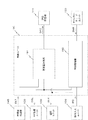
図1には、一実施形態に係る放送受信装置100の概略的な構成がブロック図にて示されている。この放送受信装置100は、車両に搭載され、地上デジタル放送において同時放送が行われているA階層放送(ワンセグ放送)とB階層放送(12セグ放送)とを受信する放送受信装置である。
[Constitution]
FIG. 1 is a block diagram illustrating a schematic configuration of a
この図1に示されるように、放送受信装置100は、アンテナ110と、RF処理ユニット120と、計測手段としてのチャンネルデコードユニット130と、ソースデコードユニット140と、選択手段としての選択ユニット150とを備えている。また、放送受信装置100は、音出力ユニット160と、表示ユニット170と、操作入力ユニット180とを備えている。さらに、放送受信装置100は、制御手段としての制御ユニット190を備えている。
As shown in FIG. 1, the
上記のアンテナ110は、放送波を受信する。アンテナ110による受信結果は、受信信号RFSとしてRF処理ユニット120へ送られる。
The
上記のRF処理ユニット120は、制御ユニット190から供給された選局指令CSLに従って、選択すべきチャンネルの信号を受信信号RFSから抽出する選局処理を行う。かかる機能を有するRF処理ユニット120は、入力フィルタ、高周波増幅器、バンドパスフィルタ(以下、「RFフィルタ」とも呼ぶ)、ミキサ(混合器)、中間周波フィルタ(以下、「IFフィルタ」とも呼ぶ)、局部発振回路等(いずれも不図示)を備えて構成されている。
The
このRF処理ユニット120では、アンテナ110からの受信信号RFSが、入力フィルタを通過することにより、帯域外成分が除去された後、高周波増幅器により増幅される。こうして高周波増幅器により増幅された信号は、RFフィルタにより、特定の高周波数範囲の信号が抽出された後、ミキサにおいて、制御ユニット190からの選局指令CSLに従って局部発振回路により生成された希望局に対応する周波数を有する局部発振信号と混合される。ミキサによる混合結果からIFフィルタにより予め定められた中間周波数帯の信号が選択される。この選択結果が、アナログデジタル変換された後、選局信号CSSとして、チャンネルデコードユニット130へ送られる。
In this
なお、選局指令CSLはデジタル形式で制御ユニット190から出力されるが、デジタルアナログ変換された後に、局部発振回路において利用されるようになっている。
The channel selection command CSL is output from the
上記のチャンネルデコードユニット130は、制御ユニット190による制御のもとで、RF処理ユニット120からの選局信号CSSのOFDM復調処理等を行った後、復調結果に基づくデータパケット生成を行う。こうして生成されたパケットPKDは、ソースデコードユニット140へ送られる。なお、チャンネルデコードユニット130から送られるパケットPKDには、A階層パケットAPK及びB階層パケットBPKが含まれている(図2参照)。
The
また、チャンネルデコードユニット130は、OFDMフレームに含まれるTMCC(Transmission Multiplexing Configuration Control)信号をデコードして、OFDMセグメント数、変調方式及び時間インターリーブ長を抽出して、伝送パラメータPRMとしてソースデコードユニット140へ送る。
Further, the
また、チャンネルデコードユニット130は、選局信号CSSのSNR(Signal to Noise Ratio)値を検出する。この検出結果は、検出値SNRとして制御ユニット190へ送られる。
Further, the
上記のソースデコードユニット140は、制御ユニット190による制御のもとで、チャンネルデコードユニット130からのパケットPKDを処理して、選択ユニット150へ供給するためのA階層データAAV及びB階層データBDVを生成する。かかる機能を有するソースデコードユニット140は、図2に示されるように、パケット分離部141と、階層処理部142とを備えている。
The source decode
上記のパケット分離部141は、チャンネルデコードユニット130からのパケットPKDを受ける。そして、パケット分離部141は、パケットPKDをA階層パケットAPKとB階層パケットBPKとに分離する。こうして分離されたA階層パケットAPK及びB階層パケットBPKは、階層処理部142へ送られる。
The
上記の階層処理部142は、制御ユニット190による制御のもとで、A階層パケットAPK及びB階層パケットBPKのソースデコード処理を行うとともに、ソースデコード処理結果の選択ユニット150への供給タイミングの調整を行う。この階層処理部142は、図3に示されるように、第2再生処理手段としてのA階層処理部143と、第1再生処理手段としてのB階層処理部144とを備えている。また、階層処理部142は、検出手段としての時間差検出部145と、調整手段としての遅延調整部146とを備えている。
The
上記のA階層処理部143は、パケット分離部141からのA階層パケットAPKを受ける。そして、A階層処理部143は、制御ユニット190による制御のもとで、地上デジタル放送におけるA階層放送に採用されているH.264/AVC方式でエンコード化されたA階層パケットAPKのソースデコード処理を行い、A階層放送に対応する音声データ及び映像データであるA階層データAAVを生成する。こうして生成されたA階層データAAVは、選択ユニット150及び時間差検出部145へ送られる。
The A
上記のB階層処理部144は、パケット分離部141からのB階層パケットBPKを受ける。そして、B階層処理部144は、制御ユニット190による制御のもとで、地上デジタル放送におけるB階層放送に採用されているMPEG2方式でエンコード化されたB階層パケットBPKのソースデコード処理を行い、B階層放送に対応する音声データ及び映像データであるB階層データBAVを生成する。こうして生成されたB階層データBAVは、時間差検出部145及び遅延調整部146へ送られる。
The B
上記の時間差検出部145は、B階層データBAVの生成タイミングと、A階層データAAVの生成タイミングとの時間差DLTを検出する。そして、時間差検出部145は、時間差DLTを制御ユニット190へ送る。
The time
時間差検出部145は、本実施形態では、上述した時間差DLTの検出に際して、チャンネルデコードユニット130からの伝送パラメータPRMを受ける。また、時間差検出部145は、A階層処理部143からのA階層データAAVを受けるとともに、B階層処理部144からのB階層データBAVを受ける。
In this embodiment, the time
そして、時間差検出部145は、伝送パラメータPRMに基づいて、A階層放送とB階層放送との遅延時間差を予測し、当該予測された遅延時間差に基づいて検索範囲を設定する。引き続き、時間差検出部145は、B階層データBAVに含まれる映像データの画像フレームの中から基準となる基準フレームを選択する。そして、A階層データAAVに含まれる映像データの画像フレームの中から、設定された検索範囲内において基準フレームの内容と最も近い内容を持つ画像フレームを検索する。この後、時間差検出部145は、上記の検索の結果によって得られた組み合わせの画像フレーム間の時間差DLTを検出する。
Then, the time
上記の遅延調整部146は、バッファ等を備えて構成されている。この遅延調整部146は、制御ユニット190による遅延調整指令DACに従ったタイミングで、バッファに記録されているB階層データを、順次、B階層データBDVとして読み出す。こうして読み出されたB階層データBDVは、遅延調整指令DACにより指定される供給タイミングの調整がなされたものとなっている。かかるB階層データBDVは、選択ユニット150へ送られる。
The
図1に戻り、上記の選択ユニット150は、ソースデコードユニット140からのA階層データAAV及びB階層データBDVを受ける。そして、選択ユニット150は、制御ユニット190による選択指令SLSに従って、A階層データAAV及びB階層データBDVのいずれかを選択する。こうして選択ユニット150において選択された階層データにおける音声データが、出力音声データADTとして音出力ユニット160へ送られる。また、選択ユニット150において選択された階層データにおける映像データが、出力映像データVDTとして表示ユニット170へ送られる。
Returning to FIG. 1, the
上記の音出力ユニット160は、(i)選択ユニット150から受信した出力音声データADTをアナログ信号に変換するDA(Digital to Analogue)変換器と、(ii)当該DA変換器から出力されたアナログ信号を増幅する増幅器と、(iii)増幅されたアナログ信号を音声に変換するスピーカとを備えて構成されている。この音出力ユニット160により、選択ユニット150において選択された放送の音声が再生される。
The
上記の表示ユニット170は、例えば、(i)液晶パネル、有機EL(Electro Luminescence)パネル、PDP(Plasma Display Panel)等の表示デバイスと、(ii)選択ユニット150から受信した出力映像データVDTに従って、当該表示デバイスに画像を表示させる表示制御回路とを備えている。この表示ユニット170により、選択ユニット150において選択された放送の映像が再生される。
The
上記の操作入力ユニット180は、放送受信装置100の本体部に設けられたキー部、及び/又はキー部を備えるリモート入力装置等により構成される。ここで、本体部に設けられたキー部としては、表示ユニット170の表示デバイスに設けられたタッチパネルを用いることができる。また、キー部を有する構成に代えて、又は併用して音声認識技術を利用して音声にて入力する構成を採用することもできる。
The
この操作入力ユニット180を利用者が操作することにより、放送受信装置100の動作内容の設定が行われる。例えば、選局チャンネルの指定等を、利用者が操作入力ユニット180を利用して行う。操作入力ユニット180への操作入力結果は、操作入力データIPDとして制御ユニット190へ送られる。
When the user operates this
上記の制御ユニット190は、放送受信装置100の動作の制御を行う。かかる機能を有する制御ユニット190は、図4に示されるように、遅延量決定部191と、制御処理部192とを備えている。
The
上記の遅延量決定部191は、B階層データBAVの選択ユニット150への供給タイミングを決定する。この遅延量決定部191は、地上デジタルの再生処理中に、制御処理部192から選局指令CSL及び選択指令SLSを受けるとともに、時間差検出部145から時間差DLTを受ける。
The delay
当該供給タイミングの決定に際して、まず、遅延量決定部191は、チャンネルの選局の直後に、選択指令SLSがA階層データAAVを選択すべき指令であるときは、B階層データBAVに対して時間差DLTの遅延を付与させる遅延調整指令DACを生成する。
When determining the supply timing, first, the delay
一方、遅延量決定部191は、チャンネルの選局の直後に、選択指令SLSがB階層データBDVを選択すべき指令であるときは、B階層データBAVに対して遅延調整を行わない旨の遅延調整指令DACを生成する。そして、その後に、選択指令SLSがA階層データAAVを選択すべき指令となった場合に、B階層データBAVに対して時間差DLTの遅延を付与させる遅延調整指令DACを生成する。こうして生成された遅延調整指令DACは、遅延調整部146へ送られる。
On the other hand, when the selection command SLS is a command to select the B layer data BDV immediately after channel selection, the delay
上記の制御処理部192は、操作入力ユニット180に入力された選局チャンネル指定を操作入力データIPDとして受ける。そして、制御処理部192は、当該選局チャンネル指定に従って、指定されたチャンネルの選択を行わせるための選局指令CSLを生成し、RF処理ユニット120及び遅延量決定部191へ送る。
The
また、制御処理部192は、チャンネルデコードユニット130からの検出値SNRに基づいて選択指令SLSを生成し、選択ユニット150及び遅延量決定部191へ送る。より具体的には、検出値SNRが所定の値以上である場合には、制御処理部192は、遅延調整部146からのB階層データBDVを選択すべき旨の選択指令SLSを生成し、選択ユニット150及び遅延量決定部191へ向けて出力する。一方、検出値SNRが所定の値未満である場合には、制御処理部192は、A階層処理部143からのA階層データAAVを選択すべき旨の選択指令SLSを生成し、選択ユニット150及び遅延量決定部191へ向けて出力する。
In addition, the
なお、デジタル放送間の切換の指標となる検出値SNRの所定の値は、実験、シミュレーション、経験等に基づいて、予め定められる。 The predetermined value of the detection value SNR that serves as an index for switching between digital broadcasts is determined in advance based on experiments, simulations, experience, and the like.
[動作]
以上にようにして構成された放送受信装置100の動作について、制御ユニット190における遅延調整処理に主に着目して説明する。なお、当該遅延調整処理は、B階層データBAVに対して時間差DLTの固定遅延を付与させる処理である。
[Operation]
The operation of the
放送受信装置100における遅延調整処理は、図5に示されるように、ステップS11において、利用者が当該装置の電源を投入し、操作入力ユニット180を利用して、チャンネルの選局設定指令を入力することにより開始する。
As shown in FIG. 5, in the delay adjustment processing in the
このステップS11の処理が行われると、制御処理部192がチャンネルの選局設定指令に対応する選局指令CSLを生成し、RF処理ユニット120及び遅延量決定部191へ送る。選局指令CSLを受けたRF処理ユニット120では、受信信号RFSの選局処理が行われ、選局処理結果である選局信号CSSがチャンネルデコードユニット130へ送られる。チャンネルデコードユニット130では、選局信号CSSからパケットPKDを生成してソースデコードユニット140へ送るとともに、逐次、選局信号CSSのSNR値を検出して制御処理部192へ送る。そして、パケットPKDを受けたソースデコードユニット140では、パケットPKDをA階層パケットAPKとB階層パケットBPKとに分離し、各パケットに対してソースデコード処理を行う。
When the process of step S11 is performed, the
また、SNR値を受けた制御処理部192では、当該SNR値に基づいて、ソースデコードユニット140からのA階層データAAV及びB階層データBDVのいずれを選択すべきかを指定した選択指令SLSを生成し、選択ユニット150及び遅延量決定部191へ送る。
The
引き続き、ステップS12において、遅延量決定部191が、選択指令SLSによりB階層データBDVが選択されているか否かを判定する。この判定の結果が否定的であった場合(ステップS12:N)には、処理はステップS14へ進む。
Subsequently, in step S12, the delay
ステップS14では、遅延量決定部191が、B階層データBAVに対して時間差DLTの遅延を付与させる遅延調整指令DACを生成し、遅延調整部146へ送る。この結果、B階層データBAVに対して時間差DLTの遅延が付与されたB階層データBDVが、選択ユニットに供給される。
In step S <b> 14, the delay
一方、ステップS12における判定の結果が肯定的であった場合(ステップS12:Y)には、処理はステップS13へ進む。 On the other hand, when the result of the determination in step S12 is affirmative (step S12: Y), the process proceeds to step S13.
ステップS13では、遅延量決定部191が、選択指令SLSによりA階層データAAVが選択されたか否かを判定する。この判定の結果が否定的であった場合(ステップS13:N)には、ステップS13の処理が繰り返される。
In step S13, the delay
一方、ステップS13における判定の結果が肯定的になると(ステップS13:Y)、処理はステップS14へ進む。このステップS14では、B階層データに対する遅延付与処理が行われる。 On the other hand, when the result of the determination in step S13 is affirmative (step S13: Y), the process proceeds to step S14. In step S14, a delay adding process is performed on the B layer data.
かかる遅延付与処理に際し、チャンネルの選局当初に、選択指令SLSによりA階層データが選択されている場合(ステップS12:N)には、A階層データの再生出力中に、B階層データに対する遅延付与処理が行われる。このため、放送間の切換時に、同期ずれの発生が防止できる。 In the delay adding process, when the A layer data is selected by the selection command SLS at the beginning of channel selection (step S12: N), a delay is applied to the B layer data during reproduction and output of the A layer data. Processing is performed. For this reason, it is possible to prevent the occurrence of synchronization deviation when switching between broadcasts.
一方、チャンネルの選局当初に、選択指令SLSによりB階層データが選択されている場合(ステップS12:Y)には、再生出力がA階層データに切換った際に(ステップS13:Y)、利用者は、視聴済みの再生結果を再度視聴することになる。こうした同期ずれは、視聴できない部分が発生する同期ずれの場合と異なり、利用者の違和感はそれほど大きくない。また、チャンネルの選局直後に、遅延付与処理を施さずにB階層データの再生出力を行うので、新たな放送チャンネルを選局したときに早く視聴を開始したいという利用者の要望に沿うものとなる。 On the other hand, when the B layer data is selected by the selection command SLS at the beginning of channel selection (step S12: Y), when the reproduction output is switched to the A layer data (step S13: Y), The user views the viewed playback result again. Unlike the case of the synchronization shift in which a portion that cannot be viewed occurs, such a synchronization shift is not so great for the user. In addition, immediately after channel selection, playback and output of B-layer data is performed without applying delay processing, which is in line with the user's desire to start viewing as soon as a new broadcast channel is selected. Become.
引き続き、ステップS15では、遅延量決定部191が、選局指令CSLを参照して、チャンネルの選局変更があったか否かを判定する。この判定の結果が否定的であった場合(ステップS15:N)には、ステップS15の処理が繰り返される。
Subsequently, in step S15, the delay
一方、ステップS15における判定の結果が肯定的になると(ステップS15:Y)、処理はステップS12へ戻る。 On the other hand, when the result of the determination in step S15 is affirmative (step S15: Y), the process returns to step S12.
上記の処理を実行することにより、B階層データBAVの遅延調整処理が行われる。 By executing the above processing, the delay adjustment processing of the B layer data BAV is performed.
以上説明したように、本実施形態では、RF処理ユニット120に対して選局指令CSLにより指定された物理チャンネルの放送波の受信品質を示すSNRを、チャンネルデコードユニット130が検出する。この検出結果に基づいて、制御処理部192が、A階層放送とB階層放送との切換判定を行い、選択指令SLSを生成する。また、時間差検出部145が、B階層データBAVの生成タイミングと、A階層データAAVの生成タイミングとの時間差DLTを検出する。そして、遅延量決定部191が、選局指令CSL、選択指令SLS、時間差DLTに基づき、B階層データBAVの選択ユニット150への供給タイミングを決定する。
As described above, in this embodiment, the
かかるB階層データBAVの選択ユニット150への供給タイミングの決定に際して、遅延量決定部191は、チャンネルの選局の直後に、選択指令SLSがA階層データAAVを選択すべき指令であるときは、B階層データBAVに対して時間差DLTの遅延を付与させる遅延調整指令DACを生成する。このため、チャンネルの選局の直後に、B階層放送に基づく視聴を直ちに可能とすることができるとともに、その後の放送間の切換時に、同期ずれの発生を防止することができる。
When determining the supply timing of the B layer data BAV to the
一方、遅延量決定部191は、チャンネルの選局の直後に、選択指令SLSがB階層データBDVを選択すべき指令であるときは、B階層データBAVに対して遅延調整を行わない旨の遅延調整指令DACを生成する。そして、その後に、選択指令SLSがA階層データAAVを選択すべき指令となった場合に、B階層データBAVに対して時間差DLTの遅延を付与させる遅延調整指令DACを生成する。このため、チャンネルの選局の直後に、A階層放送に基づく視聴を直ちに可能とすることができるとともに、同期ずれの発生を、その後における最初のB階層放送への切換時のみに制限することができる。なお、この同期ずれは、上述のように、利用者にとって違和感の小さいものである。
On the other hand, when the selection command SLS is a command to select the B layer data BDV immediately after channel selection, the delay
したがって、本実施形態によれば、同時放送の受信処理において、利用者の利便性を向上させることができる。 Therefore, according to the present embodiment, the convenience for the user can be improved in the simultaneous broadcast reception process.
[実施形態の変形]
本発明は、上記の実施形態に限定されるものではなく、様々な変形が可能である。
[Modification of Embodiment]
The present invention is not limited to the above-described embodiment, and various modifications are possible.
例えば、上記の実施形態では、遅延量決定部は、チャンネルの選局の直後に、選択指令SLSがB階層データBDVを選択すべき指令であるときは、B階層データBAVに対して遅延調整を行わない旨の遅延調整指令DACを生成することとした。これに対して、遅延量決定部は、チャンネルの選局の直後に選択された再生処理結果が、B階層データBDVである場合に、B階層データBAVに付与する遅延量を時間差DLTまで徐々に増加させる遅延漸増指令を遅延調整部に向けて発行し、遅延調整部は、B階層データBAVに付与する遅延量を時間差DLTまで徐々に増加させるようにしてもよい。 For example, in the above embodiment, the delay amount determination unit performs delay adjustment on the B layer data BAV when the selection command SLS is a command to select the B layer data BDV immediately after channel selection. The delay adjustment command DAC that is not performed is generated. On the other hand, when the reproduction processing result selected immediately after channel selection is the B layer data BDV, the delay amount determination unit gradually increases the delay amount to be added to the B layer data BAV to the time difference DLT. A delay gradual increase command to be increased may be issued to the delay adjustment unit, and the delay adjustment unit may gradually increase the amount of delay added to the B layer data BAV to the time difference DLT.
この場合においては、例えば、図6に示されるように、遅延調整部146を、音声遅延調整部147Aと、映像遅延調整部147Vとを備えて構成することができる。ここで、音声遅延調整部147Aでは、例えば、B階層データBAVにおける音声データBADについて、音声再生速度が徐々に遅くなる再生速度調整を実行するようにすることができる。また、映像遅延調整部147Vでは、例えば、B階層データBAVにおける映像データBVDに対して定期的に、直前のフレームデータと同一の冗長なフレームデータを挿入するようにすることができる。
In this case, for example, as illustrated in FIG. 6, the
なお、音声遅延調整部147Aでは、音声データBADに対して、再生速度調整による再生速度の低下に伴う聴感の変化を補償する周波数変換を行ったうえで、再生速度調整を行うようにしてもよい。
Note that the audio
また、上記の実施形態では、A階層放送とB階層放送との2階層の放送が同一伝送チャンネルに含まれることにしたが、同一伝送チャンネルに含まれる階層放送の数は、3以上であってもよい。 In the above embodiment, the two-layer broadcasts of the A-layer broadcast and the B-layer broadcast are included in the same transmission channel. However, the number of layer broadcasts included in the same transmission channel is three or more. Also good.
また、上記の実施形態では、SNR(Signal to Noise Ratio)に基づいて、放送波の受信品質を計測した。これに対して、放送波の受信品質の計測は、RF処理ユニットからの出力信号に対してAGC(Auto Gain Control)を行う場合におけるAGC信号の値、ミキサから取得可能なRSSI(Received Signal Strength Indicator)、映像伝送方式にMPEG2−TS方式を採用した場合におけるパケットエラーフラグ等に基づいて行うようにしてもよい。 In the above embodiment, the reception quality of the broadcast wave is measured based on the SNR (Signal to Noise Ratio). On the other hand, the reception quality of the broadcast wave is measured by the AGC signal value when the AGC (Auto Gain Control) is performed on the output signal from the RF processing unit, and the RSSI (Received Signal Strength Indicator) obtainable from the mixer. ), It may be performed based on a packet error flag or the like when the MPEG2-TS system is adopted as the video transmission system.
また、上記の実施形態では、SNRに基づいて、検出値SNRが所定の値以上である場合にB階層放送に基づく再生出力を行い、検出値SNRが所定の値未満である場合にA階層放送からの再生出力を行うこととした。これに対して、A階層放送からB階層放送へ切り換えるときの閾値を、B階層放送からA階層放送へ切り換えるときの閾値に比べて高く設定する等、両放送間の切換閾値を異なる値にしてもよい。 Further, in the above embodiment, based on the SNR, reproduction output based on the B layer broadcast is performed when the detected value SNR is equal to or higher than the predetermined value, and when the detected value SNR is less than the predetermined value, the A layer broadcast is performed. Playback output from On the other hand, the threshold value for switching from the A layer broadcast to the B layer broadcast is set higher than the threshold for switching from the B layer broadcast to the A layer broadcast. Also good.
また、上記の実施形態では、B階層データの生成タイミングとA階層データの生成タイミングとの時間差を、伝送パラメータと、B階層データ及びA階層データに含まれる映像データの画像フレームとを使用して検出した。これに対して、時間差の検出方法は、伝送パラメータと、B階層データ及びA階層データに含まれる音声データの音声フレームとを使用する等、いかなる方法であってもよい。 In the above embodiment, the time difference between the generation timing of the B layer data and the generation timing of the A layer data is determined using the transmission parameter and the image frame of the video data included in the B layer data and the A layer data. Detected. On the other hand, the time difference detection method may be any method such as using transmission parameters and B layer data and a voice frame of voice data included in the A layer data.
また、上記の実施形態の放送受信装置は、車両に搭載されるものとしたが、車両以外の移動体に搭載されるものであってもよいし、また、地上デジタル放送の受信機能を備えた携帯電話装置であってもよい。 In addition, the broadcast receiving apparatus of the above embodiment is mounted on a vehicle, but may be mounted on a moving body other than the vehicle, and has a reception function of terrestrial digital broadcasting. It may be a mobile phone device.
また、本発明は、日本国におけるデジタル放送波を受信する放送受信装置に限らず、国際的に承認されているデジタルテレビ放送のための標準規格であるDVB(Digital Video Broadcasting)を採用したデジタルテレビ放送波を受信する放送受信装置に適用することができるのは勿論である。 The present invention is not limited to a broadcast receiving apparatus that receives digital broadcast waves in Japan, but a digital television that adopts DVB (Digital Video Broadcasting), which is an internationally approved standard for digital television broadcasting. Of course, the present invention can be applied to a broadcast receiving apparatus that receives broadcast waves.
なお、上記の実施形態における制御ユニット190の一部又は全部を中央処理装置(CPU:Central Processing Unit)、読出専用メモリ(ROM:Read Only Memory)、ランダムアクセスメモリ(RAM:Random Access Memory)等を備えた演算手段としてのコンピュータとして構成し、予め用意されたプログラムを当該コンピュータで実行することにより、上記の実施形態における処理の一部又は全部を実行するようにしてもよい。このプログラムはハードディスク、CD−ROM、DVD等のコンピュータで読み取り可能な記録媒体に記録され、当該コンピュータによって記録媒体から読み出されて実行される。また、このプログラムは、CD−ROM、DVD等の可搬型記録媒体に記録された形態で取得されるようにしてもよいし、インターネットなどのネットワークを介した配送の形態で取得されるようにしてもよい。
Note that a part or all of the
100 … 放送受信装置
130 … チャンネルデコードユニット(計測手段)
143 … A階層処理部(第2再生処理手段)
144 … B階層処理部(第1再生処理手段)
145 … 時間差検出部(検出手段)
146 … 遅延調整部(調整手段)
150 … 選択ユニット(選択手段)
190 … 制御ユニット(制御手段)
DESCRIPTION OF
143 ... A layer processing section (second reproduction processing means)
144: B layer processing section (first reproduction processing means)
145 ... Time difference detection unit (detection means)
146 ... Delay adjustment unit (adjustment means)
150 ... Selection unit (selection means)
190 ... Control unit (control means)
Claims (9)
前記第1放送に関する再生処理を行い、第1再生処理結果を生成する第1再生処理手段と;
前記第2放送に関する再生処理を行い、前記第1再生処理結果よりも遅いタイミングで第2再生処理結果を生成する第2再生処理手段と;
前記第1及び第2再生処理結果の一方を選択して出力する選択手段と;
前記第1再生処理結果の前記選択手段への供給に際しての遅延調整を行う調整手段と;
前記放送波の受信品質を計測する計測手段と;
前記第1再生処理結果の生成タイミングと、前記第2再生処理結果の生成タイミングとの時間差を検出する検出手段と;
前記計測手段による計測結果に基づいて、前記選択手段に対して、前記第1及び第2再生処理結果のいずれを選択すべきかを制御するとともに、前記検出手段による検出結果に基づいて、前記調整手段による遅延調整の態様を制御する制御手段と;を備え、
前記制御手段は、
前記同時放送の物理チャンネルの選局の直後には、前記調整手段に前記遅延調整を行わせずに、前記計測手段による計測結果に基づいて前記選択手段に対する制御を開始し、
前記選局の直後に選択された再生処理結果が、前記第2再生処理結果であった場合には、前記第1再生処理結果に対して前記時間差の遅延を付与させる固定遅延指令を、前記調整手段へ向けて発行し、
前記選局の直後に選択された再生処理結果が、前記第1再生処理結果であった場合には、その後における前記選択手段に対する選択切換制御の発生又は時間経過に対応して、前記遅延調整の態様を制御する、
ことを特徴とする放送受信装置。 A broadcast receiving apparatus that moves together with a mobile body and receives simultaneous broadcasts in which the same program is broadcast in the same time period by a plurality of broadcasts including a first broadcast and a second broadcast that are different in resistance to deterioration in reception quality of broadcast waves. Because
First reproduction processing means for performing reproduction processing on the first broadcast and generating a first reproduction processing result;
Second reproduction processing means for performing reproduction processing on the second broadcast and generating a second reproduction processing result at a timing later than the first reproduction processing result;
Selecting means for selecting and outputting one of the first and second reproduction processing results;
Adjusting means for performing delay adjustment when supplying the first reproduction processing result to the selecting means;
Measuring means for measuring the reception quality of the broadcast wave;
Detecting means for detecting a time difference between the generation timing of the first reproduction processing result and the generation timing of the second reproduction processing result;
Based on the measurement result of the measurement means, the selection means controls which of the first and second reproduction processing results should be selected, and based on the detection result of the detection means, the adjustment means Control means for controlling the mode of delay adjustment by
The control means includes
Immediately after the channel selection of the physical channel of the simultaneous broadcasting, without performing the delay adjustment to the adjustment unit, start the control on the selection unit based on the measurement result by the measurement unit,
If the playback process result selected immediately after the channel selection is the second playback process result, a fixed delay command for giving a delay of the time difference to the first playback process result is adjusted. Issued to the means,
If the reproduction process result selected immediately after the channel selection is the first reproduction process result, the delay adjustment is performed in response to the occurrence of selection switching control for the selection means or the passage of time thereafter. Control aspects,
A broadcast receiver characterized by that.
前記調整手段は、前記遅延漸増指令を受けた場合に、前記第1再生処理結果に付与する遅延量を前記時間差まで徐々に増加させる、
ことを特徴とする請求項1に記載の放送受信装置。 When the reproduction process result selected immediately after the channel selection is the first reproduction process result, the control means gradually increases a delay amount to be added to the first reproduction process result to the time difference. Issuing a delay gradual increase command to the adjustment means,
The adjusting means, when receiving the delay gradual increase command, gradually increases the delay amount to be added to the first reproduction processing result to the time difference;
The broadcast receiving apparatus according to claim 1.
前記第1及び第2放送に関する再生処理を行い、第1及び第2再生処理結果を生成する再生処理工程と;
前記放送波の受信品質を計測する計測工程と;
前記第1再生処理結果の生成タイミングと、前記第2再生処理結果の生成タイミングとの時間差を検出する検出工程と;
前記計測工程における計測結果に基づいて、前記第1及び第2再生処理結果のいずれを再生出力用に選択すべきかの選択切換制御を行うとともに、前記検出工程における検出結果に基づいて、前記第1再生処理結果と前記第2再生処理結果とのタイミング調整態様の制御を行う制御工程と;を備え、
前記制御工程では、
前記同時放送の物理チャンネルの選局直後には、前記タイミング調整態様の制御を行わずに、前記計測工程における計測結果に基づいて前記選択制御を行い、
前記選局直後に選択された再生処理結果が、生成タイミングがより遅い遅延再生処理結果である場合には、生成タイミングがより速い先行再生処理結果に対して前記時間差の遅延を付与させる制御を行い、
前記選局直後に選択された再生処理結果が、前記先行再生処理結果である場合には、その後における前記選択切換制御の発生又は時間経過に対応して、前記タイミング調整態様の制御を行う、
ことを特徴とする放送受信方法。 A broadcast receiving apparatus that moves together with a mobile body and receives simultaneous broadcasts in which the same program is broadcast in the same time period by a plurality of broadcasts including a first broadcast and a second broadcast that are different in resistance to deterioration in reception quality of broadcast waves. Broadcast receiving method used in
A reproduction processing step of performing reproduction processing on the first and second broadcasts and generating first and second reproduction processing results;
A measuring step of measuring the reception quality of the broadcast wave;
A detection step of detecting a time difference between the generation timing of the first reproduction processing result and the generation timing of the second reproduction processing result;
Based on the measurement result in the measurement step, selection switching control of which of the first and second reproduction processing results should be selected for reproduction output is performed, and on the basis of the detection result in the detection step, the first A control step of controlling a timing adjustment mode between the reproduction processing result and the second reproduction processing result;
In the control step,
Immediately after selecting the physical channel of the simultaneous broadcasting, without performing the control of the timing adjustment mode, the selection control is performed based on the measurement result in the measurement step,
When the playback processing result selected immediately after the channel selection is a delayed playback processing result with a later generation timing, control is performed to add the delay of the time difference to the preceding playback processing result with a faster generation timing. ,
When the playback process result selected immediately after the channel selection is the preceding playback process result, the timing adjustment mode is controlled in response to the subsequent occurrence of the selection switching control or the passage of time.
A broadcast receiving method characterized by the above.
Priority Applications (1)
| Application Number | Priority Date | Filing Date | Title |
|---|---|---|---|
| JP2008197447A JP2010035093A (en) | 2008-07-31 | 2008-07-31 | Broadcast receiver, broadcast receiving method, broadcast receiving program and recording medium therefor |
Applications Claiming Priority (1)
| Application Number | Priority Date | Filing Date | Title |
|---|---|---|---|
| JP2008197447A JP2010035093A (en) | 2008-07-31 | 2008-07-31 | Broadcast receiver, broadcast receiving method, broadcast receiving program and recording medium therefor |
Publications (1)
| Publication Number | Publication Date |
|---|---|
| JP2010035093A true JP2010035093A (en) | 2010-02-12 |
Family
ID=41739019
Family Applications (1)
| Application Number | Title | Priority Date | Filing Date |
|---|---|---|---|
| JP2008197447A Pending JP2010035093A (en) | 2008-07-31 | 2008-07-31 | Broadcast receiver, broadcast receiving method, broadcast receiving program and recording medium therefor |
Country Status (1)
| Country | Link |
|---|---|
| JP (1) | JP2010035093A (en) |
Cited By (2)
| Publication number | Priority date | Publication date | Assignee | Title |
|---|---|---|---|---|
| JP2011259296A (en) * | 2010-06-10 | 2011-12-22 | Fujitsu Ltd | Digital broadcast receiver |
| JPWO2017082077A1 (en) * | 2015-11-11 | 2018-08-30 | ソニー株式会社 | Image processing apparatus and image processing method |
Citations (3)
| Publication number | Priority date | Publication date | Assignee | Title |
|---|---|---|---|---|
| JP2006513608A (en) * | 2003-01-07 | 2006-04-20 | コーニンクレッカ フィリップス エレクトロニクス エヌ ヴィ | Audio-visual content transmission system and method |
| WO2008056622A1 (en) * | 2006-11-06 | 2008-05-15 | Panasonic Corporation | Receiver |
| JP2009021900A (en) * | 2007-07-13 | 2009-01-29 | Panasonic Corp | Simulcast receiver |
-
2008
- 2008-07-31 JP JP2008197447A patent/JP2010035093A/en active Pending
Patent Citations (3)
| Publication number | Priority date | Publication date | Assignee | Title |
|---|---|---|---|---|
| JP2006513608A (en) * | 2003-01-07 | 2006-04-20 | コーニンクレッカ フィリップス エレクトロニクス エヌ ヴィ | Audio-visual content transmission system and method |
| WO2008056622A1 (en) * | 2006-11-06 | 2008-05-15 | Panasonic Corporation | Receiver |
| JP2009021900A (en) * | 2007-07-13 | 2009-01-29 | Panasonic Corp | Simulcast receiver |
Cited By (3)
| Publication number | Priority date | Publication date | Assignee | Title |
|---|---|---|---|---|
| JP2011259296A (en) * | 2010-06-10 | 2011-12-22 | Fujitsu Ltd | Digital broadcast receiver |
| JPWO2017082077A1 (en) * | 2015-11-11 | 2018-08-30 | ソニー株式会社 | Image processing apparatus and image processing method |
| JP7009996B2 (en) | 2015-11-11 | 2022-01-26 | ソニーグループ株式会社 | Image processing device and image processing method |
Similar Documents
| Publication | Publication Date | Title |
|---|---|---|
| CN101536517B (en) | Receiver | |
| KR20130136175A (en) | Audio signal control apparatus and method thereof | |
| JP2006270824A (en) | Digital broadcast receiver and digital broadcast reception method | |
| WO2019161401A1 (en) | Auto level in digital radio systems | |
| JPWO2008117448A1 (en) | REPRODUCTION DEVICE, REPRODUCTION METHOD, REPRODUCTION PROGRAM, AND COMPUTER-READABLE RECORDING MEDIUM | |
| JP2010035093A (en) | Broadcast receiver, broadcast receiving method, broadcast receiving program and recording medium therefor | |
| JP2006074466A (en) | Digital data receiver | |
| JP2009206694A (en) | Receiver, reception method, reception program and recording medium with the reception program stored | |
| JP2010081302A (en) | Broadcast receiver, reception processing method, reception processing program and recording medium therefor | |
| JP2008259136A (en) | Reception playback apparatus, reception playback method, reception playback program, and recording medium | |
| JP2006270825A (en) | Receiver and digital broadcast reception method | |
| JP2010166282A (en) | Broadcasting receiver, broadcasting receiving method, broadcasting receiving program and recoding medium of the same | |
| JP2010130265A (en) | Broadcast receiver, broadcast receiving method, broadcast receiving program, and recording medium for the broadcast receiving program | |
| JP2010147733A (en) | Broadcast receiver, broadcast receiving method, broadcast receiving program and recording medium thereof | |
| JP2016134645A (en) | Broadcast reception device and broadcast reception method | |
| JP2009253613A (en) | Broadcast receiver, and broadcast reception control method | |
| WO2005096512A1 (en) | Sound signal processing device | |
| JP6128587B2 (en) | Broadcast receiver | |
| JP7054751B2 (en) | Broadcast receiving device and broadcasting receiving method | |
| JP2008005255A (en) | Digital broadcasting receiver | |
| JP5155787B2 (en) | Broadcast receiver for mobile objects | |
| JP6144909B2 (en) | Broadcast receiving apparatus and broadcast receiving method | |
| JP6756588B2 (en) | Broadcast receiver | |
| JP6504980B2 (en) | Electronic device, program switching program and switching method | |
| JP2005005818A (en) | Radio receiver |
Legal Events
| Date | Code | Title | Description |
|---|---|---|---|
| A621 | Written request for application examination |
Free format text: JAPANESE INTERMEDIATE CODE: A621 Effective date: 20110404 |
|
| A977 | Report on retrieval |
Free format text: JAPANESE INTERMEDIATE CODE: A971007 Effective date: 20120614 |
|
| A131 | Notification of reasons for refusal |
Free format text: JAPANESE INTERMEDIATE CODE: A131 Effective date: 20120620 |
|
| A02 | Decision of refusal |
Free format text: JAPANESE INTERMEDIATE CODE: A02 Effective date: 20121121 |