JP2009043125A - User classification device, advertisement distribution device, user classification method, advertisement distribution method and program - Google Patents
User classification device, advertisement distribution device, user classification method, advertisement distribution method and program Download PDFInfo
- Publication number
- JP2009043125A JP2009043125A JP2007208988A JP2007208988A JP2009043125A JP 2009043125 A JP2009043125 A JP 2009043125A JP 2007208988 A JP2007208988 A JP 2007208988A JP 2007208988 A JP2007208988 A JP 2007208988A JP 2009043125 A JP2009043125 A JP 2009043125A
- Authority
- JP
- Japan
- Prior art keywords
- user
- keyword
- search
- information
- class
- Prior art date
- Legal status (The legal status is an assumption and is not a legal conclusion. Google has not performed a legal analysis and makes no representation as to the accuracy of the status listed.)
- Pending
Links
Images




Landscapes
- Management, Administration, Business Operations System, And Electronic Commerce (AREA)
- Information Retrieval, Db Structures And Fs Structures Therefor (AREA)
Abstract
【課題】ユーザが情報検索エンジンに入力した検索キーワードの履歴情報に基づいて、ユーザを分類し、顧客の動向分析を支援する。
【解決手段】情報検索エンジンを利用した各ユーザの検索履歴情報に含まれる検索キーワード情報を抽出し、抽出した検索キーワード情報に基づいて、各ユーザの入力キーワードの動向を示すクラスを生成する。そして、生成されたクラスに各ユーザを分類し、少なくとも分類された分類結果を提示する。
【選択図】図1Kind Code: A1 A user is classified based on search keyword history information input to an information search engine by a user, and customer trend analysis is supported.
Search keyword information included in search history information of each user using an information search engine is extracted, and a class indicating a trend of input keywords of each user is generated based on the extracted search keyword information. Then, each user is classified into the generated class, and at least the classified result is presented.
[Selection] Figure 1
Description
本発明は、インターネット等の通信回線を介して、ユーザが情報検索エンジンに入力した検索キーワードの履歴情報に基づいて、ユーザを分類し、顧客の動向分析を支援するユーザ分類装置、ユーザ分類方法、プログラムおよび顧客動向の分析結果に基づいて広告を配信する広告配信装置、広告配信方法、プログラムに関する。 The present invention relates to a user classification device, a user classification method, and a method for classifying users based on search keyword history information input to an information search engine by a user via a communication line such as the Internet, and supporting customer trend analysis. The present invention relates to an advertisement distribution apparatus, an advertisement distribution method, and a program for distributing advertisements based on analysis results of programs and customer trends.
近年、携帯電話機として、無線電話機能だけでなく、通信端末機能も備えたものが普及してきている。この携帯電話機を使用すれば、インターネットに接続して、WWW(World Wide Web)サーバから提供される多種多様な情報を取得することが可能となる。これにより携帯電話機のユーザは、時間や場所に制限されることなく、所望の情報を受け取ることができる。 In recent years, mobile phones having not only a wireless phone function but also a communication terminal function have become widespread. By using this mobile phone, it is possible to connect to the Internet and acquire a wide variety of information provided from a WWW (World Wide Web) server. Thereby, the user of the mobile phone can receive desired information without being limited by time or place.
こうしたインターネットでは、キーワードを入力して所望のWebページを検索することが一般的であり、上記のインターネットの目覚しい普及と相俟って、インターネットをビジネスに利用するために、ユーザがWebページ検索のために入力するキーワードからユーザの動向分析を行う技術が注目を集めている。 In such an Internet, it is common to search for a desired Web page by inputting a keyword. In combination with the remarkable spread of the Internet described above, in order to use the Internet for business, a user can search for a Web page. For this reason, a technique for analyzing a user's trend from a keyword to be input attracts attention.
例えば、従来から提案・開発されている文書内での単語の共起関係に基づき、単語を自動的に分類する手法としては、特許文献1に示すように、文書内に出現する名詞と動詞の出現回数および動詞・名詞間の類似関係から、単語間の概念的近さを導出し、その結果を基に単語を分類する技術が知られている。
For example, as a technique for automatically classifying words based on a co-occurrence relationship of words in a document that has been proposed and developed in the past, as shown in
また、特許文献2では、音声認識処理の前処理として、単語のn−gram情報を利用し、同一の単語に隣接する割合の多い単語を同一のクラスに割り当てるという基準で複数の単語を複数のクラスに分類し、多大に異なる第1のクラスの単語と第2のクラスの単語とが隣接して出現する頻度を、第1のクラスの単語の出現頻度と第2のクラスの単語の出現頻度との積に対する相対的な頻度の割合を表す所定の相互情報量が最大となるように、上記の単語を二分木形式で複数のクラスに分類する技術が提案されている。
Moreover, in
また、特許文献3では、予め定められた文書カテゴリを表す「コアワード」を基に、分類対象単語と共起するコアワードの頻度から、分類対象単語が属するカテゴリを決定する技術が提案されており、非特許文献1では、ユーザの検索履歴情報に基づき、検索結果をパーソナライズする手法、すなわち、ユーザの検索履歴に加え、閲覧したWebページの情報などを利用し、検索結果をパーソナライズする技術が提案されている。
Patent Document 3 proposes a technique for determining a category to which a classification target word belongs from the frequency of core words co-occurring with the classification target word based on a “core word” representing a predetermined document category. Non-Patent
さらに、米国のGoogle社が提供している検索キーワード連動型広告提示サービス「Adwords」では、広告配信主が指定したキーワードが、検索エンジンに入力された場合、その広告配信主の広告が検索結果とともにユーザに提示され技術が知られている。
しかしながら、上記特許文献1から3に開示された単語の自動分類方式では、2つの前提条件が必要となる。つまり、1つは、分析対象単語が予め定められていること、もう1つは分析対象単語が多く出現する文書データが大量に存在することである。前者の条件を満たすためには、例えば、辞書などに登録されている単語情報を基に、分析対象単語のセットを決める方法を適用することができる。ところが、辞書に基づいて分析対象単語を決定する場合、新しい単語や未知の単語を分析対象に含めることは困難であるという問題がある。
However, the automatic word classification methods disclosed in
また、仮に新語や未知語などを分析対象単語に含める仕組みが実現できたとしても、新語や未知語が大量に出現する文書データを準備することも困難である。したがって、上記特許文献1から3に開示された単語の自動分類方式では、例えば、インターネットの情報検索エンジンなどに入力されると想定されるさまざまな単語を分類することは容易ではないという問題がある。
Moreover, even if a mechanism for including new words, unknown words, etc. in the analysis target word is realized, it is difficult to prepare document data in which a large number of new words, unknown words appear. Therefore, the automatic word classification methods disclosed in
また、非特許文献1で提案されている検索履歴などを利用した検索のパーソナライズ技術では、個別のユーザに対する検索精度を向上させることが目的であり、複数のユーザの履歴情報を収集し、その情報に基づくユーザの分類は実現されていない。
The search personalization technology using search history and the like proposed in Non-Patent
さらに、「Adwords」などの検索連動型広告提示サービスでは、検索キーワードに連動した広告を提示できるものの、検索キーワードそのものに該当する広告のみを提示する仕組みであるため、配信対象広告と関連が高いが異なるキーワードが入力された場合は、所望の広告が提示されないという問題がある。 Furthermore, although search-linked advertisement presentation services such as “Adwords” can present advertisements linked to the search keyword, this is a mechanism that presents only advertisements corresponding to the search keyword itself. When different keywords are input, there is a problem that a desired advertisement is not presented.
そこで、本発明は、上述の課題に鑑みてなされたものであり、ユーザが情報検索エンジンに入力した検索キーワードの履歴情報に基づいて、ユーザを分類し、顧客の動向分析を支援するユーザ分類装置、ユーザ分類方法、プログラムおよび顧客動向の分析結果に基づいて広告を配信する広告配信装置、広告配信方法、プログラムを提供することを目的とする。 Therefore, the present invention has been made in view of the above problems, and a user classification device that classifies users based on search keyword history information input to an information search engine by a user and supports customer trend analysis. An object of the present invention is to provide an advertisement distribution apparatus, an advertisement distribution method, and a program for distributing advertisements based on user classification methods, programs, and customer trend analysis results.
本発明は、上記の課題を解決するために以下の事項を提案している。
(1)本発明は、情報検索エンジンを利用した各ユーザの検索履歴情報に含まれる検索キーワード情報を抽出する検索キーワード情報抽出手段(例えば、図1の分析対象キーワード抽出部103に相当)と、該抽出した検索キーワード情報に基づいて、各ユーザの入力キーワードの動向を示すクラスを生成するクラス生成手段(例えば、図1のクラス抽出部104に相当)と、該生成されたクラスに各ユーザを分類する分類手段(例えば、図1のクラス抽出部104に相当)と、少なくとも該分類された分類結果を提示する分類結果提示手段(例えば、図1のユーザ検索履歴解析結果提示部105に相当)と、を備えたことを特徴とするユーザ分類装置を提案している。
The present invention proposes the following items in order to solve the above problems.
(1) The present invention is a search keyword information extraction means (for example, equivalent to the analysis target
この発明によれば、検索キーワード情報抽出手段が、情報検索エンジンを利用した各ユーザの検索履歴情報に含まれる検索キーワード情報を抽出し、クラス生成手段が、抽出した検索キーワード情報に基づいて、各ユーザの入力キーワードの動向を示すクラスを生成する。そして、分類手段が、生成されたクラスに各ユーザを分類し、分類結果提示手段が、少なくとも分類された分類結果を提示する。したがって、ユーザが情報検索エンジンに入力した検索キーワードの履歴情報に基づいて、ユーザを分類し、顧客の動向分析を支援することができる。 According to this invention, the search keyword information extracting means extracts the search keyword information included in the search history information of each user using the information search engine, and the class generating means is configured based on the extracted search keyword information. A class indicating a trend of the user input keyword is generated. Then, the classification unit classifies each user into the generated class, and the classification result presentation unit presents at least the classified classification result. Therefore, based on the search keyword history information input to the information search engine by the user, the user can be classified to support customer trend analysis.
(2)本発明は、(1)のユーザ分類装置について、前記クラス生成手段により生成されたクラスを代表するコアキーワードを抽出するコアキーワード抽出手段(例えば、図5のコアキーワード抽出部204に相当)をさらに備え、前記分類結果提示手段が、ユーザの前記分類結果と併せて、該抽出したコアキーワードを提示することを特徴とするユーザ分類装置を提案している。
(2) The present invention relates to a user keyword classifying unit (1) that extracts a core keyword that represents a class generated by the class generating unit (e.g., corresponds to the core
この発明によれば、分類結果提示手段が、ユーザの分類結果と併せて、コアキーワード抽出手段が、抽出したクラス生成手段により生成されたクラスを代表するコアキーワードを提示する。したがって、コアキーワード抽出手段により、個々の潜在クラスについて、そのクラスを代表すると思われるコアキーワードを自動的に抽出することができ、これを分類結果提示手段により、ユーザの分類結果と併せて提示することによって、より高度なユーザ動向の解析を容易に実行することができる。 According to this invention, the classification result presenting means presents the core keyword representing the class generated by the extracted class generating means together with the classification result of the user. Therefore, the core keyword extraction means can automatically extract a core keyword that is considered to represent each class for each latent class, and presents this together with the user's classification result by the classification result presentation means. Thus, it is possible to easily execute more advanced analysis of user trends.
(3)本発明は、(2)のユーザ分類装置について、前記コアキーワード抽出手段が、コアキーワードを抽出するための情報として、前記各ユーザの入力キーワードに対するWeb検索結果を用いることを特徴とするユーザ分類装置を提案している。 (3) In the user classification device of (2), the present invention is characterized in that the core keyword extraction means uses a Web search result for the input keyword of each user as information for extracting the core keyword. A user classification device is proposed.
この発明によれば、コアキーワード抽出手段が、コアキーワードを抽出するための情報として、各ユーザの入力キーワードに対するWeb検索結果を用いる。したがって、流行のキーワード等の情報についても自動的に収集することができ、新語や未知語を対象としてユーザを分類することができる。 According to this invention, the core keyword extraction means uses the Web search result for the input keyword of each user as information for extracting the core keyword. Therefore, information such as trendy keywords can be automatically collected, and users can be classified for new words and unknown words.
(4)本発明は、(3)のユーザ分類装置について、前記コアキーワード抽出手段が、コアキーワードを抽出するための情報として、前記各ユーザの入力キーワードに対するWeb検索結果に含まれるサマリ内での単語共起情報と、前記分類されたクラス内における単語共起情報との比較によりコアキーワードを抽出することを特徴とするユーザ分類装置を提案している。 (4) According to the present invention, in the user classification device of (3), the core keyword extraction means uses information in the summary included in the Web search result for the input keyword of each user as information for extracting the core keyword. A user classification device is proposed that extracts a core keyword by comparing word co-occurrence information with word co-occurrence information in the classified class.
この発明によれば、コアキーワード抽出手段が、コアキーワードを抽出するための情報として、各ユーザの入力キーワードに対するWeb検索結果に含まれるサマリ内での単語共起情報と、分類されたクラス内における単語共起情報との比較によりコアキーワードを抽出する。したがって、上記のような処理を行うことにより、検索キーワードと共起が多いキーワードあるいは少ないキーワードが明らかになり、キーワード間の相関関係を導出することができるため、より高度なユーザ動向の解析を容易に実行することができる。 According to this invention, the core keyword extracting means extracts word co-occurrence information in the summary included in the Web search result for the input keyword of each user as information for extracting the core keyword, and in the classified class. Core keywords are extracted by comparison with word co-occurrence information. Therefore, by performing the above-mentioned processing, keywords that have many or few keywords that co-occur with search keywords are clarified, and correlations between keywords can be derived, making it easier to analyze more advanced user trends. Can be executed.
(5)本発明は、情報検索エンジンを利用した各ユーザの検索履歴情報に含まれる検索キーワード情報を抽出する検索キーワード情報抽出手段(例えば、図9の分析対象キーワード抽出部103に相当)と、該抽出した検索キーワード情報に基づいて、各ユーザの入力キーワードの動向を示すクラスを生成するクラス生成手段(例えば、図9のクラス抽出部104に相当)と、該生成されたクラスに各ユーザを分類する分類手段(例えば、図9のクラス抽出部104に相当)と、少なくとも該分類結果に基づいて、前記生成されたクラス毎に配信する広告を決定する配信広告決定手段(例えば、図9の配信広告決定部305に相当)と、該配信広告決定手段において決定された広告を前記生成されたクラス毎に配信する広告配信手段(例えば、図9の広告配信部307に相当)と、を備えたことを特徴とする広告配信装置を提案している。
(5) The present invention is a search keyword information extraction means (for example, equivalent to the analysis target
この発明によれば、検索キーワード情報抽出手段は、情報検索エンジンを利用した各ユーザの検索履歴情報に含まれる検索キーワード情報を抽出する。クラス生成手段は、抽出した検索キーワード情報に基づいて、各ユーザの入力キーワードの動向を示すクラスを生成する。分類手段は、生成されたクラスに各ユーザを分類する。そして、配信広告決定手段が、少なくとも分類結果に基づいて、生成されたクラス毎に配信する広告を決定し、広告配信手段が、配信広告決定手段において決定された広告を生成されたクラス毎に配信する。したがって、ユーザが情報検索エンジンに入力した検索キーワードの履歴情報に基づいて、ユーザを分類し、顧客の動向分析に基づいた広告を配信することができる。 According to this invention, the search keyword information extracting means extracts search keyword information included in the search history information of each user using the information search engine. The class generation means generates a class indicating the trend of the input keyword of each user based on the extracted search keyword information. The classifying means classifies each user into the generated class. The distribution advertisement determining means determines an advertisement to be distributed for each generated class based on at least the classification result, and the advertisement distribution means distributes the advertisement determined by the distribution advertisement determining means for each generated class. To do. Therefore, the user can be classified based on the search keyword history information input to the information search engine by the user, and the advertisement based on the customer trend analysis can be distributed.
(6)本発明は、(5)の広告配信装置について、前記クラス生成手段により生成されたクラスを代表するコアキーワードを抽出するコアキーワード抽出手段をさらに備え、前記配信広告決定手段が、ユーザの前記分類結果と併せて、該抽出したコアキーワードに基づいて前記生成されたクラス毎に配信する広告を決定することを特徴とする広告配信装置を提案している。 (6) The present invention further includes a core keyword extraction unit that extracts a core keyword representing the class generated by the class generation unit in the advertisement distribution device according to (5), wherein the distribution advertisement determination unit includes: In addition to the classification result, an advertisement distribution apparatus is proposed that determines an advertisement to be distributed for each of the generated classes based on the extracted core keyword.
この発明によれば、分類結果提示手段が、ユーザの分類結果と併せて、コアキーワード抽出手段が、抽出したクラス生成手段により生成されたクラスを代表するコアキーワードを提示する。したがって、コアキーワード抽出手段により、個々の潜在クラスについて、そのクラスを代表すると思われるコアキーワードを自動的に抽出することができ、これをユーザの分類結果と併せて生成されたクラス毎に配信する広告を決定することによって、より高度なユーザ動向の解析に基づいた広告をユーザに配信することができる。 According to this invention, the classification result presenting means presents the core keyword representing the class generated by the extracted class generating means together with the classification result of the user. Therefore, the core keyword extraction means can automatically extract a core keyword that is considered to represent each class for each latent class, and distributes it for each class generated together with the classification result of the user. By determining the advertisement, it is possible to distribute the advertisement based on a more advanced analysis of the user trend to the user.
(7)本発明は、(6)の広告配信装置について、前記コアキーワード抽出手段が、コアキーワードを抽出するための情報として、前記各ユーザの入力キーワードに対するWeb検索結果を用いることを特徴とする広告配信装置を提案している。 (7) According to the present invention, in the advertisement distribution device of (6), the core keyword extraction unit uses a Web search result for the input keyword of each user as information for extracting the core keyword. An advertisement distribution device is proposed.
この発明によれば、コアキーワード抽出手段が、コアキーワードを抽出するための情報として、各ユーザの入力キーワードに対するWeb検索結果を用いる。したがって、流行のキーワード等の情報についても自動的に収集することができ、新語や未知語を対象としてユーザを分類することができる。 According to this invention, the core keyword extraction means uses the Web search result for the input keyword of each user as information for extracting the core keyword. Therefore, information such as trendy keywords can be automatically collected, and users can be classified for new words and unknown words.
(8)本発明は、(7)の広告配信装置について、前記コアキーワード抽出手段が、コアキーワードを抽出するための情報として、前記各ユーザの入力キーワードに対するWeb検索結果に含まれるサマリ内での単語共起情報と、前記分類されたクラス内における単語共起情報との比較によりコアキーワードを抽出することを特徴とする広告配信装置を提案している。 (8) The present invention relates to the advertisement distribution apparatus according to (7), wherein the core keyword extraction unit includes information in the summary included in the Web search result for the input keyword of each user as information for extracting the core keyword. An advertisement distribution apparatus is proposed in which a core keyword is extracted by comparing word co-occurrence information with word co-occurrence information in the classified class.
この発明によれば、コアキーワード抽出手段が、コアキーワードを抽出するための情報として、各ユーザの入力キーワードに対するWeb検索結果に含まれるサマリ内での単語共起情報と、分類されたクラス内における単語共起情報との比較によりコアキーワードを抽出する。したがって、上記のような処理を行うことにより、検索キーワードと共起が多いキーワードあるいは少ないキーワードが明らかになり、キーワード間の相関関係を導出することができるため、より高度なユーザ動向の解析を容易に実行することが可能となり、適切な広告を配信することができる。 According to this invention, the core keyword extracting means extracts word co-occurrence information in the summary included in the Web search result for the input keyword of each user as information for extracting the core keyword, and in the classified class. Core keywords are extracted by comparison with word co-occurrence information. Therefore, by performing the above-mentioned processing, keywords that have many or few keywords that co-occur with search keywords are clarified, and correlations between keywords can be derived, making it easier to analyze more advanced user trends. It is possible to execute an appropriate advertisement.
(9)本発明は、情報検索エンジンを利用した各ユーザの検索履歴情報に含まれる検索キーワード情報を抽出する第1のステップ(例えば、図2のステップS101に相当)と、該抽出した検索キーワード情報に基づいて、各ユーザの入力キーワードの動向を示すクラスを生成する第2のステップ(例えば、図2のステップS103に相当)と、該生成されたクラスに各ユーザを分類する第3のステップ(例えば、図2のステップS104に相当)と、少なくとも該分類された分類結果を提示する第4のステップと、を備えたことを特徴とするユーザ分類方法を提案している。 (9) The present invention includes a first step (for example, corresponding to step S101 in FIG. 2) of extracting search keyword information included in search history information of each user using an information search engine, and the extracted search keyword A second step (for example, corresponding to step S103 in FIG. 2) for generating a class indicating the trend of the input keyword of each user based on the information, and a third step for classifying each user into the generated class (For example, corresponding to step S104 in FIG. 2) and at least a fourth step for presenting the classified classification results are proposed.
この発明によれば、情報検索エンジンを利用した各ユーザの検索履歴情報に含まれる検索キーワード情報を抽出し、抽出した検索キーワード情報に基づいて、各ユーザの入力キーワードの動向を示すクラスを生成する。そして、生成されたクラスに各ユーザを分類し、少なくとも分類された分類結果を提示する。したがって、ユーザが情報検索エンジンに入力した検索キーワードの履歴情報に基づいて、ユーザを分類し、顧客の動向分析を支援することができる。 According to the present invention, search keyword information included in search history information of each user using an information search engine is extracted, and a class indicating trends of input keywords of each user is generated based on the extracted search keyword information. . Then, each user is classified into the generated class, and at least the classified result is presented. Therefore, based on the search keyword history information input to the information search engine by the user, the user can be classified to support customer trend analysis.
(10)本発明は、情報検索エンジンを利用した各ユーザの検索履歴情報に含まれる検索キーワード情報を抽出する第1のステップ(例えば、図10のステップS401に相当)と、該抽出した検索キーワード情報に基づいて、各ユーザの入力キーワードの動向を示すクラスを生成する第2のステップ(例えば、図10のステップS403に相当)と、該生成されたクラスに各ユーザを分類する第3のステップ(例えば、図10のステップS404に相当)と、少なくとも該分類結果に基づいて、前記生成されたクラス毎に配信する広告を決定する第4のステップ(例えば、図10のステップS406に相当)と、該第4のステップにおいて決定された広告を前記生成されたクラス毎に配信する第5のステップ(例えば、図10のステップS407に相当)と、を備えたことを特徴とする広告配信方法を提案している。 (10) The present invention includes a first step (for example, corresponding to step S401 in FIG. 10) of extracting search keyword information included in search history information of each user using an information search engine, and the extracted search keyword A second step (for example, corresponding to step S403 in FIG. 10) for generating a class indicating the trend of the input keyword of each user based on the information, and a third step for classifying each user into the generated class (For example, corresponding to step S404 in FIG. 10), and a fourth step (for example, corresponding to step S406 in FIG. 10) for determining an advertisement to be distributed for each of the generated classes based on at least the classification result; , A fifth step (for example, step S in FIG. 10) for distributing the advertisement determined in the fourth step for each of the generated classes. And equivalent) to 07, has proposed the ad delivery method is characterized in that with.
この発明によれば、情報検索エンジンを利用した各ユーザの検索履歴情報に含まれる検索キーワード情報を抽出し、抽出した検索キーワード情報に基づいて、各ユーザの入力キーワードの動向を示すクラスを生成する。そして、生成されたクラスに各ユーザを分類し、少なくとも分類結果に基づいて、生成されたクラス毎に配信する広告を決定して、決定された広告を生成されたクラス毎に配信する。したがって、ユーザが情報検索エンジンに入力した検索キーワードの履歴情報に基づいて、ユーザを分類し、顧客の動向分析に基づいた広告を配信することができる。 According to the present invention, search keyword information included in search history information of each user using an information search engine is extracted, and a class indicating trends of input keywords of each user is generated based on the extracted search keyword information. . Then, each user is classified into the generated class, an advertisement to be distributed for each generated class is determined based on at least the classification result, and the determined advertisement is distributed for each generated class. Therefore, the user can be classified based on the search keyword history information input to the information search engine by the user, and the advertisement based on the customer trend analysis can be distributed.
(11)本発明は、コンピュータに、情報検索エンジンを利用した各ユーザの検索履歴情報に含まれる検索キーワード情報を抽出する第1のステップ(例えば、図2のステップS101に相当)と、該抽出した検索キーワード情報に基づいて、各ユーザの入力キーワードの動向を示すクラスを生成する第2のステップ(例えば、図2のステップS103に相当)と、該生成されたクラスに各ユーザを分類する第3のステップ(例えば、図2のステップS104に相当)と、少なくとも該分類された分類結果を提示する第4のステップと、を実行させるためのプログラムを提案している。 (11) The present invention provides a computer with a first step (for example, corresponding to step S101 in FIG. 2) of extracting search keyword information included in search history information of each user using an information search engine, and the extraction A second step (for example, corresponding to step S103 in FIG. 2) for generating a class indicating the trend of the input keyword of each user based on the searched keyword information, and a first step for classifying each user into the generated class. 3 proposes a program for executing three steps (for example, corresponding to step S104 in FIG. 2) and at least a fourth step for presenting the classified result.
この発明によれば、情報検索エンジンを利用した各ユーザの検索履歴情報に含まれる検索キーワード情報を抽出し、抽出した検索キーワード情報に基づいて、各ユーザの入力キーワードの動向を示すクラスを生成する。そして、生成されたクラスに各ユーザを分類し、少なくとも分類された分類結果を提示する。したがって、ユーザが情報検索エンジンに入力した検索キーワードの履歴情報に基づいて、ユーザを分類し、顧客の動向分析を支援することができる。 According to the present invention, search keyword information included in search history information of each user using an information search engine is extracted, and a class indicating trends of input keywords of each user is generated based on the extracted search keyword information. . Then, each user is classified into the generated class, and at least the classified result is presented. Therefore, based on the search keyword history information input to the information search engine by the user, the user can be classified to support customer trend analysis.
(12)本発明は、コンピュータに、情報検索エンジンを利用した各ユーザの検索履歴情報に含まれる検索キーワード情報を抽出する第1のステップ(例えば、図10のステップS401に相当)と、該抽出した検索キーワード情報に基づいて、各ユーザの入力キーワードの動向を示すクラスを生成する第2のステップ(例えば、図10のステップS403に相当)と、該生成されたクラスに各ユーザを分類する第3のステップ(例えば、図10のステップS404に相当)と、少なくとも該分類結果に基づいて、前記生成されたクラス毎に配信する広告を決定する第4のステップ(例えば、図10のステップS406に相当)と、該第4のステップにおいて決定された広告を前記生成されたクラス毎に配信する第5のステップ(例えば、図10のステップS407に相当)と、を実行させるためのプログラムを提案している。 (12) The present invention provides a computer with a first step of extracting search keyword information included in search history information of each user using an information search engine (for example, corresponding to step S401 in FIG. 10), and the extraction A second step (for example, corresponding to step S403 in FIG. 10) for generating a class indicating the trend of the input keyword of each user based on the retrieved keyword information, and a first step for classifying each user into the generated class. 3 (for example, equivalent to step S404 in FIG. 10) and a fourth step (for example, in step S406 in FIG. 10) for determining an advertisement to be delivered for each of the generated classes based on at least the classification result. And a fifth step (for example, FIG. 5) for distributing the advertisement determined in the fourth step for each of the generated classes. 0 corresponds) to step S407 of proposes a program for execution.
この発明によれば、情報検索エンジンを利用した各ユーザの検索履歴情報に含まれる検索キーワード情報を抽出し、抽出した検索キーワード情報に基づいて、各ユーザの入力キーワードの動向を示すクラスを生成する。そして、生成されたクラスに各ユーザを分類し、少なくとも分類結果に基づいて、生成されたクラス毎に配信する広告を決定して、決定された広告を生成されたクラス毎に配信する。したがって、ユーザが情報検索エンジンに入力した検索キーワードの履歴情報に基づいて、ユーザを分類し、顧客の動向分析に基づいた広告を配信することができる。 According to the present invention, search keyword information included in search history information of each user using an information search engine is extracted, and a class indicating trends of input keywords of each user is generated based on the extracted search keyword information. . Then, each user is classified into the generated class, an advertisement to be distributed for each generated class is determined based on at least the classification result, and the determined advertisement is distributed for each generated class. Therefore, the user can be classified based on the search keyword history information input to the information search engine by the user, and the advertisement based on the customer trend analysis can be distributed.
本発明によれば、分析対象単語を自動的にWeb検索履歴から得られるため、例えば、流行のキーワードなどの情報も自動的に収集することが可能であるという効果がある。さらに、こうしたキーワードとの共起関係を得るためのテキスト文も、Web上から自動的に収集することが可能になるため、従来手法では分析が困難である新語や未知語を対象としてユーザを分類することができるという効果がある。 According to the present invention, since the analysis target word can be automatically obtained from the Web search history, for example, it is possible to automatically collect information such as trendy keywords. In addition, text sentences for obtaining co-occurrence relationships with such keywords can be automatically collected from the Web, so users are classified based on new words and unknown words that are difficult to analyze using conventional methods. There is an effect that can be done.
また、本発明によれば、大量の検索履歴情報を元にユーザを分類しており、従来の技術では実現が難しい顧客分析や広告配信への適用が可能となるという効果がある。さらに、本発明によれば、その分析の結果により、検索キーワードと関連が高いキーワードが自動的に得られるため、広告主が想定している検索キーワードを実際に入力していないユーザに対しても、広告を配信することが可能になり、広告効果の向上が期待できるという効果がある。 In addition, according to the present invention, users are classified based on a large amount of search history information, and there is an effect that it is possible to apply to customer analysis and advertisement distribution that are difficult to realize with conventional techniques. Furthermore, according to the present invention, a keyword highly relevant to the search keyword is automatically obtained based on the result of the analysis. Therefore, even for a user who does not actually input the search keyword assumed by the advertiser. It becomes possible to deliver advertisements, and there is an effect that improvement of advertisement effect can be expected.
以下、本発明の実施形態について、図面を用いて、詳細に説明する。
なお、本実施形態における構成要素は適宜、既存の構成要素等との置き換えが可能であり、また、他の既存の構成要素との組合せを含む様々なバリエーションが可能である。したがって、本実施形態の記載をもって、特許請求の範囲に記載された発明の内容を限定するものではない。
Hereinafter, embodiments of the present invention will be described in detail with reference to the drawings.
Note that the constituent elements in the present embodiment can be appropriately replaced with existing constituent elements, and various variations including combinations with other existing constituent elements are possible. Therefore, the description of the present embodiment does not limit the contents of the invention described in the claims.
<第1の実施形態>
図1から図4を用いて、本発明の第1の実施形態について説明する。
<First Embodiment>
A first embodiment of the present invention will be described with reference to FIGS.
<ユーザ分類装置の構成>
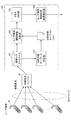
本実施形態に係るユーザ分類装置が用いられるシステムは、図1に示すように、ユーザ端末10と、情報検索エンジン20と、ユーザ分類装置100とから構成されている。また、ユーザ分類装置100は、図1に示すように、検索ログデータベース101と、ユーザ検索履歴情報収集部102と、分析対象キーワード抽出部103と、クラス抽出部104と、ユーザ検索履歴解析結果提示部105とから構成されている。
<Configuration of user classification device>
As shown in FIG. 1, the system in which the user classification device according to the present embodiment is used includes a
検索ログデータベース101は、情報検索エンジン20から入力した検索ログを収集し、格納するデータベースである。ユーザ検索履歴情報収集部102は、情報検索エンジン20を利用したユーザの検索履歴情報を収集し、後述するクラス抽出部104に入力可能なデータ形式に加工する処理を行う。ここで、情報検索エンジン20から得られる検索ログには、少なくともユーザを特定するための「ユーザID」と、ユーザが情報検索エンジン20に対し入力した「キーワード」の情報が含まれているものとする。なお、ユーザ検索履歴情報収集部102の詳しい処理方法については後述する。
The
分析対象キーワード抽出部103は、分析対象ユーザの情報検索エンジン20の利用履歴(詳細は後述する)に含まれるキーワードの中から、ユーザ分類に有用なキーワードを抽出する処理を行う。具体的には、例えば、履歴に含まれる検索キーワードの出現頻度を算出し、上位M件のキーワードを分析対象キーワードとみなす方法等が考えられる。
The analysis target
クラス抽出部104は、ユーザ検索履歴情報収集部102から入力されたすべてのユーザの検索履歴データから潜在クラスを抽出し、分析対象ユーザを抽出されたクラスのいずれかに分類する処理を行う。ここで、潜在クラスとは、マーケティング分析などにおいて近年利用されている分析手法の1つであり、大量のアンケート回答結果などに潜在する集団を抽出し、分析に利用する手法である。検索キーワードの履歴情報から潜在クラス抽出を行うことにより、ユーザの情報検索エンジン20の利用動向ごとにユーザを分類することがここでの目的である。すなわち、個々の潜在クラスは、類似した検索キーワードを入力するユーザ群を表すと考えられる。なお、ここでは後述の実施形態の説明のため、潜在クラス抽出を適用しているが、潜在クラス抽出以外のデータ分類方法、例えば、クラスタリング等を適用してもよい。
The
ユーザ検索履歴解析結果提示部105は、クラス抽出部104によるユーザの分類結果を、ユーザの履歴分析担当者に提示する処理を行う。具体的には、各潜在クラスに属するユーザの統計情報などを閲覧するための表示などを行う。これにより、この結果と、例えば、別の商品の購買履歴とを照合することにより、分析対象商品を購入しているユーザの動向からマーケット分析が可能になり、商品の販売促進に効果的な検索キーワードの自動抽出などの成果が得られる。
The user search history analysis
<ユーザ分類装置の処理フロー>
次に、図2から図4を用いて、ユーザ分類装置の処理について説明する。
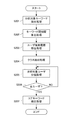
図2に示すように、ユーザ分類装置の処理は、大きく「分析対象キーワード抽出処理(ステップS101)」「ユーザ検索履歴取込処理(ステップS102)」「クラス抽出処理(ステップS103)」「分析対象ユーザ分類処理(ステップS104)」の4つの処理に分けられる。そして、これらの処理による分析結果が、ユーザ検索履歴解析結果提示部105により、分析担当者に提示される。
<Processing flow of user classification device>
Next, processing of the user classification device will be described with reference to FIGS.
As shown in FIG. 2, the processing of the user classification device is largely divided into “analysis target keyword extraction process (step S101)”, “user search history capturing process (step S102)”, “class extraction process (step S103)”, and “analysis target”. It is divided into four processes of “user classification process (step S104)”. Then, the analysis result by these processes is presented to the person in charge of analysis by the user search history analysis
まず、分析対象キーワード抽出処理(ステップS101)では、検索エンジンの検索履歴に含まれるキーワードの中から、分析対象となるキーワードを抽出する処理を行う。次に、ユーザ検索履歴取込処理(ステップS102)では、分析対象キーワード抽出処理(ステップS101)によって抽出されたキーワードと、個々のユーザの検索ログを照合し、後述のクラス抽出処理(ステップS103)に入力可能な形式に、全てのユーザの検索ログを変換する処理を行う。 First, in analysis target keyword extraction processing (step S101), processing is performed for extracting keywords to be analyzed from keywords included in the search history of the search engine. Next, in the user search history fetch process (step S102), the keyword extracted by the analysis target keyword extraction process (step S101) is collated with the search log of each user, and a class extraction process (step S103) described later is performed. The process of converting the search logs of all users into a format that can be input to is performed.
ここで、本処理で想定している検索ログデータは、例えば、図3に示すようになっている。つまり、図3に示すとおり、検索ログデータには、検索を行ったユーザを示す「ユーザID」と、当該ユーザが情報検索を行った「検索時刻」、当該ユーザが情報検索エンジン20に入力したキーワードを示す「検索キーワード」が含まれている。図3の例では、具体的に、ユーザID「S93248950」のユーザが2007年1月15日の午前10時3分32秒に情報検索エンジン20に検索キーワードとして「画像 無料」を入力し、ユーザID「P09231245」のユーザが2007年1月15日の午前10時6分11秒に情報検索エンジン20に検索キーワードとして「掲示板」を入力し、ユーザID「Q11222844」のユーザが2007年1月16日の午後8時1分54秒に情報検索エンジン20に検索キーワードとして「着メロ 鈴木はなこ」を入力したことが示されている。本処理では、図3に示されているような検索ログデータから、個々のユーザが入力した検索キーワードのうち、分析対象キーワード抽出処理において抽出されたキーワードに該当するキーワードを抽出することにより、各ユーザの検索履歴を集約する処理を行う。
Here, the search log data assumed in this processing is as shown in FIG. 3, for example. That is, as shown in FIG. 3, the search log data includes “user ID” indicating the user who performed the search, “search time” when the user performed information search, and the user input to the
図4には、分析対象キーワード抽出処理(ステップS101)において、N件のキーワード K1,K2,・・・,Knが分析対象キーワードとして抽出された場合に、本処理からの出力データ例が示されている。 FIG. 4 shows an example of output data from this process when N keywords K 1 , K 2 ,..., Kn are extracted as analysis target keywords in the analysis target keyword extraction process (step S101). It is shown.
図4に示すデータの例では、各行が個々のユーザの検索キーワード履歴を示している。具体的には、図3に示されている検索ログデータの検索キーワードのうち、分析対象のN件のキーワードK1,K2,・・・,Knに含まれているものがあれば「1」を設定し、それ以外のキーワード(当該ユーザが入力していないキーワード)については「0」と設定する処理を行う。図4の例では、例えば、ユーザIDの「T91354854」のユーザの場合、検索キーワードK2とK3を入力していることが表されており、ユーザIDの「A82349444」のユーザの場合、検索キーワードK1とK4とKn−1を、ユーザIDの「M19731007」のユーザの場合、検索キーワードK4とKn−1とKnを、ユーザIDの「K02816613」のユーザの場合、検索キーワードK1からK4とKnを入力したことが表されている。 In the example of data shown in FIG. 4, each row indicates a search keyword history of an individual user. Specifically, if there are N keywords K 1 , K 2 ,..., K n to be analyzed among search keywords of the search log data shown in FIG. “1” is set, and other keywords (keywords not entered by the user) are set to “0”. In the example of FIG. 4, for example, in the case of the user with the user ID “T91354854”, it is indicated that the search keywords K 2 and K 3 are input, and in the case of the user with the user ID “A823349444”, the search is performed. Search for keywords K 1 , K 4, and K n-1 for a user with a user ID “M19731007”, search keywords K 4 , K n−1, and K n for a user with a user ID “K0268613” it is represented that have entered the K 4 and K n keywords K 1.
なお、ここでは各検索キーワードの入力の有無のみに基づいて検索履歴データを生成している処理例を示しているが、各検索キーワードの入力件数を考慮した形、例えば、m件以上の検索で「1」を設定するような形式で図4のような出力データを作成する等の方法を適用してもよい。 In addition, although the process example which produces | generates search history data based only on the presence or absence of the input of each search keyword is shown here, the form which considered the number of input of each search keyword, for example, a search of m or more A method of creating output data as shown in FIG. 4 in a format in which “1” is set may be applied.
次に、クラス抽出処理(ステップS103)では、ユーザ検索履歴取込処理(ステップS102)で生成されたデータに基づき、各ユーザの検索動向を表す「クラス」を自動的に抽出する。本処理では、「潜在クラス抽出」という方法を利用し、検索時刻履歴データから潜在クラスを抽出する手法などを適用する。 Next, in the class extraction process (step S103), the “class” representing the search trend of each user is automatically extracted based on the data generated in the user search history capturing process (step S102). In this process, a method called “latent class extraction” is used to apply a method of extracting a latent class from search time history data.
なお、上記では、「潜在クラス抽出」を例示したが、k−meansクラスタリングなどの処理により、クラスの抽出を実行することも可能である。 In the above, “latent class extraction” is illustrated, but class extraction can also be executed by a process such as k-means clustering.
分析対象ユーザ分類処理(ステップS104)では、クラスが抽出された後、全ての分析対象ユーザを抽出されたクラスのいずれかに分類する処理を行う。クラス抽出処理(ステップS103)において、前述の潜在クラス抽出を利用している場合は、各ユーザの検索キーワード履歴データに基づき、抽出された潜在クラスへの帰属確率を求め、帰属確率が最大となるクラスにユーザを分類する手法などが適用可能である。 In the analysis target user classification process (step S104), after a class is extracted, a process of classifying all analysis target users into one of the extracted classes is performed. In the class extraction process (step S103), when the above-described latent class extraction is used, the probability of belonging to the extracted latent class is obtained based on the search keyword history data of each user, and the membership probability is maximized. A method of classifying users into classes can be applied.
また、クラス抽出処理(ステップS103)においてクラスタリングを適用している場合は、各クラスタの重心と、ユーザの検索キーワード履歴間の類似度を算出し、最も類似度が高いクラスタにユーザを分類する手法などを適用することができる。本処理の結果、すべての広告配信対象ユーザが、クラス抽出処理において抽出されたクラスのいずれかに分類されることとなる。 Further, when clustering is applied in the class extraction process (step S103), a method of calculating the similarity between the centroid of each cluster and the search keyword history of the user, and classifying the user into the cluster having the highest similarity. Etc. can be applied. As a result of this process, all advertisement distribution target users are classified into one of the classes extracted in the class extraction process.
以上の処理の結果を基に、分析担当者が個々のクラスに分類されたユーザの特性などを見て、ユーザの動向について分析を行う。また、分析の補足データとして、上記の検索履歴データに加え、たとえば商品の購買履歴などがあれば、商品を購入しているユーザが入力している検索キーワードの傾向などを調査することができる。 Based on the results of the above processing, the person in charge of the analysis looks at the characteristics of the users classified into individual classes and analyzes the user trends. In addition to the above-described search history data as supplementary data for analysis, for example, if there is a purchase history of a product, the tendency of the search keyword input by the user who has purchased the product can be investigated.
したがって、本実施形態によれば、ユーザが情報検索エンジンに入力した検索キーワードの履歴情報に基づいて、ユーザを分類し、顧客の動向分析を支援することができる。 Therefore, according to the present embodiment, it is possible to classify the user based on the history information of the search keyword input by the user to the information search engine, and support the customer trend analysis.
<第2の実施形態>
図5から図8を用いて、本発明の第2の実施形態について説明する。
<Second Embodiment>
A second embodiment of the present invention will be described with reference to FIGS.
<ユーザ分類装置の構成>
本実施形態に係るユーザ分類装置が用いられるシステムは、図5に示すように、ユーザ端末10と、情報検索エンジン20と、ユーザ分類装置200とから構成されている。また、ユーザ分類装置200は、図5に示すように、検索ログデータベース101と、ユーザ検索履歴情報収集部102と、分析対象キーワード抽出部103と、クラス抽出部104と、ユーザ検索履歴解析結果提示部105と、キーワード関連情報収集部201と、検索サマリデータベース202と、キーワード間相関算出部203と、コアキーワード抽出部204とから構成されている。なお、第1の実施形態と同一の符号を付す構成要素については、同一の機能を有することから、詳細な説明は省略する。
<Configuration of user classification device>
As shown in FIG. 5, the system in which the user classification device according to the present embodiment is used includes a
キーワード関連情報収集部201は、分析対象キーワード抽出部103で得られた個々の分析対象キーワードを情報検索エンジン20に入力した検索結果の情報を収集する処理を行う。キーワード関連情報収集部201によって収集するキーワード関連情報としては、「検索サイト数」と「検索サマリ」が含まれる。ここで、検索サイト数とは、分析対象キーワードを情報検索エンジンに入力した結果、同キーワードを含むと判断されたWebサイトの総数である。また、検索サマリとは、情報検索エンジンの検索結果提示画面において表示される検索サイトの要約情報(当該サイトのテキスト情報の一部を抜粋していることが多い)のことである。これらの情報は、たとえば情報検索サイトが提供している検索APIなどを利用することにより収集することができる。
The keyword related
検索サマリデータベース202は、キーワード関連情報収集部201が収集した検索サマリを格納するデータベースである。キーワード間相関算出部203は、キーワード関連情報収集部201で収集された各分析対象キーワードに対する検索サマリ内での他の分析対象キーワードの共起頻度などから、分析対象キーワード間の相関値を算出する処理を行う。なお、詳細な処理内容は後述する。
The
コアキーワード抽出部204は、キーワード間相関算出部203で算出された分析対象キーワード間の相関値などに基づき、クラス抽出部104で得られた個々の潜在クラスを表すのに有用なキーワード(以下、コアキーワードという)を選択する処理を行う。具体的には、後述する手法によって算出された数値に基づき、自動的にコアキーワードを選択する方法や、コアキーワード候補の中から分析担当者がコアキーワードを選択する方法などがある。
The core
上記のキーワード関連情報収集部201、キーワード間相関算出部203、コアキーワード抽出部204による処理の結果、個々の潜在クラスについて、そのクラスを代表すると思われるコアキーワードが自動的に抽出可能になる。この結果は、クラス抽出部104によるユーザ分類結果と併せて、ユーザ検索履歴解析結果提示部105に送信される。ユーザ検索履歴解析結果提示部105では、解析結果の提示時に、各潜在クラスのコアワードの情報を併せて分析担当者に提示することにより、第1の実施形態に示した基本システムよりも高度なユーザ動向の分析が容易にできるようになる。
As a result of the processing by the keyword-related
<ユーザ分類装置の処理フロー>
次に、図6から図8を用いて、ユーザ分類装置の処理について説明する。
まず、分析対象キーワード抽出処理(ステップS201)では、検索エンジンの検索履歴に含まれるキーワードの中から、分析対象となるキーワードを抽出する処理を行う。次に、キーワード間相関算出処理(ステップS202)では、キーワード関連情報収集部201で収集された各分析対象キーワードに対する検索サマリ内での他の分析対象キーワードの共起頻度などから、分析対象キーワード間の相関値を算出する処理を行う。
<Processing flow of user classification device>
Next, processing of the user classification device will be described with reference to FIGS.
First, in the analysis target keyword extraction process (step S201), a process of extracting a keyword to be analyzed from keywords included in the search history of the search engine is performed. Next, in the inter-keyword correlation calculation process (step S202), based on the frequency of co-occurrence of other analysis target keywords in the search summary for each analysis target keyword collected by the keyword related
ユーザ検索履歴取込処理(ステップS203)では、分析対象キーワード抽出処理(ステップS201)によって抽出されたキーワードと、個々のユーザの検索ログを照合し、後述のクラス抽出処理(ステップS204)に入力可能な形式に、全てのユーザの検索ログを変換する処理を行う。クラス抽出処理(ステップS204)では、ユーザ検索履歴取込処理(ステップS203)で生成されたデータに基づき、各ユーザの検索動向を表す「クラス」を自動的に抽出する。分析対象ユーザ分類処理(ステップS205)では、クラスが抽出された後、全ての分析対象ユーザを抽出されたクラスのいずれかに分類する処理を行う。 In the user search history import process (step S203), the keyword extracted by the analysis target keyword extraction process (step S201) is collated with the search log of each user, and can be input to the class extraction process (step S204) described later. Process to convert the search log of all users into a simple format. In the class extraction process (step S204), the “class” representing the search trend of each user is automatically extracted based on the data generated in the user search history capturing process (step S203). In the analysis target user classification process (step S205), after the class is extracted, a process of classifying all the analysis target users into one of the extracted classes is performed.
コアキーワード抽出処理(ステップS207)では、キーワード間相関算出部203で算出された分析対象キーワード間の相関値などに基づき、クラス抽出部104で得られた個々の潜在クラスを表すのにコアキーワードを選択する処理を行う。具体的には、各クラスに属するユーザの検索履歴に含まれるキーワードのうち、件数の上位K件を抽出する手法を採用することができる。また、より高度な方法としては、各クラスに属するユーザの検索履歴に含まれるキーワードに加え、Web検索APIから得られるキーワード間の共起情報を利用し、キーワード間の相関値を算出し、各クラスを代表するコアワードを抽出する。この抽出結果は、前述までのユーザ分類結果と併せて、分析担当者に提示される。この処理により、より高度なユーザ動向の分析が可能になる。
In the core keyword extraction process (step S207), the core keyword is used to represent each latent class obtained by the
次に、変形例として、高度なコアキーワード抽出処理に必要な、Web検索情報収集処理のフローを図7に示す。
図7に示す通り、Web検索情報収集処理は「キーワードWeb検索結果収集処理(ステップS301)」、「検索結果内キーワード共起算出処理(ステップS303)」、「検索サマリDB格納処理(ステップS304)」の3つの処理から構成される。
Next, as a modification, FIG. 7 shows a flow of Web search information collection processing necessary for advanced core keyword extraction processing.
As shown in FIG. 7, the Web search information collection process includes “keyword Web search result collection process (step S301)”, “keyword co-occurrence calculation process within search result (step S303)”, and “search summary DB storage process (step S304)”. Are comprised of three processes.
キーワードWeb検索結果収集処理(ステップS301)では、分析対象キーワードに対するWeb検索結果の収集を行う。具体的には、大手検索エンジンが提供しているAPIなどを利用し、当該キーワードに対する検索サイト数や、検索結果のサマリ情報を収集する。ここで、本処理で想定している結果の例を、図8に示す。 In the keyword Web search result collection process (step S301), Web search results for the analysis target keyword are collected. Specifically, the API provided by a major search engine is used to collect the number of search sites for the keyword and summary information of search results. Here, an example of a result assumed in this process is shown in FIG.
図8の例では、Yahoo!APIによる検索キーワード「沖縄」に対するWeb検索結果が示されている。このうち、total Results Available(太字部参照)は、当該キーワードに対して検索されたサイトの総数を示している。また、Summary(太字部参照)には、検索結果のサマリ情報が示されている。具体的には、検索されたサイト内で、当該キーワードを含むテキスト文が抜粋されている。 In the example of FIG. 8, Yahoo! Web search results for the search keyword “Okinawa” by API are shown. Among these, total Results Available (refer to a bold part) indicates the total number of sites searched for the keyword. Also, Summary (see bold text) shows summary information of the search results. Specifically, a text sentence including the keyword is extracted in the searched site.
次に、検索結果内キーワード共起算出処理(ステップS303)では、全ての分析対象検索キーワードに対し、キーワードWeb検索結果収集処理(ステップS301)で収集されたWeb検索結果のサマリ情報内で、共起しているキーワードの件数等を算出する。この処理により、当該キーワードとの共起が多いキーワード、少ないキーワードが明らかになり、キーワード間の相関関係を導出することが可能になる。 Next, in the keyword co-occurrence calculation process in search results (step S303), the co-occurrence information in the summary information of the web search results collected in the keyword web search result collection process (step S301) for all analysis target search keywords is shared. Calculate the number of keywords that have occurred. By this process, keywords with a large number of co-occurrence with the keyword and keywords with a small number are clarified, and a correlation between the keywords can be derived.
最後に、検索サマリDB格納処理(ステップS304)にて、上記の結果が検索サマリデータベース202に格納される。具体的には、各分析対象キーワードに対する検索サイト総数、ならびに検索結果サマリ内で共起したキーワードとその共起件数を検索サマリデータベース202に格納する。
Finally, in the search summary DB storage process (step S304), the above result is stored in the
以上の処理によって収集されたWeb検索結果と、各クラスに帰属するユーザの検索履歴を利用し、各クラスを代表するコアキーワードの算出を行う。ここでは、前述のクラス内キーワード出現件数の上位をそのままコアキーワードとして提示する方式のほか、以下のような方式が採用可能である。 Using the Web search results collected by the above processing and the user search history belonging to each class, a core keyword representing each class is calculated. Here, in addition to the above-described method of presenting the highest number of in-class keyword appearances as the core keyword, the following method can be employed.
1)リフト値
あるキーワードと、当該クラス内で共起しているキーワードが相対的に多い場合、そのキーワードは当該クラスを代表するキーワードである・・・という仮定に基づいたコアキーワード算出手法であり、具体的には、下記の数式により「リフト値」を算出する。
クラス内キーワード共起率÷検索サマリ内キーワード共起率=リフト値
1) Lift value This is a core keyword calculation method based on the assumption that when a keyword and a keyword co-occurring in the class are relatively many, the keyword is a keyword representing the class. Specifically, the “lift value” is calculated by the following mathematical formula.
Keyword co-occurrence rate within class ÷ Keyword co-occurrence rate within search summary = lift value
ただし、「クラス内キーワード共起率」は、当該クラスに出現するキーワードのうち、当該キーワードと検索サマリ内で共起しているキーワードの率であり、「検索サマリ内キーワード共起率」とは、全ての分析対象キーワードのうち、当該キーワードと検索サマリ内で共起しているキーワードの率である。 However, the “in-class keyword co-occurrence rate” is the rate of keywords that co-occur in the search summary among the keywords that appear in the class. , Of all the analysis target keywords, the ratio of keywords that co-occur in the search summary with the keyword.
2)リフト値×Web検索件数
上記のリフト値の場合、検索サマリ内キーワード共起率が極端に低い(マニアックな)キーワードのスコアが高くなるため、コアキーワードとしてはふさわしくないキーワードが抽出される可能性がある。そこで、Web検索件数を適用することにより、マニアックなキーワードのスコアを抑制し、コアキーワード抽出精度を向上させるのが本手法であり、具体的には、以下の数式によりスコアを得る。
リフト値×Web検索件数
2) Lift value x number of web searches In the case of the above lift value, the keyword co-occurrence rate in the search summary is extremely low (the maniac) keyword score is high, so it is possible to extract keywords that are not suitable as core keywords There is sex. Therefore, by applying the number of web searches, this technique is to suppress the score of geeky keywords and improve core keyword extraction accuracy. Specifically, the score is obtained by the following mathematical formula.
Lift value x number of web searches
ただし、Web検索件数自体は、キーワードによっては膨大な数になるため、Web検索件数の対数をとる方法や、以下のように予め定めた定数をかけることにより、スコアを調整することも可能である。
リフト値×(α×log(Web検索件数))
ただし、αは定数である。
However, since the number of web searches itself is enormous depending on the keyword, it is possible to adjust the score by taking a logarithm of the number of web searches or by applying a predetermined constant as follows. .
Lift value x (α x log (number of web searches))
Where α is a constant.
<第3の実施形態>
図9および図10を用いて、本発明の第3の実施形態について説明する。
<Third Embodiment>
A third embodiment of the present invention will be described with reference to FIGS.
<広告配信装置の構成>
本実施形態に係る広告配信装置が用いられるシステムは、図9に示すように、ユーザ端末10と、情報検索エンジン20と、広告配信装置300とから構成されている。また、広告配信装置300は、図9に示すように、検索ログデータベース101と、ユーザ検索履歴情報収集部102と、分析対象キーワード抽出部103と、クラス抽出部104と、配信広告決定部305と、広告データベース306と、広告配信部307とから構成されている。なお、第1の実施形態と同一の符号を付す構成要素については、同一の機能を有することから、詳細な説明は省略する。
<Configuration of advertisement distribution device>
As shown in FIG. 9, the system in which the advertisement distribution apparatus according to the present embodiment is used includes a
配信広告決定部305は、クラス抽出部104から出力されるユーザ分類結果と、広告主から提供され、広告データベース306に格納される広告の情報とを照合し、配信対象広告を配信するユーザクラスを決定する。なお、配信広告決定部305では、広告主から、配信対象広告の情報として、関連キーワードなどが提供され、同情報が広告データベース306に格納されていることを前提とするが、広告にテキスト情報が含まれている場合は、広告内からキーワードを抽出することにより、広告関連キーワードを自動生成することも可能である。また、クラス抽出部104では、分析対象ユーザが分類されているクラスと、各クラスに属するユーザが入力した検索キーワードの情報とが得られ、配信広告決定部305では、例えば、各広告の関連キーワードの出現率が最も高いクラスのユーザに対し、当該広告を配信するといった処理により、個々の広告を配信するユーザクラスを決定する。
The distribution
広告配信部307は、配信広告決定部305によって決定された個々の広告の配信対象ユーザクラスに帰属するユーザに対し、該当する広告の配信を行う。なお、広告配信の方法としては、電子メールによる配信のほか、当該ユーザがアクセスするWebサイト上に広告を表示する方法などを適用することができる。
The
<広告配信装置の処理フロー>
次に、図10を用いて、広告配信装置の処理について説明する。
<Processing flow of advertisement distribution device>
Next, processing of the advertisement distribution device will be described with reference to FIG.
まず、分析対象キーワード抽出処理(ステップS401)では、検索エンジンの検索履歴に含まれるキーワードの中から、分析対象となるキーワードを抽出する処理を行う。次に、ユーザ検索履歴取込処理(ステップS402)では、分析対象キーワード抽出処理(ステップS401)によって抽出されたキーワードと、個々のユーザの検索ログを照合し、後述のクラス抽出処理(ステップS403)に入力可能な形式に、全てのユーザの検索ログを変換する処理を行う。 First, in the analysis target keyword extraction process (step S401), a process of extracting a keyword to be analyzed from keywords included in the search history of the search engine is performed. Next, in the user search history capturing process (step S402), the keyword extracted by the analysis target keyword extraction process (step S401) is collated with the search log of each user, and a class extraction process (step S403) described later is performed. The search log of all users is converted into a format that can be entered in
次に、クラス抽出処理(ステップS403)では、ユーザ検索履歴取込処理(ステップS402)で生成されたデータに基づき、各ユーザの検索動向を表す「クラス」を自動的に抽出する。 Next, in the class extraction process (step S403), the “class” representing the search trend of each user is automatically extracted based on the data generated in the user search history capturing process (step S402).
分析対象ユーザ分類処理(ステップS404)では、クラスが抽出された後、全ての分析対象ユーザを抽出されたクラスのいずれかに分類する処理を行う。配信広告決定処理(ステップS406)では、クラス抽出処理(ステップS403)により出力されるユーザ分類結果と、広告主から提供され、広告データベース306に格納される広告の情報とを照合し、配信対象広告を配信するユーザクラスを決定する。広告配信処理(ステップS407)では、配信広告決定処理(ステップS406)によって決定された個々の広告の配信対象ユーザクラスに帰属するユーザに対し、該当する広告の配信を行う。
In the analysis target user classification process (step S404), after a class is extracted, a process of classifying all analysis target users into one of the extracted classes is performed. In the distribution advertisement determination process (step S406), the user classification result output by the class extraction process (step S403) and the advertisement information provided from the advertiser and stored in the
したがって、本実施形態によれば、ユーザが情報検索エンジンに入力した検索キーワードの履歴情報に基づいて、ユーザを分類し、顧客の動向分析に基づいた広告を配信することができる。 Therefore, according to the present embodiment, the user can be classified based on the search keyword history information input to the information search engine by the user, and the advertisement based on the customer trend analysis can be distributed.
さらに、第2の実施形態のように、本実施形態の広告配信装置にキーワード関連情報収集部201、キーワード間相関算出部203、コアキーワード抽出部204を設けた構成としてもよい。このような構成を採用することにより、検索キーワードと関連が高いキーワードが自動的に得られるため、広告主が想定している検索キーワードを実際に入力していないユーザに対しても、広告を配信することが可能となる。
Further, as in the second embodiment, the advertisement distribution apparatus according to the present embodiment may include a keyword related
なお、ユーザ分類装置および広告配信装置の処理をコンピュータ読み取り可能な記録媒体に記録し、この記録媒体に記録されたプログラムをユーザ分類装置および広告配信装置に読み込ませ、実行することによって本発明のユーザ分類装置および広告配信装置を実現することができる。ここでいうコンピュータシステムとは、OSや周辺装置等のハードウェアを含む。 The processing of the user classification device and the advertisement distribution device is recorded on a computer readable recording medium, and the program recorded on the recording medium is read and executed by the user classification device and the advertisement distribution device. A classification device and an advertisement distribution device can be realized. The computer system here includes an OS and hardware such as peripheral devices.
また、「コンピュータシステム」は、WWW(World Wide Web)システムを利用している場合であれば、ホームページ提供環境(あるいは表示環境)も含むものとする。また、上記プログラムは、このプログラムを記憶装置等に格納したコンピュータシステムから、伝送媒体を介して、あるいは、伝送媒体中の伝送波により他のコンピュータシステムに伝送されても良い。ここで、プログラムを伝送する「伝送媒体」は、インターネット等のネットワーク(通信網)や電話回線等の通信回線(通信線)のように情報を伝送する機能を有する媒体のことをいう。 Further, the “computer system” includes a homepage providing environment (or display environment) if a WWW (World Wide Web) system is used. The program may be transmitted from a computer system storing the program in a storage device or the like to another computer system via a transmission medium or by a transmission wave in the transmission medium. Here, the “transmission medium” for transmitting the program refers to a medium having a function of transmitting information, such as a network (communication network) such as the Internet or a communication line (communication line) such as a telephone line.
また、上記プログラムは、前述した機能の一部を実現するためのものであっても良い。さらに、前述した機能をコンピュータシステムにすでに記録されているプログラムとの組合せで実現できるもの、いわゆる差分ファイル(差分プログラム)であっても良い。 The program may be for realizing a part of the functions described above. Furthermore, what can implement | achieve the function mentioned above in combination with the program already recorded on the computer system, and what is called a difference file (difference program) may be sufficient.
以上、この発明の実施形態につき、図面を参照して詳述してきたが、具体的な構成はこの実施形態に限られるものではなく、この発明の要旨を逸脱しない範囲の設計等も含まれる。 The embodiments of the present invention have been described in detail with reference to the drawings. However, the specific configuration is not limited to the embodiments, and includes designs and the like that do not depart from the gist of the present invention.
10・・・ユーザ端末、20・・・情報検索エンジン、100、200・・・ユーザ分類装置、101・・・検索ログデータベース、102・・・ユーザ検索履歴情報収集部、103・・・分析対象キーワード抽出部、104・・・クラス抽出部、105・・・ユーザ検索履歴解析結果提示部、201・・・キーワード関連情報収集部、202・・・検索サマリデータベース、203・・・キーワード間相関算出部、204・・・コアキーワード抽出部、300・・・広告配信装置、305・・・配信広告決定部、306・・・広告データベース、307・・・広告配信部
DESCRIPTION OF
Claims (12)
該抽出した検索キーワード情報に基づいて、各ユーザの入力キーワードの動向を示すクラスを生成するクラス生成手段と、
該生成されたクラスに各ユーザを分類する分類手段と、
少なくとも該分類された分類結果を提示する分類結果提示手段と、
を備えたことを特徴とするユーザ分類装置。 Search keyword information extracting means for extracting search keyword information included in search history information of each user using an information search engine;
Based on the extracted search keyword information, class generation means for generating a class indicating the trend of the input keyword of each user;
A classifying means for classifying each user into the generated class;
Classification result presentation means for presenting at least the classified classification results;
A user classification device comprising:
前記分類結果提示手段が、ユーザの前記分類結果と併せて、該抽出したコアキーワードを提示することを特徴とする請求項1に記載のユーザ分類装置。 A core keyword extracting means for extracting a core keyword representing the class generated by the class generating means;
The user classification apparatus according to claim 1, wherein the classification result presentation unit presents the extracted core keyword together with the classification result of the user.
該抽出した検索キーワード情報に基づいて、各ユーザの入力キーワードの動向を示すクラスを生成するクラス生成手段と、
該生成されたクラスに各ユーザを分類する分類手段と、
少なくとも該分類結果に基づいて、前記生成されたクラス毎に配信する広告を決定する配信広告決定手段と、
該配信広告決定手段において決定された広告を前記生成されたクラス毎に配信する広告配信手段と、
を備えたことを特徴とする広告配信装置。 Search keyword information extracting means for extracting search keyword information included in search history information of each user using an information search engine;
Based on the extracted search keyword information, class generation means for generating a class indicating the trend of the input keyword of each user;
A classifying means for classifying each user into the generated class;
A delivery advertisement determination means for determining an advertisement to be delivered for each of the generated classes based on at least the classification result;
An advertisement distribution means for distributing the advertisement determined by the distribution advertisement determination means for each of the generated classes;
An advertisement distribution apparatus comprising:
前記配信広告決定手段が、ユーザの前記分類結果と併せて、該抽出したコアキーワードに基づいて前記生成されたクラス毎に配信する広告を決定することを特徴とする請求項5に記載の広告配信装置。 A core keyword extracting means for extracting a core keyword representing the class generated by the class generating means;
The advertisement distribution according to claim 5, wherein the distribution advertisement determination unit determines an advertisement to be distributed for each of the generated classes based on the extracted core keyword together with the classification result of the user. apparatus.
該抽出した検索キーワード情報に基づいて、各ユーザの入力キーワードの動向を示すクラスを生成する第2のステップと、
該生成されたクラスに各ユーザを分類する第3のステップと、
少なくとも該分類された分類結果を提示する第4のステップと、
を備えたことを特徴とするユーザ分類方法。 A first step of extracting search keyword information included in search history information of each user using an information search engine;
A second step of generating a class indicating trends of input keywords of each user based on the extracted search keyword information;
A third step of classifying each user into the generated class;
A fourth step of presenting at least the classified classification results;
A user classification method characterized by comprising:
該抽出した検索キーワード情報に基づいて、各ユーザの入力キーワードの動向を示すクラスを生成する第2のステップと、
該生成されたクラスに各ユーザを分類する第3のステップと、
少なくとも該分類結果に基づいて、前記生成されたクラス毎に配信する広告を決定する第4のステップと、
該第4のステップにおいて決定された広告を前記生成されたクラス毎に配信する第5のステップと、
を備えたことを特徴とする広告配信方法。 A first step of extracting search keyword information included in search history information of each user using an information search engine;
A second step of generating a class indicating trends of input keywords of each user based on the extracted search keyword information;
A third step of classifying each user into the generated class;
A fourth step of determining an advertisement to be delivered for each of the generated classes based on at least the classification result;
A fifth step of delivering the advertisement determined in the fourth step for each of the generated classes;
An advertisement delivery method characterized by comprising:
情報検索エンジンを利用した各ユーザの検索履歴情報に含まれる検索キーワード情報を抽出する第1のステップと、
該抽出した検索キーワード情報に基づいて、各ユーザの入力キーワードの動向を示すクラスを生成する第2のステップと、
該生成されたクラスに各ユーザを分類する第3のステップと、
少なくとも該分類された分類結果を提示する第4のステップと、
を実行させるためのプログラム。 On the computer,
A first step of extracting search keyword information included in search history information of each user using an information search engine;
A second step of generating a class indicating trends of input keywords of each user based on the extracted search keyword information;
A third step of classifying each user into the generated class;
A fourth step of presenting at least the classified classification results;
A program for running
情報検索エンジンを利用した各ユーザの検索履歴情報に含まれる検索キーワード情報を抽出する第1のステップと、
該抽出した検索キーワード情報に基づいて、各ユーザの入力キーワードの動向を示すクラスを生成する第2のステップと、
該生成されたクラスに各ユーザを分類する第3のステップと、
少なくとも該分類結果に基づいて、前記生成されたクラス毎に配信する広告を決定する第4のステップと、
該第4のステップにおいて決定された広告を前記生成されたクラス毎に配信する第5のステップと、
を実行させるためのプログラム。 On the computer,
A first step of extracting search keyword information included in search history information of each user using an information search engine;
A second step of generating a class indicating trends of input keywords of each user based on the extracted search keyword information;
A third step of classifying each user into the generated class;
A fourth step of determining an advertisement to be delivered for each of the generated classes based on at least the classification result;
A fifth step of delivering the advertisement determined in the fourth step for each of the generated classes;
A program for running
Priority Applications (1)
| Application Number | Priority Date | Filing Date | Title |
|---|---|---|---|
| JP2007208988A JP2009043125A (en) | 2007-08-10 | 2007-08-10 | User classification device, advertisement distribution device, user classification method, advertisement distribution method and program |
Applications Claiming Priority (1)
| Application Number | Priority Date | Filing Date | Title |
|---|---|---|---|
| JP2007208988A JP2009043125A (en) | 2007-08-10 | 2007-08-10 | User classification device, advertisement distribution device, user classification method, advertisement distribution method and program |
Publications (1)
| Publication Number | Publication Date |
|---|---|
| JP2009043125A true JP2009043125A (en) | 2009-02-26 |
Family
ID=40443790
Family Applications (1)
| Application Number | Title | Priority Date | Filing Date |
|---|---|---|---|
| JP2007208988A Pending JP2009043125A (en) | 2007-08-10 | 2007-08-10 | User classification device, advertisement distribution device, user classification method, advertisement distribution method and program |
Country Status (1)
| Country | Link |
|---|---|
| JP (1) | JP2009043125A (en) |
Cited By (10)
| Publication number | Priority date | Publication date | Assignee | Title |
|---|---|---|---|---|
| JP2012113486A (en) * | 2010-11-24 | 2012-06-14 | Yahoo Japan Corp | Intention extraction device, method and program |
| KR20120077494A (en) * | 2010-12-30 | 2012-07-10 | 엔에이치엔비즈니스플랫폼 주식회사 | System and method for providing advertisement based user group |
| JP2012174122A (en) * | 2011-02-23 | 2012-09-10 | Ntt Docomo Inc | Keyword selection device, keyword presentation system, keyword presentation method, and program |
| JP2014002683A (en) * | 2012-06-21 | 2014-01-09 | Yahoo Japan Corp | Content distribution device |
| CN103577532A (en) * | 2012-08-10 | 2014-02-12 | 国际商业机器公司 | Text processing method and system |
| JP2014515844A (en) * | 2011-03-04 | 2014-07-03 | クゥアルコム・インコーポレイテッド | Method and apparatus for grouping client devices based on context similarity |
| JP2014182575A (en) * | 2013-03-19 | 2014-09-29 | Yahoo Japan Corp | Information processing device and method |
| JP2017027359A (en) * | 2015-07-22 | 2017-02-02 | ヤフー株式会社 | Information processing apparatus, information processing method, and information processing program |
| JP2020047073A (en) * | 2018-09-20 | 2020-03-26 | Zホールディングス株式会社 | Provision device, provision method, and provision program |
| WO2020059123A1 (en) * | 2018-09-21 | 2020-03-26 | 富士通株式会社 | Determination method and determination program |
Citations (3)
| Publication number | Priority date | Publication date | Assignee | Title |
|---|---|---|---|---|
| JP2001325272A (en) * | 2000-05-16 | 2001-11-22 | Internatl Business Mach Corp <Ibm> | Information arrangement method, information processor, storage medium and program transmitter |
| JP2002132822A (en) * | 2000-10-23 | 2002-05-10 | Nippon Telegr & Teleph Corp <Ntt> | Internet advertisement distribution system and Internet advertisement distribution method |
| JP2007172490A (en) * | 2005-12-26 | 2007-07-05 | Sony Computer Entertainment Inc | Information processing method, information processing system, and server |
-
2007
- 2007-08-10 JP JP2007208988A patent/JP2009043125A/en active Pending
Patent Citations (3)
| Publication number | Priority date | Publication date | Assignee | Title |
|---|---|---|---|---|
| JP2001325272A (en) * | 2000-05-16 | 2001-11-22 | Internatl Business Mach Corp <Ibm> | Information arrangement method, information processor, storage medium and program transmitter |
| JP2002132822A (en) * | 2000-10-23 | 2002-05-10 | Nippon Telegr & Teleph Corp <Ntt> | Internet advertisement distribution system and Internet advertisement distribution method |
| JP2007172490A (en) * | 2005-12-26 | 2007-07-05 | Sony Computer Entertainment Inc | Information processing method, information processing system, and server |
Cited By (16)
| Publication number | Priority date | Publication date | Assignee | Title |
|---|---|---|---|---|
| JP2012113486A (en) * | 2010-11-24 | 2012-06-14 | Yahoo Japan Corp | Intention extraction device, method and program |
| KR20120077494A (en) * | 2010-12-30 | 2012-07-10 | 엔에이치엔비즈니스플랫폼 주식회사 | System and method for providing advertisement based user group |
| JP2012141986A (en) * | 2010-12-30 | 2012-07-26 | Nhn Business Platform Corp | Advertisement provision system based on user group and advertisement provision method |
| KR101689760B1 (en) * | 2010-12-30 | 2016-12-26 | 네이버 주식회사 | System and method for providing advertisement based user group |
| JP2012174122A (en) * | 2011-02-23 | 2012-09-10 | Ntt Docomo Inc | Keyword selection device, keyword presentation system, keyword presentation method, and program |
| JP2014515844A (en) * | 2011-03-04 | 2014-07-03 | クゥアルコム・インコーポレイテッド | Method and apparatus for grouping client devices based on context similarity |
| JP2014002683A (en) * | 2012-06-21 | 2014-01-09 | Yahoo Japan Corp | Content distribution device |
| US9471548B2 (en) | 2012-08-10 | 2016-10-18 | International Business Machines Corporation | Text processing method, system and computer program |
| CN103577532A (en) * | 2012-08-10 | 2014-02-12 | 国际商业机器公司 | Text processing method and system |
| US9652526B2 (en) | 2012-08-10 | 2017-05-16 | International Business Machines Corporation | Text processing method, system and computer program |
| US10353932B2 (en) | 2012-08-10 | 2019-07-16 | International Business Machines Corporation | Text processing method, system and computer program |
| JP2014182575A (en) * | 2013-03-19 | 2014-09-29 | Yahoo Japan Corp | Information processing device and method |
| JP2017027359A (en) * | 2015-07-22 | 2017-02-02 | ヤフー株式会社 | Information processing apparatus, information processing method, and information processing program |
| JP2020047073A (en) * | 2018-09-20 | 2020-03-26 | Zホールディングス株式会社 | Provision device, provision method, and provision program |
| WO2020059123A1 (en) * | 2018-09-21 | 2020-03-26 | 富士通株式会社 | Determination method and determination program |
| JPWO2020059123A1 (en) * | 2018-09-21 | 2021-04-30 | 富士通株式会社 | Judgment method and judgment program |
Similar Documents
| Publication | Publication Date | Title |
|---|---|---|
| JP2009043125A (en) | User classification device, advertisement distribution device, user classification method, advertisement distribution method and program | |
| JP5810452B2 (en) | Data collection, tracking and analysis methods for multimedia including impact analysis and impact tracking | |
| US20100100443A1 (en) | User classification apparatus, advertisement distribution apparatus, user classification method, advertisement distribution method, and program used thereby | |
| US10055755B2 (en) | Targeting content based on receipt of partial terms | |
| EP4172888A1 (en) | Artificial intelligence for keyword recommendation | |
| WO2001025947A1 (en) | Method of dynamically recommending web sites and answering user queries based upon affinity groups | |
| WO2007001770A2 (en) | Automatic ad placement | |
| KR20130055577A (en) | Search advertisement selection based on user actions | |
| AU2017203306A1 (en) | Ad-words optimization based on performance across multiple channels | |
| US20110246277A1 (en) | Multi-factor promotional offer suggestion | |
| WO2015135110A1 (en) | Systems and methods for keyword suggestion | |
| KR102322668B1 (en) | Systme for providing multi-platform service for stimulating creative activity of contents creator | |
| AU2016346740B2 (en) | Server for providing internet content and computer-readable recording medium including implemented internet content providing method | |
| WO2011151715A1 (en) | Method of and system for determining contextually relevant advertisements to be provided to a web page | |
| CN108241699B (en) | Method and device for pushing information | |
| CN108470289B (en) | Virtual article issuing method and equipment based on E-commerce shopping platform | |
| US9508087B1 (en) | Identifying similar display items for potential placement of content items therein | |
| JP2008233295A (en) | Advertisement distribution apparatus, advertisement distribution method and program | |
| KR100840019B1 (en) | Method and system for providing advertisement using schedule information of user | |
| WO2004107109A9 (en) | System and method for dynamically and adaptively delivering special offerings in a network environment | |
| JP7117043B1 (en) | CONTENT VIEWING DEVICE, CONTENT VIEWING METHOD, AND PROGRAM | |
| KR100479363B1 (en) | Method and system for impressing the knowledge advertising using the knowledge retrieval service | |
| RU2589856C2 (en) | Method of processing target message, method of processing new target message and server (versions) | |
| US20180033056A1 (en) | Competitor trend-based social content ideation | |
| JP6228425B2 (en) | Advertisement generation apparatus and advertisement generation method |
Legal Events
| Date | Code | Title | Description |
|---|---|---|---|
| A621 | Written request for application examination |
Free format text: JAPANESE INTERMEDIATE CODE: A621 Effective date: 20100205 |
|
| A977 | Report on retrieval |
Free format text: JAPANESE INTERMEDIATE CODE: A971007 Effective date: 20110908 |
|
| A131 | Notification of reasons for refusal |
Free format text: JAPANESE INTERMEDIATE CODE: A131 Effective date: 20111011 |
|
| A131 | Notification of reasons for refusal |
Free format text: JAPANESE INTERMEDIATE CODE: A131 Effective date: 20120612 |
|
| A521 | Request for written amendment filed |
Free format text: JAPANESE INTERMEDIATE CODE: A523 Effective date: 20120813 |
|
| A02 | Decision of refusal |
Free format text: JAPANESE INTERMEDIATE CODE: A02 Effective date: 20120911 |