JP2007131652A - Impact resistant polyketone resin composition and molded article thereof - Google Patents
Impact resistant polyketone resin composition and molded article thereof Download PDFInfo
- Publication number
- JP2007131652A JP2007131652A JP2005323011A JP2005323011A JP2007131652A JP 2007131652 A JP2007131652 A JP 2007131652A JP 2005323011 A JP2005323011 A JP 2005323011A JP 2005323011 A JP2005323011 A JP 2005323011A JP 2007131652 A JP2007131652 A JP 2007131652A
- Authority
- JP
- Japan
- Prior art keywords
- polyketone resin
- component
- resin composition
- polyketone
- parts
- Prior art date
- Legal status (The legal status is an assumption and is not a legal conclusion. Google has not performed a legal analysis and makes no representation as to the accuracy of the status listed.)
- Pending
Links
Landscapes
- Compositions Of Macromolecular Compounds (AREA)
- Polyethers (AREA)
Abstract
【課題】機械的物性、耐熱性を保持しつつ、著しく優れた耐衝撃性と帯電防止性を有するポリケトン樹脂組成物の提供。
【解決手段】(A)ポリケトン樹脂、(B)ポリエーテルエステルアミド樹脂及び(C)ポリアミド樹脂からなり、(A)成分、(B)成分及び(C)成分の配合量が次の要件を満たすことを特徴とするポリケトン樹脂組成物。
(A)成分の配合量:40〜99.5重量部
(B)成分の配合量+(C)成分の配合量:0.5〜60重量部
(B)成分の配合量/(C)成分の配合量(重量比):10/90〜90/10
【選択図】なしProvided is a polyketone resin composition having remarkably excellent impact resistance and antistatic properties while maintaining mechanical properties and heat resistance.
The composition comprises (A) a polyketone resin, (B) a polyetheresteramide resin, and (C) a polyamide resin, and the blending amounts of the component (A), the component (B), and the component (C) satisfy the following requirements. The polyketone resin composition characterized by the above-mentioned.
(A) Component content: 40 to 99.5 parts by weight (B) Component content + (C) Component content: 0.5 to 60 parts by weight (B) Component content / (C) component Compounding amount (weight ratio): 10/90 to 90/10
[Selection figure] None
Description
本発明は、ポリケトン樹脂組成物に関し、より詳細には、機械的物性及び耐熱性を損なうことなく、優れた耐衝撃性を兼ね備え、更に帯電防止性能を有するポリケトン樹脂組成物に関する。本発明の組成物は精密機器、家電・OA機器、自動車、工業材料及び雑貨などにおける部品に好適である。 The present invention relates to a polyketone resin composition, and more particularly, to a polyketone resin composition having excellent impact resistance without impairing mechanical properties and heat resistance, and further having antistatic performance. The composition of the present invention is suitable for parts in precision equipment, home appliances / OA equipment, automobiles, industrial materials, sundries and the like.
ポリケトン樹脂はバランスのとれた機械的性質をもち、また耐熱性、耐薬品性にも優れたエンジニアリング樹脂として、各種の機構部品をはじめ、OA機器などに用いることができる。しかしながら、ポリケトン樹脂は適用する用途によっては耐衝撃性が十分なレベルではない。このため、ポリケトン樹脂に柔軟性を付与する成分として熱可塑性樹脂あるいは熱可塑性エラストマー等を添加した組成物とする試みがなされている。 The polyketone resin has balanced mechanical properties and is excellent in heat resistance and chemical resistance, and can be used for various mechanical parts and OA equipment. However, the polyketone resin does not have a sufficient level of impact resistance depending on the application to which it is applied. For this reason, attempts have been made to obtain a composition in which a thermoplastic resin or a thermoplastic elastomer is added as a component for imparting flexibility to the polyketone resin.
例えば特許文献1にはポリケトン樹脂にポリアミド樹脂を配合する技術が、特許文献2にはポリケトン樹脂にポリエーテルエステルアミド樹脂およびポリオレフィン系熱可塑性エラストマーを配合する技術が、特許文献3にはポリケトン樹脂にポリスチレン系熱可塑性エラストマーを配合する技術が、特許文献4にはポリケトン樹脂とポリカーボネート樹脂の混合物に芳香族系熱可塑性エラストマーを配合する技術が示されている。しかしながらこれらの組成物は耐衝撃性において満足出来るレベルには至っていないのが現状であり、更なる耐衝撃性改善が望まれている。 For example, Patent Document 1 discloses a technique for blending a polyamide resin with a polyketone resin, Patent Document 2 discloses a technique for blending a polyetheresteramide resin and a polyolefin-based thermoplastic elastomer with a polyketone resin, and Patent Document 3 discloses a technique for blending a polyketone resin. A technique for blending a polystyrene-based thermoplastic elastomer is disclosed in Patent Document 4 and a technique for blending an aromatic-based thermoplastic elastomer into a mixture of a polyketone resin and a polycarbonate resin. However, these compositions have not yet reached a satisfactory level in impact resistance, and further improvement in impact resistance is desired.
本発明は、ポリケトン樹脂の機械的物性及び耐熱性を損なうことなく、優れた耐衝撃性を兼ね備え、さらに帯電防止性能を有する組成物を提供することを目的とする。 An object of this invention is to provide the composition which has the outstanding impact resistance, and also has antistatic performance, without impairing the mechanical physical property and heat resistance of polyketone resin.
本発明者らは、ポリケトン樹脂の耐衝撃性を改良するために各種の耐衝撃改良材を検討した結果、(A)ポリケトン樹脂、(B)ポリエーテルエステルアミド樹脂と(C)ポリアミド樹脂からなり、(B)/(C)の割合が特定の範囲である樹脂からなる組成物が、ポリケトン樹脂の機械的物性及び耐熱性を損なうことなく、優れた耐衝撃性を有することを見出し、本発明を完成させた。すなわち、本発明は以下に記載する通りの、ポリケトン樹脂組成物及びその成形体である。 As a result of studying various impact resistance improving materials in order to improve the impact resistance of the polyketone resin, the inventors have (A) a polyketone resin, (B) a polyetheresteramide resin, and (C) a polyamide resin. , (B) / (C) is a composition comprising a resin within a specific range, and the present invention has found that the composition has excellent impact resistance without impairing the mechanical properties and heat resistance of the polyketone resin. Was completed. That is, this invention is a polyketone resin composition and its molded object as described below.
(1) (A)ポリケトン樹脂、(B)ポリエーテルエステルアミド樹脂及び(C)ポリアミド樹脂からなり、(A)成分、(B)成分及び(C)成分の配合量が次の要件を満たすことを特徴とするポリケトン樹脂組成物。
(A)成分の配合量:40〜99.5重量部
(B)成分の配合量+(C)成分の配合量:0.5〜60重量部
(B)成分の配合量/(C)成分の配合量(重量比):10/90〜90/10
(2) (A)ポリケトン樹脂が下記一般式で表されるポリケトン重合体からなることを特徴とする1に記載のポリケトン樹脂組成物、
(1) It consists of (A) polyketone resin, (B) polyetheresteramide resin, and (C) polyamide resin, and the blending amounts of (A) component, (B) component, and (C) component satisfy the following requirements. A polyketone resin composition characterized by the above.
(A) Component content: 40 to 99.5 parts by weight (B) Component content + (C) Component content: 0.5 to 60 parts by weight (B) Component content / (C) component Compounding amount (weight ratio): 10/90 to 90/10
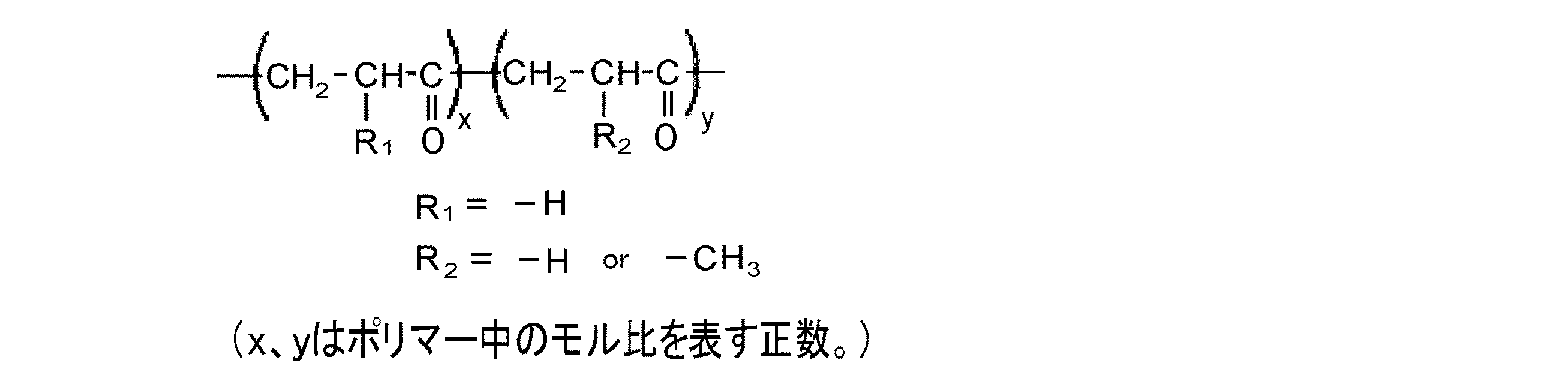
(2) (A) The polyketone resin composition according to 1, wherein the polyketone resin comprises a polyketone polymer represented by the following general formula:
(3) 上記(1)または(2)に記載のポリケトン樹脂組成物を成形して得られる成形体、
(4) 上記(1)または(2)に記載のポリケトン樹脂組成物を成形、切削又は成形・切削加工して得られることを特徴とする機構部品
(5) ギヤ、カム、スライダー、レバー、アーム、クラッチ、関節、軸、軸受け、キーステム又はキートップの成形材料として用いられることを特徴とする上記(1)または(2)に記載のポリケトン樹脂組成物。
(6) OA機器、ビデオ機器、音楽機器、映像機器、情報機器、通信機器、自動車内外装部品又は工業雑貨の成形材料として用いられることを特徴とする上記(1)又は(2)に記載のポリケトン樹脂組成物。
(3) A molded product obtained by molding the polyketone resin composition according to (1) or (2) above,
(4) Mechanical parts obtained by molding, cutting or molding / cutting the polyketone resin composition according to (1) or (2) above (5) Gear, cam, slider, lever, arm The polyketone resin composition as described in (1) or (2) above, which is used as a molding material for a clutch, joint, shaft, bearing, key stem or key top.
(6) As described in (1) or (2) above, which is used as a molding material for office automation equipment, video equipment, music equipment, video equipment, information equipment, communication equipment, automotive interior / exterior parts, or industrial goods Polyketone resin composition.
本発明の組成物は、従来の組成物に比較して、ポリケトン樹脂の機械的物性及び耐熱性を保持しつつ、著しく優れた耐衝撃性を有し、さらに帯電防止性能を有する優れた樹脂組成物である。 Compared to conventional compositions, the composition of the present invention has an excellent resin composition having remarkably excellent impact resistance and antistatic performance while maintaining the mechanical properties and heat resistance of the polyketone resin. It is a thing.
本発明の(A)ポリケトン樹脂とは、一酸化炭素から誘導される単位とオレフィンから誘導される単位とが交互に配列されている交互共重合体ユニットを含むものを言う。好適には下記一般式で表される繰り返し単位からなるものが採用される。 The (A) polyketone resin of the present invention refers to those containing alternating copolymer units in which units derived from carbon monoxide and units derived from olefins are alternately arranged. Preferably, those composed of repeating units represented by the following general formula are employed.
上記式中、x、yはポリマー中のそれぞれの繰り返し単位のモル比を表し、R1が水素でR2がメチル基である重合体が好ましく採用される。共重合比率は好ましくy/xは0.01〜0.10であり、より好ましくは0.03〜0.10、特に好ましくは0.05〜0.10である。かかる範囲とすることで得られる樹脂構造体の機械特性、衝撃強度が一層良好なものとなる。
また、本発明のポリケトン樹脂としては、公知のポリケトン誘導体、例えば特開2005−146000号公報に示されるポリケトン−ポリアルキレングリコール共重合体等、を使用することができる。
In the above formula, x and y represent the molar ratio of each repeating unit in the polymer, and a polymer in which R 1 is hydrogen and R 2 is a methyl group is preferably employed. The copolymerization ratio is preferably y / x of 0.01 to 0.10, more preferably 0.03 to 0.10, and particularly preferably 0.05 to 0.10. By making it into such a range, the mechanical properties and impact strength of the resin structure obtained are further improved.
Moreover, as a polyketone resin of this invention, a well-known polyketone derivative, for example, the polyketone-polyalkylene glycol copolymer etc. which are shown by Unexamined-Japanese-Patent No. 2005-146000 can be used.
本発明に用いるポリケトン樹脂の分子量には特に制限はないが、成形性と衝撃性をより良好なものとするため、標準細管粘度測定装置で、m−クレゾール中、60℃で測定したポリマーの極限粘度(LVN)として、好ましく0.5〜10.0であり、より好ましくは0.8〜4.0、特に好ましくは1.0〜2.0である。
ポリケトン樹脂の融点は好ましくは175℃〜300℃であり、より好ましくは210℃〜270℃である。
Although there is no restriction | limiting in particular in the molecular weight of the polyketone resin used for this invention, In order to make a moldability and impact property more favorable, the limit of the polymer measured at 60 degreeC in m-cresol with the standard capillary viscosity measuring apparatus. The viscosity (LVN) is preferably 0.5 to 10.0, more preferably 0.8 to 4.0, and particularly preferably 1.0 to 2.0.
The melting point of the polyketone resin is preferably 175 ° C to 300 ° C, more preferably 210 ° C to 270 ° C.
ポリケトン樹脂の製造方法としては公知の重合法が採用でき、例えば一酸化炭素とオレフィンとを、パラジウム化合物、18℃の水溶液中で測定されるpKaが6以下のハロゲン化水素酸でない酸および燐の二座配位子化合物からなる触媒組成物の存在下で接触させる製造方法が挙げられ、実質的に反応希釈剤を含まない気相中、またはアルカノール(例えばメタノールまたはエタノール)などの反応希釈剤を含む液相中で重合を行う方法が採用できる。また、モノマーを触媒組成物と振盪または撹拌するなどの方法で接触させて重合する方法が例示できる。 As a production method of the polyketone resin, a known polymerization method can be adopted. For example, carbon monoxide and olefin are converted to a palladium compound, an acid having a pKa measured in an aqueous solution at 18 ° C. of 6 or less and a non-hydrohalic acid and phosphorus. Examples include a production method in which contact is made in the presence of a catalyst composition comprising a bidentate ligand compound, and a reaction diluent such as an alkanol (for example, methanol or ethanol) is contained in a gas phase substantially free of reaction diluent A method of carrying out polymerization in a liquid phase containing it can be employed. Moreover, the method of making it polymerize by making a monomer contact with a catalyst composition by methods, such as shaking or stirring, can be illustrated.
好適な反応温度は20〜150℃、好ましくは50〜135℃である。好適な反応圧力は100〜10000kPaであり、好ましくは1000〜10000kPaである。重合後ポリマーをデカンテーションまたは濾過により回収する。ポリマーは触媒組成物残さを含んでいてもよいが、必要により、溶媒または残さに対して選択的な錯化剤で処理し除去する。 A suitable reaction temperature is 20 to 150 ° C, preferably 50 to 135 ° C. A suitable reaction pressure is 100 to 10000 kPa, preferably 1000 to 10000 kPa. After polymerization, the polymer is recovered by decantation or filtration. The polymer may contain catalyst composition residues, but is optionally treated and removed with a complexing agent selective for the solvent or residue.
ここでパラジウム化合物としては、パラジウムを含有する化合物であれば特に制限はないが、例えば、酢酸パラジウム、パラジウムアセチルアセトネートを使用することができる。またこれらのパラジウム化合物は、炭素上に担持させて用いてもよく、イオン交換体、例えばスルホン酸基を有するイオン交換体に結合させたものも使用することができる。パラジウム化合物の使用量は特に制限はないが、通常重合すべきモノマー総モル数に対して、10-8〜10-1倍モルであることが好ましい。 Here, the palladium compound is not particularly limited as long as it is a compound containing palladium. For example, palladium acetate and palladium acetylacetonate can be used. In addition, these palladium compounds may be used by being supported on carbon, and ion exchangers, for example, those bonded to an ion exchanger having a sulfonic acid group can also be used. The amount of the palladium compound used is not particularly limited, but it is preferably 10 −8 to 10 −1 mol per mol of the total number of monomers to be polymerized.
pKaが6以下(18℃の水溶液中で測定)のハロゲン化水素酸でない酸の具体例として、スルホン酸のアニオン、例えば、メタンスルホン酸、トリフルオロメタンスルホン酸、p−トルエンスルホン酸、ならびにカルボン酸、例えば、トリクロロ酢酸、ジフロロ酢酸、トリフルオロ酢酸、モノクロロ酢酸、ジフルオロプロピオン酸、酢酸、酒石酸および2,5−ジヒドロキシ安息香酸等が挙げられる。これらの中で、特にp−トルエンスルホン酸、トリフルオロ酢酸を好ましく使用することができる。pKaが6以下の酸の量は触媒組成物中、パラジウム金属1g原子当たり、0.5〜200当量、特に1.0〜100当量が好ましい。 Specific examples of non-hydrohalic acid having a pKa of 6 or less (measured in an aqueous solution at 18 ° C.) include sulfonic acid anions such as methanesulfonic acid, trifluoromethanesulfonic acid, p-toluenesulfonic acid, and carboxylic acid. Examples thereof include trichloroacetic acid, difluoroacetic acid, trifluoroacetic acid, monochloroacetic acid, difluoropropionic acid, acetic acid, tartaric acid and 2,5-dihydroxybenzoic acid. Among these, p-toluenesulfonic acid and trifluoroacetic acid can be preferably used. The amount of acid having a pKa of 6 or less is preferably 0.5 to 200 equivalents, more preferably 1.0 to 100 equivalents, per 1 g of palladium metal in the catalyst composition.
また、用いるリンの二座配位子化合物としては、特に制限はないが、例えば1,3−ビス(ジフェニルホスフィノ)プロパン、1,3−ビス[ジ(2−メトキシフェニル)ホスフィノ]プロパン、1,4−ビス(ジフェニルホスフィノ)ブタン、2,3−ジメチル−1,4−ビス(ジフェニルホスフィノ)ブタン、1,5−ビス(メチル−フェニル−ホスフィノ)ペンタン、1,4−ビス(ジシクロヘキシルホスフィノ)ブタン、1,5−ビス(ナフチルホスフィノ)ペンタン、1,3−ビス(ジp−トリルホスフィノ)プロパン、1,4−ビス(ジ−p−メトキシフェニルホスフィノ)プロパン、1,2−ビス(フェニルホスフィノ)エテン、2,3−ビス(フェニルホスフィノ)−2−オキサプロパン、2−メチル,2−(メチルジフェニルホスフィノ)−1,3−ビス(ジフェニルホスフィノ)プロパン、0,07−ビス(ジフェニルホスフィノ)ビフェニル、1,2−ビス(ジフェニルホスフィノ)ベンゼン、2,3−ビス(ジフェニルホスフィノ)ナフタレン、1,2−ビス(ジフェニルホスフィノ)シクロヘキサン、2,2−ジメチル−4,5−ビス(ジフェニルホスフィノ)ジオキソラン等が挙げられる。好ましくは1,3−ビス(ジフェニルホスフィノ)プロパン、1,3−ビス[ジ(2−メトキシフェニル)ホスフィノ]プロパンが用いられる。リンの二座配位子化合物の使用量は特に制限はないが、通常、パラジウム化合物1モル当たり、0.1〜10モル使用することができ、好ましくは0.2〜5モル、特に好ましくは0.33〜3モルである。 In addition, the phosphorus bidentate ligand compound to be used is not particularly limited. For example, 1,3-bis (diphenylphosphino) propane, 1,3-bis [di (2-methoxyphenyl) phosphino] propane, 1,4-bis (diphenylphosphino) butane, 2,3-dimethyl-1,4-bis (diphenylphosphino) butane, 1,5-bis (methyl-phenyl-phosphino) pentane, 1,4-bis ( Dicyclohexylphosphino) butane, 1,5-bis (naphthylphosphino) pentane, 1,3-bis (di-p-tolylphosphino) propane, 1,4-bis (di-p-methoxyphenylphosphino) propane, 1, 2-bis (phenylphosphino) ethene, 2,3-bis (phenylphosphino) -2-oxapropane, 2-methyl, 2- (methyldiphene) Ruphosphino) -1,3-bis (diphenylphosphino) propane, 0.07-bis (diphenylphosphino) biphenyl, 1,2-bis (diphenylphosphino) benzene, 2,3-bis (diphenylphosphino) naphthalene 1,2-bis (diphenylphosphino) cyclohexane, 2,2-dimethyl-4,5-bis (diphenylphosphino) dioxolane, and the like. Preferably, 1,3-bis (diphenylphosphino) propane and 1,3-bis [di (2-methoxyphenyl) phosphino] propane are used. The amount of the phosphorus bidentate ligand compound is not particularly limited, but can be usually 0.1 to 10 mol, preferably 0.2 to 5 mol, particularly preferably, per mol of the palladium compound. 0.33 to 3 mol.
本発明のポリケトン樹脂には、従来のポリケトン樹脂に使用することが知られている安定剤、例えば熱安定剤、耐候(光)安定剤、加工助剤等を単独、またはこれらを組み合わせて用いることが出来る。熱安定剤としては酸化防止剤、重金属不活性化剤およびこれらの併用が効果を発揮する。 In the polyketone resin of the present invention, stabilizers known to be used in conventional polyketone resins, for example, heat stabilizers, weathering (light) stabilizers, processing aids, etc. are used alone or in combination. I can do it. As the heat stabilizer, an antioxidant, a heavy metal deactivator and a combination thereof are effective.
酸化防止剤としては、ヒンダードフェノール系酸化防止剤が好ましく、例えば、n−オクタデシル−3−(3’5’−ジ−t−ブチル−4’−ヒドロキシフェニル)−プロピオネート、n−オクタデシル−3−(3’−メチル−5’−t−ブチル−4’−ヒドロキシフェニル)−プロピオネート、n−テトラデシル−3−(3’5’−ジ−t−ブチル−4’−ヒドロキシフェニル)−プロピオネート、1,6−ヘキサンジオール−ビス−(3−(3,5−ジ−t−ブチル−4−ヒドロキシフェニル)−プロピオネート)、1,4−ブタンジオール−ビス−(3−(3,5−ジ−t−ブチル−4−ヒドロキシフェニル)−プロピオネート)、トリエチレングリコール−ビス−(3−(3−t−ブチル−5−メチル−4−ヒドロキシフェニル)−プロピオネート)、テトラキス−(メチレン−3−(3’,5’−ジ−t−ブチル−4’−ヒドロキシフェニル)プロピオネートメタン、3,9−ビス(2−(3−(3−t−ブチル−4−ヒドロキシ−5−メチルフェニル)プロピオニルオキシ)−1,1−ジメチルエチル)2,4,8,10−テトラオキサスピロ(5,5)ウンデカン、N,N’−ビス−3−(3’5’−ジ−t−ブチル−4−ヒドロキシフェノール)プリピオニルヘキサメチレンジアミン、N,N’−テトラメチレンビス−3−(3’−メチル−5’−t−ブチル−4−ヒドロキシフェノール)プロピオニルジアミン、N,N’−ビス−(3−(3,5−ジ−t−ブチル−4−ヒドロキシフェノール)プロピオニル)ヒドラジン、N−サリチロイル−N’−サリチリデンヒドラジン、3−(N−サリチロイル)アミノ−1,2,4−トリアゾール、N,N’−ビス(2−(3−(3,5−ジ−ブチル−4−ヒドロキシフェニル)プロピオニルオキシ)エチル)オキシアミド等が挙げられる。 The antioxidant is preferably a hindered phenol antioxidant, such as n-octadecyl-3- (3′5′-di-t-butyl-4′-hydroxyphenyl) -propionate, n-octadecyl-3. -(3'-methyl-5'-t-butyl-4'-hydroxyphenyl) -propionate, n-tetradecyl-3- (3'5'-di-t-butyl-4'-hydroxyphenyl) -propionate, 1,6-hexanediol-bis- (3- (3,5-di-t-butyl-4-hydroxyphenyl) -propionate), 1,4-butanediol-bis- (3- (3,5-di -T-butyl-4-hydroxyphenyl) -propionate), triethyleneglycol-bis- (3- (3-t-butyl-5-methyl-4-hydroxyphenyl)- Lopionate), tetrakis- (methylene-3- (3 ′, 5′-di-t-butyl-4′-hydroxyphenyl) propionate methane, 3,9-bis (2- (3- (3-t- Butyl-4-hydroxy-5-methylphenyl) propionyloxy) -1,1-dimethylethyl) 2,4,8,10-tetraoxaspiro (5,5) undecane, N, N′-bis-3- ( 3'5'-di-t-butyl-4-hydroxyphenol) priionyl hexamethylenediamine, N, N'-tetramethylenebis-3- (3'-methyl-5'-t-butyl-4-hydroxy) Phenol) propionyldiamine, N, N′-bis- (3- (3,5-di-tert-butyl-4-hydroxyphenol) propionyl) hydrazine, N-salicyloyl-N′-salicylide Hydrazine, 3- (N-salicyloyl) amino-1,2,4-triazole, N, N′-bis (2- (3- (3,5-di-butyl-4-hydroxyphenyl) propionyloxy) ethyl) Examples include oxyamide.
重金属不活性化剤としては、構造中に不対電子を持つキレート形成能を有する化合物、例えば、N,N′−ビス[3−(3,5−ジ−t−ブチル−4−ヒドロキシフェニル)プロピオニル]ヒドラジン、オキサリックビス(ベンジリデンヒドラジド)、1,2,3−ベンゾトリアゾール、その他アデカスタブCDA−1(旭電化(株)製)、アデカスタブCDA−6(旭電化(株)製)、Qunox(三井東圧ファイン(株)製)、NaugardXL−1(ユニロイヤルケミカル(株)製)等が挙げられる。 As a heavy metal deactivator, a compound having a chelating ability having an unpaired electron in the structure, for example, N, N′-bis [3- (3,5-di-t-butyl-4-hydroxyphenyl) Propionyl] hydrazine, oxalic bis (benzylidenehydrazide), 1,2,3-benzotriazole, other ADK STAB CDA-1 (Asahi Denka Co., Ltd.), ADK STAB CDA-6 (Asahi Denka Co., Ltd.), Quonox ( Mitsui Toatsu Fine Co., Ltd.), Naugard XL-1 (Uni Royal Chemical Co., Ltd.) and the like.
耐候(光)安定剤としては、(イ)ベンゾトリアゾール系物質、(ロ)シュウ酸アニリド系物質、(ハ)トリアジン系物質及び、(ニ)ヒンダードアミン系物質が好ましい。
(イ)ベンゾトリアゾール系物質としては、例えば2−(2’−ヒドロキシ−5’−メチル−フェニル)ベンゾトリアゾール、2−[2’−ヒドロキシ−3,5−ジ−t−ブチル−フェニル]ベンゾトリアゾール、2−[2’−ヒドロキシ−3,5−ジ−イソアミル−フェニル]ベンゾトリアゾール、2−[2’−ヒドロキシ−3,5−ビス−(α,α−ジメチルベンジル)フェニル]−2H−ベンゾトリアゾール、2−(2’−ヒドロキシ−4’−オクトキシフェニル)ベンゾトリアゾール等が挙げられる。
As the weathering (light) stabilizer, (i) benzotriazole-based materials, (b) oxalic acid anilide-based materials, (c) triazine-based materials, and (d) hindered amine-based materials are preferable.
(I) Examples of the benzotriazole-based substance include 2- (2′-hydroxy-5′-methyl-phenyl) benzotriazole, 2- [2′-hydroxy-3,5-di-t-butyl-phenyl] benzo Triazole, 2- [2′-hydroxy-3,5-di-isoamyl-phenyl] benzotriazole, 2- [2′-hydroxy-3,5-bis- (α, α-dimethylbenzyl) phenyl] -2H— And benzotriazole, 2- (2′-hydroxy-4′-octoxyphenyl) benzotriazole, and the like.
(ロ)シュウ酸アニリド系物質としては、例えば、2−エトキシ−2’−エチルオキザリックアシッドビスアニリド、2−エトキシ−5−t−ブチル−2’−エチルオキザリックアシッドビスアニリド、2−エトキシ−3’−ドデシルオキザリックアシッドビスアニリド等が挙げられる。
(ハ)トリアジン系物質としては、例えば、2−(4、6−ジフェニル−1、3、5、トリアジン−2−イル)−5−[(ヘキシル)オキシ]−フェノール、2−[4、6−ビス(2、4−ジメチルフェニル)−1、3、5−トリアジン−2−イル]−5−(オクチルオキシ)フェノール等が挙げられる。
これらの物質はそれぞれ単独で用いても良いし、2種以上を組み合わせて用いても良い。
(B) Examples of oxalic acid anilide-based substances include 2-ethoxy-2′-ethyloxalic acid bisanilide, 2-ethoxy-5-tert-butyl-2′-ethyloxalic acid bisanilide, 2 -Ethoxy-3'-dodecyl oxalic acid bisanilide and the like.
(C) Examples of triazine-based substances include 2- (4,6-diphenyl-1,3,5, triazin-2-yl) -5-[(hexyl) oxy] -phenol, 2- [4,6 -Bis (2,4-dimethylphenyl) -1,3,5-triazin-2-yl] -5- (octyloxy) phenol and the like.
These substances may be used alone or in combination of two or more.
(ニ)ヒンダードアミン系物質としては、4−アセトキシ−2,2,6,6−テトラメチルピペリジン、4−ステアロイルオキシ−2,2,6,6−テトラメチルピペリジン、4−アクリロイルオキシ−2,2,6,6−テトラメチルピペリジン、4−(フェニルアセトキシ)−2,2,6,6−テトラメチルピペリジン4−ベンゾイルオキシ−2,2,6,6−テトラメチルピペリジン、4−メトキシ−2,2,6,6−テトラメチルピペリジン、4−ステアリルオキシ−2,2,6,6−テトラメチルピペリジンが挙げられる。
また、4−シクロヘキシルオキシ−2,2,6,6−テトラメチルピペリジン、4−ベンジルオキシ−2,2,6,6−テトラメチルピペリジン、4−フェノキシ−2,2,6,6−テトラメチルピペリジン、4−(エチルカルバモイルオキシ)−2,2,6,6−テトラメチルピペリジン、4−(シクロヘキシルカルバモイルオキシ)−2,2,6,6−テトラメチルピペリジン、4−(フェニルカルバモイルオキシ)−2,2,6,6−テトラメチルピペリジン、ビス(2,2,6,6−テトラメチル−4−ピペリジン)−カーボネート、ビス(2,2,6,6−テトラメチル−4−ピペリジル)−オキサレート、ビス(2,2,6,6−テトラメチル−4−ピペリジル)−マロネート、ビス(2,2,6,6−テトラメチル−4−ピペリジル)−セバケート、ビス(2,2,6,6−テトラメチル−4−ピペリジル)−アジペート、ビス(2,2,6,6−テトラメチル−4−ピペリジル)−テレフタレートが挙げられる。さらにまた、1,2−ビス(2,2,6,6−テトラメチル−4−ピペリジルオキシ)−エタン、α,α’−ビス(2,2,6,6−テトラメチル−4−ピペリジルオキシ)−p−キシレン、ビス(2,2,6,6−テトラメチル−4−ピペリジル)トリレン−2,4−ジカルバメート、ビス(2,2,6,6−テトラメチル−4−ピペリジル)−ヘキサメチレン−1,6−ジカルバメート、トリス(2,2,6,6−テトラメチル−4−ピペリジル)−ベンゼン−1,3,5−トリカルボキシレート、トリス(2,2,6,6−テトラメチル−4−ピペリジル)−ベンゼン−1,3,4−トリカルボキシレート等が挙げられ、好ましくはビス(2,2,6,6−テトラメチル−4−ピペリジル)−セバケートである。
上記ヒンダードアミン系物質はそれぞれ単独で用いても良いし、2種以上を組み合わせて用いても良い。また上記ベンゾトリアゾール系物質、シュウ酸アニリド系物質、およびトリアジン系物質の少なくとも一種とヒンダードアミン系物質の組合せが最も好ましい。
(D) As hindered amine substances, 4-acetoxy-2,2,6,6-tetramethylpiperidine, 4-stearoyloxy-2,2,6,6-tetramethylpiperidine, 4-acryloyloxy-2,2 , 6,6-tetramethylpiperidine, 4- (phenylacetoxy) -2,2,6,6-tetramethylpiperidine 4-benzoyloxy-2,2,6,6-tetramethylpiperidine, 4-methoxy-2, Examples include 2,6,6-tetramethylpiperidine and 4-stearyloxy-2,2,6,6-tetramethylpiperidine.
In addition, 4-cyclohexyloxy-2,2,6,6-tetramethylpiperidine, 4-benzyloxy-2,2,6,6-tetramethylpiperidine, 4-phenoxy-2,2,6,6-tetramethyl Piperidine, 4- (ethylcarbamoyloxy) -2,2,6,6-tetramethylpiperidine, 4- (cyclohexylcarbamoyloxy) -2,2,6,6-tetramethylpiperidine, 4- (phenylcarbamoyloxy)- 2,2,6,6-tetramethylpiperidine, bis (2,2,6,6-tetramethyl-4-piperidine) -carbonate, bis (2,2,6,6-tetramethyl-4-piperidyl)- Oxalate, bis (2,2,6,6-tetramethyl-4-piperidyl) -malonate, bis (2,2,6,6-tetramethyl-4-pipe Jill) - sebacate, bis (2,2,6,6-tetramethyl-4-piperidyl) - adipate, bis (2,2,6,6-tetramethyl-4-piperidyl) - terephthalate and the like. Furthermore, 1,2-bis (2,2,6,6-tetramethyl-4-piperidyloxy) -ethane, α, α′-bis (2,2,6,6-tetramethyl-4-piperidyloxy) ) -P-xylene, bis (2,2,6,6-tetramethyl-4-piperidyl) tolylene-2,4-dicarbamate, bis (2,2,6,6-tetramethyl-4-piperidyl)- Hexamethylene-1,6-dicarbamate, tris (2,2,6,6-tetramethyl-4-piperidyl) -benzene-1,3,5-tricarboxylate, tris (2,2,6,6- Tetramethyl-4-piperidyl) -benzene-1,3,4-tricarboxylate and the like, and bis (2,2,6,6-tetramethyl-4-piperidyl) -sebacate is preferred.
The above hindered amine materials may be used alone or in combination of two or more. The combination of at least one of the above benzotriazole-based materials, oxalic acid anilide-based materials, and triazine-based materials with a hindered amine-based material is most preferable.
加工助剤としては、式:M10(PO4)6(OH)2[式中、Mはバリウム(Ba)、ストロンチウム(Sr)またはカルシウム(Ca)である]のヒドロキシアパタイトが挙げられ、好ましいヒドロキシアパタイトは、カルシウムヒドロキシアパタイト[Ca10(PO4)6(OH)2]、即ち天然のリン酸カルシウムであり且つ、骨及び歯の無機質の主構成成分である。また、カルシウムヒドロキシアパタイトは、三塩基リン酸カルシウムとも呼称される。 The processing aid includes hydroxyapatite of the formula: M 10 (PO 4 ) 6 (OH) 2 [wherein M is barium (Ba), strontium (Sr) or calcium (Ca)], and is preferred. Hydroxyapatite is calcium hydroxyapatite [Ca 10 (PO 4 ) 6 (OH) 2 ], that is, natural calcium phosphate, and is a main component of minerals in bone and teeth. Calcium hydroxyapatite is also called tribasic calcium phosphate.
本発明におけるポリケトン樹脂としては、市販の一般的な材料を使用することが出来る。
本発明の(B)成分に用いられるポリエーテルエステルアミド樹脂は、両末端にカルボキシル基を有するポリアミドとポリエーテルまたはビスフェノール類のアルキレンオキサイド付加物とからなるブロック共重合体である。
A commercially available general material can be used as the polyketone resin in the present invention.
The polyether ester amide resin used in the component (B) of the present invention is a block copolymer comprising a polyamide having carboxyl groups at both ends and an alkylene oxide adduct of polyether or bisphenol.
両末端にカルボキシル基を有するポリアミドは(1)ラクタムの開環重合体、(2)アミノカルボン酸の重縮合体若しくは(3)ジカルボン酸とジアミンの重縮合体である。(1)のラクタムとしてはカプロラクタム、エナントラクタム、ラウロラクタム、ウンデカノラクタム等が挙げられる。(2)のアミノカルボン酸としてはω−アミノカプロン酸、ω−アミノエナント酸、ω−アミノカプリル酸、ω−アミノペルゴン酸、ω−アミノカプリン酸、11−アミノウンデカン酸、12−アミノドデカン酸等が挙げられる。(3)のジカルボン酸としてはアジピン酸、アゼライン酸、セバシン酸、ウンデカンジ酸、ドデカンジ酸、イソフタル酸等が挙げられ、またジアミンとしてはヘキサメチレンジアミン、ヘプタメチレンジアミン、オクタメチレンジアミン、デカメチレンジアミン等が挙げられる。
上記ポリアミド形成用モノマーとして例示したものは2種以上を併用しても良い。
The polyamide having carboxyl groups at both ends is (1) a ring-opening polymer of lactam, (2) a polycondensate of aminocarboxylic acid, or (3) a polycondensate of dicarboxylic acid and diamine. Examples of the lactam (1) include caprolactam, enantolactam, laurolactam, and undecanolactam. Examples of the aminocarboxylic acid (2) include ω-aminocaproic acid, ω-aminoenanthic acid, ω-aminocaprylic acid, ω-aminopergonic acid, ω-aminocapric acid, 11-aminoundecanoic acid, 12-aminododecanoic acid and the like. Can be mentioned. Examples of the dicarboxylic acid (3) include adipic acid, azelaic acid, sebacic acid, undecanediic acid, dodecanediic acid, and isophthalic acid. Examples of the diamine include hexamethylenediamine, heptamethylenediamine, octamethylenediamine, and decamethylenediamine. Is mentioned.
Those exemplified as the above-mentioned polyamide-forming monomer may be used in combination of two or more.
両末端にカルボキシル基を有するポリアミドは、炭素数4〜20のジカルボン酸成分を分子量調整剤として使用し、これの存在下に上記ポリアミド形成モノマーを常法により開環重合あるいは重縮合させることによって得られる。炭素数4〜20のジカルボン酸としてはコハク酸、グルタル酸、アジピン酸、ピメリン酸、スベリン酸、アゼライン酸、セバシン酸、ウンデカンジ酸、ドデカンジ酸等の脂肪族ジカルボン酸、テレフタル酸、イソフタル酸、ナフタレンジカルボン酸等の芳香族ジカルボン酸、ジシクロヘキシル−4,4−ジカルボン酸等の脂肪族ジカルボン酸、3−スルホイソフタルナトリウム、3−スルホイソフタル酸カリウム等のイソフタル酸アルカリ金属塩である。かかるポリアミドの数平均分子量は、300〜15000、好ましくは500〜5000である。 A polyamide having carboxyl groups at both ends is obtained by using a dicarboxylic acid component having 4 to 20 carbon atoms as a molecular weight regulator, and in the presence of this, the polyamide-forming monomer is subjected to ring-opening polymerization or polycondensation by a conventional method. It is done. Examples of the dicarboxylic acid having 4 to 20 carbon atoms include aliphatic dicarboxylic acids such as succinic acid, glutaric acid, adipic acid, pimelic acid, suberic acid, azelaic acid, sebacic acid, undecanediic acid, dodecanediic acid, terephthalic acid, isophthalic acid, and naphthalene. An aromatic dicarboxylic acid such as dicarboxylic acid, an aliphatic dicarboxylic acid such as dicyclohexyl-4,4-dicarboxylic acid, and an alkali metal salt of isophthalic acid such as sodium 3-sulfoisophthalate and potassium 3-sulfoisophthalate. The number average molecular weight of such polyamide is 300 to 15000, preferably 500 to 5000.
一方ポリエーテルブロック単位は、(1)炭素数2〜4の開環されたアルキレンオキサイドを構成単位とするポリアルキレンオキサイドまたは(2)ビスフェノール類のアルキレンオキサイド付加物である。
(1)炭素数2〜4の開環されたアルキレンオキサイドを構成単位とするポリアルキレンオキサイドは、ポリエチレンオキサイド、ポリプロピレンオキサイド、ポリ(1,2−ブチレンオキサイド)、ポリ(1,3−ブチレンオキサイド)、ポリ(1,4−ブチレンオキサイド)またはこれらの混合物若しくは共重合体である。
On the other hand, the polyether block unit is (1) polyalkylene oxide having 2 to 4 carbon ring-opened alkylene oxide as a structural unit or (2) an alkylene oxide adduct of bisphenols.
(1) Polyalkylene oxide having a C2-C4 ring-opened alkylene oxide as a structural unit is polyethylene oxide, polypropylene oxide, poly (1,2-butylene oxide), poly (1,3-butylene oxide) , Poly (1,4-butylene oxide) or a mixture or copolymer thereof.
(2)ビスフェノール類のアルキレンオキサイド付加物は、ビスフェノールA(4,4’−ジヒドロキシジフェニル−2,2−プロパン)、ビスフェノールF(4,4’−ジヒドロキシジフェニルメタン)、ビスフェノールS(4,4’−ジヒドロキシジフェニルスルホン)および4,4’−ジヒドロキシジフェニル−2,2−ブタン等のビスフェノール類にアルキレンオキサイドを付加させることにより得られる。またアルキレンオキサイドとしてはエチレンオキサイドが好ましく、他のアルキレンオキサイドを併用することも出来るが、他のアルキレンオキサイドはエチレンオキサイドの10重量%以下が好ましい。かかるポリエーテルまたはビスフェノール類のアルキレンオキサイド付加物ポリエーテルブロック単位の分子量は200〜8000、好ましくは500〜3000である。
この(B)ポリエーテルエステルアミド樹脂は、特公平2−57583号公報および特許2565846号公報に示される方法で製造することが出来る。
(2) Alkylene oxide adducts of bisphenols include bisphenol A (4,4′-dihydroxydiphenyl-2,2-propane), bisphenol F (4,4′-dihydroxydiphenylmethane), bisphenol S (4,4′- It can be obtained by adding alkylene oxide to bisphenols such as dihydroxydiphenylsulfone) and 4,4′-dihydroxydiphenyl-2,2-butane. The alkylene oxide is preferably ethylene oxide, and other alkylene oxides can be used in combination, but the other alkylene oxides are preferably 10% by weight or less of ethylene oxide. The molecular weight of such polyether or bisphenol alkylene oxide adduct polyether block units is 200 to 8000, preferably 500 to 3000.
This (B) polyetheresteramide resin can be produced by the methods disclosed in Japanese Patent Publication No. 2-57583 and Japanese Patent No. 2565846.
上記のようにして得られるポリエーテルエステルアミド樹脂の分子量は、本発明の目的からは特に制限されるものではないが、一般的には1000〜100000、好ましくは5000〜50000である。さらに、ポリエーテルエステルアミド樹脂中のポリエーテル成分/ラクタム成分またはポリアミド成分の構成比率は、10/90〜90/10重量%の範囲、望ましくは20/80〜80/20重量%である。また、上記ポリエーテルエステルアミド樹脂は2種類以上を併用してもかまわない。本発明のポリエーテルエステルアミド樹脂は、市販の一般的な材料を使用することが出来る。 The molecular weight of the polyetheresteramide resin obtained as described above is not particularly limited for the purpose of the present invention, but is generally 1000 to 100,000, preferably 5,000 to 50,000. Furthermore, the constituent ratio of the polyether component / lactam component or polyamide component in the polyetheresteramide resin is in the range of 10/90 to 90/10% by weight, desirably 20/80 to 80/20% by weight. Two or more kinds of the polyetheresteramide resins may be used in combination. Commercially available general materials can be used for the polyetheresteramide resin of the present invention.
本発明の(C)成分に用いられるポリアミド樹脂としては、ナイロン46、ナイロン6、ナイロン66、ナイロン610、ナイロン612、ナイロン12等及びこれらの共重合物、例えば、ナイロン6/66、ナイロン6/66/610、ナイロン6/612等が挙げられる。また、上記ポリアミド樹脂は2種類以上を併用してもかまわない。本発明のポリアミド樹脂は、市販の一般的な材料を使用することが出来る。 Examples of the polyamide resin used in the component (C) of the present invention include nylon 46, nylon 6, nylon 66, nylon 610, nylon 612, nylon 12, and the like, and copolymers thereof such as nylon 6/66, nylon 6 / 66/610, nylon 6/612 and the like. Two or more kinds of the polyamide resins may be used in combination. Commercially available general materials can be used for the polyamide resin of the present invention.
本発明においては、(A)成分の量を40〜99.5重量部とすることが好ましく、より好ましくは50〜99.0重量部である。また、(B)成分および(C)成分の合計量は、0.5〜60重量部とすることが好ましく、より好ましくは1.0〜50重量部である。また、本発明においては(B)ポリエーテルエステルアミド樹脂と(C)ポリアミド樹脂との割合は、(B)/(C)が10/90〜90/10重量%の範囲であり、好ましくは15/85〜85/15重量%の範囲である。
(B)が10%未満では、組成物とした場合に耐衝撃性が低下するため好ましくなく、(C)が10%未満ではポリケトン樹脂との相溶性が著しく悪くなり、耐衝撃性が低下するため好ましくない。
In this invention, it is preferable that the quantity of (A) component shall be 40-99.5 weight part, More preferably, it is 50-99.0 weight part. Moreover, it is preferable that the total amount of (B) component and (C) component shall be 0.5-60 weight part, More preferably, it is 1.0-50 weight part. In the present invention, the ratio of (B) polyether ester amide resin to (C) polyamide resin is such that (B) / (C) is in the range of 10/90 to 90/10% by weight, preferably 15 / 85 to 85/15% by weight.
If (B) is less than 10%, the impact resistance of the composition is lowered, which is not preferable. If (C) is less than 10%, the compatibility with the polyketone resin is remarkably deteriorated and the impact resistance is lowered. Therefore, it is not preferable.
なお、本発明の(B)ポリエーテルエステルアミド樹脂および(C)ポリアミド樹脂の(A)ポリケトン樹脂への添加方法としては、特に制限されないが、(B)ポリエーテルエステルアミド樹脂と(C)ポリアミド樹脂とをそれぞれ単独に(A)ポリケトン樹脂に添加する方法、または、あらかじめ(B)ポリエーテルエステルアミド樹脂と(C)ポリアミド樹脂とを混練して添加する方法等が挙げられる。 The method for adding the (B) polyether ester amide resin and (C) polyamide resin of the present invention to the (A) polyketone resin is not particularly limited, but (B) the polyether ester amide resin and (C) the polyamide. Examples thereof include a method in which each of the resins is independently added to (A) the polyketone resin, or a method in which (B) the polyether ester amide resin and (C) the polyamide resin are previously kneaded and added.
<ポリケトン樹脂組成物の製造>
本発明の樹脂組成物の製造方法は一般的に使用されている溶融混練機を用いることができる。溶融混練機としてはニーダー、ロールミル、単軸押出機、二軸押出機、多軸押出機等が挙げられる。このときの加工温度は180〜270℃であることが好ましく、品質や作業環境の保持のためには不活性ガスによる置換や一段及び多段ベントで脱気することが好ましい。
<Manufacture of polyketone resin composition>
The melt composition machine generally used can be used for the manufacturing method of the resin composition of this invention. Examples of the melt kneader include a kneader, a roll mill, a single screw extruder, a twin screw extruder, and a multi screw extruder. The processing temperature at this time is preferably 180 to 270 ° C., and in order to maintain the quality and the working environment, it is preferable to perform deaeration by substitution with an inert gas or single-stage and multistage vents.
<成形方法>
本発明の成形体は、射出成形法、ホットランナー射出成形法、アウトサート成形法、インサート成形法、中空射出成形法(ガスインジェクション成形法)、金型の高周波加熱射出成形法、圧縮成形法、インフレーション成形、ブロー成形、押出成形或いは押出成形品の切削加工等の成形法で成形される。
<Molding method>
The molded body of the present invention includes an injection molding method, a hot runner injection molding method, an outsert molding method, an insert molding method, a hollow injection molding method (gas injection molding method), a high frequency heating injection molding method of a mold, a compression molding method, It is molded by a molding method such as inflation molding, blow molding, extrusion molding or cutting of an extrusion molded product.
かかる成形品は、ギア、カム、スライダー、レバー、アーム、クラッチ、フェルトクラッチ、アイドラギアー、プーリー、ローラー、コロ、キーステム、キートップ、シャッター、リール、シャフト、関節、軸、軸受けおよびガイド等に代表される機構部品、アウトサート成形の樹脂部品、インサート成形の樹脂部品、シャーシ、トレー、側板、プリンターおよび複写機に代表されるオフィスオートメーション機器用部品、VTR(Video Tape Recorder)、ビデオムービー、デジタルビデオカメラ、カメラおよびデジタルカメラに代表されるカメラまたはビデオ機器用部品、カセットプレイヤー、DAT、LD(Laser Disk)、MD(Mini Disk )、CD(Compact Disk)〔CD−ROM(Read Only Memory)、CD−R(Recordable)、CD−RW(Rewritable)を含む〕、DVD(Digital Versatile Disk)〔DVD−ROM、DVD−R、DVD−RW、DVD−RAM(Random Access Memory)、DVD−Audioを含む〕、その他光デイスクドライブ、MFD、MO、ナビゲーションシステムおよびモバイルパーソナルコンピュータに代表される音楽、映像または情報機器、携帯電話およびファクシミリに代表される通信機器用部品、電気機器用部品、電子機器用部品、自動車用の部品としてガソリンタンク、フュエルポンプモジュール、バルブ類、ガソリンタンクフランジ等に代表される燃料廻り部品、ドアロック、ドアハンドル、ウインドウレギュレータ、スピーカーグリル等に代表されるドア廻り部品、シートベルト用スリップリング、プレスボタン等に代表されるシートベルト周辺部品、コンビスイッチ部品、スイッチ類およびクリップ類の部品、さらにシャープペンシルのペン先およびシャープペンシルの芯を出し入れする機構部品、洗面台および排水口、排水栓開閉機構部品、自動販売機の開閉部ロック機構および商品排出機構部品、衣料用のコードストッパー、アジャスターおよびボタン、散水用のノズルおよび散水ホース接続ジョイント、階段手すり部および床材の支持具である建築用品、使い捨てカメラ、玩具、ファスナー、チェーン、コンベア、バックル、スポーツ用品、自動販売機、家具、楽器および住宅設備機器に代表される工業部品として好適に使用できる。 Such molded products are represented by gears, cams, sliders, levers, arms, clutches, felt clutches, idler gears, pulleys, rollers, rollers, key stems, key tops, shutters, reels, shafts, joints, shafts, bearings, guides, etc. Mechanical parts, plastic parts for outsert molding, plastic parts for insert molding, chassis, trays, side plates, parts for office automation equipment such as printers and copiers, VTR (Video Tape Recorder), video movies, digital video Cameras, parts for cameras and video equipment typified by cameras and digital cameras, cassette players, DAT, LD (Laser Disk), MD (Mini Disk), CD (Compact Disk) [CD-ROM (Read Only Memory), CD -R (Recordable), CD-RW (Rewritable) included) DVD (Digital Versatile Disk) (including DVD-ROM, DVD-R, DVD-RW, DVD-RAM (Random Access Memory), DVD-Audio), other optical disk drives, MFD, MO, navigation system and mobile personal computer Parts for music, video or information equipment, mobile phone and facsimile, parts for electric equipment, parts for electronic equipment, parts for automobiles, gasoline tanks, fuel pump modules, valves, gasoline Fuel-related parts typified by tank flanges, door-lock parts, door handles, window regulators, speaker-gear parts typified by speaker grills, seat belt peripheral parts typified by seat belt slip rings, press buttons, etc. Switch parts, Switch and clip parts, mechanical parts for inserting and removing the mechanical pencil tip and mechanical pencil core, wash basin and drain port, drain plug opening and closing mechanism parts, opening and closing part locking mechanism and product discharge mechanism parts , Cord stoppers for clothing, adjusters and buttons, sprinkling nozzles and sprinkling hose connection joints, building supplies that support stair railings and flooring, disposable cameras, toys, fasteners, chains, conveyors, buckles, sports equipment It can be suitably used as industrial parts represented by vending machines, furniture, musical instruments, and housing equipment.
以下、実施例により本発明を具体的に説明するが、本発明はその要旨を超えない限り、これらの例に限定されるものではない。実施例および比較例で使用する成分の内容と評価方法を以下に示す。 EXAMPLES Hereinafter, although an Example demonstrates this invention concretely, this invention is not limited to these examples, unless the summary is exceeded. The contents of components used in Examples and Comparative Examples and evaluation methods are shown below.
[参考例1]
(A)ポリケトン樹脂の製造
一酸化炭素、エチレン及びプロピレンを、メタノール中で、酢酸パラジウム、トリフルオロ酢酸および1,3−ビス[ビス(2ーメトキシフェニル)ホスフィノ]プロパンに接触させることにより、線状交互共重合体のポリケトン樹脂を製造した。
このポリケトン樹脂の融点は220℃、LVNは1.78dl/g(m−クレゾール中、60℃で測定)であった。
ここで得られた粗ポリケトン樹脂に各種安定剤(酸化防止剤、耐候安定剤、重金属不活性化剤、加工助剤)を所定量配合し、ミキサーで混合後、ベント付き2軸スクリュー式押出機を用いて溶融押出しペレタイズすることにより、安定剤入りポリケトン樹脂ペレットを得た。
[Reference Example 1]
(A) Preparation of polyketone resin Carbon monoxide, ethylene and propylene are contacted with palladium acetate, trifluoroacetic acid and 1,3-bis [bis (2-methoxyphenyl) phosphino] propane in methanol to produce a wire An alternating copolymer polyketone resin was produced.
The melting point of this polyketone resin was 220 ° C., and the LVN was 1.78 dl / g (measured in m-cresol at 60 ° C.).
The crude polyketone resin obtained here is blended with various stabilizers (antioxidants, weathering stabilizers, heavy metal deactivators, processing aids), mixed in a mixer, and then a twin screw extruder with a vent. Was used to obtain a polyketone resin pellet containing a stabilizer.
[参考例2]
(B)ポリエーテルエステルアミド樹脂の製造
3Lのステンレス製オートクレーブに、ε−カプロラクタム105重量部、アジピン酸17.1重量部、酸化防止剤(イルガノックス1010、チバスペシャリティケミカルズ社製、商品名)0.3重量部および水6重量部を仕込み、窒素置換後、220℃で加圧密閉化4時間加熱撹拌し、両末端にカルボキシル基を有するポリアミドオリゴマーを117部得た。
次にこれに数平均分子量2,000のビスフェノールAエチレンオキサイド付加物113重量部および酢酸ジルコニル0.5重量部をくわえ、245℃、133Pa以下の減圧下の条件で5時間重合し、粘ちょうなポリマーを得た。このポリマーをベルト上にストランド状に取り出し、ペレタイズして、ポリエーテルエステルアミド樹脂を得た。
このものの相対粘度は2.2(0.5重量%、m−クレゾール溶液、25℃)であり、NMRによる共重合組成は以下の通りであった。
ε−カプロラクタムの残基 48.1重量部
ビスフェノールAエチレンオキサイド付加物の残基 50.0重量部
アジピン酸の残基 1.9重量部
(C)ポリアミド樹脂
市販のナイロン6樹脂(融点;225℃、比重;1.13)を使用した。
[Reference Example 2]
(B) Manufacture of polyetheresteramide resin In a 3 L stainless steel autoclave, 105 parts by weight of ε-caprolactam, 17.1 parts by weight of adipic acid, antioxidant (Irganox 1010, manufactured by Ciba Specialty Chemicals, trade name) 0 .3 parts by weight and 6 parts by weight of water were charged, and after substitution with nitrogen, the mixture was heated and stirred at 220 ° C. for 4 hours to obtain 117 parts of a polyamide oligomer having carboxyl groups at both ends.
Next, 113 parts by weight of a bisphenol A ethylene oxide adduct having a number average molecular weight of 2,000 and 0.5 parts by weight of zirconyl acetate were added thereto, and the mixture was polymerized for 5 hours at 245 ° C. under reduced pressure of 133 Pa or less. A polymer was obtained. This polymer was taken out in a strand form on a belt and pelletized to obtain a polyetheresteramide resin.
The relative viscosity of this product was 2.2 (0.5 wt%, m-cresol solution, 25 ° C.), and the copolymer composition by NMR was as follows.
Residue of ε-caprolactam 48.1 parts by weight Residue of bisphenol A ethylene oxide adduct 50.0 parts by weight Residue of adipic acid 1.9 parts by weight (C) Polyamide resin Commercial nylon 6 resin (melting point: 225 ° C , Specific gravity; 1.13).
[評価方法]
(1)物性評価
実施例及び比較例で得られたペレットを80℃で3時間乾燥した後、シリンダー温度250℃金型温度70℃に設定された1オンス成形機(ファナック(株)製;FAS−15A)を用いて、射出時間10秒、冷却時間15秒の条件で物性評価用試験片を作製した。
この試験片を用いて下記の試験を行った。
a.引張強度、伸度;ASTM−D638に従って測定した。
b.曲げ強度、弾性率;ASTM−D790に従って測定した。
c.アイゾッド衝撃強度;ASTM−D256に従って、23℃と−30℃で測定した。
(2)熱変形温度(HDT)
上記(1)で使用する試験片を用い、ASTM D648(荷重:1.82MPa)に従って測定を行った。
(3)体積抵抗率
実施例及び比較例で得られたペレットを80℃で3時間乾燥した後、シリンダー温度250℃に設定された3オンス成形機(ファナック(株)製;FAS50D)を用いて、金型温度70℃、射出時間10秒、冷却時間20秒の条件で、100×100×3mmの平板を作製した。
この平板を温度23℃、湿度50%の恒温室で48時間放置した後、JIS−K−6911に従って測定を行った。
[Evaluation methods]
(1) Evaluation of physical properties After pellets obtained in Examples and Comparative Examples were dried at 80 ° C. for 3 hours, a 1 ounce molding machine (manufactured by FANUC CORPORATION; FAS) set to a cylinder temperature of 250 ° C. and a mold temperature of 70 ° C. -15A), a test piece for evaluating physical properties was produced under conditions of an injection time of 10 seconds and a cooling time of 15 seconds.
The following test was done using this test piece.
a. Tensile strength, elongation; measured according to ASTM-D638.
b. Flexural strength, elastic modulus; measured according to ASTM-D790.
c. Izod impact strength; measured at 23 ° C. and −30 ° C. according to ASTM-D256.
(2) Thermal deformation temperature (HDT)
Measurement was performed according to ASTM D648 (load: 1.82 MPa) using the test piece used in (1) above.
(3) Volume resistivity After pellets obtained in Examples and Comparative Examples were dried at 80 ° C. for 3 hours, a 3 ounce molding machine (manufactured by FANUC; FAS50D) set at a cylinder temperature of 250 ° C. was used. A flat plate of 100 × 100 × 3 mm was produced under conditions of a mold temperature of 70 ° C., an injection time of 10 seconds, and a cooling time of 20 seconds.
The flat plate was allowed to stand for 48 hours in a thermostatic chamber at a temperature of 23 ° C. and a humidity of 50%, and then measured according to JIS-K-6911.
[実施例1]
参考例1で作製した(A)成分のポリケトン樹脂75重量部、参考例2で作製した(B)成分のポリエーテルエステルアミド樹脂5重量部および(C)成分のポリアミド樹脂20重量部をブレンダーで均一にブレンドした後、250℃に設定されたL/D:45の15mmφ二軸押出機(テクノベル(株)製;KZW15−45MG)を用いて、スクリュー回転数200rpm、2kg/hrで溶融混練を行った。押出された溶融樹脂ストランドをウオーターバス内で冷却
固化させ、ストランドカッターで該ストランドをカットしペレットとした。このペレットを用いて上記評価方法に従って評価を行い、その結果を表1に示した。
[Example 1]
Blender 75 parts by weight of the polyketone resin (A) prepared in Reference Example 1, 5 parts by weight of the polyether ester amide resin (B) prepared in Reference Example 2, and 20 parts by weight of the polyamide resin (C) After uniformly blending, melt kneading is performed at a screw rotation speed of 200 rpm and 2 kg / hr using a 15 mmφ twin screw extruder (Technobel Co., Ltd .; KZW15-45MG) set at 250 ° C. went. The extruded molten resin strand was cooled and solidified in a water bath, and the strand was cut into a pellet by a strand cutter. The pellets were used for evaluation according to the above evaluation method, and the results are shown in Table 1.
[実施例2〜6]
表1に示す成分および量で、実施例1と同様に実施した。結果を表1に示す。
[比較例1〜3]
表1に示す成分および量で、実施例1と同様に実施した。結果を表1に示す。なお、比較例1では実施例1での溶融混練は行わず、参考例1で作製したペレットをそのまま評価に用いた。
[Examples 2 to 6]
It implemented similarly to Example 1 by the component and quantity shown in Table 1. FIG. The results are shown in Table 1.
[Comparative Examples 1-3]
It implemented similarly to Example 1 by the component and quantity shown in Table 1. FIG. The results are shown in Table 1. In Comparative Example 1, the melt kneading in Example 1 was not performed, and the pellets produced in Reference Example 1 were used as they were for evaluation.
本発明の組成物は、従来の組成物に比較して、ポリケトン樹脂の機械的物性、耐熱性を保持しつつ、著しく優れた耐衝撃性と帯電防止性能を有するため、精密機器、家電・OA機器、自動車、工業材料及び雑貨などにおける部品に好適に使用することができる。 The composition of the present invention has remarkably superior impact resistance and antistatic performance while maintaining the mechanical properties and heat resistance of the polyketone resin as compared with the conventional composition. It can be suitably used for parts in equipment, automobiles, industrial materials, miscellaneous goods and the like.
Claims (6)
(A)成分の配合量:40〜99.5重量部
(B)成分の配合量+(C)成分の配合量:0.5〜60重量部
(B)成分の配合量/(C)成分の配合量(重量比):10/90〜90/10 It consists of (A) polyketone resin, (B) polyether ester amide resin and (C) polyamide resin, and the blending amount of (A) component, (B) component and (C) component satisfies the following requirements: A polyketone resin composition.
(A) Component content: 40 to 99.5 parts by weight (B) Component content + (C) Component content: 0.5 to 60 parts by weight (B) Component content / (C) component Compounding amount (weight ratio): 10/90 to 90/10
(x、yはポリマー中のモル比を表す正数。) (A) The polyketone resin composition according to claim 1, wherein the polyketone resin comprises a polyketone polymer represented by the following general formula.
(X and y are positive numbers representing the molar ratio in the polymer.)
3. The polyketone resin composition according to claim 1, wherein the polyketone resin composition is used as a molding material for office automation equipment, video equipment, music equipment, video equipment, information equipment, communication equipment, automobile interior / exterior parts, or industrial goods.
Priority Applications (1)
| Application Number | Priority Date | Filing Date | Title |
|---|---|---|---|
| JP2005323011A JP2007131652A (en) | 2005-11-08 | 2005-11-08 | Impact resistant polyketone resin composition and molded article thereof |
Applications Claiming Priority (1)
| Application Number | Priority Date | Filing Date | Title |
|---|---|---|---|
| JP2005323011A JP2007131652A (en) | 2005-11-08 | 2005-11-08 | Impact resistant polyketone resin composition and molded article thereof |
Publications (1)
| Publication Number | Publication Date |
|---|---|
| JP2007131652A true JP2007131652A (en) | 2007-05-31 |
Family
ID=38153576
Family Applications (1)
| Application Number | Title | Priority Date | Filing Date |
|---|---|---|---|
| JP2005323011A Pending JP2007131652A (en) | 2005-11-08 | 2005-11-08 | Impact resistant polyketone resin composition and molded article thereof |
Country Status (1)
| Country | Link |
|---|---|
| JP (1) | JP2007131652A (en) |
Cited By (3)
| Publication number | Priority date | Publication date | Assignee | Title |
|---|---|---|---|---|
| WO2016072641A1 (en) * | 2014-11-07 | 2016-05-12 | (주) 효성 | Polyketone resin composition with excellent wear resistance |
| KR20160059917A (en) * | 2014-11-19 | 2016-05-27 | 주식회사 효성 | Polyketone electric welding helmet gear |
| KR20160059896A (en) * | 2014-11-19 | 2016-05-27 | 주식회사 효성 | Polyketone cam |
-
2005
- 2005-11-08 JP JP2005323011A patent/JP2007131652A/en active Pending
Cited By (6)
| Publication number | Priority date | Publication date | Assignee | Title |
|---|---|---|---|---|
| WO2016072641A1 (en) * | 2014-11-07 | 2016-05-12 | (주) 효성 | Polyketone resin composition with excellent wear resistance |
| EP3219744A4 (en) * | 2014-11-07 | 2018-07-04 | Hyosung Corporation | Polyketone resin composition with excellent wear resistance |
| KR20160059917A (en) * | 2014-11-19 | 2016-05-27 | 주식회사 효성 | Polyketone electric welding helmet gear |
| KR20160059896A (en) * | 2014-11-19 | 2016-05-27 | 주식회사 효성 | Polyketone cam |
| KR101664253B1 (en) | 2014-11-19 | 2016-10-10 | 주식회사 효성 | Polyketone electric welding helmet gear |
| KR101684897B1 (en) | 2014-11-19 | 2016-12-12 | 주식회사 효성 | Polyketone cam |
Similar Documents
| Publication | Publication Date | Title |
|---|---|---|
| US6777487B2 (en) | Polyacetal block copolymer | |
| JP2007131651A (en) | Impact resistant polyketone resin composition and molded article thereof | |
| US7816433B2 (en) | Polyacetal resin composition and article thereof | |
| US20010007006A1 (en) | Polyacetal resin composition | |
| JP2008007582A (en) | Impact resistant, high-rigidity polyketone resin composition and molded article thereof | |
| JPWO2001032775A1 (en) | Polyoxymethylene resin composition | |
| JP3821698B2 (en) | Polyoxymethylene resin composition and molded article thereof | |
| JP4931275B2 (en) | Polyacetal resin composition | |
| US5543474A (en) | Resin composition | |
| US6930145B2 (en) | Polyoxymethylene resin composition and molded articles made therefrom | |
| JPWO2007032081A1 (en) | Masterbatch and composition containing the same | |
| JP5301926B2 (en) | Polyoxymethylene resin composition and molded article thereof | |
| JP6895321B2 (en) | Polyamide resin composition | |
| JP2007131652A (en) | Impact resistant polyketone resin composition and molded article thereof | |
| CN111534040A (en) | Polyacetal resin composition | |
| JP6970524B2 (en) | Polyamide composition and molded products | |
| JP4913380B2 (en) | Hard disk lamp made of polyoxymethylene resin | |
| JP2004323713A (en) | Resin composition, molded product thereof and component thereof | |
| JP2005255734A (en) | Masterbatch and composition containing the same | |
| JPH08127701A (en) | Polyacetal resin composition | |
| JP2024058454A (en) | Polyamide composition and molded article | |
| JP2009029863A (en) | Thermoplastic resin composition and resin molded body | |
| JP2004292673A (en) | Resin composition and molded product thereof | |
| JPH0228253A (en) | Polyamide resin composition | |
| JP4425773B2 (en) | Method for modifying polyamide resin |