JP2006205838A - In-vehicle receiver - Google Patents
In-vehicle receiver Download PDFInfo
- Publication number
- JP2006205838A JP2006205838A JP2005018827A JP2005018827A JP2006205838A JP 2006205838 A JP2006205838 A JP 2006205838A JP 2005018827 A JP2005018827 A JP 2005018827A JP 2005018827 A JP2005018827 A JP 2005018827A JP 2006205838 A JP2006205838 A JP 2006205838A
- Authority
- JP
- Japan
- Prior art keywords
- demodulator
- data
- portable device
- vehicle
- receiver
- Prior art date
- Legal status (The legal status is an assumption and is not a legal conclusion. Google has not performed a legal analysis and makes no representation as to the accuracy of the status listed.)
- Withdrawn
Links
- 238000000034 method Methods 0.000 claims abstract description 54
- 238000012544 monitoring process Methods 0.000 claims description 8
- 230000005540 biological transmission Effects 0.000 description 12
- 238000006243 chemical reaction Methods 0.000 description 7
- 238000005070 sampling Methods 0.000 description 3
- 238000001514 detection method Methods 0.000 description 2
- 238000012806 monitoring device Methods 0.000 description 2
- 230000002159 abnormal effect Effects 0.000 description 1
- 238000004891 communication Methods 0.000 description 1
- 238000010586 diagram Methods 0.000 description 1
- 230000010363 phase shift Effects 0.000 description 1
Images




Landscapes
- Lock And Its Accessories (AREA)
- Arrangements For Transmission Of Measured Signals (AREA)
Abstract
【課題】異なる変調方式が混在する場合でも1台の受信機で復調可能とする。
【解決手段】ASKあるいはFSKのいずれか一方の変調方式でRKE携帯機11から送信された無線信号と、いずれか他方の変調方式でTPMS送受信機12A〜Dから送信された無線信号とを受信する共用アンテナ部24と、共用アンテナ部24で受信した信号をASK方式に従って復調すると共に、復調データのヘッダ部が正当であるかの判定を行うASK復調部31と、ASK復調部31と並列接続され、共用アンテナ部24で受信した信号をFSK方式に従って復調すると共に、復調データのヘッダ部が正当であるかの判定を行うFSK復調部32と、ASK復調部31あるいはFSK復調部32で正当であると判定された一方の復調データを出力する出力部33とを備えている。
【選択図】図2Even if different modulation schemes coexist, it is possible to demodulate with one receiver.
A radio signal transmitted from an RKE portable device 11 by either one of the ASK or FSK modulation schemes and a radio signal transmitted from the TPMS transceivers 12A to 12D by either one of the modulation schemes are received. The ASK demodulator 31 and the ASK demodulator 31 are connected in parallel to the shared antenna unit 24, the ASK demodulator 31 that demodulates the signal received by the shared antenna unit 24 according to the ASK method, and determines whether the header of the demodulated data is valid. The FSK demodulator 32 that demodulates the signal received by the shared antenna unit 24 according to the FSK system and determines whether the header portion of the demodulated data is valid, and is valid by the ASK demodulator 31 or the FSK demodulator 32 And an output unit 33 that outputs one of the demodulated data determined.
[Selection] Figure 2
Description
本発明は、車載受信機に関し、詳しくは、異なる方式で変調された複数種の無線信号を一台の受信機で復調可能とするものに関する。 The present invention relates to a vehicle-mounted receiver, and more particularly to a device that can demodulate a plurality of types of radio signals modulated by different methods with a single receiver.
従来、キーを鍵穴に挿入して操作することなく車両ドアのロック操作及びアンロック操作が可能なリモートキーレスエントリーシステムが提供されている。
例えば、キーレスエントリーシステムが実用化された初期から利用されているものとして、キーに付設されたRKE(Remote Keyless Entry)携帯機のボタン操作により車両と無線で通信してドアロック解除/施錠を行うものがある。ユーザが、車両から一定の距離範囲内でRKE携帯機の発信ボタンを押すと、毎回異なるIDコードで暗号化された信号が無線送信されてRKE受信機で受信される。車両側では受信した信号のIDコードが自己のものと一致するかを確認し、一致すればドアロック解除信号をドア用ECUに送信してドアを開錠している。
Conventionally, there has been provided a remote keyless entry system capable of locking and unlocking a vehicle door without inserting and operating a key into a keyhole.
For example, assuming that the keyless entry system has been used from the beginning when it was put into practical use, the door is unlocked / locked by wirelessly communicating with the vehicle by operating a button on an RKE (Remote Keyless Entry) portable device attached to the key. There is something. When the user presses the transmission button of the RKE portable device within a certain distance range from the vehicle, a signal encrypted with a different ID code is transmitted wirelessly and received by the RKE receiver. On the vehicle side, it is confirmed whether or not the ID code of the received signal matches that of its own, and if it matches, a door unlock signal is transmitted to the door ECU to unlock the door.
一方、走行中の安全確保のためにタイヤ空気圧監視装置(TPMS)を搭載した車両も普及し始めている。タイヤ空気圧監視装置では、前後輪の夫々にTPMS送信機を内蔵し、エンジン動作中にTPMS送信機から定期的にタイヤ空気圧情報をTPMS受信機に無線送信して監視するようにしている。
特開2004−189072号公報では、キーレスエントリーシステムとタイヤ空気圧監視装置とを一体化しているが、キーレスエントリー用の受信部とタイヤ空気圧監視用の受信部とは別個に設けられている。1つの車両に2つの無線受信部が存在すると無駄であるので、1つの無線受信機で共用化できれば効率的である。
On the other hand, vehicles equipped with a tire pressure monitoring device (TPMS) for ensuring safety during traveling are also becoming popular. In the tire pressure monitoring apparatus, a TPMS transmitter is built in each of the front and rear wheels, and tire pressure information is periodically transmitted from the TPMS transmitter to the TPMS receiver for monitoring during engine operation.
In Japanese Patent Application Laid-Open No. 2004-189072, a keyless entry system and a tire pressure monitoring device are integrated, but a keyless entry receiving unit and a tire pressure monitoring receiving unit are provided separately. Since it is useless if there are two wireless receivers in one vehicle, it is efficient if they can be shared by one wireless receiver.
しかしながら、RKEとTPMSを同じ周波数帯で利用しても変調方式が相違する場合、例えば、RKEの変調方式をFSK(Frequency Shift Keying)とし、TPMSの変調方式をASK(Amplitude Shift Keying)としている場合には、受信信号の復調を行う受信機も個別に設けざるを得ないという問題がある。また、現在、日本ではRKEの変調方式はFSKを採用しているが、米国ではASKを採用しており、同機能のRKE受信機であっても各変調方式に対応して国内用と海外用の2種類を用意しなければならない問題もある。さらに、車両の購入後にRKEやTPMSを交換した場合も、変調方式が異なると受信機を含めて交換しなければならず、特に、TPMSはタイヤメーカ間でデータ通信の規格が統一されていないため、現在はタイヤ交換毎に変調方式に併せた受信機交換の煩わしさが生じる可能性がある。
また、変調方式が同じであっても、RKEとTPMSとで無線信号のデータレートが異なる場合も考えられるが、この場合も各データレートに合せて別個の受信機を設けなければならないのが現状である。
In addition, even if the modulation method is the same, the data rate of the radio signal may be different between RKE and TPMS. However, in this case as well, a separate receiver must be provided for each data rate. It is.
本発明は、前記問題に鑑みてなされたもので、異なる変調方式や異なるデータレートが混在する場合でも1台の受信機で復調可能とすることを課題としている。 The present invention has been made in view of the above problems, and an object of the present invention is to enable demodulation by a single receiver even when different modulation schemes and different data rates coexist.
前記課題を解決するため、本発明は第1に、ユーザが所持するリモートキーレスエントリー用の携帯機からの無線信号と、車両に装着されたタイヤの空気圧監視用の送受信機からの無線信号とを受信する車載受信機であって、
前記携帯機から変調して送信された無線信号と、前記携帯機とは異なる変調方式で変調して前記送受信機から送信された無線信号とを受信する共用アンテナ部と、
前記共用アンテナ部で受信した信号を前記携帯機の変調方式に従って復調すると共に、復調データのヘッダ部が正当であるかの判定を行う第1復調部と、
前記第1復調部と並列接続され、前記共用アンテナ部で受信した信号を前記送受信機の変調方式に従って復調すると共に、復調データのヘッダ部が正当であるかの判定を行う第2復調部と、
前記第1復調部あるいは前記第2復調部で正当であると判定された一方の復調データを出力する出力部とを備えていることを特徴とする車載受信機を提供している。
In order to solve the above problems, the present invention firstly includes a radio signal from a remote keyless entry portable device possessed by a user and a radio signal from a transceiver for monitoring the pressure of tires mounted on a vehicle. An in-vehicle receiver for receiving,
A shared antenna unit that receives a radio signal that is modulated and transmitted from the portable device, and a wireless signal that is modulated by a modulation scheme different from that of the portable device and transmitted from the transceiver,
A first demodulator that demodulates the signal received by the shared antenna unit according to the modulation method of the portable device and determines whether the header of the demodulated data is valid;
A second demodulator connected in parallel with the first demodulator and demodulating a signal received by the shared antenna unit according to a modulation scheme of the transceiver, and determining whether a header part of demodulated data is valid;
An in-vehicle receiver is provided, comprising: an output unit that outputs one of the demodulated data determined to be valid by the first demodulator or the second demodulator.
前記構成とすると、受信機が受信する無線信号に異なる変調方式が混在しても、一旦は第1復調部と第2復調部とで並列して復調処理を行い、復調データのヘッダ部を調べて正しいデータ配列となっている側のデータを正当であると判断して出力することで、変調方式の異なる無線信号を1台の受信機で正しく復調することが可能となる。特に、RKE(Remote Keyless Entry)はエンジン停止中に動作し、TPMS(Tire Pressure Monitoring
System)はエンジン稼働中に動作し、互いの動作タイミングが重複しないという特徴があるため、1台の受信機で両システムを共存させて資源の有効活用を図ることが可能となる。
With the above configuration, even if different modulation schemes are mixed in the radio signal received by the receiver, the first demodulator and the second demodulator once perform the demodulation process in parallel and examine the header of the demodulated data Therefore, it is possible to correctly demodulate radio signals having different modulation schemes with one receiver by determining that the data having the correct data arrangement is valid and outputting the data. In particular, RKE (Remote Keyless Entry) works when the engine is stopped, and TPMS (Tire Pressure Monitoring)
System) operates while the engine is running, and the operation timing of each other does not overlap. Therefore, it is possible to make effective use of resources by coexisting both systems with a single receiver.
前記第1復調部および前記第2復調部は、前記復調データのフレームのプリンアンブルが規定値になっている場合に正当であると判定する構成としていると好ましい。
即ち、フレームのヘッダ部においてデータ内容に関わらず常に一定のバイナリ値を取るプリアンブルを判定対象に選択することで、正しく復調された側の変調方式を容易に判定することができる。なお、プリアンブルとは、フレームの送信を通知するため及び同期をとるために1と0が交互に並んだデータをいう。
It is preferable that the first demodulator and the second demodulator are determined to be valid when the preamble of a frame of the demodulated data is a specified value.
That is, by selecting a preamble that always takes a constant binary value as a determination target regardless of the data content in the header portion of the frame, it is possible to easily determine the modulation method on the correctly demodulated side. Note that the preamble is data in which 1 and 0 are alternately arranged to notify transmission of a frame and to synchronize.
前記携帯機あるいは前記送受信機のいずれか一方の変調方式はASK変調方式とし、いずれか他方はFSK変調方式としていると好ましい。しかしながら、PSK(Phase Shift Keying)変調方式など他の変調方式を用いてもよい。 It is preferable that either one of the portable device or the transceiver is an ASK modulation method and the other is an FSK modulation method. However, other modulation schemes such as a PSK (Phase Shift Keying) modulation scheme may be used.
本発明は第2に、ユーザが所持するキーレスエントリー用の携帯機からの無線信号を受信すると共に、車両に装着されたタイヤの空気圧監視用の送受信機からの無線信号を受信する車載用の受信機であって、
一定のデータレートで前記携帯機から送信された無線信号と、前記携帯機とは異なるデータレートで前記送受信機から送信された無線信号とを受信する共用アンテナ部と、
前記共用アンテナ部で受信した信号のデータレートを判別するデータレート判定部と、
前記データレート判定部の判定結果に基づいて受信信号の復調を行う復調部とを備えていることを特徴とする車載受信機を提供している。
Secondly, the present invention receives a radio signal from a keyless entry portable device possessed by a user and also receives a radio signal from a transceiver for monitoring the pressure of tires mounted on a vehicle. Machine,
A shared antenna unit that receives a wireless signal transmitted from the portable device at a constant data rate and a wireless signal transmitted from the transceiver at a data rate different from the portable device;
A data rate determining unit for determining a data rate of a signal received by the shared antenna unit;
An in-vehicle receiver is provided that includes a demodulation unit that demodulates a reception signal based on a determination result of the data rate determination unit.
前記構成とすると、受信機が受信する無線信号にデータレートの異なる変調方式が混在しても、受信データのデータレートを判別してそのデータ周期で復調処理を行う構成とすることで、データレートの異なる無線信号を1台の受信機で正しく復調することが可能となる。 With the above-described configuration, the data rate is determined by determining the data rate of the received data and performing the demodulation process in the data cycle even when the modulation method having different data rates is mixed in the radio signal received by the receiver. It is possible to correctly demodulate different radio signals with one receiver.
以上の説明より明らかなように、第1の発明によれば、異なる変調方式が混在しても、第1復調部と第2復調部とで並列して復調処理を行い、復調データのヘッダ部を調べて正しいデータ配列となっている側のデータを出力することで、変調方式の相違する無線信号を1台の受信機で正しく選別して復調できる。第2の発明によれば、データレートの異なる変調方式が混在しても、受信データのデータレートを判定してそのデータ周期に従って復調処理を行うことで、データレートの相違する無線信号を1台の受信機で正しく選別して復調できる。 As is clear from the above description, according to the first invention, even if different modulation schemes are mixed, the first demodulator and the second demodulator perform demodulation processing in parallel, and the header portion of the demodulated data By checking the above and outputting the data having the correct data arrangement, it is possible to correctly select and demodulate radio signals having different modulation schemes with one receiver. According to the second aspect of the invention, even when modulation schemes having different data rates are mixed, one radio signal having a different data rate is obtained by determining the data rate of received data and performing demodulation processing according to the data cycle. Can be correctly sorted and demodulated by the receiver.
本発明の実施形態を図面を参照して説明する。
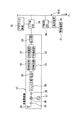
図1および図2は第1実施形態のRKE兼TPMSシステム10を示し、ユーザが所持するリモートキーレスエントリー用のRKE携帯機11と、車両の四輪のタイヤに夫々内蔵されてタイヤの空気圧を検出するTPMS送受信機12A〜Dと、車両に搭載されてRKE携帯機11からの無線信号とTPMS送受信機12A〜Dからの無線信号とを受信する車載受信機13とを備えている。
車両Cは、ワイヤハーネスW/Hを伝送媒体として車載LANを構築しており、LANには、ドアロック装置35を駆動制御するドア用ECU34と、警報装置37および表示装置38を制御するTPMS用ECU36が接続されており、車載受信機13はドア用ECU34を介してLANに接続している。
Embodiments of the present invention will be described with reference to the drawings.
1 and 2 show the RKE /
The vehicle C constructs an in-vehicle LAN using the wire harness W / H as a transmission medium. The LAN includes a
RKE携帯機11は、ドア用ECU34との認証作業を行うためのIDコードを保存するID保存部14と、IDコードを含む信号をASK変調方式で変調して電波で無線送信する発信部15と、ユーザが押下するための発信ボタンであって発信部15の送信動作のトリガーとなる入力操作部16とを備えている。
TPMS送受信機12A〜Dは、タイヤ圧センサ18と、送受信を管理する演算制御部19と、車載された送信機(図示せず)から要求信号を受信する受信アンテナ21および受信部20と、タイヤ圧センサ18で検出されたタイヤ空気圧情報をFSK変調方式で変調した上で無線送信する送信部22および送信アンテナ23とを備えている。
The RKE
The
車載受信機13は、RKE携帯機11とTPMS送受信機12A〜Dからの無線信号を受信する共用アンテナ部24と、増幅器25と、共用アンテナ部24で受信したアナログデータに局部発信器27から発信される周波数を混合差分してIF(中間周波数)信号を出力するミキサー部26と、増幅器28と、ノイズを除去するフィルター部29と、A/D変換部30と、ASK変調方式に従って復調処理を行うASK復調部31(第1復調部)と、ASK復調部31と並列配置されてFSK変調方式に従って復調処理を行うFSK復調部32(第2復調部)と、復調データをドア用ECU34に出力する出力部33とを備えている。
The in-
次に、車載受信機13の処理手順について説明する。
まず、RKE携帯機11から送信される信号の処理手順について説明する。
ユーザがエンジン停止中に車両C周囲の所定のエリア内でRKE携帯機11の入力操作部16を押下することで、IDコードを含む信号がASK変調方式で変調され周波数300.1MHzの搬送波で無線送信される。この無線信号は車載受信機13の共用アンテナ部24で受信され、増幅器25を介してミキサー部26に入力される。
ミキサー部26では、受信信号に対して局部発信器27から挿入される周波数300MHzの信号との差分をとることにより、中間周波数となる100kHzのIF信号が出力される。
Next, the processing procedure of the in-
First, a processing procedure of a signal transmitted from the RKE
When the user presses the
The
IF信号は増幅器28を介してフィルター部29でノイズ除去され、A/D変換部30においてサンプリング周波数400KHzでサンプリングすることによりアナログデータからデジタルデータに変換する。この際、サンプリング周波数はIF周波数の2倍以上としていることが好ましい。そして、A/D変換されたデータは、ASK復調部31とFSK復調部32の両方に入力される。
The IF signal is noise-removed by the
ASK復調部31での処理は、図3に示すように、まずA/D変換データを取り込んだ後(S1)、最大値を検出し(S2)、キャリア周期が1種類か否かを判定する(S3)。1種類でない場合は、処理を停止して次のデータフレームが来るまで待機する(S4)。受信したデータはASK変調方式であり、図5および図6(A)に示すように、キャリア周期Tc1は1種類しかないので、次にキャリア周期Tc1の時間(=10μ秒)を算出する(S5)。
次いで、データレートを示す「1」「0」毎のデータ周期Tdを検出し、例えばデータ速度が10kbpsとすると、Td=100μ秒であるかを判定する(S6)。Td=100μ秒でない場合は、処理を停止して次のデータフレームが来るまで待機する(S7)。Td=100μ秒である場合にはレジスタに「1」を書き込む(S8)。
As shown in FIG. 3, the
Next, the data period Td for each “1” and “0” indicating the data rate is detected. For example, if the data rate is 10 kbps, it is determined whether Td = 100 μsec (S6). If it is not Td = 100 μs, the process is stopped and the process waits until the next data frame arrives (S7). If Td = 100 μsec, “1” is written to the register (S8).
次いで、キャリア無し時間Teが同じく100μ秒であるかを判定する(S9)。Te=100μ秒でない場合は、処理を停止して次のデータフレームが来るまで待機する(S10)。Te=100μ秒である場合にはレジスタに「0」を書き込む(S11)。次いで、レジスタ値が「1」「0」・・と規定値通りであるかを判定することで、データフレームのヘッダ部のプリアンブルが正しく受信できているかを判定し(S12)、規定値と異なる場合にはS2から処理をやり直す。規定値に合致する場合にはASK方式で復調処理を行い(S13)、出力部33へと復調データを送出する。
Next, it is determined whether the carrier-free time Te is also 100 μs (S9). If Te = 100 μs is not satisfied, the processing is stopped and the process waits until the next data frame comes (S10). If Te = 100 μsec, “0” is written in the register (S11). Next, it is determined whether or not the preamble of the header portion of the data frame has been correctly received by determining whether the register value is “1” “0”... In this case, the process is repeated from S2. If it matches the specified value, demodulation processing is performed by the ASK method (S13), and the demodulated data is sent to the
一方、FSK復調部32での処理は、図4に示すように、まずA/D変換データを取り込んだ後(S20)、最大値を検出し(S21)、キャリア周期が2種類か否かを判定する(S22)。受信したデータはASK変調方式であり、図5および図6(A)に示すように、キャリア周期Tc1は1種類しかないので、処理を停止して次のデータフレームが来るまで待機する(S24)。即ち、FSK復調部32からは出力部33にデータが送出されない。
On the other hand, as shown in FIG. 4, the processing in the
以上の手順により、車載受信機13で正しく復調されたデータのみが出力部33を介してドア用ECU34に入力される。ドア用ECU34では、受信した復調データに含まれるIDコードが自己のIDコードと一致するか否かを確認し、一致すればドアロック装置35に指令してドアロックを解錠する。
By the above procedure, only data correctly demodulated by the in-
次に、TPMS送受信機12A〜Dから送信される信号の処理手順について説明する。
エンジン稼動中にTPMS用ECU36は、送信機(図示せず)を介して4つのTPMS送受信機12A〜Dの夫々に対して順番に要求信号を送信し、各TPMS送受信機12A〜Dとの信号送受のタイミングをずらしている。要求信号を受信アンテナ21および受信部22で受信したTPMS送受信機12Aは、タイヤ圧センサ18の検出された空気圧データを含む信号を送信部22においてFSK方式で変調し、「1」を周波数300.1MHzの搬送波、「0」を周波数300.05MHzの搬送波で送信アンテナ23より無線送信する。この無線信号は車載受信機13の共用アンテナ部24で受信され、増幅器25を介してミキサー部26に入力される。ミキサー部26では、受信信号に対して局部発信器27から挿入される周波数300MHzの信号との差分をとることにより、中間周波数となるIF信号を出力する。即ち、「1」の場合はIF周波数が100kHz、「0」の場合は50kHzとなる。
次いで、前述したように、IF信号は増幅器28→フィルター部29→A/D変換部30の順に流れ、A/D変換されたデータはASK復調部31とFSK復調部32の両方に入力される。
Next, a processing procedure of signals transmitted from the
During engine operation, the
Next, as described above, the IF signal flows in the order of the
ASK復調部31での処理は、図3に示すように、まずA/D変換データを取り込んだ後(S1)、最大値を検出し(S2)、キャリア周期が1種か否かを判定する(S3)。
受信したデータはFSK変調方式であり、図5および図6(A)(B)に示すように、キャリア周期Tc1、Tc2は2種類あるので、処理を停止して次のデータフレームが来るまで待機する(S24)。即ち、ASK復調部31からは出力部33にデータが送出されない。
As shown in FIG. 3, the
The received data is an FSK modulation method, and there are two types of carrier periods Tc1 and Tc2 as shown in FIGS. 5 and 6A and 6B. Therefore, the processing is stopped and the process waits until the next data frame arrives. (S24). That is, no data is sent from the ASK demodulator 31 to the
一方、FSK復調部32での処理は、図4に示すように、まずA/D変換データを取り込んだ後(S20)、最大値を検出し(S21)、キャリア周期が2種類か否かを判定する(S22)。受信したデータはFSK変調方式であり、図5および図6(A)(B)に示すように、キャリア周期Tc1、Tc2は2種類あるので、次に、隣接する最大値同士の時間間隔をキャリア周期Tc1、Tc2として算出する(S25、S26)。「1」の周波数は100kHzであるためTc1=10μ秒を「1」として信号検出し、また、「0」の周波数は50kHzであるためTc2=20μ秒を「0」として信号検出を行う。
次いで、データレートを示す「1」「0」毎のデータ周期Tdを検出し、例えばデータ速度が10kbpsとすると、Td=100μ秒であるかを判定する(S27、S28)。Td=100μ秒でない場合は、処理を停止して次のデータフレームが来るまで待機する(S29、S30)。Td=100μ秒であった場合にはTc1=10μ秒の際にレジスタに「1」を書き込み(S31)、Tc2=20μ秒の際にレジスタに「0」を書き込む(S32)。
On the other hand, as shown in FIG. 4, the processing in the
Next, the data period Td for each “1” and “0” indicating the data rate is detected. For example, if the data rate is 10 kbps, it is determined whether Td = 100 μsec (S27, S28). If it is not Td = 100 μsec, the process is stopped and the process waits until the next data frame arrives (S29, S30). When Td = 100 μsec, “1” is written to the register when Tc1 = 10 μsec (S31), and “0” is written to the register when Tc2 = 20 μsec (S32).
次いで、キャリア無し時間Teが10μ秒以上ないかを調べ(S33、S34)、10μm以上ある場合にはFSKのデータではないと判定し、処理を停止して次のデータフレームが来るまで待機する(S35、S36)。キャリア無し時間Teが10μ秒未満である場合は、レジスタ値が「1」「0」・・と規定値通りであるかを判定することで、データフレームのヘッダ部のプリアンブルが正しく受信できているかを判定し(S37)、規定値と異なる場合にはS21から処理をやり直す。規定値に合致する場合にはFSK方式で復調処理を行い(S38)、出力部33へと復調データを送出する。
Next, it is checked whether the carrier-free time Te is not longer than 10 μs (S33, S34). If it is longer than 10 μm, it is determined that the data is not FSK data, and the process is stopped and waits until the next data frame comes ( S35, S36). If the carrier-free time Te is less than 10 μs, whether or not the preamble of the data frame header has been correctly received by determining whether the register value is “1” “0”... (S37), and if it is different from the specified value, the process is repeated from S21. If it matches the specified value, demodulation processing is performed by the FSK method (S38), and the demodulated data is sent to the
以上の手順により、車載受信機13で正しく復調されたデータのみが出力部33を介してドア用ECU34に入力される。ドア用ECU34は復調データを宛先であるTPMS用ECU36にLANを介して送信する。TPMS用ECU36では、受信したタイヤ空気圧が所定の閾値以下である場合には異常であると判断して、警報装置37に指令して警報アラームを鳴らすと共に、表示装置38に指令して警告表示を行う。
By the above procedure, only data correctly demodulated by the in-
以上の構成によると、車載受信機13が受信する無線信号にASKまたはFSKの異なる変調方式が混在しても、一旦はASK復調部31とFSK復調部32とで並列して復調処理を行い、復調データのプリアンブルを調べて正しいデータ配列となっている側のデータを正当であると判断して出力することで、変調方式の異なる無線信号を1台の車載受信機13で正しく復調することができる。また、変調方式等の変更があっても、各復調部31、32のプログラムを事後的に書き換えれば足りるため、車載受信機13のフレキシビリティが向上し、システムのランニングコストも低減することができる。
According to the above configuration, even if a different modulation scheme of ASK or FSK is mixed in the radio signal received by the in-
図7乃至図9は第2実施形態を示す。
第1実施形態との相違点は、同じ変調方式でデータレートの異なる信号を判別して復調可能としている点である。
本実施形態の車載受信機13’では、ASK復調部31’の前にASK用データレート判定部40を配置していると共に、FSK復調部32’の前にFSK用データレート判定部41を配置している。
7 to 9 show a second embodiment.
The difference from the first embodiment is that signals having different data rates can be discriminated and demodulated using the same modulation method.
In the in-
ASK用データレート判定部40は、1つのバイナリ値の所要時間であるデータ周期Tdを計測することでデータレートを判定している。例えば、図8(A)(B)に示すように、RKE携帯機とTPMS送受信機とが同じASK変調方式であっても、RKEのデータ周期Td1とTPMSのデータ周期Td2とが異なる場合に、データレート判定部40でデータ周期Td1、Td2を判定し、ASK復調部31’にいずれのデータ周期であるかを知らせる。ASK復調部31’ではそのデータ周期に基づいて復調処理を行う。
The ASK data
FSK用データレート判定部41は、例えば、図9(A)(B)に示すように、RKE携帯機とTPMS送受信機とが同じFSK変調方式であっても、RKEのデータ周期Td1とTPMSのデータ周期Td2とが異なる場合に、データレート判定部41でデータ周期Td1、Td2を判定し、FSK復調部32’にいずれのデータ周期であるかを知らせる。FSK復調部32’ではそのデータ周期に基づいて復調処理を行う。
For example, as shown in FIGS. 9 (A) and 9 (B), the FSK data
前記構成とすると、車載受信機13’が受信する無線信号にデータレートの異なる変調方式が混在しても、受信データのデータレートを判別してそのデータ周期で復調処理を行うことで、データレートの異なる無線信号を1台の車載受信機13’で正しく復調できる。なお、他の構成は第1実施形態と同様であるため同一符号を付して説明を省略する。
With the above-described configuration, even if modulation methods having different data rates are mixed in the radio signal received by the in-
11 RKE携帯機
12A〜D TPMS送受信機
13 車載受信機
24 共用アンテナ部
31 ASK復調部(第1復調部)
32 FSK復調部(第2復調部)
33 出力部
11 RKE
32 FSK demodulator (second demodulator)
33 Output section
Claims (4)
前記携帯機から変調して送信された無線信号と、前記携帯機とは異なる変調方式で変調して前記送受信機から送信された無線信号とを受信する共用アンテナ部と、
前記共用アンテナ部で受信した信号を前記携帯機の変調方式に従って復調すると共に、復調データのヘッダ部が正当であるかの判定を行う第1復調部と、
前記第1復調部と並列接続され、前記共用アンテナ部で受信した信号を前記送受信機の変調方式に従って復調すると共に、復調データのヘッダ部が正当であるかの判定を行う第2復調部と、
前記第1復調部あるいは前記第2復調部で正当であると判定された一方の復調データを出力する出力部とを備えていることを特徴とする車載受信機。 An in-vehicle receiver that receives a radio signal from a portable device for remote keyless entry possessed by a user and a radio signal from a transceiver for monitoring the pressure of tires mounted on a vehicle,
A shared antenna unit that receives a radio signal that is modulated and transmitted from the portable device, and a wireless signal that is modulated by a modulation scheme different from that of the portable device and transmitted from the transceiver,
A first demodulator that demodulates the signal received by the shared antenna unit according to the modulation method of the portable device and determines whether the header of the demodulated data is valid;
A second demodulator connected in parallel with the first demodulator and demodulating a signal received by the shared antenna unit according to a modulation scheme of the transceiver, and determining whether a header part of demodulated data is valid;
An in-vehicle receiver comprising: an output unit that outputs one of the demodulated data determined to be valid by the first demodulator or the second demodulator.
一定のデータレートで前記携帯機から送信された無線信号と、前記携帯機とは異なるデータレートで前記送受信機から送信された無線信号とを受信する共用アンテナ部と、
前記共用アンテナ部で受信した信号のデータレートを判別するデータレート判定部と、
前記データレート判定部の判定結果に基づいて受信信号の復調を行う復調部とを備えていることを特徴とする車載受信機。 A vehicle-mounted receiver that receives a radio signal from a remote keyless entry portable device possessed by a user and receives a radio signal from a transceiver for monitoring the pressure of a tire mounted on a vehicle,
A shared antenna unit that receives a wireless signal transmitted from the portable device at a constant data rate and a wireless signal transmitted from the transceiver at a data rate different from the portable device;
A data rate determining unit for determining a data rate of a signal received by the shared antenna unit;
A vehicle-mounted receiver comprising: a demodulator that demodulates a received signal based on a determination result of the data rate determiner.
Priority Applications (1)
| Application Number | Priority Date | Filing Date | Title |
|---|---|---|---|
| JP2005018827A JP2006205838A (en) | 2005-01-26 | 2005-01-26 | In-vehicle receiver |
Applications Claiming Priority (1)
| Application Number | Priority Date | Filing Date | Title |
|---|---|---|---|
| JP2005018827A JP2006205838A (en) | 2005-01-26 | 2005-01-26 | In-vehicle receiver |
Publications (1)
| Publication Number | Publication Date |
|---|---|
| JP2006205838A true JP2006205838A (en) | 2006-08-10 |
Family
ID=36963145
Family Applications (1)
| Application Number | Title | Priority Date | Filing Date |
|---|---|---|---|
| JP2005018827A Withdrawn JP2006205838A (en) | 2005-01-26 | 2005-01-26 | In-vehicle receiver |
Country Status (1)
| Country | Link |
|---|---|
| JP (1) | JP2006205838A (en) |
Cited By (8)
| Publication number | Priority date | Publication date | Assignee | Title |
|---|---|---|---|---|
| JP2008137585A (en) * | 2006-12-05 | 2008-06-19 | Cub Elecparts Inc | Programmable general-purpose tire pressure sensor system and installation method |
| WO2008138233A1 (en) * | 2007-05-16 | 2008-11-20 | Huawei Technologies Co., Ltd. | Demodulation circuit, digital microwave system and demodulation method |
| WO2013096607A1 (en) * | 2011-12-22 | 2013-06-27 | Continental Automotive Systems Us, Inc. | Apparatus and method for receiving signals in a vehicle |
| CN103457632A (en) * | 2013-07-01 | 2013-12-18 | 江苏安智欣电子科技有限公司 | Vehicle frequency hopping communication system |
| JP2014008956A (en) * | 2012-06-28 | 2014-01-20 | Samsung Electro-Mechanics Co Ltd | Tire location distinction device and tire location distinction method using the same |
| CN106411342A (en) * | 2016-11-17 | 2017-02-15 | 合肥晟泰克汽车电子有限公司 | Vehicle-used sweep frequency receiving device and control method thereof |
| KR20170118804A (en) * | 2015-03-31 | 2017-10-25 | 가부시키가이샤 덴소 | Electronic key system for vehicles |
| CN110834498A (en) * | 2019-11-28 | 2020-02-25 | 山东省科学院自动化研究所 | A single-antenna integrated vehicle body control system and wireless communication method |
-
2005
- 2005-01-26 JP JP2005018827A patent/JP2006205838A/en not_active Withdrawn
Cited By (11)
| Publication number | Priority date | Publication date | Assignee | Title |
|---|---|---|---|---|
| JP2008137585A (en) * | 2006-12-05 | 2008-06-19 | Cub Elecparts Inc | Programmable general-purpose tire pressure sensor system and installation method |
| WO2008138233A1 (en) * | 2007-05-16 | 2008-11-20 | Huawei Technologies Co., Ltd. | Demodulation circuit, digital microwave system and demodulation method |
| US8170148B2 (en) | 2007-05-16 | 2012-05-01 | Huawei Technologies Co., Ltd. | Demodulation circuit, digital microwave system and demodulation method |
| WO2013096607A1 (en) * | 2011-12-22 | 2013-06-27 | Continental Automotive Systems Us, Inc. | Apparatus and method for receiving signals in a vehicle |
| US9065689B2 (en) | 2011-12-22 | 2015-06-23 | Continental Automotive Systems, Inc. | Apparatus and method for receiving signals in a vehicle |
| JP2014008956A (en) * | 2012-06-28 | 2014-01-20 | Samsung Electro-Mechanics Co Ltd | Tire location distinction device and tire location distinction method using the same |
| CN103457632A (en) * | 2013-07-01 | 2013-12-18 | 江苏安智欣电子科技有限公司 | Vehicle frequency hopping communication system |
| KR20170118804A (en) * | 2015-03-31 | 2017-10-25 | 가부시키가이샤 덴소 | Electronic key system for vehicles |
| KR101945143B1 (en) * | 2015-03-31 | 2019-02-01 | 가부시키가이샤 덴소 | Electronic key system for vehicles |
| CN106411342A (en) * | 2016-11-17 | 2017-02-15 | 合肥晟泰克汽车电子有限公司 | Vehicle-used sweep frequency receiving device and control method thereof |
| CN110834498A (en) * | 2019-11-28 | 2020-02-25 | 山东省科学院自动化研究所 | A single-antenna integrated vehicle body control system and wireless communication method |
Similar Documents
| Publication | Publication Date | Title |
|---|---|---|
| KR100779788B1 (en) | Receiver and apparatus including receiver | |
| KR100908776B1 (en) | Vehicle control system | |
| JP5039154B2 (en) | Control equipment for wireless communication using peripheral units | |
| JP4407583B2 (en) | Vehicle receiver system | |
| EP1187346B1 (en) | Remote signalling receiver with at least two modes of demodulation | |
| US20140203907A1 (en) | Communication system and communication device | |
| US20140215567A1 (en) | Communication system and communication device | |
| US20060273887A1 (en) | Radio Communication System and Radio Communication Device | |
| JP2013245468A (en) | Smart system | |
| US8164417B2 (en) | In-vehicle apparatus remote control system and in-vehicle apparatus remote control method | |
| US7915997B2 (en) | System and method for remote activation with interleaved modulation protocol | |
| US20140207313A1 (en) | Communication system and communication device | |
| JP2006205838A (en) | In-vehicle receiver | |
| US8872616B2 (en) | System and method for remote activation with interleaved modulation protocol | |
| CN110121434A (en) | Tire condition detecting device | |
| US8026803B2 (en) | Apparatus and process for monitoring a vehicle condition | |
| JP2009107530A (en) | In-vehicle receiver | |
| JP2013023152A (en) | Radio communication system and receiver, and communication method | |
| JP2008227789A (en) | Transmission / reception system, transmitter, receiver, and keyless entry system | |
| US6948360B2 (en) | Tire parameter sensing system having alternating frequency transmission and two channel reception and associated method | |
| JP2008172573A (en) | Transmission / reception system, transmitter, receiver, and keyless entry system | |
| JP2006213289A (en) | In-vehicle receiver | |
| JP2016220088A (en) | Wireless communication system | |
| JP4192954B2 (en) | Receiver circuit | |
| US7977811B2 (en) | Method for transmitting signals from electronic housings mounted on the wheels of a vehicle to a central unit mounted on said vehicle |
Legal Events
| Date | Code | Title | Description |
|---|---|---|---|
| A300 | Application deemed to be withdrawn because no request for examination was validly filed |
Free format text: JAPANESE INTERMEDIATE CODE: A300 Effective date: 20080401 |