EP3928789A1 - Mva-based vaccine against covid-19 expressing sars-cov-2 antigens - Google Patents
Mva-based vaccine against covid-19 expressing sars-cov-2 antigens Download PDFInfo
- Publication number
- EP3928789A1 EP3928789A1 EP20382558.3A EP20382558A EP3928789A1 EP 3928789 A1 EP3928789 A1 EP 3928789A1 EP 20382558 A EP20382558 A EP 20382558A EP 3928789 A1 EP3928789 A1 EP 3928789A1
- Authority
- EP
- European Patent Office
- Prior art keywords
- mva
- cov
- sars
- composition
- vaccine
- Prior art date
- Legal status (The legal status is an assumption and is not a legal conclusion. Google has not performed a legal analysis and makes no representation as to the accuracy of the status listed.)
- Withdrawn
Links
- 229960005486 vaccine Drugs 0.000 title claims abstract description 109
- 208000025721 COVID-19 Diseases 0.000 title abstract description 212
- 239000000427 antigen Substances 0.000 title description 52
- 108091007433 antigens Proteins 0.000 title description 52
- 102000036639 antigens Human genes 0.000 title description 52
- 241001183012 Modified Vaccinia Ankara virus Species 0.000 claims abstract description 286
- 239000000203 mixture Substances 0.000 claims abstract description 173
- 108090000623 proteins and genes Proteins 0.000 claims abstract description 158
- 241001678559 COVID-19 virus Species 0.000 claims abstract description 146
- 102000004169 proteins and genes Human genes 0.000 claims abstract description 121
- 230000000890 antigenic effect Effects 0.000 claims abstract description 97
- 238000000034 method Methods 0.000 claims abstract description 71
- 150000007523 nucleic acids Chemical group 0.000 claims abstract description 56
- 210000004027 cell Anatomy 0.000 claims description 136
- 239000013598 vector Substances 0.000 claims description 89
- 241000700605 Viruses Species 0.000 claims description 81
- 230000028993 immune response Effects 0.000 claims description 63
- 239000013612 plasmid Substances 0.000 claims description 54
- 108020004707 nucleic acids Proteins 0.000 claims description 49
- 102000039446 nucleic acids Human genes 0.000 claims description 49
- 230000037452 priming Effects 0.000 claims description 41
- 229940096437 Protein S Drugs 0.000 claims description 39
- 230000014509 gene expression Effects 0.000 claims description 36
- 101710172711 Structural protein Proteins 0.000 claims description 29
- 102000006601 Thymidine Kinase Human genes 0.000 claims description 29
- 108020004440 Thymidine kinase Proteins 0.000 claims description 29
- 230000001681 protective effect Effects 0.000 claims description 25
- 102000029301 Protein S Human genes 0.000 claims description 24
- 239000002773 nucleotide Substances 0.000 claims description 24
- 125000003729 nucleotide group Chemical group 0.000 claims description 24
- 102100031673 Corneodesmosin Human genes 0.000 claims description 23
- 230000002163 immunogen Effects 0.000 claims description 19
- 230000010076 replication Effects 0.000 claims description 16
- 238000012217 deletion Methods 0.000 claims description 12
- 230000037430 deletion Effects 0.000 claims description 12
- 239000000654 additive Substances 0.000 claims description 11
- 239000003085 diluting agent Substances 0.000 claims description 10
- 230000002519 immonomodulatory effect Effects 0.000 claims description 10
- 238000000338 in vitro Methods 0.000 claims description 10
- 101710139375 Corneodesmosin Proteins 0.000 claims description 9
- 239000003937 drug carrier Substances 0.000 claims description 9
- 230000001939 inductive effect Effects 0.000 claims description 9
- 238000007918 intramuscular administration Methods 0.000 claims description 9
- 239000012528 membrane Substances 0.000 claims description 9
- 108091033319 polynucleotide Proteins 0.000 claims description 9
- 102000040430 polynucleotide Human genes 0.000 claims description 9
- 239000002157 polynucleotide Substances 0.000 claims description 9
- 230000000996 additive effect Effects 0.000 claims description 8
- 102000005962 receptors Human genes 0.000 claims description 5
- 108020003175 receptors Proteins 0.000 claims description 5
- 230000001850 reproductive effect Effects 0.000 claims description 5
- 241000287828 Gallus gallus Species 0.000 claims description 4
- 239000003242 anti bacterial agent Substances 0.000 claims description 3
- 210000002950 fibroblast Anatomy 0.000 claims description 3
- 210000001161 mammalian embryo Anatomy 0.000 claims description 3
- 239000003381 stabilizer Substances 0.000 claims description 3
- 239000002671 adjuvant Substances 0.000 claims description 2
- 229940088710 antibiotic agent Drugs 0.000 claims description 2
- 201000006662 cervical adenocarcinoma Diseases 0.000 claims description 2
- 239000003755 preservative agent Substances 0.000 claims description 2
- 210000001744 T-lymphocyte Anatomy 0.000 abstract description 52
- 230000028996 humoral immune response Effects 0.000 abstract description 11
- 230000005867 T cell response Effects 0.000 abstract description 8
- 241000124008 Mammalia Species 0.000 abstract description 7
- 108091028043 Nucleic acid sequence Proteins 0.000 abstract description 6
- 230000002708 enhancing effect Effects 0.000 abstract 1
- 206010072219 Mevalonic aciduria Diseases 0.000 description 291
- 108020004414 DNA Proteins 0.000 description 85
- 229940125575 vaccine candidate Drugs 0.000 description 82
- 101000629318 Severe acute respiratory syndrome coronavirus 2 Spike glycoprotein Proteins 0.000 description 78
- 230000003053 immunization Effects 0.000 description 70
- 238000002649 immunization Methods 0.000 description 69
- 108090000765 processed proteins & peptides Proteins 0.000 description 50
- 241000711573 Coronaviridae Species 0.000 description 45
- 102100036011 T-cell surface glycoprotein CD4 Human genes 0.000 description 45
- 208000015181 infectious disease Diseases 0.000 description 36
- 230000004044 response Effects 0.000 description 35
- 241000699670 Mus sp. Species 0.000 description 33
- 108010074328 Interferon-gamma Proteins 0.000 description 28
- 241000699666 Mus <mouse, genus> Species 0.000 description 28
- 230000003044 adaptive effect Effects 0.000 description 28
- 238000002255 vaccination Methods 0.000 description 28
- 238000011740 C57BL/6 mouse Methods 0.000 description 26
- 102100037850 Interferon gamma Human genes 0.000 description 26
- 241001465754 Metazoa Species 0.000 description 26
- 241000700618 Vaccinia virus Species 0.000 description 26
- 239000012634 fragment Substances 0.000 description 26
- 210000004988 splenocyte Anatomy 0.000 description 22
- 230000003612 virological effect Effects 0.000 description 22
- 108091003079 Bovine Serum Albumin Proteins 0.000 description 20
- 239000000872 buffer Substances 0.000 description 20
- 239000012894 fetal calf serum Substances 0.000 description 20
- 230000021633 leukocyte mediated immunity Effects 0.000 description 20
- 230000001404 mediated effect Effects 0.000 description 20
- 239000003550 marker Substances 0.000 description 18
- 239000002609 medium Substances 0.000 description 18
- 238000012546 transfer Methods 0.000 description 18
- 150000001413 amino acids Chemical group 0.000 description 17
- 102000004196 processed proteins & peptides Human genes 0.000 description 17
- 239000006228 supernatant Substances 0.000 description 17
- 238000004458 analytical method Methods 0.000 description 16
- 238000003752 polymerase chain reaction Methods 0.000 description 16
- 229940021995 DNA vaccine Drugs 0.000 description 15
- 101150030334 DNA-S gene Proteins 0.000 description 15
- 241000283973 Oryctolagus cuniculus Species 0.000 description 15
- 101100203795 Severe acute respiratory syndrome coronavirus 2 S gene Proteins 0.000 description 15
- 230000003248 secreting effect Effects 0.000 description 15
- 108091034117 Oligonucleotide Proteins 0.000 description 14
- 108060008682 Tumor Necrosis Factor Proteins 0.000 description 14
- 108010031318 Vitronectin Proteins 0.000 description 14
- 238000000746 purification Methods 0.000 description 14
- 210000002966 serum Anatomy 0.000 description 14
- 238000001262 western blot Methods 0.000 description 14
- 229940022962 COVID-19 vaccine Drugs 0.000 description 13
- 101001023379 Homo sapiens Lysosome-associated membrane glycoprotein 1 Proteins 0.000 description 13
- 108010002350 Interleukin-2 Proteins 0.000 description 13
- 102000000588 Interleukin-2 Human genes 0.000 description 13
- 102100035133 Lysosome-associated membrane glycoprotein 1 Human genes 0.000 description 13
- JLCPHMBAVCMARE-UHFFFAOYSA-N [3-[[3-[[3-[[3-[[3-[[3-[[3-[[3-[[3-[[3-[[3-[[5-(2-amino-6-oxo-1H-purin-9-yl)-3-[[3-[[3-[[3-[[3-[[3-[[5-(2-amino-6-oxo-1H-purin-9-yl)-3-[[5-(2-amino-6-oxo-1H-purin-9-yl)-3-hydroxyoxolan-2-yl]methoxy-hydroxyphosphoryl]oxyoxolan-2-yl]methoxy-hydroxyphosphoryl]oxy-5-(5-methyl-2,4-dioxopyrimidin-1-yl)oxolan-2-yl]methoxy-hydroxyphosphoryl]oxy-5-(6-aminopurin-9-yl)oxolan-2-yl]methoxy-hydroxyphosphoryl]oxy-5-(6-aminopurin-9-yl)oxolan-2-yl]methoxy-hydroxyphosphoryl]oxy-5-(6-aminopurin-9-yl)oxolan-2-yl]methoxy-hydroxyphosphoryl]oxy-5-(6-aminopurin-9-yl)oxolan-2-yl]methoxy-hydroxyphosphoryl]oxyoxolan-2-yl]methoxy-hydroxyphosphoryl]oxy-5-(5-methyl-2,4-dioxopyrimidin-1-yl)oxolan-2-yl]methoxy-hydroxyphosphoryl]oxy-5-(4-amino-2-oxopyrimidin-1-yl)oxolan-2-yl]methoxy-hydroxyphosphoryl]oxy-5-(5-methyl-2,4-dioxopyrimidin-1-yl)oxolan-2-yl]methoxy-hydroxyphosphoryl]oxy-5-(5-methyl-2,4-dioxopyrimidin-1-yl)oxolan-2-yl]methoxy-hydroxyphosphoryl]oxy-5-(6-aminopurin-9-yl)oxolan-2-yl]methoxy-hydroxyphosphoryl]oxy-5-(6-aminopurin-9-yl)oxolan-2-yl]methoxy-hydroxyphosphoryl]oxy-5-(4-amino-2-oxopyrimidin-1-yl)oxolan-2-yl]methoxy-hydroxyphosphoryl]oxy-5-(4-amino-2-oxopyrimidin-1-yl)oxolan-2-yl]methoxy-hydroxyphosphoryl]oxy-5-(4-amino-2-oxopyrimidin-1-yl)oxolan-2-yl]methoxy-hydroxyphosphoryl]oxy-5-(6-aminopurin-9-yl)oxolan-2-yl]methoxy-hydroxyphosphoryl]oxy-5-(4-amino-2-oxopyrimidin-1-yl)oxolan-2-yl]methyl [5-(6-aminopurin-9-yl)-2-(hydroxymethyl)oxolan-3-yl] hydrogen phosphate Polymers Cc1cn(C2CC(OP(O)(=O)OCC3OC(CC3OP(O)(=O)OCC3OC(CC3O)n3cnc4c3nc(N)[nH]c4=O)n3cnc4c3nc(N)[nH]c4=O)C(COP(O)(=O)OC3CC(OC3COP(O)(=O)OC3CC(OC3COP(O)(=O)OC3CC(OC3COP(O)(=O)OC3CC(OC3COP(O)(=O)OC3CC(OC3COP(O)(=O)OC3CC(OC3COP(O)(=O)OC3CC(OC3COP(O)(=O)OC3CC(OC3COP(O)(=O)OC3CC(OC3COP(O)(=O)OC3CC(OC3COP(O)(=O)OC3CC(OC3COP(O)(=O)OC3CC(OC3COP(O)(=O)OC3CC(OC3COP(O)(=O)OC3CC(OC3COP(O)(=O)OC3CC(OC3COP(O)(=O)OC3CC(OC3COP(O)(=O)OC3CC(OC3CO)n3cnc4c(N)ncnc34)n3ccc(N)nc3=O)n3cnc4c(N)ncnc34)n3ccc(N)nc3=O)n3ccc(N)nc3=O)n3ccc(N)nc3=O)n3cnc4c(N)ncnc34)n3cnc4c(N)ncnc34)n3cc(C)c(=O)[nH]c3=O)n3cc(C)c(=O)[nH]c3=O)n3ccc(N)nc3=O)n3cc(C)c(=O)[nH]c3=O)n3cnc4c3nc(N)[nH]c4=O)n3cnc4c(N)ncnc34)n3cnc4c(N)ncnc34)n3cnc4c(N)ncnc34)n3cnc4c(N)ncnc34)O2)c(=O)[nH]c1=O JLCPHMBAVCMARE-UHFFFAOYSA-N 0.000 description 13
- LOKCTEFSRHRXRJ-UHFFFAOYSA-I dipotassium trisodium dihydrogen phosphate hydrogen phosphate dichloride Chemical compound P(=O)(O)(O)[O-].[K+].P(=O)(O)([O-])[O-].[Na+].[Na+].[Cl-].[K+].[Cl-].[Na+] LOKCTEFSRHRXRJ-UHFFFAOYSA-I 0.000 description 13
- 238000003780 insertion Methods 0.000 description 13
- 230000037431 insertion Effects 0.000 description 13
- 239000000463 material Substances 0.000 description 13
- 239000002953 phosphate buffered saline Substances 0.000 description 13
- MZOFCQQQCNRIBI-VMXHOPILSA-N (3s)-4-[[(2s)-1-[[(2s)-1-[[(1s)-1-carboxy-2-hydroxyethyl]amino]-4-methyl-1-oxopentan-2-yl]amino]-5-(diaminomethylideneamino)-1-oxopentan-2-yl]amino]-3-[[2-[[(2s)-2,6-diaminohexanoyl]amino]acetyl]amino]-4-oxobutanoic acid Chemical compound OC[C@@H](C(O)=O)NC(=O)[C@H](CC(C)C)NC(=O)[C@H](CCCN=C(N)N)NC(=O)[C@H](CC(O)=O)NC(=O)CNC(=O)[C@@H](N)CCCCN MZOFCQQQCNRIBI-VMXHOPILSA-N 0.000 description 12
- 102000000852 Tumor Necrosis Factor-alpha Human genes 0.000 description 12
- 238000011081 inoculation Methods 0.000 description 12
- 102100032937 CD40 ligand Human genes 0.000 description 11
- 239000006144 Dulbecco’s modified Eagle's medium Substances 0.000 description 11
- 241000282412 Homo Species 0.000 description 11
- 108010001336 Horseradish Peroxidase Proteins 0.000 description 11
- 238000010790 dilution Methods 0.000 description 11
- 239000012895 dilution Substances 0.000 description 11
- 239000000284 extract Substances 0.000 description 11
- 239000013603 viral vector Substances 0.000 description 11
- 108010029697 CD40 Ligand Proteins 0.000 description 10
- 102000004127 Cytokines Human genes 0.000 description 10
- 108090000695 Cytokines Proteins 0.000 description 10
- 108010041986 DNA Vaccines Proteins 0.000 description 10
- 241000315672 SARS coronavirus Species 0.000 description 10
- 108091005634 SARS-CoV-2 receptor-binding domains Proteins 0.000 description 10
- 201000003176 Severe Acute Respiratory Syndrome Diseases 0.000 description 10
- 239000005090 green fluorescent protein Substances 0.000 description 10
- 210000000952 spleen Anatomy 0.000 description 10
- 108010043121 Green Fluorescent Proteins Proteins 0.000 description 9
- 102000004144 Green Fluorescent Proteins Human genes 0.000 description 9
- 229940001442 combination vaccine Drugs 0.000 description 9
- 238000002474 experimental method Methods 0.000 description 9
- 238000001727 in vivo Methods 0.000 description 9
- 108010074108 interleukin-21 Proteins 0.000 description 9
- 238000001890 transfection Methods 0.000 description 9
- 108020004705 Codon Proteins 0.000 description 8
- 238000002965 ELISA Methods 0.000 description 8
- 101150010882 S gene Proteins 0.000 description 8
- 108010008038 Synthetic Vaccines Proteins 0.000 description 8
- 230000003321 amplification Effects 0.000 description 8
- 238000003556 assay Methods 0.000 description 8
- 230000001580 bacterial effect Effects 0.000 description 8
- 230000006870 function Effects 0.000 description 8
- 230000003472 neutralizing effect Effects 0.000 description 8
- 238000003199 nucleic acid amplification method Methods 0.000 description 8
- 229920001184 polypeptide Polymers 0.000 description 8
- 229940124551 recombinant vaccine Drugs 0.000 description 8
- 241000283707 Capra Species 0.000 description 7
- 206010035664 Pneumonia Diseases 0.000 description 7
- 108091005609 SARS-CoV-2 Spike Subunit S1 Proteins 0.000 description 7
- 101150003725 TK gene Proteins 0.000 description 7
- 230000000120 cytopathologic effect Effects 0.000 description 7
- 230000012010 growth Effects 0.000 description 7
- 229940031689 heterologous vaccine Drugs 0.000 description 7
- 239000002245 particle Substances 0.000 description 7
- 239000002244 precipitate Substances 0.000 description 7
- 230000008569 process Effects 0.000 description 7
- 235000014102 seafood Nutrition 0.000 description 7
- LFQSCWFLJHTTHZ-UHFFFAOYSA-N Ethanol Chemical compound CCO LFQSCWFLJHTTHZ-UHFFFAOYSA-N 0.000 description 6
- 102100021593 Interleukin-7 receptor subunit alpha Human genes 0.000 description 6
- 241000204031 Mycoplasma Species 0.000 description 6
- FAPWRFPIFSIZLT-UHFFFAOYSA-M Sodium chloride Chemical compound [Na+].[Cl-] FAPWRFPIFSIZLT-UHFFFAOYSA-M 0.000 description 6
- 239000013553 cell monolayer Substances 0.000 description 6
- 238000012512 characterization method Methods 0.000 description 6
- 230000009089 cytolysis Effects 0.000 description 6
- 230000003325 follicular Effects 0.000 description 6
- 239000000499 gel Substances 0.000 description 6
- 230000006801 homologous recombination Effects 0.000 description 6
- 238000002744 homologous recombination Methods 0.000 description 6
- 239000002054 inoculum Substances 0.000 description 6
- 238000004519 manufacturing process Methods 0.000 description 6
- 229940126619 mouse monoclonal antibody Drugs 0.000 description 6
- 238000006386 neutralization reaction Methods 0.000 description 6
- 238000002360 preparation method Methods 0.000 description 6
- 230000006798 recombination Effects 0.000 description 6
- 238000012163 sequencing technique Methods 0.000 description 6
- DGVVWUTYPXICAM-UHFFFAOYSA-N β‐Mercaptoethanol Chemical compound OCCS DGVVWUTYPXICAM-UHFFFAOYSA-N 0.000 description 6
- 241000894006 Bacteria Species 0.000 description 5
- 101710154606 Hemagglutinin Proteins 0.000 description 5
- 108060001084 Luciferase Proteins 0.000 description 5
- 239000005089 Luciferase Substances 0.000 description 5
- 101710093908 Outer capsid protein VP4 Proteins 0.000 description 5
- 101710135467 Outer capsid protein sigma-1 Proteins 0.000 description 5
- 101710176177 Protein A56 Proteins 0.000 description 5
- 239000006146 Roswell Park Memorial Institute medium Substances 0.000 description 5
- 208000037847 SARS-CoV-2-infection Diseases 0.000 description 5
- 230000033289 adaptive immune response Effects 0.000 description 5
- 210000004369 blood Anatomy 0.000 description 5
- 239000008280 blood Substances 0.000 description 5
- 238000004113 cell culture Methods 0.000 description 5
- 238000006243 chemical reaction Methods 0.000 description 5
- 238000010367 cloning Methods 0.000 description 5
- 239000012636 effector Substances 0.000 description 5
- 238000001962 electrophoresis Methods 0.000 description 5
- 239000013604 expression vector Substances 0.000 description 5
- 230000002068 genetic effect Effects 0.000 description 5
- 239000000185 hemagglutinin Substances 0.000 description 5
- 238000010369 molecular cloning Methods 0.000 description 5
- 239000013642 negative control Substances 0.000 description 5
- 239000013600 plasmid vector Substances 0.000 description 5
- 238000005215 recombination Methods 0.000 description 5
- 230000000638 stimulation Effects 0.000 description 5
- 238000003756 stirring Methods 0.000 description 5
- XLYOFNOQVPJJNP-UHFFFAOYSA-N water Substances O XLYOFNOQVPJJNP-UHFFFAOYSA-N 0.000 description 5
- 101001018097 Homo sapiens L-selectin Proteins 0.000 description 4
- 102100033467 L-selectin Human genes 0.000 description 4
- 239000012124 Opti-MEM Substances 0.000 description 4
- 239000003708 ampul Substances 0.000 description 4
- 230000002238 attenuated effect Effects 0.000 description 4
- 238000011109 contamination Methods 0.000 description 4
- 238000000684 flow cytometry Methods 0.000 description 4
- 238000005462 in vivo assay Methods 0.000 description 4
- 210000004962 mammalian cell Anatomy 0.000 description 4
- 244000005700 microbiome Species 0.000 description 4
- 230000003362 replicative effect Effects 0.000 description 4
- 238000013207 serial dilution Methods 0.000 description 4
- 235000020183 skimmed milk Nutrition 0.000 description 4
- 239000000758 substrate Substances 0.000 description 4
- 238000004448 titration Methods 0.000 description 4
- YNJBWRMUSHSURL-UHFFFAOYSA-N trichloroacetic acid Chemical compound OC(=O)C(Cl)(Cl)Cl YNJBWRMUSHSURL-UHFFFAOYSA-N 0.000 description 4
- CSCPPACGZOOCGX-UHFFFAOYSA-N Acetone Chemical compound CC(C)=O CSCPPACGZOOCGX-UHFFFAOYSA-N 0.000 description 3
- 102100031658 C-X-C chemokine receptor type 5 Human genes 0.000 description 3
- 208000035473 Communicable disease Diseases 0.000 description 3
- 101710201734 E3 protein Proteins 0.000 description 3
- PEDCQBHIVMGVHV-UHFFFAOYSA-N Glycerine Chemical compound OCC(O)CO PEDCQBHIVMGVHV-UHFFFAOYSA-N 0.000 description 3
- 101000922405 Homo sapiens C-X-C chemokine receptor type 5 Proteins 0.000 description 3
- MHAJPDPJQMAIIY-UHFFFAOYSA-N Hydrogen peroxide Chemical compound OO MHAJPDPJQMAIIY-UHFFFAOYSA-N 0.000 description 3
- 239000012097 Lipofectamine 2000 Substances 0.000 description 3
- OKKJLVBELUTLKV-UHFFFAOYSA-N Methanol Chemical compound OC OKKJLVBELUTLKV-UHFFFAOYSA-N 0.000 description 3
- 229930191564 Monensin Natural products 0.000 description 3
- GAOZTHIDHYLHMS-UHFFFAOYSA-N Monensin A Natural products O1C(CC)(C2C(CC(O2)C2C(CC(C)C(O)(CO)O2)C)C)CCC1C(O1)(C)CCC21CC(O)C(C)C(C(C)C(OC)C(C)C(O)=O)O2 GAOZTHIDHYLHMS-UHFFFAOYSA-N 0.000 description 3
- 239000000020 Nitrocellulose Substances 0.000 description 3
- 229920001213 Polysorbate 20 Polymers 0.000 description 3
- 108010066124 Protein S Proteins 0.000 description 3
- 108010008281 Recombinant Fusion Proteins Proteins 0.000 description 3
- 102000007056 Recombinant Fusion Proteins Human genes 0.000 description 3
- 108091005774 SARS-CoV-2 proteins Proteins 0.000 description 3
- YJQCOFNZVFGCAF-UHFFFAOYSA-N Tunicamycin II Natural products O1C(CC(O)C2C(C(O)C(O2)N2C(NC(=O)C=C2)=O)O)C(O)C(O)C(NC(=O)C=CCCCCCCCCC(C)C)C1OC1OC(CO)C(O)C(O)C1NC(C)=O YJQCOFNZVFGCAF-UHFFFAOYSA-N 0.000 description 3
- 206010046865 Vaccinia virus infection Diseases 0.000 description 3
- 108010004469 allophycocyanin Proteins 0.000 description 3
- 229960000723 ampicillin Drugs 0.000 description 3
- AVKUERGKIZMTKX-NJBDSQKTSA-N ampicillin Chemical compound C1([C@@H](N)C(=O)N[C@H]2[C@H]3SC([C@@H](N3C2=O)C(O)=O)(C)C)=CC=CC=C1 AVKUERGKIZMTKX-NJBDSQKTSA-N 0.000 description 3
- 238000010171 animal model Methods 0.000 description 3
- 230000008901 benefit Effects 0.000 description 3
- 102000005936 beta-Galactosidase Human genes 0.000 description 3
- 108010005774 beta-Galactosidase Proteins 0.000 description 3
- 239000003795 chemical substances by application Substances 0.000 description 3
- 238000011161 development Methods 0.000 description 3
- 201000010099 disease Diseases 0.000 description 3
- 208000037265 diseases, disorders, signs and symptoms Diseases 0.000 description 3
- 239000003814 drug Substances 0.000 description 3
- 230000000694 effects Effects 0.000 description 3
- 238000003114 enzyme-linked immunosorbent spot assay Methods 0.000 description 3
- 239000013613 expression plasmid Substances 0.000 description 3
- MHMNJMPURVTYEJ-UHFFFAOYSA-N fluorescein-5-isothiocyanate Chemical compound O1C(=O)C2=CC(N=C=S)=CC=C2C21C1=CC=C(O)C=C1OC1=CC(O)=CC=C21 MHMNJMPURVTYEJ-UHFFFAOYSA-N 0.000 description 3
- 239000011521 glass Substances 0.000 description 3
- 210000002443 helper t lymphocyte Anatomy 0.000 description 3
- 230000005847 immunogenicity Effects 0.000 description 3
- 230000006698 induction Effects 0.000 description 3
- 230000004048 modification Effects 0.000 description 3
- 238000012986 modification Methods 0.000 description 3
- 229960005358 monensin Drugs 0.000 description 3
- GAOZTHIDHYLHMS-KEOBGNEYSA-N monensin A Chemical compound C([C@@](O1)(C)[C@H]2CC[C@@](O2)(CC)[C@H]2[C@H](C[C@@H](O2)[C@@H]2[C@H](C[C@@H](C)[C@](O)(CO)O2)C)C)C[C@@]21C[C@H](O)[C@@H](C)[C@@H]([C@@H](C)[C@@H](OC)[C@H](C)C(O)=O)O2 GAOZTHIDHYLHMS-KEOBGNEYSA-N 0.000 description 3
- 229920001220 nitrocellulos Polymers 0.000 description 3
- 238000005457 optimization Methods 0.000 description 3
- 229920002401 polyacrylamide Polymers 0.000 description 3
- 239000000256 polyoxyethylene sorbitan monolaurate Substances 0.000 description 3
- 235000010486 polyoxyethylene sorbitan monolaurate Nutrition 0.000 description 3
- 230000028327 secretion Effects 0.000 description 3
- 239000011780 sodium chloride Substances 0.000 description 3
- 239000000243 solution Substances 0.000 description 3
- 238000000527 sonication Methods 0.000 description 3
- 238000001179 sorption measurement Methods 0.000 description 3
- 241000894007 species Species 0.000 description 3
- 238000010186 staining Methods 0.000 description 3
- 238000012360 testing method Methods 0.000 description 3
- 238000011282 treatment Methods 0.000 description 3
- ZHSGGJXRNHWHRS-VIDYELAYSA-N tunicamycin Chemical compound O([C@H]1[C@@H]([C@H]([C@@H](O)[C@@H](CC(O)[C@@H]2[C@H]([C@@H](O)[C@@H](O2)N2C(NC(=O)C=C2)=O)O)O1)O)NC(=O)/C=C/CC(C)C)[C@H]1O[C@H](CO)[C@@H](O)[C@H](O)[C@H]1NC(C)=O ZHSGGJXRNHWHRS-VIDYELAYSA-N 0.000 description 3
- MEYZYGMYMLNUHJ-UHFFFAOYSA-N tunicamycin Natural products CC(C)CCCCCCCCCC=CC(=O)NC1C(O)C(O)C(CC(O)C2OC(C(O)C2O)N3C=CC(=O)NC3=O)OC1OC4OC(CO)C(O)C(O)C4NC(=O)C MEYZYGMYMLNUHJ-UHFFFAOYSA-N 0.000 description 3
- 208000007089 vaccinia Diseases 0.000 description 3
- 230000009385 viral infection Effects 0.000 description 3
- 229920000936 Agarose Polymers 0.000 description 2
- 239000012117 Alexa Fluor 700 Substances 0.000 description 2
- 210000001266 CD8-positive T-lymphocyte Anatomy 0.000 description 2
- 101100298998 Caenorhabditis elegans pbs-3 gene Proteins 0.000 description 2
- 241001502567 Chikungunya virus Species 0.000 description 2
- 208000001528 Coronaviridae Infections Diseases 0.000 description 2
- SNRUBQQJIBEYMU-UHFFFAOYSA-N Dodecane Natural products CCCCCCCCCCCC SNRUBQQJIBEYMU-UHFFFAOYSA-N 0.000 description 2
- 238000011510 Elispot assay Methods 0.000 description 2
- DHMQDGOQFOQNFH-UHFFFAOYSA-N Glycine Chemical compound NCC(O)=O DHMQDGOQFOQNFH-UHFFFAOYSA-N 0.000 description 2
- 108091006905 Human Serum Albumin Proteins 0.000 description 2
- 102000008100 Human Serum Albumin Human genes 0.000 description 2
- 206010061598 Immunodeficiency Diseases 0.000 description 2
- KFZMGEQAYNKOFK-UHFFFAOYSA-N Isopropanol Chemical compound CC(C)O KFZMGEQAYNKOFK-UHFFFAOYSA-N 0.000 description 2
- 241000713666 Lentivirus Species 0.000 description 2
- 102100029204 Low affinity immunoglobulin gamma Fc region receptor II-a Human genes 0.000 description 2
- 108700018351 Major Histocompatibility Complex Proteins 0.000 description 2
- 108090001074 Nucleocapsid Proteins Proteins 0.000 description 2
- 238000010222 PCR analysis Methods 0.000 description 2
- 108010004729 Phycoerythrin Proteins 0.000 description 2
- 108091006367 SARS-CoV-2 Spike Subunit S2 Proteins 0.000 description 2
- 101000667982 Severe acute respiratory syndrome coronavirus 2 Envelope small membrane protein Proteins 0.000 description 2
- 101000953880 Severe acute respiratory syndrome coronavirus 2 Membrane protein Proteins 0.000 description 2
- 101001024637 Severe acute respiratory syndrome coronavirus 2 Nucleoprotein Proteins 0.000 description 2
- 229930006000 Sucrose Natural products 0.000 description 2
- CZMRCDWAGMRECN-UGDNZRGBSA-N Sucrose Chemical compound O[C@H]1[C@H](O)[C@@H](CO)O[C@@]1(CO)O[C@@H]1[C@H](O)[C@@H](O)[C@H](O)[C@@H](CO)O1 CZMRCDWAGMRECN-UGDNZRGBSA-N 0.000 description 2
- 239000007983 Tris buffer Substances 0.000 description 2
- 102100040247 Tumor necrosis factor Human genes 0.000 description 2
- 208000036142 Viral infection Diseases 0.000 description 2
- 208000020329 Zika virus infectious disease Diseases 0.000 description 2
- 238000002835 absorbance Methods 0.000 description 2
- 239000011543 agarose gel Substances 0.000 description 2
- 125000000539 amino acid group Chemical group 0.000 description 2
- 230000005875 antibody response Effects 0.000 description 2
- 238000013459 approach Methods 0.000 description 2
- 239000012298 atmosphere Substances 0.000 description 2
- 230000000680 avirulence Effects 0.000 description 2
- 230000000903 blocking effect Effects 0.000 description 2
- 244000309466 calf Species 0.000 description 2
- 239000000969 carrier Substances 0.000 description 2
- 230000003833 cell viability Effects 0.000 description 2
- 230000001413 cellular effect Effects 0.000 description 2
- 238000005119 centrifugation Methods 0.000 description 2
- 239000003153 chemical reaction reagent Substances 0.000 description 2
- 230000000139 costimulatory effect Effects 0.000 description 2
- 231100000135 cytotoxicity Toxicity 0.000 description 2
- 230000003013 cytotoxicity Effects 0.000 description 2
- 230000002950 deficient Effects 0.000 description 2
- 238000013461 design Methods 0.000 description 2
- 238000001514 detection method Methods 0.000 description 2
- 238000010586 diagram Methods 0.000 description 2
- 230000001747 exhibiting effect Effects 0.000 description 2
- 238000009472 formulation Methods 0.000 description 2
- 230000005182 global health Effects 0.000 description 2
- 230000013595 glycosylation Effects 0.000 description 2
- 238000006206 glycosylation reaction Methods 0.000 description 2
- 239000001963 growth medium Substances 0.000 description 2
- 210000000987 immune system Anatomy 0.000 description 2
- 230000036039 immunity Effects 0.000 description 2
- 238000012744 immunostaining Methods 0.000 description 2
- 230000002779 inactivation Effects 0.000 description 2
- 238000011534 incubation Methods 0.000 description 2
- 239000003112 inhibitor Substances 0.000 description 2
- NOESYZHRGYRDHS-UHFFFAOYSA-N insulin Chemical compound N1C(=O)C(NC(=O)C(CCC(N)=O)NC(=O)C(CCC(O)=O)NC(=O)C(C(C)C)NC(=O)C(NC(=O)CN)C(C)CC)CSSCC(C(NC(CO)C(=O)NC(CC(C)C)C(=O)NC(CC=2C=CC(O)=CC=2)C(=O)NC(CCC(N)=O)C(=O)NC(CC(C)C)C(=O)NC(CCC(O)=O)C(=O)NC(CC(N)=O)C(=O)NC(CC=2C=CC(O)=CC=2)C(=O)NC(CSSCC(NC(=O)C(C(C)C)NC(=O)C(CC(C)C)NC(=O)C(CC=2C=CC(O)=CC=2)NC(=O)C(CC(C)C)NC(=O)C(C)NC(=O)C(CCC(O)=O)NC(=O)C(C(C)C)NC(=O)C(CC(C)C)NC(=O)C(CC=2NC=NC=2)NC(=O)C(CO)NC(=O)CNC2=O)C(=O)NCC(=O)NC(CCC(O)=O)C(=O)NC(CCCNC(N)=N)C(=O)NCC(=O)NC(CC=3C=CC=CC=3)C(=O)NC(CC=3C=CC=CC=3)C(=O)NC(CC=3C=CC(O)=CC=3)C(=O)NC(C(C)O)C(=O)N3C(CCC3)C(=O)NC(CCCCN)C(=O)NC(C)C(O)=O)C(=O)NC(CC(N)=O)C(O)=O)=O)NC(=O)C(C(C)CC)NC(=O)C(CO)NC(=O)C(C(C)O)NC(=O)C1CSSCC2NC(=O)C(CC(C)C)NC(=O)C(NC(=O)C(CCC(N)=O)NC(=O)C(CC(N)=O)NC(=O)C(NC(=O)C(N)CC=1C=CC=CC=1)C(C)C)CC1=CN=CN1 NOESYZHRGYRDHS-UHFFFAOYSA-N 0.000 description 2
- 230000010354 integration Effects 0.000 description 2
- 238000003670 luciferase enzyme activity assay Methods 0.000 description 2
- 239000011159 matrix material Substances 0.000 description 2
- 210000003071 memory t lymphocyte Anatomy 0.000 description 2
- 239000000178 monomer Substances 0.000 description 2
- LGQLOGILCSXPEA-UHFFFAOYSA-L nickel sulfate Chemical compound [Ni+2].[O-]S([O-])(=O)=O LGQLOGILCSXPEA-UHFFFAOYSA-L 0.000 description 2
- 229910000363 nickel(II) sulfate Inorganic materials 0.000 description 2
- 230000007918 pathogenicity Effects 0.000 description 2
- 230000000069 prophylactic effect Effects 0.000 description 2
- 238000011160 research Methods 0.000 description 2
- 230000002441 reversible effect Effects 0.000 description 2
- 239000000523 sample Substances 0.000 description 2
- 229910052708 sodium Inorganic materials 0.000 description 2
- 239000011734 sodium Substances 0.000 description 2
- 239000007787 solid Substances 0.000 description 2
- 239000002904 solvent Substances 0.000 description 2
- 230000003393 splenic effect Effects 0.000 description 2
- 238000006467 substitution reaction Methods 0.000 description 2
- 239000005720 sucrose Substances 0.000 description 2
- 208000024891 symptom Diseases 0.000 description 2
- 230000001225 therapeutic effect Effects 0.000 description 2
- 230000001960 triggered effect Effects 0.000 description 2
- LENZDBCJOHFCAS-UHFFFAOYSA-N tris Chemical compound OCC(N)(CO)CO LENZDBCJOHFCAS-UHFFFAOYSA-N 0.000 description 2
- 238000005406 washing Methods 0.000 description 2
- KQNZDYYTLMIZCT-KFKPYADVSA-N (2e,7s,10e,12r,13r,15s)-12,15-dihydroxy-7-methyl-8-oxabicyclo[11.3.0]hexadeca-2,10-dien-9-one Chemical compound O[C@@H]1\C=C\C(=O)O[C@@H](C)CCC\C=C\C2C[C@H](O)C[C@H]21 KQNZDYYTLMIZCT-KFKPYADVSA-N 0.000 description 1
- NHSMWDVLDUDINY-UHFFFAOYSA-N 2-(2-cyanoethoxy)ethyl prop-2-enoate Chemical compound C=CC(=O)OCCOCCC#N NHSMWDVLDUDINY-UHFFFAOYSA-N 0.000 description 1
- 101710149506 28 kDa protein Proteins 0.000 description 1
- UAIUNKRWKOVEES-UHFFFAOYSA-N 3,3',5,5'-tetramethylbenzidine Chemical compound CC1=C(N)C(C)=CC(C=2C=C(C)C(N)=C(C)C=2)=C1 UAIUNKRWKOVEES-UHFFFAOYSA-N 0.000 description 1
- KJDSORYAHBAGPP-UHFFFAOYSA-N 4-(3,4-diaminophenyl)benzene-1,2-diamine;hydron;tetrachloride Chemical compound Cl.Cl.Cl.Cl.C1=C(N)C(N)=CC=C1C1=CC=C(N)C(N)=C1 KJDSORYAHBAGPP-UHFFFAOYSA-N 0.000 description 1
- OPIFSICVWOWJMJ-AEOCFKNESA-N 5-bromo-4-chloro-3-indolyl beta-D-galactoside Chemical compound O[C@@H]1[C@@H](O)[C@@H](O)[C@@H](CO)O[C@H]1OC1=CNC2=CC=C(Br)C(Cl)=C12 OPIFSICVWOWJMJ-AEOCFKNESA-N 0.000 description 1
- JXCKZXHCJOVIAV-UHFFFAOYSA-N 6-[(5-bromo-4-chloro-1h-indol-3-yl)oxy]-3,4,5-trihydroxyoxane-2-carboxylic acid;cyclohexanamine Chemical compound [NH3+]C1CCCCC1.O1C(C([O-])=O)C(O)C(O)C(O)C1OC1=CNC2=CC=C(Br)C(Cl)=C12 JXCKZXHCJOVIAV-UHFFFAOYSA-N 0.000 description 1
- 229940124718 AIDS vaccine Drugs 0.000 description 1
- 101150068622 ATI gene Proteins 0.000 description 1
- GUBGYTABKSRVRQ-XLOQQCSPSA-N Alpha-Lactose Chemical compound O[C@@H]1[C@@H](O)[C@@H](O)[C@@H](CO)O[C@H]1O[C@@H]1[C@@H](CO)O[C@H](O)[C@H](O)[C@H]1O GUBGYTABKSRVRQ-XLOQQCSPSA-N 0.000 description 1
- 102100026882 Alpha-synuclein Human genes 0.000 description 1
- NLXLAEXVIDQMFP-UHFFFAOYSA-N Ammonia chloride Chemical compound [NH4+].[Cl-] NLXLAEXVIDQMFP-UHFFFAOYSA-N 0.000 description 1
- 241000283690 Bos taurus Species 0.000 description 1
- 102000017420 CD3 protein, epsilon/gamma/delta subunit Human genes 0.000 description 1
- 102100032912 CD44 antigen Human genes 0.000 description 1
- 201000009182 Chikungunya Diseases 0.000 description 1
- 101710137943 Complement control protein C3 Proteins 0.000 description 1
- 241000700626 Cowpox virus Species 0.000 description 1
- 241000699800 Cricetinae Species 0.000 description 1
- 241000701022 Cytomegalovirus Species 0.000 description 1
- FBPFZTCFMRRESA-KVTDHHQDSA-N D-Mannitol Chemical compound OC[C@@H](O)[C@@H](O)[C@H](O)[C@H](O)CO FBPFZTCFMRRESA-KVTDHHQDSA-N 0.000 description 1
- 238000001712 DNA sequencing Methods 0.000 description 1
- 229920002307 Dextran Polymers 0.000 description 1
- 108090000204 Dipeptidase 1 Proteins 0.000 description 1
- 238000012286 ELISA Assay Methods 0.000 description 1
- 201000011001 Ebola Hemorrhagic Fever Diseases 0.000 description 1
- 229940124722 Ebola vaccine Drugs 0.000 description 1
- 241001115402 Ebolavirus Species 0.000 description 1
- 108010067770 Endopeptidase K Proteins 0.000 description 1
- 101710204837 Envelope small membrane protein Proteins 0.000 description 1
- 241000620209 Escherichia coli DH5[alpha] Species 0.000 description 1
- 241001302160 Escherichia coli str. K-12 substr. DH10B Species 0.000 description 1
- 108010087819 Fc receptors Proteins 0.000 description 1
- 102000009109 Fc receptors Human genes 0.000 description 1
- 241000233866 Fungi Species 0.000 description 1
- 101150066002 GFP gene Proteins 0.000 description 1
- 239000004471 Glycine Substances 0.000 description 1
- 229940033330 HIV vaccine Drugs 0.000 description 1
- 241000560067 HIV-1 group M Species 0.000 description 1
- 208000005176 Hepatitis C Diseases 0.000 description 1
- 101000868273 Homo sapiens CD44 antigen Proteins 0.000 description 1
- 101000917826 Homo sapiens Low affinity immunoglobulin gamma Fc region receptor II-a Proteins 0.000 description 1
- 101000917824 Homo sapiens Low affinity immunoglobulin gamma Fc region receptor II-b Proteins 0.000 description 1
- 241000725303 Human immunodeficiency virus Species 0.000 description 1
- 241000713772 Human immunodeficiency virus 1 Species 0.000 description 1
- 102000004877 Insulin Human genes 0.000 description 1
- 108090001061 Insulin Proteins 0.000 description 1
- 102100026720 Interferon beta Human genes 0.000 description 1
- 108090000467 Interferon-beta Proteins 0.000 description 1
- 108090000978 Interleukin-4 Proteins 0.000 description 1
- 102000015696 Interleukins Human genes 0.000 description 1
- 108010063738 Interleukins Proteins 0.000 description 1
- ZDXPYRJPNDTMRX-VKHMYHEASA-N L-glutamine Chemical compound OC(=O)[C@@H](N)CCC(N)=O ZDXPYRJPNDTMRX-VKHMYHEASA-N 0.000 description 1
- 229930182816 L-glutamine Natural products 0.000 description 1
- GUBGYTABKSRVRQ-QKKXKWKRSA-N Lactose Natural products OC[C@H]1O[C@@H](O[C@H]2[C@H](O)[C@@H](O)C(O)O[C@@H]2CO)[C@H](O)[C@@H](O)[C@H]1O GUBGYTABKSRVRQ-QKKXKWKRSA-N 0.000 description 1
- 239000006142 Luria-Bertani Agar Substances 0.000 description 1
- 101710145006 Lysis protein Proteins 0.000 description 1
- 229930195725 Mannitol Natural products 0.000 description 1
- 101710085938 Matrix protein Proteins 0.000 description 1
- 101710127721 Membrane protein Proteins 0.000 description 1
- 208000025370 Middle East respiratory syndrome Diseases 0.000 description 1
- 101100066431 Mus musculus Fcgr2 gene Proteins 0.000 description 1
- 101100066433 Mus musculus Fcgr3 gene Proteins 0.000 description 1
- 101100519207 Mus musculus Pdcd1 gene Proteins 0.000 description 1
- 230000004988 N-glycosylation Effects 0.000 description 1
- 238000005481 NMR spectroscopy Methods 0.000 description 1
- 108091061960 Naked DNA Proteins 0.000 description 1
- 101710141454 Nucleoprotein Proteins 0.000 description 1
- 241000700629 Orthopoxvirus Species 0.000 description 1
- 239000001888 Peptone Substances 0.000 description 1
- 108010080698 Peptones Proteins 0.000 description 1
- 229920000954 Polyglycolide Polymers 0.000 description 1
- 241000288906 Primates Species 0.000 description 1
- 239000012979 RPMI medium Substances 0.000 description 1
- 241000700159 Rattus Species 0.000 description 1
- 108020004511 Recombinant DNA Proteins 0.000 description 1
- 238000012300 Sequence Analysis Methods 0.000 description 1
- 108010090804 Streptavidin Proteins 0.000 description 1
- QAOWNCQODCNURD-UHFFFAOYSA-N Sulfuric acid Chemical compound OS(O)(=O)=O QAOWNCQODCNURD-UHFFFAOYSA-N 0.000 description 1
- 101710152003 Suppressor of silencing P0 Proteins 0.000 description 1
- 101710137302 Surface antigen S Proteins 0.000 description 1
- 241000282898 Sus scrofa Species 0.000 description 1
- 108091008874 T cell receptors Proteins 0.000 description 1
- 102000016266 T-Cell Antigen Receptors Human genes 0.000 description 1
- 102100034922 T-cell surface glycoprotein CD8 alpha chain Human genes 0.000 description 1
- GLNADSQYFUSGOU-GPTZEZBUSA-J Trypan blue Chemical compound [Na+].[Na+].[Na+].[Na+].C1=C(S([O-])(=O)=O)C=C2C=C(S([O-])(=O)=O)C(/N=N/C3=CC=C(C=C3C)C=3C=C(C(=CC=3)\N=N\C=3C(=CC4=CC(=CC(N)=C4C=3O)S([O-])(=O)=O)S([O-])(=O)=O)C)=C(O)C2=C1N GLNADSQYFUSGOU-GPTZEZBUSA-J 0.000 description 1
- 241000587120 Vaccinia virus Ankara Species 0.000 description 1
- 241000700647 Variola virus Species 0.000 description 1
- 241000251539 Vertebrata <Metazoa> Species 0.000 description 1
- 108020005202 Viral DNA Proteins 0.000 description 1
- 108010067390 Viral Proteins Proteins 0.000 description 1
- 241000907316 Zika virus Species 0.000 description 1
- 239000002253 acid Substances 0.000 description 1
- 150000007513 acids Chemical class 0.000 description 1
- 230000009471 action Effects 0.000 description 1
- 230000004913 activation Effects 0.000 description 1
- 238000007792 addition Methods 0.000 description 1
- 230000000240 adjuvant effect Effects 0.000 description 1
- 230000004075 alteration Effects 0.000 description 1
- 238000000137 annealing Methods 0.000 description 1
- 230000000692 anti-sense effect Effects 0.000 description 1
- 210000000612 antigen-presenting cell Anatomy 0.000 description 1
- 230000008350 antigen-specific antibody response Effects 0.000 description 1
- 239000003963 antioxidant agent Substances 0.000 description 1
- 230000001640 apoptogenic effect Effects 0.000 description 1
- 239000007864 aqueous solution Substances 0.000 description 1
- 238000000376 autoradiography Methods 0.000 description 1
- 210000003719 b-lymphocyte Anatomy 0.000 description 1
- 230000009286 beneficial effect Effects 0.000 description 1
- 102000006635 beta-lactamase Human genes 0.000 description 1
- 230000003115 biocidal effect Effects 0.000 description 1
- 230000004071 biological effect Effects 0.000 description 1
- 230000033228 biological regulation Effects 0.000 description 1
- 230000015572 biosynthetic process Effects 0.000 description 1
- 239000006161 blood agar Substances 0.000 description 1
- KQNZDYYTLMIZCT-KQPMLPITSA-N brefeldin A Chemical compound O[C@@H]1\C=C\C(=O)O[C@@H](C)CCC\C=C\[C@@H]2C[C@H](O)C[C@H]21 KQNZDYYTLMIZCT-KQPMLPITSA-N 0.000 description 1
- JUMGSHROWPPKFX-UHFFFAOYSA-N brefeldin-A Natural products CC1CCCC=CC2(C)CC(O)CC2(C)C(O)C=CC(=O)O1 JUMGSHROWPPKFX-UHFFFAOYSA-N 0.000 description 1
- 229940041514 candida albicans extract Drugs 0.000 description 1
- 239000012677 causal agent Substances 0.000 description 1
- 239000013592 cell lysate Substances 0.000 description 1
- 210000003855 cell nucleus Anatomy 0.000 description 1
- 230000036755 cellular response Effects 0.000 description 1
- 229920001577 copolymer Polymers 0.000 description 1
- 210000004748 cultured cell Anatomy 0.000 description 1
- 210000001151 cytotoxic T lymphocyte Anatomy 0.000 description 1
- 231100000050 cytotoxic potential Toxicity 0.000 description 1
- 231100000676 disease causative agent Toxicity 0.000 description 1
- 239000012153 distilled water Substances 0.000 description 1
- 238000009826 distribution Methods 0.000 description 1
- 210000003162 effector t lymphocyte Anatomy 0.000 description 1
- 238000004520 electroporation Methods 0.000 description 1
- 230000008030 elimination Effects 0.000 description 1
- 238000003379 elimination reaction Methods 0.000 description 1
- 239000003995 emulsifying agent Substances 0.000 description 1
- 210000003743 erythrocyte Anatomy 0.000 description 1
- 239000003797 essential amino acid Substances 0.000 description 1
- 235000020776 essential amino acid Nutrition 0.000 description 1
- 230000007717 exclusion Effects 0.000 description 1
- 102000034287 fluorescent proteins Human genes 0.000 description 1
- 108091006047 fluorescent proteins Proteins 0.000 description 1
- 238000004108 freeze drying Methods 0.000 description 1
- 238000012215 gene cloning Methods 0.000 description 1
- 150000004676 glycans Chemical class 0.000 description 1
- 102000035122 glycosylated proteins Human genes 0.000 description 1
- 108091005608 glycosylated proteins Proteins 0.000 description 1
- 210000005260 human cell Anatomy 0.000 description 1
- 238000003384 imaging method Methods 0.000 description 1
- 210000002865 immune cell Anatomy 0.000 description 1
- 230000001900 immune effect Effects 0.000 description 1
- 238000003119 immunoblot Methods 0.000 description 1
- 239000011261 inert gas Substances 0.000 description 1
- 230000002458 infectious effect Effects 0.000 description 1
- 239000004615 ingredient Substances 0.000 description 1
- 230000000977 initiatory effect Effects 0.000 description 1
- 239000007924 injection Substances 0.000 description 1
- 238000002347 injection Methods 0.000 description 1
- 230000015788 innate immune response Effects 0.000 description 1
- 229940125396 insulin Drugs 0.000 description 1
- 239000000138 intercalating agent Substances 0.000 description 1
- 229940047122 interleukins Drugs 0.000 description 1
- 230000003834 intracellular effect Effects 0.000 description 1
- 238000001990 intravenous administration Methods 0.000 description 1
- 230000000366 juvenile effect Effects 0.000 description 1
- 229960000318 kanamycin Drugs 0.000 description 1
- 229930027917 kanamycin Natural products 0.000 description 1
- SBUJHOSQTJFQJX-NOAMYHISSA-N kanamycin Chemical compound O[C@@H]1[C@@H](O)[C@H](O)[C@@H](CN)O[C@@H]1O[C@H]1[C@H](O)[C@@H](O[C@@H]2[C@@H]([C@@H](N)[C@H](O)[C@@H](CO)O2)O)[C@H](N)C[C@@H]1N SBUJHOSQTJFQJX-NOAMYHISSA-N 0.000 description 1
- 229930182823 kanamycin A Natural products 0.000 description 1
- 239000008101 lactose Substances 0.000 description 1
- 231100000518 lethal Toxicity 0.000 description 1
- 230000001665 lethal effect Effects 0.000 description 1
- 210000000265 leukocyte Anatomy 0.000 description 1
- 150000002632 lipids Chemical class 0.000 description 1
- 239000002502 liposome Substances 0.000 description 1
- 239000012160 loading buffer Substances 0.000 description 1
- 238000011068 loading method Methods 0.000 description 1
- 230000007774 longterm Effects 0.000 description 1
- HWYHZTIRURJOHG-UHFFFAOYSA-N luminol Chemical compound O=C1NNC(=O)C2=C1C(N)=CC=C2 HWYHZTIRURJOHG-UHFFFAOYSA-N 0.000 description 1
- 210000001165 lymph node Anatomy 0.000 description 1
- 239000012139 lysis buffer Substances 0.000 description 1
- 239000000594 mannitol Substances 0.000 description 1
- 235000010355 mannitol Nutrition 0.000 description 1
- 238000013507 mapping Methods 0.000 description 1
- 238000002156 mixing Methods 0.000 description 1
- 210000000663 muscle cell Anatomy 0.000 description 1
- 230000035772 mutation Effects 0.000 description 1
- LWGJTAZLEJHCPA-UHFFFAOYSA-N n-(2-chloroethyl)-n-nitrosomorpholine-4-carboxamide Chemical compound ClCCN(N=O)C(=O)N1CCOCC1 LWGJTAZLEJHCPA-UHFFFAOYSA-N 0.000 description 1
- 231100000957 no side effect Toxicity 0.000 description 1
- 238000010899 nucleation Methods 0.000 description 1
- 230000008520 organization Effects 0.000 description 1
- 239000006179 pH buffering agent Substances 0.000 description 1
- 230000001717 pathogenic effect Effects 0.000 description 1
- 239000008188 pellet Substances 0.000 description 1
- 235000019319 peptone Nutrition 0.000 description 1
- 239000008194 pharmaceutical composition Substances 0.000 description 1
- 239000002504 physiological saline solution Substances 0.000 description 1
- 229920000747 poly(lactic acid) Polymers 0.000 description 1
- 229920001282 polysaccharide Polymers 0.000 description 1
- 239000005017 polysaccharide Substances 0.000 description 1
- 239000001267 polyvinylpyrrolidone Substances 0.000 description 1
- 229920000036 polyvinylpyrrolidone Polymers 0.000 description 1
- 235000013855 polyvinylpyrrolidone Nutrition 0.000 description 1
- 239000013641 positive control Substances 0.000 description 1
- 239000000843 powder Substances 0.000 description 1
- 229940024231 poxvirus vaccine Drugs 0.000 description 1
- 239000000047 product Substances 0.000 description 1
- 230000004853 protein function Effects 0.000 description 1
- 230000009467 reduction Effects 0.000 description 1
- 230000022532 regulation of transcription, DNA-dependent Effects 0.000 description 1
- 108091008146 restriction endonucleases Proteins 0.000 description 1
- 230000000717 retained effect Effects 0.000 description 1
- 238000012552 review Methods 0.000 description 1
- 239000002356 single layer Substances 0.000 description 1
- 125000006850 spacer group Chemical group 0.000 description 1
- 238000001228 spectrum Methods 0.000 description 1
- 238000010561 standard procedure Methods 0.000 description 1
- 238000007920 subcutaneous administration Methods 0.000 description 1
- 239000000126 substance Substances 0.000 description 1
- 239000013595 supernatant sample Substances 0.000 description 1
- 230000020382 suppression by virus of host antigen processing and presentation of peptide antigen via MHC class I Effects 0.000 description 1
- 238000003786 synthesis reaction Methods 0.000 description 1
- 238000002560 therapeutic procedure Methods 0.000 description 1
- 210000001519 tissue Anatomy 0.000 description 1
- 230000005100 tissue tropism Effects 0.000 description 1
- 238000013518 transcription Methods 0.000 description 1
- 230000035897 transcription Effects 0.000 description 1
- 230000009466 transformation Effects 0.000 description 1
- 238000000844 transformation Methods 0.000 description 1
- 230000001052 transient effect Effects 0.000 description 1
- 238000013519 translation Methods 0.000 description 1
- 230000014616 translation Effects 0.000 description 1
- 108091005703 transmembrane proteins Proteins 0.000 description 1
- 102000035160 transmembrane proteins Human genes 0.000 description 1
- 230000032258 transport Effects 0.000 description 1
- 239000001226 triphosphate Substances 0.000 description 1
- 235000011178 triphosphate Nutrition 0.000 description 1
- 125000002264 triphosphate group Chemical class [H]OP(=O)(O[H])OP(=O)(O[H])OP(=O)(O[H])O* 0.000 description 1
- 239000012137 tryptone Substances 0.000 description 1
- 229940126580 vector vaccine Drugs 0.000 description 1
- 230000035899 viability Effects 0.000 description 1
- 108700026220 vif Genes Proteins 0.000 description 1
- 229940023147 viral vector vaccine Drugs 0.000 description 1
- 230000001018 virulence Effects 0.000 description 1
- 238000009736 wetting Methods 0.000 description 1
- 239000000080 wetting agent Substances 0.000 description 1
- 238000002424 x-ray crystallography Methods 0.000 description 1
- 239000012138 yeast extract Substances 0.000 description 1
Images


Classifications
-
- A—HUMAN NECESSITIES
- A61—MEDICAL OR VETERINARY SCIENCE; HYGIENE
- A61K—PREPARATIONS FOR MEDICAL, DENTAL OR TOILETRY PURPOSES
- A61K39/00—Medicinal preparations containing antigens or antibodies
- A61K39/12—Viral antigens
-
- A—HUMAN NECESSITIES
- A61—MEDICAL OR VETERINARY SCIENCE; HYGIENE
- A61P—SPECIFIC THERAPEUTIC ACTIVITY OF CHEMICAL COMPOUNDS OR MEDICINAL PREPARATIONS
- A61P31/00—Antiinfectives, i.e. antibiotics, antiseptics, chemotherapeutics
- A61P31/12—Antivirals
- A61P31/14—Antivirals for RNA viruses
-
- C—CHEMISTRY; METALLURGY
- C12—BIOCHEMISTRY; BEER; SPIRITS; WINE; VINEGAR; MICROBIOLOGY; ENZYMOLOGY; MUTATION OR GENETIC ENGINEERING
- C12N—MICROORGANISMS OR ENZYMES; COMPOSITIONS THEREOF; PROPAGATING, PRESERVING, OR MAINTAINING MICROORGANISMS; MUTATION OR GENETIC ENGINEERING; CULTURE MEDIA
- C12N2710/00—MICROORGANISMS OR ENZYMES; COMPOSITIONS THEREOF; PROPAGATING, PRESERVING, OR MAINTAINING MICROORGANISMS; MUTATION OR GENETIC ENGINEERING; CULTURE MEDIA dsDNA viruses
- C12N2710/00011—Details
- C12N2710/24011—Poxviridae
- C12N2710/24041—Use of virus, viral particle or viral elements as a vector
- C12N2710/24043—Use of virus, viral particle or viral elements as a vector viral genome or elements thereof as genetic vector
-
- C—CHEMISTRY; METALLURGY
- C12—BIOCHEMISTRY; BEER; SPIRITS; WINE; VINEGAR; MICROBIOLOGY; ENZYMOLOGY; MUTATION OR GENETIC ENGINEERING
- C12N—MICROORGANISMS OR ENZYMES; COMPOSITIONS THEREOF; PROPAGATING, PRESERVING, OR MAINTAINING MICROORGANISMS; MUTATION OR GENETIC ENGINEERING; CULTURE MEDIA
- C12N2770/00—MICROORGANISMS OR ENZYMES; COMPOSITIONS THEREOF; PROPAGATING, PRESERVING, OR MAINTAINING MICROORGANISMS; MUTATION OR GENETIC ENGINEERING; CULTURE MEDIA ssRNA viruses positive-sense
- C12N2770/00011—Details
- C12N2770/20011—Coronaviridae
- C12N2770/20034—Use of virus or viral component as vaccine, e.g. live-attenuated or inactivated virus, VLP, viral protein
Definitions
- the present invention is directed to a recombinant modified vaccinia virus Ankara (MVA), which carries a nucleic acid sequence coding for an antigenic protein useful for vaccinating against SARS-CoV-2.
- MVA modified vaccinia virus Ankara
- the present invention is further directed to a vaccine composition containing said recombinant MVA as well as to a method for generating a protective immune response in a mammal against SARS-CoV-2.
- SARS-CoV-2 severe acute respiratory syndrome coronavirus 2
- MERS Middle East respiratory syndrome
- the conjunctive term "and/or" between multiple recited elements is understood as encompassing both individual and combined options. For instance, where two elements are conjoined by "and/or", a first option refers to the applicability of the first element without the second. A second option refers to the applicability of the second element without the first. A third option refers to the applicability of the first and second elements together. Any one of these options is understood to fall within the meaning, and therefore satisfy the requirement of the term "and/or” as used herein. Concurrent applicability of more than one of the options is also understood to fall within the meaning, and therefore satisfy the requirement of the term "and/or.”
- subtype herein can be replaced with “species”. It includes strains, isolates, clades or variants of any SARS-CoV-2.
- strain "clade” or “isolate” are technical terms, well known to the practitioner, referring to the taxonomy of microorganisms.
- the taxonomic system classifies all so far characterised microorganisms into the hierarchic order of Families, Genera, Species, Strains ( Fields Virology, ed. by Fields B. N., Lippincott-Raven Publishers, 4th edition 2001 ).
- a Genera comprises all members which share common characteristics
- a Species is defined as a polythetic class that constitutes a replicating lineage and occupies a particular ecological niche.
- the term "strain” or “clade” describes a microorganism, i.e., virus, which shares common characteristics, like basic morphology or genome structure and organization, but varies in biological properties, like host range, tissue tropism, geographic distribution, attenuation or pathogenicity.
- subject as used herein is a living multi-cellular vertebrate organisms, including, for example, humans, non-human mammals and (non-human) primates.
- subject may be used interchangeably with the term “animal” herein.
- the term "enhanced" when used with respect to an immune response against SARS-CoV-2 refers to an increase in the immune response in an animal administered with a homologous prime-boost combination vaccine of recombinant MVA relative to the corresponding immune response observed from the animal administered with a homologous prime-boost combination vaccine of MVA vectors, wherein the MVA vectors do not express any SARS-CoV-2 protein or refers to an increase in the immune response in an animal administered with a heterologous prime-boost combination vaccine of recombinant DNA and MVA vectors according to the invention, relative to the corresponding immune response observed from the animal administered with a heterologous prime-boost combination vaccine of DNA and MVA vectors according to the invention, wherein the MVA vector does not express any SARS
- Modified vaccinia virus Ankara (MVA) vector as used herein is an attenuated replication-deficient vaccinia virus that has been genetically modified to include in its genome foreign DNA (that is, DNA that does not naturally belong to poxviruses).
- the modified vaccinia virus Ankara vector of the present invention has been genetically modified to express SARS-CoV-2 protein(s).
- the modified vaccinia virus Ankara vector of the present invention refers to viral particles of MVA that comprise inside the viral particle the MVA genome, wherein at least one nucleic acid encoding an antigenic protein of at least one SARS-CoV-2 virus subtype has been introduced in the MVA genome.
- Vaccinia virus is amongst the most extensively evaluated live vectors and has particular features in support of its use as recombinant vaccine: It is highly stable, cheap to manufacture, easy to administer, and it can accommodate large amounts of foreign DNA. It has the advantage of inducing both antibody and cytotoxic T cell responses and allows presentation of antigens to the immune system in a more natural way, and it was successfully used as vector vaccine protecting against several infectious diseases in a broad variety of animal models. Additionally, vaccinia vectors are extremely valuable research tools to analyse structure-function relationships of recombinant proteins, determine targets of humoral and cell- mediated immune responses, and investigate the type of immune parameters needed to protect against a specific disease.
- VACV is infectious for humans and its use as expression vector in the laboratory has been affected by safety concerns and regulations. Furthermore, possible future applications of recombinant VACV e.g. to generate recombinant proteins or recombinant viral particles for novel therapeutic or prophylactic approaches in humans, are hindered by the productive replication of the recombinant VACV vector. Most of the recombinant VACVs described in the literature are based on the Western Reserve (WR) strain of VV. On the other hand, it is known that this strain is highly neurovirulent and is thus poorly suited for use in humans and animals ( Morita et al., Vaccine 5, 65-70 [1987 ]).
- WR Western Reserve
- VACV vectors from highly attenuated virus strains which are characterized by their restricted replicative capacity in vitro and their avirulence in vivo. Strains of viruses specially cultured to avoid undesired side effects have been known for a long time. Thus, it has been possible, by long-term serial passages of the chorioallantoic VACV Ankara (CVA) strain on chicken embryo fibroblasts, to culture MVA (for review see Mayr, A., Hochstein-Mintzel, V. and Stickl, H. (1975) Infection 3, 6-14 ; Swiss Patent No. 568 392 ).
- CVA chorioallantoic VACV Ankara
- the MVA virus was deposited in compliance with the requirements of the Budapest Treaty at CNCM (Institut Pasteur, Collectione Nationale de Cultures de Microorganisms, 25, rue de Dondel Roux, 75724 Paris Cedex 15) on Dec. 15, 1987 under Depositary No. 1-721.
- the MVA virus has been analysed to determine alterations in the genome relative to the wild type CVA strain.
- Six major deletions (deletion I, II, III, IV, V, and VI) have been identified ( Meyer, H., Sutter, G. and Mayr A. (1991) J. Gen. Virol. 72, 1031-1038 ).
- This MVA has only low virulence, that is to say it is followed by no side effects when used for vaccination. Hence it is particularly suitable for the initial vaccination of immunocompromised subjects.
- the excellent properties of the MVA strain have been demonstrated in a number of clinical trials ( Mayr et al., Zbl. Bakt. Hyg. I, Abt. Org.
- MVA is a valuable tool as safe viral vector for expression of recombinant genes and can be used for such different purposes as the in vitro study of protein functions or the in vivo induction of antigen-specific cellular or humoral immune responses.
- a major advantage of MVA is to allow for high level gene expression despite being replication defective in human and most mammalian cells.
- MVA as a vaccine has an excellent safety track-record, can be handled under biosafety level 1 conditions and has proven to be immunogenic and protective when delivering heterologous antigens in animals, and first human candidate vaccines have proceeded into clinical trials.
- MVA Although unable to multiply in most mammalian cell lines, MVA retains its genome plasticity that allows the insertion of large amounts of foreign DNA (heterologous genes) (Sutter and Moss, 1992). Absence of pathogenicity for humans, inherent avirulence even in immunocompromised hosts, high-level expression of foreign antigens and adjuvant effect for immune responses make recombinant MVA (rMVA), expressing heterologous genes, an ideal vector for both prophylactic and therapeutic vaccination, as demonstrated by the wide use in prime-boost immunization strategies
- recombinant MVA (rMVA)-based vaccines comprising heterologous genes and therefore expressing heterologous proteins are able to elicit both humoral and cell-mediated adaptive immune responses (Ramirez et al., 2000) and have been proved to be protective in animal models of several infectious diseases ( Garc ⁇ a-Arriaza et al., 2014, Journal of Virology (Chikungunya) Perez et al., 2018, Scientific Reports (Zika) Lázaro-Fr ⁇ as et al., 2018 (Ebola ) Gómez et al., 2013; Mar ⁇ n et al., 2019, Journal of Virology (Hepatitis C) ).
- VACV recombinant VACV
- rMVA-based vaccines would or not be capable of generating a strong immunogenic and protective immune response against the SARS-CoV-2 virus in a subject in need thereof.
- the authors of the present invention have found and demonstrated that a vaccine comprising:
- antigenic protein or “antigenic determinant” refers to any molecule that stimulates a host's immune system to make an antigen-specific immune response, whether a cellular response or a humoral antibody response.
- Antigenic determinants may include proteins, polypeptides, antigenic protein fragments, antigens, and epitopes which still elicit an immune response in a host and form part of an antigen, homologues or variants of proteins, polypeptides, and antigenic protein fragments, antigens and epitopes including, for example, glycosylated proteins, polypeptides, antigenic protein fragments, antigens and epitopes, and nucleotide sequences encoding such molecules.
- proteins, polypeptides, antigenic protein fragments, antigens and epitopes are not limited to particular native nucleotide or amino acid sequences but encompass sequences identical to the native sequence as well as modifications to the native sequence, such as deletions, additions, insertions and substitutions.
- epitope refers to a site on an antigen to which B- and/or T-cells respond, either alone or in conjunction with another protein such as, for example, a major histocompatibility complex ("MHC") protein or a T-cell receptor.
- MHC major histocompatibility complex
- Epitopes can be formed both from contiguous amino acids or noncontiguous amino acids juxtaposed by secondary and/or tertiary folding of a protein. Epitopes formed from contiguous amino acids are typically retained on exposure to denaturing solvents, while epitopes formed by tertiary folding are typically lost on treatment with denaturing solvents.
- An epitope typically includes at least 5, 6, 7, 8, 9, 10 or more amino acids - but generally less than 20 amino acids - in a unique spatial conformation.
- Methods of determining spatial conformation of epitopes include, for example, x-ray crystallography and 2-dimensional nuclear magnetic resonance. See, e.g., " Epitope Mapping Protocols" in Methods in Molecular Biology, Vol. 66, Glenn E. Morris, Ed (1996 ).
- a homologue or variant has at least about 50%, at least about 60% or 65%, at least about 70% or 75%, at least about 80%, 81 %, 82%, 83%, 84%, 85%, 86%, 87%, 88%, or 89%, more typically, at least about 90%, 91 %, 92%, 93%, or 94% and even more typically at least about 95%, 96%, 97%, 98% or 99%, most typically, at least about 99% identity with the referenced protein, polypeptide, antigenic protein fragment, antigen and epitope at the level of nucleotide or amino acid sequence.
- sequence identity between nucleic acids and amino acids are known in the art. Two or more sequences can be compared by determining their "percent identity.” The percent identity of two sequences, whether nucleic acid or amino acid sequences, is the number of exact matches between two aligned sequences divided by the length of the shorter sequences and multiplied by 100.
- Percent (%) amino acid sequence identity with respect to proteins, polypeptides, antigenic protein fragments, antigens and epitopes described herein is defined as the percentage of amino acid residues in a candidate sequence that are identical with the amino acid residues in the reference sequence (i.e., the protein, polypeptide, antigenic protein fragment, antigen or epitope from which it is derived), after aligning the sequences and introducing gaps, if necessary, to achieve the maximum percent sequence identity, and not considering any conservative substitutions as part of the sequence identity. Alignment for purposes of determining percent amino acid sequence identity can be achieved in various ways that are within the skill in the art, for example, using publically available computer software such as BLAST, ALIGN, or Megalign (DNASTAR) software. Those skilled in the art can determine appropriate parameters for measuring alignment, including any algorithms needed to achieve maximum alignment over the full-length of the sequences being compared.
- nucleic acid sequences For example, an appropriate alignment for nucleic acid sequences is provided by the local homology algorithm of Smith and Waterman, (1981), Advances in Applied Mathematics 2:482-489 . This algorithm can be applied to amino acid sequences by using the scoring matrix developed by Dayhoff, Atlas of Protein Sequences and Structure, M. O. Dayhoff ed., 5 suppl. 3:353-358, National Biomedical Research Foundation, Washington, D.C., USA , and normalized by Gribskov (1986), Nucl. Acids Res. 14(6):6745-6763 . An exemplary implementation of this algorithm to determine percent identity of a sequence is provided by the Genetics Computer Group (Madison, Wis.) in the "BestFit" utility application.
- a preferred method of establishing percent identity in the context of the present invention is to use the MPSRCH package of programs copyrighted by the University of Edinburgh, developed by John F. Collins and Shane S. Sturrok, and distributed by IntelliGenetics, Inc. (Mountain View, California). From this suite of packages the Smith-Waterman algorithm can be employed where default parameters are used for the scoring table (for example, gap open penalty of 12, gap extension penalty of one, and a gap of six).
- BLAST BLAST
- Another alignment program is BLAST, used with default parameters.
- the heterologous nucleic acid of any of the vaccine compositions described herein may also optionally encode antigenic domains or antigenic protein fragments rather than the entire antigenic protein. These fragments can be of any length sufficient to be antigenic or immunogenic. Fragments can be at least 8 amino acids long, preferably 10-20 amino acids, but can be longer, such as, e.g., at least 50, 100, 200, 500, 600, 800, 1000, 1200, 1600, 2000 amino acids long, or any length in between. In some embodiments, at least one nucleic acid fragment encoding an antigenic protein fragment or immunogenic polypeptide thereof is inserted into the genome of the recombinant viral vector of the invention.
- nucleic acids encoding different antigenic proteins are inserted into the genome of one or more of the recombinant viral vectors.
- multiple immunogenic fragments or subunits of various proteins can be used. For example, several different epitopes from different sites of a single protein or from different proteins of the same SARS-CoV-2 strain, or from a protein orthologue from different strains can be expressed from the vectors.
- vaccine candidates MVA-COVID19 and MVA- ⁇ -COVID19 may comprise any nucleic acid encoding an antigenic protein, or an antigenic fragment thereof, of at least one SARS-CoV-2 virus subtype; wherein such antigenic proteins are preferably selected from the list consisting of structural proteins S (spike), E (envelope), M (membrane), RBD (receptor binding domain) and/or N (nucleocapsid) of SARS-CoV-2, preferably such antigenic proteins are those selected from any of SEQ ID NO 2, SEQ ID NO 4, SEQ ID NO 6, SEQ ID NO 8 and SEQ ID NO 10, preferably, respectively, encoded by SEQ ID No 1, SEQ ID NO 3, SEQ ID NO 5, SEQ ID NO 7 and SEQ ID NO 9.
- a vaccine comprising:
- a recombinant MVA vector comprising in its genome a nucleotide sequence encoding an antigenic determinant of SARS-CoV-2, preferably encoding the structural protein S of the SARS-CoV-2 virus, reveals very good and specific immune responses against SARS-CoV-2 strains.
- the MVA-based vaccine would also induce a protective efficacy in animal models and will be able to generate immunogenic and effective immune responses in humans.
- the recombinant MVA and/or DNA heterologous or homologous vaccines may be either monovalent, i.e., the nucleic acid comprised in the recombinant MVA and/or DNA vectors may comprise only one heterologous sequence encoding an antigenic determinant of SARS-CoV-2, or multivalent, i.e., the nucleic acid comprised in the recombinant MVA and/or DNA vectors may comprise at least two heterologous sequences encoding antigenic determinants of SARS-CoV-2, such as those selected from the list consisting of structural proteins S, E or M of SARS-CoV-2, preferably such antigenic proteins are those selected from any of SEQ ID NO 2, SEQ ID NO 4 and SEQ ID NO 6, respectively encoded by nucleic acid sequences SEQ ID NO 1, SEQ ID NO 3 and SEQ ID NO 5.
- nucleic acid comprised in the recombinant MVA/or DNA vectors may encode for structural proteins such as RBD (receptor binding domain) and/or N (nucleocapsid) of SARS-CoV-2 that can also be useful as heterologous sequences to work the present invention, preferably such antigenic proteins are those selected from any of SEQ ID NO 8 and SEQ ID NO 10, respectively encoded by nucleic acid sequences SEQ ID NO 7 and SEQ ID NO 9.
- the invention thus provides, for the first time, effective vaccines or vaccine combinations for use in generating a protective immune response against infections by at least SARS-CoV-2 and vaccines or vaccine combinations which can be used for manufacturing of a vaccine against SARS-CoV-2.
- a first aspect of the present invention provides a vaccine composition comprising
- the nucleic acid encoding the antigenic protein is incorporated into a non-essential region of the genome of the MVA. In an embodiment of the present invention, the nucleic acid encoding the antigenic protein is incorporated into the MVA by substituting a non-essential region of the genome of the MVA. In a preferred embodiment of the present invention, the nucleic acid encoding the antigenic protein is incorporated into the MVA thymidine kinase (TK) locus or hemagglutinin (HA) locus.
- TK thymidine kinase
- HA hemagglutinin
- the transfer vector is the pCyA vector.
- the pCyA vector has been previously described in WO 2014/162031 A1 .
- the intermediate MVA recombinant viruses Upon homologous recombination by means of an infection with parental virus followed by a transfection with the plasmid transfer vector, selection and purification of recombinant viruses encoding the antigenic protein is performed.
- the intermediate MVA recombinant viruses also expresses marker genes that facilitate the tracking and selection of the desired final recombinant viruses.
- the intermediate recombinant MVA viruses might express ⁇ - galactosidase gene, a fluorescent protein such as the green fluorescent protein (GFP), or an antibiotic resistance gene.
- VACV vectors early expression of antigens by VACV vectors is crucial for efficient antigen-specific CD8 T cell responses.
- the specific properties of the early elements poxviral promoters might thus be crucial for induction of an antigen-specific T cell response.
- higher amounts of antigen are beneficial for induction of stronger antigen-specific immune responses.
- the recombinant MVA vector comprises at least one nucleic acid encoding an antigenic protein, or an antigenic fragment thereof, of at least one SARS-CoV-2 virus subtype that is operably linked and under the control of a VACV-specific promoter, an orthopox virus-specific promoter, a poxvirus-specific promoter or a synthetic promoter.
- a VACV-specific promoter an orthopox virus-specific promoter, a poxvirus-specific promoter or a synthetic promoter.
- a number of promoters may be used for the present invention.
- promoters such as the 30K and 40K promoters ( US 5,747,324 , A Strong Synthetic Early-Late Promoter ( Sutter, et al., Vaccine (1994), 12, 1032-1040 )), the P7.5 promoter ( Endo et al., J. Gen. Virol. (1991) 72, 699-703 ) and a promoter derived from the cow pox virus type A (inclusion ATI gene) ( Lee et al., J. Gen. Virol. 1998), 79, 613 ) can be used.
- 30K and 40K promoters US 5,747,324 , A Strong Synthetic Early-Late Promoter ( Sutter, et al., Vaccine (1994), 12, 1032-1040 )
- the P7.5 promoter Endo et al., J. Gen. Virol. (1991) 72, 699-703
- a promoter derived from the cow pox virus type A inclusion ATI gene
- the recombinant MVA vector comprises at least one nucleic acid encoding an antigenic protein, or an antigenic fragment thereof, of at least one SARS-CoV-2 virus subtype that is operably linked and under the control of a synthetic promoter.
- Synthetic promoters are DNA sequences that do not exist in nature and which are designed to regulate the activity of genes to which they are operably linked, controlling a gene's ability to produce its encoded protein.
- the synthetic promoter drives the expression of the antigenic protein early during infection. For instance, in an embodiment, the expression of the antigenic protein can be detected as early as 3-hour post-infection.
- the synthetic promoter may also drive the expression of the antigenic protein late during infection.
- the expression of the antigenic protein is operably linked and under the control of a synthetic promoter that drives the expression of the antigenic protein both, early and late, during viral infection.
- the synthetic promoter may be comprised by one or more elements driving early expression of said antigen.
- the synthetic promoter may be comprised by one or more elements driving late expression of said antigen.
- Different types of synthetic early/late promoters are further described in WO 2010/102822 A1 .
- the synthetic promoter is formed by both early and late elements, referred as synthetic early/late (sE/L) promoter ( Chakrabarti, S.; Sisler, J.R.; Moss, B. Compact, synthetic, vaccinia virus early/late promoter for protein expression.
- the nucleic acid encoding the antigenic protein inserted in MVA genome according to the invention can be selected from any group of nucleic acids encoding proteins from SARS-CoV-2 virus subtype.
- the nucleic acid encoding the antigenic protein according to the present invention may preferably be the protein S, M, E.
- the nucleic acid encoding an antigenic protein of at least one SARS-CoV-2 virus subtype encodes for the protein S.
- the at least one nucleotide sequence encoding an antigenic protein of at least one SARS-CoV-2 virus subtype is preferably the structural protein S of SARS-CoV-2, and said nucleic acid encoding the structural protein S of SARS-CoV-2, if present, is inserted into the thymidine kinase (TK) locus of the MVA genome; and wherein the MVA vector regulates the expression of the nucleic acid encoding the antigenic protein and is operably linked to said nucleotide sequence.
- TK thymidine kinase
- the antigenic protein is selected from the any of the group of structural proteins S, E or M of SARS-CoV-2, or any combination thereof. It is noted that if at least one nucleotide sequence encodes for any of antigenic proteins E or M of SARS-CoV-2, such nucleic acids, if present, should be preferably inserted into the HA locus of the MVA genome; wherein the MVA vector regulates the expression of the nucleic acids encoding the antigenic proteins and should be operably linked to said nucleotide sequences.
- the antigenic protein is the structural protein S of SARS-CoV-2 resulting in vaccine compositions MVA-COVID19(S) and/or MVA- ⁇ -COVID19(S), preferably the antigenic protein is the protein of SEQ ID NO 2, more preferably the antigenic protein of is the protein of SEQ ID NO 2 encoded by the nucleic acid consisting of SEQ ID NO 1.
- any of vaccine compositions MVA-COVID19(S) and/or MVA- ⁇ -COVID19(S) are further characterized by comprising at least one nucleotide sequence encoding for any of antigenic proteins E or M of SARS-CoV-2; wherein such nucleic acids, if present, should be preferably inserted into the HA locus of the MVA genome.
- compositions and vaccines suitable for inducing an immune response in a living animal body, including a human against the SARS-CoV-2 virus.
- the vaccines of the first aspect preferably comprise any of the recombinant MVA viruses described herein formulated in solution in a concentration range of from 1 x 10e7 to 1 x 10e8 PFUs per dosis.
- the vaccine compositions provided herein in the first aspect may generally include one or more pharmaceutically acceptable and/or approved carriers, additives, antibiotics, preservatives, adjuvants, diluents and/or stabilizers.
- auxiliary substances can be water, saline, glycerol, ethanol, wetting or emulsifying agents, pH buffering substances, or the like.
- Suitable carriers are typically large, slowly metabolized molecules such as proteins, polysaccharides, polylactic acids, polyglycolic acids, polymeric amino acids, amino acid copolymers, lipid aggregates, or the like.
- the recombinant MVA viruses provided herein can be converted into a physiologically acceptable form. This can be done based on experience in the preparation of poxvirus vaccines used for vaccination against smallpox as described by H. Stickl et al., Dtsch. med. Wschr. 99:2386-2392 (1974 ).
- purified viruses can be stored at -80°C with a titer of 5x10 8 a PFU/ml formulated in about 10 mM Tris, 140 mM NaCl pH 7.4.
- a titer of 5x10 8 a PFU/ml formulated in about 10 mM Tris, 140 mM NaCl pH 7.4.
- particles of the virus can be lyophilized in 100 ml of phosphate-buffered saline (PBS) in the presence of 2% peptone and 1% human albumin in an ampoule, preferably a glass ampoule.
- the vaccine shots can be produced by stepwise freeze-drying of the virus in a formulation.
- This formulation can contain additional additives such as mannitol, dextran, sugar, glycine, lactose or polyvinylpyrrolidone or other aids such as antioxidants or inert gas, stabilizers or recombinant proteins (e.g., human serum albumin) suitable for in vivo administration.
- additional additives such as mannitol, dextran, sugar, glycine, lactose or polyvinylpyrrolidone or other aids such as antioxidants or inert gas, stabilizers or recombinant proteins (e.g., human serum albumin) suitable for in vivo administration.
- the glass ampoule is then sealed and can be stored between 45°C and room temperature for several months. However, as long as no need exists, the ampoule is stored preferably at temperatures below -20°C.
- the lyophilisate can be dissolved in an aqueous solution, preferably physiological saline or Tris buffer, and administered either systemically or locally, i.e., parenteral, subcutaneous, intravenous, intramuscular, intranasal, or any other path of administration known to the skilled practitioner.
- aqueous solution preferably physiological saline or Tris buffer
- parenteral i.e., parenteral, subcutaneous, intravenous, intramuscular, intranasal, or any other path of administration known to the skilled practitioner.
- the mode of administration, the dose and the number of administrations can be optimized by those skilled in the art in a known manner. However, most commonly a patient is vaccinated with a second shot about one month to six weeks after the first vaccination shot, although booster doses can also be administered years after the first dose.
- the MVA vector is further modified by deletion of one or more vaccinia immunomodulatory genes; preferably one, two, or three of the genes C6L, K7R, and A46R. Most preferably, all three genes are deleted. Deletion of these genes has been shown to enhance the innate immune response triggered by the viral vector, and also adaptive antigen-specific immune responses.
- “Derivatives” or “variants” of MVA refer to viruses exhibiting essentially the same replication characteristics as MVA but exhibiting differences in one or more parts of their genomes. These "Derivatives” or “variants” of MVA must fail to reproductively replicate in vivo in humans and mice, even in severely immune suppressed mice. Tests and assays for the properties of MVA variants are described in WO 02/42480 ( US 2003/0206926 ) and WO 03/048184 ( US 2006/0159699 ).
- the term "fails to reproductively replicate” refers to a virus that has a virus amplification ratio at 4 days after infection of less than 1 .
- Assays described in WO 02/42480 or in U.S. Patent No. 6,761,893 are applicable for the determination of the virus amplification ratio.
- the amplification or replication of a virus is normally expressed as the ratio of virus produced from an infected cell (output) to the amount originally used to infect the cell in the first place (input) referred to as the "amplification ratio".
- An amplification ratio of "1" defines an amplification status where the amount of virus produced from the infected cells is the same as the amount initially used to infect the cells, meaning that the infected cells are permissive for virus infection and reproduction.
- an amplification ratio of less than 1, i.e., a decrease in output compared to the input level indicates a lack of reproductive replication and therefore attenuation of the virus.
- the recombinant MVA vector of any of the embodiments used for generating the recombinant virus is a MVA virus or a derivative having the capability of reproductive replication in vitro in chicken embryo fibroblasts (CEF) cells and in established chick cells DF-1, but no capability of reproductive replication in human cervix adenocarcinoma cell line HeLa.
- CEF chicken embryo fibroblasts
- the recombinant MVA vector of any of the embodiments used for generating the recombinant virus is a MVA vector further modified by deletion of one or more vaccinia immunomodulatory genes; preferably one, two, or three of the genes C6L, K7R, and A46R. Most preferably, all three genes are deleted.
- MVA vectors useful for the present invention can be prepared using methods known in the art, such as those described in WO 02/042480 and WO 02/24224 , both of which are incorporated by reference herein.
- a MVA viral strain suitable for generating the recombinant viruses of the present invention may be strain MVA-572, MVA-575 or any similarly attenuated MVA strain. Also suitable may be a mutant MVA, such as the deleted chorioallantoic vaccinia virus Ankara (dCVA).
- dCVA comprises del I, del II, del III, del IV, del V, and del VI deletion sites of the MVA genome. The sites are particularly useful for the insertion of multiple heterologous sequences.
- the dCVA can reproductively replicate (with an amplification ratio of greater than 10) in a human cell line (such as human 293, 143B, and MRC-5 cell lines), which then enable the optimization by further mutation useful for a virus-based vaccination strategy (see WO 201 1/092029 ).
- a human cell line such as human 293, 143B, and MRC-5 cell lines
- the Combination Vaccines and methods described herein may be used as part of a homologous prime-boost regimen.
- a first priming vaccination is given followed by one or more subsequent boosting vaccinations.
- the boosting vaccinations are configured to boost the immune response generated in the first vaccination by administration of the same recombinant MVA that was used in the first vaccination.
- a homologous prime-boost regimen may be employed wherein a MVA viral vector as defined herein in the first aspect of the invention is administered in a first dosage.
- One or more subsequent administrations of a MVA viral vector as defined herein in the first aspect of the invention can be given to boost the immune response provided in the first administration.
- the one or more antigenic determinants are the same or similar to those of the first administration.
- the MVA recombinant viral vectors according to the present invention may also be used in prime-boost regimens in which one or more of the initial prime vaccinations are done with either the MVA or the DNA vector (see definition of DNA vaccine below) as defined herein and one or more subsequent boosting vaccinations are done with the MVA vector not used in the prime vaccination, e.g., if a MVA vector defined herein is given in a prime boost, then subsequent boosting vaccinations would be DNA vectors and vice versa.
- a vaccine combination (from hereinafter referred to as homologous vaccine combination) comprising:
- an alternative second aspect of the invention refers to a vaccine combination (from hereinafter referred to as heterologous vaccine combination) comprising:
- the recombinant heterologous or homologous vaccine combinations may be either monovalent, i.e., comprising only one heterologous sequence encoding an antigenic determinant of SARS-CoV-2, or multivalent, i.e., comprising at least two heterologous sequences encoding antigenic determinants of SARS-CoV-2, such as those selected from the list consisting of structural proteins S, E or M of SARS-CoV-2, preferably such antigenic proteins are those selected from any of SEQ ID NO 2, SEQ ID NO 4 and SEQ ID NO 6, respectively encoded by nucleic acid sequences SEQ ID NO 1, SEQ ID NO 3 and SEQ ID NO 5.
- the antigenic protein of any of the homologous or heterologous vaccine combinations is selected from any of the group of structural proteins S, E or M of SARS-CoV-2, or any combination thereof.
- the at least one nucleotide sequence encoding an antigenic protein of at least one SARS-CoV-2 virus subtype is preferably the structural protein S of SARS-CoV-2, and said nucleic acid encoding the structural protein S of SARS-CoV-2, if present, should be preferably inserted into the thymidine kinase (TK) locus of the MVA genome.
- TK thymidine kinase
- at least one nucleotide sequence encodes for any of antigenic proteins E or M of SARS-CoV-2 such nucleic acids, if present, should be preferably inserted into the HA locus of the MVA genome.
- heterologous vaccine compositions it is important to note that upon injection, preferably intramuscularly, of the DNA vaccine, cells, preferably muscle cells, may be efficiently transfected and produce a relatively large amount of antigen that may be secreted or otherwise released.
- cells preferably muscle cells
- the plasmid inserts itself into the transfected cell nucleus, it codes for the antigen of interest.
- the transfected cell displays on its surface the foreign antigen in both histocompatibility complex (MHC) classes I and class II molecules.
- MHC histocompatibility complex
- the antigen-presenting cell primed with the antigen travels to the lymph nodes and presents the antigen peptide and costimulatory molecules, initiating the immune response.
- DNA-based vectors suitable for used as DNA vaccines are known in the art.
- Hobernik and Bros Int J Mol Sci. 2018 Nov 15;19(11):3605 summarize the knowledge on the course of action of DNA vaccines and the methods for DNA vaccine immunogenicity optimization.
- Lee et al. Acta Biomater. 2018 Oct 15;80:31-47 relates to engineering DNA vaccines against infectious diseases.
- DNA-based vaccine which comprises antigen-expressing plasmid DNA vectors
- DNA vaccines may be introduced into animal tissues by multiple methods. For instance, naked DNA can be administrated intramuscularly. Other examples are DNA delivered by electroporation, by gene gun or using a liposoluble carrier. Methods of DNA-based vaccines administration are not limited and are known in the art.
- the DNA-based vaccine vector encodes for one or more antigens against which the immune response is to be elicited. Further, the DNA vector can also encode other costimulatory molecules, such as interleukins, cytokines, etc.
- the promoter operably linked to the antigen of interest would need to be recognised by mammal cellular transcription machinery.
- Promoters for expressing proteins in mammalian cells are also known in the art. For instance, some viral promoters might be used, such as cytomegalovirus promoter or T7 phage promoter.
- the DNA backbone to construct the DNA-based vaccine of the present invention is not limited. Any DNA, linear or plasmid, able to express the antigen in a mammalian cell may be used. Mammalian expression DNA vectors are widely known in the art.
- the mammalian expression vector is a plasmid vector and produces high levels of the antigen.
- suitable mammalian expression plasmid vectors that can be used in the present inventions are, but not limited to, pCDNA, pCAGGS, etc.
- the mammalian expression vector can be grown in bacterial cells for high-yield production.
- the DNA-based plasmid vaccine has been produced by endo-free means, for instance, by using EndoFree Plasmid Kits by Qiagen.
- the mammalian expression plasmid vector is a pCDNA vector encoding an antigenic protein of at least one SARS-CoV-2 virus subtype.
- the mammalian expression plasmid vector is a pCDNA vector encoding at least one or a combination of the proteins S, M, E of SARS-CoV-2 virus subtype.
- the plasmid vector encodes for the protein S of SARS-CoV-2 virus subtype.
- the plasmid vector encoding an antigenic protein of at least one SARS-CoV-2 virus subtype has a SEQ ID 1 encoding for SEQ ID NO 2.
- kits comprising any one or more of the recombinant MVAs described herein.
- the kit can comprise one or multiple containers or vials of the recombinant MVA, together with instructions for the administration of the recombinant MVA to a subject at risk of SARS-CoV-2 infection.
- the subject is a human.
- the instructions indicate that the recombinant MVA is administered to the subject in a single dose, or in multiple (i.e., 2, 3, 4, etc.) doses.
- the instructions indicate that the recombinant MVA virus is administered in a first (priming) and second (boosting) administration to naive or non-naive subjects.
- a kit comprises at least two vials for prime/boost immunization comprising the recombinant MVAs as described herein for a first inoculation ("priming inoculation”) in a first vial/container and for an at least second and/or third and/or further inoculation ("boosting inoculation”) in a second and/or further vial/container.
- kits comprising one, preferably two, or more doses of any of the vaccine compositions as defined in the first aspect of the invention, or of any of the homologous or heterologous vaccine combinations of the second aspect of the invention.
- the kit comprises an immunologically effective amount of a MVA-COVID19 or MVA- ⁇ -COVID19 vaccine composition, preferably MVA-COVID19(S) or MVA- ⁇ -COVID19(S), according to the first aspect of the invention in a first vial or container for a first administration (priming) and in a second vial or container for a second administration (boosting).
- kits comprising an immunologically effective amount of a polynucleotide plasmid that comprises at least one nucleic acid encoding an antigenic protein of at least one SARS-CoV-2 virus subtype, preferably the structural protein S of SARS-CoV-2, in a first vial or container for a first administration (priming), and an immunologically effective amount of a MVA-COVID19 or MVA- ⁇ -COVID19 vaccine composition, preferably MVA-COVID19(S) or MVA- ⁇ -COVID19(S), according to the first aspect of the invention in a second vial or container for a second administration (boosting).
- a polynucleotide plasmid that comprises at least one nucleic acid encoding an antigenic protein of at least one SARS-CoV-2 virus subtype, preferably the structural protein S of SARS-CoV-2
- a MVA-COVID19 or MVA- ⁇ -COVID19 vaccine composition preferably MVA-COVID19(
- kits comprising an immunologically effective amount of a a MVA-COVID19 or MVA- ⁇ -COVID19 vaccine composition, preferably MVA-COVID19(S) or MVA- ⁇ -COVID19(S), according to the first aspect of the invention, in a first vial or container for a first administration (priming), and an immunologically effective amount of a polynucleotide plasmid that comprises at least one nucleic acid encoding an antigenic protein of at least one SARS-CoV-2 virus subtype, preferably the structural protein S of SARS-CoV-2, in a second vial or container for a second administration (boosting).
- a MVA-COVID19 or MVA- ⁇ -COVID19 vaccine composition preferably MVA-COVID19(S) or MVA- ⁇ -COVID19(S)
- a polynucleotide plasmid that comprises at least one nucleic acid encoding an antigenic protein of at least one SARS-CoV
- any of the kits referred to herein comprise a third, fourth or further vial or container compring any of the vaccine compositions indicated throughout the present invention for a third, fourth or further administration.
- the vaccines, vaccine combinations and kits provided in any of the previous aspects are for use in generating a protective immune response against at least one SARS-CoV-2 subtype, wherein if the kits or vaccine combinations are used, the first composition is used for priming said immune response and the second composition is used for boosting said immune response or for use in generating a protective immune response against at least one SARS-CoV-2 subtype, wherein the second composition is used for priming said immune response and the first composition is used for boosting said immune response.
- the boosting composition can comprise two or more doses of the vector of the boosting composition.
- the present invention also relates to heterologous vaccination regimes using two different non-replicating viral vectors.
- the present invention provides a combination vaccine and/or vaccination kit which comprises:
- the present invention also provides homologous vaccination regimes using two equal non-replicating viral vectors.
- the present invention thus provides a combination vaccine and/or vaccination kit which comprises:
- the combination vaccines and/or kit comprises at least two vials for prime/boost immunization comprising the recombinant MVAs/DNAs as described herein for a first inoculation ("priming inoculation") in a first vial/container and for an at least second and/or third and/or further inoculation ("boosting inoculation”) in a second and/or further vial/container.
- the combination vaccine and/or kit can comprise multiple containers or vials of the recombinant MVA/DNA, together with instructions for the administration of the recombinant MVA/DNA to a subject at risk of SARS-CoV-2 infection.
- the subject is a human.
- the instructions indicate that the recombinant MVA/DNA is administered to the subject in a single dose, or in multiple (i.e., 2, 3, 4, etc.) doses.
- the instructions indicate that the recombinant MVA/DNA virus is administered in a first (priming) and second (boosting) administration to naive or non-naive subjects.
- the first and/or second composition or MVA and/or DNA of any combination vaccine, vaccination kit and/or any homologous or heterologous vaccine program of the invention can comprise any of the MVA and/or DNA vector described herein and any combination thereof.
- any of the recombinant MVA-COVID19 or MVA- ⁇ -COVID19 vaccine compositions preferably the MVA-COVID19(S) or MVA- ⁇ -COVID19(S) vaccine compositions, as described in the first aspect of the invention, for immunizing a subject animal or for affecting an immune response in a subject against SARS-CoV-2 infection.
- the said recombinant vaccine compositions described herein for the preparation of a medicament or pharmaceutical for the immunization of a subject animal, in particular for the preparation of a medicament or vaccine for treating and/or preventing a SARS-CoV-2-caused disease in a subject.
- recombinant MVAs according to any embodiment herein for use in priming or boosting an immune response against a SARS-CoV-2 infection, preferably wherein the recombinant MVA is administered once, twice, three times or four times.
- vaccine combinations of any of the embodiments for use as a medicament or vaccine for inducing an enhanced immune response against a SARS-CoV-2 infection wherein the combination is capable of producing the antigenic determinant, and/or SARS-CoV-2 -like particles in the subject to be treated, preferably, wherein the combination vaccine is producing the encoded antigenic determinant in the subject to be treated.
- a fourth aspect of the present invention provides a method of generating an immunogenic and protective immune response against the SARS-CoV-2 virus in a subject in need thereof, preferably in a human subject, the method comprising administering to the subject the recombinant MVA-COVID19 or MVA- ⁇ -COVID19 vaccine composition, preferably the MVA-COVID19(S) or MVA- ⁇ -COVID19(S) vaccine composition, as described in the first aspect of the invention; or a kit or any of the vaccine combinations, including the homologous or heterologous vaccination regimes, as described in any of the second or third aspects of the invention.
- the term "immunogenic and protective immune response”, “protective immunity” or “protective immune response” means that the vaccinated subject is able to control an infection with the pathogenic agent against which the vaccination was done.
- the subject having developed a “protective immune response” develops only mild to moderate clinical symptoms or no symptoms at all.
- a subject having a "protective immune response” or “protective immunity” against a certain agent will not die as a result of the infection with said agent.
- the subject animal is a mammal.
- the mammal may be an adult cow, a calf, in particular a juvenile calf, a rat, rabbit, pig, mouse, but preferably a human, and the method comprises administering a dose of any one or more of the recombinant MVAs or combinations thereof as described in the fourth aspect of the invention.
- the subject is a human.
- the subject is an adult.
- the adult is immune-compromised.
- the adult is over the age of 10, 15, 20, 25, 30, 25, 40, 45, 50, 55, 60, 65, 70, 75, 80, or 85 years.
- any of the recombinant MVAs provided in the first aspect of the invention, or any of the kits or vaccine combinations, including the homologous or heterologous vaccination regimes, as described in any of the second or third aspects of the invention, may be preferably administered to the subject at a dose of 1x10 ⁇ 7 or 1x10 ⁇ 8 PFU/dose.
- any of the recombinant MVAs provided in the first aspect of the invention, or any of the kits or vaccine combinations, including the homologous or heterologous vaccination regimes, as described in any of the second or third aspects of the invention are administered to the subject at any of the doses provided herein prior to SARS-CoV-2 virus exposure as, e.g., 1 , 2, 3, or 4 weeks or 1, 2, 3, 4, 5, 6, 7, 8, 9, 10, 11, or 12 months before SARS-CoV-2 virus exposure.
- any of the said vaccine compositions or kits provided herein is administered to the subject at any of the doses provided herein after SARS-CoV-2 virus exposure as, e.g., 1, 2, 3, 4, 5, 6, 7, 8, 9. 10, 11, 12, 13, 14, 15, 16, 17, 18, 19, 20, 21, 22, 23, or 24 hours or 1, 2, 3, 4, 5, 6, or 7 days after SARS-CoV-2 exposure.
- the recombinant MVAs provided in the first aspect of the invention, or any of the kits or vaccine combinations, including the homologous or heterologous vaccination regimes, as described in any of the second or third aspects of the invention are administered to the subject in a single dose, or in multiple (i.e., 2, 3, 4, etc.) doses.
- the said kits or vaccine compositions provided herein are administered in a first (priming) and second (boosting) administration.
- Boosting compositions are generally administered once or multiple times weeks or months after administration of the priming composition, for example, about 1 or 2 weeks or 3 weeks, or 4 weeks, or 6 weeks, or 8 weeks, or 16 weeks, or 20 weeks, or 24 weeks, or 28 weeks, or 32 weeks or one to two years.
- the initial boosting inoculation is administered 1-12 weeks or 2-12 weeks after priming, more preferably 1, 2, 4 or 8 weeks after priming.
- the initial boosting inoculation is administered 4 or 8 weeks after priming.
- the initial boosting is conducted at least 2 weeks or at least 4 weeks after priming.
- the initial boosting is conducted 4-12 weeks or 4-8 weeks after priming.
- the recombinant MVAs provided in the first aspect of the invention, or any of the kits or vaccine combinations, including the homologous or heterologous vaccination regimes, as described in any of the second or third aspects of the invention, can be administered systemically or locally.
- the said recombinant vaccine compositions are administered parenterally, subcutaneously, intravenously, intramuscularly, or intranasally, in particular subcutaneously or intramuscularly.
- the recombinant MVAs are administered intranasally.
- the said recombinant vaccine compositions are administered by any other path of administration known to the skilled practitioner.
- the said recombinant vaccine composition is administered intramuscularly, preferably the recombinant vaccine composition is administered intramuscularly in a volume ranging between about 0.10 and 1.0 ml, preferably containing concentrations of e.g., about 10 7 to 10 ⁇ 9 virus particles/ml.
- the said recombinant vaccine composition is administered in a volume ranging between 0.25 and 1.0 ml. More preferably, the said recombinant vaccine composition is administered in a volume of about 0.5 ml.
- DF-1 and HeLa cells were grown in Dulbecco's modified Eagle's medium (DMEM) (Gibco) supplemented with non-essential amino acids (1X, Sigma-Aldrich) and L-glutamine (2 mM, Merck) and with 10 % fetal calf serum (FCS) (Gibco).
- DMEM Dulbecco's modified Eagle's medium
- FCS 10 % fetal calf serum
- Opti-MEM medium (Gibco) was used as a transient culture medium during plasmid transfection.
- DMEM was used as a medium for absorbing the virus and was removed after 1 hour, and DMEM-2 % FCS was used as a medium for incubating infections.
- the solid infection medium was used to select the recombinant virus plaques and consisted of a 1:1 ratio of DMEM 2X-4 % FCS and 1.9 % previously melted agarose (Conda). All the cells were kept in a humidified incubator at 37°C and 5 % CO 2 .
- the bacterial strains used for plasmid growth and transformations during cloning were chemically competent Escherichia coli DH5 ⁇ cells (CNB) and electrocompetent Escherichia coli DH10B cells (New England Biolabs).
- the bacteria were cultured in Luria-Bertani (LB) medium supplemented with 1 % bacto-tryptone (BD Biosciences), 1 % NaCl (Sigma-Aldrich), and 0.5 % yeast extract (BD Biosciences) at pH 7 in the presence of ampicillin (100 ⁇ g/ml, Merck) or kanamycin (100 ⁇ g/ml, Merck) ( Green MR, Sambrook J. 2012. Molecular Cloning: a laboratory manual, 4 ed. Cold Spring Harbor Laboratory Press, New York, USA )
- Coronavirus SARS-CoV-2 S antigen SEQ ID NO 2
- the antigen used to generate recombinant MVA viruses is the coronavirus SARS-CoV-2 S gene (Wuhan seafood market pneumonia virus isolate Wuhan-Hu-1; the most contemporary isolate available at the time we initiated this work. GenBank accession number: MN908947.3). The nucleotide sequence of this protein was edited with codons optimized for humans by GeneArt (Thermo Fisher Scientific).
- the parental modified vaccinia virus Ankara (MVA) used for generating MVA-COVID-19(S) vaccine candidates was a wild-type MVA (MVA-WT) donated by Dr. G. Sutter of the Institute of Molecular Virology of Kunststoff (Germany), or an MVA-GFP previously generated from MVA-WT, by inserting the gene encoding green fluorescent protein (GFP) in the thymidine kinase (TK) locus and by eliminating immunomodulatory genes C6L , K7R , and A46R of MVA.
- the GFP present in the MVA-GFP TK locus was then replaced by the coronavirus SARS-CoV-2 S gene to generate the different vaccine candidates MVA-COVID19(S) or MVA- ⁇ -COVlD19(S).
- the S gene was inserted in the viral TK locus (gene J2R ), and they are under the control of the synthetic early/late viral promoter (pE/L).
- a plasmid transfer vector pCyA was used for inserting the coronavirus SARS-CoV-2 S gene into the MVA genome.
- the cells were first infected with the parental MVA virus (MVA-WT or MVA-GFP) and then transfected with these plasmids.
- the recombinant MVA viruses were subsequently selected after several consecutive plaque purification steps.
- the process whereby a heterologous gene is inserted into the MVA genome is called homologous recombination, a type of genetic recombination in which nucleotides sequences are exchanged between two similar or identical DNA molecules. In this case, recombination occurs between the genetic sequences of the transfer plasmid and the viral genome.
- the transfer plasmids In order to insert the heterologous genes into the MVA genome, the transfer plasmids must contain the following elements:
- the plasmid transfer vector used to introduce the coronavirus SARS-CoV-2 S protein gene into the MVA TK locus is briefly described below:
- a DNA plasmid expressing SARS-CoV-2 S protein was generated by inserting human codon optimized SARS-CoV-2 S gene (see section 1.3) into mammalian expression vector pcDNA 3.1.
- the plasmid generated was termed DNA-S, and was used in in vivo animal studies. Plasmid DNA-S was generated by Dr. Jose Maria Casasnovas (CNB, Madrid).
- mice of strain C57BL/6JOlaHsd (Envigo Laboratories) 6-8 weeks of age at the start of the experiment were used for the immunogenicity studies. These tests were approved by the Ethics Committee for Animal Testing (CEEA, ComInstitut Ético de Experimentaconstruación Animal ) of the CNB (Spanish National Center for Biotechnology), and by the Division of Animal Protection of the Considad de Madrid (PROEX 49/20), in accordance with national and international guidelines and Spanish Royal Decree (RD 53/2013), and were carried out in the animal facility of the National Center for Biotechnology (CNB; Madrid, Spain) in a pathogen-free area.
- Oligonucleotide Sequence (5' ⁇ 3') Template Oligonucleotides used to check for mycoplasma contamination Myc A (F) GGCGAATGGGTGAGTAACACG SEQ ID NO: 11 Mycoplasma genome Myc B (R) CGGATAACGCTGCGACCTATG SEQ ID NO: 12 Mycoplasma genome Oligonucleotides used to sequence the MVA genome and to characterize recombinant MVA viruses TK-L (F) TGATTAGTTTGATGCGATTC SEQ ID NO: 13 Left flank of TK TK-R (R) TGTCCTTGATACGGCAG SEQ ID NO: 14 Right flank of TK Oligonucleotides used to sequence plasmid pCyA-S and to characterize recombinant MVA-COVID19(S) and MVA- ⁇ -COVID19(S) viruses SARS-CoV-2-S-F SARS-CoV-2 S gene SARS-CoV-2-S-F1 S
- SARS-CoV-2 S peptide pools These peptides are grouped into two mixtures, S1 (158 peptides) and S2 (157 peptides) (JPT). They are overlapping peptides of the coronavirus SARS-CoV-2 S-protein formed by 15 amino acids (15-mers), 11 of which are overlapping. Each peptide pool (S1 or S2) is at a concentration of 500 ⁇ g/ml.
- coronavirus SARS-CoV-2 S and RBD proteins were used in enzyme-linked immunosorbent assays (ELISA) at a concentration of 2 ⁇ g/ml. Those proteins were provided by Dr. Jose Mar ⁇ a Casasnovas (CNB, Madrid)
- the antibodies used in this invention are summarized in the following table ( Table 2 ): Table 2.
- ⁇ anti.
- Antibody Characteristics Origin Primary antibodies Rabbit ⁇ WR Anti-VACV Western Reserve (WR) strain protein polyclonal antibody National Center for Biotechnology Rabbit ⁇ E3 Anti-VACV 28-kDa protein (E3) polyclonal antibody Donated by Dr. B. Jacobs and Dr. B.
- DNA concentrations were measured in a NanoDrop ® ND-1000 full-spectrum spectrophotometer (Thermo Fisher Scientific). Isolated DNA was later used for different experiments, including PCR, sequencing, transfections, infections-transfections, and in vivo assays in mice.
- the PCR technique was used to amplify DNA fragments for later cloning or to check for the gene insertion in transfer plasmids or in the recombinant MVA genome.
- the polymerase used was Phusion ® High Fidelity (New England Biolabs) with its corresponding buffers and reagents and following the manufacturer's recommendations. About 10-100 ng of template DNA together with 0.4 mM of the corresponding oligonucleotides, 1-2.5 units of Phusion ® High Fidelity polymerase with the corresponding buffer, and 0.2 mM of each of the four deoxynucleotide triphosphates (dNTPs) (Roche Diagnostics GmbH) were used for each reaction.
- dNTPs deoxynucleotide triphosphates
- the temperature used for annealing was selected according to the oligonucleotides used, and the extension time used depended on the length of the fragment to be amplified.
- the reactions were carried out in a 96-well VeritiTM thermocycler (Applied Biosystems).
- Coronavirus SARS-CoV-2 S gene was cloned into transfer plasmid pCyA to generate plasmid transfer vector pCyA-S by GeneArt (Thermo Fisher Scientific).
- the protein samples of the cell extracts and supernatants were analyzed by means of one-dimensional sodium dodecyl sulfate-polyacrylamide gel (SDS-PAGE) electrophoresis according to standard protocols previously described ( Green MR, Sambrook J. 2012. Molecular Cloning: a laboratory manual, 4 ed. Cold Spring Harbor Laboratory Press, New York, USA ).
- SDS-PAGE sodium dodecyl sulfate-polyacrylamide gel
- the cell supernatants were also centrifuged at 2,000 rpm for 5 min at 4°C to separate them from T cells that might be present. Then the proteins were precipitated from the supernatant with 10 % trichloroacetic acid (TCA) (Sigma-Aldrich), centrifuged at 13,000 rpm for 15 min at room temperature, and the precipitate was resuspended in Laemmli 1X- ⁇ -mercaptoethanol. After that, both the cell extract and supernatant samples were denatured at 95°C for 10 min and were loaded in 7 % polyacrylamide gels in the presence of SDS. The proteins were separated by means of one-dimensional electrophoresis at 100 V and at room temperature for about 90 min.
- TCA trichloroacetic acid
- the SDS-PAGE gels were transferred to nitrocellulose membranes (GE Healthcare), following the wet system protocol recommended by the manufacturer (Mini Trans-Blot ® Cell, Bio-Rad).
- the gel and previously hydrated nitrocellulose membrane were arranged between two Whattman-3MM ® filter papers (GE Healthcare), which were also hydrated. They were then mounted in the transfer system in the presence of the transfer buffer, and the transfer was performed at a current intensity of 100 V for 50 min. Once this ended, checking for the presence of proteins was performed by staining the membrane with the reversible Ponceau S stain (0.2 % Ponceau in 3 % TCA; Sigma-Aldrich).
- nitrocellulose membrane was then blocked with a 5 % skim milk powder solution prepared in PBS 1X-0.05 % Tween20 (Sigma-Aldrich) (PBS-T) at room temperature for 1 hour with gentle stirring.
- PBS-T PBS 1X-0.05 % Tween20
- the corresponding primary antibodies prepared at the desired dilution in the blocking buffer, were added and incubated under stirring at 4°C overnight.
- the membrane was incubated with the appropriate secondary antibody (suitably diluted in the same blocking buffer) for 1 hour at room temperature and was then washed again four times with PBS-T.
- the membranes were developed with the ECL ® luminol system (Amersham), exposing Carestream Kodak BioMax XAR autoradiography film (Kodak) or directly in the ChemiDoc TM Imaging System (Bio-Rad). The proteins bands were analyzed and quantified by means of Image Lab software (Bio-Rad).
- viruses All the viruses were kept at -70°C and thawed at 37°C in a bath prior to use. Once thawed, they were stirred with a vortex and sonicated with a 3-cycle 10-second sonication and 10-second pause program (Misonix Incorporated S-3000 Sonicator, Cole-Parmer). The viruses were then added to the cell monolayer with the minimum volume of (serum-free) DMEM needed to cover the cell monolayer at the desired MOI. After 1 hour of adsorption at 37°C, the inoculum was removed and fresh DMEM-2 % FCS medium was added. The time the different infections were maintained varied with the objective of the infection, and the manner in which the cells were collected also varied.
- MVA viruses expressing coronavirus SARS-CoV-2 S-protein were generated in DF-1 cells according to the previously described standard infection/transfection protocol ( Earl et al., 2001, Curr Protoc Mol Biol, 16:16 17 ), with certain modifications.
- MVA-WT was used as the parental virus
- MVA- ⁇ -COVID19(S) was used as a parental virus, as previously described ( Garcia-Arriaza et al., 2014, J Virol 88:3527-3547 ).
- Figure 11 shows a diagram summarizing the process followed for generating the recombinant MVA viruses.
- the DF-1 cell monolayer cultured in p60 dishes (Nunc) at 80-90 % confluence was infected at a MOI of 0.05 PFU/cell with the corresponding parental virus.
- a mixture of DNA-lipofectamine 2000 was prepared by mixing 10 ⁇ g of the corresponding transfer plasmid with the suitable volume of lipofectamine 2000 (Invitrogen) in Opti-MEM (Gibco) (1.5 ⁇ l lipofectamine 2000/ ⁇ g of DNA) for 20 min at room temperature to form DNA-liposome complexes.
- the inoculum was removed, the cells were washed two times with Opti-MEM and incubated with 1 ml of the DNA-lipofectamine mixture for 4-6 hours at 37°C and 5 % CO 2 .
- the transfection medium was removed, the cells were washed two times with Opti-MEM and incubated with DMEM-2 % FCS medium at 37°C and 5 % CO 2 .
- the cells When a cytopathic effect was observed (usually after 3 days), the cells were collected, centrifuged at 1,500 rpm for 5 min at room temperature, and resuspended in 500 ⁇ l of serum-free DMEM. The cells were then frozen (at -70°C) and thawed (at 37°C) three times, stirring with a vortex between each freeze-thaw cycle to lyse them and release the virus into the supernatant, which was obtained after centrifuging at 3,000 rpm for 5 min at room temperature.
- the virus was then used to infect confluent monolayers of DF-1 cells grown in 6-well plates (M6) (Nunc) at different serial dilutions (from 10 -1 to 10 -6 ) in serum-free DMEM. After 1 hour of infection, the inoculum was removed and replaced with 3 ml of solid infection medium consisting of a mixture of 1.9 % (previously melted) agarose (Conda) with DMEM 2X-4 % FCS medium at a 1:1 ratio.
- the selected lysis plaques were obtained with a 150-mm glass Pasteur pipette (Deltalab) and added to 500 ⁇ l of serum-free DMEM. After three freeze-thaw cycles and subsequent stirring with a vortex and sonication, these plaques were used as an inoculum to infect monolayers of confluent cells in 24-well plates (M24) (Nunc) as explained in section 3.3.1.
- the initial viral stock (stock P1) consists of the generated recombinant virus originating from cell monolayers infected with the final plaque and collected after observing a cytopathic effect.
- stock P2 5 p150 plates (Nunc) containing confluent DF-1 cells were infected at an MOI of 0.05 PFU/cell and cells were collected when a cytopathic effect was observed.
- Stock P2 was used in all the experiments for characterizing the virus in vitro.
- the purified viral stock (stock P3) was generated from stock P2 (described in section 3.3.4.).
- the experiments performed to characterize the different recombinant MVA viruses include titration of the viruses, viral growth kinetics, stability analysis of the inserted antigens, and analysis of their apoptotic capacity. As mentioned above, stock P2 was used to perform these characterization experiments.
- DF-1 cells seeded in M6 plates were infected in duplicate with serial dilutions of the virus in serum-free DMEM, as described in section 3.3.1. The medium was removed 30-40 hours post-infection and the cells were fixed for 3 min using a 1:1 mixture of methanol and acetone and the titer was determined by means of an immunostaining assay which allows detecting and counting lysis plaques formed by the virus.
- the monolayers were thereby incubated with a rabbit anti-VACV WR polyclonal primary antibody (diluted 1:1.000 in PBS-3 % FCS; CNB) for 1 hour at room temperature; it was then washed three times with PBS 1X and incubated for 1 hour at room temperature with the HRP-conjugated goat anti-rabbit secondary antibody (diluted 1:1.000 in PBS-3 % FCS; Sigma-Aldrich).
- the plates were developed using 1 mg/ml of 3,3'-diaminobenzidine tetrahydrochloride (DAB; Sigma-Aldrich), as the HRP substrate, with 30 % hydrogen peroxide (Sigma-Aldrich) and 3 % nickel sulfate (NiSO 4 ) (Sigma-Aldrich). After counting the lysis plaques, the titer was referenced as PFU/ml.
- DAB 3,3'-diaminobenzidine tetrahydrochloride
- NiSO 4 nickel sulfate
- Purified virus stocks (stock P3) were used for the in vivo assays according to the method first described by Joklik ( Joklik, 1962, Virology, 18:9-18 ) and modified by Esteban ( Esteban, 1984, Virology, 133:220-227 ).
- 30 p150 plates containing confluent CEF cells were infected with stock P2 at an MOI of 0.01 PFU/cell. The cells were collected when a cytopathic effect was observed (usually after 3 days), centrifuged at 1,500 rpm for 5 min at 4°C, and the precipitate was washed with PBS and resuspended in 10 mM Tris-HCI buffer pH 9.
- the infected cells were then lysed by means of three sonication cycles, stirring with a vortex, and centrifugation to release the viral particles into the supernatant.
- this supernatant was centrifuged for 1 hour at 20,000 rpm at 4°C in the SW28 rotor (Beckman) on a 36 % sucrose pad in 10 mM Tris-HCI pH 9.
- the obtained precipitate was resuspended in 10 mM Tris-HCI pH 9 and centrifuged again on another 36 % sucrose pad under the same conditions.
- the precipitate obtained in this second centrifugation was resuspended in 10 mM Tris-HCI pH 9, aliquoted, and frozen at -70°C until use.
- the purified viruses were tittered in duplicate and checked for the absence of mycoplasma contamination (through PCR with mycoplasma-specific oligonucleotides; see Table 1 ), bacteria (by means of growth in LB agar plates), and fungi (by means of growth in blood agar plates, Oxoid). Furthermore, checking for the correct expression of the antigens of stocks P3 was performed by means of PCR and Western blot before use in the in vivo assays.
- a heterologous prime-boost immunization regimen was used, which consisted of a first inoculation with 100 ⁇ g (50 ⁇ g/leg) of a plasmid vector expressing the coronavirus SARS-CoV-2 S-protein (DNA-S), followed by a 1 x 10 7 PFU booster dose of vaccine candidates MVA-COVID19(S) and MVA- ⁇ -COVID19(S) 2 weeks later. The mice were sacrificed 11 days after the booster dose as well.
- the ELISpot assay was used to detect S antigen-specific IFN ⁇ -secreting T cells (300).
- the spleens of each group of immunized animals were collected in RPMI-10 % FCS medium and processed together to obtain the splenocytes as previously described ( Garc ⁇ a-Arriaza et al., 2013, PLoS One, 8:e66894 ; Nájera et al., 2010, PLoS One, 5:e11406 ).
- the spleens were homogenized by means of mechanical disintegration through a 40- ⁇ m cell strainer (Falcon). The disintegrated cells were centrifuged for 5 min at 1,500 rpm at 4°C and washed with RPMI-10 % FCS.
- the erythrocytes were lysed by adding 0.1 M NH 4 Cl (2 ml/spleen) for 5 min in ice. After this time, the cells were washed three times with RPMI-10 % FCS to eliminate fat and resuspended in 12 ml of RPMI-10 % FCS, and the number of living splenocytes was counted by means of staining with trypan blue (4 % in water; Sigma-Aldrich).
- 10 6 splenocytes per condition were re-stimulated with 1 ⁇ g/ml of the S1 or S2 peptide pool.
- 10 6 splenocytes were stimulated with 2.5 ⁇ g/ml of VACV E3 peptide.
- the plates were incubated with the peptides for 48 hours at 37°C in 5 % CO 2 atmosphere, washed five times with PBS-T, and incubated with 2 ⁇ g/ml of biotinylated rat anti-mouse IFN ⁇ monoclonal antibody XMG1.2 (Pharmingen) diluted in PBS-T, for 2 hours at room temperature.
- the plates were then washed five times with PBS-T and a 1:800 dilution of HRP-conjugated streptavidin (0.5 mg/ml; Sigma-Aldrich) was added. After 1 hour at room temperature, it was washed three times with PBS-T and two times with PBS, and finally 1 ⁇ g/ml of the DAB substrate (Sigma-Aldrich), resuspended in 50 mM Tris-Cl pH 7.5 and 0.015 % H 2 O 2 , was added to develop the plates.
- HRP-conjugated streptavidin 0.5 mg/ml; Sigma-Aldrich
- the reaction was stopped by washing the plate with abundant water and once it was dry, the spots were counted using the ELISpot Reader System -ELR02- plate reader (AID Autoimmun Diagnostika GmbH) with the aid of AID ELISpot reader system software (Vitro).
- mice per group were immunized and sacrificed 11 days after the last immunization. After sacrificing the animals, the spleens were removed from the immunized animals in RPMI-10 % FCS medium and processed as described in the preceding section.
- the splenocytes were then resuspended in RPMI-10 % FCS medium with 2 ⁇ l/ml of Monensin 1X (Thermo Fisher Scientific), 2 ⁇ l/ml of brefeldin A (BFA) ( Protein Transport Inhibitor BD GolgiPlug, BD Biosciences), and a 1:300 dilution of anti-CD107a-FITC antibody.
- 4 x 10 6 cells were added in M96 conical bottom wells and were incubated for 6 hours in the presence of 1 ⁇ g/ml of the S1 or S2 peptide pool, or with 5 ⁇ g/ml of VACV E3 peptide to determine the response to the MVA vector.
- the splenocytes were stimulated with 2 ⁇ l/ml of LAC (Leukocyte Activation Cocktail, BD Biosciences) and Monensin 1X. After 6 hours of stimulation, the splenocytes were washed with IB buffer and incubated with Violet Dye (0.5 ⁇ l/ml, Invitrogen) for 20 min in the dark at 4°C to evaluate cell viability. Next, two washes were performed with IB buffer and the splenocytes were incubated for 20 min in the dark at 4°C with 50 ⁇ l of the primary surface antibodies (described in the Table 2 ) diluted as indicated for each batch.
- LAC Leukocyte Activation Cocktail
- Monensin 1X Monensin 1X
- the splenocytes were then washed two times and 100 ⁇ l of Cytofix / Cytoperm (BD Biosciences) was added per well for 20 min in the dark to 4°C for fixing and permeabilizing the cells, and they were then left in IB buffer overnight at 4°C in the dark. A wash was performed the next day with Permwash 1X (BD Biosciences) and 25 ⁇ l of Fc Block diluted 1:100 in Permwash 1X were added for 5 min at 4°C in the dark.
- Cytofix / Cytoperm BD Biosciences
- the analysis strategy was performed by selecting the living cells expressing CD3 on their surface; then those expressing CD4, CD8, CD127, or CD62L; and finally those secreting the different cytokines (IFN- ⁇ , TNF- ⁇ , and IL-2) or expressing degranulation marker CD107a.
- spleens were extracted from sacrificed animals and processed as explained above. The splenocytes were then resuspended in RPMI-10% FCS medium with 1 ⁇ l/ml of BFA (BD Biosciences), 1 ⁇ l/ml of Monensin 1X (eBioscience), and a 1:100 dilution of the anti-CD154 (CD40L)-PE antibody.
- splenocytes were stimulated with 5 ⁇ g/ml of S-protein and 1 ⁇ g/ml of S1 and S2 peptide pools for 6 hours at 37°C in a conical-bottom 96-well plate.
- the cells were then stained with Fixable Viability Stain (FVS) 520 (BD Biosciences) for 20 min at 4°C in the dark to analyze cell viability.
- FVS Fixable Viability Stain
- the splenocytes were then washed two times with IB buffer and stained for 20 min at 4°C in the dark with 50 ⁇ l of the antibodies specific against the surface markers (described in Table 2 ), using the dilutions recommended by the manufacturer.
- the splenocytes were again washed two times with IB buffer, fixed, and permeabilized with the BD Cytofix / Cytoperm TM kit (BD Biosciences) for 20 min at 4°C in the dark, and they were left in IB buffer overnight at 4°C in the dark.
- the cells were washed the next day with Permwash 1X (BD Biosciences) and the Fc receptors were blocked with 25 ⁇ l of Fc Block (diluted to 1:100 in Permwash 1X) for 5 min at 4°C in the dark.
- the analysis strategy was performed by selecting living cells expressing CD3, CD4, and CD44 on their surface, followed by cells expressing CXCR5, PD1, and CD154 (CD40L), and finally cells secreting the different cytokines (IFN- ⁇ , IL-4, and IL-21).
- the humoral immune response was determined by analyzing the levels of IgG antibodies in the sera of immunized mice and the capacity of these antibodies to neutralize the SARS-CoV-2 virus. To obtain the sera, blood was collected from the animals after sacrificing them by means of intracardiac puncture. Next, the blood samples were maintained at 37°C for 1 hour and kept at 4°C overnight. The tubes of blood were centrifuged the next day at 3600 rpm for 20 min at 4°C and the serum which was kept at -20°C until use was obtained.
- ELISA assays were performed to analyze the levels of antibodies in the serum of immunized animals.
- NUNC MaxiSorp TM 96-well plates (Thermo Fisher Scientific) were coated with 2 ⁇ g/ml of the coronavirus SARS-CoV-2 S-protein and RBD in PBS and incubated at 4°C overnight. The plates were washed three times the next day with PBS-T and blocked for 2 hours at room temperature with 5% skim milk prepared in PBS-T.
- the plates were washed three times with PBS-T, 50 ⁇ l of the serial dilutions of the serum samples diluted in PBS with 1% skim milk and 0.01% Tween20 were added, and the plates were incubated for 1.5 hours at room temperature.
- the plates were again washed three times with PBS-T and incubated with 50 ⁇ l of HRP-conjugated mouse anti-IgG, -IgG1, -IgG2c, or -IgG3 antibodies (diluted to 1:1000 in PBS with 1% skim milk and 0.01% Tween20) for 1 hour at room temperature.
- the plates were developed by adding 100 ⁇ l of TMB substrate (Sigma-Aldrich) and the reaction was stopped by adding 50 ⁇ l of 1 M H 2 SO 4 . Absorbance was read at 450 nm by means of an EZ Read 400 microplate reader (Biochrom).
- the capacity of the sera obtained from mice immunized with vaccine candidates MVA-COVID19(S) and MVA- ⁇ -COVID19(S), to neutralize the SARS-CoV-2 S virus was determined using lentivirus-based pseudoparticles expressing the SARS-CoV-2 S-protein (generated by Dr. Pablo Gastaminza and Dr. Urtzi Garaigorta; CNB, Madrid). Vero E6 cells were seeded in 96-well plates at 15,000 cells/well. Twenty-four hours post-seeding, a mix of SARS-CoV-2 pseudoparticles and mice serum samples (at a final dilution 1:50) were preincubated for 1 hour at 37°C and then added to the cells in triplicates.
- the DMEM-2%FCS medium was replaced 24 h after infection.
- Cells were lysed 48 h later and luciferase assays were performed as described: cells were lysed with reporter lysis buffer (Promega, Madison, WI) and luciferase activity measured for 2.5 seconds in a luminometer (Orion II Microplate Luminometer, Berthold Detection Systems, Pforzheim, Germany).
- new MVA viral vector-based vaccines have been designed and developed against the coronavirus SARS-CoV-2 causing the COVID-19 pandemic. Once generated, these recombinant MVA viruses have been characterized in vitro and their capacity to stimulate adaptive SARS-CoV-2-specific T cell-mediated immune responses and humoral immune responses in vivo in immunized mice has been analysed.
- MVA-based vaccine candidates expressing the SARS-CoV-2 full-length S structural gene (Wuhan seafood market pneumonia virus isolate Wuhan-Hu-1, Genbank number: MN908947.3; the most contemporary isolate available at the time we initiated this work) [termed MVA-COVID19(S) and MVA- ⁇ -COVID19(S)] (see Materials and Methods).
- Vaccine candidate MVA-COVID19(S) was generated following the insertion of the complete sequence of the coronavirus SARS-CoV-2 S gene in the genome of the parental virus MVA-WT, whereas the other vaccine candidate, MVA- ⁇ -COVID19(S), was generated following the insertion of the complete sequence of the coronavirus S gene in the genome of an MVA, referred to as MVA-GFP, expressing the GFP protein and containing complete deletions in the vaccinia virus immunomodulatory genes C6L , K7R, and A46R.
- the expression of the SARS-CoV-2 gene is under the transcriptional control of a synthetic early/late (sE/L) promoter.
- an MVA viral vector lacking said immunomodulatory genes C6L, K7R, and A46R and expressing the structural genes of the Chikungunya virus is capable of providing full protection to mice and non-human primates after a Chikungunya virus challenge ( Garc ⁇ a-Arriaza et al., 2014, J. Virol, 88:3527-3547 ; Roques et al., 2017, JCI Insight, 2(6):e83527 ).
- Zika and Ebola vaccine candidates based on this MVA viral vector lacking said immunomodulatory genes are capable of providing protection to mice after a Zika virus challenge ( Pérez et al., 2018, Scientific Reports 8:17385 ) or an Ebola virus challenge ( Lázaro-Fr ⁇ as et al., 2018, J. Virol, 92:e00363-18 ).
- FIG 1A shows a diagram of the generated vaccine candidates MVA-COVID19(S) and MVA- ⁇ -COVlD19(S).
- MVA-COVID19(S) will be referred to as MVA-S and MVA- ⁇ -COVID19(S) as MVA- ⁇ -S throughout the text and figures.
- the methodology used for generating these vaccine candidates has been described above in Materials and Methods.
- the correct insertion of the coronavirus SARS-CoV-2 S gene and the purity of the generated vaccine candidates MVA-COVID19(S) and MVA- ⁇ -COVID19(S) were confirmed by means of PCR and sequencing, after amplifying the DNA obtained from DF-1 cells that were not infected (mock) or infected with 5 PFU/cell of MVA-WT, MVA-GFP, MVA-COVID19(S), and MVA- ⁇ -COVlD19(S).
- Oligonucleotides (described in Table 3 of Materials and Methods) which hybridize in the flanking regions of the MVA TK gene ( J2R gene) were used in the PCR, and the obtained results confirmed the presence of the S gene in MVA-COVID19(S) and MVA- ⁇ -COVID19(S), without contamination with the parental MVA-WT or MVA-GFP, respectively ( Figure 1B ).
- the TK locus of parental viruses MVA-WT or MVA-GFP was amplified as PCR control, with the TK gene and the GFP gene being amplified, respectively.
- the correct presence of the S gene inserted in the TK locus was also confirmed by means of DNA sequencing.
- MVA-S and MVA- ⁇ -S constitutively express the SARS-CoV-2 S protein
- DF-1 infected cells were leave in the presence or absence of tunicamycin, an inhibitor of protein N-glycosylation, to analyze the glycosylation pattern of SARS-CoV-2 S protein expressed from MVA.
- MVA-S and MVA- ⁇ -S vaccine candidates correctly expressed the SARS-CoV-2 S protein (of an expected molecular weight of about 180 kDa, corresponding to the full-length glycosylated S protein) at 4, and 24 h postinfection (hpi), being detected either using a mouse monoclonal antibody against SARS-CoV (against SARS-CoV S2 region) or a rabbit polyclonal antibody against SARS-CoV-2 (against SARS-CoV-2 S1 region) ( Figure 1C ). Furthermore, tunicamycin treatment inhibited SARS-CoV-2 S glycosylation and a single band of about 130 kDa, corresponding to the full-length unglycosylated S protein was detected ( Figure 1C ).
- the secretion of the S-protein in the supernatant was then analysed at different times post-infection.
- Cell extracts, or supernatants were collected from DF-1 cells that were not infected or infected with vaccine candidates MVA-COVID19(S) and MVA- ⁇ -COVID19(S), and with parental viruses MVA-GFP and MVA-WT, at an MOI of 5 PFU/cell 4 and 24 hours post-infection.
- the expression of the S-protein in cell extracts and the secretion of said protein in the extracellular medium was analysed by means of Western blot ( Figure 1D ).
- vaccine candidates MVA-COVID19(S) and MVA- ⁇ -COVID19(S) efficiently express the coronavirus SARS-CoV-2 S-protein.
- DF-1 cells were infected with vaccine candidates MVA-COVID19(S) and MVA- ⁇ -COVID19(S), and parental viruses MVA-WT and MVA-GFP, and cell extracts were collected at different times post-infection (0, 24, 48, and 72 hours), and the amount of virus present was determined.
- the results showed that the viral growth kinetics of vaccine candidates MVA-COVID19(S) and MVA- ⁇ -COVID19(S), was similar ( Figure 2B ).
- Vaccine candidates MVA-COVID19(S) and MVA- ⁇ -COVID19(S) are stable in cell culture
- the immunogenicity of vaccine candidates MVA-COVID19(S) and MVA- ⁇ -COVID19(S) in C57BL/6 mice was then evaluated using heterologous (DNA/MVA) or homologous (MVA/MVA) prime-boost immunization regimens, and the coronavirus SARS-CoV-2 S-protein-specific adaptive cell-mediated immune responses and humoral immune responses induced by those vaccine candidates were analysed in detail.
- the mice were immunized with two doses of MVA-WT Splenocytes originating from the spleens of each group were stimulated ex vivo with a panel of peptide pools covering the complete sequence of the coronavirus SARS-CoV-2 S-protein (S1 and S2 peptide pools).
- the samples were stimulated with RPMI as a negative control, and with a VACV E3 protein peptide as a positive control.
- the cells were labeled with antibodies to identify IFN- ⁇ -secreting cells specific for these peptides ( Figure 4 ).
- heterologous (DNA/MVA) immunizations induced better response than homologous (MVA/MVA) immunizations, and vaccine candidate MVA- ⁇ -S, increased the responses in comparison with MVA-S, in both heterologous immunizations and homologous immunizations ( Figure 4A ).
- the response against MVA vector (E3 peptide) showed that homologous (MVA/MVA) immunizations induced a better response than heterologous (DNA/MVA) immunizations, with the MVA- ⁇ -S/MVA- ⁇ -S group inducing the highest levels of IFN- ⁇ -secreting cells ( Figure 4B ).
- splenocytes originating from the spleens of each immunization group were stimulated ex vivo with a panel of peptide pools covering the complete sequence of the coronavirus SARS-CoV-2 S-protein (S1 and S2 peptide pools).
- the samples were stimulated with RPMI as a negative control.
- the cells were labelled with specific antibodies to identify (CD4 + and CD8 + ) T cell populations and respondent cells (expressing CD107a on the surface of the T cells as an indirect cytotoxicity marker and/or producing cytokines IFN- ⁇ , TNF- ⁇ , and IL-2) by ICS.
- the polyfunctionality of the CD4 + and CD8 + T cell-mediated immune response generated by the different immunization groups was analyzed by measuring the simultaneous production pattern of cytokines (IFN-y, TNF- ⁇ , and/or IL-2) plus the cytotoxic potential thereof (CD107a as a degranulation marker).
- the coronavirus SARS-CoV-2 S-protein (S1+S2)-specific cell-mediated responses generated by the different immunization groups were characterized by a high polyfunctionality ( Figure 6 ).
- the CD4 + T cell-mediated response was mainly characterized by cells which are capable of carrying out all 4 functions (secreting all 3 cytokines and expressing the marker, CD107a), followed by cells capable of carrying out 3 functions (IFN-y, IL-2, and TNF-a), and cells capable of carrying out 2 functions (IFN- ⁇ and TNF- ⁇ ) ( Figure 6A ).
- the CD8 + T cell-mediated response was mainly characterized by cells which are capable of carrying out 3 functions (CD107a, IFN- ⁇ and TNF-a), followed by cells capable of carrying out 4 functions (CD107a, IFN- ⁇ , IL-2, and TNF- ⁇ ) ( Figure 6B ).
- vaccine candidates MVA-COVID19(S) or MVA- ⁇ -COVID19(S) are capable of inducing broad and polyfunctional coronavirus SARS-CoV-2 S-protein-specific adaptive CD4 + and CD8 + T cell-mediated immune responses of great magnitude.
- Tfollicular helper (Tfh) cells was analyzed by means of ICS 11 days after the boost in C57BL/6 mice immunized with a heterologous (DNA/MVA) or homologous (MVA/MVA) prime-boost protocol, as described above.
- Splenocytes isolated from the spleen were stimulated ex vivo with a combination of the coronavirus SARS-CoV-2 S-protein, together with the S1 and S2 peptide pools covering the complete sequence of said protein.
- the samples were stimulated with RPMI as a negative control.
- the cells were labelled with specific antibodies to identify the population of S-specific Tfh cells (CD4 + , CXCR5 + , and PD1 + ) expressing the marker CD40L (marker related to T cell effector functions) and/or producing the cytokines IFN- ⁇ and/or IL-21.
- the polyfunctionality of the Tfh cell-mediated immune response generated by the different immunization groups was analyzed by measuring the simultaneous production pattern of cytokines (IFN- ⁇ and/or IL-21) plus the marker, CD40L.
- the coronavirus SARS-CoV-2 S-protein-specific Tfh cell-mediated responses generated by the different immunization groups were characterized by a high polyfunctionality ( Figure 9B ).
- the Tfh cell-mediated response was mainly characterized by cells which are capable of carrying out all 3 functions (secreting the 2 cytokines and expressing the marker, CD40L), followed by cells capable of carrying out 2 functions (IFN-y, IL-21) ( Figure 9B ).
- vaccine candidates MVA-COVID19(S) and MVA- ⁇ -COVID19(S) induce Tfh cell-mediated responses.
- RBD coronavirus SARS-CoV-2 S-protein-specific and S-protein receptor binding domain
- vaccine candidates MVA-COVID19(S) and MVA- ⁇ -COVID19(S) induced high levels of total IgG, IgG1, IgG2c, and IgG3 antibodies against SARS-CoV-2 S- and RBD proteins, with a Th1 response.
- vaccine candidates MVA-COVID19(S) and MVA- ⁇ -COVID19(S) induce coronavirus SARS-CoV-2-specific neutralizing antibodies.
- the SARS-CoV-2 S sequence inserted in vaccine candidates MVA-COVID19(S) and MVA- ⁇ -COVID19(S) described in the present examples was synthetized by GeneArt and was human codon optimized.
- SARS-CoV-2 E sequence inserted in MVAs was synthetized by GeneArt and was human codon optimized.
- SARS-CoV-2 M sequence inserted in MVAs was synthetized by GeneArt and was human codon optimized.
- SARS-CoV-2 RBD sequence inserted in MVAs was synthetized by GeneArt and was human codon optimized.
- SARS-CoV-2 N sequence inserted in MVAs was synthetized by GeneArt and was human codon optimized.
Landscapes
- Health & Medical Sciences (AREA)
- Life Sciences & Earth Sciences (AREA)
- Virology (AREA)
- Pharmacology & Pharmacy (AREA)
- Veterinary Medicine (AREA)
- Public Health (AREA)
- Chemical & Material Sciences (AREA)
- General Health & Medical Sciences (AREA)
- Animal Behavior & Ethology (AREA)
- Medicinal Chemistry (AREA)
- Oncology (AREA)
- Organic Chemistry (AREA)
- Nuclear Medicine, Radiotherapy & Molecular Imaging (AREA)
- General Chemical & Material Sciences (AREA)
- Chemical Kinetics & Catalysis (AREA)
- Communicable Diseases (AREA)
- Molecular Biology (AREA)
- Immunology (AREA)
- Microbiology (AREA)
- Mycology (AREA)
- Epidemiology (AREA)
- Medicines Containing Antibodies Or Antigens For Use As Internal Diagnostic Agents (AREA)
Abstract
Description
- The present invention is directed to a recombinant modified vaccinia virus Ankara (MVA), which carries a nucleic acid sequence coding for an antigenic protein useful for vaccinating against SARS-CoV-2. The present invention is further directed to a vaccine composition containing said recombinant MVA as well as to a method for generating a protective immune response in a mammal against SARS-CoV-2.
- The emergence of the strain of coronavirus SARS-CoV-2 (severe acute respiratory syndrome coronavirus 2) and its high impact on global health have made imperative the development of safe and effective vaccines for this lethal strain, the causal agent of COVID-19 (coronavirus disease 2019). SARS-CoV-2 now adds to the list of coronavirus diseases that have threatened global health, along with the SARS (severe acute respiratory syndrome) and MERS (Middle East respiratory syndrome) coronaviruses that emerged in 2002/2003 and 2012, respectively. As of June 2020, no vaccine is commercially available for these coronavirus strains. Nevertheless, the knowledge obtained from the vaccine development efforts for SARS and MERS can be of high value for COVID-19.
- Here, we provide an effective vaccine, as well as vaccine regimens, against SARS-CoV-2.
-
-
Figure 1 . Design and generation and in vitro characterization of vaccine candidates MVA-COVID19(S) and MVA-Δ-COVlD19(S). (A) Genome map of vaccine candidates MVA-COVID19(S) and MVA-Δ-COVID19(S), expressing the coronavirus SARS-CoV-2 S-protein. The different regions of the MVA genome are indicated with capital letters and the central conserved region and the left and right terminal regions are shown. Below the map, the deleted or fragmented MVA genes are depicted as black boxes. The MVA genes C6L, K7R, and A46R which have been deleted in one of the parental viruses (MVA-GFP), used for generating the vaccine candidate MVA-Δ-COVID19(S), are indicated. The coronavirus SARS-CoV-2 S genes inserted within the MVA TK viral locus (J2R) of MVA-WT or MVA-GFP parental viruses (to generated MVA-COVID19(S) and MVA-Δ-COVID19(S), respectively) and driven by the sE/L virus promoter are indicated. TK-L: TK left; TK-R: TK right. (B) PCR analysis of MVA TK locus. Viral DNA was extracted from DF-1 cells that were not infected (mock) or infected with 5 PFU/cell of vaccine candidates MVA-COVID19(S) (referred to as MVA-S) and MVA-Δ-COVID19(S) (referred to as MVA-Δ-S), MVA-GFP, or MVA-WT. Oligonucleotides which hybridize in the flanking regions of the TK locus were used for the PCR analysis of the coronavirus SARS-CoV-2 S gene inserted in the TK locus. A molecular weight marker (1 kb) with the corresponding bp sizes is indicated on the left side of the images, and the amplified DNA products are indicated with arrows on the right side. (C) Expression of the coronavirus SARS-CoV-2 S-protein. DF-1 cells were left uninfected (mock) or infected for 4 or 24 hours (in the absence or presence of tunicamycin) at 5 PFU/cell with vaccine candidates MVA-COVID19(S) and MVA-Δ-COVID19(S) and MVA-WT. At 4 and 24 hours post-infection cells were lysed in Laemmli 1X + β-mercaptoethanol buffer, fractionated by 7% SDS-PAGE, and the presence of the S protein was analyzed by Western blotting using a mouse monoclonal antibody against SARS-CoV (against SARS-CoV S2 region) or a rabbit polyclonal antibody against SARS-CoV-2 (against SARS-CoV-2 S1 region). A rabbit anti-VACV E3 protein antibody was used as a loading control for the amount of viral proteins. The arrows on the right side of the images indicate the S protein (glycosylated or unglycosylated), together with the VACV E3 protein, whereas the sizes of standards (in kilodaltons [kDa]) (Precision Plus protein standards; Bio-Rad Laboratories) are indicated on the left side. (D) Kinetics of expression of the coronavirus SARS-CoV-2 S protein in cell extracts (pellet) and supernatants (SN) from cells infected with vaccine candidates MVA-COVID19(S) and MVA-Δ-COVlD19(S). DF-1 cells were left uninfected (mock) or infected with vaccine candidates MVA-COVID19(S) and MVA-Δ-COVID19(S), and MVA-WT, at 5 PFU/cell. The cell extracts and the supernatants were collected 4 and 24 hours post-infection (the supernatants were first precipitated with 10% TCA), lysed in Laemmli 1X + β-mercaptoethanol buffer, fractioned with 7% SDS-PAGE, and analyzed by Western blotting using a mouse monoclonal antibody against SARS-CoV (against SARS-CoV S2 region) or a rabbit polyclonal antibody against SARS-CoV-2 (against SARS-CoV-2 S1 region). The arrows on the right side indicate the S protein. The sizes of standards (in kilodaltons [kDa]) (Precision Plus protein standards; Bio-Rad Laboratories) are indicated on the left. -
Figure 2 . In vitro characterization of vaccine candidates MVA-COVID19(S) and MVA-Δ-COVlD19(S). (A) (A) Expression of SARS-CoV-2 S protein under reducing and nonreducing conditions. DF-1 cells were infected with MVA-S and MVA-Δ-S vaccine candidates and at 24 hpi, cells were lysed under reducing (Laemmli 1X + β-mercaptoethanol (BME) buffer) or nonreducing conditions (Laemmli 1X - β-mercaptoethanol buffer), fractionated by 7% SDS-PAGE, and analyzed by Western blotting using a mouse monoclonal antibody against SARS-CoV (against SARS-CoV S2 region) or a rabbit polyclonal antibody against SARS-CoV-2 (against SARS-CoV-2 S1 region). Arrows on the right indicates the SARS-CoV-2 S protein in the form of monomers or oligomers. The sizes of standards (in kilodaltons [kDa]) (Precision Plus protein standards; Bio-Rad Laboratories) are indicated on the left. (B) Viral growth kinetics of vaccine candidates MVA-COVID19(S) and MVA-Δ-COVlD19(S). DF-1 cell monolayers were infected with MVA-WT, MVA-GFP, and vaccine candidates MVA-COVID19(S) and MVA-Δ-COVID19(S) at 0.01 PFU/cell. Cells were collected at different times post-infection (0, 24, 48, and 72 hours) and the viral titers in the cell lysates were quantified by a plaque immunostaining assay with anti-VACV antibodies. The means and standard deviations of the results obtained from two independent experiments are shown. (C) Genetic stability of vaccine candidates MVA-COVID19(S) and MVA-Δ-COVlD19(S). DF-1 cell monolayers were infected with the P2 stocks of vaccine candidates MVA-COVID19(S) and MVA-Δ-COVID19(S) at a low MOI for 9 serial passages. Then, DF-1 cells were the left uninfected (mock) or infected with vaccine candidates MVA-COVID19(S) and MVA-Δ-COVID19(S) from the different passages, or with MVA-WT, and the cells were lysed at 24 hours post-infection in Laemmli 1X + β-mercaptoethanol buffer, fractionated by 7% SDS-PAGE, and analyzed by Western Blotting using a rabbit polyclonal antibody against SARS-CoV-2 (against SARS-CoV-2 S1 region). The arrows on the right side indicate the position of the S protein. The sizes of standards (in kilodaltons [kDa]) (Precision Plus protein standards; Bio-Rad Laboratories) are indicated on the left. -
Figure 3 . Immunization schedule of the heterologous (DNA/MVA) and homologous (MVA/MVA) prime/boost immunization protocols performed in C57BL/6 mice immunized with vaccine candidates MVA-COVID19(S) or MVA-Δ-COVlD19(S). Six C57BL/6 mice per group were inoculated atdays 0 and 15 (prime/boost) with the different indicated vaccine candidates (either DNA-S or MVAs in the prime or the different MVAs in the boost). Immunization groups are indicated (n=6 mice per group), together with the time points at which animals were immunized (dose and route of administration are shown) and sacrificed to analyze the adaptive SARS-CoV-2-specific T cell and humoral immune responses. The mice were sacrificed 11 days after the boost (day 26) and the following was obtained: i) spleens of the mice for studying adaptive T cell-mediated immune responses against SARS-CoV-2 by means of ELISpot and ICS, and ii) serum samples originating from blood for studying adaptive humoral immune responses against SARS-CoV-2, by means of ELISA and a neutralization assay. PFU: Plaque forming units; i.m.: intramuscular. -
Figure 4 . ELISpot analysis of the adaptive SARS-CoV-2 S-specific cell-mediated immune responses induced by vaccine candidates MVA-COVID19(S) or MVA-Δ-COVID19(S) in C57BL/6 mice immunized with a heterologous (DNA/MVA) or homologous (MVA/MVA) prime-boost immunization protocol. Six mice per group were sacrificed at 11 days post-boost, and the splenic SARS-CoV-2-specific cells secreting IFN-γ were evaluated by an ELISpot assay, as described in Materials and Methods. Samples from each group of mice were analysed in triplicate, and the bars indicate the mean values and the standard deviation. The responses obtained have been obtained by subtracting the RPMI values for each condition and are represented as IFN-γ positive cells per million of splenocytes. (A) Magnitude of SARS-CoV-2-specific cells secreting IFN-γ and directed against SARS-CoV-2 S1 and S2 peptide pools. (B) Magnitude of VACV E3-specific cells secreting IFN-γ. -
Figure 5 . SARS-CoV-2 S-specific adaptive CD4+ (left) and CD8+ (right) T cell-mediated immune responses induced by vaccine candidates MVA-COVID19(S) or MVA-Δ-COVID19(S) in C57BL/6 mice immunized with a heterologous (DNA/MVA) or homologous (MVA/MVA) prime-boost immunization protocol. CD4+ and CD8+ T cell-mediated responses in the splenocytes of mice (n=6) immunized with a heterologous (DNA/MVA) or homologous (MVA/MVA) prime-boost protocol were analysed by ICS, as described in Materials and Methods 11 days after the boost. The data is depicted with its corresponding confidence intervals. (A) The total magnitude of SARS-CoV-2 S (S1 + S2)-specific adaptive CD4+ T cell-mediated (left) and CD8+ T cell-mediated (right) immune responses. The y-axis shows the percentage measured as the sum of SARS-CoV-2 S (mixture of S1 + S2 peptide pools)-specific T cells expressing CD107a and/or producing IFN-γ and/or TNF-α and/or IL-2. (B) Breadth of SARS-CoV-2-specific CD4+ and CD8+ T cell adaptive immune responses. S1 or S2 peptide pool-specific adaptive CD4+ T cell-mediated (left) and CD8+ T cell-mediated (right) immune responses. The y-axis shows the percentage measured as the sum of SARS-CoV-2 S1 or S2 peptide pool-specific T cells expressing CD107a and/or producing IFN-γ and/or TNF-α and/or IL-2. (C) Adaptive CD4+ T cell-mediated (left) and CD8+ T cell-mediated (right) immune responses shown as the percentage of SARS-CoV-2 S (S1 + S2)-specific cells expressing CD107a or producing IFN-γ or TNF-α or IL-2. -
Figure 6 . Polyfunctionality of SARS-CoV-2 S-specific adaptive CD4+ and CD8+ T cell-mediated immune responses induced by vaccine candidates MVA-COVID19(S) or MVA-Δ-COVID19(S) in C57BL/6 mice immunized with a heterologous (DNA/MVA) or homologous (MVA/MVA) prime-boost immunization protocol. Six mice per group were sacrificed at 11 days post-boost, and the splenic SARS-CoV-2-specific CD4+ and CD8+ T cell immune responses were analysed by ICS, as described in Materials and Methods. Polyfunctional profiles of total SARS-CoV-2-specific CD4+ (A) and CD8+ (B) T cell adaptive immune responses directed against a mixture of S1, and S2 SARS-CoV-2 S peptide pools. All of the possible combinations of responses are shown on the x axis, while the percentages of T cells expressing CD107a and/or IFN-γ and/or TNF-α and/or IL-2 against S1 plus S2 peptide pools are shown on the y axis. -
Figure 7 . Phenotype profile of SARS-CoV-2 S-specific adaptive CD4+ and CD8+ T cells induced by vaccine candidates MVA-COVID19(S) or MVA-Δ-COVID19(S), in C57BL/6 mice immunized with a heterologous (DNA/MVA) or homologous (MVA/MVA) prime-boost immunization protocol. Splenocytes of mice (n=6) immunized with a heterologous (DNA/MVA) or homologous (MVA/MVA) prime-boost protocol were obtained 11 days after the boost, and SARS-CoV-2 S (S1 +S2 peptide pools)-specific CD4+ T cell-mediated (A) and CD8+ T cell-mediated (B) immune responses were analysed by ICS. The y-axis indicates the percentage of SARS-CoV-2 S (S1 +S2)-specific CD4+ and CD8+ central memory T cells (TCM; CD127+, CD62L+), effector memory T cells (TEM; CD127+, CD62L-), and effector T cells (TE; CD127-, CD62L-) expressing CD107a and/or IFN-γ and/or TNF-α and/or IL-2 (total response). The data is depicted with its corresponding confidence intervals. -
Figure 8 . SARS-CoV-2 S-specific adaptive CD4+ T follicular helper (Tfh) cell-mediated immune responses induced by vaccine candidates MVA-COVID19(S) or MVA-Δ-COVID19(S), in C57BL/6 mice immunized with a heterologous (DNA/MVA) or homologous (MVA/MVA) prime-boost immunization protocol. Splenocytes of mice (n=6) immunized with a heterologous (DNA/MVA) or homologous (MVA/MVA) prime-boost protocol were obtained 11 days after the boost, and SARS-CoV-2 S (S protein plus S1 +S2 peptide pools)-specific CD4+ Tfh cell-mediated immune responses were analysed by ICS. The data is depicted with its corresponding confidence intervals. (A) Magnitude of total SARS-CoV-2-specific adaptive CD4+ Tfh cell immune responses directed against SARS-CoV-2 S protein plus S1 and S2 peptide pools. Percentages of CD4+ Tfh cells (CXCR5+, PD1+) expressing CD40L and/or producing IFN-γ and/or IL-21 against a mixture of SARS-CoV-2 S protein plus S1, and S2 SARS-CoV-2 S peptide pools are represented. (B) Percentages of total SARS-CoV-2-specific CD4+ Tfh cells expressing CD40L or producing IFN-γ or IL-21 against a mixture of SARS-CoV-2 S protein plus S1, and S2 SARS-CoV-2 S peptide pools. (C) Polyfunctionality of total SARS-CoV-2-specific adaptive CD4+ Tfh cells directed against a mixture of SARS-CoV-2 S protein plus S1 and S2 peptide pools. All of the possible combinations of responses are shown on the x axis, while the percentages of T cells expressing CD40L and/or IFN-γ and/or IL-21 against SARS-CoV-2 S protein plus S1 and S2 peptide pools are shown on the y axis. -
Figure 9 . SARS-CoV-2 S-specific and RBD-specific humoral immune responses induced by vaccine candidates MVA-COVID19(S) or MVA-Δ-COVID19(S) in C57BL/6 mice immunized with a heterologous (DNA/MVA) or homologous (MVA/MVA) prime-boost immunization protocol. Groups of C57BL/6 mice (n=6) were immunized with a heterologous (DNA/MVA) or homologous (MVA/MVA) prime-boost protocol. Eleven (11) days after the last immunization, the mice were sacrificed, serum samples were collected, and the levels of total coronavirus SARS-CoV-2 S-specific and RBD-specific IgG antibodies (A) or antibodies of subclasses IgG1, IgG2c, and IgG3 (B) in pooled sera from mice derived from each immunization group were analyzed by ELISA. Mean absorbance values (measured at 450 nm) and standard deviations of duplicate pooled serum dilutions are represented. -
Figure 10 . Levels of SARS-CoV-2-specific neutralizing antibodies induced by vaccine candidates MVA-COVID19(S) or MVA-Δ-COVID19(S) in C57BL/6 mice immunized with a heterologous (DNA/MVA) or homologous (MVA/MVA) prime-boost immunization protocol. Groups of C57BL/6 mice (n=6) were immunized with a heterologous (DNA/MVA) or homologous (MVA/MVA) prime-boost protocol. Eleven (11) days after the last immunization, the mice were sacrificed, serum samples were collected, and their capacity to inhibit the entry in VeroE6 cells of lentivirus-based pseudoparticles expressing the coronavirus SARS-CoV-2 S protein was analyzed. RPMI was used as a negative control. Each dot represents the mean luciferase units of triplicates obtained for each individual mouse serum sample from each immunization group, and analyzed at a 1/50 dilution. Mean values and SEM obtained for each immunization group is represented. -
Figure 11 . Generation of recombinant MVA viruses. After infection-transfection in DF-1 cells, three rounds of purification were performed selecting blue plaques (LacZ+), followed by another three rounds selecting colorless plaques (without a marker) to finally generate the recombinant MVA virus. - It must be noted that, as used herein, the singular forms "a", "an", and "the", include plural references unless the context clearly indicates otherwise. Thus, for example, reference to "an antigenic determinant" includes one or more antigenic determinants and reference to "the method" includes reference to equivalent steps and methods known to those of ordinary skill in the art that could be modified or substituted for the methods described herein.
- Unless otherwise indicated, the term "at least" preceding a series of elements is to be understood to refer to every element in the series. Those skilled in the art will recognize or be able to ascertain using no more than routine experimentation, many equivalents to the specific embodiments of the invention described herein. Such equivalents are intended to be encompassed by the present invention.
- Throughout this specification and the claims which follow, unless the context requires otherwise, the word "comprise", and variations such as "comprises" and "comprising", will be understood to imply the inclusion of a stated integer or step or group of integers or steps but not the exclusion of any other integer or step or group of integer or step. When used herein the term "comprising" can be substituted with the term "containing" or "including" or sometimes when used herein with the term "having". Any of the aforementioned terms (comprising, containing, including, having), whenever used herein in the context of an aspect or embodiment of the present invention may be substituted with the term "consisting of", though less preferred.
- When used herein "consisting of" excludes any element, step, or ingredient not specified in the claim element. When used herein, "consisting essentially of does not exclude materials or steps that do not materially affect the basic and novel characteristics of the claim.
- As used herein, the conjunctive term "and/or" between multiple recited elements is understood as encompassing both individual and combined options. For instance, where two elements are conjoined by "and/or", a first option refers to the applicability of the first element without the second. A second option refers to the applicability of the second element without the first. A third option refers to the applicability of the first and second elements together. Any one of these options is understood to fall within the meaning, and therefore satisfy the requirement of the term "and/or" as used herein. Concurrent applicability of more than one of the options is also understood to fall within the meaning, and therefore satisfy the requirement of the term "and/or."
- Several documents are cited throughout the text of this specification. Each of the documents cited herein (including all patents, patent applications, scientific publications, manufacturer's specifications, instructions, etc.), whether supra or infra, are hereby incorporated by reference in their entirety. To the extent the material incorporated by reference contradicts or is inconsistent with this specification, the specification will supersede any such material. Nothing herein is to be construed as an admission that the invention is not entitled to antedate such disclosure by virtue of prior invention.
- The term "subtype" herein can be replaced with "species". It includes strains, isolates, clades or variants of any SARS-CoV-2. The terms "strain" "clade" or "isolate" are technical terms, well known to the practitioner, referring to the taxonomy of microorganisms. The taxonomic system classifies all so far characterised microorganisms into the hierarchic order of Families, Genera, Species, Strains (Fields Virology, ed. by Fields B. N., Lippincott-Raven Publishers, 4th edition 2001). While the criteria for the members of a Family is their phylogenetic relationship, a Genera comprises all members which share common characteristics, and a Species is defined as a polythetic class that constitutes a replicating lineage and occupies a particular ecological niche. The term "strain" or "clade" describes a microorganism, i.e., virus, which shares common characteristics, like basic morphology or genome structure and organization, but varies in biological properties, like host range, tissue tropism, geographic distribution, attenuation or pathogenicity.
- The term "subject" as used herein is a living multi-cellular vertebrate organisms, including, for example, humans, non-human mammals and (non-human) primates. The term "subject" may be used interchangeably with the term "animal" herein.
- As used herein, the term "enhanced" when used with respect to an immune response against SARS-CoV-2, such as an antibody response (e.g., neutralizing antigen specific antibody response), a cytokine response or a CD8 T cell response (e.g., immunodominant CD8 T cell response), refers to an increase in the immune response in an animal administered with a homologous prime-boost combination vaccine of recombinant MVA relative to the corresponding immune response observed from the animal administered with a homologous prime-boost combination vaccine of MVA vectors, wherein the MVA vectors do not express any SARS-CoV-2 protein or refers to an increase in the immune response in an animal administered with a heterologous prime-boost combination vaccine of recombinant DNA and MVA vectors according to the invention, relative to the corresponding immune response observed from the animal administered with a heterologous prime-boost combination vaccine of DNA and MVA vectors according to the invention, wherein the MVA vector does not express any SARS-CoV-2 protein.
- "Modified vaccinia virus Ankara (MVA) vector" as used herein is an attenuated replication-deficient vaccinia virus that has been genetically modified to include in its genome foreign DNA (that is, DNA that does not naturally belong to poxviruses). In particular, the modified vaccinia virus Ankara vector of the present invention has been genetically modified to express SARS-CoV-2 protein(s). Thus, the modified vaccinia virus Ankara vector of the present invention refers to viral particles of MVA that comprise inside the viral particle the MVA genome, wherein at least one nucleic acid encoding an antigenic protein of at least one SARS-CoV-2 virus subtype has been introduced in the MVA genome.
- Vaccinia virus (VACV) is amongst the most extensively evaluated live vectors and has particular features in support of its use as recombinant vaccine: It is highly stable, cheap to manufacture, easy to administer, and it can accommodate large amounts of foreign DNA. It has the advantage of inducing both antibody and cytotoxic T cell responses and allows presentation of antigens to the immune system in a more natural way, and it was successfully used as vector vaccine protecting against several infectious diseases in a broad variety of animal models. Additionally, vaccinia vectors are extremely valuable research tools to analyse structure-function relationships of recombinant proteins, determine targets of humoral and cell- mediated immune responses, and investigate the type of immune parameters needed to protect against a specific disease.
- However, VACV is infectious for humans and its use as expression vector in the laboratory has been affected by safety concerns and regulations. Furthermore, possible future applications of recombinant VACV e.g. to generate recombinant proteins or recombinant viral particles for novel therapeutic or prophylactic approaches in humans, are hindered by the productive replication of the recombinant VACV vector. Most of the recombinant VACVs described in the literature are based on the Western Reserve (WR) strain of VV. On the other hand, it is known that this strain is highly neurovirulent and is thus poorly suited for use in humans and animals (Morita et al., ]).
- Concerns with the safety of standard strains of VACV have been addressed by the development of VACV vectors from highly attenuated virus strains which are characterized by their restricted replicative capacity in vitro and their avirulence in vivo. Strains of viruses specially cultured to avoid undesired side effects have been known for a long time. Thus, it has been possible, by long-term serial passages of the chorioallantoic VACV Ankara (CVA) strain on chicken embryo fibroblasts, to culture MVA (for review see Mayr, A., Hochstein-Mintzel, V. and Stickl, H. (1975) ; Swiss Patent No.
568 392 - The MVA virus has been analysed to determine alterations in the genome relative to the wild type CVA strain. Six major deletions (deletion I, II, III, IV, V, and VI) have been identified (Meyer, H., Sutter, G. and Mayr A. (1991) J. Gen. Virol. 72, 1031-1038). This MVA has only low virulence, that is to say it is followed by no side effects when used for vaccination. Hence it is particularly suitable for the initial vaccination of immunocompromised subjects. The excellent properties of the MVA strain have been demonstrated in a number of clinical trials (Mayr et al., Zbl. Bakt. Hyg. I, Abt. Org. B 167, 375-390 [1987], Stickl et al., Dtsch. med. Wschr. 99, 2386-2392 [1974]). Thus, MVA is a valuable tool as safe viral vector for expression of recombinant genes and can be used for such different purposes as the in vitro study of protein functions or the in vivo induction of antigen-specific cellular or humoral immune responses. A major advantage of MVA is to allow for high level gene expression despite being replication defective in human and most mammalian cells. MVA as a vaccine has an excellent safety track-record, can be handled under
biosafety level 1 conditions and has proven to be immunogenic and protective when delivering heterologous antigens in animals, and first human candidate vaccines have proceeded into clinical trials. - Although unable to multiply in most mammalian cell lines, MVA retains its genome plasticity that allows the insertion of large amounts of foreign DNA (heterologous genes) (Sutter and Moss, 1992). Absence of pathogenicity for humans, inherent avirulence even in immunocompromised hosts, high-level expression of foreign antigens and adjuvant effect for immune responses make recombinant MVA (rMVA), expressing heterologous genes, an ideal vector for both prophylactic and therapeutic vaccination, as demonstrated by the wide use in prime-boost immunization strategies
- Indeed, recombinant MVA (rMVA)-based vaccines comprising heterologous genes and therefore expressing heterologous proteins are able to elicit both humoral and cell-mediated adaptive immune responses (Ramirez et al., 2000) and have been proved to be protective in animal models of several infectious diseases (García-Arriaza et al., 2014, Journal of Virology (Chikungunya) Perez et al., 2018, Scientific Reports (Zika) Lázaro-Frías et al., 2018 (Ebola) Gómez et al., 2013; Marín et al., 2019, Journal of Virology (Hepatitis C)).
- Standard procedures to generate recombinant VACV (rVACV) have been described in detail (Earl et al., 1998) and rely on in vivo homologous recombination between acceptor VACV DNA and the transfected transfer plasmid, in which the foreign gene is flanked by VACV sequences. Additional approaches for the generation of recombinant MVA are, for example, disclosed in
WO 04074493 WO 03023040 WO 9702355 - An important question is thus whether rMVA-based vaccines would or not be capable of generating a strong immunogenic and protective immune response against the SARS-CoV-2 virus in a subject in need thereof. In this regard, the authors of the present invention have found and demonstrated that a vaccine comprising:
- an immunologically effective amount of a recombinant modified vaccinia virus Ankara (MVA) vector comprising at least a nucleic acid encoding an antigenic protein, or an antigenic fragment thereof, of at least one SARS-CoV-2 virus subtype, preferably the structural protein S of the SARS-CoV-2 virus, optionally together with a pharmaceutically acceptable carrier, diluent and/or additive (from hereinafter such vaccine candidate shall be referred to as MVA-COVID19); and/or
- an immunologically effective amount of such a modified vaccinia virus Ankara (MVA) vector further modified by deletion or inactivation of the MVA immunomodulatory genes C6L, K7R, and A46R, comprising at least a nucleic acid encoding an antigenic protein, or an antigenic fragment thereof, of at least one SARS-CoV-2 virus subtype, preferably the structural protein S of the SARS-CoV-2 virus, optionally together with a pharmaceutically acceptable carrier, diluent and/or additive (from hereinafter such vaccine candidate shall be referred to as MVA-Δ-COVID19),
- As used herein, term "antigenic protein" or "antigenic determinant" refers to any molecule that stimulates a host's immune system to make an antigen-specific immune response, whether a cellular response or a humoral antibody response. Antigenic determinants may include proteins, polypeptides, antigenic protein fragments, antigens, and epitopes which still elicit an immune response in a host and form part of an antigen, homologues or variants of proteins, polypeptides, and antigenic protein fragments, antigens and epitopes including, for example, glycosylated proteins, polypeptides, antigenic protein fragments, antigens and epitopes, and nucleotide sequences encoding such molecules. Thus, proteins, polypeptides, antigenic protein fragments, antigens and epitopes are not limited to particular native nucleotide or amino acid sequences but encompass sequences identical to the native sequence as well as modifications to the native sequence, such as deletions, additions, insertions and substitutions.
- The term "epitope" refers to a site on an antigen to which B- and/or T-cells respond, either alone or in conjunction with another protein such as, for example, a major histocompatibility complex ("MHC") protein or a T-cell receptor. Epitopes can be formed both from contiguous amino acids or noncontiguous amino acids juxtaposed by secondary and/or tertiary folding of a protein. Epitopes formed from contiguous amino acids are typically retained on exposure to denaturing solvents, while epitopes formed by tertiary folding are typically lost on treatment with denaturing solvents. An epitope typically includes at least 5, 6, 7, 8, 9, 10 or more amino acids - but generally less than 20 amino acids - in a unique spatial conformation. Methods of determining spatial conformation of epitopes include, for example, x-ray crystallography and 2-dimensional nuclear magnetic resonance. See, e.g., "Epitope Mapping Protocols" in Methods in Molecular Biology, Vol. 66, Glenn E. Morris, Ed (1996).
- Preferably, a homologue or variant has at least about 50%, at least about 60% or 65%, at least about 70% or 75%, at least about 80%, 81 %, 82%, 83%, 84%, 85%, 86%, 87%, 88%, or 89%, more typically, at least about 90%, 91 %, 92%, 93%, or 94% and even more typically at least about 95%, 96%, 97%, 98% or 99%, most typically, at least about 99% identity with the referenced protein, polypeptide, antigenic protein fragment, antigen and epitope at the level of nucleotide or amino acid sequence.
- Techniques for determining sequence identity between nucleic acids and amino acids are known in the art. Two or more sequences can be compared by determining their "percent identity." The percent identity of two sequences, whether nucleic acid or amino acid sequences, is the number of exact matches between two aligned sequences divided by the length of the shorter sequences and multiplied by 100.
- "Percent (%) amino acid sequence identity" with respect to proteins, polypeptides, antigenic protein fragments, antigens and epitopes described herein is defined as the percentage of amino acid residues in a candidate sequence that are identical with the amino acid residues in the reference sequence (i.e., the protein, polypeptide, antigenic protein fragment, antigen or epitope from which it is derived), after aligning the sequences and introducing gaps, if necessary, to achieve the maximum percent sequence identity, and not considering any conservative substitutions as part of the sequence identity. Alignment for purposes of determining percent amino acid sequence identity can be achieved in various ways that are within the skill in the art, for example, using publically available computer software such as BLAST, ALIGN, or Megalign (DNASTAR) software. Those skilled in the art can determine appropriate parameters for measuring alignment, including any algorithms needed to achieve maximum alignment over the full-length of the sequences being compared.
- The same applies to "percent (%) nucleotide sequence identity", mutatis mutandis.
- For example, an appropriate alignment for nucleic acid sequences is provided by the local homology algorithm of Smith and Waterman, (1981), Advances in Applied Mathematics 2:482-489. This algorithm can be applied to amino acid sequences by using the scoring matrix developed by Dayhoff, Atlas of Protein Sequences and Structure, M. O. Dayhoff ed., 5 suppl. 3:353-358, National Biomedical Research Foundation, Washington, D.C., USA, and normalized by Gribskov (1986), Nucl. Acids Res. 14(6):6745-6763. An exemplary implementation of this algorithm to determine percent identity of a sequence is provided by the Genetics Computer Group (Madison, Wis.) in the "BestFit" utility application. The default parameters for this method are described in the Wisconsin Sequence Analysis Package Program Manual, Version 8 (1995) (available from Genetics Computer Group, Madison, Wis.). A preferred method of establishing percent identity in the context of the present invention is to use the MPSRCH package of programs copyrighted by the University of Edinburgh, developed by John F. Collins and Shane S. Sturrok, and distributed by IntelliGenetics, Inc. (Mountain View, California). From this suite of packages the Smith-Waterman algorithm can be employed where default parameters are used for the scoring table (for example, gap open penalty of 12, gap extension penalty of one, and a gap of six). From the data generated the "Match" value reflects "sequence identity." Other suitable programs for calculating the percent identity or similarity between sequences are generally known in the art, for example, another alignment program is BLAST, used with default parameters. For example, BLASTN and BLASTP can be used using the following default parameters: genetic code=standard; filter=none; strand=both; cutoff=60; expect=10; Matrix=BLOSUM62; Descriptions=50 sequences; sort by=HIGH SCORE; Databases=non-redundant, GenBank+EMBL+DDBJ+PDB+ GenBank CDS translations+Swiss protein+Spupdate+PIR. Details of these programs can be found at the following internet address: http://wvw.ncbi.nlm.gov/cqi-bin/BLAST.
- In the context of the present invention, the heterologous nucleic acid of any of the vaccine compositions described herein may also optionally encode antigenic domains or antigenic protein fragments rather than the entire antigenic protein. These fragments can be of any length sufficient to be antigenic or immunogenic. Fragments can be at least 8 amino acids long, preferably 10-20 amino acids, but can be longer, such as, e.g., at least 50, 100, 200, 500, 600, 800, 1000, 1200, 1600, 2000 amino acids long, or any length in between. In some embodiments, at least one nucleic acid fragment encoding an antigenic protein fragment or immunogenic polypeptide thereof is inserted into the genome of the recombinant viral vector of the invention. In another embodiment, about 2-6 different nucleic acids encoding different antigenic proteins are inserted into the genome of one or more of the recombinant viral vectors. In some embodiments, multiple immunogenic fragments or subunits of various proteins can be used. For example, several different epitopes from different sites of a single protein or from different proteins of the same SARS-CoV-2 strain, or from a protein orthologue from different strains can be expressed from the vectors.
- It is herein thus noted that, as described above, vaccine candidates MVA-COVID19 and MVA-Δ-COVID19, may comprise any nucleic acid encoding an antigenic protein, or an antigenic fragment thereof, of at least one SARS-CoV-2 virus subtype; wherein such antigenic proteins are preferably selected from the list consisting of structural proteins S (spike), E (envelope), M (membrane), RBD (receptor binding domain) and/or N (nucleocapsid) of SARS-CoV-2, preferably such antigenic proteins are those selected from any of
SEQ ID NO 2,SEQ ID NO 4,SEQ ID NO 6,SEQ ID NO 8 andSEQ ID NO 10, preferably, respectively, encoded bySEQ ID No 1,SEQ ID NO 3,SEQ ID NO 5,SEQ ID NO 7 andSEQ ID NO 9. - More particularly, the present inventors have found that a vaccine comprising:
- an immunologically effective amount of a recombinant modified vaccinia virus Ankara (MVA) vector comprising at least a nucleic acid encoding the structural protein S of the SARS-CoV-2 virus, or an antigenic fragment thereof, preferably, optionally together with a pharmaceutically acceptable carrier, diluent and/or additive (from hereinafter such vaccine candidate shall be referred to as MVA-COVID19(S)); and/or
- an immunologically effective amount of such a modified vaccinia virus Ankara (MVA) vector further modified by deletion or inactivation of the MVA immunomodulatory genes C6L, K7R, and A46R, comprising at least a nucleic acid encoding the structural protein S of the SARS-CoV-2 virus, or an antigenic fragment thereof, preferably, optionally together with a pharmaceutically acceptable carrier, diluent and/or additive (from hereinafter such vaccine candidate shall be referred to as MVA-Δ-COVID19(S)),
- Thus, a recombinant MVA vector comprising in its genome a nucleotide sequence encoding an antigenic determinant of SARS-CoV-2, preferably encoding the structural protein S of the SARS-CoV-2 virus, reveals very good and specific immune responses against SARS-CoV-2 strains. Of course, from the data generated by the present inventors and their observations, it is more than reasonable and plausible to conclude that the MVA-based vaccine would also induce a protective efficacy in animal models and will be able to generate immunogenic and effective immune responses in humans.
- In addition, in the study underlying the present invention it has also been found that the use of vaccine combination comprising:
- a. a first composition comprising an immunologically effective amount of a MVA-COVID19 or MVA-Δ-COVID19 vaccine composition, preferably MVA-COVID19(S) or MVA-Δ-COVID19(S); and
- b. a second composition comprising an immunologically effective amount of a MVA-COVID19 or MVA-Δ-COVID19 vaccine composition, preferably MVA-COVID19(S) or MVA-Δ-COVID19(S);
- Furthermore, in the study underlying the present invention it has been further found that the use of vaccine combination comprising:
- a. a first composition comprising an immunologically effective amount of a polynucleotide plasmid that comprises at least one nucleic acid encoding an antigenic protein of at least one SARS-CoV-2 virus subtype (from hereinafter DNA vaccine); and
- b. a second composition comprising an immunologically effective amount of a MVA-COVID19 or MVA-Δ-COVID19, preferably MVA-COVID19(S) or MVA-Δ-COVID19(S);
- It is noted that the recombinant MVA and/or DNA heterologous or homologous vaccines may be either monovalent, i.e., the nucleic acid comprised in the recombinant MVA and/or DNA vectors may comprise only one heterologous sequence encoding an antigenic determinant of SARS-CoV-2, or multivalent, i.e., the nucleic acid comprised in the recombinant MVA and/or DNA vectors may comprise at least two heterologous sequences encoding antigenic determinants of SARS-CoV-2, such as those selected from the list consisting of structural proteins S, E or M of SARS-CoV-2, preferably such antigenic proteins are those selected from any of
SEQ ID NO 2,SEQ ID NO 4 andSEQ ID NO 6, respectively encoded by nucleic acid sequencesSEQ ID NO 1,SEQ ID NO 3 andSEQ ID NO 5. Further, the nucleic acid comprised in the recombinant MVA/or DNA vectors may encode for structural proteins such as RBD (receptor binding domain) and/or N (nucleocapsid) of SARS-CoV-2 that can also be useful as heterologous sequences to work the present invention, preferably such antigenic proteins are those selected from any ofSEQ ID NO 8 andSEQ ID NO 10, respectively encoded by nucleic acid sequencesSEQ ID NO 7 andSEQ ID NO 9. - The invention thus provides, for the first time, effective vaccines or vaccine combinations for use in generating a protective immune response against infections by at least SARS-CoV-2 and vaccines or vaccine combinations which can be used for manufacturing of a vaccine against SARS-CoV-2.
- Thus, a first aspect of the present invention provides a vaccine composition comprising
- a. an immunologically effective amount of a modified vaccinia virus Ankara (MVA) vector comprising at least one nucleic acid encoding an antigenic protein, or an antigenic fragment thereof, of at least one SARS-CoV-2 virus subtype, optionally together with a pharmaceutically acceptable carrier, diluent and/or additive (from hereinafter such vaccine candidate shall be referred to as MVA-COVID19); and/or
- b. an immunologically effective amount of the modified vaccinia virus Ankara (MVA) vector of a), wherein said MVA vector is further modified by deletion of the MVA immunomodulatory genes C6L, K7R, and A46R, optionally together with a pharmaceutically acceptable carrier, diluent and/or additive (from hereinafter such vaccine candidate shall be referred to as MVA-Δ-COVID19).
- In a preferred embodiment, the nucleic acid encoding the antigenic protein is incorporated into a non-essential region of the genome of the MVA. In an embodiment of the present invention, the nucleic acid encoding the antigenic protein is incorporated into the MVA by substituting a non-essential region of the genome of the MVA. In a preferred embodiment of the present invention, the nucleic acid encoding the antigenic protein is incorporated into the MVA thymidine kinase (TK) locus or hemagglutinin (HA) locus. Integration of the nucleic acid encoding the antigenic protein is performed preferentially by homologous recombination of the flanking regions of a so-called transfer vector, which initially comprises the nucleic acid encoding the antigenic protein according to the invention prior to its integration into the parental MVA genome. In a preferred embodiment, the transfer vector is the pCyA vector. The pCyA vector has been previously described in
WO 2014/162031 A1 . - Upon homologous recombination by means of an infection with parental virus followed by a transfection with the plasmid transfer vector, selection and purification of recombinant viruses encoding the antigenic protein is performed. In an embodiment, the intermediate MVA recombinant viruses also expresses marker genes that facilitate the tracking and selection of the desired final recombinant viruses. For instance, the intermediate recombinant MVA viruses might express β- galactosidase gene, a fluorescent protein such as the green fluorescent protein (GFP), or an antibiotic resistance gene. Methods for generating recombinant MVAs by homologous recombination by means of intermediate MVAs encoding for selectable genes are described in
WO 2014/162031 A1 andWO 2016/086980 A1 . - On the other hand, early expression of antigens by VACV vectors is crucial for efficient antigen-specific CD8 T cell responses. The specific properties of the early elements poxviral promoters might thus be crucial for induction of an antigen-specific T cell response. Moreover, it is commonly known that higher amounts of antigen are beneficial for induction of stronger antigen-specific immune responses.
- Therefore, in a further embodiment, the recombinant MVA vector comprises at least one nucleic acid encoding an antigenic protein, or an antigenic fragment thereof, of at least one SARS-CoV-2 virus subtype that is operably linked and under the control of a VACV-specific promoter, an orthopox virus-specific promoter, a poxvirus-specific promoter or a synthetic promoter. A number of promoters may be used for the present invention. For the expression of the nucleic acid encoding an antigenic protein according to the invention several promoters, such the 30K and 40K promoters (
US 5,747,324 , A Strong Synthetic Early-Late Promoter (Sutter, et al., Vaccine (1994), 12, 1032-1040)), the P7.5 promoter (Endo et al., J. Gen. Virol. (1991) 72, 699-703) and a promoter derived from the cow pox virus type A (inclusion ATI gene) (Lee et al., J. Gen. Virol. 1998), 79, 613) can be used. - In another preferred embodiment, the recombinant MVA vector comprises at least one nucleic acid encoding an antigenic protein, or an antigenic fragment thereof, of at least one SARS-CoV-2 virus subtype that is operably linked and under the control of a synthetic promoter. Synthetic promoters are DNA sequences that do not exist in nature and which are designed to regulate the activity of genes to which they are operably linked, controlling a gene's ability to produce its encoded protein. In a preferred embodiment, the synthetic promoter drives the expression of the antigenic protein early during infection. For instance, in an embodiment, the expression of the antigenic protein can be detected as early as 3-hour post-infection. In another embodiment, the synthetic promoter may also drive the expression of the antigenic protein late during infection. In a preferred embodiment, the expression of the antigenic protein is operably linked and under the control of a synthetic promoter that drives the expression of the antigenic protein both, early and late, during viral infection.
- The synthetic promoter may be comprised by one or more elements driving early expression of said antigen. The synthetic promoter may be comprised by one or more elements driving late expression of said antigen. Different types of synthetic early/late promoters are further described in
WO 2010/102822 A1 . In another embodiment, the synthetic promoter is formed by both early and late elements, referred as synthetic early/late (sE/L) promoter (Chakrabarti, S.; Sisler, J.R.; Moss, B. Compact, synthetic, vaccinia virus early/late promoter for protein expression. Biotechniques 1997, 23, 1094-1097) or the LEO160 promoter (Di Pilato, M.; Sanchez-Sampedro, L.; Mejías-Pérez, E.; Sorzano, C.O.S.; Esteban, M. Modification of promoter spacer length in vaccinia virus as a strategy to control the antigen expression. J. Gen. Virol. 2015, 96, 2360-2371. Perez et al., 2019, ). In another embodiment, the early and late elements are overlapping. - On the other hand, the nucleic acid encoding the antigenic protein inserted in MVA genome according to the invention can be selected from any group of nucleic acids encoding proteins from SARS-CoV-2 virus subtype. The nucleic acid encoding the antigenic protein according to the present invention may preferably be the protein S, M, E. In a preferred embodiment, the nucleic acid encoding an antigenic protein of at least one SARS-CoV-2 virus subtype encodes for the protein S.
- In another preferred embodiment, the at least one nucleotide sequence encoding an antigenic protein of at least one SARS-CoV-2 virus subtype is preferably the structural protein S of SARS-CoV-2, and said nucleic acid encoding the structural protein S of SARS-CoV-2, if present, is inserted into the thymidine kinase (TK) locus of the MVA genome; and wherein the MVA vector regulates the expression of the nucleic acid encoding the antigenic protein and is operably linked to said nucleotide sequence.
- In another preferred embodiment of the first aspect of the invention, the antigenic protein is selected from the any of the group of structural proteins S, E or M of SARS-CoV-2, or any combination thereof. It is noted that if at least one nucleotide sequence encodes for any of antigenic proteins E or M of SARS-CoV-2, such nucleic acids, if present, should be preferably inserted into the HA locus of the MVA genome; wherein the MVA vector regulates the expression of the nucleic acids encoding the antigenic proteins and should be operably linked to said nucleotide sequences.
- In another preferred embodiment of the first aspect of the invention, the antigenic protein is the structural protein S of SARS-CoV-2 resulting in vaccine compositions MVA-COVID19(S) and/or MVA-Δ-COVID19(S), preferably the antigenic protein is the protein of
SEQ ID NO 2, more preferably the antigenic protein of is the protein ofSEQ ID NO 2 encoded by the nucleic acid consisting ofSEQ ID NO 1. Still, more preferably, any of vaccine compositions MVA-COVID19(S) and/or MVA-Δ-COVID19(S) are further characterized by comprising at least one nucleotide sequence encoding for any of antigenic proteins E or M of SARS-CoV-2; wherein such nucleic acids, if present, should be preferably inserted into the HA locus of the MVA genome. - It is noted that the recombinant MVA viruses described herein are highly replication restricted and, thus, highly attenuated, and thus they are ideal candidates for the treatment of a wide range of mammals including humans and even immune-compromised humans. Hence, provided herein are pharmaceutical compositions and vaccines, as described above in the first aspect of the invention, suitable for inducing an immune response in a living animal body, including a human against the SARS-CoV-2 virus.
- The vaccines of the first aspect preferably comprise any of the recombinant MVA viruses described herein formulated in solution in a concentration range of from 1 x 10e7 to 1 x 10e8 PFUs per dosis.
- The vaccine compositions provided herein in the first aspect may generally include one or more pharmaceutically acceptable and/or approved carriers, additives, antibiotics, preservatives, adjuvants, diluents and/or stabilizers. Such auxiliary substances can be water, saline, glycerol, ethanol, wetting or emulsifying agents, pH buffering substances, or the like. Suitable carriers are typically large, slowly metabolized molecules such as proteins, polysaccharides, polylactic acids, polyglycolic acids, polymeric amino acids, amino acid copolymers, lipid aggregates, or the like.
- For the preparation of vaccines, the recombinant MVA viruses provided herein can be converted into a physiologically acceptable form. This can be done based on experience in the preparation of poxvirus vaccines used for vaccination against smallpox as described by H. Stickl et al., Dtsch. med. Wschr. 99:2386-2392 (1974).
- For example, purified viruses can be stored at -80°C with a titer of 5x10⁸ a PFU/ml formulated in about 10 mM Tris, 140 mM NaCl pH 7.4. For the preparation of vaccine shots, e.g., 102-108 or 102-109 particles of the virus can be lyophilized in 100 ml of phosphate-buffered saline (PBS) in the presence of 2% peptone and 1% human albumin in an ampoule, preferably a glass ampoule. Alternatively, the vaccine shots can be produced by stepwise freeze-drying of the virus in a formulation. This formulation can contain additional additives such as mannitol, dextran, sugar, glycine, lactose or polyvinylpyrrolidone or other aids such as antioxidants or inert gas, stabilizers or recombinant proteins (e.g., human serum albumin) suitable for in vivo administration. The glass ampoule is then sealed and can be stored between 45°C and room temperature for several months. However, as long as no need exists, the ampoule is stored preferably at temperatures below -20°C.
- For vaccination or therapy, the lyophilisate can be dissolved in an aqueous solution, preferably physiological saline or Tris buffer, and administered either systemically or locally, i.e., parenteral, subcutaneous, intravenous, intramuscular, intranasal, or any other path of administration known to the skilled practitioner. The mode of administration, the dose and the number of administrations can be optimized by those skilled in the art in a known manner. However, most commonly a patient is vaccinated with a second shot about one month to six weeks after the first vaccination shot, although booster doses can also be administered years after the first dose.
- In addition, for working the present invention any avirulent MVA vector suitable for human vaccination could be used. "Derivatives" or "variants" of MVA are also suitable for working the present invention. In preferred embodiments, the MVA vector is further modified by deletion of one or more vaccinia immunomodulatory genes; preferably one, two, or three of the genes C6L, K7R, and A46R. Most preferably, all three genes are deleted. Deletion of these genes has been shown to enhance the innate immune response triggered by the viral vector, and also adaptive antigen-specific immune responses.
- In the context of the present invention, "Derivatives" or "variants" of MVA refer to viruses exhibiting essentially the same replication characteristics as MVA but exhibiting differences in one or more parts of their genomes. These "Derivatives" or "variants" of MVA must fail to reproductively replicate in vivo in humans and mice, even in severely immune suppressed mice. Tests and assays for the properties of MVA variants are described in
WO 02/42480 US 2003/0206926 ) andWO 03/048184 US 2006/0159699 ). - The term "fails to reproductively replicate" refers to a virus that has a virus amplification ratio at 4 days after infection of less than 1 . Assays described in
WO 02/42480 U.S. Patent No. 6,761,893 are applicable for the determination of the virus amplification ratio. - The amplification or replication of a virus is normally expressed as the ratio of virus produced from an infected cell (output) to the amount originally used to infect the cell in the first place (input) referred to as the "amplification ratio". An amplification ratio of "1" defines an amplification status where the amount of virus produced from the infected cells is the same as the amount initially used to infect the cells, meaning that the infected cells are permissive for virus infection and reproduction. In contrast, an amplification ratio of less than 1, i.e., a decrease in output compared to the input level, indicates a lack of reproductive replication and therefore attenuation of the virus.
- The advantages of MVA-based vaccine include their safety profile as well as availability for large scale vaccine production. In a preferred embodiment, the recombinant MVA vector of any of the embodiments used for generating the recombinant virus is a MVA virus or a derivative having the capability of reproductive replication in vitro in chicken embryo fibroblasts (CEF) cells and in established chick cells DF-1, but no capability of reproductive replication in human cervix adenocarcinoma cell line HeLa. Also preferably, the recombinant MVA vector of any of the embodiments used for generating the recombinant virus is a MVA vector further modified by deletion of one or more vaccinia immunomodulatory genes; preferably one, two, or three of the genes C6L, K7R, and A46R. Most preferably, all three genes are deleted.
- MVA vectors useful for the present invention can be prepared using methods known in the art, such as those described in
WO 02/042480 WO 02/24224 - In another aspect, a MVA viral strain suitable for generating the recombinant viruses of the present invention may be strain MVA-572, MVA-575 or any similarly attenuated MVA strain. Also suitable may be a mutant MVA, such as the deleted chorioallantoic vaccinia virus Ankara (dCVA). A dCVA comprises del I, del II, del III, del IV, del V, and del VI deletion sites of the MVA genome. The sites are particularly useful for the insertion of multiple heterologous sequences. The dCVA can reproductively replicate (with an amplification ratio of greater than 10) in a human cell line (such as human 293, 143B, and MRC-5 cell lines), which then enable the optimization by further mutation useful for a virus-based vaccination strategy (see
WO 201 1/092029 ). - The Combination Vaccines and methods described herein may be used as part of a homologous prime-boost regimen. In the homologous prime-boost, a first priming vaccination is given followed by one or more subsequent boosting vaccinations. The boosting vaccinations are configured to boost the immune response generated in the first vaccination by administration of the same recombinant MVA that was used in the first vaccination.
- In one exemplary embodiment a homologous prime-boost regimen may be employed wherein a MVA viral vector as defined herein in the first aspect of the invention is administered in a first dosage. One or more subsequent administrations of a MVA viral vector as defined herein in the first aspect of the invention can be given to boost the immune response provided in the first administration. Preferably, the one or more antigenic determinants are the same or similar to those of the first administration.
- The MVA recombinant viral vectors according to the present invention may also be used in prime-boost regimens in which one or more of the initial prime vaccinations are done with either the MVA or the DNA vector (see definition of DNA vaccine below) as defined herein and one or more subsequent boosting vaccinations are done with the MVA vector not used in the prime vaccination, e.g., if a MVA vector defined herein is given in a prime boost, then subsequent boosting vaccinations would be DNA vectors and vice versa.
- Thus, a second aspect of the invention refers to a vaccine combination (from hereinafter referred to as homologous vaccine combination) comprising:
- a. a first composition comprising an immunologically effective amount of a MVA-COVID19 or MVA-Δ-COVID19 vaccine composition, preferably a MVA-COVID19(S) or MVA-Δ-COVID19(S) vaccine composition; and
- b. a second composition comprising an immunologically effective amount of a MVA-COVID19 or MVA-Δ-COVID19 vaccine composition, preferably a MVA-COVID19(S) or MVA-Δ-COVID19(S) composition;
- Furthermore, an alternative second aspect of the invention refers to a vaccine combination (from hereinafter referred to as heterologous vaccine combination) comprising:
- a. a first composition comprising an immunologically effective amount of a polynucleotide plasmid that comprises at least one nucleic acid encoding an antigenic protein of at least one SARS-CoV-2 virus subtype (from hereinafter DNA vaccine); preferably DNA-S and
- b. a second composition comprising an immunologically effective amount of a MVA-COVID19 or MVA-Δ-COVID19, preferably MVA-COVID19(S) or MVA-Δ-COVID19(S);
- It is noted that the recombinant heterologous or homologous vaccine combinations may be either monovalent, i.e., comprising only one heterologous sequence encoding an antigenic determinant of SARS-CoV-2, or multivalent, i.e., comprising at least two heterologous sequences encoding antigenic determinants of SARS-CoV-2, such as those selected from the list consisting of structural proteins S, E or M of SARS-CoV-2, preferably such antigenic proteins are those selected from any of
SEQ ID NO 2,SEQ ID NO 4 andSEQ ID NO 6, respectively encoded by nucleic acid sequencesSEQ ID NO 1,SEQ ID NO 3 andSEQ ID NO 5. - In one preferred embodiment of the second aspect of the invention, the antigenic protein of any of the homologous or heterologous vaccine combinations, is selected from any of the group of structural proteins S, E or M of SARS-CoV-2, or any combination thereof. It is noted that the at least one nucleotide sequence encoding an antigenic protein of at least one SARS-CoV-2 virus subtype is preferably the structural protein S of SARS-CoV-2, and said nucleic acid encoding the structural protein S of SARS-CoV-2, if present, should be preferably inserted into the thymidine kinase (TK) locus of the MVA genome. It is further noted that if at least one nucleotide sequence encodes for any of antigenic proteins E or M of SARS-CoV-2, such nucleic acids, if present, should be preferably inserted into the HA locus of the MVA genome.
- As regards the heterologous vaccine compositions it is important to note that upon injection, preferably intramuscularly, of the DNA vaccine, cells, preferably muscle cells, may be efficiently transfected and produce a relatively large amount of antigen that may be secreted or otherwise released. Once the plasmid inserts itself into the transfected cell nucleus, it codes for the antigen of interest. Next, the transfected cell displays on its surface the foreign antigen in both histocompatibility complex (MHC) classes I and class II molecules. The antigen-presenting cell primed with the antigen travels to the lymph nodes and presents the antigen peptide and costimulatory molecules, initiating the immune response.
- DNA-based vectors suitable for used as DNA vaccines, as disclosed herein for the heterologous regimes or heterologous vaccine combinations, are known in the art. For instance, Hobernik and Bros Int J Mol Sci. 2018 summarize the knowledge on the course of action of DNA vaccines and the methods for DNA vaccine immunogenicity optimization. Lee et al. Acta Biomater. 2018 relates to engineering DNA vaccines against infectious diseases.
- In one aspect of the present invention, a DNA-based vaccine, which comprises antigen-expressing plasmid DNA vectors, is provided. DNA vaccines may be introduced into animal tissues by multiple methods. For instance, naked DNA can be administrated intramuscularly. Other examples are DNA delivered by electroporation, by gene gun or using a liposoluble carrier. Methods of DNA-based vaccines administration are not limited and are known in the art.
- The DNA-based vaccine vector encodes for one or more antigens against which the immune response is to be elicited. Further, the DNA vector can also encode other costimulatory molecules, such as interleukins, cytokines, etc.
- If the DNA-based vaccine is to be administrated to a mammal, the promoter operably linked to the antigen of interest would need to be recognised by mammal cellular transcription machinery. Promoters for expressing proteins in mammalian cells are also known in the art. For instance, some viral promoters might be used, such as cytomegalovirus promoter or T7 phage promoter.
- The DNA backbone to construct the DNA-based vaccine of the present invention is not limited. Any DNA, linear or plasmid, able to express the antigen in a mammalian cell may be used. Mammalian expression DNA vectors are widely known in the art.
- In a preferred embodiment, the mammalian expression vector is a plasmid vector and produces high levels of the antigen. For instance, suitable mammalian expression plasmid vectors that can be used in the present inventions are, but not limited to, pCDNA, pCAGGS, etc. The mammalian expression vector can be grown in bacterial cells for high-yield production.
- Methods for generating, producing and isolating plasmid DNA vectors are known in the art. In a preferred embodiment of the present invention, the DNA-based plasmid vaccine has been produced by endo-free means, for instance, by using EndoFree Plasmid Kits by Qiagen.
- In an embodiment of the present invention, the mammalian expression plasmid vector is a pCDNA vector encoding an antigenic protein of at least one SARS-CoV-2 virus subtype. In another embodiment of the present invention, the mammalian expression plasmid vector is a pCDNA vector encoding at least one or a combination of the proteins S, M, E of SARS-CoV-2 virus subtype. In a more preferred embodiment, the plasmid vector encodes for the protein S of SARS-CoV-2 virus subtype. In a more preferred embodiment, the plasmid vector encoding an antigenic protein of at least one SARS-CoV-2 virus subtype has a
SEQ ID 1 encoding forSEQ ID NO 2. - Also provided herein are vaccines and kits comprising any one or more of the recombinant MVAs described herein. The kit can comprise one or multiple containers or vials of the recombinant MVA, together with instructions for the administration of the recombinant MVA to a subject at risk of SARS-CoV-2 infection. In certain embodiments, the subject is a human. In certain embodiments, the instructions indicate that the recombinant MVA is administered to the subject in a single dose, or in multiple (i.e., 2, 3, 4, etc.) doses. In certain embodiments, the instructions indicate that the recombinant MVA virus is administered in a first (priming) and second (boosting) administration to naive or non-naive subjects. Preferably, a kit comprises at least two vials for prime/boost immunization comprising the recombinant MVAs as described herein for a first inoculation ("priming inoculation") in a first vial/container and for an at least second and/or third and/or further inoculation ("boosting inoculation") in a second and/or further vial/container.
- Thus, a third aspect of the invention refers to kits comprising one, preferably two, or more doses of any of the vaccine compositions as defined in the first aspect of the invention, or of any of the homologous or heterologous vaccine combinations of the second aspect of the invention. Preferably, the kit comprises an immunologically effective amount of a MVA-COVID19 or MVA-Δ-COVID19 vaccine composition, preferably MVA-COVID19(S) or MVA-Δ-COVID19(S), according to the first aspect of the invention in a first vial or container for a first administration (priming) and in a second vial or container for a second administration (boosting).
- A preferred embodiment of the third aspect of the invention refers to kits comprising an immunologically effective amount of a polynucleotide plasmid that comprises at least one nucleic acid encoding an antigenic protein of at least one SARS-CoV-2 virus subtype, preferably the structural protein S of SARS-CoV-2, in a first vial or container for a first administration (priming), and an immunologically effective amount of a MVA-COVID19 or MVA-Δ-COVID19 vaccine composition, preferably MVA-COVID19(S) or MVA-Δ-COVID19(S), according to the first aspect of the invention in a second vial or container for a second administration (boosting).
- Another preferred embodiment of the third aspect of the invention refers to kits comprising an immunologically effective amount of a a MVA-COVID19 or MVA-Δ-COVID19 vaccine composition, preferably MVA-COVID19(S) or MVA-Δ-COVID19(S), according to the first aspect of the invention, in a first vial or container for a first administration (priming), and an immunologically effective amount of a polynucleotide plasmid that comprises at least one nucleic acid encoding an antigenic protein of at least one SARS-CoV-2 virus subtype, preferably the structural protein S of SARS-CoV-2, in a second vial or container for a second administration (boosting).
- In another preferred embodiment of the third aspect of the invention, any of the kits referred to herein, comprise a third, fourth or further vial or container compring any of the vaccine compositions indicated throughout the present invention for a third, fourth or further administration.
- In a further preferred embodiment the vaccines, vaccine combinations and kits provided in any of the previous aspects are for use in generating a protective immune response against at least one SARS-CoV-2 subtype, wherein if the kits or vaccine combinations are used, the first composition is used for priming said immune response and the second composition is used for boosting said immune response or for use in generating a protective immune response against at least one SARS-CoV-2 subtype, wherein the second composition is used for priming said immune response and the first composition is used for boosting said immune response. In any of the vaccines, vaccine combinations and kits provided herein the boosting composition can comprise two or more doses of the vector of the boosting composition.
- As discussed previously above, the present invention also relates to heterologous vaccination regimes using two different non-replicating viral vectors.
- For heterologous vaccine programs, the present invention provides a combination vaccine and/or vaccination kit which comprises:
- a. a first composition comprising an immunologically effective amount of a polynucleotide plasmid that comprises at least one nucleic acid encoding an antigenic protein of at least one SARS-CoV-2 virus subtype (from hereinafter DNA vaccine); preferably DNA-S and
- b. a second composition comprising an immunologically effective amount of a MVA-COVID19 or MVA-Δ-COVID19, preferably MVA-COVID19(S) or MVA-Δ-COVID19(S);
- The present invention also provides homologous vaccination regimes using two equal non-replicating viral vectors. For homologous vaccine programs, the present invention thus provides a combination vaccine and/or vaccination kit which comprises:
- a. a first composition comprising an immunologically effective amount of a MVA-COVID19 or MVA-Δ-COVID19 vaccine composition, preferably a MVA-COVID19(S) or MVA-Δ-COVID19(S) vaccine composition; and
- b. a second composition comprising an immunologically effective amount of a MVA-COVID19 or MVA-Δ-COVID19 vaccine composition, preferably a MVA-COVID19(S) or MVA-Δ-COVID19(S) composition;
- In this embodiment, the combination vaccines and/or kit comprises at least two vials for prime/boost immunization comprising the recombinant MVAs/DNAs as described herein for a first inoculation ("priming inoculation") in a first vial/container and for an at least second and/or third and/or further inoculation ("boosting inoculation") in a second and/or further vial/container.
- The combination vaccine and/or kit can comprise multiple containers or vials of the recombinant MVA/DNA, together with instructions for the administration of the recombinant MVA/DNA to a subject at risk of SARS-CoV-2 infection. In certain embodiments, the subject is a human. In certain embodiments, the instructions indicate that the recombinant MVA/DNA is administered to the subject in a single dose, or in multiple (i.e., 2, 3, 4, etc.) doses. In certain embodiments, the instructions indicate that the recombinant MVA/DNA virus is administered in a first (priming) and second (boosting) administration to naive or non-naive subjects.
- The first and/or second composition or MVA and/or DNA of any combination vaccine, vaccination kit and/or any homologous or heterologous vaccine program of the invention can comprise any of the MVA and/or DNA vector described herein and any combination thereof.
- Also provided herein are methods of use of any of the recombinant MVA-COVID19 or MVA-Δ-COVID19 vaccine compositions, preferably the MVA-COVID19(S) or MVA-Δ-COVID19(S) vaccine compositions, as described in the first aspect of the invention, for immunizing a subject animal or for affecting an immune response in a subject against SARS-CoV-2 infection. Also covered are uses of the said recombinant vaccine compositions described herein for the preparation of a medicament or pharmaceutical for the immunization of a subject animal, in particular for the preparation of a medicament or vaccine for treating and/or preventing a SARS-CoV-2-caused disease in a subject. Provided are also said recombinant MVAs according to any embodiment herein for use in priming or boosting an immune response against a SARS-CoV-2 infection, preferably wherein the recombinant MVA is administered once, twice, three times or four times.
- Further covered herein are vaccine combinations of any of the embodiments for use as a medicament or vaccine for inducing an enhanced immune response against a SARS-CoV-2 infection wherein the combination is capable of producing the antigenic determinant, and/or SARS-CoV-2 -like particles in the subject to be treated, preferably, wherein the combination vaccine is producing the encoded antigenic determinant in the subject to be treated.
- Accordingly, a fourth aspect of the present invention provides a method of generating an immunogenic and protective immune response against the SARS-CoV-2 virus in a subject in need thereof, preferably in a human subject, the method comprising administering to the subject the recombinant MVA-COVID19 or MVA-Δ-COVID19 vaccine composition, preferably the MVA-COVID19(S) or MVA-Δ-COVID19(S) vaccine composition, as described in the first aspect of the invention; or a kit or any of the vaccine combinations, including the homologous or heterologous vaccination regimes, as described in any of the second or third aspects of the invention.
- As used herein, the term "immunogenic and protective immune response", "protective immunity" or "protective immune response" means that the vaccinated subject is able to control an infection with the pathogenic agent against which the vaccination was done. Usually, the subject having developed a "protective immune response" develops only mild to moderate clinical symptoms or no symptoms at all. Usually, a subject having a "protective immune response" or "protective immunity" against a certain agent will not die as a result of the infection with said agent. In certain embodiments, the subject animal is a mammal. The mammal may be an adult cow, a calf, in particular a juvenile calf, a rat, rabbit, pig, mouse, but preferably a human, and the method comprises administering a dose of any one or more of the recombinant MVAs or combinations thereof as described in the fourth aspect of the invention.
- In certain embodiments of the fourth aspect of the invention, the subject is a human. In certain embodiments, the subject is an adult. In certain embodiments, the adult is immune-compromised. In certain embodiments, the adult is over the age of 10, 15, 20, 25, 30, 25, 40, 45, 50, 55, 60, 65, 70, 75, 80, or 85 years.
- Any of the recombinant MVAs provided in the first aspect of the invention, or any of the kits or vaccine combinations, including the homologous or heterologous vaccination regimes, as described in any of the second or third aspects of the invention, may be preferably administered to the subject at a dose of 1x10^7 or 1x10^8 PFU/dose.
- In certain embodiments, any of the recombinant MVAs provided in the first aspect of the invention, or any of the kits or vaccine combinations, including the homologous or heterologous vaccination regimes, as described in any of the second or third aspects of the invention, are administered to the subject at any of the doses provided herein prior to SARS-CoV-2 virus exposure as, e.g., 1 , 2, 3, or 4 weeks or 1, 2, 3, 4, 5, 6, 7, 8, 9, 10, 11, or 12 months before SARS-CoV-2 virus exposure. In certain embodiments, any of the said vaccine compositions or kits provided herein is administered to the subject at any of the doses provided herein after SARS-CoV-2 virus exposure as, e.g., 1, 2, 3, 4, 5, 6, 7, 8, 9. 10, 11, 12, 13, 14, 15, 16, 17, 18, 19, 20, 21, 22, 23, or 24 hours or 1, 2, 3, 4, 5, 6, or 7 days after SARS-CoV-2 exposure.
- In certain embodiments, the recombinant MVAs provided in the first aspect of the invention, or any of the kits or vaccine combinations, including the homologous or heterologous vaccination regimes, as described in any of the second or third aspects of the invention, are administered to the subject in a single dose, or in multiple (i.e., 2, 3, 4, etc.) doses. In certain embodiments, the said kits or vaccine compositions provided herein are administered in a first (priming) and second (boosting) administration.
- Boosting compositions are generally administered once or multiple times weeks or months after administration of the priming composition, for example, about 1 or 2 weeks or 3 weeks, or 4 weeks, or 6 weeks, or 8 weeks, or 16 weeks, or 20 weeks, or 24 weeks, or 28 weeks, or 32 weeks or one to two years. Preferably, the initial boosting inoculation is administered 1-12 weeks or 2-12 weeks after priming, more preferably 1, 2, 4 or 8 weeks after priming. In a preferred embodiment, the initial boosting inoculation is administered 4 or 8 weeks after priming. In additional preferred embodiments, the initial boosting is conducted at least 2 weeks or at least 4 weeks after priming. In still another preferred embodiment, the initial boosting is conducted 4-12 weeks or 4-8 weeks after priming.
- The recombinant MVAs provided in the first aspect of the invention, or any of the kits or vaccine combinations, including the homologous or heterologous vaccination regimes, as described in any of the second or third aspects of the invention, can be administered systemically or locally. In certain embodiments, the said recombinant vaccine compositions are administered parenterally, subcutaneously, intravenously, intramuscularly, or intranasally, in particular subcutaneously or intramuscularly. Preferably, the recombinant MVAs are administered intranasally. In other embodiments, the said recombinant vaccine compositions are administered by any other path of administration known to the skilled practitioner. In a further preferred embodiment, the said recombinant vaccine composition is administered intramuscularly, preferably the recombinant vaccine composition is administered intramuscularly in a volume ranging between about 0.10 and 1.0 ml, preferably containing concentrations of e.g., about 107 to 10^9 virus particles/ml. Preferably, the said recombinant vaccine composition is administered in a volume ranging between 0.25 and 1.0 ml. More preferably, the said recombinant vaccine composition is administered in a volume of about 0.5 ml.
- Other embodiments of the invention will be apparent to those skilled in the art from consideration of the specification and practice of the invention disclosed herein. It is intended that the specification and examples be considered as exemplary only, with a true scope and spirit of the invention being indicated by the appended claims.
- DF-1 and HeLa cells were grown in Dulbecco's modified Eagle's medium (DMEM) (Gibco) supplemented with non-essential amino acids (1X, Sigma-Aldrich) and L-glutamine (2 mM, Merck) and with 10 % fetal calf serum (FCS) (Gibco). Opti-MEM medium (Gibco) was used as a transient culture medium during plasmid transfection. DMEM was used as a medium for absorbing the virus and was removed after 1 hour, and DMEM-2 % FCS was used as a medium for incubating infections. The solid infection medium was used to select the recombinant virus plaques and consisted of a 1:1 ratio of DMEM 2X-4 % FCS and 1.9 % previously melted agarose (Conda). All the cells were kept in a humidified incubator at 37°C and 5 % CO2.
- The bacterial strains used for plasmid growth and transformations during cloning were chemically competent Escherichia coli DH5α cells (CNB) and electrocompetent Escherichia coli DH10B cells (New England Biolabs). The bacteria were cultured in Luria-Bertani (LB) medium supplemented with 1 % bacto-tryptone (BD Biosciences), 1 % NaCl (Sigma-Aldrich), and 0.5 % yeast extract (BD Biosciences) at
pH 7 in the presence of ampicillin (100 µg/ml, Merck) or kanamycin (100 µg/ml, Merck) (Green MR, Sambrook J. 2012. Molecular Cloning: a laboratory manual, 4 ed. Cold Spring Harbor Laboratory Press, New York, USA) - The antigen used to generate recombinant MVA viruses (and the mammalian expression vector DNA-S) is the coronavirus SARS-CoV-2 S gene (Wuhan seafood market pneumonia virus isolate Wuhan-Hu-1; the most contemporary isolate available at the time we initiated this work. GenBank accession number: MN908947.3). The nucleotide sequence of this protein was edited with codons optimized for humans by GeneArt (Thermo Fisher Scientific).
- The parental modified vaccinia virus Ankara (MVA) used for generating MVA-COVID-19(S) vaccine candidates was a wild-type MVA (MVA-WT) donated by Dr. G. Sutter of the Institute of Molecular Virology of Munich (Germany), or an MVA-GFP previously generated from MVA-WT, by inserting the gene encoding green fluorescent protein (GFP) in the thymidine kinase (TK) locus and by eliminating immunomodulatory genes C6L, K7R, and A46R of MVA. The GFP present in the MVA-GFP TK locus was then replaced by the coronavirus SARS-CoV-2 S gene to generate the different vaccine candidates MVA-COVID19(S) or MVA-Δ-COVlD19(S).
- The S gene was inserted in the viral TK locus (gene J2R), and they are under the control of the synthetic early/late viral promoter (pE/L).
- A plasmid transfer vector pCyA was used for inserting the coronavirus SARS-CoV-2 S gene into the MVA genome. The cells were first infected with the parental MVA virus (MVA-WT or MVA-GFP) and then transfected with these plasmids. The recombinant MVA viruses were subsequently selected after several consecutive plaque purification steps. The process whereby a heterologous gene is inserted into the MVA genome is called homologous recombination, a type of genetic recombination in which nucleotides sequences are exchanged between two similar or identical DNA molecules. In this case, recombination occurs between the genetic sequences of the transfer plasmid and the viral genome. In order to insert the heterologous genes into the MVA genome, the transfer plasmids must contain the following elements:
- Flanking regions of the desired insertion area: These are sequences including the left (L) and right (R) regions of the MVA TK gene such that they allow recombination processes whereby the antigens of interest are inserted in the TK locus.
- Antigens of interest: These must be located between the L and R flanking regions of the TK gene, such that as a consequence of recombination, the antigens of interest are inserted in the viral genome. These antigens were inserted into the plasmid multiple cloning site (MCS) under the control of the VACV synthetic early/late (sE/L) promoter cloned into that same site.
- Selectable marker gene in cell culture: This is located in the area adjacent to the genes of the antigens of interest and within the flanking regions, such that it is inserted into the viral genome next to the genes of interest. Another area of recombination (L flanking region) necessary for the later removal of the marker gene by additional recombination processes is found to be repeated between the antigens of interest and the marker. Recombinant MVAs containing only the antigen of interest are therefore generated, which is necessary for use as vaccine candidates in humans. In this invention, the LacZ (β-galactosidase) marker gene was used to select in cell culture the intermediary recombinant viruses forming blue lysis plaques, after insertion in the TK locus. Furthermore, in the case of insertion of the antigens of interest in the TK locus, the genetic sequence of GFP will be removed, and loss of green fluorescence in recombinant virus plaques may therefore be used as an additional selection criterion.
- Selectable gene in bacterial culture: To clone and grow plasmids, the ampicillin resistance gene (β-Lactamase) is included in such plasmids in order to select the bacteria transformed with that gene.
- The plasmid transfer vector used to introduce the coronavirus SARS-CoV-2 S protein gene into the MVA TK locus is briefly described below:
- ▪ pCyA-S: Plasmid transfer vector pCyA-S was used to generate MVA-COVID19(S) and MVA-Δ-COVID19(S) recombinant viruses and was developed by the CNB. It directs the insertion of the coronavirus SARS-CoV-2 S gene sequence, under the control of the VACV sE/L promoter, in the TK locus of the parental MVA-WT or MVA-Δ-GFP virus. We provided the pCyA vector to GeneArt (Thermo Fisher Scientific) for optimization of codons, synthesis of the S gene of SARS-CoV-2 and insertion into the plasmid vector. More specifically, the S gene was introduced between the VACV TK-L and TK-R flanking regions, under the control of the VACV sE/L promoter, in plasmid pCyA-20 MCS (Gómez et al., 2013, J Virol 87:7282-7300). Furthermore, this plasmid also contains the selectable marker genes for ampicillin and β-galactosidase (LacZ gene). Polymerase chain reaction (PCR) and sequencing techniques confirmed that plasmid pCyA-S (11,322 bp) had been generated correctly.
- A DNA plasmid expressing SARS-CoV-2 S protein was generated by inserting human codon optimized SARS-CoV-2 S gene (see section 1.3) into mammalian expression vector pcDNA 3.1. The plasmid generated was termed DNA-S, and was used in in vivo animal studies. Plasmid DNA-S was generated by Dr. Jose Maria Casasnovas (CNB, Madrid).
- Female mice of strain C57BL/6JOlaHsd (Envigo Laboratories) 6-8 weeks of age at the start of the experiment were used for the immunogenicity studies. These tests were approved by the Ethics Committee for Animal Testing (CEEA, Comité Ético de Experimentación Animal) of the CNB (Spanish National Center for Biotechnology), and by the Division of Animal Protection of the Comunidad de Madrid (PROEX 49/20), in accordance with national and international guidelines and Spanish Royal Decree (RD 53/2013), and were carried out in the animal facility of the National Center for Biotechnology (CNB; Madrid, Spain) in a pathogen-free area.
- The following table (Table 1) shows the different oligonucleotides used for recombinant virus cloning, sequencing, and generation processes and those used in the PCR for detecting mycoplasma contamination.
Table 1. Oligonucleotides. Targets of the corresponding restriction enzymes are shown in bold. F = Forward (sense), R = Reverse (antisense). Oligonucleotide Sequence (5' → 3') Template Oligonucleotides used to check for mycoplasma contamination Myc A (F) GGCGAATGGGTGAGTAACACG SEQ ID NO: 11 Mycoplasma genome Myc B (R) CGGATAACGCTGCGACCTATG SEQ ID NO: 12 Mycoplasma genome Oligonucleotides used to sequence the MVA genome and to characterize recombinant MVA viruses TK-L (F) TGATTAGTTTGATGCGATTC SEQ ID NO: 13 Left flank of TK TK-R (R) TGTCCTTGATACGGCAG SEQ ID NO: 14 Right flank of TK Oligonucleotides used to sequence plasmid pCyA-S and to characterize recombinant MVA-COVID19(S) and MVA-Δ-COVID19(S) viruses SARS-CoV-2-S-F 
SARS-CoV-2 S gene SARS-CoV-2-S-F1 
SARS-CoV-2 S gene SARS-CoV-2-S-F2 
SARS-CoV-2 S gene SARS-CoV-2-S-R2 
SARS-CoV-2 S gene SARS-CoV-2-S-R1 
SARS-CoV-2 S gene SARS-CoV-2-S-R 
SARS-CoV-2 S gene - Various coronavirus SARS-CoV-2 S peptides were used for the stimulation of splenocytes isolated from mice immunized with vaccine candidates:
▪ SARS-CoV-2 S peptide pools: These peptides are grouped into two mixtures, S1 (158 peptides) and S2 (157 peptides) (JPT). They are overlapping peptides of the coronavirus SARS-CoV-2 S-protein formed by 15 amino acids (15-mers), 11 of which are overlapping. Each peptide pool (S1 or S2) is at a concentration of 500 µg/ml. - The coronavirus SARS-CoV-2 S and RBD proteins were used in enzyme-linked immunosorbent assays (ELISA) at a concentration of 2 µg/ml. Those proteins were provided by Dr. José María Casasnovas (CNB, Madrid)
- The antibodies used in this invention are summarized in the following table (Table 2):
Table 2. Primary and secondary antibodies. α = anti. Antibody Characteristics Origin Primary antibodies Rabbit α WR Anti-VACV Western Reserve (WR) strain protein polyclonal antibody National Center for Biotechnology Rabbit α E3 Anti-VACV 28-kDa protein (E3) polyclonal antibody Donated by Dr. B. Jacobs and Dr. B. Moss Mouse α S SARS-CoV / SARS-CoV-2 (COVID-19) mouse spike monoclonal antibody [1A9] GeneTex Rabbit α S SARS-CoV-2 (COVID-19) spike rabbit polyclonal antibody GeneTex Secondary antibodies Goat α mouse IgG-HRP Horseradish peroxidase (HRP)-conjugated anti-mouse IgG polyclonal antibody Merck Goat α rabbit IgG-HRP HRP-conjugated anti-rabbit IgG polyclonal antibody Merck Goat α mouse IgG-HRP HRP-conjugated anti-mouse total IgG polyclonal antibody Southern Biotechnology Goat α mouse IgG1-HRP HRP-conjugated anti-mouse IgG1 subtype polyclonal antibody Southern Biotechnology Goat α mouse IgG2c-HRP HRP-conjugated anti-mouse IgG2c subtype polyclonal antibody Invitrogen Goat α mouse IgG3-HRP HRP-conjugated anti-mouse IgG3 subtype polyclonal antibody Southern Biotechnology Conjugated antibodies for flow cytometry - CD4+ and CD4+ T cells Hamster α mouse CD3e-PE-CF594 Phycoerythrin-CF594-conjugated anti-CD3 monoclonal antibody, clone 145-2C11 BD Biosciences Rat α mouse CD4-APC-Cy7 Allophycocyanin-cyanin 7-conjugated anti-CD4 monoclonal antibody, clone GK1.5 BD Biosciences Rat α mouse CD8a-V500 V500-conjugated anti-CD8 monoclonal antibody, clone 53-6.7 BD Biosciences Rat α mouse CD62L-Alexa700 Alexa Fluor 700-conjugated anti-CD62L monoclonal antibody, clone MEL-14 BD Biosciences Rat α mouse CD127-PerCP-Cy5.5 PerCP-cyanin 5.5-conjugated anti-CD127 monoclonal antibody, clone A7R34 BD Biosciences Rat α mouse IL-2-APC Allophycocyanin-conjugated anti-IL-2 monoclonal antibody, clone JES6-5H4 BD Biosciences Rat α mouse IFN-γ-PECy7 Phycoerythrin-cyanin 7-conjugated anti-IFN-γ monoclonal antibody, clone XMG1.2 BD Biosciences Rat α mouse TNF-α-PE Phycoerythrin-conjugated anti-TNF-α monoclonal antibody, clone MP6-XT22 eBioscience Rat α mouse CD107a-FITC Fluorescein isothiocyanate-conjugated anti-CD107 monoclonal antibody, clone 1D4B BD Biosciences Rat α mouse CD16/CD32 (Fc block) Anti-CD16 and CD32 monoclonal antibody, clone 2.46 Biosciences Conjugated antibodies for flow cytometry - Follicular helper T cells Rat α mouse CD3-FITC Fluorescein isothiocyanate-conjugated anti-CD3 monoclonal antibody BD Biosciences Rat α mouse CD4-Alexa700 Alexa Fluor 700-conjugated anti-CD4 monoclonal antibody BD Biosciences Rat α mouse CD44-PE-Cy5 anti-CD44 monoclonal antibody phycoerythrin-cyanin 5-conjugated BD Biosciences Rat α mouse CXCR5-PECF594 Phycoerythrin-CF594-conjugated anti-CXCR5 monoclonal antibody BD Biosciences Rat α mouse PD1(CD279)-APC-Efluor780 Allophycocyanin-efluor780-conjugated anti-PD1 monoclonal antibody BD Biosciences Rat α mouse IL-4-FITC Fluorescein isothiocyanate-conjugated anti-IL-4 monoclonal antibody BD Biosciences Rat α mouse IL-21-APC Allophycocyanin-conjugated anti-IL-21 monoclonal antibody BD Biosciences Rat α mouse CD154-PE Phycoerythrin-conjugated anti-CD154 monoclonal antibody BD Biosciences Rat α mouse NKP46-APC Allophycocyanin-conjugated anti-NKP46 monoclonal antibody, clone 29A1.4 BioLegend Rat α mouse CD3-APC-Cy7 Allophycocyanin-cyanin 7-conjugated anti-CD3 monoclonal antibody, clone 17A2 BioLegend - The DNA manipulation techniques used were carried out according to the methodology described in the book Molecular cloning: a laboratory manual (Green MR, Sambrook J. 2012. Molecular Cloning: a laboratory manual, 4 ed. Cold Spring Harbor Laboratory Press, New York, USA).
- The methodology used for DNA purification differed according to the source of the genetic material:
- Purification of plasmid DNA from bacterial cultures: To extract plasmid DNA from a bacterial culture, the bacteria were previously grown in LB and then DNA was then extracted by means of different commercial kits. The purification of plasmid DNA during the molecular cloning process was performed using the Qiagen Plasmid Mini kit (Qiagen), from 2 ml of positive bacterial clone cultures, following the manufacturer's instructions. Larger amount of purified plasmid DNA were obtained (from 200-ml bacterial cultures) for use in transfections and infections-transfections in cell cultures using the Qiagen Plasmid Maxi kit (Qiagen), following the manufacturer's protocol. The plasmid DNAs used for in vivo experiments were purified by means of the Qiagen Plasmid endo-free Mega kit (Qiagen) from 500-ml bacterial cultures, following the manufacturer's recommendations.
- Purification of DNA fragments: The purification of DNA from agarose gels or PCR reactions was carried out with the Wizard® Genomic DNA purification Kit (Promega), following the manufacturer's recommendations. The purification of these DNA fragments was performed during the plasmid cloning processes and for sequencing regions of interest in plasmids and recombinant viruses to verify that they are generated correctly.
- Purification of genomic DNA of cells infected in culture: This technique was used to obtain the total DNA of cells infected with the recombinant viruses and to check for purity and that such viruses were generated correctly. For that purpose, the infected cells were collected when a cytopathic effect was observed and centrifuged at 3000 revolutions per minute (rpm) for 5 min at room temperature. The supernatant was removed, the precipitate was resuspended in 50 mM Tris-
HCI pH 8, and proteinase K (200 µg/ml, Roche) in its corresponding buffer was added. After 1 hour of incubation at 55°C, RNAse A (40 µg/ml, PanReac AppliChem) was added, and it was incubated for 30 min at 37°C. Then saturated NaCl was added. It was mixed by inverting the tube and centrifuged at 13000 rpm for 10 min at room temperature. The supernatant was collected, mixed with isopropanol at a ratio of 1:0.7 to precipitate the DNA, and centrifuged at 13,000 rpm for 10 min at room temperature. The precipitate was washed with 75 % ethanol and centrifuged again at 13,000 rpm for 10 min at room temperature. Lastly the supernatant was carefully removed and the precipitated DNA was left to dry at room temperature, after which it was resuspended in sterile distilled water. - In all cases, DNA concentrations were measured in a NanoDrop® ND-1000 full-spectrum spectrophotometer (Thermo Fisher Scientific). Isolated DNA was later used for different experiments, including PCR, sequencing, transfections, infections-transfections, and in vivo assays in mice.
- The PCR technique was used to amplify DNA fragments for later cloning or to check for the gene insertion in transfer plasmids or in the recombinant MVA genome. The polymerase used was Phusion ® High Fidelity (New England Biolabs) with its corresponding buffers and reagents and following the manufacturer's recommendations. About 10-100 ng of template DNA together with 0.4 mM of the corresponding oligonucleotides, 1-2.5 units of Phusion ® High Fidelity polymerase with the corresponding buffer, and 0.2 mM of each of the four deoxynucleotide triphosphates (dNTPs) (Roche Diagnostics GmbH) were used for each reaction. The temperature used for annealing was selected according to the oligonucleotides used, and the extension time used depended on the length of the fragment to be amplified. The reactions were carried out in a 96-well VeritiTM thermocycler (Applied Biosystems).
- To separate the different DNA fragments, the electrophoresis technique in 1 % agarose gel (Conda), with 1 % SYBR Safe (Invitrogen) as an intercalating agent was used. The DNA fragments were then viewed by means of the
Gel Doc 2000 UV light transilluminator system (Bio-Rad) and QuantityOne software (Bio-Rad). - Coronavirus SARS-CoV-2 S gene was cloned into transfer plasmid pCyA to generate plasmid transfer vector pCyA-S by GeneArt (Thermo Fisher Scientific).
- The protein samples of the cell extracts and supernatants were analyzed by means of one-dimensional sodium dodecyl sulfate-polyacrylamide gel (SDS-PAGE) electrophoresis according to standard protocols previously described (Green MR, Sambrook J. 2012. Molecular Cloning: a laboratory manual, 4 ed. Cold Spring Harbor Laboratory Press, New York, USA). In detail, the infected or transfected cell samples were collected, centrifuged at 2,000 rpm for 5 min at room temperature, and the precipitate was resuspended in Laemmli 1X-β-mercaptoethanol loading buffer. The cell supernatants were also centrifuged at 2,000 rpm for 5 min at 4°C to separate them from T cells that might be present. Then the proteins were precipitated from the supernatant with 10 % trichloroacetic acid (TCA) (Sigma-Aldrich), centrifuged at 13,000 rpm for 15 min at room temperature, and the precipitate was resuspended in Laemmli 1X-β-mercaptoethanol. After that, both the cell extract and supernatant samples were denatured at 95°C for 10 min and were loaded in 7 % polyacrylamide gels in the presence of SDS. The proteins were separated by means of one-dimensional electrophoresis at 100 V and at room temperature for about 90 min.
- Once electrophoresis ended, the SDS-PAGE gels were transferred to nitrocellulose membranes (GE Healthcare), following the wet system protocol recommended by the manufacturer (Mini Trans-Blot® Cell, Bio-Rad). The gel and previously hydrated nitrocellulose membrane were arranged between two Whattman-3MM® filter papers (GE Healthcare), which were also hydrated. They were then mounted in the transfer system in the presence of the transfer buffer, and the transfer was performed at a current intensity of 100 V for 50 min. Once this ended, checking for the presence of proteins was performed by staining the membrane with the reversible Ponceau S stain (0.2 % Ponceau in 3 % TCA; Sigma-Aldrich).
- The nitrocellulose membrane was then blocked with a 5 % skim milk powder solution prepared in PBS 1X-0.05 % Tween20 (Sigma-Aldrich) (PBS-T) at room temperature for 1 hour with gentle stirring. Next, the corresponding primary antibodies, prepared at the desired dilution in the blocking buffer, were added and incubated under stirring at 4°C overnight. After four washes with PBS-T, the membrane was incubated with the appropriate secondary antibody (suitably diluted in the same blocking buffer) for 1 hour at room temperature and was then washed again four times with PBS-T. The membranes were developed with the ECL® luminol system (Amersham), exposing Carestream Kodak BioMax XAR autoradiography film (Kodak) or directly in the ChemiDoc ™ Imaging System (Bio-Rad). The proteins bands were analyzed and quantified by means of Image Lab software (Bio-Rad).
- All the viruses were kept at -70°C and thawed at 37°C in a bath prior to use. Once thawed, they were stirred with a vortex and sonicated with a 3-cycle 10-second sonication and 10-second pause program (Misonix Incorporated S-3000 Sonicator, Cole-Parmer). The viruses were then added to the cell monolayer with the minimum volume of (serum-free) DMEM needed to cover the cell monolayer at the desired MOI. After 1 hour of adsorption at 37°C, the inoculum was removed and fresh DMEM-2 % FCS medium was added. The time the different infections were maintained varied with the objective of the infection, and the manner in which the cells were collected also varied.
- In this invention, 2 recombinant MVA viruses expressing coronavirus SARS-CoV-2 S-protein were generated in DF-1 cells according to the previously described standard infection/transfection protocol (Earl et al., 2001, Curr Protoc Mol Biol, 16:16 17), with certain modifications. To generate vaccine candidate MVA-COVID19(S), MVA-WT was used as the parental virus, and to generate vaccine candidate MVA-Δ-COVID19(S), MVA-Δ-GFP was used as a parental virus, as previously described (Garcia-Arriaza et al., 2014, J Virol 88:3527-3547).
-
Figure 11 shows a diagram summarizing the process followed for generating the recombinant MVA viruses. In detail, the DF-1 cell monolayer cultured in p60 dishes (Nunc) at 80-90 % confluence was infected at a MOI of 0.05 PFU/cell with the corresponding parental virus. In the meantime, a mixture of DNA-lipofectamine 2000 was prepared by mixing 10 µg of the corresponding transfer plasmid with the suitable volume of lipofectamine 2000 (Invitrogen) in Opti-MEM (Gibco) (1.5µl lipofectamine 2000/µg of DNA) for 20 min at room temperature to form DNA-liposome complexes. After 1 hour of adsorption of the virus, the inoculum was removed, the cells were washed two times with Opti-MEM and incubated with 1 ml of the DNA-lipofectamine mixture for 4-6 hours at 37°C and 5 % CO2. Next the transfection medium was removed, the cells were washed two times with Opti-MEM and incubated with DMEM-2 % FCS medium at 37°C and 5 % CO2. - When a cytopathic effect was observed (usually after 3 days), the cells were collected, centrifuged at 1,500 rpm for 5 min at room temperature, and resuspended in 500 µl of serum-free DMEM. The cells were then frozen (at -70°C) and thawed (at 37°C) three times, stirring with a vortex between each freeze-thaw cycle to lyse them and release the virus into the supernatant, which was obtained after centrifuging at 3,000 rpm for 5 min at room temperature. The virus was then used to infect confluent monolayers of DF-1 cells grown in 6-well plates (M6) (Nunc) at different serial dilutions (from 10-1 to 10-6) in serum-free DMEM. After 1 hour of infection, the inoculum was removed and replaced with 3 ml of solid infection medium consisting of a mixture of 1.9 % (previously melted) agarose (Conda) with DMEM 2X-4 % FCS medium at a 1:1 ratio. After 48 hours of infection, 1 ml of the 1.9 % agarose-DMEM 2X-4 % FCS 1:1 mixture and 1.2 mg/ml of X-Gal substrate (Sigma-Aldrich) or 0.8 mg/ml of the substrate X-Gluc (Sigma-Aldrich), whichever is appropriate, was added to view the lysis plaques produced by the virus incorporated in the insert of interest along with the LacZ gene or β-Gus, respectively.
- After 24 hours, the blue plaques that were more isolated from other lysis plaques expressing GFP (green fluorescence), originating from the parental virus, were selected.
- The selected lysis plaques were obtained with a 150-mm glass Pasteur pipette (Deltalab) and added to 500 µl of serum-free DMEM. After three freeze-thaw cycles and subsequent stirring with a vortex and sonication, these plaques were used as an inoculum to infect monolayers of confluent cells in 24-well plates (M24) (Nunc) as explained in section 3.3.1.
- These infections were performed to re-grow the virus, and they were collected when a cytopathic effect was observed. These regrown plaques were next used to re-infect monolayers of confluent cells in M24 plates, and once a cytopathic effect was observed, these cells were collected and lysed for PCR and Western Blot analysis to check that the recombinant MVA virus was generated correctly. Oligonucleotides TK-L and TK-R were used in the PCR to amplify the antigens inserted in the TK locus (oligonucleotides described in Table 1). Anti-S-protein rabbit polyclonal or mouse monoclonal antibodies (described in Table 2) were used to analyze expression of the antigens of interest by Western blot.
- Once the presence of the antigen and its correct expression by the different plaques were confirmed, one of them was selected and used as an inoculum to infect monolayers of confluent cells in M6 plates at dilutions from 10-1 to 10-6. This purification process was carried out three times selecting blue plaques, and three more times selecting colorless plaques (neither blue nor GFP) (
Figure 11 ). A purified recombinant virus containing the antigen of interest in the TK locus and without the LacZ marker, which was lost through homologous recombination, is therefore ultimately obtained. - Three types of viral stocks are distinguished in this invention. The initial viral stock (stock P1) consists of the generated recombinant virus originating from cell monolayers infected with the final plaque and collected after observing a cytopathic effect. Once having verified the expression of the antigens of interest by means of Western Blot and the purity of the recombinant virus by means of PCR and sequencing, it was used to generate the working viral stock (stock P2). For that purpose, 5 p150 plates (Nunc) containing confluent DF-1 cells were infected at an MOI of 0.05 PFU/cell and cells were collected when a cytopathic effect was observed. Stock P2 was used in all the experiments for characterizing the virus in vitro. Lastly, for the in vivo assays, the purified viral stock (stock P3) was generated from stock P2 (described in section 3.3.4.).
- The experiments performed to characterize the different recombinant MVA viruses include titration of the viruses, viral growth kinetics, stability analysis of the inserted antigens, and analysis of their apoptotic capacity. As mentioned above, stock P2 was used to perform these characterization experiments.
- Titration of the MVA viruses was carried out according to the previously described standard protocols (Ramírez et al., 2000, J. Virol, 74:923-933). DF-1 cells seeded in M6 plates were infected in duplicate with serial dilutions of the virus in serum-free DMEM, as described in section 3.3.1. The medium was removed 30-40 hours post-infection and the cells were fixed for 3 min using a 1:1 mixture of methanol and acetone and the titer was determined by means of an immunostaining assay which allows detecting and counting lysis plaques formed by the virus. The monolayers were thereby incubated with a rabbit anti-VACV WR polyclonal primary antibody (diluted 1:1.000 in PBS-3 % FCS; CNB) for 1 hour at room temperature; it was then washed three times with PBS 1X and incubated for 1 hour at room temperature with the HRP-conjugated goat anti-rabbit secondary antibody (diluted 1:1.000 in PBS-3 % FCS; Sigma-Aldrich). After three additional washes with PBS 1X, the plates were developed using 1 mg/ml of 3,3'-diaminobenzidine tetrahydrochloride (DAB; Sigma-Aldrich), as the HRP substrate, with 30 % hydrogen peroxide (Sigma-Aldrich) and 3 % nickel sulfate (NiSO4) (Sigma-Aldrich). After counting the lysis plaques, the titer was referenced as PFU/ml.
- To evaluate the replication capacity of the different recombinant MVA viruses and analyze if the insertion of the S gene affects their replication capacity, monolayers of DF-1 cells were infected with each virus at an MOI of 0.01 PFU/cell, in duplicate. After 1 hour of adsorption, the inoculum was removed and was added to the DMEM-2 % FCS infection medium monolayer. The cells were collected at different times post-infection (0, 24, 48, and 72 hours), subjected to three freeze-thaw cycles (stirred with a vortex between each cycle), and kept at -70°C until titration. Lastly, the viruses were sonicated and titrated using the method described in the preceding section.
- The genetic stability of vaccine candidates MVA-COVID19(S) and MVA-Δ-COVID19(S) was analyzed. Monolayers of DF-1 cells were infected with the different recombinant viruses at an MOI of 0.05 PFU/cell. The cells were collected 72 hours post-infection, frozen-thawed three times, and briefly sonicated. The cell extracts were then centrifuged at 1,500 rpm for 5 minutes, and the supernatant was used for a new round of infection at a low MOI. The same method was repeated nine times. Expression of the coronavirus SARS-CoV-2 S-protein was analyzed by means of Western blot (see section 3.2.3.) after infecting DF-1 cells with the viral stocks from each passage.
- Purified virus stocks (stock P3) were used for the in vivo assays according to the method first described by Joklik (Joklik, 1962, Virology, 18:9-18) and modified by Esteban (Esteban, 1984, Virology, 133:220-227). In summary, 30 p150 plates containing confluent CEF cells were infected with stock P2 at an MOI of 0.01 PFU/cell. The cells were collected when a cytopathic effect was observed (usually after 3 days), centrifuged at 1,500 rpm for 5 min at 4°C, and the precipitate was washed with PBS and resuspended in 10 mM Tris-
HCI buffer pH 9. The infected cells were then lysed by means of three sonication cycles, stirring with a vortex, and centrifugation to release the viral particles into the supernatant. Next, this supernatant was centrifuged for 1 hour at 20,000 rpm at 4°C in the SW28 rotor (Beckman) on a 36 % sucrose pad in 10 mM Tris-HCI pH 9. The obtained precipitate was resuspended in 10 mM Tris-HCI pH 9 and centrifuged again on another 36 % sucrose pad under the same conditions. Lastly, the precipitate obtained in this second centrifugation was resuspended in 10 mM Tris-HCI pH 9, aliquoted, and frozen at -70°C until use. - The purified viruses were tittered in duplicate and checked for the absence of mycoplasma contamination (through PCR with mycoplasma-specific oligonucleotides; see Table 1), bacteria (by means of growth in LB agar plates), and fungi (by means of growth in blood agar plates, Oxoid). Furthermore, checking for the correct expression of the antigens of stocks P3 was performed by means of PCR and Western blot before use in the in vivo assays.
- In assays for analyzing adaptive immune responses, two different immunization protocols were carried out. In all the assays, 6 female C57BL/6 mice per group were inoculated by intramuscular route. On one hand, a homologous prime-boost immunization was used, which consisted of a first inoculation with 1 x 10⁷ PFU of vaccine candidates MVA-COVID19(S) and MVA-Δ-COVID19(S), followed by a 1 x 10⁷ PFU booster dose of the same vaccine candidates MVA-COVID19(S) and MVA-Δ-COVID19(S) 2 weeks later. The mice were sacrificed 11 days after the booster dose. On the other hand, a heterologous prime-boost immunization regimen was used, which consisted of a first inoculation with 100 µg (50 µg/leg) of a plasmid vector expressing the coronavirus SARS-CoV-2 S-protein (DNA-S), followed by a 1 x 10⁷ PFU booster dose of vaccine candidates MVA-COVID19(S) and MVA-Δ-COVID19(S) 2 weeks later. The mice were sacrificed 11 days after the booster dose as well.
- All the preparations of the inocula were performed in endotoxin-free PBS (Gibco). Intramuscular immunization was performed in the triceps of both hind legs in a total volume of 100 µl of PBS (50 µl/leg), using a BD Micro-Fine (30 G) x 8 mm insulin syringe (BD Biosciences). At the end of each immunization study the corresponding animals were sacrificed using CO2, and blood samples were drawn and spleens removed, as appropriate in each experiment.
- The ELISpot assay was used to detect S antigen-specific IFNγ-secreting T cells (300). First, 96-well nitrocellulose-bottom plates (Millipore) were covered with 75 µl/well of a solution of the rat anti-mouse IFNγ monoclonal antibody (Pharmingen, San Diego, California) at a concentration of 6 µg/ml in PBS. After incubating overnight at room temperature, the wells were washed three times with RPMI medium and blocked with RPMI-10 % FCS for at least one hour at 37°C in 5 %CO2 atmosphere. Moreover, the spleens of each group of immunized animals were collected in RPMI-10 % FCS medium and processed together to obtain the splenocytes as previously described (García-Arriaza et al., 2013, PLoS One, 8:e66894; Nájera et al., 2010, PLoS One, 5:e11406). In summary, the spleens were homogenized by means of mechanical disintegration through a 40-µm cell strainer (Falcon). The disintegrated cells were centrifuged for 5 min at 1,500 rpm at 4°C and washed with RPMI-10 % FCS. Next, the erythrocytes were lysed by adding 0.1 M NH4Cl (2 ml/spleen) for 5 min in ice. After this time, the cells were washed three times with RPMI-10 % FCS to eliminate fat and resuspended in 12 ml of RPMI-10 % FCS, and the number of living splenocytes was counted by means of staining with trypan blue (4 % in water; Sigma-Aldrich).
- To evaluate the specific response to the different antigens, 106 splenocytes per condition were re-stimulated with 1 µg/ml of the S1 or S2 peptide pool. As a control of the response to the MVA vector, 106 splenocytes were stimulated with 2.5 µg/ml of VACV E3 peptide. The plates were incubated with the peptides for 48 hours at 37°C in 5 % CO2 atmosphere, washed five times with PBS-T, and incubated with 2 µg/ml of biotinylated rat anti-mouse IFNγ monoclonal antibody XMG1.2 (Pharmingen) diluted in PBS-T, for 2 hours at room temperature. The plates were then washed five times with PBS-T and a 1:800 dilution of HRP-conjugated streptavidin (0.5 mg/ml; Sigma-Aldrich) was added. After 1 hour at room temperature, it was washed three times with PBS-T and two times with PBS, and finally 1 µg/ml of the DAB substrate (Sigma-Aldrich), resuspended in 50 mM Tris-Cl pH 7.5 and 0.015 % H2O2, was added to develop the plates. The reaction was stopped by washing the plate with abundant water and once it was dry, the spots were counted using the ELISpot Reader System -ELR02- plate reader (AID Autoimmun Diagnostika GmbH) with the aid of AID ELISpot reader system software (Vitro).
- To study the response of SARS-CoV-2-specific T cells generated by the different immunization protocols (see section 3.4.1.), 6 mice per group were immunized and sacrificed 11 days after the last immunization. After sacrificing the animals, the spleens were removed from the immunized animals in RPMI-10 % FCS medium and processed as described in the preceding section. The splenocytes were then resuspended in RPMI-10 % FCS medium with 2 µl/ml of Monensin 1X (Thermo Fisher Scientific), 2 µl/ml of brefeldin A (BFA) (Protein Transport Inhibitor BD GolgiPlug, BD Biosciences), and a 1:300 dilution of anti-CD107a-FITC antibody. 4 x 10⁶ cells were added in M96 conical bottom wells and were incubated for 6 hours in the presence of 1 µg/ml of the S1 or S2 peptide pool, or with 5 µg/ml of VACV E3 peptide to determine the response to the MVA vector. As controls, the splenocytes were stimulated with 2 µl/ml of LAC (Leukocyte Activation Cocktail, BD Biosciences) and Monensin 1X. After 6 hours of stimulation, the splenocytes were washed with IB buffer and incubated with Violet Dye (0.5 µl/ml, Invitrogen) for 20 min in the dark at 4°C to evaluate cell viability. Next, two washes were performed with IB buffer and the splenocytes were incubated for 20 min in the dark at 4°C with 50 µl of the primary surface antibodies (described in the Table 2) diluted as indicated for each batch. The splenocytes were then washed two times and 100 µl of Cytofix/Cytoperm (BD Biosciences) was added per well for 20 min in the dark to 4°C for fixing and permeabilizing the cells, and they were then left in IB buffer overnight at 4°C in the dark. A wash was performed the next day with Permwash 1X (BD Biosciences) and 25 µl of Fc Block diluted 1:100 in Permwash 1X were added for 5 min at 4°C in the dark. Next, 25 µl of the antibodies needed for intracellular cytokine staining (ICS) were added to the 25 µl of Fc Block, at different dilutions in Permwash 1X according to the batch of each antibody (see Table 2), with incubation being performed for 20 min at 4°C in the dark. Lastly, two washes were performed with Permwash 1X and the cells resuspended in 200 µl of IB buffer to later be analyzed by means of flow cytometry in a Gallios cytometer (Beckman Coulter) and by means of the FlowJo program (Tree Star, Ashland, Oregon). The analysis strategy was performed by selecting the living cells expressing CD3 on their surface; then those expressing CD4, CD8, CD127, or CD62L; and finally those secreting the different cytokines (IFN-γ, TNF-α, and IL-2) or expressing degranulation marker CD107a.
- To analyze the response of follicular helper T cells (Tfh) against SARS-CoV-2, spleens were extracted from sacrificed animals and processed as explained above. The splenocytes were then resuspended in RPMI-10% FCS medium with 1 µl/ml of BFA (BD Biosciences), 1 µl/ml of Monensin 1X (eBioscience), and a 1:100 dilution of the anti-CD154 (CD40L)-PE antibody. Next, 4 x 10⁶ splenocytes were stimulated with 5 µg/ml of S-protein and 1 µg/ml of S1 and S2 peptide pools for 6 hours at 37°C in a conical-bottom 96-well plate. The cells were then stained with Fixable Viability Stain (FVS) 520 (BD Biosciences) for 20 min at 4°C in the dark to analyze cell viability. The splenocytes were then washed two times with IB buffer and stained for 20 min at 4°C in the dark with 50 µl of the antibodies specific against the surface markers (described in Table 2), using the dilutions recommended by the manufacturer. Next, the splenocytes were again washed two times with IB buffer, fixed, and permeabilized with the BD Cytofix/Cytoperm ™ kit (BD Biosciences) for 20 min at 4°C in the dark, and they were left in IB buffer overnight at 4°C in the dark. The cells were washed the next day with Permwash 1X (BD Biosciences) and the Fc receptors were blocked with 25 µl of Fc Block (diluted to 1:100 in Permwash 1X) for 5 min at 4°C in the dark. Next, 25 µl of the antibodies (diluted in Permwash 1X at the dilution indicated by the manufacturer) required for ICS (see Table 2) were added on 25 µl of Fc Block, incubating for 20 min at 4°C in the dark. Finally, the splenocytes were washed two times in Permwash 1X, resuspended in 200 µl of IB buffer, and passed through a Gallios flow cytometer (Beckman Coulter). The analysis was performed with the FlowJo software (Tree Star, Ashland, Oregon). The analysis strategy was performed by selecting living cells expressing CD3, CD4, and CD44 on their surface, followed by cells expressing CXCR5, PD1, and CD154 (CD40L), and finally cells secreting the different cytokines (IFN-γ, IL-4, and IL-21).
- The humoral immune response was determined by analyzing the levels of IgG antibodies in the sera of immunized mice and the capacity of these antibodies to neutralize the SARS-CoV-2 virus. To obtain the sera, blood was collected from the animals after sacrificing them by means of intracardiac puncture. Next, the blood samples were maintained at 37°C for 1 hour and kept at 4°C overnight. The tubes of blood were centrifuged the next day at 3600 rpm for 20 min at 4°C and the serum which was kept at -20°C until use was obtained. Serial dilutions of each serum sample (or group of sera) were then performed to measure the levels of coronavirus SARS-CoV-2 S-protein-specific and RBD-specific antibodies by means of ELISA, or to measure their SARS-CoV-2 neutralizing capacity by means of a luciferase assay. These techniques are explained in the following sections.
- ELISA assays were performed to analyze the levels of antibodies in the serum of immunized animals. NUNC MaxiSorp™ 96-well plates (Thermo Fisher Scientific) were coated with 2 µg/ml of the coronavirus SARS-CoV-2 S-protein and RBD in PBS and incubated at 4°C overnight. The plates were washed three times the next day with PBS-T and blocked for 2 hours at room temperature with 5% skim milk prepared in PBS-T. After this time elapsed, the plates were washed three times with PBS-T, 50 µl of the serial dilutions of the serum samples diluted in PBS with 1% skim milk and 0.01% Tween20 were added, and the plates were incubated for 1.5 hours at room temperature. Next, the plates were again washed three times with PBS-T and incubated with 50 µl of HRP-conjugated mouse anti-IgG, -IgG1, -IgG2c, or -IgG3 antibodies (diluted to 1:1000 in PBS with 1% skim milk and 0.01% Tween20) for 1 hour at room temperature. Finally, after another washing step, the plates were developed by adding 100 µl of TMB substrate (Sigma-Aldrich) and the reaction was stopped by adding 50 µl of 1 M H2SO4. Absorbance was read at 450 nm by means of an
EZ Read 400 microplate reader (Biochrom). - The capacity of the sera obtained from mice immunized with vaccine candidates MVA-COVID19(S) and MVA-Δ-COVID19(S), to neutralize the SARS-CoV-2 S virus was determined using lentivirus-based pseudoparticles expressing the SARS-CoV-2 S-protein (generated by Dr. Pablo Gastaminza and Dr. Urtzi Garaigorta; CNB, Madrid). Vero E6 cells were seeded in 96-well plates at 15,000 cells/well. Twenty-four hours post-seeding, a mix of SARS-CoV-2 pseudoparticles and mice serum samples (at a final dilution 1:50) were preincubated for 1 hour at 37°C and then added to the cells in triplicates. The DMEM-2%FCS medium was replaced 24 h after infection. Cells were lysed 48 h later and luciferase assays were performed as described: cells were lysed with reporter lysis buffer (Promega, Madison, WI) and luciferase activity measured for 2.5 seconds in a luminometer (Orion II Microplate Luminometer, Berthold Detection Systems, Pforzheim, Germany).
- In this invention, new MVA viral vector-based vaccines have been designed and developed against the coronavirus SARS-CoV-2 causing the COVID-19 pandemic. Once generated, these recombinant MVA viruses have been characterized in vitro and their capacity to stimulate adaptive SARS-CoV-2-specific T cell-mediated immune responses and humoral immune responses in vivo in immunized mice has been analysed.
- To generate novel vaccines against SARS-CoV-2, the causative agent of COVID-19 pandemic, that could stimulate SARS-CoV-2-specifc T- and B-cell immune responses, we have developed two MVA-based vaccine candidates expressing the SARS-CoV-2 full-length S structural gene (Wuhan seafood market pneumonia virus isolate Wuhan-Hu-1, Genbank number: MN908947.3; the most contemporary isolate available at the time we initiated this work) [termed MVA-COVID19(S) and MVA-Δ-COVID19(S)] (see Materials and Methods). Vaccine candidate MVA-COVID19(S) was generated following the insertion of the complete sequence of the coronavirus SARS-CoV-2 S gene in the genome of the parental virus MVA-WT, whereas the other vaccine candidate, MVA-Δ-COVID19(S), was generated following the insertion of the complete sequence of the coronavirus S gene in the genome of an MVA, referred to as MVA-GFP, expressing the GFP protein and containing complete deletions in the vaccinia virus immunomodulatory genes C6L, K7R, and A46R. The expression of the SARS-CoV-2 gene is under the transcriptional control of a synthetic early/late (sE/L) promoter.
- The authors of the present invention have previously described that an MVA viral vector lacking said immunomodulatory genes C6L, K7R, and A46R and expressing the structural genes of the Chikungunya virus is capable of providing full protection to mice and non-human primates after a Chikungunya virus challenge (García-Arriaza et al., 2014, J. Virol, 88:3527-3547; Roques et al., 2017, JCI Insight, 2(6):e83527). Additionally, Zika and Ebola vaccine candidates based on this MVA viral vector lacking said immunomodulatory genes are capable of providing protection to mice after a Zika virus challenge (Pérez et al., 2018, Scientific Reports 8:17385) or an Ebola virus challenge (Lázaro-Frías et al., 2018, J. Virol, 92:e00363-18). Furthermore, the elimination of genes C6L and K7R in the HIV/AIDS vaccine candidate, MVA-B, expressing Env, Gag, Pol, and Nef of HIV-1 subtype B, induced an increased in the expression of IFN-β and IFN type 1-inducible genes in cultured immune cells and promoted an increase in the HIV-1 specific immune response in immunized mice (García-Arriaza et al., 2013, PLoS One, 8(6):e66894).
-
Figure 1A shows a diagram of the generated vaccine candidates MVA-COVID19(S) and MVA-Δ-COVlD19(S). For the sake of simplicity, MVA-COVID19(S) will be referred to as MVA-S and MVA-Δ-COVID19(S) as MVA-Δ-S throughout the text and figures. The methodology used for generating these vaccine candidates has been described above in Materials and Methods. The correct insertion of the coronavirus SARS-CoV-2 S gene and the purity of the generated vaccine candidates MVA-COVID19(S) and MVA-Δ-COVID19(S) were confirmed by means of PCR and sequencing, after amplifying the DNA obtained from DF-1 cells that were not infected (mock) or infected with 5 PFU/cell of MVA-WT, MVA-GFP, MVA-COVID19(S), and MVA-Δ-COVlD19(S). Oligonucleotides (described in Table 3 of Materials and Methods) which hybridize in the flanking regions of the MVA TK gene (J2R gene) were used in the PCR, and the obtained results confirmed the presence of the S gene in MVA-COVID19(S) and MVA-Δ-COVID19(S), without contamination with the parental MVA-WT or MVA-GFP, respectively (Figure 1B ). The TK locus of parental viruses MVA-WT or MVA-GFP, was amplified as PCR control, with the TK gene and the GFP gene being amplified, respectively. The correct presence of the S gene inserted in the TK locus was also confirmed by means of DNA sequencing. To demonstrate that MVA-S and MVA-Δ-S constitutively express the SARS-CoV-2 S protein, we performed a Western blot analysis of cell extracts from MVA-infective permissive chicken DF-1 cells infected at a MOI of 5 PFU/cell for 4 and 24 h with MVA-S, MVA-Δ-S, or MVA-WT using specific antibodies that recognize the SARS-CoV-2 S protein. Furthermore, DF-1 infected cells were leave in the presence or absence of tunicamycin, an inhibitor of protein N-glycosylation, to analyze the glycosylation pattern of SARS-CoV-2 S protein expressed from MVA. The results proved that MVA-S and MVA-Δ-S vaccine candidates correctly expressed the SARS-CoV-2 S protein (of an expected molecular weight of about 180 kDa, corresponding to the full-length glycosylated S protein) at 4, and 24 h postinfection (hpi), being detected either using a mouse monoclonal antibody against SARS-CoV (against SARS-CoV S2 region) or a rabbit polyclonal antibody against SARS-CoV-2 (against SARS-CoV-2 S1 region) (Figure 1C ). Furthermore, tunicamycin treatment inhibited SARS-CoV-2 S glycosylation and a single band of about 130 kDa, corresponding to the full-length unglycosylated S protein was detected (Figure 1C ). - The secretion of the S-protein in the supernatant was then analysed at different times post-infection. Cell extracts, or supernatants were collected from DF-1 cells that were not infected or infected with vaccine candidates MVA-COVID19(S) and MVA-Δ-COVID19(S), and with parental viruses MVA-GFP and MVA-WT, at an MOI of 5 PFU/
cell 4 and 24 hours post-infection. Next, the expression of the S-protein in cell extracts and the secretion of said protein in the extracellular medium was analysed by means of Western blot (Figure 1D ). The results showed that the expression of the S-protein was detected 24 hours post-infection (Figure 1D ) in the cell extracts originating from vaccine candidates MVA-COVID19(S) and MVA-Δ-COVlD19(S). However, the expression of the S-protein in the supernatants (Figure 1D ) was not detected because the S-protein inserted in the MVA genome is a transmembrane protein. - In conclusion, vaccine candidates MVA-COVID19(S) and MVA-Δ-COVID19(S), efficiently express the coronavirus SARS-CoV-2 S-protein.
- Next, we analyzed the ability of the SARS-CoV-2 S protein expressed from MVA-S and MVA-Δ-S recombinants to form oligomers. Thus, at 24 hpi, we collected cell extracts under reducing or nonreducing conditions (with or without β-mercaptoethanol, respectively) from DF-1 cells infected at a MOI of 5 PFU/cell with MVA-S, and MVA-Δ-S, and then we analyzed by Western blotting the expression of SARS-CoV-2 S protein, using either a rabbit monoclonal antibody against SARS-CoV-2 or a mouse monoclonal antibody against SARS-CoV (
Figure 2A ). Immunoblots showed that under nonreducing conditions, the SARS-CoV-2 S protein expressed from MVA-S and MVA-Δ-S recombinants existed mainly as high-molecular-mass oligomers; while under reducing conditions, the protein was present as ∼180-kDa monomers (Figure 2A ). - To determine if the expression of the coronavirus SARS-CoV-2 S-protein affects MVA replication in cell culture, DF-1 cells were infected with vaccine candidates MVA-COVID19(S) and MVA-Δ-COVID19(S), and parental viruses MVA-WT and MVA-GFP, and cell extracts were collected at different times post-infection (0, 24, 48, and 72 hours), and the amount of virus present was determined. The results showed that the viral growth kinetics of vaccine candidates MVA-COVID19(S) and MVA-Δ-COVID19(S), was similar (
Figure 2B ). Furthermore, it was also similar and even greater than the growth kinetics of parental viruses MVA-GFP and MVA-WT, which demonstrates that the expression of the S-protein does not negatively affect MVA vector replication in permissive conditions. Moreover, similarly to parental MVA-WT and MVA-GFP viruses and as expected, MVA-S and MVA-Δ-S does not replicate in human HeLa cells (data not shown). - To confirm that vaccine candidates MVA-COVID19(S) and MVA-Δ-COVID19(S) are stable and can be maintained in cultured cells without the loss of the S gene, DF-1 cells were infected with MVA-COVID19(S) and MVA-Δ-COVID19(S) with a low MOI for 9 consecutive serial passages, and the expression of the S-protein was determined by means of Western Blot. The results showed that MVA-COVID19(S) and MVA-Δ-COVID19(S) efficiently expressed the S-protein for all the passages, which demonstrates that vaccine candidates MVA-COVID19(S) and MVA-Δ-COVID19(S), are genetically very stable (
Figure 2C ). - The immunogenicity of vaccine candidates MVA-COVID19(S) and MVA-Δ-COVID19(S) in C57BL/6 mice was then evaluated using heterologous (DNA/MVA) or homologous (MVA/MVA) prime-boost immunization regimens, and the coronavirus SARS-CoV-2 S-protein-specific adaptive cell-mediated immune responses and humoral immune responses induced by those vaccine candidates were analysed in detail.
- Therefore, in the heterologous (DNA/MVA) prime-
boost protocols 6 C57BL/6 mice per group were immunized with the plasmid pcDNA-S (DNA-S) followed by vaccine candidates MVA-COVID19(S) or MVA-Δ-COVID19(S), whereas in the homologous (MVA/MVA) prime-boost protocols 6 C57BL/6 mice per group were immunized with two doses of each vaccine candidate MVA-COVID19(S) or MVA-Δ-COVID19(S). The mice were sacrificed on day 11 after the boost for measuring adaptive SARS-CoV-2-specific cell-mediated immune responses and humoral immune responses (Figure 3 ) (see Materials and Methods). - The coronavirus SARS-CoV-2 S-protein-specific adaptive cell-mediated immune response was first analysed by means of ELISpot (see Materials and Methods) 11 days after the boost in C57BL/6 mice (n = 6/group) immunized with the different immunization protocols. As a control group, the mice were immunized with two doses of MVA-WT Splenocytes originating from the spleens of each group were stimulated ex vivo with a panel of peptide pools covering the complete sequence of the coronavirus SARS-CoV-2 S-protein (S1 and S2 peptide pools). The samples were stimulated with RPMI as a negative control, and with a VACV E3 protein peptide as a positive control. After 48 hours of stimulation, the cells were labeled with antibodies to identify IFN-γ-secreting cells specific for these peptides (
Figure 4 ). - The results showed that all the immunization groups including vaccine candidates MVA-COVID19(S) and MVA-Δ-COVID19(S), induced high levels of S1- and S2-specific IFN-γ-secreting cells, with the response being directed to a greater extent against S1 peptide pools and to a lesser extent against S2 peptide pools (
Figure 4A ). In particular, the DNA-S/MVA-Δ-S group induced the highest levels of S1- and S2-specific IFN-γ-secreting cells. Moreover, heterologous (DNA/MVA) immunizations induced better response than homologous (MVA/MVA) immunizations, and vaccine candidate MVA-Δ-S, increased the responses in comparison with MVA-S, in both heterologous immunizations and homologous immunizations (Figure 4A ). The response against MVA vector (E3 peptide) showed that homologous (MVA/MVA) immunizations induced a better response than heterologous (DNA/MVA) immunizations, with the MVA-Δ-S/MVA-Δ-S group inducing the highest levels of IFN-γ-secreting cells (Figure 4B ). - Next, splenocytes originating from the spleens of each immunization group were stimulated ex vivo with a panel of peptide pools covering the complete sequence of the coronavirus SARS-CoV-2 S-protein (S1 and S2 peptide pools). The samples were stimulated with RPMI as a negative control. After 6 hours of stimulation, the cells were labelled with specific antibodies to identify (CD4+ and CD8+) T cell populations and respondent cells (expressing CD107a on the surface of the T cells as an indirect cytotoxicity marker and/or producing cytokines IFN-γ, TNF-α, and IL-2) by ICS.
- The results showed that all the immunization regimens (DNA/MVA or MVA/MVA) are capable of inducing coronavirus SARS-CoV-2 S-protein (S1 + S2)-specific adaptive CD4+ T cell-mediated (
Figure 5A , left) and CD8+ T cell-mediated (Figure 5A , right) immune responses, with the levels of specific CD8+ T cells being greater than the levels of CD4+ T cells in all the groups. Moreover, heterologous (DNA/MVA) immunizations induced better CD4+ T cell-mediated response and CD8+ T cell-mediated response than homologous (MVA/MVA) immunizations (Figure 5A ). - Like between groups MVA-S/MVA-S and MVA-Δ-S/MVA-Δ-S, the levels of S-protein-specific CD4+ T cells induced by immunization groups DNA-S/MVA-S and DNA-S/MVA-Δ-S are similar (
Figure 5A ). However, the levels of S-protein-specific CD8+ T cells induced by immunization groups including MVA-Δ-S in the boost are greater than groups including MVA-S in the boost (Figure 5A ). - The detailed analysis of the response showed that, in all the immunization groups, the coronavirus SARS-CoV-2 S-protein-specific CD4+ T cells and CD8+ T cells are directed to a greater extent against S1 peptide pools and to a lesser extent against S2 peptide pools (
Figure 5B ), maintaining the aforementioned differences between groups. - These aforementioned differences can also be observed when analyzing the percentages of S-protein (S1+S2)-specific CD4+ T cells (
Figure 5C , left) or CD8+ T cells (Figure 5C , right) secreting each of the analyzed cytokines (IFN-y, TNF-α, or IL-2) or expressing the cytotoxicity marker, CD107a. It must be pointed out that specific CD8+ T cell responses are characterized by a low IL-2 secretion. - Finally, the polyfunctionality of the CD4+ and CD8+ T cell-mediated immune response generated by the different immunization groups was analyzed by measuring the simultaneous production pattern of cytokines (IFN-y, TNF-α, and/or IL-2) plus the cytotoxic potential thereof (CD107a as a degranulation marker). The coronavirus SARS-CoV-2 S-protein (S1+S2)-specific cell-mediated responses generated by the different immunization groups were characterized by a high polyfunctionality (
Figure 6 ). The CD4+ T cell-mediated response was mainly characterized by cells which are capable of carrying out all 4 functions (secreting all 3 cytokines and expressing the marker, CD107a), followed by cells capable of carrying out 3 functions (IFN-y, IL-2, and TNF-a), and cells capable of carrying out 2 functions (IFN-γ and TNF-α) (Figure 6A ). On the other hand, the CD8+ T cell-mediated response was mainly characterized by cells which are capable of carrying out 3 functions (CD107a, IFN-γ and TNF-a), followed by cells capable of carrying out 4 functions (CD107a, IFN-γ, IL-2, and TNF-α) (Figure 6B ). - In conclusion, vaccine candidates MVA-COVID19(S) or MVA-Δ-COVID19(S), are capable of inducing broad and polyfunctional coronavirus SARS-CoV-2 S-protein-specific adaptive CD4+ and CD8+ T cell-mediated immune responses of great magnitude.
- Next, we determined the phenotype of the adaptive SARS-CoV-2-specific CD4+ and CD8+ T cells by measuring the expression of CD127 and CD62L surface markers, which defined different memory subpopulations: T central memory (TCM, CD127+/CD62L+), T effector memory (TEM, CD127+/CD62L-), and T effector (TE, CD127-/CD62L-) cells, and determined the sums of the individual responses expressing CD107a, IFN-γ, TNF-α, and/or IL-2 obtained for the S1, and S2 peptide pools (
Figure 7 ). The results showed that in all vaccinated groups, adaptive SARS-CoV-2-specific CD4+ and CD8+ T cells were mainly of the TEM phenotype (Figure 7 ), maintaining the magnitude differences between groups previously described (seeFigures 5 and6 ). - Next, the proportion of coronavirus SARS-CoV-2 S-specific CD4+ T follicular helper (Tfh) cells was analyzed by means of ICS 11 days after the boost in C57BL/6 mice immunized with a heterologous (DNA/MVA) or homologous (MVA/MVA) prime-boost protocol, as described above.
- Splenocytes isolated from the spleen were stimulated ex vivo with a combination of the coronavirus SARS-CoV-2 S-protein, together with the S1 and S2 peptide pools covering the complete sequence of said protein. The samples were stimulated with RPMI as a negative control. After 6 hours of stimulation, the cells were labelled with specific antibodies to identify the population of S-specific Tfh cells (CD4+, CXCR5+, and PD1+) expressing the marker CD40L (marker related to T cell effector functions) and/or producing the cytokines IFN-γ and/or IL-21.
- The results showed that all vaccinated groups induced SARS-CoV-2-specific CD4+ Tfh cells expressing CD40L and/or secreting IFN-γ and/or IL-21 (
Figure 8A ). Heterologous DNA/MVA immunizations induced higher magnitude of SARS-CoV-2-specific CD4+ Tfh cells than homologous MVA/MVA immunizations (Figure 8A ), with DNA-S/MVA-S triggering higher responses than DNA-S/ MVA-Δ-S and MVA-Δ-S/MVA-Δ-S higher responses than MVA-S/MVA-S (Figure 8A ). - The pattern of SARS-CoV-2-specific CD4+ Tfh cells showed that in all vaccinated groups most of the CD4+ Tfh secreted IFN-γ and IL-21, followed by the presence of CD40L (
Figure 8B ). - Finally, the polyfunctionality of the Tfh cell-mediated immune response generated by the different immunization groups was analyzed by measuring the simultaneous production pattern of cytokines (IFN-γ and/or IL-21) plus the marker, CD40L. The coronavirus SARS-CoV-2 S-protein-specific Tfh cell-mediated responses generated by the different immunization groups were characterized by a high polyfunctionality (
Figure 9B ). The Tfh cell-mediated response was mainly characterized by cells which are capable of carrying out all 3 functions (secreting the 2 cytokines and expressing the marker, CD40L), followed by cells capable of carrying out 2 functions (IFN-y, IL-21) (Figure 9B ). In conclusion, vaccine candidates MVA-COVID19(S) and MVA-Δ-COVID19(S) induce Tfh cell-mediated responses. - Next, the total levels of coronavirus SARS-CoV-2 S-protein-specific and S-protein receptor binding domain (RBD)-specific IgG antibodies and the levels of subclasses thereof, i.e., IgG1, IgG2c, and IgG3, present in the sera of C57BL/6 mice immunized with the different immunization protocols, were analyzed by means of ELISA 11 days after the second immunization (boost). The animals immunized with two doses of MVA-WT were used as a control group.
- The results showed that all the immunization groups induced high levels of coronavirus SARS-CoV-2 S-protein-specific IgG antibodies (
Figure 9A , left), as well as high levels of RBD-specific IgG antibodies (Figure 9A , right). In general, homologous (MVA/MVA) immunizations induced slightly higher levels of S-protein-specific and RBD-specific IgG antibodies than heterologous (DNA/MVA) immunizations (Figure 9A ). The presence of antibodies against the RBD region suggest that those antibodies could be neutralizing antibodies, as this domain is the main region recognized by neutralizing antibodies. - Regarding the IgG subclasses of antibodies, all vaccinated groups elicited higher levels of IgG2c antibodies than IgG1 and IgG3 antibodies against SARS-CoV-2 S protein (
Figure 9B , left), and RBD protein (Figure 9B , right); again with homologous MVA/MVA prime/boost immunizations triggering slightly higher levels than heterologous DNA/MVA immunizations regimens, except in the analysis of IgG3 antibodies against SARS-CoV-2 RBD protein where heterologous DNA/MVA immunizations regimens elicited slightly higher levels than homologous MVA/MVA prime/boost immunizations. Moreover, the determination of the IgG2c/IgG1 ratio showed that in all vaccinated groups it was higher than 1, indicating a Th1 response. - In conclusion, vaccine candidates MVA-COVID19(S) and MVA-Δ-COVID19(S) induced high levels of total IgG, IgG1, IgG2c, and IgG3 antibodies against SARS-CoV-2 S- and RBD proteins, with a Th1 response.
- Next, the capacity of the different immunization groups with vaccine candidates MVA-COVID19(S) and MVA-Δ-COVID19(S), to induce coronavirus SARS-CoV-2-specific neutralizing antibodies in individual sera originating from C57BL/6 mice immunized with the different immunization groups was analyzed as described previously. Sera originating from mice immunized with MVA-WT/MVA-WT were used as a negative control of the experiment.
- The results showed that individual serum samples obtained from all mice vaccinated with MVA-S and MVA-Δ-S vaccine candidates neutralized SARS-CoV-2 pseudoparticles, significantly reducing the levels of luciferase units, compared to serum from the control group MVA-WT/MVA-WT, where no neutralization was observed (
Figure 10 ). In detail, heterologous DNA/MVA prime/boost immunization protocols DNA-S/MVA-S and DNA-S/MVA-Δ-S triggered a positive neutralization, although being variable and of low levels. On the other hand, homologous MVA/MVA prime/boost immunization protocols MVA-S/MVA-S and MVA-Δ-S/MVA-Δ-S elicited a high neutralization profile with a reduction in the luciferase units of at least 3 logs, compared to the control group MVA-WT/MVA-WT (Figure 10 ). - In summary, vaccine candidates MVA-COVID19(S) and MVA-Δ-COVID19(S) induce coronavirus SARS-CoV-2-specific neutralizing antibodies.
- The SARS-CoV-2 S sequence inserted in vaccine candidates MVA-COVID19(S) and MVA-Δ-COVID19(S) described in the present examples was synthetized by GeneArt and was human codon optimized. The sequence derived from Wuhan seafood market pneumonia virus isolate Wuhan-Hu-1, GenBank: MN908947.3, https://www.ncbi.nlm.nih.gov/nuccore/MN908947
- The S nucleotide sequence reads as follows (SEQ ID NO 1):


- The S protein sequence reads as follows (SEQ ID NO 2):

- SARS-CoV-2 E sequence inserted in MVAs was synthetized by GeneArt and was human codon optimized. The sequence derived from Wuhan seafood market pneumonia virus isolate Wuhan-Hu-1, GenBank: MN908947.3, https://www.ncbi.nlm.nih.gov/nuccore/MN908947
- The E nucleotide sequence reads as follows (SEQ ID NO 3):

- The E protein sequence reads as follows (SEQ ID NO 4):

- SARS-CoV-2 M sequence inserted in MVAs was synthetized by GeneArt and was human codon optimized. The sequence derived from Wuhan seafood market pneumonia virus isolate Wuhan-Hu-1, GenBank: MN908947.3, https://www.ncbi.nlm.nih.gov/nuccore/MN908947
- The M nucleotide sequence reads as follows (SEQ ID NO 5):


- The M protein sequence reads as follows (SEQ ID NO 6):

- SARS-CoV-2 RBD sequence inserted in MVAs was synthetized by GeneArt and was human codon optimized. The sequence derived from Wuhan seafood market pneumonia virus isolate Wuhan-Hu-1, GenBank: MN908947.3, https://www.ncbi.nlm.nih.gov/nuccore/MN908947
- The RBD nucleotide sequence reads as follows (SEQ ID NO 7):


- The RBD protein sequence reads as follows (SEQ ID NO 8):

- SARS-CoV-2 N sequence inserted in MVAs was synthetized by GeneArt and was human codon optimized. The sequence derived from Wuhan seafood market pneumonia virus isolate Wuhan-Hu-1, GenBank: MN908947.3, https://www.ncbi.nlm.nih.gov/nuccore/MN908947
- The N nucleotide sequence reads as follows (SEQ ID NO 9):


- The N protein sequence reads as follows (SEQ ID NO 10):
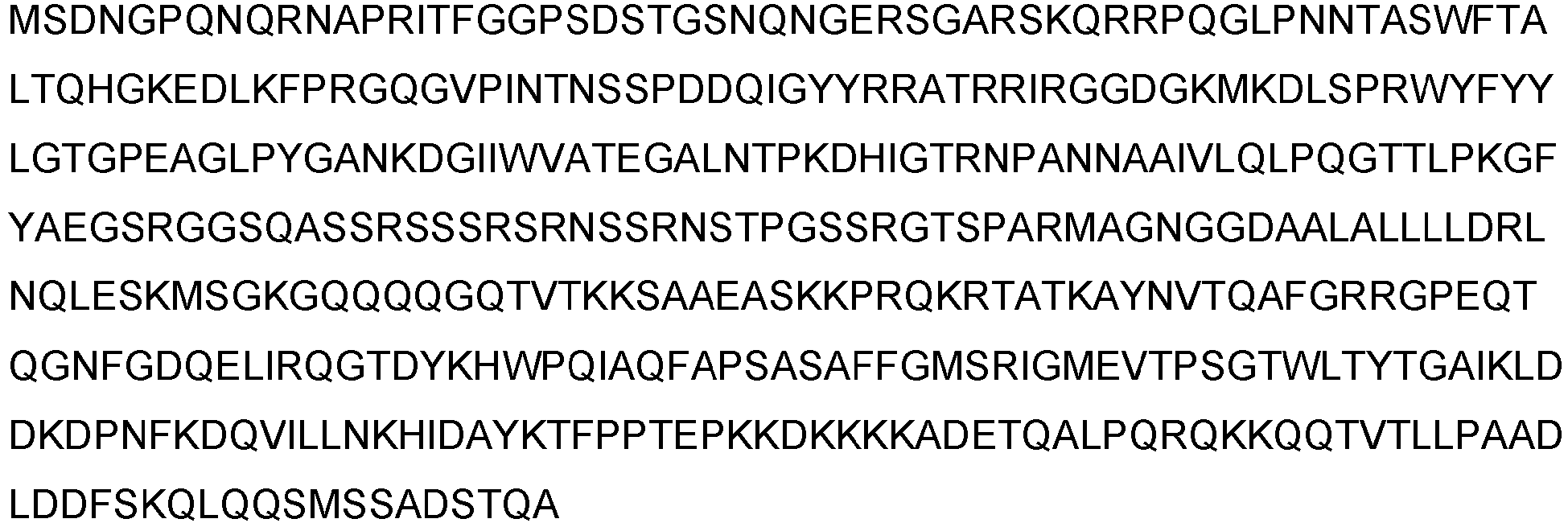


Claims (46)
- A vaccine composition comprisinga. an immunologically effective amount of a modified vaccinia virus Ankara (MVA) vector comprising at least one nucleic acid encoding an antigenic protein of at least one SARS-CoV-2 virus subtype, optionally together with a pharmaceutically acceptable carrier, diluent and/or additive; and/orb. an immunologically effective amount of the modified vaccinia virus Ankara (MVA) vector of a), wherein said MVA vector is further modified by deletion of the MVA immunomodulatory genes C6L, K7R, and A46R, optionally together with a pharmaceutically acceptable carrier, diluent and/or additive;wherein the nucleotide sequence encoding an antigenic protein of at least one SARS-CoV-2 virus subtype is inserted into the thymidine kinase (TK) locus of the MVA genome; and wherein the MVA vector regulates the expression of the nucleic acid encoding the antigenic protein and is operably linked to said nucleotide sequence.
- The vaccine composition according to claim 1, wherein the antigenic protein is the structural protein S of SARS-CoV-2.
- The vaccine composition according to claim 2, wherein the antigenic protein is the S protein of SARS-CoV-2 encoded by the nucleic acid consisting of SEQ ID NO 1.
- The vaccine composition according to any of the precedent claims, wherein the MVA vector further comprises an antigenic protein selected from the any of the group of structural proteins E (envelope), receptor-binding domain (RBD), N (nucleocapsid) or M (membrane) of SARS-CoV-2.
- The vaccine composition according to any of claims 1-4, wherein the MVA used for generating the recombinant virus is a MVA virus or a derivative having the capability of reproductive replication in vitro in chicken embryo fibroblasts (CEF) cells and in established chick cells DF-1, but no capability of reproductive replication in human cervix adenocarcinoma cell line HeLa.
- The vaccine composition according to any of the precedent claims, wherein the modified (MVA) vector is the MVA as defined in claim 1a).
- The vaccine composition according to any of claims 1 to 5, wherein the modified (MVA) vector is the MVA as defined in claim 1b)
- The vaccine composition according to any of claims 1 to 7, wherein the vaccine further comprises one or more pharmaceutically acceptable carriers, additives, antibiotics, preservatives, adjuvants, diluents and/or stabilizers.
- A vaccine combination comprising:c. a first composition comprising an immunologically effective amount of a modified vaccinia virus Ankara (MVA) vector as defined in any of the precedent claims; andd. a second composition comprising an immunologically effective amount of a modified vaccinia virus Ankara (MVA) vector as defined in any of the precedent claims;wherein one of the compositions is a priming composition and the other composition is a boosting composition.
- A vaccine combination comprising:a. a first composition comprising an immunologically effective amount of a modified vaccinia virus Ankara (MVA) vector as defined in any of claims 1 to 8; andb. a second composition comprising an immunologically effective amount of a polynucleotide plasmid that comprises at least one nucleic acid encoding an antigenic protein of at least one SARS-CoV-2 virus subtype;wherein one of the compositions is a priming composition and the other composition is a boosting composition.
- The vaccine combination comprising:a. a first composition comprising an immunologically effective amount of a polynucleotide plasmid that comprises at least one nucleic acid encoding an antigenic protein of at least one SARS-CoV-2 virus subtype; andb. a second composition comprising an immunologically effective amount of a modified vaccinia virus Ankara (MVA) vector as defined in any of claims 1 to 8;wherein the first compositions is a priming composition and the second composition is a boosting composition.
- The vaccine combination of any of claims 9 to 11, wherein the antigenic protein for both compositions is the structural protein S of SARS-CoV-2.
- The vaccine combination of any of claims 9 to 11, wherein the at least one nucleic acid of both compositions consists of SEQ ID NO 1.
- The vaccine composition according to claims 1-8, for use in generating an immunogenic and protective immune response against the SARS-CoV-2 virus in a subject in need thereof, preferably in a human subject, wherein said composition is used for priming said immune response and/or boosting said immune response and wherein the MVA is capable of producing at least the structural protein S of SARS-CoV-2, preferably of SEQ ID NO 2, in the subject to be treated.
- The vaccine combination according to claims 9 to 11, for use in generating an immunogenic and protective immune response against the SARS-CoV-2 virus in a subject in need thereof, preferably in a human subject, wherein said combination is capable of producing at least the structural protein S of SARS-CoV-2, preferably of SEQ ID NO 2, in the subject to be treated.
- The vaccine combination according to claim 9, for use in generating an immunogenic and protective immune response against the SARS-CoV-2 virus in a subject in need thereof, preferably in a human subject, wherein said combination is capable of producing at least the structural protein S of SARS-CoV-2, preferably of SEQ ID NO 2, in the subject to be treated.
- The vaccine combination according to claim 11, for use in generating an immunogenic and protective immune response against the SARS-CoV-2 virus in a subject in need thereof, preferably in a human subject, wherein said combination is capable of producing at least the structural protein S of SARS-CoV-2, in the subject to be treated.
- The vaccine composition according to claims 1-8 or the vaccine combination according to claims 9 to 13, for inducing an enhanced immune response against at least one SARS-CoV-2 virus subtype in a subject in need thereof, preferably in a human subject, wherein the MVA is capable of producing any of the group of structural proteins S, E, receptor-binding domain (RBD), N and/or M of SARS-CoV-2, or any combination thereof, in the subject to be treated.
- The vaccine composition for use according to any of claims 14 or 18, wherein the MVA vector/s of the vaccine composition/s is/are to be administered once, twice, three times or four times.
- The vaccine composition or combination for use according to any of claims 14 to 19, wherein said composition or combination is administered via the intramuscular route.
- The vaccine composition or combination for use according to any of claims 14 to 20, wherein there is a boosting composition and said composition is administered at least 2 weeks after administering the priming composition
- The vaccine composition or combination for use according to any of claims 14 to 20, wherein there is a boosting composition and said composition is administered 2-12 weeks, preferably 2, 3 or 4 weeks, after administering the priming composition
- A kit comprising one, preferably two, or more doses of any of the vaccine compositions as defined in any of claims 1 to 8, or the vaccine combination of any of claims 9 to 13.
- A kit comprising an immunologically effective amount of a MVA vector according to any of claims 1 to 8 in a first vial or container for a first administration (priming) and in a second vial or container for a second administration (boosting).
- A kit comprising an immunologically effective amount of a polynucleotide plasmid that comprises at least one nucleic acid encoding an antigenic protein of at least one SARS-CoV-2 virus subtype, preferably the structural protein S of SARS-CoV-2, in a first vial or container for a first administration (priming), and an immunologically effective amount of a MVA vector according to any of claims 1 to 8 in a second vial or container for a second administration (boosting).
- A kit comprising an immunologically effective amount of a MVA vector according to any of claims 1 to 8, in a first vial or container for a first administration (priming), and an immunologically effective amount of a polynucleotide plasmid that comprises at least one nucleic acid encoding an antigenic protein of at least one SARS-CoV-2 virus subtype, , preferably the structural protein S of SARS-CoV-2, in a second vial or container for a second administration (boosting).
- The kit according to any of claims 23 to 26, comprising in a third, fourth or further vial or container a MVA vector according to any of claims 1 to 8 for a third, fourth or further administration.
- The kit according to claims 23 to 27, for use in generating an immunogenic and protective immune response against the SARS-CoV-2 virus in a subject in need thereof, preferably in a human subject.
- The kit according to claim 28, wherein the combination of compositions contained in the vials is capable of producing at least the structural protein S of SARS-CoV-2, in the subject to be treated, and generating an immunogenic and protective immune response against the SARS-CoV-2 virus in a subject in need thereof.
- The kit for use according to any of claims 28 or 29, wherein said compositions contained in the vials are administered via the intramuscular route.
- The kit for use according to any of claims 28 to 30, wherein the boosting composition is administered at least 2 weeks after administering the priming composition
- The kit for use according to any of claims 28 to 30, wherein the boosting composition is administered 2-12 weeks, preferably 2, 3 or 4 weeks, after administering the priming composition.
- A method of generating an immunogenic and protective immune response against the SARS-CoV-2 virus in a subject in need thereof, preferably in a human subject, the method comprising administering to the subject any of the vaccine compositions according to any of claims 1 to 8 or any of the vaccine combinations according to any of claims 9 to 13.
- The method according to claim 33, wherein said method comprises administering any of the vaccine compositions according to any of claims 1 to 8 for priming said immune response and/or boosting said immune response.
- The method according to claim 33, wherein said compositions or combinations of compositions contained in the vials are administered via the intramuscular route.
- The method according to any of claims 33 to 35, wherein the boosting composition is administered at least 2 weeks after administering the priming composition.
- The method according to any of claims 33 to 35, wherein the boosting composition is administered 2-12 weeks, preferably 2, 3 or 4 weeks, after administering the priming composition.
- The method according to any of claims 33 to 37, wherein the boosting composition is administered two or more times to the subject.
- A method for generating an immune response against the SARS-CoV-2 virus in a subject in need thereof, preferably a human subject, comprising administering to the subject any of the vaccine compositions according to any of claims 1 to 8 or any of the vaccine combinations according to any of claims 9 to 13.
- The method according to claim 39, wherein said method comprises administering any of the vaccine compositions according to any of claims 1 to 8 for priming said immune response and/or boosting said immune response.
- The method according to claim 39, wherein said compositions or combinations of compositions contained in the vials are administered via the intramuscular route.
- The method according to any of claims 39 to 41, wherein the boosting composition is administered at least 2 weeks after administering the priming composition.
- The method according to any of claims 39 to 41, wherein the boosting composition is administered 2-12 weeks, preferably 2, 3 or 4 weeks, after administering the priming composition.
- The method according to any of claims 39 to 43, wherein the boosting composition is administered two or more times to the subject.
- A method of inducing an enhanced immune response against the SARS-CoV-2 virus in a subject in need thereof, preferably in a human subject, comprising administering to the subject any of the vaccine compositions according to any of claims 1 to 8 or any of the vaccine combinations according to any of claims 9 to 13.
- The method according to claim 45, wherein said compositions or combinations of compositions contained in the vials are administered via the intramuscular route.
Priority Applications (2)
| Application Number | Priority Date | Filing Date | Title |
|---|---|---|---|
| EP20382558.3A EP3928789A1 (en) | 2020-06-24 | 2020-06-24 | Mva-based vaccine against covid-19 expressing sars-cov-2 antigens |
| PCT/EP2021/067245 WO2021260065A1 (en) | 2020-06-24 | 2021-06-23 | Mva-based vaccine against covid-19 expressing sars-cov-2 antigens |
Applications Claiming Priority (1)
| Application Number | Priority Date | Filing Date | Title |
|---|---|---|---|
| EP20382558.3A EP3928789A1 (en) | 2020-06-24 | 2020-06-24 | Mva-based vaccine against covid-19 expressing sars-cov-2 antigens |
Publications (1)
| Publication Number | Publication Date |
|---|---|
| EP3928789A1 true EP3928789A1 (en) | 2021-12-29 |
Family
ID=71575336
Family Applications (1)
| Application Number | Title | Priority Date | Filing Date |
|---|---|---|---|
| EP20382558.3A Withdrawn EP3928789A1 (en) | 2020-06-24 | 2020-06-24 | Mva-based vaccine against covid-19 expressing sars-cov-2 antigens |
Country Status (1)
| Country | Link |
|---|---|
| EP (1) | EP3928789A1 (en) |
Cited By (1)
| Publication number | Priority date | Publication date | Assignee | Title |
|---|---|---|---|---|
| EP4103231A4 (en) * | 2020-02-14 | 2024-03-27 | Geovax, Inc. | Vaccines and uses thereof to induce an immune response to sars-cov2 |
Citations (14)
| Publication number | Priority date | Publication date | Assignee | Title |
|---|---|---|---|---|
| CH568392A5 (en) | 1971-09-11 | 1975-10-31 | Bayern Freistaat | |
| WO1997002355A1 (en) | 1995-07-04 | 1997-01-23 | GSF-Forschungszentrum für Umwelt und Gesundheit GmbH | Recombinant mva virus, and the use thereof |
| US5747324A (en) | 1988-06-10 | 1998-05-05 | Therion Biologics Corporation | Self-assembled, defective, non-self-propagating lentivirus particles |
| WO2002024224A2 (en) | 2000-09-21 | 2002-03-28 | Oxxon Pharmaccines Limited | Use of replication-deficient poxvirus vector to boost cd4+ t cell immune response to antigen |
| WO2002042480A2 (en) | 2000-11-23 | 2002-05-30 | Bavarian Nordic A/S | Modified vaccinia ankara virus variant |
| WO2003023040A2 (en) | 2001-09-11 | 2003-03-20 | Gsf-Forschungszentrum Für Umwelt Und Gesundheit, Gmbh | Vaccinia virus mva-e3l-knockout-mutants and use thereof |
| WO2003048184A2 (en) | 2001-12-04 | 2003-06-12 | Bavarian Nordic A/S | Flavivirus ns1 subunit vaccine |
| WO2004074493A1 (en) | 2003-02-18 | 2004-09-02 | Gsf-Forschungszentrum Fuer Umwelt Und Gesundheit Gmbh | Recombinant mva and method for generation thereof |
| WO2006071250A2 (en) * | 2004-04-05 | 2006-07-06 | Government Of The United States Of America As Represented By The Secretary Of The Department Of Health And Human Services | Soluble fragments of the sars-cov spike glycoprotein |
| WO2010102822A1 (en) | 2009-03-13 | 2010-09-16 | Bavarian Nordic A/S | Optimized early-late promoter combined with repeated vaccination favors cytotoxic t cell response against antigens in replication deficient recombinant virus vaccines |
| WO2011092029A1 (en) | 2010-01-28 | 2011-08-04 | Bavarian Nordic A/S | Vaccinia virus mutants containing the major genomic deletions of mva |
| WO2014162031A1 (en) | 2013-04-02 | 2014-10-09 | Consejo Superior De Investigaciones Científicas (Csic) | Recombinant vectors based on the modified vaccinia ankara virus (mva) as preventive and therapeutic vaccines against hepatitis c |
| WO2016086980A1 (en) | 2014-12-02 | 2016-06-09 | Consejo Superior De Investigaciones Cientificas | Vaccine composition |
| WO2016116398A1 (en) * | 2015-01-19 | 2016-07-28 | Ludwig-Maximilians-Universität München | A novel vaccine against the middle east respiratory syndrome coronavirus (mers-cov) |
-
2020
- 2020-06-24 EP EP20382558.3A patent/EP3928789A1/en not_active Withdrawn
Patent Citations (17)
| Publication number | Priority date | Publication date | Assignee | Title |
|---|---|---|---|---|
| CH568392A5 (en) | 1971-09-11 | 1975-10-31 | Bayern Freistaat | |
| US5747324A (en) | 1988-06-10 | 1998-05-05 | Therion Biologics Corporation | Self-assembled, defective, non-self-propagating lentivirus particles |
| WO1997002355A1 (en) | 1995-07-04 | 1997-01-23 | GSF-Forschungszentrum für Umwelt und Gesundheit GmbH | Recombinant mva virus, and the use thereof |
| WO2002024224A2 (en) | 2000-09-21 | 2002-03-28 | Oxxon Pharmaccines Limited | Use of replication-deficient poxvirus vector to boost cd4+ t cell immune response to antigen |
| US6761893B2 (en) | 2000-11-23 | 2004-07-13 | Bavarian Nordic A/S | Modified vaccinia ankara virus variant |
| US20030206926A1 (en) | 2000-11-23 | 2003-11-06 | Paul Chaplin | Modified vaccinia ankara virus variant |
| WO2002042480A2 (en) | 2000-11-23 | 2002-05-30 | Bavarian Nordic A/S | Modified vaccinia ankara virus variant |
| WO2003023040A2 (en) | 2001-09-11 | 2003-03-20 | Gsf-Forschungszentrum Für Umwelt Und Gesundheit, Gmbh | Vaccinia virus mva-e3l-knockout-mutants and use thereof |
| WO2003048184A2 (en) | 2001-12-04 | 2003-06-12 | Bavarian Nordic A/S | Flavivirus ns1 subunit vaccine |
| US20060159699A1 (en) | 2001-12-04 | 2006-07-20 | Paul Howley | Flavivirus ns1 subunit vaccine |
| WO2004074493A1 (en) | 2003-02-18 | 2004-09-02 | Gsf-Forschungszentrum Fuer Umwelt Und Gesundheit Gmbh | Recombinant mva and method for generation thereof |
| WO2006071250A2 (en) * | 2004-04-05 | 2006-07-06 | Government Of The United States Of America As Represented By The Secretary Of The Department Of Health And Human Services | Soluble fragments of the sars-cov spike glycoprotein |
| WO2010102822A1 (en) | 2009-03-13 | 2010-09-16 | Bavarian Nordic A/S | Optimized early-late promoter combined with repeated vaccination favors cytotoxic t cell response against antigens in replication deficient recombinant virus vaccines |
| WO2011092029A1 (en) | 2010-01-28 | 2011-08-04 | Bavarian Nordic A/S | Vaccinia virus mutants containing the major genomic deletions of mva |
| WO2014162031A1 (en) | 2013-04-02 | 2014-10-09 | Consejo Superior De Investigaciones Científicas (Csic) | Recombinant vectors based on the modified vaccinia ankara virus (mva) as preventive and therapeutic vaccines against hepatitis c |
| WO2016086980A1 (en) | 2014-12-02 | 2016-06-09 | Consejo Superior De Investigaciones Cientificas | Vaccine composition |
| WO2016116398A1 (en) * | 2015-01-19 | 2016-07-28 | Ludwig-Maximilians-Universität München | A novel vaccine against the middle east respiratory syndrome coronavirus (mers-cov) |
Non-Patent Citations (36)
| Title |
|---|
| "Epitope Mapping Protocols", METHODS IN MOLECULAR BIOLOGY, vol. 66, 1996 |
| ANONYMOUS: "DRAFT landscape of COVID-19 candidate vaccines - 20 April 2020", 20 April 2020 (2020-04-20), XP055744890, Retrieved from the Internet <URL:https://www.who.int/blueprint/priority-diseases/key-action/novel-coronavirus-landscape-ncov.pdf> [retrieved on 20201028] * |
| CHAKRABARTI, S.SISLER, J.R.MOSS, B.: "Compact, synthetic, vaccinia virus early/late promoter for protein expression", BIOTECHNIQUES, vol. 23, 1997, pages 1094 - 1097, XP001074084 |
| DAYHOFF, ATLAS OF PROTEIN SEQUENCES AND STRUCTURE, vol. 5, no. 3, pages 353 - 358 |
| DI PILATO, M.SANCHEZ-SAMPEDRO, L.MEJIAS-PEREZ, E.SORZANO, C.O.S.ESTEBAN, M.: "Modification of promoter spacer length in vaccinia virus as a strategy to control the antigen expression", J. GEN. VIROL., vol. 96, 2015, pages 2360 - 2371 |
| EARL ET AL., CURR PROTOC MOL BIOL, vol. 16, 2001, pages 16 17 |
| ESTEBAN, VIROLOGY, vol. 133, 1984, pages 220 - 227 |
| GARCIA-ARRIAZA ET AL., J VIROL, vol. 88, 2014, pages 3527 - 3547 |
| GARCIA-ARRIAZA ET AL., J. VIROL, vol. 88, 2014, pages 3527 - 3547 |
| GARCIA-ARRIAZA ET AL., JOURNAL OF VIROLOGY (CHIKUNGUNYA, 2014 |
| GARCIA-ARRIAZA ET AL., PLOS ONE, vol. 8, no. 6, 2013, pages e66894 |
| GOMEZ ET AL., J VIROL, vol. 87, 2013, pages 7282 - 7300 |
| GREEN MRSAMBROOK J.: "Molecular Cloning: a laboratory manual", 2012, COLD SPRING HARBOR LABORATORY PRESS |
| GRIBSKOV, NUCL. ACIDS RES., vol. 14, no. 6, 1986, pages 6745 - 6763 |
| H. STICKL ET AL., DTSCH. MED. WSCHR., vol. 99, 1974, pages 2386 - 2392 |
| HOBERNIKBROS, INT J MOL SCI., vol. 19, no. 11, 15 November 2018 (2018-11-15), pages 3605 |
| J. GARCIA-ARRIAZA ET AL: "A Novel Poxvirus-Based Vaccine, MVA-CHIKV, Is Highly Immunogenic and Protects Mice against Chikungunya Infection", JOURNAL OF VIROLOGY, vol. 88, no. 6, 15 March 2014 (2014-03-15), pages 3527 - 3547, XP055204747, ISSN: 0022-538X, DOI: 10.1128/JVI.03418-13 * |
| JOKLIK, VIROLOGY, vol. 18, 1962, pages 9 - 18 |
| LAZARO-FRIAS ET AL., J. VIROL, vol. 92, 2018, pages e00363 - 18 |
| LEE ET AL., ACTA BIOMATER., vol. 80, 15 October 2018 (2018-10-15), pages 31 - 47 |
| LEE ET AL., J. GEN. VIROL., vol. 79, 1998, pages 613 |
| LUIS ENJUANES ET AL: "Position NOVEL HUMAN PATHOGENIC CORONAVIRUS: SARS-CoV-2", 26 March 2020 (2020-03-26), pages 1 - 5, XP055745277, Retrieved from the Internet <URL:https://fems-microbiology.org/wp-content/uploads/2020/03/Enjuanes-Sola-Zúñiga-2020.-Novel-Human-Pathogenic-Coronavirus-SARS-CoV-2.pdf> [retrieved on 20201029] * |
| MARIN ET AL., JOURNAL OF VIROLOGY (HEPATITIS C, 2019 |
| MAYR ET AL., ZBL. BAKT. HYG. I, ABT. ORG. B, vol. 167, 1987, pages 375 - 390 |
| MAYR, A.HOCHSTEIN-MINTZEL, V.STICKL, H., INFECTION, vol. 3, 1975, pages 6 - 14 |
| MEYER, H.SUTTER, G.MAYR A., J. GEN. VIROL., vol. 72, 1991, pages 1031 - 1038 |
| MORITA ET AL., VACCINE, vol. 5, 1987, pages 65 - 70 |
| NAJERA ET AL., PLOS ONE, vol. 5, 2010, pages e11406 |
| ORTIZ-PRADO ESTEBAN ET AL: "Clinical, molecular, and epidemiological characterization of the SARS-CoV-2 virus and the Coronavirus Disease 2019 (COVID-19), a comprehensive literature review", DIAGNOSTIC MICROBIOLOGY AND INFECTIOUS DISEASE, ELSEVIER, AMSTERDAM, NL, vol. 98, no. 1, 30 May 2020 (2020-05-30), XP086241239, ISSN: 0732-8893, [retrieved on 20200530], DOI: 10.1016/J.DIAGMICROBIO.2020.115094 * |
| PEREZ ET AL., SCIENTIFIC REPORTS (ZIKA, 2018 |
| PEREZ ET AL., SCIENTIFIC REPORTS, vol. 8, 2018, pages 17385 |
| PEREZ ET AL., VACCINES 2019, vol. 7, 2019, pages 208 |
| RAMIREZ ET AL., J. VIROL, vol. 74, 2000, pages 923 - 933 |
| ROQUES ET AL., JCI INSIGHT, vol. 2, no. 6, 2017, pages e83527 |
| SMITHWATERMAN, ADVANCES IN APPLIED MATHEMATICS, vol. 2, 1981, pages 482 - 489 |
| SUTTER ET AL., VACCINE, vol. 12, 1994, pages 1032 - 1040 |
Cited By (1)
| Publication number | Priority date | Publication date | Assignee | Title |
|---|---|---|---|---|
| EP4103231A4 (en) * | 2020-02-14 | 2024-03-27 | Geovax, Inc. | Vaccines and uses thereof to induce an immune response to sars-cov2 |
Similar Documents
| Publication | Publication Date | Title |
|---|---|---|
| García-Arriaza et al. | Improving adaptive and memory immune responses of an HIV/AIDS vaccine candidate MVA-B by deletion of vaccinia virus genes (C6L and K7R) blocking interferon signaling pathways | |
| Herbert et al. | Recombinant adenovirus expressing the haemagglutinin of peste des petits ruminants virus (PPRV) protects goats against challenge with pathogenic virus; a DIVA vaccine for PPR | |
| AU2015320574B2 (en) | Methods and compositions for inducing protective immunity against Human Immunodeficiency Virus infection | |
| EP2627774B1 (en) | Recombinant modified vaccinia virus ankara (mva) influenza vaccine | |
| Weger-Lucarelli et al. | A novel MVA vectored Chikungunya virus vaccine elicits protective immunity in mice | |
| Sakhatskyy et al. | Immunogenicity and protection efficacy of monovalent and polyvalent poxvirus vaccines that include the D8 antigen | |
| CN107454848B (en) | Methods and compositions for inducing protective immunity against filovirus infection | |
| Perdiguero et al. | Virological and immunological characterization of novel NYVAC-based HIV/AIDS vaccine candidates expressing clade C trimeric soluble gp140 (ZM96) and Gag (ZM96)-Pol-Nef (CN54) as virus-like particles | |
| WO2016086980A1 (en) | Vaccine composition | |
| EP4358999A1 (en) | Mva-based vaccine expressing a prefusion-stabilized sars-cov-2 s protein | |
| JP6175167B2 (en) | Recombinant vaccinia virus with hemagglutinin protein gene from new influenza virus | |
| EP3928789A1 (en) | Mva-based vaccine against covid-19 expressing sars-cov-2 antigens | |
| WO2023077147A2 (en) | T-cell vaccines for patients with reduced humoral immunity | |
| US20130177582A1 (en) | Parapoxvirus expressing the vp60 major capsid protein of the rabbit haemorrhagic disease virus | |
| WO2021260065A1 (en) | Mva-based vaccine against covid-19 expressing sars-cov-2 antigens | |
| Wang et al. | Partial protection against SIV challenge by vaccination of adenovirus and MVA vectors in rhesus monkeys | |
| EP4108257A1 (en) | Mva-based vaccine against covid-19 expressing a prefusion-stabilized sars-cov-2 s protein | |
| García-Arriaza et al. | MVA-based vaccine against COVID-19 expressing SARS-CoV-2 antigens | |
| US20100034851A1 (en) | AIDS Vaccine Based on Replicative Vaccinia Virus Vector | |
| George et al. | Distinct humoral and cellular immunity induced by alternating prime-boost vaccination using plasmid DNA and live viral vector vaccines expressing the E protein of dengue virus type 2 | |
| Wanjalla et al. | Dendritic cells infected by recombinant rabies virus vaccine vector expressing HIV-1 Gag are immunogenic even in the presence of vector-specific immunity | |
| EP4316514A1 (en) | Mva-based vectors and their use as vaccine against sars-cov-2 | |
| DK2627774T3 (en) | INFLUENZAVACCINE BASED ON RECOMBINANT MODIFIED VACCINIAVIRUS ANKARA (VAT) | |
| US20220118081A1 (en) | HIV vaccine regimens | |
| TW202334434A (en) | Poxviral-based vaccine against severe acute respiratory syndrome coronavirus 2 and methods using the same |
Legal Events
| Date | Code | Title | Description |
|---|---|---|---|
| PUAI | Public reference made under article 153(3) epc to a published international application that has entered the european phase |
Free format text: ORIGINAL CODE: 0009012 |
|
| STAA | Information on the status of an ep patent application or granted ep patent |
Free format text: STATUS: THE APPLICATION HAS BEEN PUBLISHED |
|
| AK | Designated contracting states |
Kind code of ref document: A1 Designated state(s): AL AT BE BG CH CY CZ DE DK EE ES FI FR GB GR HR HU IE IS IT LI LT LU LV MC MK MT NL NO PL PT RO RS SE SI SK SM TR |
|
| B565 | Issuance of search results under rule 164(2) epc |
Effective date: 20210401 |
|
| STAA | Information on the status of an ep patent application or granted ep patent |
Free format text: STATUS: REQUEST FOR EXAMINATION WAS MADE |
|
| 17P | Request for examination filed |
Effective date: 20220629 |
|
| RBV | Designated contracting states (corrected) |
Designated state(s): AL AT BE BG CH CY CZ DE DK EE ES FI FR GB GR HR HU IE IS IT LI LT LU LV MC MK MT NL NO PL PT RO RS SE SI SK SM TR |
|
| STAA | Information on the status of an ep patent application or granted ep patent |
Free format text: STATUS: THE APPLICATION IS DEEMED TO BE WITHDRAWN |
|
| 18D | Application deemed to be withdrawn |
Effective date: 20240103 |