EP3821948A1 - Vcp and factor h as viral entry inhibitors - Google Patents
Vcp and factor h as viral entry inhibitors Download PDFInfo
- Publication number
- EP3821948A1 EP3821948A1 EP20205760.0A EP20205760A EP3821948A1 EP 3821948 A1 EP3821948 A1 EP 3821948A1 EP 20205760 A EP20205760 A EP 20205760A EP 3821948 A1 EP3821948 A1 EP 3821948A1
- Authority
- EP
- European Patent Office
- Prior art keywords
- factor
- vcp
- ccp
- virus
- containing protein
- Prior art date
- Legal status (The legal status is an assumption and is not a legal conclusion. Google has not performed a legal analysis and makes no representation as to the accuracy of the status listed.)
- Pending
Links
- 229940118555 Viral entry inhibitor Drugs 0.000 title 1
- 108010053085 Complement Factor H Proteins 0.000 claims abstract description 188
- 102000016550 Complement Factor H Human genes 0.000 claims abstract description 188
- 101710184994 Complement control protein Proteins 0.000 claims abstract description 111
- 241000712431 Influenza A virus Species 0.000 claims abstract description 109
- 108090000623 proteins and genes Proteins 0.000 claims abstract description 81
- 102000004169 proteins and genes Human genes 0.000 claims abstract description 80
- 208000015181 infectious disease Diseases 0.000 claims abstract description 51
- 238000011282 treatment Methods 0.000 claims abstract description 49
- 241000700605 Viruses Species 0.000 claims abstract description 42
- 244000052769 pathogen Species 0.000 claims abstract description 27
- 230000010076 replication Effects 0.000 claims abstract description 24
- 238000000034 method Methods 0.000 claims abstract description 23
- 230000001717 pathogenic effect Effects 0.000 claims abstract description 23
- 241000894006 Bacteria Species 0.000 claims abstract description 17
- 101900335902 Vaccinia virus Complement control protein C3 Proteins 0.000 claims abstract description 16
- 230000002265 prevention Effects 0.000 claims abstract description 12
- 241000197306 H1N1 subtype Species 0.000 claims description 66
- 241000713772 Human immunodeficiency virus 1 Species 0.000 claims description 30
- 241000725643 Respiratory syncytial virus Species 0.000 claims description 30
- 230000000295 complement effect Effects 0.000 claims description 25
- 241000187479 Mycobacterium tuberculosis Species 0.000 claims description 19
- 230000001105 regulatory effect Effects 0.000 claims description 18
- 241000711573 Coronaviridae Species 0.000 claims description 15
- 208000001528 Coronaviridae Infections Diseases 0.000 claims description 15
- 208000025370 Middle East respiratory syndrome Diseases 0.000 claims description 15
- 241000127282 Middle East respiratory syndrome-related coronavirus Species 0.000 claims description 15
- 230000001419 dependent effect Effects 0.000 claims description 11
- 102000006912 Complement C4b-Binding Protein Human genes 0.000 claims description 7
- 108010047548 Complement C4b-Binding Protein Proteins 0.000 claims description 7
- 230000028709 inflammatory response Effects 0.000 claims description 7
- 230000005764 inhibitory process Effects 0.000 claims description 6
- 241000252870 H3N2 subtype Species 0.000 claims description 5
- 210000004027 cell Anatomy 0.000 description 98
- 239000002245 particle Substances 0.000 description 34
- 230000003612 virological effect Effects 0.000 description 31
- 230000014509 gene expression Effects 0.000 description 30
- 101710154606 Hemagglutinin Proteins 0.000 description 29
- 101710093908 Outer capsid protein VP4 Proteins 0.000 description 29
- 101710135467 Outer capsid protein sigma-1 Proteins 0.000 description 29
- 101710176177 Protein A56 Proteins 0.000 description 29
- 239000000185 hemagglutinin Substances 0.000 description 29
- 230000027455 binding Effects 0.000 description 28
- 230000000694 effects Effects 0.000 description 24
- 108010006232 Neuraminidase Proteins 0.000 description 20
- 102000005348 Neuraminidase Human genes 0.000 description 20
- 102000004889 Interleukin-6 Human genes 0.000 description 19
- 108090001005 Interleukin-6 Proteins 0.000 description 19
- 239000005089 Luciferase Substances 0.000 description 16
- MZOFCQQQCNRIBI-VMXHOPILSA-N (3s)-4-[[(2s)-1-[[(2s)-1-[[(1s)-1-carboxy-2-hydroxyethyl]amino]-4-methyl-1-oxopentan-2-yl]amino]-5-(diaminomethylideneamino)-1-oxopentan-2-yl]amino]-3-[[2-[[(2s)-2,6-diaminohexanoyl]amino]acetyl]amino]-4-oxobutanoic acid Chemical compound OC[C@@H](C(O)=O)NC(=O)[C@H](CC(C)C)NC(=O)[C@H](CCCN=C(N)N)NC(=O)[C@H](CC(O)=O)NC(=O)CNC(=O)[C@@H](N)CCCCN MZOFCQQQCNRIBI-VMXHOPILSA-N 0.000 description 15
- 108060008682 Tumor Necrosis Factor Proteins 0.000 description 15
- 102000000852 Tumor Necrosis Factor-alpha Human genes 0.000 description 15
- 230000035931 haemagglutination Effects 0.000 description 15
- 206010022000 influenza Diseases 0.000 description 15
- 102000004127 Cytokines Human genes 0.000 description 14
- 108090000695 Cytokines Proteins 0.000 description 14
- 230000003993 interaction Effects 0.000 description 14
- 238000001262 western blot Methods 0.000 description 14
- 108010055166 Chemokine CCL5 Proteins 0.000 description 13
- 102000001327 Chemokine CCL5 Human genes 0.000 description 13
- 108060001084 Luciferase Proteins 0.000 description 13
- 238000003556 assay Methods 0.000 description 12
- 230000024203 complement activation Effects 0.000 description 12
- 108020004999 messenger RNA Proteins 0.000 description 12
- 108010047761 Interferon-alpha Proteins 0.000 description 11
- 102000006992 Interferon-alpha Human genes 0.000 description 11
- SQVRNKJHWKZAKO-UHFFFAOYSA-N beta-N-Acetyl-D-neuraminic acid Natural products CC(=O)NC1C(O)CC(O)(C(O)=O)OC1C(O)C(O)CO SQVRNKJHWKZAKO-UHFFFAOYSA-N 0.000 description 11
- 210000003743 erythrocyte Anatomy 0.000 description 11
- OHDXDNUPVVYWOV-UHFFFAOYSA-N n-methyl-1-(2-naphthalen-1-ylsulfanylphenyl)methanamine Chemical compound CNCC1=CC=CC=C1SC1=CC=CC2=CC=CC=C12 OHDXDNUPVVYWOV-UHFFFAOYSA-N 0.000 description 11
- SQVRNKJHWKZAKO-OQPLDHBCSA-N sialic acid Chemical compound CC(=O)N[C@@H]1[C@@H](O)C[C@@](O)(C(O)=O)OC1[C@H](O)[C@H](O)CO SQVRNKJHWKZAKO-OQPLDHBCSA-N 0.000 description 11
- 239000012528 membrane Substances 0.000 description 10
- 108091032973 (ribonucleotides)n+m Proteins 0.000 description 9
- 102000003886 Glycoproteins Human genes 0.000 description 8
- 108090000288 Glycoproteins Proteins 0.000 description 8
- 102000013462 Interleukin-12 Human genes 0.000 description 8
- 108010065805 Interleukin-12 Proteins 0.000 description 8
- 238000011529 RT qPCR Methods 0.000 description 8
- FAPWRFPIFSIZLT-UHFFFAOYSA-M Sodium chloride Chemical compound [Na+].[Cl-] FAPWRFPIFSIZLT-UHFFFAOYSA-M 0.000 description 8
- 239000003112 inhibitor Substances 0.000 description 8
- 239000013612 plasmid Substances 0.000 description 8
- 108091003079 Bovine Serum Albumin Proteins 0.000 description 7
- 101000737574 Homo sapiens Complement factor H Proteins 0.000 description 7
- 230000004154 complement system Effects 0.000 description 7
- 238000002415 sodium dodecyl sulfate polyacrylamide gel electrophoresis Methods 0.000 description 7
- 239000006228 supernatant Substances 0.000 description 7
- 102000019034 Chemokines Human genes 0.000 description 6
- 108010012236 Chemokines Proteins 0.000 description 6
- 238000002965 ELISA Methods 0.000 description 6
- 101150063416 add gene Proteins 0.000 description 6
- 230000015572 biosynthetic process Effects 0.000 description 6
- 229940098773 bovine serum albumin Drugs 0.000 description 6
- 239000002299 complementary DNA Substances 0.000 description 6
- UQLDLKMNUJERMK-UHFFFAOYSA-L di(octadecanoyloxy)lead Chemical compound [Pb+2].CCCCCCCCCCCCCCCCCC([O-])=O.CCCCCCCCCCCCCCCCCC([O-])=O UQLDLKMNUJERMK-UHFFFAOYSA-L 0.000 description 6
- 230000003828 downregulation Effects 0.000 description 6
- 210000002919 epithelial cell Anatomy 0.000 description 6
- 102000045512 human CFH Human genes 0.000 description 6
- 210000004072 lung Anatomy 0.000 description 6
- 230000007246 mechanism Effects 0.000 description 6
- 230000000770 proinflammatory effect Effects 0.000 description 6
- 230000029812 viral genome replication Effects 0.000 description 6
- 239000006144 Dulbecco’s modified Eagle's medium Substances 0.000 description 5
- 239000011230 binding agent Substances 0.000 description 5
- 239000004074 complement inhibitor Substances 0.000 description 5
- 238000004519 manufacturing process Methods 0.000 description 5
- 230000001404 mediated effect Effects 0.000 description 5
- 238000001543 one-way ANOVA Methods 0.000 description 5
- 230000002829 reductive effect Effects 0.000 description 5
- 238000012360 testing method Methods 0.000 description 5
- 241000700199 Cavia porcellus Species 0.000 description 4
- 102000016574 Complement C3-C5 Convertases Human genes 0.000 description 4
- 108010067641 Complement C3-C5 Convertases Proteins 0.000 description 4
- 101710186862 Factor H binding protein Proteins 0.000 description 4
- HTTJABKRGRZYRN-UHFFFAOYSA-N Heparin Chemical compound OC1C(NC(=O)C)C(O)OC(COS(O)(=O)=O)C1OC1C(OS(O)(=O)=O)C(O)C(OC2C(C(OS(O)(=O)=O)C(OC3C(C(O)C(O)C(O3)C(O)=O)OS(O)(=O)=O)C(CO)O2)NS(O)(=O)=O)C(C(O)=O)O1 HTTJABKRGRZYRN-UHFFFAOYSA-N 0.000 description 4
- TWRXJAOTZQYOKJ-UHFFFAOYSA-L Magnesium chloride Chemical compound [Mg+2].[Cl-].[Cl-] TWRXJAOTZQYOKJ-UHFFFAOYSA-L 0.000 description 4
- 108010052285 Membrane Proteins Proteins 0.000 description 4
- 102000018697 Membrane Proteins Human genes 0.000 description 4
- 108700026244 Open Reading Frames Proteins 0.000 description 4
- 241000282898 Sus scrofa Species 0.000 description 4
- 230000004913 activation Effects 0.000 description 4
- 238000006243 chemical reaction Methods 0.000 description 4
- 230000000120 cytopathologic effect Effects 0.000 description 4
- 230000006378 damage Effects 0.000 description 4
- 238000002474 experimental method Methods 0.000 description 4
- 125000001475 halogen functional group Chemical group 0.000 description 4
- 229920000669 heparin Polymers 0.000 description 4
- 229960002897 heparin Drugs 0.000 description 4
- 230000002401 inhibitory effect Effects 0.000 description 4
- 239000002609 medium Substances 0.000 description 4
- 230000035772 mutation Effects 0.000 description 4
- 239000013642 negative control Substances 0.000 description 4
- 239000008188 pellet Substances 0.000 description 4
- 108020003175 receptors Proteins 0.000 description 4
- 102000005962 receptors Human genes 0.000 description 4
- 230000004044 response Effects 0.000 description 4
- 239000011780 sodium chloride Substances 0.000 description 4
- UCSJYZPVAKXKNQ-HZYVHMACSA-N streptomycin Chemical compound CN[C@H]1[C@H](O)[C@@H](O)[C@H](CO)O[C@H]1O[C@@H]1[C@](C=O)(O)[C@H](C)O[C@H]1O[C@@H]1[C@@H](NC(N)=N)[C@H](O)[C@@H](NC(N)=N)[C@H](O)[C@H]1O UCSJYZPVAKXKNQ-HZYVHMACSA-N 0.000 description 4
- 210000001519 tissue Anatomy 0.000 description 4
- 230000003827 upregulation Effects 0.000 description 4
- 230000009385 viral infection Effects 0.000 description 4
- QKNYBSVHEMOAJP-UHFFFAOYSA-N 2-amino-2-(hydroxymethyl)propane-1,3-diol;hydron;chloride Chemical compound Cl.OCC(N)(CO)CO QKNYBSVHEMOAJP-UHFFFAOYSA-N 0.000 description 3
- OYPRJOBELJOOCE-UHFFFAOYSA-N Calcium Chemical compound [Ca] OYPRJOBELJOOCE-UHFFFAOYSA-N 0.000 description 3
- UXVMQQNJUSDDNG-UHFFFAOYSA-L Calcium chloride Chemical compound [Cl-].[Cl-].[Ca+2] UXVMQQNJUSDDNG-UHFFFAOYSA-L 0.000 description 3
- 229940124073 Complement inhibitor Drugs 0.000 description 3
- KCXVZYZYPLLWCC-UHFFFAOYSA-N EDTA Chemical compound OC(=O)CN(CC(O)=O)CCN(CC(O)=O)CC(O)=O KCXVZYZYPLLWCC-UHFFFAOYSA-N 0.000 description 3
- OKKJLVBELUTLKV-UHFFFAOYSA-N Methanol Chemical compound OC OKKJLVBELUTLKV-UHFFFAOYSA-N 0.000 description 3
- 108010063954 Mucins Proteins 0.000 description 3
- 102000015728 Mucins Human genes 0.000 description 3
- 241000283973 Oryctolagus cuniculus Species 0.000 description 3
- 229920001213 Polysorbate 20 Polymers 0.000 description 3
- 229920002684 Sepharose Polymers 0.000 description 3
- 241000191967 Staphylococcus aureus Species 0.000 description 3
- 208000036142 Viral infection Diseases 0.000 description 3
- 208000027418 Wounds and injury Diseases 0.000 description 3
- 238000002835 absorbance Methods 0.000 description 3
- 230000033228 biological regulation Effects 0.000 description 3
- 239000000872 buffer Substances 0.000 description 3
- 239000011575 calcium Substances 0.000 description 3
- 229910052791 calcium Inorganic materials 0.000 description 3
- 239000001110 calcium chloride Substances 0.000 description 3
- 229910001628 calcium chloride Inorganic materials 0.000 description 3
- 239000011545 carbonate/bicarbonate buffer Substances 0.000 description 3
- 239000003153 chemical reaction reagent Substances 0.000 description 3
- 230000009089 cytolysis Effects 0.000 description 3
- 230000028993 immune response Effects 0.000 description 3
- 208000014674 injury Diseases 0.000 description 3
- 230000015788 innate immune response Effects 0.000 description 3
- 230000009545 invasion Effects 0.000 description 3
- 210000003734 kidney Anatomy 0.000 description 3
- 239000003446 ligand Substances 0.000 description 3
- 239000000463 material Substances 0.000 description 3
- 230000000813 microbial effect Effects 0.000 description 3
- 230000037361 pathway Effects 0.000 description 3
- 239000000256 polyoxyethylene sorbitan monolaurate Substances 0.000 description 3
- 238000000159 protein binding assay Methods 0.000 description 3
- 238000000746 purification Methods 0.000 description 3
- 230000009467 reduction Effects 0.000 description 3
- 230000000241 respiratory effect Effects 0.000 description 3
- 230000002441 reversible effect Effects 0.000 description 3
- 125000005629 sialic acid group Chemical group 0.000 description 3
- 238000003786 synthesis reaction Methods 0.000 description 3
- 210000002845 virion Anatomy 0.000 description 3
- UAIUNKRWKOVEES-UHFFFAOYSA-N 3,3',5,5'-tetramethylbenzidine Chemical compound CC1=C(N)C(C)=CC(C=2C=C(C)C(N)=C(C)C=2)=C1 UAIUNKRWKOVEES-UHFFFAOYSA-N 0.000 description 2
- 206010001052 Acute respiratory distress syndrome Diseases 0.000 description 2
- 241000589969 Borreliella burgdorferi Species 0.000 description 2
- DHMQDGOQFOQNFH-UHFFFAOYSA-N Glycine Chemical compound NCC(O)=O DHMQDGOQFOQNFH-UHFFFAOYSA-N 0.000 description 2
- 102000015779 HDL Lipoproteins Human genes 0.000 description 2
- 108010010234 HDL Lipoproteins Proteins 0.000 description 2
- 241000282412 Homo Species 0.000 description 2
- 102000014150 Interferons Human genes 0.000 description 2
- 108010050904 Interferons Proteins 0.000 description 2
- 241000713666 Lentivirus Species 0.000 description 2
- 101710175625 Maltose/maltodextrin-binding periplasmic protein Proteins 0.000 description 2
- 201000009906 Meningitis Diseases 0.000 description 2
- 241000588653 Neisseria Species 0.000 description 2
- 239000000020 Nitrocellulose Substances 0.000 description 2
- 229930040373 Paraformaldehyde Natural products 0.000 description 2
- 241001494479 Pecora Species 0.000 description 2
- 229930182555 Penicillin Natural products 0.000 description 2
- JGSARLDLIJGVTE-MBNYWOFBSA-N Penicillin G Chemical compound N([C@H]1[C@H]2SC([C@@H](N2C1=O)C(O)=O)(C)C)C(=O)CC1=CC=CC=C1 JGSARLDLIJGVTE-MBNYWOFBSA-N 0.000 description 2
- 241000589517 Pseudomonas aeruginosa Species 0.000 description 2
- 102000040739 Secretory proteins Human genes 0.000 description 2
- 108091058545 Secretory proteins Proteins 0.000 description 2
- 241000193998 Streptococcus pneumoniae Species 0.000 description 2
- QAOWNCQODCNURD-UHFFFAOYSA-N Sulfuric acid Chemical compound OS(O)(=O)=O QAOWNCQODCNURD-UHFFFAOYSA-N 0.000 description 2
- 101150049576 VCP gene Proteins 0.000 description 2
- 241000700618 Vaccinia virus Species 0.000 description 2
- 108010067390 Viral Proteins Proteins 0.000 description 2
- 230000009471 action Effects 0.000 description 2
- 210000001552 airway epithelial cell Anatomy 0.000 description 2
- 230000004075 alteration Effects 0.000 description 2
- 210000002821 alveolar epithelial cell Anatomy 0.000 description 2
- 238000004458 analytical method Methods 0.000 description 2
- 230000003110 anti-inflammatory effect Effects 0.000 description 2
- 230000000890 antigenic effect Effects 0.000 description 2
- 230000000981 bystander Effects 0.000 description 2
- 238000005119 centrifugation Methods 0.000 description 2
- 238000012761 co-transfection Methods 0.000 description 2
- 150000001875 compounds Chemical class 0.000 description 2
- 238000010790 dilution Methods 0.000 description 2
- 239000012895 dilution Substances 0.000 description 2
- 229940079593 drug Drugs 0.000 description 2
- 239000003814 drug Substances 0.000 description 2
- 238000005516 engineering process Methods 0.000 description 2
- 230000006870 function Effects 0.000 description 2
- BTCSSZJGUNDROE-UHFFFAOYSA-N gamma-aminobutyric acid Chemical compound NCCCC(O)=O BTCSSZJGUNDROE-UHFFFAOYSA-N 0.000 description 2
- 230000013632 homeostatic process Effects 0.000 description 2
- 238000000338 in vitro Methods 0.000 description 2
- 238000001727 in vivo Methods 0.000 description 2
- 229940047124 interferons Drugs 0.000 description 2
- 230000000670 limiting effect Effects 0.000 description 2
- 210000002540 macrophage Anatomy 0.000 description 2
- 229910001629 magnesium chloride Inorganic materials 0.000 description 2
- 230000003278 mimic effect Effects 0.000 description 2
- 229940051875 mucins Drugs 0.000 description 2
- 230000031990 negative regulation of inflammatory response Effects 0.000 description 2
- 229920001220 nitrocellulos Polymers 0.000 description 2
- 229920002866 paraformaldehyde Polymers 0.000 description 2
- 229940049954 penicillin Drugs 0.000 description 2
- 229960000856 protein c Drugs 0.000 description 2
- 230000009711 regulatory function Effects 0.000 description 2
- 150000003839 salts Chemical class 0.000 description 2
- 230000009870 specific binding Effects 0.000 description 2
- 229940031000 streptococcus pneumoniae Drugs 0.000 description 2
- 229960005322 streptomycin Drugs 0.000 description 2
- 230000004083 survival effect Effects 0.000 description 2
- 230000001225 therapeutic effect Effects 0.000 description 2
- LWIHDJKSTIGBAC-UHFFFAOYSA-K tripotassium phosphate Chemical compound [K+].[K+].[K+].[O-]P([O-])([O-])=O LWIHDJKSTIGBAC-UHFFFAOYSA-K 0.000 description 2
- 238000005199 ultracentrifugation Methods 0.000 description 2
- 230000007502 viral entry Effects 0.000 description 2
- 108020004463 18S ribosomal RNA Proteins 0.000 description 1
- HSTOKWSFWGCZMH-UHFFFAOYSA-N 3,3'-diaminobenzidine Chemical compound C1=C(N)C(N)=CC=C1C1=CC=C(N)C(N)=C1 HSTOKWSFWGCZMH-UHFFFAOYSA-N 0.000 description 1
- 102000013918 Apolipoproteins E Human genes 0.000 description 1
- 108010025628 Apolipoproteins E Proteins 0.000 description 1
- 241001225321 Aspergillus fumigatus Species 0.000 description 1
- 241000271566 Aves Species 0.000 description 1
- 208000035143 Bacterial infection Diseases 0.000 description 1
- 102100037080 C4b-binding protein beta chain Human genes 0.000 description 1
- 101100352418 Caenorhabditis elegans plp-1 gene Proteins 0.000 description 1
- 241000283707 Capra Species 0.000 description 1
- 102000011727 Caspases Human genes 0.000 description 1
- 108010076667 Caspases Proteins 0.000 description 1
- 108091026890 Coding region Proteins 0.000 description 1
- 108010078015 Complement C3b Proteins 0.000 description 1
- 102100035432 Complement factor H Human genes 0.000 description 1
- 101710185445 Cytochrome c peroxidase, mitochondrial Proteins 0.000 description 1
- 108020004414 DNA Proteins 0.000 description 1
- 102000007260 Deoxyribonuclease I Human genes 0.000 description 1
- 108010008532 Deoxyribonuclease I Proteins 0.000 description 1
- 241000255925 Diptera Species 0.000 description 1
- 206010059866 Drug resistance Diseases 0.000 description 1
- 101710121417 Envelope glycoprotein Proteins 0.000 description 1
- 241000588724 Escherichia coli Species 0.000 description 1
- 241000233866 Fungi Species 0.000 description 1
- 239000004471 Glycine Substances 0.000 description 1
- 229920002683 Glycosaminoglycan Polymers 0.000 description 1
- 206010069767 H1N1 influenza Diseases 0.000 description 1
- 101000740689 Homo sapiens C4b-binding protein beta chain Proteins 0.000 description 1
- 101001133056 Homo sapiens Mucin-1 Proteins 0.000 description 1
- 101000972282 Homo sapiens Mucin-5AC Proteins 0.000 description 1
- 101000972276 Homo sapiens Mucin-5B Proteins 0.000 description 1
- 206010061598 Immunodeficiency Diseases 0.000 description 1
- 238000012404 In vitro experiment Methods 0.000 description 1
- 101000668058 Infectious salmon anemia virus (isolate Atlantic salmon/Norway/810/9/99) RNA-directed RNA polymerase catalytic subunit Proteins 0.000 description 1
- 102100034349 Integrase Human genes 0.000 description 1
- 102000002227 Interferon Type I Human genes 0.000 description 1
- 108010014726 Interferon Type I Proteins 0.000 description 1
- 102000004856 Lectins Human genes 0.000 description 1
- 108090001090 Lectins Proteins 0.000 description 1
- 101710180643 Leishmanolysin Proteins 0.000 description 1
- 239000012097 Lipofectamine 2000 Substances 0.000 description 1
- 101710199771 Matrix protein 1 Proteins 0.000 description 1
- 108010090054 Membrane Glycoproteins Proteins 0.000 description 1
- 102000012750 Membrane Glycoproteins Human genes 0.000 description 1
- 241001465754 Metazoa Species 0.000 description 1
- 102100034256 Mucin-1 Human genes 0.000 description 1
- 102100022496 Mucin-5AC Human genes 0.000 description 1
- 102100022494 Mucin-5B Human genes 0.000 description 1
- 241000186359 Mycobacterium Species 0.000 description 1
- 241001467552 Mycobacterium bovis BCG Species 0.000 description 1
- 229930193140 Neomycin Natural products 0.000 description 1
- 241000712464 Orthomyxoviridae Species 0.000 description 1
- 239000002033 PVDF binder Substances 0.000 description 1
- 206010057249 Phagocytosis Diseases 0.000 description 1
- 241000223960 Plasmodium falciparum Species 0.000 description 1
- 102100038567 Properdin Human genes 0.000 description 1
- 108010005642 Properdin Proteins 0.000 description 1
- 238000002123 RNA extraction Methods 0.000 description 1
- 238000010240 RT-PCR analysis Methods 0.000 description 1
- 102000007073 Sialic Acid Binding Immunoglobulin-like Lectins Human genes 0.000 description 1
- 108010047827 Sialic Acid Binding Immunoglobulin-like Lectins Proteins 0.000 description 1
- 101710172711 Structural protein Proteins 0.000 description 1
- 238000011053 TCID50 method Methods 0.000 description 1
- 239000013504 Triton X-100 Substances 0.000 description 1
- 229920004890 Triton X-100 Polymers 0.000 description 1
- 102000004142 Trypsin Human genes 0.000 description 1
- 108090000631 Trypsin Proteins 0.000 description 1
- 241000711975 Vesicular stomatitis virus Species 0.000 description 1
- 108070000030 Viral receptors Proteins 0.000 description 1
- 241000710886 West Nile virus Species 0.000 description 1
- 206010069351 acute lung injury Diseases 0.000 description 1
- 230000004721 adaptive immunity Effects 0.000 description 1
- 230000002776 aggregation Effects 0.000 description 1
- 238000004220 aggregation Methods 0.000 description 1
- 210000001132 alveolar macrophage Anatomy 0.000 description 1
- 230000003321 amplification Effects 0.000 description 1
- 230000000840 anti-viral effect Effects 0.000 description 1
- 239000000427 antigen Substances 0.000 description 1
- 230000027645 antigenic variation Effects 0.000 description 1
- 230000006907 apoptotic process Effects 0.000 description 1
- 238000013459 approach Methods 0.000 description 1
- 210000003719 b-lymphocyte Anatomy 0.000 description 1
- 208000022362 bacterial infectious disease Diseases 0.000 description 1
- 244000052616 bacterial pathogen Species 0.000 description 1
- 230000008901 benefit Effects 0.000 description 1
- 230000004071 biological effect Effects 0.000 description 1
- 210000004369 blood Anatomy 0.000 description 1
- 239000008280 blood Substances 0.000 description 1
- 239000001506 calcium phosphate Substances 0.000 description 1
- 229910000389 calcium phosphate Inorganic materials 0.000 description 1
- 235000011010 calcium phosphates Nutrition 0.000 description 1
- 238000004113 cell culture Methods 0.000 description 1
- 210000002421 cell wall Anatomy 0.000 description 1
- 230000001413 cellular effect Effects 0.000 description 1
- 210000003850 cellular structure Anatomy 0.000 description 1
- 230000008859 change Effects 0.000 description 1
- 230000003399 chemotactic effect Effects 0.000 description 1
- 108010047295 complement receptors Proteins 0.000 description 1
- 102000006834 complement receptors Human genes 0.000 description 1
- 239000000356 contaminant Substances 0.000 description 1
- ATDGTVJJHBUTRL-UHFFFAOYSA-N cyanogen bromide Chemical compound BrC#N ATDGTVJJHBUTRL-UHFFFAOYSA-N 0.000 description 1
- 230000034994 death Effects 0.000 description 1
- 231100000517 death Toxicity 0.000 description 1
- 230000007123 defense Effects 0.000 description 1
- 230000005860 defense response to virus Effects 0.000 description 1
- 230000008021 deposition Effects 0.000 description 1
- 238000013461 design Methods 0.000 description 1
- 239000006185 dispersion Substances 0.000 description 1
- 231100000673 dose–response relationship Toxicity 0.000 description 1
- 230000002222 downregulating effect Effects 0.000 description 1
- 241001493065 dsRNA viruses Species 0.000 description 1
- 230000008482 dysregulation Effects 0.000 description 1
- 230000002255 enzymatic effect Effects 0.000 description 1
- 230000002349 favourable effect Effects 0.000 description 1
- 239000012894 fetal calf serum Substances 0.000 description 1
- 230000004927 fusion Effects 0.000 description 1
- 238000002523 gelfiltration Methods 0.000 description 1
- 230000007614 genetic variation Effects 0.000 description 1
- 230000005484 gravity Effects 0.000 description 1
- 238000010211 hemagglutination inhibition (HI) assay Methods 0.000 description 1
- 210000002865 immune cell Anatomy 0.000 description 1
- 230000037451 immune surveillance Effects 0.000 description 1
- 210000000987 immune system Anatomy 0.000 description 1
- 238000010166 immunofluorescence Methods 0.000 description 1
- 230000001771 impaired effect Effects 0.000 description 1
- 238000010348 incorporation Methods 0.000 description 1
- 238000011534 incubation Methods 0.000 description 1
- 230000006698 induction Effects 0.000 description 1
- 230000002458 infectious effect Effects 0.000 description 1
- 230000002757 inflammatory effect Effects 0.000 description 1
- 108091006086 inhibitor proteins Proteins 0.000 description 1
- 210000005007 innate immune system Anatomy 0.000 description 1
- 238000003780 insertion Methods 0.000 description 1
- 230000037431 insertion Effects 0.000 description 1
- BQINXKOTJQCISL-GRCPKETISA-N keto-neuraminic acid Chemical group OC(=O)C(=O)C[C@H](O)[C@@H](N)[C@@H](O)[C@H](O)[C@H](O)CO BQINXKOTJQCISL-GRCPKETISA-N 0.000 description 1
- 239000002523 lectin Substances 0.000 description 1
- 239000012139 lysis buffer Substances 0.000 description 1
- 210000004779 membrane envelope Anatomy 0.000 description 1
- 239000000203 mixture Substances 0.000 description 1
- 230000000897 modulatory effect Effects 0.000 description 1
- 210000001616 monocyte Anatomy 0.000 description 1
- 210000005087 mononuclear cell Anatomy 0.000 description 1
- 229960004927 neomycin Drugs 0.000 description 1
- 238000006386 neutralization reaction Methods 0.000 description 1
- 230000003472 neutralizing effect Effects 0.000 description 1
- 238000003199 nucleic acid amplification method Methods 0.000 description 1
- 238000004806 packaging method and process Methods 0.000 description 1
- 230000008506 pathogenesis Effects 0.000 description 1
- 230000007170 pathology Effects 0.000 description 1
- 238000003909 pattern recognition Methods 0.000 description 1
- 108040007629 peroxidase activity proteins Proteins 0.000 description 1
- 102000013415 peroxidase activity proteins Human genes 0.000 description 1
- 210000001539 phagocyte Anatomy 0.000 description 1
- 230000008782 phagocytosis Effects 0.000 description 1
- 235000010486 polyoxyethylene sorbitan monolaurate Nutrition 0.000 description 1
- 229920002451 polyvinyl alcohol Polymers 0.000 description 1
- 229920002981 polyvinylidene fluoride Polymers 0.000 description 1
- 229910000160 potassium phosphate Inorganic materials 0.000 description 1
- 235000011009 potassium phosphates Nutrition 0.000 description 1
- 230000003389 potentiating effect Effects 0.000 description 1
- 230000007112 pro inflammatory response Effects 0.000 description 1
- 230000007126 proinflammatory cytokine response Effects 0.000 description 1
- 230000001681 protective effect Effects 0.000 description 1
- 230000003362 replicative effect Effects 0.000 description 1
- 238000011160 research Methods 0.000 description 1
- 208000023504 respiratory system disease Diseases 0.000 description 1
- 230000000630 rising effect Effects 0.000 description 1
- 230000001932 seasonal effect Effects 0.000 description 1
- 230000003248 secreting effect Effects 0.000 description 1
- 230000028327 secretion Effects 0.000 description 1
- 210000002966 serum Anatomy 0.000 description 1
- 108010061514 sialic acid receptor Proteins 0.000 description 1
- 230000011664 signaling Effects 0.000 description 1
- 241000894007 species Species 0.000 description 1
- 238000010561 standard procedure Methods 0.000 description 1
- 238000007619 statistical method Methods 0.000 description 1
- 239000000758 substrate Substances 0.000 description 1
- 230000001629 suppression Effects 0.000 description 1
- 201000010740 swine influenza Diseases 0.000 description 1
- 230000008685 targeting Effects 0.000 description 1
- 238000002560 therapeutic procedure Methods 0.000 description 1
- 208000037816 tissue injury Diseases 0.000 description 1
- 238000013518 transcription Methods 0.000 description 1
- 230000035897 transcription Effects 0.000 description 1
- 230000002103 transcriptional effect Effects 0.000 description 1
- 238000001890 transfection Methods 0.000 description 1
- 238000003151 transfection method Methods 0.000 description 1
- 238000012546 transfer Methods 0.000 description 1
- 230000009466 transformation Effects 0.000 description 1
- 238000003146 transient transfection Methods 0.000 description 1
- QORWJWZARLRLPR-UHFFFAOYSA-H tricalcium bis(phosphate) Chemical compound [Ca+2].[Ca+2].[Ca+2].[O-]P([O-])([O-])=O.[O-]P([O-])([O-])=O QORWJWZARLRLPR-UHFFFAOYSA-H 0.000 description 1
- 239000012588 trypsin Substances 0.000 description 1
- 241000712461 unidentified influenza virus Species 0.000 description 1
- 244000052613 viral pathogen Species 0.000 description 1
- 238000005406 washing Methods 0.000 description 1
Images


Classifications
-
- A—HUMAN NECESSITIES
- A61—MEDICAL OR VETERINARY SCIENCE; HYGIENE
- A61P—SPECIFIC THERAPEUTIC ACTIVITY OF CHEMICAL COMPOUNDS OR MEDICINAL PREPARATIONS
- A61P31/00—Antiinfectives, i.e. antibiotics, antiseptics, chemotherapeutics
- A61P31/04—Antibacterial agents
- A61P31/06—Antibacterial agents for tuberculosis
-
- A—HUMAN NECESSITIES
- A61—MEDICAL OR VETERINARY SCIENCE; HYGIENE
- A61K—PREPARATIONS FOR MEDICAL, DENTAL OR TOILETRY PURPOSES
- A61K38/00—Medicinal preparations containing peptides
- A61K38/16—Peptides having more than 20 amino acids; Gastrins; Somatostatins; Melanotropins; Derivatives thereof
- A61K38/17—Peptides having more than 20 amino acids; Gastrins; Somatostatins; Melanotropins; Derivatives thereof from animals; from humans
- A61K38/1703—Peptides having more than 20 amino acids; Gastrins; Somatostatins; Melanotropins; Derivatives thereof from animals; from humans from vertebrates
- A61K38/1709—Peptides having more than 20 amino acids; Gastrins; Somatostatins; Melanotropins; Derivatives thereof from animals; from humans from vertebrates from mammals
- A61K38/1725—Complement proteins, e.g. anaphylatoxin, C3a or C5a
-
- A—HUMAN NECESSITIES
- A61—MEDICAL OR VETERINARY SCIENCE; HYGIENE
- A61K—PREPARATIONS FOR MEDICAL, DENTAL OR TOILETRY PURPOSES
- A61K38/00—Medicinal preparations containing peptides
- A61K38/16—Peptides having more than 20 amino acids; Gastrins; Somatostatins; Melanotropins; Derivatives thereof
- A61K38/162—Peptides having more than 20 amino acids; Gastrins; Somatostatins; Melanotropins; Derivatives thereof from virus
-
- A—HUMAN NECESSITIES
- A61—MEDICAL OR VETERINARY SCIENCE; HYGIENE
- A61P—SPECIFIC THERAPEUTIC ACTIVITY OF CHEMICAL COMPOUNDS OR MEDICINAL PREPARATIONS
- A61P31/00—Antiinfectives, i.e. antibiotics, antiseptics, chemotherapeutics
- A61P31/12—Antivirals
- A61P31/14—Antivirals for RNA viruses
-
- A—HUMAN NECESSITIES
- A61—MEDICAL OR VETERINARY SCIENCE; HYGIENE
- A61P—SPECIFIC THERAPEUTIC ACTIVITY OF CHEMICAL COMPOUNDS OR MEDICINAL PREPARATIONS
- A61P31/00—Antiinfectives, i.e. antibiotics, antiseptics, chemotherapeutics
- A61P31/12—Antivirals
- A61P31/14—Antivirals for RNA viruses
- A61P31/16—Antivirals for RNA viruses for influenza or rhinoviruses
-
- C—CHEMISTRY; METALLURGY
- C07—ORGANIC CHEMISTRY
- C07K—PEPTIDES
- C07K14/00—Peptides having more than 20 amino acids; Gastrins; Somatostatins; Melanotropins; Derivatives thereof
- C07K14/005—Peptides having more than 20 amino acids; Gastrins; Somatostatins; Melanotropins; Derivatives thereof from viruses
-
- C—CHEMISTRY; METALLURGY
- C07—ORGANIC CHEMISTRY
- C07K—PEPTIDES
- C07K14/00—Peptides having more than 20 amino acids; Gastrins; Somatostatins; Melanotropins; Derivatives thereof
- C07K14/435—Peptides having more than 20 amino acids; Gastrins; Somatostatins; Melanotropins; Derivatives thereof from animals; from humans
- C07K14/46—Peptides having more than 20 amino acids; Gastrins; Somatostatins; Melanotropins; Derivatives thereof from animals; from humans from vertebrates
- C07K14/47—Peptides having more than 20 amino acids; Gastrins; Somatostatins; Melanotropins; Derivatives thereof from animals; from humans from vertebrates from mammals
- C07K14/4701—Peptides having more than 20 amino acids; Gastrins; Somatostatins; Melanotropins; Derivatives thereof from animals; from humans from vertebrates from mammals not used
- C07K14/472—Complement proteins, e.g. anaphylatoxin, C3a, C5a
-
- C—CHEMISTRY; METALLURGY
- C12—BIOCHEMISTRY; BEER; SPIRITS; WINE; VINEGAR; MICROBIOLOGY; ENZYMOLOGY; MUTATION OR GENETIC ENGINEERING
- C12N—MICROORGANISMS OR ENZYMES; COMPOSITIONS THEREOF; PROPAGATING, PRESERVING, OR MAINTAINING MICROORGANISMS; MUTATION OR GENETIC ENGINEERING; CULTURE MEDIA
- C12N2710/00—MICROORGANISMS OR ENZYMES; COMPOSITIONS THEREOF; PROPAGATING, PRESERVING, OR MAINTAINING MICROORGANISMS; MUTATION OR GENETIC ENGINEERING; CULTURE MEDIA dsDNA viruses
- C12N2710/00011—Details
- C12N2710/24011—Poxviridae
- C12N2710/24111—Orthopoxvirus, e.g. vaccinia virus, variola
- C12N2710/24122—New viral proteins or individual genes, new structural or functional aspects of known viral proteins or genes
Definitions
- the present invention relates to vaccinia virus complement control protein (VCP), factor H and/or a complement control protein (CCP)-containing protein for use in a method of prevention and/or treatment of influenza A virus (IAV) infection and/or other infections.
- the present invention further relates to using vaccinia virus complement control protein (VCP), factor H and/or a complement control protein (CCP)-containing protein as modulator of the entry and/or replication of pathogen(s), wherein the pathogen is a virus or bacteria.
- the present invention further relates to a method of prevention and/or treatment of influenza A virus (IAV) infection, and/or other infections, in a subject of need thereof and to a method of modulation of the entry and/or replication of pathogen(s) in a subject of need thereof.
- IAV influenza A virus
- Influenza A viruses are severe respiratory pathogens, belonging to the Orthomyxoviridae family, representing an ongoing outbreak with high morbidity and mortality in both humans and animals (Cox et al., 2004). IAV is characterised by genetic and antigenic variations within two major surface glycoproteins, hemagglutinin (HA) and neuraminidase (NA). HA is the most significant viral glycoprotein that can bind to the host cell, causing cellular fusion and viral entry. Thus, HA-mediated epitopes are also suggested to trigger synthesis of neutralising antibodies by B cells, and greater HA variability can allow IAV to escape from immune surveillance, leading to seasonal epidemics.
- HA hemagglutinin
- NA neuraminidase
- NA cleaves sialic acid (SA) moieties, and induces the release of virions, and promotes IAV dispersion.
- SA sialic acid
- H1N1 and H3N2 strains are the most predominant IAV variants in humans, and affects approximately five million individuals, causing half a million deaths in susceptible individuals (WHO, 2016).
- the currently circulating human IAV is likely to continuously change the antigenicity of HA and NA glycoproteins by mutation and antigenic shift (Medina et al., 2011; Tscherne et al., 2011). Therefore, such alterations aid the virus to disarm the host immune system, and promote their replication and invasion rapidly.
- Airway and alveolar epithelial cells are the primary target site for IAVs, which consist of SA glycans as receptors, thus, cause damage to alveolar epithelium.
- IAVs which consist of SA glycans as receptors
- ARDS acute respiratory distress syndrome
- Respiratory epithelial cells express mucin glycoproteins, such as MUC5AC, MUC5B, and MUC1, which play an important role in restricting IAV infectivity (Mcauley et al., 2017). These mucins are rich in SA, serve as viral receptor, and restrict viral binding to the target cells (Mcauley et al., 2017).
- D151G mutation is a well-known mutation in NA glycoprotein, which is responsible for its interaction with human ⁇ 2-6 and avian ⁇ 2-3 SA, mediating the H3N2 viral association with SA receptors.
- D151G mutation is reported to reduce the enzymatic action of NA that is required for HA detachment from its receptors (Yang et al., 2016).
- Early defense against invading IAVs by the innate immune system is crucial in limiting viral replication and invasion, thus, triggering subsequent activation of adaptive immunity.
- Complement system as a major humoral wing of the innate immunity offers crucial defence mechanism against IAV infection (Rattan et al., 2013); these mechanisms include neutralisation, aggregation, opsonisation and lysis of viral particles, and induction of phagocytosis via complement receptors.
- In vitro and in vivo studies have demonstrated the protective role of complement system against IAVs (see e.g. Kandasamy et al., 2013).
- VCP vaccinia virus complement control protein
- CCP complement control protein
- IAV influenza A virus
- IAV-1 human immunodeficiency virus 1
- RSV Respiratory Syncytial Virus
- MERS-CoV Coronavirus causing Middle-East Respiratory Syndrome
- VCP vaccinia virus complement control protein
- factor H factor H
- CCP complement control protein
- IAV human immunodeficiency virus 1
- RSV Respiratory Syncytial Virus
- MERS-CoV Coronavirus causing Middle-East Respiratory Syndrome
- this object is also solved by a method of modulation of the entry and/or replication of pathogen(s) in a subject of need thereof, comprising the administration of a therapeutically amount of
- VCP contiguous complement control protein
- VCP, factor H or CCP-containing proteins for preventing and / or treating IAV infections or other viral infections or bacterial infections
- the present invention provides
- Factor H is an important negative regulator that interacts with negatively charged membranes containing sialic acids and glycosaminoglycan, and protects cellular structures from C3 convertase formation, hence complement activation.
- Factor H is a soluble 155 kDa plasma glycoprotein at a concentration of 128-654 ⁇ g/ml in human plasma (Ansari et al., 2013). It is composed of 20 complement control protein (CCP) modules with different binding properties. There is plenty of evidence of the local synthesis of factor H extrahepatically. Factor H has acquired the ability to bind a number of pathogens via charge interactions (Lambris et al., 2008), and for pathogens, surface-bound factor H may benefit their survival.
- CCP complement control protein
- Factor H has a regulatory function in the homeostasis of the complement system and in the protection of bystander host cells and tissues from injury via complement activation. The most significant point in the complement activation is the regulation of C3 convertase, which is monitored by factor H, a well-established sialic acid binder.
- a number of bacteria can acquire factor H via the presentation and interaction of specific binding partner proteins; including factor H binding proteins (fHbp) of Neisseria meningitides (Pizza et al., 2008), CspA and the outer surface protein E of Borrelia burgdorferi (Kraiczy et al., 2004; Hellwage et al., 2001), the staphylococcal binder of IgG from Staphylococcus aureus (Haupt et al., 2008), and the pneumococcal surface protein C of Streptococcus pneumoniae (Janulczyk et al., 2000).
- factor H binding proteins fHbp
- CspA the outer surface protein E of Borrelia burgdorferi
- the staphylococcal binder of IgG from Staphylococcus aureus Haupt et al., 2008
- pneumococcal surface protein C of Streptococcus pneumoniae Janulczyk
- Plasmodium falciparum has also shown to bind factor H and factor H-like protein -1 (FHL-1) to prevent complement mediated lysis in the mosquito midgut (Simon et al. 2013) via the plasmodial transmembrane gliding-associated protein 50 (GAP50).
- FHL-1 factor H-like protein -1
- GAP50 plasmodial transmembrane gliding-associated protein 50
- plasma purified human factor H can bind the surface of mycobacterium, and restrict the uptake of M. bovis BCG by macrophages, and modulates inflammatory cytokine responses (Abdul-Aziz et al. 2016).
- the factor H ligands, expressed by these organisms, are structurally distinct from each other, but they are suggested to share the related binding site on factor H that is shown to be localized on a common site of CCP20 module (Meri et al., 2013). These interactions increase the binding ability of CCP 19-20 modules to C3b, resulting in a stable complex between factor H, C3b and microbial proteins, with an enhanced co-factor activity.
- VCP Vaccinia virus complement control protein
- VCP Vaccinia virus complement control protein
- NS1 West Nile virus non-structural protein
- NS1 serve as a key inhibitor innate immunity as it is shown to block the synthesis and signalling of type 1 interferons (IFNs) (Qian et al. 2017). NS1 is also reported to induce apoptosis in human airway epithelial cells during IAV infection via caspase-dependent mechanisms (Lam et al. 2008).
- IFNs interferons
- VCP is a 35kDa secretory protein, encoded by the C3L open reading frame (ORF). VCP contains four short consensus repeats (Kotwal et al. 1990). Studies have validated the ability of VCP to protect the infected cells, and released viral particles from the complement attack of the host cell (Isaacs et al. 1992).
- CCP Complement control protein
- the complement system distinguishes “self” from “non-self” via a range of specialized cell-surface and soluble proteins. These homologous proteins belong to a family called the “regulators of complement activation (RCA)” or “complement control proteins (CCP)". Complement control proteins work in concert to regulate the complement system and keep it from damaging host tissue while simultaneously directing it towards foreign particles such as viruses and bacteria, and unwanted material such as cell debris and antibody-antigen complexes. Most of the complement control proteins act on the convertases, C3b and C4b, which are bimolecular complexes formed early on in the complement cascade.
- the CPP-containing protein is a C4b binding protein.
- a domain of VCP, factor H and/or a CCP-containing protein is used.
- Said domain is a complement regulatory domain, preferably a CCP domain.
- the CCP domain is CCP 18-20 of factor H.
- the prevention and/or treatment of influenza A virus (IAV) infection comprises modulation of IAV infectivity, wherein said modulation of IAV infectivity is preferably dependent on the IAV strain.
- IAV influenza A virus
- the modulation of the inflammatory response in IAV infection is comprised.
- the prevention and/or treatment of an infection by any of the following: human immunodeficiency virus 1 (HIV-1), Respiratory Syncytial Virus (RSV), and Coronavirus causing Middle-East Respiratory Syndrome (MERS-CoV); or an infection by Mycobacterium tuberculosis comprises modulation of the infectivity of human immunodeficiency virus 1 (HIV-1), Respiratory Syncytial Virus (RSV), and Coronavirus causing Middle-East Respiratory Syndrome (MERS-CoV); or of Mycobacterium tuberculosis, wherein said modulation of infectivity is preferably dependent on the strain of human immunodeficiency virus 1 (HIV-1), Respiratory Syncytial Virus (RSV), and Coronavirus causing Middle-East Respiratory Syndrome (MERS-CoV); or on the strain of Mycobacterium tuberculosis.
- HV-1 human immunodeficiency virus 1
- RSV Respiratory Syncytial Virus
- MERS-CoV Middle-
- modulation of the infectivity of any of the foregoing viruses or of Mycobacterium tuberculosis comprises a modulation of the inflammatory response in the infection by any of the foregoing viruses or a modulation of the inflammatory response in the infection by Mycobacterium tuberculosis.
- the VCP, factor H, CCP-containing protein and/or a respective domain of VCP, factor H or CCP-containing protein is administered intranasally, intratracheally and/or sublingually.
- VCP, factor H or CCP-containing proteins as modulator(s) of the entry and / or replication of pathogen(s)
- the present invention also provides the use of
- the present invention also provides
- the pathogen is a virus or bacteria.
- the CPP-containing protein is a C4b binding protein.
- a domain of VCP, factor H and/or a CCP-containing protein is used, wherein said domain is a complement regulatory domain, preferably a CCP domain.
- the CCP domain is CCP18-20 of factor H.
- the virus is influenza A virus (IAV), human immunodeficiency virus 1 (HIV-1), Respiratory Syncytial Virus (RSV), and/or Coronavirus causing Middle-East Respiratory Syndrome (MERS-CoV).
- IAV influenza A virus
- HAV-1 human immunodeficiency virus 1
- RSV Respiratory Syncytial Virus
- MERS-CoV Coronavirus causing Middle- East Respiratory Syndrome
- the bacterium is Mycobacterium tuberculosis.
- the entry and/or replication of IAV is modulated in a strain-specific manner, such as inhibition of strain H1N1 and H3N2.
- the entry and/or replication of any of human immunodeficiency virus 1 (HIV-1), Respiratory Syncytial Virus (RSV), and Coronavirus causing Middle-East Respiratory Syndrome (MERS-CoV); or the entry and/or replication of Mycobacterium tuberculosis. is modulated in a strain-specific manner.
- said use is in-vitro. In another embodiment, said use is in-vivo.
- the present invention provides a method of prevention and/or treatment of influenza A virus (IAV) infection or of an infection by any of the following: human immunodeficiency virus 1 (HIV-1), Respiratory Syncytial Virus (RSV), and Coronavirus causing Middle-East Respiratory Syndrome (MERS-CoV); or an infection by Mycobacterium tuberculosis, in a subject of need thereof.
- IAV influenza A virus
- HAV-1 human immunodeficiency virus 1
- RSV Respiratory Syncytial Virus
- MERS-CoV Coronavirus causing Middle-East Respiratory Syndrome
- Said method comprises the administration of a therapeutically amount of
- the CCP domain is CCP 18-20 of factor H.
- the CPP-containing protein is a C4b binding protein.
- the administration is intranasal, intratracheal and/or sublingual.
- a "therapeutically effective amount" of VCP, factor H and/or CCP-containing protein and/or a domain thereof preferably refers to the amount necessary to achieve the therapeutic outcome.
- the choice of the optimal dosage regime and duration of medication, particularly the optimal dose and manner of administration of the active compounds necessary in each case can be determined by a person skilled in the art on the basis of his/her expert knowledge.
- the present invention also provides a method of modulation of the entry and / or replication of pathogen(s) in a subject of need thereof.
- Said method comprises the administration of a therapeutically amount of
- the pathogen is a virus or bacteria.
- the virus is influenza A virus (IAV), human immunodeficiency virus 1 (HIV-1), Respiratory Syncytial Virus (RSV), and/or Coronavirus causing Middle-East Respiratory Syndrome (MERS-CoV).
- IAV influenza A virus
- HAV-1 human immunodeficiency virus 1
- RSV Respiratory Syncytial Virus
- MERS-CoV Coronavirus causing Middle- East Respiratory Syndrome
- the bacterium is Mycobacterium tuberculosis.
- the CPP-containing protein is a C4b binding protein.
- the CCP domain is CCP 18-20 of factor H.
- the administration is intranasal, intratracheal and/or sublingual.
- a "therapeutically effective amount" of VCP, factor H and/or CCP-containing protein and/or a domain thereof preferably refers to the amount necessary to achieve the therapeutic outcome.
- the choice of the optimal dosage regime and duration of medication, particularly the optimal dose and manner of administration of the active compounds necessary in each case can be determined by a person skilled in the art on the basis of his/her expert knowledge.
- Complement system is the most ancient innate immune defence mechanism that can recognise molecular patterns on the surface of invading pathogens and triggering its activation.
- Factor H fH
- fH Factor H
- fH is an inhibitor of the alternative pathway, and down-regulates complement activation on the host cell surface.
- fH is locally synthesised at the site of infection and injury including lungs, and can also act as a pattern recognition molecule independent of its involvement in complement activation.
- Factor H a sialic acid binder interacts with influenza A virus (IAV).
- IAV influenza A virus
- fH can modulate the IAV replication in a strain-dependent manner, as observed by an upregulation of M1 expression in H3N2 infected A549 cells, while downregulating M1 in H1N1 subtype.
- fH bound hemagglutinin ( ⁇ 70kDa), neuraminidase (NA), ( ⁇ 60kDa), and matrix protein 1 (M1) ( ⁇ 25kDa) in a calcium-dependent manner.
- VCP vaccinia virus complement control protein
- Factor H is an abundant protein, which has a regulatory function in the homeostasis of the complement system and in the protection of bystander host cells and tissues from injury via complement activation.
- the activation of complement can take place via three pathways, such as classical, alternative and lectin.
- the most significant point in the complement activation is the regulation of C3 convertase, which is monitored by factor H, a well-established sialic acid binder.
- factor H factor H binding proteins
- fHbp factor H binding proteins
- CspA the outer surface protein E of Borrelia burgdorferi
- the factor H ligands expressed by these organisms, are structurally distinct from each other, but they are suggested to share the related binding site on factor H that is shown to be localised on a common site of CCP20 module (Meri et al. 2013). These interactions increase the binding ability of CCP 19-20 modules to C3b, resulting in a stable complex between factor H, C3b and microbial proteins, with an enhanced co-factor activity.
- VCP is also reported to be an effective complement inhibitor protein, which contains CCP modules like factor H, and have complement regulatory activity (Kotwal et al. 1990).
- VCP is a 35kDa secretory protein of vaccinia virus, encoded by the C3L open reading frame (ORF), and contains four short consensus repeats (Kotwal et al. 1990).
- ORF C3L open reading frame
- Studies have validated the ability of VCP to protect the infected cells, and released viral particles from the complement attack of the host cell (Isaacs et al. 1992).
- HA binding of sialic acid compounds, like factor H is the initial event in the virus association with human epithelial cells.
- the resulting disruption of the neuraminic acid residues can enable the virus to cross over the epithelial cells, thus entering new cells to initiate viral replication.
- Cytokines can either act as pro- or anti- inflammatory in the host response.
- cytokine levels Several studies have demonstrated both direct and indirect correlation between cytokine levels and viral replication. In this present study, alterations of cytokines levels were observed in H1N1 and H3N2 infected A546 cells challenged by factor H and VCP.
- Factor H treatment resulted in downregulation of TNF- ⁇ at 2h (-5log 10 ) and 6h (-8log 10 ) in H1N1 infected cells.
- an expression level of TNF- ⁇ was up-regulated at 2h (3log 10 ) as well as at 6h (3.5log 10 ) treatment ( Figure 7A and 7B ).
- Reduced mRNA levels of IL-6 (-3.5log 10 ) and RANTES (-0.5log 10 ) were seen at 2h treatment with Factor H, which were brought up slightly at 6h treatment.
- IL-6 2.5log 10
- RANTES 1.5log 10
- mRNA expression of IL-12 was found to be enhanced in (1log 10 ) subtype at 6h following factor H treatment, but increased levels were seen in H3N2 infected cells at both 2h and 6h treatment ( Figure 7B ).
- TNF- ⁇ (-5log 10 ) IL-6 (-3.5log 10 ), IL-12 (-1.5log 10 ) levels were found to be down-regulated at 6h treatment when compared to untreated control (cells+H1N1) ( Figure 8A and 8B ).
- H1N1 infected cells treated with VCP shows reduced levels of RANTES (-0.7log 10 ) at 2h.
- H3N2 infected cells following VCP treatment has revealed similar effects as factor H. Briefly, upregulation of TNF- ⁇ , IL-6, IL-12, and RANTES were observed at 6h VCP treatment ( Figure 8A ).
- IL-6, and TNF- ⁇ may be the key contributors in virus mediated respiratory diseases, including Acute Respiratory Distress syndrome (ARDS) or acute lung injury (Cheng et al. 2011).
- ARDS Acute Respiratory Distress syndrome
- alveolar macrophages are activated, which are the primary phagocytic cells that produce robust amounts of IL-6 and TNF- ⁇ .
- Macrophages infected with Influenza have also shown to produce chemokines such as RANTES and monocytes chemotactic protein-1 (MCP-1).
- Targeting viral entry into a host cell is an emerging approach for developing anti-viral therapy as viral propagation can be either restricted or blocked at an early stage of viral cycle, minimizing drug resistance by released virions.
- lentiviral pseudotypes a safe surrogate model to mimic the structure and surfaces of IAV, and to determine where factor H and VCP act as an entry inhibitor in cells transduced with pseudotyped IAV particles (H1N1 and H3N2) that are restricted to only one replicative cycle.
- the lentiviral particles pseudotyped with H1N1 and H3N2 were assessed via western blotting using anti-HA polyclonal antibody ( Figure 9A ).
- the IAV subtypes used in this study including the pH1N1 (A/England/2009), and H3N2 (A/HK/1999) was provided by Wendy Barclay (Imperial College, London), and Leo Poon (University of Hong Kong).
- the plasmids used for the production of H1N1 and H3N2 pseudo-typed viral particles were obtained from Addgene; pHIV-Luciferase (Addgene plasmid #21375); psPAX2 (Addgene plasmid # 12260); and Vesicular Stomatitis Virus (VSV-G) (Addgene plasmid #8454).
- pcDNA3.1-swineH1-flag HI from swine H1N1 A/California/04/09
- pcDNA3.1-swine N1-flag N1 from swine H1N1 A/California/04/09
- pCDNA H3 from A/Denmark/70/03 (H3N2) (Invitrogen).
- pI.18-N2 [N2 from A/Texas/50/2012/(H3N2)] plasmid was a gift from Nigel Temperton (University of Kent).
- Anti-influenza antibodies used were obtained from BEI Resources, NIAID, NIH, USA, and used as previously described (Al-Ahdal et al. 2018); including polyclonal anti-influenza Virus H3 HA, A/Hong Kong/1/1968 and monoclonal anti-influenza virus H1 HA, A/California /04/2009.
- Complement factor H was purified, as described by Sim et al. (Sim et al. 1993) from human plasma, using an antibody column that has a monoclonal antibody against human factor H (MRCOX23) coupled to CNBr-activated Sepharose (GE healthcare, UK). Freshly thawed human plasma (Fisher-Scientific) was made 5mM EDTA, pH 8 and dialysed overnight against Buffer I (25mM Tris-HCL, 140mM NaCl, and 0.5mM EDTA, pH 7.5). The MRCOX23 Sepharose column was washed with three column bed volumes of buffer I, and dialysed plasma was passed.
- MRCOX23 Sepharose column was washed with three column bed volumes of buffer I, and dialysed plasma was passed.
- VCP Vaccinia virus complement control protein
- Transient transfection of the plasmid pLenti6/V5/VCP in HeLa cells and indirect immunofluorescence using anti-V5 antibody was performed to verify the VCP expression.
- Replication-incompetent lentiviral stock was made by co-transfection with the ViraPowerTM Packaging Mix (pLP1, pLP2, and pLP/VSVG: K4975-00, Invitrogen Corp) in human 293FT (human embryonic kidney, ATCC CRL-1573) cells using Lipofectamine 2000® reagent (Life Technologies Inc), according to the manufacturer's instructions. 48h after co-transfection, viral supernatant was collected, concentrated by centrifugation, and the titer was determined using standard procedures.
- a number of stable 293FT cell lines expressing VCP were generated under neomycin selection (0.5g/L) and screened for VCP expression by Western blot analysis.
- Three clones of HEK-293 cells carrying the VCP gene and secreting high levels of the VCP were selected and cultured.
- Secreted VCP was purified through a heparin column. Column-bound proteins were eluted with a linear salt gradient (0 to 0.5 M NaCl). Fractions were collected and analyzed via SDS-PAGE and western blotting.
- the cell lines used in this study including the Madin Darby Canine Kidney (MDCK), Adenocarcinomic human alveolar basal epithelial cells (A549), and human embryonic kidney (HEK) 293T cells (ATCC, Rockville, MD, USA) were cultured in complete DMEM media, supplemented with 10% v/v fetal calf serum, 2mM 1-glutamine, and penicillin (100 U/ml)/streptomycin (100 ⁇ g/ml) (Thermo Fisher). Cells were grown at 37°C under 5% v/v CO 2 , with fresh complete medium every 2-3 days until 80% confluence was reached. All the cell lines used in this study were subjected to less than seven passages for all the in vitro experiments.
- MDCK Madin Darby Canine Kidney
- A549 Adenocarcinomic human alveolar basal epithelial cells
- HEK 293T cells ATCC, Rockville, MD, USA
- 50,000 MDCK cells at 80% confluency were infected either with pH1N1 (2 ⁇ 10 4 ) or H3N2 (3.3 ⁇ 10 4 ) particles, and incubated in complete DMEM medium at 37°C for 1 h. Unbound viral particles were removed, and replaced with infection medium, composed of DMEM with 0.3% bovine serum albumin (BSA), 1% penicillin/streptomycin, and 1 ⁇ g/ml of 1-1-Tosylamido-2-phenylethyl chloromethyl ketone (TPCK)- Trypsin (Sigma -Aldrich), and incubated for 3 days under culture conditions as mentioned above.
- BSA bovine serum albumin
- TPCK 1-1-Tosylamido-2-phenylethyl chloromethyl ketone
- HEK293T cells were co-transfected with 20 ⁇ g of respective IAV pCDNAs; including pcDNA3.1-swineH1-flag (HI from swine H1N1 A/California/04/09) (Invitrogen), pcDNA3.1-swine N1-flag (N1 from swine H1N1 A/California/04/09) (Invitrogen), pcDNA-H3 [H3 from A/Denmark/70/03/(H3N2)], pI.18-N2 [N2 from A/Texas/50/2012/(H3N2)], pHIV-Luciferase backbone (Addgene), and psPAX2 (Addgene).
- IAV pCDNAs IAV pCDNAs
- pcDNA3.1-swineH1-flag HI from swine H1N1 A/California/04/09
- VSV-G was generated similarly as described above, without H1N1 and H3N2 pcDNAs.
- the released H1N1, H3N2 and VSV-G pseudotyped lentiviral particles were harvested in the form of supernatant at 48h.
- Harvested supernatant was centrifuged at 5,000 ⁇ g for 20 minutes, and the clear supernatant without any debris was concentrated using ultra centrifugation (25,000 ⁇ g) for 90 mins.
- the ultra-centrifuged lentiviral particles were re-suspended in sterile PBS, and were analysed via TCID50, western blotting and luciferase activity assay.
- TCID50 assay was carried out to determine the viral titre, and cytopathic effects (CPE) of infected cells (Holl ⁇ et al. 2017). Briefly, MDCK cells (1 ⁇ 10 5 ) were transfected with either purified pH1N1 and H3N2 viral parties or pseudotyped lentiviral particles, incubated at 37°C for 3 days under 5% v/v CO 2 until cytopathic effect (CPE) was observed in terms of structural changes in MDCK cells that were caused by viral invasion.
- CPE cytopathic effect
- hemagglutination 50 ⁇ l of 0.75% guinea pig RBCs (V:V in PBS) was added to each well, plates were gently mixed, and incubated at room temperature for 1 h. Inhibition of hemagglutination appeared as halo or circle of settled cells in the centre of round-bottomed plates. Absence of inhibition was evident from a uniform reddish colour across the well (hemagglutination).
- Factor H or VCP [5, 2.5, 1.25, and 0.625 ⁇ g/well (100 ⁇ l/well)] were coated onto 96-well plates using carbonate-bicarbonate buffer (CBC), pH 9.6, and incubated at 4°C overnight. After washing the microtiter wells with PBS, the protein coated wells were blocked with 2% w/v BSA in PBS, and incubated at 37°C for 2h, followed by three PBST (PBS + 0.05% Tween 20) washes.
- CBC carbonate-bicarbonate buffer
- H1N1 or H3N2 virus 1.36 ⁇ 10 6 pfu/ml
- PBS 20 ⁇ l of H1N1 or H3N2 virus (1.36 ⁇ 10 6 pfu/ml) in PBS were added to each well, and incubated at 37°C for 2 h in the presence of 5 mM CaCl 2 .
- VSV-G pseudotyped lentivirus was used as a negative control. Following PBST washes, the corresponding wells were incubated with primary antibodies (100 ⁇ l/well); polyclonal anti-influenza virus H3 and monoclonal anti-influenza virus H1 (1:5000) (BEI-Resources).
- A549 cells (1 ⁇ 10 5 cells/well) were seeded in 96 microtiter wells, and incubated at 37°C overnight in 5% v/v CO 2 . Once the desired cell confluency (80%) was reached, the cells were washed twice with sterile PBS. A varied concentration of fH or VCP (10, 5, 2.5, 1.25 ⁇ g/ml) pre-incubated with H1N1 and H3N2 (1.36 ⁇ 10 6 pfu/ml) IAV subtypes were added to the wells, in addition to 5mM CaCl 2 , and incubated at room temperature for 2h. BSA was added in the similar way, and used as a negative control.
- H1N1/H3N2 (1.36 ⁇ 10 6 pfu/ml) virus was run on a 12% (w/v) SDS-PAGE, and transferred onto a PVDF membrane for 2h at 320 mA in transfer buffer, containing 25 mM Tris-HCl pH 7.5, 20% methanol, and 190 mM glycine.
- Transfer buffer containing 25 mM Tris-HCl pH 7.5, 20% methanol, and 190 mM glycine.
- Membrane was blocked with PBS+5% w/v BSA (Sigma-Aldrich) at room temperature, followed by PBST washes.
- the membrane was then incubated with 10 ⁇ g/ml of fH or VCP overnight at 4°C, and probed with primary antibody; monoclonal mouse anti-human factor H (MRCOX23) (MRC Immunochemistry Unit, Oxford) (1 mg/ml) or polyclonal rabbit anti-VCP antibody (0.5mg/ml) (King Faisal Specialist Hospital and Research Centre, Saudi Arabia) at room temperature for 1h. Following PBST washes, three times 10 minutes each, the membrane was incubated with secondary antibody, rabbit anti-mouse IgG HRP conjugate (1:1,000) (Sigma-Aldrich) or Protein A-HRP-conjugate for 1h at room temperature. The secondary antibody was removed, followed by PBST washes, the membrane was developed using 3,3'-diaminobenzidine (DAB).
- DAB 3,3'-diaminobenzidine
- A549 (5 ⁇ 10 5 /well) cells were cultured in complete DMEM, and grown overnight at 37°C in CO 2 incubator. Once 85% cell confluency was reached, the cells were washed gently with fresh PBS, and replaced with pure DMEM without FBS. 40 ⁇ g/ml of fH or VCP was added to corresponding wells, with MOI 1 of pH1N1, and H3N2 or pseudotyped viral particles (333 ⁇ l/ml) at room temperature for 1h and at 4°C for another 1 h.
- the unbound virus and protein were removed by pipetting out the supernatant, and the cells were washed gently again with PBS, and placed in 1 ml of infection medium to initiate viral infection in host cells, and incubated for 2 and 6 h. After removing the supernatant, the infected cells were washed with PBS, and detached using 2 ⁇ Trypsin-EDTA (0.5%) (Fisher Scientific), followed by centrifugation at 1500 x g for 5 mins, and the cell pellet was frozen at -80°C for RNA extraction.
- the virus infected cell pellets were lysed using lysis buffer, containing 50 mM Tris-HCl pH 7.5, 200 mM NaCl, 5 mM EDTA pH 8, 0.1% v/v Triton X-100.
- GenElute Mammalian Total RNA Purification Kit (Sigma-Aldrich) was used to extract the total RNA as per manufacturer's instructions. Once RNA was extracted, DNase I (Sigma-Aldrich) treatment was performed to remove any DNA contaminants, followed by quantifying the amount of RNA at A260 nm using a NanoDrop 2000/2000c (Fisher-Scientific). The purity of RNA was assessed using the ratio A260/A280.
- RNA 2 ⁇ g was used to synthesise cDNA, using High Capacity RNA to cDNA Kit (Applied Biosystems) and cDNA conversion was performed as per protocol.
- the primer BLAST software Basic Local Alignment Seach Tool
- the qRT-PCR assay was performed using the Light Cycle System (Applied Biosciences). Each qPCR reaction was conducted in triplicates, containing 75 nM of forward and reverse primers, 5 ⁇ l Power SYBR Green MasterMix (Applied Biosystems), and 500 ng of cDNA.
- qPCR samples were run for 50°C and 95°C for 2 and 10 min, followed by running the amplification template for 40 cycles, each cycle involving 15 s at 95°C and 1 min at 60°C. 18s RNA was used as an endogenous control to normalise the gene expression.
- Factor H inhibits hemagglutination of IAV subtypes on guinea pig red blood cells
- Factor H was purified from human plasma, using monoclonal MRCOX23 Sepharose affinity column. Purity of the MgCl 2 fractions was established by SDS-PAGE; the molecular weight of factor H was evident at ⁇ 155 kDa ( Figure 1 ) (Sim et al. 1993).
- Hemagglutination assay was performed using guinea pig red blood cells to determine if addition of factor H would inhibit hemagglutination of IAV subtypes ( Figure 2 ).
- the basic principle of this assay relies on the specific feature of enveloped viral glycoproteins that can interact with sialic acid receptors on red blood cells (RBCs).
- RBCs red blood cells
- HA or NA glycoproteins of virus
- IAV strains such as H3N2 (HK99, UD72) and H1N1 (WSN33, HK98, england09) were tested for hemagglutination to ascertain the HA titre of each IAV subtypes.
- Factor H partially inhibited the hemagglutination of IAV strains. It is possible that factor H binds to the IAV particles, restricting the binding of virus to RBCs, allowing them to form a halo at the bottom of the wells.
- Factor H (10 ⁇ g/ml) concentration was more effective against the H1N1 strains when compared to H3N2 IAV subtype. PBS alone in the absence of IAV particles led to formation of halo at the bottom of the microtiter well.
- a far western blotting technique was carried out to further validate the interaction of factor H and VCP with HA and NA, and to identify the interaction of additional viral proteins that may be binding to factor H and VCP ( Figure 5 ).
- nitrocellulose membrane transferred viral subtypes H1N1 and H3N2
- H1N1 and H3N2 nitrocellulose membrane transferred viral subtypes
- M1 ⁇ 25 kDa
- H1N1 and H3N2 IAV subtypes Figure 5
- factor H also bound to NA ( ⁇ 55 kDa) of H3N2 strain strongly when compared to H1N1 strain.
- IL-6 (2.5log 10 ) and RANTES (1.5log 10 ) levels were upregulated in H3N2 infected cells following 2h and 6h (IL-6/3log 10 ) (RANTES/(2.5log 10 ) treatment with Factor H.
- Factor H also down-regulated IL-12 levels in H1N1 (1log 10 ) subtype at 6h, while enhanced in H3N2 infected cells at both 2h and 6h treatment.
- VCP which contains CCP modules like human Factor H
- IL-6 IL-6
- IL-12 -1.5log 10
- VCP treated H1N1 infected cells showed a reduced level of RANTES at 2h (-0.7log 10 ), which was brought up slightly at 6h.
- H3N2 effects similar to factor H were observed with VCP treatment
- TNF- ⁇ , IL-6, IL-12, and RANTES were increased at 6h VCP treatment.
- H1N1 infected patients were seen with an enhanced levels of IL-6 in their lungs and serum (Kaiser et al. 2001; Hagau et al. 2010). Therefore, downregulation of IL-6 by both factor H and VCP on H1N1 infected A549 cells suggest the possible anti-inflammatory role of these proteins in a strain specific manner. In addition, ability of factor H (-2log 10 ) and VCP (2.5log 10 ) to downregulate type 1 IFN- ⁇ ( Figure 8C ) at 6 h was also seen in H1N1.
- Target genes, forward and reverse primers used for qPCR Target Forward Primer Reverse Primer [SEQ ID NO.] [SEQ ID NO.] 18S 5'-ATGGCCGTTCTTAGTTGGTG-3' 5'-CGCTGAGCCAGTCAGTGTAG-3' [SEQ ID NO. 1] [SEQ ID NO. 2] IL-6 5'-GAAAGCAGCAAAGAGGCACT-3' 5'-TTTCACCAGGCAAGTCTCCT-3' [SEQ ID NO.
- lentiviral pseudotypes were generated as a highly versatile and useful system to determine cell entry strategies of H1N1 and H3N2 subtype of IAV.
- Production of lentiviral pseudotypes were carried out by co-transfecting HEK293T cells with plasmid containing the coding sequence of IAV glycoproteins variants such as H1+N1, and H3+N2, pHIV-Luciferase backbone, and psPAX2 plasmids via calcium phosphate transfection method.
- H1N1 and H3N2 pseudotypes particles Post transfection, purified H1N1 and H3N2 pseudotypes particles were harvested at 48h, and analysed via western blotting and the HA expression level was detected using anti-H1 polyclonal antibody; HA was evident around ⁇ 70 kDa ( Figure 9A ).
- MDCK cells were transduced with purified H1N1 and H3N2 pseudotyped particles to measure the luciferase reporter activity with and without factor H and VCP (40 ⁇ g/ml) treatments. Nearly 25% reduction in the luciferase reporter activity was observed with 40 ⁇ g/ml of factor H compared to cells only challenged with H1N1 pseudotyped particles ( Figure 9B ).
- factor H enhanced the luciferase activity by 50% in cells transduced with H3N2 pseudotyped particles.
- addition of 40 ⁇ g/ml of VCP resulted in 45% reduction of luciferase activity, whereas VCP resulted in 30% increased luciferase activity in cells transduced with H3N2 pseudotyped particles ( Figure 9B ).
Landscapes
- Health & Medical Sciences (AREA)
- Life Sciences & Earth Sciences (AREA)
- Chemical & Material Sciences (AREA)
- Virology (AREA)
- Medicinal Chemistry (AREA)
- General Health & Medical Sciences (AREA)
- Organic Chemistry (AREA)
- Animal Behavior & Ethology (AREA)
- Veterinary Medicine (AREA)
- Public Health (AREA)
- Pharmacology & Pharmacy (AREA)
- Molecular Biology (AREA)
- Nuclear Medicine, Radiotherapy & Molecular Imaging (AREA)
- Gastroenterology & Hepatology (AREA)
- Proteomics, Peptides & Aminoacids (AREA)
- General Chemical & Material Sciences (AREA)
- Chemical Kinetics & Catalysis (AREA)
- Oncology (AREA)
- Communicable Diseases (AREA)
- Pulmonology (AREA)
- Engineering & Computer Science (AREA)
- Epidemiology (AREA)
- Bioinformatics & Cheminformatics (AREA)
- Immunology (AREA)
- Zoology (AREA)
- Biochemistry (AREA)
- Biophysics (AREA)
- Genetics & Genomics (AREA)
- Marine Sciences & Fisheries (AREA)
- Toxicology (AREA)
- Medicines That Contain Protein Lipid Enzymes And Other Medicines (AREA)
- Medicines Containing Material From Animals Or Micro-Organisms (AREA)
Abstract
Description
- The present invention relates to vaccinia virus complement control protein (VCP), factor H and/or a complement control protein (CCP)-containing protein for use in a method of prevention and/or treatment of influenza A virus (IAV) infection and/or other infections. The present invention further relates to using vaccinia virus complement control protein (VCP), factor H and/or a complement control protein (CCP)-containing protein as modulator of the entry and/or replication of pathogen(s), wherein the pathogen is a virus or bacteria. The present invention further relates to a method of prevention and/or treatment of influenza A virus (IAV) infection, and/or other infections, in a subject of need thereof and to a method of modulation of the entry and/or replication of pathogen(s) in a subject of need thereof.
- Influenza A viruses (IAVs) are severe respiratory pathogens, belonging to the Orthomyxoviridae family, representing an ongoing outbreak with high morbidity and mortality in both humans and animals (Cox et al., 2004). IAV is characterised by genetic and antigenic variations within two major surface glycoproteins, hemagglutinin (HA) and neuraminidase (NA). HA is the most significant viral glycoprotein that can bind to the host cell, causing cellular fusion and viral entry. Thus, HA-mediated epitopes are also suggested to trigger synthesis of neutralising antibodies by B cells, and greater HA variability can allow IAV to escape from immune surveillance, leading to seasonal epidemics. NA cleaves sialic acid (SA) moieties, and induces the release of virions, and promotes IAV dispersion. There are around 16 antigenic variants of HA reported, and 9 of NA, which are found in numerous combinations and subtypes (Webster et al., 1992, Fouchier et al., 2005). Among all subtypes of IAV, both H1N1 and H3N2 strains are the most predominant IAV variants in humans, and affects approximately five million individuals, causing half a million deaths in susceptible individuals (WHO, 2016). Thus, the currently circulating human IAV is likely to continuously change the antigenicity of HA and NA glycoproteins by mutation and antigenic shift (Medina et al., 2011; Tscherne et al., 2011). Therefore, such alterations aid the virus to disarm the host immune system, and promote their replication and invasion rapidly.
- Airway and alveolar epithelial cells are the primary target site for IAVs, which consist of SA glycans as receptors, thus, cause damage to alveolar epithelium. Hence, individuals infected with IAVs may become susceptible to acute respiratory distress syndrome (ARDS) (Herold et al., 2015; Hogan et al., 2014). Respiratory epithelial cells express mucin glycoproteins, such as MUC5AC, MUC5B, and MUC1, which play an important role in restricting IAV infectivity (Mcauley et al., 2017). These mucins are rich in SA, serve as viral receptor, and restrict viral binding to the target cells (Mcauley et al., 2017). However, NA can inactivate the biological activity of these mucins, and attenuate their activity (Yang et al., 2016). D151G mutation is a well-known mutation in NA glycoprotein, which is responsible for its interaction with human α2-6 and avian α2-3 SA, mediating the H3N2 viral association with SA receptors. However, such mutation is reported to reduce the enzymatic action of NA that is required for HA detachment from its receptors (Yang et al., 2016). Early defense against invading IAVs by the innate immune system is crucial in limiting viral replication and invasion, thus, triggering subsequent activation of adaptive immunity. Complement system as a major humoral wing of the innate immunity offers crucial defence mechanism against IAV infection (Rattan et al., 2013); these mechanisms include neutralisation, aggregation, opsonisation and lysis of viral particles, and induction of phagocytosis via complement receptors. In vitro and in vivo studies have demonstrated the protective role of complement system against IAVs (see e.g. Kandasamy et al., 2013).
- Thus, there is a need in the art for improved means and methods for preventing and/or treating IAV infections, and/or other infections, and for modulating the entry and/or replication of viral and bacterial pathogens.
- According to the present invention this object is solved by vaccinia virus complement control protein (VCP), factor H and/or a complement control protein (CCP)-containing protein for use in a method of prevention and/or treatment of influenza A virus (IAV) infection, or an infection by any of the following: human immunodeficiency virus 1 (HIV-1), Respiratory Syncytial Virus (RSV), and/or Coronavirus causing Middle-East Respiratory Syndrome (MERS-CoV); or an infection by Mycobacterium tuberculosis.
- According to the present invention this object is also solved by using vaccinia virus complement control protein (VCP), factor H and/or a complement control protein (CCP)-containing protein as modulator of the entry and/or replication of pathogen(s),
wherein the pathogen is a virus or bacteria. - According to the present invention this object is furthermore solved by a method of prevention and/or treatment of influenza A virus (IAV) infection, or an infection by any of the following: human immunodeficiency virus 1 (HIV-1), Respiratory Syncytial Virus (RSV), and Coronavirus causing Middle-East Respiratory Syndrome (MERS-CoV); or an infection by Mycobacterium tuberculosis,
in a subject of need thereof, comprising the administration of a therapeutically amount of - VCP, factor H and/or CCP-containing protein, or
- a domain of VCP, factor H and/or CCP-containing protein, wherein said domain is a complement regulatory domain, preferably a contiguous complement control protein (CCP) domain
- According to the present invention this object is also solved by a method of modulation of the entry and/or replication of pathogen(s) in a subject of need thereof, comprising the administration of a therapeutically amount of
- VCP, factor H and/or contiguous complement control protein (CCP)-containing protein, or
- a domain of VCP, factor H and/or CCP-containing protein, wherein said domain is a complement regulatory domain, preferably a CCP domain, more preferably CCP 18-20 of factor H,
wherein the pathogen is a virus or bacteria. - According to the present invention this object is also solved by
VCP, factor H and/or contiguous complement control protein (CCP)-containing protein, or - a domain of VCP, factor H and/or CCP-containing protein, wherein said domain is a complement regulatory domain, preferably a CCP domain, more preferably CCP 18-20 of factor H,
for use in a method of modulation of the entry and/or replication of pathogen(s) in a subject of need thereof, comprising the administration of a therapeutically amount of - said VCP, factor H and/or contiguous complement control protein (CCP)-containing protein, or
- said domain of VCP, factor H and/or CCP-containing protein, wherein said domain is a complement regulatory domain, preferably a CCP domain, more preferably CCP18-20 of factor H,
wherein the pathogen is a virus or bacteria. - Before the present invention is described in more detail below, it is to be understood that this invention is not limited to the particular methodology, protocols and reagents described herein as these may vary. It is also to be understood that the terminology used herein is for the purpose of describing particular embodiments only, and is not intended to limit the scope of the present invention which will be limited only by the appended claims. Unless defined otherwise, all technical and scientific terms used herein have the same meanings as commonly understood by one of ordinary skill in the art. For the purpose of the present invention, all references cited herein are incorporated by reference in their entireties.
- Concentrations, amounts, and other numerical data may be expressed or presented herein in a range format. It is to be understood that such a range format is used merely for convenience and brevity and thus should be interpreted flexibly to include not only the numerical values explicitly recited as the limits of the range, but also to include all the individual numerical values or sub-ranges encompassed within that range as if each numerical value and sub-range is explicitly recited. As an illustration, a numerical range of "0.1 to 20" should be interpreted to include not only the explicitly recited values of 0.1 to 20, but also include individual values and sub-ranges within the indicated range. Thus, included in this numerical range are individual values such as 0.1, 0.2, 0.3, 0.4, 0.5, 0.6, 0.7, 0.8, 0.9, 1, 1.1 .... 19.6, 19.7, 19.8, 19.9, 20 and sub-ranges such as from 1 to 10, 0.5 to 5, etc. This same principle applies to ranges reciting only one numerical value, such as "at least 90%". Furthermore, such an interpretation should apply regardless of the breadth of the range or the characteristics being described.
- As discussed above, the present invention provides
- vaccinia virus complement control protein (VCP),
- factor H and/or
- a complement control protein (CCP)-containing protein
for use in a method of prevention and/or treatment of influenza A virus (IAV) infection; or an infection by any of the following: human immunodeficiency virus 1 (HIV-1), Respiratory Syncytial Virus (RSV), and Coronavirus causing Middle-East Respiratory Syndrome (MERS-CoV); or an infection by Mycobacterium tuberculosis. - Certain complement regulators including Factor H and properdin, have been shown to bind to IAV. In the alternative pathway, Factor H is an important negative regulator that interacts with negatively charged membranes containing sialic acids and glycosaminoglycan, and protects cellular structures from C3 convertase formation, hence complement activation.
- Factor H is a soluble 155 kDa plasma glycoprotein at a concentration of 128-654 µg/ml in human plasma (Ansari et al., 2013). It is composed of 20 complement control protein (CCP) modules with different binding properties. There is plenty of evidence of the local synthesis of factor H extrahepatically. Factor H has acquired the ability to bind a number of pathogens via charge interactions (Lambris et al., 2008), and for pathogens, surface-bound factor H may benefit their survival.
- Factor H has a regulatory function in the homeostasis of the complement system and in the protection of bystander host cells and tissues from injury via complement activation. The most significant point in the complement activation is the regulation of C3 convertase, which is monitored by factor H, a well-established sialic acid binder. A number of bacteria can acquire factor H via the presentation and interaction of specific binding partner proteins; including factor H binding proteins (fHbp) of Neisseria meningitides (Pizza et al., 2008), CspA and the outer surface protein E of Borrelia burgdorferi (Kraiczy et al., 2004; Hellwage et al., 2001), the staphylococcal binder of IgG from Staphylococcus aureus (Haupt et al., 2008), and the pneumococcal surface protein C of Streptococcus pneumoniae (Janulczyk et al., 2000). Furthermore, Plasmodium falciparum has also shown to bind factor H and factor H-like protein -1 (FHL-1) to prevent complement mediated lysis in the mosquito midgut (Simon et al. 2013) via the plasmodial transmembrane gliding-associated protein 50 (GAP50). Moreover, plasma purified human factor H can bind the surface of mycobacterium, and restrict the uptake of M. bovis BCG by macrophages, and modulates inflammatory cytokine responses (Abdul-Aziz et al. 2016).
- The factor H ligands, expressed by these organisms, are structurally distinct from each other, but they are suggested to share the related binding site on factor H that is shown to be localized on a common site of CCP20 module (Meri et al., 2013). These interactions increase the binding ability of CCP 19-20 modules to C3b, resulting in a stable complex between factor H, C3b and microbial proteins, with an enhanced co-factor activity.
- Several studies have demonstrated that viruses use diverse mechanisms to protect their viral lipid envelopes from complement lysis by encoding or recruiting complement inhibitors (factor I and factor H), with structural and functional similarities to complement control proteins.
Vaccinia virus complement control protein (VCP) is a well-known complement inhibitor, secreted by vaccinia virus infected cells. VCP has inhibitory activity of both classical and alternative trigger of complement cascade (Kotwal et al. 1990). Examples includes binding of West Nile virus non-structural protein (NS1) to factor H, or incorporation of Nipah virions with factor I, thus, restriction of complement activation. In addition, NS1 serve as a key inhibitor innate immunity as it is shown to block the synthesis and signalling oftype 1 interferons (IFNs) (Qian et al. 2017). NS1 is also reported to induce apoptosis in human airway epithelial cells during IAV infection via caspase-dependent mechanisms (Lam et al. 2008). - VCP is a 35kDa secretory protein, encoded by the C3L open reading frame (ORF). VCP contains four short consensus repeats (Kotwal et al. 1990). Studies have validated the ability of VCP to protect the infected cells, and released viral particles from the complement attack of the host cell (Isaacs et al. 1992).
- The complement system distinguishes "self" from "non-self" via a range of specialized cell-surface and soluble proteins. These homologous proteins belong to a family called the "regulators of complement activation (RCA)" or "complement control proteins (CCP)". Complement control proteins work in concert to regulate the complement system and keep it from damaging host tissue while simultaneously directing it towards foreign particles such as viruses and bacteria, and unwanted material such as cell debris and antibody-antigen complexes. Most of the complement control proteins act on the convertases, C3b and C4b, which are bimolecular complexes formed early on in the complement cascade.
- In one embodiment, the CPP-containing protein is a C4b binding protein.
- In a preferred embodiment, a domain of VCP, factor H and/or a CCP-containing protein is used.
- Said domain is a complement regulatory domain, preferably a CCP domain.
In a preferred embodiment, the CCP domain is CCP 18-20 of factor H. - Preferably, the prevention and/or treatment of influenza A virus (IAV) infection comprises modulation of IAV infectivity,
wherein said modulation of IAV infectivity is preferably dependent on the IAV strain. - Preferably, the modulation of the inflammatory response in IAV infection is comprised.
- Preferably, the prevention and/or treatment of an infection by any of the following: human immunodeficiency virus 1 (HIV-1), Respiratory Syncytial Virus (RSV), and Coronavirus causing Middle-East Respiratory Syndrome (MERS-CoV); or an infection by Mycobacterium tuberculosis,
comprises modulation of the infectivity of human immunodeficiency virus 1 (HIV-1), Respiratory Syncytial Virus (RSV), and Coronavirus causing Middle-East Respiratory Syndrome (MERS-CoV); or of Mycobacterium tuberculosis,
wherein said modulation of infectivity is preferably dependent on the strain of human immunodeficiency virus 1 (HIV-1), Respiratory Syncytial Virus (RSV), and Coronavirus causing Middle-East Respiratory Syndrome (MERS-CoV); or on the strain of Mycobacterium tuberculosis. - Preferably, modulation of the infectivity of any of the foregoing viruses or of Mycobacterium tuberculosis comprises a modulation of the inflammatory response in the infection by any of the foregoing viruses or a modulation of the inflammatory response in the infection by Mycobacterium tuberculosis.
- In one embodiment, the VCP, factor H, CCP-containing protein and/or a respective domain of VCP, factor H or CCP-containing protein is administered intranasally, intratracheally and/or sublingually.
- As discussed above, the present invention also provides the use of
- vaccinia virus complement control protein (VCP),
- factor H, and/or
- a complement control protein (CCP)-containing protein
as modulator(s) of the entry and/or replication of pathogen(s). - As also discussed above, the present invention also provides
- vaccinia virus complement control protein (VCP),
- factor H, and/or
- a complement control protein (CCP)-containing protein
for use as modulator(s) of the entry and/or replication of pathogen(s), or for use in a method of modulating the entry and/or replication of pathogen(s). - According to the invention, the pathogen is a virus or bacteria.
- For example, the CPP-containing protein is a C4b binding protein.
- Preferably, a domain of VCP, factor H and/or a CCP-containing protein is used,
wherein said domain is a complement regulatory domain, preferably a CCP domain. - In a preferred embodiment, the CCP domain is CCP18-20 of factor H.
- Preferably, the virus is influenza A virus (IAV), human immunodeficiency virus 1 (HIV-1), Respiratory Syncytial Virus (RSV), and/or Coronavirus causing Middle-East Respiratory Syndrome (MERS-CoV).
- Preferably, the bacterium is Mycobacterium tuberculosis.
- Preferably, the entry and/or replication of IAV is modulated in a strain-specific manner, such as inhibition of strain H1N1 and H3N2.
- Preferably, the entry and/or replication of any of human immunodeficiency virus 1 (HIV-1), Respiratory Syncytial Virus (RSV), and Coronavirus causing Middle-East Respiratory Syndrome (MERS-CoV); or the entry and/or replication of Mycobacterium tuberculosis.
is modulated in a strain-specific manner. - In one embodiment, said use is in-vitro. In another embodiment, said use is in-vivo.
- As discussed above, the present invention provides a method of prevention and/or treatment of influenza A virus (IAV) infection or of an infection by any of the following: human immunodeficiency virus 1 (HIV-1), Respiratory Syncytial Virus (RSV), and Coronavirus causing Middle-East Respiratory Syndrome (MERS-CoV); or an infection by Mycobacterium tuberculosis,
in a subject of need thereof. - Said method comprises the administration of a therapeutically amount of
- VCP, factor H and/or contiguous complement control protein (CCP)-containing protein, or
- a domain of VCP, factor H and/or CCP-containing protein, wherein said domain is a complement regulatory domain, preferably a contiguous complement control protein (CCP) domain.
- In a preferred embodiment, the CCP domain is CCP 18-20 of factor H.
- For example, the CPP-containing protein is a C4b binding protein.
- In one embodiment, the administration is intranasal, intratracheal and/or sublingual.
- A "therapeutically effective amount" of VCP, factor H and/or CCP-containing protein and/or a domain thereof preferably refers to the amount necessary to achieve the therapeutic outcome. The choice of the optimal dosage regime and duration of medication, particularly the optimal dose and manner of administration of the active compounds necessary in each case can be determined by a person skilled in the art on the basis of his/her expert knowledge.
- As discussed above, the present invention also provides a method of modulation of the entry and/or replication of pathogen(s) in a subject of need thereof.
- Said method comprises the administration of a therapeutically amount of
- VCP, factor H and/or contiguous complement control protein (CCP)-containing protein, or
- a domain of VCP, factor H and/or CCP-containing protein, wherein said domain is a complement regulatory domain, preferably a CCP domain, more preferably CCP 18-20 of factor H,
- According to the invention, the pathogen is a virus or bacteria.
- Preferably, the virus is influenza A virus (IAV), human immunodeficiency virus 1 (HIV-1), Respiratory Syncytial Virus (RSV), and/or Coronavirus causing Middle-East Respiratory Syndrome (MERS-CoV).
- Preferably, the bacterium is Mycobacterium tuberculosis.
- For example, the CPP-containing protein is a C4b binding protein.
In a preferred embodiment, the CCP domain is CCP 18-20 of factor H. - In one embodiment, the administration is intranasal, intratracheal and/or sublingual.
- A "therapeutically effective amount" of VCP, factor H and/or CCP-containing protein and/or a domain thereof preferably refers to the amount necessary to achieve the therapeutic outcome. The choice of the optimal dosage regime and duration of medication, particularly the optimal dose and manner of administration of the active compounds necessary in each case can be determined by a person skilled in the art on the basis of his/her expert knowledge.
- Complement system is the most ancient innate immune defence mechanism that can recognise molecular patterns on the surface of invading pathogens and triggering its activation. Factor H (fH) is an inhibitor of the alternative pathway, and down-regulates complement activation on the host cell surface. fH is locally synthesised at the site of infection and injury including lungs, and can also act as a pattern recognition molecule independent of its involvement in complement activation.
- Here, we report that Factor H, a sialic acid binder interacts with influenza A virus (IAV). fH can modulate the IAV replication in a strain-dependent manner, as observed by an upregulation of M1 expression in H3N2 infected A549 cells, while downregulating M1 in H1N1 subtype. In a far western blot, fH bound hemagglutinin (∼70kDa), neuraminidase (NA), (∼60kDa), and matrix protein 1 (M1) (∼25kDa) in a calcium-dependent manner. Furthermore, transcriptional levels of IFN-α, TNF-α, IL-12, IL-6, IFN-α and RANTES were reduced following factor H treatment for H1N1 subtype at 6 h post infection in A549 lung epithelial cells. For H3N2 subtype, mRNA levels of these pro-inflammatory cytokines were enhanced, suggesting that the modulatory effect of fH is IAV subtype specific. Use of a recombinant form of vaccinia virus complement control protein (VCP), which contains CCP modules like human Factor H, mirrored the results obtained by Factor H. Additionally, both factor H (25%) and VCP (45%) were found to reduce luciferase reporter activity of MDCK cells transduced with H1N1 lentiviral pseudotypes particles. However, an opposite effect was seen in the case of cells transduced with H3N2 pseudotyped particles. fH (50%) and VCP (30%) enhanced the luciferase reporter activity, suggesting an entry inhibitory role of fH and VCP against H1N1, but not H3N2.
- Our results show that innate immune complement regulators such as fH modulate IAV infection and associated inflammatory response independent of their complement regulating functions.
- Factor H is an abundant protein, which has a regulatory function in the homeostasis of the complement system and in the protection of bystander host cells and tissues from injury via complement activation. The activation of complement can take place via three pathways, such as classical, alternative and lectin. The most significant point in the complement activation is the regulation of C3 convertase, which is monitored by factor H, a well-established sialic acid binder. A number of bacteria can acquire factor H via the presentation and interaction of specific binding partner proteins; including factor H binding proteins (fHbp) of Neisseria meningitides (Pizza et al. 2008), CspA and the outer surface protein E of Borrelia burgdorferi (Kraiczy et al. 2004; Hellwage et al. 2001), the staphylococcal binder of IgG from Staphylococcus aureus (Haupt et al. 2008), and the pneumococcal surface protein C of Streptococcus pneumoniae (Janulczyk et al. 2000).
The factor H ligands, expressed by these organisms, are structurally distinct from each other, but they are suggested to share the related binding site on factor H that is shown to be localised on a common site of CCP20 module (Meri et al. 2013). These interactions increase the binding ability of CCP 19-20 modules to C3b, resulting in a stable complex between factor H, C3b and microbial proteins, with an enhanced co-factor activity. Infection with Pseudomonas aeruginosa has become real concern with immunocompromised patients. Studies have reported that Pseudomonas aeruginosa express sialic acid on their surfaces, which reduce complement deposition, and siglec mediated host-cell recognition, thus, complement mediated immune response escape (Khatua et al. 2010). Factor H binds to ApoE on HDL via CCP 5-7 modules, and is used by the bacteria to mimic the plasma HDL to increase their survival in the blood (Haapasalo et al. 2015).
Additionally, fungi also use similar evasion strategies to overcome innate immune response. It has been shown that Aspergillus fumigatus fungus recruit factor H and C4BP complement inhibitors on its cell wall (Vogl et al. 2008), but the microbial ligands are poorly studied (Heinekamp et al. 2015). - The aim of the study was to investigate the complement independent functions of factor H in the regulation of IAV infection. In addition, VCP is also reported to be an effective complement inhibitor protein, which contains CCP modules like factor H, and have complement regulatory activity (Kotwal et al. 1990). VCP is a 35kDa secretory protein of vaccinia virus, encoded by the C3L open reading frame (ORF), and contains four short consensus repeats (Kotwal et al. 1990). Studies have validated the ability of VCP to protect the infected cells, and released viral particles from the complement attack of the host cell (Isaacs et al. 1992).
- In this study, a direct and complement independent interaction of factor H and VCP with H1N1 and H3N2 IAV subtypes was examined via hemagglutination assay, ELISA, cell binding and far western blotting. Our hemagglutination assay demonstrates the ability of factor H to inhibit hemagglutination of both H1N1 and H3N2 IAV subtypes. Among varied concentration of factor H, 10µg/ml seemed to be most effective against the H1N1 compared to H3N2 subtype (
Figure 2 ). VCP contain heparin binding site similar to factor H (Ganesh et al., 2004), it is possible that similar to factor H (Sahu et al. 1993; Meri et al 1990), the heparin binding site found within the VCP protein enhances its decay-accelerating action against C3 convertase; which is present on the sheep erythrocytes, which is suggested to have a high surface density of sialic acid. However, other studies suggest that the decay activity rate of VCP does not reduce on neuraminidase-treated sheep erythrocytes (Sahu et al. 1993; Meri et al 1990). Furthermore, a weaker decay rate was seen with CCP 2-4 mutants of VCP, suggesting the importance ofCCPs 2 to 4. The maximum binding of factor H and VCP to both H1N1 and H3N2 strains was seen at 5 µg/ml via ELISA in a calcium dependent manner (figure 3 ). Factor H seems more favourable for binding to H1N1 and H3N2 strain via HA (∼70kDa) and NA (∼55kDa) in addition to recognizing M1 (∼25kDa) as evident in far western blotting (Figure 5 ). VCP mirrored the data obtained by factor H, recognising HA, NA and M1. It is well known that the viral HA can bind to sialic acid residues on surface glycoprotein and its receptor binding depends on the nature of the glycosidic linkage. The binding of HA to sialic acid compounds, like factor H is the initial event in the virus association with human epithelial cells. In addition, the resulting disruption of the neuraminic acid residues can enable the virus to cross over the epithelial cells, thus entering new cells to initiate viral replication. - Immune response of A549 cells following IAV challenge with and without factor H and VCP was examined via infection assay and qRT-PCR. The ability of factor H and VCP to modulate viral replication was determined using M1 expression levels among protein treated and untreated A549 cells infected with either H1N1 or H3N2 subtype of IAV (
Figure 6 ). Both factor H and VCP modulated the IAV replication in a strain dependent manner as seen by an upregulation of M1 mRNA levels in H3N2 infected A549 cells, while M1 downregulation in H1N1 subtype. In the case of H1N1, both factor H and VCP showed reduced viral M1 expression (-4log10) at 6h treatment (Figure 6B ). However, an increased M1 expression was seen with H3N2 (2log10) following factor H and VCP treatment, suggesting that the inhibitory effect of these proteins is strain-dependent. This shows that both factor H and VCP could act as an entry inhibitor against H1N1 subtype only. - Respiratory secretions of experimentally infected species have revealed altered expressions of cytokines and chemokines levels. Cytokines can either act as pro- or anti- inflammatory in the host response. Several studies have demonstrated both direct and indirect correlation between cytokine levels and viral replication. In this present study, alterations of cytokines levels were observed in H1N1 and H3N2 infected A546 cells challenged by factor H and VCP.
- Factor H treatment resulted in downregulation of TNF-α at 2h (-5log10) and 6h (-8log10) in H1N1 infected cells. In the case of H3N2 infected cells, an expression level of TNF-α was up-regulated at 2h (3log10) as well as at 6h (3.5log10) treatment (
Figure 7A and7B ). Reduced mRNA levels of IL-6 (-3.5log10) and RANTES (-0.5log10) were seen at 2h treatment with Factor H, which were brought up slightly at 6h treatment. Conversely, enhanced levels of IL-6 (2.5log10) and RANTES (1.5log10) were observed in H3N2 infected cells following 2h and 6h (IL-6/3log10) (RANTES/2.5log10) treatment with Factor H. mRNA expression of IL-12 was found to be enhanced in (1log10) subtype at 6h following factor H treatment, but increased levels were seen in H3N2 infected cells at both 2h and 6h treatment (Figure 7B ). - In the case of VCP treatment, TNF-α (-5log10) IL-6 (-3.5log10), IL-12 (-1.5log10) levels were found to be down-regulated at 6h treatment when compared to untreated control (cells+H1N1) (
Figure 8A and8B ). H1N1 infected cells treated with VCP shows reduced levels of RANTES (-0.7log10) at 2h. However, H3N2 infected cells following VCP treatment has revealed similar effects as factor H. Briefly, upregulation of TNF-α, IL-6, IL-12, and RANTES were observed at 6h VCP treatment (Figure 8A ). This corresponds to previous studies as enhanced levels of pro-inflammatory cytokines, including TNF-α, IL-6 and IFN-α were detected in individuals infected with IAV (Duvigneau et al., 2016). IL-6, and TNF-α may be the key contributors in virus mediated respiratory diseases, including Acute Respiratory Distress syndrome (ARDS) or acute lung injury (Cheng et al. 2011). During influenza infection, alveolar macrophages are activated, which are the primary phagocytic cells that produce robust amounts of IL-6 and TNF-α. Macrophages infected with Influenza have also shown to produce chemokines such as RANTES and monocytes chemotactic protein-1 (MCP-1). This further recruits mononuclear cells to the lungs and facilitate viral clearance (Kaufmann et al. 2001) and enhances production of those cytokines that are also implicated in the pathogenesis of influenza virus. RANTES, IL-1β, IL-6 and TNF-α induced by influenza resulted in pro-inflammatory Th1-type immune response in the infected host. Dysregulation of cytokines and chemokines levels during influenza has been demonstrated to promote tissue injury and impaired viral clearance. Additionally, suppression of IFN-α was also evident with factor H and VCP treatment at 6h (Figure 8C ) in H1N1 infected cells. In the case of H3N2, both factor H and VCP increased the expression of IFN-α. Downregulation of IFN-α levels in H1N1 infected cells shows that factor H and VCP treatment can be used reduce the rate of viral replication. Thus, treatments with factor H and VCP elicit anti-viral response in A549 cells, restricting the activation of innate immune cells and associated lung pathology. - Targeting viral entry into a host cell is an emerging approach for developing anti-viral therapy as viral propagation can be either restricted or blocked at an early stage of viral cycle, minimizing drug resistance by released virions. In this study, we have generated lentiviral pseudotypes, a safe surrogate model to mimic the structure and surfaces of IAV, and to determine where factor H and VCP act as an entry inhibitor in cells transduced with pseudotyped IAV particles (H1N1 and H3N2) that are restricted to only one replicative cycle. The lentiviral particles pseudotyped with H1N1 and H3N2 were assessed via western blotting using anti-HA polyclonal antibody (
Figure 9A ). 40 µg/ml of factor H treatment resulted in 25% reduction of luciferase reporter activity in MDCK cells transduced with H1N1 pseudotyped particles (Figure 9B ). However, addition of factor H increased the luciferase activity by 50% in cells challenged with H3N2 pseudotyped particles. VCP was found to reduce luciferase reporter activity of H1N1 transduced MDCK cells by 45% with 40 µg/ml VCP (Figure 9B ). However, similarly to factor H, VCP also enhanced the reporter activity of MDCK cells transduced with H3N2 pseudotyped lentiviral particles by 30%. - In conclusion, restricting of M1 mRNA levels, pro-inflammatory cytokine response, and luciferase reporter activity suggests and heights the ability of both factor H and VCP to act as an entry inhibitor against H1N1 subtype, and their action is strain specific.
- The following examples and drawings illustrate the present invention without, however, limiting the same thereto.
-
-
Figure 1 .
12% (w/v) SDS-PAGE analysis of purified complement factor H using human Plasma (A) and a recombinant form of vaccinia virus complement control protein (VCP) from HEK-293 cells transfected with VCP gene (B). The sample was ran under reducing condition, and purified factor H appeared as ∼155kDa band, and VCP was evident at ∼35 kDa. Secreted a recombinant from of VCP by HEK-293 cells was purified through heparin column, and eluted with a linear salt gradient (0 to 0.5 M NaCl). Fractions were collected and analysed via gel filtration, andPeak 3 is VCP (C). -
Figure 2 . Inhibition of hemagglutination by purified human factor H was tested on human IAV subtypes.
Guinea pig red blood cells were either incubated with PBS or IAV subtypes with and without varied concentration of purified factor H (20, 10, 5, and 2.5µg). ✔ - hemagglutination occurred; × - no hemmaglutination or inhibition of hemagglutination. PBS control - no virus was added. -
Figure 3 . The binding interaction between factor H, VCP with pH1N1 (A), and H3N2 (B) IAV subtypes were determined via ELISA.
Microtiter wells were coated with varied concentrations of purified CFH, VCP and VSV-G (5, 2.5, 1.25, and 0.625 µg/well) in the presence of carbonate bicarbonate buffer overnight under cold condition. 50 µl of concentrated pH1N1 or H3N2 virus (1.36 × 10⁶ pfu/ml) was added to each well in the presence of 5 mM CaCl2, and probed with either monoclonal anti-influenza virus H1 or polyclonal anti-influenza virus H3 antibody. VSV-G pseudotyped particle was used as a negative RNA virus control. The data were expressed as mean of three independent experiments done in triplicates ± SEM. -
Figure 4 . Cell-binding assay to show binding of factor H (A) and VCP (B) to A549 cells challenged with H1N1 and H3N2.
A549 cells (1 × 10⁵ cells/ml) were seeded in a 96 microtiter wells, and incubated at 37 °C overnight. A varied concentration of factor H and VCP (10, 5, 2.5, and 1.25 µg), pre-incubated IAV subtypes were added to the corresponding wells, and incubated at room temperature for 1h. After removing excess protein and viral particles, the wells were fixed with 4% paraformaldehyde. The corresponding wells were probed with monoclonal anti-influenza virus HI, or polyclonal anti-influenza virus H3 antibodies. Maltose-binding protein (MBP) was used as a negative control protein, and weaker binding was observed. Three independent experiments were carried out in triplicates and error bars expressed as ± SEM. -
Figure 5 . Far western blot analysis to show factor H (A) and VCP (B) binding interaction with purified pH1N1 and H3N2.
20 µl of concentrated IAV subtypes (1.36 × 10⁶pfu/ml) were first run on the SDS-PAGE under reducing conditions, and transferred onto a nitrocellulose membrane. The transferred membrane was then incubated with 10 µg/ml of factor H and VCP. The membrane was probed with either monoclonal mouse anti-human factor H, or polyclonal rabbit anti-VCP antibody. Factor H and VCP bound to HA (∼70 kDa), NA (∼55 kDa) and M1 (∼25 kDa) in the case of both IAV subtypes. The identity of factor H and VCP bound IAV glycoproteins was validated using a separate blot that was directly probed with monoclonal anti-HA (C), anti-NA (D), and anti-M1 (E) antibodies. -
Figure 6 . Replication of IAV subtypes (pH1N1 and H3N2) is restricted by factor H (A) and VCP (B) in target human A549 cells.
M1 expression of both pH1N1 and H3N2 IAV subtypes (MOI 1) after infection of A549 cells at 6 h. A549 cells were incubated either with pre-incubated pH1N1 and H3N2 with purified factor H and VCP (40 µg/ml) or without purified factor H or VCP. Cell pellets were harvested at 6 h to analyze the M1 expression of IAV. The RNA extracted from lysed cell pellet was converted into cDNA. Infection was measured via qRT-PCR using M1 primers and 18S was used as an endogenous control. Significance was determined using the unpaired one-way ANOVA test (***p< 0.001, and ****p< 0.0001) (n= 3). -
Figure 7 . Transcription expression profile of cytokines and chemokines produced by A549 in response to H1N1 (A) and H3N2 (B) challenge with and without factor H (40 µg/ml). mRNA expression levels of cytokines and chemokines were measured using qRT-PCR and the data were normalized using 18S expression as an endogenous control. Cells only was used as a calibrator to calculate relative expression (RQ); RQ = 2-ΔΔCt. Experiments were conducted in triplicates, and error bars represents ± SEM. Unpaired one-way ANOVA test was used calculate the significance (*p< 0.05, **p< 0.01, ***p< 0.001, and ****p< 0.0001) (n= 3). The RQ value was calculated using the formula -
Figure 8 . mRNA expression profile of cytokines/chemokines secreted by H1N1 (A) and H3N2 (B) infected A549 cells, pre-treated with VCP (40 µg/ml).
Expression levels of type I interferon alpha (IFN-α) following 6h treatments with factor H and VCP (C). mRNA expression was normalized via 18S endogenous control. RQ = 2-ΔΔCt was used to calculate the RQ value. Significance was determined using the unpaired one-way ANOVA test (**p < 0.01, ***p < 0.001, and ****p < 0.0001) (n = 3). UT (untreated sample), and T (treated sample). -
Figure 9 . Western blotting to show expression of hemagglutinin (HA) in purified H1N1 and H3N2 pseudotyped lentiviral particles (A).
HA expression was evident at ∼70kDa. Luciferase reporter activity of H1N1 and H3N2 lentiviral transduced cells with and without factor H and VCP (B). Significance was determined using the unpaired one-way ANOVA test (*p< 0.05 and ***p< 0.001) (n= 3). - The IAV subtypes used in this study, including the pH1N1 (A/England/2009), and H3N2 (A/HK/1999) was provided by Wendy Barclay (Imperial College, London), and Leo Poon (University of Hong Kong). The plasmids used for the production of H1N1 and H3N2 pseudo-typed viral particles were obtained from Addgene; pHIV-Luciferase (Addgene plasmid #21375); psPAX2 (Addgene plasmid # 12260); and Vesicular Stomatitis Virus (VSV-G) (Addgene plasmid #8454). pcDNA3.1-swineH1-flag (HI from swine H1N1 A/California/04/09) (Invitrogen), pcDNA3.1-swine N1-flag (N1 from swine H1N1 A/California/04/09), and pCDNA H3 (from A/Denmark/70/03 (H3N2) (Invitrogen). pI.18-N2 [N2 from A/Texas/50/2012/(H3N2)] plasmid was a gift from Nigel Temperton (University of Kent). Anti-influenza antibodies used were obtained from BEI Resources, NIAID, NIH, USA, and used as previously described (Al-Ahdal et al. 2018); including polyclonal anti-influenza Virus H3 HA, A/Hong Kong/1/1968 and monoclonal anti-influenza virus H1 HA, A/California /04/2009.
- Complement factor H was purified, as described by Sim et al. (Sim et al. 1993) from human plasma, using an antibody column that has a monoclonal antibody against human factor H (MRCOX23) coupled to CNBr-activated Sepharose (GE healthcare, UK). Freshly thawed human plasma (Fisher-Scientific) was made 5mM EDTA, pH 8 and dialysed overnight against Buffer I (25mM Tris-HCL, 140mM NaCl, and 0.5mM EDTA, pH 7.5). The MRCOX23 Sepharose column was washed with three column bed volumes of buffer I, and dialysed plasma was passed. The column was then re-washed again with the same buffer and factor H was eluted using 3M MgCl2 at pH 6.8. The eluted fractions were then dialysed against H2O overnight, followed by 10mM potassium phosphate pH 7.4. The samples were then analysed for purity by 12% SDS-PAGE.
- The Vaccinia virus complement control protein (VCP) (accession X13166.1) was codon-optimized for human expression by GeneArt® using GeneOptimizer ® technology (Geneart GmbH, Regensburg). For lentiviral expression, amplified VCP cDNA was ligated into the pLenti6/V5-D-TOPO vector, using the ViraPower Lentiviral Directional TOPO Expression kit according to manufacturer's instructions (K4950-00 Invitrogen Corp, Carlsbad CA). Following transformation into DH5-alpha chemically competent E.coli cells, a number of colonies were analyzed for correct insertion and orientation using colony PCR. Transient transfection of the plasmid pLenti6/V5/VCP in HeLa cells and indirect immunofluorescence using anti-V5 antibody (Invitrogen # R960-25) was performed to verify the VCP expression. Replication-incompetent lentiviral stock was made by co-transfection with the ViraPowerTM Packaging Mix (pLP1, pLP2, and pLP/VSVG: K4975-00, Invitrogen Corp) in human 293FT (human embryonic kidney, ATCC CRL-1573) cells using Lipofectamine 2000® reagent (Life Technologies Inc), according to the manufacturer's instructions. 48h after co-transfection, viral supernatant was collected, concentrated by centrifugation, and the titer was determined using standard procedures. A number of stable 293FT cell lines expressing VCP were generated under neomycin selection (0.5g/L) and screened for VCP expression by Western blot analysis. Three clones of HEK-293 cells carrying the VCP gene and secreting high levels of the VCP were selected and cultured. Secreted VCP was purified through a heparin column. Column-bound proteins were eluted with a linear salt gradient (0 to 0.5 M NaCl). Fractions were collected and analyzed via SDS-PAGE and western blotting.
- The cell lines used in this study, including the Madin Darby Canine Kidney (MDCK), Adenocarcinomic human alveolar basal epithelial cells (A549), and human embryonic kidney (HEK) 293T cells (ATCC, Rockville, MD, USA) were cultured in complete DMEM media, supplemented with 10% v/v fetal calf serum, 2mM 1-glutamine, and penicillin (100 U/ml)/streptomycin (100 µg/ml) (Thermo Fisher). Cells were grown at 37°C under 5% v/v CO2, with fresh complete medium every 2-3 days until 80% confluence was reached. All the cell lines used in this study were subjected to less than seven passages for all the in vitro experiments.
- 50,000 MDCK cells at 80% confluency were infected either with pH1N1 (2 × 10⁴) or H3N2 (3.3 × 10⁴) particles, and incubated in complete DMEM medium at 37°C for 1 h. Unbound viral particles were removed, and replaced with infection medium, composed of DMEM with 0.3% bovine serum albumin (BSA), 1% penicillin/streptomycin, and 1 µg/ml of 1-1-Tosylamido-2-phenylethyl chloromethyl ketone (TPCK)- Trypsin (Sigma -Aldrich), and incubated for 3 days under culture conditions as mentioned above. Post infection, supernatant was subjected to ultra-centrifugation (25,000 × g) for 90 minutes at 4°C. Purified viral particles were then re-suspended in PBS, and purity of the virus was analysed by SDS-PAGE and western blotting. Production of pseudotyped particles was carried out as published earlier (Al-Adhal et al. 2018). Briefly, HEK293T cells were co-transfected with 20 µg of respective IAV pCDNAs; including pcDNA3.1-swineH1-flag (HI from swine H1N1 A/California/04/09) (Invitrogen), pcDNA3.1-swine N1-flag (N1 from swine H1N1 A/California/04/09) (Invitrogen), pcDNA-H3 [H3 from A/Denmark/70/03/(H3N2)], pI.18-N2 [N2 from A/Texas/50/2012/(H3N2)], pHIV-Luciferase backbone (Addgene), and psPAX2 (Addgene). VSV-G was generated similarly as described above, without H1N1 and H3N2 pcDNAs. The released H1N1, H3N2 and VSV-G pseudotyped lentiviral particles were harvested in the form of supernatant at 48h. Harvested supernatant was centrifuged at 5,000 ×g for 20 minutes, and the clear supernatant without any debris was concentrated using ultra centrifugation (25,000 × g) for 90 mins. The ultra-centrifuged lentiviral particles were re-suspended in sterile PBS, and were analysed via TCID50, western blotting and luciferase activity assay. TCID50 assay was carried out to determine the viral titre, and cytopathic effects (CPE) of infected cells (Hollý et al. 2017). Briefly, MDCK cells (1 × 10⁵) were transfected with either purified pH1N1 and H3N2 viral parties or pseudotyped lentiviral particles, incubated at 37°C for 3 days under 5% v/v CO2 until cytopathic effect (CPE) was observed in terms of structural changes in MDCK cells that were caused by viral invasion.
- In 96 microtiter well plate, 25µl of 1 X PBS was added to each well. In the first column, starting concentration (total volume 50µl) of 20µg of fH, were serially diluted (25µl) to achieve final quantities of 20, 10, 5, and 2.5 µg of fH per well. Controls used were no protein and PBS only. 25µl of respective IAV subtype particles were added to wells except for PBS control wells at dilutions corresponding to their respective HA titre to initiate hemaggulutination. Plate was gently mixed and incubated at 37°C for 1 h. 50µl of 0.75% guinea pig RBCs (V:V in PBS) was added to each well, plates were gently mixed, and incubated at room temperature for 1 h. Inhibition of hemagglutination appeared as halo or circle of settled cells in the centre of round-bottomed plates. Absence of inhibition was evident from a uniform reddish colour across the well (hemagglutination).
- Factor H or VCP [5, 2.5, 1.25, and 0.625 µg/well (100µl/well)] were coated onto 96-well plates using carbonate-bicarbonate buffer (CBC), pH 9.6, and incubated at 4°C overnight. After washing the microtiter wells with PBS, the protein coated wells were blocked with 2% w/v BSA in PBS, and incubated at 37°C for 2h, followed by three PBST (PBS + 0.05% Tween 20) washes. 20 µl of H1N1 or H3N2 virus (1.36 × 10⁶ pfu/ml) in PBS were added to each well, and incubated at 37°C for 2 h in the presence of 5 mM CaCl2. VSV-G pseudotyped lentivirus was used as a negative control. Following PBST washes, the corresponding wells were incubated with primary antibodies (100 µl/well); polyclonal anti-influenza virus H3 and monoclonal anti-influenza virus H1 (1:5000) (BEI-Resources). The wells were again washed with PBST three times, and probed with Protein A-HRP-conjugate, or anti-mouse IgG-Horseradish peroxidase (HRP)-conjugate (1:5000) (Fisher Scientific), followed by incubation at 37°C for 1h. Colour was developed using 3,3',5,5'-Tetramethylbenzidine (TMB) substrate (Sigma-Aldrich), and reaction was stopped using 1M H2SO4, followed by measuring absorbance at 450 nm using iMark™ microplate absorbance reader (Bio-Rad).
- Cultured A549 cells (1 × 10⁵ cells/well) were seeded in 96 microtiter wells, and incubated at 37°C overnight in 5% v/v CO2. Once the desired cell confluency (80%) was reached, the cells were washed twice with sterile PBS. A varied concentration of fH or VCP (10, 5, 2.5, 1.25 µg/ml) pre-incubated with H1N1 and H3N2 (1.36 × 10⁶ pfu/ml) IAV subtypes were added to the wells, in addition to 5mM CaCl2, and incubated at room temperature for 2h. BSA was added in the similar way, and used as a negative control. Following washes with PBS three times, the corresponding wells were fixed with 4% paraformaldehyde (Fisher Scientific) for 5 min at room temperature. The wells were then blocked with 2% BSA diluted in PBS for 2h at 37°C. Polyclonal anti-influenza virus H3 (BEI-Resources), and monoclonal anti-influenza H1 (BEI-Resources) was added to the corresponding wells, and incubated at 37°C for 1h. After gentle washes with PBS-tween 20 (0.05%), the wells were probed with protein A-HRP conjugate, and goat anti-mouse IgG-HRP-conjugate (Thermo-Fisher) diluted in PBS in 1:5000 dilution, and incubated at 37°C for 1h.The wells were introduced to another wash with PBS-tween 20 (0.05%), the colour was developed by adding TMB substrate; and the reaction was stopped by using 1M H2SO4. The absorbance was read at 450 nm using an ELISA plate reader.
- As similarly described by Al-Ahdal et al. 2018, purified H1N1/H3N2 (1.36 × 10⁶ pfu/ml) virus was run on a 12% (w/v) SDS-PAGE, and transferred onto a PVDF membrane for 2h at 320 mA in transfer buffer, containing 25 mM Tris-HCl pH 7.5, 20% methanol, and 190 mM glycine. Membrane was blocked with PBS+5% w/v BSA (Sigma-Aldrich) at room temperature, followed by PBST washes. The membrane was then incubated with 10 µg/ml of fH or VCP overnight at 4°C, and probed with primary antibody; monoclonal mouse anti-human factor H (MRCOX23) (MRC Immunochemistry Unit, Oxford) (1 mg/ml) or polyclonal rabbit anti-VCP antibody (0.5mg/ml) (King Faisal Specialist Hospital and Research Centre, Saudi Arabia) at room temperature for 1h. Following PBST washes, three
times 10 minutes each, the membrane was incubated with secondary antibody, rabbit anti-mouse IgG HRP conjugate (1:1,000) (Sigma-Aldrich) or Protein A-HRP-conjugate for 1h at room temperature. The secondary antibody was removed, followed by PBST washes, the membrane was developed using 3,3'-diaminobenzidine (DAB). - A549 (5 × 10⁵/well) cells were cultured in complete DMEM, and grown overnight at 37°C in CO2 incubator. Once 85% cell confluency was reached, the cells were washed gently with fresh PBS, and replaced with pure DMEM without FBS. 40 µg/ml of fH or VCP was added to corresponding wells, with
MOI 1 of pH1N1, and H3N2 or pseudotyped viral particles (333 µl/ml) at room temperature for 1h and at 4°C for another 1 h. The unbound virus and protein were removed by pipetting out the supernatant, and the cells were washed gently again with PBS, and placed in 1 ml of infection medium to initiate viral infection in host cells, and incubated for 2 and 6 h. After removing the supernatant, the infected cells were washed with PBS, and detached using 2× Trypsin-EDTA (0.5%) (Fisher Scientific), followed by centrifugation at 1500 x g for 5 mins, and the cell pellet was frozen at -80°C for RNA extraction. - The virus infected cell pellets were lysed using lysis buffer, containing 50 mM Tris-HCl pH 7.5, 200 mM NaCl, 5 mM EDTA pH 8, 0.1% v/v Triton X-100. GenElute Mammalian Total RNA Purification Kit (Sigma-Aldrich) was used to extract the total RNA as per manufacturer's instructions. Once RNA was extracted, DNase I (Sigma-Aldrich) treatment was performed to remove any DNA contaminants, followed by quantifying the amount of RNA at A260 nm using a NanoDrop 2000/2000c (Fisher-Scientific). The purity of RNA was assessed using the ratio A260/A280. 2 µg of total RNA was used to synthesise cDNA, using High Capacity RNA to cDNA Kit (Applied Biosystems) and cDNA conversion was performed as per protocol. The primer BLAST software (Basic Local Alignment Seach Tool) was used to design primer sequences as listed in table 1. The qRT-PCR assay was performed using the Light Cycle System (Applied Biosciences). Each qPCR reaction was conducted in triplicates, containing 75 nM of forward and reverse primers, 5 µl Power SYBR Green MasterMix (Applied Biosystems), and 500 ng of cDNA. qPCR samples were run for 50°C and 95°C for 2 and 10 min, followed by running the amplification template for 40 cycles, each cycle involving 15 s at 95°C and 1 min at 60°C. 18s RNA was used as an endogenous control to normalise the gene expression.
- The graphs shown in this study were generated using the GraphPad Prism 6.0 software, and one-way ANOVA test was carried out as a statistical measure. Significant values were considered based on *p< 0.1, **p< 0.05, ***p< 0.01, and ****p< 0.001 between protein treated and untreated conditions. Error bars show the SD or SEM, as indicated in the figure legends.
- Factor H was purified from human plasma, using monoclonal MRCOX23 Sepharose affinity column. Purity of the MgCl2 fractions was established by SDS-PAGE; the molecular weight of factor H was evident at ∼155 kDa (
Figure 1 ) (Sim et al. 1993). - Hemagglutination assay was performed using guinea pig red blood cells to determine if addition of factor H would inhibit hemagglutination of IAV subtypes (
Figure 2 ). The basic principle of this assay relies on the specific feature of enveloped viral glycoproteins that can interact with sialic acid receptors on red blood cells (RBCs). In the absence of viral particles, RBCs is shown to precipitate by gravity to the bottom of microtiter plate, rising in a distinct red coloured halo at the bottom of the well. However, in the presence of viral particles, glycoproteins of virus (HA or NA in this case) interact and bind with sialic acid on RBCs, forming clumps and lead to a lattice formation. In order to establish the viral titre, IAV strains such as H3N2 (HK99, UD72) and H1N1 (WSN33, HK98, england09) were tested for hemagglutination to ascertain the HA titre of each IAV subtypes. Factor H partially inhibited the hemagglutination of IAV strains. It is possible that factor H binds to the IAV particles, restricting the binding of virus to RBCs, allowing them to form a halo at the bottom of the wells. Factor H (10µg/ml) concentration was more effective against the H1N1 strains when compared to H3N2 IAV subtype. PBS alone in the absence of IAV particles led to formation of halo at the bottom of the microtiter well. - Since factor H was able to inhibit hemagglutination of IAV subtypes, direct ELISA was set up to establish possible interaction of factor H with IAV subtypes (
Figure 3 ). A greater dose dependent binding by factor H and VCP was evident with H1N1 subtype when compared to H3N2 (Figure 3 ). VSV-G pseudotyped lentivirus was used as a negative control, which did not show any binding with factor H or VCP. The ability of factor H and VCP to bind to A549 cells, challenged with IAV subtypes, were assessed via cell binding assay (Figure 4 ). Maximum cell binding was seen at a higher concentration (10 µg/ml) for both H1N1 and H3N2 IAV subtypes, and the binding occurred in a dose and calcium dependent manner (Figure 4 ). These binding data appear to suggest that direct interaction of factor H and VCP with both HA and NA is likely to either interfere with viral infection of the target cells without involving complement activation. Factor H's ability to bind both HA and NA, and its weak binding with H3N2 is partially seems to be consistent with hemagglutination assay, where factor H may act as a potent inhibitor for H1N1 subtype compared to H3N2. In addition, a far western blotting technique was carried out to further validate the interaction of factor H and VCP with HA and NA, and to identify the interaction of additional viral proteins that may be binding to factor H and VCP (Figure 5 ). In this assay, nitrocellulose membrane transferred viral subtypes (H1N1 and H3N2) were incubated with 10 µg/ml factor H and the blot was probed with anti-factor H antibodies, as well as anti-IAV antibodies. Far western blotting analysis confirmed the binding of factor H and VCP to HA (∼70 kDa), and M1 (∼25 kDa) of both H1N1 and H3N2 IAV subtypes (Figure 5 ). However, factor H also bound to NA (∼55 kDa) of H3N2 strain strongly when compared to H1N1 strain. - In order to proof the binding of factor H to HA, NA, and M1 viral proteins modulates viral replication and infectivity, an infection assay was carried out to determine the mechanism of direct viral modulation on replication stage by factor H and VCP. Lung epithelial cells, A549 infected with H1N1 and H3N2 or pre-treated with factor H and VCP (40 µg/ml) showed differential expression of M1 at mRNA levels at both 2h and 6h treatment (
Figure 6 ). In the case of H1N1, both factor H and VCP showed down-regulation (-4log10) of viral M1 expression at mRNA level at 6h treatment. However, an up-regulation was seen with H3N2 (2log10) subtype following factor H and VCP treatment, suggesting that the effect by these proteins is strain-specific (Figure 6 ). - Our qPCR data revealed that factor H and VCP treatment resulted in the modulation of both pro and anti-inflammatory response (
Figures 7 and8 ). - Following factor H treatment, the mRNA levels of TNF-α were downregulated at 2h (-5log10) and 6h (-8log10) in H1N1 infected cells (
Figure 7A ). However, an opposite effect was seen with H3N2 infected cells; the expression levels of TNF-α was up-regulated at 2h (3log10) as well as at 6h (3.5log10) treatment (Figure 7B ). The mRNA levels of IL-6 (-3.5log10) and RANTES (-0.5log10) were downregulated at 2h treatment with Factor H, which were brought up slightly at 6h treatment. Conversely, IL-6 (2.5log10) and RANTES (1.5log10) levels were upregulated in H3N2 infected cells following 2h and 6h (IL-6/3log10) (RANTES/(2.5log10) treatment with Factor H. Factor H also down-regulated IL-12 levels in H1N1 (1log10) subtype at 6h, while enhanced in H3N2 infected cells at both 2h and 6h treatment. - The effect of VCP, which contains CCP modules like human Factor H, mirrored the results obtained by Factor H (
Figure 8 ). A higher down-regulation of TNF-α (-5log10) IL-6 (-3.5log10), IL-12 (-1.5log10) levels were seen at 6h following VCP treatment when compared to untreated control (cells+H1N1) (Figure 8A ). VCP treated H1N1 infected cells showed a reduced level of RANTES at 2h (-0.7log10), which was brought up slightly at 6h. In the case of H3N2, effects similar to factor H were observed with VCP treatment (Figure 8B ). TNF-α, IL-6, IL-12, and RANTES were increased at 6h VCP treatment. Higher levels of pro-inflammatory cytokines, including TNF-α, IL-6 and IFN-α have been detected in IAV infected patients in previous experiments of others, and correlate with severe infectivity. H1N1 infected patients were seen with an enhanced levels of IL-6 in their lungs and serum (Kaiser et al. 2001; Hagau et al. 2010). Therefore, downregulation of IL-6 by both factor H and VCP on H1N1 infected A549 cells suggest the possible anti-inflammatory role of these proteins in a strain specific manner. In addition, ability of factor H (-2log10) and VCP (2.5log10) to downregulatetype 1 IFN-α (Figure 8C ) at 6 h was also seen in H1N1. However, higher expression level of IFN-α was detected in the case of H3N2 strain (Figure 8C ); factor H (2log10), and VCP (1.7log10).Table 1: Target genes, forward and reverse primers used for qPCR Target Forward Primer Reverse Primer [SEQ ID NO.] [SEQ ID NO.] 18S 5'-ATGGCCGTTCTTAGTTGGTG-3' 5'-CGCTGAGCCAGTCAGTGTAG-3' [SEQ ID NO. 1] [SEQ ID NO. 2] IL-6 5'-GAAAGCAGCAAAGAGGCACT-3' 5'-TTTCACCAGGCAAGTCTCCT-3' [SEQ ID NO. 3] [SEQ ID NO.4] IL-12 5'-AACTTGCAGCTGAAGCCATT-3' 5'-GACCTGAACGCAGAATGTCA-3' [SEQ ID NO. 5] [SEQ ID NO. 6] TNF-α 5'-AGCCCATGTTGTAGCAAACC-3' 5'-TGAGGTACAGGCCCTCTGAT-3' [SEQ ID NO. 7] [SEQ ID NO. 8] M1 

RANTES 5'-GCGGGTACCATGAAGATCTCTG-3' 5'-GGGTCAGAATCAAGAAACCCTC-3' [SEQ ID NO. 11] [SEQ ID NO. 12] IFN-α 5'-TTT CTC CTG CCT GAA GGA CAG-3' 
[SEQ ID NO. 13] - In this study, lentiviral pseudotypes were generated as a highly versatile and useful system to determine cell entry strategies of H1N1 and H3N2 subtype of IAV. Production of lentiviral pseudotypes were carried out by co-transfecting HEK293T cells with plasmid containing the coding sequence of IAV glycoproteins variants such as H1+N1, and H3+N2, pHIV-Luciferase backbone, and psPAX2 plasmids via calcium phosphate transfection method. Post transfection, purified H1N1 and H3N2 pseudotypes particles were harvested at 48h, and analysed via western blotting and the HA expression level was detected using anti-H1 polyclonal antibody; HA was evident around ∼70 kDa (
Figure 9A ). MDCK cells were transduced with purified H1N1 and H3N2 pseudotyped particles to measure the luciferase reporter activity with and without factor H and VCP (40 µg/ml) treatments. Nearly 25% reduction in the luciferase reporter activity was observed with 40 µg/ml of factor H compared to cells only challenged with H1N1 pseudotyped particles (Figure 9B ). However, factor H enhanced the luciferase activity by 50% in cells transduced with H3N2 pseudotyped particles. In the case of VCP treatments, addition of 40 µg/ml of VCP resulted in 45% reduction of luciferase activity, whereas VCP resulted in 30% increased luciferase activity in cells transduced with H3N2 pseudotyped particles (Figure 9B ). - These data show an entry inhibitory role of factor H and VCP against IAV is strain specific, factor H and VCP seem to act as an entry inhibitor only in the case of H1N1.
-
- Abdul-Aziz M, Tsolaki AG, Kouser L, Carroll MV, Al-Ahdal MN, Sim RB, Kishore U. Complement factor H interferes with Mycobacterium bovis BCG entry into macrophages and modulates the pro-inflammatory cytokine response. Immunobiology. 2016 Sep;221(9):944-52. doi: 10.1016/j.imbio.2016.05.011. Epub 2016 May 24.
- Ansari M, McKeigue PM, Skerka C, Hayward C, Rudan I, Vitart V, Polasek O, Armbrecht AM, Yates JR, Vatavuk Z, Bencic G, Kolcic I, Oostra BA, Van Duijn CM, Campbell S, Stanton CM, Huffman J, Shu X, Khan JC, Shahid H, Harding SP, Bishop PN, Deary IJ, Moore AT, Dhillon B, Rudan P, Zipfel PF, Sim RB, Hastie ND, Campbell H, Wright AF. Genetic influences on plasma CFH and CFHR1 concentrations and their role in susceptibility to age-related macular degeneration. Hum Mol Genet. 2013 . Epub 2013 Jul 19
- Cheng XW, Lu J, Wu CL, Yi LN, Xie X, Shi XD, Fang SS, Zan H, Kung HF, He ML. Three fatal cases of pandemic 2009 influenza A virus infection in Shenzhen are associated with cytokine storm. Respir Physiol Neurobiol. 2011 .
- Cox RJ, Brokstad KA, Ogra P. Influenza virus: immunity and vaccination strategies. Comparison of the immune response to inactivated and live, attenuated influenza vaccines. Scand J Immunol. 2004 Jan;59(1):1-15.
- Duvigneau S, Sharma-Chawla N, Boianelli A, Stegemann-Koniszewski S, Nguyen VK, Bruder D, Hernandez-Vargas EA. Hierarchical effects of pro-inflammatory cytokines on the post-influenza susceptibility to pneumococcal coinfection. Sci Rep. 2016 Nov 22;6:37045. doi: 10.1038/srep37045
- Fouchier RA, Munster V, Wallensten A, Bestebroer TM, Herfst S, Smith D, Rimmelzwaan GF, Olsen B, Osterhaus AD. Characterization of a novel influenza A virus hemagglutinin subtype (H16) obtained from black-headed gulls. J Virol. 2005 Mar;79(5):2814-22
- Ganesh VK, Smith SA, Kotwal GJ, Murthy KH. Structure of vaccinia complement protein in complex with heparin and potential implications for complement regulation. Proc Natl Acad Sci U S A. 2004
- Haapasalo K, van Kessel K, Nissilä E, Metso J, Johansson T, Miettinen S, Varjosalo M, Kirveskari J, Kuusela P, Chroni A, Jauhiainen M, van Strijp J, Jokiranta TS. Complement Factor H Binds to Human Serum Apolipoprotein E and Mediates Complement Regulation on High Density Lipoprotein Particles. J Biol Chem. 2015 Nov 27;290(48):28977-87. doi: 10.1074/jbc.M115.669226. Epub 2015 Oct 14.
- Hagau N, Slavcovici A, Gonganau DN, Oltean S, Dirzu DS, Brezoszki ES, Maxim M, Ciuce C, Mlesnite M, Gavrus RL, Laslo C, Hagau R, Petrescu M, Studnicska DM. Clinical aspects and cytokine response in severe H1N1 influenza A virus infection. Crit Care. 2010;14(6):R203. doi: 10.1186/cc9324. Epub 2010 Nov 9.
- Haupt K, Reuter M, van den Elsen J, Burman J, Hälbich S, Richter J, Skerka C, Zipfel PF. The Staphylococcus aureus protein Sbi acts as a complement inhibitor and forms a tripartite complex with host complement Factor H and C3b. PLoS Pathog. 2008 Dec;4(12):e1000250. doi: 10.1371/journal.ppat.1000250. Epub 2008 Dec 26.
- Heinekamp T, Schmidt H, Lapp K, Pähtz V, Shopova I, Koster-Eiserfunke N, Krüger T, Kniemeyer O, Brakhage AA. Interference of Aspergillus fumigatus with the immune response. Semin Immunopathol. 2015 Mar;37(2):141-52. doi: 10.1007/s00281-014-0465-1. Epub 2014 Nov 18
- Hellwage J, Meri T, Heikkilä T, Alitalo A, Panelius J, Lahdenne P, Seppälä IJ, Meri S. The complement regulator factor H binds to the surface protein OspE of Borrelia burgdorferi. J Biol Chem. 2001 Mar 16;276(11):8427-35. Epub 2000 Dec 11.
- Herold S, Becker C, Ridge KM, Budinger GR. Influenza virus-induced lung injury: pathogenesis and implications for treatment. Eur Respir J. 2015 May;45(5):1463-78. doi: 10.1183/09031936.00186214. Epub 2015 Mar 18
- Hogan BL, Barkauskas CE, Chapman HA, Epstein JA, Jain R, Hsia CC, Niklason L, Calle E, Le A, Randell SH, Rock J, Snitow M, Krummel M, Stripp BR, Vu T, White ES, Whitsett JA, Morrisey EE. Repair and regeneration of the respiratory system: complexity, plasticity, and mechanisms of lung stem cell function. Cell Stem Cell. 2014 Aug 7;15(2):123-38. doi: 10.1016/j.stem.2014.07.012.
- Isaacs SN, Kotwal GJ, Moss B. Vaccinia virus complement-control protein prevents antibody-dependent complement-enhanced neutralization of infectivity and contributes to virulence. Proc Natl Acad Sci U S A. 1992 .
- Janulczyk R, Iannelli F, Sjoholm AG, Pozzi G, Bjorck L. Hic, a novel surface protein of Streptococcus pneumoniae that interferes with complement function. J Biol Chem. 2000 .
- Kaiser L, Fritz RS, Straus SE, Gubareva L, Hayden FG. Symptom pathogenesis during acute influenza: interleukin-6 and other cytokine responses. J Med Virol. 2001 Jul;64(3):262-8
- Kandasamy M, Ying PC, Ho AW, Sumatoh HR, Schlitzer A, Hughes TR, Kemeny DM, Morgan BP, Ginhoux F, Sivasankar B. Complement mediated signaling on pulmonary CD103(+) dendritic cells is critical for their migratory function in response to influenza infection. PLoS Pathog. 2013 Jan;9(1):e1003115. doi: 10.1371/journal.ppat.1003115.
- Kaufmann A, Salentin R, Meyer RG, Bussfeld D, Pauligk C, Fesq H, Hofmann P, Nain M, Gemsa D, Sprenger H. Defense against influenza A virus infection: essential role of the chemokine system. Immunobiology. 2001 Dec;204(5):603-13.
- Khatua B, Ghoshal A, Bhattacharya K, Mandal C, Saha B, Crocker PR, Mandal C. Sialic acids acquired by Pseudomonas aeruginosa are involved in reduced complement deposition and siglec mediated host-cell recognition. FEBS Lett. 2010 . Epub 2009 Nov 27
- Kotwal GJ, Isaacs SN, McKenzie R, Frank MM, Moss B. Inhibition of the complement cascade by the major secretory protein of vaccinia virus. Science. 1990 Nov 9;250(4982):827-30
- Kraiczy P, Hartmann K, Hellwage J, Skerka C, Kirschfink M, Brade V, Zipfel PF, Wallich R, Stevenson B. Immunological characterization of the complement regulator factor H-binding CRASP and Erp proteins of Borrelia burgdorferi. Int J Med Microbiol. 2004 Apr;293 Suppl 37:152-7.
- Lam WY, Tang JW, Yeung AC, Chiu LC, Sung JJ, Chan PK. Avian influenza virus A/HK/483/97(H5N1) NS1 protein induces apoptosis in human airway epithelial cells. J Virol. 2008 Mar;82(6):2741-51. doi: 10.1128/JVI.01712-07.
- Lambris JD, Ricklin D, Geisbrecht BV. Complement evasion by human pathogens. Nat Rev Microbiol. 2008 Feb;6(2):132-42. doi: 10.1038/nrmicro1824.
- McAuley JL, Corcilius L, Tan HX, Payne RJ, McGuckin MA, Brown LE. The cell surface mucin MUC1 limits the severity of influenza A virusinfection.Mucosal Immunol. 2017 Nov;10(6):1581-1593. doi: 10.1038/mi.2017.16. Epub 2017 Mar 22
- Medina RA, Garcia-Sastre A. Influenza A viruses: new research developments. Nat Rev Microbiol. 2011 Jul 11;9(8):590-603. doi: 10.1038/nrmicro2613.
- Meri S, Pangburn MK. Discrimination between activators and nonactivators of the alternative pathway of complement: regulation via a sialic acid/polyanion binding site on factor H. Proc Natl Acad Sci U S A. 1990 May;87(10):3982-6
- Meri T, Amdahl H, Lehtinen MJ, Hyvärinen S, McDowell JV, Bhattacharjee A, Meri S, Marconi R, Goldman A, Jokiranta TS. Microbes bind complement inhibitor factor H via a common site. PLoS Pathog. 2013;9(4):e1003308. doi: 10.1371/journal.ppat.1003308.
- Pizza M, Donnelly J, Rappuoli R. Factor H-binding protein, a unique meningococcal vaccine antigen. Vaccine. 2008 Dec 30;26 Suppl 8:146-8 Proc Natl Acad Sci USA.
- Qian W, Wei X, Guo K, Li Y, Lin X, Zou Z, Zhou H, Jin M. The C-Terminal Effector Domain of .
- Rattan A, Kasbe R, Mullick J, Sahu A. The complement system as a viral target for immune evasion. In: Kishore U, Nayak A, eds. Microbial Pathogenesis: Infection and Immunity. Austin: Landes Bioscience and Springer, 2013:1-27
- Sahu A, Pangburn MK. Identification of multiple sites of interaction between heparin and the complement system. Mol Immunol. 1993 May;30(7):679-84
- Sim RB, Day AJ, Moffatt BE, Fontaine M. Complement factor I and cofactors in control of complement system convertase enzymes. Methods Enzymol. 1993;223:13-35.
- Simon N, Lasonder E, Scheuermayer M, Kuehn A, Tews S, Fischer R, Zipfel PF, Skerka C, Pradel G. Malaria parasites co-opt human factor H to prevent complement-mediated lysis in the mosquito midgut. Cell Host Microbe. 2013 Jan 16;13(1):29-41. doi: 10.1016/j.chom.2012.11.013. Epub 2013 Jan 16.
- Tscherne DM, Garcia-Sastre A. Virulence determinants of pandemic influenza viruses. J Clin Invest. 2011 Jan;121(1):6-13. doi: 10.1172/JCI44947.
- Vogl G, Lesiak I, Jensen DB, Perkhofer S, Eck R, Speth C, Lass-Florl C, Zipfel PF, Blom AM, Dierich MP, Würzner R. Immune evasion by acquisition of complement inhibitors: the mould Aspergillus binds both factor H and C4b binding protein. Mol Immunol. 2008 Mar;45(5):1485-93.
- Webster RG, Bean WJ, Gorman OT, Chambers TM, Kawaoka Y. Evolution and ecology of influenza A viruses. Microbiol Rev. 1992 Mar;56(1):152-79.
- Yang J, Liu S, Du L, Jiang S. A new role of neuraminidase (NA) in the influenza virus life cycle: implication for developing NA inhibitors with novel mechansm of action. Rev Med Virol. 2016 Jul;26(4):242-50. doi: 10.1002/rmv.1879.


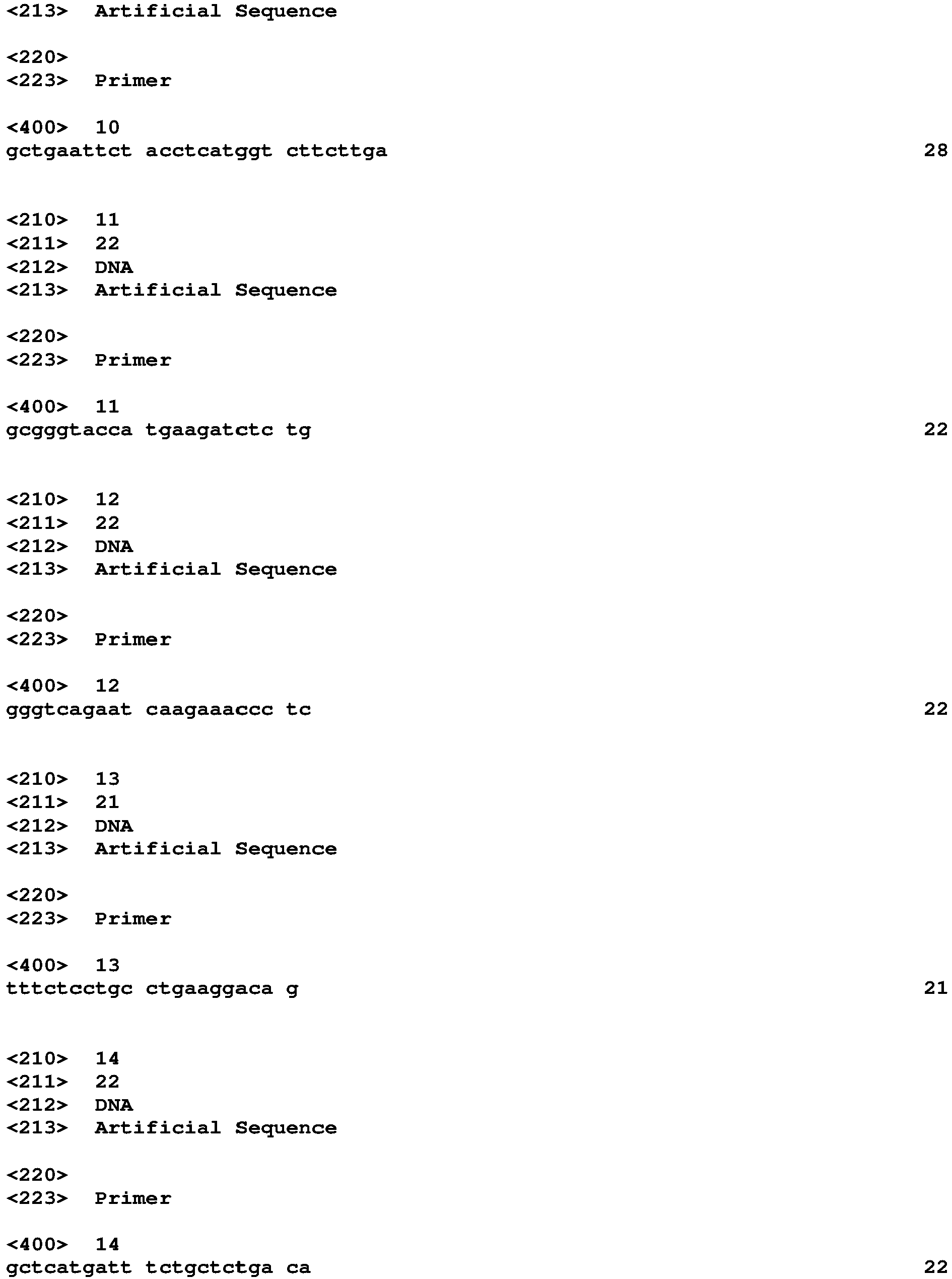
Claims (16)
- Vaccinia virus complement control protein (VCP), factor H and/or a complement control protein (CCP)-containing protein for use in a method of prevention and/or treatment of influenza A virus (IAV) infection; or of an infection by any of the following: human immunodeficiency virus 1 (HIV-1), Respiratory Syncytial Virus (RSV), and/or Coronavirus causing Middle-East Respiratory Syndrome (MERS-CoV);
or of an infection by Mycobacterium tuberculosis. - The VCP, factor H and/or CCP-containing protein for use according to claim 1, wherein the CCP-containing protein is a C4b binding protein.
- The VCP, factor H and/or CCP-containing protein for use according to claim 1 or 2, wherein a domain of VCP, factor H and/or a CCP-containing protein is used,
wherein said domain is a complement regulatory domain, preferably a CCP domain, more preferably CCP 18-20 of factor H. - The VCP, factor H and/or CCP-containing protein for use according to any one of claims 1 to 3, wherein the prevention and/or treatment of influenza A virus (IAV) infection comprises modulation of IAV infectivity,
wherein said modulation of IAV infectivity is preferably dependent on the IAV strain;
and wherein the prevention and/or treatment of infection by any of the following: human immunodeficiency virus 1 (HIV-1), Respiratory Syncytial Virus (RSV), and/or Coronavirus causing Middle-East Respiratory Syndrome (MERS-CoV),
or of an infection by Mycobacterium tuberculosis;
comprises modulation of infectivity of any of the aforementioned viruses or of Mycobacterium tuberculosis,
wherein said modulation of infectivity is preferably dependent on the strain of the respective virus or of Mycobacterium tuberculosis. - The VCP, factor H and/or CCP-containing protein for use according to any one of claims 1 to 4, comprising the modulation of the inflammatory response in IAV infection, or the modulation of the inflammatory response in an infection by any of the following: human immunodeficiency virus 1 (HIV-1), Respiratory Syncytial Virus (RSV), and/or Coronavirus causing Middle-East Respiratory Syndrome (MERS-CoV);
or the modulation of the inflammatory response in an infection by Mycobacterium tuberculosis. - The VCP, factor H and/or CCP-containing protein for use according to any one of claims 1 to 5, wherein the VCP, factor H, CCP-containing protein and/or a respective domain of VCP, factor H or CCP-containing protein is administered intranasally, intratracheally and/or sublingually.
- Use of vaccinia virus complement control protein (VCP), factor H and/or a complement control protein (CCP)-containing protein as modulator of the entry and/or replication of pathogen(s),
wherein the pathogen is a virus or bacteria. - The use according to claim 7, wherein the CCP-containing protein is a C4b binding protein.
- The use according to claim 8, wherein a domain of VCP, factor H and/or CCP-containing protein is used, wherein said domain is a complement regulatory domain, preferably a CCP domain, more preferably CCP 18-20 of factor H.
- The use according to any one of claims 7 to 9, wherein the virus is influenza A virus (IAV), human immunodeficiency virus 1 (HIV-1), Respiratory Syncytial Virus (RSV), and/or Coronavirus causing Middle-East Respiratory Syndrome (MERS-CoV),
or wherein the bacterium is Mycobacterium tuberculosis. - The use according to claim 10, wherein the entry and/or replication of IAV is modulated in a strain-specific manner,
such as inhibition of strain H1N1 and H3N2. - The VCP, factor H and/or CCP-containing protein for use according to any of claims 1 - 6 in a subject of need thereof, said use comprising the administration of a therapeutically amount of
VCP, factor H and/or CCP-containing protein
or
a domain of VCP, factor H and/or CCP-containing protein, wherein said domain is a complement regulatory domain, preferably a contiguous complement control protein (CCP) domain. - The VCP, factor H and/or CCP-containing protein for use according to any of claims 1 - 6 and 12 in a method of modulation of the entry and/or replication of pathogen(s) in a subject of need thereof, comprising the administration of a therapeutically amount of
VCP, factor H and/or contiguous complement control protein (CCP)-containing protein
or
a domain of VCP, factor H and/or CCP-containing protein, wherein said domain is a complement regulatory domain, preferably a CCP domain, more preferably CCP 18-20 of factor H,
wherein the pathogen is a virus or bacteria. - The VCP, factor H and/or CCP-containing protein for use according to any of claim 12 or 13, wherein the administration is intranasal, intratracheal and/or sublingual.
- The VCP, factor H and/or CCP-containing protein for use according to any of claims 12 to 14, wherein the CCP-containing protein is a C4b binding protein.
- The VCP, factor H and/or CCP-containing protein for use according to any of claims 13 - 15, wherein the virus is influenza A virus (IAV), human immunodeficiency virus 1 (HIV-1), Respiratory Syncytial Virus (RSV), and/or Coronavirus causing Middle-East Respiratory Syndrome (MERS-CoV),
or wherein the bacterium is Mycobacterium tuberculosis.
Applications Claiming Priority (1)
| Application Number | Priority Date | Filing Date | Title |
|---|---|---|---|
| US16/684,630 US11707505B2 (en) | 2019-11-15 | 2019-11-15 | VCP and factor H as viral entry inhibitors |
Publications (1)
| Publication Number | Publication Date |
|---|---|
| EP3821948A1 true EP3821948A1 (en) | 2021-05-19 |
Family
ID=73059774
Family Applications (1)
| Application Number | Title | Priority Date | Filing Date |
|---|---|---|---|
| EP20205760.0A Pending EP3821948A1 (en) | 2019-11-15 | 2020-11-04 | Vcp and factor h as viral entry inhibitors |
Country Status (2)
| Country | Link |
|---|---|
| US (1) | US11707505B2 (en) |
| EP (1) | EP3821948A1 (en) |
Citations (2)
| Publication number | Priority date | Publication date | Assignee | Title |
|---|---|---|---|---|
| WO1991011461A1 (en) * | 1990-01-26 | 1991-08-08 | Biogen, Inc. | C4 binding protein fusion proteins |
| WO2008135237A1 (en) * | 2007-05-03 | 2008-11-13 | Medizinische Universität Innsbruck | Complement factor h-derived short consensus repeat-antibody constructs |
Family Cites Families (2)
| Publication number | Priority date | Publication date | Assignee | Title |
|---|---|---|---|---|
| AU2008221287A1 (en) * | 2007-03-01 | 2008-09-04 | Wellstat Immunotherapeutics, Llc | Treatment of diseases characterized by inflammation |
| US8932558B2 (en) * | 2007-10-05 | 2015-01-13 | Plaxgen Inc | Multi-subunit biological complexes for treatment of plaque-associated diseases |
-
2019
- 2019-11-15 US US16/684,630 patent/US11707505B2/en active Active
-
2020
- 2020-11-04 EP EP20205760.0A patent/EP3821948A1/en active Pending
Patent Citations (2)
| Publication number | Priority date | Publication date | Assignee | Title |
|---|---|---|---|---|
| WO1991011461A1 (en) * | 1990-01-26 | 1991-08-08 | Biogen, Inc. | C4 binding protein fusion proteins |
| WO2008135237A1 (en) * | 2007-05-03 | 2008-11-13 | Medizinische Universität Innsbruck | Complement factor h-derived short consensus repeat-antibody constructs |
Non-Patent Citations (40)
| Title |
|---|
| ABDUL-AZIZ M ET AL.: "Complement factor H interferes with Mycobacterium bovis BCG entry into macrophages and modulates the pro-inflammatory cytokine response", IMMUNOBIOLOGY, vol. 221, no. 9, September 2016 (2016-09-01), pages 944 - 52, XP029621708 * |
| ABDUL-AZIZ MTSOLAKI AGKOUSER LCARROLL MVAL-AHDAL MNSIM RBKISHORE U: "Complement factor H interferes with Mycobacterium bovis BCG entry into macrophages and modulates the pro-inflammatory cytokine response", IMMUNOBIOLOGY, vol. 221, no. 9, September 2016 (2016-09-01), pages 944 - 52 |
| ANSARI MMCKEIGUE PMSKERKA CHAYWARD CRUDAN IVITART VPOLASEK OARMBRECHT AMYATES JRVATAVUK Z: "Genetic influences on plasma CFH and CFHR1 concentrations and their role in susceptibility to age-related macular degeneration", HUM MOL GENET, vol. 22, no. 23, 1 December 2013 (2013-12-01), pages 4857 - 69 |
| CHENG XWLU JWU CLYI LNXIE XSHI XDFANG SSZAN HKUNG HFHE ML: "Three fatal cases of pandemic 2009 influenza A virus infection in Shenzhen are associated with cytokine storm", RESPIR PHYSIOL NEUROBIOL, vol. 175, no. 1, 31 January 2011 (2011-01-31), pages 185 - 7, XP027561816 |
| COX RJBROKSTAD KAOGRA P: "Influenza virus: immunity and vaccination strategies. Comparison of the immune response to inactivated and live, attenuated influenza vaccines", SCAND J IMMUNOL, vol. 59, no. 1, January 2004 (2004-01-01), pages 1 - 15, XP002427580, DOI: 10.1111/j.0300-9475.2004.01382.x |
| DUVIGNEAU SSHARMA-CHAWLA NBOIANELLI ASTEGEMANN-KONISZEWSKI SNGUYEN VKBRUDER DHERNANDEZ-VARGAS EA: "Hierarchical effects of pro-inflammatory cytokines on the post-influenza susceptibility to pneumococcal coinfection", SCI REP, vol. 6, 22 November 2016 (2016-11-22), pages 37045 |
| FOUCHIER RAMUNSTER VWALLENSTEN ABESTEBROER TMHERFST SSMITH DRIMMELZWAAN GFOLSEN BOSTERHAUS AD: "Characterization of a novel influenza A virus hemagglutinin subtype (H16) obtained from black-headed gulls", J VIROL, vol. 79, no. 5, March 2005 (2005-03-01), pages 2814 - 22, XP002549458, DOI: 10.1128/JVI.79.5.2814-2822.2005 |
| GANESH VKSMITH SAKOTWAL GJMURTHY KH: "Structure of vaccinia complement protein in complex with heparin and potential implications for complement regulation", PROC NATL ACAD SCI USA, vol. 101, no. 24, 15 June 2004 (2004-06-15), pages 8924 - 9, XP002429695, DOI: 10.1073/pnas.0400744101 |
| HAAPASALO KVAN KESSEL KNISSILÄ EMETSO JJOHANSSON TMIETTINEN SVARJOSALO MKIRVESKARI JKUUSELA PCHRONI A: "Complement Factor H Binds to Human Serum Apolipoprotein E and Mediates Complement Regulation on High Density Lipoprotein Particles", J BIOL CHEM, vol. 290, no. 48, 14 October 2015 (2015-10-14), pages 28977 - 87 |
| HAGAU NSLAVCOVICI AGONGANAU DNOLTEAN SDIRZU DSBREZOSZKI ESMAXIM MCIUCE CMLESNITE MGAVRUS RL: "Clinical aspects and cytokine response in severe H1N1 influenza A virus infection", CRIT CARE, vol. 14, no. 6, 9 November 2010 (2010-11-09), pages R203, XP021091679, DOI: 10.1186/cc9324 |
| HAUPT KREUTER MVAN DEN ELSEN JBURMAN JHALBICH SRICHTER JSKERKA CZIPFEL PF: "The Staphylococcus aureus protein Sbi acts as a complement inhibitor and forms a tripartite complex with host complement Factor H and C3b", PLOS PATHOG, vol. 4, no. 12, 26 December 2008 (2008-12-26), pages e1000250 |
| HEINEKAMP TSCHMIDT HLAPP KPAHTZ VSHOPOVA IKOSTER-EISERFUNKE NKRUGER TKNIEMEYER OBRAKHAGE AA: "Interference of Aspergillus fumigatus with the immune response", SEMIN IMMUNOPATHOL, vol. 37, no. 2, 18 November 2014 (2014-11-18), pages 141 - 52 |
| HELLWAGE JMERI THEIKKILA TALITALO APANELIUS JLAHDENNE PSEPPALA IJMERI S: "The complement regulator factor H binds to the surface protein OspE of Borrelia burgdorferi", J BIOL CHEM, vol. 276, no. 11, pages 8427 - 35 |
| HEROLD SBECKER CRIDGE KMBUDINGER GR: "Influenza virus-induced lung injury: pathogenesis and implications for treatment", EUR RESPIR J, vol. 45, no. 5, 18 March 2015 (2015-03-18), pages 1463 - 78, XP055746932, DOI: 10.1183/09031936.00186214 |
| HOGAN BLBARKAUSKAS CECHAPMAN HAEPSTEIN JAJAIN RHSIA CCNIKLASON LCALLE ELE ARANDELL SH: "Repair and regeneration of the respiratory system: complexity, plasticity, and mechanisms of lung stem cell function", CELL STEM CELL, vol. 15, no. 2, 7 August 2014 (2014-08-07), pages 123 - 38 |
| ISAACS SNKOTWAL GJMOSS B: "Vaccinia virus complement-control protein prevents antibody-dependent complement-enhanced neutralization of infectivity and contributes to virulence", PROC NATL ACAD SCI USA, vol. 89, no. 2, 15 January 1992 (1992-01-15), pages 628 - 32 |
| JANULCZYK RIANNELLI FSJOHOLM AGPOZZI GBJORCK L: "Hic, a novel surface protein of Streptococcus pneumoniae that interferes with complement function", J BIOL CHEM, vol. 275, no. 47, 24 November 2000 (2000-11-24), pages 37257 - 63, XP001053486, DOI: 10.1074/jbc.M004572200 |
| KAISER LFRITZ RSSTRAUS SEGUBAREVA LHAYDEN FG: "Symptom pathogenesis during acute influenza: interleukin-6 and other cytokine responses", J MED VIROL, vol. 64, no. 3, July 2001 (2001-07-01), pages 262 - 8 |
| KANDASAMY MYING PCHO AWSUMATOH HRSCHLITZER AHUGHES TRKEMENY DMMORGAN BPGINHOUX FSIVASANKAR B: "Complement mediated signaling on pulmonary CD103(+) dendritic cells is critical for their migratory function in response to influenza infection", PLOS PATHOG, vol. 9, no. 1, January 2013 (2013-01-01), pages e1003115 |
| KAUFMANN ASALENTIN RMEYER RGBUSSFELD DPAULIGK CFESQ HHOFMANN PNAIN MGEMSA DSPRENGER H: "Defense against influenza A virus infection: essential role of the chemokine system", IMMUNOBIOLOGY, vol. 204, no. 5, December 2001 (2001-12-01), pages 603 - 13, XP004954176, DOI: 10.1078/0171-2985-00099 |
| KHATUA BGHOSHAL ABHATTACHARYA KMANDAL CSAHA BCROCKER PRMANDAL C: "Sialic acids acquired by Pseudomonas aeruginosa are involved in reduced complement deposition and siglec mediated host-cell recognition", FEBS LETT, vol. 584, no. 3, 27 November 2009 (2009-11-27), pages 555 - 61, XP026865074 |
| KOTWAL GJISAACS SNMCKENZIE RFRANK MMMOSS B: "Inhibition of the complement cascade by the major secretory protein of vaccinia virus", SCIENCE, vol. 250, no. 4982, 9 November 1990 (1990-11-09), pages 827 - 30, XP002919490, DOI: 10.1126/science.2237434 |
| KRAICZY PHARTMANN KHELLWAGE JSKERKA CKIRSCHFINK MBRADE VZIPFEL PFWALLICH RSTEVENSON B: "Immunological characterization of the complement regulator factor H-binding CRASP and Erp proteins of Borrelia burgdorferi", INT J MED MICROBIOL, vol. 293, April 2004 (2004-04-01), pages 152 - 7 |
| LAM WYTANG JWYEUNG ACCHIU LCSUNG JJCHAN PK: "Avian influenza virus A/HK/483/97(H5Nl) NS1 protein induces apoptosis in human airway epithelial cells", J VIROL, vol. 82, no. 6, March 2008 (2008-03-01), pages 2741 - 51 |
| LAMBRIS JDRICKLIN DGEISBRECHT BV: "Complement evasion by human pathogens", NAT REV MICROBIOL, vol. 6, no. 2, February 2008 (2008-02-01), pages 132 - 42, XP009155177, DOI: 10.1038/nrmicro1824 |
| MCAULEY JLCORCILIUS LTAN HXPAYNE RJMCGUCKIN MABROWN LE: "The cell surface mucin MUC1 limits the severity of influenza A virusinfection", MUCOSAL IMMUNOL, vol. 10, no. 6, 22 March 2017 (2017-03-22), pages 1581 - 1593 |
| MEDINA RAGARCIA-SASTRE A: "Influenza A viruses: new research developments", NAT REV MICROBIOL, vol. 9, no. 8, 11 July 2011 (2011-07-11), pages 590 - 603, XP037115198, DOI: 10.1038/nrmicro2613 |
| MERI SPANGBURN MK: "Discrimination between activators and nonactivators of the alternative pathway of complement: regulation via a sialic acid/polyanion binding site on factor H", PROC NATL ACAD SCI USA, vol. 87, no. 10, May 1990 (1990-05-01), pages 3982 - 6 |
| MERI TAMDAHL HLEHTINEN MJHYVARINEN SMCDOWELL JVBHATTACHAIJEE AMERI SMARCONI RGOLDMAN AJOKIRANTA TS: "Microbes bind complement inhibitor factor H via a common site", PLOS PATHOG, vol. 9, no. 4, 2013, pages e1003308 |
| MURUGAIAH VALARMATHY ET AL: "Complement-Independent Modulation of Influenza A Virus Infection by Factor H", FRONTIERS IN IMMUNOLOGY, vol. 11, 25 March 2020 (2020-03-25), CH, XP055786801, ISSN: 1664-3224, Retrieved from the Internet <URL:https://www.ncbi.nlm.nih.gov/pmc/ivip/1664-3224> DOI: 10.3389/fimmu.2020.00355 * |
| PIZZA MDONNELLY JRAPPUOLI R: "Factor H-binding protein, a unique meningococcal vaccine antigen. Vaccine", PROC NATL ACAD SCI USA, vol. 26, 30 December 2008 (2008-12-30), pages 146 - 8 |
| QIAN WWEI XGUO KLI YLIN XZOU ZZHOU HJIN M: "The C-Terminal Effector Domain of Non-Structural Protein 1 of Influenza A Virus Blocks IFN-β Production by Targeting TNF Receptor-Associated Factor 3", FRONT IMMUNOL, vol. 8, 3 July 2017 (2017-07-03), pages 779 |
| RATTAN AKASBE RMULLICK JSAHU A: "Microbial Pathogenesis: Infection and Immunity", 2013, LANDES BIOSCIENCE AND SPRINGER, article "The complement system as a viral target for immune evasion", pages: 1 - 27 |
| SAHU APANGBURN MK: "Identification of multiple sites of interaction between heparin and the complement system", MOL IMMUNOL, vol. 30, no. 7, May 1993 (1993-05-01), pages 679 - 84, XP023682219, DOI: 10.1016/0161-5890(93)90079-Q |
| SIM RBDAY AJMOFFATT BEFONTAINE M: "Complement factor I and cofactors in control of complement system convertase enzymes", METHODS ENZYMOL, vol. 223, 1993, pages 13 - 35 |
| SIMON NLASONDER ESCHEUERMAYER MKUEHN ATEWS SFISCHER RZIPFEL PFSKERKA CPRADEL G: "Malaria parasites co-opt human factor H to prevent complement-mediated lysis in the mosquito midgut", CELL HOST MICROBE, vol. 13, no. 1, 16 January 2013 (2013-01-16), pages 29 - 41, XP055497245, DOI: 10.1016/j.chom.2012.11.013 |
| TSCHERNE DMGARCIA-SASTRE A: "Virulence determinants of pandemic influenza viruses", J CLIN INVEST, vol. 121, no. 1, January 2011 (2011-01-01), pages 6 - 13 |
| VOGL GLESIAK IJENSEN DBPERKHOFER SECK RSPETH CLASS-FLORL CZIPFEL PFBLOM AMDIERICH MP: "Immune evasion by acquisition of complement inhibitors: the mould Aspergillus binds both factor H and C4b binding protein", MOL IMMUNOL, vol. 45, no. 5, March 2008 (2008-03-01), pages 1485 - 93, XP022402182, DOI: 10.1016/j.molimm.2007.08.011 |
| WEBSTER RGBEAN WJGORMAN OTCHAMBERS TMKAWAOKA Y: "Evolution and ecology of influenza A viruses", MICROBIOL REV, vol. 56, no. 1, March 1992 (1992-03-01), pages 152 - 79, XP002555405 |
| YANG JLIU SDU LJIANG S: "A new role of neuraminidase (NA) in the influenza virus life cycle: implication for developing NA inhibitors with novel mechansm of action", REV MED VIROL, vol. 26, no. 4, July 2016 (2016-07-01), pages 242 - 50 |
Also Published As
| Publication number | Publication date |
|---|---|
| US11707505B2 (en) | 2023-07-25 |
| US20210145935A1 (en) | 2021-05-20 |
Similar Documents
| Publication | Publication Date | Title |
|---|---|---|
| Lo et al. | Griffithsin inhibits Nipah virus entry and fusion and can protect Syrian golden hamsters from lethal Nipah virus challenge | |
| Yaqinuddin | Cross-immunity between respiratory coronaviruses may limit COVID-19 fatalities | |
| JP2022527235A (en) | Mutations that impart genetic stability to additional genes in influenza virus | |
| RU2010111758A (en) | IMMUNOGENIC COMPOSITIONS AND METHODS | |
| US8957018B2 (en) | Recombinant human CC10 protein for treatment of influenza | |
| Murugaiah et al. | Complement-independent Modulation of influenza A virus infection by Factor H | |
| Klausberger et al. | Off-target effects of an insect cell-expressed influenza HA-pseudotyped Gag-VLP preparation in limiting postinfluenza Staphylococcus aureus infections | |
| Pan et al. | Development of horse neutralizing immunoglobulin and immunoglobulin fragments against Junín virus | |
| Yang et al. | Upregulation of galectin-3 in influenza A virus infection promotes viral RNA synthesis through its association with viral PA protein | |
| US20130209512A1 (en) | Universal influenza a vaccines | |
| AU2015345579A1 (en) | Live attenuated vaccines for influenza viruses | |
| Wang et al. | Adenovirus delivery of encoded monoclonal antibody protects against different types of influenza virus infection | |
| Cheng et al. | Surface glycoproteins of influenza A H3N2 virus modulate virus replication in the respiratory tract of ferrets | |
| EP3821948A1 (en) | Vcp and factor h as viral entry inhibitors | |
| US20230227848A1 (en) | Coronavirus vaccine constructs and methods of making and using same | |
| JP2024534705A (en) | PIV5-BASED CORONAVIRUS VACCINES AND METHODS OF USE THEREOF | |
| JP7037486B2 (en) | Use of human-derived immunosuppressive proteins and peptides as pharmaceuticals | |
| Egorov et al. | Single intranasal immunization with a high dose of influenza vector protects against infection with heterologous influenza virus and SARS‑CoV-2 in ferrets and hamsters | |
| Nieto et al. | Mutation S110L of H1N1 influenza virus hemagglutinin: a potent determinant of attenuation in the mouse model | |
| TWI785339B (en) | Recombinant nonstructural protein 1, recombinant influenza virus and immunological composition including the same, and use in preparation vaccine composition including the same | |
| CN117482091A (en) | Application of ciclopirox olamine | |
| US9168285B2 (en) | Recombinant human CC10 protein for treatment of influenza and ebola | |
| KR101855006B1 (en) | Highly productive recombinant avian influenza virus and vaccine composition comprisitng the same | |
| Kroll et al. | Importance of ACE2 for SARS-CoV-2 Infection of Kidney Cells. Biomolecules 2023, 13, 472 | |
| CN103865890A (en) | Recombinant virus for preventing viral myocarditis as well as vaccine and applications tof recombinant virus |
Legal Events
| Date | Code | Title | Description |
|---|---|---|---|
| PUAI | Public reference made under article 153(3) epc to a published international application that has entered the european phase |
Free format text: ORIGINAL CODE: 0009012 |
|
| STAA | Information on the status of an ep patent application or granted ep patent |
Free format text: STATUS: THE APPLICATION HAS BEEN PUBLISHED |
|
| AK | Designated contracting states |
Kind code of ref document: A1 Designated state(s): AL AT BE BG CH CY CZ DE DK EE ES FI FR GB GR HR HU IE IS IT LI LT LU LV MC MK MT NL NO PL PT RO RS SE SI SK SM TR |
|
| STAA | Information on the status of an ep patent application or granted ep patent |
Free format text: STATUS: REQUEST FOR EXAMINATION WAS MADE |
|
| 17P | Request for examination filed |
Effective date: 20211111 |
|
| RBV | Designated contracting states (corrected) |
Designated state(s): AL AT BE BG CH CY CZ DE DK EE ES FI FR GB GR HR HU IE IS IT LI LT LU LV MC MK MT NL NO PL PT RO RS SE SI SK SM TR |
|
| STAA | Information on the status of an ep patent application or granted ep patent |
Free format text: STATUS: EXAMINATION IS IN PROGRESS |
|
| 17Q | First examination report despatched |
Effective date: 20230712 |