EP3546946A1 - Method of diagnosing heart muscle damage - Google Patents
Method of diagnosing heart muscle damage Download PDFInfo
- Publication number
- EP3546946A1 EP3546946A1 EP18164958.3A EP18164958A EP3546946A1 EP 3546946 A1 EP3546946 A1 EP 3546946A1 EP 18164958 A EP18164958 A EP 18164958A EP 3546946 A1 EP3546946 A1 EP 3546946A1
- Authority
- EP
- European Patent Office
- Prior art keywords
- biomarker
- heart muscle
- muscle tissue
- tissue damage
- level
- Prior art date
- Legal status (The legal status is an assumption and is not a legal conclusion. Google has not performed a legal analysis and makes no representation as to the accuracy of the status listed.)
- Withdrawn
Links
- 210000004165 myocardium Anatomy 0.000 title claims abstract description 159
- 238000000034 method Methods 0.000 title claims abstract description 74
- 208000029549 Muscle injury Diseases 0.000 title claims abstract description 35
- 230000000451 tissue damage Effects 0.000 claims abstract description 132
- 231100000827 tissue damage Toxicity 0.000 claims abstract description 132
- 230000001746 atrial effect Effects 0.000 claims abstract description 93
- 230000002861 ventricular Effects 0.000 claims abstract description 22
- 239000003550 marker Substances 0.000 claims abstract description 15
- 239000000090 biomarker Substances 0.000 claims description 174
- 102100033667 Myosin-binding protein H-like Human genes 0.000 claims description 120
- 108090000623 proteins and genes Proteins 0.000 claims description 117
- 102000004169 proteins and genes Human genes 0.000 claims description 116
- 108010029485 Protein Isoforms Proteins 0.000 claims description 52
- 102000001708 Protein Isoforms Human genes 0.000 claims description 49
- 210000002381 plasma Anatomy 0.000 claims description 27
- 102100038644 Four and a half LIM domains protein 2 Human genes 0.000 claims description 17
- 102100030626 Myosin-binding protein H Human genes 0.000 claims description 16
- 239000003153 chemical reaction reagent Substances 0.000 claims description 16
- 101000584362 Homo sapiens Myosin-binding protein H Proteins 0.000 claims description 15
- 210000003205 muscle Anatomy 0.000 claims description 15
- 101710127218 Four and a half LIM domains protein 2 Proteins 0.000 claims description 14
- 238000001502 gel electrophoresis Methods 0.000 claims description 13
- 102100033283 Creatine kinase U-type, mitochondrial Human genes 0.000 claims description 8
- 101001135413 Homo sapiens Creatine kinase U-type, mitochondrial Proteins 0.000 claims description 8
- 101001054649 Homo sapiens Latent-transforming growth factor beta-binding protein 2 Proteins 0.000 claims description 8
- 101001054646 Homo sapiens Latent-transforming growth factor beta-binding protein 3 Proteins 0.000 claims description 8
- 102100027017 Latent-transforming growth factor beta-binding protein 2 Human genes 0.000 claims description 8
- 241000282414 Homo sapiens Species 0.000 claims description 7
- 108090001027 Troponin Proteins 0.000 claims description 7
- 238000004587 chromatography analysis Methods 0.000 claims description 7
- 238000003018 immunoassay Methods 0.000 claims description 7
- 210000002966 serum Anatomy 0.000 claims description 7
- 238000002965 ELISA Methods 0.000 claims description 6
- 238000004949 mass spectrometry Methods 0.000 claims description 5
- 238000001262 western blot Methods 0.000 claims description 5
- 102100025573 1-alkyl-2-acetylglycerophosphocholine esterase Human genes 0.000 claims description 4
- 102100030162 2-oxoglutarate dehydrogenase-like, mitochondrial Human genes 0.000 claims description 4
- 102100038686 5'-nucleotidase domain-containing protein 2 Human genes 0.000 claims description 4
- 102100038063 Asparagine synthetase domain-containing protein 1 Human genes 0.000 claims description 4
- 102000014572 CHFR Human genes 0.000 claims description 4
- 102100033041 Carbonic anhydrase 13 Human genes 0.000 claims description 4
- 102100027473 Cartilage oligomeric matrix protein Human genes 0.000 claims description 4
- 102100029136 Collagen alpha-1(II) chain Human genes 0.000 claims description 4
- 102100035472 DNA polymerase iota Human genes 0.000 claims description 4
- 102100030220 Diacylglycerol kinase zeta Human genes 0.000 claims description 4
- 108010013996 Fibromodulin Proteins 0.000 claims description 4
- 102000017177 Fibromodulin Human genes 0.000 claims description 4
- 102100021187 Guanine nucleotide-binding protein-like 3-like protein Human genes 0.000 claims description 4
- 101001004358 Homo sapiens 1-alkyl-2-acetylglycerophosphocholine esterase Proteins 0.000 claims description 4
- 101000585732 Homo sapiens 2-oxoglutarate dehydrogenase-like, mitochondrial Proteins 0.000 claims description 4
- 101000604533 Homo sapiens 5'-nucleotidase domain-containing protein 2 Proteins 0.000 claims description 4
- 101000884244 Homo sapiens Asparagine synthetase domain-containing protein 1 Proteins 0.000 claims description 4
- 101000867860 Homo sapiens Carbonic anhydrase 13 Proteins 0.000 claims description 4
- 101000771163 Homo sapiens Collagen alpha-1(II) chain Proteins 0.000 claims description 4
- 101001094672 Homo sapiens DNA polymerase iota Proteins 0.000 claims description 4
- 101000864576 Homo sapiens Diacylglycerol kinase zeta Proteins 0.000 claims description 4
- 101000942970 Homo sapiens E3 ubiquitin-protein ligase CHFR Proteins 0.000 claims description 4
- 101001040761 Homo sapiens Guanine nucleotide-binding protein-like 3-like protein Proteins 0.000 claims description 4
- 101001050473 Homo sapiens Intelectin-1 Proteins 0.000 claims description 4
- 101001030184 Homo sapiens Myotilin Proteins 0.000 claims description 4
- 101000988395 Homo sapiens PDZ and LIM domain protein 4 Proteins 0.000 claims description 4
- 101000983161 Homo sapiens Phospholipase A2, membrane associated Proteins 0.000 claims description 4
- 101001035694 Homo sapiens Polyamine deacetylase HDAC10 Proteins 0.000 claims description 4
- 101001133936 Homo sapiens Prolyl 3-hydroxylase 2 Proteins 0.000 claims description 4
- 101001123801 Homo sapiens Protein POF1B Proteins 0.000 claims description 4
- 101000582412 Homo sapiens Replication factor C subunit 5 Proteins 0.000 claims description 4
- 101000864743 Homo sapiens Secreted frizzled-related protein 1 Proteins 0.000 claims description 4
- 101000716809 Homo sapiens Secretogranin-1 Proteins 0.000 claims description 4
- 101000889537 Homo sapiens TOG array regulator of axonemal microtubules protein 2 Proteins 0.000 claims description 4
- 101001019135 Homo sapiens Thiol S-methyltransferase METTL7B Proteins 0.000 claims description 4
- 101000693630 Homo sapiens Uncharacterized serine/threonine-protein kinase SBK3 Proteins 0.000 claims description 4
- 101000740759 Homo sapiens Voltage-dependent calcium channel subunit alpha-2/delta-2 Proteins 0.000 claims description 4
- 101001046427 Homo sapiens cGMP-dependent protein kinase 2 Proteins 0.000 claims description 4
- 102100023353 Intelectin-1 Human genes 0.000 claims description 4
- 102100038894 Myotilin Human genes 0.000 claims description 4
- 108010074223 Netrin-1 Proteins 0.000 claims description 4
- 102100024012 Netrin-1 Human genes 0.000 claims description 4
- 102100035107 Neurotrimin Human genes 0.000 claims description 4
- 102100029178 PDZ and LIM domain protein 4 Human genes 0.000 claims description 4
- 102100026831 Phospholipase A2, membrane associated Human genes 0.000 claims description 4
- 102100039388 Polyamine deacetylase HDAC10 Human genes 0.000 claims description 4
- 102100034015 Prolyl 3-hydroxylase 2 Human genes 0.000 claims description 4
- 102100028792 Protein POF1B Human genes 0.000 claims description 4
- 102100030541 Replication factor C subunit 5 Human genes 0.000 claims description 4
- 102100030058 Secreted frizzled-related protein 1 Human genes 0.000 claims description 4
- 102100020867 Secretogranin-1 Human genes 0.000 claims description 4
- 102100039139 TOG array regulator of axonemal microtubules protein 2 Human genes 0.000 claims description 4
- 102100034757 Thiol S-methyltransferase METTL7B Human genes 0.000 claims description 4
- 102100025558 Uncharacterized serine/threonine-protein kinase SBK3 Human genes 0.000 claims description 4
- 102100037058 Voltage-dependent calcium channel subunit alpha-2/delta-2 Human genes 0.000 claims description 4
- 102100022421 cGMP-dependent protein kinase 2 Human genes 0.000 claims description 4
- 101000739172 Homo sapiens Small G protein signaling modulator 1 Proteins 0.000 claims description 3
- 102100037270 Small G protein signaling modulator 1 Human genes 0.000 claims description 3
- 102100022890 ATP synthase subunit beta, mitochondrial Human genes 0.000 claims description 2
- 102100021503 ATP-binding cassette sub-family B member 6 Human genes 0.000 claims description 2
- 101710119858 Alpha-1-acid glycoprotein Proteins 0.000 claims description 2
- 102100032956 Alpha-actinin-3 Human genes 0.000 claims description 2
- 102100039375 Ankyrin repeat domain-containing protein 2 Human genes 0.000 claims description 2
- -1 C12ORF73 Proteins 0.000 claims description 2
- 102100032203 Carnosine synthase 1 Human genes 0.000 claims description 2
- 101710176668 Cartilage oligomeric matrix protein Proteins 0.000 claims description 2
- 108010022637 Copper-Transporting ATPases Proteins 0.000 claims description 2
- 102000012437 Copper-Transporting ATPases Human genes 0.000 claims description 2
- 102100038695 Cysteine-rich secretory protein LCCL domain-containing 1 Human genes 0.000 claims description 2
- 102100024443 Dihydropyrimidinase-related protein 4 Human genes 0.000 claims description 2
- 102100035102 E3 ubiquitin-protein ligase MYCBP2 Human genes 0.000 claims description 2
- 102100037789 FAST kinase domain-containing protein 1, mitochondrial Human genes 0.000 claims description 2
- 102100022633 Fructose-2,6-bisphosphatase Human genes 0.000 claims description 2
- 101150006108 HSPB7 gene Proteins 0.000 claims description 2
- 102100023036 Heat shock protein beta-7 Human genes 0.000 claims description 2
- 101000903027 Homo sapiens ATP synthase subunit beta, mitochondrial Proteins 0.000 claims description 2
- 101000677883 Homo sapiens ATP-binding cassette sub-family B member 6 Proteins 0.000 claims description 2
- 101000797292 Homo sapiens Alpha-actinin-3 Proteins 0.000 claims description 2
- 101000961307 Homo sapiens Ankyrin repeat domain-containing protein 2 Proteins 0.000 claims description 2
- 101000920980 Homo sapiens Carnosine synthase 1 Proteins 0.000 claims description 2
- 101000957711 Homo sapiens Cysteine-rich secretory protein LCCL domain-containing 1 Proteins 0.000 claims description 2
- 101001053490 Homo sapiens Dihydropyrimidinase-related protein 4 Proteins 0.000 claims description 2
- 101000878541 Homo sapiens FAST kinase domain-containing protein 1, mitochondrial Proteins 0.000 claims description 2
- 101000823467 Homo sapiens Fructose-2,6-bisphosphatase Proteins 0.000 claims description 2
- 101000579894 Homo sapiens Leucine-rich repeat-containing protein 39 Proteins 0.000 claims description 2
- 101001130208 Homo sapiens Lipid droplet assembly factor 1 Proteins 0.000 claims description 2
- 101000708645 Homo sapiens N-lysine methyltransferase SMYD2 Proteins 0.000 claims description 2
- 101001128969 Homo sapiens Neuron navigator 1 Proteins 0.000 claims description 2
- 101000596892 Homo sapiens Neurotrimin Proteins 0.000 claims description 2
- 101000851265 Homo sapiens Pikachurin Proteins 0.000 claims description 2
- 101000705896 Homo sapiens Proline-rich protein 33 Proteins 0.000 claims description 2
- 101000629638 Homo sapiens Sorbin and SH3 domain-containing protein 2 Proteins 0.000 claims description 2
- 101000881252 Homo sapiens Spectrin beta chain, non-erythrocytic 1 Proteins 0.000 claims description 2
- 101000662951 Homo sapiens Transmembrane protein 88 Proteins 0.000 claims description 2
- 101000795210 Homo sapiens Tripartite motif-containing protein 72 Proteins 0.000 claims description 2
- 101000771618 Homo sapiens WD repeat-containing protein 62 Proteins 0.000 claims description 2
- 101001033204 Homo sapiens tRNA N(3)-methylcytidine methyltransferase METTL2A Proteins 0.000 claims description 2
- 101000582267 Homo sapiens tRNA N(3)-methylcytidine methyltransferase METTL2B Proteins 0.000 claims description 2
- 102100027494 Leucine-rich repeat-containing protein 39 Human genes 0.000 claims description 2
- 102100031359 Lipid droplet assembly factor 1 Human genes 0.000 claims description 2
- 102100032806 N-lysine methyltransferase SMYD2 Human genes 0.000 claims description 2
- 102100031225 Neuron navigator 1 Human genes 0.000 claims description 2
- 102100026747 Osteomodulin Human genes 0.000 claims description 2
- 101710189920 Peptidyl-alpha-hydroxyglycine alpha-amidating lyase Proteins 0.000 claims description 2
- 102100033226 Pikachurin Human genes 0.000 claims description 2
- 102100031068 Proline-rich protein 33 Human genes 0.000 claims description 2
- 102100026901 Sorbin and SH3 domain-containing protein 2 Human genes 0.000 claims description 2
- 102100037612 Spectrin beta chain, non-erythrocytic 1 Human genes 0.000 claims description 2
- 102100037626 Transmembrane protein 88 Human genes 0.000 claims description 2
- 102100029655 Tripartite motif-containing protein 72 Human genes 0.000 claims description 2
- 102100029478 WD repeat-containing protein 62 Human genes 0.000 claims description 2
- 102100038283 tRNA N(3)-methylcytidine methyltransferase METTL2A Human genes 0.000 claims description 2
- 102100030609 tRNA N(3)-methylcytidine methyltransferase METTL2B Human genes 0.000 claims description 2
- 101001018361 Homo sapiens Myosin-binding protein H-like Proteins 0.000 claims 4
- 101000978705 Homo sapiens Nephrocystin-4 Proteins 0.000 claims 1
- 102100023192 Nephrocystin-4 Human genes 0.000 claims 1
- 239000000523 sample Substances 0.000 description 47
- 238000002679 ablation Methods 0.000 description 44
- 238000005259 measurement Methods 0.000 description 28
- 230000014509 gene expression Effects 0.000 description 25
- 210000005246 left atrium Anatomy 0.000 description 23
- 210000005240 left ventricle Anatomy 0.000 description 20
- 210000002837 heart atrium Anatomy 0.000 description 19
- 210000004369 blood Anatomy 0.000 description 15
- 239000008280 blood Substances 0.000 description 15
- 238000001514 detection method Methods 0.000 description 15
- 108020004999 messenger RNA Proteins 0.000 description 13
- 210000001519 tissue Anatomy 0.000 description 13
- 230000006378 damage Effects 0.000 description 12
- 210000002216 heart Anatomy 0.000 description 12
- 208000006117 ST-elevation myocardial infarction Diseases 0.000 description 11
- 230000036470 plasma concentration Effects 0.000 description 10
- 206010003658 Atrial Fibrillation Diseases 0.000 description 9
- 230000027455 binding Effects 0.000 description 9
- 238000010195 expression analysis Methods 0.000 description 9
- 210000005245 right atrium Anatomy 0.000 description 9
- 238000001356 surgical procedure Methods 0.000 description 8
- 210000005003 heart tissue Anatomy 0.000 description 7
- 208000010125 myocardial infarction Diseases 0.000 description 7
- 238000000926 separation method Methods 0.000 description 7
- 108091032973 (ribonucleotides)n+m Proteins 0.000 description 6
- 102000004903 Troponin Human genes 0.000 description 6
- 230000003321 amplification Effects 0.000 description 6
- 230000007423 decrease Effects 0.000 description 6
- 238000003745 diagnosis Methods 0.000 description 6
- 238000003199 nucleic acid amplification method Methods 0.000 description 6
- 238000011477 surgical intervention Methods 0.000 description 6
- 125000003275 alpha amino acid group Chemical group 0.000 description 5
- 210000001124 body fluid Anatomy 0.000 description 5
- 239000010839 body fluid Substances 0.000 description 5
- 239000012634 fragment Substances 0.000 description 5
- 230000002980 postoperative effect Effects 0.000 description 5
- 101001031714 Homo sapiens Four and a half LIM domains protein 2 Proteins 0.000 description 4
- 108091034117 Oligonucleotide Proteins 0.000 description 4
- 238000011529 RT qPCR Methods 0.000 description 4
- 230000001154 acute effect Effects 0.000 description 4
- 238000001574 biopsy Methods 0.000 description 4
- 210000004027 cell Anatomy 0.000 description 4
- 230000004069 differentiation Effects 0.000 description 4
- 108020004707 nucleic acids Proteins 0.000 description 4
- 102000039446 nucleic acids Human genes 0.000 description 4
- 150000007523 nucleic acids Chemical class 0.000 description 4
- 229920002401 polyacrylamide Polymers 0.000 description 4
- 230000009870 specific binding Effects 0.000 description 4
- 102100030856 Myoglobin Human genes 0.000 description 3
- 108010062374 Myoglobin Proteins 0.000 description 3
- 239000011324 bead Substances 0.000 description 3
- 230000008901 benefit Effects 0.000 description 3
- 238000012986 modification Methods 0.000 description 3
- 230000004048 modification Effects 0.000 description 3
- 210000002027 skeletal muscle Anatomy 0.000 description 3
- 238000002415 sodium dodecyl sulfate polyacrylamide gel electrophoresis Methods 0.000 description 3
- YBJHBAHKTGYVGT-ZKWXMUAHSA-N (+)-Biotin Chemical compound N1C(=O)N[C@@H]2[C@H](CCCCC(=O)O)SC[C@@H]21 YBJHBAHKTGYVGT-ZKWXMUAHSA-N 0.000 description 2
- 101150084750 1 gene Proteins 0.000 description 2
- 101150028074 2 gene Proteins 0.000 description 2
- 102000004625 Aspartate Aminotransferases Human genes 0.000 description 2
- 108010003415 Aspartate Aminotransferases Proteins 0.000 description 2
- 108091026890 Coding region Proteins 0.000 description 2
- 102000004420 Creatine Kinase Human genes 0.000 description 2
- 108010042126 Creatine kinase Proteins 0.000 description 2
- 101000982032 Homo sapiens Myosin-binding protein C, cardiac-type Proteins 0.000 description 2
- 102000008394 Immunoglobulin Fragments Human genes 0.000 description 2
- 108010021625 Immunoglobulin Fragments Proteins 0.000 description 2
- 102000003855 L-lactate dehydrogenase Human genes 0.000 description 2
- 108700023483 L-lactate dehydrogenases Proteins 0.000 description 2
- 241000124008 Mammalia Species 0.000 description 2
- 102100026771 Myosin-binding protein C, cardiac-type Human genes 0.000 description 2
- 101710169772 Myosin-binding protein H-like Proteins 0.000 description 2
- 108091028043 Nucleic acid sequence Proteins 0.000 description 2
- 238000010317 ablation therapy Methods 0.000 description 2
- 125000000539 amino acid group Chemical group 0.000 description 2
- 239000000427 antigen Substances 0.000 description 2
- 238000003556 assay Methods 0.000 description 2
- 239000012472 biological sample Substances 0.000 description 2
- 230000015572 biosynthetic process Effects 0.000 description 2
- 210000004413 cardiac myocyte Anatomy 0.000 description 2
- 210000002939 cerumen Anatomy 0.000 description 2
- 208000029078 coronary artery disease Diseases 0.000 description 2
- 210000004351 coronary vessel Anatomy 0.000 description 2
- CVSVTCORWBXHQV-UHFFFAOYSA-N creatine Chemical compound NC(=[NH2+])N(C)CC([O-])=O CVSVTCORWBXHQV-UHFFFAOYSA-N 0.000 description 2
- 230000003247 decreasing effect Effects 0.000 description 2
- 239000003814 drug Substances 0.000 description 2
- 238000002474 experimental method Methods 0.000 description 2
- 238000004811 liquid chromatography Methods 0.000 description 2
- 239000012528 membrane Substances 0.000 description 2
- 230000009871 nonspecific binding Effects 0.000 description 2
- 230000007170 pathology Effects 0.000 description 2
- 229920001184 polypeptide Polymers 0.000 description 2
- 102000004196 processed proteins & peptides Human genes 0.000 description 2
- 108090000765 processed proteins & peptides Proteins 0.000 description 2
- 238000007674 radiofrequency ablation Methods 0.000 description 2
- 210000005241 right ventricle Anatomy 0.000 description 2
- 210000003296 saliva Anatomy 0.000 description 2
- 210000000329 smooth muscle myocyte Anatomy 0.000 description 2
- 238000011895 specific detection Methods 0.000 description 2
- 238000004611 spectroscopical analysis Methods 0.000 description 2
- 210000002700 urine Anatomy 0.000 description 2
- 102100022704 Amyloid-beta precursor protein Human genes 0.000 description 1
- 108091023037 Aptamer Proteins 0.000 description 1
- 108090001008 Avidin Proteins 0.000 description 1
- 241000283690 Bos taurus Species 0.000 description 1
- 241000282472 Canis lupus familiaris Species 0.000 description 1
- 241000283707 Capra Species 0.000 description 1
- 241000700198 Cavia Species 0.000 description 1
- 241000282693 Cercopithecidae Species 0.000 description 1
- 206010050337 Cerumen impaction Diseases 0.000 description 1
- 238000012286 ELISA Assay Methods 0.000 description 1
- 102000004190 Enzymes Human genes 0.000 description 1
- 108090000790 Enzymes Proteins 0.000 description 1
- 241000283086 Equidae Species 0.000 description 1
- 241000282326 Felis catus Species 0.000 description 1
- KRHYYFGTRYWZRS-UHFFFAOYSA-M Fluoride anion Chemical compound [F-] KRHYYFGTRYWZRS-UHFFFAOYSA-M 0.000 description 1
- 101000823051 Homo sapiens Amyloid-beta precursor protein Proteins 0.000 description 1
- 101000878605 Homo sapiens Low affinity immunoglobulin epsilon Fc receptor Proteins 0.000 description 1
- 101001123334 Homo sapiens Proteoglycan 3 Proteins 0.000 description 1
- 102000017727 Immunoglobulin Variable Region Human genes 0.000 description 1
- 108010067060 Immunoglobulin Variable Region Proteins 0.000 description 1
- 206010062717 Increased upper airway secretion Diseases 0.000 description 1
- 108010044467 Isoenzymes Proteins 0.000 description 1
- 102000019298 Lipocalin Human genes 0.000 description 1
- 108050006654 Lipocalin Proteins 0.000 description 1
- 102100038007 Low affinity immunoglobulin epsilon Fc receptor Human genes 0.000 description 1
- 241000699670 Mus sp. Species 0.000 description 1
- 101150027506 Mybph gene Proteins 0.000 description 1
- 101150051510 Mybphl gene Proteins 0.000 description 1
- 101710139548 Myosin-binding protein H Proteins 0.000 description 1
- 239000000020 Nitrocellulose Substances 0.000 description 1
- 238000000636 Northern blotting Methods 0.000 description 1
- 108020004711 Nucleic Acid Probes Proteins 0.000 description 1
- 239000004677 Nylon Substances 0.000 description 1
- 241000283973 Oryctolagus cuniculus Species 0.000 description 1
- 241001494479 Pecora Species 0.000 description 1
- 102000035195 Peptidases Human genes 0.000 description 1
- 108091005804 Peptidases Proteins 0.000 description 1
- 239000004793 Polystyrene Substances 0.000 description 1
- 239000004365 Protease Substances 0.000 description 1
- 102100028964 Proteoglycan 3 Human genes 0.000 description 1
- 108010026552 Proteome Proteins 0.000 description 1
- 241000282887 Suidae Species 0.000 description 1
- 102000013394 Troponin I Human genes 0.000 description 1
- 108010065729 Troponin I Proteins 0.000 description 1
- 102000004987 Troponin T Human genes 0.000 description 1
- 108090001108 Troponin T Proteins 0.000 description 1
- JLCPHMBAVCMARE-UHFFFAOYSA-N [3-[[3-[[3-[[3-[[3-[[3-[[3-[[3-[[3-[[3-[[3-[[5-(2-amino-6-oxo-1H-purin-9-yl)-3-[[3-[[3-[[3-[[3-[[3-[[5-(2-amino-6-oxo-1H-purin-9-yl)-3-[[5-(2-amino-6-oxo-1H-purin-9-yl)-3-hydroxyoxolan-2-yl]methoxy-hydroxyphosphoryl]oxyoxolan-2-yl]methoxy-hydroxyphosphoryl]oxy-5-(5-methyl-2,4-dioxopyrimidin-1-yl)oxolan-2-yl]methoxy-hydroxyphosphoryl]oxy-5-(6-aminopurin-9-yl)oxolan-2-yl]methoxy-hydroxyphosphoryl]oxy-5-(6-aminopurin-9-yl)oxolan-2-yl]methoxy-hydroxyphosphoryl]oxy-5-(6-aminopurin-9-yl)oxolan-2-yl]methoxy-hydroxyphosphoryl]oxy-5-(6-aminopurin-9-yl)oxolan-2-yl]methoxy-hydroxyphosphoryl]oxyoxolan-2-yl]methoxy-hydroxyphosphoryl]oxy-5-(5-methyl-2,4-dioxopyrimidin-1-yl)oxolan-2-yl]methoxy-hydroxyphosphoryl]oxy-5-(4-amino-2-oxopyrimidin-1-yl)oxolan-2-yl]methoxy-hydroxyphosphoryl]oxy-5-(5-methyl-2,4-dioxopyrimidin-1-yl)oxolan-2-yl]methoxy-hydroxyphosphoryl]oxy-5-(5-methyl-2,4-dioxopyrimidin-1-yl)oxolan-2-yl]methoxy-hydroxyphosphoryl]oxy-5-(6-aminopurin-9-yl)oxolan-2-yl]methoxy-hydroxyphosphoryl]oxy-5-(6-aminopurin-9-yl)oxolan-2-yl]methoxy-hydroxyphosphoryl]oxy-5-(4-amino-2-oxopyrimidin-1-yl)oxolan-2-yl]methoxy-hydroxyphosphoryl]oxy-5-(4-amino-2-oxopyrimidin-1-yl)oxolan-2-yl]methoxy-hydroxyphosphoryl]oxy-5-(4-amino-2-oxopyrimidin-1-yl)oxolan-2-yl]methoxy-hydroxyphosphoryl]oxy-5-(6-aminopurin-9-yl)oxolan-2-yl]methoxy-hydroxyphosphoryl]oxy-5-(4-amino-2-oxopyrimidin-1-yl)oxolan-2-yl]methyl [5-(6-aminopurin-9-yl)-2-(hydroxymethyl)oxolan-3-yl] hydrogen phosphate Polymers Cc1cn(C2CC(OP(O)(=O)OCC3OC(CC3OP(O)(=O)OCC3OC(CC3O)n3cnc4c3nc(N)[nH]c4=O)n3cnc4c3nc(N)[nH]c4=O)C(COP(O)(=O)OC3CC(OC3COP(O)(=O)OC3CC(OC3COP(O)(=O)OC3CC(OC3COP(O)(=O)OC3CC(OC3COP(O)(=O)OC3CC(OC3COP(O)(=O)OC3CC(OC3COP(O)(=O)OC3CC(OC3COP(O)(=O)OC3CC(OC3COP(O)(=O)OC3CC(OC3COP(O)(=O)OC3CC(OC3COP(O)(=O)OC3CC(OC3COP(O)(=O)OC3CC(OC3COP(O)(=O)OC3CC(OC3COP(O)(=O)OC3CC(OC3COP(O)(=O)OC3CC(OC3COP(O)(=O)OC3CC(OC3COP(O)(=O)OC3CC(OC3CO)n3cnc4c(N)ncnc34)n3ccc(N)nc3=O)n3cnc4c(N)ncnc34)n3ccc(N)nc3=O)n3ccc(N)nc3=O)n3ccc(N)nc3=O)n3cnc4c(N)ncnc34)n3cnc4c(N)ncnc34)n3cc(C)c(=O)[nH]c3=O)n3cc(C)c(=O)[nH]c3=O)n3ccc(N)nc3=O)n3cc(C)c(=O)[nH]c3=O)n3cnc4c3nc(N)[nH]c4=O)n3cnc4c(N)ncnc34)n3cnc4c(N)ncnc34)n3cnc4c(N)ncnc34)n3cnc4c(N)ncnc34)O2)c(=O)[nH]c1=O JLCPHMBAVCMARE-UHFFFAOYSA-N 0.000 description 1
- 230000009471 action Effects 0.000 description 1
- 238000000246 agarose gel electrophoresis Methods 0.000 description 1
- 230000004520 agglutination Effects 0.000 description 1
- 230000004075 alteration Effects 0.000 description 1
- 150000001413 amino acids Chemical class 0.000 description 1
- DZHSAHHDTRWUTF-SIQRNXPUSA-N amyloid-beta polypeptide 42 Chemical compound C([C@@H](C(=O)N[C@@H](C)C(=O)N[C@@H](CCC(O)=O)C(=O)N[C@@H](CC(O)=O)C(=O)N[C@H](C(=O)NCC(=O)N[C@@H](CO)C(=O)N[C@@H](CC(N)=O)C(=O)N[C@@H](CCCCN)C(=O)NCC(=O)N[C@@H](C)C(=O)N[C@H](C(=O)N[C@@H]([C@@H](C)CC)C(=O)NCC(=O)N[C@@H](CC(C)C)C(=O)N[C@@H](CCSC)C(=O)N[C@@H](C(C)C)C(=O)NCC(=O)NCC(=O)N[C@@H](C(C)C)C(=O)N[C@@H](C(C)C)C(=O)N[C@@H]([C@@H](C)CC)C(=O)N[C@@H](C)C(O)=O)[C@@H](C)CC)C(C)C)NC(=O)[C@H](CC=1C=CC=CC=1)NC(=O)[C@@H](NC(=O)[C@H](CC(C)C)NC(=O)[C@H](CCCCN)NC(=O)[C@H](CCC(N)=O)NC(=O)[C@H](CC=1N=CNC=1)NC(=O)[C@H](CC=1N=CNC=1)NC(=O)[C@@H](NC(=O)[C@H](CCC(O)=O)NC(=O)[C@H](CC=1C=CC(O)=CC=1)NC(=O)CNC(=O)[C@H](CO)NC(=O)[C@H](CC(O)=O)NC(=O)[C@H](CC=1N=CNC=1)NC(=O)[C@H](CCCNC(N)=N)NC(=O)[C@H](CC=1C=CC=CC=1)NC(=O)[C@H](CCC(O)=O)NC(=O)[C@H](C)NC(=O)[C@@H](N)CC(O)=O)C(C)C)C(C)C)C1=CC=CC=C1 DZHSAHHDTRWUTF-SIQRNXPUSA-N 0.000 description 1
- 108091007433 antigens Proteins 0.000 description 1
- 102000036639 antigens Human genes 0.000 description 1
- 210000001765 aortic valve Anatomy 0.000 description 1
- 206010003119 arrhythmia Diseases 0.000 description 1
- 210000003567 ascitic fluid Anatomy 0.000 description 1
- 230000005540 biological transmission Effects 0.000 description 1
- 229960002685 biotin Drugs 0.000 description 1
- 235000020958 biotin Nutrition 0.000 description 1
- 239000011616 biotin Substances 0.000 description 1
- 230000003683 cardiac damage Effects 0.000 description 1
- 230000000747 cardiac effect Effects 0.000 description 1
- 238000007675 cardiac surgery Methods 0.000 description 1
- 210000001175 cerebrospinal fluid Anatomy 0.000 description 1
- 210000003756 cervix mucus Anatomy 0.000 description 1
- 238000006243 chemical reaction Methods 0.000 description 1
- 208000028831 congenital heart disease Diseases 0.000 description 1
- 238000002586 coronary angiography Methods 0.000 description 1
- 230000002596 correlated effect Effects 0.000 description 1
- 229960003624 creatine Drugs 0.000 description 1
- 239000006046 creatine Substances 0.000 description 1
- 230000034994 death Effects 0.000 description 1
- 231100000517 death Toxicity 0.000 description 1
- 229940079593 drug Drugs 0.000 description 1
- 230000002526 effect on cardiovascular system Effects 0.000 description 1
- 238000001962 electrophoresis Methods 0.000 description 1
- 210000003060 endolymph Anatomy 0.000 description 1
- 230000002255 enzymatic effect Effects 0.000 description 1
- 238000011156 evaluation Methods 0.000 description 1
- 210000004051 gastric juice Anatomy 0.000 description 1
- 239000000499 gel Substances 0.000 description 1
- 238000005227 gel permeation chromatography Methods 0.000 description 1
- 208000019622 heart disease Diseases 0.000 description 1
- 210000003709 heart valve Anatomy 0.000 description 1
- 210000001308 heart ventricle Anatomy 0.000 description 1
- 238000004128 high performance liquid chromatography Methods 0.000 description 1
- 210000004251 human milk Anatomy 0.000 description 1
- 235000020256 human milk Nutrition 0.000 description 1
- 229910052739 hydrogen Inorganic materials 0.000 description 1
- 239000001257 hydrogen Substances 0.000 description 1
- 230000002209 hydrophobic effect Effects 0.000 description 1
- 238000000760 immunoelectrophoresis Methods 0.000 description 1
- 230000002163 immunogen Effects 0.000 description 1
- 238000001114 immunoprecipitation Methods 0.000 description 1
- 238000002513 implantation Methods 0.000 description 1
- 238000011534 incubation Methods 0.000 description 1
- 238000011835 investigation Methods 0.000 description 1
- 238000004255 ion exchange chromatography Methods 0.000 description 1
- 239000004816 latex Substances 0.000 description 1
- 229920000126 latex Polymers 0.000 description 1
- 239000007791 liquid phase Substances 0.000 description 1
- 239000000463 material Substances 0.000 description 1
- 210000003097 mucus Anatomy 0.000 description 1
- 210000000019 nipple aspirate fluid Anatomy 0.000 description 1
- 229920001220 nitrocellulos Polymers 0.000 description 1
- 239000002853 nucleic acid probe Substances 0.000 description 1
- 229920001778 nylon Polymers 0.000 description 1
- 210000004049 perilymph Anatomy 0.000 description 1
- 208000026435 phlegm Diseases 0.000 description 1
- 210000004910 pleural fluid Anatomy 0.000 description 1
- 229920002223 polystyrene Polymers 0.000 description 1
- 229920000915 polyvinyl chloride Polymers 0.000 description 1
- 239000004800 polyvinyl chloride Substances 0.000 description 1
- 230000001323 posttranslational effect Effects 0.000 description 1
- 238000012545 processing Methods 0.000 description 1
- 210000003492 pulmonary vein Anatomy 0.000 description 1
- 230000002285 radioactive effect Effects 0.000 description 1
- 238000003127 radioimmunoassay Methods 0.000 description 1
- 238000004366 reverse phase liquid chromatography Methods 0.000 description 1
- 238000012216 screening Methods 0.000 description 1
- 210000002374 sebum Anatomy 0.000 description 1
- 210000000582 semen Anatomy 0.000 description 1
- 230000035945 sensitivity Effects 0.000 description 1
- 238000001542 size-exclusion chromatography Methods 0.000 description 1
- 239000007787 solid Substances 0.000 description 1
- 239000007790 solid phase Substances 0.000 description 1
- 241000894007 species Species 0.000 description 1
- 238000006467 substitution reaction Methods 0.000 description 1
- 239000000758 substrate Substances 0.000 description 1
- 210000004243 sweat Anatomy 0.000 description 1
- 210000001138 tear Anatomy 0.000 description 1
- 238000012360 testing method Methods 0.000 description 1
- 238000002560 therapeutic procedure Methods 0.000 description 1
- 210000004916 vomit Anatomy 0.000 description 1
- 230000008673 vomiting Effects 0.000 description 1
Images


Classifications
-
- G—PHYSICS
- G01—MEASURING; TESTING
- G01N—INVESTIGATING OR ANALYSING MATERIALS BY DETERMINING THEIR CHEMICAL OR PHYSICAL PROPERTIES
- G01N33/00—Investigating or analysing materials by specific methods not covered by groups G01N1/00 - G01N31/00
- G01N33/48—Biological material, e.g. blood, urine; Haemocytometers
- G01N33/50—Chemical analysis of biological material, e.g. blood, urine; Testing involving biospecific ligand binding methods; Immunological testing
- G01N33/53—Immunoassay; Biospecific binding assay; Materials therefor
-
- G—PHYSICS
- G01—MEASURING; TESTING
- G01N—INVESTIGATING OR ANALYSING MATERIALS BY DETERMINING THEIR CHEMICAL OR PHYSICAL PROPERTIES
- G01N33/00—Investigating or analysing materials by specific methods not covered by groups G01N1/00 - G01N31/00
- G01N33/48—Biological material, e.g. blood, urine; Haemocytometers
- G01N33/50—Chemical analysis of biological material, e.g. blood, urine; Testing involving biospecific ligand binding methods; Immunological testing
- G01N33/68—Chemical analysis of biological material, e.g. blood, urine; Testing involving biospecific ligand binding methods; Immunological testing involving proteins, peptides or amino acids
- G01N33/6887—Chemical analysis of biological material, e.g. blood, urine; Testing involving biospecific ligand binding methods; Immunological testing involving proteins, peptides or amino acids from muscle, cartilage or connective tissue
-
- G—PHYSICS
- G01—MEASURING; TESTING
- G01N—INVESTIGATING OR ANALYSING MATERIALS BY DETERMINING THEIR CHEMICAL OR PHYSICAL PROPERTIES
- G01N33/00—Investigating or analysing materials by specific methods not covered by groups G01N1/00 - G01N31/00
- G01N33/48—Biological material, e.g. blood, urine; Haemocytometers
- G01N33/50—Chemical analysis of biological material, e.g. blood, urine; Testing involving biospecific ligand binding methods; Immunological testing
- G01N33/52—Use of compounds or compositions for colorimetric, spectrophotometric or fluorometric investigation, e.g. use of reagent paper and including single- and multilayer analytical elements
-
- G—PHYSICS
- G01—MEASURING; TESTING
- G01N—INVESTIGATING OR ANALYSING MATERIALS BY DETERMINING THEIR CHEMICAL OR PHYSICAL PROPERTIES
- G01N2800/00—Detection or diagnosis of diseases
- G01N2800/32—Cardiovascular disorders
-
- G—PHYSICS
- G01—MEASURING; TESTING
- G01N—INVESTIGATING OR ANALYSING MATERIALS BY DETERMINING THEIR CHEMICAL OR PHYSICAL PROPERTIES
- G01N33/00—Investigating or analysing materials by specific methods not covered by groups G01N1/00 - G01N31/00
- G01N33/48—Biological material, e.g. blood, urine; Haemocytometers
- G01N33/50—Chemical analysis of biological material, e.g. blood, urine; Testing involving biospecific ligand binding methods; Immunological testing
- G01N33/68—Chemical analysis of biological material, e.g. blood, urine; Testing involving biospecific ligand binding methods; Immunological testing involving proteins, peptides or amino acids
- G01N33/6893—Chemical analysis of biological material, e.g. blood, urine; Testing involving biospecific ligand binding methods; Immunological testing involving proteins, peptides or amino acids related to diseases not provided for elsewhere
Definitions
- the present invention relates to methods of diagnosing heart muscle tissue damage, determining the extent of heart muscle tissue damage and differentiating between atrial heart muscle damage and ventricular heart muscle damage in a patient. Furthermore, the invention relates to a kit and a marker panel for use in these methods.
- Heart diseases especially coronary artery diseases (CAD) are the leading causes of morbidity and mortality in developed countries. Based on population statistics it can be calculated that approximately 310 heart attacks per hundred-thousand people older than 18 years-old and approximately 150 deaths per hundred-thousand adults can be expected each year in developed countries.
- biomarker enzymes and other proteins that are released from the dying heart have been identified as biomarker. Particularly, they are measurable for example after a heart attack in high concentration in blood.
- the first biomarkers for heart muscle damage have been described in the 1950'. Among those Aspartate-Aminotransferase (AST) and Lactate-Dehydrogenase (LDH) were described. In the 1970' and 1980', further biomarkers were discovered, e.g.
- CK Creatine Kinase
- CK-MB Creatine Kinase-Myocardial band
- troponin T and troponin I myoglobin and troponin
- the troponins and CKMB are still in clinical use for the identification of heart muscle tissue damages.
- the measurement of the concentration of these biomarkers in the blood is usually periodically repeated since an increase and/or a decrease in the concentration of these biomarkers in the blood allow drawing conclusions about the occurrence or the beginning of a heart attack, the extent of the heart attack and the success of a therapy against heart attack.
- a cardiac arrhythmia an ablation of the heart atrium to treat the atrial fibrillation, is often performed during cardiac surgery.
- Ablation lines are set in the heart atrium following a specific scheme to prevent the transmission of electrical impulses that cause the atria to fibrillate rather than contract in a regular pattern.
- This ablation can be performed as endocardial cryoablation after opening of the right and left atrium or as epicardial radiofrequency ablation of the pulmonary veins as a concomitant procedure. Both, the endocardial cryoablation and the epicardial radiofrequency ablation cause damage to the heart muscle cells.
- the treatment of atrial fibrillation by ablation of a part of heart muscle tissue includes the destruction of heart muscle cells of the atrium and thereby causes a postoperative increase of unspecific biomarkers (CK-MB and Troponin) in the blood. Since the biomarkers used so far do not differentiate between atrial heart muscle damage and ventricular heart muscle damage, the postoperative evaluation to determine if the increase of the biomarkers is due to the damage occasioned by the ablation lines in the atrium or if it is due to an additional heart muscle damage of the ventricle, is not possible. For these reasons, patients often need to undergo further invasive diagnosis, e.g. coronary angiography by means of a heart catheter, in order, for example, to exclude a perioperative heart attack. Beside this indication, a biomarker reflecting an atrial damage could be of high interest as a parameter to monitor the success of an ablation therapy, for instance after interventional, catheter-based ablation therapy.
- CK-MB and Troponin unspecific biomarkers
- an atrial biomarker for the specific detection of atrial damage.
- Such an atrial specific biomarker will avoid unnecessary invasive medical investigation in patients, especially in patients who have undergone a treatment by ablation.
- the present invention relates to a method of diagnosing heart muscle tissue damage, preferably atrial heart muscle tissue damage, in a patient, wherein the method comprises determining the level of a biomarker for atrial heart muscle tissue damage selected from the group consisting of MYBPH (Uniprot Database entry: Q13203, protein sequence SEQ ID NO:7), MYBPHL (Uniprot Database entry: A2RUH7, protein sequence SEQ ID NO:3), MYOT (Uniprot Database entry: Q9UBF9, protein sequence SEQ ID NO:9), ASNSD1 (Uniprot Database entry: Q9NWL6, protein sequence SEQ ID NO:10), CHFR (Uniprot Database entry: Q96EP1, protein sequence SEQ ID NO:11), NTN1 (Uniprot Database entry: 095631, protein sequence SEQ ID NO:12), RFC5 (Uniprot Database entry: P38251, protein sequence SEQ ID NO:13), POLI (Uniprot Database entry: Q9UNA4, protein sequence SEQ
- the isoforms of MYBPHL have protein sequences which have at least 70 % sequence identity with the protein sequence of MYBPHL, namely, at least 70 %, 75 %, 80 %, 85 %, 90 %, 92 %, 93 %, 94 %, 95 %, 96 %, 97 %, 98 %, 99% or 99.5 % sequence identity.
- the isoforms of MYBPHL are selected from the group consisting of MYBPHL isoform1 (DNA sequence: SEQ ID NO:1, coding DNA sequence: SEQ ID NO:2, protein sequence: SEQ ID NO:3) and MYBPHL isoform 2 (DNA sequence: SEQ ID NO:4, coding DNA sequence: SEQ ID NO:5, protein sequence: SEQ ID NO:6).
- isoform refers to a functionally similar protein that shares at least 70 % sequence identity, preferably at least 75 %, 80 %, 85 %, 90 %, 92 %, 93 %, 94 %, 95 %, 96 %, 97 %, 98 %, 99 % or 99.5 % sequence identity with the respective reference protein.
- the method comprises evaluating the extent of the atrial heart muscle tissue damage in said patient by determining the ratio between the level of the biomarker for atrial heart muscle tissue damage in the sample obtained from said patient and the level of the biomarker for atrial heart muscle tissue damage in the control individual.
- the method further comprises determining the level of a further biomarker for heart muscle tissue damage, wherein the method is suitable to differentiate between atrial muscle tissue damage and ventricular muscle tissue damage.
- the further biomarker for heart muscle tissue damage is a biomarker different from the biomarkers for atrial heart muscle tissue damage mentioned above and can be a general biomarker for heart muscle tissue damage selected from the group consisting of CK-MB or Troponin.
- the further biomarker for heart muscle tissue damage is for example a biomarker specific for ventricular heart muscle tissue damage, for example FHL-2 (Uniprot Database entry: Q14192, protein sequence SEQ ID NO:44), SMYD2 (Uniprot Database entry: Q9NRG4, protein sequence SEQ ID NO:45), FASTKD1 (Uniprot Database entry: Q53R41, protein sequence SEQ ID NO:46), PRR33 (Uniprot Database entry: A8MZF0, protein sequence SEQ ID NO:47), SORBS2 (Uniprot Database entry: O94875, protein sequence SEQ ID NO:48), CRISPLD1 (Uniprot Database entry: Q9H336, protein sequence SEQ ID NO:49), NPHP4 (Uniprot Database entry: 075161, protein sequence SEQ ID NO:50), ANKRD2 (Uniprot Database entry: Q9GZV1, protein sequence SEQ ID NO:51), TMEM159 (Uniprot Database entry:
- the sample is a body fluid, preferably blood serum or blood plasma.
- the patient is a human.
- determining the level of the biomarker for atrial heart muscle tissue damage and/or determining the level of the further biomarker comprises determining the protein concentration of the biomarker for atrial heart muscle tissue damage and/or determining the protein concentration of the further biomarker.
- determining the level of the biomarker comprises determining the protein concentration of the biomarker, wherein the protein concentration is determined by an immunoassay, ELISA, mass spectrometry, chromatography, Western Blot, or gel electrophoresis, such as SDS-PAGE.
- circulating nucleic acids in particular RNA, such as mRNA, may be determined.
- nucleic acid detection various nucleic acid capture and amplification methods may be used. Detection may for example be achieved by using specific detection probes that are detectably labeled. Such techniques are widely known in the art and can be chosen by those skilled in art based on their general knowledge.
- the present invention concerns a kit for use in the method of the invention, wherein the kit comprises reagents for determining the level of the biomarker for atrial heart muscle tissue damage and reagents for determining the level of the further biomarker for heart muscle damage in a sample.
- the kit comprises reagents for an ELISA assay, such as a capture and a detection antibody specific for the biomarker of choice.
- the present invention relates to a marker panel comprising at least one biomarker for atrial heart muscle tissue damage and at least one further biomarker for heart muscle damage for use in the method of the invention.
- kits for the detection of such a marker panel comprising at least one detection reagent specific for the at least one biomarker for atrial heart muscle tissue damage and at least one detection reagent for the at least one further biomarker for heart muscle damage.
- antibody is used in the broadest sense and specifically covers, for example, monoclonal antibodies, polyclonal antibodies, antibodies with polyepitopic specificity, single chain antibodies, multi-specific antibodies and fragments of antibodies. Such antibodies can be chimeric, humanized, human and synthetic.
- Percent (%) sequence identity or “Percent (%)”amino acid sequence identity” or “homology” with respect to the polypeptide and antibody sequences identified herein is defined as the percentage of amino acid residues in a candidate sequence that are identical with the amino acid residues in the polypeptide being compared, after aligning the sequences considering any conservative substitutions as part of the sequence identity. Alignment for purposes of determining percent amino acid sequence identity can be achieved in various ways that are within the skill in the art, for instance, using publicly available computer software such as BLAST, BLAST-2, ALIGN or Megalign (DNASTAR) software. Those skilled in the art can determine appropriate parameters for measuring alignment, including any algorithms needed to achieve maximal alignment over the full length of the sequences being compared.
- biomarkers specific for heart muscle tissue damage preferably atrial heart muscle tissue damage, selected from the group consisting of MYBPH, MYBPHL, MYOT, ASNSD1, CHFR, NTN1, RFC5, POLI, COMP, POF1B, PLA2G2A, HDAC10, ASPG, FMOD, CA13, CACNA2D2, GNL3L, COL2A1, PDLIM4, LEPREL1, OMD, DGKZ, NT5DC2, ITLN1, NTM, PRKG2, CHGB, FAM179A, CKMT1A, CKMT1B, LTBP3, SGSM1, METTL7B, LTBP2, OGDHL, PAM, SBK3, SFRP1 and/or isoforms thereof are detectable in blood samples of patients with heart muscle tissue damage, whereas those specific biomarkers are not detected in healthy and benign control tissue and thus can serve as markers for heart muscle tissue damage, preferably for atrial heart muscle tissue damage.
- biomarkers specific for heart muscle tissue damage preferably at
- Isoforms of a biomarker have protein sequences which may have at least 70 % sequence identity with the protein sequence of the biomarker, namely, 70 %, 75 %, 80 %, 85 %, 90 %, 92 %, 93 %, 94 %, 95 %, 96 %, 97 %, 98 % or 99 % sequence identity and which typically share certain aspects of functionality or even have identical functionality. It is further understood that when reference is made herein to protein database entries, said reference is intended to cover all isoforms listed under said entry.
- the present invention thus relates to a method (a) for diagnosing heart muscle tissue damage, preferably atrial heart muscle tissue damage, (b) for determining the extent of heart muscle tissue damage and/or (c) for differentiating between atrial heart muscle damage and ventricular heart muscle damage in a patient.
- the respective methods can also cover the medical treatment that follows the diagnosis step. For example, if a patient is diagnosed with heart muscle tissue damage, said patient may be treated by administration of a drug, further medical or even surgical intervention.
- the markers disclosed herein can be detected in body fluid samples, e.g., in a blood sample, and thus provide for an alternative or improved method for the diagnosis of heart muscle tissue damages.
- a method does not require expensive equipment, the costs for the diagnosis of heart muscle tissue damage, preferably atrial heart muscle tissue damage, can be reduced.
- the new method can be carried out by any trained medical personnel and therefore does not require the patient to travel to specific screening centers. This allows more frequent medical examinations.
- a further advantage of this method is that patients, for example, who have undergone treatment of atrial fibrillation by ablation, do not need to undergo the currently used invasive diagnosis in order, for example, to exclude a perioperative heart attack, which is a significant advantage of the methods of the present invention.
- the present invention relates to a method of diagnosing heart muscle tissue damage, preferably atrial heart muscle tissue damage, in a patient, wherein the method comprises determining the level of a biomarker for atrial heart muscle tissue damage selected from the group consisting of MYBPH (Uniprot Database entry: Q13203), MYBPHL (Myosin-binding protein H-like; Uniprot Database entry: A2RUH7), MYOT (Uniprot Database entry: Q9UBF9), ASNSD1 (Uniprot Database entry: Q9NWL6), CHFR (Uniprot Database entry: Q96EP1), NTN1 (Uniprot Database entry: 095631), RFC5 (Uniprot Database entry: P40937), POLI (Uniprot Database entry: Q9UNA4), COMP (Uniprot Database entry: P49747), POF1B (Uniprot Database entry: Q8WVV4), PLA2G2A (Uniprot Database entry: P
- MYBPHL Myosin-binding protein H-like
- MYBPHL can be used as specific biomarker for atrial heart muscle tissue damage.
- MYBPHL or an isoform thereof is used as a first biomarker for atrial heart muscle tissue damage.
- Said marker can be combined with any one or more of the other biomarkers for atrial heart muscle tissue damage, as disclosed above. In various embodiments, it can be combined with MYBPH or an isoform thereof. Accordingly, in various embodiments of the invention, one or more, such as 1, 2, 3, 4, 5, 6, 7, 8, 9, 10 or more, such as 20, 30 or all 37 of the above-listed biomarkers for atrial heart muscle tissue damage can be used.
- The can be combined with any one of more of the further biomarkers for general heart muscle damage, disclosed above.
- Figure 8 shows the results of the measurement of MYBPHL protein concentration in a blood plasma sample taken from a group of patients suffering from ST-elevation myocardial infarction, e.g. patients with a definitive damage in the ventricle, before and after a surgical intervention to treat the ST-elevation myocardial infarction.
- Large ST elevated myocardial infarctions leads to combined damages in the ventricle and the atrium.
- Figure 8 shows that the MYBPHL protein concentration, before the surgical intervention, is increased due to the ventricular damage and the atrial damage. 72 hours after the intervention to treat the ST-elevation myocardial infarction, the MYBPHL protein concentration is reduced.
- the results of the experiment showed in Figure 8 confirm the suitability of the biomarker MYBPHL as biomarker for heart muscle tissue damage.
- MYBPHL Myosin-binding protein H
- MYBPHL isoform 1
- MYBPHL isoform 2 isoforms of MYBPHL, e.g. MYBPHL isoform 1 and MYBPHL isoform 2, as additional suitable biomarkers for the diagnosis of atrial heart muscle tissue damages.
- Figure 2 shows that, although MYBPHL isoform 1 gene is expressed in the 9 left studied atria as well as in the 9 left studied ventricles, MYBPHL isoform 1 gene expression is around 210-fold higher in the atrium as in the ventricle.
- MYBPH gene and MYBPHL isoform 2 gene are mostly expressed in the left atria (5 left atria versus 2 left ventricles for MYBPH and 7 left atria versus 1 left ventricle for MYBPHL isoform 2).
- Figure 3 which shows the separation of the amplification products of the biomarker MYBPHL isoform 2 from left atria and from left ventricles, confirms this observation.
- the biomarkers MYBPH and MYBPHL isoform 2 are highly specific biomarkers for atrial heart muscle tissue damages.
- Figure 4 shows the separation of the amplification products of the biomarker MYBPHL isoform 2 in non-cardiac tissues.
- MYBPHL isoform 2 was not observed in non-cardiac tissues like arterial vessels containing smooth muscle cells and skeletal muscle samples, confirming the specificity of MYBPLH isoform 2 for heart muscle, specifically for the left atrium, is shown. In contrast MYBPH showed an enriched expression in skeletal muscle.
- the level of the biomarker for atrial heart muscle tissue damage observed in a control individual is the level of the biomarker determined in a normal healthy individual or in a control patient.
- a normal healthy individual is a person for whom no or insignificant heart problems have been observed.
- a control patient may be a patient suffering from a heart condition, for example about to undergo a surgery like a coronary artery bypass grafting or a valve surgery, and on which a MAZE procedure consisting of an ablation of the atrium, i.e. atrial heart muscle tissue damage, will be performed during the surgery.
- a control patient may also be a patient suffering from a heart defect and who had undergone an isolated aortic valve replacement by means of a heart-lung machine, since such a patient usually do not show alteration in the atrium. Furthermore, the control patient may be a patient who had undergone a catheter-based implantation of a heart valve without the use of a heart-lung machine.
- An increased level of the biomarker in the patient means that its concentration is increased relative to the control individual. This term includes that, in the normal healthy individual, the biomarker is detectable at a concentration that remains stable or nearly stable over time while the biomarker concentration in a patient having heart muscle tissue damage varies and is higher than the biomarker concentration measured in the normal healthy individual. It is also possible to define a ratio, also called fold-change, between the biomarker level in the patient and the biomarker level in the control individual, wherein, when the ratio is in a range from 1.5 to 40, e.g. at least 2, 3, 4, 5, 6, 10, 12, 15, 20, 30, the level of the biomarker in the patient is defined as increased compared to the level in the control individual. In various embodiments, an "increased level" refers to an at least 1.5-fold increase, preferably an at least 2-fold increase, relative to the level observed in a healthy individual.
- the method comprises evaluating the extent of heart muscle tissue damage in the patient by determining the ratio (also called fold-change) between the level of the biomarker for atrial heart muscle tissue damage in the sample obtained from the patient and the level of the biomarker for atrial heart muscle tissue damage in a healthy individual.
- FIG. 5 shows the evolution of the MYBPHL protein concentration in blood samples of patients undergoing MAZE procedure, an ablation of the atrium, i.e. atrial heart muscle tissue damage.
- the MYBPHL protein concentration is the highest MYBPHL protein concentration after the atrium ablation, namely at the time point of the arrival of the patient at the intensive care unit.
- the MYBPHL protein concentration decreases over time, for example within 24 hours after the ablation, as no further atrial heart muscle tissue damage is occurring.
- Figure 6 shows the evolution of the MYBPHL protein concentration in blood samples of patients undergoing endocardial ablation or epicardial ablation. Endocardial ablation is a more aggressive form of ablation compared to epicardial ablation.
- the MYBPHL protein concentration is higher in patients with endocardial ablation as in patients with epicardial ablation.
- the MYBPHL protein concentration and therefore its fold-change is proportional to the extent of the atrial heart muscle tissue damage.
- the biomarker MYBPHL has the advantage to be a sensitive biomarker, since the MYBPHL level is still detectable 24 hours after atrial ablation, whereas the known biomarker Myoglobin is not detected anymore in a sample of the patient after 24 hours.
- the method further comprises, in the sample of the patient, determining the level of a further biomarker for heart muscle tissue damage, wherein the method is suitable to distinguish between atrial muscle tissue damage and ventricular muscle tissue damage.
- the differentiation between atrial muscle tissue damage and ventricular muscle tissue damage can be achieved by determining the level of a further biomarker for heart muscle tissue damage in the sample of the patient.
- the method may further comprise comparing the level of the further biomarker with the level of the biomarker specific for atrial heart muscle tissue damage, and/or comparing the level of the further biomarker in the sample of the patient with the level of the further biomarker in a sample obtained from a control individual to obtain the fold-change.
- the further biomarker for heart muscle tissue damage can be a general biomarker for heart muscle tissue damage selected from the group consisting of CK-MB or Troponin.
- the further biomarker for heart muscle tissue damage can be a biomarker specific for ventricular heart muscle tissue damage.
- FHL-2 is a biomarker specific for ventricular heart muscle tissue damage, since expression levels of the FHL-2 gene are almost 50 times higher in the left ventricle compared to the left atrium.
- the further biomarker for heart muscle tissue damage is a general biomarker for heart muscle tissue damage, preferably selected from the group consisting of CK-MB or Troponin
- the ratio between the protein concentration of the general biomarker in the sample of the patient and the protein concentration of the biomarker for atrial heart muscle tissue damage may be calculated.
- the level of the biomarker for atrial heart muscle tissue damage and the level of the general biomarker for heart muscle tissue damage can be determined at periodical measurement time points over a defined period of time, for example every two hours, for example over 24 hours or 72 hours.
- the patient is diagnosed with an atrial heart muscle tissue damage (see example 5, Figure 9 and Figure 10 ). If the level of the biomarker for atrial heart muscle tissue damage decreases when the level of the general biomarker for heart muscle tissue damage remains stable or increases, the patient is diagnosed with ventricular muscle tissue damage.
- the ratio between the fold-change of MYBPHL and the fold-change of FHL-2 is calculated, for example at periodical measurement time points over a defined period of time, for example every two hours, for example over 24 hours or 72 hours.
- the ratio between the fold-change of MYBPHL and the fold-change of FHL-2 is above 1,5, for example in a range from 1,5 to 4, the patient is diagnosed with atrial heart muscle tissue damage (see example 6, Figure 10 ).
- the differentiation between atrial muscle tissue damage and ventricular muscle tissue damage can be achieved by measuring the level of the biomarkers very specific for atrial heart muscle tissue damages selected from the group consisting of MYBPH or MYBPHLt2 in a sample of the patient and comparing these levels with the level of these very specific biomarkers in a control individual.
- the ratio between the level of the very specific biomarkers in the sample of the patient and the level of the very specific biomarkers in the sample of a control individual is in the range from 1,5 to 40, e.g. 2, 3, 4, 5, 6, 10, 12, 15, 20, 30, the patient is diagnosed with atrial heart muscle tissue damage.
- the sample is a biological sample, for example a body fluid, cell or tissue sample.
- Body fluids comprise, but are not limited to blood, blood plasma, blood serum, breast milk, cerebrospinal fluid, cerumen (earwax), endolymph and perilymph, gastric juice, mucus (including nasal drainage and phlegm), peritoneal fluid, pleural fluid, saliva, sebum (skin oil), semen, sweat, tears, vaginal secretion, nipple aspirate fluid, vomit and urine.
- the body fluid is selected from the group consisting of blood, serum, plasma, urine, and saliva.
- the tissue sample may be heart tissue and the cell sample may comprise cells from heart tissue.
- the patient is a mammal, preferably a human.
- mammal comprises human, monkeys, pigs, cows, cats, dogs, guinea pigs, rabbits, mice, sheep, goats and horses.
- specific binding partners may be employed.
- the specific binding partners are useful to detect the presence of a marker in a sample, wherein the marker is a protein or RNA.
- the marker and its binding partner represent a binding pair of molecules, which interact with each other through any of a variety of molecular forces including, for example, ionic, covalent, hydrophobic, van der Waals, and hydrogen bonding.
- this binding is specific.
- “Specific binding” means that the members of a binding pair bind preferentially to each other, i.e. usually with a significant higher affinity than to non-specific binding partners.
- the binding affinity for specific binding partners is thus usually at least 10-fold, preferably at least 100-fold higher than that for non-specific binding partners.
- Exemplary binding partners for the markers of the invention are selected from the group consisting of antibodies, antibody fragments and variants, molecules with antibody-like properties, such as lipocalin muteins or Spiegelmers or aptamers.
- Antibody fragments and variants include Fv fragments, linear single chain antibodies and the like all of which are known to those skilled in the art. Particularly preferred are antibodies.
- determining the level of a biomarker specific for atrial heart muscle tissue damage comprises determining the amount of protein of the biomarker present in a sample.
- determining the level of a marker includes determining the expression level of a biomarker for atrial heart muscle tissue damage, for example on the RNA level.
- determining the level of a biomarker comprises determining the mRNA level and/or protein level of a biomarker.
- the level of at least one or more biomarkers is determined on mRNA level. In further embodiments the level of at least one or more biomarkers is determined on protein level. In various embodiments, at least one or more markers are determined at mRNA level and at least one or more markers are determined at protein level.
- the mRNA may be the mRNA transcript, a 5'- and/or 3'-truncated mRNA or spliced mRNA forms.
- the protein may be the full length protein or a fragment thereof.
- the protein fragment may be a truncated protein, i.e. lack one or more amino acids, for example, at the N-terminus or C-terminus or both. This may be due to post-translational processing or due to the action of proteases present in the cell or the sample.
- the markers determined in the methods of the invention thus also include naturally occurring fragments, preferably immunogenic fragments.
- the protein may be posttranslationally modified, e.g., phosphorylated, hydroxylated, glycosylated, N-glycosylated, O-glycosylated, ubiquitinylated, acetyated, methylated, prenylated or sulphated.
- posttranslationally modified e.g., phosphorylated, hydroxylated, glycosylated, N-glycosylated, O-glycosylated, ubiquitinylated, acetyated, methylated, prenylated or sulphated.
- the levels of at least 2, 3, 4, 5, 6, 7, 8, 9, 10, 20, 50 or 100 or more biomarkers are determined.
- determining the level of a biomarker for atrial heart muscle tissue damage comprises determining the protein level of the biomarker for atrial heart muscle tissue damage in a sample.
- the level of the one or more biomarkers is determined at protein and/or mRNA level. Accordingly, in some embodiments the methods involve the determination of the level of the biomarkers on protein level only.
- the methods detailed above, wherein the level of at least one or more markers is determined on protein level comprise in some embodiments the determination of the protein level by an immunoassay, mass spectrometry, chromatography, Western Blot, or gel electrophoresis.
- the immunoassay may be, but is not limited to an Enzyme-linked Immunosorbent Assay (ELISA), Western blot, agglutination test, biotin/avidin type assay, radioimmunoassay, immunoelectrophoresis and immunoprecipitation.
- the reactions generally include revealing labels such as fluorescent, chemiluminescent, radioactive, enzymatic labels or dye molecules, or other methods for detecting the formation of a complex between the antigen and the antibody or antibodies reacted therewith.
- the aforementioned assays may involve separation of unbound protein in a liquid phase from a solid phase support to which antigen-antibody complexes are bound.
- Solid supports which can be used in the practice of the invention include substrates such as nitrocellulose (e. g., in membrane or microtiter well form); polyvinylchloride (e. g., sheets or microtiter wells); polystyrene latex (e.g., beads or microtiter plates); polyvinylidine fluoride; diazotized paper; nylon membranes; activated beads, magnetically responsive beads, and the like.
- an ELISA method can be used, wherein the wells of a microtiter plate are coated with an antibody against the protein to be tested. A biological sample containing or suspected of containing the marker is then added to the coated wells. After a period of incubation sufficient to allow the formation of antibody-antigen complexes, the plate(s) can be washed to remove unbound moieties and a detectably labeled secondary binding molecule added. The secondary binding molecule is allowed to react with any captured sample marker protein, the plate washed and the presence of the secondary binding molecule detected using methods well known in the art.
- the mass spectrometry may be selected from the group comprising MS measurements using EI, CI, ESI, APLI, APPI and APCI.
- the biomarker determination on protein level employing chromatography may be selected from the group comprising liquid chromatography, HPLC, FPLC, Smart chromatography, gel chromatography, size exclusion chromatography, reverse phase chromatography and ion-exchange chromatography ( Introduction to Modern Liquid Chromatography, Lloyd R. Snyder, 5 Wiley, 2009 ).
- the gel electrophoresis may be selected from the group, but not limited to agarose gel electrophoresis, sodium dodecyl sulfate poly acryl amide gel electrophoresis (SDS-PAGE), 2D-gel electrophoresis, native gel electrophoresis and quantitative preparative native continuous polyacrylamide gel 10 electrophoresis (QPNC-PAGE).
- gel electrophoresis may be followed by mass spectroscopic analysis.
- gel electrophoresis may be followed by Western Blot, chromatography may be followed by 15 mass spectroscopic analysis, chromatography may be followed by an immunoassay, e.g. ELISA.
- determining the level of the biomarker for atrial heart muscle tissue damage comprises determining the mRNA level of the biomarker for atrial heart muscle tissue damage in a sample.
- the level of one or more further biomarkers is determined.
- the level of the one or more biomarkers is determined at protein and/or mRNA level. Accordingly, in some embodiments the methods involve the determination of the level of the biomarkers on RNA level only.
- RNA level may be determined by PCR, gel electrophoresis and/or Northern Blot.
- the detection reagent may be a nucleic acid molecule, such as an oligonucleotide.
- the oligonucleotide may be a nucleic acid probe that may be labeled to allow detection or may be an oligonucleotide primer that allows amplification of the target molecule.
- the present invention relates to a kit for use in a method as detailed above, wherein the kit comprises reagents for determining the level of one or more biomarker for atrial heart muscle tissue damage and reagents for determining the level of the further biomarker for heart muscle damage in a sample.
- the reagents for determining the level of a biomarker for atrial heart muscle tissue damage and of the further biomarker for heart muscle damage in a sample are antibodies and/or oligonucleotides.
- the kit comprises reagents for determining the level of a biomarkers for atrial heart muscle tissue damage and reagents for determining the level of the further biomarker for heart muscle damage in a sample.
- the kit comprises further reagent for the detection of at least 1, 2, 3, 4, 5, 6, 7, 8, 9, 10, 20, 30, 40, 50 or 100 further biomarkers.
- the present invention provides a biomarker panel comprising one or more biomarkers for atrial heart muscle tissue damage, as disclosed herein, and one or more further biomarkers for heart muscle damage, as disclosed herein, for use in the method of the invention.
- the panel comprises at least one or more further biomarkers.
- the biomarker panel comprises at least 1, 2, 3, 4, 5, 6, 7, 8, 9, 10, 20, 30, 40, 50 or 100 further markers. These may be selected from those disclosed herein.
- kits that comprise detection reagents for the markers included in the biomarker panel. Said detection reagents may, for example, be antibodies specific for the respective marker.
- Example 1 Increased MYBPHL, MYBPH, MYBPHL isoform 1 and MYBPHL isoform 2 gene expression in atrial heart muscle tissues
- Figure 1 shows the results of gene expression analysis of the biomarker MYBPHL and the biomarker FHL2, wherein the gene expression analysis has been performed by qPCR.
- Figure 1A shows a highly significant differential in the expression of MYBPHL in the left atrium and in the right atrium compared to the left ventricle. Thereby the gene expression of MYBPHL in the right atrium is 300 times higher than in the left ventricle.
- Figure 1B shows a significant differential in the expression of FHL2 in the left ventricle compared to the left atrium and the right atrium, wherein the gene expression of FHL 2 in the left ventricle is 28 times higher than in the left atrium.
- Figure 2 shows the results of gene expression analysis of the biomarker MYBPHL, FHL-2, MYBPC3 and MYBPH as well as the MYBPHL isoforms MYBPHL isoform 1 (MYBPHL t1) and MYBPHL isoform 2 (MYBPHL t2) in tissues taken from 9 left ventricle muscle tissues and 9 left atrium muscle tissues obtained by means of a biopsy in a patient, wherein gene expression analysis has been performed by qPCR.
- MYBPHL MYBPHL isoform 1
- MYBPHL isoform 2 MYBPHL isoform 2
- FHL-2 is a gene, which is expressed at a higher level in the left ventricle.
- MYBPHL isoform 2 shows a high specificity for the left atrium since MYBPHL isoform 2 is expressed only in 1 left ventricle sample out of 9 left ventricle samples, whereas MYBPHL isoform 2 is expressed in 7 left atrium samples out of 9 left atrium samples.
- Figure 3 shows the results of gene expression analysis of the biomarker MYBPHL isoform 2, wherein gene expression analysis has been shown by gel electrophoresis. Thereby the high specificity of MYBPHL isoform 2 for the left atrium is confirmed, wherein MYBPHL isoform 2 has been detected in none of left ventricle samples, whereas MYBPHL isoform 2 has been detected in 7 left atrium samples out of 9 left atrium samples.
- Figure 4 shows the expression level of MYBPHL isoform 2 in the left atrium as well as in non-cardiac tissues.
- Figure 4 shows that MYBPHL isoform 2 has been detected in none of the arterial vessels containing smooth muscle cells and skeletal muscle samples, whereas MYBPHL isoform 2 has been detected in the left atrium, confirming thereby the high cardiac specificity of MYBPHL isoform 2.
- a patient group who has undergone an ablation (modified MAZE procedure) for the treatment of atrial fibrillation besides heart surgery like coronary artery bypass grafting or valve surgery has been studied.
- MAZE procedure focused and intended specific heart muscle damage has been performed either in endocardial heart muscle tissue or in epicardial heart muscle tissue of the patient.
- a blood sample has been taken out from the patient: 1. Pre-OP before the beginning of the heart surgery 2. 0h arrival of the patient in the intensive care unit 3. 2h 2 hours after arrival of the patient in the intensive care unit 4. 4h 4 hours after arrival of the patient in the intensive care unit 5. 6h 6 hours after arrival of the patient in the intensive care unit 6. 24h 24 hours after arrival of the patient in the intensive care unit
- concentration of MYBPHL in the plasma sample increased clearly and significantly already at the measurement time point 2.
- the maximum of MYBPHL plasma concentration is reached.
- the MYBPHL plasma concentration decreased gradually, wherein the MYBPHL plasma concentration at measurement time point 6, namely 24 hours after the arrival of the patient in the intensive care unit, still not have reached the preoperative concentration level.
- the data show that MYBPHL compared to Myoglobin, an unspecific biomarker know in the art, allows the detection in blood plasma of the occurrence of heart muscle damage even after more than 24 hours after its occurrence.
- Example 3 damage extent dependence with the concentration of the biomarker MYBPHL in blood plasma
- Figure 6 shows the results of the measurement of MYBPHL protein concentration in a blood plasma sample over a defined period of time and at measurement time points as described in Example 2 in patients having undergone either endocardial ablation (A) or epicardial ablation (B).
- A endocardial ablation
- B epicardial ablation
- Endocardial ablation is a more aggressive form of ablation as epicardial one and leads to stronger heart muscle damage.
- the postoperative values show for both groups of patients with endocardial ablation and epicardial ablation a significant increase of MYBPHL protein concentration in the blood plasma, which decreases over time.
- the MYBPHL protein concentration in the blood plasma never reached a higher level than the MYBPHL protein concentration at all postoperative measurement times in the blood plasma of patients who received endocardial ablation. This shows the sensitivity and the correlation between the MYBPHL protein concentration and the present atrial heart muscle damage, since the MYBPHL protein concentration is higher by patients having received the more aggressive endocardial ablation.
- Figure 7 shows the fold-change in the MYBPHL protein concentration in a blood plasma sample according to Figure 6 .
- the preoperative MYBPHL plasma concentration has been arbitrary set at 1.
- a maximum of 3-fold MYBPHL concentration increase has been measured. The maximum corresponds to the measurement time point of the patient's arrival in the intensive care unit.
- a maximum of 20 fold MYBPHL concentration increase has been measured, wherein the intensity of the atrial heart muscle damage is lower, as described in Fig.5 .
- Example 4 MYBPHL plasma concentration in patients suffering from an acute ST-elevation myocardial infarction
- the MYBPHL protein concentration was measured in a patient group that presented acute ST-elevation myocardial infarction.
- Figure 8 shows the results of the measurement of MYBPHL protein concentration in blood plasma samples. Blood samples were taken at two measurement time points, one before intervention and one 72 hours after the intervention. The intervention was performed by means of a heart catheter. Due to the pathology of acute ST-elevation myocardial infarction, the patients of this group suffered from a definitive ventricle damage along with a atrial cardiac damage as shown in Figure 8 , where the highest MYBPHL plasma concentration is found at the measurement time point 1, e.g. before the intervention. This MYBPHL plasma concentration is similar to the MYBPHL plasma concentration found in patients treated with an epicardial MAZE.
- the MYBPHL plasma concentration decreased to values similar to the ones obtained in example 3 before patients were treated with MAZE ( figure 5 and figure 6a ) or in healthy subjects.
- the data of this study show that the MYBPHL plasma concentration highly increases in the case of an acute heart muscle damage and decreases over time to reach normal values when the pathology is not anymore present.
- Example 5 proportionality between the protein concentration of the specific biomarker MYBPHL and the protein concentration of the known unspecific biomarker CK-MB in the case of atrial heart muscle tissue damage
- Figure 9A shows the results of the measurement of CK-MB protein concentration in blood serum samples obtained from the same patient group as in example 2.
- Figure 9B shows the fold-change in the CK-MB protein concentration in the blood serum sample according to Figure 9A .
- the CK-MB protein concentration reached its maximum value also at the measurement time point 2.
- the CK-MB protein concentration is 15 times higher as the CK-MB protein concentration before the ablation.
- Figure 10 shows a correlation between the MYBPHL concentration values in a blood plasma sample of 12 patients who underwent an ablation and the CK-MB concentration values in a blood serum sample of the same patients at the same measurement times.
- CK-MB although unspecific for atrial muscle damage or for ventricular muscle damage, is an established biomarker for the detection of heart muscle damage, wherein its concentration is known as being correlated with the extent of the heart muscle damage.
- a 1-to-1 correlation could be proved between MYBPHL concentration values and CK-MB concentration values.
- Example 6 differentiation between atrial heart muscle tissue damage and ventricular heart muscle tissue damage using the fold-change of the biomarker MYBPHL and the fold-change of the biomarker FHL-2
- Figure 11 shows a representation of the ratio between the fold-change of MYBPHL and the fold-change of FHL-2.
- the results for patients suffering from ST-elevation myocardial infarction are shown, while on the six right columns of the representation, the results for patients suffering from atrial fibrillation and undergoing an ablation are shown.
- the ratio between the fold-change of MYBPHL and the fold-change of FHL-2 increases up to 2 for patients having undergone atrial ablation.
- the ratio between the fold-change of MYBPHL and the fold-change of FHL-2 remains stable at about 1 before and after the intervention for patients suffering from ST-elevation myocardial infarction, e.g. ventricular heart muscle tissue damage.
Landscapes
- Health & Medical Sciences (AREA)
- Life Sciences & Earth Sciences (AREA)
- Engineering & Computer Science (AREA)
- Biomedical Technology (AREA)
- Immunology (AREA)
- Hematology (AREA)
- Molecular Biology (AREA)
- Chemical & Material Sciences (AREA)
- Urology & Nephrology (AREA)
- Cell Biology (AREA)
- Analytical Chemistry (AREA)
- Biotechnology (AREA)
- Pathology (AREA)
- Food Science & Technology (AREA)
- Medicinal Chemistry (AREA)
- Physics & Mathematics (AREA)
- Microbiology (AREA)
- Biochemistry (AREA)
- General Health & Medical Sciences (AREA)
- General Physics & Mathematics (AREA)
- Proteomics, Peptides & Aminoacids (AREA)
- Investigating Or Analysing Biological Materials (AREA)
- Peptides Or Proteins (AREA)
- Measuring Or Testing Involving Enzymes Or Micro-Organisms (AREA)
Abstract
The present invention relates to methods of diagnosing heart muscle tissue damage, determining the extent of heart muscle tissue damage and differentiating between atrial heart muscle damage and ventricular heart muscle damage in a patient. Furthermore, the invention relates to a kit and a marker panel for use in these methods.
Description
- The present invention relates to methods of diagnosing heart muscle tissue damage, determining the extent of heart muscle tissue damage and differentiating between atrial heart muscle damage and ventricular heart muscle damage in a patient. Furthermore, the invention relates to a kit and a marker panel for use in these methods.
- Heart diseases, especially coronary artery diseases (CAD), are the leading causes of morbidity and mortality in developed countries. Based on population statistics it can be calculated that approximately 310 heart attacks per hundred-thousand people older than 18 years-old and approximately 150 deaths per hundred-thousand adults can be expected each year in developed nations. In the cardiovascular medicine, enzymes and other proteins that are released from the dying heart have been identified as biomarker. Particularly, they are measurable for example after a heart attack in high concentration in blood. The first biomarkers for heart muscle damage have been described in the 1950'. Among those Aspartate-Aminotransferase (AST) and Lactate-Dehydrogenase (LDH) were described. In the 1970' and 1980', further biomarkers were discovered, e.g. Creatine Kinase (CK), its isoenzyme Creatine Kinase-Myocardial band (CK-MB), myoglobin and troponin (troponin T and troponin I). The troponins and CKMB are still in clinical use for the identification of heart muscle tissue damages. The measurement of the concentration of these biomarkers in the blood is usually periodically repeated since an increase and/or a decrease in the concentration of these biomarkers in the blood allow drawing conclusions about the occurrence or the beginning of a heart attack, the extent of the heart attack and the success of a therapy against heart attack.
- All biomarkers previously cited have in common that they do not allow differentiation between atrial heart muscle damage (in the heart atrium) and ventricular heart muscle damage (in the ventricle). No specific biomarker for atrial heart muscle damage or for ventricular heart muscle damage has been discovered up to now. Such a specific biomarker would be highly relevant, particularly in the field of heart surgery in the context of postoperative care.
- In patients with atrial fibrillation, a cardiac arrhythmia, an ablation of the heart atrium to treat the atrial fibrillation, is often performed during cardiac surgery. Ablation lines are set in the heart atrium following a specific scheme to prevent the transmission of electrical impulses that cause the atria to fibrillate rather than contract in a regular pattern. This ablation can be performed as endocardial cryoablation after opening of the right and left atrium or as epicardial radiofrequency ablation of the pulmonary veins as a concomitant procedure. Both, the endocardial cryoablation and the epicardial radiofrequency ablation cause damage to the heart muscle cells. Thus, the treatment of atrial fibrillation by ablation of a part of heart muscle tissue includes the destruction of heart muscle cells of the atrium and thereby causes a postoperative increase of unspecific biomarkers (CK-MB and Troponin) in the blood. Since the biomarkers used so far do not differentiate between atrial heart muscle damage and ventricular heart muscle damage, the postoperative evaluation to determine if the increase of the biomarkers is due to the damage occasioned by the ablation lines in the atrium or if it is due to an additional heart muscle damage of the ventricle, is not possible. For these reasons, patients often need to undergo further invasive diagnosis, e.g. coronary angiography by means of a heart catheter, in order, for example, to exclude a perioperative heart attack. Beside this indication, a biomarker reflecting an atrial damage could be of high interest as a parameter to monitor the success of an ablation therapy, for instance after interventional, catheter-based ablation therapy.
- Accordingly, there is demand for the implementation of an atrial biomarker for the specific detection of atrial damage. Such an atrial specific biomarker will avoid unnecessary invasive medical investigation in patients, especially in patients who have undergone a treatment by ablation.
- The present invention relates to a method of diagnosing heart muscle tissue damage, preferably atrial heart muscle tissue damage, in a patient, wherein the method comprises determining the level of a biomarker for atrial heart muscle tissue damage selected from the group consisting of MYBPH (Uniprot Database entry: Q13203, protein sequence SEQ ID NO:7), MYBPHL (Uniprot Database entry: A2RUH7, protein sequence SEQ ID NO:3), MYOT (Uniprot Database entry: Q9UBF9, protein sequence SEQ ID NO:9), ASNSD1 (Uniprot Database entry: Q9NWL6, protein sequence SEQ ID NO:10), CHFR (Uniprot Database entry: Q96EP1, protein sequence SEQ ID NO:11), NTN1 (Uniprot Database entry: 095631, protein sequence SEQ ID NO:12), RFC5 (Uniprot Database entry: P38251, protein sequence SEQ ID NO:13), POLI (Uniprot Database entry: Q9UNA4, protein sequence SEQ ID NO:14), COMP (Uniprot Database entry: P49747, protein sequence SEQ ID NO:15), POF1B (Uniprot Database entry: Q8WVV4, protein sequence SEQ ID NO:16), PLA2G2A (Uniprot Database entry: P14555, protein sequence SEQ ID NO:17), HDAC10 (Uniprot Database entry: Q969S8, protein sequence SEQ ID NO:18), ASPG (Uniprot Database entry: Q86U10, protein sequence SEQ ID NO:19), FMOD (Uniprot Database entry: Q06828, protein sequence SEQ ID NO:20), CA13 (Uniprot Database entry: Q8N1Q1, protein sequence SEQ ID NO:21), CACNA2D2 (Uniprot Database entry: Q9NY47, protein sequence SEQ ID NO:22), GNL3L (Uniprot Database entry: Q9NY47, protein sequence SEQ ID NO:23), COL2A1 (Uniprot Database entry: P02458, protein sequence SEQ ID NO:24), PDLIM4 (Uniprot Database entry: P50479, protein sequence SEQ ID NO:25), LEPREL1 (Uniprot Database entry: Q8IVL5, protein sequence SEQ ID NO:26), OMD (Uniprot Database entry: Q99983, protein sequence SEQ ID NO:27), DGKZ (Uniprot Database entry: Q99983, protein sequence SEQ ID NO:28), NT5DC2 (Uniprot Database entry: Q9H857, protein sequence SEQ ID NO:29), ITLN1 (Uniprot Database entry: Q8WWA0, protein sequence SEQ ID NO:30), NTM (Uniprot Database entry: Q9P121, protein sequence SEQ ID NO:31), PRKG2 (Uniprot Database entry: Q13237, protein sequence SEQ ID NO:32), CHGB (Uniprot Database entry: P05060, protein sequence SEQ ID NO:33), FAM179A (Uniprot Database entry: Q6ZUX3, protein sequence SEQ ID NO:34), CKMT1A (Uniprot Database entry: P12532, protein sequence SEQ ID NO:35), CKMT1B (Uniprot Database entry: F8WCN3, protein sequence SEQ ID NO:36), LTBP3 (Uniprot Database entry: Q9NS15, protein sequence SEQ ID NO:37), METTL7B (Uniprot Database entry: Q6UX53, protein sequence SEQ ID NO:38), LTBP2 (Uniprot Database entry: Q14767, protein sequence SEQ ID NO:39), OGDHL (Uniprot Database entry: Q9ULD0, protein sequence SEQ ID NO:40), PAM (Uniprot Database entry: P19021, protein sequence SEQ ID NO:41), SBK3 (Uniprot Database entry: P0C264, protein sequence SEQ ID N0:42), SFRP1 (Uniprot Database entry: Q8N474, protein sequence SEQ ID NO:43), SGSm1 (Uniprot Database entry: Q9NS15, protein sequence SEQ ID NO:70) and/or (different) isoforms thereof in a sample obtained from said patient and comparing the level of the biomarker for atrial heart muscle tissue damage determined in said patient with the level of the same biomarker for atrial heart muscle tissue damage observed in a control individual, wherein if the level of the biomarker for atrial heart muscle tissue damage determined in said patient is increased compared to the level of the biomarker for atrial heart muscle tissue damage in the control individual, said patient is diagnosed with a heart muscle tissue damage.
- In various embodiments of the method described herein, the isoforms of MYBPHL have protein sequences which have at least 70 % sequence identity with the protein sequence of MYBPHL, namely, at least 70 %, 75 %, 80 %, 85 %, 90 %, 92 %, 93 %, 94 %, 95 %, 96 %, 97 %, 98 %, 99% or 99.5 % sequence identity. For example, the isoforms of MYBPHL are selected from the group consisting of MYBPHL isoform1 (DNA sequence: SEQ ID NO:1, coding DNA sequence: SEQ ID NO:2, protein sequence: SEQ ID NO:3) and MYBPHL isoform 2 (DNA sequence: SEQ ID NO:4, coding DNA sequence: SEQ ID NO:5, protein sequence: SEQ ID NO:6). Generally, "isoform", as used herein, refers to a functionally similar protein that shares at least 70 % sequence identity, preferably at least 75 %, 80 %, 85 %, 90 %, 92 %, 93 %, 94 %, 95 %, 96 %, 97 %, 98 %, 99 % or 99.5 % sequence identity with the respective reference protein.
- In certain embodiments of the method described herein, the method comprises evaluating the extent of the atrial heart muscle tissue damage in said patient by determining the ratio between the level of the biomarker for atrial heart muscle tissue damage in the sample obtained from said patient and the level of the biomarker for atrial heart muscle tissue damage in the control individual.
- In various embodiments of the method described herein, the method further comprises determining the level of a further biomarker for heart muscle tissue damage, wherein the method is suitable to differentiate between atrial muscle tissue damage and ventricular muscle tissue damage. The further biomarker for heart muscle tissue damage is a biomarker different from the biomarkers for atrial heart muscle tissue damage mentioned above and can be a general biomarker for heart muscle tissue damage selected from the group consisting of CK-MB or Troponin. Alternatively or additionally, the further biomarker for heart muscle tissue damage is for example a biomarker specific for ventricular heart muscle tissue damage, for example FHL-2 (Uniprot Database entry: Q14192, protein sequence SEQ ID NO:44), SMYD2 (Uniprot Database entry: Q9NRG4, protein sequence SEQ ID NO:45), FASTKD1 (Uniprot Database entry: Q53R41, protein sequence SEQ ID NO:46), PRR33 (Uniprot Database entry: A8MZF0, protein sequence SEQ ID NO:47), SORBS2 (Uniprot Database entry: O94875, protein sequence SEQ ID NO:48), CRISPLD1 (Uniprot Database entry: Q9H336, protein sequence SEQ ID NO:49), NPHP4 (Uniprot Database entry: 075161, protein sequence SEQ ID NO:50), ANKRD2 (Uniprot Database entry: Q9GZV1, protein sequence SEQ ID NO:51), TMEM159 (Uniprot Database entry: Q96B96, protein sequence SEQ ID NO:52), ATP7A (Uniprot Database entry: Q04656, protein sequence SEQ ID NO:53), C12ORF73 (Uniprot Database entry: Q69YU5, protein sequence SEQ ID NO:54), NAV1 (Uniprot Database entry: Q8NEY1, protein sequence SEQ ID NO:8), ATP5B (Uniprot Database entry: P06576, protein sequence SEQ ID NO:55), HSPB7 (Uniprot Database entry: Q9UBY9, protein sequence SEQ ID NO:56), TMEM88 (Uniprot Database entry: Q6PEY1, protein sequence SEQ ID NO:57), WDR62 (Uniprot Database entry: O43379, protein sequence SEQ ID NO:58), ACTN3 (Uniprot Database entry: Q08043, protein sequence SEQ ID NO:59), TRIM72 (Uniprot Database entry: Q6ZMU5, protein sequence SEQ ID NO:60), EGFLAM (Uniprot Database entry: Q63HQ2, protein sequence SEQ ID NO:61), LRRC39 (Uniprot Database entry: Q96DD0, protein sequence SEQ ID NO:62), DPYSL4 (Uniprot Database entry: 014531, protein sequence SEQ ID NO:63), PFKFB2 (Uniprot Database entry: O60825, protein sequence SEQ ID NO:64), ABCB6 (Uniprot Database entry: Q9NP58, protein sequence SEQ ID NO:65), METTL2B (Uniprot Database entry: Q6P1Q9, protein sequence SEQ ID NO:66), METTL2A (Uniprot Database entry: Q96IZ6, protein sequence SEQ ID NO:67), CARNS1 (Uniprot Database entry: A5YM72, protein sequence SEQ ID NO:68), SPTBN1 (Uniprot Database entry: Q01082, protein sequence SEQ ID NO:69) or isoforms thereof.
- In some embodiments of the method described herein, the sample is a body fluid, preferably blood serum or blood plasma.
- In certain embodiments of the method described herein, the patient is a human.
- In various embodiments of the method described herein, determining the level of the biomarker for atrial heart muscle tissue damage and/or determining the level of the further biomarker comprises determining the protein concentration of the biomarker for atrial heart muscle tissue damage and/or determining the protein concentration of the further biomarker.
- In various embodiments of the method described herein, determining the level of the biomarker comprises determining the protein concentration of the biomarker, wherein the protein concentration is determined by an immunoassay, ELISA, mass spectrometry, chromatography, Western Blot, or gel electrophoresis, such as SDS-PAGE. Alternatively or additionally, circulating nucleic acids, in particular RNA, such as mRNA, may be determined. For nucleic acid detection, various nucleic acid capture and amplification methods may be used. Detection may for example be achieved by using specific detection probes that are detectably labeled. Such techniques are widely known in the art and can be chosen by those skilled in art based on their general knowledge.
- In another aspect, the present invention concerns a kit for use in the method of the invention, wherein the kit comprises reagents for determining the level of the biomarker for atrial heart muscle tissue damage and reagents for determining the level of the further biomarker for heart muscle damage in a sample. In certain embodiments, the kit comprises reagents for an ELISA assay, such as a capture and a detection antibody specific for the biomarker of choice.
- Moreover, the present invention relates to a marker panel comprising at least one biomarker for atrial heart muscle tissue damage and at least one further biomarker for heart muscle damage for use in the method of the invention. Also encompassed are kits for the detection of such a marker panel comprising at least one detection reagent specific for the at least one biomarker for atrial heart muscle tissue damage and at least one detection reagent for the at least one further biomarker for heart muscle damage.
- The term "antibody" is used in the broadest sense and specifically covers, for example, monoclonal antibodies, polyclonal antibodies, antibodies with polyepitopic specificity, single chain antibodies, multi-specific antibodies and fragments of antibodies. Such antibodies can be chimeric, humanized, human and synthetic.
- "Percent (%) sequence identity" or "Percent (%)"amino acid sequence identity" or "homology" with respect to the polypeptide and antibody sequences identified herein is defined as the percentage of amino acid residues in a candidate sequence that are identical with the amino acid residues in the polypeptide being compared, after aligning the sequences considering any conservative substitutions as part of the sequence identity. Alignment for purposes of determining percent amino acid sequence identity can be achieved in various ways that are within the skill in the art, for instance, using publicly available computer software such as BLAST, BLAST-2, ALIGN or Megalign (DNASTAR) software. Those skilled in the art can determine appropriate parameters for measuring alignment, including any algorithms needed to achieve maximal alignment over the full length of the sequences being compared.
-
-
Figure 1 shows the results of a gene expression analysis of the biomarker MYBPHL (Figure 1A ) and the biomarker FHL2 (Figure 1B ) in tissues taken from left atrium (LA), right atrium (RA), and left ventricle (LV) by means of a biopsy in the patients. -
Figure 2 shows the results of a gene expression analysis of the biomarkers MYBPHL, FHL2, MYBPC3 and MYBPH as well as the MYBPHLisoforms MYBPHL isoform 1 andMYBPHL isoform 2 in tissues taken from 9 left ventricle muscle tissues and 9 left atrium muscle tissues obtained by means of a biopsy in patients, wherein the gene expression analysis has been performed by qPCR. -
Figure 3 shows the separation of the amplification products of the biomarker MYBPHLisoform 2 in tissues taken from left atriums and from left ventricles, wherein the separation has been performed by gel electrophoresis. -
Figure 4 shows the separation of the amplification products of thebiomarker MYBPHL isoform 2 in non-cardiac tissues, wherein the separation has been performed by gel electrophoresis. -
Figure 5 shows the results of the measurement of MYBPHL protein concentration in a blood plasma sample taken at periodical measurement time points over a defined period of time, wherein the plasma sample is taken from patients suffering from atrial fibrillation and undergoing an ablation. -
Figure 6 shows the results of the measurement of MYBPHL protein concentration in a blood plasma sample taken at periodical measurement time points over a defined period of time, wherein the plasma sample is taken from patients suffering from atrial fibrillation and undergoing an endocardial ablation (A) or an epicardial ablation (B). -
Figure 7 shows the fold-change in the MYBPHL protein concentration in a blood plasma according toFigure 6a . -
Figure 8 shows the results of the measurement of MYBPHL protein concentration in a blood plasma sample taken from a group of patients suffering from ST-elevation myocardial infarction, e.g. patients with a definitive damage in the ventricle. The blood samples were taken at two measurement time points, one before the surgical intervention and one 72 hours after the surgical intervention, wherein the surgical intervention was performed by means of a heart catheter. -
Figure 9A shows the results of the measurement of CK-MB protein concentration in the blood samples obtained from the same patient group as in example 2.Figure 9B shows the fold-change in the CK-MB protein concentration in the blood samples according toFigure 9A . -
Figure 10 shows a correlation between the MYBPHL concentration values in a blood plasma sample of 12 patients who underwent an ablation and the CK-MB concentration values in the blood plasma sample of the same patients. -
Figure 11 shows a representation of the ratio between the fold-change of MYBPHL and the fold-change of FHL-2. On the two left columns of the representation, the results for patients suffering from ST-elevation myocardial infarction are shown, while on the six left columns of the representation, the results for patients suffering from atrial fibrillation and undergoing an ablation are shown. - The invention is based on the inventors' surprising finding that biomarkers specific for heart muscle tissue damage, preferably atrial heart muscle tissue damage, selected from the group consisting of MYBPH, MYBPHL, MYOT, ASNSD1, CHFR, NTN1, RFC5, POLI, COMP, POF1B, PLA2G2A, HDAC10, ASPG, FMOD, CA13, CACNA2D2, GNL3L, COL2A1, PDLIM4, LEPREL1, OMD, DGKZ, NT5DC2, ITLN1, NTM, PRKG2, CHGB, FAM179A, CKMT1A, CKMT1B, LTBP3, SGSM1, METTL7B, LTBP2, OGDHL, PAM, SBK3, SFRP1 and/or isoforms thereof are detectable in blood samples of patients with heart muscle tissue damage, whereas those specific biomarkers are not detected in healthy and benign control tissue and thus can serve as markers for heart muscle tissue damage, preferably for atrial heart muscle tissue damage. Isoforms of a biomarker have protein sequences which may have at least 70 % sequence identity with the protein sequence of the biomarker, namely, 70 %, 75 %, 80 %, 85 %, 90 %, 92 %, 93 %, 94 %, 95 %, 96 %, 97 %, 98 % or 99 % sequence identity and which typically share certain aspects of functionality or even have identical functionality. It is further understood that when reference is made herein to protein database entries, said reference is intended to cover all isoforms listed under said entry. Similarly, when reference is made herein to a specific amino acid sequence, it is understood that said reference is by way of example only, and it is intended that different isoforms of said protein that may differ in their amino acid sequence, and may, for example, be listed under the database entries referenced herein, are also encompassed in the scope of the invention.
- The present invention thus relates to a method (a) for diagnosing heart muscle tissue damage, preferably atrial heart muscle tissue damage, (b) for determining the extent of heart muscle tissue damage and/or (c) for differentiating between atrial heart muscle damage and ventricular heart muscle damage in a patient. In some embodiments, the respective methods can also cover the medical treatment that follows the diagnosis step. For example, if a patient is diagnosed with heart muscle tissue damage, said patient may be treated by administration of a drug, further medical or even surgical intervention.
- The markers disclosed herein can be detected in body fluid samples, e.g., in a blood sample, and thus provide for an alternative or improved method for the diagnosis of heart muscle tissue damages. As such a method does not require expensive equipment, the costs for the diagnosis of heart muscle tissue damage, preferably atrial heart muscle tissue damage, can be reduced. Furthermore, the new method can be carried out by any trained medical personnel and therefore does not require the patient to travel to specific screening centers. This allows more frequent medical examinations. As mentioned in the introductory part, a further advantage of this method is that patients, for example, who have undergone treatment of atrial fibrillation by ablation, do not need to undergo the currently used invasive diagnosis in order, for example, to exclude a perioperative heart attack, which is a significant advantage of the methods of the present invention.
- In a first aspect, the present invention relates to a method of diagnosing heart muscle tissue damage, preferably atrial heart muscle tissue damage, in a patient, wherein the method comprises determining the level of a biomarker for atrial heart muscle tissue damage selected from the group consisting of MYBPH (Uniprot Database entry: Q13203), MYBPHL (Myosin-binding protein H-like; Uniprot Database entry: A2RUH7), MYOT (Uniprot Database entry: Q9UBF9), ASNSD1 (Uniprot Database entry: Q9NWL6), CHFR (Uniprot Database entry: Q96EP1), NTN1 (Uniprot Database entry: 095631), RFC5 (Uniprot Database entry: P40937), POLI (Uniprot Database entry: Q9UNA4), COMP (Uniprot Database entry: P49747), POF1B (Uniprot Database entry: Q8WVV4), PLA2G2A (Uniprot Database entry: P14555), HDAC10 (Uniprot Database entry: Q969S8), ASPG (Uniprot Database entry: Q86U10), FMOD (Uniprot Database entry: Q06828), CA13 (Uniprot Database entry: Q8N1Q1), CACNA2D2 (Uniprot Database entry: Q9NY47), GNL3L (Uniprot Database entry: Q9NVN8), COL2A1 (Uniprot Database entry: P02458), PDLIM4 (Uniprot Database entry: P50479), LEPREL1 (Uniprot Database entry: Q8IVL5), OMD (Uniprot Database entry: Q99983), DGKZ (Uniprot Database entry: Q13574), NT5DC2 (Uniprot Database entry: Q9H857), ITLN1 (Uniprot Database entry: Q8WWA0), NTM (Uniprot Database entry: Q9P121), PRKG2 (Uniprot Database entry: Q13237), CHGB (Uniprot Database entry: P05060), FAM179A (Uniprot Database entry: Q6ZUX3), CKMT1A / CKMT1B (Uniprot Database entry: P12532), LTBP3 (Uniprot Database entry: Q9NS15), SGSM1 (Uniprot Database entry: Q2NKQ1), METTL7B (Uniprot Database entry: Q6UX53), LTBP2 (Uniprot Database entry: Q14767), OGDHL (Uniprot Database entry: Q9ULD0), PAM (Uniprot Database entry: P19021), SBK3 (Uniprot Database entry: P0C264), SFRP1 (Uniprot Database entry: Q8N474) and/or isoforms thereof, in particular the isoforms that are listed under the given database entries with the ones listed herein by reference to their amino acid sequence being particular embodiments, in a sample obtained from the patient and comparing the level of the biomarker for atrial heart muscle tissue damage determined in the patient with the level of the biomarker for atrial heart muscle tissue damage observed in a control individual, wherein if the level of the biomarker for atrial heart muscle tissue damage determined in the patient is increased compared to the level of the biomarker for atrial heart muscle tissue damage in the control individual, said patient is diagnosed with a heart muscle tissue damage, for example atrial heart muscle tissue damage.
- The inventors have identified Myosin-binding protein H-like (MBPHL= MYBPHL) as a biomarker for heart muscle tissue damage, for example as a specific biomarker for atrial heart muscle tissue damages (see example 1 and
Figure 1 ). As shown inFigure 1 and Figure 2 , MYBPHL gene is expressed in both the heart atrium and in the heart ventricle. However, the gene expression of MYBPHL in the atrium is clearly higher as in the ventricle, namely 150-fold higher in the left atrium and a 350-fold higher in the right atrium compared to the left ventricle. This means that, although an increase of the protein level of MYBPHL is detected, for example in the blood plasma of a patient, in the occurrence of a heart muscle tissue damage, the protein level of MYBPHL increases significantly more in the case the patient suffers from atrial heart muscle tissue damage as when the patient suffers from ventricular heart muscle tissue damage. Thus, MYBPHL can be used as specific biomarker for atrial heart muscle tissue damage. - In various embodiments, MYBPHL or an isoform thereof is used as a first biomarker for atrial heart muscle tissue damage. Said marker can be combined with any one or more of the other biomarkers for atrial heart muscle tissue damage, as disclosed above. In various embodiments, it can be combined with MYBPH or an isoform thereof. Accordingly, in various embodiments of the invention, one or more, such as 1, 2, 3, 4, 5, 6, 7, 8, 9, 10 or more, such as 20, 30 or all 37 of the above-listed biomarkers for atrial heart muscle tissue damage can be used. The can be combined with any one of more of the further biomarkers for general heart muscle damage, disclosed above.
-
Figure 8 shows the results of the measurement of MYBPHL protein concentration in a blood plasma sample taken from a group of patients suffering from ST-elevation myocardial infarction, e.g. patients with a definitive damage in the ventricle, before and after a surgical intervention to treat the ST-elevation myocardial infarction. Large ST elevated myocardial infarctions leads to combined damages in the ventricle and the atrium.Figure 8 shows that the MYBPHL protein concentration, before the surgical intervention, is increased due to the ventricular damage and the atrial damage. 72 hours after the intervention to treat the ST-elevation myocardial infarction, the MYBPHL protein concentration is reduced. Thus, the results of the experiment showed inFigure 8 confirm the suitability of the biomarker MYBPHL as biomarker for heart muscle tissue damage. - In addition, the inventors have identified Myosin-binding protein H (MBPH =MYBPH), and isoforms of MYBPHL,
e.g. MYBPHL isoform 1 andMYBPHL isoform 2, as additional suitable biomarkers for the diagnosis of atrial heart muscle tissue damages.Figure 2 shows that, althoughMYBPHL isoform 1 gene is expressed in the 9 left studied atria as well as in the 9 left studied ventricles,MYBPHL isoform 1 gene expression is around 210-fold higher in the atrium as in the ventricle. MYBPH gene andMYBPHL isoform 2 gene are mostly expressed in the left atria (5 left atria versus 2 left ventricles for MYBPH and 7 left atria versus 1 left ventricle for MYBPHL isoform 2).Figure 3 , which shows the separation of the amplification products of thebiomarker MYBPHL isoform 2 from left atria and from left ventricles, confirms this observation. Hence the biomarkers MYBPH andMYBPHL isoform 2 are highly specific biomarkers for atrial heart muscle tissue damages.Figure 4 shows the separation of the amplification products of thebiomarker MYBPHL isoform 2 in non-cardiac tissues. InFigure 4 ,MYBPHL isoform 2 was not observed in non-cardiac tissues like arterial vessels containing smooth muscle cells and skeletal muscle samples, confirming the specificity ofMYBPLH isoform 2 for heart muscle, specifically for the left atrium, is shown. In contrast MYBPH showed an enriched expression in skeletal muscle. - The level of the biomarker for atrial heart muscle tissue damage observed in a control individual is the level of the biomarker determined in a normal healthy individual or in a control patient. A normal healthy individual is a person for whom no or insignificant heart problems have been observed. A control patient may be a patient suffering from a heart condition, for example about to undergo a surgery like a coronary artery bypass grafting or a valve surgery, and on which a MAZE procedure consisting of an ablation of the atrium, i.e. atrial heart muscle tissue damage, will be performed during the surgery. A control patient may also be a patient suffering from a heart defect and who had undergone an isolated aortic valve replacement by means of a heart-lung machine, since such a patient usually do not show alteration in the atrium. Furthermore, the control patient may be a patient who had undergone a catheter-based implantation of a heart valve without the use of a heart-lung machine.
- An increased level of the biomarker in the patient means that its concentration is increased relative to the control individual. This term includes that, in the normal healthy individual, the biomarker is detectable at a concentration that remains stable or nearly stable over time while the biomarker concentration in a patient having heart muscle tissue damage varies and is higher than the biomarker concentration measured in the normal healthy individual. It is also possible to define a ratio, also called fold-change, between the biomarker level in the patient and the biomarker level in the control individual, wherein, when the ratio is in a range from 1.5 to 40, e.g. at least 2, 3, 4, 5, 6, 10, 12, 15, 20, 30, the level of the biomarker in the patient is defined as increased compared to the level in the control individual. In various embodiments, an "increased level" refers to an at least 1.5-fold increase, preferably an at least 2-fold increase, relative to the level observed in a healthy individual.
- In certain embodiments of the method described herein, the method comprises evaluating the extent of heart muscle tissue damage in the patient by determining the ratio (also called fold-change) between the level of the biomarker for atrial heart muscle tissue damage in the sample obtained from the patient and the level of the biomarker for atrial heart muscle tissue damage in a healthy individual.
-
Figure 5 shows the evolution of the MYBPHL protein concentration in blood samples of patients undergoing MAZE procedure, an ablation of the atrium, i.e. atrial heart muscle tissue damage. As shown inFigure 5 , the MYBPHL protein concentration is the highest MYBPHL protein concentration after the atrium ablation, namely at the time point of the arrival of the patient at the intensive care unit. The MYBPHL protein concentration decreases over time, for example within 24 hours after the ablation, as no further atrial heart muscle tissue damage is occurring. AlsoFigure 6 shows the evolution of the MYBPHL protein concentration in blood samples of patients undergoing endocardial ablation or epicardial ablation. Endocardial ablation is a more aggressive form of ablation compared to epicardial ablation. As shown inFigure 6 , the MYBPHL protein concentration is higher in patients with endocardial ablation as in patients with epicardial ablation. Hence, as shown in the experiments illustrated inFigure 5 and Figure 6 , the MYBPHL protein concentration and therefore its fold-change is proportional to the extent of the atrial heart muscle tissue damage. In other words, the bigger the heart muscle tissue damage is, the higher the MYBPHL level is. Furthermore, the biomarker MYBPHL has the advantage to be a sensitive biomarker, since the MYBPHL level is still detectable 24 hours after atrial ablation, whereas the known biomarker Myoglobin is not detected anymore in a sample of the patient after 24 hours. - In various embodiments of the method described herein, the method further comprises, in the sample of the patient, determining the level of a further biomarker for heart muscle tissue damage, wherein the method is suitable to distinguish between atrial muscle tissue damage and ventricular muscle tissue damage.
- The differentiation between atrial muscle tissue damage and ventricular muscle tissue damage can be achieved by determining the level of a further biomarker for heart muscle tissue damage in the sample of the patient. The method may further comprise comparing the level of the further biomarker with the level of the biomarker specific for atrial heart muscle tissue damage, and/or comparing the level of the further biomarker in the sample of the patient with the level of the further biomarker in a sample obtained from a control individual to obtain the fold-change. The further biomarker for heart muscle tissue damage can be a general biomarker for heart muscle tissue damage selected from the group consisting of CK-MB or Troponin. Also, the further biomarker for heart muscle tissue damage can be a biomarker specific for ventricular heart muscle tissue damage. As shown in
Figure 2 , FHL-2 is a biomarker specific for ventricular heart muscle tissue damage, since expression levels of the FHL-2 gene are almost 50 times higher in the left ventricle compared to the left atrium. - When the further biomarker for heart muscle tissue damage is a general biomarker for heart muscle tissue damage, preferably selected from the group consisting of CK-MB or Troponin, the ratio between the protein concentration of the general biomarker in the sample of the patient and the protein concentration of the biomarker for atrial heart muscle tissue damage may be calculated. Alternatively or additionally, the level of the biomarker for atrial heart muscle tissue damage and the level of the general biomarker for heart muscle tissue damage can be determined at periodical measurement time points over a defined period of time, for example every two hours, for example over 24 hours or 72 hours. If the level of the biomarker for atrial heart muscle tissue damage and the level of the general biomarker for heart muscle tissue damage both decrease over the defined period of time, for example proportionally to each other, the patient is diagnosed with an atrial heart muscle tissue damage (see example 5,
Figure 9 and Figure 10 ). If the level of the biomarker for atrial heart muscle tissue damage decreases when the level of the general biomarker for heart muscle tissue damage remains stable or increases, the patient is diagnosed with ventricular muscle tissue damage. - When the further biomarker for a heart muscle tissue damage is a biomarker specific for ventricular heart muscle tissue damage, preferably FHL-2, the ratio between the fold-change of MYBPHL and the fold-change of FHL-2 is calculated, for example at periodical measurement time points over a defined period of time, for example every two hours, for example over 24 hours or 72 hours. When the ratio between the fold-change of MYBPHL and the fold-change of FHL-2 is above 1,5, for example in a range from 1,5 to 4, the patient is diagnosed with atrial heart muscle tissue damage (see example 6,
Figure 10 ). - Also, the differentiation between atrial muscle tissue damage and ventricular muscle tissue damage can be achieved by measuring the level of the biomarkers very specific for atrial heart muscle tissue damages selected from the group consisting of MYBPH or MYBPHLt2 in a sample of the patient and comparing these levels with the level of these very specific biomarkers in a control individual. When the ratio between the level of the very specific biomarkers in the sample of the patient and the level of the very specific biomarkers in the sample of a control individual is in the range from 1,5 to 40, e.g. 2, 3, 4, 5, 6, 10, 12, 15, 20, 30, the patient is diagnosed with atrial heart muscle tissue damage.
- In various embodiments of the invention, the sample is a biological sample, for example a body fluid, cell or tissue sample. Body fluids comprise, but are not limited to blood, blood plasma, blood serum, breast milk, cerebrospinal fluid, cerumen (earwax), endolymph and perilymph, gastric juice, mucus (including nasal drainage and phlegm), peritoneal fluid, pleural fluid, saliva, sebum (skin oil), semen, sweat, tears, vaginal secretion, nipple aspirate fluid, vomit and urine. In certain embodiments of the methods detailed above, the body fluid is selected from the group consisting of blood, serum, plasma, urine, and saliva. The tissue sample may be heart tissue and the cell sample may comprise cells from heart tissue.
- In some embodiments the patient is a mammal, preferably a human.
- Generally, the term "mammal", as used herein, comprises human, monkeys, pigs, cows, cats, dogs, guinea pigs, rabbits, mice, sheep, goats and horses.
- For the detection of the markers of the present invention specific binding partners may be employed. In some embodiments, the specific binding partners are useful to detect the presence of a marker in a sample, wherein the marker is a protein or RNA. The marker and its binding partner represent a binding pair of molecules, which interact with each other through any of a variety of molecular forces including, for example, ionic, covalent, hydrophobic, van der Waals, and hydrogen bonding. Preferably, this binding is specific. "Specific binding" means that the members of a binding pair bind preferentially to each other, i.e. usually with a significant higher affinity than to non-specific binding partners. The binding affinity for specific binding partners is thus usually at least 10-fold, preferably at least 100-fold higher than that for non-specific binding partners.
- Exemplary binding partners for the markers of the invention are selected from the group consisting of antibodies, antibody fragments and variants, molecules with antibody-like properties, such as lipocalin muteins or Spiegelmers or aptamers. Antibody fragments and variants include Fv fragments, linear single chain antibodies and the like all of which are known to those skilled in the art. Particularly preferred are antibodies.
- In various embodiments of the methods detailed above, determining the level of a biomarker specific for atrial heart muscle tissue damage comprises determining the amount of protein of the biomarker present in a sample. In other embodiments, determining the level of a marker includes determining the expression level of a biomarker for atrial heart muscle tissue damage, for example on the RNA level. Generally, determining the level of a biomarker comprises determining the mRNA level and/or protein level of a biomarker.
- Accordingly, in some embodiments the level of at least one or more biomarkers is determined on mRNA level. In further embodiments the level of at least one or more biomarkers is determined on protein level. In various embodiments, at least one or more markers are determined at mRNA level and at least one or more markers are determined at protein level.
- If a marker is determined on mRNA level, the mRNA may be the mRNA transcript, a 5'- and/or 3'-truncated mRNA or spliced mRNA forms.
- If a marker is determined on protein level, the protein may be the full length protein or a fragment thereof. The protein fragment may be a truncated protein, i.e. lack one or more amino acids, for example, at the N-terminus or C-terminus or both. This may be due to post-translational processing or due to the action of proteases present in the cell or the sample. The markers determined in the methods of the invention thus also include naturally occurring fragments, preferably immunogenic fragments. Also, the protein may be posttranslationally modified, e.g., phosphorylated, hydroxylated, glycosylated, N-glycosylated, O-glycosylated, ubiquitinylated, acetyated, methylated, prenylated or sulphated.
- In certain embodiments of the methods of the invention, the levels of at least 2, 3, 4, 5, 6, 7, 8, 9, 10, 20, 50 or 100 or more biomarkers are determined.
- In various embodiments of the method of the present invention, determining the level of a biomarker for atrial heart muscle tissue damage comprises determining the protein level of the biomarker for atrial heart muscle tissue damage in a sample.
- In some of these embodiments, the level of the one or more biomarkers is determined at protein and/or mRNA level. Accordingly, in some embodiments the methods involve the determination of the level of the biomarkers on protein level only.
- The methods detailed above, wherein the level of at least one or more markers is determined on protein level comprise in some embodiments the determination of the protein level by an immunoassay, mass spectrometry, chromatography, Western Blot, or gel electrophoresis.
- In some embodiments, the immunoassay may be, but is not limited to an Enzyme-linked Immunosorbent Assay (ELISA), Western blot, agglutination test, biotin/avidin type assay, radioimmunoassay, immunoelectrophoresis and immunoprecipitation. The reactions generally include revealing labels such as fluorescent, chemiluminescent, radioactive, enzymatic labels or dye molecules, or other methods for detecting the formation of a complex between the antigen and the antibody or antibodies reacted therewith. These and further immunoassays are well known in the art (David Wild (Ed.): The Immunoassay Handbook. 3rd ed. Elsevier Science Publishing Company, Amsterdam 2005).
- The aforementioned assays may involve separation of unbound protein in a liquid phase from a solid phase support to which antigen-antibody complexes are bound. Solid supports which can be used in the practice of the invention include substrates such as nitrocellulose (e. g., in membrane or microtiter well form); polyvinylchloride (e. g., sheets or microtiter wells); polystyrene latex (e.g., beads or microtiter plates); polyvinylidine fluoride; diazotized paper; nylon membranes; activated beads, magnetically responsive beads, and the like.
- More particularly, an ELISA method can be used, wherein the wells of a microtiter plate are coated with an antibody against the protein to be tested. A biological sample containing or suspected of containing the marker is then added to the coated wells. After a period of incubation sufficient to allow the formation of antibody-antigen complexes, the plate(s) can be washed to remove unbound moieties and a detectably labeled secondary binding molecule added. The secondary binding molecule is allowed to react with any captured sample marker protein, the plate washed and the presence of the secondary binding molecule detected using methods well known in the art.
- In certain embodiments of the above detailed methods, if the determination is via mass spectrometry, the mass spectrometry may be selected from the group comprising MS measurements using EI, CI, ESI, APLI, APPI and APCI.
- The biomarker determination on protein level employing chromatography may be selected from the group comprising liquid chromatography, HPLC, FPLC, Smart chromatography, gel chromatography, size exclusion chromatography, reverse phase chromatography and ion-exchange chromatography (Introduction to Modern Liquid Chromatography, Lloyd R. Snyder, 5 Wiley, 2009).
- In various embodiments, if the biomarker is detected via gel electrophoresis, the gel electrophoresis may be selected from the group, but not limited to agarose gel electrophoresis, sodium dodecyl sulfate poly acryl amide gel electrophoresis (SDS-PAGE), 2D-gel electrophoresis, native gel electrophoresis and quantitative preparative native
continuous polyacrylamide gel 10 electrophoresis (QPNC-PAGE). - Of course, in certain embodiments of the methods of the present invention at least two determination methods may be coupled to each other in a subsequent manner. In a variant, gel electrophoresis may be followed by mass spectroscopic analysis. Alternatively, gel electrophoresis may be followed by Western Blot, chromatography may be followed by 15 mass spectroscopic analysis, chromatography may be followed by an immunoassay, e.g. ELISA.
- In further embodiments of the methods of the present invention, determining the level of the biomarker for atrial heart muscle tissue damage comprises determining the mRNA level of the biomarker for atrial heart muscle tissue damage in a sample. In alternative variants of these embodiments, the level of one or more further biomarkers is determined. In some of these embodiments, the level of the one or more biomarkers is determined at protein and/or mRNA level. Accordingly, in some embodiments the methods involve the determination of the level of the biomarkers on RNA level only.
- Where in the methods detailed above a biomarker is determined on mRNA level, the RNA level may be determined by PCR, gel electrophoresis and/or Northern Blot.
- In case the biomarker level is determined on the RNA level, the detection reagent may be a nucleic acid molecule, such as an oligonucleotide. The oligonucleotide may be a nucleic acid probe that may be labeled to allow detection or may be an oligonucleotide primer that allows amplification of the target molecule.
- In a further aspect, the present invention relates to a kit for use in a method as detailed above, wherein the kit comprises reagents for determining the level of one or more biomarker for atrial heart muscle tissue damage and reagents for determining the level of the further biomarker for heart muscle damage in a sample. In certain embodiments, the reagents for determining the level of a biomarker for atrial heart muscle tissue damage and of the further biomarker for heart muscle damage in a sample are antibodies and/or oligonucleotides. In some of the above embodiments, the kit comprises reagents for determining the level of a biomarkers for atrial heart muscle tissue damage and reagents for determining the level of the further biomarker for heart muscle damage in a sample. In one embodiment, the kit comprises further reagent for the detection of at least 1, 2, 3, 4, 5, 6, 7, 8, 9, 10, 20, 30, 40, 50 or 100 further biomarkers.
- In addition, the present invention provides a biomarker panel comprising one or more biomarkers for atrial heart muscle tissue damage, as disclosed herein, and one or more further biomarkers for heart muscle damage, as disclosed herein, for use in the method of the invention. In certain embodiments, the panel comprises at least one or more further biomarkers. In one embodiment, the biomarker panel comprises at least 1, 2, 3, 4, 5, 6, 7, 8, 9, 10, 20, 30, 40, 50 or 100 further markers. These may be selected from those disclosed herein. Also encompassed are kits that comprise detection reagents for the markers included in the biomarker panel. Said detection reagents may, for example, be antibodies specific for the respective marker.
- A study of the human heart proteome was performed, for example according to "Region and cell-type resolved quantitative proteomic map of the human heart" Doll S, DreBen M, Geyer PE, Itzhak DN, Braun C, Doppler SA, Meier F, Deutsch MA, Lahm H, Lange R, Krane M, Mann M. Nat Commun. 2017 Nov 13;8(1):1469. doi: 10.1038/s41467-017-01747-2. PMID: 29133944. The expression of various biomarker in heart tissue samples obtained from patients who underwent heart surgery by means of biopsy has been validated by qPCR. In the study tissue samples were taken out from the following areas (wherein the number of tissue sample was n=3): left atrium (LA), right atrium (RA), left ventricle (LV) and right ventricle (RV).
-
Figure 1 shows the results of gene expression analysis of the biomarker MYBPHL and the biomarker FHL2, wherein the gene expression analysis has been performed by qPCR.Figure 1A shows a highly significant differential in the expression of MYBPHL in the left atrium and in the right atrium compared to the left ventricle. Thereby the gene expression of MYBPHL in the right atrium is 300 times higher than in the left ventricle.Figure 1B shows a significant differential in the expression of FHL2 in the left ventricle compared to the left atrium and the right atrium, wherein the gene expression ofFHL 2 in the left ventricle is 28 times higher than in the left atrium. -
Figure 2 shows the results of gene expression analysis of the biomarker MYBPHL, FHL-2, MYBPC3 and MYBPH as well as the MYBPHL isoforms MYBPHL isoform 1 (MYBPHL t1) and MYBPHL isoform 2 (MYBPHL t2) in tissues taken from 9 left ventricle muscle tissues and 9 left atrium muscle tissues obtained by means of a biopsy in a patient, wherein gene expression analysis has been performed by qPCR. Thereby gene expressions of MYBPHL, MYBPH and the two MYBPHLisoforms MYBPHL isoform 1 andMYBPHL isoform 2 are higher in the left atrium, wherein the differential expression of MYBPH is clearly lower than the one of MYBPHL (almost 42 times lower). FHL-2 is a gene, which is expressed at a higher level in the left ventricle. FurthermoreMYBPHL isoform 2 shows a high specificity for the left atrium sinceMYBPHL isoform 2 is expressed only in 1 left ventricle sample out of 9 left ventricle samples, whereasMYBPHL isoform 2 is expressed in 7 left atrium samples out of 9 left atrium samples. -
Figure 3 shows the results of gene expression analysis of thebiomarker MYBPHL isoform 2, wherein gene expression analysis has been shown by gel electrophoresis. Thereby the high specificity ofMYBPHL isoform 2 for the left atrium is confirmed, whereinMYBPHL isoform 2 has been detected in none of left ventricle samples, whereasMYBPHL isoform 2 has been detected in 7 left atrium samples out of 9 left atrium samples. -
Figure 4 shows the expression level ofMYBPHL isoform 2 in the left atrium as well as in non-cardiac tissues.Figure 4 shows thatMYBPHL isoform 2 has been detected in none of the arterial vessels containing smooth muscle cells and skeletal muscle samples, whereasMYBPHL isoform 2 has been detected in the left atrium, confirming thereby the high cardiac specificity ofMYBPHL isoform 2. - A study was performed to determine if the biomarker MYBPHL could be detected in blood plasma. A patient group who has undergone an ablation (modified MAZE procedure) for the treatment of atrial fibrillation besides heart surgery like coronary artery bypass grafting or valve surgery has been studied. In the MAZE procedure, focused and intended specific heart muscle damage has been performed either in endocardial heart muscle tissue or in epicardial heart muscle tissue of the patient. Over a time period of 24 hours at the following measurement time points, a blood sample has been taken out from the patient:
1. Pre-OP before the beginning of the heart surgery 2. 0h arrival of the patient in the intensive care unit 3. 2h 2 hours after arrival of the patient in the intensive care unit 4. 4h 4 hours after arrival of the patient in the intensive care unit 5. 6h 6 hours after arrival of the patient in the intensive care unit 6. 24h 24 hours after arrival of the patient in the intensive care unit -
Figure 5 shows the results of the measurement of MYBPHL protein concentration in the blood plasma samples obtained from the patient group of 12 patients (n = 12), who has undergone endocardial and epicardial ablation. The concentration of MYBPHL in the plasma sample increased clearly and significantly already at themeasurement time point 2. At themeasurement time point 2, the maximum of MYBPHL plasma concentration is reached. Over the time, the MYBPHL plasma concentration decreased gradually, wherein the MYBPHL plasma concentration atmeasurement time point 6, namely 24 hours after the arrival of the patient in the intensive care unit, still not have reached the preoperative concentration level. The data show that MYBPHL compared to Myoglobin, an unspecific biomarker know in the art, allows the detection in blood plasma of the occurrence of heart muscle damage even after more than 24 hours after its occurrence. -
Figure 6 shows the results of the measurement of MYBPHL protein concentration in a blood plasma sample over a defined period of time and at measurement time points as described in Example 2 in patients having undergone either endocardial ablation (A) or epicardial ablation (B). In this study a group of 9 patients (n = 9) underwent endocardial ablation (A) and a group of 3 patients (n = 3) underwent epicardial ablation (B). Endocardial ablation is a more aggressive form of ablation as epicardial one and leads to stronger heart muscle damage. The postoperative values show for both groups of patients with endocardial ablation and epicardial ablation a significant increase of MYBPHL protein concentration in the blood plasma, which decreases over time. However, for patients who received epicardial ablation, the MYBPHL protein concentration in the blood plasma never reached a higher level than the MYBPHL protein concentration at all postoperative measurement times in the blood plasma of patients who received endocardial ablation. This shows the sensitivity and the correlation between the MYBPHL protein concentration and the present atrial heart muscle damage, since the MYBPHL protein concentration is higher by patients having received the more aggressive endocardial ablation. -
Figure 7 shows the fold-change in the MYBPHL protein concentration in a blood plasma sample according toFigure 6 . For the case of endocardial ablation, the preoperative MYBPHL plasma concentration has been arbitrary set at 1. In the case of endocardial ablation, a maximum of 3-fold MYBPHL concentration increase has been measured. The maximum corresponds to the measurement time point of the patient's arrival in the intensive care unit. On the other hand, in the case of epicardial ablation, a maximum of 20 fold MYBPHL concentration increase has been measured, wherein the intensity of the atrial heart muscle damage is lower, as described inFig.5 . - The MYBPHL protein concentration was measured in a patient group that presented acute ST-elevation myocardial infarction.
Figure 8 shows the results of the measurement of MYBPHL protein concentration in blood plasma samples. Blood samples were taken at two measurement time points, one before intervention and one 72 hours after the intervention. The intervention was performed by means of a heart catheter. Due to the pathology of acute ST-elevation myocardial infarction, the patients of this group suffered from a definitive ventricle damage along with a atrial cardiac damage as shown inFigure 8 , where the highest MYBPHL plasma concentration is found at themeasurement time point 1, e.g. before the intervention. This MYBPHL plasma concentration is similar to the MYBPHL plasma concentration found in patients treated with an epicardial MAZE. 72 hours after the intervention, the MYBPHL plasma concentration decreased to values similar to the ones obtained in example 3 before patients were treated with MAZE (figure 5 and figure 6a ) or in healthy subjects. The data of this study show that the MYBPHL plasma concentration highly increases in the case of an acute heart muscle damage and decreases over time to reach normal values when the pathology is not anymore present. -
Figure 9A shows the results of the measurement of CK-MB protein concentration in blood serum samples obtained from the same patient group as in example 2.Figure 9B shows the fold-change in the CK-MB protein concentration in the blood serum sample according toFigure 9A . Compared to the MYBPHL, the CK-MB protein concentration reached its maximum value also at themeasurement time point 2. At thismeasurement time point 2, the CK-MB protein concentration is 15 times higher as the CK-MB protein concentration before the ablation. -
Figure 10 shows a correlation between the MYBPHL concentration values in a blood plasma sample of 12 patients who underwent an ablation and the CK-MB concentration values in a blood serum sample of the same patients at the same measurement times. CK-MB, although unspecific for atrial muscle damage or for ventricular muscle damage, is an established biomarker for the detection of heart muscle damage, wherein its concentration is known as being correlated with the extent of the heart muscle damage. As shown inFigure 10 a 1-to-1 correlation could be proved between MYBPHL concentration values and CK-MB concentration values. -
Figure 11 shows a representation of the ratio between the fold-change of MYBPHL and the fold-change of FHL-2. On the two left columns of the representation, the results for patients suffering from ST-elevation myocardial infarction are shown, while on the six right columns of the representation, the results for patients suffering from atrial fibrillation and undergoing an ablation are shown. The ratio between the fold-change of MYBPHL and the fold-change of FHL-2 increases up to 2 for patients having undergone atrial ablation. On the contrary the ratio between the fold-change of MYBPHL and the fold-change of FHL-2 remains stable at about 1 before and after the intervention for patients suffering from ST-elevation myocardial infarction, e.g. ventricular heart muscle tissue damage. - All documents cited herein, are hereby incorporated by reference in their entirety.
- The inventions illustratively described herein may suitably be practiced in the absence of any element or elements, limitation or limitations, not specifically disclosed herein. Thus, the terms "comprising", "including", "containing", etc. shall be read expansively and without limitation. Additionally, the terms and expressions employed herein have been used as terms of description and not of limitation, and there is no intention in the use of such terms and expressions of excluding any equivalents of the features shown and described or portions thereof, but it is recognized that various modifications are possible within the scope of the invention claimed. Thus, it should be understood that although the present invention has been specifically disclosed by preferred embodiments and optional features, modification and variation of the inventions embodied therein herein disclosed may be resorted to by those skilled in the art, and that such modifications and variations are considered to be within the scope of this invention. The invention has been described broadly and generically herein. Each of the narrower species and subgeneric groupings falling within the generic disclosure also form part of the invention. This includes the generic description of the invention with a proviso or negative limitation removing any subject matter from the genus, regardless of whether or not the excised material is specifically recited herein.


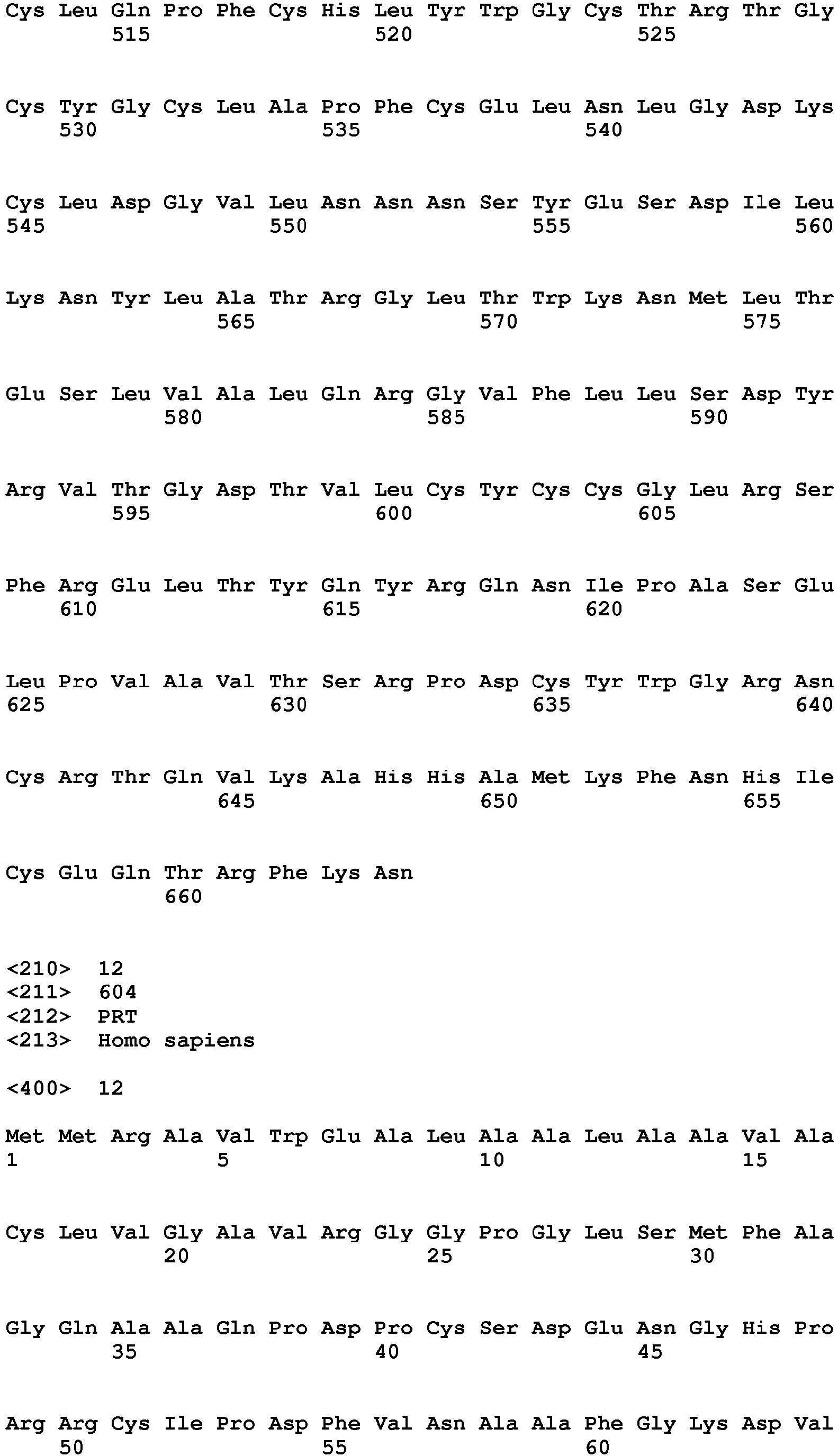


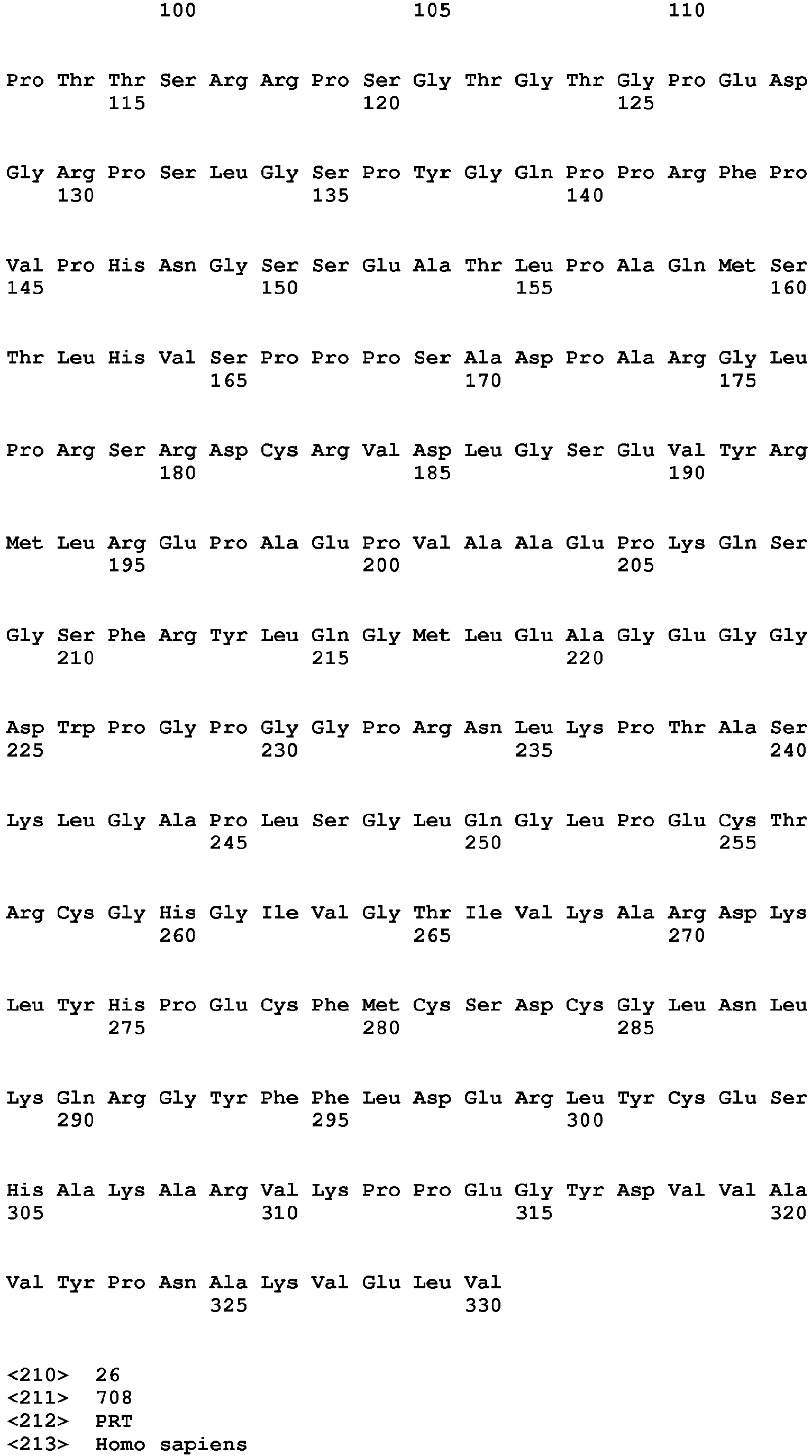


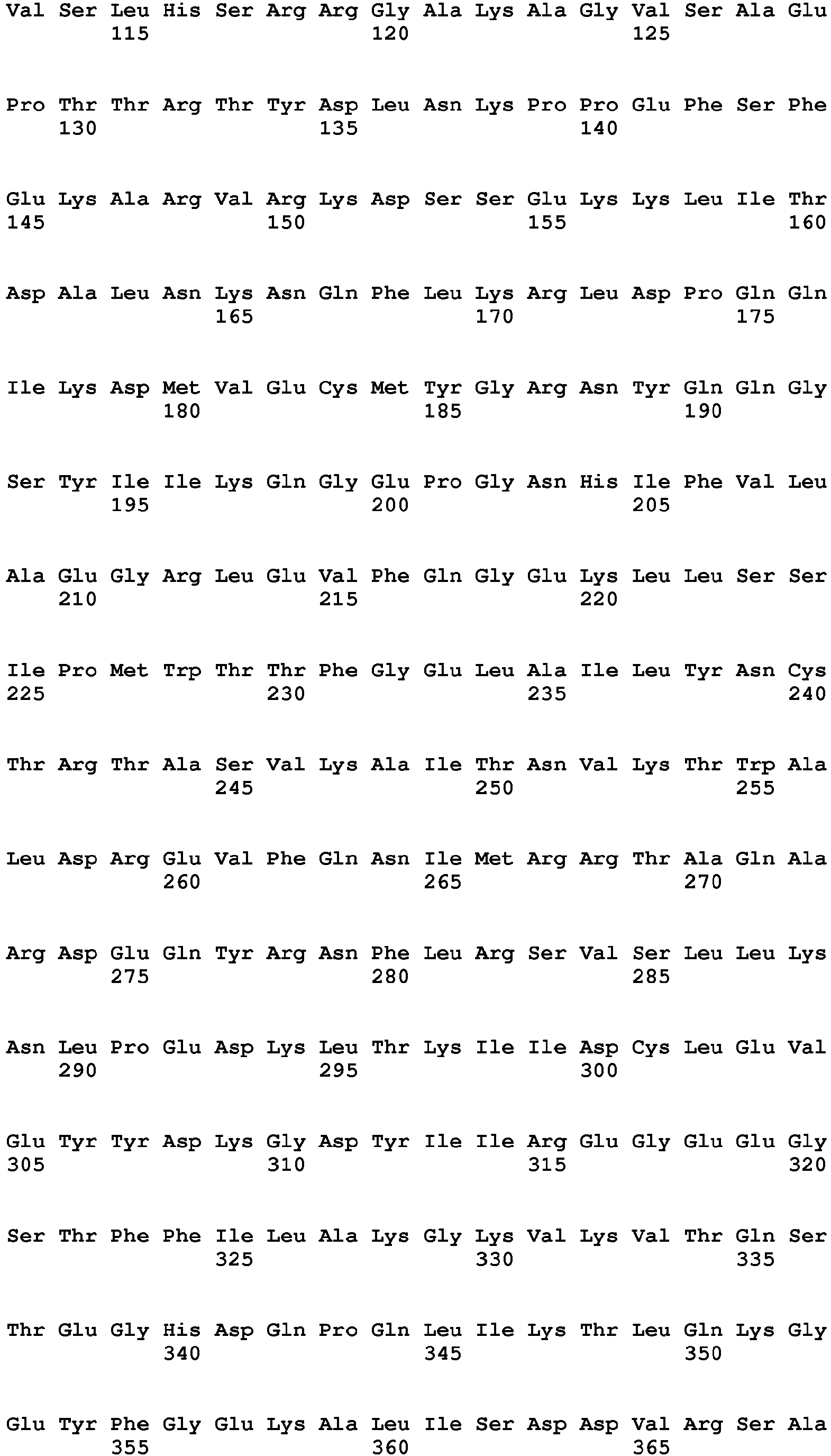
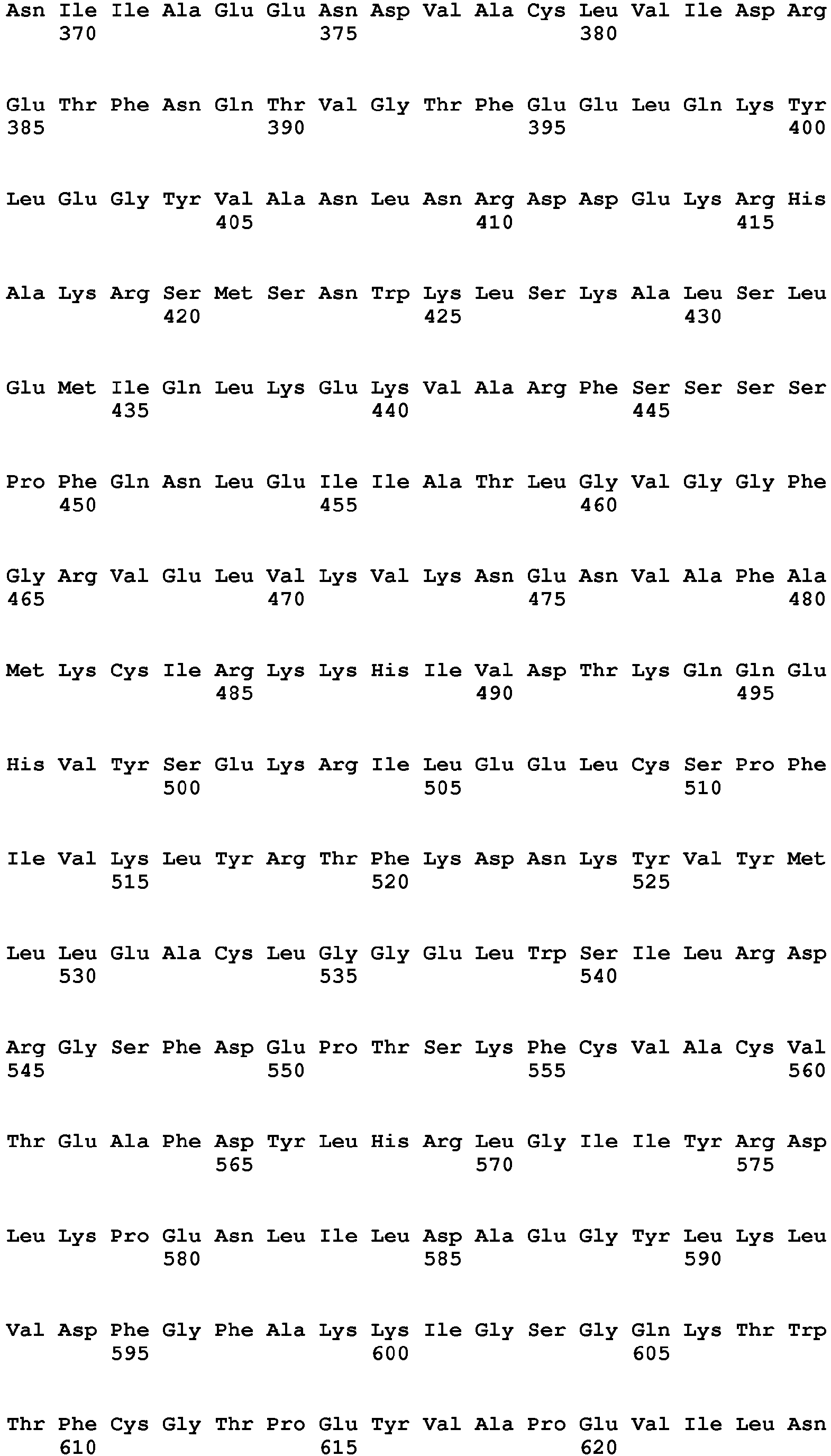










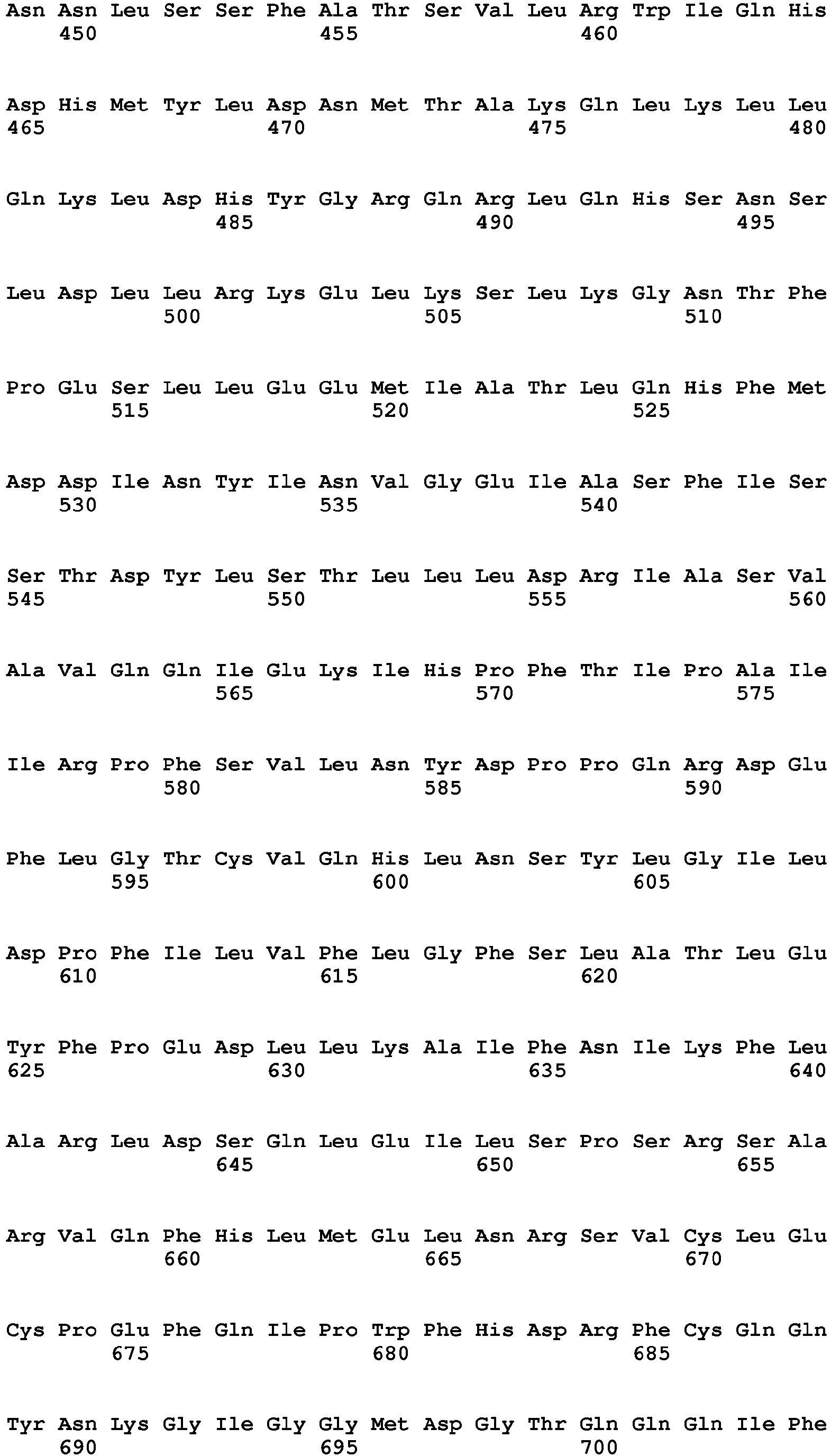


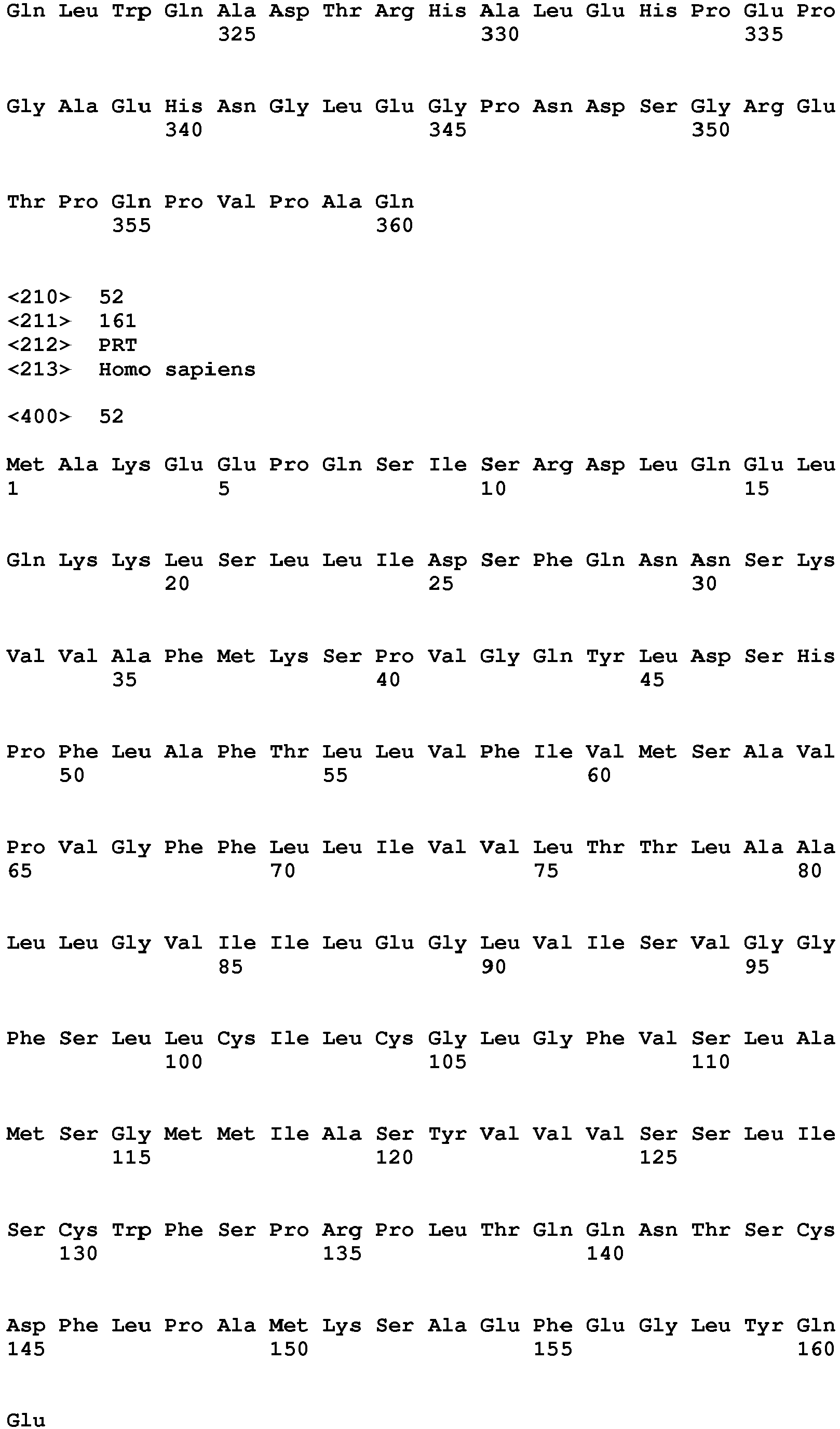


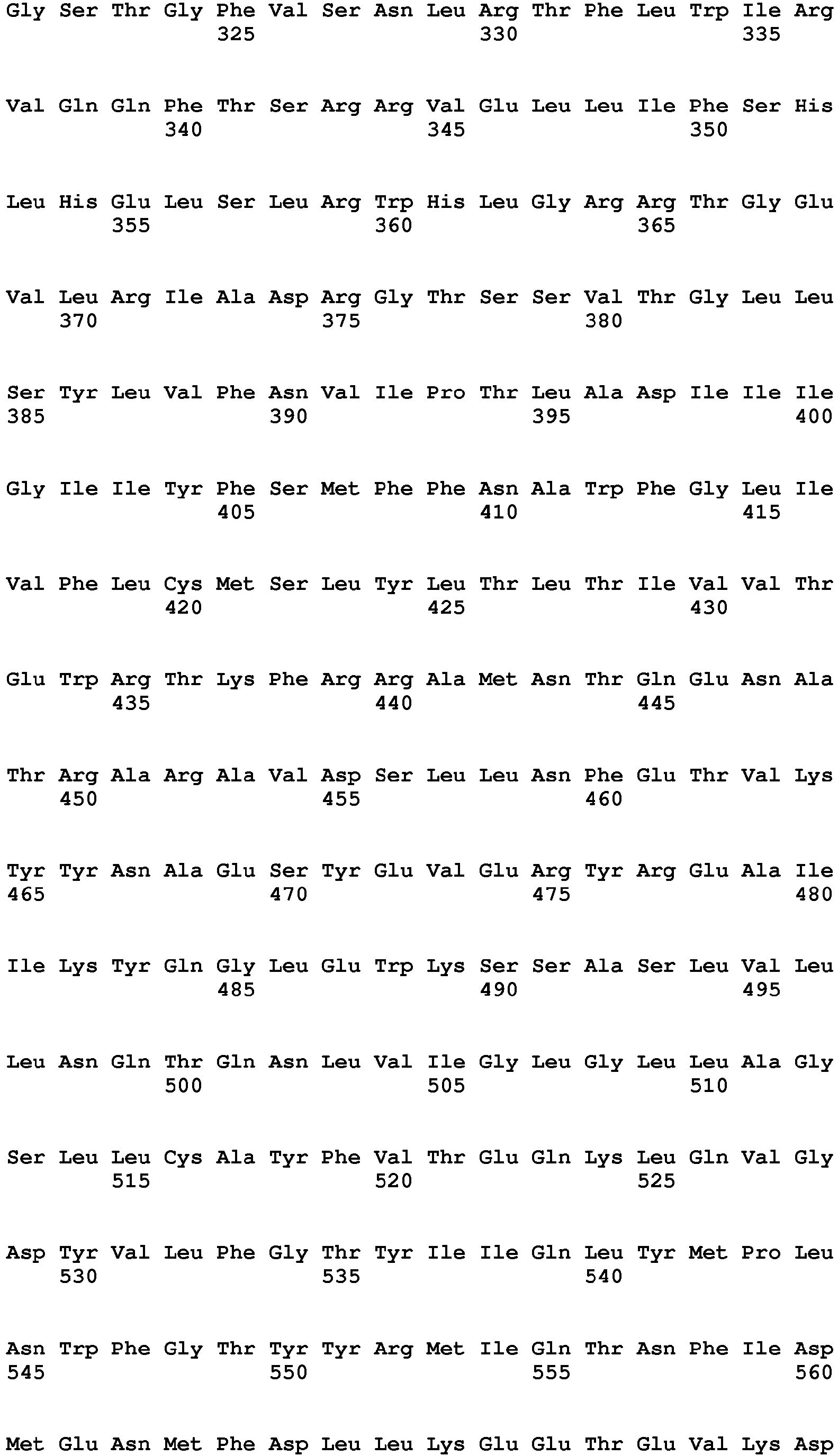


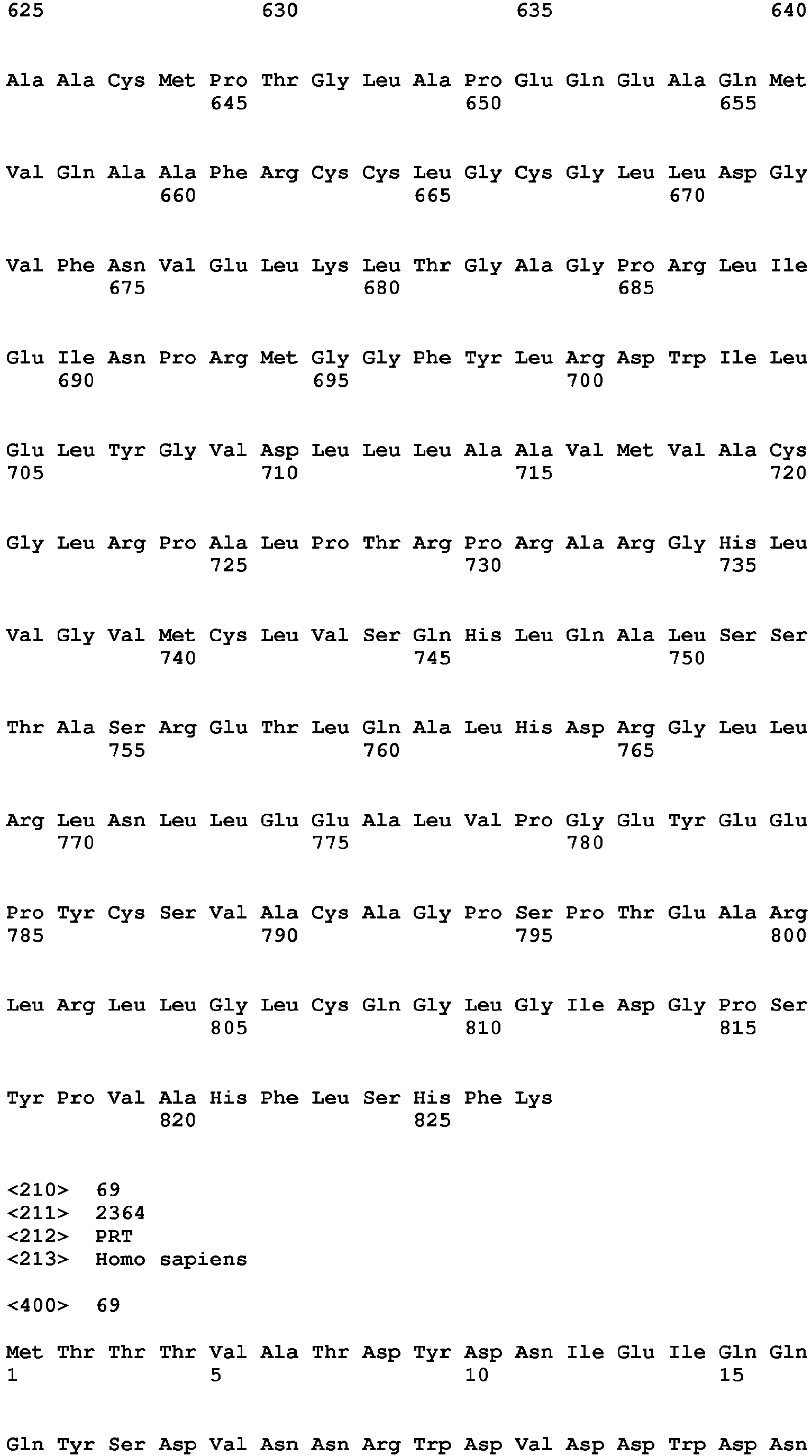







Claims (12)
- A method of diagnosing heart muscle tissue damage, preferably atrial heart muscle tissue damage, in a patient, wherein the method comprises:(a) determining the level of a biomarker for atrial heart muscle tissue damage selected from the group consisting of MYBPH, MYBPHL, MYOT, ASNSD1, CHFR, NTN1, RFC5, POLI, COMP, POF1B, PLA2G2A, HDAC10, ASPG, FMOD, CA13, CACNA2D2, GNL3L, COL2A1, PDLIM4, LEPREL1, OMD, DGKZ, NT5DC2, ITLN1, NTM, PRKG2, CHGB, FAM179A, CKMT1A, CKMT1B, LTBP3, SGSM1, METTL7B, LTBP2, OGDHL, PAM, SBK3, SFRP1 and/or isoforms thereof in a sample obtained from the patient; and(b) comparing the level determined in step a) with the level of the biomarker for atrial heart muscle tissue damage observed in a control individual, wherein if the level determined in step a) is increased compared to the level of the biomarker for atrial heart muscle tissue damage in the control individual, said patient is diagnosed with a heart muscle tissue damage.
- The method of claim 1, wherein the isoforms of MYBPHL are selected from the group consisting of MYBPHL isoform 1 and MYBPHL isoform 2.
- The method of claim 1 or 2, wherein the extent of the heart muscle tissue damage in said patient is evaluated by determining the ratio between the level of the biomarker for atrial heart muscle tissue damage in the sample obtained from said patient and the level of the biomarker for atrial heart muscle tissue damage in a control individual.
- The method of any one of claims 1 to 3, wherein the method further comprises:(c) in the sample of said patient, determining the level of a further biomarker for a heart muscle tissue damage,wherein the method is suitable to differentiate between atrial muscle tissue damage and ventricular muscle tissue damage.
- The method of claim 4, wherein the further biomarker is a biomarker specific for ventricular heart muscle tissue damage, preferably FHL-2, SMYD2, FASTKD1, PRR33, SORBS2, CRISPLD1, NPHP4, ANKRD2, TMEM159, ATP7A, C12ORF73, NAV1, ATP5B, HSPB7, TMEM88, WDR62, ACTN3, TRIM72, EGFLAM, LRRC39, DPYSL4, PFKFB2, ABCB6, METTL2B, METTL2A, CARNS1, SPTBN1 or isoforms thereof.
- The method of any one of claims 1 to 4, wherein the further biomarker is a general biomarker for heart muscle tissue damage, preferably selected from the group consisting of CK-MB or Troponin,
- The method of any one of claims 1 to 6, wherein the sample is a blood serum or a blood plasma.
- The method of any one of claims 1 to 7, wherein the patient is a human.
- The method of any one of claims 1 to 8, wherein determining the level of the biomarker comprises determining the protein concentration of the biomarker.
- The method of claim 9, wherein the protein concentration is determined by an immunoassay, ELISA, mass spectrometry, chromatography, Western Blot, or gel electrophoresis.
- A kit for use in a method according to any one of claims 4-10, wherein the kit comprises reagents for determining the level of the biomarker for atrial heart muscle tissue damage and reagents for determining the level of the further biomarker for heart muscle damage in a sample.
- A marker panel comprising a biomarker for atrial heart muscle tissue damage and a further biomarker for heart muscle damage for use in a method according to any one of claims 4-10.
Priority Applications (9)
| Application Number | Priority Date | Filing Date | Title |
|---|---|---|---|
| EP18164958.3A EP3546946A1 (en) | 2018-03-29 | 2018-03-29 | Method of diagnosing heart muscle damage |
| EP19712804.4A EP3775914B1 (en) | 2018-03-29 | 2019-03-29 | Method of diagnosing heart muscle damage |
| ES19712804T ES2964184T3 (en) | 2018-03-29 | 2019-03-29 | Myocardial damage diagnostic procedure |
| PCT/EP2019/058014 WO2019185869A1 (en) | 2018-03-29 | 2019-03-29 | Method of diagnosing heart muscle damage |
| KR1020207030295A KR102428182B1 (en) | 2018-03-29 | 2019-03-29 | How to diagnose heart muscle damage |
| BR112020019730-0A BR112020019730A2 (en) | 2018-03-29 | 2019-03-29 | in vitro method for diagnosing damage to cardiac muscle tissue, kit and marker panel |
| CN201980023660.2A CN112119309A (en) | 2018-03-29 | 2019-03-29 | Methods of Diagnosing Myocardial Injury |
| JP2021500356A JP7177906B2 (en) | 2018-03-29 | 2019-03-29 | Methods for diagnosing myocardial injury |
| US17/036,739 US20210018494A1 (en) | 2018-03-19 | 2020-09-29 | Method of diagnosing heart muscle damage |
Applications Claiming Priority (1)
| Application Number | Priority Date | Filing Date | Title |
|---|---|---|---|
| EP18164958.3A EP3546946A1 (en) | 2018-03-29 | 2018-03-29 | Method of diagnosing heart muscle damage |
Publications (1)
| Publication Number | Publication Date |
|---|---|
| EP3546946A1 true EP3546946A1 (en) | 2019-10-02 |
Family
ID=61868210
Family Applications (2)
| Application Number | Title | Priority Date | Filing Date |
|---|---|---|---|
| EP18164958.3A Withdrawn EP3546946A1 (en) | 2018-03-19 | 2018-03-29 | Method of diagnosing heart muscle damage |
| EP19712804.4A Active EP3775914B1 (en) | 2018-03-29 | 2019-03-29 | Method of diagnosing heart muscle damage |
Family Applications After (1)
| Application Number | Title | Priority Date | Filing Date |
|---|---|---|---|
| EP19712804.4A Active EP3775914B1 (en) | 2018-03-29 | 2019-03-29 | Method of diagnosing heart muscle damage |
Country Status (8)
| Country | Link |
|---|---|
| US (1) | US20210018494A1 (en) |
| EP (2) | EP3546946A1 (en) |
| JP (1) | JP7177906B2 (en) |
| KR (1) | KR102428182B1 (en) |
| CN (1) | CN112119309A (en) |
| BR (1) | BR112020019730A2 (en) |
| ES (1) | ES2964184T3 (en) |
| WO (1) | WO2019185869A1 (en) |
Families Citing this family (2)
| Publication number | Priority date | Publication date | Assignee | Title |
|---|---|---|---|---|
| WO2025196142A1 (en) * | 2024-03-20 | 2025-09-25 | Roche Diagnostics International Ag | Myl7 or a fragment thereof for the assessment of atrial heart muscle tissue damage |
| CN119506255B (en) * | 2024-10-16 | 2025-11-11 | 浙江工业大学 | Deacetylase mutant and application thereof in clethodim synthesis |
Citations (1)
| Publication number | Priority date | Publication date | Assignee | Title |
|---|---|---|---|---|
| JP2017009329A (en) * | 2015-06-17 | 2017-01-12 | 花王株式会社 | Marker for judging motor function |
Family Cites Families (17)
| Publication number | Priority date | Publication date | Assignee | Title |
|---|---|---|---|---|
| US5314804A (en) * | 1992-03-24 | 1994-05-24 | Serim Research Corporation | Test for Helicobacter pylori |
| US20020164818A1 (en) * | 1995-05-23 | 2002-11-07 | Gruber Karl F. | Mass spectrometric immunoassay analysis of specific proteins and variants present in various biological fluids |
| US7713705B2 (en) * | 2002-12-24 | 2010-05-11 | Biosite, Inc. | Markers for differential diagnosis and methods of use thereof |
| AR035860A1 (en) * | 2001-04-17 | 2004-07-21 | Femtolink Biotechnologies Llc | METHODS OF DETECTION BY MASS SPECTROMETRY AND QUANTIFICATION OF SPECIFIC WHITE PROTEINS IN COMPLEX BIOLOGICAL SAMPLES |
| AU2002951411A0 (en) * | 2002-09-16 | 2002-09-26 | The University Of Sydney | Genotype screen |
| GB0525048D0 (en) * | 2005-12-08 | 2006-01-18 | Biowisdom Ltd | A method of detecting skeletal muscle damage |
| GB0525049D0 (en) * | 2005-12-08 | 2006-01-18 | Biowisdom Ltd | A method of detecting skeletal muscle damage |
| EP3239305A3 (en) * | 2008-02-01 | 2017-11-29 | The General Hospital Corporation | Use of microvesicles in diagnosis and prognosis of medical diseases and conditions |
| RU2532837C2 (en) * | 2008-08-28 | 2014-11-10 | Нестек С.А. | Profiles of expression of genes associated with lean phenotype |
| RU2012121820A (en) * | 2009-10-26 | 2013-12-10 | Эбботт Лэборетриз | DIAGNOSTIC METHODS FOR DETERMINING THE FORECAST OF NON-SMALL CELL LUNG CANCER |
| CN103430023B (en) * | 2010-11-05 | 2016-05-04 | 罗格斯新泽西州立大学 | Serum MG53 as a diagnostic marker for tissue damage |
| WO2013142229A1 (en) * | 2012-03-19 | 2013-09-26 | President And Fellows Of Harvard College | Designing novel peptides for inducing fibronectin matrix assembly |
| WO2015038963A1 (en) * | 2013-09-12 | 2015-03-19 | Teva Pharmaceutical Industries, Ltd. | Gene expression biomarkers of laquinimod responsiveness |
| WO2015050875A1 (en) * | 2013-10-01 | 2015-04-09 | The Regents Of The University Of California | Endometriosis classifier |
| US11041865B2 (en) * | 2015-02-20 | 2021-06-22 | The Johns Hopkins University | Biomarkers of myocardial injury |
| DE102015226287B4 (en) * | 2015-12-21 | 2020-03-19 | Universität Rostock | Process for the production of sinus node cells ("cardiac pacemaker cells") from stem cells and process for the purification of sinus node cells generated from stem cells |
| JP6830605B2 (en) * | 2016-06-16 | 2021-02-17 | 学校法人藤田学園 | Fish allergy antigen |
-
2018
- 2018-03-29 EP EP18164958.3A patent/EP3546946A1/en not_active Withdrawn
-
2019
- 2019-03-29 JP JP2021500356A patent/JP7177906B2/en active Active
- 2019-03-29 ES ES19712804T patent/ES2964184T3/en active Active
- 2019-03-29 EP EP19712804.4A patent/EP3775914B1/en active Active
- 2019-03-29 CN CN201980023660.2A patent/CN112119309A/en active Pending
- 2019-03-29 BR BR112020019730-0A patent/BR112020019730A2/en not_active IP Right Cessation
- 2019-03-29 WO PCT/EP2019/058014 patent/WO2019185869A1/en not_active Ceased
- 2019-03-29 KR KR1020207030295A patent/KR102428182B1/en active Active
-
2020
- 2020-09-29 US US17/036,739 patent/US20210018494A1/en not_active Abandoned
Patent Citations (1)
| Publication number | Priority date | Publication date | Assignee | Title |
|---|---|---|---|---|
| JP2017009329A (en) * | 2015-06-17 | 2017-01-12 | 花王株式会社 | Marker for judging motor function |
Non-Patent Citations (76)
| Title |
|---|
| "The Immunoassay Handbook", 2005, ELSEVIER SCIENCE PUBLISHING COMPANY |
| "Uniprot Database", Database accession no. 014531 |
| "Uniprot Database", Database accession no. 043379 |
| "Uniprot Database", Database accession no. 060825 |
| "Uniprot Database", Database accession no. 075161 |
| "Uniprot Database", Database accession no. 094875 |
| "Uniprot Database", Database accession no. 095631 |
| "Uniprot Database", Database accession no. A2RUH7 |
| "Uniprot Database", Database accession no. A5YM72 |
| "Uniprot Database", Database accession no. A8MZF0 |
| "Uniprot Database", Database accession no. F8WCN3 |
| "Uniprot Database", Database accession no. P02458 |
| "Uniprot Database", Database accession no. P05060 |
| "Uniprot Database", Database accession no. P06576 |
| "Uniprot Database", Database accession no. P12532 |
| "Uniprot Database", Database accession no. P14555 |
| "Uniprot Database", Database accession no. P19021 |
| "Uniprot Database", Database accession no. P38251 |
| "Uniprot Database", Database accession no. P40937 |
| "Uniprot Database", Database accession no. P49747 |
| "Uniprot Database", Database accession no. P50479 |
| "Uniprot Database", Database accession no. POC264 |
| "Uniprot Database", Database accession no. Q01082 |
| "Uniprot Database", Database accession no. Q04656 |
| "Uniprot Database", Database accession no. Q06828 |
| "Uniprot Database", Database accession no. Q08043 |
| "Uniprot Database", Database accession no. Q13203 |
| "Uniprot Database", Database accession no. Q13237 |
| "Uniprot Database", Database accession no. Q13574 |
| "Uniprot Database", Database accession no. Q14192 |
| "Uniprot Database", Database accession no. Q14767 |
| "Uniprot Database", Database accession no. Q2NKQ1 |
| "Uniprot Database", Database accession no. Q53R41 |
| "Uniprot Database", Database accession no. Q63HQ2 |
| "Uniprot Database", Database accession no. Q69YU5 |
| "Uniprot Database", Database accession no. Q6P1Q9 |
| "Uniprot Database", Database accession no. Q6PEY1 |
| "Uniprot Database", Database accession no. Q6UX53 |
| "Uniprot Database", Database accession no. Q6ZMU5 |
| "Uniprot Database", Database accession no. Q6ZUX3 |
| "Uniprot Database", Database accession no. Q8!VL5 |
| "Uniprot Database", Database accession no. Q86U10 |
| "Uniprot Database", Database accession no. Q8IVL5 |
| "Uniprot Database", Database accession no. Q8N1Q1 |
| "Uniprot Database", Database accession no. Q8N474 |
| "Uniprot Database", Database accession no. Q8NEY1 |
| "Uniprot Database", Database accession no. Q8WVV4 |
| "Uniprot Database", Database accession no. Q8WWA0 |
| "Uniprot Database", Database accession no. Q961Z6 |
| "Uniprot Database", Database accession no. Q969S8 |
| "Uniprot Database", Database accession no. Q96B96 |
| "Uniprot Database", Database accession no. Q96DD0 |
| "Uniprot Database", Database accession no. Q96EP1 |
| "Uniprot Database", Database accession no. Q99983 |
| "Uniprot Database", Database accession no. Q9GZV1 |
| "Uniprot Database", Database accession no. Q9H336 |
| "Uniprot Database", Database accession no. Q9H857 |
| "Uniprot Database", Database accession no. Q9NP58 |
| "Uniprot Database", Database accession no. Q9NRG4 |
| "Uniprot Database", Database accession no. Q9NS15 |
| "Uniprot Database", Database accession no. Q9NVN8 |
| "Uniprot Database", Database accession no. Q9NWL6 |
| "Uniprot Database", Database accession no. Q9NY47 |
| "Uniprot Database", Database accession no. Q9P121 |
| "Uniprot Database", Database accession no. Q9UBF9 |
| "Uniprot Database", Database accession no. Q9UBY9 |
| "Uniprot Database", Database accession no. Q9ULD0 |
| "Uniprot Database", Database accession no. Q9UNA4 |
| "Uniprot", Database accession no. A2RUH7 |
| DAVID Y BAREFIELD ET AL: "Abstract 20693: MYBPHL is a Novel Myofilament Protein Implicated in Arrhythmia and Cardiomyopathy | Circulation", 14 November 2017 (2017-11-14), XP055474258, Retrieved from the Internet <URL:http://circ.ahajournals.org/content/136/Suppl_1/A20693> [retrieved on 20180511] * |
| DAVID Y. BAREFIELD ET AL: "Experimental Modeling Supports a Role for MyBP-HL as a Novel Myofilament Component in Arrhythmia and Dilated Cardiomyopathy", CIRCULATION, vol. 136, no. 16, 4 August 2017 (2017-08-04), pages 1477 - 1491, XP055473449, ISSN: 0009-7322, DOI: 10.1161/CIRCULATIONAHA.117.028585 * |
| DEVIN W. KEHL ET AL: "Biomarkers in acute myocardial injury", TRANSLATIONAL RESEARCH, vol. 159, no. 4, 1 April 2012 (2012-04-01), NL, pages 252 - 264, XP055473623, ISSN: 1931-5244, DOI: 10.1016/j.trsl.2011.11.002 * |
| DOLL S; DREBEN M; GEYER PE; ITZHAK DN; BRAUN C; DOPPLER SA; MEIER F; DEUTSCH MA; LAHM H; LANGE R: "Region and cell-type resolved quantitative proteomic map of the human heart", NAT COMMUN, vol. 8, no. 1, 13 November 2017 (2017-11-13), pages 1469 |
| JULIA ASP ET AL: "Comparison of human cardiac gene expression profiles in paired samples of right atrium and left ventricle collected in vivo", PHYSIOLOGICAL GENOMICS, vol. 44, no. 1, 1 January 2012 (2012-01-01), US, pages 89 - 98, XP055473597, ISSN: 1094-8341, DOI: 10.1152/physiolgenomics.00137.2011 * |
| KAWAI EIICHIRO ET AL: "Determination of Phase-specific Biomarkers of Viral Myocarditis Induced by Theiler's virus Using Multivariate Analyses of Viral Genome, Troponin, Transcriptome and Echocardiography Data", vol. 113, no. 4, Suppl. S, 1 August 2013 (2013-08-01), pages A229, XP009505250, ISSN: 0009-7330, Retrieved from the Internet <URL:http://circres.ahajournals.org/content/113/Suppl_1/A229> * |
| LLOYD R. SNYDER: "Introduction to Modern Liquid Chromatography", vol. 5, 2009, WILEY |
Also Published As
| Publication number | Publication date |
|---|---|
| BR112020019730A2 (en) | 2021-01-26 |
| WO2019185869A1 (en) | 2019-10-03 |
| US20210018494A1 (en) | 2021-01-21 |
| JP7177906B2 (en) | 2022-11-24 |
| CN112119309A (en) | 2020-12-22 |
| KR102428182B1 (en) | 2022-08-02 |
| EP3775914A1 (en) | 2021-02-17 |
| EP3775914B1 (en) | 2023-09-20 |
| KR20200135994A (en) | 2020-12-04 |
| ES2964184T3 (en) | 2024-04-04 |
| JP2021516765A (en) | 2021-07-08 |
Similar Documents
| Publication | Publication Date | Title |
|---|---|---|
| JP4828550B2 (en) | Use of the NT-proANP / NT-proBNP ratio to diagnose cardiac dysfunction | |
| Oyama et al. | Validation of an immunoassay for measurement of canine cardiac troponin-I | |
| US20230089507A1 (en) | Endometriosis Biomarkers | |
| KR20190009341A (en) | (Ang-2) for the prediction of recurrence of atrial fibrillation. | |
| US20210018494A1 (en) | Method of diagnosing heart muscle damage | |
| JP2025518766A (en) | Biomarkers for predicting the likelihood of developing gastric cancer and their uses | |
| WO2016072464A1 (en) | Arteriosclerosis and cancer detection method using deoxyhypusine synthase gene as indicator | |
| US9523690B2 (en) | Biomarkers for the diagnosis and/or prognosis of clear cell renal cell carcinoma | |
| TWI842716B (en) | Biomarkers for urothelial carcinoma and applications thereof | |
| KR102112945B1 (en) | Availability ST2 for moderator identification from general population to LVH | |
| JP5307141B2 (en) | Myoglobin as an early predictor of myocardial infarction | |
| JP2010528306A (en) | H-FABP as an early predictor of myocardial infarction | |
| JP2023156159A5 (en) | ||
| JP2022534034A (en) | Ratio of IGFBP7 to HFpEF | |
| EP4086633B1 (en) | Prognostic method | |
| BR112021002445A2 (en) | methods to predict stroke risk, to improve predictive accuracy of a clinical risk score, to assess the effectiveness of a therapy, to identify a patient, and to monitor a patient, uses and kit | |
| JPWO2019098328A1 (en) | IgA nephropathy diagnostic kit | |
| KR101981605B1 (en) | Claudin 11 as biomarker for diagnosing cardiovascular disease and use thereof | |
| US20230113252A1 (en) | Method of determining development of myocarditis or risk of myocarditis development | |
| JP2021533351A (en) | Circulating DKK3 (Dickkopf-related protein 3) in the evaluation of atrial fibrillation | |
| JP2021535370A (en) | Circulating TFPI-2 (tissue factor pathway inhibitor 2) in the evaluation of atrial fibrillation and anticoagulant therapy | |
| HK1121527A (en) | Use of nt-proanp and nt-probnp for diagnosing cardiac diseases |
Legal Events
| Date | Code | Title | Description |
|---|---|---|---|
| PUAI | Public reference made under article 153(3) epc to a published international application that has entered the european phase |
Free format text: ORIGINAL CODE: 0009012 |
|
| AK | Designated contracting states |
Kind code of ref document: A1 Designated state(s): AL AT BE BG CH CY CZ DE DK EE ES FI FR GB GR HR HU IE IS IT LI LT LU LV MC MK MT NL NO PL PT RO RS SE SI SK SM TR |
|
| AX | Request for extension of the european patent |
Extension state: BA ME |
|
| STAA | Information on the status of an ep patent application or granted ep patent |
Free format text: STATUS: THE APPLICATION IS DEEMED TO BE WITHDRAWN |
|
| 18D | Application deemed to be withdrawn |
Effective date: 20200603 |