EP3248979B1 - Novel inhibitor of flt3 kinase and use thereof - Google Patents
Novel inhibitor of flt3 kinase and use thereof Download PDFInfo
- Publication number
- EP3248979B1 EP3248979B1 EP15878539.4A EP15878539A EP3248979B1 EP 3248979 B1 EP3248979 B1 EP 3248979B1 EP 15878539 A EP15878539 A EP 15878539A EP 3248979 B1 EP3248979 B1 EP 3248979B1
- Authority
- EP
- European Patent Office
- Prior art keywords
- compound
- optionally substituted
- alkyl
- synthesis
- amino
- Prior art date
- Legal status (The legal status is an assumption and is not a legal conclusion. Google has not performed a legal analysis and makes no representation as to the accuracy of the status listed.)
- Active
Links
- 0 ****(C*1)*CCC1[n](c1ncnc(N)c11)nc1-c(cc1)ccc1Oc1ccccc1 Chemical compound ****(C*1)*CCC1[n](c1ncnc(N)c11)nc1-c(cc1)ccc1Oc1ccccc1 0.000 description 13
- XZHBPALMJMRLIZ-ZEVJAHDQSA-N CC(C)C[C@@H](C(N[C@H](CC1)CC[C@H]1[n](c1ncnc(N)c11)nc1-c(cc1)ccc1Oc1ccccc1)=O)N(C)C Chemical compound CC(C)C[C@@H](C(N[C@H](CC1)CC[C@H]1[n](c1ncnc(N)c11)nc1-c(cc1)ccc1Oc1ccccc1)=O)N(C)C XZHBPALMJMRLIZ-ZEVJAHDQSA-N 0.000 description 2
- GZUJJFUNUVLKBV-UHFFFAOYSA-N CCCCC(NC(CC1)CCC1[n](c1c2c(N)ncn1)nc2-c(cc1)ccc1Oc1ccccc1)=O Chemical compound CCCCC(NC(CC1)CCC1[n](c1c2c(N)ncn1)nc2-c(cc1)ccc1Oc1ccccc1)=O GZUJJFUNUVLKBV-UHFFFAOYSA-N 0.000 description 2
- XWCXXHRMKAAUTE-GOSISDBHSA-N CN(C)CC(N(CC1)C[C@@H]1[n](c1c2c(N)ncn1)nc2-c(cc1)ccc1Oc1ccccc1)=O Chemical compound CN(C)CC(N(CC1)C[C@@H]1[n](c1c2c(N)ncn1)nc2-c(cc1)ccc1Oc1ccccc1)=O XWCXXHRMKAAUTE-GOSISDBHSA-N 0.000 description 2
- JFUDMNGCWAXBII-LJQANCHMSA-N Nc1c(c(-c(cc2)ccc2Oc2ccccc2)n[n]2[C@H](CCC3)CN3C(c3cnc(N)nc3)=O)c2ncn1 Chemical compound Nc1c(c(-c(cc2)ccc2Oc2ccccc2)n[n]2[C@H](CCC3)CN3C(c3cnc(N)nc3)=O)c2ncn1 JFUDMNGCWAXBII-LJQANCHMSA-N 0.000 description 2
- FICVTCHXBFNVBQ-UHUGOGIASA-N CC(C(N(CCC1)C[C@@H]1[n](c1ncnc(N)c11)nc1-c(cc1)ccc1Oc1ccccc1)=O)Cl Chemical compound CC(C(N(CCC1)C[C@@H]1[n](c1ncnc(N)c11)nc1-c(cc1)ccc1Oc1ccccc1)=O)Cl FICVTCHXBFNVBQ-UHUGOGIASA-N 0.000 description 1
- NTSAEGNFPKKRLX-LJQANCHMSA-N CC(C)(C)OC(N(CCC1)C[C@@H]1[n](c1ncnc(N)c11)nc1-c(cc1)ccc1Oc1ccccc1)=O Chemical compound CC(C)(C)OC(N(CCC1)C[C@@H]1[n](c1ncnc(N)c11)nc1-c(cc1)ccc1Oc1ccccc1)=O NTSAEGNFPKKRLX-LJQANCHMSA-N 0.000 description 1
- UIJXHKXIOCDSEB-QMMMGPOBSA-N CC(C)(C)OC(N(CCC1)C[C@H]1O)=O Chemical compound CC(C)(C)OC(N(CCC1)C[C@H]1O)=O UIJXHKXIOCDSEB-QMMMGPOBSA-N 0.000 description 1
- XZHBPALMJMRLIZ-JGZAQREWSA-N CC(C)C[C@@H](C(NC(CC1)CCC1[n](c1c2c(N)ncn1)nc2-c(cc1)ccc1Oc1ccccc1)=O)N(C)C Chemical compound CC(C)C[C@@H](C(NC(CC1)CCC1[n](c1c2c(N)ncn1)nc2-c(cc1)ccc1Oc1ccccc1)=O)N(C)C XZHBPALMJMRLIZ-JGZAQREWSA-N 0.000 description 1
- DPRNEIYQLPPMOQ-DENIHFKCSA-N CC(C)C[C@H](C(N(CC1)C[C@@H]1Nc1c(C(c(cc2)ccc2Oc2ccccc2)=N)c(N)ncn1)=O)N Chemical compound CC(C)C[C@H](C(N(CC1)C[C@@H]1Nc1c(C(c(cc2)ccc2Oc2ccccc2)=N)c(N)ncn1)=O)N DPRNEIYQLPPMOQ-DENIHFKCSA-N 0.000 description 1
- DSKWJQAXWNDICU-WIOPSUGQSA-N CC(C)C[C@H](C(NC(CC1)=CC[C@@H]1[n](c1ncnc(N)c11)nc1-c(cc1)ccc1Oc1ccccc1)=O)NC Chemical compound CC(C)C[C@H](C(NC(CC1)=CC[C@@H]1[n](c1ncnc(N)c11)nc1-c(cc1)ccc1Oc1ccccc1)=O)NC DSKWJQAXWNDICU-WIOPSUGQSA-N 0.000 description 1
- TTZAPVUDCPNKCS-SRDVKXRDSA-N CC(C)[C@@H](C(NC(CC1)CCC1[n](c1c2c(N)ncn1)nc2-c(cc1)ccc1Oc1ccccc1)=O)N(C)C Chemical compound CC(C)[C@@H](C(NC(CC1)CCC1[n](c1c2c(N)ncn1)nc2-c(cc1)ccc1Oc1ccccc1)=O)N(C)C TTZAPVUDCPNKCS-SRDVKXRDSA-N 0.000 description 1
- DASBULWGLYMECT-AUSIDOKSSA-N CC(C)[C@H](C(N(CCC1)C[C@@H]1[n](c1ncnc(N)c11)nc1-c(cc1)ccc1Oc1ccccc1)=O)N Chemical compound CC(C)[C@H](C(N(CCC1)C[C@@H]1[n](c1ncnc(N)c11)nc1-c(cc1)ccc1Oc1ccccc1)=O)N DASBULWGLYMECT-AUSIDOKSSA-N 0.000 description 1
- IXMSLXJTBHLBAG-AJEPASEPSA-N CC(C)[C@H](C(NC(CC1)CCC1[n](c1c2c(N)ncn1)nc2-c(cc1)ccc1Oc1ccccc1)=O)[IH]N(C)C Chemical compound CC(C)[C@H](C(NC(CC1)CCC1[n](c1c2c(N)ncn1)nc2-c(cc1)ccc1Oc1ccccc1)=O)[IH]N(C)C IXMSLXJTBHLBAG-AJEPASEPSA-N 0.000 description 1
- JYCZLNMRNBKYMP-UHFFFAOYSA-N CCCCC(C(N(CCC1)CC1[n](c1ncnc(N)c11)nc1-c(cc1)ccc1Oc1ccccc1)=O)O Chemical compound CCCCC(C(N(CCC1)CC1[n](c1ncnc(N)c11)nc1-c(cc1)ccc1Oc1ccccc1)=O)O JYCZLNMRNBKYMP-UHFFFAOYSA-N 0.000 description 1
- BIQZHDVVUDYLJB-UHFFFAOYSA-N CCCOCCNCC(NC(CC1)CCC1[n](c1ncnc(N)c11)nc1-c(cc1)ccc1Oc1ccccc1)O Chemical compound CCCOCCNCC(NC(CC1)CCC1[n](c1ncnc(N)c11)nc1-c(cc1)ccc1Oc1ccccc1)O BIQZHDVVUDYLJB-UHFFFAOYSA-N 0.000 description 1
- IZNAFSDUTMZGSF-LJQANCHMSA-N CN(C)CC(N(CCC1)C[C@@H]1[n](c1ncnc(N)c11)nc1-c(cc1)ccc1Oc1ccccc1)=O Chemical compound CN(C)CC(N(CCC1)C[C@@H]1[n](c1ncnc(N)c11)nc1-c(cc1)ccc1Oc1ccccc1)=O IZNAFSDUTMZGSF-LJQANCHMSA-N 0.000 description 1
- RRMZSCAHPADSSD-UHFFFAOYSA-N CN(CC1)CCC1C(NC(CC1)CCC1[n](c1ncnc(N)c11)nc1-c(cc1)ccc1Oc1ccccc1)=O Chemical compound CN(CC1)CCC1C(NC(CC1)CCC1[n](c1ncnc(N)c11)nc1-c(cc1)ccc1Oc1ccccc1)=O RRMZSCAHPADSSD-UHFFFAOYSA-N 0.000 description 1
- RWIBTNFIXKBTEN-JOCHJYFZSA-N CN1CCN(CC(N(CCC2)C[C@@H]2[n](c2c3c(N)ncn2)nc3-c(cc2)ccc2Oc2ccccc2)=O)CC1 Chemical compound CN1CCN(CC(N(CCC2)C[C@@H]2[n](c2c3c(N)ncn2)nc3-c(cc2)ccc2Oc2ccccc2)=O)CC1 RWIBTNFIXKBTEN-JOCHJYFZSA-N 0.000 description 1
- NSQZNQZHGKHTBP-HSZRJFAPSA-N COC(c(cc1)ccc1C(N(CCC1)C[C@@H]1[n](c1ncnc(N)c11)nc1-c(cc1)ccc1Oc1ccccc1)=O)=O Chemical compound COC(c(cc1)ccc1C(N(CCC1)C[C@@H]1[n](c1ncnc(N)c11)nc1-c(cc1)ccc1Oc1ccccc1)=O)=O NSQZNQZHGKHTBP-HSZRJFAPSA-N 0.000 description 1
- HWBBMWIWBLAWER-GJZUVCINSA-N N[C@@H](Cc(cc1)ccc1O)C(N(CCC1)C[C@@H]1[n](c1ncnc(N)c11)nc1-c(cc1)ccc1Oc1ccccc1)=O Chemical compound N[C@@H](Cc(cc1)ccc1O)C(N(CCC1)C[C@@H]1[n](c1ncnc(N)c11)nc1-c(cc1)ccc1Oc1ccccc1)=O HWBBMWIWBLAWER-GJZUVCINSA-N 0.000 description 1
- XHPYXYXMWBDQRL-JLGCCPRNSA-N N[C@H](Cc1c[nH]cn1)C(N(CCC1)C[C@@H]1[n](c1ncnc(N)c11)nc1-c(cc1)ccc1Oc1ccccc1)O Chemical compound N[C@H](Cc1c[nH]cn1)C(N(CCC1)C[C@@H]1[n](c1ncnc(N)c11)nc1-c(cc1)ccc1Oc1ccccc1)O XHPYXYXMWBDQRL-JLGCCPRNSA-N 0.000 description 1
- FNKWWIQRWKOVHV-UHFFFAOYSA-O Nc1c(C(c(cc2)ccc2Oc2ccccc2)=N)c([NH2+]C(CCC2)CN2C(C2CC2)=O)ncn1 Chemical compound Nc1c(C(c(cc2)ccc2Oc2ccccc2)=N)c([NH2+]C(CCC2)CN2C(C2CC2)=O)ncn1 FNKWWIQRWKOVHV-UHFFFAOYSA-O 0.000 description 1
- YYVUOZULIDAKRN-UHFFFAOYSA-N Nc1c(c(-c(cc2)ccc2Oc2ccccc2)n[nH]2)c2ncn1 Chemical compound Nc1c(c(-c(cc2)ccc2Oc2ccccc2)n[nH]2)c2ncn1 YYVUOZULIDAKRN-UHFFFAOYSA-N 0.000 description 1
- SPZSKTCQYIRLDF-UHFFFAOYSA-N Nc1c(c(-c(cc2)ccc2Oc2ccccc2)n[n]2C(CC3)CCC3NC(CC#N)=O)c2ncn1 Chemical compound Nc1c(c(-c(cc2)ccc2Oc2ccccc2)n[n]2C(CC3)CCC3NC(CC#N)=O)c2ncn1 SPZSKTCQYIRLDF-UHFFFAOYSA-N 0.000 description 1
- GMAYFNOHSBTWNT-LJQANCHMSA-N Nc1c(c(-c(cc2)ccc2Oc2ccccc2)n[n]2[C@H](CCC3)CN3C(C3CC3)=O)c2ncn1 Chemical compound Nc1c(c(-c(cc2)ccc2Oc2ccccc2)n[n]2[C@H](CCC3)CN3C(C3CC3)=O)c2ncn1 GMAYFNOHSBTWNT-LJQANCHMSA-N 0.000 description 1
- IQSNQCPIVCYLCJ-GOSISDBHSA-N Nc1c(c(-c(cc2)ccc2Oc2ccccc2)n[n]2[C@H](CCC3)CN3C(CC#N)=O)c2ncn1 Chemical compound Nc1c(c(-c(cc2)ccc2Oc2ccccc2)n[n]2[C@H](CCC3)CN3C(CC#N)=O)c2ncn1 IQSNQCPIVCYLCJ-GOSISDBHSA-N 0.000 description 1
- AIMGYTMYABOPLC-HXUWFJFHSA-N Nc1c(c(-c(cc2)ccc2Oc2ccccc2)n[n]2[C@H](CCC3)CN3C(N3CCNCC3)=O)c2ncn1 Chemical compound Nc1c(c(-c(cc2)ccc2Oc2ccccc2)n[n]2[C@H](CCC3)CN3C(N3CCNCC3)=O)c2ncn1 AIMGYTMYABOPLC-HXUWFJFHSA-N 0.000 description 1
- GMCIHTPURRFSPH-HXUWFJFHSA-N Nc1c(c(-c(cc2)ccc2Oc2ccccc2)n[n]2[C@H](CCC3)CN3C(c3cncnc3)=O)c2ncn1 Chemical compound Nc1c(c(-c(cc2)ccc2Oc2ccccc2)n[n]2[C@H](CCC3)CN3C(c3cncnc3)=O)c2ncn1 GMCIHTPURRFSPH-HXUWFJFHSA-N 0.000 description 1
- HSZFNAOQBHFNCB-MRXNPFEDSA-N Nc1ncnc2c1c(-c(cc1)ccc1Oc1ccccc1)n[n]2[C@H](CCC1)CN1C(C(Cl)(Cl)Cl)=O Chemical compound Nc1ncnc2c1c(-c(cc1)ccc1Oc1ccccc1)n[n]2[C@H](CCC1)CN1C(C(Cl)(Cl)Cl)=O HSZFNAOQBHFNCB-MRXNPFEDSA-N 0.000 description 1
Classifications
-
- C—CHEMISTRY; METALLURGY
- C07—ORGANIC CHEMISTRY
- C07D—HETEROCYCLIC COMPOUNDS
- C07D487/00—Heterocyclic compounds containing nitrogen atoms as the only ring hetero atoms in the condensed system, not provided for by groups C07D451/00 - C07D477/00
- C07D487/02—Heterocyclic compounds containing nitrogen atoms as the only ring hetero atoms in the condensed system, not provided for by groups C07D451/00 - C07D477/00 in which the condensed system contains two hetero rings
- C07D487/04—Ortho-condensed systems
-
- A—HUMAN NECESSITIES
- A61—MEDICAL OR VETERINARY SCIENCE; HYGIENE
- A61K—PREPARATIONS FOR MEDICAL, DENTAL OR TOILETRY PURPOSES
- A61K31/00—Medicinal preparations containing organic active ingredients
- A61K31/33—Heterocyclic compounds
- A61K31/395—Heterocyclic compounds having nitrogen as a ring hetero atom, e.g. guanethidine or rifamycins
- A61K31/495—Heterocyclic compounds having nitrogen as a ring hetero atom, e.g. guanethidine or rifamycins having six-membered rings with two or more nitrogen atoms as the only ring heteroatoms, e.g. piperazine or tetrazines
- A61K31/505—Pyrimidines; Hydrogenated pyrimidines, e.g. trimethoprim
- A61K31/519—Pyrimidines; Hydrogenated pyrimidines, e.g. trimethoprim ortho- or peri-condensed with heterocyclic rings
-
- A—HUMAN NECESSITIES
- A61—MEDICAL OR VETERINARY SCIENCE; HYGIENE
- A61K—PREPARATIONS FOR MEDICAL, DENTAL OR TOILETRY PURPOSES
- A61K31/00—Medicinal preparations containing organic active ingredients
- A61K31/33—Heterocyclic compounds
- A61K31/395—Heterocyclic compounds having nitrogen as a ring hetero atom, e.g. guanethidine or rifamycins
- A61K31/535—Heterocyclic compounds having nitrogen as a ring hetero atom, e.g. guanethidine or rifamycins having six-membered rings with at least one nitrogen and one oxygen as the ring hetero atoms, e.g. 1,2-oxazines
- A61K31/5375—1,4-Oxazines, e.g. morpholine
- A61K31/5377—1,4-Oxazines, e.g. morpholine not condensed and containing further heterocyclic rings, e.g. timolol
-
- A—HUMAN NECESSITIES
- A61—MEDICAL OR VETERINARY SCIENCE; HYGIENE
- A61P—SPECIFIC THERAPEUTIC ACTIVITY OF CHEMICAL COMPOUNDS OR MEDICINAL PREPARATIONS
- A61P35/00—Antineoplastic agents
-
- A—HUMAN NECESSITIES
- A61—MEDICAL OR VETERINARY SCIENCE; HYGIENE
- A61P—SPECIFIC THERAPEUTIC ACTIVITY OF CHEMICAL COMPOUNDS OR MEDICINAL PREPARATIONS
- A61P35/00—Antineoplastic agents
- A61P35/02—Antineoplastic agents specific for leukemia
Definitions
- the present invention relates to compounds used as novel inhibitors of FLT3 kinase, pharmaceutical compositions comprising the compounds, as well as uses and methods for using these compounds and compositions to to reduce or inhibit the activity of FLT3 kinase and/or mutant FLT3 kinase in a cell or a subject, and uses and methods of these compounds and compositions for preventing or treating cell proliferative conditions and/or FLT3-related conditions in a subject.
- Protein kinases are enzymatic components of the signal transduction pathways which catalyze the transfer of the terminal phosphate from ATP to the hydroxy group of tyrosine, serine and/or threonine residues of proteins.
- the overexpression or inappropriate expression of normal or mutant protein kinases in mammals has been a topic of extensive study and has been demonstrated to play a significant role in the development of many diseases, including diabetes, angiogenesis, psoriasis, restenosis, ocular diseases, schizophrenia, rheumatoid arthritis, atherosclerosis, cardiovascular disease and cancer.
- inhibitors of protein kinases have particular utility in the treatment of human and animal disease. Some kinase inhibitors have been reported.
- WO2014/187319 A1 and US 7718622 B1 disclose substituted pyrazolopyrimidines having protein kinases inhibitory activities against BTK and/or EGFR T790M; WO 2008/039218 A2 also discloses compounds as BTK kinase inhibitors.
- FLT3 Fms-like tyrosine kinase 3
- c-Kit c-FMS and PDGFR
- RTK III receptor tyrosine kinase III family
- Ig immunoglobulin
- JM intracellular juxtamembrane
- TK tyrosine kinase
- FLT3 mutations were first identified in AML cells, and the mutation type was internal tandem duplications (FLT3/ITD).
- FLT3/ITD internal tandem duplications
- many studies have demonstrated that the FLT3-actived mutations play a very important pathological role in the development of AML and the progression of the disease.
- AML patients with the FLT3/ITD-actived mutation normally have unique clinical features, such as high peripheral blood leucocyte count, poor clinical prognosis, and easy relapse, and the like.
- Hematological malignancies are cancers of the body's blood forming and immune systems, the bone marrow and lymphatic tissues. Whereas in normal bone marrow, FLT3 expression is restricted to early progenitor cells, in hematological malignancies, FLT3 is expressed at high levels or FLT3 mutations cause an uncontrolled induction of the FLT3 receptor and downstream molecular pathway, possibly Ras activation.
- Hematological malignancies include leukemias, lymphomas (non-Hodgkin's lymphoma), Hodgkin's disease (also called Hodgkin's lymphoma), and myeloma- for instance, acute lymphocytic leukemia (ALL), acute myeloid leukemia (AML), acute promyelocytic leukemia (APL), chronic lymphocytic leukemia (CLL), chronic myeloid leukemia (CML), chronic neutrophilic leukemia (CNL), acute undifferentiated leukemia (AUL), anaplastic large-cell lymphoma (ALCL), adult T-cell ALL, AML with trilineage myelodysplasia (AML/TMDS), mixed lineage leukemia (MLL), myelodysplasia syndromes (MDSs), myeloproliferative disorders (MPD), multiple myeloma (MM) and myeloid sarcoma ( Kottaridis, P.
- Both classes of FLT3-actived mutations can cause spontaneous phosphorylation of FLT3, which leads to ligand-independent constitutive activation of FLT3, which further activates its downstream abnormal signal transduction, thereby acing to promote proliferation and inhibit apoptosis, so that the leukemia patients with the mutant phenotype have poor clinical prognosis.
- FLT3 and mutant FLT3 have become a hotspot. It is mainly for the development of small molecules as tyrosine kinase inhibitors, which inhibit the kinase activity by competing with FLT3 tyrosine kinase for ATP binding sites.
- the inhibitors of FLT3 kinase, such as AC220, have now been introduced into clinical practice.
- a novel inhibitor of FLT3 kinase comprising a compound of formula (II) or a pharmaceutically acceptable salt or solvate thereof:
- a novel inhibitor of FLT3 kinase comprising a compound of formula (IV) or a pharmaceutically acceptable salt or solvate thereof
- n is preferably 1 or 2.
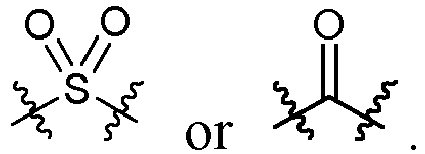
- Z is preferably
- the present invention relates to a pharmaceutical composition as claimed in claim 7.
- the present invention relates to a compound of the present invention for use in the treatment of proliferative conditions, wherein said proliferative conditions are selected from the group consisting of: initiation or progression of solid tumor, B-cell lymphoma, sarcoma, lymphoma, diffuse large B-cell lymphoma, follicular lymphoma, chronic lymphocytic lymphoma, chronic lymphocytic leukemia, B-cell prolymphocytic leukemia, lymphoplasmacytic lymphoma/Waldenstrom macroglobulinemia, splenic marginal zone lymphoma, plasma cell myeloma, plasmacytoma, extranodal marginal zone B-cell lymphoma, nodal marginal zone B-cell lymphoma, mantle cell lymphoma, mediastinal (thymic) large B-cell lymphoma, intravascular large B-cell lymphoma, primary effusion lymphoma, Burkitt lymphoma,
- the present invention relates to a compound of the present invention for use in the treatment of FLT3-related conditions, wherein said FLT3-related conditions are selected from the group consisting of: leukemias, lymphomas, Hodgkin's disease, myeloma, acute lymphocytic leukemia, acute myeloid leukemia, acute promyelocytic leukemia, chronic lymphocytic leukemia, chronic myeloid leukemia, chronic neutrophilic leukemia, acute undifferentiated leukemia, anaplastic large-cell lymphoma, adult T-cell ALL, AML with trilineage myelodysplasia, mixed lineage leukemia, myelodysplasia syndromes, myeloproliferative disorders, multiple myeloma and myeloid sarcoma, chronic lymphocytic lymphoma, diffuse large B-cell lymphoma, follicular lymphoma or chronic lymphocytic leukemia,
- alkyl refers to an aliphatic hydrocarbon group, which may have branched or straight chain. Depending on the structure, an alkyl group can be a monoradical or a diradical (i.e., an alkylene group). In the invention, the alkyl group is preferable a "lower alkyl” having 1 to 6 carbon atoms. Typical alkyl groups include, but are not limited to, methyl, ethyl, propyl, isopropyl, butyl, isobutyl, tertiary butyl, pentyl, hexyl, and the like.
- Alkoxy refers to a -O-alkyl group, where alkyl is as defined herein. Typical alkoxy groups include, but are not limited to, methoxy, ethoxy, propoxy, butoxy, pentyloxy, hexyloxy, and the like.
- Alkoxyalkyl refers to an alkyl radical, as defined herein, substituted with an alkoxy group, as defined herein.
- cyano refers to a group of formula -CN.
- amino refers to an -NH 2 group.
- alkylamino refers to an amino substituent which is further substituted with one or two alkyl groups, specifically the group -NRR', wherein R and R' are each independently selected from the group consisting of hydrogen or lower alkyl, with the proviso that -NRR' is not -NH 2 .
- aralkylamino refers to the group -NRR', wherein R is lower aralkyl, and R' is hydrogen, lower alkyl, aryl or lower aralkyl.
- aminoalkyl refers to an alkyl substituent which is further substituted with one or more amino groups.
- hydroxyalkyl or “hydroxylalkyl” refers to an alkyl substituent which is further substituted with one or more hydroxyl groups.
- cyanoalkyl refers to an alkyl substituent which is further substituted with one or more cyano groups.
- alkylcarbonyl refers to a carbonyl goup which is further substituted with one alkyl group.
- alkylcarbonylalkyl refers to an alkyl group which is further substituted with one alkylcarbonyl group.
- alkoxycarbonyl refers to a carbonyl goup which is further substituted with one alkoxy group.
- alkyl or aryl portion of alkylamino, aminoalkyl, hydroxyalkyl, cyanoalkyl, alkylcarbonyl, alkylcarbonylalkyl, and alkoxycarbonyl may be optionally substituted with one or more substituents.
- Alkylaminoalkyl refers to an alkyl radical, as defined herein, substituted with an alkylamine, as defined herein.
- aromatic refers to a planar ring having a delocalized ⁇ -electron system containing 4n+2 ⁇ electrons, where n is an integer. Aromatic rings can be formed by five, six, seven, eight, nine, or more than nine atoms. Aromatics can be optionally substituted.
- aromatic includes both carbocyclic aryl (e.g., phenyl) and heterocyclic aryl (or “heteroaryl” or “heteroaromatic”) groups (e.g., pyridine).
- the term includes monocyclic or fused-ring polycyclic (i.e., rings which share adjacent pairs of carbon atoms) groups.
- aryl refers to an aromatic ring wherein each of the atoms forming the ring is a carbon atom.
- Aryl rings can be formed by five, six, seven, eight, nine, or more than nine carbon atoms.
- Aryl groups can be optionally substituted. Examples of aryl groups include, but are not limited to phenyl, naphthalenyl, phenanthrenyl, anthracenyl, fluorenyl, and indenyl.
- an aryl group can be a monoradical or a diradical (i.e., an arylene group).
- Alkyl(aryl) or “aralkyl” means an alkyl radical, as defined herein, substituted with an aryl group, as defined herein.
- Non-limiting alkyl(aryl) groups include benzyl, phenethyl, and the like.
- cycloalkyl refers to a monocyclic or polycyclic radical that contains only carbon and hydrogen. Cycloalkyl groups include groups having from 3 to 8 ring atoms. Depending on the structure, a cycloalkyl group can be a monoradical or a diradical (e.g., a cycloalkylene group). In the present invention, the cycloalkyl group is preferably a cycloalkyl having 3 to 8 carbon atoms, and more preferably a "lower cycloalkyl" having 3 to 6 carbon atoms.
- Alkyl(cycloalkyl) or "cycloalkylalkyl” means an alkyl radical, as defined herein, substituted with a cycloalkyl group, as defined herein.
- Non-limiting alkyl(cycloalkyl) groups include cyclopropylmethyl, cyclobutylmethyl, cyclopentylmethyl, cyclohexylmethyl, and the like.
- heteroalkyl refers to an alkyl radical, as defined herein, in which one or more skeletal chain atoms is a heteroatom, e.g., oxygen, nitrogen, sulfur, silicon, phosphorus or combinations thereof.
- the heteroatom(s) may be placed at any interior position of the heteroalkyl group or at the position at which the heteroalkyl group is attached to the remainder of the molecule.
- heteroaryl refers to an aryl group that includes one or more ring heteroatoms selected from nitrogen, oxygen and sulfur.
- An N-containing “heteroaryl” moiety refers to an aromatic group in which at least one of the skeletal atoms of the ring is a nitrogen atom.
- the heteroaryl group may be a monoradical or a diradical (i.e., a heteroarylene group).
- heteroaryl groups include, but are not limited to pyridinyl, imidazolyl, pyrimidinyl, pyrazolyl, triazolyl, pyrazinyl, tetrazolyl, furyl, thienyl, isoxazolyl, thiazolyl, oxazolyl, isothiazolyl, pyrrolyl, quinolinyl, isoquinolinyl, indolyl, benzimidazolyl, benzofuranyl, indazolyl, indolizinyl, phthalazinyl, pyridazinyl, isoindolyl, pteridinyl, purinyl, oxadiazolyl, thiadiazolyl, furazanyl, benzofurazanyl, benzothiophenyl, benzothiazolyl, benzoxazolyl, quinazolinyl, naphthyridinyl, furo
- heterocycloalkyl refers to a non-aromatic ring wherein one or more atoms forming the ring is a heteroatom selected from the group consisting of nitrogen, oxygen and sulfur. Heterocycloalkyl rings can be formed by three, four, five, six, seven, eight, nine, or more than nine atoms. Heterocycloalkyl rings can be optionally substituted.
- heterocycloalkyls include, but are not limited to, lactams, lactones, cyclic imides, cyclic thioimides, cyclic carbamates, tetrahydrothiopyran, 4H-pyran, tetrahydropyran, piperidine, 1,3-dioxin, 1,3-dioxane, 1,4-dioxin, 1,4-dioxane, piperazine, 1,3-oxathiane, 1,4-oxathiin, 1,4-oxathiane, tetrahydro-1,4-thiazine, 2H-1,2-oxazine, maleimide, succinimide, barbituric acid, thiobarbituric acid, dioxopiperazine, hydantoin, dihydrouracil, morpholine, trioxane, hexahydro-1,3,5-triazine, tetrahydrothiophene, t
- alkyl(heteroaryl) or “heteroarylalkyl” means an alkyl radical, as defined herein, substituted with a heteroaryl group, as defined herein.
- alkyl(heterocycloalkyl) or “heterocycloalkylalkyl” means an alkyl radical, as defined herein, substituted with a heterocycloalkyl group, as defined herein.
- halo or halogen means fluoro, chloro, bromo and iodo.
- haloalkyl examples include alkyl, alkoxy and heteroalkyl structures in which at least one hydrogen is replaced with a halogen atom. In certain embodiments in which two or more hydrogen atoms are replaced with halogen atoms, the halogen atoms are the same or different as one another.
- acyl means a monovalent radical remaining in an organic or inorganic oxygen-containing acid that removes hydroxyl groups, with the general formula of R-M(O)-, wherein M is generally C.
- substituted means that the referenced group may be substituted with one or more additional group(s) individually and independently selected from the group consisting of alkyl, cycloalkyl, aryl, heteroaryl, hydroxy, alkoxy, cyano, halo, amide, nitro, haloalkyl, amino, alkoxycarbonyl, alkyl(heteroaryl), alkyl(heterocycloalkyl), and the like.
- inhibitors refer to inhibition of phosphotransferase activity.
- target protein refers to a protein molecule or a portion of a protein capable of being bound by a selective binding compound.
- a target protein is FLT3.
- IC 50 refers to an amount, concentration or dosage of a particular test compound that achieves a 50% inhibition of a maximal response, in an assay that measures such response.
- EC 50 refers to a dosage, concentration or amount of a test compound that elicits a dose-dependent response at 50% of maximal expression of a particular response that is induced, provoked or potentiated by the particular test compound.
- the current application discloses a novel inhibitor of FLT3 kinase, comprising a compound of formula (I) or a pharmaceutically acceptable salt or solvate thereof: Wherein:
- n is preferably 1 or 2.
- Z is preferably
- R is preferably selected from the group consisting of substituted or unsubstituted C1-C6 alkyl (such as methyl, ethyl, n-propyl, isopropyl, n-butyl, isobutyl, tert-butyl, n-pentyl, isopentyl, and neopentyl, and the like), C1-C4 haloalkyl (such as chloromethyl, trifluoromethyl, trichloromethyl, chloroethyl, bromoethyl, trifluoroethyl, trifluoroethyl, chloropropyl, bromopropyl, chlorobutyl, and bromobutyl, and the like), C3-C6 cycloalkyl (such as cyclopropyl, cyclobutyl, cyclopentyl, and cyclohexyl, and the like), amino, carbamoyl
- CI-4 alkyl and the amino protecting groups on N include heteroaryl (such as pyridyl, pyrimidyl, isoxazolyl, and benzodioxolyl, and the like, optionally substituted with an amino group on carbon atoms), C3-C6 heterocycloalkyl (such as piperazinyl, and piperidyl, and the like, optionally substituted with C1-C4 alkyl and C1-C4 alkoxycarbonyl on N atoms), aryl (such as phenyl, optionally substituted with C1-C4 alkoxycarbonyl, p-methyl(piperazinyl)methyl on carbon atoms), C1-C4 cyanoalkyl (for example, cyanomethyl, cyanoethyl, cyanopropyl, and cyanobutyl, and the like), di(C1-C4 alkyl)-N-(C1-C4)alkyl (such as dimethylamin
- m is 1, and X is N, Y is a chemical bond; the compounddisclosed herewith may be represented by formula (II):
- n, Z and R are as defined above.
- n is preferably 1 or 2.
- n is preferably 1.
- n is preferably 1.
- the chiral compounds involved in the present invention may be of any configuration or mixed racemates.
- novel kinase inhibitors Described herein are novel kinase inhibitors.
- the pharmaceutically acceptable salts and solvates of these compounds are also described herein.
- the compounds described herein are metabolized upon administration to an organism in need to produce a metabolite that is then used to produce a desired effect, including a desired therapeutic effect.
- compositions described herein may be formed as, and/or used as, pharmaceutically acceptable salts.
- pharmaceutical acceptable salts include, but are not limited to: (1) acid-addition salts, formed by reacting the free base form of the compound with a pharmaceutically acceptable inorganic acid such as hydrochloric acid, hydrobromic acid, sulfuric acid, nitric acid, phosphoric acid, metaphosphoric acid, and the like; or with an organic acid such as acetic acid, propionic acid, hexanoic acid, cyclopentanepropionic acid, glycolic acid, pyruvic acid, lactic acid, malonic acid, malic acid, citric acid, succinic acid, maleic acid, tartaric acid, fumaric acid, trifluoroacetic acid, benzoic acid, 3-(4-hydroxybenzoyl) benzoic acid, cinnamic acid, mandelic acid, methanesulfonic acid, ethanesulfonic acid, 1,2-ethanedisul
- organic bases include ethanolamine, diethanolamine, triethanolamine, trimethylamine, N-methylglucamine, and the like.
- Acceptable inorganic bases include aluminum hydroxide, calcium hydroxide, potassium hydroxide, sodium carbonate, sodium hydroxide, and the like.
- the corresponding counterions of the pharmaceutically acceptable salts may be analyzed and identified using various methods including, but not limited to, ion exchange chromatography, ion chromatography, capillary electrophoresis, inductively coupled plasma, atomic absorption spectroscopy, mass spectrometry, or any combination thereof.
- the salts are recovered by using at least one of the following techniques: filtration, precipitation with a non-solvent followed by filtration, evaporation of the solvent, or, in the case of aqueous solutions, lyophilization.
- the screening and characterization of the pharmaceutically acceptable salts, polymorphs and/or solvates may be accomplished using a variety of techniques including, but not limited to, thermal analysis, x-ray diffraction, spectroscopy, microscopy, and elemental analysis.
- the various spectroscopic techniques used include, but are not limited to, Raman, FTIR, UVIS, and NMR (liquid and solid state).
- the various microscopy techniques include, but are not limited to, IR microscopy and Raman microscopy.
- the present invention also relates to a pharmaceutical composition
- a pharmaceutical composition comprising compounds of formula (I), (II), (III) or (IV), or a pharmaceutically acceptable salt or solvate thereof, as an active ingredient, and a pharmaceutically acceptable carrier or excipient, and optionally other therapeutic agents.
- the substance of the present invention may be used for treating or preventing cell proliferative conditions and/or FLT3-related conditions, in particular if the conditions respond to an inhibition of a protein tyrosine kinase, especially to an inhibition of FLT3 kinase or mutant FLT3 kinase.
- FLT3 mutations include ITD mutations and TKD point mutations, especially FLT3/ITD mutations.
- the "treatment" in the present invention may be therapeutic (e.g., symptomatic treatment) and/or prophylactic.
- the substance of the present invention may preferably treat or prevent FLT3-related conditions, and in particular, treating or preventing mutant FLT3/ITD-related conditions is preffered.
- the substance of the present invention may be used for treating or preventing cell proliferative conditions selected from the group consisting of benign or malignant tumors, including but not limited to: initiation or progression of solid tumor, B-cell lymphoma, sarcoma, lymphoma, diffuse large B-cell lymphoma, follicular lymphoma, chronic lymphocytic lymphoma, chronic lymphocytic leukemia, B-cell prolymphocytic leukemia, lymphoplasmacytic lymphoma/Waldenström macroglobulinemia, splenic marginal zone lymphoma, plasma cell myeloma, plasmacytoma, extranodal marginal zone B-cell lymphoma, nodal marginal zone B-cell lymphoma, mantle cell lymphoma, mediastinal (thymic) large B-cell lymphoma, intravascular large B-cell lymphoma, primary effusion lymphoma, Burkitt lymphoma, leukemias,
- the substance of the present invention may also be used for treating or preventing FLT3-related conditions, especially mutant FLT3/ITD-related conditions, including but not limited to: Hematological malignancies include leukemias, lymphomas (non-Hodgkin's lymphoma), Hodgkin's disease (also called Hodgkin's lymphoma), and myeloma- for instance, acute lymphocytic leukemia (ALL), acute myeloid leukemia (AML), acute promyelocytic leukemia (APL), chronic lymphocytic leukemia (CLL), chronic myeloid leukemia (CML), chronic neutrophilic leukemia (CNL), acute undifferentiated leukemia (AUL), anaplastic large-cell lymphoma (ALCL), adult T-cell ALL, AML with trilineage myelodysplasia (AML/TMDS), mixed lineage leukemia (MLL), myelodysplasia syndromes (MDSs), myelop
- compositions for enteral administration such as nasal, buccal, rectal or, especially, oral administration
- parenteral administration such as intravenous, intramuscular or subcutaneous administration, to warm-blooded animals, especially humans, are preferred.
- the dosage of the active ingredient depends upon the disease to be treated and upon the species, its age, weight, and individual condition, the individual pharmacokinetic data, and the mode of administration.
- compositions may optionally be used in combination with known therapeutic methods, such as administration of hormones or radiation.
- therapeutic agents include, for example, cytostatic agents, other antiproliferative agents.
- antiproliferative agents include, but are not limited to aromatase inhibitors, antiestrogens, topoisomerase I inhibitors, topoisomerase II inhibitors, microtubule active agents, alkylating agents, histone deacetylase inhibitors, farnesyl transferase inhibitors, COX-2 inhibitors, MMP inhibitors, mTOR inhibitors, antineoplastic antimetabolites, platin compounds, compounds decreasing the protein kinase activity and further anti-angiogenic compounds, gonadorelin agonists, anti-androgens, bengamides, bisphosphonates, steroids, antiproliferative antibodies, 17-(allylamino)-17-demethoxygeldanamycin (17-AAG) and temozolomide (TMEMODAL).
- aromatase inhibitors include, but are not limited to aromatase inhibitors, antiestrogens, topoisomerase I inhibitors, topoisomerase II inhibitors, microtubule active agents, alky
- aromatase inhibitors as used herein relates to compounds which inhibit the estrogen production, i.e. the compounds conversed by the substrates androstenedione and testosterone.
- the term includes, but is not limited to steroids, especially exemestane and formestane and, in particular, non-steroids, especially aminoglutethimide, vorozole, fadrozole, anastrozole and, very especially, letrozole.
- Exemestane can be administered, e.g., in the form as it is marketed, e.g. under the trademark AROMASINTM.
- Formestane can be administered, e.g., in the form as it is marketed, e.g. under the trademark LENTARONTM.
- Fadrozole can be administered, e.g., in the form as it is marketed, e.g. under the trademark AFEMATM.
- Aminoglutethimide can be administered, e.g., in the form as it is marketed, e.g. under the trademark ORIMETENTM.
- composition of the present invention comprising an antineoplastic agent which is an aromatase inhibitor may particularly be used for the treatment of hormone receptor positive breast tumors.
- antiestrogens as used herein relates to compounds which antagonize the effect of estrogens at the estrogen receptor level.
- the term includes, but is not limited to tamoxifen, fulvestrant, raloxifene and raloxifene hydrochloride.
- Tamoxifen can be administered, e.g., in the form as it is marketed, e.g. under the trademark NOLVADEXTM.
- Raloxifene hydrochloride can be administered, e.g., in the form as it is marketed, e.g. under the trademark EVISTATM.
- Fulvestrant can be formulated as disclosed in US4659516 , or it can be administered, e.g., in the form as it is marketed, e.g. under the trademark FASLODEXTM.
- topoisomerase I inhibitors includes, but is not limited to topotecan, irinotecan, 9-nitrocamptothecin conjugate PNU-166148 (Compound A1 in WO99/17804 ).
- Irinotecan can be administered, e.g., in the form as it is marketed, e.g. under the trademark CAMPTOSARTM.
- Topotecan can be administered, e.g., in the form as it is marketed, e.g. under the trademark HYCAMTINTM.
- topoisomerase II inhibitors includes, but is not limited to the antracyclines doxorubicin (including liposomal formulation, e.g. CAELYXTM), epirubicin, idarubicin and nemorubicin, the anthraquinones mitoxantrone and losoxantrone, and the podophillotoxines etoposide and teniposide.
- Etoposide can be administered, e.g., in the form as it is marketed, e.g. under the trademark ETOPOPHOSTM.
- Teniposide can be administered, e.g., in the form as it is marketed, e.g. under the trademark VM 26-BRISTOLTM.
- Doxorubicin can be administered, e.g., in the form as it is marketed, e.g. under the trademark ADRIBLASTINTM.
- Idarubicin can be administered, e.g., in the form as it is marketed, e.g. under the trademark ZAVEDOSTM.
- Mitoxantrone can be administered, e.g., in the form as it is marketed, e.g. under the trademark NOVANTRONTM.
- microtubule active agents relates to microtubule stabilizing agents including, but not limited to the taxanes paclitaxel and docetaxel, the vinca alkaloids, e.g., vinblastine, especially vinblastine sulfate, discodermolide and epothilones, such as epothilone B and D.
- Docetaxel can be administered, e.g., in the form as it is marketed, e.g. under the trademark TAXOTERETM.
- Vinblastine sulfate can be administered, e.g., in the form as it is marketed, e.g. under the trademark VINBLASTIN R.P.TM.
- Vincristine sulfate can be administered, e.g., in the form as it is marketed, e.g. under the trademark FARMISTINTM.
- Discodermolide can be obtained, e.g., as disclosed in US5010099 .
- alkylating agents includes, but is not limited to cyclophosphamide, ifosfamide and melphalan.
- Cyclophosphamide can be administered, e.g., in the form as it is marketed, e.g. under the trademark CYCLOSTINTM.
- Ifosfamide can be administered, e.g., in the form as it is marketed, e.g. under the trademark HOLOXANTM.
- histone deacetylase inhibitors relates to compounds which inhibit the histone deacetylase and which possess antiproliferative activity. This includes compounds disclosed in WO 02/22577 , especially N-hydroxy-3-[[(2-hydroxyethyl)[2-(1H-indol-3-yl)ethyl]-amino]methyl] phenyl]-2E-2-propenamide, N-hydroxy-3-[[(2-hydroxyethyl)[2-(1H-indol-3-yl)ethyl]-amino]methyl]phenyl]-2E-2-propenamide and pharmaceutically acceptable salts thereof. It further especially includes Suberoylanilide hydroxamic acid (SAHA).
- SAHA Suberoylanilide hydroxamic acid
- farnesyl transferase inhibitors relates to compounds which inhibit the farnesyl transferase and which possess antiproliferative activity.
- COX-2 inhibitors relates to compounds which inhibit the cyclooxygenase type 2 enyzme (COX-2) and which possess antiproliferative activity, e.g., celecoxib (Celebrex), rofecoxib (Vioxx) and lumiracoxib (COX189).
- MMP inhibitors relates to compounds which inhibit the matrix metalloproteinase (MMP) and which possess antiproliferative activity.
- mTOR inhibitors relates to compounds which inhibit the mammalian target of rapamycin (mTOR) and which possess antiproliferative activity such as sirolimus (Rapamune), everolimus (CerticanTM), CCI-779 and ABT578.
- antimetabolites includes, but is not limited to 5-fluorouracil, tegafur, capecitabine, cladribine, cytarabine, fludarabine phosphate, fluorouridine, gemcitabine, 6-mercaptopurine, hydroxyurea, methotrexate, edatrexate and salts of such compounds, and furthermore ZD 1694 (RALTITREXEDTM), LY231514 (ALIMTATM), LY264618 (LOMOTREXOLTM) and OGT719.
- platinum compounds as used herein includes, but is not limited to carboplatin, cis-platin and oxaliplatin.
- Carboplatin can be administered, e.g., in the form as it is marketed, e.g. under the trademark CARBOPLATTM.
- Oxaliplatin can be administered, e.g., in the form as it is marketed, e.g. under the trademark ELOXATINTM.
- VEGF Vascular Endothelial Growth Factor
- EGF Epidermal Growth Factor
- c-Src protein kinase C
- PDGF Platelet-derived Growth Factor
- Bcr-Abl c-Kit
- FLT3 Insulin-like Growth Factor I Receptor (IGF-IR)
- CDKs Cyclin-dependent kinases
- Compounds which decrease the activity of VEGF are especially compounds which inhibit the VEGF receptor, especially the tyrosine kinase activity of the VEGF receptor, and compounds binding to VEGF, and are in particular those compounds, proteins and monoclonal antibodies generically and specifically disclosed in WO98/35958 (describing compounds of formula I), WO00/09495 , WO00/27820 , WO00/59509 , WO98/11223 , WO00/27819 , WO01/55114 , WO01/58899 and EP0769947 ; those as described by M. Prewett et al. in Cancer Research 59 (1999) 5209-5218 , by Z. Zhu et al. in Cancer Res.
- Compounds which decrease the activity of EGF are especially compounds which inhibit the binding to EGF, and are in particular those compounds generically and specifically disclosed in WO 97/02266 (describing compounds of formula IV), EP 0 564 409 , WO 99/03854 , EP 0520722 , EP 0 566 226 , EP 0 787 722 , EP 0 837 063 , WO 98/10767 , WO 97/30034 , WO 97/49688 , WO 97/38983 and, especially, WO 96/33980 .
- Compounds which decrease the activity of c-Src include, but are not limited to, compounds inhibiting the c-Src protein tyrosine kinase activity as defined below and to SH2 interaction inhibitors such as those disclosed in WO97/07131 and WO97/08193 .
- Compounds inhibiting the c-Src protein tyrosine kinase activity include, but are not limited to, compounds belonging to the structure classes of pyrrolopyrimidines, especially pyrrolo[2,3-d]pyrimidines; purines; pyrazolopyrimidines, especially pyrazolo[3,4-d]pyrimidines; and pyridopyrimidines, especially pyrido[2,3-d]pyrimidines.
- the term relates to those compounds disclosed in WO 96/10028 , WO 97/28161 , WO97/32879 and WO97/49706 .
- Compounds which decrease the activity of IGF-IR are especially those disclosed in WO02/92599 .
- Anti-angiogenic compounds having another mechanism of action than decreasing the protein kinase activity include, but are not limited to e.g. thalidomide (THALOMID), celecoxib (Celebrex), and ZD6126.
- gonadorelin agonist includes, but is not limited to abarelix, goserelin and goserelin acetate.
- Goserelin is disclosed in US4100274 and can be administered, e.g., in the form as it is marketed, e.g. under the trademark ZOLADEXTM.
- Abarelix can be formulated, e.g., as disclosed in US5843901 .
- anti-androgens as used herein includes, but is not limited to bicalutamide (CASODEXTM), which can be formulated, e.g., as disclosed in US4636505 .
- bengamides relates to bengamides and derivatives thereof having antiproliferative properties.
- bisphosphonates as used herein includes, but is not limited to etridonic acid, pamidronic acid, and alendronic acid.
- Etridonic acid can be administered, e.g., in the form as it is marketed, e.g. under the trademark DIDRONELTM.
- Clodronic acid can be administered, e.g., in the form as it is marketed, e.g. under the trademark BONEFOSTM.
- Tiludronic acid can be administered, e.g., in the form as it is marketed, e.g. under the trademark SKELIDTM.
- Pamidronic acid can be administered, e.g., in the form as it is marketed, e.g. under the trademark AREDIATM.
- Alendronic acid can be administered, e.g., in the form as it is marketed, e.g. under the trademark FOSAMAXTM.
- Ibandronic acid can be administered, e.g., in the form as it is marketed, e.g. under the trademark BONDRANATTM.
- Risedronic acid can be administered, e.g., in the form as it is marketed, e.g. under the trademark ACTONELTM.
- Zoledronic acid can be administered, e.g., in the form as it is marketed, e.g. under the trademark ZOMETATM.
- steroids includes hydrocortisone, decadron, methylprednisolone and ponisone.
- antiproliferative antibodies includes, but is not limited to trastuzumab (HerceptinTM), Trastuzumab-DMl, erlotinib (TarcevaTM), bevacizumab (AvastinTM), rituximab (Rituxan), PRO64553 (anti-CD40) and 2C4 Antibody.
- compounds of formula (I), (II), (III) or (IV) can be used in combination with standard leukemia therapies, especially in combination with therapies used for the treatment of AML.
- compounds of formula (I), (II), (III) or (IV) can be administered in combination with e.g. farnesyltransferase inhibitors and/or other drugs used for the treatment of AML, such as Daunorubicin, Adriamycin, Ara-C, VP-16, Teniposide, Mitoxantrone, Idarubicin, Carboplatinum and PKC412.
- the amount of a given agent when a patient is treated in accordance with the invention, will vary depending upon factors such as the particular dosing regimen, the type of the disease or condition and its severity, the identity (e.g., weight) of the subject or host in need of treatment, but can be routinely determined in a manner known in the art according to the particular circumstances surrounding the case, including, e.g., the specific agent being administered, the route of administration, the condition being treated, and the subject or host being treated.
- doses employed for adult human treatment will typically be in the range of 0.02-5000 mg per day, such as from about 1-1500 mg per day.
- the desired dose may conveniently be presented in a single dose or as divided doses administered simultaneously (or over a short period of time) or at appropriate intervals, for example as two, three, four or more sub-doses per day. It will be appreciated by those skilled in the art that, although the above dosage ranges are given, the specific effective amounts may be appropriately adjusted depending on the condition of the patient and the judgment of the practitioner.
- provided herein are methods of making and methods of using kinase inhibitor compounds described herein.
- compounds described herein can be synthesized using the following synthetic schemes. Compounds may be synthesized using methodologies analogous to those described below by the use of appropriate alternative starting materials.
- the starring materials used for the synthesis of the compounds described herein may be synthesized or can be obtained from commercial sources.
- the compounds described herein and other related compounds having different substituents can be synthesized using techniques and materials known to those of skill in the art. Reactions for the preparation of compounds as disclosed herein may be modified by the use of appropriate reagents and conditions, as would be recognized by the skilled person, for the introduction of the various moieties into the molecules as provided herein.
- the products of the reactions may be isolated and purified, if desired, using conventional techniques, including, but not limited to, filtration, distillation, crystallization, chromatography and the like. Such products may be characterized using conventional means, including physical constants and spectral data.
- Sites on the aromatic ring portion of compounds of formula (I), (II), (III) or (IV) can be susceptible to various metabolic reactions, therefore incorporation of appropriate substituents on the aromatic ring structures, such as, by way of example only, halogens can reduce, minimize or eliminate this metabolic pathway.
- b was synthesized by using a, wherein a may be prepared by a method known in the art or commercially available.
- (S)-N-tert-butoxycarbonyl-3-piperidinol was used to obtain the intermediate b in R configuration.
- the intermediate b (0.1 g) was treated with 4N HC1 in dioxane (1 ml) and was stirred at room temperature for 1 hour, and then was concentrated to a dry product of 0.08 g, which was dissolved in 4 ml of dichloromethane, and diisopropylethylamine (0.2 ml), cyclopropanecarboxylic acid (0.03 g), 2-(7 -azobenzotriazole)-N,N,N' ,N' -tetramethyluronium hexafluorophosphate HATU (0.15 g) were subsequently added, the mixture was stirred at room temperature for 30 minutes, then was diluted with 20 ml of methylene chloride, washed subsequently with water and saturated saline solution, dried with anhydrous Na 2 SO 4 , filtered and dried in vacuum. The residue was purified by column chromatography to obtain Compound 1 (0.03 g), Exact Mass (calculated): 454.21;
- the organic phase was dried, concentrated by filtration, and 4.0 M HCl in 4-dioxane solution was added under stirring, the solid was collected and was washed with ethyl acetate. The solid was then dissolved in a solution of ethyl acetate and potassium carbonate. The organic phase was dried and was concentrated to obtain intermediate d.
- the compound d (20 mg, 0.05 mmol) was dissolved in N, N-dimethylformamide (2 ml).
- the organic phase was dried, concentrated by filtration, and 4.0 M HCl in 4-dioxane solution was added under stirring, the solid was collected and was washed with ethyl acetate. The solid was then dissolved in a solution of ethyl acetate and potassium carbonate. The organic phase was dried and was concentrated to obtain intermediate f.
- the compound f (20 mg, 0.05 mmol) was dissolved in N, N-dimethylformamide (2 ml). 2-(dimethylamino)acetic acid (5.1 mg, 0.05 mmol), di isopropylethylamine (7.4 mg, 0.05 mmol), HATU (21.6 mg, 0.05 mmol) was added.
- human acute monocytic leukemia cell lines MV4-11 expressing FLT3/ITD mutant gene
- human acute myeloid leukemia cell lines MOLM-13 expressing FLT3/ITD mutant gene and wild-type FLT3 gene
- human acute myeloid leukemia cell lines MOLM-14 expressing FLT3/ITD mutant gene and wild-type FLT3 gene
- human acute myeloid leukemia cell lines OCI-AML-3 expressing FLT3 A680V mutant gene
- human acute myeloid leukemia cell lines U937 expressing wild-type FLT3 gene
- mouse pro-B cell BaF3 were selected, and the above cells were purchased from ATCC.
- mouse TEL-BaF3-FLT3/ITD (stably expressing FLT3/ITD mutant activated kinase), mouse TEL-BaF3-FLT3-D835Y (stably expressing FLT3 D835Y mutant activated kinase), mouse TEL-BaF3-BMX (stably expressing BMX kinase), mouse TEL-FLT3-BaF3 (stably expressing FLT3 kinase), mouse BaF3-FLT3-ITD-D835Y (stably expressing FLT3/ITD D835Y mutant activated kinase), mouse BaF3-FLT3-ITD-F691L (stably expressing FLT3/ITD F691L mutant activated kinase), mouse TEL-cKIT-BaF3 (stably expressing cKIT kinase), mouse BaF3-tel-cKit-N882K (stably expressing cKIT N882
- the above cell lines were constructed by our laboratory. The method was as follows: the kinase region sequences of human FLT3/ITD, FLT3 D835Y, BMX, FLT3, FLT3/ITD D835Y, FLT3/ITD F691L, cKIT, cKIT N882K, cKIT D816V, cKIT T670I, MET, EGFR, EGFR L858R, BLK, and JAK1 kinase were amplified by PCR respectively, and were inserted into MSCV-Puro vectors with N-terminal TEL or TPR fragments (Clontech) respectively.
- the vectors were stably transfected into mouse BaF3 cells by the means of retrovirus, and the growth factor IL-3 ware removed, and eventually FLT3/ITD, FLT3 D835Y, BMX, FLT3, FLT3/ITD D835Y, FLT3/ITD F691L, cKIT, cKIT N882K, cKIT D816V, cKIT T670I, MET, EGFR, EGFR L858R, BLK, JAK1-transferred protein dependent cell lines were obtained were obtained.
- the above compounds in a different concentration (0.000508 ⁇ M, 0.00152 ⁇ M, 0.00457 ⁇ M, 0.0137 ⁇ M, 0.0411 ⁇ M, 0.123 ⁇ M, 0.370 ⁇ M, 1.11 ⁇ M, 3.33 ⁇ M, 10 ⁇ M in DMSO) were added to the above cells respectively, and the cells were incubated for 72 hours.
- the number of viable cells was determined by quantification of ATP in living cells using the Cell Titer-Glo® (Promega, USA) chemiluminescence cell viability assay kit. The experimental results were shown in Table 2.
- Compound 77 in a different concentration of 0 ⁇ M, 0.03 ⁇ M, 0.1 ⁇ M, 0.3 ⁇ M, 1 ⁇ M, 3 ⁇ M (in DMSO), Compound 84 in a different concentration of 0 ⁇ M, 0.003 ⁇ M, 0.01 ⁇ M, 0.03 ⁇ M, 0.1 ⁇ M, 0.3 ⁇ M, 1 ⁇ M (in DMSO), and 0.1 ⁇ M of FLT3 kinase inhibitor AC220 (in DMSO), acute myeloid leukemia MV 4-11, MOLM-14 cell lines, which carry FLT3 and/or FLT3/ITD gene, were treated for 4 hours, respectively, and the samples were collected.
- the effects of compounds on phosphorylation of proteins such as STAT5, C-Myc, ERK, NF- ⁇ B p65, AKT, and the like were examined in cells ( Figure 1).
- Control Compound FLT3 kinase inhibitor AC220 strongly inhibited protein kinase FLT3, and phosphorylation of STAT5 and C-Myc, which are proteins closely related to FLT3/ITD.
- Compound 77, Compound 84 in the present invention had better efficacy than that of Control Compound FLT3 kinase inhibitor AC220.
- Example 128 It was shown in Example 128 that, all of Compound 22, Compound 77, Compound 84 strongly inhibited phosphorylation of protein kinase FLT3, affected phosphorylation of STAT5 which is a downstream protein in the signaling pathways of protein kinase FLT3 in cells, thereby inhibiting cell proliferation of acute myeloid leukemia cell lines carrying FLT3 and/or FLT3/ITD gene.
- Example 129 Detection of in vitro inhibition activity (enzymatic activity)
- the intracellular segment regions of protein kinase FLT3, FLT3/ITD and BTK were cloned into the insect expression vector pAcG2T, and the proteins were expressed by using an insect expression system, BaculoGoldTM Baculovirus Expression System (BD Pharmingen), with GST tag.
- BaculoGoldTM Baculovirus Expression System (BD Pharmingen)
- GST tag GST tag.
- the established vectors were transfected into SF9 packaging viruses, so as to infect the SF9-expressed proteins with the viruses.
- MV4-11 cell lines which carry FLT3 gene and/or FLT3/ITD mutant gene
- the cells were havested, washed with 1XPBS buffer twice, fixed with 75% ethanol at -20°C for 24 hours, washed again with 1XPBS buffer twice, 0.5 mL of 1XPBS buffer and 0.5 mL of PI dyeing liquor (purchase from BD Bioscience, USA) were added to the cells, and the cells were placed in the dark at 37 °C for 15 minutes and the cell cycle distribution was detected by flow cytometry (BD FACS Calibur) ( Figure 4).
- Example 131 demonstrated that Compound 22 and Compound 84 were capable of blocking acute myeloid leukemia MV4-11 cells carrying FLT3/ITD mutant gene in G0-G1 phase, and had a strong effect on the cell cycle distribution (Figure 4).
- Example 132 Use of Compound 22 and Compound 77 to treat acute myeloid leukemia
- mice 10 days later, the mice, of which tumor volumes reached 200-400 mm 3 , were randomly divided into three groups with 6-10 mice of each group, and were treated as follows:
- the first group was administered daily by oral gavage with vehicle, i.e., methylcellulose-based aqueous suspension (purchased from Sinopharm Group Chemical Reagent Co., Ltd.);
- the second group was administered by oral gavage with 12.5 mg/kg of Compound 22 and/or Compound 77 in a methylcellulose-based aqueous suspension formulation;
- the third group was administered by oral gavage with 25 mg/kg of Compound 22 and/or Compound 77 in a methylcellulose-based aqueous suspension formulation;
- the fourth group was administered daily by oral gavage with 50 mg/kg of Compound 22 and/or Compound 77 in a methylcellulose-based aqueous suspension formulation;
- the first day of administration was recorded as day 0, followed by continuous administration for 2 to 3 weeks ( Figure 5).
- the present invention provides compounds as novel inhibitors of FLT3 kinase, which may be used for reducing or inhibiting the activity of FLT3 kinase and/or mutant FLT3 kinase in a cell or a subject, and/or for preventing or treating cell proliferative conditions and/or FLT3-related conditions in a subject. Therefore, it can be prepared as corresponding medicament and has industrial applicability.
Landscapes
- Health & Medical Sciences (AREA)
- Chemical & Material Sciences (AREA)
- Organic Chemistry (AREA)
- Life Sciences & Earth Sciences (AREA)
- General Health & Medical Sciences (AREA)
- Veterinary Medicine (AREA)
- Public Health (AREA)
- Pharmacology & Pharmacy (AREA)
- Medicinal Chemistry (AREA)
- Animal Behavior & Ethology (AREA)
- Epidemiology (AREA)
- Chemical Kinetics & Catalysis (AREA)
- General Chemical & Material Sciences (AREA)
- Nuclear Medicine, Radiotherapy & Molecular Imaging (AREA)
- Hematology (AREA)
- Oncology (AREA)
- Pharmaceuticals Containing Other Organic And Inorganic Compounds (AREA)
- Nitrogen Condensed Heterocyclic Rings (AREA)
Description
- The present invention relates to compounds used as novel inhibitors of FLT3 kinase, pharmaceutical compositions comprising the compounds, as well as uses and methods for using these compounds and compositions to to reduce or inhibit the activity of FLT3 kinase and/or mutant FLT3 kinase in a cell or a subject, and uses and methods of these compounds and compositions for preventing or treating cell proliferative conditions and/or FLT3-related conditions in a subject.
- Protein kinases are enzymatic components of the signal transduction pathways which catalyze the transfer of the terminal phosphate from ATP to the hydroxy group of tyrosine, serine and/or threonine residues of proteins. The overexpression or inappropriate expression of normal or mutant protein kinases in mammals has been a topic of extensive study and has been demonstrated to play a significant role in the development of many diseases, including diabetes, angiogenesis, psoriasis, restenosis, ocular diseases, schizophrenia, rheumatoid arthritis, atherosclerosis, cardiovascular disease and cancer. In summary, inhibitors of protein kinases have particular utility in the treatment of human and animal disease. Some kinase inhibitors have been reported. For example,
WO2014/187319 A1 andUS 7718622 B1 disclose substituted pyrazolopyrimidines having protein kinases inhibitory activities against BTK and/or EGFR T790M;WO 2008/039218 A2 also discloses compounds as BTK kinase inhibitors. - FLT3 (Fms-like tyrosine kinase 3), together with c-Kit, c-FMS and PDGFR, belongs to members of receptor tyrosine kinase III (RTK III) family, the protein structure of which include an extracellular region consisting of five immunoglobulin (Ig)-like domains, a transmembrane region, an intracellular juxtamembrane (JM) region, as well as two tyrosine kinase (TK) domains interrupted by a kinase insert in the intracellular region (S.D. Lyman et al., Oncogene, 1993, 8, 815-822). In 1996, the FLT3 mutations were first identified in AML cells, and the mutation type was internal tandem duplications (FLT3/ITD). In recent years, many studies have demonstrated that the FLT3-actived mutations play a very important pathological role in the development of AML and the progression of the disease. AML patients with the FLT3/ITD-actived mutationnormally have unique clinical features, such as high peripheral blood leucocyte count, poor clinical prognosis, and easy relapse, and the like. As the method for detecting the FLT3-actived mutations is simple and practicable, more and more researchers are committed to developing FLT3 as a conventional detection means of AML for guiding the therapy and prognostic prediction in AML patients, and as a detection means of minimal residual leukemia, and as a new target for chemotherapy in leukemia patients.
- Hematological malignancies are cancers of the body's blood forming and immune systems, the bone marrow and lymphatic tissues. Whereas in normal bone marrow, FLT3 expression is restricted to early progenitor cells, in hematological malignancies, FLT3 is expressed at high levels or FLT3 mutations cause an uncontrolled induction of the FLT3 receptor and downstream molecular pathway, possibly Ras activation. Hematological malignancies include leukemias, lymphomas (non-Hodgkin's lymphoma), Hodgkin's disease (also called Hodgkin's lymphoma), and myeloma- for instance, acute lymphocytic leukemia (ALL), acute myeloid leukemia (AML), acute promyelocytic leukemia (APL), chronic lymphocytic leukemia (CLL), chronic myeloid leukemia (CML), chronic neutrophilic leukemia (CNL), acute undifferentiated leukemia (AUL), anaplastic large-cell lymphoma (ALCL), adult T-cell ALL, AML with trilineage myelodysplasia (AML/TMDS), mixed lineage leukemia (MLL), myelodysplasia syndromes (MDSs), myeloproliferative disorders (MPD), multiple myeloma (MM) and myeloid sarcoma (Kottaridis, P. D., R. E. Gale et al., FLT3 mutations and leukaemia, British Journal of Haematology, 2003, 122(4):523-38; Ansari-Lari, Ali et al., FLT3 mutations in myeloid sarcoma, British Journal of Haematology, 2004, 126(6):785-91.).
It has been confirmed that there are mainly two classes of FLT3-actived mutations: Internal tandem duplications (ITD) and point mutation in the activation loop (TKD point mutation). Both classes of FLT3-actived mutations can cause spontaneous phosphorylation of FLT3, which leads to ligand-independent constitutive activation of FLT3, which further activates its downstream abnormal signal transduction, thereby acing to promote proliferation and inhibit apoptosis, so that the leukemia patients with the mutant phenotype have poor clinical prognosis. - At present, the targeting inhibition of FLT3 and mutant FLT3 has become a hotspot. It is mainly for the development of small molecules as tyrosine kinase inhibitors, which inhibit the kinase activity by competing with FLT3 tyrosine kinase for ATP binding sites. The inhibitors of FLT3 kinase, such as AC220, have now been introduced into clinical practice.
- According to a first aspect of the present invention, it is provided a novel inhibitor of FLT3 kinase, comprising a compound of formula (II) or a pharmaceutically acceptable salt or solvate thereof:
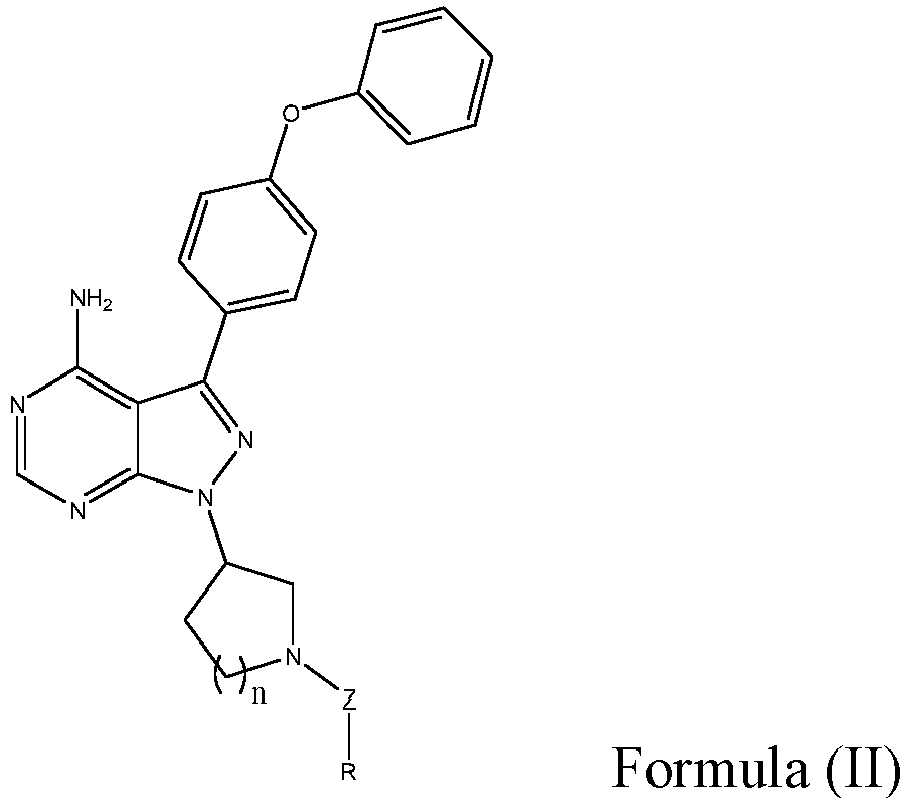
- n is an integer selected from 0 to 4;
- Z is selected from the group consisting of CH2,


- R is selected from the group consisting of unsubstituted C3-C6 cycloalkyl or C3-C6 cycloalkyl optionally substituted with 1 to 3 independent R1 on carbon atoms, amino, carbamoyl, unsubstituted C1-C6 aminoalkyl or C1-C6 aminoalkyl optionally substituted with 1 to 3 independent R1 on carbon atoms or optionally substituted with R2 on heteroatoms, unsubstituted heteroaryl or heteroaryl optionally substituted with 1 to 3 independent R1 on carbon atoms or optionally substituted with R2 on heteroatoms, unsubstituted C3-C6 heterocycloalkyl or C3-C6 heterocycloalkyl optionally substituted with 1 to 3 independent R1 on carbon atoms or optionally substituted with R2 on heteroatoms, unsubstituted aryl or aryl optionally substituted with 1 to 3 independent R1 on carbon atoms, unsubstituted di(C1-C4 alkyl)-N-(C1-C4)alkyl or di(C1-C4 alkyl)-N-(C1-C4)alkyl optionally substituted with 1 to 3 independent R1 on carbon atoms, unsubstituted C1-C4 alkyl(C3-C6 heterocycloalkyl) or C1-C4 alkyl(C3-C6 heterocycloalkyl) optionally substituted with 1 to 3 independent R1 on carbon atoms or optionally substituted with R2 on heteroatoms, unsubstituted C1-C4 alkyl(C3-C6 cycloalkyl) or C1-C4 alkyl(C3-C6 cycloalkyl) optionally substituted with 1 to 3 independent R1 on carbon atoms, unsubstituted C1-C4 aminoalkyl(carbamoyl) or C1-C4 aminoalkyl(carbamoyl) optionally substituted with 1 to 3 independent R1 on carbon atoms, unsubstituted C1-C4 alkyl(heteroaryl) or C1-C4 alkyl(heteroaryl) optionally substituted with 1 to 3 independent R1 on carbon atoms or optionally substituted with R2 on heteroatoms, and unsubstituted C1-C4 alkyl(aryl) or C1-C4 alkyl(aryl) optionally substituted with 1 to 3 independent R1 on carbon atoms,
- R1 is independently selected from the group consisting of halogen, amino, nitro, cyano, hydroxy, C1-C8 alkyl, C3-C8 cycloalkyl, C1-C8 alkoxy, aryl, heteroaryl optionally substituted with R2 on heteroatoms, C1-C8 alkoxycarbonyl, C1-C8 alkyl(heteroaryl) optionally substituted with R2 on heteroatoms, and C1-C8 alkyl(C3-C6 heterocycloalkyl) optionally substituted with R2 on heteroatoms;
- R2 is selected from the group consisting of amino protecting groups, C1-C8 alkyl, and C1-C8 alkoxycarbonyl; the amino protecting group is independently selected from the group consisting of tert-butoxycarbonyl, benzyloxycarbonyl, 9-fluorenylmethoxycarbonyl, benzyl and p-methoxyphenyl;
- wherein heteroaryl is independently selected from the group consisting of pyridyl, pyrimidinyl, isoxazolyl, benzodioxolyl, imidazolyl and indolyl; and
- wherein heterocycloalkyl is independently selected from the group consisting of piperazinyl, piperidyl, and morpholinyl.
- According to a second aspect of the present invention, it is provided a novel inhibitor of FLT3 kinase, comprising a compound of formula (IV) or a pharmaceutically acceptable salt or solvate thereof
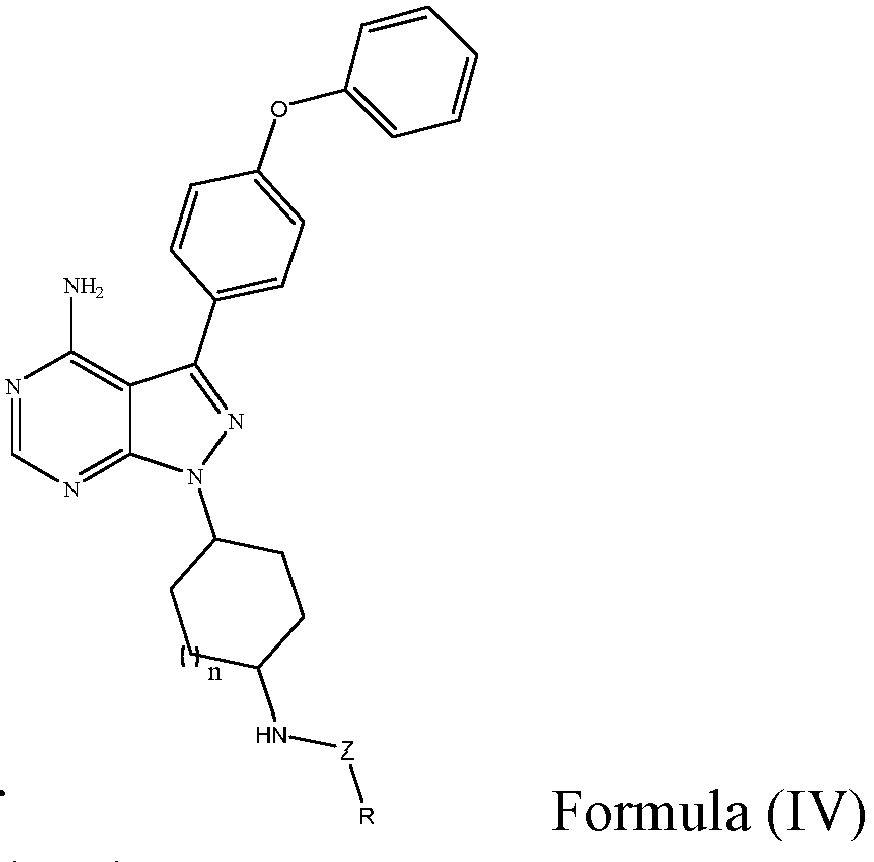
- n is an integer selected from 0 to 4;
- Z is selected from the group consisting of

- R is selected from the group consisting of unsubstituted C1-C6 aminoalkyl or C1-C6 aminoalkyl optionally substituted with 1 to 3 independent R1 on carbon atoms or optionally substituted with R2 on heteroatoms, unsubstituted C3-C6 heterocycloalkyl or C3-C6 heterocycloalkyl optionally substituted with 1 to 3 independent R1 on carbon atoms or optionally substituted with R2 on heteroatoms, unsubstituted C1-C4 cyanoalkyl or C1-C4 cyanoalkyl optionally substituted with 1 to 3 independent R1 on carbon atoms, unsubstituted di(C1-C4 alkyl)-N-(C1-C4)alkyl or di(C1-C4 alkyl)-N-(C1-C4)alkyl optionally substituted with 1 to 3 independent R1 on carbon atoms, and unsubstituted C1-C4 alkyl(C3-C6 heterocycloalkyl) or C1-C4 alkyl(C3-C6 heterocycloalkyl) optionally substituted with 1 to 3 independent R1 on carbon atoms or optionally substituted with R2 on heteroatoms,
- R1 is C1-C8 alkyl;
- R2 is C1-C8 alkyl;
- wherein heterocycloalkyl is independently selected from the group consisting of piperazinyl, piperidyl, and morpholinyl.
- In some examples, n is preferably 1 or 2.
- In some examples, Z is preferably
- In a further aspect, the present invention relates to a pharmaceutical composition as claimed in claim 7.
- In a further aspect, the present invention relates to a compound of the present invention for use in the treatment of proliferative conditions, wherein said proliferative conditions are selected from the group consisting of: initiation or progression of solid tumor, B-cell lymphoma, sarcoma, lymphoma, diffuse large B-cell lymphoma, follicular lymphoma, chronic lymphocytic lymphoma, chronic lymphocytic leukemia, B-cell prolymphocytic leukemia, lymphoplasmacytic lymphoma/Waldenstrom macroglobulinemia, splenic marginal zone lymphoma, plasma cell myeloma, plasmacytoma, extranodal marginal zone B-cell lymphoma, nodal marginal zone B-cell lymphoma, mantle cell lymphoma, mediastinal (thymic) large B-cell lymphoma, intravascular large B-cell lymphoma, primary effusion lymphoma, Burkitt lymphoma, leukemias, lymphomatoid granulomatosis, breast ductal carcinoma, lobular carcinoma, adenocarcinoma, melanoma, B-cell proliferative disease, brain cancer, kidney cancer, liver cancer, adrenal gland cancer, bladder cancer, breast cancer, lymph cancer, stomach cancer, stomach neoplasm, esophagus cancer, ovarian cancer, colorectal cancer, prostate cancer, pancreas cancer, lung cancer, vagina cancer, membranous adenocarcinoma, thyroid cancer, neck cancer, CNS cancer, malignant glioma, myeloproliferative disease, glioblastoma, multiple myeloma, gastrointestinal cancer, colorectal carcinoma, head and neck neoplasms, brain tumor, epidermal hyperplasia, psoriasis, prostate hyperplasia, neoplasia, neoplasia of epithelial character, lymphomas, breast cancer, or leukemias, and a combination thereof.
- In yet a further aspect, the present invention relates to a compound of the present invention for use in the treatment of FLT3-related conditions, wherein said FLT3-related conditions are selected from the group consisting of: leukemias, lymphomas, Hodgkin's disease, myeloma, acute lymphocytic leukemia, acute myeloid leukemia, acute promyelocytic leukemia, chronic lymphocytic leukemia, chronic myeloid leukemia, chronic neutrophilic leukemia, acute undifferentiated leukemia, anaplastic large-cell lymphoma, adult T-cell ALL, AML with trilineage myelodysplasia, mixed lineage leukemia, myelodysplasia syndromes, myeloproliferative disorders, multiple myeloma and myeloid sarcoma, chronic lymphocytic lymphoma, diffuse large B-cell lymphoma, follicular lymphoma or chronic lymphocytic leukemia, mantle cell lymphoma, mediastinal (thymic) large B-cell lymphoma, intravascular large B-cell lymphoma, primary effusion lymphoma, Burkitt lymphoma, and a combination thereof.
-
- Figures 1a to If illustrate the effects of Compound 22, Compound 77 and Compound 84 on FLT3 relatively closely related proteins and associated signaling pathways in MV 4-11 and MOLM-14 cells, respectively.
- Figures 2a to 2c illustrate the detection results of in vitro inhibition activity (enzymatic activity) of the compounds in the present invention against FLT3, FLT3/ITD and BTK protein kinases, respectively.
- Figures 3a to 3b illustrate the effects of Compound 22 and Compound 84 on the apoptosis of MV4-11, MOLM-13 cell lines, respectively.
- Figures 4a to 4b illustrate the effects of Compound 22 and Compound 84 on the cell cycle distribution of MV4-11 cell lines.
- Figures 5a to 5b illustrate the tumor inhibiting effect of Compound 22 and Compound 77 in the tumor transplanted mouse model with MOLM-14 cell.
- Unless defined otherwise, all technical and scientific terms used herein have the same meaning as is commonly understood by one of skill in the art to which the claimed subject matter belongs.
- Unless otherwise indicated, conventional methods of mass spectroscopy, NMR, HPLC, protein chemistry, biochemistry, recombinant DNA techniques and pharmacology, within the skill of the art are employed in the invention. Unless specific definitions are provided, the nomenclature employed in connection with, and the laboratory procedures and techniques of, analytical chemistry, synthetic organic chemistry, and medicinal and pharmaceutical chemistry described herein are those known in the art. The foregoing techniques and procedures can be generally performed of conventional methods well known in the art and as described in various general and more specific references that are cited and discussed throughout the present specification.
- The term "alkyl" refers to an aliphatic hydrocarbon group, which may have branched or straight chain. Depending on the structure, an alkyl group can be a monoradical or a diradical (i.e., an alkylene group). In the invention, the alkyl group is preferable a "lower alkyl" having 1 to 6 carbon atoms. Typical alkyl groups include, but are not limited to, methyl, ethyl, propyl, isopropyl, butyl, isobutyl, tertiary butyl, pentyl, hexyl, and the like.
- "Alkoxy" refers to a -O-alkyl group, where alkyl is as defined herein. Typical alkoxy groups include, but are not limited to, methoxy, ethoxy, propoxy, butoxy, pentyloxy, hexyloxy, and the like.
- "Alkoxyalkyl" refers to an alkyl radical, as defined herein, substituted with an alkoxy group, as defined herein.
- As used herein, the term "cyano" refers to a group of formula -CN.
- The term "amino" refers to an -NH2 group.
- The term "alkylamino" refers to an amino substituent which is further substituted with one or two alkyl groups, specifically the group -NRR', wherein R and R' are each independently selected from the group consisting of hydrogen or lower alkyl, with the proviso that -NRR' is not -NH2. The term "aralkylamino" as used herein refers to the group -NRR', wherein R is lower aralkyl, and R' is hydrogen, lower alkyl, aryl or lower aralkyl. The term "aminoalkyl" refers to an alkyl substituent which is further substituted with one or more amino groups. The term "hydroxyalkyl" or "hydroxylalkyl" refers to an alkyl substituent which is further substituted with one or more hydroxyl groups. The term "cyanoalkyl" refers to an alkyl substituent which is further substituted with one or more cyano groups. The term "alkylcarbonyl" refers to a carbonyl goup which is further substituted with one alkyl group. The term "alkylcarbonylalkyl" refers to an alkyl group which is further substituted with one alkylcarbonyl group. The term "alkoxycarbonyl" refers to a carbonyl goup which is further substituted with one alkoxy group. The alkyl or aryl portion of alkylamino, aminoalkyl, hydroxyalkyl, cyanoalkyl, alkylcarbonyl, alkylcarbonylalkyl, and alkoxycarbonyl may be optionally substituted with one or more substituents.
- "Alkylaminoalkyl" refers to an alkyl radical, as defined herein, substituted with an alkylamine, as defined herein.
- The term "aromatic" refers to a planar ring having a delocalized π-electron system containing 4n+2 π electrons, where n is an integer. Aromatic rings can be formed by five, six, seven, eight, nine, or more than nine atoms. Aromatics can be optionally substituted. The term "aromatic" includes both carbocyclic aryl (e.g., phenyl) and heterocyclic aryl (or "heteroaryl" or "heteroaromatic") groups (e.g., pyridine). The term includes monocyclic or fused-ring polycyclic (i.e., rings which share adjacent pairs of carbon atoms) groups.
- As used herein, the term "aryl" refers to an aromatic ring wherein each of the atoms forming the ring is a carbon atom. Aryl rings can be formed by five, six, seven, eight, nine, or more than nine carbon atoms. Aryl groups can be optionally substituted. Examples of aryl groups include, but are not limited to phenyl, naphthalenyl, phenanthrenyl, anthracenyl, fluorenyl, and indenyl. Depending on the structure, an aryl group can be a monoradical or a diradical (i.e., an arylene group).
- "Alkyl(aryl)" or "aralkyl" means an alkyl radical, as defined herein, substituted with an aryl group, as defined herein. Non-limiting alkyl(aryl) groups include benzyl, phenethyl, and the like.
- The term "cycloalkyl" refers to a monocyclic or polycyclic radical that contains only carbon and hydrogen. Cycloalkyl groups include groups having from 3 to 8 ring atoms. Depending on the structure, a cycloalkyl group can be a monoradical or a diradical (e.g., a cycloalkylene group). In the present invention, the cycloalkyl group is preferably a cycloalkyl having 3 to 8 carbon atoms, and more preferably a "lower cycloalkyl" having 3 to 6 carbon atoms.
- "Alkyl(cycloalkyl)" or "cycloalkylalkyl" means an alkyl radical, as defined herein, substituted with a cycloalkyl group, as defined herein. Non-limiting alkyl(cycloalkyl) groups include cyclopropylmethyl, cyclobutylmethyl, cyclopentylmethyl, cyclohexylmethyl, and the like.
- As used herein, the term "heteroalkyl" refers to an alkyl radical, as defined herein, in which one or more skeletal chain atoms is a heteroatom, e.g., oxygen, nitrogen, sulfur, silicon, phosphorus or combinations thereof. The heteroatom(s) may be placed at any interior position of the heteroalkyl group or at the position at which the heteroalkyl group is attached to the remainder of the molecule.
- The term "heteroaryl" refers to an aryl group that includes one or more ring heteroatoms selected from nitrogen, oxygen and sulfur. An N-containing "heteroaryl" moiety refers to an aromatic group in which at least one of the skeletal atoms of the ring is a nitrogen atom. Depending on the structure, the heteroaryl group may be a monoradical or a diradical (i.e., a heteroarylene group). Examples of heteroaryl groups include, but are not limited to pyridinyl, imidazolyl, pyrimidinyl, pyrazolyl, triazolyl, pyrazinyl, tetrazolyl, furyl, thienyl, isoxazolyl, thiazolyl, oxazolyl, isothiazolyl, pyrrolyl, quinolinyl, isoquinolinyl, indolyl, benzimidazolyl, benzofuranyl, indazolyl, indolizinyl, phthalazinyl, pyridazinyl, isoindolyl, pteridinyl, purinyl, oxadiazolyl, thiadiazolyl, furazanyl, benzofurazanyl, benzothiophenyl, benzothiazolyl, benzoxazolyl, quinazolinyl, naphthyridinyl, furopyridinyl, and the like.
- As used herein, the term "heterocycloalkyl" refers to a non-aromatic ring wherein one or more atoms forming the ring is a heteroatom selected from the group consisting of nitrogen, oxygen and sulfur. Heterocycloalkyl rings can be formed by three, four, five, six, seven, eight, nine, or more than nine atoms. Heterocycloalkyl rings can be optionally substituted. Examples of heterocycloalkyls include, but are not limited to, lactams, lactones, cyclic imides, cyclic thioimides, cyclic carbamates, tetrahydrothiopyran, 4H-pyran, tetrahydropyran, piperidine, 1,3-dioxin, 1,3-dioxane, 1,4-dioxin, 1,4-dioxane, piperazine, 1,3-oxathiane, 1,4-oxathiin, 1,4-oxathiane, tetrahydro-1,4-thiazine, 2H-1,2-oxazine, maleimide, succinimide, barbituric acid, thiobarbituric acid, dioxopiperazine, hydantoin, dihydrouracil, morpholine, trioxane, hexahydro-1,3,5-triazine, tetrahydrothiophene, tetrahydrofuran, pyrroline, pyrrolidine, imidazolidine, pyrrolidone, pyrazoline, pyrazolidine, imidazoline, imidazolidine, 1,3-dioxole, 1,3-dioxolane, 1,3-dithiole, 1,3-dithiolane, isoxazoline, isoxazolidine, oxazoline, oxazolidine, oxazolidinone, thiazoline, thiazolidine, and 1,3-oxathiolane. Depending on the structure, a heterocycloalkyl group can be a monoradical or a diradical (i.e., a heterocycloalkylene group).
- The term "alkyl(heteroaryl)" or "heteroarylalkyl" means an alkyl radical, as defined herein, substituted with a heteroaryl group, as defined herein.
- The term "alkyl(heterocycloalkyl)" or "heterocycloalkylalkyl" means an alkyl radical, as defined herein, substituted with a heterocycloalkyl group, as defined herein.
- The term "halo" or "halogen" means fluoro, chloro, bromo and iodo.
- The terms "haloalkyl", "haloalkoxy" and "haloheteroalkyl" include alkyl, alkoxy and heteroalkyl structures in which at least one hydrogen is replaced with a halogen atom. In certain embodiments in which two or more hydrogen atoms are replaced with halogen atoms, the halogen atoms are the same or different as one another.
- The term "acyl" means a monovalent radical remaining in an organic or inorganic oxygen-containing acid that removes hydroxyl groups, with the general formula of R-M(O)-, wherein M is generally C.
- The term "carbonyl" is an organic functional group (C=O) formed by carbon atom and oxygen atom through a double bond linkage.
- The term "substituted" means that the referenced group may be substituted with one or more additional group(s) individually and independently selected from the group consisting of alkyl, cycloalkyl, aryl, heteroaryl, hydroxy, alkoxy, cyano, halo, amide, nitro, haloalkyl, amino, alkoxycarbonyl, alkyl(heteroaryl), alkyl(heterocycloalkyl), and the like.
- The terms "inhibits", "inhibiting", or "inhibitor" of a kinase, as used herein, refer to inhibition of phosphotransferase activity.
- As used herein, the term "target protein" refers to a protein molecule or a portion of a protein capable of being bound by a selective binding compound. In certain embodiments, a target protein is FLT3.
- As used herein, IC50 refers to an amount, concentration or dosage of a particular test compound that achieves a 50% inhibition of a maximal response, in an assay that measures such response.
- As used herein, EC50 refers to a dosage, concentration or amount of a test compound that elicits a dose-dependent response at 50% of maximal expression of a particular response that is induced, provoked or potentiated by the particular test compound.
- The current application discloses a novel inhibitor of FLT3 kinase, comprising a compound of formula (I) or a pharmaceutically acceptable salt or solvate thereof:
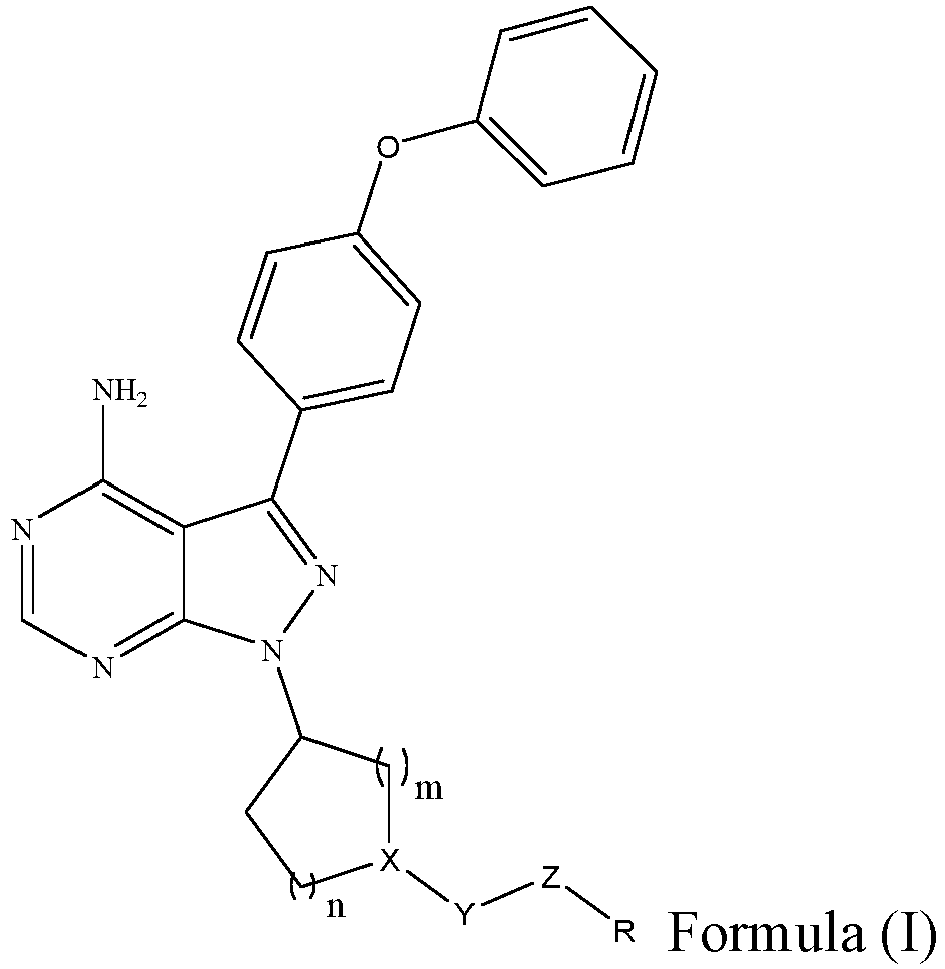
- m is an integer selected from 1 or 2;
- n is an integer selected from 0 to 4;
- X is N or CH, and when X is N, Y is a chemical bond, and when X is CH, Y is NH;
- Z is selected from the group consisting of CH2,

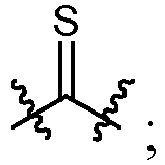
- R is selected from the group consisting of amino, unsubstituted C1-C8 alkyl or C1-C8 alkyl optionally substituted with 1 to 3 independent R1 on carbon atoms, unsubstituted C3-C8 cycloalkyl or C3-C8 cycloalkyl optionally substituted with 1 to 3 independent R1 on carbon atoms, unsubstituted C1-C8 haloalkyl or C1-C8 haloalkyl optionally substituted with 1 to 3 independent R1 on carbon atoms, unsubstituted C1-C8 aminoalkyl or C1-C8 aminoalkyl optionally substituted with 1 to 3 independent R1 on carbon atoms or optionally substituted with R2 on heteroatoms, unsubstituted C1-C8 cyanoalkyl or C1-C8 cyanoalkyl optionally substituted with 1 to 3 independent R1 on carbon atoms, unsubstituted C1-C8 hydroxyalkyl or C1-C8 hydroxyalkyl optionally substituted with 1 to 3 independent R1 on carbon atoms, unsubstituted C1-C8 alkoxy or C1-C8 alkoxy optionally substituted with 1 to 3 independent R1 on carbon atoms, unsubstituted C3-C8 heterocycloalkyl or C3-C8 heterocycloalkyl optionally substituted with 1 to 3 independent R1 on carbon atoms or optionally substituted with R2 on heteroatoms, unsubstituted aryl or aryl optionally substituted with 1 to 3 independent R1 on carbon atoms, unsubstituted heteroaryl or heteroaryl optionally substituted with 1 to 3 independent R1 on carbon atoms or optionally substituted with R2 on heteroatoms, carbamoyl, unsubstituted C1-C8 alkyl formyl or C1-C8 alkyl formyl optionally substituted with 1 to 3 independent R1 on carbon atoms, unsubstituted C3-C8 cycloalkyl formyl or C3-C8 cycloalkyl formyl optionally substituted with 1 to 3 independent R1 on carbon atoms, unsubstituted C3-C8 heterocycloalkyl formyl or C3-C8 heterocycloalkyl formyl optionally substituted with 1 to 3 independent R1 on carbon atoms or optionally substituted with R2 on heteroatoms, unsubstituted aryl formyl or aryl formyl optionally substituted with 1 to 3 independent R1 on carbon atoms, unsubstituted C1-C8 alkylamino(C1-C8)alkyl or C1-C8 alkylamino(C1-C8)alkyl optionally substituted with 1 to 3 independent R1 on carbon atoms, unsubstituted C1-C8 alkyl(C3-C6 cycloalkyl) or C1-C8 alkyl(C3-C6 cycloalkyl) optionally substituted with 1 to 3 independent R1 on carbon atoms, unsubstituted C3-C6 cycloalkyl(C1-C8 alkyl) or C3-C6 cycloalkyl(C1-C8 alkyl) optionally substituted with 1 to 3 independent R1 on carbon atoms, unsubstituted C1-C8 alkyl(C3-C6 heterocycloalkyl) or C1-C8 alkyl(C3-C6 heterocycloalkyl) optionally substituted with 1 to 3 independent R1 on carbon atoms or optionally substituted with R2 on heteroatoms, unsubstituted C3-C6 heterocycloalkyl(C1-C8 alkyl) or C3-C6 heterocycloalkyl(C1-C8 alkyl) optionally substituted with 1 to 3 independent R1 on carbon atoms or optionally substituted with R2 on heteroatoms, unsubstituted C1-C8 alkyl(aryl) or C1-C8 alkyl(aryl) optionally substituted with 1 to 3 independent R1 on carbon atoms, unsubstituted C1-C8 alkyl(heteroaryl) or C1-C8 alkyl(heteroaryl) optionally substituted with 1 to 3 independent R1 on carbon atoms or optionally substituted with R2 on heteroatoms, and unsubstituted C1-C8 aminoalkyl(carbamoyl) or C1-C8 aminoalkyl(carbamoyl) optionally substituted with 1 to 3 independent R1 on carbon atoms;
- R1 is selected from the group consisting of halogen, amino, nitro, cyano, hydroxy, C1-C8 alkyl, C3-C8 cycloalkyl, C1-C8 alkoxy, aryl, heteroaryl optionally substituted with R2 on heteroatoms, C1-C8 alkoxycarbonyl, C1-C8 alkyl(heteroaryl) optionally substituted with R2 on heteroatoms, and C1-C8 alkyl(C3-C6 heterocycloalkyl) optionally substituted with R2 on heteroatoms;
- R2 is selected from the group consisting of amino protecting groups, C1-C8 alkyl, and C1-C8 alkoxycarbonyl. The amino protecting group is independently selected from the group consisting of tert-butoxycarbonyl (Boc), benzyloxycarbonyl (Cbz), 9-fluorenylmethoxycarbonyl (FMOC), benzyl (Bn) and p-methoxyphenyl (PMP).
- In some examples, n is preferably 1 or 2.
- In some examples, Z is preferably

- In some examples, R is preferably selected from the group consisting of substituted or unsubstituted C1-C6 alkyl (such as methyl, ethyl, n-propyl, isopropyl, n-butyl, isobutyl, tert-butyl, n-pentyl, isopentyl, and neopentyl, and the like), C1-C4 haloalkyl (such as chloromethyl, trifluoromethyl, trichloromethyl, chloroethyl, bromoethyl, trifluoroethyl, trifluoroethyl, chloropropyl, bromopropyl, chlorobutyl, and bromobutyl, and the like), C3-C6 cycloalkyl (such as cyclopropyl, cyclobutyl, cyclopentyl, and cyclohexyl, and the like), amino, carbamoyl, C1-C6 aminoalkyl (such as methyl, ethyl, propyl, butyl, and pentyl, and the like, substituted with an amino group on any carbon atoms, and optionally substituted with R2, e.g. CI-4 alkyl and the amino protecting groups on N), heteroaryl (such as pyridyl, pyrimidyl, isoxazolyl, and benzodioxolyl, and the like, optionally substituted with an amino group on carbon atoms), C3-C6 heterocycloalkyl (such as piperazinyl, and piperidyl, and the like, optionally substituted with C1-C4 alkyl and C1-C4 alkoxycarbonyl on N atoms), aryl (such as phenyl, optionally substituted with C1-C4 alkoxycarbonyl, p-methyl(piperazinyl)methyl on carbon atoms), C1-C4 cyanoalkyl (for example, cyanomethyl, cyanoethyl, cyanopropyl, and cyanobutyl, and the like), di(C1-C4 alkyl)-N-(C1-C4)alkyl (such as dimethylaminomethyl, diethylaminomethyl, dimethylaminoethyl, diethylaminoethyl, dimethylaminopropyl, and dimethylaminobutyl, and the like), C1-C6 hydroxyalkyl (such as methyl, ethyl, propyl, butyl, and pentyl, and the like, substituted with a hydroxyl group on any carbon atoms, and optionally substituted with an amino group on carbon atoms), C1-C4 alkyl(C3-C6 heterocycloalkyl) (such as morpholinylmethyl, piperazinylmethyl, and piperazinylethyl, and the like, optionally substituted with C1-C4 alkyl on N atoms), C1-C4 alkyl(C3-C6 cycloalkyl) (such as cyclopropylmethyl, cyclobutylmethyl, cyclopentylmethyl, cyclopropylethyl, cyclobutylethyl, cyclopentylethyl, cyclopropylpropyl, and cyclopropylbutyl, and the like), C1-C4 aminoalkyl(carbamoyl) (such as ethyl(carbamoyl), and propyl(carbamoyl), and the like, substituted with an amino group on any carbon atoms), C1-C4 alkyl(heteroaryl) (such as imidazolylethyl, indolylethyl, imidazolypropyl, and indolylpropyl, and the like, optionally substituted with an amino group on carbon atoms), and C1-C4 alkyl(aryl) (such as benzyl, phenylethyl, and phenylpropyl, and the like, optionally substituted with an amino group, a hydroxyl group on carbon atoms).
- In some embodiments, m is 1, and X is N, Y is a chemical bond; the compounddisclosed herewith may be represented by formula (II):
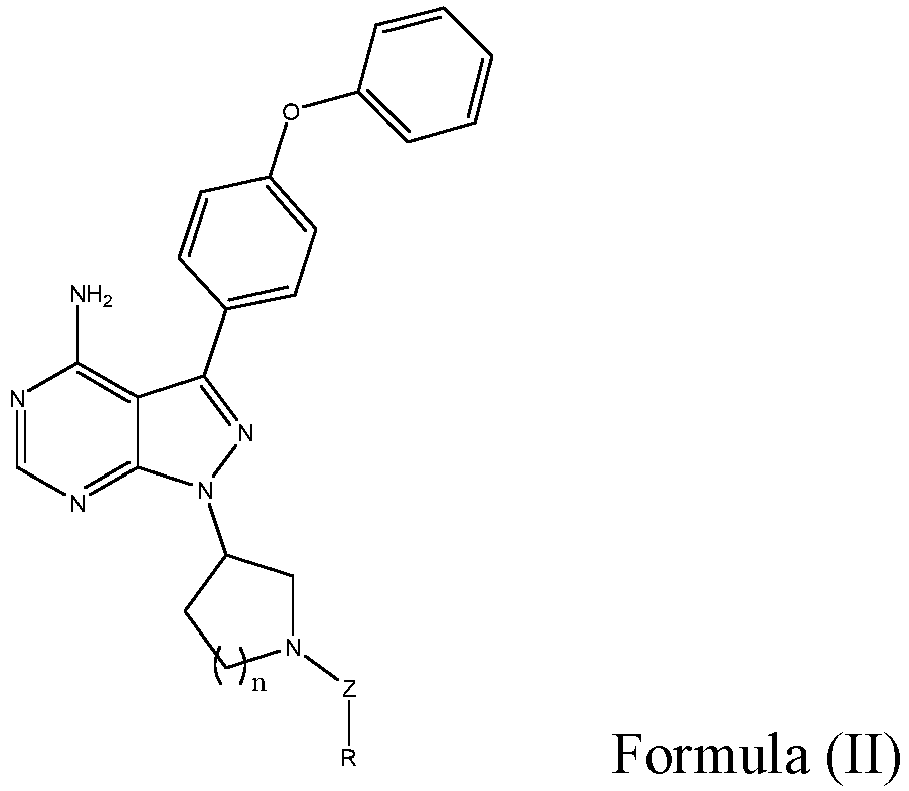
- Wherein, n, Z and R are as defined above. In the embodiment, n is preferably 1 or 2.
- In another embodiment, m is 2, and X is N, Y is a chemical bond; the compounds disclosed herewith may berepresented by formula (III):

- Wherein, n, Z and R are as defined above. In the embodiment, n is preferably 1.
- In yet another embodiment, m is 2, and X is CH, Y is NH; the compound of the present invention is represented by formula (IV):
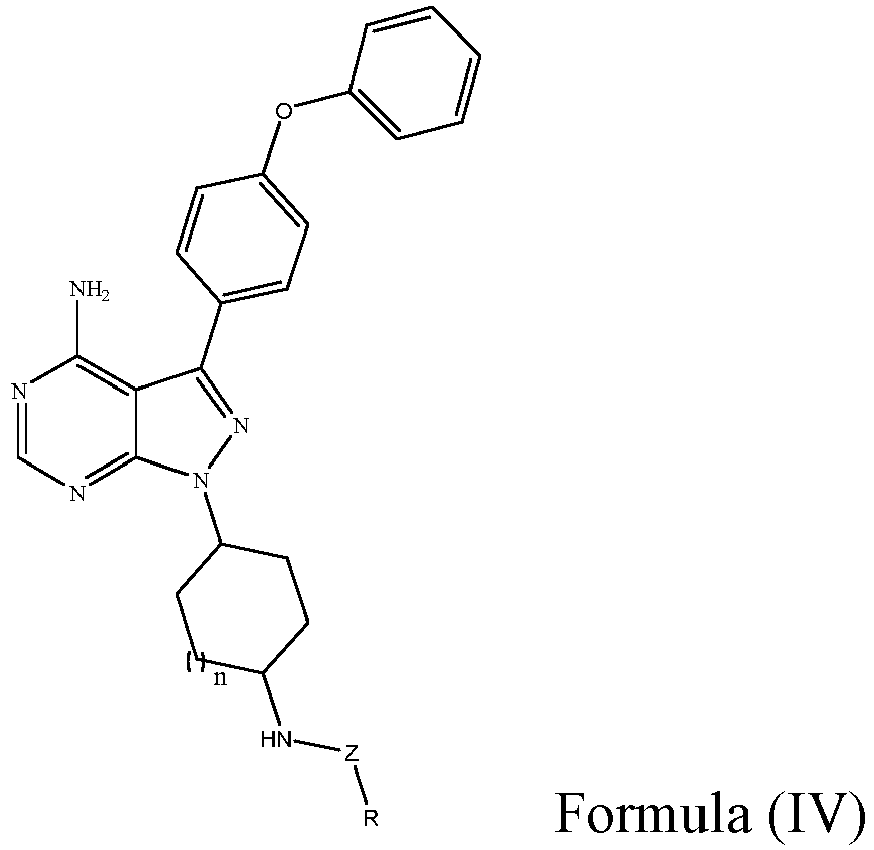
- Wherein, n, Z and R are as defined above. In the embodiment, n is preferably 1.
- The chiral compounds involved in the present invention may be of any configuration or mixed racemates.
- In one aspect, it is preferred herein to provide compounds selected from the group consisting of the following compounds, the structures of which are shown in Table 1.
- Any combination of the groups described above for the various variables is contemplated herein. It is understood that substituents and substitution patterns on the compounds provided herein can be selected by one of ordinary skill in the art to provide compounds that are chemically stable and that can be synthesized by techniques known in the art, as well as those set forth herein.
- Described herein are novel kinase inhibitors. The pharmaceutically acceptable salts and solvates of these compounds are also described herein.
- In additional or further embodiments, the compounds described herein are metabolized upon administration to an organism in need to produce a metabolite that is then used to produce a desired effect, including a desired therapeutic effect.
- Compounds described herein may be formed as, and/or used as, pharmaceutically acceptable salts. The type of pharmaceutical acceptable salts, include, but are not limited to: (1) acid-addition salts, formed by reacting the free base form of the compound with a pharmaceutically acceptable inorganic acid such as hydrochloric acid, hydrobromic acid, sulfuric acid, nitric acid, phosphoric acid, metaphosphoric acid, and the like; or with an organic acid such as acetic acid, propionic acid, hexanoic acid, cyclopentanepropionic acid, glycolic acid, pyruvic acid, lactic acid, malonic acid, malic acid, citric acid, succinic acid, maleic acid, tartaric acid, fumaric acid, trifluoroacetic acid, benzoic acid, 3-(4-hydroxybenzoyl) benzoic acid, cinnamic acid, mandelic acid, methanesulfonic acid, ethanesulfonic acid, 1,2-ethanedisulfonic acid, 2-hydroxyethanesulfonic acid, benzenesulfonic acid, toluenesulfonic acid, 4-methylbicyclo-[2.2.2] oct-2-ene-1-carboxylic acid, 2-naphthalenesulfonic acid, tertiary butylacetic acid, glucoheptonic acid, 4,4'-methylenebis-(3-hydroxy-2-ene-1-carboxylic acid), 3-phenylpropionic acid, trimethylacetic acid, lauryl sulfuric acid, gluconic acid, glutamic acid, salicylic acid, hydroxynaphthoic acid, stearic acid, muconic acid, and the like; (2) base-addition salts formed when an acidic proton present in the parent compound either is replaced by a metal ion, e.g., an alkali metal ion (e.g. lithium, sodium, potassium), an alkaline earth ion (e.g. magnesium, or calcium), or an aluminum ion; or coordinates with an organic base. Acceptable organic bases include ethanolamine, diethanolamine, triethanolamine, trimethylamine, N-methylglucamine, and the like. Acceptable inorganic bases include aluminum hydroxide, calcium hydroxide, potassium hydroxide, sodium carbonate, sodium hydroxide, and the like.
- The corresponding counterions of the pharmaceutically acceptable salts may be analyzed and identified using various methods including, but not limited to, ion exchange chromatography, ion chromatography, capillary electrophoresis, inductively coupled plasma, atomic absorption spectroscopy, mass spectrometry, or any combination thereof.
- The salts are recovered by using at least one of the following techniques: filtration, precipitation with a non-solvent followed by filtration, evaporation of the solvent, or, in the case of aqueous solutions, lyophilization.
- The screening and characterization of the pharmaceutically acceptable salts, polymorphs and/or solvates may be accomplished using a variety of techniques including, but not limited to, thermal analysis, x-ray diffraction, spectroscopy, microscopy, and elemental analysis. The various spectroscopic techniques used include, but are not limited to, Raman, FTIR, UVIS, and NMR (liquid and solid state). The various microscopy techniques include, but are not limited to, IR microscopy and Raman microscopy.
- The present invention also relates to a pharmaceutical composition comprising compounds of formula (I), (II), (III) or (IV), or a pharmaceutically acceptable salt or solvate thereof, as an active ingredient, and a pharmaceutically acceptable carrier or excipient, and optionally other therapeutic agents.
- Compounds of formula (I), (II), (III) or (IV), or a pharmaceutically acceptable salt or solvate thereof, as well as the pharmaceutical composition comprising the same, hereinafter referred to as "the substance of the present invention".
- The substance of the present invention may be used for treating or preventing cell proliferative conditions and/or FLT3-related conditions, in particular if the conditions respond to an inhibition of a protein tyrosine kinase, especially to an inhibition of FLT3 kinase or mutant FLT3 kinase. FLT3 mutations include ITD mutations and TKD point mutations, especially FLT3/ITD mutations. The "treatment" in the present invention may be therapeutic (e.g., symptomatic treatment) and/or prophylactic. The substance of the present invention may preferably treat or prevent FLT3-related conditions, and in particular, treating or preventing mutant FLT3/ITD-related conditions is preffered.
- In particular, the substance of the present invention may be used for treating or preventing cell proliferative conditions selected from the group consisting of benign or malignant tumors, including but not limited to: initiation or progression of solid tumor, B-cell lymphoma, sarcoma, lymphoma, diffuse large B-cell lymphoma, follicular lymphoma, chronic lymphocytic lymphoma, chronic lymphocytic leukemia, B-cell prolymphocytic leukemia, lymphoplasmacytic lymphoma/Waldenström macroglobulinemia, splenic marginal zone lymphoma, plasma cell myeloma, plasmacytoma, extranodal marginal zone B-cell lymphoma, nodal marginal zone B-cell lymphoma, mantle cell lymphoma, mediastinal (thymic) large B-cell lymphoma, intravascular large B-cell lymphoma, primary effusion lymphoma, Burkitt lymphoma, leukemias, lymphomatoid granulomatosis, breast ductal carcinoma, lobular carcinoma, adenocarcinoma, melanoma, B-cell proliferative disease, brain cancer, kidney cancer, liver cancer, adrenal gland cancer, bladder cancer, breast cancer, lymph cancer, stomach cancer, stomach neoplasm, esophagus cancer, ovarian cancer, colorectal cancer, prostate cancer, pancreas cancer, lung cancer, vagina cancer, membranous adenocarcinoma, thyroid cancer, neck cancer, CNS cancer, malignant glioma, myeloproliferative disease, glioblastoma, multiple myeloma, gastrointestinal cancer, colorectal carcinoma, head and neck neoplasms, brain tumor, epidermal hyperplasia, psoriasis, prostate hyperplasia, neoplasia, neoplasia of epithelial character, lymphomas, breast cancer, or leukemias, or similar diseases, or a combination thereof.
- The substance of the present invention may also be used for treating or preventing FLT3-related conditions, especially mutant FLT3/ITD-related conditions, including but not limited to: Hematological malignancies include leukemias, lymphomas (non-Hodgkin's lymphoma), Hodgkin's disease (also called Hodgkin's lymphoma), and myeloma- for instance, acute lymphocytic leukemia (ALL), acute myeloid leukemia (AML), acute promyelocytic leukemia (APL), chronic lymphocytic leukemia (CLL), chronic myeloid leukemia (CML), chronic neutrophilic leukemia (CNL), acute undifferentiated leukemia (AUL), anaplastic large-cell lymphoma (ALCL), adult T-cell ALL, AML with trilineage myelodysplasia (AML/TMDS), mixed lineage leukemia (MLL), myelodysplasia syndromes (MDSs), myeloproliferative disorders (MPD), multiple myeloma (MM) and myeloid sarcoma, chronic lymphocytic lymphoma, diffuse large B-cell lymphoma (DLBCL), follicular lymphoma or chronic lymphocytic leukemia, mantle cell lymphoma, mediastinal (thymic) large B-cell lymphoma, intravascular large B-cell lymphoma, primary effusion lymphoma, Burkitt lymphoma, or similar diseases, or a combination thereof.
- Compositions for enteral administration, such as nasal, buccal, rectal or, especially, oral administration, and for parenteral administration, such as intravenous, intramuscular or subcutaneous administration, to warm-blooded animals, especially humans, are preferred. The dosage of the active ingredient depends upon the disease to be treated and upon the species, its age, weight, and individual condition, the individual pharmacokinetic data, and the mode of administration.
- Said pharmaceutical compositions may optionally be used in combination with known therapeutic methods, such as administration of hormones or radiation. Such other therapeutic agents include, for example, cytostatic agents, other antiproliferative agents.
- Such antiproliferative agents include, but are not limited to aromatase inhibitors, antiestrogens, topoisomerase I inhibitors, topoisomerase II inhibitors, microtubule active agents, alkylating agents, histone deacetylase inhibitors, farnesyl transferase inhibitors, COX-2 inhibitors, MMP inhibitors, mTOR inhibitors, antineoplastic antimetabolites, platin compounds, compounds decreasing the protein kinase activity and further anti-angiogenic compounds, gonadorelin agonists, anti-androgens, bengamides, bisphosphonates, steroids, antiproliferative antibodies, 17-(allylamino)-17-demethoxygeldanamycin (17-AAG) and temozolomide (TMEMODAL).
- The term "aromatase inhibitors" as used herein relates to compounds which inhibit the estrogen production, i.e. the compounds conversed by the substrates androstenedione and testosterone. The term includes, but is not limited to steroids, especially exemestane and formestane and, in particular, non-steroids, especially aminoglutethimide, vorozole, fadrozole, anastrozole and, very especially, letrozole. Exemestane can be administered, e.g., in the form as it is marketed, e.g. under the trademark AROMASIN™. Formestane can be administered, e.g., in the form as it is marketed, e.g. under the trademark LENTARON™. Fadrozole can be administered, e.g., in the form as it is marketed, e.g. under the trademark AFEMA™. Aminoglutethimide can be administered, e.g., in the form as it is marketed, e.g. under the trademark ORIMETEN™.
- A composition of the present invention comprising an antineoplastic agent which is an aromatase inhibitor may particularly be used for the treatment of hormone receptor positive breast tumors.
- The term "antiestrogens" as used herein relates to compounds which antagonize the effect of estrogens at the estrogen receptor level. The term includes, but is not limited to tamoxifen, fulvestrant, raloxifene and raloxifene hydrochloride. Tamoxifen can be administered, e.g., in the form as it is marketed, e.g. under the trademark NOLVADEX™. Raloxifene hydrochloride can be administered, e.g., in the form as it is marketed, e.g. under the trademark EVISTA™. Fulvestrant can be formulated as disclosed in
US4659516 , or it can be administered, e.g., in the form as it is marketed, e.g. under the trademark FASLODEX™. - The term "topoisomerase I inhibitors" as used herein includes, but is not limited to topotecan, irinotecan, 9-nitrocamptothecin conjugate PNU-166148 (Compound A1 in
WO99/17804 - The term "topoisomerase II inhibitors" as used herein includes, but is not limited to the antracyclines doxorubicin (including liposomal formulation, e.g. CAELYX™), epirubicin, idarubicin and nemorubicin, the anthraquinones mitoxantrone and losoxantrone, and the podophillotoxines etoposide and teniposide. Etoposide can be administered, e.g., in the form as it is marketed, e.g. under the trademark ETOPOPHOS™. Teniposide can be administered, e.g., in the form as it is marketed, e.g. under the trademark VM 26-BRISTOL™. Doxorubicin can be administered, e.g., in the form as it is marketed, e.g. under the trademark ADRIBLASTIN™. Idarubicin can be administered, e.g., in the form as it is marketed, e.g. under the trademark ZAVEDOS™. Mitoxantrone can be administered, e.g., in the form as it is marketed, e.g. under the trademark NOVANTRON™.
- The term "microtubule active agents" relates to microtubule stabilizing agents including, but not limited to the taxanes paclitaxel and docetaxel, the vinca alkaloids, e.g., vinblastine, especially vinblastine sulfate, discodermolide and epothilones, such as epothilone B and D. Docetaxel can be administered, e.g., in the form as it is marketed, e.g. under the trademark TAXOTERE™. Vinblastine sulfate can be administered, e.g., in the form as it is marketed, e.g. under the trademark VINBLASTIN R.P.™. Vincristine sulfate can be administered, e.g., in the form as it is marketed, e.g. under the trademark FARMISTIN™. Discodermolide can be obtained, e.g., as disclosed in
US5010099 . - The term "alkylating agents" as used herein includes, but is not limited to cyclophosphamide, ifosfamide and melphalan. Cyclophosphamide can be administered, e.g., in the form as it is marketed, e.g. under the trademark CYCLOSTIN™. Ifosfamide can be administered, e.g., in the form as it is marketed, e.g. under the trademark HOLOXAN™.
- The term "histone deacetylase inhibitors" relates to compounds which inhibit the histone deacetylase and which possess antiproliferative activity. This includes compounds disclosed in
WO 02/22577 - The term "farnesyl transferase inhibitors" relates to compounds which inhibit the farnesyl transferase and which possess antiproliferative activity.
- The term "COX-2 inhibitors" relates to compounds which inhibit the cyclooxygenase type 2 enyzme (COX-2) and which possess antiproliferative activity, e.g., celecoxib (Celebrex), rofecoxib (Vioxx) and lumiracoxib (COX189).
- The term "MMP inhibitors" relates to compounds which inhibit the matrix metalloproteinase (MMP) and which possess antiproliferative activity.
- The term "mTOR inhibitors" relates to compounds which inhibit the mammalian target of rapamycin (mTOR) and which possess antiproliferative activity such as sirolimus (Rapamune), everolimus (Certican™), CCI-779 and ABT578.
- The term "antineoplastic antimetabolites" includes, but is not limited to 5-fluorouracil, tegafur, capecitabine, cladribine, cytarabine, fludarabine phosphate, fluorouridine, gemcitabine, 6-mercaptopurine, hydroxyurea, methotrexate, edatrexate and salts of such compounds, and furthermore ZD 1694 (RALTITREXED™), LY231514 (ALIMTA™), LY264618 (LOMOTREXOL™) and OGT719.
- The term "platin compounds" as used herein includes, but is not limited to carboplatin, cis-platin and oxaliplatin. Carboplatin can be administered, e.g., in the form as it is marketed, e.g. under the trademark CARBOPLAT™. Oxaliplatin can be administered, e.g., in the form as it is marketed, e.g. under the trademark ELOXATIN™.
- The term "compounds decreasing the protein kinase activity and further anti-angiogenic compounds" as used herein includes, but is not limited to compounds which decrease the activity of e.g. the Vascular Endothelial Growth Factor (VEGF), the Epidermal Growth Factor (EGF), c-Src, protein kinase C, Platelet-derived Growth Factor (PDGF), Bcr-Abl, c-Kit, FLT3, Insulin-like Growth Factor I Receptor (IGF-IR) and Cyclin-dependent kinases (CDKs), and anti-angiogenic compounds having another mechanism of action than decreasing the protein kinase activity.
- Compounds which decrease the activity of VEGF are especially compounds which inhibit the VEGF receptor, especially the tyrosine kinase activity of the VEGF receptor, and compounds binding to VEGF, and are in particular those compounds, proteins and monoclonal antibodies generically and specifically disclosed in
WO98/35958 WO00/09495 WO00/27820 WO00/59509 WO98/11223 WO00/27819 WO01/55114 WO01/58899 EP0769947 ; those as described by M. Prewett et al. in Cancer Research 59 (1999) 5209-5218, by Z. Zhu et al. in Cancer Res. 58, 1998, 3209-3214, and by J. Mordenti et al in Toxicologic Pathology, vol. 27, no. 1, pp 14-21, 1999; inWO00/37502 WO94/10202 - Compounds which decrease the activity of EGF are especially compounds which inhibit the binding to EGF, and are in particular those compounds generically and specifically disclosed in
WO 97/02266 EP 0 564 409 ,WO 99/03854 EP 0520722 ,EP 0 566 226 ,EP 0 787 722 ,EP 0 837 063 ,WO 98/10767 WO 97/30034 WO 97/49688 WO 97/38983 WO 96/33980 - Compounds which decrease the activity of c-Src include, but are not limited to, compounds inhibiting the c-Src protein tyrosine kinase activity as defined below and to SH2 interaction inhibitors such as those disclosed in
WO97/07131 WO97/08193 - Compounds inhibiting the c-Src protein tyrosine kinase activity include, but are not limited to, compounds belonging to the structure classes of pyrrolopyrimidines, especially pyrrolo[2,3-d]pyrimidines; purines; pyrazolopyrimidines, especially pyrazolo[3,4-d]pyrimidines; and pyridopyrimidines, especially pyrido[2,3-d]pyrimidines. Preferably, the term relates to those compounds disclosed in
WO 96/10028 WO 97/28161 WO97/32879 WO97/49706 - Compounds which decrease the activity of IGF-IR are especially those disclosed in
WO02/92599 - Further specific compounds that decrease protein kinase activity and which may also be used in combination with the compounds of the present invention are Imatinib (Gleevec/Glivec), PKC412, Iressa™ (ZD1839), AEE788 and a pharmaceutically acceptable salt thereof (see also
WO03/13541 WO98/35958 - Anti-angiogenic compounds having another mechanism of action than decreasing the protein kinase activity include, but are not limited to e.g. thalidomide (THALOMID), celecoxib (Celebrex), and ZD6126.
- The term "gonadorelin agonist" as used herein includes, but is not limited to abarelix, goserelin and goserelin acetate. Goserelin is disclosed in
US4100274 and can be administered, e.g., in the form as it is marketed, e.g. under the trademark ZOLADEX™. Abarelix can be formulated, e.g., as disclosed inUS5843901 . - The term "anti-androgens" as used herein includes, but is not limited to bicalutamide (CASODEX™), which can be formulated, e.g., as disclosed in
US4636505 . - The term "bengamides" relates to bengamides and derivatives thereof having antiproliferative properties.
- The term "bisphosphonates" as used herein includes, but is not limited to etridonic acid, pamidronic acid, and alendronic acid. Etridonic acid can be administered, e.g., in the form as it is marketed, e.g. under the trademark DIDRONEL™. Clodronic acid can be administered, e.g., in the form as it is marketed, e.g. under the trademark BONEFOS™. Tiludronic acid can be administered, e.g., in the form as it is marketed, e.g. under the trademark SKELID™. Pamidronic acid can be administered, e.g., in the form as it is marketed, e.g. under the trademark AREDIA™. Alendronic acid can be administered, e.g., in the form as it is marketed, e.g. under the trademark FOSAMAX™. Ibandronic acid can be administered, e.g., in the form as it is marketed, e.g. under the trademark BONDRANAT™. Risedronic acid can be administered, e.g., in the form as it is marketed, e.g. under the trademark ACTONEL™. Zoledronic acid can be administered, e.g., in the form as it is marketed, e.g. under the trademark ZOMETA™.
- The term "steroids" includes hydrocortisone, decadron, methylprednisolone and ponisone.
- The term "antiproliferative antibodies" as used herein includes, but is not limited to trastuzumab (Herceptin™), Trastuzumab-DMl, erlotinib (Tarceva™), bevacizumab (Avastin™), rituximab (Rituxan), PRO64553 (anti-CD40) and 2C4 Antibody.
- For the treatment of AML, compounds of formula (I), (II), (III) or (IV) can be used in combination with standard leukemia therapies, especially in combination with therapies used for the treatment of AML. In particular, compounds of formula (I), (II), (III) or (IV) can be administered in combination with e.g. farnesyltransferase inhibitors and/or other drugs used for the treatment of AML, such as Daunorubicin, Adriamycin, Ara-C, VP-16, Teniposide, Mitoxantrone, Idarubicin, Carboplatinum and PKC412.
- The structure of the active agents identified by code nos., generic or trade names may be taken from the actual edition of the standard compendium "The Merck Index" or from databases, e.g. Patents International (e.g. IMS World Publications).
- The above-mentioned compounds, which can be used in combination with a compound of formula (I), (II), (III) or (IV), can be prepared and administered as described in the art such as in the documents cited above.
- In the embodiments of the invention, when a patient is treated in accordance with the invention, the amount of a given agent will vary depending upon factors such as the particular dosing regimen, the type of the disease or condition and its severity, the identity (e.g., weight) of the subject or host in need of treatment, but can be routinely determined in a manner known in the art according to the particular circumstances surrounding the case, including, e.g., the specific agent being administered, the route of administration, the condition being treated, and the subject or host being treated. In general, doses employed for adult human treatment will typically be in the range of 0.02-5000 mg per day, such as from about 1-1500 mg per day. The desired dose may conveniently be presented in a single dose or as divided doses administered simultaneously (or over a short period of time) or at appropriate intervals, for example as two, three, four or more sub-doses per day. It will be appreciated by those skilled in the art that, although the above dosage ranges are given, the specific effective amounts may be appropriately adjusted depending on the condition of the patient and the judgment of the practitioner.
- Compounds of formula (I), (II), (III) or (IV) may be synthesized using standard synthetic techniques known to those of skill in the art or using methods known in the art in combination with methods described herein. In additions, solvents, temperatures and other reaction conditions presented herein may vary according to those of skill in the art.
- In certain embodiments, provided herein are methods of making and methods of using kinase inhibitor compounds described herein. In certain embodiments, compounds described herein can be synthesized using the following synthetic schemes. Compounds may be synthesized using methodologies analogous to those described below by the use of appropriate alternative starting materials.
- The starring materials used for the synthesis of the compounds described herein may be synthesized or can be obtained from commercial sources. The compounds described herein and other related compounds having different substituents can be synthesized using techniques and materials known to those of skill in the art. Reactions for the preparation of compounds as disclosed herein may be modified by the use of appropriate reagents and conditions, as would be recognized by the skilled person, for the introduction of the various moieties into the molecules as provided herein.
- The products of the reactions may be isolated and purified, if desired, using conventional techniques, including, but not limited to, filtration, distillation, crystallization, chromatography and the like. Such products may be characterized using conventional means, including physical constants and spectral data.
- Using the synthetic methods described herein, compounds as disclosed herein are obtained in good yields and purity. The compounds prepared by the methods disclosed herein are purified by conventional means known in the art, such as, filtration, recrystallization, chromatography, distillation, and combinations thereof.
- Sites on the aromatic ring portion of compounds of formula (I), (II), (III) or (IV) can be susceptible to various metabolic reactions, therefore incorporation of appropriate substituents on the aromatic ring structures, such as, by way of example only, halogens can reduce, minimize or eliminate this metabolic pathway.
- The following specific and non-limiting examples are to be construed as merely illustrative, and do not limit the present disclosure in any way whatsoever. Without further elaboration, it is believed that one skilled in the art can, based on the description herein, utilize the present disclosure to its fullest extent.
- The compounds in Examples are shown in Table 1. Non-limiting examples of synthetic schemes for the preparation of compounds of formula (II) are described in Scheme I. Non-limiting examples of synthetic schemes for the preparation of compounds of formula (III) are described in Scheme II. Non-limiting examples of synthetic schemes for the preparation of compounds of formula (IV) are described in Scheme III.
Table 1 Structures of compounds in Examples Compounds in Examples Structures of compounds Compounds in Examples Structures of compounds Compound 1 
Compound 2 
Compound 3 
Compound 4 
Compound 5 
Compound 6 
Compound 7 
Compound 8 
Compound 9 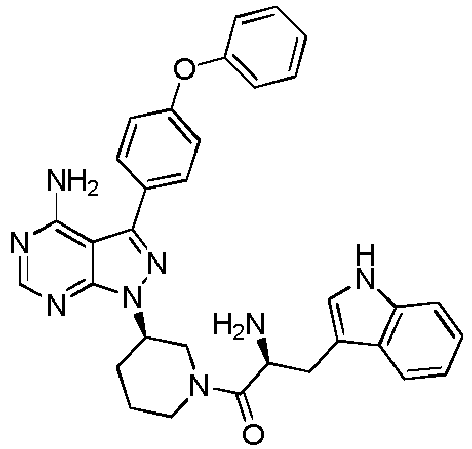
Compound 10 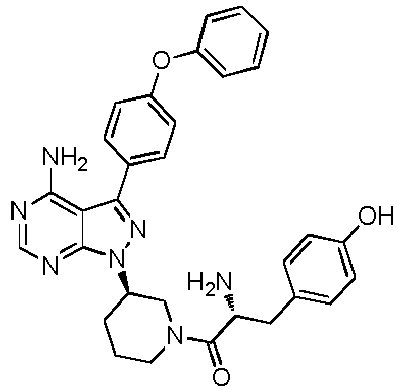
Compound 11 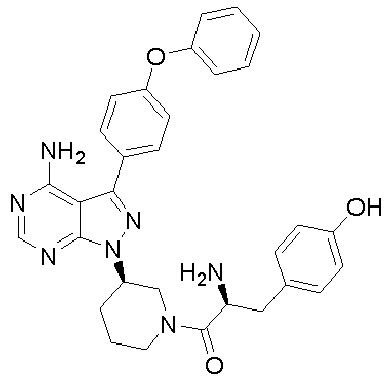
Compound 12 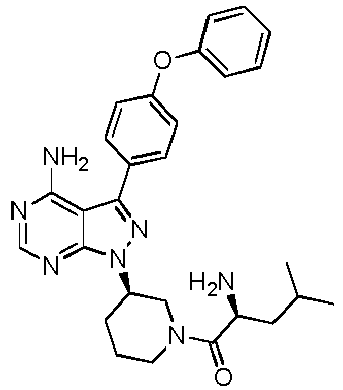
Compound 13 
Compound 14 
Compound 15 
Compound 16 
Compound 17 
Compound 18 
Compound 19 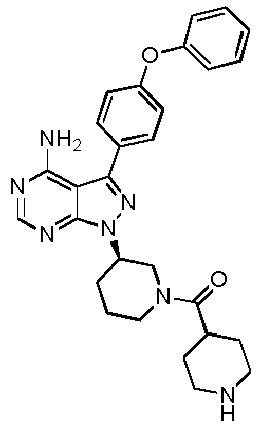
Compound 20 
Compound 21 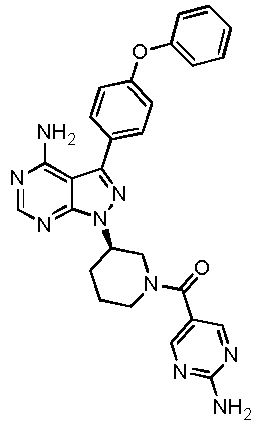
Compound 22 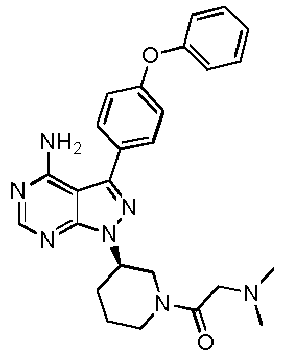
Compound 23 
Compound 24 
Compound 25 
Compound 26 
Compound 27 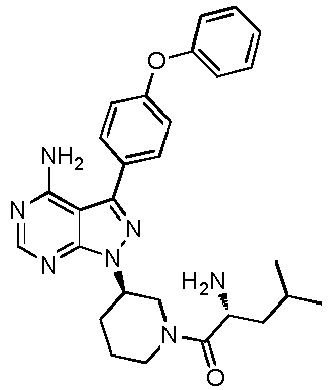
Compound 28 
Compound 29 
Compound 30 
Compound 31 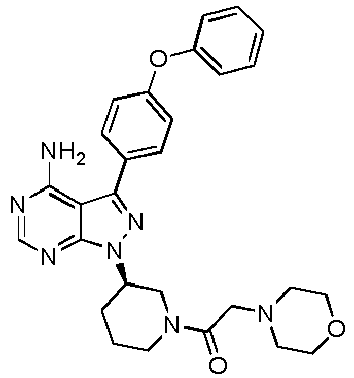
Compound 32 
Compound 33 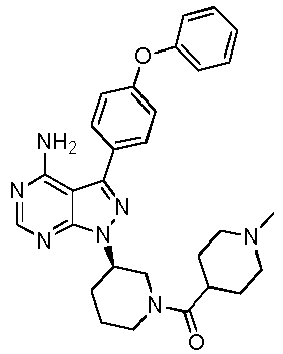
Compound 34 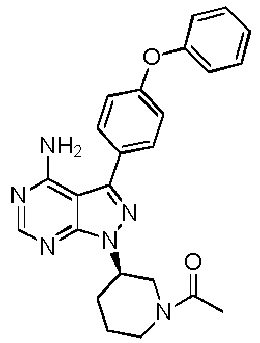
Compound 35 
Compound 36 
Compound 37 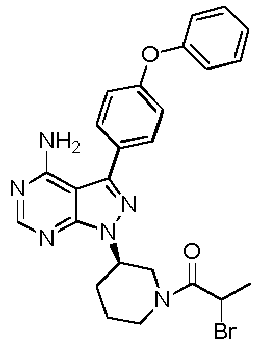
Compound 38 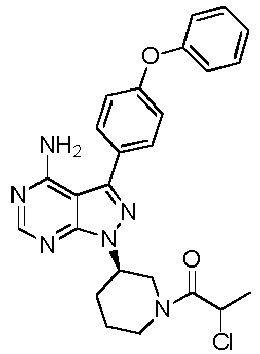
Compound 39 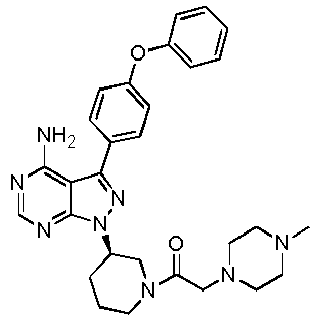
Compound 40 
Compound 41 
Compound 42 
Compound 43 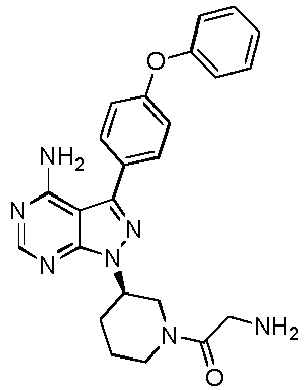
Compound 44 
Compound 45 
Compound 46 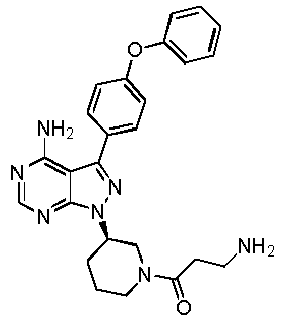
Compound 47 
Compound 48 
Compound 49 
Compound 50 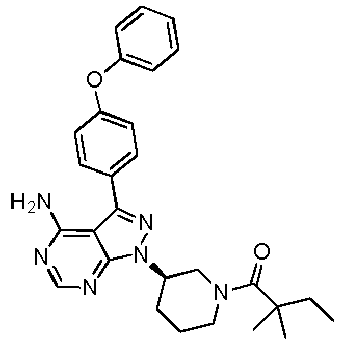
Compound 51 
Compound 52 
Compound 53 
Compound 54 
Compound 55 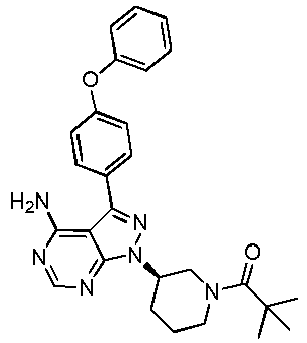
Compound 56 
Compound 57 
Compound 58 
Compound 59 
Compound 60 
Compound 61 
Compound 62 
Compound 63 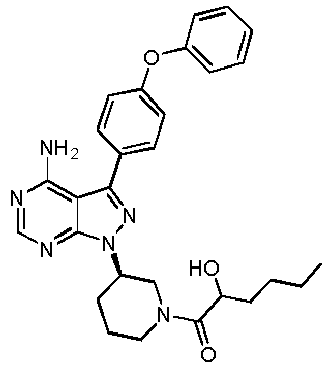
Compound 64 
Compound 65 
Compound 66 
Compound 67 
Compound 68 
Compound 69 
Compound 70 
Compound 71 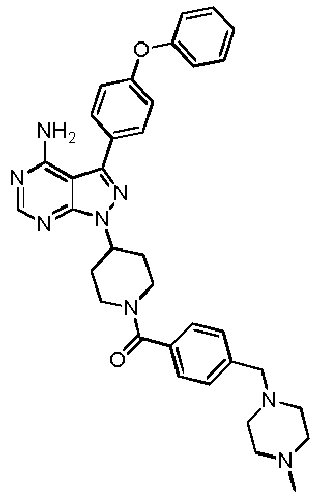
Compound 72 
Compound 73 
Compound 74 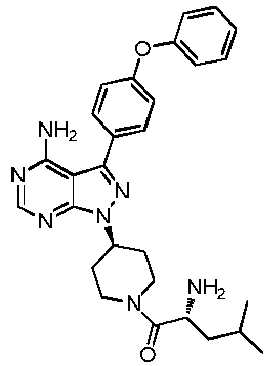
Compound 75 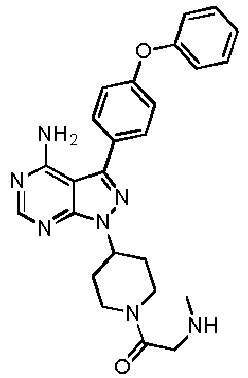
Compound 76 
Compound 77 
Compound 78 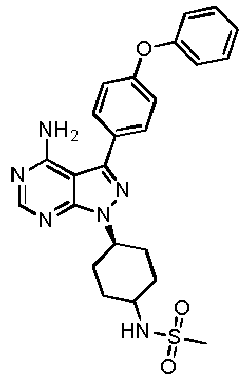
Compound 79 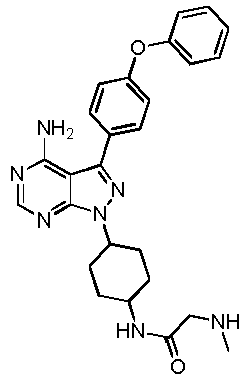
Compound 80 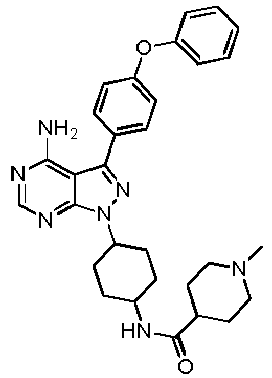
Compound 81 
Compound 82 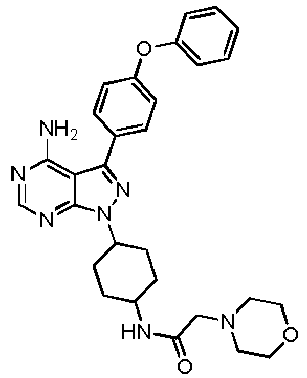
Compound 83 
Compound 84 
Compound 85 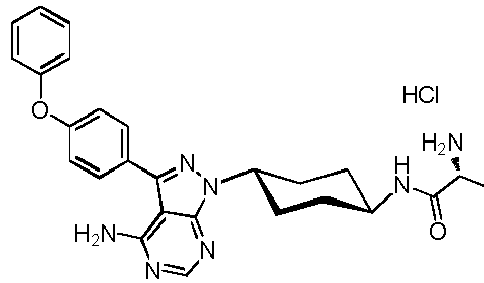
Compound 86 
Compound 87 
Compound 88 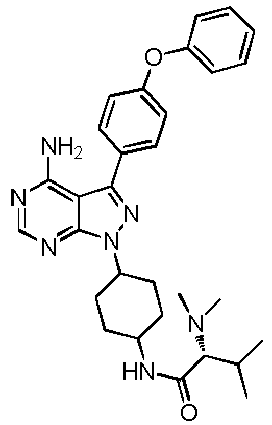
Compound 89 
Compound 90 
Compound 91 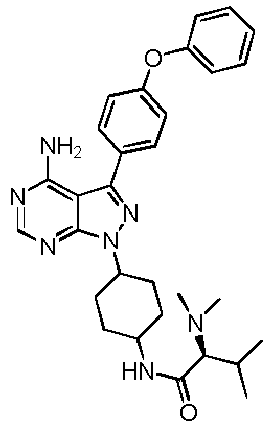
Compound 92 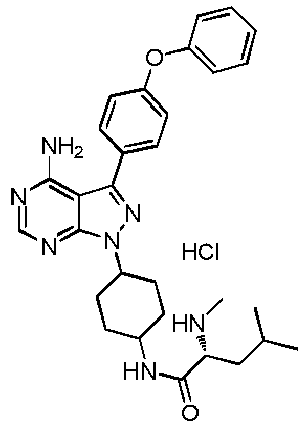
Compound 93 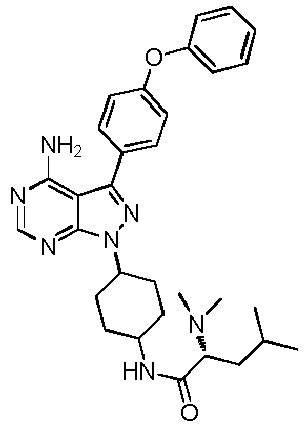
Compound 94 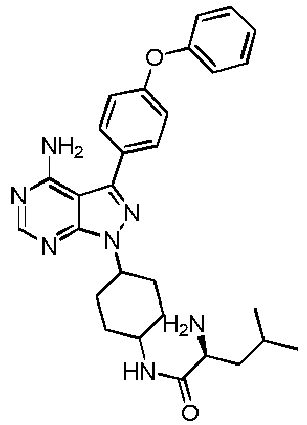
Compound 95 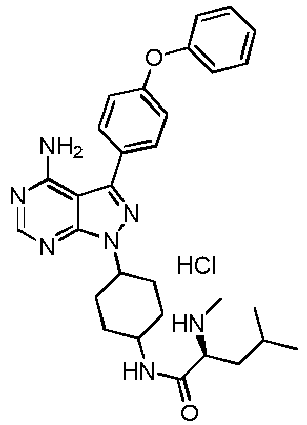
Compound 96 
Compound 97 
Compound 98 
Compound 99 
Compound 100 
Compound 101 
Compound 102 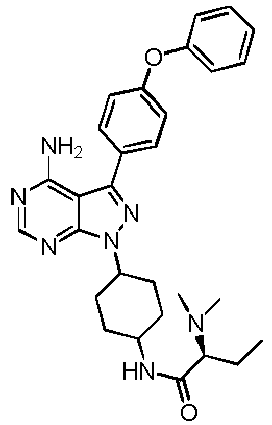
Compound 103 
Compound 104 
Compound 105 
Compound 106 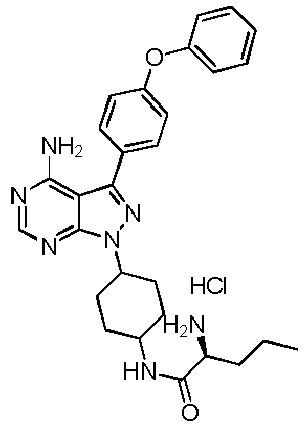
Compound 107 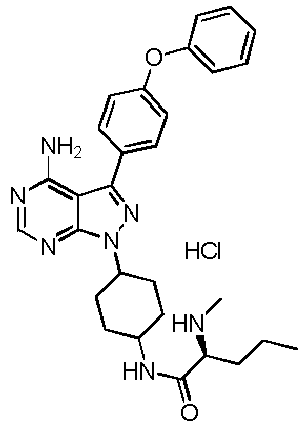
Compound 108 
Compound 109 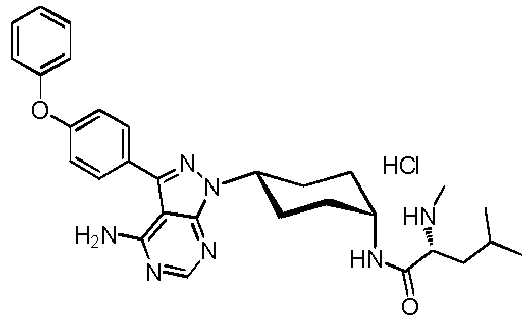
Compound 110 
Compound 111 
Compound 112 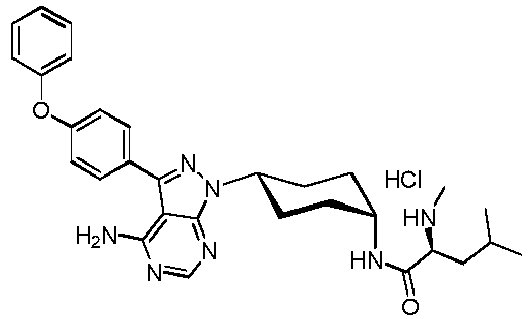
Compound 113 
Compound 114 
Compound 115 
Compound 116 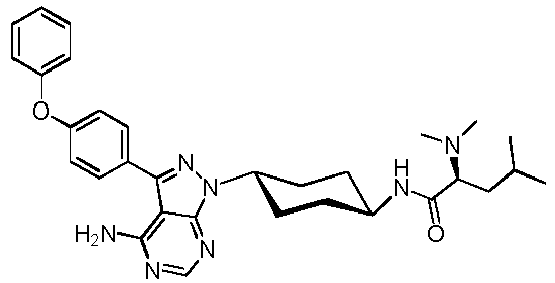
Compound 117 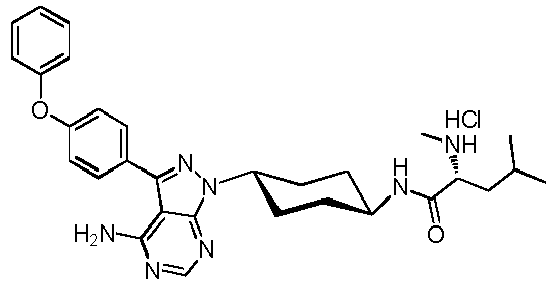
Compound 118 
Compound 119 
Compound 120 
Compound 121 
Compound 122 
Compound 123 
Compound 124 
Compound 125 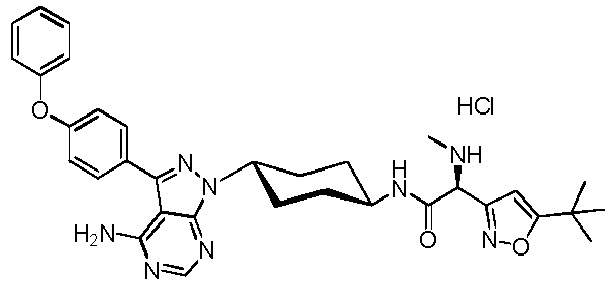
Compound 126 

-
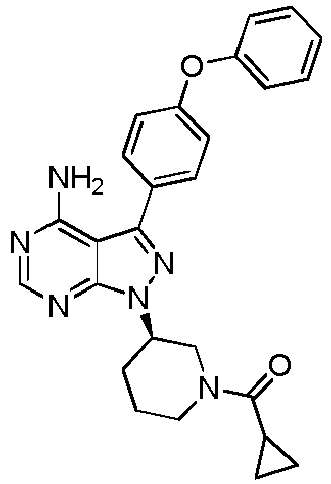
- As shown in Scheme I, b was synthesized by using a, wherein a may be prepared by a method known in the art or commercially available. In the synthesis of b from a, (S)-N-tert-butoxycarbonyl-3-piperidinol was used to obtain the intermediate b in R configuration. The intermediate b (0.1 g) was treated with 4N HC1 in dioxane (1 ml) and was stirred at room temperature for 1 hour, and then was concentrated to a dry product of 0.08 g, which was dissolved in 4 ml of dichloromethane, and diisopropylethylamine (0.2 ml), cyclopropanecarboxylic acid (0.03 g), 2-(7 -azobenzotriazole)-N,N,N' ,N' -tetramethyluronium hexafluorophosphate HATU (0.15 g) were subsequently added, the mixture was stirred at room temperature for 30 minutes, then was diluted with 20 ml of methylene chloride, washed subsequently with water and saturated saline solution, dried with anhydrous Na2SO4, filtered and dried in vacuum. The residue was purified by column chromatography to obtain Compound 1 (0.03 g), Exact Mass (calculated): 454.21; MS(ESI) m/z(M+1)+: 455.22.
-
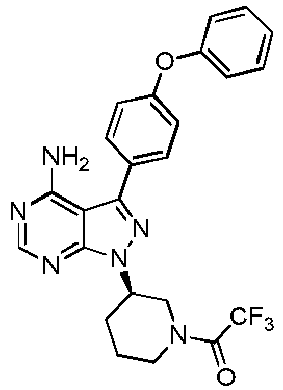
- The synthesis of Compound 2 was accomplished by using a procedure similar to that described in Example 1. Exact Mass (calculated): 482.17; MS(ESI) m/z(M+1)+: 483.1722.
-
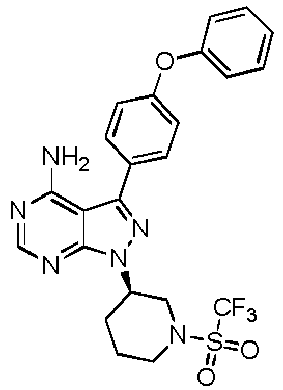
- The synthesis of Compound 3 was accomplished by using a procedure similar to that described in Example 1. Exact Mass (calculated): 518.13; MS(ESI) m/z(M+1)+: 519.1315.
-

- The synthesis of Compound 4 was accomplished by using a procedure similar to that described in Example 1. Exact Mass (calculated): 465.16; MS(ESI) m/z(M+1)+: 466.1615.
-

- The synthesis of Compound 5 was accomplished by using a procedure similar to that described in Example 1. Exact Mass (calculated): 457.19; MS(ESI) m/z(M+1)+: 458.1915.
-

- The synthesis of Compound 6 was accomplished by using a procedure similar to that described in Example 1. Exact Mass (calculated): 523.24; MS(ESI) m/z(M+1)+: 524.2413.
-
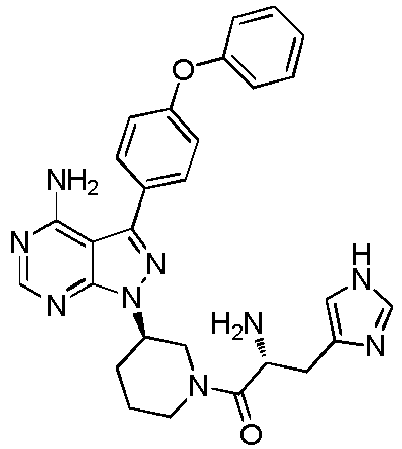
- The synthesis of Compound 7 was accomplished by using a procedure similar to that described in Example 1. Exact Mass (calculated): 523.23; MS(ESI) m/z(M+1)+: 524.2314.
-
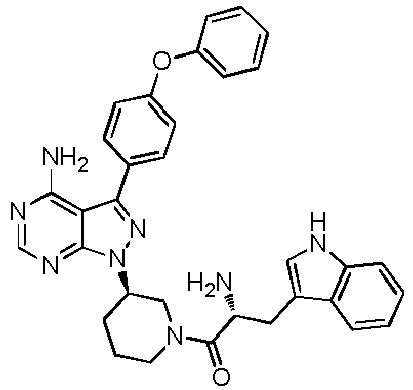
- The synthesis of Compound 8 was accomplished by using a procedure similar to that described in Example 1. Exact Mass (calculated): 572.26; MS(ESI) m/z(M+1)+: 573.2615.
-
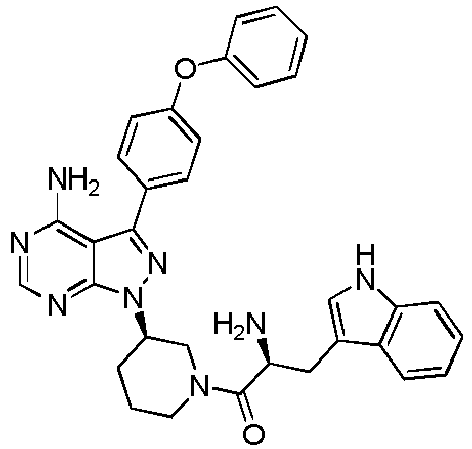
- The synthesis of Compound 9 was accomplished by using a procedure similar to that described in Example 1. Exact Mass (calculated): 572.26; MS(ESI) m/z(M+1)+: 573.2614.
-
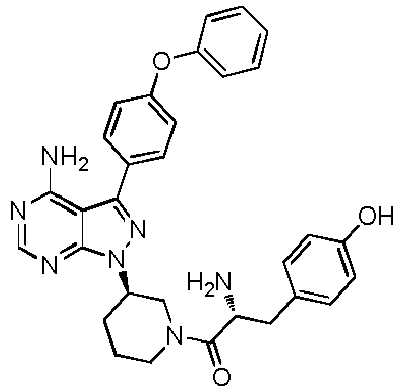
- The synthesis of Compound 10 was accomplished by using a procedure similar to that described in Example 1. Exact Mass (calculated): 549.25; MS(ESI) m/z(M+1)+: 550.2514.
-

- The synthesis of Compound 11 was accomplished by using a procedure similar to that described in Example 1. Exact Mass (calculated): 549.25; MS(ESI) m/z(M+1)+: 550.2516.
-

- The synthesis of Compound 12 was accomplished by using a procedure similar to that described in Example 1. Exact Mass (calculated): 499.27; MS(ESI) m/z(M+1)+: 500.2716.
-
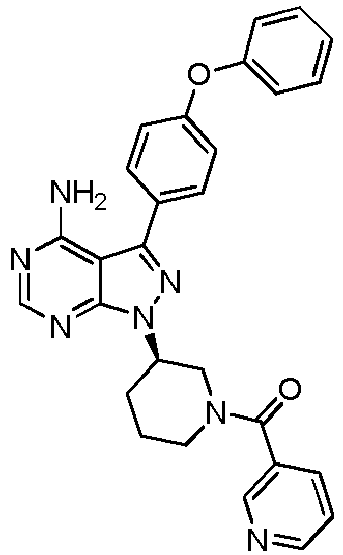
- The synthesis of Compound 13 was accomplished by using a procedure similar to that described in Example 1. Exact Mass (calculated): 491.21; MS(ESI) m/z(M+1)+: 492.2121.
-

- The synthesis of Compound 14 was accomplished by using a procedure similar to that described in Example 1. Exact Mass (calculated): 498.58; MS(ESI) m/z(M+1)+: 499.5821.
-

- The synthesis of Compound 15 was accomplished by using a procedure similar to that described in Example 1. Exact Mass (calculated): 492.20; MS(ESI) m/z(M+1)+: 493.2021.
-

- The synthesis of Compound 16 was accomplished by using a procedure similar to that described in Example 1. Exact Mass (calculated): 548.22; MS(ESI) m/z(M+1)+: 549.2221.
-
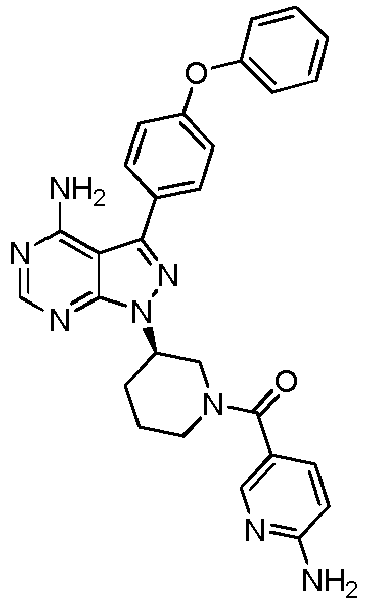
- The synthesis of Compound 17 was accomplished by using a procedure similar to that described in Example 1. Exact Mass (calculated): 506.22; MS(ESI) m/z(M+1)+: 507.2221.
-
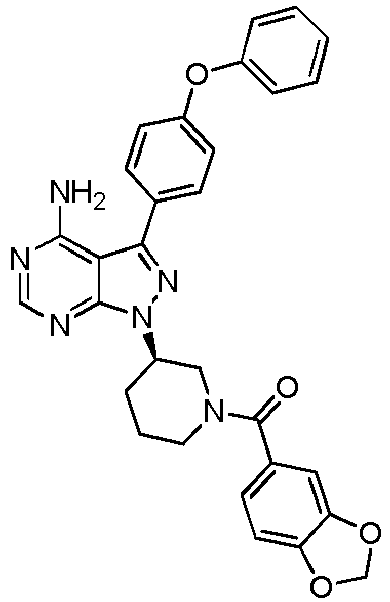
- The synthesis of Compound 18 was accomplished by using a procedure similar to that described in Example 1. Exact Mass (calculated): 534.20; MS(ESI) m/z(M+1)+: 535.2021.
-

- The synthesis of Compound 19 was accomplished by using a procedure similar to that described in Example 1. Exact Mass (calculated): 497.25; MS(ESI) m/z(M+1)+: 498.2521.
-

- The synthesis of Compound 20 was accomplished by using a procedure similar to that described in Example 1. Exact Mass (calculated): 453.19; MS(ESI) m/z(M+1)+: 454.1922.
-
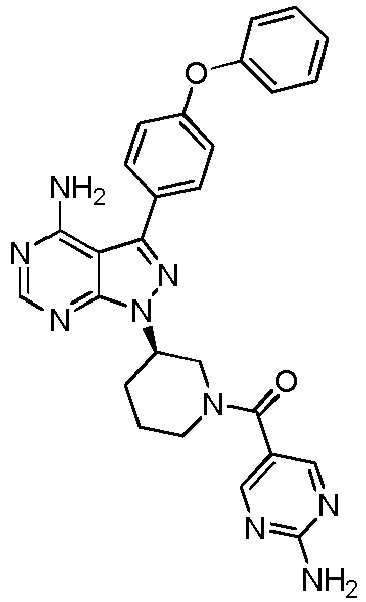
- The synthesis of Compound 21 was accomplished by using a procedure similar to that described in Example 1. Exact Mass (calculated): 507.21; MS(ESI) m/z(M+1)+: 508.2134.
-

- The synthesis of Compound 22 was accomplished by using a procedure similar to that described in Example 1. Exact Mass (calculated): 471.24; MS(ESI) m/z(M+1)+: 472.2431.
-

- The synthesis of Compound 23 was accomplished by using a procedure similar to that described in Example 1. Exact Mass (calculated): 458.21; MS(ESI) m/z(M+1)+: 458.2124.
-

- The synthesis of Compound 24 was accomplished by using a procedure similar to that described in Example 1. Exact Mass (calculated): 457.22; MS(ESI) m/z(M+1)+: 458.2234.
-
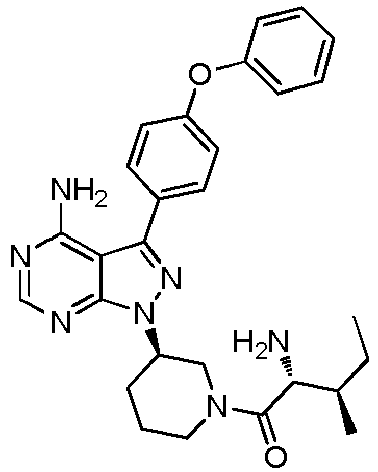
- The synthesis of Compound 25 was accomplished by using a procedure similar to that described in Example 1. Exact Mass (calculated): 499.27; MS(ESI) m/z(M+1)+: 500.2731.
-
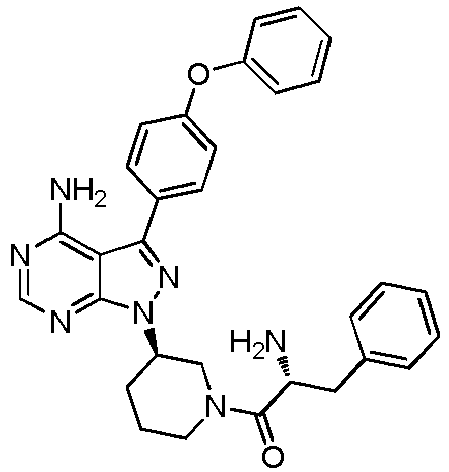
- The synthesis of Compound 26 was accomplished by using a procedure similar to that described in Example 1. Exact Mass (calculated): 533.25; MS(ESI) m/z(M+1)+: 534.2541.
-

- The synthesis of Compound 27 was accomplished by using a procedure similar to that described in Example 1. Exact Mass (calculated): 499.27; MS(ESI) m/z(M+1)+: 500.2733.
-
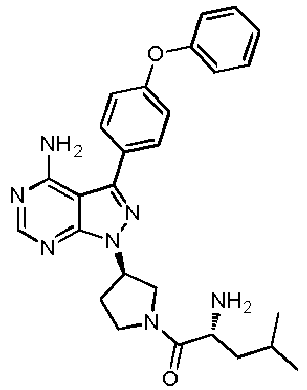
- The synthesis of Compound 28 was accomplished by using a procedure similar to that described in Example 1. Exact Mass (calculated): 485.58; MS(ESI) m/z(M+1)+: 486.5833.
-

- The synthesis of Compound 29 was accomplished by using a procedure similar to that described in Example 1. Exact Mass (calculated): 481.19; MS(ESI) m/z(M+1)+: 482.1921.
-
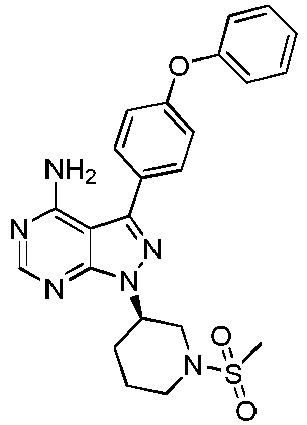
- The synthesis of Compound 30 was accomplished by using a procedure similar to that described in Example 1. Exact Mass (calculated): 464.16; MS(ESI) m/z(M+1)+: 465.1622.
-

- The synthesis of Compound 31 was accomplished by using a procedure similar to that described in Example 1. Exact Mass (calculated): 513.25; MS(ESI) m/z(M+1)+: 514.2531.
-
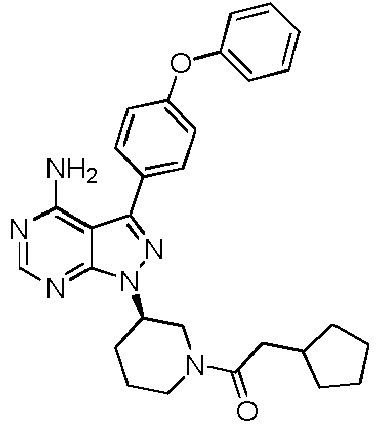
- The synthesis of Compound 32 was accomplished by using a procedure similar to that described in Example 1. Exact Mass (calculated): 496.26; MS(ESI) m/z(M+1)+: 496.2631.
-

- The synthesis of Compound 33 was accomplished by using a procedure similar to that described in Example 1. Exact Mass (calculated): 511.27; MS(ESI) m/z(M+1)+: 512.2731.
-
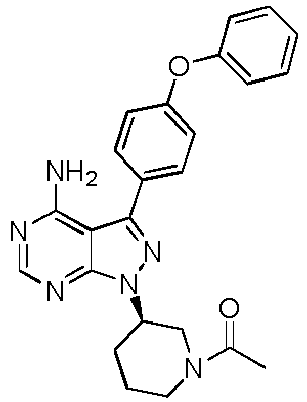
- The synthesis of Compound 34 was accomplished by using a procedure similar to that described in Example 1. Exact Mass (calculated): 428.20; MS(ESI) m/z(M+1)+: 429.2031.
-

- The synthesis of Compound 35 was accomplished by using a procedure similar to that described in Example 1. Exact Mass (calculated): 602.31; MS(ESI) m/z(M+1)+: 602.3123.
-

- The synthesis of Compound 36 was accomplished by using a procedure similar to that described in Example 1. Exact Mass (calculated): 476.17; MS(ESI) m/z(M+1)+: 477.1723.
-

- The synthesis of Compound 37 was accomplished by using a procedure similar to that described in Example 1. Exact Mass (calculated): 520.12; MS(ESI) m/z(M+1)+: 522.1217.
-
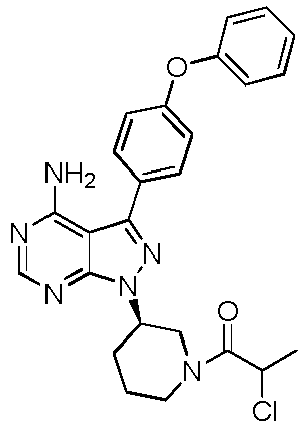
- The synthesis of Compound 38 was accomplished by using a procedure similar to that described in Example 1. Exact Mass (calculated): 476.17; MS(ESI) m/z(M+1)+: 477.1725.
-

- The synthesis of Compound 39 was accomplished by using a procedure similar to that described in Example 1. Exact Mass (calculated): 526.28; MS(ESI) m/z(M+1)+: 527.2826.
-
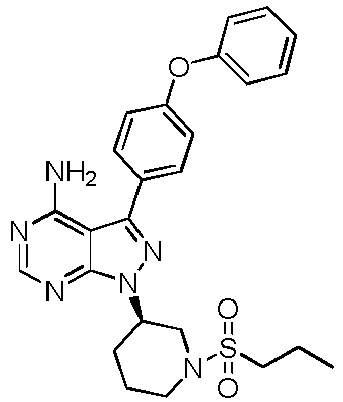
- The synthesis of Compound 40 was accomplished by using a procedure similar to that described in Example 1. Exact Mass (calculated): 492.19; MS(ESI) m/z(M+1)+: 493.1921.
-
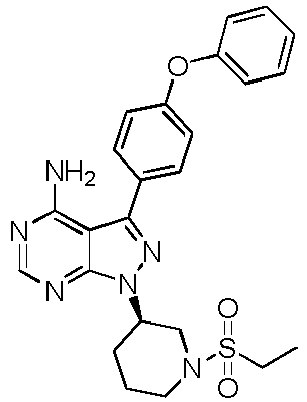
- The synthesis of Compound 41 was accomplished by using a procedure similar to that described in Example 1. Exact Mass (calculated): 478.18; MS(ESI) m/z(M+1)+: 479.1821.
-

- The synthesis of Compound 42 was accomplished by using a procedure similar to that described in Example 1. Exact Mass (calculated): 478.18; MS(ESI) m/z(M+1)+: 479.1821.
-

- The synthesis of Compound 43 was accomplished by using a procedure similar to that described in Example 1. Exact Mass (calculated): 443.21; MS(ESI) m/z(M+1)+: 444.2118.
-

- The synthesis of Compound 44 was accomplished by using a procedure similar to that described in Example 1. Exact Mass (calculated): 487.23; MS(ESI) m/z(M+1)+: 488.2321.
-

- The synthesis of Compound 45 was accomplished by using a procedure similar to that described in Example 1. Exact Mass (calculated): 485.25; MS(ESI) m/z(M+1)+: 486.2531.
-
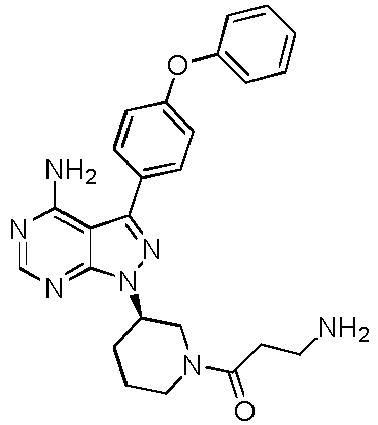
- The synthesis of Compound 46 was accomplished by using a procedure similar to that described in Example 1. Exact Mass (calculated): 457.22; MS(ESI) m/z(M+1)+: 457.2221.
-

- The synthesis of Compound 47 was accomplished by using a procedure similar to that described in Example 1. Exact Mass (calculated): 457.22; MS(ESI) m/z(M+1)+: 458.2226.
-

- The synthesis of Compound 48 was accomplished by using a procedure similar to that described in Example 1. Exact Mass (calculated): 473.22; MS(ESI) m/z(M+1)+: 474.2225.
-
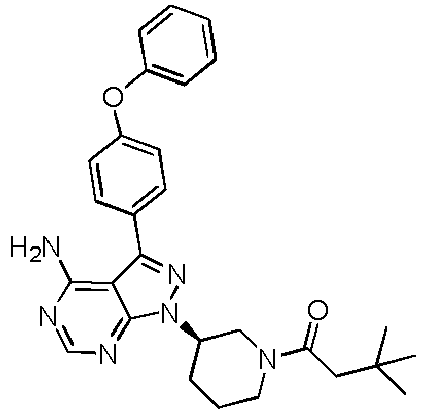
- The synthesis of Compound 49 was accomplished by using a procedure similar to that described in Example 1. Exact Mass (calculated): 473.22; MS(ESI) m/z(M+1)+: 474.2225.
-

- The synthesis of Compound 50 was accomplished by using a procedure similar to that described in Example 1. Exact Mass (calculated): 473.22; MS(ESI) m/z(M+1)+: 474.2226.
-

- The synthesis of Compound 51 was accomplished by using a procedure similar to that described in Example 1. Exact Mass (calculated): 496.18; MS(ESI) m/z(M+1)+: 497.1824.
-

- The synthesis of Compound 52 was accomplished by using a procedure similar to that described in Example 1. Exact Mass (calculated): 468.23; MS(ESI) m/z(M+1)+: 469.2327.
-

- The synthesis of Compound 53 was accomplished by using a procedure similar to that described in Example 1. Exact Mass (calculated): 470.24; MS(ESI) m/z(M+1)+: 471.2427.
-
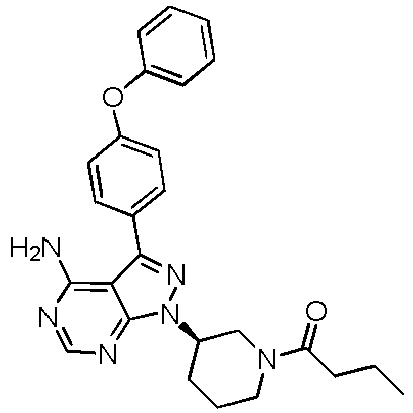
- The synthesis of Compound 54 was accomplished by using a procedure similar to that described in Example 1. Exact Mass (calculated): 456.23; MS(ESI) m/z(M+1)+: 457.2327.
-

- The synthesis of Compound 55 was accomplished by using a procedure similar to that described in Example 1. Exact Mass (calculated): 470.24; MS(ESI) m/z(M+1)+: 471.2426.
-

- The synthesis of Compound 56 was accomplished by using a procedure similar to that described in Example 1. Exact Mass (calculated): 514.24; MS(ESI) m/z(M+1)+: 515.2428.
-

- The synthesis of Compound 57 was accomplished by using a procedure similar to that described in Example 1. Exact Mass (calculated): 514.24; MS(ESI) m/z(M+1)+: 515.2427.
-

- The synthesis of Compound 58 was accomplished by using a procedure similar to that described in Example 1. Exact Mass (calculated): 540.31; MS(ESI) m/z(M+1)+: 541.3135.
-

- The synthesis of Compound 59 was accomplished by using a procedure similar to that described in Example 1. Exact Mass (calculated): 543.26; MS(ESI) m/z(M+1)+: 544.2627.
-

- The synthesis of Compound 60 was accomplished by using a procedure similar to that described in Example 1. Exact Mass (calculated): 555.26; MS(ESI) m/z(M+1)+: 556.2627.
-

- The synthesis of Compound 61 was accomplished by using a procedure similar to that described in Example 1. Exact Mass (calculated): 500.25; MS(ESI) m/z(M+1)+: 501.2527.
-

- The synthesis of Compound 62 was accomplished by using a procedure similar to that described in Example 1. Exact Mass (calculated): 485.25; MS(ESI) m/z(M+1)+: 486.2526.
-

- The synthesis of Compound 63 was accomplished by using a procedure similar to that described in Example 1. Exact Mass (calculated): 500.25; MS(ESI) m/z(M+1)+: 501.2528.
-

- The synthesis of Compound 64 was accomplished by using a procedure similar to that described in Example 1. Exact Mass (calculated): 429.19; MS(ESI) m/z(M+1)+: 430.1928.
-

- The synthesis of Compound 65 was accomplished by using a procedure similar to that described in Example 1. Exact Mass (calculated): 457.22; MS(ESI) m/z(M+1)+: 458.2225.
-
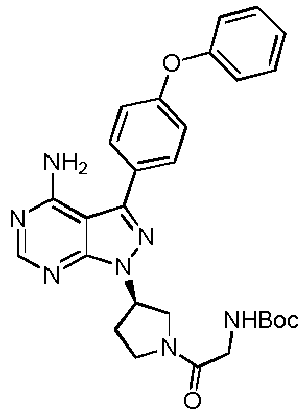
- The synthesis of Compound 66 was accomplished by using a procedure similar to that described in Example 1. Exact Mass (calculated): 529.24; MS(ESI) m/z(M+1)+: 530.2427.
-
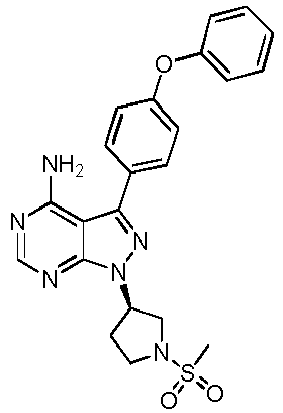
- The synthesis of Compound 67 was accomplished by using a procedure similar to that described in Example 1. Exact Mass (calculated): 450.15; MS(ESI) m/z(M+1)+: 451.1527.
-
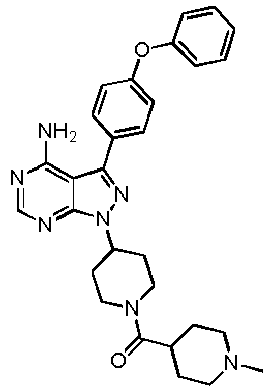

- As shown in Scheme II, the synthesis of Compound 68 was accomplished by the synthesis from a to c by using a method similar to that described in Example 1 except that (S)-N-tert-butoxycarbonyl-3-piperidinol was replaced by N-tert-butoxycarbonyl-4-piperidinol as the starting material. The compound c was dissolved in methylene chloride and trifluoroacetic acid was added. The mixture was stirred at room temperature for 2 hours. After concentration, ethyl acetate and water-soluble potassium carbonate was added to the residue. The organic phase was dried, concentrated by filtration, and 4.0 M HCl in 4-dioxane solution was added under stirring, the solid was collected and was washed with ethyl acetate. The solid was then dissolved in a solution of ethyl acetate and potassium carbonate. The organic phase was dried and was concentrated to obtain intermediate d. The compound d (20 mg, 0.05 mmol) was dissolved in N, N-dimethylformamide (2 ml). 1-methylpiperidin-4-carboxylic acid (7.4 mg, 0.05 mmol), di isopropylethylamine (7.4 mg, 0.05 mmol), HATU (21.6 mg, 0.05 mmol) was added. The mixture was stirred at room temperature for 0.5 hour, then was diluted with ethyl acetate, washed with water, dried and concentrated by column chromatography to obtain 12 mg of white solid compound 68. Exact Mass (calculated): 511.62; MS(ESI) m/z(M+1)+: 512.6227.
-
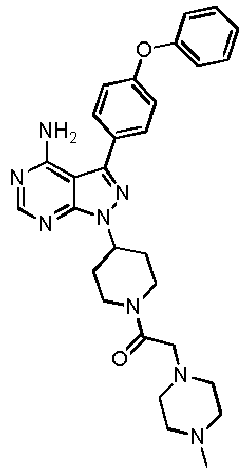
- The synthesis of Compound 69 was accomplished by using a procedure similar to that described in Example 68. Exact Mass (calculated): 526.63; MS(ESI) m/z(M+1)+: 527.6329.
-

- The synthesis of Compound 70 was accomplished by using a procedure similar to that described in Example 68. Exact Mass (calculated): 513.59; MS(ESI) m/z(M+1)+: 514.5917.
-

- The synthesis of Compound 71 was accomplished by using a procedure similar to that described in Example 68. Exact Mass (calculated): 602.73; MS(ESI) m/z(M+1)+: 603.7325.
-

- The synthesis of Compound 72 was accomplished by using a procedure similar to that described in Example 68. Exact Mass (calculated): 471.55; MS(ESI) m/z(M+1)+: 472.5532.
-
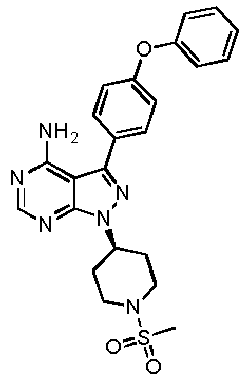
- The synthesis of Compound 73 was accomplished by using a procedure similar to that described in Example 68. Exact Mass (calculated): 464.54; MS(ESI) m/z(M+1)+: 465.5423.
-

- The synthesis of Compound 74 was accomplished by using a procedure similar to that described in Example 68. Exact Mass (calculated): 499.61; MS(ESI) m/z(M+1)+: 500.6128.
-
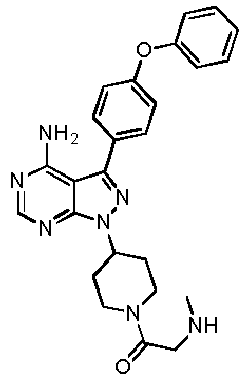
- The synthesis of Compound 75 was accomplished by using a procedure similar to that described in Example 68. Exact Mass (calculated): 457.53; MS(ESI) m/z(M+1)+: 458.5316.
-
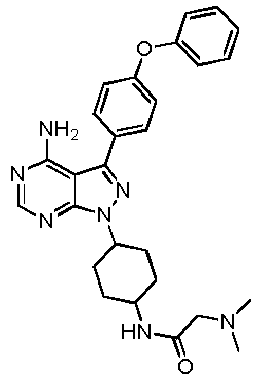

- As shown in Scheme II, the synthesis of Compound 76 was accomplished by the synthesis from a to e by using a method similar to that described in Example 1 except that (S)-N-tert-butoxycarbonyl-3-piperidinol was replaced by N-Boc-4-aminocyclohexanol as the starting material. The compound e was dissolved in methylene chloride and trifluoroacetic acid was added. The mixture was stirred at room temperature for 2 hours. After concentration, ethyl acetate and water-soluble potassium carbonate was added to the residue. The organic phase was dried, concentrated by filtration, and 4.0 M HCl in 4-dioxane solution was added under stirring, the solid was collected and was washed with ethyl acetate. The solid was then dissolved in a solution of ethyl acetate and potassium carbonate. The organic phase was dried and was concentrated to obtain intermediate f. The compound f (20 mg, 0.05 mmol) was dissolved in N, N-dimethylformamide (2 ml). 2-(dimethylamino)acetic acid (5.1 mg, 0.05 mmol), di isopropylethylamine (7.4 mg, 0.05 mmol), HATU (21.6 mg, 0.05 mmol) was added. The mixture was stirred at room temperature for 0.5 hour, then was diluted with ethyl acetate, washed with water, dried and concentrated by column chromatography to obtain 16 mg of white solid compound 76. Exact Mass (calculated): 485.58; MS(ESI) m/z(M+1)+: 486.5816.
-

- The synthesis of Compound 77 was accomplished by using a procedure similar to that described in Example 76. Exact Mass (calculated): 513.64; MS(ESI) m/z(M+1)+: 514.6423.
-
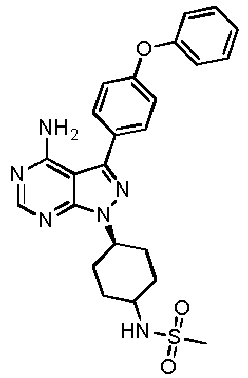
- The synthesis of Compound 78 was accomplished by using a procedure similar to that described in Example 76. Exact Mass (calculated): 478.57; MS(ESI) m/z(M+1)+: 479.5717.
-

- The synthesis of Compound 79 was accomplished by using a procedure similar to that described in Example 76. Exact Mass (calculated): 471.55; MS(ESI) m/z(M+1)+: 472.5521.
-

- The synthesis of Compound 80 was accomplished by using a procedure similar to that described in Example 76. Exact Mass (calculated): 525.64; MS(ESI) m/z(M+1)+: 526.6422.
-

- The synthesis of Compound 81 was accomplished by using a procedure similar to that described in Example 76. Exact Mass (calculated): 540.66; MS(ESI) m/z(M+1)+: 541.6625.
-
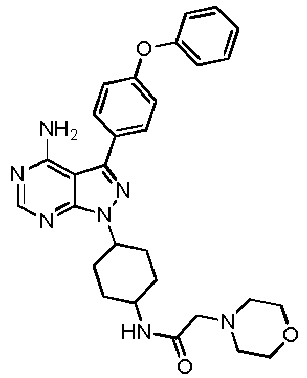
- The synthesis of Compound 82 was accomplished by using a procedure similar to that described in Example 76. Exact Mass (calculated): 527.62; MS(ESI) m/z(M+1)+: 528.6223.
-

- The synthesis of Compound 83 was accomplished by using a procedure similar to that described in Example 76. Exact Mass (calculated): 467.52; MS(ESI) m/z(M+1)+: 468.5218.
-

- The synthesis of Compound 84 was accomplished by using a procedure similar to that described in Example 76 except that N-Boc-4-aminocyclohexanol was replaced by trans-4-Boc-aminocyclohexanol as the starting material. Exact Mass (calculated): 513.64; MS(ESI) m/z(M+1)+: 514.6424.
-

- The synthesis of Compound 85 was accomplished by using a procedure similar to that described in Example 76 except that N-Boc-4-aminocyclohexanol was replaced by cis-4-Boc-aminocyclohexanol as the starting material. Exact Mass (calculated): 513.64; MS(ESI) m/z(M+1)+: 514.6425.
-

- The synthesis of Compound 86 was accomplished by using a procedure similar to that described in Example 76. Exact Mass (calculated): 499.61; MS(ESI) m/z(M+1)+: 500.2785.
-
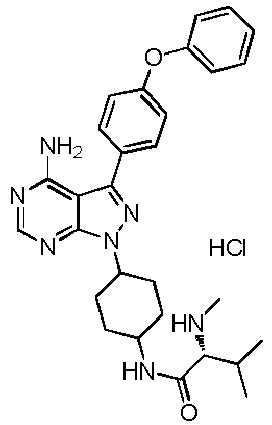
- The synthesis of Compound 87 was accomplished by using a procedure similar to that described in Example 76. Exact Mass (calculated): 513.63; MS(ESI) m/z(M+1)+: 514.2985.
-

- The synthesis of Compound 88 was accomplished by using a procedure similar to that described in Example 76. Exact Mass (calculated): 527.66; MS(ESI) m/z(M+1)+: 528.3065.
-

- The synthesis of Compound 89 was accomplished by using a procedure similar to that described in Example 76. Exact Mass (calculated): 499.61; MS(ESI) m/z(M+1)+: 500.2787.
-

- The synthesis of Compound 90 was accomplished by using a procedure similar to that described in Example 76. Exact Mass (calculated): 513.63; MS(ESI) m/z(M+1)+: 514.2986.
-
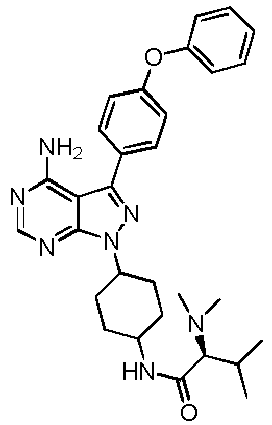
- The synthesis of Compound 91 was accomplished by using a procedure similar to that described in Example 76. Exact Mass (calculated): 527.66; MS(ESI) m/z(M+1)+: 528.3067.
-

- The synthesis of Compound 92 was accomplished by using a procedure similar to that described in Example 76. Exact Mass (calculated): 527.66; MS(ESI) m/z(M+1)+: 528.3063.
-

- The synthesis of Compound 93 was accomplished by using a procedure similar to that described in Example 76. Exact Mass (calculated): 541.69; MS(ESI) m/z(M+1)+: 542.3263.
-

- The synthesis of Compound 94 was accomplished by using a procedure similar to that described in Example 76. Exact Mass (calculated): 513.63; MS(ESI) m/z(M+1)+: 514.2963.
-
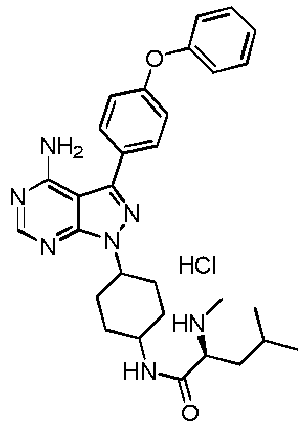
- The synthesis of Compound 95 was accomplished by using a procedure similar to that described in Example 76. Exact Mass (calculated): 527.66; MS(ESI) m/z(M+1)+: 528.3065.
-

- The synthesis of Compound 96 was accomplished by using a procedure similar to that described in Example 76. Exact Mass (calculated): 541.69; MS(ESI) m/z(M+1)+: 542.3266.
-
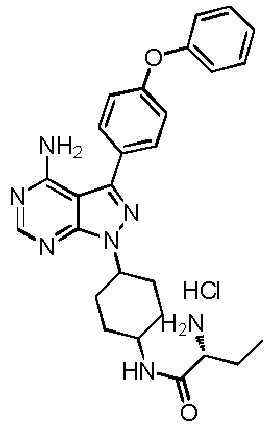
- The synthesis of Compound 97 was accomplished by using a procedure similar to that described in Example 76. Exact Mass (calculated): 485.58; MS(ESI) m/z(M+1)+: 486.2666.
-
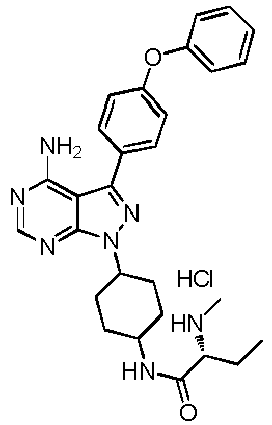
- The synthesis of Compound 98 was accomplished by using a procedure similar to that described in Example 76. Exact Mass (calculated): 499.61; MS(ESI) m/z(M+1)+: 500.2766.
-

- The synthesis of Compound 99 was accomplished by using a procedure similar to that described in Example 76. Exact Mass (calculated): 513.63; MS(ESI) m/z(M+1)+: 514.2966.
-

- The synthesis of Compound 100 was accomplished by using a procedure similar to that described in Example 76. Exact Mass (calculated): 485.58; MS(ESI) m/z(M+1)+: 486.2669.
-

- The synthesis of Compound 101 was accomplished by using a procedure similar to that described in Example 76. Exact Mass (calculated): 499.61; MS(ESI) m/z(M+1)+: 500.2769.
-

- The synthesis of Compound 102 was accomplished by using a procedure similar to that described in Example 76. Exact Mass (calculated): 513.63; MS(ESI) m/z(M+1)+: 514.2963.
-

- The synthesis of Compound 103 was accomplished by using a procedure similar to that described in Example 76. Exact Mass (calculated): 499.61; MS(ESI) m/z(M+1)+: 500.2763.
-
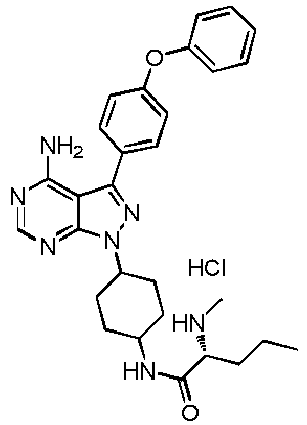
- The synthesis of Compound 104 was accomplished by using a procedure similar to that described in Example 76. Exact Mass (calculated): 513.63; MS(ESI) m/z(M+1)+: 514.2963.
-

- The synthesis of Compound 105 was accomplished by using a procedure similar to that described in Example 76. Exact Mass (calculated): 527.66; MS(ESI) m/z(M+1)+: 528.3063.
-
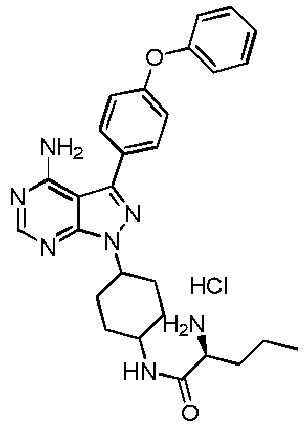
- The synthesis of Compound 106 was accomplished by using a procedure similar to that described in Example 76. Exact Mass (calculated): 499.61; MS(ESI) m/z(M+1)+: 500.2769.
-
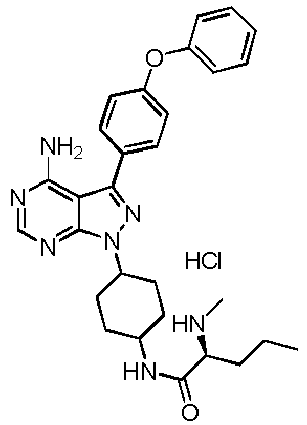
- The synthesis of Compound 107 was accomplished by using a procedure similar to that described in Example 76. Exact Mass (calculated): 513.63; MS(ESI) m/z(M+1)+: 514.2971.
-
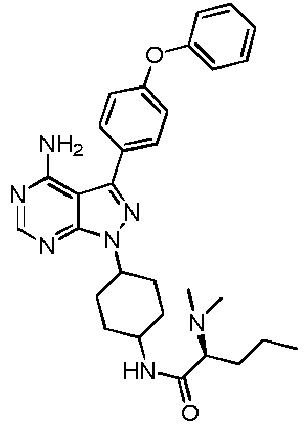
- The synthesis of Compound 108 was accomplished by using a procedure similar to that described in Example 76. Exact Mass (calculated): 527.66; MS(ESI) m/z(M+1)+: 528.3068.
-
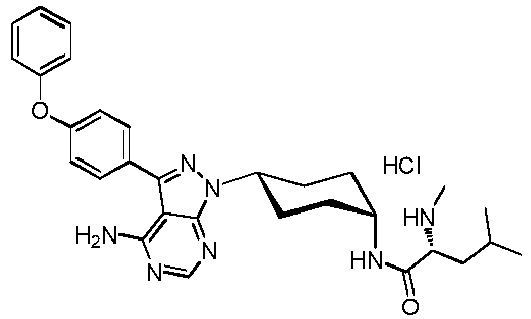
- The synthesis of Compound 109 was accomplished by using a procedure similar to that described in Example 76 except that N-Boc-4-aminocyclohexanol was replaced by trans-4-Boc-aminocyclohexanol as the starting material. Exact Mass (calculated): 527.66; MS(ESI) m/z(M+1)+: 528.3074.
-

- The synthesis of Compound 110 was accomplished by using a procedure similar to that described in Example 76 except that N-Boc-4-aminocyclohexanol was replaced by trans-4-Boc-aminocyclohexanol as the starting material. Exact Mass (calculated): 541.69; MS(ESI) m/z(M+1)+: 542.3274.
-

- The synthesis of Compound 111 was accomplished by using a procedure similar to that described in Example 76 except that N-Boc-4-aminocyclohexanol was replaced by trans-4-Boc-aminocyclohexanol as the starting material. Exact Mass (calculated): 513.63; MS(ESI) m/z(M+1)+: 514.2974.
-
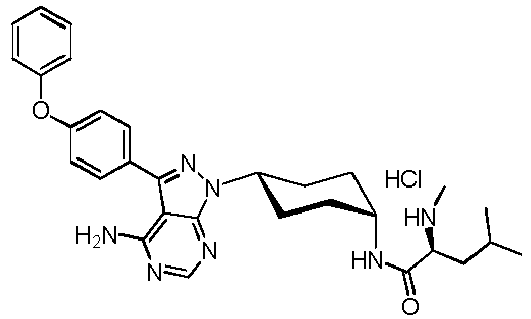
- The synthesis of Compound 112 was accomplished by using a procedure similar to that described in Example 76 except that N-Boc-4-aminocyclohexanol was replaced by trans-4-Boc-aminocyclohexanol as the starting material. Exact Mass (calculated): 527.66; MS(ESI) m/z(M+1)+: 528.3074.
-

- The synthesis of Compound 113 was accomplished by using a procedure similar to that described in Example 76 except that N-Boc-4-aminocyclohexanol was replaced by trans-4-Boc-aminocyclohexanol as the starting material. Exact Mass (calculated): 541.69; MS(ESI) m/z(M+1)+: 542.3277.
-

- The synthesis of Compound 114 was accomplished by using a procedure similar to that described in Example 76 except that N-Boc-4-aminocyclohexanol was replaced by cis-4-Boc-aminocyclohexanol as the starting material. Exact Mass (calculated): 513.63; MS(ESI) m/z(M+1)+: 514.2976.
-

- The synthesis of Compound 115 was accomplished by using a procedure similar to that described in Example 76 except that N-Boc-4-aminocyclohexanol was replaced by cis-4-Boc-aminocyclohexanol as the starting material. Exact Mass (calculated): 527.66; MS(ESI) m/z(M+1)+: 528.3077.
-
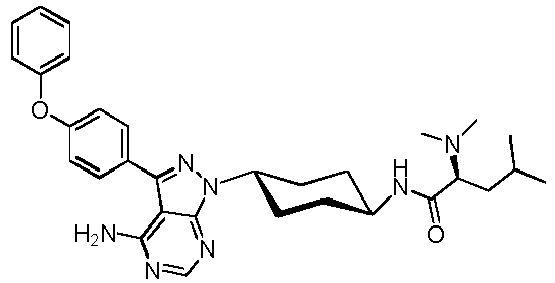
- The synthesis of Compound 116 was accomplished by using a procedure similar to that described in Example 76 except that N-Boc-4-aminocyclohexanol was replaced by cis-4-Boc-aminocyclohexanol as the starting material. Exact Mass (calculated): 541.69; MS(ESI) m/z(M+1)+: 542.3280.
-
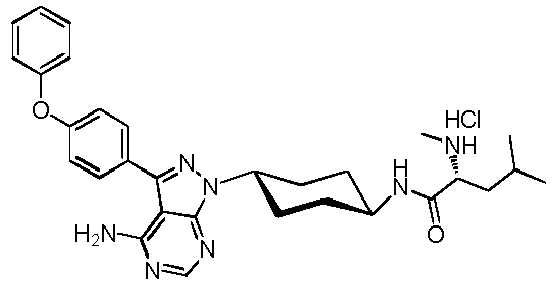
- The synthesis of Compound 117 was accomplished by using a procedure similar to that described in Example 76 except that N-Boc-4-aminocyclohexanol was replaced by cis-4-Boc-aminocyclohexanol as the starting material. Exact Mass (calculated): 527.66; MS(ESI) m/z(M+1)+: 528.3082.
-

- The synthesis of Compound 118 was accomplished by using a procedure similar to that described in Example 76 except that N-Boc-4-aminocyclohexanol was replaced by cis-4-Boc-aminocyclohexanol as the starting material. Exact Mass (calculated): 541.69; MS(ESI) m/z(M+1)+: 542.3283.
-

- The synthesis of Compound 119 was accomplished by using a procedure similar to that described in Example 76 except that N-Boc-4-aminocyclohexanol was replaced by trans-4-Boc-aminocyclohexanol as the starting material. Exact Mass (calculated): 580.68; MS(ESI) m/z(M+1)+: 581.2983.
-

- The synthesis of Compound 120 was accomplished by using a procedure similar to that described in Example 76 except that N-Boc-4-aminocyclohexanol was replaced by trans-4-Boc-aminocyclohexanol as the starting material. Exact Mass (calculated): 594.71; MS(ESI) m/z(M+1)+: 595.3183.
-

- The synthesis of Compound 121 was accomplished by using a procedure similar to that described in Example 76 except that N-Boc-4-aminocyclohexanol was replaced by trans-4-Boc-aminocyclohexanol as the starting material. Exact Mass (calculated): 608.73; MS(ESI) m/z(M+1)+: 609.3383.
-

- The synthesis of Compound 122 was accomplished by using a procedure similar to that described in Example 76 except that N-Boc-4-aminocyclohexanol was replaced by trans-4-Boc-aminocyclohexanol as the starting material. Exact Mass (calculated): 565.67; MS(ESI) m/z(M+1)+: 566.2883.
-

- The synthesis of Compound 123 was accomplished by using a procedure similar to that described in Example 76 except that N-Boc-4-aminocyclohexanol was replaced by cis-4-Boc-aminocyclohexanol as the starting material. Exact Mass (calculated): 565.67; MS(ESI) m/z(M+1)+: 566.2886.
-
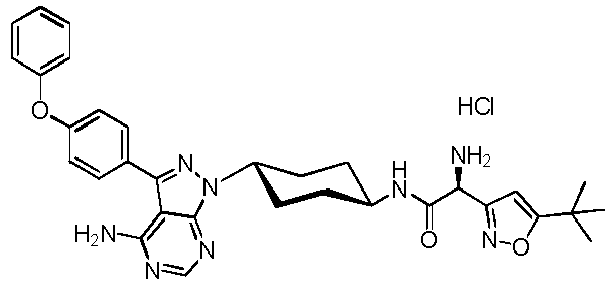
- The synthesis of Compound 124 was accomplished by using a procedure similar to that described in Example 76 except that N-Boc-4-aminocyclohexanol was replaced by cis-4-Boc-aminocyclohexanol as the starting material. Exact Mass (calculated): 580.68; MS(ESI) m/z(M+1)+: 581.2988.
-
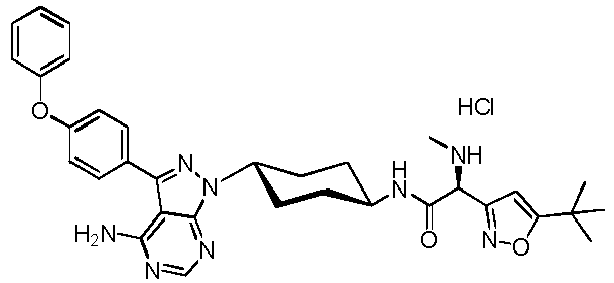
- The synthesis of Compound 125 was accomplished by using a procedure similar to that described in Example 76 except that N-Boc-4-aminocyclohexanol was replaced by cis-4-Boc-aminocyclohexanol as the starting material. Exact Mass (calculated): 594.71; MS(ESI) m/z(M+1)+: 595.3187.
-

- The synthesis of Compound 126 was accomplished by using a procedure similar to that described in Example 76 except that N-Boc-4-aminocyclohexanol was replaced by cis-4-Boc-aminocyclohexanol as the starting material. Exact Mass (calculated): 608.73; MS(ESI) m/z(M+1)+: 609.3390.
- By examining the effect of the compounds of the present invention on the growth of cancer cells (Table 2), the inhibitory effect of the compounds on the proliferation of cancer cells and its selectivity to inhibition of cancer cell proliferation was further evaluated. In this Example, human acute monocytic leukemia cell lines MV4-11 (expressing FLT3/ITD mutant gene), human acute myeloid leukemia cell lines MOLM-13 (expressing FLT3/ITD mutant gene and wild-type FLT3 gene), human acute myeloid leukemia cell lines MOLM-14 (expressing FLT3/ITD mutant gene and wild-type FLT3 gene), human acute myeloid leukemia cell lines OCI-AML-3 (expressing FLT3 A680V mutant gene), human acute myeloid leukemia cell lines U937 (expressing wild-type FLT3 gene), and mouse pro-B cell BaF3 were selected, and the above cells were purchased from ATCC. Also mouse TEL-BaF3-FLT3/ITD (stably expressing FLT3/ITD mutant activated kinase), mouse TEL-BaF3-FLT3-D835Y (stably expressing FLT3 D835Y mutant activated kinase), mouse TEL-BaF3-BMX (stably expressing BMX kinase), mouse TEL-FLT3-BaF3 (stably expressing FLT3 kinase), mouse BaF3-FLT3-ITD-D835Y (stably expressing FLT3/ITD D835Y mutant activated kinase), mouse BaF3-FLT3-ITD-F691L (stably expressing FLT3/ITD F691L mutant activated kinase), mouse TEL-cKIT-BaF3 (stably expressing cKIT kinase), mouse BaF3-tel-cKit-N882K (stably expressing cKIT N882K mutant activated kinase), mouse BaF3-tel-cKit-D816V (stably expressing cKIT D816V mutant activated kinase), mouse BaF3-tel-cKit-T670I (stably expressing cKIT T670I mutant activated kinase), mouse TPR-MET-BaF3 (stably expressing MET kinase), mouse TEL-BaF3-EGFR (stably expressing EGFR kinase), mouse BaF3-FL-EGFR-L858R (stably expressing EGFR L858R mutant activated kinase), mouse TEL-BaF3-BLK (stably expressing BLK kinase), and mouse TEL-JAK1-BaF3 (stably expressing JAK1 kinase) were selected. The above cell lines were constructed by our laboratory. The method was as follows: the kinase region sequences of human FLT3/ITD, FLT3 D835Y, BMX, FLT3, FLT3/ITD D835Y, FLT3/ITD F691L, cKIT, cKIT N882K, cKIT D816V, cKIT T670I, MET, EGFR, EGFR L858R, BLK, and JAK1 kinase were amplified by PCR respectively, and were inserted into MSCV-Puro vectors with N-terminal TEL or TPR fragments (Clontech) respectively. The vectors were stably transfected into mouse BaF3 cells by the means of retrovirus, and the growth factor IL-3 ware removed, and eventually FLT3/ITD, FLT3 D835Y, BMX, FLT3, FLT3/ITD D835Y, FLT3/ITD F691L, cKIT, cKIT N882K, cKIT D816V, cKIT T670I, MET, EGFR, EGFR L858R, BLK, JAK1-transferred protein dependent cell lines were obtained were obtained.
- In Examples, the above compounds in a different concentration (0.000508 µM, 0.00152 µM, 0.00457 µM, 0.0137 µM, 0.0411 µM, 0.123 µM, 0.370 µM, 1.11 µM, 3.33 µM, 10 µM in DMSO) were added to the above cells respectively, and the cells were incubated for 72 hours. The number of viable cells was determined by quantification of ATP in living cells using the Cell Titer-Glo® (Promega, USA) chemiluminescence cell viability assay kit. The experimental results were shown in Table 2.
Table 2 Effect on cell proliferation Compounds MV4-11 IC50[µM] MOLM-13 IC50[µM] MOLM-14 IG50[µM] TEL-BaF3-FLT3/ITD IC50[µM] TEL-FLT3-BaF3 IC50[µM] TEL-BaF3-F LT3-D835Y IG50[µM] BaF3-FLT3-1 TD-D835Y IC50[µM] Compound 92 <0.0003 <0.0003 <0.0003 <0.0003 Compound 86 0.02 0.001 0.005 0.004 0.006 Compound 85 0.51 0.082 Compound 84 0.01 0.002 <0.0003 0.013 0.002 0.28 Compound 40 0.76 0.16 Compound 38 0.97 0.12 Compound 39 0.23 0.093 Compound 37 0.23 0.15 Compound 36 0.67 0.15 Compound 35 0.28 0.07 Compound 34 0.35 0.07 Compound 33 0.16 0.16 0.22 0.077 0.14 0.63 Compound 32 Compound 31 Compound 30 0.17 0.13 0.26 0.048 0.65 2.5 Compound 29 Compound 13 0.45 Compound 14 0.049 0.06 0.12 0.088 0.24 0.25 Compound 15 0.2 Compound 16 6 Compound 17 0.88 Compound 18 1.8 Compound 19 0.79 Compound 20 0.2 0.16 0.41 0.12 0.15 Compound 21 0.33 Compound 22 0.022 0.021 0.042 0.011 0.033 0.17 Compound 23 0.32 0.29 0.63 0.091 0.43 Compound 24 0.67 Compound 25 0.12 0.12 0.19 0.088 0.18 Compound 26 0.28 0.2 0.29 0.16 0.36 Compound 27 0.032 0.014 0.023 0.005 0.018 0.2 Compound 5 0.12 0.085 0.21 0.51 0.034 0.32 Compound 6 1.1 Compound 7 0.01 0.0012 0.023 0.009 0.3 0.11 Compound 8 0.27 0.18 0.31 0.27 0.089 Compound 9 1.1 Compound 10 0.061 0.064 0.11 0.11 0.064 Compound 11 0.022 0.012 0.046 0.048 0.02 0.28 Compound 12 0.064 0.046 0.077 0.045 0.048 Compound 2 0.3 0.29 0.72 0.12 0.13 Compound 3 1.8 Compound 4 0.3 0.23 0.68 0.16 Compound 57 0.06 0.76 0.12 Compound 56 0.24 0.71 0.49 Compound 58 0.058 0.19 0.094 Compound 59 0.429 0.775 0.18 Compound 61 0.948 2.12 0.48 Compound 60 0.52 1.36 0.3 Compound 63 0.35 0.72 0.15 Compound 62 0.38 1.2 0.41 Compound 66 0.73 1.6 0.16 Compound 64 0.175 0.48 0.08 Compound 65 0.083 0.23 0.041 Compound 67 0.42 1.46 0.13 Compound 28 0.12 1.9 0.041 Compound 72 0.075 Compound 73 0.19 Compound 74 0.075 Compound 76 0.027 0.016 0.036 0.0067 0.042 0.023 0.13 Compound 77 0.0016 0.0027 0.0084 <0.0003 0.0081 0.021 0.073 Compound 78 0.018 0.019 0.11 0.0044 0.044 0.0076 0.053 Compound 1 6.5 1.4 Compound 55 >10 1.8 Compound 54 1.2 0.45 Compound 53 3.4 0.77 Compound 52 0.41 0.082 Compound 51 0.61 0.15 Compound 50 2.4 0.26 Compound 49 2.4 0.46 Compound 48 0.061 0.052 0.079 0.046 Compound 47 0.054 0.034 0.048 0.022 Compound 46 0.75 0.39 Compound 45 0.027 0.025 0.031 0.017 0.31 Compound 44 0.064 0.072 0.059 0.022 Compound 43 0.022 0.02 0.028 0.007 0.41 Compound 42 1.9 0.39 Compound 41 0.57 0.14 Compound 92 1.9 Compound 86 0.15 1.4 <0.0003 0.27 Compound 85 0.95 Compound 84 0.43 0.75 3.3 0.063 6.1 Compound 40 4.45 6.61 Compound 38 7.93 6.51 Compound 39 5.87 4.91 Compound 37 >10 1.09 Compound 36 8.96 >10 Compound 35 1.06 0.62 Compound 34 >10 3.56 Compound 33 0.28 5 >10 5.3 0.07 2.01 Compound 32 Compound 31 Compound 30 5.3 >10 >10 >10 0.14 4.35 Compound 29 Compound 13 >10 Compound 14 0.37 9.8 4.14 0.43 4.9 Compound 15 >10 Compound 16 >10 Compound 17 >10 Compound 18 >10 Compound 19 >10 Compound 20 >10 >10 0.047 3.3 Compound 21 >10 Compound 22 0.22 4.9 9.7 0.28 1.9 1.2 Compound 23 >10 4.3 0.088 4.8 Compound 24 7.8 Compound 25 1.7 1.9 0.51 3.1 Compound 26 1.5 2.4 1.3 3.5 Compound 27 0.28 1.3 4.1 0.34 1.6 Compound 5 0.37 >10 6.4 0.2 2.2 Compound 6 >10 Compound 7 0.25 0.44 0.54 0.33 0.35 Compound 8 0.62 1 0.55 0.75 Compound 9 >10 Compound 10 1.2 3.4 0.84 1.1 Compound 11 0.26 0.96 3.4 0.44 0.83 Compound 12 1.2 1.6 0.6 1 Compound 2 2 >10 0.082 1.9 Compound 3 >10 Compound 4 >10 0.82 4.9 Compound 57 8.43 2.3 3.4 Compound 56 >10 Compound 58 3.72 0.27 7.4 Compound 59 9.29 Compound 61 7.21 Compound 60 4.37 Compound 63 4.69 Compound 62 8.46 Compound 66 6.34 Compound 64 7.59 0.09 2.5 Compound 65 8.42 1.2 3.5 Compound 67 >10 Compound 28 2.15 0.39 5.3 Compound 72 3.65 Compound 73 >10 Compound 74 0.59 Compound 76 0.18 4.2 >10 0.12 0.43 Compound 77 0.067 2.2 3.4 0.052 0.24 Compound 78 0.27 6 3.6 0.038 0.32 Compound 1 >10 >10 Compound 55 >10 >10 Compound 54 >10 >10 Compound 53 >10 >10 Compound 52 >10 7.89 Compound 51 >10 >10 Compound 50 >10 >10 Compound 49 >10 >10 Compound 48 6.5 >10 4.36 0.122 Compound 47 3.8 >10 2.7 0.056 Compound 46 5.68 8.61 Compound 45 0.37 1.4 >10 4.2 0.092 Compound 44 3.9 >10 3.76 0.119 Compound 43 1.1 3.8 7.21 5.98 0.022 Compound 42 >10 >10 Compound 41 5.84 4.85 Compound 92 Compound 86 3.3 1.3 0.001 Compound 85 Compound 84 2.9 0.003 Compound 40 Compound 38 Compound 39 Compound 37 Compound 36 Compound 35 Compound 34 Compound 33 1.45 0.61 Compound 32 Compound 31 Compound 30 9.27 3.5 Compound 29 Compound 13 Compound 14 3 1.6 1 7.7 Compound 15 Compound 16 Compound 17 Compound 18 Compound 19 Compound 20 >10 4.7 0.52 >10 Compound 21 Compound 22 1 3.6 2.2 1.8 0.94 3.8 Compound 23 >10 6.5 2.8 >10 Compound 24 Compound 25 1.7 0.89 1.1 3.3 Compound 26 2 1.3 2.9 2 Compound 27 1.5 0.99 0.21 2.2 Compound 5 5.7 >10 0.97 4 Compound 6 Compound 7 0.53 1 0.051 0.37 Compound 8 1.1 1.4 0.56 0.27 Compound 9 Compound 10 1.4 3.7 1 0.4 Compound 11 1.4 2.2 0.09 0.34 Compound 12 1.5 1.2 0.96 0.52 Compound 2 4.7 6.1 0.63 1.4 Compound 3 Compound 4 >10 >10 1.4 >10 Compound 57 0.54 4.71 Compound 56 Compound 58 0.15 Compound 59 Compound 61 Compound 60 0.77 Compound 63 Compound 62 Compound 66 Compound 64 0.0098 1.3 Compound 65 0.36 0.89 Compound 67 Compound 28 0.083 0.91 Compound 72 Compound 73 Compound 74 Compound 76 0.03 Compound 77 0.0026 Compound 78 0.004 Compound 1 Compound 55 Compound 54 Compound 53 Compound 52 Compound 51 Compound 50 Compound 49 Compound 48 3.52 1.1 Compound 47 2.46 0.68 Compound 46 Compound 45 1.38 0.096 Compound 44 2.76 1 Compound 43 2.77 0.12 Compound 42 Compound 41 - In human acute myeloid leukemia MV4-11 (expressing FLT3/ITD mutant gene) cell lines, and human acute myeloid leukemia cell lines MOLM-14 (expressing FLT3/ITD mutant gene and wild-type FLT3 gene) cell lines, which carry FLT3 gene and/or FLT3/ITD mutant gene, the effects of Compound 22, Compound 77, Compound 84 and Control Compound FLT3 kinase inhibitor AC220 (AC220 was purchased from Hao Yuan Chemexpress Company, Shanghai) on phosphorylation of FLT3 and/or FLT3/ITD protein kinase and phosphorylation of STAT5 protein which is downstream in FLT3 closely related signaling pathways, as well as the effects on phosphorylation of other related protein kinases such as ERK, AKT in cells were tested by assaying a number of cellular biochemical and functional endpoints, at the same time we also examined the effect on phosphorylation of protein C-Myc and transcription factor NF-κB subunit p65 (Figure 1). Using Compound 22, Compound 77, in a different concentration of 0 µM, 0.03 µM, 0.1 µM, 0.3 µM, 1 µM, 3 µM (in DMSO), Compound 84 in a different concentration of 0 µM, 0.003 µM, 0.01 µM, 0.03 µM, 0.1 µM, 0.3 µM, 1 µM (in DMSO), and 0.1 µM of FLT3 kinase inhibitor AC220 (in DMSO), acute myeloid leukemia MV 4-11, MOLM-14 cell lines, which carry FLT3 and/or FLT3/ITD gene, were treated for 4 hours, respectively, and the samples were collected. The effects of compounds on phosphorylation of proteins such as STAT5, C-Myc, ERK, NF-κB p65, AKT, and the like were examined in cells (Figure 1).
- The experimental results were shown in Figure 1: in MV 4-11 and MOLM-14 cell lines, all of Compound 22, Compound 77 and Compound 84 strongly inhibited phosphorylation of protein kinase FLT3. In addition, in acute myeloid leukemia MV4-11 and MOLM-14 cell lines, which carry FLT3 and/or FLT3/ITD gene, all of Compound 22, Compound 77 and Compound 84 had very strong inhibitory effects on phosphorylation of STAT5 which is a FLT3/ITD downstream protein in cells, and had significant effects on the degradation of C-Myc which is a protein closely related to FLT3 protein kinase. In the same experiment, Control Compound FLT3 kinase inhibitor AC220 strongly inhibited protein kinase FLT3, and phosphorylation of STAT5 and C-Myc, which are proteins closely related to FLT3/ITD. By the comparison of the experimental results, it can be seen that, Compound 77, Compound 84 in the present invention had better efficacy than that of Control Compound FLT3 kinase inhibitor AC220.
- It was shown in Example 128 that, all of Compound 22, Compound 77, Compound 84 strongly inhibited phosphorylation of protein kinase FLT3, affected phosphorylation of STAT5 which is a downstream protein in the signaling pathways of protein kinase FLT3 in cells, thereby inhibiting cell proliferation of acute myeloid leukemia cell lines carrying FLT3 and/or FLT3/ITD gene.
- In the experiments of in vitro enzymatic activity, the IC50 values of Compound 33, Compound 30, Compound 14, Compound 20, Compound 22, Compound 23, Compound 25, Compound 26, Compound 27, Compound 5, Compound 6, Compound 7, Compound 8, Compound 9, Compound 10, Compound 11, Compound 12, Compound 2, Compound 3, Compound 4, Compound 76, Compound 77, Compound 78, Compound 48, Compound 47, Compound 45, Compound 44, Compound 43 and AC220 on protein kinase FLT3, FLT3/ITD and BTK were determined. The intracellular segment regions of protein kinase FLT3, FLT3/ITD and BTK were cloned into the insect expression vector pAcG2T, and the proteins were expressed by using an insect expression system, BaculoGold™ Baculovirus Expression System (BD Pharmingen), with GST tag. The established vectors were transfected into SF9 packaging viruses, so as to infect the SF9-expressed proteins with the viruses.
- 9 µL (6 ng/µL) of purified FLT3 and BTK protein kinase were reacted with 1 µL of three-fold gradient dilution of the above compounds (final concentrations of the agents were 10 µM, 3 µM, 1 µM, 0.3 µM, 0.1 µM, 0.03 µM, 0.01 µM, 0.003 µM), respectively, at room temperature for 4 hours;
2 µL of ATP and 3 µL of substrate, Poly(4:1 Glu, Tyr)Peptide (Promega, US), were added (final concentrations are 10 µM and 0.2 µg/µL, respectively), and reacted at 37 °C for 1 hour;
5 µL of reacted kinase solution was added into 5 µL of ADP-Glo™ (Promega, US) and reacted at room temperature for 40 min, the kinase reaction was stopped and the remained ATP was consumed;
10 µL of kinase detection reagent was added to transfer ADP into ATP, and the newly obtained ATP was detected by using coupled luciferase/fluorescein reaction, then the IC50 values were calculated by using a plotting method based on the Envision reading (Table 3). - The experimental results were shown in Figure 2: the exemplary compounds of the present invention have a strong inhibitory effect on FLT3, FLT3/ITD and BTK protein kinase, and these results demonstrate that the Compound of the present invention is an inhibitor of FLT3 kinase and also inhibits FLT3/ITD and BTK kinase.
Table 3 Test results of in vitro inhibition activity (enzymatic activity Compounds FLT3 protein kinase IC50[µM] FLT3-ITD protein kinase IC50[µM] BTK protein kinase IC50[µM] Compound 33 0.02 0.421 Compound 30 0.122 1.83 Compound 14 0.186 0.063 Compound 20 0.718 0.114 Compound 22 0.047 0.33 0.19 Compound 23 1.577 0.204 Compound 25 0.58 0.216 Compound 26 0.12 0.098 Compound 27 0.144 0.688 Compound 5 0.404 0.04 Compound 6 0.343 0.128 Compound 7 0.399 0.027 Compound 8 1.906 0.254 Compound 9 1.062 0.049 Compound 10 0.168 0.128 Compound 11 0.1 Compound 12 0.012 0.349 Compound 2 0.572 Compound 3 5.556 Compound 4 2.078 Compound 76 0.016 0.478 0.388 Compound 77 0.018 0.024 0.128 Compound 78 0.042 0.455 0.343 Compound 48 0.121 0.028 Compound 47 0.076 0.027 Compound 45 0.032 0.26 Compound 44 0.053 Compound 43 0.037 0.028 AC220 0.0159 - In acute myeloid leukemia MOLM-13, MV4-11 cell lines, which carry FLT3 gene and/or FLT3/ITD mutant gene, the effects of Compound 22 and Compound 84 on protein cleavage of DNA repair enzyme, poly ADP-ribose polymerase PARP, cysteinyl aspartate specific proteinase Caspase 3, which was closely related to cell apoptosis, were examined in cells in order to confirm whether the death of the cells after the administration was by apoptosis or necrosis. Using Compound 22 in a different concentration of 0 µM, 0.03 µM, 0.1 µM, 0.3 µM, 1 µM (in DMSO), Compound 84 in a different concentration of 0 µM, 0.03 µM, 0.1 µM, 0.3 µM, 1 µM (in DMSO), and 0.1 µM of FLT3 kinase inhibitor AC220 (in DMSO), MOLM-13, MV 4-11 cell lines were treated respectively, and then the cells were harvested at 12 hours, 24 hours, 48 hours later. Western Blot was used to detect the effects of different concentrations of drugs on protein cleavage of DNA repair enzyme, poly ADP-ribose polymerase PARP and cysteinyl aspartate specific proteinase Caspase 3 at different time intervals (Figure 3).
- The experimental results were shown in Figure 3: for acute myeloid leukemia cell lines MOLM-13 carrying FLT3 gene and/or FLT3/ITD mutant gene, when the adminstration concentration of Compound 22 was 0.1 µM, it was possible to see a very significant cleavage of DNA repair enzyme, poly ADP-ribose polymerase PARP, as well as a very significant cleavage of cysteinyl aspartate specific proteinase Caspase 3 after 12 hours; when the adminstration concentration of Compound 84 was 0.1 µM, it was possible to see a very significant cleavage of DNA repair enzyme, poly ADP-ribose polymerase PARP, as well as a very significant cleavage of cysteinyl aspartate specific proteinase Caspase 3 after 24 hours, similarly, when 0.1 µM of Control Compound FLT3 kinase inhibitor AC220 was used, it was possible to observe the same phenomenon. For acute myeloid leukemia MV 4-11 carrying FLT3 gene and/or FLT3/ITD mutant gene, when the adminstration concentration of Compound 22 was 0.1 µM, it was possible to see a significant cleavage of DNA repair enzyme, poly ADP-ribose polymerase PARP, and also possible to see a very significant cleavage of cysteinyl aspartate specific proteinase Caspase 3 after 24 and 48 hours, respectively; When the adminstration concentration of Compound 84 was 0.03 µM, it could be observed a relatively significant cleavage of DNA repair enzyme, poly ADP-ribose polymerase PARP, and could be observed a cleavage of cysteinyl aspartate specific proteinase Caspase 3 after 24 hours. Example 130 demonstrated that Compound 22 and Compound 84 were capable of eliciting apoptosis in acute myeloid leukemia cells carrying FLT3 gene and/or FLT3/ITD mutant gene.
- In acute myeloid leukemia MV4-11 cell lines carrying FLT3/ITD mutant gene, the effects of Compound 22 and Compound 84 on cell cycle distribution of these cell lines were examined in order to study the growth cycle during which the cells were blocked by administration. Using Compound 22 in a different concentration of 0 µM, 0.03 µM, 0.1 µM, 0.3 µM (in DMSO), 0.1 µM or 0.01 µM of FLT3 kinase inhibitor AC220 (in DMSO), acute myeloid leukemia MV4-11 cell lines carrying FLT3/ITD mutant gene were treated for 24 hours. The cells were havested, washed with 1XPBS buffer twice, fixed with 75% ethanol at -20°C for 24 hours, washed again with 1XPBS buffer twice, 0.5 mL of 1XPBS buffer and 0.5 mL of PI dyeing liquor (purchase from BD Bioscience, USA) were added to the cells, and the cells were placed in the dark at 37 °C for 15 minutes and the cell cycle distribution was detected by flow cytometry (BD FACS Calibur) (Figure 4).
- The experimental results were shown in Figure 4: in acute myeloid leukemia MV4-11 cell lines carrying FLT3/ITD mutant gene, the number of cells captured in G0-G1 phase increased from 66.99%, 58.98% to 95.78% and 89.92%, respectively, with the concentration of Compound 22, Compound 84 increasing from 0 µM to 0.1 µM. The number of cells captured in G0-G1 phase by FLT3 kinase inhibitor AC220 with higher selective at 0.1 µM or 0.01 µM were 96.53% and 90.49%, respectively;
- Example 131 demonstrated that Compound 22 and Compound 84 were capable of blocking acute myeloid leukemia MV4-11 cells carrying FLT3/ITD mutant gene in G0-G1 phase, and had a strong effect on the cell cycle distribution (Figure 4).
- In order to detect the inhibitory effect of Compound 22 and Compound 77 on the tumor in vivo, a model of nude mouse subcutaneous tumor was introduced. More than 30 mice (5-week-old) (Balb/c-nu female mice, purchased from Shanghai Snake Experimental Animal Co., Ltd.) were inoculated subcutaneously with MOLM-14 cells in 1×10⁷ cells/ mouse, the changes in body weight and tumor volume were recorded daily (tumor volume = Tumor length × tumor width2/2). 10 days later, the mice, of which tumor volumes reached 200-400 mm3, were randomly divided into three groups with 6-10 mice of each group, and were treated as follows: The first group was administered daily by oral gavage with vehicle, i.e., methylcellulose-based aqueous suspension (purchased from Sinopharm Group Chemical Reagent Co., Ltd.); the second group was administered by oral gavage with 12.5 mg/kg of Compound 22 and/or Compound 77 in a methylcellulose-based aqueous suspension formulation; the third group was administered by oral gavage with 25 mg/kg of Compound 22 and/or Compound 77 in a methylcellulose-based aqueous suspension formulation; the fourth group was administered daily by oral gavage with 50 mg/kg of Compound 22 and/or Compound 77 in a methylcellulose-based aqueous suspension formulation; The first day of administration was recorded as day 0, followed by continuous administration for 2 to 3 weeks (Figure 5).
- The experimental results were shown in Figure 5. After treatment with Compound 22, the tumor growth of the mice was significantly inhibited and the tumor volume growth of the mice was significantly slowed down (Figure 5a); After treatment with Compound 77, the tumor growth of the mice was significantly inhibited (Figure 5b), the tumor volume growth of the mice in the group treated in 25 mg/kg/day was significantly slowed down, and the tumors of the mice in the group treated in 50.0 mg/kg/day had almost no growth. The data from the tumor-transplanted mouse model in this example demonstrated that Compound 22 and Compound 77 could play a very strong role in inhibiting tumor growth in acute myeloid leukemia (AML) in mice.
- The present invention provides compounds as novel inhibitors of FLT3 kinase, which may be used for reducing or inhibiting the activity of FLT3 kinase and/or mutant FLT3 kinase in a cell or a subject, and/or for preventing or treating cell proliferative conditions and/or FLT3-related conditions in a subject. Therefore, it can be prepared as corresponding medicament and has industrial applicability.
Claims (9)
- A compound of formula (II), or a pharmaceutically acceptable salt or solvate thereof, having the following structure:
 n is an integer selected from 0 to 4;Z is selected from the group consisting of
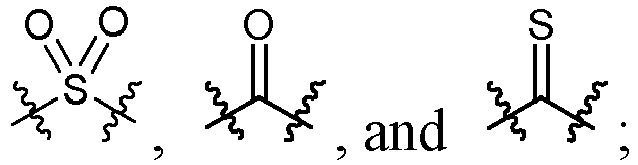 R is selected from the group consisting of unsubstituted C3-C6 cycloalkyl or C3-C6 cycloalkyl optionally substituted with 1 to 3 independent R1 on carbon atoms, amino, carbamoyl, unsubstituted C1-C6 aminoalkyl or C1-C6 aminoalkyl optionally substituted with 1 to 3 independent R1 on carbon atoms or optionally substituted with R2 on heteroatoms, unsubstituted heteroaryl or heteroaryl optionally substituted with 1 to 3 independent R1 on carbon atoms or optionally substituted with R2 on heteroatoms, unsubstituted C3-C6 heterocycloalkyl or C3-C6 heterocycloalkyl optionally substituted with 1 to 3 independent R1 on carbon atoms or optionally substituted with R2 on heteroatoms, unsubstituted aryl or aryl optionally substituted with 1 to 3 independent R1 on carbon atoms, unsubstituted di(C1-C4 alkyl)-N-(C1-C4)alkyl or di(C1-C4 alkyl)-N-(C1-C4)alkyl optionally substituted with 1 to 3 independent R1 on carbon atoms, unsubstituted C1-C4 alkyl(C3-C6 heterocycloalkyl) or C1-C4 alkyl(C3-C6 heterocycloalkyl) optionally substituted with 1 to 3 independent R1 on carbon atoms or optionally substituted with R2 on heteroatoms, unsubstituted C1-C4 alkyl(C3-C6 cycloalkyl) or C1-C4 alkyl(C3-C6 cycloalkyl) optionally substituted with 1 to 3 independent R1 on carbon atoms, unsubstituted C1-C4 aminoalkyl(carbamoyl) or C1-C4 aminoalkyl(carbamoyl) optionally substituted with 1 to 3 independent R1 on carbon atoms, unsubstituted C1-C4 alkyl(heteroaryl) or C1-C4 alkyl(heteroaryl) optionally substituted with 1 to 3 independent R1 on carbon atoms or optionally substituted with R2 on heteroatoms, and unsubstituted C1-C4 alkyl(aryl) or C1-C4 alkyl(aryl) optionally substituted with 1 to 3 independent R1 on carbon atoms,R1 is independently selected from the group consisting of halogen, amino, nitro, cyano, hydroxy, C1-C8 alkyl, C3-C8 cycloalkyl, C1-C8 alkoxy, aryl, heteroaryl optionally substituted with R2 on heteroatoms, C1-C8 alkoxycarbonyl, C1-C8 alkyl(heteroaryl) optionally substituted with R2 on heteroatoms, and C1-C8 alkyl(C3-C6 heterocycloalkyl) optionally substituted with R2 on heteroatoms;R2 is selected from the group consisting of amino protecting groups, C1-C8 alkyl, and C1-C8 alkoxycarbonyl; the amino protecting group is independently selected from the group consisting of tert-butoxycarbonyl, benzyloxycarbonyl, 9-fluorenylmethoxycarbonyl, benzyl and p-methoxyphenyl;wherein heteroaryl is independently selected from the group consisting of pyridyl, pyrimidinyl, isoxazolyl, benzodioxolyl, imidazolyl and indolyl; andwherein heterocycloalkyl is independently selected from the group consisting of piperazinyl, piperidyl, and morpholinyl.
 - A compound of formula (IV), or a pharmaceutically acceptable salt or solvate thereof, having the following structure:
 n is an integer selected from 0 to 4;Z is selected from the group consisting of
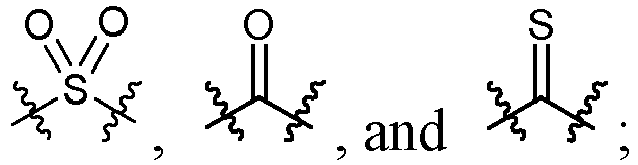 R is selected from the group consisting of unsubstituted C1-C6 aminoalkyl or C1-C6 aminoalkyl optionally substituted with 1 to 3 independent R1 on carbon atoms or optionally substituted with R2 on heteroatoms, unsubstituted C3-C6 heterocycloalkyl or C3-C6 heterocycloalkyl optionally substituted with 1 to 3 independent R1 on carbon atoms or optionally substituted with R2 on heteroatoms, unsubstituted C1-C4 cyanoalkyl or C1-C4 cyanoalkyl optionally substituted with 1 to 3 independent R1 on carbon atoms, unsubstituted di(C1-C4 alkyl)-N-(C1-C4)alkyl or di(C1-C4 alkyl)-N-(C1-C4)alkyl optionally substituted with 1 to 3 independent R1 on carbon atoms, and unsubstituted C1-C4 alkyl(C3-C6 heterocycloalkyl) or C1-C4 alkyl(C3-C6 heterocycloalkyl) optionally substituted with 1 to 3 independent R1 on carbon atoms or optionally substituted with R2 on heteroatoms,R1 is C1-C8 alkyl;R2 is C1-C8 alkyl;wherein heterocycloalkyl is independently selected from the group consisting of piperazinyl, piperidyl, and morpholinyl.
 - The compound, or a pharmaceutically acceptable salt or solvate thereof, according to claim 1 or 2, wherein n is 1 or 2.
- The compound, or a pharmaceutically acceptable salt or solvate thereof, according to claim 1 or 2, wherein
Z is
- The compound of formula (II), or a pharmaceutically salt or solvate thereof, according to claim 1, which is selected from the group consisting of:
Compound 1 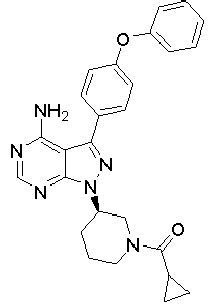
Compound 4 
Compound 5 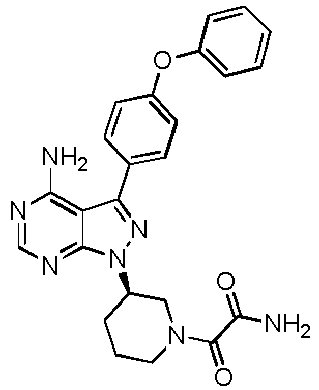
Compound 6 
Compound 7 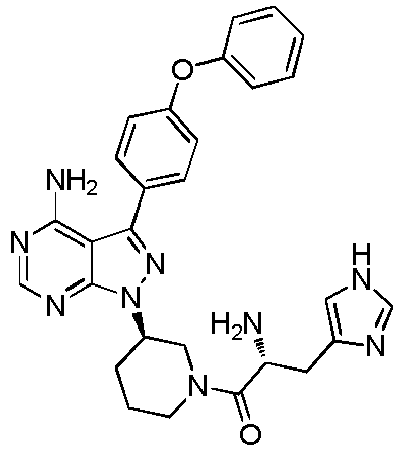
Compound 8 
Compound 9 
Compound 10 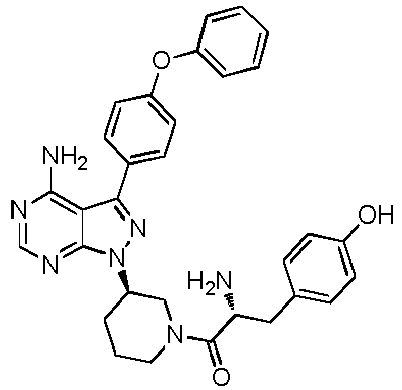
Compound 11 
Compound 12 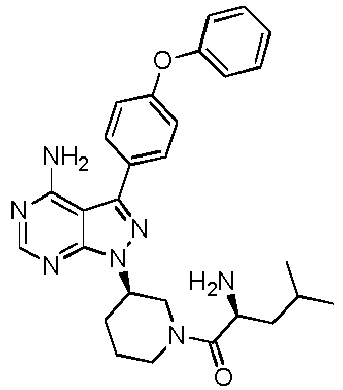
Compound 13 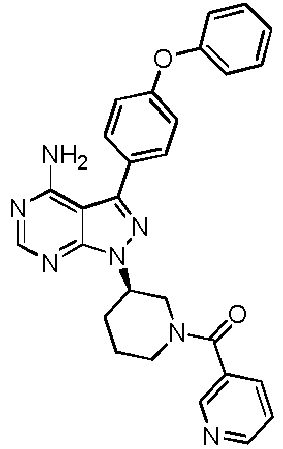
Compound 14 
Compound 15 
Compound 16 
Compound 17 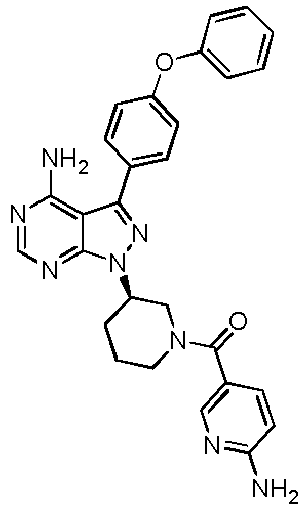
Compound 18 
Compound 19 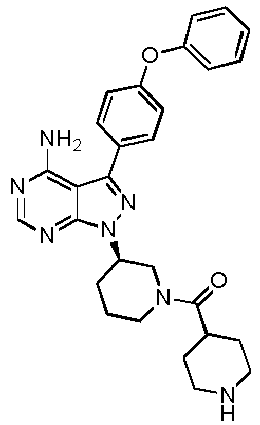
Compound 21 
Compound 22 
Compound 24 
Compound 25 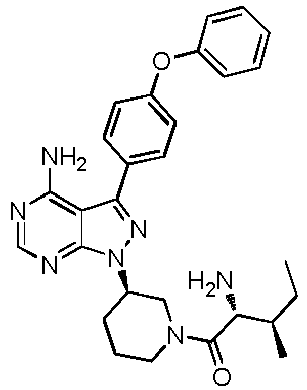
Compound 26 
Compound 27 
Compound 28 
Compound 29 
Compound 31 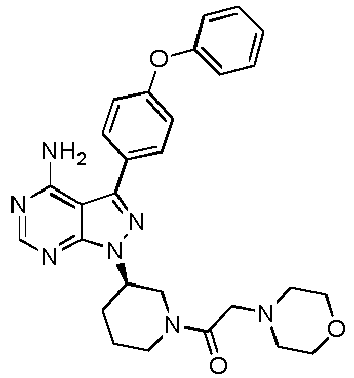
Compound 32 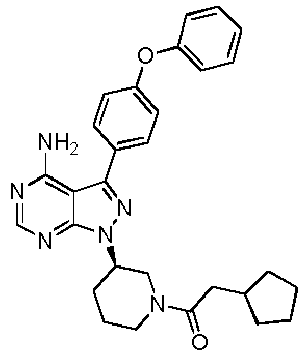
Compound 33 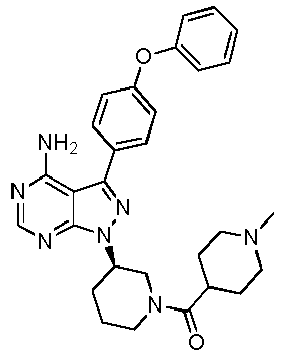
Compound 35 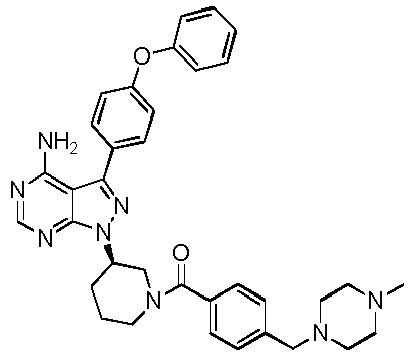
Compound 39 
Compound 43 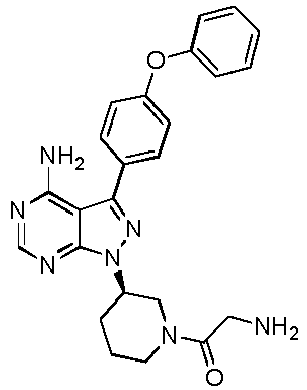
Compound 44 
Compound 45 
Compound 46 
Compound 47 
Compound 48 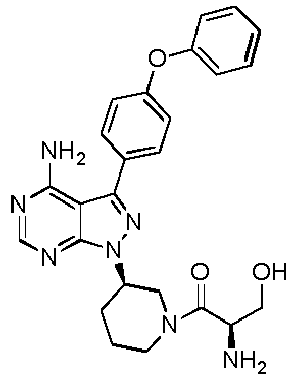
Compound 52 
Compound 56 
Compound 57 
Compound 58 
Compound 59 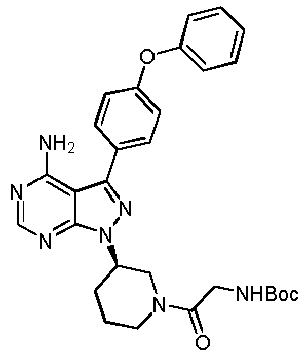
Compound 60 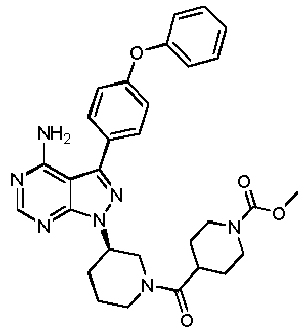
Compound 62 
Compound 64 
Compound 65 
Compound 66 
- The compound of formula (IV), or a pharmaceutically acceptable salt or solvate thereof, according to claim 2, which is selected from the group consisting of:
Compound 76 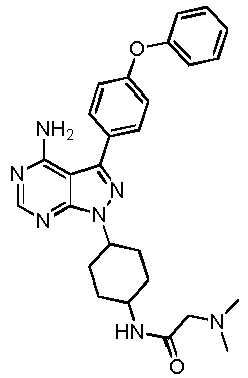
Compound 77 
Compound 79 
Compound 80 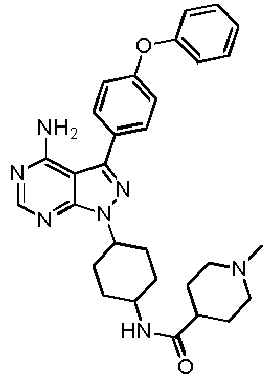
Compound 81 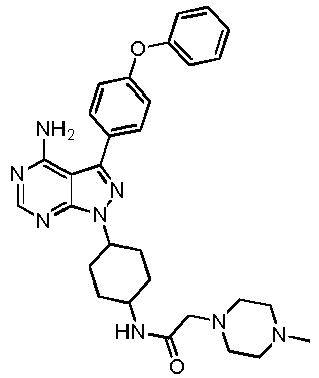
Compound 82 
Compound 83 
Compound 84 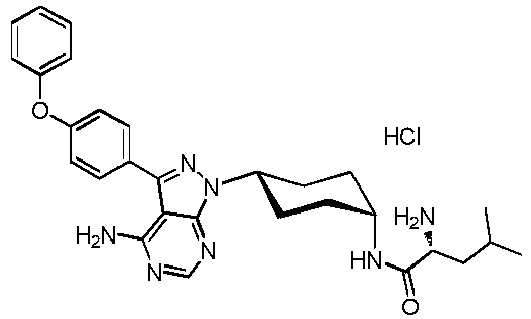
Compound 85 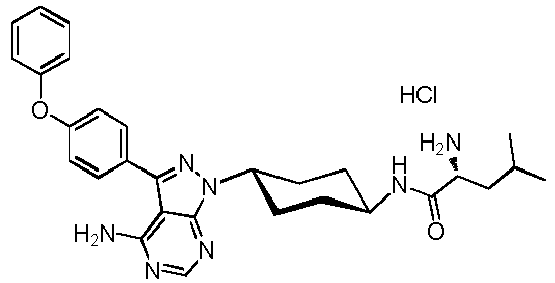
Compound 86 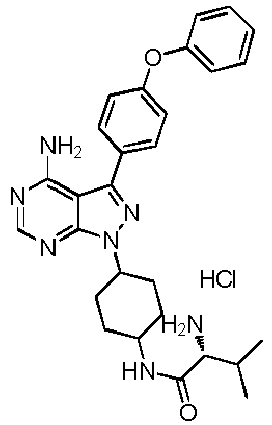
Compound 87 
Compound 88 
Compound 89 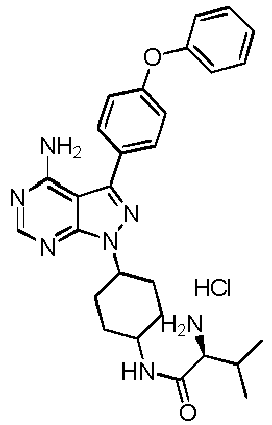
Compound 90 
Compound 91 
Compound 92 
Compound 93 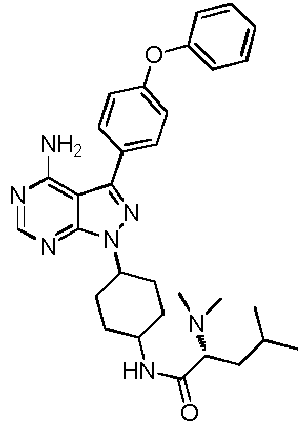
Compound 94 
Compound 95 
Compound 96 
Compound 97 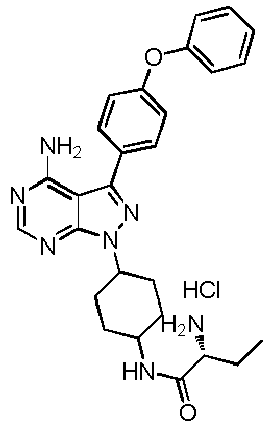
Compound 98 
Compound 99 
Compound 100 
Compound 101 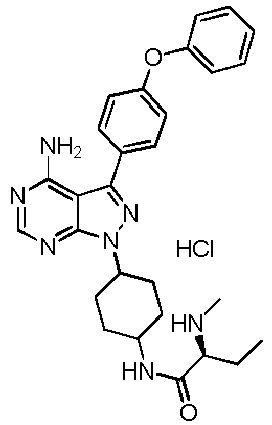
Compound 102 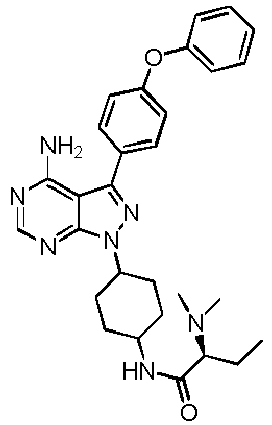
Compound 103 
Compound 104 
Compound 105 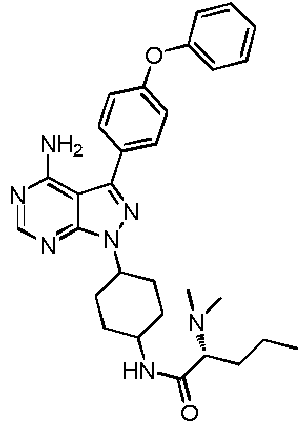
Compound 106 
Compound 107 
Compound 108 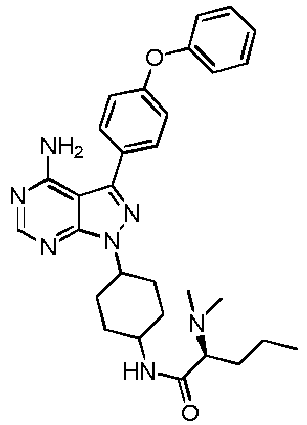
Compound 109 
Compound 110 
Compound 111 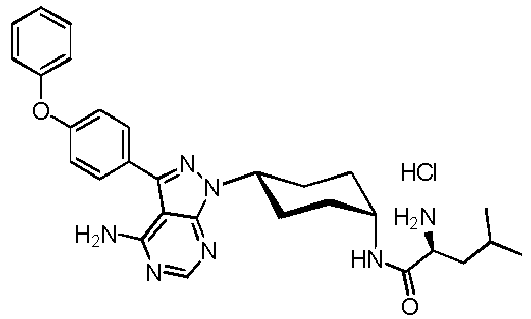
Compound 112 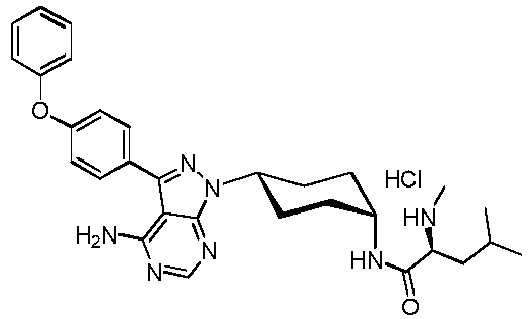
Compound 113 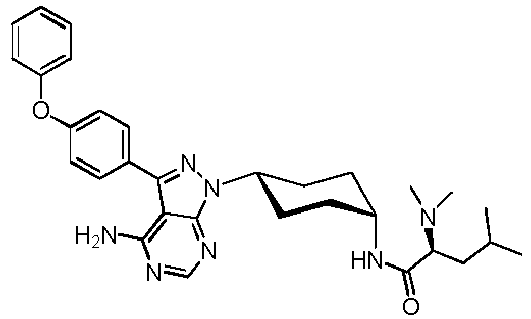
Compound 114 
Compound 115 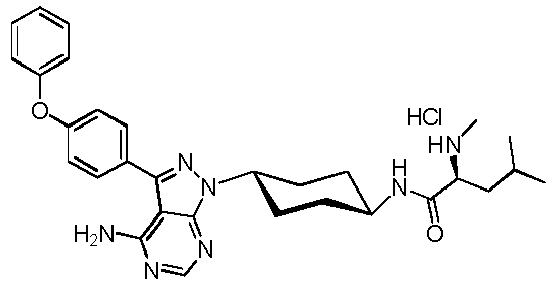
Compound 116 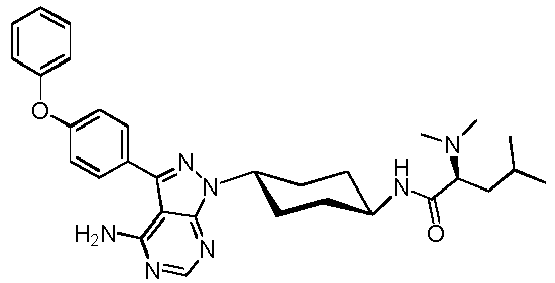
Compound 117 
Compound 118 
- A pharmaceutical composition comprising the compound, or a pharmaceutically acceptable salt or solvate thereof, according to any one of claims 1 to 6, a pharmaceutically acceptable carrier or excipient, and optionally other therapeutic agents.
- A compound according to any one of claims 1 to 6, for use in the treatment of proliferative conditions, wherein said proliferative conditions are selected from the group consisting of: initiation or progression of solid tumor, B-cell lymphoma, sarcoma, lymphoma, diffuse large B-cell lymphoma, follicular lymphoma, chronic lymphocytic lymphoma, chronic lymphocytic leukemia, B-cell prolymphocytic leukemia, lymphoplasmacytic lymphoma/Waldenstrom macroglobulinemia, splenic marginal zone lymphoma, plasma cell myeloma, plasmacytoma, extranodal marginal zone B-cell lymphoma, nodal marginal zone B-cell lymphoma, mantle cell lymphoma, mediastinal (thymic) large B-cell lymphoma, intravascular large B-cell lymphoma, primary effusion lymphoma, Burkitt lymphoma, leukemias, lymphomatoid granulomatosis, breast ductal carcinoma, lobular carcinoma, adenocarcinoma, melanoma, B-cell proliferative disease, brain cancer, kidney cancer, liver cancer, adrenal gland cancer, bladder cancer, breast cancer, lymph cancer, stomach cancer, stomach neoplasm, esophagus cancer, ovarian cancer, colorectal cancer, prostate cancer, pancreas cancer, lung cancer, vagina cancer, membranous adenocarcinoma, thyroid cancer, neck cancer, CNS cancer, malignant glioma, myeloproliferative disease, glioblastoma, multiple myeloma, gastrointestinal cancer, colorectal carcinoma, head and neck neoplasms, brain tumor, epidermal hyperplasia, psoriasis, prostate hyperplasia, neoplasia, neoplasia of epithelial character, lymphomas, breast cancer, or leukemias, and a combination thereof.
- A compound according to any one of claims 1 to 6, for use in the treatment of FLT3-related conditions, wherein said FLT3-related conditions are selected from the group consisting of: leukemias, lymphomas, Hodgkin's disease, myeloma, acute lymphocytic leukemia, acute myeloid leukemia, acute promyelocytic leukemia, chronic lymphocytic leukemia, chronic myeloid leukemia, chronic neutrophilic leukemia, acute undifferentiated leukemia, anaplastic large-cell lymphoma, adult T-cell ALL, AML with trilineage myelodysplasia, mixed lineage leukemia, myelodysplasia syndromes, myeloproliferative disorders, multiple myeloma and myeloid sarcoma, chronic lymphocytic lymphoma, diffuse large B-cell lymphoma, follicular lymphoma or chronic lymphocytic leukemia, mantle cell lymphoma, mediastinal (thymic) large B-cell lymphoma, intravascular large B-cell lymphoma, primary effusion lymphoma, Burkitt lymphoma, and a combination thereof.
Applications Claiming Priority (3)
| Application Number | Priority Date | Filing Date | Title |
|---|---|---|---|
| CN201510028177 | 2015-01-21 | ||
| CN201510130223 | 2015-03-25 | ||
| PCT/CN2015/086318 WO2016115869A1 (en) | 2015-01-21 | 2015-08-07 | Novel inhibitor of flt3 kinase and use thereof |
Publications (3)
| Publication Number | Publication Date |
|---|---|
| EP3248979A1 EP3248979A1 (en) | 2017-11-29 |
| EP3248979A4 EP3248979A4 (en) | 2018-09-12 |
| EP3248979B1 true EP3248979B1 (en) | 2021-04-14 |
Family
ID=56416365
Family Applications (1)
| Application Number | Title | Priority Date | Filing Date |
|---|---|---|---|
| EP15878539.4A Active EP3248979B1 (en) | 2015-01-21 | 2015-08-07 | Novel inhibitor of flt3 kinase and use thereof |
Country Status (3)
| Country | Link |
|---|---|
| US (1) | US10266535B2 (en) |
| EP (1) | EP3248979B1 (en) |
| WO (1) | WO2016115869A1 (en) |
Families Citing this family (5)
| Publication number | Priority date | Publication date | Assignee | Title |
|---|---|---|---|---|
| MA41350A (en) * | 2015-01-14 | 2017-11-21 | Janssen Pharmaceutica Nv | SUMMARY OF A BRUTON TYROSINE KINASE INHIBITOR |
| TWI642671B (en) | 2015-10-28 | 2018-12-01 | 台灣神隆股份有限公司 | Process for preparing ibrutinib and its intermediates |
| WO2018145280A1 (en) * | 2017-02-09 | 2018-08-16 | 合肥合源药业有限公司 | Flt3 kinase inhibitor or crystal forms of salt thereof and preparation method therefor |
| AU2020436612A1 (en) * | 2020-03-16 | 2022-09-01 | Flash Therapeutics, Llc | Compounds for treating or inhibiting recurrence of acute myeloid leukemia |
| EP4509125A1 (en) * | 2022-04-12 | 2025-02-19 | Hefei Youyuan Pharmaceutical Co., Ltd. | Novel use of pyrazolopyrimidine compound |
Family Cites Families (10)
| Publication number | Priority date | Publication date | Assignee | Title |
|---|---|---|---|---|
| US6921763B2 (en) * | 1999-09-17 | 2005-07-26 | Abbott Laboratories | Pyrazolopyrimidines as therapeutic agents |
| ES2585902T3 (en) | 2006-09-22 | 2016-10-10 | Pharmacyclics Llc | Bruton tyrosine kinase inhibitors |
| US7718662B1 (en) | 2009-10-12 | 2010-05-18 | Pharmacyclics, Inc. | Pyrazolo-pyrimidine inhibitors of bruton's tyrosine kinase |
| DK2710007T3 (en) | 2011-05-17 | 2020-01-27 | Principia Biopharma Inc | kinase inhibitors |
| CA2840413A1 (en) * | 2011-06-28 | 2013-01-03 | Pharmacyclics, Inc. | Methods and compositions for inhibition of bone resorption |
| EP2878601B1 (en) * | 2012-07-27 | 2018-03-28 | Riken | Agent for treating or controlling recurrence of acute myelogenous leukemia |
| KR102377688B1 (en) | 2013-03-15 | 2022-03-22 | 얀센 파마슈티카 엔.브이. | Methods and intermediates for the manufacture of pharmaceuticals |
| US8957080B2 (en) | 2013-04-09 | 2015-02-17 | Principia Biopharma Inc. | Tyrosine kinase inhibitors |
| US9694011B2 (en) | 2013-05-21 | 2017-07-04 | Jiangsu Medolution Ltd | Substituted pyrazolopyrimidines as kinases inhibitors |
| WO2016151438A1 (en) * | 2015-03-20 | 2016-09-29 | Sun Pharmaceutical Industries Limited | A process for the preparation of ibrutinib |
-
2015
- 2015-08-07 EP EP15878539.4A patent/EP3248979B1/en active Active
- 2015-08-07 WO PCT/CN2015/086318 patent/WO2016115869A1/en not_active Ceased
- 2015-08-07 US US15/544,676 patent/US10266535B2/en active Active
Non-Patent Citations (1)
| Title |
|---|
| None * |
Also Published As
| Publication number | Publication date |
|---|---|
| EP3248979A4 (en) | 2018-09-12 |
| US10266535B2 (en) | 2019-04-23 |
| EP3248979A1 (en) | 2017-11-29 |
| US20180030054A1 (en) | 2018-02-01 |
| WO2016115869A1 (en) | 2016-07-28 |
Similar Documents
| Publication | Publication Date | Title |
|---|---|---|
| CN105481862B (en) | novel inhibitors of F L T3 kinase and uses thereof | |
| JP5109109B2 (en) | A novel imidazopyrazine as a cyclin-dependent kinase inhibitor | |
| EP2776408B1 (en) | Anticancer benzopyrazines via the inhibition of fgfr kinases | |
| JP4571969B2 (en) | Pyrazolotriazines as kinase inhibitors | |
| EP3159340B1 (en) | Bruton's tyrosine kinase inhibitor | |
| EP3248979B1 (en) | Novel inhibitor of flt3 kinase and use thereof | |
| WO2010065898A2 (en) | Egfr kinase knockdown via electrophilically enhanced inhibitors | |
| CN101495481A (en) | Pyrazolo [1, 5-alpha] pyrimidines as CDK inhibitors | |
| JP2009511478A (en) | Pyrazolopyrimidines as protein kinase inhibitors | |
| WO2017049462A1 (en) | Novel flt3 kinase inhibitor and uses thereof | |
| CN101589045A (en) | Imidazopyrazines as protein kinase inhibitors | |
| EP3466952B1 (en) | 1-(4-(4-amino-3-phenyl-1h-pyrazolo[3,4-d]pyrimidin-1-yl)-phenyl)-urea derivatives as flt3 kinase inhibitors for treating cancer | |
| WO2020259463A1 (en) | CASEIN KINASE 1ε INHIBITOR, PHARMACEUTICAL COMPOSITION AND APPLICATION THEREOF | |
| EP3699179A1 (en) | Pyrazolyl-containing tricyclic derivative, preparation method therefor and use thereof | |
| CN108368060A (en) | A kind of novel pyridine derivatives kinase inhibitor | |
| WO2023183652A1 (en) | Dual cxcr4-btk inhibitors | |
| CN106543143B (en) | A kind of novel FLT3 kinase inhibitor and application thereof | |
| EP3730483B1 (en) | Class of pyrimidine derivative kinase inhibitors | |
| EP3412657B1 (en) | Novel irreversible bruton's tyrosine kinase inhibitor | |
| EP3878841B1 (en) | Indazole kinase inhibitor and use thereof | |
| EP3896059A1 (en) | Pan-kit kinase inhibitor having quinoline structure and application thereof | |
| CN120035595A (en) | Thiazolo[5,4-d]pyrimidine compound, composition containing the same and use thereof | |
| HK40052071A (en) | Pan-kit kinase inhibitor having quinoline structure and application thereof | |
| NZ619642B2 (en) | Inhibitors of bruton's tyrosine kinase | |
| NZ619642A (en) | Inhibitors of bruton’s tyrosine kinase |
Legal Events
| Date | Code | Title | Description |
|---|---|---|---|
| STAA | Information on the status of an ep patent application or granted ep patent |
Free format text: STATUS: THE INTERNATIONAL PUBLICATION HAS BEEN MADE |
|
| PUAI | Public reference made under article 153(3) epc to a published international application that has entered the european phase |
Free format text: ORIGINAL CODE: 0009012 |
|
| STAA | Information on the status of an ep patent application or granted ep patent |
Free format text: STATUS: REQUEST FOR EXAMINATION WAS MADE |
|
| 17P | Request for examination filed |
Effective date: 20170810 |
|
| AK | Designated contracting states |
Kind code of ref document: A1 Designated state(s): AL AT BE BG CH CY CZ DE DK EE ES FI FR GB GR HR HU IE IS IT LI LT LU LV MC MK MT NL NO PL PT RO RS SE SI SK SM TR |
|
| AX | Request for extension of the european patent |
Extension state: BA ME |
|
| DAV | Request for validation of the european patent (deleted) | ||
| DAX | Request for extension of the european patent (deleted) | ||
| A4 | Supplementary search report drawn up and despatched |
Effective date: 20180814 |
|
| RIC1 | Information provided on ipc code assigned before grant |
Ipc: A61P 35/02 20060101ALI20180808BHEP Ipc: A61K 31/519 20060101ALI20180808BHEP Ipc: A61P 35/00 20060101ALI20180808BHEP Ipc: C07D 487/04 20060101AFI20180808BHEP |
|
| STAA | Information on the status of an ep patent application or granted ep patent |
Free format text: STATUS: EXAMINATION IS IN PROGRESS |
|
| 17Q | First examination report despatched |
Effective date: 20200324 |
|
| GRAP | Despatch of communication of intention to grant a patent |
Free format text: ORIGINAL CODE: EPIDOSNIGR1 |
|
| STAA | Information on the status of an ep patent application or granted ep patent |
Free format text: STATUS: GRANT OF PATENT IS INTENDED |
|
| INTG | Intention to grant announced |
Effective date: 20201006 |
|
| GRAS | Grant fee paid |
Free format text: ORIGINAL CODE: EPIDOSNIGR3 |
|
| GRAA | (expected) grant |
Free format text: ORIGINAL CODE: 0009210 |
|
| STAA | Information on the status of an ep patent application or granted ep patent |
Free format text: STATUS: THE PATENT HAS BEEN GRANTED |
|
| AK | Designated contracting states |
Kind code of ref document: B1 Designated state(s): AL AT BE BG CH CY CZ DE DK EE ES FI FR GB GR HR HU IE IS IT LI LT LU LV MC MK MT NL NO PL PT RO RS SE SI SK SM TR |
|
| REG | Reference to a national code |
Ref country code: GB Ref legal event code: FG4D |
|
| REG | Reference to a national code |
Ref country code: CH Ref legal event code: EP |
|
| REG | Reference to a national code |
Ref country code: DE Ref legal event code: R096 Ref document number: 602015068243 Country of ref document: DE |
|
| REG | Reference to a national code |
Ref country code: IE Ref legal event code: FG4D |
|
| REG | Reference to a national code |
Ref country code: AT Ref legal event code: REF Ref document number: 1382293 Country of ref document: AT Kind code of ref document: T Effective date: 20210515 |
|
| REG | Reference to a national code |
Ref country code: LT Ref legal event code: MG9D |
|
| REG | Reference to a national code |
Ref country code: AT Ref legal event code: MK05 Ref document number: 1382293 Country of ref document: AT Kind code of ref document: T Effective date: 20210414 |
|
| REG | Reference to a national code |
Ref country code: NL Ref legal event code: MP Effective date: 20210414 |
|
| PG25 | Lapsed in a contracting state [announced via postgrant information from national office to epo] |
Ref country code: BG Free format text: LAPSE BECAUSE OF FAILURE TO SUBMIT A TRANSLATION OF THE DESCRIPTION OR TO PAY THE FEE WITHIN THE PRESCRIBED TIME-LIMIT Effective date: 20210714 Ref country code: AT Free format text: LAPSE BECAUSE OF FAILURE TO SUBMIT A TRANSLATION OF THE DESCRIPTION OR TO PAY THE FEE WITHIN THE PRESCRIBED TIME-LIMIT Effective date: 20210414 Ref country code: HR Free format text: LAPSE BECAUSE OF FAILURE TO SUBMIT A TRANSLATION OF THE DESCRIPTION OR TO PAY THE FEE WITHIN THE PRESCRIBED TIME-LIMIT Effective date: 20210414 Ref country code: FI Free format text: LAPSE BECAUSE OF FAILURE TO SUBMIT A TRANSLATION OF THE DESCRIPTION OR TO PAY THE FEE WITHIN THE PRESCRIBED TIME-LIMIT Effective date: 20210414 Ref country code: LT Free format text: LAPSE BECAUSE OF FAILURE TO SUBMIT A TRANSLATION OF THE DESCRIPTION OR TO PAY THE FEE WITHIN THE PRESCRIBED TIME-LIMIT Effective date: 20210414 Ref country code: NL Free format text: LAPSE BECAUSE OF FAILURE TO SUBMIT A TRANSLATION OF THE DESCRIPTION OR TO PAY THE FEE WITHIN THE PRESCRIBED TIME-LIMIT Effective date: 20210414 |
|
| PG25 | Lapsed in a contracting state [announced via postgrant information from national office to epo] |
Ref country code: LV Free format text: LAPSE BECAUSE OF FAILURE TO SUBMIT A TRANSLATION OF THE DESCRIPTION OR TO PAY THE FEE WITHIN THE PRESCRIBED TIME-LIMIT Effective date: 20210414 Ref country code: GR Free format text: LAPSE BECAUSE OF FAILURE TO SUBMIT A TRANSLATION OF THE DESCRIPTION OR TO PAY THE FEE WITHIN THE PRESCRIBED TIME-LIMIT Effective date: 20210715 Ref country code: IS Free format text: LAPSE BECAUSE OF FAILURE TO SUBMIT A TRANSLATION OF THE DESCRIPTION OR TO PAY THE FEE WITHIN THE PRESCRIBED TIME-LIMIT Effective date: 20210814 Ref country code: PT Free format text: LAPSE BECAUSE OF FAILURE TO SUBMIT A TRANSLATION OF THE DESCRIPTION OR TO PAY THE FEE WITHIN THE PRESCRIBED TIME-LIMIT Effective date: 20210816 Ref country code: NO Free format text: LAPSE BECAUSE OF FAILURE TO SUBMIT A TRANSLATION OF THE DESCRIPTION OR TO PAY THE FEE WITHIN THE PRESCRIBED TIME-LIMIT Effective date: 20210714 Ref country code: PL Free format text: LAPSE BECAUSE OF FAILURE TO SUBMIT A TRANSLATION OF THE DESCRIPTION OR TO PAY THE FEE WITHIN THE PRESCRIBED TIME-LIMIT Effective date: 20210414 Ref country code: SE Free format text: LAPSE BECAUSE OF FAILURE TO SUBMIT A TRANSLATION OF THE DESCRIPTION OR TO PAY THE FEE WITHIN THE PRESCRIBED TIME-LIMIT Effective date: 20210414 Ref country code: RS Free format text: LAPSE BECAUSE OF FAILURE TO SUBMIT A TRANSLATION OF THE DESCRIPTION OR TO PAY THE FEE WITHIN THE PRESCRIBED TIME-LIMIT Effective date: 20210414 |
|
| REG | Reference to a national code |
Ref country code: DE Ref legal event code: R097 Ref document number: 602015068243 Country of ref document: DE |
|
| PG25 | Lapsed in a contracting state [announced via postgrant information from national office to epo] |
Ref country code: EE Free format text: LAPSE BECAUSE OF FAILURE TO SUBMIT A TRANSLATION OF THE DESCRIPTION OR TO PAY THE FEE WITHIN THE PRESCRIBED TIME-LIMIT Effective date: 20210414 Ref country code: CZ Free format text: LAPSE BECAUSE OF FAILURE TO SUBMIT A TRANSLATION OF THE DESCRIPTION OR TO PAY THE FEE WITHIN THE PRESCRIBED TIME-LIMIT Effective date: 20210414 Ref country code: DK Free format text: LAPSE BECAUSE OF FAILURE TO SUBMIT A TRANSLATION OF THE DESCRIPTION OR TO PAY THE FEE WITHIN THE PRESCRIBED TIME-LIMIT Effective date: 20210414 Ref country code: SM Free format text: LAPSE BECAUSE OF FAILURE TO SUBMIT A TRANSLATION OF THE DESCRIPTION OR TO PAY THE FEE WITHIN THE PRESCRIBED TIME-LIMIT Effective date: 20210414 Ref country code: SK Free format text: LAPSE BECAUSE OF FAILURE TO SUBMIT A TRANSLATION OF THE DESCRIPTION OR TO PAY THE FEE WITHIN THE PRESCRIBED TIME-LIMIT Effective date: 20210414 Ref country code: RO Free format text: LAPSE BECAUSE OF FAILURE TO SUBMIT A TRANSLATION OF THE DESCRIPTION OR TO PAY THE FEE WITHIN THE PRESCRIBED TIME-LIMIT Effective date: 20210414 Ref country code: ES Free format text: LAPSE BECAUSE OF FAILURE TO SUBMIT A TRANSLATION OF THE DESCRIPTION OR TO PAY THE FEE WITHIN THE PRESCRIBED TIME-LIMIT Effective date: 20210414 |
|
| PLBE | No opposition filed within time limit |
Free format text: ORIGINAL CODE: 0009261 |
|
| STAA | Information on the status of an ep patent application or granted ep patent |
Free format text: STATUS: NO OPPOSITION FILED WITHIN TIME LIMIT |
|
| 26N | No opposition filed |
Effective date: 20220117 |
|
| REG | Reference to a national code |
Ref country code: CH Ref legal event code: PL |
|
| PG25 | Lapsed in a contracting state [announced via postgrant information from national office to epo] |
Ref country code: MC Free format text: LAPSE BECAUSE OF FAILURE TO SUBMIT A TRANSLATION OF THE DESCRIPTION OR TO PAY THE FEE WITHIN THE PRESCRIBED TIME-LIMIT Effective date: 20210414 |
|
| PG25 | Lapsed in a contracting state [announced via postgrant information from national office to epo] |
Ref country code: LI Free format text: LAPSE BECAUSE OF NON-PAYMENT OF DUE FEES Effective date: 20210831 Ref country code: CH Free format text: LAPSE BECAUSE OF NON-PAYMENT OF DUE FEES Effective date: 20210831 |
|
| PG25 | Lapsed in a contracting state [announced via postgrant information from national office to epo] |
Ref country code: IS Free format text: LAPSE BECAUSE OF FAILURE TO SUBMIT A TRANSLATION OF THE DESCRIPTION OR TO PAY THE FEE WITHIN THE PRESCRIBED TIME-LIMIT Effective date: 20210814 Ref country code: LU Free format text: LAPSE BECAUSE OF NON-PAYMENT OF DUE FEES Effective date: 20210807 Ref country code: AL Free format text: LAPSE BECAUSE OF FAILURE TO SUBMIT A TRANSLATION OF THE DESCRIPTION OR TO PAY THE FEE WITHIN THE PRESCRIBED TIME-LIMIT Effective date: 20210414 |
|
| PG25 | Lapsed in a contracting state [announced via postgrant information from national office to epo] |
Ref country code: IT Free format text: LAPSE BECAUSE OF FAILURE TO SUBMIT A TRANSLATION OF THE DESCRIPTION OR TO PAY THE FEE WITHIN THE PRESCRIBED TIME-LIMIT Effective date: 20210414 Ref country code: IE Free format text: LAPSE BECAUSE OF NON-PAYMENT OF DUE FEES Effective date: 20210807 |
|
| PG25 | Lapsed in a contracting state [announced via postgrant information from national office to epo] |
Ref country code: HU Free format text: LAPSE BECAUSE OF FAILURE TO SUBMIT A TRANSLATION OF THE DESCRIPTION OR TO PAY THE FEE WITHIN THE PRESCRIBED TIME-LIMIT; INVALID AB INITIO Effective date: 20150807 |
|
| PG25 | Lapsed in a contracting state [announced via postgrant information from national office to epo] |
Ref country code: CY Free format text: LAPSE BECAUSE OF FAILURE TO SUBMIT A TRANSLATION OF THE DESCRIPTION OR TO PAY THE FEE WITHIN THE PRESCRIBED TIME-LIMIT Effective date: 20210414 |
|
| PG25 | Lapsed in a contracting state [announced via postgrant information from national office to epo] |
Ref country code: MK Free format text: LAPSE BECAUSE OF FAILURE TO SUBMIT A TRANSLATION OF THE DESCRIPTION OR TO PAY THE FEE WITHIN THE PRESCRIBED TIME-LIMIT Effective date: 20210414 |
|
| PG25 | Lapsed in a contracting state [announced via postgrant information from national office to epo] |
Ref country code: MT Free format text: LAPSE BECAUSE OF FAILURE TO SUBMIT A TRANSLATION OF THE DESCRIPTION OR TO PAY THE FEE WITHIN THE PRESCRIBED TIME-LIMIT Effective date: 20210414 |
|
| PGFP | Annual fee paid to national office [announced via postgrant information from national office to epo] |
Ref country code: GB Payment date: 20250604 Year of fee payment: 11 |
|
| PGFP | Annual fee paid to national office [announced via postgrant information from national office to epo] |
Ref country code: FR Payment date: 20250603 Year of fee payment: 11 |
|
| PGFP | Annual fee paid to national office [announced via postgrant information from national office to epo] |
Ref country code: DE Payment date: 20250819 Year of fee payment: 11 |
|
| PGFP | Annual fee paid to national office [announced via postgrant information from national office to epo] |
Ref country code: BE Payment date: 20250820 Year of fee payment: 11 |
|
| PG25 | Lapsed in a contracting state [announced via postgrant information from national office to epo] |
Ref country code: TR Free format text: LAPSE BECAUSE OF FAILURE TO SUBMIT A TRANSLATION OF THE DESCRIPTION OR TO PAY THE FEE WITHIN THE PRESCRIBED TIME-LIMIT Effective date: 20210414 |